EP1802344B1 - Antibody formulation in histidine-acetate buffer - Google Patents
Antibody formulation in histidine-acetate buffer Download PDFInfo
- Publication number
- EP1802344B1 EP1802344B1 EP05815641A EP05815641A EP1802344B1 EP 1802344 B1 EP1802344 B1 EP 1802344B1 EP 05815641 A EP05815641 A EP 05815641A EP 05815641 A EP05815641 A EP 05815641A EP 1802344 B1 EP1802344 B1 EP 1802344B1
- Authority
- EP
- European Patent Office
- Prior art keywords
- antibody
- antibodies
- her2
- formulation
- cell
- Prior art date
- Legal status (The legal status is an assumption and is not a legal conclusion. Google has not performed a legal analysis and makes no representation as to the accuracy of the status listed.)
- Expired - Lifetime
Links
- 0 CC(C)=*1C=COC1 Chemical compound CC(C)=*1C=COC1 0.000 description 1
Images












Classifications
-
- A—HUMAN NECESSITIES
- A61—MEDICAL OR VETERINARY SCIENCE; HYGIENE
- A61K—PREPARATIONS FOR MEDICAL, DENTAL OR TOILETRY PURPOSES
- A61K47/00—Medicinal preparations characterised by the non-active ingredients used, e.g. carriers or inert additives; Targeting or modifying agents chemically bound to the active ingredient
- A61K47/06—Organic compounds, e.g. natural or synthetic hydrocarbons, polyolefins, mineral oil, petrolatum or ozokerite
- A61K47/22—Heterocyclic compounds, e.g. ascorbic acid, tocopherol or pyrrolidones
-
- A—HUMAN NECESSITIES
- A61—MEDICAL OR VETERINARY SCIENCE; HYGIENE
- A61K—PREPARATIONS FOR MEDICAL, DENTAL OR TOILETRY PURPOSES
- A61K39/00—Medicinal preparations containing antigens or antibodies
- A61K39/395—Antibodies; Immunoglobulins; Immune serum, e.g. antilymphocytic serum
- A61K39/39533—Antibodies; Immunoglobulins; Immune serum, e.g. antilymphocytic serum against materials from animals
- A61K39/39541—Antibodies; Immunoglobulins; Immune serum, e.g. antilymphocytic serum against materials from animals against normal tissues, cells
-
- A—HUMAN NECESSITIES
- A61—MEDICAL OR VETERINARY SCIENCE; HYGIENE
- A61K—PREPARATIONS FOR MEDICAL, DENTAL OR TOILETRY PURPOSES
- A61K39/00—Medicinal preparations containing antigens or antibodies
- A61K39/395—Antibodies; Immunoglobulins; Immune serum, e.g. antilymphocytic serum
-
- A—HUMAN NECESSITIES
- A61—MEDICAL OR VETERINARY SCIENCE; HYGIENE
- A61K—PREPARATIONS FOR MEDICAL, DENTAL OR TOILETRY PURPOSES
- A61K31/00—Medicinal preparations containing organic active ingredients
- A61K31/70—Carbohydrates; Sugars; Derivatives thereof
- A61K31/7012—Compounds having a free or esterified carboxyl group attached, directly or through a carbon chain, to a carbon atom of the saccharide radical, e.g. glucuronic acid, neuraminic acid
-
- A—HUMAN NECESSITIES
- A61—MEDICAL OR VETERINARY SCIENCE; HYGIENE
- A61K—PREPARATIONS FOR MEDICAL, DENTAL OR TOILETRY PURPOSES
- A61K39/00—Medicinal preparations containing antigens or antibodies
- A61K39/395—Antibodies; Immunoglobulins; Immune serum, e.g. antilymphocytic serum
- A61K39/39533—Antibodies; Immunoglobulins; Immune serum, e.g. antilymphocytic serum against materials from animals
- A61K39/39558—Antibodies; Immunoglobulins; Immune serum, e.g. antilymphocytic serum against materials from animals against tumor tissues, cells, antigens
-
- A—HUMAN NECESSITIES
- A61—MEDICAL OR VETERINARY SCIENCE; HYGIENE
- A61K—PREPARATIONS FOR MEDICAL, DENTAL OR TOILETRY PURPOSES
- A61K39/00—Medicinal preparations containing antigens or antibodies
- A61K39/395—Antibodies; Immunoglobulins; Immune serum, e.g. antilymphocytic serum
- A61K39/39591—Stabilisation, fragmentation
-
- A—HUMAN NECESSITIES
- A61—MEDICAL OR VETERINARY SCIENCE; HYGIENE
- A61K—PREPARATIONS FOR MEDICAL, DENTAL OR TOILETRY PURPOSES
- A61K47/00—Medicinal preparations characterised by the non-active ingredients used, e.g. carriers or inert additives; Targeting or modifying agents chemically bound to the active ingredient
- A61K47/06—Organic compounds, e.g. natural or synthetic hydrocarbons, polyolefins, mineral oil, petrolatum or ozokerite
- A61K47/16—Organic compounds, e.g. natural or synthetic hydrocarbons, polyolefins, mineral oil, petrolatum or ozokerite containing nitrogen, e.g. nitro-, nitroso-, azo-compounds, nitriles, cyanates
- A61K47/18—Amines; Amides; Ureas; Quaternary ammonium compounds; Amino acids; Oligopeptides having up to five amino acids
-
- A—HUMAN NECESSITIES
- A61—MEDICAL OR VETERINARY SCIENCE; HYGIENE
- A61K—PREPARATIONS FOR MEDICAL, DENTAL OR TOILETRY PURPOSES
- A61K47/00—Medicinal preparations characterised by the non-active ingredients used, e.g. carriers or inert additives; Targeting or modifying agents chemically bound to the active ingredient
- A61K47/06—Organic compounds, e.g. natural or synthetic hydrocarbons, polyolefins, mineral oil, petrolatum or ozokerite
- A61K47/26—Carbohydrates, e.g. sugar alcohols, amino sugars, nucleic acids, mono-, di- or oligo-saccharides; Derivatives thereof, e.g. polysorbates, sorbitan fatty acid esters or glycyrrhizin
-
- A—HUMAN NECESSITIES
- A61—MEDICAL OR VETERINARY SCIENCE; HYGIENE
- A61P—SPECIFIC THERAPEUTIC ACTIVITY OF CHEMICAL COMPOUNDS OR MEDICINAL PREPARATIONS
- A61P35/00—Antineoplastic agents
-
- C—CHEMISTRY; METALLURGY
- C07—ORGANIC CHEMISTRY
- C07K—PEPTIDES
- C07K16/00—Immunoglobulins [IG], e.g. monoclonal or polyclonal antibodies
- C07K16/18—Immunoglobulins [IG], e.g. monoclonal or polyclonal antibodies against material from animals or humans
- C07K16/28—Immunoglobulins [IG], e.g. monoclonal or polyclonal antibodies against material from animals or humans against receptors, cell surface antigens or cell surface determinants
- C07K16/2878—Immunoglobulins [IG], e.g. monoclonal or polyclonal antibodies against material from animals or humans against receptors, cell surface antigens or cell surface determinants against the NGF-receptor/TNF-receptor superfamily, e.g. CD27, CD30, CD40, CD95
-
- C—CHEMISTRY; METALLURGY
- C07—ORGANIC CHEMISTRY
- C07K—PEPTIDES
- C07K16/00—Immunoglobulins [IG], e.g. monoclonal or polyclonal antibodies
- C07K16/18—Immunoglobulins [IG], e.g. monoclonal or polyclonal antibodies against material from animals or humans
- C07K16/32—Immunoglobulins [IG], e.g. monoclonal or polyclonal antibodies against material from animals or humans against translation products of oncogenes
-
- C—CHEMISTRY; METALLURGY
- C07—ORGANIC CHEMISTRY
- C07K—PEPTIDES
- C07K16/00—Immunoglobulins [IG], e.g. monoclonal or polyclonal antibodies
- C07K16/40—Immunoglobulins [IG], e.g. monoclonal or polyclonal antibodies against enzymes
-
- A—HUMAN NECESSITIES
- A61—MEDICAL OR VETERINARY SCIENCE; HYGIENE
- A61K—PREPARATIONS FOR MEDICAL, DENTAL OR TOILETRY PURPOSES
- A61K39/00—Medicinal preparations containing antigens or antibodies
- A61K2039/505—Medicinal preparations containing antigens or antibodies comprising antibodies
-
- C—CHEMISTRY; METALLURGY
- C07—ORGANIC CHEMISTRY
- C07K—PEPTIDES
- C07K2317/00—Immunoglobulins specific features
- C07K2317/20—Immunoglobulins specific features characterized by taxonomic origin
- C07K2317/24—Immunoglobulins specific features characterized by taxonomic origin containing regions, domains or residues from different species, e.g. chimeric, humanized or veneered
-
- C—CHEMISTRY; METALLURGY
- C07—ORGANIC CHEMISTRY
- C07K—PEPTIDES
- C07K2317/00—Immunoglobulins specific features
- C07K2317/90—Immunoglobulins specific features characterized by (pharmaco)kinetic aspects or by stability of the immunoglobulin
- C07K2317/94—Stability, e.g. half-life, pH, temperature or enzyme-resistance
Definitions
- the present invention relates to antibody formulations, including monoclonal antibodies formulated in histidine-acetate buffer, as well as a formulation comprising an antibody that binds to domain II of HER2 (for example, Pertuzumab).
- Chemical instability can result from deamidation, racemization, hydrolysis, oxidation, beta elimination or disulfide exchange. Physical instability can result from denaturation, aggregation, precipitation or adsorption, for example.
- the three most common protein degradation pathways are protein aggregation, deamidation and oxidation. Cleland et al. Critical Reviews in Therapeutic Drug Carrier Systems 10(4): 307-377 (1993 ).
- an antibody useful for therapy is an antibody which binds to the HER2 antigen, such as Pertuzumab.
- US Patent No. 6,339,142 describes a HER2 antibody composition comprising a mixture of anti-HER2 antibody and one or more acidic variants thereof, wherein the amount of the acidic variant(s) is less than about 25%.
- Trastuzumab is an exemplified HER2 antibody.
- US Patent Nos. 6,267,958 and 6,685,940 describe lyophilized antibody formulations, including HER2 and IgE antibody formulations.
- WO97/04807 and US 2004/0197326A1 describe methods for treating allergic asthma with an IgE antibody.
- WO99/01556 Liu et al .
- US 2002/0045571 provides reduced viscosity concentrated protein formulations, exemplified by humanized IgE antibody formulations, rhuMAb E25 and E26.
- WO 02/096457 and US 2004/0170623 (Arvinte et al .) describes stable liquid formulations comprising anti-IgE antibody E25. See, also, US 2004/0197324 A1 (Liu and Shire ) concerning high concentration anti-IgE formulation.
- US Patent No. 6,171,586 (Lam et al .) describes stable aqueous antibody formulations.
- a F(ab')2 rhuMAb CD18 antibody was formulated in sodium acetate and histidine-HCl buffers.
- the preferred formulation for rhuMAb CD18 was 10mM sodium acetate, 8% trehalose, 0.01% TWEEN 20TM, pH 5.0.
- WO2004/071439 (Burke et al .) state that impurities arose in a natalizumab (anti-alpha4 integrin humanized monoclonal antibody) formulation from the degradation of polysorbate 80, apparently through an oxidation reaction involving metal ions and hisitidine. Thus, a phosphate buffer was selected.
- WO 2000/066160 (English language counterpart EP 1 174 148A1) (Okada et al .) refers to a formulation of a humanized C4G1 antibody which binds to a fibrinogen receptor of a human platelet membrane glycoprotein GPIIb/IIIa, in a sodium phosphate or sodium citrate buffer.
- WO2004/019861 (Johnson et al .) concerns CDP870, a pegylated anti-TNF ⁇ Fab fragment, formulated at 200mg/ml in 50mM sodium acetate (pH 5.5) and 125mM sodium chloride.
- WO2004/004639 (Nesta, P. ) refers to a formulation for huC242-DM1, a tumor-activated immunotoxin, in a 50mM succinic acid buffer (pH 6.0) and sucrose (5%w/v).
- Daclizumab a humanized IL-2 receptor antibody
- WO 2004/001007 concerns a CD80 monoclonal antibody in a histidine HCl, sodium acetate or sodium citrate buffer.
- US Patent No. 6,252,055 (Relton, J. ) refers to anti-CD4 and anti-CD23 antibodies formulated in maleate, succinate, sodium acetate or phosphate buffers, with phosphate being identified as the preferred buffer.
- US Patent No. 5,608,038 (Eib1 et al .) refers to highly concentrated polyclonal immunoglobulin preparations with immunoglobulin, glucose or sucrose, and sodium chloride therein.
- WO03/015894 refers to an aqueous formulation of 100mg/mL SYNAGIS@, 25mM histidine-HCl, 1.6mM glycine, pH 6.0, and a lyophilized SYNAGIS® which when formulated (before lyophilization) contains 25mM histidine, 1.6M glycine and 3% w/v mannitol at pH 6.0.
- US 2003/0113316 A1 (Kaisheva et al .) refers to a lyophilized anti-IL2 receptor antibody formulation.
- the HER family of receptor tyrosine kinases are important mediators of cell growth, differentiation and survival.
- the receptor family includes four distinct members including epidermal growth factor receptor (EGFR, ErbB1, or HER1), HER2 (ErbB2 or p185 neu ), HER3 (ErbB3) and HER4 (ErbB4 or tyro2).
- EGFR epidermal growth factor receptor
- HER2 ErbB2 or p185 neu
- HER3 ErbB3
- HER4 ErbB4 or tyro2
- EGFR encoded by the erbB 1 gene
- increased expression of EGFR has been observed in breast, bladder, lung, head, neck and stomach cancer as well as glioblastomas.
- Increased EGFR receptor expression is often associated with increased production of the EGFR ligand, transforming growth factor alpha (TGF- ⁇ ), by the same tumor cells resulting in receptor activation by an autocrine stimulatory pathway.
- TGF- ⁇ transforming growth factor alpha
- Monoclonal antibodies directed against the EGFR or its ligands, TGF- ⁇ and EGF have been evaluated as therapeutic agents in the treatment ot such malignancies.
- the second member of the HER family, p185 neu was originally identified as the product of the transforming gene from neuroblastomas of chemically treated rats.
- the activated form of the neu proto-oncogene results from a point mutation (valine to glutamic acid) in the transmembrane region of the encoded protein.
- Amplification of the human homolog of neu is observed in breast and ovarian cancers and correlates with a poor prognosis ( Slamon et al., Science, 235:177-182 (1987 ); Slamon et al., Science, 244:707-712 (1989 ); and US Pat No. 4,968,603 ).
- no point mutation analogous to that in the neu proto-oncogene has been reported for human tumors.
- HER2 Overexpression of HER2 (frequently but not uniformly due to gene amplification) has also been observed in other carcinomas including carcinomas of the stomach, endometrium, salivary gland, lung, kidney, colon, thyroid, pancreas and bladder. See, among others, King et al., Science, 229:974 (1985 ); Yokota et al., Lancet: 1:765-767 (1986 ); Fukushige et al., Mol Cell Biol., 6:955-958 (1986 ); Guerin et al., Oncogene Res., 3:21-31 (1988 ); Cohen et al., Oncogene, 4:81-88 (1989 ); Yonemura et al., Cancer Res., 51:1034 (1991 ); Borst et al., Gynecol.
- Hudziak et al., Mol. Cell. Biol. 9(3):1165-1172 (1989 ) describe the generation of a panel of HER2 antibodies which were characterized using the human breast tumor cell line SK-BR-3. Relative cell proliferation of the SK-BR-3 cells following exposure to the antibodies was determined by crystal violet staining of the monolayers after 72 hours. Using this assay, maximum inhibition was obtained with the antibody called 4D5 which inhibited cellular proliferation by 56%. Other antibodies in the panel reduced cellular proliferation to a lesser extent in this assay. The antibody 4D5 was further found to sensitize HER2-overexpressing breast tumor cell lines to the cytotoxic effects of TNF- ⁇ . See also U.S. Patent No.
- a recombinant humanized version of the murine HER2 antibody 4D5 (huMAb4D5-8, rhuMAb HER2, Trastuzumab or HERCEPTIN ® ; U.S. Patent No. 5,821,337 ) is clinically active in patients with HER2-overexpressing metastatic breast cancers that have received extensive prior anti-cancer therapy ( Baselga et al., J. Clin. Oncol. 14:737-744 (1996 )).
- Trastuzumab received marketing approval from the Food and Drug Administration September 25, 1998 for the treatment of patients with metastatic breast cancer whose tumors overexpress the HER2 protein.
- HER2 antibodies with various properties have been described in Tagliabue et al. Int. J. Cancer 47:933-937 (1991 ); McKenzie et al. Oncogene 4:543-548 (1989 ); Maier et al. Cancer Res. 51:5361-5369 (1991 ); Bacus et al. Molecular Carcinogenesis 3:350-362 (1990 ); Stancovski et al. PNAS (USA) 88:8691-8695 (1991 ); Bacus et al. Cancer Research 52:2580-2589 (1992 ); Xu et al. Int. J. Cancer 53:401-408 (1993 ); WO94/00136 ; Kasprzyk et al.
- HER3 US Pat. Nos. 5,183,884 and 5,480,968 as well as Kraus et al. PNAS (USA) 86:9193-9197 (1989 )
- HER4 EP Pat Appln No 599,274 ; Plowman et al., Proc. Natl. Acad. Sci. USA, 90:1746-1750 (1993 ); and Plowman et al., Nature, 366:473-475 (1993 )). Both of these receptors display increased expression on at least some breast cancer cell lines.
- HER receptors are generally found in various combinations in cells and heterodimerization is thought to increase the diversity of cellular responses to a variety of HER ligands ( Earp et al. Breast Cancer Research and Treatment 35: 115-132 (1995 )).
- EGFR is bound by six different ligands; epidermal growth factor (EGF), transforming growth factor alpha (TGF- ⁇ ), amphiregulin, heparin binding epidermal growth factor (HB-EGF), betacellulin and epiregulin ( Groenen et al. Growth Factors 11:235-257 (1994 )).
- a family of heregulin proteins resulting from alternative splicing of a single gene are ligands for HER3 and HER4.
- the heregulin family includes alpha, beta and gamma heregulins ( Holmes et al., Science, 256:1205-1210 (1992 ); U.S. Patent No. 5,641,869 ; and Schaefer et al. Oncogene 15:1385-1394 (1997 )); neu differentiation factors (NDFs), glial growth factors (GGFs); acetylcholine receptor inducing activity (ARIA); and sensory and motor neuron derived factor (SMDF).
- NDFs neu differentiation factors
- GGFs glial growth factors
- ARIA acetylcholine receptor inducing activity
- SMDF sensory and motor neuron derived factor
- neuregulin-2 which is reported to bind either HER3 or HER4 ( Chang et al. Nature 387 509-512 (1997 ); and Carraway et al Nature 387:512-516 (1997 )); neuregulin-3 which binds HER4 ( Zhang et al. PNAS (USA) 94(18):9562-7 (1997 )); and neuregulin-4 which binds HER4 ( Harari et al. Oncogene 18:2681-89 (1999 )) HB-EGF, betacellulin and epiregulin also bind to HER4.
- EGF and TGF ⁇ do not bind HER2, EGF stimulates EGFR and HER2 to form a heterodimer, which activates EGFR and results in transphosphorylation of HER2 in the heterodimer- Dimerization and/or transphosphorylation appears to activate the HER2 tyrosine kinase. See Earp et al., supra.
- HER3 is co-expressed with HER2, an active signaling complex is formed and antibodies directed against HER2 are capable of disrupting this complex ( Sliwkowski et al., J. Biol. Chem., 269(20): 14661-14665 (1994 )).
- HER3 for heregulin (HRG) is increased to a higher affinity state when co-expressed with HER2.
- HRG heregulin
- rhuMAb 2C4 Pertuzumab, OMNITARGTM
- Pertuzumab OMNITARGTM
- rhuMAb 2C4 was developed as a humanized antibody that inhibits the dimerization of HER2 with other HER receptors, thereby inhibiting ligand-driven phosphorylation and activation, and downstream activation of the RAS and AKT pathways.
- Pertuzumab 3 subjects with advanced ovarian cancer were treated with Pertuzumab.
- TNF tumor necrosis factor
- TNF-alpha tumor necrosis factor-alpha
- TNF-beta tumor necrosis factor-beta
- LT-beta lymphotoxin-beta
- CD30 ligand CD27 ligand
- CD40 ligand OX-40 ligand
- 4-1BB ligand LIGHT
- Apo-1 ligand also referred to as Fas ligand or CD95 ligand
- Apo-2 ligand also referred to as Apo2L or TRAIL
- Apo-3 ligand also referred to as TWEAK
- APRIL OPG ligand
- OPG ligand also referred to as RANK ligand, ODF, or TRANCE
- TALL-1 also referred to as BlyS, BAFF or THANK
- TNF family ligands Induction of various cellular responses mediated by such TNF family ligands is typically initiated by their binding to specific cell receptors. Some, but not all, TNF family ligands bind to, and induce various biological activity through, cell surface "death receptors" to activate caspases, or enzymes that carry out the cell death or apoptosis pathway ( Salvesen et al., Cell, 91:443-446 (1997 )).
- TRAIL-R1 also referred to as TRAIL-R1
- DR5 also referred to as Apo-2 or TRAIL-R2
- OPG osteoprotegerin
- RANK also referred to as DR3 or TRAMP
- TNF receptor family members share the typical structure of cell surface receptors including extracellular, transmembrane and intracellular regions, while others are found naturally as soluble proteins lacking a transmembrane and intracellular domain.
- the extracellular portion of typical TNFRs contains a repetitive amino acid sequence pattern of multiple cysteine-rich domains (CRDs), starting from the NH 2 -terminus.
- the ligand referred to as Apo-2L or TRAIL was identified several years ago as a member of the TNF family of cytokines. (see, e.g ., Wiley et al., Immunity, 3:673-682 (1995 ); Pitti et al., J. Biol. Chem., 271:12697-12690 (1996 ); WO 97/01633 ; WO 97/25428 ; US Patent 5,763,223 issued June 9, 1998 ; US Patent 6,284,236 issued September 4, 2001 ).
- the full-length native sequence human Apo2L/TRAIL polypeptide is a 281 amino acid long, Type II transmembrane protein.
- Some cells can produce a natural soluble form of the polypeptide, through enzymatic cleavage of the polypeptide's extracellular region ( Mariani et al., J. Cell. Biol., 137:221-229 (1997 )).
- Crystallographic studies of soluble forms of Apo2L/TRAIL reveal a homotrimeric structure similar to the structures of TNF and other related proteins ( Hymowitz et al., Molec- Cell, 4:563-571 (1999 ); Cha et al., Immunity, 11:253-261 (1999 ); Mongkolsapaya et al., Nature Structural Biology, 6:1048 (1999 ); Hymowitz et al., Biochemistry, 39:633-644 (2000 )).
- Apo2L/TRAIL unlike other TNF family members however, was found to have a unique structural feature in that three cysteine residues (at position 230 of each subunit in the homotrimer) together coordinate a zinc atom, and that the zinc binding is important for trimer stability and biological activity. (Hymowitz et al., supra; Bodmer et al., J. Biol. Chem., 275:20632-20637 (2000 )).
- Apo2L/TRAIL may play a role in immune system modulation, including autoimmune diseases such as rheumatoid arthritis (see, e.g ., Thomas et al., J. Immunol., 161:2195-2200 (1998 ); Johnsen et al., Cytokine, 11:664-672 (1999 ); Griffith et al., J. Exp. Med., 189:1343-1353 (1999 ); Song et al., J. Exp. Med., 191:1095-1103 (2000 )).
- autoimmune diseases such as rheumatoid arthritis
- Soluble forms of Apo2L/TRAIL have also been reported to induce apoptosis in a variety of cancer cells, including colon, lung, breast, prostate, bladder, kidney, ovarian and brain tumors, as well as melanoma, leukemia, and multiple myeloma (see, e.g ., Wiley et al., supra; Pitti et al., supra; US Patent 6,030,945 issued February 29, 2000 ; US Patent 6,746,668 issued June 8, 2004 ; Rieger et al., FEBS Letters, 427:124-128 (1998 ); Ashkenazi et al., J. Clin.
- Apo2L/TRAIL preparations may vary in terms of biochemical properties and biological activities on diseased versus normal cells, depending, for example, on the presence or absence of a tag molecule, zinc content, and % trimer content (See, Lawrence et al., Nature Med., Letter to the Editor, 7:383-385 (2001 ); Qin et al., Nature Med., Letter to the Editor, 7:385-386 (2001 )).
- Apo2L/TRAIL has been found to bind at least five different receptors. At least two of the receptors which bind Apo2L/TRAIL contain a functional, cytoplasmic death domain.
- One such receptor has been referred to as "DR4" (and alternatively as TR4 or TRAIL-R1) ( Pan et al., Science, 276:111-113 (1997 ); see also WO98/32856 published July 30, 1998 ; WO99/37684 published July 29, 1999 ; WO 00/73349 published December 7, 2000 ; US 6,433,147 issued August 13, 2002 ; US 6,461,823 issued October 8, 2002 , and US 6,342,383 issued January 29, 2002 ).
- DR5 Another such receptor for Apo2L/TRAIL has been referred to as DR5 (it has also been alternatively referred to as Apo-2; TRAIL-R or TRAIL-R2, TR6, Tango-63, hAPO8, TRICK2 or KILLER) (see, e.g ., Sheridan et al., Science, 277:818-821 (1997 ), Pan et al., Science, 277:815-818 (1997 ), WO98/51793 published November 19, 1998 ; WO98/41629 published September 24, 1998 ; Screaton et al., Curr.
- DR5 is reported to contain a cytoplasmic death domain and be capable of signaling apoptosis upon ligand binding (or upon binding a molecule, such as an agonist antibody, which mimics the activity of the ligand).
- the crystal structure of the complex formed between Apo-2L/TRAIL and DR5 is described in Hymowitz et al., Molecular Cell, 4:563-571 (1999 ).
- both DR4 and DR5 can trigger apoptosis independently by recruiting and activating the apoptosis initiator, caspase-8, through the death-domain-containing adaptor molecule referred to as FADD/Mort1 ( Kischkel et al., Immunity, 12:611-620 (2000 ); Sprick et al., Immunity, 12:599-609 (2000 ); Bodmer et al., Nature Cell Biol., 2:241-243 (2000 )).
- DcR1 also referred to as TRID, LIT or TRAIL-R3
- TRID TRID, LIT or TRAIL-R3
- anti-DR4 antibodies directed to the DR4 receptor and having agonistic or apoptotic activity in certain mammalian cells are described in, e.g ., WO 99/37684 published July 29, 1999 ; WO 00/73349 published July 12, 2000 ; WO 03/066661 published August 14, 2003 . See, also, e.g., Griffith et al., J. Immunol., 162:2597-2605 (1999 ); Chuntharapai et al., J.
- the invention herein relates, at least in part, to the identification of histidine-acetate, pH 5.5 to 6.5, as a particularly useful buffer for formulating monoclonal antibodies, especially full length IgG1 antibodies which are susceptible to deamidation and/ aggregation.
- the formulation retards degradation of the antibody product therein.
- the invention concerns a stable pharmaceutical formulation as defined in claim 1.
- a pharmaceutical formulation comprising: (a) a full length IgG1 antibody susceptible to deamidation and aggregation in an amount from about 10mg/mL to about 250mg/mL; (b) histidine-acetate buffer, pH 5.5 to 6.5; (c) saccharide selected from the group consisting of trehalose and sucrose, in an amount from about 60mM to about 250mM; and (d) polysorbate 20 in an amount from about 0.01% to about 0.1%.
- Disclosed herein is a method for reducing deamidation and aggregation of a therapeutic monoclonal antibody, comprising formulating the antibody in a histidine-acetate buffer, pH 5.5 to 6.5.
- a pharmaceutical formulation comprising an antibody that binds to domain II of HER2 in a histidine buffer at a pH from about 5.5 to about 6.5, a saccharide and a surfactant.
- the invention relates to a pharmaceutical formulation comprising Pertuzumab in an amount from about 20mg/mL to about 40mg/mL, histidine-acetate buffer, sucrose, and polysorbate 20, wherein the pH of the formulation is from about 5.5 to about 6.5.
- a vial with a stopper pierceable by a syringe or a stainless steel tank comprising the formulation inside the vial or tank, optionally in frozen form.
- a method of making a pharmaceutical formulation comprising: (a) preparing the monoclonal antibody formulation; and (b) evaluating physical stability, chemical stability, or biological activity of the monoclonal antibody in the formulation.
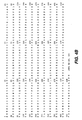
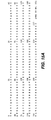
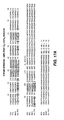
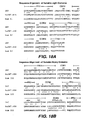
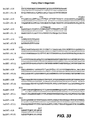
- Fig. 18A and Fig. 18B the CDR1, CDR2 and CDR3 in each chain are enclosed within brackets, flanked by the framework regions, FR1-FR4, as indicated.
- 2H7 refers to murine 2H7 antibody.
- the asterisks in between two rows of sequences indicate the positions that are different between the two sequences. Residue numbering is according to Kabat et al. Sequences of Immunological Interest, 5th Ed. Public Health Service, National Institutes of Health, Bethesda, Md. (1991 ), with insertions shown as a, b, c, d, and e.
- pharmaceutical formulation refers to a preparation which is in such form as to permit the biological activity of the active ingredient to be effective, and which contains no additional components which are unacceptably toxic to a subject to which the formulation would be administered. Such formulations are sterile.
- a "sterile" formulation is asceptic or free from all living microorganisms and their spores.
- a "frozen” formulation is one at a temperature below 0°C.
- the frozen formulation is not freeze-dried, nor is it subjected to prior, or subsequent, lyophilization.
- the frozen formulation comprises frozen drug substance for storage (in stainless steel tank) or frozen drug product (in final vial configuration).
- a “stable" formulation is one in which the protein therein essentially retains its physical stability and/or chemical stability and/or biological activity upon storage. Preferably, the formulation essentially retains its physical and chemical stability, as well as its biological activity upon storage. The storage period is generally selected based on the intended shelf-life of the formulation.
- Various analytical techniques for measuring protein stability are available in the art and are reviewed in Peptide and Protein Drug Delivery, 247-301, Vincent Lee Ed., Marcel Dekker, Inc., New York, New York, Pubs. (1991 ) and Jones, A. Adv. Drug Delivery Rev. 10: 29-90 (1993 ), for example. Stability can be measured at a selected temperature for a selected time period.
- the formulation is stable at about 40°C for at least about 2-4 weeks, and/or stable at about 5°C and/or 15°C for at least 3 months, and/or stable at about -20°C for at least 3 months or at least 1 year.
- the formulation is preferably stable following freezing (to, e.g., -70°C) and thawing of the formulation, for example following 1, 2 or 3 cycles of freezing and thawing.
- Stability can be evaluated qualitatively and/or quantitatively in a variety of different ways, including evaluation of aggregate formation (for example using size exclusion chromatography, by measuring turbidity, and/or by visual inspection); by assessing charge heterogeneity using cation exchange chromatography or capillary zone electrophoresis; amino-terminal or carboxy-terminal sequence analysis; mass spectrometric analysis; SDS-PAGE analysis to compare reduced and intact antibody; peptide map (for example tryptic or LYS-C) analysis; evaluating biological activity or antigen binding function of the antibody; etc.
- Instability may involve any one or more of: aggregation, deamidation (e.g . Asn deamidation), oxidation ( e.g .
- Met oxidation isomerization (e.g . Asp isomeriation), clipping/hydrolysis/fragmentation (e.g . hinge region fragmentation), succinimide formation, unpaired cysteine(s), N-terminal extension, C-terminal processing, glycosylation differences, etc.
- a “deamidated” monoclonal antibody herein is one in which one or more asparagine residue thereof has been derivitized, e.g . to an aspartic acid or an iso-aspartic acid.
- An antibody which is "susceptible to deamidation" is one comprising one or more residue which has been found to be prone to deamidate.
- An antibody which is "susceptible to aggregation" is one which has been found to aggregate with other antibody molecule(s), especially upon freezing and/or agitation.
- An antibody which is "susceptible to fragmentation" is one which has been found to be cleaved into two or more fragments, for example at a hinge region thereof.
- reducing deamidation, aggregation, or fragmentation is intended preventing or decreasing the amount of deamidation, aggregation, or fragmentation relative to the monoclonal antibody formulated at a different pH or in a different buffer.
- biological activity of a monoclonal antibody refers to the ability of the antibody to bind to antigen and result in a measurable biological response which can be measured in vitro or in vivo. Such activity may be antagonistic (for example where the antibody is a HER2 antibody) or agonistic (for instance where the antibody binds DR5).
- the biological activity refers to the ability of the formulated antibody to inhibit proliferation of the human breast cancer cell line MDA-MB-175-VII.
- the biological activity can refer, for example, to the ability of the formulated antibody to kill colon carcinoma, Colo205, cells.
- isotonic is meant that the formulation of interest has essentially the same osmotic pressure as human blood. Isotonic formulations will generally have an osmotic pressure from about 250 to 350mOsm. Isotonicity can be measured using a vapor pressure or ice-freezing type osmometer, for example.
- buffer refers to a buffered solution that resists changes in pH by the action of its acid-base conjugate components.
- the buffer of this invention preferably has a pH in the range from about 5.0 to about 7.0, preferably from about 5.5 to about 6.5, for example from about 5.8 to about 6.2, and most preferably has a pH of about 6.0.
- buffers that will control the pH in this range include acetate, succinate, succinate, gluconate, histidine, citrate, glycylglycine and other organic acid buffers.
- the preferred buffer herein is a histidine buffer.
- a "histidine buffer” is a buffer comprising histidine ions.
- histidine buffers include histidine chloride, histidine acetate, histidine phosphate, histidine sulfate.
- the preferred histidine buffer identified in the examples herein was found to be histidine acetate.
- the histidine acetate buffer is prepared by titrating L-histidine (free base, solid) with acetic acid (liquid).
- the histidine buffer or histidine-acetate buffer is at pH 5.5 to 6.5, preferably pH 5.8 to 6.2.
- a “saccharide” herein comprises the general composition (CH2O)n and derivatives thereof, including monosaccharides, disaccharides, trisaccharides, polysaccharides, sugar alcohols, reducing sugars, nonreducing sugars, etc.
- saccharides herein include glucose, sucrose, trehalose, lactose, fructose, maltose, dextran, glycerin, dextran, erythritol, glycerol, arabitol, sylitol, sorbitol, mannitol, mellibiose, melezitose, raffinose, mannotriose, stachyose, maltose, lactulose, maltulose, glucitol, maltitol, lactitol, iso-maltulose, etc.
- the preferred saccharide herein is a nonreducing disaccharide, such as trehalose or sucrose.
- a surfactant refers to a surface-active agent, preferably a nonionic surfactant.
- surfactants herein include polysorbate (for example, polysorbate 20 and, polysorbate 80); poloxamer ( e.g .
- poloxamer 188 Triton; sodium dodecyl sulfate (SDS); sodium laurel sulfate; sodium octyl glycoside; lauryl-, myristyl-, linoleyl-, or stearyl-sulfobetaine; lauryl-, myristyl-, linoleyl- or stearyl-sarcosine; linoleyl-, myristyl-, or cetyl-betaine; lauroamidopropyl-, cocamidopropyl-, linoleamidopropyl-, myristamidopropyl-, palmidopropyl-, or isostearamidopropyl-betaine ( e.g .
- lauroamidopropyl myristamidopropyl-, palmidopropyl-, or isostearamidopropyl-dimethylamine; sodium methyl cocoyl-, or disodium methyl oleyl-taurate; and the MONAQUATTM series (Mona Industries, Inc., Paterson, New Jersey); polyethyl glycol, polypropyl glycol, and copolymers of ethylene and propylene glycol ( e.g . Pluronics, PF68 etc); etc.
- the preferred surfactant herein is polysorbate 20.
- HER receptor is a receptor protein tyrosine kinase which belongs to the HER receptor family and includes EGFR, HER2, HER3 and HER4 receptors and other members of this family to be identified in the future.
- the HER receptor will generally comprise an extracellular domain, which may bind an HER ligand; a lipophilic transmembrane domain; a conserved intracellular tyrosine kinase domain; and a carboxyl-terminal signaling domain harboring several tyrosine residues which can be phosphorylated.
- the HER receptor is native sequence human HER receptor.
- the extracellular domain of HER2 comprises four domains, Domain I (amino acid residues from about 1-195), Domain II (amino acid residues from about 196-320), Domain III (amino acid residues from about 321-488), and Domain IV (amino acid residues from about 489-632) (residue numbering without signal peptide).
- Domain I amino acid residues from about 1-195
- Domain II amino acid residues from about 196-320
- Domain III amino acid residues from about 321-488
- Domain IV amino acid residues from about 489-632
- ErbB1, "HER1”, “epidermal growth factor receptor” and “EGFR” are used interchangeably herein and refer to EGFR as disclosed, for example, in Carpenter et al. Ann. Rev. Biochem. 56:881-914 (1987 ), including naturally occurring mutant forms thereof (e.g . a deletion mutant EGFR as in Humphrey et al. PNAS (USA) 87:4207-4211 (1990 )).
- erbB 1 refers to the gene encoding the EGFR protein product.
- HER2 refers to human HER2 protein described, for example, in Semba et al., PNAS (USA) 82:6497-6501 (1985 ) and Yamamoto et al. Nature 319:230-234 (1986 ) (Genebank accession number X03363).
- the term “erbB 2 " refers to the gene encoding human ErbB2 and " neu " refers to the gene encoding rat p185 neu .
- Preferred HER2 is native sequence human HER2.
- ErbB3 and HER3 refer to the receptor polypeptide as disclosed, for example, in US Pat. Nos. 5,183,884 and 5,480,968 as well as Kraus et al. PNAS (USA) 86:9193-9197 (1989 ).
- ErbB4 and "HER4" herein refer to the receptor polypeptide as disclosed, for example, in EP Pat Appln No 599,274 ; Plowman et al., Proc. Natl. Acad Sci. USA, 90:1746-1750 (1993 ); and Plowman et al., Nature, 366:473-475 (1993 ), including isoforms thereof, e.g ., as disclosed in WO99/19488, published April 22,1999 .
- HER ligand is meant a polypeptide which binds to and/or activates a HER receptor.
- the HER ligand of particular interest herein is a native sequence human HER ligand such as epidermal growth factor (EGF) ( Savage et al., J. Biol. Chem. 247:7612-7621 (1972 )); transforming growth factor alpha (TGF- ⁇ ) ( Marquardt et al., Science 223:1079-1082 (1984 )); amphiregulin also known as schwanoma or keratinocyte autocrine growth factor ( Shoyab et al. Science 243:1074-1076 (1989 ); Kimura et al.
- EGF epidermal growth factor
- TGF- ⁇ transforming growth factor alpha
- amphiregulin also known as schwanoma or keratinocyte autocrine growth factor
- HER ligands which bind EGFR include EGF, TGF- ⁇ , amphiregulin, betacellulin, HB-EGF and epiregulin.
- HER ligands which bind HER3 include heregulins.
- HER ligands capable of binding HER4 include betacellulin, epiregulin, HB-EGF, NRG-2, NRG-3, NRG-4 and heregulins.
- Heregulin when used herein refers to a polypeptide encoded by the heregulin gene product as disclosed in U.S. Patent No. 5,641,869 or Marchionni et al., Nature, 362:312-318 (1993 ).
- Examples of heregulins include heregulin- ⁇ , heregulin- ⁇ 1, heregulin- ⁇ 2 and heregulin- ⁇ 3 ( Holmes et al., Science, 256:1205-1210 (1992 ); and U.S. Patent No. 5,641,869 ); neu differentiation factor (NDF) ( Peles et al. Cell 69: 205-216 (1992 )); acetylcholine receptor-inducing activity (ARIA) ( Falls et al.
- GGFs glial growth factors
- SMDF motor neuron derived factor
- SMDF neuron derived factor
- the term includes biologically active fragments and/or amino acid sequence variants of a native sequence HRG polypeptide, such as an EGF-like domain fragment thereof ( e.g . HRG ⁇ 1 177-244 ).
- a "HER dimer” herein is a noncovalently associated dimer comprising at least two different HER receptors. Such complexes may form when a cell expressing two or more HER receptors is exposed to an HER ligand and can be isolated by immunoprecipitation and analyzed by SDS-PAGE as described in Sliwkowski et al., J. Biol. Chem., 269(20):14661-14665 (1994 ), for example. Examples of such HER dimers include EGFR-HER2, HER2-HER3 and HER3-HER4 heterodimers. Moreover, the HER dimer may comprise two or more HER2 receptors combined with a different HER receptor, such as HER3, HER4 or EGFR. Other proteins, such as a cytokine receptor subunit ( e.g . gp130) may be associated with the dimer.
- a cytokine receptor subunit e.g . gp130
- a "heterodimeric binding site" on HER2 refers to a region in the extracellular domain of HER2 that contacts, or interfaces with, a region in the extracellular domain of EGFR, HER3 or HER4 upon formation of a dimer therewith. The region is found in Domain II of HER2. Franklin et al. Cancer Cell 5:317-328 (2004 ).
- HER activation or "HER2 activation” refers to activation, or phosphorylation, of any one or more HER receptors, or HER2 receptors. Generally, HER activation results in signal transduction (e.g . that caused by an intracellular kinase domain of a HER receptor phosphorylating tyrosine residues in the HER receptor or a substrate polypeptide). HER activation may be mediated by HER ligand binding to a HER dimer comprising the HER receptor of interest.
- HER ligand binding to a HER dimer may activate a kinase domain of one or more of the HER receptors in the dimer and thereby results in phosphorylation of tyrosine residues in one or more of the HER receptors and/or phosphorylation of tyrosine residues in additional substrate polypeptides(s), such as Akt or MAPK intracellular kinases.
- antibody herein is used in the broadest sense and specifically covers full length monoclonal antibodies, polyclonal antibodies, multispecific antibodies (e.g . bispecific antibodies) formed from at least two full length antibodies, and antibody fragments, so long as they exhibit the desired biological activity.
- the term "monoclonal antibody” as used herein refers to an antibody obtained from a population of substantially homogeneous antibodies, i.e ., the individual antibodies comprising the population are identical and/or bind the same epitope, except for possible variants that may arise during production of the monoclonal antibody, such variants generally being present in minor amounts.
- each monoclonal antibody is directed against a single determinant on the antigen.
- the monoclonal antibodies are advantageous in that they are uncontaminated by other immunoglobulins.
- the modifier "monoclonal” indicates the character of the antibody as being obtained from a substantially homogeneous population of antibodies, and is not to be construed as requiring production of the antibody by any particular method.
- the monoclonal antibodies to be used in accordance with the present invention may be made by the hybridoma method first described by Kohler et al., Nature, 256:495 (1975 ), or may be made by recombinant DNA methods (see, e.g ., U.S. Patent No. 4,816,567 ).
- the "monoclonal antibodies” may also be isolated from phage antibody libraries using the techniques described in Clackson et al., Nature, 352:624-628 (1991 ) and Marks et al., J. Mol. Biol., 222:581-597 (1991 ), for example.
- the monoclonal antibodies herein specifically include "chimeric" antibodies in which a portion of the heavy and/or light chain is identical with or homologous to corresponding sequences in antibodies derived from a particular species or belonging to a particular antibody class or subclass, while the remainder of the chain(s) is identical with or homologous to corresponding sequences in antibodies derived from another species or belonging to another antibody class or subclass, as well as fragments of such antibodies, so long as they exhibit the desired biological activity ( U.S. Patent No. 4,816,567 ; and Morrison et al., Proc. Natl. Acad. Sci. USA, 81:6851-6855 (1984 )).
- Chimeric antibodies of interest herein include "primatized" antibodies comprising variable domain antigen-binding sequences derived from a non-human primate (e.g . Old World Monkey, Ape etc) and human constant region sequences.
- Antibody fragments comprise a portion of a full length antibody, preferably comprising the antigen-binding or variable region thereof.
- antibody fragments include Fab, Fab', F(ab') 2 , and Fv fragments; diabodies; linear antibodies; single-chain antibody molecules; and multispecific antibodies formed from antibody fragment(s).
- a “full length antibody” is one which comprises an antigen-binding variable region as well as a light chain constant domain (C L ) and heavy chain constant domains, C H 1, C H 2 and C H 3.
- the constant domains may be native sequence constant domains ( e.g . human native sequence constant domains) or amino acid sequence variants thereof.
- the full length antibody has one or more effector functions.
- main species antibody refers to the antibody structure in a composition which is the quantitatively predominant antibody molecule in the composition.
- the main species antibody may be a HER2 antibody, such as an antibody that binds to Domain II of HER2, antibody that inhibits HER dimerization more effectively than Trastuzumab, and/or an antibody which binds to a heterodimeric binding site of HER2.
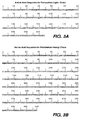
- HER2 antibody comprising the variable light and variable heavy amino acid sequences in SEQ ID Nos. 3 and 4, and most preferably comprising the light chain and heavy chain amino acid sequences in SEQ ID Nos. 15 and 16 (Pertuzumab).
- amino acid sequence variant antibody herein is an antibody with an amino acid sequence which differs from a main species antibody.
- amino acid sequence variants will possess at least about 70% homology with the main species antibody, and preferably, they will be at least about 80%, more preferably at least about 90% homologous with the main species antibody.
- the amino acid sequence variants possess substitutions, deletions, and/or additions at certain positions within or adjacent to the amino acid sequence of the main species antibody.
- amino acid sequence variants herein include acidic variant (e.g . deamidated antibody variant), basic variant, the antibody with an amino-terminal leader extension ( e.g .
- VHS- on one or two light chains thereof, antibody with a C-terminal lysine residue on one or two heavy chains thereof, etc, and includes combinations of variations to the amino acid sequences of heavy and/or light chains.
- the antibody variant of particular interest herein is the antibody comprising an amino-terminal leader extension on one or two light chains thereof, optionally further comprising other amino acid sequence and/or glycosylation differences relative to the main species antibody.
- a “therapeutic monoclonal antibody” is an antibody used for therapy of a human subject.
- Therapeutic monoclonal antibodies disclosed herein include: HER2 antibodies for cancer and various non-malignant diseases or disorders; CD20 or BR3 antibodies for therapy of B cell malignancies, autoimmune diseases, graft rejection, or blocking an immune response to a foreign antigen; IgE antibodies for therapy of an IgE-mediated disorder; DR5 or VEGF antibodies for cancer therapy.
- glycosylation variant antibody herein is an antibody with one or more carbohydrate moeities attached thereto which differ from one or more carbohydate moieties attached to a main species antibody.
- glycosylation variants herein include antibody with a G1 or G2 oligosaccharide structure, instead a G0 oligosaccharide structure, attached to an Fc region thereof, antibody with one or two carbohydrate moieties attached to one or two light chains thereof, antibody with no carbohydrate attached to one or two heavy chains of the antibody, etc, and combinations of glycosylation alterations.
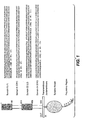
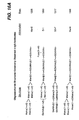
- an oligosaccharide structure such as that shown in Fig. 16 herein may be attached to one or two heavy chains of the antibody, e.g . at residue 299 (298, Eu numbering of residues).
- residue 299 298, Eu numbering of residues.
- G0 was the predominant oligosaccharide structure, with other oligosaccharide structures such as G0-F, G-1, Man5, Man6, G1-1, G1(1-6), G1(1-3) and G2 being found in lesser amounts in the Pertuzumab composition.
- G1 oligosaccharide structure herein includes G-1, G1-1, G1(1-6) and G1(1-3) structures.
- amino-terminal leader extension herein refers to one or more amino acid residues of the amino-terminal leader sequence that are present at the amino-terminus of any one or more heavy or light chains of an antibody.
- An exemplary amino-terminal leader extension comprises or consists of three amino acid residues, VHS, present on one or both light chains of an antibody variant.
- Homology is defined as the percentage of residues in the amino acid sequence variant that are identical after aligning the sequences and introducing gaps, if necessary, to achieve the maximum percent homology. Methods and computer programs for the alignment are well known in the art. One such computer program is "Align 2", authored by Genentech, Inc., which was filed with user documentation in the United States Copyright Office, Washington, DC 20559, on December 10, 1991.
- Antibody effector functions refer to those biological activities attributable to the Fc region (a native sequence Fc region or amino acid sequence variant Fc region) of an antibody.
- Examples of antibody effector functions include C1q binding; complement dependent cytotoxicity; Fc receptor binding; antibody-dependent cell-mediated cytotoxicity (ADCC); phagocytosis; down regulation of cell surface receptors ( e.g . B cell receptor; BCR), etc.
- full length antibodies can be assigned to different "classes". There are five major classes of full length antibodies: IgA, IgD, IgE, IgG, and IgM, and several of these may be further divided into “subclasses” (isotypes), e.g ., IgG1, IgG2, IgG3, IgG4, IgA, and IgA2.
- the heavy-chain constant domains that correspond to the different classes of antibodies are called ⁇ , ⁇ , ⁇ , ⁇ , and ⁇ , respectively.
- the subunit structures and three-dimensional configurations of different classes of immunoglobulins are well known.
- Antibody-dependent cell-mediated cytotoxicity and “ADCC” refer to a cell-mediated reaction in which nonspecific cytotoxic cells that express Fc receptors (FcRs) (e.g . Natural Killer (NK) cells, neutrophils, and macrophages) recognize bound antibody on a target cell and subsequently cause lysis of the target cell.
- FcRs Fc receptors
- FcR expression on hematopoietic cells in summarized is Table 3 on page 464 of Ravetch and Kinet, Annu. Rev. Immunol 9:457-92 (1991 ).
- ADCC activity of a molecule of interest may be assessed in vitro, such as that described in US Patent No. 5,500,362 or 5,821,337.
- useful effector cells for such assays include peripheral blood mononuclear cells (PBMC) and Natural Killer (NK) cells.
- PBMC peripheral blood mononuclear cells
- NK Natural Killer
- ADCC activity of the molecule of interest may be assessed in vivo, e.g., in a animal model such as that disclosed in Clynes et al. PNAS (USA) 95:652-656 (1998 ).
- Human effector cells are leukocytes which express one or more FcRs and perform effector functions. Preferably, the cells express at least Fc ⁇ RIII and perform ADCC effector function. Examples of human leukocytes which mediate ADCC include peripheral blood mononuclear cells (PBMC), natural killer (NK) cells, monocytes, cytotoxic T cells and neutrophils; with PBMCs and NK cells being preferred.
- PBMC peripheral blood mononuclear cells
- NK natural killer cells
- monocytes cytotoxic T cells and neutrophils
- the effector cells may be isolated from a native source thereof, e.g . from blood or PBMCs as described herein.
- Fc receptor or “FcR” are used to describe a receptor that binds to the Fc region of an antibody.
- the preferred FcR is a native sequence human FcR.
- a preferred FcR is one which binds an IgG antibody (a gamma receptor) and includes receptors of the Fc ⁇ RI, Fc ⁇ RII, and Fc ⁇ RIII subclasses, including allelic variants and alternatively spliced forms of these receptors.
- Fc ⁇ RII receptors include Fc ⁇ RIIA (an “activating receptor") and Fc ⁇ RIIB (an “inhibiting receptor”), which have similar amino acid sequences that differ primarily in the cytoplasmic domains thereof.
- Activating receptor Fc ⁇ RIIA contains an immunoreceptor tyrosine-based activation motif (ITAM) in its cytoplasmic domain.
- Inhibiting receptor Fc ⁇ RIIB contains an immunoreceptor tyrosine-based inhibition motif (ITIM) in its cytoplasmic domain.
- ITAM immunoreceptor tyrosine-based activation motif
- ITIM immunoreceptor tyrosine-based inhibition motif
- FcR FcR
- FcRn neonatal receptor
- “Complement dependent cytotoxicity” or “CDC” refers to the ability of a molecule to lyse a target in the presence of complement.
- the complement activation pathway is initiated by the binding of the first component of the complement system (C1q) to a molecule (e.g . an antibody) complexed with a cognate antigen.
- a CDC assay e.g . as described in Gazzano-Santoro et al., J. Immunol. Methods 202:163 (1996 ), may be performed.
- “Native antibodies” are usually heterotetrameric glycoproteins of about 150,000 daltons, composed of two identical light (L) chains and two identical heavy (H) chains. Each light chain is linked to a heavy chain by one covalent disulfide bond, while the number of disulfide linkages varies among the heavy chains of different immunoglobulin isotypes. Each heavy and light chain also has regularly spaced intrachain disulfide bridges. Each heavy chain has at one end a variable domain (V H ) followed by a number of constant domains. Each light chain has a variable domain at one end (V L ) and a constant domain at its other end. The constant domain of the light chain is aligned with the first constant domain of the heavy chain, and the light-chain variable domain is aligned with the variable domain of the heavy chain. Particular amino acid residues are believed to form an interface between the light chain and heavy chain variable domains.
- variable refers to the fact that certain portions of the variable domains differ extensively in sequence among antibodies and are used in the binding and specificity of each particular antibody for its particular antigen. However, the variability is not evenly distributed throughout the variable domains of antibodies. It is concentrated in three segments called hypervariable regions both in the light chain and the heavy chain variable domains. The more highly conserved portions of variable domains are called the framework regions (FRs).
- the variable domains of native heavy and light chains each comprise four FRs, largely adopting a ⁇ -sheet configuration, connected by three hypervariable regions, which form loops connecting, and in some cases forming part of, the ⁇ -sheet structure.
- the hypervariable regions in each chain are held together in close proximity by the FRs and, with the hypervariable regions from the other chain, contribute to the formation of the antigen-binding site of antibodies (see Kabat et al., Sequences of Proteins of Immunological Interest, 5th Ed. Public Health Service, National Institutes of Health, Bethesda, MD. (1991 )).
- the constant domains are not involved directly in binding an antibody to an antigen, but exhibit various effector functions, such as participation of the antibody in antibody dependent cellular cytotoxicity (ADCC).
- hypervariable region when used herein refers to the amino acid residues of an antibody which are responsible for antigen-binding.
- the hypervariable region generally comprises amino acid residues from a "complementarity determining region” or "CDR" (e.g . residues 24-34 (L1), 50-56 (L2) and 89-97 (L3) in the light chain variable domain and 31-35 (H1), 50-65 (H2) and 95-102 (H3) in the heavy chain variable domain; Kabat et al., Sequences of Proteins of Immunological Interest, 5th Ed. Public Health Service, National Institutes of Health, Bethesda, MD.
- CDR complementarity determining region
- Papain digestion of antibodies produces two identical antigen-binding fragments, called “Fab” fragments, each with a single antigen-binding site, and a residual "Fc” fragment, whose name reflects its ability to crystallize readily. Pepsin treatment yields an F(ab') 2 fragment that has two antigen-binding sites and is still capable of cross-linking antigen.
- Fv is the minimum antibody fragment which contains a complete antigen-recognition and antigen-binding site. This region consists of a dimer of one heavy chain and one light chain variable domain in tight, non-covalent association. It is in this configuration that the three hypervariable regions of each variable domain interact to define an antigen-binding site on the surface of the V H -V L dimer. Collectively, the six hypervariable regions confer antigen-binding specificity to the antibody. However, even a single variable domain (or half of an Fv comprising only three hypervariable regions specific for an antigen) has the ability to recognize and bind antigen, although at a lower affinity than the entire binding site.
- the Fab fragment also contains the constant domain of the light chain and the first constant domain (CH1) of the heavy chain.
- Fab' fragments differ from Fab fragments by the addition of a few residues at the carboxy terminus of the heavy chain CH1 domain including one or more cysteines from the antibody hinge region.
- Fab'-SH is the designation herein for Fab' in which the cysteine residue(s) of the constant domains bear at least one free thiol group.
- F(ab') 2 antibody fragments originally were produced as pairs of Fab' fragments which have hinge cysteines between them. Other chemical couplings of antibody fragments are also known.
- the "light chains" of antibodies from any vertebrate species can be assigned to one of two clearly distinct types, called kappa ( ⁇ ) and lambda ( ⁇ ), based on the amino acid sequences of their constant domains.
- Single-chain Fv or “scFv” antibody fragments comprise the V H and V L domains of antibody, wherein these domains are present in a single polypeptide chain.
- the Fv polypeptide further comprises a polypeptide linker between the V H and V L domains which enables the scFv to form the desired structure for antigen binding.
- HER2 antibody scFv fragments are described in WO93/16185 ; U.S. Patent No. 5,571,894 ; and U.S. Patent No. 5,587,458 .
- diabodies refers to small antibody fragments with two antigen-binding sites, which fragments comprise a variable heavy domain (V H ) connected to a variable light domain (V L ) in the same polypeptide chain (V H - V L ).
- V H variable heavy domain
- V L variable light domain
- the domains are forced to pair with the complementary domains of another chain and create two antigen-binding sites.
- Diabodies are described more fully in, for example, EP 404,097 ; WO 93/11161 ; and Hollinger et al., Proc. Natl. Acad Sci. USA, 90:6444-6448 (1993 ).
- Humanized forms of non-human (e.g ., rodent) antibodies are chimeric antibodies that contain minimal sequence derived from non-human immunoglobulin.
- humanized antibodies are human immunoglobulins (recipient antibody) in which residues from a hypervariable region of the recipient are replaced by residues from a hypervariable region of a non-human species (donor antibody) such as mouse, rat, rabbit or nonhuman primate having the desired specificity, affinity, and capacity.
- donor antibody such as mouse, rat, rabbit or nonhuman primate having the desired specificity, affinity, and capacity.
- framework region (FR) residues of the human immunoglobulin are replaced by corresponding non-human residues.
- humanized antibodies may comprise residues that are not found in the recipient antibody or in the donor antibody. These modifications are made to further refine antibody performance.
- the humanized antibody will comprise substantially all of at least one, and typically two, variable domains, in which all or substantially all of the hypervariable loops correspond to those of a non-human immunoglobulin and all or substantially all of the FRs are those of a human immunoglobulin sequence.
- the humanized antibody optionally also will comprise at least a portion of an immunoglobulin constant region (Fc), typically that of a human immunoglobulin.
- Fc immunoglobulin constant region
- Humanized HER2 antibodies include huMAb4D5-1, huMAb4D5-2, huMAb4D5-3, huMAb4D5-4, huMAb4D5-5, huMAb4D5-6, huMAb4D5-7 and huMAb4D5-8 or Trastuzumab (HERCEPTIN®) as described in Table 3 of U.S. Patent 5,821,337 ; humanized 520C9 ( WO93/21319 ) and humanized 2C4 antibodies as described herein.
- Trastuzumab refers to an antibody comprising the light and heavy chain amino acid sequences in SEQ ID NOS. 13 and 14, respectively.
- Pertuzumab refers to an antibody comprising the variable light and variable heavy amino acid sequences in SEQ ID Nos. 3 and 4, respectfully. Where Pertuzumab is a full length antibody, it preferably comprises the light chain and heavy chain amino acid sequences in SEQ ID NOS. 15 and 16, respectively.
- naked antibody is an antibody (as herein defined) that is not conjugated to a heterologous molecule, such as a cytotoxic moiety or radiolabel.
- affinity matured antibody is one with one or more alterations in one or more hypervariable regions thereof which result an improvement in the affinity of the antibody for antigen, compared to a parent antibody which does not possess those alteration(s).
- Preferred affinity matured antibodies will have nanomolar or even picomolar affinities for the target antigen.
- Affinity matured antibodies are produced by procedures known in the art. Marks et al. Bio/Technology 10:779-783 (1992 ) describes affinity maturation by VH and VL domain shuffling. Random mutagenesis of CDR and/or framework residues is described by: Barbas et al. Proc Nat. Acad. Sci, USA 91:3809-3813 (1994 ); Schier et al.
- an "agonist antibody” is an antibody which binds to and activates a receptor.
- the receptor activation capability of the agonist antibody will be at least qualitatively similar (and may be essentially quantitatively similar) to a native agonist ligand of the receptor.
- An example of an agonist antibody is one which binds to a receptor in the TNF receptor superfamily, such as DR5, and induces apoptosis of cells expressing the TNF receptor (e.g. DR5).
- Assays for determining induction of apoptosis are described in WO98/51793 and WO99/37684 .
- an “isolated” antibody is one which has been identified and separated and/or recovered from a component of its natural environment. Contaminant components of its natural environment are materials which would interfere with diagnostic or therapeutic uses for the antibody, and may include enzymes, hormones, and other proteinaceous or nonproteinaceous solutes.
- the antibody will be purified (1) to greater than 95% by weight of antibody as determined by the Lowry method, and most preferably more than 99% by weight, (2) to a degree sufficient to obtain at least 15 residues of N-terminal or internal amino acid sequence by use of a spinning cup sequenator, or (3) to homogeneity by SDS-PAGE under reducing or nonreducing conditions using Coomassie blue or, preferably, silver stain.
- Isolated antibody includes the antibody in situ within recombinant cells since at least one component of the antibody's natural environment will not be present. Ordinarily, however, isolated antibody will be prepared by at least one purification step.
- a HER2 antibody which "inhibits HER dimerization more effectively than Trastuzumab” is one which reduces or eliminates HER dimers more effectively (for example at least about 2-fold more effectively) than Trastuzumab.
- such an antibody inhibits HER2 dimerization at least about as effectively as an antibody selected from the group consisting of murine monoclonal antibody 2C4, a Fab fragment of murine monoclonal antibody 2C4, Pertuzumab, and a Fab fragment of Pertuzumab.
- Assays for screening for antibodies with the ability to inhibit HER dimerization more effectively than Trastuzumab are described in Agus et al. Cancer Cell 2: 127-137 (2002 ) and WO01/00245 (Adams et al. ).
- Cancer Cell 2 127-137 (2002 ); and WO01/00245 ); reduction in HER ligand activation of cells which express HER dimers ( WO01/00245 and Fig. 2A-B of Agus et al. Cancer Cell 2: 127-137 (2002 ), for example); blocking of HER ligand binding to cells which express HER dimers ( WO01/00245 , and Fig. 2E of Agus et al. Cancer Cell 2: 127-137 (2002 ), for example); cell growth inhibition of cancer cells (e.g.
- MCF7, MDA-MD-134, ZR-75-1, MD-MB-175, T-47D cells which express HER dimers in the presence (or absence) of HER ligand ( WO01/00245 and Figs. 3A-D of Agus et al. Cancer Cell 2: 127-137 (2002 ), for instance); inhibition of downstream signaling (for instance, inhibition of HRG-dependent AKT phosphorylation or inhibition of HRG- or TGF ⁇ - dependent MAPK phosphorylation) (see, WO01/00245 , and Fig. 2C-D of Agus et al. Cancer Cell 2: 127-137 (2002 ), for example).
- inhibition of downstream signaling for instance, inhibition of HRG-dependent AKT phosphorylation or inhibition of HRG- or TGF ⁇ - dependent MAPK phosphorylation
- the HER2 antibody may "inhibit HRG-dependent AKT phosphorylation” and/or inhibit "HRG- or TGF ⁇ -dependent MAPK phosphorylation” more effectively (for instance at least 2-fold more effectively) than Trastuzumab (see Agus et al. Cancer Cell 2: 127-137 (2002 ) and WO01/00245 , by way of example).
- the HER2 antibody may be one which does "not inhibit HER2 ectodomain cleavage" ( Molina et al. Cancer Res. 61:4744-4749(2001 ).
- Franklin et al. Cancer Cell 5:317-328 (2004 ) characterize the HER2-Pertuzumab crystal structure, deposited with the RCSB Protein Data Bank (ID Code IS78), illustrating an exemplary antibody that binds to the heterodimeric binding site of HER2.
- an antibody that "binds to domain II" of HER2 binds to residues in domain II and optionally residues in other domain(s) of HER2, such as domains I and III.
- the antibody that binds to domain II binds to the junction between domains I, II and III of HER2.
- a “growth inhibitory agent” when used herein refers to a compound or composition which inhibits growth of a cell, especially a HER expressing cancer cell either in vitro or in vivo.
- the growth inhibitory agent may be one which significantly reduces the percentage of HER expressing cells in S phase.
- growth inhibitory agents include agents that block cell cycle progression (at a place other than S phase), such as agents that induce G1 arrest and M-phase arrest.
- Classical M-phase blockers include the vincas (vincristine and vinblastine), taxanes, and topo II inhibitors such as doxorubicin, epirubicin, daunorubicin, etoposide, and bleomycin.
- Those agents that arrest G 1 also spill over into S-phase arrest, for example, DNA alkylating agents such as tamoxifen, prednisone, dacarbazine, mechlorethamine, cisplatin, methotrexate, 5-fluorouracil, and ara-C. Further information can be found in The Molecular Basis of Cancer, Mendelsohn and Israel, eds., Chapter 1, entitled “Cell cycle regulation, oncogenes, and antineoplastic drugs" by Murakami et al. (WB Saunders: Philadelphia, 1995), especially p. 13 .
- DNA alkylating agents such as tamoxifen, prednisone, dacarbazine, mechlorethamine, cisplatin, methotrexate, 5-fluorouracil, and ara-C.
- growth inhibitory antibodies are those which bind to HER2 and inhibit the growth of cancer cells overexpressing HER2.
- Preferred growth inhibitory HER2 antibodies inhibit growth of SK-BR-3 breast tumor cells in cell culture by greater than 20%, and preferably greater than 50% ( e.g . from about 50% to about 100%) at an antibody concentration of about 0.5 to 30 ⁇ g/ml, where the growth inhibition is determined six days after exposure of the SK-BR-3 cells to the antibody (see U.S. Patent No. 5,677,171 issued October 14, 1997 ).
- the SK-BR-3 cell growth inhibition assay is described in more detail in that patent and hereinbelow.
- the preferred growth inhibitory antibody is a humanized variant of murine monoclonal antibody 4D5, e.g., Trastuzumab.
- An antibody which "induces apoptosis” is one which induces programmed cell death as determined by binding of annexin V, fragmentation of DNA, cell shrinkage, dilation of endoplasmic reticulum, cell fragmentation, and/or formation of membrane vesicles (called apoptotic bodies).
- the cell is usually one which expresses the antigen to which the antibody binds.
- the cell is a tumor cell.
- phosphatidyl serine (PS) translocation can be measured by annexin binding; DNA fragmentation can be evaluated through DNA laddering; and nuclear/chromatin condensation along with DNA fragmentation can be evaluated by any increase in hypodiploid cells.
- the antibody which induces apoptosis is one which results in about 2 to 50 fold, preferably about 5 to 50 fold, and most preferably about 10 to 50 fold, induction of annexin binding relative to untreated cell in an annexin binding assay using cells that express an antigen to which the antibody binds.
- antibodies that induce apoptosis are HER2 antibodies 7C2 and 7F3, and certain DR5 antibodies.
- the "epitope 2C4" is the region in the extracellular domain of HER2 to which the antibody 2C4 binds.
- a routine cross-blocking assay such as that described in Antibodies, A Laboratory Manual, Cold Spring Harbor Laboratory, Ed Harlow and David Lane (1988 ), can be performed.
- epitope mapping can be performed to assess whether the antibody binds to the 2C4 epitope of HER2.
- Epitope 2C4 comprises residues from domain II in the extracellular domain of HER2.
- 2C4 and Pertuzumab bind to the extracellular domain of HER2 at the junction of domains I, II and III. Franklin et al. Cancer Cell 5:317-328 (2004 ).
- the "epitope 4D5" is the region in the extracellular domain of HER2 to which the antibody 4D5 (ATCC CRL 10463) and Trastuzumab bind. This epitope is close to the transmembrane domain of HER2, and within Domain IV of HER2.
- a routine cross-blocking assay such as that described in Antibodies, A Laboratory Manual, Cold Spring Harbor Laboratory, Ed Harlow and David Lane (1988 ), can be performed.
- epitope mapping can be performed to assess whether the antibody binds to the 4D5 epitope of HER2 ( e.g .
- the "epitope 7C2/7F3" is the region at the amino terminus, within Domain I, of the extracellular domain of HER2 to which the 7C2 and/or 7F3 antibodies (each deposited with the ATCC, see below) bind.
- a routine cross-blocking assay such as that described in Antibodies, A Laboratory Manual, Cold Spring Harbor Laboratory, Ed Harlow and David Lane (1988 ), can be performed.
- epitope mapping can be performed to establish whether the antibody binds to the 7C2/7F3 epitope on HER2 (e.g . any one or more of residues in the region from about residue 22 to about residue 53 of HER2).
- Treatment refers to both therapeutic treatment and prophylactic or preventative measures. Those in need of treatment include those already with the disease as well as those in which the disease is to be prevented. Hence, the patient to be treated herein may have been diagnosed as having the disease or may be predisposed or susceptible to the disease.
- cancer and “cancerous” refer to or describe the physiological condition in mammals that is typically characterized by unregulated cell growth.
- cancer include, but are not limited to, carcinoma, lymphoma, blastoma (including medulloblastoma and retinoblastoma), sarcoma (including liposarcoma and synovial cell sarcoma), neuroendocrine tumors (including carcinoid tumors, gastrinoma,and islet cell cancer), mesothelioma, schwannoma (including acoustic neuroma), meningioma, adenocarcinoma, melanoma, and leukemia or lymphoid malignancies.
- cancers include squamous cell cancer (e.g . epithelial squamous cell cancer), lung cancer including small-cell lung cancer, non-small cell lung cancer, adenocarcinoma of the lung and squamous carcinoma of the lung, cancer of the peritoneum, hepatocellular cancer, gastric or stomach cancer including gastrointestinal cancer, pancreatic cancer, glioblastoma, cervical cancer, ovarian cancer, liver cancer, bladder cancer, hepatoma, breast cancer, colon cancer, rectal cancer, colorectal cancer, endometrial or uterine carcinoma, salivary gland carcinoma, kidney or renal cancer, prostate cancer, vulval cancer, thyroid cancer, hepatic carcinoma, anal carcinoma, penile carcinoma, testicular cancer, esophagael cancer, tumors of the biliary tract, as well as head and neck cancer.
- lung cancer including small-cell lung cancer, non-small cell lung cancer, adenocarcinoma of the lung and squamous carcinoma of
- the term "effective amount" refers to an amount of a drug effective to a disease in the patient.
- the effective amount of the drug may reduce the number of cancer cells; reduce the tumor size; inhibit ( i.e ., slow to some extent and preferably stop) cancer cell infiltration into peripheral organs; inhibit ( i.e ., slow to some extent and preferably stop) tumor metastasis; inhibit, to some extent, tumor growth; and/or relieve to some extent one or more of the symptoms associated with the cancer.
- the drug may prevent growth and/or kill existing cancer cells, it may be cytostatic and/or cytotoxic.
- the effective amount may extend progression free survival, result in an objective response (including a partial response, PR, or complete response, CR), increase overall survival time, and/or improve one or more symptoms of cancer.
- a "HER2-expressing cancer” is one comprising cells which have HER2 protein present at their cell surface.
- a cancer which "overexpresses" a HER receptor is one which has significantly higher levels of a HER receptor, such as HER2, at the cell surface thereof, compared to a noncancerous cell of the same tissue type.
- Such overexpression may be caused by gene amplification or by increased transcription or translation.
- HER receptor overexpression may be determined in a diagnostic or prognostic assay by evaluating increased levels of the HER protein present on the surface of a cell ( e.g . via an immunohistochemistry assay; IHC). Alternatively, or additionally, one may measure levels of HER-encoding nucleic acid in the cell, e.g .
- FISH fluorescent in situ hybridization
- PCR polymerase chain reaction
- RT-PCR real time quantitative PCR
- HER receptor overexpression by measuring shed antigen (e.g ., HER extracellular domain) in a biological fluid such as serum (see, e.g ., U.S. Patent No. 4,933,294 issued June 12, 1990 ; WO91/05264 published April 18, 1991 ; U.S. Patent 5,401,638 issued March 28, 1995 ; and Sias et al. J. Immunol. Methods 132: 73-80 (1990 )).
- various in vivo assays are available to the skilled practitioner.
- a detectable label e.g a radioactive isotope
- a cancer which "does not overexpress HER2 receptor" is one which does not express higher than normal levels of HER2 receptor compared to a noncancerous cell of the same tissue type.
- a cancer which "overexpresses" a HER ligand is one which produces significantly higher levels of that ligand compared to a noncancerous cell of the same tissue type. Such overexpression may be caused by gene amplification or by increased transcription or translation. Overexpression of the HER ligand may be determined diagnostically by evaluating levels of the ligand (or nucleic acid encoding it) in the patient, e.g . in a tumor biopsy or by various diagnostic assays such as the IHC, FISH, southern blotting, PCR or in vivo assays described above.
- cytotoxic agent refers to a substance that inhibits or prevents the function of cells and/or causes destruction of cells.
- the term is intended to include radioactive isotopes (e.g . At 211 , I 131 , I 125 , Y 90 , Re 186 , Re 188 , Sm 153 , Bi 212 , P 32 and radioactive isotopes of Lu), chemotherapeutic agents, and toxins such as small molecule toxins or enzymatically active toxins of bacterial, fungal, plant or animal origin, including fragments and/or variants thereof.
- radioactive isotopes e.g . At 211 , I 131 , I 125 , Y 90 , Re 186 , Re 188 , Sm 153 , Bi 212 , P 32 and radioactive isotopes of Lu
- chemotherapeutic agents e.g . At 211 , I 131 , I 125 , Y 90 , Re
- chemotherapeutic agent is a chemical compound useful in the treatment of cancer.
- examples of chemotherapeutic agents include alkylating agents such as thiotepa and cyclosphosphamide (CYTOXAN®); alkyl sulfonates such as busulfan, improsulfan and piposulfan; aziridines such as benzodopa, carboquone, meturedopa, and uredopa; ethylenimines and methylamelamines including altretamine, triethylenemelamine, trietylenephosphoramide, triethiylenethiophosphoramide and trimethylolomelamine; acetogenins (especially bullatacin and bullatacinone); delta-9-tetrahydrocannabinol (dronabinol, MARINOL®); beta-lapachone; lapachol; colchicines; betulinic acid; a camptothecin (including the synthetic analogue topote
- calicheamicin especially calicheamicin gamma1I and calicheamicin omegaI1 (see, e.g., Agnew, Chem Intl. Ed. Engl., 33: 183-186 (1994 )); dynemicin, including dynemicin A; an esperamicin; as well as neocarzinostatin chromophore and related chromoprotein enediyne antiobiotic chromophores), aclacinomysins, actinomycin, authramycin, azaserine, bleomycins, cactinornycin, carabicin, carminomycin, carzinophilin, chromomycinis, dactinomycin, daunorubicin, detorubicin, 6-diazo-5-oxo-L-norleucine, doxorubicin (including ADRIAMYCIN®, morpholino-dox
- celecoxib or etoricoxib include proteosome inhibitor (e.g . PS341); bortezomib (VELCADE®); CCI-779; tipifarnib (R11577); orafenib, ABT510; Bcl-2 inhibitor such as oblimersen sodium (GENASENSE®); pixantrone; EGFR inhibitors (see definition below); tyrosine kinase inhibitors (see definition below); and pharmaceutically acceptable salts, acids or derivatives of any of the above; as well as combinations of two or more of the above such as CHOP, an abbreviation for a combined therapy of cyclophosphamide, doxorubicin, vincristine, and prednisolone, and FOLFOX, an abbreviation for a treatment regimen with oxaliplatin (ELOXATINTM) combined with 5-FU and leucovovin.
- proteosome inhibitor e.g . PS341
- anti-hormonal agents that act to regulate or inhibit hormone action on tumors
- anti-estrogens with mixed agonist/antagonist profile including, tamoxifen (NOLVADEX®), 4-hydroxytamoxifen, toremifene (FARESTON®), idoxifene, droloxifene, raloxifene (VISTA®), trioxifene, keoxifene, and selective estrogen receptor modulators (SERMs) such as SERM3; pure anti-estrogens without agonist properties, such as fulvestrant (FASLODEX®), and EM800 (such agents may block estrogen receptor (ER) dimerization, inhibit DNA binding, increase ER turnover, and/or suppress ER levels); aromatase inhibitors, including steroidal aromatase inhibitors such as formestane and exemestane (AROMASIN®), and nonsteroidal aromatase inhibitors such as anastrazole (ARIMIDEX®), letroz
- EGFR-targeted drug refers to a therapeutic agent that binds to EGFR and, optionally, inhibits EGFR activation.
- agents include antibodies and small molecules that bind to EGFR.
- antibodies which bind to EGFR include MAb 579 (ATCC CRL HB 8506), MAb 455 (ATCC CRL HB8507), MAb 225 (ATCC CRL 8508), MAb 528 (ATCC CRL 8509) (see, US Patent No.
- the anti-EGFR antibody may be conjugated with a cytotoxic agent, thus generating an immunoconjugate (see, e.g., EP659,439A2 , Merck Patent GmbH).
- a cytotoxic agent see, e.g., EP659,439A2 , Merck Patent GmbH.
- small molecules that bind to EGFR include ZD1839 or Gefitinib (IRESSATM; Astra Zeneca), CP-358774 or Erlotinib HCL (TARCEVATM; Genentech/OSI) and AG1478, AG1571 (SU 5271; Sugen).
- a "tyrosine kinase inhibitor” is a molecule which inhibits to some extent tyrosine kinase activity of a tyrosine kinase such as a HER receptor.
- examples of such inhibitors include the EGFR-targeted drugs noted in the preceding paragraph as well as small molecule HER2 tyrosine kinase inhibitor such as TAK165 available from Takeda, dual-HER inhibitors such as EKB-569 (available from Wyeth) which preferentially binds EGFR but inhibits both HER2 & EGFR-overexpressing cells, GW572016 (available from Glaxo) an oral HER2 and EGFR tyrosine kinase inhibitor, and PKI-166 (available from Novartis); pan-HER inhibitors such as canertinib (CI-1033; Pharmacia); Raf-1 inhibitors such as antisense agent ISIS-5132 available from ISIS Pharmaceuticals which inhibits Raf-1 signaling; non-HER targeted
- an "anti-angiogenic agent” refers to a compound which blocks, or interferes with to some degree, the development of blood vessels.
- the anti-angiogenic factor may, for instance, be a small molecule or antibody that binds to a growth factor or growth factor receptor involved in promoting angiogenesis.
- the preferred anti-angiogenic factor herein is an antibody that binds to Vascular Endothelial Growth Factor (VEGF), such as Bevacizumab (AVASTIN®).
- VEGF Vascular Endothelial Growth Factor
- cytokine is a generic term for proteins released by one cell population which act on another cell as intercellular mediators.
- cytokines are lymphokines, monokines, and traditional polypeptide hormones. Included among the cytokines are growth hormone such as human growth hormone, N-methionyl human growth hormone, and bovine growth hormone; parathyroid hormone; thyroxine; insulin; proinsulin; relaxin; prorelaxin; glycoprotein hormones such as follicle stimulating hormone (FSH), thyroid stimulating hormone (TSH), and luteinizing hormone (LH); hepatic growth factor; fibroblast growth factor; prolactin; placental lactogen; tumor necrosis factor- ⁇ and - ⁇ ; mullerian-inhibiting substance; mouse gonadotropin-associated peptide; inhibin; activin; vascular endothelial growth factor; integrin; thrombopoietin (TPO); nerve growth factors such as NGF- ⁇ ; platelet-growth factor;
- the antibody which is formulated is preferably essentially pure and desirably essentially homogeneous (i.e . free from contaminating proteins etc).
- Essentially pure antibody means a composition comprising at least about 90% by weight of the antibody, based on total weight of the composition, preferably at least about 95% by weight.
- Essentially homogeneous antibody means a composition comprising at least about 99% by weight of antibody, based on total weight of the composition.
- B-cell surface marker or "B-cell surface antigen” herein is an antigen expressed on the surface of a B cell that can be targeted with an antibody that binds thereto.
- Exemplary B-cell surface markers include the CD10, CD19, CD20, CD21, CD22, CD23, CD24, CD37, CD40, CD53, CD72, CD73, CD74, CDw75, CDw76, CD77, CDw78, CD79a, CD79b, CD80, CD81, CD82, CD83, CDw84, CD85 and CD86 leukocyte surface markers (for descriptions, see The Leukocyte Antigen Facts Book, 2nd Edition. 1997, ed. Barclay et al. Academic Press, Harcourt Brace & Co., New York ).
- B-cell surface markers include RP105, FcRH2, B-cell CR2, CCR6, P2X5, HLA-DOB, CXCR5, FCER2, BR3, Btig, NAG14, SLGC16270, FcRH1, IRTA2, ATWD578, FcRH3, IRTA1, FcRH6, BCMA, and 239287.
- the B-cell surface marker of particular interest herein is preferentially expressed on B cells compared to other non-B-cell tissues of a mammal and may be expressed on both precursor B cells and mature B cells.
- the preferred B-cell surface marker herein is CD20 or BR3.
- CD20 antigen is an about 35-kDa, non-glycosylated phosphoprotein found on the surface of greater than 90% of B cells from peripheral blood or lymphoid organs. CD20 is present on both normal B cells as well as malignant B cells, but is not expressed on stem cells. Other names for CD20 in the literature include "B-lymphocyte-restricted antigen” and "Bp35". The CD20 antigen is described in Clark et al. Proc. Natl. Acad. Sci. (USA) 82:1766 (1985 ), for example.
- humanized 2H7 refers to a humanized variant of the 2H7 antibody whose CDR sequences are disclosed in US Patent No. 5,500,362 ( Figs. 5 and 6 ) .
- humanized 2H7 antibodies herein include the variants described in WO2004/056312 , as well as other variants, including, but not limited to: 2H7v16, 2H7v31, 2H7v73, 2H7v75, 2H7v96, 2H7v114, 2H7v115, 2H7v116, 2H7v138, 2H7v477, 2H7v375, etc.
- a humanized 2H7 antibody may comprise one, two, three, four, five or six of the following CDR sequences:
- variable light and variable heavy framework sequences such as substantially the human consensus FR residues of human light chain kappa subgroup I (V L ⁇ I), and substantially the human consensus FR residues of human heavy chain subgroup III (V H III). See also WO 2004/056312 (Lowman et al. ).
- variable heavy region may be joined to a human IgG chain constant region, wherein the region may be, for example, IgG1 or IgG3, including native sequence and variant constant regions.
- region may be, for example, IgG1 or IgG3, including native sequence and variant constant regions.
- Such antibody may comprise the variable heavy domain sequence of SEQ ID No. 29 (v16, as shown in Fig. 18B ), optionally also comprising the variable light domain sequence of SEQ ID No. 26 (v16, as shown in Fig. 18A ), which optionally comprises one or more amino acid substitution(s) at positions 56, 100, and/or 100a, e.g. D56A, N100A or N100Y, and/or S100aR in the variable heavy domain and one or more amino acid substitution(s) at positions 32 and/or 92, e.g. M32L and/or S92A, in the variable light domain.
- the antibody is an intact antibody comprising the light chain amino acid sequences of SEQ ID Nos. 63 or 64, and heavy chain amino acid sequences of SEQ ID No. 65, 66, 71 or 72.
- a preferred humanized 2H7 antibody is ocrelizumab (Genentech).
- the antibody herein may further comprise at least one amino acid substitution in the Fc region that improves ADCC activity, such as one wherein the amino acid substitutions are at positions 298, 333, and 334, preferably S298A, E333A, and K334A, using Eu numbering of heavy chain residues. See also US Patent No. 6,737,056B 1, Presta .
- any of these antibodies may comprise at least one substitution in the Fc region that improves FcRn binding or serum half-life, for example a substitution at heavy chain position 434, such as N434W. See also US Patent No. 6,737,056B1, Presta .
- any of these antibodies may further comprise at least one amino acid substitution in the Fc region that increases CDC activity, for example, comprising at least a substitution at position 326, preferably K326A or K326W. See also US Patent No. 6,528,624B 1 (Idusogie et al. ).
- Some preferred humanized 2H7 variants are those comprising the variable light domain of SEQ ID No. 26 and the variable heavy domain of SEQ ID No. 29, including those with or without substitutions in an Fc region (if present), and those comprising a variable heavy domain with alteration N100A; or D56A and N100A; or D56A, N100Y, and S100aR; in SEQ ID No. 29 and a variable light domain with alteration M32L; or S92A; or M32L and S92A; in SEQ ID No. 26.
- M34 in the variable heavy chain of 2H7v16 has been identified as a potential source of antibody stability and is another potential candidate for substitution.
- variable region of variants based on 2H7v16 comprise the amino acid sequences of v16 except at the positions of amino acid substitutions that are indicated in the Table below. Unless otherwise indicated, the 2H7 variants will have the same light chain as that of v16.
- V H 2H7 Version Heavy chain
- V L 2H7 Version Heavy chain
- V H Light chain
- V L changes Fc changes 16 for reference - 31 - - S298A, E333A, K334A 73 N100A M32L 75 N100A M32L S298A, E333A, K334A 96 D56A, N100A S92A 114 D56A, N100A M32L, S92A S298A, E333A, K334A 115 D56A, N100A M32L, S92A S298A, E333A, K334A, E356D, M358L 116 D56A, N100A M32L, S92A S298A, K334A, K322A 138 D56A, N100A M32L, S92A S298A, E333A, K334A, K326A 477 D56A, N100A M32L, S92A S298A, E333A, K3
- One preferred humanized 2H7 comprises 2H7v16 variable light domain sequence: and 2H7v16 variable heavy domain sequence:
- humanized 2H7v16 antibody is an intact antibody, it may comprise the light chain amino acid sequence: and the heavy chain amino acid sequence of SEQ ID No. 65 or:
- Another preferred humanized 2H7 antibody comprises 2H7v511 variable light domain sequence: and 2H7v511 variable heavy domain sequence:
- humanized 2H7v511 antibody may comprise the light chain amino acid sequence: and the heavy chain amino acid sequence of SEQ ID No. 66 or:
- a "B-cell malignancy" herein includes non-Hodgkin's lymphoma (NHL), including low grade/follicular NHL, small lymphocytic (SL) NHL, intermediate grade/follicular NHL, intermediate grade diffuse NHL, high grade immunoblastic NHL, high grade lymphoblastic NHL, high grade small non-cleaved cell NHL, bulky disease NHL, mantle cell lymphoma, AIDS-related lymphoma, and Waldenstrom's Macroglobulinemia; leukemia, including acute lymphoblastic leukemia (ALL), chronic lymphocytic leukemia (CLL), Hairy cell leukemia and chronic myeloblastic leukemia; and other hematologic malignancies. Such malignancies may be treated with antibodies directed against B-cell surface markers, such as CD20.
- non-Hodgkin's lymphoma refers to a cancer of the lymphatic system other than Hodgkin's lymphomas.
- Hodgkin's lymphomas can generally be distinguished from non-Hodgkin's lymphomas by the presence of Reed-Sternberg cells in Hodgkin's lymphomas and the absence of said cells in non-Hodgkin's lymphomas.
- non-Hodgkin's lymphomas encompassed by the term as used herein include any that would be identified as such by one skilled in the art (e.g ., an oncologist or pathologist) in accordance with classification schemes known in the art, such as the Revised European-American Lymphoma (REAL) scheme as described in Color Atlas of Clinical Hematology, Third Edition; A. Victor Hoffbrand and John E. Pettit (eds.) (Harcourt Publishers Limited 2000 ) (see, in particular Fig. 11.57, 11.58 and/or 11.59 ).
- RRL Revised European-American Lymphoma
- More specific examples include, but are not limited to, relapsed or refractory NHL, front line low grade NHL, Stage III/IV NHL, chemotherapy resistant NHL, precursor B lymphoblastic leukemia and/or lymphoma, small lymphocytic lymphoma, B cell chronic lymphacytic leukemia and/or prolymphocytic leukemia and/or small lymphocytic lymphoma, B-cell prolymphocytic lymphoma, immunocytoma and/or lymphoplasmacytic lymphoma, marginal zone B cell lymphoma, splenic marginal zone lymphoma, extranodal marginal zone - MALT lymphoma, nodal marginal zone lymphoma, hairy cell leukemia, plasmacytoma and/or plasma cell myeloma, low grade/follicular lymphoma, intermediate grade/follicular NHL, mantle cell lymphoma, follicle center lymphoma (follicular), intermediate grade diffuse NHL, diffuse large B-cell lymph
- autoimmune disease herein is a disease or disorder arising from and directed against an individual's own tissues or a co-segregate or manifestation thereof or resulting condition therefrom.
- autoimmune diseases or disorders include, but are not limited to arthritis (rheumatoid arthritis, juvenile-onset rheumatoid arthritis, osteoarthritis, psoriatic arthritis, and ankylosing spondylitis), psoriasis, dermatitis including atopic dermatitis, chronic idiopathic urticaria, including chronic autoimmune urticaria, polymyositis/dermatomyositis, toxic epidermal necrolysis, scleroderma (including systemic scleroderma), sclerosis such as progressive systemic sclerosis, inflammatory bowel disease (IBD) (for example, Crohn's disease, ulcerative colitis, autoimmune inflammatory bowel disease), pyoderma gangrenosum, erythema nodosum, primary
- TNF receptor superfamily refers to receptor polypeptides bound by cytokines in the TNF family- Generally, these receptors are Type I transmembrane receptors with one or more cysteine rich repeat sequences in their extracellular domain.
- the TNF receptor superfamily may be further subdivided into (1) death receptors; (2) decoy receptors; and (3) signaling receptors that lack death domains.
- the "death receptors” contain in their cytoplasmic or intracellular region a "death domain", i.e ., a region or sequence which acts to transduce signals in the cell which can result in apoptosis or in induction of certain genes.
- the "decoy receptors” lack a functional death domain and are incapable of transducing signals which result in apoptosis.
- cytokines in the TNF gene family include Tumor Necrosis Factor- alpha (TNF-alpha), Tumor Necrosis Factor-beta (TNF-beta or lymphotoxin), CD30 ligand, CD27 ligand, CD40 ligand, OX-40 ligand, 4-1 BB ligand, Apo-1 ligand (also referred to as Fas ligand or CD95 ligand), Apo-2 ligand (also referred to as TRAIL), Apo-3 ligand (also referred to as TWEAK), osteoprotegerin (OPG), APRIL, RANK ligand (also referred to as TRANCE), and TALL-1 (also referred to as BlyS, BAFF or THANK).
- TNF-alpha Tumor Necrosis Factor- alpha
- TNF receptor superfamily examples include: type 1 Tumor Necrosis Factor Receptor (TNFR1), type 2 Tumor Necrosis Factor Receptor (TNFR2), p75 Nerve Growth Factor receptor (NGFR), the B cell surface antigen CD40, the T cell antigen OX-40, Apo-1 receptor (also called Fas or CD95), Apo-3 receptor (also called DR3, swl-1, TRAMP and LARD), the receptor called "Transmembrane Activator and CAML-Interactor" or "TACI”, BCMA protein, DR4, DR5 (alternatively referred to as Apo-2; TRAIL-R2, TR6, Tango-63, hAPO8, TRICK2 or KILLER), DR6, DcR1 (also referred to as TRID, LIT or TRAIL-R3), DcR2 (also called TRAIL-R4 or TRUNDD), OPG, DcR3 (also called TR6 or M68), CAR1, HVE
- Apo-2 ligand refers to a polypeptide sequence which includes amino acid residues 114-281, inclusive, 95-281, inclusive, residues 92-281, inclusive, residues 91-281, inclusive, residues 41-281, inclusive, residues 39-281, inclusive, residues 15-281, inclusive, or residues 1-281, inclusive, of the amino acid sequence shown in Fig. 24 (SEQ ID No. 46), as well as biologically active fragments, deletional, insertional, and/or substitutional variants of the above sequences.
- the polypeptide sequence comprises residues 114-281 of Fig.
- the polypeptide sequence comprises residues 92-281 or residues 91-281 of Fig. 24 (SEQ ID No. 46).
- the Apo-2L polypeptides may be encoded by the native nucleotide sequence shown in Fig. 24 (SEQ ID No. 45).
- the codon which encodes residue Pro119 may be "CCT" or "CCG”.
- the fragments or variants are biologically active and have at least about 80% amino acid sequence identity, or at least about 90% sequence identity, or at least 95%, 96%, 97%, 98%, or 99% sequence identity with any one of the above sequences.
- the definition encompasses substitutional variants of Apo-2 ligand in which at least one of its native amino acids are substituted by another amino acid such as an alanine residue.
- the definition also encompasses a native sequence Apo-2 ligand isolated from an Apo-2 ligand source or prepared by recombinant and/or synthetic methods.
- the Apo-2 ligand of the invention includes the polypeptides referred to as Apo-2 ligand or TRAIL disclosed in WO97/01633 published January 16, 1997 , WO97/25428 published July 17, 1997 , WO99/36535 published July 22, 1999 , WO 01/00832 published January 4, 2001 , WO02/09755 published February 7, 2002 , WO 00/75191 published December 14, 2000 , and U.S. Patent No. 6,030,945 issued February 29, 2000 .
- the terms are used to refer generally to forms of the Apo-2 ligand which include monomer, dimer, trimer, hexamer or hight oligomer forms of the polypeptide. All numbering of amino acid residues referred to in the Apo-2L sequence use the numbering according to Fig. 24 (SEQ ID No. 46), unless specifically stated otherwise.
- Apo-2 ligand receptor includes the receptors referred to in the art as "DR4" and "DR5.”
- Pan et al. have described the TNF receptor family member referred to as "DR4" ( Pan et al., Science, 276:111-113 (1997 ); see also WO98/32856 published July 30, 1998 ; WO 99/37684 published July 29, 1999 ; WO 00/73349 published December 7, 2000 ; US 6,433,147 issued August 13, 2002 ; US 6,461,823 issued October 8, 2002 , and US 6,342,383 issued January 29, 2002 ).
- DR5 the receptor has also been alternatively referred to as Apo-2; TRAIL-R, TR6, Tango-63, hAPO8, TRICK2 or KILLER; Screaton et al., Curr.
- Apo-2L receptor when used herein encompasses native sequence receptor and receptor variants. These terms encompass Apo-2L receptor expressed in a variety of mammals, including humans. Apo-2L receptor may be endogenously expressed as occurs naturally in a variety of human tissue lineages, or may be expressed by recombinant or synthetic methods.
- a "native sequence Apo-2L receptor” comprises a polypeptide having the same amino acid sequence as an Apo-2L receptor derived from nature. Thus, a native sequence Apo-2L receptor can have the amino acid sequence of naturally-occurring Apo-2L receptor from any mammal, including humans.
- native sequence Apo-2L receptor can be isolated from nature or can be produced by recombinant or synthetic means.
- the term "native sequence Apo-2L receptor” specifically encompasses naturally-occurring truncated or secreted forms of the receptor (e.g. , a soluble form containing, for instance, an extracellular domain sequence), naturally-occurring variant forms (e.g. , alternatively spliced forms) and naturally-occurring allelic variants.
- Receptor variants may include fragments or deletion mutants of the native sequence Apo-2L receptor.
- Figs. 25A-C show the 411 amino acid sequence of human DR5 receptor, along with its nucleotide sequence (SEQ ID Nos.
- a transcriptional splice variant of human DR5 receptor is known in the art. This splice variant encodes the 440 amino acid sequence of human DR5 receptor as shown in Figs. 26A-C , along with its nucleotide sequence (SEQ ID Nos. 49 and 50), and as published in WO 98/35986 on August 20, 1998 .
- Death receptor antibody is used herein to refer generally to antibody or antibodies directed to a receptor in the tumor necrosis factor receptor superfamily and containing a death domain capable of signalling apoptosis, and such antibodies include DR5 antibody and DR4 antibody.
- DR5 receptor antibody “DR5 antibody”, or “anti-DR5 antibody” is used in a broad sense to refer to antibodies that bind to at least one form of a DR5 receptor or extracellular domain thereof.
- the DR5 antibody is fused or linked to a heterologous sequence or molecule.
- the heterologous sequence allows or assists the antibody to form higher order or oligomeric complexes.
- the DR5 antibody binds to DR5 receptor but does not bind or cross-react with any additional Apo-2L receptor (e.g. DR4, DcR1, or DcR2).
- the antibody is an agonist of DR5 signalling activity.
- the DR5 antibody of the invention binds to a DR5 receptor at a concentration range of about 0.1 nM to about 20 mM as measured in a BIAcore binding assay.
- the DR5 antibodies of the invention exhibit an IC50 value of about 0.6 nM to about 18 mM as measured in a BIAcore binding assay.
- Apomab refers to an agonist antibody which binds to DR5 and comprises the variable heavy and variable light amino acid sequences of SEQ ID Nos. 55 and 56.
- Apomab comprises the heavy and light chains of SEQ ID Nos. 51 and 52, respectively.
- the antigen to which the antibody binds is a biologically important glycoprotein and administration of the antibody to a mammal suffering from a disease or disorder can result in a therapeutic benefit in that mammal.
- antibodies directed against nonpolypeptide antigens are also contemplated.
- the antigen is a polypeptide, it may be a transmembrane molecule (e.g. receptor) or ligand such as a growth factor.
- exemplary antigens include molecules such as renin; a growth hormone, including human growth hormone and bovine growth hormone; growth hormone releasing factor; parathyroid hormone; thyroid stimulating hormone; lipoproteins; alpha-1-antitrypsin; insulin A-chain; insulin B-chain; proinsulin; follicle stimulating hormone; calcitonin; luteinizing hormone; glucagon; clotting factors such as factor VIIIC, factor IX, tissue factor (TF), and von Willebrands factor; anti-clotting factors such as Protein C; atrial natriuretic factor; lung surfactant; a plasminogen activator, such as urokinase or human urine or tissue-type plasminogen activator (t-PA); bombesin; thrombin; hemopoietic growth factor; tumor necrosis factor-alpha and
- Exemplary molecular targets for antibodies encompassed by the present invention include CD proteins such as CD3, CD4, CD8, CD19, CD20, CD22, CD34 and CD40; members of the ErbB receptor family such as the EGF receptor, HER2, HER3 or HER4 receptor; B cell surface antigens, such as CD20 or BR3; a member of the tumor necrosis receptor superfamily, including DR5; prostate stem cell antigen (PSCA); cell adhesion molecules such as LFA-1, Mac1, p150.95, VLA-4, ICAM-1, VCAM, alpha4/beta7 integrin, and alphav/beta3 integrin including either alpha or beta subunits thereof (e.g.
- anti-CD11a, anti-CD18 or anti-CD11b antibodies growth factors such as VEGF as well as receptors therefor; tissue factor (TF); a tumor necrosis factor (TNF) such as TNF-alpha or TNF-beta, alpha interferon (alpha-IFN); an interleukin, such as IL-8; IgE; blood group antigens; flk2/flt3 receptor; obesity (OB) receptor; mpl receptor; CTLA-4; protein C etc.
- tissue factor TF
- TNF tumor necrosis factor
- alpha-IFN alpha interferon
- interleukin such as IL-8
- IgE blood group antigens
- flk2/flt3 receptor flk2/flt3 receptor
- OB obesity
- mpl receptor CTLA-4
- protein C etc protein C etc.
- Soluble antigens or fragments thereof, optionally conjugated to other molecules, can be used as immunogens for generating antibodies.
- immunogens for transmembrane molecules, such as receptors, fragments of these (e.g. the extracellular domain of a receptor) can be used as the immunogen.
- transmembrane molecules such as receptors
- fragments of these e.g. the extracellular domain of a receptor
- cells expressing the transmembrane molecule can be used as the immunogen.
- Such cells can be derived from a natural source (e.g. cancer cell lines) or may be cells which have been transformed by recombinant techniques to express the transmembrane molecule.
- Other antigens and forms thereof useful for preparing antibodies will be apparent to those in the art.
- the HER2 antigen to be used for production thereof may be, e.g. , a soluble form of the extracellular domain of HER2 or a portion thereof, containing the desired epitope.
- cells expressing HER2 at their cell surface e.g. NIH-3T3 cells transformed to overexpress HER2; or a carcinoma cell line such as SK-BR-3 cells, see Stancovski et al. PNAS (USA) 88:8691-8695 (1991 ) can be used to generate antibodies.
- Monoclonal antibodies are obtained from a population of substantially homogeneous antibodies, i.e., the individual antibodies comprising the population are identical and/or bind the same epitope, except for possible variants that may arise during production of the monoclonal antibody.
- the modifier "monoclonal" indicates the character of the antibody as not being a mixture of discrete antibodies.
- the monoclonal antibodies may be made using the hybridoma method first described by Kohler et al., Nature, 256:495 (1975 ), or may be made by recombinant DNA methods ( U.S. Patent No. 4,816,567 ).
- a mouse or other appropriate host animal such as a hamster
- lymphocytes that produce or are capable of producing antibodies that will specifically bind to the protein used for immunization.
- lymphocytes may be immunized in vitro. Lymphocytes then are fused with myeloma cells using a suitable fusing agent, such as polyethylene glycol, to form a hybridoma cell ( Goding, Monoclonal Antibodies: Principles and Practice, pp.59-103 (Academic Press, 1986 )).
- the hybridoma cells thus prepared are seeded and grown in a suitable culture medium that preferably contains one or more substances that inhibit the growth or survival of the unfused, parental myeloma cells.
- a suitable culture medium that preferably contains one or more substances that inhibit the growth or survival of the unfused, parental myeloma cells.
- the culture medium for the hybridomas typically will include hypoxanthine, aminopterin, and thymidine (HAT medium), which substances prevent the growth of HGPRT-deficient cells.
- Preferred myeloma cells are those that fuse efficiently, support stable high-level production of antibody by the selected antibody-producing cells, and are sensitive to a medium such as HAT medium.
- preferred myeloma cell lines are murine myeloma lines, such as those derived from MOPC-21 and MPC-11 mouse tumors available from the Salk Institute Cell Distribution Center, San Diego, California USA, and SP-2 or X63-Ag8-653 cells available from the American Type Culture Collection, Rockville, Maryland USA.
- Human myeloma and mouse-human heteromyeloma cell lines also have been described for the production of human monoclonal antibodies ( Kozbor, J. Immunol., 133:3001 (1984 ); and Brön et al., Monoclonal Antibody Production Techniques and Applications, pp. 51-63 (Marcel Dekker, Inc., New York, 1987 )).
- Culture medium in which hybridoma cells are growing is assayed for production of monoclonal antibodies directed against the antigen.
- the binding specificity of monoclonal antibodies produced by hybridoma cells is determined by immunoprecipitation or by an in vitro binding assay, such as radioimmunoassay (RIA) or enzyme-linked immunoabsorbent assay (ELISA).
- RIA radioimmunoassay
- ELISA enzyme-linked immunoabsorbent assay
- the binding affinity of the monoclonal antibody can, for example, be determined by the Scatchard analysis of Munson et al., Anal. Biochem., 107:220 (1980 ).
- the clones may be subcloned by limiting dilution procedures and grown by standard methods ( Goding, Monoclonal Antibodies: Principles and Practice, pp.59-103 (Academic Press, 1986 )). Suitable culture media for this purpose include, for example, D-MEM or RPMI-1640 medium.
- the hybridoma cells may be grown in vivo as ascites tumors in an animal.
- the monoclonal antibodies secreted by the subclones are suitably separated from the culture medium, ascites fluid, or serum by conventional antibody purification procedures such as, for example, protein A-- Sepharose, hydroxylapatite chromatography, gel electrophoresis, dialysis, or affinity chromatography.
- DNA encoding the monoclonal antibodies is readily isolated and sequenced using conventional procedures (e.g. , by using oligonucleotide probes that are capable of binding specifically to genes encoding the heavy and light chains of murine antibodies).
- the hybridoma cells serve as a preferred source of such DNA.
- the DNA may be placed into expression vectors, which are then transfected into host cells such as E. coli cells, simian COS cells, Chinese Hamster Ovary (CHO) cells, or myeloma cells that do not otherwise produce antibody protein, to obtain the synthesis of monoclonal antibodies in the recombinant host cells.
- host cells such as E. coli cells, simian COS cells, Chinese Hamster Ovary (CHO) cells, or myeloma cells that do not otherwise produce antibody protein.
- Review articles on recombinant expression in bacteria of DNA encoding the antibody include Skerra et al., Curr. Opinion in Immunol., 5:256-262
- monoclonal antibodies or antibody fragments can be isolated from antibody phage libraries generated using the techniques described in McCafferty et al., Nature, 348:552-554 (1990 ). Clackson et al., Nature, 352:624-628 (1991 ) and Marks et al., J. Mol. Biol, 222:581-597 (1991 ) describe the isolation of murine and human antibodies, respectively, using phage libraries.
- the DNA also may be modified, for example, by substituting the coding sequence for human heavy chain and light chain constant domains in place of the homologous murine sequences ( U.S. Patent No. 4,816,567 ; and Morrison, et al., Proc. Natl Acad. Sci. USA, 81:6851 (1984 )), or by covalently joining to the immunoglobulin coding sequence all or part of the coding sequence for a non-immunoglobulin polypeptide.
- non-immunoglobulin polypeptides are substituted for the constant domains of an antibody, or they are substituted for the variable domains of one antigen-combining site of an antibody to create a chimeric bivalent antibody comprising one antigen-combining site having specificity for an antigen and another antigen-combining site having specificity for a different antigen.
- a humanized antibody has one or more amino acid residues introduced into it from a source which is non-human. These non-human amino acid residues are often referred to as "import" residues, which are typically taken from an "import” variable domain.
- Humanization can be essentially performed following the method of Winter and co-workers ( Jones et al., Nature, 321:522-525 (1986 ); Riechmann et al., Nature, 332:323-327 (1988 ); Verhoeyen et al., Science, 239:1534-1536 (1988 )), by substituting hypervariable region sequences for the corresponding sequences of a human antibody.
- humanized antibodies are chimeric antibodies ( U.S. Patent No. 4,816,567 ) wherein substantially less than an intact human variable domain has been substituted by the corresponding sequence from a non-human species.
- humanized antibodies are typically human antibodies in which some hypervariable region residues and possibly some FR residues are substituted by residues from analogous sites in rodent antibodies.
- variable domains both light and heavy
- sequence of the variable domain of a rodent antibody is screened against the entire library of known human variable-domain sequences.
- the human sequence which is closest to that of the rodent is then accepted as the human framework region (FR) for the humanized antibody ( Sims et al., J. Immunol., 151:2296 (1993 ); Chothia et al., J. Mol. Biol., 196:901 (1987 )).
- Another method uses a particular framework region derived from the consensus sequence of all human antibodies of a particular subgroup of light or heavy chains.
- the same framework may be used for several different humanized antibodies ( Carter et al., Proc. Natl. Acad. Sci. USA, 89:4285 (1992 ); Presta et al., J. Immunol., 151:2623 (1993 )).
- humanized antibodies are prepared by a process of analysis of the parental sequences and various conceptual humanized products using three-dimensional models of the parental and humanized sequences.
- Three-dimensional immunoglobulin models are commonly available and are familiar to those skilled in the art.
- Computer programs are available which illustrate and display probable three-dimensional conformational structures of selected candidate immunoglobulin sequences. Inspection of these displays permits analysis of the likely role of the residues in the functioning of the candidate immunoglobulin sequence, i.e. , the analysis of residues that influence the ability of the candidate immunoglobulin to bind its antigen.
- FR residues can be selected and combined from the recipient and import sequences so that the desired antibody characteristic, such as increased affinity for the target antigen(s), is achieved.
- the hypervariable region residues are directly and most substantially involved in influencing antigen binding.
- WO01/00245 describes production of exemplary humanized HER2 antibodies which bind HER2 and block ligand activation of a HER receptor.
- the humanized antibody of particular interest herein blocks EGF, TGF- ⁇ and/or HRG mediated activation of MAPK essentially as effectively as murine monoclonal antibody 2C4 (or a Fab fragment thereof) and/or binds HER2 essentially as effectively as murine monoclonal antibody 2C4 (or a Fab fragment thereof).
- the humanized antibody herein may, for example; comprise nonhuman hyper-variable region residues incorporated into a human variable heavy domain and may further comprise a framework region (FR) substitution at a position selected from the group consisting of 69H, 71H and 73H utilizing the variable domain numbering system set forth in Kabat et al., Sequences of Proteins of Immunological Interest, 5th Ed. Public Health Service, National Institutes of Health, Bethesda, MD (1991 ).
- the humanized antibody comprises FR substitutions at two or all of positions 69H, 71H and 73H.
- An exemplary humanized antibody of interest herein comprises variable heavy domain complementarity determining residues GFTFTDYTMX, where X is preferably D or S (SEQ ID No. 7); DVNPNSGGSIYNQRFKG (SEQ ID No. 8); and/or NLGPSFYFDY (SEQ ID No. 9), optionally comprising amino acid modifications of those CDR residues, e.g. where the modifications essentially maintain or improve affinity of the antibody.
- the antibody variant of interest may have from about one to about seven or about five amino acid substitutions in the above variable heavy CDR sequences.
- Such antibody variants may be prepared by affinity maturation, e.g. , as described below.
- the most preferred humanized antibody comprises the variable heavy domain amino acid sequence in SEQ ID No. 4.
- the humanized antibody may comprise variable light domain complementarity determining residues KASQDVSIGVA (SEQ ID No. 10); SASYXXX, where the X as position 5 is preferably R or L, where in the X at position 6 is preferably Y or E, and the X as position 7 is preferably T or S (SEQ ID No. 11); and/or QQYYIYPYT (SEQ ID No. 12), e.g. in addition to those variable heavy domain CDR residues in the preceding paragraph.
- Such humanized antibodies optionally comprise amino acid modifications of the above CDR residues, e.g. where the modifications essentially maintain or improve affinity of the antibody.
- the antibody variant of interest may have from about one to about seven or about five amino acid substitutions in the above variable light CDR sequences.
- Such antibody variants may be prepared by affinity maturation, e.g. , as described below.
- the most preferred humanized antibody comprises the variable light domain amino acid sequence in SEQ ID No. 3.
- the present application also contemplates affinity matured antibodies which bind HER2 and block ligand activation of a HER receptor.
- the parent antibody may be a human antibody or a humanized antibody, e.g. , one comprising the variable light and/or heavy sequences of SEQ ID Nos. 3 and 4, respectively ( i.e . variant 574).
- the affinity matured antibody preferably binds to HER2 receptor with an affinity superior to that of murine 2C4 or variant 574 ( e.g . from about two or about four fold, to about 100 fold or about 1000 fold improved affinity, e.g. as assessed using a HER2-extracellular domain (ECD) ELISA) .
- ECD HER2-extracellular domain
- variable heavy CDR residues for substitution include H28, H30, H34, H35, H64, H96, H99, or combinations of two or more ( e.g. two, three, four, five, six, or seven of these residues).
- variable light CDR residues for alteration include L28, L50, L53, L56, L91, L92, L93, L94, L96, L97 or combinations of two or more ( e.g. two to three, four, five or up to about ten of these residues).
- the humanized antibody or affinity matured antibody may be an antibody fragment, such as a Fab, which is optionally conjugated with one or more cytotoxic agent(s) in order to generate an immunoconjugate.
- the humanized antibody or affinity matured antibody may be an full length antibody, such as an full length IgGl antibody.
- human antibodies can be generated.
- transgenic animals e.g. , mice
- transgenic animals e.g. , mice
- J H antibody heavy-chain joining region
- phage display technology McCafferty et al., Nature 348:552-553 (1990 )
- V domain gene repertoires from unimmunized donors.
- antibody V domain genes are cloned inframe into either a major or minor coat protein gene of a filamentous bacteriophage, such as M13 or fd, and displayed as functional antibody fragments on the surface of the phage particle. Because the filamentous particle contains a single-stranded DNA copy of the phage genome, selections based on the functional properties of the antibody also result in selection of the gene encoding the antibody exhibiting those properties.
- the phage mimics some of the properties of the B-cell.
- Phage display can be performed in a variety of formats; for their review see, e.g. , Johnson, Kevin S. and Chiswell, David J., Current Opinion in Structural Biology 3:564-571 (1993 ).
- V-gene segments can be used for phage display. Clackson et al., Nature, 352:624-628 (1991 ) isolated a diverse array of anti-oxazolone antibodies from a small random combinatorial library of V genes derived from the spleens of immunized mice.
- a repertoire of V genes from unimmunized human donors can be constructed and antibodies to a diverse array of antigens (including self-antigens) can be isolated essentially following the techniques described by Marks et al., J. Mol. Biol. 222:581-597 (1991 ), or Griffith et al., EMBO J. 12:725-734 (1993 ). See, also, U.S. Patent Nos. 5,565,332 and 5,573,905 .
- human antibodies may also be generated by in vitro activated B cells (see U.S. Patents 5,567,610 and 5,229,275 ).
- F(ab') 2 fragments can be isolated directly from recombinant host cell culture.
- Other techniques for the production of antibody fragments will be apparent to the skilled practitioner.
- the antibody of choice is a single chain Fv fragment (scFv). See WO 93/16185 ; U.S. Patent No. 5,571,894 ; and U.S. Patent No. 5,587,458 .
- the antibody fragment may also be a "linear antibody", e.g. , as described in U.S. Patent 5,641,870 for example. Such linear antibody fragments may be monospecific or bispecific.
- Bispecific antibodies are antibodies that have binding specificities for at least two different epitopes.
- Exemplary bispecific antibodies may bind to two different epitopes of the HER2 protein.
- Other such antibodies may combine a HER2 binding site with binding site(s) for EGFR, HER3 and/or HER4.
- a HER2 arm may be combined with an arm which binds to a triggering molecule on a leukocyte such as a T-cell receptor molecule (e.g. CD2 or CD3), or Fc receptors for IgG (FcyR), such as Fc ⁇ RI (CD64), Fc ⁇ RII (CD32) and Fc ⁇ RIII (CD16) so as to focus cellular defense mechanisms to the HER2-expressing cell.
- a triggering molecule such as a T-cell receptor molecule (e.g. CD2 or CD3), or Fc receptors for IgG (FcyR), such as Fc ⁇ RI (CD64), Fc ⁇ RII (CD32) and
- Bispecific antibodies may also be used to localize cytotoxic agents to cells which express HER2. These antibodies possess a HER2-binding arm and an arm which binds the cytotoxic agent (e.g. saporin, anti-interferon- ⁇ , vinca alkaloid, ricin A chain, methotrexate or radioactive isotope hapten). Bispecific antibodies can be prepared as full length antibodies or antibody fragments ( e.g. F(ab') 2 bispecific antibodies).
- cytotoxic agent e.g. saporin, anti-interferon- ⁇ , vinca alkaloid, ricin A chain, methotrexate or radioactive isotope hapten.
- Bispecific antibodies can be prepared as full length antibodies or antibody fragments (e.g. F(ab') 2 bispecific antibodies).
- WO 96/16673 describes a bispecific HER2/Fc ⁇ RIH antibody and U.S. Patent No. 5,837,234 discloses a bispecific HER2/FcyRI antibody IDM1 (Osidem). A bispecific HER2/Fc ⁇ antibody is shown in WO98/02463 .
- U.S. Patent No. 5,821,337 teaches a bispecific HER2/CD3 antibody.
- MDX-210 is a bispecific HER2-Fc ⁇ RIII Ab.
- bispecific antibodies are known in the art. Traditional production of full length bispecific antibodies is based on the coexpression of two immunoglobulin heavy chain-light chain pairs, where the two chains have different specificities ( Millstein et al., Nature, 305:537-539 (1983 )). Because of the random assortment of immunoglobulin heavy and light chains, these hybridomas (quadromas) produce a potential mixture of 10 different antibody molecules, of which only one has the correct Bispecific structure. Purification of the correct molecule, which is usually done by affinity chromatography steps, is rather cumbersome, and the product yields are low. Similar procedures are disclosed in WO 93/08829 , and in Traunecker et al., EMBO J., 10:3655-3659 (1991 ).
- antibody variable domains with the desired binding specificities are fused to immunoglobulin constant domain sequences.
- the fusion preferably is with an immunoglobulin heavy chain constant domain, comprising at least part of the hinge, CH2, and CH3 regions. It is preferred to have the first heavy-chain constant region (CH1) containing the site necessary for light chain binding, present in at least one of the fusions.
- DNAs encoding the immunoglobulin heavy chain fusions and, if desired, the immunoglobulin light chain are inserted into separate expression vectors, and are co-transfected into a suitable host organism.
- the bispecific antibodies are composed of a hybrid immunoglobulin heavy chain with a first binding specificity in one arm, and a hybrid immunoglobulin heavy chain-light chain pair (providing a second binding specificity) in the other arm. It was found that this asymmetric structure facilitates the separation of the desired bispecific compound from unwanted immunoglobulin chain combinations, as the presence of an immunoglobulin light chain in only one half of the bispecific molecule provides for a facile way of separation. This approach is disclosed in WO 94/04690 . For further details of generating bispecific antibodies see, for example, Suresh et al., Methods in Enzymology, 121:210(1986 ).
- the interface between a pair of antibody molecules can be engineered to maximize the percentage of heterodimers which are recovered from recombinant cell culture.
- the preferred interface comprises at least a part of the C H 3 domain of an antibody constant domain.
- one or more small amino acid side chains from the interface of the first antibody molecule are replaced with larger side chains (e.g. tyrosine or tryptophan).
- Compensatory "cavities" of identical or similar size to the large side chain(s) are created on the interface of the second antibody molecule by replacing large amino acid side chains with smaller ones (e.g. alanine or threonine). This provides a mechanism for increasing the yield of the heterodimer over other unwanted end-products such as homodimers.
- Bispecific antibodies include cross-linked or "heteroconjugate" antibodies.
- one of the antibodies in the heteroconjugate can be coupled to avidin, the other to biotin.
- Such antibodies have, for example, been proposed to target immune system cells to unwanted cells ( U.S. Patent No. 4,676,980 ), and for treatment of HIV infection ( WO 91/00360 , WO 92/200373 , and EP 03089 ).
- Heteroconjugate antibodies may be made using any convenient cross-linking methods. Suitable cross-linking agents are well known in the art, and are disclosed in U.S. Patent No. 4,676,980 , along with a number of cross-linking techniques.
- bispecific antibodies can be prepared using chemical linkage.
- Brennan et al., Science, 229: 81 (1985 ) describe a procedure wherein full length antibodies are proteolytically cleaved to generate F(ab') 2 fragments. These fragments are reduced in the presence of the dithiol complexing agent sodium arsenite to stabilize vicinal dithiols and prevent intermolecular disulfide formation.
- the Fab' fragments generated are then converted to thionitrobenzoate (TNB) derivatives.
- One of the Fab-TNB derivatives is then reconverted to the Fab'-thiol by reduction with mercaptoethylamine and is mixed with an equimolar amount of the other Fab'-TNB derivative to form the bispecific antibody.
- the bispecific antibodies produced can be used as agents for the selective immobilization of enzymes.
- bispecific antibodies have been produced using leucine zippers.
- the leucine zipper peptides from the Fos and Jun proteins were linked to the Fab' portions of two different antibodies by gene fusion.
- the antibody homodimers were reduced at the hinge region to form monomers and then re-oxidized to form the antibody heterodimers. This method can also be utilized for the production of antibody homodimers.
- the fragments comprise a heavy-chain variable domain (V H ) connected to a light-chain variable domain (V L ) by a linker which is too short to allow pairing between the two domains on the same chain. Accordingly, the V H and V L domains of one fragment are forced to pair with the complementary V L and V H domains of another fragment, thereby forming two antigen-binding sites.
- V H and V L domains of one fragment are forced to pair with the complementary V L and V H domains of another fragment, thereby forming two antigen-binding sites.
- sFv single-chain Fv
- Antibodies with more than two valencies are contemplated.
- trispecific antibodies can be prepared. Tutt et al. J. Immunol. 147: 60 (1991 ).
- Amino acid sequence modification(s) of the antibodies described herein are contemplated. For example, it may be desirable to improve the binding affinity and/or other biological properties of the antibody.
- Amino acid sequence variants of the Antibody are prepared by introducing appropriate nucleotide changes into the Antibody nucleic acid, or by peptide synthesis. Such modifications include, for example, deletions from, and/or insertions into and/or substitutions of, residues within the amino acid sequences of the Antibody. Any combination of deletion, insertion, and substitution is made to arrive at the final construct, provided that the final construct possesses the desired characteristics.
- the amino acid changes also may alter post-translational processes of the Antibody, such as changing the number or position of glycosylation sites.
- a useful method for identification of certain residues or regions of the Antibody that are preferred locations for mutagenesis is called " alanine scanning mutagenesis" as described by Cunningham and Wells Science, 244:1081-1085 (1989 ).
- a residue or group of target residues are identified (e.g. , charged residues such as arg, asp, his, lys, and glu) and replaced by a neutral or negatively charged amino acid (most preferably alanine or polyalanine) to affect the interaction of the amino acids with antigen.
- Those amino acid locations demonstrating functional sensitivity to the substitutions then are refined by introducing further or other variants at, or for, the sites of substitution.
- the site for introducing an amino acid sequence variation is predetermined, the nature of the mutation per se need not be predetermined. For example, to analyze the performance of a mutation at a given site, ala scanning or random mutagenesis is conducted at the target codon or region and the expressed Antibody variants are screened for the desired activity.
- Amino acid sequence insertions include amino- and/or carboxyl-terminal fusions ranging in length from one residue to polypeptides containing a hundred or more residues, as well as intrasequence insertions of single or multiple amino acid residues.
- terminal insertions include a Antibody with an N-terminal methionyl residue or the antibody fused to a cytotoxic polypeptide.
- Other insertional variants of the Antibody molecule include the fusion to the N- or C-terminus of the Antibody to an enzyme (e.g. for ADEPT) or a polypeptide which increases the serum half-life of the antibody.
- variants are an amino acid substitution variant. These variants have at least one amino acid residue in the Antibody molecule replaced by a different residue.
- the sites of greatest interest for substitutional mutagenesis include the hypervariable regions, but FR or Fc region alterations are also contemplated. Conservative substitutions are shown in Table 1 under the heading of "preferred substitutions". If such substitutions result in a change in biological activity, then more substantial changes, denominated "exemplary substitutions" in Table 1, or as further described below in reference to amino acid classes, may be introduced and the products screened.
- Substantial modifications in the biological properties of the antibody are accomplished by selecting substitutions that differ significantly in their effect on maintaining (a) the structure of the polypeptide backbone in the area of the substitution, for example, as a sheet or helical conformation, (b) the charge or hydrophobicity of the molecule at the target site, or (c) the bulk of the side chain.
- Amino acids may be grouped according to similarities in the properties of their side chains (in A. L. Lehninger, in Biochemistry, second ed., pp. 73-75, Worth Publishers, New York (1975 )):
- Naturally occurring residues may be divided into groups based on common side-chain properties:
- Non-conservative substitutions will entail exchanging a member of one of these classes for another class.
- cysteine residue not involved in maintaining the proper conformation of the Antibody also may be substituted, generally with serine, to improve the oxidative stability of the molecule and prevent aberrant crosslinking.
- cysteine bond(s) may be added to the antibody to improve its stability (particularly where the antibody is an antibody fragment such as an Fv fragment).
- a particularly preferred type of substitutional variant involves substituting one or more hypervariable region residues of a parent antibody (e.g. a humanized or human antibody).
- a parent antibody e.g. a humanized or human antibody
- the resulting variant(s) selected for further development will have improved biological properties relative to the parent antibody from which they are generated.
- a convenient way for generating such substitutional variants involves affinity maturation using phage display. Briefly, several hypervariable region sites (e.g. 6-7 sites) are mutated to generate all possible amino substitutions at each site.
- the antibody variants thus generated are displayed in a monovalent fashion from filamentous phage particles as fusions to the gene III product of M13 packaged within each particle. The phage-displayed variants are then screened for their biological activity (e.g .
- alanine scanning mutagenesis can be performed to identify hypervariable region residues contributing significantly to antigen binding.
- Another type of amino acid variant of the antibody alters the original glycosylation pattern of the antibody. By altering is meant deleting one or more carbohydrate moieties found in the antibody, and/or adding one or more glycosylation sites that are not present in the antibody.
- N-linked refers to the attachment of the carbohydrate moiety to the side chain of an asparagine residue.
- the tripeptide sequences asparagine-X-serine and asparagine-X-threonine, where X is any amino acid except proline, are the recognition sequences for enzymatic attachment of the carbohydrate moiety to the asparagine side chain.
- X is any amino acid except proline
- O-linked glycosylation refers to the attachment of one of the sugars N-aceylgalactosamine, galactose, or xylose to a hydroxyamino acid, most commonly serine or threonine, although 5-hydroxyproline or 5-hydroxylysine may also be used.
- glycosylation sites to the antibody is conveniently accomplished by altering the amino acid sequence such that it contains one or more of the above-described tripeptide sequences (for N-linked glycosylation sites).
- the alteration may also be made by the addition of, or substitution by, one or more serine or threonine residues to the sequence of the original antibody (for O-linked glycosylation sites).
- the carbohydrate attached thereto may be altered.
- antibodies with a mature carbohydrate structure that lacks fucose attached to an Fc region of the antibody are described in US Pat Appl No US 2003/0157108 A1, Presta, L . See also US 2004/0093621 A1 (Kyowa Hakko Kogyo Co., Ltd).
- Antibodies with a bisecting N-acetylglucosamine (GIcNAc) in the carbohydrate attached to an Fc region of the antibody are referenced in WO03/011878, Jean-Mairet et al . and US Patent No. 6,602,684, Umana et al .
- Antibodies with at least one galactose residue in the oligosaccharide attached to an Fc region of the antibody are reported in WO97/30087, Patel et al . See, also, WO98/58964 (Raju, S. ) and WO99/22764 (Raju, S. ) concerning antibodies with altered carbohydrate attached to the Fc region thereof. Antibody compositions comprising main species antibody with such carbohydrate structures attached to the Fc region are contemplated herein.
- Nucleic acid molecules encoding amino acid sequence variants of the Antibody are prepared by a variety of methods known in the art. These methods include, but are not limited to, isolation from a natural source (in the case of naturally occurring amino acid sequence variants) or preparation by oligonucleotide-mediated (or site-directed) mutagenesis, PCR mutagenesis, and cassette mutagenesis of an earlier prepared variant or a non-variant version of the antibody.
- the ability of the antibody to block HER ligand binding to cells expressing the HER receptor may be determined. For example, cells naturally expressing, or transfected to express, HER receptors of the HER hetero-oligomer may be incubated with the antibody and then exposed to labeled HER ligand. The ability of the HER2 antibody to block ligand binding to the HER receptor in the HER hetero-oligomer may then be evaluated.
- HER2 antibodies inhibition of HRG binding to MCF7 breast tumor cell lines by HER2 antibodies may be performed using monolayer MCF7 cultures on ice in a 24-well-plate format essentially as described in WO01/00245 .
- HER2 monoclonal antibodies may be added to each well and incubated for 30 minutes.
- 125 I-labeled rHRG ⁇ 1 177-224 25 pm may then be added, and the incubation may be continued for 4 to 16 hours.
- Dose response curves may be prepared and an IC 50 value may be calculated for the antibody of interest.
- the antibody which blocks ligand activation of an HER receptor will have an IC 50 for inhibiting HRG binding to MCF7 cells in this assay of about 50nM or less, more preferably 10nM or less.
- the IC 50 for inhibiting HRG binding to MCF7 cells in this assay may, for example, be about 100nM or less, more preferably 50nM or less.
- the ability of the HER2 antibody to block HER ligand-stimulated tyrosine phosphorylation of a HER receptor present in a HER hetero-oligomer may be assessed.
- cells endogenously expressing the HER receptors or transfected to expressed them may be incubated with the antibody and then assayed for HER ligand-dependent tyrosine phosphorylation activity using an antiphosphotyrosine monoclonal (which is optionally conjugated with a detectable label).
- the kinase receptor activation assay described in U.S. Patent No. 5,766,863 is also available for determining HER receptor activation and blocking of that activity by an antibody.
- MCF7 cells may be plated in 24-well plates and monoclonal antibodies to HER2 may be added to each well and incubated for 30 minutes at room temperature; then rHRG ⁇ 1 177-244 may be added to each well to a final concentration of 0.2 nM, and the incubation may be continued for 8 minutes. Media may be aspirated from each well, and reactions may be stopped by the addition of 100 ⁇ l of SDS sample buffer (5% SDS, 25 mM DTT, and 25 mM Tris-HCl, pH 6.8).
- SDS sample buffer 5% SDS, 25 mM DTT, and 25 mM Tris-HCl, pH 6.8.
- Each sample (25 ⁇ l) may be electrophoresed on a 4-12% gradient gel (Novex) and then electrophoretically transferred to polyvinylidene difluoride membrane.
- Antiphosphotyrosine (at 1 ⁇ g/ml) immunoblots may be developed, and the intensity of the predominant reactive band at M r ⁇ 180,000 may be quantified by reflectance densitometry.
- the antibody selected will preferably significantly inhibit HRG stimulation of p180 tyrosine phosphorylation to about 0-35% of control in this assay.
- a dose-response curve for inhibition of HRG stimulation of p180 tyrosine phosphorylation as determined by reflectance densitometry may be prepared and an IC 50 for the antibody of interest may be calculated.
- the antibody which blocks ligand activation of a HER receptor will have an IC 50 for inhibiting HRG stimulation of p 180 tyrosine phosphorylation in this assay of about 50nM or less, more preferably 10nM or less.
- the IC 50 for inhibiting HRG stimulation of p180 tyrosine phosphorylation in this assay may, for example, be about 100nM or less, more preferably 50nM or less.
- MDA-MB-175 cells may also assess the growth inhibitory effects of the antibody on MDA-MB-175 cells, e.g, essentially as described in Schaefer et al. Oncogene 15:1385-1394 (1997 ).
- MDA-MB-175 cells may treated with a HER2 monoclonal antibody (10 ⁇ g/mL) for 4 days and stained with crystal violet.
- Incubation with a HER2 antibody may show a growth inhibitory effect on this cell line similar to that displayed by monoclonal antibody 2C4.
- exogenous HRG will not significantly reverse this inhibition.
- the antibody will be able to inhibit cell proliferation of MDA-MB-175 cells to a greater extent than monoclonal antibody 4D5 (and optionally to a greater extent than monoclonal antibody 7F3), both in the presence and absence of exogenous HRG.
- the HER2 antibody of interest may block heregulin dependent association of HER2 with HER3 in both MCF7 and SK-BR-3 cells as determined in a co-immunoprecipitation experiment such as that described in WO011/00245 substantially more effectively than monoclonal antibody 4D5, and preferably substantially more effectively than monoclonal antibody 7F3.
- the growth inhibitory antibody of choice is able to inhibit growth of SK-BR-3 cells in cell culture by about 20-100% and preferably by about 50-100% at an antibody concentration of about 0.5 to 30 ⁇ g/ml.
- the SK-BR-3 assay described in U.S. Patent No. 5,677,171 can be performed. According to this assay, SK-BR-3 cells are grown in a 1:1 mixture of F12 and DMEM medium supplemented with 10% fetal bovine serum, glutamine and penicillin streptomycin.
- the SK-BR-3 cells are plated at 20,000 cells in a 35mm cell culture dish (2mls/35mm dish). 0.5 to 30 ⁇ g/ml of the HER2 antibody is added per dish. After six days, the number of cells, compared to untreated cells are counted using an electronic COULTERTM cell counter. Those antibodies which inhibit growth of the SK-BR-3 cells by about 20-100% or about 50-100% may be selected as growth inhibitory antibodies. See US Pat No. 5,677,171 for assays for screening for growth inhibitory antibodies, such as 4D5 and 3E8.
- an annexin binding assay using BT474 cells is available.
- the BT474 cells are cultured and seeded in dishes as discussed in the preceding paragraph.
- the medium is then removed and replaced with fresh medium alone or medium containing 10 ⁇ g/ml of the monoclonal antibody.
- monolayers are washed with PBS and detached by trypsinization.
- Cells are then centrifuged, resuspended in Ca 2+ binding buffer and aliquoted into tubes as discussed above for the cell death assay. Tubes then receive labeled annexin (e.g. annexin V-FTIC) (1 ⁇ g/ml).
- labeled annexin e.g. annexin V-FTIC
- Samples may be analyzed using a FACSCANTM flow cytometer and FACSCONVERTTM CellQuest software (Becton Dickinson). Those antibodies which induce statistically significant levels of annexin binding relative to control are selected as apoptosis-inducing antibodies. In addition to the annexin binding assay, a DNA staining assay using BT474 cells is available.
- BT474 cells which have been treated with the antibody of interest as described in the preceding two paragraphs are incubated with 9 ⁇ g/ml HOECHST 33342TM for 2 hr at 37°C, then analyzed on an EPICS ELITETM flow cytometer (Coulter Corporation) using MODFIT LTTM software (Verity Software House).
- Antibodies which induce a change in the percentage of apoptotic cells which is 2 fold or greater (and preferably 3 fold or greater) than untreated cells (up to 100% apoptotic cells) may be selected as pro-apoptotic antibodies using this assay. See WO98/17797 for assays for screening for HER2 antibodies which induce apoptosis, such as 7C2 and 7F3.
- a routine cross-blocking assay such as that described in Antibodies, A Laboratory Manual, Cold Spring Harbor Laboratory, Ed Harlow and David Lane (1988 ), can be performed to assess whether the antibody cross-blocks binding of an antibody, such as 2C4 or Pertuzumab, to HER2.
- epitope mapping can be performed by methods known in the art and/or one can study the antibody-HER2 structure ( Franklin et al. Cancer Cell 5:317-328 (2004 )) to see what domain(s) of HER2 is/are bound by the antibody.
- immunoconjugates comprising an antibody conjugated to a cytotoxic agent such as a chemotherapeutic agent, toxin (e.g. a small molecule toxin or an enzymatically active toxin of bacterial, fungal, plant or animal origin, including fragments and/or variants thereof), or a radioactive isotope (i.e. , a radioconjugate).
- a cytotoxic agent such as a chemotherapeutic agent, toxin (e.g. a small molecule toxin or an enzymatically active toxin of bacterial, fungal, plant or animal origin, including fragments and/or variants thereof), or a radioactive isotope (i.e. , a radioconjugate).
- Conjugates of an antibody and one or more small molecule toxins such as a calicheamicin, a maytansine ( U.S. Patent No. 5,208,020 ), a trichothene, and CC1065 are also contemplated herein.
- the antibody may be conjugated to one or more maytansine molecules (e.g. about 1 to about 10 maytansine molecules per antibody molecule).
- Maytansine may, for example, be converted to May-SS-Me which may be reduced to May-SH3 and reacted with modified antibody ( Chari et al. Cancer Research 52: 127-131 (1992 )) to generate a maytansinoid-antibody immunoconjugate.
- Another immunoconjugate of interest comprises a HER2 antibody conjugated to one or more calicheamicin molecules.
- the calicheamicin family of antibiotics are capable of producing double-stranded DNA breaks at sub-picomolar concentrations.
- Structural analogues of calicheamicin which may be used include, but are not limited to, ⁇ 1 I , ⁇ 2 I , ⁇ 3 I , N-acetyl- ⁇ 1 I , PSAG and ⁇ I 1 ( Hinman et al. Cancer Research 53: 3336-3342 (1993 ) and Lode et al. Cancer Research 58: 2925-2928 (1998 )). See, also, US Patent Nos. 5,714,586 ; 5,712,374 ; 5,264,586 ; and 5,773,001 .
- Enzymatically active toxins and fragments thereof which can be used include diphtheria A chain, nonbinding active fragments of diphtheria toxin, exotoxin A chain (from Pseudomonas aeruginosa ), ricin A chain, abrin A chain, modeccin A chain, alpha-sarcin, Aleurites fordii proteins, dianthin proteins, Phytolaca americana proteins (PAPI, PAPII, and PAP-S), momordica charantia inhibitor, curcin, crotin, sapaonaria officinalis inhibitor, gelonin, mitogellin, restrictocin, phenomycin, enomycin and the tricothecenes. See, for example, WO 93/21232 published October 28, 1993 .
- an immunoconjugate formed between an antibody and a compound with nucleolytic activity (e.g. a ribonuclease or a DNA endonuclease such as a deoxyribonuclease; DNase).
- a compound with nucleolytic activity e.g. a ribonuclease or a DNA endonuclease such as a deoxyribonuclease; DNase.
- radioactive isotopes are available for the production of radioconjugated HER2 antibodies. Examples include At 211 , I 131 , I 125 , Y 90 , Re 186 , Re 188 , Sm 153 , Bi 212 ,P 32 and radioactive isotopes of Lu.
- Conjugates of the antibody and cytotoxic agent may be made using a variety of bifunctional protein coupling agents such as N-succinimidyl-3-(2-pyridyldithiol) propionate (SPDP), succinimidyl-4-(N-maleimidomethyl) cyclohexane-1-carboxylate, iminothiolane (IT), bifunctional derivatives of imidoesters (such as dimethyl adipimidate HCL), active esters (such as disuccinimidyl suberate), aldehydes (such as glutareldehyde), bis-azido compounds (such as bis (p-azidobenzoyl) hexanediamine), bis-diazonium derivatives (such as bis-(p-diazoniumbenzoyl)-ethylenediamine), diisocyanates (such as tolyene 2,6-diisocyanate), and bis-active fluorine compounds (such as 1,5-di
- a ricin immunotoxin can be prepared as described in Vitetta et al. Science 238: 1098 (1987 ).
- Carbon-14-labeled 1-isothiocyanatobenzyl-3-methyldiethylene triaminepentaacetic acid (MX-DTPA) is an exemplary chelating agent for conjugation of radionucleotide to the antibody. See WO94/11026 .
- the linker may be a "cleavable linker" facilitating release of the cytotoxic drug in the cell.
- an acid-labile linker, peptidase-sensitive linker, dimethyl linker or disulfide-containing linker Chari et al. Cancer Research 52: 127-131 (1992 ) may be used.
- a fusion protein comprising the HER2 antibody and cytotoxic agent may be made, e.g. by recombinant techniques or peptide synthesis.
- the antibody may be conjugated to a "receptor” (such streptavidin) for utilization in tumor pretargeting wherein the antibody-receptor conjugate is administered to the patient, followed by removal of unbound conjugate from the circulation using a clearing agent and then administration of a "ligand” (e.g. avidin) which is conjugated to a cytotoxic agent (e.g. a radionucleotide).
- a "receptor” such streptavidin
- a ligand e.g. avidin
- cytotoxic agent e.g. a radionucleotide
- the antibody may be linked to one of a variety of nonproteinaceous polymers, e.g. , polyethylene glycol, polypropylene glycol, polyoxyalkylenes, or copolymers of polyethylene glycol and polypropylene glycol.
- the antibody also may be entrapped in microcapsules prepared, for example, by coacervation techniques or by interfacial polymerization (for example, hydroxymethylcellulose or gelatin-microcapsules and poly-(methylmethacylate) microcapsules, respectively), in colloidal drug delivery systems (for example, liposomes, albumin microspheres, microemulsions, nano-particles and nanocapsules), or in macroemulsions.
- colloidal drug delivery systems for example, liposomes, albumin microspheres, microemulsions, nano-particles and nanocapsules
- ADCC antigen-dependent cell-mediated cyotoxicity
- CDC complement dependent cytotoxicity
- This may be achieved by introducing one or more amino acid substitutions in an Fc region of the antibody.
- cysteine residue(s) may be introduced in the Fc region, thereby allowing interchain disulfide bond formation in this region.
- the homodimeric antibody thus generated may have improved internalization capability and/or increased complement-mediated cell killing and antibody-dependent cellular cytotoxicity (ADCC) - See Caron et al., J. Exp Med. 176:1191-1195 (1992 ) and Shopes, B. J.
- Homodimeric antibodies with enhanced anti-tumor activity may also be prepared using heterobifunctional cross-linkers as described in Wolff et al. Cancer Research 53:2560-2565 (1993 ).
- an antibody can be engineered which has dual Fc regions and may thereby have enhanced complement lysis and ADCC capabilities. See Stevenson et al. Anti-Cancer Drug Design 3:219-230 (1989 ).
- WO00/42072 (Presta, L.) describes antibodies with improved ADCC function in the presence of human effector cells, where the antibodies comprise amino acid substitutions in the Fc region thereof.
- the antibody with improved ADCC comprises substitutions at positions 298, 333, and/or 334 of the Fc region.
- the altered Fc region is a human IgG1 Fc region comprising or consisting of substitutions at one, two or three of these positions.
- Antibodies with altered C1q binding and/or complement dependent cytotoxicity are described in WO99/51642 , US Patent No. 6,194,551B1 , US Patent No. 6,242,195B1 , US Patent No. 6,528,624B1 and US Patent No. 6,538,124 (Idusogie et al. ).
- the antibodies comprise an amino acid substitution at one or more of amino acid positions 270, 322, 326, 327, 329, 313, 333 and/or 334 of the Fc region thereof.
- a salvage receptor binding epitope refers to an epitope of the Fc region of an IgG molecule (e.g ., IgG 1 , IgG 2 , IgG 3 , or IgG 4 ) that is responsible for increasing the in vivo serum half-life of the IgG molecule.
- IgG 1 e.g ., IgG 1 , IgG 2 , IgG 3 , or IgG 4
- Antibodies with substitutions in an Fc region thereof and increased serum half-lives are also described in WO00/42072 (Presta, L. ).
- the HER2 antibodies disclosed herein may also be formulated as immunoliposomes.
- Liposomes containing the antibody are prepared by methods known in the art, such as described in Epstein et al., Proc. Natl. Acad. Sci. USA, 82:3688 (1985 ); Hwang et al., Proc. Natl Acad. Sci. USA, 77:4030 (1980 ); U.S. Pat. Nos. 4,485,045 and 4,544,545 ; and WO97/38731 published October 23, 1997 .
- Liposomes with enhanced circulation time are disclosed in U.S. Patent No. 5,013,556 .
- Particularly useful liposomes can be generated by the reverse phase evaporation method with a lipid composition comprising phosphatidylcholine, cholesterol and PEG-derivatized phosphatidylethanolamine (PEG-PE). Liposomes are extruded through filters of defined pore size to yield liposomes with the desired diameter.
- Fab' fragments of the antibody of the present invention can be conjugated to the liposomes as described in Martin et al. J. Biol. Chem. 257: 286-288 (1982 ) via a disulfide interchange reaction.
- a chemotherapeutic agent is optionally contained within the liposome. See Gabizon et al. J. National Cancer Inst.81(19)1484 (1989 ).
- Exemplary antibodies which can be formulated according to the present invention include, but are not limited to the following:
- formulations comprising a composition which comprises a mixture of a main species antibody and one or more variants thereof.
- the main species antibody binds HER2
- the HER2 antibody is one which binds to Domain II of HER2, inhibits HER dimerization more effectively than Trastuzumab, and/or binds to a heterodimeric binding site of HER2.
- the main species antibody may be one comprising the variable light and variable heavy amino acid sequences in SEQ ID Nos. 3 and 4, and most preferably comprising a light chain amino acid sequence selected from SEQ ID No. 15 and 23, and a heavy chain amino acid sequence selected from SEQ ID No. 16 and 24.
- the formulated HER2 antibody composition may comprise a mixture of the main species HER2 antibody and an amino acid sequence variant thereof comprising an amino-terminal leader extension.
- the amino-terminal leader extension is on a light chain of the antibody variant ( e.g. on one or two light chains of the antibody variant).
- the main species HER2 antibody or the antibody variant may be an full length antibody or antibody fragment ( e.g. Fab of F(ab')2 fragments), but preferably both are full length antibodies.
- the antibody variant herein may comprise an amino-terminal leader extension on any one or more of the heavy or light chains thereof.
- the amino-terminal leader extension is on one or two light chains of the antibody.
- the amino-terminal leader extension preferably comprises or consists of VHS-.
- Presence of the amino-terminal leader extension in the composition can be detected by various analytical techniques including, but not limited to, N-terminal sequence analysis, assay for charge heterogeneity (for instance, cation exchange chromatography or capillary zone electrophoresis), mass spectrometry, etc.
- the amount of the antibody variant in the composition generally ranges from an amount that constitutes the detection limit of any assay (preferably N-terminal sequence analysis) used to detect the variant to an amount less than the amount of the main species antibody. Generally, about 20% or less ( e.g. from about 1% to about 15%, for instance from 5% to about 15%) of the antibody molecules in the composition comprise an amino-terminal leader extension.
- Such percentage amounts are preferably determined using quantitative N-terminal sequence analysis or cation exchange analysis (preferably using a high-resolution, weak cation-exchange column, such as a PROPAC WCX-10TM cation exchange column).
- a high-resolution, weak cation-exchange column such as a PROPAC WCX-10TM cation exchange column.
- further amino acid sequence alterations of the main species antibody and/or variant are contemplated, including but not limited to an antibody comprising a C-terminal lysine residue on one or both heavy chains thereof, a deamidated antibody variant, etc.
- the main species antibody or variant may further comprise glycosylation variations, nonlimiting examples of which include HER2 antibody comprising a G1 or G2 oligosaccharide structure attached to the Fc region thereof, HER2 antibody comprising a carbohydrate moiety attached to a light chain thereof ( e.g. one or two carbohydrate moieties attached to one or two light chains of the antibody), HER2 antibody comprising a non-glycosylated heavy chain.
- glycosylation variations nonlimiting examples of which include HER2 antibody comprising a G1 or G2 oligosaccharide structure attached to the Fc region thereof, HER2 antibody comprising a carbohydrate moiety attached to a light chain thereof (e.g. one or two carbohydrate moieties attached to one or two light chains of the antibody), HER2 antibody comprising a non-glycosylated heavy chain.
- the present invention provides, in a first aspect, a stable pharmaceutical formulation as defined in claim 1.
- the antibody in the formulation may be an antibody fragment comprising an antigen-binding region, such as a Fab or F(ab')2 fragment.
- a pharmaceutical formulation comprising, or consisting essentially of, a full length IgG1 antibody susceptible to deamidation or aggregation in an amount from about 10mg/mL to about 250mg/mL; histidine-acetate buffer, pH 5.5 to 6.5; saccharide selected from the group consisting of trehalose and sucrose, in an amount from about 60mM to about 250mM; and polysorbate 20 in an amount from about 0.01% to about 0.1%.
- a pharmaceutical formulation comprising an antibody that binds to domain II of HER2 in a histidine buffer at a pH from about 5.5 to about 6.5, a saccharide and a surfactant.
- the formulation may comprise Pertuzumab in an amount from about 20mg/mL to about 40mg/mL, histidine-acetate buffer, sucrose, and polysorbate 20, wherein the pH of the formulation is from about 5.5 to about 6.5
- the formulation is especially useful for antibodies that are susceptible to deamidation and/ aggregation and/or fragmentation, in that the buffer retards deamidation and/or aggregation and/or fragmentation of the antibody formulated therein.
- the histidine-acetate buffer lacks the chloride ion which was found to be beneficial herein in that this buffer when combined with saccharide had the same protective effect on antibody as polysorbate 20, and was stable and compatible with storage in stainless steel tanks.
- the invention provides a method for reducing deamidation, aggregation and/or fragmentation of a therapeutic monoclonal antibody (for example, relative to a composition at a different pH or in a different buffer), comprising formulating the antibody in a histidine-acetate buffer, pH 5.5 to 6.5.
- a therapeutic monoclonal antibody for example, relative to a composition at a different pH or in a different buffer
- formulating the antibody in a histidine-acetate buffer pH 5.5 to 6.5.
- one may determine or measure deamidation, aggregation and/or fragmentation before and after the antibody is formulated, with the formulated antibody demonstrating acceptable deamidation, aggregation and/or fragmentation in the formulation and upon storage thereof.
- CD20 antibodies which can be formulated herein include: “C2B8” which is now called “Rituximab” (“RITUXAN®”) commercially available from Genentech (see also US Patent No. 5,736,137 , ); the yttrium-[90]-labeled 2B8 murine antibody designated “Y2B8” or “Ibritumomab Tiuxetan” ZEVALIN® commercially available from Biogen-Idec (see also US Patent No.
- murine IgG2a "B1,” also called “Tositumomab,” optionally labeled with 131 I to generate the "131I-B1" antibody iodine I131 tositumomab, BEXXARTM
- iodine I131 tositumomab BEXXARTM
- US Patent No. 5,595,721 murine monoclonal antibody "1F5" ( Press et al. Blood 69(2):584-591 (1987 ) and variants thereof including "framework patched” or humanized 1F5 ( WO03/002607, Leung, S. ); (ATCC deposit HB-96450); murine 2H7 and chimeric 2H7 antibody ( Clark et al.
- a CD20 antibody may be a humanized 2H7 antibody.
- 2H7v16 and 2H7v511 The humanized 2H7v16 may be an intact antibody or antibody fragment comprising the variable light and variable heavy sequences in Figs.18A-B (SEQ ID Nos. 26 and 29).
- the humanized 2H7v16 antibody is a full length antibody, it may comprises the light and heavy chain amino acid sequences with SEQ ID Nos. 63 and 65.
- the antibody binds VEGF, it preferably comprises the variable domain sequences as depicted in Fig. 19 .
- the most preferred anti-VEGF antibody is full length humanized IgG1antibody, Bevacizumab (AVASTINTM), commercially available from Genentech.
- the formulated antibody binds IgE
- it may be selected from the group consisting of: E25, Omalizumab (XOLAIR®) commercially available from Genentech (see also Figs. 17A-B ), E26 ( Figs. 17A-B herein), HAE1 ( Figs. 17A-B herein), IgE antibody with an amino acid substitution at position 265 of an Fc region thereof ( US 2004/0191244 A1 ), Hu-901 ( Figs. 17A-B herein), an IgE antibody as in WO2004/070011 , or an antibody (including antibody fragments and full length antibodies) comprising the variable domains of any of those IgE antibodies.
- the antibody binds to a receptor in the tumor necrosis factor (TNF) superfamily or to a death receptor, it preferably binds to DR5, and preferably is an agonist antibody.
- Publications in this area include Sheridan et al., Science, 277:818-821 (1997 ), Pan et al., Science, 277:815-818 (1997 ), WO98/51793 published November 19, 1998 ; WO98/41629 published September 24, 1998 ; Screaton et al., Curr.
- Each of the formulations noted above comprises a buffer, preferably a histidine buffer, and most preferably a histidine-acetate buffer with a pH of 5.5 to 6.5, preferably 5.8 to 6.2, for example approximately 6.0.
- the concentration of the buffer is dictated, at least in part, by the desired pH.
- Exemplary concentrations for the buffer are in the range from about 1mM to about 200mM, preferably from about 10mM to about 40mM, most preferably about 20mM.
- the antibody concentration in the formulation is preferably in the range from about 10mg/mL to about 250mg/mL.
- the antibody concentration may be determined based on the intended use and mode of administration of the formulation.
- the antibody concentration in the formulation is preferably from about 20mg/mL to about 40mg/mL.
- the antibody concentration was from about 20mg/mL to about 40mg/mL, most preferably about 30mg/mL.
- the antibody is for SQ or IM administration (e.g. for an anti-IgE antibody)
- concentrations of the antibody may be desired.
- Such substantially high antibody concentrations may be from about 50mg/mL to about 250mg/mL, or from about 80mg/mL to about 250mg/mL, or from about 100mg/mL to about 200mg/mL.
- exemplary antibody concentrations are from about 10mg/mL to about 30mg/mL, for example about 20mg/mL DR5 antibody; such formulation being useful for intravenous administration.
- the formulation for administration is preferably an aqueous formulation (not lyophilized) and has not been subjected to prior lyophilization. While the formulation may be lyophilized, preferably it is not. However, freezing of the aqueous formulation, without simultaneous drying that occurs during freeze-drying, is specifically contemplated herein, facilitating longer term storage thereof, for instance in a stainless steel tank.
- the formulation preferably further comprises a saccharide, most preferably a disaccharide, such as trehalose or sucrose.
- the saccharide is generally included in an amount which reduces soluble aggregate formation, such as that which occurs upon freeze/thaw.
- Exemplary saccharide concentrations are in the range from about 10mM to about 1M, for example from about 60mM to about 250mM, and most preferably about 120mM for a HER2 antibody formulation, and about 240mM for a DR5 antibody formulation.
- the formulation optionally further comprises surfactant, such as polysorbate, most preferably polysorbate 20.
- the surfactant is generally included in an amount which reduces insoluble aggregate formation (such as that which occurs upon shaking or shipping).
- the surfactant concentration is preferably from about 0.0001% to about 1.0%, most preferably from about 0.01% to about 0.1%, for example about 0.02%.
- the formulation does not contain a tonicifying amount of a salt such as sodium chloride.
- the formulation is generally sterile, and this can be achieved according to the procedures known to the skilled person for generating sterile pharmaceutical formulations suitable for administration to human subjects, including filtration through sterile filtration membranes, prior to, or following, preparation of the formulation.
- the formulation is desirably one which has been demonstrated to be stable upon storage.
- Various stability assays are available to the skilled practitioner for confirming the stability of the formulation.
- the formulation may be one which is found to be stable upon storage: at about 40°C for at least 4 weeks; at about 5°C or about 15°C for at least 3 months or at least 1 year; and/or about-20°C for at least 3 months. Stability can be tested by evaluating physical stability, chemical stability, and/or biological activity of the antibody in the formulation around the time of formulation as well as following storage at the noted temperatures.
- Physical and/or stability can be evaluated qualitatively and/or quantitatively in a variety of different ways, including evaluation of aggregate formation (for example using size exclusion chromatography, by measuring turbidity, and/or by visual inspection); by assessing charge heterogeneity using cation exchange chromatography or capillary zone electrophoresis; amino-terminal or carboxy-terminal sequence analysis; mass spectrometric analysis; SDS-PAGE analysis to compare reduced and intact antibody; peptide map (for example tryptic or LYS-C) analysis; evaluting biological activity or antigen binding function of the antibody; etc. Instability may result in aggregation, deamidation (e.g. Asn deamidation), oxidation ( e.g.
- Met oxidation isomerization (e.g. Asp isomeriation), clipping/hydrolysis/fragmentation (e.g. hinge region fragmentation), succinimide formation, unpaired cysteine(s), N-terminal extension, C-terminal processing, glycosylation differences, etc.
- Biological activity or antigen binding function can be evaluated using various techniques available to the skilled practitioner.
- the formulation can be tested for stability upon freezing and thawing.
- Disclosed herein is a method of making a pharmaceutical formulation comprising preparing the formulation as described herein, and evaluating physical stability, chemical stability, or biological activity of the monoclonal antibody in the formulation.
- the formulation may be provided inside a vial with a stopper pierceable by a syringe, preferably in aqueous form.
- the vial is desirably stored at about 2-8°C until it is administered to a subject in need thereof.
- the vial may for example be a 20cc vial (for example for a 420mg dose) or 50cc vial (for example for a 1050mg dose).
- the formulation may be provided in a 5cc glass vial ( e.g. 5.5ml fill).
- the formulation may be provided inside a stainless steel tank.
- the formulation in the stainless steel tank is optionally frozen and not freeze-dried.
- One or more other pharmaceutically acceptable carriers, excipients or stabilizers such as those described in Remington's Pharmaceutical Sciences 16th edition, Osol, A. Ed. (1980 ) may be included in the formulation provided that they do not adversely affect the desired characteristics of the formulation.
- Acceptable carriers, excipients or stabilizers are nontoxic to recipients at the dosages and concentrations employed and include; additional buffering agents; co-solvents; antioxidants including ascorbic acid and methionine; chelating agents such as EDTA; metal complexes ( e.g. Zn-protein complexes); biodegradable polymers such as polyesters; preservatives; and/or salt-forming counterions such as sodium.
- the invention allows for a method of treating a disease or disorder in a subject comprising administering the formulation described herein to a subject in an amount effective to treat the disease or disorder.
- the antibody in the formulation binds to HER2, it is preferably used to treat cancer.
- the cancer will generally comprise HER2-expressing cells, such that the HER2 antibody herein is able to bind to the cancer cells.
- this concerns a method for treating HER2-expressing cancer in a subject, comprising administering the HER2 antibody pharmaceutical formulation to the subject in an amount effective to treat the cancer.
- Various cancers that can be treated with the composition are listed in the definitions section above.
- the HER2 antibody formulation may be used to treat various non-malignant diseases or disorders, such a include autoimmune disease (e.g. psoriasis); endometriosis; scleroderma; restenosis; polyps such as colon polyps, nasal polyps or gastrointestinal polyps; fibroadenoma; respiratory disease (see definition above); cholecystitis; neurofibromatosis; polycystic kidney disease; inflammatory diseases; skin disorders including psoriasis and dermatitis; vascular disease (see definition above); conditions involving abnormal proliferation of vascular epithelial cells; gastrointestinal ulcers; Menetrier's disease, secreting adenomas or protein loss syndrome; renal disorders; angiogenic disorders; ocular disease such as age related macular degeneration, presumed ocular histoplasmosis syndrome, retinal neovascularization from proliferative diabetic retinopathy, retinal vascularization, diabetic grafta, fibroa
- microbial infections including microbial pathogens selected from adenovirus, hantaviruses, Borrelia burgdorferi, Yersinia spp. and Bordetella pertussis; thrombus caused by platelet aggregation; reproductive conditions such as endometriosis, ovarian hyperstimulation syndrome, preeclampsia, dysfunctional uterine bleeding, or menometrorrhagia; synovitis; atheroma; acute and chronic nephropathies (including proliferative glomerulonephritis and diabetes-induced renal disease); eczema; hypertrophic scar formation; endotoxic shock and fungal infection; familial adenomatosis polyposis; neurodedenerative diseases ( e.g .
- Alzheimer's disease AIDS-related dementia, Parkinson's disease, amyotrophic lateral sclerosis, retinitis pigmentosa, spinal muscular atrophy and cerebellar degeneration); myelodysplastic syndromes; aplastic anemia; ischemic injury; fibrosis of the lung, kidney or liver; T-cell mediated hypersensitivity disease; infantile hypertrophic pyloric stenosis; urinary obstructive syndrome; psoriatic arthritis; and Hasimoto's thyroiditis.
- Preferred non-malignant indications for therapy herein include psoriasis, endometriosis, scleroderma, vascular disease (e.g. restenosis, artherosclerosis, coronary artery disease, or hypertension), colon polyps, fibroadenoma or respiratory disease (e.g. asthma, chronic bronchitis, bronchieactasis or cystic fibrosis).
- the formulation may be used to treat a B-cell malignancy, such as NHL or CLL, an autoimmune disease, graft rejection, or to block an immune response to a foreign antigen, such as an antibody, a toxin, a gene therapy viral vector, a graft, an infectious agent, or an alloantigen (see WO 01/03734, Grillo-Lopez et al . ).
- the antibody in the formulation is an IgE antibody
- it may be used to treat an IgE-mediated disorder ( USSN 2004/0197324 A1, Liu and Shire ), such as allergic asthma, allergic rhinitis, atopic dermatitis, allergic gastroenteropathy, hypersensitivity, eczema, urticaria, allergic bronchopulmonary aspergillosis, parasitic disease, hyper-IgE syndrome, ataxia-telangiectasia, Wiskott-Aldrich syndrome, thymic alymphoplasia, IgE myeloma, and graft-versus-host reaction.
- an IgE-mediated disorder USSN 2004/0197324 A1, Liu and Shire
- an IgE-mediated disorder such as allergic asthma, allergic rhinitis, atopic dermatitis, allergic gastroenteropathy, hypersensitivity, eczema, urticaria, allergic bronchopulmonary aspergillosis, parasitic disease, hyper-
- Antibodies that bind to a receptor in the TNF superfamily may be used to treat cancer, various forms of which are described in the definitions section above.
- the cancer treated with a DR5 antibody formulation is a solid tumor or NHL.
- the patient may be treated with a combination of the antibody formulation, and a chemotherapeutic agent.
- the combined administration includes coadministration or concurrent administration, using separate formulations or a single pharmaceutical formulation, and consecutive administration in either order, wherein preferably there is a time period while both (or all) active agents simultaneously exert their biological activities.
- the chemotherapeutic agent may be administered prior to, or following, administration of the composition.
- the timing between at least one administration of the chemotherapeutic agent and at least one administration of the composition is preferably approximately 1 month or less, and most preferably approximately 2 weeks or less.
- the chemotherapeutic agent and the composition are administered concurrently to the patient, in a single formulation or separate formulations.
- Treatment with the formulation will result in an improvement in the signs or symptoms of cancer or disease.
- the disease being treated is cancer
- such therapy may result in an improvement in survival (overall survival and/or progression free survival) and/or may result in an objective clinical response (partial or complete).
- treatment with the combination of the chemotherapeutic agent and the antibody formulation may result in a synergistic, or greater than additive, therapeutic benefit to the patient.
- the antibody in the formulation administered is a naked antibody.
- the antibody administered may be conjugated with a cytotoxic agent.
- the immunoconjugate and/or antigen to which it is bound is/are internalized by the cell, resulting in increased therapeutic efficacy of the immunoconjugate in killing the cancer cell to which it binds.
- the cytotoxic agent targets or interferes with nucleic acid in the cancer cell. Examples of such cytotoxic agents include maytansinoids, calicheamicins, ribonucleases and DNA endonucleases.
- the formulation is administered to a human patient in accord with known methods, such as intravenous administration, e.g. , as a bolus or by continuous infusion over a period of time, by intramuscular, intraperitoneal, intracerobrospinal, subcutaneous, intra-articular, intrasynovial, intrathecal, oral, topical, or inhalation routes.
- intravenous administration e.g. , as a bolus or by continuous infusion over a period of time
- intramuscular, intraperitoneal, intracerobrospinal, subcutaneous, intra-articular, intrasynovial, intrathecal, oral, topical, or inhalation routes Intravenous, intramuscular or subcutaneous administration of antibody composition is preferred, with intravenous administration being most preferred.
- the formulation may be administered via syringe; injection device (e.g. the INJECT-EASE TM and GENJECT TM device); injector pen (such as the GENPEN TM ); needleless device (e.g. MEDIJECTOR TM and BIOJECTOR TM ); or subcutaneous patch delivery system.
- injection device e.g. the INJECT-EASE TM and GENJECT TM device
- injector pen such as the GENPEN TM
- needleless device e.g. MEDIJECTOR TM and BIOJECTOR TM
- subcutaneous patch delivery system e.g. the formulation of subcutaneous patch delivery system.
- the appropriate dosage of the antibody will depend on the type of disease to be treated, as defined above, the severity and course of the disease, whether the antibody is administered for preventive or therapeutic purposes, previous therapy, the patient's clinical history and response to the antibody, and the discretion of the attending physician.
- the antibody is suitably administered to the patient at one time or over a series of treatments.
- about 1 ⁇ g/kg to 50 mg/kg ( e.g. 0.1-20mg/kg) of HER2 or DR5 antibody is an initial candidate dosage for administration to the patient, whether, for example, by one or more separate administrations, or by continuous infusion.
- the dosage of the antibody will generally be in the range from about 0.05mg/kg to about 10mg/kg. If a chemotherapeutic agent is administered, it is usually administered at dosages known therefor, or optionally lowered due to combined action of the drugs or negative side effects attributable to administration of the chemotherapeutic agent. Preparation and dosing schedules for such chemotherapeutic agents may be used according to manufacturers' instructions or as determined empirically by the skilled practitioner. Preparation and dosing schedules for such chemotherapy are also described in Chemotherapy Service Ed., M.C. Perry, Williams & Wilkins, Baltimore, MD (1992).
- chemotherapeutic agent(s) i.e. "cocktails" of different chemotherapeutic agents
- another monoclonal antibody a growth inhibitory agent; a cytotoxic agent; a chemotherapeutic agent; EGFR-targeted drug; tyrosine kinase inhibitor; anti-angiogenic agent; and/or cytokine; etc.
- the patient may be subjected to surgical removal of cancer cells and/or radiation therapy.
- the article of manufacture comprises a container.
- Suitable containers include, for example, bottles, vials (e.g. dual chamber vials), syringes (such as dual chamber syringes) and test tubes.
- the container may be formed from a variety of materials such as glass or plastic.
- the container holds the formulation and the label on, or associated with, the container may indicate directions for use.
- the container holding the formulation may be a multi-use vial, which allows for repeat administrations ( e.g. from 2-6 administrations) of the reconstituted formulation.
- the article of manufacture may further include other materials desirable from a commercial and user standpoint, including other buffers, diluents, filters, needles, syringes, and package inserts with instructions for use as noted in the previous section.
- the color, appearance, and clarity of the samples were determined by visual inspection of vials against a white and black background under white fluorescence light at room temperature.
- the liquid product aliquot was first diluted with formulation buffer so that the A max near 278 nm is within 0.5-1.0 absorbance unit.
- the UV absorbance of the diluted samples was measured in a quartz cuvette with 1 cm path length on an HP 8453 spectrophotometer. Absorbance was measured at 278 nm and 320 nm. The absorbance from 320 nm is used to correct background light scattering due to larger aggregates, bubbles and particles. The measurements were blanked against the formulation buffer.
- the protein concentration was determined using the absorptivity of 1.50 (mg/mL) -1 cm -1 .
- the pH was measured at room temperature using a RADIOMETER COPENHAGEN PHM82TM pH meter.
- the probe used was a combined glass/reference electrode with radiometer connector (Sigma, Cat# E-5759). Standard solutions of pH 4.01 and pH 7.00 (EM Science) were used for calibration of the pH meter.
- Cation exchange chromatography was employed to measure changes in charge variants.
- This assay utilizes a DIONEX PROPAC WCX-10TM column on an HP 1100TM HPLC system. Samples were diluted to 1 mg/mL with the mobile phase A containing 20 mM MES at pH 6.0. 50 mL of diluted samples were then loaded on the column that was kept at ambient temperature. The peaks were eluted with a shallow NaCl gradient using mobile B containing 20 mM MES, 250 mM NaCl, pH 6.0. The eluent was monitored at 280 nm. The data were analyzed using HP CHEMSTATIONTM software (Rev A08.03).
- Fab and F(ab') 2 fragments were determined by CZE. This assay was run on a BIORAD BIOFOCUSTM 3000TM capillary electrophoresis system with a BIOCAP XLTM capillary, 50 ⁇ m I.D., 44.6 cm total length and 40 cm to the detector.
- Size exclusion chromatography was used to quantitate aggregates and fragments.
- This assay utilizes a TSK G3000 SWXLTM, 7.8 x 300 mm column and runs on an HP 1100TM HPLC system. Samples were diluted to 10 mg/mL with the mobile phase and injection volume was 20 ⁇ L. The mobile phase was 100 mM K 2 HPO 4 at pH 6.8 and the protein was eluted with an isocratic gradient at 0.5 mL/min for 45 minutes. The eluent absorbance was monitored at 280 nm. Integration was done using HP CHEMSTATIONTM software (Rev A08.03).
- Pertuzumab The biological activity of Pertuzumab was determined by measuring its ability to inhibit proliferation of the human breast cancer cell line MDA-MB-175-VII.
- Pertuzumab Fab and F(ab') 2 antibody fragments were formulated at protein concentration of 1.0 mg/mL in the following buffer conditions:
- Pertuzumab was formulated into 20 mM histidine-acetate buffer with 120 mM sucrose and 0.02 % polysorbate 20. The pHs of formulations were adjusted with acetic acid to final pH between 5.0 and 7.0. The protein concentration was 30 mg/mL. Each formulation was filled into 3 cc USP Type I glass vials and stored at 40°C for stability analysis. The results showed that Pertuzumab was most stable around pH 6.0. Table 3.
- Pertuzumab formulations at protein concentration of 100 mg/mL were prepared in the following excipients:
- Pertuzumab was concentrated by ultrafiltration/diafiltration to various concentrations in the following buffers:
- Pertuzumab was formulated at 30 mg/mL in 20 mM histidine-acetate, 120 mM sucrose, 0.02 % polysorbate 20, pH 6.0. Pertuzmab was filled in 316L and HASTELLOYTM stainless steel miniature tanks. All samples were stored at -20°C and 5°C and evaluated for quality (CAC), purity (SEC, IEC) and strength (UV-Vis). The stability analyses showed that Pertuzumab was stable in this formulation upon storage at -20°C and 5°C for at least 3 months. The chloride free formulation is compatible with 316L and HASTELLOYTM stainless steel tank. Table 4.
- Pertuzumab was formulated using tangential flow filtration (TFF). The final formulation contains 20 mM histidine-acetate, 120 mM sucrose, 0.02 % polysorbate 20, pH 6.0 at protein concentration of 30 mg/mL. Samples were filled into a 20 M1 FORMA VITRUMTM USP Type I glass vial, capped with the 20 mm FLUROTECTM faced butyl rubber stoppers, and sealed with aluminium flip-top caps. All samples were stored at-70°C, 5°C, 15°C, and stability was evaluated for quality (CAC), purity (SEC, IEC), strength (UV-Vis), and potency (Bioassay).
- TCF tangential flow filtration
- Pertuzumab was formulated at 100 mg/mL in the following buffer conditions:
- Pertuzumab was prepared in the following formulations:
- Pertuzumab was formulated as follows:
- the preferred Pertuzumab formulation for therapeutic use consists essentially of 30mg/mL Pertuzumab in 20mM histidine acetate, 120mM sucrose, 0.02% polysorbate 20, at pH 6.0.
- This example concerns another Pertuzumab formulation which has been used in Phase I and Phase II clinical trials.
- the composition consists of 25 mg/ml Pertuzumab, 10 mM Histidine-HCl buffer, 240 mM sucrose, 0.02% Polysorbate 20, pH 6.0.
- Ingredient Concentration Pertuzumab 25 mg/ml L-His HCl.H 2 O (MW 209.6) 1.12 mg/ml (0.0125 M) L-His(MW 155.2) 0.72 mgml (0.0099 M) Sucrose (MW342.3) 82.15 mg/ml (0.240 M) Polysorbate 20 0.2 mg/ml (0.02 %)
- Cellular apoptosis is mediated by intrinsic and extrinsic pathways. Chemotherapy can cause cell damage and may trigger apoptosis by the intrinsic pathway in response to cellular damage. However, cancer cells often develop resistance to chemotherapy through mutations in the p53 tumor suppressor gene ( Ashkenazi A. Targeting Death and Decoy Receptors of the Tumour-Necrosis Factor Superfamily. Nature Reviews 2:420-430 (2002 )). Death receptors, such as DR4 and DR5, located on the surface of cells trigger apoptosis via the extrinsic pathway that does not involve p53.
- DR4 and DR5 located on the surface of cells trigger apoptosis via the extrinsic pathway that does not involve p53.
- Agonistic molecules such as Apo2L, bind to DR4 and DR5 receptors and activate caspases 8 and 10 through Fas-associated death domain. Caspase 8 and 10 then activate caspases 3, 6, and 7 to induce apoptosis.
- Molecular signaling of death receptors on tumor cells has therapeutic potential for the elimination of cancer cells that are resistant to conventional therapies and molecules, like Apo2L, are currently undergoing clinical evaluation.
- Apomab is a full-length CHO derived humanized IgG1 constructed with a lamda light chain. It is an agonist antibody against DR5 that has been shown to induce apoptosis of various cancer cell lines. Preclinical studies using a murine tumor implant model have shown that Apomab has similar or improved tumor reduction compared to Apo2L. Apomab is being evaluated as an anti-cancer agent in the indications of advanced solid tumors and Non-Hodgkin's Lymphoma (NHL). The heavy and light chain amino acid sequences of Apomab used in these experiments are shown in Figs. 27 and 28 .
- Apomab had very dilute protein concentration and high pH.
- the material was concentrated to approximately 20 mg/mL and exchanged into 20 mM sodium acetate, pH 5.0 buffer using a Millipore Labscale tangential flow filtration (TFF) system with MILLIPORE PELLICONTM XL, PLCGC10, 50 cm membrane.
- Apomab samples were formulated into various buffer systems covering pH range from 4.0 to 7.0 using sodium acetate, histidine acetate, and sodium phosphate without trehalose and TWEEN 20® using dialysis with a 10,000 Da molecular weight cut off membrane (Pierce, Inc). Trehalose at 240 mM was added in the last dialysis.
- TWEEN 20TM was added to the formulation and the samples were filtered with 0.22 ⁇ m filters (Millipore, Inc.). A 0.5 mL volume of Apomab was filled into sterile 3 cc glass vials (Forma Vitrum, Inc.) and sealed with 13 mm stoppers (Daikyo, Inc). Protein stability was evaluated at -70°C, 5°C, 30°C, and 40°C with storage for up to 3 months.
- Apomab formulated bulk filled into 5 cc FORMA VITRUM® glass vials were formulated. Vials were filled with 5.5 mL of formulated antibody, fitted with 20 mm DAIKYO® stoppers, and stored at -70°C, 5°C, 30°C, and 40°C in the upright position.
- Apomab formulated bulk was sterile filtered through a 0.22 ⁇ m filter and 10 mL was filled into autoclaved 20cc 316L stainless steel mini-tanks. The tanks were placed upright at-20°C and 5°C. A 1 mL aliquot was aseptically removed from the mini-tanks at specified time intervals to assess protein quality. The control vials were 1 mL aliquots in 3 cc glass vials stored at -20°C.
- the absorptivity coefficient based on sequence was initially determined to be 1.32 cm -1 (mg/mL) -1 and this value was used for the pH screening studies.
- a later value of 1.7 cm -1 (mg/mL) -1 was determined by amino acid analysis and proteolysis methods and this value was used for the stability analysis of Apomab used in Toxicology studies.
- Ion exchange chromatography was carried out on an 1100 series HPLC (Agilent Technologies, Inc.) equipped with a diode array detector. Chromatography was carried out on a PROPAC WCX-IOTM (Dionex) column (4 x 250 mm) at a flow rate of 0.5 mL/min and with column temperature at 40°C. Mobile phase A was 25 mM sodium phosphate, pH 6.5. Mobile phase B was 100 mM sodium chloride in the same buffer as mobile phase A. The column was equilibrated with 100% mobile phase A. For pH screening samples an amount of 20 mg of Apomab was loaded onto the column and the absorbance was monitored at 214 nm. Protein was eluted from the column with the following gradient: Time (min) % A %B 0 100 0 50 0 100 51 100 0 70 100 0
- Size exclusion chromatography was carried out on an 1100 series HPLC (Agilent Technologies, Inc.) equipped with a diode array detector. An amount of 50 ⁇ g Apomab was loaded onto a TSK Gel 3000SWXLTM (7.8 x 300 mm) column and run at a flow rate of 0.9 mL/min for 20 minutes for pH screening samples and 0.5 mL/min for 30 minutes for Toxicology stability samples with 0.20 M potassium phosphate, 0.25 M potassium chloride, pH 6.2 as a mobile phase. Absorbance was monitored at 280 nm.
- the purpose of the potency bioassay was to measure the ability of Apomab to kill Colo205 cells using ALAMARBLUETM.
- Colo205 is a colon carcinoma cell line, which expresses both DR5 and DR4 death receptors.
- This assay incorporates a fluorometric/colorimetric growth indicator based on detection of metabolic activity.
- ALAMARBLUETM is a redox dye that is blue and non-fluorescent in oxidized state. The intracellular metabolic reduction converts it into a red color that is also fluorescent. The changes in color and fluorescence are proportional to the metabolic activity and number of living cells. The signal decreased when cells die.
- Apomab was diluted in medium with anti-Fc and then Colo 205 cells were added to Apomab samples and incubate at 37°C for 48 hours.
- ALAMARBLUETM is added for the last 2-3 hours.
- the plate was read at 530 nm excitation and 590 nm emission to get relative fluorescence units (RFU).
- the data were analyzed by KALEIDAGRAPHTM. A dilution curve of killing was generated.
- Apomab produced from an unamplified stable cell line.
- Apomab was formulated at 20 mg/mL antibody in 20 mM sodium acetate buffer at pH 4.0, 4.5, 5.0, 5.5; 20 mM histidine acetate buffer at pH 6.0 and 6.5; and 20 mM sodium phosphate buffer at pH 7.0. All of the formulations contained 240 mM trehalose and 0.02% TWEEN 20®.
- the formulations were stored for up to 3 months at temperatures of-70°C, 5°C, 30°C, and 40°C and protein stability was determined by various analytical assays, including CAC, pH, concentration, SEC and IEC. No significant changes in CAC, pH or protein concentration were observed during storage of the samples.
- Apomab charge heterogeneity was monitored by IEC. No significant changes in the IEC profile occurred during storage at 5°C and -70°C. However, degradation observed as the formation of acidic or basic variants occurred depending on the formulation ( Fig. 22 ). In general, increased basic variants were formed at lower formulation pH and more acidic variants were formed at higher formulation pH. To compare the formulations, IEC main peak kinetics was monitored during storage and the first-order rate constants were calculated. The obtained pH rate profile for the loss in IEC main peak is shown in Fig. 23 . The rate constants observed by IEC were approximately 10 fold higher than those from SEC ( Fig. 21 ). Therefore, the loss in IEC main peak was the primary degradation of the antibody that will ultimately limit the product shelf life. Furthermore, as observed by SEC, optimal antibody stability to stabilize IEC main peak was obtained by formulating in histidine acetate buffer at pH 6.0.
- an Apomab formulation was selected that comprised 20 mg/mL antibody in 20 mM histidine acetate, 240 mM trehalose, 0.02% polysorbate 20, pH 6.0.
- the vial configuration consisted of 5.5 mL fill in a 5 cc FORMA VITRUMTM vial with a 20 mM DAIKYOTM West stopper.
- Apomab was stored in stainless steel tanks.
- Apomab Drug Product was evaluated in the 5cc glass vial configuration described above. Vials were stored at -70°C (controls), 5°C, 30°C, and 40°C. Samples were pulled at specific time intervals and analyzed by the following assays: color, appearance, clarity (CAC), pH, protein concentration, SEC, IEC, and potency. The results from these assays are shown in Table 6 for samples stored at -70°C and 5°C and Table 7 for samples stored at 30°C and 40°C. Table 6.
- Table 7 shows that changes in protein quality occurred at 30°C and 40°C.
- SEC showed a decrease in % monomer with a rise primarily in fragment species. Aggregates increase as well at higher temperature, but the rate was much slower. However, the aggregates increase significantly after 6 months at 40°C.
- IEC % main peak decreased with a corresponding increase in acidic variants.
- Basic peaks decreased slightly after 2 months at 40°C and 9 months at 30°C. After six months of storage at 40°C, degradation occurred to an extent that IEC main peak could no longer be integrated.
- the cell killing bioassay showed loss of % specific activity at higher temperature with longer storage time. Protein concentration and pH were unchanged. The solution becomes slightly yellow after 3 months at 40°C and 9 months at 30°C and becomes yellow after 9 months at 40°C.
- Freeze-thaw stability data for drug substance are shown in Table 8.
- Table 8. Freeze-Thaw Stability Data for Apomab Filled in Miniature Stainless Steel Tanks Temp (°C) (Frozen/thaw) Freeze-Thaw Cycle No. Clarity Color pH Concentration (mg/m L) SEC (% Monomer) Acceptance Criteria: Report Report 6.0 ⁇ 0.3 20.0 ⁇ 2.0 ⁇ 95% Control (unfrozen) 0 Clear Colorless 6.0 20.9 99.6 -20/25 1 Clear Colorless 6.0 20.8 99.6 -20/25 2 Clear Colorless 6.0 20.8 99.6 -20/25 3 Clear Colorless 6.0 20.9 99.6 Table 9.
- Samples were aseptically pulled from the mini-tanks at specific intervals and analyzed.
- Apomab showed no change in protein quality at 5°C by pH, CAC, protein concentration and % main peak by IEC but lost 0.1% monomer by SEC every 3 months. Decreased potency was observed during storage at 5°C for 3 months. However, the potency of the sample increased again at the 6 and 9 month timepoints. Therefore, the observed potency difference at the 3 month timepoint was attributed to assay variation.
- Apomab showed no change in protein quality at -20°C by pH, CAC, protein concentration, % monomer by SEC, % main peak by IEC, and no significant change in potency.
- the stability data show that Apomab is stable for at least I year at - 20°C and three months at 5°C.
- Formulation screening studies were performed to select a formulation for Apomab.
- a pH screen covering the pH range 4.0 to 7.0 using sodium acetate, histidine acetate, and sodium phosphate as buffers with 240 mM trehalose dihydrate and 0.02% polysorbate 20 showed that Apomab is most stable in solution at pH 6.0. Therefore, a formulation consisting of 20 mM histidine acetate, 240 mM trehalose, 0.02% polysorbate 2, pH 6.0 was developed and demonstrated experimentally to be stable. Using this formulation, Apomab was shown to be stable for at least 12 months at 5°C.
- Apomab was shown to be stable for at least 12 months at - 20°C and three months at 5°C when stored in 316L stainless steel containers. Apomab was also shown to be stable when subjected to up to 3 freeze/thaw cycles.
Landscapes
- Health & Medical Sciences (AREA)
- Chemical & Material Sciences (AREA)
- Life Sciences & Earth Sciences (AREA)
- Medicinal Chemistry (AREA)
- General Health & Medical Sciences (AREA)
- Immunology (AREA)
- Organic Chemistry (AREA)
- Engineering & Computer Science (AREA)
- Animal Behavior & Ethology (AREA)
- Veterinary Medicine (AREA)
- Public Health (AREA)
- Pharmacology & Pharmacy (AREA)
- Epidemiology (AREA)
- Molecular Biology (AREA)
- Biochemistry (AREA)
- Proteomics, Peptides & Aminoacids (AREA)
- Bioinformatics & Cheminformatics (AREA)
- Microbiology (AREA)
- Mycology (AREA)
- Genetics & Genomics (AREA)
- Biophysics (AREA)
- Chemical Kinetics & Catalysis (AREA)
- General Chemical & Material Sciences (AREA)
- Oncology (AREA)
- Oil, Petroleum & Natural Gas (AREA)
- Biomedical Technology (AREA)
- Nuclear Medicine, Radiotherapy & Molecular Imaging (AREA)
- Medicines Containing Antibodies Or Antigens For Use As Internal Diagnostic Agents (AREA)
- Peptides Or Proteins (AREA)
- Medicinal Preparation (AREA)
- Medicines That Contain Protein Lipid Enzymes And Other Medicines (AREA)
- Preparation Of Compounds By Using Micro-Organisms (AREA)
Priority Applications (5)
| Application Number | Priority Date | Filing Date | Title |
|---|---|---|---|
| EP18173407.0A EP3498294A1 (en) | 2004-10-20 | 2005-10-19 | Antibody formulations |
| EP10176284A EP2371388A3 (en) | 2004-10-20 | 2005-10-19 | Antibody formulations |
| SI200531606T SI1802344T1 (sl) | 2004-10-20 | 2005-10-19 | Protitelesna formulacija v histidin acetatnem pufru |
| PL05815641T PL1802344T3 (pl) | 2004-10-20 | 2005-10-19 | Formulacja przeciwciała w buforze histydynowo-octanowym |
| CY20121100984T CY1113407T1 (el) | 2004-10-20 | 2012-10-19 | Σκευασμα αντισωματος σε ρυθμιστικο διαλυμα ιστιδινης-οξικου |
Applications Claiming Priority (2)
| Application Number | Priority Date | Filing Date | Title |
|---|---|---|---|
| US62041304P | 2004-10-20 | 2004-10-20 | |
| PCT/US2005/037471 WO2006044908A2 (en) | 2004-10-20 | 2005-10-19 | Antibody formulation in histidine-acetate buffer |
Related Child Applications (2)
| Application Number | Title | Priority Date | Filing Date |
|---|---|---|---|
| EP18173407.0A Division EP3498294A1 (en) | 2004-10-20 | 2005-10-19 | Antibody formulations |
| EP10176284A Division-Into EP2371388A3 (en) | 2004-10-20 | 2005-10-19 | Antibody formulations |
Publications (2)
| Publication Number | Publication Date |
|---|---|
| EP1802344A2 EP1802344A2 (en) | 2007-07-04 |
| EP1802344B1 true EP1802344B1 (en) | 2012-08-15 |
Family
ID=36203665
Family Applications (3)
| Application Number | Title | Priority Date | Filing Date |
|---|---|---|---|
| EP05815641A Expired - Lifetime EP1802344B1 (en) | 2004-10-20 | 2005-10-19 | Antibody formulation in histidine-acetate buffer |
| EP18173407.0A Pending EP3498294A1 (en) | 2004-10-20 | 2005-10-19 | Antibody formulations |
| EP10176284A Withdrawn EP2371388A3 (en) | 2004-10-20 | 2005-10-19 | Antibody formulations |
Family Applications After (2)
| Application Number | Title | Priority Date | Filing Date |
|---|---|---|---|
| EP18173407.0A Pending EP3498294A1 (en) | 2004-10-20 | 2005-10-19 | Antibody formulations |
| EP10176284A Withdrawn EP2371388A3 (en) | 2004-10-20 | 2005-10-19 | Antibody formulations |
Country Status (34)
| Country | Link |
|---|---|
| US (7) | US20060088523A1 (https=) |
| EP (3) | EP1802344B1 (https=) |
| JP (4) | JP5025482B2 (https=) |
| KR (1) | KR101243590B1 (https=) |
| CN (2) | CN101084015B (https=) |
| AU (1) | AU2005295394B2 (https=) |
| BR (1) | BRPI0516299B8 (https=) |
| CA (1) | CA2579861C (https=) |
| CR (1) | CR9129A (https=) |
| DK (1) | DK1802344T3 (https=) |
| EC (1) | ECSP077308A (https=) |
| ES (1) | ES2389911T3 (https=) |
| GT (1) | GT200500298A (https=) |
| HR (1) | HRP20120893T1 (https=) |
| IL (3) | IL181738A (https=) |
| JO (1) | JO3000B1 (https=) |
| MA (1) | MA29014B1 (https=) |
| MY (1) | MY146100A (https=) |
| NO (1) | NO343683B1 (https=) |
| NZ (1) | NZ553625A (https=) |
| PA (1) | PA8650001A1 (https=) |
| PE (2) | PE20091327A1 (https=) |
| PL (1) | PL1802344T3 (https=) |
| PT (1) | PT1802344E (https=) |
| RS (1) | RS52512B (https=) |
| RU (2) | RU2426554C2 (https=) |
| SG (1) | SG196859A1 (https=) |
| SI (1) | SI1802344T1 (https=) |
| SV (1) | SV2006002275A (https=) |
| TN (1) | TNSN07088A1 (https=) |
| TW (1) | TWI394582B (https=) |
| UA (1) | UA89798C2 (https=) |
| WO (1) | WO2006044908A2 (https=) |
| ZA (1) | ZA200702521B (https=) |
Cited By (12)
| Publication number | Priority date | Publication date | Assignee | Title |
|---|---|---|---|---|
| US8883979B2 (en) | 2012-08-31 | 2014-11-11 | Bayer Healthcare Llc | Anti-prolactin receptor antibody formulations |
| US9089529B2 (en) | 2011-10-25 | 2015-07-28 | Prothena Therapeutics Limited | Antibody formulations and methods |
| US9487589B2 (en) | 2011-06-30 | 2016-11-08 | Genentech, Inc. | Anti-c-met-antibody formulations |
| US20200216541A1 (en) * | 2008-11-12 | 2020-07-09 | Medimmune, Llc | Antibody formulation |
| US20210030868A1 (en) * | 2019-07-29 | 2021-02-04 | Cai Gu Huang | Formulation of antibody based drugs for treating lung cancer by inhalation |
| US11612562B2 (en) | 2010-01-20 | 2023-03-28 | Chugai Seiyaku Kabushiki Kaisha | Solution preparation containing stabilized antibody |
| US11673967B2 (en) | 2011-07-28 | 2023-06-13 | Regeneron Pharmaceuticals, Inc. | Stabilized formulations containing anti-PCSK9 antibodies |
| US11904017B2 (en) | 2015-08-18 | 2024-02-20 | Regeneron Pharmaceuticals, Inc. | Methods for reducing or eliminating the need for lipoprotein apheresis in patients with hyperlipidemia by administering alirocumab |
| US12083176B2 (en) | 2011-01-28 | 2024-09-10 | Sanofi Biotechnology | Human antibodies to PCSK9 for use in methods of treating particular groups of subjects |
| US12269897B2 (en) | 2008-12-15 | 2025-04-08 | Regeneron Pharmaceuticals, Inc. | Anti-PCSK9 antibodies |
| US12558423B2 (en) | 2020-05-29 | 2026-02-24 | Chugai Seiyaku Kabushiki Kaisha | Antibody-containing formulation |
| US12606638B2 (en) | 2013-11-12 | 2026-04-21 | Sanofi Biotechnology | Dosing regimens for use with PCSK9 inhibitors |
Families Citing this family (853)
| Publication number | Priority date | Publication date | Assignee | Title |
|---|---|---|---|---|
| ZA9811162B (en) * | 1997-12-12 | 2000-06-07 | Genentech Inc | Treatment with anti-ERBB2 antibodies. |
| US20040013667A1 (en) * | 1999-06-25 | 2004-01-22 | Genentech, Inc. | Treatment with anti-ErbB2 antibodies |
| US20030086924A1 (en) * | 1999-06-25 | 2003-05-08 | Genentech, Inc. | Treatment with anti-ErbB2 antibodies |
| US6949245B1 (en) * | 1999-06-25 | 2005-09-27 | Genentech, Inc. | Humanized anti-ErbB2 antibodies and treatment with anti-ErbB2 antibodies |
| US20030228309A1 (en) * | 2000-11-08 | 2003-12-11 | Theodora Salcedo | Antibodies that immunospecifically bind to TRAIL receptors |
| US20060062786A1 (en) * | 2000-11-08 | 2006-03-23 | Human Genome Sciences, Inc. | Antibodies that immunospecifically bind to TRAIL receptors |
| US20100056762A1 (en) | 2001-05-11 | 2010-03-04 | Old Lloyd J | Specific binding proteins and uses thereof |
| AU2002311919B8 (en) | 2001-05-11 | 2007-03-22 | Ludwig Institute For Cancer Research Ltd | Specific binding proteins and uses thereof |
| US20050129616A1 (en) * | 2001-05-25 | 2005-06-16 | Human Genome Sciences, Inc. | Antibodies that immunospecifically bind to TRAIL receptors |
| US20050214209A1 (en) * | 2001-05-25 | 2005-09-29 | Human Genome Sciences, Inc. | Antibodies that immunospecifically bind to TRAIL receptors |
| US7348003B2 (en) | 2001-05-25 | 2008-03-25 | Human Genome Sciences, Inc. | Methods of treating cancer using antibodies that immunospecifically bind to TRAIL receptors |
| US7361341B2 (en) * | 2001-05-25 | 2008-04-22 | Human Genome Sciences, Inc. | Methods of treating cancer using antibodies that immunospecifically bind to trail receptors |
| AU2002361784A1 (en) * | 2001-12-20 | 2003-07-09 | Human Genome Sciences, Inc. | Antibodies that immunospecifically bind to trail receptors |
| KR20090046973A (ko) * | 2002-11-27 | 2009-05-11 | 아이알엠 엘엘씨 | 암세포에서 세포자멸사를 유도하기 위한 방법 및 조성물 |
| CA2519227C (en) | 2003-03-19 | 2013-12-03 | Biogen Idec Ma Inc. | Nogo receptor binding protein |
| KR20060132006A (ko) | 2004-03-23 | 2006-12-20 | 비오겐 아이덱 엠에이 아이엔씨. | 수용체 커플링제 및 이의 치료적 용도 |
| GT200500155A (es) * | 2004-06-16 | 2006-05-15 | Terapia del càncer resistente al platino | |
| US8486893B2 (en) | 2004-06-24 | 2013-07-16 | Biogen Idec Ma Inc. | Treatment of conditions involving demyelination |
| DK1771482T3 (da) | 2004-07-22 | 2014-10-20 | Genentech Inc | HER2-antistofsammensætning |
| JO3000B1 (ar) * | 2004-10-20 | 2016-09-05 | Genentech Inc | مركبات أجسام مضادة . |
| WO2006063042A2 (en) * | 2004-12-07 | 2006-06-15 | Genentech, Inc. | Selecting patients for therapy with a her inhibitor |
| CN102580084B (zh) * | 2005-01-21 | 2016-11-23 | 健泰科生物技术公司 | Her抗体的固定剂量给药 |
| US8029783B2 (en) * | 2005-02-02 | 2011-10-04 | Genentech, Inc. | DR5 antibodies and articles of manufacture containing same |
| EP1850874B1 (en) * | 2005-02-23 | 2013-10-16 | Genentech, Inc. | Extending time to disease progression or survival in ovarian cancer patients using pertuzumab |
| ES2569409T3 (es) * | 2005-03-08 | 2016-05-10 | Pfizer Products Inc. | Composiciones de anticuerpo anti-CTLA-4 |
| HRP20131066T1 (hr) | 2005-07-08 | 2013-12-06 | Biogen Idec Ma Inc. | Sp35 antitijela i njihova upotreba |
| PE20070207A1 (es) | 2005-07-22 | 2007-03-09 | Genentech Inc | Tratamiento combinado de los tumores que expresan el her |
| EP1937306B1 (en) * | 2005-08-19 | 2016-02-17 | Janssen Biotech, Inc. | Proteolysis resistant antibody preparations |
| US20070212397A1 (en) * | 2005-09-15 | 2007-09-13 | Roth Daniel B | Pharmaceutical delivery device and method for providing ocular treatment |
| JP5312039B2 (ja) | 2005-12-02 | 2013-10-09 | バイオジェン・アイデック・エムエイ・インコーポレイテッド | 脱髄の関与する状態の処置 |
| DK1969007T3 (da) | 2005-12-20 | 2013-11-25 | Bristol Myers Squibb Co | Sammensætninger og fremgangsmåder til fremstilling af en sammensætning |
| US9309316B2 (en) | 2005-12-20 | 2016-04-12 | Bristol-Myers Squibb Company | Stable subcutaneous protein formulations and uses thereof |
| AR058568A1 (es) | 2005-12-20 | 2008-02-13 | Bristol Myers Squibb Co | Metodos para producir una composicion con moleculas ctla4-ig a partir de un medio de cultivo |
| US8476239B2 (en) * | 2005-12-20 | 2013-07-02 | Bristol-Myers Squibb Company | Stable protein formulations |
| CA2654369C (en) | 2006-06-21 | 2014-10-14 | Ge Healthcare Limited | Radiopharmaceutical products |
| EP2121756A4 (en) * | 2006-12-20 | 2011-08-31 | Mmrglobal Inc | ANTIBODIES AND PROCESS FOR THEIR PREPARATION AND USE |
| AU2013202392B2 (en) * | 2006-12-20 | 2016-02-25 | Mmrglobal, Inc. | Antibodies and methods for making and using them |
| US8128926B2 (en) | 2007-01-09 | 2012-03-06 | Biogen Idec Ma Inc. | Sp35 antibodies and uses thereof |
| US9090693B2 (en) | 2007-01-25 | 2015-07-28 | Dana-Farber Cancer Institute | Use of anti-EGFR antibodies in treatment of EGFR mutant mediated disease |
| SI2132573T1 (sl) | 2007-03-02 | 2014-07-31 | Genentech, Inc. | Napovedovanje odziva na inhibitor dimerizacije HER na osnovi nizke ekspresije HER3 |
| CA2680854C (en) | 2007-03-15 | 2017-02-14 | Ludwig Institute For Cancer Research | Treatment method using egfr antibodies and src inhibitors and related formulations |
| RU2476442C2 (ru) | 2007-03-29 | 2013-02-27 | Эббот Лэборетриз | Кристаллические антитела против il-12 человека |
| CN108424454B (zh) | 2007-08-14 | 2022-05-31 | 路德维格癌症研究所有限公司 | 靶向egf受体的单克隆抗体175及其衍生物和用途 |
| KR101680906B1 (ko) | 2007-09-26 | 2016-11-30 | 추가이 세이야쿠 가부시키가이샤 | 항체 정상영역 개변체 |
| WO2009048605A1 (en) * | 2007-10-11 | 2009-04-16 | Biogen Idec Ma Inc. | Methods for treating pressure induced optic neuropathy, preventing neuronal degeneration and promoting neuronal cell, survival via administration of lingo-1 antagonists and trkb agonists |
| WO2009061500A1 (en) * | 2007-11-08 | 2009-05-14 | Biogen Idec Ma Inc. | Use of lingo-4 antagonists in the treatment of conditions involving demyelination |
| US8883146B2 (en) | 2007-11-30 | 2014-11-11 | Abbvie Inc. | Protein formulations and methods of making same |
| US20090162359A1 (en) | 2007-12-21 | 2009-06-25 | Christian Klein | Bivalent, bispecific antibodies |
| BRPI0820819B1 (pt) * | 2007-12-21 | 2021-06-08 | F. Hoffmann-La Roche Ag | formulação de anticorpos humanizados b-ly 1 e seu uso |
| US9266967B2 (en) | 2007-12-21 | 2016-02-23 | Hoffmann-La Roche, Inc. | Bivalent, bispecific antibodies |
| PE20091174A1 (es) | 2007-12-27 | 2009-08-03 | Chugai Pharmaceutical Co Ltd | Formulacion liquida con contenido de alta concentracion de anticuerpo |
| UA100255C2 (uk) * | 2007-12-28 | 2012-12-10 | Біоінвент Інтернешенл Аб | Фармацевтична композиція |
| TWI472339B (zh) | 2008-01-30 | 2015-02-11 | Genentech Inc | 包含結合至her2結構域ii之抗體及其酸性變異體的組合物 |
| CA2725390C (en) * | 2008-04-08 | 2014-09-23 | Syndax Pharmaceuticals, Inc. | Use of a hdac inhibitor and a her-2 inhibitor in the treatment of breast cancer |
| SG190572A1 (en) | 2008-04-29 | 2013-06-28 | Abbott Lab | Dual variable domain immunoglobulins and uses thereof |
| TW201006485A (en) | 2008-06-03 | 2010-02-16 | Abbott Lab | Dual variable domain immunoglobulins and uses thereof |
| CA2726087A1 (en) | 2008-06-03 | 2009-12-10 | Tariq Ghayur | Dual variable domain immunoglobulins and uses thereof |
| BRPI0812682A2 (pt) | 2008-06-16 | 2010-06-22 | Genentech Inc | tratamento de cáncer de mama metastático |
| CN102149825B (zh) | 2008-07-08 | 2015-07-22 | Abbvie公司 | 前列腺素e2双重可变结构域免疫球蛋白及其用途 |
| CA2729961C (en) * | 2008-07-09 | 2018-05-01 | Biogen Idec Ma Inc. | Li113, li62 variant co2, anti-lingo antibodies |
| AR073295A1 (es) | 2008-09-16 | 2010-10-28 | Genentech Inc | Metodos para tratar la esclerosis multiple progresiva. articulo de fabricacion. |
| PT2331090T (pt) * | 2008-09-19 | 2018-02-07 | Pfizer | Formulação de anticorpo líquida estável |
| TWI440469B (zh) | 2008-09-26 | 2014-06-11 | Chugai Pharmaceutical Co Ltd | Improved antibody molecules |
| US8268314B2 (en) | 2008-10-08 | 2012-09-18 | Hoffmann-La Roche Inc. | Bispecific anti-VEGF/anti-ANG-2 antibodies |
| CN102281901A (zh) * | 2008-11-20 | 2011-12-14 | 弗·哈夫曼-拉罗切有限公司 | 治疗性蛋白质制剂 |
| WO2010075249A2 (en) | 2008-12-22 | 2010-07-01 | Genentech, Inc. | A method for treating rheumatoid arthritis with b-cell antagonists |
| FR2944448B1 (fr) | 2008-12-23 | 2012-01-13 | Adocia | Composition pharmaceutique stable comprenant au moins un anticorps monodonal et au moins un polysacharide amphiphile comprenant des substituants derives d'alcools hydrofobes ou d'amines hydrophobes. |
| US8623395B2 (en) | 2010-01-29 | 2014-01-07 | Forsight Vision4, Inc. | Implantable therapeutic device |
| AU2010208046B2 (en) | 2009-01-29 | 2014-10-02 | Forsight Vision4, Inc. | Posterior segment drug delivery |
| US9265834B2 (en) | 2009-03-05 | 2016-02-23 | Ablynx N.V. | Stable formulations of polypeptides and uses thereof |
| US10005830B2 (en) | 2009-03-05 | 2018-06-26 | Ablynx N.V. | Antigen binding dimer-complexes, methods of making/avoiding and uses thereof |
| AU2010221156A1 (en) * | 2009-03-06 | 2011-09-22 | Genentech, Inc. | Antibody formulation |
| WO2010106812A1 (en) * | 2009-03-19 | 2010-09-23 | Chugai Seiyaku Kabushiki Kaisha | Pharmaceutical formulation containing improved antibody molecules |
| CA2756244A1 (en) | 2009-04-02 | 2010-10-07 | Roche Glycart Ag | Multispecific antibodies comprising full length antibodies and single chain fab fragments |
| SG175077A1 (en) | 2009-04-07 | 2011-11-28 | Roche Glycart Ag | Trivalent, bispecific antibodies |
| US20100278822A1 (en) * | 2009-05-04 | 2010-11-04 | Abbott Biotechnology, Ltd. | Stable high protein concentration formulations of human anti-tnf-alpha-antibodies |
| US20100316639A1 (en) | 2009-06-16 | 2010-12-16 | Genentech, Inc. | Biomarkers for igf-1r inhibitor therapy |
| US9676845B2 (en) * | 2009-06-16 | 2017-06-13 | Hoffmann-La Roche, Inc. | Bispecific antigen binding proteins |
| EP2443150B1 (en) * | 2009-06-17 | 2015-01-21 | AbbVie Biotherapeutics Inc. | Anti-vegf antibodies and their uses |
| US8703132B2 (en) | 2009-06-18 | 2014-04-22 | Hoffmann-La Roche, Inc. | Bispecific, tetravalent antigen binding proteins |
| AU2013202020B2 (en) * | 2009-07-31 | 2014-11-27 | F. Hoffmann-La Roche Ag | Subcutaneous anti-HER2 antibody formulation |
| US9345661B2 (en) * | 2009-07-31 | 2016-05-24 | Genentech, Inc. | Subcutaneous anti-HER2 antibody formulations and uses thereof |
| US8221753B2 (en) | 2009-09-30 | 2012-07-17 | Tracon Pharmaceuticals, Inc. | Endoglin antibodies |
| LT2805731T (lt) * | 2009-09-03 | 2019-02-11 | Ablynx N.V. | Stabilios polipeptidų kompozicijos ir jų panaudojimas |
| WO2011029823A1 (en) | 2009-09-09 | 2011-03-17 | Novartis Ag | Monoclonal antibody reactive with cd63 when expressed at the surface of degranulated mast cells |
| AR078161A1 (es) * | 2009-09-11 | 2011-10-19 | Hoffmann La Roche | Formulaciones farmaceuticas muy concentradas de un anticuerpo anti cd20. uso de la formulacion. metodo de tratamiento. |
| EP2478013B1 (en) | 2009-09-16 | 2018-10-24 | F.Hoffmann-La Roche Ag | Coiled coil and/or tether containing protein complexes and uses thereof |
| EP2513148B1 (en) * | 2009-12-16 | 2016-08-31 | AbbVie Biotherapeutics Inc. | Anti-her2 antibodies and their uses |
| BR112012013093A2 (pt) * | 2009-12-21 | 2017-12-12 | Genentech Inc | ''formulação farmacêutica aquosa estável, artigo, métodos para estabilizar um anticorpo, para tratamento de uma doença ou distúrbio em um indivíduo, para reduzir a agregação de um anticorpo monoclonal terapêutico e de fabricação de uma formulação farmaceutica, frasco e tanque de aço inoxidável |
| FR2958646B1 (fr) | 2010-04-07 | 2012-05-18 | Adocia | Polysaccharides comportant des groupes fonctionnels carboxyles substitues par un derive d'acide hydrophobe. |
| WO2013022801A1 (en) | 2011-08-05 | 2013-02-14 | Forsight Vision4, Inc. | Small molecule delivery with implantable therapeutic device |
| US9120855B2 (en) | 2010-02-10 | 2015-09-01 | Novartis Ag | Biologic compounds directed against death receptor 5 |
| US9556249B2 (en) | 2010-02-18 | 2017-01-31 | Genentech, Inc. | Neuregulin antagonists and use thereof in treating cancer |
| PT3345615T (pt) | 2010-03-01 | 2020-01-17 | Bayer Healthcare Llc | Anticorpos monoclonais otimizados contra inibidor da via do fator tecidual (tfpi) |
| EP2550018B1 (en) * | 2010-03-22 | 2019-02-27 | F.Hoffmann-La Roche Ag | Compositions and methods useful for stabilizing protein-containing formulations |
| AR080795A1 (es) | 2010-03-24 | 2012-05-09 | Genentech Inc | Anticuerpos anti-lrp6 (proteina relacionada con el receptor ldl tipo 6) |
| TW201138821A (en) | 2010-03-26 | 2011-11-16 | Roche Glycart Ag | Bispecific antibodies |
| WO2011147834A1 (en) | 2010-05-26 | 2011-12-01 | Roche Glycart Ag | Antibodies against cd19 and uses thereof |
| EP2576621B1 (en) | 2010-05-27 | 2019-04-10 | Genmab A/S | Monoclonal antibodies against her2 |
| RU2577986C2 (ru) | 2010-06-18 | 2016-03-20 | Дженентек, Инк. | Антитела против axl и способы их применения |
| WO2011161119A1 (en) | 2010-06-22 | 2011-12-29 | F. Hoffmann-La Roche Ag | Antibodies against insulin-like growth factor i receptor and uses thereof |
| SG186783A1 (en) * | 2010-06-24 | 2013-02-28 | Genentech Inc | Compositions and methods containing alkylgycosides for stabilizing protein- containing formulations |
| WO2011161189A1 (en) | 2010-06-24 | 2011-12-29 | F. Hoffmann-La Roche Ag | Anti-hepsin antibodies and methods of use |
| EP2399604A1 (en) * | 2010-06-25 | 2011-12-28 | F. Hoffmann-La Roche AG | Novel antibody formulation |
| JOP20190250A1 (ar) * | 2010-07-14 | 2017-06-16 | Regeneron Pharma | صيغ مستقرة تحتوي على الأجسام المضادة لمضاد عامل نمو الأعصاب |
| WO2012007495A1 (en) | 2010-07-15 | 2012-01-19 | F. Hoffmann-La Roche Ag | Antibodies specifically binding to human tslpr and methods of use |
| WO2012010582A1 (en) | 2010-07-21 | 2012-01-26 | Roche Glycart Ag | Anti-cxcr5 antibodies and methods of use |
| EP3252072A3 (en) | 2010-08-03 | 2018-03-14 | AbbVie Inc. | Dual variable domain immunoglobulins and uses thereof |
| AU2011285548B2 (en) | 2010-08-05 | 2014-02-06 | Forsight Vision4, Inc. | Combined drug delivery methods and apparatus |
| EP3861969A1 (en) | 2010-08-05 | 2021-08-11 | ForSight Vision4, Inc. | Injector apparatus for drug delivery |
| CN103209664A (zh) | 2010-08-05 | 2013-07-17 | 弗赛特影像4股份有限公司 | 可植入的治疗装置 |
| JP2013541937A (ja) | 2010-08-05 | 2013-11-21 | エフ.ホフマン−ラ ロシュ アーゲー | 抗mhc抗体−抗ウイルス性サイトカイン融合タンパク質 |
| CA2806021C (en) | 2010-08-13 | 2019-05-21 | Roche Glycart Ag | Anti-fap antibodies and methods of use |
| EP2603529A1 (en) | 2010-08-13 | 2013-06-19 | Roche Glycart AG | Anti-tenascin-c a2 antibodies and methods of use |
| CA2808185A1 (en) | 2010-08-13 | 2012-02-16 | Genentech, Inc. | Antibodies to il-1.beta. and il-18, for treatment of disease |
| CN103068846B9 (zh) | 2010-08-24 | 2016-09-28 | 弗·哈夫曼-拉罗切有限公司 | 包含二硫键稳定性Fv片段的双特异性抗体 |
| KR101603001B1 (ko) | 2010-08-25 | 2016-03-11 | 에프. 호프만-라 로슈 아게 | Il-18r1에 대한 항체 및 그의 용도 |
| JP2013539364A (ja) | 2010-08-26 | 2013-10-24 | アッヴィ・インコーポレイテッド | 二重可変ドメイン免疫グロブリンおよびその使用 |
| US20120076779A1 (en) * | 2010-09-17 | 2012-03-29 | Baxter Healthcare S.A. | STABILIZATION OF IMMUNOGLOBULINS AND OTHER PROTEINS THROUGH AQUEOUS FORMULATIONS WITH SODIUM CHLORIDE AT WEAK ACIDIC TO NEUTRAL ph |
| EP2625203A1 (en) | 2010-10-05 | 2013-08-14 | Novartis AG | Anti-il12rbeta1 antibodies and their use in treating autoimmune and inflammatory disorders |
| NZ609557A (en) * | 2010-10-06 | 2014-12-24 | Regeneron Pharma | Stabilized formulations containing anti-interleukin-4 receptor (il-4r) antibodies |
| MX2019000046A (es) | 2010-11-04 | 2023-10-05 | Boehringer Ingelheim Int | Anticuerpos anti-il-23. |
| WO2012064836A1 (en) | 2010-11-10 | 2012-05-18 | Genentech, Inc. | Methods and compositions for neural disease immunotherapy |
| US8821865B2 (en) | 2010-11-11 | 2014-09-02 | Abbvie Biotechnology Ltd. | High concentration anti-TNFα antibody liquid formulations |
| WO2012068549A2 (en) | 2010-11-19 | 2012-05-24 | Forsight Vision4, Inc. | Therapeutic agent formulations for implanted devices |
| WO2012076670A2 (en) * | 2010-12-10 | 2012-06-14 | Novartis Ag | Antibody formulation |
| RU2578468C2 (ru) | 2010-12-16 | 2016-03-27 | Дженентек, Инк. | Способы диагностики и лечения, связанные с ингибированием th2 |
| BR112013014527A2 (pt) | 2010-12-20 | 2017-03-07 | Genentech Inc | anticorpo isolado, ácido nucleico isolado, célula hospedeira, método para produzir um anticorpo, imunoconjugado, formulação farmacêutica, uso do imunoconjugado, método para tratamento de um indivíduo que tem um câncer positivo para mesotelina, para inibição de proliferação de uma célula positiva para mesotelina, para detecção de mesotelina humana em uma amostra biológica e para detectar um câncer positivo para mesotelina |
| CN103261230A (zh) | 2010-12-22 | 2013-08-21 | 霍夫曼-拉罗奇有限公司 | 抗pcsk9抗体及使用方法 |
| SG191153A1 (en) | 2010-12-23 | 2013-07-31 | Hoffmann La Roche | Polypeptide-polynucleotide-complex and its use in targeted effector moiety delivery |
| EP2471554A1 (en) * | 2010-12-28 | 2012-07-04 | Hexal AG | Pharmaceutical formulation comprising a biopharmaceutical drug |
| CA2822481A1 (en) | 2011-01-03 | 2012-07-12 | F. Hoffmann-La Roche Ag | A pharmaceutical composition of a complex of an anti-dig antibody and digoxigenin that is conjugated to a peptide |
| KR20130118941A (ko) | 2011-02-10 | 2013-10-30 | 로슈 글리카트 아게 | 면역치료법 |
| AR085404A1 (es) | 2011-02-28 | 2013-09-25 | Hoffmann La Roche | Proteinas de union a antigeno |
| MX342034B (es) | 2011-02-28 | 2016-09-12 | Hoffmann La Roche | Proteinas monovalentes que se unen a antigenos. |
| ES2692268T5 (en) | 2011-03-29 | 2025-02-26 | Roche Glycart Ag | Antibody fc variants |
| PT2691112T (pt) | 2011-03-31 | 2018-07-10 | Merck Sharp & Dohme | Formulações estáveis de anticorpos para o recetor pd-1 humano de morte programada e tratamentos relacionados |
| CA2828890A1 (en) | 2011-04-07 | 2012-10-11 | Genentech, Inc. | Anti-fgfr4 antibodies and methods of use |
| AU2012245116A1 (en) | 2011-04-20 | 2013-11-07 | Genmab A/S | Bispecific antibodies against HER2 and CD3 |
| US20140170148A1 (en) * | 2011-04-20 | 2014-06-19 | Genmab A/S | Bispecific antibodies against her2 |
| RU2013150331A (ru) | 2011-04-20 | 2015-05-27 | Рош Гликарт Аг | СПОСОБ И УСТРОЙСТВА ДЛЯ рН-ЗАВИСИМОГО ПРОХОЖДЕНИЯ ГЕМАТОЭНЦЕФАЛИЧЕСКОГО БАРЬЕРА |
| WO2012146630A1 (en) | 2011-04-29 | 2012-11-01 | F. Hoffmann-La Roche Ag | N-terminal acylated polypeptides, methods for their production and uses thereof |
| MX367097B (es) * | 2011-05-02 | 2019-08-05 | Millennium Pharm Inc | FORMULACION PARA ANTICUERPO ANTI-A4ß7. |
| EA030462B1 (ru) | 2011-05-16 | 2018-08-31 | Дженентек, Инк. | Агонисты fgfr1 и способы их применения |
| US8623666B2 (en) | 2011-06-15 | 2014-01-07 | Hoffmann-La Roche Inc. | Method for detecting erythropoietin (EPO) receptor using anti-human EPO receptor antibodies |
| CN103649125A (zh) | 2011-06-22 | 2014-03-19 | 霍夫曼-拉罗奇有限公司 | 利用包含mhc i类的复合物通过循环中的病毒特异性细胞毒性t细胞清除靶细胞 |
| US10398592B2 (en) | 2011-06-28 | 2019-09-03 | Forsight Vision4, Inc. | Diagnostic methods and apparatus |
| MX2014001766A (es) | 2011-08-17 | 2014-05-01 | Genentech Inc | Anticuerpos de neuregulina y sus usos. |
| WO2013026839A1 (en) | 2011-08-23 | 2013-02-28 | Roche Glycart Ag | Bispecific antibodies specific for t-cell activating antigens and a tumor antigen and methods of use |
| JP6060162B2 (ja) | 2011-08-23 | 2017-01-11 | ロシュ グリクアート アーゲー | 2つのFabフラグメントを含むFc不含抗体および使用方法 |
| RU2014109038A (ru) | 2011-08-23 | 2015-09-27 | Рош Гликарт Аг | Антитела к хондроитинсульфат протеогликану меланомы |
| EP2751285B2 (en) | 2011-08-31 | 2020-04-01 | Genentech, Inc. | Method for sensitivity testing of a tumour for a egfr kinase inhibitor |
| WO2013040433A1 (en) | 2011-09-15 | 2013-03-21 | Genentech, Inc. | Methods of promoting differentiation |
| PT2755600T (pt) | 2011-09-16 | 2021-04-19 | Forsight Vision4 Inc | Aparelhos de troca de fluidos |
| JP6041882B2 (ja) | 2011-09-23 | 2016-12-14 | ロシュ グリクアート アーゲー | 二重特異性抗egfr/抗igf−1r抗体 |
| IL301603A (en) | 2011-10-14 | 2023-05-01 | Genentech Inc | Pertuzumab, trastuzumab, docetaxel and carboplatin for use in the preoperative treatment of a patient |
| BR112014008862A2 (pt) | 2011-10-14 | 2018-08-07 | Genentech Inc | anticorpo isolado que se liga à htra1, ácido nucleico isolado, célula hospedeira, imunoconjugado, formulação farmacêutica, métodos e usos |
| US9358250B2 (en) | 2011-10-15 | 2016-06-07 | Genentech, Inc. | Methods of using SCD1 antagonists |
| WO2013059531A1 (en) | 2011-10-20 | 2013-04-25 | Genentech, Inc. | Anti-gcgr antibodies and uses thereof |
| MX2014004991A (es) | 2011-10-28 | 2014-05-22 | Genentech Inc | Combinaciones terapeuticas y metodos para tratar el melanoma. |
| RS63930B1 (sr) | 2011-10-28 | 2023-02-28 | Prothena Biosciences Ltd | Humanizovana antitela koja prepoznaju alfa-sinuklein |
| ES2936387T3 (es) * | 2011-10-31 | 2023-03-16 | Hoffmann La Roche | Formulaciones de anticuerpos anti-il13 |
| SG11201402485UA (en) | 2011-11-21 | 2014-06-27 | Genentech Inc | Purification of anti-c-met antibodies |
| DE102011056142A1 (de) * | 2011-12-07 | 2013-06-13 | Manfred Rüdinger | Metabolisierbare Salze und deren Verwendung in Diagnostik und Therapie |
| TW201333035A (zh) | 2011-12-30 | 2013-08-16 | Abbvie Inc | 針對il-13及/或il-17之雙特異性結合蛋白 |
| US9200072B2 (en) | 2012-01-18 | 2015-12-01 | Genentech Inc. | Anti-LRP5 antibodies and methods of use |
| JP2015506944A (ja) | 2012-01-18 | 2015-03-05 | ジェネンテック, インコーポレイテッド | Fgf19修飾薬を使用する方法 |
| KR102063028B1 (ko) * | 2012-01-23 | 2020-01-07 | 리제너론 파아마슈티컬스, 인크. | 항-ang2 항체를 함유하는 안정화된 제형 |
| DK2807188T3 (da) | 2012-01-27 | 2019-10-07 | Prothena Biosciences Ltd | Humaniserede antistoffer, der genkender alpha-synuclein |
| WO2013116061A1 (en) | 2012-02-03 | 2013-08-08 | Forsight Vision4, Inc. | Insertion and removal methods and apparatus for therapeutic devices |
| CA2861124A1 (en) | 2012-02-10 | 2013-08-15 | Genentech, Inc. | Single-chain antibodies and other heteromultimers |
| KR102148303B1 (ko) | 2012-02-11 | 2020-08-26 | 제넨테크, 인크. | R-스폰딘 전위 및 그의 사용 방법 |
| MX360352B (es) | 2012-02-15 | 2018-10-30 | Hoffmann La Roche | Cromatografia de afinidad basada en receptores fc. |
| AR090244A1 (es) * | 2012-03-08 | 2014-10-29 | Hoffmann La Roche | Formulacion de anticuerpo anti-selectina p |
| US9592289B2 (en) | 2012-03-26 | 2017-03-14 | Sanofi | Stable IgG4 based binding agent formulations |
| EP4527855A3 (en) * | 2012-03-26 | 2025-06-11 | Sanofi | Stable igg4 based binding agent formulations |
| AR090549A1 (es) | 2012-03-30 | 2014-11-19 | Genentech Inc | Anticuerpos anti-lgr5 e inmunoconjugados |
| WO2013150043A1 (en) | 2012-04-05 | 2013-10-10 | F. Hoffmann-La Roche Ag | Bispecific antibodies against human tweak and human il17 and uses thereof |
| US20130281355A1 (en) | 2012-04-24 | 2013-10-24 | Genentech, Inc. | Cell culture compositions and methods for polypeptide production |
| US9056910B2 (en) | 2012-05-01 | 2015-06-16 | Genentech, Inc. | Anti-PMEL17 antibodies and immunoconjugates |
| PL3326649T3 (pl) * | 2012-05-03 | 2022-04-25 | Boehringer Ingelheim International Gmbh | Przeciwciała anty-il-23p19 |
| US20140004131A1 (en) * | 2012-05-04 | 2014-01-02 | Novartis Ag | Antibody formulation |
| WO2013170191A1 (en) | 2012-05-11 | 2013-11-14 | Genentech, Inc. | Methods of using antagonists of nad biosynthesis from nicotinamide |
| KR102142161B1 (ko) | 2012-05-14 | 2020-08-06 | 바이오젠 엠에이 인코포레이티드 | 운동 뉴런 관련 병태 치료용 lingo-2 길항제 |
| EP2849723B1 (en) | 2012-05-18 | 2018-05-02 | Genentech, Inc. | High-concentration monoclonal antibody formulations |
| AR092325A1 (es) | 2012-05-31 | 2015-04-15 | Regeneron Pharma | Formulaciones estabilizadas que contienen anticuerpos anti-dll4 y kit |
| US20130323242A1 (en) * | 2012-06-01 | 2013-12-05 | Ophthotech Corp. | Compositions comprising an anti-pdgf aptamer and a vegf antagonist |
| US9216219B2 (en) | 2012-06-12 | 2015-12-22 | Novartis Ag | Anti-BAFFR antibody formulation |
| EP2861624A1 (en) | 2012-06-15 | 2015-04-22 | F. Hoffmann-La Roche AG | Anti-pcsk9 antibodies, formulations, dosing, and methods of use |
| HK1209034A1 (en) | 2012-06-21 | 2016-03-24 | Indiana University Research And Technology Corporation | Incretin receptor ligand polypeptide fc-region fusion polypeptides and conjugates with altered fc-effector function |
| WO2014001326A1 (en) | 2012-06-27 | 2014-01-03 | F. Hoffmann-La Roche Ag | Method for the selection and production of tailor-made, selective and multi-specific therapeutic molecules comprising at least two different targeting entities and uses thereof |
| KR20150030744A (ko) | 2012-06-27 | 2015-03-20 | 에프. 호프만-라 로슈 아게 | 표적에 특이적으로 결합하는 하나 이상의 결합 단위를 포함하는 항체 Fc-영역 접합체의 제조 방법 및 그의 용도 |
| RU2639287C2 (ru) | 2012-06-27 | 2017-12-20 | Ф. Хоффманн-Ля Рош Аг | Способ отбора и получения высокоселективных и мультиспецифичных нацеливающих групп с заданными свойствами, включающих по меньшей мере две различные связывающие группировки, и их применения |
| DK2869837T3 (en) | 2012-07-04 | 2016-09-26 | Hoffmann La Roche | Anti-theophylline antibodies and methods of use |
| RU2684595C2 (ru) | 2012-07-04 | 2019-04-09 | Ф.Хоффманн-Ля Рош Аг | Ковалентно связанные конъюгаты антиген-антитело |
| EP2870180B1 (en) | 2012-07-04 | 2024-08-28 | F. Hoffmann-La Roche AG | Anti-biotin antibodies and methods of use |
| AR091703A1 (es) | 2012-07-09 | 2015-02-25 | Genentech Inc | Anticuerpos e inmunoconjugados que comprenden anticuerpos anti-cd22 |
| CN104411337A (zh) | 2012-07-09 | 2015-03-11 | 基因泰克公司 | 包含抗cd79b抗体的免疫偶联物 |
| IN2014DN10652A (https=) | 2012-07-09 | 2015-09-11 | Genentech Inc | |
| CN104428007B (zh) | 2012-07-09 | 2018-03-16 | 基因泰克公司 | 包含抗cd22抗体的免疫缀合物 |
| SG11201408538PA (en) | 2012-07-13 | 2015-02-27 | Roche Glycart Ag | Bispecific anti-vegf/anti-ang-2 antibodies and their use in the treatment of ocular vascular diseases |
| PL2880170T3 (pl) | 2012-08-02 | 2017-02-28 | F.Hoffmann-La Roche Ag | SPOSÓB WYTWARZANIA ROZPUSZCZALNEGO FcR JAKO FUZJI Fc Z OBOJĘTNYM REGIONEM Fc IMMUNOGLOBULINY I JEGO ZASTOSOWANIA |
| MY175687A (en) | 2012-08-07 | 2020-07-06 | Roche Glycart Ag | Composition comprising two antibodies engineered to have reduced and increased effector function |
| FR2994390B1 (fr) | 2012-08-10 | 2014-08-15 | Adocia | Procede d'abaissement de la viscosite de solutions de proteines a concentration elevee |
| US9592297B2 (en) | 2012-08-31 | 2017-03-14 | Bayer Healthcare Llc | Antibody and protein formulations |
| UA115789C2 (uk) * | 2012-09-05 | 2017-12-26 | Трейкон Фармасутікалз, Інк. | Композиція антитіла до cd105 та її застосування |
| TWI595007B (zh) | 2012-09-10 | 2017-08-11 | Neotope Biosciences Ltd | 抗mcam抗體及相關使用方法 |
| RU2646159C2 (ru) | 2012-09-14 | 2018-03-01 | Ф. Хоффманн-Ля Рош Аг | Способ получения и отбора молекул, включающих по меньшей мере две различные группировки, и их применение |
| CA2887050A1 (en) | 2012-10-04 | 2014-04-10 | Novelmed Therapeutics, Inc. | Alternative pathway specific antibodies for treating hemolytic diseases |
| UA118441C2 (uk) | 2012-10-08 | 2019-01-25 | Протена Біосаєнсиз Лімітед | Антитіло, що розпізнає альфа-синуклеїн |
| RU2015117393A (ru) | 2012-10-08 | 2016-12-10 | Роше Гликарт Аг | Лишенные fc антитела, содержащие два Fab-фрагмента, и способы их применения |
| CA2884220A1 (en) | 2012-10-08 | 2014-04-17 | F. Hoffmann-La Roche Ag | Cell penetrating peptides which bind irf5 |
| MX338711B (es) | 2012-10-12 | 2016-04-28 | Medimmune Ltd | Pirrolobenzodiazepinas y conjugados de las mismas. |
| IL238323B2 (en) | 2012-10-30 | 2023-11-01 | Esperance Pharmaceuticals Inc | Antibody/drug conjugates and methods of use |
| AR093297A1 (es) * | 2012-10-31 | 2015-05-27 | Amgen Res Munich Gmbh | Formulacion liquida que comprende un compuesto neutralizante de gm-csf |
| WO2014068029A1 (en) | 2012-10-31 | 2014-05-08 | Takeda Gmbh | Lyophilized formulation comprising gm-csf neutralizing compound |
| EP2727602A1 (en) * | 2012-10-31 | 2014-05-07 | Takeda GmbH | Method for preparation of a high concentration liquid formulation of an antibody |
| TW202037609A (zh) | 2012-11-01 | 2020-10-16 | 美商艾伯維有限公司 | 抗-vegf/dll4雙重可變區域免疫球蛋白及其用途 |
| MA38165A1 (fr) | 2012-11-08 | 2018-07-31 | Hoffmann La Roche | Protéines de liaison à l'antigène her3 se liant à l'épingle à cheveux beta de her3 |
| CN104968367B (zh) | 2012-11-13 | 2018-04-13 | 弗·哈夫曼-拉罗切有限公司 | 抗血凝素抗体和使用方法 |
| US20140154255A1 (en) | 2012-11-30 | 2014-06-05 | Abbvie Biotherapeutics Inc. | Anti-vegf antibodies and their uses |
| WO2014093894A2 (en) * | 2012-12-13 | 2014-06-19 | The Trustees Of The University Of Pennsylvania | Dna antibody constructs and method of using same |
| UA117466C2 (uk) * | 2012-12-13 | 2018-08-10 | Мерк Шарп Енд Доме Корп. | СТАБІЛЬНИЙ СКЛАД У ВИГЛЯДІ РОЗЧИНУ АНТИТІЛА ДО IL-23p19 |
| WO2014096015A1 (en) | 2012-12-21 | 2014-06-26 | F. Hoffmann-La Roche Ag | Disulfide-linked multivalent mhc class i comprising multi-function proteins |
| DK2934582T3 (da) * | 2012-12-21 | 2020-02-24 | Ichnos Sciences SA | Anti-her2-antistofformulering |
| WO2014116749A1 (en) | 2013-01-23 | 2014-07-31 | Genentech, Inc. | Anti-hcv antibodies and methods of using thereof |
| LT2953969T (lt) | 2013-02-08 | 2019-12-10 | Novartis Ag | Anti-il-17a antikūnai ir jų panaudojimas autoimuninių ir uždegiminių ligų gydymui |
| JP2016509045A (ja) | 2013-02-22 | 2016-03-24 | エフ・ホフマン−ラ・ロシュ・アクチェンゲゼルシャフト | がんを治療し、薬剤耐性を防止する方法 |
| US20140242083A1 (en) | 2013-02-26 | 2014-08-28 | Roche Glycart Ag | Anti-mcsp antibodies |
| MX2015011428A (es) | 2013-03-06 | 2016-02-03 | Genentech Inc | Metodos para tratar y prevenir la resistencia a los farmacos para el cancer. |
| WO2014165277A2 (en) | 2013-03-12 | 2014-10-09 | Amgen Inc. | POTENT AND SELECTIVE INHIBITORS OF Nav1.7 |
| US9636418B2 (en) | 2013-03-12 | 2017-05-02 | Amgen Inc. | Potent and selective inhibitors of NAV1.7 |
| MX362970B (es) | 2013-03-13 | 2019-02-28 | Medimmune Ltd | Pirrolobenzodiazepinas y conjugados de las mismas. |
| CN110538322A (zh) * | 2013-03-13 | 2019-12-06 | 豪夫迈·罗氏有限公司 | 抗体配制剂 |
| WO2014152959A1 (en) | 2013-03-14 | 2014-09-25 | Forsight Vision4, Inc. | Systems for sustained intraocular delivery of low solubility compounds from a port delivery system implant |
| US9562099B2 (en) | 2013-03-14 | 2017-02-07 | Genentech, Inc. | Anti-B7-H4 antibodies and immunoconjugates |
| JP2016516046A (ja) | 2013-03-14 | 2016-06-02 | ジェネンテック, インコーポレイテッド | がんの治療方法及びがん薬物耐性を阻止する方法 |
| JP6436965B2 (ja) | 2013-03-14 | 2018-12-12 | ジェネンテック, インコーポレイテッド | 抗b7−h4抗体及びイムノコンジュゲート |
| CA2905123A1 (en) | 2013-03-15 | 2014-09-18 | Genentech, Inc. | Methods of treating cancer and preventing cancer drug resistance |
| WO2014145016A2 (en) | 2013-03-15 | 2014-09-18 | Genentech, Inc. | Il-22 polypeptides and il-22 fc fusion proteins and methods of use |
| SG11201507427QA (en) | 2013-03-15 | 2015-10-29 | Genentech Inc | Compositions and methods for diagnosis and treatment of hepatic cancers |
| TW201513882A (zh) * | 2013-03-15 | 2015-04-16 | Bayer Healthcare Llc | 抗-催乳激素受體抗體調配物 |
| WO2014150877A2 (en) | 2013-03-15 | 2014-09-25 | Ac Immune S.A. | Anti-tau antibodies and methods of use |
| KR20150131177A (ko) | 2013-03-15 | 2015-11-24 | 제넨테크, 인크. | 항-CRTh2 항체 및 그의 용도 |
| WO2014144280A2 (en) | 2013-03-15 | 2014-09-18 | Abbvie Inc. | DUAL SPECIFIC BINDING PROTEINS DIRECTED AGAINST IL-1β AND / OR IL-17 |
| US11576863B2 (en) * | 2013-03-15 | 2023-02-14 | Takeda Pharmaceutical Company Limited | Formulation of an antibody and use thereof |
| BR112015023120A2 (pt) | 2013-03-15 | 2017-11-21 | Genentech Inc | método para identificar um indivíduo com uma doença ou disfunção, método para prever a responsividade de um indivíduo com uma doença ou disfunção, método para determinar a probabilidade de que um indivíduo com uma doença ou disfunção exibirá benefício do tratamento, método para selecionar uma terapia, usos de um antagonista de ligação do eixo pd-l1, ensaio para identificar um indivíduo com uma doença, kit de diagnóstico, método para avaliar uma resposta ao tratamento e método para monitorar a resposta de um indivíduo tratado |
| AU2014233393B2 (en) | 2013-03-15 | 2020-05-28 | Genentech, Inc. | Cell culture compositions with antioxidants and methods for polypeptide production |
| CN105246438B (zh) | 2013-03-28 | 2018-01-26 | 弗赛特影像4股份有限公司 | 用于输送治疗物质的眼科植入物 |
| UA118028C2 (uk) | 2013-04-03 | 2018-11-12 | Рош Глікарт Аг | Біспецифічне антитіло, специфічне щодо fap і dr5, антитіло, специфічне щодо dr5, і спосіб їх застосування |
| WO2014161570A1 (en) | 2013-04-03 | 2014-10-09 | Roche Glycart Ag | Antibodies against human il17 and uses thereof |
| MX368259B (es) * | 2013-04-16 | 2019-09-25 | Genentech Inc | Variantes de pertuzumab y su evaluacion. |
| WO2014177459A2 (en) | 2013-04-29 | 2014-11-06 | F. Hoffmann-La Roche Ag | Fc-receptor binding modified asymmetric antibodies and methods of use |
| UA118029C2 (uk) | 2013-04-29 | 2018-11-12 | Ф. Хоффманн-Ля Рош Аг | Модифіковане антитіло, що зв'язується з людським fcrn, й способи його застосування |
| MX364861B (es) | 2013-04-29 | 2019-05-09 | Hoffmann La Roche | Anticuerpos anti-receptor del factor de crecimiento de tipo insulinico humano 1 (anti-igf-1r) con abolicion de la union al fcrn y su uso en el tratamiento de enfermedades oculares vasculares. |
| JP2014214153A (ja) * | 2013-04-30 | 2014-11-17 | ニプロ株式会社 | 水溶液製剤およびその製造方法 |
| EP3594240B1 (en) | 2013-05-20 | 2023-12-06 | F. Hoffmann-La Roche AG | Anti-transferrin receptor antibodies and methods of use |
| US10513555B2 (en) * | 2013-07-04 | 2019-12-24 | Prothena Biosciences Limited | Antibody formulations and methods |
| DK4374873T3 (da) | 2013-07-12 | 2025-11-03 | Astellas Us Llc | Middel til brug ved behandling eller forebyggelse af oftalmologiske tilstande |
| EP3027649B1 (en) | 2013-08-01 | 2020-04-01 | F.Hoffmann-La Roche Ag | Tnfa-il-17 bispecific antibodies |
| HK1219280A1 (zh) * | 2013-08-14 | 2017-03-31 | Novartis Ag | 治疗偶发性包涵体肌炎之方法 |
| US10745475B2 (en) | 2013-08-30 | 2020-08-18 | Takeda Gmbh | Antibodies neutralizing GM-CSF for use in the treatment of rheumatoid arthritis or as analgesics |
| JP2016537399A (ja) | 2013-09-17 | 2016-12-01 | ジェネンテック, インコーポレイテッド | 抗lgr5抗体を使用する方法 |
| MY175472A (en) * | 2013-09-27 | 2020-06-29 | Genentech Inc | Anti-pdl1 antibody formulations |
| JP2016537965A (ja) | 2013-10-11 | 2016-12-08 | ジェネンテック, インコーポレイテッド | Nsp4阻害剤及び使用方法 |
| BR112016006929A2 (pt) | 2013-10-11 | 2017-09-19 | Hoffmann La Roche | Anticorpo, ácido nucleico, vetor de expressão, célula hospedeira, métodos de preparação de anticorpo, de tratamento de pacientes e de geração de um anticorpo, composição farmacêutica e uso do anticorpo |
| BR112016008477A2 (pt) | 2013-10-18 | 2017-10-03 | Genentech Inc | Corpos, ácido nucleico, célula hospedeira, método de produção de um anticorpo, imunoconjugado, formulação farmacêutica e usos do anticorpo |
| AR098155A1 (es) | 2013-10-23 | 2016-05-04 | Genentech Inc | Métodos para diagnosticar y tratar trastornos eosinofílicos |
| CA2926089C (en) * | 2013-10-24 | 2022-08-30 | Medimmune, Llc | Stable, aqueous antibody formulations |
| EP3071181B1 (en) | 2013-11-18 | 2021-03-24 | Formycon AG | Pharmaceutical composition of an anti-vegf antibody |
| SI3071237T1 (sl) | 2013-11-21 | 2024-11-29 | Genmab A/S | Liofilizirana formulacija konjugata protitelo-zdravilo |
| LT3071597T (lt) | 2013-11-21 | 2020-10-12 | F. Hoffmann-La Roche Ag | Antikūnai prieš alfa-sunukleiną ir jų naudojimo būdai |
| SG11201604784XA (en) | 2013-12-13 | 2016-07-28 | Genentech Inc | Anti-cd33 antibodies and immunoconjugates |
| AU2014364593A1 (en) | 2013-12-17 | 2016-07-07 | Genentech, Inc. | Methods of treating cancer using PD-1 axis binding antagonists and an anti-CD20 antibody |
| JP2017507900A (ja) | 2013-12-17 | 2017-03-23 | ジェネンテック, インコーポレイテッド | Pd−1軸結合アンタゴニスト及び抗her2抗体を使用してher2陽性がんを治療する方法 |
| WO2015095423A2 (en) | 2013-12-17 | 2015-06-25 | Genentech, Inc. | Combination therapy comprising ox40 binding agonists and pd-1 axis binding antagonists |
| AU2014368696A1 (en) | 2013-12-20 | 2016-06-02 | F. Hoffmann-La Roche Ag | Humanized anti-Tau(pS422) antibodies and methods of use |
| EP3082847A1 (en) | 2013-12-20 | 2016-10-26 | Indiana University Research and Technology Corporation | Lipidated incretin receptor ligand human immunoglobulin fc-region fusion polypeptides |
| TWI670283B (zh) | 2013-12-23 | 2019-09-01 | 美商建南德克公司 | 抗體及使用方法 |
| BR112016014945A2 (pt) | 2014-01-03 | 2018-01-23 | F. Hoffmann-La Roche Ag | conjugado, formulação farmacêutica e uso |
| EP3089758B1 (en) | 2014-01-03 | 2021-01-27 | F.Hoffmann-La Roche Ag | Covalently linked helicar-anti-helicar antibody conjugates and uses thereof |
| CN105899540B (zh) | 2014-01-03 | 2020-02-07 | 豪夫迈·罗氏有限公司 | 双特异性抗-半抗原/抗-血脑屏障受体的抗体、其复合物及它们作为血脑屏障穿梭物的应用 |
| CA2932547C (en) | 2014-01-06 | 2023-05-23 | F. Hoffmann-La Roche Ag | Monovalent blood brain barrier shuttle modules |
| RU2727639C2 (ru) | 2014-01-15 | 2020-07-22 | Ф.Хоффманн-Ля Рош Аг | Варианты fc-области с модифицированной способностью связываться с fcrn и с сохраненной способностью связываться с белком а |
| EP3096797A1 (en) | 2014-01-24 | 2016-11-30 | F. Hoffmann-La Roche AG | Methods of using anti-steap1 antibodies and immunoconjugates |
| CA2938466C (en) | 2014-02-08 | 2021-11-02 | Genentech, Inc. | Methods of treating alzheimer's disease |
| EP3102230B1 (en) | 2014-02-08 | 2021-04-28 | F. Hoffmann-La Roche AG | Methods of treating alzheimer's disease |
| EA201691610A8 (ru) | 2014-02-12 | 2018-05-31 | Дженентек, Инк. | Анти-jagged1 антитела и способы применения |
| UA117608C2 (uk) | 2014-02-21 | 2018-08-27 | Дженентек, Інк. | Спосіб лікування еозинофільного захворювання у пацієнта шляхом застосування біспецифічного анти-il-13/il-17 антитіла |
| JP6771385B2 (ja) | 2014-02-28 | 2020-10-21 | メルス ナムローゼ フェンノートシャップ | 二重特異性抗体および医薬組成物 |
| WO2015130173A1 (en) | 2014-02-28 | 2015-09-03 | Merus B.V. | Antibody that binds erbb-2 and erbb-3 |
| PT3116911T (pt) * | 2014-03-12 | 2019-09-04 | Prothena Biosciences Ltd | Anticorpos anti-mcam e métodos de utilização associados |
| WO2015140591A1 (en) | 2014-03-21 | 2015-09-24 | Nordlandssykehuset Hf | Anti-cd14 antibodies and uses thereof |
| CN106103478B (zh) | 2014-03-21 | 2020-04-03 | 豪夫迈·罗氏有限公司 | 抗体体内半寿期的体外预测 |
| KR20160146747A (ko) | 2014-03-31 | 2016-12-21 | 제넨테크, 인크. | 항혈관신생제 및 ox40 결합 효능제를 포함하는 조합 요법 |
| SG11201607969XA (en) | 2014-03-31 | 2016-10-28 | Genentech Inc | Anti-ox40 antibodies and methods of use |
| US11058768B2 (en) | 2014-04-16 | 2021-07-13 | Biocon Ltd. | Stable protein formulations comprising a molar excess of sorbitol |
| JP2015209384A (ja) * | 2014-04-24 | 2015-11-24 | ミレニアム ファーマシューティカルズ, インコーポレイテッドMillennium Pharmaceuticals, Inc. | 医薬製剤 |
| KR20160141857A (ko) | 2014-04-25 | 2016-12-09 | 제넨테크, 인크. | 트라스투주맙-mcc-dm1 및 퍼투주맙을 이용하는 초기 유방암의 치료방법 |
| CN105012949A (zh) * | 2014-04-28 | 2015-11-04 | 上海药明康德新药开发有限公司 | 重组人抗人TNFα单克隆抗体的制剂 |
| WO2015179658A2 (en) | 2014-05-22 | 2015-11-26 | Genentech, Inc. | Anti-gpc3 antibodies and immunoconjugates |
| RU2016144405A (ru) | 2014-05-23 | 2018-06-26 | Дженентек, Инк. | MiT БИОМАРКЕРЫ И СПОСОБЫ ИХ ПРИМЕНЕНИЯ |
| ES2572919T3 (es) | 2014-05-23 | 2016-06-03 | Ares Trading S.A. | Composición farmacéutica líquida |
| EP2946767B1 (en) | 2014-05-23 | 2016-10-05 | Ares Trading S.A. | Liquid pharmaceutical composition |
| PT2946765T (pt) | 2014-05-23 | 2016-11-10 | Ares Trading Sa | Composição farmacêutica líquida |
| CN106459202A (zh) | 2014-06-11 | 2017-02-22 | 豪夫迈·罗氏有限公司 | 抗LgR5抗体及其用途 |
| CN107073121A (zh) | 2014-06-13 | 2017-08-18 | 基因泰克公司 | 治疗及预防癌症药物抗性的方法 |
| EP3161001A2 (en) | 2014-06-25 | 2017-05-03 | Novartis AG | Antibodies specific for il-17a fused to hyaluronan binding peptide tags |
| BR112016029935A2 (pt) | 2014-06-26 | 2017-10-31 | Hoffmann La Roche | ?anticorpos anti-brdu, complexo, formulação farmacêutica e uso de anticorpo? |
| AR100978A1 (es) | 2014-06-26 | 2016-11-16 | Hoffmann La Roche | LANZADERAS CEREBRALES DE ANTICUERPO HUMANIZADO ANTI-Tau(pS422) Y USOS DE LAS MISMAS |
| CN106488775A (zh) | 2014-07-11 | 2017-03-08 | 基因泰克公司 | Notch途径抑制 |
| ES2803102T3 (es) | 2014-07-15 | 2021-01-22 | Forsight Vision4 Inc | Dispositivo de administración de implante ocular |
| EP3708679A1 (en) | 2014-07-24 | 2020-09-16 | Boehringer Ingelheim International GmbH | Biomarkers useful in the treatment of il-23a related diseases |
| RU2017105844A (ru) | 2014-08-08 | 2018-09-11 | Форсайт Вижн4, Инк. | Стабильные и растворимые составы ингибиторов рецепторных тирозинкиназ и способы их получения |
| DK4074735T3 (da) | 2014-08-28 | 2025-07-14 | Bioatla Inc | Betinget aktive kimæriske antigenreceptorer til modificerede t-celler |
| EA202193002A2 (ru) | 2014-09-03 | 2022-03-31 | Бёрингер Ингельхайм Интернациональ Гмбх | Соединение, нацеленное на ил-23a и фно-альфа, и его применение |
| EP3193940A1 (en) | 2014-09-10 | 2017-07-26 | Medimmune Limited | Pyrrolobenzodiazepines and conjugates thereof |
| SG11201701128YA (en) | 2014-09-12 | 2017-03-30 | Genentech Inc | Cysteine engineered antibodies and conjugates |
| WO2016040724A1 (en) | 2014-09-12 | 2016-03-17 | Genentech, Inc. | Anti-b7-h4 antibodies and immunoconjugates |
| LT3191135T (lt) | 2014-09-12 | 2020-11-25 | Genentech, Inc. | Anti-her2 antikūnai ir imunokonjugatai |
| MA40579A (fr) | 2014-09-12 | 2016-03-17 | Genentech Inc | Anticorps anti-cll-1 et immunoconjugués |
| CN106794247B (zh) * | 2014-09-15 | 2022-12-02 | 豪夫迈·罗氏有限公司 | 抗体配制剂 |
| MX2017003472A (es) | 2014-09-17 | 2017-10-31 | Genentech Inc | Inmunoconjugados que comprenden anticuerpos anti-her2. |
| HUE049175T2 (hu) | 2014-09-23 | 2020-09-28 | Hoffmann La Roche | Eljárás anti-CD79b immunkonjugátumok alkalmazására |
| AR102198A1 (es) * | 2014-10-09 | 2017-02-08 | Regeneron Pharma | Proceso para reducir partículas subvisibles en una formulación farmacéutica |
| JP2017536102A (ja) | 2014-10-16 | 2017-12-07 | ジェネンテック, インコーポレイテッド | 抗アルファ−シヌクレイン抗体及び使用方法 |
| KR20230128139A (ko) * | 2014-10-24 | 2023-09-01 | 아스트라제네카 아베 | 조합물 |
| CA2960569A1 (en) | 2014-11-06 | 2016-05-12 | F. Hoffmann-Laroche Ag | Fc-region variants with modified fcrn- and protein a-binding properties |
| DK3215528T3 (da) | 2014-11-06 | 2019-10-07 | Hoffmann La Roche | Fc-regionvarianter med modificeret FcRn-binding og anvendelsesfremgangsmåder |
| WO2016073157A1 (en) | 2014-11-06 | 2016-05-12 | Genentech, Inc. | Anti-ang2 antibodies and methods of use thereof |
| TWI806150B (zh) * | 2014-11-07 | 2023-06-21 | 瑞士商諾華公司 | 穩定的含有高濃度抗vegf抗體之蛋白質溶液調配物 |
| CN110478119B (zh) | 2014-11-10 | 2022-04-15 | 弗赛特影像4股份有限公司 | 可膨胀药物递送装置和使用方法 |
| CN107105632A (zh) | 2014-11-10 | 2017-08-29 | 豪夫迈·罗氏有限公司 | 肾病动物模型及其治疗剂 |
| CR20170240A (es) | 2014-11-10 | 2018-04-03 | Genentech Inc | Anticuerpos anti-interleucina-33 y sus usos |
| CA2966905A1 (en) | 2014-11-12 | 2016-05-19 | Tracon Pharmaceuticals, Inc. | Anti-endoglin antibodies and uses thereof |
| US9926375B2 (en) | 2014-11-12 | 2018-03-27 | Tracon Pharmaceuticals, Inc. | Anti-endoglin antibodies and uses thereof |
| EP3224275B1 (en) | 2014-11-14 | 2020-03-04 | F.Hoffmann-La Roche Ag | Antigen binding molecules comprising a tnf family ligand trimer |
| SG10201807625PA (en) | 2014-11-17 | 2018-10-30 | Genentech Inc | Combination therapy comprising ox40 binding agonists and pd-1 axis binding antagonists |
| WO2016081640A1 (en) | 2014-11-19 | 2016-05-26 | Genentech, Inc. | Anti-transferrin receptor / anti-bace1 multispecific antibodies and methods of use |
| JP6859259B2 (ja) | 2014-11-19 | 2021-04-14 | ジェネンテック, インコーポレイテッド | BACElに対する抗体及び神経疾患免疫療法のためのその使用 |
| US10508151B2 (en) | 2014-11-19 | 2019-12-17 | Genentech, Inc. | Anti-transferrin receptor antibodies and methods of use |
| EP4141032B1 (en) | 2014-11-20 | 2024-05-29 | F. Hoffmann-La Roche AG | Combination therapy of t cell activating bispecific antigen binding molecules and pd-1 axis binding antagonists |
| EP3227332B1 (en) | 2014-12-03 | 2019-11-06 | F.Hoffmann-La Roche Ag | Multispecific antibodies |
| ES2744540T3 (es) | 2014-12-05 | 2020-02-25 | Hoffmann La Roche | Anticuerpos anti-CD79b y procedimientos de uso |
| CN104922668B (zh) * | 2014-12-10 | 2019-08-23 | 信达生物制药(苏州)有限公司 | 一种稳定的抗vegf抗体制剂及其用途 |
| KR20170085595A (ko) | 2014-12-10 | 2017-07-24 | 제넨테크, 인크. | 혈뇌 장벽 수용체 항체 및 사용 방법 |
| US10093733B2 (en) | 2014-12-11 | 2018-10-09 | Abbvie Inc. | LRP-8 binding dual variable domain immunoglobulin proteins |
| EP3633371A1 (en) | 2014-12-18 | 2020-04-08 | F. Hoffmann-La Roche AG | Assay and method for determining cdc eliciting antibodies |
| KR101860280B1 (ko) | 2014-12-19 | 2018-05-21 | 추가이 세이야쿠 가부시키가이샤 | 항-마이오스타틴 항체, 변이체 Fc 영역을 함유하는 폴리펩타이드, 및 사용 방법 |
| BR112017011235A2 (pt) | 2014-12-19 | 2018-02-06 | Chugai Pharmaceutical Co Ltd | anticorpos anti-c5 e métodos de uso |
| AR103173A1 (es) | 2014-12-22 | 2017-04-19 | Novarits Ag | Productos farmacéuticos y composiciones líquidas estables de anticuerpos il-17 |
| WO2016109822A1 (en) * | 2014-12-31 | 2016-07-07 | Novelmed Therapeutics, Inc. | Formulation of aglycosylated therapeutic antibodies |
| JP2018504400A (ja) | 2015-01-08 | 2018-02-15 | バイオジェン・エムエイ・インコーポレイテッドBiogen MA Inc. | Lingo‐1拮抗薬及び脱髄障害の治療のための使用 |
| CN113956354A (zh) | 2015-01-22 | 2022-01-21 | 中外制药株式会社 | 两种以上抗-c5抗体的组合与使用方法 |
| RU2017129236A (ru) | 2015-01-26 | 2019-03-07 | Макродженикс, Инк. | Мультивалентные молекулы, содержащие dr5-связывающие домены |
| MX2017009759A (es) * | 2015-01-28 | 2017-10-27 | Pfizer | Formulacion de anticuerpo del anti-factor de crecimiento endotelial vascular (vegf) acuosa estable. |
| CN105985435B (zh) | 2015-01-30 | 2019-10-15 | 嘉和生物药业有限公司 | 全人源her2抗体的突变抗体及其编码基因和应用 |
| AU2016215535B2 (en) | 2015-02-04 | 2021-09-16 | Boehringer Ingelheim International Gmbh | Methods of treating inflammatory diseases |
| KR102605798B1 (ko) | 2015-02-05 | 2023-11-23 | 추가이 세이야쿠 가부시키가이샤 | 이온 농도 의존적 항원 결합 도메인을 포함하는 항체, Fc 영역 개변체, IL-8에 결합하는 항체, 및 그들의 사용 |
| SG11201706505PA (en) * | 2015-02-13 | 2017-09-28 | Sanofi Sa | Stable liquid formulation for monoclonal antibodies |
| CA2972393A1 (en) | 2015-02-27 | 2016-09-01 | Chugai Seiyaku Kabushiki Kaisha | Composition for treating il-6-related diseases |
| MX2017011486A (es) | 2015-03-16 | 2018-06-15 | Genentech Inc | Métodos de detección y cuantificación de il-13 y sus usos en el diagnóstico y tratamiento de enfermedades asociadas a th2. |
| WO2016146833A1 (en) | 2015-03-19 | 2016-09-22 | F. Hoffmann-La Roche Ag | Biomarkers for nad(+)-diphthamide adp ribosyltransferase resistance |
| CN107810197B (zh) | 2015-04-24 | 2022-10-25 | 豪夫迈·罗氏有限公司 | 鉴定包含结合多肽的细菌的方法 |
| EP3288981A1 (en) | 2015-05-01 | 2018-03-07 | Genentech, Inc. | Masked anti-cd3 antibodies and methods of use |
| US11091543B2 (en) * | 2015-05-07 | 2021-08-17 | Swedish Orphan Biovitrum Ag | Methods, compositions and dosing regimens for treating or preventing interferon-gamma related indications |
| CN121588213A (zh) | 2015-05-07 | 2026-03-03 | 瑞典孤儿比奥维特鲁姆股份公司 | 用于诊断和治疗cxcl9和其它生物标志物水平升高的患者的病症 |
| HK1250723A1 (zh) | 2015-05-29 | 2019-01-11 | F. Hoffmann-La Roche Ag | 人源化抗埃博拉病毒糖蛋白抗体和使用方法 |
| JP6524266B2 (ja) | 2015-05-29 | 2019-06-05 | エクスプレッション、パソロジー、インコーポレイテッドExpression Pathology, Inc. | 最適な癌療法のためのHer2タンパク質の定量化 |
| WO2016196373A2 (en) | 2015-05-30 | 2016-12-08 | Genentech, Inc. | Methods of treating her2-positive metastatic breast cancer |
| HK1249016A1 (zh) | 2015-06-02 | 2018-10-26 | 豪夫迈‧罗氏有限公司 | 使用抗il-34抗体治疗神经疾病的组合物和方法 |
| NZ775762A (en) | 2015-06-05 | 2025-02-28 | Genentech Inc | Anti-tau antibodies and methods of use |
| JP2018521019A (ja) | 2015-06-08 | 2018-08-02 | ジェネンテック, インコーポレイテッド | 抗ox40抗体を使用して癌を治療する方法 |
| MX2017015937A (es) | 2015-06-08 | 2018-12-11 | Genentech Inc | Métodos de tratamiento del cáncer con anticuerpos anti-ox40 y antagonistas de unión al eje de pd-1. |
| CN108064246A (zh) | 2015-06-15 | 2018-05-22 | 基因泰克公司 | 抗体和免疫结合物 |
| TW201710286A (zh) | 2015-06-15 | 2017-03-16 | 艾伯維有限公司 | 抗vegf、pdgf及/或其受體之結合蛋白 |
| DK3310814T5 (da) | 2015-06-16 | 2024-10-07 | Hoffmann La Roche | Humaniserede og affinitetsmodnede antistoffer mod FcRH5 og fremgangsmåder til anvendelse |
| US10501545B2 (en) | 2015-06-16 | 2019-12-10 | Genentech, Inc. | Anti-CLL-1 antibodies and methods of use |
| EP3916018A1 (en) | 2015-06-16 | 2021-12-01 | Genentech, Inc. | Anti-cd3 antibodies and methods of use |
| KR102689256B1 (ko) | 2015-06-17 | 2024-07-30 | 제넨테크, 인크. | Pd-1 축 결합 길항제 및 탁산을 사용하여 국소적 진행성 또는 전이성 유방암을 치료하는 방법 |
| CN107787331B (zh) | 2015-06-17 | 2022-01-11 | 豪夫迈·罗氏有限公司 | 抗her2抗体和使用方法 |
| KR101808234B1 (ko) | 2015-06-23 | 2017-12-12 | (주)알테오젠 | IgG Fc 도메인을 가지는 융합 단백질의 안정한 액상 제제 |
| HUE057952T2 (hu) | 2015-06-24 | 2022-06-28 | Hoffmann La Roche | Anti-transzferrin receptor antitestek testreszabott affinitással |
| WO2016207245A1 (en) | 2015-06-24 | 2016-12-29 | F. Hoffmann-La Roche Ag | Humanized anti-tau(ps422) antibodies and methods of use |
| CN107531788B (zh) | 2015-06-24 | 2022-06-21 | 豪夫迈·罗氏有限公司 | 对her2和血脑屏障受体特异性的三特异性抗体及使用方法 |
| TWI870789B (zh) | 2015-08-04 | 2025-01-21 | 美商再生元醫藥公司 | 補充牛磺酸之細胞培養基及用法 |
| RS64263B1 (sr) * | 2015-08-19 | 2023-07-31 | Astrazeneca Ab | Stabilna anti-ifnar1 formulacija |
| CN108026180B (zh) | 2015-08-28 | 2022-06-07 | 豪夫迈·罗氏有限公司 | 抗羟腐胺赖氨酸抗体及其用途 |
| UA120981C2 (uk) | 2015-09-18 | 2020-03-10 | Чугаі Сейяку Кабусікі Кайся | Антитіло, що зв'язується з il-8, та його застосування |
| PE20181363A1 (es) | 2015-09-23 | 2018-08-27 | Genentech Inc | Variantes optimizadas de anticuerpos anti-vegf |
| JP6955487B2 (ja) | 2015-09-24 | 2021-10-27 | アブビトロ, エルエルシー | Hiv抗体組成物および使用方法 |
| AU2016326689A1 (en) | 2015-09-24 | 2018-03-22 | Genentech, Inc. | Methods for the treatment of epilepsy |
| PE20181046A1 (es) | 2015-09-25 | 2018-07-03 | Genentech Inc | Anticuerpos anti-tigit y metodos de uso |
| CN106999591B (zh) * | 2015-09-28 | 2021-02-23 | 苏州盛迪亚生物医药有限公司 | 一种抗pd-1抗体制剂及其在医药上的应用 |
| AR106188A1 (es) | 2015-10-01 | 2017-12-20 | Hoffmann La Roche | Anticuerpos anti-cd19 humano humanizados y métodos de utilización |
| EP3150636A1 (en) | 2015-10-02 | 2017-04-05 | F. Hoffmann-La Roche AG | Tetravalent multispecific antibodies |
| AU2016330807B2 (en) | 2015-10-02 | 2023-08-10 | F. Hoffmann-La Roche Ag | Anti-human CD19 antibodies with high affinity |
| TWI873952B (zh) | 2015-10-02 | 2025-02-21 | 瑞士商赫孚孟拉羅股份公司 | 雙特異性抗‐人類cd20/人類轉鐵蛋白受體抗體及使用方法 |
| WO2017055404A1 (en) | 2015-10-02 | 2017-04-06 | F. Hoffmann-La Roche Ag | Bispecific antibodies specific for pd1 and tim3 |
| ES2895034T3 (es) | 2015-10-02 | 2022-02-17 | Hoffmann La Roche | Anticuerpos anti-PD1 y procedimientos de uso |
| AR106189A1 (es) | 2015-10-02 | 2017-12-20 | Hoffmann La Roche | ANTICUERPOS BIESPECÍFICOS CONTRA EL A-b HUMANO Y EL RECEPTOR DE TRANSFERRINA HUMANO Y MÉTODOS DE USO |
| US10526413B2 (en) | 2015-10-02 | 2020-01-07 | Hoffmann-La Roche Inc. | Bispecific antibodies specific for OX40 |
| CR20180243A (es) | 2015-10-02 | 2018-07-31 | Genentech Inc | Conjugados de anticuerpo-fármaco de pirrolobenzodiazepina y métodos de uso |
| IL293708B2 (en) | 2015-10-06 | 2026-04-01 | Genentech Inc | A method for treating multiple sclerosis |
| AU2016334623A1 (en) | 2015-10-07 | 2018-02-15 | F. Hoffmann-La Roche Ag | Bispecific antibodies with tetravalency for a costimulatory TNF receptor |
| EP3365025B1 (en) | 2015-10-20 | 2020-07-15 | Genentech, Inc. | Calicheamicin-antibody-drug conjugates and methods of use |
| SMT202100230T1 (it) | 2015-10-23 | 2021-07-12 | Fundacio Inst De Recerca Biomedica Irb Barcelona | Molecole di legame che inibiscono la crescita tumorale |
| EP3184547A1 (en) | 2015-10-29 | 2017-06-28 | F. Hoffmann-La Roche AG | Anti-tpbg antibodies and methods of use |
| EP3368092B9 (en) | 2015-10-29 | 2020-07-29 | Novartis AG | Antibody conjugates comprising toll-like receptor agonist |
| HRP20220064T1 (hr) | 2015-10-30 | 2022-04-15 | F. Hoffmann - La Roche Ag | Zglobno modificirani fragmenti protutijela i postupci za pripravu |
| US10407510B2 (en) | 2015-10-30 | 2019-09-10 | Genentech, Inc. | Anti-factor D antibodies and conjugates |
| CN118725134A (zh) | 2015-11-08 | 2024-10-01 | 豪夫迈·罗氏有限公司 | 筛选多特异性抗体的方法 |
| CA3004830A1 (en) | 2015-11-11 | 2017-05-18 | Opi Vi- Ip Holdco Llc | Composition and methods for anti-tnfr2 antibodies |
| WO2017087280A1 (en) | 2015-11-16 | 2017-05-26 | Genentech, Inc. | Methods of treating her2-positive cancer |
| WO2017087902A1 (en) | 2015-11-20 | 2017-05-26 | Forsight Vision4, Inc. | Porous structures for extended release drug delivery devices |
| LT3386541T (lt) * | 2015-12-07 | 2020-10-26 | Merck Patent Gmbh | Vandeninė farmacinė kompozicija, apimanti anti-pd-1 antikūną avelumabą |
| HUE065073T2 (hu) | 2015-12-18 | 2024-04-28 | Chugai Pharmaceutical Co Ltd | Anti-C5 antitestek és alkalmazási eljárások |
| AR107078A1 (es) | 2015-12-18 | 2018-03-21 | Chugai Pharmaceutical Co Ltd | Anticuerpo antimiostatina, polipéptidos que contienen regiones fc variantes así como métodos de uso |
| KR20180097615A (ko) | 2016-01-08 | 2018-08-31 | 에프. 호프만-라 로슈 아게 | Pd-1 축 결합 길항물질 및 항-cea/항-cd3 이중특이성 항체를 사용하는 cea-양성 암의 치료 방법 |
| WO2017122130A1 (en) | 2016-01-11 | 2017-07-20 | Novartis Ag | Immune-stimulating humanized monoclonal antibodies against human interleukin-2, and fusion proteins thereof |
| KR20180101479A (ko) * | 2016-01-13 | 2018-09-12 | 젠맵 에이/에스 | 항체 및 그의 약물 접합체를 위한 제제 |
| US20190016791A1 (en) | 2016-01-20 | 2019-01-17 | Genentech, Inc. | High dose treatments for alzheimer's disease |
| MX2018010196A (es) | 2016-02-24 | 2018-11-19 | Biomarin Pharm Inc | Proteinas de fusion de enzimas lisosomales terapeuticas dirigidas, formulaciones asociadas y usos de las mismas. |
| PE20231050A1 (es) * | 2016-03-02 | 2023-07-11 | Eisai Randd Man Co Ltd | Conjugados de anticuerpo y farmaco basados en eribulina y metodos para su uso |
| US11767362B1 (en) | 2016-03-15 | 2023-09-26 | Chugai Seiyaku Kabushiki Kaisha | Methods of treating cancers using PD-1 axis binding antagonists and anti-GPC3 antibodies |
| EP3231813A1 (en) | 2016-03-29 | 2017-10-18 | F. Hoffmann-La Roche AG | Trimeric costimulatory tnf family ligand-containing antigen binding molecules |
| CN113017981B (zh) | 2016-04-05 | 2023-07-25 | 弗赛特影像4股份有限公司 | 药物递送装置 |
| EP3865511A1 (en) | 2016-04-14 | 2021-08-18 | F. Hoffmann-La Roche AG | Anti-rspo3 antibodies and methods of use |
| SMT202600033T1 (it) | 2016-04-15 | 2026-03-09 | Bioatla Inc | Anticorpi anti-axl, frammenti di anticorpo e loro immunoconiugati e loro utilizzi |
| WO2017191101A1 (en) | 2016-05-02 | 2017-11-09 | F. Hoffmann-La Roche Ag | The contorsbody - a single chain target binder |
| EP3243836A1 (en) | 2016-05-11 | 2017-11-15 | F. Hoffmann-La Roche AG | C-terminally fused tnf family ligand trimer-containing antigen binding molecules |
| WO2017194442A1 (en) | 2016-05-11 | 2017-11-16 | F. Hoffmann-La Roche Ag | Antigen binding molecules comprising a tnf family ligand trimer and a tenascin binding moiety |
| JP7089483B2 (ja) | 2016-05-11 | 2022-06-22 | エフ・ホフマン-ラ・ロシュ・アクチェンゲゼルシャフト | 修飾された抗テネイシン抗体及び使用方法 |
| PL3455261T3 (pl) | 2016-05-13 | 2022-12-12 | Bioatla, Inc. | Przeciwciała anty-ror2, fragmenty przeciwciał, ich immunokoniugaty oraz ich zastosowania |
| EP3243832A1 (en) | 2016-05-13 | 2017-11-15 | F. Hoffmann-La Roche AG | Antigen binding molecules comprising a tnf family ligand trimer and pd1 binding moiety |
| US20180126000A1 (en) | 2016-06-02 | 2018-05-10 | Abbvie Inc. | Glucocorticoid receptor agonist and immunoconjugates thereof |
| WO2017214024A1 (en) | 2016-06-06 | 2017-12-14 | Genentech, Inc. | Silvestrol antibody-drug conjugates and methods of use |
| AU2017276604B2 (en) | 2016-06-06 | 2020-02-27 | F. Hoffmann-La Roche Ag | Fusion proteins for ophthalmology with increased eye retention |
| KR102376582B1 (ko) | 2016-06-17 | 2022-03-18 | 추가이 세이야쿠 가부시키가이샤 | 항-마이오스타틴 항체 및 사용 방법 |
| JP7133477B2 (ja) | 2016-06-24 | 2022-09-08 | ジェネンテック, インコーポレイテッド | 抗ポリユビキチン多重特異性抗体 |
| EP3479819B1 (en) * | 2016-06-30 | 2024-01-24 | Celltrion Inc. | Stable liquid pharmaceutical preparation |
| WO2018007314A1 (en) | 2016-07-04 | 2018-01-11 | F. Hoffmann-La Roche Ag | Novel antibody format |
| WO2018027204A1 (en) | 2016-08-05 | 2018-02-08 | Genentech, Inc. | Multivalent and multiepitopic anitibodies having agonistic activity and methods of use |
| EP3494991A4 (en) | 2016-08-05 | 2020-07-29 | Chugai Seiyaku Kabushiki Kaisha | COMPOSITION FOR THE PROPHYLAXIS OR TREATMENT OF IL-8 RELATED DISEASES |
| WO2018029124A1 (en) | 2016-08-08 | 2018-02-15 | F. Hoffmann-La Roche Ag | Therapeutic and diagnostic methods for cancer |
| SG10201607778XA (en) | 2016-09-16 | 2018-04-27 | Chugai Pharmaceutical Co Ltd | Anti-Dengue Virus Antibodies, Polypeptides Containing Variant Fc Regions, And Methods Of Use |
| PT3528838T (pt) | 2016-09-23 | 2023-09-04 | Hoffmann La Roche | Utilizações de antagonistas de il-13 para tratamento de dermatite atópica |
| EP3516396B1 (en) | 2016-09-26 | 2024-11-13 | F. Hoffmann-La Roche AG | Predicting response to pd-1 axis inhibitors |
| EP3525829A1 (en) | 2016-10-11 | 2019-08-21 | Medimmune Limited | Antibody-drug conjugates with immune-mediated therapy agents |
| WO2018081648A2 (en) | 2016-10-29 | 2018-05-03 | Genentech, Inc. | Anti-mic antibidies and methods of use |
| WO2018085513A1 (en) | 2016-11-04 | 2018-05-11 | Genentech, Inc. | Treatment of her2-positive breast cancer |
| JP7784795B2 (ja) | 2016-11-15 | 2025-12-12 | ジェネンテック, インコーポレイテッド | 抗cd20/抗cd3二重特異性抗体による処置のための投与 |
| TW201829463A (zh) | 2016-11-18 | 2018-08-16 | 瑞士商赫孚孟拉羅股份公司 | 抗hla-g抗體及其用途 |
| JOP20190100A1 (ar) | 2016-11-19 | 2019-05-01 | Potenza Therapeutics Inc | بروتينات ربط مولد ضد مضاد لـ gitr وطرق استخدامها |
| JP7116059B2 (ja) | 2016-11-21 | 2022-08-09 | ジャスト-エヴォテック バイオロジックス、インコーポレイテッド | アフリベルセプト製剤及びその使用 |
| EP4015532A1 (en) | 2016-11-21 | 2022-06-22 | cureab GmbH | Anti-gp73 antibodies and immunoconjugates |
| MX2019006330A (es) | 2016-12-07 | 2019-09-26 | Genentech Inc | Anticuerpos anti-tau y metodos de uso. |
| UA128383C2 (uk) | 2016-12-07 | 2024-07-03 | Дженентек, Інк. | Антитіло до тау-білка та спосіб його застосування |
| EP3551663A1 (en) | 2016-12-12 | 2019-10-16 | H. Hoffnabb-La Roche Ag | Methods of treating cancer using anti-pd-l1 antibodies and antiandrogens |
| JP2020502126A (ja) | 2016-12-14 | 2020-01-23 | プロジェニティ, インコーポレイテッド | 消化管疾病のjak阻害薬による治療 |
| CA3046093A1 (en) | 2016-12-14 | 2018-06-21 | Progenity Inc. | Treatment of a disease of the gastrointestinal tract with an il-1 inhibitor |
| CN117045784A (zh) | 2016-12-14 | 2023-11-14 | 比奥拉治疗股份有限公司 | 使用利用可摄入装置释放的il-12/il-23抑制剂治疗胃肠道疾病 |
| CN110430801B (zh) | 2016-12-14 | 2024-04-30 | 比奥拉治疗股份有限公司 | 使用tnf抑制剂治疗胃肠道疾病 |
| JP2020513280A (ja) | 2016-12-14 | 2020-05-14 | プロジェニティ, インコーポレイテッド | 消化管疾病の免疫抑制剤による治療 |
| US11426566B2 (en) | 2016-12-14 | 2022-08-30 | Biora Therapeutics, Inc. | Treatment of a disease of the gastrointestinal tract with a TLR modulator |
| US20200253506A1 (en) | 2016-12-14 | 2020-08-13 | Progenity, Inc. | Treatment of a disease of the gastrointestinal tract with an integrin inhibitor |
| EP3554541B1 (en) | 2016-12-14 | 2023-06-07 | Biora Therapeutics, Inc. | Treatment of a disease of the gastrointestinal tract with a chemokine/chemokine receptor inhibitor |
| WO2018112237A1 (en) | 2016-12-14 | 2018-06-21 | Progenity Inc. | Treatment of a disease of the gastrointestinal tract with an il-6r inhibitor |
| WO2018112235A1 (en) | 2016-12-14 | 2018-06-21 | Progenity Inc. | Treatment of a disease of the gastrointestinal tract with a smad7 inhibitor |
| AU2017380981B2 (en) | 2016-12-19 | 2025-01-30 | F. Hoffmann-La Roche Ag | Combination therapy with targeted 4-1BB (CD137) agonists |
| KR102692708B1 (ko) | 2016-12-20 | 2024-08-07 | 에프. 호프만-라 로슈 아게 | 항-cd20/항-cd3 이중특이성 항체 및 4-1bb(cd137) 작용물질의 병용 요법 |
| KR102317884B1 (ko) | 2016-12-21 | 2021-10-26 | 에프. 호프만-라 로슈 아게 | 항체의 시험관 내 당조작 |
| CN117887794A (zh) | 2016-12-21 | 2024-04-16 | 豪夫迈·罗氏有限公司 | 用于体外糖工程化抗体的方法 |
| JP6931058B2 (ja) | 2016-12-21 | 2021-09-01 | エフ.ホフマン−ラ ロシュ アーゲーF. Hoffmann−La Roche Aktiengesellschaft | 抗体のインビトロ糖鎖工学における酵素の再使用 |
| AU2017382281B2 (en) | 2016-12-22 | 2024-07-11 | Genentech, Inc. | Methods and formulations for reducing reconstitution time of lyophilized polypeptides |
| AU2017383232B2 (en) | 2016-12-23 | 2024-09-12 | Novartis Ag | Factor XI antibodies and methods of use |
| JOP20190134A1 (ar) | 2016-12-23 | 2019-06-02 | Potenza Therapeutics Inc | بروتينات رابطة لمولد ضد مضادة لنيوروبيلين وطرق استخدامها |
| CN108239150A (zh) | 2016-12-24 | 2018-07-03 | 信达生物制药(苏州)有限公司 | 抗pcsk9抗体及其用途 |
| EP3562844A1 (en) | 2016-12-28 | 2019-11-06 | Genentech, Inc. | Treatment of advanced her2 expressing cancer |
| WO2018127473A1 (en) | 2017-01-03 | 2018-07-12 | F. Hoffmann-La Roche Ag | Bispecific antigen binding molecules comprising anti-4-1bb clone 20h4.9 |
| TW202508629A (zh) | 2017-01-17 | 2025-03-01 | 美商建南德克公司 | 皮下her2抗體調配物 |
| JP6995127B2 (ja) | 2017-02-10 | 2022-02-04 | ジェネンテック, インコーポレイテッド | 抗トリプターゼ抗体、その組成物、及びその使用 |
| BR112019018022A2 (pt) * | 2017-03-01 | 2020-06-02 | Medimmune Limited | Formulações de anticorpos monoclonais |
| PT3589661T (pt) | 2017-03-02 | 2024-01-29 | Genentech Inc | Tratamento com adjuvante de cancro da mama positivo para her2 |
| MA49279A (fr) | 2017-03-22 | 2020-02-05 | Hoffmann La Roche | Compositions d'anticorps optimisées pour le traitement de troubles oculaires |
| CN108623686A (zh) | 2017-03-25 | 2018-10-09 | 信达生物制药(苏州)有限公司 | 抗ox40抗体及其用途 |
| EP3601337A1 (en) | 2017-03-28 | 2020-02-05 | Genentech, Inc. | Methods of treating neurodegenerative diseases |
| CN110573528B (zh) | 2017-03-29 | 2023-06-09 | 豪夫迈·罗氏有限公司 | 针对共刺激性tnf受体的双特异性抗原结合分子 |
| EP3601346A1 (en) | 2017-03-29 | 2020-02-05 | H. Hoffnabb-La Roche Ag | Bispecific antigen binding molecule for a costimulatory tnf receptor |
| WO2018178074A1 (en) | 2017-03-29 | 2018-10-04 | F. Hoffmann-La Roche Ag | Trimeric antigen binding molecules specific for a costimulatory tnf receptor |
| CA3054156A1 (en) | 2017-03-30 | 2018-10-04 | Progenity Inc. | Treatment of a disease of the gastrointestinal tract with il-10 or an il-10 agonist |
| CA3054159A1 (en) | 2017-03-30 | 2018-10-04 | Progenity, Inc. | Treatment of a disease of the gastrointestinal tract with a chst15 inhibitor |
| WO2018183929A1 (en) | 2017-03-30 | 2018-10-04 | Progenity Inc. | Treatment of a disease of the gastrointestinal tract with an immune modulatory agent released using an ingestible device |
| WO2018183941A2 (en) | 2017-03-30 | 2018-10-04 | Progenity Inc. | Treatment of a disease of the gastrointestinal tract with live biotherapeutics |
| WO2018183932A1 (en) | 2017-03-30 | 2018-10-04 | Progenity Inc. | Treatment of a disease of the gastrointestinal tract with a il-13 inhibitor |
| JOP20190203A1 (ar) | 2017-03-30 | 2019-09-03 | Potenza Therapeutics Inc | بروتينات رابطة لمولد ضد مضادة لـ tigit وطرق استخدامها |
| IL269656B2 (en) | 2017-03-31 | 2024-06-01 | Merus Nv | Bispecific antibodies that bind ERBB-2 and ERBB3 for use in the treatment of cells with NRG1 fusion gene |
| WO2018181876A1 (ja) | 2017-03-31 | 2018-10-04 | Meiji Seikaファルマ株式会社 | 水性製剤及び注射器入り水性製剤、並びに、抗体タンパク脱凝集剤及び抗体タンパク脱凝集方法 |
| JP6997209B2 (ja) | 2017-04-04 | 2022-02-04 | エフ・ホフマン-ラ・ロシュ・アクチェンゲゼルシャフト | Cd40およびfapに特異的に結合することができる新規な二重特異性抗原結合分子 |
| KR102294136B1 (ko) | 2017-04-05 | 2021-08-26 | 에프. 호프만-라 로슈 아게 | 항-lag3 항체 |
| EP4516809A3 (en) | 2017-04-05 | 2025-09-03 | F. Hoffmann-La Roche AG | Bispecific antibodies specifically binding to pd1 and lag3 |
| CN108686204A (zh) * | 2017-04-07 | 2018-10-23 | 浙江海正药业股份有限公司 | 包含组氨酸缓冲体系的英夫利西单抗组合物 |
| CN108686205B (zh) * | 2017-04-07 | 2021-12-10 | 海正生物制药有限公司 | 英夫利西单抗冻干制剂 |
| CN110505883A (zh) | 2017-04-13 | 2019-11-26 | 豪夫迈·罗氏有限公司 | 供治疗癌症的方法中使用的白介素-2免疫缀合物,cd40激动剂,和任选地pd-1轴结合拮抗剂 |
| KR20200005540A (ko) | 2017-04-14 | 2020-01-15 | 제넨테크, 인크. | 암의 진단 및 치료 방법 |
| EP3624820A1 (en) | 2017-04-21 | 2020-03-25 | H. Hoffnabb-La Roche Ag | Use of klk5 antagonists for treatment of a disease |
| WO2018200505A1 (en) | 2017-04-24 | 2018-11-01 | Genentech, Inc. | Erbb2/her2 mutations in the transmbrane or juxtamembrane domain |
| SG11201909395TA (en) | 2017-04-27 | 2019-11-28 | Tesaro Inc | Antibody agents directed against lymphocyte activation gene-3 (lag-3) and uses thereof |
| AR111651A1 (es) | 2017-04-28 | 2019-08-07 | Novartis Ag | Conjugados de anticuerpos que comprenden agonistas del receptor de tipo toll y terapias de combinación |
| JP7382232B2 (ja) | 2017-05-02 | 2023-11-16 | メルク・シャープ・アンド・ドーム・エルエルシー | 抗lag3抗体の製剤および抗lag3抗体と抗pd-1抗体との共製剤 |
| JOP20190260A1 (ar) | 2017-05-02 | 2019-10-31 | Merck Sharp & Dohme | صيغ ثابتة لأجسام مضادة لمستقبل الموت المبرمج 1 (pd-1) وطرق استخدامها |
| WO2018203545A1 (ja) | 2017-05-02 | 2018-11-08 | 国立研究開発法人国立精神・神経医療研究センター | Il-6及び好中球の関連する疾患の治療効果の予測及び判定方法 |
| TWI797124B (zh) | 2017-05-05 | 2023-04-01 | 香港商安立璽榮生醫(香港)有限公司 | 抗干擾素-γ之抗體及其應用 |
| US10646569B2 (en) | 2017-05-16 | 2020-05-12 | Bhami's Research Laboratory, Pvt. Ltd. | High concentration protein formulations with reduced viscosity |
| JP7296891B2 (ja) | 2017-05-17 | 2023-06-23 | メルス ナムローゼ フェンノートシャップ | 乳癌のためのErbB-2/ErbB-3二重特異性抗体と内分泌療法との組み合わせ |
| WO2018210898A1 (en) | 2017-05-18 | 2018-11-22 | F. Hoffmann-La Roche Ag | Reduction of application-related side reaction of a therapeutic antibody |
| CN110678200B (zh) * | 2017-05-30 | 2024-05-17 | 百时美施贵宝公司 | 包含抗lag-3抗体或抗lag-3抗体和抗pd-1或抗pd-l1抗体的组合物 |
| EP3630827A1 (en) | 2017-06-02 | 2020-04-08 | H. Hoffnabb-La Roche Ag | Administration routes for immune agonists |
| EP3418302A1 (en) | 2017-06-19 | 2018-12-26 | F. Hoffmann-La Roche AG | Administration routes for immune agonists |
| BR112020001653A2 (pt) | 2017-07-26 | 2020-07-21 | Forty Seven, Inc. | anticorpos anti-sirp-alfa e métodos relacionados |
| WO2019020745A1 (en) | 2017-07-28 | 2019-01-31 | F. Hoffmann-La Roche Ag | Bispecific antibody formulation |
| SG11202000198QA (en) | 2017-08-04 | 2020-02-27 | Genmab As | Binding agents binding to pd-l1 and cd137 and use thereof |
| SG11202001050PA (en) | 2017-08-09 | 2020-03-30 | Merus Nv | Antibodies that bind egfr and cmet |
| MX2020000903A (es) | 2017-08-11 | 2020-07-22 | Genentech Inc | Anticuerpos anti-cd8 y usos de los mismos. |
| US20200306516A1 (en) | 2017-08-14 | 2020-10-01 | Progenity, Inc. | Treatment of a disease of the gastrointestinal tract with glatiramer or a pharmaceutically acceptable salt thereof |
| US11306144B2 (en) | 2017-08-25 | 2022-04-19 | Five Prime Therapeutics, Inc. | B7-H4 antibodies and methods of use thereof |
| CN109422811A (zh) | 2017-08-29 | 2019-03-05 | 信达生物制药(苏州)有限公司 | 抗cd47抗体及其用途 |
| WO2019059411A1 (en) | 2017-09-20 | 2019-03-28 | Chugai Seiyaku Kabushiki Kaisha | DOSAGE FOR POLYTHERAPY USING PD-1 AXIS BINDING ANTAGONISTS AND GPC3 TARGETING AGENT |
| PE20210005A1 (es) | 2017-09-29 | 2021-01-05 | Chugai Pharmaceutical Co Ltd | Molecula de union al antigeno multiespecifica que tiene actividad de sustitucion de la funcion de cofactor del factor viii de coagulacion de sangre (fviii) y formulacion farmaceutica que contiene tal molecula como ingrediente activo |
| AU2018352308B2 (en) | 2017-10-16 | 2025-06-05 | Eisai R&D Management Co., Ltd. | Anti-tau antibodies and uses thereof |
| JP7438942B2 (ja) | 2017-10-30 | 2024-02-27 | エフ. ホフマン-ラ ロシュ アーゲー | 単一特異性抗体から多重特異性抗体をインビボ生成させるための方法 |
| JP2021500902A (ja) | 2017-11-01 | 2021-01-14 | エフ・ホフマン−ラ・ロシュ・アクチェンゲゼルシャフト | 新規tnfファミリーリガンド三量体含有抗原結合分子 |
| BR112020007630A2 (pt) | 2017-11-01 | 2020-11-17 | F. Hoffmann-La Roche Ag | anticorpo biespecífico ox40, produto farmacêutico, composição farmacêutica e anticorpos biespecíficos anti-fap/ anti-ox40 |
| MY205342A (en) | 2017-11-01 | 2024-10-16 | Hoffmann La Roche | Bispecific 2+1 contorsbodies |
| WO2019086394A1 (en) | 2017-11-01 | 2019-05-09 | F. Hoffmann-La Roche Ag | The compbody - a multivalent target binder |
| MX2020004196A (es) | 2017-11-01 | 2020-11-09 | Hoffmann La Roche | Trifab-contorsbody. |
| CN114632150B (zh) * | 2017-11-02 | 2023-12-19 | 正大天晴药业集团股份有限公司 | 一种抗pd-l1人源化单克隆抗体的药物组合物 |
| EP4640703A3 (en) | 2017-11-14 | 2026-04-08 | Chugai Seiyaku Kabushiki Kaisha | Anti-c1s antibodies and methods of use |
| MY202872A (en) | 2017-11-20 | 2024-05-28 | Just Evotec Biologics Inc | Aflibercept formulations containing a lysine salt as tonicifying agent and uses thereof |
| CN111655206B (zh) | 2017-11-21 | 2022-10-14 | 弗赛特影像4股份有限公司 | 用于可扩展端口递送系统的流体交换装置及使用方法 |
| RU2020121415A (ru) * | 2017-11-30 | 2021-12-30 | Био-Тера Солюшнз, Лтд. | Жидкий препарат гуманизированного антитела для лечения заболеваний, опосредованных ил-6 |
| BR112020010694A2 (pt) | 2017-12-01 | 2020-11-10 | Abbvie Inc. | agonista de receptor de glicocorticoides e imunoconjugados do mesmo |
| EP3502140A1 (en) | 2017-12-21 | 2019-06-26 | F. Hoffmann-La Roche AG | Combination therapy of tumor targeted icos agonists with t-cell bispecific molecules |
| US20190211098A1 (en) | 2017-12-22 | 2019-07-11 | Genentech, Inc. | Use of pilra binding agents for treatment of a disease |
| CN109970857B (zh) | 2017-12-27 | 2022-09-30 | 信达生物制药(苏州)有限公司 | 抗pd-l1抗体及其用途 |
| WO2019129137A1 (zh) | 2017-12-27 | 2019-07-04 | 信达生物制药(苏州)有限公司 | 抗lag-3抗体及其用途 |
| WO2019129136A1 (zh) | 2017-12-27 | 2019-07-04 | 信达生物制药(苏州)有限公司 | 抗pd-l1抗体及其用途 |
| EP3731864A1 (en) | 2017-12-29 | 2020-11-04 | F. Hoffmann-La Roche SA | Anti-vegf antibodies and methods of use |
| AU2019205090A1 (en) | 2018-01-05 | 2020-08-06 | Ac Immune Sa | Misfolded TDP-43 binding molecules |
| US12247060B2 (en) | 2018-01-09 | 2025-03-11 | Marengo Therapeutics, Inc. | Calreticulin binding constructs and engineered T cells for the treatment of diseases |
| EP3740505A1 (en) | 2018-01-16 | 2020-11-25 | Lakepharma Inc. | Bispecific antibody that binds cd3 and another target |
| WO2019147824A1 (en) | 2018-01-26 | 2019-08-01 | Progenity, Inc. | Treatment of a disease of the gastrointestinal tract with a pde4 inhibitor |
| CR20200327A (es) | 2018-01-26 | 2020-11-05 | Genentech Inc | Proteínas de fusión fc il-22 y métodos de uso |
| CN112020365A (zh) * | 2018-01-26 | 2020-12-01 | 豪夫迈·罗氏有限公司 | 组合物和使用方法 |
| US11807663B2 (en) | 2018-02-01 | 2023-11-07 | Innovent Biologics (Suzhou) Co., Ltd. | Fully humanized anti-B cell maturation antigen (BCMA) single-chain antibody and use thereof |
| WO2019153200A1 (zh) | 2018-02-08 | 2019-08-15 | 北京韩美药品有限公司 | 抗pd-1/抗her2天然抗体结构样异源二聚体形式双特异抗体及其制备 |
| JP7350756B2 (ja) | 2018-02-14 | 2023-09-26 | アバ セラピューティクス アーゲー | 抗ヒトpd-l2抗体 |
| BR112020016986A2 (pt) * | 2018-02-21 | 2021-03-02 | Five Prime Therapeutics, Inc. | formulações de anticorpo contra b7-h4 |
| KR20200123118A (ko) | 2018-02-21 | 2020-10-28 | 제넨테크, 인크. | IL-22 Fc 융합 단백질로 치료를 위한 투약 |
| CN111836831A (zh) | 2018-02-26 | 2020-10-27 | 豪夫迈·罗氏有限公司 | 用于抗tigit拮抗剂抗体和抗pd-l1拮抗剂抗体治疗的给药 |
| KR20200144094A (ko) | 2018-03-02 | 2020-12-28 | 파이브 프라임 테라퓨틱스, 인크. | B7-h4 항체 및 이의 사용 방법 |
| TWI841551B (zh) | 2018-03-13 | 2024-05-11 | 瑞士商赫孚孟拉羅股份公司 | 使用靶向4-1bb (cd137)之促效劑的組合療法 |
| EP3765489B1 (en) | 2018-03-13 | 2024-10-16 | F. Hoffmann-La Roche AG | Therapeutic combination of 4-1bb agonists with anti-cd20 antibodies |
| US20200040103A1 (en) | 2018-03-14 | 2020-02-06 | Genentech, Inc. | Anti-klk5 antibodies and methods of use |
| EP3765517A1 (en) | 2018-03-14 | 2021-01-20 | Elstar Therapeutics, Inc. | Multifunctional molecules that bind to calreticulin and uses thereof |
| CN112119090B (zh) | 2018-03-15 | 2023-01-13 | 中外制药株式会社 | 对寨卡病毒具有交叉反应性的抗登革热病毒抗体及使用方法 |
| TWI841554B (zh) | 2018-03-21 | 2024-05-11 | 丹麥商珍美寶股份有限公司 | 以鉑為主之劑與抗組織因子抗體-藥物共軛物的組合治療癌症之方法 |
| JP7104458B2 (ja) | 2018-04-02 | 2022-07-21 | 上海博威生物医薬有限公司 | リンパ球活性化遺伝子-3(lag-3)結合抗体およびその使用 |
| WO2019195313A1 (en) * | 2018-04-04 | 2019-10-10 | Pollack Aryeh L | Anti-vegf antagonist and pedf agonist constructs and uses thereof |
| WO2019198100A1 (en) * | 2018-04-10 | 2019-10-17 | Dr. Reddy's Laboratories Limited | Antibody formulation |
| SG11202007961QA (en) | 2018-04-13 | 2020-09-29 | Hoffmann La Roche | Her2-targeting antigen binding molecules comprising 4-1bbl |
| AR114789A1 (es) | 2018-04-18 | 2020-10-14 | Hoffmann La Roche | Anticuerpos anti-hla-g y uso de los mismos |
| AR115052A1 (es) | 2018-04-18 | 2020-11-25 | Hoffmann La Roche | Anticuerpos multiespecíficos y utilización de los mismos |
| EP3560945A1 (en) | 2018-04-27 | 2019-10-30 | F. Hoffmann-La Roche AG | Methods for purification of polypeptides using polysorbates |
| TW202506732A (zh) | 2018-05-07 | 2025-02-16 | 丹麥商珍美寶股份有限公司 | 使用抗pd-1抗體與抗組織因子抗體-藥物共軛體之組合以治療癌症之方法 |
| DK4364724T3 (da) | 2018-05-10 | 2025-12-22 | Regeneron Pharma | Formuleringer med høj koncentration af VEGF-receptorfusionsprotein |
| CA3098103A1 (en) | 2018-05-23 | 2019-11-28 | Adc Therapeutics Sa | Molecular adjuvant |
| US12168691B2 (en) | 2018-05-31 | 2024-12-17 | Board Of Regents, The University Of Texas System | VHS format bi-specific antibodies specific for HER2 and VEGF and use thereof |
| WO2019235426A1 (ja) | 2018-06-04 | 2019-12-12 | 中外製薬株式会社 | 細胞質内での半減期が変化した抗原結合分子 |
| US20210363233A1 (en) | 2018-06-20 | 2021-11-25 | Progenity, Inc. | Treatment of a disease of the gastrointestinal tract with an il-12/il-23 inhibitor |
| WO2019246273A1 (en) | 2018-06-20 | 2019-12-26 | Progenity, Inc. | Treatment of a disease of the gastrointestinal tract with a jak or other kinase inhibitor |
| US20230312700A1 (en) | 2018-06-20 | 2023-10-05 | Progenity, Inc. | Treatment of a disease of the gastrointestinal tract with a tnf inhibitor |
| WO2019246317A1 (en) | 2018-06-20 | 2019-12-26 | Progenity, Inc. | Treatment of a disease or condition in a tissue originating from the endoderm |
| WO2019246312A1 (en) | 2018-06-20 | 2019-12-26 | Progenity, Inc. | Treatment of a disease of the gastrointestinal tract with an immunomodulator |
| US20230033021A1 (en) | 2018-06-20 | 2023-02-02 | Progenity, Inc. | Treatment of a disease of the gastrointestinal tract with an integrin inhibitor |
| MY205645A (en) | 2018-06-23 | 2024-11-02 | Genentech Inc | Methods of treating lung cancer with a pd-1 axis binding antagonist, a platinum agent, and a topoisomerase ii inhibitor |
| CA3105448A1 (en) | 2018-07-03 | 2020-01-09 | Elstar Therapeutics, Inc. | Anti-tcr antibody molecules and uses thereof |
| WO2020007817A1 (en) | 2018-07-04 | 2020-01-09 | F. Hoffmann-La Roche Ag | Novel bispecific agonistic 4-1bb antigen binding molecules |
| WO2020018789A1 (en) | 2018-07-18 | 2020-01-23 | Genentech, Inc. | Methods of treating lung cancer with a pd-1 axis binding antagonist, an antimetabolite, and a platinum agent |
| CN110732023B (zh) * | 2018-07-18 | 2023-06-16 | 江苏恒瑞医药股份有限公司 | 一种her2抗体药物组合物及其用途 |
| KR102934808B1 (ko) | 2018-07-19 | 2026-03-05 | (주)셀트리온 | 안정한 액체 약제학적 제제 |
| MX2021000745A (es) | 2018-07-20 | 2021-03-26 | Surface Oncology Inc | Composiciones anti-cd112r y metodos. |
| WO2020020281A1 (zh) | 2018-07-25 | 2020-01-30 | 信达生物制药(苏州)有限公司 | 抗tigit抗体及其用途 |
| MX2021000827A (es) | 2018-08-03 | 2021-03-25 | Chugai Pharmaceutical Co Ltd | Molecula de union a antigeno que contiene dos dominios de union a antigeno que estan enlazados entre si. |
| KR102259473B1 (ko) | 2018-08-10 | 2021-06-02 | 추가이 세이야쿠 가부시키가이샤 | 항cd137 항원 결합 분자 및 그의 사용 |
| TW202021618A (zh) | 2018-08-17 | 2020-06-16 | 美商23與我有限公司 | 抗il1rap抗體及其使用方法 |
| CA3098930A1 (en) | 2018-09-21 | 2020-03-26 | Innovent Biologics (Suzhou) Co., Ltd. | Novel interleukin-2 and use thereof |
| EP3854805A4 (en) | 2018-09-21 | 2022-08-24 | Innovent Biologics (Suzhou) Co., Ltd. | NOVEL INTERLEUKIN 2 AND ITS USE |
| KR102739487B1 (ko) | 2018-09-21 | 2024-12-10 | 제넨테크, 인크. | 3중-음성 유방암에 대한 진단 방법 |
| CN112654641A (zh) | 2018-10-01 | 2021-04-13 | 豪夫迈·罗氏有限公司 | 具有与cd40的三价结合的双特异性抗原结合分子 |
| WO2020070041A1 (en) | 2018-10-01 | 2020-04-09 | F. Hoffmann-La Roche Ag | Bispecific antigen binding molecules comprising anti-fap clone 212 |
| WO2020081493A1 (en) | 2018-10-16 | 2020-04-23 | Molecular Templates, Inc. | Pd-l1 binding proteins |
| WO2020081408A1 (en) | 2018-10-18 | 2020-04-23 | Merck Sharp & Dohme Corp. | Formulations of anti-rsv antibodies and methods of use thereof |
| MY195550A (en) * | 2018-10-29 | 2023-01-31 | Hoffmann La Roche | Antibody Formulation |
| TWI844571B (zh) | 2018-10-30 | 2024-06-11 | 丹麥商珍美寶股份有限公司 | 使用抗血管內皮生長因子(vegf)抗體與抗組織因子(tf)抗體-藥物共軛體之組合以治療癌症之方法 |
| MX2021004928A (es) | 2018-10-31 | 2021-06-08 | Merck Sharp & Dohme Llc | Cristales de anticuerpo anti-pd-1 humano y metodos de uso de los mismos. |
| CA3118789A1 (en) * | 2018-11-06 | 2020-05-14 | Genmab A/S | Antibody formulation |
| EP3876990A4 (en) | 2018-11-07 | 2023-09-06 | Merck Sharp & Dohme LLC | CO-FORMULATIONS OF ANTI-LAG3 ANTIBODIES AND ANTI-PD-1 ANTIBODIES |
| KR20210096559A (ko) | 2018-11-27 | 2021-08-05 | 이노벤트 바이오로직스 (쑤저우) 컴퍼니, 리미티드 | 항IL-23p19 항체 및 이의 용도 |
| EP4198057A1 (en) | 2018-12-05 | 2023-06-21 | F. Hoffmann-La Roche AG | Diagnostic methods and compositions for cancer immunotherapy |
| BR112021010908A2 (pt) | 2018-12-06 | 2021-08-31 | Genentech, Inc. | Método para tratamento de linfoma difuso de grandes células b, kit e imunoconjugado |
| KR20210104736A (ko) * | 2018-12-14 | 2021-08-25 | 모르포시스 아게 | 항체 제형 |
| PE20211602A1 (es) * | 2018-12-18 | 2021-08-18 | Novartis Ag | Formulacion de solucion de proteinas que contiene una alta concentracion de un anticuerpo anti-vegf |
| AR117453A1 (es) | 2018-12-20 | 2021-08-04 | Genentech Inc | Fc de anticuerpos modificados y métodos para utilizarlas |
| AR117327A1 (es) | 2018-12-20 | 2021-07-28 | 23Andme Inc | Anticuerpos anti-cd96 y métodos de uso de estos |
| CA3120474A1 (en) | 2018-12-21 | 2020-06-25 | 23Andme, Inc. | Anti-il-36 antibodies and methods of use thereof |
| WO2020127628A1 (en) | 2018-12-21 | 2020-06-25 | F. Hoffmann-La Roche Ag | Tumor-targeted superagonistic cd28 antigen binding molecules |
| UA128001C2 (uk) | 2018-12-21 | 2024-03-06 | Ф. Хоффманн-Ля Рош Аг | Націлені на пухлину агоністичні cd28-антигензв'язувальні молекули |
| EP3898671A1 (en) | 2018-12-21 | 2021-10-27 | F. Hoffmann-La Roche AG | Antibody that binds to vegf and il-1beta and methods of use |
| CN111375057B (zh) * | 2018-12-28 | 2024-06-21 | 上海复宏汉霖生物技术股份有限公司 | 一种包含抗Her2单克隆抗体的药物配制剂 |
| US20220073630A1 (en) | 2018-12-28 | 2022-03-10 | Hoffmann-La Roche, Inc. | A peptide-mhc-i-antibody fusion protein for therapeutic use in a patient with amplified immune response |
| AU2020208193A1 (en) | 2019-01-14 | 2021-07-29 | BioNTech SE | Methods of treating cancer with a PD-1 axis binding antagonist and an RNA vaccine |
| BR112021014276A2 (pt) | 2019-01-22 | 2021-09-28 | Genentech, Inc. | Anticorpos iga isolados, moléculas de fusão igg-iga isoladas, ácido nucleico isolado, célula hospedeira, método para produzir um anticorpo, para tratar um indivíduo, para aumentar a expressão de dímeros, trímeros ou tetrâmeros, para aumentar a produção de polímeros, para aumentar a produção de dímeros, para aumentar a produção de um polímero, para diminuir a produção de polímeros, para aumentar a expressão transitória de um anticorpo, para expressar dímeros de moléculas de fusão, para expressar dímeros, trímeros ou tetrâmeros, para purificar um anticorpo, para purificar um estado oligomérico de um anticorpo, composição farmacêutica e uso do anticorpo |
| WO2020153467A1 (ja) | 2019-01-24 | 2020-07-30 | 中外製薬株式会社 | 新規がん抗原及びそれらの抗原に対する抗体 |
| TWI756621B (zh) | 2019-01-25 | 2022-03-01 | 大陸商信達生物製藥(蘇州)有限公司 | 新型雙特異性抗體分子以及同時結合pd-l1和lag-3的雙特異性抗體 |
| CN120241997A (zh) | 2019-02-18 | 2025-07-04 | 伊莱利利公司 | 治疗性抗体制剂 |
| GB2599228B (en) | 2019-02-21 | 2024-02-07 | Marengo Therapeutics Inc | Multifunctional molecules that bind to T cell related cancer cells and uses thereof |
| CN119039441A (zh) | 2019-02-21 | 2024-11-29 | 马伦戈治疗公司 | 与nkp30结合的抗体分子及其用途 |
| WO2020176748A1 (en) | 2019-02-27 | 2020-09-03 | Genentech, Inc. | Dosing for treatment with anti-tigit and anti-cd20 or anti-cd38 antibodies |
| EA202192422A1 (ru) | 2019-03-05 | 2021-12-09 | Ридженерон Фармасьютикалз, Инк. | Человеческий сывороточный альбумин в составах |
| CN111686247B (zh) * | 2019-03-13 | 2022-07-29 | 苏州康乃德生物医药有限公司 | 包含人白介素-4受体α的抗体的液体组合物 |
| EP3938403A1 (en) | 2019-03-14 | 2022-01-19 | F. Hoffmann-La Roche AG | Treatment of cancer with her2xcd3 bispecific antibodies in combination with anti-her2 mab |
| TW202519263A (zh) * | 2019-03-21 | 2025-05-16 | 美商再生元醫藥公司 | 含有抗il-33抗體之穩定調配物 |
| JP7301155B2 (ja) | 2019-04-12 | 2023-06-30 | エフ・ホフマン-ラ・ロシュ・アクチェンゲゼルシャフト | リポカリンムテインを含む二重特異性抗原結合分子 |
| BR112021020867A2 (pt) | 2019-04-19 | 2022-01-04 | Genentech Inc | Anticorpos, ácido nucleico, vetor, célula hospedeira, método de produção de um anticorpo, imunoconjugado, formulação farmacêutica, usos do anticorpo, método de tratamento de um indivíduo com câncer e método para reduzir a depuração |
| CN114269376A (zh) | 2019-05-03 | 2022-04-01 | 豪夫迈·罗氏有限公司 | 用抗pd-l1抗体治疗癌症的方法 |
| EP3963079A1 (en) * | 2019-05-03 | 2022-03-09 | Five Prime Therapeutics, Inc. | Pharmaceutical formulations containing cd80 extracellular domain-fc fusion proteins |
| AU2020275415B2 (en) | 2019-05-14 | 2026-01-15 | Genentech, Inc. | Methods of using anti-CD79B immunoconjugates to treat follicular lymphoma |
| EP4696320A2 (en) | 2019-05-15 | 2026-02-18 | Chugai Seiyaku Kabushiki Kaisha | Anti-c1s antibody |
| AU2020278907A1 (en) | 2019-05-23 | 2022-01-20 | Ac Immune Sa | Anti-TDP-43 binding molecules and uses thereof |
| JP7628966B2 (ja) | 2019-06-04 | 2025-02-12 | ジエンス ヘンルイ メデイシンカンパニー リミテッド | 胸線間質性リンパ球増殖因子に結合可能な抗体およびその使用 |
| KR20220025848A (ko) | 2019-06-26 | 2022-03-03 | 에프. 호프만-라 로슈 아게 | Cea 및 4-1bbl에 결합하는 항체의 융합 |
| WO2020260326A1 (en) | 2019-06-27 | 2020-12-30 | F. Hoffmann-La Roche Ag | Novel icos antibodies and tumor-targeted antigen binding molecules comprising them |
| MX2022000111A (es) | 2019-07-10 | 2022-02-10 | Chugai Pharmaceutical Co Ltd | Moleculas de union a claudina-6 y usos de las mismas. |
| AR119382A1 (es) | 2019-07-12 | 2021-12-15 | Hoffmann La Roche | Anticuerpos de pre-direccionamiento y métodos de uso |
| CA3152511A1 (en) * | 2019-08-29 | 2021-03-04 | Vir Biotechnology, Inc. | Antibody compositions and methods for treating hepatitis b virus infection |
| AU2020337999A1 (en) * | 2019-08-30 | 2022-03-24 | Dragonfly Therapeutics, Inc. | Pharmaceutical formulations and dosage regimens for multi-specific binding proteins that bind HER2, NKG2D, and CD16 for cancer treatment |
| TWI873176B (zh) | 2019-09-04 | 2025-02-21 | 美商建南德克公司 | Cd8結合劑及其用途 |
| TW202535466A (zh) | 2019-09-09 | 2025-09-16 | 德商百靈佳殷格翰國際股份有限公司 | 抗-il-23p19抗體調配物 |
| PH12022550646A1 (en) | 2019-09-18 | 2023-04-03 | Genentech Inc | Anti-klk7 antibodies, anti-klk5 antibodies, multispecific anti-klk5/klk7 antibodies, and methods of use |
| JP2022548978A (ja) | 2019-09-27 | 2022-11-22 | ジェネンテック, インコーポレイテッド | 薬抗tigit及び抗pd-l1アンタゴニスト抗体を用いた処置のための投薬 |
| JP7848114B2 (ja) * | 2019-10-12 | 2026-04-20 | バイオ-セラ ソリューションズ リミテッド | 抗cd20抗体製剤及びcd20陽性疾患の治療のための抗cd20抗体の使用 |
| WO2021076196A1 (en) | 2019-10-18 | 2021-04-22 | Genentech, Inc. | Methods of using anti-cd79b immunoconjugates to treat diffuse large b-cell lymphoma |
| ES2973832T3 (es) | 2019-10-18 | 2024-06-24 | Forty Seven Inc | Terapias combinadas para el tratamiento de síndromes mielodisplásicos y leucemia mieloide aguda |
| WO2021079337A1 (en) * | 2019-10-23 | 2021-04-29 | Cadila Healthcare Limited | Pharmaceutical formulation of anti-her2 antibody and preparation thereof |
| US12297451B1 (en) | 2019-10-25 | 2025-05-13 | Regeneron Pharmaceuticals, Inc. | Cell culture medium |
| KR20220092580A (ko) | 2019-11-06 | 2022-07-01 | 제넨테크, 인크. | 혈액암의 치료를 위한 진단과 치료 방법 |
| US20230035617A1 (en) * | 2019-11-13 | 2023-02-02 | Pfizer Inc. | Stable aqueous anti-tfpi antibody formulation |
| AU2020419590A1 (en) * | 2019-11-15 | 2022-06-30 | Silk Technologies, Ltd. | Stable formulations of silk-derived protein |
| BR112022010096A2 (pt) * | 2019-12-06 | 2022-09-06 | CSL Behring Lengnau AG | Composições estáveis de multímeros fc |
| WO2021119505A1 (en) | 2019-12-13 | 2021-06-17 | Genentech, Inc. | Anti-ly6g6d antibodies and methods of use |
| CU20190104A7 (es) * | 2019-12-17 | 2021-08-06 | Ct Inmunologia Molecular | Formulación estable del anticuerpo nimotuzumab |
| AU2020403913B2 (en) | 2019-12-18 | 2024-10-10 | F. Hoffmann-La Roche Ag | Bispecific anti-CCL2 antibodies |
| UA128549C2 (uk) | 2019-12-27 | 2024-08-07 | Чугаі Сейяку Кабусікі Кайся | Антитіло до ctla-4 та його застосування |
| AU2020416273A1 (en) | 2020-01-03 | 2022-07-28 | Marengo Therapeutics, Inc. | Anti-TCR antibody molecules and uses thereof |
| CN114929734A (zh) | 2020-01-09 | 2022-08-19 | 豪夫迈·罗氏有限公司 | 新型含有4-1bbl三聚体的抗原结合分子 |
| CN110818795B (zh) | 2020-01-10 | 2020-04-24 | 上海复宏汉霖生物技术股份有限公司 | 抗tigit抗体和使用方法 |
| CN115052622B (zh) * | 2020-01-21 | 2026-03-06 | 夏尔巴生物技术(杭州)有限公司 | 重组全人源抗tigit单克隆抗体制剂及其制备方法和用途 |
| WO2021194481A1 (en) | 2020-03-24 | 2021-09-30 | Genentech, Inc. | Dosing for treatment with anti-tigit and anti-pd-l1 antagonist antibodies |
| WO2022050954A1 (en) | 2020-09-04 | 2022-03-10 | Genentech, Inc. | Dosing for treatment with anti-tigit and anti-pd-l1 antagonist antibodies |
| MX2022009391A (es) | 2020-01-31 | 2022-09-26 | Genentech Inc | Metodos para inducir linfocitos t especificos para neoepitopo con un antagonista de union al eje de pd-1 y una vacuna de arn. |
| JP7522482B2 (ja) | 2020-02-10 | 2024-07-25 | 上海詩健生物科技有限公司 | クローディン18.2の抗体及びその使用 |
| AU2021220887B2 (en) | 2020-02-10 | 2024-11-21 | Shanghai Escugen Biotechnology Co., Ltd. | CLDN18.2 antibody and use thereof |
| TWI895351B (zh) | 2020-02-12 | 2025-09-01 | 日商中外製藥股份有限公司 | 用於癌症之治療的抗cd137抗原結合分子 |
| IL296119A (en) * | 2020-03-04 | 2022-11-01 | Shanghai Henlius Biotech Inc | Pharmaceutical formulation comprising bevacizumab |
| WO2021177980A1 (en) | 2020-03-06 | 2021-09-10 | Genentech, Inc. | Combination therapy for cancer comprising pd-1 axis binding antagonist and il6 antagonist |
| WO2021181317A1 (en) * | 2020-03-11 | 2021-09-16 | Lupin Limited | Monoclonal antibody pharmaceutical composition |
| PE20230252A1 (es) | 2020-03-13 | 2023-02-07 | Genentech Inc | Anticuerpos anti-interleucina-33 y sus usos de estos |
| CN117551194A (zh) | 2020-03-19 | 2024-02-13 | 基因泰克公司 | 同种型选择性抗TGF-β抗体及使用方法 |
| AU2021237518B2 (en) | 2020-03-19 | 2024-08-15 | Fortvita Biologics (Singapore) Pte.Ltd. | Interleukin-2 mutant and use thereof |
| AU2021242249A1 (en) | 2020-03-24 | 2022-08-18 | Genentech, Inc. | Tie2-binding agents and methods of use |
| CN115397850A (zh) | 2020-03-30 | 2022-11-25 | 豪夫迈·罗氏有限公司 | 与vegf和pdgf-b结合的抗体及其使用方法 |
| AR121706A1 (es) | 2020-04-01 | 2022-06-29 | Hoffmann La Roche | Moléculas de unión a antígeno biespecíficas dirigidas a ox40 y fap |
| WO2021207662A1 (en) | 2020-04-10 | 2021-10-14 | Genentech, Inc. | Use of il-22fc for the treatment or prevention of pneumonia, acute respiratory distress syndrome, or cytokine release syndrome |
| PE20230255A1 (es) | 2020-04-17 | 2023-02-07 | Hutchison Medipharma Ltd | Anticuerpo anti-ox40 y usos del mismo |
| CN115916822A (zh) | 2020-04-24 | 2023-04-04 | 基因泰克公司 | 使用抗CD79b免疫缀合物的方法 |
| EP4143345A1 (en) | 2020-04-28 | 2023-03-08 | Genentech, Inc. | Methods and compositions for non-small cell lung cancer immunotherapy |
| TW202200212A (zh) | 2020-05-03 | 2022-01-01 | 中國大陸商聯寧(蘇州)生物製藥有限公司 | 包含抗-trop-2抗體之抗體藥物結合物 |
| EP4147052A1 (en) | 2020-05-05 | 2023-03-15 | F. Hoffmann-La Roche AG | Predicting response to pd-1 axis inhibitors |
| EP4151233A4 (en) * | 2020-05-13 | 2024-06-19 | Innovent Biologics (Suzhou) Co., Ltd. | PREPARATION COMPRISING AN ANTI-IL-23P19 ANTIBODY, PREPARATION METHOD AND USE THEREOF |
| WO2021243204A1 (en) | 2020-05-29 | 2021-12-02 | 23Andme, Inc. | Anti-cd200r1 antibodies and methods of use thereof |
| EP4157866A2 (en) | 2020-06-01 | 2023-04-05 | Genentech, Inc. | Methods for making extracellular vesicles and uses thereof |
| PE20240080A1 (es) | 2020-06-08 | 2024-01-16 | Hoffmann La Roche | Anticuerpos anti-hbv y metodos de uso |
| CN113769082A (zh) * | 2020-06-10 | 2021-12-10 | 上海君实生物医药科技股份有限公司 | 抗il-17a抗体药物组合物及其用途 |
| JP2023529206A (ja) | 2020-06-12 | 2023-07-07 | ジェネンテック, インコーポレイテッド | がん免疫療法のための方法及び組成物 |
| FI129383B (en) * | 2020-06-15 | 2022-01-31 | Faron Pharmaceuticals Oy | Stable anti-clever-1 antibody formulation |
| AU2021293038A1 (en) | 2020-06-16 | 2023-02-02 | F. Hoffmann-La Roche Ag | Methods and compositions for treating triple-negative breast cancer |
| KR20230024368A (ko) | 2020-06-18 | 2023-02-20 | 제넨테크, 인크. | 항-tigit 항체 및 pd-1 축 결합 길항제를 사용한 치료 |
| WO2021259880A1 (en) | 2020-06-22 | 2021-12-30 | Almirall, S.A. | Anti-il-36 antibodies and methods of use thereof |
| AU2021295549A1 (en) | 2020-06-23 | 2022-11-24 | F. Hoffmann-La Roche Ag | Agonistic CD28 antigen binding molecules targeting Her2 |
| CN115916830A (zh) | 2020-06-25 | 2023-04-04 | 豪夫迈·罗氏有限公司 | 抗cd3/抗cd28双特异性抗原结合分子 |
| US20240287191A1 (en) * | 2020-06-29 | 2024-08-29 | Hanall Biopharma Co., Ltd. | Formulation for anti-fcrn antibody |
| JP2023532122A (ja) | 2020-06-29 | 2023-07-26 | ジェネンテック, インコーポレイテッド | ペルツズマブにトラスツズマブを加えた固定用量配合剤 |
| CR20230076A (es) | 2020-07-10 | 2023-03-13 | Hoffmann La Roche | Anticuerpos que se unen a células cancerosas y dirigen radionucleótidos a dichas células |
| PH12023550112A1 (en) | 2020-07-17 | 2024-06-24 | Genentech Inc | Anti-notch2 antibodies and methods of use |
| JP2023536602A (ja) | 2020-08-03 | 2023-08-28 | ジェネンテック, インコーポレイテッド | リンパ腫のための診断及び治療方法 |
| IL300415A (en) | 2020-08-14 | 2023-04-01 | Hoffmann La Roche | Methods for treating multiple sclerosis with ocralizumab |
| TW202221026A (zh) | 2020-08-14 | 2022-06-01 | 瑞士商Ac 免疫有限公司 | 人源化抗tdp-43結合分子及其用途 |
| WO2022043517A2 (en) | 2020-08-27 | 2022-03-03 | Cureab Gmbh | Anti-golph2 antibodies for macrophage and dendritic cell differentiation |
| EP4208201A1 (en) | 2020-09-04 | 2023-07-12 | F. Hoffmann-La Roche AG | Antibody that binds to vegf-a and ang2 and methods of use |
| IL301269A (en) | 2020-09-14 | 2023-05-01 | Ichnos Sciences S A | Antibodies that bind to IL1RAP and their uses |
| CN116406291A (zh) | 2020-10-05 | 2023-07-07 | 基因泰克公司 | 用抗fcrh5/抗cd3双特异性抗体进行治疗的给药 |
| WO2022084400A1 (en) | 2020-10-20 | 2022-04-28 | Kantonsspital St. Gallen | Antibodies or antigen-binding fragments specifically binding to gremlin-1 and uses thereof |
| AR123855A1 (es) | 2020-10-20 | 2023-01-18 | Genentech Inc | Anticuerpos anti-mertk conjugados con peg y métodos de uso |
| WO2022084210A1 (en) | 2020-10-20 | 2022-04-28 | F. Hoffmann-La Roche Ag | Combination therapy of pd-1 axis binding antagonists and lrrk2 inhitibors |
| JP2023550596A (ja) | 2020-11-02 | 2023-12-04 | ユーシービー バイオファルマ エスアールエル | 運動ニューロン神経変性障害の治療のための抗trem1中和抗体の使用 |
| AU2021374594B2 (en) | 2020-11-04 | 2026-03-05 | Genentech, Inc. | Dosing for treatment with anti-cd20/anti-cd3 bispecific antibodies and anti-cd79b antibody drug conjugates |
| TWI874719B (zh) | 2020-11-04 | 2025-03-01 | 美商建南德克公司 | 用抗cd20/抗cd3雙特異性抗體進行治療之給藥 |
| JP7716473B2 (ja) | 2020-11-04 | 2025-07-31 | ジェネンテック, インコーポレイテッド | 抗cd20/抗cd3二重特異性抗体の皮下投薬 |
| CN117916261A (zh) | 2020-11-16 | 2024-04-19 | 豪夫迈·罗氏有限公司 | 与靶向fap的cd40激动剂的组合疗法 |
| WO2022116877A1 (en) | 2020-12-02 | 2022-06-09 | Shanghai Henlius Biotech, Inc. | ANTI-GARP/TGFβ ANTIBODIES AND METHODS OF USE |
| CN116601295A (zh) * | 2020-12-03 | 2023-08-15 | 江苏恒瑞医药股份有限公司 | 一种抗tslp抗体药物组合物及其用途 |
| AR124250A1 (es) | 2020-12-07 | 2023-03-01 | UCB Biopharma SRL | Anticuerpos |
| PE20231953A1 (es) | 2020-12-07 | 2023-12-06 | UCB Biopharma SRL | Anticuerpos multiespecificos y combinaciones de anticuerpos |
| WO2022132636A1 (en) * | 2020-12-14 | 2022-06-23 | AmMax Bio, Inc. | High concentration formulations of anti-csf1 and anti-csf1r antibodies |
| MX2023007133A (es) | 2020-12-17 | 2023-06-27 | Hoffmann La Roche | Anticuerpos anti-hla-g y uso de estos. |
| AU2021412369A1 (en) | 2020-12-29 | 2023-07-13 | Cemm - Forschungszentrum Für Molekulare Medizin Gmbh | Anti-april antibodies and uses thereof |
| JP2024503826A (ja) | 2021-01-06 | 2024-01-29 | エフ・ホフマン-ラ・ロシュ・アクチェンゲゼルシャフト | Pd1-lag3二重特異性抗体及びcd20 t細胞二重特異性抗体を用いる併用療法 |
| JP2024504931A (ja) | 2021-01-12 | 2024-02-02 | エフ・ホフマン-ラ・ロシュ・アクチェンゲゼルシャフト | がん細胞に結合し、放射性核種を前記細胞に標的化するスプリット抗体 |
| CA3204291A1 (en) | 2021-01-13 | 2022-07-21 | F. Hoffmann-La Roche Ag | Combination therapy |
| WO2022162587A1 (en) | 2021-01-27 | 2022-08-04 | Centre Hospitalier Universitaire Vaudois (C.H.U.V.) | Anti-sars-cov-2 antibodies and use thereof in the treatment of sars-cov-2 infection |
| WO2022162203A1 (en) | 2021-01-28 | 2022-08-04 | Vaccinvent Gmbh | Method and means for modulating b-cell mediated immune responses |
| CN117120084A (zh) | 2021-01-28 | 2023-11-24 | 维肯芬特有限责任公司 | 用于调节b细胞介导的免疫应答的方法和手段 |
| WO2022169872A1 (en) | 2021-02-03 | 2022-08-11 | Genentech, Inc. | Multispecific binding protein degrader platform and methods of use |
| GB202102396D0 (en) | 2021-02-19 | 2021-04-07 | Adc Therapeutics Sa | Molecular adjuvant |
| WO2022192647A1 (en) | 2021-03-12 | 2022-09-15 | Genentech, Inc. | Anti-klk7 antibodies, anti-klk5 antibodies, multispecific anti-klk5/klk7 antibodies, and methods of use |
| EP4313145A4 (en) * | 2021-04-02 | 2025-03-12 | Oneness Biotech Co., Ltd. | HIGHLY CONCENTRATED ANTIBODY FORMULATIONS |
| AR125344A1 (es) | 2021-04-15 | 2023-07-05 | Chugai Pharmaceutical Co Ltd | Anticuerpo anti-c1s |
| IL308351A (en) | 2021-05-12 | 2024-01-01 | Genentech Inc | Methods for using anti-CD79B immunoconjugates to treat diffuse large B-cell lymphoma |
| EP4337330A1 (en) | 2021-05-14 | 2024-03-20 | Genentech, Inc. | Methods for treatment of cd20-positive proliferative disorder with mosunetuzumab and polatuzumab vedotin |
| AR126009A1 (es) | 2021-06-02 | 2023-08-30 | Hoffmann La Roche | Moléculas agonistas de unión al antígeno cd28 que se dirigen a epcam |
| TW202306994A (zh) | 2021-06-04 | 2023-02-16 | 日商中外製藥股份有限公司 | 抗ddr2抗體及其用途 |
| CA3216220A1 (en) | 2021-06-09 | 2022-12-15 | F. Hoffmann-La Roche Ag | Combination of a particular braf inhibitor (paradox breaker) and a pd-1 axis binding antagonist for use in the treatment of cancer |
| WO2022263638A1 (en) | 2021-06-17 | 2022-12-22 | Centre Hospitalier Universitaire Vaudois (C.H.U.V.) | Anti-sars-cov-2 antibodies and use thereof in the treatment of sars-cov-2 infection |
| AU2022295067A1 (en) | 2021-06-18 | 2023-12-21 | F. Hoffmann-La Roche Ag | Bispecific anti-ccl2 antibodies |
| TWI879694B (zh) | 2021-06-25 | 2025-04-01 | 日商中外製藥股份有限公司 | 抗ctla-4抗體的用途 |
| AR126220A1 (es) | 2021-06-25 | 2023-09-27 | Chugai Pharmaceutical Co Ltd | Anticuerpo anti-ctla-4 |
| WO2023279092A2 (en) | 2021-07-02 | 2023-01-05 | Genentech, Inc. | Methods and compositions for treating cancer |
| EP4373859A1 (en) | 2021-07-22 | 2024-05-29 | F. Hoffmann-La Roche AG | Heterodimeric fc domain antibodies |
| AU2022317820A1 (en) | 2021-07-28 | 2023-12-14 | F. Hoffmann-La Roche Ag | Methods and compositions for treating cancer |
| CN117794953A (zh) | 2021-08-03 | 2024-03-29 | 豪夫迈·罗氏有限公司 | 双特异性抗体及使用方法 |
| US20240336697A1 (en) | 2021-08-07 | 2024-10-10 | Genentech, Inc. | Methods of using anti-cd79b immunoconjugates to treat diffuse large b-cell lymphoma |
| JP2024534151A (ja) | 2021-08-27 | 2024-09-18 | ジェネンテック, インコーポレイテッド | タウ病態の治療方法 |
| WO2023034750A1 (en) | 2021-08-30 | 2023-03-09 | Genentech, Inc. | Anti-polyubiquitin multispecific antibodies |
| WO2023053282A1 (ja) | 2021-09-29 | 2023-04-06 | 中外製薬株式会社 | がんの治療に用いるための細胞傷害誘導治療剤 |
| WO2023056403A1 (en) | 2021-09-30 | 2023-04-06 | Genentech, Inc. | Methods for treatment of hematologic cancers using anti-tigit antibodies, anti-cd38 antibodies, and pd-1 axis binding antagonists |
| WO2023057404A1 (en) | 2021-10-06 | 2023-04-13 | F. Hoffmann-La Roche Ag | Novel combined administration |
| EP4413998A4 (en) | 2021-10-08 | 2026-02-25 | Chugai Pharmaceutical Co Ltd | METHOD FOR PREPARING A PRE-FILLED SYRINGE FORMULATION |
| EP4422683A4 (en) * | 2021-10-29 | 2025-07-30 | Nascent Biotech Inc | KITS AND CONTAINERS FOR THE TREATMENT OF VIMENTIN-EXPRESSING TUMORS |
| EP4426727A2 (en) | 2021-11-03 | 2024-09-11 | Hangzhou Dac Biotech Co., Ltd. | Specific conjugation of an antibody |
| US20250251400A1 (en) | 2021-11-05 | 2025-08-07 | American Diagnostics & Therapy, Llc (Adxrx) | Monoclonal Antibodies Against Carcinoembryonic Antigens, and Their Uses |
| EP4430072A1 (en) | 2021-11-10 | 2024-09-18 | Genentech, Inc. | Anti-interleukin-33 antibodies and uses thereof |
| AU2022390134A1 (en) | 2021-11-16 | 2024-05-16 | Ac Immune Sa | Novel molecules for therapy and diagnosis |
| TW202337494A (zh) | 2021-11-16 | 2023-10-01 | 美商建南德克公司 | 用莫蘇妥珠單抗治療全身性紅斑狼瘡(sle)之方法及組成物 |
| WO2023100095A1 (en) * | 2021-11-30 | 2023-06-08 | Enzene Biosciences Limited | Composition comprising her2 antibody, formulation and process of preparation thereof |
| KR20240122784A (ko) | 2021-12-17 | 2024-08-13 | 상하이 헨리우스 바이오테크, 인크. | 항-ox40 항체 및 사용 방법 |
| KR20240116755A (ko) | 2021-12-17 | 2024-07-30 | 상하이 헨리우스 바이오테크, 인크. | 항-ox40 항체, 다중 특이적 항체 및 이의 사용 방법 |
| US20230322958A1 (en) | 2022-01-19 | 2023-10-12 | Genentech, Inc. | Anti-Notch2 Antibodies and Conjugates and Methods of Use |
| USD1033637S1 (en) | 2022-01-24 | 2024-07-02 | Forsight Vision4, Inc. | Fluid exchange device |
| CA3243689A1 (en) | 2022-02-16 | 2023-08-24 | Ac Immune Sa | Humanized Anti-TDP-43 Bonding Molecules and Their Uses |
| CA3245762A1 (en) | 2022-03-25 | 2023-09-28 | Shanghai Henlius Biologics Co., Ltd. | ANTI-MSLN ANTIBODIES AND METHODS OF USE |
| CA3255735A1 (en) | 2022-04-01 | 2023-10-05 | F. Hoffmann-La Roche Ag | NEW TREATMENT FOR FACIO-SCAPULO-HUMERAL MUSCULAR DYSTROPHY (FSHD) |
| IL315770A (en) | 2022-04-01 | 2024-11-01 | Genentech Inc | Dosage for treatment with bispecific anti-FCRH5/anti-CD3 antibodies |
| US20260043816A1 (en) | 2022-04-08 | 2026-02-12 | Ac Immune Sa | Anti-TDP-43 Binding Molecules |
| US11958906B2 (en) | 2022-04-13 | 2024-04-16 | Genentech, Inc. | Pharmaceutical compositions of mosunetuzumab and methods of use |
| WO2023201299A1 (en) | 2022-04-13 | 2023-10-19 | Genentech, Inc. | Pharmaceutical compositions of therapeutic proteins and methods of use |
| US20250257123A1 (en) | 2022-04-20 | 2025-08-14 | Kantonsspital St. Gallen | Antibodies or antigen-binding fragments pan-specifically binding to gremlin-1 and gremlin-2 and uses thereof |
| TWI864690B (zh) * | 2022-04-22 | 2024-12-01 | 台康生技股份有限公司 | 用於皮下投予之包含抗-her2抗體的藥學組合物 |
| AU2023264069A1 (en) | 2022-05-03 | 2024-10-24 | Genentech, Inc. | Anti-ly6e antibodies, immunoconjugates, and uses thereof |
| JP2025517650A (ja) | 2022-05-11 | 2025-06-10 | ジェネンテック, インコーポレイテッド | 抗FcRH5/抗CD3二重特異性抗体による処置のための投与 |
| AR129268A1 (es) | 2022-05-11 | 2024-08-07 | Hoffmann La Roche | Anticuerpo que se une a vegf-a e il6 y métodos de uso |
| US20250382354A1 (en) | 2022-06-08 | 2025-12-18 | Institute For Research In Biomedicine (Irb) | Cross-specific antibodies, uses and methods for discovery thereof |
| EP4543546A1 (en) | 2022-06-22 | 2025-04-30 | Genentech, Inc. | Methods for treatment of previously untreated follicular lymphoma with mosunetuzumab and lenalidomide |
| AU2023305619A1 (en) | 2022-07-13 | 2025-01-23 | F. Hoffmann-La Roche Ag | Dosing for treatment with anti-fcrh5/anti-cd3 bispecific antibodies |
| TW202409078A (zh) * | 2022-07-18 | 2024-03-01 | 中國大陸商蘇州創勝醫藥集團有限公司 | 穩定之包含抗gremlin1抗體的藥物製劑 |
| KR20250040020A (ko) | 2022-07-19 | 2025-03-21 | 제넨테크, 인크. | 항-fcrh5/항-cd3 이중특이성 항체로 치료하기 위한 투약법 |
| TW202417504A (zh) | 2022-07-22 | 2024-05-01 | 美商建南德克公司 | 抗steap1抗原結合分子及其用途 |
| US11773160B1 (en) | 2022-08-05 | 2023-10-03 | Anaveon AG | Immune-stimulating IL-2 fusion proteins |
| EP4577578A1 (en) | 2022-08-22 | 2025-07-02 | Abdera Therapeutics Inc. | Dll3 binding molecules and uses thereof |
| WO2024044675A1 (en) | 2022-08-25 | 2024-02-29 | Beigene, Ltd. | Methods of cancer treatment using anti-pd1 antibodies in combination with anti-tim3 antibodies |
| CN115440385B (zh) * | 2022-08-30 | 2025-09-16 | 南京邮电大学 | 一种基于医疗场景的模糊高效用模式挖掘方法 |
| EP4581366A1 (en) | 2022-09-01 | 2025-07-09 | Genentech, Inc. | Therapeutic and diagnostic methods for bladder cancer |
| WO2024068996A1 (en) | 2022-09-30 | 2024-04-04 | Centre Hospitalier Universitaire Vaudois (C.H.U.V.) | Anti-sars-cov-2 antibodies and use thereof in the treatment of sars-cov-2 infection |
| KR20250093336A (ko) | 2022-10-25 | 2025-06-24 | 제넨테크, 인크. | 다발성 골수종에 대한 치료 및 진단 방법 |
| EP4615580A1 (en) | 2022-11-09 | 2025-09-17 | CIS Biopharma AG | Anti-l1-cam antibodies and their uses for diagnostic and therapeutic applications |
| AU2023382265A1 (en) | 2022-11-18 | 2025-10-09 | Nanjing Novoacine Biotechnology Co., Ltd. | Site-specific coupled pegylated interleukin-2 mutant with receptor affinity preference and use thereof |
| TW202434306A (zh) | 2022-11-24 | 2024-09-01 | 瑞士商百濟神州瑞士有限責任公司 | 抗cea抗體藥物軛合物及使用方法 |
| JPWO2024111657A1 (https=) | 2022-11-25 | 2024-05-30 | ||
| EP4588936A1 (en) | 2022-12-08 | 2025-07-23 | Changchun Bcht Biotechnology Co. | Antibodies specifically binding to rsv |
| WO2024126660A1 (en) | 2022-12-15 | 2024-06-20 | F. Hoffmann-La Roche Ag | Combination therapy for cancer treatment |
| JP2026501282A (ja) | 2022-12-20 | 2026-01-14 | ジェネンテック, インコーポレイテッド | Pd-1軸結合アンタゴニストおよびrnaワクチンを用いて膵臓がんを処置する方法 |
| TW202434307A (zh) | 2023-01-18 | 2024-09-01 | 大陸商泰勵生物科技(上海)有限公司 | 抗體偶聯藥物及其用途 |
| TW202436339A (zh) | 2023-01-31 | 2024-09-16 | 瑞士商赫孚孟拉羅股份公司 | 治療選自非小細胞肺癌或三陰性乳癌的癌症之用途 |
| WO2024163009A1 (en) | 2023-01-31 | 2024-08-08 | Genentech, Inc. | Methods and compositions for treating urothelial bladder cancer |
| AU2024218327A1 (en) | 2023-02-09 | 2025-09-25 | Beone Medicines I Gmbh | Self-stabilizing linker conjugates |
| EP4676975A1 (en) | 2023-03-03 | 2026-01-14 | Beone Medicines I GmbH | Muc1 and cd16a antibodies and methods of use |
| JP2026506241A (ja) | 2023-03-03 | 2026-02-20 | ビーワン メディシンズ ワン ゲーエムベーハー | Cd16a抗体及び使用方法 |
| AR132043A1 (es) | 2023-03-03 | 2025-05-21 | Beigene Switzerland Gmbh | Anticuerpos muc1 y métodos de uso |
| WO2024184810A1 (en) | 2023-03-06 | 2024-09-12 | Beigene Switzerland Gmbh | Anti-cldn6 and anti-cd3 multispecific antibodies and methods of use |
| TW202436345A (zh) | 2023-03-06 | 2024-09-16 | 瑞士商百濟神州瑞士有限責任公司 | 抗cd3多特異性抗體及使用方法 |
| WO2024184812A1 (en) | 2023-03-06 | 2024-09-12 | Beigene Switzerland Gmbh | Anti-cldn6 antibodies and methods of use |
| EP4676596A1 (en) | 2023-03-08 | 2026-01-14 | AC Immune SA | Anti-tdp-43 binding molecules and uses thereof |
| WO2024188965A1 (en) | 2023-03-13 | 2024-09-19 | F. Hoffmann-La Roche Ag | Combination therapy employing a pd1-lag3 bispecific antibody and an hla-g t cell bispecific antibody |
| CN120957753A (zh) | 2023-03-23 | 2025-11-14 | 广州百济神州生物制药有限公司 | 生物活性结合物、其制备方法和其用途 |
| CN121263432A (zh) | 2023-04-12 | 2026-01-02 | 上海康抗生物技术有限公司 | 包含掩蔽型白介素12的多功能分子及使用方法 |
| WO2024213113A2 (en) | 2023-04-13 | 2024-10-17 | Beigene Switzerland Gmbh | Targeted pyrrolobenzodiazapine conjugates |
| AU2024270495A1 (en) | 2023-05-05 | 2025-10-09 | Genentech, Inc. | Dosing for treatment with anti-fcrh5/anti-cd3 bispecific antibodies |
| EP4709752A1 (en) | 2023-05-08 | 2026-03-18 | F. Hoffmann-La Roche AG | Targeted interferon alpha fusion proteins and methods of use |
| WO2024246083A1 (en) | 2023-06-01 | 2024-12-05 | F. Hoffmann-La Roche Ag | Bispecific antibodies targeting bcma and cd28 |
| TW202502811A (zh) | 2023-06-01 | 2025-01-16 | 瑞士商赫孚孟拉羅股份公司 | 與bcma特異性結合之免疫刺激性抗原結合分子 |
| KR20260021689A (ko) | 2023-06-08 | 2026-02-13 | 제넨테크, 인크. | 림프종 진단 및 치료 방법을 위한 대식세포 시그니처 |
| EP4731255A1 (en) | 2023-06-22 | 2026-04-29 | Genentech, Inc. | Treatment of multiple myeloma |
| WO2024263195A1 (en) | 2023-06-23 | 2024-12-26 | Genentech, Inc. | Methods for treatment of liver cancer |
| WO2024263904A1 (en) | 2023-06-23 | 2024-12-26 | Genentech, Inc. | Methods for treatment of liver cancer |
| CN121843712A (zh) | 2023-07-11 | 2026-04-10 | 基因泰克公司 | 用于治疗多发性硬化症的组合物和方法 |
| CN121620524A (zh) | 2023-08-09 | 2026-03-06 | 豪夫迈·罗氏有限公司 | 抗A-β蛋白抗体、方法及其用途 |
| WO2025037336A1 (en) * | 2023-08-12 | 2025-02-20 | Dr. Reddy's Laboratories Limited | Pharmaceutical formulations of anti-cd 20 antibody and methods of preparing the same |
| TW202515614A (zh) | 2023-08-25 | 2025-04-16 | 美商建南德克公司 | 治療非小細胞肺癌之方法及組成物 |
| TW202511497A (zh) | 2023-09-01 | 2025-03-16 | 瑞士商百濟神州瑞士有限責任公司 | 免疫相關基因表現特徵及其相關方法 |
| TW202515903A (zh) | 2023-10-12 | 2025-04-16 | 瑞士商百濟神州瑞士有限責任公司 | 手術前後基於抗pd-1之治療 |
| WO2025106474A1 (en) | 2023-11-14 | 2025-05-22 | Genentech, Inc. | Therapeutic and diagnostic methods for treating cancer with anti-fcrh5/anti-cd3 bispecific antibodies |
| WO2025117848A1 (en) | 2023-12-01 | 2025-06-05 | Genentech, Inc. | Low-viscosity variants of antibodies |
| WO2025133042A2 (en) | 2023-12-22 | 2025-06-26 | F. Hoffmann-La Roche Ag | Activatable fusion proteins and methods of use |
| WO2025155602A1 (en) | 2024-01-16 | 2025-07-24 | Genentech, Inc. | Method of treating hemophilia a |
| WO2025155607A1 (en) | 2024-01-16 | 2025-07-24 | Genentech, Inc. | Methods of treating urothelial carcinoma with a pd-1 axis binding antagonist and an rna vaccine |
| WO2025174933A1 (en) | 2024-02-14 | 2025-08-21 | Genentech, Inc. | Methods for treatment of pancreatic cancer with anti-pd-l1 ab, anti-tigit ab, gemcitabine and nab-placlitaxel |
| WO2025176733A1 (en) | 2024-02-19 | 2025-08-28 | Université De Genève | Antibody-drug conjugates involving small molecule atr/chk1 inhibitors |
| WO2025238187A1 (en) | 2024-05-15 | 2025-11-20 | Cis Biopharma Ag | Immunoconjugates targeting l1-cam |
| WO2025238133A1 (en) | 2024-05-17 | 2025-11-20 | UCB Biopharma SRL | Multispecific antibody with binding specificity for il-11 and il-17 |
| WO2025238135A2 (en) | 2024-05-17 | 2025-11-20 | UCB Biopharma SRL | Antibody with binding specificity for il-11 |
| WO2025242909A1 (en) | 2024-05-24 | 2025-11-27 | Paul Scherrer Institut | CD30-targeting antibody-radioligand conjugates and their therapeutic use |
| WO2025250969A1 (en) | 2024-05-31 | 2025-12-04 | Vertex Pharmaceuticals Incorporated | Anti-cd74 antibodies, conjugates and uses thereof |
| WO2025261943A1 (en) | 2024-06-18 | 2025-12-26 | F. Hoffmann-La Roche Ag | Anti-cancer combinations comprising mosperafenib and folfox or folfiri |
| JP2026009843A (ja) | 2024-06-25 | 2026-01-21 | ジェネンテック, インコーポレイテッド | 単剤療法としてまたはレナリドミドと組み合わせたモスネツズマブの皮下投与を用いてがんを処置する方法 |
| WO2026010946A1 (en) | 2024-07-04 | 2026-01-08 | Genentech, Inc. | Zifibancimig for use in methods for treating ocular diseases via an ocular implant |
| WO2026010945A1 (en) | 2024-07-04 | 2026-01-08 | Genentech, Inc. | Zifibancimig for use in methods for treating ocular diseases |
| CN121513192A (zh) * | 2024-07-08 | 2026-02-13 | 武汉友芝友生物制药股份有限公司 | 抗体制剂 |
| WO2026013218A1 (en) | 2024-07-10 | 2026-01-15 | Ac Immune Sa | Anti-tdp-43 vectors, binding molecules and uses thereof |
| WO2026021476A1 (en) | 2024-07-24 | 2026-01-29 | Beone Guangzhou Biologics Manufacturing Co., Ltd. | Anti-cmet and anti-egfr multispecific antibody drug conjugates |
| EP4684803A1 (en) | 2024-07-25 | 2026-01-28 | CeMM - Forschungszentrum für Molekulare Medizin GmbH | Antibody conjugated chemical inducers of degradation of rbm39 and therapeutic uses thereof |
| WO2026030464A1 (en) | 2024-07-30 | 2026-02-05 | Genentech, Inc. | Dosage regimen for reducing cytokine release syndrome (crs) with anti-fcrh5/anti-cd3 bispecific antibodies in multiple myeloma therapy |
| WO2026050474A1 (en) | 2024-08-28 | 2026-03-05 | Genentech, Inc. | Subcutaneous dosing of mosunetuzumab in combination with polatuzumab vedotin for use in treating non-hodgkin's lymphoma |
| WO2026074471A1 (en) | 2024-10-02 | 2026-04-09 | Janssen Pharmaceutica Nv | Combination therapies with hafnium oxide nanoparticles and pd-l1 antibodies for use in the treatment of non small cell lung cancer |
Family Cites Families (255)
| Publication number | Priority date | Publication date | Assignee | Title |
|---|---|---|---|---|
| CU22545A1 (es) | 1994-11-18 | 1999-03-31 | Centro Inmunologia Molecular | Obtención de un anticuerpo quimérico y humanizado contra el receptor del factor de crecimiento epidérmico para uso diagnóstico y terapéutico |
| FR2413974A1 (fr) | 1978-01-06 | 1979-08-03 | David Bernard | Sechoir pour feuilles imprimees par serigraphie |
| US4515893A (en) | 1979-04-26 | 1985-05-07 | Ortho Pharmaceutical Corporation | Hybrid cell line for producing complement-fixing monoclonal antibody to human T cells |
| US4485045A (en) | 1981-07-06 | 1984-11-27 | Research Corporation | Synthetic phosphatidyl cholines useful in forming liposomes |
| US4816567A (en) | 1983-04-08 | 1989-03-28 | Genentech, Inc. | Recombinant immunoglobin preparations |
| US4544545A (en) | 1983-06-20 | 1985-10-01 | Trustees University Of Massachusetts | Liposomes containing modified cholesterol for organ targeting |
| EP0171407B1 (en) | 1984-01-30 | 1993-11-18 | Imperial Cancer Research Technology Limited | Improvements relating to growth factors |
| US4943533A (en) | 1984-03-01 | 1990-07-24 | The Regents Of The University Of California | Hybrid cell lines that produce monoclonal antibodies to epidermal growth factor receptor |
| US5672347A (en) | 1984-07-05 | 1997-09-30 | Genentech, Inc. | Tumor necrosis factor antagonists and their use |
| US4676980A (en) | 1985-09-23 | 1987-06-30 | The United States Of America As Represented By The Secretary Of The Department Of Health And Human Services | Target specific cross-linked heteroantibodies |
| US5091178A (en) | 1986-02-21 | 1992-02-25 | Oncogen | Tumor therapy with biologically active anti-tumor antibodies |
| US5401638A (en) | 1986-06-04 | 1995-03-28 | Oncogene Science, Inc. | Detection and quantification of neu related proteins in the biological fluids of humans |
| US5567610A (en) | 1986-09-04 | 1996-10-22 | Bioinvent International Ab | Method of producing human monoclonal antibodies and kit therefor |
| US4968603A (en) | 1986-12-31 | 1990-11-06 | The Regents Of The University Of California | Determination of status in neoplastic disease |
| IL85035A0 (en) | 1987-01-08 | 1988-06-30 | Int Genetic Eng | Polynucleotide molecule,a chimeric antibody with specificity for human b cell surface antigen,a process for the preparation and methods utilizing the same |
| US5824311A (en) | 1987-11-30 | 1998-10-20 | Trustees Of The University Of Pennsylvania | Treatment of tumors with monoclonal antibodies against oncogene antigens |
| US5091313A (en) | 1988-08-05 | 1992-02-25 | Tanox Biosystems, Inc. | Antigenic epitopes of IgE present on B cell but not basophil surface |
| JP3040121B2 (ja) * | 1988-01-12 | 2000-05-08 | ジェネンテク,インコーポレイテッド | 増殖因子レセプターの機能を阻害することにより腫瘍細胞を処置する方法 |
| US5720937A (en) * | 1988-01-12 | 1998-02-24 | Genentech, Inc. | In vivo tumor detection assay |
| DE68919361T2 (de) | 1988-06-21 | 1995-05-24 | Genentech Inc | Therapeutische zusammensetzungen für die behandlung von myocard-infarkten. |
| GB8823869D0 (en) | 1988-10-12 | 1988-11-16 | Medical Res Council | Production of antibodies |
| US5175384A (en) | 1988-12-05 | 1992-12-29 | Genpharm International | Transgenic mice depleted in mature t-cells and methods for making transgenic mice |
| AU4803890A (en) * | 1988-12-15 | 1990-07-10 | Invitron Corporation | Use of basic amino acids to solubilize immunoglobulins |
| US5530101A (en) | 1988-12-28 | 1996-06-25 | Protein Design Labs, Inc. | Humanized immunoglobulins |
| DE69031120T2 (de) | 1989-05-19 | 1998-01-15 | Genentech, Inc., South San Francisco, Calif. | Her2 extrazellulare domäne |
| DE3920358A1 (de) | 1989-06-22 | 1991-01-17 | Behringwerke Ag | Bispezifische und oligospezifische, mono- und oligovalente antikoerperkonstrukte, ihre herstellung und verwendung |
| ES2096590T3 (es) | 1989-06-29 | 1997-03-16 | Medarex Inc | Reactivos biespecificos para la terapia del sida. |
| EP0491007B1 (en) | 1989-09-08 | 1996-03-13 | The Johns Hopkins University | Structural alterations of the egf receptor gene in human gliomas |
| WO1991005264A1 (en) | 1989-09-29 | 1991-04-18 | Oncogenetics Partners | Detection and quantification of neu related proteins in the biological fluids of humans |
| US5013556A (en) | 1989-10-20 | 1991-05-07 | Liposome Technology, Inc. | Liposomes with enhanced circulation time |
| US5208020A (en) | 1989-10-25 | 1993-05-04 | Immunogen Inc. | Cytotoxic agents comprising maytansinoids and their therapeutic use |
| US5183884A (en) | 1989-12-01 | 1993-02-02 | United States Of America | Dna segment encoding a gene for a receptor related to the epidermal growth factor receptor |
| US5229275A (en) | 1990-04-26 | 1993-07-20 | Akzo N.V. | In-vitro method for producing antigen-specific human monoclonal antibodies |
| US5571894A (en) | 1991-02-05 | 1996-11-05 | Ciba-Geigy Corporation | Recombinant antibodies specific for a growth factor receptor |
| WO1992020373A1 (en) | 1991-05-14 | 1992-11-26 | Repligen Corporation | Heteroconjugate antibodies for treatment of hiv infection |
| IL101943A0 (en) | 1991-05-24 | 1992-12-30 | Genentech Inc | Structure,production and use of heregulin |
| US6800738B1 (en) * | 1991-06-14 | 2004-10-05 | Genentech, Inc. | Method for making humanized antibodies |
| WO1994004679A1 (en) * | 1991-06-14 | 1994-03-03 | Genentech, Inc. | Method for making humanized antibodies |
| EP1400536A1 (en) * | 1991-06-14 | 2004-03-24 | Genentech Inc. | Method for making humanized antibodies |
| US5264586A (en) | 1991-07-17 | 1993-11-23 | The Scripps Research Institute | Analogs of calicheamicin gamma1I, method of making and using the same |
| ES2193136T3 (es) | 1991-08-14 | 2003-11-01 | Genentech Inc | Variantes de inmunoglubina para receptores especificos de fc epsilon. |
| US7018809B1 (en) | 1991-09-19 | 2006-03-28 | Genentech, Inc. | Expression of functional antibody fragments |
| US5565332A (en) | 1991-09-23 | 1996-10-15 | Medical Research Council | Production of chimeric antibodies - a combinatorial approach |
| FI941572A7 (fi) | 1991-10-07 | 1994-05-27 | Oncologix Inc | Anti-erbB-2-monoklonaalisten vasta-aineiden yhdistelmä ja käyttömenete lmä |
| WO1993008829A1 (en) | 1991-11-04 | 1993-05-13 | The Regents Of The University Of California | Compositions that mediate killing of hiv-infected cells |
| ATE207080T1 (de) | 1991-11-25 | 2001-11-15 | Enzon Inc | Multivalente antigen-bindende proteine |
| CA2372813A1 (en) | 1992-02-06 | 1993-08-19 | L.L. Houston | Biosynthetic binding protein for cancer marker |
| WO1993016177A1 (en) | 1992-02-11 | 1993-08-19 | Cell Genesys, Inc. | Homogenotization of gene-targeting events |
| US5573905A (en) | 1992-03-30 | 1996-11-12 | The Scripps Research Institute | Encoded combinatorial chemical libraries |
| AU4025193A (en) | 1992-04-08 | 1993-11-18 | Cetus Oncology Corporation | Humanized C-erbB-2 specific antibodies |
| ZA932522B (en) | 1992-04-10 | 1993-12-20 | Res Dev Foundation | Immunotoxins directed against c-erbB-2(HER/neu) related surface antigens |
| AU687346B2 (en) | 1992-06-30 | 1998-02-26 | Oncologix, Inc. | A combination of anti-erbB-2 monoclonal antibodies and method of using |
| CA2140280A1 (en) | 1992-08-17 | 1994-03-03 | Avi J. Ashkenazi | Bispecific immunoadhesins |
| AU687755B2 (en) | 1992-08-21 | 1998-03-05 | Genentech Inc. | Method for treating an LFA-1-mediated disorder |
| US5736137A (en) | 1992-11-13 | 1998-04-07 | Idec Pharmaceuticals Corporation | Therapeutic application of chimeric and radiolabeled antibodies to human B lymphocyte restricted differentiation antigen for treatment of B cell lymphoma |
| DK0752248T3 (da) | 1992-11-13 | 2000-11-13 | Idec Pharma Corp | Terapeutisk anvendelse af kimæriske og radioaktivt mærkede antistoffer mod humant B-lymfocytbegrænset differentieringsantig |
| CA2103323A1 (en) | 1992-11-24 | 1994-05-25 | Gregory D. Plowman | Her4 human receptor tyrosine kinase |
| WO1994022478A1 (en) | 1993-03-30 | 1994-10-13 | The Trustees Of The University Of Pennsylvania | PREVENTION OF TUMORS WITH MONOCLONAL ANTIBODIES AGAINST $i(NEU) |
| US5595721A (en) | 1993-09-16 | 1997-01-21 | Coulter Pharmaceutical, Inc. | Radioimmunotherapy of lymphoma using anti-CD20 |
| CA2175893C (en) | 1993-11-23 | 2010-06-22 | Paul J. Godowski | Protein tyrosine kinases named rse |
| ES2108566T3 (es) | 1993-12-10 | 1997-12-16 | Genentech Inc | Procedimientos para diagnosticar alergias y para seleccionar agentes terapeuticos antialergicos. |
| DE69428764T2 (de) | 1993-12-24 | 2002-06-20 | Merck Patent Gmbh | Immunokonjugate |
| DE4344824C1 (de) | 1993-12-28 | 1995-08-31 | Immuno Ag | Hochkonzentriertes Immunglobulin-Präparat und Verfahren zu seiner Herstellung |
| WO1995019181A1 (en) | 1994-01-18 | 1995-07-20 | Genentech, Inc. | A METHOD OF TREATMENT OF PARASITIC INFECTION USING IgE ANTAGONISTS |
| NZ279855A (en) * | 1994-02-04 | 1998-05-27 | Bio Merieux | Msrv1 and msrv2 pathogenic and/or infectious agents associated with ms, nucleic acids encoding them and diagnostic and therapeutic applications |
| US5707622A (en) | 1994-03-03 | 1998-01-13 | Genentech, Inc. | Methods for treating ulcerative colitis |
| US5773001A (en) | 1994-06-03 | 1998-06-30 | American Cyanamid Company | Conjugates of methyltrithio antitumor agents and intermediates for their synthesis |
| WO1996003397A1 (en) | 1994-07-21 | 1996-02-08 | Akzo Nobel N.V. | Cyclic ketone peroxide formulations |
| US5804396A (en) | 1994-10-12 | 1998-09-08 | Sugen, Inc. | Assay for agents active in proliferative disorders |
| US6214388B1 (en) | 1994-11-09 | 2001-04-10 | The Regents Of The University Of California | Immunoliposomes that optimize internalization into target cells |
| AU4289496A (en) | 1994-12-02 | 1996-06-19 | Chiron Corporation | Method of promoting an immune response with a bispecific antibody |
| US5731168A (en) | 1995-03-01 | 1998-03-24 | Genentech, Inc. | Method for making heteromultimeric polypeptides |
| DE69536015D1 (de) | 1995-03-30 | 2009-12-10 | Pfizer Prod Inc | Chinazolinone Derivate |
| US5641870A (en) | 1995-04-20 | 1997-06-24 | Genentech, Inc. | Low pH hydrophobic interaction chromatography for antibody purification |
| US5739277A (en) | 1995-04-14 | 1998-04-14 | Genentech Inc. | Altered polypeptides with increased half-life |
| GB9508537D0 (en) | 1995-04-27 | 1995-06-14 | Zeneca Ltd | Quinazoline derivatives |
| GB9508538D0 (en) | 1995-04-27 | 1995-06-14 | Zeneca Ltd | Quinazoline derivatives |
| GB9508565D0 (en) | 1995-04-27 | 1995-06-14 | Zeneca Ltd | Quiazoline derivative |
| JPH11507535A (ja) | 1995-06-07 | 1999-07-06 | イムクローン システムズ インコーポレイテッド | 腫瘍の成長を抑制する抗体および抗体フラグメント類 |
| US5712374A (en) | 1995-06-07 | 1998-01-27 | American Cyanamid Company | Method for the preparation of substantiallly monomeric calicheamicin derivative/carrier conjugates |
| US5837234A (en) | 1995-06-07 | 1998-11-17 | Cytotherapeutics, Inc. | Bioartificial organ containing cells encapsulated in a permselective polyether suflfone membrane |
| US5714586A (en) | 1995-06-07 | 1998-02-03 | American Cyanamid Company | Methods for the preparation of monomeric calicheamicin derivative/carrier conjugates |
| US5977322A (en) | 1995-06-14 | 1999-11-02 | The Regents Of The University Of California | High affinity human antibodies to tumor antigens |
| DK1666591T3 (da) | 1995-06-29 | 2011-05-23 | Immunex Corp | Cytokin der inducerer apoptose |
| US6284236B1 (en) * | 1995-06-29 | 2001-09-04 | Immunex Corporation | Cytokine that induces apoptosis |
| ES2434840T3 (es) * | 1995-07-27 | 2013-12-17 | Genentech, Inc. | Formulación de proteína liofilizada isotónica estable |
| US6685940B2 (en) * | 1995-07-27 | 2004-02-03 | Genentech, Inc. | Protein formulation |
| ZA966075B (en) | 1995-07-27 | 1998-01-19 | Genentech Inc | Protein formulation. |
| US6267958B1 (en) | 1995-07-27 | 2001-07-31 | Genentech, Inc. | Protein formulation |
| US20040197326A1 (en) | 1995-07-27 | 2004-10-07 | Genentech, Inc. | Method for treatment of allergic asthma |
| US5783186A (en) | 1995-12-05 | 1998-07-21 | Amgen Inc. | Antibody-induced apoptosis |
| US6030945A (en) * | 1996-01-09 | 2000-02-29 | Genentech, Inc. | Apo-2 ligand |
| US6998116B1 (en) | 1996-01-09 | 2006-02-14 | Genentech, Inc. | Apo-2 ligand |
| CA2242414C (en) | 1996-01-23 | 2012-01-03 | Genentech, Inc. | Anti-cd18 antibodies for use against stroke |
| GB9603256D0 (en) | 1996-02-16 | 1996-04-17 | Wellcome Found | Antibodies |
| EA001595B1 (ru) | 1996-04-12 | 2001-06-25 | Варнер-Ламберт Компани | Необратимые ингибиторы тирозинкиназ |
| GB9610992D0 (en) | 1996-05-24 | 1996-07-31 | Glaxo Group Ltd | Concentrated antibody preparation |
| US5922845A (en) | 1996-07-11 | 1999-07-13 | Medarex, Inc. | Therapeutic multispecific compounds comprised of anti-Fcα receptor antibodies |
| US7147851B1 (en) | 1996-08-15 | 2006-12-12 | Millennium Pharmaceuticals, Inc. | Humanized immunoglobulin reactive with α4β7 integrin |
| KR20060079258A (ko) | 1996-10-18 | 2006-07-05 | 제넨테크, 인크. | 항-ErbB2 항체 |
| US7371376B1 (en) | 1996-10-18 | 2008-05-13 | Genentech, Inc. | Anti-ErbB2 antibodies |
| PT939804E (pt) | 1996-10-25 | 2005-11-30 | Human Genome Sciences Inc | Neutroquina alfa |
| EP0852951A1 (de) | 1996-11-19 | 1998-07-15 | Roche Diagnostics GmbH | Stabile lyophilisierte pharmazeutische Zubereitungen von mono- oder polyklonalen Antikörpern |
| DE69738075T2 (de) | 1996-11-27 | 2008-05-21 | Genentech, Inc., South San Francisco | Affinitätsreinigung von polypeptiden an einer protein a-matrix |
| EP0941344B1 (en) | 1996-11-27 | 2004-05-19 | Genentech, Inc. | HUMANIZED ANTI-CD11a ANTIBODIES |
| DE69740107D1 (de) | 1996-12-23 | 2011-03-10 | Immunex Corp | Rezeptor aktivator von nf-kappa b, rezeptor is mitglied der tnf rezeptor superfamilie |
| PT1012274E (pt) | 1997-01-28 | 2007-08-14 | Craig A Rosen | Receptor 4 contendo um domínio de morte (dm4; receptor de morte 4), membro da super-família do ftn e ligação a liart (ap02) |
| US6433147B1 (en) * | 1997-01-28 | 2002-08-13 | Human Genome Sciences, Inc. | Death domain containing receptor-4 |
| US6072047A (en) | 1997-02-13 | 2000-06-06 | Immunex Corporation | Receptor that binds trail |
| US20020160446A1 (en) * | 2000-11-14 | 2002-10-31 | Holtzman Douglas A. | Novel genes encoding proteins having prognostic diagnostic preventive therapeutic and other uses |
| US6313269B1 (en) | 1997-03-14 | 2001-11-06 | Smithkline Beecham Corporation | Tumor necrosis factor related receptor, TR6 |
| US20010010924A1 (en) | 1997-03-14 | 2001-08-02 | Keith Charles Deen | Tumor necrosis factor related receptor, tr6 polynecleotides |
| US6872568B1 (en) | 1997-03-17 | 2005-03-29 | Human Genome Sciences, Inc. | Death domain containing receptor 5 antibodies |
| JP4330180B2 (ja) | 1997-03-17 | 2009-09-16 | ヒューマン ジノーム サイエンシーズ, インコーポレイテッド | 死ドメイン含有レセプター5 |
| UA73073C2 (uk) | 1997-04-03 | 2005-06-15 | Уайт Холдінгз Корпорейшн | Заміщені 3-ціанохіноліни, спосіб їх одержання та фармацевтична композиція |
| US5994071A (en) | 1997-04-04 | 1999-11-30 | Albany Medical College | Assessment of prostate cancer |
| AU7126498A (en) | 1997-04-16 | 1998-11-11 | Millennium Pharmaceuticals, Inc. | Tumor necrosis factor receptor related proteins tango-63d and tango-63e |
| ES2284203T5 (es) | 1997-04-16 | 2016-03-11 | Amgen Inc. | Proteínas de unión a osteoprotegerina y sus receptores |
| US6235883B1 (en) | 1997-05-05 | 2001-05-22 | Abgenix, Inc. | Human monoclonal antibodies to epidermal growth factor receptor |
| ES2293682T5 (es) | 1997-05-15 | 2011-11-17 | Genentech, Inc. | Anticuerpo anti-apo2. |
| US6342369B1 (en) | 1997-05-15 | 2002-01-29 | Genentech, Inc. | Apo-2-receptor |
| CA2295991A1 (en) | 1997-06-11 | 1998-12-17 | Human Genome Sciences, Inc. | Human tumor necrosis factor receptor tr9 |
| CA2635352C (en) | 1997-06-13 | 2012-09-11 | Genentech, Inc. | Stabilized antibody formulation |
| US6171586B1 (en) * | 1997-06-13 | 2001-01-09 | Genentech, Inc. | Antibody formulation |
| ES2244066T3 (es) | 1997-06-24 | 2005-12-01 | Genentech, Inc. | Procedimiento y composiciones de glicoproteinas galactosiladas. |
| US5994511A (en) | 1997-07-02 | 1999-11-30 | Genentech, Inc. | Anti-IgE antibodies and methods of improving polypeptides |
| AU8400398A (en) | 1997-07-11 | 1999-02-08 | Trustees Of The University Of Pennsylvania, The | Nucleic acid encoding a novel chemotherapy-induced protein, and methods of use |
| ZA986729B (en) | 1997-07-29 | 1999-02-02 | Warner Lambert Co | Irreversible inhibitors of tyrosine kinases |
| ZA986732B (en) | 1997-07-29 | 1999-02-02 | Warner Lambert Co | Irreversible inhibitiors of tyrosine kinases |
| TW436485B (en) | 1997-08-01 | 2001-05-28 | American Cyanamid Co | Substituted quinazoline derivatives |
| CA2301202A1 (en) | 1997-08-15 | 1999-02-25 | Idun Pharmaceuticals, Inc. | Trail receptors, nucleic acids encoding the same, and methods of use thereof |
| WO1999011791A2 (en) | 1997-09-05 | 1999-03-11 | University Of Washington | Tumor necrosis factor family receptors and ligands, encoding nucleic acids and related binding agents |
| AU9805398A (en) | 1997-10-15 | 1999-05-03 | Children's Medical Center Corporation | Novel human egf receptors and use thereof |
| AU759779B2 (en) | 1997-10-31 | 2003-05-01 | Genentech Inc. | Methods and compositions comprising glycoprotein glycoforms |
| ZA9811162B (en) | 1997-12-12 | 2000-06-07 | Genentech Inc | Treatment with anti-ERBB2 antibodies. |
| JP2002508962A (ja) | 1998-01-15 | 2002-03-26 | ジェネンテク・インコーポレイテッド | Apo−2リガンド |
| AU2338299A (en) | 1998-01-26 | 1999-08-09 | Genentech Inc. | Antibodies to death receptor 4 (dr4) and uses thereof |
| WO1999048527A1 (en) * | 1998-03-27 | 1999-09-30 | Genentech, Inc. | Apo-2 ligand-anti-her-2 antibody synergism |
| ATE375365T1 (de) | 1998-04-02 | 2007-10-15 | Genentech Inc | Antikörper varianten und fragmente davon |
| US6242195B1 (en) | 1998-04-02 | 2001-06-05 | Genentech, Inc. | Methods for determining binding of an analyte to a receptor |
| US6194551B1 (en) | 1998-04-02 | 2001-02-27 | Genentech, Inc. | Polypeptide variants |
| US6528624B1 (en) | 1998-04-02 | 2003-03-04 | Genentech, Inc. | Polypeptide variants |
| DK1071700T3 (da) | 1998-04-20 | 2010-06-07 | Glycart Biotechnology Ag | Glykosylerings-modifikation af antistoffer til forbedring af antistofafhængig cellulær cytotoksicitet |
| NZ507557A (en) | 1998-05-06 | 2003-10-31 | Genentech Inc | Protein purification by ion exchange chromatography |
| US6252050B1 (en) | 1998-06-12 | 2001-06-26 | Genentech, Inc. | Method for making monoclonal antibodies and cross-reactive antibodies obtainable by the method |
| US6448631B2 (en) * | 1998-09-23 | 2002-09-10 | Artisan Components, Inc. | Cell architecture with local interconnect and method for making same |
| US6573043B1 (en) | 1998-10-07 | 2003-06-03 | Genentech, Inc. | Tissue analysis and kits therefor |
| US6737056B1 (en) | 1999-01-15 | 2004-05-18 | Genentech, Inc. | Polypeptide variants with altered effector function |
| PL209392B1 (pl) | 1999-01-15 | 2011-08-31 | Genentech Inc | Przeciwciało, komórka gospodarza, sposób wytwarzania przeciwciała oraz zastosowanie przeciwciała |
| CA2371427A1 (en) | 1999-04-28 | 2000-11-09 | Yamanouchi Pharmaceutical Co., Ltd. | Parenteral pharmaceutical composition containing humanized monoclonal antibody fragment and stabilizing method thereof |
| DE60040981D1 (de) * | 1999-05-14 | 2009-01-15 | Genentech Inc | BEHANDLUNG MIT ANTI-ErbB2 ANTIKÖRPERN |
| EP1181319B1 (en) | 1999-05-28 | 2009-04-22 | Genentech, Inc. | Chimeric dr4 antibodies and uses thereof |
| US6946129B1 (en) | 1999-06-08 | 2005-09-20 | Seattle Genetics, Inc. | Recombinant anti-CD40 antibody and uses thereof |
| ATE330972T1 (de) | 1999-06-09 | 2006-07-15 | Genentech Inc | Apo-2l rezeptor-agonist und cpt-11 synergie- effekt |
| ES2282120T3 (es) | 1999-06-25 | 2007-10-16 | Genentech, Inc. | Tratamiento del cancer de prostata con anticuerpos anti-erbb2. |
| CN100340575C (zh) | 1999-06-25 | 2007-10-03 | 杰南技术公司 | 人源化抗ErbB2抗体及其在制备药物中的应用 |
| US7041292B1 (en) * | 1999-06-25 | 2006-05-09 | Genentech, Inc. | Treating prostate cancer with anti-ErbB2 antibodies |
| US20040013667A1 (en) | 1999-06-25 | 2004-01-22 | Genentech, Inc. | Treatment with anti-ErbB2 antibodies |
| US20030086924A1 (en) * | 1999-06-25 | 2003-05-08 | Genentech, Inc. | Treatment with anti-ErbB2 antibodies |
| US6949245B1 (en) * | 1999-06-25 | 2005-09-27 | Genentech, Inc. | Humanized anti-ErbB2 antibodies and treatment with anti-ErbB2 antibodies |
| CN101633692A (zh) | 1999-06-28 | 2010-01-27 | 杰南技术公司 | 利用二价金属离子制备Apo-2配体的方法 |
| KR20020027490A (ko) | 1999-07-12 | 2002-04-13 | 제넨테크, 인크. | Cd20에 결합하는 길항제를 사용한 외래 항원에 대한면역 반응 차단 방법 |
| KR20110008112A (ko) * | 1999-08-27 | 2011-01-25 | 제넨테크, 인크. | 항-ErbB2 항체 투여 치료 방법 |
| ES2309012T3 (es) | 1999-10-29 | 2008-12-16 | Genentech, Inc. | Composiciones del anticuerpo anti-psca y a sus procedimientos contra celulas cancerigenas que expresen psca. |
| WO2001047554A1 (fr) * | 1999-12-28 | 2001-07-05 | Chugai Seiyaku Kabushiki Kaisha | Compositions d'anticorps stables et preparations pour injection |
| US6632979B2 (en) | 2000-03-16 | 2003-10-14 | Genentech, Inc. | Rodent HER2 tumor model |
| US7097840B2 (en) | 2000-03-16 | 2006-08-29 | Genentech, Inc. | Methods of treatment using anti-ErbB antibody-maytansinoid conjugates |
| JP2003531588A (ja) | 2000-04-11 | 2003-10-28 | ジェネンテック・インコーポレーテッド | 多価抗体とその用途 |
| CA2407556C (en) * | 2000-05-19 | 2011-06-21 | Genentech, Inc. | Gene detection assay for improving the likelihood of an effective response to an erbb antagonist cancer therapy |
| DE60136816D1 (de) | 2000-07-27 | 2009-01-15 | Genentech Inc | Sequentielle verabreichung von cpt-11 und apo-2l polypeptid |
| JP5485489B2 (ja) | 2000-08-11 | 2014-05-07 | 中外製薬株式会社 | 抗体含有安定化製剤 |
| US6984494B2 (en) | 2000-08-15 | 2006-01-10 | Genentech, Inc. | Analytical method |
| AU2002213441B2 (en) | 2000-10-12 | 2006-10-26 | Genentech, Inc. | Reduced-viscosity concentrated protein formulations |
| US7064189B2 (en) | 2001-05-25 | 2006-06-20 | Human Genome Sciences, Inc. | Antibodies that immunospecifically bind to trail receptors |
| GB0113179D0 (en) | 2001-05-31 | 2001-07-25 | Novartis Ag | Organic compounds |
| US7321026B2 (en) | 2001-06-27 | 2008-01-22 | Skytech Technology Limited | Framework-patched immunoglobulins |
| EP1409544B1 (en) | 2001-07-03 | 2009-06-17 | Genentech, Inc. | Human dr4 antibodies and uses thereof |
| MXPA04000747A (es) * | 2001-07-25 | 2004-07-08 | Protein Desing Labs Inc | Formulacion farmaceutica liofilizada estable de anticuerpos igg. |
| NZ571596A (en) | 2001-08-03 | 2010-11-26 | Glycart Biotechnology Ag | Antibody glycosylation variants having increased antibody-dependent cellular cytotoxicity |
| BR0211614A (pt) | 2001-08-03 | 2006-10-31 | Genentech Inc | polipeptìdeo tacis e br3 e empregos dos mesmos |
| CA2456521C (en) | 2001-08-09 | 2010-08-03 | Tomoaki Ohya | Heat resistant filter |
| CA2463879C (en) | 2001-10-25 | 2012-12-04 | Genentech, Inc. | Glycoprotein compositions |
| IL161686A0 (en) | 2001-11-01 | 2004-09-27 | Uab Research Foundation | Combinations of antibodies selective for a tumor necrosis factor-related apoptosis-inducing ligand receptor and other therapeutic agents |
| ES2357225T3 (es) | 2001-11-01 | 2011-04-20 | Uab Research Foundation | Combinaciones de anticuerpos anti-dr5 y anticuerpos anti-dr4 y otros agentes terapéuticos. |
| IL161677A0 (en) * | 2001-11-08 | 2004-09-27 | Protein Design Labs | Stable liquid pharmaceutical formulation of igg antibodies |
| WO2003042367A2 (en) | 2001-11-14 | 2003-05-22 | Human Genome Sciences, Inc. | Antibodies that immunospecifically bind to trail receptors |
| US7014029B2 (en) * | 2001-12-05 | 2006-03-21 | Coinstar, Inc. | Methods and systems for detecting coin fraud in coin-counting machines and other devices |
| US20040093621A1 (en) | 2001-12-25 | 2004-05-13 | Kyowa Hakko Kogyo Co., Ltd | Antibody composition which specifically binds to CD20 |
| WO2003068821A2 (en) | 2002-02-14 | 2003-08-21 | Immunomedics, Inc. | Anti-cd20 antibodies and fusion proteins thereof and methods of use |
| CN101721362B (zh) | 2002-02-14 | 2018-07-03 | 中外制药株式会社 | 包含抗体的溶液制剂 |
| EP2289942B1 (en) | 2002-04-10 | 2013-07-31 | Genentech, Inc. | Anti-HER2 antibody variants |
| AU2003250831A1 (en) | 2002-06-12 | 2003-12-31 | Max-Planck-Gesellschaft Zur Forderung Der Wissenschaften E.V. | Use of hec1 antagonists in the treatment of proliferative disorders and cancer |
| US7425618B2 (en) * | 2002-06-14 | 2008-09-16 | Medimmune, Inc. | Stabilized anti-respiratory syncytial virus (RSV) antibody formulations |
| US7132100B2 (en) * | 2002-06-14 | 2006-11-07 | Medimmune, Inc. | Stabilized liquid anti-RSV antibody formulations |
| CN1671741A (zh) | 2002-06-21 | 2005-09-21 | 拜奥根Idec公司 | 浓缩抗体的缓冲剂制剂及其使用方法 |
| JP2005532395A (ja) | 2002-07-02 | 2005-10-27 | スミスクライン・ビーチャム・コーポレイション | 新規な安定処方 |
| WO2004008099A2 (en) | 2002-07-15 | 2004-01-22 | Genentech, Inc. | METHODS FOR IDENTIFYING TUMORS THAT ARE RESPONSIVE TO TREATMENT WITH ANTI-ErbB2 ANTIBODIES |
| US20040033228A1 (en) | 2002-08-16 | 2004-02-19 | Hans-Juergen Krause | Formulation of human antibodies for treating TNF-alpha associated disorders |
| US20040091490A1 (en) | 2002-08-28 | 2004-05-13 | Robert Johnson | Stable pH optimized formulation of a modified antibody |
| HUE033623T2 (en) | 2002-09-11 | 2017-12-28 | Genentech Inc | protein purification |
| BRPI0315295C1 (pt) | 2002-10-17 | 2021-05-25 | Genmab As | anticorpo monoclonal humano isolado, célula hospedeira procariótica, composição farmacêutica, molécula biespecífica, usos de um anticorpo, métodos in vitro de detectar a presença de antígeno de cd20 ou uma célula que expressa cd20 em uma amostra, kit, e, vetor de expressão |
| WO2004048525A2 (en) | 2002-11-21 | 2004-06-10 | Genentech, Inc. | Therapy of non-malignant diseases or disorders with anti-erbb2 antibodies |
| AU2003293543A1 (en) | 2002-12-13 | 2004-07-09 | Abgenix, Inc. | System and method for stabilizing antibodies with histidine |
| TWI335821B (en) | 2002-12-16 | 2011-01-11 | Genentech Inc | Immunoglobulin variants and uses thereof |
| AU2004207003A1 (en) | 2003-01-30 | 2004-08-12 | Medimmune, Llc | Anti-integrin alphanubeta3 antibody formulations and uses thereof |
| WO2004070011A2 (en) | 2003-02-01 | 2004-08-19 | Tanox, Inc. | HIGH AFFINITY ANTI-HUMAN IgE ANTIBODIES |
| DK2236154T3 (en) | 2003-02-10 | 2018-06-25 | Biogen Ma Inc | IMMUNOGLOBULIN INFORMATION AND METHOD OF PREPARING IT |
| US20040185269A1 (en) | 2003-03-18 | 2004-09-23 | Loper Scott W. | Scratch and mar resistant low VOC coating composition |
| MXPA05010555A (es) | 2003-04-04 | 2006-03-09 | Genentech Inc | Formulaciones de proteina y anticuerpo de alta concentracion. |
| DK3095793T3 (da) | 2003-07-28 | 2020-05-25 | Genentech Inc | Reducering af udvaskning af protein A under en protein A-affinitetskromatografi |
| AU2005232657B2 (en) | 2004-04-08 | 2010-12-16 | David B. Agus | ErbB antagonists for pain therapy |
| NZ579482A (en) | 2004-06-01 | 2011-02-25 | Genentech Inc | Antibody drug conjugates and methods |
| GT200500155A (es) * | 2004-06-16 | 2006-05-15 | Terapia del càncer resistente al platino | |
| DK1771482T3 (da) * | 2004-07-22 | 2014-10-20 | Genentech Inc | HER2-antistofsammensætning |
| US20060029551A1 (en) | 2004-08-05 | 2006-02-09 | Kui Liu | Stable particle formulations of erythropoietin receptor agonists |
| TW200621282A (en) | 2004-08-13 | 2006-07-01 | Wyeth Corp | Stabilizing formulations |
| AU2005285347A1 (en) | 2004-08-19 | 2006-03-23 | Genentech, Inc. | Polypeptide variants with altered effector function |
| JO3000B1 (ar) | 2004-10-20 | 2016-09-05 | Genentech Inc | مركبات أجسام مضادة . |
| WO2006063042A2 (en) * | 2004-12-07 | 2006-06-15 | Genentech, Inc. | Selecting patients for therapy with a her inhibitor |
| CN102580084B (zh) | 2005-01-21 | 2016-11-23 | 健泰科生物技术公司 | Her抗体的固定剂量给药 |
| EP1850874B1 (en) * | 2005-02-23 | 2013-10-16 | Genentech, Inc. | Extending time to disease progression or survival in ovarian cancer patients using pertuzumab |
| US20060204505A1 (en) * | 2005-03-08 | 2006-09-14 | Sliwkowski Mark X | Methods for identifying tumors responsive to treatment with HER dimerization inhibitors (HDIs) |
| US20060212956A1 (en) | 2005-03-14 | 2006-09-21 | Genentech, Inc. | Animal model of ligand activated HER2 expressing tumors |
| JP2006316040A (ja) | 2005-05-13 | 2006-11-24 | Genentech Inc | Herceptin(登録商標)補助療法 |
| MY157955A (en) * | 2005-07-06 | 2016-08-30 | Hoffmann La Roche | Detection of a target antigen irrespective of the presence or absence of a corresponding therapeutic antibody |
| PE20070207A1 (es) * | 2005-07-22 | 2007-03-09 | Genentech Inc | Tratamiento combinado de los tumores que expresan el her |
| US7700299B2 (en) * | 2005-08-12 | 2010-04-20 | Hoffmann-La Roche Inc. | Method for predicting the response to a treatment |
| WO2007074880A1 (ja) | 2005-12-28 | 2007-07-05 | Chugai Seiyaku Kabushiki Kaisha | 抗体含有安定化製剤 |
| TW200812615A (en) * | 2006-03-22 | 2008-03-16 | Hoffmann La Roche | Tumor therapy with an antibody for vascular endothelial growth factor and an antibody for human epithelial growth factor receptor type 2 |
| WO2007145862A2 (en) * | 2006-06-05 | 2007-12-21 | Genentech, Inc. | Extending survival of cancer patients with elevated levels of egf or tgf-alpha |
| CL2007002404A1 (es) | 2006-08-21 | 2008-04-18 | Hoffmann La Roche | Uso de un anticuerpo anti-vegf (factor de crecimiento endotelial vascular) para el tratamiento de un paciente que padece una recaida de cancer her2 positivo durante o despues del tratamiento con un anticuerpo anti-her2. |
| WO2008031531A1 (en) * | 2006-09-15 | 2008-03-20 | F. Hoffmann-La Roche Ag | Tumor therapy with a combination of anti-her2 antibodies |
| SI2132573T1 (sl) | 2007-03-02 | 2014-07-31 | Genentech, Inc. | Napovedovanje odziva na inhibitor dimerizacije HER na osnovi nizke ekspresije HER3 |
| EP1997534A1 (en) | 2007-05-31 | 2008-12-03 | Pierre Fabre Medicament | Cancer treatment combination therapy comprising vinflunine and trastuzumab |
| BRPI0812777A2 (pt) | 2007-06-06 | 2014-12-02 | Hoffmann La Roche | Composição de um primeiro anticorpo monoclonal não-marcado que se liga a um antígeno de tumor e de um segundo anticorpo monoclonal que não sofre reação cruzada marcado com um marcador fluorescente nir |
| US9551033B2 (en) | 2007-06-08 | 2017-01-24 | Genentech, Inc. | Gene expression markers of tumor resistance to HER2 inhibitor treatment |
| PL2171090T3 (pl) | 2007-06-08 | 2013-09-30 | Genentech Inc | Markery ekspresji genów odporności guza na leczenie hamujące HER2 |
| EP2205242B1 (en) | 2007-09-12 | 2015-04-15 | Genentech, Inc. | Combinations of phosphoinositide 3-kinase inhibitor compounds and chemotherapeutic agents, and methods of use |
| ES2533266T5 (es) | 2007-10-30 | 2018-04-18 | Genentech, Inc. | Purificación de anticuerpos mediante cromatografía de intercambio catiónico |
| EP2070896A1 (en) * | 2007-12-12 | 2009-06-17 | BP p.l.c. | A process for the conversion of n-butanol to di-isobutene and propene |
| PE20091174A1 (es) | 2007-12-27 | 2009-08-03 | Chugai Pharmaceutical Co Ltd | Formulacion liquida con contenido de alta concentracion de anticuerpo |
| TWI472339B (zh) | 2008-01-30 | 2015-02-11 | Genentech Inc | 包含結合至her2結構域ii之抗體及其酸性變異體的組合物 |
| CA2716670A1 (en) | 2008-03-06 | 2009-09-11 | Genentech, Inc. | Combination therapy with c-met and her antagonists |
| DK2644194T3 (en) | 2008-03-18 | 2017-07-03 | Genentech Inc | Combinations of an anti-HER2 antibody-drug conjugate and docetaxel |
| BRPI0812682A2 (pt) | 2008-06-16 | 2010-06-22 | Genentech Inc | tratamento de cáncer de mama metastático |
| CN102421448A (zh) | 2009-05-29 | 2012-04-18 | 霍夫曼-拉罗奇有限公司 | Her2信号传导调控剂在表达her2的胃癌患者中 |
| US9345661B2 (en) | 2009-07-31 | 2016-05-24 | Genentech, Inc. | Subcutaneous anti-HER2 antibody formulations and uses thereof |
| WO2011146568A1 (en) | 2010-05-19 | 2011-11-24 | Genentech, Inc. | Predicting response to a her inhibitor |
| CN103476407A (zh) | 2010-12-09 | 2013-12-25 | 霍夫曼-拉罗奇有限公司 | 用帕利他赛和曲妥珠单抗-mcc-dm1治疗her2阳性癌症 |
| EP2683413A1 (en) | 2011-03-07 | 2014-01-15 | F.Hoffmann-La Roche Ag | In vivo selection of therapeutically active antibodies |
| IL301603A (en) | 2011-10-14 | 2023-05-01 | Genentech Inc | Pertuzumab, trastuzumab, docetaxel and carboplatin for use in the preoperative treatment of a patient |
| US9376715B2 (en) | 2011-12-09 | 2016-06-28 | Roche Molecular Systems, Inc | Methods for detecting mutations in the catalytic subunit of the phosphoinositol-3 kinase (PIK3CA) gene |
| US20130195851A1 (en) | 2011-12-23 | 2013-08-01 | Genentech, Inc. | Articles of manufacture and methods for co-administration of antibodies |
| BR112014028376A2 (pt) | 2012-06-08 | 2018-04-24 | Hoffmann La Roche | métodos para o tratamento de um distúrbio hiperproliferativo, para a determinação dos compostos, para monitorar, para optimizar a eficácia terapêutica e de identificação de um biomarcador; formulação farmacêutica; utilização de uma combinação terapêutica e de gdc-0032, artigo de manufatura, produto e invenção |
| AR094403A1 (es) | 2013-01-11 | 2015-07-29 | Hoffmann La Roche | Terapia de combinación de anticuerpos anti-her3 |
-
2005
- 2005-10-18 JO JOP/2005/0155A patent/JO3000B1/ar active
- 2005-10-19 EP EP05815641A patent/EP1802344B1/en not_active Expired - Lifetime
- 2005-10-19 SG SG2014005201A patent/SG196859A1/en unknown
- 2005-10-19 CN CN2005800434635A patent/CN101084015B/zh not_active Expired - Lifetime
- 2005-10-19 HR HRP20120893TT patent/HRP20120893T1/hr unknown
- 2005-10-19 PT PT05815641T patent/PT1802344E/pt unknown
- 2005-10-19 WO PCT/US2005/037471 patent/WO2006044908A2/en not_active Ceased
- 2005-10-19 SI SI200531606T patent/SI1802344T1/sl unknown
- 2005-10-19 GT GT200500298A patent/GT200500298A/es unknown
- 2005-10-19 KR KR1020077008903A patent/KR101243590B1/ko not_active Expired - Lifetime
- 2005-10-19 PL PL05815641T patent/PL1802344T3/pl unknown
- 2005-10-19 BR BRPI0516299A patent/BRPI0516299B8/pt active IP Right Grant
- 2005-10-19 CA CA2579861A patent/CA2579861C/en not_active Expired - Lifetime
- 2005-10-19 EP EP18173407.0A patent/EP3498294A1/en active Pending
- 2005-10-19 RU RU2007118648/15A patent/RU2426554C2/ru active Protection Beyond IP Right Term
- 2005-10-19 US US11/254,182 patent/US20060088523A1/en not_active Abandoned
- 2005-10-19 ES ES05815641T patent/ES2389911T3/es not_active Expired - Lifetime
- 2005-10-19 RS RS20120462A patent/RS52512B/sr unknown
- 2005-10-19 JP JP2007537982A patent/JP5025482B2/ja not_active Expired - Lifetime
- 2005-10-19 EP EP10176284A patent/EP2371388A3/en not_active Withdrawn
- 2005-10-19 ZA ZA200702521A patent/ZA200702521B/en unknown
- 2005-10-19 UA UAA200705361A patent/UA89798C2/ru unknown
- 2005-10-19 DK DK05815641.5T patent/DK1802344T3/da active
- 2005-10-19 AU AU2005295394A patent/AU2005295394B2/en active Active
- 2005-10-19 NZ NZ553625A patent/NZ553625A/en not_active IP Right Cessation
- 2005-10-19 CN CN2011100424522A patent/CN102319430A/zh active Pending
- 2005-10-20 SV SV2005002275A patent/SV2006002275A/es unknown
- 2005-10-20 PE PE2009000556A patent/PE20091327A1/es not_active Application Discontinuation
- 2005-10-20 PE PE2005001235A patent/PE20061043A1/es active IP Right Grant
- 2005-10-20 MY MYPI20054942A patent/MY146100A/en unknown
- 2005-10-20 PA PA20058650001A patent/PA8650001A1/es unknown
- 2005-10-20 TW TW094136752A patent/TWI394582B/zh active
-
2007
- 2007-03-06 IL IL181738A patent/IL181738A/en active IP Right Grant
- 2007-03-08 TN TNP2007000088A patent/TNSN07088A1/en unknown
- 2007-03-09 EC EC2007007308A patent/ECSP077308A/es unknown
- 2007-05-11 MA MA29891A patent/MA29014B1/fr unknown
- 2007-05-16 NO NO20072513A patent/NO343683B1/no unknown
- 2007-05-17 CR CR9129A patent/CR9129A/es unknown
-
2009
- 2009-09-04 US US12/554,194 patent/US8372396B2/en active Active
-
2011
- 2011-02-10 RU RU2011104955/15A patent/RU2011104955A/ru not_active Application Discontinuation
- 2011-02-24 IL IL211393A patent/IL211393A/en active IP Right Grant
-
2012
- 2012-05-11 JP JP2012109610A patent/JP2012176970A/ja active Pending
- 2012-10-25 US US13/660,114 patent/US9017671B2/en not_active Expired - Lifetime
-
2014
- 2014-05-09 JP JP2014097390A patent/JP2014159469A/ja active Pending
-
2015
- 2015-03-16 IL IL237756A patent/IL237756A0/en unknown
- 2015-03-30 US US14/672,598 patent/US20150196642A1/en not_active Abandoned
- 2015-11-26 JP JP2015230423A patent/JP2016065091A/ja active Pending
-
2018
- 2018-03-26 US US15/936,047 patent/US20180221488A1/en not_active Abandoned
-
2020
- 2020-02-07 US US16/784,467 patent/US20200179515A1/en not_active Abandoned
-
2022
- 2022-06-21 US US17/808,029 patent/US20230263895A1/en not_active Abandoned
Non-Patent Citations (1)
| Title |
|---|
| RATHORE AND MHATRE: "Quality by design for Biopharmaceuticals", part 4 2009, JOHN WILEY & SONS., INC, article SCHENERMAN ET AL: "Using a risk assessment process to determine criticality of product quality attributes", pages: 53 - 84 * |
Cited By (15)
| Publication number | Priority date | Publication date | Assignee | Title |
|---|---|---|---|---|
| US20200216541A1 (en) * | 2008-11-12 | 2020-07-09 | Medimmune, Llc | Antibody formulation |
| US12269897B2 (en) | 2008-12-15 | 2025-04-08 | Regeneron Pharmaceuticals, Inc. | Anti-PCSK9 antibodies |
| US11612562B2 (en) | 2010-01-20 | 2023-03-28 | Chugai Seiyaku Kabushiki Kaisha | Solution preparation containing stabilized antibody |
| US12083176B2 (en) | 2011-01-28 | 2024-09-10 | Sanofi Biotechnology | Human antibodies to PCSK9 for use in methods of treating particular groups of subjects |
| US9487589B2 (en) | 2011-06-30 | 2016-11-08 | Genentech, Inc. | Anti-c-met-antibody formulations |
| US12612466B2 (en) | 2011-07-28 | 2026-04-28 | Regeneron Pharmaceuticals, Inc. | Stabilized formulations containing anti-PCSK9 antibodies |
| US11673967B2 (en) | 2011-07-28 | 2023-06-13 | Regeneron Pharmaceuticals, Inc. | Stabilized formulations containing anti-PCSK9 antibodies |
| US9089529B2 (en) | 2011-10-25 | 2015-07-28 | Prothena Therapeutics Limited | Antibody formulations and methods |
| US9884020B2 (en) | 2011-10-25 | 2018-02-06 | Prothena Therapeutics Limited | Antibody formulations and methods for treating AL amyloidosis |
| US10517830B2 (en) | 2011-10-25 | 2019-12-31 | Prothena Biosciences Limited | Antibody formulations and methods |
| US8883979B2 (en) | 2012-08-31 | 2014-11-11 | Bayer Healthcare Llc | Anti-prolactin receptor antibody formulations |
| US12606638B2 (en) | 2013-11-12 | 2026-04-21 | Sanofi Biotechnology | Dosing regimens for use with PCSK9 inhibitors |
| US11904017B2 (en) | 2015-08-18 | 2024-02-20 | Regeneron Pharmaceuticals, Inc. | Methods for reducing or eliminating the need for lipoprotein apheresis in patients with hyperlipidemia by administering alirocumab |
| US20210030868A1 (en) * | 2019-07-29 | 2021-02-04 | Cai Gu Huang | Formulation of antibody based drugs for treating lung cancer by inhalation |
| US12558423B2 (en) | 2020-05-29 | 2026-02-24 | Chugai Seiyaku Kabushiki Kaisha | Antibody-containing formulation |
Also Published As
Similar Documents
| Publication | Publication Date | Title |
|---|---|---|
| US20230263895A1 (en) | Antibody formulations | |
| TWI472339B (zh) | 包含結合至her2結構域ii之抗體及其酸性變異體的組合物 | |
| HK1104483B (en) | Antibody formulation in histidine-acetate buffer | |
| AU2011213721A1 (en) | Antibody formulation in histidine-acetate buffer | |
| MX2007004732A (en) | Antibody formulation in histidine-acetate buffer | |
| HK1108391B (en) | Antibody formulation in histidine-acetate buffer |
Legal Events
| Date | Code | Title | Description |
|---|---|---|---|
| PUAI | Public reference made under article 153(3) epc to a published international application that has entered the european phase |
Free format text: ORIGINAL CODE: 0009012 |
|
| 17P | Request for examination filed |
Effective date: 20070509 |
|
| AK | Designated contracting states |
Kind code of ref document: A2 Designated state(s): AT BE BG CH CY CZ DE DK EE ES FI FR GB GR HU IE IS IT LI LT LU LV MC NL PL PT RO SE SI SK TR |
|
| AX | Request for extension of the european patent |
Extension state: AL BA HR MK YU |
|
| REG | Reference to a national code |
Ref country code: HK Ref legal event code: DE Ref document number: 1104483 Country of ref document: HK |
|
| 17Q | First examination report despatched |
Effective date: 20080602 |
|
| GRAP | Despatch of communication of intention to grant a patent |
Free format text: ORIGINAL CODE: EPIDOSNIGR1 |
|
| GRAS | Grant fee paid |
Free format text: ORIGINAL CODE: EPIDOSNIGR3 |
|
| GRAA | (expected) grant |
Free format text: ORIGINAL CODE: 0009210 |
|
| AK | Designated contracting states |
Kind code of ref document: B1 Designated state(s): AT BE BG CH CY CZ DE DK EE ES FI FR GB GR HU IE IS IT LI LT LU LV MC NL PL PT RO SE SI SK TR |
|
| AX | Request for extension of the european patent |
Extension state: AL BA HR MK YU |
|
| REG | Reference to a national code |
Ref country code: GB Ref legal event code: FG4D Ref country code: CH Ref legal event code: EP Ref country code: AT Ref legal event code: REF Ref document number: 570455 Country of ref document: AT Kind code of ref document: T Effective date: 20120815 |
|
| REG | Reference to a national code |
Ref country code: CH Ref legal event code: NV Representative=s name: F. HOFFMANN-LA ROCHE AG |
|
| REG | Reference to a national code |
Ref country code: IE Ref legal event code: FG4D |
|
| REG | Reference to a national code |
Ref country code: DK Ref legal event code: T3 |
|
| REG | Reference to a national code |
Ref country code: SE Ref legal event code: TRGR |
|
| REG | Reference to a national code |
Ref country code: DE Ref legal event code: R096 Ref document number: 602005035709 Country of ref document: DE Effective date: 20121018 |
|
| REG | Reference to a national code |
Ref country code: RO Ref legal event code: EPE |
|
| REG | Reference to a national code |
Ref country code: ES Ref legal event code: FG2A Ref document number: 2389911 Country of ref document: ES Kind code of ref document: T3 Effective date: 20121102 |
|
| REG | Reference to a national code |
Ref country code: HR Ref legal event code: TUEP Ref document number: P20120893 Country of ref document: HR |
|
| REG | Reference to a national code |
Ref country code: NL Ref legal event code: T3 |
|
| REG | Reference to a national code |
Ref country code: PT Ref legal event code: SC4A Free format text: AVAILABILITY OF NATIONAL TRANSLATION Effective date: 20121102 |
|
| REG | Reference to a national code |
Ref country code: HR Ref legal event code: T1PR Ref document number: P20120893 Country of ref document: HR |
|
| REG | Reference to a national code |
Ref country code: HK Ref legal event code: GR Ref document number: 1104483 Country of ref document: HK |
|
| REG | Reference to a national code |
Ref country code: GR Ref legal event code: EP Ref document number: 20120402373 Country of ref document: GR Effective date: 20121122 |
|
| REG | Reference to a national code |
Ref country code: PL Ref legal event code: T3 |
|
| REG | Reference to a national code |
Ref country code: SK Ref legal event code: T3 Ref document number: E 12860 Country of ref document: SK |
|
| REG | Reference to a national code |
Ref country code: EE Ref legal event code: FG4A Ref document number: E007327 Country of ref document: EE Effective date: 20121106 |
|
| PLBI | Opposition filed |
Free format text: ORIGINAL CODE: 0009260 |
|
| PLAX | Notice of opposition and request to file observation + time limit sent |
Free format text: ORIGINAL CODE: EPIDOSNOBS2 |
|
| 26 | Opposition filed |
Opponent name: ACTAVIS GROUP PTC EHF Effective date: 20130515 |
|
| REG | Reference to a national code |
Ref country code: DE Ref legal event code: R026 Ref document number: 602005035709 Country of ref document: DE Effective date: 20130515 |
|
| REG | Reference to a national code |
Ref country code: HU Ref legal event code: AG4A Ref document number: E016642 Country of ref document: HU |
|
| PLAF | Information modified related to communication of a notice of opposition and request to file observations + time limit |
Free format text: ORIGINAL CODE: EPIDOSCOBS2 |
|
| PLAF | Information modified related to communication of a notice of opposition and request to file observations + time limit |
Free format text: ORIGINAL CODE: EPIDOSCOBS2 |
|
| PLBB | Reply of patent proprietor to notice(s) of opposition received |
Free format text: ORIGINAL CODE: EPIDOSNOBS3 |
|
| PLCK | Communication despatched that opposition was rejected |
Free format text: ORIGINAL CODE: EPIDOSNREJ1 |
|
| REG | Reference to a national code |
Ref country code: DE Ref legal event code: R100 Ref document number: 602005035709 Country of ref document: DE |
|
| PLBN | Opposition rejected |
Free format text: ORIGINAL CODE: 0009273 |
|
| STAA | Information on the status of an ep patent application or granted ep patent |
Free format text: STATUS: OPPOSITION REJECTED |
|
| 27O | Opposition rejected |
Effective date: 20140918 |
|
| REG | Reference to a national code |
Ref country code: DE Ref legal event code: R100 Ref document number: 602005035709 Country of ref document: DE Effective date: 20140918 |
|
| REG | Reference to a national code |
Ref country code: FR Ref legal event code: PLFP Year of fee payment: 12 |
|
| REG | Reference to a national code |
Ref country code: FR Ref legal event code: PLFP Year of fee payment: 13 |
|
| REG | Reference to a national code |
Ref country code: FR Ref legal event code: PLFP Year of fee payment: 14 |
|
| REG | Reference to a national code |
Ref country code: HR Ref legal event code: ODRP Ref document number: P20120893 Country of ref document: HR Payment date: 20191009 Year of fee payment: 15 |
|
| REG | Reference to a national code |
Ref country code: HR Ref legal event code: ODRP Ref document number: P20120893 Country of ref document: HR Payment date: 20201001 Year of fee payment: 16 |
|
| REG | Reference to a national code |
Ref country code: HR Ref legal event code: ODRP Ref document number: P20120893 Country of ref document: HR Payment date: 20211005 Year of fee payment: 17 |
|
| REG | Reference to a national code |
Ref country code: HR Ref legal event code: ODRP Ref document number: P20120893 Country of ref document: HR Payment date: 20221005 Year of fee payment: 18 |
|
| P01 | Opt-out of the competence of the unified patent court (upc) registered |
Effective date: 20230521 |
|
| REG | Reference to a national code |
Ref country code: HR Ref legal event code: ODRP Ref document number: P20120893 Country of ref document: HR Payment date: 20230927 Year of fee payment: 19 |
|
| PGFP | Annual fee paid to national office [announced via postgrant information from national office to epo] |
Ref country code: IE Payment date: 20230921 Year of fee payment: 19 |
|
| PGFP | Annual fee paid to national office [announced via postgrant information from national office to epo] |
Ref country code: IS Payment date: 20240923 Year of fee payment: 20 |
|
| PGFP | Annual fee paid to national office [announced via postgrant information from national office to epo] |
Ref country code: BG Payment date: 20240924 Year of fee payment: 20 |
|
| PGFP | Annual fee paid to national office [announced via postgrant information from national office to epo] |
Ref country code: MC Payment date: 20240924 Year of fee payment: 20 Ref country code: FI Payment date: 20240919 Year of fee payment: 20 Ref country code: LT Payment date: 20240919 Year of fee payment: 20 |
|
| PGFP | Annual fee paid to national office [announced via postgrant information from national office to epo] |
Ref country code: GR Payment date: 20240923 Year of fee payment: 20 Ref country code: DK Payment date: 20240919 Year of fee payment: 20 |
|
| PGFP | Annual fee paid to national office [announced via postgrant information from national office to epo] |
Ref country code: GB Payment date: 20240919 Year of fee payment: 20 Ref country code: PT Payment date: 20240925 Year of fee payment: 20 |
|
| PGFP | Annual fee paid to national office [announced via postgrant information from national office to epo] |
Ref country code: BE Payment date: 20240919 Year of fee payment: 20 Ref country code: LU Payment date: 20240919 Year of fee payment: 20 |
|
| PGFP | Annual fee paid to national office [announced via postgrant information from national office to epo] |
Ref country code: FR Payment date: 20240919 Year of fee payment: 20 |
|
| PGFP | Annual fee paid to national office [announced via postgrant information from national office to epo] |
Ref country code: NL Payment date: 20240919 Year of fee payment: 20 |
|
| PGFP | Annual fee paid to national office [announced via postgrant information from national office to epo] |
Ref country code: EE Payment date: 20240920 Year of fee payment: 20 Ref country code: CZ Payment date: 20240924 Year of fee payment: 20 |
|
| REG | Reference to a national code |
Ref country code: HR Ref legal event code: ODRP Ref document number: P20120893 Country of ref document: HR Payment date: 20240925 Year of fee payment: 20 |
|
| PGFP | Annual fee paid to national office [announced via postgrant information from national office to epo] |
Ref country code: PL Payment date: 20240923 Year of fee payment: 20 |
|
| PGFP | Annual fee paid to national office [announced via postgrant information from national office to epo] |
Ref country code: SK Payment date: 20240925 Year of fee payment: 20 |
|
| PGFP | Annual fee paid to national office [announced via postgrant information from national office to epo] |
Ref country code: LV Payment date: 20240919 Year of fee payment: 20 |
|
| PGFP | Annual fee paid to national office [announced via postgrant information from national office to epo] |
Ref country code: IT Payment date: 20240919 Year of fee payment: 20 Ref country code: SE Payment date: 20240919 Year of fee payment: 20 |
|
| PGFP | Annual fee paid to national office [announced via postgrant information from national office to epo] |
Ref country code: HU Payment date: 20241009 Year of fee payment: 20 |
|
| PGFP | Annual fee paid to national office [announced via postgrant information from national office to epo] |
Ref country code: TR Payment date: 20240927 Year of fee payment: 20 |
|
| PGFP | Annual fee paid to national office [announced via postgrant information from national office to epo] |
Ref country code: DE Payment date: 20240919 Year of fee payment: 20 |
|
| PGFP | Annual fee paid to national office [announced via postgrant information from national office to epo] |
Ref country code: AT Payment date: 20240923 Year of fee payment: 20 |
|
| PGFP | Annual fee paid to national office [announced via postgrant information from national office to epo] |
Ref country code: RO Payment date: 20241016 Year of fee payment: 20 |
|
| PGFP | Annual fee paid to national office [announced via postgrant information from national office to epo] |
Ref country code: ES Payment date: 20241104 Year of fee payment: 20 |
|
| PGFP | Annual fee paid to national office [announced via postgrant information from national office to epo] |
Ref country code: CH Payment date: 20241101 Year of fee payment: 20 |
|
| PGFP | Annual fee paid to national office [announced via postgrant information from national office to epo] |
Ref country code: SI Payment date: 20240924 Year of fee payment: 20 |
|
| PGFP | Annual fee paid to national office [announced via postgrant information from national office to epo] |
Ref country code: CY Payment date: 20240920 Year of fee payment: 20 |
|
| REG | Reference to a national code |
Ref country code: CH Ref legal event code: H14 Free format text: ST27 STATUS EVENT CODE: U-0-0-H10-H14 (AS PROVIDED BY THE NATIONAL OFFICE) Effective date: 20251019 Ref country code: DE Ref legal event code: R071 Ref document number: 602005035709 Country of ref document: DE |
|
| REG | Reference to a national code |
Ref country code: DK Ref legal event code: EUP Expiry date: 20251019 |
|
| REG | Reference to a national code |
Ref country code: NL Ref legal event code: MK Effective date: 20251018 |
|
| REG | Reference to a national code |
Ref country code: ES Ref legal event code: FD2A Effective date: 20251029 |
|
| REG | Reference to a national code |
Ref country code: HR Ref legal event code: PB20 Ref document number: P20120893 Country of ref document: HR Effective date: 20251019 |
|
| REG | Reference to a national code |
Ref country code: LT Ref legal event code: MM9A Effective date: 20251019 |
|
| REG | Reference to a national code |
Ref country code: SK Ref legal event code: MK4A Ref document number: E 12860 Country of ref document: SK Expiry date: 20251019 Ref country code: GB Ref legal event code: PE20 Expiry date: 20251018 |
|
| REG | Reference to a national code |
Ref country code: SE Ref legal event code: EUG |
|
| PG25 | Lapsed in a contracting state [announced via postgrant information from national office to epo] |
Ref country code: PT Free format text: LAPSE BECAUSE OF EXPIRATION OF PROTECTION Effective date: 20251029 |
|
| REG | Reference to a national code |
Ref country code: BE Ref legal event code: MK Effective date: 20251019 |
|
| REG | Reference to a national code |
Ref country code: AT Ref legal event code: MK07 Ref document number: 570455 Country of ref document: AT Kind code of ref document: T Effective date: 20251019 |
|
| REG | Reference to a national code |
Ref country code: IE Ref legal event code: MK9A |
|
| PG25 | Lapsed in a contracting state [announced via postgrant information from national office to epo] |
Ref country code: IE Free format text: LAPSE BECAUSE OF EXPIRATION OF PROTECTION Effective date: 20251019 Ref country code: CZ Free format text: LAPSE BECAUSE OF EXPIRATION OF PROTECTION Effective date: 20251019 |
|
| PG25 | Lapsed in a contracting state [announced via postgrant information from national office to epo] |
Ref country code: SK Free format text: LAPSE BECAUSE OF EXPIRATION OF PROTECTION Effective date: 20251019 |
|
| PG25 | Lapsed in a contracting state [announced via postgrant information from national office to epo] |
Ref country code: ES Free format text: LAPSE BECAUSE OF EXPIRATION OF PROTECTION Effective date: 20251020 |