EP2800811B1 - Methods and compositions for rna-directed target dna modification and for rna-directed modulation of transcription - Google Patents
Methods and compositions for rna-directed target dna modification and for rna-directed modulation of transcription Download PDFInfo
- Publication number
- EP2800811B1 EP2800811B1 EP13793997.1A EP13793997A EP2800811B1 EP 2800811 B1 EP2800811 B1 EP 2800811B1 EP 13793997 A EP13793997 A EP 13793997A EP 2800811 B1 EP2800811 B1 EP 2800811B1
- Authority
- EP
- European Patent Office
- Prior art keywords
- dna
- cell
- rna
- activity
- site
- Prior art date
- Legal status (The legal status is an assumption and is not a legal conclusion. Google has not performed a legal analysis and makes no representation as to the accuracy of the status listed.)
- Revoked
Links
Images











































Classifications
-
- A—HUMAN NECESSITIES
- A01—AGRICULTURE; FORESTRY; ANIMAL HUSBANDRY; HUNTING; TRAPPING; FISHING
- A01H—NEW PLANTS OR NON-TRANSGENIC PROCESSES FOR OBTAINING THEM; PLANT REPRODUCTION BY TISSUE CULTURE TECHNIQUES
- A01H6/00—Angiosperms, i.e. flowering plants, characterised by their botanic taxonomy
- A01H6/46—Gramineae or Poaceae, e.g. ryegrass, rice, wheat or maize
- A01H6/4684—Zea mays [maize]
-
- A—HUMAN NECESSITIES
- A01—AGRICULTURE; FORESTRY; ANIMAL HUSBANDRY; HUNTING; TRAPPING; FISHING
- A01K—ANIMAL HUSBANDRY; AVICULTURE; APICULTURE; PISCICULTURE; FISHING; REARING OR BREEDING ANIMALS, NOT OTHERWISE PROVIDED FOR; NEW BREEDS OF ANIMALS
- A01K67/00—Rearing or breeding animals, not otherwise provided for; New or modified breeds of animals
- A01K67/027—New or modified breeds of vertebrates
-
- A—HUMAN NECESSITIES
- A61—MEDICAL OR VETERINARY SCIENCE; HYGIENE
- A61K—PREPARATIONS FOR MEDICAL, DENTAL OR TOILETRY PURPOSES
- A61K38/00—Medicinal preparations containing peptides
- A61K38/16—Peptides having more than 20 amino acids; Gastrins; Somatostatins; Melanotropins; Derivatives thereof
- A61K38/43—Enzymes; Proenzymes; Derivatives thereof
- A61K38/46—Hydrolases (3)
- A61K38/465—Hydrolases (3) acting on ester bonds (3.1), e.g. lipases, ribonucleases
-
- A—HUMAN NECESSITIES
- A61—MEDICAL OR VETERINARY SCIENCE; HYGIENE
- A61P—SPECIFIC THERAPEUTIC ACTIVITY OF CHEMICAL COMPOUNDS OR MEDICINAL PREPARATIONS
- A61P31/00—Antiinfectives, i.e. antibiotics, antiseptics, chemotherapeutics
-
- A—HUMAN NECESSITIES
- A61—MEDICAL OR VETERINARY SCIENCE; HYGIENE
- A61P—SPECIFIC THERAPEUTIC ACTIVITY OF CHEMICAL COMPOUNDS OR MEDICINAL PREPARATIONS
- A61P31/00—Antiinfectives, i.e. antibiotics, antiseptics, chemotherapeutics
- A61P31/04—Antibacterial agents
-
- A—HUMAN NECESSITIES
- A61—MEDICAL OR VETERINARY SCIENCE; HYGIENE
- A61P—SPECIFIC THERAPEUTIC ACTIVITY OF CHEMICAL COMPOUNDS OR MEDICINAL PREPARATIONS
- A61P31/00—Antiinfectives, i.e. antibiotics, antiseptics, chemotherapeutics
- A61P31/12—Antivirals
-
- A—HUMAN NECESSITIES
- A61—MEDICAL OR VETERINARY SCIENCE; HYGIENE
- A61P—SPECIFIC THERAPEUTIC ACTIVITY OF CHEMICAL COMPOUNDS OR MEDICINAL PREPARATIONS
- A61P35/00—Antineoplastic agents
-
- A—HUMAN NECESSITIES
- A61—MEDICAL OR VETERINARY SCIENCE; HYGIENE
- A61P—SPECIFIC THERAPEUTIC ACTIVITY OF CHEMICAL COMPOUNDS OR MEDICINAL PREPARATIONS
- A61P43/00—Drugs for specific purposes, not provided for in groups A61P1/00-A61P41/00
-
- C—CHEMISTRY; METALLURGY
- C12—BIOCHEMISTRY; BEER; SPIRITS; WINE; VINEGAR; MICROBIOLOGY; ENZYMOLOGY; MUTATION OR GENETIC ENGINEERING
- C12N—MICROORGANISMS OR ENZYMES; COMPOSITIONS THEREOF; PROPAGATING, PRESERVING, OR MAINTAINING MICROORGANISMS; MUTATION OR GENETIC ENGINEERING; CULTURE MEDIA
- C12N15/00—Mutation or genetic engineering; DNA or RNA concerning genetic engineering, vectors, e.g. plasmids, or their isolation, preparation or purification; Use of hosts therefor
- C12N15/09—Recombinant DNA-technology
- C12N15/10—Processes for the isolation, preparation or purification of DNA or RNA
- C12N15/102—Mutagenizing nucleic acids
-
- C—CHEMISTRY; METALLURGY
- C12—BIOCHEMISTRY; BEER; SPIRITS; WINE; VINEGAR; MICROBIOLOGY; ENZYMOLOGY; MUTATION OR GENETIC ENGINEERING
- C12N—MICROORGANISMS OR ENZYMES; COMPOSITIONS THEREOF; PROPAGATING, PRESERVING, OR MAINTAINING MICROORGANISMS; MUTATION OR GENETIC ENGINEERING; CULTURE MEDIA
- C12N15/00—Mutation or genetic engineering; DNA or RNA concerning genetic engineering, vectors, e.g. plasmids, or their isolation, preparation or purification; Use of hosts therefor
- C12N15/09—Recombinant DNA-technology
- C12N15/11—DNA or RNA fragments; Modified forms thereof; Non-coding nucleic acids having a biological activity
- C12N15/111—General methods applicable to biologically active non-coding nucleic acids
-
- C—CHEMISTRY; METALLURGY
- C12—BIOCHEMISTRY; BEER; SPIRITS; WINE; VINEGAR; MICROBIOLOGY; ENZYMOLOGY; MUTATION OR GENETIC ENGINEERING
- C12N—MICROORGANISMS OR ENZYMES; COMPOSITIONS THEREOF; PROPAGATING, PRESERVING, OR MAINTAINING MICROORGANISMS; MUTATION OR GENETIC ENGINEERING; CULTURE MEDIA
- C12N15/00—Mutation or genetic engineering; DNA or RNA concerning genetic engineering, vectors, e.g. plasmids, or their isolation, preparation or purification; Use of hosts therefor
- C12N15/09—Recombinant DNA-technology
- C12N15/11—DNA or RNA fragments; Modified forms thereof; Non-coding nucleic acids having a biological activity
- C12N15/113—Non-coding nucleic acids modulating the expression of genes, e.g. antisense oligonucleotides; Antisense DNA or RNA; Triplex- forming oligonucleotides; Catalytic nucleic acids, e.g. ribozymes; Nucleic acids used in co-suppression or gene silencing
-
- C—CHEMISTRY; METALLURGY
- C12—BIOCHEMISTRY; BEER; SPIRITS; WINE; VINEGAR; MICROBIOLOGY; ENZYMOLOGY; MUTATION OR GENETIC ENGINEERING
- C12N—MICROORGANISMS OR ENZYMES; COMPOSITIONS THEREOF; PROPAGATING, PRESERVING, OR MAINTAINING MICROORGANISMS; MUTATION OR GENETIC ENGINEERING; CULTURE MEDIA
- C12N15/00—Mutation or genetic engineering; DNA or RNA concerning genetic engineering, vectors, e.g. plasmids, or their isolation, preparation or purification; Use of hosts therefor
- C12N15/09—Recombinant DNA-technology
- C12N15/63—Introduction of foreign genetic material using vectors; Vectors; Use of hosts therefor; Regulation of expression
-
- C—CHEMISTRY; METALLURGY
- C12—BIOCHEMISTRY; BEER; SPIRITS; WINE; VINEGAR; MICROBIOLOGY; ENZYMOLOGY; MUTATION OR GENETIC ENGINEERING
- C12N—MICROORGANISMS OR ENZYMES; COMPOSITIONS THEREOF; PROPAGATING, PRESERVING, OR MAINTAINING MICROORGANISMS; MUTATION OR GENETIC ENGINEERING; CULTURE MEDIA
- C12N15/00—Mutation or genetic engineering; DNA or RNA concerning genetic engineering, vectors, e.g. plasmids, or their isolation, preparation or purification; Use of hosts therefor
- C12N15/09—Recombinant DNA-technology
- C12N15/63—Introduction of foreign genetic material using vectors; Vectors; Use of hosts therefor; Regulation of expression
- C12N15/70—Vectors or expression systems specially adapted for E. coli
-
- C—CHEMISTRY; METALLURGY
- C12—BIOCHEMISTRY; BEER; SPIRITS; WINE; VINEGAR; MICROBIOLOGY; ENZYMOLOGY; MUTATION OR GENETIC ENGINEERING
- C12N—MICROORGANISMS OR ENZYMES; COMPOSITIONS THEREOF; PROPAGATING, PRESERVING, OR MAINTAINING MICROORGANISMS; MUTATION OR GENETIC ENGINEERING; CULTURE MEDIA
- C12N15/00—Mutation or genetic engineering; DNA or RNA concerning genetic engineering, vectors, e.g. plasmids, or their isolation, preparation or purification; Use of hosts therefor
- C12N15/09—Recombinant DNA-technology
- C12N15/63—Introduction of foreign genetic material using vectors; Vectors; Use of hosts therefor; Regulation of expression
- C12N15/74—Vectors or expression systems specially adapted for prokaryotic hosts other than E. coli, e.g. Lactobacillus, Micromonospora
- C12N15/746—Vectors or expression systems specially adapted for prokaryotic hosts other than E. coli, e.g. Lactobacillus, Micromonospora for lactic acid bacteria (Streptococcus; Lactococcus; Lactobacillus; Pediococcus; Enterococcus; Leuconostoc; Propionibacterium; Bifidobacterium; Sporolactobacillus)
-
- C—CHEMISTRY; METALLURGY
- C12—BIOCHEMISTRY; BEER; SPIRITS; WINE; VINEGAR; MICROBIOLOGY; ENZYMOLOGY; MUTATION OR GENETIC ENGINEERING
- C12N—MICROORGANISMS OR ENZYMES; COMPOSITIONS THEREOF; PROPAGATING, PRESERVING, OR MAINTAINING MICROORGANISMS; MUTATION OR GENETIC ENGINEERING; CULTURE MEDIA
- C12N15/00—Mutation or genetic engineering; DNA or RNA concerning genetic engineering, vectors, e.g. plasmids, or their isolation, preparation or purification; Use of hosts therefor
- C12N15/09—Recombinant DNA-technology
- C12N15/87—Introduction of foreign genetic material using processes not otherwise provided for, e.g. co-transformation
- C12N15/90—Stable introduction of foreign DNA into chromosome
-
- C—CHEMISTRY; METALLURGY
- C12—BIOCHEMISTRY; BEER; SPIRITS; WINE; VINEGAR; MICROBIOLOGY; ENZYMOLOGY; MUTATION OR GENETIC ENGINEERING
- C12N—MICROORGANISMS OR ENZYMES; COMPOSITIONS THEREOF; PROPAGATING, PRESERVING, OR MAINTAINING MICROORGANISMS; MUTATION OR GENETIC ENGINEERING; CULTURE MEDIA
- C12N15/00—Mutation or genetic engineering; DNA or RNA concerning genetic engineering, vectors, e.g. plasmids, or their isolation, preparation or purification; Use of hosts therefor
- C12N15/09—Recombinant DNA-technology
- C12N15/87—Introduction of foreign genetic material using processes not otherwise provided for, e.g. co-transformation
- C12N15/90—Stable introduction of foreign DNA into chromosome
- C12N15/902—Stable introduction of foreign DNA into chromosome using homologous recombination
-
- C—CHEMISTRY; METALLURGY
- C12—BIOCHEMISTRY; BEER; SPIRITS; WINE; VINEGAR; MICROBIOLOGY; ENZYMOLOGY; MUTATION OR GENETIC ENGINEERING
- C12N—MICROORGANISMS OR ENZYMES; COMPOSITIONS THEREOF; PROPAGATING, PRESERVING, OR MAINTAINING MICROORGANISMS; MUTATION OR GENETIC ENGINEERING; CULTURE MEDIA
- C12N15/00—Mutation or genetic engineering; DNA or RNA concerning genetic engineering, vectors, e.g. plasmids, or their isolation, preparation or purification; Use of hosts therefor
- C12N15/09—Recombinant DNA-technology
- C12N15/87—Introduction of foreign genetic material using processes not otherwise provided for, e.g. co-transformation
- C12N15/90—Stable introduction of foreign DNA into chromosome
- C12N15/902—Stable introduction of foreign DNA into chromosome using homologous recombination
- C12N15/907—Stable introduction of foreign DNA into chromosome using homologous recombination in mammalian cells
-
- C—CHEMISTRY; METALLURGY
- C12—BIOCHEMISTRY; BEER; SPIRITS; WINE; VINEGAR; MICROBIOLOGY; ENZYMOLOGY; MUTATION OR GENETIC ENGINEERING
- C12N—MICROORGANISMS OR ENZYMES; COMPOSITIONS THEREOF; PROPAGATING, PRESERVING, OR MAINTAINING MICROORGANISMS; MUTATION OR GENETIC ENGINEERING; CULTURE MEDIA
- C12N5/00—Undifferentiated human, animal or plant cells, e.g. cell lines; Tissues; Cultivation or maintenance thereof; Culture media therefor
- C12N5/10—Cells modified by introduction of foreign genetic material
-
- C—CHEMISTRY; METALLURGY
- C12—BIOCHEMISTRY; BEER; SPIRITS; WINE; VINEGAR; MICROBIOLOGY; ENZYMOLOGY; MUTATION OR GENETIC ENGINEERING
- C12N—MICROORGANISMS OR ENZYMES; COMPOSITIONS THEREOF; PROPAGATING, PRESERVING, OR MAINTAINING MICROORGANISMS; MUTATION OR GENETIC ENGINEERING; CULTURE MEDIA
- C12N9/00—Enzymes; Proenzymes; Compositions thereof; Processes for preparing, activating, inhibiting, separating or purifying enzymes
- C12N9/14—Hydrolases (3)
- C12N9/16—Hydrolases (3) acting on ester bonds (3.1)
- C12N9/22—Ribonucleases [RNase]; Deoxyribonucleases [DNase]
-
- C—CHEMISTRY; METALLURGY
- C12—BIOCHEMISTRY; BEER; SPIRITS; WINE; VINEGAR; MICROBIOLOGY; ENZYMOLOGY; MUTATION OR GENETIC ENGINEERING
- C12Q—MEASURING OR TESTING PROCESSES INVOLVING ENZYMES, NUCLEIC ACIDS OR MICROORGANISMS; COMPOSITIONS OR TEST PAPERS THEREFOR; PROCESSES OF PREPARING SUCH COMPOSITIONS; CONDITION-RESPONSIVE CONTROL IN MICROBIOLOGICAL OR ENZYMOLOGICAL PROCESSES
- C12Q1/00—Measuring or testing processes involving enzymes, nucleic acids or microorganisms; Compositions therefor; Processes of preparing such compositions
- C12Q1/68—Measuring or testing processes involving enzymes, nucleic acids or microorganisms; Compositions therefor; Processes of preparing such compositions involving nucleic acids
- C12Q1/6844—Nucleic acid amplification reactions
- C12Q1/686—Polymerase chain reaction [PCR]
-
- H—ELECTRICITY
- H01—ELECTRIC ELEMENTS
- H01L—SEMICONDUCTOR DEVICES NOT COVERED BY CLASS H10
- H01L21/00—Processes or apparatus adapted for the manufacture or treatment of semiconductor or solid state devices or of parts thereof
- H01L21/02—Manufacture or treatment of semiconductor devices or of parts thereof
- H01L21/02104—Forming layers
- H01L21/02107—Forming insulating materials on a substrate
- H01L21/02296—Forming insulating materials on a substrate characterised by the treatment performed before or after the formation of the layer
- H01L21/02299—Forming insulating materials on a substrate characterised by the treatment performed before or after the formation of the layer pre-treatment
- H01L21/02312—Forming insulating materials on a substrate characterised by the treatment performed before or after the formation of the layer pre-treatment treatment by exposure to a gas or vapour
-
- H—ELECTRICITY
- H01—ELECTRIC ELEMENTS
- H01L—SEMICONDUCTOR DEVICES NOT COVERED BY CLASS H10
- H01L21/00—Processes or apparatus adapted for the manufacture or treatment of semiconductor or solid state devices or of parts thereof
- H01L21/02—Manufacture or treatment of semiconductor devices or of parts thereof
- H01L21/02104—Forming layers
- H01L21/02365—Forming inorganic semiconducting materials on a substrate
-
- H—ELECTRICITY
- H10—SEMICONDUCTOR DEVICES; ELECTRIC SOLID-STATE DEVICES NOT OTHERWISE PROVIDED FOR
- H10H—INORGANIC LIGHT-EMITTING SEMICONDUCTOR DEVICES HAVING POTENTIAL BARRIERS
- H10H20/00—Individual inorganic light-emitting semiconductor devices having potential barriers, e.g. light-emitting diodes [LED]
- H10H20/01—Manufacture or treatment
- H10H20/011—Manufacture or treatment of bodies, e.g. forming semiconductor layers
- H10H20/013—Manufacture or treatment of bodies, e.g. forming semiconductor layers having light-emitting regions comprising only Group III-V materials
- H10H20/0137—Manufacture or treatment of bodies, e.g. forming semiconductor layers having light-emitting regions comprising only Group III-V materials the light-emitting regions comprising nitride materials
-
- A—HUMAN NECESSITIES
- A61—MEDICAL OR VETERINARY SCIENCE; HYGIENE
- A61K—PREPARATIONS FOR MEDICAL, DENTAL OR TOILETRY PURPOSES
- A61K48/00—Medicinal preparations containing genetic material which is inserted into cells of the living body to treat genetic diseases; Gene therapy
-
- C—CHEMISTRY; METALLURGY
- C07—ORGANIC CHEMISTRY
- C07K—PEPTIDES
- C07K2319/00—Fusion polypeptide
- C07K2319/70—Fusion polypeptide containing domain for protein-protein interaction
- C07K2319/71—Fusion polypeptide containing domain for protein-protein interaction containing domain for transcriptional activaation, e.g. VP16
-
- C—CHEMISTRY; METALLURGY
- C07—ORGANIC CHEMISTRY
- C07K—PEPTIDES
- C07K2319/00—Fusion polypeptide
- C07K2319/85—Fusion polypeptide containing an RNA binding domain
-
- C—CHEMISTRY; METALLURGY
- C12—BIOCHEMISTRY; BEER; SPIRITS; WINE; VINEGAR; MICROBIOLOGY; ENZYMOLOGY; MUTATION OR GENETIC ENGINEERING
- C12N—MICROORGANISMS OR ENZYMES; COMPOSITIONS THEREOF; PROPAGATING, PRESERVING, OR MAINTAINING MICROORGANISMS; MUTATION OR GENETIC ENGINEERING; CULTURE MEDIA
- C12N2310/00—Structure or type of the nucleic acid
- C12N2310/10—Type of nucleic acid
- C12N2310/11—Antisense
-
- C—CHEMISTRY; METALLURGY
- C12—BIOCHEMISTRY; BEER; SPIRITS; WINE; VINEGAR; MICROBIOLOGY; ENZYMOLOGY; MUTATION OR GENETIC ENGINEERING
- C12N—MICROORGANISMS OR ENZYMES; COMPOSITIONS THEREOF; PROPAGATING, PRESERVING, OR MAINTAINING MICROORGANISMS; MUTATION OR GENETIC ENGINEERING; CULTURE MEDIA
- C12N2310/00—Structure or type of the nucleic acid
- C12N2310/10—Type of nucleic acid
- C12N2310/13—Decoys
-
- C—CHEMISTRY; METALLURGY
- C12—BIOCHEMISTRY; BEER; SPIRITS; WINE; VINEGAR; MICROBIOLOGY; ENZYMOLOGY; MUTATION OR GENETIC ENGINEERING
- C12N—MICROORGANISMS OR ENZYMES; COMPOSITIONS THEREOF; PROPAGATING, PRESERVING, OR MAINTAINING MICROORGANISMS; MUTATION OR GENETIC ENGINEERING; CULTURE MEDIA
- C12N2310/00—Structure or type of the nucleic acid
- C12N2310/10—Type of nucleic acid
- C12N2310/14—Type of nucleic acid interfering nucleic acids [NA]
-
- C—CHEMISTRY; METALLURGY
- C12—BIOCHEMISTRY; BEER; SPIRITS; WINE; VINEGAR; MICROBIOLOGY; ENZYMOLOGY; MUTATION OR GENETIC ENGINEERING
- C12N—MICROORGANISMS OR ENZYMES; COMPOSITIONS THEREOF; PROPAGATING, PRESERVING, OR MAINTAINING MICROORGANISMS; MUTATION OR GENETIC ENGINEERING; CULTURE MEDIA
- C12N2310/00—Structure or type of the nucleic acid
- C12N2310/10—Type of nucleic acid
- C12N2310/20—Type of nucleic acid involving clustered regularly interspaced short palindromic repeats [CRISPR]
-
- C—CHEMISTRY; METALLURGY
- C12—BIOCHEMISTRY; BEER; SPIRITS; WINE; VINEGAR; MICROBIOLOGY; ENZYMOLOGY; MUTATION OR GENETIC ENGINEERING
- C12N—MICROORGANISMS OR ENZYMES; COMPOSITIONS THEREOF; PROPAGATING, PRESERVING, OR MAINTAINING MICROORGANISMS; MUTATION OR GENETIC ENGINEERING; CULTURE MEDIA
- C12N2310/00—Structure or type of the nucleic acid
- C12N2310/30—Chemical structure
- C12N2310/31—Chemical structure of the backbone
-
- C—CHEMISTRY; METALLURGY
- C12—BIOCHEMISTRY; BEER; SPIRITS; WINE; VINEGAR; MICROBIOLOGY; ENZYMOLOGY; MUTATION OR GENETIC ENGINEERING
- C12N—MICROORGANISMS OR ENZYMES; COMPOSITIONS THEREOF; PROPAGATING, PRESERVING, OR MAINTAINING MICROORGANISMS; MUTATION OR GENETIC ENGINEERING; CULTURE MEDIA
- C12N2310/00—Structure or type of the nucleic acid
- C12N2310/30—Chemical structure
- C12N2310/32—Chemical structure of the sugar
-
- C—CHEMISTRY; METALLURGY
- C12—BIOCHEMISTRY; BEER; SPIRITS; WINE; VINEGAR; MICROBIOLOGY; ENZYMOLOGY; MUTATION OR GENETIC ENGINEERING
- C12N—MICROORGANISMS OR ENZYMES; COMPOSITIONS THEREOF; PROPAGATING, PRESERVING, OR MAINTAINING MICROORGANISMS; MUTATION OR GENETIC ENGINEERING; CULTURE MEDIA
- C12N2310/00—Structure or type of the nucleic acid
- C12N2310/30—Chemical structure
- C12N2310/33—Chemical structure of the base
-
- C—CHEMISTRY; METALLURGY
- C12—BIOCHEMISTRY; BEER; SPIRITS; WINE; VINEGAR; MICROBIOLOGY; ENZYMOLOGY; MUTATION OR GENETIC ENGINEERING
- C12N—MICROORGANISMS OR ENZYMES; COMPOSITIONS THEREOF; PROPAGATING, PRESERVING, OR MAINTAINING MICROORGANISMS; MUTATION OR GENETIC ENGINEERING; CULTURE MEDIA
- C12N2310/00—Structure or type of the nucleic acid
- C12N2310/30—Chemical structure
- C12N2310/35—Nature of the modification
- C12N2310/351—Conjugate
- C12N2310/3519—Fusion with another nucleic acid
-
- C—CHEMISTRY; METALLURGY
- C12—BIOCHEMISTRY; BEER; SPIRITS; WINE; VINEGAR; MICROBIOLOGY; ENZYMOLOGY; MUTATION OR GENETIC ENGINEERING
- C12N—MICROORGANISMS OR ENZYMES; COMPOSITIONS THEREOF; PROPAGATING, PRESERVING, OR MAINTAINING MICROORGANISMS; MUTATION OR GENETIC ENGINEERING; CULTURE MEDIA
- C12N2310/00—Structure or type of the nucleic acid
- C12N2310/50—Physical structure
- C12N2310/53—Physical structure partially self-complementary or closed
- C12N2310/531—Stem-loop; Hairpin
-
- C—CHEMISTRY; METALLURGY
- C12—BIOCHEMISTRY; BEER; SPIRITS; WINE; VINEGAR; MICROBIOLOGY; ENZYMOLOGY; MUTATION OR GENETIC ENGINEERING
- C12N—MICROORGANISMS OR ENZYMES; COMPOSITIONS THEREOF; PROPAGATING, PRESERVING, OR MAINTAINING MICROORGANISMS; MUTATION OR GENETIC ENGINEERING; CULTURE MEDIA
- C12N2800/00—Nucleic acids vectors
- C12N2800/80—Vectors containing sites for inducing double-stranded breaks, e.g. meganuclease restriction sites
-
- C—CHEMISTRY; METALLURGY
- C12—BIOCHEMISTRY; BEER; SPIRITS; WINE; VINEGAR; MICROBIOLOGY; ENZYMOLOGY; MUTATION OR GENETIC ENGINEERING
- C12Y—ENZYMES
- C12Y301/00—Hydrolases acting on ester bonds (3.1)
- C12Y301/04—Phosphoric diester hydrolases (3.1.4)
-
- Y—GENERAL TAGGING OF NEW TECHNOLOGICAL DEVELOPMENTS; GENERAL TAGGING OF CROSS-SECTIONAL TECHNOLOGIES SPANNING OVER SEVERAL SECTIONS OF THE IPC; TECHNICAL SUBJECTS COVERED BY FORMER USPC CROSS-REFERENCE ART COLLECTIONS [XRACs] AND DIGESTS
- Y02—TECHNOLOGIES OR APPLICATIONS FOR MITIGATION OR ADAPTATION AGAINST CLIMATE CHANGE
- Y02A—TECHNOLOGIES FOR ADAPTATION TO CLIMATE CHANGE
- Y02A50/00—TECHNOLOGIES FOR ADAPTATION TO CLIMATE CHANGE in human health protection, e.g. against extreme weather
- Y02A50/30—Against vector-borne diseases, e.g. mosquito-borne, fly-borne, tick-borne or waterborne diseases whose impact is exacerbated by climate change
Definitions
- CRISPR clustered regularly interspaced short palindromic repeats
- CRISPR-associated (Cas) system systems to confer resistance to foreign DNA elements.
- Type II CRISPR system from Streptococcus pyogenes involves only a single gene encoding the Cas9 protein and two RNAs - a mature CRISPR RNA (crRNA) and a partially complementary trans-acting RNA (tracrRNA) - which are necessary and sufficient for RNA-guided silencing of foreign DNAs.
- Deltcheva (Nature 471, 2011 ) relates to CRISPR RNA maturation by trans-encoded small RNA and host factor RNase III.
- RNA interference RNA interference
- compositions of the invention do not comprise human germ cells, human embryos or human embryonic germ cells.
- the methods of the invention do not comprise the use of human embryos or human embryonic germ cells.
- the present invention provides a method of modifying a target DNA, the method comprising contacting the target DNA with a complex comprising: (a) a Cas9 polypeptide and (b) a single-molecule DNA-targeting RNA comprising: (i) a DNA-targeting segment comprising a nucleotide sequence that is complementary to a sequence in the target DNA, and (ii) a protein-binding segment that interacts with said Cas9 polypeptide, wherein the protein-binding segment comprises two complementary stretches of nucleotides that hybridize to form a double stranded RNA (dsRNA) duplex, wherein said two complementary stretches of nucleotides are covalently linked by intervening nucleotides, wherein said contacting is in vitro or in a cell ex vivo; and wherein said modifying is cleavage of the target DNA.
- a complex comprising: (a) a Cas9 polypeptide and (b) a single-molecule DNA-targeting RNA compris
- the invention provides a composition comprising: (a) a Cas9 polypeptide, or a polynucleotide encoding said Cas9 polypeptide, and (b) a single-molecule DNA-targeting RNA, or a DNA polynucleotide encoding said DNA-targeting RNA, wherein said single-molecule DNA-targeting RNA comprises: (i) a DNA-targeting segment comprising a nucleotide sequence that is complementary to a sequence in a target DNA, and (ii) a protein-binding segment that interacts with said Cas9 polypeptide, wherein the protein-binding segment comprises two complementary stretches of nucleotides that hybridize to form a double stranded RNA (dsRNA) duplex, wherein said two complementary stretches of nucleotides are covalently linked by intervening nucleotides.
- dsRNA double stranded RNA
- the invention provides single-molecule DNA-targeting RNA, or a DNA polynucleotide encoding said DNA-targeting RNA, wherein the single-molecule DNA-targeting RNA comprises: (a) a DNA-targeting segment comprising a nucleotide sequence that is complementary to a target sequence in a target DNA, and (b) a protein-binding segment that interacts with a Cas9 protein, wherein the protein-binding segment comprises two complementary stretches of nucleotides that hybridize to form a double stranded RNA (dsRNA) duplex, wherein said two complementary stretches of nucleotides are covalently linked by intervening nucleotides.
- dsRNA double stranded RNA
- the invention provides one or more nucleic acids comprising: (a) a first nucleotide sequence encoding a single-molecule DNA-targeting RNA comprising: (i) a DNA-targeting segment comprising a nucleotide sequence that is complementary to a target sequence in a target DNA, and (ii) a protein-binding segment that interacts with a Cas9 polypeptide, wherein the protein-binding segment comprises two complementary stretches of nucleotides that hybridize to form a double stranded RNA (dsRNA) duplex, wherein said two complementary stretches of nucleotides are covalently linked by intervening nucleotides; wherein the first nucleotide sequence encoding said DNA-targeting RNA is operably linked to a promoter; and, optionally, (b) a second nucleotide sequence encoding a Cas9 polypeptide, wherein the nucleotide sequence encoding said Cas9 polypeptide is operably linked to a
- the invention provides a kit comprising (a) a Cas9 polypeptide, or a nucleic acid comprising a nucleotide sequence encoding said Cas9 polypeptide; and (b) a single-molecule DNA-targeting RNA, or a nucleic acid comprising a nucleotide sequence encoding said single-molecule DNA-targeting RNA, wherein the single-molecule DNA-targeting RNA comprises: (i) a DNA-targeting segment comprising a nucleotide sequence that is complementary to a sequence in a target DNA, and (ii) a protein-binding segment that interacts with said Cas9 polypeptide, wherein the protein-binding segment comprises two complementary stretches of nucleotides that hybridize to form a double stranded RNA (dsRNA) duplex, wherein said two complementary stretches of nucleotides are covalently linked by intervening nucleotides, and wherein (a) and (b) are in the same or separate containers.
- the present disclosure provides a DNA-targeting RNA that comprises a targeting sequence and, together with a modifying polypeptide, provides for site-specific modification of a target DNA and/or a polypeptide associated with the target DNA.
- the present disclosure further provides site-specific modifying polypeptides.
- the present disclosure further provides methods of site-specific modification of a target DNA and/or a polypeptide associated with the target DNA.
- the present disclosure provides methods of modulating transcription of a target nucleic acid in a target cell, generally involving contacting the target nucleic acid with an enzymatically inactive Cas9 polypeptide and a DNA-targeting RNA. Kits and compositions for carrying out the methods are also provided.
- the present disclosure provides genetically modified cells that produce Cas9; and Cas9 transgenic non-human multicellular organisms.
- RNA-targeting RNA comprising: (i) a first segment comprising a nucleotide sequence that is complementary to a sequence in a target DNA; and (ii) a second segment that interacts with a site-directed modifying polypeptide.
- the first segment comprises 8 nucleotides that have 100% complementarity to a sequence in the target DNA.
- the second segment comprises a nucleotide sequence with at least 60% identity over a stretch of at least 8 contiguous nucleotides to any one of the nucleotide sequences set forth in SEQ ID NOs:431-682 (e.g., 431-562).
- the second segment comprises a nucleotide sequence with at least 60% identity over a stretch of at least 8 contiguous nucleotides to any one of the nucleotide sequences set forth in SEQ ID NOs:563-682.
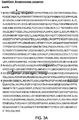
- the site-directed modifying polypeptide comprises an amino acid sequence having at least about 75% amino acid sequence identity to amino acids 7-166 or 731-1003 of the Cas9/Csn1 amino acid sequence depicted in Figure 3 , or to the corresponding portions in any of the amino acid sequences set forth as SEQ ID NOs: 1-256 and 795-1346.
- a DNA polynucleotide comprising a nucleotide sequence that encodes the DNA-targeting RNA.
- a recombinant expression vector comprises the DNA polynucleotide.
- the nucleotide sequence encoding the DNA-targeting RNA is operably linked to a promoter.
- the promoter is an inducible promoter.
- the nucleotide sequence encoding the DNA-targeting RNA further comprises a multiple cloning site.
- features of the present disclosure include an in vitro genetically modified host cell comprising the DNA polynucleotide.
- a recombinant expression vector comprising: (i) a nucleotide sequence encoding a DNA-targeting RNA, wherein the DNA-targeting RNA comprises: (a) a first segment comprising a nucleotide sequence that is complementary to a sequence in a target DNA; and (b) a second segment that interacts with a site-directed modifying polypeptide; and (ii) a nucleotide sequence encoding the site-directed modifying polypeptide comprising: (a) an RNA-binding portion that interacts with the DNA-targeting RNA; and (b) an activity portion that exhibits site-directed enzymatic activity, wherein the site of enzymatic activity is determined by the DNA-targeting RNA.
- a recombinant expression vector comprising: (i) a nucleotide sequence encoding a DNA-targeting RNA, wherein the DNA-targeting RNA comprises: (a) a first segment comprising a nucleotide sequence that is complementary to a sequence in a target DNA; and (b) a second segment that interacts with a site-directed modifying polypeptide; and (ii) a nucleotide sequence encoding the site-directed modifying polypeptide, where the site-directed modifying polypeptide comprises: (a) an RNA-binding portion that interacts with the DNA-targeting RNA; and (b) an activity portion that modulates transcription within the target DNA, wherein the site of modulated transcription within the target DNA is determined by the DNA-targeting RNA.
- variant site-directed modifying polypeptide comprising: (i) an RNA-binding portion that interacts with a DNA-targeting RNA, wherein the DNA-targeting RNA comprises a nucleotide sequence that is complementary to a sequence in a target DNA; and (ii) an activity portion that exhibits reduced site-directed enzymatic activity, wherein the site of enzymatic activity is determined by the DNA-targeting RNA.
- the variant site-directed modifying polypeptide comprises an H840A mutation of the S. pyogenes sequence SEQ ID NO:8 or the corresponding mutation in any of the amino acid sequences set forth as SEQ ID NOs:1-256 and 795-1346.
- the variant site-directed modifying polypeptide comprises a D10A mutation of the S. pyogenes sequence SEQ ID NO:8 or the corresponding mutation in any of the amino acid sequences set forth as SEQ ID NOs:1-256 and 795-1346.
- the variant site-directed modifying polypeptide comprises both (i) a D10A mutation of the S. pyogenes sequence SEQ ID NO:8 or the corresponding mutation in any of the amino acid sequences set forth as SEQ ID NOs: 1-256 and 795-1346; and (ii) an H840A mutation of the S. pyogenes sequence SEQ ID NO:8 or the corresponding mutation in any of the amino acid sequences set forth as SEQ ID NOs: 1-256 and 795-1346.
- a chimeric site-directed modifying polypeptide comprising: (i) an RNA-binding portion that interacts with a DNA-targeting RNA, wherein the DNA-targeting RNA comprises a nucleotide sequence that is complementary to a sequence in a target DNA; and (ii) an activity portion that exhibits site-directed enzymatic activity, wherein the site of enzymatic activity is determined by the DNA-targeting RNA.
- the chimeric site-directed modifying polypeptide of comprises an amino acid sequence having at least about 75% amino acid sequence identity to amino acids 7-166 or 731-1003 of the Cas9/Csn1 amino acid sequence depicted in Figure 3 , or to the corresponding portions in any of the amino acid sequences set forth as SEQ ID NOs: 1-256 and 795-1346.
- the DNA-targeting RNA further comprises a nucleotide sequence with at least 60% identity over a stretch of at least 8 contiguous nucleotides to any one of the nucleotide sequences set forth in SEQ ID NOs:431-682 (e.g., SEQ ID NOs:563-682).
- the DNA-targeting RNA further comprises a nucleotide sequence with at least 60% identity over a stretch of at least 8 contiguous nucleotides to any one of the nucleotide sequences set forth in SEQ ID NOs:431-562.
- the enzymatic activity of the chimeric site-directed modifying polypeptide modifies the target DNA.
- the enzymatic activity of the chimeric site-directed modifying polypeptide is nuclease activity, methyltransferase activity, demethylase activity, DNA repair activity, DNA damage activity, deamination activity, dismutase activity, alkylation activity, depurination activity, oxidation activity, pyrimidine dimer forming activity, integrase activity, transposase activity, recombinase activity, polymerase activity, ligase activity, helicase activity, photolyase activity or glycosylase activity.
- the enzymatic activity of the chimeric site-directed modifying polypeptide is nuclease activity.
- the nuclease activity introduces a double strand break in the target DNA.
- the enzymatic activity of the chimeric site-directed modifying polypeptide modifies a target polypeptide associated with the target DNA.
- the enzymatic activity of the chimeric site-directed modifying polypeptide is methyltransferase activity, demethylase activity, acetyltransferase activity, deacetylase activity, kinase activity, phosphatase activity, ubiquitin ligase activity, deubiquitinating activity, adenylation activity, deadenylation activity, SUMOylating activity, deSUMOylating activity, ribosylation activity, deribosylation activity, myristoylation activity or demyristoylation activity.
- polynucleotide comprising a nucleotide sequence encoding a chimeric site-directed modifying polypeptide.
- the polynucleotide is an RNA polynucleotide.
- the polynucleotide is a DNA polynucleotide.
- features of the present disclosure include a recombinant expression vector comprising the polynucleotide.
- the polynucleotide is operably linked to a promoter.
- the promoter is an inducible promoter.
- features of the present disclosure include an in vitro genetically modified host cell comprising the polynucleotide.
- a chimeric site-directed modifying polypeptide comprising: (i) an RNA-binding portion that interacts with a DNA-targeting RNA, wherein the DNA-targeting RNA comprises a nucleotide sequence that is complementary to a sequence in a target DNA; and (ii) an activity portion that modulates transcription within the target DNA, wherein the site of modulated transcription within the target DNA is determined by the DNA-targeting RNA.
- the activity portion increases transcription within the target DNA.
- the activity portion decreases transcription within the target DNA.
- a genetically modified cell comprising a recombinant site-directed modifying polypeptide comprising an RNA-binding portion that interacts with a DNA-targeting RNA; and an activity portion that exhibits site-directed enzymatic activity, wherein the site of enzymatic activity is determined by the DNA-targeting RNA.
- the site-directed modifying polypeptide comprises an amino acid sequence having at least about 75% amino acid sequence identity to amino acids 7-166 or 731-1003 of the Cas9/Csn1 amino acid sequence depicted in Figure 3 , or to the corresponding portions in any of the amino acid sequences set forth as SEQ ID NOs:1-256 and 795-1346.
- the cell is selected from the group consisting of: an archaeal cell, a bacterial cell, a eukaryotic cell, a eukaryotic single-cell organism, a somatic cell, a germ cell, a stem cell, a plant cell, an algal cell, an animal cell, in invertebrate cell, a vertebrate cell, a fish cell, a frog cell, a bird cell, a mammalian cell, a pig cell, a cow cell, a goat cell, a sheep cell, a rodent cell, a rat cell, a mouse cell, a non-human primate cell, and a human cell.
- an archaeal cell a bacterial cell, a eukaryotic cell, a eukaryotic single-cell organism, a somatic cell, a germ cell, a stem cell, a plant cell, an algal cell, an animal cell, in invertebrate cell, a vertebrate cell, a fish cell,
- transgenic non-human organism whose genome comprises a transgene comprising a nucleotide sequence encoding a recombinant site-directed modifying polypeptide comprising: (i) an RNA-binding portion that interacts with a DNA-targeting RNA; and (ii) an activity portion that exhibits site-directed enzymatic activity, wherein the site of enzymatic activity is determined by the DNA-targeting RNA.
- the site-directed modifying polypeptide comprises an amino acid sequence having at least about 75% amino acid sequence identity to amino acids 7-166 or 731-1003 of the Cas9/Csn1 amino acid sequence depicted in Figure 3 , or to the corresponding portions in any of the amino acid sequences set forth as SEQ ID NOs:1-256 and 795-1346.
- the organism is selected from the group consisting of: an archaea, a bacterium, a eukaryotic single-cell organism, an algae, a plant, an animal, an invertebrate, a fly, a worm, a cnidarian, a vertebrate, a fish, a frog, a bird, a mammal, an ungulate, a rodent, a rat, a mouse, and a non-human primate.
- compositions comprising: (i) a DNA-targeting RNA, or a DNA polynucleotide encoding the same, the DNA-targeting RNA comprising: (a) a first segment comprising a nucleotide sequence that is complementary to a sequence in a target DNA; and (b) a second segment that interacts with a site-directed modifying polypeptide; and (ii) the site-directed modifying polypeptide, or a polynucleotide encoding the same, the site-directed modifying polypeptide comprising: (a) an RNA-binding portion that interacts with the DNA-targeting RNA; and (b) an activity portion that exhibits site-directed enzymatic activity, wherein the site of enzymatic activity is determined by the DNA-targeting RNA.
- the first segment of the DNA-targeting RNA comprises 8 nucleotides that have at least 100% complementarity to a sequence in the target DNA.
- the second segment of the DNA-targeting RNA comprises a nucleotide sequence with at least 60% identity over a stretch of at least 8 contiguous nucleotides to any one of the nucleotide sequences set forth in SEQ ID NOs:431-682 (e.g., SEQ ID NOs:563-682).
- the second segment of the DNA-targeting RNA comprises a nucleotide sequence with at least 60% identity over a stretch of at least 8 contiguous nucleotides to any one of the nucleotide sequences set forth in SEQ ID NOs:431-562.
- the site-directed modifying polypeptide comprises an amino acid sequence having at least about 75% amino acid sequence identity to amino acids 7-166 or 731-1003 of the Cas9/Csn1 amino acid sequence depicted in Figure 3 , or to the corresponding portions in any of the amino acid sequences set forth as SEQ ID NOs:1-256 and 795-1346.
- the enzymatic activity modifies the target DNA.
- the enzymatic activity is nuclease activity, methyltransferase activity, demethylase activity, DNA repair activity, DNA damage activity, deamination activity, dismutase activity, alkylation activity, depurination activity, oxidation activity, pyrimidine dimer forming activity, integrase activity, transposase activity, recombinase activity, polymerase activity, ligase activity, helicase activity, photolyase activity or glycosylase activity.
- the enzymatic activity is nuclease activity.
- the nuclease activity introduces a double strand break in the target DNA.
- the enzymatic activity modifies a target polypeptide associated with the target DNA.
- the enzymatic activity is methyltransferase activity, demethylase activity, acetyltransferase activity, deacetylase activity, kinase activity, phosphatase activity, ubiquitin ligase activity, deubiquitinating activity, adenylation activity, deadenylation activity, SUMOylating activity, deSUMOylating activity, ribosylation activity, deribosylation activity, myristoylation activity or demyristoylation activity.
- the target polypeptide is a histone and the enzymatic activity is methyltransferase activity, demethylase activity, acetyltransferase activity, deacetylase activity, kinase activity, phosphatase activity, ubiquitin ligase activity or deubiquitinating activity.
- the DNA-targeting RNA is a double-molecule DNA-targeting RNA and the composition comprises both a targeter-RNA and an activator-RNA, the duplex-forming segments of which are complementary and hybridize to form the second segment of the DNA-targeting RNA.
- the duplex-forming segment of the activator-RNA comprises a nucleotide sequence with at least 60% identity over a stretch of at least 8 contiguous nucleotides to any one of the nucleotide sequences set forth in SEQ ID NO:SEQ ID NOs:431-682.
- compositions comprising: (i) a DNA-targeting RNA of the present disclosure, or a DNA polynucleotide encoding the same; and (ii) a buffer for stabilizing nucleic acids.
- compositions comprising: (i) a site-directed modifying polypeptide of the present disclosure, or a polynucleotide encoding the same; and (ii) a buffer for stabilizing nucleic acids and/or proteins.
- compositions comprising: (i) a DNA-targeting RNA, or a DNA polynucleotide encoding the same, the DNA-targeting RNA comprising: (a) a first segment comprising a nucleotide sequence that is complementary to a sequence in a target DNA; and (b) a second segment that interacts with a site-directed modifying polypeptide; and (ii) the site-directed modifying polypeptide, or a polynucleotide encoding the same, the site-directed modifying polypeptide comprising: (a) an RNA-binding portion that interacts with the DNA-targeting RNA; and (b) an activity portion that modulates transcription within the target DNA, wherein the site of modulated transcription within the target DNA is determined by the DNA-targeting RNA.
- the activity portion increases transcription within the target DNA. In some cases, the activity portion decreases transcription within the target DNA.
- a composition comprising: (i) a site-directed modifying polypeptide, or a polynucleotide encoding the same; and (ii) a buffer for stabilizing nucleic acids and/or proteins.
- a method of site-specific modification of a target DNA comprising: contacting the target DNA with: (i) a DNA-targeting RNA, or a DNA polynucleotide encoding the same, wherein the DNA-targeting RNA comprises: (a) a first segment comprising a nucleotide sequence that is complementary to a sequence in the target DNA; and (b) a second segment that interacts with a site-directed modifying polypeptide; and (ii) a site-directed modifying polypeptide, or a polynucleotide encoding the same, wherein the site-directed modifying polypeptide comprises: (a) an RNA-binding portion that interacts with the DNA-targeting RNA; and (b) an activity portion that exhibits site-directed enzymatic activity.
- the target DNA is extrachromosomal.
- the target DNA comprises a PAM sequence of the complementary strand that is 5'-CCY-3', wherein Y is any DNA nucleotide and Y is immediately 5' of the target sequence of the complementary strand of the target DNA.
- the target DNA is part of a chromosome in vitro.
- the target DNA is part of a chromosome in vivo.
- the target DNA is part of a chromosome in a cell.
- the cell is selected from the group consisting of: an archaeal cell, a bacterial cell, a eukaryotic cell, a eukaryotic single-cell organism, a somatic cell, a germ cell, a stem cell, a plant cell, an algal cell, an animal cell, in invertebrate cell, a vertebrate cell, a fish cell, a frog cell, a bird cell, a mammalian cell, a pig cell, a cow cell, a goat cell, a sheep cell, a rodent cell, a rat cell, a mouse cell, a non-human primate cell, and a human cell.
- an archaeal cell a bacterial cell, a eukaryotic cell, a eukaryotic single-cell organism, a somatic cell, a germ cell, a stem cell, a plant cell, an algal cell, an animal cell, in invertebrate cell, a vertebrate cell, a fish cell,
- the DNA-targeting RNA comprises a nucleotide sequence with at least 60% identity over a stretch of at least 8 contiguous nucleotides to any one of the nucleotide sequences set forth in SEQ ID NOs:431-682 (e.g., SEQ ID NOs:563-682). In some cases, the DNA-targeting RNA comprises a nucleotide sequence with at least 60% identity over a stretch of at least 8 contiguous nucleotides to any one of the nucleotide sequences set forth SEQ ID NOs:431-562.
- the DNA-modifying polypeptide comprises an amino acid sequence having at least about 75% amino acid sequence identity to amino acids 7-166 or 731-1003 of the Cas9/Csn1 amino acid sequence depicted in Figure 3 , or to the corresponding portions in any of the amino acid sequences set forth as SEQ ID NOs: 1-256 and 795-1346.
- the enzymatic activity modifies the target DNA.
- the enzymatic activity is nuclease activity, methyltransferase activity, demethylase activity, DNA repair activity, DNA damage activity, deamination activity, dismutase activity, alkylation activity, depurination activity, oxidation activity, pyrimidine dimer forming activity, integrase activity, transposase activity, recombinase activity, polymerase activity, ligase activity, helicase activity, photolyase activity or glycosylase activity.
- the DNA-modifying enzymatic activity is nuclease activity.
- the nuclease activity introduces a double strand break in the target DNA.
- the contacting occurs under conditions that are permissive for nonhomologous end joining or homology-directed repair.
- the method further comprises contacting the target DNA with a donor polynucleotide, wherein the donor polynucleotide, a portion of the donor polynucleotide, a copy of the donor polynucleotide, or a portion of a copy of the donor polynucleotide integrates into the target DNA.
- the method does not comprise contacting the cell with a donor polynucleotide, wherein the target DNA is modified such that nucleotides within the target DNA are deleted.
- the enzymatic activity modifies a target polypeptide associated with the target DNA.
- the enzymatic activity is methyltransferase activity, demethylase activity, acetyltransferase activity, deacetylase activity, kinase activity, phosphatase activity, ubiquitin ligase activity, deubiquitinating activity, adenylation activity, deadenylation activity, SUMOylating activity, deSUMOylating activity, ribosylation activity, deribosylation activity, myristoylation activity or demyristoylation activity.
- the target polypeptide is a histone and the enzymatic activity is methyltransferase activity, demethylase activity, acetyltransferase activity, deacetylase activity, kinase activity, phosphatase activity, ubiquitin ligase activity or deubiquitinating activity.
- the complex further comprises an activator-RNA.
- the activator-RNA comprises a nucleotide sequence with at least 60% identity over a stretch of at least 8 contiguous nucleotides to any one of the nucleotide sequences set forth in SEQ ID NOs:431-682.
- a method of modulating site-specific transcription within a target DNA comprising contacting the target DNA with: (i) a DNA-targeting RNA, or a DNA polynucleotide encoding the same, wherein the DNA-targeting RNA comprises: (a) a first segment comprising a nucleotide sequence that is complementary to a sequence in the target DNA; and (b) a second segment that interacts with a site-directed modifying polypeptide; and (ii) a site-directed modifying polypeptide, or a polynucleotide encoding the same, wherein the site-directed modifying polypeptide comprises: (a) an RNA-binding portion that interacts with the DNA-targeting RNA; and (b) an activity portion that modulates transcription, wherein said contacting results in modulating transcription within the target DNA.
- transcription within the target DNA is increased.
- transcription within the target DNA is decreased.
- a method of site-specific modification at target DNA comprising: contacting the target DNA with: (i) a DNA-targeting RNA, or a DNA polynucleotide encoding the same, wherein the DNA-targeting RNA comprises: (a) a first segment comprising a nucleotide sequence that is complementary to a sequence in the target DNA; and (b) a second segment that interacts with a site-directed modifying polypeptide; and (ii) a site-directed modifying polypeptide, or a polynucleotide encoding the same, wherein the site-directed modifying polypeptide comprises: (a) an RNA-binding portion that interacts with the DNA-targeting RNA; and (b) an activity portion that modulates transcription within the target DNA.
- the site-directed modifying polypeptide increases transcription within the target DNA.
- the site-directed modifying polypeptide decreases transcription within the target DNA.
- RNA-targeting RNA comprises: (a) a first segment comprising a nucleotide sequence that is complementary to a sequence in the target DNA; and (b) a second segment that interacts with a site-directed modifying polypeptide; and (ii) a site-directed modifying polypeptide, or a polynucleotide encoding the same, wherein the site-directed modifying polypeptide comprises: (a) an RNA-binding portion that interacts with the DNA-targeting RNA; and (b) an activity portion that exhibits nuclease activity that creates a double strand break in the target DNA; wherein the site of the double strand break is determined by the DNA-targeting RNA, the contacting occurs
- the method further comprises contacting the target DNA with a donor polynucleotide, wherein the donor polynucleotide, a portion of the donor polynucleotide, a copy of the donor polynucleotide, or a portion of a copy of the donor polynucleotide integrates into the target DNA.
- the method does not comprise contacting the cell with a donor polynucleotide, wherein the target DNA is modified such that nucleotides within the target DNA are deleted.
- the cell is selected from the group consisting of: an archaeal cell, a bacterial cell, a eukaryotic cell, a eukaryotic single-cell organism, a somatic cell, a germ cell, a stem cell, a plant cell, an algal cell, an animal cell, in invertebrate cell, a vertebrate cell, a fish cell, a frog cell, a bird cell, a mammalian cell, a pig cell, a cow cell, a goat cell, a sheep cell, a rodent cell, a rat cell, a mouse cell, a non-human primate cell, and a human cell.
- the cell is in vitro. In some cases, the cell is in vivo.
- a method of producing a genetically modified cell in a subject comprising: (I) introducing into a cell: (i) a DNA-targeting RNA, or a DNA polynucleotide encoding the same, wherein the DNA-targeting RNA comprises: (a) a first segment comprising a nucleotide sequence that is complementary to a sequence in the target DNA; and (b) a second segment that interacts with a site-directed modifying polypeptide; and (ii) a site-directed modifying polypeptide, or a polynucleotide encoding the same, wherein the site-directed modifying polypeptide comprises: (a) an RNA-binding portion that interacts with the DNA-targeting RNA; and (b) an activity portion that exhibits nuclease activity that creates a double strand break in the target DNA; wherein the site of the double strand break is determined by the DNA-targeting RNA, the contacting occurs under conditions that are
- the method further comprises contacting the cell with a donor polynucleotide, wherein the donor polynucleotide, a portion of the donor polynucleotide, a copy of the donor polynucleotide, or a portion of a copy of the donor polynucleotide integrates into the target DNA.
- the method does not comprise contacting the cell with a donor polynucleotide, wherein the target DNA is modified such that nucleotides within the target DNA are deleted.
- the cell is selected from the group consisting of: an archaeal cell, a bacterial cell, a eukaryotic cell, a eukaryotic single-cell organism, a somatic cell, a germ cell, a stem cell, a plant cell, an algal cell, an animal cell, in invertebrate cell, a vertebrate cell, a fish cell, an amphibian cell, a bird cell, a mammalian cell, an ungulate cell, a rodent cell, a non-human primate cell, and a human cell.
- nucleotide sequence encoding an exogenous site-directed modifying polypeptide comprising introducing into the genetically modified cell a DNA-targeting RNA, or a DNA polynucleotide encoding the same, wherein: (i) the DNA-targeting RNA comprises: (a) a first segment comprising a nucleotide sequence that is complementary to a sequence in the target DNA; and (b) a second segment that interacts with a site-directed modifying polypeptide; and (ii) the site-directed modifying polypeptide comprises: (a) an RNA-binding portion that interacts with the DNA-targeting RNA; and (b) an activity portion that exhibits nuclease activity.
- the site-directed modifying polypeptide comprises an amino acid sequence having at least about 75% amino acid sequence identity to amino acids 7-166 or 731-1003 of the Cas9/Csn1 amino acid sequence depicted in Figure 3 , or to the corresponding portions in any of the amino acid sequences set forth as SEQ ID NOs: 1-256 and 795-1346.
- the cell is selected from the group consisting of: an archaeal cell, a bacterial cell, a eukaryotic cell, a eukaryotic single-cell organism, a somatic cell, a germ cell, a stem cell, a plant cell, an algal cell, an animal cell, in invertebrate cell, a vertebrate cell, a fish cell, an amphibian cell, a bird cell, a mammalian cell, an ungulate cell, a rodent cell, a non-human primate cell, and a human cell.
- the cell is in vivo.
- the cell is in vitro.
- the expression of the site-directed modifying polypeptide is under the control of an inducible promoter.
- the expression of the site-directed modifying polypeptide is under the control of a cell type-specific promoter.
- kits comprising: the DNA-targeting RNA, or a DNA polynucleotide encoding the same; and a reagent for reconstitution and/or dilution.
- the kit further comprises a reagent selected from the group consisting of: a buffer for introducing into cells the DNA-targeting RNA, a wash buffer, a control reagent, a control expression vector or RNA polynucleotide, a reagent for transcribing the DNA-targeting RNA from DNA, and combinations thereof.
- kits comprising: a site-directed modifying polypeptide of the present disclosure, or a polynucleotide encoding the same; and a reagent for reconstitution and/or dilution.
- the kit further comprises a reagent selected from the group consisting of: a buffer for introducing into cells the site-directed modifying polypeptide, a wash buffer, a control reagent, a control expression vector or RNA polynucleotide, a reagent for in vitro production of the site-directed modifying polypeptide from DNA, and combinations thereof.
- kits comprising: a site-directed modifying polypeptide of the present disclosure, or a polynucleotide encoding the same; and a reagent for reconstitution and/or dilution.
- kits comprising: a DNA-targeting RNA, or a DNA polynucleotide encoding the same, the DNA-targeting RNA comprising: (a) a first segment comprising a nucleotide sequence that is complementary to a sequence in a target DNA; and (b) a second segment that interacts with a site-directed modifying polypeptide; and (ii) the site-directed modifying polypeptide, or a polynucleotide encoding the same, the site-directed modifying polypeptide comprising: (a) an RNA-binding portion that interacts with the DNA-targeting RNA; and (b) an activity portion that exhibits site-directed enzymatic activity, wherein the site of enzymatic activity
- kits comprising: (i) a DNA-targeting RNA, or a DNA polynucleotide encoding the same, comprising: (a) a first segment comprising a nucleotide sequence that is complementary to a sequence in a target DNA; and (b) a second segment that interacts with a site-directed modifying polypeptide; and (ii) the site-directed modifying polypeptide, or a polynucleotide encoding the same, comprising: (a) an RNA-binding portion that interacts with the DNA-targeting RNA; and (b) an activity portion that that modulates transcription within the target DNA, wherein the site of modulated transcription within the target DNA is determined by the DNA-targeting RNA.
- kits comprising: (i) any of the recombinant expression vectors above; and (ii) a reagent for reconstitution and/or dilution.
- kit comprising: (i) any of the recombinant expression vectors above; and (ii) a recombinant expression vector comprising a nucleotide sequence that encodes a site-directed modifying polypeptide, wherein the site-directed modifying polypeptide comprises: (a) an RNA-binding portion that interacts with the DNA-targeting RNA; and (b) an activity portion that exhibits site-directed enzymatic activity, wherein the site of enzymatic activity is determined by the DNA-targeting RNA.
- kits comprising: (i) any of the recombinant expression vectors above; and (ii) a recombinant expression vector comprising a nucleotide sequence that encodes a site-directed modifying polypeptide, wherein the site-directed modifying polypeptide comprises: (a) an RNA-binding portion that interacts with the DNA-targeting RNA; and (b) an activity portion that modulates transcription within the target DNA, wherein the site of modulated transcription within the target DNA is determined by the DNA-targeting RNA.
- kits for targeting target DNA comprising: two or more DNA-targeting RNAs, or DNA polynucleotides encoding the same, wherein the first segment of at least one of the two or more DNA-targeting RNAs differs by at least one nucleotide from the first segment of at least one other of the two or more DNA-targeting RNAs.
- polynucleotide and “nucleic acid,” used interchangeably herein, refer to a polymeric form of nucleotides of any length, either ribonucleotides or deoxyribonucleotides. Thus, this term includes, but is not limited to, single-, double-, or multi-stranded DNA or RNA, genomic DNA, cDNA, DNA-RNA hybrids, or a polymer comprising purine and pyrimidine bases or other natural, chemically or biochemically modified, non-natural, or derivatized nucleotide bases.
- Oligonucleotide generally refers to polynucleotides of between about 5 and about 100 nucleotides of single- or double-stranded DNA.
- oligonucleotide is also known as “oligomers” or “oligos” and may be isolated from genes, or chemically synthesized by methods known in the art.
- polynucleotide and nucleic acid should be understood to include, as applicable to the embodiments being described, single-stranded (such as sense or antisense) and double-stranded polynucleotides.
- a “stem-loop structure” refers to a nucleic acid having a secondary structure that includes a region of nucleotides which are known or predicted to form a double strand (step portion) that is linked on one side by a region of predominantly single-stranded nucleotides (loop portion).
- the terms “hairpin” and “fold-back” structures are also used herein to refer to stem-loop structures. Such structures are well known in the art and these terms are used consistently with their known meanings in the art.
- a stem-loop structure does not require exact base-pairing.
- the stem may include one or more base mismatches.
- the base-pairing may be exact, i.e. not include any mismatches.
- RNA nucleic acid
- RNA complementary to nucleic acid
- anneal or “hybridize”
- a nucleic acid specifically binds to a complementary nucleic acid
- standard Watson-Crick base-pairing includes: adenine (A) pairing with thymidine (T), adenine (A) pairing with uracil (U), and guanine (G) pairing with cytosine (C) [DNA, RNA].
- A adenine
- U uracil
- G guanine
- C cytosine
- G/U base-pairing is partially responsible for the degeneracy (i.e., redundancy) of the genetic code in the context of tRNA anti-codon base-pairing with codons in mRNA.
- a guanine (G) of a protein-binding segment (dsRNA duplex) of a subject DNA-targeting RNA molecule is considered complementary to a uracil (U), and vice versa.
- G guanine
- U uracil
- Hybridization and washing conditions are well known and exemplified in Sambrook, J., Fritsch, E. F. and Maniatis, T. Molecular Cloning: A Laboratory Manual, Second Edition, Cold Spring Harbor Laboratory Press, Cold Spring Harbor (1989 ), particularly Chapter 11 and Table 11.1 therein; and Sambrook, J. and Russell, W., Molecular Cloning: A Laboratory Manual, Third Edition, Cold Spring Harbor Laboratory Press, Cold Spring Harbor (2001 ). The conditions of temperature and ionic strength determine the "stringency" of the hybridization.
- Hybridization requires that the two nucleic acids contain complementary sequences, although mismatches between bases are possible.
- the conditions appropriate for hybridization between two nucleic acids depend on the length of the nucleic acids and the degree of complementation, variables well known in the art. The greater the degree of complementation between two nucleotide sequences, the greater the value of the melting temperature (Tm) for hybrids of nucleic acids having those sequences.
- Tm melting temperature
- For hybridizations between nucleic acids with short stretches of complementarity e.g. complementarity over 35 or less, 30 or less, 25 or less, 22 or less, 20 or less, or 18 or less nucleotides
- the position of mismatches becomes important (see Sambrook et al., supra, 11.7-11.8).
- the length for a hybridizable nucleic acid is at least about 10 nucleotides.
- Illustrative minimum lengths for a hybridizable nucleic acid are: at least about 15 nucleotides; at least about 20 nucleotides; at least about 22 nucleotides; at least about 25 nucleotides; and at least about 30 nucleotides).
- the temperature and wash solution salt concentration may be adjusted as necessary according to factors such as length of the region of complementation and the degree of complementation.
- polynucleotide need not be 100% complementary to that of its target nucleic acid to be specifically hybridizable or hybridizable. Moreover, a polynucleotide may hybridize over one or more segments such that intervening or adjacent segments are not involved in the hybridization event (e.g., a loop structure or hairpin structure).
- a polynucleotide can comprise at least 70%, at least 80%, at least 90%, at least 95%, at least 99%, or 100% sequence complementarity to a target region within the target nucleic acid sequence to which they are targeted.
- an antisense nucleic acid in which 18 of 20 nucleotides of the antisense compound are complementary to a target region, and would therefore specifically hybridize would represent 90 percent complementarity.
- the remaining noncomplementary nucleotides may be clustered or interspersed with complementary nucleotides and need not be contiguous to each other or to complementary nucleotides.
- Percent complementarity between particular stretches of nucleic acid sequences within nucleic acids can be determined routinely using BLAST programs (basic local alignment search tools) and PowerBLAST programs known in the art ( Altschul et al., J. Mol.
- peptide refers to a polymeric form of amino acids of any length, which can include coded and non-coded amino acids, chemically or biochemically modified or derivatized amino acids, and polypeptides having modified peptide backbones.
- Binding refers to a non-covalent interaction between macromolecules (e.g., between a protein and a nucleic acid). While in a state of non-covalent interaction, the macromolecules are said to be “associated” or “interacting” or “binding” (e.g., when a molecule X is said to interact with a molecule Y, it is meant the molecule X binds to molecule Y in a non-covalent manner).
- Binding interactions are generally characterized by a dissociation constant (Kd) of less than 10 -6 M, less than 10 -7 M, less than 10 -8 M, less than 10 -9 M, less than 10 -10 M, less than 10 -11 M, less than 10 -12 M, less than 10 -13 M, less than 10 -14 M, or less than 10 -15 M.
- Kd dissociation constant
- Affinity refers to the strength of binding, increased binding affinity being correlated with a lower Kd.
- binding domain it is meant a protein domain that is able to bind non-covalently to another molecule.
- a binding domain can bind to, for example, a DNA molecule (a DNA-binding protein), an RNA molecule (an RNA-binding protein) and/or a protein molecule (a protein-binding protein).
- a protein domain-binding protein it can bind to itself (to form homodimers, homotrimers, etc.) and/or it can bind to one or more molecules of a different protein or proteins.
- a group of amino acids having aliphatic side chains consists of glycine, alanine, valine, leucine, and isoleucine; a group of amino acids having aliphatic-hydroxyl side chains consists of serine and threonine; a group of amino acids having amide containing side chains consisting of asparagine and glutamine; a group of amino acids having aromatic side chains consists of phenylalanine, tyrosine, and tryptophan; a group of amino acids having basic side chains consists of lysine, arginine, and histidine; a group of amino acids having acidic side chains consists of glutamate and aspartate; and a group of amino acids having sulfur containing side chains consists of cysteine and methionine.
- Exemplary conservative amino acid substitution groups are: valine-leucine-isoleucine, phenyla
- a polynucleotide or polypeptide has a certain percent "sequence identity" to another polynucleotide or polypeptide, meaning that, when aligned, that percentage of bases or amino acids are the same, and in the same relative position, when comparing the two sequences. Sequence identity can be determined in a number of different manners.
- sequences can be aligned using various methods and computer programs (e.g., BLAST, T-COFFEE, MUSCLE, MAFFT, etc.), available over the world wide web at sites including ncbi.nlm.nili.gov/BLAST, ebi.ac.uk/Tools/msa/tcoffee/, ebi.ac.uk/Tools/msa/muscle/, mafft.cbrc.jp/alignment/software/. See, e.g., Altschul et al. (1990), J. Mol. Bioi. 215:403-10 .
- a DNA sequence that "encodes" a particular RNA is a DNA nucleic acid sequence that is transcribed into RNA.
- a DNA polynucleotide may encode an RNA (mRNA) that is translated into protein, or a DNA polynucleotide may encode an RNA that is not translated into protein (e.g. tRNA, rRNA, or a DNA-targeting RNA; also called “non-coding” RNA or "ncRNA”).
- a "protein coding sequence” or a sequence that encodes a particular protein or polypeptide is a nucleic acid sequence that is transcribed into mRNA (in the case of DNA) and is translated (in the case of mRNA) into a polypeptide in vitro or in vivo when placed under the control of appropriate regulatory sequences.
- the boundaries of the coding sequence are determined by a start codon at the 5' terminus (N-terminus) and a translation stop nonsense codon at the 3' terminus (C-terminus).
- a coding sequence can include, but is not limited to, cDNA from prokaryotic or eukaryotic mRNA, genomic DNA sequences from prokaryotic or eukaryotic DNA, and synthetic nucleic acids.
- a transcription termination sequence will usually be located 3' to the coding sequence.
- a "promoter sequence” is a DNA regulatory region capable of binding RNA polymerase and initiating transcription of a downstream (3' direction) coding or non-coding sequence.
- the promoter sequence is bounded at its 3' terminus by the transcription initiation site and extends upstream (5' direction) to include the minimum number of bases or elements necessary to initiate transcription at levels detectable above background.
- a transcription initiation site within the promoter sequence will be found a transcription initiation site, as well as protein binding domains responsible for the binding of RNA polymerase.
- Eukaryotic promoters will often, but not always, contain "TATA" boxes and "CAT” boxes.
- Various promoters, including inducible promoters may be used to drive the various vectors of the present invention.
- a promoter can be a constitutively active promoter (i.e., a promoter that is constitutively in an active/"ON” state), it may be an inducible promoter (i.e., a promoter whose state, active/"ON” or inactive/"OFF", is controlled by an external stimulus, e.g., the presence of a particular temperature, compound, or protein.), it may be a spatially restricted promoter (i.e., transcriptional control element, enhancer, etc.)(e.g., tissue specific promoter, cell type specific promoter, etc.), and it may be a temporally restricted promoter (i.e., the promoter is in the "ON" state or "OFF” state during specific stages of embryonic development or during specific stages of a biological process, e.g., hair follicle cycle in mice).
- a constitutively active promoter i.e., a promoter that is constitutively in an active/"ON” state
- it may be an inducible promote
- Suitable promoters can be derived from viruses and can therefore be referred to as viral promoters, or they can be derived from any organism, including prokaryotic or eukaryotic organisms. Suitable promoters can be used to drive expression by any RNA polymerase (e.g., pol I, pol II, pol III).
- RNA polymerase e.g., pol I, pol II, pol III
- Exemplary promoters include, but are not limited to the SV40 early promoter, mouse mammary tumor virus long terminal repeat (LTR) promoter; adenovirus major late promoter (Ad MLP); a herpes simplex virus (HSV) promoter, a cytomegalovirus (CMV) promoter such as the CMV immediate early promoter region (CMVIE), a rous sarcoma virus (RSV) promoter, a human U6 small nuclear promoter (U6) ( Miyagishi et al. , Nature Biotechnology 20, 497 - 500 (2002 )), an enhanced U6 promoter (e.g., Xia et al., Nucleic Acids Res. 2003 Sep 1;31(17 )), a human H1 promoter (HI), and the like.
- LTR mouse mammary tumor virus long terminal repeat
- Ad MLP adenovirus major late promoter
- HSV herpes simplex virus
- CMV cytomegalovirus
- inducible promoters include, but are not limited toT7 RNA polymerase promoter, T3 RNA polymerase promoter, Isopropyl-beta-D-thiogalactopyranoside (IPTG)-regulated promoter, lactose induced promoter, heat shock promoter, Tetracycline-regulated promoter, Steroid-regulated promoter, Metal-regulated promoter, estrogen receptor-regulated promoter, etc.
- Inducible promoters can therefore be regulated by molecules including, but not limited to, doxycycline; RNA polymerase, e.g., T7 RNA polymerase; an estrogen receptor; an estrogen receptor fusion; etc.
- the promoter is a spatially restricted promoter (i.e., cell type specific promoter, tissue specific promoter, etc.) such that in a multi-cellular organism, the promoter is active (i.e., "ON") in a subset of specific cells.
- spatially restricted promoters may also be referred to as enhancers, transcriptional control elements, control sequences, etc.
- any convenient spatially restricted promoter may be used and the choice of suitable promoter (e.g., a brain specific promoter, a promoter that drives expression in a subset of neurons, a promoter that drives expression in the germline, a promoter that drives expression in the lungs, a promoter that drives expression in muscles, a promoter that drives expression in islet cells of the pancreas, etc.) will depend on the organism.
- various spatially restricted promoters are known for plants, flies, worms, mammals, mice, etc.
- a spatially restricted promoter can be used to regulate the expression of a nucleic acid encoding a subject site-directed modifying polypeptide in a wide variety of different tissues and cell types, depending on the organism.
- Some spatially restricted promoters are also temporally restricted such that the promoter is in the "ON" state or "OFF" state during specific stages of embryonic development or during specific stages of a biological process (e.g., hair follicle cycle in mice).
- spatially restricted promoters include, but are not limited to, neuron-specific promoters, adipocyte-specific promoters, cardiomyocyte-specific promoters, smooth muscle-specific promoters, photoreceptor-specific promoters, etc.
- Neuron-specific spatially restricted promoters include, but are not limited to, a neuron-specific enolase (NSE) promoter (see, e.g., EMBL HSENO2, X51956); an aromatic amino acid decarboxylase (AADC) promoter; a neurofilament promoter (see, e.g., GenBank HUMNFL, L04147); a synapsin promoter (see, e.g., GenBank HUMSYNIB, M55301); a thy-1 promoter (see, e.g., Chen et al. (1987) Cell 51:7-19 ; and Llewellyn, et al. (2010) Nat. Med.
- NSE neuron-specific enolase
- AADC aromatic amino acid decarboxylase
- a serotonin receptor promoter see, e.g., GenBank S62283; a tyrosine hydroxylase promoter (TH) (see, e.g., Oh et al. (2009) Gene Ther 16:437 ; Sasaoka et al. (1992) Mol. Brain Res. 16:274 ; Boundy et al. (1998) J. Neurosci. 18:9989 ; and Kaneda et al. (1991) Neuron 6:583-594 ); a GnRH promoter (see, e.g., Radovick et al. (1991) Proc. Natl. Acad. Sci.
- a myelin basic protein (MBP) promoter a Ca2+-calmodulin-dependent protein kinase II-alpha (CamKII ⁇ ) promoter (see, e.g., Mayford et al. (1996) Proc. Natl. Acad. Sci. USA 93:13250 ; and Casanova et al. (2001) Genesis 31:37 ); a CMV enhancer/platelet-derived growth factor- ⁇ promoter (see, e.g., Liu et al. (2004) Gene Therapy 11:52-60 ); and the like.
- MBP myelin basic protein
- Ca2+-calmodulin-dependent protein kinase II-alpha promoter see, e.g., Mayford et al. (1996) Proc. Natl. Acad. Sci. USA 93:13250 ; and Casanova et al. (2001) Genesis 31:37
- CMV enhancer/platelet-derived growth factor- ⁇ promoter see, e.g.
- Adipocyte-specific spatially restricted promoters include, but are not limited to aP2 gene promoter/enhancer, e.g., a region from -5.4 kb to +21 bp of a human aP2 gene (see, e.g., Tozzo et al. (1997) Endocrinol. 138:1604 ; Ross et al. (1990) Proc. Natl. Acad. Sci. USA 87:9590 ; and Pavjani et al. (2005) Nat. Med. 11:797 ); a glucose transporter-4 (GLUT4) promoter (see, e.g., Knight et al. (2003) Proc. Natl. Acad. Sci.
- aP2 gene promoter/enhancer e.g., a region from -5.4 kb to +21 bp of a human aP2 gene (see, e.g., Tozzo et al. (1997) Endocrinol.
- fatty acid translocase (FAT/CD36) promoter see, e.g., Kuriki et al. (2002) Biol. Pharm. Bull. 25:1476 ; and Sato et al. (2002) J. Biol. Chem. 277:15703 ); a stearoyl-CoA desaturase-1 (SCD1) promoter ( Tabor et al. (1999) J. Biol. Chem. 274:20603 ); a leptin promoter (see, e.g., Mason et al. (1998) Endocrinol. 139:1013 ; and Chen et al. (1999) Biochem. Biophys. Res. Comm.
- FAT/CD36 fatty acid translocase
- an adiponectin promoter see, e.g., Kita et al. (2005) Biochem. Biophys. Res. Comm. 331:484 ; and Chakrabarti (2010) Endocrinol. 151:2408 ); an adipsin promoter (see, e.g., Platt et al. (1989) Proc. Natl. Acad. Sci. USA 86:7490 ); a resistin promoter (see, e.g., Seo et al. (2003) Molec. Endocrinol. 17:1522 ); and the like.
- Cardiomyocyte-specific spatially restricted promoters include, but are not limited to control sequences derived from the following genes: myosin light chain-2, ⁇ -myosin heavy chain, AE3, cardiac troponin C, cardiac actin, and the like.
- Franz et al. (1997) Cardiovasc. Res. 35:560-566 ; Robbins et al. (1995) Ann. N.Y. Acad. Sci. 752:492-505 ; Linn et al. (1995) Circ. Res. 76:584-591 ; Parmacek et al. (1994) Mol. Cell. Biol. 14:1870-1885 ; Hunter et al. (1993) Hypertension 22:608-617 ; and Sartorelli et al. (1992) Proc. Natl. Acad. Sci. USA 89:4047-4051 .
- Smooth muscle-specific spatially restricted promoters include, but are not limited to an SM22 ⁇ promoter (see, e.g., Akyürek et al. (2000) Mol. Med. 6:983 ; and U.S. Patent No. 7,169,874 ); a smoothelin promoter (see, e.g., WO 2001/018048 ); an ⁇ -smooth muscle actin promoter; and the like.
- a 0.4 kb region of the SM22 ⁇ promoter, within which lie two CArG elements has been shown to mediate vascular smooth muscle cell-specific expression (see, e.g., Kim, et al. (1997) Mol. Cell. Biol. 17, 2266-2278 ; Li, et al., (1996) J. Cell Biol. 132, 849-859 ; and Moessler, et al. (1996) Development 122, 2415-2425 ).
- Photoreceptor-specific spatially restricted promoters include, but are not limited to, a rhodopsin promoter; a rhodopsin kinase promoter ( Young et al. (2003) Ophthalmol. Vis. Sci. 44:4076 ); a beta phosphodiesterase gene promoter ( Nicoud et al. (2007) J. Gene Med. 9:1015 ); a retinitis pigmentosa gene promoter (Nicoud et al. (2007) supra); an interphotoreceptor retinoid-binding protein (IRBP) gene enhancer (Nicoud et al. (2007) supra); an IRBP gene promoter ( Yokoyama et al. (1992) Exp Eye Res. 55:225 ); and the like.
- a rhodopsin promoter Young et al. (2003) Ophthalmol. Vis. Sci. 44:4076
- a beta phosphodiesterase gene promoter Nicoud et al
- DNA regulatory sequences refer to transcriptional and translational control sequences, such as promoters, enhancers, polyadenylation signals, terminators, protein degradation signals, and the like, that provide for and/or regulate transcription of a non-coding sequence (e.g., DNA-targeting RNA) or a coding sequence (e.g., site-directed modifying polypeptide, or Cas9/Csn1 polypeptide) and/or regulate translation of an encoded polypeptide.
- a non-coding sequence e.g., DNA-targeting RNA
- a coding sequence e.g., site-directed modifying polypeptide, or Cas9/Csn1 polypeptide
- nucleic acid refers to a nucleic acid, polypeptide, cell, or organism that is found in nature.
- a polypeptide or polynucleotide sequence that is present in an organism (including viruses) that can be isolated from a source in nature and which has not been intentionally modified by a human in the laboratory is naturally occurring.
- chimeric refers to two components that are defined by structures derived from different sources.
- a chimeric polypeptide e.g., a chimeric Cas9/Csn1 protein
- the chimeric polypeptide includes amino acid sequences that are derived from different polypeptides.
- a chimeric polypeptide may comprise either modified or naturally-occurring polypeptide sequences (e.g., a first amino acid sequence from a modified or unmodified Cas9/Csn1 protein; and a second amino acid sequence other than the Cas9/Csn1 protein).
- chimeric in the context of a polynucleotide encoding a chimeric polypeptide includes nucleotide sequences derived from different coding regions (e.g., a first nucleotide sequence encoding a modified or unmodified Cas9/Csn1 protein; and a second nucleotide sequence encoding a polypeptide other than a Cas9/Csn1 protein).
- chimeric polypeptide refers to a polypeptide which is made by the combination (i.e., "fusion") of two otherwise separated segments of amino sequence, usually through human intervention.
- a polypeptide that comprises a chimeric amino acid sequence is a chimeric polypeptide.
- Some chimeric polypeptides can be referred to as "fusion variants.”
- Heterologous means a nucleotide or polypeptide sequence that is not found in the native nucleic acid or protein, respectively.
- the RNA-binding domain of a naturally-occurring bacterial Cas9/Csn1 polypeptide may be fused to a heterologous polypeptide sequence (i.e. a polypeptide sequence from a protein other than Cas9/Csn1 or a polypeptide sequence from another organism).
- the heterologous polypeptide sequence may exhibit an activity (e.g., enzymatic activity) that will also be exhibited by the chimeric Cas9/Csn1 protein (e.g., methyltransferase activity, acetyltransferase activity, kinase activity, ubiquitinating activity, etc.).
- a heterologous nucleic acid sequence may be linked to a naturally-occurring nucleic acid sequence (or a variant thereof) (e.g., by genetic engineering) to generate a chimeric nucleotide sequence encoding a chimeric polypeptide.
- a variant Cas9 site-directed polypeptide may be fused to a heterologous polypeptide (i.e. a polypeptide other than Cas9), which exhibits an activity that will also be exhibited by the fusion variant Cas9 site-directed polypeptide.
- a heterologous nucleic acid sequence may be linked to a variant Cas9 site-directed polypeptide (e.g., by genetic engineering) to generate a nucleotide sequence encoding a fusion variant Cas9 site-directed polypeptide.
- Recombinant means that a particular nucleic acid (DNA or RNA) is the product of various combinations of cloning, restriction, polymerase chain reaction (PCR) and/or ligation steps resulting in a construct having a structural coding or non-coding sequence distinguishable from endogenous nucleic acids found in natural systems.
- DNA sequences encoding polypeptides can be assembled from cDNA fragments or from a series of synthetic oligonucleotides, to provide a synthetic nucleic acid which is capable of being expressed from a recombinant transcriptional unit contained in a cell or in a cell-free transcription and translation system.
- Genomic DNA comprising the relevant sequences can also be used in the formation of a recombinant gene or transcriptional unit. Sequences of non-translated DNA may be present 5' or 3' from the open reading frame, where such sequences do not interfere with manipulation or expression of the coding regions, and may indeed act to modulate production of a desired product by various mechanisms (see “DNA regulatory sequences", below). Alternatively, DNA sequences encoding RNA (e.g., DNA-targeting RNA) that is not translated may also be considered recombinant.
- the term "recombinant" nucleic acid refers to one which is not naturally occurring, e.g., is made by the artificial combination of two otherwise separated segments of sequence through human intervention.
- This artificial combination is often accomplished by either chemical synthesis means, or by the artificial manipulation of isolated segments of nucleic acids, e.g., by genetic engineering techniques. Such is usually done to replace a codon with a codon encoding the same amino acid, a conservative amino acid, or a non-conservative amino acid. Alternatively, it is performed to join together nucleic acid segments of desired functions to generate a desired combination of functions. This artificial combination is often accomplished by either chemical synthesis means, or by the artificial manipulation of isolated segments of nucleic acids, e.g., by genetic engineering techniques.
- a recombinant polynucleotide encodes a polypeptide
- the sequence of the encoded polypeptide can be naturally occurring ("wild type") or can be a variant (e.g., a mutant) of the naturally occurring sequence.
- the term "recombinant" polypeptide does not necessarily refer to a polypeptide whose sequence does not naturally occur.
- a "recombinant" polypeptide is encoded by a recombinant DNA sequence, but the sequence of the polypeptide can be naturally occurring ("wild type") or non-naturally occurring (e.g., a variant, a mutant, etc.).
- a "recombinant" polypeptide is the result of human intervention, but may be a naturally occurring amino acid sequence.
- a “vector” or “expression vector” is a replicon, such as plasmid, phage, virus, or cosmid, to which another DNA segment, i.e. an "insert", may be attached so as to bring about the replication of the attached segment in a cell.
- An "expression cassette” comprises a DNA coding sequence operably linked to a promoter.
- "Operably linked” refers to a juxtaposition wherein the components so described are in a relationship permitting them to function in their intended manner. For instance, a promoter is operably linked to a coding sequence if the promoter affects its transcription or expression.
- recombinant expression vector or "DNA construct” are used interchangeably herein to refer to a DNA molecule comprising a vector and at least one insert.
- Recombinant expression vectors are usually generated for the purpose of expressing and/or propagating the insert(s), or for the construction of other recombinant nucleotide sequences.
- the insert(s) may or may not be operably linked to a promoter sequence and may or may not be operably linked to DNA regulatory sequences.
- a cell has been "genetically modified” or “transformed” or “transfected” by exogenous DNA, e.g. a recombinant expression vector, when such DNA has been introduced inside the cell.
- exogenous DNA e.g. a recombinant expression vector
- the presence of the exogenous DNA results in permanent or transient genetic change.
- the transforming DNA may or may not be integrated (covalently linked) into the genome of the cell.
- the transforming DNA may be maintained on an episomal element such as a plasmid.
- a stably transformed cell is one in which the transforming DNA has become integrated into a chromosome so that it is inherited by daughter cells through chromosome replication.
- a "clone” is a population of cells derived from a single cell or common ancestor by mitosis.
- a "cell line” is a clone of a primary cell that is capable of stable growth in vitro for many generations.
- Suitable methods of genetic modification include e.g., viral or bacteriophage infection, transfection, conjugation, protoplast fusion, lipofection, electroporation, calcium phosphate precipitation, polyethyleneimine (PEI)-mediated transfection, DEAE-dextran mediated transfection, liposome-mediated transfection, particle gun technology, calcium phosphate precipitation, direct micro injection, nanoparticle-mediated nucleic acid delivery (see, e.g., Panyam et., al Adv Drug Deliv Rev. 2012 Sep 13. pii: S0169-409X(12)00283-9. doi: 10.1016/j.addr.2012.09.023 ), and the like.
- transformation include e.g., viral or bacteriophage infection, transfection, conjugation, protoplast fusion, lipofection, electroporation, calcium phosphate precipitation, polyethyleneimine (PEI)-mediated transfection, DEAE-dextran mediated transfection, liposome-mediated transfection, particle gun technology
- a “target DNA” as used herein is a DNA polynucleotide that comprises a "target site” or “target sequence.”
- target site or “target sequence” or “target protospacer DNA” are used interchangeably herein to refer to a nucleic acid sequence present in a target DNA to which a DNA-targeting segment of a subject DNA-targeting RNA will bind (see Figure 1 and Figure 39 ), provided sufficient conditions for binding exist.
- the target site (or target sequence) 5'-GAGCATATC-3' (SEQ ID NO://) within a target DNA is targeted by (or is bound by, or hybridizes with, or is complementary to) the RNA sequence 5'-GAUAUGCUC-3' (SEQ ID NO://).
- Suitable DNA/RNA binding conditions include physiological conditions normally present in a cell.
- Other suitable DNA/RNA binding conditions e.g., conditions in a cell-free system
- the strand of the target DNA that is complementary to and hybridizes with the DNA-targeting RNA is referred to as the "complementary strand” and the strand of the target DNA that is complementary to the “complementary strand” (and is therefore not complementary to the DNA-targeting RNA) is referred to as the "noncomplementary strand” or “non-complementary strand” (see Figure 12 ).
- site-directed modifying polypeptide or "RNA-binding site-directed polypeptide” or “RNA-binding site-directed modifying polypeptide” or “site-directed polypeptide” it is meant a polypeptide that binds RNA and is targeted to a specific DNA sequence.
- a site-directed modifying polypeptide as described herein is targeted to a specific DNA sequence by the RNA molecule to which it is bound.
- the RNA molecule comprises a sequence that is complementary to a target sequence within the target DNA, thus targeting the bound polypeptide to a specific location within the target DNA (the target sequence).
- cleavage it is meant the breakage of the covalent backbone of a DNA molecule. Cleavage can be initiated by a variety of methods including, but not limited to, enzymatic or chemical hydrolysis of a phosphodiester bond. Both single-stranded cleavage and double-stranded cleavage are possible, and double-stranded cleavage can occur as a result of two distinct single-stranded cleavage events. DNA cleavage can result in the production of either blunt ends or staggered ends.
- a complex comprising a DNA-targeting RNA and a site-directed modifying polypeptide is used for targeted double-stranded DNA cleavage.
- Nuclease and “endonuclease” are used interchangeably herein to mean an enzyme which possesses catalytic activity for DNA cleavage.
- cleavage domain or “active domain” or “nuclease domain” of a nuclease it is meant the polypeptide sequence or domain within the nuclease which possesses the catalytic activity for DNA cleavage.
- a cleavage domain can be contained in a single polypeptide chain or cleavage activity can result from the association of two (or more) polypeptides.
- a single nuclease domain may consist of more than one isolated stretch of amino acids within a given polypeptide.
- DNA-targeting RNA or “DNA-targeting RNA polynucleotide” (also referred to herein as a “guide RNA” or “gRNA”).
- a subject DNA-targeting RNA comprises two segments, a “DNA-targeting segment” and a “protein-binding segment.”
- segment it is meant a segment/section/region of a molecule, e.g., a contiguous stretch of nucleotides in an RNA.
- a segment can also mean a region/section of a complex such that a segment may comprise regions of more than one molecule.
- the protein-binding segment (described below) of a DNA-targeting RNA is one RNA molecule and the protein-binding segment therefore comprises a region of that RNA molecule.
- the protein-binding segment (described below) of a DNA-targeting RNA comprises two separate molecules that are hybridized along a region of complementarity.
- a protein-binding segment of a DNA-targeting RNA that comprises two separate molecules can comprise (i) base pairs 40-75 of a first RNA molecule that is 100 base pairs in length; and (ii) base pairs 10-25 of a second RNA molecule that is 50 base pairs in length.
- the definition of "segment,” unless otherwise specifically defined in a particular context, is not limited to a specific number of total base pairs, is not limited to any particular number of base pairs from a given RNA molecule, is not limited to a particular number of separate molecules within a complex, and may include regions of RNA molecules that are of any total length and may or may not include regions with complementarity to other molecules.
- the DNA-targeting segment (or "DNA-targeting sequence”) comprises a nucleotide sequence that is complementary to a specific sequence within a target DNA (the complementary strand of the target DNA).
- the protein-binding segment (or "protein-binding sequence”) interacts with a site-directed modifying polypeptide.
- site-directed modifying polypeptide is a Cas9 or Cas9 related polypeptide (described in more detail below)
- site-specific cleavage of the target DNA occurs at locations determined by both (i) base-pairing complementarity between the DNA-targeting RNA and the target DNA; and (ii) a short motif (referred to as the protospacer adjacent motif (PAM)) in the target DNA.
- PAM protospacer adjacent motif
- the protein-binding segment of a subject DNA-targeting RNA comprises two complementary stretches of nucleotides that hybridize to one another to form a double stranded RNA duplex (dsRNA duplex).
- a subject nucleic acid e.g., a DNA-targeting RNA, a nucleic acid comprising a nucleotide sequence encoding a DNA-targeting RNA; a nucleic acid encoding a site-directed polypeptide; etc.
- a modification or sequence that provides for an additional desirable feature (e.g., modified or regulated stability; subcellular targeting; tracking, e.g., a fluorescent label; a binding site for a protein or protein complex; etc.).
- Non-limiting examples include: a 5' cap (e.g., a 7-methylguanylate cap (m7G)); a 3' polyadenylated tail (i.e., a 3' poly(A) tail); a riboswitch sequence (e.g., to allow for regulated stability and/or regulated accessibility by proteins and/or protein complexes); a stability control sequence; a sequence that forms a dsRNA duplex (i.e., a hairpin)); a modification or sequence that targets the RNA to a subcellular location (e.g., nucleus, mitochondria, chloroplasts, and the like); a modification or sequence that provides for tracking (e.g., direct conjugation to a fluorescent molecule, conjugation to a moiety that facilitates fluorescent detection, a sequence that allows for fluorescent detection, etc.); a modification or sequence that provides a binding site for proteins (e.g., proteins that act on DNA, including transcriptional activators, transcriptional repressors, DNA
- a DNA-targeting RNA comprises an additional segment at either the 5' or 3' end that provides for any of the features described above.
- a suitable third segment can comprise a 5' cap (e.g., a 7-methylguanylate cap (m7G)); a 3' polyadenylated tail (i.e., a 3' poly(A) tail); a riboswitch sequence (e.g., to allow for regulated stability and/or regulated accessibility by proteins and protein complexes); a stability control sequence; a sequence that forms a dsRNA duplex (i.e., a hairpin)); a sequence that targets the RNA to a subcellular location (e.g., nucleus, mitochondria, chloroplasts, and the like); a modification or sequence that provides for tracking (e.g., direct conjugation to a fluorescent molecule, conjugation to a moiety that facilitates fluorescent detection, a sequence that allows for fluorescent detection, etc.); a modification or sequence
- a subject DNA-targeting RNA and a subject site-directed modifying polypeptide form a complex (i.e., bind via non-covalent interactions).
- the DNA-targeting RNA provides target specificity to the complex by comprising a nucleotide sequence that is complementary to a sequence of a target DNA.
- the site-directed modifying polypeptide of the complex provides the site-specific activity.
- the site-directed modifying polypeptide is guided to a target DNA sequence (e.g. a target sequence in a chromosomal nucleic acid; a target sequence in an extrachromosomal nucleic acid, e.g.
- DNA-targeting RNA that comprises two separate RNA molecules (RNA polynucleotides: an "activator-RNA” and a “targeter-RNA”, see below) and is referred to herein as a “double-molecule DNA-targeting RNA” or a "two-molecule DNA-targeting RNA.”
- the subject DNA-targeting RNA is a single RNA molecule (single RNA polynucleotide) and is referred to herein as a “single-molecule DNA-targeting RNA,” a “single-guide RNA,” or an "sgRNA.”
- the term "DNA-targeting RNA” or “gRNA” is inclusive, referring both to double-molecule DNA-targeting RNAs and to single-molecule DNA-targeting RNAs (i.e., sgRNAs).
- An exemplary two-molecule DNA-targeting RNA comprises a crRNA-like (“CRISPR RNA” or “targeter-RNA” or “crRNA” or “crRNA repeat”) molecule and a corresponding tracrRNA-like (“trans-acting CRISPR RNA” or “activator-RNA” or “tracrRNA”) molecule.
- a crRNA-like molecule comprises both the DNA-targeting segment (single stranded) of the DNA-targeting RNA and a stretch ("duplex-forming segment") of nucleotides that forms one half of the dsRNA duplex of the protein-binding segment of the DNA-targeting RNA.
- a corresponding tracrRNA-like molecule comprises a stretch of nucleotides (duplex-forming segment) that forms the other half of the dsRNA duplex of the protein-binding segment of the DNA-targeting RNA.
- a stretch of nucleotides of a crRNA-like molecule are complementary to and hybridize with a stretch of nucleotides of a tracrRNA-like molecule to form the dsRNA duplex of the protein-binding domain of the DNA-targeting RNA.
- each crRNA-like molecule can be said to have a corresponding tracrRNA-like molecule.
- the crRNA-like molecule additionally provides the single stranded DNA-targeting segment.
- a crRNA-like and a tracrRNA-like molecule hybridize to form a DNA-targeting RNA.
- the exact sequence of a given crRNA or tracrRNA molecule is characteristic of the species in which the RNA molecules are found.
- Various crRNAs and tracrRNAs are depicted in corresponding complementary pairs in Figures 8 .
- a subject double-molecule DNA-targeting RNA can comprise any corresponding crRNA and tracrRNA pair.
- a subject double-molecule DNA-targeting RNA can comprise any corresponding crRNA and tracrRNA pair.
- activator-RNA is used herein to mean a tracrRNA-like molecule of a double-molecule DNA-targeting RNA.
- targeter-RNA is used herein to mean a crRNA-like molecule of a double-molecule DNA-targeting RNA.
- duplex-forming segment is used herein to mean the stretch of nucleotides of an activator-RNA or a targeter-RNA that contributes to the formation of the dsRNA duplex by hybridizing to a stretch of nucleotides of a corresponding activator-RNA or targeter-RNA molecule.
- an activator-RNA comprises a duplex-forming segment that is complementary to the duplex-forming segment of the corresponding targeter-RNA.
- an activator-RNA comprises a duplex-forming segment while a targeter-RNA comprises both a duplex-forming segment and the DNA-targeting segment of the DNA-targeting RNA. Therefore, a subject double-molecule DNA-targeting RNA can be comprised of any corresponding activator-RNA and targeter-RNA pair.
- a "host cell,” as used herein, denotes an in vivo or in vitro eukaryotic cell, a prokaryotic cell (e.g., bacterial or archaeal cell), or a cell from a multicellular organism (e.g., a cell line) cultured as a unicellular entity, which eukaryotic or prokaryotic cells can be, or have been, used as recipients for a nucleic acid, and include the progeny of the original cell which has been transformed by the nucleic acid. It is understood that the progeny of a single cell may not necessarily be completely identical in morphology or in genomic or total DNA complement as the original parent, due to natural, accidental, or deliberate mutation.
- a “recombinant host cell” (also referred to as a “genetically modified host cell”) is a host cell into which has been introduced a heterologous nucleic acid, e.g., an expression vector.
- a subject bacterial host cell is a genetically modified bacterial host cell by virtue of introduction into a suitable bacterial host cell of an exogenous nucleic acid (e.g., a plasmid or recombinant expression vector)
- a subject eukaryotic host cell is a genetically modified eukaryotic host cell (e.g., a mammalian germ cell), by virtue of introduction into a suitable eukaryotic host cell of an exogenous nucleic acid.
- stem cell is used herein to refer to a cell (e.g., plant stem cell, vertebrate stem cell) that has the ability both to self-renew and to generate a differentiated cell type (see Morrison et al. (1997) Cell 88:287-298 ).
- the adjective "differentiated”, or “differentiating” is a relative term.
- a “differentiated cell” is a cell that has progressed further down the developmental pathway than the cell it is being compared with.
- pluripotent stem cells can differentiate into lineage-restricted progenitor cells (e.g., mesodermal stem cells), which in turn can differentiate into cells that are further restricted (e.g., neuron progenitors), which can differentiate into end-stage cells (i.e., terminally differentiated cells, e.g., neurons, cardiomyocytes, etc.), which play a characteristic role in a certain tissue type, and may or may not retain the capacity to proliferate further.
- progenitor cells e.g., mesodermal stem cells
- end-stage cells i.e., terminally differentiated cells, e.g., neurons, cardiomyocytes, etc.
- Stem cells may be characterized by both the presence of specific markers (e.g., proteins, RNAs, etc.) and the absence of specific markers.
- Stem cells may also be identified by functional assays both in vitro and in vivo, particularly assays relating to the ability of stem cells to give rise to multiple differentiated
- PSCs pluripotent stem cells
- Pluripotent stem cell or “PSC” is used herein to mean a stem cell capable of producing all cell types of the organism. Therefore, a PSC can give rise to cells of all germ layers of the organism (e.g., the endoderm, mesoderm, and ectoderm of a vertebrate). Pluripotent cells are capable of forming teratomas and of contributing to ectoderm, mesoderm, or endoderm tissues in a living organism. Pluripotent stem cells of plants are capable of giving rise to all cell types of the plant (e.g., cells of the root, stem, leaves, etc.).
- PSCs of animals can be derived in a number of different ways.
- embryonic stem cells ESCs
- iPSCs induced pluripotent stem cells
- somatic cells Takahashi et. al, Cell. 2007 Nov 30;131(5):861-72 ; Takahashi et. al, Nat Protoc. 2007;2(12):3081-9 ; Yu et. al, Science. 2007 Dec 21;318(5858):1917-20 . Epub 2007 Nov 20).
- PSC refers to pluripotent stem cells regardless of their derivation
- the term PSC encompasses the terms ESC and iPSC.
- PSCs may be in the form of an established cell line, they may be obtained directly from primary embryonic tissue, or they may be derived from a somatic cell. PSCs can be target cells of the methods described herein.
- embryonic stem cell a PSC that was isolated from an embryo, typically from the inner cell mass of the blastocyst.
- Stem cells of interest also include embryonic stem cells from other primates, such as Rhesus stem cells and marmoset stem cells.
- the stem cells may be obtained from any mammalian species, e.g. human, equine, bovine, porcine, canine, feline, rodent, e.g. mice, rats, hamster, primate, etc. ( Thomson et al. (1998) Science 282:1145 ; Thomson et al. (1995) Proc. Natl. Acad. Sci USA 92:7844 ; Thomson et al. (1996) Biol. Reprod.
- ESCs In culture, ESCs typically grow as flat colonies with large nucleo-cytoplasmic ratios, defined borders and prominent nucleoli. In addition, ESCs express SSEA-3, SSEA-4, TRA-1-60, TRA-1-81, and Alkaline Phosphatase, but not SSEA-1. Examples of methods of generating and characterizing ESCs may be found in, for example, US Patent No. 7,029,913 , US Patent No. 5,843,780 , and US Patent No. 6,200,806 . Methods for proliferating hESCs in the undifferentiated form are described in WO 99/20741 , WO 01/51616 , and WO 03/020920 .
- EGSC embryonic germ stem cell
- EG cell a PSC that is derived from germ cells and/or germ cell progenitors, e.g. primordial germ cells, i.e. those that would become sperm and eggs.
- Embryonic germ cells EG cells are thought to have properties similar to embryonic stem cells as described above. Examples of methods of generating and characterizing EG cells may be found in, for example, US Patent No. 7,153,684 ; Matsui, Y., et al., (1992) Cell 70:841 ; Shamblott, M., et al.
- iPSC induced pluripotent stem cell
- PSC induced pluripotent stem cell
- iPSCs can be derived from multiple different cell types, including terminally differentiated cells. iPSCs have an ES cell-like morphology, growing as flat colonies with large nucleo-cytoplasmic ratios, defined borders and prominent nuclei.
- iPSCs express one or more key pluripotency markers known by one of ordinary skill in the art, including but not limited to Alkaline Phosphatase, SSEA3, SSEA4, Sox2, Oct3/4, Nanog, TRA160, TRA181, TDGF 1, Dnmt3b, FoxD3, GDF3, Cyp26a1, TERT, and zfp42.
- Examples of methods of generating and characterizing iPSCs may be found in, for example, U.S. Patent Publication Nos. US20090047263 , US20090068742 , US20090191159 , US20090227032 , US20090246875 , and US20090304646 .
- somatic cells are provided with reprogramming factors (e.g. Oct4, SOX2, KLF4, MYC, Nanog, Lin28, etc.) known in the art to reprogram the somatic cells to become pluripotent stem cells.
- reprogramming factors e.g. Oct4, SOX2, KLF4, MYC, Nanog, Lin28, etc.
- somatic cell it is meant any cell in an organism that, in the absence of experimental manipulation, does not ordinarily give rise to all types of cells in an organism.
- somatic cells are cells that have differentiated sufficiently that they will not naturally generate cells of all three germ layers of the body, i.e. ectoderm, mesoderm and endoderm.
- somatic cells would include both neurons and neural progenitors, the latter of which may be able to naturally give rise to all or some cell types of the central nervous system but cannot give rise to cells of the mesoderm or endoderm lineages.
- mitotic cell it is meant a cell undergoing mitosis.
- Mitosis is the process by which a eukaryotic cell separates the chromosomes in its nucleus into two identical sets in two separate nuclei. It is generally followed immediately by cytokinesis, which divides the nuclei, cytoplasm, organelles and cell membrane into two cells containing roughly equal shares of these cellular components.
- post-mitotic cell it is meant a cell that has exited from mitosis, i.e., it is "quiescent", i.e. it is no longer undergoing divisions. This quiescent state may be temporary, i.e. reversible, or it may be permanent.
- meiotic cell it is meant a cell that is undergoing meiosis.
- Meiosis is the process by which a cell divides its nuclear material for the purpose of producing gametes or spores. Unlike mitosis, in meiosis, the chromosomes undergo a recombination step which shuffles genetic material between chromosomes. Additionally, the outcome of meiosis is four (genetically unique) haploid cells, as compared with the two (genetically identical) diploid cells produced from mitosis.
- HDR homology-directed repair
- Homology-directed repair may result in an alteration of the sequence of the target molecule (e.g., insertion, deletion, mutation), if the donor polynucleotide differs from the target molecule and part or all of the sequence of the donor polynucleotide is incorporated into the target DNA.
- the donor polynucleotide, a portion of the donor polynucleotide, a copy of the donor polynucleotide, or a portion of a copy of the donor polynucleotide integrates into the target DNA.
- non-homologous end joining it is meant the repair of double-strand breaks in DNA by direct ligation of the break ends to one another without the need for a homologous template (in contrast to homology-directed repair, which requires a homologous sequence to guide repair). NHEJ often results in the loss (deletion) of nucleotide sequence near the site of the double-strand break.
- treatment generally mean obtaining a desired pharmacologic and/or physiologic effect.
- the effect may be prophylactic in terms of completely or partially preventing a disease or symptom thereof and/or may be therapeutic in terms of a partial or complete cure for a disease and/or adverse effect attributable to the disease.
- Treatment covers any treatment of a disease or symptom in a mammal, and includes: (a) preventing the disease or symptom from occurring in a subject which may be predisposed to acquiring the disease or symptom but has not yet been diagnosed as having it; (b) inhibiting the disease or symptom, i.e., arresting its development; or (c) relieving the disease, i.e., causing regression of the disease.
- the therapeutic agent may be administered before, during or after the onset of disease or injury.
- the treatment of ongoing disease, where the treatment stabilizes or reduces the undesirable clinical symptoms of the patient, is of particular interest. Such treatment is desirably performed prior to complete loss of function in the affected tissues.
- the subject therapy will desirably be administered during the symptomatic stage of the disease, and in some cases after the symptomatic stage of the disease.
- the terms “individual,” “subject,” “host,” and “patient,” are used interchangeably herein and refer to any mammalian subject for whom diagnosis, treatment, or therapy is desired, particularly humans.
- the present disclosure provides a DNA-targeting RNA that comprises a targeting sequence and, together with a modifying polypeptide, provides for site-specific modification of a target DNA and/or a polypeptide associated with the target DNA.
- the present disclosure further provides site-specific modifying polypeptides.
- the present disclosure further provides methods of site-specific modification of a target DNA and/or a polypeptide associated with the target DNA.
- the present disclosure provides methods of modulating transcription of a target nucleic acid in a target cell, generally involving contacting the target nucleic acid with an enzymatically inactive Cas9 polypeptide and a DNA-targeting RNA. Kits and compositions for carrying out the methods are also provided.
- the present disclosure provides genetically modified cells that produce Cas9; and Cas9 transgenic non-human multicellular organisms.
- a subject DNA-targeting RNA that directs the activities of an associated polypeptide (e.g., a site-directed modifying polypeptide) to a specific target sequence within a target DNA.
- a subject DNA-targeting RNA comprises: a first segment (also referred to herein as a "DNA-targeting segment” or a "DNA-targeting sequence”) and a second segment (also referred to herein as a "protein-binding segment” or a "protein-binding sequence”).
- the DNA-targeting segment of a subject DNA-targeting RNA comprises a nucleotide sequence that is complementary to a sequence in a target DNA.
- the DNA-targeting segment of a subject DNA-targeting RNA interacts with a target DNA in a sequence-specific manner via hybridization (i.e., base pairing).
- the nucleotide sequence of the DNA-targeting segment may vary and determines the location within the target DNA that the DNA-targeting RNA and the target DNA will interact.
- the DNA-targeting segment of a subject DNA-targeting RNA can be modified (e.g., by genetic engineering) to hybridize to any desired sequence within a target DNA.
- the DNA-targeting segment can have a length of from about 12 nucleotides to about 100 nucleotides.
- the DNA-targeting segment can have a length of from about 12 nucleotides (nt) to about 80 nt, from about 12 nt to about 50nt, from about 12 nt to about 40 nt, from about 12 nt to about 30 nt, from about 12 nt to about 25 nt, from about 12 nt to about 20 nt, or from about 12 nt to about 19 nt.
- the DNA-targeting segment can have a length of from about 19 nt to about 20 nt, from about 19 nt to about 25 nt, from about 19 nt to about 30 nt, from about 19 nt to about 35 nt, from about 19 nt to about 40 nt, from about 19 nt to about 45 nt, from about 19 nt to about 50 nt, from about 19 nt to about 60 nt, from about 19 nt to about 70 nt, from about 19 nt to about 80 nt, from about 19 nt to about 90 nt, from about 19 nt to about 100 nt, from about 20 nt to about 25 nt, from about 20 nt to about 30 nt, from about 20 nt to about 35 nt, from about 20 nt to about 40 nt, from about 20 nt to about 45 nt, from about 20 nt to about 50 nt, from about 20 nt,
- the nucleotide sequence (the DNA-targeting sequence) of the DNA-targeting segment that is complementary to a nucleotide sequence (target sequence) of the target DNA can have a length at least about 12 nt.
- the DNA-targeting sequence of the DNA-targeting segment that is complementary to a target sequence of the target DNA can have a length at least about 12 nt, at least about 15 nt, at least about 18 nt, at least about 19 nt, at least about 20 nt, at least about 25 nt, at least about 30 nt, at least about 35 nt or at least about 40 nt.
- the DNA-targeting sequence of the DNA-targeting segment that is complementary to a target sequence of the target DNA can have a length of from about 12 nucleotides (nt) to about 80 nt, from about 12 nt to about 50nt, from about 12 nt to about 45 nt, from about 12 nt to about 40 nt, from about 12 nt to about 35 nt, from about 12 nt to about 30 nt, from about 12 nt to about 25 nt, from about 12 nt to about 20 nt, from about 12 nt to about 19 nt, from about 19 nt to about 20 nt, from about 19 nt to about 25 nt, from about 19 nt to about 30 nt, from about 19 nt to about 35 nt, from about 19 nt to about 40 nt, from about 19 nt to about 45 nt, from about 19 nt to about 50 nt, from about 19 nt to about
- the DNA-targeting sequence of the DNA-targeting segment that is complementary to a target sequence of the target DNA is 20 nucleotides in length. In some cases, the DNA-targeting sequence of the DNA-targeting segment that is complementary to a target sequence of the target DNA is 19 nucleotides in length.
- the percent complementarity between the DNA-targeting sequence of the DNA-targeting segment and the target sequence of the target DNA can be at least 60% (e.g., at least 65%, at least 70%, at least 75%, at least 80%, at least 85%, at least 90%, at least 95%, at least 97%, at least 98%, at least 99%, or 100%). In some cases, the percent complementarity between the DNA-targeting sequence of the DNA-targeting segment and the target sequence of the target DNA is 100% over the seven contiguous 5'-most nucleotides of the target sequence of the complementary strand of the target DNA.
- the percent complementarity between the DNA-targeting sequence of the DNA-targeting segment and the target sequence of the target DNA is at least 60% over about 20 contiguous nucleotides. In some cases, the percent complementarity between the DNA-targeting sequence of the DNA-targeting segment and the target sequence of the target DNA is 100% over the fourteen contiguous 5'-most nucleotides of the target sequence of the complementary strand of the target DNA and as low as 0% over the remainder. In such a case, the DNA-targeting sequence can be considered to be 14 nucleotides in length (see Figure 12D-E ).
- the percent complementarity between the DNA-targeting sequence of the DNA-targeting segment and the target sequence of the target DNA is 100% over the seven contiguous 5'-most nucleotides of the target sequence of the complementary strand of the target DNA and as low as 0% over the remainder.
- the DNA-targeting sequence can be considered to be 7 nucleotides in length.
- the protein-binding segment of a subject DNA-targeting RNA interacts with a site-directed modifying polypeptide.
- the subject DNA-targeting RNA guides the bound polypeptide to a specific nucleotide sequence within target DNA via the above mentioned DNA-targeting segment.
- the protein-binding segment of a subject DNA-targeting RNA comprises two stretches of nucleotides that are complementary to one another. The complementary nucleotides of the protein-binding segment hybridize to form a double stranded RNA duplex (dsRNA) (see Figures 1A and 1B ).
- dsRNA double stranded RNA duplex
- a subject double-molecule DNA-targeting RNA comprises two separate RNA molecules.
- Each of the two RNA molecules of a subject double-molecule DNA-targeting RNA comprises a stretch of nucleotides that are complementary to one another such that the complementary nucleotides of the two RNA molecules hybridize to form the double stranded RNA duplex of the protein-binding segment ( Figure 1A ).
- the duplex-forming segment of the activator-RNA is at least about 60% identical to one of the activator-RNA (tracrRNA) molecules set forth in SEQ ID NOs:431-562, or a complement thereof, over a stretch of at least 8 contiguous nucleotides.
- the duplex-forming segment of the activator-RNA (or the DNA encoding the duplex-forming segment of the activator-RNA) is at least about 60% identical, at least about 65% identical, at least about 70% identical, at least about 75% identical, at least about 80% identical, at least about 85% identical, at least about 90% identical, at least about 95% identical, at least about 98% identical, at least about 99% identical, or 100 % identical, to one of the tracrRNA sequences set forth in SEQ ID NOs:431-562, or a complement thereof, over a stretch of at least 8 contiguous nucleotides.
- the duplex-forming segment of the targeter-RNA is at least about 60% identical to one of the targeter-RNA (crRNA) seqeunces set forth in SEQ ID NOs:563-679, or a complement thereof, over a stretch of at least 8 contiguous nucleotides.
- the duplex-forming segment of the targeter-RNA (or the DNA encoding the duplex-forming segment of the targeter-RNA) is at least about 65% identical, at least about 70% identical, at least about 75% identical, at least about 80% identical, at least about 85% identical, at least about 90% identical, at least about 95% identical, at least about 98% identical, at least about 99% identical or 100 % identical to one of the crRNA sequences set forth in SEQ ID NOs:563-679, or a complement thereof, over a stretch of at least 8 contiguous nucleotides.
- a two-molecule DNA-targeting RNA as disclosed herein can be designed to allow for controlled (i.e. conditional) binding of a targeter-RNA with an activator-RNA. Because a two-molecule DNA-targeting RNA is not functional unless both the activator-RNA and the targeter-RNA are bound in a functional complex with dCas9, a two-molecule DNA-targeting RNA can be inducible (e.g., drug inducible) by rendering the binding between the activator-RNA and the targeter-RNA to be inducible.
- RNA aptamers can be used to regulate (i.e., control) the binding of the activator-RNA with the targeter-RNA. Accordingly, the activator-RNA and/or the targeter-RNA can comprise an RNA aptamer sequence.
- RNA aptamers are known in the art and are generally a synthetic version of a riboswitch.
- the terms "RNA aptamer” and “riboswitch” are used interchangeably herein to encompass both synthetic and natural nucleic acid sequences that provide for inducible regulation of the structure (and therefore the availability of specific sequences) of the RNA molecule of which they are part.
- RNA aptamers usually comprise a sequence that folds into a particular structure (e.g., a hairpin), which specifically binds a particular drug (e.g., a small molecule). Binding of the drug causes a structural change in the folding of the RNA, which changes a feature of the nucleic acid of which the aptamer is a part.
- an activator-RNA with an aptamer may not be able to bind to the cognate targeter-RNA unless the aptamer is bound by the appropriate drug;
- a targeter-RNA with an aptamer may not be able to bind to the cognate activator-RNA unless the aptamer is bound by the appropriate drug;
- a targeter-RNA and an activator-RNA, each comprising a different aptamer that binds a different drug may not be able to bind to each other unless both drugs are present.
- a two-molecule DNA-targeting RNA can be designed to be inducible.
- aptamers and riboswitches can be found, for example, in: Nakamura et al., Genes Cells. 2012 May;17(5):344-64 ; Vavalle et al., Future Cardiol. 2012 May;8(3):371-82 ; Citartan et al., Biosens Bioelectron. 2012 Apr 15;34(1):1-11 ; and Liberman et al., Wiley Interdiscip Rev RNA. 2012 May-Jun;3(3):369-84 .
- Non-limiting examples of nucleotide sequences that can be included in a two-molecule DNA targeting RNA as disclosed herein include either of the sequences set forth in SEQ ID NOs:431-562, or complements thereof pairing with any sequences set forth in SEQ ID NOs:563-679, or complements thereof that can hybridize to form a protein binding segment.
- a subject single-molecule DNA-targeting RNA comprises two stretches of nucleotides (a targeter-RNA and an activator-RNA) that are complementary to one another, are covalently linked by intervening nucleotides ("linkers” or “linker nucleotides”), and hybridize to form the double stranded RNA duplex (dsRNA duplex) of the protein-binding segment, thus resulting in a stem-loop structure ( Figure 1B ).
- the targeter-RNA and the activator-RNA can be covalently linked via the 3' end of the targeter-RNA and the 5' end of the activator-RNA.
- targeter-RNA and the activator-RNA can be covalently linked via the 5' end of the targeter-RNA and the 3' end of the activator-RNA.
- the linker of a single-molecule DNA-targeting RNA can have a length of from about 3 nucleotides to about 100 nucleotides.
- the linker can have a length of from about 3 nucleotides (nt) to about 90 nt, from about 3 nucleotides (nt) to about 80 nt, from about 3 nucleotides (nt) to about 70 nt, from about 3 nucleotides (nt) to about 60 nt, from about 3 nucleotides (nt) to about 50 nt, from about 3 nucleotides (nt) to about 40 nt, from about 3 nucleotides (nt) to about 30 nt, from about 3 nucleotides (nt) to about 20 nt or from about 3 nucleotides (nt) to about 10 nt.
- the linker can have a length of from about 3 nt to about 5 nt, from about 5 nt to about 10 nt, from about 10 nt to about 15 nt, from about 15 nt to about 20 nt, from about 20 nt to about 25 nt, from about 25 nt to about 30 nt, from about 30 nt to about 35 nt, from about 35 nt to about 40 nt, from about 40 nt to about 50 nt, from about 50 nt to about 60 nt, from about 60 nt to about 70 nt, from about 70 nt to about 80 nt, from about 80 nt to about 90 nt, or from about 90 nt to about 100 nt.
- the linker of a single-molecule DNA-targeting RNA is 4 nt.
- An exemplary single-molecule DNA-targeting RNA comprises two complementary stretches of nucleotides that hybridize to form a dsRNA duplex.
- one of the two complementary stretches of nucleotides of the single-molecule DNA-targeting RNA (or the DNA encoding the stretch) is at least about 60% identical to one of the activator-RNA (tracrRNA) molecules set forth in SEQ ID NOs:431-562, or a complement thereof, over a stretch of at least 8 contiguous nucleotides.
- one of the two complementary stretches of nucleotides of the single-molecule DNA-targeting RNA is at least about 65% identical, at least about 70% identical, at least about 75% identical, at least about 80% identical, at least about 85% identical, at least about 90% identical, at least about 95% identical, at least about 98% identical, at least about 99% identical or 100 % identical to one of the tracrRNA sequences set forth in SEQ ID NOs:431-562, or a complement thereof, over a stretch of at least 8 contiguous nucleotides.
- one of the two complementary stretches of nucleotides of the single-molecule DNA-targeting RNA is at least about 60% identical to one of the targeter-RNA (crRNA) sequences set forth in SEQ ID NOs:563-679, or a complement thereof, over a stretch of at least 8 contiguous nucleotides.
- crRNA targeter-RNA
- one of the two complementary stretches of nucleotides of the single-molecule DNA-targeting RNA is at least about 65% identical, at least about 70% identical, at least about 75% identical, at least about 80% identical, at least about 85% identical, at least about 90% identical, at least about 95% identical, at least about 98% identical, at least about 99% identical or 100 % identical to one of the crRNA sequences set forth in SEQ ID NOs:563-679, or a complement thereof, over a stretch of at least 8 contiguous nucleotides.
- Appropriate naturally occurring cognate pairs of crRNAs and tracrRNAs can be routinely determined for SEQ ID NOs:431-679 by taking into account the speices name and base-pairing (for the dsRNA duplex of the protein-binding domain) when determining appropriate cognate pairs (see Figure 8 as a non-limiting example).
- Figure 57 demonstrates that artificial sequences that share very little (roughly 50% identity) with naturally occurring a tracrRNAs and crRNAs can function with Cas9 to cleave target DNA as long as the structure of the protein-binding domain of the DNA-targeting RNA is conserved.
- RNA folding structure of a naturally ocuring protein-binding domain of a DNA-trageting RNA can be taken into account in order to design artificial protein-binding domains (either two-molecule or single-molecule versions).
- the functional artificial DNA-trageting RNA of Figure 57 was designed based on the structure of the protein-binding segment of the naturally occurring DNA-targeting (e.g., including the same number of base pairs along the RNA duplex and including the same "buldge" region as present in the naturally occurring RNA).
- an artificial DNA-targeting-RNA can be designed to mimic the natural structure for a given species when using the Cas9 (or a related Cas9, see Figure 32A ) from that species.
- a suitable DNA-targeting RNA can be an artificially designed RNA (non-naturally occurring) comprising a protein-binding domain that was desgined to mimic the structure of a protein-binding domain of a naturally occurring DNA-targeting RNA. (see SEQ ID NOs:431-679, taking into account the speices name when determining appropriate cognate pairs).
- the protein-binding segment can have a length of from about 10 nucleotides to about 100 nucleotides.
- the protein-binding segment can have a length of from about 15 nucleotides (nt) to about 80 nt, from about 15 nt to about 50 nt, from about 15 nt to about 40 nt, from about 15 nt to about 30 nt or from about 15 nt to about 25 nt.
- the dsRNA duplex of the protein-binding segment can have a length from about 6 base pairs (bp) to about 50bp.
- the dsRNA duplex of the protein-binding segment can have a length from about 6 bp to about 40 bp, from about 6 bp to about 30bp, from about 6 bp to about 25 bp, from about 6 bp to about 20 bp, from about 6 bp to about 15 bp, from about 8 bp to about 40 bp, from about 8 bp to about 30bp, from about 8 bp to about 25 bp, from about 8 bp to about 20 bp or from about 8 bp to about 15 bp.
- the dsRNA duplex of the protein-binding segment can have a length from about from about 8 bp to about 10 bp, from about 10 bp to about 15 bp, from about 15 bp to about 18 bp, from about 18 bp to about 20 bp, from about 20 bp to about 25 bp, from about 25 bp to about 30 bp, from about 30 bp to about 35 bp, from about 35 bp to about 40 bp, or from about 40 bp to about 50 bp.
- the dsRNA duplex of the protein-binding segment has a length of 36 base pairs.
- the percent complementarity between the nucleotide sequences that hybridize to form the dsRNA duplex of the protein-binding segment can be at least about 60%.
- the percent complementarity between the nucleotide sequences that hybridize to form the dsRNA duplex of the protein-binding segment can be at least about 65%, at least about 70%, at least about 75%, at least about 80%, at least about 85%, at least about 90%, at least about 95%, at least about 98%, or at least about 99% .
- the percent complementarity between the nucleotide sequences that hybridize to form the dsRNA duplex of the protein-binding segment is 100%.
- a subject DNA-targeting RNA and a subject site-directed modifying polypeptide form a complex.
- the DNA-targeting RNA provides target specificity to the complex by comprising a nucleotide sequence that is complementary to a sequence of a target DNA (as noted above).
- the site-directed modifying polypeptide of the complex provides the site-specific activity.
- the site-directed modifying polypeptide is guided to a DNA sequence (e.g. a chromosomal sequence or an extrachromosomal sequence, e.g. an episomal sequence, a minicircle sequence, a mitochondrial sequence, a chloroplast sequence, etc.) by virtue of its association with at least the protein-binding segment of the DNA-targeting RNA (described above).
- a subject site-directed modifying polypeptide modifies target DNA (e.g., cleavage or methylation of target DNA) and/or a polypeptide associated with target DNA (e.g., methylation or acetylation of a histone tail).
- a site-directed modifying polypeptide is also referred to herein as a "site-directed polypeptide" or an "RNA binding site-directed modifying polypeptide.”
- the site-directed modifying polypeptide is a naturally-occurring modifying polypeptide. In other cases, the site-directed modifying polypeptide is not a naturally-occurring polypeptide (e.g., a chimeric polypeptide as discussed below or a naturally-occurring polypeptide that is modified, e.g., mutation, deletion, insertion).
- Exemplary naturally-occurring site-directed modifying polypeptides are set forth in SEQ ID NOs: 1-255 as a non-limiting and non-exhaustive list of naturally occurring Cas9/Csn1 endonucleases. These naturally occurring polypeptides, as disclosed herein, bind a DNA-targeting RNA, are thereby directed to a specific sequence within a target DNA, and cleave the target DNA to generate a double strand break.
- a subject site-directed modifying polypeptide comprises two portions, an RNA-binding portion and an activity portion.
- a subject site-directed modifying polypeptide comprises: (i) an RNA-binding portion that interacts with a DNA-targeting RNA, wherein the DNA-targeting RNA comprises a nucleotide sequence that is complementary to a sequence in a target DNA; and (ii) an activity portion that exhibits site-directed enzymatic activity (e.g., activity for DNA methylation, activity for DNA cleavage, activity for histone acetylation, activity for histone methylation, etc.), wherein the site of enzymatic activity is determined by the DNA-targeting RNA.
- site-directed enzymatic activity e.g., activity for DNA methylation, activity for DNA cleavage, activity for histone acetylation, activity for histone methylation, etc.
- a subject site-directed modifying polypeptide comprises: (i) an RNA-binding portion that interacts with a DNA-targeting RNA, wherein the DNA-targeting RNA comprises a nucleotide sequence that is complementary to a sequence in a target DNA; and (ii) an activity portion that modulates transcription within the target DNA (e.g., to increase or decrease transcription), wherein the site of modulated transcription within the target DNA is determined by the DNA-targeting RNA.
- a subject site-directed modifying polypeptide has enzymatic activity that modifies target DNA (e.g., nuclease activity, methyltransferase activity, demethylase activity, DNA repair activity, DNA damage activity, deamination activity, dismutase activity, alkylation activity, depurination activity, oxidation activity, pyrimidine dimer forming activity, integrase activity, transposase activity, recombinase activity, polymerase activity, ligase activity, helicase activity, photolyase activity or glycosylase activity).
- target DNA e.g., nuclease activity, methyltransferase activity, demethylase activity, DNA repair activity, DNA damage activity, deamination activity, dismutase activity, alkylation activity, depurination activity, oxidation activity, pyrimidine dimer forming activity, integrase activity, transposase activity, recombinase activity, polymerase
- a subject site-directed modifying polypeptide has enzymatic activity that modifies a polypeptide (e.g., a histone) associated with target DNA (e.g., methyltransferase activity, demethylase activity, acetyltransferase activity, deacetylase activity, kinase activity, phosphatase activity, ubiquitin ligase activity, deubiquitinating activity, adenylation activity, deadenylation activity, SUMOylating activity, deSUMOylating activity, ribosylation activity, deribosylation activity, myristoylation activity or demyristoylation activity).
- a polypeptide e.g., a histone
- target DNA e.g., methyltransferase activity, demethylase activity, acetyltransferase activity, deacetylase activity, kinase activity, phosphatase activity, ubiquitin ligase
- the site-directed modifying polypeptide comprises an amino acid sequence having at least about 75%, at least about 80%, at least about 85%, at least about 90%, at least about 95%, at least about 99%, or 100%, amino acid sequence identity to amino acids 7-166 or 731-1003 of the Cas9/Csn1 amino acid sequence depicted in Figure 3 , or to the corresponding portions in any of the amino acid sequences set forth as SEQ ID NOs: 1-256 and 795-1346.
- a subject nucleic acid comprises one or more modifications, e.g., a base modification, a backbone modification, etc, to provide the nucleic acid with a new or enhanced feature (e.g., improved stability).
- a nucleoside is a base-sugar combination.
- the base portion of the nucleoside is normally a heterocyclic base.
- the two most common classes of such heterocyclic bases are the purines and the pyrimidines.
- Nucleotides are nucleosides that further include a phosphate group covalently linked to the sugar portion of the nucleoside.
- the phosphate group can be linked to the 2', the 3', or the 5' hydroxyl moiety of the sugar.
- the phosphate groups covalently link adjacent nucleosides to one another to form a linear polymeric compound.
- the respective ends of this linear polymeric compound can be further joined to form a circular compound, however, linear compounds are generally suitable.
- linear compounds may have internal nucleotide base complementarity and may therefore fold in a manner as to produce a fully or partially double-stranded compound.
- the phosphate groups are commonly referred to as forming the internucleoside backbone of the oligonucleotide.
- the normal linkage or backbone of RNA and DNA is a 3' to 5' phosphodiester linkage.
- nucleic acids containing modifications include nucleic acids containing modified backbones or non-natural internucleoside linkages.
- Nucleic acids (having modified backbones include those that retain a phosphorus atom in the backbone and those that do not have a phosphorus atom in the backbone.
- Suitable modified oligonucleotide backbones containing a phosphorus atom therein include, for example, phosphorothioates, chiral phosphorothioates, phosphorodithioates, phosphotriesters, aminoalkylphosphotriesters, methyl and other alkyl phosphonates including 3'-alkylene phosphonates, 5'-alkylene phosphonates and chiral phosphonates, phosphinates, phosphoramidates including 3'-amino phosphoramidate and aminoalkylphosphoramidates, phosphorodiamidates, thionophosphoramidates, thionoalkylphosphonates, thionoalkylphosphotriesters, selenophosphates and boranophosphates having normal 3'-5' linkages, 2'-5' linked analogs of these, and those having inverted polarity wherein one or more internucleotide linkages is a 3' to 3', 5' to 5'
- Suitable oligonucleotides having inverted polarity comprise a single 3' to 3' linkage at the 3'-most internucleotide linkage i.e. a single inverted nucleoside residue which may be a basic (the nucleobase is missing or has a hydroxyl group in place thereof).
- Various salts such as, for example, potassium or sodium), mixed salts and free acid forms are also included.
- MMI type internucleoside linkages are disclosed in the above referenced U.S. Pat. No. 5,489,677 . Suitable amide internucleoside linkages are disclosed in t U.S. Pat. No. 5,60
- nucleic acids having morpholino backbone structures as described in, e.g., U.S. Pat. No. 5,034,506 .
- a subject nucleic acid comprises a 6-membered morpholino ring in place of a ribose ring.
- a phosphorodiamidate or other non-phosphodiester internucleoside linkage replaces a phosphodiester linkage.
- Suitable modified polynucleotide backbones that do not include a phosphorus atom therein have backbones that are formed by short chain alkyl or cycloalkyl internucleoside linkages, mixed heteroatom and alkyl or cycloalkyl internucleoside linkages, or one or more short chain heteroatomic or heterocyclic internucleoside linkages.
- morpholino linkages formed in part from the sugar portion of a nucleoside
- siloxane backbones sulfide, sulfoxide and sulfone backbones
- formacetyl and thioformacetyl backbones methylene formacetyl and thioformacetyl backbones
- riboacetyl backbones alkene containing backbones; sulfamate backbones; methyleneimino and methylenehydrazino backbones; sulfonate and sulfonamide backbones; amide backbones; and others having mixed N, O, S and CH 2 component parts.
- a subject nucleic acid can be a nucleic acid mimetic.
- the term "mimetic" as it is applied to polynucleotides is intended to include polynucleotides wherein only the furanose ring or both the furanose ring and the internucleotide linkage are replaced with non-furanose groups, replacement of only the furanose ring is also referred to in the art as being a sugar surrogate.
- the heterocyclic base moiety or a modified heterocyclic base moiety is maintained for hybridization with an appropriate target nucleic acid.
- One such nucleic acid, a polynucleotide mimetic that has been shown to have excellent hybridization properties is referred to as a peptide nucleic acid (PNA).
- PNA peptide nucleic acid
- the sugar-backbone of a polynucleotide is replaced with an amide containing backbone, in particular an aminoethylglycine backbone.
- the nucleotides are retained and are bound directly or indirectly to aza nitrogen atoms of the amide portion of the backbone.
- PNA peptide nucleic acid
- the backbone in PNA compounds is two or more linked aminoethylglycine units which gives PNA an amide containing backbone.
- the heterocyclic base moieties are bound directly or indirectly to aza nitrogen atoms of the amide portion of the backbone.
- Representative U.S. patents that describe the preparation of PNA compounds include, but are not limited to: U.S. Pat. Nos. 5,539,082 ; 5,714,331 ; and 5,719,262 .
- Another class of polynucleotide mimetic that has been studied is based on linked morpholino units (morpholino nucleic acid) having heterocyclic bases attached to the morpholino ring.
- a number of linking groups have been reported that link the morpholino monomeric units in a morpholino nucleic acid.
- One class of linking groups has been selected to give a non-ionic oligomeric compound.
- the non-ionic morpholino-based oligomeric compounds are less likely to have undesired interactions with cellular proteins.
- Morpholino-based polynucleotides are non-ionic mimics of oligonucleotides which are less likely to form undesired interactions with cellular proteins ( Dwaine A. Braasch and David R.
- Morpholino-based polynucleotides are disclosed in U.S. Pat. No. 5,034,506 .
- a variety of compounds within the morpholino class of polynucleotides have been prepared, having a variety of different linking groups joining the monomeric subunits.
- CeNA cyclohexenyl nucleic acids
- the furanose ring normally present in a DNA/RNA molecule is replaced with a cyclohexenyl ring.
- CeNA DMT protected phosphoramidite monomers have been prepared and used for oligomeric compound synthesis following classical phosphoramidite chemistry.
- Fully modified CeNA oligomeric compounds and oligonucleotides having specific positions modified with CeNA have been prepared and studied (see Wang et al., J. Am. Chem. Soc., 2000, 122, 8595-8602 ).
- the incorporation of CeNA monomers into a DNA chain increases its stability of a DNA/RNA hybrid.
- CeNA oligoadenylates formed complexes with RNA and DNA complements with similar stability to the native complexes.
- the study of incorporating CeNA structures into natural nucleic acid structures was shown by NMR and circular dichroism to proceed with easy conformational adaptation.
- a further modification includes Locked Nucleic Acids (LNAs) in which the 2'-hydroxyl group is linked to the 4' carbon atom of the sugar ring thereby forming a 2'-C,4'-C-oxymethylene linkage thereby forming a bicyclic sugar moiety.
- the linkage can be a methylene (-CH 2 -), group bridging the 2' oxygen atom and the 4' carbon atom wherein n is 1 or 2 ( Singh et al., Chem. Commun., 1998, 4, 455-456 ).
- LNA monomers adenine, cytosine, guanine, 5-methyl-cytosine, thymine and uracil, along with their oligomerization, and nucleic acid recognition properties have been described ( Koshkin et al., Tetrahedron, 1998, 54, 3607-3630 ). LNAs and preparation thereof are also described in WO 98/39352 and WO 99/14226 .
- a subject nucleic acid can also include one or more substituted sugar moieties.
- Suitable polynucleotides comprise a sugar substituent group selected from: OH; F; O-, S-, or N-alkyl; O-, S-, or N-alkenyl; O-, S- or N-alkynyl; or O-alkyl-O-alkyl, wherein the alkyl, alkenyl and alkynyl may be substituted or unsubstituted C.sub.1 to C 10 alkyl or C 2 to C 10 alkenyl and alkynyl.
- Suitable polynucleotides comprise a sugar substituent group selected from: C 1 to C 10 lower alkyl, substituted lower alkyl, alkenyl, alkynyl, alkaryl, aralkyl, O-alkaryl or O-aralkyl, SH, SCH 3 , OCN, Cl, Br, CN, CF 3 , OCF 3 , SOCH 3 , SO 2 CH 3 , ONO 2 , NO 2 , N 3 , NH 2 , heterocycloalkyl, heterocycloalkaryl, aminoalkylamino, polyalkylamino, substituted silyl, an RNA cleaving group, a reporter group, an intercalator, a group for improving the pharmacokinetic properties of an oligonucleotide, or a group for improving the pharmacodynamic properties of an oligonucleotide, and other substituents having similar properties.
- a sugar substituent group selected from: C 1 to C 10 lower alkyl,
- a suitable modification includes 2'-methoxyethoxy (2'-O-CH 2 CH 2 OCH 3 , also known as 2'-O-(2-methoxyethyl) or 2'-MOE) ( Martin et al., Helv. Chim. Acta, 1995, 78, 486-504 ) i.e., an alkoxyalkoxy group.
- a further suitable modification includes 2'-dimethylaminooxyethoxy, i.e., a O(CH 2 ) 2 ON(CH 3 ) 2 group, also known as 2'-DMAOE, as described in examples hereinbelow, and 2'-dimethylaminoethoxyethoxy (also known in the art as 2'-O-dimethyl-amino-ethoxy-ethyl or 2'-DMAEOE), i.e., 2'-O-CH 2 -O-CH 2 -N(CH 3 ) 2 .
- 2'-sugar substituent groups may be in the arabino (up) position or ribo (down) position.
- a suitable 2'-arabino modification is 2'-F.
- Similar modifications may also be made at other positions on the oligomeric compound, particularly the 3' position of the sugar on the 3' terminal nucleoside or in 2'-5' linked oligonucleotides and the 5' position of 5' terminal nucleotide.
- Oligomeric compounds may also have sugar mimetics such as cyclobutyl moieties in place of the pentofuranosyl sugar.
- a subject nucleic acid may also include nucleobase (often referred to in the art simply as “base”) modifications or substitutions.
- nucleobases include the purine bases adenine (A) and guanine (G), and the pyrimidine bases thymine (T), cytosine (C) and uracil (U).
- nucleobases include tricyclic pyrimidines such as phenoxazine cytidine(1H-pyrimido(5,4-b)(1,4)benzoxazin-2(3H)-one), phenothiazine cytidine (1H-pyrimido(5,4-b)(1,4)benzothiazin-2(3H)-one), G-clamps such as a substituted phenoxazine cytidine (e.g.
- Heterocyclic base moieties may also include those in which the purine or pyrimidine base is replaced with other heterocycles, for example 7-deaza-adenine, 7-deazaguanosine, 2-aminopyridine and 2-pyridone.
- Further nucleobases include those disclosed in U.S. Pat. No. 3,687,808 , those disclosed in The Concise Encyclopedia Of Polymer Science And Engineering, pages 858-859, Kroschwitz, J. I., ed. John Wiley & Sons, 1990 , those disclosed by Englisch et al., Angewandte Chemie, International Edition, 1991, 30, 613 , and those disclosed by Sanghvi, Y.
- nucleobases are useful for increasing the binding affinity of an oligomeric compound.
- These include 5-substituted pyrimidines, 6-azapyrimidines and N-2, N-6 and O-6 substituted purines, including 2-aminopropyladenine, 5-propynyluracil and 5-propynylcytosine. 5-methylcytosine substitutions have been shown to increase nucleic acid duplex stability by 0.6-1.2° C.
- Another possible modification of a subject nucleic acid involves chemically linking to the polynucleotide one or more moieties or conjugates which enhance the activity, cellular distribution or cellular uptake of the oligonucleotide.
- moieties or conjugates can include conjugate groups covalently bound to functional groups such as primary or secondary hydroxyl groups.
- Conjugate groups include, but are not limited to, intercalators, reporter molecules, polyamines, polyamides, polyethylene glycols, polyethers, groups that enhance the pharmacodynamic properties of oligomers, and groups that enhance the pharmacokinetic properties of oligomers.
- Suitable conjugate groups include, but are not limited to, cholesterols, lipids, phospholipids, biotin, phenazine, folate, phenanthridine, anthraquinone, acridine, fluoresceins, rhodamines, coumarins, and dyes.
- Groups that enhance the pharmacodynamic properties include groups that improve uptake, enhance resistance to degradation, and/or strengthen sequence-specific hybridization with the target nucleic acid.
- Groups that enhance the pharmacokinetic properties include groups that improve uptake, distribution, metabolism or excretion of a subject nucleic acid.
- Conjugate moieties include but are not limited to lipid moieties such as a cholesterol moiety ( Letsinger et al., Proc. Natl. Acad. Sci. USA, 1989, 86, 6553-6556 ), cholic acid ( Manoharan et al., Bioorg. Med. Chem. Let., 1994, 4, 1053-1060 ), a thioether, e.g., hexyl-S-tritylthiol ( Manoharan et al., Ann. N.Y. Acad. Sci., 1992, 660, 306-309 ; Manoharan et al., Bioorg. Med. Chem.
- lipid moieties such as a cholesterol moiety ( Letsinger et al., Proc. Natl. Acad. Sci. USA, 1989, 86, 6553-6556 ), cholic acid ( Manoharan et al., Bioorg. Med. Chem. Let., 1994, 4,
- Acids Res., 1990, 18, 3777-3783 a polyamine or a polyethylene glycol chain ( Manoharan et al., Nucleosides & Nucleotides, 1995, 14, 969-973 ), or adamantane acetic acid ( Manoharan et al., Tetrahedron Lett., 1995, 36, 3651-3654 ), a palmityl moiety ( Mishra et al., Biochim. Biophys. Acta, 1995, 1264, 229-237 ), or an octadecylamine or hexylamino-carbonyl-oxycholesterol moiety ( Crooke et al., J. Pharmacol. Exp. Ther., 1996, 277, 923-937 . ⁇
- a conjugate may include a "Protein Transduction Domain” or PTD (also known as a CPP - cell penetrating peptide), which may refer to a polypeptide, polynucleotide, carbohydrate, or organic or inorganic compound that facilitates traversing a lipid bilayer, micelle, cell membrane, organelle membrane, or vesicle membrane.
- PTD Protein Transduction Domain
- a PTD attached to another molecule which can range from a small polar molecule to a large macromolecule and/or a nanoparticle, facilitates the molecule traversing a membrane, for example going from extracellular space to intracellular space, or cytosol to within an organelle.
- a PTD is covalently linked to the amino terminus of an exogenous polypeptide (e.g., a site-directed modifying polypeptide). In some embodiments, a PTD is covalently linked to the carboxyl terminus of an exogenous polypeptide (e.g., a site-directed modifying polypeptide). In some embodiments, a PTD is covalently linked to a nucleic acid (e.g., a DNA-targeting RNA, a polynucleotide encoding a DNA-targeting RNA, a polynucleotide encoding a site-directed modifying polypeptide, etc.).
- a nucleic acid e.g., a DNA-targeting RNA, a polynucleotide encoding a DNA-targeting RNA, a polynucleotide encoding a site-directed modifying polypeptide, etc.
- Exemplary PTDs include but are not limited to a minimal undecapeptide protein transduction domain (corresponding to residues 47-57 of HIV-1 TAT comprising YGRKKRRQRRR; SEQ ID NO:264); a polyarginine sequence comprising a number of arginines sufficient to direct entry into a cell (e.g., 3, 4, 5, 6, 7, 8, 9, 10, or 10-50 arginines); a VP22 domain ( Zender et al. (2002) Cancer Gene Ther. 9(6):489-96 ); an Drosophila Antennapedia protein transduction domain ( Noguchi et al. (2003) Diabetes 52(7): 1732-1737 ); a truncated human calcitonin peptide (Trehin et al.
- a minimal undecapeptide protein transduction domain corresponding to residues 47-57 of HIV-1 TAT comprising YGRKKRRQRRR; SEQ ID NO:264
- a polyarginine sequence comprising a number of arginines sufficient to
- Exemplary PTDs include but are not limited to, YGRKKRRQRRR (SEQ ID NO:264), RKKRRQRRR (SEQ ID NO:269); an arginine homopolymer of from 3 arginine residues to 50 arginine residues;
- Exemplary PTD domain amino acid sequences include, but are not limited to, any of the following: YGRKKRRQRRR (SEQ ID NO:264); RKKRRQRR (SEQ ID NO:270); YARAAARQARA (SEQ ID NO:271); THRLPRRRRRR (SEQ ID NO:272); and GGRRARRRRRR (SEQ ID NO:273).
- the PTD is an activatable CPP (ACPP) ( Aguilera et al. (2009) Integr Biol (Camb) June; 1(5-6): 371-381 ).
- ACPPs comprise a polycationic CPP (e.g., Arg9 or "R9") connected via a cleavable linker to a matching polyanion (e.g., Glu9 or "E9”), which reduces the net charge to nearly zero and thereby inhibits adhesion and uptake into cells.
- a polyanion e.g., Glu9 or "E9
- DNA-targeting RNA disclosed herein comprises two separate RNA polynucleotide molecules.
- the first of the two separate RNA polynucleotide molecules comprises a nucleotide sequence having at least about 60%, at least about 65%, at least about 70%, at least about 75%, at least about 80%, at least about 85%, at least about 90%, at least about 95%, at least about 98%, at least about 99%, or 100% nucleotide sequence identity over a stretch of at least 8 contiguous nucleotides to any one of the nucleotide sequences set forth in SEQ ID NOs:431-562, or complements thereof.
- the second of the two separate RNA polynucleotide molecules comprises a nucleotide sequence having at least about 60%, at least about 65%, at least about 70%, at least about 75%, at least about 80%, at least about 85%, at least about 90%, at least about 95%, at least about 98%, at least about 99%, or 100% nucleotide sequence identity over a stretch of at least 8 contiguous nucleotides to any one of the nucleotide sequences set forth in SEQ ID NOs:563-679, or complements thereof.
- a suitable DNA-targeting RNA is a single RNA polynucleotide and comprises a first nucleotide sequence having at least about 60%, at least about 65%, at least about 70%, at least about 75%, at least about 80%, at least about 85%, at least about 90%, at least about 95%, at least about 98%, at least about 99%, or 100% nucleotide sequence identity over a stretch of at least 8 contiguous nucleotides to any one of the nucleotide sequences set forth in SEQ ID NOs:431-562 and a second nucleotide sequence having at least about 60%, at least about 65%, at least about 70%, at least about 75%, at least about 80%, at least about 85%, at least about 90%, at least about 95%, at least about 98%, at least about 99%, or 100% nucleotide sequence identity over a stretch of at least 8 contiguous nucleotides to any one of the nucleotide sequences set forth in SEQ ID NOs
- DNA-targeting RNAs disclosed herein are double-molecule DNA-targeting RNAs and the targeter-RNA comprises the sequence 5'GUUUUAGAGCUA-3' (SEQ ID NO:679) linked at its 5' end to a stretch of nucleotides that are complementary to a target DNA.
- Some DNA-targeting RNAs disclosed herein are double-molecule DNA-targeting RNAs and the activator-RNA comprises the sequence 5' UAGCAAGUUAAAAUAAGGCUAGUCCG-3' (SEQ ID NO://).
- the DNA-targeting RNA is a single-molecule DNA-targeting RNA and comprises the sequence 5'-GUUUUAGAGCUA-linker-UAGCAAGUUAAAAUAAGGCUAGUCCG-3' linked at its 5' end to a stretch of nucleotides that are complementary to a target DNA (where "linker” denotes any a linker nucleotide sequence that can comprise any nucleotide sequence) (SEQ ID NO://).
- Other exemplary single-molecule DNA-targeting RNAs include those set forth in SEQ ID NOs: 680-682.
- a nucleic acid comprising a nucleotide sequence encoding a subject DNA-targeting RNA and/or a subject site-directed modifying polypeptide.
- a subject DNA-targeting RNA-encoding nucleic acid is an expression vector, e.g., a recombinant expression vector.
- a subject method involves contacting a target DNA or introducing into a cell (or a population of cells) one or more nucleic acids comprising nucleotide sequences encoding a DNA-targeting RNA and/or a site-directed modifying polypeptide.
- a cell comprising a target DNA is in vitro.
- a cell comprising a target DNA is ex vivo.
- Suitable nucleic acids comprising nucleotide sequences encoding a DNA-targeting RNA and/or a site-directed modifying polypeptide include expression vectors, where an expression vector comprising a nucleotide sequence encoding a DNA-targeting RNA and/or a site-directed modifying polypeptide is a "recombinant expression vector.”
- the recombinant expression vector is a viral construct, e.g., a recombinant adeno-associated virus construct (see, e.g., U.S. Patent No. 7,078,387 ), a recombinant adenoviral construct, a recombinant lentiviral construct, a recombinant retroviral construct, etc.
- a viral construct e.g., a recombinant adeno-associated virus construct (see, e.g., U.S. Patent No. 7,078,387 ), a recombinant adenoviral construct, a recombinant lentiviral construct, a recombinant retroviral construct, etc.
- Suitable expression vectors include, but are not limited to, viral vectors (e.g. viral vectors based on vaccinia virus; poliovirus; adenovirus (see, e.g., Li et al., Invest Opthalmol Vis Sci 35:2543 2549, 1994 ; Borras et al., Gene Ther 6:515 524, 1999 ; Li and Davidson, PNAS 92:7700 7704, 1995 ; Sakamoto et al., H Gene Ther 5:1088 1097, 1999 ; WO 94/12649 , WO 93/03769 ; WO 93/19191 ; WO 94/28938 ; WO 95/11984 and WO 95/00655 ); adeno-associated virus (see, e.g., Ali et al., Hum Gene Ther 9:81 86, 1998 , Flannery et al., PNAS 94:6916 6921, 1997 ; Bennett
- SV40 herpes simplex virus
- human immunodeficiency virus see, e.g., Miyoshi et al., PNAS 94:10319 23, 1997 ; Takahashi et al., J Virol 73:7812 7816, 1999
- a retroviral vector e.g., Murine Leukemia Virus, spleen necrosis virus, and vectors derived from retroviruses such as Rous Sarcoma Virus, Harvey Sarcoma Virus, avian leukosis virus, a lentivirus, human immunodeficiency virus, myeloproliferative sarcoma virus, and mammary tumor virus
- retroviral vector e.g., Murine Leukemia Virus, spleen necrosis virus, and vectors derived from retroviruses such as Rous Sarcoma Virus, Harvey Sarcoma Virus, avian leukosis virus, a lentivirus, human immunodeficiency virus, mye
- Suitable expression vectors are known to those of skill in the art, and many are commercially available.
- the following vectors are provided by way of example; for eukaryotic host cells: pXT1, pSG5 (Stratagene), pSVK3, pBPV, pMSG, and pSVLSV40 (Pharmacia).
- any other vector may be used so long as it is compatible with the host cell.
- any of a number of suitable transcription and translation control elements including constitutive and inducible promoters, transcription enhancer elements, transcription terminators, etc. may be used in the expression vector (see e.g., Bitter et al. (1987) Methods in Enzymodogy, 153:516-544 ).
- a nucleotide sequence encoding a DNA-targeting RNA and/or a site-directed modifying polypeptide is operably linked to a control element, e.g., a transcriptional control element, such as a promoter.
- a control element e.g., a transcriptional control element, such as a promoter.
- the transcriptional control element may be functional in either a eukaryotic cell, e.g., a mammalian cell; or a prokaryotic cell (e.g., bacterial or archaeal cell).
- a nucleotide sequence encoding a DNA-targeting RNA and/or a site-directed modifying polypeptide is operably linked to multiple control elements that allow expression of the nucleotide sequence encoding a DNA-targeting RNA and/or a site-directed modifying polypeptide in both prokaryotic and eukaryotic cells.
- eukaryotic promoters include those from cytomegalovirus (CMV) immediate early, herpes simplex virus (HSV) thymidine kinase, early and late SV40, long terminal repeats (LTRs) from retrovirus, and mouse metallothionein-I. Selection of the appropriate vector and promoter is well within the level of ordinary skill in the art.
- the expression vector may also contain a ribosome binding site for translation initiation and a transcription terminator.
- the expression vector may also include appropriate sequences for amplifying expression.
- the expression vector may also include nucleotide sequences encoding protein tags (e.g., 6xHis tag, hemagglutinin tag, green fluorescent protein, etc.) that are fused to the site-directed modifying polypeptide, thus resulting in a chimeric polypeptide.
- protein tags e.g., 6xHis tag, hemagglutinin tag, green fluorescent protein, etc.
- a nucleotide sequence encoding a DNA-targeting RNA and/or a site-directed modifying polypeptide is operably linked to an inducible promoter. In some embodiments, a nucleotide sequence encoding a DNA-targeting RNA and/or a site-directed modifying polypeptide is operably linked to a constitutive promoter.
- nucleic acid e.g., an expression construct
- Suitable methods include e.g., viral or bacteriophage infection, transfection, conjugation, protoplast fusion, lipofection, electroporation, calcium phosphate precipitation, polyethyleneimine (PEI)-mediated transfection, DEAE-dextran mediated transfection, liposome-mediated transfection, particle gun technology, calcium phosphate precipitation, direct micro injection, nanoparticle-mediated nucleic acid delivery (see, e.g., Panyam et., al Adv Drug Deliv Rev. 2012 Sep 13. pii: 50169-409X(12)00283-9. doi: 10.1016/j.addr.2012.09.023 ), and the like.
- PKI polyethyleneimine
- a subject chimeric site-directed modifying polypeptide interacts with (e.g., binds to) a subject DNA-targeting RNA (described above).
- the DNA-targeting RNA guides the chimeric site-directed modifying polypeptide to a target sequence within target DNA (e.g. a chromosomal sequence or an extrachromosomal sequence, e.g. an episomal sequence, a minicircle sequence, a mitochondrial sequence, a chloroplast sequence, etc.).
- a chimeric site-directed modifying polypeptide modifies target DNA (e.g., cleavage or methylation of target DNA) and/or a polypeptide associated with target DNA (e.g., methylation or acetylation of a histone tail).
- a chimeric site-directed modifying polypeptide modifies target DNA (e.g., cleavage or methylation of target DNA) and/or a polypeptide associated with target DNA (e.g., methylation or acetylation of a histone tail).
- a chimeric site-directed modifying polypeptide is also referred to herein as a "chimeric site-directed polypeptide" or a "chimeric RNA binding site-directed modifying polypeptide.”
- a chimeric site-directed modifying polypeptide comprises two portions, an RNA-binding portion and an activity portion.
- a chimeric site-directed modifying polypeptide comprises amino acid sequences that are derived from at least two different polypeptides.
- a chimeric site-directed modifying polypeptide can comprise modified and/or naturally-occurring polypeptide sequences (e.g., a first amino acid sequence from a modified or unmodified Cas9/Csn1 protein; and a second amino acid sequence other than the Cas9/Csn1 protein).
- the RNA-binding portion of a chimeric site-directed modifying polypeptide is a naturally-occurring polypeptide. In other cases, the RNA-binding portion of a chimeric site-directed modifying polypeptide is not a naturally-occurring molecule (modified, e.g., mutation, deletion, insertion).
- Naturally-occurring RNA-binding portions of interest are derived from site-directed modifying polypeptides known in the art. For example, SEQ ID NOs:1-256 and 795-1346 provide a non-limiting and non-exhaustive list of naturally occurring Cas9/Csn1 endonucleases that can be used as site-directed modifying polypeptides.
- the RNA-binding portion of a chimeric site-directed modifying polypeptide comprises an amino acid sequence having at least about 75%, at least about 80%, at least about 85%, at least about 90%, at least about 95%, at least about 98%, at least about 99%, or 100%, amino acid sequence identity to the RNA-binding portion of a polypeptide having any of the amino acid sequences set forth as SEQ ID NOs:1-256 and 795-1346).
- the site-directed modifying polypeptide comprises an amino acid sequence having at least about 75%, at least about 80%, at least about 85%, at least about 90%, at least about 95%, at least about 99%, or 100%, amino acid sequence identity to amino acids 7-166 or 731-1003 of the Cas9/Csn1 amino acid sequence depicted in Figure 3 , or to the corresponding portions in any of the amino acid sequences set forth as SEQ ID NOs: 1-256 and 795-1346.
- the chimeric site-directed modifying polypeptide comprises an "activity portion.”
- the activity portion of a chimeric site-directed modifying polypeptide comprises the naturally-occurring activity portion of a site-directed modifying polypeptide (e.g., Cas9/Csn1 endonuclease).
- the activity portion of a chimeric site-directed modifying polypeptide comprises a modified amino acid sequence (e.g., substitution, deletion, insertion) of a naturally-occurring activity portion of a site-directed modifying polypeptide.
- Naturally-occurring activity portions of interest are derived from site-directed modifying polypeptides known in the art.
- SEQ ID NOs: 1-256 and 795-1346 provide a non-limiting and non-exhaustive list of naturally occurring Cas9/Csn1 endonucleases that can be used as site-directed modifying polypeptides.
- the activity portion of a chimeric site-directed modifying polypeptide is variable and may comprise any heterologous polypeptide sequence that may be useful in the methods disclosed herein.
- a chimeric site-directed modifying polypeptide comprises: (i) an RNA-binding portion that interacts with a DNA-targeting RNA, wherein the DNA-targeting RNA comprises a nucleotide sequence that is complementary to a sequence in a target DNA; and (ii) an activity portion that exhibits site-directed enzymatic activity (e.g., activity for DNA methylation, activity for DNA cleavage, activity for histone acetylation, activity for histone methylation, etc.), wherein the site of enzymatic activity is determined by the DNA-targeting RNA.
- site-directed enzymatic activity e.g., activity for DNA methylation, activity for DNA cleavage, activity for histone acetylation, activity for histone methylation, etc.
- a chimeric site-directed modifying polypeptide comprises: (i) an RNA-binding portion that interacts with a DNA-targeting RNA, wherein the DNA-targeting RNA comprises a nucleotide sequence that is complementary to a sequence in a target DNA; and (ii) an activity portion that modulates transcription within the target DNA (e.g., to increase or decrease transcription), wherein the site of modulated transcription within the target DNA is determined by the DNA-targeting RNA.
- the activity portion of a chimeric site-directed modifying polypeptide has enzymatic activity that modifies target DNA (e.g., nuclease activity, methyltransferase activity, demethylase activity, DNA repair activity, DNA damage activity, deamination activity, dismutase activity, alkylation activity, depurination activity, oxidation activity, pyrimidine dimer forming activity, integrase activity, transposase activity, recombinase activity, polymerase activity, ligase activity, helicase activity, photolyase activity or glycosylase activity).
- target DNA e.g., nuclease activity, methyltransferase activity, demethylase activity, DNA repair activity, DNA damage activity, deamination activity, dismutase activity, alkylation activity, depurination activity, oxidation activity, pyrimidine dimer forming activity, integrase activity, transposase activity, recombinas
- the activity portion of a chimeric site-directed modifying polypeptide has enzymatic activity (e.g., methyltransferase activity, demethylase activity, acetyltransferase activity, deacetylase activity, kinase activity, phosphatase activity, ubiquitin ligase activity, deubiquitinating activity, adenylation activity, deadenylation activity, SUMOylating activity, deSUMOylating activity, ribosylation activity, deribosylation activity, myristoylation activity or demyristoylation activity ) that modifies a polypeptide associated with target DNA (e.g., a histone).
- target DNA e.g., a histone
- the activity portion of a chimeric site-directed modifying polypeptide exhibits enzymatic activity (described above). In other cases, the activity portion of a subject chimeric site-directed modifying polypeptide modulates transcription of the target DNA (described above).
- the activity portion of a chimeric site-directed modifying polypeptide is variable and may comprise any heterologous polypeptide sequence that may be useful in the methods disclosed herein.
- the activity portion of the chimeric site-directed modifying polypeptide comprises a modified form of the Cas9/Csn1 protein.
- the modified form of the Cas9/Csn1 protein comprises an amino acid change (e.g., deletion, insertion, or substitution) that reduces the naturally-occurring nuclease activity of the Cas9/Csn1 protein.
- the modified form of the Cas9/Csn1 protein has less than 50%, less than 40%, less than 30%, less than 20%, less than 10%, less than 5%, or less than 1% of the nuclease activity of the corresponding wild-type Cas9/Csn1 polypeptide.
- the modified form of the Cas9/Csn1 polypeptide has no substantial nuclease activity.
- the modified form of the Cas9/Csn1 polypeptide is a D10A (aspartate to alanine at amino acid position 10 of SEQ ID NO:8) mutation (or the corresponding mutation of any of the proteins presented in SEQ ID NOs: 1-256 and 795-1346) that can cleave the complementary strand of the target DNA but has reduced ability to cleave the non-complementary strand of the target DNA (see Figure 11 ).
- the modified form of the Cas9/Csn1 polypeptide is a H840A (histidine to alanine at amino acid position 840) mutation (or the corresponding mutation of any of the proteins set forth as SEQ ID NOs: 1-256 and 795-1346) that can cleave the non-complementary strand of the target DNA but has reduced ability to cleave the complementary strand of the target DNA (see Figure 11 ).
- the modified form of the Cas9/Csn1 polypeptide harbors both the D10A and the H840A mutations (or the corresponding mutations of any of the proteins set forth as SEQ ID NOs: 1-256 and 795-1346) such that the polypeptide has a reduced ability to cleave both the complementary and the non-complementary strands of the target DNA.
- Other residues can be mutated to achieve the above effects (i.e. inactivate one or the other nuclease portions).
- residues D10, G12, G17, E762, H840, N854, N863, H982, H983, A984, D986, and/or A987 can be altered (i.e., substituted) (see Figure 3 , Figure 5 , Figure 11A , and Table 1 for more information regarding the conservation of Cas9 amino acid residues). Also, mutations other than alanine substitutions are suitable. For more information of important Table 1. Table 1 lists 4 motifs that are present in Cas9 sequences from various species (see also Figure 3 and Figure 5 ). The amino acids listed here are from the Cas9 from S .
- the chimeric site-directed modifying polypeptide comprises an amino acid sequence having at least about 75%, at least about 80%, at least about 85%, at least about 90%, at least about 95%, at least about 99% or 100% amino acid sequence identity to amino acids 7-166 or 731-1003 of the Cas9/Csn1 amino acid sequence depicted in Figure 3 , or to the corresponding portions in any of the amino acid sequences set forth as SEQ ID NOs: 1-256 and 795-1346.
- the chimeric site-directed modifying polypeptide comprises 4 motifs (as listed in Table 4 and depicted in Figure 3A and Figure 5 ), each with amino acid sequences having at least about 75%, at least about 80%, at least about 85%, at least about 90%, at least about 95%, at least about 99% or 100% amino acid sequence identity to each of the 4 motifs listed in Table 1 (SEQ ID NOs:260-263), or to the corresponding portions in any of the amino acid sequences set forth as SEQ ID NOs: 1-256 and 795-1346.
- the chimeric site-directed modifying polypeptide comprises amino acid sequences having at least about 75%, at least about 80%, at least about 85%, at least about 90%, at least about 95%, at least about 99% or 100% amino acid sequence identity to amino acids 7-166 or 731-1003 of the Cas9/Csn1 amino acid sequence depicted in Figure 3 , or to the corresponding portions in any of the amino acid sequences set forth as SEQ ID NOs:1-256 and 795-1346.
- the activity portion of the site-directed modifying polypeptide comprises a heterologous polypeptide that has DNA-modifying activity and/or transcription factor activity and/or DNA-associated polypeptide-modifying activity.
- a heterologous polypeptide replaces a portion of the Cas9/Csn1 polypeptide that provides nuclease activity.
- a site-directed modifying polypeptide comprises both a portion of the Cas9/Csn1 polypeptide that normally provides nuclease activity (and that portion can be fully active or can instead be modified to have less than 100% of the corresponding wild-type activity) and a heterologous polypeptide.
- a chimeric site-directed modifying polypeptide is a fusion polypeptide comprising both the portion of the Cas9/Csn1 polypeptide that normally provides nuclease activity and the heterologous polypeptide.
- a chimeric site-directed modifying polypeptide is a fusion polypeptide comprising a modified variant of the activity portion of the Cas9/Csn1 polypeptide (e.g., amino acid change, deletion, insertion) and a heterologous polypeptide.
- a chimeric site-directed modifying polypeptide is a fusion polypeptide comprising a heterologous polypeptide and the RNA-binding portion of a naturally-occurring or a modified site-directed modifying polypeptide.
- a naturally-occurring (or modified, e.g., mutation, deletion, insertion) bacterial Cas9/Csn1 polypeptide may be fused to a heterologous polypeptide sequence (i.e. a polypeptide sequence from a protein other than Cas9/Csn1 or a polypeptide sequence from another organism).
- the heterologous polypeptide sequence may exhibit an activity (e.g., enzymatic activity) that will also be exhibited by the chimeric Cas9/Csn1 protein (e.g., methyltransferase activity, acetyltransferase activity, kinase activity, ubiquitinating activity, etc.).
- a heterologous nucleic acid sequence may be linked to another nucleic acid sequence (e.g., by genetic engineering) to generate a chimeric nucleotide sequence encoding a chimeric polypeptide.
- a chimeric Cas9/Csn1 polypeptide is generated by fusing a Cas9/Csn1 polypeptide (e.g., wild type Cas9 or a Cas9 variant, e.g., a Cas9 with reduced or inactivated nuclease activity) with a heterologous sequence that provides for subcellular localization (e.g., a nuclear localization signal (NLS) for targeting to the nucleus; a mitochondrial localization signal for targeting to the mitochondria; a chloroplast localization signal for targeting to a chloroplast; an ER retention signal; and the like).
- a nuclear localization signal NLS
- the heterologous sequence can provide a tag for ease of tracking or purification (e.g., a fluorescent protein, e.g., green fluorescent protein (GFP), YFP, RFP, CFP, mCherry, tdTomato, and the like; a HIS tag, e.g., a 6XHis tag; a hemagglutinin (HA) tag; a FLAG tag; a Myc tag; and the like).
- GFP green fluorescent protein
- RFP red fluorescent protein
- CFP CFP
- mCherry mCherry
- tdTomato e.g., a HIS tag
- HIS tag e.g., a 6XHis tag
- HA hemagglutinin
- FLAG tag e.g., hemagglutinin
- Myc tag e.g., Myc tag
- the heterologous sequence can provide a binding domain (e.g., to provide the ability of a chimeric Cas9 polypeptide to bind to another protein of interest, e.g., a DNA or histone modifying protein, a transcription factor or transcription repressor, a recruiting protein, etc.).
- a binding domain e.g., to provide the ability of a chimeric Cas9 polypeptide to bind to another protein of interest, e.g., a DNA or histone modifying protein, a transcription factor or transcription repressor, a recruiting protein, etc.
- Examples of various additional suitable fusion partners (or fragments thereof) for a subject variant Cas9 site-directed polypeptide include, but are not limited to those listed in Figure 54 .
- nucleic acid comprising a nucleotide sequence encoding a subject chimeric site-directed modifying polypeptide.
- the nucleic acid comprising a nucleotide sequence encoding a chimeric site-directed modifying polypeptide is an expression vector, e.g., a recombinant expression vector.
- a method involves contacting a target DNA or introducing into a cell (or a population of cells) one or more nucleic acids comprising a chimeric site-directed modifying polypeptide.
- Suitable nucleic acids comprising nucleotide sequences encoding a chimeric site-directed modifying polypeptide include expression vectors, where an expression vector comprising a nucleotide sequence encoding a chimeric site-directed modifying polypeptide is a "recombinant expression vector.”
- the recombinant expression vector is a viral construct, e.g., a recombinant adeno-associated virus construct (see, e.g., U.S. Patent No. 7,078,387 ), a recombinant adenoviral construct, a recombinant lentiviral construct, etc.
- a viral construct e.g., a recombinant adeno-associated virus construct (see, e.g., U.S. Patent No. 7,078,387 ), a recombinant adenoviral construct, a recombinant lentiviral construct, etc.
- Suitable expression vectors include, but are not limited to, viral vectors (e.g. viral vectors based on vaccinia virus; poliovirus; adenovirus (see, e.g., Li et al., Invest Opthalmol Vis Sci 35:2543 2549, 1994 ; Borras et al., Gene Ther 6:515 524, 1999 ; Li and Davidson, PNAS 92:7700 7704, 1995 ; Sakamoto et al., H Gene Ther 5:1088 1097, 1999 ; WO 94/12649 , WO 93/03769 ; WO 93/19191 ; WO 94/28938 ; WO 95/11984 and WO 95/00655 ); adeno-associated virus (see, e.g., Ali et al., Hum Gene Ther 9:81 86, 1998 , Flannery et al., PNAS 94:6916 6921, 1997 ; Bennett
- SV40 herpes simplex virus
- human immunodeficiency virus see, e.g., Miyoshi et al., PNAS 94:10319 23, 1997 ; Takahashi et al., J Virol 73:7812 7816, 1999
- a retroviral vector e.g., Murine Leukemia Virus, spleen necrosis virus, and vectors derived from retroviruses such as Rous Sarcoma Virus, Harvey Sarcoma Virus, avian leukosis virus, a lentivirus, human immunodeficiency virus, myeloproliferative sarcoma virus, and mammary tumor virus
- retroviral vector e.g., Murine Leukemia Virus, spleen necrosis virus, and vectors derived from retroviruses such as Rous Sarcoma Virus, Harvey Sarcoma Virus, avian leukosis virus, a lentivirus, human immunodeficiency virus, mye
- Suitable expression vectors are known to those of skill in the art, and many are commercially available.
- the following vectors are provided by way of example; for eukaryotic host cells: pXT1, pSG5 (Stratagene), pSVK3, pBPV, pMSG, and pSVLSV40 (Pharmacia).
- any other vector may be used so long as it is compatible with the host cell.
- any of a number of suitable transcription and translation control elements including constitutive and inducible promoters, transcription enhancer elements, transcription terminators, etc. may be used in the expression vector (see e.g., Bitter et al. (1987) Methods in Enzymodogy, 153:516-544 ).
- a nucleotide sequence encoding a chimeric site-directed modifying polypeptide is operably linked to a control element, e.g., a transcriptional control element, such as a promoter.
- a control element e.g., a transcriptional control element, such as a promoter.
- the transcriptional control element may be functional in either a eukaryotic cell, e.g., a mammalian cell; or a prokaryotic cell (e.g., bacterial or archaeal cell).
- a nucleotide sequence encoding a chimeric site-directed modifying polypeptide is operably linked to multiple control elements that allow expression of the nucleotide sequence encoding a chimeric site-directed modifying polypeptide in both prokaryotic and eukaryotic cells.
- eukaryotic promoters include those from cytomegalovirus (CMV) immediate early, herpes simplex virus (HSV) thymidine kinase, early and late SV40, long terminal repeats (LTRs) from retrovirus, and mouse metallothionein-I. Selection of the appropriate vector and promoter is well within the level of ordinary skill in the art.
- the expression vector may also contain a ribosome binding site for translation initiation and a transcription terminator.
- the expression vector may also include appropriate sequences for amplifying expression.
- the expression vector may also include nucleotide sequences encoding protein tags (e.g., 6xHis tag, hemagglutinin (HA) tag, a fluorescent protein (e.g., a green fluorescent protein; a yellow fluorescent protein, etc.), etc.) that are fused to the chimeric site-directed modifying polypeptide.
- protein tags e.g., 6xHis tag, hemagglutinin (HA) tag, a fluorescent protein (e.g., a green fluorescent protein; a yellow fluorescent protein, etc.
- a nucleotide sequence encoding a chimeric site-directed modifying polypeptide is operably linked to an inducible promoter (e.g., heat shock promoter, Tetracycline-regulated promoter, Steroid-regulated promoter, Metal-regulated promoter, estrogen receptor-regulated promoter, etc.).
- a nucleotide sequence encoding a chimeric site-directed modifying polypeptide is operably linked to a spatially restricted and/or temporally restricted promoter (e.g., a tissue specific promoter, a cell type specific promoter, etc.).
- a nucleotide sequence encoding a chimeric site-directed modifying polypeptide is operably linked to a constitutive promoter.
- nucleic acid e.g., an expression construct
- Suitable methods include, include e.g., viral or bacteriophage infection, transfection, conjugation, protoplast fusion, lipofection, electroporation, calcium phosphate precipitation, polyethyleneimine (PEI)-mediated transfection, DEAE-dextran mediated transfection, liposome-mediated transfection, particle gun technology, calcium phosphate precipitation, direct micro injection, nanoparticle-mediated nucleic acid delivery (see, e.g., Panyam et., al Adv Drug Deliv Rev. 2012 Sep 13. pii: S0169-409X(12)00283-9. doi: 10.1016/j.addr.2012.09.023 ), and the like.
- PKI polyethyleneimine
- a subject method involves contacting a target DNA with a complex (a "targeting complex"), which complex comprises a DNA-targeting RNA and a site-directed modifying polypeptide.
- a subject DNA-targeting RNA and a subject site-directed modifying polypeptide form a complex.
- the DNA-targeting RNA provides target specificity to the complex by comprising a nucleotide sequence that is complementary to a sequence of a target DNA.
- the site-directed modifying polypeptide of the complex provides the site-specific activity.
- a subject complex modifies a target DNA, leading to, for example, DNA cleavage, DNA methylation, DNA damage, DNA repair, etc.
- a subject complex modifies a target polypeptide associated with target DNA (e.g., a histone, a DNA-binding protein, etc.), leading to, for example, histone methylation, histone acetylation, histone ubiquitination, and the like.
- target DNA e.g., a histone, a DNA-binding protein, etc.
- the target DNA may be, for example, naked DNA in vitro, chromosomal DNA in cells in vitro, chromosomal DNA in cells in vivo, etc.
- the site-directed modifying polypeptide exhibits nuclease activity that cleaves target DNA at a target DNA sequence defined by the region of complementarity between the DNA-targeting RNA and the target DNA.
- site-directed modifying polypeptide is a Cas9 or Cas9 related polypeptide
- site-specific cleavage of the target DNA occurs at locations determined by both (i) base-pairing complementarity between the DNA-targeting RNA and the target DNA; and (ii) a short motif [referred to as the protospacer adjacent motif (PAM)] in the target DNA.
- PAM protospacer adjacent motif
- the PAM sequence of the non-complementary strand is 5'-XGG-3', where X is any DNA nucleotide and X is immediately 3' of the target sequence of the non-complementary strand of the target DNA (see Figure 10 ).
- the PAM sequence of the complementary strand is 5'-CCY-3', where Y is any DNA nucleotide and Y is immediately 5' of the target sequence of the complementary strand of the target DNA (see Figure 10 where the PAM of the non-complementary strand is 5'-GGG-3' and the PAM of the complementary strand is 5'-CCC-3').
- Cas9 proteins may be advantageous to use in the various provided methods in order to capitalize on various enzymatic characteristics of the different Cas9 proteins (e.g., for different PAM sequence preferences; for increased or decreased enzymatic activity; for an increased or decreased level of cellular toxicity; to change the balance between NHEJ, homology-directed repair, single strand breaks, double strand breaks, etc.).
- Cas9 proteins from various species may require different PAM sequences in the target DNA.
- the PAM sequence requirement may be different than the 5'-XGG-3' sequence described above.
- Cas9 orthologus from a wide variety of species have been identified herein and the protiens share only a few identical amino acids. All identified Cas9 orthologs have the same domain architecture with a central HNH endonuclease domain and a split RuvC/RNaseH domain (See Figures 3A , 3B , Figure 5 , and Table 1). Cas9 proteins share 4 key motifs with a conserved architecture. Motifs 1, 2, and 4 are RuvC like motifs while motif 3 is an HNH-motif.
- a suitable site-directed modifying polypeptide comprises an amino acid sequence having 4 motifs, each of motifs 1-4 having at least about 75%, at least about 80%, at least about 85%, at least about 90%, at least about 95%, at least about 99% or 100% amino acid sequence identity to the motif s 1-4 of the Cas9/Csn1 amino acid sequence depicted in Figure 3A (SEQ ID NOs:260-263, respectively, as depicted in Table 1), or to the corresponding portions in any of the amino acid sequences set forth in SEQ ID NOs:1-256 and 795-1346 (see Figure 5 for an alignment of motifs 1-4 from divergent Cas9 sequences).
- a suitable site-directed modifying polypeptide comprises an amino acid sequence having at least about 75%, at least about 80%, at least about 85%, at least about 90%, at least about 95%, at least about 99% or 100% amino acid sequence identity to amino acids 7-166 or 731-1003 of the Cas9/Csn1 amino acid sequence depicted in Figure 3 , or to the corresponding portions in any of the amino acid sequences set forth as SEQ ID NOs:1-256 and 795-1346.
- Any Cas9 protein as defined above can be used as a site-directed modifying polypeptide or as part of a chimeric site-directed modifying polypeptide of the subject methods.
- the nuclease activity cleaves target DNA to produce double strand breaks. These breaks are then repaired by the cell in one of two ways: non-homologous end joining, and homology-directed repair ( Figure 2 ).
- non-homologous end joining NHEJ
- the double-strand breaks are repaired by direct ligation of the break ends to one another. As such, no new nucleic acid material is inserted into the site, although some nucleic acid material may be lost, resulting in a deletion.
- a donor polynucleotide with homology to the cleaved target DNA sequence is used as a template for repair of the cleaved target DNA sequence, resulting in the transfer of genetic information from the donor polynucleotide to the target DNA.
- new nucleic acid material may be inserted/copied into the site.
- a target DNA is contacted with a subject donor polynucleotide.
- a subject donor polynucleotide is introduced into a subject cell.
- the modifications of the target DNA due to NHEJ and/or homology-directed repair lead to, for example, gene correction, gene replacement, gene tagging, transgene insertion, nucleotide deletion, gene disruption, gene mutation, etc.
- cleavage of DNA by a site-directed modifying polypeptide may be used to delete nucleic acid material from a target DNA sequence (e.g., to disrupt a gene that makes cells susceptible to infection (e.g. the CCR5 or CXCR4 gene, which makes T cells susceptible to HIV infection), to remove disease-causing trinucleotide repeat sequences in neurons, to create gene knockouts and mutations as disease models in research, etc.) by cleaving the target DNA sequence and allowing the cell to repair the sequence in the absence of an exogenously provided donor polynucleotide.
- the subject methods can be used to knock out a gene (resulting in complete lack of transcription or altered transcription) or to knock in genetic material into a locus of choice in the target DNA.
- RNA-targeting RNA and a site-directed modifying polypeptide are coadministered to cells with a donor polynucleotide sequence that includes at least a segment with homology to the target DNA sequence
- the subject methods may be used to add, i.e. insert or replace, nucleic acid material to a target DNA sequence (e.g.
- a tag e.g., 6xHis, a fluorescent protein (e.g., a green fluorescent protein; a yellow fluorescent protein, etc.), hemagglutinin (HA), FLAG, etc.
- a regulatory sequence e.g. promoter, polyadenylation signal, internal ribosome entry sequence (IRES), 2A peptide, start codon, stop codon, splice signal, localization signal, etc.
- a nucleic acid sequence e.g., introduce a mutation
- a complex comprising a DNA-targeting RNA and a site-directed modifying polypeptide is useful in any in vitro or in vivo application in which it is desirable to modify DNA in a site-specific, i.e. "targeted", way, for example gene knock-out, gene knock-in, gene editing, gene tagging, etc., as used in, for example, gene therapy, e.g. to treat a disease or as an antiviral, antipathogenic, or anticancer therapeutic, the production of genetically modified organisms in agriculture, the large scale production of proteins by cells for therapeutic, diagnostic, or research purposes, the induction of iPS cells, biological research, the targeting of genes of pathogens for deletion or replacement, etc.
- targeted site-specific, i.e. "targeted”
- gene therapy e.g. to treat a disease or as an antiviral, antipathogenic, or anticancer therapeutic
- the production of genetically modified organisms in agriculture the large scale production of proteins by cells for therapeutic, diagnostic, or
- the site-directed modifying polypeptide comprises a modified form of the Cas9/Csn1 protein.
- the modified form of the Cas9/Csn1 protein comprises an amino acid change (e.g., deletion, insertion, or substitution) that reduces the naturally-occurring nuclease activity of the Cas9/Csn1 protein.
- the modified form of the Cas9/Csn1 protein has less than 50%, less than 40%, less than 30%, less than 20%, less than 10%, less than 5%, or less than 1% of the nuclease activity of the corresponding wild-type Cas9/Csn1 polypeptide.
- the modified form of the Cas9/Csn1 polypeptide has no substantial nuclease activity.
- a subject site-directed modifying polypeptide is a modified form of the Cas9/Csn1 polypeptide that has no substantial nuclease activity, it can be referred to as "dCas9.”
- the modified form of the Cas9/Csn1 polypeptide is a D10A (aspartate to alanine at amino acid position 10 of SEQ ID NO:8) mutation (or the corresponding mutation of any of the proteins set forth as SEQ ID NOs: 1-256 and 795-1346) that can cleave the complementary strand of the target DNA but has reduced ability to cleave the non-complementary strand of the target DNA (thus resulting in a single strand break (SSB) instead of a DSB; see Figure 11 ).
- D10A aspartate to alanine at amino acid position 10 of SEQ ID NO:8
- SEQ ID NOs: 1-256 and 795-1346 or the corresponding mutation of any of the proteins set forth as SEQ ID NOs: 1-256 and 795-1346
- the modified form of the Cas9/Csn1 polypeptide is a H840A (histidine to alanine at amino acid position 840 of SEQ ID NO:8) mutation (or the corresponding mutation of any of the proteins set forth as SEQ ID NOs:1-256 and 795-1346) that can cleave the non-complementary strand of the target DNA but has reduced ability to cleave the complementary strand of the target DNA (thus resulting in a single strand break (SSB) instead of a DSB; see Figure 11 ).
- H840A histidine to alanine at amino acid position 840 of SEQ ID NO:8
- SEQ ID NOs:1-256 and 795-1346 mutation that can cleave the non-complementary strand of the target DNA but has reduced ability to cleave the complementary strand of the target DNA (thus resulting in a single strand break (SSB) instead of a DSB; see Figure 11 ).
- D10A or H840A variant of Cas9 can alter the expected biological outcome because the non-homologous end joining (NHEJ) is much more likely to occur when DSBs are present as opposed to SSBs.
- NHEJ non-homologous end joining
- a D10A or H840A variant of Cas9 can be used.
- Other residues can be mutated to achieve the same effect (i.e. inactivate one or the other nuclease portions).
- residues D10, G12, G17, E762, H840, N854, N863, H982, H983, A984, D986, and/or A987 can be altered (i.e., substituted) (see Figure 3 , Figure 5 , Figure 11A , and Table 1 for more information regarding the conservation of Cas9 amino acid residues). Also, mutations other than alanine substitutions are suitable.
- a site-directed polypeptide e.g., site-directred modifying polypeptide
- a Cas9 protein has a D10, G12, G17, E762, H840, N854, N863, H982, H983, A984, D986, and/or a A987 mutation, e.g., D10A, G12A, G17A, E762A, H840A, N854A, N863A, H982A, H983A, A984A, and/or D986A
- the polypeptide can still bind to target DNA in a site-specific manner (because it is still guided to a target DNA sequence by a DNA-targeting RNA) as long as it retains the ability to interact with the DNA-targeting RNA.
- the modified form of the Cas9/Csn1 polypeptide harbors both the D10A and the H840A mutations (or the corresponding mutations of any of the proteins set forth as SEQ ID NOs:1-256 and 795-1346) such that the polypeptide has a reduced ability to cleave both the complementary and the non-complementary strands of the target DNA (i.e., the variant can have no substantial nuclease activity).
- Other residues can be mutated to achieve the same effect (i.e. inactivate one or the other nuclease portions).
- residues D10, G12, G17, E762, H840, N854, N863, H982, H983, A984, D986, and/or A987 can be altered (i.e., substituted) (see Figure 3 , Figure 5 , Figure 11A , and Table 1 for more information regarding the conservation of Cas9 amino acid residues). Also, mutations other than alanine substitutions are suitable.
- the site-directed modifying polypeptide comprises a heterologous sequence (e.g., a fusion).
- a heterologous sequence can provide for subcellular localization of the site-directed modifying polypeptide (e.g., a nuclear localization signal (NLS) for targeting to the nucleus; a mitochondrial localization signal for targeting to the mitochondria; a chloroplast localization signal for targeting to a chloroplast; a ER retention signal; and the like).
- NLS nuclear localization signal
- a heterologous sequence can provide a tag for ease of tracking or purification (e.g., a fluorescent protein, e.g., green fluorescent protein (GFP), YFP, RFP, CFP, mCherry, tdTomato, and the like; a his tag, e.g., a 6XHis tag; a hemagglutinin (HA) tag; a FLAG tag; a Myc tag; and the like).
- the heterologous sequence can provide for increased or decreased stability.
- a subject site-directed modifying polypeptide can be codon-optimized. This type of optimization is known in the art and entails the mutation of foreign-derived DNA to mimic the codon preferences of the intended host organism or cell while encoding the same protein. Thus, the codons are changed, but the encoded protein remains unchanged.
- a human codon-optimized Cas9 or variant, e.g., enzymatically inactive variant
- would be a suitable site-directed modifying polypeptide see SEQ ID NO:256 for an example.
- Any suitable site-directed modifying polypeptide e.g., any Cas9 such as any of the sequences set forth in SEQ ID NOs: 1-256 and 795-1346
- any suitable site-directed modifying polypeptide can be codon optimized.
- the intended host cell were a mouse cell
- a mouse codon-optimized Cas9 or variant, e.g., enzymatically inactive variant
- codon optimization is not required, it is acceptable and may be preferable in certain cases.
- a subject DNA-targeting RNA and a subject site-directed modifying polypeptide are used as an inducible system for shutting off gene expression in bacterial cells.
- nucleic acids encoding an appropriate DNA-targeting RNA and/or an appropriate site-directed polypeptide are incorporated into the chromosome of a target cell and are under control of an inducible promoter.
- the target DNA is cleaved (or otherwise modified) at the location of interest (e.g., a target gene on a separate plasmid), when both the DNA-targeting RNA and the site-directed modifying polypeptide are present and form a complex.
- bacterial expression strains are engineered to include nucleic acid sequences encoding an appropriate site-directed modifying polypeptide in the bacterial genome and/or an appropriate DNA-targeting RNA on a plasmid (e.g., under control of an inducible promoter), allowing experiments in which the expression of any targeted gene (expressed from a separate plasmid introduced into the strain) could be controlled by inducing expression of the DNA-targeting RNA and the site-directed polypeptide.
- a plasmid e.g., under control of an inducible promoter
- Enzymatic activity of interest that may be used to modify target DNA (e.g., by fusing a heterologous polypeptide with enzymatic activity to a site-directed modifying polypeptide, thereby generating a chimeric site-directed modifying polypeptide) includes, but is not limited methyltransferase activity, demethylase activity, DNA repair activity, DNA damage activity, deamination activity, dismutase activity, alkylation activity, depurination activity, oxidation activity, pyrimidine dimer forming activity, integrase activity, transposase activity, recombinase activity, polymerase activity, ligase activity, helicase activity, photolyase activity or glycosylase activity). Methylation and demethylation is recognized in the art as an important mode of epigenetic gene regulation while DNA damage and repair activity is
- the methods described herein find use in the epigenetic modification of target DNA and may be employed to control epigenetic modification of target DNA at any location in a target DNA by genetically engineering the desired complementary nucleic acid sequence into the DNA-targeting segment of a DNA-targeting RNA.
- the methods herein also find use in the intentional and controlled damage of DNA at any desired location within the target DNA.
- the methods herein also find use in the sequence-specific and controlled repair of DNA at any desired location within the target DNA. Methods to target DNA-modifying enzymatic activities to specific locations in target DNA find use in both research and clinical applications.
- the site-directed modifying polypeptide has activity that modulates the transcription of target DNA (e.g. in the case of a chimeric site-directed modifiying polypeptide etc.).
- a chimeric site-directed modifying polypeptides comprising a heterologous polypeptide that exhibits the ability to increase or decrease transcription (e.g., transcriptional activator or transcription repressor polypeptides) is used to increase or decrease the transcription of target DNA at a specific location in a target DNA, which is guided by the DNA-targeting segment of the DNA-targeting RNA.
- source polypeptides for providing a chimeric site-directed modifying polypeptide with transcription modulatory activity include, but are not limited to light-inducible transcription regulators, small molecule/drug-responsive transcription regulators, transcription factors, transcription repressors, etc.
- the subject method is used to control the expression of a targeted coding-RNA (protein-encoding gene) and/or a targeted non-coding RNA (e.g., tRNA, rRNA, snoRNA, siRNA, miRNA, long ncRNA, etc.).
- the site-directed modifying polypeptide has enzymatic activity that modifies a polypeptide assocated with DNA (e.g. histome).
- the enzymatic activity methyltransferase activity, demethylase activity, acetyltransferase activity, deacetylase activity, kinase activity, phosphatase activity, ubiquitin ligase activity (i.e., ubiquitination activity), deubiquitinating activity, adenylation activity, deadenylation activity, SUMOylating activity, deSUMOylating activity, ribosylation activity, deribosylation activity, myristoylation activity, demyristoylation activity glycosylation activity (e.g., from O-GlcNAc transferase) or deglycosylation activity.
- DNA e.g. histome
- the enzymatic activity methyltransferase activity, demethylase activity, acetyl
- the enzymatic activities listed herein catalyze covalent modifications to proteins. Such modifications are known in the art to alter the stability or activity of the target protein (e.g., phosphorylation due to kinase activity can stimulate or silence protein activity depending on the target protein). Of particular interest as protein targets are histones. Histone proteins are known in the art to bind DNA and form complexes known as nucleosomes. Histones can be modified (e.g., by methylation, acetylation, ubuitination, phosphorylation) to elicit structural changes in the surrounding DNA, thus controlling the accessibility of potentially large portions of DNA to interacting factors such as transcription factors, polymerases and the like.
- a single histone can be modified in many different ways and in many different combinations (e.g., trimethylation of lysine 27 of histone 3, H3K27, is associated with DNA regions of repressed transcription while trimethylation of lysine 4 of histone 3, H3K4, is associated with DNA regions of active transcription).
- a site-directed modifying polypeptide with histone-modifying activity finds use in the site specific control of DNA structure and can be used to alter the histone modification pattern in a selected region of target DNA. Such methods find use in both research and clinical applications.
- multiple DNA-targeting RNAs are used simultaneously to simultaneously modify different locations on the same target DNA or on different target DNAs.
- two or more DNA-targeting RNAs target the same gene or transcript or locus.
- two or more DNA-targeting RNAs target different unrelated loci.
- two or more DNA-targeting RNAs target different, but related loci.
- the site-directed modifying polypeptide is provided directly as a protein.
- fungi e.g., yeast
- spheroplast transformation see Kawai et al., Bioeng Bugs. 2010 Nov-Dec;1(6):395-403 : "Transformation of Saccharomyces cerevisiae and other fungi: methods and possible underlying mechanism "; and Tanka et al., Nature. 2004 Mar 18;428(6980):323-8 : "Conformational variations in an infectious protein determine prion strain differences" ).
- a site-directed modifying polypeptide e.g., Cas9
- a spheroplast with or without nucleic acid encoding a DNA-targeting RNA and with or without a donor polynucleotide
- the spheroplast can be used to introduce the content into a yeast cell.
- a site-directed modifying polypeptide can be introduced into a cell (provided to the cell) by any convenient method; such methods are known to those of ordinary skill in the art.
- a site-directed modifying polypeptide can be injected directly into a cell (e.g., with or without nucleic acid encoding a DNA-targeting RNA and with or without a donor polynucleotide), e.g., a cell of a zebrafish embryo, the pronucleus of a fertilized mouse oocyte, etc.
- a cell e.g., with or without nucleic acid encoding a DNA-targeting RNA and with or without a donor polynucleotide
- a cell of a zebrafish embryo e.g., a cell of a zebrafish embryo, the pronucleus of a fertilized mouse oocyte, etc.
- Target cells of interest are of interest
- the subject methods may be employed to induce DNA cleavage, DNA modification, and/or transcriptional modulation in mitotic or post-mitotic cells in vivo and/or ex vivo and/or in vitro (e.g., to produce genetically modified cells that can be reintroduced into an individual).
- a mitotic and/or post-mitotic cell of interest in the disclosed methods may include a cell from any organism (e.g.
- a bacterial cell e.g., a bacterial cell, an archaeal cell, a cell of a single-cell eukaryotic organism, a plant cell, an algal cell, e.g., Botryococcus braunii, Chlamydomonas reinhardtii, Nannochloropsis gaditana, Chlorella pyrenoidosa, Sargassum patens C. Agardh, and the like, a fungal cell (e.g., a yeast cell), an animal cell, a cell from an invertebrate animal (e.g.
- fruit fly cnidarian, echinoderm, nematode, etc.
- a cell from a vertebrate animal e.g., fish, amphibian, reptile, bird, mammal
- a cell from a mammal e.g., a cell from a rodent, a cell from a human, etc.
- a stem cell e.g. an embryonic stem (ES) cell, an induced pluripotent stem (iPS) cell, a germ cell; wherein human germ cells are not part of the compositions of the invention, a somatic cell, e.g. a fibroblast, a hematopoietic cell, a neuron, a muscle cell, a bone cell, a hepatocyte, a pancreatic cell; an in vitro or in vivo non-human embryonic cell of an non-human embryo at any stage, e.g., a 1-cell, 2-cell, 4-cell, 8-cell, etc. stage zebrafish embryo; etc.).
- ES embryonic stem
- iPS induced pluripotent stem
- Cells may be from established cell lines or they may be primary cells, where "primary cells”, “primary cell lines”, and “primary cultures” are used interchangeably herein to refer to cells and cells cultures that have been derived from a subject and allowed to grow in vitro for a limited number of passages, i.e. splittings, of the culture.
- primary cultures are cultures that may have been passaged 0 times, 1 time, 2 times, 4 times, 5 times, 10 times, or 15 times, but not enough times go through the crisis stage.
- the primary cell lines of the present invention are maintained for fewer than 10 passages in vitro.
- Target cells are in many embodiments unicellular organisms, or are grown in culture.
- the cells may be harvest from an individual by any convenient method.
- leukocytes may be conveniently harvested by apheresis, leukocytapheresis, density gradient separation, etc., while cells from tissues such as skin, muscle, bone marrow, spleen, liver, pancreas, lung, intestine, stomach, etc. are most conveniently harvested by biopsy.
- An appropriate solution may be used for dispersion or suspension of the harvested cells.
- Such solution will generally be a balanced salt solution, e.g.
- fetal calf serum or other naturally occurring factors in conjunction with an acceptable buffer at low concentration, generally from 5-25 mM.
- Convenient buffers include HEPES, phosphate buffers, lactate buffers, etc.
- the cells may be used immediately, or they may be stored, frozen, for long periods of time, being thawed and capable of being reused.
- the cells will usually be frozen in 10% DMSO, 50% serum, 40% buffered medium, or some other such solution as is commonly used in the art to preserve cells at such freezing temperatures, and thawed in a manner as commonly known in the art for thawing frozen cultured cells.
- a subject method involves contacting a target DNA or introducing into a cell (or a population of cells) one or more nucleic acids comprising nucleotide sequences encoding a DNA-targeting RNA and/or a site-directed modifying polypeptide and/or a donor polynucleotide.
- Suitable nucleic acids comprising nucleotide sequences encoding a DNA-targeting RNA and/or a site-directed modifying polypeptide include expression vectors, where an expression vector comprising a nucleotide sequence encoding a DNA-targeting RNA and/or a site-directed modifying polypeptide is a "recombinant expression vector.”
- the recombinant expression vector is a viral construct, e.g., a recombinant adeno-associated virus construct (see, e.g., U.S. Patent No. 7,078,387 ), a recombinant adenoviral construct, a recombinant lentiviral construct, etc.
- a viral construct e.g., a recombinant adeno-associated virus construct (see, e.g., U.S. Patent No. 7,078,387 ), a recombinant adenoviral construct, a recombinant lentiviral construct, etc.
- Suitable expression vectors include, but are not limited to, viral vectors (e.g. viral vectors based on vaccinia virus; poliovirus; adenovirus (see, e.g., Li et al., Invest Opthalmol Vis Sci 35:2543 2549, 1994 ; Borras et al., Gene Ther 6:515 524, 1999 ; Li and Davidson, PNAS 92:7700 7704, 1995 ; Sakamoto et al., H Gene Ther 5:1088 1097, 1999 ; WO 94/12649 , WO 93/03769 ; WO 93/19191 ; WO 94/28938 ; WO 95/11984 and WO 95/00655 ); adeno-associated virus (see, e.g., Ali et al., Hum Gene Ther 9:81 86, 1998 , Flannery et al., PNAS 94:6916 6921, 1997 ; Bennett
- SV40 herpes simplex virus
- human immunodeficiency virus see, e.g., Miyoshi et al., PNAS 94:10319 23, 1997 ; Takahashi et al., J Virol 73:7812 7816, 1999
- a retroviral vector e.g., Murine Leukemia Virus, spleen necrosis virus, and vectors derived from retroviruses such as Rous Sarcoma Virus, Harvey Sarcoma Virus, avian leukosis virus, a lentivirus, human immunodeficiency virus, myeloproliferative sarcoma virus, and mammary tumor virus
- retroviral vector e.g., Murine Leukemia Virus, spleen necrosis virus, and vectors derived from retroviruses such as Rous Sarcoma Virus, Harvey Sarcoma Virus, avian leukosis virus, a lentivirus, human immunodeficiency virus, mye
- Suitable expression vectors are known to those of skill in the art, and many are commercially available.
- the following vectors are provided by way of example; for eukaryotic host cells: pXT1, pSG5 (Stratagene), pSVK3, pBPV, pMSG, and pSVLSV40 (Pharmacia).
- any other vector may be used so long as it is compatible with the host cell.
- a nucleotide sequence encoding a DNA-targeting RNA and/or a site-directed modifying polypeptide is operably linked to a control element, e.g., a transcriptional control element, such as a promoter.
- a control element e.g., a transcriptional control element, such as a promoter.
- the transcriptional control element may be functional in either a eukaryotic cell, e.g., a mammalian cell, or a prokaryotic cell (e.g., bacterial or archaeal cell).
- a nucleotide sequence encoding a DNA-targeting RNA and/or a site-directed modifying polypeptide is operably linked to multiple control elements that allow expression of the nucleotide sequence encoding a DNA-targeting RNA and/or a site-directed modifying polypeptide in both prokaryotic and eukaryotic cells.
- any of a number of suitable transcription and translation control elements including constitutive and inducible promoters, transcription enhancer elements, transcription terminators, etc. may be used in the expression vector (e.g., U6 promoter, H1 promoter, etc.; see above) (see e.g., Bitter et al. (1987) Methods in Enzymodogy, 153:516-544 ).
- a DNA-targeting RNA and/or a site-directed modifying polypeptide can be provided as RNA.
- the DNA-targeting RNA and/or the RNA encoding the site-directed modifying polypeptide can be produced by direct chemical synthesis or may be transcribed in vitro from a DNA encoding the DNA-targeting RNA. Methods of synthesizing RNA from a DNA template are well known in the art.
- the DNA-targeting RNA and/or the RNA encoding the site-directed modifying polypeptide will be synthesized in vitro using an RNA polymerase enzyme (e.g., T7 polymerase, T3 polymerase, SP6 polymerase, etc.). Once synthesized, the RNA may directly contact a target DNA or may be introduced into a cell by any of the well-known techniques for introducing nucleic acids into cells (e.g., microinjection, electroporation, transfection, etc).
- Nucleotides encoding a DNA-targeting RNA (introduced either as DNA or RNA) and/or a site-directed modifying polypeptide (introduced as DNA or RNA) and/or a donor polynucleotide may be provided to the cells using well-developed transfection techniques; see, e.g. Angel and Yanik (2010) PLoS ONE 5(7): e11756 , and the commercially available TransMessenger® reagents from Qiagen, StemfectTM RNA Transfection Kit from Stemgent, and TransIT®-mRNA Transfection Kit from Mirus Bio LLC. See also Beumer et al. (2008) Efficient gene targeting in Drosophila by direct embryo injection with zinc-finger nucleases.
- nucleic acids encoding a DNA-targeting RNA and/or a site-directed modifying polypeptide and/or a chimeric site-directed modifying polypeptide and/or a donor polynucleotide may be provided on DNA vectors.
- Many vectors, e.g. plasmids, cosmids, minicircles, phage, viruses, etc., useful for transferring nucleic acids into target cells are available.
- the vectors comprising the nucleic acid(s) may be maintained episomally, e.g.
- plasmids as plasmids, minicircle DNAs, viruses such cytomegalovirus, adenovirus, etc., or they may be integrated into the target cell genome, through homologous recombination or random integration, e.g. retrovirus-derived vectors such as MMLV, HIV-1, ALV, etc.
- Vectors may be provided directly to the subject cells.
- the cells are contacted with vectors comprising the nucleic acid encoding DNA-targeting RNA and/or a site-directed modifying polypeptide and/or a chimeric site-directed modifying polypeptide and/or a donor polynucleotide such that the vectors are taken up by the cells.
- Methods for contacting cells with nucleic acid vectors that are plasmids including electroporation, calcium chloride transfection, microinjection, and lipofection are well known in the art.
- the cells are contacted with viral particles comprising the nucleic acid encoding a DNA-targeting RNA and/or a site-directed modifying polypeptide and/or a chimeric site-directed modifying polypeptide and/or a donor polynucleotide.
- Retroviruses for example, lentiviruses, are particularly suitable to the method of the invention. Commonly used retroviral vectors are "defective", i.e. unable to produce viral proteins required for productive infection. Rather, replication of the vector requires growth in a packaging cell line. To generate viral particles comprising nucleic acids of interest, the retroviral nucleic acids comprising the nucleic acid are packaged into viral capsids by a packaging cell line.
- Different packaging cell lines provide a different envelope protein (ecotropic, amphotropic or xenotropic) to be incorporated into the capsid, this envelope protein determining the specificity of the viral particle for the cells (ecotropic for murine and rat; amphotropic for most mammalian cell types including human, dog and mouse; and xenotropic for most mammalian cell types except murine cells).
- the appropriate packaging cell line may be used to ensure that the cells are targeted by the packaged viral particles.
- Methods of introducing the retroviral vectors comprising the nucleic acid encoding the reprogramming factors into packaging cell lines and of collecting the viral particles that are generated by the packaging lines are well known in the art. Nucleic acids can also introduced by direct micro-injection (e.g., injection of RNA into a zebrafish embryo).
- Vectors used for providing the nucleic acids encoding DNA-targeting RNA and/or a site-directed modifying polypeptide and/or a chimeric site-directed modifying polypeptide and/or a donor polynucleotide to the subject cells will typically comprise suitable promoters for driving the expression, that is, transcriptional activation, of the nucleic acid of interest.
- the nucleic acid of interest will be operably linked to a promoter. This may include ubiquitously acting promoters, for example, the CMV- ⁇ -actin promoter, or inducible promoters, such as promoters that are active in particular cell populations or that respond to the presence of drugs such as tetracycline.
- vectors used for providing a DNA-targeting RNA and/or a site-directed modifying polypeptide and/or a chimeric site-directed modifying polypeptide and/or a donor polynucleotide to the subject cells may include nucleic acid sequences that encode for selectable markers in the target cells, so as to identify cells that have taken up the DNA-targeting RNA and/or a site-directed modifying polypeptide and/or a chimeric site-directed modifying polypeptide and/or a donor polynucleotide.
- a subject DNA-targeting RNA and/or a site-directed modifying polypeptide and/or a chimeric site-directed modifying polypeptide may instead be used to contact DNA or introduced into cells as RNA.
- Methods of introducing RNA into cells are known in the art and may include, for example, direct injection, transfection, or any other method used for the introduction of DNA.
- a subject site-directed modifying polypeptide may instead be provided to cells as a polypeptide.
- a polypeptide may optionally be fused to a polypeptide domain that increases solubility of the product.
- the domain may be linked to the polypeptide through a defined protease cleavage site, e.g. a TEV sequence, which is cleaved by TEV protease.
- the linker may also include one or more flexible sequences, e.g. from 1 to 10 glycine residues.
- the cleavage of the fusion protein is performed in a buffer that maintains solubility of the product, e.g.
- Domains of interest include endosomolytic domains, e.g. influenza HA domain; and other polypeptides that aid in production, e.g. IF2 domain, GST domain, GRPE domain, and the like.
- the polypeptide may be formulated for improved stability.
- the peptides may be PEGylated, where the polyethyleneoxy group provides for enhanced lifetime in the blood stream.
- the subject site-directed modifying polypeptide may be fused to a polypeptide permeant domain to promote uptake by the cell.
- permeant domains are known in the art and may be used in the non-integrating polypeptides of the present invention, including peptides, peptidomimetics, and non-peptide carriers.
- a permeant peptide may be derived from the third alpha helix of Drosophila melanogaster transcription factor Antennapaedia, referred to as penetratin, which comprises the amino acid sequence RQIKIWFQNRRMKWKK (SEQ ID NO://).
- the permeant peptide comprises the HIV-1 tat basic region amino acid sequence, which may include, for example, amino acids 49-57 of naturally-occurring tat protein.
- Other permeant domains include polyarginine motifs, for example, the region of amino acids 34-56 of HIV-1 rev protein, nona-arginine, octa-arginine, and the like.
- Patent applications 20030220334 ; 20030083256 ; 20030032593 ; and 20030022831 are one of the more efficient PTDs that have been characterized (Wender et al. 2000; Uemura et al. 2002).
- the site at which the fusion is made may be selected in order to optimize the biological activity, secretion or binding characteristics of the polypeptide. The optimal site will be determined by routine experimentation.
- a subject site-directed modifying polypeptide may be produced in vitro or by eukaryotic cells or by prokaryotic cells, and it may be further processed by unfolding, e.g. heat denaturation, DTT reduction, etc. and may be further refolded, using methods known in the art.
- Modifications of interest that do not alter primary sequence include chemical derivatization of polypeptides, e.g., acylation, acetylation, carboxylation, amidation, etc. Also included are modifications of glycosylation, e.g. those made by modifying the glycosylation patterns of a polypeptide during its synthesis and processing or in further processing steps; e.g. by exposing the polypeptide to enzymes which affect glycosylation, such as mammalian glycosylating or deglycosylating enzymes. Also embraced are sequences that have phosphorylated amino acid residues, e.g. phosphotyrosine, phosphoserine, or phosphothreonine.
- modifications of glycosylation e.g. those made by modifying the glycosylation patterns of a polypeptide during its synthesis and processing or in further processing steps; e.g. by exposing the polypeptide to enzymes which affect glycosylation, such as mammalian glycosylating or
- DNA-targeting RNAs and site-directed modifying polypeptides that have been modified using ordinary molecular biological techniques and synthetic chemistry so as to improve their resistance to proteolytic degradation, to change the target sequence specificity, to optimize solubility properties, to alter protein activity (e.g., transcription modulatory activity, enzymatic activity, etc) or to render them more suitable as a therapeutic agent.
- Analogs of such polypeptides include those containing residues other than naturally occurring L-amino acids, e.g. D-amino acids or non-naturally occurring synthetic amino acids. D-amino acids may be substituted for some or all of the amino acid residues.
- the site-directed modifying polypeptides may be prepared by in vitro synthesis, using conventional methods as known in the art.
- Various commercial synthetic apparatuses are available, for example, automated synthesizers by Applied Biosystems, Inc., Beckman, etc. By using synthesizers, naturally occurring amino acids may be substituted with unnatural amino acids. The particular sequence and the manner of preparation will be determined by convenience, economics, purity required, and the like.
- cysteines can be used to make thioethers, histidines for linking to a metal ion complex, carboxyl groups for forming amides or esters, amino groups for forming amides, and the like.
- the site-directed modifying polypeptides may also be isolated and purified in accordance with conventional methods of recombinant synthesis.
- a lysate may be prepared of the expression host and the lysate purified using HPLC, exclusion chromatography, gel electrophoresis, affinity chromatography, or other purification technique.
- the compositions which are used will comprise at least 20% by weight of the desired product, more usually at least about 75% by weight, preferably at least about 95% by weight, and for therapeutic purposes, usually at least about 99.5% by weight, in relation to contaminants related to the method of preparation of the product and its purification. Usually, the percentages will be based upon total protein.
- the DNA-targeting RNA and/or the site-directed modifying polypeptide and/or the donor polynucleotide are provided to the cells for about 30 minutes to about 24 hours, e.g., 1 hour, 1.5 hours, 2 hours, 2.5 hours, 3 hours, 3.5 hours 4 hours, 5 hours, 6 hours, 7 hours, 8 hours, 12 hours, 16 hours, 18 hours, 20 hours, or any other period from about 30 minutes to about 24 hours, which may be repeated with a frequency of about every day to about every 4 days, e.g., every 1.5 days, every 2 days, every 3 days, or any other frequency from about every day to about every four days.
- the agent(s) may be provided to the subject cells one or more times, e.g. one time, twice, three times, or more than three times, and the cells allowed to incubate with the agent(s) for some amount of time following each contacting event e.g. 16-24 hours, after which time the media is replaced with fresh media and the cells are cultured further.
- the complexes may be provided simultaneously (e.g. as two polypeptides and/or nucleic acids), or delivered simultaneously. Alternatively, they may be provided consecutively, e.g. the targeting complex being provided first, followed by the second targeting complex, etc. or vice versa.
- an effective amount of the DNA-targeting RNA and/or site-directed modifying polypeptide and/or donor polynucleotide is provided to the target DNA or cells to induce cleavage.
- An effective amount of the DNA-targeting RNA and/or site-directed modifying polypeptide and/or donor polynucleotide is the amount to induce a 2--fold increase or more in the amount of target modification observed between two homologous sequences relative to a negative control, e.g. a cell contacted with an empty vector or irrelevant polypeptide.
- an effective amount or dose of the DNA-targeting RNA and/or site-directed modifying polypeptide and/or donor polynucleotide will induce a 2-fold increase, a 3-fold increase, a 4-fold increase or more in the amount of target modification observed at a target DNA region, in some instances a 5-fold increase, a 6-fold increase or more, sometimes a 7-fold or 8-fold increase or more in the amount of recombination observed, e.g. an increase of 10-fold, 50-fold, or 100-fold or more, in some instances, an increase of 200-fold, 500-fold, 700-fold, or 1000-fold or more, e.g. a 5000-fold, or 10,000-fold increase in the amount of recombination observed.
- the amount of target modification may be measured by any convenient method.
- a silent reporter construct comprising complementary sequence to the targeting segment (targeting sequence) of the DNA-targeting RNA flanked by repeat sequences that, when recombined, will reconstitute a nucleic acid encoding an active reporter may be cotransfected into the cells, and the amount of reporter protein assessed after contact with the DNA-targeting RNA and/or site-directed modifying polypeptide and/or donor polynucleotide, e.g. 2 hours, 4 hours, 8 hours, 12 hours, 24 hours, 36 hours, 48 hours, 72 hours or more after contact with the DNA-targeting RNA and/or site-directed modifying polypeptide and/or donor polynucleotide.
- the extent of recombination at a genomic DNA region of interest comprising target DNA sequences may be assessed by PCR or Southern hybridization of the region after contact with a DNA-targeting RNA and/or site-directed modifying polypeptide and/or donor polynucleotide, e.g. 2 hours, 4 hours, 8 hours, 12 hours, 24 hours, 36 hours, 48 hours, 72 hours or more after contact with the DNA-targeting RNA and/or site-directed modifying polypeptide and/or donor polynucleotide.
- a DNA-targeting RNA and/or site-directed modifying polypeptide and/or donor polynucleotide may occur in any culture media and under any culture conditions that promote the survival of the cells.
- cells may be suspended in any appropriate nutrient medium that is convenient, such as Iscove's modified DMEM or RPMI 1640, supplemented with fetal calf serum or heat inactivated goat serum (about 5-10%), L-glutamine, a thiol, particularly 2-mercaptoethanol, and antibiotics, e.g. penicillin and streptomycin.
- the culture may contain growth factors to which the cells are responsive.
- Growth factors are molecules capable of promoting survival, growth and/or differentiation of cells, either in culture or in the intact tissue, through specific effects on a transmembrane receptor. Growth factors include polypeptides and non-polypeptide factors. Conditions that promote the survival of cells are typically permissive of nonhomologous end joining and homology-directed repair.
- a polynucleotide comprising a donor sequence to be inserted is also provided to the cell.
- a donor sequence or “donor polynucleotide” it is meant a nucleic acid sequence to be inserted at the cleavage site induced by a site-directed modifying polypeptide.
- the donor polynucleotide will contain sufficient homology to a genomic sequence at the cleavage site, e.g. 70%, 80%, 85%, 90%, 95%, or 100% homology with the nucleotide sequences flanking the cleavage site, e.g.
- Donor sequences can be of any length, e.g.
- nucleotides or more 10 nucleotides or more, 50 nucleotides or more, 100 nucleotides or more, 250 nucleotides or more, 500 nucleotides or more, 1000 nucleotides or more, 5000 nucleotides or more, etc.
- the donor sequence is typically not identical to the genomic sequence that it replaces. Rather, the donor sequence may contain at least one or more single base changes, insertions, deletions, inversions or rearrangements with respect to the genomic sequence, so long as sufficient homology is present to support homology-directed repair.
- the donor sequence comprises a non-homologous sequence flanked by two regions of homology, such that homology-directed repair between the target DNA region and the two flanking sequences results in insertion of the non-homologous sequence at the target region.
- Donor sequences may also comprise a vector backbone containing sequences that are not homologous to the DNA region of interest and that are not intended for insertion into the DNA region of interest.
- the homologous region(s) of a donor sequence will have at least 50% sequence identity to a genomic sequence with which recombination is desired. In certain embodiments, 60%, 70%, 80%, 90%, 95%, 98%, 99%, or 99.9% sequence identity is present. Any value between 1% and 100% sequence identity can be present, depending upon the length of the donor polynucleotide.
- the donor sequence may comprise certain sequence differences as compared to the genomic sequence, e.g. restriction sites, nucleotide polymorphisms, selectable markers (e.g., drug resistance genes, fluorescent proteins, enzymes etc.), etc., which may be used to assess for successful insertion of the donor sequence at the cleavage site or in some cases may be used for other purposes (e.g., to signify expression at the targeted genomic locus).
- selectable markers e.g., drug resistance genes, fluorescent proteins, enzymes etc.
- sequence differences may include flanking recombination sequences such as FLPs, loxP sequences, or the like, that can be activated at a later time for removal of the marker sequence.
- the donor sequence may be provided to the cell as single-stranded DNA, single-stranded RNA, double-stranded DNA, or double-stranded RNA. It may be introduced into a cell in linear or circular form. If introduced in linear form, the ends of the donor sequence may be protected (e.g., from exonucleolytic degradation) by methods known to those of skill in the art. For example, one or more dideoxynucleotide residues are added to the 3' terminus of a linear molecule and/or self-complementary oligonucleotides are ligated to one or both ends. See, for example, Chang et al. (1987) Proc. Natl.
- Additional methods for protecting exogenous polynucleotides from degradation include, but are not limited to, addition of terminal amino group(s) and the use of modified internucleotide linkages such as, for example, phosphorothioates, phosphoramidates, and O-methyl ribose or deoxyribose residues.
- additional lengths of sequence may be included outside of the regions of homology that can be degraded without impacting recombination.
- a donor sequence can be introduced into a cell as part of a vector molecule having additional sequences such as, for example, replication origins, promoters and genes encoding antibiotic resistance.
- donor sequences can be introduced as naked nucleic acid, as nucleic acid complexed with an agent such as a liposome or poloxamer, or can be delivered by viruses (e.g., adenovirus, AAV), as described above for nucleic acids encoding a DNA-targeting RNA and/or site-directed modifying polypeptide and/or donor polynucleotide.
- viruses e.g., adenovirus, AAV
- a DNA region of interest may be cleaved and modified, i.e. "genetically modified", ex vivo.
- the population of cells may be enriched for those comprising the genetic modification by separating the genetically modified cells from the remaining population.
- the "genetically modified” cells may make up only about 1% or more (e.g., 2% or more, 3% or more, 4% or more, 5% or more, 6% or more, 7% or more, 8% or more, 9% or more, 10% or more, 15% or more, or 20% or more) of the cellular population.
- Separation of "genetically modified" cells may be achieved by any convenient separation technique appropriate for the selectable marker used. For example, if a fluorescent marker has been inserted, cells may be separated by fluorescence activated cell sorting, whereas if a cell surface marker has been inserted, cells may be separated from the heterogeneous population by affinity separation techniques, e.g. magnetic separation, affinity chromatography, "panning" with an affinity reagent attached to a solid matrix, or other convenient technique.
- Techniques providing accurate separation include fluorescence activated cell sorters, which can have varying degrees of sophistication, such as multiple color channels, low angle and obtuse light scattering detecting channels, impedance channels, etc.
- the cells may be selected against dead cells by employing dyes associated with dead cells (e.g. propidium iodide). Any technique may be employed which is not unduly detrimental to the viability of the genetically modified cells.
- Cell compositions that are highly enriched for cells comprising modified DNA are achieved in this manner.
- highly enriched it is meant that the genetically modified cells will be 70% or more, 75% or more, 80% or more, 85% or more, 90% or more of the cell composition, for example, about 95% or more, or 98% or more of the cell composition.
- the composition may be a substantially pure composition of genetically modified cells.
- Genetically modified cells produced by the methods described herein may be used immediately.
- the cells may be frozen at liquid nitrogen temperatures and stored for long periods of time, being thawed and capable of being reused.
- the cells will usually be frozen in 10% dimethylsulfoxide (DMSO), 50% serum, 40% buffered medium, or some other such solution as is commonly used in the art to preserve cells at such freezing temperatures, and thawed in a manner as commonly known in the art for thawing frozen cultured cells.
- DMSO dimethylsulfoxide
- the genetically modified cells may be cultured in vitro under various culture conditions.
- the cells may be expanded in culture, i.e. grown under conditions that promote their proliferation.
- Culture medium may be liquid or semi-solid, e.g. containing agar, methylcellulose, etc.
- the cell population may be suspended in an appropriate nutrient medium, such as Iscove's modified DMEM or RPMI 1640, normally supplemented with fetal calf serum (about 5-10%), L-glutamine, a thiol, particularly 2-mercaptoethanol, and antibiotics, e.g. penicillin and streptomycin.
- the culture may contain growth factors to which the regulatory T cells are responsive.
- Growth factors as defined herein, are molecules capable of promoting survival, growth and/or differentiation of cells, either in culture or in the intact tissue, through specific effects on a transmembrane receptor. Growth factors include polypeptides and non-polypeptide factors.
- Cells that have been genetically modified in this way may be transplanted to a subject for purposes such as gene therapy, e.g. to treat a disease or as an antiviral, antipathogenic, or anticancer therapeutic, for the production of genetically modified organisms in agriculture, or for biological research.
- the subject may be a neonate, a juvenile, or an adult.
- Mammalian species that may be treated with the present methods include canines and felines; equines; bovines; ovines; etc. and primates, particularly humans.
- Animal models, particularly small mammals e.g. mouse, rat, guinea pig, hamster, lagomorpha (e.g., rabbit), etc.
- small mammals e.g. mouse, rat, guinea pig, hamster, lagomorpha (e.g., rabbit), etc.
- Cells may be provided to the subject alone or with a suitable substrate or matrix, e.g. to support their growth and/or organization in the tissue to which they are being transplanted.
- a suitable substrate or matrix e.g. to support their growth and/or organization in the tissue to which they are being transplanted.
- at least 1x10³ cells will be administered, for example 5x10³ cells, 1x10⁴ cells, 5x10⁴ cells, 1x10⁵ cells, 1 x 10⁶ cells or more.
- the cells may be introduced to the subject via any of the following routes: parenteral, subcutaneous, intravenous, intracranial, intraspinal, intraocular, or into spinal fluid.
- the cells may be introduced by injection, catheter, or the like. Examples of methods for local delivery, that is, delivery to the site of injury, include, e.g. through an Ommaya reservoir, e.g.
- Non-human cells may also be introduced into an non-human embryo (e.g., a blastocyst) for the purpose of generating a non-human transgenic animal (e.g., a transgenic mouse).
- the number of administrations of treatment to a subject may vary. Introducing the genetically modified cells into the subject may be a one-time event; but in certain situations, such treatment may elicit improvement for a limited period of time and require an on-going series of repeated treatments. In other situations, multiple administrations of the genetically modified cells may be required before an effect is observed.
- the exact protocols depend upon the disease or condition, the stage of the disease and parameters of the individual subject being treated.
- the DNA-targeting RNA and/or site-directed modifying polypeptide and/or donor polynucleotide are employed to modify cellular DNA in vivo, again for purposes such as gene therapy, e.g. to treat a disease or as an antiviral, antipathogenic, or anticancer therapeutic, for the production of genetically modified organisms in agriculture, or for biological research.
- a DNA-targeting RNA and/or site-directed modifying polypeptide and/or donor polynucleotide are administered directly to the individual.
- a DNA-targeting RNA and/or site-directed modifying polypeptide and/or donor polynucleotide may be administered by any of a number of well-known methods in the art for the administration of peptides, small molecules and nucleic acids to a subject.
- a DNA-targeting RNA and/or site-directed modifying polypeptide and/or donor polynucleotide can be incorporated into a variety of formulations. More particularly, a DNA-targeting RNA and/or site-directed modifying polypeptide and/or donor polynucleotide of the present invention can be formulated into pharmaceutical compositions by combination with appropriate pharmaceutically acceptable carriers or diluents.
- compositions that include one or more a DNA-targeting RNA and/or site-directed modifying polypeptide and/or donor polynucleotide present in a pharmaceutically acceptable vehicle.
- “Pharmaceutically acceptable vehicles” may be vehicles approved by a regulatory agency of the Federal or a state government or listed in the U.S. Pharmacopeia or other generally recognized pharmacopeia for use in mammals, such as humans.
- vehicle refers to a diluent, adjuvant, excipient, or carrier with which a compound of the invention is formulated for administration to a mammal.
- Such pharmaceutical vehicles can be lipids, e.g. liposomes, e.g.
- liposome dendrimers such as water and oils, including those of petroleum, animal, vegetable or synthetic origin, such as peanut oil, soybean oil, mineral oil, sesame oil and the like, saline; gum acacia, gelatin, starch paste, talc, keratin, colloidal silica, urea, and the like.
- auxiliary, stabilizing, thickening, lubricating and coloring agents may be used.
- Pharmaceutical compositions may be formulated into preparations in solid, semi-solid, liquid or gaseous forms, such as tablets, capsules, powders, granules, ointments, solutions, suppositories, injections, inhalants, gels, microspheres, and aerosols.
- administration of the a DNA-targeting RNA and/or site-directed modifying polypeptide and/or donor polynucleotide can be achieved in various ways, including oral, buccal, rectal, parenteral, intraperitoneal, intradermal, transdermal, intratracheal, intraocular, etc., administration.
- the active agent may be systemic after administration or may be localized by the use of regional administration, intramural administration, or use of an implant that acts to retain the active dose at the site of implantation.
- the active agent may be formulated for immediate activity or it may be formulated for sustained release.
- BBB blood-brain barrier
- osmotic means such as mannitol or leukotrienes
- vasoactive substances such as bradykinin.
- a BBB disrupting agent can be co-administered with the therapeutic compositions of the invention when the compositions are administered by intravascular injection.
- a syringe e.g. intravitreally or intracranially
- continuous infusion e.g. by cannulation, e.g. with convection
- implanting a device upon which the agent has been reversably affixed see e.g. US Application Nos. 20080081064 and 20090196903 ).
- an effective amount of a DNA-targeting RNA and/or site-directed modifying polypeptide and/or donor polynucleotide are provided.
- an effective amount or effective dose of a DNA-targeting RNA and/or site-directed modifying polypeptide and/or donor polynucleotide in vivo is the amount to induce a 2 fold increase or more in the amount of recombination observed between two homologous sequences relative to a negative control, e.g. a cell contacted with an empty vector or irrelevant polypeptide.
- the amount of recombination may be measured by any convenient method, e.g. as described above and known in the art.
- the calculation of the effective amount or effective dose of a DNA-targeting RNA and/or site-directed modifying polypeptide and/or donor polynucleotide to be administered is within the skill of one of ordinary skill in the art, and will be routine to those persons skilled in the art.
- the final amount to be administered will be dependent upon the route of administration and upon the nature of the disorder or condition that is to be treated.
- the effective amount given to a particular patient will depend on a variety of factors, several of which will differ from patient to patient.
- a competent clinician will be able to determine an effective amount of a therapeutic agent to administer to a patient to halt or reverse the progression the disease condition as required.
- a clinician can determine the maximum safe dose for an individual, depending on the route of administration. For instance, an intravenously administered dose may be more than an intrathecally administered dose, given the greater body of fluid into which the therapeutic composition is being administered. Similarly, compositions which are rapidly cleared from the body may be administered at higher doses, or in repeated doses, in order to maintain a therapeutic concentration.
- the competent clinician will be able to optimize the dosage of a particular therapeutic in the course of routine clinical trials.
- a DNA-targeting RNA and/or site-directed modifying polypeptide and/or donor polynucleotide may be obtained from a suitable commercial source.
- the total pharmaceutically effective amount of the a DNA-targeting RNA and/or site-directed modifying polypeptide and/or donor polynucleotide administered parenterally per dose will be in a range that can be measured by a dose response curve.
- Therapies based on a DNA-targeting RNA and/or site-directed modifying polypeptide and/or donor polynucleotides i.e. preparations of a DNA-targeting RNA and/or site-directed modifying polypeptide and/or donor polynucleotide to be used for therapeutic administration, must be sterile. Sterility is readily accomplished by filtration through sterile filtration membranes (e.g., 0.2 ⁇ m membranes).
- Therapeutic compositions generally are placed into a container having a sterile access port, for example, an intravenous solution bag or vial having a stopper pierceable by a hypodermic injection needle.
- the therapies based on a DNA-targeting RNA and/or site-directed modifying polypeptide and/or donor polynucleotide may be stored in unit or multi-dose containers, for example, sealed ampules or vials, as an aqueous solution or as a lyophilized formulation for reconstitution.
- a lyophilized formulation 10-mL vials are filled with 5 ml of sterile-filtered 1 % (w/v) aqueous solution of compound, and the resulting mixture is lyophilized.
- the infusion solution is prepared by reconstituting the lyophilized compound using bacteriostatic Water-for-Injection.
- compositions can include, depending on the formulation desired, pharmaceutically-acceptable, non-toxic carriers of diluents, which are defined as vehicles commonly used to formulate pharmaceutical compositions for animal or human administration.
- diluents are selected so as not to affect the biological activity of the combination. Examples of such diluents are distilled water, buffered water, physiological saline, PBS, Ringer's solution, dextrose solution, and Hank's solution.
- the pharmaceutical composition or formulation can include other carriers, adjuvants, or non-toxic, nontherapeutic, nonimmunogenic stabilizers, excipients and the like.
- the compositions can also include additional substances to approximate physiological conditions, such as pH adjusting and buffering agents, toxicity adjusting agents, wetting agents and detergents.
- the composition can also include any of a variety of stabilizing agents, such as an antioxidant for example.
- the polypeptide can be complexed with various well-known compounds that enhance the in vivo stability of the polypeptide, or otherwise enhance its pharmacological properties (e.g., increase the half-life of the polypeptide, reduce its toxicity, enhance solubility or uptake). Examples of such modifications or complexing agents include sulfate, gluconate, citrate and phosphate.
- the nucleic acids or polypeptides of a composition can also be complexed with molecules that enhance their in vivo attributes. Such molecules include, for example, carbohydrates, polyamines, amino acids, other peptides, ions (e.g., sodium, potassium, calcium, magnesium, manganese), and lipids.
- the pharmaceutical compositions can be administered for prophylactic and/or therapeutic treatments.
- Toxicity and therapeutic efficacy of the active ingredient can be determined according to standard pharmaceutical procedures in cell cultures and/or experimental animals, including, for example, determining the LD50 (the dose lethal to 50% of the population) and the ED50 (the dose therapeutically effective in 50% of the population).
- the dose ratio between toxic and therapeutic effects is the therapeutic index and it can be expressed as the ratio LD50/ED50. Therapies that exhibit large therapeutic indices are preferred.
- the data obtained from cell culture and/or animal studies can be used in formulating a range of dosages for humans.
- the dosage of the active ingredient typically lines within a range of circulating concentrations that include the ED50 with low toxicity.
- the dosage can vary within this range depending upon the dosage form employed and the route of administration utilized.
- compositions intended for in vivo use are usually sterile. To the extent that a given compound must be synthesized prior to use, the resulting product is typically substantially free of any potentially toxic agents, particularly any endotoxins, which may be present during the synthesis or purification process.
- compositions for parental administration are also sterile, substantially isotonic and made under GMP conditions.
- the effective amount of a therapeutic composition to be given to a particular patient will depend on a variety of factors, several of which will differ from patient to patient.
- a competent clinician will be able to determine an effective amount of a therapeutic agent to administer to a patient to halt or reverse the progression the disease condition as required.
- a clinician can determine the maximum safe dose for an individual, depending on the route of administration. For instance, an intravenously administered dose may be more than an intrathecally administered dose, given the greater body of fluid into which the therapeutic composition is being administered. Similarly, compositions which are rapidly cleared from the body may be administered at higher doses, or in repeated doses, in order to maintain a therapeutic concentration.
- the competent clinician will be able to optimize the dosage of a particular therapeutic in the course of routine clinical trials.
- the present disclosure provides genetically modified host cells, including isolated genetically modified host cells, where a subject genetically modified host cell comprises (has been genetically modified with: 1) an exogenous DNA-targeting RNA; 2) an exogenous nucleic acid comprising a nucleotide sequence encoding a DNA-targeting RNA; 3) an exogenous site-directed modifying polypeptide (e.g., a naturally occurring Cas9; a modified, i.e., mutated or variant, Cas9; a chimeric Cas9; etc.); 4) an exogenous nucleic acid comprising a nucleotide sequence encoding a site-directed modifying polypeptide; or 5) any combination of the above.
- a subject genetically modified host cell comprises (has been genetically modified with: 1) an exogenous DNA-targeting RNA; 2) an exogenous nucleic acid comprising a nucleotide sequence encoding a DNA-targeting RNA; 3) an exogenous site-directed
- a subject genetically modified cell is generated by genetically modifying a host cell with, for example: 1) an exogenous DNA-targeting RNA; 2) an exogenous nucleic acid comprising a nucleotide sequence encoding a DNA-targeting RNA; 3) an exogenous site-directed modifying polypeptide; 4) an exogenous nucleic acid comprising a nucleotide sequence encoding a site-directed modifying polypeptide; or 5) any combination of the above.).
- a genetically modified host cells of interest can be a cell from any organism (e.g. a bacterial cell, an archaeal cell, a cell of a single-cell eukaryotic organism, a plant cell, an algal cell, e.g., Botryococcus braunii, Chlamydomonas reinhardtii, Nannochloropsis gaditana, Chlorella pyrenoidosa , Sargassum patens C. Agardh , and the like, a fungal cell (e.g., a yeast cell), an animal cell, a cell from an invertebrate animal (e.g.
- organism e.g. a bacterial cell, an archaeal cell, a cell of a single-cell eukaryotic organism, a plant cell, an algal cell, e.g., Botryococcus braunii, Chlamydomonas reinhardtii, Nannochloropsis gaditana,
- a cell from a vertebrate animal e.g., fish, amphibian, reptile, bird, mammal
- a cell from a mammal e.g., a pig, a cow, a goat, a sheep, a rodent, a rat, a mouse, a non-human primate, a human, etc.
- a vertebrate animal e.g., fish, amphibian, reptile, bird, mammal
- a cell from a mammal e.g., a pig, a cow, a goat, a sheep, a rodent, a rat, a mouse, a non-human primate, a human, etc.
- a genetically modified host cell has been genetically modified with an exogenous nucleic acid comprising a nucleotide sequence encoding a site-directed modifying polypeptide (e.g., a naturally occurring Cas9; a modified, i.e., mutated or variant, Cas9; a chimeric Cas9; etc.).
- a site-directed modifying polypeptide e.g., a naturally occurring Cas9; a modified, i.e., mutated or variant, Cas9; a chimeric Cas9; etc.
- the DNA of a genetically modified host cell can be targeted for modification by introducing into the cell a DNA-targeting RNA (or a DNA encoding a DNA-targeting RNA, which determines the genomic location/sequence to be modified) and optionally a donor nucleic acid.
- the nucleotide sequence encoding a site-directed modifying polypeptide is operably linked to an inducible promoter (e.g., heat shock promoter, Tetracycline-regulated promoter, Steroid-regulated promoter, Metal-regulated promoter, estrogen receptor-regulated promoter, etc.).
- the nucleotide sequence encoding a site-directed modifying polypeptide is operably linked to a spatially restricted and/or temporally restricted promoter (e.g., a tissue specific promoter, a cell type specific promoter, etc.).
- the nucleotide sequence encoding a site-directed modifying polypeptide is operably linked to a constitutive promoter.
- a subject genetically modified host cell is in vitro. In some embodiments, a subject genetically modified host cell is in vivo. In some embodiments, a subject genetically modified host cell is a prokaryotic cell or is derived from a prokaryotic cell. In some embodiments, a subject genetically modified host cell is a bacterial cell or is derived from a bacterial cell. In some embodiments, a subject genetically modified host cell is an archaeal cell or is derived from an archaeal cell. In some embodiments, a subject genetically modified host cell is a eukaryotic cell or is derived from a eukaryotic cell.
- a subject genetically modified host cell is a plant cell or is derived from a plant cell. In some embodiments, a subject genetically modified host cell is an animal cell or is derived from an animal cell. In some embodiments, a subject genetically modified host cell is an invertebrate cell or is derived from an invertebrate cell. In some embodiments, a subject genetically modified host cell is a vertebrate cell or is derived from a vertebrate cell. In some embodiments, a subject genetically modified host cell is a mammalian cell or is derived from a mammalian cell. In some embodiments, a subject genetically modified host cell is a rodent cell or is derived from a rodent cell. In some embodiments, a subject genetically modified host cell is a human cell or is derived from a human cell.
- the present disclosure further provides progeny of a subject genetically modified cell, where the progeny can comprise the same exogenous nucleic acid or polypeptide as the subject genetically modified cell from which it was derived.
- the present disclosure further provides a composition comprising a subject genetically modified host cell.
- a subject genetically modified host cell is a genetically modified stem cell or progenitor cell.
- Suitable host cells include, e.g., stem cells (adult stem cells, embryonic stem cells, iPS cells, etc.) and progenitor cells (e.g., cardiac progenitor cells, neural progenitor cells, etc.).
- Suitable host cells include mammalian stem cells and progenitor cells, including, e.g., rodent stem cells, rodent progenitor cells, human stem cells, human progenitor cells, etc.
- Suitable host cells include in vitro host cells, e.g., isolated host cells.
- a subject genetically modified host cell comprises an exogenous DNA-targeting RNA nucleic acid. In some embodiments, a subject genetically modified host cell comprises an exogenous nucleic acid comprising a nucleotide sequence encoding a DNA-targeting RNA. In some embodiments, a subject genetically modified host cell comprises an exogenous site-directed modifying polypeptide (e.g., a naturally occurring Cas9; a modified, i.e., mutated or variant, Cas9; a chimeric Cas9; etc.). In some embodiments, a subject genetically modified host cell comprises an exogenous nucleic acid comprising a nucleotide sequence encoding a site-directed modifying polypeptide. In some embodiments, a subject genetically modified host cell comprises exogenous nucleic acid comprising a nucleotide sequence encoding 1) a DNA-targeting RNA and 2) a site-directed modifying polypeptide.
- the site-directed modifying polypeptide comprises an amino acid sequence having at least about 75%, at least about 80%, at least about 85%, at least about 90%, at least about 95%, at least about 99%, or 100%, amino acid sequence identity to amino acids 7-166 or 731-1003 of the Cas9/Csn1 amino acid sequence depicted in Figure 3 , or to the corresponding portions in any of the amino acid sequences set forth as SEQ ID NOs: 1-256 and 795-1346.
- the present invention provides a composition comprising a subject DNA-targeting RNA and/or a site-directed modifying polypeptide.
- the site-directed modifying polypeptide is a subject chimeric polypeptide.
- a subject composition is useful for carrying out a method of the present disclosure, e.g., a method for site-specific modification of a target DNA; a method for site-specific modification of a polypeptide associated with a target DNA; etc.
- compositions comprising a DNA-targeting RNA
- the present invention provides a composition comprising a subject DNA-targeting RNA.
- the composition can comprise, in addition to the DNA-targeting RNA, one or more of: a salt, e.g., NaCl, MgCl 2 , KCl, MgSO 4 , etc.; a buffering agent, e.g., a Tris buffer, N-(2-Hydroxyethyl)piperazine-N'-(2-ethanesulfonic acid) (HEPES), 2-(N-Morpholino)ethanesulfonic acid (MES), MES sodium salt, 3-(N-Morpholino)propanesulfonic acid (MOPS), N-tris[Hydroxymethyl]methyl-3-aminopropanesulfonic acid (TAPS), etc.; a solubilizing agent; a detergent, e.g., a non-ionic detergent such as Tween-20, etc.; a nuclease
- a DNA-targeting RNA present in a subject composition is pure, e.g., at least about 75%, at least about 80%, at least about 85%, at least about 90%, at least about 95%, at least about 98%, at least about 99%, or more than 99% pure, where "% purity" means that DNA-targeting RNA is the recited percent free from other macromolecules, or contaminants that may be present during the production of the DNA-targeting RNA.
- compositions comprising a subject chimeric polypeptide
- composition comprising a chimeric polypeptide as described above.
- the composition can comprise, in addition to the DNA-targeting RNA, one or more of: a salt, e.g. NaCl, MgCl 2 , KCl, MgSO 4 , etc.; a buffering agent, e.g., a Tris buffer, HEPES, MES, MES sodium salt, MOPS, TAPS, etc.; a solubilizing agent; a detergent, e.g., a non-ionic detergent such as Tween-20, etc.; a protease inhibitor; a reducing agent (e.g., dithiothreitol); and the like.
- a salt e.g. NaCl, MgCl 2 , KCl, MgSO 4 , etc.
- a buffering agent e.g., a Tris buffer, HEPES, MES, MES sodium salt, MOPS, TAPS, etc.
- a chimeric polypeptide present in a composition is pure, e.g., at least about 75%, at least about 80%, at least about 85%, at least about 90%, at least about 95%, at least about 98%, at least about 99%, or more than 99% pure, where "% purity" means that the site-directed modifying polypeptide is the recited percent free from other proteins, other macromolecules, or contaminants that may be present during the production of the chimeric polypeptide.
- compositions comprising a DNA-targeting RNA and a site-directed modifying polypeptide
- the present invention provides a composition comprising: (i) a DNA-targeting RNA or a DNA polynucleotide encoding the same; and ii) a site-directed modifying polypeptide, or a polynucleotide encoding the same.
- the site-directed modifying polypeptide is a subject chimeric site-directed modifying polypeptide.
- the site-directed modifying polypeptide is a naturally-occurring site-directed modifying polypeptide.
- the site-directed modifying polypeptide exhibits enzymatic activity that modifies a target DNA.
- the site-directed modifying polypeptide exhibits enzymatic activity that modifies a polypeptide that is associated with a target DNA.
- the site-directed modifying polypeptide modulates transcription of the target DNA.
- the present invention provides a composition comprising: (i) a DNA-targeting RNA, as described above, or a DNA polynucleotide encoding the same, the DNA-targeting RNA comprising: (a) a first segment comprising a nucleotide sequence that is complementary to a sequence in a target DNA; and (b) a second segment that interacts with a site-directed modifying polypeptide; and (ii) the site-directed modifying polypeptide, or a polynucleotide encoding the same, the site-directed modifying polypeptide comprising: (a) an RNA-binding portion that interacts with the DNA-targeting RNA; and (b) an activity portion that exhibits site-directed enzymatic activity, wherein the site of enzymatic activity is determined by the DNA-targeting
- a subject composition comprises: a composition comprising: (i) a subject DNA-targeting RNA, the DNA-targeting RNA comprising: (a) a first segment comprising a nucleotide sequence that is complementary to a sequence in a target DNA; and (b) a second segment that interacts with a site-directed modifying polypeptide; and (ii) the site-directed modifying polypeptide, the site-directed modifying polypeptide comprising: (a) an RNA-binding portion that interacts with the DNA-targeting RNA; and (b) an activity portion that exhibits site-directed enzymatic activity, wherein the site of enzymatic activity is determined by the DNA-targeting RNA.
- a subject composition comprises: (i) a polynucleotide encoding a subject DNA-targeting RNA, the DNA-targeting RNA comprising: (a) a first segment comprising a nucleotide sequence that is complementary to a sequence in a target DNA; and (b) a second segment that interacts with a site-directed modifying polypeptide; and (ii) a polynucleotide encoding the site-directed modifying polypeptide, the site-directed modifying polypeptide comprising: (a) an RNA-binding portion that interacts with the DNA-targeting RNA; and (b) an activity portion that exhibits site-directed enzymatic activity, wherein the site of enzymatic activity is determined by the DNA-targeting RNA.
- compositions which includes both RNA molecules of a double-molecule DNA-targeting RNA.
- a composition can include an activator-RNA that comprises a duplex-forming segment that is complementary to the duplex-forming segment of a targeter-RNA (see Figure 1A ).
- the duplex-forming segments of the activator-RNA and the targeter-RNA hybridize to form the dsRNA duplex of the protein-binding segment of the DNA-targeting RNA.
- the targeter-RNA further provides the DNA-targeting segment (single stranded) of the DNA-targeting RNA and therefore targets the DNA-targeting RNA to a specific sequence within the target DNA.
- the duplex-forming segment of the activator-RNA comprises a nucleotide sequence that has at least about 70%, at least about 80%, at least about 90%, at least about 95%, at least about 98%, or 100% identity with the sequence 5'-UAGCAAGUUAAAAU-3' (SEQ ID NO:562).
- the duplex-forming segment of the targeter-RNA comprises a nucleotide sequence that has at least about 70%, at least about 80%, at least about 90%, at least about 95%, at least about 98%, or 100% identity with the sequence 5'-GUUUUAGAGCUA-3' (SEQ ID NO:679).
- the present disclosure provides a composition comprising: (i) a DNA-targeting RNA, or a DNA polynucleotide encoding the same, the DNA-targeting RNA comprising: (a) a first segment comprising a nucleotide sequence that is complementary to a sequence in a target DNA; and (b) a second segment that interacts with a site-directed modifying polypeptide; and (ii) the site-directed modifying polypeptide, or a polynucleotide encoding the same, the site-directed modifying polypeptide comprising: (a) an RNA-binding portion that interacts with the DNA-targeting RNA; and (b) an activity portion that modulates transcription within the target DNA, wherein the site of modulated transcription within the target DNA is determined by the DNA-targeting RNA.
- a subject composition comprises: (i) a DNA-targeting RNA, the DNA-targeting RNA comprising: (a) a first segment comprising a nucleotide sequence that is complementary to a sequence in a target DNA; and (b) a second segment that interacts with a site-directed modifying polypeptide; and (ii) the site-directed modifying polypeptide, the site-directed modifying polypeptide comprising: (a) an RNA-binding portion that interacts with the DNA-targeting RNA; and (b) an activity portion that modulates transcription within the target DNA, wherein the site of modulated transcription within the target DNA is determined by the DNA-targeting RNA.
- a subject composition comprises: (i) a DNA polynucleotide encoding a DNA-targeting RNA, the DNA-targeting RNA comprising: (a) a first segment comprising a nucleotide sequence that is complementary to a sequence in a target DNA; and (b) a second segment that interacts with a site-directed modifying polypeptide; and (ii) a polynucleotide encoding the site-directed modifying polypeptide, the site-directed modifying polypeptide comprising: (a) an RNA-binding portion that interacts with the DNA-targeting RNA; and (b) an activity portion that modulates transcription within the target DNA, wherein the site of modulated transcription within the target DNA is determined by the DNA-targeting RNA.
- a subject composition can comprise, in addition to i) a subject DNA-targeting RNA, or a DNA polynucleotide encoding the same; and ii) a site-directed modifying polypeptide, or a polynucleotide encoding the same, one or more of: a salt, e.g., NaCl, MgCl 2 , KCl, MgSO 4 , etc.; a buffering agent, e.g., a Tris buffer, HEPES, MES, MES sodium salt, MOPS, TAPS, etc.; a solubilizing agent; a detergent, e.g., a non-ionic detergent such as Tween-20, etc.; a protease inhibitor; a reducing agent (e.g., dithiothreitol); and the like.
- a salt e.g., NaCl, MgCl 2 , KCl, MgSO 4 , etc.
- the components of the composition are individually pure, e.g., each of the components is at least about 75%, at least about 80%, at least about 90%, at least about 95%, at least about 98%, at least about 99%, or at least 99%, pure. In some cases, the individual components of a subject composition are pure before being added to the composition.
- a site-directed modifying polypeptide present in a subject composition is pure, e.g., at least about 75%, at least about 80%, at least about 85%, at least about 90%, at least about 95%, at least about 98%, at least about 99%, or more than 99% pure, where "% purity" means that the site-directed modifying polypeptide is the recited percent free from other proteins (e.g., proteins other than the site-directed modifying polypeptide), other macromolecules, or contaminants that may be present during the production of the site-directed modifying polypeptide.
- kits for carrying out a subject method can include one or more of: a site-directed modifying polypeptide; a nucleic acid comprising a nucleotide encoding a site-directed modifying polypeptide; a DNA-targeting RNA; a nucleic acid comprising a nucleotide sequence encoding a DNA-targeting RNA; an activator-RNA; a nucleic acid comprising a nucleotide sequence encoding an activator-RNA; a targeter-RNA; and a nucleic acid comprising a nucleotide sequence encoding a targeter-RNA.
- a site-directed modifying polypeptide; a nucleic acid comprising a nucleotide encoding a site-directed modifying polypeptide; a DNA-targeting RNA; a nucleic acid comprising a nucleotide sequence encoding a DNA-targeting RNA; an activator-RNA; a nucleic acid comprising a nucleotide sequence encoding an activator-RNA; a targeter-RNA; and a nucleic acid comprising a nucleotide sequence encoding a targeter-RNA, are described in detail above.
- a kit may comprise a complex that comprises two or more of: a site-directed modifying polypeptide; a nucleic acid comprising a nucleotide encoding a site-directed modifying polypeptide; a DNA-targeting RNA; a nucleic acid comprising a nucleotide sequence encoding a DNA-targeting RNA; an activator-RNA; a nucleic acid comprising a nucleotide sequence encoding an activator-RNA; a targeter-RNA; and a nucleic acid comprising a nucleotide sequence encoding a targeter-RNA.
- a subject kit comprises a site-directed modifying polypeptide, or a polynucleotide encoding the same.
- Certain site-directed modifying polypeptides described herein comprise: (a) an RNA-binding portion that interacts with the DNA-targeting RNA; and (b) an activity portion that modulates transcription within the target DNA, wherein the site of modulated transcription within the target DNA is determined by the DNA-targeting RNA.
- the activity portion of a site-directed modifying polypeptide described herein exhibits reduced or inactivated nuclease activity.
- a site-directed modifying polypeptide is a chimeric site-directed modifying polypeptide described herein.
- a subject kit comprises: a site-directed modifying polypeptide, or a polynucleotide encoding the same, and a reagent for reconstituting and/or diluting the site-directed modifying polypeptide.
- a subject kit comprises a nucleic acid (e.g., DNA, RNA) comprising a nucleotide encoding a site-directed modifying polypeptide.
- a subject kit comprises: a nucleic acid (e.g., DNA, RNA) comprising a nucleotide encoding a site-directed modifying polypeptide; and a reagent for reconstituting and/or diluting the site-directed modifying polypeptide.
- a nucleic acid e.g., DNA, RNA
- a reagent for reconstituting and/or diluting the site-directed modifying polypeptide e.g., DNA, RNA
- a subject kit comprising a site-directed modifying polypeptide, or a polynucleotide encoding the same can further include one or more additional reagents, where such additional reagents can be selected from: a buffer for introducing the site-directed modifying polypeptide into a cell; a wash buffer; a control reagent; a control expression vector or RNA polynucleotide; a reagent for in vitro production of the site-directed modifying polypeptide from DNA, and the like.
- the site-directed modifying polypeptide included in a kit is a chimeric site-directed modifying polypeptide, as described above.
- a subject kit comprises a DNA-targeting RNA, or a DNA polynucleotide encoding the same, the DNA-targeting RNA comprising: (a) a first segment comprising a nucleotide sequence that is complementary to a sequence in a target DNA; and (b) a second segment that interacts with a site-directed modifying polypeptide.
- the DNA-targeting RNA further comprises a third segment (as described above).
- a subject kit comprises: (i) a DNA-targeting RNA, or a DNA polynucleotide encoding the same, the DNA-targeting RNA comprising: (a) a first segment comprising a nucleotide sequence that is complementary to a sequence in a target DNA; and (b) a second segment that interacts with a site-directed modifying polypeptide; and (ii) a site-directed modifying polypeptide, or a polynucleotide encoding the same, the site-directed modifying polypeptide comprising: (a) an RNA-binding portion that interacts with the DNA-targeting RNA; and (b) an activity portion that exhibits site-directed enzymatic activity, wherein the site of enzymatic activity is determined by the DNA-targeting RNA.
- the activity portion of the site-directed modifying polypeptide does not exhibit enzymatic activity (comprises an inactivated nuclease, e.g., via mutation).
- the kit comprises a DNA-targeting RNA and a site-directed modifying polypeptide.
- the kit comprises: (i) a nucleic acid comprising a nucleotide sequence encoding a DNA-targeting RNA; and (ii) a nucleic acid comprising a nucleotide sequence encoding site-directed modifying polypeptide.
- a subject kit can include: (i) a DNA-targeting RNA, or a DNA polynucleotide encoding the same, comprising: (a) a first segment comprising a nucleotide sequence that is complementary to a sequence in a target DNA; and (b) a second segment that interacts with a site-directed modifying polypeptide; and (ii) the site-directed modifying polypeptide, or a polynucleotide encoding the same, comprising: (a) an RNA-binding portion that interacts with the DNA-targeting RNA; and (b) an activity portion that that modulates transcription within the target DNA, wherein the site of modulated transcription within the target DNA is determined by the DNA-targeting RNA
- the kit comprises: (i) a DNA-targeting RNA; and a site-directed modifying polypeptide.
- the kit comprises: (i) a nucleic acid comprising a nucleotide sequence encoding a DNA-targeting RNA; and (ii) a nucleic acid comprising a nucleotide sequence encoding site-directed modifying polypeptide.
- the present disclosure provides a kit comprising: (1) a recombinant expression vector comprising (i) a nucleotide sequence encoding a DNA-targeting RNA, wherein the DNA-targeting RNA comprises: (a) a first segment comprising a nucleotide sequence that is complementary to a sequence in a target DNA; and (b) a second segment that interacts with a site-directed modifying polypeptide; and (ii) a nucleotide sequence encoding the site-directed modifying polypeptide, wherein the site-directed modifying polypeptide comprises: (a) an RNA-binding portion that interacts with the DNA-targeting RNA; and (b) an activity portion that exhibits site-directed enzymatic activity, wherein the site of enzymatic activity is determined by the DNA-targeting RNA.; and (2) a reagent for reconstitution and/or dilution of the expression vector.
- the present disclosure provides a kit comprising: (1) a recombinant expression vector comprising: (i) a nucleotide sequence encoding a DNA-targeting RNA, wherein the DNA-targeting RNA comprises: (a) a first segment comprising a nucleotide sequence that is complementary to a sequence in a target DNA; and (b) a second segment that interacts with a site-directed modifying polypeptide; and (ii) a nucleotide sequence encoding the site-directed modifying polypeptide, wherein the site-directed modifying polypeptide comprises: (a) an RNA-binding portion that interacts with the DNA-targeting RNA; and (b) an activity portion that modulates transcription within the target DNA, wherein the site of modulated transcription within the target DNA is determined by the DNA-targeting RNA; and (2) a reagent for reconstitution and/or dilution of the recombinant expression vector.
- the present disclosure provides a kit comprising: (1) a recombinant expression vector comprising a nucleic acid comprising a nucleotide sequence that encodes a DNA targeting RNA comprising: (i) a first segment comprising a nucleotide sequence that is complementary to a sequence in a target DNA; and (ii) a second segment that interacts with a site-directed modifying polypeptide; and (2) a reagent for reconstitution and/or dilution of the recombinant expression vector.
- the kit comprises: a recombinant expression vector comprising a nucleotide sequence that encodes a site-directed modifying polypeptide, wherein the site-directed modifying polypeptide comprises: (a) an RNA-binding portion that interacts with the DNA-targeting RNA; and (b) an activity portion that exhibits site-directed enzymatic activity, wherein the site of enzymatic activity is determined by the DNA-targeting RNA.
- the kit comprises: a recombinant expression vector comprising a nucleotide sequence that encodes a site-directed modifying polypeptide, wherein the site-directed modifying polypeptide comprises: (a) an RNA-binding portion that interacts with the DNA-targeting RNA; and (b) an activity portion that modulates transcription within the target DNA, wherein the site of modulated transcription within the target DNA is determined by the DNA-targeting RNA.
- the kit comprises an activator-RNA or a targeter-RNA. In some embodiments of any of the above kits, the kit comprises a single-molecule DNA-targeting RNA. In some embodiments of any of the above kits, the kit comprises two or more double-molecule or single-molecule DNA-targeting RNAs. In some embodiments of any of the above kits, a DNA-targeting RNA (e.g., including two or more DNA-targeting RNAs) can be provided as an array (e.g., an array of RNA molecules, an array of DNA molecules encoding the DNA-targeting RNA(s), etc.).
- an array e.g., an array of RNA molecules, an array of DNA molecules encoding the DNA-targeting RNA(s), etc.
- kits can be useful, for example, for use in conjunction with the above described genetically modified host cells that comprise a subject site-directed modifying polypeptide.
- the kit further comprises a donor polynucleotide to effect the desired genetic modification.
- Components of a subject kit can be in separate containers; or can be combined in a single container.
- kits can further include one or more additional reagents, where such additional reagents can be selected from: a dilution buffer; a reconstitution solution; a wash buffer; a control reagent; a control expression vector or RNA polynucleotide; a reagent for in vitro production of the site-directed modifying polypeptide from DNA, and the like.
- additional reagents can be selected from: a dilution buffer; a reconstitution solution; a wash buffer; a control reagent; a control expression vector or RNA polynucleotide; a reagent for in vitro production of the site-directed modifying polypeptide from DNA, and the like.
- a subject kit can further include instructions for using the components of the kit to practice the subject methods.
- the instructions for practicing the subject methods are generally recorded on a suitable recording medium.
- the instructions may be printed on a substrate, such as paper or plastic, etc.
- the instructions may be present in the kits as a package insert, in the labeling of the container of the kit or components thereof (i.e., associated with the packaging or subpackaging) etc.
- the instructions are present as an electronic storage data file present on a suitable computer readable storage medium, e.g. CD-ROM, diskette, flash drive, etc.
- the actual instructions are not present in the kit, but means for obtaining the instructions from a remote source, e.g. via the internet, are provided.
- An example of this embodiment is a kit that includes a web address where the instructions can be viewed and/or from which the instructions can be downloaded. As with the instructions, this means for obtaining the instructions is recorded on a suitable substrate.
- a genetically modified host cell has been genetically modified with an exogenous nucleic acid comprising a nucleotide sequence encoding a site-directed modifying polypeptide (e.g., a naturally occurring Cas9; a modified, i.e., mutated or variant, Cas9; a chimeric Cas9; etc.). If such a cell is a eukaryotic single-cell organism, then the modified cell can be considered a genetically modified organism.
- subject non-human genetically modified organism is a Cas9 transgenic multicellular organism.
- a subject genetically modified non-human host cell e.g., a cell that has been genetically modified with an exogenous nucleic acid comprising a nucleotide sequence encoding a site-directed modifying polypeptide, e.g., a naturally occurring Cas9; a modified, i.e., mutated or variant, Cas9; a chimeric Cas9; etc.
- a subject genetically modified non-human organism e.g., a mouse, a fish, a frog, a fly, a worm, etc.
- the genetically modified host cell is a pluripotent stem cell (i.e., PSC) or a germ cell (e.g., sperm, oocyte, etc.)
- a pluripotent stem cell i.e., PSC
- a germ cell e.g., sperm, oocyte, etc.
- an entire genetically modified organism can be derived from the genetically modified host cell.
- the genetically modified host cell is a pluripotent stem cell (e.g., ESC, iPSC, pluripotent plant stem cell, etc.) or a germ cell (e.g., sperm cell, oocyte, etc.), either in vivo or in vitro, that can give rise to a genetically modified organism.
- the genetically modified host cell is a vertebrate PSC (e.g., ESC, iPSC, etc.) and is used to generate a genetically modified organism (e.g. by injecting a PSC into a blastocyst to produce a chimeric/mosaic animal, which could then be mated to generate non-chimeric/non-mosaic genetically modified organisms; grafting in the case of plants; etc.).
- a vertebrate PSC e.g., ESC, iPSC, etc.
- a genetically modified organism e.g. by injecting a PSC into a blastocyst to produce a chimeric/mosaic animal, which could then be mated to generate non-chimeric/non-mosaic genetically modified organisms; grafting in the case of plants; etc.
- Any convenient method/protocol for producing a genetically modified organism is suitable for producing a genetically modified host cell comprising an exogenous nucleic acid comprising a nucleotide sequence encoding a site-directed modifying polypeptide (e.g., a naturally occurring Cas9; a modified, i.e., mutated or variant, Cas9; a chimeric Cas9; etc.).
- a site-directed modifying polypeptide e.g., a naturally occurring Cas9; a modified, i.e., mutated or variant, Cas9; a chimeric Cas9; etc.
- Methods of producing genetically modified organisms are known in the art. For example, see Cho et al., Curr Protoc Cell Biol. 2009 Mar ;Chapter 19:Unit 19.11: Generation of transgenic mice; Gama et al., Brain Struct Funct.
- a genetically modified organism comprises a target cell for methods of the invention, and thus can be considered a source for target cells.
- a genetically modified cell comprising an exogenous nucleic acid comprising a nucleotide sequence encoding a site-directed modifying polypeptide (e.g., a naturally occurring Cas9; a modified, i.e., mutated or variant, Cas9; a chimeric Cas9; etc.) is used to generate a genetically modified organism, then the cells of the genetically modified organism comprise the exogenous nucleic acid comprising a nucleotide sequence encoding a site-directed modifying polypeptide (e.g., a naturally occurring Cas9; a modified, i.e., mutated or variant, Cas9; a chimeric Cas9; etc.).
- a site-directed modifying polypeptide e.g., a naturally occurring Cas9; a modified, i.e., mutated or
- the DNA of a cell or cells of the genetically modified organism can be targeted for modification by introducing into the cell or cells a DNA-targeting RNA (or a DNA encoding a DNA-targeting RNA) and optionally a donor nucleic acid.
- a DNA-targeting RNA or a DNA encoding a DNA-targeting RNA
- a subset of cells e.g., brain cells, intestinal cells, kidney cells, lung cells, blood cells, etc.
- a genetically modified organism is a source of target cells for methods of the invention.
- a genetically modified organism comprising cells that are genetically modified with an exogenous nucleic acid comprising a nucleotide sequence encoding a site-directed modifying polypeptide (e.g., a naturally occurring Cas9; a modified, i.e., mutated or variant, Cas9; a chimeric Cas9; etc.) can provide a source of genetically modified cells, for example PSCs (e.g., ESCs, iPSCs, sperm, oocytes, etc.), neurons, progenitor cells, cardiomyocytes, etc.
- PSCs e.g., ESCs, iPSCs, sperm, oocytes, etc.
- a genetically modified cell is a PSC comprising an exogenous nucleic acid comprising a nucleotide sequence encoding a site-directed modifying polypeptide (e.g., a naturally occurring Cas9; a modified, i.e., mutated or variant, Cas9; a chimeric Cas9; etc.).
- a site-directed modifying polypeptide e.g., a naturally occurring Cas9; a modified, i.e., mutated or variant, Cas9; a chimeric Cas9; etc.
- the PSC can be a target cell such that the DNA of the PSC can be targeted for modification by introducing into the PSC a DNA-targeting RNA (or a DNA encoding a DNA-targeting RNA) and optionally a donor nucleic acid, and the genomic location of the modification will depend on the DNA-targeting sequence of the introduced DNA-targeting RNA.
- the methods described herein can be used to modify the DNA (e.g., delete and/or replace any desired genomic location) of PSCs derived from a subject genetically modified organism.
- modified PSCs can then be used to generate organisms having both (i) an exogenous nucleic acid comprising a nucleotide sequence encoding a site-directed modifying polypeptide (e.g., a naturally occurring Cas9; a modified, i.e., mutated or variant, Cas9; a chimeric Cas9; etc.) and (ii) a DNA modification that was introduced into the PSC.
- a site-directed modifying polypeptide e.g., a naturally occurring Cas9; a modified, i.e., mutated or variant, Cas9; a chimeric Cas9; etc.
- An exogenous nucleic acid comprising a nucleotide sequence encoding a site-directed modifying polypeptide (e.g., a naturally occurring Cas9; a modified, i.e., mutated or variant, Cas9; a chimeric Cas9; etc.) can be under the control of (i.e., operably linked to) an unknown promoter (e.g., when the nucleic acid randomly integrates into a host cell genome) or can be under the control of (i.e., operably linked to) a known promoter.
- a site-directed modifying polypeptide e.g., a naturally occurring Cas9; a modified, i.e., mutated or variant, Cas9; a chimeric Cas9; etc.
- an unknown promoter e.g., when the nucleic acid randomly integrates into a host cell genome
- a known promoter e.g., when the nucleic acid randomly integrates into a host
- Suitable known promoters can be any known promoter and include constitutively active promoters (e.g., CMV promoter), inducible promoters (e.g., heat shock promoter, Tetracycline-regulated promoter, Steroid-regulated promoter, Metal-regulated promoter, estrogen receptor-regulated promoter, etc.), spatially restricted and/or temporally restricted promoters (e.g., a tissue specific promoter, a cell type specific promoter, etc.), etc.
- constitutively active promoters e.g., CMV promoter
- inducible promoters e.g., heat shock promoter, Tetracycline-regulated promoter, Steroid-regulated promoter, Metal-regulated promoter, estrogen receptor-regulated promoter, etc.
- spatially restricted and/or temporally restricted promoters e.g., a tissue specific promoter, a cell type specific promoter, etc.
- a subject genetically modified organism e.g. an organism whose cells comprise a nucleotide sequence encoding a site-directed modifying polypeptide, e.g., a naturally occurring Cas9; a modified, i.e., mutated or variant, Cas9; a chimeric Cas9; etc.
- a plant e.g., a plant; algae; an invertebrate (e.g., a cnidarian, an echinoderm, a worm, a fly, etc.); a vertebrate (e.g., a fish (e.g., zebrafish, puffer fish, gold fish, etc.), an amphibian (e.g., salamander, frog, etc.), a reptile, a bird, a mammal, etc.); an ungulate (e.g., a goat, a pig, a sheep, a cow, etc.); a rodent (e.g.
- the site-directed modifying polypeptide comprises an amino acid sequence having at least about 75%, at least about 80%, at least about 85%, at least about 90%, at least about 95%, at least about 99%, or 100%, amino acid sequence identity to amino acids 7-166 or 731-1003 of the Cas9/Csn1 amino acid sequence depicted in Figure 3 , or to the corresponding portions in any of the amino acid sequences set forth as SEQ ID NOs: 1-256 and 795-1346.
- a subject nucleic acid e.g., a nucleotide sequence encoding a site-directed modifying polypeptide, e.g., a naturally occurring Cas9; a modified, i.e., mutated or variant, Cas9; a chimeric Cas9; etc.
- a subject recombinant expression vector is used as a transgene to generate a transgenic animal that produces a site-directed modifying polypeptide.
- the present invention further provides a transgenic non-human animal, which animal comprises a transgene comprising a subject nucleic acid comprising a nucleotide sequence encoding a site-directed modifying polypeptide, e.g., a naturally occurring Cas9; a modified, i.e., mutated or variant, Cas9; a chimeric Cas9; etc., as described above.
- the genome of the transgenic non-human animal comprises a subject nucleotide sequence encoding a site-directed modifying polypeptide.
- the transgenic non-human animal is homozygous for the genetic modification. In some embodiments, the transgenic non-human animal is heterozygous for the genetic modification.
- the transgenic non-human animal is a vertebrate, for example, a fish (e.g., zebra fish, gold fish, puffer fish, cave fish, etc.), an amphibian (frog, salamander, etc.), a bird (e.g., chicken, turkey, etc.), a reptile (e.g., snake, lizard, etc.), a mammal (e.g., an ungulate, e.g., a pig, a cow, a goat, a sheep, etc.; a lagomorph (e.g., a rabbit); a rodent (e.g., a rat, a mouse); a non-human primate; etc.), etc.
- a fish e.g., zebra fish, gold fish, puffer fish, cave fish, etc.
- an amphibian frog, salamander, etc.
- a bird e.g., chicken, turkey, etc.
- a reptile e.g
- An exogenous nucleic acid comprising a nucleotide sequence encoding a site-directed modifying polypeptide (e.g., a naturally occurring Cas9; a modified, i.e., mutated or variant, Cas9; a chimeric Cas9; etc.) can be under the control of (i.e., operably linked to) an unknown promoter (e.g., when the nucleic acid randomly integrates into a host cell genome) or can be under the control of (i.e., operably linked to) a known promoter.
- a site-directed modifying polypeptide e.g., a naturally occurring Cas9; a modified, i.e., mutated or variant, Cas9; a chimeric Cas9; etc.
- an unknown promoter e.g., when the nucleic acid randomly integrates into a host cell genome
- a known promoter e.g., when the nucleic acid randomly integrates into a host
- Suitable known promoters can be any known promoter and include constitutively active promoters (e.g., CMV promoter), inducible promoters (e.g., heat shock promoter, Tetracycline-regulated promoter, Steroid-regulated promoter, Metal-regulated promoter, estrogen receptor-regulated promoter, etc.), spatially restricted and/or temporally restricted promoters (e.g., a tissue specific promoter, a cell type specific promoter, etc.), etc.
- constitutively active promoters e.g., CMV promoter
- inducible promoters e.g., heat shock promoter, Tetracycline-regulated promoter, Steroid-regulated promoter, Metal-regulated promoter, estrogen receptor-regulated promoter, etc.
- spatially restricted and/or temporally restricted promoters e.g., a tissue specific promoter, a cell type specific promoter, etc.
- the site-directed modifying polypeptide comprises an amino acid sequence having at least about 75%, at least about 80%, at least about 85%, at least about 90%, at least about 95%, at least about 99%, or 100%, amino acid sequence identity to amino acids 7-166 or 731-1003 of the Cas9/Csn1 amino acid sequence depicted in Figure 3 , or to the corresponding portions in any of the amino acid sequences set forth as SEQ ID NOs: 1-256 and 795-1346.
- a subject nucleic acid e.g., a nucleotide sequence encoding a site-directed modifying polypeptide, e.g., a naturally occurring Cas9; a modified, i.e., mutated or variant, Cas9; a chimeric Cas9; etc.
- a subject recombinant expression vector is used as a transgene to generate a transgenic plant that produces a site-directed modifying polypeptide.
- the present invention further provides a transgenic plant, which plant comprises a transgene comprising a subject nucleic acid comprising a nucleotide sequence encoding site-directed modifying polypeptide, e.g., a naturally occurring Cas9; a modified, i.e., mutated or variant, Cas9; a chimeric Cas9; etc., as described above.
- site-directed modifying polypeptide e.g., a naturally occurring Cas9; a modified, i.e., mutated or variant, Cas9; a chimeric Cas9; etc.
- the genome of the transgenic plant comprises a subject nucleic acid.
- the transgenic plant is homozygous for the genetic modification.
- the transgenic plant is heterozygous for the genetic modification.
- Suitable methods include viral infection (such as double stranded DNA viruses), transfection, conjugation, protoplast fusion, electroporation, particle gun technology, calcium phosphate precipitation, direct microinjection, silicon carbide whiskers technology, Agrobacterium-mediated transformation and the like.
- viral infection such as double stranded DNA viruses
- transfection conjugation
- protoplast fusion electroporation
- particle gun technology particle gun technology
- calcium phosphate precipitation direct microinjection
- silicon carbide whiskers technology Agrobacterium-mediated transformation and the like.
- the choice of method is generally dependent on the type of cell being transformed and the circumstances under which the transformation is taking place (i.e. in vitro , ex vivo , or in vivo ).
- Transformation methods based upon the soil bacterium Agrobacterium tumefaciens are particularly useful for introducing an exogenous nucleic acid molecule into a vascular plant.
- the wild type form of Agrobacterium contains a Ti (tumor-inducing) plasmid that directs production of tumorigenic crown gall growth on host plants. Transfer of the tumor-inducing T-DNA region of the Ti plasmid to a plant genome requires the Ti plasmid-encoded virulence genes as well as T-DNA borders, which are a set of direct DNA repeats that delineate the region to be transferred.
- An Agrobacterium-based vector is a modified form of a Ti plasmid, in which the tumor inducing functions are replaced by the nucleic acid sequence of interest to be introduced into the plant host.
- Agrobacterium -mediated transformation generally employs cointegrate vectors or binary vector systems, in which the components of the Ti plasmid are divided between a helper vector, which resides permanently in the Agrobacterium host and carries the virulence genes, and a shuttle vector, which contains the gene of interest bounded by T-DNA sequences.
- binary vectors are well known in the art and are commercially available, for example, from Clontech (Palo Alto, Calif.).
- Methods of coculturing Agrobacterium with cultured plant cells or wounded tissue such as leaf tissue, root explants, hypocotyledons, stem pieces or tubers, for example, also are well known in the art. See., e.g., Glick and Thompson, (eds.), Methods in Plant Molecular Biology and Biotechnology, Boca Raton, Fla.: CRC Press (1993 ).
- Microprojectile-mediated transformation also can be used to produce a subject transgenic plant.
- This method first described by Klein et al. (Nature 327:70-73 (1987 )), relies on microprojectiles such as gold or tungsten that are coated with the desired nucleic acid molecule by precipitation with calcium chloride, spermidine or polyethylene glycol.
- the microprojectile particles are accelerated at high speed into an angiosperm tissue using a device such as the BIOLISTIC PD-1000 (Biorad; Hercules Calif.).
- a subject nucleic acid may be introduced into a plant in a manner such that the nucleic acid is able to enter a plant cell(s), e.g., via an in vivo or ex vivo protocol.
- in vivo it is meant in the nucleic acid is administered to a living body of a plant e.g. infiltration.
- ex vivo it is meant that cells or explants are modified outside of the plant, and then such cells or organs are regenerated to a plant.
- non-Ti vectors can be used to transfer the DNA into plants and cells by using free DNA delivery techniques.
- transgenic plants such as wheat, rice ( Christou (1991) Bio/Technology 9:957-9 and 4462) and corn ( Gordon-Kamm (1990) Plant Cell 2: 603-618 ) can be produced.
- An immature embryo can also be a good target tissue for monocots for direct DNA delivery techniques by using the particle gun ( Weeks et al. (1993) Plant Physiol 102: 1077-1084 ; Vasil (1993) Bio/Technolo 10: 667-674 ; Wan and Lemeaux (1994) Plant Physiol 104: 37-48 and for Agrobacterium-mediated DNA transfer ( Ishida et al.
- Exemplary methods for introduction of DNA into chloroplasts are biolistic bombardment, polyethylene glycol transformation of protoplasts, and microinjection ( Danieli et al Nat. Biotechnol 16:345-348, 1998 ; Staub et al Nat. Biotechnol 18: 333-338, 2000 ; O'Neill et al Plant J. 3:729-738, 1993 ; Knoblauch et al Nat. Biotechnol 17: 906-909 ; U.S. Pat. Nos. 5,451,513 , 5,545,817 , 5,545,818 , and 5,576,198 ; in Intl. Application No.
- Any vector suitable for the methods of biolistic bombardment, polyethylene glycol transformation of protoplasts and microinjection will be suitable as a targeting vector for chloroplast transformation.
- Any double stranded DNA vector may be used as a transformation vector, especially when the method of introduction does not utilize Agrobacterium.
- Plants which can be genetically modified include grains, forage crops, fruits, vegetables, oil seed crops, palms, forestry, and vines. Specific examples of plants which can be modified follow: maize, banana, peanut, field peas, sunflower, tomato, canola, tobacco, wheat, barley, oats, potato, soybeans, cotton, carnations, sorghum, lupin and rice.
- transformed plant cells, tissues, plants and products that contain the transformed plant cells.
- a feature of the subject transformed cells, and tissues and products that include the same is the presence of a subject nucleic acid integrated into the genome, and production by plant cells of a site-directed modifying polypeptide, e.g., a naturally occurring Cas9; a modified, i.e., mutated or variant, Cas9; a chimeric Cas9; etc.
- Recombinant plant cells of the present invention are useful as populations of recombinant cells, or as a tissue, seed, whole plant, stem, fruit, leaf, root, flower, stem, tuber, grain, animal feed, a field of plants, and the like.
- a nucleic acid comprising a nucleotide sequence encoding a site-directed modifying polypeptide can be under the control of (i.e., operably linked to) an unknown promoter (e.g., when the nucleic acid randomly integrates into a host cell genome) or can be under the control of (i.e., operably linked to) a known promoter.
- Suitable known promoters can be any known promoter and include constitutively active promoters, inducible promoters, spatially restricted and/or temporally restricted promoters, etc.
- the site-directed modifying polypeptide comprises an amino acid sequence having at least about 75%, at least about 80%, at least about 85%, at least about 90%, at least about 95%, at least about 99%, or 100%, amino acid sequence identity to amino acids 7-166 or 731-1003 of the Cas9/Csn1 amino acid sequence depicted in Figure 3 , or to the corresponding portions in any of the amino acid sequences set forth as SEQ ID NOs: 1-256 and 795-1346.
- reproductive material of a subject transgenic plant where reproductive material includes seeds, progeny plants and clonal material.
- nucleic acid refers to a nucleic acid, polypeptide, cell, or organism that is found in nature.
- a polypeptide or polynucleotide sequence that is present in an organism (including viruses) that can be isolated from a source in nature and which has not been intentionally modified by a human in the laboratory is naturally occurring.
- Heterologous means a nucleotide or polypeptide sequence that is not found in the native nucleic acid or protein, respectively.
- a variant Cas9 site-directed polypeptide may be fused to a heterologous polypeptide (i.e. a polypeptide other than Cas9).
- the heterologous polypeptide may exhibit an activity (e.g., enzymatic activity) that will also be exhibited by the fusion variant Cas9 site-directed polypeptide.
- a heterologous nucleic acid sequence may be linked to a variant Cas9 site-directed polypeptide (e.g., by genetic engineering) to generate a nucleotide sequence encoding a fusion variant Cas9 site-directed polypeptide.
- chimeric polypeptide refers to a polypeptide which is not naturally occurring, e.g., is made by the artificial combination of two otherwise separated segments of amino sequence through human intervention. Thus, a chimeric polypeptide is also the result of human intervention. Thus, a polypeptide that comprises a chimeric amino acid sequence is a chimeric polypeptide.
- site-directed polypeptide or "RNA-binding site-directed polypeptide” or “RNA-binding site-directed polypeptide” it is meant a polypeptide that binds RNA and is targeted to a specific DNA sequence.
- a site-directed polypeptide as described herein is targeted to a specific DNA sequence by the RNA molecule to which it is bound.
- the RNA molecule comprises a sequence that is complementary to a target sequence within the target DNA, thus targeting the bound polypeptide to a specific location within the target DNA (the target sequence).
- a subject nucleic acid e.g., a DNA-targeting RNA, a nucleic acid comprising a nucleotide sequence encoding a DNA-targeting RNA; a nucleic acid encoding a site-directed polypeptide; etc.
- a modification or sequence that provides for an additional desirable feature (e.g., modified or regulated stability; subcellular targeting; tracking, e.g., a fluorescent label; a binding site for a protein or protein complex; etc.).
- Non-limiting examples include: a 5' cap (e.g., a 7-methylguanylate cap (m 7 G)); a 3' polyadenylated tail (i.e., a 3' poly(A) tail); a riboswitch sequence (e.g., to allow for regulated stability and/or regulated accessibility by proteins and/or protein complexes); a modification or sequence that targets the RNA to a subcellular location (e.g., nucleus, mitochondria, chloroplasts, and the like); a modification or sequence that provides for tracking (e.g., direct conjugation to a fluorescent molecule, conjugation to a moiety that facilitates fluorescent detection, a sequence that allows for fluorescent detection, etc.); a modification or sequence that provides a binding site for proteins (e.g., proteins that act on DNA, including transcriptional activators, transcriptional repressors, DNA methyltransferases, DNA demethylases, histone acetyltransferases, histone deacety
- a DNA-targeting RNA comprises an additional segment at either the 5' or 3' end that provides for any of the features described above.
- a suitable third segment can comprise a 5' cap (e.g., a 7-methylguanylate cap (m 7 G)); a 3' polyadenylated tail (i.e., a 3' poly(A) tail); a riboswitch sequence (e.g., to allow for regulated stability and/or regulated accessibility by proteins and protein complexes); a sequence that targets the RNA to a subcellular location (e.g., nucleus, mitochondria, chloroplasts, and the like); a modification or sequence that provides for tracking (e.g., direct conjugation to a fluorescent molecule, conjugation to a moiety that facilitates fluorescent detection, a sequence that allows for fluorescent detection, etc.); a modification or sequence that provides a binding site for proteins (e.g., proteins that act on DNA, including transcriptional activators, transcriptional repress
- a subject DNA-targeting RNA and a subject site-directed polypeptide form a complex (i.e., bind via non-covalent interactions).
- the DNA-targeting RNA provides target specificity to the complex by comprising a nucleotide sequence that is complementary to a sequence of a target DNA.
- the site-directed polypeptide of the complex provides the site-specific activity.
- the site-directed polypeptide is guided to a target DNA sequence (e.g. a target sequence in a chromosomal nucleic acid; a target sequence in an extrachromosomal nucleic acid, e.g.
- DNA-targeting RNA which comprises two separate RNA molecules (RNA polynucleotides) and is referred to herein as a “double-molecule DNA-targeting RNA” or a "two-molecule DNA-targeting RNA.”
- a subject DNA-targeting RNA is a single RNA molecule (single RNA polynucleotide) and is referred to herein as a "single-molecule DNA-targeting RNA”.
- DNA-targeting RNA is inclusive, referring to both single-molecule DNA-targeting RNAs and double-molecule DNA-targeting RNAs.
- a two-molecule DNA-targeting RNA described herein comprises two separate RNA molecules (a "targeter-RNA” and an “activator-RNA”).
- Each of the two RNA molecules of a subject two-molecule DNA-targeting RNA comprises a stretch of nucleotides that are complementary to one another such that the complementary nucleotides of the two RNA molecules hybridize to form the double stranded RNA duplex of the protein-binding segment.
- a subject single-molecule DNA-targeting RNA comprises two stretches of nucleotides (a targeter-RNA and an activator-RNA) that are complementary to one another, are covalently linked by intervening nucleotides ("linkers” or “linker nucleotides”), and hybridize to form the double stranded RNA duplex (dsRNA duplex) of the protein-binding segment, thus resulting in a stem-loop structure.
- the targeter-RNA and the activator-RNA can be covalently linked via the 3' end of the targeter-RNA and the 5' end of the activator-RNA.
- targeter-RNA and the activator-RNA can be covalently linked via the 5' end of the targeter-RNA and the 3' end of the activator-RNA.
- An exemplary two-molecule DNA-targeting RNA described herein comprises a crRNA-like (“CRISPR RNA” or “targeter-RNA” or “crRNA” or “crRNA repeat”) molecule and a corresponding tracrRNA-like (“trans-acting CRISPR RNA” or “activator-RNA” or “tracrRNA”) molecule.
- a crRNA-like molecule comprises both the DNA-targeting segment (single stranded) of the DNA-targeting RNA and a stretch ("duplex-forming segment") of nucleotides that forms one half of the dsRNA duplex of the protein-binding segment of the DNA-targeting RNA.
- a corresponding tracrRNA-like molecule comprises a stretch of nucleotides (duplex-forming segment) that forms the other half of the dsRNA duplex of the protein-binding segment of the DNA-targeting RNA.
- a stretch of nucleotides of a crRNA-like molecule are complementary to and hybridize with a stretch of nucleotides of a tracrRNA-like molecule to form the dsRNA duplex of the protein-binding domain of the DNA-targeting RNA.
- each crRNA-like molecule can be said to have a corresponding tracrRNA-like molecule.
- the crRNA-like molecule additionally provides the single stranded DNA-targeting segment.
- a crRNA-like and a tracrRNA-like molecule hybridize to form a DNA-targeting RNA.
- the exact sequence of a given crRNA or tracrRNA molecule is characteristic of the species in which the RNA molecules are found.
- activator-RNA is used herein to mean a tracrRNA-like molecule of a double-molecule DNA-targeting RNA.
- targeter-RNA is used herein to mean a crRNA-like molecule of a double-molecule DNA-targeting RNA.
- duplex-forming segment is used herein to mean the stretch of nucleotides of an activator-RNA or a targeter-RNA that contributes to the formation of the dsRNA duplex by hybridizing to a stretch of nucleotides of a corresponding activator-RNA or targeter-RNA molecule.
- an activator-RNA comprises a duplex-forming segment that is complementary to the duplex-forming segment of the corresponding targeter-RNA.
- an activator-RNA comprises a duplex-forming segment while a targeter-RNA comprises both a duplex-forming segment and the DNA-targeting segment of the DNA-targeting RNA. Therefore, a subject double-molecule DNA-targeting RNA can be comprised of any corresponding activator-RNA and targeter-RNA pair.
- a two-molecule DNA-targeting RNA described can be designed to allow for controlled (i.e., conditional) binding of a targeter-RNA with an activator-RNA. Because a two-molecule DNA-targeting RNA is not functional unless both the activator-RNA and the targeter-RNA are bound in a functional complex with dCas9, a two-molecule DNA-targeting RNA can be inducible (e.g., drug inducible) by rendering the binding between the activator-RNA and the targeter-RNA to be inducible.
- RNA aptamers can be used to regulate (i.e., control) the binding of the activator-RNA with the targeter-RNA. Accordingly, the activator-RNA and/or the targeter-RNA can comprise an RNA aptamer sequence.
- RNA aptamers are known in the art and are generally a synthetic version of a riboswitch.
- the terms "RNA aptamer” and “riboswitch” are used interchangeably herein to encompass both synthetic and natural nucleic acid sequences that provide for inducible regulation of the structure (and therefore the availability of specific sequences) of the RNA molecule of which they are part.
- RNA aptamers usually comprise a sequence that folds into a particular structure (e.g., a hairpin), which specifically binds a particular drug (e.g., a small molecule). Binding of the drug causes a structural change in the folding of the RNA, which changes a feature of the nucleic acid of which the aptamer is a part.
- an activator-RNA with an aptamer may not be able to bind to the cognate targeter-RNA unless the aptamer is bound by the appropriate drug;
- a targeter-RNA with an aptamer may not be able to bind to the cognate activator-RNA unless the aptamer is bound by the appropriate drug;
- a targeter-RNA and an activator-RNA, each comprising a different aptamer that binds a different drug may not be able to bind to each other unless both drugs are present.
- a two-molecule DNA-targeting RNA can be designed to be inducible.
- aptamers and riboswitches can be found, for example, in: Nakamura et al., Genes Cells. 2012 May;17(5):344-64 ; Vavalle et al., Future Cardiol. 2012 May;8(3):371-82 ; Citartan et al., Biosens Bioelectron. 2012 Apr 15;34(1):1-11 ; and Liberman et al., Wiley Interdiscip Rev RNA. 2012 May-Jun;3(3):369-84 .
- Non-limiting examples of nucleotide sequences that can be included in a two-molecule DNA-targeting RNA include targeter RNAs (e.g., SEQ ID NOs:566-567) that can pair with the duplex forming seqment of any one of the activator RNAs set forth in SEQ ID NOs:671-678.
- An exemplary single-molecule DNA-targeting RNA comprises two complementary stretches of nucleotides that hybridize to form a dsRNA duplex.
- one of the two complementary stretches of nucleotides of the single-molecule DNA-targeting RNA (or the DNA encoding the stretch) is at least about 60% identical to one of the activator-RNA (tracrRNA) sequences set forth in SEQ ID NOs:431-562 over a stretch of at least 8 contiguous nucleotides.
- one of the two complementary stretches of nucleotides of the single-molecule DNA-targeting RNA is at least about 65% identical, at least about 70% identical, at least about 75% identical, at least about 80% identical, at least about 85% identical, at least about 90% identical, at least about 95% identical, at least about 98% identical, at least about 99% identical or 100 % identical to one of the tracrRNA sequences set forth in SEQ ID NOs:431-562over a stretch of at least 8 contiguous nucleotides.
- one of the two complementary stretches of nucleotides of the single-molecule DNA-targeting RNA is at least about 60% identical to one of the targeter-RNA (crRNA) sequences set forth in SEQ ID NOs:563-679 over a stretch of at least 8 contiguous nucleotides.
- one of the two complementary stretches of nucleotides of the single-molecule DNA-targeting RNA is at least about 65% identical, at least about 70% identical, at least about 75% identical, at least about 80% identical, at least about 85% identical, at least about 90% identical, at least about 95% identical, at least about 98% identical, at least about 99% identical or 100 % identical to one of the crRNA sequences set forth in SEQ ID NOs:563-679 over a stretch of at least 8 contiguous nucleotides.
- a "host cell,” as used herein, denotes an in vivo or in vitro eukaryotic cell, a prokaryotic cell (e.g., bacterial or archaeal cell), or a cell from a multicellular organism (e.g., a cell line) cultured as a unicellular entity, which eukaryotic or prokaryotic cells can be, or have been, used as recipients for a nucleic acid, and include the progeny of the original cell which has been transformed by the nucleic acid. It is understood that the progeny of a single cell may not necessarily be completely identical in morphology or in genomic or total DNA complement as the original parent, due to natural, accidental, or deliberate mutation.
- a “recombinant host cell” (also referred to as a “genetically modified host cell”) is a host cell into which has been introduced a heterologous nucleic acid, e.g., an expression vector.
- a subject bacterial host cell is a genetically modified bacterial host cell by virtue of introduction into a suitable bacterial host cell of an exogenous nucleic acid (e.g., a plasmid or recombinant expression vector)
- a subject eukaryotic host cell is a genetically modified eukaryotic host cell (e.g., a mammalian germ cell), by virtue of introduction into a suitable eukaryotic host cell of an exogenous nucleic acid.
- the methods generally involve contacting the target nucleic acid with an enzymatically inactive Cas9 polypeptide and a single-guide RNA.
- the methods are useful in a variety of applications, which are also provided in this description.
- a transcriptional modulation method described by the present disclosure overcomes some of the drawbacks of methods involving RNAi.
- a transcriptional modulation method of the present disclosure finds use in a wide variety of applications, including research applications, drug discovery (e.g., high throughput screening), target validation, industrial applications (e.g., crop engineering; microbial engineering, etc.), diagnostic applications, therapeutic applications, and imaging techniques.
- the present disclosure features a method of selectively modulating transcription of a target DNA in a host cell.
- the method generally involves: a) introducing into the host cell: i) a DNA-targeting RNA, or a nucleic acid comprising a nucleotide sequence encoding the DNA-targeting RNA; and ii) a variant Cas9 site-directed polypeptide ("variant Cas9 polypeptide"), or a nucleic acid comprising a nucleotide sequence encoding the variant Cas9 polypeptide, where the variant Cas9 polypeptide exhibits reduced endodeoxyribonuclease activity.
- variant Cas9 polypeptide variant Cas9 site-directed polypeptide
- the DNA-targeting RNA (also referred to herein as “crRNA”; or “guide RNA”; or “gRNA”) comprises: i) a first segment comprising a nucleotide sequence that is complementary to a target sequence in a target DNA; ii) a second segment that interacts with a site-directed polypeptide; and iii) a transcriptional terminator.
- the first segment comprising a nucleotide sequence that is complementary to a target sequence in a target DNA, is referred to herein as a "targeting segment”.
- the second segment which interacts with a site-directed polypeptide, is also referred to herein as a "protein-binding sequence" or “dCas9-binding hairpin,” or “dCas9 handle.”
- segment it is meant a segment/section/region of a molecule, e.g., a contiguous stretch of nucleotides in an RNA.
- the definition of "segment,” unless otherwise specifically defined in a particular context, is not limited to a specific number of total base pairs, and may include regions of RNA molecules that are of any total length and may or may not include regions with complementarity to other molecules.
- a DNA-targeting RNA according to the present disclosure is a single RNA molecule (single RNA polynucleotide), which can be referred to herein as a "single-molecule DNA-targeting RNA,” a “single-guide RNA,” or an "sgRNA”.
- Another DNA-targeting RNA described herein can comprise two RNA molecules.
- the term "DNA-targeting RNA” or "gRNA” is inclusive, referring both to two-molecule DNA-targeting RNAs and to single-molecule DNA-targeting RNAs (i.e., sgRNAs).
- the variant Cas9 site-directed polypeptide featured herein comprises: i) an RNA-binding portion that interacts with the DNA-targeting RNA; and ii) an activity portion that exhibits reduced endodeoxyribonuclease activity.
- the DNA-targeting RNA and the variant Cas9 polypeptide form a complex in the host cell; the complex selectively modulates transcription of a target DNA in the host cell.
- a transcription modulation method of the present disclosure provides for selective modulation (e.g., reduction or increase) of a target nucleic acid in a host cell.
- selective modulation e.g., reduction or increase
- "selective" reduction of transcription of a target nucleic acid reduces transcription of the target nucleic acid by at least about 10%, at least about 20%, at least about 30%, at least about 40%, at least about 50%, at least about 60%, at least about 70%, at least about 80%, at least about 90%, or greater than 90%, compared to the level of transcription of the target nucleic acid in the absence of a DNA-targeting RNA/variant Cas9 polypeptide complex.
- Selective reduction of transcription of a target nucleic acid reduces transcription of the target nucleic acid, but does not substantially reduce transcription of a non-target nucleic acid, e.g., transcription of a non-target nucleic acid is reduced, if at all, by less than 10% compared to the level of transcription of the non-target nucleic acid in the absence of the DNA-targeting RNA/variant Cas9 polypeptide complex.
- "Selective" increased transcription of a target DNA can increase transcription of the target DNA by at least about 1.1 fold (e.g., at least about 1.2 fold, at least about 1.3 fold, at least about 1.4 fold, at least about 1.5 fold, at least about 1.6 fold, at least about 1.7 fold, at least about 1.8 fold, at least about 1.9 fold, at least about 2 fold, at least about 2.5 fold, at least about 3 fold, at least about 3.5 fold, at least about 4 fold, at least about 4.5 fold, at least about 5 fold, at least about 6 fold, at least about 7 fold, at least about 8 fold, at least about 9 fold, at least about 10 fold, at least about 12 fold, at least about 15 fold, or at least about 20-fold) compared to the level of transcription of the target DNA in the absence of a DNA-targeting RNA/variant Cas9 polypeptide complex.
- Selective increase of transcription of a target DNA increases transcription of the target DNA, but does not substantially increase transcription of a non-target DNA, e.g., transcription of a non-target DNA is increased, if at all, by less than about 5-fold (e.g., less than about 4-fold, less than about 3-fold, less than about 2-fold, less than about 1.8-fold, less than about 1.6-fold, less than about 1.4-fold, less than about 1.2-fold, or less than about 1.1-fold) compared to the level of transcription of the non-targeted DNA in the absence of the DNA-targeting RNA/variant Cas9 polypeptide complex.
- less than about 5-fold e.g., less than about 4-fold, less than about 3-fold, less than about 2-fold, less than about 1.8-fold, less than about 1.6-fold, less than about 1.4-fold, less than about 1.2-fold, or less than about 1.1-fold
- Suitable fusion partners include, but are not limited to, a polypeptide that provides an activity that indirectly increases transcription by acting directly on the target DNA or on a polypeptide (e.g., a histone or other DNA-binding protein) associated with the target DNA.
- Suitable fusion partners include, but are not limited to, a polypeptide that provides for methyltransferase activity, demethylase activity, acetyltransferase activity, deacetylase activity, kinase activity, phosphatase activity, ubiquitin ligase activity, deubiquitinating activity, adenylation activity, deadenylation activity, SUMOylating activity, deSUMOylating activity, ribosylation activity, deribosylation activity, myristoylation activity, or demyristoylation activity.
- Additional suitable fusion partners include, but are not limited to, a polypeptide that directly provides for increased transcription of the target nucleic acid (e.g., a transcription activator or a fragment thereof, a protein or fragment thereof that recruits a transcription activator, a small molecule/drug-responsive transcription regulator, etc.).
- a polypeptide that directly provides for increased transcription of the target nucleic acid e.g., a transcription activator or a fragment thereof, a protein or fragment thereof that recruits a transcription activator, a small molecule/drug-responsive transcription regulator, etc.
- a non-limiting example of a method using a dCas9 fusion protein to increase transcription in a prokaryote includes a modification of the bacterial one-hybrid (B1H) or two-hybrid (B2H) system.
- B1H bacterial one-hybrid
- B2H two-hybrid
- AD bacterial transcription activation domain
- a dCas9 can be fused to a heterologous sequence comprising an AD.
- the AD e.g., RNAP ⁇
- the BD is not directly fused to the AD; instead, their interaction is mediated by a protein-protein interaction (e.g., GAL11P - GAL4 interaction).
- dCas9 can be fused to a first protein sequence that provides for protein-protein interaction (e.g., the yeast GAL11P and/or GAL4 protein) and RNA ⁇ can be fused to a second protein sequence that completes the protein-protein interaction (e.g., GAL4 if GAL11P is fused to dCas9, GAL11P if GAL4 is fused to dCas9, etc.).
- the binding affinity between GAL11P and GAL4 increases the efficiency of binding and transcription firing rate.
- a non-limiting example of a method using a dCas9 fusion protein to increase transcription in a eukaryotes includes fusion of dCas9 to an activation domain (AD) (e.g., GAL4, herpesvirus activation protein VP16 or VP64, human nuclear factor NF- ⁇ B p65 subunit, etc.).
- AD activation domain
- expression of the dCas9 fusion protein can be controlled by an inducible promoter (e.g., Tet-ON, Tet-OFF, etc.).
- the DNA-targeting RNA can be design to target known transcription response elements (e.g., promoters, enhancers, etc.), known upstream activating sequences (UAS), sequences of unknown or known function that are suspected of being able to control expression of the target DNA, etc.
- known transcription response elements e.g., promoters, enhancers, etc.
- UAS upstream activating sequences
- sequences of unknown or known function that are suspected of being able to control expression of the target DNA, etc.
- Non-limiting examples of fusion partners to accomplish increased or decreased transcription are listed in Figure 54 and include transcription activator and transcription repressor domains (e.g., the Krüppel associated box (KRAB or SKD); the Mad mSIN3 interaction domain (SID); the ERF repressor domain (ERD), etc).
- transcription activator and transcription repressor domains e.g., the Krüppel associated box (KRAB or SKD); the Mad mSIN3 interaction domain (SID); the ERF repressor domain (ERD), etc.
- the dCas9 fusion protein is targeted by the DNA-targeting RNA to a specific location (i.e., sequence) in the target DNA and exerts locus-specific regulation such as blocking RNA polymerase binding to a promoter (which selectively inhibits transcription activator function), and/or modifying the local chromatin status (e.g., when a fusion sequence is used that modifies the target DNA or modifies a polypeptide associated with the target DNA).
- the changes are transient (e.g., transcription repression or activation).
- the changes are inheritable (e.g., when epigenetic modifications are made to the target DNA or to proteins associated with the target DNA, e.g., nucleosomal histones).
- the heterologous sequence can be fused to the C-terminus of the dCas9 polypeptide. In some embodiments, the heterologous sequence can be fused to the N-terminus of the dCas9 polypeptide. In some embodiments, the heterologous sequence can be fused to an internal portion (i.e., a portion other than the N- or C- terminus) of the dCas9 polypeptide.
- the biological effects of a method using a subject dCas9 fusion protein can be detected by any convenient method (e.g., gene expression assays; chromatin-based assays, e.g., Chromatin immunoPrecipitation (ChiP), Chromatin in vivo Assay (CiA), etc.; and the like).
- any convenient method e.g., gene expression assays; chromatin-based assays, e.g., Chromatin immunoPrecipitation (ChiP), Chromatin in vivo Assay (CiA), etc.; and the like).
- a method described herein involves use of two or more different DNA-targeting RNAs.
- two different DNA-targeting RNAs can be used in a single host cell, where the two different DNA-targeting RNAs target two different target sequences in the same target nucleic acid.
- a transcriptional modulation method can further comprise introducing into the host cell a second DNA-targeting RNA, or a nucleic acid comprising a nucleotide sequence encoding the second DNA-targeting RNA, where the second DNA-targeting RNA comprises: i) a first segment comprising a nucleotide sequence that is complementary to a second target sequence in the target DNA; ii) a second segment that interacts with the site-directed polypeptide; and iii) a transcriptional terminator.
- use of two different DNA-targeting RNAs targeting two different targeting sequences in the same target nucleic acid provides for increased modulation (e.g., reduction or increase) in transcription of the target nucleic acid.
- a subject transcriptional modulation method can further comprise introducing into the host cell a second DNA-targeting RNA, or a nucleic acid comprising a nucleotide sequence encoding the second DNA-targeting RNA, where the second DNA-targeting RNA comprises: i) a first segment comprising a nucleotide sequence that is complementary to a target sequence in at least a second target DNA; ii) a second segment that interacts with the site-directed polypeptide; and iii) a transcriptional terminator.
- a subject nucleic acid e.g., a DNA-targeting RNA, e.g., a single-molecule DNA-targeting RNA, an activator-RNA, a targeter-RNA, etc.; a donor polynucleotide; a nucleic acid encoding a site-directed modifying polypeptide; etc.
- a modification or sequence that provides for an additional desirable feature (e.g., modified or regulated stability; subcellular targeting; tracking, e.g., a fluorescent label; a binding site for a protein or protein complex; etc.).
- Non-limiting examples include: a 5' cap (e.g., a 7-methylguanylate cap (m 7 G)); a 3' polyadenylated tail (i.e., a 3' poly(A) tail); a riboswitch sequence or an aptamer sequence (e.g., to allow for regulated stability and/or regulated accessibility by proteins and/or protein complexes); a terminator sequence; a sequence that forms a dsRNA duplex (i.e., a hairpin)); a modification or sequence that targets the RNA to a subcellular location (e.g., nucleus, mitochondria, chloroplasts, and the like); a modification or sequence that provides for tracking (e.g., direct conjugation to a fluorescent molecule, conjugation to a moiety that facilitates fluorescent detection, a sequence that allows for fluorescent detection, etc.); a modification or sequence that provides a binding site for proteins (e.g., proteins that act on DNA, including transcriptional activators, transcriptional
- the DNA-targeting segment (or "DNA-targeting sequence") of a DNA-targeting RNA comprises a nucleotide sequence that is complementary to a specific sequence within a target DNA (the complementary strand of the target DNA).
- the DNA-targeting segment of a subject DNA-targeting RNA interacts with a target DNA in a sequence-specific manner via hybridization (i.e., base pairing).
- the nucleotide sequence of the DNA-targeting segment may vary and determines the location within the target DNA that the DNA-targeting RNA and the target DNA will interact.
- the DNA-targeting segment of a subject DNA-targeting RNA can be modified (e.g., by genetic engineering) to hybridize to any desired sequence within a target DNA.
- the DNA-targeting segment can have a length of from about 12 nucleotides to about 100 nucleotides.
- the DNA-targeting segment can have a length of from about 12 nucleotides (nt) to about 80 nt, from about 12 nt to about 50nt, from about 12 nt to about 40 nt, from about 12 nt to about 30 nt, from about 12 nt to about 25 nt, from about 12 nt to about 20 nt, or from about 12 nt to about 19 nt.
- the DNA-targeting segment can have a length of from about 19 nt to about 20 nt, from about 19 nt to about 25 nt, from about 19 nt to about 30 nt, from about 19 nt to about 35 nt, from about 19 nt to about 40 nt, from about 19 nt to about 45 nt, from about 19 nt to about 50 nt, from about 19 nt to about 60 nt, from about 19 nt to about 70 nt, from about 19 nt to about 80 nt, from about 19 nt to about 90 nt, from about 19 nt to about 100 nt, from about 20 nt to about 25 nt, from about 20 nt to about 30 nt, from about 20 nt to about 35 nt, from about 20 nt to about 40 nt, from about 20 nt to about 45 nt, from about 20 nt to about 50 nt, from about 20 nt,
- the nucleotide sequence (the DNA-targeting sequence) of the DNA-targeting segment that is complementary to a nucleotide sequence (target sequence) of the target DNA can have a length at least about 12 nt.
- the DNA-targeting sequence of the DNA-targeting segment that is complementary to a target sequence of the target DNA can have a length at least about 12 nt, at least about 15 nt, at least about 18 nt, at least about 19 nt, at least about 20 nt, at least about 25 nt, at least about 30 nt, at least about 35 nt or at least about 40 nt.
- the DNA-targeting sequence of the DNA-targeting segment that is complementary to a target sequence of the target DNA can have a length of from about 12 nucleotides (nt) to about 80 nt, from about 12 nt to about 50nt, from about 12 nt to about 45 nt, from about 12 nt to about 40 nt, from about 12 nt to about 35 nt, from about 12 nt to about 30 nt, from about 12 nt to about 25 nt, from about 12 nt to about 20 nt, from about 12 nt to about 19 nt, from about 19 nt to about 20 nt, from about 19 nt to about 25 nt, from about 19 nt to about 30 nt, from about 19 nt to about 35 nt, from about 19 nt to about 40 nt, from about 19 nt to about 45 nt, from about 19 nt to about 50 nt, from about 19 nt to about
- the DNA-targeting sequence of the DNA-targeting segment that is complementary to a target sequence of the target DNA is 20 nucleotides in length. In some cases, the DNA-targeting sequence of the DNA-targeting segment that is complementary to a target sequence of the target DNA is 19 nucleotides in length.
- the percent complementarity between the DNA-targeting sequence of the DNA-targeting segment and the target sequence of the target DNA can be at least 60% (e.g., at least 65%, at least 70%, at least 75%, at least 80%, at least 85%, at least 90%, at least 95%, at least 97%, at least 98%, at least 99%, or 100%). In some cases, the percent complementarity between the DNA-targeting sequence of the DNA-targeting segment and the target sequence of the target DNA is 100% over the seven contiguous 5'-most nucleotides of the target sequence of the complementary strand of the target DNA.
- the percent complementarity between the DNA-targeting sequence of the DNA-targeting segment and the target sequence of the target DNA is at least 60% over about 20 contiguous nucleotides. In some cases, the percent complementarity between the DNA-targeting sequence of the DNA-targeting segment and the target sequence of the target DNA is 100% over the fourteen contiguous 5'-most nucleotides of the target sequence of the complementary strand of the target DNA and as low as 0% over the remainder. In such a case, the DNA-targeting sequence can be considered to be 14 nucleotides in length.
- the percent complementarity between the DNA-targeting sequence of the DNA-targeting segment and the target sequence of the target DNA is 100% over the seven contiguous 5'-most nucleotides of the target sequence of the complementary strand of the target DNA and as low as 0% over the remainder.
- the DNA-targeting sequence can be considered to be 7 nucleotides in length.
- the protein-binding segment (i.e., "protein-binding sequence") of a DNA-targeting RNA interacts with a variant site-directed polypeptide.
- protein-binding sequence i.e., "protein-binding sequence”
- the protein-binding segment of a DNA-targeting RNA comprises two complementary stretches of nucleotides that hybridize to one another to form a double stranded RNA duplex (dsRNA duplex).
- the protein-binding segment of a DNA-targeting RNA of the present disclosure comprises two stretches of nucleotides (a targeter-RNA and an activator-RNA) that are complementary to one another, are covalently linked by intervening nucleotides (e.g., in the case of a single-molecule DNA-targeting RNA)("linkers” or “linker nucleotides”), and hybridize to form the double stranded RNA duplex (dsRNA duplex, or "dCas9-binding hairpin”) of the protein-binding segment, thus resulting in a stem-loop structure.
- This stem-loop structure is shown schematically in Figrue 39A.
- targeter-RNA and the activator-RNA can be covalently linked via the 3' end of the targeter-RNA and the 5' end of the activator-RNA.
- targeter-RNA and the activator-RNA can be covalently linked via the 5' end of the targeter-RNA and the 3' end of the activator-RNA.
- the protein-binding segment can have a length of from about 10 nucleotides to about 100 nucleotides, e.g., from about 10 nucleotides (nt) to about 20 nt, from about 20 nt to about 30 nt, from about 30 nt to about 40 nt, from about 40 nt to about 50 nt, from about 50 nt to about 60 nt, from about 60 nt to about 70 nt, from about 70 nt to about 80 nt, from about 80 nt to about 90 nt, or from about 90 nt to about 100 nt.
- nt nucleotides
- the protein-binding segment can have a length of from about 15 nucleotides (nt) to about 80 nt, from about 15 nt to about 50 nt, from about 15 nt to about 40 nt, from about 15 nt to about 30 nt or from about 15 nt to about 25 nt.
- the dsRNA duplex of the protein-binding segment can have a length from about 6 base pairs (bp) to about 50bp.
- the dsRNA duplex of the protein-binding segment can have a length from about 6 bp to about 40 bp, from about 6 bp to about 30bp, from about 6 bp to about 25 bp, from about 6 bp to about 20 bp, from about 6 bp to about 15 bp, from about 8 bp to about 40 bp, from about 8 bp to about 30bp, from about 8 bp to about 25 bp, from about 8 bp to about 20 bp or from about 8 bp to about 15 bp.
- the dsRNA duplex of the protein-binding segment can have a length from about from about 8 bp to about 10 bp, from about 10 bp to about 15 bp, from about 15 bp to about 18 bp, from about 18 bp to about 20 bp, from about 20 bp to about 25 bp, from about 25 bp to about 30 bp, from about 30 bp to about 35 bp, from about 35 bp to about 40 bp, or from about 40 bp to about 50 bp.
- the dsRNA duplex of the protein-binding segment has a length of 36 base pairs.
- the percent complementarity between the nucleotide sequences that hybridize to form the dsRNA duplex of the protein-binding segment can be at least about 60%.
- the percent complementarity between the nucleotide sequences that hybridize to form the dsRNA duplex of the protein-binding segment can be at least about 65%, at least about 70%, at least about 75%, at least about 80%, at least about 85%, at least about 90%, at least about 95%, at least about 98%, or at least about 99%.
- the percent complementarity between the nucleotide sequences that hybridize to form the dsRNA duplex of the protein-binding segment is 100%.
- the linker can have a length of from about 3 nucleotides to about 100 nucleotides.
- the linker can have a length of from about 3 nucleotides (nt) to about 90 nt, from about 3 nucleotides (nt) to about 80 nt, from about 3 nucleotides (nt) to about 70 nt, from about 3 nucleotides (nt) to about 60 nt, from about 3 nucleotides (nt) to about 50 nt, from about 3 nucleotides (nt) to about 40 nt, from about 3 nucleotides (nt) to about 30 nt, from about 3 nucleotides (nt) to about 20 nt or from about 3 nucleotides (nt) to about 10 nt.
- the linker can have a length of from about 3 nt to about 5 nt, from about 5 nt to about 10 nt, from about 10 nt to about 15 nt, from about 15 nt to about 20 nt, from about 20 nt to about 25 nt, from about 25 nt to about 30 nt, from about 30 nt to about 35 nt, from about 35 nt to about 40 nt, from about 40 nt to about 50 nt, from about 50 nt to about 60 nt, from about 60 nt to about 70 nt, from about 70 nt to about 80 nt, from about 80 nt to about 90 nt, or from about 90 nt to about 100 nt.
- the linker of a DNA-targeting RNA is 4 nt.
- Non-limiting examples of nucleotide sequences that can be included in a suitable protein-binding segment are set forth in SEQ ID NOs:563-682 (For examples, see Figure 8 and Figure 9 ).
- a suitable protein-binding segment comprises a nucleotide sequence that differs by 1, 2, 3, 4, or 5 nucleotides from any one of the above-listed sequences.
- Stability control sequence e.g., transcriptional terminator segment
- a stability control sequence influences the stability of an RNA (e.g., a DNA-targeting RNA, a targeter-RNA, an activator-RNA, etc.).
- RNA e.g., a DNA-targeting RNA, a targeter-RNA, an activator-RNA, etc.
- a suitable stability control sequence is a transcriptional terminator segment (i.e., a transcription termination sequence).
- a transcriptional terminator segment of a subject DNA-targeting RNA can have a total length of from about 10 nucleotides to about 100 nucleotides, e.g., from about 10 nucleotides (nt) to about 20 nt, from about 20 nt to about 30 nt, from about 30 nt to about 40 nt, from about 40 nt to about 50 nt, from about 50 nt to about 60 nt, from about 60 nt to about 70 nt, from about 70 nt to about 80 nt, from about 80 nt to about 90 nt, or from about 90 nt to about 100 nt.
- the transcriptional terminator segment can have a length of from about 15 nucleotides (nt) to about 80 nt, from about 15 nt to about 50 nt, from about 15 nt to about 40 nt, from about 15 nt to about 30 nt or from about 15 nt to about 25 nt.
- the transcription termination sequence is one that is functional in a eukaryotic cell. In some cases, the transcription termination sequence is one that is functional in a prokaryotic cell.
- Non-limiting examples of nucleotide sequences that can be included in a stability control sequence include sequences set forth in SEQ ID NO:683-696 and, for example, 5'-UAAUCCCACAGCCGCCAGUUCCGCUGGCGGCAUUUU-5' (SEQ ID NO:795) (a Rho-independent trp termination site).
- a DNA-targeting RNA comprises at least one additional segment at either the 5' or 3' end.
- a suitable additional segment can comprise a 5' cap (e.g., a 7-methylguanylate cap (m 7 G)); a 3' polyadenylated tail (i.e., a 3' poly(A) tail); a riboswitch sequence (e.g., to allow for regulated stability and/or regulated accessibility by proteins and protein complexes); a sequence that forms a dsRNA duplex (i.e., a hairpin)); a sequence that targets the RNA to a subcellular location (e.g., nucleus, mitochondria, chloroplasts, and the like); a modification or sequence that provides for tracking (e.g., direct conjugation to a fluorescent molecule, conjugation to a moiety that facilitates fluorescent detection, a sequence that allows for fluorescent detection, etc.); a modification or sequence that provides a binding site for proteins (e.g.
- multiple DNA-targeting RNAs are used simultaneously in the same cell to simultaneously modulate transcription at different locations on the same target DNA or on different target DNAs.
- two or more DNA-targeting RNAs target the same gene or transcript or locus.
- two or more DNA-targeting RNAs target different unrelated loci.
- two or more DNA-targeting RNAs target different, but related loci.
- DNA-targeting RNAs are small and robust they can be simultaneously present on the same expression vector and can even be under the same transcriptional control if so desired.
- two or more (e.g., 3 or more, 4 or more, 5 or more, 10 or more, 15 or more, 20 or more, 25 or more, 30 or more, 35 or more, 40 or more, 45 or more, or 50 or more) DNA-targeting RNAs are simultaneously expressed in a target cell (from the same or different vectors).
- the expressed DNA-targeting RNAs can be differently recognized by dCas9 proteins from different bacteria, such as S. pyogenes, S. thermophilus, L. innocua, and N. meningitidis.
- an artificial RNA processing system mediated by the Csy4 endoribonuclease can be used.
- Multiple DNA-targeting RNAs can be concatenated into a tandem array on a precursor transcript (e.g., expressed from a U6 promoter), and separated by Csy4-specific RNA sequence.
- Co-expressed Csy4 protein cleaves the precursor transcript into multiple DNA-targeting RNAs.
- Advantages for using an RNA processing system include: first, there is no need to use multiple promoters; second, since all DNA-targeting RNAs are processed from a precursor transcript, their concentrations are normalized for similar dCas9-binding.
- Csy4 is a small endoribonuclease (RNase) protein derived from bacteria Pseudomonas aeruginosa. Csy4 specifically recognizes a minimal 17-bp RNA hairpin, and exhibits rapid ( ⁇ 1 min) and highly efficient (>99.9%) RNA cleavage. Unlike most RNases, the cleaved RNA fragment remains stable and functionally active.
- the Csy4-based RNA cleavage can be repurposed into an artificial RNA processing system. In this system, the 17-bp RNA hairpins are inserted between multiple RNA fragments that are transcribed as a precursor transcript from a single promoter. Co-expression of Csy4 is effective in generating individual RNA fragments.
- a subject DNA-targeting RNA and a variant Cas9 site-directed polypeptide form a complex.
- the DNA-targeting RNA provides target specificity to the complex by comprising a nucleotide sequence that is complementary to a sequence of a target DNA.
- the variant Cas9 site-directed polypeptide has reduced endodeoxyribonuclease activity.
- a variant Cas9 site-directed polypeptide suitable for use in a transcription modulation method of the present disclosure exhibits less than about 20%, less than about 15%, less than about 10%, less than about 5%, less than about 1%, or less than about 0.1%, of the endodeoxyribonuclease activity of a wild-type Cas9 polypeptide, e.g., a wild-type Cas9 polypeptide comprising an amino acid sequence as depicted in Figure 3 (SEQ ID NO:8).
- the variant Cas9 site-directed polypeptide has substantially no detectable endodeoxyribonuclease activity.
- a site-directed polypeptide has reduced catalytic activity (e.g., when a Cas9 protein has a D10, G12, G17, E762, H840, N854, N863, H982, H983, A984, D986, and/or a A987 mutation, e.g., D10A, G12A, G17A, E762A, H840A, N854A, N863A, H982A, H983A, A984A, and/or D986A), the polypeptide can still bind to target DNA in a site-specific manner (because it is still guided to a target DNA sequence by a DNA-targeting RNA) as long as it retains the ability to interact with the DNA-targeting RNA.
- the polypeptide can still bind to target DNA in a site-specific manner (because it is still guided to a target DNA sequence by a DNA-targeting RNA) as long as it retains the ability to interact with the DNA-targeting RNA.
- a suitable variant Cas9 site-directed polypeptide comprises an amino acid sequence having at least about 75%, at least about 80%, at least about 85%, at least about 90%, at least about 95%, at least about 99% or 100% amino acid sequence identity to amino acids 7-166 or 731-1003 of the Cas9/Csn1 amino acid sequence depicted in Figure 3 (SEQ ID NO:8), or to the corresponding portions in any one of the amino acid sequences SEQ ID NOs: 1-256 and 795-1346.
- the variant Cas9 site-directed polypeptide can cleave the complementary strand of the target DNA but has reduced ability to cleave the non-complementary strand of the target DNA.
- the variant Cas9 site-directed polypeptide can have a mutation (amino acid substitution) that reduces the function of the RuvC domain (e.g., "domain 1" of Figure 3 ).
- the variant Cas9 site-directed polypeptide is a D10A (aspartate to alanine) mutation of the amino acid sequence depicted in Figure 3 (or the corresponding mutation of any of the amino acid sequences set forth in SEQ ID NOs: 1-256 and 795-1346).
- the variant Cas9 site-directed polypeptide can cleave the non-complementary strand of the target DNA but has reduced ability to cleave the complementary strand of the target DNA.
- the variant Cas9 site-directed polypeptide can have a mutation (amino acid substitution) that reduces the function of the HNH domain (RuvC/HNH/RuvC domain motifs, "domain 2" of Figure 3 ).
- the variant Cas9 site-directed polypeptide is a H840A (histidine to alanine at amino acid position 840 of SEQ ID NO:8) or the corresponding mutation of any of the amino acid sequences set forth in SEQ ID NOs:1-256 and 795-1346).
- the variant Cas9 site-directed polypeptide has a reduced ability to cleave both the complementary and the non-complementary strands of the target DNA.
- the variant Cas9 site-directed polypeptide harbors both D10A and H840A mutations of the amino acid sequence depicted in Figure 3 (or the corresponding mutations of any of the amino acid sequences set forth in SEQ ID NOs:1-256 and 795-1346).
- residues D10, G12, G17, E762, H840, N854, N863, H982, H983, A984, D986, and/or A987 can be altered (i.e., substituted) (see Figure 3 , Figure 5 , Figure 11A , and Table 1 for more information regarding the conservation of Cas9 amino acid residues). Also, mutations other than alanine substitutions are suitable.
- the variant Cas9 site-directed polypeptide is a fusion polypeptide (a "variant Cas9 fusion polypeptide"), i.e., a fusion polypeptide comprising: i) a variant Cas9 site-directed polypeptide; and b) a covalently linked heterologous polypeptide (also referred to as a "fusion partner").
- a fusion polypeptide comprising: i) a variant Cas9 site-directed polypeptide; and b) a covalently linked heterologous polypeptide (also referred to as a "fusion partner").
- the heterologous polypeptide may exhibit an activity (e.g., enzymatic activity) that will also be exhibited by the variant Cas9 fusion polypeptide (e.g., methyltransferase activity, acetyltransferase activity, kinase activity, ubiquitinating activity, etc.).
- a heterologous nucleic acid sequence may be linked to another nucleic acid sequence (e.g., by genetic engineering) to generate a chimeric nucleotide sequence encoding a chimeric polypeptide.
- a variant Cas9 fusion polypeptide is generated by fusing a variant Cas9 polypeptide with a heterologous sequence that provides for subcellular localization (i.e., the heterologous sequence is a subcellular localization sequence, e.g., a nuclear localization signal (NLS) for targeting to the nucleus; a mitochondrial localization signal for targeting to the mitochondria; a chloroplast localization signal for targeting to a chloroplast; an ER retention signal; and the like).
- a subcellular localization sequence e.g., a nuclear localization signal (NLS) for targeting to the nucleus; a mitochondrial localization signal for targeting to the mitochondria; a chloroplast localization signal for targeting to a chloroplast; an ER retention signal; and the like.
- the heterologous sequence can provide a tag (i.e., the heterologous sequence is a detectable label) for ease of tracking and/or purification (e.g., a fluorescent protein, e.g., green fluorescent protein (GFP), YFP, RFP, CFP, mCherry, tdTomato, and the like; a histidine tag, e.g., a 6XHis tag; a hemagglutinin (HA) tag; a FLAG tag; a Myc tag; and the like).
- a fluorescent protein e.g., green fluorescent protein (GFP), YFP, RFP, CFP, mCherry, tdTomato, and the like
- GFP green fluorescent protein
- YFP green fluorescent protein
- RFP red fluorescent protein
- CFP CFP
- mCherry mCherry
- tdTomato e.g., a histidine tag
- HA hemagglutinin
- the heterologous sequence can provide for increased or decreased stability (i.e., the heterologous sequence is a stability control peptide, e.g., a degron, which in some cases is controllable (e.g., a temperature sensitive or drug controllable degron sequence, see below).
- a stability control peptide e.g., a degron
- controllable e.g., a temperature sensitive or drug controllable degron sequence, see below.
- the heterologous sequence can provide for increased or decreased transcription from the target DNA (i.e., the heterologous sequence is a transcription modulation sequence, e.g., a transcription factor/activator or a fragment thereof, a protein or fragment thereof that recruits a transcription factor/activator, a transcription repressor or a fragment thereof, a protein or fragment thereof that recruits a transcription repressor, a small molecule/drug-responsive transcription regulator, etc.).
- a transcription modulation sequence e.g., a transcription factor/activator or a fragment thereof, a protein or fragment thereof that recruits a transcription factor/activator, a transcription repressor or a fragment thereof, a protein or fragment thereof that recruits a transcription repressor, a small molecule/drug-responsive transcription regulator, etc.
- the heterologous sequence can provide a binding domain (i.e., the heterologous sequence is a protein binding sequence, e.g., to provide the ability of a chimeric dCas9 polypeptide to bind to another protein of interest, e.g., a DNA or histone modifying protein, a transcription factor or transcription repressor, a recruiting protein, etc.).
- a protein binding sequence e.g., to provide the ability of a chimeric dCas9 polypeptide to bind to another protein of interest, e.g., a DNA or histone modifying protein, a transcription factor or transcription repressor, a recruiting protein, etc.
- Suitable fusion partners that provide for increased or decreased stability include, but are not limited to degron sequences.
- Degrons are readily understood by one of ordinary skill in the art to be amino acid sequences that control the stability of the protein of which they are part. For example, the stability of a protein comprising a degron sequence is controlled at least in part by the degron sequence.
- a suitable degron is constitutive such that the degron exerts its influence on protein stability independent of experimental control (i.e., the degron is not drug inducible, temperature inducible, etc.)
- the degron provides the variant Cas9 polypeptide with controllable stability such that the variant Cas9 polypeptide can be turned “on” (i.e., stable) or “off” (i.e., unstable, degraded) depending on the desired conditions.
- the variant Cas9 polypeptide may be functional (i.e., "on", stable) below a threshold temperature (e.g., 42°C, 41°C, 40°C, 39°C, 38°C, 37°C, 36°C, 35°C, 34°C, 33°C, 32°C, 31°C, 30°C, etc.) but non-functional (i.e., "off", degraded) above the threshold temperature.
- a threshold temperature e.g., 42°C, 41°C, 40°C, 39°C, 38°C, 37°C, 36°C, 35°C, 34°C, 33°C, 32°C, 31°C, 30°C, etc.
- an exemplary drug inducible degron is derived from the FKBP12 protein.
- the stability of the degron is controlled by the presence or absence of a small molecule that binds to the degron.
- suitable degrons include, but are not limited to those degrons controlled by Shield-1, DHFR, auxins, and/or temperature.
- suitable degrons are known in the art (e.g., Dohmen et al., Science, 1994. 263(5151): p. 1273-1276: Heat-inducible degron: a method for constructing temperature-sensitive mutants ; Schoeber et al., Am J Physiol Renal Physiol. 2009 Jan;296(1):F204-11 : Conditional fast expression and function of multimeric TRPV5 channels using Shield-1 ; Chu et al., Bioorg Med Chem Lett.
- dCas9 fusion protein can comprise a YFP sequence for detection, a degron sequence for stability, and transcription activator sequence to increase transcription of the target DNA.
- a dCas9 fusion protein comprises one or more (e.g. two or more, three or more, four or more, or five or more) heterologous sequences.
- Suitable fusion partners include, but are not limited to, a polypeptide that provides for methyltransferase activity, demethylase activity, acetyltransferase activity, deacetylase activity, kinase activity, phosphatase activity, ubiquitin ligase activity, deubiquitinating activity, adenylation activity, deadenylation activity, SUMOylating activity, deSUMOylating activity, ribosylation activity, deribosylation activity, myristoylation activity, or demyristoylation activity, any of which can be directed at modifying the DNA directly (e.g., methylation of DNA) or at modifying a DNA-associated polypeptide (e.g., a histone or DNA binding protein).
- a polypeptide that provides for methyltransferase activity, demethylase activity, acetyltransferase activity, deacetylase activity, kinase activity, phosphatase
- fusion partners include, but are not limited to boundary elements (e.g., CTCF), proteins and fragments thereof that provide periphery recruitment (e.g., Lamin A, Lamin B, etc.), and protein docking elements (e.g., FKBP/FRB, Pil1/Aby1, etc.).
- boundary elements e.g., CTCF
- proteins and fragments thereof that provide periphery recruitment e.g., Lamin A, Lamin B, etc.
- protein docking elements e.g., FKBP/FRB, Pil1/Aby1, etc.
- Examples of various additional suitable fusion partners (or fragments thereof) for a subject variant Cas9 site-directed polypeptide include, but are not limited to those listed in Figure 54 .
- a site-directed modifying polypeptide can be codon-optimized. This type of optimization is known in the art and entails the mutation of foreign-derived DNA to mimic the codon preferences of the intended host organism or cell while encoding the same protein. Thus, the codons are changed, but the encoded protein remains unchanged. For example, if the intended target cell was a human cell, a human codon-optimized dCas9 (or dCas9 variant) would be a suitable site-directed modifying polypeptide.
- a mouse codon-optimized Cas9 or variant, e.g., enzymatically inactive variant
- a suitable Cas9 site-directed polypeptide While codon optimization is not required, it is acceptable and may be preferable in certain cases.
- a mitotic and/or post-mitotic cell can be any of a variety of host cell, where suitable host cells include, but are not limited to, a bacterial cell; an archaeal cell; a single-celled eukaryotic organism; a plant cell; an algal cell, e.g., Botryococcus braunii, Chlamydomonas reinhardtii, Nannochloropsis gaditana, Chlorella pyrenoidosa , Sargassum patens, C.
- a fungal cell e.g., an animal cell; a cell from an invertebrate animal (e.g., an insect, a cnidarian, an echinoderm, a nematode, etc.); a eukaryotic parasite (e.g., a malarial parasite, e.g., Plasmodium falciparum ; a helminth; etc.); a cell from a vertebrate animal (e.g., fish, amphibian, reptile, bird, mammal); a mammalian cell, e.g., a rodent cell, a human cell, a non-human primate cell, etc.
- an invertebrate animal e.g., an insect, a cnidarian, an echinoderm, a nematode, etc.
- a eukaryotic parasite e.g., a malarial parasite, e.g., Plasmod
- Suitable host cells include naturally-occurring cells; genetically modified cells (e.g., cells genetically modified in a laboratory, e.g., by the "hand of man”); and cells manipulated in vitro in any way. In some cases, a host cell is isolated.
- a stem cell e.g. an embryonic stem (ES) cell, an induced pluripotent stem (iPS) cell, wherein human germ cells are not part of the compositions of the invention, a somatic cell, e.g. a fibroblast, a hematopoietic cell, a neuron, a muscle cell, a bone cell, a hepatocyte, a pancreatic cell; an in vitro or in vivo non-human embryonic cell of an non-human embryo at any stage, e.g., a 1-cell, 2-cell, 4-cell, 8-cell, etc. stage zebrafish embryo; etc.).
- ES embryonic stem
- iPS induced pluripotent stem
- Cells may be from established cell lines or they may be primary cells, where "primary cells”, “primary cell lines”, and “primary cultures” are used interchangeably herein to refer to cells and cells cultures that have been derived from a subject and allowed to grow in vitro for a limited number of passages, i.e. splittings, of the culture.
- primary cultures include cultures that may have been passaged 0 times, 1 time, 2 times, 4 times, 5 times, 10 times, or 15 times, but not enough times go through the crisis stage.
- Primary cell lines can be are maintained for fewer than 10 passages in vitro.
- Target cells are in many embodiments unicellular organisms, or are grown in culture.
- the cells may be harvest from an individual by any convenient method.
- leukocytes may be conveniently harvested by apheresis, leukocytapheresis, density gradient separation, etc., while cells from tissues such as skin, muscle, bone marrow, spleen, liver, pancreas, lung, intestine, stomach, etc. are most conveniently harvested by biopsy.
- An appropriate solution may be used for dispersion or suspension of the harvested cells.
- Such solution will generally be a balanced salt solution, e.g.
- fetal calf serum or other naturally occurring factors, in conjunction with an acceptable buffer at low concentration, e.g., from 5-25 mM.
- Convenient buffers include HEPES, phosphate buffers, lactate buffers, etc.
- the cells may be used immediately, or they may be stored, frozen, for long periods of time, being thawed and capable of being reused.
- the cells will usually be frozen in 10% dimethyl sulfoxide (DMSO), 50% serum, 40% buffered medium, or some other such solution as is commonly used in the art to preserve cells at such freezing temperatures, and thawed in a manner as commonly known in the art for thawing frozen cultured cells.
- DMSO dimethyl sulfoxide
- nucleic acid into a host cell
- a DNA-targeting RNA, or a nucleic acid comprising a nucleotide sequence encoding same can be introduced into a host cell by any of a variety of well-known methods.
- a method involves introducing into a host cell a nucleic acid comprising a nucleotide sequence encoding a variant Cas9 site-directed polypeptide, such a nucleic acid can be introduced into a host cell by any of a variety of well-known methods.
- nucleic acid e.g., an expression construct
- Suitable methods include, include e.g., viral or bacteriophage infection, transfection, conjugation, protoplast fusion, lipofection, electroporation, calcium phosphate precipitation, polyethyleneimine (PEI)-mediated transfection, DEAE-dextran mediated transfection, liposome-mediated transfection, particle gun technology, calcium phosphate precipitation, direct micro injection, nanoparticle-mediated nucleic acid delivery (see, e.g., Panyam et., al Adv Drug Deliv Rev. 2012 Sep 13. pii: S0169-409X(12)00283-9. doi: 10.1016/j.addr.2012.09.023 ), and the like.
- PKI polyethyleneimine
- the present disclosure provides an isolated nucleic acid comprising a nucleotide sequence encoding a subject DNA-targeting RNA.
- a subject nucleic acid also comprises a nucleotide sequence encoding a variant Cas9 site-directed polypeptide.
- a subject method involves introducing into a host cell (or a population of host cells) one or more nucleic acids comprising nucleotide sequences encoding a DNA-targeting RNA and/or a variant Cas9 site-directed polypeptide.
- a cell comprising a target DNA is in vitro.
- a cell comprising a target DNA is in vivo.
- Suitable nucleic acids comprising nucleotide sequences encoding a DNA-targeting RNA and/or a site-directed polypeptide include expression vectors, where an expression vector comprising a nucleotide sequence encoding a DNA-targeting RNA and/or a site-directed polypeptide is a "recombinant expression vector.”
- the recombinant expression vector is a viral construct, e.g., a recombinant adeno-associated virus construct (see, e.g., U.S. Patent No. 7,078,387 ), a recombinant adenoviral construct, a recombinant lentiviral construct, a recombinant retroviral construct, etc.
- a viral construct e.g., a recombinant adeno-associated virus construct (see, e.g., U.S. Patent No. 7,078,387 ), a recombinant adenoviral construct, a recombinant lentiviral construct, a recombinant retroviral construct, etc.
- Suitable expression vectors include, but are not limited to, viral vectors (e.g. viral vectors based on vaccinia virus; poliovirus; adenovirus (see, e.g., Li et al., Invest Opthalmol Vis Sci 35:2543 2549, 1994 ; Borras et al., Gene Ther 6:515 524, 1999 ; Li and Davidson, PNAS 92:7700 7704, 1995 ; Sakamoto et al., H Gene Ther 5:1088 1097, 1999 ; WO 94/12649 , WO 93/03769 ; WO 93/19191 ; WO 94/28938 ; WO 95/11984 and WO 95/00655 ); adeno-associated virus (see, e.g., Ali et al., Hum Gene Ther 9:81 86, 1998 , Flannery et al., PNAS 94:6916 6921, 1997 ; Bennett
- SV40 herpes simplex virus
- human immunodeficiency virus see, e.g., Miyoshi et al., PNAS 94:10319 23, 1997 ; Takahashi et al., J Virol 73:7812 7816, 1999
- a retroviral vector e.g., Murine Leukemia Virus, spleen necrosis virus, and vectors derived from retroviruses such as Rous Sarcoma Virus, Harvey Sarcoma Virus, avian leukosis virus, a lentivirus, human immunodeficiency virus, myeloproliferative sarcoma virus, and mammary tumor virus
- retroviral vector e.g., Murine Leukemia Virus, spleen necrosis virus, and vectors derived from retroviruses such as Rous Sarcoma Virus, Harvey Sarcoma Virus, avian leukosis virus, a lentivirus, human immunodeficiency virus, mye
- Suitable expression vectors are known to those of skill in the art, and many are commercially available.
- the following vectors are provided by way of example; for eukaryotic host cells: pXT1, pSG5 (Stratagene), pSVK3, pBPV, pMSG, and pSVLSV40 (Pharmacia).
- any other vector may be used so long as it is compatible with the host cell.
- any of a number of suitable transcription and translation control elements including constitutive and inducible promoters, transcription enhancer elements, transcription terminators, etc. may be used in the expression vector (see e.g., Bitter et al. (1987) Methods in Enzymology, 153:516-544 ).
- a nucleotide sequence encoding a DNA-targeting RNA and/or a variant Cas9 site-directed polypeptide is operably linked to a control element, e.g., a transcriptional control element, such as a promoter.
- a control element e.g., a transcriptional control element, such as a promoter.
- the transcriptional control element may be functional in either a eukaryotic cell, e.g., a mammalian cell; or a prokaryotic cell (e.g., bacterial or archaeal cell).
- a nucleotide sequence encoding a DNA-targeting RNA and/or a variant Cas9 site-directed polypeptide is operably linked to multiple control elements that allow expression of the nucleotide sequence encoding a DNA-targeting RNA and/or a variant Cas9 site-directed polypeptide in both prokaryotic and eukaryotic cells.
- a promoter can be a constitutively active promoter (i.e., a promoter that is constitutively in an active/"ON” state), it may be an inducible promoter (i.e., a promoter whose state, active/"ON” or inactive/"OFF", is controlled by an external stimulus, e.g., the presence of a particular temperature, compound, or protein.), it may be a spatially restricted promoter (i.e., transcriptional control element, enhancer, etc.)(e.g., tissue specific promoter, cell type specific promoter, etc.), and it may be a temporally restricted promoter (i.e., the promoter is in the "ON" state or "OFF” state during specific stages of embryonic development or during specific stages of a biological process, e.g., hair follicle cycle in mice).
- a constitutively active promoter i.e., a promoter that is constitutively in an active/"ON” state
- it may be an inducible promote
- Suitable promoters can be derived from viruses and can therefore be referred to as viral promoters, or they can be derived from any organism, including prokaryotic or eukaryotic organisms. Suitable promoters can be used to drive expression by any RNA polymerase (e.g., pol I, pol II, pol III).
- RNA polymerase e.g., pol I, pol II, pol III
- Exemplary promoters include, but are not limited to the SV40 early promoter, mouse mammary tumor virus long terminal repeat (LTR) promoter; adenovirus major late promoter (Ad MLP); a herpes simplex virus (HSV) promoter, a cytomegalovirus (CMV) promoter such as the CMV immediate early promoter region (CMVIE), a rous sarcoma virus (RSV) promoter, a human U6 small nuclear promoter (U6) ( Miyagishi et al. , Nature Biotechnology 20, 497 - 500 (2002 )), an enhanced U6 promoter (e.g., Xia et al., Nucleic Acids Res. 2003 Sep 1;31(17 )), a human H1 promoter (HI), and the like.
- LTR mouse mammary tumor virus long terminal repeat
- Ad MLP adenovirus major late promoter
- HSV herpes simplex virus
- CMV cytomegalovirus
- inducible promoters include, but are not limited toT7 RNA polymerase promoter, T3 RNA polymerase promoter, Isopropyl-beta-D-thiogalactopyranoside (IPTG)-regulated promoter, lactose induced promoter, heat shock promoter, Tetracycline-regulated promoter (e.g., Tet-ON, Tet-OFF, etc.), Steroid-regulated promoter, Metal-regulated promoter, estrogen receptor-regulated promoter, etc.
- Inducible promoters can therefore be regulated by molecules including, but not limited to, doxycycline; RNA polymerase, e.g., T7 RNA polymerase; an estrogen receptor; an estrogen receptor fusion; etc.
- the promoter is a spatially restricted promoter (i.e., cell type specific promoter, tissue specific promoter, etc.) such that in a multi-cellular organism, the promoter is active (i.e., "ON") in a subset of specific cells.
- spatially restricted promoters may also be referred to as enhancers, transcriptional control elements, control sequences, etc.
- any convenient spatially restricted promoter may be used and the choice of suitable promoter (e.g., a brain specific promoter, a promoter that drives expression in a subset of neurons, a promoter that drives expression in the germline, a promoter that drives expression in the lungs, a promoter that drives expression in muscles, a promoter that drives expression in islet cells of the pancreas, etc.) will depend on the organism.
- various spatially restricted promoters are known for plants, flies, worms, mammals, mice, etc.
- a spatially restricted promoter can be used to regulate the expression of a nucleic acid encoding a subject site-directed polypeptide in a wide variety of different tissues and cell types, depending on the organism.
- Some spatially restricted promoters are also temporally restricted such that the promoter is in the "ON" state or "OFF" state during specific stages of embryonic development or during specific stages of a biological process (e.g., hair follicle cycle in mice).
- spatially restricted promoters include, but are not limited to, neuron-specific promoters, adipocyte-specific promoters, cardiomyocyte-specific promoters, smooth muscle-specific promoters, photoreceptor-specific promoters, etc.
- Neuron-specific spatially restricted promoters include, but are not limited to, a neuron-specific enolase (NSE) promoter (see, e.g., EMBL HSENO2, X51956); an aromatic amino acid decarboxylase (AADC) promoter; a neurofilament promoter (see, e.g., GenBank HUMNFL, L04147); a synapsin promoter (see, e.g., GenBank HUMSYNIB, M55301); a thy-1 promoter (see, e.g., Chen et al. (1987) Cell 51:7-19 ; and Llewellyn, et al. (2010) Nat. Med.
- NSE neuron-specific enolase
- AADC aromatic amino acid decarboxylase
- a serotonin receptor promoter see, e.g., GenBank S62283; a tyrosine hydroxylase promoter (TH) (see, e.g., Oh et al. (2009) Gene Ther 16:437 ; Sasaoka et al. (1992) Mol. Brain Res. 16:274 ; Boundy et al. (1998) J. Neurosci. 18:9989 ; and Kaneda et al. (1991) Neuron 6:583-594 ); a GnRH promoter (see, e.g., Radovick et al. (1991) Proc. Natl. Acad. Sci.
- a myelin basic protein (MBP) promoter a Ca 2+ -calmodulin-dependent protein kinase II-alpha (CamKII ⁇ ) promoter (see, e.g., Mayford et al. (1996) Proc. Natal. Acad. Sci. USA 93:13250 ; and Casanova et al. (2001) Genesis 31:37 ); a CMV enhancer/platelet-derived growth factor- ⁇ promoter (see, e.g., Liu et al. (2004) Gene Therapy 11:52-60 ); and the like.
- MBP myelin basic protein
- Ca 2+ -calmodulin-dependent protein kinase II-alpha CamKII ⁇
- Adipocyte-specific spatially restricted promoters include, but are not limited to aP2 gene promoter/enhancer, e.g., a region from -5.4 kb to +21 bp of a human aP2 gene (see, e.g., Tozzo et al. (1997) Endocrinol. 138:1604 ; Ross et al. (1990) Proc. Natal. Acad. Sci. USA 87:9590 ; and Pavjani et al. (2005) Nat. Med. 11:797 ); a glucose transporter-4 (GLUT4) promoter (see, e.g., Knight et al. (2003) Proc. Natl. Acad. Sci.
- aP2 gene promoter/enhancer e.g., a region from -5.4 kb to +21 bp of a human aP2 gene (see, e.g., Tozzo et al. (1997) Endocrinol.
- fatty acid translocase (FAT/CD36) promoter see, e.g., Kuriki et al. (2002) Biol. Pharm. Bull. 25:1476 ; and Sato et al. (2002) J. Biol. Chem. 277:15703 ); a stearoyl-CoA desaturase-1 (SCD1) promoter ( Tabor et al. (1999) J. Biol. Chem. 274:20603 ); a leptin promoter (see, e.g., Mason et al. (1998) Endocrinol. 139:1013 ; and Chen et al. (1999) Biochem. Biophys. Res. Comm.
- FAT/CD36 fatty acid translocase
- an adiponectin promoter see, e.g., Kita et al. (2005) Biochem. Biophys. Res. Comm. 331:484 ; and Chakrabarti (2010) Endocrinol. 151:2408 ); an adipsin promoter (see, e.g., Platt et al. (1989) Proc. Natl. Acad. Sci. USA 86:7490 ); a resistin promoter (see, e.g., Seo et al. (2003) Molec. Endocrinol. 17:1522 ); and the like.
- Cardiomyocyte-specific spatially restricted promoters include, but are not limited to control sequences derived from the following genes: myosin light chain-2, ⁇ -myosin heavy chain, AE3, cardiac troponin C, cardiac actin, and the like.
- Franz et al. (1997) Cardiovasc. Res. 35:560-566 ; Robbins et al. (1995) Ann. N.Y. Acad. Sci. 752:492-505 ; Linn et al. (1995) Circ. Res. 76:584-591 ; Parmacek et al. (1994) Mol. Cell. Biol. 14:1870-1885 ; Hunter et al. (1993) Hypertension 22:608-617 ; and Sartorelli et al. (1992) Proc. Natl. Acad. Sci. USA 89:4047-4051 .
- Smooth muscle-specific spatially restricted promoters include, but are not limited to an SM22 ⁇ promoter (see, e.g., Akyürek et al. (2000) Mol. Med. 6:983 ; and U.S. Patent No. 7,169,874 ); a smoothelin promoter (see, e.g., WO 2001/018048 ); an ⁇ -smooth muscle actin promoter; and the like.
- a 0.4 kb region of the SM22 ⁇ promoter, within which lie two CArG elements has been shown to mediate vascular smooth muscle cell-specific expression (see, e.g., Kim, et al. (1997) Mol. Cell. Biol. 17, 2266-2278 ; Li, et al., (1996) J. Cell Biol. 132, 849-859 ; and Moessler, et al. (1996) Development 122, 2415-2425 ).
- Photoreceptor-specific spatially restricted promoters include, but are not limited to, a rhodopsin promoter; a rhodopsin kinase promoter ( Young et al. (2003) Opthalmol. Vis. Sci. 44:4076 ); a beta phosphodiesterase gene promoter ( Nicoud et al. (2007) J. Gene Med. 9:1015 ); a retinitis pigmentosa gene promoter (Nicoud et al. (2007) supra ); an interphotoreceptor retinoid-binding protein (IRBP) gene enhancer (Nicoud et al. (2007) supra ); an IRBP gene promoter ( Yokoyama et al. (1992) Exp Eye Res. 55:225 ); and the like.
- a rhodopsin promoter Young et al. (2003) Opthalmol. Vis. Sci. 44:4076
- a beta phosphodiesterase gene promoter Nicoud e
- the present disclosure provides a library of DNA-targeting RNAs.
- the present disclosure provides a library of nucleic acids comprising nucleotides encoding DNA-targeting RNAs.
- a subject library of nucleic acids comprising nucleotides encoding DNA-targeting RNAs can comprises a library of recombinant expression vectors comprising nucleotides encoding the DNA-targeting RNAs.
- a subject library can comprise from about 10 individual members to about 10 12 individual members; e.g., a subject library can comprise from about 10 individual members to about 10 2 individual members, from about 10 2 individual members to about 10 3 individual members, from about 10 3 individual members to about 10 5 individual members, from about 10 5 individual members to about 10 7 individual members, from about 10 7 individual members to about 10 9 individual members, or from about 10 9 individual members to about 10 12 individual members.
- each individual member of a subject library differs from other members of the library in the nucleotide sequence of the DNA targeting segment of the DNA-targeting RNA.
- each individual member of a subject library can comprise the same or substantially the same nucleotide sequence of the protein-binding segment as all other members of the library; and can comprise the same or substantially the same nucleotide sequence of the transcriptional termination segment as all other members of the library; but differs from other members of the library in the nucleotide sequence of the DNA targeting segment of the DNA-targeting RNA.
- the library can comprise members that bind to different target nucleic acids.
- a method for modulating transcription as featured in the present disclosure finds use in a variety of applications, which are also provided.
- Applications include research applications; diagnostic applications; industrial applications; and treatment applications.
- Research applications include, e.g., determining the effect of reducing or increasing transcription of a target nucleic acid on, e.g., development, metabolism, expression of a downstream gene, and the like.
- a library comprising a plurality of nucleic acids used in the genomic analysis would include: a promoter operably linked to a DNA-targeting RNA-encoding nucleotide sequence, where each nucleic acid would include a different DNA-targeting segment, a common protein-binding segment, and a common transcription termination segment.
- a chip could contain over 5 x 10 4 unique DNA-targeting RNAs. Applications would include large-scale phenotyping, gene-to-function mapping, and meta-genomic analysis.
- the subject methods disclosed herein find use in the field of metabolic engineering. Because transcription levels can be efficiently and predictably controlled by designing an appropriate DNA-targeting RNA, as disclosed herein, the activity of metabolic pathways (e.g., biosynthetic pathways) can be precisely controlled and tuned by controlling the level of specific enzymes (e.g., via increased or decreased transcription) within a metabolic pathway of interest. Metabolic pathways of interest include those used for chemical (fine chemicals, fuel, antibiotics, toxins, agonists, antagonists, etc.) and/or drug production.
- Biosynthetic pathways of interest include but are not limited to (1) the mevalonate pathway (e.g., HMG-CoA reductase pathway) (converts acetyl-CoA to dimethylallyl pyrophosphate (DMAPP) and isopentenyl pyrophosphate (IPP), which are used for the biosynthesis of a wide variety of biomolecules including terpenoids/isoprenoids), (2) the non-mevalonate pathway (i.e., the "2-C-methyl-D-erythritol 4-phosphate/1-deoxy-D-xylulose 5-phosphate pathway” or "MEP/DOXP pathway” or “DXP pathway”)(also produces DMAPP and IPP, instead by converting pyruvate and glyceraldehyde 3-phosphate into DMAPP and IPP via an alternative pathway to the mevalonate pathway), (3) the polyketide synthesis pathway (produces a variety of polyketides via a variety of polyketide synth
- Polyketides include naturally occurring small molecules used for chemotherapy (e. g., tetracyclin, and macrolides) and industrially important polyketides include rapamycin (immunosuppressant), erythromycin (antibiotic), lovastatin (anticholesterol drug), and epothilone B (anticancer drug)), (4) fatty acid synthesis pathways, (5) the DAHP (3-deoxy-D-arabino-heptulosonate 7-phosphate) synthesis pathway, (6) pathways that produce potential biofuels (such as short-chain alcohols and alkane, fatty acid methyl esters and fatty alcohols, isoprenoids, etc.), etc.
- rapamycin immunosuppressant
- erythromycin antibiotic
- lovastatin anticholesterol drug
- epothilone B anticancer drug
- RNA-targeting RNA / variant Cas9 site-directed polypeptide may be used to control (i.e., modulate, e.g., increase, decrease) the expression of another DNA-tageting RNA or another subject variant Cas9 site-directed polypeptide.
- a first DNA-targeting RNA may be designed to target the modulation of transcription of a second chimeric dCas9 polypeptide with a function that is different than the first variant Cas9 site-directed polypeptide (e.g., methyltransferase activity, demethylase activity, acetyltansferase activity, deacetylase activity, etc.).
- the second chimeric dCas9 polypeptide can be derived from a different species than the first dCas9 polypeptide above.
- the second chimeric dCas9 polypeptide can be selected such that it may not interact with the first DNA-targeting RNA. In other cases, the second chimeric dCas9 polypeptide can be selected such that it does interact with the first DNA-targeting RNA. In some such cases, the activities of the two (or more) dCas9 proteins may compete (e.g., if the polypeptides have opposing activities) or may synergize (e.g., if the polypeptides have similar or synergistic activities).
- any of the complexes i.e., DNA-targeting RNA / dCas9 polypeptide
- any of the complexes in the network can be designed to control other DNA-targeting RNAs or dCas9 polypeptides.
- a subject DNA-targeting RNA and subject variant Cas9 site-directed polypeptide can be targeted to any desired DNA sequence, the methods described herein can be used to control and regulate the expression of any desired target.
- the integrated networks i.e., cascades of interactions
- the level of expression of one component of the network may affect the level of expression (e.g., may increase or decrease the expression) of another component of the network.
- the expression of one component may affect the expression of a different component in the same network, and the network may include a mix of components that increase the expression of other components, as well as components that decrease the expression of other components.
- level of expression of one component may affect the level of expression of one or more different component(s) are for illustrative purposes, and are not limiting.
- An additional layer of complexity may be optionally introduced into a network when one or more components are modified (as described above) to be manipulable (i.e., under experimental control, e.g., temperature control; drug control, i.e., drug inducible control; light control; etc.).
- a first DNA-targeting RNA can bind to the promoter of a second DNA-targeting RNA, which controls the expression of a target therapeutic/metabolic gene.
- conditional expression of the first DNA-targeting RNA indirectly activates the therapeutic/metabolic gene.
- RNA cascades of this type are useful, for example, for easily converting a repressor into an activator, and can be used to control the logics or dynamics of expression of a target gene.
- a subject transcription modulation method can also be used for drug discovery and target validation.
- kits for carrying out a methods described herein.
- a kit comprises: a) a DNA-targeting RNA of the present disclosure, or a nucleic acid comprising a nucleotide sequence encoding the DNA-targeting RNA, wherein the DNA-targeting RNA comprises: i)) a first segment comprising a nucleotide sequence that is complementary to a target sequence in the target DNA; ii)) a second segment that interacts with a site-directed polypeptide; and iii) a transcriptional terminator; and b) a buffer.
- the nucleic acid comprising a nucleotide sequence encoding the DNA-targeting RNA further comprises a nucleotide sequence encoding a variant Cas9 site-directed polypeptide that exhibits reduced endodeoxyribonuclease activity relative to wild-type Cas9.
- kits further comprises a variant Cas9 site-directed polypeptide that exhibits reduced endodeoxyribonuclease activity relative to wild-type Cas9.
- kits further comprises a nucleic acid comprising a nucleotide sequence encoding a variant Cas9 site-directed polypeptide that exhibits reduced endodeoxyribonuclease activity relative to wild-type Cas9.
- a kit can further include one or more additional reagents, where such additional reagents can be selected from: a buffer; a wash buffer; a control reagent; a control expression vector or RNA polynucleotide; a reagent for in vitro production of the variant Cas9 site-directed polypeptide from DNA; and the like.
- additional reagents can be selected from: a buffer; a wash buffer; a control reagent; a control expression vector or RNA polynucleotide; a reagent for in vitro production of the variant Cas9 site-directed polypeptide from DNA; and the like.
- the variant Cas9 site-directed polypeptide included in a subject kit is a fusion variant Cas9 site-directed polypeptide, as described above.
- Components of a kit can be in separate containers; or can be combined in a single container.
- a kit can further include instructions for using the components of the kit to practice the subject methods.
- the instructions for practicing the subject methods are generally recorded on a suitable recording medium.
- the instructions may be printed on a substrate, such as paper or plastic, etc.
- the instructions may be present in the kits as a package insert, in the labeling of the container of the kit or components thereof (i.e., associated with the packaging or subpackaging) etc.
- the instructions are present as an electronic storage data file present on a suitable computer readable storage medium, e.g. CD-ROM, diskette, flash drive, etc.
- the actual instructions are not present in the kit, but means for obtaining the instructions from a remote source, e.g. via the internet, are provided.
- An example of this embodiment is a kit that includes a web address where the instructions can be viewed and/or from which the instructions can be downloaded. As with the instructions, this means for obtaining the instructions is recorded on a suitable substrate.
- Standard abbreviations may be used, e.g., bp, base pair(s); kb, kilobase(s); pl, picoliter(s); s or sec, second(s); min, minute(s); h or hr, hour(s); aa, amino acid(s); kb, kilobase(s); bp, base pair(s); nt, nucleotide(s); i.m., intramuscular(ly); i.p., intraperitoneal(ly); s.c., subcutaneous(ly); and the like.
- Example 1 Use of Cas9 to generate modifications in target DNA.
- Streptococcus pyogenes cultured in THY medium (Todd Hewitt Broth (THB, Bacto, Becton Dickinson) supplemented with 0.2% yeast extract (Oxoid)) or on TSA (trypticase soy agar, BBL, Becton Dickinson) supplemented with 3% sheep blood, was incubated at 37°C in an atmosphere supplemented with 5% CO 2 without shaking.
- Escherichia coli cultured in Luria-Bertani (LB) medium and agar, was incubated at 37°C with shaking.
- suitable antibiotics were added to the medium at the following final concentrations: ampicillin, 100 ⁇ g/ml for E.
- Bacterial cell growth was monitored periodically by measuring the optical density of culture aliquots at 620 nm using a microplate reader (SLT Spectra Reader).
- Plasmid DNA transformation into E. coli cells was performed according to a standard heat shock protocol. Transformation of S. pyogenes was performed as previously described with some modifications. The transformation assay performed to monitor in vivo CRISPR/Cas activity on plasmid maintenance was essentially carried out as described previously. Briefly, electrocompetent cells of S. pyogenes were equalized to the same cell density and electroporated with 500 ng of plasmid DNA. Every transformation was plated two to three times and the experiment was performed three times independently with different batches of competent cells for statistical analysis. Transformation efficiencies were calculated as CFU (colony forming units) per ⁇ g of DNA. Control transformations were performed with sterile water and backbone vector pEC85.
- DNA manipulations including DNA preparation, amplification, digestion, ligation, purification, agarose gel electrophoresis were performed according to standard techniques with minor modifications.
- Protospacer plasmids for the in vitro cleavage and S. pyogenes transformation assays were constructed as described previously (4).
- Additional pUC19-based protospacer plasmids for in vitro cleavage assays were generated by ligating annealed oligonucleotides between digested EcoRI and BamHI sites in pUC19.
- the GFP gene-containing plasmid has been described previously (41). Kits (Qiagen) were used for DNA purification and plasmid preparation.
- Plasmid mutagenesis was performed using QuikChange® II XL kit (Stratagene) or QuikChange site-directed mutagenesis kit (Agilent). VBC-Biotech Services, Sigma-Aldrich and Integrated DNA Technologies supplied the synthetic oligonucleotides and RNAs.
- Plasmids for speM spacer 2 (CRISPR Type II-A, SF370; protospacer prophage ⁇ 8232.3 from MGAS8232) analysis in vitro and in S. pyogenes (template: chr. DNA MGAS8232 or plasmids containing speM fragments)
- Plasmids for SPy_0700 spacer 1 (CRISPR Type II-A, SF370; protospacer prophage ⁇ 370.1 from SF370) analysis in vitro and in S. pyogenes (template: chr. DNA SF370 or plasmids containing SPy_0700 fragments)
- Oligonucleotides for verification of plasmid constructs and cutting sites by sequencing analysis Oligonucleotides for verification of plasmid constructs and cutting sites by sequencing analysis
- oliRN228 R sequencing: SEQ ID NO:380
- DNA oligonucleotides as substrates for cleavage assays (protospacer in bold, PAM underlined)
- RNA was in vitro transcribed using T7 Flash in vitro Transcription Kit (Epicentre, Illumina company) and PCR-generated DNA templates carrying a T7 promoter sequence. RNA was gel-purified and quality-checked prior to use. The primers used for the preparation of RNA templates from S. pyogenes SF370, Listeria innocua Clip 11262 and Neisseria meningitidis A Z2491 are described above.
- the sequence encoding Cas9 was PCRamplified from the genomic DNA of S. pyogenes SF370 and inserted into a custom pET-based expression vector using ligation-independent cloning (LIC).
- the resulting fusion construct contained an N-terminal hexahistidine-maltose binding protein (His6- MBP) tag, followed by a peptide sequence containing a tobacco etch virus (TEV) protease cleavage site.
- the protein was expressed in E. coli strain BL21 Rosetta 2 (DE3) (EMD Biosciences), grown in 2xTY medium at 18°C for 16 h following induction with 0.2 mM IPTG.
- the protein was purified by a combination of affinity, ion exchange and size exclusion chromatographic steps. Briefly, cells were lysed in 20 mM Tris pH 8.0, 500 mM NaCl, 1 mM TCEP (supplemented with protease inhibitor cocktail (Roche)) in a homogenizer (Avestin). Clarified lysate was bound in batch to Ni-NTA agarose (Qiagen). The resin was washed extensively with 20 mM Tris pH 8.0, 500 mM NaCl and the bound protein was eluted in 20 mM Tris pH 8.0, 250 mM NaCl, 10% glycerol.
- the His6-MBP affinity tag was removed by cleavage with TEV protease, while the protein was dialyzed overnight against 20 mM HEPES pH 7.5, 150 mM KCl, 1 mM TCEP, 10% glycerol.
- the cleaved Cas9 protein was separated from the fusion tag by purification on a 5 ml SP Sepharose HiTrap column (GE Life Sciences), eluting with a linear gradient of 100 mM - 1 M KCl.
- the protein was further purified by size exclusion chromatography on a Superdex 200 16/60 column in 20 mM HEPES pH 7.5, 150 mM KCl and 1 mM TCEP.
- Eluted protein was concentrated to ⁇ 8 mg/ml, flash-frozen in liquid nitrogen and stored at -80°C.
- Cas9 D10A, H840A and D10A/H840A point mutants were generated using the QuikChange site-directed mutagenesis kit (Agilent) and confirmed by DNA sequencing.
- the proteins were purified following the same procedure as for the wildtype Cas9 protein.
- Cas9 orthologs from Streptococcus thermophilus (LMD-9,YP_820832.1), L. innocua (Clip11262, NP_472073.1), Campylobacter jejuni (subsp. jejuni NCTC 11168, YP_002344900.1) and N. meningitidis (Z2491, YP_002342100.1) were expressed in BL21 Rosetta (DE3) pLysS cells (Novagen) as His6-MBP (N. meningitidis and C. jejuni), His6-Thioredoxin (L. innocua) and His6-GST (S. thermophilus) fusion proteins, and purified essentially as for S.
- pyogenes Cas9 with the following modifications. Due to large amounts of co-purifying nucleic acids, all four Cas9 proteins were purified by an additional heparin sepharose step prior to gel filtration, eluting the bound protein with a linear gradient of 100 mM - 2 M KCl. This successfully removed nucleic acid contamination from the C. jejuni, N. meningitidis and L. innocua proteins, but failed to remove co-purifying nucleic acids from the S. thermophilus Cas9 preparation. All proteins were concentrated to 1-8 mg/ml in 20 mM HEPES pH 7.5, 150 mM KCl and 1 mM TCEP, flash-frozen in liquid N2 and stored at -80°C.
- tracrRNA and crRNA were pre-annealed prior to the reaction by heating to 95°C and slowly cooling down to room temperature.
- Native or restriction digest-linearized plasmid DNA 300 ng ( ⁇ 8 nM) was incubated for 60 min at 37°C with purified Cas9 protein (50-500 nM) and tracrRNA:crRNA duplex (50-500 nM, 1:1) in a Cas9 plasmid cleavage buffer (20 mM HEPES pH 7.5, 150 mM KCl, 0.5 mM DTT, 0.1 mM EDTA) with or without 10 mM MgCl 2 .
- the reactions were stopped with 5X DNA loading buffer containing 250 mM EDTA, resolved by 0.8 or 1% agarose gel electrophoresis and visualized by ethidium bromide staining.
- 5X SDS loading buffer (30% glycerol, 1.2% SDS, 250 mM EDTA) prior to loading on the agarose gel.
- Protospacer 2 plasmid DNA (5 nM) was incubated for 1 h at 37°C with Cas9 (50 nM) pre-incubated with 50 nM tracrRNA:crRNA-sp2 in cleavage buffer (20 mM HEPES pH 7.5, 150 mM KCl, 0.5 mM DTT, 0.1 mM EDTA) supplemented with 1, 5 or 10 mM MgCl 2 , 1 or 10 mM of MnCl 2 , CaCl 2 , ZnCl 2 , CoCl 2 , NiSO 4 or CuSO 4 . The reaction was stopped by adding 5X SDS loading buffer (30% glycerol, 1.2% SDS, 250 mM EDTA), resolved by 1% agarose gel electrophoresis and visualized by ethidium bromide staining.
- 5X SDS loading buffer (30% glycerol, 1.2% SDS, 250 mM EDTA
- Cas9 (25 nM) was pre-incubated 15 min at 37°C in cleavage buffer (20 mM HEPES pH 7.5, 150 mM KCl, 10 mM MgCl 2 , 0.5 mM DTT, 0.1 mM EDTA) with duplexed tracrRNA:crRNA-sp2 (25 nM, 1:1) or both RNAs (25 nM) not preannealed and the reaction was started by adding protospacer 2 plasmid DNA (5 nM). The reaction mix was incubated at 37°C.
- Cas9 (1 nM) was pre-incubated for 15 min at 37°C in cleavage buffer (20 mM HEPES pH 7.5, 150 mM KCl, 10 mM MgCl 2 , 0.5 mM DTT, 0.1 mM EDTA) with pre-annealed tracrRNA:crRNA-sp2 (1 nM, 1:1).
- the reaction was started by addition of protospacer 2 plasmid DNA (5 nM). At defined time intervals, samples were withdrawn and the reaction was stopped by adding 5X SDS loading buffer (30% glycerol, 1.2% SDS, 250 mM EDTA).
- the cleavage reaction was resolved by 1% agarose gel electrophoresis, stained with ethidium bromide and the percentage of cleavage was analyzed by densitometry. The results of four independent experiments were plotted against time (min).
- DNA oligonucleotides (10 pmol) were radiolabeled by incubating with 5 units T4 polynucleotide kinase (New England Biolabs) and ⁇ 3-6 pmol ( ⁇ 20-40 mCi) [ ⁇ -32P]-ATP (Promega) in 1X T4 polynucleotide kinase reaction buffer at 37°C for 30 min, in a 50 ⁇ L reaction. After heat inactivation (65°C for 20 min), reactions were purified through an Illustra MicroSpin G-25 column (GE Healthcare) to remove unincorporated label.
- T4 polynucleotide kinase New England Biolabs
- ⁇ 3-6 pmol ⁇ 20-40 mCi
- [ ⁇ -32P]-ATP Promega
- Duplex substrates (100 nM) were generated by annealing labeled oligonucleotides with equimolar amounts of unlabeled complementary oligonucleotide at 95°C for 3 min, followed by slow cooling to room temperature.
- tracrRNA and crRNA were annealed by heating to 95°C for 30 s, followed by slow cooling to room temperature.
- Cas9 (500 nM final concentration) was pre-incubated with the annealed tracrRNA:crRNA duplex (500 nM) in cleavage assay buffer (20 mM HEPES pH 7.5, 100 mM KCl, 5 mM MgCl 2 , 1 mM DTT, 5% glycerol) in a total volume of 9 ⁇ l. Reactions were initiated by the addition of 1 ⁇ l target DNA (10 nM) and incubated for 1 h at 37°C. Reactions were quenched by the addition of 20 ⁇ l of loading dye (5 mM EDTA, 0.025% SDS, 5% glycerol in formamide) and heated to 95°C for 5 min.
- loading dye 5 mM EDTA, 0.025% SDS, 5% glycerol in formamide
- Cleavage products were resolved on 12% denaturing polyacrylamide gels containing 7 M urea and visualized by phosphorimaging (Storm, GE Life Sciences). Cleavage assays testing PAM requirements ( Figure 13B ) were carried out using DNA duplex substrates that had been pre-annealed and purified on an 8% native acrylamide gel, and subsequently radiolabeled at both 5' ends. The reactions were set-up and analyzed as above.
- Target DNA duplexes were formed by mixing of each strand (10 nmol) in deionized water, heating to 95°C for 3 min and slow cooling to room temperature. All DNAs were purified on 8% native gels containing 1X TBE. DNA bands were visualized by UV shadowing, excised, and eluted by soaking gel pieces in DEPC-treated H 2 O. Eluted DNA was ethanol precipitated and dissolved in DEPC-treated H 2 O. DNA samples were 5' end labeled with [ ⁇ -32P]-ATP using T4 polynucleotide kinase (New England Biolabs) for 30 min at 37°C.
- PNK was heat denatured at 65°C for 20 min, and unincorporated radiolabel was removed using an Illustra MicroSpin G-25 column (GE Healthcare). Binding assays were performed in buffer containing 20 mM HEPES pH 7.5, 100 mM KCl, 5 mM MgCl 2 , 1 mM DTT and 10% glycerol in a total volume of 10 ⁇ l. Cas9 D10A/H840A double mutant was programmed with equimolar amounts of pre-annealed tracrRNA:crRNA duplex and titrated from 100 pM to 1 ⁇ M. Radiolabeled DNA was added to a final concentration of 20 pM. Samples were incubated for 1 h at 37°C and resolved at 4°C on an 8% native polyacrylamide gel containing 1X TBE and 5 mM MgCl 2 . Gels were dried and DNA visualized by phosphorimaging.
- Vector NTI package (Invitrogen) was used for DNA sequence analysis (Vector NTI) and comparative sequence analysis of proteins (AlignX).
- RNA secondary structures and co-folding models were predicted with RNAfold and RNAcofold, respectively and visualized with VARNA (44).
- RNA mediated adaptive defense systems called clustered regularly interspaced short palindromic repeats (CRISPR)/CRISPR-associated (Cas) that protect organisms from invading viruses and plasmids (1-3).
- CRISPR clustered regularly interspaced short palindromic repeats
- Cas CRISPR-associated
- ds double-stranded
- the dual-tracrRNA:crRNA when engineered as a single RNA chimera, also directs sequence-specific Cas9 dsDNA cleavage. These studies reveal a family of endonucleases that use dual-RNAs for site-specific DNA cleavage and highlight the ability to exploit the system for RNA-programmable genome editing.
- CRISPR/Cas defense systems rely on small RNAs for sequence-specific detection and silencing of foreign nucleic acids.
- CRISPR/Cas systems are composed of cas genes organized in operon(s) and CRISPR array(s) consisting of genome-targeting sequences (called spacers) interspersed with identical repeats (1-3).
- CRISPR/Cas-mediated immunity occurs in three steps. In the adaptive phase, bacteria and archaea harboring one or more CRISPR loci respond to viral or plasmid challenge by integrating short fragments of foreign sequence (protospacers) into the host chromosome at the proximal end of the CRISPR array (1-3).
- pre-crRNA CRISPR RNA
- enzymatic cleavage yields the short crRNAs that can pair with complementary protospacer sequences of invading viral or plasmid targets (4-11).
- Target recognition by crRNAs directs the silencing of the foreign sequences by means of Cas proteins that function in complex with the crRNAs (10, 12-20).
- CRISPR/Cas systems There are three types of CRISPR/Cas systems (21-23).
- the type I and III systems share some overarching features: specialized Cas endonucleases process the pre-crRNAs, and oncemature, each crRNA assembles into a large multi-Cas protein complex capable of recognizing and cleaving nucleic acids complementary to the crRNA.
- type II systems process precrRNAs by a different mechanism in which a trans-activating crRNA (tracrRNA) complementary to the repeat sequences in pre-crRNA triggers processing by the double-stranded (ds) RNAspecific ribonuclease RNase III in the presence of the Cas9 (formerly Csn1) protein ( Figure 15 ) (4, 24).
- Cas9 is thought to be the sole protein responsible for crRNA-guided silencing of foreign DNA (25-27).
- Cas9 proteins constitute a family of enzymes that require a base-paired structure formed between the activating tracrRNA and the targeting crRNA to cleave target dsDNA.
- Site-specific cleavage occurs at locations determined by both base-pairing complementarity between the crRNA and the target protospacer DNA and a short motif [referred to as the protospacer adjacent motif (PAM)] juxtaposed to the complementary region in the target DNA.
- PAM protospacer adjacent motif
- Cas9 is a DNA endonuclease guided by two RNAs
- Cas9 the hallmark protein of type II systems, has been hypothesized to be involved in both crRNA maturation and crRNA-guided DNA interference ( Figure 15 ) (4, 25-27). Cas9 is involved in crRNA maturation (4), but its direct participation in target DNA destruction has not been investigated.
- tracrRNA which can pair with the repeat sequence of crRNA and is essential to crRNA maturation in this system, triggered Cas9 to cleave plasmidDNA ( Figure 10A and Figure 17A ).
- the cleavage reaction required both magnesium and the presence of a crRNA sequence complementary to the DNA; a crRNA capable of tracrRNAbase pairing but containing a noncognate target DNA-binding sequence did not support Cas9-catalyzed plasmid cleavage ( Figure 10A ; Figure 17A , compare crRNA-sp2 to crRNA-sp1; and Figure 18A ).
- the trans-activating tracrRNA is a small noncoding RNAwith two critical functions: triggering pre-crRNA processing by the enzyme RNase III (4) and subsequently activating crRNA-guided DNA cleavage by Cas9.
- the noncomplementary DNA strand is cleaved at one or more sites within three to eight base pairs upstream of the PAM. Further investigation revealed that the noncomplementary strand is first cleaved endonucleolytically and subsequently trimmed by a 3'-5' exonuclease activity ( Figure 18B ).
- the cleavage rates by Cas9 under single-turnover conditions ranged from 0.3 to 1 min-1, comparable to those of restriction endonucleases ( Figure 20A ), whereas incubation of wildtype (WT) Cas9-tracrRNA:crRNA complex with a fivefold molar excess of substrate DNA provided evidence that the dual-RNA-guided Cas9 is a multiple-turnover enzyme ( Figure 20B ).
- an invading plasmid can, in principle, be cleaved multiple times by Cas9 proteins programmed with different crRNAs.
- FIG 10 (A) Cas9 was programmed with a 42-nucleotide crRNA-sp2 (crRNA containing a spacer 2 sequence) in the presence or absence of 75-nucleotide tracrRNA. The complex was added to circular or XhoI-linearized plasmid DNA bearing a sequence complementary to spacer 2 and a functional PAM. crRNA-sp1, specificity control; M, DNA marker; kbp, kilo-base pair. See Figure 17A .
- (D) The cleavage products from Figure 10B were analyzed alongside 5' end-labeled size markers derived from the complementary and noncomplementary strands of the target DNA duplex. M, marker; P, cleavage product. See Figure 19 , B and C.
- (E) Schematic representation of tracrRNA, crRNA-sp2, and protospacer 2 DNA sequences. Regions of crRNA complementarity to tracrRNA (overline) and the protospacer DNA (underline) are represented. The PAM sequence is labeled; cleavage sites mapped in (C) and (D) are represented by white-filled arrows (C), a black-filled arrow [(D), complementary strand], and a black bar [(D), noncomplementary strand].
- Figure 15 depicts the type II RNA-mediated CRISPR/Cas immune pathway.
- the expression and interference steps are represented in the drawing.
- the type II CRISPR/Cas loci are composed of an operon of four genes encoding the proteins Cas9, Cas1, Cas2 and Csn2, a CRISPR array consisting of a leader sequence followed by identical repeats (black rectangles) interspersed with unique genome-targeting spacers (diamonds) and a sequence encoding the trans-activating tracrRNA.
- Represented here is the type II CRISPR/Cas locus of S. pyogenes SF370 (Accession number NC_002737) (4).
- the CRISPR array is transcribed as a precursor CRISPR RNA (pre-crRNA) molecule that undergoes a maturation process specific to the type II systems (4).
- pre-crRNA CRISPR RNA
- tracrRNA is transcribed as two primary transcripts of 171 and 89 nt in length that have complementarity to each repeat of the pre-crRNA.
- the first processing event involves pairing of tracrRNA to pre-crRNA, forming a duplex RNA that is recognized and cleaved by the housekeeping endoribonuclease RNase III in the presence of the Cas9 protein.
- RNase III-mediated cleavage of the duplex RNA generates a 75-nt processed tracrRNA and a 66-nt intermediate crRNAs consisting of a central region containing a sequence of one spacer, flanked by portions of the repeat sequence.
- a second processing event mediated by unknown ribonuclease(s), leads to the formation of mature crRNAs of 39 to 42 nt in length consisting of 5'-terminal spacer-derived guide sequence and repeat-derived 3'-terminal sequence.
- mature tracrRNA remains paired to the mature crRNAs and bound to the Cas9 protein.
- the dual tracrRNA:crRNA structure acts as guide RNA that directs the endonuclease Cas9 to the cognate target DNA.
- Target recognition by the Cas9-tracrRNA:crRNA complex is initiated by scanning the invading DNA molecule for homology between the protospacer sequence in the target DNA and the spacer-derived sequence in the crRNA.
- DNA targeting requires the presence of a short motif (NGG, where N can be any nucleotide) adjacent to the protospacer (protospacer adjacent motif - PAM).
- Cas9 Following pairing between the dual-RNA and the protospacer sequence, an R-loop is formed and Cas9 subsequently introduces a double-stranded break (DSB) in the DNA. Cleavage of target DNA by Cas9 requires two catalytic domains in the protein. At a specific site relative to the PAM, the HNH domain cleaves the complementary strand of the DNA while the RuvC-like domain cleaves the noncomplementary strand.
- FIG. 16 S. pyogenes Cas9 was expressed in E. coli as a fusion protein containing an N-terminal His6-MBP tag and purified by a combination of affinity, ion exchange and size exclusion chromatographic steps.
- the affinity tag was removed by TEV protease cleavage following the affinity purification step.
- Cas9 elutes as a single monomeric peak devoid of contaminating nucleic acids, as judged by the ratio of absorbances at 280 and 260 nm.
- the protospacer 1 sequence originates from S. pyogenes SF370 (M1) SPy_0700, target of S. pyogenes SF370 crRNAsp1 ( 4 ).
- the protospacer 1 sequence was manipulated by changing the PAM from a nonfunctional sequence (TTG) to a functional one (TGG).
- the protospacer 4 sequence originates from S. pyogenes MGAS10750 (M4) MGAS10750_Spy1285, target of S. pyogenes SF370 crRNA-sp4 ( 4 ).
- cleavage products were resolved by agarose gel electrophoresis and visualized by ethidium bromide staining. M, DNA marker; fragment sizes in base pairs are indicated.
- B Protospacer 1 oligonucleotide DNA cleavage guided by cognate tracrRNA:crRNA-sp1 duplex. The cleavage products were resolved by denaturating polyacrylamide gel electrophoresis and visualized by phosphorimaging. Fragment sizes in nucleotides are indicated.
- C Protospacer 4 oligonucleotide DNA cleavage guided by cognate tracrRNA:crRNA-sp4 duplex.
- FIG 18 also see Figure 10 .
- A Protospacer 2 plasmid DNA was incubated with Cas9 complexed with tracrRNA:crRNA-sp2 in the presence of different concentrations of Mg 2+ , Mn 2+ , Ca 2+ , Zn 2+ , Co 2+ , Ni 2+ or Cu 2+ . The cleavage products were resolved by agarose gel electrophoresis and visualized by ethidium bromide staining. Plasmid forms are indicated.
- B A protospacer 4 oligonucleotide DNA duplex containing a PAM motif was annealed and gel-purified prior to radiolabeling at both 5' ends.
- duplex (10 nM final concentration) was incubated with Cas9 programmed with tracrRNA (nucleotides 23-89) and crRNAsp4 (500 nM final concentration, 1:1). At indicated time points (min), 10 ⁇ l aliquots of the cleavage reaction were quenched with formamide buffer containing 0.025% SDS and 5 mM EDTA, and analyzed by denaturing polyacrylamide gel electrophoresis as in Figure 10B . Sizes in nucleotides are indicated.
- FIG 19 (A) Mapping of protospacer 1 plasmid DNA cleavage. Cleavage products from Figure 17A were analyzed by sequencing as in Figure 10C . Note that the 3' terminal A overhang (asterisk) is an artifact of the sequencing reaction. (B) Mapping of protospacer 4 oligonucleotide DNA cleavage. Cleavage products from Figure 17C were analyzed by denaturing polyacrylamide gel electrophoresis alongside 5' endlabeled oligonucleotide size markers derived from the complementary and noncomplementary strands of the protospacer 4 duplex DNA. M, marker; P, cleavage product. Lanes 1-2: complementary strand. Lanes 3-4: non-complementary strand.
- tracrRNA:crRNA forms a dual-RNA structure directed to complementary protospacer DNA through crRNA-protospacer DNA pairing. The regions of crRNA complementary to tracrRNA and the protospacer DNA are overlined and underlined, respectively.
- cleavage sites in the complementary and noncomplementary DNA strands mapped in (A) (top) and (B) (bottom) are represented with arrows (A and B, complementary strand) and a black bar (B, noncomplementary strand) above the sequences, respectively.
- Figure 20 Single turnover kinetics of Cas9 under different RNA pre-annealing and protein-RNA pre-incubation conditions.
- Protospacer 2 plasmid DNA was incubated with either Cas9 pre-incubated with pre-annealed tracrRNA:crRNA-sp2 ( ⁇ ), Cas9 not pre-incubated with pre-annealed tracrRNA:crRNA-sp2 ( ⁇ ), Cas9 pre-incubated with not pre-annealed tracrRNA and crRNA-sp2 ( ⁇ ) or Cas9 not pre-incubated with not pre-annealed RNAs ( ⁇ ).
- the cleavage activity was monitored in a time-dependent manner and analyzed by agarose gel electrophoresis followed by ethidium bromide staining. The average percentage of cleavage from three independent experiments is plotted against the time (min) and fitted with a nonlinear regression. The calculated cleavage rates ( k obs ) are shown in the table. The results suggest that the binding of Cas9 to the RNAs is not rate-limiting under the conditions tested. Plasmid forms are indicated. The obtained k obs values are comparable to those of restriction endonucleases which are typically of the order of 1-10 per min ( 45 - 47 ). (B) Cas9 is a multiple turnover endonuclease.
- Cas9 loaded with duplexed tracrRNA:crRNA-sp2 (1 nM, 1:1:1 - indicated with gray line on the graph) was incubated with a 5-fold excess of native protospacer 2 plasmid DNA. Cleavage was monitored by withdrawing samples from the reaction at defined time intervals (0 to 120 min) followed by agarose gel electrophoresis analysis (top) and determination of cleavage product amount (nM) (bottom). Standard deviations of three independent experiments are indicated. In the time interval investigated, 1 nM Cas9 was able to cleave ⁇ 2.5 nM plasmid DNA.
- Each Cas9 nuclease domain cleaves one DNA strand
- Cas9 contains domains homologous to both HNH and RuvC endonucleases ( Figure 11A and Figure 3 ) (21-23, 27, 28).
- Figure 11A and Figure 3 Two-RNA-guided mutant Cas9 proteins yielded nicked open circular plasmids, whereas the WT Cas9 protein-tracrRNA:crRNA complex produced a linear DNA product ( Figures 10A and 11A and figures 17A and 25A ).
- FIG 11(A) (Top) Schematic representation of Cas9 domain structure showing the positions of domain mutations.
- Complexes of WT or nuclease mutant Cas9 proteins with tracrRNA: crRNA-sp2 were assayed for endonuclease activity as in Figure 10A .
- FIG. 3 The amino-acid sequence of Cas9 from S. pyogenes (SEQ ID NO:8) is represented. Cas9/Csn1 proteins from various diverse species have 2 domains that include motifs homologous to both HNH and RuvC endonucleases.
- Motifs 1-4 motif numbers are marked on left side of sequence
- the three predicted RuvC-like motifs (1, 2, 4) and the predicted HNH motif (3) are overlined.
- Residues Asp10 and His840, which were substituted by Ala in this study are highlighted by an asterisk above the sequence. Underlined residues are highly conserved among Cas9 proteins from different species.
- Figure 21 Protospacer DNA cleavage by cognate tracrRNA:crRNA-directed Cas9 mutants containing mutations in the HNH or RuvC-like domain.
- A Protospacer 1 plasmid DNA cleavage. The experiment was performed as in Figure 11A . Plasmid DNA conformations and sizes in base pairs are indicated.
- B Protospacer 4 oligonucleotide DNA cleavage. The experiment was performed as in Figure 11B . Sizes in nucleotides are indicated.
- tracrRNA might be required for targetDNAbinding and/or to stimulate the nuclease activity of Cas9 downstream of target recognition.
- an electrophoretic mobility shift assay to monitor target DNA binding by catalytically inactive Cas9 in the presence or absence of crRNA and/or tracrRNA.
- Addition of tracrRNA substantially enhanced target DNA binding by Cas9, whereas we observed little specific DNA binding with Cas9 alone or Cas9- crRNA ( Figure 22 ). This indicates that tracrRNA is required for target DNA recognition, possibly by properly orienting the crRNA for interaction with the complementary strand of target DNA.
- the predicted tracrRNA:crRNA secondary structure includes base pairing between the 22 nucleotides at the 3' terminus of the crRNA and a segment near the 5' end of the mature tracrRNA ( Figure 10E ). This interaction creates a structure in which the 5'-terminal 20 nucleotides of the crRNA, which vary in sequence in different crRNAs, are available for target DNA binding. The bulk of the tracrRNA downstream of the crRNA basepairing region is free to form additional RNA structure(s) and/or to interact with Cas9 or the target DNA site.
- thermophilus in vivo 27, 29.
- the plasmid maintenance and cleavage results hint at the existence of a "seed" region located at the 3' end of the protospacer sequence that is crucial for the interaction with crRNA and subsequent cleavage by Cas9.
- Cas9 enhanced complementary DNA strand hybridization to the crRNA; this enhancement was the strongest in the 3'-terminal region of the crRNA targeting sequence ( Figure 25A-C ).
- FIG 12 (A) Cas9-tracrRNA: crRNA complexes were reconstituted using 42-nucleotide crRNA-sp2 and truncated tracrRNA constructs and were assayed for cleavage activity as in Figure 10B . (B) Cas9 programmed with full-length tracrRNA and crRNA-sp2 truncations was assayed for activity as in (A). (C) Minimal regions of tracrRNA and crRNA capable of guiding Cas9-mediated DNA cleavage (shaded region).
- M DNA marker.
- Electrophoretic mobility shift assays were performed using protospacer 4 target DNA duplex and Cas9 (containing nuclease domain inactivating mutations D10A and H840) alone or in the presence of crRNA-sp4, tracrRNA (75nt), or both.
- the target DNA duplex was radiolabeled at both 5' ends.
- Cas9 (D10/H840A) and complexes were titrated from 1 nM to 1 ⁇ M. Binding was analyzed by 8% native polyacrylamide gel electrophoresis and visualized by phosphorimaging. Note that Cas9 alone binds target DNA with moderate affinity. This binding is unaffected by the addition of crRNA, suggesting that this represents sequence nonspecific interaction with the dsDNA. Furthermore, this interaction can be outcompeted by tracrRNA alone in the absence of crRNA. In the presence of both crRNA and tracrRNA, target DNA binding is substantially enhanced and yields a species with distinct electrophoretic mobility, indicative of specific target DNA recognition.
- Figure 23 A fragment of tracrRNA encompassing a part of the crRNA paired region and a portion of the downstream region is sufficient to direct cleavage of protospacer oligonucleotide DNA by Cas9.
- A Protospacer 1 oligonucleotide DNA cleavage and
- B Protospacer 4 oligonucleotide DNA cleavage by Cas9 guided with a mature cognate crRNA and various tracrRNA fragments.
- A, B Sizes in nucleotides are indicated.
- FIG 24 Like Cas9 from S. pyogenes, the closely related Cas9 orthologs from the Gram-positive bacteria L. innocua and S. thermophilus cleave protospacer DNA when targeted by tracrRNA:crRNA from S. pyogenes. However, under the same conditions, DNA cleavage by the less closely related Cas9 orthologs from the Gramnegative bacteria C. jejuni and N. meningitidis is not observed.
- Spy, S. pyogenes SF370 Accession Number NC_002737
- Sth S. thermophilus LMD-9 (STER_1477 Cas9 ortholog; Accession Number NC_008532); Lin, L.
- the dual-hybrid RNA duplexes consist of speciesspecific tracrRNA and a heterologous crRNA.
- the heterologous crRNA sequence was engineered to contain S. pyogenes DNA-targeting sp2 sequence at the 5' end fused to L. innocua or N. meningitidis tracrRNA-binding repeat sequence at the 3' end.
- Cas9 orthologs from S . thermophilus and L. innocua, but not from N. meningitidis or C. jejuni, can be guided by S .
- N. meningitidis and L. innocua Cas9 orthologs cleave protospacer 2 plasmid DNA when guided by the cognate hybrid tracrRNA:crRNA-sp2.
- 5'-end radioactively labeled complementary strand oligonucleotide (10 nM) pre-annealed with unlabeled noncomplementary strand oligonucleotide (protospacer 1) (10 nM) (left) or 5'-end radioactively labeled noncomplementary strand oligonucleotide (10 nM) pre-annealed with unlabeled complementary strand oligonucleotide (10 nM) (right) (protospacer 1) was subjected to cleavage by various Cas9 orthologs (500 nM) guided by tracrRNA:crRNA-sp1 duplex from S. pyogenes (500 nM, 1:1).
- Cas9 orthologs from S. thermophilus and L. innocua, but not from N. meningitidis or C. jejuni can be guided by S. pyogenes cognate dual-RNA to cleave the protospacer oligonucleotide DNA, albeit with decreased efficiency. Note that the cleavage site on the complementary DNA strand is identical for all three orthologs. Cleavage of the noncomplementary strand occurs at distinct positions.
- C Amino acid sequence identity of Cas9 orthologs. S. pyogenes, S. thermophidus and L. innocua Cas9 orthologs share high percentage of amino acid identity. In contrast, the C. jejuni and N.
- meningitidis Cas9 proteins differ in sequence and length ( ⁇ 300-400 amino acids shorter).
- ( D ) Co-foldings of engineered speciesspecific heterologous crRNA sequences with the corresponding tracrRNA orthologs from S. pyogenes (experimentally confirmed, ( 4 )), L. innocua (predicted) or N. meningitidis (predicted). tracrRNAs; crRNA spacer 2 fragments; and crRNA repeat fragments are traced and labeled.
- L . innocua and S . pyogenes hybrid tracrRNA:crRNA-sp2 duplexes share very similar structural characteristics, albeit distinct from the N.
- Figure 25 A series of 8-nucleotide DNA probes complementary to regions in the crRNA encompassing the DNA-targeting region and tracrRNA-binding region were analyzed for their ability to hybridize to the crRNA in the context of a tracrRNA:crRNA duplex and the Cas9-tracrRNA:crRNA ternary complex.
- A Schematic representation of the sequences of DNA probes used in the assay and their binding sites in crRNA-sp4.
- B-C Electrophoretic mobility shift assays of target DNA probes with tracrRNA:crRNA-sp4 or Cas9-tracrRNA:crRNA-sp4. The tracrRNA(15-89) construct was used in the experiment. Binding of the duplexes or complexes to target oligonucleotide DNAs was analyzed on a 16% native polyacrylamide gel and visualized by phosphorimaging.
- a short sequence motif dictates R-loop formation
- PAM short sequence motif that is preserved in the foreign genome
- PAMmotifs are only a few base pairs in length, and their precise sequence and position vary according to the CRISPR/Cas system type (32).
- S. pyogenes type II system the PAM conforms to an NGG consensus sequence, containing two G:C base pairs that occur one base pair downstream of the crRNA binding sequence, within the target DNA (4). Transformation assays demonstrated that the GG motif is essential for protospacer plasmid DNA elimination by CRISPR/Cas in bacterial cells ( Figure 26A ), consistent with previous observations in S. thermophilus (27).
- the motif is also essential for in vitro protospacer plasmid cleavage by tracrRNA:crRNA-guided Cas9 ( Figure 26B ).
- tracrRNA:crRNA-guided Cas9 Figure 26B .
- FIG 13 ( A ) Dual RNA-programmed Cas9 was tested for activity as in Figure 10B . WT and mutant PAM sequences in target DNAs are indicated with lines.
- Electrophoretic mobility shift assays were performed using RNA-programmed Cas9 (D10A/H840A) and protospacer 4 target DNA duplexes [same as in (B)] containing WT and mutated PAM motifs.
- the Cas9 (D10A/H840A)-RNA complex was titrated from 100 pM to 1 mM
- Figure 26 ( A ) Mutations of the PAM sequence in protospacer 2 plasmid DNA abolish interference of plasmid maintenance by the Type II CRISPR/Cas system in bacterial cells. Wild-type protospacer 2 plasmids with a functional or mutated PAM were transformed into wild-type (strain SF370, also named EC904) and pre-crRNA-deficient mutant (EC1479) S. pyogenes as in Figure 12D . PAM mutations are not tolerated by the Type II CRISPR/Cas system in vivo. The mean values and standard deviations of three biological replicates are shown.
- Wild-type protospacer 4 plasmids with a functional or mutated PAM were cleaved with Cas9 programmed with tracrRNA and crRNA-sp2.
- the cleavage reactions were carried out in the presence of the XmnI restriction endonuclease to visualize the Cas9 cleavage products as two fragments ( ⁇ 1880 and ⁇ 800 bp). Fragment sizes in base pairs are indicated.
- Cas9 can be programmed with a single chimeric RNA
- This single transcript effectively fuses the 3' end of crRNA to the 5' end of tracrRNA, thereby mimicking the dual-RNA structure required to guide site-specific DNA cleavage by Cas9.
- cleavage assays using plasmid DNA we observed that the longer chimeric RNAwas able to guide Cas9-catalyzed DNA cleavage in a manner similar to that observed for the truncated tracrRNA:crRNA duplex ( Figure 14A and Figure 27 , A and C).
- the shorter chimeric RNA did not work efficiently in this assay, confirming that nucleotides that are 5 to 12 positions beyond the tracrRNA:crRNA base-pairing interaction are important for efficient Cas9 binding and/or target recognition.
- a DNA-targeting RNA comprises a single stranded "DNA-targeting segment” and a "protein-binding segment,” which comprises a stretch of double stranded RNA.
- a DNA-targeting RNA can comprise two separate RNA molecules (referred to as a "double-molecule” or “two-molecule” DNA-targeting RNA).
- a double-molecule DNA-targeting RNA comprises a "targeter-RNA” and an "activator-RNA.”
- a DNA-targeting RNA can comprise a single RNA molecule (referred to as a "single-molecule” DNA-targeting RNA).
- a single-molecule DNA-targeting RNA comprises "linker nucleotides.”
- Figure 14 A plasmid harboring protospacer 4 target sequence and a WT PAM was subjected to cleavage by Cas9 programmed with tracrRNA(4-89):crRNA-sp4 duplex or in vitro-transcribed chimeric RNAs constructed by joining the 3' end of crRNA to the 5' end of tracrRNA with a GAAA tetraloop. Cleavage reactions were analyzed by restriction mapping with XmnI. Sequences of chimeric RNAs A and B are shown with DNA-targeting (underline), crRNA repeat-derived sequences (overlined), and tracrRNA-derived (dashed underlined) sequences.
- FIG. 10B Protospacer 4 DNA duplex cleavage reactions were performed as in Figure 10B .
- C Five chimeric RNAs designed to target the GFP gene were used to program Cas9 to cleave a GFP gene-containing plasmid. Plasmid cleavage reactions were performed as in Figure 12E , except that the plasmid DNA was restriction mapped with AvrII after Cas9 cleavage.
- FIG. 27 A single chimeric RNA guides Cas9-catalyzed cleavage of cognate protospacer plasmid DNA (protospacer 1 and protospacer 2). The cleavage reactions were carried out in the presence of the XmnI restriction endonuclease to visualize the Cas9 cleavage products as two fragments ( ⁇ 1880 and ⁇ 800 bp). Fragment sizes in base pairs are indicated.
- B A single chimeric RNA guides Cas9-catalyzed cleavage of cognate protospacer oligonucleotide DNA (protospacer 1 and protospacer 2). Fragment sizes in nucleotides are indicated.
- FIG. 1 Schematic representations of the chimeric RNAs used in the experiment. Sequences of chimeric RNAs A and B are shown with the 5' protospacer DNA-targeting sequence of crRNA (underlined), the tracrRNA-binding sequence of crRNA (overlined) and tracrRNA-derived sequence (dashed underlined).
- FIG. 28 ( A ) Schematic representation of the GFP expression plasmid pCFJ127. The targeted portion of the GFP open reading frame is indicated with a black arrowhead. ( B ) Close-up of the sequence of the targeted region. Sequences targeted by the chimeric RNAs are shown with gray bars. PAM dinucleotides are boxed. A unique SalI restriction site is located 60 bp upstream of the target locus. (C) Left: Target DNA sequences are shown together with their adjacent PAM motifs. Right: Sequences of the chimeric guide RNAs. ( D ) pCFJ127 was cleaved by Cas9 programmed with chimeric RNAs GFP1-5, as indicated. The plasmid was additionally digested with SalI and the reactions were analyzed by electrophoresis on a 3% agarose gel and visualized by staining with SYBR Safe.
- a DNA interference mechanism was identified, involving a dual-RNA structure that directs a Cas9 endonuclease to introduce site-specific double-stranded breaks in target DNA.
- the tracrRNA:crRNA-guided Cas9 protein makes use of distinct endonuclease domains (HNH and RuvC-like domains) to cleave the two strands in the target DNA.
- Target recognition by Cas9 requires both a seed sequence in the crRNA and a GG dinucleotide-containing PAM sequence adjacent to the crRNA-binding region in the DNA target.
- the Cas9 endonuclease can be programmed with guide RNA engineered as a single transcript to target and cleave any dsDNA sequence of interest.
- the system is efficient, versatile, and programmable by changing the DNA target-binding sequence in the guide chimeric RNA.
- Zinc-finger nucleases and transcription-activator-like effector nucleases have attracted considerable interest as artificial enzymes engineered to manipulate genomes (35-38). This represents alternative methodology based on RNA-programmed Cas9 that facilitates gene-targeting and genome-editing applications.
- Cas9 can be expressed and localized to the nucleus of human cells, and that it assembles with single-guide RNA ("sgRNA"; encompassing the features required for both Cas9 binding and DNA target site recognition) in a human cell.
- sgRNA single-guide RNA
- These complexes can generate double stranded breaks and stimulate non-homologous end joining (NHEJ) repair in genomic DNA at a site complementary to the sgRNA sequence, an activity that requires both Cas9 and the sgRNA.
- NHEJ non-homologous end joining
- Extension of the RNA sequence at its 3' end enhances DNA targeting activity in living cells.
- experiments using extracts from transfected cells show that sgRNA assembly into Cas9 is the limiting factor for Cas9-mediated DNA cleavage.
- the DNA sequence is SEQ ID NO:276 and the protein sequence is SEQ ID NO:277.
- Ligation-independent cloning was used to insert this sequence into a pcDNA3.1-derived GFP and mCherry LIC vectors (vectors 6D and 6B, respectively, obtained from the UC Berkeley MacroLab), resulting in a Cas9-HA-NLS-GFP and Cas9-HA-NLS-mCherry fusions expressed under the control of the CMV promoter.
- Guide sgRNAs were expressed using expression vector pSilencer 2.1-U6 puro (Life Technologies) and pSuper (Oligoengine).
- RNA expression constructs were generated by annealing complementary oligonucleotides to form the RNA-coding DNA sequence and ligating the annealed DNA fragment between the BamHI and HindIII sites in pSilencer 2.1-U6 puro and BglII and HindIII sites in pSuper.
- HEK293T cells were maintained in Dulbecco's modified eagle medium (DMEM) supplemented with 10% fetal bovine serum (FBS) in a 37°C humidified incubator with 5% CO 2 .
- DMEM Dulbecco's modified eagle medium
- FBS fetal bovine serum
- HEK293T cells were transiently transfected with plasmid DNA using either X-tremeGENE DNA Transfection Reagent (Roche) or Turbofect Transfection Reagent (Thermo Scientific) with recommended protocols. Briefly, HEK293T cells were transfected at 60-80% confluency in 6-well plates using 0.5 ⁇ g of the Cas9 expression plasmid and 2.0 ⁇ g of the RNA expression plasmid.
- transfection efficiencies were estimated to be 30-50% for Tubofect ( Figures 29E and 37A-B ) and 80-90% for X-tremegene ( Figure 31B ), based on the fraction of GFP-positive cells observed by fluorescence microscopy.
- HEK293T transfected with the Cas9-HA-NLS-GFP expression plasmid, were harvested and lysed 48 hours post transfection as above. 5 ul of lysate were eletrophoresed on a 10% SDS polyacrylamide gel, blotter onto a PVDF membrane and probed with HRP-conjugated anti-HA antibody (Sigma, 1:1000 dilution in 1x PBS).
- the Surveyor assay was performed as previously described [10,12,13]. Briefly, the human clathrin light chain A (CLTA) locus was PCR amplified from 200 ng of genomic DNA using a high fidelity polymerase, Herculase II Fusion DNA Polymerase (Agilent Technologies) and forward primer 5'-GCAGCAGAAGAAGCCTTTGT-3' (SEQ ID NO://) and reverse primer 5'-TTCCTCCTCTCCCTCCTCTC-3' (SEQ ID NO://). 300 ng of the 360 bp amplicon was then denatured by heating to 95°C and slowly reannealed using a heat block to randomly rehybridize wild type and mutant DNA strands.
- CLTA human clathrin light chain A
- Cel-1 nuclease (Surveyor Kit, Transgenomic) for 1 hour at 42°C. Cel-1 recognizes and cleaves DNA helices containing mismatches (wild type:mutant hybridization). Cel-1 nuclease digestion products were separated on a 10% acrylamide gel and visualized by staining with SYBR Safe (Life Technologies). Quantification of cleavage bands was performed using ImageLab software (Bio-Rad). The percent cleavage was determined by dividing the average intensity of cleavage products (160-200 bps) by the sum of the intensities of the uncleaved PCR product (360 bp) and the cleavage product.
- RNA was in vitro transcribed using recombinant T7 RNA polymerase and a DNA template generated by annealing complementary synthetic oligonucleotides as previously described [14]. RNAs were purified by electrophoresis on 7M urea denaturing acrylamide gel, ethanol precipitated, and dissolved in DEPC-treated water.
- RNA loading buffer 0.5X TBE (pH7.5), 0.5 mg/ml bromophenol blue, 0.5 mg xylene cyanol and 47% formamide.
- RNAs were crosslinked onto the Nytran membrane in UV-Crosslinker (Strategene) and were pre-hybridized at 45°C for 3 hours in a buffer containing 40% formamide, 5X SSC, 3X Dernhardt's (0.1% each of ficoll, polyvinylpyrollidone, and BSA) and 200 ⁇ g/ml Salmon sperm DNA.
- the pre-hybridized membranes were incubated overnight in the prehybridization buffer supplemented with 5'- 32 P-labeled antisense DNA oligo probe at 1 million cpm/ml. After several washes in SSC buffer (final wash in 0.2X SCC), the membranes were imaged phosphorimaging.
- Cell lysates were prepared as described above and incubated with CLTA-RFP donor plasmid [10]. Cleavage reactions were carried out in a total volume of 20 ⁇ l and contained 10 ⁇ l lysate, 2 ⁇ l of 5x cleavage buffer (100 mM HEPES pH 7.5, 500 mM KCl, 25 mM MgCl 2 , 5 mM DTT, 25% glycerol) and 300 ng plasmid. Where indicated, reactions were supplemented with 10 pmol of in vitro transcribed CLTA1 sgRNA.
- 5x cleavage buffer 100 mM HEPES pH 7.5, 500 mM KCl, 25 mM MgCl 2 , 5 mM DTT, 25% glycerol
- Cas9 was co-expressed together with an sgRNA designed to target the human clathrin light chain (CLTA) gene.
- CLTA genomic locus has previously been targeted and edited using ZFNs [10].
- the 160 kDa Cas9 protein was expressed as a fusion protein bearing an HA epitope, a nuclear localization signal (NLS), and green fluorescent protein (GFP) attached to the C-terminus of Cas9 ( Figure 29A ).
- Figure 29 demonstrates that co-expression of Cas9 and guide RNA in human cells generates double-strand DNA breaks at the target locus.
- A Top; schematic diagram of the Cas9-HA-NLS-GFP expression construct. Bottom; lysate from HEK293T cells transfected with the Cas9 expression plasmid was analyzed by Western blotting using an anti-HA antibody.
- B Fluorescence microscopy of HEK293T cells expressing Cas9-HA-NLS-GFP.
- C Design of a single-guide RNA (sgRNA, i.e., a single-molecule DNA-targeting RNA) targeting the human CLTA locus.
- sgRNA single-guide RNA
- Top schematic diagram of the sgRNA target site in exon 7 of the human CLTA gene.
- the target sequence that hybridizes to the guide segment of CLTA1 sgRNA is indicated by "CLTA1 sgRNA.”
- the GG di-nucleotide protospacer adjacent motif (PAM) is marked by an arrow. Black lines denote the DNA binding regions of the control ZFN protein.
- the translation stop codon of the CLTA open reading frame is marked with a dotted line for reference.
- Middle schematic diagram of the sgRNA expression construct. The RNA is expressed under the control of the U6 Pol III promoter and a poly(T) tract that serves as a Pol III transcriptional terminator signal.
- Bottom sgRNA-guided cleavage of target DNA by Cas9.
- the sgRNA consists of a 20-nt 5'-terminal guide segment followed by a 42-nt stem-loop structure required for Cas9 binding.
- Cas9-mediated cleavage of the two target DNA strands occurs upon unwinding of the target DNA and formation of a duplex between the guide segment of the sgRNA and the target DNA. This is dependent on the presence of a PAM motif (appropriate for the Cas9 being used, e.g., GG dinucleotide, see Example 1 above) downstream of the target sequence in the target DNA. Note that the target sequence is inverted relative to the upper diagram.
- D Northern blot analysis of sgRNA expression in HEK239T cells.
- lysates prepared from the transfected cells were incubated with plasmid DNA harboring a fragment of the CLTA gene targeted by the CLTA1 sgRNA. Plasmid DNA cleavage was not observed upon incubation with lysate prepared from cells transfected with the Cas9-HA-NLS-GFP expression vector alone, consistent with the Surveyor assay results. However, robust plasmid cleavage was detected when the lysate was supplemented with in vitro transcribed CLTA1 sgRNA ( Figure 30A ).
- Figure 30 demonstrates that cell lysates contain active Cas9:sgRNA and support site-specific DNA cleavage.
- A Lysates from cells transfected with the plasmid(s) indicated at left were incubated with plasmid DNA containing a PAM and the target sequence complementary to the CLTA1 sgRNA; where indicated, the reaction was supplemented with 10 pmol of in vitro transcribed CLTA1 sgRNA; secondary cleavage with XhoI generated fragments of ⁇ 2230 and ⁇ 3100 bp fragments indicative of Cas9-mediated cleavage.
- a control reaction using lysate from cells transfected with a ZFN expression construct shows fragments of slightly different size reflecting the offset of the ZFN target site relative to the CLTA1 target site.
- B Lysates from cells transfected with Cas9-GFP expression plasmid and, where indicated, the CLTA1 sgRNA expression plasmid, were incubated with target plasmid DNA as in (A) in the absence or presence of in vitro-transcribed CLTA1 sgRNA.
Landscapes
- Health & Medical Sciences (AREA)
- Life Sciences & Earth Sciences (AREA)
- Genetics & Genomics (AREA)
- Engineering & Computer Science (AREA)
- Chemical & Material Sciences (AREA)
- Organic Chemistry (AREA)
- Biomedical Technology (AREA)
- Bioinformatics & Cheminformatics (AREA)
- Zoology (AREA)
- Wood Science & Technology (AREA)
- Biotechnology (AREA)
- General Engineering & Computer Science (AREA)
- Molecular Biology (AREA)
- General Health & Medical Sciences (AREA)
- Biochemistry (AREA)
- Microbiology (AREA)
- Physics & Mathematics (AREA)
- Biophysics (AREA)
- Plant Pathology (AREA)
- Medicinal Chemistry (AREA)
- Animal Behavior & Ethology (AREA)
- Chemical Kinetics & Catalysis (AREA)
- Veterinary Medicine (AREA)
- Public Health (AREA)
- Pharmacology & Pharmacy (AREA)
- Mycology (AREA)
- Nuclear Medicine, Radiotherapy & Molecular Imaging (AREA)
- General Chemical & Material Sciences (AREA)
- Proteomics, Peptides & Aminoacids (AREA)
- Environmental Sciences (AREA)
- Cell Biology (AREA)
- Communicable Diseases (AREA)
- Oncology (AREA)
- Immunology (AREA)
- Crystallography & Structural Chemistry (AREA)
- Epidemiology (AREA)
- Gastroenterology & Hepatology (AREA)
- Biodiversity & Conservation Biology (AREA)
- Animal Husbandry (AREA)
- Botany (AREA)
Priority Applications (16)
| Application Number | Priority Date | Filing Date | Title |
|---|---|---|---|
| PL18152360T PL3401400T3 (pl) | 2012-05-25 | 2013-03-15 | Sposób i kompozycje do modyfikacji docelowego dna przez ukierunkowujący RNA oraz do modulacji transkrypcji przez ukierunkowujący RNA |
| DK17163434.8T DK3241902T3 (en) | 2012-05-25 | 2013-03-15 | METHODS AND COMPOSITIONS FOR RNA DIRECTIVE TARGET DNA MODIFICATION AND FOR RNA DIRECTIVE MODULATION OF TRANSCRIPTION |
| MEP-2017-180A ME02836B (me) | 2012-05-25 | 2013-03-15 | Postupci i sastavi za rnk-usmerenu modifikaciju ciljane dnk i za rnk-usmerenu modulaciju transkripcije |
| HRP20171163TT HRP20171163T1 (hr) | 2012-05-25 | 2013-03-15 | Postupci i sastavi za rnk-usmjerenu modifikaciju ciljane dnk i rnk-usmjerene modulacije transkripcije |
| EP19157590.1A EP3597749B1 (en) | 2012-05-25 | 2013-03-15 | Methods and compositions for rna-directed target dna modification and for rna-directed modulation of transcription |
| RS20170783A RS56119B1 (sr) | 2012-05-25 | 2013-03-15 | Postupci i sastavi za rnk-usmerenu modifikaciju ciljane dnk i za rnk-usmerenu modulaciju transkripcije |
| PL17163434T PL3241902T3 (pl) | 2012-05-25 | 2013-03-15 | Sposoby i kompozycje do kierowanej RNA modyfikacji docelowego DNA i do kierowanego RNA modulowania transkrypcji |
| EP23187511.3A EP4289948B1 (en) | 2012-05-25 | 2013-03-15 | Methods and compositions for rna-directed target dna modification and for rna-directed modulation of transcription |
| EP25159662.3A EP4570908A3 (en) | 2012-05-25 | 2013-03-15 | Methods and compositions for rna-directed target dna modification and for rna-directed modulation of transcription |
| SI201330747T SI2800811T1 (sl) | 2012-05-25 | 2013-03-15 | Postopki in sestavki za RNA usmerjeno modifikacijo tarčne DNA in za RNA usmerjeno modulacijo prepisovanja |
| PL13793997T PL2800811T3 (pl) | 2012-05-25 | 2013-03-15 | Sposoby i kompozycje do kierowanej RNA modyfikacji docelowego DNA i do modulacji transkrypcji kierowanej RNA |
| EP17163434.8A EP3241902B1 (en) | 2012-05-25 | 2013-03-15 | Methods and compositions for rna-directed target dna modification and for rna-directed modulation of transcription |
| EP18152360.6A EP3401400B1 (en) | 2012-05-25 | 2013-03-15 | Methods and compositions for rna-directed target dna modification and for rna-directed modulation of transcription |
| EP21207127.8A EP4043564A1 (en) | 2012-05-25 | 2013-03-15 | Methods and compositions for rna-directed target dna modification and for rna-directed modulation of transcription |
| CY20181100506T CY1120291T1 (el) | 2012-05-25 | 2018-05-16 | Μεθοδοι και συνθεσεις για κατευθυνομενη απο rna τροποποιηση dna στοχου και για κατευθυνομενη απο rna ρυθμιση της μεταγραφης |
| CY20191100536T CY1121657T1 (el) | 2012-05-25 | 2019-05-20 | Μεθοδοι και συνθεσεις για κατευθυνομενη απο rna τροποποιηση dna στοχου και για κατευθυνομενη απο rna ρυθμιση της μεταγραφης |
Applications Claiming Priority (5)
| Application Number | Priority Date | Filing Date | Title |
|---|---|---|---|
| US201261652086P | 2012-05-25 | 2012-05-25 | |
| US201261716256P | 2012-10-19 | 2012-10-19 | |
| US201361757640P | 2013-01-28 | 2013-01-28 | |
| US201361765576P | 2013-02-15 | 2013-02-15 | |
| PCT/US2013/032589 WO2013176772A1 (en) | 2012-05-25 | 2013-03-15 | Methods and compositions for rna-directed target dna modification and for rna-directed modulation of transcription |
Related Child Applications (7)
| Application Number | Title | Priority Date | Filing Date |
|---|---|---|---|
| EP19157590.1A Division EP3597749B1 (en) | 2012-05-25 | 2013-03-15 | Methods and compositions for rna-directed target dna modification and for rna-directed modulation of transcription |
| EP18152360.6A Division EP3401400B1 (en) | 2012-05-25 | 2013-03-15 | Methods and compositions for rna-directed target dna modification and for rna-directed modulation of transcription |
| EP25159662.3A Division EP4570908A3 (en) | 2012-05-25 | 2013-03-15 | Methods and compositions for rna-directed target dna modification and for rna-directed modulation of transcription |
| EP17163434.8A Division EP3241902B1 (en) | 2012-05-25 | 2013-03-15 | Methods and compositions for rna-directed target dna modification and for rna-directed modulation of transcription |
| EP17163434.8A Division-Into EP3241902B1 (en) | 2012-05-25 | 2013-03-15 | Methods and compositions for rna-directed target dna modification and for rna-directed modulation of transcription |
| EP23187511.3A Division EP4289948B1 (en) | 2012-05-25 | 2013-03-15 | Methods and compositions for rna-directed target dna modification and for rna-directed modulation of transcription |
| EP21207127.8A Division EP4043564A1 (en) | 2012-05-25 | 2013-03-15 | Methods and compositions for rna-directed target dna modification and for rna-directed modulation of transcription |
Publications (3)
| Publication Number | Publication Date |
|---|---|
| EP2800811A1 EP2800811A1 (en) | 2014-11-12 |
| EP2800811A4 EP2800811A4 (en) | 2015-09-23 |
| EP2800811B1 true EP2800811B1 (en) | 2017-05-10 |
Family
ID=49624232
Family Applications (7)
| Application Number | Title | Priority Date | Filing Date |
|---|---|---|---|
| EP13793997.1A Revoked EP2800811B1 (en) | 2012-05-25 | 2013-03-15 | Methods and compositions for rna-directed target dna modification and for rna-directed modulation of transcription |
| EP19157590.1A Active EP3597749B1 (en) | 2012-05-25 | 2013-03-15 | Methods and compositions for rna-directed target dna modification and for rna-directed modulation of transcription |
| EP23187511.3A Active EP4289948B1 (en) | 2012-05-25 | 2013-03-15 | Methods and compositions for rna-directed target dna modification and for rna-directed modulation of transcription |
| EP25159662.3A Pending EP4570908A3 (en) | 2012-05-25 | 2013-03-15 | Methods and compositions for rna-directed target dna modification and for rna-directed modulation of transcription |
| EP17163434.8A Revoked EP3241902B1 (en) | 2012-05-25 | 2013-03-15 | Methods and compositions for rna-directed target dna modification and for rna-directed modulation of transcription |
| EP21207127.8A Withdrawn EP4043564A1 (en) | 2012-05-25 | 2013-03-15 | Methods and compositions for rna-directed target dna modification and for rna-directed modulation of transcription |
| EP18152360.6A Revoked EP3401400B1 (en) | 2012-05-25 | 2013-03-15 | Methods and compositions for rna-directed target dna modification and for rna-directed modulation of transcription |
Family Applications After (6)
| Application Number | Title | Priority Date | Filing Date |
|---|---|---|---|
| EP19157590.1A Active EP3597749B1 (en) | 2012-05-25 | 2013-03-15 | Methods and compositions for rna-directed target dna modification and for rna-directed modulation of transcription |
| EP23187511.3A Active EP4289948B1 (en) | 2012-05-25 | 2013-03-15 | Methods and compositions for rna-directed target dna modification and for rna-directed modulation of transcription |
| EP25159662.3A Pending EP4570908A3 (en) | 2012-05-25 | 2013-03-15 | Methods and compositions for rna-directed target dna modification and for rna-directed modulation of transcription |
| EP17163434.8A Revoked EP3241902B1 (en) | 2012-05-25 | 2013-03-15 | Methods and compositions for rna-directed target dna modification and for rna-directed modulation of transcription |
| EP21207127.8A Withdrawn EP4043564A1 (en) | 2012-05-25 | 2013-03-15 | Methods and compositions for rna-directed target dna modification and for rna-directed modulation of transcription |
| EP18152360.6A Revoked EP3401400B1 (en) | 2012-05-25 | 2013-03-15 | Methods and compositions for rna-directed target dna modification and for rna-directed modulation of transcription |
Country Status (41)
Cited By (8)
| Publication number | Priority date | Publication date | Assignee | Title |
|---|---|---|---|---|
| EP3138910B1 (en) | 2012-12-06 | 2017-09-20 | Sigma-Aldrich Co. LLC | Crispr-based genome modification and regulation |
| EP2931897B1 (en) | 2012-12-12 | 2017-11-01 | The Broad Institute, Inc. | Delivery, engineering and optimization of systems, methods and compositions for sequence manipulation and therapeutic applications |
| EP3241902B1 (en) | 2012-05-25 | 2018-02-28 | The Regents of The University of California | Methods and compositions for rna-directed target dna modification and for rna-directed modulation of transcription |
| EP3494997B1 (en) | 2012-07-25 | 2019-09-18 | The Broad Institute, Inc. | Inducible dna binding proteins and genome perturbation tools and applications thereof |
| EP3252160B1 (en) | 2012-12-12 | 2020-10-28 | The Broad Institute, Inc. | Crispr-cas component systems, methods and compositions for sequence manipulation |
| US11466271B2 (en) | 2017-02-06 | 2022-10-11 | Novartis Ag | Compositions and methods for the treatment of hemoglobinopathies |
| US20230374524A1 (en) * | 2012-10-23 | 2023-11-23 | Toolgen Incorporated | Composition for cleaving a target dna comprising a guide rna specific for the target dna and cas protein-encoding nucleic acid or cas protein, and use thereof |
| US12460249B2 (en) | 2017-03-08 | 2025-11-04 | The Regents Of The University Of Michigan | Protein analyte detection by analizing time-dependent signals from transient binding events of labeled low-affinity probes |
Families Citing this family (1579)
| Publication number | Priority date | Publication date | Assignee | Title |
|---|---|---|---|---|
| EP3184632B1 (en) | 2009-02-26 | 2024-04-03 | Poseida Therapeutics, Inc. | Hyperactive piggybac transposases |
| US9445581B2 (en) | 2012-03-28 | 2016-09-20 | Kymab Limited | Animal models and therapeutic molecules |
| EP2517557B2 (en) | 2009-07-08 | 2023-08-02 | Kymab Limited | Animal models and therapeutic molecules |
| US9585920B2 (en) | 2011-02-04 | 2017-03-07 | Katherine Rose Kovarik | Method and system for treating cancer cachexia |
| US9457077B2 (en) | 2009-11-18 | 2016-10-04 | Katherine Rose Kovarik | Method and system for targeting the microbiome to promote health and treat allergic and inflammatory diseases |
| WO2011140441A2 (en) | 2010-05-06 | 2011-11-10 | Children's Hospital Medical Center | Methods and systems for converting precursor cells into intestinal tissues through directed differentiation |
| US10085938B2 (en) | 2011-02-04 | 2018-10-02 | Joseph E. Kovarik | Method and system for preventing sore throat in humans |
| US10245288B2 (en) | 2011-02-04 | 2019-04-02 | Joseph E. Kovarik | Method and system for reducing the likelihood of developing NASH in an individual diagnosed with non-alcoholic fatty liver disease |
| US10687975B2 (en) | 2011-02-04 | 2020-06-23 | Joseph E. Kovarik | Method and system to facilitate the growth of desired bacteria in a human's mouth |
| US10940169B2 (en) | 2015-11-30 | 2021-03-09 | Joseph E. Kovarik | Method for reducing the likelihood of developing cancer in an individual human being |
| US11844720B2 (en) | 2011-02-04 | 2023-12-19 | Seed Health, Inc. | Method and system to reduce the likelihood of dental caries and halitosis |
| US10314865B2 (en) | 2011-02-04 | 2019-06-11 | Katherine Rose Kovarik | Method and system for treating cancer and other age-related diseases by extending the healthspan of a human |
| US9987224B2 (en) | 2011-02-04 | 2018-06-05 | Joseph E. Kovarik | Method and system for preventing migraine headaches, cluster headaches and dizziness |
| US10086018B2 (en) | 2011-02-04 | 2018-10-02 | Joseph E. Kovarik | Method and system for reducing the likelihood of colorectal cancer in a human being |
| US11523934B2 (en) | 2011-02-04 | 2022-12-13 | Seed Health, Inc. | Method and system to facilitate the growth of desired bacteria in a human's mouth |
| US11191665B2 (en) | 2011-02-04 | 2021-12-07 | Joseph E. Kovarik | Method and system for reducing the likelihood of a porphyromonas gingivalis infection in a human being |
| US10842834B2 (en) | 2016-01-06 | 2020-11-24 | Joseph E. Kovarik | Method and system for reducing the likelihood of developing liver cancer in an individual diagnosed with non-alcoholic fatty liver disease |
| US12279989B2 (en) | 2011-02-04 | 2025-04-22 | Seed Health, Inc. | Method and system for increasing beneficial bacteria and decreasing pathogenic bacteria in the oral cavity |
| US10835560B2 (en) | 2013-12-20 | 2020-11-17 | Joseph E. Kovarik | Reducing the likelihood of skin cancer in an individual human being |
| US11951140B2 (en) | 2011-02-04 | 2024-04-09 | Seed Health, Inc. | Modulation of an individual's gut microbiome to address osteoporosis and bone disease |
| US10111913B2 (en) | 2011-02-04 | 2018-10-30 | Joseph E. Kovarik | Method of reducing the likelihood of skin cancer in an individual human being |
| US10548761B2 (en) | 2011-02-04 | 2020-02-04 | Joseph E. Kovarik | Method and system for reducing the likelihood of colorectal cancer in a human being |
| US12257272B2 (en) | 2015-12-24 | 2025-03-25 | Seed Health, Inc. | Method and system for reducing the likelihood of developing depression in an individual |
| US11273187B2 (en) | 2015-11-30 | 2022-03-15 | Joseph E. Kovarik | Method and system for reducing the likelihood of developing depression in an individual |
| US10583033B2 (en) | 2011-02-04 | 2020-03-10 | Katherine Rose Kovarik | Method and system for reducing the likelihood of a porphyromonas gingivalis infection in a human being |
| US11357722B2 (en) | 2011-02-04 | 2022-06-14 | Seed Health, Inc. | Method and system for preventing sore throat in humans |
| US11998479B2 (en) | 2011-02-04 | 2024-06-04 | Seed Health, Inc. | Method and system for addressing adverse effects on the oral microbiome and restoring gingival health caused by sodium lauryl sulphate exposure |
| US10010568B2 (en) | 2011-02-04 | 2018-07-03 | Katherine Rose Kovarik | Method and system for reducing the likelihood of a spirochetes infection in a human being |
| US10512661B2 (en) | 2011-02-04 | 2019-12-24 | Joseph E. Kovarik | Method and system for reducing the likelihood of developing liver cancer in an individual diagnosed with non-alcoholic fatty liver disease |
| US11419903B2 (en) | 2015-11-30 | 2022-08-23 | Seed Health, Inc. | Method and system for reducing the likelihood of osteoporosis |
| US9730967B2 (en) | 2011-02-04 | 2017-08-15 | Katherine Rose Kovarik | Method and system for treating cancer cachexia |
| US11951139B2 (en) | 2015-11-30 | 2024-04-09 | Seed Health, Inc. | Method and system for reducing the likelihood of osteoporosis |
| EA201391373A1 (ru) | 2011-03-23 | 2014-07-30 | Пайонир Хай-Бред Интернэшнл, Инк. | Способы получения сложного локуса трансгенных признаков |
| EA202090994A1 (ru) | 2011-06-30 | 2020-08-31 | Эрроухэд Фармасьютикалс, Инк. | Композиции и способы ингибирования экспрессии генов вируса гепатита в |
| US10323236B2 (en) | 2011-07-22 | 2019-06-18 | President And Fellows Of Harvard College | Evaluation and improvement of nuclease cleavage specificity |
| BR112014006394A2 (pt) | 2011-09-19 | 2017-03-28 | Kymab Ltd | manipulação de diversidade genética de imunoglobulina e terapêuticos multi-anticorpos |
| WO2013045916A1 (en) | 2011-09-26 | 2013-04-04 | Kymab Limited | Chimaeric surrogate light chains (slc) comprising human vpreb |
| JP2014531908A (ja) | 2011-10-14 | 2014-12-04 | プレジデント アンド フェローズ オブ ハーバード カレッジ | 構造アッセンブリによる配列決定 |
| US9253965B2 (en) | 2012-03-28 | 2016-02-09 | Kymab Limited | Animal models and therapeutic molecules |
| US10465042B2 (en) | 2011-12-02 | 2019-11-05 | Yale University | Poly(amine-co-ester) nanoparticles and methods of use thereof |
| AU2012354062B2 (en) * | 2011-12-16 | 2017-09-07 | Targetgene Biotechnologies Ltd | Compositions and methods for modifying a predetermined target nucleic acid sequence |
| ES2991004T3 (es) | 2011-12-22 | 2024-12-02 | Harvard College | Métodos para la detección de analitos |
| GB201122458D0 (en) | 2011-12-30 | 2012-02-08 | Univ Wageningen | Modified cascade ribonucleoproteins and uses thereof |
| US9637739B2 (en) * | 2012-03-20 | 2017-05-02 | Vilnius University | RNA-directed DNA cleavage by the Cas9-crRNA complex |
| US10251377B2 (en) | 2012-03-28 | 2019-04-09 | Kymab Limited | Transgenic non-human vertebrate for the expression of class-switched, fully human, antibodies |
| GB2502127A (en) | 2012-05-17 | 2013-11-20 | Kymab Ltd | Multivalent antibodies and in vivo methods for their production |
| EP2847335B1 (en) | 2012-04-25 | 2018-06-27 | Regeneron Pharmaceuticals, Inc. | Nuclease-mediated targeting with large targeting vectors |
| WO2013163628A2 (en) | 2012-04-27 | 2013-10-31 | Duke University | Genetic correction of mutated genes |
| WO2013177560A1 (en) | 2012-05-25 | 2013-11-28 | The Regents Of The University Of California | Microfluidic systems for particle trapping and separation |
| US20150128300A1 (en) * | 2012-06-12 | 2015-05-07 | Genentech, Inc. | Methods and compositions for generating conditional knock-out alleles |
| US20150225734A1 (en) | 2012-06-19 | 2015-08-13 | Regents Of The University Of Minnesota | Gene targeting in plants using dna viruses |
| KR102575769B1 (ko) * | 2012-10-23 | 2023-09-08 | 주식회사 툴젠 | 표적 DNA에 특이적인 가이드 RNA 및 Cas 단백질을 암호화하는 핵산 또는 Cas 단백질을 포함하는, 표적 DNA를 절단하기 위한 조성물 및 이의 용도 |
| US10415024B2 (en) | 2012-11-16 | 2019-09-17 | Poseida Therapeutics, Inc. | Site-specific enzymes and methods of use |
| MX379044B (es) | 2012-11-27 | 2025-03-10 | Childrens Medical Center | Direccion de elementos reguladores distales de bcl11a para reinduccion de hemoglobina fetal. |
| PL2931898T3 (pl) | 2012-12-12 | 2016-09-30 | Le Cong | Projektowanie i optymalizacja systemów, sposoby i kompozycje do manipulacji sekwencją z domenami funkcjonalnymi |
| EP2940140B1 (en) * | 2012-12-12 | 2019-03-27 | The Broad Institute, Inc. | Engineering of systems, methods and optimized guide compositions for sequence manipulation |
| US8697359B1 (en) | 2012-12-12 | 2014-04-15 | The Broad Institute, Inc. | CRISPR-Cas systems and methods for altering expression of gene products |
| US20140310830A1 (en) | 2012-12-12 | 2014-10-16 | Feng Zhang | CRISPR-Cas Nickase Systems, Methods And Compositions For Sequence Manipulation in Eukaryotes |
| EP2898075B1 (en) * | 2012-12-12 | 2016-03-09 | The Broad Institute, Inc. | Engineering and optimization of improved systems, methods and enzyme compositions for sequence manipulation |
| EP2771468B1 (en) * | 2012-12-12 | 2015-02-11 | The Broad Institute, Inc. | Engineering of systems, methods and optimized guide compositions for sequence manipulation |
| WO2014093701A1 (en) | 2012-12-12 | 2014-06-19 | The Broad Institute, Inc. | Functional genomics using crispr-cas systems, compositions, methods, knock out libraries and applications thereof |
| WO2014093709A1 (en) | 2012-12-12 | 2014-06-19 | The Broad Institute, Inc. | Methods, models, systems, and apparatus for identifying target sequences for cas enzymes or crispr-cas systems for target sequences and conveying results thereof |
| KR20220139433A (ko) * | 2012-12-17 | 2022-10-14 | 프레지던트 앤드 펠로우즈 오브 하바드 칼리지 | Rna-가이드된 인간 게놈 조작 |
| AU2014207618A1 (en) | 2013-01-16 | 2015-08-06 | Emory University | Cas9-nucleic acid complexes and uses related thereto |
| US11135273B2 (en) | 2013-02-07 | 2021-10-05 | The Rockefeller University | Sequence specific antimicrobials |
| WO2014124226A1 (en) | 2013-02-07 | 2014-08-14 | The Rockefeller University | Sequence specific antimicrobials |
| CN103981147B (zh) | 2013-02-08 | 2017-11-10 | 中国科学院上海生命科学研究院 | 一种新的制备肝实质细胞的方法 |
| US11466306B2 (en) * | 2013-02-14 | 2022-10-11 | Osaka University | Method for isolating specific genomic regions with use of molecule capable of specifically binding to endogenous DNA sequence |
| SG10201706741VA (en) | 2013-02-20 | 2017-10-30 | Regeneron Pharma | Genetic modification of rats |
| EP2922393B2 (en) | 2013-02-27 | 2022-12-28 | Helmholtz Zentrum München - Deutsches Forschungszentrum für Gesundheit und Umwelt (GmbH) | Gene editing in the oocyte by cas9 nucleases |
| EP2971184B1 (en) | 2013-03-12 | 2019-04-17 | President and Fellows of Harvard College | Method of generating a three-dimensional nucleic acid containing matrix |
| CA2905432C (en) * | 2013-03-14 | 2021-09-14 | Caribou Biosciences, Inc. | Compositions and methods of nucleic acid-targeting nucleic acids |
| US20140349400A1 (en) * | 2013-03-15 | 2014-11-27 | Massachusetts Institute Of Technology | Programmable Modification of DNA |
| WO2014204578A1 (en) | 2013-06-21 | 2014-12-24 | The General Hospital Corporation | Using rna-guided foki nucleases (rfns) to increase specificity for rna-guided genome editing |
| US9234213B2 (en) * | 2013-03-15 | 2016-01-12 | System Biosciences, Llc | Compositions and methods directed to CRISPR/Cas genomic engineering systems |
| KR102304487B1 (ko) * | 2013-03-15 | 2021-09-24 | 시버스 유에스 엘엘씨 | 올리고뉴클레오타이드 매개 유전자 보수를 사용한 표적화된 유전자 변형 |
| US12331303B2 (en) | 2013-03-15 | 2025-06-17 | Cibus Us Llc | Methods and compositions for increasing efficiency of targeted gene modification using oligonucleotide-mediated gene repair |
| US9957515B2 (en) | 2013-03-15 | 2018-05-01 | Cibus Us Llc | Methods and compositions for targeted gene modification |
| KR102811093B1 (ko) * | 2013-03-15 | 2025-05-21 | 시버스 유에스 엘엘씨 | 올리고뉴클레오타이드 매개 유전자 보수를 사용한 표적화된 유전자 변형의 효율을 증가시키기 위한 방법 및 조성물 |
| US10760064B2 (en) | 2013-03-15 | 2020-09-01 | The General Hospital Corporation | RNA-guided targeting of genetic and epigenomic regulatory proteins to specific genomic loci |
| US20140273230A1 (en) * | 2013-03-15 | 2014-09-18 | Sigma-Aldrich Co., Llc | Crispr-based genome modification and regulation |
| CN105209624A (zh) * | 2013-03-15 | 2015-12-30 | 明尼苏达大学董事会 | 采用CRISPR/Cas系统的植物基因组的工程改造 |
| EP2970208A4 (en) * | 2013-03-15 | 2016-11-30 | Gen Hospital Corp | SPECIFICITY INCREASES FOR RNA-MEDIATED CHANGES |
| US9788534B2 (en) | 2013-03-18 | 2017-10-17 | Kymab Limited | Animal models and therapeutic molecules |
| US9828582B2 (en) | 2013-03-19 | 2017-11-28 | Duke University | Compositions and methods for the induction and tuning of gene expression |
| BR112015026197B1 (pt) | 2013-04-16 | 2022-12-06 | Regeneron Pharmaceuticals, Inc | Método para modificação marcada de um lócus genômico de interesse em uma célula de rato pluripotente |
| WO2014172470A2 (en) * | 2013-04-16 | 2014-10-23 | Whitehead Institute For Biomedical Research | Methods of mutating, modifying or modulating nucleic acid in a cell or nonhuman mammal |
| US9783618B2 (en) | 2013-05-01 | 2017-10-10 | Kymab Limited | Manipulation of immunoglobulin gene diversity and multi-antibody therapeutics |
| US9783593B2 (en) | 2013-05-02 | 2017-10-10 | Kymab Limited | Antibodies, variable domains and chains tailored for human use |
| US11707056B2 (en) | 2013-05-02 | 2023-07-25 | Kymab Limited | Animals, repertoires and methods |
| EP2994531B1 (en) | 2013-05-10 | 2018-03-28 | Sangamo Therapeutics, Inc. | Delivery methods and compositions for nuclease-mediated genome engineering |
| WO2014186435A2 (en) | 2013-05-14 | 2014-11-20 | University Of Georgia Research Foundation, Inc. | Compositions and methods for reducing neointima formation |
| HK1223401A1 (zh) * | 2013-05-15 | 2017-07-28 | 桑格摩生物科学股份有限公司 | 用於治疗遗传病状的方法和组合物 |
| WO2014186686A2 (en) * | 2013-05-17 | 2014-11-20 | Two Blades Foundation | Targeted mutagenesis and genome engineering in plants using rna-guided cas nucleases |
| EP2999788B1 (en) * | 2013-05-22 | 2020-07-08 | Northwestern University | Rna-directed dna cleavage and gene editing by cas9 enzyme from neisseria meningitidis |
| EP3004339B1 (en) * | 2013-05-29 | 2021-07-07 | Cellectis | New compact scaffold of cas9 in the type ii crispr system |
| US9873907B2 (en) | 2013-05-29 | 2018-01-23 | Agilent Technologies, Inc. | Method for fragmenting genomic DNA using CAS9 |
| US20160122774A1 (en) * | 2013-05-29 | 2016-05-05 | Cellectis | A method for producing precise dna cleavage using cas9 nickase activity |
| US20140356956A1 (en) * | 2013-06-04 | 2014-12-04 | President And Fellows Of Harvard College | RNA-Guided Transcriptional Regulation |
| MY177814A (en) * | 2013-06-04 | 2020-09-23 | Harvard College | Rna-guided transcriptional regulation |
| ES2987399T3 (es) * | 2013-06-05 | 2024-11-14 | Univ Duke | Edición génica guiada por ARN y regulación génica |
| WO2014201015A2 (en) | 2013-06-11 | 2014-12-18 | The Regents Of The University Of California | Methods and compositions for target dna modification |
| AU2014279694B2 (en) | 2013-06-14 | 2020-07-23 | Cellectis | Methods for non-transgenic genome editing in plants |
| EP3011031B1 (en) | 2013-06-17 | 2020-09-30 | The Broad Institute Inc. | Delivery and use of the crispr-cas systems, vectors and compositions for hepatic targeting and therapy |
| EP3011029B1 (en) * | 2013-06-17 | 2019-12-11 | The Broad Institute, Inc. | Delivery, engineering and optimization of tandem guide systems, methods and compositions for sequence manipulation |
| EP3011033B1 (en) | 2013-06-17 | 2020-02-19 | The Broad Institute, Inc. | Functional genomics using crispr-cas systems, compositions methods, screens and applications thereof |
| JP6665088B2 (ja) | 2013-06-17 | 2020-03-13 | ザ・ブロード・インスティテュート・インコーポレイテッド | 配列操作のための最適化されたCRISPR−Cas二重ニッカーゼ系、方法および組成物 |
| BR112015031611A2 (pt) * | 2013-06-17 | 2017-12-12 | Massachusetts Inst Technology | aplicação, manipulação e otimização de sistemas, métodos e composições para direcionamento e modelação de doenças e distúrbios de células pós-mitóticas |
| WO2014204729A1 (en) | 2013-06-17 | 2014-12-24 | The Broad Institute Inc. | Delivery, use and therapeutic applications of the crispr-cas systems and compositions for targeting disorders and diseases using viral components |
| AU2014287393B2 (en) * | 2013-07-09 | 2020-10-22 | President And Fellows Of Harvard College | Multiplex RNA-guided genome engineering |
| SG11201600060VA (en) * | 2013-07-10 | 2016-02-26 | Harvard College | Orthogonal cas9 proteins for rna-guided gene regulation and editing |
| EP3022304B1 (en) * | 2013-07-19 | 2018-12-26 | Larix Biosciences LLC | Methods and compositions for producing double allele knock outs |
| US11306328B2 (en) * | 2013-07-26 | 2022-04-19 | President And Fellows Of Harvard College | Genome engineering |
| US10421957B2 (en) | 2013-07-29 | 2019-09-24 | Agilent Technologies, Inc. | DNA assembly using an RNA-programmable nickase |
| CA2920253A1 (en) | 2013-08-02 | 2015-02-05 | Enevolv, Inc. | Processes and host cells for genome, pathway, and biomolecular engineering |
| WO2015021426A1 (en) * | 2013-08-09 | 2015-02-12 | Sage Labs, Inc. | A crispr/cas system-based novel fusion protein and its application in genome editing |
| US20150044192A1 (en) | 2013-08-09 | 2015-02-12 | President And Fellows Of Harvard College | Methods for identifying a target site of a cas9 nuclease |
| CA2922089C (en) | 2013-08-22 | 2022-07-05 | E. I. Du Pont De Nemours And Company | Plant genome modification using guide rna/cas endonuclease systems and methods of use |
| US9359599B2 (en) | 2013-08-22 | 2016-06-07 | President And Fellows Of Harvard College | Engineered transcription activator-like effector (TALE) domains and uses thereof |
| EP4074330A1 (en) * | 2013-09-05 | 2022-10-19 | Massachusetts Institute of Technology | Tuning microbial populations with programmable nucleases |
| US9737604B2 (en) | 2013-09-06 | 2017-08-22 | President And Fellows Of Harvard College | Use of cationic lipids to deliver CAS9 |
| US9388430B2 (en) * | 2013-09-06 | 2016-07-12 | President And Fellows Of Harvard College | Cas9-recombinase fusion proteins and uses thereof |
| US9340800B2 (en) * | 2013-09-06 | 2016-05-17 | President And Fellows Of Harvard College | Extended DNA-sensing GRNAS |
| IL312865B2 (en) | 2013-09-11 | 2025-06-01 | Eagle Biologics Inc | Liquid protein formulations containing viscosity-lowering agents |
| CN105637087A (zh) | 2013-09-18 | 2016-06-01 | 科马布有限公司 | 方法、细胞与生物体 |
| JP7133902B2 (ja) | 2013-10-01 | 2022-09-09 | カイマブ・リミテッド | 動物モデル及び治療用分子 |
| WO2015065964A1 (en) | 2013-10-28 | 2015-05-07 | The Broad Institute Inc. | Functional genomics using crispr-cas systems, compositions, methods, screens and applications thereof |
| WO2015066119A1 (en) | 2013-10-30 | 2015-05-07 | North Carolina State University | Compositions and methods related to a type-ii crispr-cas system in lactobacillus buchneri |
| NZ746567A (en) * | 2013-11-04 | 2019-09-27 | Dow Agrosciences Llc | Optimal soybean loci |
| WO2015069682A2 (en) * | 2013-11-05 | 2015-05-14 | President And Fellows Of Harvard College | Precise microbiota engineering at the cellular level |
| EP4372090A3 (en) | 2013-11-07 | 2024-08-07 | Editas Medicine, Inc. | Crispr-related methods and compositions with governing grnas |
| US11326209B2 (en) * | 2013-11-07 | 2022-05-10 | Massachusetts Institute Of Technology | Cell-based genomic recorded accumulative memory |
| EP3375877A1 (en) * | 2013-11-18 | 2018-09-19 | Crispr Therapeutics AG | Crispr-cas system materials and methods |
| US10787684B2 (en) | 2013-11-19 | 2020-09-29 | President And Fellows Of Harvard College | Large gene excision and insertion |
| US9074199B1 (en) | 2013-11-19 | 2015-07-07 | President And Fellows Of Harvard College | Mutant Cas9 proteins |
| KR102170502B1 (ko) | 2013-12-11 | 2020-10-28 | 리제너론 파마슈티칼스 인코포레이티드 | 게놈의 표적화된 변형을 위한 방법 및 조성물 |
| SI3080279T1 (sl) | 2013-12-11 | 2019-01-31 | Regeneron Pharmaceuticals, Inc. | Postopki in sestavki za ciljano spremembo genoma |
| KR20160097327A (ko) | 2013-12-12 | 2016-08-17 | 더 브로드 인스티튜트, 인코퍼레이티드 | 유전자 산물, 구조 정보 및 유도성 모듈형 cas 효소의 발현의 변경을 위한 crispr-cas 시스템 및 방법 |
| BR112016013547A2 (pt) * | 2013-12-12 | 2017-10-03 | Broad Inst Inc | Composições e métodos de uso de sistemas crispr-cas em distúrbios de repetições de nucleotídeos |
| WO2015089277A1 (en) * | 2013-12-12 | 2015-06-18 | The Regents Of The University Of California | Methods and compositions for modifying a single stranded target nucleic acid |
| EP3079725B1 (en) * | 2013-12-12 | 2019-10-16 | The Broad Institute, Inc. | Delivery, use and therapeutic applications of the crispr-cas systems and compositions for genome editing |
| BR112016013213A2 (pt) * | 2013-12-12 | 2017-12-05 | Massachusetts Inst Technology | administração, uso e aplicações terapêuticas dos sistemas crispr-cas e composições para visar distúrbios e doenças usando componentes de administração de partículas |
| US20150166984A1 (en) | 2013-12-12 | 2015-06-18 | President And Fellows Of Harvard College | Methods for correcting alpha-antitrypsin point mutations |
| EP4219699A1 (en) | 2013-12-12 | 2023-08-02 | The Broad Institute, Inc. | Engineering of systems, methods and optimized guide compositions with new architectures for sequence manipulation |
| WO2015089364A1 (en) | 2013-12-12 | 2015-06-18 | The Broad Institute Inc. | Crystal structure of a crispr-cas system, and uses thereof |
| EP3080261B1 (en) * | 2013-12-12 | 2019-05-22 | The Broad Institute, Inc. | Delivery, use and therapeutic applications of the crispr-cas systems and compositions for hbv and viral diseases and disorders |
| WO2015089486A2 (en) | 2013-12-12 | 2015-06-18 | The Broad Institute Inc. | Systems, methods and compositions for sequence manipulation with optimized functional crispr-cas systems |
| CA2933134A1 (en) * | 2013-12-13 | 2015-06-18 | Cellectis | Cas9 nuclease platform for microalgae genome engineering |
| JP2017505756A (ja) | 2013-12-13 | 2017-02-23 | ザ ジェネラル ホスピタル コーポレイション | 可溶性高分子量(hmw)タウ種およびその用途 |
| US20150191744A1 (en) * | 2013-12-17 | 2015-07-09 | University Of Massachusetts | Cas9 effector-mediated regulation of transcription, differentiation and gene editing/labeling |
| SG11201604815RA (en) | 2013-12-19 | 2016-07-28 | Novartis Ag | Human mesothelin chimeric antigen receptors and uses thereof |
| EP3083958B1 (en) | 2013-12-19 | 2019-04-17 | Amyris, Inc. | Methods for genomic integration |
| US12329783B2 (en) | 2013-12-20 | 2025-06-17 | Seed Health, Inc. | Method and system to improve the health of a person's skin microbiome |
| RS61223B1 (sr) | 2013-12-20 | 2021-01-29 | Hutchinson Fred Cancer Res | Označeni himerni efektorski molekuli i njihovi receptori |
| US11529379B2 (en) | 2013-12-20 | 2022-12-20 | Seed Health, Inc. | Method and system for reducing the likelihood of developing colorectal cancer in an individual human being |
| US12318377B2 (en) | 2013-12-20 | 2025-06-03 | Seed Health, Inc. | Method and system for reducing the likelihood of a porphyromonas gingivalis infection in a human being |
| US11998574B2 (en) | 2013-12-20 | 2024-06-04 | Seed Health, Inc. | Method and system for modulating an individual's skin microbiome |
| US11672835B2 (en) | 2013-12-20 | 2023-06-13 | Seed Health, Inc. | Method for treating individuals having cancer and who are receiving cancer immunotherapy |
| US11642382B2 (en) | 2013-12-20 | 2023-05-09 | Seed Health, Inc. | Method for treating an individual suffering from bladder cancer |
| US12005085B2 (en) | 2013-12-20 | 2024-06-11 | Seed Health, Inc. | Probiotic method and composition for maintaining a healthy vaginal microbiome |
| US11980643B2 (en) | 2013-12-20 | 2024-05-14 | Seed Health, Inc. | Method and system to modify an individual's gut-brain axis to provide neurocognitive protection |
| US11826388B2 (en) | 2013-12-20 | 2023-11-28 | Seed Health, Inc. | Topical application of Lactobacillus crispatus to ameliorate barrier damage and inflammation |
| US11839632B2 (en) | 2013-12-20 | 2023-12-12 | Seed Health, Inc. | Topical application of CRISPR-modified bacteria to treat acne vulgaris |
| US11969445B2 (en) | 2013-12-20 | 2024-04-30 | Seed Health, Inc. | Probiotic composition and method for controlling excess weight, obesity, NAFLD and NASH |
| US12246043B2 (en) | 2013-12-20 | 2025-03-11 | Seed Health, Inc. | Topical application to treat acne vulgaris |
| US10287354B2 (en) | 2013-12-20 | 2019-05-14 | Novartis Ag | Regulatable chimeric antigen receptor |
| US11026982B2 (en) | 2015-11-30 | 2021-06-08 | Joseph E. Kovarik | Method for reducing the likelihood of developing bladder or colorectal cancer in an individual human being |
| US11833177B2 (en) | 2013-12-20 | 2023-12-05 | Seed Health, Inc. | Probiotic to enhance an individual's skin microbiome |
| US11213552B2 (en) | 2015-11-30 | 2022-01-04 | Joseph E. Kovarik | Method for treating an individual suffering from a chronic infectious disease and cancer |
| JP6721508B2 (ja) * | 2013-12-26 | 2020-07-15 | ザ ジェネラル ホスピタル コーポレイション | 多重ガイドrna |
| EP3089989B1 (en) | 2013-12-31 | 2020-06-24 | The Regents of The University of California | Cas9 crystals and methods of use thereof |
| CA2936312A1 (en) * | 2014-01-08 | 2015-07-16 | President And Fellows Of Harvard College | Rna-guided gene drives |
| AU2015206510A1 (en) * | 2014-01-14 | 2016-08-04 | Lam Therapeutics, Inc. | Mutagenesis methods |
| JP2017503514A (ja) * | 2014-01-24 | 2017-02-02 | ノースカロライナ ステート ユニバーシティーNorth Carolina State University | Cas9ターゲッティングをガイドする配列に関する方法および組成物 |
| US10787654B2 (en) | 2014-01-24 | 2020-09-29 | North Carolina State University | Methods and compositions for sequence guiding Cas9 targeting |
| US11315659B2 (en) * | 2014-01-27 | 2022-04-26 | Georgia Tech Research Corporation | Methods and systems for identifying nucleotide-guided nuclease off-target sites |
| US10354746B2 (en) * | 2014-01-27 | 2019-07-16 | Georgia Tech Research Corporation | Methods and systems for identifying CRISPR/Cas off-target sites |
| US9850525B2 (en) * | 2014-01-29 | 2017-12-26 | Agilent Technologies, Inc. | CAS9-based isothermal method of detection of specific DNA sequence |
| ES2833299T3 (es) | 2014-02-04 | 2021-06-14 | Jumpcode Genomics Inc | Fraccionamiento del genoma |
| RS60492B1 (sr) | 2014-02-11 | 2020-08-31 | Univ Colorado Regents | Multipleksirani genomski inženjering omogućen pomoću crispr |
| US20180142307A1 (en) * | 2014-02-11 | 2018-05-24 | California Institute Of Technology | Recording and mapping lineage information and molecular events in individual cells |
| US10287590B2 (en) * | 2014-02-12 | 2019-05-14 | Dna2.0, Inc. | Methods for generating libraries with co-varying regions of polynuleotides for genome modification |
| JP6416939B2 (ja) * | 2014-02-13 | 2018-10-31 | タカラ バイオ ユーエスエー,インコーポレイティド | 核酸の初期収集物から標的分子を減損させる方法、並びにそれを実施するための組成物及びキット |
| KR20160130392A (ko) | 2014-02-18 | 2016-11-11 | 듀크 유니버시티 | 바이러스 복제의 불활성화를 위한 조성물 및 그의 제조 및 사용 방법 |
| WO2015127439A1 (en) * | 2014-02-24 | 2015-08-27 | Sangamo Biosciences, Inc. | Methods and compositions for nuclease-mediated targeted integration |
| EP3110945B1 (en) | 2014-02-27 | 2021-09-08 | Monsanto Technology LLC | Compositions and methods for site directed genomic modification |
| CN103820454B (zh) * | 2014-03-04 | 2016-03-30 | 上海金卫生物技术有限公司 | CRISPR-Cas9特异性敲除人PD1基因的方法以及用于特异性靶向PD1基因的sgRNA |
| US11028388B2 (en) | 2014-03-05 | 2021-06-08 | Editas Medicine, Inc. | CRISPR/Cas-related methods and compositions for treating Usher syndrome and retinitis pigmentosa |
| CN111471675A (zh) * | 2014-03-05 | 2020-07-31 | 国立大学法人神户大学 | 特异性转变靶向dna序列的核酸碱基的基因组序列的修饰方法、及其使用的分子复合体 |
| US11141493B2 (en) | 2014-03-10 | 2021-10-12 | Editas Medicine, Inc. | Compositions and methods for treating CEP290-associated disease |
| US11339437B2 (en) | 2014-03-10 | 2022-05-24 | Editas Medicine, Inc. | Compositions and methods for treating CEP290-associated disease |
| DK3116997T3 (da) | 2014-03-10 | 2019-08-19 | Editas Medicine Inc | Crispr/cas-relaterede fremgangsmåder og sammensætninger til behandling af lebers kongenitale amaurose 10 (lca10) |
| KR102569558B1 (ko) * | 2014-03-14 | 2023-08-22 | 시버스 유에스 엘엘씨 | 올리고뉴클레오타이드 매개 유전자 보수를 사용한 표적화된 유전자 변형의 효율을 증가시키기 위한 방법 및 조성물 |
| CN106163547A (zh) | 2014-03-15 | 2016-11-23 | 诺华股份有限公司 | 使用嵌合抗原受体治疗癌症 |
| US20170081411A1 (en) | 2014-03-15 | 2017-03-23 | Novartis Ag | Regulatable chimeric antigen receptor |
| SG10201808218YA (en) * | 2014-03-21 | 2018-10-30 | Genzyme Corp | Gene therapy for retinitis pigmentosa |
| ES2870592T3 (es) * | 2014-03-24 | 2021-10-27 | Immco Diagnostics Inc | Detección mejorada de anticuerpos antinucleares y diagnóstico para trastornos autoinmunes sistémicos y no sistémicos |
| US20170173086A1 (en) * | 2014-03-25 | 2017-06-22 | Ginkgo Bioworks, Inc. | Methods and Genetic Systems for Cell Engineering |
| US11242525B2 (en) | 2014-03-26 | 2022-02-08 | Editas Medicine, Inc. | CRISPR/CAS-related methods and compositions for treating sickle cell disease |
| US11318206B2 (en) | 2014-03-28 | 2022-05-03 | Aposense Ltd | Compounds and methods for trans-membrane delivery of molecules |
| KR20160138210A (ko) * | 2014-03-28 | 2016-12-02 | 아포센스 엘티디. | 분자의 막횡단 전달을 위한 화합물 및 방법 |
| WO2015153791A1 (en) * | 2014-04-01 | 2015-10-08 | Editas Medicine, Inc. | Crispr/cas-related methods and compositions for treating herpes simplex virus type 2 (hsv-2) |
| WO2015153780A1 (en) | 2014-04-02 | 2015-10-08 | Editas Medicine, Inc. | Crispr/cas-related methods and compositions for treating primary open angle glaucoma |
| CN106170550A (zh) * | 2014-04-03 | 2016-11-30 | 麻省理工学院 | 用于产生导引rna的方法和组合物 |
| LT3129470T (lt) | 2014-04-07 | 2021-07-12 | Novartis Ag | Vėžio gydymas naudojant anti-cd19 chimerinį antigeno receptorių |
| CA2944978C (en) | 2014-04-08 | 2024-02-13 | North Carolina State University | Methods and compositions for rna-directed repression of transcription using crispr-associated genes |
| AU2015247323B2 (en) * | 2014-04-18 | 2021-07-01 | Editas Medicine, Inc. | CRISPR-Cas-related methods, compositions and components for cancer immunotherapy |
| DK3134130T3 (da) | 2014-04-25 | 2019-08-26 | Childrens Medical Center | Sammensætninger og fremgangsmåder til behandling af hæmoglobinopatier |
| BR122023023211A2 (pt) | 2014-04-28 | 2024-01-23 | Recombinetics, Inc. | Método de fazer edições de genes multiplex em uma célula de vertebrado ou de embrião primário não-humano |
| WO2015168404A1 (en) * | 2014-04-30 | 2015-11-05 | Massachusetts Institute Of Technology | Toehold-gated guide rna for programmable cas9 circuitry with rna input |
| US11918695B2 (en) | 2014-05-09 | 2024-03-05 | Yale University | Topical formulation of hyperbranched polymer-coated particles |
| US10238581B2 (en) | 2014-05-09 | 2019-03-26 | Yale University | Hyperbranched polyglycerol-coated particles and methods of making and using thereof |
| EP3142707A4 (en) * | 2014-05-13 | 2018-02-21 | Sangamo Therapeutics, Inc. | Methods and compositions for prevention or treatment of a disease |
| RU2696490C2 (ru) | 2014-05-19 | 2019-08-02 | Пфайзер Инк. | Замещенные-6,8-диоксабицикло[3.2.1.]октан-2,3-диольные соединения в качестве агентов, нацеленных на ASGPR |
| JP2017517256A (ja) * | 2014-05-20 | 2017-06-29 | リージェンツ オブ ザ ユニバーシティ オブ ミネソタ | 遺伝子配列を編集する方法 |
| EP3712254A1 (en) | 2014-05-28 | 2020-09-23 | Children's Hospital Medical Center | Methods and systems for converting precursor cells into gastric tissues through directed differentiation |
| EP3149171A1 (en) | 2014-05-30 | 2017-04-05 | The Board of Trustees of The Leland Stanford Junior University | Compositions and methods of delivering treatments for latent viral infections |
| US9970001B2 (en) | 2014-06-05 | 2018-05-15 | Sangamo Therapeutics, Inc. | Methods and compositions for nuclease design |
| ES3019688T3 (en) * | 2014-06-06 | 2025-05-21 | Regeneron Pharma | Methods and compositions for modifying a targeted locus |
| WO2015191693A2 (en) * | 2014-06-10 | 2015-12-17 | Massachusetts Institute Of Technology | Method for gene editing |
| US11274302B2 (en) * | 2016-08-17 | 2022-03-15 | Diacarta Ltd | Specific synthetic chimeric Xenonucleic acid guide RNA; s(XNA-gRNA) for enhancing CRISPR mediated genome editing efficiency |
| GB2528177B (en) * | 2014-06-11 | 2019-08-28 | Univ Duke | Compositions and methods for rapid and dynamic flux control using synthetic metabolic valves |
| WO2015192020A1 (en) | 2014-06-13 | 2015-12-17 | Children's Medical Center Corporation | Products and methods to isolate mitochondria |
| CA2952613A1 (en) * | 2014-06-17 | 2015-12-23 | Poseida Therapeutics, Inc. | A method for directing proteins to specific loci in the genome and uses thereof |
| AU2015280120B2 (en) | 2014-06-23 | 2017-05-25 | Regeneron Pharmaceuticals, Inc. | Nuclease-mediated DNA assembly |
| KR102425438B1 (ko) | 2014-06-23 | 2022-07-27 | 더 제너럴 하스피탈 코포레이션 | 서열결정에 의해 평가된 DSB의 게놈 전체에 걸친 비편향된 확인 (GUIDE-Seq) |
| RU2771532C2 (ru) | 2014-06-26 | 2022-05-05 | Регенерон Фармасьютикалз, Инк. | Способы и композиции для нацеленных генетических модификаций и способы их применения |
| BR112017000482A2 (pt) | 2014-07-11 | 2017-11-07 | Du Pont | métodos para produzir uma planta mutante e para gerar uma planta, planta, semente, rna, métodos para produzir uma célula, para duplicar um fragmento gênico, para substituir uma primeira sequência promotora, para inserir um elemento regulador em uma sequência de nucleotídeos e para inserir um íntron em uma sequência de nucleotídeos, planta de milho e célula vegetal |
| US10179932B2 (en) | 2014-07-11 | 2019-01-15 | President And Fellows Of Harvard College | Methods for high-throughput labelling and detection of biological features in situ using microscopy |
| EP3169702A4 (en) * | 2014-07-14 | 2018-04-18 | The Regents of The University of California | A protein tagging system for in vivo single molecule imaging and control of gene transcription |
| EP3169776B1 (en) * | 2014-07-14 | 2025-09-03 | The Regents of The University of California | Crispr/cas transcriptional modulation |
| KR20170032406A (ko) * | 2014-07-15 | 2017-03-22 | 주노 쎄러퓨티크스 인코퍼레이티드 | 입양 세포 치료를 위한 조작된 세포 |
| US20160053304A1 (en) * | 2014-07-18 | 2016-02-25 | Whitehead Institute For Biomedical Research | Methods Of Depleting Target Sequences Using CRISPR |
| US20160053272A1 (en) * | 2014-07-18 | 2016-02-25 | Whitehead Institute For Biomedical Research | Methods Of Modifying A Sequence Using CRISPR |
| CA2955382C (en) * | 2014-07-21 | 2023-07-18 | Illumina, Inc. | Polynucleotide enrichment using crispr-cas systems |
| CN107109419B (zh) | 2014-07-21 | 2020-12-22 | 诺华股份有限公司 | 使用cd33嵌合抗原受体治疗癌症 |
| WO2016014553A1 (en) | 2014-07-21 | 2016-01-28 | Novartis Ag | Sortase synthesized chimeric antigen receptors |
| BR112017001183A2 (pt) | 2014-07-21 | 2017-11-28 | Novartis Ag | tratamento de câncer usando receptor de antígeno quimérico anti-bcma humanizado |
| WO2016014530A1 (en) | 2014-07-21 | 2016-01-28 | Novartis Ag | Combinations of low, immune enhancing. doses of mtor inhibitors and cars |
| US10077453B2 (en) | 2014-07-30 | 2018-09-18 | President And Fellows Of Harvard College | CAS9 proteins including ligand-dependent inteins |
| EP4205749A1 (en) | 2014-07-31 | 2023-07-05 | Novartis AG | Subset-optimized chimeric antigen receptor-containing cells |
| US20160076093A1 (en) * | 2014-08-04 | 2016-03-17 | University Of Washington | Multiplex homology-directed repair |
| KR101817482B1 (ko) | 2014-08-06 | 2018-02-22 | 주식회사 툴젠 | 캄필로박터 제주니 crispr/cas 시스템 유래 rgen을 이용한 유전체 교정 |
| WO2016022866A1 (en) * | 2014-08-07 | 2016-02-11 | Agilent Technologies, Inc. | Cis-blocked guide rna |
| US10513711B2 (en) | 2014-08-13 | 2019-12-24 | Dupont Us Holding, Llc | Genetic targeting in non-conventional yeast using an RNA-guided endonuclease |
| US11071289B2 (en) | 2014-08-14 | 2021-07-27 | Biocytogen Boston Corp | DNA knock-in system |
| CA2958200A1 (en) | 2014-08-14 | 2016-02-18 | Novartis Ag | Treatment of cancer using a gfr alpha-4 chimeric antigen receptor |
| US9879270B2 (en) * | 2014-08-15 | 2018-01-30 | Wisconsin Alumni Research Foundation | Constructs and methods for genome editing and genetic engineering of fungi and protists |
| KR20170036801A (ko) | 2014-08-19 | 2017-04-03 | 프레지던트 앤드 펠로우즈 오브 하바드 칼리지 | 핵산의 프로빙 및 맵핑을 위한 rna-가이드된 시스템 |
| EP3183367B1 (en) | 2014-08-19 | 2019-06-26 | Pacific Biosciences Of California, Inc. | Compositions and methods for enrichment of nucleic acids |
| ES2791248T3 (es) | 2014-08-19 | 2020-11-03 | Novartis Ag | Receptor antigénico quimérico (CAR) anti-CD123 para su uso en el tratamiento del cáncer |
| US10435685B2 (en) | 2014-08-19 | 2019-10-08 | Pacific Biosciences Of California, Inc. | Compositions and methods for enrichment of nucleic acids |
| AU2015308910B2 (en) | 2014-08-27 | 2017-12-07 | Caribou Biosciences, Inc. | Methods for increasing Cas9-mediated engineering efficiency |
| US10450584B2 (en) | 2014-08-28 | 2019-10-22 | North Carolina State University | Cas9 proteins and guiding features for DNA targeting and genome editing |
| EP3188763B1 (en) | 2014-09-02 | 2020-05-13 | The Regents of The University of California | Methods and compositions for rna-directed target dna modification |
| WO2016040030A1 (en) | 2014-09-12 | 2016-03-17 | E. I. Du Pont De Nemours And Company | Generation of site-specific-integration sites for complex trait loci in corn and soybean, and methods of use |
| EA201790624A1 (ru) | 2014-09-17 | 2017-08-31 | Новартис Аг | Нацеливание цитотоксических клеток с химерными рецепторами для адоптивной иммунотерапии |
| WO2016049024A2 (en) * | 2014-09-24 | 2016-03-31 | The Broad Institute Inc. | Delivery, use and therapeutic applications of the crispr-cas systems and compositions for modeling competition of multiple cancer mutations in vivo |
| WO2016049531A1 (en) | 2014-09-26 | 2016-03-31 | Purecircle Usa Inc. | Single nucleotide polymorphism (snp) markers for stevia |
| WO2016054106A1 (en) * | 2014-09-29 | 2016-04-07 | The Regents Of The University Of California | SCAFFOLD RNAs |
| CA2961954A1 (en) | 2014-09-29 | 2016-04-07 | The Jackson Laboratory | High efficiency, high throughput generation of genetically modified mammals by electroporation |
| SG10201902915VA (en) | 2014-10-01 | 2019-04-29 | Eagle Biologics Inc | Polysaccharide and nucleic acid formulations containing viscosity-lowering agents |
| WO2016050512A1 (en) | 2014-10-03 | 2016-04-07 | Bayer Cropscience Nv | Methods and means for increasing stress tolerance and biomass in plants |
| US20180250424A1 (en) | 2014-10-10 | 2018-09-06 | Editas Medicine, Inc. | Compositions and methods for promoting homology directed repair |
| KR20170070136A (ko) | 2014-10-15 | 2017-06-21 | 리제너론 파마슈티칼스 인코포레이티드 | 만능성 세포를 생성하거나 유지하는 방법 및 조성물 |
| EP3207131B1 (en) * | 2014-10-17 | 2022-09-28 | Howard Hughes Medical Institute | Genomic probes |
| GB201418965D0 (enExample) | 2014-10-24 | 2014-12-10 | Ospedale San Raffaele And Fond Telethon | |
| WO2016065364A1 (en) * | 2014-10-24 | 2016-04-28 | Life Technologies Corporation | Compositions and methods for enhancing homologous recombination |
| CA2964948A1 (en) | 2014-10-31 | 2016-05-06 | The Trustees Of The University Of Pennsylvania | Altering gene expression in modified t cells and uses thereof |
| CN107429246B (zh) | 2014-10-31 | 2021-06-01 | 麻省理工学院 | 用于crispr的大规模并行组合遗传学 |
| WO2016073559A1 (en) * | 2014-11-05 | 2016-05-12 | The Regents Of The University Of California | Methods for autocatalytic genome editing and neutralizing autocatalytic genome editing |
| EP3597740B1 (en) * | 2014-11-06 | 2022-03-23 | DuPont US Holding, LLC | Peptide-mediated delivery of rna-guided endonuclease into cells |
| EP4464338A3 (en) | 2014-11-07 | 2025-02-12 | Editas Medicine, Inc. | Systems for improving crispr/cas-mediated genome-editing |
| US11470826B2 (en) * | 2014-11-17 | 2022-10-18 | National University Corporation Tokyo Medical And Dental University | Method of conveniently producing genetically modified non-human mammal with high efficiency |
| CN104531632A (zh) * | 2014-11-18 | 2015-04-22 | 李云英 | 快速降解的Cas9-ODC422-461融合蛋白及其应用 |
| CN113444747B (zh) | 2014-11-21 | 2025-02-11 | 瑞泽恩制药公司 | 使用成对向导rna进行靶向遗传修饰的方法和组合物 |
| WO2016084088A1 (en) * | 2014-11-26 | 2016-06-02 | Ramot At Tel-Aviv University Ltd. | Targeted elimination of bacterial genes |
| GB201421096D0 (en) | 2014-11-27 | 2015-01-14 | Imp Innovations Ltd | Genome editing methods |
| EP3227446A1 (en) | 2014-12-01 | 2017-10-11 | Novartis AG | Compositions and methods for diagnosis and treatment of prostate cancer |
| KR102763527B1 (ko) | 2014-12-03 | 2025-02-05 | 애질런트 테크놀로지스, 인크. | 화학적 변형을 갖는 가이드 rna |
| US9888673B2 (en) | 2014-12-10 | 2018-02-13 | Regents Of The University Of Minnesota | Genetically modified cells, tissues, and organs for treating disease |
| WO2016094874A1 (en) * | 2014-12-12 | 2016-06-16 | The Broad Institute Inc. | Escorted and functionalized guides for crispr-cas systems |
| WO2016094845A2 (en) * | 2014-12-12 | 2016-06-16 | Woolf Tod M | Compositions and methods for editing nucleic acids in cells utilizing oligonucleotides |
| EP3985115A1 (en) | 2014-12-12 | 2022-04-20 | The Broad Institute, Inc. | Protected guide rnas (pgrnas) |
| KR101796518B1 (ko) * | 2014-12-12 | 2017-11-14 | 한국한의학연구원 | 일체형 유전자 치료 유도만능줄기세포 제작방법 |
| CA3254091A1 (en) | 2014-12-16 | 2025-10-27 | C3J Therapeutics, Inc. | Compositions of and methods for in vitro viral genome engineering |
| DK3234117T3 (da) * | 2014-12-17 | 2021-06-07 | Dupont Us Holding Llc | Sammensætninger og fremgangsmåder til effektiv genredigering i e.coli ved hjælp af guide-rna/cas-endonukleasesystemer i kombination med cirkelformede polynukleotidmodifikations-templates |
| CN107208096B (zh) | 2014-12-18 | 2021-02-12 | 综合基因技术公司 | 基于crispr的组合物和使用方法 |
| WO2016097751A1 (en) * | 2014-12-18 | 2016-06-23 | The University Of Bath | Method of cas9 mediated genome engineering |
| US10196613B2 (en) | 2014-12-19 | 2019-02-05 | Regeneron Pharmaceuticals, Inc. | Stem cells for modeling type 2 diabetes |
| CN107208113A (zh) | 2014-12-19 | 2017-09-26 | 瑞泽恩制药公司 | 用于通过单步多重靶向进行靶向遗传修饰的方法和组合物 |
| US20190054117A1 (en) | 2014-12-19 | 2019-02-21 | Novartis Ag | Dimerization switches and uses thereof |
| DK3234200T3 (da) | 2014-12-20 | 2021-08-23 | Arc Bio Llc | Fremgangsmåde til målrettet depletering af nukleinsyrer ved anvendelse af CRISPR/CAS-systemproteiner |
| WO2016106121A1 (en) | 2014-12-23 | 2016-06-30 | Syngenta Participations Ag | Methods and compositions for identifying and enriching for cells comprising site specific genomic modifications |
| CA2970370A1 (en) | 2014-12-24 | 2016-06-30 | Massachusetts Institute Of Technology | Crispr having or associated with destabilization domains |
| US11339399B2 (en) | 2014-12-31 | 2022-05-24 | Viridos, Inc. | Compositions and methods for high efficiency in vivo genome editing |
| US11396665B2 (en) * | 2015-01-06 | 2022-07-26 | Dsm Ip Assets B.V. | CRISPR-CAS system for a filamentous fungal host cell |
| WO2016114972A1 (en) | 2015-01-12 | 2016-07-21 | The Regents Of The University Of California | Heterodimeric cas9 and methods of use thereof |
| MA41349A (fr) * | 2015-01-14 | 2017-11-21 | Univ Temple | Éradication de l'herpès simplex de type i et d'autres virus de l'herpès associés guidée par arn |
| US10059940B2 (en) * | 2015-01-27 | 2018-08-28 | Minghong Zhong | Chemically ligated RNAs for CRISPR/Cas9-lgRNA complexes as antiviral therapeutic agents |
| EP4219730A1 (en) | 2015-01-27 | 2023-08-02 | Institute Of Genetics And Developmental Biology, Chinese Academy Of Sciences | Method for conducting site-specific modification on entire plant via gene transient expression |
| JP6835726B2 (ja) | 2015-01-28 | 2021-02-24 | パイオニア ハイ−ブレッド インターナショナル, インコーポレイテッド | Crisprハイブリッドdna/rnaポリヌクレオチドおよび使用方法 |
| WO2016123243A1 (en) | 2015-01-28 | 2016-08-04 | The Regents Of The University Of California | Methods and compositions for labeling a single-stranded target nucleic acid |
| EP3250693B2 (en) * | 2015-01-30 | 2023-12-20 | The Regents of The University of California | Protein delivery in primary hematopoietic cells |
| CN114990143B (zh) | 2015-02-02 | 2025-01-17 | 梅里特斯英国第二有限公司 | 通过对选择性剪接进行适体介导的调节来实现的基因表达调控 |
| SG11201706236SA (en) | 2015-02-06 | 2017-08-30 | Nat Univ Singapore | Methods for enhancing efficacy of therapeutic immune cells |
| US10676726B2 (en) | 2015-02-09 | 2020-06-09 | Duke University | Compositions and methods for epigenome editing |
| JP6354100B2 (ja) * | 2015-02-19 | 2018-07-11 | 国立大学法人徳島大学 | Cas9 mRNAを哺乳動物の受精卵にエレクトロポレーションにより導入する方法 |
| US10738305B2 (en) | 2015-02-23 | 2020-08-11 | Vertex Pharmaceuticals Incorporated | Materials and methods for treatment of hemoglobinopathies |
| EP3262173A2 (en) | 2015-02-23 | 2018-01-03 | Crispr Therapeutics AG | Materials and methods for treatment of human genetic diseases including hemoglobinopathies |
| US20180245073A1 (en) * | 2015-02-23 | 2018-08-30 | Voyager Therapeutics, Inc. | Regulatable expression using adeno-associated virus (aav) |
| US10968536B2 (en) | 2015-02-25 | 2021-04-06 | Jumpcode Genomics, Inc. | Methods and compositions for sequencing |
| CN107532161A (zh) | 2015-03-03 | 2018-01-02 | 通用医疗公司 | 具有改变的PAM特异性的工程化CRISPR‑Cas9核酸酶 |
| WO2016142427A1 (en) | 2015-03-10 | 2016-09-15 | INSERM (Institut National de la Santé et de la Recherche Médicale) | Method ank kit for reprogramming somatic cells |
| SG11201707393SA (en) | 2015-03-13 | 2017-10-30 | Jackson Lab | A three-component crispr/cas complex system and uses thereof |
| US11046952B2 (en) * | 2015-03-16 | 2021-06-29 | The Broad Institute, Inc. | Encoding of DNA vector identity via iterative hybridization detection of a barcode transcript |
| AR103926A1 (es) | 2015-03-16 | 2017-06-14 | Inst Genetics & Dev Biolog Cas | Método para realizar modificaciones sitio dirigidas en el genoma de una planta usando materiales no heredables |
| EP3271849B1 (en) | 2015-03-17 | 2021-09-08 | Bio-Rad Laboratories, Inc. | Detection of genome editing |
| ES2860712T3 (es) | 2015-03-24 | 2021-10-05 | Univ California | Variantes de virus adenoasociados y métodos de uso de las mismas |
| US20180112213A1 (en) * | 2015-03-25 | 2018-04-26 | Editas Medicine, Inc. | Crispr/cas-related methods, compositions and components |
| WO2016160389A1 (en) | 2015-03-27 | 2016-10-06 | E I Du Pont De Nemours And Company | Soybean u6 small nuclear rna gene promoters and their use in constitutive expression of small rna genes in plants |
| KR102769515B1 (ko) | 2015-03-31 | 2025-02-18 | 소흠, 인코포레이티드 | 세포 또는 유기체의 게놈으로의 DNA 서열의 표적화 혼입을 위한 Cas 9 레트로바이러스 인테그라제 시스템 및 Cas 9 재조합효소 시스템 |
| JP6873911B2 (ja) | 2015-04-06 | 2021-05-19 | ザ ボード オブ トラスティーズ オブ ザ レランド スタンフォード ジュニア ユニバーシティー | 初代細胞において標的核酸の遺伝子調節を誘導するためにインビトロで行う方法 |
| EP3284749B1 (en) * | 2015-04-13 | 2024-08-14 | The University of Tokyo | Set of polypeptides exhibiting nuclease activity or nickase activity with dependence on light or in presence of drug or suppressing or activating expression of target gene |
| EP3283090B1 (en) | 2015-04-15 | 2023-06-07 | Synthetic Genomics, Inc. | Algal chloroplastic srp54 mutants |
| US11674144B2 (en) * | 2015-04-16 | 2023-06-13 | California Institute Of Technology | Fractional regulation of transcription |
| US12128069B2 (en) | 2015-04-23 | 2024-10-29 | The Trustees Of The University Of Pennsylvania | Treatment of cancer using chimeric antigen receptor and protein kinase a blocker |
| EP4019975A1 (en) * | 2015-04-24 | 2022-06-29 | Editas Medicine, Inc. | Evaluation of cas9 molecule/guide rna molecule complexes |
| US11827904B2 (en) | 2015-04-29 | 2023-11-28 | Fred Hutchinson Cancer Center | Modified stem cells and uses thereof |
| EP3292219B9 (en) * | 2015-05-04 | 2022-05-18 | Ramot at Tel-Aviv University Ltd. | Methods and kits for fragmenting dna |
| DK3291679T3 (da) | 2015-05-06 | 2022-01-17 | Snipr Tech Ltd | Ændring af mikrobielle populationer og modificering af mikrobiota |
| JP7288302B2 (ja) * | 2015-05-08 | 2023-06-07 | ザ チルドレンズ メディカル センター コーポレーション | 胎児型ヘモグロビン再誘導のための、bcl11aエンハンサー機能性領域を標的とする方法 |
| US11253616B2 (en) | 2017-09-06 | 2022-02-22 | The Trustees Of The University Of Pennsylvania | Small molecules for dual function positron emission tomography (PET) and cell suicide switches |
| JP7030522B2 (ja) | 2015-05-11 | 2022-03-07 | エディタス・メディシン、インコーポレイテッド | 幹細胞における遺伝子編集のための最適化crispr/cas9システムおよび方法 |
| US10920221B2 (en) * | 2015-05-13 | 2021-02-16 | President And Fellows Of Harvard College | Methods of making and using guide RNA for use with Cas9 systems |
| US11535871B2 (en) * | 2015-05-14 | 2022-12-27 | University Of Southern California | Optimized gene editing utilizing a recombinant endonuclease system |
| JP2018515142A (ja) * | 2015-05-15 | 2018-06-14 | ダーマコン,インコーポレイテッド. | Cas9介在遺伝子編集用の合成シングルガイドrna |
| CN107709562A (zh) * | 2015-05-15 | 2018-02-16 | 先锋国际良种公司 | 指导rna/cas内切核酸酶系统 |
| EP3095870A1 (en) | 2015-05-19 | 2016-11-23 | Kws Saat Se | Methods for the in planta transformation of plants and manufacturing processes and products based and obtainable therefrom |
| US10966414B2 (en) | 2015-05-26 | 2021-04-06 | California Institute Of Technology | Population control using engineered translocations |
| EA201792663A1 (ru) | 2015-05-29 | 2018-04-30 | Норт Каролина Стейт Юниверсити | Способы скрининга бактерий, архей, водорослей и дрожжей с использованием нуклеиновых кислот crispr |
| US10117911B2 (en) | 2015-05-29 | 2018-11-06 | Agenovir Corporation | Compositions and methods to treat herpes simplex virus infections |
| US10883103B2 (en) | 2015-06-02 | 2021-01-05 | Monsanto Technology Llc | Compositions and methods for delivery of a polynucleotide into a plant |
| EP3303585A4 (en) | 2015-06-03 | 2018-10-31 | Board of Regents of the University of Nebraska | Dna editing using single-stranded dna |
| US10392607B2 (en) | 2015-06-03 | 2019-08-27 | The Regents Of The University Of California | Cas9 variants and methods of use thereof |
| EP3302525A2 (en) | 2015-06-05 | 2018-04-11 | Novartis AG | Methods and compositions for diagnosing, treating, and monitoring treatment of shank3 deficiency associated disorders |
| JP7396783B2 (ja) | 2015-06-09 | 2023-12-12 | エディタス・メディシン、インコーポレイテッド | 移植を改善するためのcrispr/cas関連方法および組成物 |
| US20160362667A1 (en) | 2015-06-10 | 2016-12-15 | Caribou Biosciences, Inc. | CRISPR-Cas Compositions and Methods |
| WO2016201399A1 (en) | 2015-06-12 | 2016-12-15 | Lonza Walkersville, Inc. | Methods for nuclear reprogramming using synthetic transcription factors |
| GB201510296D0 (en) * | 2015-06-12 | 2015-07-29 | Univ Wageningen | Thermostable CAS9 nucleases |
| KR102902492B1 (ko) | 2015-06-15 | 2025-12-18 | 노쓰 캐롤라이나 스테이트 유니버시티 | 핵산 및 rna-기반 항미생물제를 효율적으로 전달하기 위한 방법 및 조성물 |
| IL316159A (en) | 2015-06-15 | 2024-12-01 | Mpeg La Llc | Defined Oligonucleotide Multimers and Methods for Manufacture Thereof |
| EP3310931B1 (en) | 2015-06-17 | 2021-11-17 | The UAB Research Foundation | Crispr/cas9 complex for introducing a functional polypeptide into cells of blood cell lineage |
| JP2018521689A (ja) * | 2015-06-17 | 2018-08-09 | ポセイダ セラピューティクス, インコーポレイテッド | タンパク質をゲノム内の特定の遺伝子座に導くための組成物および方法 |
| JP2018518182A (ja) | 2015-06-17 | 2018-07-12 | ザ ユーエービー リサーチ ファンデーション | ゲノム編集のためのcrispr/cas9複合体 |
| RU2752834C2 (ru) * | 2015-06-18 | 2021-08-09 | Те Брод Инститьют, Инк. | Мутации фермента crispr, уменьшающие нецелевые эффекты |
| US9790490B2 (en) | 2015-06-18 | 2017-10-17 | The Broad Institute Inc. | CRISPR enzymes and systems |
| WO2016205759A1 (en) | 2015-06-18 | 2016-12-22 | The Broad Institute Inc. | Engineering and optimization of systems, methods, enzymes and guide scaffolds of cas9 orthologs and variants for sequence manipulation |
| CA3012607A1 (en) * | 2015-06-18 | 2016-12-22 | The Broad Institute Inc. | Crispr enzymes and systems |
| WO2017004279A2 (en) * | 2015-06-29 | 2017-01-05 | Massachusetts Institute Of Technology | Compositions comprising nucleic acids and methods of using the same |
| JP2018519811A (ja) | 2015-06-29 | 2018-07-26 | アイオーニス ファーマシューティカルズ, インコーポレーテッドIonis Pharmaceuticals,Inc. | 修飾crispr rna及び修飾単一crispr rnaならびにその使用 |
| JP6765665B2 (ja) * | 2015-07-13 | 2020-10-07 | 国立研究開発法人農業・食品産業技術総合研究機構 | 不稔化植物、不稔化植物の作出方法、及びベクター |
| MA42895A (fr) | 2015-07-15 | 2018-05-23 | Juno Therapeutics Inc | Cellules modifiées pour thérapie cellulaire adoptive |
| CA2992580C (en) | 2015-07-15 | 2022-09-20 | Rutgers, The State University Of New Jersey | Nuclease-independent targeted gene editing platform and uses thereof |
| WO2017015101A1 (en) * | 2015-07-17 | 2017-01-26 | University Of Washington | Methods for maximizing the efficiency of targeted gene correction |
| WO2017015637A1 (en) | 2015-07-22 | 2017-01-26 | Duke University | High-throughput screening of regulatory element function with epigenome editing technologies |
| GB2595063B (en) | 2015-07-31 | 2022-03-09 | Univ Minnesota | Modified cells and methods of therapy |
| WO2017024047A1 (en) * | 2015-08-03 | 2017-02-09 | Emendobio Inc. | Compositions and methods for increasing nuclease induced recombination rate in cells |
| AU2016301196B2 (en) | 2015-08-06 | 2022-09-08 | Dana-Farber Cancer Institute, Inc. | Tunable endogenous protein degradation |
| KR20180038465A (ko) | 2015-08-07 | 2018-04-16 | 애로우헤드 파마슈티컬스 인코포레이티드 | B형 간염 바이러스 감염에 대한 rnai 치료법 |
| US9580727B1 (en) | 2015-08-07 | 2017-02-28 | Caribou Biosciences, Inc. | Compositions and methods of engineered CRISPR-Cas9 systems using split-nexus Cas9-associated polynucleotides |
| WO2017027392A1 (en) | 2015-08-07 | 2017-02-16 | Novartis Ag | Treatment of cancer using chimeric cd3 receptor proteins |
| AU2016309392A1 (en) * | 2015-08-14 | 2018-02-22 | Institute Of Genetics And Developmental Biology, Chinese Academy Of Sciences | Method for obtaining glyphosate-resistant rice by site-directed nucleotide substitution |
| EP3334746B1 (en) | 2015-08-14 | 2021-11-24 | The University Of Sydney | Connexin 45 inhibition for therapy |
| EP3337491A4 (en) | 2015-08-19 | 2019-04-10 | Children's Research Institute, Children's National Medical Center | COMPOSITIONS AND METHODS FOR TREATING TRANSPLANT HOST REACTION |
| DK3337898T3 (da) | 2015-08-19 | 2021-10-18 | Arc Bio Llc | Indfangning af nukleinsyrer ved anvendelse af et nukleinsyre-styret nuclease-baseret system |
| CN108351350B (zh) * | 2015-08-25 | 2022-02-18 | 杜克大学 | 使用rna指导型内切核酸酶改善基因组工程特异性的组合物和方法 |
| HK1257676A1 (zh) | 2015-08-28 | 2019-10-25 | The General Hospital Corporation | 工程化 crispr-cas 9 核酸酶 |
| US9512446B1 (en) | 2015-08-28 | 2016-12-06 | The General Hospital Corporation | Engineered CRISPR-Cas9 nucleases |
| US9926546B2 (en) | 2015-08-28 | 2018-03-27 | The General Hospital Corporation | Engineered CRISPR-Cas9 nucleases |
| AU2016315655A1 (en) | 2015-08-28 | 2018-02-01 | E. I. Du Pont De Nemours And Company | Ochrobactrum-mediated transformation of plants |
| WO2017040709A1 (en) | 2015-08-31 | 2017-03-09 | Caribou Biosciences, Inc. | Directed nucleic acid repair |
| CN107922949A (zh) | 2015-08-31 | 2018-04-17 | 安捷伦科技有限公司 | 用于通过同源重组的基于crispr/cas的基因组编辑的化合物和方法 |
| US11453864B2 (en) * | 2015-09-08 | 2022-09-27 | University Of Massachusetts | DNase H activity of Neisseria meningitidis Cas9 |
| WO2017044880A1 (en) * | 2015-09-09 | 2017-03-16 | uBiome, Inc. | Method and system for microbiome-derived diagnostics and therapeutics infectious disease and other health conditions associated with antibiotic usage |
| AU2016321333A1 (en) * | 2015-09-09 | 2018-04-26 | Psomagen, Inc. | Method and system for microbiome-derived diagnostics and therapeutics for conditions associated with cerebro-craniofacial health |
| JP6664693B2 (ja) * | 2015-09-09 | 2020-03-13 | 国立大学法人神戸大学 | 標的化したdna配列の核酸塩基を特異的に変換する、グラム陽性菌のゲノム配列の変換方法、及びそれに用いる分子複合体 |
| WO2017044776A1 (en) * | 2015-09-10 | 2017-03-16 | Texas Tech University System | Single-guide rna (sgrna) with improved knockout efficiency |
| EP3347467B1 (en) | 2015-09-11 | 2021-06-23 | The General Hospital Corporation | Full interrogation of nuclease dsbs and sequencing (find-seq) |
| US11247968B2 (en) | 2015-09-14 | 2022-02-15 | The Board Of Regents Of The University Of Texas System | Lipocationic dendrimers and uses thereof |
| WO2017053312A1 (en) * | 2015-09-21 | 2017-03-30 | The Regents Of The University Of California | Compositions and methods for target nucleic acid modification |
| EP3786294A1 (en) | 2015-09-24 | 2021-03-03 | Editas Medicine, Inc. | Use of exonucleases to improve crispr/cas-mediated genome editing |
| WO2017053729A1 (en) | 2015-09-25 | 2017-03-30 | The Board Of Trustees Of The Leland Stanford Junior University | Nuclease-mediated genome editing of primary cells and enrichment thereof |
| US11286480B2 (en) | 2015-09-28 | 2022-03-29 | North Carolina State University | Methods and compositions for sequence specific antimicrobials |
| US20170088828A1 (en) * | 2015-09-29 | 2017-03-30 | Agenovir Corporation | Compositions and methods for treatment of latent viral infections |
| KR20180053748A (ko) | 2015-09-30 | 2018-05-23 | 더 제너럴 하스피탈 코포레이션 | 시퀀싱(circle-seq)에 의한 절단 반응의 포괄적인 시험관내 보고 |
| WO2017059241A1 (en) | 2015-10-02 | 2017-04-06 | The United States Of America, As Represented By The Secretary, Department Of Health And Human Services | Lentiviral protein delivery system for rna-guided genome editing |
| WO2017062855A1 (en) | 2015-10-09 | 2017-04-13 | Monsanto Technology Llc | Novel rna-guided nucleases and uses thereof |
| AU2016338785B2 (en) | 2015-10-12 | 2022-07-14 | E. I. Du Pont De Nemours And Company | Protected DNA templates for gene modification and increased homologous recombination in cells and methods of use |
| EP3362571A4 (en) | 2015-10-13 | 2019-07-10 | Duke University | GENOM ENGINEERING WITH TYPE I CRISPR SYSTEMS IN EUKARYOTIC CELLS |
| US9862941B2 (en) | 2015-10-14 | 2018-01-09 | Pioneer Hi-Bred International, Inc. | Single cell microfluidic device |
| FR3042506B1 (fr) * | 2015-10-16 | 2018-11-30 | IFP Energies Nouvelles | Outil genetique de transformation de bacteries clostridium |
| AU2016337525B2 (en) | 2015-10-16 | 2022-01-20 | The Trustees Of Columbia University In The City Of New York | Compositions and methods for inhibition of lineage specific antigens |
| CA2996329A1 (en) | 2015-10-20 | 2017-04-27 | Pioneer Hi-Bred International, Inc. | Restoring function to a non-functional gene product via guided cas systems and methods of use |
| WO2017068077A1 (en) | 2015-10-20 | 2017-04-27 | Institut National De La Sante Et De La Recherche Medicale (Inserm) | Methods and products for genetic engineering |
| US11371040B2 (en) | 2015-10-22 | 2022-06-28 | Institut National De La Sante Et De La Recherche Medical (Inserm) | Endonuclease-barcoding |
| EP3365441A1 (en) | 2015-10-22 | 2018-08-29 | The Broad Institute Inc. | Type vi-b crispr enzymes and systems |
| ES2699848T3 (es) | 2015-10-23 | 2019-02-13 | Caribou Biosciences Inc | Acido nucleico CRISPR clase 2 de tipo cruzado modificado que se dirige a ácidos nucleicos |
| US12043852B2 (en) | 2015-10-23 | 2024-07-23 | President And Fellows Of Harvard College | Evolved Cas9 proteins for gene editing |
| AU2016344609B2 (en) | 2015-10-28 | 2022-05-12 | Vertex Pharmaceuticals Incorporated | Materials and methods for treatment of duchenne muscular dystrophy |
| HK1252878A1 (zh) | 2015-11-03 | 2019-06-06 | President And Fellows Of Harvard College | 用於含有基质的三维核酸的体积成像的方法和设备 |
| ES2942309T3 (es) | 2015-11-04 | 2023-05-31 | Vertex Pharma | Materiales y métodos para el tratamiento de hemoglobinopatías |
| US20180258438A1 (en) | 2015-11-06 | 2018-09-13 | Pioneer Hi-Bred International, Inc. | Generation of complex trait loci in soybean and methods of use |
| AU2016349738A1 (en) | 2015-11-06 | 2018-05-24 | The Jackson Laboratory | Large genomic DNA knock-in and uses thereof |
| CA2999649A1 (en) | 2015-11-06 | 2017-05-11 | Crispr Therapeutics Ag | Materials and methods for treatment of glycogen storage disease type 1a |
| EP3374501B1 (en) | 2015-11-11 | 2023-07-12 | Lonza Ltd | Crispr-associated (cas) proteins with reduced immunogenicity |
| US10851367B2 (en) | 2015-11-12 | 2020-12-01 | Pfizer Inc. | Tissue-specific genome engineering using CRISPR-Cas9 |
| WO2017083766A1 (en) * | 2015-11-13 | 2017-05-18 | Massachusetts Institute Of Technology | High-throughput crispr-based library screening |
| SG11201804166YA (en) | 2015-11-16 | 2018-06-28 | Res Inst Nationwide Childrens Hospital | Materials and methods for treatment of titin-based myopathies and other titinopaties |
| US10669320B2 (en) | 2015-11-18 | 2020-06-02 | The Regents Of The University Of Michigan | Mps1 and KNL1 phosphorylation system |
| WO2017090761A1 (ja) | 2015-11-27 | 2017-06-01 | 国立大学法人神戸大学 | 標的化したdna配列の核酸塩基を特異的に変換する、単子葉植物のゲノム配列の変換方法、及びそれに用いる分子複合体 |
| US12239706B2 (en) | 2015-11-30 | 2025-03-04 | Seed Health, Inc. | Method and system for protecting monarch butterflies from pesticides |
| US10933128B2 (en) | 2015-11-30 | 2021-03-02 | Joseph E. Kovarik | Method and system for protecting honey bees from pesticides |
| US10086024B2 (en) | 2015-11-30 | 2018-10-02 | Joseph E. Kovarik | Method and system for protecting honey bees, bats and butterflies from neonicotinoid pesticides |
| EP4620519A3 (en) | 2015-11-30 | 2025-10-22 | Sana Biotechnology, Inc. | Methods and compositions relating to chondrisomes from blood products |
| US10568916B2 (en) | 2015-11-30 | 2020-02-25 | Joseph E. Kovarik | Method and system for protecting honey bees, bats and butterflies from neonicotinoid pesticides |
| KR20250044471A (ko) | 2015-11-30 | 2025-03-31 | 듀크 유니버시티 | 유전자 편집에 의한 인간 디스트로핀 유전자의 교정을 위한 치료용 표적 및 사용 방법 |
| US11529412B2 (en) | 2015-11-30 | 2022-12-20 | Seed Health, Inc. | Method and system for protecting honey bees from pesticides |
| US10675347B2 (en) | 2015-11-30 | 2020-06-09 | Joseph E. Kovarik | Method and system for protecting honey bees from fipronil pesticides |
| EP3384024B1 (en) | 2015-12-01 | 2022-02-02 | CRISPR Therapeutics AG | Materials and methods for treatment of alpha-1 antitrypsin deficiency |
| US10946042B2 (en) | 2015-12-01 | 2021-03-16 | The Trustees Of The University Of Pennsylvania | Compositions and methods for selective phagocytosis of human cancer cells |
| WO2017096328A1 (en) | 2015-12-04 | 2017-06-08 | Caribou Biosciences, Inc. | Engineered nucleic-acid targeting nucleic acids |
| US11293029B2 (en) | 2015-12-07 | 2022-04-05 | Zymergen Inc. | Promoters from Corynebacterium glutamicum |
| US11208649B2 (en) | 2015-12-07 | 2021-12-28 | Zymergen Inc. | HTP genomic engineering platform |
| WO2017100343A1 (en) | 2015-12-07 | 2017-06-15 | Arc Bio, Llc | Methods and compositions for the making and using of guide nucleic acids |
| US9988624B2 (en) | 2015-12-07 | 2018-06-05 | Zymergen Inc. | Microbial strain improvement by a HTP genomic engineering platform |
| WO2017100158A1 (en) | 2015-12-11 | 2017-06-15 | Danisco Us Inc. | Methods and compositions for enhanced nuclease-mediated genome modification and reduced off-target site effects |
| WO2017106767A1 (en) * | 2015-12-18 | 2017-06-22 | The Scripps Research Institute | Production of unnatural nucleotides using a crispr/cas9 system |
| EP3390624A4 (en) | 2015-12-18 | 2019-07-10 | The Regents of The University of California | Modified site-directed modifying polypeptides and methods of use thereof |
| EP3392337B1 (en) * | 2015-12-18 | 2024-03-06 | Japan Science and Technology Agency | Genetic modification non-human organism, egg cells, fertilized eggs, and method for modifying target genes |
| AU2016370726B2 (en) | 2015-12-18 | 2022-12-08 | Danisco Us Inc. | Methods and compositions for polymerase II (Pol-II) based guide RNA expression |
| IL299646A (en) | 2015-12-18 | 2023-03-01 | Oncosec Medical Inc | Plasmid templates for heterologous protein expression and methods of use |
| WO2017105991A1 (en) | 2015-12-18 | 2017-06-22 | Danisco Us Inc. | Methods and compositions for t-rna based guide rna expression |
| WO2017112620A1 (en) | 2015-12-22 | 2017-06-29 | North Carolina State University | Methods and compositions for delivery of crispr based antimicrobials |
| WO2017112944A1 (en) | 2015-12-23 | 2017-06-29 | Fred Hutchinson Cancer Research Center | High affinity t cell receptors and uses thereof |
| CA3009308A1 (en) | 2015-12-23 | 2017-06-29 | Chad Albert COWAN | Materials and methods for treatment of amyotrophic lateral sclerosis and/or frontal temporal lobular degeneration |
| WO2017114497A1 (en) | 2015-12-30 | 2017-07-06 | Novartis Ag | Immune effector cell therapies with enhanced efficacy |
| US11441146B2 (en) | 2016-01-11 | 2022-09-13 | Christiana Care Health Services, Inc. | Compositions and methods for improving homogeneity of DNA generated using a CRISPR/Cas9 cleavage system |
| EA201891619A1 (ru) | 2016-01-11 | 2019-02-28 | Те Борд Оф Трастиз Оф Те Лилэнд Стэнфорд Джуниор Юниверсити | Химерные белки и способы регулирования экспрессии генов |
| MY194127A (en) | 2016-01-11 | 2022-11-14 | Univ Leland Stanford Junior | Chimeric proteins and methods of immunotherapy |
| WO2017123609A1 (en) * | 2016-01-12 | 2017-07-20 | The Regents Of The University Of California | Compositions and methods for enhanced genome editing |
| CA3011472A1 (en) | 2016-01-15 | 2017-07-20 | The Children's Medical Center Corporation | Therapeutic use of mitochondria and combined mitochondrial agents for transplantation |
| CA3011481A1 (en) | 2016-01-15 | 2017-07-20 | The Jackson Laboratory | Genetically modified non-human mammals by multi-cycle electroporation of cas9 protein |
| BR112018015348A2 (pt) | 2016-01-26 | 2018-12-18 | Pioneer Hi Bred Int | método para obter uma planta de milho ceroso, planta, semente, polinucleotídeo-guia e método para produzir uma planta híbrida de milho ceroso |
| EP3199632A1 (en) | 2016-01-26 | 2017-08-02 | ACIB GmbH | Temperature-inducible crispr/cas system |
| CN109072224B (zh) * | 2016-01-30 | 2022-07-15 | 株式会社博纳克 | 人工单导rna及其用途 |
| US20190038771A1 (en) | 2016-02-02 | 2019-02-07 | Crispr Therapeutics Ag | Materials and methods for treatment of severe combined immunodeficiency (scid) or omenn syndrome |
| WO2017136794A1 (en) | 2016-02-03 | 2017-08-10 | Massachusetts Institute Of Technology | Structure-guided chemical modification of guide rna and its applications |
| BR112018016278A2 (pt) | 2016-02-09 | 2019-01-02 | Cibus Europe Bv | métodos e composições para aumentar a eficiência da modificação do gene direcionada usando reparação de gene mediada por oligonucleotídeo |
| US20190048415A1 (en) * | 2016-02-10 | 2019-02-14 | The Regents Of The University Of Michigan | Detection of nucleic acids |
| US11339427B2 (en) | 2016-02-12 | 2022-05-24 | Jumpcode Genomics, Inc. | Method for target specific RNA transcription of DNA sequences |
| WO2017139309A1 (en) | 2016-02-12 | 2017-08-17 | Ceres, Inc. | Methods and materials for high throughput testing of mutagenized allele combinations |
| US9896696B2 (en) | 2016-02-15 | 2018-02-20 | Benson Hill Biosystems, Inc. | Compositions and methods for modifying genomes |
| US20200308590A1 (en) | 2016-02-16 | 2020-10-01 | Yale University | Compositions and methods for treatment of cystic fibrosis |
| AU2017221405A1 (en) | 2016-02-16 | 2018-09-20 | Carnegie Mellon University | Compositions for enhancing targeted gene editing and methods of use thereof |
| EP3416689B1 (en) | 2016-02-18 | 2023-01-18 | CRISPR Therapeutics AG | Materials and methods for treatment of severe combined immunodeficiency (scid) or omenn syndrome |
| WO2017143071A1 (en) | 2016-02-18 | 2017-08-24 | The Regents Of The University Of California | Methods and compositions for gene editing in stem cells |
| DK3653709T3 (da) | 2016-02-22 | 2021-03-08 | Caribou Biosciences Inc | Fremgangsmåder til modulering af dna-reparationsresultater |
| CN105646719B (zh) * | 2016-02-24 | 2019-12-20 | 无锡市妇幼保健院 | 一种高效定点转基因的工具及其应用 |
| WO2017147278A1 (en) | 2016-02-25 | 2017-08-31 | The Children's Medical Center Corporation | Customized class switch of immunoglobulin genes in lymphoma and hybridoma by crispr/cas9 technology |
| CN114908093A (zh) * | 2016-02-26 | 2022-08-16 | 朗泽科技新西兰有限公司 | 用于c1固定菌的crispr/cas系统 |
| WO2017151444A1 (en) | 2016-02-29 | 2017-09-08 | Agilent Technologies, Inc. | Methods and compositions for blocking off-target nucleic acids from cleavage by crispr proteins |
| CA3016571A1 (en) | 2016-03-04 | 2017-09-08 | Indoor Biotechnologies Inc. | Fel d 1 knockouts and associated compositions and methods based on crispr-cas9 genomic editing |
| US20190161742A1 (en) | 2016-03-11 | 2019-05-30 | Pioneer Hi-Bred International, Inc. | Novel cas9 systems and methods of use |
| WO2017155717A1 (en) | 2016-03-11 | 2017-09-14 | Pioneer Hi-Bred International, Inc. | Novel cas9 systems and methods of use |
| WO2017155715A1 (en) | 2016-03-11 | 2017-09-14 | Pioneer Hi-Bred International, Inc. | Novel cas9 systems and methods of use |
| US11530394B2 (en) * | 2016-03-15 | 2022-12-20 | University Of Massachusetts | Anti-CRISPR compounds and methods of use |
| WO2017161043A1 (en) | 2016-03-16 | 2017-09-21 | The J. David Gladstone Institutes | Methods and compositions for treating obesity and/or diabetes and for identifying candidate treatment agents |
| US11083799B2 (en) | 2016-03-16 | 2021-08-10 | Crispr Therapeutics Ag | Materials and methods for treatment of hereditary haemochromatosis |
| EP3219799A1 (en) | 2016-03-17 | 2017-09-20 | IMBA-Institut für Molekulare Biotechnologie GmbH | Conditional crispr sgrna expression |
| EP3433364A1 (en) | 2016-03-25 | 2019-01-30 | Editas Medicine, Inc. | Systems and methods for treating alpha 1-antitrypsin (a1at) deficiency |
| WO2017165826A1 (en) | 2016-03-25 | 2017-09-28 | Editas Medicine, Inc. | Genome editing systems comprising repair-modulating enzyme molecules and methods of their use |
| US20190112599A1 (en) * | 2016-03-31 | 2019-04-18 | President And Fellows Of Harvard College | Methods and Compositions for the Single Tube Preparation of Sequencing Libraries Using Cas9 |
| WO2017173453A1 (en) | 2016-04-01 | 2017-10-05 | The Brigham And Women's Hospital, Inc. | Stimuli-responsive nanoparticles for biomedical applications |
| EP4047092B1 (en) | 2016-04-13 | 2025-07-30 | Editas Medicine, Inc. | Cas9 fusion molecules, gene editing systems, and methods of use thereof |
| US20190127713A1 (en) * | 2016-04-13 | 2019-05-02 | Duke University | Crispr/cas9-based repressors for silencing gene targets in vivo and methods of use |
| JP7197363B2 (ja) * | 2016-04-14 | 2022-12-27 | ボコ シリコン バレー, インコーポレイテッド | ヌクレアーゼを使用するヒト神経幹細胞のゲノム編集 |
| WO2017181119A2 (en) | 2016-04-15 | 2017-10-19 | Novartis Ag | Compositions and methods for selective protein expression |
| KR20240000616A (ko) | 2016-04-15 | 2024-01-02 | 메모리얼 슬로안 케터링 캔서 센터 | 유전자이식 t 세포 및 키메라 항원 수용체 t 세포 조성물 및 관련 방법 |
| WO2017181107A2 (en) * | 2016-04-16 | 2017-10-19 | Ohio State Innovation Foundation | Modified cpf1 mrna, modified guide rna, and uses thereof |
| FI3445388T3 (fi) | 2016-04-18 | 2024-05-15 | Vertex Pharma | Materiaaleja ja menetelmiä hemoglobinopatioiden hoitamiseksi |
| EP3445375A1 (en) * | 2016-04-22 | 2019-02-27 | Intellia Therapeutics, Inc. | Compositions and methods for treatment of diseases associated with trinucleotide repeats in transcription factor four |
| CN116200465A (zh) | 2016-04-25 | 2023-06-02 | 哈佛学院董事及会员团体 | 用于原位分子检测的杂交链反应方法 |
| CN109072233A (zh) | 2016-04-26 | 2018-12-21 | 麻省理工学院 | 可扩展的重组酶级联 |
| WO2017189870A1 (en) | 2016-04-27 | 2017-11-02 | Massachusetts Institute Of Technology | Stable nanoscale nucleic acid assemblies and methods thereof |
| WO2017189914A1 (en) | 2016-04-27 | 2017-11-02 | Massachusetts Institute Of Technology | Sequence-controlled polymer random access memory storage |
| WO2017191503A1 (en) | 2016-05-05 | 2017-11-09 | Crispr Therapeutics Ag | Materials and methods for treatment of hemoglobinopathies |
| US20190300872A1 (en) * | 2016-05-06 | 2019-10-03 | Tod M. Woolf | Improved Methods of Genome Editing with and without Programmable Nucleases |
| CN109310775B (zh) | 2016-05-06 | 2022-11-18 | 布里格姆及妇女医院股份有限公司 | 用于向软骨中受控递送被囊封的药剂的二元自组装凝胶 |
| WO2017197128A1 (en) | 2016-05-11 | 2017-11-16 | Yale University | Poly(amine-co-ester) nanoparticles and methods of use thereof |
| US11499158B2 (en) | 2016-05-13 | 2022-11-15 | Kaneka Corporation | Method for modifying plant |
| JP2017205104A (ja) * | 2016-05-13 | 2017-11-24 | 株式会社カネカ | 植物のゲノム編集方法 |
| CN109152343A (zh) | 2016-05-13 | 2019-01-04 | 株式会社钟化 | 转化植物的制备方法 |
| CN109475109B (zh) | 2016-05-20 | 2021-10-29 | 瑞泽恩制药公司 | 用于使用多个引导rna来破坏免疫耐受性的方法 |
| EP3463484B1 (en) | 2016-05-27 | 2026-01-07 | The Regents of the University of California | Methods and compositions for targeting rna polymerases and non-coding rna biogenesis to specific loci |
| EP3464323B1 (en) * | 2016-05-27 | 2021-09-22 | Aadigen, LLC | Peptides and nanoparticles for intracellular delivery of genome-editing molecules |
| CN116064529A (zh) | 2016-06-02 | 2023-05-05 | 西格马-奥尔德里奇有限责任公司 | 使用可编程dna结合蛋白增强靶向基因组修饰 |
| GB201609811D0 (en) | 2016-06-05 | 2016-07-20 | Snipr Technologies Ltd | Methods, cells, systems, arrays, RNA and kits |
| US10767175B2 (en) * | 2016-06-08 | 2020-09-08 | Agilent Technologies, Inc. | High specificity genome editing using chemically modified guide RNAs |
| US11779657B2 (en) | 2016-06-10 | 2023-10-10 | City Of Hope | Compositions and methods for mitochondrial genome editing |
| WO2017218185A1 (en) | 2016-06-14 | 2017-12-21 | Pioneer Hi-Bred International, Inc. | Use of cpf1 endonuclease for plant genome modifications |
| KR102523302B1 (ko) * | 2016-06-15 | 2023-04-20 | 주식회사 툴젠 | 온타겟 및 오프타겟의 다중 타겟 시스템을 이용하는, 표적 특이적 유전자 가위 스크리닝 방법 및 이의 용도 |
| US10337051B2 (en) | 2016-06-16 | 2019-07-02 | The Regents Of The University Of California | Methods and compositions for detecting a target RNA |
| AU2017283713B2 (en) * | 2016-06-17 | 2021-04-08 | Massachusetts Institute Of Technology | Type VI CRISPR orthologs and systems |
| WO2017222773A1 (en) | 2016-06-20 | 2017-12-28 | Pioneer Hi-Bred International, Inc. | Novel cas systems and methods of use |
| US11293021B1 (en) | 2016-06-23 | 2022-04-05 | Inscripta, Inc. | Automated cell processing methods, modules, instruments, and systems |
| AU2017280353B2 (en) | 2016-06-24 | 2021-11-11 | Inscripta, Inc. | Methods for generating barcoded combinatorial libraries |
| US11471462B2 (en) | 2016-06-27 | 2022-10-18 | The Broad Institute, Inc. | Compositions and methods for detecting and treating diabetes |
| WO2018005589A1 (en) | 2016-06-28 | 2018-01-04 | Cellectis | Altering expression of gene products in plants through targeted insertion of nucleic acid sequences |
| WO2018002762A1 (en) | 2016-06-29 | 2018-01-04 | Crispr Therapeutics Ag | Materials and methods for treatment of amyotrophic lateral sclerosis (als) and other related disorders |
| US11564997B2 (en) | 2016-06-29 | 2023-01-31 | Crispr Therapeutics Ag | Materials and methods for treatment of friedreich ataxia and other related disorders |
| US11427838B2 (en) | 2016-06-29 | 2022-08-30 | Vertex Pharmaceuticals Incorporated | Materials and methods for treatment of myotonic dystrophy type 1 (DM1) and other related disorders |
| EP3478845A4 (en) | 2016-06-30 | 2019-07-31 | Zymergen, Inc. | METHOD OF GENERATING A GLUCOSE PERMEASE LIBRARY AND USES THEREOF |
| WO2018005655A2 (en) | 2016-06-30 | 2018-01-04 | Zymergen Inc. | Methods for generating a bacterial hemoglobin library and uses thereof |
| JP7305534B2 (ja) | 2016-07-06 | 2023-07-10 | バーテックス ファーマシューティカルズ インコーポレイテッド | 疼痛関連障害を処置するための物質及び方法 |
| JP7548696B2 (ja) | 2016-07-06 | 2024-09-10 | バーテックス ファーマシューティカルズ インコーポレイテッド | 疼痛関連障害を処置するための物質及び方法 |
| WO2018007871A1 (en) | 2016-07-08 | 2018-01-11 | Crispr Therapeutics Ag | Materials and methods for treatment of transthyretin amyloidosis |
| JP7219376B2 (ja) | 2016-07-15 | 2023-02-08 | ノバルティス アーゲー | キメラ抗原受容体をキナーゼ阻害薬と併用して使用したサイトカイン放出症候群の治療及び予防 |
| AU2017295898B2 (en) | 2016-07-15 | 2023-08-17 | Salk Institute For Biological Studies | Methods and compositions for genome editing in non-dividing cells |
| US12214056B2 (en) | 2016-07-19 | 2025-02-04 | Duke University | Therapeutic applications of CPF1-based genome editing |
| WO2018015444A1 (en) | 2016-07-22 | 2018-01-25 | Novozymes A/S | Crispr-cas9 genome editing with multiple guide rnas in filamentous fungi |
| WO2018020323A2 (en) | 2016-07-25 | 2018-02-01 | Crispr Therapeutics Ag | Materials and methods for treatment of fatty acid disorders |
| CN106191043B (zh) * | 2016-07-26 | 2019-07-02 | 吉林大学 | 一种基因片段、载体pPlasmid-Clearance及应用 |
| KR102661616B1 (ko) | 2016-07-28 | 2024-04-30 | 리제너론 파마슈티칼스 인코포레이티드 | Gpr156 변이체 및 이들의 용도 |
| WO2018023014A1 (en) | 2016-07-29 | 2018-02-01 | Regeneron Pharmaceuticals, Inc. | Mice comprising mutations resulting in expression of c-truncated fibrillin-1 |
| US11566263B2 (en) | 2016-08-02 | 2023-01-31 | Editas Medicine, Inc. | Compositions and methods for treating CEP290 associated disease |
| CA3032699A1 (en) | 2016-08-03 | 2018-02-08 | President And Fellows Of Harvard College | Adenosine nucleobase editors and uses thereof |
| US11078481B1 (en) | 2016-08-03 | 2021-08-03 | KSQ Therapeutics, Inc. | Methods for screening for cancer targets |
| JOP20170161A1 (ar) | 2016-08-04 | 2019-01-30 | Arrowhead Pharmaceuticals Inc | عوامل RNAi للعدوى بفيروس التهاب الكبد ب |
| CA3033327A1 (en) * | 2016-08-09 | 2018-02-15 | President And Fellows Of Harvard College | Programmable cas9-recombinase fusion proteins and uses thereof |
| KR101710026B1 (ko) | 2016-08-10 | 2017-02-27 | 주식회사 무진메디 | Cas9 단백질 및 가이드 RNA의 혼성체를 함유하는 나노 리포좀 전달체 조성물 |
| RU2767206C2 (ru) | 2016-08-12 | 2022-03-16 | Тулджен Инкорпорейтед | Модифицированный иммунорегуляторный элемент и изменение иммунитета посредством этого элемента |
| WO2018031950A1 (en) | 2016-08-12 | 2018-02-15 | Caribou Biosciences, Inc. | Protein engineering methods |
| EP3500669A4 (en) * | 2016-08-16 | 2020-01-22 | The Regents of the University of California | METHOD FOR SEARCHING FOR LOW ABUNDANCE SEQUENCES BY HYBRIDIZATION (FLASH) |
| CA3034369A1 (en) * | 2016-08-19 | 2018-02-22 | Whitehead Institute For Biomedical Research | Methods of editing dna methylation |
| AU2017312132A1 (en) * | 2016-08-19 | 2019-03-21 | Bluebird Bio, Inc. | Genome editing enhancers |
| KR20230155013A (ko) * | 2016-08-20 | 2023-11-09 | 아벨리노 랩 유에스에이, 인크. | 단일 가이드 RNA, CRISPR/Cas9 시스템, 및 이의 사용방법 |
| WO2018039438A1 (en) | 2016-08-24 | 2018-03-01 | President And Fellows Of Harvard College | Incorporation of unnatural amino acids into proteins using base editing |
| CN109789216B (zh) | 2016-08-29 | 2023-05-23 | 加利福尼亚大学董事会 | 基于离子物种的皮肤治疗局部制剂 |
| US11078483B1 (en) | 2016-09-02 | 2021-08-03 | KSQ Therapeutics, Inc. | Methods for measuring and improving CRISPR reagent function |
| CN106399311A (zh) * | 2016-09-07 | 2017-02-15 | 同济大学 | 用于Chip‑seq全基因组结合谱的内源蛋白标记的方法 |
| WO2018046610A1 (en) | 2016-09-08 | 2018-03-15 | INSERM (Institut National de la Santé et de la Recherche Médicale) | Methods for diagnosing and treating nephrotic syndrome |
| EP4431607A3 (en) | 2016-09-09 | 2024-12-11 | The Board of Trustees of the Leland Stanford Junior University | High-throughput precision genome editing |
| JP7063885B2 (ja) | 2016-09-13 | 2022-05-09 | ザ ジャクソン ラボラトリー | 標的にされた増大するdna脱メチル化 |
| JP6866475B2 (ja) | 2016-09-23 | 2021-04-28 | フレッド ハッチンソン キャンサー リサーチ センター | マイナー組織適合性(h)抗原ha−1に特異的なtcr及びその使用 |
| US20190225974A1 (en) | 2016-09-23 | 2019-07-25 | BASF Agricultural Solutions Seed US LLC | Targeted genome optimization in plants |
| US20190275171A1 (en) * | 2016-09-23 | 2019-09-12 | Ionis Pharmaceuticals, Inc. | Gene therapy and targeted delivery of conjugated compounds |
| WO2018064387A1 (en) | 2016-09-28 | 2018-04-05 | Novartis Ag | Porous membrane-based macromolecule delivery system |
| GB201616590D0 (en) | 2016-09-29 | 2016-11-16 | Oxford Nanopore Technologies Limited | Method |
| EP3519570B1 (en) * | 2016-09-29 | 2022-06-08 | F. Hoffmann-La Roche AG | Method to analyze and optimize gene editing modules and delivery approaches |
| EP3523426A4 (en) | 2016-09-30 | 2020-01-22 | The Regents of The University of California | RNA GUIDED NUCLEIC ACID MODIFYING ENZYMES AND METHOD FOR USE THEREOF |
| WO2018064352A1 (en) | 2016-09-30 | 2018-04-05 | The Regents Of The University Of California | Rna-guided nucleic acid modifying enzymes and methods of use thereof |
| US10669539B2 (en) | 2016-10-06 | 2020-06-02 | Pioneer Biolabs, Llc | Methods and compositions for generating CRISPR guide RNA libraries |
| SG10201913823VA (en) | 2016-10-07 | 2020-03-30 | Novartis Ag | Chimeric antigen receptors for the treatment of cancer |
| WO2018069232A1 (en) | 2016-10-10 | 2018-04-19 | INSERM (Institut National de la Santé et de la Recherche Médicale) | Methods for predicting the risk of having cardiac hypertrophy |
| EP3525933B1 (en) | 2016-10-11 | 2024-07-03 | The Regents of the University of California | Systems and methods to encapsulate and preserve organic matter for analysis |
| EP4242330A3 (en) | 2016-10-13 | 2023-11-22 | Pioneer Hi-Bred International, Inc. | Generating northern leaf blight resistant maize |
| CA3040481A1 (en) | 2016-10-14 | 2018-04-19 | The General Hospital Corporation | Epigenetically regulated site-specific nucleases |
| US11306324B2 (en) | 2016-10-14 | 2022-04-19 | President And Fellows Of Harvard College | AAV delivery of nucleobase editors |
| GB201617559D0 (en) | 2016-10-17 | 2016-11-30 | University Court Of The University Of Edinburgh The | Swine comprising modified cd163 and associated methods |
| GB2604416B (en) | 2016-10-18 | 2023-03-15 | Univ Minnesota | Tumor infiltating lymphocytes and methods of therapy |
| US11766400B2 (en) | 2016-10-24 | 2023-09-26 | Yale University | Biodegradable contraceptive implants |
| WO2018081531A2 (en) | 2016-10-28 | 2018-05-03 | Ariad Pharmaceuticals, Inc. | Methods for human t-cell activation |
| WO2018080573A1 (en) | 2016-10-28 | 2018-05-03 | Massachusetts Institute Of Technology | Crispr/cas global regulator screening platform |
| WO2018083606A1 (en) | 2016-11-01 | 2018-05-11 | Novartis Ag | Methods and compositions for enhancing gene editing |
| US11732258B2 (en) * | 2016-11-02 | 2023-08-22 | President And Fellows Of Harvard College | Engineered guide RNA sequences for in situ detection and sequencing |
| CN109689693B (zh) * | 2016-11-03 | 2022-06-28 | 深圳华大生命科学研究院 | 提高基因编辑效率的方法和系统 |
| EP3534919A4 (en) | 2016-11-04 | 2020-11-11 | Children's Hospital Medical Center | Liver organoid compositions and methods of making and using same |
| CN109906030B (zh) | 2016-11-04 | 2022-03-18 | 安健基因公司 | 用于产生仅重链抗体的经基因修饰的非人动物和方法 |
| CA3042259A1 (en) | 2016-11-04 | 2018-05-11 | Flagship Pioneering Innovations V. Inc. | Novel plant cells, plants, and seeds |
| US20190345500A1 (en) | 2016-11-14 | 2019-11-14 | |Nserm (Institut National De La Santé Et De La Recherche Médicale) | Methods and pharmaceutical compositions for modulating stem cells proliferation or differentiation |
| WO2018094356A2 (en) * | 2016-11-18 | 2018-05-24 | Genedit Inc. | Compositions and methods for target nucleic acid modification |
| JP7778468B2 (ja) | 2016-11-22 | 2025-12-02 | ナショナル ユニバーシティ オブ シンガポール | T細胞悪性腫瘍の免疫療法のためのcd7発現およびキメラ抗原受容体の遮断 |
| WO2018098480A1 (en) | 2016-11-28 | 2018-05-31 | The Board Of Regents Of The University Of Texas System | Prevention of muscular dystrophy by crispr/cpf1-mediated gene editing |
| WO2018100190A1 (en) | 2016-12-02 | 2018-06-07 | INSERM (Institut National de la Santé et de la Recherche Médicale) | Methods and compositions for diagnosing renal cell carcinoma |
| US9816093B1 (en) | 2016-12-06 | 2017-11-14 | Caribou Biosciences, Inc. | Engineered nucleic acid-targeting nucleic acids |
| JP2020500541A (ja) | 2016-12-08 | 2020-01-16 | ザ ボード オブ リージェンツ オブ ザ ユニバーシティー オブ テキサス システム | ヒト化デュシェンヌ型筋ジストロフィー変異を有するdmdレポーターモデル |
| WO2018111944A1 (en) | 2016-12-12 | 2018-06-21 | Whitehead Institute For Biomedical Research | Regulation of transcription through ctcf loop anchors |
| WO2018111834A1 (en) | 2016-12-13 | 2018-06-21 | Seattle Children's Hospital (dba Seattle Children's Research Institute) | Methods of exogenous drug activation of chemical-induced signaling complexes expressed in engineered cells in vitro and in vivo |
| KR20210035022A (ko) | 2016-12-14 | 2021-03-31 | 리간달 인코포레이티드 | 핵산 및/또는 단백질 적재물 전달을 위한 조성물 및 방법 |
| EA201991443A1 (ru) | 2016-12-14 | 2020-01-14 | Вагенинген Университейт | ТЕРМОСТАБИЛЬНЫЕ НУКЛЕАЗЫ Cas9 |
| WO2018112470A1 (en) | 2016-12-16 | 2018-06-21 | The Brigham And Women's Hospital, Inc. | Co-delivery of nucleic acids for simultaneous suppression and expression of target genes |
| US12286727B2 (en) | 2016-12-19 | 2025-04-29 | Editas Medicine, Inc. | Assessing nuclease cleavage |
| WO2018118585A1 (en) * | 2016-12-22 | 2018-06-28 | Agenovir Corporation | Antiviral compositions |
| BR112019012819A2 (pt) | 2016-12-22 | 2019-11-26 | Monsanto Technology Llc | manipulação de cultura com base em edição de genoma e produção de plantas braquíticas |
| JP7456605B2 (ja) * | 2016-12-23 | 2024-03-27 | プレジデント アンド フェローズ オブ ハーバード カレッジ | Pcsk9の遺伝子編集 |
| WO2018119359A1 (en) | 2016-12-23 | 2018-06-28 | President And Fellows Of Harvard College | Editing of ccr5 receptor gene to protect against hiv infection |
| WO2018126087A1 (en) | 2016-12-29 | 2018-07-05 | Applied Stemcell, Inc. | Gene editing method using virus |
| US11859219B1 (en) | 2016-12-30 | 2024-01-02 | Flagship Pioneering Innovations V, Inc. | Methods of altering a target nucleotide sequence with an RNA-guided nuclease and a single guide RNA |
| EP3342868B1 (en) | 2016-12-30 | 2019-12-25 | Systasy Bioscience GmbH | Constructs and screening methods |
| WO2018129129A1 (en) | 2017-01-05 | 2018-07-12 | Rutgers, The State University Of New Jersey | Targeted gene editing platform independent of dna double strand break and uses thereof |
| JOP20190166A1 (ar) | 2017-01-05 | 2019-07-02 | Univ Texas | استراتيجية مثلى من أجل تعديلات تخطي إكسون باستخدام crispr/cas9 مع متواليات توجيه ثلاثي |
| WO2018127585A1 (en) | 2017-01-06 | 2018-07-12 | Txcell | Monospecific regulatory t cell population with cytotoxicity for b cells |
| EP3346001A1 (en) | 2017-01-06 | 2018-07-11 | TXCell | Monospecific regulatory t cell population with cytotoxicity for b cells |
| EP3565907B1 (en) | 2017-01-06 | 2022-05-04 | Editas Medicine, Inc. | Methods of assessing nuclease cleavage |
| AU2018205898B2 (en) | 2017-01-09 | 2020-12-10 | Aposense Ltd. | Compounds and methods for trans-membrane delivery of molecules |
| US11873496B2 (en) | 2017-01-09 | 2024-01-16 | Whitehead Institute For Biomedical Research | Methods of altering gene expression by perturbing transcription factor multimers that structure regulatory loops |
| ES2928176T3 (es) | 2017-01-10 | 2022-11-16 | Christiana Care Gene Editing Inst Llc | Métodos para mutagénesis dirigida al sitio in vitro mediante el uso de tecnologías de edición de genes |
| WO2018131551A1 (ja) * | 2017-01-13 | 2018-07-19 | 学校法人自治医科大学 | 肝臓ゲノム上の凝固関連因子遺伝子を破壊するためのaavベクター |
| WO2018136783A1 (en) | 2017-01-20 | 2018-07-26 | The Regents Of The University Of California | Targeted gene activation in plants |
| JP7094963B2 (ja) | 2017-01-23 | 2022-07-04 | リジェネロン・ファーマシューティカルズ・インコーポレイテッド | Hsd17b13バリアントおよびその使用 |
| WO2018140725A1 (en) | 2017-01-26 | 2018-08-02 | Novartis Ag | Cd28 compositions and methods for chimeric antigen receptor therapy |
| US11566253B2 (en) | 2017-01-26 | 2023-01-31 | The Regents Of The University Of California | Targeted gene demethylation in plants |
| SG11201906795SA (en) | 2017-01-28 | 2019-08-27 | Inari Agriculture Inc | Novel plant cells, plants, and seeds |
| CN110582509A (zh) | 2017-01-31 | 2019-12-17 | 诺华股份有限公司 | 使用具有多特异性的嵌合t细胞受体蛋白治疗癌症 |
| US11345938B2 (en) | 2017-02-02 | 2022-05-31 | Cargill, Incorporated | Genetically modified cells that produce C6-C10 fatty acid derivatives |
| US10995333B2 (en) * | 2017-02-06 | 2021-05-04 | 10X Genomics, Inc. | Systems and methods for nucleic acid preparation |
| CA3052635A1 (en) | 2017-02-06 | 2018-11-08 | Zymergen Inc. | Engineered biosynthetic pathways for production of tyramine by fermentation |
| JP7227912B2 (ja) | 2017-02-08 | 2023-02-24 | ダナ-ファーバー キャンサー インスティテュート,インコーポレイテッド | キメラ抗原受容体の調節 |
| WO2018148511A1 (en) | 2017-02-10 | 2018-08-16 | Zymergen Inc. | A modular universal plasmid design strategy for the assembly and editing of multiple dna constructs for multiple hosts |
| EP3579872A1 (en) | 2017-02-10 | 2019-12-18 | INSERM (Institut National de la Santé et de la Recherche Médicale) | Methods and pharmaceutical compositions for the treatment of cancers associated with activation of the mapk pathway |
| IL305141B1 (en) | 2017-02-21 | 2025-09-01 | Univ Duke | Compositions and methods for robust dynamic metabolic control |
| US11559588B2 (en) | 2017-02-22 | 2023-01-24 | Crispr Therapeutics Ag | Materials and methods for treatment of Spinocerebellar Ataxia Type 1 (SCA1) and other Spinocerebellar Ataxia Type 1 Protein (ATXN1) gene related conditions or disorders |
| EP3585900B1 (en) | 2017-02-22 | 2022-12-21 | CRISPR Therapeutics AG | Materials and methods for treatment of spinocerebellar ataxia type 2 (sca2) and other spinocerebellar ataxia type 2 protein (atxn2) gene related conditions or disorders |
| EP3585899A1 (en) | 2017-02-22 | 2020-01-01 | CRISPR Therapeutics AG | Materials and methods for treatment of primary hyperoxaluria type 1 (ph1) and other alanine-glyoxylate aminotransferase (agxt) gene related conditions or disorders |
| US11920148B2 (en) | 2017-02-22 | 2024-03-05 | Crispr Therapeutics Ag | Compositions and methods for gene editing |
| EP3585807A1 (en) | 2017-02-22 | 2020-01-01 | CRISPR Therapeutics AG | Materials and methods for treatment of early onset parkinson's disease (park1) and other synuclein, alpha (snca) gene related conditions or disorders |
| US20200048359A1 (en) | 2017-02-28 | 2020-02-13 | Novartis Ag | Shp inhibitor compositions and uses for chimeric antigen receptor therapy |
| EP3589291A4 (en) | 2017-02-28 | 2020-11-25 | Vor Biopharma, Inc. | COMPOSITIONS AND METHODS OF INHIBITION OF LINE-SPECIFIC PROTEINS |
| JP2020510038A (ja) | 2017-03-09 | 2020-04-02 | プレジデント アンド フェローズ オブ ハーバード カレッジ | がんワクチン |
| EP3592853A1 (en) | 2017-03-09 | 2020-01-15 | President and Fellows of Harvard College | Suppression of pain by gene editing |
| CN110914310A (zh) | 2017-03-10 | 2020-03-24 | 哈佛大学的校长及成员们 | 胞嘧啶至鸟嘌呤碱基编辑器 |
| EP3596217A1 (en) | 2017-03-14 | 2020-01-22 | Editas Medicine, Inc. | Systems and methods for the treatment of hemoglobinopathies |
| US11332727B2 (en) * | 2017-03-14 | 2022-05-17 | The Regents Of The University Of California | Method for reducing an immune response by administering an immune evading adeno-associated AAV8 or AAVDJ viral vector |
| WO2018167119A1 (en) | 2017-03-15 | 2018-09-20 | INSERM (Institut National de la Santé et de la Recherche Médicale) | Pharmaceutical compositions for the treatment of thrombosis in patients suffering from a myeloproliferative neoplasm |
| BR112019018863A8 (pt) | 2017-03-15 | 2023-05-02 | Hutchinson Fred Cancer Res | Tcrs de alta afinidade específicos para mage-a1 e usos dos mesmos |
| EP3601562A1 (en) | 2017-03-23 | 2020-02-05 | President and Fellows of Harvard College | Nucleobase editors comprising nucleic acid programmable dna binding proteins |
| WO2018172570A1 (en) | 2017-03-24 | 2018-09-27 | INSERM (Institut National de la Santé et de la Recherche Médicale) | Gfi1 inhibitors for the treatment of hyperglycemia |
| EP3600427A1 (en) | 2017-03-24 | 2020-02-05 | INSERM - Institut National de la Santé et de la Recherche Médicale | Methods and compositions for treating melanoma |
| MX2019011215A (es) * | 2017-03-24 | 2020-02-12 | Curevac Ag | Ácidos nucleicos que codifican proteínas asociadas a crispr y usos de los mismos. |
| CA3084252A1 (en) | 2017-03-28 | 2018-10-04 | Caribou Biosciences, Inc. | Crispr-associated (cas) protein |
| JP2020515588A (ja) | 2017-03-30 | 2020-05-28 | アンスティチュ ナショナル ドゥ ラ サンテ エ ドゥ ラ ルシェルシュ メディカル | ミトコンドリア遺伝子疾患の処置方法 |
| US11661624B2 (en) | 2017-03-30 | 2023-05-30 | Pioneer Hi-Bred International, Inc. | Methods of identifying and characterizing gene editing variations in nucleic acids |
| US20200113821A1 (en) | 2017-04-04 | 2020-04-16 | Yale University | Compositions and methods for in utero delivery |
| MX2019012169A (es) | 2017-04-11 | 2019-12-11 | Regeneron Pharma | Ensayos para evaluar la actividad de moduladores de miembros de la familia de hidroxiesteroide (17-beta) deshidrogenasa (hsd17b). |
| US12281334B2 (en) | 2017-04-14 | 2025-04-22 | Children's Hospital Medical Center | Multi donor stem cell compositions and methods of making same |
| WO2018195129A1 (en) | 2017-04-17 | 2018-10-25 | University Of Maryland, College Park | Embryonic cell cultures and methods of using the same |
| US11834670B2 (en) * | 2017-04-19 | 2023-12-05 | Global Life Sciences Solutions Usa Llc | Site-specific DNA modification using a donor DNA repair template having tandem repeat sequences |
| SG11201909797QA (en) | 2017-04-20 | 2019-11-28 | Egenesis Inc | Methods for generating genetically modified animals |
| DK3612174T3 (da) | 2017-04-21 | 2023-05-08 | Inst Nat Sante Rech Med | Fremgangsmåder og farmaceutiske sammensætninger til behandlingen af sygdomme associeret med reduceret cftr-funktion |
| WO2018195545A2 (en) | 2017-04-21 | 2018-10-25 | The General Hospital Corporation | Variants of cpf1 (cas12a) with altered pam specificity |
| EP3612204A4 (en) | 2017-04-21 | 2021-01-27 | The General Hospital Corporation | INDUCTIBLE, TUNING AND MULTIPLEX HUMAN GENE REGULATION USING CRISPR-CPF1 |
| EP3615552A1 (en) | 2017-04-24 | 2020-03-04 | DuPont Nutrition Biosciences ApS | Methods and compositions of anti-crispr proteins for use in plants |
| EP3615672A1 (en) | 2017-04-28 | 2020-03-04 | Editas Medicine, Inc. | Methods and systems for analyzing guide rna molecules |
| US20200055948A1 (en) | 2017-04-28 | 2020-02-20 | Novartis Ag | Cells expressing a bcma-targeting chimeric antigen receptor, and combination therapy with a gamma secretase inhibitor |
| US20200179511A1 (en) | 2017-04-28 | 2020-06-11 | Novartis Ag | Bcma-targeting agent, and combination therapy with a gamma secretase inhibitor |
| EP3619226A2 (en) | 2017-05-05 | 2020-03-11 | Universitat Autònoma de Barcelona | Nanostructured proteins and uses thereof |
| US12157883B2 (en) * | 2017-05-05 | 2024-12-03 | California Institute Of Technology | DNA sequence modification-based gene drive |
| KR102338993B1 (ko) | 2017-05-08 | 2021-12-14 | 주식회사 툴젠 | 인위적으로 조작된 조작면역세포 |
| EP3622070A2 (en) | 2017-05-10 | 2020-03-18 | Editas Medicine, Inc. | Crispr/rna-guided nuclease systems and methods |
| BR112019023608A2 (pt) | 2017-05-12 | 2020-05-26 | Crispr Therapeutics Ag | Materiais e métodos para células manipuladas e seus usos em imuno-oncologia |
| US11560566B2 (en) | 2017-05-12 | 2023-01-24 | President And Fellows Of Harvard College | Aptazyme-embedded guide RNAs for use with CRISPR-Cas9 in genome editing and transcriptional activation |
| WO2018213351A1 (en) * | 2017-05-16 | 2018-11-22 | The Regents Of The University Of California | Thermostable rna-guided endonucleases and methods of use thereof |
| US11439692B2 (en) | 2017-05-17 | 2022-09-13 | Modalis Therapeutics Corporation | Method of treating diseases associated with MYD88 pathways using CRISPR-GNDM system |
| WO2018211018A1 (en) | 2017-05-17 | 2018-11-22 | INSERM (Institut National de la Santé et de la Recherche Médicale) | Flt3 inhibitors for improving pain treatments by opioids |
| US10780119B2 (en) | 2017-05-24 | 2020-09-22 | Effector Therapeutics Inc. | Methods and compositions for cellular immunotherapy |
| WO2018218135A1 (en) | 2017-05-25 | 2018-11-29 | The Children's Medical Center Corporation | Bcl11a guide delivery |
| AU2018273986A1 (en) | 2017-05-25 | 2019-12-12 | The General Hospital Corporation | Bipartite base editor (BBE) architectures and type-II-C-Cas9 zinc finger editing |
| DK3635102T3 (da) | 2017-06-05 | 2025-10-27 | Regeneron Pharma | B4galt1-varianter og anvendelser deraf |
| CN108977442B (zh) * | 2017-06-05 | 2023-01-06 | 广州市锐博生物科技有限公司 | 用于dna编辑的系统及其应用 |
| WO2018226900A2 (en) | 2017-06-06 | 2018-12-13 | Zymergen Inc. | A htp genomic engineering platform for improving fungal strains |
| ES2875579T3 (es) | 2017-06-06 | 2021-11-10 | Zymergen Inc | Plataforma de ingeniería genómica de HTP para mejorar Escherichia coli |
| US20210079100A1 (en) | 2017-06-08 | 2021-03-18 | Inserm (Institute National De La Sante Et De La Recherche Medicale) | Methods and compositions for treating hyperpigmentation disorders |
| WO2018227210A1 (en) | 2017-06-09 | 2018-12-13 | The Regents Of The University Of California | High-efficiency encapsulation in droplets based on hydrodynamic vortices control |
| WO2018227114A1 (en) | 2017-06-09 | 2018-12-13 | Editas Medicine, Inc. | Engineered cas9 nucleases |
| US11517901B2 (en) | 2017-06-09 | 2022-12-06 | The Regents Of The University Of California | High-efficiency particle encapsulation in droplets with particle spacing and downstream droplet sorting |
| EP3638789A4 (en) * | 2017-06-12 | 2021-03-10 | California Institute of Technology | RNA CONDITIONAL GUIDES |
| KR20250028508A (ko) | 2017-06-13 | 2025-02-28 | 플래그쉽 파이어니어링 이노베이션스 브이, 인크. | 큐론을 포함하는 조성물 및 그의 용도 |
| SG11201912179SA (en) | 2017-06-15 | 2020-01-30 | Univ California | Targeted non-viral dna insertions |
| US9982279B1 (en) | 2017-06-23 | 2018-05-29 | Inscripta, Inc. | Nucleic acid-guided nucleases |
| RU2022103603A (ru) | 2017-06-23 | 2022-03-11 | Инскрипта, Инк. | Направляемые нуклеиновыми кислотами нуклеазы |
| US10011849B1 (en) | 2017-06-23 | 2018-07-03 | Inscripta, Inc. | Nucleic acid-guided nucleases |
| CN111051510A (zh) | 2017-06-25 | 2020-04-21 | 斯尼普技术有限公司 | 改变微生物群体和修饰微生物群 |
| CN118109477A (zh) | 2017-06-27 | 2024-05-31 | 瑞泽恩制药公司 | 包含人源化asgr1基因座的非人动物 |
| KR102773542B1 (ko) | 2017-06-30 | 2025-02-25 | 코덱시스, 인코포레이티드 | T7 rna 폴리머라제 변이체 |
| WO2019003193A1 (en) | 2017-06-30 | 2019-01-03 | Novartis Ag | METHODS FOR TREATING DISEASES USING GENE EDITING SYSTEMS |
| CA3066253C (en) | 2017-06-30 | 2023-10-31 | Inscripta, Inc. | Automated cell processing methods, modules, instruments, and systems |
| US10392616B2 (en) | 2017-06-30 | 2019-08-27 | Arbor Biotechnologies, Inc. | CRISPR RNA targeting enzymes and systems and uses thereof |
| WO2019005539A1 (en) | 2017-06-30 | 2019-01-03 | Codexis, Inc. | T7 POLYMERASE RNA VARIANTS |
| JP2020530307A (ja) | 2017-06-30 | 2020-10-22 | インティマ・バイオサイエンス,インコーポレーテッド | 遺伝子治療のためのアデノ随伴ウイルスベクター |
| AU2018300069C1 (en) | 2017-07-11 | 2025-11-20 | Synthorx, Inc. | Incorporation of unnatural nucleotides and methods thereof |
| EP3427756A1 (en) | 2017-07-14 | 2019-01-16 | Universidad Autónoma De Barcelona (UAB) | Therapeutic nanoconjugates and uses thereof |
| US11866726B2 (en) | 2017-07-14 | 2024-01-09 | Editas Medicine, Inc. | Systems and methods for targeted integration and genome editing and detection thereof using integrated priming sites |
| WO2019036140A1 (en) | 2017-07-17 | 2019-02-21 | Zymergen Inc. | METALLO-ORGANIC STRESS MATERIALS |
| WO2019018551A2 (en) | 2017-07-18 | 2019-01-24 | Lee Tzumin | METHODS AND COMPOSITIONS FOR GENETICALLY GENETIC HANDLING OF GENES AND CELLS |
| WO2019016310A1 (en) | 2017-07-20 | 2019-01-24 | INSERM (Institut National de la Santé et de la Recherche Médicale) | METHODS AND COMPOSITIONS FOR TREATING CANCERS |
| CN109295054B (zh) * | 2017-07-25 | 2024-02-06 | 广州普世利华科技有限公司 | 用于靶向病原体基因RNA的gRNA及基于C2c2的病原体基因的检测方法及试剂盒 |
| US11926664B2 (en) | 2017-07-25 | 2024-03-12 | INSERM (Institut National de la Santé et de la Recherche Médicale) | Methods and pharmaceutical compositions for modulating monocytopoiesis |
| JP2020534795A (ja) | 2017-07-28 | 2020-12-03 | プレジデント アンド フェローズ オブ ハーバード カレッジ | ファージによって支援される連続的進化(pace)を用いて塩基編集因子を進化させるための方法および組成物 |
| EP3585159B1 (en) | 2017-07-31 | 2025-05-14 | Regeneron Pharmaceuticals, Inc. | Method of testing the ability of a crispr/cas9 nuclease to modify a target genomic locus in vivo, by making use of a cas-transgenic mouse or rat which comprises a cas9 expression cassette in its genome |
| JP2020533957A (ja) | 2017-07-31 | 2020-11-26 | リジェネロン・ファーマシューティカルズ・インコーポレイテッドRegeneron Pharmaceuticals, Inc. | Crisprリポーター非ヒト動物およびその使用 |
| EP4445954A3 (en) | 2017-07-31 | 2025-01-08 | Reflection Biotechnologies Limited | Cellular models of and therapies for ocular diseases |
| KR20200032117A (ko) | 2017-07-31 | 2020-03-25 | 리제너론 파마슈티칼스 인코포레이티드 | 생체 내에서 외인성 공여체 핵산과의 CRISPR/Cas-유도된 재조합의 평가 |
| JP7207665B2 (ja) | 2017-08-04 | 2023-01-18 | 北京大学 | メチル化により修飾されたdna塩基を特異的に認識するtale rvdおよびその使用 |
| EP3666898A4 (en) | 2017-08-08 | 2021-03-24 | Peking University | GENE INACTIVATION PROCESS |
| WO2019030306A1 (en) | 2017-08-08 | 2019-02-14 | Depixus | ISOLATION AND IN VITRO ENRICHMENT OF NUCLEIC ACIDS USING SITE-SPECIFIC NUCLEASES |
| JP7355730B2 (ja) | 2017-08-09 | 2023-10-03 | ベンソン ヒル,インコーポレイティド | ゲノムを修飾するための組成物及び方法 |
| US12398191B2 (en) | 2017-08-11 | 2025-08-26 | Fred Hutchinson Cancer Center | BRAF-specific TCRs and uses thereof |
| WO2019036599A1 (en) | 2017-08-18 | 2019-02-21 | The Board Of Regents Of The University Of Texas System | EXON DELETION CORRECTION OF MUTATIONS OF DUCHENNE MUSCLE DYSTROPHY IN ACTINE DYSTROPHINE BINDING DOMAIN 1 Using a GENOME CRISPR EDITION |
| AU2018320864B2 (en) * | 2017-08-22 | 2024-02-22 | Napigen, Inc. | Organelle genome modification using polynucleotide guided endonuclease |
| WO2019040650A1 (en) | 2017-08-23 | 2019-02-28 | The General Hospital Corporation | GENETICALLY MODIFIED CRISPR-CAS9 NUCLEASES HAVING MODIFIED PAM SPECIFICITY |
| US10738327B2 (en) | 2017-08-28 | 2020-08-11 | Inscripta, Inc. | Electroporation cuvettes for automation |
| US11319532B2 (en) | 2017-08-30 | 2022-05-03 | President And Fellows Of Harvard College | High efficiency base editors comprising Gam |
| EP3678680A4 (en) * | 2017-09-05 | 2021-12-01 | Regeneron Pharmaceuticals, Inc. | ADMINISTRATION OF A GENE EDITING SYSTEM CONTAINING A SINGLE RETROVIRAL PARTICLE AND METHODS OF GENERATION AND USE |
| WO2019051128A1 (en) | 2017-09-06 | 2019-03-14 | Fred Hutchinson Cancer Research Center | SPECIFIC STREP LABEL CHIMERIC RECEPTORS AND USES THEREOF |
| JP2020533289A (ja) | 2017-09-06 | 2020-11-19 | フレッド ハッチンソン キャンサー リサーチ センター | 養子細胞治療を改善するための方法 |
| KR102752108B1 (ko) | 2017-09-06 | 2025-01-10 | 리제너론 파마슈티칼스 인코포레이티드 | 단일 면역글로불린 인터류킨-1 수용체 관련(sigirr) 변이체 및 이의 용도 |
| AU2018330458A1 (en) | 2017-09-07 | 2020-03-19 | Regeneron Pharmaceuticals, Inc. | Solute Carrier Family 14 Member 1 (SLC14A1) variants and uses thereof |
| US11649442B2 (en) | 2017-09-08 | 2023-05-16 | The Regents Of The University Of California | RNA-guided endonuclease fusion polypeptides and methods of use thereof |
| CA3075507A1 (en) * | 2017-09-11 | 2019-03-14 | The Regents Of The University Of California | Antibody-mediated delivery of cas9 to mammalian cells |
| US20190076814A1 (en) * | 2017-09-11 | 2019-03-14 | Synthego Corporation | Biopolymer synthesis system and method |
| CN110168093B (zh) * | 2017-09-12 | 2023-08-15 | 中科蓝华(广州)生物医药技术有限公司 | 一种转染细胞内寄生虫的试剂盒及其应用 |
| WO2019055862A1 (en) | 2017-09-14 | 2019-03-21 | Fred Hutchinson Cancer Research Center | HIGH AFFINITY T CELL RECEPTORS AND USES THEREOF |
| EP3684914B1 (en) | 2017-09-18 | 2024-05-29 | Futuragene Israel Ltd. | Tissue-specific expression control of della polypeptides |
| WO2019052577A1 (zh) | 2017-09-18 | 2019-03-21 | 博雅辑因(北京)生物科技有限公司 | 一种基因编辑t细胞及其用途 |
| CN111356760A (zh) | 2017-09-19 | 2020-06-30 | 阿德瓦希斯公司 | 细菌或李斯特菌菌株的冻干组合物和方法 |
| WO2019057649A1 (en) | 2017-09-19 | 2019-03-28 | INSERM (Institut National de la Santé et de la Recherche Médicale) | METHODS AND PHARMACEUTICAL COMPOSITIONS FOR THE TREATMENT OF ACUTE MYELOID LEUKEMIA |
| US11453865B2 (en) * | 2017-09-19 | 2022-09-27 | Massachusetts Institute Of Technology | Applications of engineered Streptococcus canis Cas9 variants on single-base PAM targets |
| WO2019060469A2 (en) * | 2017-09-19 | 2019-03-28 | Massachusetts Institute Of Technology | CAS9 STREPTOCOCCUS CANIS AS A GENOMIC ENGINEERING PLATFORM WITH NEW PAM SPECIFICITY |
| BR112020005361A2 (pt) | 2017-09-19 | 2020-09-24 | The University Of British Columbia | anticorpos anti-hla-a2 e métodos de uso dos mesmos |
| CA3076547A1 (en) | 2017-09-20 | 2019-03-28 | The University Of British Columbia | Novel anti-hla-a2 antibodies and uses thereof |
| JP7330174B2 (ja) | 2017-09-20 | 2023-08-21 | アンスティチュ ナショナル ドゥ ラ サンテ エ ドゥ ラ ルシェルシュ メディカル | オートファジーをモジュレーションするための方法及び医薬組成物 |
| IT201700105372A1 (it) * | 2017-09-20 | 2019-03-20 | Fondazione St Italiano Tecnologia | Molecola di acido nucleico funzionale e relativo uso |
| AU2018335571B2 (en) | 2017-09-25 | 2025-05-08 | Agrospheres, Inc. | Compositions and methods for scalable production and delivery of biologicals |
| US11572574B2 (en) * | 2017-09-28 | 2023-02-07 | Toolgen Incorporated | Artificial genome manipulation for gene expression regulation |
| KR102544051B1 (ko) | 2017-09-29 | 2023-06-16 | 리제너론 파마슈티칼스 인코포레이티드 | 인간화된 ttr 유전자좌를 포함하는 비인간 동물 및 사용 방법 |
| EP3690045A2 (en) * | 2017-09-29 | 2020-08-05 | Toolgen Incorporated | Gene manipulation for treatment of retinal dysfunction disorder |
| EA202090873A1 (ru) | 2017-09-29 | 2020-08-17 | Интеллиа Терапьютикс, Инк. | Полинуклеотиды, композиции и способы редактирования генома |
| US10435713B2 (en) | 2017-09-30 | 2019-10-08 | Inscripta, Inc. | Flow through electroporation instrumentation |
| CN111479853A (zh) | 2017-10-05 | 2020-07-31 | 齐默尔根公司 | 光学透明的聚酰亚胺 |
| JP2020536871A (ja) | 2017-10-06 | 2020-12-17 | キャンプ4 セラピューティクス コーポレイション | 尿素サイクル異常症、特にotc欠損症を治療するための方法及び組成物 |
| CA3077442A1 (en) | 2017-10-10 | 2019-04-18 | Children's Hospital Medical Center | Esophageal tissue and/or organoid compositions and methods of making same |
| EP3695012B1 (en) | 2017-10-11 | 2023-03-08 | Regeneron Pharmaceuticals, Inc. | Inhibition of hsd17b13 in the treatment of liver disease in patients expressing the pnpla3 i148m variation |
| US11725228B2 (en) | 2017-10-11 | 2023-08-15 | The General Hospital Corporation | Methods for detecting site-specific and spurious genomic deamination induced by base editing technologies |
| WO2019075409A1 (en) | 2017-10-12 | 2019-04-18 | The Regents Of The University Of California | ISOLATION AND IDENTIFICATION WITHOUT MICROFLUIDIC LABEL OF CELLS USING FLUORESCENCE LIFE IMAGING (FLIM) |
| JP2021500036A (ja) | 2017-10-16 | 2021-01-07 | ザ ブロード インスティテュート, インコーポレーテッドThe Broad Institute, Inc. | アデノシン塩基編集因子の使用 |
| EP3697807A1 (en) | 2017-10-16 | 2020-08-26 | Regeneron Pharmaceuticals, Inc. | Cornulin (crnn) variants and uses thereof |
| KR102728416B1 (ko) | 2017-10-17 | 2024-11-11 | 크리스퍼 테라퓨틱스 아게 | A형 혈우병을 위한 유전자 편집용 조성물 및 방법 |
| WO2019079787A1 (en) * | 2017-10-20 | 2019-04-25 | The Regents Of The University Of California | MICROFLUIDIC SYSTEMS AND METHODS FOR CELL TRANSFECTION VIA LIPOFLEX |
| US11499127B2 (en) | 2017-10-20 | 2022-11-15 | The Regents Of The University Of California | Multi-layered microfluidic systems for in vitro large-scale perfused capillary networks |
| US20210069241A1 (en) | 2017-10-20 | 2021-03-11 | Fred Hutchinson Cancer Research Center | Compositions and methods of immunotherapy targeting tigit and/or cd112r or comprising cd226 overexpression |
| EP3700535A1 (en) | 2017-10-23 | 2020-09-02 | INSERM (Institut National de la Santé et de la Recherche Médicale) | Compounds for treating cmv related diseases |
| US12227742B2 (en) | 2017-10-23 | 2025-02-18 | The Broad Institute, Inc. | Nucleic acid modifiers |
| KR102013798B1 (ko) | 2017-10-25 | 2019-08-23 | 성균관대학교산학협력단 | 노화 모델 제조 방법 및 이에 의해 제조된 세포 또는 동물 노화 모델 |
| US20210180091A1 (en) | 2017-10-26 | 2021-06-17 | Vertex Pharmaceuticals Incorporated | Materials and methods for treatment of hemoglobinopathies |
| CN109722414A (zh) | 2017-10-27 | 2019-05-07 | 博雅辑因(北京)生物科技有限公司 | 一种高效制备成熟红细胞的方法以及用于制备成熟红细胞的培养基 |
| IL305485B2 (en) | 2017-10-27 | 2025-10-01 | Univ California | Targeted replacement of endogenous T cell receptors |
| US20210179709A1 (en) | 2017-10-31 | 2021-06-17 | Novartis Ag | Anti-car compositions and methods |
| CA3080493A1 (en) | 2017-11-01 | 2019-05-09 | The Regents Of The University Of California | Casz compositions and methods of use |
| US11970719B2 (en) | 2017-11-01 | 2024-04-30 | The Regents Of The University Of California | Class 2 CRISPR/Cas compositions and methods of use |
| US12227753B2 (en) | 2017-11-01 | 2025-02-18 | The Regents Of The University Of California | CasY compositions and methods of use |
| US20210180053A1 (en) | 2017-11-01 | 2021-06-17 | Novartis Ag | Synthetic rnas and methods of use |
| WO2019090174A1 (en) * | 2017-11-02 | 2019-05-09 | Arbor Biotechnologies, Inc. | Novel crispr-associated transposon systems and components |
| WO2019092505A1 (en) | 2017-11-09 | 2019-05-16 | Casebia Therapeutics Llp | Self-inactivating (sin) crispr/cas or crispr/cpf1 systems and uses thereof |
| US10940171B2 (en) | 2017-11-10 | 2021-03-09 | Massachusetts Institute Of Technology | Microbial production of pure single stranded nucleic acids |
| US20200318086A1 (en) | 2017-11-10 | 2020-10-08 | Novozymes A/S | Temperature-sensitive cas9 protein |
| CA3082370A1 (en) * | 2017-11-10 | 2019-05-16 | University Of Massachusetts | Targeted crispr delivery platforms |
| WO2019094735A1 (en) | 2017-11-10 | 2019-05-16 | Regeneron Pharmaceuticals, Inc. | Non-human animals comprising slc30a8 mutation and methods of use |
| EP3710583A1 (en) | 2017-11-16 | 2020-09-23 | Astrazeneca AB | Compositions and methods for improving the efficacy of cas9-based knock-in strategies |
| US10953036B2 (en) | 2017-11-20 | 2021-03-23 | University Of Georgia Research Foundation, Inc. | Compositions and methods of modulating HIF-2A to improve muscle generation and repair |
| WO2019101995A1 (en) | 2017-11-27 | 2019-05-31 | INSERM (Institut National de la Santé et de la Recherche Médicale) | Methods and pharmaceutical compositions for cardiac regeneration |
| US20190160120A1 (en) * | 2017-11-29 | 2019-05-30 | Snipr Biome Aps | Dna, methods etc |
| JP7361031B2 (ja) | 2017-11-30 | 2023-10-13 | リジェネロン・ファーマシューティカルズ・インコーポレイテッド | ヒト化trkb遺伝子座を含む非ヒト動物 |
| US20220267403A1 (en) | 2017-12-01 | 2022-08-25 | Fred Hutchinson Cancer Research Center | Binding proteins specific for 5t4 and uses thereof |
| EP3720458A4 (en) * | 2017-12-05 | 2021-12-08 | BioPlx, Inc. | METHODS AND COMPOSITIONS FOR PREVENTING MICROBIAL INFECTION |
| JP2021505587A (ja) | 2017-12-05 | 2021-02-18 | バーテックス ファーマシューティカルズ インコーポレイテッドVertex Pharmaceuticals Incorporated | Crispr−cas9改変cd34+ヒト造血幹・前駆細胞及びその使用 |
| US20210002609A1 (en) | 2017-12-05 | 2021-01-07 | Caribou Biosciences, Inc. | Modified lymphocytes |
| WO2019113387A1 (en) | 2017-12-07 | 2019-06-13 | Zymergen Inc. | Engineered biosynthetic pathways for production of (6e)-8-hydroxygeraniol by fermentation |
| JP2021505158A (ja) | 2017-12-08 | 2021-02-18 | シンセティック ジェノミクス インコーポレーテッド | Tprドメイン含有タンパク質の遺伝子改変を介した藻類脂質生産性の改善方法 |
| WO2019118935A1 (en) * | 2017-12-14 | 2019-06-20 | Casebia Therapeutics Limited Liability Partnership | Novel rna-programmable endonuclease systems and their use in genome editing and other applications |
| US11661599B1 (en) | 2017-12-14 | 2023-05-30 | National Technology & Engineering Solutions Of Sandia, Llc | CRISPR-Cas based system for targeting single-stranded sequences |
| WO2019118793A2 (en) | 2017-12-14 | 2019-06-20 | Ezy Biotech Llc | Subject-specific tumor inhibiting cells and the use thereof |
| MX2020006150A (es) | 2017-12-15 | 2020-11-11 | Flagship Pioneering Innovations Vi Llc | Composiciones que comprenden polirribonucleotidos circulares y usos de las mismas. |
| MX2020005726A (es) | 2017-12-15 | 2020-08-13 | Danisco Us Inc | Variantes de cas9 y metodos de uso. |
| US12406749B2 (en) | 2017-12-15 | 2025-09-02 | The Broad Institute, Inc. | Systems and methods for predicting repair outcomes in genetic engineering |
| JP7402163B2 (ja) | 2017-12-21 | 2023-12-20 | クリスパー セラピューティクス アーゲー | 2a型アッシャー症候群の処置のための材料および方法 |
| WO2019126626A1 (en) | 2017-12-21 | 2019-06-27 | Children's Hospital Medical Center | Digitalized human organoids and methods of using same |
| US20190201548A1 (en) | 2017-12-29 | 2019-07-04 | Rubius Therapeutics, Inc. | Gene editing and targeted transcriptional modulation for engineering erythroid cells |
| EP3732189A4 (en) | 2017-12-29 | 2022-01-19 | Synthetic Genomics, Inc. | GENETIC MODULATION OF PHOTOSYNTHETIC ORGANISMS FOR IMPROVED GROWTH |
| KR20250035031A (ko) * | 2017-12-29 | 2025-03-11 | 더 스크립스 리서치 인스티튜트 | 비천연 염기쌍 조성물 및 사용 방법 |
| CN111615404A (zh) | 2018-01-01 | 2020-09-01 | 艾博森斯有限公司 | 用于分子的跨膜递送的化合物和方法 |
| US20210072244A1 (en) | 2018-01-04 | 2021-03-11 | INSERM (Institut National de la Santé et de la Recherche Médicale) | Methods and compositions for treating melanoma resistant |
| WO2019136216A1 (en) | 2018-01-05 | 2019-07-11 | The Board Of Regents Of The University Of Texas System | Therapeutic crispr/cas9 compositions and methods of use |
| CN111819285B (zh) | 2018-01-09 | 2024-08-09 | 希博斯美国有限公司 | 防碎基因和突变 |
| WO2019140278A1 (en) | 2018-01-11 | 2019-07-18 | Fred Hutchinson Cancer Research Center | Immunotherapy targeting core binding factor antigens |
| US11268092B2 (en) | 2018-01-12 | 2022-03-08 | GenEdit, Inc. | Structure-engineered guide RNA |
| MA51637A (fr) | 2018-01-12 | 2020-11-18 | Bayer Healthcare Llc | Compositions et méthodes pour l'édition génique par ciblage de la transferrine |
| EP3737690A1 (en) | 2018-01-12 | 2020-11-18 | Basf Se | Gene underlying the number of spikelets per spike qtl in wheat on chromosome 7a |
| JP7483612B2 (ja) | 2018-01-17 | 2024-05-15 | バーテックス ファーマシューティカルズ インコーポレイテッド | ゲノム編集効率を増加するためのキノキサリノン化合物、組成物、方法、およびキット |
| WO2019143675A1 (en) * | 2018-01-17 | 2019-07-25 | Vertex Pharmaceuticals Incorporated | Dna-pk inhibitors |
| EP3740580A4 (en) | 2018-01-19 | 2021-10-20 | Duke University | GENOMIC ENGINEERING WITH CRISPR-CAS SYSTEMS IN EUKARYOTES |
| US12145984B2 (en) | 2018-01-24 | 2024-11-19 | Institut National De La Sante Et De La Recherche Medicale (Inserm) | Methods for preventing ischemia reperfusion injury in an organ with antibody antagonists of IL-33 |
| WO2019147275A1 (en) * | 2018-01-26 | 2019-08-01 | Integrated Dna Technologies, Inc. | Crispr-based compositions and methods of use |
| EP3743516A4 (en) * | 2018-01-26 | 2021-10-13 | The Children's Medical Center Corporation | TARGETING &XC9; L &XC9; MENTS R &XC9; BCL11A DISTAL GULATORS WITH CAS9-CAS9 FUSION FOR R &XC9; INDUCTION OF H &XC9; MOGLOBIN F &X152; TALE |
| US11926835B1 (en) | 2018-01-29 | 2024-03-12 | Inari Agriculture Technology, Inc. | Methods for efficient tomato genome editing |
| EP3746124A4 (en) | 2018-01-30 | 2021-10-27 | Foghorn Therapeutics Inc. | COMPOUNDS AND THEIR USES |
| BR112020015617A2 (pt) | 2018-01-31 | 2021-01-05 | The Board Of Regents Of The University Of Texas System | Composições e métodos para correção de mutações da distrofina em cardiomiócitos humanos |
| SG11202006722RA (en) | 2018-01-31 | 2020-08-28 | Res Inst Nationwide Childrens Hospital | Gene therapy for limb-girdle muscular dystrophy type 2c |
| WO2019150309A1 (en) | 2018-02-02 | 2019-08-08 | Hammack Scott | Modulators of gpr68 and uses thereof for treating and preventing diseases |
| MA51787A (fr) | 2018-02-05 | 2020-12-16 | Vertex Pharma | Substances et méthodes de traitement d'hémoglobinopathies |
| US20210093679A1 (en) | 2018-02-05 | 2021-04-01 | Novome Biotechnologies, Inc. | Engineered gut microbes and uses thereof |
| WO2019150203A1 (en) | 2018-02-05 | 2019-08-08 | Crispr Therapeutics Ag | Materials and methods for treatment of hemoglobinopathies |
| JP2021512617A (ja) | 2018-02-08 | 2021-05-20 | ザイマージェン インコーポレイテッド | CorynebacteriumにおいてCRISPRを使用するゲノム編集 |
| CA3084020C (en) | 2018-02-15 | 2025-11-25 | Sigma-Aldrich Co. Llc | Modified CAS9 systems to alter the genome of eukaryotes |
| WO2019161310A1 (en) | 2018-02-16 | 2019-08-22 | Casebia Therapeutics Limited Liability Partnership | Compositions and methods for gene editing by targeting fibrinogen-alpha |
| US20210061917A1 (en) | 2018-02-16 | 2021-03-04 | Inserm (Institut National De La Santé Et De La Recherche Medicale) | Methods and compositions for treating vitiligo |
| WO2019161340A1 (en) | 2018-02-19 | 2019-08-22 | Yale University | Phosphopeptide-encoding oligonucleotide libraries and methods for detecting phosphorylation-dependent molecular interactions |
| WO2019165168A1 (en) | 2018-02-23 | 2019-08-29 | Pioneer Hi-Bred International, Inc. | Novel cas9 orthologs |
| JP2021514631A (ja) | 2018-02-26 | 2021-06-17 | フレッド ハッチンソン キャンサー リサーチ センター | 細胞免疫療法のための組成物および方法 |
| US11713472B2 (en) | 2018-03-06 | 2023-08-01 | The Board Of Trustees Of The University Of Illinois | Genome editing in Archaea |
| CN112074737A (zh) | 2018-03-09 | 2020-12-11 | 阿德瓦希斯公司 | 用于评估李斯特菌菌株的减毒和感染性的组合物和方法 |
| ES3036459T3 (en) * | 2018-03-12 | 2025-09-19 | Pioneer Hi Bred Int | Methods for plant transformation |
| SG11202008956XA (en) | 2018-03-14 | 2020-10-29 | Editas Medicine Inc | Systems and methods for the treatment of hemoglobinopathies |
| BR112020018658A2 (pt) | 2018-03-15 | 2020-12-29 | KSQ Therapeutics, Inc. | Composições de regulação gênica e métodos para imu-noterapia aprimorada |
| EP3592140A1 (en) | 2018-03-19 | 2020-01-15 | Regeneron Pharmaceuticals, Inc. | Transcription modulation in animals using crispr/cas systems |
| CN112424348B (zh) * | 2018-03-19 | 2024-12-31 | 克里斯珀医疗股份公司 | 新颖的rna-可编程的内切核酸酶系统及其用途 |
| US20210037798A1 (en) | 2018-03-20 | 2021-02-11 | Tsinghua University | Alzheimers disease animal model and use thereof |
| CA3091146A1 (en) | 2018-03-21 | 2019-09-26 | Regeneron Pharmaceuticals, Inc. | 17.beta.-hydroxysteroid dehydrogenase type 13 (hsd17b13) irna compositions and methods of use thereof |
| US10760075B2 (en) | 2018-04-30 | 2020-09-01 | Snipr Biome Aps | Treating and preventing microbial infections |
| EP3660152A4 (en) * | 2018-03-26 | 2020-07-15 | National University Corporation Kobe University | METHOD FOR MODIFYING A TARGET SITE IN DOUBLE-STRANDED DNA IN A CELL |
| CN112204148B (zh) | 2018-03-27 | 2024-04-30 | 宾夕法尼亚大学董事会 | 具有增强功能的修饰的免疫细胞及其筛选方法 |
| KR20210010853A (ko) * | 2018-03-27 | 2021-01-28 | (주)지플러스생명과학 | 서열 특이적인 생체내 세포 표적화 |
| EP3775159A4 (en) | 2018-03-29 | 2022-01-19 | Inscripta, Inc. | AUTOMATED REGULATION OF CELL GROWTH RATES FOR INDUCTION AND TRANSFORMATION |
| WO2019195611A1 (en) | 2018-04-04 | 2019-10-10 | Cibus Us Llc | Fad2 genes and mutations |
| WO2019193375A1 (en) | 2018-04-04 | 2019-10-10 | INSERM (Institut National de la Santé et de la Recherche Médicale) | Use of fzd7 inhibitors for the treatment of retinal neovascularization |
| CA3096274A1 (en) | 2018-04-06 | 2019-10-10 | Children's Medical Center Corporation | Compositions and methods for somatic cell reprogramming and modulating imprinting |
| US11981739B2 (en) | 2018-04-13 | 2024-05-14 | Sangamo Therapeutics France | Chimeric antigen receptor specific for interleukin-23 receptor |
| US10376889B1 (en) | 2018-04-13 | 2019-08-13 | Inscripta, Inc. | Automated cell processing instruments comprising reagent cartridges |
| US11898203B2 (en) | 2018-04-17 | 2024-02-13 | The General Hospital Corporation | Highly sensitive in vitro assays to define substrate preferences and sites of nucleic-acid binding, modifying, and cleaving agents |
| WO2019204668A1 (en) | 2018-04-18 | 2019-10-24 | Casebia Therapeutics Limited Liability Partnership | Compositions and methods for knockdown of apo(a) by gene editing for treatment of cardiovascular disease |
| MX2020010974A (es) | 2018-04-19 | 2021-01-20 | Univ California | Composiciones y métodos para la edición de genes. |
| US10858761B2 (en) | 2018-04-24 | 2020-12-08 | Inscripta, Inc. | Nucleic acid-guided editing of exogenous polynucleotides in heterologous cells |
| WO2019209926A1 (en) | 2018-04-24 | 2019-10-31 | Inscripta, Inc. | Automated instrumentation for production of peptide libraries |
| US10526598B2 (en) | 2018-04-24 | 2020-01-07 | Inscripta, Inc. | Methods for identifying T-cell receptor antigens |
| EP3784351A1 (en) | 2018-04-27 | 2021-03-03 | Novartis AG | Car t cell therapies with enhanced efficacy |
| SG11202007874XA (en) | 2018-04-27 | 2020-09-29 | Seattle Childrens Hospital Dba Seattle Childrens Res Inst | Rapamycin resistant cells |
| WO2019210034A1 (en) | 2018-04-27 | 2019-10-31 | Advaxis, Inc. | Compositions and methods for evaluating potency of listeria-based immunotherapeutics |
| EP3787600A4 (en) | 2018-05-02 | 2022-02-16 | The Children's Medical Center Corporation | ENHANCED BCL11A MICRORNAS FOR THE TREATMENT OF HEMOGLOBINOPATHIES |
| AU2019265916A1 (en) | 2018-05-10 | 2020-12-10 | Auxolytic Ltd | Gene therapy methods and compositions using auxotrophic regulatable cells |
| WO2019213910A1 (en) * | 2018-05-10 | 2019-11-14 | Syngenta Participations Ag | Methods and compositions for targeted editing of polynucleotides |
| US11904081B2 (en) | 2018-05-11 | 2024-02-20 | Lupagen, Inc. | Systems and methods for closed loop, real-time modifications of patient cells |
| CA3100019A1 (en) | 2018-05-11 | 2019-11-14 | Beam Therapeutics Inc. | Methods of substituting pathogenic amino acids using programmable base editor systems |
| KR20210045360A (ko) | 2018-05-16 | 2021-04-26 | 신테고 코포레이션 | 가이드 rna 설계 및 사용을 위한 방법 및 시스템 |
| WO2019222513A1 (en) | 2018-05-17 | 2019-11-21 | Regents Of The University Of Minnesota | Drug-resistant immune cells and methods of use thereof |
| WO2019226603A1 (en) * | 2018-05-22 | 2019-11-28 | The Regents Of The University Of California | Trna/pre-mirna compositions and use in treating cancer |
| US12157760B2 (en) | 2018-05-23 | 2024-12-03 | The Broad Institute, Inc. | Base editors and uses thereof |
| EP3784776A4 (en) | 2018-05-23 | 2022-01-26 | National University of Singapore | Blockade of cd2 surface expression and expression of chimeric antigen receptors for immunotherapy of t-cell malignancies |
| EP3572512A1 (en) | 2018-05-24 | 2019-11-27 | B.R.A.I.N. Ag | A method for engineering a protein |
| US11866719B1 (en) | 2018-06-04 | 2024-01-09 | Inari Agriculture Technology, Inc. | Heterologous integration of regulatory elements to alter gene expression in wheat cells and wheat plants |
| KR20210089629A (ko) * | 2018-06-05 | 2021-07-16 | 라이프에디트 테라퓨틱스, 인크. | Rna-가이드된 뉴클레아제 및 그의 활성 단편 및 변이체 및 사용 방법 |
| WO2019236893A2 (en) * | 2018-06-07 | 2019-12-12 | Allen Institute | Stem cell lines containing endogenous, differentially-expressed tagged proteins, methods of production, and use thereof |
| FR3082208A1 (fr) | 2018-06-11 | 2019-12-13 | Fondation Mediterranee Infection | Methode de modification d'une sequence cible d'acide nucleique d'une cellule hote |
| JP7438988B2 (ja) | 2018-06-13 | 2024-02-27 | ノバルティス アーゲー | Bcmaキメラ抗原受容体及びその使用 |
| US11203744B2 (en) | 2018-06-21 | 2021-12-21 | Duke University | Compositions and methods for the production of pyruvic acid and related products using dynamic metabolic control |
| CA3104856A1 (en) | 2018-06-29 | 2020-01-02 | Editas Medicine, Inc. | Synthetic guide molecules, compositions and methods relating thereto |
| US11629179B2 (en) | 2018-06-29 | 2023-04-18 | Stichting Het Nederlands Kanker Instituut—Antoni van Leeuwenhoek Ziekenhuis | TWEAK-receptor agonists for use in combination with immunotherapy of a cancer |
| EP3814514A1 (en) | 2018-06-29 | 2021-05-05 | Research Institute at Nationwide Children's Hospital | Recombinant adeno-associated virus products and methods for treating limb girdle muscular dystrophy 2a |
| CA3108767A1 (en) | 2018-06-30 | 2020-01-02 | Inscripta, Inc. | Instruments, modules, and methods for improved detection of edited sequences in live cells |
| US12473533B2 (en) | 2018-07-09 | 2025-11-18 | The Regents Of The University Of California | Gene targets for T-cell-based immunotherapy |
| CN112513270B (zh) | 2018-07-13 | 2025-02-25 | 加利福尼亚大学董事会 | 基于逆转录转座子的递送媒介物及其使用方法 |
| US12018297B2 (en) | 2018-07-16 | 2024-06-25 | The Regents Of The University Of Michigan | Nuclease-mediated nucleic acid modification |
| WO2020018964A1 (en) | 2018-07-20 | 2020-01-23 | Fred Hutchinson Cancer Research Center | Compositions and methods for controlled expression of antigen-specific receptors |
| MX2021000965A (es) * | 2018-07-24 | 2021-06-15 | Flagship Pioneering Innovations Vi Llc | Composiciones que comprenden polirribonucleotidos circulares y usos de estas. |
| SG11202100533VA (en) | 2018-07-26 | 2021-02-25 | Childrens Hospital Med Ct | Hepato-biliary-pancreatic tissues and methods of making same |
| JP2021531804A (ja) * | 2018-07-31 | 2021-11-25 | インテリア セラピューティクス,インコーポレイテッド | 原発性高シュウ酸尿症1型(ph1)を治療するためのヒドロキシ酸オキシダーゼ1(hao1)遺伝子編集のための組成物および方法 |
| WO2020028729A1 (en) | 2018-08-01 | 2020-02-06 | Mammoth Biosciences, Inc. | Programmable nuclease compositions and methods of use thereof |
| EP3830278A4 (en) | 2018-08-01 | 2022-05-25 | University of Georgia Research Foundation, Inc. | COMPOSITIONS AND METHODS FOR IMPROVING EMBRYO DEVELOPMENT |
| US20210290727A1 (en) * | 2018-08-01 | 2021-09-23 | University Of Maryland, Baltimore | MODULATION OF mTORCI ACTIVITY AND AUTOPHAGY VIA CIB2-RHEB INTERACTION |
| AU2019317066A1 (en) | 2018-08-07 | 2021-02-18 | Modalis Therapeutics Corporation | Novel transcription activator |
| EP3833446A2 (en) | 2018-08-10 | 2021-06-16 | Sangamo Therapeutics France | New car constructs comprising tnfr2 domains |
| US11142740B2 (en) | 2018-08-14 | 2021-10-12 | Inscripta, Inc. | Detection of nuclease edited sequences in automated modules and instruments |
| US10532324B1 (en) | 2018-08-14 | 2020-01-14 | Inscripta, Inc. | Instruments, modules, and methods for improved detection of edited sequences in live cells |
| US10752874B2 (en) | 2018-08-14 | 2020-08-25 | Inscripta, Inc. | Instruments, modules, and methods for improved detection of edited sequences in live cells |
| WO2020086144A2 (en) * | 2018-08-15 | 2020-04-30 | Zymergen Inc. | APPLICATIONS OF CRISPRi IN HIGH THROUGHPUT METABOLIC ENGINEERING |
| US12497611B2 (en) | 2018-08-17 | 2025-12-16 | Yale University | Compositions and methods for high-throughput activation screening to boost T cell effector function |
| WO2020055547A2 (en) | 2018-08-18 | 2020-03-19 | Seed Health, Inc. | Methods and compositions for honey bee health |
| WO2020041380A1 (en) * | 2018-08-20 | 2020-02-27 | The Broad Institute, Inc. | Methods and compositions for optochemical control of crispr-cas9 |
| EP3841113A1 (en) | 2018-08-22 | 2021-06-30 | Fred Hutchinson Cancer Research Center | Immunotherapy targeting kras or her2 antigens |
| EP3841205A4 (en) | 2018-08-22 | 2022-08-17 | The Regents of The University of California | Variant type v crispr/cas effector polypeptides and methods of use thereof |
| JP7541508B2 (ja) | 2018-08-23 | 2024-08-28 | サンガモ セラピューティクス, インコーポレイテッド | 操作された標的特異的な塩基エディター |
| BR112021003830A2 (pt) | 2018-08-28 | 2021-07-20 | Fred Hutchinson Cancer Research Center | métodos e composições para terapia celular t adotiva incorporando sinalização notch induzida |
| EP4512890A3 (en) | 2018-08-28 | 2025-04-30 | Vor Biopharma, Inc. | Genetically engineered hermatopoietic stem cells and uses thereof |
| US11965154B2 (en) | 2018-08-30 | 2024-04-23 | Inscripta, Inc. | Detection of nuclease edited sequences in automated modules and instruments |
| CA3110289A1 (en) | 2018-08-30 | 2020-03-05 | The University Of North Carolina At Chapel Hill | Feedback enabled synthetic genes, target seed match cassettes, and their uses |
| MX2021002265A (es) | 2018-08-31 | 2021-05-27 | Univ Yale | Composiciones y métodos para aumentar la edición genética basada en oligonucleótidos de donador. |
| US11479762B1 (en) | 2018-08-31 | 2022-10-25 | Inari Agriculture Technology, Inc. | Compositions, systems, and methods for genome editing |
| CN112912502A (zh) | 2018-08-31 | 2021-06-04 | 耶鲁大学 | 用于增强基于三链体和核酸酶的基因编辑的组合物和方法 |
| WO2020048942A1 (en) | 2018-09-04 | 2020-03-12 | INSERM (Institut National de la Santé et de la Recherche Médicale) | Methods and pharmaceutical compositions for enhancing cytotoxic t lymphocyte-dependent immune responses |
| WO2020049026A1 (en) | 2018-09-05 | 2020-03-12 | INSERM (Institut National de la Santé et de la Recherche Médicale) | Methods and compositions for treating asthma and allergic diseases |
| WO2020051562A2 (en) | 2018-09-07 | 2020-03-12 | Beam Therapeutics Inc. | Compositions and methods for improving base editing |
| CN112654702B (zh) | 2018-09-07 | 2025-05-13 | 阿斯利康(瑞典)有限公司 | 改进的核酸酶的组合物和方法 |
| US10724052B2 (en) | 2018-09-07 | 2020-07-28 | Crispr Therapeutics Ag | Universal donor cells |
| EP3849545A1 (en) | 2018-09-10 | 2021-07-21 | Institut National de la Santé et de la Recherche Médicale (INSERM) | Methods for the treatment of neurofibromatosis |
| WO2020056158A1 (en) | 2018-09-12 | 2020-03-19 | Children's Hospital Medical Center | Organoid compositions for the production of hematopoietic stem cells and derivatives thereof |
| CA3112612C (en) | 2018-09-13 | 2024-02-27 | Regeneron Pharmaceuticals, Inc. | Complement factor h gene knockout rat as a model of c3 glomerulopathy |
| RU2706298C1 (ru) * | 2018-09-14 | 2019-11-15 | Закрытое Акционерное Общество "Биокад" | НУКЛЕАЗА PaCas9 |
| WO2020061591A1 (en) | 2018-09-21 | 2020-03-26 | President And Fellows Of Harvard College | Methods and compositions for treating diabetes, and methods for enriching mrna coding for secreted proteins |
| WO2020068702A1 (en) | 2018-09-24 | 2020-04-02 | Fred Hutchinson Cancer Research Center | Chimeric receptor proteins and uses thereof |
| WO2020064702A1 (en) | 2018-09-25 | 2020-04-02 | INSERM (Institut National de la Santé et de la Recherche Médicale) | Use of antagonists of th17 cytokines for the treatment of bronchial remodeling in patients suffering from allergic asthma |
| GB201815820D0 (en) | 2018-09-28 | 2018-11-14 | Univ Wageningen | Off-target activity inhibitors for guided endonucleases |
| WO2020072250A1 (en) | 2018-10-01 | 2020-04-09 | North Carolina State University | Recombinant type i crispr-cas system and uses thereof for genome modification and alteration of expression |
| WO2020072248A1 (en) | 2018-10-01 | 2020-04-09 | North Carolina State University | Recombinant type i crispr-cas system |
| WO2020070062A1 (en) | 2018-10-01 | 2020-04-09 | INSERM (Institut National de la Santé et de la Recherche Médicale) | Use of tim-3 inhibitors for the treatment of exacerbations in patients suffering from severe asthma |
| WO2020072253A1 (en) | 2018-10-01 | 2020-04-09 | North Carolina State University | Recombinant type i crispr-cas system and uses thereof for screening for variant cells |
| WO2020072254A1 (en) | 2018-10-01 | 2020-04-09 | North Carolina State University | Recombinant type i crispr-cas system and uses thereof for killing target cells |
| CN112867794B (zh) | 2018-10-04 | 2025-02-18 | 株式会社钟化 | 用于植物的基因组编辑的dna构建物 |
| WO2020074937A1 (en) | 2018-10-09 | 2020-04-16 | INSERM (Institut National de la Santé et de la Recherche Médicale) | Use of alpha-v-integrin (cd51) inhibitors for the treatment of cardiac fibrosis |
| WO2020076976A1 (en) | 2018-10-10 | 2020-04-16 | Readcoor, Inc. | Three-dimensional spatial molecular indexing |
| US11851663B2 (en) | 2018-10-14 | 2023-12-26 | Snipr Biome Aps | Single-vector type I vectors |
| CN113348247A (zh) | 2018-10-15 | 2021-09-03 | 泰莱托恩基金会 | 基因组编辑方法与构建体 |
| EP3866583A1 (en) | 2018-10-16 | 2021-08-25 | Pioneer Hi-Bred International, Inc. | Genome edited fine mapping and causal gene identification |
| MX2021004455A (es) | 2018-10-17 | 2021-08-11 | Crispr Therapeutics Ag | Composiciones y métodos para administrar transgenes. |
| US12473334B2 (en) | 2018-10-17 | 2025-11-18 | Dana-Farber Cancer Institute, Inc. | SWI/SNF family chromatin remodeling complexes and uses thereof |
| SG11202103735TA (en) | 2018-10-18 | 2021-05-28 | Intellia Therapeutics Inc | Compositions and methods for treating alpha-1 antitrypsin deficiencey |
| WO2020082046A2 (en) | 2018-10-18 | 2020-04-23 | Intellia Therapeutics, Inc. | Compositions and methods for expressing factor ix |
| WO2020079162A1 (en) | 2018-10-18 | 2020-04-23 | INSERM (Institut National de la Santé et de la Recherche Médicale) | Methods for inducing full ablation of hematopoiesis |
| MY208564A (en) | 2018-10-18 | 2025-05-15 | Regeneron Pharma | Compositions and methods for transgene expression from an albumin locus |
| WO2020082041A1 (en) | 2018-10-18 | 2020-04-23 | Intellia Therapeutics, Inc. | Nucleic acid constructs and methods of use |
| CN113227368B (zh) | 2018-10-22 | 2023-07-07 | 因思科瑞普特公司 | 工程化酶 |
| US11214781B2 (en) | 2018-10-22 | 2022-01-04 | Inscripta, Inc. | Engineered enzyme |
| US11946047B2 (en) * | 2018-10-23 | 2024-04-02 | Texas Tech University System | Treatment strategies against anthrax by interfering with critical host factors |
| UY38427A (es) | 2018-10-26 | 2020-05-29 | Novartis Ag | Métodos y composiciones para terapia con células oculares |
| US11407995B1 (en) | 2018-10-26 | 2022-08-09 | Inari Agriculture Technology, Inc. | RNA-guided nucleases and DNA binding proteins |
| WO2020092453A1 (en) | 2018-10-29 | 2020-05-07 | The Broad Institute, Inc. | Nucleobase editors comprising geocas9 and uses thereof |
| WO2020092057A1 (en) | 2018-10-30 | 2020-05-07 | Yale University | Compositions and methods for rapid and modular generation of chimeric antigen receptor t cells |
| WO2020092704A1 (en) | 2018-10-31 | 2020-05-07 | Zymergen Inc. | Multiplexed deterministic assembly of dna libraries |
| JP2022505440A (ja) * | 2018-11-01 | 2022-01-14 | キージーン ナムローゼ フェンノートシャップ | 植物細胞におけるCRISPR/Casゲノム編集のためのデュアルガイドRNA |
| US11434477B1 (en) | 2018-11-02 | 2022-09-06 | Inari Agriculture Technology, Inc. | RNA-guided nucleases and DNA binding proteins |
| SG11202104349QA (en) | 2018-11-09 | 2021-05-28 | Hutchinson Fred Cancer Res | T cell receptors specific for mesothelin and their use in immunotherapy |
| US12460189B2 (en) | 2018-11-09 | 2025-11-04 | Inari Agriculture Technology, Inc. | RNA-guided nucleases and DNA binding proteins |
| US12194327B2 (en) | 2018-11-14 | 2025-01-14 | University Of Florida Research Foundation, Inc. | Materials and methods for modifying Wolbachia and paratransformation of arthropods |
| AU2019381460A1 (en) | 2018-11-16 | 2021-06-17 | Astellas Pharma Inc. | Method for treating muscular dystrophy by targeting Utrophin gene |
| RU2712497C1 (ru) * | 2018-11-26 | 2020-01-29 | Автономная некоммерческая образовательная организация высшего образования Сколковский институт науки и технологий | Средство разрезания ДНК на основе Cas9 белка из биотехнологически значимой бактерии Clostridium cellulolyticum |
| TWI850282B (zh) | 2018-11-27 | 2024-08-01 | 香港商弘年發展有限公司 | 用於治療癌症之質體建構體和使用方法 |
| CN113166798B (zh) | 2018-11-28 | 2025-05-02 | 主基因有限公司 | 通过核酸内切酶保护的靶向富集 |
| EP3887513A2 (en) | 2018-11-28 | 2021-10-06 | CRISPR Therapeutics AG | Optimized mrna encoding cas9 for use in lnps |
| WO2020113135A1 (en) * | 2018-11-29 | 2020-06-04 | Flagship Pioneering Innovations V, Inc. | Methods of modulating rna |
| WO2020112195A1 (en) | 2018-11-30 | 2020-06-04 | Yale University | Compositions, technologies and methods of using plerixafor to enhance gene editing |
| KR20200071198A (ko) | 2018-12-10 | 2020-06-19 | 네오이뮨텍, 인코퍼레이티드 | Nrf2 발현 조절 기반 T 세포 항암면역치료법 |
| JP7553100B2 (ja) * | 2018-12-12 | 2024-09-18 | 国立大学法人九州大学 | ゲノム編集された細胞の製造方法 |
| US11166996B2 (en) | 2018-12-12 | 2021-11-09 | Flagship Pioneering Innovations V, Inc. | Anellovirus compositions and methods of use |
| BR112021011372A2 (pt) | 2018-12-14 | 2021-08-31 | Pioneer Hi-Bred International, Inc. | Novos sistemas crispr-cas para edição de genoma |
| CN113544266A (zh) * | 2018-12-17 | 2021-10-22 | 博德研究所 | Crispr相关转座酶系统和其使用方法 |
| CA3124039A1 (en) | 2018-12-19 | 2020-06-25 | King's College London | Immunotherapeutic methods and compositions |
| CN113423831B (zh) | 2018-12-20 | 2023-03-10 | 瑞泽恩制药公司 | 核酸酶介导的重复扩增 |
| US20220143136A1 (en) | 2018-12-21 | 2022-05-12 | Northwestern University | Use of annexins in preventing and treating muscle membrane injury |
| KR20210142092A (ko) * | 2018-12-24 | 2021-11-24 | 비스테라, 인크. | 에피토프 및 파라토프를 확인하는 방법 |
| IL312708A (en) * | 2018-12-27 | 2024-07-01 | Lifeedit Therapeutics Inc | Polypeptides useful for gene editing and methods of use |
| WO2020136216A1 (en) | 2018-12-27 | 2020-07-02 | INSERM (Institut National de la Santé et de la Recherche Médicale) | Methods of identifying subjects having or at risk of having a coagulation related disorder |
| WO2020142153A1 (en) * | 2018-12-31 | 2020-07-09 | Htg Molecular Diagnostics, Inc. | Methods of detecting dna and rna in the same sample |
| JP2022517324A (ja) | 2019-01-03 | 2022-03-08 | アンスティチュ ナショナル ドゥ ラ サンテ エ ドゥ ラ ルシェルシュ メディカル | 癌を患っている被験者における、cd8陽性t細胞依存性免疫応答を増強させるための方法及び医薬組成物 |
| WO2020142754A2 (en) | 2019-01-04 | 2020-07-09 | Mammoth Biosciences, Inc. | Programmable nuclease improvements and compositions and methods for nucleic acid amplification and detection |
| TWI852977B (zh) * | 2019-01-10 | 2024-08-21 | 美商健生生物科技公司 | 前列腺新抗原及其用途 |
| US20220106584A1 (en) | 2019-01-14 | 2022-04-07 | INSERM (Institut National de la Santé et de la Recherche Médicale) | Methods and kits for generating and selecting a variant of a binding protein with increased binding affinity and/or specificity |
| WO2020150144A1 (en) | 2019-01-15 | 2020-07-23 | Seminis Vegetable Seeds, Inc. | Green bean plants with improved disease resistance |
| JP2022522265A (ja) | 2019-01-16 | 2022-04-15 | アンスティチュ ナショナル ドゥ ラ サンテ エ ドゥ ラ ルシェルシュ メディカル | エリスロフェロンの変異体及びその使用 |
| WO2020148398A1 (en) | 2019-01-17 | 2020-07-23 | Universitat Autonoma De Barcelona (Uab) | Therapeutic nanoconjugates and uses thereof |
| WO2020154500A1 (en) | 2019-01-23 | 2020-07-30 | The Broad Institute, Inc. | Supernegatively charged proteins and uses thereof |
| WO2020154595A1 (en) | 2019-01-24 | 2020-07-30 | Massachusetts Institute Of Technology | Nucleic acid nanostructure platform for antigen presentation and vaccine formulations formed therefrom |
| WO2020160125A1 (en) * | 2019-01-29 | 2020-08-06 | Flagship Pioneering Innovations V, Inc. | Compositions comprising an endonuclease and methods for purifying an endonuclease |
| US12384776B2 (en) | 2019-01-29 | 2025-08-12 | Foghorn Therapeutics Inc. | Compounds and uses thereof |
| WO2020160100A1 (en) | 2019-01-29 | 2020-08-06 | Foghorn Therapeutics Inc. | Compounds and uses thereof |
| EP3921417A4 (en) | 2019-02-04 | 2022-11-09 | The General Hospital Corporation | VARIANTS OF ADENINE DNA BASES WITH REDUCED OFF-TARGET RNA EDIT |
| EP3921031A1 (en) | 2019-02-04 | 2021-12-15 | Institut National de la Santé et de la Recherche Médicale (INSERM) | Methods and compositions for modulating blood-brain barrier |
| WO2020163856A1 (en) | 2019-02-10 | 2020-08-13 | The J. David Gladstone Institutes, A Testamentary Trust Established Under The Will Of J. David Gladstone | Modified mitochondrion and methods of use thereof |
| EP3923992A1 (en) | 2019-02-15 | 2021-12-22 | CRISPR Therapeutics AG | Gene editing for hemophilia a with improved factor viii expression |
| SG11202108812SA (en) | 2019-02-15 | 2021-09-29 | Sigma Aldrich Co Llc | Crispr/cas fusion proteins and systems |
| WO2020169472A2 (en) | 2019-02-18 | 2020-08-27 | INSERM (Institut National de la Santé et de la Recherche Médicale) | Methods of inducing phenotypic changes in macrophages |
| GB201902277D0 (en) | 2019-02-19 | 2019-04-03 | King S College London | Therapeutic agents |
| CA3130618A1 (en) | 2019-02-20 | 2020-08-27 | Fred Hutchinson Cancer Research Center | Binding proteins specific for ras neoantigens and uses thereof |
| US20220290120A1 (en) | 2019-02-25 | 2022-09-15 | Novome Biotechnologies, Inc. | Plasmids for gene editing |
| US12377170B2 (en) | 2019-02-26 | 2025-08-05 | Research Institute At Nationwide Children's Hospital | Adeno-associated virus vector delivery of β-sarcoglycan and the treatment of muscular dystrophy |
| WO2020180699A1 (en) * | 2019-03-01 | 2020-09-10 | Arbor Biotechnologies, Inc. | Novel crispr dna targeting enzymes and systems |
| WO2020178759A1 (en) | 2019-03-04 | 2020-09-10 | King Abdullah University Of Science And Technology | Compositions and methods of targeted nucleic acid enrichment by loop adapter protection and exonuclease digestion |
| WO2020181101A1 (en) * | 2019-03-07 | 2020-09-10 | The Regents Of The University Of California | Crispr-cas effector polypeptides and methods of use thereof |
| US11053515B2 (en) | 2019-03-08 | 2021-07-06 | Zymergen Inc. | Pooled genome editing in microbes |
| KR20210136997A (ko) | 2019-03-08 | 2021-11-17 | 지머젠 인코포레이티드 | 미생물에서 반복적 게놈 편집 |
| AU2020239050A1 (en) | 2019-03-11 | 2021-11-04 | Vivasor, Inc. | Improved process for integration of DNA constructs using RNA-guided endonucleases |
| JP7611844B2 (ja) | 2019-03-11 | 2025-01-10 | フレッド ハッチンソン キャンサー センター | 高アビディティwt1t細胞受容体とその使用 |
| MA55297A (fr) * | 2019-03-12 | 2022-01-19 | Bayer Healthcare Llc | Nouveaux systèmes d'endonucléase à arn programmable haute fidélité et leurs utilisations |
| US11845931B2 (en) | 2019-03-18 | 2023-12-19 | Regeneron Pharmaceuticals, Inc. | CRISPR/Cas screening platform to identify genetic modifiers of tau seeding or aggregation |
| CN113711046B (zh) | 2019-03-18 | 2023-08-29 | 瑞泽恩制药公司 | 用于揭示与Tau聚集相关的基因脆弱性的CRISPR/Cas脱落筛选平台 |
| KR20210143230A (ko) | 2019-03-19 | 2021-11-26 | 더 브로드 인스티튜트, 인코퍼레이티드 | 뉴클레오티드 서열을 편집하기 위한 방법 및 조성물 |
| CN113661242A (zh) | 2019-03-25 | 2021-11-16 | 旗舰创业创新第六有限责任公司 | 包含经修饰的环状多核糖核苷酸的组合物及其用途 |
| US11001831B2 (en) | 2019-03-25 | 2021-05-11 | Inscripta, Inc. | Simultaneous multiplex genome editing in yeast |
| CN113631713A (zh) | 2019-03-25 | 2021-11-09 | 因思科瑞普特公司 | 酵母中的同时多重基因组编辑 |
| US20220170033A1 (en) | 2019-03-27 | 2022-06-02 | Pioneer Hi-Bred International, Inc. | Plant explant transformation |
| WO2020193740A1 (en) | 2019-03-28 | 2020-10-01 | INSERM (Institut National de la Santé et de la Recherche Médicale) | New strategy for treating pancreatic cancer |
| WO2020201073A1 (en) | 2019-03-29 | 2020-10-08 | INSERM (Institut National de la Santé et de la Recherche Médicale) | Methods for the treatment of keloid, hypertrophic scars and/or hyperpigmentation disorders |
| WO2020201362A2 (en) | 2019-04-02 | 2020-10-08 | INSERM (Institut National de la Santé et de la Recherche Médicale) | Methods of predicting and preventing cancer in patients having premalignant lesions |
| MX2021011956A (es) | 2019-04-03 | 2021-12-15 | Regeneron Pharma | Metodos y composiciones para la insercion de secuencias codificantes de anticuerpos en un locus de puerto seguro. |
| IL286917B (en) | 2019-04-04 | 2022-09-01 | Regeneron Pharma | Methods for scar-free insertion of targeted modifications into targeted vectors |
| IL286905B2 (en) | 2019-04-04 | 2024-06-01 | Regeneron Pharma | Non-human animals containing the human coagulation factor 12 locus |
| WO2020204159A1 (ja) | 2019-04-05 | 2020-10-08 | 国立大学法人大阪大学 | ノックイン細胞の作製方法 |
| US20220162621A1 (en) | 2019-04-05 | 2022-05-26 | Danisco Us Inc | Methods For Polynucleotide Integration Into The Genome Of Bacillus Using Dual Circular Recombinant DNA Constructs And Compositions Thereof |
| CA3136114A1 (en) | 2019-04-05 | 2020-10-08 | Danisco Us Inc. | Methods for integrating a donor dna sequence into the genome of bacillus using linear recombinant dna constructs and compositions thereof |
| WO2020208082A1 (en) | 2019-04-09 | 2020-10-15 | INSERM (Institut National de la Santé et de la Recherche Médicale) | Method for treating cmv related diseases |
| EP4530351A3 (en) | 2019-04-12 | 2025-06-18 | Astrazeneca AB | Compositions and methods for improved gene editing |
| GB201905360D0 (en) | 2019-04-16 | 2019-05-29 | Univ Nottingham | Fungal strains, production and uses thereof |
| WO2020214842A1 (en) | 2019-04-17 | 2020-10-22 | The Broad Institute, Inc. | Adenine base editors with reduced off-target effects |
| EP3959320A1 (en) | 2019-04-24 | 2022-03-02 | Novartis AG | Compositions and methods for selective protein degradation |
| EP3963109A1 (en) | 2019-04-30 | 2022-03-09 | INSERM (Institut National de la Santé et de la Recherche Médicale) | Methods and compositions for treating melanoma |
| US11666641B2 (en) * | 2019-04-30 | 2023-06-06 | Emendobio Inc. | CRISPR nuclease |
| MX2021013363A (es) | 2019-04-30 | 2021-11-18 | Edigene Guangzhou Inc | Metodo para la prediccion de eficacia del tratamiento de hemoglobinopatia. |
| US11692197B2 (en) | 2019-05-06 | 2023-07-04 | Inari Agriculture Technology, Inc. | Delivery of biological molecules to plant cells |
| EP3966327A1 (en) | 2019-05-08 | 2022-03-16 | Vertex Pharmaceuticals Incorporated | Crispr/cas all-in-two vector systems for treatment of dmd |
| EP3966334A1 (en) | 2019-05-10 | 2022-03-16 | Basf Se | Regulatory nucleic acid molecules for enhancing gene expression in plants |
| US12509703B2 (en) | 2019-05-21 | 2025-12-30 | Sangamo Therapeutics, Inc. | Controlled transgene expression in regulatory t cells |
| EP3973057A1 (en) | 2019-05-23 | 2022-03-30 | Vor Biopharma, Inc. | Compositions and methods for cd33 modification |
| WO2020239623A1 (en) | 2019-05-24 | 2020-12-03 | INSERM (Institut National de la Santé et de la Recherche Médicale) | Use of ngal inhibitors for the treating chronic wound |
| BR112021021149A2 (pt) | 2019-05-29 | 2021-12-14 | Monsanto Technology Llc | Métodos e composições para a geração de alelos dominantes utilizando a edição de genomas |
| CA3141807A1 (en) | 2019-05-31 | 2020-12-03 | Children's Hospital Medical Center | Methods of generating and expanding hematopoietic stem cells |
| WO2020245208A1 (en) | 2019-06-04 | 2020-12-10 | INSERM (Institut National de la Santé et de la Recherche Médicale) | Use of cd9 as a biomarker and as a biotarget in glomerulonephritis or glomerulosclerosis |
| US20220307021A1 (en) | 2019-06-04 | 2022-09-29 | INSERM (Institut National de la Santé et de la Recherche Médicale) | A neuropilin antagonist in combination with a p38alpha-kinase inhibitor for the treatment of cancer |
| AU2020286382A1 (en) | 2019-06-04 | 2021-11-04 | Regeneron Pharmaceuticals, Inc. | Non-human animals comprising a humanized TTR locus with a beta-slip mutation and methods of use |
| US10837021B1 (en) | 2019-06-06 | 2020-11-17 | Inscripta, Inc. | Curing for recursive nucleic acid-guided cell editing |
| TW202112229A (zh) | 2019-06-07 | 2021-04-01 | 美商雷傑納榮製藥公司 | 包含人化白蛋白基因座之非人的動物 |
| CA3142883A1 (en) | 2019-06-07 | 2020-12-10 | Benjamin OAKES | Engineered casx systems |
| JP7664854B2 (ja) | 2019-06-14 | 2025-04-18 | リジェネロン・ファーマシューティカルズ・インコーポレイテッド | タウオパチーのモデル |
| WO2020249769A1 (en) | 2019-06-14 | 2020-12-17 | INSERM (Institut National de la Santé et de la Recherche Médicale) | Methods and compositions for treating ocular diseases related to mitochondrial dna maintenance |
| US10907125B2 (en) | 2019-06-20 | 2021-02-02 | Inscripta, Inc. | Flow through electroporation modules and instrumentation |
| WO2020257395A1 (en) | 2019-06-21 | 2020-12-24 | Inscripta, Inc. | Genome-wide rationally-designed mutations leading to enhanced lysine production in e. coli |
| US11905532B2 (en) | 2019-06-25 | 2024-02-20 | Massachusetts Institute Of Technology | Compositions and methods for molecular memory storage and retrieval |
| JP2022539338A (ja) | 2019-06-25 | 2022-09-08 | イナリ アグリカルチャー テクノロジー, インコーポレイテッド | 改良された相同性依存性修復ゲノム編集 |
| US10927385B2 (en) | 2019-06-25 | 2021-02-23 | Inscripta, Inc. | Increased nucleic-acid guided cell editing in yeast |
| CA3217237A1 (en) | 2019-06-27 | 2020-12-30 | Regeneration Pharmaceuticals, Inc. | Modeling tdp-43 proteinopathy |
| WO2021001431A1 (en) | 2019-07-02 | 2021-01-07 | INSERM (Institut National de la Santé et de la Recherche Médicale) | Use of pi3ka-selective inhibitors for treating metastatic disease in patients suffering from pancreatic cancer |
| WO2021001427A1 (en) | 2019-07-02 | 2021-01-07 | INSERM (Institut National de la Santé et de la Recherche Médicale) | Methods for the prophylactic treatment of cancer in patients suffering from pancreatitis |
| GB201909597D0 (en) | 2019-07-03 | 2019-08-14 | Univ Wageningen | Crispr type v-u1 system from mycobacterium mucogenicum and uses thereof |
| WO2021010303A1 (ja) | 2019-07-12 | 2021-01-21 | 国立研究開発法人理化学研究所 | 顕性型変異遺伝子に由来する疾患の治療剤 |
| US10801042B1 (en) | 2019-07-15 | 2020-10-13 | Vigene Biosciences, Inc. | Use of ion concentrations to increase the packaging efficiency of recombinant adeno-associated virus |
| EP3999091A1 (en) | 2019-07-15 | 2022-05-25 | MedImmune Limited | Tripartite systems for protein dimerization and methods of use |
| US10557149B1 (en) | 2019-07-15 | 2020-02-11 | Vigene Biosciences, Inc. | Recombinantly-modified adeno-associated virus helper vectors and their use to improve the packaging efficiency of recombinantly-modified adeno-associated virus |
| US10653731B1 (en) | 2019-07-15 | 2020-05-19 | Vigene Biosciences Inc. | Recombinantly-modified adeno-associated virus (rAAV) having improved packaging efficiency |
| WO2021009299A1 (en) | 2019-07-17 | 2021-01-21 | INSERM (Institut National de la Santé et de la Recherche Médicale) | Bcl-xl:fkbp12 fusion proteins suitable for screening agents capable of slowing down the aging process |
| WO2021013911A1 (en) | 2019-07-24 | 2021-01-28 | INSERM (Institut National de la Santé et de la Recherche Médicale) | Inhibitors of the sting pathway for the treatment of hidradenitis suppurativa |
| US20220275105A1 (en) | 2019-08-02 | 2022-09-01 | INSERM (Institut National de la Santé et de la Recherche Médicale) | Neutralizing granzyme b for providing cardioprotection in a subject who experienced a myocardial infarction |
| WO2021028359A1 (en) | 2019-08-09 | 2021-02-18 | Sangamo Therapeutics France | Controlled expression of chimeric antigen receptors in t cells |
| US12179199B2 (en) | 2019-08-09 | 2024-12-31 | The Regents Of The University Of California | Microfluidic single-cell pairing array for studying cell-cell interactions in isolated compartments |
| AU2020329912A1 (en) * | 2019-08-12 | 2022-03-24 | Life Edit Therapeutics, Inc. | RNA-guided nucleases and active fragments and variants thereof and methods of use |
| JP7737978B2 (ja) | 2019-08-20 | 2025-09-11 | フレッド ハッチンソン キャンサー センター | Wt-1に特異的なt細胞免疫療法 |
| DK4017871T5 (da) | 2019-08-21 | 2024-08-05 | Res Inst Nationwide Childrens Hospital | Adenoassocieret virusvektoradministration af alfa-sarcoglycan og behandling af muskeldystrofi |
| WO2021041971A1 (en) | 2019-08-28 | 2021-03-04 | Vor Biopharma, Inc. | Compositions and methods for cll1 modification |
| EP4417695A3 (en) * | 2019-08-28 | 2025-01-22 | The Board of Trustees of the Leland Stanford Junior University | Modified circular rnas and methods of use thereof |
| EP4022064A1 (en) | 2019-08-28 | 2022-07-06 | Vor Biopharma Inc. | Compositions and methods for cd123 modification |
| CN115151275A (zh) | 2019-08-30 | 2022-10-04 | 耶鲁大学 | 用于向细胞递送核酸的组合物和方法 |
| WO2021046155A1 (en) | 2019-09-03 | 2021-03-11 | Voyager Therapeutics, Inc. | Vectorized editing of nucleic acids to correct overt mutations |
| EP4026910A1 (en) | 2019-09-04 | 2022-07-13 | Edigene Inc. | Method for evaluating gene editing therapy based on off-target assessment |
| MX2022002783A (es) | 2019-09-05 | 2022-04-06 | Crispr Therapeutics Ag | Celulas donantes universales. |
| US20220333124A1 (en) | 2019-09-05 | 2022-10-20 | Benson Hill, Inc. | Compositions and methods for modifying genomes |
| US20220340975A1 (en) | 2019-09-05 | 2022-10-27 | INSERM (Institute National de la Santé et de la Recherche Médicale) | Method of treatment and pronostic of acute myeloid leukemia |
| PH12022550542A1 (en) | 2019-09-05 | 2023-03-20 | Crispr Therapeutics Ag | Universal donor cells |
| JP2022547564A (ja) * | 2019-09-10 | 2022-11-14 | サイエンス ソリューションズ エル・エル・シー | 新規なクラス2のii型及びv型crispr-cas rna誘導型エンドヌクレアーゼ |
| BR112022004545A2 (pt) | 2019-09-12 | 2022-05-31 | Basf Se | Métodos para aumentar a expressão derivada de um promotor vegetal e produzir uma planta, construção de expressão recombinante, vetor de expressão, célula ou planta transgênica, cultura de células transgênicas e usos |
| WO2021047775A1 (en) | 2019-09-12 | 2021-03-18 | INSERM (Institut National de la Santé et de la Recherche Médicale) | Use of inhibitors of tgfb/activinb signaling pathway for the treatment of patients suffering from medulloblastoma group 3 |
| KR20220062079A (ko) | 2019-09-13 | 2022-05-13 | 리제너론 파마슈티칼스 인코포레이티드 | 지질 나노입자에 의해 전달되는 CRISPR/Cas 시스템을 사용한 동물에서의 전사 조절 |
| CN114391040A (zh) | 2019-09-23 | 2022-04-22 | 欧米茄治疗公司 | 用于调节载脂蛋白b(apob)基因表达的组合物和方法 |
| US11987791B2 (en) | 2019-09-23 | 2024-05-21 | Omega Therapeutics, Inc. | Compositions and methods for modulating hepatocyte nuclear factor 4-alpha (HNF4α) gene expression |
| US11542513B2 (en) | 2019-09-26 | 2023-01-03 | Seminis Vegetable Seeds, Inc. | Lettuce plants having resistance to Nasonovia ribisnigri biotype Nr:1 |
| WO2021063968A1 (en) | 2019-09-30 | 2021-04-08 | INSERM (Institut National de la Santé et de la Recherche Médicale) | Method and composition for diagnosing chronic obstructive pulmonary disease |
| EP4038185A1 (en) * | 2019-09-30 | 2022-08-10 | Sigma-Aldrich Co. LLC | Modulation of microbiota compositions using targeted nucleases |
| JP7689949B2 (ja) | 2019-10-03 | 2025-06-09 | アーティサン ディベロップメント ラブズ インコーポレイテッド | 操作されたデュアルガイド核酸を有するcrisprシステム |
| US20220354811A1 (en) | 2019-10-03 | 2022-11-10 | INSERM (Institut National de la Santé et de la Recherche Médicale) | Methods and compositions for modulating macrophages polarization |
| WO2021069387A1 (en) | 2019-10-07 | 2021-04-15 | Basf Se | Regulatory nucleic acid molecules for enhancing gene expression in plants |
| US12435330B2 (en) | 2019-10-10 | 2025-10-07 | The Broad Institute, Inc. | Methods and compositions for prime editing RNA |
| CN114502566B (zh) | 2019-10-11 | 2025-02-11 | 住友化学株式会社 | 核酸寡聚物的制造方法 |
| US20230174972A1 (en) * | 2019-10-15 | 2023-06-08 | Agency For Science, Technology And Research | Assays For Measuring Nucleic Acid Modifying Enzyme Activity |
| EP3808766A1 (en) | 2019-10-15 | 2021-04-21 | Sangamo Therapeutics France | Chimeric antigen receptor specific for interleukin-23 receptor |
| WO2021078359A1 (en) | 2019-10-21 | 2021-04-29 | INSERM (Institut National de la Santé et de la Recherche Médicale) | Use of inhibitors of cubilin for the treatment of chronic kidney diseases |
| WO2021081264A1 (en) | 2019-10-24 | 2021-04-29 | Pairwise Plants Services, Inc. | Optimized crispr-cas nucleases and base editors and methods of use thereof |
| WO2021083959A1 (en) | 2019-10-29 | 2021-05-06 | INSERM (Institut National de la Santé et de la Recherche Médicale) | Methods and compositions for treating uveal melanoma |
| BR112022008861A2 (pt) | 2019-11-08 | 2022-08-23 | Regeneron Pharma | Construto de ácido nucleico, vetor, nanopartícula lipídica, célula, composição para uso na expressão de retinosquisina, método para integrar uma sequência de codificação, e, método para modificar um gene rs1 |
| AU2020382017A1 (en) * | 2019-11-13 | 2022-05-12 | Crispr Therapeutics Ag | Methods of manufacturing CAR-T cells |
| WO2021095013A1 (en) * | 2019-11-13 | 2021-05-20 | Crispr Therapeutics Ag | Manufacturing process for making t cells expressing chimeric antigen receptors |
| US11203762B2 (en) | 2019-11-19 | 2021-12-21 | Inscripta, Inc. | Methods for increasing observed editing in bacteria |
| EP4061939A1 (en) | 2019-11-19 | 2022-09-28 | Danisco US Inc. | Selection marker free methods for modifying the genome of bacillus and compositions thereof |
| WO2021102139A1 (en) | 2019-11-20 | 2021-05-27 | Corbion Biotech, Inc. | Sucrose invertase variants |
| WO2021099600A1 (en) | 2019-11-22 | 2021-05-27 | INSERM (Institut National de la Santé et de la Recherche Médicale) | Inhibitors of adrenomedullin for the treatment of acute myeloid leukemia by eradicating leukemic stem cells |
| CN110938659B (zh) * | 2019-11-22 | 2022-05-10 | 广东省微生物研究所(广东省微生物分析检测中心) | 一种提高纤维堆囊菌埃博霉素产量的dCas9载体及其构建方法 |
| WO2021108363A1 (en) | 2019-11-25 | 2021-06-03 | Regeneron Pharmaceuticals, Inc. | Crispr/cas-mediated upregulation of humanized ttr allele |
| JP2023503161A (ja) | 2019-11-26 | 2023-01-26 | ノバルティス アーゲー | Cd19及びcd22キメラ抗原受容体及びその使用 |
| CA3158729A1 (en) | 2019-11-27 | 2021-06-03 | Virginia Kincaid | Multipartite luciferase peptides and polypeptides |
| WO2021105368A1 (en) | 2019-11-27 | 2021-06-03 | INSERM (Institut National de la Santé et de la Recherche Médicale) | Use of neuropilin antagonists for the treatment of endometriosis |
| EP4065701A4 (en) | 2019-11-27 | 2023-11-29 | Danmarks Tekniske Universitet | CONSTRUCTS, COMPOSITIONS AND METHODS THEREOF WITH IMPROVED GENOMEDITING EFFICIENCY AND SPECIFICITY |
| CN114945273B (zh) | 2019-11-29 | 2025-08-12 | 巴斯夫欧洲公司 | 增加植物对抗真菌感染的抗性 |
| AU2020398213A1 (en) | 2019-12-03 | 2022-06-16 | Beam Therapeutics Inc. | Synthetic guide RNA, compositions, methods, and uses thereof |
| WO2021110582A1 (en) | 2019-12-03 | 2021-06-10 | Basf Se | Regulatory nucleic acid molecules for enhancing gene expression in plants |
| CN118638870A (zh) | 2019-12-10 | 2024-09-13 | 因思科瑞普特公司 | 新颖的mad核酸酶 |
| US10704033B1 (en) | 2019-12-13 | 2020-07-07 | Inscripta, Inc. | Nucleic acid-guided nucleases |
| GB201918586D0 (en) | 2019-12-17 | 2020-01-29 | Patterson James | Engineered platelets for targeted delivery of a therapeutic agent |
| EP4069851A4 (en) | 2019-12-18 | 2023-11-22 | Inscripta, Inc. | Cascade/dcas3 complementation assays for in vivo detection of nucleic acid-guided nuclease edited cells |
| CA3161898A1 (en) | 2019-12-19 | 2021-06-24 | Basf Se | Increasing space-time-yield, carbon-conversion-efficiency and carbon substrate flexibility in the production of fine chemicals |
| WO2021122528A1 (en) | 2019-12-20 | 2021-06-24 | Basf Se | Decreasing toxicity of terpenes and increasing the production potential in micro-organisms |
| IL271656A (en) | 2019-12-22 | 2021-06-30 | Yeda Res & Dev | System and methods for identifying cells that have undergone genome editing |
| EP3842452A1 (en) | 2019-12-26 | 2021-06-30 | Universitat Autònoma de Barcelona | Scaffold proteins and therapeutic nanoconjugates based on nidogen |
| EP4086341A1 (en) | 2019-12-30 | 2022-11-09 | Edigene Biotechnology Inc. | Method for purifying ucart cell and use thereof |
| US20230059884A1 (en) | 2019-12-30 | 2023-02-23 | Edigene Biotechnology Inc. | Universal car-t targeting t-cell lymphoma cell and preparation method therefor and use thereof |
| US11859172B2 (en) | 2020-01-02 | 2024-01-02 | The Trustees Of Columbia University In The City Of New York | Programmable and portable CRISPR-Cas transcriptional activation in bacteria |
| CN110982820A (zh) * | 2020-01-03 | 2020-04-10 | 云南中烟工业有限责任公司 | 一种烟草单倍体的基因编辑方法 |
| US10689669B1 (en) | 2020-01-11 | 2020-06-23 | Inscripta, Inc. | Automated multi-module cell processing methods, instruments, and systems |
| US20230076415A1 (en) | 2020-01-17 | 2023-03-09 | INSERM (Institut National de la Santé et de la Recherche Médicale) | Methods and compositions for treating melanoma |
| EP4093187A1 (en) | 2020-01-21 | 2022-11-30 | Limagrain Europe | Wheat haploid inducer plant and uses |
| EP4093863A4 (en) | 2020-01-24 | 2024-04-10 | The General Hospital Corporation | CRISPR-CAS ENZYMES WITH ENHANCED ON-TARGET ACTIVITY |
| EP4093864A4 (en) | 2020-01-24 | 2024-04-10 | The General Hospital Corporation | Unconstrained genome targeting with near-pamless engineered crispr-cas9 variants |
| KR20220133257A (ko) | 2020-01-27 | 2022-10-04 | 인스크립타 인코포레이티드 | 전기천공 모듈 및 기구 |
| AU2021212668A1 (en) | 2020-01-28 | 2022-08-18 | Regeneron Pharmaceuticals, Inc. | Non-human animals comprising a humanized PNPLA3 locus and methods of use |
| EP4098655A4 (en) | 2020-01-29 | 2024-02-28 | Sumitomo Chemical Company, Limited | METHOD FOR PRODUCING NUCLEIC ACID OLIGOMERS |
| CN115023226A (zh) | 2020-01-29 | 2022-09-06 | 福宏治疗公司 | 化合物及其用途 |
| EP4097237A4 (en) * | 2020-01-29 | 2023-08-16 | Jenthera Therapeutics Inc. | NUCLEASE SCAFFOLD COMPOSITION DELIVERY PLATFORM |
| JP7667788B2 (ja) | 2020-01-29 | 2025-04-23 | 住友化学株式会社 | 核酸オリゴマーの製造方法 |
| EP4099821A1 (en) | 2020-02-07 | 2022-12-14 | Regeneron Pharmaceuticals, Inc. | <smallcaps/>? ? ?klkb1? ? ? ? ?non-human animals comprising a humanizedlocus and methods of use |
| US20230357784A1 (en) | 2020-02-21 | 2023-11-09 | Limagrain Europe | Prime editing technology for plant genome engineering |
| WO2021173612A1 (en) | 2020-02-26 | 2021-09-02 | Sorrento Therapeutics, Inc. | Activatable antigen binding proteins with universal masking moieties |
| CN115485385A (zh) | 2020-03-04 | 2022-12-16 | 瑞泽恩制药公司 | 用于使肿瘤细胞对免疫疗法敏感的方法和组合物 |
| EP4114952A4 (en) * | 2020-03-05 | 2024-05-08 | Board of Regents of the University of Nebraska | Crispr/cas9 system for multistrain hiv-1 treatment |
| AU2021234302A1 (en) | 2020-03-11 | 2022-11-10 | Omega Therapeutics, Inc. | Compositions and methods for modulating forkhead box p3 (foxp3) gene expression |
| WO2021182917A1 (ko) | 2020-03-12 | 2021-09-16 | 기초과학연구원 | 게놈 서열 변이를 가지는 세포 사멸 유도용 조성물 및 상기 조성물을 이용한 세포 사멸 유도 방법 |
| AU2021236683A1 (en) | 2020-03-19 | 2022-11-17 | Intellia Therapeutics, Inc. | Methods and compositions for directed genome editing |
| AU2021237790A1 (en) | 2020-03-20 | 2022-10-13 | INSERM (Institut National de la Santé et de la Recherche Médicale) | Chimeric antigen receptor specific for human CD45RC and uses thereof |
| EP4125348A1 (en) | 2020-03-23 | 2023-02-08 | Regeneron Pharmaceuticals, Inc. | Non-human animals comprising a humanized ttr locus comprising a v30m mutation and methods of use |
| CA3179934A1 (en) | 2020-03-26 | 2021-09-30 | National Agriculture And Food Research Organization | Method for producing temperature-sensitive male sterile plant |
| EP4130018A4 (en) | 2020-03-27 | 2024-04-17 | Sumitomo Chemical Company, Limited | METHOD FOR PRODUCING A NUCLEIC ACID OLIGOMER |
| US12057197B2 (en) | 2020-04-03 | 2024-08-06 | Creyon Bio, Inc. | Oligonucleotide-based machine learning |
| EP4133069A2 (en) | 2020-04-08 | 2023-02-15 | Astrazeneca AB | Compositions and methods for improved site-specific modification |
| US20230132275A1 (en) | 2020-04-08 | 2023-04-27 | INSERM (Institut National de la Santé et de la Recherche Médicale) | Use of cdon inhibitors for the treatment of endothelial dysfunction |
| TW202208626A (zh) | 2020-04-24 | 2022-03-01 | 美商生命編輯公司 | Rna引導核酸酶及其活性片段與變體,以及使用方法 |
| EP4139345A1 (en) | 2020-04-24 | 2023-03-01 | Sorrento Therapeutics, Inc. | Memory dimeric antigen receptors |
| US20210332388A1 (en) | 2020-04-24 | 2021-10-28 | Inscripta, Inc. | Compositions, methods, modules and instruments for automated nucleic acid-guided nuclease editing in mammalian cells |
| CN115667504A (zh) | 2020-04-27 | 2023-01-31 | 诺华股份有限公司 | 用于眼细胞疗法的方法和组合物 |
| WO2021226141A1 (en) | 2020-05-04 | 2021-11-11 | Saliogen Therapeutics, Inc. | Transposition-based therapies |
| EP4145991A1 (en) | 2020-05-05 | 2023-03-15 | Genus Plc | Methods for improving the health of porcine species by targeted inactivation of cd163 |
| EP4146797A1 (en) | 2020-05-06 | 2023-03-15 | Orchard Therapeutics (Europe) Limited | Treatment for neurodegenerative diseases |
| WO2021224401A1 (en) | 2020-05-07 | 2021-11-11 | INSERM (Institut National de la Santé et de la Recherche Médicale) | Methods and compositions for determining a reference range of β-galactose exposure platelet |
| BR112022022603A2 (pt) | 2020-05-08 | 2023-01-17 | Broad Inst Inc | Métodos e composições para edição simultânea de ambas as fitas de sequência alvo de nucleotídeos de fita dupla |
| EP4150081A1 (en) | 2020-05-13 | 2023-03-22 | INSERM (Institut National de la Santé et de la Recherche Médicale) | Base editing approaches for the treatment of betahemoglobinopathies |
| WO2021230385A1 (en) | 2020-05-15 | 2021-11-18 | Astellas Pharma Inc. | Method for treating muscular dystrophy by targeting utrophin gene |
| US11787841B2 (en) | 2020-05-19 | 2023-10-17 | Inscripta, Inc. | Rationally-designed mutations to the thrA gene for enhanced lysine production in E. coli |
| US12383555B2 (en) | 2020-05-20 | 2025-08-12 | Foghorn Therapeutics Inc. | Methods of treating cancers |
| US11263022B2 (en) * | 2020-05-21 | 2022-03-01 | Microsoft Technology Licensing, Llc | Mechanism to turn on/off post-processing features in the device media foundation transform |
| WO2021245224A1 (en) | 2020-06-05 | 2021-12-09 | INSERM (Institut National de la Santé et de la Recherche Médicale) | Methods and pharmaceutical compositions for treating ocular diseases |
| WO2021248052A1 (en) | 2020-06-05 | 2021-12-09 | The Broad Institute, Inc. | Compositions and methods for treating neoplasia |
| EP4165169A1 (en) | 2020-06-11 | 2023-04-19 | Novartis AG | Zbtb32 inhibitors and uses thereof |
| CN111748539B (zh) * | 2020-06-11 | 2021-10-22 | 中国农业科学院农产品加工研究所 | CRISPR/LpCas9基因编辑系统及其应用 |
| US20230218608A1 (en) | 2020-06-18 | 2023-07-13 | INSERM (Institut National de la Santé et de la Recherche Médicale) | New strategy for treating pancreatic cancer |
| CN116096920A (zh) | 2020-06-23 | 2023-05-09 | 科罗拉多大学董事会法人团体 | 用于诊断呼吸道病原体和预测covid-19相关结果的方法 |
| EP4171215A2 (en) | 2020-06-26 | 2023-05-03 | Regeneron Pharmaceuticals, Inc. | Non-human animals comprising a humanized ace2 locus |
| EP4175664A2 (en) | 2020-07-06 | 2023-05-10 | Janssen Biotech, Inc. | Prostate neoantigens and their uses |
| EP4179080A4 (en) * | 2020-07-08 | 2024-07-17 | The Jackson Laboratory | TRANSGENIC MOUSE MODELS SUPPORTING INNATURE HUMAN IMMUNE FUNCTION |
| WO2022008597A1 (en) | 2020-07-08 | 2022-01-13 | INSERM (Institut National de la Santé et de la Recherche Médicale) | Methods and pharmaceutical composition for the treatment of infectious diseases |
| BR112022026885A2 (pt) | 2020-07-09 | 2023-01-24 | Modalis Therapeutics Corp | Método para tratar doença de alzheimer por direcionamento de gene mapt |
| WO2022008935A1 (en) | 2020-07-10 | 2022-01-13 | Horizon Discovery Limited | Method for producing genetically modified cells |
| AU2021204717A1 (en) | 2020-07-15 | 2022-02-03 | Seminis Vegetable Seeds, Inc. | Green Bean Plants with Improved Disease Resistance |
| AU2021310363A1 (en) | 2020-07-15 | 2023-03-16 | Life Edit Therapeutics, Inc. | Uracil stabilizing proteins and active fragments and variants thereof and methods of use |
| WO2022029080A1 (en) | 2020-08-03 | 2022-02-10 | INSERM (Institut National de la Santé et de la Recherche Médicale) | Population of treg cells functionally committed to exert a regulatory activity and their use for adoptive therapy |
| EP4176058A1 (en) | 2020-08-07 | 2023-05-10 | The Jackson Laboratory | Targeted sequence insertion compositions and methods |
| AU2021325947A1 (en) | 2020-08-13 | 2023-03-02 | Yale University | Compositions and methods for engineering and selection of CAR T cells with desired phenotypes |
| US20220049303A1 (en) | 2020-08-17 | 2022-02-17 | Readcoor, Llc | Methods and systems for spatial mapping of genetic variants |
| BR112023002885A2 (pt) | 2020-08-18 | 2023-03-21 | Pioneer Hi Bred Int | Genes de resistência a múltiplas doenças e seus empilhamentos genômicos |
| MX2023002017A (es) | 2020-08-20 | 2023-04-28 | A2 Biotherapeutics Inc | Composiciones y métodos para tratar cánceres positivos para ceacam. |
| AU2021329371A1 (en) | 2020-08-20 | 2023-04-20 | A2 Biotherapeutics, Inc. | Compositions and methods for treating mesothelin positive cancers |
| AU2021328478A1 (en) | 2020-08-20 | 2023-04-20 | A2 Biotherapeutics, Inc. | Compositions and methods for treating egfr positive cancers |
| AU2021333586A1 (en) * | 2020-08-24 | 2023-04-27 | Metagenomi, Inc. | Systems and methods for transposing cargo nucleotide sequences |
| EP4204564A1 (en) | 2020-08-28 | 2023-07-05 | Vor Biopharma Inc. | Compositions and methods for cd123 modification |
| JP2023540276A (ja) | 2020-08-28 | 2023-09-22 | ブイオーアール バイオファーマ インコーポレーテッド | Cll1改変のための組成物および方法 |
| IL301014A (en) | 2020-08-31 | 2023-05-01 | Univ Yale | Compositions and methods for delivery of nucleic acids to cells |
| EP4209589A4 (en) | 2020-09-04 | 2024-09-25 | National University Corporation Kobe University | Miniaturized cytidine deaminase-containing complex for modifying double-stranded dna |
| CA3173886A1 (en) | 2020-09-11 | 2022-03-17 | Tyson D. BOWEN | Dna modifying enzymes and active fragments and variants thereof and methods of use |
| EP4211244A1 (en) | 2020-09-14 | 2023-07-19 | Vor Biopharma, Inc. | Compositions and methods for cd38 modification |
| EP4211245A1 (en) | 2020-09-14 | 2023-07-19 | Vor Biopharma Inc. | Compositions and methods for cd5 modification |
| WO2022060749A1 (en) | 2020-09-15 | 2022-03-24 | Inscripta, Inc. | Crispr editing to embed nucleic acid landing pads into genomes of live cells |
| JP2023543351A (ja) | 2020-09-18 | 2023-10-13 | アーティザン ディヴェロップメント ラブス インコーポレイテッド | 効率的かつ特異的なゲノム編集のためのコンストラクト及びその使用 |
| WO2022061115A1 (en) | 2020-09-18 | 2022-03-24 | Vor Biopharma Inc. | Compositions and methods for cd7 modification |
| KR20230074525A (ko) * | 2020-09-24 | 2023-05-30 | 플래그쉽 파이어니어링 이노베이션스 브이, 인크. | 유전자 발현을 억제하기 위한 조성물 및 방법 |
| US20250018036A1 (en) | 2020-09-24 | 2025-01-16 | Fred Hutchinson Cancer Center | Immunotherapy targeting sox2 antigens |
| WO2022066973A1 (en) | 2020-09-24 | 2022-03-31 | Fred Hutchinson Cancer Research Center | Immunotherapy targeting pbk or oip5 antigens |
| JP7719788B2 (ja) | 2020-09-24 | 2025-08-06 | 住友化学株式会社 | 核酸オリゴマーの製造方法 |
| WO2022067240A1 (en) | 2020-09-28 | 2022-03-31 | Vor Biopharma, Inc. | Compositions and methods for cd6 modification |
| US10947552B1 (en) | 2020-09-30 | 2021-03-16 | Alpine Roads, Inc. | Recombinant fusion proteins for producing milk proteins in plants |
| IL301396A (en) | 2020-09-30 | 2023-05-01 | Nobell Foods Inc | Recombinant milk proteins and food compositions comprising the same |
| US10894812B1 (en) | 2020-09-30 | 2021-01-19 | Alpine Roads, Inc. | Recombinant milk proteins |
| EP4222264A1 (en) | 2020-09-30 | 2023-08-09 | CRISPR Therapeutics AG | Materials and methods for treatment of amyotrophic lateral sclerosis |
| WO2022072643A1 (en) | 2020-09-30 | 2022-04-07 | Vor Biopharma Inc. | Compositions and methods for cd30 gene modification |
| JP2023545403A (ja) | 2020-10-02 | 2023-10-30 | リマグレン、ヨーロッパ | Crisprを介した指令コドン書換え |
| WO2022073915A1 (en) | 2020-10-05 | 2022-04-14 | INSERM (Institut National de la Santé et de la Recherche Médicale) | Gdf3 as biomarker and biotarget in post-ischemic cardiac remodeling |
| WO2022076353A1 (en) | 2020-10-06 | 2022-04-14 | Fred Hutchinson Cancer Research Center | Compositions and methods for treating mage-a1-expressing disease |
| EP4225914A1 (en) | 2020-10-06 | 2023-08-16 | Keygene N.V. | Targeted sequence addition |
| US20240016855A1 (en) | 2020-10-13 | 2024-01-18 | Centre National De La Recherche Scientifique (Cnrs) | Targeted-antibacterial-plasmids combining conjugation and crispr/cas systems and uses thereof |
| WO2022087235A1 (en) | 2020-10-21 | 2022-04-28 | Massachusetts Institute Of Technology | Systems, methods, and compositions for site-specific genetic engineering using programmable addition via site-specific targeting elements (paste) |
| WO2022084531A1 (en) | 2020-10-23 | 2022-04-28 | INSERM (Institut National de la Santé et de la Recherche Médicale) | Methods and compositions for treating glioma |
| EP4236970A1 (en) | 2020-10-27 | 2023-09-06 | Vor Biopharma Inc. | Compositions and methods for treating hematopoietic malignancy |
| WO2022094245A1 (en) | 2020-10-30 | 2022-05-05 | Vor Biopharma, Inc. | Compositions and methods for bcma modification |
| EP4240848A4 (en) * | 2020-11-04 | 2025-10-01 | Emendobio Inc | NOVEL CRISPR OMNI-50 RNA-NUCLEASE COMPLEXES |
| CN112553195B (zh) * | 2020-11-05 | 2022-04-05 | 南方医科大学 | 一种用于CRISPR-Cas9定点突变编辑DNMT1基因的试剂及其应用 |
| WO2022097663A1 (ja) | 2020-11-06 | 2022-05-12 | エディットフォース株式会社 | FokIヌクレアーゼドメインの変異体 |
| US11512297B2 (en) | 2020-11-09 | 2022-11-29 | Inscripta, Inc. | Affinity tag for recombination protein recruitment |
| KR102875461B1 (ko) | 2020-11-09 | 2025-10-24 | 삼성전자주식회사 | 전자 장치 및 그의 연락처를 관리하는 방법 |
| US20230414755A1 (en) | 2020-11-13 | 2023-12-28 | Vor Biopharma Inc. | Methods and compositions relating to genetically engineered cells expressing chimeric antigen receptors |
| IL302700A (en) | 2020-11-13 | 2023-07-01 | Novartis Ag | Combination therapies with chimeric antigen receptor (car)-expressing cells |
| US20230416830A1 (en) | 2020-11-16 | 2023-12-28 | INSERM (Institut National de la Santé et de la Recherche Médicale) | Methods and compositions for predicting and treating uveal melanoma |
| US20240011040A1 (en) | 2020-11-24 | 2024-01-11 | University Of Houston System | Salicylic acid-inducible gene expression compositions and systems for cells |
| US20240002904A1 (en) | 2020-11-24 | 2024-01-04 | Keygene N.V. | Targeted enrichment using nanopore selective sequencing |
| EP4251741A1 (en) | 2020-11-30 | 2023-10-04 | CRISPR Therapeutics AG | Gene-edited natural killer cells |
| EP4256052A1 (en) | 2020-12-02 | 2023-10-11 | Decibel Therapeutics, Inc. | Crispr sam biosensor cell lines and methods of use thereof |
| KR20230128289A (ko) | 2020-12-03 | 2023-09-04 | 스크라이브 테라퓨틱스 인크. | 조작된 클래스 2 유형 v crispr 시스템 |
| CA3201767A1 (en) | 2020-12-14 | 2022-06-23 | Thomas M. Schmitt | Compositions and methods for cellular immunotherapy |
| MX2023007643A (es) | 2020-12-23 | 2023-09-04 | Flagship Pioneering Innovations V Inc | Ensamblaje in vitro de cápsides de anellovirus que encierran arn. |
| AU2021411521A1 (en) | 2020-12-30 | 2023-08-03 | Intellia Therapeutics, Inc. | Engineered t cells |
| US11473060B2 (en) | 2020-12-30 | 2022-10-18 | Crispr Therapeutics Ag | Compositions and methods for differentiating stem cells into NK cells |
| EP4271801A1 (en) | 2020-12-31 | 2023-11-08 | Vor Biopharma Inc. | Compositions and methods for cd34 gene modification |
| US11578309B2 (en) | 2020-12-31 | 2023-02-14 | Crispr Therapeutics Ag | Universal donor cells |
| CA3204158A1 (en) | 2021-01-04 | 2022-07-07 | Juhan Kim | Mad nucleases |
| US20240067954A1 (en) | 2021-01-05 | 2024-02-29 | Horizon Discovery Limited | Method for producing genetically modified cells |
| EP4274890A4 (en) | 2021-01-07 | 2024-11-27 | Inscripta, Inc. | MAD-NUCLEASES |
| CA3207102A1 (en) | 2021-01-12 | 2022-07-21 | March Therapeutics, Inc. | Context-dependent, double-stranded dna-specific deaminases and uses thereof |
| KR102876548B1 (ko) * | 2021-01-21 | 2025-10-30 | 한국생명공학연구원 | Francisella novicida Cas9 모듈 기반의 역전사 효소를 사용한 유전체 치환 및 삽입 기술 |
| WO2022164796A1 (en) | 2021-01-26 | 2022-08-04 | California Institute Of Technology | Allosteric conditional guide rnas for cell-selective regulation of crispr/cas |
| EP4288541A1 (en) | 2021-02-05 | 2023-12-13 | Christiana Care Gene Editing Institute, Inc. | Methods of and compositions for reducing gene expression and/or activity |
| US20240425885A1 (en) * | 2021-02-08 | 2024-12-26 | Emendobio Inc. | OMNI 90-99, 101, 104-110, 114, 116, 118-123, 125, 126, 128, 129, and 131-138 CRISPR NUCLEASE |
| CA3206576A1 (en) * | 2021-02-08 | 2022-08-11 | Lior IZHAR | Omni 103 crispr nuclease |
| AU2022221606A1 (en) | 2021-02-16 | 2023-08-24 | A2 Biotherapeutics, Inc. | Compositions and methods for treating her2 positive cancers |
| US11884924B2 (en) | 2021-02-16 | 2024-01-30 | Inscripta, Inc. | Dual strand nucleic acid-guided nickase editing |
| EP4297799A1 (en) | 2021-02-25 | 2024-01-03 | Institut National de la Santé et de la Recherche Médicale (INSERM) | Allele-specific genome editing of the nr2e3 mutation g56r |
| WO2022182801A1 (en) | 2021-02-25 | 2022-09-01 | Artisan Development Labs, Inc. | Compositions and methods for targeting, editing, or modifying genes |
| WO2022187125A1 (en) * | 2021-03-01 | 2022-09-09 | The Regents Of The University Of California | Methods for generating a crispr array |
| GB202103131D0 (en) | 2021-03-05 | 2021-04-21 | Biosystems Tech Limited | Method for preparation of research organisms |
| EP4308118A1 (en) | 2021-03-17 | 2024-01-24 | Institut National de la Santé et de la Recherche Médicale (INSERM) | Methods and compositions for treating melanoma |
| TW202300649A (zh) | 2021-03-22 | 2023-01-01 | 美商生命編輯治療學公司 | Dna修飾酶及活性片段及其變體及使用方法 |
| WO2022214632A1 (en) | 2021-04-07 | 2022-10-13 | Neoplants Sas | Compositions and methods for indoor air remediation |
| EP4320234A2 (en) | 2021-04-07 | 2024-02-14 | Astrazeneca AB | Compositions and methods for site-specific modification |
| US20240200059A1 (en) | 2021-04-09 | 2024-06-20 | Vor Biopharma Inc. | Photocleavable guide rnas and methods of use thereof |
| US20240382592A1 (en) | 2021-04-09 | 2024-11-21 | Institut National de la Santé et de la Recherche Médicale | Methods for the treatment of anaplastic large cell lymphoma |
| WO2022219181A1 (en) | 2021-04-15 | 2022-10-20 | Keygene N.V. | Co-regeneration recalcitrant plants |
| JP2024513588A (ja) | 2021-04-15 | 2024-03-26 | キージーン ナムローゼ フェンノートシャップ | 遺伝性突然変異のための可動性エンドヌクレアーゼ |
| AU2022256513A1 (en) | 2021-04-16 | 2023-11-02 | Beam Therapeutics Inc. | Genetic modification of hepatocytes |
| CA3214540A1 (en) | 2021-04-22 | 2022-10-27 | Pasi A. Janne | Compositions and methods for treating cancer |
| US20240158861A1 (en) | 2021-04-23 | 2024-05-16 | INSERM (Institut National de la Santé et de la Recherche Médicale) | Methods and compositions for treating cell senescence accumulation related disease |
| WO2022240846A1 (en) | 2021-05-10 | 2022-11-17 | Sqz Biotechnologies Company | Methods for delivering genome editing molecules to the nucleus or cytosol of a cell and uses thereof |
| WO2022248645A1 (en) | 2021-05-27 | 2022-12-01 | Astrazeneca Ab | Cas9 effector proteins with enhanced stability |
| WO2022251644A1 (en) | 2021-05-28 | 2022-12-01 | Lyell Immunopharma, Inc. | Nr4a3-deficient immune cells and uses thereof |
| TW202307210A (zh) | 2021-06-01 | 2023-02-16 | 瑞士商諾華公司 | Cd19和cd22嵌合抗原受體及其用途 |
| WO2022256448A2 (en) | 2021-06-01 | 2022-12-08 | Artisan Development Labs, Inc. | Compositions and methods for targeting, editing, or modifying genes |
| US20240102007A1 (en) | 2021-06-01 | 2024-03-28 | Arbor Biotechnologies, Inc. | Gene editing systems comprising a crispr nuclease and uses thereof |
| EP4347826A1 (en) | 2021-06-02 | 2024-04-10 | Lyell Immunopharma, Inc. | Nr4a3-deficient immune cells and uses thereof |
| AU2022285744A1 (en) | 2021-06-02 | 2023-12-14 | Beam Therapeutics Inc. | Circular guide rnas for crispr/cas editing systems |
| US20240279687A1 (en) | 2021-06-07 | 2024-08-22 | Yale University | Peptide nucleic acids for spatiotemporal control of crispr-cas binding |
| AU2022290278A1 (en) | 2021-06-11 | 2024-01-04 | LifeEDIT Therapeutics, Inc. | Rna polymerase iii promoters and methods of use |
| GB202108585D0 (en) | 2021-06-16 | 2021-07-28 | Rockend Ltd | Methods and compositions |
| EP4370676A2 (en) | 2021-06-18 | 2024-05-22 | Artisan Development Labs, Inc. | Compositions and methods for targeting, editing or modifying human genes |
| WO2022272293A1 (en) * | 2021-06-23 | 2022-12-29 | The Board Of Trustees Of The Leland Stanford Junior University | Compositions and methods for efficient retron production and genetic editing |
| US20230014010A1 (en) | 2021-06-23 | 2023-01-19 | Crispr Therapeutics Ag | Engineered cells with improved protection from natural killer cell killing |
| US20240384304A1 (en) | 2021-07-06 | 2024-11-21 | Vor Biopharma Inc. | Inhibitor oligonucleotides and methods of use thereof |
| EP4367242A2 (en) | 2021-07-07 | 2024-05-15 | Omega Therapeutics, Inc. | Compositions and methods for modulating secreted frizzled receptor protein 1 (sfrp1) gene expression |
| WO2023283495A1 (en) * | 2021-07-09 | 2023-01-12 | The Brigham And Women's Hospital, Inc. | Crispr-based protein barcoding and surface assembly |
| WO2023288281A2 (en) | 2021-07-15 | 2023-01-19 | Fred Hutchinson Cancer Center | Chimeric polypeptides |
| EP4373931A1 (en) | 2021-07-23 | 2024-05-29 | Beam Therapeutics Inc. | Guide rnas for crispr/cas editing systems |
| CA3227105A1 (en) | 2021-07-30 | 2023-02-02 | Tune Therapeutics, Inc. | Compositions and methods for modulating expression of methyl-cpg binding protein 2 (mecp2) |
| US20240254483A1 (en) | 2021-07-30 | 2024-08-01 | Tune Therapeutics, Inc. | Compositions and methods for modulating expression of frataxin (fxn) |
| US20250122534A1 (en) | 2021-08-02 | 2025-04-17 | Vor Biopharma Inc. | Compositions and methods for gene modification |
| KR102573947B1 (ko) | 2021-08-09 | 2023-09-01 | 경상국립대학교산학협력단 | 콩 유전자교정 효율 증대를 위한 유전자교정 시스템 및 이의 용도 |
| KR102584891B1 (ko) | 2021-08-09 | 2023-10-04 | 경상국립대학교산학협력단 | GmIPK1 유전자교정 시스템 및 이의 용도 |
| KR102574819B1 (ko) | 2021-08-09 | 2023-09-04 | 경상국립대학교산학협력단 | P34와 이의 상동체 동시 타겟 유전자교정 시스템 및 이의 용도 |
| KR102573952B1 (ko) | 2021-08-09 | 2023-09-01 | 경상국립대학교산학협력단 | E2와 이의 상동체 동시 타겟 유전자교정 시스템 및 이의 용도 |
| KR102573948B1 (ko) | 2021-08-09 | 2023-09-01 | 경상국립대학교산학협력단 | Mips1과 이의 상동체 동시 타겟 유전자교정 시스템 및 이의 용도 |
| EP4144841A1 (en) * | 2021-09-07 | 2023-03-08 | Bayer AG | Novel small rna programmable endonuclease systems with impoved pam specificity and uses thereof |
| WO2023039472A2 (en) | 2021-09-08 | 2023-03-16 | Arbor Biotechnologies, Inc. | Compositions comprising a crispr nuclease and uses thereof |
| JP2024534945A (ja) | 2021-09-10 | 2024-09-26 | アジレント・テクノロジーズ・インク | 化学修飾を有するプライム編集のためのガイドrna |
| IL311610A (en) * | 2021-09-21 | 2024-05-01 | Scribe Therapeutics Inc | Engineered casx repressor systems |
| WO2023049898A1 (en) | 2021-09-27 | 2023-03-30 | Monsanto Technology Llc | Compositions and methods for transformation of monocot seed excised embryo explants |
| US20240417755A1 (en) | 2021-09-27 | 2024-12-19 | Vor Biopharma Inc. | Fusion polypeptides for genetic editing and methods of use thereof |
| KR20240082343A (ko) | 2021-09-28 | 2024-06-10 | 스미또모 가가꾸 가부시끼가이샤 | 정제 디클로로아세트산의 제조 방법 |
| US20240392272A1 (en) | 2021-09-28 | 2024-11-28 | Acrigen Biosciences | Compositions and methods for nucleic acid modifications |
| WO2023052366A1 (en) | 2021-09-28 | 2023-04-06 | INSERM (Institut National de la Santé et de la Recherche Médicale) | Base editing approaches for the treatment of beta-hemoglobinopathies |
| EP4408996A2 (en) | 2021-09-30 | 2024-08-07 | Astrazeneca AB | Use of inhibitors to increase efficiency of crispr/cas insertions |
| KR20240067112A (ko) | 2021-09-30 | 2024-05-16 | 아카우오스, 인크. | Kcnq4-연관 청력손실을 치료하기 위한 조성물 및 방법 |
| KR102703683B1 (ko) | 2021-10-06 | 2024-09-09 | 주식회사 진코어 | 유전자 편집을 위한 TaRGET 시스템 및 이의 용도 |
| US20230183687A1 (en) * | 2021-10-13 | 2023-06-15 | University Of Massachusetts | Modified guide rnas for neisseria meningitidis cas9 |
| MX2024003887A (es) | 2021-10-14 | 2024-07-09 | Arsenal Biosciences Inc | Células inmunitarias que tienen arnch coespresados y sistemas de compuerta lógica. |
| CN118119702A (zh) | 2021-10-14 | 2024-05-31 | 隆萨销售股份有限公司 | 用于细胞外囊泡产生的经修饰的生产者细胞 |
| US12285497B2 (en) | 2021-10-15 | 2025-04-29 | Research Institute At Nationwide Children's Hospital | Self-complementary adeno-associated virus vector and its use in treatment of muscular dystrophy |
| US20250241999A1 (en) | 2021-10-15 | 2025-07-31 | Georgia State University Research Foundation, Inc. | Delivery of therapeutic recombinant uricase using nanoparticles |
| WO2023070043A1 (en) | 2021-10-20 | 2023-04-27 | Yale University | Compositions and methods for targeted editing and evolution of repetitive genetic elements |
| CA3234811A1 (en) | 2021-10-20 | 2023-04-27 | Steven Goldman | Rejuvenation treatment of age-related white matter loss |
| JPWO2023068212A1 (enExample) | 2021-10-22 | 2023-04-27 | ||
| US20230293727A1 (en) | 2021-10-26 | 2023-09-21 | Regeneron Pharmaceuticals, Inc. | Overexpression of lemd2, lemd3, or chmp7 as a therapeutic modality for tauopathy |
| MX2024005124A (es) | 2021-10-27 | 2024-05-16 | Regeneron Pharma | Composiciones y metodos para expresar el factor ix para terapia para la hemofilia b. |
| CN118251491A (zh) | 2021-10-28 | 2024-06-25 | 瑞泽恩制药公司 | 用于敲除C5的CRISPR/Cas相关方法及组合物 |
| WO2023077148A1 (en) | 2021-11-01 | 2023-05-04 | Tome Biosciences, Inc. | Single construct platform for simultaneous delivery of gene editing machinery and nucleic acid cargo |
| WO2023078900A1 (en) | 2021-11-03 | 2023-05-11 | INSERM (Institut National de la Santé et de la Recherche Médicale) | Methods and compositions for treating triple negative breast cancer (tnbc) |
| US20250043269A1 (en) | 2021-11-03 | 2025-02-06 | The J. David Gladstone Institutes, a testamentary trust established under the Will of J. David Glad | Precise Genome Editing Using Retrons |
| WO2023081847A1 (en) | 2021-11-04 | 2023-05-11 | Regeneron Pharmaceuticals, Inc. | Non-human animals comprising a modified cacng1 locus |
| WO2023086422A1 (en) | 2021-11-09 | 2023-05-19 | Vor Biopharma Inc. | Compositions and methods for erm2 modification |
| US20250041339A1 (en) | 2021-11-19 | 2025-02-06 | The Trustees Of The University Of Pennsylvania | Engineered Pan-Leukocyte Antigen CD45 to Facilityate CAR T Cell Therapy |
| GB202117314D0 (en) | 2021-11-30 | 2022-01-12 | Clarke David John | Cyclic nucleic acid fragmentation |
| JP2024543966A (ja) | 2021-12-01 | 2024-11-26 | アンスティチュ ナショナル ドゥ ラ サンテ エ ドゥ ラ ルシェルシュ メディカル | 赤血球特異的BCL11Aエンハンサーの+55kb領域を編集することにより胎児ヘモグロビン含量を増加させるための方法。 |
| AU2022408167A1 (en) | 2021-12-08 | 2024-06-06 | Regeneron Pharmaceuticals, Inc. | Mutant myocilin disease model and uses thereof |
| WO2023105000A1 (en) | 2021-12-09 | 2023-06-15 | Zygosity Limited | Vector |
| WO2023105244A1 (en) | 2021-12-10 | 2023-06-15 | Pig Improvement Company Uk Limited | Editing tmprss2/4 for disease resistance in livestock |
| US20230193310A1 (en) | 2021-12-10 | 2023-06-22 | Seminis Vegetabe Seeds, Inc. | Lettuce plants having resistance to downy mildew |
| GB202118058D0 (en) | 2021-12-14 | 2022-01-26 | Univ Warwick | Methods to increase yields in crops |
| US20230279442A1 (en) | 2021-12-15 | 2023-09-07 | Versitech Limited | Engineered cas9-nucleases and method of use thereof |
| WO2023111173A1 (en) | 2021-12-16 | 2023-06-22 | INSERM (Institut National de la Santé et de la Recherche Médicale) | An ezh2 degrader or inhibitor for use in the treatment of resistant acute myeloid leukemia |
| WO2023111225A1 (en) | 2021-12-17 | 2023-06-22 | Keygene N.V. | Double decapitation of plants |
| US20250049006A1 (en) | 2021-12-20 | 2025-02-13 | C/O Regeneron Pharmaceuticals, Inc. | Non-human animals comprising humanized ace2 and tmprss loci |
| WO2023118165A1 (en) | 2021-12-21 | 2023-06-29 | INSERM (Institut National de la Santé et de la Recherche Médicale) | Methods and compositions for treating melanoma |
| CA3244164A1 (en) | 2021-12-21 | 2023-06-29 | Benson Hill, Inc. | GENOME COMPOSITIONS AND MODIFICATION PROCESSES |
| US20250197854A1 (en) | 2021-12-21 | 2025-06-19 | Alia Therapeutics Srl | Type ii cas proteins and applications thereof |
| WO2023122764A1 (en) | 2021-12-22 | 2023-06-29 | Tome Biosciences, Inc. | Co-delivery of a gene editor construct and a donor template |
| EP4453212A1 (en) | 2021-12-23 | 2024-10-30 | University of Massachusetts | Therapeutic treatment for fragile x-associated disorder |
| EP4457342A1 (en) | 2021-12-29 | 2024-11-06 | Bristol-Myers Squibb Company | Generation of landing pad cell lines |
| US20250154503A1 (en) | 2022-01-14 | 2025-05-15 | Tune Therapeutics, Inc. | Compositions, systems, and methods for programming t cell phenotypes through targeted gene repression |
| US20250134999A1 (en) | 2022-01-14 | 2025-05-01 | Tune Therapeutics, Inc. | Compositions, systems, and methods for programming t cell phenotypes through targeted gene activation |
| WO2023141602A2 (en) | 2022-01-21 | 2023-07-27 | Renagade Therapeutics Management Inc. | Engineered retrons and methods of use |
| CN119317713A (zh) | 2022-01-24 | 2025-01-14 | 生命编辑制药股份有限公司 | Rna引导核酸酶、其活性片段与变体,及使用方法 |
| EP4469574A1 (en) | 2022-01-25 | 2024-12-04 | INSERM (Institut National de la Santé et de la Recherche Médicale) | Base editing approaches for the treatment of beta-thalassemia |
| WO2023144235A1 (en) | 2022-01-27 | 2023-08-03 | INSERM (Institut National de la Santé et de la Recherche Médicale) | Methods for monitoring and treating warburg effect in patients with pi3k-related disorders |
| US20250230412A1 (en) | 2022-02-01 | 2025-07-17 | President And Fellows Of Harvard College | Methods and compositions for treating cancer |
| WO2023150620A1 (en) | 2022-02-02 | 2023-08-10 | Regeneron Pharmaceuticals, Inc. | Crispr-mediated transgene insertion in neonatal cells |
| US20250194571A1 (en) | 2022-02-07 | 2025-06-19 | Regeneron Pharmaceuticals, Inc. | Compositions and methods for defining optimal treatment timeframes in lysosomal disease |
| EP4223877A1 (en) * | 2022-02-08 | 2023-08-09 | Eberhard Karls Universität Tübingen Medizinische Fakultät | System and method for editing genomic dna to modulate splicing |
| JP2025506095A (ja) | 2022-02-11 | 2025-03-07 | リジェネロン・ファーマシューティカルズ・インコーポレイテッド | 4rタウ標的化剤をスクリーニングするための組成物及び方法 |
| EP4479534A1 (en) | 2022-02-14 | 2024-12-25 | Institut National de la Santé et de la Recherche Médicale (INSERM) | Treatment of liver cancers by disrupting the beta-catenin/tcf-4 binding site located upstream of meg3 in the dlk1/dio3 locus |
| US20250179450A1 (en) | 2022-02-17 | 2025-06-05 | The Board Of Regents Of The University Of Texas System | CRISPR/SpCas9 VARIANT AND METHODS FOR ENHANCED CORRECTION OF DUCHENNE MUSCULAR DYSTROPHY MUTATIONS |
| EP4479143A1 (en) | 2022-02-18 | 2024-12-25 | Institut National de la Santé et de la Recherche Médicale (INSERM) | Use of tcr-deficient car-tregs in combination with anti-tcr complex monoclonal antibodies for inducing durable tolerance |
| AU2022201166B2 (en) * | 2022-02-21 | 2024-02-22 | Zhuhai Shu Tong Medical Technology Co., Ltd. | Type ii crispr/cas9 genome editing system and the application thereof |
| US12157886B2 (en) * | 2022-02-21 | 2024-12-03 | Zhuhai Shu Tong Medical Technology Co., Ltd. | Type II CRISPR/Cas9 genome editing system and the application thereof |
| WO2023164670A2 (en) * | 2022-02-25 | 2023-08-31 | Duke University | Crispr-cas9 compositions and methods with a novel cas9 protein for genome editing and gene regulation |
| US20250179531A1 (en) | 2022-02-25 | 2025-06-05 | Vor Biopharma Inc. | Compositions and methods for homology-directed repair gene modification |
| WO2023167882A1 (en) | 2022-03-01 | 2023-09-07 | Artisan Development Labs, Inc. | Composition and methods for transgene insertion |
| AU2023227443A1 (en) | 2022-03-01 | 2024-10-10 | Crispr Therapeutics Ag | Methods and compositions for treating angiopoietin-like 3 (angptl3) related conditions |
| KR20240162536A (ko) | 2022-03-23 | 2024-11-15 | 스미또모 가가꾸 가부시끼가이샤 | 핵산 올리고머의 제조 방법 |
| US20230302423A1 (en) | 2022-03-28 | 2023-09-28 | Massachusetts Institute Of Technology | Rna scaffolded wireframe origami and methods thereof |
| WO2023196816A1 (en) | 2022-04-04 | 2023-10-12 | Vor Biopharma Inc. | Compositions and methods for mediating epitope engineering |
| WO2023194359A1 (en) | 2022-04-04 | 2023-10-12 | Alia Therapeutics Srl | Compositions and methods for treatment of usher syndrome type 2a |
| WO2023205744A1 (en) | 2022-04-20 | 2023-10-26 | Tome Biosciences, Inc. | Programmable gene insertion compositions |
| CN114864002B (zh) * | 2022-04-28 | 2023-03-10 | 广西科学院 | 一种基于深度学习的转录因子结合位点识别方法 |
| WO2023212677A2 (en) | 2022-04-29 | 2023-11-02 | Regeneron Pharmaceuticals, Inc. | Identification of tissue-specific extragenic safe harbors for gene therapy approaches |
| WO2023215725A1 (en) | 2022-05-02 | 2023-11-09 | Fred Hutchinson Cancer Center | Compositions and methods for cellular immunotherapy |
| CN119136844A (zh) | 2022-05-02 | 2024-12-13 | 泰莱托恩基金会第三部门组织 | 用于基因编辑的同源非依赖性靶向整合 |
| WO2023215831A1 (en) | 2022-05-04 | 2023-11-09 | Tome Biosciences, Inc. | Guide rna compositions for programmable gene insertion |
| US20250302998A1 (en) | 2022-05-09 | 2025-10-02 | Regeneron Pharmaceuticals, Inc. | Vectors and methods for in vivo antibody production |
| EP4522647A1 (en) | 2022-05-10 | 2025-03-19 | Institut National de la Santé et de la Recherche Médicale | Base editing approaches for correcting the cd39 (cag>tag) mutation in patients suffering from beta-thalassemia |
| WO2023219657A1 (en) * | 2022-05-13 | 2023-11-16 | Sri International | Programmable recruitment of transcription factors to endogenous genes |
| EP4525892A1 (en) | 2022-05-19 | 2025-03-26 | Lyell Immunopharma, Inc. | Polynucleotides targeting nr4a3 and uses thereof |
| WO2023225670A2 (en) | 2022-05-20 | 2023-11-23 | Tome Biosciences, Inc. | Ex vivo programmable gene insertion |
| WO2023225410A2 (en) | 2022-05-20 | 2023-11-23 | Artisan Development Labs, Inc. | Systems and methods for assessing risk of genome editing events |
| EP4532765A2 (en) | 2022-05-25 | 2025-04-09 | Flagship Pioneering Innovations VII, LLC | Compositions and methods for modulation of immune responses |
| KR20250017230A (ko) | 2022-05-25 | 2025-02-04 | 플래그쉽 파이어니어링 이노베이션스 Vii, 엘엘씨 | 사이토카인을 조절하기 위한 조성물 및 방법 |
| EP4640849A2 (en) | 2022-05-25 | 2025-10-29 | Flagship Pioneering Innovations VII, LLC | Compositions and methods for modulating genetic drivers |
| CA3254388A1 (en) | 2022-05-25 | 2023-11-30 | Flagship Pioneering Innovations Vii, Llc | COMPOSITIONS AND METHODS OF MODULATING TRAFFIC FACTORS |
| KR20250019772A (ko) | 2022-05-25 | 2025-02-11 | 플래그쉽 파이어니어링 이노베이션스 Vii, 엘엘씨 | 종양 억제인자 및 발암유전자를 조절하기 위한 조성물 및 방법 |
| JP2025521154A (ja) | 2022-05-31 | 2025-07-08 | リジェネロン・ファーマシューティカルズ・インコーポレイテッド | C9orf72反復伸長疾患のためのcrispr干渉療法 |
| US20250344681A1 (en) | 2022-05-31 | 2025-11-13 | Regeneron Pharmaceuticals, Inc. | Animal model of tdp-43 proteinopathy |
| WO2023235725A2 (en) | 2022-05-31 | 2023-12-07 | Regeneron Pharmaceuticals, Inc. | Crispr-based therapeutics for c9orf72 repeat expansion disease |
| WO2023233342A2 (en) | 2022-06-01 | 2023-12-07 | Crispr Therapeutics Ag | Gene-edited natural killer cells |
| WO2023233339A1 (en) | 2022-06-01 | 2023-12-07 | Crispr Therapeutics Ag | Compositions and methods for differentiating stem cells into nk cells |
| WO2023250288A2 (en) | 2022-06-21 | 2023-12-28 | Seminis Vegetable Seeds, Inc. | Novel qtls conferring resistance to cucumber mosaic virus |
| IL317874A (en) | 2022-06-24 | 2025-02-01 | Tune Therapeutics Inc | Compounds, systems and methods for reducing low density lipoproteins through targeted gene suppression |
| KR20250029125A (ko) | 2022-06-29 | 2025-03-04 | 인텔리아 테라퓨틱스, 인크. | 조작된 t 세포 |
| GB202209518D0 (en) | 2022-06-29 | 2022-08-10 | Snipr Biome Aps | Treating & preventing E coli infections |
| EP4299733A1 (en) | 2022-06-30 | 2024-01-03 | Inari Agriculture Technology, Inc. | Compositions, systems, and methods for genome editing |
| EP4299739A1 (en) | 2022-06-30 | 2024-01-03 | Inari Agriculture Technology, Inc. | Compositions, systems, and methods for genome editing |
| WO2024005863A1 (en) | 2022-06-30 | 2024-01-04 | Inari Agriculture Technology, Inc. | Compositions, systems, and methods for genome editing |
| GB2621813A (en) | 2022-06-30 | 2024-02-28 | Univ Newcastle | Preventing disease recurrence in Mitochondrial replacement therapy |
| JP7152094B1 (ja) | 2022-06-30 | 2022-10-12 | リージョナルフィッシュ株式会社 | tracrRNAユニット、及びゲノム編集方法 |
| WO2024005864A1 (en) | 2022-06-30 | 2024-01-04 | Inari Agriculture Technology, Inc. | Compositions, systems, and methods for genome editing |
| EP4548351A1 (en) | 2022-06-30 | 2025-05-07 | Pioneer Hi-Bred International, Inc. | Artificial intelligence-mediated methods and systems for genome editing |
| WO2024008799A1 (en) | 2022-07-06 | 2024-01-11 | Institut National de la Santé et de la Recherche Médicale | Methods for the treatment of proliferative glomerulonephritis |
| EP4554967A2 (en) | 2022-07-12 | 2025-05-21 | Tune Therapeutics, Inc. | Compositions, systems, and methods for targeted transcriptional activation |
| WO2024015925A2 (en) | 2022-07-13 | 2024-01-18 | Vor Biopharma Inc. | Compositions and methods for artificial protospacer adjacent motif (pam) generation |
| WO2024013514A2 (en) | 2022-07-15 | 2024-01-18 | Pig Improvement Company Uk Limited | Gene edited livestock animals having coronavirus resistance |
| CA3262406A1 (en) | 2022-07-18 | 2024-01-25 | Renagade Therapeutics Management Inc. | Gene editing components, systems and methods of use |
| WO2024020587A2 (en) | 2022-07-22 | 2024-01-25 | Tome Biosciences, Inc. | Pleiopluripotent stem cell programmable gene insertion |
| WO2024018056A1 (en) | 2022-07-22 | 2024-01-25 | Institut National de la Santé et de la Recherche Médicale | Base editing approaches for correcting the ivs2-1 (g>a) mutation in patients suffering from βeta-thalassemia |
| WO2024020597A1 (en) | 2022-07-22 | 2024-01-25 | The Johns Hopkins University | Dendrimer-enabled targeted intracellular crispr/cas system delivery and gene editing |
| WO2024026313A1 (en) | 2022-07-25 | 2024-02-01 | The Regents Of The University Of California | Methods of producing and using avian embryonic stem cells and avian telencephalic organoids |
| WO2024023734A1 (en) | 2022-07-26 | 2024-02-01 | Bit Bio Limited | MULTI-gRNA GENOME EDITING |
| WO2024024873A1 (ja) | 2022-07-28 | 2024-02-01 | 住友化学株式会社 | チオ化溶液 |
| JP2025527122A (ja) | 2022-07-29 | 2025-08-20 | リジェネロン・ファーマシューティカルズ・インコーポレイテッド | 改変型トランスフェリン受容体座位を含む非ヒト動物 |
| WO2024026474A1 (en) | 2022-07-29 | 2024-02-01 | Regeneron Pharmaceuticals, Inc. | Compositions and methods for transferrin receptor (tfr)-mediated delivery to the brain and muscle |
| EP4565217A1 (en) | 2022-08-04 | 2025-06-11 | Institut National de la Santé et de la Recherche Médicale | Methods for the treatment of lymphoproliferative disorders |
| JP2025525745A (ja) | 2022-08-05 | 2025-08-07 | リジェネロン・ファーマシューティカルズ・インコーポレイテッド | Tdp-43の凝集耐性バリアント |
| EP4569122A2 (en) | 2022-08-09 | 2025-06-18 | Pioneer Hi-Bred International, Inc. | Guide polynucleotide multiplexing |
| WO2024033901A1 (en) | 2022-08-12 | 2024-02-15 | LifeEDIT Therapeutics, Inc. | Rna-guided nucleases and active fragments and variants thereof and methods of use |
| CN120435557A (zh) | 2022-08-19 | 2025-08-05 | 图恩疗法股份有限公司 | 通过靶向基因阻遏调节乙型肝炎病毒的组合物、系统和方法 |
| WO2024044723A1 (en) | 2022-08-25 | 2024-02-29 | Renagade Therapeutics Management Inc. | Engineered retrons and methods of use |
| EP4577650A1 (en) | 2022-08-25 | 2025-07-02 | Life Edit Therapeutics, Inc. | Chemical modification of guide rnas with locked nucleic acid for rna guided nuclease-mediated gene editing |
| WO2024042165A2 (en) | 2022-08-26 | 2024-02-29 | UCB Biopharma SRL | Novel rna-guided nucleases and nucleic acid targeting systems comprising such rna-guided nucleases |
| WO2024042168A1 (en) | 2022-08-26 | 2024-02-29 | UCB Biopharma SRL | Novel rna-guided nucleases and nucleic acid targeting systems comprising such rna-guided nucleases |
| WO2024047110A1 (en) | 2022-08-31 | 2024-03-07 | Institut National de la Santé et de la Recherche Médicale | Method to generate more efficient car-t cells |
| WO2024047247A1 (en) | 2022-09-02 | 2024-03-07 | Institut National de la Santé et de la Recherche Médicale | Base editing approaches for the treatment of amyotrophic lateral sclerosis |
| EP4583905A1 (en) | 2022-09-06 | 2025-07-16 | Institut National de la Santé et de la Recherche Médicale | Novel dual split car-t cells for the treatment of cd38-positive hematological malignancies |
| WO2024056659A1 (en) | 2022-09-13 | 2024-03-21 | Institut National de la Santé et de la Recherche Médicale | Method for treating prostate cancer and other epithelial cancers |
| EP4587564A2 (en) | 2022-09-16 | 2025-07-23 | Alia Therapeutics Srl | Enqp type ii cas proteins and applications thereof |
| IL319696A (en) * | 2022-09-19 | 2025-05-01 | Emendobio Inc | Biallelic silencing of CISH |
| WO2024064642A2 (en) | 2022-09-19 | 2024-03-28 | Tune Therapeutics, Inc. | Compositions, systems, and methods for modulating t cell function |
| WO2024064824A2 (en) | 2022-09-21 | 2024-03-28 | Yale University | Compositions and methods for identification of membrane targets for enhancement of nk cell therapy |
| WO2024064958A1 (en) | 2022-09-23 | 2024-03-28 | Lyell Immunopharma, Inc. | Methods for culturing nr4a-deficient cells |
| WO2024064952A1 (en) | 2022-09-23 | 2024-03-28 | Lyell Immunopharma, Inc. | Methods for culturing nr4a-deficient cells overexpressing c-jun |
| IL319122A (en) | 2022-09-28 | 2025-04-01 | Regeneron Pharma | Different antibody-resistant receptors improve cell-based therapies |
| WO2024073751A1 (en) | 2022-09-29 | 2024-04-04 | Vor Biopharma Inc. | Methods and compositions for gene modification and enrichment |
| US20240224964A9 (en) | 2022-09-29 | 2024-07-11 | Regeneron Pharmaceuticals, Inc. | Correction of hepatosteatosis in humanized liver animals through restoration of il6/il6r/gp130 signaling in human hepatocytes |
| WO2024077174A1 (en) | 2022-10-05 | 2024-04-11 | Lyell Immunopharma, Inc. | Methods for culturing nr4a-deficient cells |
| JP2025536260A (ja) | 2022-10-11 | 2025-11-05 | イェール ユニバーシティー | 細胞透過性抗体の組成物および使用方法 |
| JP7353602B1 (ja) | 2022-10-14 | 2023-10-02 | 株式会社インプランタイノベーションズ | ゲノム編集方法およびゲノム編集用組成物 |
| WO2024083579A1 (en) | 2022-10-20 | 2024-04-25 | Basf Se | Regulatory nucleic acid molecules for enhancing gene expression in plants |
| EP4605000A1 (en) | 2022-10-21 | 2025-08-27 | Institut National de la Santé et de la Recherche Médicale | Methods and pharmaceutical compositions for the treatment of osteoarthritis |
| JP2025535369A (ja) | 2022-10-21 | 2025-10-24 | ウォッチメイカー ジェノミクス, インコーポレイテッド | シーケンシングライブラリー正規化のための方法および組成物 |
| WO2024089953A1 (ja) | 2022-10-27 | 2024-05-02 | 住友化学株式会社 | オリゴヌクレオチドの製造方法 |
| CN115678903B (zh) * | 2022-11-03 | 2024-04-02 | 贵州大学 | 一种白背飞虱Ago1基因、合成dsRNA的方法及其应用 |
| CN121127583A (zh) | 2022-11-04 | 2025-12-12 | 生命编辑治疗股份有限公司 | 进化的腺嘌呤脱氨酶和具有内部插入位点的rna引导的核酸酶融合蛋白以及使用方法 |
| IL320016A (en) | 2022-11-04 | 2025-06-01 | Regeneron Pharma | Calcium voltage-gated channel auxiliary subunit gamma 1 (cacng1) binding proteins and cacng1-mediated delivery to skeletal muscle |
| EP4615424A1 (en) | 2022-11-10 | 2025-09-17 | Sail Biomedicines, Inc. | Rna compositions comprising lipid nanoparticles or lipid reconstructed natural messenger packs |
| WO2024107765A2 (en) | 2022-11-14 | 2024-05-23 | Regeneron Pharmaceuticals, Inc. | Compositions and methods for fibroblast growth factor receptor 3-mediated delivery to astrocytes |
| WO2024105162A1 (en) | 2022-11-16 | 2024-05-23 | Alia Therapeutics Srl | Type ii cas proteins and applications thereof |
| CN120112547A (zh) | 2022-11-16 | 2025-06-06 | 瑞泽恩制药公司 | 包含膜结合il-12和蛋白酶可裂解接头的嵌合蛋白 |
| AU2023380182A1 (en) | 2022-11-18 | 2025-07-03 | Kyoto Prefectural Public University Corporation | Compositions for mitophagy induction and uses thereof |
| JP2025540052A (ja) | 2022-12-01 | 2025-12-11 | イェール ユニバーシティー | 細胞内ペイロード送達用刺激応答性トレースレス操作プラットフォーム |
| WO2024118881A1 (en) | 2022-12-01 | 2024-06-06 | Genencor International Bv | Iterative muliplex genome engineering in microbial cells using a bidirectional selection marker system |
| WO2024118882A1 (en) | 2022-12-01 | 2024-06-06 | Genencor International Bv | Iterative multiplex genome engineering in microbial cells using a selection marker swapping system |
| WO2024118876A1 (en) | 2022-12-01 | 2024-06-06 | Genencor International Bv | Iterative multiplex genome engineering in microbial cells using a recombinant self-excisable selection marker system |
| EP4630543A1 (en) | 2022-12-06 | 2025-10-15 | Pioneer Hi-Bred International, Inc. | Methods and compositions for co-delivery of t-dnas expressing multiple guide polynucleotides into plants |
| EP4631048A1 (en) | 2022-12-07 | 2025-10-15 | Sanofi | Predicting indel frequencies |
| EP4634383A1 (en) | 2022-12-16 | 2025-10-22 | Life Edit Therapeutics, Inc. | Guide rnas that target foxp3 gene and methods of use |
| CA3277009A1 (en) | 2022-12-16 | 2024-06-20 | Life Edit Therapeutics, Inc. | RNA GUIDELINES TARGETING THE TRAC GENE AND METHODS OF USE |
| EP4637326A1 (en) | 2022-12-22 | 2025-10-29 | Keygene N.V. | Regeneration by protoplast callus grafting |
| WO2024138194A1 (en) | 2022-12-22 | 2024-06-27 | Tome Biosciences, Inc. | Platforms, compositions, and methods for in vivo programmable gene insertion |
| CN120641573A (zh) | 2022-12-22 | 2025-09-12 | 英特利亚治疗股份有限公司 | 用于分析脂质核酸组装体的核酸运载物的方法 |
| WO2024133723A1 (en) | 2022-12-22 | 2024-06-27 | Institut National de la Santé et de la Recherche Médicale | Methods for decreasing therapeutic acquired resistance to chemotherapy and/or radiotherapy |
| EP4644404A1 (en) | 2022-12-26 | 2025-11-05 | Sumitomo Chemical Company, Limited | Oligonucleotide production method |
| WO2024149810A2 (en) | 2023-01-11 | 2024-07-18 | Alia Therapeutics Srl | Type ii cas proteins and applications thereof |
| AU2024207657A1 (en) | 2023-01-12 | 2025-07-24 | National University Of Singapore | Blockade of cd8 expression and chimeric antigen receptors for immunotherapy of t-cell and nk-cell malignancies |
| KR20250160369A (ko) | 2023-01-27 | 2025-11-12 | 리제너론 파마슈티칼스 인코포레이티드 | 변형된 랩도바이러스 당단백질 및 이의 용도 |
| WO2024163678A2 (en) | 2023-02-01 | 2024-08-08 | Tune Therapeutics, Inc. | Fusion proteins and systems for targeted activation of frataxin (fxn) and related methods |
| WO2024163683A2 (en) | 2023-02-01 | 2024-08-08 | Tune Therapeutics, Inc. | Systems, compositions, and methods for modulating expression of methyl-cpg binding protein 2 (mecp2) and x-inactive specific transcript (xist) |
| CN120603491A (zh) | 2023-02-01 | 2025-09-05 | 瑞泽恩制药公司 | 包含修饰的klhdc7b基因座的动物 |
| WO2024163615A1 (en) | 2023-02-02 | 2024-08-08 | University Of Florida Research Foundation, Incorporated | Brain-derived neurotrophic factor-nano luciferase transgenic rodents and methods of use thereof |
| WO2024165484A1 (en) | 2023-02-06 | 2024-08-15 | Institut National de la Santé et de la Recherche Médicale | Enrichment of genetically modified hematopoietic stem cells through multiplex base editing |
| WO2024168097A2 (en) * | 2023-02-07 | 2024-08-15 | Applied Stemcell, Inc. | Integrase variants for gene insertion in human cell |
| WO2024168312A1 (en) | 2023-02-09 | 2024-08-15 | Vor Biopharma Inc. | Methods for treating hematopoietic malignancy |
| WO2024168348A1 (en) * | 2023-02-10 | 2024-08-15 | Tryptagenix, Inc. | Production of monoterpene indole alkaloid compounds in a heterologous host |
| CN120712355A (zh) | 2023-02-15 | 2025-09-26 | 阿伯生物技术公司 | 用于抑制抑微管装配蛋白2(stmn2)转录物中的异常剪接的基因编辑方法 |
| IT202300004443A1 (it) | 2023-03-09 | 2024-09-09 | Int Centre For Genetic Engineering And Biotechnology Icgeb | Sequenza codificante per alfa galattosidasi a umana per il trattamento della malattia di fabry |
| WO2024196921A1 (en) | 2023-03-20 | 2024-09-26 | Pioneer Hi-Bred International, Inc. | Cas polypeptides with altered pam recognition |
| WO2024196965A1 (en) | 2023-03-23 | 2024-09-26 | Carbon Biosciences, Inc. | Parvovirus compositions and related methods for gene therapy |
| US12383615B2 (en) | 2023-03-23 | 2025-08-12 | Carbon Biosciences, Inc. | Protoparvovirus compositions comprising a protoparvovirus variant VP1 capsid polypeptide and related methods |
| CN121127605A (zh) | 2023-03-29 | 2025-12-12 | 阿斯利康(瑞典)有限公司 | 使用抑制剂来提高CRISPR/Cas插入的效率 |
| KR20250165651A (ko) | 2023-03-30 | 2025-11-26 | 칠드런즈 호스피탈 메디칼 센터 | 임상 등급 오가노이드 |
| WO2024206714A1 (en) * | 2023-03-31 | 2024-10-03 | Mammoth Biosciences, Inc. | Engineered effector proteins, compositions, systems and methods of use thereof |
| WO2024211287A1 (en) | 2023-04-03 | 2024-10-10 | Seagen Inc. | Production cell lines with targeted integration sites |
| TW202444388A (zh) * | 2023-04-07 | 2024-11-16 | 美商建南德克公司 | 經修飾的引導rna |
| WO2024215744A1 (en) | 2023-04-14 | 2024-10-17 | Seminis Vegetable Seeds, Inc. | Methods and compositions for peronospora resistance in spinach |
| WO2024220135A1 (en) | 2023-04-17 | 2024-10-24 | University Of Massachusetts | Prime editing systems having pegrna with reduced auto-inhibitory interaction |
| IT202300007968A1 (it) | 2023-04-21 | 2024-10-21 | Fond Telethon Ets | Metodi di editing genomico e costrutti |
| WO2024218295A1 (en) | 2023-04-21 | 2024-10-24 | Vib Vzw | Allelic combinations in crops for yield increase |
| WO2024226499A1 (en) | 2023-04-24 | 2024-10-31 | The Broad Institute, Inc. | Compositions and methods for modifying fertility |
| JP7660960B2 (ja) | 2023-04-26 | 2025-04-14 | Eurus Therapeutics株式会社 | 標的ヌクレオチド配列の改変のための非天然型ポリヌクレオチド |
| WO2024226156A1 (en) | 2023-04-27 | 2024-10-31 | University Of Massachusetts | Cas-embedded cytidine deaminase ribonucleoprotein complexes having improved base editing specificity and efficiency |
| WO2024227131A1 (en) * | 2023-04-27 | 2024-10-31 | Rensselaer Polytechnic Institute | Recombinant enzyme for the accurate insertion of dna sequences in eukaryotic cells |
| WO2024233328A1 (en) * | 2023-05-05 | 2024-11-14 | Insmed Incorporated | Nannochloropsis-producing viruses and methods and compositions for making the same |
| WO2024233894A1 (en) * | 2023-05-11 | 2024-11-14 | University Of Massachusetts | Compositions and methods for improved genome editing with nme2cas9 and nme2-smucas9 variants |
| WO2024234006A1 (en) | 2023-05-11 | 2024-11-14 | Tome Biosciences, Inc. | Systems, compositions, and methods for targeting liver sinusodial endothelial cells (lsecs) |
| AU2024270764A1 (en) | 2023-05-15 | 2025-12-04 | Nchroma Bio, Inc. | Compositions and methods for epigenetic regulation of hbv gene expression |
| WO2024235991A1 (en) | 2023-05-15 | 2024-11-21 | UCB Biopharma SRL | Rna-guided nucleases and nucleic acid targeting systems comprising such rna-guided nucleases |
| WO2024236336A1 (en) | 2023-05-17 | 2024-11-21 | Institut National de la Santé et de la Recherche Médicale | Lipc variant in the treatment of hypercholesterolemia and atherosclerotic cardiovascular disease |
| WO2024238977A2 (en) | 2023-05-18 | 2024-11-21 | Children's Hospital Medical Center | Liver organoids with intrahepatic sympathetic nerves, and methods of use thereof |
| WO2024243438A2 (en) | 2023-05-23 | 2024-11-28 | Omega Therapeutics, Inc. | Compositions and methods for reducing cxcl9, cxcl10, and cxcl11 gene expression |
| WO2024245951A1 (en) | 2023-05-26 | 2024-12-05 | Institut National de la Santé et de la Recherche Médicale | Combination of slc8a1 inhibitor and mitochondria-targeted antioxidant for treating melanoma |
| WO2024246162A1 (en) | 2023-05-30 | 2024-12-05 | Institut National de la Santé et de la Recherche Médicale | Method and pharmaceutical composition for use in the treatment of focal cortical dysplasia |
| WO2024254376A1 (en) | 2023-06-08 | 2024-12-12 | Regeneron Pharmaceuticals, Inc. | Animal model with rapid onset of alzheimer's amyloid beta plaque pathology |
| WO2024259135A1 (en) | 2023-06-13 | 2024-12-19 | Intellia Therapeutics, Inc. | Assays for analysis of ribonucleic acid (rna) molecules |
| WO2024256635A1 (en) | 2023-06-15 | 2024-12-19 | Institut National de la Santé et de la Recherche Médicale | Dpm1 inhibitor for treating cancer |
| WO2024259309A1 (en) | 2023-06-15 | 2024-12-19 | Regeneron Pharmaceuticals, Inc. | Gene therapy for hearing disorders |
| CN118475621A (zh) | 2023-06-19 | 2024-08-09 | 杭州恩和生物科技有限公司 | 生产7-脱氢胆固醇的融合多肽及其使用方法 |
| WO2024261302A1 (en) | 2023-06-22 | 2024-12-26 | Institut National de la Santé et de la Recherche Médicale | Nlrp3 inhibitors, pak1/2 inhibitors and/or caspase 1 inhibitors for use in the treatment of rac2 monogenic disorders |
| WO2024263961A2 (en) | 2023-06-23 | 2024-12-26 | Children's Hospital Medical Center | Methods of matrix-free suspension culture |
| WO2024261323A1 (en) | 2023-06-23 | 2024-12-26 | Astrazeneca Ab | Molecular switches |
| WO2025003344A1 (en) | 2023-06-28 | 2025-01-02 | Alia Therapeutics Srl | Type ii cas proteins and applications thereof |
| US20250002946A1 (en) | 2023-06-30 | 2025-01-02 | Regeneron Pharmaceuticals, Inc. | Methods And Compositions For Increasing Homology-Directed Repair |
| WO2025012316A2 (en) | 2023-07-10 | 2025-01-16 | Universiteit Gent | Method of genome-editing |
| WO2025017030A1 (en) | 2023-07-17 | 2025-01-23 | Institut National de la Santé et de la Recherche Médicale | Prime editing of the -200 region in the hbg1 and/or hbg2 promoter for increasing fetal hemoglobin content in a eukaryotic cell |
| WO2025017033A1 (en) | 2023-07-17 | 2025-01-23 | Institut National de la Santé et de la Recherche Médicale | Prime editing of the -115 region in the hbg1 and/or hbg2 promoter for increasing fetal hemoglobin content in a eukaryotic cell |
| WO2025021839A1 (en) | 2023-07-25 | 2025-01-30 | Institut National de la Santé et de la Recherche Médicale | Method to treat metabolic disorders |
| WO2025022367A2 (en) | 2023-07-27 | 2025-01-30 | Life Edit Therapeutics, Inc. | Rna-guided nucleases and active fragments and variants thereof and methods of use |
| TW202513801A (zh) | 2023-07-28 | 2025-04-01 | 美商雷傑納榮製藥公司 | 用於治療龐貝氏症之抗TfR:GAA及抗CD63:GAA插入 |
| WO2025029654A2 (en) | 2023-07-28 | 2025-02-06 | Regeneron Pharmaceuticals, Inc. | Use of bgh-sv40l tandem polya to enhance transgene expression during unidirectional gene insertion |
| AR133384A1 (es) | 2023-07-28 | 2025-09-24 | Regeneron Pharma | Anti-tfr:esfingomielinasa ácida para el tratamiento de la deficiencia de esfingomielinasa ácida |
| WO2025029840A1 (en) | 2023-07-31 | 2025-02-06 | Tune Therapeutics, Inc. | Compositions and methods for multiplexed activation and repression of t cell gene expression |
| WO2025029835A1 (en) | 2023-07-31 | 2025-02-06 | Tune Therapeutics, Inc. | Compositions and methods for modulating il-2 gene expression |
| WO2025030010A1 (en) | 2023-08-01 | 2025-02-06 | Vor Biopharma Inc. | Compositions comprising genetically engineered hematopoietic stem cells and methods of use thereof |
| WO2025027165A1 (en) | 2023-08-01 | 2025-02-06 | Basf Plant Science Company Gmbh | Increased resistance by expression of an ics protein |
| WO2025027166A1 (en) | 2023-08-01 | 2025-02-06 | Basf Plant Science Company Gmbh | Increased resistance by expression of msbp1 protein |
| WO2025032112A1 (en) | 2023-08-08 | 2025-02-13 | Institut National de la Santé et de la Recherche Médicale | Methods for the treatment of type 2-mediated diseases |
| WO2025038494A1 (en) | 2023-08-11 | 2025-02-20 | Tune Therapeutics, Inc. | Compositions, systems, and methods for lymphoid cell differentiation using targeted gene activation |
| WO2025038750A2 (en) | 2023-08-14 | 2025-02-20 | President And Fellows Of Harvard College | Methods and compositions for treating cancer |
| WO2025038948A2 (en) * | 2023-08-16 | 2025-02-20 | The Regents Of The University Of California | Alpha-crystalline domain proteins and their use in genome modification |
| EP4512403A1 (en) | 2023-08-22 | 2025-02-26 | Friedrich-Schiller-Universität Jena | Neuropeptide b and w-receptor as a target for treating mood disorders and/or chronic stress |
| WO2025049524A1 (en) | 2023-08-28 | 2025-03-06 | Regeneron Pharmaceuticals, Inc. | Cxcr4 antibody-resistant modified receptors |
| WO2025050069A1 (en) | 2023-09-01 | 2025-03-06 | Tome Biosciences, Inc. | Programmable gene insertion using engineered integration enzymes |
| WO2025049959A2 (en) | 2023-09-01 | 2025-03-06 | Renagade Therapeutics Management Inc. | Gene editing systems, compositions, and methods for treatment of vexas syndrome |
| WO2025059073A1 (en) | 2023-09-11 | 2025-03-20 | Tune Therapeutics, Inc. | Epigenetic editing methods and systems for differentiating stem cells |
| WO2025059215A1 (en) | 2023-09-12 | 2025-03-20 | Aadigen, Llc | Methods and compositions for treating or preventing cancer |
| WO2025059184A1 (en) | 2023-09-12 | 2025-03-20 | Pioneer Hi-Bred International, Inc. | Methods and compositions for generating genome-edited paternal doubled haploids |
| WO2025064408A1 (en) | 2023-09-18 | 2025-03-27 | The Broad Institute, Inc. | Compositions and methods for treating cardiovascular disease |
| GB202314578D0 (en) | 2023-09-22 | 2023-11-08 | Univ Manchester | Methods of producing homoplasmic modified plants or parts thereof |
| WO2025072803A1 (en) | 2023-09-29 | 2025-04-03 | Children's Hospital Medical Center | Ntrk2 signaling-mediated alveolar capillary injury and repair |
| EP4554371A1 (en) | 2023-10-03 | 2025-05-21 | Inari Agriculture Technology, Inc. | Viral delivery of grna to the scion |
| WO2025076306A1 (en) | 2023-10-06 | 2025-04-10 | University Of Massachusetts | Prime editors having improved prime editing efficiency |
| WO2025078851A1 (en) | 2023-10-11 | 2025-04-17 | Institut National De La Sante Et De La Recherche Medicale (Inserm) | Methods of treating cognitive deficit |
| WO2025081042A1 (en) | 2023-10-12 | 2025-04-17 | Renagade Therapeutics Management Inc. | Nickase-retron template-based precision editing system and methods of use |
| WO2025081123A1 (en) | 2023-10-12 | 2025-04-17 | Fred Hutchinson Cancer Center | Methods and compositions for improving t cell immunotherapy |
| WO2025078632A1 (en) | 2023-10-12 | 2025-04-17 | Institut National de la Santé et de la Recherche Médicale | Methods of prognosis and treatment of patients suffering from cancer |
| WO2025083169A1 (en) | 2023-10-17 | 2025-04-24 | Tenpoint Therapeutics Limited | Combination of a vegf inhibitor and a complement pathway inhibitor for treating ocular disorders |
| WO2025090427A1 (en) | 2023-10-23 | 2025-05-01 | University Of Rochester | Glial-targeted relief of hyperexcitability in neurodegenerative diseases |
| WO2025096638A2 (en) | 2023-10-30 | 2025-05-08 | Turnstone Biologics Corp. | Genetically modified tumor infilitrating lymphocytes and methods of producing and using the same |
| WO2025101820A1 (en) | 2023-11-08 | 2025-05-15 | Fred Hutchinson Cancer Center | Compositions and methods for cellular immunotherapy |
| WO2025111526A1 (en) | 2023-11-22 | 2025-05-30 | Flagship Pioneering Innovations Vii, Llc | Methods and compositions for treating non-alcoholic fatty liver disease |
| WO2025122754A1 (en) | 2023-12-07 | 2025-06-12 | Regeneron Pharmaceuticals, Inc. | Gaa knockout non-human animals |
| WO2025132479A1 (en) | 2023-12-18 | 2025-06-26 | Institut National de la Santé et de la Recherche Médicale | Flt3 inhibitor for modulating macrophages polarization |
| WO2025137439A2 (en) | 2023-12-20 | 2025-06-26 | Intellia Therapeutics, Inc. | Engineered t cells |
| WO2025155753A2 (en) | 2024-01-17 | 2025-07-24 | Renagade Therapeutics Management Inc. | Improved gene editing system, guides, and methods |
| WO2025153608A1 (en) | 2024-01-18 | 2025-07-24 | Institut National de la Santé et de la Recherche Médicale | Wip1 inhibitor for the treatment of glomerular disease |
| WO2025158400A1 (en) | 2024-01-24 | 2025-07-31 | Yale University | Compositions and methods of natural killer cell hyperboosts for enhancement of nk cell therapy |
| US20250242018A1 (en) | 2024-01-26 | 2025-07-31 | Regeneron Pharmaceuticals, Inc. | Combination immunosuppression for inhibiting an immune response and enabling immunogen administration and re-administration |
| US20250242056A1 (en) | 2024-01-26 | 2025-07-31 | Regeneron Pharmaceuticals, Inc. | Methods and compositions for using plasma cell depleting agents and/or b cell depleting agents to suppress host anti-aav antibody response and enable aav transduction and re-dosing |
| WO2025162980A1 (en) | 2024-01-30 | 2025-08-07 | Institut National de la Santé et de la Recherche Médicale | Methods for the treatment of breast cancer using a jnk-1 inhibitor |
| WO2025162985A1 (en) | 2024-01-30 | 2025-08-07 | Basf Plant Science Company Gmbh | Increased plant disease resistance by expression of a glycine-rich protein |
| WO2025168705A1 (en) | 2024-02-08 | 2025-08-14 | Vib Vzw | Means and methods for the production of saponins with endosomal escape-enhancing properties |
| WO2025171210A1 (en) | 2024-02-09 | 2025-08-14 | Arbor Biotechnologies, Inc. | Compositions and methods for gene editing via homology-mediated end joining |
| WO2025174908A1 (en) | 2024-02-12 | 2025-08-21 | Life Edit Therapeutics, Inc. | Novel rna-guided nucleases and proteins for polymerase editing |
| WO2025174765A1 (en) | 2024-02-12 | 2025-08-21 | Renagade Therapeutics Management Inc. | Lipid nanoparticles comprising coding rna molecules for use in gene editing and as vaccines and therapeutic agents |
| WO2025184567A1 (en) | 2024-03-01 | 2025-09-04 | Regeneron Pharmaceuticals, Inc. | Methods and compositions for re-dosing aav using anti-cd40 antagonistic antibody to suppress host anti-aav antibody response |
| US20250277048A1 (en) | 2024-03-01 | 2025-09-04 | Regeneron Pharmaceuticals, Inc. | The use of cd40 inhibitors for inhibiting an immune response and enabling immunogen administration and re-administration |
| WO2025184759A1 (en) | 2024-03-04 | 2025-09-12 | Pioneer Hi-Bred International, Inc. | Maize plants comprising resistance to gray leaf spot and compositions and methods for selecting and producing the same |
| WO2025191018A1 (en) | 2024-03-13 | 2025-09-18 | Institut National de la Santé et de la Recherche Médicale | Mrgpre binding agent for use in the treatment of inflammatory and pain disorders |
| WO2025194019A1 (en) | 2024-03-14 | 2025-09-18 | Flagship Pioneering Innovations Vii, Llc | Methods for treating liver fibrosis and non-alcoholic fatty liver disease |
| WO2025202874A1 (en) | 2024-03-25 | 2025-10-02 | Crispr Therapeutics Ag | Genetically modified cells expressing glp-1 receptor agonist |
| WO2025202473A1 (en) | 2024-03-28 | 2025-10-02 | Revvity Discovery Limited | A nucleic acid deaminase, a base editor and uses thereof |
| WO2025212920A1 (en) | 2024-04-03 | 2025-10-09 | Children's Hospital Medical Center | Multi-zonal liver organoids |
| WO2025210123A1 (en) | 2024-04-03 | 2025-10-09 | Institut National de la Santé et de la Recherche Médicale | Methods and pharmaceutical composition for treating cancers |
| WO2025217202A1 (en) | 2024-04-08 | 2025-10-16 | Children's Hospital Medical Center | Bile duct organoid |
| WO2025217398A1 (en) | 2024-04-10 | 2025-10-16 | Lyell Immunopharma, Inc. | Methods for culturing cells with improved culture medium |
| WO2025224107A1 (en) | 2024-04-22 | 2025-10-30 | Basecamp Research Ltd | Method and compositions for detecting off-target editing |
| WO2025224182A2 (en) | 2024-04-23 | 2025-10-30 | Basecamp Research Ltd | Single construct platform for simultaneous delivery of gene editing machinery and nucleic acid cargo |
| WO2025226912A1 (en) * | 2024-04-26 | 2025-10-30 | Sri International | Cell-type specific delivery of gene editors and methods of use thereof |
| WO2025224297A1 (en) | 2024-04-26 | 2025-10-30 | Institut National de la Santé et de la Recherche Médicale | Antibodies having specificity to tgfbi and uses thereof |
| WO2025224715A1 (en) | 2024-04-26 | 2025-10-30 | King Abdullah Univeristy Of Science And Technology | Methods for improving precise genome modification and reducing unwanted mutations by crispr-cas editing |
| EP4643858A1 (en) | 2024-04-29 | 2025-11-05 | Institut National de la Santé et de la Recherche Médicale | Methods and pharmaceutical composition for the treatment of uterine disease |
| CN118127022B (zh) * | 2024-04-30 | 2024-07-12 | 四川大学 | 变异链球菌环状RNA circcsbD及应用、其过表达菌株及构建方法和应用 |
| WO2025228998A1 (en) | 2024-04-30 | 2025-11-06 | Institut National de la Santé et de la Recherche Médicale | Use of hdac4 inhibitors for the treatment of melanoma |
| WO2025235388A1 (en) | 2024-05-06 | 2025-11-13 | Regeneron Pharmaceuticals, Inc. | Transgene genomic identification by nuclease-mediated long read sequencing |
| WO2025240947A1 (en) | 2024-05-17 | 2025-11-20 | University Of Massachusetts | Therapeutic treatment for fragile x-associated disorder |
| WO2025245169A1 (en) | 2024-05-21 | 2025-11-27 | Fred Hutchinson Cancer Center | Immunotherapy cells equipped with a collagen-targeting payload |
| WO2025245188A2 (en) | 2024-05-21 | 2025-11-27 | Flagship Pioneering Innovations Vii, Llc | Methods of treating liver steatosis and non-alcoholic fatty liver disease |
| WO2025247829A1 (en) | 2024-05-27 | 2025-12-04 | Institut National de la Santé et de la Recherche Médicale | Methods and pharmaceutical composition for treating prostate cancer |
| WO2025250495A1 (en) | 2024-05-28 | 2025-12-04 | Regeneron Pharmaceuticals, Inc. | Acceleration of human hepatocyte engraftment in humanized liver animals by supplementing paracrine ligands or agonists that activate human liver regeneration signals |
| WO2025250457A1 (en) | 2024-05-28 | 2025-12-04 | University Of Rochester | Enhanced brain transduction by gene therapeutics |
| WO2025248102A1 (en) | 2024-05-31 | 2025-12-04 | Institut National de la Santé et de la Recherche Médicale | Tbk1 inhibitor for use in the treatment of vitiligo |
| WO2025257151A1 (en) | 2024-06-10 | 2025-12-18 | Institut National de la Santé et de la Recherche Médicale | Methods and pharmaceutical composition for treating ciliopathies |
| WO2025259669A1 (en) | 2024-06-10 | 2025-12-18 | Regeneron Pharmaceuticals, Inc. | Methods and systems for characterizing modified oligonucleotides |
| WO2025257212A1 (en) | 2024-06-11 | 2025-12-18 | Keygene N.V. | Screening and regeneration of protoplast callus |
| WO2025260068A1 (en) | 2024-06-14 | 2025-12-18 | Tune Therapeutics, Inc. | Lipid nanoparticle formulation for delivery of nucleic acids to cells |
| WO2025261741A1 (en) | 2024-06-19 | 2025-12-26 | Albert-Ludwigs-Universitaet Freiburg Koerperschaft Des Oeffentlichen Rechts | Synthetic lethality to treat autosomal dominant polycystic kidney disease (adpkd) |
| EP4667628A1 (en) | 2024-06-19 | 2025-12-24 | Albert-Ludwigs-Universität Freiburg Körperschaft des öffentlichen Rechts | Synthetic lethality to treat autosomal dominant polycystic kidney disease (adpkd) |
| US20250388890A1 (en) | 2024-06-20 | 2025-12-25 | Regeneron Pharmaceuticals, Inc. | ASS1 Gene Insertion For The Treatment Of Citrullinemia Type I |
| WO2026002934A1 (en) | 2024-06-25 | 2026-01-02 | Institut National de la Santé et de la Recherche Médicale | Combination of a slc16a1 inhibitor and a smad3 inhibitor for treating cancer |
| WO2026003754A1 (en) | 2024-06-25 | 2026-01-02 | Life Edit Therapeutics, Inc. | Novel reverse transcriptases and uses thereof |
| WO2026006542A2 (en) | 2024-06-26 | 2026-01-02 | Yale University | Compositions and methods for crispr/cas9 based reactivation of human angelman syndrome |
| WO2026006832A1 (en) | 2024-06-28 | 2026-01-02 | University Of Connecticut | Gene modulation for treating cancer |
| CN119867017B (zh) * | 2025-01-13 | 2025-11-18 | 西南医科大学 | 一种同时检测果蝇采食量和排泄物面积的方法 |
Citations (18)
| Publication number | Priority date | Publication date | Assignee | Title |
|---|---|---|---|---|
| US4952496A (en) | 1984-03-30 | 1990-08-28 | Associated Universities, Inc. | Cloning and expression of the gene for bacteriophage T7 RNA polymerase |
| US6583336B1 (en) | 1995-08-30 | 2003-06-24 | Basf Plant Science Gmbh | Stimulation of homologous recombination in eukaryotic organisms or cells by recombination promoting enzymes |
| US7691995B2 (en) | 2001-07-12 | 2010-04-06 | University Of Massachusetts | In vivo production of small interfering RNAS that mediate gene silencing |
| WO2011072246A2 (en) * | 2009-12-10 | 2011-06-16 | Regents Of The University Of Minnesota | Tal effector-mediated dna modification |
| WO2013176772A1 (en) | 2012-05-25 | 2013-11-28 | The Regents Of The University Of California | Methods and compositions for rna-directed target dna modification and for rna-directed modulation of transcription |
| WO2014065596A1 (en) | 2012-10-23 | 2014-05-01 | Toolgen Incorporated | Composition for cleaving a target dna comprising a guide rna specific for the target dna and cas protein-encoding nucleic acid or cas protein, and use thereof |
| WO2014089290A1 (en) | 2012-12-06 | 2014-06-12 | Sigma-Aldrich Co. Llc | Crispr-based genome modification and regulation |
| WO2014093635A1 (en) | 2012-12-12 | 2014-06-19 | The Broad Institute, Inc. | Engineering and optimization of improved systems, methods and enzyme compositions for sequence manipulation |
| WO2014093712A1 (en) | 2012-12-12 | 2014-06-19 | The Broad Institute, Inc. | Engineering of systems, methods and optimized guide compositions for sequence manipulation |
| WO2014093661A2 (en) | 2012-12-12 | 2014-06-19 | The Broad Institute, Inc. | Crispr-cas systems and methods for altering expression of gene products |
| WO2014093595A1 (en) | 2012-12-12 | 2014-06-19 | The Broad Institute, Inc. | Crispr-cas component systems, methods and compositions for sequence manipulation |
| WO2014093718A1 (en) | 2012-12-12 | 2014-06-19 | The Broad Institute, Inc. | Methods, systems, and apparatus for identifying target sequences for cas enzymes or crispr-cas systems for target sequences and conveying results thereof |
| WO2014093622A2 (en) | 2012-12-12 | 2014-06-19 | The Broad Institute, Inc. | Delivery, engineering and optimization of systems, methods and compositions for sequence manipulation and therapeutic applications |
| WO2014093709A1 (en) | 2012-12-12 | 2014-06-19 | The Broad Institute, Inc. | Methods, models, systems, and apparatus for identifying target sequences for cas enzymes or crispr-cas systems for target sequences and conveying results thereof |
| WO2014093655A2 (en) | 2012-12-12 | 2014-06-19 | The Broad Institute, Inc. | Engineering and optimization of systems, methods and compositions for sequence manipulation with functional domains |
| WO2014093701A1 (en) | 2012-12-12 | 2014-06-19 | The Broad Institute, Inc. | Functional genomics using crispr-cas systems, compositions, methods, knock out libraries and applications thereof |
| WO2014099744A1 (en) | 2012-12-17 | 2014-06-26 | President And Fellows Of Harvard College | Rna-guided human genome engineering |
| EP3071695A2 (en) | 2013-11-18 | 2016-09-28 | Crispr Therapeutics AG | Crispr-cas system materials and methods |
Family Cites Families (194)
| Publication number | Priority date | Publication date | Assignee | Title |
|---|---|---|---|---|
| US106048A (en) | 1870-08-02 | Materials of different | ||
| DE1133825B (de) | 1960-06-15 | 1962-07-26 | Danfoss Ved Ing M Clausen | Elektromagnetisches Relais |
| US3687808A (en) | 1969-08-14 | 1972-08-29 | Univ Leland Stanford Junior | Synthetic polynucleotides |
| US5034506A (en) | 1985-03-15 | 1991-07-23 | Anti-Gene Development Group | Uncharged morpholino-based polymers having achiral intersubunit linkages |
| WO1988008450A1 (en) | 1987-05-01 | 1988-11-03 | Birdwell Finlayson | Gene therapy for metabolite disorders |
| US5350689A (en) | 1987-05-20 | 1994-09-27 | Ciba-Geigy Corporation | Zea mays plants and transgenic Zea mays plants regenerated from protoplasts or protoplast-derived cells |
| US5585362A (en) | 1989-08-22 | 1996-12-17 | The Regents Of The University Of Michigan | Adenovirus vectors for gene therapy |
| US5451513A (en) | 1990-05-01 | 1995-09-19 | The State University of New Jersey Rutgers | Method for stably transforming plastids of multicellular plants |
| US5767367A (en) | 1990-06-23 | 1998-06-16 | Hoechst Aktiengesellschaft | Zea mays (L.) with capability of long term, highly efficient plant regeneration including fertile transgenic maize plants having a heterologous gene, and their preparation |
| US5602240A (en) | 1990-07-27 | 1997-02-11 | Ciba Geigy Ag. | Backbone modified oligonucleotide analogs |
| US5489677A (en) | 1990-07-27 | 1996-02-06 | Isis Pharmaceuticals, Inc. | Oligonucleoside linkages containing adjacent oxygen and nitrogen atoms |
| CA2103705C (en) | 1991-02-11 | 1996-01-30 | Ayub K. Ommaya | Spinal fluid driven artificial organ |
| US5222982A (en) | 1991-02-11 | 1993-06-29 | Ommaya Ayub K | Spinal fluid driven artificial organ |
| US5714331A (en) | 1991-05-24 | 1998-02-03 | Buchardt, Deceased; Ole | Peptide nucleic acids having enhanced binding affinity, sequence specificity and solubility |
| US5719262A (en) | 1993-11-22 | 1998-02-17 | Buchardt, Deceased; Ole | Peptide nucleic acids having amino acid side chains |
| US5539082A (en) | 1993-04-26 | 1996-07-23 | Nielsen; Peter E. | Peptide nucleic acids |
| CA2115742A1 (en) | 1991-08-20 | 1993-03-04 | Ronald G. Crystal | Adenovirus mediated transfer of genes to the gastrointestinal tract |
| US7150982B2 (en) | 1991-09-09 | 2006-12-19 | Third Wave Technologies, Inc. | RNA detection assays |
| US5252479A (en) | 1991-11-08 | 1993-10-12 | Research Corporation Technologies, Inc. | Safe vector for gene therapy |
| FR2688514A1 (fr) | 1992-03-16 | 1993-09-17 | Centre Nat Rech Scient | Adenovirus recombinants defectifs exprimant des cytokines et medicaments antitumoraux les contenant. |
| US7153684B1 (en) | 1992-10-08 | 2006-12-26 | Vanderbilt University | Pluripotential embryonic stem cells and methods of making same |
| EP1024198A3 (en) | 1992-12-03 | 2002-05-29 | Genzyme Corporation | Pseudo-adenoviral vectors for the gene therapy of haemophiliae |
| ES2249761T3 (es) | 1993-06-24 | 2006-04-01 | Advec Inc. | Vectores de adenovirus para terapia genica. |
| SK283703B6 (sk) | 1993-10-25 | 2003-12-02 | Canji, Inc. | Rekombinantný adenovírusový vektor a jeho použitie |
| US5576198A (en) | 1993-12-14 | 1996-11-19 | Calgene, Inc. | Controlled expression of transgenic constructs in plant plastids |
| US5545818A (en) | 1994-03-11 | 1996-08-13 | Calgene Inc. | Expression of Bacillus thuringiensis cry proteins in plant plastids |
| US5545817A (en) | 1994-03-11 | 1996-08-13 | Calgene, Inc. | Enhanced expression in a plant plastid |
| US5843780A (en) | 1995-01-20 | 1998-12-01 | Wisconsin Alumni Research Foundation | Primate embryonic stem cells |
| EP0955984B1 (en) | 1996-08-29 | 2004-04-21 | Bausch & Lomb Surgical, Inc. | Dual loop frequency and power control |
| JP3756313B2 (ja) | 1997-03-07 | 2006-03-15 | 武 今西 | 新規ビシクロヌクレオシド及びオリゴヌクレオチド類縁体 |
| CA2303299C (en) | 1997-09-12 | 2016-02-23 | Exiqon A/S | Oligonucleotide analogues |
| US6800480B1 (en) | 1997-10-23 | 2004-10-05 | Geron Corporation | Methods and materials for the growth of primate-derived primordial stem cells in feeder-free culture |
| US20040186071A1 (en) | 1998-04-13 | 2004-09-23 | Bennett C. Frank | Antisense modulation of CD40 expression |
| US20020182673A1 (en) | 1998-05-15 | 2002-12-05 | Genentech, Inc. | IL-17 homologous polypedies and therapeutic uses thereof |
| US7410798B2 (en) | 2001-01-10 | 2008-08-12 | Geron Corporation | Culture system for rapid expansion of human embryonic stem cells |
| US6667176B1 (en) | 2000-01-11 | 2003-12-23 | Geron Corporation | cDNA libraries reflecting gene expression during growth and differentiation of human pluripotent stem cells |
| US7078387B1 (en) | 1998-12-28 | 2006-07-18 | Arch Development Corp. | Efficient and stable in vivo gene transfer to cardiomyocytes using recombinant adeno-associated virus vectors |
| EP1147209A2 (en) | 1999-02-03 | 2001-10-24 | The Children's Medical Center Corporation | Gene repair involving the induction of double-stranded dna cleavage at a chromosomal target site |
| US7229961B2 (en) | 1999-08-24 | 2007-06-12 | Cellgate, Inc. | Compositions and methods for enhancing drug delivery across and into ocular tissues |
| EP1210121A2 (en) | 1999-08-24 | 2002-06-05 | Cellgate Inc. | Enhancing drug delivery across and into epithelial tissues using oligo arginine moieties |
| EP1083231A1 (en) | 1999-09-09 | 2001-03-14 | Introgene B.V. | Smooth muscle cell promoter and uses thereof |
| US7256286B2 (en) | 1999-11-30 | 2007-08-14 | The Board Of Trustees Of The Leland Stanford Junior University | Bryostatin analogues, synthetic methods and uses |
| US20020119570A1 (en) | 2000-09-25 | 2002-08-29 | Kyonggeun Yoon | Targeted gene correction by single-stranded oligodeoxynucleotides |
| WO2002034771A2 (en) | 2000-10-27 | 2002-05-02 | Chiron Srl | Nucleic acids and proteins from streptococcus groups a & b |
| DE60233137D1 (de) | 2001-02-16 | 2009-09-10 | Univ R | Transporter mit beabstandeten arginin-teilchen |
| US7169874B2 (en) | 2001-11-02 | 2007-01-30 | Bausch & Lomb Incorporated | High refractive index polymeric siloxysilane compositions |
| US20060253913A1 (en) | 2001-12-21 | 2006-11-09 | Yue-Jin Huang | Production of hSA-linked butyrylcholinesterases in transgenic mammals |
| CA2474486C (en) | 2002-01-23 | 2013-05-14 | The University Of Utah Research Foundation | Targeted chromosomal mutagenesis using zinc finger nucleases |
| US20030232410A1 (en) | 2002-03-21 | 2003-12-18 | Monika Liljedahl | Methods and compositions for using zinc finger endonucleases to enhance homologous recombination |
| WO2003087993A2 (en) | 2002-04-09 | 2003-10-23 | Beattie Kenneth L | Oligonucleotide probes for genosensor chips |
| US9447434B2 (en) | 2002-09-05 | 2016-09-20 | California Institute Of Technology | Use of chimeric nucleases to stimulate gene targeting |
| US8053232B2 (en) | 2004-01-23 | 2011-11-08 | Virxsys Corporation | Correction of alpha-1-antitrypsin genetic defects using spliceosome mediated RNA trans splicing |
| US7972854B2 (en) | 2004-02-05 | 2011-07-05 | Sangamo Biosciences, Inc. | Methods and compositions for targeted cleavage and recombination |
| US7919277B2 (en) | 2004-04-28 | 2011-04-05 | Danisco A/S | Detection and typing of bacterial strains |
| US7892224B2 (en) | 2005-06-01 | 2011-02-22 | Brainlab Ag | Inverse catheter planning |
| US7534819B2 (en) | 2005-06-10 | 2009-05-19 | University Of Washington | Compositions and methods for intracellular delivery of biotinylated cargo |
| WO2007014275A2 (en) | 2005-07-26 | 2007-02-01 | Sangamo Biosciences, Inc. | Targeted integration and expression of exogenous nucleic acid sequences |
| US10022457B2 (en) | 2005-08-05 | 2018-07-17 | Gholam A. Peyman | Methods to regulate polarization and enhance function of cells |
| KR20080045141A (ko) | 2005-08-24 | 2008-05-22 | 톰슨 라이센싱 | 지상 방송 수신기를 갖는 로우빙 디바이스용 팝 스크린다이얼로그를 위한 방법 및 장치 |
| PL2325332T3 (pl) | 2005-08-26 | 2013-03-29 | Dupont Nutrition Biosci Aps | Zastosowanie genów związanych z CRISPR (genów CAS) |
| EA018039B1 (ru) | 2005-12-13 | 2013-05-30 | Киото Юниверсити | Ядерный фактор перепрограммирования |
| US20090227032A1 (en) | 2005-12-13 | 2009-09-10 | Kyoto University | Nuclear reprogramming factor and induced pluripotent stem cells |
| US8278104B2 (en) | 2005-12-13 | 2012-10-02 | Kyoto University | Induced pluripotent stem cells produced with Oct3/4, Klf4 and Sox2 |
| WO2007106690A2 (en) | 2006-03-15 | 2007-09-20 | Siemens Healthcare Diagnostics Inc. | Degenerate nucleobase analogs |
| AU2007244826B2 (en) | 2006-04-25 | 2013-04-11 | The Regents Of The University Of California | Administration of growth factors for the treatment of CNS disorders |
| ES2367661T3 (es) | 2006-05-10 | 2011-11-07 | Deinove | Proceso de ingeniería cromosómica mediante el uso de un nuevo sistema de reparación del adn. |
| EP2018441B2 (en) | 2006-05-19 | 2025-07-02 | International N&H Denmark ApS | Tagged microorganisms and methods of tagging |
| US7951925B2 (en) | 2006-05-25 | 2011-05-31 | Sangamo Biosciences, Inc. | Methods and compositions for gene inactivation |
| CN101505607B (zh) | 2006-06-16 | 2013-06-26 | 杜邦营养生物科学有限公司 | 细菌 |
| EP2518155B1 (en) | 2006-08-04 | 2014-07-23 | Georgia State University Research Foundation, Inc. | Enzyme sensors, methods for preparing and using such sensors, and methods of detecting protease activity |
| WO2008060360A2 (en) | 2006-09-28 | 2008-05-22 | Surmodics, Inc. | Implantable medical device with apertures for delivery of bioactive agents |
| BRPI0808704B1 (pt) | 2007-03-02 | 2022-01-18 | Dupont Nutrition Biosciences Aps | Método para gerar uma cultura inicial compreendendo pelo menos duas cepas variantes resistentes a bacteriófagos, cultura iniciadora e método de fermentação |
| WO2008148304A1 (en) | 2007-05-31 | 2008-12-11 | Xiamen University | Rna interference target for treating aids |
| JP2008307007A (ja) | 2007-06-15 | 2008-12-25 | Bayer Schering Pharma Ag | 出生後のヒト組織由来未分化幹細胞から誘導したヒト多能性幹細胞 |
| LT2868315T (lt) * | 2007-12-04 | 2017-09-25 | Biogen Chesapeake Llc | Patobulintos kompozicijos ir liofilizacijos būdai bei gauti liofilizatai |
| US9683232B2 (en) | 2007-12-10 | 2017-06-20 | Kyoto University | Efficient method for nuclear reprogramming |
| JP2011510750A (ja) | 2008-01-29 | 2011-04-07 | クライマン、ギルバート・エイチ | 薬物送達デバイス、キット及びそれらの方法 |
| WO2010011961A2 (en) | 2008-07-25 | 2010-01-28 | University Of Georgia Research Foundation, Inc. | Prokaryotic rnai-like system and methods of use |
| EP2313515B1 (en) | 2008-08-22 | 2015-03-04 | Sangamo BioSciences, Inc. | Methods and compositions for targeted single-stranded cleavage and targeted integration |
| EP3208339B1 (en) | 2008-09-15 | 2019-05-01 | The Children's Medical Center Corporation | Modulation of bcl11a for treatment of hemoglobinopathies |
| US20100076057A1 (en) * | 2008-09-23 | 2010-03-25 | Northwestern University | TARGET DNA INTERFERENCE WITH crRNA |
| US9404098B2 (en) | 2008-11-06 | 2016-08-02 | University Of Georgia Research Foundation, Inc. | Method for cleaving a target RNA using a Cas6 polypeptide |
| US10662227B2 (en) | 2008-11-07 | 2020-05-26 | Dupont Nutrition Biosciences Aps | Bifidobacteria CRISPR sequences |
| PL2367938T3 (pl) | 2008-12-12 | 2014-11-28 | Dupont Nutrition Biosci Aps | Klaster genetyczny szczepów Streptococcus thermophilus mających unikalne właściwości reologiczne dla fermentacji nabiału |
| WO2010075424A2 (en) | 2008-12-22 | 2010-07-01 | The Regents Of University Of California | Compositions and methods for downregulating prokaryotic genes |
| GB0823658D0 (en) | 2008-12-30 | 2009-02-04 | Angiomed Ag | Stent delivery device |
| EP2206723A1 (en) | 2009-01-12 | 2010-07-14 | Bonas, Ulla | Modular DNA-binding domains |
| WO2010117646A1 (en) | 2009-04-09 | 2010-10-14 | Motorola, Inc. | Retransmission technique for a communication network |
| US9834787B2 (en) | 2009-04-09 | 2017-12-05 | Sangamo Therapeutics, Inc. | Targeted integration into stem cells |
| EP3733214A1 (en) | 2009-04-30 | 2020-11-04 | Ospedale San Raffaele S.r.l. | Gene vector |
| WO2011011767A1 (en) | 2009-07-24 | 2011-01-27 | Sigma-Aldrich Co. | Method for genome editing |
| US20120192298A1 (en) | 2009-07-24 | 2012-07-26 | Sigma Aldrich Co. Llc | Method for genome editing |
| EP2727600B1 (en) | 2009-07-28 | 2019-03-27 | Sangamo Therapeutics, Inc. | Zinc finger fusion proteins for repressing a huntington gene |
| US20110104787A1 (en) | 2009-11-05 | 2011-05-05 | President And Fellows Of Harvard College | Fusion Peptides That Bind to and Modify Target Nucleic Acid Sequences |
| US20110294114A1 (en) | 2009-12-04 | 2011-12-01 | Cincinnati Children's Hospital Medical Center | Optimization of determinants for successful genetic correction of diseases, mediated by hematopoietic stem cells |
| WO2011100058A1 (en) | 2010-02-09 | 2011-08-18 | Sangamo Biosciences, Inc. | Targeted genomic modification with partially single-stranded donor molecules |
| US10087431B2 (en) | 2010-03-10 | 2018-10-02 | The Regents Of The University Of California | Methods of generating nucleic acid fragments |
| DK2569425T3 (en) | 2010-05-10 | 2016-10-03 | Univ California | Endoribonuclease COMPOSITIONS AND METHODS OF USE THEREOF |
| EP2571512B1 (en) | 2010-05-17 | 2017-08-23 | Sangamo BioSciences, Inc. | Novel dna-binding proteins and uses thereof |
| WO2011156430A2 (en) | 2010-06-07 | 2011-12-15 | Fred Hutchinson Cancer Research Center | Generation and expression of engineered i-onui endonuclease and its homologues and uses thereof |
| EP2596101B1 (en) | 2010-07-23 | 2018-12-05 | Sigma-Aldrich Co., LLC | Genome editing using targeting endonucleases and single-stranded nucleic acids |
| DK2601611T3 (da) | 2010-08-02 | 2021-02-01 | Integrated Dna Tech Inc | Fremgangsmåder til forudsigelse af stabilitet og smeltetemperaturer for nukleinsyreduplekser |
| US9951341B2 (en) | 2010-10-20 | 2018-04-24 | Dupont Nutrition Biosciences Aps | Lactococcus CRISPR-Cas sequences |
| KR20120096395A (ko) | 2011-02-22 | 2012-08-30 | 주식회사 툴젠 | 뉴클레아제에 의해 유전자 변형된 세포를 농축시키는 방법 |
| US20140113376A1 (en) | 2011-06-01 | 2014-04-24 | Rotem Sorek | Compositions and methods for downregulating prokaryotic genes |
| JP6185916B2 (ja) | 2011-09-21 | 2017-08-23 | サンガモ セラピューティクス, インコーポレイテッド | 導入遺伝子発現を制御するための方法および組成物 |
| US8450107B1 (en) | 2011-11-30 | 2013-05-28 | The Broad Institute Inc. | Nucleotide-specific recognition sequences for designer TAL effectors |
| US9046593B2 (en) | 2011-12-15 | 2015-06-02 | The Boeing Company | Method and apparatus for detecting and classifying signals |
| GB201122458D0 (en) | 2011-12-30 | 2012-02-08 | Univ Wageningen | Modified cascade ribonucleoproteins and uses thereof |
| WO2013126794A1 (en) | 2012-02-24 | 2013-08-29 | Fred Hutchinson Cancer Research Center | Compositions and methods for the treatment of hemoglobinopathies |
| WO2013130824A1 (en) | 2012-02-29 | 2013-09-06 | Sangamo Biosciences, Inc. | Methods and compositions for treating huntington's disease |
| WO2013141680A1 (en) | 2012-03-20 | 2013-09-26 | Vilnius University | RNA-DIRECTED DNA CLEAVAGE BY THE Cas9-crRNA COMPLEX |
| US9637739B2 (en) | 2012-03-20 | 2017-05-02 | Vilnius University | RNA-directed DNA cleavage by the Cas9-crRNA complex |
| AU2013204327B2 (en) | 2012-04-20 | 2016-09-01 | Aviagen | Cell transfection method |
| AU2013254857B2 (en) | 2012-04-23 | 2018-04-26 | Bayer Cropscience Nv | Targeted genome engineering in plants |
| EP2847335B1 (en) | 2012-04-25 | 2018-06-27 | Regeneron Pharmaceuticals, Inc. | Nuclease-mediated targeting with large targeting vectors |
| EP2844754B1 (en) | 2012-05-02 | 2018-10-24 | Dow AgroSciences LLC | Targeted modification of malate dehydrogenase |
| EP2847338B1 (en) | 2012-05-07 | 2018-09-19 | Sangamo Therapeutics, Inc. | Methods and compositions for nuclease-mediated targeted integration of transgenes |
| WO2013169398A2 (en) | 2012-05-09 | 2013-11-14 | Georgia Tech Research Corporation | Systems and methods for improving nuclease specificity and activity |
| AU2013267350A1 (en) | 2012-05-30 | 2015-01-29 | Baylor College Of Medicine | Supercoiled MiniVectors as a tool for DNA repair, alteration and replacement |
| WO2013188037A2 (en) | 2012-06-11 | 2013-12-19 | Agilent Technologies, Inc | Method of adaptor-dimer subtraction using a crispr cas6 protein |
| US20150128300A1 (en) | 2012-06-12 | 2015-05-07 | Genentech, Inc. | Methods and compositions for generating conditional knock-out alleles |
| EP2674501A1 (en) | 2012-06-14 | 2013-12-18 | Agence nationale de sécurité sanitaire de l'alimentation,de l'environnement et du travail | Method for detecting and identifying enterohemorrhagic Escherichia coli |
| US9688971B2 (en) | 2012-06-15 | 2017-06-27 | The Regents Of The University Of California | Endoribonuclease and methods of use thereof |
| US20150225734A1 (en) | 2012-06-19 | 2015-08-13 | Regents Of The University Of Minnesota | Gene targeting in plants using dna viruses |
| JP6225182B2 (ja) | 2012-07-11 | 2017-11-01 | サンガモ セラピューティクス, インコーポレイテッド | リソソーム貯蔵疾患の処置のための方法および組成物 |
| US10883119B2 (en) | 2012-07-11 | 2021-01-05 | Sangamo Therapeutics, Inc. | Methods and compositions for delivery of biologics |
| CN105188767A (zh) | 2012-07-25 | 2015-12-23 | 布罗德研究所有限公司 | 可诱导的dna结合蛋白和基因组干扰工具及其应用 |
| HK1207111A1 (en) | 2012-08-03 | 2016-01-22 | 加利福尼亚大学董事会 | Methods and compositions for controlling gene expression by rna processing |
| JP2015533786A (ja) | 2012-08-29 | 2015-11-26 | サンガモ バイオサイエンシーズ, インコーポレイテッド | 遺伝子疾患の治療のための方法および組成物 |
| UA118090C2 (uk) | 2012-09-07 | 2018-11-26 | ДАУ АГРОСАЙЄНСІЗ ЕлЕлСі | Спосіб інтегрування послідовності нуклеїнової кислоти, що представляє інтерес, у ген fad2 у клітині сої та специфічний для локусу fad2 білок, що зв'язується, здатний індукувати спрямований розрив |
| UA119135C2 (uk) | 2012-09-07 | 2019-05-10 | ДАУ АГРОСАЙЄНСІЗ ЕлЕлСі | Спосіб отримання трансгенної рослини |
| US9914930B2 (en) | 2012-09-07 | 2018-03-13 | Dow Agrosciences Llc | FAD3 performance loci and corresponding target site specific binding proteins capable of inducing targeted breaks |
| WO2014059255A1 (en) | 2012-10-12 | 2014-04-17 | The General Hospital Corporation | Transcription activator-like effector (tale) - lysine-specific demethylase 1 (lsd1) fusion proteins |
| JP2015533284A (ja) | 2012-10-30 | 2015-11-24 | リコンビネティクス・インコーポレイテッドRecombinetics,Inc. | 動物における性成熟の制御 |
| WO2014071006A1 (en) | 2012-10-31 | 2014-05-08 | Cellectis | Coupling herbicide resistance with targeted insertion of transgenes in plants |
| US20140127752A1 (en) | 2012-11-07 | 2014-05-08 | Zhaohui Zhou | Method, composition, and reagent kit for targeted genomic enrichment |
| WO2014093479A1 (en) | 2012-12-11 | 2014-06-19 | Montana State University | Crispr (clustered regularly interspaced short palindromic repeats) rna-guided control of gene regulation |
| US20140310830A1 (en) | 2012-12-12 | 2014-10-16 | Feng Zhang | CRISPR-Cas Nickase Systems, Methods And Compositions For Sequence Manipulation in Eukaryotes |
| EP2931950A4 (en) | 2012-12-13 | 2016-06-22 | Dow Agrosciences Llc | DNA DETECTION PROCEDURE FOR STAGE-SPECIFIC NUCLEASE ACTIVITY |
| US8939652B2 (en) | 2012-12-13 | 2015-01-27 | Us Synthetic Corporation | Roller bearing apparatuses including compliant rolling elements, and related methods of manufacture |
| WO2014093565A1 (en) | 2012-12-13 | 2014-06-19 | Dow Agrosciences Llc | Improved processes for the isolation of 4-amino-3-chloro-6-(4-chloro-2-fluoro-3-methoxyphenyl)pyridine-2-carboxylic acid |
| NL2010038C2 (en) | 2012-12-21 | 2014-06-24 | Koni Bv | Shock absorber. |
| DK2938184T3 (en) | 2012-12-27 | 2018-12-17 | Keygene Nv | Method of removing a genetic linkage in a plant |
| AU2014207618A1 (en) | 2013-01-16 | 2015-08-06 | Emory University | Cas9-nucleic acid complexes and uses related thereto |
| CN103233028B (zh) | 2013-01-25 | 2015-05-13 | 南京徇齐生物技术有限公司 | 一种无物种限制无生物安全性问题的真核生物基因打靶方法及螺旋结构dna序列 |
| WO2014127287A1 (en) | 2013-02-14 | 2014-08-21 | Massachusetts Institute Of Technology | Method for in vivo tergated mutagenesis |
| SG10201706741VA (en) | 2013-02-20 | 2017-10-30 | Regeneron Pharma | Genetic modification of rats |
| CA2901676C (en) | 2013-02-25 | 2023-08-22 | Sangamo Biosciences, Inc. | Methods and compositions for enhancing nuclease-mediated gene disruption |
| EP2970208A4 (en) | 2013-03-15 | 2016-11-30 | Gen Hospital Corp | SPECIFICITY INCREASES FOR RNA-MEDIATED CHANGES |
| US20140273230A1 (en) | 2013-03-15 | 2014-09-18 | Sigma-Aldrich Co., Llc | Crispr-based genome modification and regulation |
| US11332719B2 (en) | 2013-03-15 | 2022-05-17 | The Broad Institute, Inc. | Recombinant virus and preparations thereof |
| US10760064B2 (en) | 2013-03-15 | 2020-09-01 | The General Hospital Corporation | RNA-guided targeting of genetic and epigenomic regulatory proteins to specific genomic loci |
| US9234213B2 (en) | 2013-03-15 | 2016-01-12 | System Biosciences, Llc | Compositions and methods directed to CRISPR/Cas genomic engineering systems |
| US20140364333A1 (en) | 2013-03-15 | 2014-12-11 | President And Fellows Of Harvard College | Methods for Live Imaging of Cells |
| CN105209624A (zh) | 2013-03-15 | 2015-12-30 | 明尼苏达大学董事会 | 采用CRISPR/Cas系统的植物基因组的工程改造 |
| CN105518146B (zh) | 2013-04-04 | 2022-07-15 | 哈佛学院校长同事会 | 利用CRISPR/Cas系统的基因组编辑的治疗性用途 |
| JP2016514480A (ja) | 2013-04-05 | 2016-05-23 | ダウ アグロサイエンシィズ エルエルシー | 植物のゲノム内に外因性配列を組み込むための方法および組成物 |
| BR112015026197B1 (pt) | 2013-04-16 | 2022-12-06 | Regeneron Pharmaceuticals, Inc | Método para modificação marcada de um lócus genômico de interesse em uma célula de rato pluripotente |
| CN103224947B (zh) | 2013-04-28 | 2015-06-10 | 陕西师范大学 | 一种基因打靶系统 |
| EP2994531B1 (en) | 2013-05-10 | 2018-03-28 | Sangamo Therapeutics, Inc. | Delivery methods and compositions for nuclease-mediated genome engineering |
| EP2999788B1 (en) | 2013-05-22 | 2020-07-08 | Northwestern University | Rna-directed dna cleavage and gene editing by cas9 enzyme from neisseria meningitidis |
| WO2014191021A1 (en) | 2013-05-28 | 2014-12-04 | Telefonaktiebolaget L M Ericsson (Publ) | Method, apparatus and computer program for updating a prioritization level of a service data flow based on traffic size per time unit of said data flow |
| US9873907B2 (en) | 2013-05-29 | 2018-01-23 | Agilent Technologies, Inc. | Method for fragmenting genomic DNA using CAS9 |
| US20140356956A1 (en) | 2013-06-04 | 2014-12-04 | President And Fellows Of Harvard College | RNA-Guided Transcriptional Regulation |
| JP6665088B2 (ja) | 2013-06-17 | 2020-03-13 | ザ・ブロード・インスティテュート・インコーポレイテッド | 配列操作のための最適化されたCRISPR−Cas二重ニッカーゼ系、方法および組成物 |
| NL2010994C2 (en) | 2013-06-17 | 2014-12-18 | Fuji Seal Europe Bv | Container sleeving method and device. |
| EP3011033B1 (en) | 2013-06-17 | 2020-02-19 | The Broad Institute, Inc. | Functional genomics using crispr-cas systems, compositions methods, screens and applications thereof |
| WO2014204729A1 (en) | 2013-06-17 | 2014-12-24 | The Broad Institute Inc. | Delivery, use and therapeutic applications of the crispr-cas systems and compositions for targeting disorders and diseases using viral components |
| EP3011029B1 (en) | 2013-06-17 | 2019-12-11 | The Broad Institute, Inc. | Delivery, engineering and optimization of tandem guide systems, methods and compositions for sequence manipulation |
| BR112015031611A2 (pt) | 2013-06-17 | 2017-12-12 | Massachusetts Inst Technology | aplicação, manipulação e otimização de sistemas, métodos e composições para direcionamento e modelação de doenças e distúrbios de células pós-mitóticas |
| EP3011035B1 (en) | 2013-06-17 | 2020-05-13 | The Broad Institute, Inc. | Assay for quantitative evaluation of target site cleavage by one or more crispr-cas guide sequences |
| EP3011031B1 (en) | 2013-06-17 | 2020-09-30 | The Broad Institute Inc. | Delivery and use of the crispr-cas systems, vectors and compositions for hepatic targeting and therapy |
| CN103343120B (zh) | 2013-07-04 | 2015-03-04 | 中国科学院遗传与发育生物学研究所 | 一种小麦基因组定点改造方法 |
| SG11201600060VA (en) | 2013-07-10 | 2016-02-26 | Harvard College | Orthogonal cas9 proteins for rna-guided gene regulation and editing |
| US10421957B2 (en) | 2013-07-29 | 2019-09-24 | Agilent Technologies, Inc. | DNA assembly using an RNA-programmable nickase |
| NZ746567A (en) | 2013-11-04 | 2019-09-27 | Dow Agrosciences Llc | Optimal soybean loci |
| JP6634022B2 (ja) | 2013-11-04 | 2020-01-22 | ダウ アグロサイエンシィズ エルエルシー | 最適なダイズ遺伝子座 |
| UA120502C2 (uk) | 2013-11-04 | 2019-12-26 | Дау Агросайєнсиз Елелсі | Спосіб отримання трансгенної рослини маїсу |
| EP4372090A3 (en) | 2013-11-07 | 2024-08-07 | Editas Medicine, Inc. | Crispr-related methods and compositions with governing grnas |
| US10787684B2 (en) | 2013-11-19 | 2020-09-29 | President And Fellows Of Harvard College | Large gene excision and insertion |
| KR102170502B1 (ko) | 2013-12-11 | 2020-10-28 | 리제너론 파마슈티칼스 인코포레이티드 | 게놈의 표적화된 변형을 위한 방법 및 조성물 |
| US20150166984A1 (en) | 2013-12-12 | 2015-06-18 | President And Fellows Of Harvard College | Methods for correcting alpha-antitrypsin point mutations |
| BR112016013213A2 (pt) | 2013-12-12 | 2017-12-05 | Massachusetts Inst Technology | administração, uso e aplicações terapêuticas dos sistemas crispr-cas e composições para visar distúrbios e doenças usando componentes de administração de partículas |
| JP6721508B2 (ja) | 2013-12-26 | 2020-07-15 | ザ ジェネラル ホスピタル コーポレイション | 多重ガイドrna |
| US9850525B2 (en) | 2014-01-29 | 2017-12-26 | Agilent Technologies, Inc. | CAS9-based isothermal method of detection of specific DNA sequence |
| WO2015117041A1 (en) | 2014-01-30 | 2015-08-06 | Nair Ramesh B | Gene modification-mediated methods and compositions for generating dominant traits in eukaryotic systems |
| US20150225801A1 (en) | 2014-02-11 | 2015-08-13 | California Institute Of Technology | Recording and mapping lineage information and molecular events in individual cells |
| WO2015127439A1 (en) | 2014-02-24 | 2015-08-27 | Sangamo Biosciences, Inc. | Methods and compositions for nuclease-mediated targeted integration |
| WO2015143046A2 (en) | 2014-03-18 | 2015-09-24 | Sangamo Biosciences, Inc. | Methods and compositions for regulation of zinc finger protein expression |
| WO2015153789A1 (en) | 2014-04-01 | 2015-10-08 | Editas Medicine, Inc. | Crispr/cas-related methods and compositions for treating herpes simplex virus type 1 (hsv-1) |
| DE102015226614A1 (de) | 2015-12-23 | 2017-06-29 | Robert Bosch Gmbh | Verfahren zum Betreiben eines Kraftfahrzeugs, Steuerungseinheit für ein Antriebssystem und ein Antriebssystem |
| US10250380B2 (en) | 2016-12-12 | 2019-04-02 | Qualcomm Incorporated | Techniques for unified synchronization channel design in new radio |
| US11352698B2 (en) | 2019-04-25 | 2022-06-07 | Samsung Electronics Co., Ltd. | Atomic layer deposition apparatus and methods of fabricating semiconductor devices using the same |
-
2013
- 2013-03-15 NZ NZ714353A patent/NZ714353A/en unknown
- 2013-03-15 HR HRP20231042TT patent/HRP20231042T1/hr unknown
- 2013-03-15 PE PE2019000943A patent/PE20190842A1/es unknown
- 2013-03-15 DK DK23187511.3T patent/DK4289948T3/da active
- 2013-03-15 ES ES19157590T patent/ES2960803T3/es active Active
- 2013-03-15 MX MX2014014477A patent/MX349744B/es active IP Right Grant
- 2013-03-15 RS RS20180482A patent/RS57287B1/sr unknown
- 2013-03-15 CN CN201380038920.6A patent/CN104854241B/zh active Active
- 2013-03-15 DK DK13793997.1T patent/DK2800811T3/en active
- 2013-03-15 SG SG11201407702XA patent/SG11201407702XA/en unknown
- 2013-03-15 SG SG10201809817UA patent/SG10201809817UA/en unknown
- 2013-03-15 EP EP13793997.1A patent/EP2800811B1/en not_active Revoked
- 2013-03-15 HU HUE18152360A patent/HUE043861T2/hu unknown
- 2013-03-15 AU AU2013266968A patent/AU2013266968B2/en active Active
- 2013-03-15 DE DE202013012241.2U patent/DE202013012241U1/de not_active Expired - Lifetime
- 2013-03-15 EP EP19157590.1A patent/EP3597749B1/en active Active
- 2013-03-15 HU HUE19157590A patent/HUE064300T2/hu unknown
- 2013-03-15 EP EP23187511.3A patent/EP4289948B1/en active Active
- 2013-03-15 PL PL23187511.3T patent/PL4289948T3/pl unknown
- 2013-03-15 ES ES13793997.1T patent/ES2636902T3/es active Active
- 2013-03-15 MX MX2019001995A patent/MX369077B/es unknown
- 2013-03-15 PE PE2019000945A patent/PE20190844A1/es unknown
- 2013-03-15 US US14/403,475 patent/US20160046961A1/en not_active Abandoned
- 2013-03-15 HR HRP20171163TT patent/HRP20171163T1/hr unknown
- 2013-03-15 RS RS20170783A patent/RS56119B1/sr unknown
- 2013-03-15 LT LTEP19157590.1T patent/LT3597749T/lt unknown
- 2013-03-15 KR KR1020147036096A patent/KR20150016588A/ko not_active Ceased
- 2013-03-15 ME MEP-2017-180A patent/ME02836B/me unknown
- 2013-03-15 JP JP2015514015A patent/JP6343605B2/ja active Active
- 2013-03-15 KR KR1020177034069A patent/KR20170134766A/ko active Pending
- 2013-03-15 LT LTEP17163434.8T patent/LT3241902T/lt unknown
- 2013-03-15 FI FIEP19157590.1T patent/FI3597749T3/fi active
- 2013-03-15 ES ES18152360T patent/ES2728782T3/es active Active
- 2013-03-15 ME MEP-2019-155A patent/ME03530B/me unknown
- 2013-03-15 BR BR112014029441-0A patent/BR112014029441B1/pt active IP Right Grant
- 2013-03-15 HK HK15104473.1A patent/HK1204003A1/xx unknown
- 2013-03-15 RS RS20230851A patent/RS64622B1/sr unknown
- 2013-03-15 US US13/842,859 patent/US10266850B2/en active Active
- 2013-03-15 DK DK18152360.6T patent/DK3401400T3/da active
- 2013-03-15 GB GB1601071.2A patent/GB2537000C/en active Active
- 2013-03-15 DK DK17163434.8T patent/DK3241902T3/en active
- 2013-03-15 NZ NZ728024A patent/NZ728024A/en unknown
- 2013-03-15 PL PL18152360T patent/PL3401400T3/pl unknown
- 2013-03-15 WO PCT/US2013/032589 patent/WO2013176772A1/en not_active Ceased
- 2013-03-15 LT LTEP13793997.1T patent/LT2800811T/lt unknown
- 2013-03-15 HR HRP20250549TT patent/HRP20250549T1/hr unknown
- 2013-03-15 CN CN201710585690.5A patent/CN107603976B/zh active Active
- 2013-03-15 CA CA2872241A patent/CA2872241C/en active Active
- 2013-03-15 PT PT171634348T patent/PT3241902T/pt unknown
- 2013-03-15 SI SI201332099T patent/SI4289948T1/sl unknown
- 2013-03-15 SI SI201331467T patent/SI3401400T1/sl unknown
- 2013-03-15 DE DE202013012242.0U patent/DE202013012242U1/de not_active Expired - Lifetime
- 2013-03-15 MX MX2017010309A patent/MX362866B/es unknown
- 2013-03-15 GE GEAP201313674A patent/GEP20217251B/en unknown
- 2013-03-15 RS RSP20190673 patent/RS59199B1/sr unknown
- 2013-03-15 ES ES17163434.8T patent/ES2670718T3/es active Active
- 2013-03-15 EP EP25159662.3A patent/EP4570908A3/en active Pending
- 2013-03-15 FI FIEP23187511.3T patent/FI4289948T3/fi active
- 2013-03-15 PT PT18152360T patent/PT3401400T/pt unknown
- 2013-03-15 PL PL13793997T patent/PL2800811T3/pl unknown
- 2013-03-15 LT LTEP23187511.3T patent/LT4289948T/lt unknown
- 2013-03-15 PT PT137939971T patent/PT2800811T/pt unknown
- 2013-03-15 DE DE202013012240.4U patent/DE202013012240U1/de not_active Expired - Lifetime
- 2013-03-15 MY MYPI2014003102A patent/MY184753A/en unknown
- 2013-03-15 MA MA37663A patent/MA37663B1/fr unknown
- 2013-03-15 LT LTEP18152360.6T patent/LT3401400T/lt unknown
- 2013-03-15 SI SI201332059T patent/SI3597749T1/sl unknown
- 2013-03-15 ES ES23187511T patent/ES3028090T3/es active Active
- 2013-03-15 PL PL17163434T patent/PL3241902T3/pl unknown
- 2013-03-15 PT PT231875113T patent/PT4289948T/pt unknown
- 2013-03-15 SG SG10201701800YA patent/SG10201701800YA/en unknown
- 2013-03-15 SI SI201331048T patent/SI3241902T1/en unknown
- 2013-03-15 UA UAA201413835A patent/UA118014C2/uk unknown
- 2013-03-15 EP EP17163434.8A patent/EP3241902B1/en not_active Revoked
- 2013-03-15 EP EP21207127.8A patent/EP4043564A1/en not_active Withdrawn
- 2013-03-15 GB GB1420270.9A patent/GB2518764C/en active Active
- 2013-03-15 DK DK19157590.1T patent/DK3597749T5/da active
- 2013-03-15 PE PE2019000944A patent/PE20190843A1/es unknown
- 2013-03-15 RS RS20250443A patent/RS66774B1/sr unknown
- 2013-03-15 HU HUE17163434A patent/HUE038850T2/hu unknown
- 2013-03-15 EA EA201401319A patent/EA038924B1/ru unknown
- 2013-03-15 MY MYPI2018700285A patent/MY189533A/en unknown
- 2013-03-15 PT PT191575901T patent/PT3597749T/pt unknown
- 2013-03-15 TR TR2018/06812T patent/TR201806812T4/tr unknown
- 2013-03-15 SI SI201330747T patent/SI2800811T1/sl unknown
- 2013-03-15 EP EP18152360.6A patent/EP3401400B1/en not_active Revoked
- 2013-03-15 PE PE2014002211A patent/PE20150336A1/es active IP Right Grant
- 2013-03-15 PL PL19157590.1T patent/PL3597749T3/pl unknown
-
2014
- 2014-11-02 IL IL235461A patent/IL235461B/en active IP Right Grant
- 2014-11-19 PH PH12014502574A patent/PH12014502574B1/en unknown
- 2014-11-24 CR CR20140538A patent/CR20140538A/es unknown
- 2014-11-25 EC ECIEPI201428704A patent/ECSP14028704A/es unknown
- 2014-11-25 CL CL2014003208A patent/CL2014003208A1/es unknown
- 2014-11-25 TN TN2014000493A patent/TN2014000493A1/fr unknown
- 2014-11-25 CO CO14259531A patent/CO7151523A2/es unknown
- 2014-11-25 MX MX2019012772A patent/MX2019012772A/es unknown
-
2015
- 2015-04-13 US US14/685,514 patent/US20160060654A1/en not_active Abandoned
- 2015-04-13 US US14/685,504 patent/US10301651B2/en active Active
- 2015-04-13 US US14/685,513 patent/US20160060653A1/en not_active Abandoned
- 2015-04-13 US US14/685,516 patent/US20160068864A1/en not_active Abandoned
- 2015-04-13 US US14/685,502 patent/US10000772B2/en active Active
- 2015-07-03 GB GBGB1511669.2A patent/GB201511669D0/en not_active Ceased
- 2015-11-16 US US14/942,782 patent/US10227611B2/en active Active
-
2016
- 2016-04-04 US US15/090,511 patent/US20170051312A1/en not_active Abandoned
- 2016-04-26 US US15/138,604 patent/US10113167B2/en active Active
-
2017
- 2017-02-16 US US15/435,233 patent/US10407697B2/en active Active
- 2017-08-08 CY CY20171100846T patent/CY1119282T1/el unknown
- 2017-09-07 AU AU2017225060A patent/AU2017225060B2/en active Active
- 2017-11-03 US US15/803,424 patent/US10519467B2/en active Active
-
2018
- 2018-03-07 US US15/915,020 patent/US20190062790A1/en not_active Abandoned
- 2018-03-19 US US15/925,544 patent/US10385360B2/en active Active
- 2018-04-06 US US15/947,718 patent/US20180230497A1/en active Pending
- 2018-04-06 US US15/947,680 patent/US20180230495A1/en active Pending
- 2018-04-06 US US15/947,700 patent/US20180230496A1/en active Pending
- 2018-04-23 US US15/959,802 patent/US20180273981A1/en not_active Abandoned
- 2018-04-23 US US15/959,782 patent/US20180245100A1/en not_active Abandoned
- 2018-04-23 US US15/959,762 patent/US20180237801A1/en not_active Abandoned
- 2018-04-23 US US15/959,715 patent/US20180298406A1/en not_active Abandoned
- 2018-04-23 US US15/959,735 patent/US20180298407A1/en not_active Abandoned
- 2018-04-27 US US15/965,603 patent/US20180251791A1/en not_active Abandoned
- 2018-04-27 US US15/965,598 patent/US20180245101A1/en not_active Abandoned
- 2018-05-16 US US15/981,807 patent/US20180251793A1/en active Pending
- 2018-05-16 CY CY20181100506T patent/CY1120291T1/el unknown
- 2018-05-16 US US15/981,808 patent/US20180251794A1/en active Pending
- 2018-05-16 US US15/981,809 patent/US20180251795A1/en active Pending
- 2018-05-21 HR HRP20180794TT patent/HRP20180794T1/hr unknown
- 2018-05-21 JP JP2018097369A patent/JP6692856B2/ja active Active
- 2018-07-11 US US16/033,016 patent/US10308961B2/en active Active
- 2018-07-11 US US16/033,002 patent/US10421980B2/en active Active
- 2018-07-11 US US16/033,005 patent/US10415061B2/en active Active
- 2018-09-03 IL IL261563A patent/IL261563A/en unknown
- 2018-09-03 IL IL261566A patent/IL261566B/en unknown
- 2018-09-03 IL IL261570A patent/IL261570B/en unknown
- 2018-09-03 IL IL261565A patent/IL261565B/en unknown
- 2018-09-03 IL IL261568A patent/IL261568B/en unknown
- 2018-09-03 IL IL261567A patent/IL261567B/en active IP Right Grant
- 2018-09-03 IL IL261569A patent/IL261569B/en unknown
- 2018-09-19 US US16/136,165 patent/US20190002922A1/en active Pending
- 2018-09-19 US US16/136,175 patent/US20190010520A1/en active Pending
- 2018-09-19 US US16/136,159 patent/US20190002921A1/en active Pending
- 2018-09-19 US US16/136,168 patent/US20190002923A1/en active Pending
- 2018-11-27 US US16/201,862 patent/US10626419B2/en active Active
- 2018-11-27 US US16/201,853 patent/US10358659B2/en active Active
- 2018-11-27 US US16/201,855 patent/US10351878B2/en active Active
- 2018-11-27 US US16/201,865 patent/US10669560B2/en active Active
- 2018-11-27 US US16/201,836 patent/US10358658B2/en active Active
- 2018-11-27 US US16/201,848 patent/US10337029B2/en active Active
-
2019
- 2019-02-14 US US16/276,361 patent/US20190169645A1/en active Pending
- 2019-02-14 US US16/276,368 patent/US20190169647A1/en active Pending
- 2019-02-14 US US16/276,343 patent/US10400253B2/en active Active
- 2019-02-14 US US16/276,374 patent/US20190169648A1/en active Pending
- 2019-02-14 US US16/276,356 patent/US10443076B2/en active Active
- 2019-02-14 US US16/276,352 patent/US10640791B2/en active Active
- 2019-02-14 US US16/276,348 patent/US10428352B2/en active Active
- 2019-02-14 US US16/276,365 patent/US20190169646A1/en active Pending
- 2019-02-15 US US16/277,090 patent/US10487341B2/en active Active
- 2019-03-18 AU AU2019201850A patent/AU2019201850B2/en active Active
- 2019-04-10 US US16/380,781 patent/US10533190B2/en active Active
- 2019-04-10 US US16/380,758 patent/US10526619B2/en active Active
- 2019-04-11 US US16/382,097 patent/US10563227B2/en active Active
- 2019-04-11 US US16/382,093 patent/US10513712B2/en active Active
- 2019-04-11 US US16/382,096 patent/US10550407B2/en active Active
- 2019-04-11 US US16/382,100 patent/US10570419B2/en active Active
- 2019-04-12 US US16/383,443 patent/US10597680B2/en active Active
- 2019-04-12 US US16/383,412 patent/US10612045B2/en active Active
- 2019-04-12 US US16/383,422 patent/US10577631B2/en active Active
- 2019-04-12 US US16/383,433 patent/US10676759B2/en active Active
- 2019-04-16 US US16/385,383 patent/US11634730B2/en active Active
- 2019-04-16 US US16/385,360 patent/US20200071728A1/en not_active Abandoned
- 2019-05-20 CY CY20191100536T patent/CY1121657T1/el unknown
- 2019-05-28 HR HRP20190965TT patent/HRP20190965T1/hr unknown
- 2019-11-21 JP JP2019210828A patent/JP6887479B2/ja active Active
-
2020
- 2020-02-13 US US16/790,368 patent/US10752920B2/en active Active
- 2020-03-20 US US16/825,807 patent/US20200277631A1/en not_active Abandoned
- 2020-04-27 US US16/859,182 patent/US20200308605A1/en not_active Abandoned
- 2020-06-04 US US16/892,663 patent/US10793878B1/en active Active
- 2020-06-04 US US16/892,631 patent/US10774344B1/en active Active
- 2020-06-10 US US16/898,161 patent/US20200325495A1/en not_active Abandoned
- 2020-06-10 US US16/898,197 patent/US20200308607A1/en not_active Abandoned
- 2020-06-10 US US16/898,186 patent/US20200308606A1/en not_active Abandoned
- 2020-07-21 US US16/935,011 patent/US10988780B2/en active Active
- 2020-07-21 US US16/935,016 patent/US10982230B2/en active Active
- 2020-07-21 US US16/935,023 patent/US10982231B2/en active Active
- 2020-07-21 US US16/935,007 patent/US10900054B2/en active Active
- 2020-10-23 US US17/079,070 patent/US11242543B2/en active Active
- 2020-10-29 US US17/084,014 patent/US11186849B2/en active Active
- 2020-10-29 US US17/084,020 patent/US10988782B2/en active Active
- 2020-10-29 US US17/084,023 patent/US11028412B2/en active Active
- 2020-11-23 US US17/102,059 patent/US11008590B2/en active Active
- 2020-11-23 US US17/102,031 patent/US11008589B2/en active Active
- 2020-11-23 US US17/102,050 patent/US11001863B2/en active Active
-
2021
- 2021-02-12 AU AU2021200952A patent/AU2021200952B2/en not_active Expired - Fee Related
- 2021-04-01 US US17/220,693 patent/US11814645B2/en active Active
- 2021-04-01 US US17/220,692 patent/US11674159B2/en active Active
- 2021-05-18 JP JP2021083800A patent/JP2021121205A/ja not_active Withdrawn
- 2021-05-21 US US17/326,818 patent/US11274318B2/en active Active
- 2021-05-21 US US17/326,791 patent/US11293034B2/en active Active
- 2021-05-21 US US17/326,805 patent/US11401532B2/en active Active
- 2021-06-15 US US17/348,619 patent/US12180504B2/en active Active
- 2021-06-15 US US17/348,590 patent/US20210310028A1/en not_active Abandoned
- 2021-06-15 US US17/348,596 patent/US12180503B2/en active Active
- 2021-09-21 US US17/481,052 patent/US11332761B2/en active Active
- 2021-09-21 US US17/481,085 patent/US12123015B2/en active Active
- 2021-09-21 US US17/481,063 patent/US11970711B2/en active Active
- 2021-10-29 US US17/514,929 patent/US20220119847A1/en not_active Abandoned
- 2021-10-29 US US17/514,908 patent/US20220127645A1/en not_active Abandoned
- 2021-10-29 US US17/514,893 patent/US20220073952A1/en not_active Abandoned
- 2021-10-29 US US17/514,940 patent/US20220112521A1/en not_active Abandoned
- 2021-10-29 US US17/514,883 patent/US20220119845A1/en not_active Abandoned
- 2021-10-29 US US17/514,919 patent/US20220119846A1/en not_active Abandoned
- 2021-10-29 US US17/514,936 patent/US20220119848A1/en not_active Abandoned
- 2021-12-22 US US17/559,860 patent/US12215343B2/en active Active
-
2022
- 2022-03-24 US US17/703,845 patent/US11473108B2/en active Active
- 2022-03-24 US US17/703,861 patent/US11479794B2/en active Active
- 2022-03-24 US US17/703,849 patent/US11549127B2/en active Active
- 2022-11-10 US US18/054,538 patent/US20230227859A1/en not_active Abandoned
- 2022-12-09 US US18/064,011 patent/US20230212614A1/en not_active Abandoned
-
2023
- 2023-06-30 JP JP2023107774A patent/JP2023123755A/ja active Pending
- 2023-10-11 AU AU2023248113A patent/AU2023248113A1/en active Pending
-
2024
- 2024-06-24 US US18/751,730 patent/US20240417756A1/en active Pending
- 2024-10-25 US US18/926,911 patent/US20250122537A1/en active Pending
-
2025
- 2025-01-03 US US19/009,690 patent/US20250146024A1/en active Pending
- 2025-05-21 JP JP2025084873A patent/JP2025148318A/ja active Pending
Patent Citations (20)
| Publication number | Priority date | Publication date | Assignee | Title |
|---|---|---|---|---|
| US4952496A (en) | 1984-03-30 | 1990-08-28 | Associated Universities, Inc. | Cloning and expression of the gene for bacteriophage T7 RNA polymerase |
| US6583336B1 (en) | 1995-08-30 | 2003-06-24 | Basf Plant Science Gmbh | Stimulation of homologous recombination in eukaryotic organisms or cells by recombination promoting enzymes |
| US7691995B2 (en) | 2001-07-12 | 2010-04-06 | University Of Massachusetts | In vivo production of small interfering RNAS that mediate gene silencing |
| WO2011072246A2 (en) * | 2009-12-10 | 2011-06-16 | Regents Of The University Of Minnesota | Tal effector-mediated dna modification |
| WO2013176772A1 (en) | 2012-05-25 | 2013-11-28 | The Regents Of The University Of California | Methods and compositions for rna-directed target dna modification and for rna-directed modulation of transcription |
| WO2014065596A1 (en) | 2012-10-23 | 2014-05-01 | Toolgen Incorporated | Composition for cleaving a target dna comprising a guide rna specific for the target dna and cas protein-encoding nucleic acid or cas protein, and use thereof |
| US20150344912A1 (en) | 2012-10-23 | 2015-12-03 | Toolgen Incorporated | Composition for cleaving a target dna comprising a guide rna specific for the target dna and cas protein-encoding nucleic acid or cas protein, and use thereof |
| WO2014089290A1 (en) | 2012-12-06 | 2014-06-12 | Sigma-Aldrich Co. Llc | Crispr-based genome modification and regulation |
| US20160298134A1 (en) | 2012-12-06 | 2016-10-13 | Sigma-Aldrich Co. Llc | Crispr-based genome modification and regulation |
| WO2014093595A1 (en) | 2012-12-12 | 2014-06-19 | The Broad Institute, Inc. | Crispr-cas component systems, methods and compositions for sequence manipulation |
| WO2014093661A2 (en) | 2012-12-12 | 2014-06-19 | The Broad Institute, Inc. | Crispr-cas systems and methods for altering expression of gene products |
| WO2014093718A1 (en) | 2012-12-12 | 2014-06-19 | The Broad Institute, Inc. | Methods, systems, and apparatus for identifying target sequences for cas enzymes or crispr-cas systems for target sequences and conveying results thereof |
| WO2014093622A2 (en) | 2012-12-12 | 2014-06-19 | The Broad Institute, Inc. | Delivery, engineering and optimization of systems, methods and compositions for sequence manipulation and therapeutic applications |
| WO2014093709A1 (en) | 2012-12-12 | 2014-06-19 | The Broad Institute, Inc. | Methods, models, systems, and apparatus for identifying target sequences for cas enzymes or crispr-cas systems for target sequences and conveying results thereof |
| WO2014093655A2 (en) | 2012-12-12 | 2014-06-19 | The Broad Institute, Inc. | Engineering and optimization of systems, methods and compositions for sequence manipulation with functional domains |
| WO2014093701A1 (en) | 2012-12-12 | 2014-06-19 | The Broad Institute, Inc. | Functional genomics using crispr-cas systems, compositions, methods, knock out libraries and applications thereof |
| WO2014093712A1 (en) | 2012-12-12 | 2014-06-19 | The Broad Institute, Inc. | Engineering of systems, methods and optimized guide compositions for sequence manipulation |
| WO2014093635A1 (en) | 2012-12-12 | 2014-06-19 | The Broad Institute, Inc. | Engineering and optimization of improved systems, methods and enzyme compositions for sequence manipulation |
| WO2014099744A1 (en) | 2012-12-17 | 2014-06-26 | President And Fellows Of Harvard College | Rna-guided human genome engineering |
| EP3071695A2 (en) | 2013-11-18 | 2016-09-28 | Crispr Therapeutics AG | Crispr-cas system materials and methods |
Non-Patent Citations (173)
| Title |
|---|
| "The CRISPR Revolution", CATALYST MAGAZINE, vol. 9, no. 1, 2014 |
| AGUIRRE ET AL.: "Genomic Copy Number Dictates a Gene -Independent Cell Response to CRISPR/Cas9 Targeting", CANCER DISCOVERY, vol. 6, 2016, pages 914 - 929, XP055464135 |
| ANDERS ET AL.: "Structural basis of PAM-dependent target DNA recognition by the Cas9 endonuclease", NATURE, vol. 513, September 2014 (2014-09-01), pages 569 - 573, XP055240929, DOI: 10.1038/nature13579 |
| BABINEAU D. ET AL.: "The FLP Protein of the 2-micron Plasmid of Yeast PURIFICATION OF THE PROTEIN FROM ESCHERICHIA COLI CELLS EXPRESSING THE CLONED FLP GENE", J BIOL CHEM., vol. 260, no. 22, 5 October 1985 (1985-10-05), pages 12313 - 12319, XP055613910 |
| BARRANGOU ET AL.: "CRISPR provides acquired resistance against viruses in prokaryotes", SCIENCE, vol. 315, 2007, pages 1709 - 1712, XP002428071 |
| BARRANGOU, R. ET AL.: "CRISPR provides acquired resistance against viruses in prokaryotes", SCIENCE, vol. 315, no. 5819, 2007, pages 1709 - 1712, XP002428071 |
| BARRANGOU, R. ET AL.: "RNA-mediated programmable DNA cleavage", NATURE BIOTECHNOLOGY, vol. 30, 10 September 2012 (2012-09-10), pages 836 - 838, XP055118675 |
| BARRANGOU, R.: "RNA-mediated programmable DNA cleavage", NAT. BIOTECHNOLOGY, vol. 30, no. 9, 2012, pages 836 - 838, XP055118675 |
| BARRANGOU: "RNA-mediated programmable DNA cleavage", NAT. BIOTECHNOL., vol. 30, no. 9, 2012, pages 836 - 838, XP055118675 |
| BOLOTIN, A. ET AL.: "Clustered regularly interspaced short palindrome repeats (CRISPRs) have spacers of extrachromosomal origin", MICROBIOLOGY, vol. 151, August 2005 (2005-08-01), pages 2551 - 2561, XP002424872 |
| BRODKIN ET AL.: "Prediction of distal residue participation in enzyme catalysis", PROTEIN SCIENCE, vol. 24, 28 January 2015 (2015-01-28), pages 762 - 778, XP055427601 |
| BROUNS ET AL.: "Small CRISPR RNAs guide antiviral defense in prokaryotes", SCIENCE, vol. 321, 2008, pages 960 - 964, XP002559962 |
| BROUNS, S. J. J. ET AL.: "Small CRISPR RNAs Guide Antiviral Defense in Prokaryotes", SCIENCE, vol. 321, 15 August 2008 (2008-08-15), pages 960 - 964, XP002559962 |
| BUCHHOLZ ET AL.: "Improved properties of FLP recombinase evolved by cycling mutagenesis", NATURE BIOTECHNOLOGY, vol. 16, no. 7, 1998, pages 657 - 662, XP000775868, DOI: 10.1038/nbt0798-657 |
| BUCHHOLZ F. ET AL.: "Different Thermostabilities of FLP and Cre Recombinases: Implications for Applied Site-Specific Recombination", NUCLEIC ACIDS RES., vol. 24, no. 21, 1 November 1996 (1996-11-01), pages 4256 - 62, XP001004622 |
| CAMPEAU ET AL.: "A Versatile Viral System for Expression and Depletion of Proteins in Mammalian Cells.", PLOS ONE, vol. 4, no. 8, 31 March 2009 (2009-03-31), pages 1 - 18, XP055251120 |
| CARROLL, D. ET AL.: "A CRISPR Approach to Gene Targeting", MOLECULAR THERAPY, vol. 20, no. 9, September 2012 (2012-09-01), pages 1658 - 1660, XP055106489 |
| CARROLL: "A CRISPR approach to gene targeting", MOLECULAR THERAPY, vol. 20, no. 9, 2012, pages 1658 - 1660, XP055181397, DOI: 10.1038/mt.2012.171 |
| CARROLL: "A CRISPR Approach to Gene Targeting", MOLECULAR THERAPY, vol. 20, no. 9, 2012, pages 1658 - 60, XP055106489 |
| CHEN. B. ET AL.: "Dynamic Imaging of Genomic Loci in Living Human Cells by an Optimized CRISPR/Cas System", CELL, vol. 155, 2013, pages 1479 - 1491, XP055181416 |
| CHO ET AL.: "Targeted genome engineering in human cells with the Cas9 RNA- guided endonuclease", NAT. BIOTECHNOL., vol. 31, no. 3, 2013, pages 230 - 232, XP002699850 |
| CHO SW ET AL.: "Targeted genome engineering in human cells with the Cas9 RNA-guided endonuclease (includes Supplementary information)", NAT BIOTECHNOL., vol. 31, no. 3, March 2013 (2013-03-01), pages 230 - 232, 1-11, XP002699850 |
| CHO, S. W.: "Targeted genome engineering in human cells with the Cas9 RNA-guided endonuclease (includes Supplementary information)", NATURE BIOTECH, vol. 31, no. 3, 2013, pages 230 - 232,1-11, XP002699850 |
| CONG ET AL.: "Multiplex Genome Engineering Using CRISPR/Cas Systems", SCIENCE, vol. 339, 2013, pages 819 - 823, XP055067741 |
| CONG ET AL.: "Multiplex Genome Engineering Using CRISPR/Cas Systems", SCIENCE, vol. 339, no. 6121, 15 February 2013 (2013-02-15), pages 819 - 823, XP055181426 |
| CONG L ET AL.: "Multiplex Genome Engineering Using CRISPR/Cas Systems", SCIENCE, 3 January 2013 (2013-01-03), pages 819 - 823, XP055067741 |
| CONG, L.: "Multiplex Genome Engineering Using CRISPR/Cas Systems", SCIENCE, vol. 339, no. 6121, 15 February 2013 (2013-02-15), pages 819 - 823, XP055181426 |
| COPPOOLSE ET AL.: "Cre recombinase expression can result in phenotypic aberrations in plants", PLANT MOLECULAR BIOLOGY, vol. 51, 2003, pages 263 - 279, XP019262394, DOI: 10.1023/A:1021174726070 |
| COX MM.: "The FLP protein of the yeast 2-eum plasmid: Expression of a eukaryotic genetic recombination system in Escherichia coli", PROC NATL ACAD SCI US A., vol. 80, no. 14, July 1983 (1983-07-01), pages 4223 - 4227, XP055613907 |
| DAVIES ET AL.: "Site Specific Mutation of the Zic2 Locus by Microinjection of TALEN mRNA in Mouse CD1, C3H and C57BL/6J Oocytes", PLOS ONE, vol. 8, e60216, 2013, pages 1 - 7, XP055159248 |
| DELTCHEVA ET AL.: "CRISPR RNA maturation by trans-encoded small RNA and host factor RNase III", NATURE, vol. 471, 2011, pages 602 - 607, XP055068535 |
| DELTCHEVA ET AL.: "CRISPR RNA maturation by trans-encoded small RNA and host factor RNase III", NATURE, vol. 471, no. 7340, 31 March 2011 (2011-03-31), pages 602 - 607, XP055308803 |
| DELTCHEVA ET AL.: "CRISPRRNA maturation by trans-encoded small RNA and host factor RNase III", NATURE, vol. 471, 602, pages 602 - 607+2pp, XP055068535 |
| DELTCHEVA ET AL.: "Supplementary Information to CRISPR RNA maturation by trans-encoded small RNA and host factor RNase III", NATURE, vol. 471, 31 March 2011 (2011-03-31), pages 1 - 35, XP055458423 |
| DELTCHEVA, E. ET AL.: "CRISPR RNA maturation by trans-encoded small RNA and host factor RNase III", NATURE, vol. 471, 2011, pages 602 - 607, XP055308803 |
| DELTCHEVA, E.: "CRISPR RNA maturation by trans-encoded small RNA and host factor RNase III", NATURE, vol. 471, no. 7340, 31 March 2011 (2011-03-31), pages 602 - 607, XP055308803 |
| DEVEAU, H. ET AL.: "Phage response to CRISPR-Encoded resistance in Streptococcus thermophilus", JOURNAL OF BACTERIOLOGY, vol. 190, no. 4, 2008, pages 1390 - 1400, XP002679468 |
| DICARLO, J. E. ET AL.: "Genome engineering in Saccharomyces cerevisiae using CRISPR-Cas systems", NUCLEIC ACIDS RESEARCH, vol. 41, no. 7, April 2013 (2013-04-01), pages 4336 - 4343, XP055086617 |
| ELITZA DELTCHEVA ET AL: "CRISPR RNA maturation by trans-encoded small RNA and host factor RNase III", NATURE, vol. 471, no. 7340, 31 March 2011 (2011-03-31), United Kingdom, pages 602 - 607, XP055308803, ISSN: 0028-0836, DOI: 10.1038/nature09886 * |
| ENYEART ET AL.: "Biotechnological applications of mobile group II introns and their reverse transcriptases: gene targeting, RNA-seq, and non-coding RNA analysis", MOB DNA, vol. 5, no. 1, 2014, pages 2, XP021175117 |
| F. J. M. MOJICA ET AL: "Short motif sequences determine the targets of the prokaryotic CRISPR defence system", MICROBIOLOGY, vol. 155, no. 3, 1 March 2009 (2009-03-01), pages 733 - 740, XP055118366, ISSN: 1350-0872, DOI: 10.1099/mic.0.023960-0 * |
| FIECK ET AL.: "Modifications of the E.coli Lac repressor for expression in eukaryotic cells: effects of nuclear signal sequences on protein activity and nuclear accumulation", NUCL. ACIDS RES., vol. 29, no. 7, 1992, pages 1785 - 1791, XP002095852 |
| FONFARA ET AL.: "Phylogeny of Cas9 determines functional exchangeability of dual-RNA and Cas9 among orthologous type II CRISPR-cas systems", NUCLEIC ACIDS RESEARCH, vol. 42, no. 4, 1 February 2014 (2014-02-01), pages 2577 - 2590, XP055399937 |
| FOO ET AL.: "Mutation of outer-shell residues modulates metal ion co-ordination strength in a metalloenzyme", BIOCHEM. J., vol. 429, 15 July 2010 (2010-07-15), pages 313 - 321, XP055427594 |
| FORSTER AC ET AL.: "External Guide Sequences for an RNA Enzyme", SCIENCE, vol. 249, no. 4970, 17 August 1990 (1990-08-17), pages 783 - 786, XP055613881 |
| GAJ ET AL.: "ZFN, TALEN, and CRISPR/Cas-based methods for genome engineering", TRENDS IN BIOTECHNOLOGY, vol. 31, no. 7, 2013, pages 397 - 405, XP028571313 |
| GARNEAU ET AL.: "The CRISPR/Cas bacterial immune system cleaves bacteriophage and plasmid DNA", NATURE, vol. 468, 4 November 2010 (2010-11-04), pages 67 - 71, XP055181397 |
| GARNEAU ET AL.: "The CRISPR/Cas bacterial immune system cleaves bacteriophage and plasmid DNA", NATURE, vol. 468, no. 7320, 2010, pages 67 - 71, XP055181397, DOI: 10.1038/nature09523 |
| GARNEAU, J. E.: "The CRISPR/Cas bacterial immune system cleaves bacteriophage and plasmid DNA", NATURE, vol. 468, no. 7320, 4 November 2010 (2010-11-04), pages 67 - 71, XP055181397 |
| GASIUNAS ET AL.: "Cas9-crRNA ribonucleoprotein complex mediates specific DNA cleavage for adaptive immunity in bacteria", PNAS, vol. 109, no. 39, September 2012 (2012-09-01), pages E2579 - E2586, XP055068588, Retrieved from the Internet <URL:www.pnas.orq/cgi/doi/10.1073/pnas.1208507109> |
| GASIUNAS, G.: "Cas9- crRNA ribonucleoprotein complex mediates specific DNA cleavage for adaptive immunity in bacteria", PROC. NAT. ACAD. SCI., vol. 109, no. 39, 25 September 2012 (2012-09-25), pages E2579 - E2586, XP055068588 |
| GOTTESMAN: "Dicing defence in bacteria", NATURE, vol. 471, 31 March 2011 (2011-03-31), pages 588 - 589, XP055613828 |
| GRYLLOS ET AL.: "The CsrR/CsrS two-component system of group A Streptococcus responds to environmental Mg2+", PNAS, vol. 100, no. 7, 2003, pages 4227 - 4232, XP055464121 |
| GUERRIER-TAKADA C. ET AL.: "The RNA moiety of ribonuclease P is the catalytic subunit of the enzyme", CELL, vol. 35, December 1983 (1983-12-01), pages 849 - 857, XP026994532 |
| HALL ET AL.: "Effects of inert volume-excluding macromolecules on protein fiber formation . I. Equilibrium models", BIOPHYS. CHEM., vol. 98, 2002, pages 93 - 104, XP055464108 |
| HALL ET AL.: "Effects of inert volume-excluding macromolecules on protein fiber formation. II. Kinetic models for nucleated fiber growth", BIOPHYS. CHEM., vol. 107, 2004, pages 299 - 316, XP055464109 |
| HEIDMANN ET AL.: "Reduction of Cre recombinase toxicity in proliferating Drosophila cells by estrogen-dependent activity regulation", DEV. GENES & EVOLUTION, vol. 211, 2001, pages 458 - 465, XP055613807 |
| HÉLÈNE DEVEAU ET AL: "Phage response to CRISPR-Encoded resistance in Streptococcus thermophilus", vol. 190, no. 4, 1 February 2008 (2008-02-01), pages 1390 - 1400, XP002679468, ISSN: 0021-9193, Retrieved from the Internet <URL:http://jb.asm.org/content/190/4/1390> [retrieved on 20071207], DOI: 10.1128/JB.01412-07 * |
| HENDRIX ET AL.: "RNA structural motifs: building blocks of a modular biomolecule", QUARTERLY REVIEWS OF BIOPHYSICS, vol. 38, no. 3, 2005, pages 221 - 243, XP009098023 |
| HORVATH ET AL.: "RNA-guided genome editing à la carte", CELL RESEARCH, vol. 23, no. 6, 2013, pages 733 - 734, XP055184973 |
| HORVATH, P. ET AL.: "CRISPR/Cas, the Immune System of Bacteria and Archae", SCIENCE, vol. 327, 2010, pages 167 - 170, XP055016971 |
| HSU ET AL.: "Supplementary Information to DNA targeting specificity of RNA-guided Cas9 nuclease", NATURE BIOTECHNOLOGY, vol. 31, no. 9, pages 1 - 26, XP002718605 |
| HSU, P. S.: "DNA targeting specificity of RNA-guided Cas9 nucleases", NATURE BIOTECHNOLOGY, vol. 31, no. 9, 2013, pages 827 - 832, XP055219420 |
| HWANG ET AL.: "Efficient In Vivo Genome Editing Using RNA-Guided Nucleases", NAT. BIOTECHNOL., vol. 31, no. 3, 2013, pages 227 - 229, XP055086625 |
| HWANG W.Y.: "Efficient genome editing in zebrafish using a CRISPR-Cas system", NAT BIOTECHNOL., vol. 31, no. 3, 29 January 2013 (2013-01-29), pages 227 - 229, XP055086625 |
| HWANG WY ET AL.: "Efficient In Vivo Genome Editing Using RNA-Guided Nucleases", HHS PUBLIC ACCESS AUTHOR MANUSCRIPT, vol. 31, no. 3, March 2013 (2013-03-01), pages 1 - 12, XP055538294 |
| IHRY ET AL.: "P53 toxicity is a hurdle to CRISPR/CAS9 screening and engineering human pluripotent stem cells", BIORXIV, 2017, pages 1 - 51, XP055464138 |
| ISHINO Y ET AL.: "Nucleotide sequence of the iap gene , responsible for alkaline phosphatase isozyme conversion in Escherichia coli, and identification of the gene product", JOURNAL OF BACTERIOLOGY, vol. 169, no. 12, December 1987 (1987-12-01), pages 5429 - 5433, XP055463130 |
| J INEK ET AL.: "A Programmable Dual-RNA-Guided DNA Endonuclease in Adaptive Bacterial Immunity", SCIENCE, vol. 337, no. 6096, 28 June 2012 (2012-06-28), pages 816 - 821, XP055067740 |
| JENNIFER DOUDNA: "The CRISPR Revolution", 9 July 2014 (2014-07-09), Berkeley, pages 1 - 4, XP003032028, Retrieved from the Internet <URL:http://catalyst.berkeley.edu/slideshow/the-crisprrevolution/19/12/2014> |
| JENUWEIN ET AL.: "The immunoglobulin µ enhancer core establishes local factor access in nuclear chromatin independent of transcriptional stimulation", GENES & DEV., vol. 7, 1993, pages 2016 - 2032, XP055336949, DOI: 10.1101/gad.7.10.2016 |
| JIANG ET AL.: "Successful transient expression of Cas9 and single guide RNA genes in Chlamydomonas reinhardtii", EUKARYOT CELL, vol. 13, 2014, pages 1465 - 1469, XP055435460 |
| JINEK ET AL., ELIFE, vol. 2, 2013, pages e00471 |
| JINEK ET AL.: "A programmable Dual-RNA-Guided DNA Endonuclease in Adaptive Bacterial Immunity", SCIENCE, vol. 337, 2012, pages 816 - 821, XP055299674 |
| JINEK ET AL.: "RNA-programmed genome editing in human cells", ELIFE, vol. 2, 2013, pages e00471, XP002699851 |
| JINEK ET AL.: "RNA-programmed genome editing in human cells", ELIFE, vol. 2, 29 January 2013 (2013-01-29), pages 1 - 9, XP055245475 |
| JINEK M ET AL.: "A Programmable Dual-RNA-Guided DNA Endonuclease in Adaptive Bacterial Immunity", SCIENCE, vol. 337, no. 6096, 28 June 2012 (2012-06-28), pages 816 - 821, XP055549487 |
| JINEK M ET AL.: "RNA-programmed genome editing in human cells (includes supplementary information)", ELIFE, 29 January 2013 (2013-01-29), pages 1 - 9, 3pp, XP055285239 |
| JINEK, M ET AL.: "A Programmable Dual-RNA-Guided DNA Endonuclease in Adaptive Bacterial Immunity", SCIENCE, vol. 337, no. 6096, 2012, pages 816 - 821, XP055067740 |
| JINEK, M. ET AL.: "A Programmable Dual-RNA-Guided DNA Endonuclease in Adaptive Bacterial Immunity", SCIENCE, vol. 337, 28 June 2012 (2012-06-28), pages 816, XP055299674 |
| JINEK, M. ET AL.: "RNA-PROGRAMMED GENOME EDITING IN HUMAN CELLS", ELIFE 2013, vol. 2, 7 January 2013 (2013-01-07), pages e00471, XP002699851 |
| JINEK, M.: "RNA-programmed genome editing in human cells", ELIFE, vol. 2013, no. 2, 29 January 2013 (2013-01-29), pages e00471-1 - e00471-9, XP055245475 |
| K JOUNG, BIOTECHNIQUES, vol. 52, no. 6, June 2012 (2012-06-01), pages 351, XP055613839 |
| KILANI AF ET AL.: "RNase P Ribozymes Selected in Vitro to Cleave a Viral mRNA Effectively Inhibit Its Expression in Cell Culture", J BIOL CHEM., vol. 275, no. 14, 7 April 2000 (2000-04-07), pages 10611 - 10622, XP055613895 |
| KIM ET AL.: "In vivo genome editing with a small Cas9 orthologue derived from Campylobacter jejuni", NATURE COMMUNICATIONS, vol. 8, 14500, 2017, pages 1 - 12, XP055435850 |
| KIM K ET AL.: "Inhibition of gene expression in human cells using RNase P-derived ribozymes and external guide sequences", BIOCHIMICA ET BIOPHYSICA ACTA, vol. 1769, 2007, pages 603 - 612, XP022349461 |
| KIMCHI-SARFATY ET AL.: "A 'Silent' Polymorphism in the MDR1 Gene Changes Substrate Specificity", SCIENCE, vol. 315, 2007, pages 525 - 528, XP055464126 |
| KOSEKI ET AL.: "Factors governing the activity in vivo of ribozymes transcribed by RNA polymerase III", J. VIROLOGY, vol. 73, 1999, pages 1868 - 1877, XP001027031 |
| KUNIN ET AL.: "Evolutionary conservation of sequence and secondary structures in CRISPR repeats", GENOME BIOL., vol. 8, no. 4, 18 April 2007 (2007-04-18), pages R61.1 - R61.7, XP021027392 |
| KUNIN, V ET AL.: "Evolutionary conservation of sequence and secondary structures in CRISPR repeats", GENOME BIOLOGY, vol. 8, 2007, pages R61.1 - R61.7, XP021027392 |
| LACASSE ET AL.: "Nuclear localization signals overlap DNA- or RNA-binding domains in nucleic acid-bindin proteins", NUCLEIC ACIDS RESEARCH, vol. 23, no. 10, 1995, pages 1647 - 1656, XP055464125 |
| LAMBOWITZ ET AL., GROUP I/ INTRONS: MOBIL RIBOZYMES THAT INVADE DNA, vol. 3, no. 8, 2011, pages 1 - 19, XP055514471 |
| LE CONG ET AL.: "SUPPLEMENTARY MATERIAL TO : MULTIPLEX GENOME ENGINEERING USING CRISPR/CAS SYSTEMS", SCIENCE, vol. 339, 3 January 2013 (2013-01-03), pages 819 - 823, XP002730884 |
| LEENAY ET AL.: "Identifying and Visualizing Functional PAM Diversity across CRISPR- Cas Systems", MOL. CELL, vol. 62, 2016, pages 1 - 11, XP029496719 |
| LEENAY ET AL.: "Identifying and Visualizing Functional PAM Diversity across CRISPR-Cas Systems", MOLECULAR CELL, vol. 62, no. 1, 2016, pages 137 - 147, XP029496719 |
| LI Y. ET AL.: "Targeted cleavage of mRNA in vitro by RNase P from Escherichia coli (external guide sequence/model substrates)", PROC NATL ACAD SCI U SA., vol. 89, no. 8, 15 April 1992 (1992-04-15), pages 3185 - 3189, XP055613884 |
| LINK ET AL.: "Engineering ligand-responsive gene -control elements: lessons learned from natural riboswitches", GENE THERAPY, vol. 16, 2009, pages 1189 - 1201, XP008148752, DOI: 10.1038/gt.2009.81 |
| LIU F ET AL.: "Inhibition of viral gene expression by the catalytic RNA subunlt o[ RNase P from Escherichia coli", GENES DEV., vol. 9, no. 4, 15 February 1995 (1995-02-15), pages 471 - 480, XP055181397 |
| LOONSTRA ET AL.: "Growth inhibition and DNA damage induced by Cre recombinase in mammalian cells", PROC. NAT'L ACAD. SCI. USA, vol. 98, 2001, pages 9209 - 9214, XP055613805 |
| MAERTENS ET AL.: "Gene optimization mechanisms: a multi- gene study reveals a high success rate of full-length human proteins expressed in Escherichia coli", PROTEIN SCI., vol. 19, 2010, pages 1312 - 26, XP055441307 |
| MAKAROVA ET AL.: "Evolution and classification of the CRISPR-Cas systems", NATURE REVIEWS MICROBIOLOGY, vol. 9, no. 6, 2011, pages 467 - 477, XP009155547 |
| MAKAROVA ET AL.: "Evolution and classification of the CRISPR-Cas systems", NATURE REVIEWS MICROBIOLOGY, vol. 9, no. 6, June 2011 (2011-06-01), pages 467 - 477, XP009155547 |
| MAKAROVA ET AL.: "Unification of Cas protein families and a simple scenario for the origin and evolution of CRISPR-Cas systems", BIOLOGY DIRECT, vol. 6, 2011, pages 1 - 27, XP055054113 |
| MAKAROVA KIRA S ET AL: "Evolution and classification of the CRISPR-Cas systems", NATURE REVIEWS. MICROBIOLOGY, NATURE PUBLISHING GROUP, GB, vol. 9, no. 6, 1 June 2011 (2011-06-01), pages 467 - 477, XP009155547, ISSN: 1740-1526 * |
| MAKAROVA, K. S. ET AL.: "Evolution and classification of the CRISPR-Cas systems", NATURE REVIEWS MICROBIOLOGY, vol. 9, no. 6, 2011, pages 467 - 477, XP009155547 |
| MAKAROVA, K.S. ET AL.: "An Updated Evolutionary Classification of CRISPR- Cas Systems", NATURE, vol. 13, November 2015 (2015-11-01), pages 722 - 736, XP055271841 |
| MALI ET AL.: "RNA-Guided Human Genome Engineering via Cas9", SCIENCE, vol. 339, 2013, pages 823 - 826, XP055111247 |
| MALI ET AL.: "RNA-Guided Human Genome Engineering via Cas9", SCIENCE, vol. 339, no. 6121, 3 January 2013 (2013-01-03), pages 823 - 826, XP055111247 |
| MALI P ET AL.: "RNA-Guided Human Genome Engineering via Cas9", SCIENCE, 3 January 2013 (2013-01-03), pages 823 - 826, XP055111247 |
| MALI, P. ET AL.: "RNA-GUIDED HUMAN GENOME ENGINEERING VIA CAS9", SCIENCE, vol. 339, 3 January 2013 (2013-01-03), pages 823 - 826, XP055111247 |
| MALI, P.: "RNA Guided Human Genome Engineering via Cas9", SCIENCE, vol. 339, no. 6121, 2013, pages 823 - 826, XP055111247 |
| MARRAFFINI ET AL.: "CRISPR Interference Limits Horizontal Gene Transfer in Staphylococci by Targeting DNA", SCIENCE, vol. 322, no. 5909, 2008, pages 1843 - 1845, XP055613684 |
| MARRAFFINI, L.A. ET AL.: "CRISPR interference limits horizontal gene transfer in Staphylococci by targeting DNA", NIH PUBLIC ACCESS AUTHOR MANUSCRIPT, vol. 322, 2008, pages 1 - 7, XP055463182 |
| MARTIN: "Requirement for GroEL/GroES-Dependent Protein Folding under Nonpermissive Conditions of Macromolecular Crowdin", BIOCHEMISTRY, vol. 41, 2002, pages 5050 - 5055, XP055464111 |
| MASTROIANNI ET AL.: "Group II Intron-Based Gene Targeting Reactions in Eukaryotes", PLOS ONE, vol. 3, no. 9, 2008, pages e 3121, XP055149290 |
| MASTROIANNI ET AL.: "Group II Intron-Based Gene Targeting Reactions in Eukaryotes", PLOS ONE, vol. 3, no. 9, e3121, 2008, pages 1 - 15, XP055149290 |
| MAURO ET AL.: "A critical analysis of codon optimization in human therapeutics", TRENDS MOL MED., vol. 20, no. 11, 2014, pages 604 - 613, XP055391316 |
| MCCALL ET AL.: "Probes of chromatin accessibility in the Drosophila bithorax complex respond differently to Polycomb-mediated repression", EMBO J., vol. 15, no. 3, 1 February 1996 (1996-02-01), pages 569 - 580, XP055613797 |
| MCCLAIN WH ET AL.: "Model substrates for an RNA enzyme", SCIENCE, vol. 238, no. 4826, 23 October 1987 (1987-10-23), pages 527 - 530, XP055613876 |
| MEI, YUE ET AL.: "Recent Progress in CRISPR/Cas9 Technology", GENOMICS, vol. 43, no. 2, 18 January 2016 (2016-01-18), pages 63 - 72, XP029434259 |
| MILLER ET AL.: "A Tale nuclease architecture for efficient genome editing (includes Online Methods)", NATURE BIOTECH., vol. 29, 2011, pages 143 - 148,2pp, XP055285157 |
| MINTON: "How can biochemical reactions within cells differ from those in test tubes?", J. CELL . SCI., vol. 119, 2006, pages 2863 - 2869, XP055464107 |
| MOHR ET AL.: "Rules for DNA target-site recognition by a lactococcal group II intron enable retargeting of the intron to specific DNA sequences", GENES & DEVELOPMENT, vol. 14, 2000, pages 559 - 573, XP055464117 |
| MOJICA ET AL.: "Intervening Sequences of Regularly Spaced Prokaryotic Repeats Derive from Foreign Genetic Elements", J MOL EVOLUTION, vol. 60, 2005, pages 174 - 182, XP019363173 |
| MOJICA, F.J. ET AL.: "Intervening sequences of regularly spaced prokaryotic repeats derive from foreign genetic elements.", J. MOL. EVOL., vol. 60, no. 2, 2005, pages 174 - 182, XP019363173 |
| MOJICA, F.J.M. ET AL.: "Short motif sequences determine the targets of the prokaryotic CRISPR defence system", MICROBIOLOGY, vol. 155, 2009, pages 733 - 740, XP055118366 |
| NEEF ET AL.: "Deletion of a cation transporter promotes lysis in Streptococcus pneumoniae", INFECTION AND IMMUNITY, vol. 79, no. 6, 2011, pages 2314 - 2323, XP055464123 |
| NISHIMASU ET AL.: "Crystal structure of Cas9 in complex with Guide RNA and Target DNA", CELL, vol. 156, no. 5, 2014, pages 935 - 949, XP055423859 |
| O'GORMAN S. ET AL.: "Recombinase-mediated gene activation and site-specific integration in mammalian cells", SCIENCE, vol. 251, no. 4999, 15 March 1991 (1991-03-15), pages 1351 - 1355, XP002914719 |
| OLKE C. UHLENBECK: "Tetraloops and RNA folding", NATURE, vol. 346, 16 August 1990 (1990-08-16), pages 613, XP055613699 |
| O'NEILL ET AL.: "Nucleosome Arrays Inhibit Both Initiation and Elongation of Transcripts by Bacteriophage T7 RNA Polymerase", J. MOL. BIOL., vol. 223, 1992, pages 67 - 78, XP024018312, DOI: 10.1016/0022-2836(92)90716-W |
| OTTO-WILHELM MERTEN ET AL.: "Viral Vectors for Gene Therapy Methods and Protocols", 2011, HUMANA PRESS, ISBN: 161779094X |
| P. HORVATH ET AL: "CRISPR/Cas, the Immune System of Bacteria and Archaea", SCIENCE, vol. 327, no. 5962, 7 January 2010 (2010-01-07), pages 167 - 170, XP055016971, ISSN: 0036-8075, DOI: 10.1126/science.1179555 * |
| PADDISON ET AL.: "Short hairpin RNAs (shRNAs) induce sequence-specific silencing in mammalian cells", GENES & DEVELOPMENT, vol. 16, 2002, pages 948 - 958, XP002204653 |
| PADDISON ET AL.: "Short hairpin RNAs (shRNAs) induce sequence-specific silencing in mammalian cells", GENES & DEVELOPMENT, vol. 16, no. 8, 2002, pages 948 - 958, XP002204653 |
| PANDIKA, JENNIFER DOUDNA, CRISPR CODE KILLER, 2014, Retrieved from the Internet <URL:www.ozy.com/rising- stars/jennifer-doudna-crisr-code-killer/4690> |
| PANDIKA: "Rising Stars: Jennifer Doudna, CRISPR Code Killer", 7 January 2014 (2014-01-07), XP055613817, Retrieved from the Internet <URL:http://www.ozy.com/rising-stars/jennifer-doudna-crispr-code-killer/4690> |
| PLEHN-DUJOWICH D. ET AL.: "Effective inhibition of influenza virus production in cultured cells by external guide sequences and ribonuclease P", PROC NATL ACAD SCI U S A., vol. 95, no. 13, 23 June 1998 (1998-06-23), pages 7327 - 7332, XP002939541 |
| POURCEL ET AL.: "- CRISPR elements in Yersinia pestis acquire new repeats by preferential uptake of bacteriophage DNA, and provide additional tools for evolutionary studies", MICROBIOLOGY, vol. 151, 2005, pages 653 - 663, XP002460396 |
| POURCEL, C. ET AL.: "CRISPR elements in Yersinia pestis acquire new repeats by preferential uptake of bacteriophage DNA, and provide additional tools for evolutionary studies", MICROBIOLOGY, vol. 151, March 2005 (2005-03-01), pages 653 - 663, XP002460396 |
| R. SAPRANAUSKAS ET AL: "The Streptococcus thermophilus CRISPR/Cas system provides immunity in Escherichia coli", NUCLEIC ACIDS RESEARCH, vol. 39, no. 21, 3 August 2011 (2011-08-03), GB, pages 9275 - 9282, XP055265024, ISSN: 0305-1048, DOI: 10.1093/nar/gkr606 * |
| RAN ET AL.: "In vivo gene editing using Staphylococcus aureus Cas9", NATURE, vol. 520, 2015, pages 186 - 191, XP055206733 |
| RAN ET AL.: "In vivo genome editing using Staphylococcus aureus Cas9", NATURE, vol. 520, 2015, pages 186 - 191, XP055206733 |
| RAYMOND ET AL.: "High-efficiency FLP and phiC31 site-specific recombination in mammalian cells", PLOS ONE, vol. 2, no. 1, e162, 2007, pages 1 - 4, XP055069825, DOI: 10.1371/journal.pone.0000162 |
| REISS ET AL.: "RecA protein stimulates homologous recombination in plants", PNAS, vol. 93, April 1996 (1996-04-01), pages 3094 - 3098, XP002113813 |
| RICHTER, C.: "Function and Regulation of Clustered Regularly Interspaced Short Palindromic Repeats (CRISPR) / CRISPR Associated (Cas) Systems", VIRUSES, vol. 4, no. 12, 19 October 2012 (2012-10-19), pages 2291 - 2311, XP055299758 |
| ROBERT SANDERS: "Cheap and easy technique to snip DNA could revolutionize gene therapy", BERKELEY NEWS, 7 January 2013 (2013-01-07), XP055206730, Retrieved from the Internet <URL:http://news.berkeley.edu/2013/01/07/cheap-and-easy-technique-to-snip-dna-could-revolutionize-gene-therapy/> |
| ROBERTSON HD ET AL.: "Purification and Properties of a Specific Escherichia coli Ribonuclease which Cleaves a Tyrosine Transfer Ribonucleic Acid Precursor", J BIOL CHEM., vol. 247, no. 16, 25 August 1972 (1972-08-25), pages 5243 - 5251, XP055613873 |
| RODRIGUEZ CI. ET AL.: "High-efficiency deleter mice show that FLPe is an alternative to Cre-loxP", NAT GENET., vol. 25, no. 2, June 2000 (2000-06-01), pages 139 - 40, XP003034016 |
| ROMANI ET AL.: "Hormonal regulation of Mg2+ transport and homeostasis in eukaryotic cells", BIOMETALS, vol. 15, 2002, pages 271 - 283, XP055613801 |
| SANDERS, R. ET AL.: "Cheap and easy technique to snip DNA could revolutionize gene therapy", MEDIA RELATIONS, 7 January 2013 (2013-01-07), XP055206730 |
| SANDERS: "Cheap and easy technique to snip DNA could revolutionize gene therapy", 7 January 2013 (2013-01-07), XP055543406, Retrieved from the Internet <URL:http://news.berkeley.edu/2013/01/07/cheap-and-easy-technique-to-snip-dna-could-revolutionize-gene-therapy> |
| SANDERS: "Cheap and easy technique to snip DNA could revolutionize gene therapy", BERKELEY NEWS,, 7 January 2013 (2013-01-07), XP055206730, Retrieved from the Internet <URL:http://news.berkeley.edu/ 2013/01/07 /cheap-and-easy-technique-to-snip-dna-could- revolution ize-ene-therapy> |
| SAPRANAUSKAS ET AL.: "The Streptococcus thermophilus CRISPR/Cas system provides immunity in Escherichia coli", NUCLEIC ACID RESEARCH, vol. 39, no. 21, 2011, pages 9275 - 9282, XP055265024 |
| SAPRANAUSKAS, R. ET AL.: "THE STREPTOCOCCUS THERMOPHILUS CRISPR/CAS SYSTEM PROVIDES IMMUNITY IN ESCHERICHIA COLI", NUCLEIC ACIDS RESEARCH, vol. 39, no. 21, 2011, pages 9275 - 9282, XP055067807 |
| SAPRANAUSKAS, R.: "The Streptococcus thermophilus CRISPR/Cas system provides immunity in Escherichia coli", NUCLEIC ACIDS RESEARCH, vol. 39, no. 21, November 2011 (2011-11-01), pages 9275 - 9282, XP055011535 |
| SAUER ET AL.: "Site-specific DNA recombination in mammalian cells by the Cre recombinase of bacteriophage P1", PROC. NAT'L ACAD. SCI. USA, vol. 85, 1988, pages 5166 - 5170, XP000615552, DOI: 10.1073/pnas.85.14.5166 |
| SCHMIDT ET AL.: "Illegitimate Cre-dependent chromosome rearrangements in transgenic mouse spermatids", PROC. NAT'L ACAD. SCI. USA, vol. 97, 2000, pages 13702 - 13707, XP002607632, DOI: 10.1073/pnas.240471297 |
| STERNBERG ET AL.: "Bacteriophage P1 site-specific recombination. I. Recombination between loxP sites", J. MOL. BIOL., vol. 150, 1981, pages 467 - 486, XP024013080 |
| STERNBERG ET AL.: "Bacteriophage P1 site-specific recombination. II. Recombination between loxP and the bacterial chromosome", J. MOL. BIOL., vol. 150, 1981, pages 487 - 507, XP024013081 |
| T KACHENKO ET AL.: "Cellular Trajectories of Peptide-Modified Gold Particle Complexes: Comparison of Nuclear Localization Signals and Peptide Transduction Domains", BIOCONJUGATE CHEM., vol. 15, 2004, pages 482 - 490, XP055463097 |
| URNOV ET AL.: "Genome editing with engineered zinc finger nucleases", NAT. REV. GEN., vol. 11, no. 9, 2010, pages 636 - 646, XP008150557 |
| VAN DEN BERG ET AL.: "Effects of macromolecular crowding on protein folding and aggregation", EMBO J., vol. 18, no. 24, 1999, pages 6827 - 6933, XP055464113 |
| VAN DER OOST: "New Tool for Genome Surgery", SCIENCE, vol. 339, no. 6121, 15 February 2013 (2013-02-15), pages 768 - 770, XP055185006 |
| VARANI: "Exceptionally Stable Nucleic Acid Hairpins", ANNU. REV. BIOPHYS. BIOMOL. STRUCT., vol. 24, no. 1, 1995, pages 379 - 404, XP055613701 |
| WIEDENHAFT ET AL.: "RNA-guided genetic silencing systems in bacteria and arachaea", NATURE, vol. 482, no. 7385, 15 February 2012 (2012-02-15), pages 331 - 338, XP055116249 |
| WIRTZ ET AL.: "Regulated processive transcription of chromatin by T7 RNA polymerase in Trypanosoma brucei", NUCLEIC ACIDS RES., vol. 26, no. 20, 1998, pages 4626 - 4634, XP000872845, DOI: 10.1093/nar/26.20.4626 |
| XU ET AL.: "Accuracy and efficiency define Bxb1 integrase as the best of fifteen candidate serine recombinases for the integration of DNA into the human genome", BMC BIOTECHNOLOGY, vol. 13, 2013, pages 1 - 17, XP021171155 |
| YANG ET AL.: "Efficient integration of an intron RNA into double-stranded DNA by reverse splicing", NATURE, vol. 381, 1996, pages 332 - 335, XP002918949, DOI: 10.1038/381332a0 |
| YU ET AL.: "RNA interference by expression of short-interfering RNAs and hairpin RNAs in mammalian cells", PNAS, vol. 99, no. 9, 2002, pages 6047 - 6052, XP002204654 |
| YUAN ET AL.: "Selection of guide sequences that direct efficient cleavage of mRNA by human ribonuclease P", SCIENCE, vol. 263, no. 5151, 4 March 1994 (1994-03-04), pages 1269 - 1273, XP002104825 |
| ZHOU T ET AL.: "In Vitro Selection of External Guide Sequences for Directing RNase P-mediated Inhibition of Viral Gene Expression(includes supplemental data)", J BIOL CHEM., vol. 277, no. 33, 16 August 2002 (2002-08-16), pages 30112 - 30120,2-3, XP055613897 |
| ZIMMERLY ET AL.: "Group I/ Intron Mobility Occurs by Target DNA-Primed Reverse Transcription", CELL, vol. 82, 1995, pages 545 - 554, XP002911793, DOI: 10.1016/0092-8674(95)90027-6 |
Cited By (12)
| Publication number | Priority date | Publication date | Assignee | Title |
|---|---|---|---|---|
| EP3241902B1 (en) | 2012-05-25 | 2018-02-28 | The Regents of The University of California | Methods and compositions for rna-directed target dna modification and for rna-directed modulation of transcription |
| EP3494997B1 (en) | 2012-07-25 | 2019-09-18 | The Broad Institute, Inc. | Inducible dna binding proteins and genome perturbation tools and applications thereof |
| US20230374524A1 (en) * | 2012-10-23 | 2023-11-23 | Toolgen Incorporated | Composition for cleaving a target dna comprising a guide rna specific for the target dna and cas protein-encoding nucleic acid or cas protein, and use thereof |
| US12473559B2 (en) * | 2012-10-23 | 2025-11-18 | Toolgen Incorporated | Cas9/RNA complexes for inducing modifications of target endogenous nucleic acid sequences in nucleuses of eukaryotic cells |
| EP3138910B1 (en) | 2012-12-06 | 2017-09-20 | Sigma-Aldrich Co. LLC | Crispr-based genome modification and regulation |
| EP3360964B1 (en) | 2012-12-06 | 2019-10-02 | Sigma Aldrich Co. LLC | Crispr-based genome modification and regulation |
| EP2928496B1 (en) | 2012-12-06 | 2019-10-09 | Sigma Aldrich Co. LLC | Crispr-based genome modification and regulation |
| EP3363902B1 (en) | 2012-12-06 | 2019-11-27 | Sigma Aldrich Co. LLC | Crispr-based genome modification and regulation |
| EP2931897B1 (en) | 2012-12-12 | 2017-11-01 | The Broad Institute, Inc. | Delivery, engineering and optimization of systems, methods and compositions for sequence manipulation and therapeutic applications |
| EP3252160B1 (en) | 2012-12-12 | 2020-10-28 | The Broad Institute, Inc. | Crispr-cas component systems, methods and compositions for sequence manipulation |
| US11466271B2 (en) | 2017-02-06 | 2022-10-11 | Novartis Ag | Compositions and methods for the treatment of hemoglobinopathies |
| US12460249B2 (en) | 2017-03-08 | 2025-11-04 | The Regents Of The University Of Michigan | Protein analyte detection by analizing time-dependent signals from transient binding events of labeled low-affinity probes |
Also Published As
Similar Documents
| Publication | Publication Date | Title |
|---|---|---|
| US11549127B2 (en) | Methods and compositions for RNA-directed target DNA modification and for RNA-directed modulation of transcription | |
| HK40071464A (en) | Methods and compositions for rna-directed target dna modification and for rna-directed modulation of transcription | |
| HK40012638A (en) | Methods and compositions for rna-directed target dna modification and for rna-directed modulation of transcription | |
| HK1260088A1 (en) | Methods and compositions for rna-directed target dna modification and for rna-directed modulation of transcription | |
| HK1260088B (en) | Methods and compositions for rna-directed target dna modification and for rna-directed modulation of transcription |
Legal Events
| Date | Code | Title | Description |
|---|---|---|---|
| REG | Reference to a national code |
Ref country code: DE Ref legal event code: R138 Ref document number: 202013012240 Country of ref document: DE Free format text: GERMAN DOCUMENT NUMBER IS 602013021034 |
|
| PUAI | Public reference made under article 153(3) epc to a published international application that has entered the european phase |
Free format text: ORIGINAL CODE: 0009012 |
|
| 17P | Request for examination filed |
Effective date: 20140808 |
|
| AK | Designated contracting states |
Kind code of ref document: A1 Designated state(s): AL AT BE BG CH CY CZ DE DK EE ES FI FR GB GR HR HU IE IS IT LI LT LU LV MC MK MT NL NO PL PT RO RS SE SI SK SM TR |
|
| RAX | Requested extension states of the european patent have changed |
Extension state: BA Payment date: 20141014 Extension state: ME Payment date: 20141014 |
|
| TPAC | Observations filed by third parties |
Free format text: ORIGINAL CODE: EPIDOSNTIPA |
|
| TPAC | Observations filed by third parties |
Free format text: ORIGINAL CODE: EPIDOSNTIPA |
|
| TPAC | Observations filed by third parties |
Free format text: ORIGINAL CODE: EPIDOSNTIPA |
|
| TPAC | Observations filed by third parties |
Free format text: ORIGINAL CODE: EPIDOSNTIPA |
|
| TPAC | Observations filed by third parties |
Free format text: ORIGINAL CODE: EPIDOSNTIPA |
|
| RA4 | Supplementary search report drawn up and despatched (corrected) |
Effective date: 20150826 |
|
| RIC1 | Information provided on ipc code assigned before grant |
Ipc: C12N 15/10 20060101ALI20150820BHEP Ipc: C12N 15/11 20060101AFI20150820BHEP Ipc: C12N 15/63 20060101ALI20150820BHEP Ipc: C07K 19/00 20060101ALI20150820BHEP Ipc: C12N 15/90 20060101ALI20150820BHEP |
|
| REG | Reference to a national code |
Ref country code: HK Ref legal event code: DE Ref document number: 1204003 Country of ref document: HK |
|
| TPAC | Observations filed by third parties |
Free format text: ORIGINAL CODE: EPIDOSNTIPA |
|
| 17Q | First examination report despatched |
Effective date: 20160512 |
|
| STAA | Information on the status of an ep patent application or granted ep patent |
Free format text: STATUS: EXAMINATION IS IN PROGRESS |
|
| TPAC | Observations filed by third parties |
Free format text: ORIGINAL CODE: EPIDOSNTIPA |
|
| RIN1 | Information on inventor provided before grant (corrected) |
Inventor name: QI, LEI Inventor name: CHYLINSKI, KRZYSZTOF Inventor name: LIM, WENDELL Inventor name: CHARPENTIER, EMMANUELLE Inventor name: JINEK, MARTIN Inventor name: DOUDNA, JENNIFER A. Inventor name: DOUDNA CATE, JAMES HARRISON |
|
| GRAJ | Information related to disapproval of communication of intention to grant by the applicant or resumption of examination proceedings by the epo deleted |
Free format text: ORIGINAL CODE: EPIDOSDIGR1 |
|
| STAA | Information on the status of an ep patent application or granted ep patent |
Free format text: STATUS: GRANT OF PATENT IS INTENDED |
|
| GRAP | Despatch of communication of intention to grant a patent |
Free format text: ORIGINAL CODE: EPIDOSNIGR1 |
|
| GRAS | Grant fee paid |
Free format text: ORIGINAL CODE: EPIDOSNIGR3 |
|
| GRAA | (expected) grant |
Free format text: ORIGINAL CODE: 0009210 |
|
| STAA | Information on the status of an ep patent application or granted ep patent |
Free format text: STATUS: THE PATENT HAS BEEN GRANTED |
|
| INTG | Intention to grant announced |
Effective date: 20170324 |
|
| RAP1 | Party data changed (applicant data changed or rights of an application transferred) |
Owner name: THE REGENTS OF THE UNIVERSITY OF CALIFORNIA Owner name: CHARPENTIER, EMMANUELLE Owner name: UNIVERSITY OF VIENNA |
|
| RBV | Designated contracting states (corrected) |
Designated state(s): AL AT BE BG CH CY CZ DE DK EE ES FI FR GR HR HU IE IS IT LI LT LU LV MC MK MT NL NO PL PT RO RS SE SI SK SM TR |
|
| AK | Designated contracting states |
Kind code of ref document: B1 Designated state(s): AL AT BE BG CH CY CZ DE DK EE ES FI FR GR HR HU IE IS IT LI LT LU LV MC MK MT NL NO PL PT RO RS SE SI SK SM TR |
|
| AX | Request for extension of the european patent |
Extension state: BA ME |
|
| REG | Reference to a national code |
Ref country code: DE Ref legal event code: R026 Ref document number: 602013021034 Country of ref document: DE |
|
| PLBI | Opposition filed |
Free format text: ORIGINAL CODE: 0009260 |
|
| REG | Reference to a national code |
Ref country code: AT Ref legal event code: REF Ref document number: 892369 Country of ref document: AT Kind code of ref document: T Effective date: 20170515 Ref country code: CH Ref legal event code: EP |
|
| PLBI | Opposition filed |
Free format text: ORIGINAL CODE: 0009260 |
|
| REG | Reference to a national code |
Ref country code: IE Ref legal event code: FG4D |
|
| 26 | Opposition filed |
Opponent name: POHLMAN, SANDRA M. Effective date: 20170510 |
|
| 26 | Opposition filed |
Opponent name: GRIEBLING, ONNO Effective date: 20170512 |
|
| REG | Reference to a national code |
Ref country code: DE Ref legal event code: R096 Ref document number: 602013021034 Country of ref document: DE |
|
| REG | Reference to a national code |
Ref country code: DK Ref legal event code: T3 Effective date: 20170706 |
|
| REG | Reference to a national code |
Ref country code: HR Ref legal event code: TUEP Ref document number: P20171163 Country of ref document: HR |
|
| REG | Reference to a national code |
Ref country code: SE Ref legal event code: TRGR |
|
| REG | Reference to a national code |
Ref country code: RO Ref legal event code: EPE |
|
| REG | Reference to a national code |
Ref country code: PT Ref legal event code: SC4A Ref document number: 2800811 Country of ref document: PT Date of ref document: 20170817 Kind code of ref document: T Free format text: AVAILABILITY OF NATIONAL TRANSLATION Effective date: 20170808 |
|
| REG | Reference to a national code |
Ref country code: NL Ref legal event code: FP |
|
| REG | Reference to a national code |
Ref country code: NO Ref legal event code: T2 Effective date: 20170510 |
|
| REG | Reference to a national code |
Ref country code: HR Ref legal event code: T1PR Ref document number: P20171163 Country of ref document: HR |
|
| REG | Reference to a national code |
Ref country code: ES Ref legal event code: FG2A Ref document number: 2636902 Country of ref document: ES Kind code of ref document: T3 Effective date: 20171010 |
|
| REG | Reference to a national code |
Ref country code: EE Ref legal event code: FG4A Ref document number: E014182 Country of ref document: EE Effective date: 20170809 |
|
| REG | Reference to a national code |
Ref country code: SK Ref legal event code: T3 Ref document number: E 25039 Country of ref document: SK |
|
| REG | Reference to a national code |
Ref country code: HU Ref legal event code: AG4A Ref document number: E033764 Country of ref document: HU |
|
| REG | Reference to a national code |
Ref country code: GR Ref legal event code: EP Ref document number: 20170402223 Country of ref document: GR Effective date: 20180119 |
|
| PLAZ | Examination of admissibility of opposition: despatch of communication + time limit |
Free format text: ORIGINAL CODE: EPIDOSNOPE2 |
|
| PLBI | Opposition filed |
Free format text: ORIGINAL CODE: 0009260 |
|
| PG25 | Lapsed in a contracting state [announced via postgrant information from national office to epo] |
Ref country code: SM Free format text: LAPSE BECAUSE OF FAILURE TO SUBMIT A TRANSLATION OF THE DESCRIPTION OR TO PAY THE FEE WITHIN THE PRESCRIBED TIME-LIMIT Effective date: 20170510 |
|
| PLBA | Examination of admissibility of opposition: reply received |
Free format text: ORIGINAL CODE: EPIDOSNOPE4 |
|
| PLAX | Notice of opposition and request to file observation + time limit sent |
Free format text: ORIGINAL CODE: EPIDOSNOBS2 |
|
| 26 | Opposition filed |
Opponent name: ALLERGAN PHARMACEUTICALS INTERNATIONAL LIMITED Effective date: 20180211 Opponent name: TL BRAND & CO LTD Effective date: 20180208 Opponent name: TRUSCOTT, GLYN, JOHN Effective date: 20180212 Opponent name: HGF LIMITED Effective date: 20180209 Opponent name: JONES DAY Effective date: 20180209 |
|
| REG | Reference to a national code |
Ref country code: FR Ref legal event code: PLFP Year of fee payment: 6 |
|
| PLAF | Information modified related to communication of a notice of opposition and request to file observations + time limit |
Free format text: ORIGINAL CODE: EPIDOSCOBS2 |
|
| PLAF | Information modified related to communication of a notice of opposition and request to file observations + time limit |
Free format text: ORIGINAL CODE: EPIDOSCOBS2 |
|
| PLBB | Reply of patent proprietor to notice(s) of opposition received |
Free format text: ORIGINAL CODE: EPIDOSNOBS3 |
|
| PLAB | Opposition data, opponent's data or that of the opponent's representative modified |
Free format text: ORIGINAL CODE: 0009299OPPO |
|
| R26 | Opposition filed (corrected) |
Opponent name: TRUSCOTT, GLYN, JOHN Effective date: 20180212 |
|
| REG | Reference to a national code |
Ref country code: HR Ref legal event code: ODRP Ref document number: P20171163 Country of ref document: HR Payment date: 20190222 Year of fee payment: 7 |
|
| PLAB | Opposition data, opponent's data or that of the opponent's representative modified |
Free format text: ORIGINAL CODE: 0009299OPPO |
|
| R26 | Opposition filed (corrected) |
Opponent name: TRUSCOTT, GLYN, JOHN Effective date: 20180212 |
|
| REG | Reference to a national code |
Ref country code: HR Ref legal event code: ODRP Ref document number: P20171163 Country of ref document: HR Payment date: 20200226 Year of fee payment: 8 |
|
| APBM | Appeal reference recorded |
Free format text: ORIGINAL CODE: EPIDOSNREFNO |
|
| APBP | Date of receipt of notice of appeal recorded |
Free format text: ORIGINAL CODE: EPIDOSNNOA2O |
|
| APAH | Appeal reference modified |
Free format text: ORIGINAL CODE: EPIDOSCREFNO |
|
| APAW | Appeal reference deleted |
Free format text: ORIGINAL CODE: EPIDOSDREFNO |
|
| PLAB | Opposition data, opponent's data or that of the opponent's representative modified |
Free format text: ORIGINAL CODE: 0009299OPPO |
|
| PLAB | Opposition data, opponent's data or that of the opponent's representative modified |
Free format text: ORIGINAL CODE: 0009299OPPO |
|
| APBM | Appeal reference recorded |
Free format text: ORIGINAL CODE: EPIDOSNREFNO |
|
| APBP | Date of receipt of notice of appeal recorded |
Free format text: ORIGINAL CODE: EPIDOSNNOA2O |
|
| R26 | Opposition filed (corrected) |
Opponent name: HGF Effective date: 20180209 |
|
| APBM | Appeal reference recorded |
Free format text: ORIGINAL CODE: EPIDOSNREFNO |
|
| APBP | Date of receipt of notice of appeal recorded |
Free format text: ORIGINAL CODE: EPIDOSNNOA2O |
|
| R26 | Opposition filed (corrected) |
Opponent name: HGF LIMITED Effective date: 20180209 |
|
| APBQ | Date of receipt of statement of grounds of appeal recorded |
Free format text: ORIGINAL CODE: EPIDOSNNOA3O |
|
| APBQ | Date of receipt of statement of grounds of appeal recorded |
Free format text: ORIGINAL CODE: EPIDOSNNOA3O |
|
| APBQ | Date of receipt of statement of grounds of appeal recorded |
Free format text: ORIGINAL CODE: EPIDOSNNOA3O |
|
| REG | Reference to a national code |
Ref country code: HR Ref legal event code: ODRP Ref document number: P20171163 Country of ref document: HR Payment date: 20210223 Year of fee payment: 9 |
|
| REG | Reference to a national code |
Ref country code: HR Ref legal event code: ODRP Ref document number: P20171163 Country of ref document: HR Payment date: 20220221 Year of fee payment: 10 |
|
| REG | Reference to a national code |
Ref country code: HK Ref legal event code: WD Ref document number: 1204003 Country of ref document: HK |
|
| REG | Reference to a national code |
Ref country code: HR Ref legal event code: ODRP Ref document number: P20171163 Country of ref document: HR Payment date: 20230221 Year of fee payment: 11 |
|
| P01 | Opt-out of the competence of the unified patent court (upc) registered |
Effective date: 20230403 |
|
| P02 | Opt-out of the competence of the unified patent court (upc) changed |
Effective date: 20230512 |
|
| REG | Reference to a national code |
Ref country code: HR Ref legal event code: ODRP Ref document number: P20171163 Country of ref document: HR Payment date: 20240221 Year of fee payment: 12 |
|
| PGFP | Annual fee paid to national office [announced via postgrant information from national office to epo] |
Ref country code: GR Payment date: 20240326 Year of fee payment: 12 |
|
| PGFP | Annual fee paid to national office [announced via postgrant information from national office to epo] |
Ref country code: IS Payment date: 20240228 Year of fee payment: 12 |
|
| PGFP | Annual fee paid to national office [announced via postgrant information from national office to epo] |
Ref country code: LT Payment date: 20240220 Year of fee payment: 12 |
|
| PGFP | Annual fee paid to national office [announced via postgrant information from national office to epo] |
Ref country code: LU Payment date: 20240327 Year of fee payment: 12 Ref country code: NL Payment date: 20240326 Year of fee payment: 12 Ref country code: IE Payment date: 20240327 Year of fee payment: 12 |
|
| PGFP | Annual fee paid to national office [announced via postgrant information from national office to epo] |
Ref country code: AT Payment date: 20240221 Year of fee payment: 12 |
|
| PGFP | Annual fee paid to national office [announced via postgrant information from national office to epo] |
Ref country code: MC Payment date: 20240226 Year of fee payment: 12 |
|
| PGFP | Annual fee paid to national office [announced via postgrant information from national office to epo] |
Ref country code: RO Payment date: 20240223 Year of fee payment: 12 Ref country code: HU Payment date: 20240222 Year of fee payment: 12 Ref country code: FI Payment date: 20240325 Year of fee payment: 12 Ref country code: EE Payment date: 20240221 Year of fee payment: 12 Ref country code: DE Payment date: 20240327 Year of fee payment: 12 Ref country code: CZ Payment date: 20240227 Year of fee payment: 12 Ref country code: BG Payment date: 20240305 Year of fee payment: 12 Ref country code: PT Payment date: 20240227 Year of fee payment: 12 Ref country code: SK Payment date: 20240220 Year of fee payment: 12 |
|
| PGFP | Annual fee paid to national office [announced via postgrant information from national office to epo] |
Ref country code: SI Payment date: 20240221 Year of fee payment: 12 |
|
| PGFP | Annual fee paid to national office [announced via postgrant information from national office to epo] |
Ref country code: TR Payment date: 20240228 Year of fee payment: 12 Ref country code: SE Payment date: 20240327 Year of fee payment: 12 Ref country code: RS Payment date: 20240223 Year of fee payment: 12 Ref country code: PL Payment date: 20240220 Year of fee payment: 12 Ref country code: NO Payment date: 20240228 Year of fee payment: 12 Ref country code: MT Payment date: 20240220 Year of fee payment: 12 Ref country code: LV Payment date: 20240220 Year of fee payment: 12 Ref country code: IT Payment date: 20240321 Year of fee payment: 12 Ref country code: HR Payment date: 20240221 Year of fee payment: 12 Ref country code: FR Payment date: 20240325 Year of fee payment: 12 Ref country code: DK Payment date: 20240325 Year of fee payment: 12 Ref country code: BE Payment date: 20240327 Year of fee payment: 12 |
|
| PGFP | Annual fee paid to national office [announced via postgrant information from national office to epo] |
Ref country code: CH Payment date: 20240402 Year of fee payment: 12 |
|
| PGFP | Annual fee paid to national office [announced via postgrant information from national office to epo] |
Ref country code: ES Payment date: 20240401 Year of fee payment: 12 |
|
| PGFP | Annual fee paid to national office [announced via postgrant information from national office to epo] |
Ref country code: CY Payment date: 20240228 Year of fee payment: 12 |
|
| APBU | Appeal procedure closed |
Free format text: ORIGINAL CODE: EPIDOSNNOA9O |
|
| APBC | Information on closure of appeal procedure deleted |
Free format text: ORIGINAL CODE: EPIDOSDNOA9O |
|
| PGFP | Annual fee paid to national office [announced via postgrant information from national office to epo] |
Ref country code: AL Payment date: 20240316 Year of fee payment: 12 |
|
| APBU | Appeal procedure closed |
Free format text: ORIGINAL CODE: EPIDOSNNOA9O |
|
| REG | Reference to a national code |
Ref country code: DE Ref legal event code: R103 Ref document number: 602013021034 Country of ref document: DE Ref country code: DE Ref legal event code: R064 Ref document number: 602013021034 Country of ref document: DE |
|
| RDAF | Communication despatched that patent is revoked |
Free format text: ORIGINAL CODE: EPIDOSNREV1 |
|
| STAA | Information on the status of an ep patent application or granted ep patent |
Free format text: STATUS: PATENT REVOKED |
|
| RDAG | Patent revoked |
Free format text: ORIGINAL CODE: 0009271 |
|
| REG | Reference to a national code |
Ref country code: LT Ref legal event code: MM9A Effective date: 20330315 |
|
| REG | Reference to a national code |
Ref country code: CH Ref legal event code: PL |
|
| REG | Reference to a national code |
Ref country code: SK Ref legal event code: MC4A Ref document number: E 25039 Country of ref document: SK Effective date: 20241111 |
|
| 27W | Patent revoked |
Effective date: 20241111 |
|
| PG25 | Lapsed in a contracting state [announced via postgrant information from national office to epo] |
Ref country code: GR Free format text: THE PATENT HAS BEEN ANNULLED BY A DECISION OF A NATIONAL AUTHORITY Effective date: 20241206 |
|
| PG25 | Lapsed in a contracting state [announced via postgrant information from national office to epo] |
Ref country code: GR Free format text: THE PATENT HAS BEEN ANNULLED BY A DECISION OF A NATIONAL AUTHORITY Effective date: 20241206 |
|
| REG | Reference to a national code |
Ref country code: HR Ref legal event code: PNEV Ref document number: P20171163 Country of ref document: HR |
|
| REG | Reference to a national code |
Ref country code: EE Ref legal event code: MF4A Ref document number: E014182 Country of ref document: EE Effective date: 20241231 |
|
| REG | Reference to a national code |
Ref country code: GR Ref legal event code: NF Ref document number: 20170402223 Country of ref document: GR Effective date: 20250211 |
|
| REG | Reference to a national code |
Ref country code: SE Ref legal event code: ECNC |
|
| PG25 | Lapsed in a contracting state [announced via postgrant information from national office to epo] |
Ref country code: HR Free format text: LAPSE BECAUSE OF NON-PAYMENT OF DUE FEES Effective date: 20250315 |
|
| REG | Reference to a national code |
Ref country code: AT Ref legal event code: MA03 Ref document number: 892369 Country of ref document: AT Kind code of ref document: T Effective date: 20241111 |
|
| PG25 | Lapsed in a contracting state [announced via postgrant information from national office to epo] |
Ref country code: CY Free format text: LAPSE BECAUSE OF NON-PAYMENT OF DUE FEES Effective date: 20250315 |
|
| PG25 | Lapsed in a contracting state [announced via postgrant information from national office to epo] |
Ref country code: RS Free format text: LAPSE BECAUSE OF NON-PAYMENT OF DUE FEES Effective date: 20250315 |
|
| PG25 | Lapsed in a contracting state [announced via postgrant information from national office to epo] |
Ref country code: LV Free format text: LAPSE BECAUSE OF NON-PAYMENT OF DUE FEES Effective date: 20250315 |
|
| PGFP | Annual fee paid to national office [announced via postgrant information from national office to epo] |
Ref country code: MK Payment date: 20240221 Year of fee payment: 12 |