EP1916303B1 - Nucleic acids encoding rearranged human immunoglobulin sequences from transgenic transchromosomal mice - Google Patents
Nucleic acids encoding rearranged human immunoglobulin sequences from transgenic transchromosomal mice Download PDFInfo
- Publication number
- EP1916303B1 EP1916303B1 EP07021977A EP07021977A EP1916303B1 EP 1916303 B1 EP1916303 B1 EP 1916303B1 EP 07021977 A EP07021977 A EP 07021977A EP 07021977 A EP07021977 A EP 07021977A EP 1916303 B1 EP1916303 B1 EP 1916303B1
- Authority
- EP
- European Patent Office
- Prior art keywords
- human
- antibody
- antibodies
- sequences
- cells
- Prior art date
- Legal status (The legal status is an assumption and is not a legal conclusion. Google has not performed a legal analysis and makes no representation as to the accuracy of the status listed.)
- Expired - Lifetime
Links
Images




Classifications
-
- A—HUMAN NECESSITIES
- A01—AGRICULTURE; FORESTRY; ANIMAL HUSBANDRY; HUNTING; TRAPPING; FISHING
- A01K—ANIMAL HUSBANDRY; AVICULTURE; APICULTURE; PISCICULTURE; FISHING; REARING OR BREEDING ANIMALS, NOT OTHERWISE PROVIDED FOR; NEW BREEDS OF ANIMALS
- A01K67/00—Rearing or breeding animals, not otherwise provided for; New or modified breeds of animals
- A01K67/027—New or modified breeds of vertebrates
- A01K67/0275—Genetically modified vertebrates, e.g. transgenic
- A01K67/0278—Knock-in vertebrates, e.g. humanised vertebrates
-
- A—HUMAN NECESSITIES
- A01—AGRICULTURE; FORESTRY; ANIMAL HUSBANDRY; HUNTING; TRAPPING; FISHING
- A01K—ANIMAL HUSBANDRY; AVICULTURE; APICULTURE; PISCICULTURE; FISHING; REARING OR BREEDING ANIMALS, NOT OTHERWISE PROVIDED FOR; NEW BREEDS OF ANIMALS
- A01K67/00—Rearing or breeding animals, not otherwise provided for; New or modified breeds of animals
- A01K67/027—New or modified breeds of vertebrates
-
- A—HUMAN NECESSITIES
- A01—AGRICULTURE; FORESTRY; ANIMAL HUSBANDRY; HUNTING; TRAPPING; FISHING
- A01K—ANIMAL HUSBANDRY; AVICULTURE; APICULTURE; PISCICULTURE; FISHING; REARING OR BREEDING ANIMALS, NOT OTHERWISE PROVIDED FOR; NEW BREEDS OF ANIMALS
- A01K67/00—Rearing or breeding animals, not otherwise provided for; New or modified breeds of animals
- A01K67/02—Breeding vertebrates
-
- A—HUMAN NECESSITIES
- A01—AGRICULTURE; FORESTRY; ANIMAL HUSBANDRY; HUNTING; TRAPPING; FISHING
- A01K—ANIMAL HUSBANDRY; AVICULTURE; APICULTURE; PISCICULTURE; FISHING; REARING OR BREEDING ANIMALS, NOT OTHERWISE PROVIDED FOR; NEW BREEDS OF ANIMALS
- A01K67/00—Rearing or breeding animals, not otherwise provided for; New or modified breeds of animals
- A01K67/027—New or modified breeds of vertebrates
- A01K67/0275—Genetically modified vertebrates, e.g. transgenic
- A01K67/0276—Knock-out vertebrates
-
- C—CHEMISTRY; METALLURGY
- C07—ORGANIC CHEMISTRY
- C07K—PEPTIDES
- C07K14/00—Peptides having more than 20 amino acids; Gastrins; Somatostatins; Melanotropins; Derivatives thereof
- C07K14/435—Peptides having more than 20 amino acids; Gastrins; Somatostatins; Melanotropins; Derivatives thereof from animals; from humans
- C07K14/705—Receptors; Cell surface antigens; Cell surface determinants
- C07K14/70503—Immunoglobulin superfamily
- C07K14/70535—Fc-receptors, e.g. CD16, CD32, CD64 (CD2314/705F)
-
- C—CHEMISTRY; METALLURGY
- C07—ORGANIC CHEMISTRY
- C07K—PEPTIDES
- C07K16/00—Immunoglobulins [IG], e.g. monoclonal or polyclonal antibodies
-
- C—CHEMISTRY; METALLURGY
- C07—ORGANIC CHEMISTRY
- C07K—PEPTIDES
- C07K16/00—Immunoglobulins [IG], e.g. monoclonal or polyclonal antibodies
- C07K16/18—Immunoglobulins [IG], e.g. monoclonal or polyclonal antibodies against material from animals or humans
-
- C—CHEMISTRY; METALLURGY
- C07—ORGANIC CHEMISTRY
- C07K—PEPTIDES
- C07K16/00—Immunoglobulins [IG], e.g. monoclonal or polyclonal antibodies
- C07K16/18—Immunoglobulins [IG], e.g. monoclonal or polyclonal antibodies against material from animals or humans
- C07K16/24—Immunoglobulins [IG], e.g. monoclonal or polyclonal antibodies against material from animals or humans against cytokines, lymphokines or interferons
- C07K16/243—Colony Stimulating Factors
-
- C—CHEMISTRY; METALLURGY
- C07—ORGANIC CHEMISTRY
- C07K—PEPTIDES
- C07K16/00—Immunoglobulins [IG], e.g. monoclonal or polyclonal antibodies
- C07K16/18—Immunoglobulins [IG], e.g. monoclonal or polyclonal antibodies against material from animals or humans
- C07K16/28—Immunoglobulins [IG], e.g. monoclonal or polyclonal antibodies against material from animals or humans against receptors, cell surface antigens or cell surface determinants
- C07K16/2803—Immunoglobulins [IG], e.g. monoclonal or polyclonal antibodies against material from animals or humans against receptors, cell surface antigens or cell surface determinants against the immunoglobulin superfamily
- C07K16/2812—Immunoglobulins [IG], e.g. monoclonal or polyclonal antibodies against material from animals or humans against receptors, cell surface antigens or cell surface determinants against the immunoglobulin superfamily against CD4
-
- C—CHEMISTRY; METALLURGY
- C07—ORGANIC CHEMISTRY
- C07K—PEPTIDES
- C07K16/00—Immunoglobulins [IG], e.g. monoclonal or polyclonal antibodies
- C07K16/18—Immunoglobulins [IG], e.g. monoclonal or polyclonal antibodies against material from animals or humans
- C07K16/28—Immunoglobulins [IG], e.g. monoclonal or polyclonal antibodies against material from animals or humans against receptors, cell surface antigens or cell surface determinants
- C07K16/2803—Immunoglobulins [IG], e.g. monoclonal or polyclonal antibodies against material from animals or humans against receptors, cell surface antigens or cell surface determinants against the immunoglobulin superfamily
- C07K16/2818—Immunoglobulins [IG], e.g. monoclonal or polyclonal antibodies against material from animals or humans against receptors, cell surface antigens or cell surface determinants against the immunoglobulin superfamily against CD28 or CD152
-
- C—CHEMISTRY; METALLURGY
- C07—ORGANIC CHEMISTRY
- C07K—PEPTIDES
- C07K16/00—Immunoglobulins [IG], e.g. monoclonal or polyclonal antibodies
- C07K16/18—Immunoglobulins [IG], e.g. monoclonal or polyclonal antibodies against material from animals or humans
- C07K16/28—Immunoglobulins [IG], e.g. monoclonal or polyclonal antibodies against material from animals or humans against receptors, cell surface antigens or cell surface determinants
- C07K16/2863—Immunoglobulins [IG], e.g. monoclonal or polyclonal antibodies against material from animals or humans against receptors, cell surface antigens or cell surface determinants against receptors for growth factors, growth regulators
-
- C—CHEMISTRY; METALLURGY
- C12—BIOCHEMISTRY; BEER; SPIRITS; WINE; VINEGAR; MICROBIOLOGY; ENZYMOLOGY; MUTATION OR GENETIC ENGINEERING
- C12N—MICROORGANISMS OR ENZYMES; COMPOSITIONS THEREOF; PROPAGATING, PRESERVING, OR MAINTAINING MICROORGANISMS; MUTATION OR GENETIC ENGINEERING; CULTURE MEDIA
- C12N15/00—Mutation or genetic engineering; DNA or RNA concerning genetic engineering, vectors, e.g. plasmids, or their isolation, preparation or purification; Use of hosts therefor
- C12N15/09—Recombinant DNA-technology
- C12N15/63—Introduction of foreign genetic material using vectors; Vectors; Use of hosts therefor; Regulation of expression
- C12N15/79—Vectors or expression systems specially adapted for eukaryotic hosts
- C12N15/85—Vectors or expression systems specially adapted for eukaryotic hosts for animal cells
- C12N15/8509—Vectors or expression systems specially adapted for eukaryotic hosts for animal cells for producing genetically modified animals, e.g. transgenic
-
- C—CHEMISTRY; METALLURGY
- C12—BIOCHEMISTRY; BEER; SPIRITS; WINE; VINEGAR; MICROBIOLOGY; ENZYMOLOGY; MUTATION OR GENETIC ENGINEERING
- C12N—MICROORGANISMS OR ENZYMES; COMPOSITIONS THEREOF; PROPAGATING, PRESERVING, OR MAINTAINING MICROORGANISMS; MUTATION OR GENETIC ENGINEERING; CULTURE MEDIA
- C12N5/00—Undifferentiated human, animal or plant cells, e.g. cell lines; Tissues; Cultivation or maintenance thereof; Culture media therefor
- C12N5/06—Animal cells or tissues; Human cells or tissues
- C12N5/0602—Vertebrate cells
- C12N5/0634—Cells from the blood or the immune system
- C12N5/0635—B lymphocytes
-
- C—CHEMISTRY; METALLURGY
- C12—BIOCHEMISTRY; BEER; SPIRITS; WINE; VINEGAR; MICROBIOLOGY; ENZYMOLOGY; MUTATION OR GENETIC ENGINEERING
- C12N—MICROORGANISMS OR ENZYMES; COMPOSITIONS THEREOF; PROPAGATING, PRESERVING, OR MAINTAINING MICROORGANISMS; MUTATION OR GENETIC ENGINEERING; CULTURE MEDIA
- C12N5/00—Undifferentiated human, animal or plant cells, e.g. cell lines; Tissues; Cultivation or maintenance thereof; Culture media therefor
- C12N5/10—Cells modified by introduction of foreign genetic material
- C12N5/12—Fused cells, e.g. hybridomas
- C12N5/16—Animal cells
- C12N5/163—Animal cells one of the fusion partners being a B or a T lymphocyte
-
- C—CHEMISTRY; METALLURGY
- C12—BIOCHEMISTRY; BEER; SPIRITS; WINE; VINEGAR; MICROBIOLOGY; ENZYMOLOGY; MUTATION OR GENETIC ENGINEERING
- C12P—FERMENTATION OR ENZYME-USING PROCESSES TO SYNTHESISE A DESIRED CHEMICAL COMPOUND OR COMPOSITION OR TO SEPARATE OPTICAL ISOMERS FROM A RACEMIC MIXTURE
- C12P21/00—Preparation of peptides or proteins
- C12P21/005—Glycopeptides, glycoproteins
-
- C—CHEMISTRY; METALLURGY
- C12—BIOCHEMISTRY; BEER; SPIRITS; WINE; VINEGAR; MICROBIOLOGY; ENZYMOLOGY; MUTATION OR GENETIC ENGINEERING
- C12Q—MEASURING OR TESTING PROCESSES INVOLVING ENZYMES, NUCLEIC ACIDS OR MICROORGANISMS; COMPOSITIONS OR TEST PAPERS THEREFOR; PROCESSES OF PREPARING SUCH COMPOSITIONS; CONDITION-RESPONSIVE CONTROL IN MICROBIOLOGICAL OR ENZYMOLOGICAL PROCESSES
- C12Q1/00—Measuring or testing processes involving enzymes, nucleic acids or microorganisms; Compositions therefor; Processes of preparing such compositions
- C12Q1/68—Measuring or testing processes involving enzymes, nucleic acids or microorganisms; Compositions therefor; Processes of preparing such compositions involving nucleic acids
- C12Q1/6876—Nucleic acid products used in the analysis of nucleic acids, e.g. primers or probes
- C12Q1/6881—Nucleic acid products used in the analysis of nucleic acids, e.g. primers or probes for tissue or cell typing, e.g. human leukocyte antigen [HLA] probes
-
- A—HUMAN NECESSITIES
- A01—AGRICULTURE; FORESTRY; ANIMAL HUSBANDRY; HUNTING; TRAPPING; FISHING
- A01K—ANIMAL HUSBANDRY; AVICULTURE; APICULTURE; PISCICULTURE; FISHING; REARING OR BREEDING ANIMALS, NOT OTHERWISE PROVIDED FOR; NEW BREEDS OF ANIMALS
- A01K2207/00—Modified animals
- A01K2207/15—Humanized animals
-
- A—HUMAN NECESSITIES
- A01—AGRICULTURE; FORESTRY; ANIMAL HUSBANDRY; HUNTING; TRAPPING; FISHING
- A01K—ANIMAL HUSBANDRY; AVICULTURE; APICULTURE; PISCICULTURE; FISHING; REARING OR BREEDING ANIMALS, NOT OTHERWISE PROVIDED FOR; NEW BREEDS OF ANIMALS
- A01K2217/00—Genetically modified animals
-
- A—HUMAN NECESSITIES
- A01—AGRICULTURE; FORESTRY; ANIMAL HUSBANDRY; HUNTING; TRAPPING; FISHING
- A01K—ANIMAL HUSBANDRY; AVICULTURE; APICULTURE; PISCICULTURE; FISHING; REARING OR BREEDING ANIMALS, NOT OTHERWISE PROVIDED FOR; NEW BREEDS OF ANIMALS
- A01K2217/00—Genetically modified animals
- A01K2217/07—Animals genetically altered by homologous recombination
- A01K2217/072—Animals genetically altered by homologous recombination maintaining or altering function, i.e. knock in
-
- A—HUMAN NECESSITIES
- A01—AGRICULTURE; FORESTRY; ANIMAL HUSBANDRY; HUNTING; TRAPPING; FISHING
- A01K—ANIMAL HUSBANDRY; AVICULTURE; APICULTURE; PISCICULTURE; FISHING; REARING OR BREEDING ANIMALS, NOT OTHERWISE PROVIDED FOR; NEW BREEDS OF ANIMALS
- A01K2217/00—Genetically modified animals
- A01K2217/07—Animals genetically altered by homologous recombination
- A01K2217/075—Animals genetically altered by homologous recombination inducing loss of function, i.e. knock out
-
- A—HUMAN NECESSITIES
- A01—AGRICULTURE; FORESTRY; ANIMAL HUSBANDRY; HUNTING; TRAPPING; FISHING
- A01K—ANIMAL HUSBANDRY; AVICULTURE; APICULTURE; PISCICULTURE; FISHING; REARING OR BREEDING ANIMALS, NOT OTHERWISE PROVIDED FOR; NEW BREEDS OF ANIMALS
- A01K2217/00—Genetically modified animals
- A01K2217/15—Animals comprising multiple alterations of the genome, by transgenesis or homologous recombination, e.g. obtained by cross-breeding
-
- A—HUMAN NECESSITIES
- A01—AGRICULTURE; FORESTRY; ANIMAL HUSBANDRY; HUNTING; TRAPPING; FISHING
- A01K—ANIMAL HUSBANDRY; AVICULTURE; APICULTURE; PISCICULTURE; FISHING; REARING OR BREEDING ANIMALS, NOT OTHERWISE PROVIDED FOR; NEW BREEDS OF ANIMALS
- A01K2217/00—Genetically modified animals
- A01K2217/30—Animal model comprising expression system for selective cell killing, e.g. toxins, enzyme dependent prodrug therapy using ganciclovir
-
- A—HUMAN NECESSITIES
- A01—AGRICULTURE; FORESTRY; ANIMAL HUSBANDRY; HUNTING; TRAPPING; FISHING
- A01K—ANIMAL HUSBANDRY; AVICULTURE; APICULTURE; PISCICULTURE; FISHING; REARING OR BREEDING ANIMALS, NOT OTHERWISE PROVIDED FOR; NEW BREEDS OF ANIMALS
- A01K2227/00—Animals characterised by species
- A01K2227/10—Mammal
- A01K2227/105—Murine
-
- A—HUMAN NECESSITIES
- A01—AGRICULTURE; FORESTRY; ANIMAL HUSBANDRY; HUNTING; TRAPPING; FISHING
- A01K—ANIMAL HUSBANDRY; AVICULTURE; APICULTURE; PISCICULTURE; FISHING; REARING OR BREEDING ANIMALS, NOT OTHERWISE PROVIDED FOR; NEW BREEDS OF ANIMALS
- A01K2267/00—Animals characterised by purpose
- A01K2267/01—Animal expressing industrially exogenous proteins
-
- A—HUMAN NECESSITIES
- A61—MEDICAL OR VETERINARY SCIENCE; HYGIENE
- A61K—PREPARATIONS FOR MEDICAL, DENTAL OR TOILETRY PURPOSES
- A61K39/00—Medicinal preparations containing antigens or antibodies
- A61K2039/505—Medicinal preparations containing antigens or antibodies comprising antibodies
-
- A—HUMAN NECESSITIES
- A61—MEDICAL OR VETERINARY SCIENCE; HYGIENE
- A61K—PREPARATIONS FOR MEDICAL, DENTAL OR TOILETRY PURPOSES
- A61K39/00—Medicinal preparations containing antigens or antibodies
-
- C—CHEMISTRY; METALLURGY
- C07—ORGANIC CHEMISTRY
- C07K—PEPTIDES
- C07K2317/00—Immunoglobulins specific features
- C07K2317/10—Immunoglobulins specific features characterized by their source of isolation or production
- C07K2317/14—Specific host cells or culture conditions, e.g. components, pH or temperature
-
- C—CHEMISTRY; METALLURGY
- C07—ORGANIC CHEMISTRY
- C07K—PEPTIDES
- C07K2317/00—Immunoglobulins specific features
- C07K2317/20—Immunoglobulins specific features characterized by taxonomic origin
- C07K2317/21—Immunoglobulins specific features characterized by taxonomic origin from primates, e.g. man
-
- C—CHEMISTRY; METALLURGY
- C07—ORGANIC CHEMISTRY
- C07K—PEPTIDES
- C07K2317/00—Immunoglobulins specific features
- C07K2317/20—Immunoglobulins specific features characterized by taxonomic origin
- C07K2317/24—Immunoglobulins specific features characterized by taxonomic origin containing regions, domains or residues from different species, e.g. chimeric, humanized or veneered
-
- C—CHEMISTRY; METALLURGY
- C07—ORGANIC CHEMISTRY
- C07K—PEPTIDES
- C07K2317/00—Immunoglobulins specific features
- C07K2317/90—Immunoglobulins specific features characterized by (pharmaco)kinetic aspects or by stability of the immunoglobulin
- C07K2317/92—Affinity (KD), association rate (Ka), dissociation rate (Kd) or EC50 value
-
- C—CHEMISTRY; METALLURGY
- C12—BIOCHEMISTRY; BEER; SPIRITS; WINE; VINEGAR; MICROBIOLOGY; ENZYMOLOGY; MUTATION OR GENETIC ENGINEERING
- C12N—MICROORGANISMS OR ENZYMES; COMPOSITIONS THEREOF; PROPAGATING, PRESERVING, OR MAINTAINING MICROORGANISMS; MUTATION OR GENETIC ENGINEERING; CULTURE MEDIA
- C12N15/00—Mutation or genetic engineering; DNA or RNA concerning genetic engineering, vectors, e.g. plasmids, or their isolation, preparation or purification; Use of hosts therefor
- C12N15/09—Recombinant DNA-technology
- C12N15/63—Introduction of foreign genetic material using vectors; Vectors; Use of hosts therefor; Regulation of expression
- C12N15/79—Vectors or expression systems specially adapted for eukaryotic hosts
- C12N15/85—Vectors or expression systems specially adapted for eukaryotic hosts for animal cells
- C12N15/8509—Vectors or expression systems specially adapted for eukaryotic hosts for animal cells for producing genetically modified animals, e.g. transgenic
- C12N2015/8518—Vectors or expression systems specially adapted for eukaryotic hosts for animal cells for producing genetically modified animals, e.g. transgenic expressing industrially exogenous proteins, e.g. for pharmaceutical use, human insulin, blood factors, immunoglobulins, pseudoparticles
-
- C—CHEMISTRY; METALLURGY
- C12—BIOCHEMISTRY; BEER; SPIRITS; WINE; VINEGAR; MICROBIOLOGY; ENZYMOLOGY; MUTATION OR GENETIC ENGINEERING
- C12Q—MEASURING OR TESTING PROCESSES INVOLVING ENZYMES, NUCLEIC ACIDS OR MICROORGANISMS; COMPOSITIONS OR TEST PAPERS THEREFOR; PROCESSES OF PREPARING SUCH COMPOSITIONS; CONDITION-RESPONSIVE CONTROL IN MICROBIOLOGICAL OR ENZYMOLOGICAL PROCESSES
- C12Q2600/00—Oligonucleotides characterized by their use
- C12Q2600/158—Expression markers
Definitions
- the invention resides in the technical fields of transgenic animals, molecular immunology and medicine.
- Antibodies represent a class of therapeutic molecules with applications in many different areas including transplantation, cardiovascular diseases, infectious diseases, cancer, and autoimmunity ( Goldenberg, M., 1999, Clin. Ther. 21:309-318 ; Present, D. et al., 1999, New Engl. J. Med 340:1398-1405 ; Targan, S. et al., 1997, New Engl. J. Med 337: 1029-1035 ; Davis, T. et al., 1999, Blood 94:88a ; Saez-Llorens, X. et al., 1998, Pediatr. Infect. Dis. J. 17:787-791 ; Berard, J.
- transgenic mice carrying human immunoglobulin (Ig) loci in their germline configuration provide for the isolation of high affinity fully human monoclonal antibodies directed against a variety of targets including human self antigens for which the normal human immune system is tolerant ( Lonberg, N. et al., 1994, Nature 368:856-9 ; Green, L. et al., 1994, Nature Genet. 7:13-21 ; Green, L. & Jakobovits, 1998, Exp. Med 188:483-95 ; Lonberg, N and Huszar, D., 1995, Int. Rev. Immunol. 13:65-93 ; Bruggemann, M. et al., 1991, Eur. J. Immunol.
- Human antibodies fall into a variety of different classes based on light chain (kappa and Lambda) and heavy chain (IgA 1 , IgA 2 , IgD, IgE, IgG 1 , IgG 2 , IgG 3 , IgG 4 , and IgM). These different classes potentially provide for different therapeutic uses.
- the different heavy chain isotypes have different interactions with complement and with cell based Fc receptors.
- Some of the heavy chain classes (IgM and IgA) can also form multimers, thus increasing the valency of F c and V region interactions. It is therefore desirable to have a platform for generating human monoclonal antibodies of all isotypes.
- mice In the resultant double-transchromosomic (Tc)/double-knockout (KO) mice, a substantial proportion of the somatic cells retained both hCFs, and the rescue in the defect of Ig production was showed by high level expression of human Ig heavy and kappa light chains in the absence of mouse heavy and kappa light chains.
- serum expression profiles of four human Ig ⁇ subclasses resembled those seen in humans.
- the transgenic mice developed an antigen-specific human antibody response upon immunization with human serum albumin (HSA), and HSA-specific human monoclonal antibodies with various isotypes were obtained from them.
- HSA human serum albumin
- mice also demonstrated the instability of hChr.2-derived hCF containing the Igk locus (hCF(2-W23)) in mice.
- the observed instability of the ⁇ transchromosome could be a impediment to optimal human kappa light chain expression and production of human kappa-positive hybridomas.
- two-thirds of anti-HSA hybridomas obtained from a double-Tc/KO mouse were mouse lambda-positive (m ⁇ + ) and a majority (83%) of IgG/m ⁇ m ⁇ hybridomas was found to have lost the hCF(2-W23). Therefore, there is a need for transgenic animals that retain characteristics conferred by the transchromosomes described by Tomizuka et al. (ibid.), particularly animals that express substantially the full repertoire of human heavy chain isotypes, and also exhibit improved stability of introduced human sequences, allowing for increased efficiency of obtaining fully human antibodies.
- the invention provides methods as defined in the appended claims.
- the methods of the employ a transgenic mouse comprising two human immunoglobulin loci, wherein one of two said human immunoglobulin loci is a human heavy chain locus and the other locus is a human light chain locus; and wherein the heavy chain locus is of a transchromosome.
- the transchromosome is autonomous.
- the transchromosome comprises fragment of human chromosome 14, and the human light chain locus is associated with an endogenous mammalian chromosome.
- the human heavy chain locus is of a transchromosome and the human light chain locus is associated with an endogenous mammalian chromosome.
- transgenic mice at least a part of the human light chain locus is cloned into a YAC vector.
- the human heavy chain locus is comprised in hCF(SC20) and the human light chain locus is comprised in the human kappa light chain locus transgene KCo5.
- the endogenous mammalian heavy chain locus and at least one mammalian light chain locus are inactivated.
- the endogenous mammalian heavy chain locus and kappa light chain locus are inactivated.
- the transgenic mice further comprise a mutation of a gene, wherein the mutation increases the immune response to autoantigen.
- the mutation is the inactivation of the Fc-gamma IIB gene.
- transgenic nonhuman mammal comprising two human immunoglobulin loci, wherein one of two said human immunoglobulin loci is a human heavy chain locus and the other locus is a human light chain locus; and wherein only one of said loci is of a transchromosome, and immunizing the transgenic nonhuman mammal to generate a plurality of B cells expressing human antibody sequences.
- the transchromosome is a fragment of human chromosome 14.
- the human transchromosome is human chromosome fragment SC20 (hCF(SC20)).
- Some such methods further comprise collecting the plurality of B cells expressing sequences expressing human antibodies. Some such methods further comprise fusing the plurality of B cells with immortalized cells to form hybridomas. Other such methods further comprise collecting the human antibody sequences from the hybridomas. In some such methods, the human antibody sequences are purified. Some such methods further comprise collecting the sequences encoding human antibodies. In some such methods the sequences encoding human antibodies are full length. In some methods, the sequences encoding human antibodies are expressed in transfected cells. In some such methods, the human light chain locus comprises unrearranged sequences from the natural human kappa light chain locus. In some such methods, the human kappa light chain locus is the inserted KCo5 transgene.
- the plurality of B cells comprises at least a first B cell encoding an antibody with a first isotype selected from the group consisting of IgA, IgD, IgE, IgG and IgM.
- the IgA isotype is IgA 1 or IgA 2 .
- the IgG isotype is IgG 1 , IgG 2 , IgG 3 or IgG 4 .
- the plurality of B cells further comprises at least a second B cell encoding an antibody with a second isotype different from the first isotype selected from the group consisting of IgA, IgD, IgE, IgG and IgM.
- the plurality of B cells comprise at least five B cells each encoding an antibody having a different isotype wherein the isotypes of the antibodies are IgA, IgD, IgE, IgG and IgM respectively.
- the transgenic nonhuman mammal may further comprise a mutation of a gene, wherein the mutation increases the immune response to autoantigen.
- the mutation is the inactivation of the Fc-gamma IIB gene.
- transgenic nonhuman mammal may further comprise a mutation of a gene, wherein the mutation increases the immune response to autoantigen.
- the mutation is the inactivation of the Fc-gamma IIB gene.
- the human sequence antibodies generated in accordance with the methods of the invention can encompass various antibody isotypes, or mixtures thereof, such as IgG 1 , IgG 2 , IgG 3 , IgG 4 , IgM, IgA 1 , IgA 2 , IgD, and IgE.
- the human sequence antibodies can be full-length ( e.g ., an IgG 1 , IgG 4 , IgA 1 or an IgA 2 antibody) or can include only an antigen-binding portion ( e . g ., a Fab, F(ab')2, Fv or Fd fragment).
- Some human sequence antibodies are recombinant human sequence antibodies.
- Human sequence antibodies of the invention can typically bind to predetermined antigens with equilibrium association constants (K a ) of at least 10 8 M -1 , 10 9 M -1 , 10 10 M -1 , 10 11 M -1 , and 10 12 M -1 . Some human sequence antibodies of the invention are monoclonal. Some human sequence antibodies of the invention are antigen-specific.
- the method comprising: immunizing the transgenic nonhuman mammal with a predetermined antigen, wherein the transgenic nonhuman mammal comprises two human immunoglobulin loci, wherein one of two said human immunoglobulin loci is a human heavy chain locus and the other locus is a human light chain locus; and wherein only one of said loci is of a transchromosome; fusing lymphocytes from the transgenic nonhuman mammal with immortalized cells to form hybridoma cells; and determining the binding of the antibody produced by the hybridoma cells to the predetermined antigen.
- the transgenic nonhuman mammal may further comprise a mutation of a gene, wherein the mutation increases the immune response to autoantigen.
- the mutation is the inactivation of the Fc-gamma IIB gene.
- a method for generating a human sequence antibody that binds to a predetermined antigen comprises the following steps: immunizing a transgenic nonhuman mammal with a predetermined antigen; wherein the transgenic nonhuman mammal comprises two human immunoglobulin loci, wherein one of two said human immunoglobulin loci is a human heavy chain locus and the other locus is a human light chain locus wherein only one locus is of a transchromosome; and screening hybridoma cells formed for the presence of antigen reactive antibodies.
- the hybridoma cells are subcloned at an efficiency of greater than 20%.
- the antigen reactive antibodies are secreted from the hybridoma in culture.
- the antigen reactive antibodies are substantially pure. In some methods, the substantially pure antibodies are formulated for therapeutic use.
- the transgenic nonhuman mammal may further comprise a mutation of a gene, wherein the mutation increases the immune response to autoantigen. In some such methods, the mutation is the inactivation of the Fc-gamma IIB gene.
- the invention further provides a method for producing rearranged immunoglobulin sequences comprising: providing a transgenic mouse, wherein the transgenic mouse comprises two human immunoglobulin loci, wherein one of two said human immunoglobulin loci is a human heavy chain locus located on a fragment of human chromosome 14 and the other locus is a human light chain locus wherein the heavy chain locus is of a transchromosome; and obtaining the rearranged human immunoglobulin sequences from the transgenic mouse.
- the obtaining step comprises collecting B cell lymphocytes containing the rearranged human immunoglobulin sequences from the transgenic mouse.
- the obtaining step comprises isolating and amplifying mRNA from B cell lymphocytes to generate cDNA.
- Some such methods further comprise isolating and amplifying heavy and light chain variable region sequences from the cDNA. Isolated nucleic acids encoding these amplified heavy variable region sequences from the CDNA, and isolated nucleic acids encoding the amplified light chain variable region sequences from the cDNA, can thus be obtained.
- the transgenic nonhuman mammal further comprises a mutation of a gene, wherein the mutation increases the immune response to autoantigen.
- the mutation is the inactivation of the Fc-gamma IIB gene.
- nucleic acid molecules encoding the human sequence antibodies, or antigen-binding portions obtained by methods of the invention. Accordingly, recombinant expression vectors that include the antibody-encoding nucleic acids and host cells (or progeny of these host cells) transfected with such vectors, are also described, as are methods of making the antibodies of the invention by culturing these host cells. Some such methods comprise culturing the host cells under conditions such that the nucleic acid is expressed; and recovering the nucleic acid from the cultured host cell or its cultured medium. Some host cells are eukaryotes. Some such expression vectors comprise a nucleic acid encoding the heavy and light chain variable region sequences of the invention in which the heavy and light chain variable region sequences are operatively linked with a regulatory sequence that controls expression of the nucleic acid in a host cell.
- a method of producing a human antibody display library comprising: introducing an immunogen into the nonhuman transgenic mammal, wherein the transgenic nonhuman mammal comprises two human immunoglobulin loci, wherein one of two said human immunoglobulin loci is a human heavy chain locus and the other locus is a human light chain locus wherein only one locus is of a transchromosome; isolating a population of nucleic acids encoding human antibody chains from lymphatic cells of the nonhuman transgenic animal; and forming a library of display packages displaying the antibody chains, wherein a library member comprises a nucleic acid encoding an antibody chain, and the antibody chain is displayed from the package.
- the nonhuman transgenic mammal lacks a detectable titer to the immunogen when the isolating step is performed.
- the immunogen is a nucleic acid.
- the nucleic acid encodes a membrane bound receptor.
- the transgenic nonhuman mammal may further comprise a mutation of a gene, wherein the mutation increases the immune response to autoantigen.
- the mutation is the inactivation of the Fc-gamma IIB gene.
- a method for generating a human sequence antibody, or fragment thereof, that binds to a predetermined antigen comprising the following steps: immunizing a transgenic nonhuman mammal with a predetermined antigen, wherein the transgenic nonhuman mammal comprises two human immunoglobulin loci, wherein one of two said human immunoglobulin loci is a human heavy chain locus and the other locus is a human light chain locus wherein only one locus is of a transchromosome; collecting antibody V region sequences from the immunized transgenic nonhuman mammal; cloning the collected V regions into a DNA vector generating an expression library; expressing the library to identify V region sequences that encode an antibody, or fragment thereof, that binds to the predetermined antigen.
- the transgenic nonhuman mammal may further comprise a mutation of a gene, wherein the mutation increases the immune response to autoantigen. In some such methods, the mutation is the inactivation of the Fc-gamma IIB gene
- the invention further provides a method for generating a human sequence antibody or fragment thereof, that binds to a predetermined antigen, the method comprising the following steps: immunizing a transgenic mouse with a predetermined antigen, wherein the transgenic mouse comprises at least two human immunoglobulin loci, wherein one of said human immunoglobulin loci is a human heavy chain locus located on a fragment of human chromosome 14 and the other locus is a human light chain locus; and wherein the heavy chain locus is of a transchromosome; isolating cDNA coding at least one human antibody V region from B cells of the immunized transgenic mouse or from hybridomas generated by fusion of said B cell and an immortalized cell; cloning said cDNA into an expression vector; introducing said vector into a host cell; culturing said host cell; and collecting said human sequence antibody or fragment thereof from said host cell or culture medium thereof.
- the isolating step is performed by PCR. In some such methods, the isolating step is performed by cDNA library screening using at least one DNA probe. In some such methods the isolating step is performed by phage display library screening. In some such methods, the cDNA encodes full length human antibody sequences. In some methods, the collected human sequence antibody isotype is different from the isotype of antibody producing cells of said immunized transgenic mouse. In another aspect, the transgenic mouse further comprises a mutation of a gene, wherein the mutation increases the immune response to autoantigen. In some such methods, the mutation is the inactivation of the Fc-gamma IIB gene.
- Also described is a method of improving the stability of a transchromosomic mouse hybridoma cell expressing a human antibody reactive with a predetermined antigen comprising: breeding a first mouse, the first mouse comprising a first human immunoglobulin locus on a transchromosome, together with a second mouse, the second mouse comprising a second human immunoglobulin locus inserted within an endogenous mouse chromosome; obtaining a third mouse from the breeding, the third mouse comprising both the first and the second human immunoglobulin loci; immunizing the third mouse, or its progeny, with the predetermined antigen; collecting B cells from the immunized mouse; and fusing the B cells with immortalized cells to obtain hybridoma cells expressing the human antibody reactive with the predetermined antigen.
- Some such methods further comprise: culturing the hybridoma cells in media; testing the media to identify the presence of hybridoma cells that express human antibodies reactive with the predetermined antigen; diluting the hybridoma cells; and culturing the diluted hybridoma cells to obtain clonal cell lines expressing a monoclonal human antibody reactive with the predetermined antigen.
- the clonal cell lines are obtained from at least 50% of the identified hybridoma cells
- a human sequence antibody obtained by the methods of the invention having an IgA isotype may bind to a specified antigen with an equilibrium association constant (K a ) of at least 10 10 M -1 .
- FIG. 1 Design for a Cmu targeting vector.
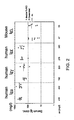
- FIG. 2 Serum concentrations of human Ig ⁇ , ⁇ , ⁇ and mouse lambda chains in the double TGKO and cross-bred mice.
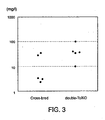
- FIG. 3 Serum concentrations of anti-CD4 human Ig ⁇ in the immunized double TC/KO and cross-bred mice on Day 34.
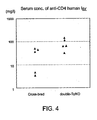
- FIG. 4 Serum concentrations of anti-CD4 human Ig ⁇ in the immunized double TC/KO and cross-bred mice on Day 34.
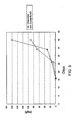
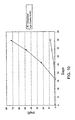
- FIG. 7 Growth curve and anti-CD4 human monoclonal antibody production of the KM2-3 hybridoma cells.
- FIG. 8 Serum concentrations of anti-GCSF human Ig ⁇ in the immunized double TC/KO and cross-bred mice on Day 34.
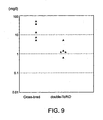
- FIG. 9 Serum concentrations of anti-GCSF human Ig ⁇ in the immunized double TC/KO and cross-bred mice on Day 34.
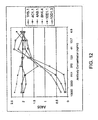
- FIG. 12 Dose response curves of anti-CTLA-4 human monoclonal antibodies for blocking activity.
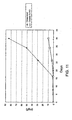
- FIG. 13 Inhibition of CTLA-4(biotin) binding to B7.2 cells with monoclonal antibodies.
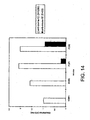
- FIG. 14 Enhanced responses to bovine C-IV in the serum of cross-bred(Fc) mice.
- transchromosome refers to a chromosome or fragment thereof that can be transferred into a cell of a nonhuman mammal.
- An exemplary cell into which the transchromosome are introduced is an ES cell.
- a transchromosome can comprise selectable marker and can be derived from different species from the nonhuman mammal.
- a transchromosome can comprise a portion of a human chromosome.
- transchromosomic or transchromosome means "retaining a transchromosome” or "be of a transchromosome”.
- the human sequence antibodies can be produced in a non-human transgenic mammal, e.g ., a transgenic mouse, capable of producing multiple isotypes of human (e.g ., monoclonal or polyclonal) antibodies (e.g ., IgM, IgD, IgG, IgA and/or IgE) to a variety of antigens by undergoing V-D-J recombination and, for non IgM/non IgD antibodies, isotype switching.
- the disclosure can include antibodies and antibody fragments, and pharmaceutical compositions thereof, as well as non-human transgenic mammals, and B-cells and hybridomas for making such monoclonal antibodies.
- patient or “subject” are used interchangeably and refer to mammals such as human patients and non-human primates, as well as experimental animals such as rabbits, rats, and mice, and other animals.
- treating includes the administration of the compounds or agents of the present invention to prevent or delay the onset of the symptoms, complications, or biochemical indicia of a disease, alleviating the symptoms or arresting or inhibiting further development of the disease, condition, or disorder (e.g ., autoimmune disease).
- Treatment may be prophylactic (to prevent or delay the onset of the disease, or to prevent the manifestation of clinical or subclinical symptoms thereof) or therapeutic suppression or alleviation of symptoms after the manifestation of the disease.
- the phrase “well tolerated” refers to the absence of adverse changes in health status that occur as a result of the treatment and would affect treatment decisions.
- lymphocyte as used herein has the normal meaning in the art, and refers to any of the mononuclear, nonphagocytic leukocytes, found in the blood, lymph, and lymphoid tissues, i . e ., B and T lymphocytes.
- T lymphocytes or “T cell subset(s)” refers to T lymphocytes or T cells characterized by the expression of particular cell surface markers (see Barclay, A. N. et al. (eds.), 1997, THE LEUKOCYTE ANTIGEN FACTS BOOK, 2ND. EDITION, Academic Press, London, United Kingdom ; this reference is herein incorporated by reference for all purposes).
- cytotoxic T lymphocyte-associated antigen-4 "CTLA-4,” “CTLA4,” “CTLA-4 antigen” and "CD152” (see, e.g ., Murata, 1999, Am. J. Pathol. 155:453-460 ) are used interchangeably, and include variants, isoforms, species homologs of human CTLA-4, and analogs having at least one common epitope with CTLA-4 ( see, e . g ., Balzano,1992, Int. J. Cancer Suppl. 7:28-32 ).
- the complete cDNA sequence of human CTLA-4 has the Genbank accession number L15006.
- the region of amino acids 1-37 is the leader peptide; 38-161 is the extracellular V-like domain; 162-187 is the transmembrane domain; and 188-223 is the cytoplasmic domain. Variants of the nucleotide sequence have been reported, including a G to A transition at position 49, a C to T transition at position 272, and an A to G transition at position 439.
- the complete DNA sequence of mouse CTLA-4 has the EMBL accession number X05719 ( Brunet et al., 1987, Nature 328:267-270 ).
- the region of amino acids 1-35 is the leader peptide.
- epitope means a protein determinant capable of specific binding to an antibody.
- Epitopes usually consist of chemically active surface groupings of molecules such as amino acids or sugar side chains and usually have specific three dimensional structural characteristics, as well as specific charge characteristics. Conformational and nonconformational epitopes are distinguished in that the binding to the former but not the latter is lost in the presence of denaturing solvents.
- An intact "antibody” comprises at least two heavy (H) chains and two light (L) chains inter-connected by disulfide bonds.
- Each heavy chain is comprised of a heavy chain variable region (abbreviated herein as VH) and a heavy chain constant region.
- the heavy chain constant region is comprised of three domains, CH1, CH2 and CH3.
- Each light chain is comprised of a light chain variable region (abbreviated herein as VL) and a light chain constant region.
- the light chain constant region is comprised of one domain, CL.
- the VH and VL regions can be further subdivided into regions of hypervariability, termed complementarity determining regions (CDR), interspersed with regions that are more conserved, termed framework regions (FR).
- CDR complementarity determining regions
- Each VH and VL is composed of three CDRs and four FRs, arranged from amino-terminus to carboxyl-terminus in the following order: FR1, CDR1, FR2, CDR2, FR3, CDR3, FR4.
- the variable regions of the heavy and light chains contain a binding domain that interacts with an antigen.
- the constant regions of the antibodies may mediate the binding of the immunoglobulin to host tissues or factors, including various cells of the immune system ( e . g ., effector cells) through cellular receptors such as Fc receptors ( e .
- antibody includes antigen-binding portions of an intact antibody that retain capacity to bind the antigen.
- antigen binding portions include (i) a Fab fragment, a monovalent fragment consisting of the VL, VH, CL and CH1 domains; (ii) a F(ab')2 fragment, a bivalent fragment comprising two Fab fragments linked by a disulfide bridge at the hinge region; (iii) a Fd fragment consisting of the VH and CH1 domains; (iv) a Fv fragment consisting of the VL and VH domains of a single arm of an antibody, (v) a dAb fragment ( Ward et al., 1989 Nature 341:544-546 ), which consists of a VH domain; and (vi) an isolated complementarity determining region (CDR).
- a Fab fragment a monovalent fragment consisting of the VL, VH, CL and CH1 domains
- F(ab')2 fragment a bivalent fragment comprising two Fab fragments linked by a disulfide bridge at the hinge region
- a Fd fragment consisting of
- the two domains of the Fv fragment, VL and VH are coded for by separate genes, they can be joined, using recombinant methods, by a synthetic linker that enables them to be made as a single protein chain in which the VL and VH regions pair to form monovalent molecules (known as single chain Fv (scFv); See, e.g., Bird et al., 1988, Science 242:423-426 ; and Huston et al., 1988, Proc. Natl. Acad Sci. U.S.A. 85:5879-5883 ).
- Such single chain antibodies are included by reference to the term "antibody” Fragments can be prepared by recombinant techniques or enzymatic or chemical cleavage of intact antibodies.
- human sequence antibody includes antibodies having variable and constant regions (if present) derived from human immunoglobulin sequences.
- the human sequence antibodies of the invention may include amino acid residues not encoded by human germline immunoglobulin sequences (e . g ., mutations introduced by random or site-specific mutagenesis in vitro or by somatic mutation in vivo).
- human sequence antibody as used herein, is not intended to include antibodies in which entire CDR sequences sufficient to confer antigen specificity and derived from the germline of another mammalian species, such as a mouse, have been grafted onto human framework sequences (i.e., humanized antibodies).
- the terms “monoclonal antibody” or “monoclonal antibody composition” refer to a preparation of antibody molecules of single molecular composition.
- a monoclonal antibody composition displays a single binding specificity and affinity for a particular epitope.
- the term “human monoclonal antibody” refers to antibodies displaying a single binding specificity which have variable and constant regions (if present) derived from human germline immunoglobulin sequences.
- the human monoclonal antibodies are produced by a hybridoma which includes a B cell obtained from a transgenic non-human animal, e.g., a transgenic mouse, having a genome comprising a human heavy chain transgene and a light chain transgene fused to an immortalized cell.
- the term "diclonal antibody” refers to a preparation of at least two antibodies to an antigen. Typically, the different antibodies bind different epitopes.
- oligoclonal antibody refers to a preparation of 3 to 100 different antibodies to an antigen. Typically, the antibodies in such a preparation bind to a range of different epitopes.
- polyclonal antibody refers to a preparation of more than 1 (two or more) different antibodies to an antigen. Such a preparation includes antibodies binding to a range of different epitopes.
- the invention provides methods by which human sequence antibodies to a variety of antigens can be obtained, including human antibodies to human CTLA-4, human G-CSF, human HSA, human CD4 and human EGFR.
- the human antibodies of this invention include antibodies which block or antagonize signals transduced by cell surface receptors such as the human CTLA-4 receptor and the human CD4 coreceptor. Some of these antibodies can bind to an epitope on human CTLA-4 so as to inhibit CTLA-4 from interacting with a human B7 counterreceptor. Similarly, some of the antibodies can bind to an epitope on human CD4 so as to inhibit CD4 from interacting with human class II MHC.
- blocking antibody refers to an antibody that reduces the binding of soluble human CTLA-4 to cell-expressed human B7 ligand by at least 10%, 20%, 30%, 40%, 50%, 60%, 70%, 80%, 90%, 99% or 99.9% under conditions in which the ratio of antibody combining site to human CTLA-4 ligand binding site is greater than 1:1 and the concentration of antibody is greater than 10 -8 M.
- the methods of the invention further enable human sequence IgA antibodies to a variety of human antigens to be obtained.
- exemplary IgA antibodies include CD4, G-CSF, CTLA-4 and EGFR. Because IgA antibodies can form dimers, such IgA antibodies can have improved cross-linking properties.
- antibody preparations sometimes referred to as multivalent preparations, bind to cell surface receptors such as human CTLA-4 in such a manner as to crosslink multiple human CTLA-4 receptors on the same cell.
- Cross-linking can also be accomplished by combining soluble divalent antibodies having different epitope specificities.
- These polyclonal antibody preparations comprise at least two pairs of heavy and light chains binding to different epitopes on the antigen such that a signal can be transduced as a result of antibody-mediated crosslinking.
- recombinant human antibody includes all human sequence antibodies of the invention that are prepared, expressed, created or isolated by recombinant means, such as antibodies isolated from an animal (e . g ., a mouse) that is transgenic for human immunoglobulin genes (described further below); antibodies expressed using a recombinant expression vector transfected into a host cell, antibodies isolated from a recombinant, combinatorial human antibody library, or antibodies prepared, expressed, created or isolated by any other means that involves splicing of human immunoglobulin gene sequences to other DNA sequences.
- Such recombinant human antibodies have variable and constant regions (if present) derived from human germline immunoglobulin sequences.
- Such antibodies can, however, be subjected to in vitro mutagenesis (or, when an animal transgenic for human Ig sequences is used, in vivo somatic mutagenesis) and thus the amino acid sequences of the VH and VL regions of the recombinant antibodies are sequences that, while derived from and related to human germline VH and VL sequences, may not naturally exist within the human antibody germline repertoire in vivo.
- a “heterologous antibody” is defined in relation to the transgenic non-human organism producing such an antibody. This term refers to an antibody having an amino acid sequence or an encoding nucleic acid sequence corresponding to that found in an organism not consisting of the transgenic non-human animal, and generally from a species other than that of the transgenic non-human animal.
- heterohybrid antibody refers to an antibody having a light and heavy chains of different organismal origins.
- an antibody having a human heavy chain associated with a murine light chain is a heterohybrid antibody.
- substantially pure or isolated means an object species (e.g ., an antibody of the invention) has been identified and separated and/or recovered from a component of its natural environment such that the object species is the predominant species present ( i.e ., on a molar basis it is more abundant than any other individual species in the composition); a "substantially pure” or “isolated” composition also means where the object species comprises at least about 50 percent (on a molar basis) of all macromolecular species present.
- a substantially pure or isolated composition can also comprise more than about 80 to 90 percent by weight of all macromolecular species present in the composition.
- an isolated object species e.g ., antibodies obtained by the methods of the invention
- an isolated antibody to human CTLA-4 can be substantially free of other antibodies that lack binding to human CTLA-4 and bind to a different antigen.
- an isolated antibody that specifically binds to an epitope, isoform or variant of human CTLA-4 may, however, have cross-reactivity to other related antigens, e.g., from other species (e.g ., CTLA-4 species homologs).
- an isolated antibody obtained by the methods of the invention be substantially free of other cellular material (e . g ., non-immunoglobulin associated proteins) and/or chemicals.
- Specific binding refers to preferential binding of an antibody to a specified antigen relative to other non-specified antigens.
- the phrase “specifically (or selectively) binds” to an antibody refers to a binding reaction that is determinative of the presence of the protein in a heterogeneous population of proteins and other biologics.
- the antibody binds with an association constant (K a ) of at least about 1 x 10 6 M -1 or 10 7 M -1 , or about 10 8 M -1 to 10 9 M -1 , or about 10 10 M -1 to 10 11 M -1 or higher, and binds to the specified antigen with an affinity that is at least two-fold greater than its affinity for binding to a non-specific antigen (e.g.
- an antibody recognizing an antigen and "an antibody specific for an antigen” are used interchangeably herein with the term “an antibody which binds specifically to an antigen”.
- a predetermined antigen is an antigen that is chosen prior to the selection of an antibody that binds to that antigen.
- telomere binding reaction which is determinative of the presence of a target protein in the presence of a heterogeneous population of proteins and other biologics.
- the specified binding moieties bind preferentially to a particular target protein and do not bind in a significant amount to other components present in a test sample. Specific binding to a target protein under such conditions may require a binding moiety that is selected for its specificity for a particular target antigen.
- a variety of assay formats may be used to select ligands that are specifically reactive with a particular protein.
- solid-phase ELISA immunoassays, immunoprecipitation, Biacore and Western blot are used to identify peptides that specifically react with the antigen.
- a specific or selective reaction will be at least twice background signal or noise and more typically more than 10 times background.
- high affinity for an antibody refers to an equilibrium association constant (K a ) of at least about 10 7 M -1 , at least about 10 8 M -1 , at least about 10 9 M -1 , at least about 10 10 M -1 , at least about 10 11 M -1 , or at least about 10 12 M -1 or greater, e.g., up to 10 13 M -1 or 10 14 M -1 or greater.
- K a equilibrium association constant
- K a is intended to refer to the equilibrium association constant of a particular antibody-antigen interaction. This constant has units of 1/M.
- K d is intended to refer to the equilibrium dissociation constant of a particular antibody-antigen interaction. This constant has units of M.
- k a is intended to refer to the kinetic association constant of a particular antibody-antigen interaction. This constant has units of 1/Ms
- k d is intended to refer to the kinetic dissociation constant of a particular antibody-antigen interaction. This constant has units of 1/s.
- Particular antibody-antigen interactions refers to the experimental conditions under which the equilibrium and kinetic constants are measured.
- Isotype refers to the antibody class that is encoded by heavy chain constant region genes. Heavy chains are classified as gamma, mu, alpha, delta, or epsilon, and define the antibody's isotype as IgG, IgM, IgA, IgD and IgE, respectively. Additional structural variations characterize distinct subtypes of IgG ( e.g. , IgG 1 , IgG 2 , IgG 3 and IgG 4 ) and IgA ( e.g., IgA 1 and IgA 2 )
- Isotype switching refers to the phenomenon by which the class, or isotype, of an antibody changes from one Ig class to one of the other Ig classes.
- Nonswitched isotype refers to the isotypic class of heavy chain that is produced when no isotype switching has taken place; the CH gene encoding the nonswitched isotype is typically the first CH gene immediately downstream from the functionally rearranged VDJ gene. Isotype switching has been classified as classical or non-classical isotype switching. Classical isotype switching occurs by recombination events which involve at least one switch sequence region in the transgene. Non-classical isotype switching may occur by, for example, homologous recombination between human ⁇ ⁇ and human ⁇ ⁇ ( ⁇ -associated deletion). Alternative non-classical switching mechanisms, such as intertransgene and/or interchromosomal recombination, among others, may occur and effectuate isotype switching.
- switch sequence refers to those DNA sequences responsible for switch recombination.
- a "switch donor” sequence typically a ⁇ switch region, are 5' ( i . e ., upstream) of the construct region to be deleted during the switch recombination.
- the "switch acceptor” region are between the construct region to be deleted and the replacement constant region ( e . g ., ⁇ , ⁇ , and alike). As there is no specific site where recombination always occurs, the final gene sequence is not typically predictable from the construct.
- glycosylation pattern is defined as the pattern of carbohydrate units that are covalently attached to a protein, more specifically to an immunoglobulin protein.
- a glycosylation pattern of a heterologous antibody can be characterized as being substantially similar to glycosylation patterns which occur naturally on antibodies produced by the species of the non-human transgenic animal, when one of ordinary skill in the art would recognize the glycosylation pattern of the heterologous antibody as being more similar to said pattern of glycosylation in the species of the non-human transgenic animal than to the species from which the CH genes of the transgene were derived.
- naturally-occurring refers to the fact that an object can be found in nature.
- a polypeptide or polynucleotide sequence that is present in an organism (including viruses) that can be isolated from a source in nature and which has not been intentionally modified by man in the laboratory is naturally-occurring.
- immunoglobulin locus refers to a genetic element or set of linked genetic elements that comprise information that can be used by a B cell or B cell precursor to express an immunoglobulin peptide.
- This peptide can be a heavy chain peptide, a light chain peptide, or the fusion of a heavy and a light chain peptide.
- the genetic elements are assembled by a B cell precursor to form the gene encoding an immunoglobulin peptide.
- a gene encoding an immunoglobulin peptide is contained within the locus.
- rearranged refers to a configuration of a heavy chain or light chain immunoglobulin locus wherein a V segment is positioned immediately adjacent to a D-J or J segment in a conformation encoding essentially a complete VH or VL domain, respectively.
- a rearranged immunoglobulin gene locus can be identified by comparison to germline DNA; a rearranged locus has at least one recombined heptamer/nonamer homology element.
- V segment configuration in reference to a V segment refers to the configuration wherein the V segment is not recombined so as to be immediately adjacent to a D or J segment.
- nucleic acid or “nucleic acid molecule” refer to a deoxyribonucleotide or ribonucleotide polymer in either single- or double-stranded form, and unless otherwise limited, can encompass known analogs of natural nucleotides that can function in a similar manner as naturally occurring nucleotides.
- isolated nucleic acid in reference to nucleic acids encoding antibodies or antibody portions (e.g ., VH, VL, CDR3) that bind to the antigen, is intended to refer to a nucleic acid in which the nucleotide sequences encoding the antibody or antibody portion are free of other nucleotide sequences encoding antibodies or antibody portions that bind antigens other than, for example, CTLA-4, which other sequences may naturally flank the nucleic acid in human genomic DNA.
- substantially identical in the context of two nucleic acids or polypeptides refers to two or more sequences or subsequences that have at least about 80%, about 90%, about 95% or higher nucleotide or amino acid residue identity, when compared and aligned for maximum correspondence, as measured using the following sequence comparison method and/or by visual inspection. Such "substantially identical" sequences are typically considered to be homologous.
- the "substantial identity” can exist over a region of sequence that is at least about 50 residues in length, over a region of at least about 100 residues, or over a region at least about 150 residues, or over the full length of the two sequences to be compared. As described below, any two antibody sequences can only be aligned in one way, by using the numbering scheme in Kabat. Therefore, for antibodies, percent identity has a unique and well-defined meaning.
- Hx and Lx Amino acids from the variable regions of the mature heavy and light chains of immunoglobulins are designated Hx and Lx respectively, where x is a number designating the position of an amino acid according to the scheme of Kabat, Sequences of Proteins of Immunological Interest (National Institutes of Health, Bethesda, MD, 1987 and 1991 ). Kabat lists many amino acid sequences for antibodies for each subgroup, and lists the most commonly occurring amino acid for each residue position in that subgroup to generate a consensus sequence. Kabat uses a method for assigning a residue number to each amino acid in a listed sequence, and this method for assigning residue numbers has become standard in the field.
- Kabat's scheme is extendible to other antibodies not included in his compendium by aligning the antibody in question with one of the consensus sequences in Kabat by reference to conserved amino acids.
- the use of the Kabat numbering system readily identifies amino acids at equivalent positions in different antibodies. For example, an amino acid at the L50 position of a human antibody occupies the equivalent position to an amino acid position L50 of a mouse antibody.
- nucleic acids encoding antibody chains are aligned when the amino acid sequences encoded by the respective nucleic acids are aligned according to the Kabat numbering convention.
- An alternative structural definition has been proposed by Chothia, et al., 1987 J. Mol. Biol.
- a nucleic acid can be determined to be within the scope of the invention by its ability to hybridize under stringent conditions to a nucleic acid otherwise determined to be within the scope of the invention (such as the exemplary sequences described herein).
- stringent hybridization conditions refers to conditions under which a probe will hybridize to its target subsequence, typically in a complex mixture of nucleic acid, but not to other sequences in significant amounts (a positive signal (e.g. , identification of a nucleic acid of the invention) is about 10 times background hybridization). Stringent conditions are sequence-dependent and will be different in different circumstances. Longer sequences hybridize specifically at higher temperatures. An extensive guide to the hybridization of nucleic acids is found in e.g., Sambrook, ed., MOLECULAR CLONING: A LABORATORY MANUAL (2ND ED.), Vols.
- stringent conditions are selected to be about 5-10°C lower than the thermal melting point (Tm) for the specific sequence at a defined ionic strength pH.
- Tm is the temperature (under defined ionic strength, pH, and nucleic concentration) at which 50% of the probes complementary to the target hybridize to the target sequence at equilibrium (as the target sequences are present in excess, at Tm, 50% of the probes are occupied at equilibrium).
- Stringent conditions will be those in which the salt concentration is less than about 1.0 M sodium ion, typically about 0.01 to 1.0 M sodium ion concentration (or other salts) at pH 7.0 to 8.3 and the temperature is at least about 30°C for short probes ( e .
- a positive signal is at least two times background, preferably 10 times background hybridization.
- Exemplary high stringency or stringent hybridization conditions include: 50% formamide, 5x SSC and 1% SDS incubated at 42° C or 5x SSC and 1% SDS incubated at 65° C, with a wash in 0.2x SSC and 0.1% SDS at 65° C.
- a positive signal e.g ., identification of a nucleic acid of the invention
- Stringent hybridization conditions that are used to identify nucleic acids within the scope of the invention include, e.g., hybridization in a buffer comprising 50% formamide, 5x SSC, and 1% SDS at 42°C, or hybridization in a buffer comprising 5x SSC and 1% SDS at 65°C, both with a wash of 0.2x SSC and 0.1 % SDS at 65°C.
- genomic DNA or cDNA comprising nucleic acids of the invention can be identified in standard Southern blots under stringent conditions using the nucleic acid sequences disclosed here. Additional stringent conditions for such hybridizations (to identify nucleic acids within the scope of the invention) are those which include a hybridization in a buffer of 40% formamide, 1 M NaCl, 1% SDS at 37°C.
- wash conditions used to identify nucleic acids within the scope of the invention include, e.g., a salt concentration of about 0.02 molar at pH 7 and a temperature of at least about 50°C or about 55°C to about 60°C; or, a salt concentration of about 0.15 M NaCl at 72°C for about 15 minutes; or, a salt concentration of about 0.2X SSC at a temperature of at least about 50°C or about 55°C to about 60°C for about 15 to about 20 minutes; or, the hybridization complex is washed twice with a solution with a salt concentration of about 2X SSC containing 0.1% SDS at room temperature for 15 minutes and then washed twice by 0.1X SSC containing 0.1% SDS at 68°C for 15 minutes; or, equivalent conditions. See Sambrook, Tijssen and Ausubel for a description
- sequence identity refers to a measure of similarity between amino acid or nucleotide sequences, and can be measured using methods known in the art, such as those described below:
- nucleic acids or polypeptide sequences refer to two or more sequences or subsequences that are the same or have a specified percentage of amino acid residues or nucleotides that are the same (i.e., 60% identity, preferably 65%, 70%, 75%, 80%, 85%, 90%, or 95% identity over a specified region, when compared and aligned for maximum correspondence over a comparison window, or designated region as measured using one of the following sequence comparison algorithms or by manual alignment and visual inspection.
- substantially identical in the context of two nucleic acids or polypeptides, refers to two or more sequences or subsequences that have at least of at least 60%, often at least 70%, preferably at least 80%, most preferably at least 90% or at least 95% nucleotide or amino acid residue identity, when compared and aligned for maximum correspondence, as measured using one of the following sequence comparison algorithms or by visual inspection.
- the substantial identity exists over a region of the sequences that is at least about 50 bases or residues in length, more preferably over a region of at least about 100 bases or residues, and most preferably the sequences are substantially identical over at least about 150 bases or residues.
- the sequences are substantially identical over the entire length of the coding regions.
- sequence comparison typically one sequence acts as a reference sequence, to which test sequences are compared.
- test and reference sequences are entered into a computer, subsequence coordinates are designated, if necessary, and sequence algorithm program parameters are designated. Default program parameters can be used, or alternative parameters can be designated.
- sequence comparison algorithm then calculates the percent sequence identities for the test sequences relative to the reference sequence, based on the program parameters.
- sequence comparison of nucleic acids and proteins the BLAST and BLAST 2.0 algorithms and the default parameters discussed below can be used.
- a “comparison window”, as used herein, includes reference to a segment of any one of the number of contiguous positions selected from the group consisting of from 20 to 600, usually about 50 to about 200, more usually about 100 to about 150 in which a sequence may be compared to a reference sequence of the same number of contiguous positions after the two sequences are optimally aligned.
- Methods of alignment of sequences for comparison are well-known in the art. Optimal alignment of sequences for comparison can be conducted, e.g., by the local homology algorithm of Smith & Waterman, 1981, Adv. Appl. Math. 2: 482 ), by the homology alignment algorithm of Needleman & Wunsch, 1970, J. Mol. Biol.
- a preferred example of an algorithm that is suitable for determining percent sequence identity and sequence similarity is the FASTA algorithm, which is described in Pearson, W.R. & Lipman, D.J., 1988, Proc. Natl. Acad Sci. U.S.A. 85: 2444 . See also W. R Pearson, 1996, Methods Enzymol. 266: 227-258 .
- BLAST and BLAST 2.0 are used, with the parameters described herein, to determine percent sequence identity for the nucleic acids and proteins of the invention.
- Software for performing BLAST analyses is publicly available through the National Center for Biotechnology Information (http: //www.ncbi.nlm.nih.gov/).
- This algorithm involves first identifying high scoring sequence pairs (HSPs) by identifying short words of length W in the query sequence, which either match or satisfy some positive-valued threshold score T when aligned with a word of the same length in a database sequence.
- T is referred to as the neighborhood word score threshold (Altschul et al., supra).
- a scoring matrix is used to calculate the cumulative score. Extension of the word hits in each direction are halted when: the cumulative alignment score falls off by the quantity X from its maximum achieved value; the cumulative score goes to zero or below, due to the accumulation of one or more negative-scoring residue alignments; or the end of either sequence is reached.
- the BLAST algorithm parameters W, T, and X determine the sensitivity and speed of the alignment.
- the BLAST algorithm also performs a statistical analysis of the similarity between two sequences (see , e . g ., Karlin & Altschul, 1993, Proc. Natl. Acad. Sci. U.S.A. 90: 5873-5787 ).
- One measure of similarity provided by the BLAST algorithm is the smallest sum probability (P(N)), which provides an indication of the probability by which a match between two nucleotide or amino acid sequences would occur by chance.
- P(N) the smallest sum probability
- a nucleic acid is considered similar to a reference sequence if the smallest sum probability in a comparison of the test nucleic acid to the reference nucleic acid is less than about 0.2, more preferably less than about 0.01, and most preferably less than about 0.001.
- PILEUP creates a multiple sequence alignment from a group of related sequences using progressive, pairwise alignments to show relationship and percent sequence identity. It also plots a tree or dendogram showing the clustering relationships used to create the alignment. PILEUP uses a simplification of the progressive alignment method of Feng & Doolittle, 1987, J. Mol. Evol. 35: 351-360 . The method used is similar to the method described by Higgins & Sharp, 1989, CABIOS 5: 151-153 . The program can align up to 300 sequences, each of a maximum length of 5,000 nucleotides or amino acids.
- the multiple alignment procedure begins with the pairwise alignment of the two most similar sequences, producing a cluster of two aligned sequences. This cluster is then aligned to the next most related sequence or cluster of aligned sequences. Two clusters of sequences are aligned by a simple extension of the pairwise alignment of two individual sequences. The final alignment is achieved by a series of progressive, pairwise alignments.
- the program is run by designating specific sequences and their amino acid or nucleotide coordinates for regions of sequence comparison and by designating the program parameters.
- PILEUP a reference sequence is compared to other test sequences to determine the percent sequence identity relationship using the following parameters: default gap weight (3.00), default gap length weight (0.10), and weighted end gaps.
- PILEUP can be obtained from the GCG sequence analysis software package, e.g ., version 7.0 ( Devereaux et al., 1984, Nuc. Acids Res. 12: 387-395 .
- ClustalW performs multiple pairwise comparisons between groups of sequences and assembles them into a multiple alignment based on homology. Gap open and Gap extension penalties were 10 and 0.05 respectively.
- BLOSUM algorithm can be used as a protein weight matrix ( Henikoff and Henikoff, 1992, Proc. Natl. Acad Sci. U.S.A. 89: 10915-10919 ).
- nucleic acids of the methods of the invention be present in whole cells, in a cell lysate, or in a partially purified or substantially pure form.
- a nucleic acid is "isolated” or “rendered substantially pure” when purified away from other cellular components or other contaminants, e.g ., other cellular nucleic acids or proteins, by standard techniques, including alkaline/SDS treatment, CsCl banding, column chromatography, agarose gel electrophoresis and others well known in the art ( See, e.g., Sambrook, Tijssen and Ausubel discussed herein and incorporated by reference for all purposes).
- RNA, CDNA, genomic DNA, or hybrids thereof may be isolated from a variety of sources, genetically engineered, amplified, and/or expressed recombinantly. Any recombinant expression system can be used, including, in addition to bacterial, e.g ., yeast, insect or mammalian systems. Alternatively, these nucleic acids can be chemically synthesized in vitro. Techniques for the manipulation of nucleic acids, such as, e.g ., subcloning into expression vectors, labeling probes, sequencing, and hybridization are well described in the scientific and patent literature, see, e .
- Nucleic acids can be analyzed and quantified by any of a number of general means well known to those of skill in the art. These include, e . g ., analytical biochemical methods such as NMR, spectrophotometry, radiography, electrophoresis, capillary electrophoresis, high performance liquid chromatography (HPLC), thin layer chromatography (TLC), and hyperdiffusion chromatography, various immunological methods, such as fluid or gel precipitin reactions, immunodiffusion (single or double), immunoelectrophoresis, radioimmunoassays (RIAs), enzyme-linked immunosorbent assays (ELISAs), immuno-fluorescent assays, Southern analysis, Northern analysis, dot-blot analysis, gel electrophoresis ( e . g ., SDS-PAGE), RT-PCR, quantitative PCR, other nucleic acid or target or signal amplification methods, radiolabeling, scintill
- nucleic acid compositions in accordance with the methods of the present invention while often in a native sequence (except for modified restriction sites and the like), from either cDNA, genomic or mixtures may be mutated, thereof in accordance with standard techniques to provide gene sequences. For coding sequences, these mutations, may affect amino acid sequence as desired.
- DNA sequences substantially homologous to or derived from native V, D, J, constant, switches and other such sequences described herein are contemplated (where "derived" indicates that a sequence is identical or modified from another sequence).
- a nucleic acid is "operably linked" when it is placed into a functional relationship with another nucleic acid sequence.
- a promoter or enhancer is operably linked to a coding sequence if it affects the transcription of the sequence.
- operably linked means that the DNA sequences being linked are contiguous and, where necessary to join two protein coding regions, contiguous and in reading frame.
- operably linked indicates that the sequences are capable of effecting switch recombination.
- vector is intended to refer to a nucleic acid molecule capable of transporting another nucleic acid to which it has been linked.
- plasmid refers to a circular double stranded DNA loop into which additional DNA segments may be ligated.
- viral vector Another type of vector is a viral vector, wherein additional DNA segments may be ligated into the viral genome.
- Certain vectors are capable of autonomous replication in a host cell into which they are introduced ( e . g ., bacterial vectors having a bacterial origin of replication and episomal mammalian vectors). Other vectors ( e .
- non-episomal mammalian vectors can be integrated into the genome of a host cell upon introduction into the host cell, and thereby are replicated along with the host genome.
- certain vectors are capable of directing the expression of genes to which they are operatively linked.
- Such vectors are referred to herein as "recombinant expression vectors" (or simply, "expression vectors”).
- expression vectors of utility in recombinant DNA techniques are often in the form of plasmids.
- plasmid and vector may be used interchangeably as the plasmid is the most commonly used form of vector.
- the invention is intended to include such other forms of expression vectors, such as viral vectors (e.g ., replication defective retroviruses, adenoviruses and adeno-associated viruses), which serve equivalent functions.
- recombinant host cell refers to a cell into which a recombinant expression vector has been introduced. It should be understood that such terms are intended to refer not only to the particular subject cell but to the progeny of such a cell. Because certain modifications may occur in succeeding generations due to either mutation or environmental influences, such progeny may not, in fact, be identical to the parent cell, but are still included within the scope of the term “host cell” as used herein.
- a “label” is a composition detectable by spectroscopic, photochemical, biochemical, immunochemical, or chemical means.
- useful labels include 32 P, fluorescent dyes, electron-dense reagents, enzymes ( e.g ., as commonly used in an ELISA), biotin, digoxigenin, or haptens and proteins for which antisera or monoclonal antibodies are available (e.g ., the polypeptides can be made detectable, e.g ., by incorporating a radiolabel into the peptide, and used to detect antibodies specifically reactive with the peptide).
- sorting in the context of cells as used herein to refers to both physical sorting of the cells, as can be accomplished using, e . g ., a fluorescence activated cell sorter, as well as to analysis of cells based on expression of cell surface markers, e . g ., FACS analysis in the absence of sorting.
- immune cell response refers to the response of immune system cells to external or internal stimuli (e . g ., antigen, cytokines, chemokines, and other cells) producing biochemical changes in the immune cells that result in immune cell migration, killing of target cells, phagocytosis, production of antibodies, other soluble effectors of the immune response, and the like.
- external or internal stimuli e . g ., antigen, cytokines, chemokines, and other cells
- T lymphocyte response and "T lymphocyte activity” are used here interchangeably to refer to the component of immune response dependent on T lymphocytes (i.e. , the proliferation and/or differentiation of T lymphocytes into helper, cytotoxic killer, or suppressor T lymphocytes, the provision of signals by helper T lymphocytes to B lymphocytes that cause or prevent antibody production, the killing of specific target cells by cytotoxic T lymphocytes, and the release of soluble factors such as cytokines that modulate the function of other immune cells).
- T lymphocyte response i.e. , the proliferation and/or differentiation of T lymphocytes into helper, cytotoxic killer, or suppressor T lymphocytes, the provision of signals by helper T lymphocytes to B lymphocytes that cause or prevent antibody production, the killing of specific target cells by cytotoxic T lymphocytes, and the release of soluble factors such as cytokines that modulate the function of other immune cells).
- immune response refers to the concerted action of lymphocytes, antigen presenting cells, phagocytic cells, granulocytes, and soluble macromolecules produced by the above cells or the liver (including antibodies, cytokines, and complement) that results in selective damage to, destruction of, or elimination from the human body of invading pathogens, cells or tissues infected with pathogens, cancerous cells, or, in cases of autoimmunity or pathological inflammation, normal human cells or tissues.
- Components of an immune response may be detected in vitro by various methods that are well known to those of ordinary skill in the art. For example, (1) cytotoxic T lymphocytes can be incubated with radioactively labeled target cells and the lysis of these target cells detected by the release of radioactivity, (2) helper T lymphocytes can be incubated with antigens and antigen presenting cells and the synthesis and secretion of cytokines measured by standard methods ( Windhagen, A. et al., 1995, Immunity 2:373-80 ), (3) antigen presenting cells can be incubated with whole protein antigen and the presentation of that antigen on MHC detected by either T lymphocyte activation assays or biophysical methods ( Harding et al., 1989, Proc. Natl.
- mast cells can be incubated with reagents that cross-link their Fc-epsilon receptors and histamine release measured by enzyme immunoassay ( Siraganian, et al., 1983, TIPS 4:432-437 ).
- products of an immune response in either a model organism (e . g ., mouse) or a human patient can also be detected by various methods that are well known to those of ordinary skill in the art.
- a model organism e.g ., mouse
- a human patient can also be detected by various methods that are well known to those of ordinary skill in the art.
- the production of antibodies in response to vaccination can be readily detected by standard methods currently used in clinical laboratories, e.g ., an ELISA
- the migration of immune cells to sites of inflammation can be detected by scratching the surface of skin and placing a sterile container to capture the migrating cells over scratch site ( Peters et al., 1988, Blood 72:1310-5 )
- the proliferation of peripheral blood mononuclear cells in response to mitogens or mixed lymphocyte reaction can be measured using 3H-thymidine
- the phagocytic capacity of granulocytes, macrophages, and other phagocytes in PBMCs can be measured by placing PMBC
- signal transduction pathway or “signal transduction event” refers to at least one biochemical reaction, but more commonly a series of biochemical reactions, which result from interaction of a cell with a stimulatory compound or agent.
- the interaction of a stimulatory compound with a cell generates a "signal” that is transmitted through the signal transduction pathway, ultimately resulting in a cellular response, e.g ., an immune response described above.
- a signal transduction pathway refers to the biochemical relationship between a variety of signal transduction molecules that play a role in the transmission of a signal from one portion of a cell to another portion of a cell.
- the phrase "cell surface receptor” includes molecules and complexes of molecules capable of receiving a signal and the transmission of such a signal across the plasma membrane of a cell.
- An example of a "cell surface receptor” of the present invention is the T cell receptor (TCR) or the B7 ligands of CTLA-4.
- a signal transduction pathway in a cell can be initiated by interaction of a cell with a stimulator that is inside or outside of the cell. If an exterior (i.e ., outside of the cell) stimulator (e . g ., an MHC-antigen complex on an antigen presenting cell) interacts with a cell surface receptor (e . g ., a T cell receptor), a signal transduction pathway can transmit a signal across the cell's membrane, through the cytoplasm of the cell, and in some instances into the nucleus.
- a stimulator e.e ., an MHC-antigen complex on an antigen presenting cell
- a cell surface receptor e . g ., a T cell receptor
- a signal transduction pathway can result in transmission of a signal through the cell's cytoplasm, and in some instances into the cell's nucleus.
- Signal transduction can occur through, e.g ., the phosphorylation of a molecule; non-covalent allosteric interactions; complexing of molecules; the conformational change of a molecule; calcium release; inositol phosphate production; proteolytic cleavage; cyclic nucleotide production and diacylglyceride production.
- signal transduction occurs through phosphorylating a signal transduction molecule.
- nonspecific T cell activation refers to the stimulation of T cells independent of their antigenic specificity.
- the human kappa light chain locus transgene KCo5 ( Fishwild, D. et al., 1996, Nat. Biotechnol. 14:845-851 ; U.S. Patent No. 5,770,429 ) includes a substantial portion of the human kappa locus, and is stably maintained in the mouse germline and in B cells and hybridoma cells expressing human kappa chains derived from the transgene.
- This transgene was combined with the stable hCF(SC20) transchromosome, together with functional inactivation mutations of the endogenous mouse heavy and kappa light chain loci, to generate animals expressing a broad human antibody repertoire including multiple human heavy chain isotypes.
- improved stability of the light chain transgene relative to the double-TC/KO mice ( Tomizuka, K. et al., 2000, Proc. Natl. Acad. Sci. U.S.A.. 97:722-727 ) provides for the recovery of a larger number of hybridomas from each fusion.
- the invention provides for the isolation of fully human antibodies of any desired heavy chain isotype, including IgA 1 , IgA 2 , IgD, IgE, IgG 1 , IgG 2 , IgG 3 , IgG 4 , and IgM.
- IgA 1 , IgA 2 , IgD, IgE, IgG 1 , IgG 2 , IgG 3 , IgG 4 , and IgM can be isolated from a single transgenic nonhuman mammal.
- a transgenic non-human mammal for use in the methods of the present invention which is a mouse, can also be generated using deposited material.
- Chicken DT40 cells retaining hCF(SC20) have been deposited under the Budapest treaty on May 9, 2001 in the International Patent Organism Depository, National Institute of Advanced Industrial Science and Technology, Tsukuba Central 6, 1-1, Higashi 1-Chome Tsukuba-shi, Ibaraki-ken, 305-8566 Japan.
- the depository number is FERM BP-7583.
- the cell line name was assigned as SC20.
- Chicken DT40 cells retaining hCF( SC20) have also been deposited in the Food Industry Research and Development Institute (FIRDI) in Taiwan, on August 18, 1999.
- the depository number is CCRC 960099.
- the cell line name was assigned as SC20(D), on Taiwan deposition.
- the hCF(SC20) retained in chicken DT-40 cells can be transferred into mouse ES cells as described in WO 00/10383 ( EP 1106061 ). Briefly, microcells are generated from chicken DT-40 cells and fused with CHO cells. Then CHO cells retaining the hCF(SC20) can be selected based on G418 resistance.
- Retention of the hCF(SC20) can be confirmed by PCR or FISH analysis using commercially available human COT1 DNA or human chromosome 14-specific probe. Thereafter, microcells are generated from the CHO cells retaining the hCF(SC20) and fused with mouse ES cells. ES cells retaining the hCF(SC20) can be selected in the same way of CHO cells.
- Transgene KCo5 can be transferred into mouse cells as described previously (Fishwild, D. ibid, see also Example 38 in U.S. Patent No. 5,770,429 ; see also Example 2 below).
- the basic antibody structural unit is known to comprise a tetramer of subunits.
- Each tetramer is composed of two identical pairs of polypeptide chains, each pair having one "light” (about 25 kDa) and one "heavy" chain (about 50-70 kDa).
- the amino-terminal portion of each chain includes a variable region of about 100 to 110 or more amino acids primarily responsible for antigen recognition.
- the carboxy-terminal portion of each chain defines a constant region primarily responsible for effector function.
- Light chains are classified as either kappa or lambda.
- Heavy chains are classified as gamma, mu, alpha, delta, or epsilon, and define the antibody's isotype as IgG, IgM, IgA, IgD and IgE, respectively.
- the variable and constant regions are joined by a "J" region of about 12 or more amino acids, with the heavy chain also including a "D” region of about 1-10 more amino acids.
- variable regions of each light/heavy chain pair form the antibody binding site.
- an intact antibody has two binding sites.
- the chains all exhibit the same general structure of relatively conserved framework regions (FR) joined by three hypervariable regions, also called complementarity determining regions or CDRs.
- the CDRs from the two chains of each pair are aligned by the framework regions, enabling binding to a specific epitope.
- FR1, CDR1, FR2, CDR2, FR3, CDR3 and FR4 From N-terminal to C-terminal, both light and heavy chains comprise the domains FR1, CDR1, FR2, CDR2, FR3, CDR3 and FR4.
- Human immunoglobulins are naturally encoded by three distinct loci: heavy chain, kappa light chain and lambda light chain. These natural loci are located on chromosomes 14, 2, and 22 respectively.
- the natural human heavy chain locus located at 14q32.3, near the telomere of the long arm of human chromosome 14, extends over approximately 1.3 megabases and encodes approximately 45 expressed V gene segments, 27 D gene segments, 6 J gene segments and 9 constant ( C ) region gene segments.
- the natural human kappa light chain locus located at 2p11.12 on chromosome 2, extends over approximately 1.8 megabases, and comprises approximately 34 expressed V gene segments, 5 J gene segments, and a single C region gene segment.
- the natural human lambda locus located 22q11.2, extends over approximately 0.9 megabases and encodes approximately 30 V gene segments, and 4 functional J-C pairs, each comprising a single J gene segment and a single C gene segment.
- Each of these natural loci can also comprise deletions, insertions, and single nucleotide polymorphisms.
- the production of monoclonal antibodies can be accomplished by, for example, immunizing the animal with an antigen (e.g ., a human protein antigen such as CD4, G-CSF, HSA, EGFR, or CTLA-4, a pathogen encoded antigen, a toxin, or other antigen).
- an antigen e.g ., a human protein antigen such as CD4, G-CSF, HSA, EGFR, or CTLA-4, a pathogen encoded antigen, a toxin, or other antigen.
- a longer polypeptide comprising the antigen or an immunogenic fragment of the antigen or anti-idiotypic antibodies to an antibody to the antigen can also be used. See Harlow & Lane, Antibodies, A Laboratory Manual (CSHP New York, NY, 1988 ) and Mishell and Shiigi, Selected Methods in Cellular Immunology, (W.H. Freeman and Co. New York, NY 1980 ).
- Such an immunogen can be obtained from a natural source, by peptide synthesis or by recombinant expression.
- the immunogen can be administered attached or otherwise complexed with a carrier protein, as described below.
- the immunogen can be administered with an adjuvant.
- adjuvant Several types of adjuvant can be used as described below. Complete Freund's adjuvant followed by incomplete adjuvant is preferred for immunization of laboratory animals. Rabbits or guinea pigs are typically used for making polyclonal antibodies. Rodents ( e.g ., mice, rats, and hamsters) are typically used for making monoclonal antibodies. These mice can be transgenic, and can comprise human immunoglobulin gene sequences, as described below.
- the immunized animals will develop a serum response to the introduced immunogen.
- This serum response can be measured by titration of collected serum using a variety of different assays.
- An example of a commonly used assay is an ELISA.
- the magnitude of the serum response is commonly referred to as the titer. For example, a titer of 1,000 indicates that the presence of reactive antibodies can be detected by assay of a 1,000 fold dilution of the serum.
- immunization will result in a serum response several orders of magnitude greater than that found in unimmunized animals. Serum responses of only one or two orders of magnitude are considered weak, and typically indicate the presence of few B cells expressing antigen reactive antibodies.
- Monoclonal antibodies are routinely obtained by fusing lymphocytes with immortalized cells (e.g ., myeloma cells) to form hybrid cells, referred to as hybridoma cells.
- immortalized cells e.g ., myeloma cells
- the newly formed hybridoma cells derive antibody expression properties from the parental lymphocytes, and growth properties from the parental immortalized cells.
- Newly formed hybridoma cells are grown in culture dishes (e.g ., 96 well plates) comprising culture medium. The culture supernatant is tested (typically between one and two weeks after fusion) for the presence of antigen reactive antibodies of the desired heavy and light chain isotype.
- the cells in this primary culture are then diluted and replated to isolate individual clones of hybridoma cells secreting a single species of monoclonal antibody.
- This secondary culture can be further subcloned to obtain tertiary cultures, and so forth.
- the fraction of antigen reactive primary cultures that can be used to obtain hybridoma clones by this process of subcloning provides a measure of the subcloning efficiency. If all of the antigen positive primary hybridoma cultures can be used to derive cloned cell lines, then the subcloning efficiency is 100%. If the immunoglobulin loci that encode the expressed antibodies are unstable, e .
- the subcloning efficiency will be reduced ( i . e ., less than 100%). It is particularly useful to have a platform for deriving monoclonal antibodies where the subcloning efficiency is high (e.g ., greater than 20%, preferably greater than 50%, more preferably greater than 80%, most preferably greater than 90% or 95%).
- Antibodies are screened for specific binding to the antigen.
- antibodies are further screened for binding to a specific region of the antigen.
- the latter screening can be accomplished by determining binding of an antibody to a collection of deletion mutants of a the antigen peptide and determining which deletion mutants bind to the antibody. Binding can be assessed, for example, by Western blot or ELISA. The smallest fragment to show specific binding to the antibody defines the epitope of the antibody. However, some epitopes comprise noncontiguous structural elements that can be lost by deletion of elements outside of the actual epitope. Alternatively, epitope specificity can be determined by a competition assay is which a test and reference antibody compete for binding to the antigen. If the test and reference antibodies compete, then they bind to the same epitope or epitopes sufficiently proximal that binding of one antibody interferes with binding of the other.
- Nucleic acids encoding at least the variable regions of heavy and light chains can be cloned from either immunized or na ⁇ ve transgenic animals. Nucleic acids can be cloned as genomic or cDNA from lymphatic cells of such animals. No immortalization of such cells is required prior to cloning of immunoglobulin sequences. Usually, mRNA is isolated and amplified by reverse transcription with oligo-dT primers. The cDNA is then amplified using primers to conserved regions of human immunoglobulins.
- the libraries can be easily enriched for non-mu isotypes using a 3' primer specific for non-mu sequences (e.g ., IgG or IgA)
- the amplified population of light chains comprises at least 100, 1000, 10,000, 100,000 or 1,000,000 different light chains.
- the amplified population of heavy chains comprises at least 100, 1000, 10,000, 100,000 or 1,000,000 different heavy chains.
- IgG primers typically at least 90, 95 or 99% of amplified heavy chains are of IgG isotype.
- Nucleic acids encoding at least the variable regions of heavy and light chains can also be cloned from hybridomas mentioned above, by various well-known methods such as PCR or screening cDNA library by DNA probe specific for conserved regions of human antibodies.
- Nucleic acids encoding antibody chains to be subcloned can be excised by restriction digestion of flanking sequences or can be amplified by PCR using primers to sites flanking the coding sequences. See generally PCR Technology: Principles and Applications for DNA Amplification (ed. H.A. Erlich, Freeman Press, NY, NY, 1992 ); PCR Protocols: A Guide to Methods and Applications (eds.
- Nucleic acids encoding light and heavy chain variable regions, optionally linked to constant regions, are inserted into expression vectors.
- the light and heavy chains can be cloned in the same or different expression vectors.
- the DNA segments encoding antibody chains are operably linked to control sequences in the expression vector(s) that ensure the expression of antibody chains.
- control sequences include a signal sequence, a promoter, an enhancer, and a transcription termination sequence.
- Expression vectors are typically replicable in the host organisms either as episomes or as an integral part of the host chromosome.
- E. coli is one procaryotic host particularly for expressing antibodies obtained via the methods of the present invention.
- Other microbial hosts suitable for use include bacilli, such as Bacillus subtilus, and other enterobacteriaceae, such as Salmonella, Serratia, and various Pseudomonas species.
- bacilli such as Bacillus subtilus
- enterobacteriaceae such as Salmonella, Serratia, and various Pseudomonas species.
- prokaryotic hosts one can also make expression vectors, which typically contain expression control sequences compatible with the host cell (e . g ., an origin of replication) and regulatory sequences such as a lactose promoter system, a tryptophan (trp) promoter system, a beta-lactamase promoter system, or a promoter system from phage lambda.
- trp tryptophan
- Saccharomyces is a preferred host, with suitable vectors having expression control sequences, such as promoters, including 3-phosphoglycerate kinase or other glycolytic enzymes, and an origin of replication, termination sequences and the like as desired.
- Mammalian tissue cell culture can also be used to express and produce the antibodies obtained via the methods of the present invention ( See Winnacker, From Genes to Clones (VCH Publishers, N.Y., 1987 ).
- Eukaryotic cells are preferred, because a number of suitable host cell lines capable of secreting intact antibodies have been developed.
- Preferred suitable host cells for expressing nucleic acids encoding the immunoglobulins of the invention include: monkey kidney CV1 line transformed by SV40 (COS-7, ATCC CRL 1651); human embryonic kidney line (293) ( Graham et al., 1977, J. Gen. Virol.
- monkey kidney cells (CV1 ATCC CCL 70); african green monkey kidney cells (VERO-76, ATCC CRL 1587); human cervical carcinoma cells (HELA, ATCC CCL 2); canine kidney cells (MDCK, ATCC CCL 34); buffalo rat liver cells (BRL 3A, ATCC CRL 1442); human lung cells (W138, ATCC CCL 75); human liver cells (Hep G2, HB 8065); mouse mammary tumor (MMT 060562, ATCC CCL51); and, TRI cells ( Mather et al., 1982, Annals N.Y. Acad. Sci. 383:44-46 ); baculovirus cells.
- the vectors containing the polynucleotide sequences of interest can be transferred into the host cell.
- Calcium chloride transfection is commonly utilized for prokaryotic cells, whereas calcium phosphate treatment or electroporation can be used for other cellular hosts.
- the vectors are co-transfected to obtain expression and assembly of intact immunoglobulins. After introduction of recombinant DNA, cell lines expressing immunoglobulin products are cell selected. Cell lines capable of stable expression are preferred ( i.e. , undiminished levels of expression after fifty passages of the cell line).
- the whole antibodies, their dimers, individual light and heavy chains, or other immunoglobulin forms obtained according to the methods of the present invention can be purified according to standard procedures of the art, including ammonium sulfate precipitation, affinity columns, column chromatography, gel electrophoresis and the like ( See generally Scopes, Protein Purification (Springer-Verlag, N.Y., 1982 ). Substantially pure immunoglobulins of at least about 90 to 95% homogeneity are preferred, and 98 to 99% or more homogeneity most preferred.
- Chimeric and humanized antibodies have the same or similar binding specificity and affinity as a mouse or other nonhuman antibody that provides the starting material for construction of a chimeric or humanized antibody.
- Chimeric antibodies are antibodies whose light and heavy chain genes have been constructed, typically by genetic engineering, from immunoglobulin gene segments belonging to different species. For example, the variable (V) segments of the genes from a mouse monoclonal antibody may be joined to human constant (C) segments, such as IgG 1 and IgG 4 . Human isotype IgG 1 is preferred.
- a typical chimeric antibody is thus a hybrid protein consisting of the V or antigen-binding domain from a mouse antibody and the C or effector domain from a human antibody.
- Humanized antibodies have variable region framework residues substantially from a human antibody (termed an acceptor antibody) and complementarity determining regions substantially from a mouse-antibody (referred to as the donor immunoglobulin). See, Queen et al., 1989, Proc. Natl. Acad. Sci. U.S.A. 86:10029-10033 and WO 90/07861 , U.S. 5,693,762 , U.S. 5,693,761 , U.S. 5,585,089 , U.S. 5,530,101 and Winter, U.S. 5,225,539 .
- the constant region(s), if The constant region(s), if present, are also substantially or entirely from a human immunoglobulin.
- the human variable domains are usually chosen from human antibodies whose framework sequences exhibit a high degree of sequence identity with the murine variable region domains from which the CDRs were derived.
- the heavy and light chain variable region framework residues can be derived from the same or different human antibody sequences.
- the human antibody sequences can be the sequences of naturally occurring human antibodies or can be consensus sequences of several human antibodies. See Carter et al., WO 92/22653 .
- Certain amino acids from the human variable region framework residues are selected for substitution based on their possible influence on CDR conformation and/or binding to antigen. Investigation of such possible influences is by modeling, examination of the characteristics of the amino acids at particular locations, or empirical observation of the effects of substitution or mutagenesis of particular amino acids.
- the human framework amino acid should usually be substituted by the equivalent framework amino acid from the mouse antibody when it is reasonably expected that the amino acid:
- variable region frameworks of humanized immunoglobulins usually show at least 85% sequence identity to a human variable region framework sequence or consensus of such sequences.
- Human antibodies directed against specific antigens are provided by a variety of techniques described below. Some human antibodies are selected by competitive binding experiments, or otherwise, to have the same epitope specificity as a particular mouse antibody, such as one of the mouse monoclonals described in the Examples. Human antibodies can also be screened for a particular epitope specificity by using only a fragment of the antigen as the immunogen, and/or, in the case of protein antigens, by screening antibodies against a collection of deletion mutants of the antigen.
- the basic approach and an exemplary cell fusion partner, SPAZ-4, for use in this approach have been described by Oestberg et al., 1983, Hybridoma 2:361-367 ; Oestberg, U.S. Patent No. 4,634,664 ; and Engleman et al., U.S. Patent 4,634,666 .
- the antibody-producing cell lines obtained by this method are called triomas, because they are descended from three cells--two human and one mouse. Initially, a mouse myeloma line is fused with a human B-lymphocyte to obtain a non-antibody-producing xenogeneic hybrid cell, such as the SPAZ-4 cell line described by Oestberg, supra. The xenogeneic cell is then fused with an immunized human B-lymphocyte to obtain an antibody-producing trioma cell line. Triomas have been found to produce antibody more stably than ordinary hybridomas made from human cells.
- triomas are genetically stable they do not produce antibodies at very high levels. Expression levels can be increased by cloning antibody genes from the trioma into one or more expression vectors, and transforming the vector into standard mammalian, bacterial or yeast cell lines.
- Human antibodies against a variety of antigens can also be produced from non-human transgenic mammals comprising human immunoglobulin loci.
- these immunoglobulin loci can encode substantially human sequence antibodies, preferably 95% or more identical to human sequences, more preferably 98-99% or more identical, and most preferably 100% identical.
- the immunoglobulin loci can be rearranged or unrearranged, and can comprise deletions or insertions relative to the natural human immunoglobulin loci.
- the loci can include genetic elements ( e .
- non-coding elements such as enhancers, promoters, and switch sequences, or coding elements such as mu constant region gene segments
- non-immunoglobulin loci that do not contribute substantially to the coding portion of secondary repertoire (non IgM) antibodies.
- Preferred human immunoglobulin loci undergo DNA sequence alterations including V(D)J joining, heavy chain class switching, and somatic mutation in lymphoid cell and/or lymphoid cell precursors in the non-human transgenic mammal to produce high affinity human antibodies to predetermined antigens.
- the human immunoglobulin loci contained in these transgenic mammals preferably include unrearranged sequences of natural human heavy and human light chain loci.
- the endogenous immunoglobulin locus of such transgenic mammals is functionally inactivated ( U. S. Patent No. 5,589,369 ; Takeda, S. et al., 1993, EMBO J. 12:2329-2366 ; Jakobovits, A., et al., 1993, Proc. Natl. Acad. Sci. U.S.A. 90:2551-2555 ; Kitamura, D. and Rajewsky, K., 1992, Nature 356:154-156 ; Gu, H. et al.,1991, Cell 65:47-54 ; Chen, J. et al., EMBO J. 12:821-830 ; Sun, W.
- Inactivation of endogenous immunoglobulin genes preferably can be achieved, e.g ., by targeted homologous recombination.
- the exogenous human immunoglobulin loci can be associated the endogenous mouse chromosomes or can be of ( e.g. , part of, inserted within or attached to) an introduced transchromosome.
- Transchromosomes are introduced into a cell as a nonendogenous chromosome or chromosome fragment having a centromere and two telomeres.
- transchromosomes commonly comprise telomere and centromere sequences and can comprise deletions relative to the parental intact chromosome.
- Transchromosomes can also comprise additional inserted sequences.
- two human immunoglobulin loci can be combined onto a single transchromosome by inserting sequences of a first immunoglobulin locus (e . g . from a YAC clone, a transchromosome, or an intact chromosome) into a transchromosome comprising a second immunoglobulin locus. This process can also be repeated to combine all three human immunoglobulin loci onto a single transchromosome.
- transchromosomes comprising two or three different immunoglobulin loci provides for genetic linkage of these loci which increases the fraction of transgenic offspring that are useful for making human antibodies.
- Preferred forms of transchromosomes are those described in detail in Tomizuka, K. et al., 2000, Proc. Natl. Acad Sci. U.SA. 97:722-727 , Tomizuka, K. et al.,1997, Nature Genetics 16:133-143 , and WO 97/07671 , WO 98/37757 and WO 00/10383 .
- Transchromosomes can also include integrated selectable markers (e.g. neomycin resistance genes) and other sequences not found in the parent intact chromosome.
- transchromosomes can be modified by deletion, translocation, substitution and the like, as described in WO 98/37757 , EP 0972445 and WO 00/10383 .
- transchromosomes can be fragmented spontaneously in the course of introduction into mouse embryonic stem (ES) cells, fragmented by telomere-directed truncation and/or translocated by Cre/loxP site-specific recombination or similar methods.
- Such recombination or translocation events can be promoted by specifically inserting recombination sites (e . g ., loxP sequences and others; see, e.g., Abuin, A. and Bradley, A., 1996, Mol. Cell. Biol. 16: 1851-1856 ; Mitani, K. et al., 1995, Somat. Cell. Mol. Genet. 21:221-231 ; Li, Z. W. et al., 1996, Proc. Natl. Acad. Sci. U.S.A. 93:6158-6162 ; Smith, AJ. et al., 1995, Nat. Genet. 9:376-385 ; Trinh, K R and Morrison, S.
- recombination sites e . g ., loxP sequences and others; see, e.g., Abuin, A. and Bradley, A., 1996, Mol. Cell. Biol. 16: 1851-1856 ; Mitani, K. et
- Transchromosomes can also be a fusion chromosome consisting of different chromosome fragments as a result of the translocation described above.
- Transchromosomes can be autonomous. Autonomous transchromosomes are distinct from, are noncontiguous with, and are not inserted into the endogenous mouse chromosomes. These autonomous transchromosomes comprise telomere and centromere sequences that enable autonomous replication. Alternatively, transchromosome sequences can be translocated to mouse chromosomes after introduction into mouse cell nuclei. The endogenous mouse chromosomes include 19 autosomal chromosome pairs and the X and Y chromosomes.
- exogenous human immunoglobulin loci can be achieved by a variety of methods including, for example, microinjection of half-day embryo pronuclei, transfection of embryonic stem cells, or fusion of embryonic stem cells with yeast spheroplasts or micronuclei comprising transchromosomes.
- the transgenic mammals resulting from the processes described above are capable of functionally rearranging the introduced exogenous immunoglobulin component sequences, and expressing a repertoire of antibodies of various isotypes encoded by human immunoglobulin genes, without expressing endogenous immunoglobulin genes.
- Transgenic nonhuman mammals such as rodents are particularly suitable.
- Monoclonal antibodies can be prepared, e.g ., by fusing B-cells from such mammals to suitable immortal cell lines using conventional Kohler-Milstein technology. Monoclonal antibodies can also be accessed directly from individual B cells, isolated from the medium, using PCR amplification of V regions ( Schrader et al., 1997, U.S. Patent No. 5,627,052 ). Alternatively, FACs sorted, or otherwise enriched B cell preparations can be used as a source of RNA or DNA for PCR amplification of V region sequences. Phage display methods (described below) can also be used to obtain human antibody sequences from immunized transgenic mice comprising human immunoglobulin loci. The human antibody V region sequences obtained by these methods can then be used to generate intact antibodies that retain the binding characteristics of the original parent antibodies. This process is described below.
- a further approach for obtaining human antibodies is to screen a cDNA library from B cells according to the general protocol outlined by Huse et al., 1989, Science 246:1275-1281 .
- B cells can be obtained from a human immunized with the desired antigen, fragments, longer polypeptides containing the antigen or fragments or anti-idiotypic antibodies.
- B cells are obtained from an individual who has not been exposed to the antigen.
- B cell can also be obtained from transgenic non-human animals expressing human immunoglobulin sequences. The transgenic non-human animals can be immunized with an antigen or collection of antigens. The animals can also be unimmunized.
- B cell mRNA sequences encoding human antibodies are used to generate cDNA using reverse transcriptase.
- the V region encoding segments of the cDNA sequences are then cloned into a DNA vector that directs expression of the antibody V regions.
- the V region sequences are specifically amplified by PCR prior to cloning.
- the V region sequences are cloned into a site within the DNA vector that is constructed so that the V region is expressed as a fusion protein. Examples of such fusion proteins include m13 coliphage gene 3 and gene 8 fusion proteins.
- the collection of cloned V region sequences is then used to generate an expression library of antibody V regions.
- the DNA vector comprising the cloned V region sequences is used to transform eukaryotic or prokaryotic host cells.
- the vector can optionally encode all or part of a viral genome, and can comprise viral packaging sequences.
- the vector does not comprise an entire virus genome, and the vector is then used together with a helper virus or helper virus DNA sequences.
- the expressed antibody V regions are found in, or on the surface of, transformed cells or virus particles from the transformed cells.
- This expression library, comprising the cells or virus particles is then used to identify V region sequences that encode antibodies, or antibody fragments reactive with predetermined antigens.
- the expression library is screened or selected for reactivity of the expressed V regions with the predetermined antigens.
- the cells or virus particles comprising the cloned V region sequences, and having the expressed V regions are screened or selected by a method that identifies or enriches for cells or virus particles that have V regions reactive (e . g ., binding association or catalytic activity) with a predetermined antigen.
- a method that identifies or enriches for cells or virus particles that have V regions reactive (e . g ., binding association or catalytic activity) with a predetermined antigen.
- radioactive or fluorescent labeled antigen that then binds to expressed V regions can be detected and used to identify or sort cells or virus particles.
- Antigen bound to a solid matrix or bead can also be used to select cells or virus particles having reactive V regions on the surface.
- the V region sequences thus identified from the expression library can then be used to direct expression, in a transformed host cell, of an antibody or fragment thereof, having reactivity with the predetermined antigen.
- the protocol described by Huse is rendered more efficient in combination with phage-display technology. See, e.g., Dower et al., WO 91/17271 and McCafferty et al., WO 92/01047 , U.S. Patent Nos. 5,871,907 , 5,858,657 , 5,837,242 , 5,733,743 and 5,565,332 .
- libraries of phage are produced in which members (display packages) display different antibodies on their outer surfaces.
- Antibodies are usually displayed as Fv or Fab fragments. Phage displaying antibodies with a desired specificity can be selected by affinity enrichment to the antigen or fragment thereof. Phage display combined with immunized transgenic non-human animals expressing human immunoglobulin genes can be used to obtain antigen specific antibodies even when the immune response to the antigen is weak.
- human antibodies having the binding specificity of a selected murine antibody can be produced. See, for example, Winter, WO 92/20791 .
- either the heavy or light chain variable region of the selected murine antibody is used as a starting material. If, for example, a light chain variable region is selected as the starting material, a phage library is constructed in which members display the same light chain variable region ( i . e ., the murine starting material) and a different heavy chain variable region. The heavy chain variable regions are obtained from a library of rearranged human heavy chain variable regions.
- a phage showing strong specific binding for CTLA-4 e.g.
- each phage displays the same heavy chain variable region ( i . e ., the region identified from the first display library) and a different light chain variable region.
- the light chain variable regions are obtained from a library of rearranged human variable light chain regions. Again, phage showing strong specific binding for the selected are selected.
- Artificial antibodies that are similar to human antibodies can be obtained from phage display libraries that incorporate random or synthetic sequences, for example, in CDR regions.
- the heavy and light chain variable regions of chimeric, humanized, or human antibodies can be linked to at least a portion of a human constant region by various well-known methods (see, e . g ., Queen et al., 1989, Proc. Natl. Acad Sci. U.S.A. 86:10029-10033 and WO 90/07861 .
- the choice of constant region depends, in part, whether antibody-dependent complement and/or cellular mediated toxicity is desired. For example, isotypes IgG 1 and IgG 3 usually have greater complement binding activity than isotypes IgG 2 or IgG 4 . Choice of isotype can also affect passage of antibody into the brain.
- Light chain constant regions can be lambda or kappa.
- Antibodies can be expressed as tetramers containing two light and two heavy chains, as separate heavy chains, light chains, as Fab, Fab', F(ab')2, and Fv, or as single chain antibodies in which heavy and light chain variable domains are linked through a spacer.
- non IgG antibodies can be useful.
- IgM and IgA antibodies can be used.
- Antibodies interact with target antigens predominantly through amino acid residues that are located in the six heavy and light chain complimentarity determining regions (CDR's). For this reason, the amino acid sequences within CDR's are more diverse between individual antibodies than sequences outside of CDR's. Because CDR sequences are responsible for most antibody-antigen interactions, it is possible to express recombinant antibodies that mimic the properties of specific naturally occurring antibodies by constructing expression vectors that include CDR sequences from the specific naturally occurring antibody grafted onto framework sequences from a different antibody with different properties (see, e . g ., Riechmann, L. et al., 1988, Nature 332:323-327 ; Jones, P.
- Such framework sequences can be obtained from public DNA databases that include germline antibody gene sequences. These germline sequences will differ from mature antibody gene sequences because they will not include completely assembled variable genes, which are formed by V(D)J joining during B cell maturation. Germline gene sequences will also differ from the sequence of a high affinity secondary repertoire antibody at individual nucleotides because of somatic mutations. However, somatic mutations are not distributed evenly across the variable region.
- somatic mutations are relatively infrequent in the amino-terminal portion of framework region 1 and in the carboxy-terminal portion of framework region 4. Furthermore, many somatic mutations do not significantly alter the binding properties of the antibody. For this reason, it is not necessary to obtain the entire DNA sequence of a particular antibody in order to recreate an intact recombinant antibody having binding properties similar to those of the original antibody (see PCT/US99/05535 filed on March 12, 1999 ). Partial heavy and light chain sequence spanning the CDR regions is typically sufficient for this purpose. The partial sequence is used to determine which germline variable and joining gene segments contributed to the recombined antibody variable genes. The germline sequence is then used to fill in missing portions of the variable region.
- Heavy and light chain leader sequences are cleaved during protein maturation and do not contribute to the properties of the final antibody. For this reason it is not necessary to use the corresponding germline leader sequence for expression constructs.
- cloned cDNA sequences can be combined with synthetic oligonucleotides by ligation or PCR amplification.
- the entire variable region can be synthesized as a set of short, overlapping, oligonucleotides and combined by PCR amplification to create an entirely synthetic variable region clone. This process has certain advantages such as elimination or inclusion of particular restriction sites, or optimization of particular codons.
- the nucleotide sequences of heavy and light chain transcripts from a hybridomas are used to design an overlapping set of synthetic oligonucleotides to create synthetic V sequences with identical amino acid coding capacities as the natural sequences.
- the synthetic heavy and kappa light chain sequences can differ from the natural sequences in three ways: strings of repeated nucleotide bases are interrupted to facilitate oligonucleotide synthesis and PCR amplification; optimal translation initiation sites are incorporated according to Kozak's rules ( Kozak,1991, J. Biol. Chem. 266:19867-19870 ); and, HindIII sites are engineered upstream of the translation initiation sites.
- the optimized coding, and corresponding non-coding, strand sequences are broken down into 30 - 50 nucleotide segments such that the breaks between nucleotides for the coding strand sequence occur at approximately the midpoint of the corresponding non-coding oligonucleotide.
- the oligonucleotides can be assemble into overlapping double stranded sets that completely span the desired sequence. These oligonucleotides are combined into pools that span segments of 150 - 400 nucleotides. The pools are then used as templates to produce PCR amplification products of 150 - 400 nucleotides.
- variable region oligonucleotide set will be broken down into two pools which are separately amplified to generate two overlapping PCR products. These overlapping products are then combined by PCR amplification to form the complete variable region. It may also be desirable to include an overlapping fragment of the heavy or light chain constant region (including the BbsI site of the kappa light chain, or the AgeI site if the gamma heavy chain) in the PCR amplification to generate fragments that can easily be cloned into the expression vector constructs.
- the heavy or light chain constant region including the BbsI site of the kappa light chain, or the AgeI site if the gamma heavy chain
- the reconstructed heavy and light chain variable regions are then combined with cloned promoter, translation initiation, constant region, 3' untranslated, polyadenylation, and transcription termination, sequences to form expression vector constructs.
- the heavy and light chain expression constructs can be combined into a single vector, co-transfected, serially transfected, or separately transfected into host cells which are then fused to form a host cell expressing both chains.
- Plasmids for use in construction of expression vectors for human IgG ⁇ are described below.
- the plasmids were constructed so that PCR amplified V heavy and V kappa light chain cDNA sequences could be used to reconstruct complete heavy and light chain minigenes.
- These plasmids can be used to express completely human, or chimeric IgG 1 ⁇ or IgG 4 ⁇ antibodies.
- Similar plasmids can be constructed for expression of other heavy chain isotypes, or for expression of antibodies comprising lambda light chains.
- the kappa light chain plasmid, pCK7-96 (SEQ ID NO:1) shown below, includes the kappa constant region and polyadenylation site, such that kappa sequences amplified with 5' primers that include HindIII sites upstream of the initiator methionine can be digested with HindIII and BbsI, and cloned into pCK7-96 digested with HindIII and BbsI to reconstruct a complete light chain coding sequence together with a polyadenylation site.
- This cassette can be isolated as a HindIII/NotI fragment and ligated to transcription promoter sequences to create a functional minigene for transfection into cells.
- the gamma1 heavy chain plasmid, pCG7-96 (SEQ ID NO:2), includes the human gamma1 constant region and polyadenylation site, such that gamma sequences amplified with 5' primers that include HindIII sites upstream of the initiator methionine can be digested with HindIII and AgeI, and cloned into pCG7-96 digested with HindIII and AgeI to reconstruct a complete gamma1 heavy chain coding sequence together with a polyadenylation site.
- This cassette can be isolated as a HindIII/SalI fragment and ligated to transcription promoter sequences to create a functional minigene for transfection into cells.
- the gamma4 heavy chain plasmid, pG4HE includes the human gamma4 constant region and polyadenylation site, such that gamma sequences amplified with 5' primers that include HindIII sites upstream of the initiator methionine can be digested with HindIII and AgeI, and cloned into pG4HE digested with HindIII and AgeI to reconstruct a complete gamma4 heavy chain coding sequence together with a polyadenylation site.
- This cassette can be isolated as a HindIII/EcoRI fragment and ligated to transcription promoter sequences to create a functional minigene for transfection into cells.
- a number of different promoters can be used to express the reconstructed heavy and light chain genes.
- the vector pCDNA3.1+ (Invitrogen, Carlsbad, CA) can be cleaved with HindIII and either NotI, XhoI, or EcoRI, for ligation with either the kappa, gamma1, or gamma4 cassettes described above, to form expression vectors that can be directly transfected into mammalian cells.
- Chimeric, humanized and human antibodies are typically produced by recombinant expression.
- Recombinant polynucleotide constructs typically include an expression control sequence operably linked to the coding sequences of antibody chains, including naturally-associated or heterologous promoter regions.
- the expression control sequences are eukaryotic promoter systems in vectors capable of transforming or transfecting eukaryotic host cells. Once the vector has been incorporated into the appropriate host, the host is maintained under conditions suitable for high level expression of the nucleotide sequences, and the collection and purification of the crossreacting antibodies.
- expression vectors are typically replicable in the host organisms either as episomes or as an integral part of the host chromosomal DNA.
- expression vectors contain selection markers, e.g., ampicillin-resistance or hygromycin-resistance, to permit detection of those cells transformed with the desired DNA sequences.
- E . coli is one prokaryotic host particularly useful for cloning the DNA sequences of the present invention.
- Microbes such as yeast are also useful for expression. Saccharomyces is a preferred yeast host, with suitable vectors having expression control sequences, an origin of replication, termination sequences and the like as desired.
- Typical promoters include 3-phosphoglycerate kinase and other glycolytic enzymes.
- Inducible yeast promoters include, among others, promoters from alcohol dehydrogenase, isocytochrome C, and enzymes responsible for maltose and galactose utilization.
- Mammalian cells are a preferred host for expressing nucleotide segments encoding immunoglobulins or fragments thereof. See Winnacker, FROM GENES TO CLONES, (VCH Publishers, NY, 1987 ).
- a number of suitable host cell lines capable of secreting intact heterologous proteins have been developed in the art, and include CHO cell lines, various COS cell lines, HeLa cells, L cells and myeloma cell lines.
- the cells are nonhuman.
- Expression vectors for these cells can include expression control sequences, such as an origin of replication, a promoter, an enhancer ( Queen et al., 1986, Immunol. Rev.
- RNA splice sites such as ribosome binding sites, RNA splice sites, polyadenylation sites, and transcriptional terminator sequences.
- Preferred expression control sequences are promoters derived from endogenous genes, cytomegalovirus, SV40, adenovirus, bovine papillomavirus, and the like. See Co et al., 1992, J. Immunol. 148:1149 .
- antibody coding sequences can be incorporated in transgenes for introduction into the genome of a transgenic animal and subsequent expression in the milk of the transgenic animal (see, e.g., U.S. Patent Nos. 5,741,957 , 5,304,489 , and 5,849,992 ).
- Suitable transgenes include coding sequences for light and/or heavy chains in operable linkage with a promoter and enhancer from a mammary gland specific gene, such as casein or beta lactoglobulin.
- the vectors containing the DNA segments of interest can be transferred into the host cell by well-known methods, depending on the type of cellular host. For example, calcium chloride transfection is commonly utilized for prokaryotic cells, whereas calcium phosphate treatment, electroporation, lipofection, biolistics or viral-based transfection can be used for other cellular hosts. Other methods used to transform mammalian cells include the use of polybrene, protoplast fusion, liposomes, electroporation, and microinjection (see generally, Sambrook et al ., supra). For production of transgenic animals, transgenes can be microinjected into fertilized oocytes, or can be incorporated into the genome of embryonic stem cells, and the nuclei of such cells transferred into enucleated oocytes.
- antibodies can be purified according to standard procedures of the art, including HPLC purification, column chromatography, gel electrophoresis and the like ( see generally, Scopes, Protein Purification (Springer-Verlag, NY, 1982 )).
- modified antibodies include antibodies, such as monoclonal antibodies, chimeric antibodies, and humanized antibodies which have been modified by, e . g ., deleting, adding, or substituting portions of the antibody.
- an antibody can be modified by deleting the constant region and replacing it with a constant region meant to increase half-life, e.g., serum half-life, stability or affinity of the antibody.
- the antibody conjugates obtained in accordance with the methods of the invention can be used to modify a given biological response or create a biological response (e.g ., to recruit effector cells).
- the drug moiety is not to be construed as limited to classical chemical therapeutic agents.
- the drug moiety may be a protein or polypeptide possessing a desired biological activity.
- Such proteins may include, for example, an enzymatically active toxin, or active fragment thereof, such as abrin, ricin A, pseudomonas exotoxin, or diphtheria toxin; a protein such as tumor necrosis factor or interferon-alpha; or, biological response modifiers such as, for example, lymphokines, interleukin-1 ("IL-1”), interleukin-2 (“IL-2”), interleukin-6 (“IL-6”), granulocyte macrophage colony stimulating factor (“GM-CSF”), granulocyte colony stimulating factor (“G-CSF”), or other growth factors.
- IL-1 interleukin-1
- IL-2 interleukin-2
- IL-6 interleukin-6
- GM-CSF granulocyte macrophage colony stimulating factor
- G-CSF granulocyte colony stimulating factor
- compositions comprising one or a combination of monoclonal antibodies (intact or binding fragments thereof) formulated together with a pharmaceutically acceptable carrier.
- Some compositions include a combination of multiple ( e . g ., two or more) monoclonal antibodies or antigen-binding portions thereof obtained in accordance with the methods of the invention.
- each of the antibodies or antigen-binding portions thereof of the composition is a monoclonal antibody or a human sequence antibody that binds to a distinct, pre-selected epitope of an antigen.
- compositions or medicaments are administered to a patient susceptible to, or otherwise at risk of a disease or condition (i . e ., an immune disease) in an amount sufficient to eliminate or reduce the risk, lessen the severity, or delay the outset of the disease, including biochemical, histologic and/or behavioral symptoms of the disease, its complications and intermediate pathological phenotypes presenting during development of the disease.
- a disease or condition i . e ., an immune disease
- compositions or medicants are administered to a patient suspected of, or already suffering from such a disease in an amount sufficient to cure, or at least partially arrest, the symptoms of the disease (biochemical, histologic and/or behavioral), including its complications and intermediate pathological phenotypes in development of the disease.
- An amount adequate to accomplish therapeutic or prophylactic treatment is defined as a therapeutically- or prophylactically-effective dose.
- agents are usually administered in several dosages until a sufficient immune response has been achieved. Typically, the immune response is monitored and repeated dosages are given if the immune response starts to wane.
- Effective doses of the compositions enabled by the present invention, for the treatment of immune-related conditions and diseases described herein vary depending upon many different factors, including means of administration, target site, physiological state of the patient, whether the patient is human or an animal, other medications administered, and whether treatment is prophylactic or therapeutic.
- the patient is a human but nonhuman mammals including transgenic mammals can also be treated. Treatment dosages need to be titrated to optimize safety and efficacy.
- the dosage ranges from about 0.0001 to 100 mg/kg, and more usually 0.01 to 5 mg/kg, of the host body weight.
- dosages can be 1 mg/kg body weight or 10 mg/kg body weight or within the range of 1-10 mg/kg.
- An exemplary treatment regime entails administration once per every two weeks or once a month or once every 3 to 6 months.
- two or more monoclonal antibodies with different binding specificities are administered simultaneously, in which case the dosage of each antibody administered falls within the ranges indicated.
- Antibody is usually administered on multiple occasions. Intervals between single dosages can be weekly, monthly or yearly. Intervals can also be irregular as indicated by measuring blood levels of antibody in the patient.
- dosage is adjusted to achieve a plasma antibody concentration of 1-1000 ⁇ g/ml and in some methods 25-300 ⁇ g/ml.
- antibody can be administered as a sustained release formulation, in which case less frequent administration is required. Dosage and frequency vary depending on the half-life of the antibody in the patient. In general, human antibodies show the longest half life, followed by humanized antibodies, chimeric antibodies, and nonhuman antibodies. The dosage and frequency of administration can vary depending on whether the treatment is prophylactic or therapeutic. In prophylactic applications, a relatively low dosage is administered at relatively infrequent intervals over a long period of time. Some patients continue to receive treatment for the rest of their lives. In therapeutic applications, a relatively high dosage at relatively short intervals is sometimes required until progression of the disease is reduced or terminated, and preferably until the patient shows partial or complete amelioration of symptoms of disease. Thereafter, the patent can be administered a prophylactic regime.
- Doses for nucleic acids encoding immunogens range from about 10 ng to 1 g, 100 ng to 100 mg, 1 ⁇ g to 10 mg, or 30-300 ⁇ g DNA per patient.
- Doses for infectious viral vectors vary from 10-100, or more, virions per dose.
- Agents for inducing an immune response can be administered by parenteral, topical, intravenous, oral, subcutaneous, intraarterial, intracranial, intraperitoneal, intranasal or intramuscular means for prophylactic and/or therapeutic treatment.
- the most typical route of administration of an immunogenic agent is subcutaneous although other routes can be equally effective.
- the next most common route is intramuscular injection. This type of injection is most typically performed in the arm or leg muscles.
- agents are injected directly into a particular tissue where deposits have accumulated, for example intracranial injection. Intramuscular injection on intravenous infusion are preferred for administration of antibody.
- particular therapeutic antibodies are injected directly into the cranium.
- antibodies are administered as a sustained release composition or device, such as a Medipad TM device.
- Agents enabled by the invention can optionally be administered in combination with other agents that are at least partly effective in treating various diseases including various immune-related diseases.
- agents of the invention can also be administered in conjunction with other agents that increase passage of the agents enabled by the invention across the blood-brain barrier (BBB).
- BBB blood-brain barrier
- compositions comprising an active therapeutic agent, i.e., and a variety of other pharmaceutically acceptable components. See Remington's Pharmaceutical Science (15th ed., Mack Publishing Company, Easton, Pennsylvania, 1980 ). The preferred form depends on the intended mode of administration and therapeutic application.
- the compositions can also include, depending on the formulation desired, pharmaceutically-acceptable, non-toxic carriers or diluents, which are defined as vehicles commonly used to formulate pharmaceutical compositions for animal or human administration.
- the diluent is selected so as not to affect the biological activity of the combination. Examples of such diluents are distilled water, physiological phosphate-buffered saline, Ringer's solutions, dextrose solution, and Hank's solution.
- the pharmaceutical composition or formulation may also include other carriers, adjuvants, or nontoxic, nontherapeutic, nonimmunogenic stabilizers and the like.
- compositions can also include large, slowly metabolized macromolecules such as proteins, polysaccharides such as chitosan, polylactic acids, polyglycolic acids and copolymers (such as latex functionalized sepharose TM , agarose, cellulose, and the like), polymeric amino acids, amino acid copolymers, and lipid aggregates (such as oil droplets or liposomes). Additionally, these carriers can function as immunostimulating agents (i.e. , adjuvants).
- agents enabled by the invention can be administered as injectable dosages of a solution or suspension of the substance in a physiologically acceptable diluent with a pharmaceutical carrier that can be a sterile liquid such as water oils, saline, glycerol, or ethanol.
- a pharmaceutical carrier that can be a sterile liquid such as water oils, saline, glycerol, or ethanol.
- auxiliary substances such as wetting or emulsifying agents, surfactants, pH buffering substances and the like can be present in compositions.
- Other components of pharmaceutical compositions are those of petroleum, animal, vegetable, or synthetic origin, for example, peanut oil, soybean oil, and mineral oil.
- glycols such as propylene glycol or polyethylene glycol are preferred liquid carriers, particularly for injectable solutions.
- Antibodies can be administered in the form of a depot injection or implant preparation which can be formulated in such a manner as to permit a sustained release of the active ingredient.
- An exemplary composition comprises monoclonal antibody at 5 mg/mL, formulated in aqueous buffer consisting of 50 mM L-histidine, 150 mM NaCl, adjusted to pH 6.0 with HCl.
- compositions are prepared as injectables, either as liquid solutions or suspensions; solid forms suitable for solution in, or suspension in, liquid vehicles prior to injection can also be prepared.
- the preparation also can be emulsified or encapsulated in liposomes or micro particles such as polylactide, polyglycolide, or copolymer for enhanced adjuvant effect, as discussed above (see Langer, 1990, Science 249:1527 and Hanes, 1997, Advanced Drug Delivery Reviews 28:97-119 ).
- the agents can be administered in the form of a depot injection or implant preparation which can be formulated in such a manner as to permit a sustained or pulsatile release of the active ingredient.
- Additional formulations suitable for other modes of administration include oral, intranasal, and pulmonary formulations, suppositories, and transdermal applications.
- binders and carriers include, for example, polyalkylene glycols or triglycerides; such suppositories can be formed from mixtures containing the active ingredient in the range of 0.5% to 10%, preferably 1%-2%.
- Oral formulations include excipients, such as pharmaceutical grades of mannitol, lactose, starch, magnesium stearate, sodium saccharine, cellulose, and magnesium carbonate. These compositions take the form of solutions, suspensions, tablets, pills, capsules, sustained release formulations or powders and contain 10%-95% of active ingredient, preferably 25%-70%.
- Topical application can result in transdermal or intradermal delivery.
- Topical administration can be facilitated by co-administration of the agent with cholera toxin or detoxified derivatives or subunits thereof or other similar bacterial toxins (See Glenn et al., 1998, Nature 391:851 ).
- Co-administration can be achieved by using the components as a mixture or as linked molecules obtained by chemical crosslinking or expression as a fusion protein.
- transdermal delivery can be achieved using a skin patch or using transferosomes ( Paul et al., 1995, Eur. J. Immunol. 25, 3521-24 ; Cevc et al., 1998, Biochem. Blophys. Acta 1368, 201-15 ).
- the pharmaceutical compositions are generally formulated as sterile, substantially isotonic and in full compliance with all Good Manufacturing Practice (GMP) regulations of the U.S. Food and Drug Administration.
- GMP Good Manufacturing Practice
- a therapeutically effective dose of the proteins described herein will provide therapeutic benefit without causing substantial toxicity.
- Toxicity of the proteins described herein can be determined by standard pharmaceutical procedures in cell cultures or experimental animals, e . g ., by determining the LD 50 (the dose lethal to 50% of the population) or the LD 100 (the dose lethal to 100% of the population). The dose ratio between toxic and therapeutic effect is the therapeutic index.
- the data obtained from these cell culture assays and animal studies can be used in formulating a dosage range that is not toxic for use in human.
- the dosage of the proteins described herein lies preferably within a range of circulating concentrations that include the effective dose with little or no toxicity. The dosage can vary within this range depending upon the dosage form employed and the route of administration utilized. The exact formulation, route of administration and dosage can be chosen by the individual physician in view of the patient's condition. (See, e.g., Fingl et al., 1975, In: The Pharmacological Basis of Therapeutics, Ch.1, p.1 ).
- kits comprising the compositions (e . g ., monoclonal antibodies, human sequence antibodies, human antibodies, multispecific and bispecific molecules) obtained in accordance with the methods of the invention and instructions for use.
- the kit can further contain a least one additional reagent, or one or more additional human antibodies of the invention (e.g ., a human antibody having a complementary activity which binds to an epitope in the antigen distinct from the first human antibody).
- Kits typically include a label indicating the intended use of the contents of the kit.
- the term label includes any writing, or recorded material supplied on or with the kit, or which otherwise accompanies the kit.
- the plasmid pICEmu contains an EcoRI/XhoI fragment of the murine Ig heavy chain locus, spanning the mu gene, that was obtained from a Balb/C genomic lambda phage library ( Marcu et al., 1980, Cell 22:187 ). This genomic fragment was subcloned into the XhoI/EcoRI sites of the plasmid pICEMI9H ( Marsh et al., 1984, Gene 32: 481-485 ).
- the heavy chain sequences included in pICEmu extend downstream of the EcoRI site located just 3' of the mu intronic enhancer, to the XhoI site located approximately 1 kb downstream of the last transmembrane exon of the mu gene; however, much of the mu switch repeat region has been deleted by passage in E. coli.
- the targeting vector was constructed as follows (see FIG. 1 ). A 1.3 kb HindIII/SmaI fragment was excised from pICEmu and subcloned into HindIII/SmaI digested pBluescript (Stratagene, La Jolla, CA). This pICEmu fragment extends from the HindIII site located approximately 1 kb 5' of Cmu1 to the SmaI site located within Cmu1.
- the resulting plasmid was digested with SmaI/SpeI and the approximately 4 kb SmaI/XbaI fragment from pICEmu, extending from the Sma I site in Cmu1 3' to the XbaI site located just downstream of the last Cmu exon, was inserted.
- the resulting plasmid, pTAR1 was linearized at the SmaI site, and a neo expression cassette inserted.
- This cassette consists of the neo gene under the transcriptional control of the mouse phosphoglycerate kinase (pgk) promoter (XbaI/TaqI fragment; Adra et al., 1987, Gene 60:65-74 ) and containing the pgk polyadenylation site (PvuII/HindIII fragment; Boer et al., 1990, Biochemical Genetics 28:299-308 ).
- pgk mouse phosphoglycerate kinase
- This cassette was obtained from the plasmid pKJ1 (described by Tybulewicz et al., 1991, Cell 65:1153-1163 ) from which the neo cassette was excised as an EcoRI/HindIII fragment and subcloned into EcoRI/HindIII digested pGEM-7Zf (+) to generate pGEM-7 (KJ1).
- the neo cassette was excised from pGEM-7 (KJ1) by EcoRI/SalI digestion, blunt ended and subcloned into the SmaI site of the plasmid pTAR1, in the opposite orientation of the genomic Cmu sequences.
- tk herpes simplex virus thymidine kinase cassette
- This cassette consists of the coding sequences of the tk gene bracketed by the mouse pgk promoter and polyadenylation site, as described by Tybulewicz et al., 1991, Cell 65:1153-1163 .
- the resulting CMD targeting vector contains a total of approximately 5.3 kb of homology to the heavy chain locus and is designed to generate a mutant mu gene into which has been inserted a neo expression cassette in the unique SmaI site of the first Cmu exon.
- the targeting vector was linearized with PvuI, which cuts within plasmid sequences, prior to electroporation into ES cells.
- AB-1 ES cells McMahon, A. P. and Bradley, A., 1990, Cell 62:1073-1085
- AB-1 ES cells were grown on mitotically inactive SNL76/7 cell feeder layers (ibid.) essentially as described ( Robertson, E. J. (1987) in Teratocarcinomas and Embryonic Stem Cells: A Practical Approach (E. J. Robertson, ed.) Oxford, IRL Press, p. 71-112 ).
- the linearized CMD targeting vector was electroporated into AB-1 cells by the methods described Hasty et al. ( Hasty, P. R. et al., 1991, Nature 350:243-246 ).
- Electroporated cells were plated into 100 mm dishes at a density of 1-2 x 10 6 cells/dish. After 24 hours, G418 (200 micrograms/ml of active component) and FIAU (5 x 10 -7 M) were added to the medium, and drug-resistant clones were allowed to develop over 8-9 days. Clones were picked, trypsinized, divided into two portions, and further expanded. Half of the cells derived from each clone were then frozen and the other half analyzed for homologous recombination between vector and target sequences.
- DNA analysis was carried out by Southern blot hybridization. DNA was isolated from the clones as described Laird et al . ( Laird, P. W. et al., 1991, Nucleic Acids Res. 19 :4293 ). Isolated genomic DNA was digested with SpeI and probed with a 915 bp SacI fragment, probe A ( FIG. 1 ), which hybridizes to a sequence between the mu intronic enhancer and the mu switch region. Probe A detects a 9.9 kb SpeI fragment from the wild type locus, and a diagnostic 7.6 kb band from a mu locus which has homologously recombined with the CMD targeting vector (the neo expression cassette contains a SpeI site).
- mice bearing the mutated mu gene The three targeted ES clones, designated number 264, 272, and 408, were thawed and injected into C57BL/6J blastocysts as described by Bradley ( Bradley, A., 1987, in Teratocarcinomas and Embryonic Stem Cells:a Practical Approach. (E. J. Robertson, ed.) Oxford:IRL Press, p. 113-151 ). Injected blastocysts were transferred into the uteri of pseudopregnant females to generate chimeric mice representing a mixture of cells derived from the input ES cells and the host blastocyst.
- ES cell contribution to the chimera can be visually estimated by the amount of agouti coat coloration, derived from the ES cell line, on the black C57BL/6J background.
- Clones 272 and 408 produced only low percentage chimeras ( i . e ., low percentage of agouti pigmentation) but clone 264 produced high percentage male chimeras. These chimeras were bred with C57BL/6J females and agouti offspring were generated, indicative of germline transmission of the ES cell genome.
- Screening for the targeted mu gene was carried out by Southern blot analysis of BglI digested DNA from tail biopsies (as described above for analysis of ES cell DNA). Approximately 50% of the agouti offspring showed a hybridizing BglI band of 7.7 kb in addition to the wild type band of 15.7 kb, demonstrating a germline transmission of the targeted mu gene.
- Table 1 shows the levels of serum IgM, detected by ELISA, for mice carrying both the CMD and JHD mutations (CMD/JHD), for mice heterozygous for the JHD mutation (+/JHD), for wild type (129Sv x C57BL/6J)F1 mice (+/+), and for B cell deficient mice homozygous for the JHD mutation (JHD/JHD).
- KCo5-9272 The generation of the human kappa light chain transgenic mouse line KCo5-9272 has been previously described KCo5 ( Fishwild, D. et al., 1996, Nat. Biotechnol. 14, 845-851 ; Example 38 in U.S. Patent No. 5,770,429 ).
- This line was generated by co-injection of an artificial human ⁇ light chain locus and a YAC clone comprising multiple human V kappa. segments.
- the YAC clone DNA was isolated from a yeast strain containing a 450 kb yeast artificial chromosome (YAC) comprising a portion of the human V kappa locus (ICRF YAC library designation 4x17E1).
- V gene segments amplified from the YAC DNA demonstrated that this clone comprised a substantial portion of the human distal V kappa region, including approximately 32 different V kappa segments.
- Analysis of a different isolate of this clone confirmed that result, and also demonstrated that this clone represents an example of the human kappa locus C haplotype, in which the 5' portion of the distal V cluster resembles the homologous region of the proximal V cluster.
- the 5' O family V gene segments are close in sequence to the homologous proximal Op family V segments.
- YAC DNA was size fractionated on agarose gels.
- the yeast cells containing YAC 4x17E1 were imbedded in agarose prior to lysis, and YAC DNA was separated from yeast chromosomal DNA by pulse field gel electrophoresis, isolated and microinjected into half day embryo pronuclei.
- V kappa O1 m217-1, Genbank X76071; AB129, ccaccccataaacactgattc (SEQ ID NO:4); AB130, ttgatgcatcctacccagggc (SEQ ID NO:5)) and the intergenic region between V kappa L24 and L25 (m138-13, Genbank X72824; AB127, cctgccttacagtgctgtag (SEQ ID NO:6); AB128, ggacagcaacaggacatggg (SEQ ID NO:7)), revealed that the 5' and 3' regions of the V kappa cluster from the YAC clone 4x17E1 are included in the KCo5-9272 transgene integration.
- Line KCo5-9272 mice were then bred with human heavy chain transgenic, endogenous immunoglobulin locus mutant, mice to obtain mice homozygous for disruptions of the endogenous heavy and kappa light chain loci, and hemi- or homozygous for the human heavy chain transgenes HC2 or HCo7 ( U.S. Patent No. 5,770,429 ), and the human kappa light chain transgene KCo5. Animals that are homozygous for disruptions of the endogenous heavy and kappa light chain loci, and hemi- or homozygous for human heavy and ⁇ light chain transgenes are designated double transgenic/double deletion mice.
- the human heavy chain locus containing chromosome 14 fragment hCF(SC20) and the human kappa light chain transgene were combined into a single strain by cross breeding.
- the hCF(SC20) transgenic mouse strain was homozygous for inactivation mutations of the endogenous heavy chain locus (CM2D) and the endogenous kappa light chain (CKD). This strain was also homozygous for ⁇ 1(low) mutation ( Tomizuka, K. et al., 2000, Proc. Natl. Acad. Sci. U.S.A.
- the CM2D mutation comprises a deletion of a 3.7 kb BamHI-XhoI segment covering part of Cmu2, Cmu3-Cmu4, and Mmu1 and Mmu2.
- the CKD mutation comprises a deletion of a 2 kb SacII-BglII segment covering the Ckappa exon. Both mutations have been previously reported ( Tomizuka, K. et al., 2000, Proc. Natl. Acad. Sci. U.S.A. 97:722-727 ).
- mice were bred with mice homozygous for the KCo5-9272 human kappa transgene insertion, and homozygous for the CMD and JKD disruptions of the endogenous heavy chain and kappa chain loci respectively.
- the CMD mutation is described in Example 1 above.
- the JKD mutation is described in U.S. Patent No. 5,770,429 , and in Chen et al., 1993, EMBO J. 12:821-830 ).
- SC20/KCo5 mice Offspring from these matings that are positive for the hCF(SC20) transchromosome (SC20/KCo5 mice, or cross-bred mice) are hemizygous for 6 different genetic modifications: SC20, KCo5, CMD, CHD, JKD, and CKD2.
- SC20/KCo5 mice are homozygous for disruptions of each of these two loci. Therefore, the mice are dependent on the SC20 and KCo5 transgenes for expression of kappa light chain containing antibodies.
- mice can also form hybrid human/mouse antibodies because the endogenous mouse lambda light chain locus remains functional.
- the mice may also express chimeric human/mouse antibodies that comprise human heavy chain V region and mouse non-mu heavy chain isotype constant region sequences. These chimeric antibodies could be formed by chromosomal translocations of the human SC20 IgH locus into the mouse IgH locus mediated by class switching. Such "trans-switching" events were previously found to occur in mice containing mini-locus heavy chain transgenes ( Taylor, L. et al., 1994, Int. Immunol. 6:579-591 ).
- Serum samples prepared from 6-12 week old cross-bred mice were examined by ELISAs to determine concentrations of human Ig ⁇ , ⁇ , ⁇ and mouse ⁇ chains ( FIG. 2 ).
- the average levels of human Ig ⁇ and Ig ⁇ were higher than mouse ⁇ chain level (273 mg/l) and one third of the mouse ⁇ chain level (590 mg/l), respectively.
- These heavy chain expression levels are similar to those of double-Tc/double-KO mice (hCF(SC20)/hCF(2-W23)/CM2D/CKD Tomizuka, K. et al., 2000, Proc. Natl. Acad Sci. U.S.A.
- F2 offspring produced by mating between male and female cross-bred mice were expected to be homozygous for the m ⁇ C1 ( ⁇ low) mutation because the first generation of cross-bred mice were heterozygous for this mutation.
- Serum concentrations of human Ig ⁇ and mouse Ig ⁇ light chains were determined by ELISA in twenty one F2 cross-bred mice as described in the previous report ( Tomizuka, K. et al., 2000, Proc. Natl. Acad Sci. U.S.A. 97:722-727 ).
- mice Of 21 mice examined, six mice exhibited low ( ⁇ 0.1) mouse ⁇ /human ⁇ ratio, which is characteristics of mice homozygous for the ⁇ low mutation ( Tomizuka, K. et al., 2000, Proc. Natl. Acad. Sci. U.S.A. 97:722-727 ). Thus, these six cross-bred mice may be homozygous for the ⁇ (low) mutation, which can be useful for efficient production of hybridomas that secrete antibodies comprising human Ig heavy and ⁇ light chains.
- Humoral responses in mice Serum was collected on days 0, 16, 26, 34 and 40.
- Antigen-specific human Ig ⁇ and Ig ⁇ were measured by enzyme-linked immunosorbent assay (ELISA) for production of monoclonal antibodies (MAbs) to sCD4. Detailed protocol for ELISA is described Example 4.
- ELISA enzyme-linked immunosorbent assay
- Antigen-specific plates were coated with antigen at 1 ⁇ g/ml in bicarbonate buffer (Sigma) overnight.
- Antigen-specific Ig ⁇ and Ig ⁇ were quantified using one of human monoclonal IgG specific for antigen as a standard. The results are shown in FIG. 3 , 4 , 5 and 6 .
- Human gamma and kappa responses were observed 34 days after initiation of immunizations in cross-bred mice and double-Tc/double-KO mice.
- the parental hybridomas from cross-bred mouse were subcloned by two rounds of limiting dilution with high efficiency. All of hybridomas from cross-bred mouse secreted human ⁇ /human ⁇ anti-CD4 MAbs and none of hybridomas secreted human ⁇ /murine ⁇ anti-CD4 MAbs. These data indicated that cross-bred mouse is superior to the double TC/KO strain for generation of antigen-specific human monoclonal antibodies.
- the isotype of the MAbs secreted by these subcloned hybridomas was further examined by a number of ELISAs. Seven wells were h ⁇ 1 + and 7 wells were h ⁇ 4 + .
- KM2-3 hybridoma cells were seeded in 4 liter spinner flask (Bellco) at 1x10 5 cells/ml on day 0.
- ERDF medium supplied with ITS-X (Gibco BRL) and 1% low IgG serum (Hyclone) was used for culture.
- a final intravenous injection of 20 g of G-CSF in PBS was given to cross-bred mouse and double-Tc/KO mouse on day 37.
- Hybridomas producing h ⁇ /h ⁇ antibodies were subcloned by two rounds of limiting dilution. Further ELISA experiments demonstrated that 5, 3, and 3 wells were h ⁇ 1 + , h ⁇ 2 + , and h ⁇ 4 + , respectively.
- mice were immunized by intraperitonial injections with 50 ⁇ g of human serum albumin in complete Freund's adjuvant (Sigma) on day 0, followed by immunizations in incomplete Freund's adjuvant (Sigma) on day 7,14, and 21.
- hybridomas Splenocytes from immunized mice were fused to Sp2/0-Ag14 cells on day 24 and resulting hybridomas were screened by ELISA for production of monoclonal antibodies (MAbs) to antigen. Ten wells of hybridomas were chosen randomly from anti-albumin h ⁇ producing hybridomas and subcloned. All of hybridomas secreted human ⁇ /human ⁇ anti-albumin. This data indicate that cross-bred mouse is superior to double-Tc/double-KO mouse for production of antigen-specific fully human monoclonal antibodies since two-thirds of anti-albumin IgG hybridomas obtained from double-Tc/double-KO mouse were m ⁇ + ( Tomizuka, K. et al., 2000, Proc. Natl. Acad. Sci. U.S.A. 97:722-727 ).
- a DNA segment encoding a fusion protein comprising sequences from the human CTLA-4 and the murine CD3 ⁇ genes was constructed by PCR amplification of cDNA clones together with bridging synthetic oligonucleotides.
- the encoded fusion protein contains the following sequences: i.) human CTLA-4 encoding amino acids 1- 190 (containing the signal peptide, the extracellular domain of human CTLA-4 and the entirety of the presumed transmembrane sequence of human CTLA-4) and ii.) murine CD3 ⁇ from amino acid 52 to the carboxy terminus.
- the amplified PCR product was cloned into a plasmid vector and the DNA sequence was determined.
- the cloned insert was then subcloned into the vector pBABE (which contains a gene encoding for puromycin resistance ( Morganstern, JP and Land, H, 1990 Nucl. Acids Res. 18:3587-96 ) to create pBABE-huCTLA-4/CD3 ⁇ .
- pBABE-huCTLA-4/CD3 ⁇ was transfected into the retroviral packaging line, ⁇ -2, and a pool of puromycin resistant cells were selected. These cells were co-cultured with the murine T cell hybridoma BW5147 (ATCC #TIB-47). After 2 days of co-culture the non-adherent BW5147 cells were removed and selected for resistance to puromycin.
- the puromycin resistant cell pool was subcloned by limiting dilution and tested for surface expression of human CTLA-4 by FACS.
- a clone expressing high levels of human CTLA-4 at the cell surface was selected (BW-huCTLA-4CD3 ⁇ -3#12).
- Soluble recombinant antigen comprising the extracellular domain of human CTLA-4 was purchased from R&D Systems (Cat. #325-CT-200).
- mice Three SC20/KCo5 cross-bred mice (ID#'s 22227, 22230, and 22231) were each immunized by intra-peritoneal (i.p.) injection of 10e7 washed whole BW-huCTLA-4CD3 ⁇ -3#12 cells expressing the human CTLA-4 extracellular domain. This immunization procedure was repeated two more times at approximately one month intervals for mice #22227 and 22230. At month 3, Mouse #22231 was given a third i.p. injection of whole washed cells, while mice #22227 and 22230 were each injected i.p. and subcutaneously (s.c.) with 20 micrograms of soluble recombinant antigen in MPL+TDM adjuvant (Sigma Cat.
- mice # M6536 The mice were then rested for 10 days and then two days prior to harvesting of spleen cells for hybridoma fusion, mice # 22227 and 22230 were each given tail vein (i.v.) injections of 20 micrograms soluble recombinant antigen together with i.p. injections of 20 micrograms of soluble recombinant antigen in MPL+TDM adjuvant. One day prior to harvesting splenocytes, these mice were given an additional i.v. injection of 20 micrograms of soluble recombinant antigen.
- Mouse #22231 was given 10e7 washed BW-huCTLA-4CD3 ⁇ -3#12 cells in MPL+TDM adjuvant i.p. three days prior to harvesting spleen cells, followed by 10 7 washed BW-huCTLA-4CD3 ⁇ -3#12 cells without adjuvant i.p. two days prior to fusion.
- mice #22227, 22230, and 22231 were fused, in three separate experiments, with mouse myeloma cells (line P3 X63 Ag8.6.53, ATCC CRL 1580, or SP2/0-Ag14, ATCC CRL 1581) by standard procedures ( Harlow and Lane, 1988, Antibodies, A Laboratory Manual, Cold Spring Harbor Laboratory Press, Cold Spring Harbor New York ; Kennett et al., 1980, Monoclonal Antibodies, Hybridomas:A New Dimension in Biological Analysis. Plenum, New York ; Oi and Herzenberg, 1980, Immunoglobulin Producing Hybrid Cell Lines, in SELECTED METHODS IN CELLULAR IMMUNOLOGY, ed.
- Hybridoma Screening To identify hybridomas secreting antigen reactive human IgG antibodies, ELISA plates (Nunc MaxiSorp) were coated overnight at 4° C with 100 ⁇ l/well Human CD152 Mu-Ig fusion (Ancel # 501-820) at 0.2 ⁇ g/ml in PBS. Plates were washed and blocked with 100 ⁇ l/well PBS-Tween containing 1% BSA. Fifty ⁇ l of cell culture supernatant was added followed by a 1 - 2 hour incubation.
- Detecting reagents anti-human gamma (fc) HRP (Jackson # 109-036-098); anti-human kappa HRP (Bethyl # A80-115P); anti-human gamma 1 HRP (Southern Biotech #9050-05); anti-human gamma 2 HRP (Southern Biotech #9070-05); anti-human gamma 3 HRP (Southern Biotech #9210-05); anti-human gamma 4 HRP (Southern Biotech #9200-05); anti-human mu HRP (Southern Biotech #1060-05).
- IgG antigen positive wells Seventy five of the 76 IgG antigen positive wells were also positive for human kappa light chain antigen reactive antibody, while 7 of the wells were positive for mouse lambda containing hybrid antibody. However, 6 of the 7 lambda positive wells also contained kappa light chain, and 3 of these three wells were positive for contaminating IgM antigen reactive antibody. Because these contaminating IgM antibodies may have contributed include the lambda light chain, there are between 3 and 7 IgG ⁇ clones out of the total of 76 IgG clones. Thus, the endogenous mouse lambda appears to contribute to only 4 to 9% of the IgG positive, antigen reactive hybridomas.
- Monoclonal antibodies were isolated from five of the subcloned hybridomas (1H5, 4A9, 4C1, 8H4, and 10E1) and tested for their ability to block CTLA-4 binding to B7.2 ( FIG. 12 and 13 ).
- an ELISA plate was coated with a B7.2 Ig fusion protein at 0.7 ⁇ g/ml (100 ⁇ l/well) ( see WO 01/14424 , which is incorporated by reference in its entirety for all purposes). The plate was washed and blocked in PBS-T + 1% BSA for 30 minutes. Antibody was mixed with an equal volume of biotin labeled CTLA-4 Ig (Ancell #501-030) at 0.2 ⁇ g/ml and pre-incubated for 1 hr at room temperature, then transferred to B7.2 coated ELISA plate and incubated for 1 hr.
- Antibody 10D1 is a CTLA-4 specific human IgG 1 ( see WO 01/14424 ). Antibody isotypes are 1H5.1 ( ⁇ 1 ), 4A9.1 ( ⁇ 1 ), 4C1.1 ( ⁇ 4 ), 8H4.4 ( ⁇ 4 ), 10E1.1( ⁇ 4 ), and 10D1 ( ⁇ 1 ).
- CTLA-4 antibodies can be used as an adjuvant to increase the immunogenicity of another agent.
- CTLA-4 antibodies to CTLA-4 are administered together with another agent, the two can be administered in either order or simultaneously.
- the methods can be used for a variety of vaccines and treatments for which enhanced immune responses are beneficial. For example infectious diseases and cancers, including melanoma, colon cancer, prostate cancer, and renal cancer.
- CTLA-4 antibodies can also be used to down-modulate a T cell mediated immune response. This activity can be obtained with multivalent preparations of anti-CTLA-4 antibody.
- latex microspheres coated with anti-CTLA-4 to increase the valency of the antibody
- Agents having the same antibody combining site may act as a CTLA-4 antagonist when presented as an Fab or a soluble IgG, and a CTLA-4 agonist when highly cross-linked.
- multivalent forms of anti-CTLA-4 antibodies can be useful therapeutic agents for immunosuppression.
- the antibodies can be cross-linked to each other or genetically engineered to form multimers.
- Cross-linking can be by direct chemical linkage, or by indirect linkage such as an antibody-biotin-avidin complex.
- Cross-linking can be covalent, where chemical linking groups are employed, or non-covalent, where protein-protein or other protein-ligand interactions are employed.
- Genetic engineering approaches for linking include, e.g ., the re-expression of the variable regions of high-affinity IgG antibodies in IgM expression vectors or any protein moiety ( e . g ., polylysine, and the like).
- IgA 2 expression vectors may also be used to produce multivalent antibody complexes.
- IgA 2 can form polymers together with J chain and secretory component.
- IgA 2 may have the added advantage that it can be additionally crosslinked by the IgA receptor CD89, which is expressed on neutrophils, macrophages, and monocytes.
- IgA receptor CD89 which is expressed on neutrophils, macrophages, and monocytes.
- these animals can be used to directly generate a human IgA isotype anti-CTLA-4 antibody.
- Agonism can also be obtained using some preparations of polyclonal antibodies to CTLA-4 comprising antibodies to at least two non-overlapping epitopes on CTLA-4.
- One antibody in such a preparation containing two binding sites can bind to two molecules of CTLA-4 to form a small cluster.
- a second antibody possessing different binding sites can then link (aggregate) these small clusters to form large clusters, thereby forming a complex of CTLA-4 (on the cell surface) that can transduce a signal to the T cell to inhibit, reduce or prevent activation of the T-cell bearing (expressing) CTLA-4.
- some preparations of polyclonal antibodies show similar agonism to the polyvalent preparations described above.
- polyvalent or polyclonal preparations of anti CTLA-4 antibodies are useful for agonizing the CTLA-4 receptor, thereby suppressing immune responses otherwise mediated by T cells bearing the CTLA-4 receptor.
- Some examples of diseases that can be treated using such polyvalent or polyclonal preparations of antibodies induce autoimmune disease, transplant rejection, and inflammation.
- EGFR epidermal growth factor receptor
- mice Two SC20/KCo5 cross-bred mice (ID#'s 22232, and 22239) were each immunized by intra-peritoneal (i.p.) injection of 10 7 washed whole human carcinoma A431 cells. This immunization procedure was repeated a month later in both mice.
- Mouse 22239 was immunized with 25 ⁇ g of soluble EGFR in MPL + TDM adjuvant i.p. ; rested eleven days and then injected with 10 ⁇ g EGFR in PBS i.v. plus 10 ⁇ g EGFR in MPL + TDM adjuvant i.p.
- mouse 22239 received another 10 ⁇ g EGFR in PBS i.v., and the following day splenocytes from mouse 22239 harvested for fusion. Following the first two injections with A431 cells, mouse 22232 was rested for three months and then injected i.p with 10 7 A431 cells mixed with MPL + TDM adjuvant. Four days later spleen cells were harvested from mouse 22232 for fusion.
- mice #22232, and 22239 were fused, in two separate experiments, with either the P3 X63 Ag8.6.53 (ATCC CRL 1580; mouse #22239), or the SP2/0-Ag14 (ATCC CRL 1581; mouse #22232) myeloma cell lines. Fusions were done by standard procedures outlined in example 8.
- Hybridoma Screening Screening procedures for EGFR hybridomas were similar to those used for the CTLA-4 in Example 8. ELISA plates (Nunc MaxiSorp) were coated overnight with 100 ⁇ l per well of soluble EGFR antigen at 1 ⁇ g/ml in PBS. Plates were washed and blocked with 100 ⁇ l/well PBS-Tween containing 1% BSA. Fifty ⁇ l of cell culture supernatant was added followed by a 1 - 2 hour incubation.
- the hybridomas were cultured in eRDF containing 1 % Fetal Bovine Serum (low-IgG).
- Human MAbs were purified using Protein G column.
- the rate equilibrium association constants of the purified MAbs for G-CSF and soluble CD4 were determined using BIAcore2000 instrument.
- Human G-CSF (120 RU) or CD4:Fc (1600 RU) was immobilized by covalent coupling through amine groups to the sensor chip surface of a BIAcore2000 (BIAcore) according to manufacture's instructions. The monoclonal antibody was flowed over the antigens.
- the chip was regenerated with Glycine-HCl buffer (pH1.5) or 4M MgCl 2 to remove any residual anti-human G-CSF MAb or anti-CD4 MAb, respectively. This cycle was repeated, using different concentration of MAb.
- the binding to and dissociation from antigen were determined using BIAevaluation 3.0 software.
- the Ka was derived by dividing the k assoc by the k dissoc .
- cross-bred mice used in the methods of the present invention can be used for obtaining human monoclonal antibodies against various human antigens.
- additional cross-bred mice are used in the methods of the invention, in which mice an Fc ⁇ receptor IIB has been inactivated.
- cross-bred(Fc) mice allow for the generation of monoclonal antibodies that bind to well-conserved antigens or that cross-react with their murine counterparts.
- Fc ⁇ RIIB type IIB low-affinity receptor for immunoglobulin (Ig)G
- Fc ⁇ RIIB type IIB low-affinity receptor for immunoglobulin (Ig)G
- Animals deficient in the Fc ⁇ RIIB, the inhibitory Fc receptor have generalized enhanced antibody responses and heightened inflammation in all antibody-mediated classes of hyper sensitivity reactions ( Takai, T. et al., 1996, Nature 379:346-349 ).
- the mutant mice immunized with bovine collagen type IV showed elevated autoantibody responses to mouse C-IV ( Nakamura, A. et al., 2000, J. Exp. Med. 191:899-905 ).
- C-IV bovine collagen type IV
- Fc ⁇ RIIB mutant mice could be used for efficient production of autoreactive monoclonal antibodies.
- human monoclonals that bind to both human antigens and murine counterparts in mice.
- the Fc ⁇ RIIB mutation was bred into cross-bred mice used in the methods of the invention. Immunization of the resultant cross-bred(Fc) mice with bovine C-IV elicited in human antibody responses against both bovine and murine C-IV. Hybridomas secreting human monoclonals that bind to both bovine and murine C-Iv can also be generated. Therefore, the cross-bred(Fc) mice allow for the production of human monoclonals that can bind both immunized foreign antigens and their murine counterparts. The cross-bred(Fc) mice can also be useful for obtaining human monoclonal antibodies against well-conserved antigens.
- Fc ⁇ RIIB-knockout mice mice homozygous for the Fc ⁇ RIIB-knockout (Fc(-/-)) ( Takai, T. et al., 1996, Nature 379:346-349 ) were provided by Dr. Toshifumi Takai (Tohoku University, JAPAN).
- the Fc(-/-) male mice were mated with female cross-bred mice (as described in Example 3).
- the retention of the KCo5 transgene and hCF(SC20) in each F1 individual was examined by ELISAs and PCRs as described in Example 3. Genotypes of Fc ⁇ RIIB-knockout were determined by PCR analysis using the three primers as follows:
- Genomic DNA samples prepared from tail biopsy were subjected to PCR using AmpliTaq DNA polymerase (Perkin Elmer).
- AmpliTaq DNA polymerase Perkin Elmer
- the samples were amplified for 35 cycles: 30 sec at 94°C, 30 sec at 62°C, 30 sec at 72°C (Gene Amp PCR system 9600, Perkin Elmer).
- the band size given by wild-type allele and homozygous allele are 161 bp and 232 bp, respectively.
- mice cross-bred (Fc) whose genotype is hCF(SC20)/KCo5/ CMD or CM2D (-/-)/CKD or JKD (-/-)/Fc (-/-) were obtained.
- the serum expression levels of human Ig ⁇ , and ⁇ in the cross-bred(Fc) mice were confirmed to be comparable to those in cross-bred mice (see Example 4)
- Bovine C-IV (Cellmatrix IV) was obtained from Nitta Gellatin, Inc.
- the C-IV solution (3.0 mg/ml in 1 mM HCl, pH 3.0) was neutralized by adding 1mM NaOH (final concentration) before emulsifying with Freund's adjuvant.
- Cross-bred mice and cross-bred(FC) mice were immunized at the tail base with 150 ⁇ g of C-IV emulsified in CFA containing Mycobacterium tuberculosis strain H 37 Rv (Wako Pure Chemical Industries, Ltd.).
- mice were boosted at the same location with 150 ⁇ g of C-IV plus IFA (Wako Pure Chemical Industries, Ltd.) 26, and 48 days later ( Nakamura, A. et al., 2000, J. Exp. Med. 191:899-905 ).
- Humoral Responses in mice Serum was collected on days 58. Antigen reactive human Ig ⁇ in the serum were measured by ELISA as described with modification ( Nakamura, A. et al., 2000, J. Exp. Med. 191:899-905 ). Antibodies to bovine C-IV were detected in a 96-well microplate assay (Nunc, MaxiSorp) in which wells were coated with 50 ⁇ l/well of a 20 ⁇ g/ml solution of bovine C-IV in PBS at 4 degree overnight Antibodies to mouse C-IV were detected by the use of the BIOCOAT cellware mouse C-IV 96 well plate assay (Becton Dickinson Labware).
- the diluted serum (1:20-1280) was added at 50 ⁇ l/well and allowed to react overnight at 4 degree.
- the wells were washed and goat anti-human IgG (Fc) coupled to horseradish peroxydase (Sigma, A0170) at 4 degree for 2 hours, washed and developed at room temperature for 30 min with 50 ⁇ l of TMB substrate (Sumitomo Bakelite, ML-1120T).
- the OD at 450 nm was read using a micro-plate reader (Arvo, Wallac Berthold Japan).
- Specific human ⁇ auto-antibody response to mouse C-IV were observed in the serum of cross-bred(Fc), but not cross-bred mice.
- Enhanced responses to bovine C-IV were observed in the serum of cross-bred(Fc) mice ( FIG. 14 ).
- mice were given an additional intraperitoneal (KM#1: cross-bred, FC#1: cross-bred(Fc)) or intravenous (KM#2: cross-bred, FC#2: cross-bred(Fc)) injections of 150 ⁇ g of antigen 66 days later and spleen cells were harvested 69 days later.
- Spleen cells from mice were fused with mouse myeloma cells (Sp2/0-Ag14) by standard procedures. The cell suspension were inoculated into 96-well plates at 200 thousands of splenocytes per well. Cells were cultured in DMEM, 10% FBS, Insulin, IL-6. HAT or HT supplement was added to the medium during initial growth and selection.
- hybridomas were screened by ELISA.
- ELISA plates Nunc MaxiSorp
- 50 ⁇ l/well mouse C-IV Sigma, C0534
- 50 ⁇ l/well mouse C-IV Sigma, C0534
- 50 ⁇ l/well mouse C-IV Sigma, C0534
- 50 ⁇ l/well mouse C-IV Sigma, C0534
- 50 ⁇ l/well mouse C-IV Sigma, C0534
- 50 ⁇ l/well mouse C-IV Sigma, C0534
- Fifty ⁇ l of cell culture supernatant was added.
- Two hybridomas secreted h ⁇ positive, mouse C-IV reactive antibody were obtained from a cross-bred(Fc) mice and were successfully subcloned by limiting dilution ( see Table 7 below).
Landscapes
- Health & Medical Sciences (AREA)
- Life Sciences & Earth Sciences (AREA)
- Chemical & Material Sciences (AREA)
- Organic Chemistry (AREA)
- Immunology (AREA)
- Genetics & Genomics (AREA)
- Engineering & Computer Science (AREA)
- General Health & Medical Sciences (AREA)
- Zoology (AREA)
- Biochemistry (AREA)
- Biotechnology (AREA)
- Molecular Biology (AREA)
- Biophysics (AREA)
- Proteomics, Peptides & Aminoacids (AREA)
- Wood Science & Technology (AREA)
- Biomedical Technology (AREA)
- Bioinformatics & Cheminformatics (AREA)
- Medicinal Chemistry (AREA)
- Environmental Sciences (AREA)
- General Engineering & Computer Science (AREA)
- Microbiology (AREA)
- Cell Biology (AREA)
- Animal Behavior & Ethology (AREA)
- Animal Husbandry (AREA)
- Biodiversity & Conservation Biology (AREA)
- Veterinary Medicine (AREA)
- Physics & Mathematics (AREA)
- Hematology (AREA)
- Analytical Chemistry (AREA)
- Plant Pathology (AREA)
- Gastroenterology & Hepatology (AREA)
- Toxicology (AREA)
- Chemical Kinetics & Catalysis (AREA)
- General Chemical & Material Sciences (AREA)
- Preparation Of Compounds By Using Micro-Organisms (AREA)
- Micro-Organisms Or Cultivation Processes Thereof (AREA)
- Peptides Or Proteins (AREA)
- Medicines Containing Antibodies Or Antigens For Use As Internal Diagnostic Agents (AREA)
Applications Claiming Priority (2)
| Application Number | Priority Date | Filing Date | Title |
|---|---|---|---|
| US25034000P | 2000-11-30 | 2000-11-30 | |
| EP01987182A EP1354034B8 (en) | 2000-11-30 | 2001-11-30 | Transgenic transchromosomal rodents for making human antibodies |
Related Parent Applications (2)
| Application Number | Title | Priority Date | Filing Date |
|---|---|---|---|
| EP01987182.1 Division | 2001-11-30 | ||
| EP01987182A Division EP1354034B8 (en) | 2000-11-30 | 2001-11-30 | Transgenic transchromosomal rodents for making human antibodies |
Publications (2)
| Publication Number | Publication Date |
|---|---|
| EP1916303A1 EP1916303A1 (en) | 2008-04-30 |
| EP1916303B1 true EP1916303B1 (en) | 2013-02-27 |
Family
ID=22947322
Family Applications (2)
| Application Number | Title | Priority Date | Filing Date |
|---|---|---|---|
| EP07021977A Expired - Lifetime EP1916303B1 (en) | 2000-11-30 | 2001-11-30 | Nucleic acids encoding rearranged human immunoglobulin sequences from transgenic transchromosomal mice |
| EP01987182A Expired - Lifetime EP1354034B8 (en) | 2000-11-30 | 2001-11-30 | Transgenic transchromosomal rodents for making human antibodies |
Family Applications After (1)
| Application Number | Title | Priority Date | Filing Date |
|---|---|---|---|
| EP01987182A Expired - Lifetime EP1354034B8 (en) | 2000-11-30 | 2001-11-30 | Transgenic transchromosomal rodents for making human antibodies |
Country Status (16)
| Country | Link |
|---|---|
| US (6) | US7041870B2 (https=) |
| EP (2) | EP1916303B1 (https=) |
| JP (1) | JP3523245B1 (https=) |
| KR (1) | KR100857943B1 (https=) |
| CN (2) | CN101940189A (https=) |
| AT (1) | ATE378403T1 (https=) |
| AU (2) | AU2002239422B2 (https=) |
| CA (1) | CA2430013C (https=) |
| DE (1) | DE60131456T2 (https=) |
| DK (1) | DK1354034T3 (https=) |
| ES (2) | ES2405944T3 (https=) |
| IL (2) | IL155977A0 (https=) |
| MX (1) | MXPA03004793A (https=) |
| PT (1) | PT1354034E (https=) |
| TW (1) | TWI313299B (https=) |
| WO (1) | WO2002043478A2 (https=) |
Families Citing this family (1129)
| Publication number | Priority date | Publication date | Assignee | Title |
|---|---|---|---|---|
| US20040229781A1 (en) * | 2000-05-10 | 2004-11-18 | Marks Andrew Robert | Compounds and methods for treating and preventing exercise-induced cardiac arrhythmias |
| US20040048780A1 (en) * | 2000-05-10 | 2004-03-11 | The Trustees Of Columbia University In The City Of New York | Method for treating and preventing cardiac arrhythmia |
| US7718644B2 (en) * | 2004-01-22 | 2010-05-18 | The Trustees Of Columbia University In The City Of New York | Anti-arrhythmic and heart failure drugs that target the leak in the ryanodine receptor (RyR2) and uses thereof |
| US20060293266A1 (en) * | 2000-05-10 | 2006-12-28 | The Trustees Of Columbia | Phosphodiesterase 4D in the ryanodine receptor complex protects against heart failure |
| US7393652B2 (en) * | 2000-05-10 | 2008-07-01 | The Trustees Of Columbia University In The City Of New York | Methods for identifying a chemical compound that directly enhances binding of FKBP12.6 to PKA-phosphorylated type 2 ryanodine receptor (RyR2) |
| US6489125B1 (en) * | 2000-05-10 | 2002-12-03 | The Trustees Of Columbia University In The City Of New York | Methods for identifying chemical compounds that inhibit dissociation of FKBP12.6 binding protein from type 2 ryanodine receptor |
| US7879840B2 (en) * | 2005-08-25 | 2011-02-01 | The Trustees Of Columbia University In The City Of New York | Agents for preventing and treating disorders involving modulation of the RyR receptors |
| US7312044B2 (en) | 2003-03-07 | 2007-12-25 | The Trustees Of Columbia University In The City Of New York | Type 1 ryanodine receptor-based methods |
| US8022058B2 (en) | 2000-05-10 | 2011-09-20 | The Trustees Of Columbia University In The City Of New York | Agents for preventing and treating disorders involving modulation of the RyR receptors |
| EP2233571B1 (en) | 2000-08-11 | 2012-11-07 | Kyowa Hakko Kirin Co., Ltd. | Polypeptide regulating phosphate metabolism, calcium metabolism, calcification and vitamin D metabolism and DNAS encoding the same |
| CA2430013C (en) | 2000-11-30 | 2011-11-22 | Medarex, Inc. | Transgenic transchromosomal rodents for making human antibodies |
| EP1372668B1 (en) * | 2001-03-26 | 2011-12-07 | Dana-Farber Cancer Institute, Inc. | Method of attenuating reactions to skin irritants |
| CN1789416B (zh) | 2001-05-11 | 2011-11-16 | 协和发酵麒麟株式会社 | 含人抗体λ轻链基因的人类人工染色体 |
| US6989452B2 (en) | 2001-05-31 | 2006-01-24 | Medarex, Inc. | Disulfide prodrugs and linkers and stabilizers useful therefor |
| JP4527982B2 (ja) | 2001-12-28 | 2010-08-18 | 協和発酵キリン株式会社 | 線維芽細胞増殖因子−23に対する抗体 |
| DK2314629T4 (da) | 2002-07-18 | 2023-02-06 | Merus Nv | Rekombinant produktion af blandinger af antistoffer |
| USRE47770E1 (en) | 2002-07-18 | 2019-12-17 | Merus N.V. | Recombinant production of mixtures of antibodies |
| EP1539946A4 (en) * | 2002-09-09 | 2006-03-15 | California Inst Of Techn | METHOD AND COMPOSITIONS FOR PRODUCING HUMANIZED MICE |
| BRPI0315295C1 (pt) | 2002-10-17 | 2021-05-25 | Genmab As | anticorpo monoclonal humano isolado, célula hospedeira procariótica, composição farmacêutica, molécula biespecífica, usos de um anticorpo, métodos in vitro de detectar a presença de antígeno de cd20 ou uma célula que expressa cd20 em uma amostra, kit, e, vetor de expressão |
| US7544678B2 (en) * | 2002-11-05 | 2009-06-09 | The Trustees Of Columbia University In The City Of New York | Anti-arrythmic and heart failure drugs that target the leak in the ryanodine receptor (RyR2) |
| DE60332483D1 (de) | 2002-11-15 | 2010-06-17 | Novartis Vaccines & Diagnostic | Methoden zur verhinderung und behandlung von krebs-metastasierung und mit krebs-metastasierung einhergehendem knochenverlust |
| DE10254601A1 (de) | 2002-11-22 | 2004-06-03 | Ganymed Pharmaceuticals Ag | Differentiell in Tumoren exprimierte Genprodukte und deren Verwendung |
| EP2264073A1 (en) | 2003-03-04 | 2010-12-22 | Kirin Beer Kabushiki Kaisha | Endothelial cell specific antibodies and uses thereof |
| EP1606387A4 (en) * | 2003-03-04 | 2008-04-23 | Alexion Pharma Inc | VECTORS USED TO PRODUCE CONSTANT HYBRID AREAS |
| WO2004083425A1 (ja) * | 2003-03-17 | 2004-09-30 | Kirin Beer Kabushiki Kaisha | 歯周病治療剤 |
| AU2004232362C1 (en) | 2003-04-23 | 2008-05-29 | E. R. Squibb & Sons, L.L.C. | Compositions and methods for the therapy of inflammatory bowel disease |
| US7465446B2 (en) | 2003-05-30 | 2008-12-16 | Medarex, Inc. | Surrogate therapeutic endpoint for anti-CTLA4-based immunotherapy of disease |
| WO2004106375A1 (en) | 2003-05-30 | 2004-12-09 | Merus Biopharmaceuticals B.V. I.O. | Fab library for the preparation of anti vegf and anti rabies virus fabs |
| US20100069614A1 (en) | 2008-06-27 | 2010-03-18 | Merus B.V. | Antibody producing non-human mammals |
| EP1645183B1 (en) * | 2003-06-16 | 2013-03-13 | Kyushu University, National University Corporation | Process for producing human-origin immunocompetent cell |
| EP1533617A1 (en) | 2003-11-19 | 2005-05-25 | RMF Dictagene S.A. | Angiogenesis inhibiting molecules, their selection, production and their use in the treatment and diagnosis of cancer |
| US7642341B2 (en) | 2003-12-18 | 2010-01-05 | Merck Serono S.A. | Angiogenesis inhibiting molecules, their selection, production and their use in the treatment of cancer |
| KR101225299B1 (ko) | 2003-12-10 | 2013-01-24 | 메다렉스, 인코포레이티드 | 인터페론 알파 항체 및 그의 용도 |
| PL1691837T3 (pl) | 2003-12-10 | 2012-11-30 | Squibb & Sons Llc | IP-10 przeciwciała i ich zastosowanie |
| SI2311873T1 (sl) | 2004-01-07 | 2018-12-31 | Novartis Vaccines And Diagnostics, Inc. | M-CSF-specifična monoklonska protitelesa in njihova uporaba |
| EP1737971B1 (en) | 2004-01-20 | 2017-08-16 | Merus N.V. | Mixtures of binding proteins |
| US8710045B2 (en) * | 2004-01-22 | 2014-04-29 | The Trustees Of Columbia University In The City Of New York | Agents for preventing and treating disorders involving modulation of the ryanodine receptors |
| US7973139B2 (en) * | 2004-03-26 | 2011-07-05 | Human Genome Sciences, Inc. | Antibodies against nogo receptor |
| PT1737891E (pt) | 2004-04-13 | 2013-04-16 | Hoffmann La Roche | Anticorpos anti p-selectina |
| DE102004024617A1 (de) | 2004-05-18 | 2005-12-29 | Ganymed Pharmaceuticals Ag | Differentiell in Tumoren exprimierte Genprodukte und deren Verwendung |
| JP4806680B2 (ja) | 2004-05-19 | 2011-11-02 | メダレックス インコーポレイテッド | 自己犠牲リンカー及び薬剤複合体 |
| NZ551627A (en) | 2004-05-28 | 2010-02-26 | Agensys Inc | Antibodies and related molecules that bind to PSCA proteins |
| US7662381B2 (en) | 2004-06-21 | 2010-02-16 | Medarex, Inc. | Interferon alpha receptor 1 antibodies and their uses |
| US7432359B2 (en) | 2004-09-06 | 2008-10-07 | Kirin Pharma Kabushiki Kaisha | Anti-A33 antibody |
| WO2006028197A1 (ja) * | 2004-09-06 | 2006-03-16 | Kirin Beer Kabushiki Kaisha | 抗a33抗体 |
| WO2006060117A2 (en) | 2004-11-02 | 2006-06-08 | The Board Of Trustees Of The Leland Stanford Junior University | Methods for inhibition of nkt cells |
| EP1819732A2 (en) | 2004-12-06 | 2007-08-22 | Kirin Beer Kabushiki Kaisha | Human monoclonal antibodies to influenza m2 protein and methods of making and using same |
| US7906625B2 (en) * | 2005-01-24 | 2011-03-15 | Amgen Inc. | Humanized anti-amyloid antibody |
| JP5225069B2 (ja) | 2005-03-23 | 2013-07-03 | ゲンマブ エー/エス | 多発性骨髄腫の治療のためのcd38に対する抗体 |
| RU2413735C2 (ru) | 2005-03-31 | 2011-03-10 | Эдженсис, Инк. | Антитела и родственные молекулы, связывающиеся с белками 161p2f10b |
| US20090041783A1 (en) | 2005-04-28 | 2009-02-12 | Mochida Pharmaceutical Co., Ltd. | Anti-platelet membrane glycoprotein vi monoclonal antibody |
| DK2439273T3 (da) | 2005-05-09 | 2019-06-03 | Ono Pharmaceutical Co | Humane monoklonale antistoffer til programmeret død-1(pd-1) og fremgangsmåder til behandling af cancer ved anvendelse af anti-pd-1- antistoffer alene eller i kombination med andre immunterapeutika |
| EP1915394B1 (en) | 2005-05-20 | 2021-01-27 | Lonza Biologics plc. | High-level expression of recombinant antibody in a mammalian host cell |
| PT1907424E (pt) | 2005-07-01 | 2015-10-09 | Squibb & Sons Llc | Anticorpos monoclonais humanos para o ligando 1 de morte programada (pd-l1) |
| EP2277916A3 (en) * | 2005-07-28 | 2011-04-27 | Novartis AG | Use of antibody to M-CSF |
| JP5457671B2 (ja) * | 2005-07-28 | 2014-04-02 | ノバルティス アーゲー | M−csf特異的モノクローナル抗体およびその使用 |
| US7704990B2 (en) * | 2005-08-25 | 2010-04-27 | The Trustees Of Columbia University In The City Of New York | Agents for preventing and treating disorders involving modulation of the RyR receptors |
| EP1762575A1 (en) | 2005-09-12 | 2007-03-14 | Ganymed Pharmaceuticals AG | Identification of tumor-associated antigens for diagnosis and therapy |
| EP1945240B1 (en) | 2005-09-16 | 2016-12-28 | Raptor Pharmaceutical Inc | Compositions comprising receptor-associated protein (rap) variants specific for cr-containing proteins and uses thereof |
| EP2354163A3 (en) | 2005-09-26 | 2013-04-24 | Medarex, Inc. | Conjugates of duocarmycin and anti-CD70 or anti-PSMA antibodies |
| NZ566395A (en) | 2005-09-26 | 2012-03-30 | Medarex Inc | Human monoclonal antibodies to CD70 |
| WO2007039920A1 (en) * | 2005-10-05 | 2007-04-12 | Universita' Degli Studi Di Milano-Bicocca | A method for the transfer of episomal vectors into animal cells |
| WO2007045477A2 (en) | 2005-10-21 | 2007-04-26 | Novartis Ag | Human antibodies against il-13 and therapeutic uses |
| EP1790664A1 (en) | 2005-11-24 | 2007-05-30 | Ganymed Pharmaceuticals AG | Monoclonal antibodies against claudin-18 for treatment of cancer |
| TWI461436B (zh) * | 2005-11-25 | 2014-11-21 | Kyowa Hakko Kirin Co Ltd | 人類cd134(ox40)之人類單株抗體及其製造及使用方法 |
| US8383118B2 (en) | 2005-12-08 | 2013-02-26 | Medarex, Inc. | Human monoclonal antibodies to fucosyl-GM1 and methods for using anti-fucosyl-GM1 |
| WO2007067991A2 (en) | 2005-12-08 | 2007-06-14 | Medarex, Inc. | Human monoclonal antibodies to o8e |
| US20090175886A1 (en) | 2006-01-17 | 2009-07-09 | Medarex, Inc. | Monoclonal antibodies against cd30 lacking in fucosyl and xylosyl residues |
| US7741450B2 (en) * | 2006-02-08 | 2010-06-22 | Morphotek Inc. | Antibodies to GM-CSF |
| GB0603683D0 (en) | 2006-02-23 | 2006-04-05 | Novartis Ag | Organic compounds |
| JP2009529915A (ja) | 2006-03-20 | 2009-08-27 | ゾーマ テクノロジー リミテッド | ガストリン物質に対して特異的なヒト抗体および方法 |
| US8101727B2 (en) | 2006-03-30 | 2012-01-24 | Novartis Ag | Compositions and methods of use for antibodies of c-Met |
| AU2007235496B2 (en) | 2006-03-31 | 2013-11-21 | E. R. Squibb & Sons, L.L.C. | Transgenic animals expressing chimeric antibodies for use in preparing human antibodies |
| TWI390034B (zh) | 2006-04-06 | 2013-03-21 | Kyowa Hakko Kirin Co Ltd | Novel anti-CD98 antibody |
| CA2656620C (en) | 2006-07-04 | 2018-03-13 | Genmab A/S | Cd20 binding molecules for the treatment of copd |
| WO2008011571A1 (en) * | 2006-07-21 | 2008-01-24 | Amgen Inc. | Polypeptides with reduced susceptibility to oxidation and methods of making |
| US8350011B2 (en) | 2006-08-04 | 2013-01-08 | Medimmune Limited | Antibodies to ErbB2 |
| CA2659820A1 (en) * | 2006-08-04 | 2008-02-14 | Novartis Ag | Ephb3-specific antibody and uses thereof |
| JP5244785B2 (ja) | 2006-08-11 | 2013-07-24 | 小野薬品工業株式会社 | ストローマ由来因子−1(sdf−1)に対するモノクローナル抗体 |
| AR064801A1 (es) | 2006-08-18 | 2009-04-29 | Xoma Technology Ltd | Anticuerpo especifico prlr (receptor de prolactina) y sus usos |
| AU2007290570C1 (en) | 2006-08-28 | 2013-08-15 | Kyowa Kirin Co., Ltd. | Antagonistic human LIGHT-specific human monoclonal antibodies |
| CA2662350A1 (en) | 2006-09-05 | 2008-03-13 | Medarex, Inc. | Antibodies to bone morphogenic proteins and receptors therefor and methods for their use |
| US20080132688A1 (en) * | 2006-09-22 | 2008-06-05 | Amgen Inc. | Methods for Removing Viral Contaminants During Protein Purification |
| WO2008037257A2 (en) | 2006-09-26 | 2008-04-03 | Genmab A/S | Anti-cd38 plus corticosteroids plus a non-corticosteroid chemotherapeutic for treating tumors |
| CA2663243A1 (en) | 2006-09-28 | 2008-04-03 | Merck Serono S.A. | Junctional adhesion molecule-c (jam-c) binding compounds and methods of their use |
| MX2009003306A (es) | 2006-10-02 | 2009-04-23 | Medarex Inc | Anticuerpos humanos que se unen a cxcr4 y sus usos. |
| AU2007319605B2 (en) | 2006-10-19 | 2011-02-17 | Csl Limited | Anti-IL-13R alpha 1 antibodies and their uses thereof |
| JP2010507594A (ja) * | 2006-10-20 | 2010-03-11 | シェーリング コーポレイション | 完全ヒト抗vegf抗体および使用方法 |
| JP2010507394A (ja) * | 2006-10-24 | 2010-03-11 | トルービオン ファーマスーティカルズ インコーポレイテッド | 改良免疫糖タンパク質のための物質および方法 |
| US7846434B2 (en) * | 2006-10-24 | 2010-12-07 | Trubion Pharmaceuticals, Inc. | Materials and methods for improved immunoglycoproteins |
| EP2097447A4 (en) | 2006-11-15 | 2010-12-29 | Medarex Inc | HUMAN MONOCLONAL ANTIBODIES AGAINST BTLA AND METHODS OF USE |
| US8481683B2 (en) | 2006-12-01 | 2013-07-09 | Medarex, Inc. | Human antibodies that bind CD22 and uses thereof |
| WO2008070780A1 (en) | 2006-12-07 | 2008-06-12 | Novartis Ag | Antagonist antibodies against ephb3 |
| CL2007003622A1 (es) | 2006-12-13 | 2009-08-07 | Medarex Inc | Anticuerpo monoclonal humano anti-cd19; composicion que lo comprende; y metodo de inhibicion del crecimiento de celulas tumorales. |
| MX2009006277A (es) | 2006-12-14 | 2009-07-24 | Medarex Inc | Anticuerpos humanos que se enlazan a cd70 y usos de los mismos. |
| EP3124045A3 (en) | 2006-12-20 | 2017-05-03 | Xoma (Us) Llc | Treatment of il-1 beta related diseases |
| US20080214987A1 (en) | 2006-12-22 | 2008-09-04 | Nanomed Devices, Inc. | Microdevice And Method For Transdermal Delivery And Sampling Of Active Substances |
| TW201307390A (zh) | 2007-02-02 | 2013-02-16 | Amgen Inc | 海帕西啶(hepcidin)、海帕西啶拮抗劑及使用方法 |
| US7883705B2 (en) | 2007-02-14 | 2011-02-08 | Kyowa Hakko Kirin Co., Ltd. | Anti FGF23 antibody and a pharmaceutical composition comprising the same |
| KR101598229B1 (ko) | 2007-02-16 | 2016-02-26 | 메리맥 파마슈티컬즈, 인크. | Erbb3에 대한 항체 및 이의 용도 |
| EP1970384A1 (en) | 2007-03-14 | 2008-09-17 | Ganymed Pharmaceuticals AG | Monoclonal antibodies for treatment of cancer |
| ES2593484T3 (es) | 2007-03-29 | 2016-12-09 | Genmab A/S | Anticuerpos biespecíficos y métodos de producción de los mismos |
| EP1997832A1 (en) | 2007-05-29 | 2008-12-03 | Ganymed Pharmaceuticals AG | Monoclonal antibodies against Claudin-18 for treatment of cancer |
| JP6071165B2 (ja) | 2007-05-31 | 2017-02-01 | ゲンマブ エー/エス | 安定なIgG4抗体 |
| WO2008145140A2 (en) | 2007-05-31 | 2008-12-04 | Genmab A/S | Transgenic animals producing monovalent human antibodies and antibodies obtainable from these animals |
| PL2602323T3 (pl) * | 2007-06-01 | 2018-06-29 | Open Monoclonal Technology, Inc. | Kompozycje i sposoby hamowania endogennych genów immunoglobin i wytwarzania transgenicznych ludzkich przeciwciał typu idiotypowego |
| JP5588866B2 (ja) | 2007-08-10 | 2014-09-10 | メダレックス エル.エル.シー. | Hco32およびhco27、ならびに関連実施例 |
| US8865875B2 (en) | 2007-08-22 | 2014-10-21 | Medarex, L.L.C. | Site-specific attachment of drugs or other agents to engineered antibodies with C-terminal extensions |
| JP5607530B2 (ja) | 2007-09-04 | 2014-10-15 | コンピュゲン エルティーディー. | ポリペプチド並びにポリヌクレオチド、並びに薬剤および生物製剤生産のための薬剤標的としてのその利用 |
| US20090136427A1 (en) | 2007-09-18 | 2009-05-28 | La Jolla Institute For Allergy And Immunology | LIGHT Inhibitors For Asthma, Lung and Airway Inflammation, Respiratory, Interstitial, Pulmonary and Fibrotic Disease Treatment |
| KR101680906B1 (ko) | 2007-09-26 | 2016-11-30 | 추가이 세이야쿠 가부시키가이샤 | 항체 정상영역 개변체 |
| EP2205280B1 (en) * | 2007-09-27 | 2019-09-04 | Amgen Inc. | Pharmaceutical formulations |
| TWI489993B (zh) | 2007-10-12 | 2015-07-01 | Novartis Ag | 骨硬化素(sclerostin)抗體組合物及使用方法 |
| EP2214706A1 (en) | 2007-10-23 | 2010-08-11 | Novartis AG | Use of trkb antibodies for the treatment of respiratory disorders |
| BRPI0820327A2 (pt) | 2007-11-02 | 2020-10-06 | Novartis Ag | moléculas e métodos para modulação de proteína relacionada ao receptor de lipoproteína de baixa densidade 6 (lrp6) |
| AU2008322038B2 (en) * | 2007-11-14 | 2012-02-23 | National University Corporation Tottori University | Mammalian artificial chromosome vector comprising human cytochrome P450 gene (cluster) and non-human mammalian animal retaining the same |
| US8796206B2 (en) | 2007-11-15 | 2014-08-05 | Amgen Inc. | Aqueous formulation of erythropoiesis stimulating protein stabilised by antioxidants for parenteral administration |
| PT2594590E (pt) | 2007-12-14 | 2015-01-14 | Bristol Myers Squibb Co | Moléculas de ligação ao recetor humano ox40 |
| AU2008337517B2 (en) | 2007-12-14 | 2014-06-26 | Novo Nordisk A/S | Antibodies against human NKG2D and uses thereof |
| SI2391650T1 (sl) | 2007-12-20 | 2015-03-31 | Xoma (Us) Llc | Postopki za zdravljenje protina |
| EP2235058A2 (en) | 2007-12-21 | 2010-10-06 | Amgen, Inc | Anti-amyloid antibodies and uses thereof |
| WO2009094551A1 (en) | 2008-01-25 | 2009-07-30 | Amgen Inc. | Ferroportin antibodies and methods of use |
| KR101720760B1 (ko) | 2008-01-25 | 2017-03-28 | 오르후스 우니베르시테트 | Igfbp-4에 대한 papp-a 활성의 선택적 엑소사이트 억제 |
| WO2009100140A1 (en) * | 2008-02-04 | 2009-08-13 | Medarex, Inc. | Anti-clta-4 antibodies with reduced blocking of binding of ctla-4 to b7 and uses thereof |
| EP2650017A3 (en) | 2008-02-05 | 2014-01-22 | Bristol-Myers Squibb Company | Alpha 5 - beta 1 antibodies and their uses |
| EP2604279A1 (en) | 2008-03-27 | 2013-06-19 | ZymoGenetics, Inc. | Compositions and methods for inhibiting PDGFRBETA and VEGF-A |
| BRPI0906261A2 (pt) * | 2008-03-31 | 2015-07-07 | Genentech Inc | "métodos de diagnóstico de um subtipo de asma em uma amostra de paciente, usos de um agente terapêutico e kits de diagnóstico de um subtipo de asma em uma amostra de paciente" |
| US9315577B2 (en) | 2008-05-01 | 2016-04-19 | Amgen Inc. | Anti-hepcidin antibodies and methods of use |
| PL2307458T3 (pl) * | 2008-06-25 | 2018-08-31 | Esbatech, An Alcon Biomedical Research Unit Llc | Humanizacja przeciwciał króliczych z zastosowaniem uniwersalnego zrębu przeciwciała |
| PY09026846A (es) | 2008-08-05 | 2015-09-01 | Novartis Ag | Composiciones y métodos para anticuerpos que se dirigen a la proteína de complemento c5 |
| BRPI0911926A2 (pt) | 2008-08-05 | 2020-08-18 | Toray Industries, Inc | composições farmacêuticas, anticorpos e usos de um anticorpo ou um fragmento do mesmo. |
| AR072999A1 (es) | 2008-08-11 | 2010-10-06 | Medarex Inc | Anticuerpos humanos que se unen al gen 3 de activacion linfocitaria (lag-3) y los usos de estos |
| KR20160116056A (ko) | 2008-08-14 | 2016-10-06 | 테바 파마슈티컬즈 오스트레일리아 피티와이 엘티디 | 항-il-12/il-23 항체 |
| US8703129B2 (en) | 2008-09-07 | 2014-04-22 | GlycoNex, Inc. | Antibodies against extended type 1 chain antigens, derivatives thereof and use |
| NZ591488A (en) | 2008-09-07 | 2012-11-30 | Glyconex Inc | Anti-extended type i glycosphingolipid antibody, derivatives thereof and use |
| EP2166021A1 (en) | 2008-09-16 | 2010-03-24 | Ganymed Pharmaceuticals AG | Monoclonal antibodies for treatment of cancer |
| US8552154B2 (en) | 2008-09-26 | 2013-10-08 | Emory University | Anti-PD-L1 antibodies and uses therefor |
| US20110237514A1 (en) | 2008-09-30 | 2011-09-29 | Kyowa Hakko Kirin Co., Ltd. | PHARMACEUTICAL COMPOSITION FOR TREATING BONE DISEASES WHICH COMPRISES PROTEIN COMPRISING Frizzled1, Frizzled2 OR Frizzled7 EXTRACELLULAR CYSTEINE-RICH DOMAIN |
| US9435811B2 (en) | 2008-09-30 | 2016-09-06 | Oriental Yeast Co., Ltd | Inducer of chondrocyte proliferation and differentiation |
| AU2009298458B2 (en) | 2008-09-30 | 2015-10-08 | Ablexis, Llc | Non-human mammals for the production of chimeric antibodies |
| US20100124741A1 (en) * | 2008-11-18 | 2010-05-20 | Quest Disgnostics Investments Incorporated | METHODS FOR DETECTING IgH/BCL-1 CHROMOSOMAL TRANSLOCATION |
| AU2009324092A1 (en) | 2008-12-03 | 2011-06-23 | Genmab A/S | Antibody variants having modifications in the constant region |
| US20110311450A1 (en) | 2008-12-08 | 2011-12-22 | Zurit Levine | Polypeptides and polynucleotides, and uses thereof as a drug target for producing drugs and biologics |
| UA109633C2 (uk) | 2008-12-09 | 2015-09-25 | Антитіло людини проти тканинного фактора | |
| EP3255060A1 (en) | 2008-12-09 | 2017-12-13 | F. Hoffmann-La Roche AG | Anti-pd-l1 antibodies and their use to enhance t-cell function |
| SMT202300421T1 (it) | 2009-02-20 | 2024-01-10 | Astellas Pharma Inc | Metodi e composizioni per la diagnosi e il trattamento del cancro |
| AU2010217120B2 (en) | 2009-02-24 | 2014-11-20 | Novartis Ag | Methods for identifying immunobinders of cell-surface antigens |
| CN102341412B (zh) | 2009-03-05 | 2018-01-05 | 梅达雷克斯有限责任公司 | 特异于cadm1 的全人抗体 |
| CA2755336C (en) | 2009-03-20 | 2015-07-14 | Amgen Inc. | Carrier immunoglobulins and uses thereof |
| NZ594343A (en) | 2009-03-25 | 2013-10-25 | Genentech Inc | Novel anti-alpha5beta1 antibodies and uses thereof |
| WO2010112034A2 (en) | 2009-04-02 | 2010-10-07 | Aarhus Universitet | Compositions and methods for treatment and diagnosis of synucleinopathies |
| EP3831407A1 (en) | 2009-04-08 | 2021-06-09 | LipUm AB | New methods for treatment of inflammatory diseases |
| JP5748653B2 (ja) | 2009-04-10 | 2015-07-15 | 協和発酵キリン株式会社 | 抗tim−3抗体を用いた血液腫瘍治療法 |
| DK2421898T3 (en) | 2009-04-20 | 2016-05-30 | Oxford Biotherapeutics Ltd | Cadherin-17 SPECIFIC ANTIBODIES |
| US9062116B2 (en) | 2009-04-23 | 2015-06-23 | Infinity Pharmaceuticals, Inc. | Anti-fatty acid amide hydrolase-2 antibodies and uses thereof |
| JP2012524524A (ja) | 2009-04-27 | 2012-10-18 | ノバルティス アーゲー | IL−12レセプターβ1サブユニットに特異的な治療用抗体の組成物および使用方法 |
| JP5694923B2 (ja) | 2009-04-27 | 2015-04-01 | 協和発酵キリン株式会社 | 血液腫瘍治療を目的とした抗IL−3Rα抗体 |
| PE20120532A1 (es) | 2009-04-27 | 2012-05-18 | Novartis Ag | ANTICUERPOS ANTI-ActRIIB |
| SG175436A1 (en) | 2009-05-04 | 2011-12-29 | Abbott Res Bv | Antibodies against nerve growth factor (ngf) with enhanced in vivo stability |
| WO2010151632A1 (en) | 2009-06-25 | 2010-12-29 | Bristol-Myers Squibb Company | Protein purifacation by caprylic acid (octanoic acid ) precipitation |
| DK3622815T3 (da) | 2009-07-08 | 2023-06-26 | Kymab Ltd | Gnavermodeller og terapeutiske molekyler |
| US9445581B2 (en) | 2012-03-28 | 2016-09-20 | Kymab Limited | Animal models and therapeutic molecules |
| AU2010282508B2 (en) | 2009-08-13 | 2015-05-28 | Crystal Bioscience Inc. | Transgenic animal for production of antibodies having minimal CDRs |
| WO2011021146A1 (en) | 2009-08-20 | 2011-02-24 | Pfizer Inc. | Osteopontin antibodies |
| WO2011029823A1 (en) | 2009-09-09 | 2011-03-17 | Novartis Ag | Monoclonal antibody reactive with cd63 when expressed at the surface of degranulated mast cells |
| EP2480561B1 (en) | 2009-09-23 | 2016-07-13 | E. R. Squibb & Sons, L.L.C. | Cation exchange chromatography |
| EP2480888B1 (en) | 2009-09-25 | 2016-11-30 | XOMA Technology Ltd. | Screening methods |
| US8926976B2 (en) | 2009-09-25 | 2015-01-06 | Xoma Technology Ltd. | Modulators |
| EP2470569A1 (en) | 2009-10-13 | 2012-07-04 | Oxford Biotherapeutics Ltd. | Antibodies against epha10 |
| EP2493506B1 (en) | 2009-10-30 | 2019-04-10 | Janssen Biotech, Inc. | Il-17a antagonists |
| DK3305813T3 (da) | 2009-11-11 | 2020-04-20 | Astellas Pharma Inc | Antistoffer, der er specifikke for claudin 6 (cldn6) |
| EP2322555A1 (en) | 2009-11-11 | 2011-05-18 | Ganymed Pharmaceuticals AG | Antibodies specific for claudin 6 (CLDN6) |
| EP3255153A1 (en) | 2009-11-17 | 2017-12-13 | E. R. Squibb & Sons, L.L.C. | Methods for enhanced protein production |
| US20120231006A1 (en) | 2009-11-20 | 2012-09-13 | Amgen Inc. | Anti-orai1 antigen binding proteins and uses thereof |
| EP2507265B1 (en) | 2009-12-01 | 2016-05-11 | Compugen Ltd. | Antibody specific for heparanase splice variant T5 and its use. |
| US8865462B2 (en) * | 2010-01-20 | 2014-10-21 | Crystal Bioscience Inc. | Sustained culture of avian gonocytes |
| RU2603742C2 (ru) | 2010-02-04 | 2016-11-27 | Торэй Индастриз, Инк. | Фармацевтическая композиция для лечения и/или профилактики рака |
| US9115200B2 (en) | 2010-02-04 | 2015-08-25 | Toray Industries, Inc. | Pharmaceutical composition for treating cancer using a monoclonal antibody having immunological reactivity with CAPRIN-1 |
| CA2788545C (en) | 2010-02-04 | 2019-03-26 | Toray Industries, Inc. | Pharmaceutical composition for treating and/or preventing cancer |
| DK2532366T3 (da) | 2010-02-04 | 2017-01-02 | Toray Industries | Farmaceutisk sammensætning til behandling og/eller forebyggelse af cancer |
| DK2532680T3 (da) | 2010-02-04 | 2015-07-20 | Toray Industries | Medicinsk sammensætning til behandling og/eller forebyggelse af cancer |
| CN102844045A (zh) | 2010-02-08 | 2012-12-26 | 艾更斯司股份有限公司 | 结合于161p2f10b蛋白的抗体药物偶联物(adc) |
| WO2011101328A2 (en) | 2010-02-18 | 2011-08-25 | Roche Glycart Ag | Treatment with a humanized igg class anti egfr antibody and an antibody against insulin like growth factor 1 receptor |
| US9556249B2 (en) | 2010-02-18 | 2017-01-31 | Genentech, Inc. | Neuregulin antagonists and use thereof in treating cancer |
| WO2011108638A1 (ja) | 2010-03-04 | 2011-09-09 | 大日本住友製薬株式会社 | 炎症性腸疾患用薬剤 |
| PT3904391T (pt) | 2010-03-10 | 2024-10-14 | Genmab As | Anticorpos monoclonais contra c-met |
| AU2011227335B2 (en) | 2010-03-17 | 2014-11-06 | Abbott Research B.V. | Anti-nerve growth factor (NGF) antibody compositions |
| EP2371864A1 (en) | 2010-03-23 | 2011-10-05 | Ganymed Pharmaceuticals AG | Monoclonal antibodies for treatment of cancer |
| AR080795A1 (es) | 2010-03-24 | 2012-05-09 | Genentech Inc | Anticuerpos anti-lrp6 (proteina relacionada con el receptor ldl tipo 6) |
| US20150231215A1 (en) | 2012-06-22 | 2015-08-20 | Randolph J. Noelle | VISTA Antagonist and Methods of Use |
| MX374075B (es) | 2010-03-26 | 2025-03-05 | Dartmouth College | Proteina mediadora de celula t regulatoria vista, agentes de enlace de vista y uso de los mismos. |
| US10745467B2 (en) | 2010-03-26 | 2020-08-18 | The Trustees Of Dartmouth College | VISTA-Ig for treatment of autoimmune, allergic and inflammatory disorders |
| ES2984483T3 (es) | 2010-03-31 | 2024-10-29 | Ablexis Llc | Ingeniería genética de ratones para la producción de anticuerpos quiméricos |
| MX340696B (es) | 2010-04-30 | 2016-07-21 | Alexion Pharma Inc | Anticuerpos anti-c5a y metodos para usar los anticuerpos. |
| WO2011140151A1 (en) | 2010-05-04 | 2011-11-10 | Dyax Corp. | Antibodies against epidermal growth factor receptor (egfr) |
| EP2566512A1 (en) | 2010-05-04 | 2013-03-13 | Merrimack Pharmaceuticals, Inc. | Antibodies against epidermal growth factor receptor (egfr) and uses thereof |
| PH12012502193A1 (en) | 2010-05-06 | 2021-08-09 | Novartis Ag | Compositions and methods of use for therapeutic low density lipoprotein - related protein 6 (lrp6) multivalent antibodies |
| EP2566892B1 (en) | 2010-05-06 | 2017-12-20 | Novartis AG | Compositions and methods of use for therapeutic low density lipoprotein-related protein 6 (lrp6) antibodies |
| CA2800769C (en) | 2010-05-27 | 2021-11-02 | Genmab A/S | Monoclonal antibodies against her2 epitope |
| EP2576621B1 (en) | 2010-05-27 | 2019-04-10 | Genmab A/S | Monoclonal antibodies against her2 |
| CA2801509A1 (en) | 2010-06-02 | 2011-12-08 | Dainippon Sumitomo Pharma Co., Ltd. | Treatment drug for autoimmune diseases and allergic diseases |
| SMT202000031T1 (it) | 2010-06-09 | 2020-03-13 | Genmab As | Anticorpi contro cd38 umano |
| BR112012031727B1 (pt) | 2010-06-15 | 2022-03-29 | Genmab A/S | Conjugado de droga-anticorpo, composição farmacêutica, e, uso do conjugado de droga- anticorpo |
| RU2577986C2 (ru) | 2010-06-18 | 2016-03-20 | Дженентек, Инк. | Антитела против axl и способы их применения |
| US20130189268A1 (en) | 2010-06-22 | 2013-07-25 | Precision Biologics, Inc. | Colon and pancreas cancer specific antigens and antibodies |
| PT3034608T (pt) * | 2010-06-22 | 2019-05-28 | Regeneron Pharma | Ratinhos expressando uma cadeia leve híbrida de imunoglobulina com uma região variável humana |
| EP2404936A1 (en) | 2010-07-06 | 2012-01-11 | Ganymed Pharmaceuticals AG | Cancer therapy using CLDN6 target-directed antibodies in vivo |
| WO2012006503A1 (en) | 2010-07-09 | 2012-01-12 | Genentech, Inc. | Anti-neuropilin antibodies and methods of use |
| WO2012010582A1 (en) | 2010-07-21 | 2012-01-26 | Roche Glycart Ag | Anti-cxcr5 antibodies and methods of use |
| CN103025884B (zh) | 2010-07-26 | 2015-11-25 | 特里安尼公司 | 转基因动物和使用方法 |
| US10793829B2 (en) | 2010-07-26 | 2020-10-06 | Trianni, Inc. | Transgenic mammals and methods of use thereof |
| US10662256B2 (en) | 2010-07-26 | 2020-05-26 | Trianni, Inc. | Transgenic mammals and methods of use thereof |
| KR20130045914A (ko) | 2010-08-03 | 2013-05-06 | 에프. 호프만-라 로슈 아게 | 만성 림프구성 백혈병(cll) 생체지표 |
| JP2013541937A (ja) | 2010-08-05 | 2013-11-21 | エフ.ホフマン−ラ ロシュ アーゲー | 抗mhc抗体−抗ウイルス性サイトカイン融合タンパク質 |
| AU2011289426A1 (en) | 2010-08-10 | 2013-02-28 | Amgen Inc. | Dual function in vitro target binding assay for the detection of neutralizing antibodies against target antibodies |
| EP2603529A1 (en) | 2010-08-13 | 2013-06-19 | Roche Glycart AG | Anti-tenascin-c a2 antibodies and methods of use |
| CA2808185A1 (en) | 2010-08-13 | 2012-02-16 | Genentech, Inc. | Antibodies to il-1.beta. and il-18, for treatment of disease |
| CA2806021C (en) | 2010-08-13 | 2019-05-21 | Roche Glycart Ag | Anti-fap antibodies and methods of use |
| AU2011290672B2 (en) | 2010-08-20 | 2015-07-09 | Novartis Ag | Antibodies for epidermal growth factor receptor 3 (HER3) |
| MX2013002084A (es) | 2010-08-31 | 2013-05-09 | Genentech Inc | Biomarcadores y metodos de tratamiento. |
| WO2012028703A1 (en) | 2010-09-02 | 2012-03-08 | INSERM (Institut National de la Santé et de la Recherche Médicale) | Method for the prognosis of the progression of cancer |
| WO2012035518A1 (en) | 2010-09-17 | 2012-03-22 | Compugen Ltd. | Compositions and methods for treatment of drug resistant multiple myeloma |
| MX360946B (es) | 2010-09-22 | 2018-10-29 | Amgen Inc Star | Inmunoglobulinas portadoras y usos de las mismas. |
| ES2719624T3 (es) | 2010-09-23 | 2019-07-11 | Prec Biologics Inc | Peptidomiméticos de cáncer de colon y de páncreas |
| MX347954B (es) | 2010-09-29 | 2017-05-19 | Agensys Inc | Conjugados de anticuerpo farmaco (adc) que enlazan a proteinas 191p4d12. |
| EP2625203A1 (en) | 2010-10-05 | 2013-08-14 | Novartis AG | Anti-il12rbeta1 antibodies and their use in treating autoimmune and inflammatory disorders |
| KR101920250B1 (ko) | 2010-10-13 | 2018-11-20 | 얀센 바이오테크 인코포레이티드 | 인간 온코스타틴 m 항체 및 이용 방법 |
| WO2012064836A1 (en) | 2010-11-10 | 2012-05-18 | Genentech, Inc. | Methods and compositions for neural disease immunotherapy |
| WO2012069466A1 (en) | 2010-11-24 | 2012-05-31 | Novartis Ag | Multispecific molecules |
| EP2643694B1 (en) | 2010-11-24 | 2018-01-03 | Litron Laboratories Ltd. | Rapid in vivo gene mutation assay based on the pig-a gene |
| RU2578468C2 (ru) | 2010-12-16 | 2016-03-27 | Дженентек, Инк. | Способы диагностики и лечения, связанные с ингибированием th2 |
| BR112013014527A2 (pt) | 2010-12-20 | 2017-03-07 | Genentech Inc | anticorpo isolado, ácido nucleico isolado, célula hospedeira, método para produzir um anticorpo, imunoconjugado, formulação farmacêutica, uso do imunoconjugado, método para tratamento de um indivíduo que tem um câncer positivo para mesotelina, para inibição de proliferação de uma célula positiva para mesotelina, para detecção de mesotelina humana em uma amostra biológica e para detectar um câncer positivo para mesotelina |
| CN103261230A (zh) | 2010-12-22 | 2013-08-21 | 霍夫曼-拉罗奇有限公司 | 抗pcsk9抗体及使用方法 |
| CA2822481A1 (en) | 2011-01-03 | 2012-07-12 | F. Hoffmann-La Roche Ag | A pharmaceutical composition of a complex of an anti-dig antibody and digoxigenin that is conjugated to a peptide |
| JP2014507136A (ja) | 2011-01-18 | 2014-03-27 | アムジエン・インコーポレーテツド | NaV1.7ノックアウトマウスとそれらの使用 |
| ES2692268T5 (en) | 2011-03-29 | 2025-02-26 | Roche Glycart Ag | Antibody fc variants |
| CA2828890A1 (en) | 2011-04-07 | 2012-10-11 | Genentech, Inc. | Anti-fgfr4 antibodies and methods of use |
| US9499610B2 (en) | 2011-04-08 | 2016-11-22 | H. Lundbeck A/S | Antibodies specific to pyroglutamated Aβ |
| NZ713461A (en) | 2011-04-15 | 2017-02-24 | Compugen Ltd | Polypeptides and polynucleotides, and uses thereof for treatment of immune related disorders and cancer |
| EP4520771A3 (en) | 2011-04-20 | 2025-07-16 | Genmab A/S | Bispecifc antibodies against her2 |
| CN103796678B (zh) | 2011-04-20 | 2018-02-27 | 健玛保 | 针对her2的双特异性抗体 |
| AU2012245116A1 (en) | 2011-04-20 | 2013-11-07 | Genmab A/S | Bispecific antibodies against HER2 and CD3 |
| US8679767B2 (en) | 2011-05-12 | 2014-03-25 | Genentech, Inc. | Multiple reaction monitoring LC-MS/MS method to detect therapeutic antibodies in animal samples using framework signature peptides |
| ES2989943T3 (es) | 2011-05-13 | 2024-11-28 | Astellas Pharma Inc | Anticuerpos para el tratamiento de un cáncer que expresa la Claudina 6 |
| EA030462B1 (ru) | 2011-05-16 | 2018-08-31 | Дженентек, Инк. | Агонисты fgfr1 и способы их применения |
| AR086543A1 (es) | 2011-05-25 | 2014-01-08 | Bg Medicine Inc | Inhibidores de galectina-3 y metodos de uso de los mismos, composicion farmaceutica |
| ES2765874T3 (es) | 2011-05-25 | 2020-06-11 | Innate Pharma Sa | Anticuerpos anti-KIR para el tratamiento de trastornos inflamatorios |
| US8691231B2 (en) | 2011-06-03 | 2014-04-08 | Merrimack Pharmaceuticals, Inc. | Methods of treatment of tumors expressing predominantly high affinity EGFR ligands or tumors expressing predominantly low affinity EGFR ligands with monoclonal and oligoclonal anti-EGFR antibodies |
| CN103732623B (zh) | 2011-06-03 | 2017-09-29 | 佐马技术有限公司 | 对TGF‑β具有特异性的抗体 |
| WO2012172495A1 (en) | 2011-06-14 | 2012-12-20 | Novartis Ag | Compositions and methods for antibodies targeting tem8 |
| US8623666B2 (en) | 2011-06-15 | 2014-01-07 | Hoffmann-La Roche Inc. | Method for detecting erythropoietin (EPO) receptor using anti-human EPO receptor antibodies |
| PL2726508T3 (pl) | 2011-06-28 | 2017-12-29 | Oxford Biotherapeutics Ltd | Przeciwciała przeciwko cyklazie ADP-rybozylowej 2 |
| AR086823A1 (es) | 2011-06-30 | 2014-01-22 | Genentech Inc | Formulaciones de anticuerpo anti-c-met, metodos |
| US9428574B2 (en) | 2011-06-30 | 2016-08-30 | Compugen Ltd. | Polypeptides and uses thereof for treatment of autoimmune disorders and infection |
| JP6472999B2 (ja) | 2011-07-01 | 2019-02-20 | ノバルティス アーゲー | 代謝障害を治療するための方法 |
| UA117901C2 (uk) | 2011-07-06 | 2018-10-25 | Ґенмаб Б.В. | Спосіб посилення ефекторної функції вихідного поліпептиду, його варіанти та їх застосування |
| WO2013010955A1 (en) | 2011-07-15 | 2013-01-24 | Morphosys Ag | Antibodies that are cross-reactive for macrophage migration inhibitory factor (mif) and d-dopachrome tautomerase (d-dt) |
| RU2595400C2 (ru) | 2011-08-04 | 2016-08-27 | Торэй Индастриз, Инк. | Фармацевтическая композиция для лечения и/или профилактики злокачественной опухоли |
| US9181348B2 (en) | 2011-08-04 | 2015-11-10 | Toray Industries, Inc. | Pharmaceutical composition for treatment and/or prophylaxis of cancer |
| EP2740794B1 (en) | 2011-08-04 | 2018-04-04 | Toray Industries, Inc. | Pharmaceutical composition for treatment and/or prophylaxis of cancer |
| ES2893855T3 (es) | 2011-08-11 | 2022-02-10 | Ono Pharmaceutical Co | Agente terapéutico para enfermedades autoinmunes que comprende agonista de PD-1 |
| KR20140068877A (ko) | 2011-08-17 | 2014-06-09 | 제넨테크, 인크. | 불응성 종양에서의 혈관신생의 억제 |
| MX2014001766A (es) | 2011-08-17 | 2014-05-01 | Genentech Inc | Anticuerpos de neuregulina y sus usos. |
| JP6060162B2 (ja) | 2011-08-23 | 2017-01-11 | ロシュ グリクアート アーゲー | 2つのFabフラグメントを含むFc不含抗体および使用方法 |
| RU2014109038A (ru) | 2011-08-23 | 2015-09-27 | Рош Гликарт Аг | Антитела к хондроитинсульфат протеогликану меланомы |
| WO2013026839A1 (en) | 2011-08-23 | 2013-02-28 | Roche Glycart Ag | Bispecific antibodies specific for t-cell activating antigens and a tumor antigen and methods of use |
| WO2013040433A1 (en) | 2011-09-15 | 2013-03-21 | Genentech, Inc. | Methods of promoting differentiation |
| SG11201400724SA (en) | 2011-09-19 | 2014-04-28 | Genentech Inc | Combination treatments comprising c-met antagonists and b-raf antagonists |
| BR112014006394A2 (pt) | 2011-09-19 | 2017-03-28 | Kymab Ltd | manipulação de diversidade genética de imunoglobulina e terapêuticos multi-anticorpos |
| WO2013045916A1 (en) | 2011-09-26 | 2013-04-04 | Kymab Limited | Chimaeric surrogate light chains (slc) comprising human vpreb |
| US9663573B2 (en) | 2011-10-05 | 2017-05-30 | Genentech, Inc. | Methods of treating liver conditions using Notch2 antagonists |
| BR112014008862A2 (pt) | 2011-10-14 | 2018-08-07 | Genentech Inc | anticorpo isolado que se liga à htra1, ácido nucleico isolado, célula hospedeira, imunoconjugado, formulação farmacêutica, métodos e usos |
| WO2013054307A2 (en) | 2011-10-14 | 2013-04-18 | Novartis Ag | Antibodies and methods for wnt pathway-related diseases |
| US9358250B2 (en) | 2011-10-15 | 2016-06-07 | Genentech, Inc. | Methods of using SCD1 antagonists |
| WO2013059531A1 (en) | 2011-10-20 | 2013-04-25 | Genentech, Inc. | Anti-gcgr antibodies and uses thereof |
| WO2013059740A1 (en) | 2011-10-21 | 2013-04-25 | Foundation Medicine, Inc. | Novel alk and ntrk1 fusion molecules and uses thereof |
| MX2014004991A (es) | 2011-10-28 | 2014-05-22 | Genentech Inc | Combinaciones terapeuticas y metodos para tratar el melanoma. |
| CN104039320B (zh) | 2011-11-09 | 2019-10-15 | 百时美施贵宝公司 | 血液恶性肿瘤用抗-cxcr4抗体的治疗 |
| SG11201402485UA (en) | 2011-11-21 | 2014-06-27 | Genentech Inc | Purification of anti-c-met antibodies |
| US9253965B2 (en) | 2012-03-28 | 2016-02-09 | Kymab Limited | Animal models and therapeutic molecules |
| EP3590538A1 (en) | 2011-12-05 | 2020-01-08 | Novartis AG | Antibodies for epidermal growth factor receptor 3 (her3) |
| CN104105709A (zh) | 2011-12-05 | 2014-10-15 | 诺华股份有限公司 | 抗her3的结构域ii的表皮生长因子受体3(her3)抗体 |
| WO2013083497A1 (en) | 2011-12-06 | 2013-06-13 | F. Hoffmann-La Roche Ag | Antibody formulation |
| WO2013096516A1 (en) | 2011-12-19 | 2013-06-27 | Xoma Technology Ltd. | Methods for treating acne |
| SG10201605675WA (en) | 2011-12-20 | 2016-09-29 | Regeneron Pharma | Humanized light chain mice |
| ES2728278T3 (es) | 2011-12-21 | 2019-10-23 | Novartis Ag | Composiciones que comprenden anticuerpos dirigidos al factor P y C5 |
| CN104011080B (zh) | 2011-12-22 | 2017-10-20 | 弗·哈夫曼-拉罗切有限公司 | 用于真核细胞的全长抗体展示系统及其用途 |
| ES2791758T3 (es) | 2011-12-22 | 2020-11-05 | Hoffmann La Roche | Organización de vectores de expresión, procedimientos de generación de células de producción novedosos y su uso para la producción recombinante de polipéptidos |
| SG10201900915WA (en) | 2011-12-22 | 2019-03-28 | Hoffmann La Roche | Expression vector element combinations, novel production cell generation methods and their use for the recombinant production of polypeptides |
| AR089434A1 (es) | 2011-12-23 | 2014-08-20 | Genentech Inc | Procedimiento para preparar formulaciones con alta concentracion de proteinas |
| US9200072B2 (en) | 2012-01-18 | 2015-12-01 | Genentech Inc. | Anti-LRP5 antibodies and methods of use |
| JP2015506944A (ja) | 2012-01-18 | 2015-03-05 | ジェネンテック, インコーポレイテッド | Fgf19修飾薬を使用する方法 |
| CA2848985A1 (en) | 2012-02-01 | 2013-08-08 | Compugen Ltd. | C10rf32 antibodies, and uses thereof for treatment of cancer |
| KR102148303B1 (ko) | 2012-02-11 | 2020-08-26 | 제넨테크, 인크. | R-스폰딘 전위 및 그의 사용 방법 |
| MX360352B (es) | 2012-02-15 | 2018-10-30 | Hoffmann La Roche | Cromatografia de afinidad basada en receptores fc. |
| WO2013125654A1 (ja) | 2012-02-21 | 2013-08-29 | 東レ株式会社 | 癌の治療及び/又は予防用医薬組成物 |
| BR112014021103A2 (pt) | 2012-02-21 | 2019-10-15 | Toray Industries, Inc | Anticorpo, composição farmacêutica, droga de combinação, dna, método de tratamento e uso de anticorpo |
| US9260513B2 (en) | 2012-02-21 | 2016-02-16 | Toray Industries, Inc. | Pharmaceutical composition for treatment and/or prevention of cancer |
| ES2739612T3 (es) | 2012-02-21 | 2020-02-03 | Toray Industries | Composición farmacéutica para el tratamiento de cáncer |
| AU2013222188A1 (en) | 2012-02-22 | 2014-09-11 | Amgen Inc. | Autologous mammalian models derived from induced pluripotent stem cells and related methods |
| DK2825558T3 (da) | 2012-03-13 | 2019-07-22 | Hoffmann La Roche | Kombinationsterapi til behandling af ovariecancer |
| NZ629697A (en) | 2012-03-15 | 2017-01-27 | Janssen Biotech Inc | Human anti-cd27 antibodies, methods and uses |
| US20130259867A1 (en) | 2012-03-27 | 2013-10-03 | Genentech, Inc. | Diagnosis and treatments relating to her3 inhibitors |
| GB2502127A (en) | 2012-05-17 | 2013-11-20 | Kymab Ltd | Multivalent antibodies and in vivo methods for their production |
| US10251377B2 (en) | 2012-03-28 | 2019-04-09 | Kymab Limited | Transgenic non-human vertebrate for the expression of class-switched, fully human, antibodies |
| AR090549A1 (es) | 2012-03-30 | 2014-11-19 | Genentech Inc | Anticuerpos anti-lgr5 e inmunoconjugados |
| JP6107654B2 (ja) | 2012-03-30 | 2017-04-05 | 東レ株式会社 | 肝臓癌の治療及び/又は予防用医薬組成物 |
| WO2013147176A1 (ja) | 2012-03-30 | 2013-10-03 | 東レ株式会社 | 胆嚢癌の治療及び/又は予防用医薬組成物 |
| WO2013158485A1 (en) | 2012-04-18 | 2013-10-24 | Massachusetts Institute Of Technology | Menainv and cancer invasion and metastasis |
| US9248181B2 (en) | 2012-04-20 | 2016-02-02 | Merus B.V. | Methods and means for the production of Ig-like molecules |
| US9090694B2 (en) | 2012-04-30 | 2015-07-28 | Janssen Biotech, Inc. | ST2L antibody antagonists |
| US9056910B2 (en) | 2012-05-01 | 2015-06-16 | Genentech, Inc. | Anti-PMEL17 antibodies and immunoconjugates |
| PL2662386T3 (pl) | 2012-05-07 | 2019-08-30 | Astellas Pharma Inc. | Przeciwciała, które wiążą się z PLAC1 i blokują interakcję między PLAC1 a FGF7 |
| WO2013167153A1 (en) | 2012-05-09 | 2013-11-14 | Ganymed Pharmaceuticals Ag | Antibodies useful in cancer diagnosis |
| WO2013170191A1 (en) | 2012-05-11 | 2013-11-14 | Genentech, Inc. | Methods of using antagonists of nad biosynthesis from nicotinamide |
| EP2852409B1 (en) | 2012-05-23 | 2020-03-25 | Astellas Pharma Inc. | Combination therapy involving antibodies against claudin 18.2 for treatment of cancer |
| WO2013174404A1 (en) | 2012-05-23 | 2013-11-28 | Ganymed Pharmaceuticals Ag | Combination therapy involving antibodies against claudin 18.2 for treatment of cancer |
| EP3791896B1 (en) | 2012-05-23 | 2024-01-10 | Astellas Pharma Inc. | Combination therapy involving antibodies against claudin 18.2 for treatment of cancer |
| WO2013174403A1 (en) | 2012-05-23 | 2013-11-28 | Ganymed Pharmaceuticals Ag | Combination therapy involving antibodies against claudin 18.2 for treatment of cancer |
| RU2625771C2 (ru) | 2012-05-23 | 2017-07-18 | Дженентек, Инк. | Способ отбора терапевтических средств |
| IN2014KN02831A (https=) | 2012-05-24 | 2015-05-08 | Mountgate Group Ltd | |
| EP2861624A1 (en) | 2012-06-15 | 2015-04-22 | F. Hoffmann-La Roche AG | Anti-pcsk9 antibodies, formulations, dosing, and methods of use |
| JP6285923B2 (ja) | 2012-06-22 | 2018-02-28 | トラスティーズ・オブ・ダートマス・カレッジ | 新規VISTA−Igコンストラクト及び自己免疫、アレルギー性及び炎症性障害の処置のためのVISTA−Igの使用 |
| US9890215B2 (en) | 2012-06-22 | 2018-02-13 | King's College London | Vista modulators for diagnosis and treatment of cancer |
| UY34887A (es) | 2012-07-02 | 2013-12-31 | Bristol Myers Squibb Company Una Corporacion Del Estado De Delaware | Optimización de anticuerpos que se fijan al gen de activación de linfocitos 3 (lag-3) y sus usos |
| EP2870180B1 (en) | 2012-07-04 | 2024-08-28 | F. Hoffmann-La Roche AG | Anti-biotin antibodies and methods of use |
| DK2869837T3 (en) | 2012-07-04 | 2016-09-26 | Hoffmann La Roche | Anti-theophylline antibodies and methods of use |
| RU2684595C2 (ru) | 2012-07-04 | 2019-04-09 | Ф.Хоффманн-Ля Рош Аг | Ковалентно связанные конъюгаты антиген-антитело |
| US9803191B2 (en) | 2012-07-05 | 2017-10-31 | Genentech, Inc. | Expression and secretion system |
| CN104736174B (zh) | 2012-07-06 | 2019-06-14 | 根马布私人有限公司 | 具有三重突变的二聚体蛋白质 |
| EP3632462A1 (en) | 2012-07-06 | 2020-04-08 | Genmab B.V. | Dimeric protein with triple mutations |
| CN104411337A (zh) | 2012-07-09 | 2015-03-11 | 基因泰克公司 | 包含抗cd79b抗体的免疫偶联物 |
| AR091703A1 (es) | 2012-07-09 | 2015-02-25 | Genentech Inc | Anticuerpos e inmunoconjugados que comprenden anticuerpos anti-cd22 |
| IN2014DN10652A (https=) | 2012-07-09 | 2015-09-11 | Genentech Inc | |
| CN104428007B (zh) | 2012-07-09 | 2018-03-16 | 基因泰克公司 | 包含抗cd22抗体的免疫缀合物 |
| SG11201408538PA (en) | 2012-07-13 | 2015-02-27 | Roche Glycart Ag | Bispecific anti-vegf/anti-ang-2 antibodies and their use in the treatment of ocular vascular diseases |
| KR20150038593A (ko) | 2012-08-07 | 2015-04-08 | 제넨테크, 인크. | 교모세포종의 치료를 위한 조합 요법 |
| TWI606063B (zh) | 2012-08-23 | 2017-11-21 | 艾澤西公司 | 結合至158p1d7蛋白之抗體藥物結合物(adc) |
| US9381244B2 (en) | 2012-09-07 | 2016-07-05 | King's College London | VISTA modulators for diagnosis and treatment of cancer |
| US9376489B2 (en) | 2012-09-07 | 2016-06-28 | Novartis Ag | IL-18 binding molecules |
| RU2015117393A (ru) | 2012-10-08 | 2016-12-10 | Роше Гликарт Аг | Лишенные fc антитела, содержащие два Fab-фрагмента, и способы их применения |
| US11230589B2 (en) | 2012-11-05 | 2022-01-25 | Foundation Medicine, Inc. | Fusion molecules and uses thereof |
| EP2914621B1 (en) | 2012-11-05 | 2023-06-07 | Foundation Medicine, Inc. | Novel ntrk1 fusion molecules and uses thereof |
| CN104903349B (zh) | 2012-11-08 | 2018-10-19 | 十一生物治疗股份有限公司 | Il-6拮抗剂及其应用 |
| MA38165A1 (fr) | 2012-11-08 | 2018-07-31 | Hoffmann La Roche | Protéines de liaison à l'antigène her3 se liant à l'épingle à cheveux beta de her3 |
| CN104968367B (zh) | 2012-11-13 | 2018-04-13 | 弗·哈夫曼-拉罗切有限公司 | 抗血凝素抗体和使用方法 |
| WO2014084859A1 (en) | 2012-11-30 | 2014-06-05 | Novartis Ag | Molecules and methods for modulating tmem16a activities |
| EP3508215A3 (en) | 2012-12-03 | 2019-10-02 | Bristol-Myers Squibb Company | Enhancing anti-cancer activity of immunomodulatory fc fusion proteins |
| DK2928921T3 (da) | 2012-12-05 | 2021-04-19 | Novartis Ag | Sammensætninger og fremgangsmåder til antistoffer målrettet epo |
| TW201427989A (zh) | 2012-12-18 | 2014-07-16 | Novartis Ag | 長效性蛋白質之組合物及方法 |
| CA2896723C (en) | 2012-12-28 | 2024-02-13 | Precision Biologics, Inc. | Humanized monoclonal antibodies and methods of use for the diagnosis and treatment of colon and pancreas cancer |
| WO2014107739A1 (en) | 2013-01-07 | 2014-07-10 | Eleven Biotherapeutics, Inc. | Antibodies against pcsk9 |
| KR20200024345A (ko) | 2013-01-10 | 2020-03-06 | 젠맵 비. 브이 | 인간 IgG1 Fc 영역 변이체 및 그의 용도 |
| CA3150658A1 (en) | 2013-01-18 | 2014-07-24 | Foundation Medicine, Inc. | Methods of treating cholangiocarcinoma |
| WO2014116749A1 (en) | 2013-01-23 | 2014-07-31 | Genentech, Inc. | Anti-hcv antibodies and methods of using thereof |
| TWI635098B (zh) | 2013-02-01 | 2018-09-11 | 再生元醫藥公司 | 含嵌合恆定區之抗體 |
| LT2953969T (lt) | 2013-02-08 | 2019-12-10 | Novartis Ag | Anti-il-17a antikūnai ir jų panaudojimas autoimuninių ir uždegiminių ligų gydymui |
| RS63738B1 (sr) | 2013-02-20 | 2022-12-30 | Astellas Pharma Inc | Kombinovana terapija koja uključuje antitela protiv klaudina 18.2 za lečenje kancera |
| WO2014127785A1 (en) | 2013-02-20 | 2014-08-28 | Ganymed Pharmaceuticals Ag | Combination therapy involving antibodies against claudin 18.2 for treatment of cancer |
| JP2016509045A (ja) | 2013-02-22 | 2016-03-24 | エフ・ホフマン−ラ・ロシュ・アクチェンゲゼルシャフト | がんを治療し、薬剤耐性を防止する方法 |
| US20140242083A1 (en) | 2013-02-26 | 2014-08-28 | Roche Glycart Ag | Anti-mcsp antibodies |
| MX2015011428A (es) | 2013-03-06 | 2016-02-03 | Genentech Inc | Metodos para tratar y prevenir la resistencia a los farmacos para el cancer. |
| EP3611189A1 (en) | 2013-03-14 | 2020-02-19 | Novartis AG | Antibodies against notch 3 |
| US9562099B2 (en) | 2013-03-14 | 2017-02-07 | Genentech, Inc. | Anti-B7-H4 antibodies and immunoconjugates |
| JP6436965B2 (ja) | 2013-03-14 | 2018-12-12 | ジェネンテック, インコーポレイテッド | 抗b7−h4抗体及びイムノコンジュゲート |
| JP2016516046A (ja) | 2013-03-14 | 2016-06-02 | ジェネンテック, インコーポレイテッド | がんの治療方法及びがん薬物耐性を阻止する方法 |
| MX2015010854A (es) | 2013-03-14 | 2016-07-20 | Genentech Inc | Combinaciones de un compuesto inhibidor de mek con un compuesto inhibidor de her3/egfr y metodos de uso. |
| BR112015023120A2 (pt) | 2013-03-15 | 2017-11-21 | Genentech Inc | método para identificar um indivíduo com uma doença ou disfunção, método para prever a responsividade de um indivíduo com uma doença ou disfunção, método para determinar a probabilidade de que um indivíduo com uma doença ou disfunção exibirá benefício do tratamento, método para selecionar uma terapia, usos de um antagonista de ligação do eixo pd-l1, ensaio para identificar um indivíduo com uma doença, kit de diagnóstico, método para avaliar uma resposta ao tratamento e método para monitorar a resposta de um indivíduo tratado |
| KR20150128849A (ko) | 2013-03-15 | 2015-11-18 | 얀센 바이오테크 인코포레이티드 | 인터페론 알파 및 오메가 항체 길항제 |
| CA2905123A1 (en) | 2013-03-15 | 2014-09-18 | Genentech, Inc. | Methods of treating cancer and preventing cancer drug resistance |
| WO2014150877A2 (en) | 2013-03-15 | 2014-09-25 | Ac Immune S.A. | Anti-tau antibodies and methods of use |
| KR20150131177A (ko) | 2013-03-15 | 2015-11-24 | 제넨테크, 인크. | 항-CRTh2 항체 및 그의 용도 |
| SG11201507427QA (en) | 2013-03-15 | 2015-10-29 | Genentech Inc | Compositions and methods for diagnosis and treatment of hepatic cancers |
| US9788534B2 (en) | 2013-03-18 | 2017-10-17 | Kymab Limited | Animal models and therapeutic molecules |
| HRP20200019T1 (hr) | 2013-03-18 | 2020-04-03 | Astellas Pharma Inc. | Terapija koja uključuje antitijela protiv klaudina 18.2 za liječenje raka |
| WO2014146672A1 (en) | 2013-03-18 | 2014-09-25 | Ganymed Pharmaceuticals Ag | Therapy involving antibodies against claudin 18.2 for treatment of cancer |
| UA118029C2 (uk) | 2013-04-29 | 2018-11-12 | Ф. Хоффманн-Ля Рош Аг | Модифіковане антитіло, що зв'язується з людським fcrn, й способи його застосування |
| WO2014177459A2 (en) | 2013-04-29 | 2014-11-06 | F. Hoffmann-La Roche Ag | Fc-receptor binding modified asymmetric antibodies and methods of use |
| MX364861B (es) | 2013-04-29 | 2019-05-09 | Hoffmann La Roche | Anticuerpos anti-receptor del factor de crecimiento de tipo insulinico humano 1 (anti-igf-1r) con abolicion de la union al fcrn y su uso en el tratamiento de enfermedades oculares vasculares. |
| US9783618B2 (en) | 2013-05-01 | 2017-10-10 | Kymab Limited | Manipulation of immunoglobulin gene diversity and multi-antibody therapeutics |
| US9783593B2 (en) | 2013-05-02 | 2017-10-10 | Kymab Limited | Antibodies, variable domains and chains tailored for human use |
| US11707056B2 (en) | 2013-05-02 | 2023-07-25 | Kymab Limited | Animals, repertoires and methods |
| EP3594240B1 (en) | 2013-05-20 | 2023-12-06 | F. Hoffmann-La Roche AG | Anti-transferrin receptor antibodies and methods of use |
| WO2014186877A1 (en) | 2013-05-24 | 2014-11-27 | Uger Marni Diane | FasR ANTIBODIES FOR DIAGNOSTIC AND THERAPEUTIC USE |
| AR096601A1 (es) | 2013-06-21 | 2016-01-20 | Novartis Ag | Anticuerpos del receptor 1 de ldl oxidado similar a lectina y métodos de uso |
| EP2820947A1 (en) | 2013-07-05 | 2015-01-07 | B Cell Design | Transgenic non-human mammal for producing chimeric human immunoglobulin E antibodies |
| WO2015014376A1 (en) | 2013-07-31 | 2015-02-05 | Biontech Ag | Diagnosis and therapy of cancer involving cancer stem cells |
| EP3738611B1 (en) | 2013-07-31 | 2025-09-03 | BioNTech SE | Diagnosis and therapy of cancer involving cancer stem cells |
| WO2015017552A1 (en) | 2013-08-01 | 2015-02-05 | Agensys, Inc. | Antibody drug conjugates (adc) that bind to cd37 proteins |
| HK1219280A1 (zh) | 2013-08-14 | 2017-03-31 | Novartis Ag | 治疗偶发性包涵体肌炎之方法 |
| CA2922439A1 (en) | 2013-08-29 | 2015-03-05 | University Of Copenhagen | Anti-adam12 antibodies for the treatment of cancer |
| US10456470B2 (en) | 2013-08-30 | 2019-10-29 | Genentech, Inc. | Diagnostic methods and compositions for treatment of glioblastoma |
| US10617755B2 (en) | 2013-08-30 | 2020-04-14 | Genentech, Inc. | Combination therapy for the treatment of glioblastoma |
| JP2016537399A (ja) | 2013-09-17 | 2016-12-01 | ジェネンテック, インコーポレイテッド | 抗lgr5抗体を使用する方法 |
| JP6595458B2 (ja) | 2013-09-20 | 2019-10-23 | ブリストル−マイヤーズ スクイブ カンパニー | 腫瘍を処置するための抗lag−3抗体と抗pd−1抗体との組合せ |
| AU2014330922A1 (en) | 2013-10-01 | 2016-03-03 | Kymab Limited | Animal models and therapeutic molecules |
| JP2016537965A (ja) | 2013-10-11 | 2016-12-08 | ジェネンテック, インコーポレイテッド | Nsp4阻害剤及び使用方法 |
| BR112016008477A2 (pt) | 2013-10-18 | 2017-10-03 | Genentech Inc | Corpos, ácido nucleico, célula hospedeira, método de produção de um anticorpo, imunoconjugado, formulação farmacêutica e usos do anticorpo |
| AR098155A1 (es) | 2013-10-23 | 2016-05-04 | Genentech Inc | Métodos para diagnosticar y tratar trastornos eosinofílicos |
| EP3065774B1 (en) | 2013-11-06 | 2021-05-26 | Janssen Biotech, Inc. | Anti-ccl17 antibodies |
| LT3071597T (lt) | 2013-11-21 | 2020-10-12 | F. Hoffmann-La Roche Ag | Antikūnai prieš alfa-sunukleiną ir jų naudojimo būdai |
| SG11201604784XA (en) | 2013-12-13 | 2016-07-28 | Genentech Inc | Anti-cd33 antibodies and immunoconjugates |
| WO2015095423A2 (en) | 2013-12-17 | 2015-06-25 | Genentech, Inc. | Combination therapy comprising ox40 binding agonists and pd-1 axis binding antagonists |
| IL263466B2 (en) | 2013-12-17 | 2023-10-01 | Genentech Inc | Anti-CD3 antibodies and methods of using them |
| AU2014364593A1 (en) | 2013-12-17 | 2016-07-07 | Genentech, Inc. | Methods of treating cancer using PD-1 axis binding antagonists and an anti-CD20 antibody |
| JP2017507900A (ja) | 2013-12-17 | 2017-03-23 | ジェネンテック, インコーポレイテッド | Pd−1軸結合アンタゴニスト及び抗her2抗体を使用してher2陽性がんを治療する方法 |
| TWI670283B (zh) | 2013-12-23 | 2019-09-01 | 美商建南德克公司 | 抗體及使用方法 |
| WO2015097536A2 (en) | 2013-12-24 | 2015-07-02 | Janssen Pharmaceutical Nv | Anti-vista antibodies and fragments |
| US11014987B2 (en) | 2013-12-24 | 2021-05-25 | Janssen Pharmaceutics Nv | Anti-vista antibodies and fragments, uses thereof, and methods of identifying same |
| BR112016014945A2 (pt) | 2014-01-03 | 2018-01-23 | F. Hoffmann-La Roche Ag | conjugado, formulação farmacêutica e uso |
| WO2015103549A1 (en) | 2014-01-03 | 2015-07-09 | The United States Of America, As Represented By The Secretary Department Of Health And Human Services | Neutralizing antibodies to hiv-1 env and their use |
| EP3089758B1 (en) | 2014-01-03 | 2021-01-27 | F.Hoffmann-La Roche Ag | Covalently linked helicar-anti-helicar antibody conjugates and uses thereof |
| CN105899540B (zh) | 2014-01-03 | 2020-02-07 | 豪夫迈·罗氏有限公司 | 双特异性抗-半抗原/抗-血脑屏障受体的抗体、其复合物及它们作为血脑屏障穿梭物的应用 |
| RU2727639C2 (ru) | 2014-01-15 | 2020-07-22 | Ф.Хоффманн-Ля Рош Аг | Варианты fc-области с модифицированной способностью связываться с fcrn и с сохраненной способностью связываться с белком а |
| EP3096797A1 (en) | 2014-01-24 | 2016-11-30 | F. Hoffmann-La Roche AG | Methods of using anti-steap1 antibodies and immunoconjugates |
| CA2938466C (en) | 2014-02-08 | 2021-11-02 | Genentech, Inc. | Methods of treating alzheimer's disease |
| EP3102230B1 (en) | 2014-02-08 | 2021-04-28 | F. Hoffmann-La Roche AG | Methods of treating alzheimer's disease |
| EA201691610A8 (ru) | 2014-02-12 | 2018-05-31 | Дженентек, Инк. | Анти-jagged1 антитела и способы применения |
| UA117608C2 (uk) | 2014-02-21 | 2018-08-27 | Дженентек, Інк. | Спосіб лікування еозинофільного захворювання у пацієнта шляхом застосування біспецифічного анти-il-13/il-17 антитіла |
| EP2910645A1 (en) | 2014-02-25 | 2015-08-26 | STRATIFYER Molecular Pathology GmbH | Methods and compositions for prediction of therapeutic efficacy of cancer treatments and cancer prognosis upon antibody treatment |
| AU2015229035B2 (en) | 2014-03-14 | 2021-08-05 | Genentech, Inc. | Methods and compositions for secretion of heterologous polypeptides |
| WO2015140591A1 (en) | 2014-03-21 | 2015-09-24 | Nordlandssykehuset Hf | Anti-cd14 antibodies and uses thereof |
| CN106103478B (zh) | 2014-03-21 | 2020-04-03 | 豪夫迈·罗氏有限公司 | 抗体体内半寿期的体外预测 |
| RU2016141385A (ru) | 2014-03-24 | 2018-04-28 | Дженентек, Инк. | Лечение рака антагонистами с-мет и их корреляция с экспрессией hgf |
| KR20160146747A (ko) | 2014-03-31 | 2016-12-21 | 제넨테크, 인크. | 항혈관신생제 및 ox40 결합 효능제를 포함하는 조합 요법 |
| SG11201607969XA (en) | 2014-03-31 | 2016-10-28 | Genentech Inc | Anti-ox40 antibodies and methods of use |
| SG11201608054YA (en) | 2014-04-02 | 2016-10-28 | Hoffmann La Roche | Method for detecting multispecific antibody light chain mispairing |
| EP3808778A1 (en) | 2014-04-18 | 2021-04-21 | Acceleron Pharma Inc. | Methods for increasing red blood cell levels and treating sickle-cell disease |
| TW201622746A (zh) | 2014-04-24 | 2016-07-01 | 諾華公司 | 改善或加速髖部骨折術後身體復原之方法 |
| WO2015164615A1 (en) | 2014-04-24 | 2015-10-29 | University Of Oslo | Anti-gluten antibodies and uses thereof |
| WO2015179658A2 (en) | 2014-05-22 | 2015-11-26 | Genentech, Inc. | Anti-gpc3 antibodies and immunoconjugates |
| RU2016144405A (ru) | 2014-05-23 | 2018-06-26 | Дженентек, Инк. | MiT БИОМАРКЕРЫ И СПОСОБЫ ИХ ПРИМЕНЕНИЯ |
| PE20170441A1 (es) | 2014-06-06 | 2017-04-26 | Bristol Myers Squibb Co | Anticuerpos contra el receptor del factor de necrosis tumoral inducido por glucocorticoides (gitr) y sus usos |
| MX381052B (es) | 2014-06-09 | 2025-03-12 | Ultragenyx Pharmaceutical Inc | El control efectivo y eficaz del fosfato serico para una osificacion optima. |
| CN106459202A (zh) | 2014-06-11 | 2017-02-22 | 豪夫迈·罗氏有限公司 | 抗LgR5抗体及其用途 |
| US11123426B2 (en) | 2014-06-11 | 2021-09-21 | The Trustees Of Dartmouth College | Use of vista agonists and antagonists to suppress or enhance humoral immunity |
| CN107073121A (zh) | 2014-06-13 | 2017-08-18 | 基因泰克公司 | 治疗及预防癌症药物抗性的方法 |
| CN114699529A (zh) | 2014-06-13 | 2022-07-05 | 阿塞勒隆制药公司 | 用于治疗溃疡的方法和组合物 |
| TWI713453B (zh) | 2014-06-23 | 2020-12-21 | 美商健生生物科技公司 | 干擾素α及ω抗體拮抗劑 |
| EP3161001A2 (en) | 2014-06-25 | 2017-05-03 | Novartis AG | Antibodies specific for il-17a fused to hyaluronan binding peptide tags |
| EP3160990A2 (en) | 2014-06-25 | 2017-05-03 | Novartis AG | Compositions and methods for long acting proteins |
| US20170327553A1 (en) | 2014-06-25 | 2017-11-16 | Novartis Ag | Compositions and methods for long acting proteins |
| AU2015279712B2 (en) | 2014-06-26 | 2021-03-25 | Yale University | Compositions and methods to regulate renalase in the treatment of diseases and disorders |
| TW201623329A (zh) | 2014-06-30 | 2016-07-01 | 亞佛瑞司股份有限公司 | 針對骨調素截斷變異體的疫苗及單株抗體暨其用途 |
| CN107073297B (zh) | 2014-07-08 | 2021-09-14 | 纽约大学 | Tau显像配体和其在Tau蛋白病的诊断和治疗中的用途 |
| CN107074925B (zh) | 2014-07-10 | 2021-08-24 | 阿费里斯股份公司 | 用于预防和/或治疗亨廷顿氏病的物质和方法 |
| CN106488775A (zh) | 2014-07-11 | 2017-03-08 | 基因泰克公司 | Notch途径抑制 |
| WO2016011052A1 (en) | 2014-07-14 | 2016-01-21 | Genentech, Inc. | Diagnostic methods and compositions for treatment of glioblastoma |
| US20170226209A1 (en) | 2014-08-01 | 2017-08-10 | INSERM (Institut National de la Santé et de la Recherche Médicale) | An anti-cd45rc antibody for use as drug |
| WO2016020880A2 (en) | 2014-08-07 | 2016-02-11 | Novartis Ag | Angiopoietin-like 4 antibodies and methods of use |
| WO2016020882A2 (en) | 2014-08-07 | 2016-02-11 | Novartis Ag | Angiopoetin-like 4 (angptl4) antibodies and methods of use |
| TW201618775A (zh) | 2014-08-11 | 2016-06-01 | 艾森塔製藥公司 | Btk抑制劑、pi3k抑制劑、jak-2抑制劑、pd-1抑制劑及/或pd-l1抑制劑之治療組合物 |
| MA40579A (fr) | 2014-09-12 | 2016-03-17 | Genentech Inc | Anticorps anti-cll-1 et immunoconjugués |
| WO2016040724A1 (en) | 2014-09-12 | 2016-03-17 | Genentech, Inc. | Anti-b7-h4 antibodies and immunoconjugates |
| LT3191135T (lt) | 2014-09-12 | 2020-11-25 | Genentech, Inc. | Anti-her2 antikūnai ir imunokonjugatai |
| MX2017003472A (es) | 2014-09-17 | 2017-10-31 | Genentech Inc | Inmunoconjugados que comprenden anticuerpos anti-her2. |
| HUE049175T2 (hu) | 2014-09-23 | 2020-09-28 | Hoffmann La Roche | Eljárás anti-CD79b immunkonjugátumok alkalmazására |
| JP2017531642A (ja) | 2014-10-03 | 2017-10-26 | マサチューセッツ インスティテュート オブ テクノロジー | エボラ糖タンパク質に結合する抗体およびその使用 |
| MX377591B (es) | 2014-10-15 | 2025-03-10 | Amgen Inc | Elementos promotores y reguladores para mejorar la expresión de genes heterólogos en células hospederas. |
| WO2016059220A1 (en) | 2014-10-16 | 2016-04-21 | INSERM (Institut National de la Santé et de la Recherche Médicale) | Tcr-activating agents for use in the treatment of t-all |
| JP2017536102A (ja) | 2014-10-16 | 2017-12-07 | ジェネンテック, インコーポレイテッド | 抗アルファ−シヌクレイン抗体及び使用方法 |
| US10626176B2 (en) | 2014-10-31 | 2020-04-21 | Jounce Therapeutics, Inc. | Methods of treating conditions with antibodies that bind B7-H4 |
| CA2966523A1 (en) | 2014-11-03 | 2016-05-12 | Genentech, Inc. | Assays for detecting t cell immune subsets and methods of use thereof |
| WO2016073380A1 (en) | 2014-11-03 | 2016-05-12 | Genentech, Inc. | Method and biomarkers for predicting efficacy and evaluation of an ox40 agonist treatment |
| US10738078B2 (en) | 2014-11-03 | 2020-08-11 | Bristol-Myers Squibb Company | Use of caprylic acid precipitation for protein purification |
| DK3215528T3 (da) | 2014-11-06 | 2019-10-07 | Hoffmann La Roche | Fc-regionvarianter med modificeret FcRn-binding og anvendelsesfremgangsmåder |
| CA2960569A1 (en) | 2014-11-06 | 2016-05-12 | F. Hoffmann-Laroche Ag | Fc-region variants with modified fcrn- and protein a-binding properties |
| US20160152720A1 (en) | 2014-11-06 | 2016-06-02 | Genentech, Inc. | Combination therapy comprising ox40 binding agonists and tigit inhibitors |
| WO2016073894A1 (en) | 2014-11-07 | 2016-05-12 | Eleven Biotherapeutics, Inc. | Therapeutic agents with increased ocular retention |
| JP6594438B2 (ja) | 2014-11-07 | 2019-10-23 | セセン バイオ, インコーポレイテッド | 改善されたil−6抗体 |
| CN107105632A (zh) | 2014-11-10 | 2017-08-29 | 豪夫迈·罗氏有限公司 | 肾病动物模型及其治疗剂 |
| CR20170240A (es) | 2014-11-10 | 2018-04-03 | Genentech Inc | Anticuerpos anti-interleucina-33 y sus usos |
| WO2016077789A1 (en) | 2014-11-14 | 2016-05-19 | The Usa, As Represented By The Secretary, Department Of Health And Human Services | Neutralizing antibodies to ebola virus glycoprotein and their use |
| SG10201807625PA (en) | 2014-11-17 | 2018-10-30 | Genentech Inc | Combination therapy comprising ox40 binding agonists and pd-1 axis binding antagonists |
| JP6859259B2 (ja) | 2014-11-19 | 2021-04-14 | ジェネンテック, インコーポレイテッド | BACElに対する抗体及び神経疾患免疫療法のためのその使用 |
| US10508151B2 (en) | 2014-11-19 | 2019-12-17 | Genentech, Inc. | Anti-transferrin receptor antibodies and methods of use |
| RU2758608C2 (ru) | 2014-11-19 | 2021-11-01 | Конинклейке Филипс Н.В. | Способ диагностики с использованием hnl |
| WO2016081640A1 (en) | 2014-11-19 | 2016-05-26 | Genentech, Inc. | Anti-transferrin receptor / anti-bace1 multispecific antibodies and methods of use |
| EP4141032B1 (en) | 2014-11-20 | 2024-05-29 | F. Hoffmann-La Roche AG | Combination therapy of t cell activating bispecific antigen binding molecules and pd-1 axis binding antagonists |
| AU2015349878A1 (en) | 2014-11-21 | 2017-05-25 | Bristol-Myers Squibb Company | Antibodies against CD73 and uses thereof |
| MA41119A (fr) | 2014-12-03 | 2017-10-10 | Acceleron Pharma Inc | Méthodes de traitement de syndromes myélodysplasiques et d'anémie sidéroblastique |
| ES2744540T3 (es) | 2014-12-05 | 2020-02-25 | Hoffmann La Roche | Anticuerpos anti-CD79b y procedimientos de uso |
| CA2969730A1 (en) | 2014-12-05 | 2016-06-09 | Immunext, Inc. | Identification of vsig8 as the putative vista receptor and its use thereof to produce vista/vsig8 modulators |
| KR20170085595A (ko) | 2014-12-10 | 2017-07-24 | 제넨테크, 인크. | 혈뇌 장벽 수용체 항체 및 사용 방법 |
| BR112017011235A2 (pt) | 2014-12-19 | 2018-02-06 | Chugai Pharmaceutical Co Ltd | anticorpos anti-c5 e métodos de uso |
| WO2016097865A1 (en) | 2014-12-19 | 2016-06-23 | Regenesance B.V. | Antibodies that bind human c6 and uses thereof |
| KR101860280B1 (ko) | 2014-12-19 | 2018-05-21 | 추가이 세이야쿠 가부시키가이샤 | 항-마이오스타틴 항체, 변이체 Fc 영역을 함유하는 폴리펩타이드, 및 사용 방법 |
| UY36449A (es) | 2014-12-19 | 2016-07-29 | Novartis Ag | Composiciones y métodos para anticuerpos dirigidos a bmp6 |
| JP6180663B2 (ja) | 2014-12-23 | 2017-08-16 | ブリストル−マイヤーズ スクイブ カンパニーBristol−Myers Squibb Company | Tigitに対する抗体 |
| WO2016111947A2 (en) | 2015-01-05 | 2016-07-14 | Jounce Therapeutics, Inc. | Antibodies that inhibit tim-3:lilrb2 interactions and uses thereof |
| CN113956354A (zh) | 2015-01-22 | 2022-01-21 | 中外制药株式会社 | 两种以上抗-c5抗体的组合与使用方法 |
| KR102605798B1 (ko) | 2015-02-05 | 2023-11-23 | 추가이 세이야쿠 가부시키가이샤 | 이온 농도 의존적 항원 결합 도메인을 포함하는 항체, Fc 영역 개변체, IL-8에 결합하는 항체, 및 그들의 사용 |
| WO2016128912A1 (en) | 2015-02-12 | 2016-08-18 | Acerta Pharma B.V. | Therapeutic combinations of a btk inhibitor, a pi3k inhibitor, a jak-2 inhibitor, a pd-1 inhibitor, and/or a pd-l1 inhibitor |
| US10711067B2 (en) | 2015-03-03 | 2020-07-14 | Xoma (Us) Llc | Treatment of post-prandial hyperinsulinemia and hypoglycemia after bariatric surgery |
| EP3268038B1 (en) | 2015-03-09 | 2021-05-05 | Agensys, Inc. | Antibody drug conjugates (adc) that bind to flt3 proteins |
| WO2016149088A1 (en) | 2015-03-13 | 2016-09-22 | Bristol-Myers Squibb Company | Use of alkaline washes during chromatography to remove impurities |
| US20180057588A1 (en) | 2015-03-16 | 2018-03-01 | Aarhus Universitet | Antibodies Towards an Extracellular Region of NBCn1 |
| MX2017011486A (es) | 2015-03-16 | 2018-06-15 | Genentech Inc | Métodos de detección y cuantificación de il-13 y sus usos en el diagnóstico y tratamiento de enfermedades asociadas a th2. |
| WO2016146833A1 (en) | 2015-03-19 | 2016-09-22 | F. Hoffmann-La Roche Ag | Biomarkers for nad(+)-diphthamide adp ribosyltransferase resistance |
| EP3271405A1 (en) | 2015-03-20 | 2018-01-24 | Aarhus Universitet | Inhibitors of pcsk9 for treatment of lipoprotein metabolism disorders |
| WO2016153983A1 (en) | 2015-03-20 | 2016-09-29 | Bristol-Myers Squibb Company | Use of dextran for protein purification |
| US20180105554A1 (en) | 2015-03-20 | 2018-04-19 | Bristol-Myers Squibb Company | Use of dextran sulfate to enhance protein a affinity chromatography |
| ES2789348T3 (es) | 2015-03-20 | 2020-10-26 | Us Health | Anticuerpos neutralizantes para GP120 y sus usos |
| RS60614B1 (sr) | 2015-03-23 | 2020-08-31 | Jounce Therapeutics Inc | Antitela za icos |
| WO2016161010A2 (en) | 2015-03-30 | 2016-10-06 | Regeneron Pharmaceuticals, Inc. | Heavy chain constant regions with reduced binding to fc gamma receptors |
| EP3770171A1 (en) | 2015-04-03 | 2021-01-27 | XOMA Technology Ltd. | Treatment of cancer using inhibitors of tgf-beta and pd-1 |
| MA41920B1 (fr) | 2015-04-06 | 2021-05-31 | Acceleron Pharma Inc | Protéines de fusion de récepteur type i et type ii à bras unique et leurs utilisations |
| MA41919A (fr) | 2015-04-06 | 2018-02-13 | Acceleron Pharma Inc | Hétéromultimères alk4:actriib et leurs utilisations |
| SI3280441T1 (sl) | 2015-04-07 | 2022-01-31 | Alector Llc | Protitelesa anti-sortilin in metoda njihove uporabe |
| KR20180002653A (ko) | 2015-04-07 | 2018-01-08 | 제넨테크, 인크. | 효능작용 활성을 갖는 항원 결합 복합체 및 사용 방법 |
| WO2016165765A1 (en) | 2015-04-15 | 2016-10-20 | Ganymed Pharmaceuticals Ag | Methods and compositions for prediction of therapeutic efficacy of cancer treatments and cancer prognosis |
| WO2016165762A1 (en) | 2015-04-15 | 2016-10-20 | Ganymed Pharmaceuticals Ag | Drug conjugates comprising antibodies against claudin 18.2 |
| CN107810197B (zh) | 2015-04-24 | 2022-10-25 | 豪夫迈·罗氏有限公司 | 鉴定包含结合多肽的细菌的方法 |
| EP3288981A1 (en) | 2015-05-01 | 2018-03-07 | Genentech, Inc. | Masked anti-cd3 antibodies and methods of use |
| WO2016179194A1 (en) | 2015-05-04 | 2016-11-10 | Jounce Therapeutics, Inc. | Lilra3 and method of using the same |
| HK1248577A1 (zh) | 2015-05-11 | 2018-10-19 | F. Hoffmann-La Roche Ag | 治疗狼疮性肾炎的组合物和方法 |
| ES2835866T5 (es) | 2015-05-12 | 2024-12-02 | Hoffmann La Roche | Procedimientos terapéuticos y de diagnóstico para el cáncer |
| WO2016187354A1 (en) | 2015-05-18 | 2016-11-24 | Agensys, Inc. | Antibodies that bind to axl proteins |
| EP4679095A3 (en) | 2015-05-18 | 2026-05-06 | Agensys, Inc. | Antibodies that bind to axl proteins |
| DK3303396T5 (da) | 2015-05-29 | 2024-10-07 | Bristol Myers Squibb Co | Antistoffer mod ox40 og anvendelser deraf |
| HK1250723A1 (zh) | 2015-05-29 | 2019-01-11 | F. Hoffmann-La Roche Ag | 人源化抗埃博拉病毒糖蛋白抗体和使用方法 |
| ES2789500T5 (es) | 2015-05-29 | 2023-09-20 | Hoffmann La Roche | Procedimientos terapéuticos y de diagnóstico para el cáncer |
| MA53355A (fr) | 2015-05-29 | 2022-03-16 | Agenus Inc | Anticorps anti-ctla-4 et leurs procédés d'utilisation |
| HK1249016A1 (zh) | 2015-06-02 | 2018-10-26 | 豪夫迈‧罗氏有限公司 | 使用抗il-34抗体治疗神经疾病的组合物和方法 |
| WO2016196975A1 (en) | 2015-06-03 | 2016-12-08 | The United States Of America, As Represented By The Secretary Department Of Health & Human Services | Neutralizing antibodies to hiv-1 env and their use |
| NZ775762A (en) | 2015-06-05 | 2025-02-28 | Genentech Inc | Anti-tau antibodies and methods of use |
| EP3303387A2 (en) | 2015-06-05 | 2018-04-11 | Novartis AG | Antibodies targeting bone morphogenetic protein 9 (bmp9) and methods therefor |
| JP2018521019A (ja) | 2015-06-08 | 2018-08-02 | ジェネンテック, インコーポレイテッド | 抗ox40抗体を使用して癌を治療する方法 |
| MX2017015937A (es) | 2015-06-08 | 2018-12-11 | Genentech Inc | Métodos de tratamiento del cáncer con anticuerpos anti-ox40 y antagonistas de unión al eje de pd-1. |
| HK1252675A1 (zh) | 2015-06-12 | 2019-05-31 | Alector Llc | 抗cd33抗体及其使用方法 |
| AU2016276981B2 (en) | 2015-06-12 | 2022-10-06 | Alector Llc | Anti-CD33 antibodies and methods of use thereof |
| CN108064246A (zh) | 2015-06-15 | 2018-05-22 | 基因泰克公司 | 抗体和免疫结合物 |
| EP3916018A1 (en) | 2015-06-16 | 2021-12-01 | Genentech, Inc. | Anti-cd3 antibodies and methods of use |
| DK3310814T5 (da) | 2015-06-16 | 2024-10-07 | Hoffmann La Roche | Humaniserede og affinitetsmodnede antistoffer mod FcRH5 og fremgangsmåder til anvendelse |
| US10501545B2 (en) | 2015-06-16 | 2019-12-10 | Genentech, Inc. | Anti-CLL-1 antibodies and methods of use |
| KR102689256B1 (ko) | 2015-06-17 | 2024-07-30 | 제넨테크, 인크. | Pd-1 축 결합 길항제 및 탁산을 사용하여 국소적 진행성 또는 전이성 유방암을 치료하는 방법 |
| CN107787331B (zh) | 2015-06-17 | 2022-01-11 | 豪夫迈·罗氏有限公司 | 抗her2抗体和使用方法 |
| HUE057952T2 (hu) | 2015-06-24 | 2022-06-28 | Hoffmann La Roche | Anti-transzferrin receptor antitestek testreszabott affinitással |
| CA2990360C (en) | 2015-06-24 | 2024-02-13 | Janssen Pharmaceutica Nv | Anti-vista antibodies and fragments |
| EP3313885A1 (en) | 2015-06-29 | 2018-05-02 | H. Hoffnabb-La Roche Ag | Type ii anti-cd20 antibody for use in organ transplantation |
| CN107922500A (zh) | 2015-06-29 | 2018-04-17 | 洛克菲勒大学 | 具有增强的激动剂活性的抗cd40抗体 |
| GB201512215D0 (en) | 2015-07-13 | 2015-08-19 | Lundbeck & Co As H | Agents,uses and methods |
| GB201512203D0 (en) | 2015-07-13 | 2015-08-19 | Lundbeck & Co As H | Agents,uses and methods |
| JO3711B1 (ar) | 2015-07-13 | 2021-01-31 | H Lundbeck As | أجسام مضادة محددة لبروتين تاو وطرق استعمالها |
| US11236159B2 (en) | 2015-08-03 | 2022-02-01 | Novartis Ag | Methods of treating FGF21-associated disorders |
| CN108348578B (zh) | 2015-08-04 | 2022-08-09 | 阿塞勒隆制药公司 | 用于治疗骨髓增生性病症的方法 |
| UA123398C2 (uk) | 2015-08-05 | 2021-03-31 | Янссен Байотек, Інк. | Виділене антагоністичне антитіло, яке специфічно зв'язує cd154, та фармацевтична композиція, яка його містить |
| CA2994841A1 (en) | 2015-08-06 | 2017-02-09 | Xoma (Us) Llc | Antibody fragments against the insulin receptor and uses thereof to treat hypoglycemia |
| CN105384825B (zh) | 2015-08-11 | 2018-06-01 | 南京传奇生物科技有限公司 | 一种基于单域抗体的双特异性嵌合抗原受体及其应用 |
| WO2018028647A1 (en) | 2016-08-10 | 2018-02-15 | Legend Biotech Usa Inc. | Chimeric antigen receptors targeting bcma and methods of use thereof |
| WO2017027691A1 (en) | 2015-08-13 | 2017-02-16 | New York University | Antibody-based molecules selective for the {p}ser404 epitope of tau and their uses in the diagnosis and treatment of tauopathy |
| HRP20210650T1 (hr) | 2015-09-09 | 2021-05-28 | Novartis Ag | Protutijela koja vežu timusni stromalni limfopoetin (tslp) i postupci uporabe protutijela |
| EA038332B1 (ru) | 2015-09-09 | 2021-08-10 | Новартис Аг | Молекулы, связывающиеся с тимусным стромальным лимфопоэтином (tslp), и способы применения таких молекул |
| PT3347054T (pt) | 2015-09-11 | 2021-07-15 | Genmab As | Regimes de dosagem para conjugados fármaco-anticorpo anti-tf |
| EP3747472B1 (en) | 2015-09-15 | 2024-04-03 | Acerta Pharma B.V. | Therapeutic combinations of a cd19 inhibitor and a btk inhibitor |
| UA120981C2 (uk) | 2015-09-18 | 2020-03-10 | Чугаі Сейяку Кабусікі Кайся | Антитіло, що зв'язується з il-8, та його застосування |
| PE20181363A1 (es) | 2015-09-23 | 2018-08-27 | Genentech Inc | Variantes optimizadas de anticuerpos anti-vegf |
| JP6955487B2 (ja) | 2015-09-24 | 2021-10-27 | アブビトロ, エルエルシー | Hiv抗体組成物および使用方法 |
| PE20181046A1 (es) | 2015-09-25 | 2018-07-03 | Genentech Inc | Anticuerpos anti-tigit y metodos de uso |
| RU2638457C2 (ru) | 2015-09-28 | 2017-12-13 | Общество С Ограниченной Ответственностью "Онкомакс" | Антитела, специфически связывающие рецептор 1 типа фактора роста фибробластов, применение антител для лечения онкологического заболевания, способ получения антител |
| BR112018006251A2 (pt) | 2015-09-30 | 2018-10-16 | Janssen Biotech Inc | anticorpos antagonistas que se ligam especificamente a cd40 humano e métodos de uso |
| ES2895034T3 (es) | 2015-10-02 | 2022-02-17 | Hoffmann La Roche | Anticuerpos anti-PD1 y procedimientos de uso |
| AR106189A1 (es) | 2015-10-02 | 2017-12-20 | Hoffmann La Roche | ANTICUERPOS BIESPECÍFICOS CONTRA EL A-b HUMANO Y EL RECEPTOR DE TRANSFERRINA HUMANO Y MÉTODOS DE USO |
| TWI873952B (zh) | 2015-10-02 | 2025-02-21 | 瑞士商赫孚孟拉羅股份公司 | 雙特異性抗‐人類cd20/人類轉鐵蛋白受體抗體及使用方法 |
| CR20180243A (es) | 2015-10-02 | 2018-07-31 | Genentech Inc | Conjugados de anticuerpo-fármaco de pirrolobenzodiazepina y métodos de uso |
| MA43354A (fr) | 2015-10-16 | 2018-08-22 | Genentech Inc | Conjugués médicamenteux à pont disulfure encombré |
| EP3365025B1 (en) | 2015-10-20 | 2020-07-15 | Genentech, Inc. | Calicheamicin-antibody-drug conjugates and methods of use |
| AU2016342269A1 (en) | 2015-10-22 | 2018-03-29 | Jounce Therapeutics, Inc. | Gene signatures for determining icos expression |
| EP3184547A1 (en) | 2015-10-29 | 2017-06-28 | F. Hoffmann-La Roche AG | Anti-tpbg antibodies and methods of use |
| MY196448A (en) | 2015-10-30 | 2023-04-12 | Genentech Inc | Anti-Htra1 Antibodies and Methods of use Thereof |
| US10407510B2 (en) | 2015-10-30 | 2019-09-10 | Genentech, Inc. | Anti-factor D antibodies and conjugates |
| PE20181326A1 (es) | 2015-11-03 | 2018-08-20 | Janssen Biotech Inc | Anticuerpos que se unen especificamente a pd-1 y sus usos |
| WO2017079591A2 (en) | 2015-11-04 | 2017-05-11 | Acceleron Pharma Inc. | Methods for increasing red blood cell levels and treating ineffective erythropoiesis |
| CN118725134A (zh) | 2015-11-08 | 2024-10-01 | 豪夫迈·罗氏有限公司 | 筛选多特异性抗体的方法 |
| EP3373967B9 (en) | 2015-11-10 | 2023-10-04 | Paracrine Therapeutics AB | Treatment of er-negative breast cancer with an pdgf-cc inhibitor and an anti estrogen |
| AU2016356780A1 (en) | 2015-11-19 | 2018-06-28 | Bristol-Myers Squibb Company | Antibodies against glucocorticoid-induced tumor necrosis factor receptor (GITR) and uses thereof |
| EP3380121B1 (en) | 2015-11-23 | 2023-12-20 | Acceleron Pharma Inc. | Actrii antagonist for use in treating eye disorders |
| SI3383920T1 (sl) | 2015-11-30 | 2024-06-28 | The Regents Of The University Of California | Dostava tumorsko specifičnega koristnega tovora in imunska aktivacija z uporabo humanega protitelesa, ki cilja visoko specifičen površinski antigen tumorskih celic |
| WO2017095875A1 (en) | 2015-11-30 | 2017-06-08 | Bristol-Myers Squibb Company | Anti human ip-10 antibodies and their uses |
| US10813346B2 (en) | 2015-12-03 | 2020-10-27 | Trianni, Inc. | Enhanced immunoglobulin diversity |
| IL313608A (en) | 2015-12-09 | 2024-08-01 | Hoffmann La Roche | Antibody against CD20 type II to reduce the formation of antibodies against drugs |
| EP3178848A1 (en) | 2015-12-09 | 2017-06-14 | F. Hoffmann-La Roche AG | Type ii anti-cd20 antibody for reducing formation of anti-drug antibodies |
| WO2017106684A2 (en) | 2015-12-17 | 2017-06-22 | Janssen Biotech, Inc. | Antibodies specifically binding hla-dr and their uses |
| AR107078A1 (es) | 2015-12-18 | 2018-03-21 | Chugai Pharmaceutical Co Ltd | Anticuerpo antimiostatina, polipéptidos que contienen regiones fc variantes así como métodos de uso |
| HUE065073T2 (hu) | 2015-12-18 | 2024-04-28 | Chugai Pharmaceutical Co Ltd | Anti-C5 antitestek és alkalmazási eljárások |
| RU2018126297A (ru) | 2015-12-18 | 2020-01-22 | Новартис Аг | Антитела, нацеленные на cd32b, и способы их применения |
| KR20180097615A (ko) | 2016-01-08 | 2018-08-31 | 에프. 호프만-라 로슈 아게 | Pd-1 축 결합 길항물질 및 항-cea/항-cd3 이중특이성 항체를 사용하는 cea-양성 암의 치료 방법 |
| DK3402503T3 (da) | 2016-01-13 | 2020-12-21 | Acerta Pharma Bv | Terapeutiske kombinationer af et antifolat og en btk-hæmmer |
| US20190016791A1 (en) | 2016-01-20 | 2019-01-17 | Genentech, Inc. | High dose treatments for alzheimer's disease |
| MA55746A (fr) | 2016-01-21 | 2022-03-02 | Novartis Ag | Molécules multispécifiques ciblant cll-1 |
| EP4414484A3 (en) | 2016-02-04 | 2025-01-15 | Trianni, Inc. | Enhanced production of immunoglobulins |
| WO2017137830A1 (en) | 2016-02-12 | 2017-08-17 | Janssen Pharmaceutica Nv | Anti-vista (b7h5) antibodies |
| CN108718522A (zh) | 2016-02-23 | 2018-10-30 | 赛森生物股份有限公司 | Il-6拮抗剂制剂及其用途 |
| JP6821693B2 (ja) | 2016-02-29 | 2021-01-27 | ジェネンテック, インコーポレイテッド | がんのための治療方法及び診断方法 |
| ES2985566T3 (es) | 2016-03-04 | 2024-11-06 | Univ Rockefeller | Anticuerpos contra CD40 con actividad agonista mejorada |
| EP3423494A1 (en) | 2016-03-04 | 2019-01-09 | Bristol-Myers Squibb Company | Combination therapy with anti-cd73 antibodies |
| US10443054B2 (en) | 2016-03-06 | 2019-10-15 | Massachusetts Institute Of Technology | Methods for identifying and treating invasive/metastatic breast cancers |
| US11767362B1 (en) | 2016-03-15 | 2023-09-26 | Chugai Seiyaku Kabushiki Kaisha | Methods of treating cancers using PD-1 axis binding antagonists and anti-GPC3 antibodies |
| CN108700598A (zh) | 2016-03-25 | 2018-10-23 | 豪夫迈·罗氏有限公司 | 多路总抗体和抗体缀合的药物量化测定法 |
| MX2018011109A (es) | 2016-03-28 | 2018-11-09 | Toray Industries | Composicion farmaceutica para el tratamiento y/o prevencion de cancer. |
| WO2017177013A1 (en) | 2016-04-06 | 2017-10-12 | Acceleron Pharma Inc. | Alk7 antagonists and uses thereof |
| KR101796277B1 (ko) | 2016-04-12 | 2017-11-13 | 앱클론(주) | 안정성이 개선된 her2에 특이적으로 결합하는 항체 |
| EP3865511A1 (en) | 2016-04-14 | 2021-08-18 | F. Hoffmann-La Roche AG | Anti-rspo3 antibodies and methods of use |
| KR20230119259A (ko) | 2016-04-15 | 2023-08-16 | 이뮤넥스트, 인크. | 항-인간 vista 항체 및 이의 용도 |
| EA039322B1 (ru) * | 2016-04-15 | 2022-01-13 | Эйдженус Инк. | Антитела против ctla-4 и способы их применения |
| MX2018012493A (es) | 2016-04-15 | 2019-06-06 | Genentech Inc | Métodos para controlar y tratar el cáncer. |
| KR20190003958A (ko) | 2016-04-15 | 2019-01-10 | 제넨테크, 인크. | 암의 치료 및 모니터링 방법 |
| WO2017191101A1 (en) | 2016-05-02 | 2017-11-09 | F. Hoffmann-La Roche Ag | The contorsbody - a single chain target binder |
| MX392069B (es) | 2016-05-09 | 2025-03-21 | Bristol Myers Squibb Co | Anticuerpos del ligando similar al factor de necrosis tumoral 1a (tl1a) y usos de los mismos. |
| JP7089483B2 (ja) | 2016-05-11 | 2022-06-22 | エフ・ホフマン-ラ・ロシュ・アクチェンゲゼルシャフト | 修飾された抗テネイシン抗体及び使用方法 |
| CN118436801A (zh) | 2016-05-20 | 2024-08-06 | 豪夫迈·罗氏有限公司 | Protac抗体缀合物及其使用方法 |
| EP3465221B1 (en) | 2016-05-27 | 2020-07-22 | H. Hoffnabb-La Roche Ag | Bioanalytical method for the characterization of site-specific antibody-drug conjugates |
| EP3252078A1 (en) | 2016-06-02 | 2017-12-06 | F. Hoffmann-La Roche AG | Type ii anti-cd20 antibody and anti-cd20/cd3 bispecific antibody for treatment of cancer |
| WO2018220099A1 (en) | 2017-06-02 | 2018-12-06 | F. Hoffmann-La Roche Ag | Type ii anti-cd20 antibody and anti-cd20/cd3 bispecific antibody for treatment of cancer |
| AU2017276604B2 (en) | 2016-06-06 | 2020-02-27 | F. Hoffmann-La Roche Ag | Fusion proteins for ophthalmology with increased eye retention |
| WO2017214024A1 (en) | 2016-06-06 | 2017-12-14 | Genentech, Inc. | Silvestrol antibody-drug conjugates and methods of use |
| AU2017283787B2 (en) | 2016-06-15 | 2020-09-17 | Novartis Ag | Methods for treating disease using inhibitors of bone morphogenetic protein 6 (BMP6) |
| KR102376582B1 (ko) | 2016-06-17 | 2022-03-18 | 추가이 세이야쿠 가부시키가이샤 | 항-마이오스타틴 항체 및 사용 방법 |
| JP7133477B2 (ja) | 2016-06-24 | 2022-09-08 | ジェネンテック, インコーポレイテッド | 抗ポリユビキチン多重特異性抗体 |
| WO2018007314A1 (en) | 2016-07-04 | 2018-01-11 | F. Hoffmann-La Roche Ag | Novel antibody format |
| PH12018502613B1 (en) | 2016-07-12 | 2023-02-01 | H Lundbeck As | Antibodies specific for hyperphosphorylated tau and methods of use thereof |
| CN109757103B (zh) | 2016-07-14 | 2024-01-02 | 百时美施贵宝公司 | 针对tim3的抗体及其用途 |
| DK3496739T3 (da) | 2016-07-15 | 2021-05-10 | Acceleron Pharma Inc | Sammensætninger omfattende actriia-polypeptider til brug i behandlingen af pulmonal hypertension |
| WO2018014260A1 (en) | 2016-07-20 | 2018-01-25 | Nanjing Legend Biotech Co., Ltd. | Multispecific antigen binding proteins and methods of use thereof |
| MA45811A (fr) | 2016-07-27 | 2019-06-05 | Acceleron Pharma Inc | Méthodes et compositions de traitement de maladie. |
| US20190185578A1 (en) | 2016-07-29 | 2019-06-20 | Chugai Seiyaku Kabushiki Kaisha | Bispecific antibody exhibiting increased alternative fviii-cofactor-function activity |
| CN109803680B (zh) | 2016-08-01 | 2024-05-17 | 佐马美国有限公司 | 甲状旁腺激素受体1(pth1r)抗体和其用途 |
| WO2018027042A1 (en) | 2016-08-03 | 2018-02-08 | Bio-Techne Corporation | Identification of vsig3/vista as a novel immune checkpoint and use thereof for immunotherapy |
| WO2018027204A1 (en) | 2016-08-05 | 2018-02-08 | Genentech, Inc. | Multivalent and multiepitopic anitibodies having agonistic activity and methods of use |
| EP3494991A4 (en) | 2016-08-05 | 2020-07-29 | Chugai Seiyaku Kabushiki Kaisha | COMPOSITION FOR THE PROPHYLAXIS OR TREATMENT OF IL-8 RELATED DISEASES |
| CN118108847A (zh) | 2016-08-07 | 2024-05-31 | 诺华股份有限公司 | mRNA介导的免疫方法 |
| WO2018029124A1 (en) | 2016-08-08 | 2018-02-15 | F. Hoffmann-La Roche Ag | Therapeutic and diagnostic methods for cancer |
| CN109689111B (zh) | 2016-08-11 | 2024-04-05 | 基因泰克公司 | 吡咯并苯并二氮杂䓬前药及其抗体缀合物 |
| SG11201901107RA (en) * | 2016-08-11 | 2019-03-28 | Jackson Lab | Methods and compositions relating to improved human red blood cell survival in genetically modified immunodeficient non-human animals |
| US10947268B2 (en) | 2016-08-12 | 2021-03-16 | Bristol-Myers Squibb Company | Methods of purifying proteins |
| WO2018031258A1 (en) | 2016-08-12 | 2018-02-15 | Janssen Biotech, Inc. | Engineered antibodies and other fc-domain containing molecules with enhanced agonism and effector functions |
| WO2018031400A1 (en) | 2016-08-12 | 2018-02-15 | Janssen Biotech, Inc. | Fc engineered anti-tnfr superfamily member antibodies having enhanced agonistic activity and methods of using them |
| US10981976B2 (en) | 2016-08-31 | 2021-04-20 | University Of Rochester | Human monoclonal antibodies to human endogenous retrovirus K envelope (HERV-K) and use thereof |
| SG10201607778XA (en) | 2016-09-16 | 2018-04-27 | Chugai Pharmaceutical Co Ltd | Anti-Dengue Virus Antibodies, Polypeptides Containing Variant Fc Regions, And Methods Of Use |
| CN109689682B (zh) | 2016-09-19 | 2022-11-29 | 豪夫迈·罗氏有限公司 | 基于补体因子的亲和层析 |
| ES2871783T3 (es) | 2016-09-20 | 2021-11-02 | Univ Aarhus | Compuestos para el tratamiento de trastornos del metabolismo de las lipoproteínas |
| PT3528838T (pt) | 2016-09-23 | 2023-09-04 | Hoffmann La Roche | Utilizações de antagonistas de il-13 para tratamento de dermatite atópica |
| AU2017335771A1 (en) | 2016-09-28 | 2019-02-28 | Musc Foundation For Research Development | Antibodies that bind interleukin-2 and uses thereof |
| CA3039074A1 (en) | 2016-10-05 | 2018-04-12 | Acceleron Pharma Inc. | Compositions and method for treating kidney disease |
| JP7050770B2 (ja) | 2016-10-05 | 2022-04-08 | エフ・ホフマン-ラ・ロシュ・アクチェンゲゼルシャフト | 抗体薬物コンジュゲートの調製方法 |
| CA3038712A1 (en) | 2016-10-06 | 2018-04-12 | Genentech, Inc. | Therapeutic and diagnostic methods for cancer |
| WO2018068201A1 (en) | 2016-10-11 | 2018-04-19 | Nanjing Legend Biotech Co., Ltd. | Single-domain antibodies and variants thereof against ctla-4 |
| MX2019004371A (es) | 2016-10-13 | 2019-11-18 | Massachusetts Inst Technology | Anticuerpos que se unen a la proteina de envoltura del virus zika y usos de los mismos. |
| WO2018081648A2 (en) | 2016-10-29 | 2018-05-03 | Genentech, Inc. | Anti-mic antibidies and methods of use |
| HRP20211703T1 (hr) | 2016-11-02 | 2022-02-04 | Jounce Therapeutics, Inc. | Protutijela protiv pd-1 i njihova upotreba |
| WO2018089829A1 (en) | 2016-11-10 | 2018-05-17 | Fortis Therapeutics, Inc. | Cd46-specific effector cells and uses thereof |
| JP2020500020A (ja) | 2016-11-14 | 2020-01-09 | ノバルティス アーゲー | 融合誘導性タンパク質minionに関連する組成物、方法、および治療上の使用 |
| BR112018014281A2 (pt) | 2016-11-15 | 2018-12-18 | H Lundbeck As | agentes, usos e métodos para o tratamento da sinucleinopatia |
| TW201829463A (zh) | 2016-11-18 | 2018-08-16 | 瑞士商赫孚孟拉羅股份公司 | 抗hla-g抗體及其用途 |
| WO2018091720A1 (en) | 2016-11-21 | 2018-05-24 | INSERM (Institut National de la Santé et de la Recherche Médicale) | Methods and pharmaceutical compositions for the prophylactic treatment of metastases |
| DK3551660T5 (da) | 2016-12-07 | 2024-09-02 | Agenus Inc | Anti-ctla-4-antistoffer og fremgangsmåder til anvendelse deraf |
| MX2019006330A (es) | 2016-12-07 | 2019-09-26 | Genentech Inc | Anticuerpos anti-tau y metodos de uso. |
| UA128383C2 (uk) | 2016-12-07 | 2024-07-03 | Дженентек, Інк. | Антитіло до тау-білка та спосіб його застосування |
| EP3555127B1 (en) | 2016-12-16 | 2024-12-18 | H. Lundbeck A/S | Agents, uses and methods |
| JP6931058B2 (ja) | 2016-12-21 | 2021-09-01 | エフ.ホフマン−ラ ロシュ アーゲーF. Hoffmann−La Roche Aktiengesellschaft | 抗体のインビトロ糖鎖工学における酵素の再使用 |
| KR102317884B1 (ko) | 2016-12-21 | 2021-10-26 | 에프. 호프만-라 로슈 아게 | 항체의 시험관 내 당조작 |
| CN117887794A (zh) | 2016-12-21 | 2024-04-16 | 豪夫迈·罗氏有限公司 | 用于体外糖工程化抗体的方法 |
| US10364286B2 (en) | 2016-12-22 | 2019-07-30 | H. Lundbeck A/S | Monoclonal anti-alpha-synuclein antibodies for preventing tau aggregation |
| CN106519034B (zh) | 2016-12-22 | 2020-09-18 | 鲁南制药集团股份有限公司 | 抗pd-1抗体及其用途 |
| JP7062669B2 (ja) | 2016-12-23 | 2022-05-06 | ブリストル-マイヤーズ スクイブ カンパニー | 改善されたバイオアナリシス特性およびバイオプロセシング特性のための、治療用免疫グロブリンg4の設計 |
| CN110267985B (zh) | 2017-01-04 | 2023-05-23 | H.隆德贝克有限公司 | 用于治疗眼科疾病的特异性针对过度磷酸化τ蛋白的抗体 |
| TW201833140A (zh) | 2017-01-09 | 2018-09-16 | 美商莫瑞麥克製藥公司 | 抗fgfr抗體及使用方法 |
| IL268049B2 (en) | 2017-01-19 | 2025-08-01 | Omniab Inc | Transgenic rodent human antibodies with multiple immunoglobulin heavy chain loci |
| KR102572663B1 (ko) | 2017-02-08 | 2023-09-01 | 노파르티스 아게 | Fgf21 모방 항체 및 이의 용도 |
| EP3580235B1 (en) | 2017-02-10 | 2024-05-01 | The United States of America, as represented by the Secretary, Department of Health and Human Services | Neutralizing antibodies to plasmodium falciparum circumsporozoite protein and their use |
| JP6995127B2 (ja) | 2017-02-10 | 2022-02-04 | ジェネンテック, インコーポレイテッド | 抗トリプターゼ抗体、その組成物、及びその使用 |
| CA3051839A1 (en) | 2017-02-17 | 2018-08-23 | Bristol-Myers Squibb Company | Antibodies to alpha-synuclein and uses thereof |
| AU2018227428A1 (en) | 2017-02-28 | 2019-10-17 | Bristol-Myers Squibb Company | Use of anti-CTLA-4 antibodies with enhanced ADCC to enhance immune response to a vaccine |
| TW201837467A (zh) | 2017-03-01 | 2018-10-16 | 美商建南德克公司 | 用於癌症之診斷及治療方法 |
| MA49279A (fr) | 2017-03-22 | 2020-02-05 | Hoffmann La Roche | Compositions d'anticorps optimisées pour le traitement de troubles oculaires |
| LT3600415T (lt) | 2017-03-24 | 2025-12-29 | Novartis Ag | Antikūnas prieš ii tipo aktivino receptorių, skirtas naudoti širdies nepakankamumo gydymui |
| EP3601362A4 (en) | 2017-03-30 | 2020-12-16 | The Johns Hopkins University | HIGH AFFINITY PROTEIN SUPRAMOLECULAR BINDING SYSTEM FOR BIOMACROMOLECULES PURIFICATION |
| MY201482A (en) | 2017-04-03 | 2024-02-26 | Hoffmann La Roche | Immunoconjugates of an anti-pd-1 antibody with a mutant il-2 or with il-15 |
| JP7148539B2 (ja) | 2017-04-03 | 2022-10-05 | エフ・ホフマン-ラ・ロシュ・アクチェンゲゼルシャフト | 免疫抱合体 |
| MX2019011769A (es) | 2017-04-03 | 2019-11-07 | Hoffmann La Roche | Anticuerpos que se unen a steap-1. |
| KR102294136B1 (ko) | 2017-04-05 | 2021-08-26 | 에프. 호프만-라 로슈 아게 | 항-lag3 항체 |
| TWI788340B (zh) | 2017-04-07 | 2023-01-01 | 美商必治妥美雅史谷比公司 | 抗icos促效劑抗體及其用途 |
| EP3624820A1 (en) | 2017-04-21 | 2020-03-25 | H. Hoffnabb-La Roche Ag | Use of klk5 antagonists for treatment of a disease |
| SG11201909395TA (en) | 2017-04-27 | 2019-11-28 | Tesaro Inc | Antibody agents directed against lymphocyte activation gene-3 (lag-3) and uses thereof |
| EP3625251A1 (en) | 2017-05-15 | 2020-03-25 | University Of Rochester | Broadly neutralizing anti-influenza monoclonal antibody and uses thereof |
| CN110678200B (zh) | 2017-05-30 | 2024-05-17 | 百时美施贵宝公司 | 包含抗lag-3抗体或抗lag-3抗体和抗pd-1或抗pd-l1抗体的组合物 |
| ES2965352T3 (es) | 2017-05-30 | 2024-04-12 | Bristol Myers Squibb Co | Tratamiento de tumores positivos a gen 3 de activación de linfocitos (LAG-3) |
| KR20200014379A (ko) | 2017-06-05 | 2020-02-10 | 얀센 바이오테크 인코포레이티드 | 비대칭 ch2-ch3 영역 돌연변이를 갖는 조작된 다중특이성 항체 및 다른 다량체 단백질 |
| CR20190550A (es) | 2017-06-05 | 2020-04-05 | Janssen Biotech Inc | Anticuerpos que se unen específicamente a pd-1 y métodos de uso |
| WO2018229715A1 (en) | 2017-06-16 | 2018-12-20 | Novartis Ag | Compositions comprising anti-cd32b antibodies and methods of use thereof |
| CA3063659A1 (en) | 2017-06-28 | 2019-01-03 | Novartis Ag | Methods for preventing and treating urinary incontinence |
| US10894833B2 (en) | 2017-07-20 | 2021-01-19 | H. Lundbeck A/S | Agents, uses and methods for treatment |
| JP7760242B2 (ja) | 2017-07-21 | 2025-10-27 | ジェネンテック, インコーポレイテッド | がんの治療法及び診断法 |
| US11174322B2 (en) | 2017-07-24 | 2021-11-16 | INSERM (Institut National de la Santé et de la Recherche Médicale) | Antibodies and peptides to treat HCMV related diseases |
| BR112019023789A2 (pt) | 2017-08-03 | 2020-07-28 | Alector Llc | anticorpos anti-cd33 e métodos de uso dos mesmos |
| WO2019036631A1 (en) | 2017-08-18 | 2019-02-21 | The Johns Hopkins University | SUPRAMOLECULAR FILAMENT ASSEMBLIES FOR THE PURIFICATION OF PROTEINS |
| WO2019048040A1 (en) | 2017-09-06 | 2019-03-14 | Ganymed Pharmaceuticals Gmbh | ANTIBODIES USEFUL IN THE DIAGNOSIS OF CANCER |
| MX2020002612A (es) | 2017-09-07 | 2020-07-13 | Univ Res Inst Inc Augusta | Anticuerpos de la proteina de muerte celular programada 1. |
| PE20210005A1 (es) | 2017-09-29 | 2021-01-05 | Chugai Pharmaceutical Co Ltd | Molecula de union al antigeno multiespecifica que tiene actividad de sustitucion de la funcion de cofactor del factor viii de coagulacion de sangre (fviii) y formulacion farmaceutica que contiene tal molecula como ingrediente activo |
| JP7230819B2 (ja) | 2017-10-06 | 2023-03-01 | 小野薬品工業株式会社 | 二重特異性抗体 |
| WO2019081983A1 (en) | 2017-10-25 | 2019-05-02 | Novartis Ag | CD32B TARGETING ANTIBODIES AND METHODS OF USE |
| WO2019086394A1 (en) | 2017-11-01 | 2019-05-09 | F. Hoffmann-La Roche Ag | The compbody - a multivalent target binder |
| MX2020004196A (es) | 2017-11-01 | 2020-11-09 | Hoffmann La Roche | Trifab-contorsbody. |
| TW201923089A (zh) | 2017-11-06 | 2019-06-16 | 美商建南德克公司 | 癌症之診斷及治療方法 |
| EP3706795A4 (en) | 2017-11-09 | 2021-10-13 | Pinteon Therapeutics Inc. | METHODS AND COMPOSITIONS FOR GENERATING AND USING HUMANIZED CONFORMATION SPECIFIC PHOSPHORYLATED TAU ANTIBODIES |
| EP4640703A3 (en) | 2017-11-14 | 2026-04-08 | Chugai Seiyaku Kabushiki Kaisha | Anti-c1s antibodies and methods of use |
| EP3498293A1 (en) | 2017-12-15 | 2019-06-19 | Institut National De La Sante Et De La Recherche Medicale (Inserm) | Treatment of monogenic diseases with an anti-cd45rc antibody |
| MX2020006119A (es) | 2017-12-21 | 2020-08-24 | Hoffmann La Roche | Anticuerpos de union a hla-a2/wt1. |
| US20190211098A1 (en) | 2017-12-22 | 2019-07-11 | Genentech, Inc. | Use of pilra binding agents for treatment of a disease |
| EA202091540A1 (ru) | 2017-12-22 | 2021-03-22 | Джаунс Терапьютикс, Инк. | Антитела к lilrb2 |
| CN117050184A (zh) | 2017-12-28 | 2023-11-14 | 南京传奇生物科技有限公司 | 针对tigit的单域抗体和其变体 |
| EP3732203A4 (en) | 2017-12-28 | 2021-12-15 | Nanjing Legend Biotech Co., Ltd. | ANTIBODIES AND THEIR VARIANTS DIRECTED AGAINST PD-L1 |
| JP7490565B2 (ja) | 2017-12-29 | 2024-05-27 | アレクトル エルエルシー | 抗tmem106b抗体及びその使用方法 |
| US12247060B2 (en) | 2018-01-09 | 2025-03-11 | Marengo Therapeutics, Inc. | Calreticulin binding constructs and engineered T cells for the treatment of diseases |
| EP3737700A1 (en) | 2018-01-12 | 2020-11-18 | Bristol-Myers Squibb Company | Antibodies against tim3 and uses thereof |
| CN111699200B (zh) | 2018-01-15 | 2023-05-26 | 南京传奇生物科技有限公司 | 针对pd-1的单域抗体和其变体 |
| EP3740505A1 (en) | 2018-01-16 | 2020-11-25 | Lakepharma Inc. | Bispecific antibody that binds cd3 and another target |
| US12398209B2 (en) | 2018-01-22 | 2025-08-26 | Janssen Biotech, Inc. | Methods of treating cancers with antagonistic anti-PD-1 antibodies |
| US11472874B2 (en) | 2018-01-31 | 2022-10-18 | Alector Llc | Anti-MS4A4A antibodies and methods of use thereof |
| US11787857B2 (en) | 2018-02-02 | 2023-10-17 | Bio-Techne Corporation | Compounds that modulate the interaction of VISTA and VSIG3 and methods of making and using |
| IL325995A (en) | 2018-02-08 | 2026-03-01 | Genentech Inc | Bispecific antigen binding molecules and methods of use |
| TWI890481B (zh) | 2018-02-09 | 2025-07-11 | 日商小野藥品工業股份有限公司 | 雙特異性抗體 |
| TWI829667B (zh) | 2018-02-09 | 2024-01-21 | 瑞士商赫孚孟拉羅股份公司 | 結合gprc5d之抗體 |
| JP7654402B2 (ja) | 2018-02-09 | 2025-04-01 | アクセルロン ファーマ インコーポレイテッド | 異所性骨化を処置するための方法 |
| KR20220098056A (ko) | 2018-02-09 | 2022-07-08 | 제넨테크, 인크. | 비만 세포 매개 염증성 질환에 대한 치료 및 진단 방법 |
| CN111836831A (zh) | 2018-02-26 | 2020-10-27 | 豪夫迈·罗氏有限公司 | 用于抗tigit拮抗剂抗体和抗pd-l1拮抗剂抗体治疗的给药 |
| CN119930831A (zh) | 2018-03-14 | 2025-05-06 | 纪念斯隆凯特琳癌症中心 | 抗聚唾液酸抗体及其用途 |
| US20200040103A1 (en) | 2018-03-14 | 2020-02-06 | Genentech, Inc. | Anti-klk5 antibodies and methods of use |
| EP3765517A1 (en) | 2018-03-14 | 2021-01-20 | Elstar Therapeutics, Inc. | Multifunctional molecules that bind to calreticulin and uses thereof |
| CN112119090B (zh) | 2018-03-15 | 2023-01-13 | 中外制药株式会社 | 对寨卡病毒具有交叉反应性的抗登革热病毒抗体及使用方法 |
| CN112004411B (zh) * | 2018-03-21 | 2023-05-26 | 晶体生物科学股份有限公司 | 产生人抗体的转基因鸡 |
| EP3768715A1 (en) | 2018-03-23 | 2021-01-27 | Bristol-Myers Squibb Company | Antibodies against mica and/or micb and uses thereof |
| EP3774882A1 (en) | 2018-03-29 | 2021-02-17 | Bristol-Myers Squibb Company | Methods of purifying monomeric monoclonal antibodies |
| JP2021519073A (ja) | 2018-03-29 | 2021-08-10 | ジェネンテック, インコーポレイテッド | 哺乳動物細胞におけるラクトジェニック活性の制御 |
| TW202003567A (zh) | 2018-03-30 | 2020-01-16 | 大陸商南京傳奇生物科技有限公司 | 針對lag-3之單一結構域抗體及其用途 |
| JP7104458B2 (ja) | 2018-04-02 | 2022-07-21 | 上海博威生物医薬有限公司 | リンパ球活性化遺伝子-3(lag-3)結合抗体およびその使用 |
| TW202011029A (zh) | 2018-04-04 | 2020-03-16 | 美商建南德克公司 | 偵測及定量fgf21之方法 |
| AR114789A1 (es) | 2018-04-18 | 2020-10-14 | Hoffmann La Roche | Anticuerpos anti-hla-g y uso de los mismos |
| AR115052A1 (es) | 2018-04-18 | 2020-11-25 | Hoffmann La Roche | Anticuerpos multiespecíficos y utilización de los mismos |
| AU2019258468B2 (en) | 2018-04-24 | 2023-06-29 | Ampsource Biopharma Shanghai Inc. | Antibody against TIM-3 and application thereof |
| CA3096703A1 (en) | 2018-05-03 | 2019-11-07 | University Of Rochester | Anti-influenza neuraminidase monoclonal antibodies and uses thereof |
| TW202506732A (zh) | 2018-05-07 | 2025-02-16 | 丹麥商珍美寶股份有限公司 | 使用抗pd-1抗體與抗組織因子抗體-藥物共軛體之組合以治療癌症之方法 |
| UA129352C2 (uk) | 2018-05-07 | 2025-03-26 | Генмаб А/С | Способи лікування раку за допомогою комбінації антитіла до pd-1 і кон'югата антитіла до тканинного фактора та лікарського засобу |
| WO2019222296A1 (en) | 2018-05-14 | 2019-11-21 | Werewolf Therapeutics, Inc. | Activatable interleukin 12 polypeptides and methods of use thereof |
| AU2019271148B9 (en) | 2018-05-14 | 2025-05-29 | Werewolf Therapeutics, Inc. | Activatable interleukin-2 polypeptides and methods of use thereof |
| MA52772A (fr) | 2018-05-24 | 2021-04-14 | Janssen Biotech Inc | Anticorps anti-tmeff2 monospécifiques et multispécifiques et leurs utilisations |
| CA3101271A1 (en) | 2018-05-24 | 2019-11-28 | Janssen Biotech, Inc. | Anti-cd3 antibodies and uses thereof |
| PE20211916A1 (es) | 2018-05-24 | 2021-09-28 | Janssen Biotech Inc | Agentes aglutinantes del psma y usos de estos |
| JP7337099B2 (ja) | 2018-05-25 | 2023-09-01 | アレクトル エルエルシー | 抗sirpa抗体およびその使用法 |
| TWI869346B (zh) | 2018-05-30 | 2025-01-11 | 瑞士商諾華公司 | Entpd2抗體、組合療法、及使用該等抗體和組合療法之方法 |
| WO2019227490A1 (en) | 2018-06-01 | 2019-12-05 | Tayu Huaxia Biotech Medical Group Co., Ltd. | Compositions and methods for imaging |
| EP3818085A4 (en) | 2018-06-01 | 2022-03-09 | Tayu Huaxia Biotech Medical Group Co., Ltd. | COMPOSITIONS AND THEIR USES FOR THE TREATMENT OF DISEASES OR DISORDERS |
| TW202016144A (zh) | 2018-06-21 | 2020-05-01 | 日商第一三共股份有限公司 | 包括cd3抗原結合片段之組成物及其用途 |
| MY205645A (en) | 2018-06-23 | 2024-11-02 | Genentech Inc | Methods of treating lung cancer with a pd-1 axis binding antagonist, a platinum agent, and a topoisomerase ii inhibitor |
| BR112020026819A2 (pt) | 2018-06-29 | 2021-04-20 | Alector Llc | anticorpos isolados, ácido nucleico, vetor, células hospedeiras, método de produção de um anticorpo, composição farmacêutica, métodos para tratar o câncer e para tratar uma doença e usos de um anticorpo |
| CA3105448A1 (en) | 2018-07-03 | 2020-01-09 | Elstar Therapeutics, Inc. | Anti-tcr antibody molecules and uses thereof |
| LT3618928T (lt) | 2018-07-13 | 2023-04-11 | Alector Llc | Anti-sortilino antikūnai ir jų panaudojimo būdai |
| WO2020018789A1 (en) | 2018-07-18 | 2020-01-23 | Genentech, Inc. | Methods of treating lung cancer with a pd-1 axis binding antagonist, an antimetabolite, and a platinum agent |
| KR102259473B1 (ko) | 2018-08-10 | 2021-06-02 | 추가이 세이야쿠 가부시키가이샤 | 항cd137 항원 결합 분자 및 그의 사용 |
| WO2020035577A1 (en) | 2018-08-16 | 2020-02-20 | Cantargia Ab | Anti-il1rap antibody compositions |
| TW202021618A (zh) | 2018-08-17 | 2020-06-16 | 美商23與我有限公司 | 抗il1rap抗體及其使用方法 |
| WO2020041360A1 (en) | 2018-08-21 | 2020-02-27 | Quidel Corporation | Dbpa antibodies and uses thereof |
| CR20210155A (es) | 2018-08-31 | 2021-05-10 | Alector Llc | Anticuerpos anti-cd33 y métodos para usarlos |
| GB201814281D0 (en) | 2018-09-03 | 2018-10-17 | Femtogenix Ltd | Cytotoxic agents |
| EP3850013A4 (en) | 2018-09-10 | 2022-10-05 | Nanjing Legend Biotech Co., Ltd. | SINGLE DOMAIN ANTIBODIES AGAINST CLL1 AND USES THEREOF |
| EP3853252A1 (en) | 2018-09-18 | 2021-07-28 | Merrimack Pharmaceuticals, Inc. | Anti-tnfr2 antibodies and uses thereof |
| AU2019342099A1 (en) | 2018-09-19 | 2021-04-08 | Genentech, Inc. | Therapeutic and diagnostic methods for bladder cancer |
| EP3854875B1 (en) | 2018-09-21 | 2026-01-14 | Institute of Science Tokyo | Human monoclonal antibody binding specifically to human hmgb1, and pharmaceutical composition for treating or preventing alzheimer's disease containing said human monoclonal antibody |
| EP3626265A1 (en) | 2018-09-21 | 2020-03-25 | INSERM (Institut National de la Santé et de la Recherche Médicale) | Anti-human cd45rc antibodies and uses thereof |
| KR102739487B1 (ko) | 2018-09-21 | 2024-12-10 | 제넨테크, 인크. | 3중-음성 유방암에 대한 진단 방법 |
| WO2020069377A1 (en) * | 2018-09-27 | 2020-04-02 | Arizona Board Of Regents On Behalf Of The University Of Arizona | Methods of using lysine deacetylase (kdac) inhibition to generate antigen specific memory t cell responses for durable immunotherapy |
| US20220002370A1 (en) | 2018-09-27 | 2022-01-06 | Xilio Development, Inc. | Masked cytokine polypeptides |
| TW202028244A (zh) | 2018-10-09 | 2020-08-01 | 美商建南德克公司 | 用於確定突觸形成之方法及系統 |
| UY38407A (es) | 2018-10-15 | 2020-05-29 | Novartis Ag | Anticuerpos estabilizadores de trem2 |
| EP3867646A1 (en) | 2018-10-18 | 2021-08-25 | F. Hoffmann-La Roche AG | Diagnostic and therapeutic methods for sarcomatoid kidney cancer |
| EP3872093A4 (en) | 2018-10-22 | 2022-10-19 | Shanghai Genbase Biotechnology Co., Ltd. | ANTI-CLDN18.2 ANTIBODIES AND USES THEREOF |
| JP7708662B2 (ja) | 2018-10-24 | 2025-07-15 | エフ・ホフマン-ラ・ロシュ・アクチェンゲゼルシャフト | コンジュゲート化された化学的分解誘導物質および使用方法 |
| MY195550A (en) | 2018-10-29 | 2023-01-31 | Hoffmann La Roche | Antibody Formulation |
| TWI844571B (zh) | 2018-10-30 | 2024-06-11 | 丹麥商珍美寶股份有限公司 | 使用抗血管內皮生長因子(vegf)抗體與抗組織因子(tf)抗體-藥物共軛體之組合以治療癌症之方法 |
| WO2020094609A1 (en) | 2018-11-06 | 2020-05-14 | INSERM (Institut National de la Santé et de la Recherche Médicale) | Methods and pharmaceutical compositions for the treatment of acute myeloid leukemia by eradicating leukemic stem cells |
| CN113316590B (zh) | 2018-11-16 | 2025-02-28 | 百时美施贵宝公司 | 抗nkg2a抗体及其用途 |
| BR112021010908A2 (pt) | 2018-12-06 | 2021-08-31 | Genentech, Inc. | Método para tratamento de linfoma difuso de grandes células b, kit e imunoconjugado |
| JP2022513198A (ja) | 2018-12-10 | 2022-02-07 | ジェネンテック, インコーポレイテッド | Fc含有タンパク質への部位特異的コンジュゲーションのための光架橋性ペプチド |
| EP3894543A1 (en) | 2018-12-14 | 2021-10-20 | INSERM (Institut National de la Santé et de la Recherche Médicale) | Isolated mhc-derived human peptides and uses thereof for stimulating and activating the suppressive function of cd8cd45rc low tregs |
| GB201820554D0 (en) | 2018-12-17 | 2019-01-30 | Univ Oxford Innovation Ltd | BTLA antibodies |
| GB201820547D0 (en) | 2018-12-17 | 2019-01-30 | Oxford Univ Innovation | Modified antibodies |
| AR117327A1 (es) | 2018-12-20 | 2021-07-28 | 23Andme Inc | Anticuerpos anti-cd96 y métodos de uso de estos |
| US20220089694A1 (en) | 2018-12-20 | 2022-03-24 | The U.S.A., As Represented By The Secretary, Department Of Health And Human Services | Ebola virus glycoprotein-specific monoclonal antibodies and uses thereof |
| AR117453A1 (es) | 2018-12-20 | 2021-08-04 | Genentech Inc | Fc de anticuerpos modificados y métodos para utilizarlas |
| CA3120474A1 (en) | 2018-12-21 | 2020-06-25 | 23Andme, Inc. | Anti-il-36 antibodies and methods of use thereof |
| CN119350498A (zh) | 2018-12-28 | 2025-01-24 | 四川科伦博泰生物医药股份有限公司 | 一种抗体及其用途 |
| TWI852977B (zh) | 2019-01-10 | 2024-08-21 | 美商健生生物科技公司 | 前列腺新抗原及其用途 |
| AU2020208193A1 (en) | 2019-01-14 | 2021-07-29 | BioNTech SE | Methods of treating cancer with a PD-1 axis binding antagonist and an RNA vaccine |
| CN113396162B (zh) | 2019-01-22 | 2024-08-16 | 百时美施贵宝公司 | 抗IL-7Rα亚基的抗体及其用途 |
| BR112021014276A2 (pt) | 2019-01-22 | 2021-09-28 | Genentech, Inc. | Anticorpos iga isolados, moléculas de fusão igg-iga isoladas, ácido nucleico isolado, célula hospedeira, método para produzir um anticorpo, para tratar um indivíduo, para aumentar a expressão de dímeros, trímeros ou tetrâmeros, para aumentar a produção de polímeros, para aumentar a produção de dímeros, para aumentar a produção de um polímero, para diminuir a produção de polímeros, para aumentar a expressão transitória de um anticorpo, para expressar dímeros de moléculas de fusão, para expressar dímeros, trímeros ou tetrâmeros, para purificar um anticorpo, para purificar um estado oligomérico de um anticorpo, composição farmacêutica e uso do anticorpo |
| CN113795511B (zh) | 2019-01-23 | 2024-07-23 | 大有华夏生物医药集团有限公司 | 抗pd-l1双抗体及其用途 |
| SG11202107941TA (en) | 2019-01-23 | 2021-08-30 | Encefa | Cd31 competitors and uses thereof |
| WO2020153467A1 (ja) | 2019-01-24 | 2020-07-30 | 中外製薬株式会社 | 新規がん抗原及びそれらの抗原に対する抗体 |
| US20220073600A1 (en) | 2019-01-28 | 2022-03-10 | Maple Biotech Llc | Methods for treating disease using psmp antagonists |
| GB201901197D0 (en) | 2019-01-29 | 2019-03-20 | Femtogenix Ltd | G-A Crosslinking cytotoxic agents |
| US11478553B2 (en) | 2019-02-15 | 2022-10-25 | Wuxi Biologies Ireland Limited | Process for preparing antibody-drug conjugates with improved homogeneity |
| US12109273B2 (en) | 2019-02-15 | 2024-10-08 | Wuxi Xdc Singapore Private Limited | Process for preparing antibody-drug conjugates with improved homogeneity |
| WO2020169472A2 (en) | 2019-02-18 | 2020-08-27 | INSERM (Institut National de la Santé et de la Recherche Médicale) | Methods of inducing phenotypic changes in macrophages |
| CA3125380A1 (en) | 2019-02-18 | 2020-08-27 | Biocytogen Pharmaceuticals (Beijing) Co., Ltd. | Genetically modified non-human animals with humanized immunoglobulin locus |
| CN119039441A (zh) | 2019-02-21 | 2024-11-29 | 马伦戈治疗公司 | 与nkp30结合的抗体分子及其用途 |
| GB2599228B (en) | 2019-02-21 | 2024-02-07 | Marengo Therapeutics Inc | Multifunctional molecules that bind to T cell related cancer cells and uses thereof |
| WO2020176748A1 (en) | 2019-02-27 | 2020-09-03 | Genentech, Inc. | Dosing for treatment with anti-tigit and anti-cd20 or anti-cd38 antibodies |
| CA3131953A1 (en) | 2019-03-01 | 2020-09-10 | Merrimack Pharmaceuticals, Inc. | Anti-tnfr2 antibodies and uses thereof |
| PH12021551720A1 (en) | 2019-03-01 | 2022-03-28 | Allogene Therapeutics Inc | Dll3 targeting chimeric antigen receptors and binding agents |
| WO2020185535A1 (en) | 2019-03-08 | 2020-09-17 | Genentech, Inc. | Methods for detecting and quantifying membrane-associated proteins on extracellular vesicles |
| EP3938400B1 (en) | 2019-03-11 | 2025-07-30 | Memorial Sloan Kettering Cancer Center | Cd22 antibodies and methods of using the same |
| WO2020193718A1 (en) | 2019-03-27 | 2020-10-01 | INSERM (Institut National de la Santé et de la Recherche Médicale) | Recombinant proteins with cd40 activating properties |
| US12174161B2 (en) | 2019-03-29 | 2024-12-24 | Bristol-Myers Squibb Company | Methods of measuring hydrophobicity of chromatographic resins |
| TWI862565B (zh) | 2019-04-04 | 2024-11-21 | 日商小野藥品工業股份有限公司 | 雙特異性抗體 |
| EP3955957A1 (en) | 2019-04-15 | 2022-02-23 | Qwixel Therapeutics LLC | Fusion protein composition(s) comprising targeted masked type i interferons (ifna and ifnb) and an antibody against tumor antigen, for use in the treatment of cancer |
| KR20210151774A (ko) | 2019-04-16 | 2021-12-14 | 쓰촨 케룬-바이오테크 바이오파마수티컬 컴퍼니 리미티드 | 항-FXI/FXIa 항체 및 그 용도 |
| BR112021020867A2 (pt) | 2019-04-19 | 2022-01-04 | Genentech Inc | Anticorpos, ácido nucleico, vetor, célula hospedeira, método de produção de um anticorpo, imunoconjugado, formulação farmacêutica, usos do anticorpo, método de tratamento de um indivíduo com câncer e método para reduzir a depuração |
| US11591395B2 (en) | 2019-04-19 | 2023-02-28 | Janssen Biotech, Inc. | Methods of treating prostate cancer with an anti-PSMA/CD3 antibody |
| WO2020219812A1 (en) | 2019-04-26 | 2020-10-29 | Allogene Therapeutics, Inc. | Methods of manufacturing allogeneic car t cells |
| CN114269376A (zh) | 2019-05-03 | 2022-04-01 | 豪夫迈·罗氏有限公司 | 用抗pd-l1抗体治疗癌症的方法 |
| EP3962523A2 (en) | 2019-05-03 | 2022-03-09 | The United States of America, as represented by the Secretary, Department of Health and Human Services | Neutralizing antibodies to plasmodium falciparum circumsporozoite protein and their use |
| EP3969035A4 (en) | 2019-05-14 | 2023-06-21 | Werewolf Therapeutics, Inc. | SEPARATION UNITS AND METHODS AND THEIR USE |
| AU2020275415B2 (en) | 2019-05-14 | 2026-01-15 | Genentech, Inc. | Methods of using anti-CD79B immunoconjugates to treat follicular lymphoma |
| EP4696320A2 (en) | 2019-05-15 | 2026-02-18 | Chugai Seiyaku Kabushiki Kaisha | Anti-c1s antibody |
| EP3972997A1 (en) | 2019-05-20 | 2022-03-30 | Institut National de la Santé et de la Recherche Médicale (INSERM) | Novel anti-cd25 antibodies |
| WO2020236974A1 (en) | 2019-05-21 | 2020-11-26 | University Of Georgia Research Foundation, Inc. | Antibodies that bind human metapneumovirus fusion protein and their use |
| EP3983441A1 (en) | 2019-06-11 | 2022-04-20 | Alector LLC | Anti-sortilin antibodies for use in therapy |
| US11066469B2 (en) | 2019-06-12 | 2021-07-20 | Novartis Ag | Natriuretic peptide receptor 1 antibodies and methods of use |
| JP2022538139A (ja) | 2019-07-02 | 2022-08-31 | エフ・ホフマン-ラ・ロシュ・アクチェンゲゼルシャフト | 変異体インターロイキン-2及び抗cd8抗体を含む免疫複合体 |
| JP6881658B2 (ja) | 2019-07-05 | 2021-06-02 | 小野薬品工業株式会社 | Pd−1/cd3二重特異性タンパク質による血液がん治療 |
| AR119393A1 (es) | 2019-07-15 | 2021-12-15 | Hoffmann La Roche | Anticuerpos que se unen a nkg2d |
| WO2021014389A1 (en) | 2019-07-24 | 2021-01-28 | H. Lundbeck A/S | Anti-mglur5 antibodies and uses thereof |
| BR112022001368A2 (pt) | 2019-07-26 | 2022-05-24 | Janssen Biotech Inc | Proteínas que compreendem domínios de ligação ao antígeno de peptidase 2 relacionada à calicreína e seus usos |
| TW202118790A (zh) | 2019-07-30 | 2021-05-16 | 日商小野藥品工業股份有限公司 | 雙特異性抗體 |
| CA3248329A1 (en) | 2019-07-31 | 2025-11-29 | F. Hoffmann-La Roche Ag | Antibodies binding to gprc5d |
| CA3145885A1 (en) | 2019-07-31 | 2021-02-04 | Jeonghoon Sun | Anti-ms4a4a antibodies and methods of use thereof |
| CN114174338A (zh) | 2019-07-31 | 2022-03-11 | 豪夫迈·罗氏有限公司 | 与gprc5d结合的抗体 |
| WO2021024020A1 (en) | 2019-08-06 | 2021-02-11 | Astellas Pharma Inc. | Combination therapy involving antibodies against claudin 18.2 and immune checkpoint inhibitors for treatment of cancer |
| US20220332825A1 (en) | 2019-08-08 | 2022-10-20 | Ono Pharmaceutical Co., Ltd. | Bispecific protein |
| CA3149494A1 (en) | 2019-08-12 | 2021-02-18 | Purinomia Biotech, Inc. | Methods and compositions for promoting and potentiating t-cell mediated immune responses through adcc targeting of cd39 expressing cells |
| CN114258400A (zh) | 2019-08-15 | 2022-03-29 | 詹森生物科技公司 | 用于改进的单链可变片段的材料和方法 |
| CN114340675A (zh) | 2019-09-12 | 2022-04-12 | 豪夫迈·罗氏有限公司 | 治疗狼疮性肾炎的组合物和方法 |
| TW202124446A (zh) | 2019-09-18 | 2021-07-01 | 瑞士商諾華公司 | 與entpd2抗體之組合療法 |
| CN114502590A (zh) | 2019-09-18 | 2022-05-13 | 诺华股份有限公司 | Entpd2抗体、组合疗法、以及使用这些抗体和组合疗法的方法 |
| PH12022550646A1 (en) | 2019-09-18 | 2023-04-03 | Genentech Inc | Anti-klk7 antibodies, anti-klk5 antibodies, multispecific anti-klk5/klk7 antibodies, and methods of use |
| CN114423454A (zh) | 2019-09-20 | 2022-04-29 | 豪夫迈·罗氏有限公司 | 抗类胰蛋白酶抗体的给药 |
| EP4034160A1 (en) | 2019-09-27 | 2022-08-03 | Janssen Biotech, Inc. | Anti-ceacam antibodies and uses thereof |
| EP4034560A1 (en) | 2019-09-27 | 2022-08-03 | INSERM (Institut National de la Santé et de la Recherche Médicale) | Anti-müllerian inhibiting substance antibodies and uses thereof |
| WO2021058729A1 (en) | 2019-09-27 | 2021-04-01 | INSERM (Institut National de la Santé et de la Recherche Médicale) | Anti-müllerian inhibiting substance type i receptor antibodies and uses thereof |
| US12590171B2 (en) | 2019-09-27 | 2026-03-31 | Nanjing GenScript Biotech Co., Ltd. | Anti-VHH domain antibodies and use thereof |
| EP4034561A2 (en) | 2019-09-27 | 2022-08-03 | Starkage Therapeutics | Senescent cell-associated antigen-binding domains, antibodies and chimeric antigen receptors comprising the same, and uses thereof |
| JP2022548978A (ja) | 2019-09-27 | 2022-11-22 | ジェネンテック, インコーポレイテッド | 薬抗tigit及び抗pd-l1アンタゴニスト抗体を用いた処置のための投薬 |
| WO2021063201A1 (zh) | 2019-09-30 | 2021-04-08 | 四川科伦博泰生物医药股份有限公司 | 抗pd-1抗体及其用途 |
| EP4017542A1 (en) | 2019-10-04 | 2022-06-29 | Tae Life Sciences | Antibody compositions comprising fc mutations and site-specific conjugation properties |
| WO2021076196A1 (en) | 2019-10-18 | 2021-04-22 | Genentech, Inc. | Methods of using anti-cd79b immunoconjugates to treat diffuse large b-cell lymphoma |
| WO2021091815A1 (en) | 2019-11-04 | 2021-05-14 | Seagen Inc. | Anti-cd30 antibody-drug conjugates and their use for the treatment of hiv infection |
| WO2021092079A1 (en) | 2019-11-05 | 2021-05-14 | Acceleron Pharma Inc. | Treatments for systemic sclerosis |
| KR20220092580A (ko) | 2019-11-06 | 2022-07-01 | 제넨테크, 인크. | 혈액암의 치료를 위한 진단과 치료 방법 |
| TW202132343A (zh) | 2019-11-07 | 2021-09-01 | 丹麥商珍美寶股份有限公司 | 使用抗pd-1抗體與抗組織因子抗體-藥物共軛體之組合以治療癌症之方法 |
| TW202131954A (zh) | 2019-11-07 | 2021-09-01 | 丹麥商珍美寶股份有限公司 | 利用鉑類劑與抗組織因子抗體-藥物共軛體之組合來治療癌症之方法 |
| US20220396839A1 (en) | 2019-11-12 | 2022-12-15 | Foundation Medicine, Inc. | Methods of detecting a fusion gene encoding a neoantigen |
| MX2022005666A (es) | 2019-11-14 | 2022-10-07 | Werewolf Therapeutics Inc | Polipeptidos de citocina activables y metodos de uso de los mismos. |
| CA3152314A1 (en) | 2019-11-15 | 2021-05-20 | Andrea ALLMENDINGER | Prevention of visible particle formation in aqueous protein solutions |
| CR20220220A (es) | 2019-11-18 | 2022-09-20 | Janssen Biotech Inc | Vacunas basadas en calr y jak2 mutantes y sus usos |
| JP2023502712A (ja) | 2019-11-21 | 2023-01-25 | インサーム(インスティテュ ナシオナル ドゥ ラ サンテ エ ドゥ ラ ルシェルシェ メディカル) | 抗pd-1/il-15免疫サイトカインによる新しいpd-1標的免疫療法 |
| WO2021099600A1 (en) | 2019-11-22 | 2021-05-27 | INSERM (Institut National de la Santé et de la Recherche Médicale) | Inhibitors of adrenomedullin for the treatment of acute myeloid leukemia by eradicating leukemic stem cells |
| MX2022007231A (es) | 2019-12-13 | 2022-07-12 | Alector Llc | Anticuerpos anti-mertk y metodos de uso de los mismos. |
| WO2021119505A1 (en) | 2019-12-13 | 2021-06-17 | Genentech, Inc. | Anti-ly6g6d antibodies and methods of use |
| AU2020400221A1 (en) | 2019-12-13 | 2022-05-19 | Harbour Biomed (Shanghai) Co., Ltd. | Anti-TSLP antibody and uses thereof |
| KR20220100963A (ko) | 2019-12-18 | 2022-07-18 | 에프. 호프만-라 로슈 아게 | Hla-a2/mage-a4에 결합하는 항체 |
| EP4077376A2 (en) | 2019-12-19 | 2022-10-26 | Quidel Corporation | Monoclonal antibody fusions |
| UA128549C2 (uk) | 2019-12-27 | 2024-08-07 | Чугаі Сейяку Кабусікі Кайся | Антитіло до ctla-4 та його застосування |
| AU2020416273A1 (en) | 2020-01-03 | 2022-07-28 | Marengo Therapeutics, Inc. | Anti-TCR antibody molecules and uses thereof |
| CN110818795B (zh) | 2020-01-10 | 2020-04-24 | 上海复宏汉霖生物技术股份有限公司 | 抗tigit抗体和使用方法 |
| WO2022050954A1 (en) | 2020-09-04 | 2022-03-10 | Genentech, Inc. | Dosing for treatment with anti-tigit and anti-pd-l1 antagonist antibodies |
| WO2021194481A1 (en) | 2020-03-24 | 2021-09-30 | Genentech, Inc. | Dosing for treatment with anti-tigit and anti-pd-l1 antagonist antibodies |
| MX2022009391A (es) | 2020-01-31 | 2022-09-26 | Genentech Inc | Metodos para inducir linfocitos t especificos para neoepitopo con un antagonista de union al eje de pd-1 y una vacuna de arn. |
| AU2021220887B2 (en) | 2020-02-10 | 2024-11-21 | Shanghai Escugen Biotechnology Co., Ltd. | CLDN18.2 antibody and use thereof |
| JP7522482B2 (ja) | 2020-02-10 | 2024-07-25 | 上海詩健生物科技有限公司 | クローディン18.2の抗体及びその使用 |
| TWI900527B (zh) | 2020-02-12 | 2025-10-11 | 比利時商健生藥品公司 | 用於治療尿路上皮癌的fgfr酪胺酸激酶抑制劑和抗pd1藥劑 |
| TWI895351B (zh) | 2020-02-12 | 2025-09-01 | 日商中外製藥股份有限公司 | 用於癌症之治療的抗cd137抗原結合分子 |
| TWI890283B (zh) | 2020-02-14 | 2025-07-11 | 美商基利科學股份有限公司 | 結合ccr8之抗體及融合蛋白及其用途 |
| TW202144388A (zh) | 2020-02-14 | 2021-12-01 | 美商健生生物科技公司 | 在卵巢癌中表現之新抗原及其用途 |
| TW202144389A (zh) | 2020-02-14 | 2021-12-01 | 美商健生生物科技公司 | 在多發性骨髓瘤中表現之新抗原及其用途 |
| KR20220145859A (ko) | 2020-02-28 | 2022-10-31 | 상하이 헨리우스 바이오테크, 인크. | 항cd137 작제물, 다중 특이적 항체 및 그 용도 |
| KR20220148209A (ko) | 2020-02-28 | 2022-11-04 | 상하이 헨리우스 바이오테크, 인크. | 항cd137 작제물 및 그 용도 |
| JP2023517660A (ja) | 2020-03-13 | 2023-04-26 | ヤンセン バイオテツク,インコーポレーテツド | シグレック3/cd33に結合させるための材料及び方法 |
| PE20230252A1 (es) | 2020-03-13 | 2023-02-07 | Genentech Inc | Anticuerpos anti-interleucina-33 y sus usos de estos |
| CN117551194A (zh) | 2020-03-19 | 2024-02-13 | 基因泰克公司 | 同种型选择性抗TGF-β抗体及使用方法 |
| AU2021242249A1 (en) | 2020-03-24 | 2022-08-18 | Genentech, Inc. | Tie2-binding agents and methods of use |
| JP2023518841A (ja) | 2020-03-26 | 2023-05-08 | ジェネンテック, インコーポレイテッド | 宿主細胞タンパク質が減少した修飾哺乳動物細胞 |
| CN116075525A (zh) | 2020-03-31 | 2023-05-05 | 艾莱克特有限责任公司 | 抗mertk抗体及其使用方法 |
| WO2021202235A1 (en) | 2020-04-01 | 2021-10-07 | University Of Rochester | Monoclonal antibodies against the hemagglutinin (ha) and neuraminidase (na) of influenza h3n2 viruses |
| WO2021202959A1 (en) | 2020-04-03 | 2021-10-07 | Genentech, Inc. | Therapeutic and diagnostic methods for cancer |
| AU2021256936A1 (en) | 2020-04-15 | 2022-07-21 | F. Hoffmann-La Roche Ag | Immunoconjugates |
| US20230265204A1 (en) | 2020-04-24 | 2023-08-24 | Hoffmann-La Roche Inc. | Enzyme and pathway modulation with sulfhydryl compounds and their derivatives |
| CN115916822A (zh) | 2020-04-24 | 2023-04-04 | 基因泰克公司 | 使用抗CD79b免疫缀合物的方法 |
| EP4143345A1 (en) | 2020-04-28 | 2023-03-08 | Genentech, Inc. | Methods and compositions for non-small cell lung cancer immunotherapy |
| MX2021015024A (es) | 2020-04-28 | 2022-01-18 | Univ Rockefeller | Anticuerpos anti-sars-cov-2 ampliamente neutralizantes y métodos de uso de los mismos. |
| CN116096758A (zh) | 2020-05-01 | 2023-05-09 | 诺华股份有限公司 | 工程化免疫球蛋白 |
| CN115461363A (zh) | 2020-05-01 | 2022-12-09 | 诺华股份有限公司 | 免疫球蛋白变体 |
| TW202200212A (zh) | 2020-05-03 | 2022-01-01 | 中國大陸商聯寧(蘇州)生物製藥有限公司 | 包含抗-trop-2抗體之抗體藥物結合物 |
| CA3180683A1 (en) | 2020-05-12 | 2021-11-18 | Inserm (Institut National De La Sante Et De La Recherche Medicale) | New method to treat cutaneous t-cell lymphomas and tfh derived lymphomas |
| CN115551888B (zh) | 2020-05-12 | 2026-04-28 | 百欧恩泰(珠海)医药研发有限公司 | 抗cd73抗体及其用途 |
| US20230183366A1 (en) | 2020-05-13 | 2023-06-15 | Inserm (Institut National De La Santé Et De La Recherch Médicale) | Recombinant proteins with ox40 activating properties |
| US20230192867A1 (en) | 2020-05-15 | 2023-06-22 | Bristol-Myers Squibb Company | Antibodies to garp |
| CN115715202B (zh) | 2020-05-15 | 2025-11-04 | 四川科伦博泰生物医药股份有限公司 | 抗体药物缀合物及其制备方法和用途 |
| CN115605184A (zh) | 2020-05-15 | 2023-01-13 | 豪夫迈·罗氏有限公司(Ch) | 防止胃肠外蛋白质溶液中的可见颗粒形成 |
| EP4153130A1 (en) | 2020-05-19 | 2023-03-29 | F. Hoffmann-La Roche AG | The use of chelators for the prevention of visible particle formation in parenteral protein solutions |
| MX2022014943A (es) | 2020-05-26 | 2023-03-08 | Inst Nat Sante Rech Med | Polipéptidos de coronavirus 2 causante del síndrome respiratorio agudo severo (sars-cov-2) y usos de los mismos para propositos de vacuna. |
| CN116249714A (zh) | 2020-05-27 | 2023-06-09 | 詹森生物科技公司 | 包含cd3抗原结合结构域的蛋白质及其用途 |
| WO2021243204A1 (en) | 2020-05-29 | 2021-12-02 | 23Andme, Inc. | Anti-cd200r1 antibodies and methods of use thereof |
| JP2023529846A (ja) | 2020-06-02 | 2023-07-12 | バイオサイトジェン ファーマシューティカルズ (ベイジン) カンパニー リミテッド | 共通軽鎖免疫グロブリン遺伝子座を有する遺伝子改変非ヒト動物 |
| CN116529260A (zh) | 2020-06-02 | 2023-08-01 | 当康生物技术有限责任公司 | 抗cd93构建体及其用途 |
| EP4157462A1 (en) | 2020-06-02 | 2023-04-05 | Dynamicure Biotechnology LLC | Anti-cd93 constructs and uses thereof |
| PE20240080A1 (es) | 2020-06-08 | 2024-01-16 | Hoffmann La Roche | Anticuerpos anti-hbv y metodos de uso |
| GB202008860D0 (en) | 2020-06-11 | 2020-07-29 | Univ Oxford Innovation Ltd | BTLA antibodies |
| JP2023529206A (ja) | 2020-06-12 | 2023-07-07 | ジェネンテック, インコーポレイテッド | がん免疫療法のための方法及び組成物 |
| AU2021293038A1 (en) | 2020-06-16 | 2023-02-02 | F. Hoffmann-La Roche Ag | Methods and compositions for treating triple-negative breast cancer |
| KR20230024368A (ko) | 2020-06-18 | 2023-02-20 | 제넨테크, 인크. | 항-tigit 항체 및 pd-1 축 결합 길항제를 사용한 치료 |
| WO2021259880A1 (en) | 2020-06-22 | 2021-12-30 | Almirall, S.A. | Anti-il-36 antibodies and methods of use thereof |
| CA3184747A1 (en) | 2020-06-24 | 2021-12-30 | Genentech, Inc. | Apoptosis resistant cell lines |
| WO2021261620A1 (ko) * | 2020-06-25 | 2021-12-30 | 주식회사 휴맵 | 이형접합성 형질전환 동물 |
| EP4171652A1 (en) | 2020-06-29 | 2023-05-03 | Genmab A/S | Anti-tissue factor antibody-drug conjugates and their use in the treatment of cancer |
| EP4175664A2 (en) | 2020-07-06 | 2023-05-10 | Janssen Biotech, Inc. | Prostate neoantigens and their uses |
| CN116133689A (zh) | 2020-07-07 | 2023-05-16 | 豪夫迈·罗氏有限公司 | 作为治疗性蛋白质制剂的稳定剂的替代表面活性剂 |
| TW202216761A (zh) | 2020-07-16 | 2022-05-01 | 瑞士商諾華公司 | 抗β細胞素抗體、其片段及多特異性結合分子 |
| PH12023550112A1 (en) | 2020-07-17 | 2024-06-24 | Genentech Inc | Anti-notch2 antibodies and methods of use |
| PE20231104A1 (es) | 2020-07-21 | 2023-07-19 | Genentech Inc | Inductores quimicos de degradacion conjugados con anticuerpo de brm y metodos de estos |
| GB2597532A (en) | 2020-07-28 | 2022-02-02 | Femtogenix Ltd | Cytotoxic compounds |
| US20230322935A1 (en) | 2020-07-29 | 2023-10-12 | Dynamicure Biotechnology Llc | Anti-cd93 constructs and uses thereof |
| KR20230041819A (ko) | 2020-07-29 | 2023-03-24 | 얀센 바이오테크 인코포레이티드 | Hla-g 항원-결합 도메인을 포함하는 단백질 및 이의 용도 |
| EP4192511A1 (en) | 2020-08-07 | 2023-06-14 | Fortis Therapeutics, Inc. | Immunoconjugates targeting cd46 and methods of use thereof |
| CA3192344A1 (en) | 2020-08-28 | 2022-03-03 | Genentech, Inc. | Crispr/cas9 multiplex knockout of host cell proteins |
| EP4204005A1 (en) | 2020-08-31 | 2023-07-05 | Sab, Llc | Ungulate-derived polyclonal immunoglobulin specific for coronavirus protein and uses thereof |
| IL301269A (en) | 2020-09-14 | 2023-05-01 | Ichnos Sciences S A | Antibodies that bind to IL1RAP and their uses |
| CN118146384A (zh) | 2020-09-28 | 2024-06-07 | 安济盛生物医药有限公司 | 抗硬骨抑素构建体及其用途 |
| CN116406291A (zh) | 2020-10-05 | 2023-07-07 | 基因泰克公司 | 用抗fcrh5/抗cd3双特异性抗体进行治疗的给药 |
| TW202231292A (zh) | 2020-10-13 | 2022-08-16 | 美商健生生物科技公司 | 用於調節分化簇iv及/或viii的經生物工程改造之t細胞介導之免疫力、材料、及其他方法 |
| WO2022084210A1 (en) | 2020-10-20 | 2022-04-28 | F. Hoffmann-La Roche Ag | Combination therapy of pd-1 axis binding antagonists and lrrk2 inhitibors |
| CA3199319A1 (en) | 2020-10-22 | 2022-04-28 | Janssen Biotech, Inc. | Proteins comprising delta-like ligand 3 (dll3) antigen binding domains and their uses |
| KR20230093282A (ko) | 2020-10-23 | 2023-06-27 | 브리스톨-마이어스 스큅 컴퍼니 | 폐암에 대한 lag-3 길항제 요법 |
| WO2022093981A1 (en) | 2020-10-28 | 2022-05-05 | Genentech, Inc. | Combination therapy comprising ptpn22 inhibitors and pd-l1 binding antagonists |
| AU2021374594B2 (en) | 2020-11-04 | 2026-03-05 | Genentech, Inc. | Dosing for treatment with anti-cd20/anti-cd3 bispecific antibodies and anti-cd79b antibody drug conjugates |
| TWI874719B (zh) | 2020-11-04 | 2025-03-01 | 美商建南德克公司 | 用抗cd20/抗cd3雙特異性抗體進行治療之給藥 |
| TW202227481A (zh) | 2020-11-04 | 2022-07-16 | 美國洛克菲勒大學 | 中和抗sars-cov-2抗體 |
| JP7716473B2 (ja) | 2020-11-04 | 2025-07-31 | ジェネンテック, インコーポレイテッド | 抗cd20/抗cd3二重特異性抗体の皮下投薬 |
| US20240002509A1 (en) | 2020-11-06 | 2024-01-04 | Novartis Ag | ANTIBODY Fc VARIANTS |
| MX2023005570A (es) | 2020-11-12 | 2023-05-29 | Inst Nat Sante Rech Med | Anticuerpos conjugados o fusionados al dominio de union del receptor de la proteina de la espicula de sars-cov-2 y usos de los mismos con fines de vacunacion. |
| WO2022104127A1 (en) * | 2020-11-13 | 2022-05-19 | SAB Biotherapeutics, Inc. | Ungulate-derived polyclonal immunoglobulin specific for egfr and uses thereof |
| IL302740A (en) | 2020-11-16 | 2023-07-01 | Hoffmann La Roche | Fab high mannose glycoforms |
| AU2021383611A1 (en) | 2020-11-17 | 2023-06-29 | Peter Maccallum Cancer Institute | Methods of treating cancer with a combination of tucatinib and an anti-pd-1/anti-pd-l1 antibody |
| EP4247497A1 (en) | 2020-11-20 | 2023-09-27 | Institut National de la Santé et de la Recherche Médicale (INSERM) | Anti-cd25 antibodies |
| JP2024504547A (ja) | 2020-11-20 | 2024-02-01 | インセルム(インスティチュート ナショナル デ ラ サンテ エ デ ラ リシェルシェ メディカル) | 抗cd25抗体 |
| WO2022115865A2 (en) | 2020-11-25 | 2022-06-02 | Xilio Development, Inc. | Tumor-specific cleavable linkers |
| EP4255930A1 (en) | 2020-12-02 | 2023-10-11 | Alector LLC | Methods of use of anti-sortilin antibodies |
| WO2022116877A1 (en) | 2020-12-02 | 2022-06-09 | Shanghai Henlius Biotech, Inc. | ANTI-GARP/TGFβ ANTIBODIES AND METHODS OF USE |
| US20240025985A1 (en) | 2020-12-09 | 2024-01-25 | National University Corporation Tokyo Medical And Dental University | Agent for Preventing or Treating Frontotemporal Lobar Degeneration |
| EP4259661A1 (en) | 2020-12-14 | 2023-10-18 | Novartis AG | Reversal binding agents for anti-natriuretic peptide receptor 1 (npr1) antibodies and uses thereof |
| WO2022132904A1 (en) | 2020-12-17 | 2022-06-23 | The United States Of America, As Represented By The Secretary, Department Of Health And Human Services | Human monoclonal antibodies targeting sars-cov-2 |
| MX2023007133A (es) | 2020-12-17 | 2023-06-27 | Hoffmann La Roche | Anticuerpos anti-hla-g y uso de estos. |
| EP4267176A1 (en) | 2020-12-23 | 2023-11-01 | INSERM (Institut National de la Santé et de la Recherche Médicale) | Chlamydia vaccine based on targeting momp vs4 antigen to antigen presenting cells |
| JP7691668B2 (ja) | 2020-12-31 | 2025-06-12 | 諾納生物(蘇州)有限公司 | ヒトlifr抗原結合タンパク質、その製造方法及び応用 |
| WO2022148853A1 (en) | 2021-01-11 | 2022-07-14 | F. Hoffmann-La Roche Ag | Immunoconjugates |
| MX2023008285A (es) | 2021-01-13 | 2023-09-12 | Memorial Sloan Kettering Cancer Center | Conjugado de anticuerpo anti-dll3-farmaco. |
| CA3204628A1 (en) | 2021-01-13 | 2022-07-21 | John T. POIRIER | Antibody-pyrrolobenzodiazepine derivative conjugate |
| WO2022155324A1 (en) | 2021-01-15 | 2022-07-21 | The Rockefeller University | Neutralizing anti-sars-cov-2 antibodies |
| EP4284838A2 (en) | 2021-01-28 | 2023-12-06 | Janssen Biotech, Inc. | Psma binding proteins and uses thereof |
| US20240124532A1 (en) | 2021-01-29 | 2024-04-18 | Institut National De La Santé Et De La Recherche Médicale (Inserm) | Chlamydia trachomatis antigenic polypeptides and uses thereof for vaccine purposes |
| AU2022221297A1 (en) | 2021-02-09 | 2023-08-03 | The United States Of America, As Represented By The Secretary, Department Of Health And Human Services | Antibodies targeting the spike protein of coronaviruses |
| WO2022173689A1 (en) | 2021-02-09 | 2022-08-18 | University Of Georgia Research Foundation, Inc. | Human monoclonal antibodies against pneumococcal antigens |
| US20240181073A1 (en) | 2021-03-03 | 2024-06-06 | Sorrento Therapeutics, Inc. | Antibody-Drug Conjugates Comprising an Anti-BCMA Antibody |
| TW202302646A (zh) | 2021-03-05 | 2023-01-16 | 美商當康生物科技有限公司 | 抗vista構築體及其用途 |
| KR20230154317A (ko) | 2021-03-05 | 2023-11-07 | 상하이 젠베이스 바이오테크놀로지 씨오., 엘티디. | 항-cldn6 항체 및 이의 용도 |
| WO2022188652A1 (zh) | 2021-03-09 | 2022-09-15 | 四川科伦博泰生物医药股份有限公司 | Ror1结合蛋白及其用途 |
| WO2022192647A1 (en) | 2021-03-12 | 2022-09-15 | Genentech, Inc. | Anti-klk7 antibodies, anti-klk5 antibodies, multispecific anti-klk5/klk7 antibodies, and methods of use |
| AU2022238526A1 (en) | 2021-03-15 | 2023-09-07 | F. Hoffmann-La Roche Ag | Compositions and methods of treating lupus nephritis |
| WO2022197947A1 (en) | 2021-03-18 | 2022-09-22 | Alector Llc | Anti-tmem106b antibodies and methods of use thereof |
| WO2022197877A1 (en) | 2021-03-19 | 2022-09-22 | Genentech, Inc. | Methods and compositions for time delayed bio-orthogonal release of cytotoxic agents |
| JP2024511610A (ja) | 2021-03-23 | 2024-03-14 | アレクトル エルエルシー | コロナウイルス感染の治療及び予防のための抗tmem106b抗体 |
| US12084501B2 (en) | 2021-03-24 | 2024-09-10 | Janssen Biotech, Inc. | Proteins comprising CD3 antigen binding domains and uses thereof |
| CN117098781A (zh) | 2021-03-24 | 2023-11-21 | 詹森生物科技公司 | 靶向cd22和cd79b的抗体 |
| EP4314049A1 (en) | 2021-03-25 | 2024-02-07 | Dynamicure Biotechnology LLC | Anti-igfbp7 constructs and uses thereof |
| TW202304506A (zh) | 2021-03-25 | 2023-02-01 | 日商安斯泰來製藥公司 | 涉及抗claudin 18.2抗體的組合治療以治療癌症 |
| CA3214598A1 (en) | 2021-03-26 | 2022-09-29 | BioNTech SE | Combination therapy with an anti-ca19-9 antibody and folfirinox in the treatment of cancer |
| AR125344A1 (es) | 2021-04-15 | 2023-07-05 | Chugai Pharmaceutical Co Ltd | Anticuerpo anti-c1s |
| EP4326855A1 (en) | 2021-04-19 | 2024-02-28 | Genentech, Inc. | Modified mammalian cells |
| TW202244059A (zh) | 2021-04-30 | 2022-11-16 | 瑞士商赫孚孟拉羅股份公司 | 用抗cd20/抗cd3雙特異性抗體進行治療之給藥 |
| CA3213632A1 (en) | 2021-04-30 | 2022-11-03 | F. Hoffmann-La Roche Ag | Dosing for combination treatment with anti-cd20/anti-cd3 bispecific antibody and anti-cd79b antibody drug conjugate |
| EP4334343A2 (en) | 2021-05-06 | 2024-03-13 | The Rockefeller University | Neutralizing anti-sars- cov-2 antibodies and methods of use thereof |
| IL308351A (en) | 2021-05-12 | 2024-01-01 | Genentech Inc | Methods for using anti-CD79B immunoconjugates to treat diffuse large B-cell lymphoma |
| CN117396599A (zh) | 2021-05-21 | 2024-01-12 | 基因泰克公司 | 用于生产目的重组产物的经修饰的细胞 |
| CN113278071B (zh) | 2021-05-27 | 2021-12-21 | 江苏荃信生物医药股份有限公司 | 抗人干扰素α受体1单克隆抗体及其应用 |
| TW202306994A (zh) | 2021-06-04 | 2023-02-16 | 日商中外製藥股份有限公司 | 抗ddr2抗體及其用途 |
| CA3216220A1 (en) | 2021-06-09 | 2022-12-15 | F. Hoffmann-La Roche Ag | Combination of a particular braf inhibitor (paradox breaker) and a pd-1 axis binding antagonist for use in the treatment of cancer |
| WO2022266221A1 (en) | 2021-06-16 | 2022-12-22 | Alector Llc | Monovalent anti-mertk antibodies and methods of use thereof |
| EP4355786A1 (en) | 2021-06-16 | 2024-04-24 | Alector LLC | Bispecific anti-mertk and anti-pdl1 antibodies and methods of use thereof |
| US12043671B2 (en) | 2021-06-16 | 2024-07-23 | Gundersen Lutheran Medical Foundation, Inc. | Antibodies targeting an amphiregulin-derived cell surface neo-epitope |
| US12227574B2 (en) | 2021-06-17 | 2025-02-18 | Amberstone Biosciences, Inc. | Anti-CD3 constructs and uses thereof |
| CA3221878A1 (en) | 2021-06-18 | 2022-12-22 | David Stover | Fusion protein composition(s) comprising masked type i interferons (ifna and ifnb) for use in the treatment of cancer and methods thereof |
| TWI879694B (zh) | 2021-06-25 | 2025-04-01 | 日商中外製藥股份有限公司 | 抗ctla-4抗體的用途 |
| AR126220A1 (es) | 2021-06-25 | 2023-09-27 | Chugai Pharmaceutical Co Ltd | Anticuerpo anti-ctla-4 |
| US12240910B2 (en) | 2021-07-14 | 2025-03-04 | Genentech, Inc. | Anti-C-C motif chemokine receptor 8 (CCR8) antibodies and methods of use |
| WO2023004386A1 (en) | 2021-07-22 | 2023-01-26 | Genentech, Inc. | Brain targeting compositions and methods of use thereof |
| EP4373859A1 (en) | 2021-07-22 | 2024-05-29 | F. Hoffmann-La Roche AG | Heterodimeric fc domain antibodies |
| CN117794953A (zh) | 2021-08-03 | 2024-03-29 | 豪夫迈·罗氏有限公司 | 双特异性抗体及使用方法 |
| CN117897409A (zh) | 2021-08-13 | 2024-04-16 | 基因泰克公司 | 抗类胰蛋白酶抗体的给药 |
| AU2022333321A1 (en) | 2021-08-27 | 2024-04-11 | Janssen Biotech, Inc. | Anti-psma antibodies and uses thereof |
| WO2023034750A1 (en) | 2021-08-30 | 2023-03-09 | Genentech, Inc. | Anti-polyubiquitin multispecific antibodies |
| CN113603775B (zh) | 2021-09-03 | 2022-05-20 | 江苏荃信生物医药股份有限公司 | 抗人白介素-33单克隆抗体及其应用 |
| CN113683694B (zh) | 2021-09-03 | 2022-05-13 | 江苏荃信生物医药股份有限公司 | 一种抗人tslp单克隆抗体及其应用 |
| US20250019455A1 (en) | 2021-09-24 | 2025-01-16 | Pharmaceutica Nv | Proteins comprising cd20 binding domains, and uses thereof |
| WO2023056240A2 (en) | 2021-09-28 | 2023-04-06 | Frontaim Biomedicines, Inc. | Multiple formats of molecular complexes |
| WO2023056403A1 (en) | 2021-09-30 | 2023-04-06 | Genentech, Inc. | Methods for treatment of hematologic cancers using anti-tigit antibodies, anti-cd38 antibodies, and pd-1 axis binding antagonists |
| EP4413998A4 (en) | 2021-10-08 | 2026-02-25 | Chugai Pharmaceutical Co Ltd | METHOD FOR PREPARING A PRE-FILLED SYRINGE FORMULATION |
| IL312005A (en) | 2021-10-14 | 2024-06-01 | Hoffmann La Roche | New interleukin-7 immunoconjugates |
| CN118139648A (zh) | 2021-10-14 | 2024-06-04 | 豪夫迈·罗氏有限公司 | 用于治疗癌症的替代的PD1-IL7v免疫缀合物 |
| WO2023069919A1 (en) | 2021-10-19 | 2023-04-27 | Alector Llc | Anti-cd300lb antibodies and methods of use thereof |
| MX2024005080A (es) | 2021-10-29 | 2024-05-13 | Seagen Inc | Metodos para tratar cancer con una combinacion de un anticuerpo anti-pd-1 y un conjugado de anticuerpo anti-cd30-farmaco. |
| EP4430072A1 (en) | 2021-11-10 | 2024-09-18 | Genentech, Inc. | Anti-interleukin-33 antibodies and uses thereof |
| TW202337494A (zh) | 2021-11-16 | 2023-10-01 | 美商建南德克公司 | 用莫蘇妥珠單抗治療全身性紅斑狼瘡(sle)之方法及組成物 |
| WO2023088968A1 (en) | 2021-11-17 | 2023-05-25 | INSERM (Institut National de la Santé et de la Recherche Médicale) | Universal sarbecovirus vaccines |
| WO2023089587A1 (en) | 2021-11-22 | 2023-05-25 | Janssen Biotech, Inc. | Compositions comprising enhanced multispecific binding agents for an immune response |
| AU2022399314A1 (en) | 2021-12-01 | 2024-06-20 | Chugai Seiyaku Kabushiki Kaisha | Method for preparing antibody-containing formulation |
| KR20240116755A (ko) | 2021-12-17 | 2024-07-30 | 상하이 헨리우스 바이오테크, 인크. | 항-ox40 항체, 다중 특이적 항체 및 이의 사용 방법 |
| KR20240122784A (ko) | 2021-12-17 | 2024-08-13 | 상하이 헨리우스 바이오테크, 인크. | 항-ox40 항체 및 사용 방법 |
| US20230322958A1 (en) | 2022-01-19 | 2023-10-12 | Genentech, Inc. | Anti-Notch2 Antibodies and Conjugates and Methods of Use |
| US20250333485A1 (en) | 2022-01-27 | 2025-10-30 | The Rockefeller University | Broadly neutralizing anti-sars-cov-2 antibodies targeting the n-terminal domain of the spike protein and methods of use thereof |
| KR20240137086A (ko) | 2022-01-28 | 2024-09-19 | 조지아뮨 인코포레이티드 | Pd-1 작용제인 세포예정사 단백질 1에 대한 항체 |
| WO2023152581A1 (en) | 2022-02-09 | 2023-08-17 | Janssen Biotech, Inc. | Method of treating cancer with psmaxcd3 antibody |
| KR20240142563A (ko) | 2022-02-10 | 2024-09-30 | 더 유나이티드 스테이츠 오브 어메리카, 애즈 리프리젠티드 바이 더 세크러테리, 디파트먼트 오브 헬쓰 앤드 휴먼 서비씨즈 | 코로나바이러스를 광범위하게 표적으로 하는 인간 모노클로날 항체 |
| WO2023170207A1 (en) | 2022-03-09 | 2023-09-14 | Alderaan Biotechnology | Anti-cd160 transmembrane isoform antibodies |
| EP4489790A1 (en) | 2022-03-10 | 2025-01-15 | Vivasor, Inc. | Antibody-drug conjugates and uses thereof |
| CN114853890B (zh) | 2022-03-16 | 2023-04-28 | 沈阳三生制药有限责任公司 | 一种prlr抗原结合蛋白及其制备方法和应用 |
| MX2024011468A (es) | 2022-03-23 | 2024-09-25 | Hoffmann La Roche | Tratamiento conjunto de un anticuerpo biespecifico anti-cd20/anti-cd3 y quimioterapia. |
| CA3245762A1 (en) | 2022-03-25 | 2023-09-28 | Shanghai Henlius Biologics Co., Ltd. | ANTI-MSLN ANTIBODIES AND METHODS OF USE |
| IL315770A (en) | 2022-04-01 | 2024-11-01 | Genentech Inc | Dosage for treatment with bispecific anti-FCRH5/anti-CD3 antibodies |
| WO2023198727A1 (en) | 2022-04-13 | 2023-10-19 | F. Hoffmann-La Roche Ag | Pharmaceutical compositions of anti-cd20/anti-cd3 bispecific antibodies and methods of use |
| IL316174A (en) | 2022-04-26 | 2024-12-01 | Novartis Ag | Multiple specific antibodies targeting IL-13 and IL-18 |
| IL316289A (en) | 2022-04-29 | 2024-12-01 | Purinomia Biotech Inc | Methods and compositions for treating diseases and disorders driven by eosinophils |
| AU2023264069A1 (en) | 2022-05-03 | 2024-10-24 | Genentech, Inc. | Anti-ly6e antibodies, immunoconjugates, and uses thereof |
| WO2023213960A1 (en) | 2022-05-06 | 2023-11-09 | Genmab A/S | Methods of treating cancer with anti-tissue factor antibody-drug conjugates |
| JP2025517650A (ja) | 2022-05-11 | 2025-06-10 | ジェネンテック, インコーポレイテッド | 抗FcRH5/抗CD3二重特異性抗体による処置のための投与 |
| WO2023235699A1 (en) | 2022-05-31 | 2023-12-07 | Jounce Therapeutics, Inc. | Antibodies to lilrb4 and uses thereof |
| JPWO2023238869A1 (https=) | 2022-06-07 | 2023-12-14 | ||
| KR20250022049A (ko) | 2022-06-07 | 2025-02-14 | 제넨테크, 인크. | 항-pd-l1 길항제 및 항-tigit 길항제 항체를 포함하는, 폐암 치료의 효율을 결정하는 방법 |
| CN114875074B (zh) * | 2022-06-17 | 2023-10-24 | 吉林大学 | 提高多克隆兔抗体产生的方法 |
| CN119451978A (zh) | 2022-07-01 | 2025-02-14 | 神经基因治疗公司 | Neo-2/15变体及其用于优先刺激T调节细胞的用途 |
| AU2023305619A1 (en) | 2022-07-13 | 2025-01-23 | F. Hoffmann-La Roche Ag | Dosing for treatment with anti-fcrh5/anti-cd3 bispecific antibodies |
| KR20250040020A (ko) | 2022-07-19 | 2025-03-21 | 제넨테크, 인크. | 항-fcrh5/항-cd3 이중특이성 항체로 치료하기 위한 투약법 |
| TW202417504A (zh) | 2022-07-22 | 2024-05-01 | 美商建南德克公司 | 抗steap1抗原結合分子及其用途 |
| MA71628A (fr) | 2022-07-29 | 2025-05-30 | Alector Llc | Anticorps anti-gpnmb et leurs méthodes d'utilisation |
| WO2024026471A1 (en) | 2022-07-29 | 2024-02-01 | Alector Llc | Cd98hc antigen-binding domains and uses therefor |
| CN119497721A (zh) | 2022-07-29 | 2025-02-21 | 艾莱克特有限责任公司 | 转铁蛋白受体抗原结合结构域及其用途 |
| WO2024030829A1 (en) | 2022-08-01 | 2024-02-08 | The United States Of America, As Represented By The Secretary, Department Of Health And Human Services | Monoclonal antibodies that bind to the underside of influenza viral neuraminidase |
| TW202417488A (zh) | 2022-08-23 | 2024-05-01 | 日商小野藥品工業股份有限公司 | 雙特異性抗體 |
| EP4581366A1 (en) | 2022-09-01 | 2025-07-09 | Genentech, Inc. | Therapeutic and diagnostic methods for bladder cancer |
| WO2024054822A1 (en) | 2022-09-07 | 2024-03-14 | The United States Of America, As Represented By The Secretary, Department Of Health And Human Services | Engineered sars-cov-2 antibodies with increased neutralization breadth |
| EP4584296A1 (en) | 2022-09-07 | 2025-07-16 | Dynamicure Biotechnology LLC | Anti-vista constructs and uses thereof |
| EP4585226A1 (en) | 2022-09-09 | 2025-07-16 | Institute Of Science Tokyo | Therapeutic agent for coronavirus infection |
| WO2024062019A1 (en) | 2022-09-21 | 2024-03-28 | Synabs | Anti-ccr8 antibodies and uses thereof |
| WO2024074571A1 (en) | 2022-10-05 | 2024-04-11 | Institut National de la Santé et de la Recherche Médicale | Dc-targeting vaccine against nipah virus infection |
| WO2024077239A1 (en) | 2022-10-07 | 2024-04-11 | Genentech, Inc. | Methods of treating cancer with anti-c-c motif chemokine receptor 8 (ccr8) antibodies |
| WO2024086796A1 (en) | 2022-10-20 | 2024-04-25 | Alector Llc | Anti-ms4a4a antibodies with amyloid-beta therapies |
| CN115724975A (zh) | 2022-10-20 | 2023-03-03 | 江苏荃信生物医药股份有限公司 | 抗人白介素36受体单克隆抗体及其应用 |
| KR20250093336A (ko) | 2022-10-25 | 2025-06-24 | 제넨테크, 인크. | 다발성 골수종에 대한 치료 및 진단 방법 |
| JP2025537137A (ja) | 2022-11-04 | 2025-11-14 | ギリアード サイエンシーズ, インコーポレイテッド | 抗ccr8抗体、化学療法及び免疫療法の組み合わせを使用する抗がん療法 |
| EP4615872A1 (en) | 2022-11-08 | 2025-09-17 | Genentech, Inc. | Compositions and methods of treating childhood onset idiopathic nephrotic syndrome |
| WO2024100170A1 (en) | 2022-11-11 | 2024-05-16 | F. Hoffmann-La Roche Ag | Antibodies binding to hla-a*02/foxp3 |
| TW202440623A (zh) | 2022-11-28 | 2024-10-16 | 美商艾洛基因醫療公司 | 靶向密連蛋白18﹒2之嵌合抗原受體及結合劑以及其用途 |
| EP4588936A1 (en) | 2022-12-08 | 2025-07-23 | Changchun Bcht Biotechnology Co. | Antibodies specifically binding to rsv |
| WO2024129594A1 (en) | 2022-12-12 | 2024-06-20 | Genentech, Inc. | Optimizing polypeptide sialic acid content |
| WO2024137381A1 (en) | 2022-12-19 | 2024-06-27 | The United States Of America, As Represented By The Secretary, Department Of Health And Human Services | Monoclonal antibodies for treating sars-cov-2 infection |
| WO2024138151A1 (en) | 2022-12-22 | 2024-06-27 | The United States Of America, As Represented By The Secretary, Department Of Health And Human Services | Ebolavirus (sudan and zaire) antibodies from non-human primates and human vaccinees |
| WO2024148232A2 (en) | 2023-01-06 | 2024-07-11 | Alector Llc | Anti-il18 binding protein antibodies and methods of use thereof |
| JP2026510546A (ja) | 2023-01-18 | 2026-04-08 | ジェネンテック, インコーポレイテッド | 多重特異性抗体およびその使用 |
| CR20250288A (es) | 2023-01-20 | 2025-08-29 | Hoffmann La Roche | POLIPÉPTIDOS DE DOMINIO Fc -VARIANTE DE IL2 RECOMBINANTES Y POLITERAPIA CON POLIPÉPTIDOS DE UNIÓN AL ANTÍGENO ANCLADOS A LA MEMBRANA |
| EP4658687A1 (en) | 2023-01-31 | 2025-12-10 | University of Rochester | Immune checkpoint blockade therapy for treating staphylococcus aureus infections |
| JP2026509243A (ja) | 2023-03-10 | 2026-03-17 | ジェネンテック, インコーポレイテッド | プロテアーゼとの融合およびその使用 |
| CN120936626A (zh) | 2023-03-31 | 2025-11-11 | 基因泰克公司 | 抗αvβ8整合素抗体及使用方法 |
| CN121969397A (zh) | 2023-04-05 | 2026-05-01 | 维硕公司 | 抗体偶联药物及其用途 |
| CN121969398A (zh) | 2023-04-05 | 2026-05-01 | 维硕公司 | 抗体偶联药物及其用途 |
| WO2024211235A1 (en) | 2023-04-05 | 2024-10-10 | Sorrento Therapeutics, Inc. | Antibody-drug conjugates and uses thereof |
| WO2024214811A1 (ja) | 2023-04-14 | 2024-10-17 | 中外製薬株式会社 | タンパク質含有医薬製剤の安定化方法 |
| KR20260012304A (ko) | 2023-04-17 | 2026-01-26 | 피크 바이오, 인크. | 항체 및 항체-약물 접합체 및 사용 방법 및 합성 공정 및 중간체 |
| WO2024229461A2 (en) | 2023-05-04 | 2024-11-07 | Novasenta, Inc. | Anti-cd161 antibodies and methods of use thereof |
| AU2024270495A1 (en) | 2023-05-05 | 2025-10-09 | Genentech, Inc. | Dosing for treatment with anti-fcrh5/anti-cd3 bispecific antibodies |
| EP4709752A1 (en) | 2023-05-08 | 2026-03-18 | F. Hoffmann-La Roche AG | Targeted interferon alpha fusion proteins and methods of use |
| EP4709484A1 (en) | 2023-05-10 | 2026-03-18 | Genentech, Inc. | Methods and compositions for treating cancer |
| WO2024235175A1 (zh) | 2023-05-12 | 2024-11-21 | 智泽童康(广州)生物科技有限公司 | 抗cldn6抗体及其用途 |
| AU2024273454A1 (en) | 2023-05-16 | 2025-11-27 | F. Hoffmann-La Roche Ag | Pd-1-regulated il-2 immunocytokine and uses thereof |
| EP4713371A1 (en) | 2023-05-17 | 2026-03-25 | Institut National de la Santé et de la Recherche Médicale | Anti-cathepsin-d antibodies |
| WO2024248867A1 (en) | 2023-05-31 | 2024-12-05 | Genentech, Inc. | Methods of treating tgf beta-related disorders with anti-transforming growth factor beta 3 antibodies |
| AU2024304180A1 (en) | 2023-06-13 | 2026-01-08 | Adcentrx Therapeutics, Inc. | Methods and compositions related to antibodies and antibody drug conjugates (adcs) that bind nectin-4 proteins |
| CN119143869A (zh) | 2023-06-16 | 2024-12-17 | 复旦大学 | 乙肝病毒表面抗体及其应用 |
| EP4731255A1 (en) | 2023-06-22 | 2026-04-29 | Genentech, Inc. | Treatment of multiple myeloma |
| EP4731668A1 (en) | 2023-06-22 | 2026-04-29 | Genentech, Inc. | Antibodies and uses thereof |
| WO2025012417A1 (en) | 2023-07-13 | 2025-01-16 | Institut National de la Santé et de la Recherche Médicale | Anti-neurotensin long fragment and anti-neuromedin n long fragment antibodies and uses thereof |
| KR20260051064A (ko) | 2023-08-07 | 2026-04-15 | 얀센 바이오테크 인코포레이티드 | Gucy2c 항체 및 이의 용도 |
| IL326401A (en) | 2023-08-07 | 2026-04-01 | Janssen Biotech Inc | Stabilized CD3 antigen binding materials and methods of using them |
| WO2025032158A1 (en) | 2023-08-08 | 2025-02-13 | Institut National de la Santé et de la Recherche Médicale | Method to treat tauopathies |
| WO2025045251A2 (en) | 2023-09-03 | 2025-03-06 | Kira Pharmaceuticals (Us) Llc | Multispecific constructs comprising anti-factor d moiety |
| AR133909A1 (es) | 2023-09-25 | 2025-11-12 | Hoffmann La Roche | ANTICUERPO QUE SE UNE A C3bBb |
| WO2025073890A1 (en) | 2023-10-06 | 2025-04-10 | Institut National de la Santé et de la Recherche Médicale | Method to capture circulating tumor extracellular vesicles |
| WO2025106474A1 (en) | 2023-11-14 | 2025-05-22 | Genentech, Inc. | Therapeutic and diagnostic methods for treating cancer with anti-fcrh5/anti-cd3 bispecific antibodies |
| WO2025117384A1 (en) | 2023-12-01 | 2025-06-05 | The United States Of America, As Represented By The Secretary, Department Of Health And Human Services | Broadly neutralizing influenza hemagglutinin stem-directed antibodies |
| TW202540200A (zh) | 2023-12-01 | 2025-10-16 | 美商基利科學股份有限公司 | 抗fap-light融合蛋白及其用途 |
| WO2025125386A1 (en) | 2023-12-14 | 2025-06-19 | F. Hoffmann-La Roche Ag | Antibodies that bind to folr1 and methods of use |
| WO2025133042A2 (en) | 2023-12-22 | 2025-06-26 | F. Hoffmann-La Roche Ag | Activatable fusion proteins and methods of use |
| WO2025166042A1 (en) | 2024-01-31 | 2025-08-07 | Alector Llc | Cd98hc antigen-binding domains and uses therefor |
| WO2025166045A1 (en) | 2024-01-31 | 2025-08-07 | Alector Llc | β-GLUCOCEREBROSIDASE ENZYMES, FUSION PROTEINS AND COMPLEXES COMPRISING THE SAME, AND METHODS OF USE THEREOF |
| WO2025166040A1 (en) | 2024-01-31 | 2025-08-07 | Alector Llc | Multi-specific binding proteins that bind to gpnmb and a blood brain barrier target and methods of use thereof |
| WO2025166077A1 (en) | 2024-01-31 | 2025-08-07 | Alector Llc | Compositions comprising progranulin and uses thereof |
| WO2025184208A1 (en) | 2024-02-27 | 2025-09-04 | Bristol-Myers Squibb Company | Anti-ceacam5 antibodies and uses thereof |
| WO2025191147A1 (en) | 2024-03-14 | 2025-09-18 | Synabs | Anti-ccr8 antibodies and uses thereof |
| WO2025194126A1 (en) | 2024-03-15 | 2025-09-18 | The United States Of America, As Represented By The Secretary, Department Of Health And Human Services | Respiratory syncytial virus (rsv) g and f antibodies with high rsv-neutralizing potency |
| WO2025196639A1 (en) | 2024-03-21 | 2025-09-25 | Seagen Inc. | Cd25 antibodies, antibody-drug conjugates, and uses thereof |
| WO2025202147A1 (en) | 2024-03-27 | 2025-10-02 | F. Hoffmann-La Roche Ag | Interleukin-7 immunoconjugates |
| WO2025226808A1 (en) | 2024-04-24 | 2025-10-30 | Genentech, Inc. | Compositions and methods of treating lupus nephritis |
| WO2025224297A1 (en) | 2024-04-26 | 2025-10-30 | Institut National de la Santé et de la Recherche Médicale | Antibodies having specificity to tgfbi and uses thereof |
| WO2025259871A1 (en) | 2024-06-14 | 2025-12-18 | Gilead Sciences, Inc. | Anti-ccr8 antibodies and uses thereof |
| WO2025264572A1 (en) | 2024-06-17 | 2025-12-26 | Alector Llc | Transferrin receptor antigen-binding domains and uses therefor |
| WO2025264533A1 (en) | 2024-06-17 | 2025-12-26 | Adcentrx Therapeutics Inc. | Methods and compositions related to antibody drug conjugates (adcs) that bind steap-1 proteins |
| WO2025261951A1 (en) | 2024-06-18 | 2025-12-26 | BioNTech SE | Combination therapy with an anti-ca19-9 antibody and folfirinox in the treatment of cancer |
| WO2026003242A1 (en) | 2024-06-28 | 2026-01-02 | Institut National de la Santé et de la Recherche Médicale | Dendritic cells-targeting vaccine against hbv infection |
| WO2026030464A1 (en) | 2024-07-30 | 2026-02-05 | Genentech, Inc. | Dosage regimen for reducing cytokine release syndrome (crs) with anti-fcrh5/anti-cd3 bispecific antibodies in multiple myeloma therapy |
| WO2026058155A1 (en) | 2024-09-11 | 2026-03-19 | Novartis Ag | Antibodies targeting il-31 |
| WO2026072685A1 (en) | 2024-09-25 | 2026-04-02 | Genentech, Inc. | Compositions and methods of treating lupus nephritis |
| WO2026073044A2 (en) | 2024-09-27 | 2026-04-02 | Ocms Bio, Llc | Rsv-targeting antibodies |
Family Cites Families (47)
| Publication number | Priority date | Publication date | Assignee | Title |
|---|---|---|---|---|
| CA1293460C (en) * | 1985-10-07 | 1991-12-24 | Brian Lee Sauer | Site-specific recombination of dna in yeast |
| US5204244A (en) | 1987-10-27 | 1993-04-20 | Oncogen | Production of chimeric antibodies by homologous recombination |
| US5652338A (en) | 1988-03-16 | 1997-07-29 | The United States Of America As Represented By The Department Of Health And Human Services | Neutrophil chemotactic factor |
| JPH03503599A (ja) | 1988-03-24 | 1991-08-15 | ザ・ジェネラル・ホスピタル・コーポレーション | 人工染色体ベクター |
| US5270201A (en) * | 1988-03-24 | 1993-12-14 | The General Hospital Corporation | Artificial chromosome vector |
| GB8823869D0 (en) | 1988-10-12 | 1988-11-16 | Medical Res Council | Production of antibodies |
| US5175384A (en) | 1988-12-05 | 1992-12-29 | Genpharm International | Transgenic mice depleted in mature t-cells and methods for making transgenic mice |
| GB8909218D0 (en) | 1989-04-22 | 1989-06-07 | Medical Res Council | Improvements in or relating to enhancers |
| WO1991000906A1 (en) | 1989-07-12 | 1991-01-24 | Genetics Institute, Inc. | Chimeric and transgenic animals capable of producing human antibodies |
| JPH04501510A (ja) | 1989-07-25 | 1992-03-19 | セル ジェネシス,インコーポレイティド | 普遍的なドナー細胞及びキメラ性哺乳類宿主のための相同性組換え |
| US6673986B1 (en) * | 1990-01-12 | 2004-01-06 | Abgenix, Inc. | Generation of xenogeneic antibodies |
| DE69120146T2 (de) | 1990-01-12 | 1996-12-12 | Cell Genesys Inc | Erzeugung xenogener antikörper |
| WO1991019796A1 (en) | 1990-06-12 | 1991-12-26 | Baylor College Of Medicine | Method for homologous recombination in animal and plant cells |
| US5614396A (en) * | 1990-06-14 | 1997-03-25 | Baylor College Of Medicine | Methods for the genetic modification of endogenous genes in animal cells by homologous recombination |
| DK0585287T3 (da) | 1990-07-10 | 2000-04-17 | Cambridge Antibody Tech | Fremgangsmåde til fremstilling af specifikke bindingsparelementer |
| US6300129B1 (en) | 1990-08-29 | 2001-10-09 | Genpharm International | Transgenic non-human animals for producing heterologous antibodies |
| US5625126A (en) | 1990-08-29 | 1997-04-29 | Genpharm International, Inc. | Transgenic non-human animals for producing heterologous antibodies |
| WO1993012227A1 (en) | 1991-12-17 | 1993-06-24 | Genpharm International, Inc. | Transgenic non-human animals capable of producing heterologous antibodies |
| US5814318A (en) | 1990-08-29 | 1998-09-29 | Genpharm International Inc. | Transgenic non-human animals for producing heterologous antibodies |
| US5789650A (en) | 1990-08-29 | 1998-08-04 | Genpharm International, Inc. | Transgenic non-human animals for producing heterologous antibodies |
| US5874299A (en) | 1990-08-29 | 1999-02-23 | Genpharm International, Inc. | Transgenic non-human animals capable of producing heterologous antibodies |
| US5545806A (en) | 1990-08-29 | 1996-08-13 | Genpharm International, Inc. | Ransgenic non-human animals for producing heterologous antibodies |
| US5877397A (en) | 1990-08-29 | 1999-03-02 | Genpharm International Inc. | Transgenic non-human animals capable of producing heterologous antibodies of various isotypes |
| ATE158021T1 (de) | 1990-08-29 | 1997-09-15 | Genpharm Int | Produktion und nützung nicht-menschliche transgentiere zur produktion heterologe antikörper |
| US5770429A (en) * | 1990-08-29 | 1998-06-23 | Genpharm International, Inc. | Transgenic non-human animals capable of producing heterologous antibodies |
| US5633425A (en) | 1990-08-29 | 1997-05-27 | Genpharm International, Inc. | Transgenic non-human animals capable of producing heterologous antibodies |
| US5661016A (en) | 1990-08-29 | 1997-08-26 | Genpharm International Inc. | Transgenic non-human animals capable of producing heterologous antibodies of various isotypes |
| WO1993016177A1 (en) | 1992-02-11 | 1993-08-19 | Cell Genesys, Inc. | Homogenotization of gene-targeting events |
| ES2301158T3 (es) | 1992-07-24 | 2008-06-16 | Amgen Fremont Inc. | Produccion de anticuerpos xenogenicos. |
| US5707622A (en) | 1994-03-03 | 1998-01-13 | Genentech, Inc. | Methods for treating ulcerative colitis |
| GB9410446D0 (en) | 1994-05-25 | 1994-07-13 | Cancer Res Campaign Tech | Novel chromosome fragment |
| DE69535243T2 (de) | 1994-07-13 | 2007-05-10 | Chugai Seiyaku K.K. | Gegen menschliches interleukin-8 gerichteter, rekonstituierter menschlicher antikörper |
| US5543319A (en) * | 1995-03-31 | 1996-08-06 | Fred Hutchinson Cancer Research Center | Recombination-proficient avian/mammalian microcell hybrids |
| US6632976B1 (en) * | 1995-08-29 | 2003-10-14 | Kirin Beer Kabushiki Kaisha | Chimeric mice that are produced by microcell mediated chromosome transfer and that retain a human antibody gene |
| KR100308764B1 (ko) | 1995-08-29 | 2001-12-17 | 마나배게이사꾸 | 키메라동물및그의제작법 |
| US6025155A (en) * | 1996-04-10 | 2000-02-15 | Chromos Molecular Systems, Inc. | Artificial chromosomes, uses thereof and methods for preparing artificial chromosomes |
| AU3507297A (en) * | 1996-06-26 | 1998-01-14 | Baylor College Of Medicine | Chromosomal rearrangement by insertion of two recombination substrates |
| ATE455179T1 (de) | 1997-02-28 | 2010-01-15 | Kyowa Hakko Kirin Co Ltd | Humanes chromosomfragment und ein vektor, der dies enthält |
| WO1998046733A1 (en) | 1997-04-11 | 1998-10-22 | Imperial College Of Science Technology And Medicine | Chromosome transfer (xmmct) to es cells, induced during the exposure of microcells to radiation |
| GB9711167D0 (en) | 1997-05-31 | 1997-07-23 | Babraham The Inst | Telomere-associated chromosome fragmentation |
| TWI255853B (en) * | 1998-08-21 | 2006-06-01 | Kirin Brewery | Method for modifying chromosomes |
| US6833268B1 (en) * | 1999-06-10 | 2004-12-21 | Abgenix, Inc. | Transgenic animals for producing specific isotypes of human antibodies via non-cognate switch regions |
| WO2001011951A1 (fr) | 1999-08-13 | 2001-02-22 | Kirin Beer Kabushiki Kaisha | Souris renfermant un cytochrome p450 humain |
| JP2001231403A (ja) | 2000-02-18 | 2001-08-28 | Kirin Brewery Co Ltd | 改変された外来染色体あるいはその断片を保持する非ヒト動物 |
| CA2430013C (en) | 2000-11-30 | 2011-11-22 | Medarex, Inc. | Transgenic transchromosomal rodents for making human antibodies |
| CN1789416B (zh) * | 2001-05-11 | 2011-11-16 | 协和发酵麒麟株式会社 | 含人抗体λ轻链基因的人类人工染色体 |
| EP2319301B1 (en) * | 2001-11-30 | 2017-09-06 | Amgen Fremont Inc. | Transgenic animals bearing human Ig lambda light chain genes |
-
2001
- 2001-11-30 CA CA2430013A patent/CA2430013C/en not_active Expired - Lifetime
- 2001-11-30 MX MXPA03004793A patent/MXPA03004793A/es active IP Right Grant
- 2001-11-30 ES ES07021977T patent/ES2405944T3/es not_active Expired - Lifetime
- 2001-11-30 US US10/000,433 patent/US7041870B2/en not_active Expired - Lifetime
- 2001-11-30 ES ES01987182T patent/ES2295228T3/es not_active Expired - Lifetime
- 2001-11-30 EP EP07021977A patent/EP1916303B1/en not_active Expired - Lifetime
- 2001-11-30 EP EP01987182A patent/EP1354034B8/en not_active Expired - Lifetime
- 2001-11-30 AT AT01987182T patent/ATE378403T1/de active
- 2001-11-30 JP JP2002545468A patent/JP3523245B1/ja not_active Expired - Lifetime
- 2001-11-30 IL IL15597701A patent/IL155977A0/xx unknown
- 2001-11-30 DE DE60131456T patent/DE60131456T2/de not_active Expired - Lifetime
- 2001-11-30 AU AU2002239422A patent/AU2002239422B2/en not_active Expired
- 2001-11-30 WO PCT/US2001/045293 patent/WO2002043478A2/en not_active Ceased
- 2001-11-30 PT PT01987182T patent/PT1354034E/pt unknown
- 2001-11-30 KR KR1020037007259A patent/KR100857943B1/ko not_active Expired - Lifetime
- 2001-11-30 AU AU3942202A patent/AU3942202A/xx active Pending
- 2001-11-30 TW TW090129658A patent/TWI313299B/zh not_active IP Right Cessation
- 2001-11-30 CN CN200910215172XA patent/CN101940189A/zh active Pending
- 2001-11-30 DK DK01987182T patent/DK1354034T3/da active
- 2001-11-30 CN CN018223397A patent/CN1487996B/zh not_active Expired - Lifetime
-
2003
- 2003-05-19 IL IL155977A patent/IL155977A/en active IP Right Grant
-
2005
- 2005-09-30 US US11/241,034 patent/US7576258B2/en not_active Expired - Lifetime
- 2005-09-30 US US11/240,074 patent/US7816578B2/en not_active Expired - Lifetime
-
2010
- 2010-09-09 US US12/878,679 patent/US8835712B2/en not_active Expired - Lifetime
-
2014
- 2014-07-24 US US14/339,929 patent/US9426970B2/en not_active Expired - Fee Related
-
2016
- 2016-07-25 US US15/218,202 patent/US10076103B2/en not_active Expired - Fee Related
Also Published As
Similar Documents
| Publication | Publication Date | Title |
|---|---|---|
| US10076103B2 (en) | Transgenic transchromosomal rodents for making human antibodies | |
| AU2002239422A1 (en) | Transgenic transchromosomal rodents for making human antibodies | |
| CN102766210B (zh) | 人ctla-4抗体及其应用 | |
| JP5588866B2 (ja) | Hco32およびhco27、ならびに関連実施例 | |
| KR100891634B1 (ko) | 비동족형 스위치 영역에 의해 인간 항체의 특정 이소타입을생산하는 트랜스제닉 동물 | |
| AU2015238803B2 (en) | Humanized light chain mice | |
| EP1500329A2 (en) | Transgenic mammals having human Ig loci including plural VH and Vkappa regions and antibodies produced therefrom | |
| HK40130864A (en) | Humanized light chain mice | |
| AU2008200005B2 (en) | Transgenic Mammals Having Human Ig Loci Including Plural Vh and Vk Regions and Antibodies Produced Therefrom | |
| AU2450102A (en) | Transgenic mammals having human IG LOCI including plural Vh and Vk regions and antibodies produced therefrom | |
| HK1202772B (en) | Humanized light chain mice | |
| AU2012211512A1 (en) | Transgenic Mammals Having Human Ig Loci Including Plural Vh and Vk Regions and Antibodies Produced Therefrom |
Legal Events
| Date | Code | Title | Description |
|---|---|---|---|
| PUAI | Public reference made under article 153(3) epc to a published international application that has entered the european phase |
Free format text: ORIGINAL CODE: 0009012 |
|
| 17P | Request for examination filed |
Effective date: 20071113 |
|
| AC | Divisional application: reference to earlier application |
Ref document number: 1354034 Country of ref document: EP Kind code of ref document: P |
|
| AK | Designated contracting states |
Kind code of ref document: A1 Designated state(s): AT BE CH CY DE DK ES FI FR GB GR IE IT LI LU MC NL PT SE TR |
|
| RIN1 | Information on inventor provided before grant (corrected) |
Inventor name: LONBERG, NILS Inventor name: TOMIZUKA, KAZUMA,C Inventor name: ISHIDA, ISAO Inventor name: HALK, ED |
|
| RAP1 | Party data changed (applicant data changed or rights of an application transferred) |
Owner name: KIRIN PHARMA KABUSHIKI KAISHA Owner name: MEDAREX, INC. |
|
| AKX | Designation fees paid |
Designated state(s): AT BE CH CY DE DK ES FI FR GB GR IE IT LI LU MC NL PT SE TR |
|
| 17Q | First examination report despatched |
Effective date: 20090526 |
|
| RAP1 | Party data changed (applicant data changed or rights of an application transferred) |
Owner name: MEDAREX, INC. Owner name: KYOWA HAKKO KIRIN CO., LTD. |
|
| REG | Reference to a national code |
Ref country code: DE Ref legal event code: R079 Ref document number: 60147717 Country of ref document: DE Free format text: PREVIOUS MAIN CLASS: C12N0015120000 Ipc: C12N0015130000 |
|
| GRAP | Despatch of communication of intention to grant a patent |
Free format text: ORIGINAL CODE: EPIDOSNIGR1 |
|
| RIC1 | Information provided on ipc code assigned before grant |
Ipc: C07K 16/00 20060101ALI20120510BHEP Ipc: C12N 15/13 20060101AFI20120510BHEP Ipc: A01K 67/027 20060101ALI20120510BHEP |
|
| RIN1 | Information on inventor provided before grant (corrected) |
Inventor name: ISHIDA, ISAO Inventor name: HALK, ED Inventor name: LONBERG, NILS Inventor name: TOMIZUKA, KAZUMA, C/O DISCOVERY RESEARCH LABORATOR |
|
| GRAS | Grant fee paid |
Free format text: ORIGINAL CODE: EPIDOSNIGR3 |
|
| GRAA | (expected) grant |
Free format text: ORIGINAL CODE: 0009210 |
|
| AC | Divisional application: reference to earlier application |
Ref document number: 1354034 Country of ref document: EP Kind code of ref document: P |
|
| AK | Designated contracting states |
Kind code of ref document: B1 Designated state(s): AT BE CH CY DE DK ES FI FR GB GR IE IT LI LU MC NL PT SE TR |
|
| REG | Reference to a national code |
Ref country code: GB Ref legal event code: FG4D |
|
| REG | Reference to a national code |
Ref country code: CH Ref legal event code: EP |
|
| REG | Reference to a national code |
Ref country code: AT Ref legal event code: REF Ref document number: 598570 Country of ref document: AT Kind code of ref document: T Effective date: 20130315 |
|
| REG | Reference to a national code |
Ref country code: IE Ref legal event code: FG4D |
|
| REG | Reference to a national code |
Ref country code: DE Ref legal event code: R096 Ref document number: 60147717 Country of ref document: DE Effective date: 20130425 |
|
| RAP2 | Party data changed (patent owner data changed or rights of a patent transferred) |
Owner name: MEDAREX, INC. Owner name: KYOWA HAKKO KIRIN CO., LTD. |
|
| REG | Reference to a national code |
Ref country code: ES Ref legal event code: FG2A Ref document number: 2405944 Country of ref document: ES Kind code of ref document: T3 Effective date: 20130604 |
|
| REG | Reference to a national code |
Ref country code: DE Ref legal event code: R082 Ref document number: 60147717 Country of ref document: DE Representative=s name: MEYER & PARTNER GBR, DE |
|
| REG | Reference to a national code |
Ref country code: FR Ref legal event code: CA Effective date: 20130610 |
|
| REG | Reference to a national code |
Ref country code: AT Ref legal event code: MK05 Ref document number: 598570 Country of ref document: AT Kind code of ref document: T Effective date: 20130227 |
|
| PG25 | Lapsed in a contracting state [announced via postgrant information from national office to epo] |
Ref country code: AT Free format text: LAPSE BECAUSE OF FAILURE TO SUBMIT A TRANSLATION OF THE DESCRIPTION OR TO PAY THE FEE WITHIN THE PRESCRIBED TIME-LIMIT Effective date: 20130227 Ref country code: SE Free format text: LAPSE BECAUSE OF FAILURE TO SUBMIT A TRANSLATION OF THE DESCRIPTION OR TO PAY THE FEE WITHIN THE PRESCRIBED TIME-LIMIT Effective date: 20130227 |
|
| REG | Reference to a national code |
Ref country code: NL Ref legal event code: VDEP Effective date: 20130227 |
|
| REG | Reference to a national code |
Ref country code: DE Ref legal event code: R082 Ref document number: 60147717 Country of ref document: DE Representative=s name: MEYER & PARTNER GBR, DE Effective date: 20130612 Ref country code: DE Ref legal event code: R081 Ref document number: 60147717 Country of ref document: DE Owner name: MEDAREX INC., US Free format text: FORMER OWNER: KYOWA HAKKO KIRIN CO.LTD., MEDAREX, INC., , US Effective date: 20130612 Ref country code: DE Ref legal event code: R081 Ref document number: 60147717 Country of ref document: DE Owner name: KYOWA HAKKO KIRIN CO.LTD., JP Free format text: FORMER OWNER: KYOWA HAKKO KIRIN CO.LTD., MEDAREX, INC., , US Effective date: 20130612 Ref country code: DE Ref legal event code: R081 Ref document number: 60147717 Country of ref document: DE Owner name: MEDAREX, L.L.C., US Free format text: FORMER OWNER: KYOWA HAKKO KIRIN CO.LTD., MEDAREX, INC., , US Effective date: 20130612 Ref country code: DE Ref legal event code: R081 Ref document number: 60147717 Country of ref document: DE Owner name: KYOWA HAKKO KIRIN CO.LTD., TOKYO, JP Free format text: FORMER OWNER: KYOWA HAKKO KIRIN CO.LTD., MEDAREX, INC., , US Effective date: 20130612 Ref country code: DE Ref legal event code: R081 Ref document number: 60147717 Country of ref document: DE Owner name: MEDAREX, L.L.C., PRINCETON, US Free format text: FORMER OWNER: KYOWA HAKKO KIRIN CO.LTD., MEDAREX, INC., , US Effective date: 20130612 Ref country code: DE Ref legal event code: R081 Ref document number: 60147717 Country of ref document: DE Owner name: E. R. SQUIBB & SONS, L.L.C. (N.D.GES.D. STAATE, US Free format text: FORMER OWNER: KYOWA HAKKO KIRIN CO.LTD., MEDAREX, INC., , US Effective date: 20130612 Ref country code: DE Ref legal event code: R081 Ref document number: 60147717 Country of ref document: DE Owner name: KYOWA HAKKO KIRIN CO.LTD., TOKYO, JP Free format text: FORMER OWNERS: KYOWA HAKKO KIRIN CO.LTD., TOKYO, CHIYODA-KU, JP; MEDAREX, INC., MILPITAS, CALIF., US Effective date: 20130612 Ref country code: DE Ref legal event code: R081 Ref document number: 60147717 Country of ref document: DE Owner name: E. R. SQUIBB & SONS, L.L.C. (N.D.GES.D. STAATE, US Free format text: FORMER OWNERS: KYOWA HAKKO KIRIN CO.LTD., TOKYO, CHIYODA-KU, JP; MEDAREX, INC., MILPITAS, CALIF., US Effective date: 20130612 |
|
| PG25 | Lapsed in a contracting state [announced via postgrant information from national office to epo] |
Ref country code: GR Free format text: LAPSE BECAUSE OF FAILURE TO SUBMIT A TRANSLATION OF THE DESCRIPTION OR TO PAY THE FEE WITHIN THE PRESCRIBED TIME-LIMIT Effective date: 20130528 Ref country code: FI Free format text: LAPSE BECAUSE OF FAILURE TO SUBMIT A TRANSLATION OF THE DESCRIPTION OR TO PAY THE FEE WITHIN THE PRESCRIBED TIME-LIMIT Effective date: 20130227 Ref country code: BE Free format text: LAPSE BECAUSE OF FAILURE TO SUBMIT A TRANSLATION OF THE DESCRIPTION OR TO PAY THE FEE WITHIN THE PRESCRIBED TIME-LIMIT Effective date: 20130227 Ref country code: PT Free format text: LAPSE BECAUSE OF FAILURE TO SUBMIT A TRANSLATION OF THE DESCRIPTION OR TO PAY THE FEE WITHIN THE PRESCRIBED TIME-LIMIT Effective date: 20130627 |
|
| PG25 | Lapsed in a contracting state [announced via postgrant information from national office to epo] |
Ref country code: NL Free format text: LAPSE BECAUSE OF FAILURE TO SUBMIT A TRANSLATION OF THE DESCRIPTION OR TO PAY THE FEE WITHIN THE PRESCRIBED TIME-LIMIT Effective date: 20130227 Ref country code: DK Free format text: LAPSE BECAUSE OF FAILURE TO SUBMIT A TRANSLATION OF THE DESCRIPTION OR TO PAY THE FEE WITHIN THE PRESCRIBED TIME-LIMIT Effective date: 20130227 |
|
| PG25 | Lapsed in a contracting state [announced via postgrant information from national office to epo] |
Ref country code: CY Free format text: LAPSE BECAUSE OF FAILURE TO SUBMIT A TRANSLATION OF THE DESCRIPTION OR TO PAY THE FEE WITHIN THE PRESCRIBED TIME-LIMIT Effective date: 20130227 |
|
| PLBE | No opposition filed within time limit |
Free format text: ORIGINAL CODE: 0009261 |
|
| STAA | Information on the status of an ep patent application or granted ep patent |
Free format text: STATUS: NO OPPOSITION FILED WITHIN TIME LIMIT |
|
| 26N | No opposition filed |
Effective date: 20131128 |
|
| REG | Reference to a national code |
Ref country code: ES Ref legal event code: PC2A Owner name: MEDAREX, L.L.C. Effective date: 20140228 |
|
| REG | Reference to a national code |
Ref country code: DE Ref legal event code: R097 Ref document number: 60147717 Country of ref document: DE Effective date: 20131128 |
|
| REG | Reference to a national code |
Ref country code: FR Ref legal event code: TQ Owner name: KYOWA HAKKO KIRIN CO., LTD., JP Effective date: 20140226 Ref country code: FR Ref legal event code: TQ Owner name: MEDAREX, LLC, US Effective date: 20140226 |
|
| REG | Reference to a national code |
Ref country code: DE Ref legal event code: R082 Ref document number: 60147717 Country of ref document: DE Representative=s name: MEYER & PARTNER GBR, DE |
|
| REG | Reference to a national code |
Ref country code: GB Ref legal event code: 732E Free format text: REGISTERED BETWEEN 20140403 AND 20140409 |
|
| REG | Reference to a national code |
Ref country code: DE Ref legal event code: R081 Ref document number: 60147717 Country of ref document: DE Owner name: MEDAREX, L.L.C., US Free format text: FORMER OWNER: KYOWA HAKKO KIRIN CO.LTD., MEDAREX INC., , US Effective date: 20140401 Ref country code: DE Ref legal event code: R081 Ref document number: 60147717 Country of ref document: DE Owner name: KYOWA HAKKO KIRIN CO.LTD., JP Free format text: FORMER OWNER: KYOWA HAKKO KIRIN CO.LTD., MEDAREX INC., , US Effective date: 20140401 Ref country code: DE Ref legal event code: R082 Ref document number: 60147717 Country of ref document: DE Representative=s name: MEYER & PARTNER GBR, DE Effective date: 20140401 Ref country code: DE Ref legal event code: R081 Ref document number: 60147717 Country of ref document: DE Owner name: MEDAREX, L.L.C., PRINCETON, US Free format text: FORMER OWNER: KYOWA HAKKO KIRIN CO.LTD., MEDAREX INC., , US Effective date: 20140401 Ref country code: DE Ref legal event code: R081 Ref document number: 60147717 Country of ref document: DE Owner name: KYOWA HAKKO KIRIN CO.LTD., TOKYO, JP Free format text: FORMER OWNER: KYOWA HAKKO KIRIN CO.LTD., MEDAREX INC., , US Effective date: 20140401 Ref country code: DE Ref legal event code: R081 Ref document number: 60147717 Country of ref document: DE Owner name: E. R. SQUIBB & SONS, L.L.C. (N.D.GES.D. STAATE, US Free format text: FORMER OWNER: KYOWA HAKKO KIRIN CO.LTD., MEDAREX INC., , US Effective date: 20140401 Ref country code: DE Ref legal event code: R081 Ref document number: 60147717 Country of ref document: DE Owner name: E. R. SQUIBB & SONS, L.L.C. (N.D.GES.D. STAATE, US Free format text: FORMER OWNERS: KYOWA HAKKO KIRIN CO.LTD., TOKYO, CHIYODA-KU, JP; MEDAREX INC., 08540 PRINCETON, N.J., US Effective date: 20140401 Ref country code: DE Ref legal event code: R081 Ref document number: 60147717 Country of ref document: DE Owner name: KYOWA HAKKO KIRIN CO.LTD., TOKYO, JP Free format text: FORMER OWNERS: KYOWA HAKKO KIRIN CO.LTD., TOKYO, CHIYODA-KU, JP; MEDAREX INC., 08540 PRINCETON, N.J., US Effective date: 20140401 |
|
| REG | Reference to a national code |
Ref country code: CH Ref legal event code: PL |
|
| PG25 | Lapsed in a contracting state [announced via postgrant information from national office to epo] |
Ref country code: MC Free format text: LAPSE BECAUSE OF FAILURE TO SUBMIT A TRANSLATION OF THE DESCRIPTION OR TO PAY THE FEE WITHIN THE PRESCRIBED TIME-LIMIT Effective date: 20130227 Ref country code: CH Free format text: LAPSE BECAUSE OF NON-PAYMENT OF DUE FEES Effective date: 20131130 Ref country code: LI Free format text: LAPSE BECAUSE OF NON-PAYMENT OF DUE FEES Effective date: 20131130 |
|
| REG | Reference to a national code |
Ref country code: IE Ref legal event code: MM4A |
|
| PG25 | Lapsed in a contracting state [announced via postgrant information from national office to epo] |
Ref country code: IE Free format text: LAPSE BECAUSE OF NON-PAYMENT OF DUE FEES Effective date: 20131130 |
|
| REG | Reference to a national code |
Ref country code: DE Ref legal event code: R082 Ref document number: 60147717 Country of ref document: DE Representative=s name: MEYER & PARTNER GBR, DE |
|
| REG | Reference to a national code |
Ref country code: GB Ref legal event code: 732E Free format text: REGISTERED BETWEEN 20150212 AND 20150219 |
|
| REG | Reference to a national code |
Ref country code: DE Ref legal event code: R081 Ref document number: 60147717 Country of ref document: DE Owner name: KYOWA HAKKO KIRIN CO.LTD., TOKYO, JP Free format text: FORMER OWNER: KYOWA HAKKO KIRIN CO.LTD., MEDAREX, L.L.C., , US Effective date: 20150205 Ref country code: DE Ref legal event code: R081 Ref document number: 60147717 Country of ref document: DE Owner name: E. R. SQUIBB & SONS, L.L.C. (N.D.GES.D. STAATE, US Free format text: FORMER OWNER: KYOWA HAKKO KIRIN CO.LTD., MEDAREX, L.L.C., , US Effective date: 20150205 Ref country code: DE Ref legal event code: R082 Ref document number: 60147717 Country of ref document: DE Representative=s name: MEYER & PARTNER GBR, DE Effective date: 20150205 Ref country code: DE Ref legal event code: R081 Ref document number: 60147717 Country of ref document: DE Owner name: KYOWA HAKKO KIRIN CO.LTD., TOKYO, JP Free format text: FORMER OWNERS: KYOWA HAKKO KIRIN CO.LTD., TOKYO, CHIYODA-KU, JP; MEDAREX, L.L.C., PRINCETON, N.J., US Effective date: 20150205 Ref country code: DE Ref legal event code: R081 Ref document number: 60147717 Country of ref document: DE Owner name: E. R. SQUIBB & SONS, L.L.C. (N.D.GES.D. STAATE, US Free format text: FORMER OWNERS: KYOWA HAKKO KIRIN CO.LTD., TOKYO, CHIYODA-KU, JP; MEDAREX, L.L.C., PRINCETON, N.J., US Effective date: 20150205 |
|
| PG25 | Lapsed in a contracting state [announced via postgrant information from national office to epo] |
Ref country code: TR Free format text: LAPSE BECAUSE OF FAILURE TO SUBMIT A TRANSLATION OF THE DESCRIPTION OR TO PAY THE FEE WITHIN THE PRESCRIBED TIME-LIMIT Effective date: 20130227 |
|
| REG | Reference to a national code |
Ref country code: ES Ref legal event code: PC2A Owner name: E. R. SQUIBB & SONS, L.L.C. Effective date: 20150716 |
|
| REG | Reference to a national code |
Ref country code: FR Ref legal event code: TQ Owner name: KYOWA HAKKO KIRIN CO., LTD., JP Effective date: 20150623 Ref country code: FR Ref legal event code: TQ Owner name: E.R. SQUIBB & SONS, LLC, US Effective date: 20150623 |
|
| PG25 | Lapsed in a contracting state [announced via postgrant information from national office to epo] |
Ref country code: LU Free format text: LAPSE BECAUSE OF NON-PAYMENT OF DUE FEES Effective date: 20131130 |
|
| REG | Reference to a national code |
Ref country code: FR Ref legal event code: PLFP Year of fee payment: 15 |
|
| REG | Reference to a national code |
Ref country code: FR Ref legal event code: RM Effective date: 20151021 |
|
| REG | Reference to a national code |
Ref country code: FR Ref legal event code: PLFP Year of fee payment: 16 |
|
| REG | Reference to a national code |
Ref country code: FR Ref legal event code: PLFP Year of fee payment: 17 |
|
| REG | Reference to a national code |
Ref country code: FR Ref legal event code: PLFP Year of fee payment: 18 |
|
| PGFP | Annual fee paid to national office [announced via postgrant information from national office to epo] |
Ref country code: GB Payment date: 20201118 Year of fee payment: 20 Ref country code: FR Payment date: 20201013 Year of fee payment: 20 Ref country code: DE Payment date: 20201118 Year of fee payment: 20 Ref country code: IT Payment date: 20201013 Year of fee payment: 20 Ref country code: ES Payment date: 20201208 Year of fee payment: 20 |
|
| REG | Reference to a national code |
Ref country code: DE Ref legal event code: R071 Ref document number: 60147717 Country of ref document: DE |
|
| REG | Reference to a national code |
Ref country code: GB Ref legal event code: PE20 Expiry date: 20211129 |
|
| PG25 | Lapsed in a contracting state [announced via postgrant information from national office to epo] |
Ref country code: GB Free format text: LAPSE BECAUSE OF EXPIRATION OF PROTECTION Effective date: 20211129 |
|
| REG | Reference to a national code |
Ref country code: ES Ref legal event code: FD2A Effective date: 20220405 |
|
| PG25 | Lapsed in a contracting state [announced via postgrant information from national office to epo] |
Ref country code: ES Free format text: LAPSE BECAUSE OF EXPIRATION OF PROTECTION Effective date: 20211201 |