EP1587540B1 - IDENTIFICATION AND ENGINEERING OF ANTIBODIES WITH VARIANT Fc REGIONS AND METHODS OF USING SAME - Google Patents
IDENTIFICATION AND ENGINEERING OF ANTIBODIES WITH VARIANT Fc REGIONS AND METHODS OF USING SAME Download PDFInfo
- Publication number
- EP1587540B1 EP1587540B1 EP04701279.4A EP04701279A EP1587540B1 EP 1587540 B1 EP1587540 B1 EP 1587540B1 EP 04701279 A EP04701279 A EP 04701279A EP 1587540 B1 EP1587540 B1 EP 1587540B1
- Authority
- EP
- European Patent Office
- Prior art keywords
- region
- antibody
- variant
- substitution
- antibodies
- Prior art date
- Legal status (The legal status is an assumption and is not a legal conclusion. Google has not performed a legal analysis and makes no representation as to the accuracy of the status listed.)
- Expired - Lifetime
Links
Images






Classifications
-
- C—CHEMISTRY; METALLURGY
- C07—ORGANIC CHEMISTRY
- C07K—PEPTIDES
- C07K14/00—Peptides having more than 20 amino acids; Gastrins; Somatostatins; Melanotropins; Derivatives thereof
- C07K14/435—Peptides having more than 20 amino acids; Gastrins; Somatostatins; Melanotropins; Derivatives thereof from animals; from humans
- C07K14/705—Receptors; Cell surface antigens; Cell surface determinants
- C07K14/70503—Immunoglobulin superfamily
- C07K14/70535—Fc-receptors, e.g. CD16, CD32, CD64 (CD2314/705F)
-
- C—CHEMISTRY; METALLURGY
- C07—ORGANIC CHEMISTRY
- C07K—PEPTIDES
- C07K16/00—Immunoglobulins [IGs], e.g. monoclonal or polyclonal antibodies
- C07K16/005—Immunoglobulins [IGs], e.g. monoclonal or polyclonal antibodies constructed by phage libraries
-
- A—HUMAN NECESSITIES
- A61—MEDICAL OR VETERINARY SCIENCE; HYGIENE
- A61P—SPECIFIC THERAPEUTIC ACTIVITY OF CHEMICAL COMPOUNDS OR MEDICINAL PREPARATIONS
- A61P1/00—Drugs for disorders of the alimentary tract or the digestive system
- A61P1/04—Drugs for disorders of the alimentary tract or the digestive system for ulcers, gastritis or reflux esophagitis, e.g. antacids, inhibitors of acid secretion, mucosal protectants
-
- A—HUMAN NECESSITIES
- A61—MEDICAL OR VETERINARY SCIENCE; HYGIENE
- A61P—SPECIFIC THERAPEUTIC ACTIVITY OF CHEMICAL COMPOUNDS OR MEDICINAL PREPARATIONS
- A61P11/00—Drugs for disorders of the respiratory system
- A61P11/02—Nasal agents, e.g. decongestants
-
- A—HUMAN NECESSITIES
- A61—MEDICAL OR VETERINARY SCIENCE; HYGIENE
- A61P—SPECIFIC THERAPEUTIC ACTIVITY OF CHEMICAL COMPOUNDS OR MEDICINAL PREPARATIONS
- A61P11/00—Drugs for disorders of the respiratory system
- A61P11/06—Antiasthmatics
-
- A—HUMAN NECESSITIES
- A61—MEDICAL OR VETERINARY SCIENCE; HYGIENE
- A61P—SPECIFIC THERAPEUTIC ACTIVITY OF CHEMICAL COMPOUNDS OR MEDICINAL PREPARATIONS
- A61P13/00—Drugs for disorders of the urinary system
- A61P13/02—Drugs for disorders of the urinary system of urine or of the urinary tract, e.g. urine acidifiers
-
- A—HUMAN NECESSITIES
- A61—MEDICAL OR VETERINARY SCIENCE; HYGIENE
- A61P—SPECIFIC THERAPEUTIC ACTIVITY OF CHEMICAL COMPOUNDS OR MEDICINAL PREPARATIONS
- A61P13/00—Drugs for disorders of the urinary system
- A61P13/12—Drugs for disorders of the urinary system of the kidneys
-
- A—HUMAN NECESSITIES
- A61—MEDICAL OR VETERINARY SCIENCE; HYGIENE
- A61P—SPECIFIC THERAPEUTIC ACTIVITY OF CHEMICAL COMPOUNDS OR MEDICINAL PREPARATIONS
- A61P17/00—Drugs for dermatological disorders
- A61P17/02—Drugs for dermatological disorders for treating wounds, ulcers, burns, scars, keloids, or the like
-
- A—HUMAN NECESSITIES
- A61—MEDICAL OR VETERINARY SCIENCE; HYGIENE
- A61P—SPECIFIC THERAPEUTIC ACTIVITY OF CHEMICAL COMPOUNDS OR MEDICINAL PREPARATIONS
- A61P17/00—Drugs for dermatological disorders
- A61P17/06—Antipsoriatics
-
- A—HUMAN NECESSITIES
- A61—MEDICAL OR VETERINARY SCIENCE; HYGIENE
- A61P—SPECIFIC THERAPEUTIC ACTIVITY OF CHEMICAL COMPOUNDS OR MEDICINAL PREPARATIONS
- A61P19/00—Drugs for skeletal disorders
- A61P19/02—Drugs for skeletal disorders for joint disorders, e.g. arthritis, arthrosis
-
- A—HUMAN NECESSITIES
- A61—MEDICAL OR VETERINARY SCIENCE; HYGIENE
- A61P—SPECIFIC THERAPEUTIC ACTIVITY OF CHEMICAL COMPOUNDS OR MEDICINAL PREPARATIONS
- A61P27/00—Drugs for disorders of the senses
- A61P27/02—Ophthalmic agents
-
- A—HUMAN NECESSITIES
- A61—MEDICAL OR VETERINARY SCIENCE; HYGIENE
- A61P—SPECIFIC THERAPEUTIC ACTIVITY OF CHEMICAL COMPOUNDS OR MEDICINAL PREPARATIONS
- A61P29/00—Non-central analgesic, antipyretic or antiinflammatory agents, e.g. antirheumatic agents; Non-steroidal antiinflammatory drugs [NSAID]
-
- A—HUMAN NECESSITIES
- A61—MEDICAL OR VETERINARY SCIENCE; HYGIENE
- A61P—SPECIFIC THERAPEUTIC ACTIVITY OF CHEMICAL COMPOUNDS OR MEDICINAL PREPARATIONS
- A61P31/00—Antiinfectives, i.e. antibiotics, antiseptics, chemotherapeutics
-
- A—HUMAN NECESSITIES
- A61—MEDICAL OR VETERINARY SCIENCE; HYGIENE
- A61P—SPECIFIC THERAPEUTIC ACTIVITY OF CHEMICAL COMPOUNDS OR MEDICINAL PREPARATIONS
- A61P31/00—Antiinfectives, i.e. antibiotics, antiseptics, chemotherapeutics
- A61P31/04—Antibacterial agents
-
- A—HUMAN NECESSITIES
- A61—MEDICAL OR VETERINARY SCIENCE; HYGIENE
- A61P—SPECIFIC THERAPEUTIC ACTIVITY OF CHEMICAL COMPOUNDS OR MEDICINAL PREPARATIONS
- A61P31/00—Antiinfectives, i.e. antibiotics, antiseptics, chemotherapeutics
- A61P31/12—Antivirals
-
- A—HUMAN NECESSITIES
- A61—MEDICAL OR VETERINARY SCIENCE; HYGIENE
- A61P—SPECIFIC THERAPEUTIC ACTIVITY OF CHEMICAL COMPOUNDS OR MEDICINAL PREPARATIONS
- A61P31/00—Antiinfectives, i.e. antibiotics, antiseptics, chemotherapeutics
- A61P31/12—Antivirals
- A61P31/20—Antivirals for DNA viruses
-
- A—HUMAN NECESSITIES
- A61—MEDICAL OR VETERINARY SCIENCE; HYGIENE
- A61P—SPECIFIC THERAPEUTIC ACTIVITY OF CHEMICAL COMPOUNDS OR MEDICINAL PREPARATIONS
- A61P33/00—Antiparasitic agents
-
- A—HUMAN NECESSITIES
- A61—MEDICAL OR VETERINARY SCIENCE; HYGIENE
- A61P—SPECIFIC THERAPEUTIC ACTIVITY OF CHEMICAL COMPOUNDS OR MEDICINAL PREPARATIONS
- A61P35/00—Antineoplastic agents
-
- A—HUMAN NECESSITIES
- A61—MEDICAL OR VETERINARY SCIENCE; HYGIENE
- A61P—SPECIFIC THERAPEUTIC ACTIVITY OF CHEMICAL COMPOUNDS OR MEDICINAL PREPARATIONS
- A61P35/00—Antineoplastic agents
- A61P35/02—Antineoplastic agents specific for leukemia
-
- A—HUMAN NECESSITIES
- A61—MEDICAL OR VETERINARY SCIENCE; HYGIENE
- A61P—SPECIFIC THERAPEUTIC ACTIVITY OF CHEMICAL COMPOUNDS OR MEDICINAL PREPARATIONS
- A61P35/00—Antineoplastic agents
- A61P35/04—Antineoplastic agents specific for metastasis
-
- A—HUMAN NECESSITIES
- A61—MEDICAL OR VETERINARY SCIENCE; HYGIENE
- A61P—SPECIFIC THERAPEUTIC ACTIVITY OF CHEMICAL COMPOUNDS OR MEDICINAL PREPARATIONS
- A61P37/00—Drugs for immunological or allergic disorders
-
- A—HUMAN NECESSITIES
- A61—MEDICAL OR VETERINARY SCIENCE; HYGIENE
- A61P—SPECIFIC THERAPEUTIC ACTIVITY OF CHEMICAL COMPOUNDS OR MEDICINAL PREPARATIONS
- A61P37/00—Drugs for immunological or allergic disorders
- A61P37/02—Immunomodulators
- A61P37/04—Immunostimulants
-
- A—HUMAN NECESSITIES
- A61—MEDICAL OR VETERINARY SCIENCE; HYGIENE
- A61P—SPECIFIC THERAPEUTIC ACTIVITY OF CHEMICAL COMPOUNDS OR MEDICINAL PREPARATIONS
- A61P37/00—Drugs for immunological or allergic disorders
- A61P37/02—Immunomodulators
- A61P37/06—Immunosuppressants, e.g. drugs for graft rejection
-
- A—HUMAN NECESSITIES
- A61—MEDICAL OR VETERINARY SCIENCE; HYGIENE
- A61P—SPECIFIC THERAPEUTIC ACTIVITY OF CHEMICAL COMPOUNDS OR MEDICINAL PREPARATIONS
- A61P37/00—Drugs for immunological or allergic disorders
- A61P37/08—Antiallergic agents
-
- A—HUMAN NECESSITIES
- A61—MEDICAL OR VETERINARY SCIENCE; HYGIENE
- A61P—SPECIFIC THERAPEUTIC ACTIVITY OF CHEMICAL COMPOUNDS OR MEDICINAL PREPARATIONS
- A61P9/00—Drugs for disorders of the cardiovascular system
- A61P9/10—Drugs for disorders of the cardiovascular system for treating ischaemic or atherosclerotic diseases, e.g. antianginal drugs, coronary vasodilators, drugs for myocardial infarction, retinopathy, cerebrovascula insufficiency, renal arteriosclerosis
-
- C—CHEMISTRY; METALLURGY
- C07—ORGANIC CHEMISTRY
- C07K—PEPTIDES
- C07K14/00—Peptides having more than 20 amino acids; Gastrins; Somatostatins; Melanotropins; Derivatives thereof
- C07K14/195—Peptides having more than 20 amino acids; Gastrins; Somatostatins; Melanotropins; Derivatives thereof from bacteria
- C07K14/36—Peptides having more than 20 amino acids; Gastrins; Somatostatins; Melanotropins; Derivatives thereof from bacteria from Actinomyces; from Streptomyces (G)
-
- C—CHEMISTRY; METALLURGY
- C07—ORGANIC CHEMISTRY
- C07K—PEPTIDES
- C07K14/00—Peptides having more than 20 amino acids; Gastrins; Somatostatins; Melanotropins; Derivatives thereof
- C07K14/405—Peptides having more than 20 amino acids; Gastrins; Somatostatins; Melanotropins; Derivatives thereof from algae
-
- C—CHEMISTRY; METALLURGY
- C07—ORGANIC CHEMISTRY
- C07K—PEPTIDES
- C07K16/00—Immunoglobulins [IGs], e.g. monoclonal or polyclonal antibodies
- C07K16/18—Immunoglobulins [IGs], e.g. monoclonal or polyclonal antibodies against material from animals or humans
- C07K16/28—Immunoglobulins [IGs], e.g. monoclonal or polyclonal antibodies against material from animals or humans against receptors, cell surface antigens or cell surface determinants
- C07K16/2803—Immunoglobulins [IGs], e.g. monoclonal or polyclonal antibodies against material from animals or humans against receptors, cell surface antigens or cell surface determinants against the immunoglobulin superfamily
- C07K16/283—Immunoglobulins [IGs], e.g. monoclonal or polyclonal antibodies against material from animals or humans against receptors, cell surface antigens or cell surface determinants against the immunoglobulin superfamily against Fc-receptors, e.g. CD16, CD32, CD64
-
- C—CHEMISTRY; METALLURGY
- C07—ORGANIC CHEMISTRY
- C07K—PEPTIDES
- C07K16/00—Immunoglobulins [IGs], e.g. monoclonal or polyclonal antibodies
- C07K16/18—Immunoglobulins [IGs], e.g. monoclonal or polyclonal antibodies against material from animals or humans
- C07K16/28—Immunoglobulins [IGs], e.g. monoclonal or polyclonal antibodies against material from animals or humans against receptors, cell surface antigens or cell surface determinants
- C07K16/2887—Immunoglobulins [IGs], e.g. monoclonal or polyclonal antibodies against material from animals or humans against receptors, cell surface antigens or cell surface determinants against CD20
-
- C—CHEMISTRY; METALLURGY
- C07—ORGANIC CHEMISTRY
- C07K—PEPTIDES
- C07K16/00—Immunoglobulins [IGs], e.g. monoclonal or polyclonal antibodies
- C07K16/18—Immunoglobulins [IGs], e.g. monoclonal or polyclonal antibodies against material from animals or humans
- C07K16/32—Immunoglobulins [IGs], e.g. monoclonal or polyclonal antibodies against material from animals or humans against translation products of oncogenes
-
- C—CHEMISTRY; METALLURGY
- C07—ORGANIC CHEMISTRY
- C07K—PEPTIDES
- C07K16/00—Immunoglobulins [IGs], e.g. monoclonal or polyclonal antibodies
- C07K16/44—Immunoglobulins [IGs], e.g. monoclonal or polyclonal antibodies against material not provided for elsewhere, e.g. haptens, metals, DNA, RNA, amino acids
-
- G—PHYSICS
- G01—MEASURING; TESTING
- G01N—INVESTIGATING OR ANALYSING MATERIALS BY DETERMINING THEIR CHEMICAL OR PHYSICAL PROPERTIES
- G01N33/00—Investigating or analysing materials by specific methods not covered by groups G01N1/00 - G01N31/00
- G01N33/48—Biological material, e.g. blood, urine; Haemocytometers
- G01N33/50—Chemical analysis of biological material, e.g. blood, urine; Testing involving biospecific ligand binding methods; Immunological testing
- G01N33/68—Chemical analysis of biological material, e.g. blood, urine; Testing involving biospecific ligand binding methods; Immunological testing involving proteins, peptides or amino acids
- G01N33/6854—Immunoglobulins
- G01N33/6857—Antibody fragments
-
- C—CHEMISTRY; METALLURGY
- C07—ORGANIC CHEMISTRY
- C07K—PEPTIDES
- C07K2317/00—Immunoglobulins specific features
- C07K2317/20—Immunoglobulins specific features characterized by taxonomic origin
- C07K2317/24—Immunoglobulins specific features characterized by taxonomic origin containing regions, domains or residues from different species, e.g. chimeric, humanized or veneered
-
- C—CHEMISTRY; METALLURGY
- C07—ORGANIC CHEMISTRY
- C07K—PEPTIDES
- C07K2317/00—Immunoglobulins specific features
- C07K2317/50—Immunoglobulins specific features characterized by immunoglobulin fragments
- C07K2317/52—Constant or Fc region; Isotype
-
- C—CHEMISTRY; METALLURGY
- C07—ORGANIC CHEMISTRY
- C07K—PEPTIDES
- C07K2317/00—Immunoglobulins specific features
- C07K2317/70—Immunoglobulins specific features characterized by effect upon binding to a cell or to an antigen
- C07K2317/71—Decreased effector function due to an Fc-modification
-
- C—CHEMISTRY; METALLURGY
- C07—ORGANIC CHEMISTRY
- C07K—PEPTIDES
- C07K2317/00—Immunoglobulins specific features
- C07K2317/70—Immunoglobulins specific features characterized by effect upon binding to a cell or to an antigen
- C07K2317/72—Increased effector function due to an Fc-modification
-
- C—CHEMISTRY; METALLURGY
- C07—ORGANIC CHEMISTRY
- C07K—PEPTIDES
- C07K2317/00—Immunoglobulins specific features
- C07K2317/70—Immunoglobulins specific features characterized by effect upon binding to a cell or to an antigen
- C07K2317/73—Inducing cell death, e.g. apoptosis, necrosis or inhibition of cell proliferation
- C07K2317/732—Antibody-dependent cellular cytotoxicity [ADCC]
-
- C—CHEMISTRY; METALLURGY
- C07—ORGANIC CHEMISTRY
- C07K—PEPTIDES
- C07K2317/00—Immunoglobulins specific features
- C07K2317/70—Immunoglobulins specific features characterized by effect upon binding to a cell or to an antigen
- C07K2317/76—Antagonist effect on antigen, e.g. neutralization or inhibition of binding
-
- C—CHEMISTRY; METALLURGY
- C07—ORGANIC CHEMISTRY
- C07K—PEPTIDES
- C07K2317/00—Immunoglobulins specific features
- C07K2317/90—Immunoglobulins specific features characterized by (pharmaco)kinetic aspects or by stability of the immunoglobulin
- C07K2317/92—Affinity (KD), association rate (Ka), dissociation rate (Kd) or EC50 value
-
- C—CHEMISTRY; METALLURGY
- C07—ORGANIC CHEMISTRY
- C07K—PEPTIDES
- C07K2319/00—Fusion polypeptide
- C07K2319/70—Fusion polypeptide containing domain for protein-protein interaction
-
- G—PHYSICS
- G01—MEASURING; TESTING
- G01N—INVESTIGATING OR ANALYSING MATERIALS BY DETERMINING THEIR CHEMICAL OR PHYSICAL PROPERTIES
- G01N2333/00—Assays involving biological materials from specific organisms or of a specific nature
- G01N2333/435—Assays involving biological materials from specific organisms or of a specific nature from animals; from humans
- G01N2333/705—Assays involving receptors, cell surface antigens or cell surface determinants
- G01N2333/70503—Immunoglobulin superfamily, e.g. VCAMs, PECAM, LFA-3
- G01N2333/70535—Fc-receptors, e.g. CD16, CD32, CD64 (CD2314/705F)
Definitions
- the present invention relates to molecules, particularly polypeptides, more particularly immunoglobulins (e.g., antibodies), comprising a variant Fc region, wherein said variant Fc region comprises at least one amino acid modification relative to a wild-type Fc region, which variant Fc region binds Fc ⁇ RIIIA and/or FcyRIIA with a greater affinity, relative to a comparable molecule comprising the wild-type Fc region.
- the molecules of the invention are particularly useful in preventing, treating, or ameliorating one or more symptoms associated with a disease, disorder, or infection.
- the molecules of the invention are particularly useful for the treatment or prevention of a disease or disorder where an enhanced efficacy of effector cell function (e.g., ADCC) mediated by Fc ⁇ R is desired, e.g., cancer, infectious disease, and in enhancing the therapeutic efficacy of therapeutic antibodies the effect of which is mediated by ADCC.
- ADCC effector cell function
- the interaction of antibody-antigen complexes with cells of the immune system results in a wide array of responses, ranging from effector functions such as antibody-dependent cytotoxicity, mast cell degranulation, and phagocytosis to immunomodulatory signals such as regulating lymphocyte proliferation and antibody secretion. All these interactions are initiated through the binding of the Fc domain of antibodies or immune complexes to specialized cell surface receptors on hematopoietic cells.
- effector functions such as antibody-dependent cytotoxicity, mast cell degranulation, and phagocytosis
- immunomodulatory signals such as regulating lymphocyte proliferation and antibody secretion. All these interactions are initiated through the binding of the Fc domain of antibodies or immune complexes to specialized cell surface receptors on hematopoietic cells.
- the diversity of cellular responses triggered by antibodies and immune complexes results from the structural heterogeneity of Fc receptors.
- Fc receptors share structurally related ligand binding domains which presumably mediate intracellular signaling.
- the Fc receptors members of the immunoglobulin gene superfamily of proteins, are surface glycoproteins that can bind the Fc portion of immunoglobulin molecules. Each member of the family recognizes immunoglobulins of one or more isotypes through a recognition domain on the ⁇ chain of the Fc receptor. Fc receptors are defined by their specificity for immunoglobulin subtypes. Fc receptors for IgG are referred to as Fc ⁇ R, for IgE as F ⁇ R, and for IgA as FcaR.
- Different accessory cells bear Fc receptors for antibodies of different isotype, and the isotype of the antibody determines which accessory cells will be engaged in a given response (reviewed by Ravetch J.V. et al. 1991, Annu. Rev.
- Each member of this family is an integral membrane glycoprotein, possessing extracellular domains related to a C2-set of immunoglobulin-related domains, a single membrane spanning domain and an intracytoplasmic domain of variable length.
- Fc ⁇ Rs There are three known Fc ⁇ Rs, designated Fc ⁇ RI(CD64), Fc ⁇ RII(CD32), and Fc ⁇ RIII(CD16).
- the three receptors are encoded by distinct genes; however, the extensive homology between the three family members suggest they arose from a common progenitor perhaps by gene duplication.
- Fc ⁇ RII proteins are 40KDa integral membrane glycoproteins which bind only the complexed IgG due to a low affinity for monomeric Ig (10 6 M -1 ). This receptor is the most widely expressed Fc ⁇ R, present on all hematopoietic cells, including monocytes, macrophages, B cells, NK cells, neutrophils, mast cells, and platelets. Fc ⁇ RII has only two immunoglobulin-like regions in its immunoglobulin binding chain and hence a much lower affinity for IgG than Fc ⁇ RI. There are three human Fc ⁇ RII genes (Fc ⁇ RII-A, Fc ⁇ RII-B, FcyRII-C), all of which bind IgG in aggregates or immune complexes.
- the fundamental difference is that the A isoform initiates intracellular signaling leading to cell activation such as phagocytosis and respiratory burst, whereas the B isoform initiates inhibitory signals, e.g., inhibiting B-cell activation.
- Both activating and inhibitory signals are transduced through the Fc ⁇ Rs following ligation. These diametrically opposing functions result from structural differences among the different receptor isoforms.
- Two distinct domains within the cytoplasmic signaling domains of the receptor called i mmunoreceptor t yrosine based a ctivation m otifs (ITAMs) or i mmunoreceptor t yrosine based i nhibitory m otifs (ITIMS) account for the different responses.
- ITAM-containing Fc ⁇ R complexes include Fc ⁇ RI, Fc ⁇ RIIA, Fc ⁇ RIIIA, whereas ITIM-containing complexes only include Fc ⁇ RIIB.
- Fc ⁇ RIIA gene Human neutrophils express the Fc ⁇ RIIA gene.
- Fc ⁇ RIIA clustering via immune complexes or specific antibody cross-linking serves to aggregate ITAMs along with receptor-associated kinases which facilitate ITAM phosphorylation.
- ITAM phosphorylation serves as a docking site for Syk kinase, activation of which results in activation of downstream substrates (e.g., PI 3 K). Cellular activation leads to release of proinflammatory mediators.
- the FcyRIIB gene is expressed on B lymphocytes; its extracellular domain is 96% identical to FcyRIIA and binds IgG complexes in an indistinguishable manner.
- the presence of an ITIM in the cytoplasmic domain of FcyRIIB defines this inhibitory subclass of Fc ⁇ R. Recently the molecular basis of this inhibition was established.
- the ITIM in FcyRIIB When colligated along with an activating Fc ⁇ R, the ITIM in FcyRIIB becomes phosphorylated and attracts the SH2 domain of the inosital polyphosphate 5'-phosphatase (SHIP), which hydrolyzes phosphoinositol messengers released as a consequence of ITAM-containing Fc ⁇ R- mediated tyrosine kinase activation, consequently preventing the influx of intracellular Ca ++ .
- SHIP inosital polyphosphate 5'-phosphatase
- crosslinking of Fc ⁇ RIIB dampens the activating response to Fc ⁇ R ligation and inhibits cellular responsiveness. B cell activation, B cell proliferation and antibody secretion is thus aborted.
- a neoplasm, or tumor is a neoplastic mass resulting from abnormal uncontrolled cell growth which can be benign or malignant. Benign tumors generally remain localized. Malignant tumors are collectively termed cancers.
- malignant generally means that the tumor can invade and destroy neighboring body structures and spread to distant sites to cause death (for review, see Robbins and Angell, 1976, Basic Pathology, 2d Ed., W.B. Saunders Co., Philadelphia, pp. 68-122 ). Cancer can arise in many sites of the body and behave differently depending upon its origin. Cancerous cells destroy the part of the body in which they originate and then spread to other part(s) of the body where they start new growth and cause more destruction.
- Lung and prostate cancer are the top cancer killers for men in the United States.
- Lung and breast cancer are the top cancer killers for women in the United States.
- One in two men in the United States will be diagnosed with cancer at some time during his lifetime.
- One in three women in the United States will be diagnosed with cancer at some time during her lifetime.
- cancer therapy may involve surgery, chemotherapy, hormonal therapy and/or radiation treatment to eradicate neoplastic cells in a patient ( See, for example, Stockdale, 1998, "Principles of Cancer Patient Management", in Scientific American: Medicine, vol. 3, Rubenstein and Federman, eds., Chapter 12, Section IV ).
- cancer therapy could also involve biological therapy or immunotherapy. All of these approaches pose significant drawbacks for the patient.
- Surgery for example, may be contraindicated due to the health of the patient or may be unacceptable to the patient. Additionally, surgery may not completely remove the neoplastic tissue. Radiation therapy is only effective when the neoplastic tissue exhibits a higher sensitivity to radiation than normal tissue, and radiation therapy can also often elicit serious side effects.
- Hormonal therapy is rarely given as a single agent and although can be effective, is often used to prevent or delay recurrence of cancer after other treatments have removed the majority of the cancer cells.
- Biological therapies/immunotherapies are limited in number and may produce side effects such as rashes or swellings, flu-like symptoms, including fever, chills and fatigue, digestive tract problems or allergic reactions.
- chemotherapeutic agents available for treatment of cancer.
- a significant majority of cancer chemotherapeutics act by inhibiting DNA synthesis, either directly, or indirectly by inhibiting the biosynthesis of the deoxyribonucleotide triphosphate precursors, to prevent DNA replication and concomitant cell division ( See, for example, Gilman et al., Goodman and Gilman's: The Pharmacological Basis of Therapeutics, Eighth Ed. (Pergamom Press, New York, 1990 )).
- agents which include alkylating agents, such as nitrosourea, anti-metabolites, such as methotrexate and hydroxyurea, and other agents, such as etoposides, campathecins, bleomycin, doxorubicin, daunorubicin, etc., although not necessarily cell cycle specific, kill cells during S phase because of their effect on DNA replication.
- agents specifically colchicine and the vinca alkaloids, such as vinblastine and vincristine, interfere with microtubule assembly resulting in mitotic arrest.
- Chemotherapy protocols generally involve administration of a combination of chemotherapeutic agents to increase the efficacy of treatment.
- chemotherapeutic agents Despite the availability of a variety of chemotherapeutic agents, chemotherapy has many drawbacks ( See, for example, Stockdale, 1998, "Principles Of Cancer Patient Management” in Scientific American Medicine, vol. 3, Rubenstein and Federman, eds., ch. 12, sect. 10 ). Almost all chemotherapeutic agents are toxic, and chemotherapy causes significant, and often dangerous, side effects, including severe nausea, bone marrow depression, immunosuppression, etc. Additionally, even with administration of combinations of chemotherapeutic agents, many tumor cells are resistant or develop resistance to the chemotherapeutic agents.
- those cells resistant to the particular chemotherapeutic agents used in the treatment protocol often prove to be resistant to other drugs, even those agents that act by mechanisms different from the mechanisms of action of the drugs used in the specific treatment; this phenomenon is termed pleiotropic drug or multidrug resistance.
- drug resistance many cancers prove refractory to standard chemotherapeutic treatment protocols.
- Inflammation is a process by which the body's white blood cells and chemicals protect our bodies from infection by foreign substances, such as bacteria and viruses. It is usually characterized by pain, swelling, warmth and redness of the affected area. Chemicals known as cytokines and prostaglandins control this process, and are released in an ordered and self-limiting cascade into the blood or affected tissues. This release of chemicals increases the blood flow to the area of injury or infection, and may result in the redness and warmth. Some of the chemicals cause a leak of fluid into the tissues, resulting in swelling. This protective process may stimulate nerves and cause pain. These changes, when occurring for a limited period in the relevant area, work to the benefit of the body.
- autoimmune and/or inflammatory disorders the immune system triggers an inflammatory response when there are no foreign substances to fight and the body's normally protective immune system causes damage to its own tissues by mistakenly attacking self.
- autoimmune disorders which affect the body in different ways.
- the brain is affected in individuals with multiple sclerosis
- the gut is affected in individuals with Crohn's disease
- the synovium, bone and cartilage of various joints are affected in individuals with rheumatoid arthritis.
- the autoimmune disorder may affect only one organ or tissue type or may affect multiple organs and tissues.
- Organs and tissues commonly affected by autoimmune disorders include red blood cells, blood vessels, connective tissues, endocrine glands (e.g., the thyroid or pancreas), muscles, joints, and skin.
- autoimmune disorders include, but are not limited to, Hashimoto's thyroiditis, pernicious anemia, Addison's disease, type 1 diabetes, rheumatoid arthritis, systemic lupus erythematosus, dermatomyositis, Sjogren's syndrome, dermatomyositis, lupus erythematosus, multiple sclerosis, autoimmune inner ear disease myasthenia gravis, Reiter's syndrome, Graves disease, autoimmune hepatitis, familial adenomatous polyposis and ulcerative colitis.
- Rheumatoid arthritis and juvenile rheumatoid arthritis are types of inflammatory arthritis.
- Arthritis is a general term that describes inflammation in joints. Some, but not all, types of arthritis are the result of misdirected inflammation.
- other types of arthritis associated with inflammation include the following: psoriatic arthritis, Reiter's syndrome, ankylosing spondylitis arthritis, and gouty arthritis.
- Rheumatoid arthritis is a type of chronic arthritis that occurs in joints on both sides of the body (such as both hands, wrists or knees). This symmetry helps distinguish rheumatoid arthritis from other types of arthritis.
- rheumatoid arthritis may occasionally affect the skin, eyes, lungs, heart, blood or nerves.
- Rheumatoid arthritis affects about 1% of the world's population and is potentially disabling. There are approximately 2.9 million incidences of rheumatoid arthritis in the United States. Two to three times more women are affected than men. The typical age that rheumatoid arthritis occurs is between 25 and 50. Juvenile rheumatoid arthritis affects 71,000 young Americans (aged eighteen and under), affecting six times as many girls as boys.
- Rheumatoid arthritis is an autoimmune disorder where the body's immune system improperly identifies the synovial membranes that secrete the lubricating fluid in the joints as foreign. Inflammation results, and the cartilage and tissues in and around the joints are damaged or destroyed. In severe cases, this inflammation extends to other joint tissues and surrounding cartilage, where it may erode or destroy bone and cartilage and lead to joint deformities. The body replaces damaged tissue with scar tissue, causing the normal spaces within the joints to become narrow and the bones to fuse together. Rheumatoid arthritis creates stiffness, swelling, fatigue, anemia, weight loss, fever, and often, crippling pain.
- Some common symptoms of rheumatoid arthritis include joint stiffness upon awakening that lasts an hour or longer; swelling in a specific finger or wrist joints; swelling in the soft tissue around the joints; and swelling on both sides of the joint. Swelling can occur with or without pain, and can worsen progressively or remain the same for years before progressing.
- the diagnosis of rheumatoid arthritis is based on a combination of factors, including: the specific location and symmetry of painful joints, the presence of joint stiffness in the morning, the presence of bumps and nodules under the skin (rheumatoid nodules), results of X-ray tests that suggest rheumatoid arthritis, and/or positive results of a blood test called the rheumatoid factor.
- rheumatoid factor Many, but not all, people with rheumatoid arthritis have the rheumatoid-factor antibody in their blood.
- the rheumatoid factor may be present in people who do not have rheumatoid arthritis.
- the typical course of the disease is one of persistent but fluctuating joint symptoms, and after about 10 years, 90% of sufferers will show structural damage to bone and cartilage. A small percentage will have a short illness that clears up completely, and another small percentage will have very severe disease with many joint deformities, and occasionally other manifestations of the disease.
- the inflammatory process causes erosion or destruction of bone and cartilage in the joints.
- rheumatoid arthritis there is an autoimmune cycle of persistent antigen presentation, T-cell stimulation, cytokine secretion, synovial cell activation, and joint destruction.
- the disease has a major impact on both the individual and society, causing significant pain, impaired function and disability, as well as costing millions of dollars in healthcare expenses and lost wages. ( See, for example, the NIH website and the NIAID website).
- the first line of treatment of any arthritis is usually anti-inflammatories, such as aspirin, ibuprofen and Cox-2 inhibitors such as celecoxib and rofecoxib.
- anti-inflammatories such as aspirin, ibuprofen and Cox-2 inhibitors such as celecoxib and rofecoxib.
- Stecond line drugs include gold, methotrexate and steroids. Although these are well-established treatments for arthritis, very few patients remit on these lines of treatment alone. Recent advances in the understanding of the pathogenesis of rheumatoid arthritis have led to the use of methotrexate in combination with antibodies to cytokines or recombinant soluble receptors.
- recombinant soluble receptors for tumor necrosis factor (TNF)- ⁇ have been used in combination with methotrexate in the treatment of arthritis.
- TNF tumor necrosis factor
- only about 50% of the patients treated with a combination of methotrexate and anti-TNF-a agents such as recombinant soluble receptors for TNF- ⁇ show clinically significant improvement.
- Many patients remain refractory despite treatment.
- Difficult treatment issues still remain for patients with rheumatoid arthritis.
- Many current treatments have a high incidence of side effects or cannot completely prevent disease progression. So far, no treatment is ideal, and there is no cure. Novel therapeutics are needed that more effectively treat rheumatoid arthritis and other autoimmune disorders.
- the remarkable variety of these pathogens has caused the natural selection of two crucial features of adaptive immunity.
- the characteristic features of each pathogen are its mode of transmission, its mechanism of replication, its pathogenesis or the means by which it causes disease, and the response it elicits.
- Viral diseases of a wide array of tissues including the respiratory tract, CNS, skin, genitourinary tract, eyes, ears, immune system, gastrointestinal tract, and musculoskeletal system, affect a vast number of humans of all ages ( see Table 328-2 In: Wyngaarden and Smith, 1988, Cecil Textbook of Medicine, 18th Ed., W.B. Saunders Co., Philadelphia, pp. 1750-1753 ). Although considerable effort has been invested in the design of effective anti-viral therapies, viral infections continue to threaten the lives of millions of people worldwide.
- the present invention provides an antibody comprising a human IgG1 variant Fc region defined in claim 1.
- the present invention provides a pharmaceutical composition defined in claim 16. Further features of the invention are defined in the dependent claims.
- the present invention is based, in part, on the identification of mutant human IgG1 heavy chain Fc regions, with altered affinities for Fc ⁇ R receptors (e.g., activating Fc ⁇ Rs, inhibitory FcyRs), using a yeast display system. Accordingly, the invention relates to antibodies comprising a variant Fc region, having one or more amino acid modifications (e.g., substitutions, but also including insertions or deletions) in one or more regions, which modifications alter the affinity of the variant Fc region for an Fc ⁇ R.
- amino acid modifications e.g., substitutions, but also including insertions or deletions
- Said one or more amino acid modification increases the affinity of the variant Fc region for Fc ⁇ RIIIA.
- the molecules of the invention further specifically bind Fc ⁇ (via the Fc region) with a lower affinity than a comparable molecule ( i.e., having the same amino acid sequence as the molecule of the invention except for the one or more amino acid modifications in the Fc region) comprising the wild-type Fc region binds Fc ⁇ RIIB.
- the invention encompasses antibodies with variant Fc regions, having one or more amino acid modifications, which modifications increase the affinity of the variant Fc region for Fc ⁇ RIIIA and enhance the affinity of the variant Fc region for Fc ⁇ RIIB relative to a comparable molecule with a wild type Fc region.
- the invention encompasses antibodies with variant Fc regions, having one or more amino acid modifications, which modifications increase the affinity of the variant Fc region for Fc ⁇ RIIIA but do not alter the affinity of the variant Fc regions for FcyRIIB relative to a comparable molecule with a wild type Fc region.
- heterodimers comprising Fc regions refer to molecules where the two Fc chains have the same or different sequences.
- each chain may have one or more different modifications from the other chain.
- one chain may contain the wild-type Fc region and the other chains may comprise one or more modifications.
- molecules comprising a variant Fc region, wherein said variant Fc region comprises at least one amino acid modification relative to a wild type Fc region, which variant Fc region does not bind any Fc ⁇ R or binds with a reduced affinity, relative to a comparable molecule comprising the wild-type Fc region, as determined by standard assays (e.g., in vitro assays) known to one skilled in the art.
- Such molecules may comprise a variant Fc region, wherein said variant Fc region comprises at least one amino acid modification relative to a wild type Fc region, which variant Fc region only binds one Fc ⁇ R, wherein said Fc ⁇ R is Fc ⁇ IIIA.
- Such molecules may comprise a variant Fc region, wherein said variant Fc region comprises at least one amino acid modification relative to a wild type Fc region, which variant Fc region only binds one Fc ⁇ R, wherein said Fc ⁇ R is Fc ⁇ RIIA.
- Such molecules may comprise a variant Fc region, wherein said variant Fc region comprises at least one amino acid modification relative to a wild type Fc region, which variant Fc region only binds one Fc ⁇ R, wherein said Fc ⁇ R is Fc ⁇ RIIB.
- the affinities and binding properties of the antibodies of the invention for an Fc ⁇ R are initially determined using in vitro assays (biochemical or immunological based assays) known in the art for determining Fc-Fc ⁇ R interactions, i.e., specific binding of an Fc region to an Fc ⁇ R including but not limited to ELISA assay, surface plasmon resonance assay, immunoprecipitation assays ( See Section 5.2.1).
- the binding properties of the antibodies of the invention are also characterized by in vitro functional assays for determining one or more Fc ⁇ R mediator effector cell functions ( See Section 5.2.6).
- the antibodies of the invention have similar binding properties in in vivo models (such as those described and disclised herein) as those in in vitro based assays
- the present invention does not exclude antibodies of the invention that do not exhibit the desired phenotype in in vitro based assays but do exhibit the desired phenotype in vivo.
- the invention encompasses an antibody comprising a variant Fc region, wherein said variant Fc region comprises at least one amino acid modification relative to a wild-type Fc region, such that said polypeptide specifically binds Fc ⁇ RIIIA with a greater affinity than a comparable molecule comprising the wild-type Fc region binds Fc ⁇ RIIIA, provided that said variant Fc region does not solely have a substitution at any one of positions 329, 331, or 332, and do not include or are not solely substitution with any one of: alanine at any of positions 256, 290, 298, 312, 333, 334, 359, 360, 326, or 430; a lysine at position 330; a threonine at position 339; a methionine at position 320; a serine at position 326; an asparagine at position 326; an aspartic acid at position 326; a glutamic acid at position 326; a glutamine at position 334;
- the invention encompasses an antibody comprising a variant Fc region, wherein said variant Fc region comprises at least one amino acid modification relative to a wild-type Fc region, such that said polypeptide specifically binds Fc ⁇ RIIA with a greater affinity than a comparable molecule comprising the wild-type Fc region binds Fc ⁇ RIIA, provided that the one or more amino acid modifications do not include or are not solely substitution with an alanine at any of positions 256, 290, 326, 255, 258, 267, 272, 276, 280, 283, 285, 286, 331, 337, 268, 272, or 430; an asparagine at position 268; a glutamine at position 272; a glutamine, serine, or aspartic acid at position 286; a serine at position 290; a methionine, glutamine, glutamic acid, or arginine at position 320; a glutamic acid at position 322; a serine, glutamic acid,
- the invention encompasses an antibody comprising a variant Fc region, wherein said variant Fc region comprises at least one amino acid modification relative to a wild-type Fc region, such that said molecule has an altered affinity for an Fc ⁇ R, provided that said variant Fc region does not have a substitution at positions that make a direct contact with Fc ⁇ R based on crystallographic and structural analysis of Fc-Fc ⁇ R interactions such as those disclosed by Sondermann et al., (2000 Nature, 406: 267-273 ).
- the antibodies of the invention comprising variant Fc regions comprise modification of at least one residue that does not make a direct contact with an Fc ⁇ R based on structural and crystallographic analysis, e.g., is not within the Fc-Fc ⁇ R binding site.
- the invention encompasses an antibody comprising a variant Fc region, wherein said variant Fc region comprises at least one amino acid modification relative to a wild-type Fc region, such that said molecule binds an Fc ⁇ R with an altered affinity relative to a molecule comprising a wild-type Fc region, provided that said at least one amino acid modification do not include or are not solely a substitution at any of positions 255, 256, 258, 267, 268, 269, 270, 272, 276, 278, 280, 283, 285, 286, 289, 290, 292, 293, 294, 295, 296, 298, 300, 301, 303, 305, 307, 309, 312, 320, 322, 326, 329, 330, 332, 331, 333, 334, 335, 337, 338, 339, 340, 359, 360, 373, 376, 416, 419, 430, 434, 435, 437, 438, 439.
- the invention encompasses an antibody comprising a variant Fc region, wherein said variant Fc region comprises at least one amino acid modification relative to a wild-type Fc region, such that said molecule binds an Fc ⁇ R with an altered affinity relative to a molecule comprising a wild-type Fc region, provided that said variant Fc region does not include or are not solely a substitution at any of positions 255, 258, 267, 269, 270, 276, 278, 280, 283, 285, 289, 292, 293, 294, 295, 296, 300, 303, 305, 307, 309, 322, 329, 332, 331, 337, 338, 340, 373, 376, 416, 419, 434, 435, 437, 438, 439 and does not have an alanine at any of positions 256, 290, 298, 312, 333, 334, 359, 360, 326, or 430; a lysine at position 330; a
- the invention encompasses an antibody comprising a variant Fc region, wherein said variant Fc region does not include or are not solely a substitution at any of positions 268, 269, 270, 272, 276, 278, 283, 285, 286, 289, 292, 293, 301, 303, 305, 307, 309, 331, 333, 334, 335, 337, 338, 340, 360, 373, 376, 416, 419, 430, 434, 435, 437, 438 or 439 and does not have a histidine, glutamine, or tyrosine at position 280; a serine, glycine, threonine or tyrosine at position 290, a leucine or isoleucine at position 300; an asparagine at position 294, a proline at position 296; a proline, asparagine, aspartic acid, or valine at position 298; a lysine at position 295.
- the invention encompasses an antibody comprising a variant Fc region, wherein said variant Fc region comprises at least one amino acid modification relative to a wild-type Fc region, such that said molecule binds an Fc ⁇ R with a reduced affnity relative to a molecule comprising a wild-type Fc region provided that said variant Fc region does not have or are not solely have a substitution at any of positions 252, 254, 265, 268, 269, 270, 278, 289, 292, 293, 294, 295, 296, 298, 300, 301, 303, 322, 324, 327, 329, 333, 335, 338, 340, 373, 376, 382, 388, 389, 414, 416, 419, 434, 435, 437, 438, or 439.
- the invention encompasses an antibody comprising a variant Fc region, wherein said variant Fc region comprises at least one amino acid modification relative to a wild-type Fc region, such that said molecule binds an Fc ⁇ R with an enhanced affnity relative to a molecule comprising a wild-type Fc region provided that said variant Fc region does not have or are not solely a substitution at any of positions 280, 283, 285, 286, 290, 294, 295, 298, 300, 301, 305, 307, 309, 312, 315, 331, 333, 334, 337, 340, 360, 378, 398, or 430.
- antibodies of the invention comprise a variant Fc region having one or more amino acid modifications (e.g., substitutions), which modifications increase the affinity of the variant Fc region for Fc ⁇ RIIIA and/or Fc ⁇ RIIA by at least 2-fold, relative to a comparable molecule comprising a wild-type Fc region.
- amino acid modifications e.g., substitutions
- antibodies of the invention comprise a variant Fc region having one or more amino acid modifications (e.g., substitutions), which modifications increase the affinity of the variant Fc region for Fc ⁇ RIIIA and/or Fc ⁇ RIIA by greater than 2-fold, at least 4-fold, at least 5-fold, at least 6-fold, at least 8-fold, or at least 10-fold relative to a comparable molecule comprising a wild-type Fc region.
- amino acid modifications e.g., substitutions
- antibodies of the invention comprising a variant Fc region specifically bind Fc ⁇ RIIIA and/or Fc ⁇ RIIA with at least 65%, at least 75%, at least 85%, at least 95%, at least 100%, at least 150%, at least 200% greater affinity relative to a molecule comprising a wild-type Fc region.
- Such measurements are preferably in vitro assays.
- the invention encompasses antibodies with altered affinities for the activating and/or inhibitory Fc ⁇ receptors.
- the invention contemplates antibodies with variant Fc regions, having one or more amino acid modifications, which modifications increase the affinity of the variant Fc region for Fc ⁇ RIIB but decrease the affinity of the variant Fc region for Fc ⁇ RIIA, relative to a comparable molecule with a wild-type Fc region.
- the invention encompasses antibodies with variant Fc regions, having one or more amino acid modifications, which modifcations decrease the affinity of the variant Fc reion for Fc ⁇ RIIB and also decrease the affinity of the variant Fc regions for Fc ⁇ RIIA relative to a comparable molecule with a wild-type Fc region.
- the invention encompasses antibodies with variant Fc regions, which modifications decrease the affinity of the variant Fc region for Fc ⁇ RIIA but do not alter the affinity of the variant Fc region for Fc ⁇ RIIB relative to a comparable molecule with a wild-type Fc region.
- the antibodies of the invention comprise a variant Fc region, having one or more amino acid modifications (e.g., substitutions), which one or more modifications increase the affinity of the variant Fc region for Fc ⁇ RIIIA and decrease the affinity of the variant Fc region for Fc ⁇ RIIB, relative to a comparable molecule comprising a wild-type Fc region which binds Fc ⁇ RIIIA and Fc ⁇ RIIB with wild-type affinity.
- the one or more amino acid modifications are not a substitution with alanine at any of positions 256, 298, 333, or 334.
- the antibodies of the invention comprise a variant Fc region, having one or more amino acid modifications (e.g., substitutions), which one or more modifications increase the affinity of the variant Fc region for Fc ⁇ RIIA and decrease the affinity of the variant Fc region for Fc ⁇ RIIB, relative to a comparable molecule comprising a wild-type Fc region which binds Fc ⁇ RIIA and Fc ⁇ RIIB with wild-type affinity.
- the one or more amino acid modifications is not a substitution with arginine at position 320.
- the antibodies of the invention with altered affinities for activating and/or inhibitory receptors having variant Fc regions have one or more amino acid modifications, wherein said one or more amino acid modification is a substitution at position 288 with asaparagine, at position 330 with serine and at position 396 with leucine (MgFc10) (See Table 5); or a substitution at position 334 with glutamic acid, at position 359 with asparagine, and at position 366 with serine (MgFc13); or a substitution at position 316 with aspartic acid, at position 378 with valine, and at position 399 with glutamic acid (MgFc27); or a substitution at position 392 with threonine, and at position 396 with leucine (MgFc38); or a substitution at position 221 with glutamic acid, at position 270 with glutamic acid, at position 308 with alanine, at position 311 with histidine, at position 396 with leucine, and at position
- the preferred method for screening and identifying molecules comprising variant Fc regions with altered Fc ⁇ R affinities is yeast surface display technology (for review see Boder and Wittrup, 2000, Methods in Enzymology, 328: 430-444 ).
- yeast surface display is a genetic method whereby polypeptides comprising Fc mutants are expressed on the yeast cell wall in a form accessible for interacting with Fc ⁇ R.
- Yeast surface display of the mutant Fc containing antibodies of the invention may be performed in accordance with any of the techniques known to those skilled in the art or the specific methods described herein.
- mutant Fc fusion proteins with a desirable binding property, e.g., the ability of the mutant Fc fusion protein to bind Fc ⁇ RIIIA with a greater affinity than a comparable polypeptide comprising a wild-type Fc region binds Fc ⁇ RIIIA.
- Yeast cells displaying the mutant Fc fusion proteins can be screened and characterized by any biochemical or immunological based assays known to those skilled in the art for assessing binding interactions. Screening of mutant Fc fusion proteins may be done using one or more biochemical based assays, e.g., an ELISA assay.
- Screening and identifying molecules comprising variant Fc regions with altered Fc ⁇ R affinities may be done using the yeast display technology as described herein in combination with one or more biochemical based assays, preferably in a high throughput manner.
- the one or more biochemical assays can be any assay known in the art for identifying Fc-Fc ⁇ R interaction, i.e., specific binding of an Fc region to an Fc ⁇ R, including, but not limited to, an ELISA assay, surface plasmon resonance assays, immunoprecipitation assay, affinity chromatography, and equilibrium dialysis.
- Screening and identifying molecules comprising variant Fc regions with altered Fc ⁇ R affinities may be done using the yeast display technology as described herein in combination with one or more functional based assays, preferably in a high throughput manner.
- the functional based assays can be any assay known in the art for characterizing one or more Fc ⁇ R mediated effector cell function such as those described herein in Section 5.2.6.
- Non-limiting examples of effector cell functions include but are not limited to, antibody-dependent cell mediated cytotoxicity (ADCC), antibody-dependent phagocytosis, phagocytosis, opsonization, opsonophagocytosis, cell binding, rosetting, C1q binding, and complement dependent cell mediated cytotoxicity.
- Screening and identifying molecules comprising variant Fc regions with altered Fc ⁇ R affinities may be done using the yeast display technology as described herein in combination with one or more biochemical based assays in combination or in parallel with one or more functional based assays, preferably in a high throughput manner.
- a preferred method for measuring the Fc ⁇ R-Fc interaction is an assay developed by the inventors, which allows detection and quantitation of the interaction, despite the inherently weak affinity of the receptor for its ligand, e.g., in the micromolar range for FcyRIIB and Fc ⁇ RIIIA.
- the method involves the formation of an Fc ⁇ R complex (e.g., Fc ⁇ RIIIA, Fc ⁇ RIIB) that has an improved avidity for an Fc region, relative to an uncomplexed Fc ⁇ R.
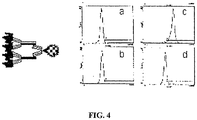
- a method for producing a tetrameric Fc ⁇ R complex comprising: (i) producing a fusion protein, such that a 15 amino acid AVITAG sequence operably linked to the soluble region of Fc ⁇ R; (ii) biotinylating the protein produced using an E. coli BirA enzyme; (iii) mixing the biotinylated protein produced with streptaividn-phycoerythrin in an appropriate molar ratio, such that a tetrameric Fc ⁇ R complex is formed.
- antibodies comprising Fc regions bind the tetrameric Fc ⁇ R complexes, formed according to the methods described herein, with at least an 8-fold higher affinity than they bind the monomeric uncomplexed Fc ⁇ R.
- the binding of polypeptides comprising Fc regions to the tetrameric Fc ⁇ R complexes may be determined using standard techniques known to those skilled in the art, such as for example, fluorescence activated cell sorting (FACS), radioimmunoassays, ELISA assays, etc.
- the invention provides modified immunoglobulins comprising a variant Fc region with an enhanced affinity for Fc ⁇ RIIIA.
- immunoglobulins include IgG molecules that naturally contain Fc ⁇ R binding regions (e.g., Fc ⁇ RIIIA and/or Fc ⁇ RIIB binding regions), or immunoglobulin derivatives that have been engineered to contain an Fc ⁇ R binding region (e.g., Fc ⁇ RIIIA and/or FcyRIIB binding regions).
- the modified immunoglobulins of the invention include any immunoglobulin molecule that binds, preferably, immunospecifically, i.e., competes off non-specific binding as determined by immunoassays well known in the art for assaying specific antigen-antibody binding, an antigen and contains an Fc ⁇ R binding region (e.g., a Fc ⁇ RIIIA and/or Fc ⁇ RIIB binding region).
- immunospecifically i.e., competes off non-specific binding as determined by immunoassays well known in the art for assaying specific antigen-antibody binding, an antigen and contains an Fc ⁇ R binding region (e.g., a Fc ⁇ RIIIA and/or Fc ⁇ RIIB binding region).
- Such antibodies include, but are not limited to, polyclonal, monoclonal, bi-specific, multi-specific, human, humanized, chimeric antibodies, single chain antibodies, Fab fragments, F(ab') 2 fragments, disulfide-linked Fvs, and fragments containing either a VL or VH domain or even a complementary determining region (CDR) that specifically binds an antigen, in certain cases, engineered to contain or fused to an Fc ⁇ R binding region.
- CDR complementary determining region
- the invention encompasses immunoglobulins comprising a variant Fc region with an enhanced affinity for Fc ⁇ RIIIA such that the immunoglobulin has an enhanced effector function, e.g., antibody dependent cell mediated cytotoxicity.
- the effector function of the antibodies of the invention can be assayed using any assay described herein or known to those skilled in the art.
- immunoglobulins comprising a variant Fc region with an enhanced affinity for Fc ⁇ RIIIA and/or Fc ⁇ RIIA have an enhanced ADCC activity relative to wild-type by at least 2-fold, at least 4-fold, at least 8-fold, at least 10-fold, at least 50-fold, or at least 100-fold.
- human or humanized therapeutic antibodies e.g., tumor specific monoclonal antibodies
- modification e.g., substitution, insertion, deletion
- human or humanized therapeutic antibodies e.g., tumor specific monoclonal antibodies
- human or humanized therapeutic antibodies e.g., tumor specific monoclonal antibodies
- the engineered therapeutic antibodies may further have an enhanced effector function, e.g., enhanced ADCC activity, phagocytosis activity, etc., as determined by standard assays known to those skilled in the art.
- the invention encompasses an engineered humanized monoclonal antibody specific for Her2/neu protooncogene (e.g., Ab4D5 humanized antibody as disclosed in Carter et al., 1992, Proc. Natl. Acad. Sci. USA 89:4285-9 ) comprising modification (e.g., substitution, insertion, deletion) of at least one amino acid residue which modification increases the affinity of the Fc region for Fc ⁇ RIIIA.
- modification of the humanized Her2/neu monoclonal antibody may also further decrease the affinity of the Fc region for Fc ⁇ RIIB.
- the engineered humanized monoclonal antibodies specific for Her2/neu may further have an enhanced effector function as determined by standard assays known in the art and disclosed and exemplified herein.
- the invention encompasses an engineered mouse human chimeric anti-CD20 monoclonal antibody, 2H7 comprising modification (e.g., substitution, insertion, deletion) of at least one amino acid residue which modification increases the affinity of the Fc region for Fc ⁇ RIIIA.
- modification of the anti-CD20 monoclonal antibody, 2H7 may also further decrease the affinity of the Fc region for Fc ⁇ RIIB.
- the engineered anti-CD20 monoclonal antibody, 2H7 may further have an enhanced effector function as determined by standard assays known in the art and disclosed and exemplified herein.
- the invention encompasses an engineered anti-FcyRIIB antibody including but not limited to any of the antibodies disclosed in U.S. Provisional Application No. 60/403,266 filed on August 12, 2002 and U.S. Application No. 10/643,857 filed on August 14, 2003 , having Attorney Docket No. 011183-010-999, comprising modification (e.g., substitution, insertion, deletion) of at least one amino acid residue which modification increases the affinity of the Fc region for Fc ⁇ RIIIA.
- modification e.g., substitution, insertion, deletion
- anti-FcyRIIB antibodies examples include 2B6 monoclonal antibody having ATCC accession number PTA-4591 and 3H7 having ATCC accession number PTA-4592 (deposited at ATCC, 10801 University Boulevard, Manassas, VA 02209-2011.
- modification of the anti-Fc ⁇ RIIB antibody may also further decrease the affinity of the Fc region for Fc ⁇ RIIB.
- the engineered anti-Fc ⁇ RIIB antibody may further have an enhanced effector function as determined by standard assays known in the art and disclosed and exemplified herein.
- the 2B6 monoclonal antibody comprises a modification at position 334 with glutamic acid, at position 359 with asparagine, and at position 366 with serine (MgFc13); or a substitution at position 316 with aspartic acid, at position 378 with valine, and at position 399 with glutamic acid (MgFc27); or a substitution at position 243 with isoleucine, at position 379 with leucine, and at position 420 with valine (MgFc29); or a substitution at position 392 with threonine and at position 396 with leucine (MgFc38); or a substitution at position 221 with glutamic acid, at position 270 with glutamic acid, at position 308 with alanine, at position 311 with histidine, at position 396 with leucine, and at position 402 with aspartic (MgFc42); or a substitution at position 410 with histidine, and at position 396 with leucine (MgFc13); or
- polynucleotides that encode antibody of the invention identified by the methods described herein.
- the polynucleotides encoding the antibodies of the invention may be obtained, and the nucleotide sequence of the polynucleotides determined, by any method known in the art.
- An isolated nucleic acid encoding an antibody of the invention is also described.
- a vector comprising said nucleic acid is also described.
- Host cells containing the vectors or polynucleotides are also described.
- the antibodies of the invention can be produced by any method known to those skilled in the art, in particular, by recombinant expression.
- a method for recombinantly producing an antibody of the invention comprising: (i) culturing in a medium a host cell comprising a nucleic acid encoding said molecule, under conditions suitable for the expression of said molecule; and (ii) recovery of said molecule from said medium.
- the molecules identified in accordance with the methods described herein are useful in preventing, treating, or ameliorating one or more symptoms associated with a disease, disorder, or infection.
- the antibodies of the invention are particularly useful for the treatment or prevention of a disease or disorder where an enhanced efficacy of effector cell function (e.g., ADCC) mediated by Fc ⁇ R is desired, e.g., cancer, infectious disease, and in enhancing the therapeutic efficacy of therapeutic antibodies the effect of which is mediated by ADCC.
- ADCC effector cell function
- a method of treating cancer in a patient having a cancer characterized by a cancer antigen comprising administering a therapeutically effective amount of a therapeutic antibody that binds the cancer antigen, which has been engineered in accordance with the methods described herein.
- a method for treating cancer in a patient having a cancer characterized by a cancer antigen comprising administering a therapeutically effective amount of a therapeutic antibody that specifically binds said cancer antigen, said therapeutic antibody comprising a variant Fc region, wherein said variant Fc region comprises at least one amino acid modification relative to a wild-type Fc region, such that said therapeutic antibody specifically binds Fc ⁇ RIIIA with a greater affinity than the therapeutic antibody comprising the wild-type Fc region binds Fc ⁇ RIIIA, provided that said variant Fc region does not have a substitution at positions 329, 331, or 332, and does not have an alanine at any of positions 256, 290, 298, 312, 333, 334, 359, 360, or 430; a lysine at position 330; a threonine at position 339; a methionine at position 320; a serine at position 326; an asparagine at position 326; an aspartic acid at
- a method for treating cancer in a patient having a cancer characterized by a cancer antigen comprising administering a therapeutically effective amount of a therapeutic antibody that specifically binds a cancer antigen, said therapeutic antibody comprising a variant Fc region, wherein said variant Fc region comprises at least one amino acid modification relative to a wild-type Fc region such that said therapeutic antibody specifically binds Fc ⁇ RIIIA with a greater affinity than a therapeutic antibody comprising the wild-type Fc region binds Fc ⁇ RIIIA, and said therapeutic antibody further specifically binds Fc ⁇ RIIB with a lower affinity than a therapeutic antibody comprising the wild-type Fc region binds Fc ⁇ RIIB, provided that said variant Fc region does not have an alanine at any of positions 256, 298, 333, or 334.
- a method for treating cancer in a patient characterized by a cancer antigen comprising administering a therapeutically effective amount of a therapeutic antibody that specifically binds said cancer antigen and said therapeutic antibody comprises a variant Fc region so that the antibody has an enhanced ADCC activity.
- a method of treating an autoimmune disorder and/or inflammatory disorder in a patient in need thereof comprising administering to said patient a therapeutically effective amount of a molecule comprising a variant Fc region, wherein said variant Fc region comprises at least one amino acid modification relative to a wild type Fc region, such that said molecule specifically binds Fc ⁇ RIIB with a greater affinity than a comparable molecule comprising the wild type Fc region, and said molecule further specifically binds Fc ⁇ RIIIA with a lower affinity than a comparable molecule comprising the wild type Fc region., and said molecule binds an immune complex (e.g., an antigen/antibody complex).
- an immune complex e.g., an antigen/antibody complex
- a method of treating an autoimmune disorder and/or inflammatory disorder further comprising administering one or more additional prophylactic or therapeutic agents, e.g., immunomodulatory agents, anti-inflammatory agents, used for the treatment and/or prevention of such diseases.
- kits for treating or preventing an infectious disease in a subject comprising administering a therapeutically or prophylatically effective amount of one or more antibodies of the invention that bind an infectious agent or cellular receptor therefor.
- Infectious diseases that can be treated or prevented by the antibodies of the invention are caused by infectious agents including but not limited to viruses, bacteria, fungi, protozae, and viruses.
- antibodies of the invention comprising variant Fc regions have an enhanced antibody effector function towards an infectious agent, e.g., a pathogenic protein, relative to a comparable molecule comprising a wild-type Fc region.
- antibodies of the invention enhance the efficacy of treatment of an infectious disease by enhancing phagocytosis and/or opsonization of the infectious agent causing the infectious disease.
- antibodies of the invention enhance the efficacy of treatment of an infectious disease by enhancing ADCC of infected cells causing the infectious disease.
- the antibodies of the invention for use in treatment of cancer may be administered in combination with a therapeutically or prophylactically effective amount of one or additional therapeutic agents known to those skilled in the art for the treatment and/or prevention of an infectious disease.
- a therapeutically or prophylactically effective amount of one or additional therapeutic agents known to those skilled in the art for the treatment and/or prevention of an infectious disease may be administered in combination with antibiotics known to those skilled in the art for the treatment and or prevention of an infectious disease.
- the invention provides pharmaceutical compositions comprising an antibody of the invention, and a pharmaceutically acceptable carrier.
- the invention additionally provides pharmaceutical compositions further comprising one or more additional therapeutic agents, including but not limited to anti-cancer agents, anti-inflammatory agents, immunomodulatory agents.
- the term "Fc region” is used to define a C-terminal region of an IgG heavy chain. Although the boundaries may vary slightly, the human IgG heavy chain Fc region is defined to stretch from Cys226 to the carboxy terminus.
- the Fc region of an IgG comprises two constant domains, CH2 and CH3.
- the CH2 domain of a human IgG Fc region usually extends from amino acids 231 to amino acid 341.
- the CH3 domain of a human IgG Fc region usually extends from amino acids 342 to 447.
- the Fc region of an IgG comprises two constant domains, CH2 and CH3.
- the CH2 domain of a human IgG Fc region (also referred to as "C ⁇ 2" domain) usually extends from amino acid 231-340.
- the CH2 domain is unique in that it is not closely paired with another domain. Rather, two N-linked branched carbohydrate chains are interposed between the two CH2 domains of an intact native IgG.
- the numbering of the residues in an IgG heavy chain is that of the EU index as in Kabat et al., Sequences of Proteins of Immunological Interest, 5th Ed. Public Health Service, NH1, MD (1991 ).
- the "EU index as in Kabat” refers to the numbering of the human IgG1 EU antibody.
- the "hinge region” is generally defined as stretching from Glu216 to Pro230 of human IgG1. Hinge regions of other IgG isotypes may be aligned with the IgG1 sequence by placing the first and last cysteine residues forming inter-heavy chain S-S binds in the same positions.
- antibody refers to monoclonal antibodies, multispecific antibodies, human antibodies, humanized antibodies, synthetic antibodies, chimeric antibodies, polyclonal antibodies, camelized antibodies, single-chain Fvs (scFv), single chain antibodies, Fab fragments, F(ab') fragments, disulfide-linked bispecific Fvs (sdFv), intrabodies, and anti-idiotypic (anti-Id) antibodies (including, e.g., anti-Id and anti-anti-Id antibodies to antibodies of the invention), and epitope-binding fragments of any of the above.
- scFv single-chain Fvs
- Fab fragments single chain antibodies
- F(ab') fragments fragments
- disulfide-linked bispecific Fvs sdFv
- intrabodies and anti-idiotypic (anti-Id) antibodies (including, e.g., anti-Id and anti-anti-Id antibodies to antibodies of the invention), and epitope-binding fragments of any
- antibodies include immunoglobulin molecules and immunologically active fragments of immunoglobulin molecules, i.e., molecules that contain an antigen binding site.
- Immunoglobulin molecules can be of any type (e.g., IgG, IgE, IgM, IgD, IgA and IgY), class (e.g., IgG 1 , IgG 2 , IgG 3 , IgG 4 , IgA 1 and IgA 2 ) or subclass.
- derivative in the context of polypeptides or proteins refers to a polypeptide or protein that comprises an amino acid sequence which has been altered by the introduction of amino acid residue substitutions, deletions or additions.
- derivative also refers to a polypeptide or protein which has been modified, i.e, by the covalent attachment of any type of molecule to the polypeptide or protein.
- an antibody may be modified, e.g., by glycosylation, acetylation, pegylation, phosphorylation, amidation, derivatization by known protecting/blocking groups, proteolytic cleavage, linkage to a cellular ligand or other protein, etc.
- a derivative polypeptide or protein may be produced by chemical modifications using techniques known to those of skill in the art, including, but not limited to specific chemical cleavage, acetylation, formylation, metabolic synthesis of tunicamycin, etc. Further, a derivative polypeptide or protein derivative possesses a similar or identical function as the polypeptide or protein from which it was derived.
- derivative in the context of a non-proteinaceous derivative refers to a second organic or inorganic molecule that is formed based upon the structure of a first organic or inorganic molecule.
- a derivative of an organic molecule includes, but is not limited to, a molecule modified, e.g., by the addition or deletion of a hydroxyl, methyl, ethyl, carboxyl or amine group.
- An organic molecule may also be esterified, alkylated and/or phosphorylated.
- the terms “disorder” and “disease” are used interchangeably to refer to a condition in a subject.
- autoimmune disease is used interchangeably with the term “autoimmune disorder” to refer to a condition in a subject characterized by cellular, tissue and/or organ injury caused by an immunologic reaction of the subject to its own cells, tissues and/or organs.
- inflammatory disease is used interchangeably with the term “inflammatory disorder” to refer to a condition in a subject characterized by inflammation, preferably chronic inflammation.
- Autoimmune disorders may or may not be associated with inflammation.
- inflammation may or may not be caused by an autoimmune disorder.
- certain disorders may be characterized as both autoimmune and inflammatory disorders.
- cancer refers to a neoplasm or tumor resulting from abnormal uncontrolled growth of cells.
- cancer explicitly includes, leukemias and lymphomas.
- cancer refers to a benign tumor, which has remained localized.
- cancer refers to a malignant tumor, which has invaded and destroyed neighboring body structures and spread to distant sites. The cancer is associated with a specific cancer antigen.
- immunomodulatory agent refers to an agent that modulates a host's immune system.
- An immunomodulatory agent may be an immunosuppressant agent.
- An immunomodulatory agent may be an immunostimulatory agent.
- Immunomodulatory agents include, but are not limited to, small molecules, peptides, polypeptides, fusion proteins, antibodies, inorganic molecules, mimetic agents, and organic molecules.
- epitope refers to a fragment of a polypeptide or protein or a non-protein molecule having antigenic or immunogenic activity in an animal, preferably in a mammal, and most preferably in a human.
- An epitope having immunogenic activity is a fragment of a polypeptide or protein that elicits an antibody response in an animal.
- An epitope having antigenic activity is a fragment of a polypeptide or protein to which an antibody immunospecifically binds as determined by any method well-known to one of skill in the art, for example by immunoassays. Antigenic epitopes need not necessarily be immunogenic.
- fragment refers to a peptide or polypeptide comprising an amino acid sequence of at least 5 contiguous amino acid residues, at least 10 contiguous amino acid residues, at least 15 contiguous amino acid residues, at least 20 contiguous amino acid residues, at least 25 contiguous amino acid residues, at least 40 contiguous amino acid residues, at least 50 contiguous amino acid residues, at least 60 contiguous amino residues, at least 70 contiguous amino acid residues, at least contiguous 80 amino acid residues, at least contiguous 90 amino acid residues, at least contiguous 100 amino acid residues, at least contiguous 125 amino acid residues, at least 150 contiguous amino acid residues, at least contiguous 175 amino acid residues, at least contiguous 200 amino acid residues, or at least contiguous 250 amino acid residues of the amino acid sequence of another polypeptide.
- a fragment of a polypeptide may retain at least one function of the polypeptide.
- nucleic acids and “nucleotide sequences” include DNA molecules (e.g., cDNA or genomic DNA), RNA molecules (e.g., mRNA), combinations of DNA and RNA molecules or hybrid DNA/RNA molecules, and analogs of DNA or RNA molecules.
- Such analogs can be generated using, for example, nucleotide analogs, which include, but are not limited to, inosine or tritylated bases.
- Such analogs can also comprise DNA or RNA molecules comprising modified backbones that lend beneficial attributes to the molecules such as, for example, nuclease resistance or an increased ability to cross cellular membranes.
- nucleic acids or nucleotide sequences can be single-stranded, double-stranded, may contain both single-stranded and double-stranded portions, and may contain triple-stranded portions, but preferably is double-stranded DNA.
- a "therapeutically effective amount” refers to that amount of the therapeutic agent sufficient to treat or manage a disease or disorder.
- a therapeutically effective amount may refer to the amount of therapeutic agent sufficient to delay or minimize the onset of disease, e.g., delay or minimize the spread of cancer.
- a therapeutically effective amount may also refer to the amount of the therapeutic agent that provides a therapeutic benefit in the treatment or management of a disease.
- a therapeutically effective amount with respect to a therapeutic agent of the invention means the amount of therapeutic agent alone, or in combination with other therapies, that provides a therapeutic benefit in the treatment or management of a disease.
- prophylactic agent and “prophylactic agents” refer to any agent(s) which can be used in the prevention of a disorder, or prevention of recurrence or spread of a disorder.
- a prophylactically effective amount may refer to the amount of prophylactic agent sufficient to prevent the recurrence or spread of hyperproliferative disease, particularly cancer, or the occurrence of such in a patient, including but not limited to those predisposed to hyperproliferative disease, for example those genetically predisposed to cancer or previously exposed to carcinogens.
- a prophylactically effective amount may also refer to the amount of the prophylactic agent that provides a prophylactic benefit in the prevention of disease.
- a prophylactically effective amount with respect to a prophylactic agent of the invention means that amount of prophylactic agent alone, or in combination with other agents, that provides a prophylactic benefit in the prevention of disease.
- the terms “prevent”, “preventing” and “prevention” refer to the prevention of the recurrence or onset of one or more symptoms of a disorder in a subject resulting from the administration of a prophylactic or therapeutic agent.
- the term “in combination” refers to the use of more than one prophylactic and/or therapeutic agents.
- the use of the term “in combination” does not restrict the order in which prophylactic and/or therapeutic agents are administered to a subject with a disorder.
- a first prophylactic or therapeutic agent can be administered prior to (e.g., 5 minutes, 15 minutes, 30 minutes, 45 minutes, 1 hour, 2 hours, 4 hours, 6 hours, 12 hours, 24 hours, 48 hours, 72 hours, 96 hours, 1 week, 2 weeks, 3 weeks, 4 weeks, 5 weeks, 6 weeks, 8 weeks, or 12 weeks before), concomitantly with, or subsequent to ( e.g., 5 minutes, 15 minutes, 30 minutes, 45 minutes, 1 hour, 2 hours, 4 hours, 6 hours, 12 hours, 24 hours, 48 hours, 72 hours, 96 hours, 1 week, 2 weeks, 3 weeks, 4 weeks, 5 weeks, 6 weeks, 8 weeks, or 12 weeks after) the administration of a second prophylactic or therapeutic agent to a subject with a disorder.
- the present invention relates to antibodies as defined in the appended claims, comprising a variant Fc region, having one or more amino acid modifications (e.g., substitutions, but also including insertions or deletions) in one or more regions, which modifications alter the affinity of the variant Fc region for an Fc ⁇ R.
- amino acid modifications e.g., substitutions, but also including insertions or deletions
- the invention provides antibodies comprising a variant Fc region, wherein said variant Fc region comprises at least one amino acid modification relative to a wild-type Fc region, which variant Fc region binds Fc ⁇ RIIIA with a greater affinity, relative to a comparable molecule, i.e., being the same as said molecule with a variant Fc region but not having the one or more amino acid modifications, comprising the wild-type Fc region as determined by methods known to one skilled in the art for determining Fc-Fc ⁇ R interactions and methods disclosed herein, for example, an ELISA assay or a surface plasmon resonance assay.
- the present disclosure also includes molecules comprising a variant Fc region, wherein said variant Fc region comprises at least one amino acid modification relative to a wild-type Fc region, which variant Fc region binds Fc ⁇ RIIIA with a reduced affinity relative to a comparable molecule comprising the wild-type Fc region.
- the antibodies of the invention further specifically bind Fc ⁇ RIIB (via the Fc region) with a lower affinity than a comparable molecule comprising the wild-type Fc region binds Fc ⁇ RIIB.
- the invention encompasses antibodies comprising a variant Fc region, wherein said variant Fc region comprises at least one amino acid modification relative to a wild-type Fc region, which variant Fc region binds Fc ⁇ RIIIA and Fc ⁇ RIIB with a greater affinity, relative to a comparable molecule comprising the wild-type Fc region.
- the invention encompasses antibodies comprising a variant Fc region, wherein said variant Fc region comprises at least one amino acid modification relative to a wild-type Fc region, which variant Fc region binds Fc ⁇ RIIB with a greater affinity, relative to a comparable molecule comprising the wild-type Fc region.
- the invention encompasses antibodies comprising variant Fc region, wherein said variant Fc region comprises at least one amino acid modification relative to a wild-type Fc region, which variant Fc region binds Fc ⁇ RIIB with a reduced affinity, relative to a comparable molecule comprising the wild-type Fc region.
- molecules comprising a variant Fc region, wherein said variant Fc region comprises at least one amino acid modification relative to a wild type Fc region, which variant Fc region does not show a detectable binding to any Fc ⁇ R (e.g., does not bind Fc ⁇ RIIA, Fc ⁇ RIIB, or Fc ⁇ RIIIA, as determined by, for example, an ELISA assay), relative to a comparable molecule comprising the wild-type Fc region.
- Fc ⁇ R e.g., does not bind Fc ⁇ RIIA, Fc ⁇ RIIB, or Fc ⁇ RIIIA, as determined by, for example, an ELISA assay
- the invention encompasses antibodies comprising a variant Fc region, wherein said variant Fc region comprises at least one amino acid modification relative to a wild type Fc region, which variant Fc region only binds one Fc ⁇ R, wherein said Fc ⁇ R is Fc ⁇ IIIA.
- molecules comprising a variant Fc region, wherein said variant Fc region comprises at least one amino acid modification relative to a wild type Fc region, which variant Fc region only binds one Fc ⁇ R, wherein said Fc ⁇ R is FcyRIIA.
- variant Fc region comprising at least one amino acid modification relative to a wild type Fc region, which variant Fc region only binds one Fc ⁇ R, wherein said Fc ⁇ R is Fc ⁇ RIIB.
- the invention particularly relates to the modification of human or humanized therapeutic antibodies (e.g., tumor specific anti-angiogenic or anti-inflammatory monoclonal antibodies) for enhancing the efficacy of therapeutic antibodies by enhancing, for example, the effector function of the therapeutic antibodies, e.g., enhancing ADCC.
- the affinities and binding properties of the antibodies of the invention for an Fc ⁇ R are initially determined using in vitro assays (biochemical or immunological based assays) known in the art for determining Fc-Fc ⁇ R interactions, i.e., specific binding of an Fc region to an Fc ⁇ R including but not limited to ELISA assay, surface plasmon resonance assay, immunoprecipitation assays ( See Section 5.2.1).
- the binding properties of the antibodies of the invention are also characterized by in vitro functional assays for determining one or more Fc ⁇ R mediator effector cell functions ( See Section 5.2.6).
- the antibodies of the invention have similar binding properties in in vivo models (such as those described and disclosed herein) as those in in vitro based assays
- the present invention does not exclude antibodies of the invention that do not exhibit the desired phenotype in in vitro based assays but do exhibit the desired phenotype in vivo.
- the antibodies of the invention comprising a variant Fc region comprise at least one amino acid modification in the CH3 domain of the Fc region, which is defined as extending from amino acids 342-447. In other embodiments, the antibodies of the invention comprising a variant Fc region comprise at least one amino acid modification in the CH2 domain of the Fc region, which is defined as extending from amino acids 231-341. In some embodiments, the antibodies of the invention comprise at least two amino acid modifications, wherein one modification is in the CH3 region and one modification is in the CH2 region. The invention further encompasses amino acid modification in the hinge region. Antibodies of the invention with one or more amino acid modifications in the CH2 and/or CH3 domains have altered affinities for an Fc ⁇ R as determined using methods described herein or known to one skilled in the art.
- the invention encompasses an antibody comprising a variant Fc region, wherein said variant Fc region comprises at least one amino acid modification relative to a wild-type Fc region, such that said molecule has an altered affinity for an Fc ⁇ R, provided that said variant Fc region does not have a substitution at positions that make a direct contact with Fc ⁇ R based on crystallographic and structural analysis of Fc-Fc ⁇ R interactions such as those disclosed by Sondermann et al., 2000 (Nature, 406: 267-273 ).
- the antibodies of the invention comprising variant Fc regions comprise modification of at least one residue that makes a direct contact with an Fc ⁇ R based on structural and crystallographic analysis.
- the invention encompasses an antibody comprising a variant Fc region, wherein said variant Fc region comprises at least one amino acid modification relative to a wild-type Fc region, such that said molecule binds an Fc ⁇ R with an altered affinity relative to a molecule comprising a wild-type Fc region, provided that said variant Fc region does not have or are not solely a substitution at any of positions 255, 256, 258, 267, 268, 269, 270, 272, 276, 278, 280, 283, 285, 286, 289, 290, 292, 293, 294, 295, 296, 298, 300, 301, 303, 305, 307, 309, 312, 320, 322, 326, 329, 330, 332, 331, 333, 334, 335, 337, 338, 339, 340, 359, 360, 373, 376, 416, 419, 430, 434, 435, 437, 438, 439.
- the invention encompasses an antibody comprising a variant Fc region, wherein said variant Fc region comprises at least one amino acid modification relative to a wild-type Fc region, such that said molecule binds an Fc ⁇ R with an altered affinity relative to a molecule comprising a wild-type Fc region, provided that said variant Fc region does not have or are not solely a substitution at any of positions 255, 258, 267, 269, 270, 276, 278, 280, 283, 285, 289, 292, 293, 294, 295, 296, 300, 303, 305, 307, 309, 322, 329, 332, 331, 337, 338, 340, 373, 376, 416, 419, 434, 435, 437, 438, 439 and does not have an alanine at any of positions 256, 290, 298, 312, 333, 334, 359, 360, 326, or 430; a lysine at position 330; a
- the invention encompasses an antibody comprising a variant Fc region, wherein said variant Fc region does not have or are not solely a substitution at any of positions 268, 269, 270, 272, 276, 278, 283, 285, 286, 289, 292, 293, 301, 303, 305, 307, 309, 331, 333, 334, 335, 337, 338, 340, 360, 373, 376, 416, 419, 430, 434, 435, 437, 438 or 439 and does not have a histidine, glutamine, or tyrosine at position 280; a serine, glycine, threonine or tyrosine at position 290, a leucine or isoleucine at position 300; an asparagine at position 294, a proline at position 296; a proline, asparagine, aspartic acid, or valine at position 298; a lysine at position 295.
- the invention encompasses an antibody comprising a variant Fc region, wherein said variant Fc region comprises at least one amino acid modification relative to a wild-type Fc region, such that said molecule binds an Fc ⁇ R with a reduced affinity relative to a molecule comprising a wild-type Fc region provided that said variant Fc region does not have or are not solely a substitution at any of positions 252, 254, 265, 268, 269, 270, 278, 289, 292, 293, 294, 295, 296, 298, 300, 301, 303, 322, 324, 327, 329, 333, 335, 338, 340, 373, 376, 382, 388, 389, 414, 416, 419, 434, 435, 437, 438, or 439.
- the invention encompasses an antibody comprising a variant Fc region, wherein said variant Fc region comprises at least one amino acid modification relative to a wild-type Fc region, such that said molecule binds an Fc ⁇ R with an enhanced affinity relative to a molecule comprising a wild-type Fc region provided that said variant Fc region does not have or are not solely a substitution at any of positions 280, 283, 285, 286, 290, 294, 295, 298, 300, 301, 305, 307, 309, 312, 315, 331, 333, 334, 337, 340, 360, 378, 398, or 430.
- the antibodies of the invention with altered affinities for activating and/or inhibitory receptors having variant Fc regions have one or more amino acid modifications, wherein said one or more amino acid modification is a substitution at position 288 with asparagine, at position 330 with serine and at position 396 with leucine (MgFc10)(See Table 5); or a substitution at position 334 with glutamic acid, at position 359 with asparagine, and at position 366 with serine (MgFc13); or a substitution at position 316 with aspartic acid, at position 378 with valine, and at position 399 with glutamic acid (MgFc27); or a substitution at position 392 with threonine, and at position 396 with leucine (MgFc38); or a substitution at position 221 with glutamic acid, at position 270 with glutamic acid, at position 308 with alanine, at position 311 with histidine, at position 396 with leucine, and at position 40
- the invention encompasses antibodies comprising a variant Fc region having an amino acid modification at one or more of the following positions: 185, 142, 192, 141, 132, 149, 133, 125, 162, 147, 119, 166, 251, 292, 290, 291, 252, 288, 268, 256, 262, 218, 214, 205,215, 247, 275, 202, 289, 258, 219, 279, 222, 246, 233, 246, 268, 244, 217, 253, 246, 224, 298, 280, 255, 218, 281, 284, 216, 223, 235, 221, 252, 241, 258, 227, 231, 215, 274, 287, 244, 229, 287, 291, 240, 281, 232, 269, 225, 246, 246, 293, 295, 248, 276, 268, 210, 288, 227, 221, 217, 261, 210, 242, 255, 240, 250, 247,
- the invention encompasses antibodies comprising variant Fc regions consisting of or comprising any of the mutations listed in the table below in Table 2. (Note that antibodies comprising variant Fc regions consisting of the single site or double site mutations listed in Table 2 with an asterisk "*" are included as comparative examples.) TABLE 2.
- EXEMPLARY MUTATIONS SINGLE SITE MUTANTS DOUBLE SITE MUTANTS K392R* Q347H, A339V* N315I* S415I, L251F* S132I* K290E, L142P* P396L G285E, P247H* P396H* K409R, S166N* A162V* E334A, K334A* R292L* R292L.
- the invention encompasses antibodies comprising variant Fc regions having more than two amino acid modifications.
- a non-limiting example of such variants is listed in the table below (Table 3).
- the invention encompasses mutations listed in Table 3 which further comprise one or more amino acid modifications such as those disclosed herein. (Note that antibodies comprising variant Fc regions consisting of the combinations of mutations listed in Table 3 with an asterisk "*" are included as comparative examples.) TABLE 3.
- the antibodies of the invention further comprise one or more glycosylation sites, so that one or more carbohydrate moieties are covalently attached to the molecule.
- the antibodies of the invention with one or more glycosylation sites and/or one or more modifications in the Fc region have an enhanced antibody mediated effector function, e.g., enhanced ADCC activity.
- the invention further comprises antibodies comprising one or more modifications of amino acids that are directly or indirectly known to interact with a carbohydrate moiety of the antibody, including but not limited to amino acids at positions 241, 243, 244, 245, 245, 249, 256, 258, 260, 262, 264, 265, 296, 299, and 301.
- Amino acids that directly or indirectly interact with a carbohydrate moiety of an antibody are known in the art, see, e.g., Jefferis et al., 1995 Immunology Letters, 44: 111-7 .
- the invention encompasses antibodies that have been modified by introducing one or more glycosylation sites into one or more sites of the antibodies, preferably without altering the functionality of the antibody, e.g., binding activity to Fc ⁇ R.
- Glycosylation sites may be introduced into the variable and/or constant region of the antibodies of the invention.
- "glycosylation sites” include any specific amino acid sequence in an antibody to which an oligosaccharide (i.e., carbohydrates containing two or more simple sugars linked together) will specifically and covalently attach. Oligosaccharide side chains are typically linked to the backbone of an antibody via either N-or O-linkages.
- N-linked glycosylation refers to the attachment of an oligosaccharide moiety to the side chain of an asparagine residue.
- O-linked glycosylation refers to the attachment of an oligosaccharide moiety to a hydroxyamino acid, e.g., serine, threonine.
- the antibodies of the invention may comprise one or more glycosylation sites, including N-linked and O-linked glycosylation sites. Any glycosylation site for N-linked or O-linked glycosylation known in the art may be used in accordance with the instant invention.
- An exemplary N-linked glycosylation site that is useful in accordance with the methods of the present invention, is the amino acid sequence: Asn-X-Thr/Ser, wherein X may be any amino acid and Thr/Ser indicates a threonine or a serine.
- a site or sites may be introduced into an antibody of the invention using methods well known in the art to which this invention pertains. See, for example, " In Vitro Mutagenesis," Recombinant DNA: A Short Course, J. D. Watson, et al. W.H. Freeman and Company, New York, 1983, chapter 8, pp. 106-116 .
- An exemplary method for introducing a glycosylation site into an antibody of the invention may comprise: modifying or mutating an amino acid sequence of the antibody so that the desired Asn-X-Thr/Ser sequence is obtained.
- the present invention is based, in part, on the identification of mutant human IgG1 heavy chain Fc regions, with altered affinities for different Fc ⁇ R receptors, using a yeast display system. Accordingly, the invention relates to antibodies comprising a variant Fc region, having one or more amino acid modifications (e.g., substitutions, but also including insertions or deletions) in one or more regions, which modifications alter the affinity of the variant Fc region for an Fc ⁇ R.
- amino acid modifications e.g., substitutions, but also including insertions or deletions
- the affinities and binding properties of the antibodies of the invention for an Fc ⁇ R are initially determined using in vitro assays (biochemical or immunological based assays) known in the art for determining Fc-Fc ⁇ R interactions, i.e., specific binding of an Fc region to an Fc ⁇ R including but not limited to ELISA assay, surface plasmon resonance assay, immunoprecipitation assays (See Section 5.2.1).
- the binding properties of the antibodies of the invention are also characterized by in vitro functional assays for determining one or more Fc ⁇ R mediator effector cell functions ( See Section 5.2.6).
- the antibodies of the invention have similar binding properties in in vivo models (such as those described and disclosed herein) as those in in vitro based assays.
- the present invention does not exclude antibodies of the invention that do not exhibit the desired phenotype in in vitro based assays but do exhibit the desired phenotype in vivo.
- the invention encompasses antibodies comprising a variant Fc region, having one or more amino acid modifications (e.g., substitutions) in one or more regions, wherein such modifications alter the affinity of the variant Fc region for an activating Fc ⁇ R.
- antibodies of the invention comprise a variant Fc region, having one or more amino acid modifications (e.g., substitutions) in one or more regions, which modifications increase the affinity of the variant Fc region for Fc ⁇ RIIIA and/or Fc ⁇ RIIA by at least 2-fold, relative to a comparable molecule comprising a wild-type Fc region.
- antibodies of the invention comprise a variant Fc region, having one or more amino acid modifications (e.g., substitutions) in one or more regions, which modifications increase the affinity of the variant Fc region for Fc ⁇ RIIIA and/or Fc ⁇ RIIA by greater than 2 fold, relative to a comparable molecule comprising a wild-type Fc region.
- the one or more amino acid modifications increase the affinity of the variant Fc region for Fc ⁇ RIIIA and/or Fc ⁇ RIIA by at least 3-fold, 4-fold, 5-fold, 6-fold, 8-fold, or 10-fold relative to a comparable molecule comprising a wild-type Fc region.
- the one or more amino acid modifications decrease the affinity of the variant Fc region for Fc ⁇ RIIA by at least 3-fold, 4-fold, 5-fold, 6-fold, 8-fold, or 10-fold relative to a comparable molecule comprising a wild-type Fc region.
- fold increases are preferably determined by an ELISA or surface plasmon resonance assays.
- the one or more amino acid modifications do not include or are not solely a substitution at any one of positions 329, 331, or 322 with any amino acid.
- the one or more amino acid modification do not include or are not solely a substitution with any one of alanine at positions 256, 290, 298, 312, 333, 334, 359, 360, or 430; with lysine at position 330; with threonine at position 339; with methionine at position 320; with serine, asparagine, aspartic acid, or glutamic acid at position 326 with glutamine, glutamic acid, methionine, histidine, valine, or leucine at position 334.
- the one or more amino acid modifications do not include or are not solely a substitution at any of positions 280, 290, 300, 294, or 295.
- the one or more amino acid modification does not include or are not solely a substitution at position 300 with leucine or isoleucine; at position 295 with lysine; at position 294 with asparagine; at position 298 with valine; aspartic acid proline, asparagine, or valine; at position 280 with histidine, glutamine or tyrosine; at position 290 with serine, glycine, threonine or tyrosine.
- the invention encompasses an antibody comprising a variant Fc region, wherein said variant Fc region comprises at least one amino acid modification relative to a wild-type Fc region, such that said polypeptide specifically binds Fc ⁇ RIIA with a greater affinity than a comparable molecule comprising the wild-type Fc region binds Fc ⁇ RIIA, provided that said variant Fc region does not have an alanine at any of positions 256, 290, 326, 255, 258, 267, 272, 276, 280, 283, 285, 286, 331, 337, 268, 272, or 430; an asparagine at position 268; a glutamine at position 272; a glutamine, serine, or aspartic acid at position 286; a serine at position 290; a methionine, glutamine, glutamic acid, or arginine at position 320; a glutamic acid at position322; a serine, glutamic acid, or aspartic acid at position 326
- antibodies of the invention comprise a variant Fc region, having one or more amino acid modifications (e.g., substitutions) in one or more regions, which modifications increase the affinity of the variant Fc region for Fc ⁇ RIIA by at least 2-fold, relative to a comparable molecule comprising a wild-type Fc region.
- antibodies of the invention comprise a variant Fc region, having one or more amino acid modifications (e.g. , substitutions) in one or more regions, which modifications increase the affinity of the variant Fc region for Fc ⁇ RIIA by greater than 2 fold, relative to a comparable molecule comprising a wild-type Fc region.
- the one or more amino acid modifications increase the affinity of the variant Fc region for Fc ⁇ RIIA by at least 3-fold, 4-fold, 5-fold, 6-fold, 8-fold, or 10-fold relative to a comparable molecule comprising a wild-type Fc region
- the invention encompasses antibodies comprising a variant Fc region, having one or more amino acid modifications (e.g., substitutions but also include insertions or deletions), which modifications increase the affinity of the variant Fc region for Fc ⁇ RIIIA and/or Fc ⁇ RIIA by at least 65%, at least 70%, at least 75%, at least 85%, at least 90%, at least 95%, at least 99%, at least 100%, at least 150%, and at least 200%, relative to a comparable molecule comprising a wild-type Fc region.
- amino acid modifications e.g., substitutions but also include insertions or deletions
- the one or more amino acid modifications which increase the affinity of the variant Fc region comprise a substitution at position 347 with histidine, and at position 339 with valine; or a substitution at position 425 with isoleucine and at position 215 with phenylalanine; or a substitution at position 408 with isoleucine, at position 215 with isoleucine, and at position 125 with leucine; or a substitution at position 385 with glutamic acid and at position 247 with histidine; or a substitution at position 348 with methionine, at position 334 with asparagine, at position 275 with isoleucine, at position 202 with methionine, and at position 147 with threonine; or a substitution at position 275 with isoleucine, at position 334 with asparagine, and at position 348 with methionine; or a substitution at position 279 with leucine and at position 395 with serine; or a substitution at position 246 with
- the invention encompasses an antibody comprising a variant Fc region, wherein said variant Fc region comprises a substitution at position 243 with isoleucine and at position 379 with leucine, such that said molecule binds Fc ⁇ RIIIA with about a 1.5 fold higher affinity than a comparable molecule comprising the wild type Fc region binds Fc ⁇ RIIIA, as determined by an ELISA assay.
- the invention encompasses an antibody comprising a variant Fc region, wherein said variant Fc region comprises a substitution at position 288 with asparagine, at position 330 with serine, and at position 396 with leucine, such that said molecule binds Fc ⁇ RIIIA with about a 5 fold higher affinity than a comparable molecule comprising the wild type Fc region binds Fc ⁇ RIIIA, as determined by an ELISA assay.
- the invention encompasses an antibody comprising a variant Fc region, wherein said variant Fc region comprises a substitution at position 243 with leucine and at position 255 with leucine such that said molecule binds Fc ⁇ RIIIA with about a 1 fold higher affinity than a comparable molecule comprising the wild type Fc region binds Fc ⁇ RIIIA, as determined by an ELISA assay.
- the invention encompasses an antibody comprising a variant Fc region, wherein said variant Fc region comprises a substitution at position 334 with glutamic acid, at position 359 with asparagine, and at position 366 with serine, such that said molecule binds Fc ⁇ RIIIA with about a 1.5 fold higher affinity than a comparable molecule comprising the wild type Fc region binds Fc ⁇ RIIIA, as determined by an ELISA assay.
- the invention encompasses an antibody comprising a variant Fc region, wherein said variant Fc region comprises a substitution at position 288 with methionine and at position 334 with glutamic acid, such that said molecule binds Fc ⁇ RIIIA with about a 3 fold higher affinity than a comparable molecule comprising the wild type Fc region binds Fc ⁇ RIIIA, as determined by an ELISA assay.
- the invention encompasses an antibody comprising a variant Fc region, wherein said variant Fc region comprises a substitution at position 316 with aspartic acid, at position 378 with valine, and at position 399 with glutamic acid, such that said molecule binds Fc ⁇ RIIIA with about a 1.5 fold higher affinity than a comparable molecule comprising the wild type Fc region binds Fc ⁇ RIIIA, as determined by an ELISA assay.
- the invention encompasses an antibody comprising a variant Fc region, wherein said variant Fc region comprises a substitution at position 315 with isoleucine, at position 379 with methionine, and at position 399 with glutamic acid, such that said molecule binds Fc ⁇ RIIIA with about a 1 fold higher affinity than a comparable molecule comprising the wild type Fc region binds Fc ⁇ RIIIA, as determined by an ELISA assay.
- the invention encompasses an antibody comprising a variant Fc region, wherein said variant Fc region comprises a substitution at position 243 with isoleucine, at position 379 with leucine, and at position 420 with valine, such that said molecule binds Fc ⁇ RIIIA with about a 2.5 fold higher affinity than a comparable molecule comprising the wild type Fc region binds Fc ⁇ RIIIA, as determined by an ELISA assay.
- the invention encompasses an antibody comprising a variant Fc region, wherein said variant Fc region comprises a substitution at position 247 with leucine, and at position 421 with lysine, such that said molecule binds Fc ⁇ RIIIA with about a 3 fold higher affinity than a comparable molecule comprising the wild type Fc region binds Fc ⁇ RIIIA, as determined by an ELISA assay.
- the invention encompasses an antibody comprising a variant Fc region, wherein said variant Fc region comprises a substitution at position 392 with threonine and at position 396 with leucine such that said molecule binds Fc ⁇ RIIIA with about a 4.5 fold higher affinity than a comparable molecule comprising the wild type Fc region binds Fc ⁇ RIIIA, as determined by an ELISA assay.
- the invention encompasses an antibody comprising a variant Fc region, wherein said variant Fc region comprises a substitution at position 293 with valine, at position 295 with glutamic acid, and at position 327 with threonine, such that said molecule binds Fc ⁇ RIIIA with about a 1.5 fold higher affinity than a comparable molecule comprising the wild type Fc region binds Fc ⁇ RIIIA, as determined by an ELISA assay.
- the invention encompasses an antibody comprising a variant Fc region, wherein said variant Fc region comprises a substitution at position 268 with asparagine and at position 396 with leucine, such that said molecule binds Fc ⁇ RIIIA with about a 2 fold higher affinity than a comparable molecule comprising the wild type Fc region binds Fc ⁇ RIIIA, as determined by an ELISA assay.
- the invention encompasses an antibody comprising a variant Fc region, wherein said variant Fc region comprises a substitution at position 319 with phenylalanine, at position 352 with leucine, and at position 396 with leucine, such that said molecule binds Fc ⁇ RIIIA with about a 2 fold higher affinity than a comparable molecule comprising the wild type Fc region binds Fc ⁇ RIIIA, as determined by an ELISA assay.
- an isolated polypeptide comprising a variant Fc region, wherein said variant Fc region comprises at least one amino acid modification relative to a wild-type Fc region, such that said polypeptide specifically binds Fc ⁇ RIIIA with a greater affinity than a comparable polypeptide comprising the wild-type Fc region, wherein said at least one amino acid modification comprises substitution at position 396 with histidine.
- the invention encompasses an antibody comprising a variant Fc region, wherein said variant Fc region comprises at least one amino acid modification relative to a wild-type Fc region, such that said antibody specifically binds Fc ⁇ RIIIA with a greater affinity than a comparable antibody comprising the wild-type Fc region, wherein said at least one amino acid modification comprises substitution at position 248 with methionine.
- the invention encompasses an antibody comprising a variant Fc region, wherein said variant Fc region comprises at least one amino acid modification relative to a wild-type Fc region, such that said antibody specifically binds Fc ⁇ RIIIA with a similar affinity than a comparable antibody comprising the wild-type Fc region, wherein said at least one amino acid modification comprises substitution at position 392 with arginine.
- the invention encompasses an antibody comprising a variant Fc region, wherein said variant Fc region comprises at least one amino acid modification relative to a wild-type Fc region, such that said antibody specifically binds Fc ⁇ RIIIA with a similar affinity than a comparable antibody comprising the wild-type Fc region, wherein said at least one amino acid modification comprises substitution at position 315 with isoleucine.
- the invention encompasses an antibody comprising a variant Fc region, wherein said variant Fc region comprises at least one amino acid modification relative to a wild-type Fc region, such that said antibody specifically binds Fc ⁇ RIIIA with a similar affinity than a comparable antibody comprising the wild-type Fc region, wherein said at least one amino acid modification comprises substitution at position 132 with isoleucine.
- the invention encompasses an antibody comprising a variant Fc region, wherein said variant Fc region comprises at least one amino acid modification relative to a wild-type Fc region, such that said antibody specifically binds Fc ⁇ RIIIA with a similar affinity than a comparable antibody comprising the wild-type Fc region, wherein said at least one amino acid modification comprises substitution at position 162 with valine.
- the invention encompasses an antibody comprising a variant Fc region, wherein said variant Fc region comprises at least one amino acid modification relative to a wild-type Fc region, such that said antibody specifically binds Fc ⁇ RIIIA with a greater affinity than a comparable antibody comprising the wild-type Fc region, wherein said at least one amino acid modification comprises substitution at position 396 with leucine.
- the invention encompasses an antibody comprising a variant Fc region, wherein said variant Fc region comprises at least one amino acid modification relative to a wild-type Fc region, such that said antibody specifically binds Fc ⁇ RIIIA with a greater affinity than a comparable antibody comprising the wild-type Fc region, wherein said at least one amino acid modification comprises substitution at position 379 with methionine.
- the invention encompasses an antibody comprising a variant Fc region, wherein said variant Fc region comprises at least one amino acid modification relative to a wild-type Fc region, such that said antibody specifically binds Fc ⁇ RIIIA with a greater affinity than a comparable antibody comprising the wild-type Fc region, wherein said at least one amino acid modification comprises substitution at position 219 with tyrosine.
- the invention encompasses an antibody comprising a variant Fc region, wherein said variant Fc region comprises at least one amino acid modification relative to a wild-type Fc region, such that said antibody specifically binds Fc ⁇ RIIIA with a greater affinity than a comparable antibody comprising the wild-type Fc region, wherein said at least one amino acid modification comprises substitution at position 282 with methionine.
- the invention encompasses an antibody comprising a variant Fc region, wherein said variant Fc region comprises at least one amino acid modification relative to a wild-type Fc region, such that said antibody specifically binds Fc ⁇ RIIIA with a greater affinity than a comparable antibody comprising the wild-type Fc region, wherein said at least one amino acid modification comprises substitution at position 401 with valine.
- the invention encompasses an antibody comprising a variant Fc region, wherein said variant Fc region comprises at least one amino acid modification relative to a wild-type Fc region, such that said antibody specifically binds Fc ⁇ RIIIA with a greater affinity than a comparable antibody comprising the wild-type Fc region, wherein said at least one amino acid modification comprises substitution at position 222 with asparagine.
- the invention encompasses an antibody comprising a variant Fc region, wherein said variant Fc region comprises at least one amino acid modification relative to a wild-type Fc region, such that said antibody specifically binds Fc ⁇ RIIIA with a greater affinity than a comparable antibody comprising the wild-type Fc region, wherein said at least one amino acid modification comprises substitution at position 334 with glutamic acid.
- the invention encompasses an antibody comprising a variant Fc region, wherein said variant Fc region comprises at least one amino acid modification relative to a wild-type Fc region, such that said antibody specifically binds Fc ⁇ RIIIA with a greater affinity than a comparable antibody comprising the wild-type Fc region, wherein said at least one amino acid modification comprises substitution at position 377 with phenylalaine.
- the invention encompasses an antibody comprising a variant Fc region, wherein said variant Fc region comprises at least one amino acid modification relative to a wild-type Fc region, such that said antibody specifically binds Fc ⁇ RIIIA with a greater affinity than a comparable antibody comprising the wild-type Fc region, wherein said at least one amino acid modification comprises substitution at position 334 with isoleucine.
- the invention encompasses an antibody comprising a variant Fc region, wherein said variant Fc region comprises at least one amino acid modification relative to a wild-type Fc region, such that said antibody specifically binds Fc ⁇ RIIIA with a greater affinity than a comparable antibody comprising the wild-type Fc region, wherein said at least one amino acid modification comprises substitution at position 247 with leucine.
- the invention encompasses an antibody comprising a variant Fc region, wherein said variant Fc region comprises at least one amino acid modification relative to a wild-type Fc region, such that said antibody specifically binds Fc ⁇ RIIIA with a greater affinity than a comparable antibody comprising the wild-type Fc region, wherein said at least one amino acid modification comprises substitution at position 326 with glutamic acid.
- the invention encompasses an antibody comprising a variant Fc region, wherein said variant Fc region comprises at least one amino acid modification relative to a wild-type Fc region, such that said antibody specifically binds Fc ⁇ RIIIA with a greater affinity than a comparable antibody comprising the wild-type Fc region, wherein said at least one amino acid modification comprises substitution at position 372 with tyrosine.
- the invention encompasses an antibody comprising a variant Fc region, wherein said variant Fc region comprises at least one amino acid modification relative to a wild-type Fc region, such that said antibody specifically binds Fc ⁇ RIIIA with a greater affinity than a comparable antibody comprising the wild-type Fc region, wherein said at least one amino acid modification comprises substitution at position 224 with leucine.
- the invention encompasses an antibody comprising a variant Fc region, wherein said variant Fc region comprises at least one amino acid modification relative to a wild-type Fc region, such that said antibody specifically binds Fc ⁇ RIIIA with a greater affinity than a comparable antibody comprising the wild-type Fc region, wherein said at least one amino acid modification comprises substitution at position 275 with tyrosine.
- the invention encompasses an antibody comprising a variant Fc region, wherein said variant Fc region comprises at least one amino acid modification relative to a wild-type Fc region, such that said antibody specifically binds Fc ⁇ RIIIA with a greater affinity than a comparable antibody comprising the wild-type Fc region, wherein said at least one amino acid modification comprises substitution at position 398 with valine.
- the invention encompasses an antibody comprising a variant Fc region, wherein said variant Fc region comprises at least one amino acid modification relative to a wild-type Fc region, such that said antibody specifically binds Fc ⁇ RIIIA with a greater affinity than a comparable antibody comprising the wild-type Fc region, wherein said at least one amino acid modification comprises substitution at position 334 with asparagine.
- the invention encompasses an antibody comprising a variant Fc region, wherein said variant Fc region comprises at least one amino acid modification relative to a wild-type Fc region, such that said antibody specifically binds Fc ⁇ RIIIA with a greater affinity than a comparable antibody comprising the wild-type Fc region, wherein said at least one amino acid modification comprises substitution at position 400 with proline.
- the invention encompasses an antibody comprising a variant Fc region, wherein said variant Fc region comprises at least one amino acid modification relative to a wild-type Fc region, such that said antibody specifically binds Fc ⁇ RIIIA with a greater affinity than a comparable antibody comprising the wild-type Fc region, wherein said at least one amino acid modification comprises substitution at position 407 with isoleucine.
- the invention encompasses an antibody comprising a variant Fc region, wherein said variant Fc region comprises at least one amino acid modification relative to a wild-type Fc region, such that said antibody specifically binds Fc ⁇ RIIIA with a greater affinity than a comparable antibody comprising the wild-type Fc region, wherein said at least one amino acid modification comprises substitution at position 372 with tyrosine.
- the invention encompasses an antibody comprising a variant Fc region, wherein said variant Fc region comprises at least one amino acid modification relative to a wild-type Fc region, such that said antibody specifically binds Fc ⁇ RIIIA with a similar affinity than a comparable antibody comprising the wild-type Fc region, wherein said at least one amino acid modification comprises substitution at position 366 with asparagine.
- the invention encompasses an antibody comprising a variant Fc region, wherein said variant Fc region comprises at least one amino acid modification relative to a wild-type Fc region, such that said antibody specifically binds Fc ⁇ RIIIA with a reduced affinity than a comparable antibody comprising the wild-type Fc region, wherein said at least one amino acid modification comprises substitution at position 414 with asparagine.
- the invention encompasses an antibody comprising a variant Fc region, wherein said variant Fc region comprises at least one amino acid modification relative to a wild-type Fc region, such that said antibody specifically binds Fc ⁇ RIIIA with a reduced affinity than a comparable antibody comprising the wild-type Fc region, wherein said at least one amino acid modification comprises substitution at position 225 with serine.
- the invention encompasses an antibody comprising a variant Fc region, wherein said variant Fc region comprises at least one amino acid modification relative to a wild-type Fc region, such that said antibody specifically binds Fc ⁇ RIIIA with a reduced affinity than a comparable antibody comprising the wild-type Fc region, wherein said at least one amino acid modification comprises substitution at position 377 with asparagine.
- the invention encompasses an antibody comprising a variant Fc region, wherein said variant Fc region comprises at least one amino acid modification relative to a wild-type Fc region, such that said antibody specifically binds Fc ⁇ RIIIA with about a 2 fold greater affinity than a comparable antibody comprising the wild-type Fc region as determined by an ELISA assay, wherein said at least one amino acid modification comprises substitution at position 379 with methionine.
- the invention encompasses an antibody comprising a variant Fc region, wherein said variant Fc region comprises at least one amino acid modification relative to a wild-type Fc region, such that said antibody specifically binds Fc ⁇ RIIIA with about a 1.5 fold greater affinity than a comparable antibody comprising the wild-type Fc region as determined by an ELISA assay, wherein said at least one amino acid modification comprises substitution at position 248 with methionine.
- the antibodies of the invention have an altered affinity for Fc ⁇ RIIIA and/or FcyRIIA as determined using in vitro assays (biochemical or immunological based assays) known in the art for determining Fc-Fc ⁇ R interactions, i.e., specific binding of an Fc region to an Fc ⁇ R including but not limited to ELISA assay, surface plasmon resonance assay, immunoprecipitation assays (See Section 5.2.1).
- in vitro assays biochemical or immunological based assays
- Fc-Fc ⁇ R interactions i.e., specific binding of an Fc region to an Fc ⁇ R including but not limited to ELISA assay, surface plasmon resonance assay, immunoprecipitation assays (See Section 5.2.1).
- the binding properties of these molecules with altered affinities for activating Fc ⁇ R receptors are also correlated to their activity as determined by in vitro functional assays for determining one or more Fc ⁇ R mediator effector cell functions ( See Section 5.2.6), e.g., molecules with variant Fc regions with enhanced affinity for Fc ⁇ RIIIA have an enhanced ADCC activity.
- the antibodies of the invention that have an altered binding property for an activating Fc receptor, e.g., Fc ⁇ RIIIA in an in vitro assay also have an altered binding property in in vivo models (such as those described and disclosed herein).
- the present invention does not exclude antibodies of the invention that do not exhibit an altered Fc ⁇ R binding in in vitro based assays but do exhibit the desired phenotype in vivo.
- the antibodies of the invention comprise a variant Fc region, having one or more amino acid modifications (i.e., substitutions) in one or more regions, which one or more modifications increase the affinity of the variant Fc region for Fc ⁇ RIIIA and decreases the affinity of the variant Fc region for Fc ⁇ RIIB, relative to a comparable antibody comprising a wild-type Fc region which binds Fc ⁇ RIIIA and Fc ⁇ RIIB with wild-type affinity.
- the one or more amino acid modifications do not include or are not solely a substitution with alanine at any of positions 256, 298, 333, 334, 280, 290, 294, 298, or 296; or a substitution at position 298 with asparagine, valine, aspartic acid, or proline; or a substitution 290 with serine.
- the one or more amino acid modifications increases the affinity of the variant Fc region for Fc ⁇ RIIIA by at least 65%, at least 70%, at least 75%, at least 85%, at least 90%, at least 95%, at least 99%, at least 100%, at least 200%, at least 300%, at least 400% and decreases the affinity of the variant Fc region for Fc ⁇ RIIB by at least 65%, at least 70%, at least 75%, at least 85%, at least 90%, at least 95%, at least 99%, at least 100%, at least 200%, at least 300%, at least 400%.
- the antibody of the invention comprising a variant Fc region with an enhanced affinity for Fc ⁇ RIIIA and a lowered affinity or no affinity for Fc ⁇ RIIB as determined based on an ELISA assay and/or an ADCC based assay using ch-4-4-20 antibody carrying the variant Fc region comprises a substitution at position 379 with methionine; at position 219 with tyrosine; at position 282 with methionine; at position 401 with valine; at position 222 with asparagine; at position 334 with isoleucine; at position 334 with glutamic acid; at position 275 with tyrosine; at position 398 with valine.
- the invention encompasses an antibody comprising a variant Fc region, wherein said variant Fc region comprises at least one amino acid modification relative to a wild-type Fc region, such that said polypeptide specifically binds Fc ⁇ RIIB with about a 3 fold lower affinity than a comparable polypeptide comprising the wild-type Fc region as determined by an ELISA assay, wherein said at least one amino acid modification comprises substitution at position 288 with asparagine, at position 330 with serine, and at position 396 with leucine.
- the invention encompasses an antibody comprising a variant Fc region, wherein said variant Fc region comprises at least one amino acid modification relative to a wild-type Fc region, such that said antibody specifically binds Fc ⁇ RIIB with about a 10-15 fold lower affinity than a comparable polypeptide comprising the wild-type Fc region as determined by an ELISA assay, wherein said at least one amino acid modification comprises substitution at position 316 with aspartic acid, at position 378 with valine, and at position 399 with glutamic acid.
- the invention encompasses an antibody comprising a variant Fc region, wherein said variant Fc region comprises at least one amino acid modification relative to a wild-type Fc region, such that said antibody specifically binds Fc ⁇ RIIB with about a 10 fold lower affinity than a comparable antibody comprising the wild-type Fc region as determined by an ELISA assay, wherein said at least one amino acid modification comprises substitution at position 315 with isoleucine, at position 379 with methionine, and at position 399 with glutamic acid.
- the invention encompasses an antibody comprising a variant Fc region, wherein said variant Fc region comprises at least one amino acid modification relative to a wild-type Fc region, such that said antibody specifically binds Fc ⁇ RIIB with about a 7 fold lower affinity than a comparable antibody comprising the wild-type Fc region as determined by an ELISA assay, wherein said at least one amino acid modification comprises substitution at position 243 with isoleucine, at position 379 with leucine, and at position 420 with valine.
- the invention encompasses an antibody comprising a variant Fc region, wherein said variant Fc region comprises at least one amino acid modification relative to a wild-type Fc region, such that said antibody specifically binds Fc ⁇ RIIB with about a 3 fold lower affinity than a comparable antibody comprising the wild-type Fc region as determined by an ELISA assay, wherein said at least one amino acid modification comprises substitution at position 392 with threonine and at position 396 with leucine.
- the invention encompasses an antibody comprising a variant Fc region, wherein said variant Fc region comprises at least one amino acid modification relative to a wild-type Fc region, such that said antibody specifically binds Fc ⁇ RIIB with about a 5 fold lower affinity than a comparable polypeptide comprising the wild-type Fc region as determined by an ELISA assay, wherein said at least one amino acid modification comprises substitution at position 268 with asparagine and at position 396 with leucine.
- the invention also encompasses an antibody comprising a variant Fc region, wherein said variant Fc region comprises at least one amino acid modification relative to a wild-type Fc region, such that said antibody specifically binds Fc ⁇ RIIB with about a 2 fold lower affinity than a comparable antibody comprising the wild-type Fc region as determined by an ELISA assay, wherein said at least one amino acid modification comprises substitution at position 319 with phenylalanine, at position 352 with leucine, and at position 396 with leucine.
- the invention encompasses antibodies comprising variant Fc regions, having one or more amino acid modifications, which modifications increase the affinity of the variant Fc region for Fc ⁇ RIIIA and Fc ⁇ RIIB by at least 65%, at least 70%, at least 75%, at least 85%, at least 90%, at least 95%, at least 99%, at least 100%, at least 200%, at least 300%, at least 400% and decreases the affinity of the variant Fc region for Fc ⁇ RIIB by at least 65%, at least 70%, at least 75%, at least 85%, at least 90%, at least 95%, at least 99%, at least 100%, at least 200%, at least 300%, at least 400%.
- the antibody of the invention comprising a variant Fc region with an enhanced affinity for Fc ⁇ RIIIA and an enhanced affinity for Fc ⁇ RIIB (as determined based on an ELISA assay and/or an ADCC based assay using ch-4-4-20 antibody carrying the variant Fc region as described herein) comprises a substitution at position 415 with isoleucine and at position 251 with phenylalanine; or a substitution at position 399 with glutamic acid, at position 292 with leucine, and at position 185 with methionine; or a substitution at position 408 with isoleucine, at position 215 with isoleucine, and at position 125 with leucine; or a substitution at position 385 with glutamic acid and at position 247 with histidine; or a substitution at position 348 with methionine, at position 334 with asparagine, at position 275 with isoleucine, at position 202 with methionine and at position 147 with thre
- molecules comprising a variant Fc region, wherein said variant Fc region comprises at least one amino acid modification relative to a wild-type Fc region, which variant Fc region does not bind any Fc ⁇ R, as determined by standard assays known in the art and disclosed herein, relative to a comparable molecule comprising the wild type Fc region.
- the one or more amino acid modifications which abolish binding to all Fc ⁇ Rs may comprise a substitution at position 232 with serine and at position 304 with glycine; or a substitution at position 269 with lysine, at position 290 with asparagine, at position 311 with arginine, and at position 433 with tyrosine; or a substitution at position 252 with leucine; or a substitution at position 216 with aspartic acid, at position 334 with arginine, and at position 375 with isoleucine; or a substitution at position 247 with leucine and at position 406 with phenylalanine, or a substitution at position 335 with asparagine, at position 387 with serine, and at position 435 with glutamine; or a substitution at position 334 with glutamic acid, at position 380 with aspartic acid, and at position 446 with valine; or a substitution at position 303 with isoleucine, at position 369 with phenylalanine, and at position
- the antibodies of the invention with enhanced affinity for Fc ⁇ RIIIA and/or Fc ⁇ RIIA have an enhanced Fc ⁇ R-mediated effector function as determined using ADCC activity assays disclosed herein.
- effector functions that could be mediated by the antibodies of the invention include, but are not limited to, C1q binding, complement-dependent cytotoxicity, antibody-dependent cell mediate cytotoxicity (ADCC), phagocytosis, etc.
- the effector functions of the antibodies of the invention can be assayed using standard methods known in the art, examples of which are disclosed in Section 5.2.6.
- the antibodies of the invention comprising a variant Fc region with enhanced affinity for Fc ⁇ RIIIA and/or FcyRIIA mediate antibody dependent cell mediated cytotoxicity (ADCC) 2- fold more effectively, than an antibody comprising a wild-type Fc region.
- the antibodies of the invention comprising a variant Fc region with enhanced affinity for Fc ⁇ RIIIA and/or FcyRIIA mediate antibody dependent cell mediated cytotoxicity (ADCC) at least 4- fold, at least 8-fold, at least 10-fold, at least 100-fold, at least 1000-fold, at least 10 4 -fold, at least 10 5 -fold more effectively, than an antibody comprising a wild-type Fc region.
- the antibodies of the invention with enhanced affinity for Fc ⁇ RIIIA and/or Fc ⁇ RIIA have altered C1q binding activity.
- the antibodies of the invention with enhanced affinity for Fc ⁇ RIIIA and/or FcyRIIA have at least 2-fold, at least 4- fold, at least 8-fold, at least 10-fold, at least 100-fold, at least 1000-fold, at least 10 4 -fold, at least 10 5 -fold higher C1q binding activity than an antibody comprising a wild-type Fc region.
- the antibodies of the invention with enhanced affinity for Fc ⁇ RIIIA and/or FcyRIIA have altered complement dependent cytotoxicity.
- the antibodies of the invention with enhanced affinity for Fc ⁇ RIIIA and/or FcyRIIA have an enhanced complement dependent cytotoxicity than an antibody comprising a wild-type Fc region.
- the antibodies of the invention with enhanced affinity for Fc ⁇ RIIIA and/or FcyRIIA have at least 2-fold, at least 4- fold, at least 8-fold, at least 10-fold, at least 100-fold, at least 1000-fold, at least 10 4 -fold, at least 10 5 -fold higher complement dependent cytotoxicity than an antibody comprising a wild-type Fc region.
- antibodies of the invention with enhanced affinity for Fc ⁇ RIIIA and/or FcyRIIA have enhanced phagocytosis activity relative to an antibody comprising a wild-type Fc region, as determined by standard assays known to one skilled in the art or disclosed herein.
- the antibodies of the invention with enhanced affinity for Fc ⁇ RIIIA and/or FcyRIIA have at least 2-fold, at least 4- fold, at least 8-fold, at least 10-fold higher phagocytosis activity relative to an antibody comprising a wild-type Fc region.
- the invention encompasses an antibody comprising a variant Fc region with one or more amino acid modifications, with an enhanced affinity for Fc ⁇ RIIIA and/or Fc ⁇ RIIA such that the antibody has an enhanced effector function, e.g. , antibody dependent cell mediated cytotoxicity, or phagocytosis.
- the one or more amino acid modifications which increase the affinity of the variant Fc region for Fc ⁇ RIIIA and/or Fc ⁇ RIIA and increase the ADCC activity of the antibody comprise a substitution at position 379 with methionine; or a substitution at position 243 with isoleucine and at position 379 with leucine; or a substitution at position 288 with asparagine, at position 330 with serine, and at position 396 with leucine; or a substitution at position 243 leucine and at position 255 with leucine; or a substitution at position 334 with glutamic acid, at position 359 with asparagine, and at position 366 with serine; or a substitution at position 288 with methionine and at position 334 with glutamic acid; or a substitution at position 334 with glutamic acid and at position 292 with leucine; or a substitution at position 316 with aspartic acid, at position 378 with valine, and at position 399 with glutamic acid; or a
- the one or more amino acid modifications which increase the ADCC activity of the antibody is any of the mutations listed below, in table 4. TABLE 4. E333A, K334A R292L, K334E V379M S219Y V282M K222N F243I,V379L F243L,R255L,E318K K334I K334E,T359N,T366S K288M, K334E K288N, A330S,P396L K326E G316D,A378V,D399E N315I,V379M,T394M F243I,V379L,G420V E293V,Q295E,A327T Y319F,P352L,P396L K392T,P396L K248M H268N,P396L K290T, N390I, P396L K326I, P396L H268D, P396L K210
- the invention encompasses specific variants of the Fc region that have been identified using the methods described herein from a yeast library of mutants after 2nd-4th-round of sorting are listed in Table 5.
- Table 5 summarizes the various mutants that were identified using the methods described herein. The mutants were assayed using an ELISA assay for determining binding to Fc ⁇ RIIIA and Fc ⁇ RIIB. The mutants were also tested in an ADCC assay, by cloning the Fc variants into a ch 4-4-20 antibody using methods disclosed and exemplified herein. Bolded items refer to experiments, in which the ch4-4-20 were purified prior the ADCC assay.
- the antibody concentration used was in the range 0.5 ⁇ g/mL - 1.0 ⁇ g/mL.
- the antibodies consisting of the mutation or mutations identified with an asterisk ("*") in Table 5 are provided for comparative purposes.
- the invention provides modified antibodies with variant Fc regions, having one or more amino acid modifications, which one or more amino acid modifications increase the affinity of the molecule for Fc ⁇ RIIIA and/or Fc ⁇ RIIA.
- Such antibodies include IgG molecules that naturally contain Fc ⁇ R binding regions (e.g., Fc ⁇ RIIIA and/or Fc ⁇ RIIB binding region), or antibodies that have been engineered to contain an Fc ⁇ R binding region (e.g., Fc ⁇ RIIIA and/or Fc ⁇ RIIB binding region).
- the modified antibodies of the invention include any antibody that binds, preferably, immunospecifically, i.e., competes off non-specific binding as determined by immunoassays well known in the art for assaying specific antigen-antibody binding, an antigen and contains an Fc ⁇ R binding region (e.g., a Fc ⁇ RIIIA and/or Fc ⁇ RIIB binding region).
- an Fc ⁇ R binding region e.g., a Fc ⁇ RIIIA and/or Fc ⁇ RIIB binding region.
- Such antibodies include, but are not limited to, polyclonal, monoclonal, bi-specific, multi-specific, human, humanized, chimeric antibodies, single chain antibodies, Fab fragments, F(ab') 2 fragments, disulfide-linked Fvs, and fragments containing either a VL or VH domain or even a complementary determining region (CDR) that specifically binds an antigen, in certain cases, engineered to contain or fused to an Fc ⁇ R binding region.
- CDR complementary determining region
- the antibodies of the invention comprise portions of an Fc region.
- portion of an Fc region refers to fragments of the Fc region, preferably a portion with effector activity and/or FcgR binding activity (or a comparable region of a mutant lacking such activity).
- the fragment of an Fc region may range in size from 5 amino acids to the entire Fc region minus one amino acids.
- the portion of an Fc region may be missing up to 10, up to 20, up to 30 amino acids from the N-terminus or C-terminus.
- the IgG molecules of the invention are preferably IgG1 subclass of IgGs, but may also be any other IgG subclasses of given animals.
- the IgG class includes IgG1, IgG2, IgG3, and IgG4; and mouse IgG includes IgG1, IgG2a, IgG2b, IgG2c and IgG3.
- the antibodies may be from any animal origin including birds and mammals.
- the antibodies are human, rodent (e.g., mouse and rat), donkey, sheep, rabbit, goat, guinea pig, camel, horse, or chicken.
- "human” antibodies include antibodies having the amino acid sequence of a human immunoglobulin and include antibodies isolated from human immunoglobulin libraries or from animals transgenic for one or more human immunoglobulin and that do not express endogenous immunoglobulins, as described infra and, for example, in U.S. Patent No. 5,939,598 by Kucherlapati et al.
- the antibodies of the present invention may be monospecific, bispecific, trispecific or of greater multispecificity. Multispecific antibodies may be specific for different epitopes of a polypeptide or may be specific for heterologous epitopes, such as a heterologous polypeptide or solid support material. See, e.g., PCT publications WO 93/17715 ; WO 92/08802 ; WO 91/00360 ; WO 92/05793 ; Tutt, et al., J. Immunol., 147:60-69, 1991 ; U.S. Patent Nos. 4,474,893 ; 4,714,681 ; 4,925,648 ; 5,573,920 ; 5,601,819 ; Kostelny et al., J. Immunol., 148:1547-1553, 1992 .
- the antibodies of the invention include derivatives that are otherwise modified, i.e., by the covalent attachment of any type of molecule to the antibody such that covalent attachment does not prevent the antibody from binding antigen and/or generating an anti-idiotypic response.
- the antibody derivatives include antibodies that have been modified, e.g. , by glycosylation, acetylation, pegylation, phosphorylation, amidation, derivatization by known protecting/blocking groups, proteolytic cleavage, linkage to a cellular ligand or other protein, etc. Any of numerous chemical modifications may be carried out by known techniques, including, but not limited to, specific chemical cleavage, acetylation, formylation, metabolic synthesis of tunicamycin, etc. Additionally, the derivative may contain one or more non-classical amino acids.
- a chimeric antibody is a molecule in which different portions of the antibody are derived from different animal species, such as antibodies having a variable region derived from a murine monoclonal antibody and a constant region derived from a human immunoglobulin.
- Methods for producing chimeric antibodies are known in the art. See e.g., Morrison, Science, 229:1202, 1985 ; Oi et al., BioTechniques, 4:214 1986 ; Gillies et al., J. Immunol. Methods, 125:191-202, 1989 ; U.S. Patent Nos.
- Humanized antibodies are antibody molecules from non-human species that bind the desired antigen having one or more complementarity determining regions (CDRs) from the non-human species and framework regions and constant domains from a human immunoglobulin molecule.
- CDRs complementarity determining regions
- framework residues in the human framework regions will be substituted with the corresponding residue from the CDR donor antibody to alter, preferably improve, antigen binding.
- framework substitutions are identified by methods well known in the art, e.g., by modeling of the interactions of the CDR and framework residues to identify framework residues important for antigen binding and sequence comparison to identify unusual framework residues at particular positions. See, e.g., Queen et al., U.S.
- Patent No. 5,585,089 Riechmann et al., Nature, 332:323, 1988 .
- Antibodies can be humanized using a variety of techniques known in the art including, for example, CDR-grafting ( EP 239,400 ; PCT publication WO 91/09967 ; U.S. Patent Nos. 5,225,539 ; 5,530,101 and 5,585,089 ), veneering or resurfacing ( EP 592,106 ; EP 519,596 ; Padlan, Molecular Immunology, 28(4/5):489-498, 1991 ; Studnicka et al., Protein Engineering, 7(6):805-814, 1994 ; Roguska et al., Proc Natl. Acad. Sci. USA, 91:969-973, 1994 ), and chain shuffling ( U.S. Patent No. 5,565,332 ).
- Human antibodies are particularly desirable for therapeutic treatment of human patients.
- Human antibodies can be made by a variety of methods known in the art including phage display methods described above using antibody libraries derived from human immunoglobulin sequences. See U.S. Patent Nos. 4,444,887 and 4,716,111 ; and PCT publications WO 98/46645 ; WO 98/50433 ; WO 98/24893 ; WO 98/16654 ; WO 96/34096 ; WO 96/33735 ; and WO 91/10741 .
- Human antibodies can also be produced using transgenic mice which are incapable of expressing functional endogenous immunoglobulins, but which can express human immunoglobulin genes.
- transgenic mice which are incapable of expressing functional endogenous immunoglobulins, but which can express human immunoglobulin genes.
- human antibodies see Lonberg and Huszar, Int. Rev. Immunol., 13:65-93, 1995 .
- Completely human antibodies which recognize a selected epitope can be generated using a technique referred to as "guided selection.”
- a selected non-human monoclonal antibody e.g. , a mouse antibody
- Jespers et al., Bio/technology, 12:899-903, 1988 is used to guide the selection of a completely human antibody recognizing the same epitope.
- the invention encompasses engineered human or humanized therapeutic antibodies (e.g., tumor specific monoclonal antibodies) in the Fc region, by modification (e.g., substitution, insertion, deletion) of at least one amino acid residue, which modification increases the affinity of the Fc region for Fc ⁇ RIIIA, wherein said at least one amino acid modification comprises a substitution at position 396 with leucine.
- modification e.g., substitution, insertion, deletion
- the invention relates to engineered human or humanized therapeutic antibodies (e.g., tumor specific monoclonal antibodies) in the Fc region, by modification of at least one amino acid residue, which modification increases the affinity of the Fc region for Fc ⁇ RIIIA and further decreases the affinity of the Fc region for Fc ⁇ RIIB, wherein said at least one amino acid modification comprises a substitution at position 396 with leucine.
- the engineered therapeutic antibodies may further have an enhanced effector function, e.g., enhanced ADCC activity, phagocytosis activity, etc., as determined by standard assays known to those skilled in the art.
- the invention encompasses an engineered humanized monoclonal antibody specific for Her2/neu protooncogene (e.g., Ab4D5 humanized antibody as disclosed in Carter et al., 1992, Proc. Natl. Acad. Sci. USA 89:4285-9 ) by modification (e.g., substitution, insertion, deletion) of at least one amino acid residue which modification increases the affinity of the Fc region for FcyRIIIA, wherein said at least one amino acid modification comprises a substitution at position 396 with leucine.
- modification of the humanized Her2/neu monoclonal antibody may also further decrease the affinity of the Fc region for Fc ⁇ RIIB.
- the engineered humanized monoclonal antibodies specific for Her2/neu may further have an enhanced effector function as determined by standard assays known in the art and disclosed and exemplified herein.
- the invention encompasses an engineered mouse human chimeric anti-CD20 monoclonal antibody, 2H7 by modification (e.g., substitution, insertion, deletion) of at least one amino acid residue which modification increases the affinity of the Fc region for FcyRIIIA, wherein said at least one amino acid modification comprises a substitution at position 396 with leucine.
- modification of the anti-CD20 monoclonal antibody, 2H7 may also further decrease the affinity of the Fc region for Fc ⁇ RIIB.
- the engineered anti-CD20 monoclonal antibody, 2H7 may further have an enhanced effector function as determined by standard assays known in the art and disclosed and exemplified herein.
- the invention encompasses an engineered an anti-FcyRIIB antibody including but not limited to any of the antibodies disclosed in U.S. Provisional Application No. 60/403,266 filed on August 12, 2002 and U.S. Application No. 10/643,857 filed on August 14, 2003 , having Attorney Docket No. 011183-010-999, by modification (e.g., substitution, insertion, deletion) of at least one amino acid residue which modification increases the affinity of the Fc region for Fc ⁇ RIIIA, wherein said at least one amino acid modification comprises a substitution at position 396 with leucine.
- modification e.g., substitution, insertion, deletion
- anti-FcyRIIB antibodies examples include 2B6 monoclonal antibody having ATCC accession number PTA-4591 and 3H7 having ATCC accession number PTA-4592 (deposited at 10801 University Boulevard, Manassas, VA 02209-2011.
- modification of the anti-Fc ⁇ RIIB antibody may also further decrease the affinity of the Fc region for Fc ⁇ RIIB.
- the engineered anti-Fc ⁇ RIIB antibody may further have an enhanced effector function as determined by standard assays known in the art and disclosed and exemplified herein.
- the 2B6 monoclonal antibody comprises a modification at position 334 with glutamic acid, at position 359 with asparagine, and at position 366 with serine (MgFcl3); or a substitution at position 316 with aspartic acid, at position 378 with valine, and at position 399 with glutamic acid (MgFc27); or a substitution at position 243 with isoleucine, at position 379 with leucine, and at position 420 with valine (MgFc29); or a substitution at position 392 with threonine and at position 396 with leucine (MgFc38); or a substitution at position 221 with glutamic acid, at position 270 with glutamic acid, at position 308 with alanine, at position 311 with histidine, at position 396 with leucine, and at position 402 with aspartic (MgFc42); or a substitution at position 410 with histidine, and at position 396 with leucine (MgFc42);
- Antibodies of the invention comprising variant Fc regions may be recombinantly fused or chemically conjugated (including both covalently and non-covalently conjugations) to heterologous polypeptides (i.e., an unrelated polypeptide; or portion thereof, preferably at least 10, at least 20, at least 30, at least 40, at least 50, at least 60, at least 70, at least 80, at least 90 or at least 100 amino acids of the polypeptide) to generate fusion proteins.
- heterologous polypeptides i.e., an unrelated polypeptide; or portion thereof, preferably at least 10, at least 20, at least 30, at least 40, at least 50, at least 60, at least 70, at least 80, at least 90 or at least 100 amino acids of the polypeptide
- the fusion does not necessarily need to be direct, but may occur through linker sequences.
- antibodies of the invention comprising variant Fc regions may be conjugated to a therapeutic agent or a drug moiety that modifies a given biological response.
- Therapeutic agents or drug moieties are not to be construed as limited to classical chemical therapeutic agents.
- the drug moiety may be a protein or polypeptide possessing a desired biological activity.
- Such proteins may include, for example, a toxin such as abrin, ricin A, pseudomonas exotoxin ( i.e., PE-40), or diphtheria toxin, ricin, gelonin, and pokeweed antiviral protein, a protein such as tumor necrosis factor, interferons including, but not limited to, ⁇ -interferon (IFN- ⁇ ), ⁇ -interferon (IFN- ⁇ ), nerve growth factor (NGF), platelet derived growth factor (PDGF), tissue plasminogen activator (TPA), an apoptotic agent (e.g., TNF- ⁇ , TNF- ⁇ , AIM I as disclosed in PCT Publication No.
- a toxin such as abrin, ricin A, pseudomonas exotoxin (i.e., PE-40), or diphtheria toxin, ricin, gelonin, and pokeweed antiviral protein
- a protein such as tumor necrosis factor
- a thrombotic agent or an anti-angiogenic agent e.g ., angiostatin or endostatin
- a biological response modifier such as, for example, a lymphokine (e.g., interleukin-1 ("IL- 1"), interleukin-2 ("IL-2”), interleukin-6 (“IL-6”), granulocyte macrophage colony stimulating factor (“GM-CSF”), and granulocyte colony stimulating factor (“G-CSF”), macrophage colony stimulating factor, (“M-CSF”), or a growth factor (e.g., growth hormone (“GH”); proteases, or ribonucleases.
- IL-1 interleukin-1
- IL-2 interleukin-2
- IL-6 interleukin-6
- GM-CSF granulocyte macrophage colony stimulating factor
- G-CSF granulocyte colony stimulating factor
- M-CSF macrophage colony stimulating factor
- GH growth hormone
- Antibodies of the invention can be fused to marker sequences, such as a peptide to facilitate purification.
- the marker amino acid sequence is a hexa-histidine peptide, such as the tag provided in a pQE vector (QIAGEN, Inc., 9259 Eton Avenue, Chatsworth, CA, 91311), among others, many of which are commercially available.
- a pQE vector QIAGEN, Inc., 9259 Eton Avenue, Chatsworth, CA, 91311
- hexa-histidine provides for convenient purification of the fusion protein.
- peptide tags useful for purification include, but are not limited to, the hemagglutinin "HA” tag, which corresponds to an epitope derived from the influenza hemagglutinin protein ( Wilson et al., Cell, 37:767 1984 ) and the "flag” tag ( Knappik et al., Biotechniques, 17(4):754-761, 1994 ).
- HA hemagglutinin
- DNA shuffling may be employed to alter the activities of antibodies of the invention (e.g., antibodies with higher affinities and lower dissociation rates). See, generally, U.S. Patent Nos. 5,605,793 ; 5,811,238 ; 5,830,721 ; 5,834,252 ; and 5,837,458 , and Patten et al., 1997, Curr. Opinion Biotechnol. 8:724-33 ; Harayama, 1998, Trends Biotechnol.
- Antibodies of the invention comprising variant Fc regions, or the nucleic acids encoding the antibodies of the invention, may be further altered by being subjected to random mutagenesis by error-prone PCR, random nucleotide insertion or other methods prior to recombination.
- One or more portions of a polynucleotide encoding an antibody of the invention may be recombined with one or more components, motifs, sections, parts, domains, fragments, etc. of one or more heterologous molecules.
- the present invention also encompasses antibodies of the invention comprising variant Fc regions (i.e., antibodies, polypeptides) conjugated to a diagnostic or therapeutic agent or any other molecule for which serum half-life is desired to be increased and/or targeted to a particular subset of cells.
- the antibodies of the invention can be used diagnostically to, for example, monitor the development or progression of a disease, disorder or infection as part of a clinical testing procedure to, e.g., determine the efficacy of a given treatment regimen. Detection can be facilitated by coupling the antibodies of the invention to a detectable substance.
- detectable substances include various enzymes, prosthetic groups, fluorescent materials, luminescent materials, bioluminescent materials, radioactive materials, positron emitting metals, and nonradioactive paramagnetic metal ions.
- the detectable substance may be coupled or conjugated either directly to the antibodies of the invention or indirectly, through an intermediate (such as, for example, a linker known in the art) using techniques known in the art. See, for example, U.S. Patent No. 4,741,900 for metal ions which can be conjugated to antibodies for use as diagnostics.
- Such diagnosis and detection can be accomplished by coupling the antibodies of the invention to detectable substances including, but not limited to, various enzymes, enzymes including, but not limited to, horseradish peroxidase, alkaline phosphatase, beta-galactosidase, or acetylcholinesterase; prosthetic group complexes such as, but not limited to, streptavidin/biotin and avidin/biotin; fluorescent materials such as, but not limited to, umbelliferone, fluorescein, fluorescein isothiocyanate, rhodamine, dichlorotriazinylamine fluorescein, dansyl chloride or phycoerythrin; luminescent material such as, but not limited to, luminol; bioluminescent materials such as, but not limited to, luciferase, luciferin, and aequorin; radioactive material such as, but not limited to, bismuth ( 213 Bi), carbon ( 14 C), chromium (
- Antibodies of the invention comprising a variant Fc region may be conjugated to a therapeutic moiety such as a cytotoxin (e.g., a cytostatic or cytocidal agent), a therapeutic agent or a radioactive element (e.g., alpha-emitters, gamma-emitters, etc. ) .
- a cytotoxin e.g., a cytostatic or cytocidal agent
- a therapeutic agent e.g., a therapeutic agent
- a radioactive element e.g., alpha-emitters, gamma-emitters, etc.
- Cytotoxins or cytotoxic agents include any agent that is detrimental to cells.
- Examples include paclitaxol, cytochalasin B, gramicidin D, ethidium bromide, emetine, mitomycin, etoposide, tenoposide, vincristine, vinblastine, colchicin, doxorubicin, daunorubicin, dihydroxy anthracin dione, mitoxantrone, mithramycin, actinomycin D, 1-dehydrotestosterone, glucocorticoids, procaine, tetracaine, lidocaine, propranolol, and puromycin and analogs or homologs thereof.
- Therapeutic agents include, but are not limited to, antimetabolites (e.g., methotrexate, 6-mercaptopurine, 6-thioguanine, cytarabine, 5-fluorouracil decarbazine), alkylating agents (e.g., mechlorethamine, thioepa chlorambucil, melphalan, carmustine (BSNU) and lomustine (CCNU), cyclothosphamide, busulfan, dibromomannitol, streptozotocin, mitomycin C, and cisdichlorodiamine platinum (II) (DDP) cisplatin), anthracyclines (e.g., antimetabolites (e.g., methotrexate, 6-mercaptopurine, 6-thioguanine, cytarabine, 5-fluorouracil decarbazine), alkylating agents (e.g., mechlorethamine, thioepa chlorambuci
- daunorubicin (formerly daunomycin) and doxorubicin
- antibiotics e.g. , dactinomycin (formerly actinomycin), bleomycin, mithramycin, and anthramycin (AMC)
- anti-mitotic agents e.g., vincristine and vinblastine.
- an antibody of the invention can be conjugated to therapeutic moieties such as a radioactive materials or macrocyclic chelators useful for conjugating radiometal ions (see above for examples of radioactive materials).
- the macrocyclic chelator is 1,4,7,10-tetraazacyclododecane-N,N',N",N"'-tetraacetic acid (DOTA) which can be attached to the antibody via a linker molecule.
- linker molecules are commonly known in the art and described in Denardo et al., 1998, Clin Cancer Res. 4:2483-90 ; Peterson et al., 1999, Bioconjug. Chem. 10:553 ; and Zimmerman et al., 1999, Nucl. Med. Biol. 26:943-50 .
- the antibody of the invention is an antibody comprising a variant Fc region
- it can be administered with or without a therapeutic moiety conjugated to it, administered alone, or in combination with cytotoxic factor(s) and/or cytokine(s) for use as a therapeutic treatment.
- an antibody of the invention can be conjugated to a second antibody to form an antibody heteroconjugate as described by Segal in U.S. Patent No. 4,676,980 .
- Antibodies of the invention may also be attached to solid supports, which are particularly useful for immunoassays or purification of the target antigen.
- Such solid supports include, but are not limited to, glass, cellulose, polyacrylamide, nylon, polystyrene, polyvinyl chloride or polypropylene.
- Screening and identifying molecules comprising variant Fc regions with altered Fc ⁇ R affinities may be done using the yeast display technology as described herein in combination with one or more biochemical based assays, preferably in a high throughput manner.
- the one or more biochemical assays can be any assay known in the art for identifying Fc-Fc ⁇ R interaction, i.e., specific binding of an Fc region to an Fc ⁇ R, including, but not limited to, an ELISA assay, surface plasmon resonance assays, immunoprecipitation assay, affinity chromatography, and equilibrium dialysis.
- Screening and identifying molecules comprising variant Fc regions with altered Fc ⁇ R affinities may be done using the yeast display technology as described herein in combination with one or more functional based assays, preferably in a high throughput manner.
- the functional based assays can be any assay known in the art for characterizing one or more Fc ⁇ R mediated effector cell functions such as those described herein in Section 5.2.6.
- Non-limiting examples of effector cell functions include but are not limited to, antibody-dependent cell mediated cytotoxicity (ADCC), antibody-dependent phagocytosis, phagocytosis, opsonization, opsonophagocytosis, cell binding, rosetting, C1q binding, and complement dependent cell mediated cytotoxicity.
- Screening and identifying molecules comprising variant Fc regions with altered Fc ⁇ R affinities may be done using the yeast display technology as described herein in combination with one or more biochemical based assays in combination or in parallel with one or more functional based assays, preferably in a high throughput manner.
- the term "specific binding" of an Fc region to an Fc ⁇ R refers to an interaction of the Fc region and a particular Fc ⁇ R which has an affinity constant of at least about 150 nM, in the case of monomeric Fc ⁇ RIIIA and at least about 60 nM in the case of dimeric Fc ⁇ RIIB as determined using, for example, an ELISA or surface plasmon resonance assay (e.g., a BIAcoreTM).
- the affinity constant of an Fc region for monomeric Fc ⁇ RIIIA may be 150 nM, 200 nM or 300nM.
- the affinity constant of an Fc region for dimeric Fc ⁇ RIIB may be 60 nM, 80 nM, 90 nM, or 100 nM.
- Dimeric Fc ⁇ RIIB for use in the methods described herein may be generated using methods known to one skilled in the art.
- the extracellular region of Fc ⁇ RIIB is covalently linked to a heterologous polypeptide which is capable of dimerization, so that the resulting fusion protein is a dimer, e.g., see, U.S. Application No. 60/439,709 filed on January 13, 2003 (Attorney Docket No. 11183-005-888).
- a specific interaction generally is stable under physiological conditions, including, for example, conditions that occur in a living individual such as a human or other vertebrate or invertebrate, as well as conditions that occur in a cell culture such conditions as used for maintaining and culturing mammalian cells or cells from another vertebrate organism or an invertebrate organism.
- Screening for and identifying molecules comprising variant Fc regions and altered Fc ⁇ R affinities may comprise: displaying the molecule comprising a variant Fc region on the yeast surface; and characterizing the binding of the molecule comprising the variant Fc region to a Fc ⁇ R (one or more), using a biochemical assay for determining Fc-Fc ⁇ R interaction, preferably, an ELISA based assay.
- the molecule comprising a variant Fc region has been characterized for its interaction with one or more Fc ⁇ Rs and determined to have an altered affinity for one or more Fc ⁇ Rs, by at least one biochemical based assay, e.g., an ELISA assay, the molecule maybe engineered into a complete immunoglobulin, using standard recombinant DNA technology methods known in the art, and the immunoglobulin comprising the variant Fc region expressed in mammalian cells for further biochemical characterization.
- biochemical based assay e.g., an ELISA assay
- the antibody into which a variant Fc region of the invention is introduced can be any immunoglobulin including, but not limited to, polyclonal antibodies, monoclonal antibodies, bispecific antibodies, multi-specific antibodies, humanized antibodies, and chimeric antibodies.
- a variant Fc region may be introduced into an immunoglobulin specific for a cell surface receptor, a tumor antigen, or a cancer antigen.
- the antibody into which a variant Fc region of the invention is introduced may specifically bind a cancer or tumor antigen for example, including, but not limited to, KS 1/4 pan-carcinoma antigen ( Perez and Walker, 1990, J. Immunol.
- melanoma antigen gp75 Vijayasardahl et al., 1990, J. Exp. Med. 171(4): 1375-1380
- HMW-MAA high molecular weight melanoma antigen
- CEA prostate specific membrane antigen
- CEA carcinoembryonic antigen
- polymorphic epithelial mucin antigen such as: CEA, TAG-72 ( Yokata et al., 1992, Cancer Res. 52: 3402-3408 ), CO17-1A ( Ragnhammar et al., 1993, Int. J. Cancer 53: 751-758 ); GICA 19-9 ( Herlyn et al., 1982, J. Clin. Immunol.
- ganglioside GM2 Livingston et al., 1994, J. Clin. Oncol. 12: 1036-1044
- ganglioside GM3 Hoon et al., 1993, Cancer Res. 53: 5244-5250
- tumor-specific transplantation type of cell-surface antigen such as virally-induced tumor antigens including T-antigen DNA tumor viruses and Envelope antigens of RNA tumor viruses, oncofetal antigen-alpha-fetoprotein such as CEA of colon, bladder tumor oncofetal antigen ( Hellstrom et al., 1985, Cancer. Res.
- differentiation antigen such as human lung carcinoma antigen L6, L20 ( Hellstrom et al., 1986, Cancer Res. 46: 3917-3923 ), antigens of fibrosarcoma, human leukemia T cell antigen-Gp37 ( Bhattacharya-Chatterjee et al., 1988, J. of Immun. 141:1398-1403 ), neoglycoprotein, sphingolipids, breast cancer antigen such as EGFR (Epidermal growth factor receptor), HER2 antigen (p185 HER2 ), polymorphic epithelial mucin (PEM) ( Hilkens et al., 1992, Trends in Bio. Chem. Sci.
- PEM polymorphic epithelial mucin
- malignant human lymphocyte antigen-APO-1 ( Bernhard et al., 1989, Science 245: 301-304 ), differentiation antigen ( Feizi, 1985, Nature 314: 53-57 ) such as I antigen found in fetal erythrocytes, primary endoderm I antigen found in adult erythrocytes, preimplantation embryos, I(Ma) found in gastric adenocarcinomas, M18, M39 found in breast epithelium, SSEA-1 found in myeloid cells, VEP8, VEP9, Myl, VIM-D5, D 1 56-22 found in colorectal cancer, TRA-1-85 (blood group H), C14 found in colonic adenocarcinoma, F3 found in lung adenocarcinoma, AH6 found in gastric cancer, Y hapten, Le y found in embryonal carcinoma cells, TL5 (blood group A), EGF receptor found in A431 cells , E 1 series (blood group B) found in
- a variant Fc region of the invention may be introduced into an anti-fluoresceine monoclonal antibody, 4-4-20 ( Kranz et al., 1982 J. Biol. Chem. 257(12): 6987-6995 ).
- a variant Fc region of the invention may be introduced into a mouse-human chimeric anti-CD20 monoclonal antibody 2H7, which recognizes the CD20 cell surface phosphoprotein on B cells ( Liu et al., 1987, Journal of Immunology, 139: 3521-6 ).
- a variant Fc region of the invention may be introduced into a humanized antibody (Ab4D5) against the human epidermal growth factor receptor 2 (p185 HER2) as described by Carter et al. (1992, Proc. Natl. Acad.
- a variant Fc region of the invention may be introduced into a humanized anti-TAG72 antibody (CC49) ( Sha et al., 1994 Cancer Biother. 9(4): 341-9 ).
- a variant Fc region of the invention may be introduced into Rituxan which is used for treating lymphomas.
- the invention encompasses an engineered anti-FcyRIIB antibody including but not limited to any of the antibodies disclosed in United States Provisional Application No. 60/403,266 filed on August 12, 2002 and U.S. Patent Publication No. 2004-0185045 ( United States Patent No. 7,425,620 ), by modification (e.g., substitution, insertion, deletion) of at least one amino acid residue which modification increases the affinity of the Fc region for Fc ⁇ RIIIA and/or Fc ⁇ RIIA.
- anti-Fc ⁇ RIIB antibodies that may be engineered in accordance with the methods described herein are 2B6 monoclonal antibody having ATCC accession number PTA-4591 and 3H7 having ATCC accession number PTA-4592.
- modification of the anti-FcyRIIB antibody may also further decrease the affinity of the Fc region for Fc ⁇ RIIB.
- the engineered anti-FcyRIIB antibody may further have an enhanced effector function as determined by standard assays known in the art and disclosed and exemplified herein.
- a variant Fc region of the invention is introduced into a therapeutic monoclonal antibody specific for a cancer antigen or cell surface receptor including but not limited to, ErbituxTM (also known as IMC-C225) (ImClone Systems Inc.), a chimerized monoclonal antibody against EGFR; HERCEPTIN® (Trastuzumab) (Genentech, CA) which is a humanized anti-HER2 monoclonal antibody for the treatment of patients with metastatic breast cancer; REOPRO® (abciximab) (Centocor) which is an anti-glycoprotein IIb/IIIa receptor on the platelets for the prevention of clot formation; ZENAPAX® (daclizumab) (Roche Pharmaceuticals, Switzerland) which is an immunosuppressive, humanized anti-CD25 monoclonal antibody for the prevention of acute renal allograft rejection.
- ErbituxTM also known as IMC-C225
- HERCEPTIN® Trastuzumab
- a humanized anti-CD18 F(ab') 2 (Genentech); CDP860 which is a humanized anti-CD 18 F(ab') 2 (Celltech, UK); PRO542 which is an anti-HIV gp120 antibody fused with CD4 (Progenics/Genzyme Transgenics); C14 which is an anti-CD14 antibody (ICOS Pharm); a humanized anti-VEGF IgG1 antibody (Genentech); OVAREXTM which is a murine anti-CA 125 antibody (Altarex); PANOREXTM which is a murine anti-17-IA cell surface antigen IgG2a antibody (Glaxo Wellcome/Centocor); IMC-C225 which is a chimeric anti-EGFR IgG antibody (ImClone System); VITAXINTM which is a humanized anti- ⁇ V ⁇ 3 integrin antibody (Applied Molecular Evolution/MedImmune); Campath 1H/LDP-03 which is a humanized anti-
- the variant Fc regions of the invention an antibody can be further characterized using one or more biochemical assays and/or one or more functional assays, preferably in a high throughput manner.
- the variant Fc regions of the inventions are not introduced into an immunoglobulin and are further characterized using one or more biochemical based assays and/or one or more functional assays, preferably in a high throughput manner.
- the one or more biochemical assays can be any assay known in the art for identifying Fc-Fc ⁇ R interactions, including, but not limited to, an ELISA assay, and surface plasmon resonance-based assay for determining the kinetic parameters of Fc-Fc ⁇ R interaction, e.g., BIAcore assay.
- the one or more functional assays can be any assay known in the art for characterizing one or more Fc ⁇ R mediated effector cell function as known to one skilled in the art or described herein.
- the immunoglobulins comprising the variant Fc regions may be assayed in an ELISA assay for binding to one or more Fc ⁇ Rs, e.g., FcyRIIIA, Fc ⁇ RIIA, Fc ⁇ RIIA; followed by one or more ADCC assays.
- the immunoglobulins comprising the variant Fc regions may be assayed further using a surface plasmon resonance-based assay, e.g., BIAcore. Surface plasmon resonance-based assays are well known in the art, and are further discussed in Section 5.2.7, and exemplified herein in Example 6.8.
- An exemplary high throughput assay for characterizing immunoglobulins comprising variant Fc regions may comprise: introducing a variant Fc region of the invention, e.g., by standard recombinant DNA technology methods, in a 4-4-20 antibody; characterizing the specific binding of the 4-4-20 antibody comprising the variant Fc region to an Fc ⁇ R ( e.g., Fc ⁇ RIIIA, Fc ⁇ RIIB) in an ELISA assay; characterizing the 4-4-20 antibody comprising the variant Fc region in an ADCC assay (using methods disclosed herein) wherein the target cells are opsonized with the 4-4-20 antibody comprising the variant Fc region; the variant Fc region may then be cloned into a second immunoglobulin, e.g., 4D5, 2H7, and that second immunoglobulin characterized in an ADCC assay, wherein the target cells are opsonized with the second antibody comprising the variant Fc region.
- the second antibody comprising the variant Fc region is then further
- the variant Fc region of the invention binds Fc ⁇ RIIIA with a higher affinity than a wild type Fc region as determined in an ELISA assay. Most preferably, a variant Fc region of the invention binds Fc ⁇ RIIIA with a higher affinity and binds Fc ⁇ RIIB with a lower affinity than a wild type Fc region as determined in an ELISA assay.
- the variant Fc region may bind Fc ⁇ RIIIA and/or Fc ⁇ RIIA with at least 2-fold higher, at least 4-fold higher, more preferably at least 6-fold higher, most preferably at least 8 to 10-fold higher affinity than a wild type Fc region binds Fc ⁇ RIIIA and/or Fc ⁇ RIIA and binds Fc ⁇ RIIB with at least 2-fold lower, at least 4-fold lower, more preferably at least 6-fold lower, most preferably at least 8 to 10-fold lower affinity than a wild type Fc region binds Fc ⁇ RIIB as determined in an ELISA assay.
- the immunoglobulin comprising the variant Fc regions may be analyzed at any point using a surface plasmon based resonance based assay, e.g., BIAcore, for defining the kinetic parameters of the Fc-Fc ⁇ R interaction, using methods disclosed herein and known to those of skill in the art.
- a surface plasmon based resonance based assay e.g., BIAcore
- the Kd of a variant Fc region of the invention for binding to a monomeric Fc ⁇ RIIIA and/or Fc ⁇ RIIA as determined by BIAcore analysis is about 100 nM, preferably about 70 nM, most preferably about 40 nM.; and the Kd of the variant Fc region of the invention for binding a dimeric Fc ⁇ RIIB is about 80 nM, about 100 nM, more preferably about 200 nM.
- the immunoglobulin comprising the variant Fc regions may be further characterized in an animal model for interaction with an Fc ⁇ R.
- Preferred animal models for use in the methods described herein are, for example, transgenic mice expressing human Fc ⁇ Rs, e.g., any mouse model described in U.S. Patent No. 5,877,397 .
- Transgenic mice for use in the methods described herein include, but are not limited to, nude knockout Fc ⁇ RIIIA mice carrying human Fc ⁇ RIIIA; nude knockout Fc ⁇ RIIIA mice carrying human Fc ⁇ RIIA; nude knockout FcyRIIIAmice carrying human Fc ⁇ RIIB and human Fc ⁇ RIIIA; nude knockout Fc ⁇ RIIIA mice carrying human Fc ⁇ RIIB and human FcyRIIA.
- An Fc ⁇ R-Fc binding assay was developed for determining the binding of the antibodies of the invention comprising variant Fc regions to Fc ⁇ R, which allowed detection and quantitation of the interaction, despite the inherently weak affinity of the receptor for its ligand, e.g., in the micromolar range for Fc ⁇ RIIB and Fc ⁇ RIIIA.
- the method involves the formation of an Fc ⁇ R complex that has an improved avidity for an Fc region, relative to an uncomplexed Fc ⁇ R.
- the preferred molecular complex is a tetrameric immune complex, comprising: (a) the soluble region of Fc ⁇ R (e.g., the soluble region of Fc ⁇ RIIIA, Fc ⁇ RIIA or Fc ⁇ RIIB); (b) a biotinylated 15 amino acid AVITAG sequence (AVITAG) operably linked to the C-terminus of the soluble region of Fc ⁇ R ( e.g., the soluble region of Fc ⁇ RIIIA, Fc ⁇ RIIA or Fc ⁇ RIIB); and (c) streptavidin-phycoerythrin (SA-PE); in a molar ratio to form a tetrameric Fc ⁇ R complex (preferably in a 5:1 molar ratio).
- AVITAG biotinylated 15 amino acid AVITAG sequence
- the fusion protein may be biotinylated enzymatically, using for example, the E.coli Bir A enzyme, a biotin ligase which specifically biotinylates a lysine residue in the 15 amino acid AVITAG sequence. 85% of the fusion protein may be biotinylated, as determined by standard methods known to those skilled in the art, including but not limited to streptavidin shift assay.
- the biotinylated soluble Fc ⁇ R proteins may be mixed with SA-PE in a IX SA-PE:5X biotinylated soluble Fc ⁇ R molar ratio to form a tetrameric Fc ⁇ R complex.
- antibodies comprising Fc regions bind the tetrameric Fc ⁇ R complexes, formed according to the methods described herein, with at least an 8-fold higher affinity than the monomeric uncomplexed Fc ⁇ R.
- the binding of polypeptides comprising Fc regions to the tetrameric Fc ⁇ R complexes may be determined using standard techniques known to those skilled in the art, such as for example, fluorescence activated cell sorting (FACS), radioimmunoassays, ELISA assays, etc.
- the reagents may be provided in an assay kit, i.e., a packaged combination of reagents for assaying the ability of molecules comprising variant Fc regions to bind Fc ⁇ R tetrameric complexes.
- an assay kit i.e., a packaged combination of reagents for assaying the ability of molecules comprising variant Fc regions to bind Fc ⁇ R tetrameric complexes.
- Other forms of molecular complexes for use in determining Fc-Fc ⁇ R interactions are also contemplated for use in the methods described herein, e.g., fusion proteins formed as described in U.S. Provisional Application 60/439,709, filed on January 13, 2003 .
- the antibodies of the invention comprising variant Fc regions may be prepared by error-prone PCR as exemplified in Example 6, infra ( See Leung et al., 1989, Technique, 1:11 ). It is especially preferred to have error rates of 2-3 bp/Kb for use in the methods described herein. Using error prone PCR a mutation frequency of 2-3 mutations/kb may be obtained.
- Mutagenesis may be performed in accordance with any of the techniques known in the art including, but not limited to, synthesizing an oligonucleotide having one or more modifications within the sequence of the Fc region of an antibody or a polypeptide comprising an Fc region (e.g., the CH2 or CH3 domain) to be modified.
- Site-specific mutagenesis allows the production of mutants through the use of specific oligonucleotide sequences which encode the DNA sequence of the desired mutation, as well as a sufficient number of adjacent nucleotides, to provide a primer sequence of sufficient size and sequence complexity to form a stable duplex on both sides of the deletion junction being traversed.
- a primer of about 30 to about 45 nucleotides or more in length is preferred, with about 10 to about 25 or more residues on both sides of the junction of the sequence being altered.
- a number of such primers introducing a variety of different mutations at one or more positions may be used to generate a library of mutants.
- site-directed mutagenesis is performed by first obtaining a single-stranded vector or melting apart of two strands of a double stranded vector which includes within its sequence a DNA sequence which encodes the desired peptide.
- An oligonucleotide primer bearing the desired mutated sequence is prepared, generally synthetically.
- This primer is then annealed with the single-stranded vector, and subjected to DNA polymerizing enzymes such as T7 DNA polymerase, in order to complete the synthesis of the mutation-bearing strand.
- DNA polymerizing enzymes such as T7 DNA polymerase
- This heteroduplex vector is then used to transform or transfect appropriate cells, such as E. coli cells, and clones are selected which include recombinant vectors bearing the mutated sequence arrangement.
- the technique typically employs a phage vector which exists in both a single stranded and double stranded form.
- Typical vectors useful in site-directed mutagenesis include vectors such as the M13 phage. These phage are readily commercially available and their use is generally well known to those skilled in the art. Double stranded plasmids are also routinely employed in site directed mutagenesis which eliminates the step of transferring the gene of interest from a plasmid to a phage.
- PCRTM with commercially available thermostable enzymes such as Taq DNA polymerase may be used to incorporate a mutagenic oligonucleotide primer into an amplified DNA fragment that can then be cloned into an appropriate cloning or expression vector.
- thermostable enzymes such as Taq DNA polymerase
- thermostable ligase employing a thermostable ligase in addition to a thermostable polymerase may also be used to incorporate a phosphorylated mutagenic oligonucleotide into an amplified DNA fragment that may then be cloned into an appropriate cloning or expression vector (see e.g., Michael, Biotechniques, 16(3):410-2, 1994 ).
- the starting material is the plasmid comprising the desired DNA encoding the protein to be mutated (e.g., the DNA encoding a polypeptide comprising an Fc region).
- the codon(s) in the DNA sequence to be mutated are identified; there must be a unique restriction endonuclease site on each side of the identified mutations site(s). If no such restriction site exits, it may be generated by oligonucleotide directed mutagenesis. After the restriction sites have been introduced into the plasmid, the plasmid is cut at these sites and linearized.
- a double-stranded oligonucleotide encoding the sequence of the DNA between the restriction sites but containing the mutation is synthesized using standard procedures known to those skilled in the art.
- the double stranded oligonucleotide is referred to as the cassette.
- This cassette is designed to have 3' and 5' ends that are compatible with the ends of the linearized plasmid, such that it can be directly ligated to the plasmid.
- sequence variants of the Fc region of an antibody or polypeptides comprising an Fc region can be used.
- recombinant vectors encoding the amino acid sequence of the constant domain of an antibody or a fragment thereof may be treated with mutagenic agents, such as hydroxylamine, to obtain sequence variants.
- the mutagenized library is transformed into a yeast strain, preferably EBY100 (Invitrogen), MATa ura3-52 trpl leu2 ⁇ l his3 ⁇ 200 pep4::HIS3 prb1 ⁇ 1.6R canl GAL::GAL-AGA1 using a standard lithium acetate transformation protocol known to those skilled in the art (ref).
- EBY100 Invitrogen
- MATa ura3-52 trpl leu2 ⁇ l his3 ⁇ 200 pep4::HIS3 prb1 ⁇ 1.6R canl GAL::GAL-AGA1 using a standard lithium acetate transformation protocol known to those skilled in the art (ref).
- antibodies of the invention with desired binding properties e.g., molecules with variant Fc regions with at least one amino acid modification, which modification enhances the affinity of the variant Fc region for Fc ⁇ RIIIA relative to a comparable molecule, comprising a wild-type Fc region
- desired binding properties e.g., molecules with variant Fc regions with at least one amino acid modification, which modification enhances the affinity of the variant Fc region for Fc ⁇ RIIIA relative to a comparable molecule, comprising a wild-type Fc region
- other molecules i.e, therapeutic antibodies
- the preferred method for screening and identifying molecules comprising variant Fc regions with altered Fc ⁇ R affinities is yeast surface display technology (for review see Boder and Wittrup, 2000, Methods in Enzymology, 328: 430-444 ) which addresses the deficiency in the prior art for screening binding interactions of extracellular post-translationally modified proteins.
- yeast surface display is a genetic method whereby polypeptides comprising Fc mutants are expressed on the yeast cell wall in a form accessible for interacting with Fc ⁇ R.
- Yeast surface display of the mutant Fc containing antibodies of the invention may be performed in accordance with any of the techniques known to those skilled in the art.
- the Fc mutant libraries for use in the methods described herein contain at least 10 7 cells, up to 10 9 cells.
- One exemplary method for constructing a Fc library for use in the methods described herein comprises the following: nucleic acids encoding molecules comprising Fc regions are cloned into the multiple cloning site of a vector derived from a yeast replicating vector, e.g., pCT302; such that the Fc encoding nucleic acids are expressed under the control of the GAL1 galactose-inducible promoter and in-frame with a nucleotide sequence encoding Aga2p, the mating agglutinin cell wall protein.
- a yeast replicating vector e.g., pCT302
- Nucleic acids encoding molecules comprising Fc regions may be cloned C-terminal to the Aga2p coding region, such that a Fc-region Aga2p fusion protein is encoded.
- a fusion protein comprising the Aga2p protein and polypeptides comprising Fc regions will be secreted extracellularly and displayed on the cell wall via disulfide linkage to the Aga1p protein, an integral cell wall protein, using the preferred construct.
- the constructs may further comprise nucleotide sequences encoding epitope tags.
- Any epitope tag nucleotide coding sequence known to those skilled in the art can be used, including, but not limited to nucleotide sequences encoding hemagglutinin (HA), c-myc Xpress TAG, His - TAG, or V5TAG.
- HA hemagglutinin
- c-myc Xpress TAG His - TAG
- V5TAG V5TAG
- the presence of the fusion protein on the yeast cell surface may be detected using FACS analysis, confocal fluorescence microscopy or standard immunostaining methods, all of which are known to those skilled in the art.
- the presence of the Fc fusion proteins on the yeast cell surface may be detected using Fc-specific monoclonal antibodies (CH3 specific), including but not limited to IgG1 Fc-specific monoclonal antibody, HP6017 (Sigma), JL512 (Immunotech), and any antibody disclosed in Partridge et al., 1986, Molecular Immunology, 23 (12): 1365-72 .
- Fc-specific monoclonal antibodies CH3 specific
- IgG1 Fc-specific monoclonal antibody HP6017 (Sigma)
- JL512 Immunotech
- the presence of the Fc fusion proteins may be detected by immunofluorescent labeling of epitope tags using techniques known to those skilled in the art.
- nucleotide sequences encoding epitope tags to flank the nucleic acids encoding the Fc fusion proteins, as an internal control, to detect if the fusion proteins are displayed on the cell wall in a partially proteolyzed form.
- the screening of the yeast display libraries using immunological based assays including but not limited to cell based assays, solution based assays, and solid phase based assays, is also described.
- affinity maturation creates novel alleles by randomly recombining individual mutations present in a mutant library, see, e.g., Hawkins et al., 1992, J. Mol. Biol. 226: 889-896 ; Stemmer et al., 1994 Nature, 370: 389-91 . It has been used successfully to increase the affinity of antibodies, T cell receptors and other proteins. The use of mutations that show increased Fc ⁇ R binding as a baseline to construct new mutant libraries with enhanced phenotypes is also described.
- a population of IgG1 Fc mutants enriched by yeast surface display for increased binding to an Fc ⁇ R e.g. , Fc ⁇ RIIIA
- Fc regions can be amplified by PCR using flanking primers that selectively amplify the mutated region of the Fc, which is about ⁇ 700 bp using methods known to one skilled in the art and exemplified or disclosed herein.
- Novel mutants can thus be constructed by reshuffling of mutations in the Fc region for example via DNAseI treatment of the amplified DNA and isolation of fragments using methods such as those disclosed by Stemmer et al., 1994 Proc. Natl. Acad. Sci.
- Fragments can then be religated, PCR amplified with nested primers and cloned into the yeast display vector, e.g., pYD1 using methods known to one skilled in the art.
- the recombined library can then be reselected in the yeast Fc display screen.
- K D decreases, below 10 nM, conditions can be established to allow for further increases in affinity based on the reduction of the off rate of the Fc ⁇ RIIIA ligand from the Fc receptor using methods known in the art such as those disclosed in Boder et al., 1998, Biotechnol. Prog. 14: 55-62 .
- a kinetic screen of the yeast library is also described.
- a kinetic screen may be established by labeling of the Fc displaying cells to saturation with a labeled ligand, e.g., a fluorescent ligand followed by incubation with an excess of non-labeled ligand for a predetermined period. After termination of the reaction by the addition of excess buffer (e.g., IX PBS, 0.5 mg/ml BSA) cells will be analyzed by FACS and sort gates set for selection. After each round of enrichment individual mutants can be tested for fold increases in affinity and sequenced for diversity. The in vitro recombination process can be repeated. The in vitro may be repeated at least 3 times.
- a labeled ligand e.g., a fluorescent ligand
- excess buffer e.g., IX PBS, 0.5 mg/ml BSA
- Selection of the Fc variants of the invention may be done using any Fc ⁇ R including but not limited to polymorphic variants of Fc ⁇ R.
- Selection of the Fc variants may be done using a polymorphic variant of Fc ⁇ RIIIA which contains a phenylalanine at position 158.
- Selection of the Fc variants may be done using a polymorphic variant of Fc ⁇ RIIIA which contains a valine at position 158.
- Fc ⁇ RIIIA 158V displays a higher affinity for IgG1 than 158F and an increased ADCC activity ( see, e.g., Koene et al., 1997, Blood, 90:1109-14 ; Wu et al., 1997, J. Clin. Invest.
- selection of Fc variants of the invention with Fc ⁇ RIIIA 158F allotype may provide for variants that once engineered into therapeutic antibodies will be clinically more efficacious for Fc ⁇ RIIIA 158F homozgous patients.
- yeast libraries based on Fc ⁇ RIIB depletion and Fc ⁇ RIIIA selection are also described, so that Fc mutants are selected that not only have an enhanced affinity for Fc ⁇ RIIIA but also have a reduced affinity for Fc ⁇ RIIB.
- Yeast libraries may be enriched for clones that have a reduced affinity for Fc ⁇ RIIB by sequential depletion methods, for example, by incubating the yeast library with magnetic beads coated with Fc ⁇ RIIB.
- Fc ⁇ RIIB depletion is preferably carried out sequentially so that the library is enriched in clones that have a reduced affinity for Fc ⁇ RIIB.
- the Fc ⁇ RIIB depletion step may result in a population of cells so that only 30%, preferably only 10%, more preferably only 5%, most preferably less than 1% bind Fc ⁇ RIIB.
- Fc ⁇ RIIB depletion may be carried out in at least 3 cycles, at least 4 cycles, at least 6 cycles.
- the Fc ⁇ RIIB depletion step is preferably combined with an Fc ⁇ RIIIA selection step, for example using FACS sorting so that Fc variants with an enhanced affinity for Fc ⁇ RIIIA are selected.
- mutant Fc fusion proteins that are displayed on the yeast surface cell wall, according to the methods described in Section 5.2.3, is described herein. There is described a method for selecting mutant Fc fusion proteins with a desirable binding property, specifically, the ability of the mutant Fc fusion protein to bind Fc ⁇ RIIIA and/or Fc ⁇ RIIA with a greater affinity than a comparable polypeptide comprising a wild-type Fc region binds Fc ⁇ RIIIA and/or Fc ⁇ RIIA.
- mutant Fc fusion proteins with a desirable binding property, specifically, the ability of the mutant Fc fusion protein to bind Fc ⁇ RIIIA and/or Fc ⁇ RIIA with a greater affinity than a comparable polypeptide comprising a wild-type Fc region binds Fc ⁇ RIIIA and/or Fc ⁇ RIIA, and further the ability of the mutant Fc fusion protein to bind Fc ⁇ RIIB with a lower affinity than a comparable polypeptide comprising a wild-type Fc region binds Fc ⁇ RIIB.
- the methods described herein can be used for identifying and screening any mutations in the Fc regions of molecules, with any desired binding characteristic.
- Yeast cells displaying the mutant Fc fusion proteins can be screened and characterized by any biochemical or immunological based assays known to those skilled in the art for assessing binding interactions.
- FACS fluorescence activated cell sorting
- Flow sorters are capable of rapidly examining a large number of individual cells that contain library inserts (e.g., 10-100 million cells per hour) ( Shapiro et al., Practical Flow Cytometry, 1995 ).
- ligand concentration i.e., Fc ⁇ RIIIA tetrameric complex
- kinetic competition time or FACS stringency
- Fc fusion proteins with specific binding properties e.g., higher affinity for Fc ⁇ RIIIA compared to a comparable polypeptide comprising a wild-type Fc region.
- Flow cytometers for sorting and examining biological cells are well known in the art. Known flow cytometers are described, for example, in U.S. Patent Nos. 4,347,935 ; 5,464,581 ; 5,483,469 ; 5,602,039 ; 5,643,796 ; and 6,211,477 .
- Other known flow cytometers are the FACS VantageTM system manufactured by Becton Dickinson and Company, and the COPASTM system manufactured by Union Biometrica.
- Yeast cells may be analyzed by fluorescence activated cell sorting (FACS).
- FACS fluorescence activated cell sorting
- the FACS analysis of the yeast cells may be done in an iterative manner, at least twice, at least three times, or at least 5 times. Between each round of selection cells are regrown and induced so the Fc regions are displayed on the maximum number of yeast cell surfaces. Although not intending to be bound by a particular mode of action, this iterative process helps enrich the population of the cells with a particular phenotype, e.g., high binding to Fc ⁇ RIIIA.
- Screening for Fc variants of the invention may comprise a selection process that has multiple rounds of screening, e.g., at least two rounds of screening.
- Screening for Fc variants that have an enhanced affinity for Fc ⁇ RIIIA may comprise the following steps: in the first round of screening, a library of yeast cells, e.g., a naive library of 10 7 cells is enriched by FACS, preferably in an iterative manner, using for example labeled tetrameric Fc ⁇ RIIIA to select for Fc variants that have an enhanced affinity for Fc ⁇ RIIIA; the variant Fc region that is selected with the desired phenotype, e.g., enhanced binding to Fc ⁇ RIIIA, is then introduced into an antibody, e.g., a 4-4-20 antibody, and the enginereed antibody is assayed using a secondary screen, e.g., ELISA for binding to an Fc ⁇ R.
- a secondary screen e.g., ELISA for binding to an
- a single mutation library may be generated based on the first screen so that the Fc region harbors the variant displaying the enhanced affinity for Fc ⁇ RIIIA; and enriched by FACS using for example labeled monomeric Fc ⁇ RIIIA in both the presence and absence of unlabeled receptor; and the variant Fc region is then introduced into an antibody, e.g., a 4-4-20 antibody, and the enginereed antibody is assayed using a secondary screen, e.g., ELISA for binding to an Fc ⁇ R.
- the secondary screen may further comprise characterizing the antibodies comprising Fc variants in an ADCC or BIAcore based assay using methods disclosed herein.
- FACS screening of the mutant yeast library under equilibrium or kinetic conditions is described.
- an excess of the yeast library carrying Fc mutants is incubated with Fc ⁇ RIIIA, preferably labeled Fc ⁇ RIIIA at a concentration 5-10 fold below the Kd, for at least one hour to allow binding of Fc mutants to Fc ⁇ RIIIA under equilibrium conditions.
- Fc ⁇ RIIIA labeled Fc ⁇ RIIIA at a concentration 5-10 fold below the Kd
- One exemplary method of analyzing the yeast cells expressing mutant Fc fusion proteins with FACS is costaining the cells with Fc ⁇ RIIIA-tetrameric complex which has been labeled with a fluorescent label such as, PE and an anti-Fc antibody, such as F(ab) 2 anti-Fc which has been fluorescently labeled.
- Fluorescence measurements of a yeast library produced according to the methods described herein preferably involves comparisons with controls; for example, yeast cells that lack the insert encoding molecules comprising an Fc region (negative control).
- the flow sorter has the ability not only to measure fluorescence signals in cells at a rapid rate, but also to collect cells that have specified fluorescent properties.
- This feature may be employed to enrich the initial library population for cells expressing Fc fusion proteins with specific binding characteristics, e.g., higher affinity for Fc ⁇ RIIIA compared to a comparable polypeptide comprising a wild-type Fc region.
- Yeast cells may be analyzed by FACS and sort gates established to select for cells that show the highest affinity for Fc ⁇ RIIIA relative to the amount of Fc expression on the yeast cell surface. Four consecutive sorts may be established, wherein the gates for each successive sort is 5.5%, 1%, 0.2%, and 0.1%.
- the yeast display library formed according to the methods described herein be over-sampled by at least 10-fold to improve the probability of isolating rare clones (e.g., analyze ⁇ 10 8 cells from a library of 10 7 clones).
- 2-5 sorts are established to select for cells of the desired phenotype. Sort gates can be established empirically by one skilled in the art.
- Mutant Fc fusion proteins displayed on the yeast cell surface may be screened using solid phase based assays, for example assays using magnetic beads, e.g., supplied by Dynal, preferably in a high through put manner for binding to an Fc ⁇ R, e.g., Fc ⁇ RIIIA.
- Magnetic bead assays may be used to identify mutants with enhanced affinity for Fc ⁇ RIIIA and/or reduced affinity for Fc ⁇ RIIB.
- An exemplary assay to identify mutants with enhanced affinity for Fc ⁇ RIIIA and reduced affinity for Fc ⁇ RIIB may comprise selecting mutants by a sequential solid phase depletion using magnetic beads coated with Fc ⁇ RIIB followed by selection with magnetic beads coated with Fc ⁇ RIIIA.
- one assay may comprise the following steps: incubating the library of yeast cells generated in accordance with the methods described herein with magnetic beads coated with Fc ⁇ RIIB; separating yeast cells bound to beads from the non bound fraction by placing the mixture in a magnetic fieldh, removing the non-bound yeast cells and placing them in a fresh media; binding the yeast cells to beads coated with Fc ⁇ RIIIA, separating yeast cells bound to beads from the non bound fraction by placing the mixture in a magnetic field, removing the non-bound yeast cells; removing the bound cells by rigorous vortexing; growing the recovered cells in glucose containing media; re-inducing in selective media containing galactose. The selection process is repeated at least once. Inserts containing the Fc domain are then amplified using common methodologies known in the art, e.g., PCR, and introduced into an antibody by methods already described for further characterization.
- a non-yeast based system may be used to characterize the binding properties of the antibodies of the invention.
- One exemplary system for characterizing the antibodies of the invention comprises a mammalian expression vector containing the heavy chain of the anti-fluorescein monoclonal antibody 4-4-20, into which the nucleic acids encoding the antibodies of the invention with variant Fc regions are cloned.
- the resulting recombinant clone is expressed in a mammalian host cell line (i.e., human kidney cell line 293H), and the resulting recombinant immunoglobulin is analyzed for binding to Fc ⁇ R using any standard assay known to those in the art, including but not limited to ELISA and FACS.
- Antibodies of the present invention may be characterized in a variety of ways.
- antibodies of the invention comprising modified Fc regions may be assayed for the ability to immunospecifically bind to a ligand, e.g., Fc ⁇ RIIIA tetrameric complex.
- a ligand e.g., Fc ⁇ RIIIA tetrameric complex.
- Such an assay may be performed in solution ( e.g., Houghten, Bio/Techniques, 13:412-421, 1992 ), on beads ( Lam, Nature, 354:82-84, 1991 , on chips ( Fodor, Nature, 364:555-556, 1993 ), on bacteria ( U.S. Patent No. 5,223,409 ), on spores ( U.S. Patent Nos.
- Antibodies of the invention that have been engineered to comprise modified Fc regions (e.g., therapeutic antibodies) or have been identified in the yeast display system to have the desired phenotype ( see Section 5.1) may be assayed for immunospecific binding to an antigen (e.g., cancer antigen and cross-reactivity with other antigens (e.g., Fc ⁇ R) by any method known in the art.
- an antigen e.g., cancer antigen and cross-reactivity with other antigens (e.g., Fc ⁇ R) by any method known in the art.
- Immunoassays which can be used to analyze immunospecific binding and cross-reactivity include, but are not limited to, competitive and non-competitive assay systems using techniques such as western blots, radioimmunoassays, ELISA (enzyme linked immunosorbent assay), "sandwich” immunoassays, immunoprecipitation assays, precipitin reactions, gel diffusion precipitin reactions, immunodiffusion assays, agglutination assays, complement-fixation assays, immunoradiometric assays, fluorescent immunoassays, protein A immunoassays, to name but a few.
- Such assays are routine and well known in the art (see, e.g., Ausubel et al., eds, 1994, Current Protocols in Molecular Biology, Vol. 1, John Wiley & Sons, Inc., New York ).
- the binding affinity of the antibodies of the present invention comprising modified Fc regions to a ligand, e.g., Fc ⁇ R tetrameric complex and the off-rate of the interaction can be determined by competitive binding assays.
- a competitive binding assay is a radioimmunoassay comprising the incubation of labeled ligand, such as tetrameric Fc ⁇ R ( e.g., 3 H or 125 I) with a molecule of interest ( e.g., antibodies of the present invention comprising modified Fc regions) in the presence of increasing amounts of unlabeled ligand, such as tetrameric Fc ⁇ R, and the detection of the molecule bound to the labeled ligand.
- the affinity of the antibody of the present invention for the ligand and the binding off-rates can be determined from the saturation data by scatchard analysis.
- BIAcore kinetic analysis may be used to determine the binding on and off rates of antibodies of the present invention to a ligand such as Fc ⁇ R.
- BIAcore kinetic analysis comprises analyzing the binding and dissociation of a ligand from chips with immobilized molecules (e.g., molecules comprising modified Fc regions) on their surface.
- sequencing reactions Any of a variety of sequencing reactions known in the art can be used to directly sequence the antibodies of the invention comprising variant Fc regions. Examples of sequencing reactions include those based on techniques developed by Maxim and Gilbert (Proc. Natl. Acad. Sci. USA, 74:560, 1977 ) or Sanger (Proc. Natl. Acad. Sci. USA, 74:5463, 1977 ). It is also contemplated that any of a variety of automated sequencing procedures can be utilized ( Bio/Techniques, 19:448, 1995 ), including sequencing by mass spectrometry ( see, e.g., PCT Publication No. WO 94/16101 , Cohen et al., Adv. Chromatogr., 36:127-162, 1996 , and Griffin et al., Appl. Biochem. Biotechnol., 38:147-159, 1993 ).
- the characterization of the antibodies of the invention e.g., an antibody comprising a variant Fc region identified by the yeast display technology described supra; or therapeutic monoclonal antibodies engineered according to the methods described herein, using assays known to those skilled in the art for identifying the effector cell function of the molecules, is described herein.
- characterizing the antibodies of the invention for Fc ⁇ R-mediated effector cell function is described. Examples of effector cell functions that can be assayed include but are not limited to, antibody-dependent cell mediated cytotoxicity, phagocytosis, opsonization, opsonophagocytosis, C1q binding, and complement dependent cell mediated cytotoxicity.
- any cell-based or cell free assay known to those skilled in the art for determining effector cell function activity can be used (For effector cell assays, see Perussia et al., 2000, Methods Mol. Biol. 121: 179-92 ; Baggiolini et al., 1998 Experientia, 44(10): 841-8 ; Lehmann et al., 2000 J. Immunol. Methods, 243(1-2): 229-42 ; Brown EJ. 1994, Methods Cell Biol., 45: 147-64 ; Munn et al., 1990 J. Exp. Med., 172: 231-237 , Abdul-Majid et al., 2002 Scand. J. Immunol. 55: 70-81 ; Ding et al., 1998, Immunity 8:403-411 ).
- the antibodies of the invention can be assayed for Fc ⁇ R-mediated phagocytosis in human monocytes.
- the Fc ⁇ R-mediated phagocytosis of the antibodies of the invention may be assayed in other phagocytes, e.g., neutrophils (polymorphonuclear leuckocytes; PMN); human peripheral blood monocytes, monocyte-derived macrophages, which can be obtained using standard procedures known to those skilled in the art ( e.g., see Brown EJ. 1994, Methods Cell Biol., 45: 147-164 ).
- the function of the antibodies of the invention may be characterized by measuring the ability of THP-1 cells to phagocytose fluoresceinated IgG-opsonized sheep red blood cells (SRBC) by methods previously described ( Tridandapani et al., 2000, J. Biol. Chem. 275: 20480-7 ).
- SRBC phagocytose fluoresceinated IgG-opsonized sheep red blood cells
- an exemplary assay for measuring phagocytosis of the antibodies of the invention comprises of: treating THP-1 cells with an antibody of the invention or with a control antibody that does not bind to Fc ⁇ RIIIA, comparing the activity levels of said cells, wherein a difference in the activities of the cells (e.g., rosetting activity (the number of THP-1 cells binding IgG-coated SRBC), adherence activity (the total number of SRBC bound to THP-1 cells), and phagocytic rate) would indicate the functionality of the antibody of the invention.
- this exemplary assay can be used to assay any of the molecules identified by the methods described herein.
- ADCP antibody-dependent opsonophagocytosis assay
- THP-1 cells express both CD32A and CD64.
- CD64 is a high affinity Fc ⁇ R that is blocked in conducting the ADCP assay in accordance with the methods described.
- the THP-1 cells are preferably blocked with 100 ⁇ g/mL soluble IgG1 or 10% human serum.
- the gate is preferably set on THP-1 cells and median fluorescence intensity is measured.
- the ADCP activity for individual mutants is calculated and reported as a normalized value to the wild type chMab 4-4-20 obtained.
- the opsonized particles are added to THP-1 cells such that the ratio of the opsonized particles to THP-1 cells is 30:1 or 60:1.
- the ADCP assay may be conducted with controls, such as E. coli-FITC in medium, E.
- E. coli-FITC and THP-1 cells (to serve as Fc ⁇ R-independent ADCP activity), E. coli -FITC, THP-1 cells and wild-type 4-4-20 antibody (to serve as Fc ⁇ R-dependent ADCP activity), E coli- FITC, THP-1 cells, 4-4-20 D265A (to serve as the background control for Fc ⁇ R-dependent ADCP activity).
- the antibodies of the invention can be assayed for Fc ⁇ R-mediated ADCC activity in effector cells, e.g., natural killer cells, using any of the standard methods known to those skilled in the art ( See e.g., Perussia et al., 2000, Methods Mol. Biol. 121: 179-92 ).
- An exemplary assay for determining ADCC activity of the antibodies of the invention is based on a 51 Cr release assay comprising of: labeling target cells with [ 51 Cr]Na 2 CrO 4 (this cell-membrane permeable molecule is commonly used for labeling since it binds cytoplasmic proteins and although spontaneously released from the cells with slow kinetics, it is released massively following target cell necrosis); osponizing the target cells with the antibodies of the invention comprising variant Fc regions; combining the opsonized radiolabeled target cells with effector cells in a microtitre plate at an appropriate ratio of target cells to effector cells; incubating the mixture of cells for 16-18 hours at 37°C; collecting supernatants; and analzying radioactivity.
- the antibodies of the invention may be characterized for antibody dependent cellular cytotoxicity (ADCC) see, e.g., Ding et al., Immunity, 1998, 8:403-11 .
- ADCC antibody dependent cellular cytotoxicity
- the effector cells used in the ADCC assays described herein are peripheral blood mononuclear cells (PBMC) that are preferably purified from normal human blood, using standard methods known to one skilled in the art, e.g., using Ficoll-Paque density gradient centrifugation.
- PBMC peripheral blood mononuclear cells
- Preferred effector cells for use in the methods described herein express different Fc ⁇ R activating receptors.
- effector cells THP-1, expressing Fc ⁇ RI, Fc ⁇ RIIA and Fc ⁇ RIIB, and monocyte derived primary macrophages derived from whole human blood expressing both Fc ⁇ RIIIA and Fc ⁇ RIIB, to determine if Fc antibody mutants show increased ADCC activity and phagocytosis relative to wild type IgG1 antibodies.
- THP-1 The human monocyte cell line, activates phagocytosis through expression of the high affinity receptor Fc ⁇ RI and the low affinity receptor Fc ⁇ RIIA ( Fleit et al., 1991, J. Leuk. Biol. 49: 556 ).
- THP-1 cells do not constitutively express Fc ⁇ RIIA or Fc ⁇ RIIB. Stimulation of these cells with cytokines effects the FcR expression pattern ( Pricop et al., 2000 J. Immunol. 166: 531-7 ).
- Growth of THP-1 cells in the presence of the cytokine IL4 induces Fc ⁇ RIIB expression and causes a reduction in Fc ⁇ RIIA and Fc ⁇ RI expression.
- Fc ⁇ RIIB expression can also be enhanced by increased cell density ( Tridandapani et al., 2002, J. Biol Chem. 277: 5082-9 ). In contrast, it has been reported that IFN ⁇ can lead to expression of Fc ⁇ RIIIA ( Pearse et al., 1993 PNAS USA 90: 4314-8 ). The presence or absence of receptors on the cell surface can be determined by FACS using common methods known to one skilled in the art. Cytokine induced expression of Fc ⁇ R on the cell surface provides a system to test both activation and inhibition in the presence of Fc ⁇ RIIB. If THP-1 cells are unable to express the Fc ⁇ RIIB another human monocyte cell line, U937 may be used. These cells have been shown to terminally differentiate into macrophages in the presence of IFN ⁇ and TNF ( Koren et al., 1979, Nature 279: 328-331 ).
- Fc ⁇ R dependent tumor cell killing is mediated by macrophage and NK cells in mouse tumor models ( Clynes et al., 1998, PNAS USA 95: 652-656 ).
- the use of elutriated monocytes from donors as effector cells to analyze the efficiency Fc mutants to trigger cell cytotoxicity of target cells in both phagocytosis and ADCC assays is described.
- Expression patterns of Fc ⁇ RI, Fc ⁇ RIIIA, and Fc ⁇ RIIB are affected by different growth conditions.
- Fc ⁇ R expression from frozen elutriated monocytes, fresh elutriated monocytes, monocytes maintained in 10% FBS, and monocytes cultured in FBS + GM-CSF and or in human serum may be determined using common methods known to those skilled in the art. For example, cells can be stained with Fc ⁇ R specific antibodies and analyzed by FACS to determine FcR profiles. Conditions that best mimic macrophage in vivo Fc ⁇ R expression is then used for the methods described herein.
- Mouse cells may be used, especially when human cells with the right Fc ⁇ R profiles are unable to be obtained.
- the mouse macrophage cell line RAW264.7(ATCC) which can be transfected with human Fc ⁇ RIIIA and stable transfectants isolated using methods known in the art, see, e.g., Ralph et al., J. Immunol. 119: 950-4 ), may be used. Transfectants can be quantitated for Fc ⁇ RIIIA expression by FACS analysis using routine experimentation and high expressors can be used in the ADCC assays described herein. There is also described herein the isolation of spleen peritoneal macrophage expressing human Fc ⁇ R from knockout transgenic mice such as those disclosed herein.
- Lymphocytes may be harvested from peripheral blood of donors (PBM) using a Ficoll-Paque gradient (Pharmacia). Within the isolated mononuclear population of cells the majority of the ADCC activity occurs via the natural killer cells (NK) containing Fc ⁇ RIIIA but not Fc ⁇ RIIB on their surface. Results with these cells indicate the efficacy of the mutants on triggering NK cell ADCC and establish the reagents to test with elutriated monocytes.
- PBM peripheral blood of donors
- NK natural killer cells
- Target cells used in the ADCC assays described herein include, but are not limited to, breast cancer cell lines, e.g., SK-BR-3 with ATCC accession number HTB-30 ( see, e.g., Tremp et al., 1976, Cancer Res. 33-41 ); B-lymphocytes; cells derived from Burkitts lymphoma, e.g., Raji cells with ATCC accession number CCL-86 ( see, e.g., Epstein et al., 1965, J. Natl. Cancer Inst. 34: 231-240 ), and Daudi cells with ATCC accession number CCL-213 ( see, e.g., Klein et al., 1968, Cancer Res. 28: 1300-10 ).
- the target cells must be recognized by the antigen binding site of the immunoglobulin to be assayed.
- the ADCC assay is based on the ability of NK cells to mediate cell death via an apoptotic pathway. NK cells mediate cell death in part by Fc ⁇ RIIIA's recognition of IgG bound to an antigen on a cell surface.
- the ADCC assays used in accordance with the methods described herein may be radioactive based assays or fluorescence based assays.
- the ADCC assay used to characterize the antibodies of the invention comprising variant Fc regions comprises labeling target cells, e.g., SK-BR-3, MCF-7, OVCAR3, Raji, Daudi cells, opsonizing target cells with an antibody that recognizes a cell surface receptor on the target cell via its antigen binding site; combining the labeled opsonized target cells and the effector cells at an appropriate ratio, which can be determined by routine experimentation; harvesting the cells; detecting the label in the supernatant of the lysed target cells, using an appropriate detection scheme based on the label used.
- the target cells may be labeled either with a radioactive label or a fluorescent label, using standard methods known in the art.
- the labels include, but are not limited to, [ 51 Cr]Na 2 CrO 4 ; and the acetoxymethyl ester of the fluorescence enhancing ligand, 2,2':6',2"-terpyridine-6-6"-dicarboxylate (TDA).
- TDA 2,2':6',2"-terpyridine-6-6"-dicarboxylate
- a time resolved fluorimetric assay may be used for measuring ADCC activity against target cells that have been labeled with the acetoxymethyl ester of the fluorescence enhancing ligand, 2,2' :6',2"-terpyridine-6-6"-dicarboxylate (TDA).
- TDA fluorescence enhancing ligand
- Such fluorimetric assays are known in the art, e.g., see, Blomberg et al., 1996, Journal of Immunological Methods, 193: 199-206 .
- target cells are labeled with the membrane permeable acetoxymethyl diester of TDA (bis(acetoxymethyl) 2,2':6',2"-terpyridine-6-6"-dicarboxylate, (BATDA), which rapidly diffuses across the cell membrane of viable cells.
- TDA bis(acetoxymethyl) 2,2':6',2"-terpyridine-6-6"-dicarboxylate, (BATDA)
- BATDA bis(acetoxymethyl) 2,2':6',2"-terpyridine-6-6"-dicarboxylate
- the TDA released from the lysed target cells is chelated with Eu3+ and the fluorescence of the Europium-TDA chelates formed is quantitated in a time-resolved fluorometer (e.g., Victor 1420, Perkin Elmer/Wallac).
- a time-resolved fluorometer e.g., Victor 1420, Perkin Elmer/Wallac.
- the ADCC assay used to characterize the antibodies of the invention comprising variant Fc regions may comprise the following steps: Preferably 4-5x10 6 target cells (e.g., SK-BR-3, MCF-7, OVCAR3, Raji cells) are labeled with bis(acetoxymethyl) 2,2':6',2"-terpyridine-t-6"-dicarboxylate (DELFIA BATDA Reagent, Perkin Elmer/Wallac). For optimal labeling efficiency, the number of target cells used in the ADCC assay should preferably not exceed 5x10 6 . BATDA reagent is added to the cells and the mixture is incubated at 37°C preferably under 5% CO 2 , for at least 30 minutes.
- DELFIA BATDA Reagent bis(acetoxymethyl) 2,2':6',2"-terpyridine-t-6"-dicarboxylate
- the number of target cells used in the ADCC assay should preferably not exceed 5x10 6 .
- the cells are then washed with a physiological buffer, e.g., PBS with 0.125 mM sulfinpyrazole, and media containing 0.125 mM sulfinpyrazole.
- a physiological buffer e.g., PBS with 0.125 mM sulfinpyrazole, and media containing 0.125 mM sulfinpyrazole.
- the labeled target cells are then opsonized (coated) with an antibody of the invention comprising a variant Fc region, including, but not limited to, a polyclonal antibody, a monoclonal antibody, a bispecific antibody, a multi-specific antibody, a humanized antibody, or a chimeric antibody.
- the immunoglobulin comprising a variant Fc region used in the ADCC assay may be specific for a cell surface receptor, a tumor antigen, or a cancer antigen.
- the antibody into which a variant Fc region of the invention is introduced may specifically bind any cancer or tumor antigen, such as those listed in section 5.4. Additionally, the antibody into which a variant Fc region of the invention is introduced may be any therapeutic antibody specific for a cancer antigen, such as those listed in section 5.4.
- the immunoglobulin comprising a variant Fc region used in the ADCC assay may be an anti-fluoresceine monoclonal antibody, 4-4-20 ( Kranz et al., 1982 J. Biol. Chem.
- a mouse-human chimeric anti-CD20 monoclonal antibody 2H7 Liu et al., 1987, Journal of Immunology, 139: 3521-6 ); or a humanized antibody (Ab4D5) against the human epidermal growth factor receptor 2 (p185 HER2) ( Carter et al. (1992, Proc. Natl. Acad. Sci. USA 89: 4285-9 ).
- the target cells in the ADCC assay are chosen according to the antibody into which a variant Fc region of the invention has been introduced so that the immunoglobulin binds a cell surface receptor of the target cell specifically.
- the ADCC assays described herein are performed using more than one engineered antibody, e.g., anti Her2/neu, 4-4-20, 2B6, Rituxan, and 2H7, harboring the Fc variants of the invention.
- the Fc variants of the invention may be introduced into at least 3 antibodies and their ADCC activities may be tested. Although not intending to be bound by a particular mechanism of action, examining at least 3 antibodies in these functional assays will diminish the chance of eliminating a viable Fc mutation erroneously.
- Opsonized target cells are added to effector cells, e.g., PBMC, to produce effector:target ratios of approximately 50:1, 75:1, or 100:1.
- effector cells e.g., PBMC
- the effector:target may be 75:1.
- the effector and target cells are incubated for at least two hours, up to 3.5 hours, at 37°C, under 5% CO 2 .
- Cell supernatants are harvested and added to an acidic europium solution (e.g., DELFIA Europium Solution, Perkin Elmer/Wallac).
- the fluorescence of the Europium-TDA chelates formed is quantitated in a time-resolved fluorometer (e.g., Victor 1420, Perkin Elmer/Wallac).
- Maximal release (MR) and spontaneous release (SR) are determined by incubation of target cells with 1% TX-100 and media alone, respectively.
- Antibody independent cellular cytotoxicity (AICC) is measured by incubation of target and effector cells in the absence of antibody. Each assay is preferably performed in triplicate.
- the mean percentage specific lysis is calculated as: Experimental release (ADCC) - AICC)/(MR-SR) x 100.
- the antibodies of the invention comprising variant Fc regions may also be assayed using any surface plasmon resonance based assays known in the art for characterizing the kinetic parameters of Fc-Fc ⁇ R interaction binding.
- Any SPR instrument commercially available including, but not limited to, BIAcore Instruments, available from Biacore AB (Uppsala, Sweden); IAsys instruments available from Affinity Sensors (Franklin, MA.); IBIS system available from Windsor Scientific Limited (Berks, UK), SPR-CELLIA systems available from Nippon Laser and Electronics Lab (Hokkaido, Japan), and SPR Detector Spreeta available from Texas Instruments (Dallas, TX) can be used in the instant invention.
- SPR based assays involve immobilizing a member of a binding pair on a surface, and monitoring its interaction with the other member of the binding pair in solution in real time.
- SPR is based on measuring the change in refractive index of the solvent near the surface that occurs upon complex formation or dissociation.
- the surface onto which the immobilization occur is the sensor chip, which is at the heart of the SPR technology; it consists of a glass surface coated with a thin layer of gold and forms the basis for a range of specialized surfaces designed to optimize the binding of a molecule to the surface.
- a variety of sensor chips are commercially available especially from the companies listed supra, all of which may be used in the methods described herein.
- sensor chips examples include those available from BIAcore AB, Inc., e.g., Sensor Chip CM5, SA, NTA, and HPA.
- An antibody of the invention may be immobilized onto the surface of a sensor chip using any of the immobilization methods and chemistries known in the art, including but not limited to, direct covalent coupling via amine groups, direct covalent coupling via sulfhydryl groups, biotin attachment to avidin coated surface, aldehyde coupling to carbohydrate groups, and attachment through the histidine tag with NTA chips.
- the kinetic parameters of the binding of antibodies of the invention comprising variant Fc regions, e.g., immunoglobulins comprising variant Fc region, to an Fc ⁇ R may be determined using a BIAcore instrument (e.g., BIAcore instrument 1000, BIAcore Inc., Piscataway, NJ). Any Fc ⁇ R can be used to assess the interaction with the antibodies of the invention comprising variant Fc regions.
- the Fc ⁇ R may be Fc ⁇ RIIIA, preferably a soluble monomeric Fc ⁇ RIIIA.
- the soluble monomeric Fc ⁇ RIIIA may be the extracellular region of Fc ⁇ RIIIA joined to the linker-AVITAG sequence (see, U.S. Provisional Application No.
- the Fc ⁇ R may be Fc ⁇ RIIB, preferably a soluble dimeric Fc ⁇ RIIB.
- the soluble dimeric Fc ⁇ RIIB protein may be prepared in accordance with the methodology described in U.S. Provisional application No. 60/439,709 filed on January 13, 2003 .
- An exemplary assay for determining the kinetic parameters of a molecule comprising a variant Fc region, wherein the molecule is the 4-4-20 antibody, to an Fc ⁇ R using a BIAcore instrument comprises the following: BSA-FITC is immobilized on one of the four flow cells of a sensor chip surface, preferably through amine coupling chemistry such that about 5000 response units (RU) of BSA-FITC is immobilized on the surface.
- RU response units
- dilution series of the receptor in HBS-P buffer (20mM HEPES, 150 mM NaCl, 3mM EDTA, pH 7.5) are injected onto the surface at 100 ⁇ L/min
- Antibody regeneration between different receptor dilutions is carried out preferably by single 5 second injections of 100mM NaHCO 3 pH 9.4; 3M NaCl. Any regeneration technique known in the art is contemplated in the method described herein.
- the resulting binding curves are globally fitted using computer algorithms supplied by the SPR instrument manufacturer, e.g., BIAcore, Inc. (Piscataway, NJ). These algorithms calculate both the K on and K off , from which the apparent equilibrium binding constant, K d is deduced as the ratio of the two rate constants ( i.e., K off /K on ). More detailed treatments of how the individual rate constants are derived can be found in the BIAevaluaion Software Handbook (BIAcore, Inc., Piscataway, NJ). The analysis of the generated data may be done using any method known in the art.
- the kinetic parameters determined using an SPR analysis may be used as a predictive meaure of how an antibody of the invention will function in a functional assay, e.g., ADCC.
- An exemplary method for predicting the efficacy of an antibody of the invention based on kinetic parameters obtained from an SPR analysis may comprise the following: determining the K off values for binding of an antibody of the invention to Fc ⁇ RIIIA and Fc ⁇ RIIB; plotting (1) K off (wt)/K off (mut) for Fc ⁇ RIIIA; (2) K off (mut)/K off (wt) for Fc ⁇ RIIB against the ADCC data. Numbers higher than one show a decreased dissociation rate for Fc ⁇ RIIIA and an increased dissociation rate for Fc ⁇ RIIB relative to wild tyoe; and possess and enhanced ADCC function.
- polynucleotides that encode the antibodies of the invention identified by the methods described herein.
- the polynucleotides encoding the antibodies of the invention may be obtained, and the nucleotide sequence of the polynucleotides determined, by any method known in the art.
- nucleotide sequence of the molecules e.g., antibodies
- nucleotide sequence may be manipulated using methods well known in the art, e.g., recombinant DNA techniques, site directed mutagenesis, PCR, etc.
- one or more of the CDRs may be inserted within framework regions using routine recombinant DNA techniques.
- the framework regions may be naturally occurring or consensus framework regions, and preferably human framework regions (see, e.g., Chothia et al., 1998, J. Mol. Biol. 278: 457-479 for a listing of human framework regions).
- the vector for the production of the molecules may be produced by recombinant DNA technology using techniques well known in the art. Methods which are well known to those skilled in the art can be used to construct expression vectors containing the coding sequences for the antibodies of the invention and appropriate transcriptional and translational control signals. These methods include, for example, in vitro recombinant DNA techniques, synthetic techniques, and in vivo genetic recombination. ( See, for example, the techniques described in Sambrook et al., 1990, Molecular Cloning, A Laboratory Manual, 2d Ed., Cold Spring Harbor Laboratory, Cold Spring Harbor, NY and Ausubel et al. eds., 1998, Current Protocols in Molecular Biology, John Wiley & Sons, NY ).
- An expression vector comprising the nucleotide sequence of an antibody identified by the methods described herein can be transferred to a host cell by conventional techniques (e.g., electroporation, liposomal transfection, and calcium phosphate precipitation) and the transfected cells are then cultured by conventional techniques to produce the antibodies of the invention.
- the expression of the antibodies of the invention may be regulated by a constitutive, an inducible or a tissue, specific promoter.
- the host cells used to express the molecules identified by the methods described herein may be either bacterial cells such as Escherichia coli, or, preferably, eukaryotic cells, especially for the expression of whole recombinant immunoglobulin molecule.
- mammalian cells such as Chinese hamster ovary cells (CHO), in conjunction with a vector such as the major intermediate early gene promoter element from human cytomegalovirus is an effective expression system for immunoglobulins ( Foecking et al., 1998, Gene 45:101 ; Cockett et al., 1990, Bio/Technology 8:2 ).
- host-expression vector systems may be utilized to express the molecules identified by the methods described herein.
- Such host-expression systems represent vehicles by which the coding sequences of the antibodies of the invention may be produced and subsequently purified, but also represent cells which may, when transformed or transfected with the appropriate nucleotide coding sequences, express the antibodies of the invention in situ.
- These include, but are not limited to, microorganisms such as bacteria ( e.g., E. coli and B.
- subtilis transformed with recombinant bacteriophage DNA, plasmid DNA or cosmid DNA expression vectors containing coding sequences for the molecules identified by the methods described herein; yeast (e.g., Saccharomyces Pichia ) transformed with recombinant yeast expression vectors containing sequences encoding the molecules identified by the methods described herein; insect cell systems infected with recombinant virus expression vectors ( e.g., baculovirus) containing the sequences encoding the molecules identified by the methods described herein; plant cell systems infected with recombinant virus expression vectors (e.g., cauliflower mosaic virus (CaMV) and tobacco mosaic virus (TMV) or transformed with recombinant plasmid expression vectors (e.g., Ti plasmid) containing sequences encoding the molecules identified by the methods described herein; or mammalian cell systems (e.g., COS, CHO, BHK, 293, 293T, 3T
- Per C.6 cells human retinal cells developed by Crucell harboring recombinant expression constructs containing promoters derived from the genome of mammalian cells (e.g., metallothionein promoter) or from mammalian viruses (e.g., the adenovirus late promoter; the vaccinia virus 7.5K promoter).
- promoters derived from the genome of mammalian cells (e.g., metallothionein promoter) or from mammalian viruses (e.g., the adenovirus late promoter; the vaccinia virus 7.5K promoter).
- a number of expression vectors may be advantageously selected depending upon the use intended for the molecule being expressed.
- vectors which direct the expression of high levels of fusion protein products that are readily purified may be desirable.
- Such vectors include, but are not limited, to the E. coli expression vector pUR278 ( Ruther et al., 1983, EMBO J. 2:1791 ), in which the antibody coding sequence may be ligated individually into the vector in frame with the lac Z coding region so that a fusion protein is produced; pIN vectors ( Inouye & Inouye, 1985, Nucleic Acids Res.
- pGEX vectors may also be used to express foreign polypeptides as fusion proteins with glutathione S-transferase (GST).
- GST glutathione S-transferase
- fusion proteins are soluble and can easily be purified from lysed cells by adsorption and binding to a matrix glutathione-agarose beads followed by elution in the presence of free gluta-thione.
- the pGEX vectors are designed to include thrombin or factor Xa protease cleavage sites so that the cloned target gene product can be released from the GST moiety.
- Autographa californica nuclear polyhedrosis virus (AcNPV) is used as a vector to express foreign genes.
- the virus grows in Spodoptera frugiperda cells.
- the antibody coding sequence may be cloned individually into non-essential regions (e.g., the polyhedrin gene) of the virus and placed under control of an AcNPV promoter (e.g., the polyhedrin promoter).
- a number of viral-based expression systems may be utilized.
- the antibody coding sequence of interest may be ligated to an adenovirus transcription/translation control complex, e.g., the late promoter and tripartite leader sequence. This chimeric gene may then be inserted in the adenovirus genome by in vitro or in vivo recombination.
- Insertion in a non-essential region of the viral genome will result in a recombinant virus that is viable and capable of expressing the immunoglobulin molecule in infected hosts (e.g., see Logan & Shenk, 1984, Proc. Natl. Acad. Sci. USA 81:355-359 ).
- Specific initiation signals may also be required for efficient translation of inserted antibody coding sequences. These signals include the ATG initiation codon and adjacent sequences. Furthermore, the initiation codon must be in phase with the reading frame of the desired coding sequence to ensure translation of the entire insert.
- These exogenous translational control signals and initiation codons can be of a variety of origins, both natural and synthetic. The efficiency of expression may be enhanced by the inclusion of appropriate transcription enhancer elements, transcription terminators, etc. ( see Bittner et al., 1987, Methods in Enzymol. 153:51-544 ).
- a host cell strain may be chosen which modulates the expression of the inserted sequences, or modifies and processes the gene product in the specific fashion desired. Such modifications (e.g., glycosylation) and processing (e.g., cleavage) of protein products may be important for the function of the protein.
- Different host cells have characteristic and specific mechanisms for the post-translational processing and modification of proteins and gene products. Appropriate cell lines or host systems can be chosen to ensure the correct modification and processing of the foreign protein expressed.
- eukaryotic host cells which possess the cellular machinery for proper processing of the primary transcript, glycosylation, and phosphorylation of the gene product may be used.
- Such mammalian host cells include but are not limited to CHO, VERY, BHK, Hela, COS, MDCK, 293, 293T, 3T3, WI38, BT483, Hs578T, HTB2, BT20 and T47D, CRL7030 and Hs578Bst.
- cell lines which stably express an antibody of the invention may be engineered.
- host cells can be transformed with DNA controlled by appropriate expression control elements (e.g., promoter, enhancer, sequences, transcription terminators, polyadenylation sites, etc. ) , and a selectable marker.
- appropriate expression control elements e.g., promoter, enhancer, sequences, transcription terminators, polyadenylation sites, etc.
- engineered cells may be allowed to grow for 1-2 days in an enriched media, and then are switched to a selective media.
- the selectable marker in the recombinant plasmid confers resistance to the selection and allows cells to stably integrate the plasmid into their chromosomes and grow to form foci which in turn can be cloned and expanded into cell lines.
- This method may advantageously be used to engineer cell lines which express the antibodies of the invention. Such engineered cell lines may be particularly useful in screening and evaluation of compounds that interact directly or indirectly with the antibodies of the invention.
- a number of selection systems may be used, including but not limited to the herpes simplex virus thymidine kinase ( Wigler et al., 1977, Cell 11: 223 ), hypoxanthine-guanine phosphoribosyltransferase ( Szybalska & Szybalski, 1992, Proc. Natl. Acad. Sci. USA 48: 202 ), and adenine phosphoribosyltransferase ( Lowy et al., 1980, Cell 22: 817 ) genes can be employed in tk-, hgprt- or aprt- cells, respectively.
- antimetabolite resistance can be used as the basis of selection for the following genes: dhfr, which confers resistance to methotrexate ( Wigler et al., 1980, Proc. Natl. Acad. Sci. USA 77:357 ; O'Hare et al., 1981, Proc. Natl. Acad. Sci. USA 78: 1527 ); gpt, which confers resistance to mycophenolic acid ( Mulligan & Berg, 1981, Proc. Natl. Acad. Sci.
- the expression levels of an antibody of the invention can be increased by vector amplification (for a review, see Bebbington and Hentschel, The use of vectors based on gene amplification for the expression of cloned genes in mammalian cells in DNA cloning. Vol. 3 (Academic Press, New York, 1987 ).
- vector amplification for a review, see Bebbington and Hentschel, The use of vectors based on gene amplification for the expression of cloned genes in mammalian cells in DNA cloning. Vol. 3 (Academic Press, New York, 1987 ).
- a marker in the vector system expressing an antibody is amplifiable
- increase in the level of inhibitor present in culture of host cell will increase the number of copies of the marker gene. Since the amplified region is associated with the nucleotide sequence of the antibody, production of the antibody will also increase ( Crouse et al., 1983, Mol. Cell. Biol. 3:257 ).
- the host cell may be co-transfected with two expression vectors described herein, the first vector encoding a heavy chain derived polypeptide and the second vector encoding a light chain derived polypeptide.
- the two vectors may contain identical selectable markers which enable equal expression of heavy and light chain polypeptides.
- a single vector may be used which encodes both heavy and light chain polypeptides. In such situations, the light chain should be placed before the heavy chain to avoid an excess of toxic free heavy chain ( Proudfoot, 1986, Nature 322:52 ; Kohler, 1980, Proc. Natl. Acad. Sci. USA 77:2197 ).
- the coding sequences for the heavy and light chains may comprise cDNA or genomic DNA.
- an antibody of the invention may be purified by any method known in the art for purification of polypeptides or antibodies, for example, by chromatography (e.g., ion exchange, affinity, particularly by affinity for the specific antigen after Protein A, and sizing column chromatography), centrifugation, differential solubility, or by any other standard technique for the purification of polypeptides or antibodies.
- chromatography e.g., ion exchange, affinity, particularly by affinity for the specific antigen after Protein A, and sizing column chromatography
- centrifugation e.g., centrifugation, differential solubility, or by any other standard technique for the purification of polypeptides or antibodies.
- the present invention encompasses the antibody of the invention for use in the treatment of a subject. This may involve administering one or more of the antibodies of the invention to an animal, preferably a mammal, and most preferably a human, for preventing, treating, or ameliorating one or more symptoms associated with a disease, disorder, or infection.
- the antibodies of the invention are particularly useful for the treatment or prevention of a disease or disorder where an enhanced efficacy of effector cell function (e.g., ADCC) mediated by Fc ⁇ R is desired.
- the compositions of the invention are particularly useful for the treatment or prevention of primary or metastatic neoplastic disease (i.e., cancer), and infectious diseases.
- Antibodies of the invention may be provided in pharmaceutically acceptable compositions as known in the art or as described herein. As detailed below, the antibodies of the invention can be used in methods of treating or preventing cancer (particularly in passive immunotherapy), autoimmune disease, inflammatory disorders or infectious diseases.
- the antibodies of the invention may also be advantageously utilized in combination with other therapeutic agents known in the art for the treatment or prevention of a cancer, autoimmune disease, inflammatory disorders or infectious diseases.
- Antibodies of the invention may be used in combination with monoclonal or chimeric antibodies, lymphokines, or hematopoietic growth factors (such as, e.g., IL-2, IL-3 and IL-7), which, for example, serve to increase the number or activity of effector cells which interact with the molecules and, increase immune response.
- the antibodies of the invention may also be advantageously utilized in combination with one or more drugs used to treat a disease, disorder, or infection such as, for example anti-cancer agents, anti-inflammatory agents or anti-viral agents, e.g., as detailed in sections 5.4.1.2 and 5.4.2.1 below.
- drugs used to treat a disease, disorder, or infection such as, for example anti-cancer agents, anti-inflammatory agents or anti-viral agents, e.g., as detailed in sections 5.4.1.2 and 5.4.2.1 below.
- the invention encompasses composition for use in the treatment of cancer or metastasis in a subject comprising administering to the subject a therapeutically effective amount of one or more molecules comprising a variant Fc region.
- Antibodies of the invention comprising variant Fc regions can be used to prevent, inhibit or reduce the growth of primary tumors or metastasis of cancerous cells.
- the antibody of the invention comprises a variant Fc that binds Fc ⁇ RIIIA with a greater affinity than a comparable polypeptide comprising a wild type Fc region binds Fc ⁇ RIIIA, wherein optionally said variant Fc region has an enhanced effector function, e.g., ADCC, CDC, phagocytosis, opsonization, etc.
- Such molecules can be used alone to treat or prevent cancer.
- the antibody of the invention comprises a variant Fc region that binds Fc ⁇ RIIIA with a greater affinity than a comparable polypeptide comprising a wild type Fc region binds Fc ⁇ RIIIA, and further binds Fc ⁇ RIIB with a lower affinity than a comparable polypeptide comprising a wild-type Fc region binds Fc ⁇ RIIB, wherein optionally said variant Fc region has an enhanced effector function, e.g., ADCC, CDC, phagocytosis, opsonization, etc.
- Such molecules can also be used alone to treat or prevent cancer.
- the invention encompasses compositions for use in the treatment of cancer in a subject with Fc ⁇ R polymorphisms such as those homozygous for the F ⁇ RIIIA-158V or Fc ⁇ RIIIA-158F alleles.
- the invention encompasses engineered therapeutic antibodies, e.g., tumor specific monoclonal antibodies in accordance with the methods described herein such that the engineered antibodies have enhanced efficacy in patients homozygous for the low affinity allele of Fc ⁇ RIIIA (158F).
- the invention encompasses engineered therapeutic antibodies, e.g., tumor specific monoclonal antibodies in accordance with the methods described herein such that the engineered antibodies have enhanced efficacy in patients homozygous for the high affinity allele of Fc ⁇ RIIIA (158V).
- engineered therapeutic antibodies e.g., tumor specific monoclonal antibodies in accordance with the methods described herein such that the engineered antibodies have enhanced efficacy in patients homozygous for the high affinity allele of Fc ⁇ RIIIA (158V).
- the engineered antibodies of the invention are particularly effective in treating and/or preventing non-Hodgkin's lymphoma (NHL).
- NHL non-Hodgkin's lymphoma
- the engineered antibodies of the invention are therapeutically more effective than current therapeutic regimens for NHL, including but not limited to chemotherapy, and immunotherapy using anti-CD20 mAb, Rituximab.
- the efficacy of anti-CD20 monoclonal antibodies however depends on the Fc ⁇ R polymorphism of the subject ( Carton et al., 2002 Blood, 99: 754-8 ; Weng et al., 2003 J Clin Oncol.21(21):3940-7 ). These receptors are expressed on the surface of the effector cells and mediate ADCC.
- the methods described herein allow engineering anti-CD20 antibodies harboring Fc mutations to enhance their affinity to Fc ⁇ R on effector cells via their altered Fc domains.
- the engineered antibodies of the invention provide better immunotherapy reagents for patients regardless of their Fc ⁇ R polymorphism.
- An exemplary method for determining the efficacy of the engineered anti-CD20 antibodies in a subject may include the following: Plasmids harboring chimeric anti-HER2/neu heavy chain genes with Fc mutations that show substantially increased killing in ADCC can be be used as a backbone to transfer in the variable domain from the Rituximab heavy chain gene. The variable region from the anti-HER2/neu Fc variant is replaced with the variable region from Rituximab.
- Plasmids containing wild type Fc domains or a D265A mutation to abrogate FcR binding, or the anti-CD20 Fc variants are transiently cotransfected with the Rituximab light chain gene into 293H cells, conditioned media and the antibody is purified over a protein G column using routine methods.
- Anti-CD20 mAbs harboring the Fc variants are tested by ADCC using a cultured B cell line to determine the ability of the Fc mutations to enhance ADCC. Standard ADCC is performed using methods disclosed herein. Lymphocytes are harvested from peripheral blood using a Ficoll-Paque gradient (Pharmacia). Target Daudi cells, a B-cell line expressing CD20, are loaded with Europium (PerkinElmer) and incubated with effectors for 4 hrs at 37°C. Released Europium is detected using a fluorescent plate reader (Wallac).
- the resulting ADCC data indicates the efficacy of the Fc variants to trigger NK cell mediated cytotoxicity and establish which anti -CD20 Fc variants can be tested with both patient samples and elutriated monocytes.
- Fc variants showing the greatest potential for enhancing the efficacy of the anti-CD20 antibody are then tested in an ADCC assay using PBMCs from patients. PBMC from healthy donors are used as effector cells.
- In vitro ADCC assays using anti-CD20 variants and Rituximab are performed in primary lymphoma cells from patients with follicular lymphoma. The specific Fc ⁇ R polymorphism of the donors is determined and cataloged using methods known in the art.
- ADCC assay is performed by effector cells from patients with different Fc ⁇ RIIIA and Fc ⁇ RIIA genotypes.
- antibodies of the invention enhance the efficacy of cancer immunotherapy by increasing the potency of the antibody effector function relative to a molecule containing the wild-type Fc region, e.g., ADCC, CDC, phagocytosis, opsonization, etc.
- antibody dependent cellular toxicity and/or phagocytosis of tumor cells is enhanced using the antibodies of the invention with variant Fc regions.
- Antibodies of the invention may enhance the efficacy of immunotherapy cancer treatment by enhancing at least one antibody-mediated effector function.
- an antibody of the invention comprising a variant Fc region enhances the efficacy of immunotherpay treatment by enhancing the complement dependent cascade.
- the antibody of the invention comprising a variant Fc region enhances the efficacy of immunotherapy treatment by enhancing the phagocytosis and/or opsonization of the targeted tumor cells.
- the antibody of the invention comprising a variant Fc region enhances the efficacy of treatment by enhancing antibody-dependent cell-mediated cytotoxicity ("ADCC") in destruction of the targeted tumor cells.
- ADCC antibody-dependent cell-mediated cytotoxicity
- the invention further contemplates engineered therapeutic antibodies (e.g., tumor specific monoclonal antibodies) for enhancing the therapeutic efficacy of the therapeutic antibody, for example, by enhancing the effector function of the therapeutic antibody (e.g., ADCC).
- the therapeutic antibody is a cytotoxic and/or opsonizing antibody. It will be appreciated by one of skill in the art, that once antibodies of the invention with desired binding properties (e.g.
- therapeutic antibodies may be engineered using standard recombinant DNA techniques and any known mutagenesis techniques, as described in Section 5.2.2 to produce engineered therapeutic carrying the identified mutation sites with the desired binding properties.
- any of the therapeutic antibodies listed in Table 6 that have demonstrated therapeutic utility in cancer treatment may be engineered according to the methods described herein, for example, by modifying the Fc region to have an enhanced affinity for Fc ⁇ RIIIA and/or Fc ⁇ RIIA compared to a therapeutic antibody having a wild-type Fc region, and used for the treatment and or prevention of a cancer characterized by a cancer antigen.
- the invention also encompasses other engineered antibodies comprising an Fc region which has therapeutic utility, including but not limited to ENBREL, according to the methodsdescribed herein, in order to enhance the therapeutic efficacy of such polypeptides, for example, by enhancing the effector function of the polypeptide comprising an Fc region.
- ENBREL ENBREL
- IgE allergic asthma & rhinitis IgE IDEC Zevalin (Rituxan + yttrium-90) low grade of follicular, relapsed or refractory, CD20-positive, B-cell NHL and Rituximab-refractory NHL CD20 ImClone Cetuximab + innotecan refractory colorectal carcinoma EGF receptor Cetuximab + cisplatin & radiation newly diagnosed or recurrent head & neck cancer EGF receptor Cetuximab + gemcitabine newly diagnosed metastatic pancreatic carcinoma EGF receptor Cetuximab + cisplatin + 5FU or Taxol recurrent or metastatic head & neck cancer EGF receptor Cetuximab + carboplatin + paclitaxel newly diagnosed non-small cell lung carcinoma EGF receptor Cetuximab + cisplatin head & neck cancer (extensive incurable local-regional disease & distant metasteses) EGF receptor Cetuximab + radiation locally advanced head
- the invention provides a therapeutic antibody for use in the treatment, in a subject, of a cancer characterized by a cancer antigen, wherein the therapeutic antibody binds a cancer antigen and is cytotoxic and has been modified at one or more sites in the Fc region, according to the invention, to bind Fc ⁇ RIIIA with a higher affinity than the parent therapeutic antibody, and/or mediates effector function (e.g., ADCC, phagocytosis) more effectively.
- effector function e.g., ADCC, phagocytosis
- the invention provides a therapeutic antibody for use in the treatment, in a subject, of a cancer characterized by a cancer antigen, wherein the therapeutic antibody binds a cancer antigen and is cytotoxic, and has been engineered according to the invention to bind Fc ⁇ RIIIA with a higher affinity and bind Fc ⁇ RIIB with a lower affinity than the parent therapeutic antibody, and/or mediates effector function (e.g., ADCC, phagocytosis) more effectively.
- the therapeutic antibodies that have been engineered according to the invention are useful for prevention or treatment of cancer, since they have an enhanced cytotoxic activity (e.g., enhanced tumor cell killing and/or enhanced for example, ADCC activity or CDC activity).
- Cancers associated with a cancer antigen may be treated or prevented by administration of a therapeutic antibody that binds a cancer antigen and is cytotoxic, and has been engineered according to the methods described herein to have, for example, an enhanced effector function.
- the therapeutic antibodies engineered according to the methods described herein enhance the antibody-mediated cytotoxic effect of the antibody directed at the particular cancer antigen.
- cancers associated with the following cancer antigens may be treated or prevented by the antibodies and compositions of the invention: KS 1/4 pan-carcinoma antigen ( Perez and Walker, 1990, J. Immunol.
- melanoma antigen gp75 Vijayasardahl et al., 1990, J. Exp. Med. 171(4): 1375-1380
- HMW-MAA high molecular weight melanoma antigen
- CEA carcinoembryonic antigen
- polymorphic epithelial mucin antigen such as: CEA, TAG-72 ( Yokata et al., 1992, Cancer Res. 52:3402-3408 ), CO17-1A ( Ragnhammar et al., 1993, Int. J. Cancer 53:751-758 ); GICA 19-9 ( Herlyn et al., 1982, J. Clin. Immunol.
- ganglioside GM2 Livingston et al., 1994, J. Clin. Oncol. 12:1036-1044
- ganglioside GM3 Hoon et al., 1993, Cancer Res. 53:5244-5250
- tumor-specific transplantation type of cell-surface antigen such as virally-induced tumor antigens including T-antigen DNA tumor viruses and envelope antigens of RNA tumor viruses, oncofetal antigen-alpha-fetoprotein such as CEA of colon, bladder tumor oncofetal antigen ( Hellstrom et al., 1985, Cancer. Res.
- differentiation antigen such as human lung carcinoma antigen L6, L20 ( Hellstrom et al., 1986, Cancer Res. 46:3917-3923 ), antigens of fibrosarcoma, human leukemia T cell antigen-Gp37 ( Bhattacharya-Chatterjee et al., 1988, J. of Immun. 141:1398-1403 ), neoglycoprotein, sphingolipids, breast cancer antigen such as EGFR (Epidermal growth factor receptor), HER2 antigen (p185 HER2 ), polymorphic epithelial mucin (PEM) ( Hilkens et al., 1992, Trends in Bio. Chem. Sci.
- PEM polymorphic epithelial mucin
- malignant human lymphocyte antigen-APO-1 ( Bernhard et al., 1989, Science 245:301-304 ), differentiation antigen ( Feizi, 1985, Nature 314:53-57 ) such as I antigen found in fetal erthrocytes and primary endoderm, I(Ma) found in gastric adencarcinomas, M18 and M39 found in breast epithelium, SSEA-1 found in myeloid cells, VEP8, VEP9, Myl, VIM-D5,and D 1 56-22 found in colorectal cancer, TRA-1-85 (blood group H), C14 found in colonic adenocarcinoma, F3 found in lung adenocarcinoma, AH6 found in gastric cancer, Y hapten, Le y found in embryonal carcinoma cells, TL5 (blood group A), EGF receptor found in A431 cells , E 1 series (blood group B) found in pancreatic cancer, FC10.2 found in embryonal carcinoma cells, gas
- Cancers and related disorders that can be treated by antibodies and compositions of the present invention include, but are not limited to, the following: Leukemias including, but not limited to, acute leukemia, acute lymphocytic leukemia, acute myelocytic leukemias such as myeloblastic, promyelocytic, myelomonocytic, monocytic, erythroleukemia leukemias and myelodysplastic syndrome, chronic leukemias such as but not limited to, chronic myelocytic (granulocytic) leukemia, chronic lymphocytic leukemia, hairy cell leukemia; polycythemia vera; lymphomas such as but not limited to Hodgkin's disease, non-Hodgkin's disease; multiple myelomas such as but not limited to smoldering multiple myeloma, nonsecretory myeloma, osteosclerotic myeloma, plasma cell leukemia, solitary plasmacyto
- cancers include myxosarcoma, osteogenic sarcoma, endotheliosarcoma, lymphangioendotheliosarcoma, mesothelioma, synovioma, hemangioblastoma, epithelial carcinoma, cystadenocarcinoma, bronchogenic carcinoma, sweat gland carcinoma, sebaceous gland carcinoma, papillary carcinoma and papillary adenocarcinomas (for a review of such disorders, see Fishman et al., 1985, Medicine, 2d Ed., J.B. Lippincott Co., Philadelphia and Murphy et al., 1997, Informed Decisions: The Complete Book of Cancer Diagnosis, Treatment, and Recovery, Viking Penguin, Penguin Books U.S.A., Inc., United States of America ).
- the antibodies and compositions of the invention are also useful in the treatment or prevention of a variety of cancers or other abnormal proliferative diseases, including (but not limited to) the following: carcinoma, including that of the bladder, breast, colon, kidney, liver, lung, ovary, pancreas, stomach, prostate, cervix, thyroid and skin; including squamous cell carcinoma; hematopoietic tumors of lymphoid lineage, including leukemia, acute lymphocytic leukemia, acute lymphoblastic leukemia, B-cell lymphoma, T-cell lymphoma, Burketts lymphoma; hematopoietic tumors of myeloid lineage, including acute and chronic myelogenous leukemias and promyelocytic leukemia; tumors of mesenchymal origin, including fibrosarcoma and rhabdomyoscarcoma; other tumors, including melanoma, seminoma, tetratocarcinoma, neuroblasts,
- cancers caused by aberrations in apoptosis would also be treated by the antibodies and compositions of the invention.
- Such cancers may include but not be limited to follicular lymphomas, carcinomas with p53 mutations, hormone dependent tumors of the breast, prostate and ovary, and precancerous lesions such as familial adenomatous polyposis, and myelodysplastic syndromes.
- malignancy or dysproliferative changes such as metaplasias and dysplasias
- hyperproliferative disorders may be treated or prevented by the antibodies and compositions of the invention in the ovary, bladder, breast, colon, lung, skin, pancreas, or uterus.
- sarcoma, melanoma, or leukemia may be treated or prevented by the antibodies and compositions of the invention.
- an antibody for use in treatment as the invention inhibits or reduces the growth of primary tumor or metastasis of cancerous cells by at least 99%, at least 95%, at least 90%, at least 85%, at least 80%, at least 75%, at least 70%, at least 60%, at least 50%, at least 45%, at least 40%, at least 45%, at least 35%, at least 30%, at least 25%, at least 20%, or at least 10% relative to the growth of primary tumor or metastasis in the absence of said antibody of the invention.
- the therapeutic antibody for use in the treatment, in a subject, of a cancer characterized by a cancer antigen in accordance with the invention may further comprise other therapies known to those skilled in the art for the treatment or prevention of cancer, including but not limited to, current standard and experimental chemotherapies, hormonal therapies, biological therapies, immunotherapies, radiation therapies, or surgery.
- the antibodies of the invention may be administered in combination with a therapeutically or prophylactically effective amount of one or more anti-cancer agents, therapeutic antibodies (e.g., antibodies listed in Table 3), or other agents known to those skilled in the art for the treatment and/or prevention of cancer ( See Section 5.4.1.2).
- one or more antibody of the invention for use in treatment is administered to a mammal, preferably a human, concurrently with one or more other therapeutic agents useful for the treatment of cancer.
- the term “concurrently” is not limited to the administration of prophylactic or therapeutic agents at exactly the same time, but rather it is meant that an antibody of the invention and the other agent are administered to a mammal in a sequence and within a time interval such that the antibody of the invention can act together with the other agent to provide an increased benefit than if they were administered otherwise.
- each prophylactic or therapeutic agent e.g., chemotherapy, radiation therapy, hormonal therapy or biological therapy
- each prophylactic or therapeutic agent may be administered at the same time or sequentially in any order at different points in time; however, if not administered at the same time, they should be administered sufficiently close in time so as to provide the desired therapeutic or prophylactic effect.
- Each therapeutic agent can be administered separately, in any appropriate form and by any suitable route.
- the prophylactic or therapeutic agents are administered less than 1 hour apart, at about 1 hour apart, at about 1 hour to about 2 hours apart, at about 2 hours to about 3 hours apart, at about 3 hours to about 4 hours apart, at about 4 hours to about 5 hours apart, at about 5 hours to about 6 hours apart, at about 6 hours to about 7 hours apart, at about 7 hours to about 8 hours apart, at about 8 hours to about 9 hours apart, at about 9 hours to about 10 hours apart, at about 10 hours to about 11 hours apart, at about 11 hours to about 12 hours apart, no more than 24 hours apart or no more than 48 hours apart.
- two or more components are administered within the same patient visit.
- the prophylactic or therapeutic agents are administered at about 2 to 4 days apart, at about 4 to 6 days apart, at about 1 week part, at about 1 to 2 weeks apart, or more than 2 weeks apart.
- the prophylactic or therapeutic agents are administered in a time frame where both agents are still active. One skilled in the art would be able to determine such a time frame by determining the half life of the administered agents.
- the prophylactic or therapeutic agents for use with the invention are cyclically administered to a subject. Cycling therapy involves the administration of a first agent for a period of time, followed by the administration of a second agent and/or third agent for a period of time and repeating this sequential administration. Cycling therapy can reduce the development of resistance to one or more of the therapies, avoid or reduce the side effects of one of the therapies, and/or improves the efficacy of the treatment.
- prophylactic or therapeutic agents are administered in a cycle of less than about 3 weeks, about once every two weeks, about once every 10 days or about once every week.
- One cycle can comprise the administration of a therapeutic or prophylactic agent by infusion over about 90 minutes every cycle, about 1 hour every cycle, about 45 minutes every cycle.
- Each cycle can comprise at least 1 week of rest, at least 2 weeks of rest, at least 3 weeks of rest.
- the number of cycles administered is from about 1 to about 12 cycles, more typically from about 2 to about 10 cycles, and more typically from about 2 to about 8 cycles.
- the therapeutic and prophylactic agents for use with the invention are administered in metronomic dosing regimens, either by continuous infusion or frequent administration without extended rest periods.
- metronomic administration can involve dosing at constant intervals without rest periods.
- the therapeutic agents, in particular cytotoxic agents are used at lower doses.
- dosing regimens encompass the chronic daily administration of relatively low doses for extended periods of time.
- the use of lower doses can minimize toxic side effects and eliminate rest periods.
- the therapeutic and prophylactic agents are delivered by chronic low-dose or continuous infusion ranging from about 24 hours to about 2 days, to about 1 week, to about 2 weeks, to about 3 weeks to about 1 month to about 2 months, to about 3 months, to about 4 months, to about 5 months, to about 6 months.
- the scheduling of such dose regimens can be optimized by the skilled oncologist.
- courses of treatment are administered concurrently to a mammal, i.e., individual doses of the therapeutics are administered separately yet within a time interval such that antibodies of the invention can work together with the other agent or agents.
- one component may be administered one time per week in combination with the other components that may be administered one time every two weeks or one time every three weeks.
- the dosing regimens for the therapeutics are carried out concurrently even if the therapeutics are not administered simultaneously or within the same patient visit.
- the antibodies of the invention and the prophylactic and/or therapeutic agent can act additively or, more preferably, synergistically.
- an antibody of the invention is administered concurrently with one or more therapeutic agents in the same pharmaceutical composition.
- an antibody of the invention is administered concurrently with one or more other therapeutic agents in separate pharmaceutical compositions.
- an antibody of the invention is administered prior to or subsequent to administration of another prophylactic or therapeutic agent.
- the invention contemplates administration of an antibody of the invention in combination with other prophylactic or therapeutic agents by the same or different routes of administration, e.g., oral and parenteral.
- the prophylactic or therapeutic agent when an antibody of the invention is administered concurrently with another prophylactic or therapeutic agent that potentially produces adverse side effects including, but not limited to, toxicity, can advantageously be administered at a dose that falls below the threshold that the adverse side effect is elicited.
- the dosage amounts and frequencies of administration provided herein are encompassed by the terms therapeutically effective and prophylactically effective.
- the dosage and frequency further will typically vary according to factors specific for each patient depending on the specific therapeutic or prophylactic agents administered, the severity and type of cancer, the route of administration, as well as age, body weight, response, and the past medical history of the patient. Suitable regimens can be selected by one skilled in the art by considering such factors and by following, for example, dosages reported in the literature and recommended in the Physician's Desk Reference (56th ed., 2002 ).
- the therapeutic antibody for use in the treatment according to invention further comprises administration of one or more therapeutic agents used for the treatment and/or prevention of cancer.
- angiogenesis inhibitors may be administered in combination with the antibodies of the invention.
- Angiogenesis inhibitors that can be used with the antibodies and compositions of the invention include but are not limited to: Angiostatin (plasminogen fragment); antiangiogenic antithrombin III; Angiozyme; ABT-627; Bay 12-9566; Benefin; Bevacizumab; BMS-275291; cartilage-derived inhibitor (CDI); CAI; CD59 complement fragment; CEP-7055; Col 3; Combretastatin A-4; Endostatin (collagen XVIII fragment); Fibronectin fragment; Gro-beta; Halofuginone; Heparinases; Heparin hexasaccharide fragment; HMV833; Human chorionic gonadotropin (hCG); IM-862; Interferon alpha/beta/
- Anti-cancer agents that can be used in combination with the antibodies of the invention in the various embodiments of the invention, including pharmaceutical compositions of the invention, include, but are not limited to: acivicin; aclarubicin; acodazole hydrochloride; acronine; adozelesin; aldesleukin; altretamine; ambomycin; ametantrone acetate; aminoglutethimide; amsacrine; anastrozole; anthramycin; asparaginase; asperlin; azacitidine; azetepa; azotomycin; batimastat; benzodepa; bicalutamide; bisantrene hydrochloride; bisnafide dimesylate; bizelesin; bleomycin sulfate; brequinar sodium; bropirimine; busulfan; cactinomycin; calusterone; caracemide; carbetimer; carboplatin; carmus
- anti-cancer drugs include, but are not limited to: 20-epi-1,25 dihydroxyvitamin D3; 5-ethynyluracil; abiraterone; aclarubicin; acylfulvene; adecypenol; adozelesin; aldesleukin; ALL-TK antagonists; altretamine; ambamustine; amidox; amifostine; aminolevulinic acid; amrubicin; amsacrine; anagrelide; anastrozole; andrographolide; angiogenesis inhibitors; antagonist D; antagonist G; antarelix; anti-dorsalizing morphogenetic protein-1; antiandrogen, prostatic carcinoma; antiestrogen; antineoplaston; antisense oligonucleotides; aphidicolin glycinate; apoptosis gene modulators; apoptosis regulators; apurinic acid; ara-CDP-DL-PTBA;
- therapeutic antibodies that can be used with the antibodies of the invention include but are not limited to ZENAPAX® (daclizumab) (Roche Pharmaceuticals, Switzerland) which is an immunosuppressive, humanized anti-CD25 monoclonal antibody for the prevention of acute renal allograft rejection; PANOREXTM which is a murine anti-17-IA cell surface antigen IgG2a antibody (Glaxo Wellcome/Centocor); BEC2 which is a murine anti-idiotype (GD3 epitope) IgG antibody (ImClone System); IMC-C225 which is a chimeric anti-EGFR IgG antibody (ImClone System); VITAXINTM which is a humanized anti- ⁇ V ⁇ 3 integrin antibody (Applied Molecular Evolution/MedImmune); Smart M195 which is a humanized anti-CD33 IgG antibody (Protein Design Lab/Kanebo); LYMPHOCIDETM which is a humanized anti-CD22 IgG antibody
- antibodies of the invention comprise a variant Fc region, having one or more amino acid modifications in one or more regions, which modification increases the affinity of the variant Fc region for Fc ⁇ RIIB but decreases the affinity of the variant Fc region for Fc ⁇ RIIA.
- Antibodies of the invention with such binding characteristics are useful in regulating the immune response, e.g., in inhibiting the immune response in connection with autoimmune diseases or inflammatory diseases.
- antibodies of the invention with an enhanced affinity for Fc ⁇ RIIB and a decreased affinity for Fc ⁇ RIIIA and/or Fc ⁇ RIIA may lead to dampening of the activating response to Fc ⁇ R and inhibition of cellular responsiveness.
- a molecule comprising a variant Fc region that is not an immunoglobulin, and comprises at least one amino acid modification which modification increases the affinity of the variant Fc region for Fc ⁇ RIIB relative to a molecule comprising a wild-type Fc region.
- Said molecule may further comprise one or more amino acid modifications, which modifications decreases the affinity of the molecule for an activating Fc ⁇ R.
- the molecule may be a soluble ( i.e., not membrane bound) Fc region.
- Other amino acid modifications within the soluble Fc region which modulate its affinity for various Fc receptors are comtemplated, including those known to one skilled in the art as described herein.
- the molecule e.g., the Fc region comprising at least one or more amino acid modification
- the molecule may be modified using techniques known to one skilled in the art and as described herein to increase the in vivo half life of the Fc region.
- Such molecules have therapeutic utility in treating and/or preventing an autoimmune disorder.
- such molecules with enhanced affinity for Fc ⁇ RIIB will lead to a dampening of the activating receptors and thus a dampening of the immune response and have therapeutic efficacy for treating and/or preventing an autoimmune disorder.
- the one or more amino acid modifications, which increase the affinity of the variant Fc region for Fc ⁇ RIIB but decrease the affinity of the variant Fc region for Fc ⁇ RIIIA may comprise a substitution at position 246 with threonine and at position 396 with histidine; or a substitution at position 268 with aspartic acid and at position 318 with aspartic acid; or a substitution at position 217 with serine, at position 378 with valine, and at position 408 with arginine; or a substitution at position 375 with cysteine and at position 396 with leucine; or a substitution at position 246 with isoleucine and at position 334 with asparagine.
- the one or more amino acid modifications, which increase the affinity of the variant Fc region for Fc ⁇ RIIB but decrease the affinity of the variant Fc region for Fc ⁇ RIIIA may comprise a substitution at position 247 with leucine.
- the one or more amino acid modification, which increases the affinity of the variant Fc region for Fc ⁇ RIIB but decreases the affinity of the variant Fc region for Fc ⁇ RIIIA may comprise a substitution at position 372 with tyrosine.
- the one or more amino acid modification, which increases the affinity of the variant Fc region for Fc ⁇ RIIB but decreases the affinity of the variant Fc region for Fc ⁇ RIIIA may comprise a substitution at position 326 with glutamic acid.
- the one or more amino acid modification, which increases the affinity of the variant Fc region for Fc ⁇ RIIB but decreases the affinity of the variant Fc region for Fc ⁇ RIIIA may comprise a substitution at position 224 with leucine.
- the variant Fc regions that have an enhanced affinity for Fc ⁇ RIIB and a decreased affinity for Fc ⁇ RIIIA and/or Fc ⁇ RIIA relative to a comparable molecule comprising a wild-type Fc region may be used to treat or prevent autoimmune diseases or inflammatory diseases.
- methods of preventing, treating, or managing one or more symptoms associated with an autoimmune or inflammatory disorder in a subject comprising administering to said subject a therapeutically or prophylactically effective amount of one or more molecules of the disclosure with variant Fc regions that have an enhanced affinity for Fc ⁇ RIIB and a decreased affinity for Fc ⁇ RIIIA and or Fc ⁇ RIIA relative to a comparable molecule comprising a wild type Fc region.
- autoimmune disorders examples include, but are not limited to, alopecia areata, ankylosing spondylitis, antiphospholipid syndrome, autoimmune Addison's disease, autoimmune diseases of the adrenal gland, autoimmune hemolytic anemia, autoimmune hepatitis, autoimmune oophoritis and orchitis, autoimmune thrombocytopenia, Behcet's disease, bullous pemphigoid, cardiomyopathy, celiac sprue-dermatitis, chronic fatigue immune dysfunction syndrome (CFIDS), chronic inflammatory demyelinating polyneuropathy, Churg-Strauss syndrome, cicatrical pemphigoid, CREST syndrome, cold agglutinin disease, Crohn's disease, discoid lupus, essential mixed cryoglobulinemia, fibromyalgia-fibromyositis, glomerulonephritis, Graves' disease, Guillain-Bar
- inflammatory disorders include, but are not limited to, asthma, encephilitis, inflammatory bowel disease, chronic obstructive pulmonary disease (COPD), allergic disorders, septic shock, pulmonary fibrosis, undifferentitated spondyloarthropathy, undifferentiated arthropathy, arthritis, inflammatory osteolysis, and chronic inflammation resulting from chronic viral or bacteria infections.
- COPD chronic obstructive pulmonary disease
- some autoimmune disorders are associated with an inflammatory condition.
- an autoimmune disorder there is overlap between what is considered an autoimmune disorder and an inflammatory disorder. Therefore, some autoimmune disorders may also be characterized as inflammatory disorders.
- inflammatory disorders which can be prevented, treated or managed in accordance with the methods of the present disclosure include, but are not limited to, asthma, encephilitis, inflammatory bowel disease, chronic obstructive pulmonary disease (COPD), allergic disorders, septic shock, pulmonary fibrosis, undifferentiated spondyloarthropathy, undifferentiated arthropathy, arthritis, inflammatory osteolysis, and chronic inflammation resulting from chronic viral or bacteria infections.
- COPD chronic obstructive pulmonary disease
- Molecules of the disclosure with variant Fc regions that have an enhanced affinity for Fc ⁇ RIIB and a decreased affinity for Fc ⁇ RIIIA relative to a comparable molecule comprising a wild-type Fc region can also be used to reduce the inflammation experienced by animals, particularly mammals, with inflammatory disorders.
- the molecule may reduce the inflammation in an animal by at least 99%, at least 95%, at least 90%, at least 85%, at least 80%, at least 75%, at least 70%, at least 60%, at least 50%, at least 45%, at least 40%, at least 45%, at least 35%, at least 30%, at least 25%, at least 20%, or at least 10% relative to the inflammation in an animal, which is not administered the said molecule.
- Molecules of the disclosure with variant Fc regions that have an enhanced affinity for Fc ⁇ RIIB and a decreased affinity for Fc ⁇ RIIIA relative to a comparable molecule comprising a wild-type Fc region can also be used to prevent the rejection of transplants.
- any of the antibodies known in the art for the treatment and/or prevention of autoimmune disease or inflammatory disease so that the antibodies comprise a variant Fc region comprising one or more amino acid modifications, which have been identified by the methods described herein to have an enhanced affinity for Fc ⁇ RIIB and a decreased affinity for Fc ⁇ RIIIA relative to a comparable molecule comprising a wild type Fc region.
- a non-limiting example of the antibodies that are used for the treatment or prevention of inflammatory disorders which can be engineered as disclosed herein is presented in Table 7A
- a non-limiting example of the antibodies that are used for the treatment or prevention of autoimmune disorder is presented in Table 7B.
- CD-40 IDEC 131 systemic lupus erythyematous (SLE) anti CD40 humanized IDEC 151 rheumatoid arthritis primatized; anti-CD4 IDEC 152 Asthma primatized; anti-CD23 IDEC 114 Psoriasis primatized anti-CD80 MEDI-507 rheumatoid arthritis; multiple sclerosis Crohn's disease Psoriasis anti-CD2 LDP-02 (anti-b7 mAb) inflammatory bowel disease Chron's disease ulcerative colitis a4b7 integrin receptor on white blood cells (leukocytes) SMART Anti-Gamma Interferon antibody autoimmune disorders Anti-Gamma Interferon Verteportin rheumatoid arthritis MDX-33 blood disorders caused by autoimmune reactions monoclonal antibody against FcRI receptors Idiopathic Thrombocytopenia Purpurea (ITP) autoimmune hemolytic an
- immunomodulatory agents include, but are not limited to, methothrexate, ENBREL, REMICADETM, leflunomide, cyclophosphamide, cyclosporine A, and macrolide antibiotics (e.g., FK506 (tacrolimus)), methylprednisolone (MP), corticosteroids, steriods, mycophenolate mofetil, rapamycin (sirolimus), mizoribine, deoxyspergualin, brequinar, malononitriloamindes (e.g., leflunamide), T cell receptor modulators, and cytokine receptor modulators.
- macrolide antibiotics e.g., FK506 (tacrolimus)
- MP methylprednisolone
- corticosteroids corticosteroids
- steriods mycophenolate mofetil
- mizoribine deoxyspergualin
- Anti-inflammatory agents have exhibited success in treatment of inflammatory and autoimmune disorders and are now a common and a standard treatment for such disorders. Any anti-inflammatory agent well-known to one of skill in the art can be used in the methods disclosed herein.
- Non-limiting examples of anti-inflammatory agents include non-steroidal anti-inflammatory drugs (NSAIDs), steroidal anti-inflammatory drugs, beta-agonists, anticholingeric agents, and methyl xanthines.
- NSAIDs non-steroidal anti-inflammatory drugs
- beta-agonists beta-agonists
- anticholingeric agents include methyl xanthines.
- NSAIDs include, but are not limited to, aspirin, ibuprofen, celecoxib (CELEBREXTM), diclofenac (VOLTARENTM), etodolac (LODINETM), fenoprofen (NALFONTM), indomethacin (INDOCINTM), ketoralac (TORADOLTM), oxaprozin (DAYPROTM), nabumentone (RELAFENTM), sulindac (CLINORILTM), tolmentin (TOLECTINTM), rofecoxib (VIOXXTM), naproxen (ALEVETM, NAPROSYNTM), ketoprofen (ACTRONTM) and nabumetone (RELAFENTM).
- NSAIDs function by inhibiting a cyclooxgenase enzyme (e.g., COX-1 and/or COX-2).
- a cyclooxgenase enzyme e.g., COX-1 and/or COX-2.
- steroidal anti-inflammatory drugs include, but are not limited to, glucocorticoids, dexamethasone (DECADRONTM), cortisone, hydrocortisone, prednisone (DELTASONETM), prednisolone, triamcinolone, azulfidine, and eicosanoids such as prostaglandins, thromboxanes, and leukotrienes.
- Infectious diseases that can be treated or prevented by the molecules as disclosed herein are caused by infectious agents including but not limited to viruses, bacteria, fungi, protozae, and viruses.
- Viral diseases that can be treated or prevented using the molecules as disclosed herein in conjunction with the methods disclosed herein include, but are not limited to, those caused by hepatitis type A, hepatitis type B, hepatitis type C, influenza, varicella, adenovirus, herpes simplex type I (HSV-I), herpes simplex type II (HSV-II), rinderpest, rhinovirus, echovirus, rotavirus, respiratory syncytial virus, papilloma virus, papova virus, cytomegalovirus, echinovirus, arbovirus, huntavirus, coxsackie virus, mumps virus, measles virus, rubella virus, polio virus, small pox, Epstein Barr virus, human immunodeficiency virus type I (HIV-I), human immunodeficiency virus type II (HIV-II), and agents of viral diseases such as viral miningitis, encephalitis, dengue or small pox.
- Bacterial diseases that can be treated or prevented using the molecules as disclosed herein in conjunction with the methods disclosed herein, that are caused by bacteria include, but are not limited to, mycobacteria rickettsia, mycoplasma, neisseria , S. pneumonia, Borrelia burgdorferi (Lyme disease), Bacillus antracis (anthrax), tetanus, streptococcus, staphylococcus, mycobacterium, tetanus, pertissus, cholera, plague, diptheria, chlamydia, S. aureus and legionella.
- Protozoal diseases that can be treated or prevented using the molecules as disclosed herein in conjunction with the methods disclosed herein, that are caused by protozoa include, but are not limited to, leishmania, kokzidioa, trypanosoma or malaria.
- Parasitic diseases that can be treated or prevented using the molecules as disclosed herein in conjunction with the methods as disclosed herein, that are caused by parasites include, but are not limited to, chlamydia and rickettsia.
- Molecules as disclosed herein comprising variant Fc regions have an enhanced antibody effector function towards an infectious agent, e.g., a pathogenic protein, relative to a comparable molecule comprising a wild-type Fc region.
- Molecules as disclosed herein may enhance the efficacy of treatment of an infectious disease by enhancing phagocytosis and/or opsonization of the infectious agent causing the infectious disease.
- Molecules as disclosed herein enhance the efficacy of treatment of an infectious disease by enhancing ADCC of infected cells causing the infectious disease.
- the molecules disclosed herein may be administered in combination with a therapeutically or prophylactically effective amount of one or additional therapeutic agents known to those skilled in the art for the treatment and/or prevention of an infectious disease.
- a therapeutically or prophylactically effective amount of one or additional therapeutic agents known to those skilled in the art for the treatment and/or prevention of an infectious disease is contemplated.
- Antibiotics that can be used in combination with the molecules disclosed herein include, but are not limited to, macrolide (e.g., tobramycin (Tobi®)), a cephalosporin (e.g., cephalexin (Keflex®), cephradine (Velosef®), cefuroxime (Ceftin®), cefprozil (Cefzil®), cefaclor (Ceclor®), cefixime (Suprax®) or cefadroxil (Duricef®)), a clarithromycin ( e.g., clarithromycin (Biaxin®)), an erythromycin (e.g., erythromycin (EMycin®)), a penicillin (e.g., penicillin V (V-Cillin K® or Pen Vee K®)) or a quinolone ( e.g., ofloxacin (Floxin®), ciprofloxacin (Cipro®) or nor
- the molecules disclosed herein can be administered in combination with a therapeutically or prophylactically effective amount of one or more antifungal agents.
- Antifungal agents that can be used in combination with the molecules disclosed herein include but are not limited to amphotericin B, itraconazole, ketoconazole, fluconazole, intrathecal, flucytosine, miconazole, butoconazole, clotrimazole, nystatin, terconazole, tioconazole, ciclopirox, econazole, haloprogrin, naftifine, terbinafine, undecylenate, and griseofuldin.
- the molecules disclosed herein can be administered in combination with a therapeutically or prophylactically effective amount of one or more anti-viral agent.
- Useful anti-viral agents that can be used in combination with the molecules disclosed herein include, but are not limited to, protease inhibitors, nucleoside reverse transcriptase inhibitors, nonnucleoside reverse transcriptase inhibitors and nucleoside analogs.
- antiviral agents include but are not limited to zidovudine, acyclovir, gangcyclovir, vidarabine, idoxuridine, trifluridine, and ribavirin, as well as foscarnet, amantadine, rimantadine, saquinavir, indinavir, amprenavir, lopinavir, ritonavir, the alpha-interferons; adefovir, clevadine, entecavir, pleconaril.
- compositions of the invention to induce an immune response against an antigenic or immunogenic agent, including but not limited to cancer antigens and infectious disease antigens (examples of which are disclosed infra).
- vaccine compositions that comprise one or more antigenic or immunogenic agents to which an immune response is desired, wherein the one or more antigenic or immunogenic agents is coated with a variant antibody of the invention that has an enhanced affinity to Fc ⁇ RIIIA.
- coating an antigenic or immunogenic agent with a variant antibody of the invention that has an enhanced affinity to Fc ⁇ RIIIA enhances the immune response to the desired antigenic or immunogenic agent by inducing humoral and cell-mediated responses.
- the vaccine compositions are particularly effective in eliciting an immune response, preferably a protective immune response against the antigenic or immunogenic agent.
- the antigenic or immunogenic agent in the vaccine compositions may comprise a virus against which an immune response is desired.
- the viruses may be recombinant or chimeric, and are preferably attenuated. Production of recombinant, chimeric, and attenuated viruses may be performed using standard methods known to one skilled in the art.
- a live vaccine may be preferred because multiplication in the host leads to a prolonged stimulus of similar kind and magnitude to that occurring in natural infections, and therefore, confers substantial, long-lasting immunity. Production of such live recombinant virus vaccine formulations may be accomplished using conventional methods involving propagation of the virus in cell culture or in the allantois of the chick embryo followed by purification.
- the recombinant virus may be non-pathogenic to the subject to which it is administered.
- the use of genetically engineered viruses for vaccine purposes may require the presence of attenuation characteristics in these strains.
- the introduction of appropriate mutations (e.g., deletions) into the templates used for transfection may provide the novel viruses with attenuation characteristics.
- specific missense mutations which are associated with temperature sensitivity or cold adaption can be made into deletion mutations. These mutations should be more stable than the point mutations associated with cold or temperature sensitive mutants and reversion frequencies should be extremely low.
- Recombinant DNA technologies for engineering recombinant viruses are known in the art. For example, techniques for modifying negative strand RNA viruses are known in the art, see, e.g., U.S. Patent No. 5,166,057 .
- chimeric viruses with "suicide" characteristics may be constructed for use in the intradermal vaccine formulations. Such viruses would go through only one or a few rounds of replication within the host. When used as a vaccine, the recombinant virus would go through limited replication cycle(s) and induce a sufficient level of immune response but it would not go further in the human host and cause disease.
- inactivated (killed) virus may be formulated. Inactivated vaccine formulations may be prepared using conventional techniques to "kill” the chimeric viruses. Inactivated vaccines are "dead” in the sense that their infectivity has been destroyed. Ideally, the infectivity of the virus is destroyed without affecting its immunogenicity.
- the chimeric virus may be grown in cell culture or in the allantois of the chick embryo, purified by zonal ultracentrifugation, inactivated by formaldehyde or ⁇ -propiolactone, and pooled.
- Completely foreign epitopes including antigens derived from other viral or non-viral pathogens can be engineered into the virus for use in the intradermal vaccine formulations.
- antigens of non-related viruses such as HIV (gp160, gp120, gp41) parasite antigens ( e.g., malaria), bacterial or fungal antigens or tumor antigens can be engineered into the attenuated strain.
- heterologous gene sequences are moieties and peptides that act as biological response modifiers.
- epitopes that induce a protective immune response to any of a variety of pathogens, or antigens that bind neutralizing antibodies may be expressed by or as part of the chimeric viruses.
- heterologous gene sequences that can be constructed into the chimeric viruses include, but are not limited to, influenza and parainfluenza hemagglutinin neuraminidase and fusion glycoproteins such as the HN and F genes of human PIV3.
- Heterologous gene sequences that can be engineered into the chimeric viruses include those that encode proteins with immuno-modulating activities.
- immuno-modulating proteins include, but are not limited to, cytokines, interferon type 1, gamma interferon, colony stimulating factors, interleukin -1, -2, -4, -5, -6, -12, and antagonists of these agents.
- pathogenic cells or viruses preferably attenuated viruses, which express the variant antibody on their surface.
- the vaccine compositions may comprise a fusion polypeptide wherein an antigenic or immunogenic agent is operatively linked to a variant antibody of the invention that has an enhanced affinity for FcyRIIIA.
- Engineering fusion polypeptides for use in the vaccine compositions is performed using routine recombinant DNA technology methods and is within the level of ordinary skill.
- compositions suitable for inducing tolerance in a subject comprises an antigenic or immunogenic agent coated with a variant antibody of the invention, wherein the variant antibody has a higher affinity to Fc ⁇ RIIB.
- compositions are effective in inducing tolerance by activating the Fc ⁇ RIIB mediatated inhibitory pathway.
- the invention provides pharmaceutical compositions comprising antibodies of the invention comprising variant Fc regions.
- methods of treatment, prophylaxis, and amelioration of one or more symptoms associated with a disease, disorder or infection by administering to a subject an effective amount of a fusion antibody or a conjugated antibody of the invention, or a pharmaceutical composition comprising a fusion antibody or a conjugated antibody of the invention.
- an antibody, a fusion protein, or a conjugated antibody is substantially purified (i.e., substantially free from substances that limit its effect or produce undesired side-effects).
- the subject is an animal, preferably a mammal such as non-primate (e.g., cows, pigs, horses, cats, dogs, rats etc. ) and a primate (e.g., monkey such as, a cynomolgous monkey and a human).
- a primate e.g., monkey such as, a cynomolgous monkey and a human.
- the subject is a human.
- the antibody of the invention is from the same species as the subject.
- compositions comprising antibodies of the invention, comprising variant Fc regions, e.g., encapsulation in liposomes, microparticles, microcapsules, recombinant cells capable of expressing the antibody or fusion protein, receptor-mediated endocytosis (See, e.g., Wu and Wu, 1987, J. Biol. Chem. 262:4429-4432 ), construction of a nucleic acid as part of a retroviral or other vector, etc.
- variant Fc regions e.g., encapsulation in liposomes, microparticles, microcapsules, recombinant cells capable of expressing the antibody or fusion protein, receptor-mediated endocytosis (See, e.g., Wu and Wu, 1987, J. Biol. Chem. 262:4429-4432 ), construction of a nucleic acid as part of a retroviral or other vector, etc.
- Methods of administering an antibody of the invention include, but are not limited to, parenteral administration (e.g., intradermal, intramuscular, intraperitoneal, intravenous and subcutaneous), epidural, and mucosal (e.g., intranasal and oral routes).
- parenteral administration e.g., intradermal, intramuscular, intraperitoneal, intravenous and subcutaneous
- epidural e.g., intranasal and oral routes
- mucosal e.g., intranasal and oral routes.
- the antibodies of the invention are administered intramuscularly, intravenously, or subcutaneously.
- the compositions may be administered by any convenient route, for example, by infusion or bolus injection, by absorption through epithelial or mucocutaneous linings (e.g., oral mucosa, rectal and intestinal mucosa, etc. ) and may be administered together with other biologically active agents. Administration can be systemic or local.
- pulmonary administration can also be employed, e.g., by use of an inhaler or nebulizer, and formulation with an aerosolizing agent.
- an inhaler or nebulizer e.g., a pressurized device, a pressurized device, and a pressurized device.
- an aerosolizing agent e.g., a pressurized gas, a pressurized gas, or a pressurized gas.
- the invention also provides that the antibodies of the invention comprising variant Fc regions, are packaged in a hermetically sealed container such as an ampoule or sachette indicating the quantity of antibody.
- the antibodies of the invention are supplied as a dry sterilized lyophilized powder or water free concentrate in a hermetically sealed container and can be reconstituted, e.g., with water or saline to the appropriate concentration for administration to a subject.
- the antibodies of the invention are supplied as a dry sterile lyophilized powder in a hermetically sealed container at a unit dosage of at least 5 mg, more preferably at least 10 mg, at least 15 mg, at least 25 mg, at least 35 mg, at least 45 mg, at least 50 mg, or at least 75 mg.
- the lyophilized antibodies of the invention should be stored at between 2 and 8°C in their original container and the molecules should be administered within 12 hours, preferably within 6 hours, within 5 hours, within 3 hours, or within 1 hour after being reconstituted.
- antibodies of the invention are supplied in liquid form in a hermetically sealed container indicating the quantity and concentration of the molecule, fusion protein, or conjugated molecule.
- the liquid form of the antibodies of the invention are supplied in a hermetically sealed container at least 1 mg/ml, more preferably at least 2.5 mg/ml, at least 5 mg/ml, at least 8 mg/ml, at least 10 mg/ml, at least 15 mg/kg, at least 25 mg/ml, at least 50 mg/ml, at least 100 mg/ml, at least 150 mg/ml, at least 200 mg/ml of the molecules.
- the amount of the composition of the invention which will be effective in the treatment, prevention or amelioration of one or more symptoms associated with a disorder can be determined by standard clinical techniques.
- the precise dose to be employed in the formulation will also depend on the route of administration, and the seriousness of the condition, and should be decided according to the judgment of the practitioner and each patient's circumstances. Effective doses may be extrapolated from dose-response curves derived from in vitro or animal model test systems.
- the dosage administered to a patient is typically 0.0001 mg/kg to 100 mg/kg of the patient's body weight.
- the dosage administered to a patient is between 0.0001 mg/kg and 20 mg/kg, 0.0001 mg/kg and 10 mg/kg, 0.0001 mg/kg and 5 mg/kg, 0.0001 and 2 mg/kg, 0.0001 and 1 mg/kg, 0.0001 mg/kg and 0.75 mg/kg, 0.0001 mg/kg and 0.5 mg/kg, 0.0001 mg/kg to 0.25 mg/kg, 0.0001 to 0.15 mg/kg, 0.0001 to 0.10 mg/kg, 0.001 to 0.5 mg/kg, 0.01 to 0.25 mg/kg or 0.01 to 0.10 mg/kg of the patient's body weight.
- human antibodies have a longer half-life within the human body than antibodies from other species due to the immune response to the foreign polypeptides. Thus, lower dosages of human antibodies and less frequent administration is often possible. Further, the dosage and frequency of administration of antibodies of the invention or fragments thereof may be reduced by enhancing uptake and tissue penetration of the antibodies by modifications such as, for example, lipidation.
- the dosage of the antibodies of the invention administered to a patient are 0.01mg to 1000mg/day, when used as single agent therapy.
- the antibodies of the invention are used in combination with other therapeutic compositions and the dosage administered to a patient are lower than when said molecules are used as a single agent therapy.
- compositions of the invention may be desirable to administer locally to the area in need of treatment; this may be achieved by, for example, and not by way of limitation, local infusion, by injection, or by means of an implant, said implant being of a porous, non-porous, or gelatinous material, including membranes, such as sialastic membranes, or fibers.
- an implant being of a porous, non-porous, or gelatinous material, including membranes, such as sialastic membranes, or fibers.
- care must be taken to use materials to which the molecule does not absorb.
- compositions can be delivered in a vesicle, in particular a liposome (See Langer, Science 249:1527-1533 (1990 ); Treat et al., in Liposomes in the Therapy of Infectious Disease and Cancer, Lopez-Berestein and Fidler (eds.), Liss, New York, pp. 353- 365 (1989 ); Lopez-Berestein, ibid., pp. 3 17-327 ; see generally ibid.).
- a liposome See Langer, Science 249:1527-1533 (1990 ); Treat et al., in Liposomes in the Therapy of Infectious Disease and Cancer, Lopez-Berestein and Fidler (eds.), Liss, New York, pp. 353- 365 (1989 ); Lopez-Berestein, ibid., pp. 3 17-327 ; see generally ibid.).
- compositions can be delivered in a controlled release or sustained release system. Any technique known to one of skill in the art can be used to produce sustained release formulations comprising one or more antibodies of the invention. See, e.g., U.S. Patent No.
- a pump may be used in a controlled release system (See Langer, supra; Sefton, 1987, CRC Crit. Ref. Biomed. Eng. 14:20 ; Buchwald et al., 1980, Surgery 88:507 ; and Saudek et al., 1989, N. Engl. J. Med. 321:574 ).
- polymeric materials can be used to achieve controlled release of antibodies (see e.g., Medical Applications of Controlled Release, Langer and Wise (eds.), CRC Pres., Boca Raton, Florida (1974 ); Controlled Drug Bioavailability, Drug Product Design and Performance, Smolen and Ball (eds.), Wiley, New York (1984 ); Ranger and Peppas, 1983, J., Macromol. Sci. Rev. Macromol. Chem. 23:61 ; See also Levy et al., 1985, Science 228:190 ; During et al., 1989, Ann. Neurol. 25:351 ; Howard et al., 1989, J. Neurosurg. 7 1:105 ); U.S.
- Patent No. 5,679,377 U.S. Patent No. 5,916,597 ; U.S. Patent No. 5,912,015 ; U.S. Patent No. 5,989,463 ; U.S. Patent No. 5,128,326 ; PCT Publication No. WO 99/15154 ; and PCT Publication No. WO 99/20253 ).
- polymers used in sustained release formulations include, but are not limited to, poly(2-hydroxy ethyl methacrylate), poly(methyl methacrylate), poly(acrylic acid), poly(ethyleneco-vinyl acetate), poly(methacrylic acid), polyglycolides (PLG), polyanhydrides, poly(N-vinyl pyrrolidone), poly(vinyl alcohol), polyacrylamide, poly(ethylene glycol), polylactides (PLA), poly(lactide-co-glycolides) (PLGA), and polyorthoesters.
- a controlled release system can be placed in proximity of the therapeutic target (e.g., the lungs), thus requiring only a fraction of the systemic dose (see, e.g., Goodson, in Medical Applications of Controlled Release, supra, vol. 2, pp. 115-138 (1984 )).
- polymeric compositions useful as controlled release implants are used according to Dunn et al. (See U.S. 5,945,155 ). This particular method is based upon the therapeutic effect of the in situ controlled release of the bioactive material from the polymer system. The implantation can generally occur anywhere within the body of the patient in need of therapeutic treatment.
- a non-polymeric sustained delivery system whereby a non-polymeric implant in the body of the subject is used as a drug delivery system.
- the organic solvent of the implant Upon implantation in the body, the organic solvent of the implant will dissipate, disperse, or leach from the composition into surrounding tissue fluid, and the non-polymeric material will gradually coagulate or precipitate to form a solid, microporous matrix (See U.S. 5,888,533 ).
- Controlled release systems are discussed in the review by Langer (1990, Science 249:1527-1533 ). Any technique known to one of skill in the art can be used to produce sustained release formulations comprising one or more therapeutic antibodies of the invention. See, e.g., U.S. Patent No. 4,526,938 ; International Publication Nos. WO 91/05548 and WO 96/20698 ; Ning et al., 1996, Radiotherapy & Oncology 39:179-189 ; Song et al., 1995, PDA Journal of Pharmaceutical Science & Technology 50:372-397 ; Cleek et al., 1997, Pro. Int'l. Symp. Control. Rel. Bioact. Mater. 24:853-854 ; and Lam et al., 1997, Proc. Int'l. Symp. Control Rel. Bioact. Mater. 24:759-760 .
- the nucleic acid can be administered in vivo to promote expression of its encoded antibody, by constructing it as part of an appropriate nucleic acid expression vector and administering it so that it becomes intracellular, e.g., by use of a retroviral vector (See U.S. Patent No.
- a nucleic acid can be introduced intracellularly and incorporated within host cell DNA for expression by homologous recombination.
- the therapeutically or prophylactically effective dosage administered to a subject is typically 0.1 mg/kg to 200 mg/kg of the subject's body weight.
- the dosage administered to a subject is between 0.1 mg/kg and 20 mg/kg of the subject's body weight and more preferably the dosage administered to a subject is between 1 mg/kg to 10 mg/kg of the subject's body weight.
- the dosage and frequency of administration of antibodies of the invention may be reduced also by enhancing uptake and tissue penetration (e.g., into the lung) of the antibodies or fusion proteins by modifications such as, for example, lipidation.
- Treatment of a subject with a therapeutically or prophylactically effective amount of antibodies of the invention can include a single treatment or, preferably, can include a series of treatments.
- a subject is treated with antibodies of the invention in the range of between about 0.1 to 30 mg/kg body weight, one time per week for between about 1 to 10 weeks, preferably between 2 to 8 weeks, more preferably between about 3 to 7 weeks, and even more preferably for about 4, 5, or 6 weeks.
- the pharmaceutical compositions of the invention are administered once a day, twice a day, or three times a day.
- the pharmaceutical compositions are administered once a week, twice a week, once every two weeks, once a month, once every six weeks, once every two months, twice a year or once per year. It will also be appreciated that the effective dosage of the molecules used for treatment may increase or decrease over the course of a particular treatment.
- compositions of the invention include bulk drug compositions useful in the manufacture of pharmaceutical compositions (e.g., impure or non-sterile compositions) and pharmaceutical compositions (i.e., compositions that are suitable for administration to a subject or patient) which can be used in the preparation of unit dosage forms.
- Such compositions comprise a prophylactically or therapeutically effective amount of a prophylactic and/or therapeutic agent disclosed herein or a combination of those agents and a pharmaceutically acceptable carrier.
- compositions of the invention comprise a prophylactically or therapeutically effective amount of one or more antibodies of the invention and a pharmaceutically acceptable carrier.
- the pharmaceutical composition comprises a therapeutically effective amount of one or more antibodies of the invention comprising a variant Fc region, wherein said variant Fc region binds Fc ⁇ RIIIA and/or Fc ⁇ RIIA with a greater affinity than a comparable molecule comprising a wild-type Fc region binds Fc ⁇ RIIIA and/or Fc ⁇ RIIA and/or said variant Fc region mediates an effector function at least 2-fold more effectively than a comparable molecule comprising a wild-type Fc region, and a pharmaceutically acceptable carrier.
- the pharmaceutical composition comprises a therapeutically effective amount of one or more antibodies of the invention comprising a variant Fc region, wherein said variant Fc region binds Fc ⁇ RIIIA with a greater affinity than a comparable molecule comprising a wild-type Fc region binds Fc ⁇ RIIIA, and said variant Fc region binds Fc ⁇ RIIB with a lower affinity than a comparable molecule comprising a wild-type Fc region binds Fc ⁇ RIIB, and/or said variant Fc region mediates an effector function at least 2-fold more effectively than a comparable molecule comprising a wild-type Fc region, and a pharmaceutically acceptable carrier.
- said pharmaceutical compositions further comprise one or more anti-cancer agents.
- the invention also encompasses pharmaceutical compositions comprising a therapeutic antibody (e.g., tumor specific monoclonal antibody) that is specific for a particular cancer antigen, comprising one or more amino acid modifications in the Fc region as determined in accordance with the instant invention, and a pharmaceutically acceptable carrier.
- a therapeutic antibody e.g., tumor specific monoclonal antibody
- a pharmaceutically acceptable carrier comprising one or more amino acid modifications in the Fc region as determined in accordance with the instant invention.
- the term "pharmaceutically acceptable” means approved by a regulatory agency of the Federal or a state government or listed in the U.S. Pharmacopeia or other generally recognized pharmacopeia for use in animals, and more particularly in humans.
- carrier refers to a diluent, adjuvant (e.g., Freund's adjuvant (complete and incomplete), excipient, or vehicle with which the therapeutic is administered.
- Such pharmaceutical carriers can be sterile liquids, such as water and oils, including those of petroleum, animal, vegetable or synthetic origin, such as peanut oil, soybean oil, mineral oil, sesame oil and the like. Water is a preferred carrier when the pharmaceutical composition is administered intravenously.
- Saline solutions and aqueous dextrose and glycerol solutions can also be employed as liquid carriers, particularly for injectable solutions.
- suitable pharmaceutical excipients include starch, glucose, lactose, sucrose, gelatin, malt, rice, flour, chalk, silica gel, sodium stearate, glycerol monostearate, talc, sodium chloride, dried skim milk, glycerol, propylene, glycol, water, ethanol and the like.
- the composition if desired, can also contain minor amounts of wetting or emulsifying agents, or pH buffering agents. These compositions can take the form of solutions, suspensions, emulsion, tablets, pills, capsules, powders, sustained-release formulations and the like.
- compositions of the invention are supplied either separately or mixed together in unit dosage form, for example, as a dry lyophilized powder or water free concentrate in a hermetically sealed container such as an ampoule or sachette indicating the quantity of active agent.
- a hermetically sealed container such as an ampoule or sachette indicating the quantity of active agent.
- the composition is to be administered by infusion, it can be dispensed with an infusion bottle containing sterile pharmaceutical grade water or saline.
- an ampoule of sterile water for injection or saline can be provided so that the ingredients may be mixed prior to administration.
- compositions of the invention can be formulated as neutral or salt forms.
- Pharmaceutically acceptable salts include, but are not limited to those formed with anions such as those derived from hydrochloric, phosphoric, acetic, oxalic, tartaric acids, etc., and those formed with cations such as those derived from sodium, potassium, ammonium, calcium, ferric hydroxides, isopropylamine, triethylamine, 2-ethylamino ethanol, histidine, procaine, etc.
- Nucleic acids comprising sequences encoding antibodies of the invention, may be administered to treat, prevent or ameliorate one or more symptoms associated with a disease, disorder, or infection, by way of gene therapy.
- Gene therapy refers to therapy performed by the administration to a subject of an expressed or expressible nucleic acid.
- the nucleic acids produce their encoded antibody or fusion protein that mediates a therapeutic or prophylactic effect.
- nucleic acids encoding an antibody
- nucleic acids being part of an expression vector that expresses the antibody in a suitable host.
- nucleic acids have promoters, preferably heterologous promoters, operably linked to the antibody coding region, said promoter being inducible or constitutive, and, optionally, tissue-specific.
- Nucleic acid molecules may be used in which the antibody coding sequences and any other desired sequences are flanked by regions that promote homologous recombination at a desired site in the genome, thus providing for intrachromosomal expression of the antibody encoding nucleic acids ( Koller and Smithies, 1989, Proc. Natl. Acad. Sci. USA 86:8932-8935 ; and Zijlstra et al., 1989, Nature 342:435-438 ).
- composition of the invention comprising nucleic acids encoding a fusion protein, said nucleic acids being a part of an expression vector that expresses the fusion protein in a suitable host.
- nucleic acids have promoters, preferably heterologous promoters, operably linked to the coding region of a fusion protein, said promoter being inducible or constitutive, and optionally, tissue-specific.
- Nucleic acid molecules may be used in which the coding sequence of the fusion protein and any other desired sequences are flanked by regions that promote homologous recombination at a desired site in the genome, thus providing for intrachromosomal expression of the fusion protein.
- Delivery of the nucleic acids into a subject may be either direct, in which case the subject is directly exposed to the nucleic acid or nucleic acid-carrying vectors, or indirect, in which case, cells are first transformed with the nucleic acids in vitro, then transplanted into the subject. These two approaches are known, respectively, as in vivo or ex vivo gene therapy.
- the nucleic acid sequences may be directly administered in vivo, where it is expressed to produce the encoded product. This can be accomplished by any of numerous methods known in the art, e.g., by constructing them as part of an appropriate nucleic acid expression vector and administering it so that they become intracellular, e.g., by infection using defective or attenuated retroviral or other viral vectors ( see U.S. Patent No.
- microparticle bombardment e.g., a gene gun; Biolistic, Dupont
- coating with lipids or cell-surface receptors or transfecting agents encapsulation in liposomes, microparticles, or microcapsules, or by administering them in linkage to a peptide which is known to enter the nucleus, by administering it in linkage to a ligand subject to receptor-mediated endocytosis (See, e.g., Wu and Wu, 1987, J. Biol. Chem. 262:4429-4432 ) (which can be used to target cell types specifically expressing the receptors), etc.
- Nucleic acid-ligand complexes can be formed in which the ligand comprises a fusogenic viral peptide to disrupt endosomes, allowing the nucleic acid to avoid lysosomal degradation.
- the nucleic acid can be targeted in vivo for cell specific uptake and expression, by targeting a specific receptor ( See, e.g., PCT Publications WO 92/06180 ; WO 92/22635 ; WO92/20316 ; WO93/14188 ; WO 93/20221 ).
- the nucleic acid can be introduced intracellularly and incorporated within host cell DNA for expression, by homologous recombination ( Koller and Smithies, 1989, Proc. Natl. Acad. Sci. USA 86:8932-8935 ; and Zijlstra et al., 1989, Nature 342:435-438 ).
- Viral vectors that contain nucleic acid sequences encoding an antibody of the invention may be used.
- a retroviral vector can be used (See Miller et al., 1993, Meth. Enzymol. 217:581-599 ). These retroviral vectors contain the components necessary for the correct packaging of the viral genome and integration into the host cell DNA.
- the nucleic acid sequences encoding the antibody or a fusion protein to be used in gene therapy are cloned into one or more vectors, which facilitates delivery of the nucleotide sequence into a subject.
- retroviral vectors More detail about retroviral vectors can be found in Boesen et al., (1994, Biotherapy 6:291-302 ), which describes the use of a retroviral vector to deliver the mdr 1 gene to hematopoietic stem cells in order to make the stem cells more resistant to chemotherapy.
- Other references illustrating the use of retroviral vectors in gene therapy are: Clowes et al., 1994, J. Clin. Invest. 93:644-651 ; Klein et al., 1994, Blood 83:1467-1473 ; Salmons and Gunzberg, 1993, Human Gene Therapy 4:129-141 ; and Grossman and Wilson, 1993, Curr. Opin. in Genetics and Devel. 3:110-114 .
- Adenoviruses are other viral vectors that can be used in gene therapy. Adenoviruses are especially attractive vehicles for delivering genes to respiratory epithelia. Adenoviruses naturally infect respiratory epithelia where they cause a mild disease. Other targets for adenovirus-based delivery systems are liver, the central nervous system, endothelial cells, and muscle. Adenoviruses have the advantage of being capable of infecting non-dividing cells. Kozarsky and Wilson (Current Opinion in Genetics and Development 3:499-503, 1993 , present a review of adenovirus-based gene therapy.
- Adeno-associated virus has also been proposed for use in gene therapy (see, e.g., Walsh et al., 1993, Proc. Soc. Exp. Biol. Med. 204:289-300 and U.S. Patent No. 5,436,146 ).
- Another approach to gene therapy involves transferring a gene to cells in tissue culture by such methods as electroporation, lipofection, calcium phosphate mediated transfection, or viral infection.
- the method of transfer includes the transfer of a selectable marker to the cells.
- the cells are then placed under selection to isolate those cells that have taken up and are expressing the transferred gene. Those cells are then delivered to a subj ect.
- the nucleic acid may be introduced into a cell prior to administration in vivo of the resulting recombinant cell.
- introduction can be carried out by any method known in the art, including but not limited to, transfection, electroporation, microinjection, infection with a viral or bacteriophage vector, containing the nucleic acid sequences, cell fusion, chromosome-mediated gene transfer, microcellmediated gene transfer, spheroplast fusion, etc.
- Numerous techniques are known in the art for the introduction of foreign genes into cells (See, e.g., Loeffler and Behr, 1993, Meth. Enzymol. 217:599-618 , Cohen et al., 1993, Meth. Enzymol.
- the technique should provide for the stable transfer of the nucleic acid to the cell, so that the nucleic acid is expressible by the cell and preferably heritable and expressible by its cell progeny.
- Recombinant blood cells e.g., hematopoietic stem or progenitor cells
- Recombinant blood cells are preferably administered intravenously.
- the amount of cells envisioned for use depends on the desired effect, patient state, etc., and can be determined by one skilled in the art.
- Cells into which a nucleic acid can be introduced for purposes of gene therapy encompass any desired, available cell type, and include but are not limited to epithelial cells, endothelial cells, keratinocytes, fibroblasts, muscle cells, hepatocytes; blood cells such as T lymphocytes, B lymphocytes, monocytes, macrophages, neutrophils, eosinophils, megakaryocytes, granulocytes; various stem or progenitor cells, in particular hematopoietic stem or progenitor cells, e.g., as obtained from bone marrow, umbilical cord blood, peripheral blood, fetal liver, etc.
- the cell used for gene therapy may be autologous to the subject.
- nucleic acid sequences encoding an antibody or a fusion protein may be introduced into the cells such that they are expressible by the cells or their progeny, and the recombinant cells are then administered in vivo for therapeutic effect.
- Stem or progenitor cells may be used. Any stem and/or progenitor cells which can be isolated and maintained in vitro can potentially be used (See e.g., PCT Publication WO 94/08598 ; Stemple and Anderson, 1992, Cell 7 1:973-985 ; Rheinwald, 1980, Meth. Cell Bio. 21A:229 ; and Pittelkow and Scott, 1986, Mayo Clinic Proc. 61:771 ).
- the nucleic acid to be introduced for purposes of gene therapy may comprise an inducible promoter operably linked to the coding region, such that expression of the nucleic acid is controllable by controlling the presence or absence of the appropriate inducer of transcription.
- a pharmaceutical pack or kit comprising one or more containers filled with the antibodies of the invention (i.e., antibodies, polypeptides comprising variant Fc regions). Additionally, one or more other prophylactic or therapeutic agents useful for the treatment of a disease can also be included in the pharmaceutical pack or kit.
- a pharmaceutical pack or kit comprising one or more containers filled with one or more of the ingredients of the pharmaceutical compositions of the invention.
- Optionally associated with such container(s) can be a notice in the form prescribed by a governmental agency regulating the manufacture, use or sale of pharmaceuticals or biological products, which notice reflects approval by the agency of manufacture, use or sale for human administration.
- kits that can be used in the above methods.
- a kit may comprise one or more antibodies of the invention.
- a kit may further comprise one or more other prophylactic or therapeutic agents useful for the treatment of cancer, in one or more containers.
- a kit may further comprise one or more cytotoxic antibodies that bind one or more cancer antigens associated with cancer.
- the other prophylactic or therapeutic agent may be a chemotherapeutic.
- the prophylactic or therapeutic agent may be a biological or hormonal therapeutic.
- compositions, or therapeutic antibodies of the invention are preferably tested in vitro, in a cell culture system, and in an animal model organism, such as a rodent animal model system, for the desired therapeutic activity prior to use in humans.
- assays which can be used to determine whether administration of a specific pharmaceutical composition is desired, include cell culture assays in which a patient tissue sample is grown in culture, and exposed to or otherwise contacted with a pharmaceutical composition of the invention, and the effect of such composition upon the tissue sample is observed.
- the tissue sample can be obtained by biopsy from the patient. This test allows the identification of the therapeutically most effective prophylactic or therapeutic molecule(s) for each individual patient.
- in vitro assays can be carried out with representative cells of cell types involved in an autoimmune or inflammatory disorder (e.g., T cells), to determine if a pharmaceutical composition of the invention has a desired effect upon such cell types.
- Combinations of prophylactic and/or therapeutic agents can be tested in suitable animal model systems prior to use in humans.
- animal model systems include, but are not limited to, rats, mice, chicken, cows, monkeys, pigs, dogs, rabbits, etc. Any animal system well-known in the art may be used.
- Combinations of prophylactic and/or therapeutic agents may be tested in a mouse model system. Such model systems are widely used and well-known to the skilled artisan.
- Prophylactic and/or therapeutic agents can be administered repeatedly. Several aspects of the procedure may vary. Said aspects include the temporal regime of administering the prophylactic and/or therapeutic agents, and whether such agents are administered separately or as an admixture.
- transgenic mice expressing human Fc ⁇ Rs on mouse effector cells, e.g., any mouse model described in U.S. 5,877,396 can be used in the present invention.
- Transgenic mice for use in the methods described include, but are not limited to, mice carrying human FcyRIIIA; mice carrying human Fc ⁇ RIIA; mice carrying human Fc ⁇ RIIB and human Fc ⁇ RIIIA; mice carrying human Fc ⁇ RIIB and human Fc ⁇ RIIA.
- mutations showing the highest levels of activity in the functional assays described above will be tested for use in animal model studies prior to use in humans.
- Antibodies harboring the Fc mutants identified using the methods described herein and tested in ADCC assays including ch4D5 and ch520C9, two anti-Erb-B2 antibodies, and chCC49, an anti-TAG72 antibody, are preferred for use in animal models since they have been used previously in xenograft mouse model ( Hudsiak et al., 1989, Mol. Cell Biol. 9: 1165-72 ; Lewis et al., 1993, Cancer Immunol. Immunother. 37: 255-63 ; Bergman et al., 2001 Clin. Cancer Res.
- Sufficient quantities of antibodies may be prepared for use in animal models using methods described supra, for example using mammalian expression systems and IgG purification methods disclosed and exemplified herein. A typical experiment requires at least about 5.4 mg of mutant antibody. This calculation is based on average quantities of wild type antibody required to protect 8-10 30 g mice following a loading dose of 4 ⁇ g/g and a weekly maintenance dose, 2 ⁇ g/g, for ten weeks.
- tumor cell lines as a source for xenograft tumors, such as SK-BR-3, BT474 and HT29 cells which are derived from patients with breast adenocarcinoma.
- SK-BR-3 cells have both Erb-B2 and the prolactin receptors on their surface.
- the SK-BR-3 cells have been used successfully in both ADCC and xenograft tumor models.
- OVCAR3 cells derived from a human ovarian adenocarcinoma may be used. These cells express the antigen TAG72 on the cell surface and can be used in conjunction with the chCC49 antibody. The use of different antibodies and multiple tumor models will circumvent loss of any specific mutations due to an antibody specific Fc mutant incompatibility.
- Mouse xenograft models may be used for examining efficacy of mouse antibodies generated against a tumor specific target based on the affinity and specificity of the CDR regions of the antibody molecule and the ability of the Fc region of the antibody to elicit an immune response ( Wu et al., 2001, Trends Cell Biol. 11: S2-9 ).
- Transgenic mice expressing human Fc ⁇ Rs on mouse effector cells are unique and are tailor-made animal models to test the efficacy of human Fc-Fc ⁇ R interactions. Pairs of Fc ⁇ RIIIA, Fc ⁇ RIIIB and Fc ⁇ RIIA transgenic mouse lines generated in the lab of Dr. Jeffrey Ravetch (Through a licensing agreement with Rockefeller U.
- Fc mutants showing both enhanced binding to FcyRIIIA and reduced binding to Fc ⁇ RIIB, increased activity in ADCC and phagocytosis assays are tested in animal model experiments.
- the animal model experiments examine the increase in efficacy of Fc mutant bearing antibodies in FcyRIIIA transgenic, nude mCD16A knockout mice compared to a control which has been administered native antibody.
- groups of 8-10 mice are examined using a standard protocol.
- An exemplary animal model experiment may comprise the following steps: in a breast cancer model, ⁇ 2 x 10 6 SK-BR-3 cells are injected subcutaneously on day 1 with 0.1 mL PBS mixed with Matrigel (Becton Dickinson).
- a wild type chimeric antibody and isotype control are administered to establish a curve for the predetermined therapeutic dose, intravenous injection of 4D5 on day 1 with an initial dose of 4 ⁇ g/g followed by weekly injections of 2 ⁇ g/g.
- Tumor volume is monitored for 6-8 weeks to measure progress of the disease. Tumor volume should increase linearly with time in animals injected with the isotype control. In contrast very little tumor growth should occur in the group injected with 4D5.
- Results from the standard dose study are used to set an upper limit for experiments testing the Fc mutants. These studies are done using subtherapeutic doses of the Fc mutant containing antibodies.
- a one tenth dose was used on xenograft models in experiments done in Fc ⁇ RIIB knockout mice, see, Clynes et al., 2000, Nat. Med. 6: 443-6 , with a resultant block in tumor cell growth. Since the mutants of the invention preferrably show an increase in Fc ⁇ RIIIA activation and reduction in Fc ⁇ RIIB binding the mutants are examined at one tenth therapeutic dose. Examination of tumor size at different intervals indicates the efficacy of the antibodies at the lower dose. Statistical analysis of the data using t test provides a way of determining if the data is significant. Fc mutants that show increased efficacy are tested at incrementally lower doses to determine the smallest possible dose as a measure of their efficacy.
- the anti-inflammatory activity of the combination therapies described herein can be determined by using various experimental animal models of inflammatory arthritis known in the art and described in Crofford L.J. and Wilder R.L., "Arthritis and Autoimmunity in Animals", in Arthritis and Allied Conditions: A Textbook of Rheumatology, McCarty et al.(eds.), Chapter 30 (Lee and Febiger, 1993 ). Experimental and spontaneous animal models of inflammatory arthritis and autoimmune rheumatic diseases can also be used to assess the anti-inflammatory activity of the combination therapies. The following are some assays provided as examples, and not by limitation.
- the principle animal models for arthritis or inflammatory disease known in the art and widely used include: adjuvant-induced arthritis rat models, collagen-induced arthritis rat and mouse models and antigen-induced arthritis rat, rabbit and hamster models, all described in Crofford L.J. and Wilder R.L., "Arthritis and Autoimmunity in Animals", in Arthritis and Allied Conditions: A Textbook of Rheumatology, McCarty et al. (eds.), Chapter 30 (Lee and Febiger, 1993 ).
- the anti-inflammatory activity of the combination therapies described herein can be assessed using a carrageenan-induced arthritis rat model.
- Carrageenan-induced arthritis has also been used in rabbit, dog and pig in studies of chronic arthritis or inflammation. Quantitative histomorphometric assessment is used to determine therapeutic efficacy.
- the methods for using such a carrageenan-induced arthritis model is described in Hansra P. et al., "Carrageenan-Induced Arthritis in the Rat," Inflammation, 24(2): 141-155, (2000 ). Also commonly used are zymosan-induced inflammation animal models as known and described in the art.
- the anti-inflammatory activity of the combination therapies can also be assessed by measuring the inhibition of carrageenan-induced paw edema in the rat, using a modification of the method described in Winter C. A. et al., "Carrageenan-Induced Edema in Hind Paw of the Rat as an Assay for Anti-inflammatory Drugs" Proc. Soc. Exp. Biol Med. 111, 544-547, (1962 ).
- This assay has been used as a primary in vivo screen for the anti-inflammatory activity of most NSAIDs, and is considered predictive of human efficacy.
- the anti-inflammatory activity of the test prophylactic or therapeutic agents is expressed as the percent inhibition of the increase in hind paw weight of the test group relative to the vehicle dosed control group.
- animal models for inflammatory bowel disease can also be used to assess the efficacy of the combination therapies described herein ( Kim et al., 1992, Scand. J. Gastroentrol. 27:529-537 ; Strober, 1985, Dig. Dis. Sci. 30(12 Suppl):3S-10S ). Ulcerative cholitis and Crohn's disease are human inflammatory bowel diseases that can be induced in animals.
- Sulfated polysaccharides including, but not limited to amylopectin, carrageen, amylopectin sulfate, and dextran sulfate or chemical irritants including but not limited to trinitrobenzenesulphonic acid (TNBS) and acetic acid can be administered to animals orally to induce inflammatory bowel diseases.
- TNBS trinitrobenzenesulphonic acid
- acetic acid can be administered to animals orally to induce inflammatory bowel diseases.
- Animal models for autoimmune disorders can also be used to assess the efficacy of the combination therapies described herein.
- Animal models for autoimmune disorders such as type 1 diabetes, thyroid autoimmunity, sytemic lupus eruthematosus, and glomerulonephritis have been developed ( Flanders et al., 1999, Autoimmunity 29:235-246 ; Krogh et al., 1999, Biochimie 81:511-515 ; Foster, 1999, Semin. Nephrol. 19:12-24 ).
- any assays known to those skilled in the art can be used to evaluate the prophylactic and/or therapeutic utility of the combinatorial therapies disclosed herein for autoimmune and/or inflammatory diseases.
- Toxicity and efficacy of the prophylactic and/or therapeutic protocols of the instant disclosure can be determined by standard pharmaceutical procedures in cell cultures or experimental animals, e.g., for determining the LD 50 (the dose lethal to 50% of the population) and the ED 50 (the dose therapeutically effective in 50% of the population).
- the dose ratio between toxic and therapeutic effects is the therapeutic index and it can be expressed as the ratio LD 50 /ED 50 .
- Prophylactic and/or therapeutic agents that exhibit large therapeutic indices are preferred. While prophylactic and/or therapeutic agents that exhibit toxic side effects may be used, care should be taken to design a delivery system that targets such agents to the site of affected tissue in order to minimize potential damage to uninfected cells and, thereby, reduce side effects.
- the data obtained from the cell culture assays and animal studies can be used in formulating a range of dosage of the prophylactic and/or therapeutic agents for use in humans.
- the dosage of such agents lies preferably within a range of circulating concentrations that include the ED 50 with little or no toxicity.
- the dosage may vary within this range depending upon the dosage form employed and the route of administration utilized.
- the therapeutically effective dose can be estimated initially from cell culture assays.
- a dose may be formulated in animal models to achieve a circulating plasma concentration range that includes the IC 50 (i.e., the concentration of the test compound that achieves a half-maximal inhibition of symptoms) as determined in cell culture.
- IC 50 i.e., the concentration of the test compound that achieves a half-maximal inhibition of symptoms
- levels in plasma may be measured, for example, by high performance liquid chromatography.
- the anti-cancer activity of the therapies used as described herein also can be determined by using various experimental animal models for the study of cancer such as the SCID mouse model or transgenic mice or nude mice with human xenografts, animal models, such as hamsters, rabbits, etc. known in the art and described in Relevance of Tumor Models for Anticancer Drug Development (1999, eds. Fiebig and Burger ); Contributions to Oncology (1999, Karger ); The Nude Mouse in Oncology Research (1991, eds. Boven and Winograd ); and Anticancer Drug Development Guide (1997 ed. Teicher ).
- various experimental animal models for the study of cancer such as the SCID mouse model or transgenic mice or nude mice with human xenografts, animal models, such as hamsters, rabbits, etc. known in the art and described in Relevance of Tumor Models for Anticancer Drug Development (1999, eds. Fiebig and Burger ); Contributions to Oncology (1999
- Tumor cell lines that can be used as a source for xenograft tumors include but are not limited to, SKBR3 and MCF7 cells, which can be derived from patients with breast adenocarcinoma. These cells have both erbB2 and prolactin receptors. SKBR3 cells have been used routinely in the art as ADCC and xenograft tumor models. Alternatively, OVCAR3 cells derived from a human ovarian adenocarcinoma can be used as a source for xenograft tumors.
- compositions of the invention are preferably tested in vitro, and then in vivo, for the desired therapeutic or prophylactic activity, prior to use in humans.
- Therapeutic agents and methods may be screened using cells of a tumor or malignant cell line. Many assays standard in the art can be used to assess such survival and/or growth; for example, cell proliferation can be assayed by measuring 3 H-thymidine incorporation, by direct cell count, by detecting changes in transcriptional activity of known genes such as proto-oncogenes (e.g., fos, myc) or cell cycle markers; cell viability can be assessed by trypan blue staining, differentiation can be assessed visually based on changes in morphology, decreased growth and/or colony formation in soft agar or tubular network formation in three-dimensional basement membrane or extracellular matrix preparation, etc.
- proto-oncogenes e.g., fos, myc
- cell cycle markers e.g., cell cycle markers
- cell viability can be assessed by trypan blue staining
- Compounds for use in therapy can be tested in suitable animal model systems prior to testing in humans, including but not limited to in rats, mice, chicken, cows, monkeys, rabbits, hamsters, etc., for example, the animal models described above. The compounds can then be used in the appropriate clinical trials.
- any assays known to those skilled in the art can be used to evaluate the prophylactic and/or therapeutic utility of the combinatorial therapies disclosed herein for treatment or prevention of cancer, inflammatory disorder, or autoimmune disease.
- mutant human IgG1 heavy chain Fc regions were screened for modified affinity to different Fc receptors.
- a mutant Fc library was generated by error prone PCR (Genemorph, Stratagene), and then the mutant Fc proteins were fused to the Aga2p cell wall protein, which allowed the fusion protein to be secreted extracellularly and displayed on the yeast cell wall.
- Soluble forms of the human receptors were cloned. Detection of the IgG1 Fc domains on the yeast cell surface, however, is hindered due to the low affinity of Fc ⁇ R for its ligand.
- soluble Fc ⁇ R tetrameric complexes were formed using an AVITAG sequence which could be enzymatically biotinylated and subsequently reacted with streptavidin conjugated to phycoerythrin (SA-PE; Molecular Probes) to form soluble tetrameric Fc ⁇ R complexes.
- ELISA assays confirmed that the soluble Fc ⁇ R tetrameric complexes had a higher avidity for human IgG1 relative to the monomeric Fc ⁇ R.
- Fc fusion proteins on the yeast cell surface also bound the soluble Fc ⁇ R tetrameric complexes as assessed by FACS analysis.
- Fc fusion proteins expressed on the yeast cell surface were differential binding to soluble tetrameric Fc ⁇ R complexes.
- Fc fusion proteins with altered affinities for one or more soluble tetrameric Fc ⁇ R complexes were thus identified and were then incorporated into a complete immunoglobulin and expressed in mammalian cells.
- the mammalian expressed product was used in ELISA assays to confirm the results obtained in the yeast surface display system. Finally, the mutant Fc regions were sequenced to confirm the altered residue(s).
- Soluble Fc ⁇ RIIB and FcyRIIIA were cloned as follows.
- the cDNA clones for the human Fc ⁇ R genes (Fc ⁇ RIIB and Fc ⁇ RIIIA) were obtained (gift from Ravetch lab).
- Soluble region of the Fc ⁇ RIIIA gene (amino acids 7- 203) was amplified by PCR (Table 5), digested with BamHI/HindIII and ligated into the pET25vector (Novagen). This vector was digested with Sall/Notl and a 370 by fragment was gel isolated.
- the vector hu3A (gift from J.
- Ravetch was digested with BamHI/Sall and a 270 by fragment containing the N-terminus of FcyRIIIA was isolated. Both fragments were coligated into pcDNA3.1 cut with BamH/NotI to create pcBNA3-Pc ⁇ PIIIA (amino acids 1- 203).
- the soluble region of Fc ⁇ RIIB (amino acids 33 - 180) was amplified by PCR (Table 5), digested with BglII/HindIII and ligated into pET25b(+) (Novagen). This vector was digested with BamHI/NotI and a 140 bp fragment was gel isolated.
- the vector huRIIb1 (gift from J.
- rFcyR soluble recombinant FcyR
- Recombinant soluble Fc ⁇ RIIIA (rFc ⁇ RIIIA) and recombinant soluble Fc ⁇ RIIB (rFcyRIIB) were purified to homogeneity
- soluble rFc ⁇ RIIIA migrates as a diffuse "fuzzy" band which has been attributed to the high degree of glycosylation normally found on Fc ⁇ RIIIA ( Jefferis, et al., 1995 Immunol Lett. 44, 111-117 ).
- Purified soluble rFc ⁇ RIIIA which was obtained as described above, was analyzed for direct binding against human monomeric or aggregated IgG using an ELISA assay.
- the plate is coated with lOng of soluble rFc ⁇ RIIIA overnight in 1X PBS. Subsequent to coating, the plate is washed three times in 1X PBS/0.1% Tween 20.
- Human IgG either biotinylated monomeric IgG or biotinylated aggregated IgG, is added to the wells at a concentration ranging from 0.03 mg/mL to 2 mg/mL, and allowed to bind to the soluble rFc ⁇ RIIIA. The reaction is carried out for one hour at 37°C.
- the plate is washed again three times with 1X PBS/0.1% Tween 20.
- the binding of human IgG to soluble rFc ⁇ RIIIA is detected with streptavidin horseradish peroxidase conjugate by monitoring the absorbance at 650nm.
- the absorbance at 650nm is proportional to the bound aggregated IgG.
- the soluble region of the human FcRgIIIA gene (amino acids 7-203) was amplified by PCR (Table 1), digested with BamHI/HindIII and ligated into the pET25b(+) (Novagen).
- This vector was digested with SalI/Not1, and a 370 bp fragment was isolated by agarose gel electrophoresis.
- the vector hu3A, (gift from J. Ravetch) was digested with BamHI/SalI, and a 270 bp fragment containing the N-terminus of FcR ⁇ IIIA was isolated. Both fragments were coligated into pcDNA3.1 (Invitrogen), which had been digested with BamH/NotI to create pcDNA3-FcRgIIIA (amino acids 1- 203).
- the soluble region of FcR ⁇ IIB (amino acids 33 - 180) was amplified by PCR (Table I), digested with BglII/HindIII and ligated into pET25b(+) (Novagen). This vector was digested with BamHI/NotI, and a 140 bp fragment was isolated by agarose gel electrophoresis. The vector huRIIb 1 (gift from J. Ravetch) was digested with BamHI/EcoRI, and a 440 by FcR ⁇ IIB N-terminal fragment was isolated.
- the pcDNA3.1 Fc ⁇ RIIIA and Fc ⁇ RIIB constructs were digested with Not I and XbaI (both cut in the vector sequence) and a 86 base pair double stranded oligonucleotide consisting of NotI site at the 5' end and XbaI at the 3' end was ligated into the vector.
- This 86 bp fragment was generated by annealing two 5' phosphorylated reverse complement oligonucleotides (shown in Table 8 as 5' and 3' linker.avitag primers) with the restrictions sites for NotI and XbaI already pre-designed.
- Soluble Fc receptors fused to the 15 amino acid AVITAG sequence (Avidity, CO) ( Schatz P.J., 1993, Biotechology, 11:1138-1143 ) at the C-terminus of the protein cloned into pcDNA3.1 were generated by transiently transfecting 293H cells using Lipofectamine 2000 reagent (Invitrogen, CA). Supernatants were collected from the cultures and soluble FcR proteins were purified by passing the supernatants over an IgG sepharose column. Concentration of the soluble FcR-AVITAG fusion protein was quantitated by absorbance at 280 nm.
- the AVITAG present on the soluble FcR proteins was biotinylated according to the manufacturer's protocol (Avidity, CO) with the E. coli BirA enzyme, a biotin ligase.
- a 1:100 final dilution of a cocktail of protease inhibitors (Sigma catalog #P8849) and 1 mg/ml final concentration of Leupeptin (Sigma L-8511) were added to the mixture to prevent degradation of the proteins.
- the BirA reaction was incubated at room temperature overnight, following which the solution was concentrated using a Biomax 10K-ultrafiltration device (Millipore) by centrifugation at 3500 rpm at 4°C.
- the protein was loaded onto an FPLC Superdex 200 HR 10/30 column (Pharmacia Biotech) in Tris-HCl (20 mM, pH 8.0), 50 mM NaCl to separate the labeled soluble Fc ⁇ R from free biotin.
- Biotinylated protein was incubated with streptavidin (MW 60,000 Daltons) in different ratios. Unbiotinylated protein alone and streptavidin alone are included as controls to determine the extent of biotinylation. The incubation is carried out either on ice for 2 hours or overnight at 4°C. Samples are analyzed on a 4-12% SDS-PAGE Bis-Tris (Invitrogen, CA) with reducing agent and without boiling of the samples.
- Streptavidin bound biotinylated protein migrates as a high molecular weight band.
- the extent of biotinylation is estimated by the amount of monomeric protein left in the sample. Absence of monomeric low molecular weight species and presence of a complex with molecular weight greater than streptavidin alone indicates a high degree of biotinylation.
- Fc ⁇ R tetrameric complexes were performed according to previously established methodologies for MHC class I tetramers (See Busch, D. H. et al., 1998 Immunity 8:353-362 ; Altman, J. D. et al., 1996, Science 274: 94-96 ). The concentration of the biotinylated monomeric FcyR was calculated based on absorbance at 280 nm.
- SA-PE streptavidin-phycoerythrin
- OR has the capacity to bind 4 molecules of biotin.
- a 5:1 molar ratio of monomeric biotinylated FcyR to SA-PE (5X monomeric biotinylated FcyR: 1X SA-PE) was used to ensure an excess of biotinylated protein.
- the calculated molecular weight of SA-PE is 300,000 Daltons, therefore 303 mL of a 1 mg/mL solution of streptavidin-PE has 1 nmole of SA-PE, which was added to 5 nmole of protein. Efficient formation of tetrameric protein requires SA-PE to be added in step-wise increments. Half the amount of SA-PE was added upfront, and the remaining SA-PE was added in small aliquots every 20-30 minutes at 4°C in the dark.
- the intervals for the addition of the remaining SA-PE is flexible.
- the solution was concentrated and loaded over an FPLC size exclusion column as above in phosphate buffered saline, at pH 7.4.
- the fraction that eluted in the void volume with a molecular weight greater than SA-PE alone was collected.
- Protease inhibitors were replenished to prevent protein degradation.
- the solution was concentrated and additional protease inhibitors were added to the final complex for storage.
- the final concentration of the soluble FcyR tetrameric complex was calculated based on the starting concentration of the biotinylated monomeric protein.
- the concentration is estimated to be approximately 1 mg/mL (The losses incurred during concentration are not taken into account as it is difficult to accurately determine how much is lost during each step of the formation of the tetramers. It is also not possible to take an absorbance at 280 nm to measure the concentration due to interference from the PE). Soluble FcyR tetrameric complexes were dispensed in small aliquots at -80°C for long term storage with protease inhibitors. Sodium azide was not added to these preparations as the tetramers were used for screening a yeast display library. On thawing an aliquot, the tetramers were stored at 4°C for up to 1 week.
- 3G8 is a mouse anti-human FcyRIIIA antibody, and for the purpose of this experiment, a chimeric version was used, i.e., the variable region of the antibody is a mouse anti-human FcyRIIIA and the constant region of the heavy and light chains is from the IgG1 human region.
- a chimeric 4.4.20. D265A was also used in this experiment, which is an anti-fluorescein antibody, such that the Fc region contains a mutation at position 265, where an aspartic acid is substituted with alanine in the human IgG1, which results in a reduced binding to Fc ⁇ R.
- This antibody has been characterized prevriously ( See Clynes et al., 2000, Nat. Med. 6: 443-446 ; Shields et al., 2001, J. Biol. Chem., 276: 6591-6604 ). This antibody was used as negative isotype control.
- the antibodies were allowed to bind to Fc ⁇ RIIIA tetramers, by pre-incubation for 1 hour at room temperature. The mixture was then added to the IgG on the washed plate and incubated for and additional hour at room temperature. The plate was washed with buffer and DJ130c (a mouse anti-human Fc ⁇ RIIIA antibody available from DAKO, Denmark; its epitope is distinct from that of the 3G8 antibody) at 1:5000 dilution was added and allowed to incubate for 1 hr. at room temperature in order to detect the bound FcyRIIIA tetramers. Unbound antibodies were washed out with buffer and the bound DJ130c was detected with goat anti-mouse peroxidase (Jackson laboratories).
- DJ130c a mouse anti-human Fc ⁇ RIIIA antibody available from DAKO, Denmark; its epitope is distinct from that of the 3G8 antibody
- This reagent will not detect the human Fc.
- the substrate TMB reagent (BioFx) was added to detect the extent of blocking with 3G8 versus the isotype control and the developed color was read at 650 nm.
- soluble tetrameric Fc ⁇ RIIIA For direct binding of soluble tetrameric Fc ⁇ RIIIA to IgG by ELISA, maxisorb plates were coated with 25 ng IgG as described above.
- the soluble tetrameric Fc ⁇ RIIIA were added from 20 mg/mL to 0.1 mg/mL and the biotinylated monomeric soluble tetrameric FcyRIIIA were added at concentrations ranging from 20 mg/mL to 0.16 mg/mL.
- Detection was the same as above with DJ130c, followed by goat anti-mouse-peroxidase antibody. Color developed with the TMB reagent and the plate was read at 650 nm.
- Soluble Fc ⁇ RIIIA tetrameric complex binds monomeric human IgG via its normal ligand binding site
- Soluble Fc ⁇ RIIIA-AVITAG fusion proteins were generated, isolated, and analyzed as described in the Material and Methods section using an ELISA assay and were shown to have similar properties as the non-AVITAG soluble FcyRIIIA protein (data not shown).
- the fusion proteins were biotinylated, and the tetrameric complexes were generated as described above.
- the soluble Fc ⁇ R tetrameric complex was then assessed for binding its ligand, monomeric human IgG, using an ELISA assay. Analysis by ELISA showed the soluble tetrameric Fc ⁇ R complexes bind monomeric human IgG specifically. As shown in FIG. 3A , binding of soluble tetrameric Fc ⁇ RIIIA to monomeric human IgG is blocked by 3G8, a mouse anti-human Fc ⁇ IIIA monoclonal antibody, as monitored by the absorbance at 650nm. On the other hand, the 4-4-20 monoclonal antibody harboring the D265A mutation was not able to block the binding of soluble tetrameric Fc ⁇ RIIIA to monomeric human IgG ( FIG. 3A ). This experiment thus confirms that binding of the soluble tetrameric Fc ⁇ RIIIA complex occurs through the native ligand binding site.
- Soluble Fc ⁇ RIIIA tetrameric complex binds monomeric human IgG with a greater avidity than monomeric soluble Fc ⁇ RIIIA
- soluble tetrameric FcyRIIIA The direct binding of soluble tetrameric FcyRIIIA to aggregated human IgG was assessed using an ELISA assay and compared to the direct binding of soluble monomeric Fc ⁇ RIIIA to monometic human IgG. As shown in FIG. 3B , soluble tetrameric FcyRIIIA binds human IgG with a higher avidity (8-10 fold) than the soluble monomeric receptor, as monitored by the absorbance at 450 nm.
- soluble FcyRIIIA tetrameric complex The binding of soluble FcyRIIIA tetrameric complex was also assayed using magnetic beads coated with Fc Fragment purified from IgG1 ( FIG. 4 ). Soluble FcyRIIIA tetrameric complex binds to the IgG1 Fc-coated beads, under conditions in which monomer binding is not detected. Specificity of binding was shown by pre-incubating the receptor complex, with an anti-Fc ⁇ RIIIA monoclonal antibody, LNK16, which blocks Fc binding. This assay further confirms that soluble Fc ⁇ RIIIA tetrameric complex binds monomeric IgG through its normal ligand binding site, and the avidity of the receptor is increased due to multiple binding sites within the complex.
- the pYD1 vector (Invitrogen) is derived directly from a yeast replicating vector, pCT302 ( Shusta, et al., 2000 Nat. Biotechnol. 18: 754-759 , that has been successfully used to display T-cell receptors and a number of scFVs.
- This plasmid is centromeric and harbors the TRP1 gene enabling a relatively constant copy number of 1-2 plasmids per cell in a trpl yeast strain.
- Directional cloning into the polylinker places the gene of interest under the control of the GAL1 promoter and in-frame with AGA2.
- Fusion of the IgG Fc domain to the yeast Aga2p results in the extracellular secretion of the Aga2-Fc fusion protein and subsequent display of the Fc protein on the cell wall via disulfide bonding to the yeast Aga 1p protein, which is an integral cell wall protein.
- the CH1-CH3 fragment (amino acids 118-447) was amplified from the heavy chain clone of the MAb B6.2 in the pCINEO vector using a 5' oligo (mcr025;chl(f)) and a 3' oligo (H021) (See Table 8). The fragment was digested with BamHI/NotI and ligated into the pYD1 vector to construct pYD-CH1.
- FIG. 5 shows a schematic presentation of the constructs.
- the CH1-CH3 construct contains the CH1 domain in addition to the hinge-CH2-CH3 domains of the heavy chain, GIF206 contains 6 amino acid residues upstream of the hinge and GIF227 starts within the hinge region at an endogenous proteolytic cleavage site ( Jendeberg et al., 1997 J. Immunol. Meth. 201: 25-34 ).
- Amplification of independent cell populations and induction of Agalp and the Aga2p-Fc fusion proteins were accomplished by growth in glucose, followed by growth in media containing galactose as the primary carbon source for 24-48 hrs at 20°C. Growth in galactose induces expression of the Aga2-Fc fusion proteins via the GAL1 promoter, which subsequently leads to the display of the Fc fusion proteins on the yeast cell surface.
- Fc fusion proteins on the yeast cell surface was analyzed by immunostaining using a PE-conjugated polyclonal F(ab) 2 goat anti-human FcyR and HP6017 (Sigma) antibody (Jackson Immununoresearch Laboratories, Inc.). Fluorescence microscopy shows peripheral staining for the three Fc fusion proteins. The control strain, harboring vector alone, shows little or no staining (data not shown). FACS analysis was used to quantitate the staining ( FIG. 6 ). The yeast strain containing the CH1-CH3 fusion demonstrated the highest percentage of cells stained with both antibodies ( FIG. 6B and F ). The GIF227 construct showed the greatest mean fluorescence intensity ( FIG. 6 , panels C and G).
- the natural context of the Fc and Fc ⁇ R proteins places the receptor on the cell surface and the Fc as the soluble ligand; however, the yeast Fc surface display reverses the geometry of the natural interaction. Detection of the IgGl Fc proteins on the surface of the yeast cell wall is complicated by both the low affinity of the Fc ⁇ R for its ligand and the reverse geometry inherent in the display system. Although the latter point cannot be altered, the avidity of the ligand was improved as explained above by forming soluble FcyR tetrameric complexes, which allows detection of Fc ⁇ R binding to the Fc fusion proteins expressed on the surface yeast cell wall.
- yeast cells expressing different Fc constructs were incubated with the soluble rFc ⁇ RIIIA tetrameric complex and analyzed by FACS.
- Yeast cells harboring pYD-CH1, displaying the wild type CH1-CH3 construct were bound by the soluble rFc ⁇ RIIIA tetrameric complex as shown by FACS analysis.
- the GIF206 and GIF227 strains showed little or no binding to the soluble rFc ⁇ RIIIA tetrameric complex as shown by FACS analysis (data not shown).
- Antibodies against the Fc ⁇ RIIIA ligand binding site blocked binding of the soluble Fc ⁇ RIIIA tetrameric complex to the wild type Fc protein displayed on the yeast cell surface wall, as analyzed by FACS ( FIG. 8 ).
- the binding of soluble Fc ⁇ RIIIA tetrameric complex was blocked by the 3G8 antibody, as well as the LNK16 antibody, another anti-Fc ⁇ RIIIA monoclonal antibody (Advanced Immunological) ( Tam et al., 1996 J. Immunol. 157:, 1576-1581 ) and was not blocked by an irrelevant isotype control.
- a mutant Fc library was constructed using primers flanking the Fc fragment in the Fc-CH1 construct and error-prone PCR (Genemorph, Stratagene).
- the CH1-CH3 insert in vector pYD-CHI was amplified using a mutagenic PCR (Genemorph, Stratagene). Five reactions were carried out using the pYD-upstream and pYD-downstream primers (Invitrogen). The resultant amplified fragment was digested with XHOI/BamHI and ligated into pYD1. The ligation reaction was then transformed into XL10 ultracompetent cells (Stratagene), which resulted in ⁇ 1 x 10 6 transformants, with 80% of the transformants containing inserts.
- Sequence analysis of 28 random plasmids from the library indicated a mutation frequency ⁇ 2-3 mutations/kb with a breakdown of 40% conserved nucleotide changes and 60% of the mutations resulting in amino acid changes.
- the library was transformed into the yeast strain EBY100, MAT ⁇ ura3-52 trp l leu2 ⁇ 1 his3 ⁇ 200 pep4::HIS3 prb1 ⁇ 1.6R can l GAL GAL-AGA 1::URA3 to a high efficiency, ⁇ 3.3 x10 5 transformants/ug, in 30 independent transformation reactions to create a total of ⁇ 10 7 yeast transformants ( Gietz, et al., 1992, Nucleic Acids Res. 20: 1425 ).
- the library was pooled and amplified by growth in glucose.
- ELISA plates (Nunc F96 MaxiSorp Immunoplate) were coated with 50 ml/well of 0.5 mg/ml BSA-FITC in carbonate buffer at 4°C, and allowed to incubate overnight. Plates were washed with 1X PBS/0. 1%Tween 20 (PBST) 3 times. 200 ml/well of PBST/0.5%BSA was added and the plates were incubated for 30 mins at room temperature. Plates were washed three additional times with PBST.
- PBST 1%Tween 20
- Cells were grown in at least 10 mls of HSM-Trp-Ura pH 5.5 with glucose for 16-24 hrs or until OD 600 was greater than 2.0. Cells were spun down at ⁇ 2000 rpm for 5 minutes. Cells were resuspended in an equal volume of HSM-Trp-Ura, pH 7.0 with galactose. In a 125 ml flask, 36 mls of galactose media was added, and inoculated with 9 mls of culture, which was incubated at 20°C with shaking for 24-48 hrs. Growth was monitored by measuring OD 600 at 8-16 hr intervals. Cells were harvested at 2K rpm for 5 minutes, and resuspended in an equal volume of 1XPBS, pH 7.4.
- Equilibrium screen An appropriate amount of cells was incubated while maintaining an excess of ligand. For example, it is preferred to start with a number of cells needed to ensure 10-fold coverage of the library. For the first sort with a library containing 10 7 transformants, 10 8 cells should be used. In fact it is best to start with 10 9 cells to compensate for loss during the staining protocol.
- Incubation was typically done in a 1.5 mL tube in volumes of 20-100 mls for 1 hour at 4°C in the dark on a rotator (incubation buffer: 1XPBS pH7.4;1 mg/ml BSA). Cells were washed once in 500 ml of incubation buffer and spun down at 4K rpm for 2.5 minutes. Cells were resuspended in 100 ml incubation buffer and incubated with the second staining reagent.
- a F(ab) 2 goat anti-hFc F(ab) 2 -FITC antibody Jackson Immunoresearch Laboratories, Inc.
- cells were plated directly on -trp-ura plates to identify individual mutants. This typically recovered ⁇ 200-400 colonies per plate. After collection the cells were placed in 10 mLs of glucose media in a 50 mL conical tube and grown at 30°C. The whole procedure was repeated iteratively.
- a cell containing a mutant Fc that binds better to the soluble Fc ⁇ RIIIA tetrameric complex may express fewer Fc fusion proteins on the yeast cell surface, and this cell will be in the lower left hand corner of the sort gate.
- mutants were subcloned into a mammalian expression vector, containing the heavy chain of the anti-fluorescein monoclonal antibody, 4-4-20 ( Kranz et al., 1982 J.Biol.Chem, 257(12): 6987-6995 ).
- the mutant 4-4-20 heavy chains were transiently coexpressed with the light chain clones in the human kidney cell line (293H). Supernatants were collected and analyzed by ELISA ( FIG. 11 ).
- Table 10 summarizes the mutations that have been identified and their corresponding binding characteristics to Fc ⁇ RIIIA and Fc ⁇ RIIB, as determined by both yeast display based assays and ELISA.
- the symbols represent the following: • corresponds to a 1-fold increase in affinity; + corresponds to a 50% increase in affinity; - corresponds to a 1-fold decrease in affinity; ⁇ corresponds to no change in affinity compared to a comparable molecule comprising a wild-type Fc region.
- PBMC Peripheral blood mononuclear cells
- Ficoll-Paque Pulcoll-Paque
- Ficoll-Paque density gradient centrifugation from normal peripheral human blood (Biowhittaker/Poietics, 1W-406). Blood was shipped the same day at ambient temperature, and diluted 1:1 in PBS and glucose (1g/1L) and layered onto Ficoll in 15 mL conical tubes (3 mL Ficoll; 4 mL PBS/blood) or 50mL conical tubes (15mL: Ficoll; 20mL PBS/blood). Centrifugation was done at 1500 rpm (400 rcf) for 40 minutes at room temperature.
- the PBMC layer was removed (approximately 4-6 mL from 50 mL conical tube) and diluted 1:10 in PBS (which contains no Ca 2+ or Mg 2+ ) in a 50 mL conical tube, and spun for an additional ten minutes at 1200 rpm (250 rcf) at room temperature.
- the supernatant was removed and the pellets were resuspended in 10-12 mL PBS (which contains no Ca 2+ or Mg 2+ ), transferred to 15 mL conical tubes, and spun for another 10 minutes at 1200 rpm at room temperature.
- the supernatant was removed and the pellets were resuspended in a minimum volume (1-2 mL) of media (Isocove's media (IMDM) + 10% fetal bovine serum (FBS), 4 mM Gln, Penicillin/Streptomycin (P/S)).
- IMDM Isocove's media
- FBS fetal bovine serum
- P/S Penicillin/Streptomycin
- Target cell preparation Target cells used in the assay were SK-BR-3 (ATCC Accession number HTB-30; Trempe et al., 1976, Cancer Res. 33-41 ), Raji (ATCC Accession number CCL-86; Epstein et al., 1965, J. Natl. Cancer Inst. 34: 231-40 ), or Daudi cells (ATCC Accession number CCL-213; Klein et al., 1968, Cancer Res.
- the number of target cells used in the assays was about 4-5x10 6 cells and it did not exceed 5x10 6 since labeling efficiency was best with as few as 2x10 6 cells.
- the media was aspirated to 0.5 mL in 15 mL Falcon tubes. 2.5 ⁇ l of BATDA reagent was added and the mixture was incubated at 37°C, 5% CO 2 for 30 minutes. Cells were washed twice in 10mL PBS and 0.125 mM sulfinpyrazole ("SP"; SIGMA S-9509); and twice in 10 mL assay media (cell media + 0.125 mM sulfinpyrazole). Cells were resuspended in 1 mL assay media, counted and diluted.
- Target cells were prepared as described supra, they were opsonized with the appropriate antibodies.
- 50 ⁇ L of 1x10 5 cells/mL were added to 2x concentration of the antibody harboring the Fc variant. Final concentrations were as follows: Ch-4-4-20 final concentration was 0.5-1 ⁇ g/mL; and Ch4D5 final concentration was 30 ng/mL-1 ng/mL.
- Opsonized target cells were added to effector cells to produce an effector:target ratio of 75:1 in the case of the 4-4-20 antibodies with Fc variants.
- effector: target ratio of 50:1 or 75:1 were achieved.
- Effective PBMC gradient for the assay ranges from 100:1 to 1:1.
- Spontaneous release (SR) was measured by adding 100 ⁇ L of assay media to the cells; maximal release (MR) was measured by adding 4% TX-100.
- SR Spontaneous release
- MR maximal release
- Cells were spun down at 200 rpm in a Beckman centrifuge for 1 minute at room temperature at 57 G. Cells were incubated for 3-3.5 hours at 37°C, 5%CO 2 .
- the variant Fc regions were subcloned into a mammalian expression vector, containing the heavy chain of the anti-fluoresceine monoclonal antibody, 4-4-20 ( Kranz et al., 1982 J.Biol.Chem, 257(12): 6987-6995 ).
- the variant 4-4-20 heavy chains were transiently coexpressed with the light chain clones in the human kidney cell line (293H). Supernatants were collected and analyzed using the ADCC assay.
- FIG. 12 shows that ADCC activity of the mutants is concentration-dependent.
- five immunoglobulins with variant Fc regions had an enhanced ADCC activity relative to wild type ch 4-4-20.
- MGFc-27 G316D, A378V, D399E
- MGFc-31 P247L, N421K
- MGFc-10 K288N, A330S, P396L
- MGFc-28 N315I, V379M, T394M
- MGFc-29 F243I, V379L, G420V.
- ADCC assays were also carried out using the same protocol as previously described for the 4-4-20 antibody, however, the variant Fc regions were cloned into a humanized antibody (Ab4D5) which is specific for the human epidermal growth factor receptor 2 (HER2/neu).
- SK-BR-3 cells were used as the target cells that were opsonized with a HER2/neu antibody carrying a variant Fc region.
- HER2/neu is endogenously expressed by the SK-BR-3 cells and therefore present on the surface these cells.
- FIG. 13 shows the ADCC activity of HER2/neu antibodies carrying variant Fc regions.
- Table 12 summarizes the results of ADCC activity of the mutants in the context of the HER2/neu antibody. Normalization was carried out by comparing the concentration of the mutant to the wildtype antibody required for a specific value of percent cell lysis.
- MGFc-5 V379M
- MGFc-9 P243I, V379L
- MGFc-10 K288N, A330S, P396L
- MGFc-13 K334E, T359N, T366S
- MGFc-27 G316D, A378V, D399E mutants that were cloned in to the humanized anti-HER2/neu antibody exhibited a higher % specific lysis of SK-BR-3 cells relative to the wild antibody.
- Table 11 11.
- BIAcore assay Kinetic parameters of the binding of ch4-4-20 antibodies harboring Fc mutants to FcyRIIIA and Fc ⁇ RIIB were analyzed using a BIAcore assay (BIAcore instrument 1000, BIAcore Inc., Piscataway, N.J.).
- the FcyRIIIA used in this assay was a soluble monomeric protein, the extracellular region of FcyRIIIA joined to the linker-AVITAG sequence as described in Section 6.2 supra.
- the Fc ⁇ RIIB used in this assay was a soluble dimeric protein prepared in accordance with the methodology described in U.S. Provisional Application No. 60/439,709 filed on January 13, 2003 . Briefly, the Fc ⁇ RIIB used was the extracellular domain of Fc ⁇ RIIB fused to the hinge-CH2-CH3 domain of human IgG2.
- BSA-FITC (36 ⁇ g/mL in 10mM Acetate Buffer at pH 5.0) was immobilized on one of the four flow cells (flow cell 2) of a sensor chip surface through amine coupling chemistry (by modification of carboxymethyl groups with mixture of NHS/EDC) such that about 5000 response units (RU) of BSA-FITC was immobilized on the surface.
- the unreacted active esters were "capped off” with an injection of 1M Et-NH2.
- ch 4-4-20 antibodies carrying the Fc mutations were passed over the surface by one minute injections of a 20 ⁇ g/mL solution at a 5 ⁇ L/mL flow rate.
- the level of ch-4-4-20 antibodies bound to the surface ranged between 400 and 700 RU.
- dilution series of the receptor (FcyRIIIA and Fc ⁇ RIIB-Fc fusion protein) in HBS-P buffer (10mM HEPES, 150 mM NaCl, .005% Surfactant P20, 3mM EDTA, pH 7.4) were injected onto the surface at 100 ⁇ L/min
- Antibody regeneration between different receptor dilutions was carried out by single 5 second injections of 100mM NaHCO 3 pH 9.4; 3M NaCl.
- the same dilutions of the receptor were also injected over a BSA-FITC surface without any ch-4-4-20 antibody at the beginning and at the end of the assay as reference injections.
- Binding curves for two different concentrations were aligned and responses adjusted to the same level of captured antibodies, and the reference curves were subtracted from the experimental curves. Association and dissociation phases were fitted separately. Dissociation rate constant was obtained for interval 32-34 sec of the dissociation phase; association phase fit was obtained by a 1:1 Langmuir model and base fit was selected on the basis R max and chi 2 criteria.
- FIG. 14 shows the capture of ch 4-4-20 antibodies with mutant Fc regions on the BSA-FTIC-immobilized sensor chip. 6 ⁇ L of antibodies at a concentration of about 20 ⁇ g/mL were injected at 5 ⁇ L/min over the BSA-FITC surface.
- FIG. 15 is a sensogram of real time binding of FcyRIIIA to ch-4-4-20 antibodies carrying variant Fc regions. Binding of FcyRIIIA was analyzed at 200 nM concentration and resonance signal responses were normalized at the level of the response obtained for the wild type ch-4-4-20 antibody.
- FIG. 16 Kinetic parameters for the binding of Fc ⁇ RIIIA to ch-4-4-20 antibodies were obtained by fitting the data obtained at two different Fc ⁇ RIIIA concentrations, 200 and 800 nM ( FIG. 16 ).
- the solid line represents the association fit which was obtained based on the K off values calculated for the dissociation curves in interval 32-34 seconds.
- K D and K off represent the average calculated from the two different Fc ⁇ RIIIA concentrations used.
- FIG. 17 is a sensogram of real time binding of Fc ⁇ RIIB-Fc fusion protein to ch-4-4-20 antibodies carrying variant Fc regions.
- Binding of Fc ⁇ RIIB-Fc fusion protein was analyzed at 200 nM concentration and resonance signal responses were normalized at the level of the response obtained for the wild type ch-4-4-20 antibody.
- Kinetic parameters for the binding of Fc ⁇ RIIB-Fc fusion protein to ch-4-4-20 antibodies were obtained by fitting the data obtained at two different Fc ⁇ RIIB-Fc fusion protein concentrations, 200 and 400 nM ( FIG. 18 ).
- the solid line represents the association fit which was obtained based on the K off calculated for the dissociation curves in interval 32-34 seconds.
- K D and K off represent the average from the two different Fc ⁇ RIIB-Fc fusion protein concentrations used.
- the kinetic parameters (K on and K off ) that were determined from the BIAcore analysis correlated with the binding characteristic of the mutants as determined by an ELISA assay and the functional activity of the mutants as determined in an ADCC assay.
- mutants that had an enhanced ADCC activity relative to the wild-type protein, and had an enhanced binding to FcyRIIIA as determined by an ELISA assay had an improved K off for Fc ⁇ RIIIA ( i.e., a lower K off ). Therefore, a lower K off value for Fc ⁇ RIIIA for a mutant Fc protein relative to a wild type protein may be likely to have an enhanced ADCC function.
- the K off values for Fc ⁇ RIIIA and Fc ⁇ RIIB can be used as predictive measures of how a mutant will behave in a functional assay such as an ADCC assay.
- ratios of K off values for Fc ⁇ RIIIA and Fc ⁇ RIIB-Fc fusion protein of the mutants to the wild type protein were plotted against ADCC data ( FIG 19 ).
- K off values for Fc ⁇ RIIIA the ratio of K off (wt)/ K off (mutant) was plotted against the ADCC data
- K off values for Fc ⁇ RIIB the ratio of K off (mut)/ K off (wt) was plotted against the ADCC data.
- mutant screens were aimed at identifying additional sets of mutants that show improved binding to FcyRIIIA and reduced binding to Fc ⁇ RIIB. Secondary screening of selected Fc variants was performed by ELISA followed by testing for ADCC in the 4-4-20 system. Mutants were than selected primarily based on their ability to mediate ADCC via 4-4-20 using Fluorescein coated SK-BR3 cells as targets and isolated PBMC from human donors as the effector cell population. Fc mutants that showed a relative increase in ADCC, e.g., an enhancement by a factor of 2 were than cloned into anti-HER2/neu or anti-CD20 chAbs and tested in an ADCC assay using the appropriate tumor cells as targets. The mutants were also analyzed by BIAcore and their relative K off were determined.
- Screen 1 Sequential solid phase depletion and selection using Magnetic beads coated with Fc ⁇ RIIB followed by selection with magnetic beads coated with Fc ⁇ RIIIA.
- the aim of this screen was identification of Fc mutants that either no longer bind Fc ⁇ RIIB or show reduced binding to Fc ⁇ RIIB.
- a 10-fold excess of the naive library ( ⁇ 10 7 cells) was incubated with magnetic beads ("My One", Dynal) coated with Fc ⁇ RIIB.
- My One Dynal
- Yeast bound to beads were separated from the non-bound fraction by placing the tube containing the mixture in a magnetic field. Those yeast cells that were not bound to the beads were removed and placed in fresh media. They were next bound to beads that were coated with FcyRIIIA.
- Yeast bound to beads were separated from the nonbound fraction by placing the tube containing the mixture in a magnetic field. Nonbound yeast were removed and the bound cells were removed by vigorous vortexing. The recovered cells were regrown in glucose containing media and reinduced in selective media containing galactose. The selection process was repeated. The final culture was than used to harvest DNA. Inserts containing the Fc domain were amplified by PCR and cloned into 4-4-20. Approximately 90 Fc mutants were screened by 4-4-20 ELISA and ADCC assays and the resultant positive mutants are shown in Table 15. Table 15: Mutants selected by sequential solid phase depletion and selection using Magnetic beads coated with Fc ⁇ RIIB followed by selection with magnetic beads coated with Fc ⁇ RIIIA.
- Screens 2&3 Mutants Selected by FACS, Equilibrium and Kinetic Screening: The first library screen identified a mutation at position 396, changing the amino acid from Proline to Leucine (P396L). This Fc variant showed increased binding to both Fc ⁇ RIIIA and Fc ⁇ RIIB. A second library was constructed using P396L as a base line. PCR mutagenesis was used to generate ⁇ 10 7 mutants each of which contained the P396L mutation and contained additional nucleotide changes. The P396L library was screened using two sets of conditions.
- An equilibrium screen was performed using biotinylated Fc ⁇ RIIIA -linker-avitag as a monomer, using methods already described. Approximately 10-fold excess of library (10 8 cells) was incubated in a 0.5 mL of approximately 7 nM Fc ⁇ RIIIA for 1 hr. The mixture was sorted by FACS, selecting top 1.2% of binders. Selected yeast cells were grown in selective media containing glucose and reinduced in selective media containing galactose. The equilibrium screen was repeated a second time and the sort gate was set to collect the top 0.2% of binders. The selected yeast cells were then grown under selective conditions in glucose. This culture was than used to harvest DNA.
- Inserts containing the Fc domain were amplified by PCR and cloned into the nucleotide sequence encoding 4-4-20 variable domain using methods already described. Approximately 90 Fc mutants were screened by 4-4-20 ELISA and ADCC and the resultant positive mutants are shown in Table 16. Table 16: Mutants selected by FACS using an Equilibrium screen with concentrations of FcRIIIA of approximately 7 nM.
- a kinetic screen was also implemented to identify mutants with improved K off in binding FcyRIIIA
- Conditions were established for screening the P396L library using a strain with the P396L Fc variant displayed on the yeast surface. Briefly cells grown under inducing conditions were incubated with 0.1 ⁇ M biotinylated Fc ⁇ RIIIA - linker-avitag monomer for 1 hr. The cells were washed to remove the labeled ligand. Labeled cells were then incubated for different times with 0.1 ⁇ M unlabeled Fc ⁇ RIIIA-linker-avitag monomer, washed and then stained with SA:PE for FACS analysis ( FIG. 20 ). Cells were also stained with goat anti-human Fc to show that the Fc display was maintained during the experiment.
- the kinetic screen was repeated a second time and the sort gate was set to collect the top 0.2% of binders.
- the nonselcted P396L library was compared to the yeast cells selected for improved binding by FACS ( FIG. 21 ).
- the histograms show the percentage of cells that are costained with both Fc ⁇ RIIIA /PE and goat anti-human Fc/FITC (upper right).
- the selected yeast cells from the second sort were then grown under selective conditions in glucose. This culture was than used to harvest DNA. Inserts containing the Fc domain were amplified by PCR and cloned into the nucleotide sequence encoding 4-4-20 variable domain using methods described above. Approximately 90 Fc mutants were screened by 4-4-20 ELISA and ADCC and the resultant positive mutants are shown in Table 17. Table 17: Mutants selected by FACS using a Kinetic screen using equimolar amounts of unlabeled CD16A for 1 minute.
- Fc variants from Screen 1 showed that the mutations that were selected from the secondary screen had improved binding to both FcyRIIIA and Fc ⁇ RIIB. Therefore, the data suggested that sequential depletion and selection using magnetic beads (solid phase) under the established conditions did not efficiently select for differential binding of Fc ⁇ RIIIA and Fc ⁇ RIIB. Therefore, in order to screen more effectively for mutants that bind Fc ⁇ RIIIA, while having reduced or no binding to Fc ⁇ RIIB, the solid phase Fc ⁇ RIIB depletion step was combined with Fc ⁇ RIIIA selection by FACs sort. This combination identified Fc variants that bind Fc ⁇ RIIIA with greater or equal affinity than wild-type Fc.
- a 10-fold excess of the naive library ( ⁇ 10 7 ) was incubated with magnetic beads coated with Fc ⁇ RIIB. Yeast bound to beads were separated from the non-bound fraction by placing the tube containing the mixture in a magnetic field. Those yeast cells that were not bound to the beads were removed and placed in fresh media and subsequently reinduced in media containing galactose. The Fc ⁇ RIIB depletion by magnetic beads was repeated 5 times. The resulting yeast population was analyzed and found to show greater than 50% cell staining with goat anti-human Fc and a very small percentage of cells were stained with Fc ⁇ RIIIA.
- Fc ⁇ RIIIA was the 158V allotype.
- Yeast cells were analyzed for both Fc ⁇ RIIIA and Fc ⁇ RIIB binding after each sort and compared to binding by wild-type Fc domain ( FIG. 22 ).
- the selected yeast cells from the second sort were then grown under selective conditions in glucose. This culture was then used to harvest DNA. Inserts containing the Fc domain were amplified by PCR and cloned into the nucleotide sequence encoding 4-4-20 variable domain. Approximately 90 Fc mutants were screened by 4-4-20 ELISA and ADCC and the resultant positive mutants are shown in Table 18 (mutants 61-66).
- Fc mutants were selected from the Fc ⁇ RIIB depleted yeast population using biotinylated Fc ⁇ RIIIA158F-linker-avitag monomer as a ligand.
- the sort gate was set to select the top 0.25 percent FcyRIIIA 158F binders.
- the resulting enriched population was analyzed by FACS ( FIG. 23A ).
- Individual clones were then isolated and their binding to different Fc ⁇ Rs were analyzed by FACS ( FIG. 23B ).
- Mutants that were selected in the above screens were then analyzed using a standard ADCC assay to determine the relative rates of lysis mediated by ch4-4-20 harboring the Fc mutants.
- ch4-4-20 antibodies carrying the Fc variants were constructed using methods already described above.
- SK-BR3 cells were used as targets and effector cells were PBMC that were isolated from donors using a Ficoll gradient, as described supra (Section 6.7).
- the ADCC activity results for the mutants are summarized in Table 19.
- Mutants 37, 38, 39, 41, 43 were analyzed using 0.5 ⁇ g/mL ch4-4-20. All other antibodies were tested at 1 ⁇ g/mL. All rates were normalized to wild type ch4-4-20 (IgG1).
- Mutants were additionally cloned into the heavy chain of antitumor monoclonal antibody 4D5 (anti-HER2/neu) and anti-CD20 monoclonal antibody 2H7 by replacing the Fc domain of these monoclonal antibodies.
- 4D5 anti-HER2/neu
- anti-CD20 monoclonal antibody 2H7 by replacing the Fc domain of these monoclonal antibodies.
- These chimeric monoclonal antibodies were expressed and purified and tested in an ADCC assay using standard methods by transient transfection into 293H cells and purification over protein G column.
- the chimeric 4D5 antibodies were tested in an ADCC assay using SK-BR3 cells as targets ( FIG. 24 ), whereas the chimeric 2H7 antibodies were tested in an ADCC assay using Daudi cells as targets ( FIG. 25 ).
- the data displayed are K off values relative to wild type off rates as determined from experiments using the Fc mutants in the ch4-4-20 monoclonal antibody. Relative numbers greater than one indicate a decrease in K off rate. Numbers less than one indicate an increase in off rate.
- Mutants that showed a decrease in off rates for FcyRIIIA were MgFc38 (K392, P396L), MgFc43(Y319F, P352L, P396L), MgFc42(D221E, D270E, V308A, Q311H, P396L, G402D), MgFc43b (K288R, T307A, K344E, P396L), MgFc44 (K334N, P396L), MgFc46 (P217S, P396L), MgFc49 (K261N, K210M, P396L).
Landscapes
- Health & Medical Sciences (AREA)
- Chemical & Material Sciences (AREA)
- Life Sciences & Earth Sciences (AREA)
- Organic Chemistry (AREA)
- Medicinal Chemistry (AREA)
- General Health & Medical Sciences (AREA)
- Immunology (AREA)
- Veterinary Medicine (AREA)
- Pharmacology & Pharmacy (AREA)
- Nuclear Medicine, Radiotherapy & Molecular Imaging (AREA)
- General Chemical & Material Sciences (AREA)
- Chemical Kinetics & Catalysis (AREA)
- Animal Behavior & Ethology (AREA)
- Public Health (AREA)
- Engineering & Computer Science (AREA)
- Molecular Biology (AREA)
- Bioinformatics & Cheminformatics (AREA)
- Biochemistry (AREA)
- Proteomics, Peptides & Aminoacids (AREA)
- Genetics & Genomics (AREA)
- Biophysics (AREA)
- Oncology (AREA)
- Urology & Nephrology (AREA)
- Virology (AREA)
- Communicable Diseases (AREA)
- Pulmonology (AREA)
- Gastroenterology & Hepatology (AREA)
- Hematology (AREA)
- Biotechnology (AREA)
- Biomedical Technology (AREA)
- Cell Biology (AREA)
- Rheumatology (AREA)
- Dermatology (AREA)
- Analytical Chemistry (AREA)
- Pathology (AREA)
- Microbiology (AREA)
- Food Science & Technology (AREA)
- Physics & Mathematics (AREA)
- Zoology (AREA)
- Toxicology (AREA)
Priority Applications (1)
| Application Number | Priority Date | Filing Date | Title |
|---|---|---|---|
| EP10187696A EP2368578A1 (en) | 2003-01-09 | 2004-01-09 | Identification and engineering of antibodies with variant Fc regions and methods of using same |
Applications Claiming Priority (7)
| Application Number | Priority Date | Filing Date | Title |
|---|---|---|---|
| US43949803P | 2003-01-09 | 2003-01-09 | |
| US439498P | 2003-01-09 | ||
| US45604103P | 2003-03-19 | 2003-03-19 | |
| US456041P | 2003-03-19 | ||
| US51454903P | 2003-10-23 | 2003-10-23 | |
| US514549P | 2003-10-23 | ||
| PCT/US2004/000643 WO2004063351A2 (en) | 2003-01-09 | 2004-01-09 | IDENTIFICATION AND ENGINEERING OF ANTIBODIES WITH VARIANT Fc REGIONS AND METHODS OF USING SAME |
Related Child Applications (1)
| Application Number | Title | Priority Date | Filing Date |
|---|---|---|---|
| EP10187696A Division-Into EP2368578A1 (en) | 2003-01-09 | 2004-01-09 | Identification and engineering of antibodies with variant Fc regions and methods of using same |
Publications (3)
| Publication Number | Publication Date |
|---|---|
| EP1587540A2 EP1587540A2 (en) | 2005-10-26 |
| EP1587540A4 EP1587540A4 (en) | 2008-09-10 |
| EP1587540B1 true EP1587540B1 (en) | 2021-09-15 |
Family
ID=32719210
Family Applications (2)
| Application Number | Title | Priority Date | Filing Date |
|---|---|---|---|
| EP04701279.4A Expired - Lifetime EP1587540B1 (en) | 2003-01-09 | 2004-01-09 | IDENTIFICATION AND ENGINEERING OF ANTIBODIES WITH VARIANT Fc REGIONS AND METHODS OF USING SAME |
| EP10187696A Withdrawn EP2368578A1 (en) | 2003-01-09 | 2004-01-09 | Identification and engineering of antibodies with variant Fc regions and methods of using same |
Family Applications After (1)
| Application Number | Title | Priority Date | Filing Date |
|---|---|---|---|
| EP10187696A Withdrawn EP2368578A1 (en) | 2003-01-09 | 2004-01-09 | Identification and engineering of antibodies with variant Fc regions and methods of using same |
Country Status (8)
| Country | Link |
|---|---|
| US (5) | US7355008B2 (enExample) |
| EP (2) | EP1587540B1 (enExample) |
| JP (3) | JP2006524039A (enExample) |
| AU (1) | AU2004204494B2 (enExample) |
| CA (1) | CA2512729C (enExample) |
| ES (1) | ES2897506T3 (enExample) |
| IL (1) | IL169603A (enExample) |
| WO (1) | WO2004063351A2 (enExample) |
Cited By (1)
| Publication number | Priority date | Publication date | Assignee | Title |
|---|---|---|---|---|
| US12304956B1 (en) | 2023-05-30 | 2025-05-20 | Paragon Therapeutics, Inc. | Dosing regimen for treating inflammatory bowel disease |
Families Citing this family (756)
| Publication number | Priority date | Publication date | Assignee | Title |
|---|---|---|---|---|
| US20030108548A1 (en) * | 1993-06-01 | 2003-06-12 | Bluestone Jeffrey A. | Methods and materials for modulation of the immunosuppressive activity and toxicity of monoclonal antibodies |
| US7129061B1 (en) * | 1996-08-07 | 2006-10-31 | Biogen Idec Ma Inc. | Tumor necrosis factor related ligand |
| US6737056B1 (en) | 1999-01-15 | 2004-05-18 | Genentech, Inc. | Polypeptide variants with altered effector function |
| KR101155191B1 (ko) | 1999-01-15 | 2012-06-13 | 제넨테크, 인크. | 효과기 기능이 변화된 폴리펩티드 변이체 |
| US7183387B1 (en) | 1999-01-15 | 2007-02-27 | Genentech, Inc. | Polypeptide variants with altered effector function |
| ES2326964T3 (es) * | 2001-10-25 | 2009-10-22 | Genentech, Inc. | Composiciones de glicoproteina. |
| US20040002587A1 (en) * | 2002-02-20 | 2004-01-01 | Watkins Jeffry D. | Fc region variants |
| US20080260731A1 (en) * | 2002-03-01 | 2008-10-23 | Bernett Matthew J | Optimized antibodies that target cd19 |
| US7317091B2 (en) * | 2002-03-01 | 2008-01-08 | Xencor, Inc. | Optimized Fc variants |
| US7662925B2 (en) * | 2002-03-01 | 2010-02-16 | Xencor, Inc. | Optimized Fc variants and methods for their generation |
| US20040132101A1 (en) | 2002-09-27 | 2004-07-08 | Xencor | Optimized Fc variants and methods for their generation |
| US20080254027A1 (en) * | 2002-03-01 | 2008-10-16 | Bernett Matthew J | Optimized CD5 antibodies and methods of using the same |
| US20080199471A1 (en) * | 2002-03-01 | 2008-08-21 | Bernett Matthew J | Optimized cd40 antibodies and methods of using the same |
| US8188231B2 (en) | 2002-09-27 | 2012-05-29 | Xencor, Inc. | Optimized FC variants |
| US20070148171A1 (en) * | 2002-09-27 | 2007-06-28 | Xencor, Inc. | Optimized anti-CD30 antibodies |
| US20040067532A1 (en) | 2002-08-12 | 2004-04-08 | Genetastix Corporation | High throughput generation and affinity maturation of humanized antibody |
| CA2495251C (en) * | 2002-08-14 | 2018-03-06 | Macrogenics, Inc. | Fc.gamma.riib-specific antibodies and methods of use thereof |
| US8187593B2 (en) * | 2002-08-14 | 2012-05-29 | Macrogenics, Inc. | FcγRIIB specific antibodies and methods of use thereof |
| US8193318B2 (en) * | 2002-08-14 | 2012-06-05 | Macrogenics, Inc. | FcγRIIB specific antibodies and methods of use thereof |
| US8968730B2 (en) * | 2002-08-14 | 2015-03-03 | Macrogenics Inc. | FcγRIIB specific antibodies and methods of use thereof |
| US8946387B2 (en) | 2002-08-14 | 2015-02-03 | Macrogenics, Inc. | FcγRIIB specific antibodies and methods of use thereof |
| US8530627B2 (en) * | 2002-08-14 | 2013-09-10 | Macrogenics, Inc. | FcγRIIB specific antibodies and methods of use thereof |
| US8044180B2 (en) * | 2002-08-14 | 2011-10-25 | Macrogenics, Inc. | FcγRIIB specific antibodies and methods of use thereof |
| US20060235208A1 (en) * | 2002-09-27 | 2006-10-19 | Xencor, Inc. | Fc variants with optimized properties |
| KR100980065B1 (ko) | 2002-09-27 | 2010-09-03 | 젠코어 인코포레이티드 | 최적화된 Fc 변이체 및 그의 제조 방법 |
| DE10254601A1 (de) | 2002-11-22 | 2004-06-03 | Ganymed Pharmaceuticals Ag | Differentiell in Tumoren exprimierte Genprodukte und deren Verwendung |
| US7960512B2 (en) | 2003-01-09 | 2011-06-14 | Macrogenics, Inc. | Identification and engineering of antibodies with variant Fc regions and methods of using same |
| WO2004063351A2 (en) * | 2003-01-09 | 2004-07-29 | Macrogenics, Inc. | IDENTIFICATION AND ENGINEERING OF ANTIBODIES WITH VARIANT Fc REGIONS AND METHODS OF USING SAME |
| US20090010920A1 (en) | 2003-03-03 | 2009-01-08 | Xencor, Inc. | Fc Variants Having Decreased Affinity for FcyRIIb |
| US8084582B2 (en) | 2003-03-03 | 2011-12-27 | Xencor, Inc. | Optimized anti-CD20 monoclonal antibodies having Fc variants |
| US8388955B2 (en) * | 2003-03-03 | 2013-03-05 | Xencor, Inc. | Fc variants |
| US20070275460A1 (en) * | 2003-03-03 | 2007-11-29 | Xencor.Inc. | Fc Variants With Optimized Fc Receptor Binding Properties |
| US9051373B2 (en) | 2003-05-02 | 2015-06-09 | Xencor, Inc. | Optimized Fc variants |
| TWI353991B (en) | 2003-05-06 | 2011-12-11 | Syntonix Pharmaceuticals Inc | Immunoglobulin chimeric monomer-dimer hybrids |
| WO2005000901A2 (en) * | 2003-05-09 | 2005-01-06 | Duke University | Cd20-specific antibodies and methods of employing same |
| NZ544486A (en) * | 2003-06-13 | 2009-04-30 | Biogen Idec Inc | Aglycosyl anti-cd154 (cd40 ligand) antibodies and uses thereof |
| CN1871259A (zh) | 2003-08-22 | 2006-11-29 | 比奥根艾迪克Ma公司 | 具有改变的效应物功能的经改进的抗体和制备它的方法 |
| US9714282B2 (en) | 2003-09-26 | 2017-07-25 | Xencor, Inc. | Optimized Fc variants and methods for their generation |
| US8101720B2 (en) * | 2004-10-21 | 2012-01-24 | Xencor, Inc. | Immunoglobulin insertions, deletions and substitutions |
| GB0324368D0 (en) * | 2003-10-17 | 2003-11-19 | Univ Cambridge Tech | Polypeptides including modified constant regions |
| JP4653109B2 (ja) | 2003-11-05 | 2011-03-16 | ロシュ グリクアート アクチェンゲゼルシャフト | 高められたFcレセプター結合親和性及びエフェクター機能をもつCD20抗体 |
| WO2005063815A2 (en) * | 2003-11-12 | 2005-07-14 | Biogen Idec Ma Inc. | Fcϝ receptor-binding polypeptide variants and methods related thereto |
| WO2005047327A2 (en) * | 2003-11-12 | 2005-05-26 | Biogen Idec Ma Inc. | NEONATAL Fc RECEPTOR (FcRn)-BINDING POLYPEPTIDE VARIANTS, DIMERIC Fc BINDING PROTEINS AND METHODS RELATED THERETO |
| EP1701979A2 (en) * | 2003-12-03 | 2006-09-20 | Xencor, Inc. | Optimized antibodies that target the epidermal growth factor receptor |
| EP2221315A1 (en) | 2003-12-04 | 2010-08-25 | Xencor, Inc. | Methods of generating variant proteins with increased host string content and compositions thereof |
| EP1697520A2 (en) * | 2003-12-22 | 2006-09-06 | Xencor, Inc. | Fc polypeptides with novel fc ligand binding sites |
| PT1706424E (pt) * | 2004-01-12 | 2009-10-01 | Applied Molecular Evolution | Variantes da região fc |
| US7276585B2 (en) * | 2004-03-24 | 2007-10-02 | Xencor, Inc. | Immunoglobulin variants outside the Fc region |
| AU2005247301B2 (en) * | 2004-04-16 | 2011-08-18 | Macrogenics, Inc. | FCγRIIB-specific antibodies and methods of use thereof |
| JP2007536932A (ja) * | 2004-05-10 | 2007-12-20 | マクロジェニクス,インコーポレーテッド | ヒト化FcγRIIB特異的抗体とその利用法 |
| DE102004024617A1 (de) | 2004-05-18 | 2005-12-29 | Ganymed Pharmaceuticals Ag | Differentiell in Tumoren exprimierte Genprodukte und deren Verwendung |
| US20150010550A1 (en) | 2004-07-15 | 2015-01-08 | Xencor, Inc. | OPTIMIZED Fc VARIANTS |
| KR20070047327A (ko) | 2004-07-26 | 2007-05-04 | 비오겐 아이덱 엠에이 아이엔씨. | 항-cd154 항체 |
| PL1776384T3 (pl) | 2004-08-04 | 2013-10-31 | Mentrik Biotech Llc | WARIANTY REGIONÓW Fc |
| EP1778726A4 (en) * | 2004-08-16 | 2009-03-18 | Medimmune Inc | INTEGRIN ANTAGONISTS WITH IMPROVED ANTIBODY-DEPENDENT CELL-ASSAYED CYTOTOXICITY ACTIVITY |
| US20060046961A1 (en) * | 2004-09-02 | 2006-03-02 | Mckay William F | Controlled and directed local delivery of anti-inflammatory compositions |
| US20060074225A1 (en) * | 2004-09-14 | 2006-04-06 | Xencor, Inc. | Monomeric immunoglobulin Fc domains |
| US7632497B2 (en) * | 2004-11-10 | 2009-12-15 | Macrogenics, Inc. | Engineering Fc Antibody regions to confer effector function |
| US8802820B2 (en) * | 2004-11-12 | 2014-08-12 | Xencor, Inc. | Fc variants with altered binding to FcRn |
| US8367805B2 (en) | 2004-11-12 | 2013-02-05 | Xencor, Inc. | Fc variants with altered binding to FcRn |
| EP2314618A3 (en) * | 2004-11-12 | 2011-10-19 | Xencor Inc. | Fc variants with altered binding to FcRn |
| US8546543B2 (en) | 2004-11-12 | 2013-10-01 | Xencor, Inc. | Fc variants that extend antibody half-life |
| US20070135620A1 (en) * | 2004-11-12 | 2007-06-14 | Xencor, Inc. | Fc variants with altered binding to FcRn |
| CA2590935C (en) * | 2004-12-15 | 2014-09-30 | Macrogenics, Inc. | Fc.gamma.riib-specific antibodies and methods of use thereof |
| CA2593693A1 (en) * | 2004-12-30 | 2006-07-13 | The Government Of The United States Of America As Represented By The Sec Retary Of The Department Of Health And Human Services | Framework residue substituted humanized col-1 antibodies and their use |
| AU2006204791A1 (en) * | 2005-01-12 | 2006-07-20 | Xencor, Inc | Antibodies and Fc fusion proteins with altered immunogenicity |
| NZ556286A (en) | 2005-02-07 | 2010-11-26 | Glycart Biotechnology Ag | Antigen binding molecules that bind EGFR, vectors encoding same, and uses thereof |
| US20060263357A1 (en) | 2005-05-05 | 2006-11-23 | Tedder Thomas F | Anti-CD19 antibody therapy for autoimmune disease |
| CA2597924C (en) | 2005-02-15 | 2018-10-02 | Duke University | Anti-cd19 antibodies and uses in oncology |
| AU2006214179A1 (en) | 2005-02-17 | 2006-08-24 | Biogen Idec Ma Inc. | Treating neurological disorders |
| CN101146909A (zh) * | 2005-03-25 | 2008-03-19 | 格黎卡特生物技术股份公司 | 针对MCSP的并且具有增加的Fc受体结合亲和性和效应子功能的抗原结合分子 |
| WO2006104989A2 (en) * | 2005-03-29 | 2006-10-05 | Verenium Corporation | Altered antibody fc regions and uses thereof |
| AU2006230413B8 (en) * | 2005-03-31 | 2011-01-20 | Xencor, Inc | Fc variants with optimized properties |
| WO2010080538A1 (en) | 2008-12-19 | 2010-07-15 | Macrogenics, Inc. | Covalent diabodies and uses thereof |
| WO2006113665A2 (en) | 2005-04-15 | 2006-10-26 | Macrogenics, Inc. | Covalent diabodies and uses thereof |
| US9284375B2 (en) * | 2005-04-15 | 2016-03-15 | Macrogenics, Inc. | Covalent diabodies and uses thereof |
| US9963510B2 (en) * | 2005-04-15 | 2018-05-08 | Macrogenics, Inc. | Covalent diabodies and uses thereof |
| US11254748B2 (en) | 2005-04-15 | 2022-02-22 | Macrogenics, Inc. | Covalent diabodies and uses thereof |
| US20090215639A1 (en) * | 2005-04-26 | 2009-08-27 | Bioren, Inc. | Method of Producing Human IgG Antibodies with Enhanced Effector Functions |
| US8008443B2 (en) * | 2005-04-26 | 2011-08-30 | Medimmune, Llc | Modulation of antibody effector function by hinge domain engineering |
| WO2006122187A2 (en) | 2005-05-10 | 2006-11-16 | Biogen Idec Ma Inc. | Treating and evaluating inflammatory disorders |
| WO2006122150A1 (en) | 2005-05-10 | 2006-11-16 | Incyte Corporation | Modulators of indoleamine 2,3-dioxygenase and methods of using the same |
| KR101679468B1 (ko) | 2005-05-27 | 2016-11-24 | 바이오젠 엠에이 인코포레이티드 | Tweak 결합 항체 |
| WO2006138219A2 (en) | 2005-06-13 | 2006-12-28 | Biogen Idec Ma Inc. | Methods of diagnosis / prognosis of inflammatory conditions |
| CA2614181A1 (en) * | 2005-07-01 | 2007-01-11 | Medimmune, Inc. | An integrated approach for generating multidomain protein therapeutics |
| AU2006268227A1 (en) | 2005-07-08 | 2007-01-18 | Xencor, Inc | Optimized anti-Ep-CAM antibodies |
| SG177944A1 (en) * | 2005-07-11 | 2012-02-28 | Macrogenics Inc | Methods for the treatment of autoimmune disorders using immunosuppressive monoclonal antibodies with reduced toxicity |
| US9580506B2 (en) | 2005-07-21 | 2017-02-28 | Genmab A/S | Potency assays for antibody drug substance binding to an Fc receptor |
| EP2573114B1 (en) * | 2005-08-10 | 2016-03-30 | MacroGenics, Inc. | Identification and engineering of antibodies with variant Fc regions and methods of using same |
| JP5373396B2 (ja) | 2005-08-26 | 2013-12-18 | ロシュ グリクアート アクチェンゲゼルシャフト | 改変された細胞シグナル活性有する改変抗原結合分子 |
| DK1931709T3 (en) | 2005-10-03 | 2017-03-13 | Xencor Inc | FC VARIETIES WITH OPTIMIZED FC RECEPTOR BINDING PROPERTIES |
| JP4860703B2 (ja) | 2005-10-06 | 2012-01-25 | ゼンコー・インコーポレイテッド | 最適化された抗cd30抗体 |
| CA2625619A1 (en) | 2005-10-14 | 2007-04-26 | Medimmune, Inc. | Cell display of antibody libraries |
| EP1945666B1 (en) * | 2005-10-21 | 2013-03-27 | GTC Biotherapeutics, Inc. | Antibodies with enhanced antibody-dependent cellular cytoxicity activity, methods of their production and use |
| JP2009517339A (ja) * | 2005-11-01 | 2009-04-30 | ノバルティス アーゲー | 抗cd40抗体の使用 |
| US20080286819A1 (en) * | 2005-11-07 | 2008-11-20 | Ravetch Jeffrey V | Reagents, Methods and Systems for Selecting a Cytotoxic Antibody or Variant Thereof |
| MY149159A (en) | 2005-11-15 | 2013-07-31 | Hoffmann La Roche | Method for treating joint damage |
| EP1790664A1 (en) | 2005-11-24 | 2007-05-30 | Ganymed Pharmaceuticals AG | Monoclonal antibodies against claudin-18 for treatment of cancer |
| WO2007064957A1 (en) * | 2005-11-30 | 2007-06-07 | University Of Southern California | FCγ POLYMORPHISMS FOR PREDICTING DISEASE AND TREATMENT OUTCOME |
| FR2894982A1 (fr) * | 2005-12-16 | 2007-06-22 | Lab Francais Du Fractionnement | Procede de preparation d'anticorps selectifs des recepteurs fc activateurs |
| AU2007212147A1 (en) * | 2006-02-03 | 2007-08-16 | Medimmune, Llc | Protein formulations |
| EP1999148B8 (en) | 2006-03-06 | 2014-03-05 | Medlmmune, LLC | Humanized anti-cd22 antibodies and their use in treatment of oncology, transplantation and autoimmune disease |
| SG170110A1 (en) * | 2006-03-10 | 2011-04-29 | Macrogenics Inc | Identification and engineering of antibodies with variant heavy chains and methods of using same |
| JP5242382B2 (ja) * | 2006-04-14 | 2013-07-24 | 株式会社医学生物学研究所 | エフェクター機能を有するポリペプチド変異体 |
| CN101466733A (zh) * | 2006-04-14 | 2009-06-24 | 特鲁比昂药品公司 | 包含免疫球蛋白铰链区和Fc效应子功能改变了的Fc区的结合蛋白 |
| US7786270B2 (en) | 2006-05-26 | 2010-08-31 | Macrogenics, Inc. | Humanized FcγRIIB-specific antibodies and methods of use thereof |
| AU2007260687B2 (en) | 2006-06-14 | 2013-12-12 | Provention Bio, Inc. | Methods for the treatment of autoimmune disorders using monoclonal antibodies with reduced toxicity |
| SI2029173T1 (sl) | 2006-06-26 | 2016-12-30 | Macrogenics, Inc. | Protitelesa, specifična za Fc RIIB, in postopki za njihovo uporabo |
| EP2032159B1 (en) * | 2006-06-26 | 2015-01-07 | MacroGenics, Inc. | Combination of fcgammariib antibodies and cd20-specific antibodies and methods of use thereof |
| WO2008008482A2 (en) * | 2006-07-13 | 2008-01-17 | Genentech, Inc. | Altered br3-binding polypeptides |
| KR101605207B1 (ko) | 2006-07-14 | 2016-03-22 | 에이씨 이뮨 에스.에이. | 아밀로이드 베타에 대해 인간화된 항체 |
| AR062223A1 (es) | 2006-08-09 | 2008-10-22 | Glycart Biotechnology Ag | Moleculas de adhesion al antigeno que se adhieren a egfr, vectores que los codifican, y sus usos de estas |
| ES2402591T3 (es) | 2006-08-14 | 2013-05-07 | Xencor Inc. | Anticuerpos optimizados que seleccionan como diana CD19 |
| US8323653B2 (en) | 2006-09-08 | 2012-12-04 | Medimmune, Llc | Humanized anti-CD19 antibodies and their use in treatment of oncology, transplantation and autoimmune disease |
| EP2083017A4 (en) * | 2006-09-14 | 2011-01-12 | Med & Biological Lab Co Ltd | ANTIBODIES HAVING INCREASED ADCC ACTIVITY AND METHOD FOR PRODUCING THE SAME |
| WO2008036688A2 (en) | 2006-09-18 | 2008-03-27 | Xencor, Inc. | Optimized antibodies that target hm1.24 |
| US20080112961A1 (en) * | 2006-10-09 | 2008-05-15 | Macrogenics, Inc. | Identification and Engineering of Antibodies with Variant Fc Regions and Methods of Using Same |
| WO2008140603A2 (en) * | 2006-12-08 | 2008-11-20 | Macrogenics, Inc. | METHODS FOR THE TREATMENT OF DISEASE USING IMMUNOGLOBULINS HAVING FC REGIONS WITH ALTERED AFFINITIES FOR FCγR ACTIVATING AND FCγR INHIBITING |
| EP2094302A4 (en) * | 2006-12-21 | 2010-12-08 | Macrogenics Inc | METHODS FOR THE TREATMENT OF LADA-LIKE DIABETES AND OTHER AUTOIMMUNE DIABETES OF THE ADULT USING IMMUNOSUPPRESSANT MONOCLONAL ANTIBODIES HAVING REDUCED TOXICITY |
| EP2109686A2 (en) | 2007-01-18 | 2009-10-21 | University Of Southern California | Genetic markers for predicting responsiveness to combination therapy |
| US7960139B2 (en) | 2007-03-23 | 2011-06-14 | Academia Sinica | Alkynyl sugar analogs for the labeling and visualization of glycoconjugates in cells |
| WO2008118324A2 (en) | 2007-03-26 | 2008-10-02 | Macrogenics, Inc. | Composition and method of treating cancer with an anti-uroplakin ib antibody |
| CA2681974C (en) * | 2007-03-29 | 2019-12-31 | Genmab A/S | Bispecific antibodies and methods for production thereof |
| WO2008137475A2 (en) * | 2007-05-01 | 2008-11-13 | Research Development Foundation | Immunoglobulin fc libraries |
| JP5575636B2 (ja) | 2007-05-07 | 2014-08-20 | メディミューン,エルエルシー | 抗icos抗体ならびに、腫瘍、移植および自己免疫疾患の治療におけるその使用 |
| DK2068927T3 (da) | 2007-05-14 | 2016-01-18 | Medimmune Llc | Fremgangsmåder til reducering af eosinofilniveauer |
| PL2170389T3 (pl) * | 2007-06-12 | 2015-03-31 | Ac Immune Sa | Humanizowane przeciwciało przeciw amyloidowi beta |
| US8048420B2 (en) | 2007-06-12 | 2011-11-01 | Ac Immune S.A. | Monoclonal antibody |
| US8613923B2 (en) | 2007-06-12 | 2013-12-24 | Ac Immune S.A. | Monoclonal antibody |
| US7580304B2 (en) * | 2007-06-15 | 2009-08-25 | United Memories, Inc. | Multiple bus charge sharing |
| EP3424951A1 (en) | 2007-06-21 | 2019-01-09 | MacroGenics, Inc. | Covalent diabodies and uses thereof |
| WO2009151717A2 (en) | 2008-04-02 | 2009-12-17 | Macrogenics, Inc. | Bcr-complex-specific antibodies and methods of using same |
| WO2009006520A1 (en) * | 2007-07-03 | 2009-01-08 | Medimmune, Llc | Hinge domain engineering |
| US20090155275A1 (en) | 2007-07-31 | 2009-06-18 | Medimmune, Llc | Multispecific epitope binding proteins and uses thereof |
| PE20120259A1 (es) | 2007-08-09 | 2012-04-04 | Boehringer Ingelheim Int | Anticuerpos anti-cd37 |
| EP3753947A1 (en) | 2007-09-14 | 2020-12-23 | Adimab, LLC | Rationally designed, synthetic antibody libraries and uses therefor |
| US8877688B2 (en) | 2007-09-14 | 2014-11-04 | Adimab, Llc | Rationally designed, synthetic antibody libraries and uses therefor |
| ES2445590T3 (es) | 2007-10-05 | 2014-03-04 | Genentech, Inc. | Uso de anticuerpo anti-amiloide beta en enfermedades oculares |
| RU2571859C2 (ru) * | 2007-10-05 | 2015-12-20 | Дженентек, Инк. | Применение антитела против амилоида-бета при глазных заболеваниях |
| CN105169388A (zh) * | 2007-10-05 | 2015-12-23 | 基因技术公司 | 人源化抗体 |
| JP5427348B2 (ja) * | 2007-10-12 | 2014-02-26 | 株式会社医学生物学研究所 | エフェクター機能が向上した抗体 |
| US20100291630A1 (en) * | 2007-10-18 | 2010-11-18 | Andrew Richard Cox | Method for producing a foaming agent |
| WO2009054435A1 (ja) | 2007-10-24 | 2009-04-30 | Otsuka Chemical Co., Ltd. | 増強されたエフェクター機能を有するポリペプチド |
| WO2009058734A1 (en) | 2007-10-30 | 2009-05-07 | Indiana University Research And Technology Corporation | Compounds exhibiting glucagon antagonist and glp-1 agonist activity |
| US8795667B2 (en) * | 2007-12-19 | 2014-08-05 | Macrogenics, Inc. | Compositions for the prevention and treatment of smallpox |
| US8092804B2 (en) | 2007-12-21 | 2012-01-10 | Medimmune Limited | Binding members for interleukin-4 receptor alpha (IL-4Rα)-173 |
| EP2604628A3 (en) | 2007-12-21 | 2013-08-21 | Medimmune Limited | Binding members for interleukin-4 receptor alpha (IL-4R) - 173 |
| KR101616758B1 (ko) | 2007-12-26 | 2016-04-29 | 젠코어 인코포레이티드 | FcRn에 대한 변경된 결합성을 갖는 Fc 변이체 |
| MX2010007767A (es) | 2008-01-18 | 2010-08-09 | Medimmune Llc | Anticuerpos manipulados con cisteina para conjugacion especifica de sitio. |
| US12492253B1 (en) | 2008-02-25 | 2025-12-09 | Xencor, Inc. | Anti-human C5 antibodies |
| EP2255193A4 (en) * | 2008-03-05 | 2012-08-01 | Gyros Patent Ab | METHOD FOR DETERMINING AFFINITY CONSTANTS AND KINETICS |
| US20100112139A1 (en) * | 2008-03-28 | 2010-05-06 | Conopco, Inc., D/B/A Unilever | Foaming Agents Comprising Hydrophobin |
| BRPI0906309A2 (pt) | 2008-04-02 | 2020-05-26 | Macrogenics, Inc | Imunoglobulina, anticorpo, uso do anticorpo e composição farmacêutica |
| CA2726845C (en) * | 2008-06-04 | 2017-09-26 | Macrogenics, Inc. | Antibodies with altered binding to fcrn and methods of using same |
| AR072159A1 (es) | 2008-06-17 | 2010-08-11 | Univ Indiana Res & Tech Corp | Analogos de glucagon, basados en (peptido insulinotropico dependiente de la glucosa) gip para el tratamiento de trastornos metabolicos y obesidad |
| JP5753779B2 (ja) | 2008-06-17 | 2015-07-22 | インディアナ ユニバーシティー リサーチ アンド テクノロジー コーポレーションIndiana University Research And Technology Corporation | 生理学的pHの緩衝液中で向上した溶解性及び安定性を示すグルカゴン類縁体 |
| JP5775450B2 (ja) | 2008-06-17 | 2015-09-09 | インディアナ ユニバーシティー リサーチ アンド テクノロジー コーポレーションIndiana University Research And Technology Corporation | グルカゴン/glp−1受容体コアゴニスト |
| MX2011000235A (es) | 2008-07-08 | 2011-02-23 | Incyte Corp | 1,2,5-oxadiazoles como inhibidores de indolamina 2,3-dioxigenasa. |
| DK2318832T3 (da) | 2008-07-15 | 2014-01-20 | Academia Sinica | Glycan-arrays på PTFE-lignende aluminiumcoatede objektglas og relaterede fremgangsmåder |
| EP2344536A1 (en) | 2008-09-19 | 2011-07-20 | MedImmune, LLC | Antibodies directed to dll4 and uses thereof |
| CN110317272A (zh) * | 2008-10-14 | 2019-10-11 | 霍夫曼-拉罗奇有限公司 | 免疫球蛋白变体及其用途 |
| CA2740326C (en) * | 2008-10-16 | 2017-06-13 | Unilever Plc | Hydrophobin solution containing antifoam |
| US8298533B2 (en) | 2008-11-07 | 2012-10-30 | Medimmune Limited | Antibodies to IL-1R1 |
| CN102438652B (zh) | 2008-11-12 | 2014-08-13 | 米迪缪尼有限公司 | 抗体制剂 |
| CA2744558A1 (en) | 2008-12-19 | 2010-07-15 | Indiana University Research And Technology Corporation | Amide-based insulin prodrugs |
| AR074777A1 (es) | 2008-12-19 | 2011-02-09 | Glaxo Group Ltd | Proteinas de union a antigeno |
| WO2010072740A2 (en) | 2008-12-23 | 2010-07-01 | Astrazeneca Ab | TARGETED BINDING AGENTS DIRECTED TO α5β1 AND USES THEREOF |
| WO2010078526A1 (en) | 2008-12-31 | 2010-07-08 | Biogen Idec Ma Inc. | Anti-lymphotoxin antibodies |
| US8716448B2 (en) | 2009-02-03 | 2014-05-06 | Amunix Operating Inc. | Coagulation factor VII compositions and methods of making and using same |
| WO2010096394A2 (en) | 2009-02-17 | 2010-08-26 | Redwood Biosciences, Inc. | Aldehyde-tagged protein-based drug carriers and methods of use |
| US8563513B2 (en) | 2009-03-27 | 2013-10-22 | Van Andel Research Institute | Parathyroid hormone peptides and parathyroid hormone-related protein peptides and methods of use |
| EP2413965A1 (en) | 2009-03-31 | 2012-02-08 | Roche Glycart AG | Treatment of cancer with a humanized anti-egfr igg1 antibody and irinotecan |
| ES2537100T3 (es) | 2009-04-07 | 2015-06-02 | Roche Glycart Ag | Anticuerpos biespecíficos trivalentes |
| CA2704702C (en) * | 2009-06-02 | 2018-06-12 | Unilever Plc | Aerated baked products |
| BRPI1014508A2 (pt) | 2009-06-16 | 2016-04-05 | Univ Indiana Res & Tech Corp | análogos de peptídeo de glucagon, dimer de dois peptídeos de glucagon, composição farmacêutica deles derivada e métodos para seu uso" |
| US9676845B2 (en) | 2009-06-16 | 2017-06-13 | Hoffmann-La Roche, Inc. | Bispecific antigen binding proteins |
| AU2010270979B2 (en) | 2009-06-22 | 2015-04-23 | Medimmune, Llc | Engineered Fc regions for site-specific conjugation |
| EP2448972A4 (en) * | 2009-06-30 | 2012-11-28 | Res Dev Foundation | IMMUNOGLOBULIN FC POLYPEPTIDES |
| KR101962476B1 (ko) | 2009-07-03 | 2019-03-26 | 아비펩 피티와이 리미티트 | 면역성 접합체 및 그 제조방법 |
| JP5744872B2 (ja) | 2009-08-31 | 2015-07-08 | ロシュ グリクアート アーゲー | 親和性成熟ヒト化抗ceaモノクローナル抗体 |
| US9493578B2 (en) | 2009-09-02 | 2016-11-15 | Xencor, Inc. | Compositions and methods for simultaneous bivalent and monovalent co-engagement of antigens |
| AU2010296018B2 (en) | 2009-09-16 | 2016-05-05 | Genentech, Inc. | Coiled coil and/or tether containing protein complexes and uses thereof |
| CA2776385C (en) | 2009-10-07 | 2019-04-09 | Macrogenics, Inc. | Fc region-containing polypeptides that exhibit improved effector function due to alterations of the extent of fucosylation, and methods for their use |
| EP3460056B1 (en) | 2009-11-02 | 2020-08-19 | University Of Washington | Therapeutic nuclease compositions and methods |
| PT2504364T (pt) | 2009-11-24 | 2017-11-14 | Medimmune Ltd | Agentes de ligação direcionados contra b7-h1 |
| US10087236B2 (en) | 2009-12-02 | 2018-10-02 | Academia Sinica | Methods for modifying human antibodies by glycan engineering |
| US11377485B2 (en) | 2009-12-02 | 2022-07-05 | Academia Sinica | Methods for modifying human antibodies by glycan engineering |
| WO2011075393A2 (en) | 2009-12-18 | 2011-06-23 | Indiana University Research And Technology Corporation | Glucagon/glp-1 receptor co-agonists |
| JP2013514788A (ja) | 2009-12-23 | 2013-05-02 | アビペップ ピーティーワイ リミテッド | イムノコンジュゲート及びその作製方法2 |
| US8362210B2 (en) | 2010-01-19 | 2013-01-29 | Xencor, Inc. | Antibody variants with enhanced complement activity |
| BR112012018585A2 (pt) | 2010-01-27 | 2017-01-10 | Univ Indiana Res & Tech Corp | conjungados e composições de glucagon antagonista-gip agonista para o tratamento de distúrbios metabólicos e de obesidade |
| AR080027A1 (es) | 2010-01-28 | 2012-03-07 | Glaxo Group Ltd | Proteinas de union a cd127 |
| WO2011098424A2 (en) | 2010-02-09 | 2011-08-18 | Glaxo Group Limited | Treatment of a metabolic disorder |
| AU2011215900A1 (en) | 2010-02-10 | 2012-07-26 | Immunogen, Inc. | CD20 antibodies and uses thereof |
| CN102782131B (zh) * | 2010-03-02 | 2015-08-05 | 协和发酵麒麟株式会社 | 修饰抗体组合物 |
| UA108227C2 (xx) | 2010-03-03 | 2015-04-10 | Антигензв'язуючий білок | |
| PH12012501751A1 (en) | 2010-03-04 | 2012-11-12 | Macrogenics Inc | Antibodies reactive with b7-h3, immunologically active fragments thereof and uses thereof |
| PH12018501083A1 (en) | 2010-03-04 | 2019-02-18 | Macrogenics Inc | Antibodies reactive with b7-h3, immunologically active fragments thereof and uses thereof |
| ES2575160T3 (es) | 2010-03-15 | 2016-06-24 | The Board Of Trustees Of The University Of Illinois | Inhibidores de las interacciones que unen la subunidad alfa de la beta integrina-proteína G |
| AR080793A1 (es) | 2010-03-26 | 2012-05-09 | Roche Glycart Ag | Anticuerpos biespecificos |
| BR112012024489A2 (pt) | 2010-03-29 | 2016-05-31 | Zymeworks Inc | anticorpos com função efetora suprimida ou aumentada |
| WO2011130332A1 (en) | 2010-04-12 | 2011-10-20 | Academia Sinica | Glycan arrays for high throughput screening of viruses |
| JP6121323B2 (ja) | 2010-05-13 | 2017-05-10 | インディアナ ユニバーシティー リサーチ アンド テクノロジー コーポレーションIndiana University Research And Technology Corporation | 核内ホルモン受容体の活性を示すグルカゴンスーパーファミリーのペプチド |
| UY33421A (es) | 2010-06-03 | 2011-12-30 | Glaxo Wellcome House | Proteinas de union al antígeno humanizados |
| CN103068842B (zh) | 2010-06-16 | 2016-10-19 | 印第安纳大学研究及科技有限公司 | 对胰岛素受体具有高活性的单链胰岛素激动剂 |
| CA2803164C (en) | 2010-06-24 | 2018-08-21 | Indiana University Research And Technology Corporation | Amide-based insulin prodrugs |
| KR20130102470A (ko) | 2010-06-24 | 2013-09-17 | 인디애나 유니버시티 리서치 앤드 테크놀로지 코퍼레이션 | 아미드계 글루카곤 슈퍼패밀리 펩티드 프로드러그 |
| SI2591006T1 (sl) | 2010-07-09 | 2019-10-30 | Bioverativ Therapeutics Inc | Enoverižne molekule, ki jih lahko obdelujemo in polipeptidi izdelani z njihovo uporabo |
| EP2409712A1 (en) | 2010-07-19 | 2012-01-25 | International-Drug-Development-Biotech | Anti-CD19 antibody having ADCC and CDC functions and improved glycosylation profile |
| WO2012009760A1 (en) | 2010-07-20 | 2012-01-26 | Cephalon Australia Pty Ltd | Anti-il-23 heterodimer specific antibodies |
| RU2598711C2 (ru) | 2010-07-22 | 2016-09-27 | Те Риджентс Оф Те Юниверсити Оф Калифорния | Антитело к противоопухолевому антигену и способы применения |
| US9221900B2 (en) | 2010-07-30 | 2015-12-29 | Ac Immune S.A. | Methods for identifying safe and functional humanized antibodies |
| MX339622B (es) | 2010-08-02 | 2016-06-02 | Macrogenics Inc | Diacuerpos covalentes y sus usos. |
| HUE036077T2 (hu) | 2010-08-13 | 2018-06-28 | Roche Glycart Ag | Anti-FAP ellenanyagok és alkalmazásukra szolgáló eljárások |
| RU2584597C2 (ru) | 2010-08-13 | 2016-05-20 | Рош Гликарт Аг | Антитела против а2 тенасцина с и способы их применения |
| EP2603526A1 (en) | 2010-08-13 | 2013-06-19 | Medimmune Limited | Monomeric polypeptides comprising variant fc regions and methods of use |
| WO2012022734A2 (en) | 2010-08-16 | 2012-02-23 | Medimmune Limited | Anti-icam-1 antibodies and methods of use |
| EP2609111B1 (en) | 2010-08-24 | 2017-11-01 | F. Hoffmann-La Roche AG | Bispecific antibodies comprising a disulfide stabilized-fv fragment |
| KR20140019284A (ko) | 2010-09-03 | 2014-02-14 | 아카데미아 시니카 | 항-C-Met 항체 및 이의 이용 방법들 |
| WO2012032080A1 (en) | 2010-09-07 | 2012-03-15 | F-Star Biotechnologische Forschungs- Und Entwicklungsges.M.B.H | Stabilised human fc |
| JP5866130B2 (ja) | 2010-09-10 | 2016-02-17 | アペクシジェン, インコーポレイテッド | 抗IL−1β抗体およびその使用方法 |
| ES2617446T3 (es) | 2010-09-27 | 2017-06-19 | Morphosys Ag | Anticuerpo anti-cd38 y lenalidomida o bortezomib para el tratamiento del mieloma múltiple y nhl |
| UA112062C2 (uk) | 2010-10-04 | 2016-07-25 | Бьорінгер Інгельхайм Інтернаціональ Гмбх | Cd33-зв'язувальний агент |
| MX349057B (es) | 2010-11-30 | 2017-07-07 | Chugai Pharmaceutical Co Ltd | Agente terapeutico que induce citotoxicidad. |
| CN108715614A (zh) | 2010-11-30 | 2018-10-30 | 中外制药株式会社 | 与多分子的抗原重复结合的抗原结合分子 |
| EP2655401B1 (en) | 2010-12-20 | 2016-03-09 | The Regents of the University of Michigan | Inhibitors of the epidermal growth factor receptor-heat shock protein 90 binding interaction |
| JP6086067B2 (ja) | 2010-12-22 | 2017-03-01 | インディアナ ユニヴァーシティ リサーチ アンド テクノロジー コーポレイション | Gipレセプター活性を示すグルカゴンアナローグ |
| WO2012085111A1 (en) | 2010-12-23 | 2012-06-28 | F. Hoffmann-La Roche Ag | Polypeptide-polynucleotide-complex and its use in targeted effector moiety delivery |
| EP2663647A4 (en) | 2011-01-14 | 2015-08-19 | Redwood Bioscience Inc | POLYPEPTIDE IMMUNOGLOBULINS WITH ALDEHYDIC MARKING AND THEIR USE METHOD |
| MX2013009151A (es) | 2011-02-10 | 2013-08-29 | Roche Glycart Ag | Inmunoterapia mejorada. |
| CA2824824A1 (en) | 2011-02-28 | 2012-09-07 | F. Hoffmann-La Roche Ag | Monovalent antigen binding proteins |
| BR112013019975A2 (pt) | 2011-02-28 | 2017-08-01 | Hoffmann La Roche | proteínas de ligação de antígeno, composição farmacêutica, uso de uma proteína de ligação de antígeno, método para o tratamento de um paciente e método para a preparação de uma proteína de ligação de antígeno, ácido nucleico, vetor e célula hospedeira" |
| EP3333193A1 (en) | 2011-03-02 | 2018-06-13 | Roche Glycart AG | Cea antibodies |
| JP6097702B2 (ja) | 2011-03-03 | 2017-03-15 | アペクシジェン, インコーポレイテッド | 抗il−6受容体抗体およびその使用方法 |
| WO2012122513A2 (en) | 2011-03-10 | 2012-09-13 | Omeros Corporation | Generation of anti-fn14 monoclonal antibodies by ex-vivo accelerated antibody evolution |
| AU2012229048B2 (en) * | 2011-03-16 | 2016-01-21 | Amgen Inc | Fc variants |
| KR20160044598A (ko) | 2011-03-29 | 2016-04-25 | 로슈 글리카트 아게 | 항체 Fc 변이체 |
| SI2697257T1 (sl) | 2011-04-13 | 2017-02-28 | Bristol-Myers Squibb Company | FC fuzijski proteini, ki vsebujejo nove linkerje ali razmestitve |
| CA2833636A1 (en) | 2011-04-20 | 2012-10-26 | Amplimmune, Inc. | Antibodies and other molecules that bind b7-h1 and pd-1 |
| WO2012145746A1 (en) | 2011-04-21 | 2012-10-26 | The Regents Of The University Of Colorado, A Body Corporate | Compositions and methods for the treatment of neuromyelitis optica |
| EP2699596A4 (en) | 2011-04-22 | 2015-01-14 | Emergent Product Dev Seattle | PROSTATE-SPECIFIC MEMBRANE-BINDING PROTEINS AND COMPOSITIONS AND METHOD THEREFOR |
| KR20250037576A (ko) | 2011-04-29 | 2025-03-17 | 유니버시티 오브 워싱톤 스루 이츠 센터 포 커머셜리제이션 | 치료적 뉴클레아제 조성물 및 방법 |
| AU2012249454B2 (en) | 2011-04-29 | 2016-03-24 | Apexigen, Inc. | Anti-CD40 antibodies and methods of use |
| EP2714079B2 (en) | 2011-05-21 | 2019-08-28 | MacroGenics, Inc. | Deimmunized serum-binding domains and their use for extending serum half-life |
| EA033677B1 (ru) | 2011-05-21 | 2019-11-15 | Macrogenics Inc | Cd3-связывающие молекулы, способные к связыванию с cd3 человека и cd3, не являющимся человеческим |
| ES2704038T3 (es) | 2011-05-24 | 2019-03-13 | Zyngenia Inc | Complejos multiespecíficos multivalentes y monovalentes y sus usos |
| ES2724778T3 (es) | 2011-06-10 | 2019-09-16 | Bioverativ Therapeutics Inc | Compuestos procoagulantes y procedimientos de uso de los mismos |
| MX347703B (es) | 2011-06-22 | 2017-05-09 | Univ Indiana Res & Tech Corp | Co-agonistas del receptor de glucagon/glp-1. |
| TWI687441B (zh) | 2011-06-30 | 2020-03-11 | 中外製藥股份有限公司 | 異源二聚化多胜肽 |
| WO2013012733A1 (en) | 2011-07-15 | 2013-01-24 | Biogen Idec Ma Inc. | Heterodimeric fc regions, binding molecules comprising same, and methods relating thereto |
| AU2012295394B2 (en) | 2011-08-12 | 2016-04-14 | Omeros Corporation | Anti-FZD10 monoclonal antibodies and methods for their use |
| WO2013025779A1 (en) | 2011-08-15 | 2013-02-21 | Amplimmune, Inc. | Anti-b7-h4 antibodies and their uses |
| UY34317A (es) | 2011-09-12 | 2013-02-28 | Genzyme Corp | Anticuerpo antireceptor de célula T (alfa)/ß |
| US20130108641A1 (en) | 2011-09-14 | 2013-05-02 | Sanofi | Anti-gitr antibodies |
| BR112014007426B1 (pt) | 2011-09-30 | 2023-01-03 | Teva Pharmaceuticals Australia Pty Ltd | Anticorpos contra tl1a e seus usos |
| PE20142361A1 (es) | 2011-09-30 | 2015-01-16 | Dana Farber Cancer Inst Inc | Peptidos terapeuticos |
| AU2012318246B2 (en) | 2011-11-02 | 2015-10-15 | Apexigen, Inc. | Anti-KDR antibodies and methods of use |
| CA2854806A1 (en) | 2011-11-07 | 2013-05-16 | Medimmune, Llc | Multispecific and multivalent binding proteins and uses thereof |
| KR20140097151A (ko) | 2011-11-17 | 2014-08-06 | 인디애나 유니버시티 리서치 앤드 테크놀로지 코퍼레이션 | 글루코코르티코이드 수용체 활성을 나타내는 글루카곤 슈퍼패밀리 펩티드 |
| AU2012347972B2 (en) | 2011-12-05 | 2018-05-10 | X-Body, Inc. | PDGF receptor beta binding polypeptides |
| JP6392123B2 (ja) | 2011-12-20 | 2018-09-19 | インディアナ ユニバーシティー リサーチ アンド テクノロジー コーポレーションIndiana University Research And Technology Corporation | 糖尿病治療のためのctp系インスリンアナローグ |
| LT2794905T (lt) | 2011-12-20 | 2020-07-10 | Medimmune, Llc | Modifikuoti polipeptidai, skirti bispecifinių antikūnų karkasams |
| EP2794653B1 (en) | 2011-12-23 | 2019-03-13 | Pfizer Inc | Engineered antibody constant regions for site-specific conjugation and methods and uses therefor |
| RS59670B1 (sr) | 2012-01-12 | 2020-01-31 | Bioverativ Therapeutics Inc | Himerni polipeptidi faktora viii i njihove upotrebe |
| SG11201404177PA (en) | 2012-02-07 | 2014-08-28 | Innate Pharma | Mica binding agents |
| SG11201404751UA (en) | 2012-02-09 | 2014-09-26 | Chugai Pharmaceutical Co Ltd | Modified fc region of antibody |
| EP2812357B1 (en) | 2012-02-10 | 2020-11-04 | F.Hoffmann-La Roche Ag | Single-chain antibodies and other heteromultimers |
| DK3564260T5 (da) | 2012-02-15 | 2024-09-02 | Bioverativ Therapeutics Inc | Faktor viii-sammensætninger og fremgangsmåder til fremstilling og anvendelse deraf |
| EA201491388A1 (ru) | 2012-02-15 | 2015-01-30 | Байоджен Айдек Ма Инк. | Рекомбинантные белки фактора viii |
| EP3246339B1 (en) | 2012-03-28 | 2019-10-09 | Sanofi | Antibodies to bradykinin b1 receptor ligands |
| US10130714B2 (en) | 2012-04-14 | 2018-11-20 | Academia Sinica | Enhanced anti-influenza agents conjugated with anti-inflammatory activity |
| RU2014147741A (ru) * | 2012-04-27 | 2016-06-20 | Байоатла Ллк. | Модифицированные области антител и их применение |
| HK1208475A1 (en) | 2012-05-07 | 2016-03-04 | Sanofi | Methods for preventing biofilm formation |
| WO2013167153A1 (en) | 2012-05-09 | 2013-11-14 | Ganymed Pharmaceuticals Ag | Antibodies useful in cancer diagnosis |
| WO2013175276A1 (en) | 2012-05-23 | 2013-11-28 | Argen-X B.V | Il-6 binding molecules |
| CN107759686A (zh) * | 2012-05-30 | 2018-03-06 | 中外制药株式会社 | 靶组织特异性抗原结合分子 |
| JP2015521589A (ja) | 2012-06-08 | 2015-07-30 | バイオジェン・エムエイ・インコーポレイテッドBiogen MA Inc. | プロコアグラント化合物 |
| US10202595B2 (en) | 2012-06-08 | 2019-02-12 | Bioverativ Therapeutics Inc. | Chimeric clotting factors |
| EP4310191A3 (en) | 2012-06-14 | 2024-05-15 | Chugai Seiyaku Kabushiki Kaisha | Antigen-binding molecule containing modified fc region |
| US9340600B2 (en) | 2012-06-21 | 2016-05-17 | Indiana University Research And Technology Corporation | Glucagon analogs exhibiting GIP receptor activity |
| PT2864350T (pt) | 2012-06-21 | 2018-05-14 | Hoffmann La Roche | Análogos do glucagon que apresentam uma atividade sobre o recetor do gip |
| CN104582736A (zh) | 2012-06-21 | 2015-04-29 | 印第安纳大学研究及科技有限公司 | Fc效应子功能改变的肠降血糖素受体配体多肽Fc区融合多肽和缀合物 |
| US20140004121A1 (en) | 2012-06-27 | 2014-01-02 | Amgen Inc. | Anti-mesothelin binding proteins |
| JP6309002B2 (ja) | 2012-06-27 | 2018-04-11 | エフ.ホフマン−ラ ロシュ アーゲーF. Hoffmann−La Roche Aktiengesellschaft | 標的に特異的に結合する少なくとも1つの結合実体を含む抗体Fc領域結合体を作製するための方法およびその使用 |
| EP2867253B1 (en) | 2012-06-27 | 2016-09-14 | F. Hoffmann-La Roche AG | Method for selection and production of tailor-made highly selective and multi-specific targeting entities containing at least two different binding entities and uses thereof |
| EP2870250B2 (en) | 2012-07-06 | 2022-06-29 | Bioverativ Therapeutics Inc. | Cell line expressing single chain factor viii polypeptides and uses thereof |
| CN104661674A (zh) | 2012-07-11 | 2015-05-27 | 阿穆尼克斯运营公司 | 具有xten和血管性血友病因子蛋白的因子viii复合物、及其用途 |
| UA120029C2 (uk) | 2012-07-13 | 2019-09-25 | Рош Глікарт Аг | Спосіб зниження в'язкості біспецифічного антитіла до vegf/ang-2 та застосування такого антитіла для лікування судинних очних захворювань |
| RU2681730C2 (ru) | 2012-07-25 | 2019-03-12 | Селлдекс Терапьютикс Инк. | Антитела против kit и их применения |
| MX2015000681A (es) | 2012-08-02 | 2015-04-10 | Hoffmann La Roche | Metodo para producir receptores de fc (fcr) solubles como fusion de fc con region de fc de inmunoglobulina inerte y uso de las mismas. |
| AR092044A1 (es) | 2012-08-07 | 2015-03-18 | Roche Glycart Ag | Inmunoterapia mejorada |
| US9914956B2 (en) | 2012-08-18 | 2018-03-13 | Academia Sinica | Cell-permeable probes for identification and imaging of sialidases |
| EP3721900A1 (en) | 2012-08-24 | 2020-10-14 | Chugai Seiyaku Kabushiki Kaisha | Fcgammariib-specific fc region variant |
| EP2895513B1 (en) | 2012-09-12 | 2018-05-23 | Genzyme Corporation | Fc containing polypeptides with altered glycosylation and reduced effector function |
| US9790268B2 (en) | 2012-09-12 | 2017-10-17 | Genzyme Corporation | Fc containing polypeptides with altered glycosylation and reduced effector function |
| US20150239977A1 (en) * | 2012-09-27 | 2015-08-27 | Massachusetts Institute Of Technology | Cd20- and egfr-binding proteins with enhanced stability |
| US9676861B2 (en) | 2012-10-30 | 2017-06-13 | Apexigen, Inc. | Anti-CD40 antibodies and methods of use |
| HK1209434A1 (en) | 2012-11-13 | 2016-04-01 | Astellas Pharma Inc. | Agents for treatment of claudin expressing cancer diseases |
| PL2925350T3 (pl) | 2012-12-03 | 2019-07-31 | Bristol-Myers Squibb Company | Zwiększenie aktywności przeciwnowotworowej immunomodulacyjnych białek fuzyjnych fc |
| AU2013359419B2 (en) | 2012-12-10 | 2018-03-15 | Biogen Ma Inc. | Anti-blood dendritic cell antigen 2 antibodies and uses thereof |
| CA2894689A1 (en) | 2012-12-19 | 2014-06-26 | Amplimmune, Inc. | Anti-human b7-h4 antibodies and their uses |
| KR20150100715A (ko) | 2012-12-21 | 2015-09-02 | 앰플리뮨, 인크. | 항-h7cr 항체 |
| KR102249779B1 (ko) | 2012-12-27 | 2021-05-07 | 추가이 세이야쿠 가부시키가이샤 | 헤테로이량화 폴리펩티드 |
| US10717965B2 (en) | 2013-01-10 | 2020-07-21 | Gloriana Therapeutics, Inc. | Mammalian cell culture-produced neublastin antibodies |
| JP6539585B2 (ja) | 2013-02-01 | 2019-07-03 | デンドロサイト バイオテック ピーティーワイ リミテッド | 抗cd83抗体及びその使用 |
| TWI635098B (zh) | 2013-02-01 | 2018-09-11 | 再生元醫藥公司 | 含嵌合恆定區之抗體 |
| ES2751735T3 (es) | 2013-02-12 | 2020-04-01 | Bristol Myers Squibb Co | Métodos de replegado de proteínas a elevado pH |
| EP3744728A1 (en) | 2013-02-12 | 2020-12-02 | Bristol-Myers Squibb Company | Tangential flow filtration based protein refolding methods |
| EP3594230A1 (en) | 2013-02-13 | 2020-01-15 | Laboratoire Français du Fractionnement et des Biotechnologies | Highly galactosylated anti-tnf-alpha antibodies and uses thereof |
| WO2014140927A2 (en) | 2013-02-13 | 2014-09-18 | Laboratoire Francais Du Fractionnement Et Des Biotechnologies | Proteins with modified glycosylation and methods of production thereof |
| DK2956482T3 (en) | 2013-02-14 | 2017-10-16 | Innate Pharma | TREATMENT OF PERFECT T cell lymphoma |
| DK3889173T5 (da) | 2013-02-15 | 2024-08-05 | Bioverativ Therapeutics Inc | Optimeret faktor viii-gen |
| DK2958941T3 (da) | 2013-02-20 | 2019-06-24 | Innate Pharma | Forbindelse, der binder specifikt til kir3dl2, til anvendelse til behandling af perifert t-cellelymfom |
| US9487587B2 (en) | 2013-03-05 | 2016-11-08 | Macrogenics, Inc. | Bispecific molecules that are immunoreactive with immune effector cells of a companion animal that express an activating receptor and cells that express B7-H3 and uses thereof |
| AU2014249224B2 (en) | 2013-03-11 | 2019-01-17 | Genzyme Corporation | Site-specific antibody-drug conjugation through glycoengineering |
| PL2968520T3 (pl) | 2013-03-14 | 2022-01-03 | Macrogenics, Inc. | Dwuspecyficzne cząsteczki, które są immunoreaktywne wobec immunologicznych komórek efektorowych wykazujących ekspresję receptora aktywującego |
| US10035860B2 (en) | 2013-03-15 | 2018-07-31 | Biogen Ma Inc. | Anti-alpha V beta 6 antibodies and uses thereof |
| FR3003171B1 (fr) * | 2013-03-15 | 2015-04-10 | Lab Francais Du Fractionnement | Nouveaux medicaments comprenant une composition d'anticorps enrichie en isoforme de charge majoritaire |
| AU2014236986A1 (en) | 2013-03-15 | 2015-09-03 | Biogen Ma Inc. | Treatment and prevention of acute kidney injury using anti-alpha v beta 5 antibodies |
| EP3666886A1 (en) | 2013-03-15 | 2020-06-17 | Dana-Farber Cancer Institute, Inc. | Therapeutic peptides |
| US10150800B2 (en) | 2013-03-15 | 2018-12-11 | Zyngenia, Inc. | EGFR-binding modular recognition domains |
| TWI745671B (zh) | 2013-03-15 | 2021-11-11 | 美商百歐維拉提夫治療公司 | 因子ix多肽調配物 |
| WO2014144466A1 (en) | 2013-03-15 | 2014-09-18 | Biogen Idec Ma Inc. | Anti-alpha v beta 6 antibodies and uses thereof |
| KR102049990B1 (ko) | 2013-03-28 | 2019-12-03 | 삼성전자주식회사 | c-Met 항체 및 VEGF 결합 단편이 연결된 융합 단백질 |
| KR102318483B1 (ko) | 2013-04-02 | 2021-10-27 | 추가이 세이야쿠 가부시키가이샤 | Fc영역 개변체 |
| AU2014268298B2 (en) | 2013-05-24 | 2019-01-17 | Medlmmune, Llc | Anti-B7-H5 antibodies and their uses |
| WO2014194293A1 (en) | 2013-05-30 | 2014-12-04 | Amplimmune, Inc. | Improved methods for the selection of patients for pd-1 or b7-h4 targeted therapies, and combination therapies thereof |
| DK3004174T3 (da) | 2013-05-31 | 2019-07-22 | Zymeworks Inc | Heteromultimerer med reduceret eller nedreguleret effektorfunktion |
| EP3013365B1 (en) | 2013-06-26 | 2019-06-05 | Academia Sinica | Rm2 antigens and use thereof |
| WO2014210564A1 (en) | 2013-06-27 | 2014-12-31 | Academia Sinica | Glycan conjugates and use thereof |
| CA2917485A1 (en) | 2013-07-05 | 2015-01-08 | H. Lee Moffitt Cancer Center And Research Institute, Inc. | Soluble cd33 for treating myelodysplastic syndromes (mds) |
| US10947269B2 (en) | 2013-08-08 | 2021-03-16 | Bioverativ Therapeutics Inc. | Purification of chimeric FVIII molecules |
| UA116479C2 (uk) | 2013-08-09 | 2018-03-26 | Макродженікс, Інк. | БІСПЕЦИФІЧНЕ МОНОВАЛЕНТНЕ Fc-ДІАТІЛО, ЯКЕ ОДНОЧАСНО ЗВ'ЯЗУЄ CD32B I CD79b, ТА ЙОГО ЗАСТОСУВАННЯ |
| US11384149B2 (en) | 2013-08-09 | 2022-07-12 | Macrogenics, Inc. | Bi-specific monovalent Fc diabodies that are capable of binding CD32B and CD79b and uses thereof |
| ES2704909T3 (es) | 2013-08-09 | 2019-03-20 | Toray Industries | Composición farmacéutica para el tratamiento y/o la prevención del cáncer |
| TW201722994A (zh) | 2013-08-13 | 2017-07-01 | 賽諾菲公司 | 胞漿素原活化素抑制劑-1(pai-1)之抗體及其用途 |
| EA033403B1 (ru) | 2013-08-13 | 2019-10-31 | Sanofi Sa | Антитела к ингибитору активатора плазминогена 1 (pai-1) и пути их применения |
| WO2015023891A2 (en) | 2013-08-14 | 2015-02-19 | Biogen Idec Ma Inc. | Factor viii-xten fusions and uses thereof |
| WO2015026846A1 (en) | 2013-08-19 | 2015-02-26 | Biogen Idec Ma Inc. | Control of protein glycosylation by culture medium supplementation and cell culture process parameters |
| EP2840091A1 (en) | 2013-08-23 | 2015-02-25 | MacroGenics, Inc. | Bi-specific diabodies that are capable of binding gpA33 and CD3 and uses thereof |
| EP2839842A1 (en) | 2013-08-23 | 2015-02-25 | MacroGenics, Inc. | Bi-specific monovalent diabodies that are capable of binding CD123 and CD3 and uses thereof |
| KR102298172B1 (ko) | 2013-09-06 | 2021-09-06 | 아카데미아 시니카 | 변화된 글리코실 그룹을 갖는 당지질을 사용한 인간 iNKT 세포 활성화 |
| CN104418947A (zh) | 2013-09-11 | 2015-03-18 | 香港大学 | 抗her2和抗-igf-ir的双特异性抗体及其用途 |
| SG11201601844TA (en) | 2013-09-13 | 2016-04-28 | Beigene Ltd | Anti-pd1 antibodies and their use as therapeutics and diagnostics |
| EP3903599A1 (en) | 2013-09-25 | 2021-11-03 | Bioverativ Therapeutics Inc. | On-column viral inactivation methods |
| WO2015050959A1 (en) | 2013-10-01 | 2015-04-09 | Yale University | Anti-kit antibodies and methods of use thereof |
| LT3052192T (lt) | 2013-10-02 | 2020-12-10 | Medimmune, Llc | Neutralizuojantys antikūnai prieš gripą a ir jų naudojimas |
| RU2016115866A (ru) | 2013-10-11 | 2017-11-16 | Ф. Хоффманн-Ля Рош Аг | Мультиспецифические антитела с обменянными доменами и одинаковыми вариабельными доменами легкой цепи |
| JP2016538878A (ja) * | 2013-10-14 | 2016-12-15 | シンアフィックス ビー.ブイ. | 糖鎖工学的に操作された抗体、抗体コンジュゲート、及びそれらの調製方法 |
| WO2015057939A1 (en) | 2013-10-18 | 2015-04-23 | Biogen Idec Ma Inc. | Anti-s1p4 antibodies and uses thereof |
| HRP20192080T1 (hr) | 2013-10-31 | 2020-02-07 | Resolve Therapeutics, Llc | Terapeutske fuzije nukleaza-albumine i postupci |
| US10584147B2 (en) | 2013-11-08 | 2020-03-10 | Biovertiv Therapeutics Inc. | Procoagulant fusion compound |
| WO2015074063A1 (en) * | 2013-11-18 | 2015-05-21 | University Of Maryland, Baltimore | Hyper-glycosylated antibodies with selective fc receptor binding |
| TR201900665T4 (tr) | 2013-11-28 | 2019-02-21 | B Creative Sweden Ab | Diyabetik nefropatinin tedavi yöntemi. |
| KR20240134226A (ko) | 2013-12-04 | 2024-09-06 | 추가이 세이야쿠 가부시키가이샤 | 화합물의 농도에 따라 항원 결합능이 변화되는 항원 결합 분자 및 그의 라이브러리 |
| CA2932767A1 (en) | 2013-12-06 | 2015-06-11 | Dana-Farber Cancer Institute, Inc. | Therapeutic peptides |
| US8986691B1 (en) | 2014-07-15 | 2015-03-24 | Kymab Limited | Method of treating atopic dermatitis or asthma using antibody to IL4RA |
| US8980273B1 (en) | 2014-07-15 | 2015-03-17 | Kymab Limited | Method of treating atopic dermatitis or asthma using antibody to IL4RA |
| CN105979965B (zh) | 2013-12-18 | 2021-07-09 | 杰特有限公司 | 治疗伤口的方法 |
| CN106029087A (zh) | 2013-12-20 | 2016-10-12 | 印第安纳大学研究及科技有限公司 | 脂质化肠降血糖素受体配体人免疫球蛋白fc区融合多肽 |
| WO2015095809A1 (en) | 2013-12-20 | 2015-06-25 | Biogen Idec Ma Inc. | Use of perfusion seed cultures to improve biopharmaceutical fed-batch production capacity and product quality |
| PL3087095T3 (pl) | 2013-12-24 | 2020-03-31 | Argenx Bvba | Antagoniści fcrn i sposoby stosowania |
| CN114736305B (zh) | 2014-01-10 | 2023-05-05 | 比奥贝拉蒂治疗公司 | 因子viii嵌合蛋白及其用途 |
| KR20160104727A (ko) | 2014-01-16 | 2016-09-05 | 아카데미아 시니카 | 암의 치료 및 검출을 위한 조성물 및 방법 |
| US10150818B2 (en) | 2014-01-16 | 2018-12-11 | Academia Sinica | Compositions and methods for treatment and detection of cancers |
| WO2015112597A1 (en) * | 2014-01-21 | 2015-07-30 | Belmont Biosciences, Inc. | Variants of igg fc with limited amine groups that retain functional properties |
| US10100115B2 (en) | 2014-02-14 | 2018-10-16 | Macrogenics, Inc. | Methods for the treatment of vascularizing cancers |
| CA2939006A1 (en) | 2014-03-14 | 2015-09-17 | Dana-Farber Cancer Institute, Inc. | Vaccine compositions and methods for restoring nkg2d pathway function against cancers |
| CN106132989B (zh) | 2014-03-14 | 2020-06-19 | 先天制药公司 | 具有增加的稳定性的人源化抗体 |
| EP3129067B1 (en) | 2014-03-19 | 2023-01-04 | Genzyme Corporation | Site-specific glycoengineering of targeting moieties |
| TWI701042B (zh) | 2014-03-19 | 2020-08-11 | 美商再生元醫藥公司 | 用於腫瘤治療之方法及抗體組成物 |
| ES2800674T3 (es) | 2014-03-21 | 2021-01-04 | X Body Inc | Polipéptidos biespecíficos de unión a antígeno |
| DK3122869T3 (da) | 2014-03-24 | 2019-09-09 | Biogen Ma Inc | Fremgangsmåder til afhjælpning af glutamindeprivation under pattedyrecellekultur |
| JP6562942B2 (ja) | 2014-03-27 | 2019-08-28 | アカデミア シニカAcademia Sinica | 反応性標識化合物およびその使用 |
| CA2950415A1 (en) | 2014-05-27 | 2015-12-03 | Academia Sinica | Anti-cd20 glycoantibodies and uses thereof |
| CN107074945B (zh) | 2014-05-27 | 2021-08-24 | 中央研究院 | 增进抗体功效的通用糖型的组合物及方法 |
| CA2950440A1 (en) | 2014-05-27 | 2015-12-03 | Academia Sinica | Anti-her2 glycoantibodies and uses thereof |
| US10118969B2 (en) | 2014-05-27 | 2018-11-06 | Academia Sinica | Compositions and methods relating to universal glycoforms for enhanced antibody efficacy |
| KR102494193B1 (ko) | 2014-05-28 | 2023-01-31 | 아카데미아 시니카 | 항-tnf-알파 글리코항체 및 이의 용도 |
| EP3152235B1 (en) | 2014-05-29 | 2021-08-25 | MacroGenics, Inc. | Tri-specific binding molecules and methods of use thereof |
| PL3151921T3 (pl) | 2014-06-06 | 2020-02-28 | Bristol-Myers Squibb Company | Przeciwciała przeciwko receptorowi indukowanego glukokortykoidami czynnika martwicy nowotworu (gitr) i ich zastosowania |
| EP3161002A1 (en) | 2014-06-27 | 2017-05-03 | Innate Pharma | MULTISPECIFIC NKp46 BINDING PROTEINS |
| WO2015197598A2 (en) | 2014-06-27 | 2015-12-30 | Innate Pharma | Multispecific antigen binding proteins |
| EP3160478A4 (en) | 2014-06-30 | 2018-05-16 | Bioverativ Therapeutics Inc. | Optimized factor ix gene |
| CN110156892B (zh) | 2014-07-03 | 2023-05-16 | 百济神州有限公司 | 抗pd-l1抗体及其作为治疗剂及诊断剂的用途 |
| US10526391B2 (en) | 2014-07-22 | 2020-01-07 | The University Of Notre Dame Du Lac | Molecular constructs and uses thereof |
| CA2955788C (en) | 2014-07-22 | 2024-01-16 | Ziyong Sun | Anti-pd-1 antibodies |
| US10080877B2 (en) | 2014-07-25 | 2018-09-25 | Warsaw Orthopedic, Inc. | Drug delivery device and methods having a drug cartridge |
| US9775978B2 (en) | 2014-07-25 | 2017-10-03 | Warsaw Orthopedic, Inc. | Drug delivery device and methods having a retaining member |
| US10435470B2 (en) | 2014-08-05 | 2019-10-08 | Cb Therapeutics, Inc. | Anti-PD-L1 antibodies |
| WO2016030488A1 (en) | 2014-08-27 | 2016-03-03 | Innate Pharma | Treatment of celiac disease |
| TW201617368A (zh) | 2014-09-05 | 2016-05-16 | 史坦森特瑞斯公司 | 新穎抗mfi2抗體及使用方法 |
| FR3025515B1 (fr) | 2014-09-05 | 2016-09-09 | Lab Francais Du Fractionnement | Procede de purification d'un anticorps monoclonal |
| KR102422375B1 (ko) | 2014-09-08 | 2022-07-18 | 아카데미아 시니카 | 당지질을 사용한 인간 iNKT 세포 활성화 |
| KR20170062490A (ko) | 2014-09-26 | 2017-06-07 | 바이엘 파마 악티엔게젤샤프트 | 안정화된 아드레노메둘린 유도체 및 그의 용도 |
| SG11201702544WA (en) | 2014-09-29 | 2017-04-27 | Univ Duke | Bispecific molecules comprising an hiv-1 envelope targeting arm |
| ES2838680T3 (es) | 2014-10-09 | 2021-07-02 | Genzyme Corp | Conjugados de anticuerpo-fármaco glucomodificados |
| JP6625627B2 (ja) | 2014-10-14 | 2019-12-25 | ハロザイム インコーポレイテッド | アデノシンデアミナーゼ−2(ada2)、その変異体の組成物およびそれを使用する方法 |
| WO2016059602A2 (en) | 2014-10-16 | 2016-04-21 | Glaxo Group Limited | Methods of treating cancer and related compositions |
| MA41685A (fr) | 2014-10-17 | 2017-08-22 | Biogen Ma Inc | Supplémentation en cuivre pour la régulation de la glycosylation dans un procédé de culture cellulaire de mammifère |
| CA2965170A1 (en) | 2014-10-23 | 2016-04-28 | Dendrocyte Biotech Pty Ltd | Cd83 binding proteins and uses thereof |
| CN107073116A (zh) | 2014-10-23 | 2017-08-18 | 依奈特制药公司 | 使用抗nkg2a试剂治疗癌症 |
| MA40835A (fr) | 2014-10-23 | 2017-08-29 | Biogen Ma Inc | Anticorps anti-gpiib/iiia et leurs utilisations |
| MA40864A (fr) | 2014-10-31 | 2017-09-05 | Biogen Ma Inc | Hypotaurine, gaba, bêta-alanine et choline pour la régulation de l'accumulation de sous-produits résiduaires dans des procédés de culture de cellules mammifères |
| MA40861A (fr) | 2014-10-31 | 2017-09-05 | Biogen Ma Inc | Anticorps anti-glycoprotéines iib/iiia |
| SMT202000438T1 (it) | 2014-11-17 | 2020-09-10 | Regeneron Pharma | Metodi per trattamento di tumore usando l'anticorpo bispecifico cd3xcd20 |
| LT3221363T (lt) | 2014-11-21 | 2020-08-10 | Bristol-Myers Squibb Company | Antikūnai prieš cd73 ir jų panaudojimas |
| EP3789399A1 (en) | 2014-11-21 | 2021-03-10 | Bristol-Myers Squibb Company | Antibodies comprising modified heavy constant regions |
| EP3220900B1 (en) | 2014-11-21 | 2020-09-23 | University of Maryland, Baltimore | Targeted structure-specific particulate delivery systems |
| JP6721590B2 (ja) | 2014-12-03 | 2020-07-15 | エフ.ホフマン−ラ ロシュ アーゲーF. Hoffmann−La Roche Aktiengesellschaft | 多重特異性抗体 |
| SG10202006538TA (en) | 2014-12-23 | 2020-08-28 | Bristol Myers Squibb Co | Antibodies to tigit |
| US9975965B2 (en) | 2015-01-16 | 2018-05-22 | Academia Sinica | Compositions and methods for treatment and detection of cancers |
| US10495645B2 (en) | 2015-01-16 | 2019-12-03 | Academia Sinica | Cancer markers and methods of use thereof |
| EP3248005B1 (en) | 2015-01-24 | 2020-12-09 | Academia Sinica | Novel glycan conjugates and methods of use thereof |
| EP3250611B1 (en) | 2015-01-26 | 2021-04-21 | The University of Chicago | Car t-cells recognizing cancer-specific il 13r-alpha2 |
| HK1245287A1 (zh) | 2015-01-26 | 2018-08-24 | The University Of Chicago | IL13RAα2结合剂和其在癌症治疗中的用途 |
| JP6942633B2 (ja) * | 2015-01-30 | 2021-09-29 | アカデミア シニカAcademia Sinica | 抗体の増強された有効性のための普遍的グリコフォームに関する組成物および方法 |
| CA2976236A1 (en) | 2015-02-09 | 2016-08-18 | Research Development Foundation | Engineered immunoglobulin fc polypeptides displaying improved complement activation |
| EP4006051A1 (en) | 2015-03-09 | 2022-06-01 | Argenx BVBA | Methods of reducing serum levels of fc-containing agents using fcrn antagonists |
| US10344077B2 (en) | 2015-03-19 | 2019-07-09 | Duke University | HIV-1 neutralizing antibodies and uses thereof (V3 antibodies) |
| US11071783B2 (en) | 2015-03-19 | 2021-07-27 | Duke University | HIV-1 neutralizing antibodies and uses thereof |
| EP3271022A4 (en) | 2015-03-19 | 2018-10-31 | Duke University | Hiv-1 neutralizing antibodies and uses thereof |
| US10450368B2 (en) | 2015-03-19 | 2019-10-22 | Duke University | HIV-1 neutralizing antibodies and uses thereof (CD4bs antibodies) |
| PL3277725T3 (pl) | 2015-03-30 | 2021-06-14 | Regeneron Pharmaceuticals, Inc. | Regiony stałe łańcucha ciężkiego o zmniejszonym wiązaniu do receptorów Fc gamma |
| FR3034420A1 (fr) | 2015-03-31 | 2016-10-07 | Lab Francais Du Fractionnement | Anticorps monoclonaux anti-cd303 |
| AR104368A1 (es) | 2015-04-03 | 2017-07-19 | Lilly Co Eli | Anticuerpos biespecíficos anti-cd20- / anti-baff |
| FR3035879B1 (fr) * | 2015-05-07 | 2025-02-28 | Lab Francais Du Fractionnement | Mutants fc a activite fonctionnelle modifiee |
| JP6797137B2 (ja) | 2015-05-29 | 2020-12-09 | ブリストル−マイヤーズ スクイブ カンパニーBristol−Myers Squibb Company | Ox40に対する抗体およびその使用 |
| TWI773646B (zh) | 2015-06-08 | 2022-08-11 | 美商宏觀基因股份有限公司 | 結合lag-3的分子和其使用方法 |
| TWI870335B (zh) | 2015-06-12 | 2025-01-21 | 美商宏觀基因股份有限公司 | 變異的嵌合4d5抗體及其與抗pd-1抗體聯合用於治療癌症的應用 |
| AU2016284866B2 (en) | 2015-06-23 | 2022-09-29 | Innate Pharma | Multispecific antigen binding proteins |
| WO2016207278A1 (en) | 2015-06-23 | 2016-12-29 | Innate Pharma | Multispecific nk engager proteins |
| EP3960765A1 (en) | 2015-06-26 | 2022-03-02 | Sanofi Biotechnology SAS | Monoclonal anti-il-1racp antibodies |
| FR3038517B1 (fr) | 2015-07-06 | 2020-02-28 | Laboratoire Francais Du Fractionnement Et Des Biotechnologies | Utilisation de fragments fc modifies en immunotherapie |
| SMT202100527T1 (it) | 2015-07-30 | 2021-11-12 | Macrogenics Inc | Molecole di legame a pd-1 e lag-3 e loro metodi d'uso |
| MX2018001497A (es) | 2015-08-03 | 2018-05-15 | Bioverativ Therapeutics Inc | Proteinas de fusion de factor ix y metodos para producirlas y usarlas. |
| WO2017046746A1 (en) | 2015-09-15 | 2017-03-23 | Acerta Pharma B.V. | Therapeutic combinations of a btk inhibitor and a gitr binding molecule, a 4-1bb agonist, or an ox40 agonist |
| WO2017053469A2 (en) | 2015-09-21 | 2017-03-30 | Aptevo Research And Development Llc | Cd3 binding polypeptides |
| EP3356415B1 (en) | 2015-09-29 | 2024-05-01 | Amgen Inc. | Asgr inhibitors for reduzing cholesterol levels |
| BR112018006817A2 (pt) | 2015-10-08 | 2018-10-23 | Macrogenics Inc | método de tratamento do câncer |
| MA44334A (fr) | 2015-10-29 | 2018-09-05 | Novartis Ag | Conjugués d'anticorps comprenant un agoniste du récepteur de type toll |
| ES2926969T3 (es) | 2015-11-19 | 2022-10-31 | Bristol Myers Squibb Co | Anticuerpos contra el receptor de factor de necrosis de tumor inducido por glucocorticoides (gitr) y usos de los mismos |
| US10076650B2 (en) | 2015-11-23 | 2018-09-18 | Warsaw Orthopedic, Inc. | Enhanced stylet for drug depot injector |
| EP3178848A1 (en) | 2015-12-09 | 2017-06-14 | F. Hoffmann-La Roche AG | Type ii anti-cd20 antibody for reducing formation of anti-drug antibodies |
| EP4026848A1 (en) | 2015-12-09 | 2022-07-13 | F. Hoffmann-La Roche AG | Type ii anti-cd20 antibody for reducing the cytokine release syndrome |
| SG11201804839WA (en) | 2015-12-14 | 2018-07-30 | Macrogenics Inc | Bispecific molecules having immunoreactivity with pd-1 and ctla-4, and methods of use thereof |
| EP3411478B1 (en) | 2016-02-01 | 2022-06-08 | Bioverativ Therapeutics Inc. | Optimized factor viii genes |
| JP2019515874A (ja) | 2016-03-01 | 2019-06-13 | エフ・ホフマン−ラ・ロシュ・アクチェンゲゼルシャフト | 改変された細胞死誘導を有するオビヌツズマブ変異体 |
| KR20230038311A (ko) | 2016-03-04 | 2023-03-17 | 브리스톨-마이어스 스큅 컴퍼니 | 항-cd73 항체와의 조합 요법 |
| WO2017156192A1 (en) | 2016-03-08 | 2017-09-14 | Academia Sinica | Methods for modular synthesis of n-glycans and arrays thereof |
| KR20180118673A (ko) | 2016-03-15 | 2018-10-31 | 이나뜨 파르마 | 항-mica 항체 |
| WO2017161173A1 (en) | 2016-03-16 | 2017-09-21 | Merrimack Pharmaceuticals, Inc. | Engineered trail for cancer therapy |
| US11291721B2 (en) | 2016-03-21 | 2022-04-05 | Marengo Therapeutics, Inc. | Multispecific and multifunctional molecules and uses thereof |
| JP7034084B2 (ja) | 2016-03-28 | 2022-03-11 | インサイト・コーポレイション | Tam阻害剤としてのピロロトリアジン化合物 |
| EP3442574A4 (en) | 2016-04-15 | 2019-12-11 | MacroGenics, Inc. | Novel B7-H3 binding MOLECULES, ANTIBODY-ACTIVE CONJUGATES AND METHOD OF USE THEREOF |
| US11208632B2 (en) | 2016-04-26 | 2021-12-28 | R.P. Scherer Technologies, Llc | Antibody conjugates and methods of making and using the same |
| IL321475A (en) | 2016-05-06 | 2025-08-01 | Medimmune Llc | Bispecific binding proteins and their uses |
| EA039084B1 (ru) | 2016-05-09 | 2021-12-01 | Бристол-Майерс Сквибб Компани | Антитела к tl1a и их применения |
| CN109071640B (zh) | 2016-05-11 | 2022-10-18 | 豪夫迈·罗氏有限公司 | 经修饰抗生腱蛋白抗体及使用方法 |
| AU2017268198C1 (en) | 2016-05-16 | 2020-11-26 | Takeda Pharmaceutical Company Limited | Anti-Factor IX Padua antibodies |
| EP3252078A1 (en) | 2016-06-02 | 2017-12-06 | F. Hoffmann-La Roche AG | Type ii anti-cd20 antibody and anti-cd20/cd3 bispecific antibody for treatment of cancer |
| TW201902512A (zh) | 2016-06-02 | 2019-01-16 | 瑞士商赫孚孟拉羅股份公司 | 治療方法 |
| USD802757S1 (en) | 2016-06-23 | 2017-11-14 | Warsaw Orthopedic, Inc. | Drug pellet cartridge |
| CA3029627A1 (en) | 2016-07-01 | 2018-01-04 | Resolve Therapeutics, Llc | Optimized binuclease fusions and methods |
| WO2018007885A1 (en) | 2016-07-05 | 2018-01-11 | Beigene, Ltd. | COMBINATION OF A PD-l ANTAGONIST AND A RAF INHIBITOR FOR TREATING CANCER |
| US20190248893A1 (en) | 2016-07-14 | 2019-08-15 | Bristol-Myers Squibb Company | Antibodies against tim3 and uses thereof |
| WO2018017964A2 (en) | 2016-07-21 | 2018-01-25 | Emory University | Ebola virus antibodies and binding agents derived therefrom |
| MA45715A (fr) | 2016-07-25 | 2019-05-29 | Biogen Ma Inc | Anticorps anti-hspa5 (grp78) et leurs utilisations |
| IL315729A (en) | 2016-08-02 | 2024-11-01 | Visterra Inc | Fc region containing polypeptides and uses thereof |
| BR112019002039A2 (pt) | 2016-08-05 | 2019-05-07 | Medimmune, Llc | anticorpos anti-o2 e uso dos mesmos |
| US10669344B2 (en) | 2016-08-12 | 2020-06-02 | Janssen Biotech, Inc. | Engineered antibodies and other Fc-domain containing molecules with enhanced agonism and effector functions |
| AU2017313085B2 (en) | 2016-08-19 | 2024-06-20 | Beone Medicines I Gmbh | Use of a combination comprising a Btk inhibitor for treating cancers |
| AU2017316663B2 (en) | 2016-08-22 | 2024-02-22 | CHO Pharma Inc. | Antibodies, binding fragments, and methods of use |
| US10981976B2 (en) | 2016-08-31 | 2021-04-20 | University Of Rochester | Human monoclonal antibodies to human endogenous retrovirus K envelope (HERV-K) and use thereof |
| JP7069177B2 (ja) | 2016-09-21 | 2022-05-17 | ネクストキュア インコーポレイテッド | シグレック-15に対する抗体及びその使用方法 |
| EP4360714A3 (en) | 2016-09-21 | 2024-07-24 | Nextcure, Inc. | Antibodies for siglec-15 and methods of use thereof |
| EP3519431A1 (en) | 2016-09-28 | 2019-08-07 | Cohbar Inc. | Therapeutic mots-c related peptides |
| SG11201903302UA (en) | 2016-10-14 | 2019-05-30 | Xencor Inc | Bispecific heterodimeric fusion proteins containing il-15/il-15ralpha fc-fusion proteins and pd-1 antibody fragments |
| WO2018075375A1 (en) | 2016-10-19 | 2018-04-26 | Medimmune, Llc | Anti-o1 antibodies and uses thereof |
| CA3037851A1 (en) | 2016-10-21 | 2018-04-26 | Innate Pharma | Treatment with anti-kir3dl2 agents |
| US12274745B2 (en) | 2016-10-28 | 2025-04-15 | Toray Industries, Inc. | Conjugate of CAPRIN-1 antibody linked to immune activator for cancer treatment |
| US11249082B2 (en) | 2016-10-29 | 2022-02-15 | University Of Miami | Zika virus assay systems |
| TWI788307B (zh) | 2016-10-31 | 2023-01-01 | 美商艾歐凡斯生物治療公司 | 用於擴增腫瘤浸潤性淋巴細胞之工程化人造抗原呈現細胞 |
| US10434261B2 (en) | 2016-11-08 | 2019-10-08 | Warsaw Orthopedic, Inc. | Drug pellet delivery system and method |
| BR112019010349A2 (pt) | 2016-11-23 | 2019-10-08 | Bioverativ Therapeutics Inc | Anticorpos anti-fixa, anti-fxz e antifxa, molécula biespecífica, ácido nulceico, composiçãofarmacêutica e uso dos anteriores |
| CA3044838A1 (en) | 2016-12-02 | 2018-06-07 | Bioverativ Therapeutics Inc. | Methods of inducing immune tolerance to clotting factors |
| IL308416B2 (en) | 2016-12-02 | 2025-08-01 | Bioverativ Therapeutics Inc | Methods of treating hemophilic arthropathy using chimeric clotting factors |
| WO2018104893A1 (en) | 2016-12-06 | 2018-06-14 | Glaxosmithkline Intellectual Property Development Limited | Alpha4-beta7 antibodies with incrased fcrn binding and/or half-life |
| EP3559032A1 (en) | 2016-12-23 | 2019-10-30 | Innate Pharma | Heterodimeric antigen binding proteins |
| US20180230218A1 (en) | 2017-01-04 | 2018-08-16 | Immunogen, Inc. | Met antibodies and immunoconjugates and uses thereof |
| EP3565888A1 (en) | 2017-01-06 | 2019-11-13 | Iovance Biotherapeutics, Inc. | Expansion of tumor infiltrating lymphocytes (tils) with tumor necrosis factor receptor superfamily (tnfrsf) agonists and therapeutic combinations of tils and tnfrsf agonists |
| EP3565586B1 (en) | 2017-01-06 | 2025-10-08 | Iovance Biotherapeutics, Inc. | Expansion of tumor infiltrating lymphocytes with potassium channel agonists and therapeutic uses thereof |
| TWI774726B (zh) | 2017-01-25 | 2022-08-21 | 英屬開曼群島商百濟神州有限公司 | (S)-7-(1-(丁-2-炔醯基)哌啶-4-基)-2-(4-苯氧基苯基)-4,5,6,7-四氫吡唑并[1,5-a]嘧啶-3-甲醯胺的晶型、及其製備和用途 |
| US20200291089A1 (en) | 2017-02-16 | 2020-09-17 | Elstar Therapeutics, Inc. | Multifunctional molecules comprising a trimeric ligand and uses thereof |
| PL3583120T3 (pl) | 2017-02-17 | 2023-01-09 | Denali Therapeutics Inc. | Konstruowane polipeptydy wiążące receptory transferyny |
| US11142570B2 (en) | 2017-02-17 | 2021-10-12 | Bristol-Myers Squibb Company | Antibodies to alpha-synuclein and uses thereof |
| WO2018156892A1 (en) | 2017-02-23 | 2018-08-30 | Adrx, Inc. | Peptide inhibitors of transcription factor aggregation |
| US12054544B2 (en) | 2017-02-24 | 2024-08-06 | Chugai Seiyaku Kabushiki Kaisha | Compositions comprising antigen-binding molecules |
| JP7337698B2 (ja) | 2017-02-28 | 2023-09-04 | シージェン インコーポレイテッド | コンジュゲート化のためのシステイン突然変異抗体 |
| AU2018244574A1 (en) | 2017-03-28 | 2019-10-31 | Lyvgen Biopharma Holdings Limited | Therapeutic agents and methods for enhancing immune responses in tumor microenvironment |
| US10767164B2 (en) | 2017-03-30 | 2020-09-08 | The Research Foundation For The State University Of New York | Microenvironments for self-assembly of islet organoids from stem cells differentiation |
| JP6886854B2 (ja) * | 2017-04-13 | 2021-06-16 | シスメックス株式会社 | 被検物質の情報取得方法 |
| US20230140818A1 (en) | 2017-04-27 | 2023-05-04 | The University Of Hong Kong | Use of hcn inhibitors for treatment of cancer |
| AR111651A1 (es) | 2017-04-28 | 2019-08-07 | Novartis Ag | Conjugados de anticuerpos que comprenden agonistas del receptor de tipo toll y terapias de combinación |
| MA50871A (fr) | 2017-05-10 | 2020-03-18 | Iovance Biotherapeutics Inc | Expansion de lymphocytes infiltrant des tumeurs à partir de tumeurs liquides et leurs utilisations thérapeutiques |
| EP3625251A1 (en) | 2017-05-15 | 2020-03-25 | University Of Rochester | Broadly neutralizing anti-influenza monoclonal antibody and uses thereof |
| KR20240149979A (ko) | 2017-05-25 | 2024-10-15 | 브리스톨-마이어스 스큅 컴퍼니 | 변형된 중쇄 불변 영역을 포함하는 항체 |
| WO2018222901A1 (en) | 2017-05-31 | 2018-12-06 | Elstar Therapeutics, Inc. | Multispecific molecules that bind to myeloproliferative leukemia (mpl) protein and uses thereof |
| WO2018226992A1 (en) | 2017-06-07 | 2018-12-13 | Adrx, Inc. | Tau aggregation inhibitors |
| TWI877099B (zh) | 2017-06-26 | 2025-03-21 | 英屬開曼群島商百濟神州有限公司 | 抗pd-1抗體或其抗原結合片段在製備治療用於患有肝細胞癌(hcc)之藥物的用途 |
| US11084863B2 (en) | 2017-06-30 | 2021-08-10 | Xencor, Inc. | Targeted heterodimeric Fc fusion proteins containing IL-15 IL-15alpha and antigen binding domains |
| JP7279011B2 (ja) | 2017-07-10 | 2023-05-22 | インターナショナル-ドラッグ-ディベロップメント-バイオテック | 抗cd20抗体または化学療法薬と併用して非フコシル化アポトーシス促進性抗cd19抗体を用いるb細胞悪性の治療 |
| CN111247251B (zh) | 2017-08-09 | 2025-06-27 | 比奥维拉迪维治疗股份有限公司 | 核酸分子及其用途 |
| WO2019035938A1 (en) | 2017-08-16 | 2019-02-21 | Elstar Therapeutics, Inc. | MULTISPECIFIC MOLECULES BINDING TO BCMA AND USES THEREOF |
| EP3668886A2 (en) | 2017-08-18 | 2020-06-24 | Adrx, Inc. | Tau aggregation peptide inhibitors |
| JP7374091B2 (ja) | 2017-08-22 | 2023-11-06 | サナバイオ, エルエルシー | 可溶性インターフェロン受容体およびその使用 |
| BR112020004458A2 (pt) | 2017-09-07 | 2020-10-06 | Augusta University Research Institute, Inc | Anticorpo ou seu fragmento de ligação ao antígeno eao epítopo ou proteína de fusão, ácido nucleico, composição farmacêutica, e, usos de um anticorpo ou fragmento de ligação ao antígeno ou uma composição farmacêutica para preparar um medicamento para induzir, promover ou aumentar uma resposta imune, para tratar o câncer, para reduzir a carga tumoral e para tratar uma infecção em um sujeito em necessidade |
| CA3077308A1 (en) | 2017-09-27 | 2019-04-04 | Incyte Corporation | Salts of pyrrolotriazine derivatives useful as tam inhibitors |
| EP3694552A1 (en) | 2017-10-10 | 2020-08-19 | Tilos Therapeutics, Inc. | Anti-lap antibodies and uses thereof |
| CA3079363A1 (en) | 2017-11-21 | 2019-05-31 | Innate Pharma | Multispecific antigen binding proteins |
| JP2021503885A (ja) | 2017-11-22 | 2021-02-15 | アイオバンス バイオセラピューティクス,インコーポレイテッド | 末梢血からの末梢血リンパ球(pbl)の拡大培養 |
| US11786529B2 (en) | 2017-11-29 | 2023-10-17 | Beigene Switzerland Gmbh | Treatment of indolent or aggressive B-cell lymphomas using a combination comprising BTK inhibitors |
| CA3081144A1 (en) | 2017-12-08 | 2019-06-13 | Argenx Bvba | Use of fcrn antagonists for treatment of generalized myasthenia gravis |
| EP3498293A1 (en) | 2017-12-15 | 2019-06-19 | Institut National De La Sante Et De La Recherche Medicale (Inserm) | Treatment of monogenic diseases with an anti-cd45rc antibody |
| JP7565795B2 (ja) | 2017-12-15 | 2024-10-11 | アイオバンス バイオセラピューティクス,インコーポレイテッド | 腫瘍浸潤リンパ球の有益な投与を決定するシステム及び方法並びにその使用方法、並びに腫瘍浸潤リンパ球の有益な投与及びその使用方法 |
| CN117946267A (zh) | 2017-12-19 | 2024-04-30 | 瑟罗泽恩奥普瑞汀公司 | 抗卷曲蛋白抗体和使用方法 |
| AU2018393073B2 (en) | 2017-12-19 | 2025-09-18 | Surrozen Operating, Inc. | Wnt surrogate molecules and uses thereof |
| CA3085785A1 (en) | 2017-12-19 | 2019-06-27 | Surrozen, Inc. | Anti-lrp5/6 antibodies and methods of use |
| US11802154B2 (en) | 2017-12-20 | 2023-10-31 | Alexion Pharmaceuticals, Inc. | Humanized anti-CD200 antibodies and uses thereof |
| WO2019126133A1 (en) | 2017-12-20 | 2019-06-27 | Alexion Pharmaceuticals, Inc. | Liquid formulations of anti-cd200 antibodies |
| FR3076294B1 (fr) | 2017-12-29 | 2022-01-28 | Lab Francais Du Fractionnement | Procede de purification d'anticorps a partir de lait brut |
| WO2019139987A1 (en) | 2018-01-09 | 2019-07-18 | Elstar Therapeutics, Inc. | Calreticulin binding constructs and engineered t cells for the treatment of diseases |
| AU2019207735A1 (en) * | 2018-01-10 | 2020-07-23 | Denali Therapeutics Inc. | Transferrin receptor-binding polypeptides and uses thereof |
| CN120192415A (zh) | 2018-01-12 | 2025-06-24 | 百时美施贵宝公司 | 抗tim3抗体及其用途 |
| WO2019143837A1 (en) | 2018-01-17 | 2019-07-25 | Apexigen, Inc. | Anti-pd-l1 antibodies and methods of use |
| JP2021512126A (ja) | 2018-02-01 | 2021-05-13 | バイオベラティブ セラピューティクス インコーポレイテッド | 第viii因子を発現するレンチウイルスベクターの使用 |
| MA51875A (fr) | 2018-02-13 | 2020-12-23 | Iovance Biotherapeutics Inc | Expansion de lymphocytes infiltrant les tumeurs (til) avec des antagonistes du récepteur a2a de l'adénosine et combinaisons thérapeutiques de til et d'antagonistes du récepteur a2a de l'adénosine |
| AU2019227607C1 (en) | 2018-02-27 | 2023-07-20 | Incyte Corporation | Imidazopyrimidines and triazolopyrimidines as A2A / A2B inhibitors |
| WO2019169229A1 (en) | 2018-03-01 | 2019-09-06 | Nextcure, Inc. | Klrg1 binding compositions and methods of use thereof |
| US20210009711A1 (en) | 2018-03-14 | 2021-01-14 | Elstar Therapeutics, Inc. | Multifunctional molecules and uses thereof |
| US12152073B2 (en) | 2018-03-14 | 2024-11-26 | Marengo Therapeutics, Inc. | Multifunctional molecules that bind to calreticulin and uses thereof |
| PE20210290A1 (es) | 2018-03-21 | 2021-02-11 | Five Prime Therapeutics Inc | ANTICUERPOS DE UNION A VISTA A pH ACIDO |
| KR102761890B1 (ko) | 2018-03-23 | 2025-02-06 | 브리스톨-마이어스 스큅 컴퍼니 | Mica 및/또는 micb에 대한 항체 및 그의 용도 |
| WO2019191295A1 (en) | 2018-03-28 | 2019-10-03 | Bristol-Myers Squibb Company | Interleukin-2/interleukin-2 receptor alpha fusion proteins and methods of use |
| CA3095719A1 (en) | 2018-03-30 | 2019-10-03 | Toray Industries, Inc. | Pharmaceutical composition for treatment and/or prevention of cancer |
| EA202092302A1 (ru) | 2018-04-02 | 2021-02-02 | Бристол-Майерс Сквибб Компани | Антитела к trem-1 и их применения |
| IL278090B2 (en) | 2018-04-18 | 2024-07-01 | Xencor Inc | Il-15/il-15rα heterodimeric fc fusion proteins and uses thereof |
| JP2021520829A (ja) | 2018-04-18 | 2021-08-26 | ゼンコア インコーポレイテッド | IL−15/IL−15RA Fc融合タンパク質およびTIM−3抗原結合ドメインを含む、TIM−3標的化ヘテロ二量体融合タンパク質 |
| CN112867734A (zh) | 2018-04-18 | 2021-05-28 | Xencor股份有限公司 | 包含IL-15/IL-15Ra Fc融合蛋白和PD-1抗原结合结构域的靶向PD-1的异源二聚体融合蛋白及其用途 |
| US11958895B2 (en) | 2018-05-03 | 2024-04-16 | University Of Rochester | Anti-influenza neuraminidase monoclonal antibodies and uses thereof |
| MA52940A (fr) | 2018-05-18 | 2021-04-28 | Incyte Corp | Dérivés de pyrimidine fusionnés utilisés en tant qu'inhibiteurs de a2a/a2b |
| MA52630B1 (fr) | 2018-05-18 | 2025-07-31 | Bioverativ Therapeutics Inc. | Procédés de traitement de l'hémophilie a |
| US11555071B2 (en) | 2018-06-03 | 2023-01-17 | Lamkap Bio Beta Ltd. | Bispecific antibodies against CEACAM5 and CD47 |
| US12037398B2 (en) | 2018-06-04 | 2024-07-16 | Biogen Ma Inc. | Anti-VLA-4 antibodies having reduced effector function |
| CA3099757A1 (en) | 2018-06-05 | 2019-12-12 | Amgen Inc. | Modulating antibody dependent cellular phagocytosis |
| MX2020013195A (es) | 2018-06-08 | 2021-02-26 | Argenx Bvba | Composiciones y metodos para el tratamiento de la trombocitopenia inmunitaria. |
| US11830582B2 (en) | 2018-06-14 | 2023-11-28 | University Of Miami | Methods of designing novel antibody mimetics for use in detecting antigens and as therapeutic agents |
| CN120714025A (zh) | 2018-06-20 | 2025-09-30 | 因赛特公司 | 抗pd-1抗体及其用途 |
| EA202190153A1 (ru) | 2018-06-29 | 2021-04-09 | Инсайт Корпорейшн | Составы ингибитора axl/mer |
| CA3104686A1 (en) | 2018-07-03 | 2020-01-09 | Bristol-Myers Squibb Company | Fgf-21 formulations |
| CN112955465A (zh) | 2018-07-03 | 2021-06-11 | 马伦戈治疗公司 | 抗tcr抗体分子及其用途 |
| CA3105721A1 (en) | 2018-07-05 | 2020-01-09 | Incyte Corporation | Fused pyrazine derivatives as a2a / a2b inhibitors |
| AU2019297522A1 (en) | 2018-07-05 | 2021-01-28 | Surrozen Operating, Inc. | Multi-specific Wnt surrogate molecules and uses thereof |
| MX2021000009A (es) | 2018-07-09 | 2021-03-09 | Five Prime Therapeutics Inc | Anticuerpos de union a transcripcion tipo inmunoglobulina 4 (ilt4). |
| WO2020014306A1 (en) | 2018-07-10 | 2020-01-16 | Immunogen, Inc. | Met antibodies and immunoconjugates and uses thereof |
| BR112021000303A2 (pt) | 2018-07-11 | 2021-04-13 | Five Prime Therapeutics, Inc. | Anticorpos que se ligam a vista em ph ácido |
| EP3833766A1 (en) | 2018-08-09 | 2021-06-16 | Bioverativ Therapeutics Inc. | Nucleic acid molecules and uses thereof for non-viral gene therapy |
| JP7523349B2 (ja) * | 2018-08-29 | 2024-07-26 | 中外製薬株式会社 | 抗体半分子、および抗体半分子のホモ二量体形成を抑制する方法 |
| LT3844189T (lt) | 2018-08-31 | 2025-02-25 | Regeneron Pharmaceuticals, Inc. | Cd3/cd20 bispecifinių antikūnų dozavimo strategija, mažinanti citokinų išsiskyrimo sindromą |
| TW202031273A (zh) | 2018-08-31 | 2020-09-01 | 美商艾歐凡斯生物治療公司 | 抗pd-1抗體難治療性之非小細胞肺癌(nsclc)病患的治療 |
| EP3850006A1 (en) | 2018-09-11 | 2021-07-21 | Amgen Inc. | Methods of modulating antibody-dependent cell-mediated cytotoxicity |
| TW202035445A (zh) | 2018-10-10 | 2020-10-01 | 美商帝洛斯療法股份有限公司 | 抗lap抗體變異體及其用途 |
| US12331320B2 (en) | 2018-10-10 | 2025-06-17 | The Research Foundation For The State University Of New York | Genome edited cancer cell vaccines |
| CA3116188A1 (en) | 2018-10-12 | 2020-04-16 | Xencor, Inc. | Pd-1 targeted il-15/il-15ralpha fc fusion proteins and uses in combination therapies thereof |
| WO2020086408A1 (en) | 2018-10-26 | 2020-04-30 | The United States Of America, As Represented By The Secretary, Department Of Health And Human Services | A high-yield perfusion-based transient gene expression bioprocess |
| ES3021682T3 (en) | 2018-11-05 | 2025-05-27 | Iovance Biotherapeutics Inc | Tumour infiltrating lymphocytes for use in treating nsclc patients refractory to anti-pd-1 antibodies |
| CN113348177A (zh) | 2018-11-28 | 2021-09-03 | 百时美施贵宝公司 | 包含经修饰的重链恒定区的抗体 |
| US12428484B2 (en) | 2018-12-06 | 2025-09-30 | Alexion Pharmaceuticals, Inc. | Anti-ALK2 antibodies and uses thereof |
| US12422441B2 (en) | 2018-12-07 | 2025-09-23 | Georgia Tech Research Corporation | Antibodies that bind to natively folded myocilin |
| TWI874341B (zh) | 2018-12-18 | 2025-03-01 | 美商健生生物科技公司 | 產生異二聚體抗體之方法 |
| EP3897853A1 (en) | 2018-12-20 | 2021-10-27 | Xencor, Inc. | Targeted heterodimeric fc fusion proteins containing il-15/il-15ra and nkg2d antigen binding domains |
| WO2020142740A1 (en) | 2019-01-04 | 2020-07-09 | Resolve Therapeutics, Llc | Treatment of sjogren's disease with nuclease fusion proteins |
| BR112021014236A2 (pt) | 2019-01-22 | 2021-09-28 | Innate Pharma | Anticorpo, composição farmacêutica, kit e método para predizer ou avaliar a eficácia |
| KR102570405B1 (ko) | 2019-01-22 | 2023-08-25 | 브리스톨-마이어스 스큅 컴퍼니 | Il-7r 알파 서브유닛에 대한 항체 및 이의 용도 |
| EP3914616A1 (en) | 2019-01-23 | 2021-12-01 | Encefa | Cd31 competitors and uses thereof |
| CA3127336A1 (en) | 2019-01-28 | 2020-08-06 | Cohbar, Inc. | Therapeutic peptides |
| TWI829857B (zh) | 2019-01-29 | 2024-01-21 | 美商英塞特公司 | 作為a2a / a2b抑制劑之吡唑并吡啶及三唑并吡啶 |
| EP3917564A4 (en) | 2019-02-01 | 2022-12-21 | NovaRock Biotherapeutics, Ltd. | ANTI-CLAUDINE 18 ANTIBODIES AND THEIR METHODS OF USE |
| JP7710373B2 (ja) | 2019-02-21 | 2025-07-18 | マレンゴ・セラピューティクス,インコーポレーテッド | T細胞関連のがん細胞に結合する多機能性分子およびその使用 |
| GB2599227B (en) | 2019-02-21 | 2024-05-01 | Marengo Therapeutics Inc | Multifunctional molecules that bind to T cells and uses thereof to treat autoimmune disorders |
| JP2022521751A (ja) | 2019-02-21 | 2022-04-12 | マレンゴ・セラピューティクス,インコーポレーテッド | 抗tcr抗体分子およびその使用 |
| WO2020172605A1 (en) | 2019-02-21 | 2020-08-27 | Elstar Therapeutics, Inc. | Antibody molecules that bind to nkp30 and uses thereof |
| SG11202109056TA (en) | 2019-02-21 | 2021-09-29 | Marengo Therapeutics Inc | Multifunctional molecules that bind to calreticulin and uses thereof |
| SG11202109331QA (en) | 2019-03-01 | 2021-09-29 | Iovance Biotherapeutics Inc | Expansion of tumor infiltrating lymphocytes from liquid tumors and therapeutic uses thereof |
| AU2020253455A1 (en) | 2019-04-03 | 2021-11-04 | Genzyme Corporation | Anti-alpha beta TCR binding polypeptides with reduced fragmentation |
| GB2589049C (en) | 2019-04-11 | 2024-02-21 | argenx BV | Anti-IgE antibodies |
| MX2021014756A (es) | 2019-06-07 | 2022-01-18 | Argenx Bvba | Formulaciones farmaceuticas de inhibidores de fcrn adecuadas para administracion subcutanea. |
| JP2022537369A (ja) | 2019-06-18 | 2022-08-25 | バイエル アクチェンゲゼルシャフト | 長期安定化のためのアドレノメデュリン-類似体およびその使用 |
| WO2021011678A1 (en) | 2019-07-15 | 2021-01-21 | Bristol-Myers Squibb Company | Anti-trem-1 antibodies and uses thereof |
| JP2022540904A (ja) | 2019-07-15 | 2022-09-20 | ブリストル-マイヤーズ スクイブ カンパニー | ヒトtrem-1に対する抗体およびその使用 |
| EP4007602A1 (en) | 2019-08-01 | 2022-06-08 | Incyte Corporation | A dosing regimen for an ido inhibitor |
| AU2020350689A1 (en) | 2019-09-19 | 2022-03-31 | Bristol-Myers Squibb Company | Antibodies binding to VISTA at acidic pH |
| CN115279896A (zh) | 2019-09-30 | 2022-11-01 | 比奥维拉迪维治疗股份有限公司 | 慢病毒载体配制品 |
| TW202128757A (zh) | 2019-10-11 | 2021-08-01 | 美商建南德克公司 | 具有改善之特性的 PD-1 標靶 IL-15/IL-15Rα FC 融合蛋白 |
| US20220395553A1 (en) | 2019-11-14 | 2022-12-15 | Cohbar, Inc. | Cxcr4 antagonist peptides |
| EP3831849A1 (en) | 2019-12-02 | 2021-06-09 | LamKap Bio beta AG | Bispecific antibodies against ceacam5 and cd47 |
| US11897950B2 (en) | 2019-12-06 | 2024-02-13 | Augusta University Research Institute, Inc. | Osteopontin monoclonal antibodies |
| WO2021138407A2 (en) | 2020-01-03 | 2021-07-08 | Marengo Therapeutics, Inc. | Multifunctional molecules that bind to cd33 and uses thereof |
| CA3166629A1 (en) | 2020-01-03 | 2021-07-08 | Marengo Therapeutics, Inc. | Anti-tcr antibody molecules and uses thereof |
| JP7657230B2 (ja) | 2020-01-03 | 2025-04-04 | インサイト・コーポレイション | A2a/a2b及びpd-1/pd-l1阻害剤を含む併用療法 |
| TW202140552A (zh) | 2020-01-08 | 2021-11-01 | 比利時商阿根思公司 | 用於治療天皰瘡病症的方法 |
| TWI869528B (zh) | 2020-01-13 | 2025-01-11 | 美商威特拉公司 | C5ar1抗體分子及其用途 |
| EP4090681A1 (en) | 2020-01-17 | 2022-11-23 | Biolegend, Inc. | Anti-tlr7 agents and compositions and methods for making and using the same |
| US20230087600A1 (en) | 2020-02-06 | 2023-03-23 | Bristol-Myers Squibb Company | Il-10 and uses thereof |
| MX2022010538A (es) | 2020-02-28 | 2022-09-21 | Genzyme Corp | Polipeptidos de union modificados para conjugacion optimizada con farmacos. |
| AU2021230385A1 (en) | 2020-03-06 | 2022-09-22 | Incyte Corporation | Combination therapy comprising AXL/MER and PD-1/PD-L1 inhibitors |
| US20230165957A1 (en) | 2020-03-12 | 2023-06-01 | Toray Industries, Inc. | Medicament for treatment and/or prevention of cancer |
| KR20220153615A (ko) | 2020-03-12 | 2022-11-18 | 도레이 카부시키가이샤 | 암의 치료 및/또는 예방을 위한 의약품 |
| JPWO2021182573A1 (enExample) | 2020-03-12 | 2021-09-16 | ||
| BR112022018161A2 (pt) | 2020-03-12 | 2022-10-25 | Toray Industries | Medicamento para o tratamento e/ou prevenção do câncer, agentes que aumentam a eficácia de um fármaco e método para o tratamento e/ou prevenção do câncer |
| CA3175277A1 (en) | 2020-03-12 | 2021-09-16 | Toray Industries, Inc. | Medicament for treatment and/or prevention of cancer |
| EP4126934A1 (en) | 2020-04-01 | 2023-02-08 | University of Rochester | Monoclonal antibodies against the hemagglutinin (ha) and neuraminidase (na) of influenza h3n2 viruses |
| EP4130270A4 (en) | 2020-04-01 | 2024-10-23 | Kyowa Kirin Co., Ltd. | ANTIBODY COMPOSITION |
| WO2021207449A1 (en) | 2020-04-09 | 2021-10-14 | Merck Sharp & Dohme Corp. | Affinity matured anti-lap antibodies and uses thereof |
| KR20230028242A (ko) | 2020-04-24 | 2023-02-28 | 마렝고 테라퓨틱스, 인크. | T 세포 관련 암 세포에 결합하는 다중기능성 분자 및 그것의 용도 |
| TW202216757A (zh) | 2020-04-28 | 2022-05-01 | 美國洛克菲勒大學 | 中和性抗sars-cov-2抗體及其使用方法 |
| WO2021231732A1 (en) | 2020-05-15 | 2021-11-18 | Bristol-Myers Squibb Company | Antibodies to garp |
| KR20230074703A (ko) | 2020-06-24 | 2023-05-31 | 바이오버라티브 테라퓨틱스 인크. | 유리 인자 viii을 상기 단백질이 발현되도록 변형된 렌티바이러스 벡터의 제제로부터 제거하는 방법 |
| US20230355722A1 (en) | 2020-06-29 | 2023-11-09 | Resolve Therapeutics, Llc | Treatment of sjogren’s syndrome with nuclease fusion proteins |
| EP4204458A4 (en) | 2020-08-26 | 2024-10-09 | Marengo Therapeutics, Inc. | METHODS FOR DETECTION OF TRBC1 OR TRBC2 |
| JP2023542080A (ja) | 2020-08-26 | 2023-10-05 | マレンゴ・セラピューティクス,インコーポレーテッド | カルレティキュリンに結合する多機能性分子およびその使用 |
| AU2021331076A1 (en) | 2020-08-26 | 2023-04-06 | Marengo Therapeutics, Inc. | Antibody molecules that bind to NKp30 and uses thereof |
| JP2023546359A (ja) | 2020-10-06 | 2023-11-02 | アイオバンス バイオセラピューティクス,インコーポレイテッド | 腫瘍浸潤リンパ球療法によるnsclc患者の治療 |
| WO2022076606A1 (en) | 2020-10-06 | 2022-04-14 | Iovance Biotherapeutics, Inc. | Treatment of nsclc patients with tumor infiltrating lymphocyte therapies |
| WO2022093641A1 (en) | 2020-10-30 | 2022-05-05 | BioLegend, Inc. | Anti-nkg2a agents and compositions and methods for making and using the same |
| WO2022093640A1 (en) | 2020-10-30 | 2022-05-05 | BioLegend, Inc. | Anti-nkg2c agents and compositions and methods for making and using the same |
| US11919945B2 (en) | 2020-11-04 | 2024-03-05 | The Rockefeller University | Neutralizing anti-SARS-CoV-2 antibodies |
| KR20230109668A (ko) | 2020-11-16 | 2023-07-20 | 서로젠 오퍼레이팅, 인크. | 간-특이적 Wnt 신호 증강 분자 및 그의 용도 |
| WO2022115120A1 (en) | 2020-11-30 | 2022-06-02 | Incyte Corporation | Combination therapy with an anti-cd19 antibody and parsaclisib |
| WO2022115762A1 (en) | 2020-11-30 | 2022-06-02 | Incyte Corporation | Combination therapy with an anti-cd19 antibody and parsaclisib |
| JP2023551935A (ja) | 2020-12-02 | 2023-12-13 | グラクソスミスクライン、インテレクチュアル、プロパティー、ディベロップメント、リミテッド | Il-7結合タンパク質および医学的療法におけるそれらの使用 |
| JP2024501452A (ja) | 2020-12-11 | 2024-01-12 | アイオバンス バイオセラピューティクス,インコーポレイテッド | Braf阻害剤及び/またはmek阻害剤と併用した腫瘍浸潤リンパ球治療によるがん患者の治療 |
| CA3202483A1 (en) | 2020-12-17 | 2022-06-23 | Maria Fardis | Treatment with tumor infiltrating lymphocyte therapies in combination with ctla-4 and pd-1 inhibitors |
| US20240123067A1 (en) | 2020-12-17 | 2024-04-18 | Iovance Biotherapeutics, Inc. | Treatment of cancers with tumor infiltrating lymphocyte therapies |
| JP2024501809A (ja) | 2020-12-18 | 2024-01-16 | ランカプ バイオ ベータ リミテッド | Ceacam5およびcd47に対する二重特異性抗体 |
| EP4265637A4 (en) | 2020-12-18 | 2025-01-15 | Zhuhai Trinomab Pharmaceutical Co., Ltd. | RESPIRATORY SYNCYTIAL VIRUS SPECIFIC BINDING MOLECULE |
| WO2022147092A1 (en) | 2020-12-29 | 2022-07-07 | Incyte Corporation | Combination therapy comprising a2a/a2b inhibitors, pd-1/pd-l1 inhibitors, and anti-cd73 antibodies |
| US20240110152A1 (en) | 2020-12-31 | 2024-04-04 | Iovance Biotherapeutics, Inc. | Devices and processes for automated production of tumor infiltrating lymphocytes |
| US11912781B2 (en) | 2021-01-13 | 2024-02-27 | Visterra, Inc. | Humanized complement 5A receptor 1 antibodies and methods of use thereof |
| JP2024505636A (ja) | 2021-01-15 | 2024-02-07 | ザ ロックフェラー ユニバーシティー | 抗sars-cov-2中和抗体 |
| CA3206549A1 (en) | 2021-01-29 | 2022-08-04 | Frederick G. Vogt | Methods of making modified tumor infiltrating lymphocytes and their use in adoptive cell therapy |
| WO2022165434A2 (en) * | 2021-02-01 | 2022-08-04 | The General Hospital Corporation | Fc-enhanced antibodies for prevention and treatment of ebola virus infection |
| AR126323A1 (es) | 2021-03-05 | 2023-10-04 | Iovance Biotherapeutics Inc | Composiciones para el almacenamiento de tumores y cultivos celulares |
| TW202304480A (zh) | 2021-03-19 | 2023-02-01 | 美商艾歐凡斯生物治療公司 | 腫瘤浸潤淋巴球(til)中之與cd39/cd69選擇及基因剔除相關之til擴增之方法 |
| AR125199A1 (es) | 2021-03-23 | 2023-06-21 | Iovance Biotherapeutics Inc | Edición génica cish de linfocitos infiltrantes de tumores y usos de los mismos en inmunoterapia |
| EP4314253A2 (en) | 2021-03-25 | 2024-02-07 | Iovance Biotherapeutics, Inc. | Methods and compositions for t-cell coculture potency assays and use with cell therapy products |
| CN117321087A (zh) | 2021-03-26 | 2023-12-29 | 先天制药公司 | 包含与细胞因子融合用于nk细胞衔接的nkp46结合位点、癌抗原结合位点的多特异性蛋白质 |
| US20240376224A1 (en) | 2021-04-02 | 2024-11-14 | The Regents Of The University Of California | Antibodies against cleaved cdcp1 and uses thereof |
| US20250099579A1 (en) | 2021-04-08 | 2025-03-27 | Marengo Therapeutics, Inc. | Multispecific molecules binding to tcr and uses thereof |
| IL307800A (en) | 2021-04-19 | 2023-12-01 | Iovance Biotherapeutics Inc | Chimeric costimulatory receptors, chemokine receptors and their use in cellular immunotherapy |
| EP4326271A1 (en) | 2021-04-23 | 2024-02-28 | F. Hoffmann-La Roche AG | Prevention or mitigation of nk cell engaging agent-related adverse effects |
| US20240218057A1 (en) | 2021-05-06 | 2024-07-04 | The Rockefeller University | Neutralizing anti- sars-cov-2 antibodies and methods of use thereof |
| JP2024519029A (ja) | 2021-05-17 | 2024-05-08 | アイオバンス バイオセラピューティクス,インコーポレイテッド | Pd-1遺伝子編集された腫瘍浸潤リンパ球及び免疫療法におけるその使用 |
| WO2022248870A1 (en) | 2021-05-28 | 2022-12-01 | Glaxosmithkline Intellectual Property Development Limited | Combination therapies for treating cancer |
| CN113322223B (zh) * | 2021-06-03 | 2023-09-12 | 重庆市畜牧科学院 | 富硒酵母基因工程菌及其表面展示系统及其构建方法 |
| IL308531A (en) | 2021-06-09 | 2024-01-01 | Innate Pharma | Multispecific antibodies binding to cd20, nkp46, cd16 and conjugated to il-2 |
| WO2022258678A1 (en) | 2021-06-09 | 2022-12-15 | Innate Pharma | Multispecific proteins binding to nkp30, a cytokine receptor, a tumour antigen and cd16a |
| WO2022258691A1 (en) | 2021-06-09 | 2022-12-15 | Innate Pharma | Multispecific proteins binding to nkg2d, a cytokine receptor, a tumour antigen and cd16a |
| CA3218793A1 (en) | 2021-06-09 | 2022-12-15 | Laurent Gauthier | Multispecific proteins binding to nkp46, a cytokine receptor, a tumour antigen and cd16a |
| EP4360649A4 (en) | 2021-06-23 | 2025-06-25 | Toray Industries, Inc. | MEDICINE FOR THE TREATMENT AND/OR PREVENTION OF CANCER |
| MX2023014498A (es) | 2021-06-23 | 2024-01-25 | Toray Industries | Medicamento para el tratamiento y/o prevencion de cancer. |
| US12448451B2 (en) | 2021-06-25 | 2025-10-21 | Chugai Seiyaku Kabushiki Kaisha | Anti-CTLA-4 antibody and use thereof |
| CA3226111A1 (en) | 2021-07-22 | 2023-01-26 | Iovance Biotherapeutics, Inc. | Method for cryopreservation of solid tumor fragments |
| KR20240042416A (ko) | 2021-07-27 | 2024-04-02 | 도레이 카부시키가이샤 | 암의 치료 및/또는 예방을 위한 의약품 |
| US20250325663A1 (en) | 2021-07-27 | 2025-10-23 | Toray Industries, Inc. | Medicament for treatment and/or prevention of cancer |
| JP2024527977A (ja) | 2021-07-27 | 2024-07-26 | ノヴァブ, インコーポレイテッド | 免疫エフェクター機能を有する操作されたvlrb抗体 |
| JPWO2023008462A1 (enExample) | 2021-07-27 | 2023-02-02 | ||
| TW202327631A (zh) | 2021-07-28 | 2023-07-16 | 美商艾歐凡斯生物治療公司 | 利用腫瘤浸潤性淋巴球療法與kras抑制劑組合治療癌症患者 |
| US12467921B2 (en) | 2021-08-31 | 2025-11-11 | Versitech Limited | Antibodies and assays for detection of Burkholderia mallei |
| EP4400121A1 (en) | 2021-09-03 | 2024-07-17 | Toray Industries, Inc. | Pharmaceutical composition for treating and/or preventing cancer |
| US20240424097A1 (en) | 2021-09-09 | 2024-12-26 | Iovance Biotherapeutics, Inc. | Processes for generating til products using pd-1 talen knockdown |
| JP2024534581A (ja) | 2021-09-24 | 2024-09-20 | アイオバンス バイオセラピューティクス,インコーポレイテッド | 腫瘍浸潤リンパ球のための拡張プロセス及び薬剤 |
| EP4412713A1 (en) | 2021-10-05 | 2024-08-14 | GlaxoSmithKline Intellectual Property Development Ltd | Combination therapies for treating cancer |
| WO2023077015A2 (en) | 2021-10-27 | 2023-05-04 | Iovance Biotherapeutics, Inc. | Systems and methods for coordinating manufacturing of cells for patient-specific immunotherapy |
| WO2023086803A1 (en) | 2021-11-10 | 2023-05-19 | Iovance Biotherapeutics, Inc. | Methods of expansion treatment utilizing cd8 tumor infiltrating lymphocytes |
| US20230357392A1 (en) | 2021-12-22 | 2023-11-09 | Morphosys Ag | Treatment Paradigm for an Anti-CD19 Antibody Therapy |
| JP2025503707A (ja) | 2022-01-18 | 2025-02-04 | アルジェニクス ビーブイ | ガレクチン-10抗体 |
| WO2023147399A1 (en) | 2022-01-27 | 2023-08-03 | The Rockefeller University | Broadly neutralizing anti-sars-cov-2 antibodies targeting the n-terminal domain of the spike protein and methods of use thereof |
| US20250099588A1 (en) | 2022-01-28 | 2025-03-27 | Iovance Biotherapeutics, Inc. | Cytokine associated tumor infiltrating lymphocytes compositions and methods |
| EP4469066A1 (en) | 2022-01-28 | 2024-12-04 | Iovance Biotherapeutics, Inc. | Tumor infiltrating lymphocytes engineered to express payloads |
| JP2025504020A (ja) | 2022-01-28 | 2025-02-06 | ジョージアミューン・インコーポレイテッド | Pd-1アゴニストであるプログラム細胞死タンパク質1に対する抗体 |
| WO2023196877A1 (en) | 2022-04-06 | 2023-10-12 | Iovance Biotherapeutics, Inc. | Treatment of nsclc patients with tumor infiltrating lymphocyte therapies |
| WO2023201369A1 (en) | 2022-04-15 | 2023-10-19 | Iovance Biotherapeutics, Inc. | Til expansion processes using specific cytokine combinations and/or akti treatment |
| CA3251533A1 (en) | 2022-05-10 | 2023-11-16 | Iovance Biotherapeutics, Inc. | TREATMENT OF CANCER PATIENTS WITH TUMOR-INFILTRATING LYMPHOCYTE THERAPIES IN COMBINATION WITH AN IL-15R AGONIST |
| AR129445A1 (es) | 2022-05-27 | 2024-08-28 | Glaxosmithkline Ip Dev Ltd | USO DE PROTEÍNAS DE UNIÓN A TNF-a Y PROTEÍNAS DE UNIÓN A IL-7 EN EL TRATAMIENTO MÉDICO |
| CA3258639A1 (en) | 2022-06-07 | 2023-12-14 | Regeneron Pharmaceuticals, Inc. | Multispecific molecules to modulate T lymphocyte activity, and their uses |
| EP4536836A1 (en) | 2022-06-07 | 2025-04-16 | Regeneron Pharmaceuticals, Inc. | Pseudotyped viral particles for targeting tcr-expressing cells |
| CA3258002A1 (en) | 2022-06-15 | 2023-12-21 | argenx BV | FCRN BINDING MOLECULES AND METHODS OF USE |
| KR20250025384A (ko) | 2022-06-16 | 2025-02-21 | 람카프 바이오 베타 엘티디. | Ceacam5 및 cd47에 대한 이중특이적 항체 및 ceacam5 및 cd3에 대한 이중특이적 항체의 조합 요법 |
| WO2024005123A1 (ja) | 2022-06-30 | 2024-01-04 | 東レ株式会社 | 癌の治療及び/又は予防用医薬組成物 |
| EP4551681A1 (en) | 2022-07-06 | 2025-05-14 | Iovance Biotherapeutics, Inc. | Devices and processes for automated production of tumor infiltrating lymphocytes |
| CN119301155A (zh) | 2022-07-19 | 2025-01-10 | 百进生物科技公司 | 抗cd157抗体、其抗原结合片段和组合物及其制备和使用方法 |
| CA3261121A1 (en) | 2022-07-22 | 2024-01-25 | Bristol-Myers Squibb Company | ANTIBODIES THAT BIND TO HUMAN PAD4 AND THEIR USES |
| WO2024030758A1 (en) | 2022-08-01 | 2024-02-08 | Iovance Biotherapeutics, Inc. | Chimeric costimulatory receptors, chemokine receptors, and the use of same in cellular immunotherapies |
| CN119968395A (zh) | 2022-08-18 | 2025-05-09 | 百进生物科技公司 | 抗axl抗体、其抗原结合片段及其制备和使用方法 |
| AU2023329563A1 (en) | 2022-08-24 | 2025-02-27 | Toray Industries, Inc. | Medicament for treatment and/or prevention of cancer |
| JPWO2024043258A1 (enExample) | 2022-08-24 | 2024-02-29 | ||
| KR20250052369A (ko) | 2022-08-24 | 2025-04-18 | 도레이 카부시키가이샤 | 암의 치료 및/또는 예방을 위한 의약품 |
| CN119789868A (zh) | 2022-08-30 | 2025-04-08 | 东丽株式会社 | 用于癌的治疗和/或预防的药品 |
| CN119768184A (zh) | 2022-08-30 | 2025-04-04 | 东丽株式会社 | 用于癌的治疗和/或预防的药品 |
| EP4581052A1 (en) | 2022-09-01 | 2025-07-09 | University of Georgia Research Foundation, Inc. | Compositions and methods for directing apolipoprotein l1 to induce mammalian cell death |
| WO2024062072A2 (en) | 2022-09-21 | 2024-03-28 | Domain Therapeutics | Anti-ccr8 monoclonal antibodies and their therapeutic use |
| WO2024062076A1 (en) | 2022-09-21 | 2024-03-28 | Domain Therapeutics | Anti-ccr8 monoclonal antibodies and their therapeutic use |
| EP4590705A1 (en) | 2022-09-21 | 2025-07-30 | Domain Therapeutics | Anti-ccr8 monoclonal antibodies and their therapeutic use |
| WO2024062074A1 (en) | 2022-09-21 | 2024-03-28 | Sanofi Biotechnology | Humanized anti-il-1r3 antibody and methods of use |
| WO2024072893A1 (en) | 2022-09-28 | 2024-04-04 | Incyte Corporation | Anti-pd-1/lag-3 bispecific antibodies and uses thereof |
| WO2024092031A1 (en) | 2022-10-25 | 2024-05-02 | Seismic Therapeutic, Inc. | VARIANT IgG FC POLYPEPTIDES AND USES THEREOF |
| EP4608859A1 (en) | 2022-10-25 | 2025-09-03 | Ablynx N.V. | Glycoengineered fc variant polypeptides with enhanced effector function |
| WO2024098024A1 (en) | 2022-11-04 | 2024-05-10 | Iovance Biotherapeutics, Inc. | Expansion of tumor infiltrating lymphocytes from liquid tumors and therapeutic uses thereof |
| JP2025537155A (ja) | 2022-11-04 | 2025-11-14 | アイオバンス バイオセラピューティクス,インコーポレイテッド | Cd39/cd103選択に関連した腫瘍浸潤リンパ球(til)拡張のための方法 |
| US20240190978A1 (en) | 2022-11-15 | 2024-06-13 | CSBioAsset LLC | Compositions and methods for immunomodulatory bifunctional fusion molecules |
| EP4623072A2 (en) | 2022-11-21 | 2025-10-01 | Iovance Biotherapeutics, Inc. | Two-dimensional processes for the expansion of tumor infiltrating lymphocytes and therapies therefrom |
| CN120225666A (zh) | 2022-11-21 | 2025-06-27 | 艾欧凡斯生物治疗公司 | 用于评估基因编辑的t细胞的增殖效力的方法 |
| WO2024135809A1 (ja) | 2022-12-23 | 2024-06-27 | 東レ株式会社 | 癌の治療及び/又は予防のための医薬品 |
| WO2024151885A1 (en) | 2023-01-13 | 2024-07-18 | Iovance Biotherapeutics, Inc. | Use of til as maintenance therapy for nsclc patients who achieved pr/cr after prior therapy |
| CN121219315A (zh) | 2023-03-03 | 2025-12-26 | 塞德斯医疗公司 | 抗干细胞因子(scf)和抗胸腺基质淋巴细胞生成素(tslp)抗体及双特异性构建体 |
| WO2024200573A1 (en) | 2023-03-27 | 2024-10-03 | LAVA Therapeutics N.V. | Nectin-4 binding agents and methods of use |
| CN121152809A (zh) | 2023-04-14 | 2025-12-16 | 因赛特公司 | 抗TGFβR2/PD-1双特异性抗体治疗癌症的用途 |
| TW202446418A (zh) | 2023-05-17 | 2024-12-01 | 美商錫達斯醫藥股份有限公司 | 使用抗群落刺激因子1受體抗體治療慢性移植物抗宿主病相關閉塞性細支氣管炎症候群之方法 |
| CN121152803A (zh) | 2023-05-25 | 2025-12-16 | 百进公司 | Ceacam6结合抗体和其抗原结合片段 |
| WO2024251884A1 (en) | 2023-06-09 | 2024-12-12 | Innate Pharma | Nk cell engager proteins comprising anti-cd20 and ant-nkp46 antibody, linked to il-2 in treatment of r/r b-nhl |
| WO2025012118A2 (en) | 2023-07-07 | 2025-01-16 | LAVA Therapeutics N.V. | 5t4 binding agents and methods of use |
| WO2025015318A2 (en) | 2023-07-13 | 2025-01-16 | Iovance Biotherapeutics, Inc. | Cytokine encoding lentiviral vectors and uses thereof for making tumor infiltrating lymphocytes |
| WO2025019790A1 (en) | 2023-07-19 | 2025-01-23 | Iovance Biotherapeutics, Inc. | Treatment of cancer patients with tumor infiltrating lymphocyte therapies in combination with trop-2 targeting adc |
| WO2025024265A1 (en) | 2023-07-21 | 2025-01-30 | Bristol-Myers Squibb Company | Methods of assessing citrullination and activity of pad4 modulators |
| TW202519258A (zh) | 2023-07-23 | 2025-05-16 | 美商英塞特公司 | 使用抗群落刺激因子1受體抗體治療慢性移植物抗宿主病之方法 |
| WO2025041077A1 (en) | 2023-08-23 | 2025-02-27 | Sanofi | Ctla-4-based lysosomal degraders and uses thereof |
| EP4590715A1 (en) | 2023-09-21 | 2025-07-30 | Domain Therapeutics | Anti-ccr8 monoclonal antibodies and their therapeutic use |
| WO2025061993A1 (en) | 2023-09-21 | 2025-03-27 | Domain Therapeutics | Anti-ccr8 monoclonal antibodies and their therapeutic use |
| WO2025072888A2 (en) | 2023-09-28 | 2025-04-03 | Novavax, Inc. | Anti-sars-cov-2 spike (s) antibodies and their use in treating covid-19 |
| WO2025085489A1 (en) | 2023-10-17 | 2025-04-24 | Bristol-Myers Squibb Company | Gspt1-degrading compounds, anti-cd33 antibodies and antibody-drug conjugates and uses thereof |
| US20250154262A1 (en) * | 2023-10-25 | 2025-05-15 | Ablynx N.V. | Fc DOMAIN VARIANTS WITH ENHANCED Fc RECEPTOR BINDING |
| WO2025101484A1 (en) | 2023-11-06 | 2025-05-15 | Iovance Biotherapeutics, Inc. | Treatment of endometrial cancers with tumor infiltrating lymphocyte therapies |
| TW202523304A (zh) | 2023-12-06 | 2025-06-16 | 美商英塞特公司 | 包含dgk抑制劑及pd—1/pd—l1抑制劑之組合療法 |
| GB202319605D0 (en) | 2023-12-20 | 2024-01-31 | argenx BV | Monovalent binding molecules and methods of use |
| WO2025133694A1 (en) | 2023-12-20 | 2025-06-26 | argenx BV | Fcrn/hsa-binding molecules and methods of use |
| WO2025155877A2 (en) | 2024-01-18 | 2025-07-24 | The Regents Of The University Of California | Antibodies binding to pad4 and uses thereof |
| WO2025171182A1 (en) | 2024-02-08 | 2025-08-14 | Iovance Biotherapeutics, Inc. | Treatment of cancer patients with tumor infiltrating lymphocyte therapies in combination with cancer vaccine |
| WO2025174974A1 (en) | 2024-02-14 | 2025-08-21 | Bristol-Myers Squibb Company | Anti-cd33 antibodies and uses thereof |
| WO2025184208A1 (en) | 2024-02-27 | 2025-09-04 | Bristol-Myers Squibb Company | Anti-ceacam5 antibodies and uses thereof |
| EP4658320A1 (en) | 2024-02-27 | 2025-12-10 | Bristol-Myers Squibb Company | Anti-ceacam5 antibody drug conjugates |
| US20250325664A1 (en) | 2024-04-22 | 2025-10-23 | Incyte Corporation | Combination therapy with an anti-colony stimulating factor 1 receptor antibody and a jak inhibitor |
| EP4653010A1 (en) | 2024-05-14 | 2025-11-26 | 35Pharma Inc. | Activin receptor type iib traps for use in improving body composition |
| WO2025245176A1 (en) | 2024-05-22 | 2025-11-27 | Bristol-Myers Squibb Company | Multispecific antibody constructs |
| WO2025255405A1 (en) | 2024-06-06 | 2025-12-11 | Bristol-Myers Squibb Company | Anti-fap antibodies and uses thereof |
| US20250376536A1 (en) | 2024-06-06 | 2025-12-11 | Bristol-Myers Squibb Company | Multispecific anti-cd40 / anti-fap antibodies and uses thereof |
Family Cites Families (200)
| Publication number | Priority date | Publication date | Assignee | Title |
|---|---|---|---|---|
| US4179337A (en) | 1973-07-20 | 1979-12-18 | Davis Frank F | Non-immunogenic polypeptides |
| US4347935A (en) | 1979-05-16 | 1982-09-07 | The United States Of America As Represented By The United States Department Of Energy | Method and apparatus for electrostatically sorting biological cells |
| US4444887A (en) | 1979-12-10 | 1984-04-24 | Sloan-Kettering Institute | Process for making human antibody producing B-lymphocytes |
| US4714681A (en) | 1981-07-01 | 1987-12-22 | The Board Of Reagents, The University Of Texas System Cancer Center | Quadroma cells and trioma cells and methods for the production of same |
| US4474893A (en) | 1981-07-01 | 1984-10-02 | The University of Texas System Cancer Center | Recombinant monoclonal antibodies |
| DE3378250D1 (en) | 1982-04-22 | 1988-11-24 | Ici Plc | Continuous release formulations |
| US4716111A (en) | 1982-08-11 | 1987-12-29 | Trustees Of Boston University | Process for producing human antibodies |
| US4741900A (en) | 1982-11-16 | 1988-05-03 | Cytogen Corporation | Antibody-metal ion complexes |
| GB8308235D0 (en) | 1983-03-25 | 1983-05-05 | Celltech Ltd | Polypeptides |
| US4816567A (en) | 1983-04-08 | 1989-03-28 | Genentech, Inc. | Recombinant immunoglobin preparations |
| US4752601A (en) * | 1983-08-12 | 1988-06-21 | Immunetech Pharmaceuticals | Method of blocking immune complex binding to immunoglobulin FC receptors |
| US5807715A (en) | 1984-08-27 | 1998-09-15 | The Board Of Trustees Of The Leland Stanford Junior University | Methods and transformed mammalian lymphocyte cells for producing functional antigen-binding protein including chimeric immunoglobulin |
| US5128326A (en) | 1984-12-06 | 1992-07-07 | Biomatrix, Inc. | Drug delivery systems based on hyaluronans derivatives thereof and their salts and methods of producing same |
| US4980286A (en) | 1985-07-05 | 1990-12-25 | Whitehead Institute For Biomedical Research | In vivo introduction and expression of foreign genetic material in epithelial cells |
| US4676980A (en) | 1985-09-23 | 1987-06-30 | The United States Of America As Represented By The Secretary Of The Department Of Health And Human Services | Target specific cross-linked heteroantibodies |
| GB8607679D0 (en) | 1986-03-27 | 1986-04-30 | Winter G P | Recombinant dna product |
| US6548640B1 (en) | 1986-03-27 | 2003-04-15 | Btg International Limited | Altered antibodies |
| US5225539A (en) | 1986-03-27 | 1993-07-06 | Medical Research Council | Recombinant altered antibodies and methods of making altered antibodies |
| US5985599A (en) * | 1986-05-29 | 1999-11-16 | The Austin Research Institute | FC receptor for immunoglobulin |
| US4954617A (en) | 1986-07-07 | 1990-09-04 | Trustees Of Dartmouth College | Monoclonal antibodies to FC receptors for immunoglobulin G on human mononuclear phagocytes |
| EP0307434B2 (en) * | 1987-03-18 | 1998-07-29 | Scotgen Biopharmaceuticals, Inc. | Altered antibodies |
| US4880078A (en) | 1987-06-29 | 1989-11-14 | Honda Giken Kogyo Kabushiki Kaisha | Exhaust muffler |
| JP3095168B2 (ja) | 1988-02-05 | 2000-10-03 | エル. モリソン,シェリー | ドメイン‐変性不変部を有する抗体 |
| FR2626882B1 (fr) | 1988-02-08 | 1991-11-08 | Ire Celltarg Sa | Conjugues de derives de vinca comportant une chaine detergente en position c-3 |
| US4861579A (en) | 1988-03-17 | 1989-08-29 | American Cyanamid Company | Suppression of B-lymphocytes in mammals by administration of anti-B-lymphocyte antibodies |
| AU3740089A (en) | 1988-05-27 | 1989-12-12 | Schering Biotech Corporation | Human fc-gamma receptor iii |
| US4925648A (en) | 1988-07-29 | 1990-05-15 | Immunomedics, Inc. | Detection and treatment of infectious and inflammatory lesions |
| US5601819A (en) | 1988-08-11 | 1997-02-11 | The General Hospital Corporation | Bispecific antibodies for selective immune regulation and for selective immune cell binding |
| US5223409A (en) | 1988-09-02 | 1993-06-29 | Protein Engineering Corp. | Directed evolution of novel binding proteins |
| US5576184A (en) * | 1988-09-06 | 1996-11-19 | Xoma Corporation | Production of chimeric mouse-human antibodies with specificity to human tumor antigens |
| ATE159982T1 (de) | 1988-09-15 | 1997-11-15 | Univ Columbia | Antikörper mit modifiziertem kohlenhydratgehalt und verfahren zur herstellung und verwendung |
| US5530101A (en) | 1988-12-28 | 1996-06-25 | Protein Design Labs, Inc. | Humanized immunoglobulins |
| AU641673B2 (en) | 1989-06-29 | 1993-09-30 | Medarex, Inc. | Bispecific reagents for aids therapy |
| GB8916400D0 (en) * | 1989-07-18 | 1989-09-06 | Dynal As | Modified igg3 |
| US5413923A (en) | 1989-07-25 | 1995-05-09 | Cell Genesys, Inc. | Homologous recombination for universal donor cells and chimeric mammalian hosts |
| US5166057A (en) | 1989-08-28 | 1992-11-24 | The Mount Sinai School Of Medicine Of The City University Of New York | Recombinant negative strand rna virus expression-systems |
| US5436146A (en) | 1989-09-07 | 1995-07-25 | The Trustees Of Princeton University | Helper-free stocks of recombinant adeno-associated virus vectors |
| WO1991005548A1 (en) | 1989-10-10 | 1991-05-02 | Pitman-Moore, Inc. | Sustained release composition for macromolecular proteins |
| CA2071867A1 (en) | 1989-11-06 | 1991-05-07 | Edith Mathiowitz | Method for producing protein microspheres |
| GB8928874D0 (en) | 1989-12-21 | 1990-02-28 | Celltech Ltd | Humanised antibodies |
| ATE356869T1 (de) | 1990-01-12 | 2007-04-15 | Amgen Fremont Inc | Bildung von xenogenen antikörpern |
| FI85768C (fi) | 1990-07-04 | 1992-05-25 | Valtion Teknillinen | Foerfarande foer utfoerning av ytplasmonresonansmaetning samt i foerfarandet anvaendbar givare. |
| GB9015198D0 (en) | 1990-07-10 | 1990-08-29 | Brien Caroline J O | Binding substance |
| CA2089661C (en) | 1990-08-29 | 2007-04-03 | Nils Lonberg | Transgenic non-human animals capable of producing heterologous antibodies |
| US5814318A (en) | 1990-08-29 | 1998-09-29 | Genpharm International Inc. | Transgenic non-human animals for producing heterologous antibodies |
| US5625126A (en) | 1990-08-29 | 1997-04-29 | Genpharm International, Inc. | Transgenic non-human animals for producing heterologous antibodies |
| US5877397A (en) | 1990-08-29 | 1999-03-02 | Genpharm International Inc. | Transgenic non-human animals capable of producing heterologous antibodies of various isotypes |
| US5545806A (en) | 1990-08-29 | 1996-08-13 | Genpharm International, Inc. | Ransgenic non-human animals for producing heterologous antibodies |
| US5633425A (en) | 1990-08-29 | 1997-05-27 | Genpharm International, Inc. | Transgenic non-human animals capable of producing heterologous antibodies |
| US5661016A (en) | 1990-08-29 | 1997-08-26 | Genpharm International Inc. | Transgenic non-human animals capable of producing heterologous antibodies of various isotypes |
| CA2092323A1 (en) | 1990-10-01 | 1992-04-02 | George Y. Wu | Targeting viruses and cells for selective internalization by cells |
| ATE175118T1 (de) | 1990-10-05 | 1999-01-15 | Medarex Inc | Gezielte immunostimulierung mit bispezifischen stoffen |
| US5364930A (en) * | 1990-10-16 | 1994-11-15 | Northwestern University | Synthetic C1q peptide fragments |
| AU8727291A (en) | 1990-10-29 | 1992-06-11 | Cetus Oncology Corporation | Bispecific antibodies, method of production, and uses thereof |
| GB9105245D0 (en) | 1991-03-12 | 1991-04-24 | Lynxvale Ltd | Binding molecules |
| JP3431140B2 (ja) | 1991-04-26 | 2003-07-28 | サーフィス・アクティブ・リミテッド | 抗体およびその使用方法 |
| DE69232706T2 (de) | 1991-05-01 | 2002-11-28 | Henry M. Jackson Foundation For The Advancement Of Military Medicine, Rockville | Verfahren zur behandlung infektiöser respiratorischer erkrankungen |
| EP0584279B1 (en) | 1991-05-14 | 2001-03-14 | The University Of Connecticut | Targeted delivery of genes encoding immunogenic proteins |
| DE69233482T2 (de) | 1991-05-17 | 2006-01-12 | Merck & Co., Inc. | Verfahren zur Verminderung der Immunogenität der variablen Antikörperdomänen |
| CA2103371C (en) | 1991-06-05 | 2003-09-16 | George Y. Wu | Targeted delivery of genes encoding secretory proteins |
| DE69110032T2 (de) | 1991-06-08 | 1995-12-21 | Hewlett Packard Gmbh | Verfahren und Gerät zur Feststellung und/oder Konzentrationsbestimmung von Biomolekülen. |
| US6800738B1 (en) | 1991-06-14 | 2004-10-05 | Genentech, Inc. | Method for making humanized antibodies |
| US5637481A (en) | 1993-02-01 | 1997-06-10 | Bristol-Myers Squibb Company | Expression vectors encoding bispecific fusion proteins and methods of producing biologically active bispecific fusion proteins in a mammalian cell |
| US5223408A (en) * | 1991-07-11 | 1993-06-29 | Genentech, Inc. | Method for making variant secreted proteins with altered properties |
| US5565332A (en) | 1991-09-23 | 1996-10-15 | Medical Research Council | Production of chimeric antibodies - a combinatorial approach |
| AU2605592A (en) | 1991-10-15 | 1993-04-22 | Atrix Laboratories, Inc. | Polymeric compositions useful as controlled release implants |
| ES2227512T3 (es) | 1991-12-02 | 2005-04-01 | Medical Research Council | Produccion de anticuerpos contra auto-antigenos a partir de repertorios de segmentos de anticuerpos fijados en un fago. |
| WO1993014188A1 (en) | 1992-01-17 | 1993-07-22 | The Regents Of The University Of Michigan | Targeted virus |
| WO1993017715A1 (en) | 1992-03-05 | 1993-09-16 | Board Of Regents, The University Of Texas System | Diagnostic and/or therapeutic agents, targeted to neovascular endothelial cells |
| US5912015A (en) | 1992-03-12 | 1999-06-15 | Alkermes Controlled Therapeutics, Inc. | Modulated release from biocompatible polymers |
| CA2133411A1 (en) | 1992-04-03 | 1993-10-14 | Alexander T. YOUNG | Gene therapy using targeted viral vectors |
| AU4116793A (en) | 1992-04-24 | 1993-11-29 | Board Of Regents, The University Of Texas System | Recombinant production of immunoglobulin-like domains in prokaryotic cells |
| AU658072B2 (en) | 1992-06-09 | 1995-03-30 | Hoppe Ag | Latch and lockset system |
| US5639641A (en) | 1992-09-09 | 1997-06-17 | Immunogen Inc. | Resurfacing of rodent antibodies |
| ATE200625T1 (de) | 1992-10-09 | 2001-05-15 | Advanced Tissue Sciences Inc | Leberreservezellen |
| US5736137A (en) * | 1992-11-13 | 1998-04-07 | Idec Pharmaceuticals Corporation | Therapeutic application of chimeric and radiolabeled antibodies to human B lymphocyte restricted differentiation antigen for treatment of B cell lymphoma |
| CA2145641C (en) | 1992-12-03 | 2008-05-27 | Richard J. Gregory | Pseudo-adenovirus vectors |
| DE69433811T2 (de) | 1993-01-07 | 2005-06-23 | Sequenom, Inc., San Diego | Dns - sequenzierung durch massenspektronomie |
| US5934272A (en) | 1993-01-29 | 1999-08-10 | Aradigm Corporation | Device and method of creating aerosolized mist of respiratory drug |
| EP0682710B1 (en) | 1993-02-10 | 2003-10-29 | Unilever Plc | Isolation process using immobilized proteins with specific binding capacities |
| US5877396A (en) | 1993-04-23 | 1999-03-02 | Sloan Kettering Institute For Cancer Research | Mice mutant for functional Fc receptors and method of treating autoimmune diseases |
| EP0714409A1 (en) | 1993-06-16 | 1996-06-05 | Celltech Therapeutics Limited | Antibodies |
| EP0711303B2 (en) * | 1993-07-30 | 2009-06-10 | Affymax, Inc. | Biotinylation of proteins |
| US5483469A (en) | 1993-08-02 | 1996-01-09 | The Regents Of The University Of California | Multiple sort flow cytometer |
| US5464581A (en) | 1993-08-02 | 1995-11-07 | The Regents Of The University Of California | Flow cytometer |
| GB9316989D0 (en) | 1993-08-16 | 1993-09-29 | Lynxvale Ltd | Binding molecules |
| AU691225B2 (en) | 1993-11-10 | 1998-05-14 | Schering Corporation | Improved interferon polymer conjugates |
| US5834252A (en) | 1995-04-18 | 1998-11-10 | Glaxo Group Limited | End-complementary polymerase reaction |
| US5605793A (en) | 1994-02-17 | 1997-02-25 | Affymax Technologies N.V. | Methods for in vitro recombination |
| US5837458A (en) | 1994-02-17 | 1998-11-17 | Maxygen, Inc. | Methods and compositions for cellular and metabolic engineering |
| US6132764A (en) | 1994-08-05 | 2000-10-17 | Targesome, Inc. | Targeted polymerized liposome diagnostic and treatment agents |
| US5643796A (en) | 1994-10-14 | 1997-07-01 | University Of Washington | System for sensing droplet formation time delay in a flow cytometer |
| US5602039A (en) | 1994-10-14 | 1997-02-11 | The University Of Washington | Flow cytometer jet monitor system |
| AU4755696A (en) | 1995-01-05 | 1996-07-24 | Board Of Regents Acting For And On Behalf Of The University Of Michigan, The | Surface-modified nanoparticles and method of making and using same |
| US6019968A (en) | 1995-04-14 | 2000-02-01 | Inhale Therapeutic Systems, Inc. | Dispersible antibody compositions and methods for their preparation and use |
| ATE390933T1 (de) | 1995-04-27 | 2008-04-15 | Amgen Fremont Inc | Aus immunisierten xenomäusen stammende menschliche antikörper gegen il-8 |
| AU2466895A (en) | 1995-04-28 | 1996-11-18 | Abgenix, Inc. | Human antibodies derived from immunized xenomice |
| US6410690B1 (en) | 1995-06-07 | 2002-06-25 | Medarex, Inc. | Therapeutic compounds comprised of anti-Fc receptor antibodies |
| JP2000507912A (ja) | 1995-08-31 | 2000-06-27 | アルカームズ コントロールド セラピューティックス,インコーポレイテッド | 作用剤の徐放性組成物 |
| US5736152A (en) | 1995-10-27 | 1998-04-07 | Atrix Laboratories, Inc. | Non-polymeric sustained release delivery system |
| US6750334B1 (en) | 1996-02-02 | 2004-06-15 | Repligen Corporation | CTLA4-immunoglobulin fusion proteins having modified effector functions and uses therefor |
| US5942328A (en) | 1996-02-29 | 1999-08-24 | International Business Machines Corporation | Low dielectric constant amorphous fluorinated carbon and method of preparation |
| JP2000506165A (ja) | 1996-03-04 | 2000-05-23 | ザ ペン ステイト リサーチ ファウンデーション | 細胞インターナリゼーションを増強するための物質および方法 |
| AU5711196A (en) | 1996-03-14 | 1997-10-01 | Human Genome Sciences, Inc. | Apoptosis inducing molecule i |
| AU728657B2 (en) | 1996-03-18 | 2001-01-18 | Board Of Regents, The University Of Texas System | Immunoglobulin-like domains with increased half-lives |
| WO1997034911A1 (en) | 1996-03-22 | 1997-09-25 | Human Genome Sciences, Inc. | Apoptosis inducing molecule ii |
| US5834597A (en) | 1996-05-20 | 1998-11-10 | Protein Design Labs, Inc. | Mutated nonactivating IgG2 domains and anti CD3 antibodies incorporating the same |
| US5985309A (en) | 1996-05-24 | 1999-11-16 | Massachusetts Institute Of Technology | Preparation of particles for inhalation |
| US5874064A (en) | 1996-05-24 | 1999-02-23 | Massachusetts Institute Of Technology | Aerodynamically light particles for pulmonary drug delivery |
| US5855913A (en) | 1997-01-16 | 1999-01-05 | Massachusetts Instite Of Technology | Particles incorporating surfactants for pulmonary drug delivery |
| US6699658B1 (en) * | 1996-05-31 | 2004-03-02 | Board Of Trustees Of The University Of Illinois | Yeast cell surface display of proteins and uses thereof |
| US6300065B1 (en) | 1996-05-31 | 2001-10-09 | Board Of Trustees Of The University Of Illinois | Yeast cell surface display of proteins and uses thereof |
| CA2262405A1 (en) | 1996-08-02 | 1998-02-12 | Bristol-Myers Squibb Company | A method for inhibiting immunoglobulin-induced toxicity resulting from the use of immunoglobulins in therapy and in vivo diagnosis |
| US7147851B1 (en) * | 1996-08-15 | 2006-12-12 | Millennium Pharmaceuticals, Inc. | Humanized immunoglobulin reactive with α4β7 integrin |
| US6025485A (en) * | 1997-02-14 | 2000-02-15 | Arcaris, Inc. | Methods and compositions for peptide libraries displayed on light-emitting scaffolds |
| US5916771A (en) | 1996-10-11 | 1999-06-29 | Abgenix, Inc. | Production of a multimeric protein by cell fusion method |
| US6339069B1 (en) | 1996-10-15 | 2002-01-15 | Elan Pharmaceuticalstechnologies, Inc. | Peptide-lipid conjugates, liposomes and lipsomal drug delivery |
| GB9623820D0 (en) | 1996-11-16 | 1997-01-08 | Secr Defence | Surface plasma resonance sensor |
| WO1998023289A1 (en) | 1996-11-27 | 1998-06-04 | The General Hospital Corporation | MODULATION OF IgG BINDING TO FcRn |
| EP2314625B1 (en) | 1996-12-03 | 2014-05-07 | Amgen Fremont Inc. | Transgenic mammals having human Ig loci including plural VH and Vkappa regions and antibodies produced therefrom |
| ES2236832T3 (es) | 1997-01-16 | 2005-07-16 | Massachusetts Institute Of Technology | Preparacion de particulas para inhalacion. |
| WO1998034957A1 (en) | 1997-02-11 | 1998-08-13 | Immunomedics, Inc. | STIMULATION OF AN IMMUNE RESPONSE WITH ANTIBODIES LABELED WITH THE α-GALACTOSYL EPITOPE |
| US6277375B1 (en) * | 1997-03-03 | 2001-08-21 | Board Of Regents, The University Of Texas System | Immunoglobulin-like domains with increased half-lives |
| SI0970126T1 (en) | 1997-04-14 | 2001-08-31 | Micromet Ag | Novel method for the production of antihuman antigen receptors and uses thereof |
| US20030207346A1 (en) | 1997-05-02 | 2003-11-06 | William R. Arathoon | Method for making multispecific antibodies having heteromultimeric and common components |
| US6235883B1 (en) | 1997-05-05 | 2001-05-22 | Abgenix, Inc. | Human monoclonal antibodies to epidermal growth factor receptor |
| DE19721700C1 (de) | 1997-05-23 | 1998-11-19 | Deutsches Krebsforsch | Mutierter OKT3-Antikörper |
| US5989463A (en) | 1997-09-24 | 1999-11-23 | Alkermes Controlled Therapeutics, Inc. | Methods for fabricating polymer-based controlled release devices |
| AU4754397A (en) | 1997-10-15 | 1999-05-03 | Medarex, Inc. | Bispecific molecules directed to tumor associated glycoprotein-72 and fc receptor |
| SE512663C2 (sv) | 1997-10-23 | 2000-04-17 | Biogram Ab | Inkapslingsförfarande för aktiv substans i en bionedbrytbar polymer |
| CA2248971A1 (en) | 1997-10-31 | 1999-04-30 | Kyowa Hakko Kogyo Co., Ltd. | .beta.1, 3-n-acetylglucosaminyltransferase, dna encoding it and its use |
| ATE384732T1 (de) | 1997-11-03 | 2008-02-15 | Human Genome Sciences Inc | Vegi, ein inhibitor der angiogenese und des tumorwachstums |
| WO1999041285A1 (en) | 1998-02-17 | 1999-08-19 | Medarex, Inc. | Treating and diagnosing macrophage-mediated diseases using fc receptor ligands |
| PL199659B1 (pl) | 1998-02-25 | 2008-10-31 | Merck Patent Gmbh | Białko fuzyjne przeciwciała hu-KS IL2, cząsteczka DNA kodująca białko fuzyjne przeciwciała hu-KS IL2 i sposób wytwarzania białka fuzyjnego przeciwciała hu-KS IL2 |
| US6211477B1 (en) | 1998-02-26 | 2001-04-03 | Becton Dickinson And Company | Electrostatic deceleration system for flow cytometer |
| US6455263B2 (en) * | 1998-03-24 | 2002-09-24 | Rigel Pharmaceuticals, Inc. | Small molecule library screening using FACS |
| DE69937291T2 (de) * | 1998-04-02 | 2008-07-10 | Genentech, Inc., South San Francisco | Antikörpervarianten und fragmente davon |
| US6194551B1 (en) * | 1998-04-02 | 2001-02-27 | Genentech, Inc. | Polypeptide variants |
| US6528624B1 (en) * | 1998-04-02 | 2003-03-04 | Genentech, Inc. | Polypeptide variants |
| US6242195B1 (en) * | 1998-04-02 | 2001-06-05 | Genentech, Inc. | Methods for determining binding of an analyte to a receptor |
| EP0953639A1 (en) | 1998-04-30 | 1999-11-03 | Boehringer Ingelheim International GmbH | FAPalpha-specific antibody with improved producibility |
| GB9809951D0 (en) | 1998-05-08 | 1998-07-08 | Univ Cambridge Tech | Binding molecules |
| CA2319429A1 (en) | 1998-05-20 | 1999-11-25 | Graffinity Pharmaceutical Design Gmbh | Surface plasmon resonance sensor for the simultaneous measurement of a plurality of samples in fluid form |
| US6289286B1 (en) | 1998-05-29 | 2001-09-11 | Biacore Ab | Surface regeneration of biosensors and characterization of biomolecules associated therewith |
| JP2002518432A (ja) | 1998-06-24 | 2002-06-25 | アドバンスト インハレーション リサーチ,インコーポレイテッド | 吸入器から放出される大多孔性粒子 |
| US6696550B2 (en) | 1998-07-23 | 2004-02-24 | Millennium Pharmaceuticals, Inc. | Humanized anti-CCR2 antibodies and methods of use therefor |
| WO2000009560A2 (en) | 1998-08-17 | 2000-02-24 | Abgenix, Inc. | Generation of modified molecules with increased serum half-lives |
| US7315786B2 (en) | 1998-10-16 | 2008-01-01 | Xencor | Protein design automation for protein libraries |
| JP3504166B2 (ja) * | 1998-11-25 | 2004-03-08 | 株式会社新川 | フリップチップボンディング装置 |
| EP1006183A1 (en) | 1998-12-03 | 2000-06-07 | Max-Planck-Gesellschaft zur Förderung der Wissenschaften e.V. | Recombinant soluble Fc receptors |
| KR101155191B1 (ko) * | 1999-01-15 | 2012-06-13 | 제넨테크, 인크. | 효과기 기능이 변화된 폴리펩티드 변이체 |
| US6737056B1 (en) * | 1999-01-15 | 2004-05-18 | Genentech, Inc. | Polypeptide variants with altered effector function |
| SI2857516T1 (sl) | 2000-04-11 | 2017-09-29 | Genentech, Inc. | Multivalentna protitelesa in njihove uporabe |
| WO2001079299A1 (en) | 2000-04-13 | 2001-10-25 | The Rockefeller University | Enhancement of antibody-mediated immune responses |
| AU2001270609A1 (en) | 2000-06-30 | 2002-01-14 | Vlaams Interuniversitair Instituut Voor Biotechnologie Vzw | Heterodimeric fusion proteins |
| US6946292B2 (en) | 2000-10-06 | 2005-09-20 | Kyowa Hakko Kogyo Co., Ltd. | Cells producing antibody compositions with increased antibody dependent cytotoxic activity |
| DK1355919T3 (da) | 2000-12-12 | 2011-03-14 | Medimmune Llc | Molekyler med længere halveringstider, sammensætninger og anvendelser deraf |
| EP1497318A4 (en) | 2001-04-18 | 2006-03-01 | Dyax Corp | BINDING MOLECULES FOR FC ZONE POLYPEPTIDES |
| ES2437875T3 (es) | 2001-04-30 | 2014-01-14 | Eli Lilly And Company | Anticuerpos humanizados que reconocen el péptido beta-amiloide |
| US6972324B2 (en) | 2001-05-18 | 2005-12-06 | Boehringer Ingelheim Pharmaceuticals, Inc. | Antibodies specific for CD44v6 |
| EP2316485A1 (en) | 2001-10-12 | 2011-05-04 | Schering Corporation | Use of bispecific antibodies to regulate immune responses |
| ES2326964T3 (es) | 2001-10-25 | 2009-10-22 | Genentech, Inc. | Composiciones de glicoproteina. |
| AU2003206264A1 (en) | 2002-02-07 | 2003-09-02 | Vereniging Voor Christelijk Wetenschappelijk Onderwijs | MODULATING TOLERANCE BY MODULATING FcGammaRIIB RECEPTOR SIGNALLING |
| US20040002587A1 (en) * | 2002-02-20 | 2004-01-01 | Watkins Jeffry D. | Fc region variants |
| US7662925B2 (en) | 2002-03-01 | 2010-02-16 | Xencor, Inc. | Optimized Fc variants and methods for their generation |
| US8188231B2 (en) | 2002-09-27 | 2012-05-29 | Xencor, Inc. | Optimized FC variants |
| AU2003217912A1 (en) | 2002-03-01 | 2003-09-16 | Xencor | Antibody optimization |
| US7317091B2 (en) * | 2002-03-01 | 2008-01-08 | Xencor, Inc. | Optimized Fc variants |
| US20040132101A1 (en) | 2002-09-27 | 2004-07-08 | Xencor | Optimized Fc variants and methods for their generation |
| EP1546203B1 (en) | 2002-08-01 | 2012-06-20 | Immunomedics, Inc. | Alpha-fetoprotein immu31 antibodies and fusion proteins and methods of use thereof |
| CA2495251C (en) | 2002-08-14 | 2018-03-06 | Macrogenics, Inc. | Fc.gamma.riib-specific antibodies and methods of use thereof |
| US8187593B2 (en) | 2002-08-14 | 2012-05-29 | Macrogenics, Inc. | FcγRIIB specific antibodies and methods of use thereof |
| KR100980065B1 (ko) | 2002-09-27 | 2010-09-03 | 젠코어 인코포레이티드 | 최적화된 Fc 변이체 및 그의 제조 방법 |
| WO2004063351A2 (en) | 2003-01-09 | 2004-07-29 | Macrogenics, Inc. | IDENTIFICATION AND ENGINEERING OF ANTIBODIES WITH VARIANT Fc REGIONS AND METHODS OF USING SAME |
| US7960512B2 (en) | 2003-01-09 | 2011-06-14 | Macrogenics, Inc. | Identification and engineering of antibodies with variant Fc regions and methods of using same |
| DE10303664A1 (de) | 2003-01-23 | 2004-08-12 | Nemod Immuntherapie Ag | Erkennungsmoleküle zur Behandlung und Detektion von Tumoren |
| US20090010920A1 (en) | 2003-03-03 | 2009-01-08 | Xencor, Inc. | Fc Variants Having Decreased Affinity for FcyRIIb |
| AR044388A1 (es) | 2003-05-20 | 2005-09-07 | Applied Molecular Evolution | Moleculas de union a cd20 |
| US6930093B2 (en) * | 2003-07-10 | 2005-08-16 | Valeant Research & Development | Use of ribofuranose derivatives against inflammatory bowel diseases |
| AU2003265522A1 (en) | 2003-08-18 | 2005-03-10 | Macrogenics, Inc. | FCGammaRIIB-SPECIFIC ANTIBODIES AND METHODS OF USE THEREOF |
| PT1706424E (pt) | 2004-01-12 | 2009-10-01 | Applied Molecular Evolution | Variantes da região fc |
| AU2005247301B2 (en) | 2004-04-16 | 2011-08-18 | Macrogenics, Inc. | FCγRIIB-specific antibodies and methods of use thereof |
| JP2007536932A (ja) | 2004-05-10 | 2007-12-20 | マクロジェニクス,インコーポレーテッド | ヒト化FcγRIIB特異的抗体とその利用法 |
| KR20190126461A (ko) | 2004-07-22 | 2019-11-11 | 제넨테크, 인크. | Her2 항체 조성물 |
| PL1776384T3 (pl) | 2004-08-04 | 2013-10-31 | Mentrik Biotech Llc | WARIANTY REGIONÓW Fc |
| US7662926B2 (en) | 2004-09-02 | 2010-02-16 | Genentech, Inc. | Anti-Fc-gamma receptor antibodies, bispecific variants and uses therefor |
| US7655229B2 (en) | 2004-09-02 | 2010-02-02 | Chan Andrew C | Anti-FC-gamma RIIB receptor antibody and uses therefor |
| BRPI0515589A (pt) | 2004-09-02 | 2008-07-29 | Genentech Inc | polipeptìdeos ou anticorpos de ligação de antìgeno isolado, anticorpo isolado, método para regular de forma negativa a atividade de fc(gama)riib, métodos de tratamento, anticorpos biespecìficos isolados, métodos de inibição de uma resposta imune, de supressão na liberação de histamina, de ativação de fc(gama)riib, de inibição da expressão do receptor fc(épsilon)ri, composição e kit |
| US7632497B2 (en) | 2004-11-10 | 2009-12-15 | Macrogenics, Inc. | Engineering Fc Antibody regions to confer effector function |
| CA2590935C (en) | 2004-12-15 | 2014-09-30 | Macrogenics, Inc. | Fc.gamma.riib-specific antibodies and methods of use thereof |
| WO2006113665A2 (en) | 2005-04-15 | 2006-10-26 | Macrogenics, Inc. | Covalent diabodies and uses thereof |
| EP2573114B1 (en) | 2005-08-10 | 2016-03-30 | MacroGenics, Inc. | Identification and engineering of antibodies with variant Fc regions and methods of using same |
| US20080286819A1 (en) | 2005-11-07 | 2008-11-20 | Ravetch Jeffrey V | Reagents, Methods and Systems for Selecting a Cytotoxic Antibody or Variant Thereof |
| SG170110A1 (en) | 2006-03-10 | 2011-04-29 | Macrogenics Inc | Identification and engineering of antibodies with variant heavy chains and methods of using same |
| US7786270B2 (en) | 2006-05-26 | 2010-08-31 | Macrogenics, Inc. | Humanized FcγRIIB-specific antibodies and methods of use thereof |
| EP2032159B1 (en) | 2006-06-26 | 2015-01-07 | MacroGenics, Inc. | Combination of fcgammariib antibodies and cd20-specific antibodies and methods of use thereof |
| SI2029173T1 (sl) | 2006-06-26 | 2016-12-30 | Macrogenics, Inc. | Protitelesa, specifična za Fc RIIB, in postopki za njihovo uporabo |
| ES2656359T3 (es) | 2006-06-30 | 2018-02-26 | Novo Nordisk A/S | Anticuerpos anti-NKG2A y usos de los mismos |
| WO2009151717A2 (en) | 2008-04-02 | 2009-12-17 | Macrogenics, Inc. | Bcr-complex-specific antibodies and methods of using same |
| US8802089B2 (en) | 2008-01-03 | 2014-08-12 | Genmab A/S | Monoclonal antibodies against CD32B |
-
2004
- 2004-01-09 WO PCT/US2004/000643 patent/WO2004063351A2/en not_active Ceased
- 2004-01-09 JP JP2006500901A patent/JP2006524039A/ja active Pending
- 2004-01-09 ES ES04701279T patent/ES2897506T3/es not_active Expired - Lifetime
- 2004-01-09 EP EP04701279.4A patent/EP1587540B1/en not_active Expired - Lifetime
- 2004-01-09 EP EP10187696A patent/EP2368578A1/en not_active Withdrawn
- 2004-01-09 AU AU2004204494A patent/AU2004204494B2/en not_active Ceased
- 2004-01-09 CA CA2512729A patent/CA2512729C/en not_active Expired - Lifetime
- 2004-01-09 US US10/754,922 patent/US7355008B2/en not_active Expired - Lifetime
-
2005
- 2005-07-07 IL IL169603A patent/IL169603A/en active IP Right Grant
-
2008
- 2008-01-30 US US12/022,772 patent/US8192737B2/en not_active Expired - Lifetime
- 2008-01-30 US US12/022,762 patent/US8003774B2/en not_active Expired - Lifetime
-
2010
- 2010-12-28 JP JP2010292632A patent/JP2011121954A/ja active Pending
-
2011
- 2011-07-13 US US13/182,209 patent/US9028815B2/en not_active Expired - Lifetime
-
2014
- 2014-10-02 JP JP2014203774A patent/JP6389093B2/ja not_active Expired - Fee Related
-
2015
- 2015-04-08 US US14/681,491 patent/US20150259396A1/en not_active Abandoned
Cited By (2)
| Publication number | Priority date | Publication date | Assignee | Title |
|---|---|---|---|---|
| US12304956B1 (en) | 2023-05-30 | 2025-05-20 | Paragon Therapeutics, Inc. | Dosing regimen for treating inflammatory bowel disease |
| US12404334B2 (en) | 2023-05-30 | 2025-09-02 | Paragon Therapeutics, Inc. | Methods of treating gastrointestinal inflammatory disease |
Also Published As
| Publication number | Publication date |
|---|---|
| US7355008B2 (en) | 2008-04-08 |
| US9028815B2 (en) | 2015-05-12 |
| US8003774B2 (en) | 2011-08-23 |
| EP1587540A2 (en) | 2005-10-26 |
| EP2368578A1 (en) | 2011-09-28 |
| US20080138344A1 (en) | 2008-06-12 |
| WO2004063351A2 (en) | 2004-07-29 |
| IL169603A (en) | 2016-08-31 |
| CA2512729A1 (en) | 2004-07-29 |
| ES2897506T3 (es) | 2022-03-01 |
| WO2004063351A3 (en) | 2005-03-31 |
| JP2011121954A (ja) | 2011-06-23 |
| AU2004204494A1 (en) | 2004-07-29 |
| JP2006524039A (ja) | 2006-10-26 |
| US8192737B2 (en) | 2012-06-05 |
| JP2015044817A (ja) | 2015-03-12 |
| CA2512729C (en) | 2014-09-16 |
| IL169603A0 (en) | 2007-07-04 |
| JP6389093B2 (ja) | 2018-09-12 |
| AU2004204494B2 (en) | 2011-09-29 |
| EP1587540A4 (en) | 2008-09-10 |
| US20050037000A1 (en) | 2005-02-17 |
| US20080131435A1 (en) | 2008-06-05 |
| US20110305714A1 (en) | 2011-12-15 |
| US20150259396A1 (en) | 2015-09-17 |
Similar Documents
| Publication | Publication Date | Title |
|---|---|---|
| EP1587540B1 (en) | IDENTIFICATION AND ENGINEERING OF ANTIBODIES WITH VARIANT Fc REGIONS AND METHODS OF USING SAME | |
| CA2573659C (en) | Identification and engineering of antibodies with variant fc regions and methods of using same | |
| CA2618681C (en) | Identification and engineering of antibodies with variant fc regions and methods of using same | |
| AU2005335714B2 (en) | Engineering Fc antibody regions to confer effector function | |
| EP1999470A2 (en) | Identification and engineering of antibodies with variant heavy chains and methods of using same | |
| WO2008140603A2 (en) | METHODS FOR THE TREATMENT OF DISEASE USING IMMUNOGLOBULINS HAVING FC REGIONS WITH ALTERED AFFINITIES FOR FCγR ACTIVATING AND FCγR INHIBITING | |
| AU2011265460B2 (en) | Identification and engineering of antibodies with variant Fc regions and methods of using same | |
| IL180549A (en) | Antibodies with fc and variant region and their use | |
| HK1085911B (en) | IDENTIFICATION AND ENGINEERING OF ANTIBODIES WITH VARIANT Fc REGIONS AND METHODS OF USING SAME | |
| HK1085911A (en) | Identification and engineering of antibodies with variant fc regions and methods of using same | |
| HK1162325A (en) | Identification and engineering of antibodies with variant fc regions and methods of using same |
Legal Events
| Date | Code | Title | Description |
|---|---|---|---|
| PUAI | Public reference made under article 153(3) epc to a published international application that has entered the european phase |
Free format text: ORIGINAL CODE: 0009012 |
|
| 17P | Request for examination filed |
Effective date: 20050808 |
|
| AK | Designated contracting states |
Kind code of ref document: A2 Designated state(s): AT BE BG CH CY CZ DE DK EE ES FI FR GB GR HU IE IT LI LU MC NL PT RO SE SI SK TR |
|
| AX | Request for extension of the european patent |
Extension state: AL LT LV MK |
|
| DAX | Request for extension of the european patent (deleted) | ||
| REG | Reference to a national code |
Ref country code: HK Ref legal event code: DE Ref document number: 1085911 Country of ref document: HK |
|
| A4 | Supplementary search report drawn up and despatched |
Effective date: 20080811 |
|
| 17Q | First examination report despatched |
Effective date: 20081006 |
|
| RAP1 | Party data changed (applicant data changed or rights of an application transferred) |
Owner name: MACROGENICS, INC. |
|
| APBK | Appeal reference recorded |
Free format text: ORIGINAL CODE: EPIDOSNREFNE |
|
| APBN | Date of receipt of notice of appeal recorded |
Free format text: ORIGINAL CODE: EPIDOSNNOA2E |
|
| APAF | Appeal reference modified |
Free format text: ORIGINAL CODE: EPIDOSCREFNE |
|
| APBR | Date of receipt of statement of grounds of appeal recorded |
Free format text: ORIGINAL CODE: EPIDOSNNOA3E |
|
| RAP1 | Party data changed (applicant data changed or rights of an application transferred) |
Owner name: MACROGENICS, INC. |
|
| APBT | Appeal procedure closed |
Free format text: ORIGINAL CODE: EPIDOSNNOA9E |
|
| STAA | Information on the status of an ep patent application or granted ep patent |
Free format text: STATUS: EXAMINATION IS IN PROGRESS |
|
| REG | Reference to a national code |
Ref country code: DE Ref legal event code: R079 Ref document number: 602004055021 Country of ref document: DE Free format text: PREVIOUS MAIN CLASS: A61K0039395000 Ipc: A61P0011000000 |
|
| GRAP | Despatch of communication of intention to grant a patent |
Free format text: ORIGINAL CODE: EPIDOSNIGR1 |
|
| STAA | Information on the status of an ep patent application or granted ep patent |
Free format text: STATUS: GRANT OF PATENT IS INTENDED |
|
| RIC1 | Information provided on ipc code assigned before grant |
Ipc: A61P 11/00 20060101AFI20210223BHEP Ipc: A61P 27/02 20060101ALI20210223BHEP Ipc: A61P 17/02 20060101ALI20210223BHEP Ipc: A61P 29/00 20060101ALI20210223BHEP Ipc: A61P 17/06 20060101ALI20210223BHEP Ipc: A61P 19/02 20060101ALI20210223BHEP |
|
| INTG | Intention to grant announced |
Effective date: 20210326 |
|
| GRAS | Grant fee paid |
Free format text: ORIGINAL CODE: EPIDOSNIGR3 |
|
| GRAA | (expected) grant |
Free format text: ORIGINAL CODE: 0009210 |
|
| STAA | Information on the status of an ep patent application or granted ep patent |
Free format text: STATUS: THE PATENT HAS BEEN GRANTED |
|
| REG | Reference to a national code |
Ref country code: DE Ref legal event code: R081 Ref document number: 602004055021 Country of ref document: DE Owner name: MACROGENICS, INC., ROCKVILLE, US Free format text: FORMER OWNER: MACROGENICS, INC., ROCKVILLE, MD., US |
|
| AK | Designated contracting states |
Kind code of ref document: B1 Designated state(s): AT BE BG CH CY CZ DE DK EE ES FI FR GB GR HU IE IT LI LU MC NL PT RO SE SI SK TR |
|
| REG | Reference to a national code |
Ref country code: GB Ref legal event code: FG4D Ref country code: CH Ref legal event code: EP |
|
| REG | Reference to a national code |
Ref country code: DE Ref legal event code: R096 Ref document number: 602004055021 Country of ref document: DE |
|
| REG | Reference to a national code |
Ref country code: IE Ref legal event code: FG4D |
|
| REG | Reference to a national code |
Ref country code: AT Ref legal event code: REF Ref document number: 1430075 Country of ref document: AT Kind code of ref document: T Effective date: 20211015 |
|
| REG | Reference to a national code |
Ref country code: NL Ref legal event code: MP Effective date: 20210915 |
|
| PG25 | Lapsed in a contracting state [announced via postgrant information from national office to epo] |
Ref country code: SE Free format text: LAPSE BECAUSE OF FAILURE TO SUBMIT A TRANSLATION OF THE DESCRIPTION OR TO PAY THE FEE WITHIN THE PRESCRIBED TIME-LIMIT Effective date: 20210915 Ref country code: FI Free format text: LAPSE BECAUSE OF FAILURE TO SUBMIT A TRANSLATION OF THE DESCRIPTION OR TO PAY THE FEE WITHIN THE PRESCRIBED TIME-LIMIT Effective date: 20210915 Ref country code: BG Free format text: LAPSE BECAUSE OF FAILURE TO SUBMIT A TRANSLATION OF THE DESCRIPTION OR TO PAY THE FEE WITHIN THE PRESCRIBED TIME-LIMIT Effective date: 20211215 |
|
| PGFP | Annual fee paid to national office [announced via postgrant information from national office to epo] |
Ref country code: FR Payment date: 20211217 Year of fee payment: 19 Ref country code: IE Payment date: 20211209 Year of fee payment: 19 Ref country code: GB Payment date: 20211206 Year of fee payment: 19 |
|
| REG | Reference to a national code |
Ref country code: AT Ref legal event code: MK05 Ref document number: 1430075 Country of ref document: AT Kind code of ref document: T Effective date: 20210915 |
|
| PG25 | Lapsed in a contracting state [announced via postgrant information from national office to epo] |
Ref country code: GR Free format text: LAPSE BECAUSE OF FAILURE TO SUBMIT A TRANSLATION OF THE DESCRIPTION OR TO PAY THE FEE WITHIN THE PRESCRIBED TIME-LIMIT Effective date: 20211216 |
|
| REG | Reference to a national code |
Ref country code: ES Ref legal event code: FG2A Ref document number: 2897506 Country of ref document: ES Kind code of ref document: T3 Effective date: 20220301 |
|
| PG25 | Lapsed in a contracting state [announced via postgrant information from national office to epo] |
Ref country code: AT Free format text: LAPSE BECAUSE OF FAILURE TO SUBMIT A TRANSLATION OF THE DESCRIPTION OR TO PAY THE FEE WITHIN THE PRESCRIBED TIME-LIMIT Effective date: 20210915 |
|
| PGFP | Annual fee paid to national office [announced via postgrant information from national office to epo] |
Ref country code: DE Payment date: 20211130 Year of fee payment: 19 |
|
| PG25 | Lapsed in a contracting state [announced via postgrant information from national office to epo] |
Ref country code: SK Free format text: LAPSE BECAUSE OF FAILURE TO SUBMIT A TRANSLATION OF THE DESCRIPTION OR TO PAY THE FEE WITHIN THE PRESCRIBED TIME-LIMIT Effective date: 20210915 Ref country code: RO Free format text: LAPSE BECAUSE OF FAILURE TO SUBMIT A TRANSLATION OF THE DESCRIPTION OR TO PAY THE FEE WITHIN THE PRESCRIBED TIME-LIMIT Effective date: 20210915 Ref country code: PT Free format text: LAPSE BECAUSE OF FAILURE TO SUBMIT A TRANSLATION OF THE DESCRIPTION OR TO PAY THE FEE WITHIN THE PRESCRIBED TIME-LIMIT Effective date: 20220117 Ref country code: NL Free format text: LAPSE BECAUSE OF FAILURE TO SUBMIT A TRANSLATION OF THE DESCRIPTION OR TO PAY THE FEE WITHIN THE PRESCRIBED TIME-LIMIT Effective date: 20210915 Ref country code: EE Free format text: LAPSE BECAUSE OF FAILURE TO SUBMIT A TRANSLATION OF THE DESCRIPTION OR TO PAY THE FEE WITHIN THE PRESCRIBED TIME-LIMIT Effective date: 20210915 Ref country code: CZ Free format text: LAPSE BECAUSE OF FAILURE TO SUBMIT A TRANSLATION OF THE DESCRIPTION OR TO PAY THE FEE WITHIN THE PRESCRIBED TIME-LIMIT Effective date: 20210915 |
|
| PGFP | Annual fee paid to national office [announced via postgrant information from national office to epo] |
Ref country code: IT Payment date: 20211213 Year of fee payment: 19 Ref country code: ES Payment date: 20220204 Year of fee payment: 19 |
|
| REG | Reference to a national code |
Ref country code: DE Ref legal event code: R097 Ref document number: 602004055021 Country of ref document: DE |
|
| PLBE | No opposition filed within time limit |
Free format text: ORIGINAL CODE: 0009261 |
|
| STAA | Information on the status of an ep patent application or granted ep patent |
Free format text: STATUS: NO OPPOSITION FILED WITHIN TIME LIMIT |
|
| PG25 | Lapsed in a contracting state [announced via postgrant information from national office to epo] |
Ref country code: DK Free format text: LAPSE BECAUSE OF FAILURE TO SUBMIT A TRANSLATION OF THE DESCRIPTION OR TO PAY THE FEE WITHIN THE PRESCRIBED TIME-LIMIT Effective date: 20210915 |
|
| 26N | No opposition filed |
Effective date: 20220616 |
|
| PG25 | Lapsed in a contracting state [announced via postgrant information from national office to epo] |
Ref country code: SI Free format text: LAPSE BECAUSE OF FAILURE TO SUBMIT A TRANSLATION OF THE DESCRIPTION OR TO PAY THE FEE WITHIN THE PRESCRIBED TIME-LIMIT Effective date: 20210915 Ref country code: MC Free format text: LAPSE BECAUSE OF FAILURE TO SUBMIT A TRANSLATION OF THE DESCRIPTION OR TO PAY THE FEE WITHIN THE PRESCRIBED TIME-LIMIT Effective date: 20210915 |
|
| REG | Reference to a national code |
Ref country code: CH Ref legal event code: PL |
|
| REG | Reference to a national code |
Ref country code: BE Ref legal event code: MM Effective date: 20220131 |
|
| PG25 | Lapsed in a contracting state [announced via postgrant information from national office to epo] |
Ref country code: LU Free format text: LAPSE BECAUSE OF NON-PAYMENT OF DUE FEES Effective date: 20220109 |
|
| PG25 | Lapsed in a contracting state [announced via postgrant information from national office to epo] |
Ref country code: BE Free format text: LAPSE BECAUSE OF NON-PAYMENT OF DUE FEES Effective date: 20220131 |
|
| PG25 | Lapsed in a contracting state [announced via postgrant information from national office to epo] |
Ref country code: LI Free format text: LAPSE BECAUSE OF NON-PAYMENT OF DUE FEES Effective date: 20220131 Ref country code: CH Free format text: LAPSE BECAUSE OF NON-PAYMENT OF DUE FEES Effective date: 20220131 |
|
| REG | Reference to a national code |
Ref country code: DE Ref legal event code: R119 Ref document number: 602004055021 Country of ref document: DE |
|
| GBPC | Gb: european patent ceased through non-payment of renewal fee |
Effective date: 20230109 |
|
| PG25 | Lapsed in a contracting state [announced via postgrant information from national office to epo] |
Ref country code: GB Free format text: LAPSE BECAUSE OF NON-PAYMENT OF DUE FEES Effective date: 20230109 Ref country code: DE Free format text: LAPSE BECAUSE OF NON-PAYMENT OF DUE FEES Effective date: 20230801 |
|
| PG25 | Lapsed in a contracting state [announced via postgrant information from national office to epo] |
Ref country code: FR Free format text: LAPSE BECAUSE OF NON-PAYMENT OF DUE FEES Effective date: 20230131 |
|
| PG25 | Lapsed in a contracting state [announced via postgrant information from national office to epo] |
Ref country code: IT Free format text: LAPSE BECAUSE OF NON-PAYMENT OF DUE FEES Effective date: 20230109 Ref country code: IE Free format text: LAPSE BECAUSE OF NON-PAYMENT OF DUE FEES Effective date: 20230109 |
|
| REG | Reference to a national code |
Ref country code: ES Ref legal event code: FD2A Effective date: 20240229 |
|
| PG25 | Lapsed in a contracting state [announced via postgrant information from national office to epo] |
Ref country code: HU Free format text: LAPSE BECAUSE OF FAILURE TO SUBMIT A TRANSLATION OF THE DESCRIPTION OR TO PAY THE FEE WITHIN THE PRESCRIBED TIME-LIMIT; INVALID AB INITIO Effective date: 20040109 |
|
| PG25 | Lapsed in a contracting state [announced via postgrant information from national office to epo] |
Ref country code: ES Free format text: LAPSE BECAUSE OF NON-PAYMENT OF DUE FEES Effective date: 20230110 |
|
| PG25 | Lapsed in a contracting state [announced via postgrant information from national office to epo] |
Ref country code: ES Free format text: LAPSE BECAUSE OF NON-PAYMENT OF DUE FEES Effective date: 20230110 Ref country code: CY Free format text: LAPSE BECAUSE OF FAILURE TO SUBMIT A TRANSLATION OF THE DESCRIPTION OR TO PAY THE FEE WITHIN THE PRESCRIBED TIME-LIMIT Effective date: 20210915 |
|
| PG25 | Lapsed in a contracting state [announced via postgrant information from national office to epo] |
Ref country code: TR Free format text: LAPSE BECAUSE OF FAILURE TO SUBMIT A TRANSLATION OF THE DESCRIPTION OR TO PAY THE FEE WITHIN THE PRESCRIBED TIME-LIMIT Effective date: 20210915 |