EP4553086A2 - Optimization of antibodies that bind lymphocyte activation gene-3 (lag-3), and uses thereof - Google Patents
Optimization of antibodies that bind lymphocyte activation gene-3 (lag-3), and uses thereof Download PDFInfo
- Publication number
- EP4553086A2 EP4553086A2 EP24188894.0A EP24188894A EP4553086A2 EP 4553086 A2 EP4553086 A2 EP 4553086A2 EP 24188894 A EP24188894 A EP 24188894A EP 4553086 A2 EP4553086 A2 EP 4553086A2
- Authority
- EP
- European Patent Office
- Prior art keywords
- antibody
- lag
- antibodies
- antigen
- human
- Prior art date
- Legal status (The legal status is an assumption and is not a legal conclusion. Google has not performed a legal analysis and makes no representation as to the accuracy of the status listed.)
- Withdrawn
Links
Images





Classifications
-
- A—HUMAN NECESSITIES
- A61—MEDICAL OR VETERINARY SCIENCE; HYGIENE
- A61K—PREPARATIONS FOR MEDICAL, DENTAL OR TOILETRY PURPOSES
- A61K39/00—Medicinal preparations containing antigens or antibodies
- A61K39/395—Antibodies; Immunoglobulins; Immune serum, e.g. antilymphocytic serum
- A61K39/39533—Antibodies; Immunoglobulins; Immune serum, e.g. antilymphocytic serum against materials from animals
- A61K39/3955—Antibodies; Immunoglobulins; Immune serum, e.g. antilymphocytic serum against materials from animals against proteinaceous materials, e.g. enzymes, hormones, lymphokines
-
- A—HUMAN NECESSITIES
- A61—MEDICAL OR VETERINARY SCIENCE; HYGIENE
- A61K—PREPARATIONS FOR MEDICAL, DENTAL OR TOILETRY PURPOSES
- A61K45/00—Medicinal preparations containing active ingredients not provided for in groups A61K31/00 - A61K41/00
- A61K45/06—Mixtures of active ingredients without chemical characterisation, e.g. antiphlogistics and cardiaca
-
- A—HUMAN NECESSITIES
- A61—MEDICAL OR VETERINARY SCIENCE; HYGIENE
- A61K—PREPARATIONS FOR MEDICAL, DENTAL OR TOILETRY PURPOSES
- A61K47/00—Medicinal preparations characterised by the non-active ingredients used, e.g. carriers or inert additives; Targeting or modifying agents chemically bound to the active ingredient
- A61K47/50—Medicinal preparations characterised by the non-active ingredients used, e.g. carriers or inert additives; Targeting or modifying agents chemically bound to the active ingredient the non-active ingredient being chemically bound to the active ingredient, e.g. polymer-drug conjugates
- A61K47/51—Medicinal preparations characterised by the non-active ingredients used, e.g. carriers or inert additives; Targeting or modifying agents chemically bound to the active ingredient the non-active ingredient being chemically bound to the active ingredient, e.g. polymer-drug conjugates the non-active ingredient being a modifying agent
- A61K47/68—Medicinal preparations characterised by the non-active ingredients used, e.g. carriers or inert additives; Targeting or modifying agents chemically bound to the active ingredient the non-active ingredient being chemically bound to the active ingredient, e.g. polymer-drug conjugates the non-active ingredient being a modifying agent the modifying agent being an antibody, an immunoglobulin or a fragment thereof, e.g. an Fc-fragment
- A61K47/6835—Medicinal preparations characterised by the non-active ingredients used, e.g. carriers or inert additives; Targeting or modifying agents chemically bound to the active ingredient the non-active ingredient being chemically bound to the active ingredient, e.g. polymer-drug conjugates the non-active ingredient being a modifying agent the modifying agent being an antibody, an immunoglobulin or a fragment thereof, e.g. an Fc-fragment the modifying agent being an antibody or an immunoglobulin bearing at least one antigen-binding site
- A61K47/6849—Medicinal preparations characterised by the non-active ingredients used, e.g. carriers or inert additives; Targeting or modifying agents chemically bound to the active ingredient the non-active ingredient being chemically bound to the active ingredient, e.g. polymer-drug conjugates the non-active ingredient being a modifying agent the modifying agent being an antibody, an immunoglobulin or a fragment thereof, e.g. an Fc-fragment the modifying agent being an antibody or an immunoglobulin bearing at least one antigen-binding site the antibody targeting a receptor, a cell surface antigen or a cell surface determinant
-
- A—HUMAN NECESSITIES
- A61—MEDICAL OR VETERINARY SCIENCE; HYGIENE
- A61P—SPECIFIC THERAPEUTIC ACTIVITY OF CHEMICAL COMPOUNDS OR MEDICINAL PREPARATIONS
- A61P31/00—Antiinfectives, i.e. antibiotics, antiseptics, chemotherapeutics
- A61P31/12—Antivirals
-
- A—HUMAN NECESSITIES
- A61—MEDICAL OR VETERINARY SCIENCE; HYGIENE
- A61P—SPECIFIC THERAPEUTIC ACTIVITY OF CHEMICAL COMPOUNDS OR MEDICINAL PREPARATIONS
- A61P35/00—Antineoplastic agents
-
- A—HUMAN NECESSITIES
- A61—MEDICAL OR VETERINARY SCIENCE; HYGIENE
- A61P—SPECIFIC THERAPEUTIC ACTIVITY OF CHEMICAL COMPOUNDS OR MEDICINAL PREPARATIONS
- A61P37/00—Drugs for immunological or allergic disorders
- A61P37/02—Immunomodulators
-
- A—HUMAN NECESSITIES
- A61—MEDICAL OR VETERINARY SCIENCE; HYGIENE
- A61P—SPECIFIC THERAPEUTIC ACTIVITY OF CHEMICAL COMPOUNDS OR MEDICINAL PREPARATIONS
- A61P37/00—Drugs for immunological or allergic disorders
- A61P37/02—Immunomodulators
- A61P37/04—Immunostimulants
-
- C—CHEMISTRY; METALLURGY
- C07—ORGANIC CHEMISTRY
- C07K—PEPTIDES
- C07K16/00—Immunoglobulins [IGs], e.g. monoclonal or polyclonal antibodies
- C07K16/18—Immunoglobulins [IGs], e.g. monoclonal or polyclonal antibodies against material from animals or humans
-
- C—CHEMISTRY; METALLURGY
- C07—ORGANIC CHEMISTRY
- C07K—PEPTIDES
- C07K16/00—Immunoglobulins [IGs], e.g. monoclonal or polyclonal antibodies
- C07K16/18—Immunoglobulins [IGs], e.g. monoclonal or polyclonal antibodies against material from animals or humans
- C07K16/28—Immunoglobulins [IGs], e.g. monoclonal or polyclonal antibodies against material from animals or humans against receptors, cell surface antigens or cell surface determinants
-
- C—CHEMISTRY; METALLURGY
- C07—ORGANIC CHEMISTRY
- C07K—PEPTIDES
- C07K16/00—Immunoglobulins [IGs], e.g. monoclonal or polyclonal antibodies
- C07K16/18—Immunoglobulins [IGs], e.g. monoclonal or polyclonal antibodies against material from animals or humans
- C07K16/28—Immunoglobulins [IGs], e.g. monoclonal or polyclonal antibodies against material from animals or humans against receptors, cell surface antigens or cell surface determinants
- C07K16/2803—Immunoglobulins [IGs], e.g. monoclonal or polyclonal antibodies against material from animals or humans against receptors, cell surface antigens or cell surface determinants against the immunoglobulin superfamily
-
- C—CHEMISTRY; METALLURGY
- C07—ORGANIC CHEMISTRY
- C07K—PEPTIDES
- C07K16/00—Immunoglobulins [IGs], e.g. monoclonal or polyclonal antibodies
- C07K16/18—Immunoglobulins [IGs], e.g. monoclonal or polyclonal antibodies against material from animals or humans
- C07K16/28—Immunoglobulins [IGs], e.g. monoclonal or polyclonal antibodies against material from animals or humans against receptors, cell surface antigens or cell surface determinants
- C07K16/2803—Immunoglobulins [IGs], e.g. monoclonal or polyclonal antibodies against material from animals or humans against receptors, cell surface antigens or cell surface determinants against the immunoglobulin superfamily
- C07K16/2818—Immunoglobulins [IGs], e.g. monoclonal or polyclonal antibodies against material from animals or humans against receptors, cell surface antigens or cell surface determinants against the immunoglobulin superfamily against CD28 or CD152
-
- C—CHEMISTRY; METALLURGY
- C07—ORGANIC CHEMISTRY
- C07K—PEPTIDES
- C07K16/00—Immunoglobulins [IGs], e.g. monoclonal or polyclonal antibodies
- C07K16/18—Immunoglobulins [IGs], e.g. monoclonal or polyclonal antibodies against material from animals or humans
- C07K16/28—Immunoglobulins [IGs], e.g. monoclonal or polyclonal antibodies against material from animals or humans against receptors, cell surface antigens or cell surface determinants
- C07K16/2803—Immunoglobulins [IGs], e.g. monoclonal or polyclonal antibodies against material from animals or humans against receptors, cell surface antigens or cell surface determinants against the immunoglobulin superfamily
- C07K16/2827—Immunoglobulins [IGs], e.g. monoclonal or polyclonal antibodies against material from animals or humans against receptors, cell surface antigens or cell surface determinants against the immunoglobulin superfamily against B7 molecules, e.g. CD80, CD86
-
- A—HUMAN NECESSITIES
- A61—MEDICAL OR VETERINARY SCIENCE; HYGIENE
- A61K—PREPARATIONS FOR MEDICAL, DENTAL OR TOILETRY PURPOSES
- A61K39/00—Medicinal preparations containing antigens or antibodies
- A61K2039/505—Medicinal preparations containing antigens or antibodies comprising antibodies
-
- A—HUMAN NECESSITIES
- A61—MEDICAL OR VETERINARY SCIENCE; HYGIENE
- A61K—PREPARATIONS FOR MEDICAL, DENTAL OR TOILETRY PURPOSES
- A61K39/00—Medicinal preparations containing antigens or antibodies
- A61K2039/505—Medicinal preparations containing antigens or antibodies comprising antibodies
- A61K2039/507—Comprising a combination of two or more separate antibodies
-
- A—HUMAN NECESSITIES
- A61—MEDICAL OR VETERINARY SCIENCE; HYGIENE
- A61K—PREPARATIONS FOR MEDICAL, DENTAL OR TOILETRY PURPOSES
- A61K39/00—Medicinal preparations containing antigens or antibodies
- A61K39/395—Antibodies; Immunoglobulins; Immune serum, e.g. antilymphocytic serum
- A61K39/39533—Antibodies; Immunoglobulins; Immune serum, e.g. antilymphocytic serum against materials from animals
- A61K39/39558—Antibodies; Immunoglobulins; Immune serum, e.g. antilymphocytic serum against materials from animals against tumor tissues, cells, antigens
-
- C—CHEMISTRY; METALLURGY
- C07—ORGANIC CHEMISTRY
- C07K—PEPTIDES
- C07K16/00—Immunoglobulins [IGs], e.g. monoclonal or polyclonal antibodies
- C07K16/18—Immunoglobulins [IGs], e.g. monoclonal or polyclonal antibodies against material from animals or humans
- C07K16/28—Immunoglobulins [IGs], e.g. monoclonal or polyclonal antibodies against material from animals or humans against receptors, cell surface antigens or cell surface determinants
- C07K16/30—Immunoglobulins [IGs], e.g. monoclonal or polyclonal antibodies against material from animals or humans against receptors, cell surface antigens or cell surface determinants from tumour cells
- C07K16/3061—Blood cells
-
- C—CHEMISTRY; METALLURGY
- C07—ORGANIC CHEMISTRY
- C07K—PEPTIDES
- C07K2317/00—Immunoglobulins specific features
- C07K2317/10—Immunoglobulins specific features characterized by their source of isolation or production
- C07K2317/14—Specific host cells or culture conditions, e.g. components, pH or temperature
-
- C—CHEMISTRY; METALLURGY
- C07—ORGANIC CHEMISTRY
- C07K—PEPTIDES
- C07K2317/00—Immunoglobulins specific features
- C07K2317/20—Immunoglobulins specific features characterized by taxonomic origin
- C07K2317/21—Immunoglobulins specific features characterized by taxonomic origin from primates, e.g. man
-
- C—CHEMISTRY; METALLURGY
- C07—ORGANIC CHEMISTRY
- C07K—PEPTIDES
- C07K2317/00—Immunoglobulins specific features
- C07K2317/20—Immunoglobulins specific features characterized by taxonomic origin
- C07K2317/24—Immunoglobulins specific features characterized by taxonomic origin containing regions, domains or residues from different species, e.g. chimeric, humanized or veneered
-
- C—CHEMISTRY; METALLURGY
- C07—ORGANIC CHEMISTRY
- C07K—PEPTIDES
- C07K2317/00—Immunoglobulins specific features
- C07K2317/50—Immunoglobulins specific features characterized by immunoglobulin fragments
- C07K2317/56—Immunoglobulins specific features characterized by immunoglobulin fragments variable (Fv) region, i.e. VH and/or VL
- C07K2317/565—Complementarity determining region [CDR]
-
- C—CHEMISTRY; METALLURGY
- C07—ORGANIC CHEMISTRY
- C07K—PEPTIDES
- C07K2317/00—Immunoglobulins specific features
- C07K2317/70—Immunoglobulins specific features characterized by effect upon binding to a cell or to an antigen
- C07K2317/75—Agonist effect on antigen
-
- C—CHEMISTRY; METALLURGY
- C07—ORGANIC CHEMISTRY
- C07K—PEPTIDES
- C07K2317/00—Immunoglobulins specific features
- C07K2317/70—Immunoglobulins specific features characterized by effect upon binding to a cell or to an antigen
- C07K2317/76—Antagonist effect on antigen, e.g. neutralization or inhibition of binding
-
- C—CHEMISTRY; METALLURGY
- C07—ORGANIC CHEMISTRY
- C07K—PEPTIDES
- C07K2317/00—Immunoglobulins specific features
- C07K2317/90—Immunoglobulins specific features characterized by (pharmaco)kinetic aspects or by stability of the immunoglobulin
- C07K2317/92—Affinity (KD), association rate (Ka), dissociation rate (Kd) or EC50 value
-
- C—CHEMISTRY; METALLURGY
- C07—ORGANIC CHEMISTRY
- C07K—PEPTIDES
- C07K2317/00—Immunoglobulins specific features
- C07K2317/90—Immunoglobulins specific features characterized by (pharmaco)kinetic aspects or by stability of the immunoglobulin
- C07K2317/94—Stability, e.g. half-life, pH, temperature or enzyme-resistance
Definitions
- Therapeutic antibodies are one of the fastest growing segments of the pharmaceutical industry. To maintain potency (i.e., activity) and minimize immunogenicity, antibodies and other protein drugs must be protected from physical and chemical degradation during manufacturing and storage. Indeed, one of the primary difficulties in developing antibody therapeutics is the potential immunogenic response when administered to a subject, which can lead to rapid clearance or even induce life-threatening side effects including anaphylactic shock. Various factors influence the immunogenicity of an antibody such as its physiochemical properties (e.g., purity, stability, or solubility), clinical factors (e.g., dose, route of administration, heterogeneity of the disease, or patient features), and concomitant treatment with other agents ( Swann et al. (2008) Curr Opinion Immuol 20:493-499 ).
- physiochemical properties e.g., purity, stability, or solubility
- clinical factors e.g., dose, route of administration, heterogeneity of the disease, or patient features
- concomitant treatment with other agents Swann et al.
- Deamidation is a chemical degradative process that spontaneously occurs in proteins (e.g., antibodies). Deamidation removes an amide functional group from an amino acid residue, such as asparagine and glutamine, thus damaging its amide-containing side chains. This, in turn, causes structural and biological alterations throughout the protein, thus creating heterogeneous forms of the antibody. Deamidation is one of the most common post-translational modifications that occurs in recombinantly produced therapeutic antibodies.
- heterogeneity in the heavy chain of monoclonal antibody h1B4 due to deamidation during cell culture was reported by Tsai et al. (Pharm Res 10(11):1580 (1993 )).
- reduction/loss of biological activity due to deamidation has been a recognized problem.
- Kroon et al. characterized several deamidation sites in therapeutic antibody OKT3, and reported that samples of OKT3 production lots (aged 14 months to 3 years) had fallen below 75% activity ( Pharm Res 9(11):1386 (1992), page 1389 , second column).
- deamidation poses a significant and unpredictable problem to the pharmaceutical industry. Efforts associated with monitoring the variability caused by deamidation within antibody therapeutics, in particular, as well as FDA concerns associated with this variability, increase costs and delay clinical trials. Moreover, modifications to address this issue, including shifting conditions (e.g., temperature, pH, and cell type) associated with recombinant production and/or alteration of amino acids which are susceptible to deamidation (e.g., site-directed mutagenesis) can negatively impact stability and activity, especially when changes are made within the complementarity determining regions (CDRs) of the antibody. Accordingly, the need exists for more stable versions of therapeutic antibodies.
- shifting conditions e.g., temperature, pH, and cell type
- alteration of amino acids which are susceptible to deamidation e.g., site-directed mutagenesis
- CDRs complementarity determining regions
- the present invention provides isolated monoclonal antibodies (e.g., human monoclonal antibodies) that bind LAG-3 (e.g., human LAG-3) and have optimized physical stability compared to previously described anti-LAG-3 antibodies.
- the invention relates to a modified form of antibody 25F7 ( US 2011/0150892 A1 ) which exhibits significantly improved thermal and chemical stability compared to the unmodified antibody.
- the modified antibody exhibited significantly higher physical and thermal stability, reduced deamidation, higher thermal reversibility, and lower aggregation.
- the modified antibody retained the same high binding affinity to human LAG-3 and functional activity of the unmodified antibody, including the ability to inhibit binding of LAG-3 to major histocompatibility (MHC) Class II molecules and stimulate antigen-specific T cell responses.
- MHC major histocompatibility
- the antibodies of the invention can be used for a variety of applications, including detection of LAG-3 protein and stimulation of antigen-specific T cell responses in tumor-bearing or virus-bearing subjects.
- the invention pertains to an isolated monoclonal antibody (e.g., a human antibody), or an antigen-binding portion thereof, having a heavy chain variable region comprising the amino acid sequence of SEQ ID NO: 12.
- the antibody further includes a light chain variable region comprising the amino acid sequence of SEQ ID NO: 14.
- the antibody, or antigen-binding portion thereof includes the CDR1, CDR2, and CDR3 regions of a heavy chain variable region comprising the amino acid sequence of SEQ ID NO: 12 (e.g., SEQ ID NOs: 15, 16, and 17, respectively).
- the antibody further includes the CDR1, CDR2, and CDR3 regions of a light chain variable region comprising the amino acid sequence of SEQ ID NO: 12 (e.g., SEQ ID NOs: 18, 19, and 20, respectively).
- the antibody exhibits increased physical properties (i.e., thermal and chemical stability) compared to antibody 25F7, while still retaining at least the same binding affinity for human LAG-3 as 25F7.
- the antibody exhibits decreased sequence variability in the heavy chain CDR2 region due to deamidation, compared to antibody 25F7, e.g., approximately 2.5% or less modification of the amino acid sequence after 12 weeks at 4C° (i.e., under "real-time" stability studies as described herein) and/or approximately 12.0% or less modification of the amino acid sequence after 12 weeks at 40C° (i.e., under accelerated stress conditions, as described herein), while still retaining a binding affinity for human LAG-3 of about at least K D of 1 x 10 -7 M or less (more preferably, a K D of 1 x 10 -8 M or less, a K D of 5 x 10 -9 M or less, or a K D of 1 x 10 -9 M or less).
- the antibody exhibits thermal and chemical stability
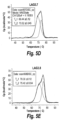
- the antibody possesses a higher melting temperature (indicating greater overall stability in vivo), compared to the unmodified antibody ( Krishnamurthy R and Manning MC (2002) Curr Pharm Biotechnol 3:361-71 ).
- the antibody exhibits a T M1 (the temperature of initial unfolding) of greater than 60°C, e.g., greater than 65°C, or greater than 70°C.
- the melting point of an antibody can be measured using differential scanning calorimetry ( Chen et al (2003) Pharm Res 20:1952-60 ; Ghirlando et al (1999) Immunol Lett 68:47-52 ) or circular dichroism ( Murray et al. (2002) J. Chromatogr Sci 40:343-9 ).
- the antibody is characterized by its resistance to rapid degradation.
- Degradation of an antibody can be measured using capillary electrophoresis (CE) and MALDI-MS ( Alexander AJ and Hughes DE (1995) Anal Chem 67:3626-32 ).
- the antibody exhibits minimal aggregation effects, e.g., aggregation of 25% or less, such as 20% or less, 15% or less, 10% or less, 5% or less, or 4% or less.
- Aggregation can lead to the triggering of an unwanted immune response and/or altered or unfavorable pharmacokinetic properties, Aggregation can be measured by several techniques, including size-exclusion column (SEC), high performance liquid chromatography (HPLC), and light scattering.
- SEC size-exclusion column
- HPLC high performance liquid chromatography
- the antibody further exhibits at least one of the following properties:
- the antibody stimulates an antigen-specific T cell response, such as interleukin-2 (IL-2) production in an antigen-specific T cell response.
- the antibody stimulates an immune response, such as an anti-tumor response (e.g., inhibition of tumor growth in an in vivo tumor graft model) or an autoimmune response (e.g ., development of diabetes in NOD mice).
- the antibody binds an epitope of human LAG-3 comprising the amino acid sequence PGHPLAPG (SEQ ID NO: 21). In another embodiment, the antibody binds an epitope of human LAG-3 comprising the amino acid sequence HPAAPSSW (SEQ ID NO: 22) or PAAPSSWG (SEQ ID NO: 23).
- the antibody stains pituitary tissue by immunohistochemistry, or does not stain pituitary tissue by immunohistochemistry.
- Antibodies of the invention can be full-length antibodies, for example, of an IgG1, IgG2 or IgG4 isotype, optionally with a serine to proline mutation in the heavy chain constant region hinge region (at a position corresponding to position 241 as described in Angal et al. (1993) Mol. Immunol. 30:105-108 ), such that inter-heavy chain disulfide bridge heterogeneity is reduced or abolished.
- the constant region isotype is IgG4 with a mutation at amino acid residues 228, e.g., S228P.
- the antibodies can be antibody fragments, such as Fab, Fab' or Fab'2 fragments, or single chain antibodies.
- the antibody (or antigen-binding portion thereof) is part of an immunoconjugate which includes a therapeutic agent, e.g., a cytotoxin or a radioactive isotope, linked to the antibody.
- a therapeutic agent e.g., a cytotoxin or a radioactive isotope
- the antibody is part of a bispecific molecule which includes a second functional moiety (e.g., a second antibody) having a different binding specificity than said antibody, or antigen binding portion thereof.
- compositions comprising antibodies, or antigen-binding portions thereof, immunoconjugates or bispecific molecules of the invention, optionally formulated in a pharmaceutically acceptable carrier, also are provided.
- Nucleic acid molecules encoding the antibodies, or antigen-binding portions (e.g., variable regions and/or CDRs) thereof, of the invention also are provided, as well as expression vectors comprising such nucleic acids and host cells comprising such expression vectors.
- Methods for preparing anti-LAG-3 antibodies using the host cells comprising such expression vectors also are provided, and can include the steps of (i) expressing the antibody in the host cell and (ii) isolating the antibody from the host cell.
- the invention provides methods of stimulating immune responses using anti-LAG-3 antibodies of the invention.
- the method involves stimulating an antigen-specific T cell response by contacting T cells with an antibody of the invention, such that an antigen-specific T cell response is stimulated.
- interleukin-2 production by the antigen-specific T cell is stimulated.
- the subject is a tumor-bearing subject and an immune response against the tumor is stimulated.
- the subject is a virus-bearing subject and an immune response against the virus is stimulated.
- the invention provides a method for inhibiting growth of tumor cells in a subject comprising administering to the subject an antibody, or antigen-binding portion thereof, of the invention, such that growth of the tumor is inhibited in the subject.
- the invention provides a method for treating viral infection in a subject comprising administering to the subject an antibody, or antigen-binding portion thereof, of the invention such that the viral infection is treated in the subject.
- these methods comprise administering a composition, bispecific, or immunoconjugate of the invention.
- the invention provides a method for stimulating an immune response in a subject comprising administering to the subject an antibody, or antigen-binding portion thereof, of the invention and at least one additional immunostimulatory antibody, such as an anti-PD-1 antibody, an anti-PD-L1 antibody and/or an anti-CTLA-4 antibody, such that an immune response is stimulated in the subject, for example to inhibit tumor growth or to stimulate an anti-viral response.
- the additional immunostimulatory antibody is an anti-PD-1 antibody.
- the additional immunostimulatory agent is an anti-PD-L1 antibody.
- the additional immunostimulatory agent is an anti-CTLA-4 antibody.
- an antibody, or antigen-binding portion thereof, of the invention is administered with a cytokine (e.g., IL-2 and/or IL-21), or a costimulatory antibody (e.g., an anti-CD137 and/or anti-GITR antibody).
- a cytokine e.g., IL-2 and/or IL-21
- a costimulatory antibody e.g., an anti-CD137 and/or anti-GITR antibody.
- the antibodies can be, for example, human, chimeric or humanized antibodies.
- the invention provides anti-LAG-3 antibodies and compositions of the invention for use in the foregoing methods, or for the manufacture of a medicament for use in the foregoing methods (e.g., for treatment).
- 25F7 refers to the anti-human LAG-3 antibody described in US2011/0150892 A1 .
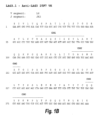
- nucleotide sequence (SEQ ID NO: 3) encoding the light chain variable region of 25F7 (LAG3.1) and the corresponding amino acid sequence (SEQ ID NO: 4) is shown in Figure 1B (with CDR sequences designated as SEQ ID NOs: 8, 9, and 10, respectively).
- LAG-3 refers to Lymphocyte Activation Gene-3.
- LAG-3 includes variants, isoforms, homologs, orthologs and paralogs.
- antibodies specific for a human LAG-3 protein may, in certain cases, cross-react with a LAG-3 protein from a species other than human.
- the antibodies specific for a human LAG-3 protein may be completely specific for the human LAG-3 protein and may not exhibit species or other types of cross-reactivity, or may cross-react with LAG-3 from certain other species but not all other species (e.g., cross-react with monkey LAG-3 but not mouse LAG-3).
- human LAG-3 refers to human sequence LAG-3, such as the complete amino acid sequence of human LAG-3 having Genbank Accession No. NP_002277 (SEQ ID NO: 29).
- mouse LAG-3 refers to mouse sequence LAG-3, such as the complete amino acid sequence of mouse LAG-3 having Genbank Accession No. NP_032505.
- LAG-3 is also known in the art as, for example, CD223.
- the human LAG-3 sequence may differ from human LAG-3 of Genbank Accession No. NP_002277 by having, e.g., conserved mutations or mutations in non-conserved regions and the LAG-3 has substantially the same biological function as the human LAG-3 of Genbank Accession No. NP_002277.
- a biological function of human LAG-3 is having an epitope in the extracellular domain of LAG-3 that is specifically bound by an antibody of the instant disclosure or a biological function of human LAG-3 is binding to MHC Class II molecules.
- a particular human LAG-3 sequence will generally be at least 90% identical in amino acid sequence to human LAG-3 of Genbank Accession No. NP_002277 and contains amino acid residues that identify the amino acid sequence as being human when compared to LAG-3 amino acid sequences of other species (e.g., murine).
- a human LAG-3 can be at least 95%, or even at least 96%, 97%, 98%, or 99% identical in amino acid sequence to LAG-3 of Genbank Accession No. NP_002277.
- a human LAG-3 sequence will display no more than 10 amino acid differences from the LAG-3 sequence of Genbank Accession No. NP_002277.
- the human LAG-3 can display no more than 5, or even no more than 4, 3, 2, or 1 amino acid difference from the LAG-3 sequence of Genbank Accession No. NP_002277. Percent identity can be determined as described herein.
- immune response refers to the action of, for example, lymphocytes, antigen presenting cells, phagocytic cells, granulocytes, and soluble macromolecules produced by the above cells or the liver (including antibodies, cytokines, and complement) that results in selective damage to, destruction of, or elimination from the human body of invading pathogens, cells or tissues infected with pathogens, cancerous cells, or, in cases of autoimmunity or pathological inflammation, normal human cells or tissues.
- an "antigen-specific T cell response” refers to responses by a T cell that result from stimulation of the T cell with the antigen for which the T cell is specific.
- responses by a T cell upon antigen-specific stimulation include proliferation and cytokine production (e.g., IL-2 production).
- antibody as referred to herein includes whole antibodies and any antigen binding fragment (i.e., "antigen-binding portion") or single chains thereof.
- Whole antibodies are glycoproteins comprising at least two heavy (H) chains and two light (L) chains inter-connected by disulfide bonds.
- Each heavy chain is comprised of a heavy chain variable region (abbreviated herein as V H ) and a heavy chain constant region.
- the heavy chain constant region is comprised of three domains, C H 1, C H 2 and C H 3.
- Each light chain is comprised of a light chain variable region (abbreviated herein as V L ) and a light chain constant region.
- the light chain constant region is comprised of one domain, C L .
- V H and V L regions can be further subdivided into regions of hypervariability, termed complementarity determining regions (CDR), interspersed with regions that are more conserved, termed framework regions (FR).
- CDR complementarity determining regions
- FR framework regions
- Each V H and V L is composed of three CDRs and four FRs, arranged from amino-terminus to carboxy-terminus in the following order: FR1, CDR1, FR2, CDR2, FR3, CDR3, FR4.
- the variable regions of the heavy and light chains contain a binding domain that interacts with an antigen.
- the constant regions of the antibodies can mediate the binding of the immunoglobulin to host tissues or factors, including various cells of the immune system (e.g., effector cells) and the first component (Clq) of the classical complement system.
- antibody portion refers to one or more fragments of an antibody that retain the ability to specifically bind to an antigen (e.g., a LAG-3 protein). It has been shown that the antigen-binding function of an antibody can be performed by fragments of a full-length antibody.
- binding fragments encompassed within the term "antigen-binding portion" of an antibody include (i) a Fab fragment, a monovalent fragment consisting of the V L , V H , C L and C H 1 domains; (ii) a F(ab') 2 fragment, a bivalent fragment comprising two Fab fragments linked by a disulfide bridge at the hinge region; (iii) a Fd fragment consisting of the V H and C H1 domains; (iv) a Fv fragment consisting of the V H and C H 1 domains; (v) a Fv fragment consisting of the V L and V H domains of a single arm of an antibody, (vi) a dAb fragment ( Ward et al., (1989) Nature 341:544-546 ), which consists of a V H domain; (vii) an isolated complementarity determining region (CDR); and (viii) a nanobody, a heavy chain variable region containing a single variable domain and two constant domains.
- the two domains of the Fv fragment, V L and V H are coded for by separate genes, they can be joined, using recombinant methods, by a synthetic linker that enables them to be made as a single protein chain in which the V L and V H regions pair to form monovalent molecules (known as single chain Fv (scFv); see e.g., Bird et al. (1988) Science 242:423-426 ; and Huston et al. (1988) Proc. Natl. Acad. Sci. USA 85:5879-5883 ).
- single chain Fv single chain Fv
- Such single chain antibodies are also intended to be encompassed within the term "antigen-binding portion" of an antibody.
- an "isolated antibody”, as used herein, is intended to refer to an antibody that is substantially free of other antibodies having different antigenic specificities (e.g., an isolated antibody that specifically binds a LAG-3 protein is substantially free of antibodies that specifically bind antigens other than LAG-3 proteins).
- An isolated antibody that specifically binds a human LAG-3 protein may, however, have cross-reactivity to other antigens, such as LAG-3 proteins from other species.
- an isolated antibody can be substantially free of other cellular material and/or chemicals.
- monoclonal antibody or “monoclonal antibody composition” as used herein refer to a preparation of antibody molecules of single molecular composition.
- a monoclonal antibody composition displays a single binding specificity and affinity for a particular epitope.
- human antibody is intended to include antibodies having variable regions in which both the framework and CDR regions are derived from human germline immunoglobulin sequences. Furthermore, if the antibody contains a constant region, the constant region also is derived from human germline immunoglobulin sequences.
- the human antibodies of the invention can include amino acid residues not encoded by human germline immunoglobulin sequences (e.g., mutations introduced by random or site-specific mutagenesis in vitro or by somatic mutation in vivo).
- the term "human antibody”, as used herein is not intended to include antibodies in which CDR sequences derived from the germline of another mammalian species, such as a mouse, have been grafted onto human framework sequences.
- human monoclonal antibody refers to antibodies displaying a single binding specificity, which have variable regions in which both the framework and CDR regions are derived from human germline immunoglobulin sequences.
- the human monoclonal antibodies are produced by a hybridoma which includes a B cell obtained from a transgenic nonhuman animal, e.g., a transgenic mouse, having a genome comprising a human heavy chain transgene and a light chain transgene fused to an immortalized cell.
- recombinant human antibody includes all human antibodies that are prepared, expressed, created or isolated by recombinant means, such as (a) antibodies isolated from an animal (e.g ., a mouse) that is transgenic or transchromosomal for human immunoglobulin genes or a hybridoma prepared therefrom (described further below), (b) antibodies isolated from a host cell transformed to express the human antibody, e.g ., from a transfectoma, (c) antibodies isolated from a recombinant, combinatorial human antibody library, and (d) antibodies prepared, expressed, created or isolated by any other means that involve splicing of human immunoglobulin gene sequences to other DNA sequences.
- Such recombinant human antibodies have variable regions in which the framework and CDR regions are derived from human germline immunoglobulin sequences.
- such recombinant human antibodies can be subjected to in vitro mutagenesis (or, when an animal transgenic for human Ig sequences is used, in vivo somatic mutagenesis) and thus the amino acid sequences of the V H and V L regions of the recombinant antibodies are sequences that, while derived from and related to human germline V H and V L sequences, may not naturally exist within the human antibody germline repertoire in vivo.
- isotype refers to the antibody class (e.g ., IgM or IgGl) that is encoded by the heavy chain constant region genes.
- an antibody recognizing an antigen and "an antibody specific for an antigen” are used interchangeably herein with the term “an antibody which binds specifically to an antigen.”
- human antibody derivatives refers to any modified form of the human antibody, e.g., a conjugate of the antibody and another agent or antibody.
- humanized antibody is intended to refer to antibodies in which CDR sequences derived from the germline of another mammalian species, such as a mouse, have been grafted onto human framework sequences. Additional framework region modifications can be made within the human framework sequences.
- chimeric antibody is intended to refer to antibodies in which the variable region sequences are derived from one species and the constant region sequences are derived from another species, such as an antibody in which the variable region sequences are derived from a mouse antibody and the constant region sequences are derived from a human antibody.
- an antibody that "specifically binds human LAG-3" is intended to refer to an antibody that binds to human LAG-3 protein (and possibly a LAG-3 protein from one or more non-human species) but does not substantially bind to non-LAG-3 proteins.
- the antibody binds to a human LAG-3 protein with "high affinity", namely with a K D of 1 x 10 -7 M or less, more preferably 1 x 10 -8 M or less, more preferably 5 x 10 -9 M or less, more preferably 1 x 10 -9 M or less.
- does not substantially bind to a protein or cells, as used herein, means does not bind or does not bind with a high affinity to the protein or cells, i.e. binds to the protein or cells with a K D of 1 x 10 -6 M or more, more preferably 1 x 10 -5 M or more, more preferably 1 x 10 -4 M or more, more preferably 1 x 10 -3 M or more, even more preferably 1 x 10 -2 M or more.
- K assoc or "K a ", as used herein, is intended to refer to the association rate of a particular antibody-antigen interaction
- K dis or "K d ,” as used herein, is intended to refer to the dissociation rate of a particular antibody-antigen interaction
- K D is intended to refer to the dissociation constant, which is obtained from the ratio of K d to K a ( i.e., K a /K a ) and is expressed as a molar concentration (M).
- K D values for antibodies can be determined using methods well established in the art. A preferred method for determining the K D of an antibody is by using surface plasmon resonance, preferably using a biosensor system such as a Biacore ® system.
- high affinity for an IgG antibody refers to an antibody having a K D of 1 x 10 -7 M or less, more preferably 5 x 10 -8 M or less, even more preferably 1x10 -8 M or less, even more preferably 5 x 10 -9 M or less and even more preferably 1 x 10 -9 M or less for a target antigen.
- high affinity binding can vary for other antibody isotypes.
- “high affinity” binding for an IgM isotype refers to an antibody having a K D of 10 -6 M or less, more preferably 10 -7 M or less, even more preferably 10 -8 M or less.
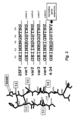
- deamidation refers to a chemical degredative process that spontaneously occurs in proteins (e.g., antibodies). Deamidation removes an amide functional group from an amino acid residue, such as asparagine and glutamine, thus damaging its amide-containing side chains. Specifically, the side chain of an asparagine attacks the adjacent peptide group, forming a symmetric succinimide intermediate. The symmetry of the intermediate results in two hydrolysis products, either aspartate or isoaspartate. A similar reaction can also occur in aspartate side chains, yielding a partial conversion to isoaspartate. In the case of glutamine, the rate of deamidation is generally ten fold less than asparagine, however, the mechanism is essentially the same, requiring only water molecules to proceed.
- subject includes any human or nonhuman animal.
- nonhuman animal includes all vertebrates, e.g., mammals and non-mammals, such as non-human primates, sheep, dogs, cats, cows, horses, chickens, amphibians, and reptiles, although mammals are preferred, such as non-human primates, sheep, dogs, cats, cows and horses.
- Antibodies of the invention specifically bind to human LAG-3 and have optimized stability compared to previously described anti-LAG-3 antibodies, particularly compared to antibody 25F7 (LAG3.1). This optimization includes reduced deamidation (e.g., increased chemical stability) and increased thermal refolding (e.g., increased physical stability), while still retaining high affinity binding to human LAG-3.
- Suitable assays for measuring physical stability include, e.g., analysis of melting points and/or refolding of antibody structure following denaturation (e.g., percent reversibility as described, e.g., in Example 3, Section 3).
- Binding to human LAG-3 can be assessed using one or more techniques also well established in the art.
- an antibody can be tested by a flow cytometry assay in which the antibody is reacted with a cell line that expresses human LAG-3, such as CHO cells that have been transfected to express LAG-3 (e.g., human LAG-3, or monkey LAG-3 (e.g., rhesus or cynomolgus monkey) or mouse LAG-3) on their cell surface.
- LAG-3 e.g., human LAG-3, or monkey LAG-3 (e.g., rhesus or cynomolgus monkey) or mouse LAG-3)
- Other suitable cells for use in flow cytometry assays include anti-CD3-stimulated CD4 + activated T cells, which express native LAG-3.
- binding of the antibody can be tested in BIAcore assays.
- binding kinetics e.g., K D value
- binding assays include ELISA assays, for example, using a recombinant LAG-3 protein.
- Antibodies of the invention preferably bind to human LAG-3 protein with a K D of 1 x 10 -7 M or less, and more preferably 1 x 10 -8 M or less, 5 x 10 -9 M or less, or 1 x 10 -9 M or less.
- the antibody binds to LAG-3 in lymphoid tissues, such as tonsil, spleen or thymus, which can be detected by immunohistochemistry.
- the antibody stains pituitary tissue (e.g., are retained in the pituitary) as measured by immunohistochemistry.
- the antibody does not stain pituitary tissue (i.e., is not retained in the pituitary) as measured by immunohistochemistry.
- the antibody can bind to monkey LAG-3 (e.g., cynomolgus monkey, rhesus monkey), but not substantially bind to LAG-3 from mouse LAG-3.
- an antibody of the invention binds to human LAG-3 with high affinity.
- the antibody binds to human LAG-3 and stimulates an antigen-specific T cell response. In other embodiments, the antibody binds to human LAG-3 but does not stimulate an antigen-specific T cell response.
- an immune response such as an antigen-specific T cell response.
- IL-2 interleukin-2
- the antibody binds to human LAG-3 and stimulates an antigen-specific T cell response. In other embodiments, the antibody binds to human LAG-3 but does not stimulate an antigen-specific T cell response.
- Other means for evaluating the capacity of the antibody to stimulate an immune response include testing its ability to inhibit tumor growth, such as in an in vivo tumor graft model (see, e.g., Example 6) or the ability to stimulate an autoimmune response, such as the ability to promote the development of an autoimmune disease in an autoimmune model, e.g., the ability to promote the development of diabetes in the NOD mouse model.
- antibodies of the invention are human monoclonal antibodies. Additionally or alternatively, the antibodies can be, for example, chimeric or humanized monoclonal antibodies.
- a preferred antibody of the invention is the human monoclonal antibody, LAG3.5, structurally and chemically characterized as described below and in the following Examples.
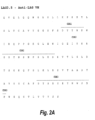
- the V H amino acid sequence of LAG3.5 is shown in SEQ ID NO: 12 ( Figure 2A ).
- the V L amino acid sequence of LAG3.5 is shown in SEQ ID NO: 14 ( Figure 2B ).
- V H and V L sequences (or CDR sequences) of other anti-LAG-3 antibodies which bind human LAG-3 can be "mixed and matched" with the V H and V L sequences (or CDR sequences) of antibody LAG3.5.
- V H and V L chains or the CDRs within such chains
- a V H sequence from a particular V H /V L pairing is replaced with a structurally similar V H sequence.
- a V L sequence from a particular V H /V L pairing is replaced with a structurally similar V L sequence.
- antibodies of the invention comprise:
- antibodies of the invention comprise:
- the CDR3 domain independently from the CDR1 and/or CDR2 domain(s), alone can determine the binding specificity of an antibody for a cognate antigen and that multiple antibodies can predictably be generated having the same binding specificity based on a common CDR3 sequence. See, e.g., Klimka et al., British J. of Cancer 83(2):252-260 (2000 ); Beiboer et al., J. Mol. Biol. 296:833-849 (2000 ); Rader et al., Proc. Natl. Acad. Sci. U.S.A. 95:8910-8915 (1998 ); Barbas et al., J. Am. Chem.
- antibodies of the invention include the CDR2 of the heavy chain variable region of LAG3.5 and at least the CDR3 of the heavy and/or light chain variable region of LAG3.5 (SEQ ID NOs: 17 and/or 20), or the CDR3 of the heavy and/or light chain variable region of another LAG-3 antibody, wherein the antibody is capable of specifically binding to human LAG-3.
- These antibodies preferably (a) compete for binding with; (b) retain the functional characteristics; (c) bind to the same epitope; and/or (d) have a similar binding affinity as LAG3.5.
- the antibodies further may include the CDR2 of the light chain variable region of LAG3.5 (SEQ ID NOs: 17 and/or 20), or the CDR2 of the light chain variable region of another LAG-3 antibody, wherein the antibody is capable of specifically binding to human LAG-3.
- the antibodies of the invention further may include the CDR1 of the heavy and/or light chain variable region of LAG3.5 (SEQ ID NOs: 17 and/or 20), or the CDR1 of the heavy and/or light chain variable region of another LAG-3 antibody, wherein the antibody is capable of specifically binding to human LAG-3.
- antibodies of the invention comprise a heavy and/or light chain variable region sequences of CDR1, CDR2 and CDR3 sequences which differ from those of LAG3.5 by one or more conservative modifications.
- residues 54 and 56 of the V H CDR2 remain as arginine and serine, respectively (i.e., are not mutated).
- certain conservative sequence modification can be made which do not remove antigen binding. See, e.g., Brummell et al. (1993) Biochem 32:1180-8 ; de Wildt et al. (1997) Prot. Eng. 10:835-41 ; Komissarov et al. (1997) J. Biol. Chem.
- the antibody comprises a heavy chain variable region comprising CDR1, CDR2, and CDR3 sequences and/or a light chain variable region comprising CDR1, CDR2, and CDR3 sequences, wherein:
- the antibody can possess one or more of the following functional properties described above, such as high affinity binding to human LAG-3, binding to monkey LAG-3, lack of binding to mouse LAG-3, the ability to inhibit binding of LAG-3 to MHC Class II molecules and/or the ability to stimulate antigen-specific T cell responses.
- the antibody can be, for example, a human, humanized or chimeric antibody
- amino acids with basic side chains e.g., lysine, arginine, histidine
- acidic side chains e.g., aspartic acid, glutamic acid
- uncharged polar side chains e.g ., glycine, asparagine, glutamine, serine, threonine, tyrosine, cysteine, tryptophan
- nonpolar side chains e.g ., alanine, valine, leucine, isoleucine, proline, phenylalanine, methionine
- beta-branched side chains e.g., threonine, valine, isoleucine
- aromatic side chains e.g .
- one or more amino acid residues within the CDR regions of an antibody of the invention can be replaced with other amino acid residues from the same side chain family and the altered antibody can be tested for retained function ( i.e., the functions set forth above) using the functional assays described herein.
- Antibodies of the invention can be prepared using an antibody having one or more of the V H and/or V L sequences of LAG3.5 as starting material to engineer a modified antibody.
- An antibody can be engineered by modifying one or more residues within one or both variable regions (i.e., V H and/or V L ), for example within one or more CDR regions and/or within one or more framework regions. Additionally or alternatively, an antibody can be engineered by modifying residues within the constant region(s), for example to alter the effector function(s) of the antibody.
- CDR grafting can be used to engineer variable regions of antibodies.
- Antibodies interact with target antigens predominantly through amino acid residues that are located in the six heavy and light chain complementarity determining regions (CDRs). For this reason, the amino acid sequences within CDRs are more diverse between individual antibodies than sequences outside of CDRs. Because CDR sequences are responsible for most antibody-antigen interactions, it is possible to express recombinant antibodies that mimic the properties of specific naturally occurring antibodies by constructing expression vectors that include CDR sequences from the specific naturally occurring antibody grafted onto framework sequences from a different antibody with different properties ( see, e.g., Riechmann et al. (1998) Nature 332:323-327 ; Jones et al.
- another embodiment of the invention pertains to an isolated monoclonal antibody, or antigen binding portion thereof, comprising a heavy chain variable region comprising CDR1, CDR2, and CDR3 sequences comprising SEQ ID NOs: 15, 16, 17, respectively, and/or a light chain variable region comprising CDR1, CDR2, and CDR3 sequences comprising SEQ ID NOs: 18, 19, 20, respectively (i.e., the CDRs of LAG3.5). While these antibodies contain the V H and V L CDR sequences of monoclonal antibody LAG3.5, they can contain differing framework sequences.
- Such framework sequences can be obtained from public DNA databases or published references that include germline antibody gene sequences.
- germline DNA sequences for human heavy and light chain variable region genes can be found in the "VBase" human germline sequence database (available on the Internet at www.mrc-cpe.cam.ac.uk/vbase), as well as in Kabat et al. (1991), cited supra; Tomlinson et al. (1992) "The Repertoire of Human Germline VH Sequences Reveals about Fifty Groups of VH Segments with Different Hypervariable Loops” J. Mol. Biol. 227:776-798 ; and Cox et al.
- the germline DNA sequences for human heavy and light chain variable region genes can be found in the Genbank database.
- the following heavy chain germline sequences found in the HCo7 HuMAb mouse are available in the accompanying Genbank Accession Nos.: 1-69 (NG_0010109, NT_024637 & BC070333), 3-33 (NG_0010109 & NT_024637) and 3-7 (NG_0010109 & NT_024637).
- Antibody protein sequences are compared against a compiled protein sequence database using one of the sequence similarity searching methods called the Gapped BLAST (Altschul et al. (1997), supra), which is well known to those skilled in the art.
- Preferred framework sequences for use in the antibodies of the invention are those that are structurally similar to the framework sequences used by selected antibodies of the invention, e.g., similar to the V H 4-34 framework sequences and/or the V K L6 framework sequences used by preferred monoclonal antibodies of the invention.
- the V H CDR1, CDR2, and CDR3 sequences, and the V K CDR1, CDR2, and CDR3 sequences can be grafted onto framework regions that have the identical sequence as that found in the germline immunoglobulin gene from which the framework sequence derive, or the CDR sequences can be grafted onto framework regions that contain one or more mutations as compared to the germline sequences.
- variable region modification is to mutate amino acid residues within the V H and/or V L CDR1, CDR2 and/or CDR3 regions to thereby improve one or more binding properties (e.g ., affinity) of the antibody of interest.
- Site-directed mutagenesis or PCR-mediated mutagenesis can be performed to introduce the mutation(s) and the effect on antibody binding, or other functional property of interest, can be evaluated in in vitro or in vivo assays as described herein and provided in the Examples.
- Preferably conservative modifications are introduced.
- the mutations can be amino acid substitutions, additions or deletions, but are preferably substitutions.
- typically no more than one, two, three, four or five residues within a CDR region are altered.
- the invention provides isolated anti-LAG-3 monoclonal antibodies, or antigen binding portions thereof, comprising a heavy chain variable region comprising: (a) a V H CDR1 region comprising SEQ ID NO: 15, or an amino acid sequence having one, two, three, four or five amino acid substitutions, deletions or additions as compared to SEQ ID NO: 15; (b) a V H CDR2 region comprising SEQ ID NO: 16, or an amino acid sequence having one, two, three, four or five amino acid substitutions, deletions or additions as compared to SEQ ID NO: 16 (preferably wherein positions 54 and 56 are the same as in SEQ ID NO:16); (c) a V H CDR3 region comprising SEQ ID NO: 17, or an amino acid sequence having one, two, three, four or five amino acid substitutions, deletions or additions as compared to SEQ ID NO: 17; (d) a V L CDR1 region comprising SEQ ID NO: 18, or an amino acid sequence having one, two, three,
- Engineered antibodies of the invention include those in which modifications have been made to framework residues within V H and/or V L , e.g. to improve the properties of the antibody. Typically such framework modifications are made to decrease the immunogenicity of the antibody. For example, one approach is to "backmutate" one or more framework residues to the corresponding germline sequence. More specifically, an antibody that has undergone somatic mutation can contain framework residues that differ from the germline sequence from which the antibody is derived. Such residues can be identified by comparing the antibody framework sequences to the germline sequences from which the antibody is derived.
- Another type of framework modification involves mutating one or more residues within the framework region, or even within one or more CDR regions, to remove T cell epitopes to thereby reduce the potential immunogenicity of the antibody. This approach is also referred to as "deimmunization" and is described in further detail in U.S. Patent Publication No. 20030153043 .
- antibodies of the invention can be engineered to include modifications within the Fc region, typically to alter one or more functional properties of the antibody, such as serum half-life, complement fixation, Fc receptor binding, and/or antigen-dependent cellular cytotoxicity.
- an antibody of the invention can be chemically modified (e.g., one or more chemical moieties can be attached to the antibody) or be modified to alter its glycosylation, again to alter one or more functional properties of the antibody.
- the antibody is an IgG4 isotype antibody comprising a Serine to Proline mutation at a position corresponding to position 228 (S228P; EU index) in the hinge region of the heavy chain constant region.
- S228P Serine to Proline mutation at a position corresponding to position 228
- This mutation has been reported to abolish the heterogeneity of inter-heavy chain disulfide bridges in the hinge region (Angal et al. supra; position 241 is based on the Kabat numbering system).
- the hinge region of CH1 is modified such that the number of cysteine residues in the hinge region is altered, e.g., increased or decreased.
- This approach is described further in U.S. Patent No. 5,677,425 .
- the number of cysteine residues in the hinge region of CH1 is altered to, for example, facilitate assembly of the light and heavy chains or to increase or decrease the stability of the antibody.
- the Fc hinge region of an antibody is mutated to decrease the biological half life of the antibody. More specifically, one or more amino acid mutations are introduced into the CH2-CH3 domain interface region of the Fc-hinge fragment such that the antibody has impaired Staphylococcyl protein A (SpA) binding relative to native Fc-hinge domain SpA binding.
- SpA Staphylococcyl protein A
- the antibody is modified to increase its biological half life.
- Various approaches are possible. For example, one or more of the following mutations can be introduced: T252L, T254S, T256F, as described in U.S. Patent No. 6,277,375 .
- the antibody can be altered within the CH1 or CL region to contain a salvage receptor binding epitope taken from two loops of a CH2 domain of an Fc region of an IgG, as described in U.S. Patent Nos. 5,869,046 and 6,121,022 .
- the Fc region is altered by replacing at least one amino acid residue with a different amino acid residue to alter the effector function(s) of the antibody.
- one or more amino acids selected from amino acid residues 234, 235, 236, 237, 297, 318, 320 and 322 can be replaced with a different amino acid residue such that the antibody has an altered affinity for an effector ligand but retains the antigen-binding ability of the parent antibody.
- the effector ligand to which affinity is altered can be, for example, an Fc receptor or the C1 component of complement. This approach is described in further detail in U.S. Patent Nos. 5,624,821 and 5,648,260 .
- one or more amino acids selected from amino acid residues 329, 331 and 322 can be replaced with a different amino acid residue such that the antibody has altered C1q binding and/or reduced or abolished complement dependent cytotoxicity (CDC).
- CDC complement dependent cytotoxicity
- one or more amino acid residues within amino acid positions 231 and 239 are altered to thereby alter the ability of the antibody to fix complement. This approach is described further in PCT Publication WO 94/29351 .
- the Fc region is modified to increase the ability of the antibody to mediate antibody dependent cellular cytotoxicity (ADCC) and/or to increase the affinity of the antibody for an Fc ⁇ receptor by modifying one or more amino acids at the following positions: 238, 239, 248, 249, 252, 254, 255, 256, 258, 265, 267, 268, 269, 270, 272, 276, 278, 280, 283, 285, 286, 289, 290, 292, 293, 294, 295, 296, 298, 301, 303, 305, 307, 309, 312, 315, 320, 322, 324, 326, 327, 329, 330, 331, 333, 334, 335, 337, 338, 340, 360, 373, 376, 378, 382, 388, 389, 398, 414, 416, 419, 430, 434, 435, 437, 438 or 439.
- ADCC antibody dependent cellular cytotoxicity
- the glycosylation of an antibody is modified.
- an aglycoslated antibody can be made (i.e., the antibody lacks glycosylation).
- Glycosylation can be altered to, for example, increase the affinity of the antibody for antigen.
- carbohydrate modifications can be accomplished by, for example, altering one or more sites of glycosylation within the antibody sequence.
- one or more amino acid substitutions can be made that result in elimination of one or more variable region framework glycosylation sites to thereby eliminate glycosylation at that site.
- Such aglycosylation may increase the affinity of the antibody for antigen. See, e.g., U.S. Patent Nos. 5,714,350 and 6,350,861 .
- an antibody can be made that has an altered type of glycosylation, such as a hypofucosylated antibody having reduced amounts of fucosyl residues or an antibody having increased bisecting GlcNac structures.
- altered glycosylation patterns have been demonstrated to increase the ADCC ability of antibodies.
- carbohydrate modifications can be accomplished by, for example, expressing the antibody in a host cell with altered glycosylation machinery. Cells with altered glycosylation machinery have been described in the art and can be used as host cells in which to express recombinant antibodies of the invention to thereby produce an antibody with altered glycosylation.
- the cell lines Ms704, Ms705, and Ms709 lack the fucosyltransferase gene, FUT8 ( ⁇ (1,6)-fucosyltransferase), such that antibodies expressed in the Ms704, Ms705, and Ms709 cell lines lack fucose on their carbohydrates.
- the Ms704, Ms705, and Ms709 FUT8 -/- cell lines were created by the targeted disruption of the FUT8 gene in CHO/DG44 cells using two replacement vectors (see U.S. Patent Publication No. 20040110704 and Yamane-Ohnuki et al. (2004) Biotechnol Bioeng 87:614-22 ).
- EP 1,176,195 describes a cell line with a functionally disrupted FUT8 gene, which encodes a fucosyl transferase, such that antibodies expressed in such a cell line exhibit hypofucosylation by reducing or eliminating the ⁇ -1,6 bond-related enzyme.
- EP 1,176,195 also describes cell lines which have a low enzyme activity for adding fucose to the N-acetylglucosamine that binds to the Fc region of the antibody or does not have the enzyme activity, for example the rat myeloma cell line YB2/0 (ATCC CRL 1662).
- PCT Publication WO 03/035835 describes a variant CHO cell line, Lec13 cells, with reduced ability to attach fucose to Asn(297)-linked carbohydrates, also resulting in hypofucosylation of antibodies expressed in that host cell (see also Shields et al. (2002) J. Biol. Chem. 277:26733-26740 ).
- Antibodies with a modified glycosylation profile can also be produced in chicken eggs, as described in PCT Publication WO 06/089231 .
- antibodies with a modified glycosylation profile can be produced in plant cells, such as Lemna.
- PCT Publication WO 99/54342 describes cell lines engineered to express glycoprotein-modifying glycosyl transferases (e.g ., ⁇ (1,4)-N-acetylglucosaminyltransferase III (GnTIII)) such that antibodies expressed in the engineered cell lines exhibit increased bisecting GlcNac structures which results in increased ADCC activity of the antibodies (see also Umana et al. (1999) Nat. Biotech. 17:176-180 ).
- glycoprotein-modifying glycosyl transferases e.g ., ⁇ (1,4)-N-acetylglucosaminyltransferase III (GnTIII)
- the fucose residues of the antibody can be cleaved off using a fucosidase enzyme; e.g., the fucosidase ⁇ -L-fucosidase removes fucosyl residues from antibodies ( Tarentino et al. (1975) Biochem. 14:5516-23 ).
- a fucosidase enzyme e.g., the fucosidase ⁇ -L-fucosidase removes fucosyl residues from antibodies ( Tarentino et al. (1975) Biochem. 14:5516-23 ).
- An antibody can be pegylated to, for example, increase the biological (e.g., serum) half life of the antibody.
- the antibody, or fragment thereof typically is reacted with polyethylene glycol (PEG), such as a reactive ester or aldehyde derivative of PEG, under conditions in which one or more PEG groups become attached to the antibody or antibody fragment.
- PEG polyethylene glycol
- the pegylation is carried out via an acylation reaction or an alkylation reaction with a reactive PEG molecule (or an analogous reactive water-soluble polymer).
- polyethylene glycol is intended to encompass any of the forms of PEG that have been used to derivatize other proteins, such as mono (C1-C10) alkoxy- or aryloxy-polyethylene glycol or polyethylene glycol-maleimide.
- the antibody to be pegylated is an aglycosylated antibody. Methods for pegylating proteins are known in the art and can be applied to the antibodies of the invention. See, e.g., EP 0 154 316 and EP 0 401 384 .
- Antibodies of the invention can be characterized by their various physical properties, to detect and/or differentiate different classes thereof.
- antibodies can contain one or more glycosylation sites in either the light or heavy chain variable region. Such glycosylation sites may result in increased immunogenicity of the antibody or an alteration of the pK of the antibody due to altered antigen binding ( Marshall et al (1972) Annu Rev Biochem 41:673-702 ; Gala and Morrison (2004) J Immunal 172:5489-94 ; Wallick et al (1988) J Exp Med 168:1099-109 ; Spiro (2002) Glycobiology 12:43R-56R ; Parekh et al (1985) Nature 316:452-7 ; Mimura et al. (2000) Mol Immunol 37:697-706 ).
- Glycosylation has been known to occur at motifs containing an N-X-S/T sequence.
- an anti-LAG-3 antibody that does not contain variable region glycosylation. This can be achieved either by selecting antibodies that do not contain the glycosylation motif in the variable region or by mutating residues within the glycosylation region.
- the antibodies do not contain asparagine isomerism sites.
- the deamidation of asparagine may occur on N-G or D-G sequences and result in the creation of an isoaspartic acid residue that introduces a kink into the polypeptide chain and decreases its stability (isoaspartic acid effect).
- Each antibody will have a unique isoelectric point (pI), which generally falls in the pH range between 6 and 9.5.
- the pI for an IgG1 antibody typically falls within the pH range of 7-9.5 and the pI for an IgG4 antibody typically falls within the pH range of 6-8.
- pI isoelectric point
- an anti-LAG-3 antibody that contains a pI value that falls in the normal range. This can be achieved either by selecting antibodies with a pI in the normal range or by mutating charged surface residues.
- the invention provides nucleic acid molecules that encode heavy and/or light chain variable regions, or CDRs, of the antibodies of the invention.
- the nucleic acids can be present in whole cells, in a cell lysate, or in a partially purified or substantially pure form.
- a nucleic acid is "isolated” or “rendered substantially pure” when purified away from other cellular components or other contaminants, e.g ., other cellular nucleic acids or proteins, by standard techniques, including alkaline/SDS treatment, CsCl banding, column chromatography, agarose gel electrophoresis and others well known in the art. See, Ausubel, et al., ed.
- a nucleic acid of the invention can be, e.g ., DNA or RNA and may or may not contain intronic sequences.
- the nucleic acid is a cDNA molecule.
- Nucleic acids of the invention can be obtained using standard molecular biology techniques.
- hybridomas e.g ., hybridomas prepared from transgenic mice carrying human immunoglobulin genes as described further below
- cDNAs encoding the light and heavy chains of the antibody made by the hybridoma can be obtained by standard PCR amplification or cDNA cloning techniques.
- an immunoglobulin gene library e.g., using phage display techniques
- a nucleic acid encoding such antibodies can be recovered from the gene library.
- Preferred nucleic acids molecules of the invention include those encoding the V H and V L sequences of LAG3.5 monoclonal antibody (SEQ ID NOs: 12 and 14, respectively) or the CDRs.
- V H and V L segments are obtained, these DNA fragments can be further manipulated by standard recombinant DNA techniques, for example to convert the variable region genes to full-length antibody chain genes, to Fab fragment genes or to a scFv gene.
- a V L - or V H -encoding DNA fragment is operatively linked to another DNA fragment encoding another protein, such as an antibody constant region or a flexible linker.
- the term "operatively linked”, as used in this context, is intended to mean that the two DNA fragments are joined such that the amino acid sequences encoded by the two DNA fragments remain in-frame.
- the isolated DNA encoding the V H region can be converted to a full-length heavy chain gene by operatively linking the VH-encoding DNA to another DNA molecule encoding heavy chain constant regions (CH1, CH2 and CH3).
- heavy chain constant regions CH1, CH2 and CH3
- sequences of human heavy chain constant region genes are known in the art (see e.g., Kabat et al.
- the heavy chain constant region can be an IgG1, IgG2, IgG3, IgG4, IgA, IgE, IgM or IgD constant region, but most preferably is an IgG1 or IgG4 constant region.
- the V H -encoding DNA can be operatively linked to another DNA molecule encoding only the heavy chain CH1 constant region.
- the isolated DNA encoding the V L region can be converted to a full-length light chain gene (as well as a Fab light chain gene) by operatively linking the V L -encoding DNA to another DNA molecule encoding the light chain constant region, CL.
- the sequences of human light chain constant region genes are known in the art (see e.g., Kabat et al., supra ) and DNA fragments encompassing these regions can be obtained by standard PCR amplification.
- the light chain constant region can be a kappa or lambda constant region.
- the V H - and V L -encoding DNA fragments are operatively linked to another fragment encoding a flexible linker, e.g., encoding the amino acid sequence (Gly 4 -Ser) 3 , such that the V H and V L sequences can be expressed as a contiguous single-chain protein, with the V L and V H regions joined by the flexible linker (see e.g., Bird et al. (1988) Science 242:423-426 ; Huston et al. (1988) Proc. Natl. Acad. Sci. USA 85:5879-5883 ; McCafferty et al., (1990) Nature 348:552-554 ).
- a flexible linker e.g., encoding the amino acid sequence (Gly 4 -Ser) 3
- Monoclonal antibodies (mAbs) of the present invention can be produced using the well-known somatic cell hybridization (hybridoma) technique of Kohler and Milstein (1975) Nature 256: 495 .
- Other embodiments for producing monoclonal antibodies include viral or oncogenic transformation of B lymphocytes and phage display techniques.
- Chimeric or humanized antibodies are also well known in the art. See e.g., U.S. Patent Nos. 4,816,567 ; 5,225,539 ; 5,530,101 ; 5,585,089 ; 5,693,762 and 6,180,370 , the contents of which are specifically incorporated herein by reference in their entirety.
- the antibodies of the invention are human monoclonal antibodies.
- Such human monoclonal antibodies directed against human LAG-3 can be generated using transgenic or transchromosomic mice carrying parts of the human immune system rather than the mouse system.
- transgenic and transchromosomic mice include mice referred to herein as the HuMAb Mouse ® and KM Mouse ® , respectively, and are collectively referred to herein as "human Ig mice.”
- the HuMAb Mouse ® (Medarex ® , Inc.) contains human immunoglobulin gene miniloci that encode unrearranged human heavy ( ⁇ and ⁇ ) and ⁇ light chain immunoglobulin sequences, together with targeted mutations that inactivate the endogenous ⁇ and ⁇ chain loci (see e.g., Lonberg et al. (1994) Nature 368(6474): 856-859 ). Accordingly, the mice exhibit reduced expression of mouse IgM or ⁇ , and in response to immunization, the introduced human heavy and light chain transgenes undergo class switching and somatic mutation to generate high affinity human IgG ⁇ monoclonal antibodies (Lonberg et al.
- human antibodies of the invention can be raised using a mouse that carries human immunoglobulin sequences on transgenes and transchomosomes, such as a mouse that carries a human heavy chain transgene and a human light chain transchromosome.
- This mouse is referred to herein as a "KM mouse ® ,” and is described in detail in PCT Publication WO 02/43478 .
- Additional transgenic animal embodiments include the Xenomouse (Abgenix, Inc., U.S. Patent Nos. 5,939,598 ; 6,075,181 ; 6,114,598 ; 6,150,584 and 6,162,963 ). Further embodiments include "TC mice” ( Tomizuka et al. (2000) Proc. Natl. Acad. Sci. USA 97:722-727 ) and cows carrying human heavy and light chain transchromosomes ( Kuroiwa et al. (2002) Nature Biotechnology 20:889-894 ; PCT Publication WO 02/092812 ). The contents of these patents and publications are specifically incorporated herein by reference in their entirety.
- human monoclonal antibodies of the invention are prepared using phage display methods for screening libraries of human immunoglobulin genes. See, e.g. U.S. Patent Nos. 5,223,409 ; 5,403,484 ; 5,571,698 ; 5,427,908 ; 5,580,717 ; 5,969,108 ; 6,172,197 ; 5,885,793 ; 6,521,404 ; 6,544,731 ; 6,555,313 ; 6,582,915 ; and 6,593,081 , the contents of which are incorporated herein by reference in their entirety.
- Human monoclonal antibodies of the invention can also be prepared using SCID mice into which human immune cells have been reconstituted such that a human antibody response can be generated upon immunization. See, e.g., U.S. Patent Nos. 5,476,996 and 5,698,767 , the contents of which are incorporated herein by reference in their entirety.
- human anti-LAG-3 antibodies are prepared using phage display where the phages comprise nucleic acids encoding antibodies generated in transgenic animals previously immunized with LAG-3.
- the transgenic animal is a HuMab, KM, or Kirin mouse. See, e.g. U.S. Patent No. 6,794,132 , the contents of which are incorporated herein by reference in its entirety.
- human Ig mice are immunized with a purified or enriched preparation of a LAG-3 antigen, recombinant LAG-3 protein, or cells expressing a LAG-3 protein. See, e.g., Lonberg et al. (1994), supra; Fishwild et al. (1996), supra; PCT Publications WO 98/24884 or WO 01/14424 , the contents of which are incorporated herein by reference in their entirety.
- 6-16 week old mice are immunized with 5-50 ⁇ g of LAG-3 protein.
- a portion of LAG-3 fused to a non-LAG-3 polypeptide is used.
- the transgenic mice are immunized intraperitoneally (IP) or intravenously (IV) with LAG-3 antigen in complete Freund's adjuvant, followed by subsequent IP or IV immunizations with antigen in incomplete Freund's adjuvant.
- adjuvants other than Freund's or whole cells in the absence of adjuvant are used.
- the plasma can be screened by ELISA and cells from mice with sufficient titers of anti-LAG-3 human immunoglobulin can be used for fusions.
- hybridomas producing human monoclonal antibodies of the invention splenocytes and/or lymph node cells from immunized mice can be isolated and fused to an appropriate immortalized cell line, such as a mouse myeloma cell line.
- an appropriate immortalized cell line such as a mouse myeloma cell line.
- the resulting hybridomas can be screened for the production of antigen-specific antibodies.
- Generation of hybridomas is well-known in the art. See, e.g., Harlow and Lane (1988) Antibodies, A Laboratory Manual, Cold Spring Harbor Publications, New York .
- Antibodies of the invention also can be produced in a host cell transfectoma using, for example, a combination of recombinant DNA techniques and gene transfection methods as is well known in the art (e.g., Morrison, S. (1985) Science 229:1202 ).
- DNA encoding partial or full-length light and heavy chains obtained by standard molecular biology techniques is inserted into one or more expression vectors such that the genes are operatively linked to transcriptional and translational regulatory sequences.
- the term "operatively linked” is intended to mean that an antibody gene is ligated into a vector such that transcriptional and translational control sequences within the vector serve their intended function of regulating the transcription and translation of the antibody gene.
- regulatory sequence is intended to include promoters, enhancers and other expression control elements (e.g., polyadenylation signals) that control the transcription or translation of the antibody chain genes.
- promoters e.g., promoters, enhancers and other expression control elements (e.g., polyadenylation signals) that control the transcription or translation of the antibody chain genes.
- enhancers e.g., polyadenylation signals
- polyadenylation signals e.g., polyadenylation signals
- Preferred regulatory sequences for mammalian host cell expression include viral elements that direct high levels of protein expression in mammalian cells, such as promoters and/or enhancers derived from cytomegalovirus (CMV), Simian Virus 40 (SV40), adenovirus, ( e.g ., the adenovirus major late promoter (AdMLP) and polyoma.
- CMV cytomegalovirus
- SV40 Simian Virus 40
- AdMLP adenovirus major late promoter
- nonviral regulatory sequences can be used, such as the ubiquitin promoter or ⁇ -globin promoter.
- regulatory elements composed of sequences from different sources such as the SR ⁇ promoter system, which contains sequences from the SV40 early promoter and the long terminal repeat of human T cell leukemia virus type 1 ( Takebe et al. (1988) Mol. Cell. Biol. 8:466-472 ).
- the expression vector and expression control sequences are chosen to be compatible with
- the antibody light chain gene and the antibody heavy chain gene can be inserted into the same or separate expression vectors.
- the variable regions are used to create full-length antibody genes of any antibody isotype by inserting them into expression vectors already encoding heavy chain constant and light chain constant regions of the desired isotype such that the V H segment is operatively linked to the C H segment(s) within the vector and the V L segment is operatively linked to the C L segment within the vector.
- the recombinant expression vector can encode a signal peptide that facilitates secretion of the antibody chain from a host cell.
- the antibody chain gene can be cloned into the vector such that the signal peptide is linked in-frame to the amino terminus of the antibody chain gene.
- the signal peptide can be an immunoglobulin signal peptide or a heterologous signal peptide (i.e., a signal peptide from a non-immunoglobulin protein).
- the recombinant expression vectors of the invention can carry additional sequences, such as sequences that regulate replication of the vector in host cells (e.g., origins of replication) and selectable marker genes.
- the selectable marker gene facilitates selection of host cells into which the vector has been introduced (see, e.g., U.S. Pat. Nos. 4,399,216 ; 4,634,665 and 5,179,017 ).
- the selectable marker gene confers resistance to drugs, such as G418, hygromycin or methotrexate, on a host cell into which the vector has been introduced.
- Preferred selectable marker genes include the dihydrofolate reductase (DHFR) gene (for use in dhfr-host cells with methotrexate selection/amplification) and the neo gene (for G418 selection).
- DHFR dihydrofolate reductase
- the expression vector(s) encoding the heavy and light chains is transfected into a host cell by standard techniques.
- the various forms of the term "transfection" are intended to encompass a wide variety of techniques commonly used for the introduction of exogenous DNA into a prokaryotic or eukaryotic host cell, e.g ., electroporation, calcium-phosphate precipitation, DEAE-dextran transfection and the like.
- Preferred mammalian host cells for expressing the recombinant antibodies of the invention include Chinese Hamster Ovary (CHO cells) (including dhfr - CHO cells, described in Urlaub and Chasin, (1980) Proc. Natl. Acad. Sci. USA 77:4216-4220 , used with a DHFR selectable marker, e.g., as described in R. J. Kaufman and P. A. Sharp (1982) J. Mol. Biol. 159:601-621 ), NSO myeloma cells, COS cells and SP2 cells.
- Chinese Hamster Ovary CHO cells
- dhfr - CHO cells described in Urlaub and Chasin, (1980) Proc. Natl. Acad. Sci. USA 77:4216-4220 , used with a DHFR selectable marker, e.g., as described in R. J. Kaufman and P. A. Sharp (1982) J. Mol. Biol. 159:601-621
- another preferred expression system is the GS gene expression system disclosed in WO 87/04462 , WO 89/01036 and EP 338,841 .
- the antibodies are produced by culturing the host cells for a period of time sufficient to allow for expression of the antibody in the host cells or, more preferably, secretion of the antibody into the culture medium in which the host cells are grown.
- Antibodies can be recovered from the culture medium using standard protein purification methods.
- Antibodies of the invention can be conjugated to a therapeutic agent to form an immunoconjugate such as an antibody-drug conjugate (ADC).
- Suitable therapeutic agents include antimetabolites, alkylating agents, DNA minor groove binders, DNA intercalators, DNA crosslinkers, histone deacetylase inhibitors, nuclear export inhibitors, proteasome inhibitors, topoisomerase I or II inhibitors, heat shock protein inhibitors, tyrosine kinase inhibitors, antibiotics, and anti-mitotic agents.
- the antibody and therapeutic agent preferably are conjugated via a linker cleavable such as a peptidyl, disulfide, or hydrazone linker.
- the linker is a peptidyl linker such as Val-Cit, Ala-Val, Val-Ala-Val, Lys-Lys, Pro-Val-Gly-Val-Val (SEQ ID NO: 15), Ala-Asn-Val, Val-Leu-Lys, Ala-Ala-Asn, Cit-Cit, Val-Lys, Lys, Cit, Ser, or Glu.
- the ADCs can be prepared as described in U.S. Patent Nos.
- bispecific molecules comprising one or more antibodies of the invention linked to at least one other functional molecule, e.g., another peptide or protein (e.g., another antibody or ligand for a receptor) to generate a bispecific molecule that binds to at least two different binding sites or target molecules.
- another functional molecule e.g., another peptide or protein (e.g., another antibody or ligand for a receptor)
- bispecific molecule includes molecules that have three or more specificities.
- the bispecific molecule comprises a first binding specificity for LAG-3 and a second binding specificity for a triggering molecule that recruits cytotoxic effector cells that can kill a LAG-3 expressing target cell.
- suitable triggering molecules are CD64, CD89, CD16, and CD3. See, e.g., Kufer et al., TRENDS in Biotechnology, 22 (5), 238-244 (2004 ).
- a bispecific molecule has, in addition to an anti-Fc binding specificity and an anti-LAG-3 binding specificity, a third specificity.
- the third specificity can be for an anti-enhancement factor (EF), e.g., a molecule that binds to a surface protein involved in cytotoxic activity and thereby increases the immune response against the target cell.
- EF anti-enhancement factor
- the anti-enhancement factor can bind a cytotoxic T-cell (e.g. via CD2, CD3, CD8, CD28, CD4, CD40, or ICAM-1) or other immune cell, resulting in an increased immune response against the target cell.
- Bispecific molecules can come in many different formats and sizes. At one end of the size spectrum, a bispecific molecule retains the traditional antibody format, except that, instead of having two binding arms of identical specificity, it has two binding arms each having a different specificity. At the other extreme are bispecific molecules consisting of two single-chain antibody fragments (scFv's) linked by a peptide chain, a so-called Bs(scFv) 2 construct. Intermediate-sized bispecific molecules include two different F(ab) fragments linked by a peptidyl linker. Bispecific molecules of these and other formats can be prepared by genetic engineering, somatic hybridization, or chemical methods.
- the present disclosure provides a pharmaceutical composition
- a pharmaceutical composition comprising one or more antibodies of the present invention formulated together with a pharmaceutically acceptable carrier.
- the composition may optionally contain one or more additional pharmaceutically active ingredients, such as another antibody or a drug.
- additional pharmaceutically active ingredients such as another antibody or a drug.
- the pharmaceutical compositions of the invention also can be administered in a combination therapy with, for example, another immunostimulatory agent, anti-cancer agent, an anti-viral agent, or a vaccine, such that the anti-LAG-3 antibody enhances the immune response against the vaccine.
- the pharmaceutical composition can comprise any number of excipients.
- Excipients that can be used include carriers, surface active agents, thickening or emulsifying agents, solid binders, dispersion or suspension aids, solubilizers, colorants, flavoring agents, coatings, disintegrating agents, lubricants, sweeteners, preservatives, isotonic agents, and combinations thereof.
- the selection and use of suitable excipients is taught in Gennaro, ed., Remington: The Science and Practice of Pharmacy, 20th Ed. (Lippincott Williams & Wilkins 2003 ), the disclosure of which is incorporated herein by reference.
- the pharmaceutical composition is suitable for intravenous, intramuscular, subcutaneous, parenteral, spinal or epidermal administration (e.g., by injection or infusion).
- the active compound can be coated in a material to protect it from the action of acids and other natural conditions that may inactivate it.
- parenteral administration means modes of administration other than enteral and topical administration, usually by injection, and includes, without limitation, intravenous, intramuscular, intraarterial, intrathecal, intracapsular, intraorbital, intracardiac, intradermal, intraperitoneal, transtracheal, subcutaneous, subcuticular, intraarticular, subcapsular, subarachnoid, intraspinal, epidural and intrasternal injection and infusion.
- an antibody of the invention can be administered via a non-parenteral route, such as a topical, epidermal or mucosal route of administration, e.g ., intranasally, orally, vaginally, rectally, sublingually or topically.
- compositions of the invention can include pharmaceutically acceptable salts.
- a "pharmaceutically acceptable salt” refers to a salt that retains the desired biological activity of the parent compound and does not impart any undesired toxicological effects. Examples of such salts include acid addition salts and base addition salts. Acid addition salts include those derived from nontoxic inorganic acids, such as hydrochloric, nitric, phosphoric, sulfuric, hydrobromic, hydroiodic, phosphorous and the like, as well as from nontoxic organic acids such as aliphatic mono- and dicarboxylic acids, phenyl-substituted alkanoic acids, hydroxy alkanoic acids, aromatic acids, aliphatic and aromatic sulfonic acids and the like.
- Base addition salts include those derived from alkaline earth metals, such as sodium, potassium, magnesium, calcium and the like, as well as from nontoxic organic amines, such as N,N'-dibenzylethylenediamine, N-methylglucamine, chloroprocaine, choline, diethanolamine, ethylenediamine, procaine and the like.
- compositions can be in the form of sterile aqueous solutions or dispersions. They can also be formulated in a microemulsion, liposome, or other ordered structure suitable to high drug concentration.
- the amount of active ingredient which can be combined with a carrier material to produce a single dosage form will vary depending upon the subject being treated and the particular mode of administration and will generally be that amount of the composition which produces a therapeutic effect. Generally, out of one hundred percent, this amount will range from about 0.01% to about ninety-nine percent of active ingredient, preferably from about 0.1% to about 70%, most preferably from about 1% to about 30% of active ingredient in combination with a pharmaceutically acceptable carrier.
- Dosage regimens are adjusted to provide the optimum desired response (e.g., a therapeutic response). For example, a single bolus can be administered, several divided doses can be administered over time or the dose can be proportionally reduced or increased as indicated by the exigencies of the therapeutic situation. It is especially advantageous to formulate parenteral compositions in dosage unit form for ease of administration and uniformity of dosage.
- Dosage unit form as used herein refers to physically discrete units suited as unitary dosages for the subjects to be treated; each unit contains a predetermined quantity of active compound calculated to produce the desired therapeutic effect in association with the required pharmaceutical carrier.
- antibody can be administered as a sustained release formulation, in which case less frequent administration is required.
- the dosage ranges from about 0.0001 to 100 mg/kg, and more usually 0.01 to 5 mg/kg, of the host body weight.
- dosages can be 0.3 mg/kg body weight, 1 mg/kg body weight, 3 mg/kg body weight, 5 mg/kg body weight or 10 mg/kg body weight or within the range of 1-10 mg/kg.
- An exemplary treatment regime entails administration once per week, once every two weeks, once every three weeks, once every four weeks, once a month, once every 3 months or once every three to 6 months.
- Preferred dosage regimens for an anti-LAG-3 antibody of the invention include 1 mg/kg body weight or 3 mg/kg body weight via intravenous administration, with the antibody being given using one of the following dosing schedules: (i) every four weeks for six dosages, then every three months; (ii) every three weeks; (iii) 3 mg/kg body weight once followed by 1 mg/kg body weight every three weeks.
- dosage is adjusted to achieve a plasma antibody concentration of about 1-1000 ⁇ g /ml and in some methods about 25-300 ⁇ g /ml.
- a “therapeutically effective dosage” of an anti-LAG-3 antibody of the invention preferably results in a decrease in severity of disease symptoms, an increase in frequency and duration of disease symptom-free periods, or a prevention of impairment or disability due to the disease affliction.
- a "therapeutically effective dosage” preferably inhibits tumor growth by at least about 20%, more preferably by at least about 40%, even more preferably by at least about 60%, and still more preferably by at least about 80% relative to untreated subjects.
- a therapeutically effective amount of a therapeutic compound can decrease tumor size, or otherwise ameliorate symptoms in a subject, which is typically a human or can be another mammal.
- the pharmaceutical composition can be a controlled release formulation, including implants, transdermal patches, and microencapsulated delivery systems.
- Biodegradable, biocompatible polymers can be used, such as ethylene vinyl acetate, polyanhydrides, polyglycolic acid, collagen, polyorthoesters, and polylactic acid. See, e.g., Sustained and Controlled Release Drug Delivery Systems, J.R. Robinson, ed., Marcel Dekker, Inc., New York, 1978 .
- compositions can be administered via medical devices such as (1) needleless hypodermic injection devices (e.g., US 5,399,163 ; 5,383,851 ; 5,312,335 ; 5,064,413 ; 4,941,880 ; 4,790,824 ; and 4,596,556 ); (2) micro-infusion pumps ( US 4,487,603 ); (3) transdermal devices ( US 4,486,194 ); (4) infusion apparati ( US 4,447,233 and 4,447,224 ); and (5) osmotic devices ( US 4,439,196 and 4,475,196 ); the disclosures of which are incorporated herein by reference.
- needleless hypodermic injection devices e.g., US 5,399,163 ; 5,383,851 ; 5,312,335 ; 5,064,413 ; 4,941,880 ; 4,790,824 ; and 4,596,556
- micro-infusion pumps US 4,487,603
- transdermal devices US
- the human monoclonal antibodies of the invention can be formulated to ensure proper distribution in vivo.
- the therapeutic compounds of the invention can be formulated in liposomes, which may additionally comprise targeting moieties to enhance selective transport to specific cells or organs. See, e.g. US 4,522,811 ; 5,374,548 ; 5,416,016 ; and 5,399,331 ; V.V. Ranade (1989) J. Clin. Pharmacol. 29:685 ; Umezawa et al., (1988) Biochem. Biophys. Res. Commun. 153:103 8 ; Bloeman et al. (1995) FEBS Lett.
- Antibodies (compositions, bispecifics, and immunoconjugates) of the present invention have numerous in vitro and in vivo utilities involving, for example, detection of LAG-3 or enhancement of immune responses by blockade of LAG-3.
- the antibodies are human antibodies.
- Such antibodies can be administered to cells in culture, in vitro or ex vivo, or to human subjects, e.g., in vivo, to enhance immunity in a variety of situations.
- the invention provides a method of modifying an immune response in a subject comprising administering to the subject the antibody, or antigen-binding portion thereof, of the invention such that the immune response in the subject is modified.
- the response is enhanced, stimulated or up-regulated.
- Preferred subjects include human patients in need of enhancement of an immune response.
- the methods are particularly suitable for treating human patients having a disorder that can be treated by augmenting an immune response (e.g ., the T-cell mediated immune response).
- the methods are particularly suitable for treatment of cancer in vivo.
- the anti-LAG-3 antibodies can be administered together with an antigen of interest or the antigen may already be present in the subject to be treated (e.g ., a tumor-bearing or virus-bearing subject).
- the two can be administered in either order or simultaneously.
- the invention further provides methods for detecting the presence of human LAG-3 antigen in a sample, or measuring the amount of human LAG-3 antigen, comprising contacting the sample, and a control sample, with a human monoclonal antibody, or an antigen binding portion thereof, which specifically binds to human LAG-3, under conditions that allow for formation of a complex between the antibody or portion thereof and human LAG-3. The formation of a complex is then detected, wherein a difference complex formation between the sample compared to the control sample is indicative the presence of human LAG-3 antigen in the sample.
- the anti-LAG-3 antibodies of the invention can be used to purify human LAG-3 via immunoaffinity purification.
- the invention provides in vitro and in vivo methods of using the antibodies to stimulate, enhance or upregulate antigen-specific T cell responses.
- the invention provides a method of stimulating an antigen-specific T cell response comprising contacting said T cell with an antibody of the invention, such that an antigen-specific T cell response is stimulated.
- Any suitable indicator of an antigen-specific T cell response can be used to measure the antigen-specific T cell response.
- suitable indicators include increased T cell proliferation in the presence of the antibody and/or increase cytokine production in the presence of the antibody.
- interleukin-2 production by the antigen-specific T cell is stimulated.
- the invention also provides method for stimulating an immune response (e.g ., an antigen-specific T cell response) in a subject comprising administering an antibody of the invention to the subject such that an immune response (e.g ., an antigen-specific T cell response) in the subject is stimulated.
- an immune response e.g ., an antigen-specific T cell response
- the subject is a tumor-bearing subject and an immune response against the tumor is stimulated.
- the subject is a virus-bearing subject and an immune response against the virus is stimulated.
- the invention provides methods for inhibiting growth of tumor cells in a subject comprising administering to the subject an antibody of the invention such that growth of the tumor is inhibited in the subject.
- the invention provides methods for treating a viral infection in a subject comprising administering to the subject an antibody of the invention such that the viral infection is treated in the subject.
- Blockade of LAG-3 by antibodies can enhance the immune response to cancerous cells in the patient.
- the present invention relates to treatment of a subject in vivo using an anti-LAG-3 antibody such that growth of cancerous tumors is inhibited.
- An anti-LAG-3 antibody can be used alone to inhibit the growth of cancerous tumors.
- an anti-LAG-3 antibody can be used in conjunction with other immunogenic agents, standard cancer treatments, or other antibodies, as described below.
- the invention provides a method of inhibiting growth of tumor cells in a subject, comprising administering to the subject a therapeutically effective amount of an anti-LAG-3 antibody, or antigen-binding portion thereof.
- the antibody is a human anti-LAG-3 antibody (such as any of the human anti-human LAG-3 antibodies described herein). Additionally or alternatively, the antibody can be a chimeric or humanized anti-LAG-3 antibody.
- Preferred cancers whose growth may be inhibited using the antibodies of the invention include cancers typically responsive to immunotherapy.
- preferred cancers for treatment include melanoma (e.g ., metastatic malignant melanoma), renal cancer (e.g. clear cell carcinoma), prostate cancer (e.g. hormone refractory prostate adenocarcinoma), breast cancer, colon cancer and lung cancer (e.g. non-small cell lung cancer).
- the invention includes refractory or recurrent malignancies whose growth may be inhibited using the antibodies of the invention.
- cancers examples include bone cancer, pancreatic cancer, skin cancer, cancer of the head or neck, cutaneous or intraocular malignant melanoma, uterine cancer, ovarian cancer, rectal cancer, cancer of the anal region, stomach cancer, testicular cancer, carcinoma of the fallopian tubes, carcinoma of the endometrium, carcinoma of the cervix, carcinoma of the vagina, carcinoma of the vulva, Hodgkin's Disease, non-Hodgkin's lymphoma, cancer of the esophagus, cancer of the small intestine, cancer of the endocrine system, cancer of the thyroid gland, cancer of the parathyroid gland, cancer of the adrenal gland, sarcoma of soft tissue, cancer of the urethra, cancer of the penis, chronic or acute leukemias including acute myeloid leukemia, chronic myeloid leukemia, acute lymphoblastic leukemia, chronic lymphocytic leukemia, solid tumors of childhood,
- antibodies to LAG-3 can be combined with an immunogenic agent, such as cancerous cells, purified tumor antigens (including recombinant proteins, peptides, and carbohydrate molecules), cells, and cells transfected with genes encoding immune stimulating cytokines ( He et al (2004) J. Immunol. 173:4919-28 ).
- an immunogenic agent such as cancerous cells, purified tumor antigens (including recombinant proteins, peptides, and carbohydrate molecules), cells, and cells transfected with genes encoding immune stimulating cytokines ( He et al (2004) J. Immunol. 173:4919-28 ).
- tumor vaccines include peptides of melanoma antigens, such as peptides of gp100, MAGE antigens, Trp-2, MART1 and/or tyrosinase, or tumor cells transfected to express the cytokine GM-CSF (discussed further below).
- tumors have been shown to be immunogenic such as melanomas.
- LAG-3 blockade By raising the threshold of T cell activation by LAG-3 blockade, the tumor responses in the host can be activated.
- LAG-3 blockade is likely to be more effective when combined with a vaccination protocol.
- Many experimental strategies for vaccination against tumors have been devised ( see Rosenberg, S., 2000, Development of Cancer Vaccines, ASCO Educational Book Spring: 60-62 ; Logothetis, C., 2000, ASCO Educational Book Spring: 300-302 ; Khayat, D. 2000, ASCO Educational Book Spring: 414-428 ; Foon, K. 2000, ASCO Educational Book Spring: 730-738 ; see also Restifo, N. and Sznol, M., Cancer Vaccines, Ch. 61, pp. 3023-3043 in DeVita et al. (eds.), 1997, Cancer: Principles and Practice of Oncology, Fifth Editi on).
- a vaccine is prepared using autologous or allogeneic tumor cells. These cellular vaccines have been shown to be most effective when the tumor cells are transduced to express GM-CSF. GM-CSF has been shown to be a potent activator of antigen presentation for tumor vaccination ( Dranoff et al. (1993) Proc. Natl. Acad. Sci U.S.A. 90: 3539-43 ).
- tumor specific antigens are differentiation antigens expressed in the tumors and in the cell from which the tumor arose, for example melanocyte antigens gp100, MAGE antigens, and Trp-2. More importantly, many of these antigens can be shown to be the targets of tumor specific T cells found in the host. LAG-3 blockade can be used in conjunction with a collection of recombinant proteins and/or peptides expressed in a tumor in order to generate an immune response to these proteins.
- the tumor antigen can include the protein telomerase, which is required for the synthesis of telomeres of chromosomes and which is expressed in more than 85% of human cancers and in only a limited number of somatic tissues ( Kim et al. (1994) Science 266: 2011-2013 ). (These somatic tissues may be protected from immune attack by various means).
- Tumor antigen can also be "neo-antigens" expressed in cancer cells because of somatic mutations that alter protein sequence or create fusion proteins between two unrelated sequences ( i.e., bcr-abl in the Philadelphia chromosome), or idiotype from B cell tumors.
- tumor vaccines can include the proteins from viruses implicated in human cancers such a Human Papilloma Viruses (HPV), Hepatitis Viruses (HBV and HCV) and Kaposi's Herpes Sarcoma Virus (KHSV).
- HPV Human Papilloma Viruses
- HBV Hepatitis Viruses
- KHSV Kaposi's Herpes Sarcoma Virus
- Another form of tumor specific antigen which can be used in conjunction with LAG-3 blockade is purified heat shock proteins (HSP) isolated from the tumor tissue itself. These heat shock proteins contain fragments of proteins from the tumor cells and these HSPs are highly efficient at delivery to antigen presenting cells for eliciting tumor immunity ( Suot & Srivastava (1995) Science 269:1585-1588 ; Tamura et al. (1997) Science 278:117-120 ).
- DC Dendritic cells
- DC's can be produced ex vivo and loaded with various protein and peptide antigens as well as tumor cell extracts ( Nestle et al. (1998) Nature Medicine 4: 328-332 ). DCs can also be transduced by genetic means to express these tumor antigens as well. DCs have also been fused directly to tumor cells for the purposes of immunization ( Kugler et al. (2000) Nature Medicine 6:332-336 ). As a method of vaccination, DC immunization can be effectively combined with LAG-3 blockade to activate more potent anti-tumor responses.
- LAG-3 blockade can also be combined with standard cancer treatments. LAG-3 blockade can be effectively combined with chemotherapeutic regimes. In these instances, it may be possible to reduce the dose of chemotherapeutic reagent administered ( Mokyr et al. (1998) Cancer Research 58: 5301-5304 ).
- An example of such a combination is an anti-LAG-3 antibody in combination with decarbazine for the treatment of melanoma.
- Another example of such a combination is an anti-LAG-3 antibody in combination with interleukin-2 (IL-2) for the treatment of melanoma.
- IL-2 interleukin-2
- LAG-3 blocking antibodies can also be used in combination with bispecific antibodies that target Fc ⁇ or Fc ⁇ receptor-expressing effectors cells to tumor cells (see, e.g., U.S. Pat. Nos. 5,922,845 and 5,837,243 ).
- Bispecific antibodies can be used to target two separate antigens.
- anti-Fc receptor/anti tumor antigen e.g., Her-2/neu
- bispecific antibodies have been used to target macrophages to sites of tumor. This targeting may more effectively activate tumor specific responses.
- the T cell arm of these responses would be augmented by the use of LAG-3 blockade.
- antigen may be delivered directly to DCs by the use of bispecific antibodies which bind to tumor antigen and a dendritic cell specific cell surface marker.
- Tumors evade host immune surveillance by a large variety of mechanisms. Many of these mechanisms may be overcome by the inactivation of proteins which are expressed by the tumors and which are immunosuppressive. These include among others TGF- ⁇ ( Kehrl et al. (1986) J. Exp. Med. 163: 1037-1050 ), IL-10 ( Howard & O'Garra (1992) Immunology Today 13: 198-200 ), and Fas ligand ( Hahne et al. (1996) Science 274: 1363-1365 ). Antibodies to each of these entities can be used in combination with anti-LAG-3 to counteract the effects of the immunosuppressive agent and favor tumor immune responses by the host.
- Anti-CD40 antibodies are able to substitute effectively for T cell helper activity ( Ridge et al. (1998) Nature 393: 474-478 ) and can be used in conjunction with LAG-3 antibodies ( Ito et al. (2000) Immunobiology 201 (5) 527-40 ).
- Activating antibodies to T cell costimulatory molecules such as CTLA-4 (e.g., US Patent No. 5,811,097 ), OX-40 ( Weinberg et al. (2000) Immunol 164: 2160-2169 ), 4-1BB ( Melero et al. (1997) Nature Medicine 3: 682-685 (1997 ), and ICOS ( Hutloff et al. (1999) Nature 397: 262-266 ) may also provide for increased levels of T cell activation.
- Bone marrow transplantation is currently being used to treat a variety of tumors of hematopoietic origin. While graft versus host disease is a consequence of this treatment, therapeutic benefit may be obtained from graft vs. tumor responses.
- LAG-3 blockade can be used to increase the effectiveness of the donor engrafted tumor specific T cells.
- Another aspect of the invention provides a method of treating an infectious disease in a subject comprising administering to the subject an anti-LAG-3 antibody, or antigen-binding portion thereof, such that the subject is treated for the infectious disease.
- the antibody is a human anti-human LAG-3 antibody (such as any of the human anti-LAG-3 antibodies described herein).
- the antibody can be a chimeric or humanized antibody.
- antibody mediated LAG-3 blockade can be used alone, or as an adjuvant, in combination with vaccines, to stimulate the immune response to pathogens, toxins, and self-antigens.
- pathogens for which this therapeutic approach can be particularly useful include pathogens for which there is currently no effective vaccine, or pathogens for which conventional vaccines are less than completely effective. These include, but are not limited to HIV, Hepatitis (A, B, & C), Influenza, Herpes, Giardia, Malaria, Leishmania, Staphylococcus aureus, Pseudomonas aeruginosa.
- LAG-3 blockade is particularly useful against established infections by agents such as HIV that present altered antigens over the course of the infections. These novel epitopes are recognized as foreign at the time of anti-human LAG-3 administration, thus provoking a strong T cell response that is not dampened by negative signals through LAG-3.
- pathogenic viruses causing infections treatable by methods of the invention include HIV, hepatitis (A, B, or C), herpes virus (e.g., VZV, HSV-1, HAV-6, HSV-II, and CMV, Epstein Barr virus), adenovirus, influenza virus, flaviviruses, echovirus, rhinovirus, coxsackie virus, coronavirus, respiratory syncytial virus, mumps virus, rotavirus, measles virus, rubella virus, parvovirus, vaccinia virus, HTLV virus, dengue virus, papillomavirus, molluscum virus, poliovirus, rabies virus, JC virus and arboviral encephalitis virus.
- herpes virus e.g., VZV, HSV-1, HAV-6, HSV-II, and CMV, Epstein Barr virus
- adenovirus e.g., influenza virus, flaviviruses, echovirus, rhinovirus, coxsacki
- pathogenic bacteria causing infections treatable by methods of the invention include chlamydia, rickettsial bacteria, mycobacteria, staphylococci, streptococci, pneumonococci, meningococci and gonococci, klebsiella, proteus, serratia, pseudomonas, legionella, diphtheria, salmonella, bacilli, cholera, tetanus, botulism, anthrax, plague, leptospirosis, and Lymes disease bacteria.
- pathogenic fungi causing infections treatable by methods of the invention include Candida (albicans, krusei, glabrata, tropicalis, etc.), Cryptococcus neoformans, Aspergillus (fumigatus, niger, etc.), Genus Mucorales (mucor, absidia, rhizopus), Sporothrix schenkii, Blastomyces dermatitidis, Paracoccidioides brasiliensis, Coccidioides immitis and Histoplasma capsulatum.
- pathogenic parasites causing infections treatable by methods of the invention include Entamoeba histolytica, Balantidium coli, Naegleriafowleri, Acanthamoeba sp., Giardia lambia, Cryptosporidium sp., Pneumocystis carinii, Plasmodium vivax, Babesia microti, Trypanosoma brucei, Trypanosoma cruzi, Leishmania donovani, Toxoplasma gondii, Nippostrongylus brasiliensis.
- LAG-3 blockade can be combined with other forms of immunotherapy such as cytokine treatment (e.g., interferons, GM-CSF, G-CSF, IL-2), or bispecific antibody therapy, which provides for enhanced presentation of tumor antigens (see, e.g., Holliger (1993) Proc. Natl. Acad. Sci. USA 90:6444-6448 ; Poljak (1994) Structure 2:1121-1123 ).
- cytokine treatment e.g., interferons, GM-CSF, G-CSF, IL-2
- bispecific antibody therapy which provides for enhanced presentation of tumor antigens
- Anti-LAG-3 antibodies may provoke and amplify autoimmune responses. Indeed, induction of anti-tumor responses using tumor cell and peptide vaccines reveals that many anti-tumor responses involve anti-self reactivities ( van Elsas et al. (2001) J. Exp. Med. 194:481-489 ; Overwijk, et al. (1999) Proc. Natl. Acad. Sci. U.S.A. 96: 2982-2987 ; Hurwitz, (2000) supra; Rosenberg & White (1996) J. Immunother Emphasis Tumor Immunol 19 (1): 81-4 ).
- Analogous methods as described above for the use of anti-LAG-3 antibody can be used for induction of therapeutic autoimmune responses to treat patients having an inappropriate accumulation of other self-antigens, such as amyloid deposits, including A ⁇ in Alzheimer's disease, cytokines such as TNF ⁇ , and IgE.
- Anti-LAG-3 antibodies can be used to stimulate antigen-specific immune responses by coadministration of an anti-LAG-3 antibody with an antigen of interest (e.g., a vaccine). Accordingly, in another aspect the invention provides a method of enhancing an immune response to an antigen in a subject, comprising administering to the subject: (i) the antigen; and (ii) an anti-LAG-3 antibody, or antigen-binding portion thereof, such that an immune response to the antigen in the subject is enhanced.
- the antibody is a human anti-human LAG-3 antibody (such as any of the human anti-LAG-3 antibodies described herein). Additionally or alternatively, the antibody can be a chimeric or humanized antibody.
- the antigen can be, for example, a tumor antigen, a viral antigen, a bacterial antigen or an antigen from a pathogen.
- antigens include those discussed in the sections above, such as the tumor antigens (or tumor vaccines) discussed above, or antigens from the viruses, bacteria or other pathogens described above.
- Suitable routes of administering the antibody compositions e.g ., human monoclonal antibodies, multispecific and bispecific molecules and immunoconjugates ) of the invention in vivo and in vitro are well known in the art and can be selected by those of ordinary skill.
- the antibody compositions can be administered by injection ( e.g ., intravenous or subcutaneous). Suitable dosages of the molecules used will depend on the age and weight of the subject and the concentration and/or formulation of the antibody composition.
- human anti-LAG-3 antibodies of the invention can be co-administered with one or other more therapeutic agents, e.g., a cytotoxic agent, a radiotoxic agent or an immunosuppressive agent.
- the antibody can be linked to the agent (as an immuno-complex) or can be administered separate from the agent. In the latter case (separate administration), the antibody can be administered before, after or concurrently with the agent or can be co-administered with other known therapies, e.g ., an anti-cancer therapy, e.g ., radiation.
- Such therapeutic agents include, among others, anti-neoplastic agents such as doxorubicin (adriamycin), cisplatin bleomycin sulfate, carmustine, chlorambucil, dacarbazine and cyclophosphamide hydroxyurea which, by themselves, are only effective at levels which are toxic or subtoxic to a patient.
- anti-neoplastic agents such as doxorubicin (adriamycin), cisplatin bleomycin sulfate, carmustine, chlorambucil, dacarbazine and cyclophosphamide hydroxyurea which, by themselves, are only effective at levels which are toxic or subtoxic to a patient.
- Cisplatin is intravenously administered as a 100 mg/ml dose once every four weeks and adriamycin is intravenously administered as a 60-75 mg/ml dose once every 21 days.
- Co-administration of the human anti-LAG-3 antibodies, or antigen binding fragments thereof, of the present invention with chemotherapeutic agents provides two anti-cancer agents which operate via different mechanisms which yield a cytotoxic effect to human tumor cells. Such co-administration can solve problems due to development of resistance to drugs or a change in the antigenicity of the tumor cells which would render them unreactive with the antibody.
- kits comprising the antibody compositions of the invention (e.g ., human antibodies, bispecific or multispecific molecules, or immunoconjugates) and instructions for use.
- the kit can further contain at least one additional reagent, or one or more additional human antibodies of the invention (e.g., a human antibody having a complementary activity which binds to an epitope in LAG-3 antigen distinct from the first human antibody).
- Kits typically include a label indicating the intended use of the contents of the kit.
- the term label includes any writing, or recorded material supplied on or with the kit, or which otherwise accompanies the kit.
- the invention provides methods of combination therapy in which an anti-LAG-3 antibody (or antigen-binding portion thereof) of the present invention is coadministered with one or more additional antibodies that are effective in stimulating immune responses to thereby further enhance, stimulate or upregulate immune responses in a subject.
- the invention provides a method for stimulating an immune response in a subject comprising administering to the subject an anti-LAG-3 antibody and one or more additional immunostimulatory antibodies, such as an anti-PD-1 antibody, an anti-PD-L1 antibody and/or an anti-CTLA-4 antibody, such that an immune response is stimulated in the subject, for example to inhibit tumor growth or to stimulate an anti-viral response.
- the subject is administered an anti-LAG-3 antibody and an anti-PD-1 antibody.
- the subject is administered an anti-LAG-3 antibody and an anti-PD-L1 antibody.
- the subject is administered an anti-LAG-3 antibody and an anti-CTLA-4 antibody.
- the anti-LAG-3 antibody is a human antibody, such as an antibody of the disclosure.
- the anti-LAG-3 antibody can be, for example, a chimeric or humanized antibody (e.g., prepared from a mouse anti-LAG-3 mAb).
- the at least one additional immunostimulatory antibody e.g., anti-PD-1, anti-PD-L1 and/or anti-CTLA-4 antibody
- the at least one additional immunostimulatory antibody is a human antibody.
- the at least one additional immunostimulatory antibody can be, for example, a chimeric or humanized antibody (e.g., prepared from a mouse anti-PD-1, anti-PD-L1 and/or anti-CTLA-4 antibody).
- the invention provides a method for treating a hyperproliferative disease (e.g., cancer), comprising administering a LAG-3 antibody and a CTLA-4 antibody to a subject.
- a hyperproliferative disease e.g., cancer
- the anti-LAG-3 antibody is administered at a subtherapeutic dose
- the anti-CTLA-4 antibody is administered at a subtherapeutic dose
- the present invention provides a method for altering an adverse event associated with treatment of a hyperproliferative disease with an immunostimulatory agent, comprising administering an anti-LAG-3 antibody and a subtherapeutic dose of anti-CTLA-4 antibody to a subject.
- the subject is human.
- the anti-CTLA-4 antibody is human sequence monoclonal antibody 10D1 (described in PCT Publication WO 01/14424 ) and the anti-LAG-3 antibody is human sequence monoclonal antibody, such as LAG3.5 described herein.
- Other anti-CTLA-4 antibodies encompassed by the methods of the present invention include, for example, those disclosed in: WO 98/42752 ; WO 00/37504 ; U.S. Patent No. 6,207,156 ; Hurwitz et al. (1998) Proc. Natl. Acad. Sci. USA 95(17): 10067-10071 ; Camacho et al. (2004) J. Clin. Oncology 22(145): Abstract No.
- the anti-CTLA-4 antibody binds to human CTLA-4 with a K D of 5 x 10 -8 M or less, binds to human CTLA-4 with a K D of 1 x 10 -8 M or less, binds to human CTLA-4 with a K D of 5 x 10 -9 M or less, or binds to human CTLA-4 with a K D of between 1 x 10 -8 M and 1 x 10 -10 M or less.
- the present invention provides a method for treating a hyperproliferative disease (e.g., cancer), comprising administering a LAG-3 antibody and a PD-1 antibody to a subject.
- a hyperproliferative disease e.g., cancer
- the anti-LAG-3 antibody is administered at a subtherapeutic dose
- the anti-PD-1 antibody is administered at a subtherapeutic dose
- the present invention provides a method for altering an adverse event associated with treatment of a hyperproliferative disease with an immunostimulatory agent, comprising administering an anti-LAG-3 antibody and a subtherapeutic dose of anti-PD-1 antibody to a subject.
- the subject is human.
- the anti-PD-1 antibody is a human sequence monoclonal antibody and the anti-LAG-3 antibody is human sequence monoclonal antibody, such as LAG3.5 described herein.
- human sequence anti-PD-1 antibodies include 17D8, 2D3, 4H1, 5C4 and 4A11, which are described in PCT Publication WO 06/121168 .
- Other anti-PD-1 antibodies include, e.g., lambrolizumab ( WO2008/156712 ), and AMP514 ( WO2010/027423 , WO2010/027827 , WO2010/027828 , WO2010/098788 ).
- the anti-PD-1 antibody binds to human PD-1 with a K D of 5 x 10 -8 M or less, binds to human PD-1 with a K D of 1 x 10 -8 M or less, binds to human PD-1 with a K D of 5 x 10 -9 M or less, or binds to human PD-1 with a K D of between 1 x 10 -8 M and 1 x 10 -10 M or less.
- the present invention provides a method for treating a hyperproliferative disease (e.g., cancer), comprising administering a LAG-3 antibody and a PD-L1 antibody to a subject.
- a hyperproliferative disease e.g., cancer
- the anti-LAG-3 antibody is administered at a subtherapeutic dose
- the anti-PD-L1 antibody is administered at a subtherapeutic dose
- the present invention provides a method for altering an adverse event associated with treatment of a hyperproliferative disease with an immunostimulatory agent, comprising administering an anti-LAG-3 antibody and a subtherapeutic dose of anti-PD-L1 antibody to a subject.
- the subject is human.
- the anti-PD-L1 antibody is a human sequence monoclonal antibody and the anti-LAG-3 antibody is human sequence monoclonal antibody, such as LAG3.5 described herein.
- human sequence anti-PD-L1 antibodies include 3G10, 12A4, 10A5, 5F8, 10H10, 1B12, 7H1, 11E6, 12B7 and 13G4, which are described in PCT Publication WO 07/005874 .
- Other anti-PD-L1 antibodies include, e.g., MPDL3280A (RG7446) ( WO2010/077634 ), MEDI4736 ( WO2011/066389 ), and MDX1105 ( WO2007/005874 ).
- the anti-PD-L1 antibody binds to human PD-L1 with a K D of 5 x 10 -8 M or less, binds to human PD-L1 with a K D of 1 x 10 -8 M or less, binds to human PD-L1 with a K D of 5 x 10 -9 M or less, or binds to human PD-L1 with a K D of between 1 x 10 -8 M and 1 x 10 -10 M or less.
- Blockade of LAG-3 and one or more second target antigens such as CTLA-4 and/or PD-1 and/or PD-L1 by antibodies can enhance the immune response to cancerous cells in the patient.
- Cancers whose growth may be inhibited using the antibodies of the instant disclosure include cancers typically responsive to immunotherapy.
- Representative examples of cancers for treatment with the combination therapy of the instant disclosure include those cancers specifically listed above in the discussion of monotherapy with anti-LAG-3 antibodies.
- the combination of therapeutic antibodies discussed herein can be administered concurrently as a single composition in a pharmaceutically acceptable carrier, or concurrently as separate compositions with each antibody in a pharmaceutically acceptable carrier.
- the combination of therapeutic antibodies can be administered sequentially.
- an anti-CTLA-4 antibody and an anti-LAG-3 antibody can be administered sequentially, such as anti-CTLA-4 antibody being administered first and anti-LAG-3 antibody second, or anti-LAG-3 antibody being administered first and anti-CTLA-4 antibody second.
- an anti-PD-1 antibody and an anti-LAG-3 antibody can be administered sequentially, such as anti-PD-1 antibody being administered first and anti-LAG-3 antibody second, or anti-LAG-3 antibody being administered first and anti-PD-1 antibody second.
- an anti-PD-L1 antibody and an anti-LAG-3 antibody can be administered sequentially, such as anti-PD-L1 antibody being administered first and anti-LAG-3 antibody second, or anti-LAG-3 antibody being administered first and anti-PD-L1 antibody second.
- sequential administrations can be combined with concurrent administrations, or any combination thereof.
- the first administration of a combination anti-CTLA-4 antibody and anti-LAG-3 antibody can be concurrent
- the second administration can be sequential with anti-CTLA-4 first and anti-LAG-3 second
- the third administration can be sequential with anti-LAG-3 first and anti-CTLA-4 second, etc.
- the first administration of a combination anti-PD-1 antibody and anti-LAG-3 antibody can be concurrent, the second administration can be sequential with anti-PD-1 first and anti-LAG-3 second, and the third administration can be sequential with anti-LAG-3 first and anti-PD-1 second, etc.
- the first administration of a combination anti-PD-L1 antibody and anti-LAG-3 antibody can be concurrent, the second administration can be sequential with anti-PD-L1 first and anti-LAG-3 second, and the third administration can be sequential with anti-LAG-3 first and anti-PD-L1 second, etc.
- Another representative dosing scheme can involve a first administration that is sequential with anti-LAG-3 first and anti-CTLA-4 (and/or anti-PD-1 and/or anti-PD-L1) second, and subsequent administrations may be concurrent.
- the combination of anti-LAG-3 and one or more additional antibodies can be further combined with an immunogenic agent, such as cancerous cells, purified tumor antigens (including recombinant proteins, peptides, and carbohydrate molecules), cells, and cells transfected with genes encoding immune stimulating cytokines ( He et al. (2004) J. Immunol. 173:4919-28 ).
- an immunogenic agent such as cancerous cells, purified tumor antigens (including recombinant proteins, peptides, and carbohydrate molecules), cells, and cells transfected with genes encoding immune stimulating cytokines ( He et al. (2004) J. Immunol. 173:4919-28 ).
- Non-limiting examples of tumor vaccines that can be used include peptides of melanoma antigens, such as peptides of gp100, MAGE antigens, Trp-2, MART1 and/or tyrosinase, or tumor cells transfected to express the cytokine GM-CSF (discussed further below).
- a combined LAG-3 and CTLA-4 and/or PD-1 and/or PD-L1 blockade can be further combined with a vaccination protocol, such as any of the vaccination protocols discussed in detail above with respect to monotherapy with anti-LAG-3 antibodies.
- a combined LAG-3 and CTLA-4 and/or PD-1 and/or PD-L1 blockade can also be further combined with standard cancer treatments.
- a combined LAG-3 and CTLA-4 and/or PD-1 and/or PD-L1 blockade can be effectively combined with chemotherapeutic regimes.
- it is possible to reduce the dose of other chemotherapeutic reagent administered with the combination of the instant disclosure Mokyr et al. (1998) Cancer Research 58: 5301-5304 ).
- An example of such a combination is a combination of anti-LAG-3 and anti-CTLA-4 antibodies and/or anti-PD-1 antibodies and/or anti-PD-L1 antibodies further in combination with decarbazine for the treatment of melanoma.
- Another example is a combination of anti-LAG-3 and anti-CTLA-4 antibodies and/or anti-PD-1 antibodies and/or anti-PD-L1 antibodies further in combination with interleukin-2 (IL-2) for the treatment of melanoma.
- IL-2 interleukin-2
- the scientific rationale behind the combined use of LAG-3 and CTLA-4 and/or PD-1 and/or PD-L1 blockade with chemotherapy is that cell death, which is a consequence of the cytotoxic action of most chemotherapeutic compounds, should result in increased levels of tumor antigen in the antigen presentation pathway.
- Other combination therapies that may result in synergy with a combined LAG-3 and CTLA-4 and/or PD-1 and/or PD-L1 blockade through cell death include radiation, surgery, or hormone deprivation.
- Angiogenesis inhibitors can also be combined with a combined LAG-3 and CTLA-4 and/or PD-1 and/or PD-L1 blockade. Inhibition of angiogenesis leads to tumor cell death, which can be a source of tumor antigen fed into host antigen presentation pathways.
- a combination of LAG-3 and CTLA-4 and/or PD-1 and/or PD-L1 blocking antibodies can also be used in combination with bispecific antibodies that target Fc ⁇ or Fcy receptor-expressing effector cells to tumor cells (see, e.g., U.S. Pat. Nos. 5,922,845 and 5,837,243 ).
- Bispecific antibodies can be used to target two separate antigens. The T cell arm of these responses would be augmented by the use of a combined LAG-3 and CTLA-4 and/or PD-1 and/or PD-L1 blockade.
- a combination of anti-LAG-3 and anti-CTLA-4 and/or anti-PD-1 antibodies and/or anti-PD-L1 antibodies can be used in conjunction with antineoplastic antibodies, such as Rituxan ® (rituximab), Herceptin ® (trastuzumab), Bexxar ® (tositumomab), Zevalin ® (ibritumomab), Campath ® (alemtuzumab), Lymphocide ® (eprtuzumab), Avastin ® (bevacizumab), and Tarceva ® (erlotinib), and the like.
- antineoplastic antibodies such as Rituxan ® (rituximab), Herceptin ® (trastuzumab), Bexxar ® (tositumomab), Zevalin ® (ibritumomab), Campath ® (alemtuzumab), Lymphocide ® (eprt
- a treatment of a hyperproliferative disease can include an anti-cancer antibody in combination with anti-LAG-3 and anti-CTLA-4 and/or anti-PD-1 and/or anti-PD-L1 antibodies, concurrently or sequentially or any combination thereof, which can potentiate an anti-tumor immune responses by the host.
- Tumors evade host immune surveillance by a large variety of mechanisms. Many of these mechanisms may be overcome by the inactivation of proteins, which are expressed by the tumors and which are immunosuppressive. These include, among others, TGF- ⁇ ( Kehrl et al. (1986) J. Exp. Med. 163: 1037-1050 ), IL-10 ( Howard & O'Garra (1992) Immunology Today 13: 198-200 ), and Fas ligand ( Hahne et al. (1996) Science 274: 1363-1365 ).
- antibodies to each of these entities can be further combined with an anti-LAG-3 and anti-CTLA-4 and/or anti-PD-1 and/or anti-PD-L1 antibody combination to counteract the effects of immunosuppressive agents and favor anti-tumor immune responses by the host.
- Anti-CD40 antibodies can be used in conjunction with an anti-LAG-3 and anti-CTLA-4 and/or anti-PD-1 and/or anti-PD-L1 combination (Ito et al., supra ) .
- Other activating antibodies to T cell costimulatory molecules Weinberg et al., supra, Melero et al. supra, Hutloff et al., supra ) may also provide for increased levels of T cell activation.
- a combined LAG-3 and CTLA-4 and/or PD-1 and/or PD-L1 blockade can be used to increase the effectiveness of the donor engrafted tumor specific T cells.
- the present invention provides a method for altering an adverse event associated with treatment of a hyperproliferative disease (e.g ., cancer) with an immunostimulatory agent, comprising administering an anti-LAG-3 antibody and a subtherapeutic dose of anti-CTLA-4 and/or anti-PD-land/or anti-PD-L1 antibody to a subject.
- a hyperproliferative disease e.g ., cancer
- the methods of the present invention provide for a method of reducing the incidence of immunostimulatory therapeutic antibody-induced colitis or diarrhea by administering a non-absorbable steroid to the patient. Because any patient who will receive an immunostimulatory therapeutic antibody is at risk for developing colitis or diarrhea induced by such an antibody, this entire patient population is suitable for therapy according to the methods of the present invention.
- steroids have been administered to treat inflammatory bowel disease (IBD) and prevent exacerbations of IBD, they have not been used to prevent (decrease the incidence of) IBD in patients who have not been diagnosed with IBD.
- IBD inflammatory bowel disease
- a combination LAG-3 and CTLA-4 and/or PD-1 and/or PD-L1 blockade i.e., immunostimulatory therapeutic antibodies anti-LAG-3 and anti-CTLA-4 and/or anti-PD-1 antibodies and/or anti-PD-L1 antibodies
- a "non-absorbable steroid" is a glucocorticoid that exhibits extensive first pass metabolism such that, following metabolism in the liver, the bioavailability of the steroid is low, i.e., less than about 20%.
- the non-absorbable steroid is budesonide.
- Budesonide is a locally-acting glucocorticosteroid, which is extensively metabolized, primarily by the liver, following oral administration.
- ENTOCORT EC ® (Astra-Zeneca) is a pH- and time-dependent oral formulation of budesonide developed to optimize drug delivery to the ileum and throughout the colon.
- ENTOCORT EC ® is approved in the U.S. for the treatment of mild to moderate Crohn's disease involving the ileum and/or ascending colon.
- the usual oral dosage of ENTOCORT EC ® for the treatment of Crohn's disease is 6 to 9 mg/day.
- ENTOCORT EC ® is released in the intestines before being absorbed and retained in the gut mucosa.
- ENTOCORT EC ® is extensively metabolized by the cytochrome P450 system in the liver to metabolites with negligible glucocorticoid activity. Therefore, the bioavailability is low (about 10%).
- the low bioavailability of budesonide results in an improved therapeutic ratio compared to other glucocorticoids with less extensive first-pass metabolism.
- Budesonide results in fewer adverse effects, including less hypothalamic-pituitary suppression, than systemically-acting corticosteroids.
- chronic administration of ENTOCORT EC ® can result in systemic glucocorticoid effects such as hypercorticism and adrenal suppression. See PDR 58th ed. 2004; 608-610 .
- a combination LAG-3 and CTLA-4 and/or PD-1 and/or PD-L1 blockade i.e., immunostimulatory therapeutic antibodies anti-LAG-3 and anti-CTLA-4 and/or anti-PD-1 and/or anti-PD-L1 antibodies
- a non-absorbable steroid in conjunction with a non-absorbable steroid can be further combined with a salicylate.
- Salicylates include 5-ASA agents such as, for example: sulfasalazine (AZULFIDINE ® , Pharmacia & UpJohn); olsalazine (DIPENTUM ® , Pharmacia & UpJohn); balsalazide (COLAZAL ® , Salix Pharmaceuticals, Inc.); and mesalamine (ASACOL ® , Procter & Gamble Pharmaceuticals; PENTASA ® , Shire US; CANASA ® , Axcan Scandipharm, Inc.; ROWASA ® , Solvay).
- 5-ASA agents such as, for example: sulfasalazine (AZULFIDINE ® , Pharmacia & UpJohn); olsalazine (DIPENTUM ® , Pharmacia & UpJohn); balsalazide (COLAZAL ® , Salix Pharmaceuticals, Inc.); and mesalamine (ASACOL ® , Procter & Gamble Pharmaceuticals
- a salicylate administered in combination with anti-LAG-3 and anti-CTLA-4 and/or anti-PD-1 and/or anti-PD-L1 antibodies and a non-absorbable steroid can includes any overlapping or sequential administration of the salicylate and the non-absorbable steroid for the purpose of decreasing the incidence of colitis induced by the immunostimulatory antibodies.
- methods for reducing the incidence of colitis induced by the immunostimulatory antibodies according to the present invention encompass administering a salicylate and a non-absorbable concurrently or sequentially (e.g ., a salicylate is administered 6 hours after a non-absorbable steroid), or any combination thereof.
- a salicylate and a non-absorbable steroid can be administered by the same route (e.g ., both are administered orally) or by different routes (e.g ., a salicylate is administered orally and a non-absorbable steroid is administered rectally), which may differ from the route(s) used to administer the anti-LAG-3 and anti-CTLA-4 and/or anti-PD-1 and/or anti-PD-L1 antibodies.
- LAG3.1 Antibody variants of the previously described anti-LAG-3 antibody, 25F7, referred to herein as LAG3.1, were created by first analyzing the amino acid sequence of the antibody for potential sites of degradation. Expression of site-directed mutagenesis of LAG3.1 V H region was performed using QuikChange II XL ® Site-Directed Mutagenesis Kit (Agilent Technologies). The altered V H regions were then subcloned into UCOE ® (EMD Millipore) vectors that contain the human IgG4-S228P constant region. The various heavy chain vectors were each co-transfected with a vector expressing the LAG3.1 kappa chain into CHO-S cells, and stable pools were selected for expression
- variable region heavy chain CDR2 Five potential deamidation motifs were identified within the variable region heavy chain CDR2. These sites were located at positions 52, 54, 56, 58, and 60 of the heavy chain variable region of LAG3.1 (SEQ ID NO: 2) (see Figure 1A ). In particular, deamidation of the "NG" sequence within the VH CDR2 (SEQ ID NO: 6) was observed under all conditions, as well as further isomerization of the sequence. Deamidation of the starting material was about 10%. Further, it was found that this "NG" sequence did not correspond to a germline sequence (see Figure 3 ). However, the consensus germline sequence was a potential glycosylation site and, therefore, was not included among the antibody variants.
- LAG3.5, LAG3.6, LAG3.7, and LAG3.8 Four variants (referred to herein as LAG3.5, LAG3.6, LAG3.7, and LAG3.8) were designed which addressed two of the potential deamidation motifs (positions 54 and 56), as shown in Figure 3 . These variants were subjected to a matrix of conditions as summarized in Table 1 below and the following characteristics were analyzed: (a) chemical and thermal stabilities (physical stability); (b) size exclusion chromatography (aggregation); (c) Isoelectric Focusing gel (IEF) (charge heterogeneity); (d) activity by Biacore analysis (binding and functional activity); and (e) peptide mapping by mass-spectrometry (chemical modifications / molecular stability).
- IEF Isoelectric Focusing gel
- the LAG3.1 variants were serially diluted with cold 1x PFAE buffer, then 50 ⁇ l of diluted antibody solution was mixed with 50 ⁇ l of Fitc-labeled anti-human CD4 (BD Bioscience, Cat # 555346) diluted 1:16 in 1x PFAE buffer.
- 100 ⁇ l of this diluted antibody mixture was added to 2 ⁇ 10 5 cells and the mixture was incubated on at 4°C for 30 minutes. The cells were then washed two times with 1x PFAE buffer.
- a 1:200 dilution of PE-labeled goat anti-human Fcy-specific antibody Jackson ImmunoResearch, Cat.
- Figure 4A is a graph showing the EC 50 for antibody binding to activated human CD4+ T cells.
- Figure 4B is a graph showing antibody binding to soluble human LAG-3/Fc antigen by BIACORE. As shown, the binding affinities of LAG3.5 and LAG3.8 are slightly lower, compared to LAG3.1, while their off-rate constants are slightly higher compared to LAG3.1.
- LAG3.5 had a higher melting temperature TM2 than LAG3.1, indicating greater overall stability.
- Table 2 MAb Tm1 ( ° C) Tm2 ( ° C) Corresponds to CH2 and/or Fab domains Corresponds to CH3 and/or Fab domains LAG3.1 70.7 75.7 LAG3.5 70.5 76.3 LAG3.6 67.8 70.8 LAG3.7 69.4 73.5 LAG3.8 70.3 75.4
- Antibody refolding following denaturation is an inverse measure of long-term aggregation potential. Accordingly, the LAG-3 variants also were tested and compared in terms of thermal reversability. Specifically, the antibodies were heated to 74° C and cooled to room temperature before heated back to 74° C. The ratio of area under the curve of the second to first thermograms provides the estimate of thermal reversibility, which is a direct measure of conformational reversibility.
- LAG3.5 had substantially higher thermal reversibility than all other variants.
- the percent reversibility for LAG3.5 (47%) was more than double that of LAG3.1 (20%).
- the thermal reversibility is strongly correlated to the long-term aggregation potential. Lower reversibility corresponds to higher potential aggregation.
- LAG3.1 would potentially exhibit substantially higher aggregation over time, compared to LAG3.5.
- all other variants could potentially exhibit substantially higher aggregation over time compared to LAG3.5.
- Table 3 MAb Thermal reversibility (%) LAG3.1 20 LAG3.5 47 LAG3.6 0 LAG3.7 11 LAG3.8 26
- the variants also were tested for stability as a measure of protein aggregation using standard Size Exclusion HPLC (SEC-HPLC) according the following protocol: antibody test samples were diluted to 1.0 mg/ml with phosphate buffered saline (PBS) and 10 uL was applied to an HPLC (Waters, model 2795). Separation was accomplished on a gel filtration column (TOSOH Bioscience, TSKgel G3000 SWxl, 7.8mm x 300mm, product #08541) using a mobile phase of 0.1M sodium phosphate, 0.15M sodium chloride, 0.1M sodium sulfate, pH 7.2.
- SEC-HPLC Size Exclusion HPLC
- the analyte was detected by monitoring UV absorbance at 280nm, and the antibody peak area percent composition was determined using Empower software. As shown in Table 4, LAG3.5 exhibited substantially reduced aggregation compared to LAG3.1. Table 4 Sample IgG Monomer (% peak area) IgG Aggregate (% peak area) LAG3.1 90 10 LAG3.5 96 4 LAG3.6 96 4 LAG3.7 95 5 LAG3.8 95 5
- antibody variant LAG3.5 was selected for further analysis, in view of its significantly improved physical and chemical stability compared to its unmodified form (LAG3.1), particularly its high capacity for conformational refolding (thermal reversibility).
- This analysis included a two-step approach of (a) accelerated stress, (b) followed by 12-week real-time stability evaluation. Specifically, LAG3.5 was incubated at 1.0 mg/ml in pH 8.0, 50 mM Ammonium Bicarbonate, for 5 days at 40C 0 . The degree of modifications after 5 days was analyzed, as well as the effects on activity and stability. The LAG3.5 variant was then subjected to real-time stability in PBS for a duration of 12 weeks and subsequently analyzed. The results of these studies are described below.
- Peptide mapping by mass spectrometry was used to analyze the chemical / molecular stability of LAG3.5 compared to LAG3.1. Specifically, purified antibody was reduced, alkylated, dialyzed, and digested with trypsin (Promega Cat. V5111) and GluC (Roche Cat. 11047817001). Digests were analyzed by nano-LC MSMS mass spectrometry (Thermo Fisher LTQ Orbitrap).
- LAG3.1 showed increased heterogeneity in V H compared to LAG3.5 when subjected to accelerated stability at higher pH, which deamidates asparagine residues (step 1). Change in mass due to isomerization could not be detected under the current experimental conditions. The percentage change is expressed as a ratio of all changes combined to the parental peak.
- LAG3.1 showed increased heterogeneity in V H compared to LAG3.5 when subjected to prolonged real-time stability of 12 weeks, at both 4°C and 40°C (step 2).
- IEF isoelectrofocusing
- the IEF gels were stained with Coomassie blue to detect the protein bands and destained with methanol-acetic acid solution. IEF gels were then analyzed by ImageQuant TL software. Based on this analysis (data not shown), LAG3.5 exhibited significantly less heterogeneity compared to LAG3.1.
- HIC-HPLC Hydrophobic Interaction Chromatography
- LAG3.5 The activity of LAG3.5 was determined by means of a functional assay that utilized an antigen-specific mouse T cell hybridoma (3A9).
- Hybridoma 3A9 expresses a T cell receptor specific for a peptide from hen egg lysozyme (HEL48-62) and secretes IL-2 when co-cultured with peptide-pulsed, MHC-matched, antigen presenting cells (LK35.2). Since huLAG-3-Fc is capable of binding to MHC Class II-positive mouse B cell lines, expression of huLAG-3 in the 3A9 line could exert an inhibitory effect through engagement with Class II on the murine presenting line.
- LAG3.5 The functional activity of LAG3.5 on primary T cells was assessed using human PBMC cultures stimulated by the superantigen SEB.
- Total PBMC were isolated from the blood of eighteen human donors and stimulated for 72 hours in either of two assay formats: (i) a fixed amount of antibody (20 ⁇ g/mL) and serial dilutions of SEB, or (ii) a fixed amount of SEB (85 ng/mL) and serial dilutions of antibody.
- Secreted IL-2 as a measure of T cell activity, was monitored by ELISA.
- Antibody anti-PD-1 antibody and Ipilimumab were used as positive controls and the activity of LAG3.5 in combination with anti-PD-1 or anti-CTLA-4 was also evaluated for a subset of donors.
- LAG3.5 Enhanced IL-2 secretion was observed over a range of SEB concentrations from fifteen of the eighteen donors treated with LAG3.5 alone, compared to isotype control antibody treatment. In most instances the stimulation was less than that observed for treatment with anti-PD-1 or Tpilimumab. With respect to LAG3.5, the results of the two assay formats (described above) were in agreement with one another. Moreover, in 5 of 6 donors tested, combining LAG3.5 with anti-PD-1 or Ipilimumab resulted in higher levels of stimulation than observed for isotype control antibody combined with anti-PD-1 or Ipilimumab. These data revealed that LAG3.5 can function in normal human T cell assays and can further activate responses mediated by inhibition of PD-1 and CTLA-4 function.
- LAG3.5 EIVLTQSPATLSLSPGERATLSCRASQSISSYLAWYQQKPGQAPRLLIYD ASNRATGIPARFSGSGSGTDFTLTISSLEPEDFAVYYCQQRSNWPLTFGQ GTNLEIK 15 V H CDR1 a.a. LAG3.5 DYYWN 16 V H CDR2 a.a. LAG3.5 EINHRGSTNSNPSLKS 17 V H CDR3 a.a. LAG3.5 GYSDYEYNWFDP 18 V K CDR1 a.a. LAG3.5 RASQSISSYLA 19 V K CDR2 a.a. LAG3.5 DASNRAT 20 V K CDR3 a.a.
Landscapes
- Health & Medical Sciences (AREA)
- Chemical & Material Sciences (AREA)
- Immunology (AREA)
- Life Sciences & Earth Sciences (AREA)
- Organic Chemistry (AREA)
- Medicinal Chemistry (AREA)
- General Health & Medical Sciences (AREA)
- Veterinary Medicine (AREA)
- Public Health (AREA)
- Animal Behavior & Ethology (AREA)
- Pharmacology & Pharmacy (AREA)
- Molecular Biology (AREA)
- Biochemistry (AREA)
- Proteomics, Peptides & Aminoacids (AREA)
- Genetics & Genomics (AREA)
- Biophysics (AREA)
- Bioinformatics & Cheminformatics (AREA)
- Engineering & Computer Science (AREA)
- Chemical Kinetics & Catalysis (AREA)
- General Chemical & Material Sciences (AREA)
- Nuclear Medicine, Radiotherapy & Molecular Imaging (AREA)
- Epidemiology (AREA)
- Cell Biology (AREA)
- Communicable Diseases (AREA)
- Virology (AREA)
- Oncology (AREA)
- Endocrinology (AREA)
- Mycology (AREA)
- Microbiology (AREA)
- Peptides Or Proteins (AREA)
- Medicines Containing Antibodies Or Antigens For Use As Internal Diagnostic Agents (AREA)
- Preparation Of Compounds By Using Micro-Organisms (AREA)
- Micro-Organisms Or Cultivation Processes Thereof (AREA)
- Medicines That Contain Protein Lipid Enzymes And Other Medicines (AREA)
- Medicinal Preparation (AREA)
- Measuring Or Testing Involving Enzymes Or Micro-Organisms (AREA)
Applications Claiming Priority (5)
| Application Number | Priority Date | Filing Date | Title |
|---|---|---|---|
| US201261667058P | 2012-07-02 | 2012-07-02 | |
| EP20192145.9A EP3795592B1 (en) | 2012-07-02 | 2013-07-02 | Optimization of antibodies that bind lymphocyte activation gene-3 (lag-3), and uses thereof |
| EP17177885.5A EP3275899B1 (en) | 2012-07-02 | 2013-07-02 | Optimization of antibodies that bind lymphocyte activation gene-3 (lag-3), and uses thereof |
| EP13737946.7A EP2867258B1 (en) | 2012-07-02 | 2013-07-02 | Optimization of human antibodies that bind lymphocyte activation gene-3 (lag-3), and uses thereof |
| PCT/US2013/048999 WO2014008218A1 (en) | 2012-07-02 | 2013-07-02 | Optimization of antibodies that bind lymphocyte activation gene-3 (lag-3), and uses thereof |
Related Parent Applications (3)
| Application Number | Title | Priority Date | Filing Date |
|---|---|---|---|
| EP20192145.9A Division EP3795592B1 (en) | 2012-07-02 | 2013-07-02 | Optimization of antibodies that bind lymphocyte activation gene-3 (lag-3), and uses thereof |
| EP13737946.7A Division EP2867258B1 (en) | 2012-07-02 | 2013-07-02 | Optimization of human antibodies that bind lymphocyte activation gene-3 (lag-3), and uses thereof |
| EP17177885.5A Division EP3275899B1 (en) | 2012-07-02 | 2013-07-02 | Optimization of antibodies that bind lymphocyte activation gene-3 (lag-3), and uses thereof |
Publications (1)
| Publication Number | Publication Date |
|---|---|
| EP4553086A2 true EP4553086A2 (en) | 2025-05-14 |
Family
ID=48795938
Family Applications (4)
| Application Number | Title | Priority Date | Filing Date |
|---|---|---|---|
| EP24188894.0A Withdrawn EP4553086A2 (en) | 2012-07-02 | 2013-07-02 | Optimization of antibodies that bind lymphocyte activation gene-3 (lag-3), and uses thereof |
| EP13737946.7A Active EP2867258B1 (en) | 2012-07-02 | 2013-07-02 | Optimization of human antibodies that bind lymphocyte activation gene-3 (lag-3), and uses thereof |
| EP20192145.9A Active EP3795592B1 (en) | 2012-07-02 | 2013-07-02 | Optimization of antibodies that bind lymphocyte activation gene-3 (lag-3), and uses thereof |
| EP17177885.5A Active EP3275899B1 (en) | 2012-07-02 | 2013-07-02 | Optimization of antibodies that bind lymphocyte activation gene-3 (lag-3), and uses thereof |
Family Applications After (3)
| Application Number | Title | Priority Date | Filing Date |
|---|---|---|---|
| EP13737946.7A Active EP2867258B1 (en) | 2012-07-02 | 2013-07-02 | Optimization of human antibodies that bind lymphocyte activation gene-3 (lag-3), and uses thereof |
| EP20192145.9A Active EP3795592B1 (en) | 2012-07-02 | 2013-07-02 | Optimization of antibodies that bind lymphocyte activation gene-3 (lag-3), and uses thereof |
| EP17177885.5A Active EP3275899B1 (en) | 2012-07-02 | 2013-07-02 | Optimization of antibodies that bind lymphocyte activation gene-3 (lag-3), and uses thereof |
Country Status (39)
Families Citing this family (568)
| Publication number | Priority date | Publication date | Assignee | Title |
|---|---|---|---|---|
| EP1896582A4 (en) * | 2005-05-09 | 2009-04-08 | Ono Pharmaceutical Co | HUMAN MONOCLONAL ANTIBODIES AGAINST PROGRAMMED CELL DEATH 1 (PD-1) AND METHOD FOR CREATING TREATMENT WITH ANTI-PD-1 ANTIBODIES ALONE OR IN COMBINATION WITH OTHER IMMUNOTHERAPEUTICS |
| CN104356236B (zh) * | 2005-07-01 | 2020-07-03 | E.R.施贵宝&圣斯有限责任公司 | 抗程序性死亡配体1(pd-l1)的人单克隆抗体 |
| AR072999A1 (es) | 2008-08-11 | 2010-10-06 | Medarex Inc | Anticuerpos humanos que se unen al gen 3 de activacion linfocitaria (lag-3) y los usos de estos |
| PE20120553A1 (es) | 2009-03-25 | 2012-05-18 | Genentech Inc | Anticuerpos anti-fgfr3 |
| PT3409278T (pt) | 2011-07-21 | 2020-12-18 | Sumitomo Dainippon Pharma Oncology Inc | Inibidores de proteína cinase heterocíclicos |
| UY34887A (es) * | 2012-07-02 | 2013-12-31 | Bristol Myers Squibb Company Una Corporacion Del Estado De Delaware | Optimización de anticuerpos que se fijan al gen de activación de linfocitos 3 (lag-3) y sus usos |
| IL240838B (en) * | 2013-03-15 | 2022-09-01 | Glaxosmithkline Ip Dev Ltd | Anti-3–lag binding proteins |
| KR20150139955A (ko) | 2013-04-09 | 2015-12-14 | 보스톤 바이오메디칼, 인크. | 암 치료에 사용하기 위한 2-아세틸나프토[2,3-b]푸란-4,9-디온 |
| BR112016001420A2 (pt) * | 2013-08-02 | 2018-01-23 | Aduro Biotech Holdings Europe B V | combinação de agonistas de cd27 e inibição pontual imune para estimulação imune |
| US10081681B2 (en) * | 2013-09-20 | 2018-09-25 | Bristol-Myers Squibb Company | Combination of anti-LAG-3 antibodies and anti-PD-1 antibodies to treat tumors |
| EP3049442A4 (en) | 2013-09-26 | 2017-06-28 | Costim Pharmaceuticals Inc. | Methods for treating hematologic cancers |
| WO2015066413A1 (en) | 2013-11-01 | 2015-05-07 | Novartis Ag | Oxazolidinone hydroxamic acid compounds for the treatment of bacterial infections |
| HUE046249T2 (hu) | 2013-12-12 | 2020-02-28 | Shanghai hengrui pharmaceutical co ltd | PD-1 antitest, antigén-kötõ fragmense, és gyógyászati alkalmazása |
| EA032469B1 (ru) | 2013-12-24 | 2019-05-31 | Бристол-Маерс Сквибб Компани | Новые трициклические соединения в качестве противораковых средств |
| JO3517B1 (ar) | 2014-01-17 | 2020-07-05 | Novartis Ag | ان-ازاسبيرو الكان حلقي كبديل مركبات اريل-ان مغايرة وتركيبات لتثبيط نشاط shp2 |
| TWI680138B (zh) * | 2014-01-23 | 2019-12-21 | 美商再生元醫藥公司 | 抗pd-l1之人類抗體 |
| JOP20200094A1 (ar) | 2014-01-24 | 2017-06-16 | Dana Farber Cancer Inst Inc | جزيئات جسم مضاد لـ pd-1 واستخداماتها |
| RS62788B1 (sr) * | 2014-01-28 | 2022-02-28 | Bristol Myers Squibb Co | Anti-lag-3 antitela za lečenje hematoloških maligniteta |
| JOP20200096A1 (ar) | 2014-01-31 | 2017-06-16 | Children’S Medical Center Corp | جزيئات جسم مضاد لـ tim-3 واستخداماتها |
| JP6747975B2 (ja) * | 2014-01-31 | 2020-08-26 | アイム・セラピューティクス・べー・フェー | 安定な抗体を産生するための手段及び方法 |
| KR102248804B1 (ko) | 2014-03-12 | 2021-05-11 | 예다 리서치 앤드 디벨럽먼트 캄파니 리미티드 | Cns의 질환 및 손상을 치료하기 위한 전신적 조절 t 세포 수준 또는 활성의 감소 |
| US10618963B2 (en) | 2014-03-12 | 2020-04-14 | Yeda Research And Development Co. Ltd | Reducing systemic regulatory T cell levels or activity for treatment of disease and injury of the CNS |
| US9394365B1 (en) | 2014-03-12 | 2016-07-19 | Yeda Research And Development Co., Ltd | Reducing systemic regulatory T cell levels or activity for treatment of alzheimer's disease |
| US10519237B2 (en) | 2014-03-12 | 2019-12-31 | Yeda Research And Development Co. Ltd | Reducing systemic regulatory T cell levels or activity for treatment of disease and injury of the CNS |
| KR102442436B1 (ko) * | 2014-03-14 | 2022-09-15 | 노파르티스 아게 | Lag-3에 대한 항체 분자 및 그의 용도 |
| UA121383C2 (uk) | 2014-03-24 | 2020-05-25 | Новартіс Аг | Органічні сполуки, що є монобактамами, для лікування бактеріальних інфекцій |
| EP3151820A4 (en) | 2014-06-06 | 2017-11-22 | Flexus Biosciences, Inc. | Immunoregulatory agents |
| PT3151921T (pt) | 2014-06-06 | 2019-11-21 | Bristol Myers Squibb Co | Anticorpos contra recetor do fator de necrose tumoral induzido por glicocorticoide e utilizações dos mesmos |
| US10092645B2 (en) * | 2014-06-17 | 2018-10-09 | Medimmune Limited | Methods of treatment with antagonists against PD-1 and PD-L1 in combination with radiation therapy |
| TWI693232B (zh) * | 2014-06-26 | 2020-05-11 | 美商宏觀基因股份有限公司 | 與pd-1和lag-3具有免疫反應性的共價結合的雙抗體和其使用方法 |
| WO2016020836A1 (en) | 2014-08-06 | 2016-02-11 | Novartis Ag | Quinolone derivatives as antibacterials |
| JO3663B1 (ar) * | 2014-08-19 | 2020-08-27 | Merck Sharp & Dohme | الأجسام المضادة لمضاد lag3 وأجزاء ربط الأنتيجين |
| JP6681905B2 (ja) | 2014-09-13 | 2020-04-15 | ノバルティス アーゲー | Alk阻害剤の併用療法 |
| KR20170066546A (ko) | 2014-10-03 | 2017-06-14 | 노파르티스 아게 | 조합 요법 |
| MA41044A (fr) | 2014-10-08 | 2017-08-15 | Novartis Ag | Compositions et procédés d'utilisation pour une réponse immunitaire accrue et traitement contre le cancer |
| EA201790834A1 (ru) | 2014-10-14 | 2018-01-31 | Новартис Аг | Молекулы антител к pd-l1 и их применение |
| HUE054526T2 (hu) | 2014-10-29 | 2021-09-28 | Bicyclerd Ltd | MT1-MMP-ra specifikus biciklusos peptid ligandumok |
| MX2017005462A (es) | 2014-11-05 | 2017-07-28 | Flexus Biosciences Inc | Agentes inmunorreguladores. |
| AR102537A1 (es) | 2014-11-05 | 2017-03-08 | Flexus Biosciences Inc | Agentes inmunomoduladores |
| UY36390A (es) | 2014-11-05 | 2016-06-01 | Flexus Biosciences Inc | Compuestos moduladores de la enzima indolamina 2,3-dioxigenasa (ido), sus métodos de síntesis y composiciones farmacéuticas que los contienen |
| ES2807182T3 (es) | 2014-11-21 | 2021-02-22 | Bristol Myers Squibb Co | Anticuerpos frente a CD73 y sus usos |
| WO2016094639A1 (en) * | 2014-12-10 | 2016-06-16 | Wisconsin Alumni Research Foundation | Mini-intronic plasmid dna vaccines in combination with lag3 blockade |
| EA032138B1 (ru) | 2014-12-16 | 2019-04-30 | Новартис Аг | СОЕДИНЕНИЯ ИЗОКСАЗОЛГИДРОКСАМИНОВОЙ КИСЛОТЫ В КАЧЕСТВЕ ИНГИБИТОРОВ LpxC |
| WO2016100882A1 (en) | 2014-12-19 | 2016-06-23 | Novartis Ag | Combination therapies |
| TW201630907A (zh) | 2014-12-22 | 2016-09-01 | 必治妥美雅史谷比公司 | TGFβR拮抗劑 |
| JP6180663B2 (ja) | 2014-12-23 | 2017-08-16 | ブリストル−マイヤーズ スクイブ カンパニーBristol−Myers Squibb Company | Tigitに対する抗体 |
| KR20240132103A (ko) | 2015-01-29 | 2024-09-02 | 더 트러스티스 오브 더 유니버시티 오브 펜실바니아 | 관문 억제제 및 백신 조합 및 면역요법을 위한 이들의 사용 |
| HK1247861A1 (zh) | 2015-01-30 | 2018-10-05 | President And Fellows Of Harvard College | 用於癌症治疗的肿瘤周围和肿瘤内部材料 |
| MA41463A (fr) * | 2015-02-03 | 2017-12-12 | Anaptysbio Inc | Anticorps dirigés contre le gène d'activation 3 des lymphocytes (lag-3) |
| WO2016127052A1 (en) | 2015-02-05 | 2016-08-11 | Bristol-Myers Squibb Company | Cxcl11 and smica as predictive biomarkers for efficacy of anti-ctla4 immunotherapy |
| CN107635583A (zh) * | 2015-02-19 | 2018-01-26 | 生物临床医疗公司 | 用于治疗癌症的方法、组合物和试剂盒 |
| AU2016226468B2 (en) | 2015-03-02 | 2020-10-22 | Bristol-Myers Squibb Company | TGF-beta inhibitors |
| EA035817B1 (ru) | 2015-03-10 | 2020-08-14 | Адуро Байотек, Инк. | Композиции и способы для активации сигналинга, зависимого от "гена стимулятора интерферона" |
| MX2017012729A (es) | 2015-04-03 | 2017-11-15 | Bristol Myers Squibb Co | Inhibidores de indolamina 2,3-dioxigenasa (ido) para el tratamiento de cancer. |
| JP6971850B2 (ja) | 2015-04-13 | 2021-11-24 | ファイヴ プライム セラピューティクス インク | がんの併用療法 |
| DK3283107T3 (da) | 2015-04-17 | 2020-08-31 | Bristol Myers Squibb Co | Sammensætninger omfattende en kombination af ipilimumab og nivolumab |
| WO2016183114A1 (en) | 2015-05-11 | 2016-11-17 | Bristol-Myers Squibb Company | Tricyclic compounds as anticancer agents |
| EP3307740B1 (en) | 2015-05-12 | 2019-12-18 | Bristol-Myers Squibb Company | 5h-pyrido[3,2-b]indole compounds as anticancer agents |
| US9725449B2 (en) | 2015-05-12 | 2017-08-08 | Bristol-Myers Squibb Company | Tricyclic compounds as anticancer agents |
| PT3298021T (pt) | 2015-05-18 | 2019-08-05 | Tolero Pharmaceuticals Inc | Pró-fármacos de alvocidib possuindo biodisponibilidade aumentada |
| SG10202002131PA (en) | 2015-05-21 | 2020-05-28 | Harpoon Therapeutics Inc | Trispecific binding proteins and methods of use |
| RS63897B1 (sr) | 2015-05-29 | 2023-02-28 | Bristol Myers Squibb Co | Antitela protiv ox40 i njihova primena |
| HRP20201031T1 (hr) | 2015-05-29 | 2020-10-16 | Agenus Inc. | Anti-ctla-4 protutijela i postupci njihove upotrebe |
| TW201717935A (zh) | 2015-06-03 | 2017-06-01 | 波士頓生醫公司 | 用於治療癌症的組成物和方法 |
| EA039293B1 (ru) * | 2015-06-05 | 2021-12-30 | Мерк Шарп И Доум Корп. | Антитела против lag3 и антигенсвязывающие фрагменты |
| TWI773646B (zh) | 2015-06-08 | 2022-08-11 | 美商宏觀基因股份有限公司 | 結合lag-3的分子和其使用方法 |
| CA2990015A1 (en) | 2015-06-29 | 2017-01-05 | The Rockefeller University | Antibodies to cd40 with enhanced agonist activity |
| CN107921087A (zh) | 2015-07-16 | 2018-04-17 | 百欧肯治疗有限公司 | 治疗癌症的组合物及方法 |
| CN114853891A (zh) * | 2015-07-22 | 2022-08-05 | 索伦托药业有限公司 | 与lag3结合的抗体治疗剂 |
| US10399987B2 (en) | 2015-07-28 | 2019-09-03 | Bristol-Myer Squibb Company | TGF beta receptor antagonists |
| EP3316902A1 (en) | 2015-07-29 | 2018-05-09 | Novartis AG | Combination therapies comprising antibody molecules to tim-3 |
| ES2878188T3 (es) | 2015-07-29 | 2021-11-18 | Novartis Ag | Terapias de combinación que comprenden moléculas de anticuerpos contra LAG-3 |
| US20180222982A1 (en) | 2015-07-29 | 2018-08-09 | Novartis Ag | Combination therapies comprising antibody molecules to pd-1 |
| ES2898958T3 (es) * | 2015-07-30 | 2022-03-09 | Macrogenics Inc | Moléculas de unión a PD-1 y LAG-3 y métodos de uso de las mismas |
| KR20180042370A (ko) | 2015-08-25 | 2018-04-25 | 브리스톨-마이어스 스큅 컴퍼니 | Tgf 베타 수용체 길항제 |
| RU2021133819A (ru) | 2015-09-02 | 2021-12-10 | Иммутеп С.A.С. | Анти-lag-3 антитела |
| CN114230571B (zh) | 2015-09-14 | 2025-07-08 | 无限药品股份有限公司 | 异喹啉酮的固体形式、其制备方法、包含其的组合物及其使用方法 |
| BR112018006547A2 (pt) * | 2015-09-29 | 2018-12-11 | Asia Biotech Pte. Ltd | anticorpos de pd-1 e usos dos mesmos |
| IL257110B (en) | 2015-10-02 | 2022-09-01 | Hoffmann La Roche | Bispecific antibodies specific against pd1 and tim3 |
| TWI756187B (zh) * | 2015-10-09 | 2022-03-01 | 美商再生元醫藥公司 | 抗lag3抗體及其用途 |
| US10149887B2 (en) | 2015-10-23 | 2018-12-11 | Canbas Co., Ltd. | Peptides and peptidomimetics in combination with t cell activating and/or checkpoint inhibiting agents for cancer treatment |
| CN108289951A (zh) * | 2015-10-30 | 2018-07-17 | 豪夫迈·罗氏有限公司 | 抗-因子d抗体和缀合物 |
| MX2018005517A (es) | 2015-11-02 | 2018-11-09 | Five Prime Therapeutics Inc | Polipeptidos del dominio extracelular de cd80 y su uso en el tratamiento del cancer. |
| JP2018536404A (ja) | 2015-11-09 | 2018-12-13 | ブリストル−マイヤーズ スクイブ カンパニーBristol−Myers Squibb Company | Cho細胞において産生したポリペプチドの品質特性を操作する方法 |
| JP6945456B2 (ja) * | 2015-11-13 | 2021-10-06 | マクロジェニクス,インコーポレーテッド | Lag‐3結合分子及びその使用方法 |
| SG10201911035QA (en) | 2015-11-18 | 2020-01-30 | Merck Sharp & Dohme | Pd1 and/or lag3 binders |
| BR112018010172A2 (pt) | 2015-11-19 | 2018-11-21 | Bristol Myers Squibb Co | anticorpos contra receptor de fator de necrose de tumor induzido por glicocorticoide (gitr) e usos dos mesmos |
| JP6997708B2 (ja) * | 2015-11-20 | 2022-02-04 | リジェネロン・ファーマシューティカルズ・インコーポレイテッド | ヒト化されたlymphocyte-activation gene 3遺伝子を有する非ヒト動物 |
| CA3004794A1 (en) | 2015-11-23 | 2017-06-01 | Five Prime Therapeutics, Inc. | Fgfr2 inhibitors alone or in combination with immune stimulating agents in cancer treatment |
| MA44082A (fr) | 2015-12-14 | 2018-10-24 | Macrogenics Inc | Molécules bispécifiques présentant une immunoréactivité par rapport à pd-1 et à ctla-4 et leurs procédés d'utilisation |
| KR102738306B1 (ko) | 2015-12-15 | 2024-12-03 | 브리스톨-마이어스 스큅 컴퍼니 | Cxcr4 수용체 길항제 |
| KR20180086502A (ko) | 2015-12-16 | 2018-07-31 | 머크 샤프 앤드 돔 코포레이션 | 항-lag3 항체 및 항원-결합 단편 |
| WO2017106656A1 (en) | 2015-12-17 | 2017-06-22 | Novartis Ag | Antibody molecules to pd-1 and uses thereof |
| JP2019506844A (ja) | 2015-12-18 | 2019-03-14 | ノバルティス アーゲー | CD32bを標的とする抗体およびその使用方法 |
| IL260218B2 (en) | 2016-01-11 | 2023-04-01 | Novartis Ag | Humanized monoclonal antibodies that elicit an immune response against interleukin-2, and their fusion proteins |
| US9845325B2 (en) | 2016-02-19 | 2017-12-19 | Novartis Ag | Tetracyclic pyridone compounds as antivirals |
| SG10201913033UA (en) | 2016-03-04 | 2020-03-30 | Bristol Myers Squibb Co | Combination therapy with anti-cd73 antibodies |
| ES2985566T3 (es) * | 2016-03-04 | 2024-11-06 | Univ Rockefeller | Anticuerpos contra CD40 con actividad agonista mejorada |
| PT3433257T (pt) | 2016-03-24 | 2023-11-29 | Novartis Ag | Análogos nucleosídeos de alquinil como inibidores do rinovírus humano |
| CN109789195A (zh) | 2016-04-13 | 2019-05-21 | 维维雅生物技术公司 | 离体bite激活的t细胞 |
| US10865244B2 (en) | 2016-04-18 | 2020-12-15 | Celldex Therapeutics, Inc. | Nucleic acids encoding agonistic antibodies that bind CD40 |
| CN109414421A (zh) | 2016-05-04 | 2019-03-01 | 百时美施贵宝公司 | 吲哚胺2,3-双加氧酶的抑制剂及其使用方法 |
| JP2019522627A (ja) | 2016-05-04 | 2019-08-15 | ブリストル−マイヤーズ スクイブ カンパニーBristol−Myers Squibb Company | インドールアミン2,3−ジオキシゲナーゼ阻害剤およびその使用方法 |
| CN109414420A (zh) | 2016-05-04 | 2019-03-01 | 百时美施贵宝公司 | 吲哚胺2,3-双加氧酶的抑制剂及其使用方法 |
| JP2019516681A (ja) | 2016-05-04 | 2019-06-20 | ブリストル−マイヤーズ スクイブ カンパニーBristol−Myers Squibb Company | インドールアミン2,3−ジオキシゲナーゼ阻害剤およびその使用方法 |
| EP3452451A4 (en) | 2016-05-04 | 2019-11-13 | Bristol-Myers Squibb Company | INDOLEAMINE 2,3-DIOXYGENASE INHIBITORS AND METHODS OF USE |
| IL262892B2 (en) * | 2016-05-18 | 2024-04-01 | Boehringer Ingelheim Int | Anti pd-1 and anti-lag3 antibodies for cancer treatment |
| US11623958B2 (en) | 2016-05-20 | 2023-04-11 | Harpoon Therapeutics, Inc. | Single chain variable fragment CD3 binding proteins |
| JP7169195B2 (ja) | 2016-05-20 | 2022-11-10 | バイオヘイブン・ファーマシューティカル・ホールディング・カンパニー・リミテッド | 癌を処置するためのリルゾール、リルゾールプロドラッグまたはリルゾール類似体と免疫療法との併用 |
| US11472856B2 (en) | 2016-06-13 | 2022-10-18 | Torque Therapeutics, Inc. | Methods and compositions for promoting immune cell function |
| MA45250B1 (fr) | 2016-06-14 | 2020-09-30 | Novartis Ag | Forme crystalline de (r)-4-(5-(cyclopropyléthynyl)isoxazol-3-yl)-n-hydroxy-2-méthyl-2-(méthylsulfonyl)butanamide en tant qu'agent antibacteriel |
| WO2017216686A1 (en) | 2016-06-16 | 2017-12-21 | Novartis Ag | 8,9-fused 2-oxo-6,7-dihydropyrido-isoquinoline compounds as antivirals |
| WO2017216685A1 (en) | 2016-06-16 | 2017-12-21 | Novartis Ag | Pentacyclic pyridone compounds as antivirals |
| SI3472207T1 (sl) | 2016-06-20 | 2021-04-30 | F-Star Delta Limited | Vezavne molekule, ki vežejo PD-L1 in LAG-3 |
| RU2018142573A (ru) | 2016-06-20 | 2020-07-21 | Ф-Стар Бета Лимитед | Партнеры по связыванию lag-3 |
| CN116903741A (zh) | 2016-06-20 | 2023-10-20 | 科马布有限公司 | 特异性结合于pd-l1的抗体或其抗原结合片段及其用途 |
| PT3476399T (pt) | 2016-06-23 | 2022-05-31 | Jiangsu Hengrui Medicine Co | Anticorpo lag-3, fragmento de ligação a antigénio deste e aplicação farmacêutica deste |
| CA3028718A1 (en) | 2016-06-24 | 2017-12-28 | Infinity Pharmaceuticals, Inc. | Combination therapies |
| WO2018009466A1 (en) | 2016-07-05 | 2018-01-11 | Aduro Biotech, Inc. | Locked nucleic acid cyclic dinucleotide compounds and uses thereof |
| EP4512829A3 (en) | 2016-07-14 | 2025-06-11 | Bristol-Myers Squibb Company | Antibodies against tim3 and uses thereof |
| US20190233534A1 (en) | 2016-07-14 | 2019-08-01 | Fred Hutchinson Cancer Research Center | Multiple bi-specific binding domain constructs with different epitope binding to treat cancer |
| GB201612520D0 (en) | 2016-07-19 | 2016-08-31 | F-Star Beta Ltd | Binding molecules |
| WO2018017633A1 (en) | 2016-07-21 | 2018-01-25 | Bristol-Myers Squibb Company | TGF Beta RECEPTOR ANTAGONISTS |
| US11198730B2 (en) * | 2016-08-15 | 2021-12-14 | Fuso Pharmaceutical Industries, Ltd. | Anti-LAG-3 antibody |
| JP2019528300A (ja) | 2016-08-26 | 2019-10-10 | ブリストル−マイヤーズ スクイブ カンパニーBristol−Myers Squibb Company | インドールアミン2,3−ジオキシゲナーゼの阻害剤およびその使用方法 |
| CN110267990B (zh) * | 2016-08-30 | 2023-11-07 | Xencor股份有限公司 | 结合共刺激性和检查点受体的双特异性免疫调节抗体 |
| WO2018047109A1 (en) | 2016-09-09 | 2018-03-15 | Novartis Ag | Polycyclic pyridone compounds as antivirals |
| US11673971B2 (en) | 2016-09-23 | 2023-06-13 | Marengo Therapeutics, Inc. | Multispecific antibody molecules comprising lambda and kappa light chains |
| JOP20190061A1 (ar) | 2016-09-28 | 2019-03-26 | Novartis Ag | مثبطات بيتا-لاكتاماز |
| WO2018071500A1 (en) | 2016-10-11 | 2018-04-19 | Agenus Inc. | Anti-lag-3 antibodies and methods of use thereof |
| EP3526255A2 (en) * | 2016-10-13 | 2019-08-21 | Symphogen A/S | Anti-lag-3 antibodies and compositions |
| TW201819380A (zh) | 2016-10-18 | 2018-06-01 | 瑞士商諾華公司 | 作為抗病毒劑之稠合四環吡啶酮化合物 |
| US10660909B2 (en) | 2016-11-17 | 2020-05-26 | Syntrix Biosystems Inc. | Method for treating cancer using chemokine antagonists |
| US11279694B2 (en) | 2016-11-18 | 2022-03-22 | Sumitomo Dainippon Pharma Oncology, Inc. | Alvocidib prodrugs and their use as protein kinase inhibitors |
| US11299469B2 (en) | 2016-11-29 | 2022-04-12 | Sumitomo Dainippon Pharma Oncology, Inc. | Naphthofuran derivatives, preparation, and methods of use thereof |
| US11013802B2 (en) | 2016-12-07 | 2021-05-25 | Agenus Inc. | Anti-CTLA-4 antibodies and methods of use thereof |
| WO2018132279A1 (en) | 2017-01-05 | 2018-07-19 | Bristol-Myers Squibb Company | Tgf beta receptor antagonists |
| SG11201905812WA (en) | 2017-01-20 | 2019-08-27 | Arcus Biosciences Inc | Azolopyrimidine for the treatment of cancer-related disorders |
| BR112019016336A2 (pt) | 2017-02-10 | 2020-03-31 | Regeneron Pharmaceuticals, Inc. | Conjugado de anticorpo radiorrotulado, método para imageamento de um tecido que expressa lag3 e para tratar um tumor, e, composto. |
| WO2018151820A1 (en) | 2017-02-16 | 2018-08-23 | Elstar Therapeutics, Inc. | Multifunctional molecules comprising a trimeric ligand and uses thereof |
| JP6929951B2 (ja) * | 2017-02-22 | 2021-09-01 | アイ−エムエービー バイオファーマ (ハンジョウ) カンパニー リミテッド | 抗lag−3抗体およびその使用 |
| WO2018183928A1 (en) | 2017-03-31 | 2018-10-04 | Bristol-Myers Squibb Company | Methods of treating tumor |
| WO2018183608A1 (en) | 2017-03-31 | 2018-10-04 | Five Prime Therapeutics, Inc. | Combination therapy for cancer using anti-gitr antibodies |
| KR102461885B1 (ko) | 2017-04-03 | 2022-11-03 | 에프. 호프만-라 로슈 아게 | 항-pd-1 항체와 돌연변이 il-2 또는 il-15의 면역접합체 |
| WO2018185232A1 (en) | 2017-04-05 | 2018-10-11 | Symphogen A/S | Combination therapies targeting pd-1, tim-3, and lag-3 |
| EP4516809A3 (en) | 2017-04-05 | 2025-09-03 | F. Hoffmann-La Roche AG | Bispecific antibodies specifically binding to pd1 and lag3 |
| IL268620B2 (en) * | 2017-04-05 | 2024-04-01 | Hoffmann La Roche | Antibodies against LAG3 pharmaceutical formulations containing them, and their uses for cancer treatment |
| TWI788340B (zh) | 2017-04-07 | 2023-01-01 | 美商必治妥美雅史谷比公司 | 抗icos促效劑抗體及其用途 |
| JP2020517256A (ja) | 2017-04-19 | 2020-06-18 | エルスター セラピューティクス, インコーポレイテッド | 多重特異性分子およびその使用 |
| US10570138B2 (en) | 2017-04-21 | 2020-02-25 | Kyn Therapeutics | Indole AHR inhibitors and uses thereof |
| JP2020517699A (ja) | 2017-04-26 | 2020-06-18 | ブリストル−マイヤーズ スクイブ カンパニーBristol−Myers Squibb Company | ジスルフィド結合の還元を最小限にする抗体製造法 |
| AR111419A1 (es) | 2017-04-27 | 2019-07-10 | Novartis Ag | Compuestos fusionados de indazol piridona como antivirales |
| SG11201909395TA (en) * | 2017-04-27 | 2019-11-28 | Tesaro Inc | Antibody agents directed against lymphocyte activation gene-3 (lag-3) and uses thereof |
| UY37695A (es) | 2017-04-28 | 2018-11-30 | Novartis Ag | Compuesto dinucleótido cíclico bis 2’-5’-rr-(3’f-a)(3’f-a) y usos del mismo |
| EP3615566B1 (en) | 2017-04-28 | 2023-12-20 | Marengo Therapeutics, Inc. | Multispecific molecules comprising a non-immunoglobulin heterodimerization domain and uses thereof |
| EP3628070B1 (en) | 2017-04-28 | 2021-09-08 | Five Prime Therapeutics, Inc. | Cd80 extracellular domain polypeptides for use in increasing central memory t cells |
| AR111651A1 (es) | 2017-04-28 | 2019-08-07 | Novartis Ag | Conjugados de anticuerpos que comprenden agonistas del receptor de tipo toll y terapias de combinación |
| UY37718A (es) | 2017-05-05 | 2018-11-30 | Novartis Ag | 2-quinolinonas triciclicas como agentes antibacteriales |
| US11339218B2 (en) | 2017-05-10 | 2022-05-24 | Zhejiang Shimai Pharmaceutical Co., Ltd. | Human monoclonal antibodies against LAG3 and uses thereof |
| WO2018209049A1 (en) | 2017-05-12 | 2018-11-15 | Bristol-Myers Squibb Company | Inhibitors of indoleamine 2,3-dioxygenase and methods of their use |
| CN121159691A (zh) | 2017-05-12 | 2025-12-19 | 哈普恩治疗公司 | 间皮素结合蛋白质 |
| CA3062656A1 (en) | 2017-05-17 | 2018-11-22 | Boston Biomedical, Inc. | Methods for treating cancer |
| JP7189155B2 (ja) | 2017-05-17 | 2022-12-13 | アーカス バイオサイエンシズ インコーポレイティド | 癌関連障害の治療のためのキナゾリン-ピラゾール誘導体 |
| IL322104A (en) | 2017-05-30 | 2025-09-01 | Bristol Myers Squibb Co | Treatment of lag-3 positive tumors |
| CN110691795A (zh) | 2017-05-30 | 2020-01-14 | 百时美施贵宝公司 | 包含抗-lag3抗体、pd-1途径抑制剂和免疫治疗剂组合的组合物 |
| WO2018222722A2 (en) * | 2017-05-30 | 2018-12-06 | Bristol-Myers Squibb Company | Compositions comprising an anti-lag-3 antibody or an anti-lag-3 antibody and an anti-pd-1 or anti-pd-l1 antibody |
| EP3630836A1 (en) | 2017-05-31 | 2020-04-08 | Elstar Therapeutics, Inc. | Multispecific molecules that bind to myeloproliferative leukemia (mpl) protein and uses thereof |
| WO2018223004A1 (en) | 2017-06-01 | 2018-12-06 | Xencor, Inc. | Bispecific antibodies that bind cd20 and cd3 |
| CA3065929A1 (en) | 2017-06-01 | 2018-12-06 | Michael Wayne SAVILLE | Bispecific antibodies that bind cd123 and cd3 |
| WO2018229715A1 (en) | 2017-06-16 | 2018-12-20 | Novartis Ag | Compositions comprising anti-cd32b antibodies and methods of use thereof |
| CN110785187B (zh) | 2017-06-22 | 2024-04-05 | 诺华股份有限公司 | 针对cd73的抗体分子及其用途 |
| TW201904993A (zh) | 2017-06-22 | 2019-02-01 | 瑞士商諾華公司 | IL-1β 結合抗體之用途 |
| WO2018235056A1 (en) | 2017-06-22 | 2018-12-27 | Novartis Ag | Il-1beta binding antibodies for use in treating cancer |
| US20200172628A1 (en) | 2017-06-22 | 2020-06-04 | Novartis Ag | Antibody molecules to cd73 and uses thereof |
| US20200223924A1 (en) | 2017-06-27 | 2020-07-16 | Novartis Ag | Dosage regimens for anti-tim-3 antibodies and uses thereof |
| IL271601B2 (en) | 2017-06-30 | 2024-05-01 | Bristol Myers Squibb Co | Amorphous and crystalline forms of ido inhibitors |
| EP3652212A4 (en) * | 2017-07-13 | 2021-04-14 | Nanjing Leads Biolabs Co., Ltd. | LAG-3 BINDING ANTIBODIES AND THEIR USES |
| IL319798A (en) | 2017-07-20 | 2025-05-01 | Novartis Ag | ANTI-LAG-3 Antibody Dosage Regimens and Their Uses |
| KR102709265B1 (ko) | 2017-07-28 | 2024-09-23 | 브리스톨-마이어스 스큅 컴퍼니 | 항암제로서의 시클릭 디뉴클레오티드 |
| EP3661948B1 (en) | 2017-08-04 | 2022-06-01 | BicycleTx Limited | Bicyclic peptide ligands specific for cd137 |
| WO2019035938A1 (en) | 2017-08-16 | 2019-02-21 | Elstar Therapeutics, Inc. | MULTISPECIFIC MOLECULES BINDING TO BCMA AND USES THEREOF |
| JP7269917B2 (ja) | 2017-08-17 | 2023-05-09 | イケナ オンコロジー, インコーポレイテッド | Ahr阻害剤およびその使用 |
| TWI785098B (zh) | 2017-08-18 | 2022-12-01 | 開曼群島商科賽睿生命科學公司 | Tg02之多晶型 |
| EP3675898A4 (en) | 2017-08-30 | 2021-09-01 | Phanes Therapeutics, Inc. | ANTI-LAG-3 ANTIBODIES AND THEIR USES |
| JP7316263B2 (ja) | 2017-08-31 | 2023-07-27 | ブリストル-マイヤーズ スクイブ カンパニー | 抗癌剤としての環状ジヌクレオチド |
| US10953032B2 (en) | 2017-08-31 | 2021-03-23 | Bristol-Myers Squibb Company | Cyclic dinucleotides as anticancer agents |
| EP3676278B1 (en) | 2017-08-31 | 2023-04-12 | Bristol-Myers Squibb Company | Cyclic dinucleotides as anticancer agents |
| US11497756B2 (en) | 2017-09-12 | 2022-11-15 | Sumitomo Pharma Oncology, Inc. | Treatment regimen for cancers that are insensitive to BCL-2 inhibitors using the MCL-1 inhibitor alvocidib |
| JP7366031B2 (ja) | 2017-09-22 | 2023-10-20 | カイメラ セラピューティクス, インコーポレイテッド | タンパク質分解剤およびそれらの使用 |
| WO2019060693A1 (en) | 2017-09-22 | 2019-03-28 | Kymera Therapeutics, Inc. | CRBN LIGANDS AND USES THEREOF |
| KR102818021B1 (ko) | 2017-10-05 | 2025-06-10 | 다이이찌 산쿄 가부시키가이샤 | 세포 상해성 t 세포 고갈용 조성물 |
| US11203592B2 (en) | 2017-10-09 | 2021-12-21 | Bristol-Myers Squibb Company | Inhibitors of indoleamine 2,3-dioxygenase and methods of their use |
| WO2019074822A1 (en) | 2017-10-09 | 2019-04-18 | Bristol-Myers Squibb Company | INDOLEAMINE 2,3-DIOXYGENASE INHIBITORS AND METHODS OF USE |
| CN111344297B (zh) | 2017-10-10 | 2023-10-20 | 百时美施贵宝公司 | 作为抗癌剂的环二核苷酸 |
| EP3694552A1 (en) | 2017-10-10 | 2020-08-19 | Tilos Therapeutics, Inc. | Anti-lap antibodies and uses thereof |
| EA202090817A1 (ru) | 2017-10-13 | 2020-09-08 | Харпун Терапьютикс, Инк. | Триспецифические белки и способы их применения |
| IL315737A (en) | 2017-10-13 | 2024-11-01 | Harpoon Therapeutics Inc | B-cell maturation antigen-binding proteins |
| KR20200064132A (ko) | 2017-10-15 | 2020-06-05 | 브리스톨-마이어스 스큅 컴퍼니 | 종양을 치료하는 방법 |
| US11427610B2 (en) | 2017-10-16 | 2022-08-30 | Bristol-Myers Squibb Company | Cyclic dinucleotides as anticancer agents |
| WO2019077062A1 (en) | 2017-10-18 | 2019-04-25 | Vivia Biotech, S.L. | C-CELLS ACTIVATED BY BIT |
| US20210040205A1 (en) | 2017-10-25 | 2021-02-11 | Novartis Ag | Antibodies targeting cd32b and methods of use thereof |
| KR20200074214A (ko) | 2017-11-01 | 2020-06-24 | 브리스톨-마이어스 스큅 컴퍼니 | 암을 치료하는데 사용하기 위한 면역자극 효능작용 항체 |
| EP3707138B1 (en) | 2017-11-06 | 2022-07-13 | Bristol-Myers Squibb Company | Isofuranone compounds useful as hpk1 inhibitors |
| MX2020004756A (es) | 2017-11-16 | 2020-08-20 | Novartis Ag | Terapias de combinacion. |
| WO2019097479A1 (en) | 2017-11-17 | 2019-05-23 | Novartis Ag | Novel dihydroisoxazole compounds and their use for the treatment of hepatitis b |
| AU2018375738A1 (en) | 2017-11-30 | 2020-06-11 | Novartis Ag | BCMA-targeting chimeric antigen receptor, and uses thereof |
| JP7348899B2 (ja) | 2017-12-08 | 2023-09-21 | マレンゴ・セラピューティクス,インコーポレーテッド | 多重特異性分子及びその使用 |
| CN111741976B (zh) | 2017-12-19 | 2024-09-17 | 英沃克斯制药有限公司 | 包括pd-l1抗原结合位点的fc结合片段 |
| CN111433210A (zh) | 2017-12-20 | 2020-07-17 | 诺华股份有限公司 | 作为抗病毒药的稠合三环吡唑并-二氢吡嗪基-吡啶酮化合物 |
| EP3714901A4 (en) | 2017-12-22 | 2022-03-02 | Jiangsu Hengrui Medicine Co., Ltd. | ANTI-LAG-3 ANTIBODY PHARMACEUTICAL COMPOSITION AND USE THEREOF |
| IL315310A (en) | 2017-12-26 | 2024-10-01 | Kymera Therapeutics Inc | Irak degraders and uses thereof |
| CN109970857B (zh) | 2017-12-27 | 2022-09-30 | 信达生物制药(苏州)有限公司 | 抗pd-l1抗体及其用途 |
| WO2019129136A1 (zh) | 2017-12-27 | 2019-07-04 | 信达生物制药(苏州)有限公司 | 抗pd-l1抗体及其用途 |
| KR102813744B1 (ko) | 2017-12-27 | 2025-05-28 | 브리스톨-마이어스 스큅 컴퍼니 | 항-cd40 항체 및 그의 용도 |
| WO2019129137A1 (zh) | 2017-12-27 | 2019-07-04 | 信达生物制药(苏州)有限公司 | 抗lag-3抗体及其用途 |
| CN109970856B (zh) * | 2017-12-27 | 2022-08-23 | 信达生物制药(苏州)有限公司 | 抗lag-3抗体及其用途 |
| US11447449B2 (en) | 2018-01-05 | 2022-09-20 | Bristol-Myers Squibb Company | Inhibitors of indoleamine 2,3-dioxygenase and methods of their use |
| CN112218651A (zh) | 2018-01-08 | 2021-01-12 | 诺华公司 | 用于与嵌合抗原受体疗法组合的免疫增强rna |
| EP3737692A4 (en) | 2018-01-09 | 2021-09-29 | Elstar Therapeutics, Inc. | CALRETICULIN AND MODIFIED T-LYMPHOCYTES BINDING CONSTRUCTIONS FOR THE TREATMENT OF DISEASES |
| WO2019140229A1 (en) | 2018-01-12 | 2019-07-18 | Bristol-Myers Squibb Company | Antibodies against tim3 and uses thereof |
| WO2019140387A1 (en) | 2018-01-12 | 2019-07-18 | Kymera Therapeutics, Inc. | Crbn ligands and uses thereof |
| WO2019140380A1 (en) | 2018-01-12 | 2019-07-18 | Kymera Therapeutics, Inc. | Protein degraders and uses thereof |
| US11655295B2 (en) | 2018-01-18 | 2023-05-23 | Sichuan Kelun-Biotech Biopharmaceutical Co., Ltd. | Anti-LAG-3 antibody and use thereof |
| SG11202006701TA (en) | 2018-01-29 | 2020-08-28 | Merck Patent Gmbh | Gcn2 inhibitors and uses thereof |
| MX2020007797A (es) | 2018-01-29 | 2020-09-18 | Merck Patent Gmbh | Inhibidores de la cinasa 2 de control general no desrepresible (gcn2) y usos de los mismos. |
| AU2019215031B2 (en) | 2018-01-31 | 2025-10-09 | Novartis Ag | Combination therapy using a chimeric antigen receptor |
| WO2019149715A1 (en) | 2018-01-31 | 2019-08-08 | F. Hoffmann-La Roche Ag | Stabilized immunoglobulin domains |
| JP2021511793A (ja) | 2018-01-31 | 2021-05-13 | エフ・ホフマン−ラ・ロシュ・アクチェンゲゼルシャフト | Lag3に結合する抗原結合部位を含む二重特異性抗体 |
| US10519187B2 (en) | 2018-02-13 | 2019-12-31 | Bristol-Myers Squibb Company | Cyclic dinucleotides as anticancer agents |
| WO2019160956A1 (en) | 2018-02-13 | 2019-08-22 | Novartis Ag | Chimeric antigen receptor therapy in combination with il-15r and il15 |
| JP7417527B2 (ja) | 2018-02-16 | 2024-01-18 | アーカス バイオサイエンシズ インコーポレイティド | アゾロピリミジン化合物による投薬 |
| WO2019165315A1 (en) | 2018-02-23 | 2019-08-29 | Syntrix Biosystems Inc. | Method for treating cancer using chemokine antagonists alone or in combination |
| SG11202007678QA (en) | 2018-02-23 | 2020-09-29 | Bicycletx Ltd | Multimeric bicyclic peptide ligands |
| EP3758751A4 (en) | 2018-02-28 | 2021-11-17 | Wuxi Biologics Ireland Limited. | MONOCLONAL ANTIBODIES AGAINST HUMAN LAG-3, METHOD OF MANUFACTURING AND USING THEREOF |
| US20200407365A1 (en) | 2018-02-28 | 2020-12-31 | Novartis Ag | Indole-2-carbonyl compounds and their use for the treatment of hepatitis b |
| CN110204614B (zh) * | 2018-02-28 | 2022-07-12 | 广州誉衡生物科技有限公司 | 抗人lag-3单克隆抗体及其制备方法和用途 |
| SG11202008113RA (en) | 2018-03-05 | 2020-09-29 | Arcus Biosciences Inc | Arginase inhibitors |
| JP7250808B2 (ja) | 2018-03-08 | 2023-04-03 | ブリストル-マイヤーズ スクイブ カンパニー | 抗がん剤としての環状ジヌクレオチド |
| EP3765517A1 (en) | 2018-03-14 | 2021-01-20 | Elstar Therapeutics, Inc. | Multifunctional molecules that bind to calreticulin and uses thereof |
| EP3765516A2 (en) | 2018-03-14 | 2021-01-20 | Elstar Therapeutics, Inc. | Multifunctional molecules and uses thereof |
| US11661452B2 (en) | 2018-03-20 | 2023-05-30 | WuXi Biologics Ireland Limited | Anti-lag-3 antibody polypeptide |
| KR102874694B1 (ko) | 2018-03-21 | 2025-10-23 | 파이브 프라임 테라퓨틱스, 인크. | 산성 pH에서 VISTA에 결합하는 항체 |
| TW202003565A (zh) | 2018-03-23 | 2020-01-16 | 美商必治妥美雅史谷比公司 | 抗mica及/或micb抗體及其用途 |
| US20210032344A1 (en) | 2018-03-30 | 2021-02-04 | Bristol-Myers Squibb Company | Methods of treating tumor |
| EP3778639A4 (en) | 2018-04-02 | 2021-06-09 | Mab-Venture Biopharm Co., Ltd. | LYMPHOCYTE ANTIGEN-3 (LAG-3) BINDING ANTIBODY AND ITS USES |
| CN110343178B (zh) * | 2018-04-03 | 2022-07-22 | 上海开拓者生物医药有限公司 | 抗人lag-3单克隆抗体及其应用 |
| US20210147547A1 (en) | 2018-04-13 | 2021-05-20 | Novartis Ag | Dosage Regimens For Anti-Pd-L1 Antibodies And Uses Thereof |
| CN112292128A (zh) | 2018-04-16 | 2021-01-29 | 阿瑞斯医疗有限公司 | Ep4抑制剂和其用途 |
| KR20210010862A (ko) | 2018-04-18 | 2021-01-28 | 젠코어 인코포레이티드 | IL-15/IL-15Rα Fc-융합 단백질 및 PD-1 항원 결합 도메인을 함유하는 PD-1 표적화 이종이량체 융합 단백질 및 이의 용도 |
| MA52289A (fr) | 2018-04-18 | 2021-02-24 | Xencor Inc | Protéines de fusion fc hétérodimères il-15/il-15ra et leurs utilisations |
| US12037323B2 (en) | 2018-05-03 | 2024-07-16 | Bristol-Myers Squibb Company | Uracil derivatives as Mer-AXL inhibitors |
| AR126019A1 (es) | 2018-05-30 | 2023-09-06 | Novartis Ag | Anticuerpos frente a entpd2, terapias de combinación y métodos de uso de los anticuerpos y las terapias de combinación |
| US20210214459A1 (en) | 2018-05-31 | 2021-07-15 | Novartis Ag | Antibody molecules to cd73 and uses thereof |
| AU2019276656A1 (en) | 2018-06-01 | 2021-01-07 | Novartis Ag | Dosing of a bispecific antibody that bind CD123 and CD3 |
| BR112020024351A2 (pt) | 2018-06-01 | 2021-02-23 | Novartis Ag | moléculas de ligação contra bcma e usos das mesmas |
| EP3802922B1 (en) | 2018-06-11 | 2023-04-26 | Yale University | Novel immune checkpoint inhibitors |
| CN110606892B (zh) * | 2018-06-14 | 2023-09-26 | 华博生物医药技术(上海)有限公司 | 一种高亲和力高生物活性的lag-3抗体及其应用 |
| CN110615840A (zh) * | 2018-06-19 | 2019-12-27 | 信达生物制药(苏州)有限公司 | 全人源的抗lag-3抗体及其应用 |
| US11180531B2 (en) | 2018-06-22 | 2021-11-23 | Bicycletx Limited | Bicyclic peptide ligands specific for Nectin-4 |
| EA202190137A1 (ru) | 2018-06-27 | 2021-05-17 | Бристол-Маерс Сквибб Компани | Нафтиридиноновые соединения для применения в качестве активаторов t-клеток |
| CN112654621B (zh) | 2018-06-27 | 2024-05-14 | 百时美施贵宝公司 | 可作为t细胞活化剂的经取代萘啶酮化合物 |
| KR102250234B1 (ko) * | 2018-06-29 | 2021-05-10 | 주식회사 와이바이오로직스 | Lag-3에 특이적으로 결합하는 단클론항체 및 이의 용도 |
| EP3818083A2 (en) | 2018-07-03 | 2021-05-12 | Elstar Therapeutics, Inc. | Anti-tcr antibody molecules and uses thereof |
| US11292792B2 (en) | 2018-07-06 | 2022-04-05 | Kymera Therapeutics, Inc. | Tricyclic CRBN ligands and uses thereof |
| EP3817822A4 (en) | 2018-07-06 | 2022-07-27 | Kymera Therapeutics, Inc. | PROTEIN DEGRADANTS AND USES THEREOF |
| EP3820904A2 (en) | 2018-07-09 | 2021-05-19 | Five Prime Therapeutics, Inc. | Antibodies binding to ilt4 |
| BR112020026947B1 (pt) | 2018-07-10 | 2022-11-22 | Novartis Ag | Derivados de 3-(5-hidróxi-1-oxoisoindolin-2-il)piperidina-2,6-diona, e composição farmacêutica |
| AR116109A1 (es) | 2018-07-10 | 2021-03-31 | Novartis Ag | Derivados de 3-(5-amino-1-oxoisoindolin-2-il)piperidina-2,6-diona y usos de los mismos |
| CN121203021A (zh) | 2018-07-11 | 2025-12-26 | 戊瑞治疗有限公司 | 在酸性pH下结合至VISTA的抗体 |
| MX2021000399A (es) | 2018-07-12 | 2021-05-27 | F Star Therapeutics Ltd | Moleculas de anticuerpo que se unen a cd137 y ox40. |
| GB201811410D0 (en) | 2018-07-12 | 2018-08-29 | F Star Beta Ltd | OX40 Binding molecules |
| GB201811450D0 (en) | 2018-07-12 | 2018-08-29 | F Star Delta Ltd | Mesothelin and CD137 binding molecules |
| GB201811403D0 (en) | 2018-07-12 | 2018-08-29 | F Star Beta Ltd | Antibody molecules |
| GB201811415D0 (en) | 2018-07-12 | 2018-08-29 | F Star Beta Ltd | Anti-Mesothelin Anti bodies |
| GB201811408D0 (en) | 2018-07-12 | 2018-08-29 | F Star Beta Ltd | CD137 Binding Molecules |
| US12344672B2 (en) | 2018-07-12 | 2025-07-01 | Invox Pharma Limited | Antibody molecules that bind PD-L1 and CD137 |
| CA3106366A1 (en) | 2018-07-18 | 2020-01-23 | Arcus Biosciences, Inc. | Solid forms of an azolopyrimidine compound |
| JP7072715B2 (ja) | 2018-07-20 | 2022-05-20 | サーフィス オンコロジー インコーポレイテッド | 抗cd112r組成物及び方法 |
| US12059420B2 (en) | 2018-07-23 | 2024-08-13 | Bristol-Myers Squibb Company | Inhibitors of indoleamine 2,3-dioxygenase and methods of their use |
| WO2020023356A1 (en) | 2018-07-23 | 2020-01-30 | Bristol-Myers Squibb Company | Inhibitors of indoleamine 2,3-dioxygenase and methods of their use |
| WO2020021465A1 (en) | 2018-07-25 | 2020-01-30 | Advanced Accelerator Applications (Italy) S.R.L. | Method of treatment of neuroendocrine tumors |
| JP2021532143A (ja) * | 2018-07-26 | 2021-11-25 | ブリストル−マイヤーズ スクイブ カンパニーBristol−Myers Squibb Company | 癌の処置のためのlag−3併用療法 |
| CN110172099B (zh) * | 2018-08-16 | 2020-03-03 | 上海健信生物医药科技有限公司 | 抗lag-3人源化单克隆抗体分子,抗原结合片段及其医药用途 |
| US11253525B2 (en) | 2018-08-29 | 2022-02-22 | Bristol-Myers Squibb Company | Inhibitors of indoleamine 2,3-dioxygenase and methods of their use |
| US10959986B2 (en) | 2018-08-29 | 2021-03-30 | Bristol-Myers Squibb Company | Inhibitors of indoleamine 2,3-dioxygenase and methods of their use |
| EP3846793B1 (en) | 2018-09-07 | 2024-01-24 | PIC Therapeutics, Inc. | Eif4e inhibitors and uses thereof |
| AU2019339777B2 (en) | 2018-09-12 | 2022-09-01 | Novartis Ag | Antiviral pyridopyrazinedione compounds |
| TWI801664B (zh) | 2018-09-21 | 2023-05-11 | 大陸商信達生物製藥(蘇州)有限公司 | 新型白介素2及其用途 |
| WO2020061482A1 (en) | 2018-09-21 | 2020-03-26 | Harpoon Therapeutics, Inc. | Egfr binding proteins and methods of use |
| WO2020057646A1 (zh) | 2018-09-21 | 2020-03-26 | 信达生物制药(苏州)有限公司 | 新型白介素2及其用途 |
| AU2019346466A1 (en) | 2018-09-25 | 2021-05-20 | Harpoon Therapeutics, Inc. | DLL3 binding proteins and methods of use |
| JP7465272B2 (ja) | 2018-09-27 | 2024-04-10 | マレンゴ・セラピューティクス,インコーポレーテッド | Csf1r/ccr2多特異性抗体 |
| BR112021005606A2 (pt) | 2018-09-29 | 2021-06-22 | Novartis Ag | processo de produção de um composto para inibir a atividade de shp2 |
| JP7612571B2 (ja) | 2018-10-03 | 2025-01-14 | ゼンコア インコーポレイテッド | Il-12ヘテロ二量体fc-融合タンパク質 |
| CN113164780A (zh) | 2018-10-10 | 2021-07-23 | 泰洛斯治疗公司 | 抗lap抗体变体及其用途 |
| CR20210239A (es) | 2018-10-12 | 2021-12-15 | Xencor Inc | Proteínas de fusión de il-15/il-15ralfa-fc dirigidas a pd-1 y usos de las mismas en terapias combinadas |
| EP3866850B1 (en) * | 2018-10-19 | 2024-07-24 | Bristol-Myers Squibb Company | Combination therapy for melanoma |
| WO2020089811A1 (en) | 2018-10-31 | 2020-05-07 | Novartis Ag | Dc-sign antibody drug conjugates |
| TWI828800B (zh) | 2018-11-16 | 2024-01-11 | 美商阿克思生物科學有限公司 | Arg1及/或arg2之抑制劑 |
| PE20211284A1 (es) | 2018-11-16 | 2021-07-19 | Bristol Myers Squibb Co | Anticuerpos anti-nkg2a y usos de los mismos |
| KR20250167680A (ko) | 2018-11-30 | 2025-12-01 | 카이메라 쎄라퓨틱스 인코포레이티드 | Irak 분해제 및 이의 용도 |
| EP3890749B1 (en) | 2018-12-04 | 2025-10-29 | Sumitomo Pharma America, Inc. | Cdk9 inhibitors and polymorphs thereof for use as agents for treatment of cancer |
| GB201820288D0 (en) | 2018-12-13 | 2019-01-30 | Bicycle Tx Ltd | Bicycle peptide ligaands specific for MT1-MMP |
| GB201820295D0 (en) | 2018-12-13 | 2019-01-30 | Bicyclerd Ltd | Bicyclic peptide ligands specific for MT1-MMP |
| GB201820325D0 (en) | 2018-12-13 | 2019-01-30 | Bicyclerd Ltd | Bicyclic peptide ligands specific for psma |
| EP3670659A1 (en) | 2018-12-20 | 2020-06-24 | Abivax | Biomarkers, and uses in treatment of viral infections, inflammations, or cancer |
| WO2020132646A1 (en) | 2018-12-20 | 2020-06-25 | Xencor, Inc. | Targeted heterodimeric fc fusion proteins containing il-15/il-15ra and nkg2d antigen binding domains |
| BR112021011874A2 (pt) | 2018-12-20 | 2021-09-08 | Novartis Ag | Regime de dosagem e combinação farmacêutica compreendendo derivados de 3-(1-oxoisoindolin-2-il)piperidina-2,6-diona |
| CA3119584A1 (en) | 2018-12-21 | 2020-06-25 | Novartis Ag | Use of il-1 beta antibodies in the treatment or prevention of myelodysplastic syndrome |
| JP2022514618A (ja) | 2018-12-21 | 2022-02-14 | バイスクルテクス・リミテッド | Pd-l1に特異的な二環式ペプチドリガンド |
| US20220054524A1 (en) | 2018-12-21 | 2022-02-24 | Onxeo | New conjugated nucleic acid molecules and their uses |
| WO2020128637A1 (en) | 2018-12-21 | 2020-06-25 | Novartis Ag | Use of il-1 binding antibodies in the treatment of a msi-h cancer |
| CA3119582A1 (en) | 2018-12-21 | 2020-06-25 | Novartis Ag | Use of il-1.beta. binding antibodies |
| WO2020128613A1 (en) | 2018-12-21 | 2020-06-25 | Novartis Ag | Use of il-1beta binding antibodies |
| AU2020221247B2 (en) | 2019-02-12 | 2024-12-12 | Sumitomo Pharma America, Inc. | Formulations comprising heterocyclic protein kinase inhibitors |
| AU2020222346B2 (en) | 2019-02-15 | 2021-12-09 | Novartis Ag | Substituted 3-(1-oxoisoindolin-2-yl)piperidine-2,6-dione derivatives and uses thereof |
| WO2020165833A1 (en) | 2019-02-15 | 2020-08-20 | Novartis Ag | 3-(1-oxo-5-(piperidin-4-yl)isoindolin-2-yl)piperidine-2,6-dione derivatives and uses thereof |
| CN119661722A (zh) | 2019-02-21 | 2025-03-21 | 马伦戈治疗公司 | 结合t细胞相关癌细胞的多功能分子及其用途 |
| SG11202108955QA (en) | 2019-02-21 | 2021-09-29 | Marengo Therapeutics Inc | Antibody molecules that bind to nkp30 and uses thereof |
| CN111620949A (zh) | 2019-02-28 | 2020-09-04 | 三生国健药业(上海)股份有限公司 | 结合人lag-3的抗体、其制备方法和用途 |
| WO2020185859A1 (en) | 2019-03-12 | 2020-09-17 | Arcus Biosciences, Inc. | Treatment of oncogene-driven cancers |
| CN113795264A (zh) | 2019-03-19 | 2021-12-14 | 瓦尔希伯伦私人肿瘤研究基金会 | 采用Omomyc和结合PD-1或CTLA-4的抗体治疗癌症的联合疗法 |
| WO2020191326A1 (en) | 2019-03-20 | 2020-09-24 | Sumitomo Dainippon Pharma Oncology, Inc. | Treatment of acute myeloid leukemia (aml) with venetoclax failure |
| CA3133460A1 (en) | 2019-03-22 | 2020-10-01 | Sumitomo Dainippon Pharma Oncology, Inc. | Compositions comprising pkm2 modulators and methods of treatment using the same |
| EP3946619A1 (en) | 2019-03-26 | 2022-02-09 | The Regents Of The University Of Michigan | Small molecule degraders of stat3 |
| EP3947403A1 (en) | 2019-03-29 | 2022-02-09 | The Regents Of The University Of Michigan | Stat3 protein degraders |
| EP3947463A4 (en) | 2019-03-29 | 2022-12-21 | Arcus Biosciences, Inc. | CANCER TREATMENT USING AN IDENTIFIED ADENOSINE IMPRESSION |
| EP3946462A1 (en) | 2019-04-02 | 2022-02-09 | BicycleTX Limited | Bicycle toxin conjugates and uses thereof |
| CA3135802A1 (en) | 2019-04-05 | 2020-10-08 | Kymera Therapeutics, Inc. | Stat degraders and uses thereof |
| EP3725370A1 (en) | 2019-04-19 | 2020-10-21 | ImmunoBrain Checkpoint, Inc. | Modified anti-pd-l1 antibodies and methods and uses for treating a neurodegenerative disease |
| WO2020231766A1 (en) | 2019-05-13 | 2020-11-19 | Bristol-Myers Squibb Company | AGONISTS OF ROR GAMMAt |
| PH12021552675A1 (en) | 2019-05-13 | 2022-07-04 | Regeneron Pharma | Combination of pd-1 inhibitors and lag-3 inhibitors for enhanced efficacy in treating cancer |
| WO2020231713A1 (en) | 2019-05-13 | 2020-11-19 | Bristol-Myers Squibb Company | AGONISTS OF ROR GAMMAt |
| JP2022534967A (ja) | 2019-05-30 | 2022-08-04 | ブリストル-マイヤーズ スクイブ カンパニー | 多腫瘍遺伝子シグネチャーおよびその使用 |
| US20220233691A1 (en) | 2019-05-30 | 2022-07-28 | Bristol-Myers Squibb Company | Cell localization signature and combination therapy |
| CN114127315A (zh) | 2019-05-30 | 2022-03-01 | 百时美施贵宝公司 | 鉴定适合于免疫肿瘤学(i-o)疗法的受试者的方法 |
| US11458149B1 (en) | 2019-05-31 | 2022-10-04 | Ikena Oncology, Inc. | TEAD inhibitors and uses thereof |
| AU2020291464A1 (en) | 2019-06-12 | 2022-02-03 | Vanderbilt University | Amino acid transport inhibitors and the uses thereof |
| WO2020252336A1 (en) | 2019-06-12 | 2020-12-17 | Vanderbilt University | Dibenzylamines as amino acid transport inhibitors |
| AU2020304108A1 (en) * | 2019-06-24 | 2022-01-27 | Innovent Biologics (Suzhou) Co., Ltd. | Preparations containing anti-LAG-3 antibody, and preparation method therefor and use thereof |
| JP2022538284A (ja) | 2019-06-27 | 2022-09-01 | ザ ジョージ ワシントン ユニバーシティ, ア コングレッショナリー チャータード ノット-フォー-プロフィット コーポレイション | Hdac6活性化マクロファージ、その組成物および使用 |
| KR20220028075A (ko) | 2019-07-03 | 2022-03-08 | 스미토모 다이니폰 파마 온콜로지, 인크. | 티로신 키나제 비-수용체 1 (tnk1) 억제제 및 그의 용도 |
| IT201900011676A1 (it) | 2019-07-12 | 2021-01-12 | St Superiore Di Sanita | Anticorpo ricombinante umano contro il recettore di membrana LAG3, suoi usi medici e diagnostici. |
| AU2020315401B2 (en) | 2019-07-16 | 2025-05-22 | The Regents Of The University Of Michigan | Imidazopyrimidines as EED inhibitors and the use thereof |
| WO2021024020A1 (en) | 2019-08-06 | 2021-02-11 | Astellas Pharma Inc. | Combination therapy involving antibodies against claudin 18.2 and immune checkpoint inhibitors for treatment of cancer |
| US20220306630A1 (en) | 2019-08-06 | 2022-09-29 | Bristol-Myers Squibb Company | AGONISTS OF ROR GAMMAt |
| CN114641337A (zh) | 2019-08-27 | 2022-06-17 | 密歇根大学董事会 | Cereblon e3连接酶抑制剂 |
| AR119821A1 (es) | 2019-08-28 | 2022-01-12 | Bristol Myers Squibb Co | Compuestos de piridopirimidinonilo sustituidos útiles como activadores de células t |
| JP2022547719A (ja) | 2019-09-13 | 2022-11-15 | ニンバス サターン, インコーポレイテッド | Hpk1アンタゴニストおよびその使用 |
| JP2022548881A (ja) | 2019-09-18 | 2022-11-22 | ノバルティス アーゲー | Entpd2抗体、組合せ療法並びに抗体及び組合せ療法を使用する方法 |
| EP4031575A1 (en) | 2019-09-19 | 2022-07-27 | Bristol-Myers Squibb Company | Antibodies binding to vista at acidic ph |
| CN115023267A (zh) | 2019-09-19 | 2022-09-06 | 密歇根大学董事会 | 螺环雄激素受体蛋白质降解剂 |
| JP2022549273A (ja) | 2019-09-22 | 2022-11-24 | ブリストル-マイヤーズ スクイブ カンパニー | Lag-3アンタゴニスト治療のための定量的空間プロファイリング |
| TWI867053B (zh) | 2019-09-26 | 2024-12-21 | 瑞士商諾華公司 | 抗病毒吡唑并吡啶酮化合物 |
| AU2020358979A1 (en) | 2019-10-03 | 2022-04-21 | Xencor, Inc. | Targeted IL-12 heterodimeric Fc-fusion proteins |
| JP2022552282A (ja) * | 2019-10-09 | 2022-12-15 | エスティーキューブ アンド カンパニー | グリコシル化lag3に対して特異的な抗体およびその使用方法 |
| TW202128757A (zh) | 2019-10-11 | 2021-08-01 | 美商建南德克公司 | 具有改善之特性的 PD-1 標靶 IL-15/IL-15Rα FC 融合蛋白 |
| JP2022553306A (ja) | 2019-10-21 | 2022-12-22 | ノバルティス アーゲー | Tim-3阻害剤およびその使用 |
| CN114786679A (zh) | 2019-10-21 | 2022-07-22 | 诺华股份有限公司 | 具有维奈托克和tim-3抑制剂的组合疗法 |
| JP2023500506A (ja) | 2019-11-04 | 2023-01-06 | アストラゼネカ・アクチエボラーグ | 癌を治療するための組み合わせ療法 |
| CN115942973A (zh) * | 2019-11-08 | 2023-04-07 | 百时美施贵宝公司 | 用于黑色素瘤的lag-3拮抗剂疗法 |
| MX2022005839A (es) | 2019-11-19 | 2022-06-09 | Bristol Myers Squibb Co | Compuestos utiles como inhibidores de la proteina helios. |
| PL4065582T3 (pl) | 2019-11-26 | 2025-08-18 | Ikena Oncology, Inc. | Polimorficzne pochodne karbazolu i ich zastosowania |
| CN115151306A (zh) | 2019-11-26 | 2022-10-04 | 百时美施贵宝公司 | (r)-n-(4-氯苯基)-2-((1s,4s)-4-(6-氟喹啉-4-基)环己基)丙酰胺的盐/共晶 |
| US11591332B2 (en) | 2019-12-17 | 2023-02-28 | Kymera Therapeutics, Inc. | IRAK degraders and uses thereof |
| WO2021127190A1 (en) | 2019-12-17 | 2021-06-24 | Kymera Therapeutics, Inc. | Irak degraders and uses thereof |
| CN115175937A (zh) | 2019-12-20 | 2022-10-11 | 诺华股份有限公司 | 用于治疗骨髓纤维化和骨髓增生异常综合征的抗TIM-3抗体MBG453和抗TGF-β抗体NIS793与或不与地西他滨或抗PD-1抗体斯巴达珠单抗的组合 |
| AU2020412780A1 (en) | 2019-12-23 | 2022-07-21 | Kymera Therapeutics, Inc. | SMARCA degraders and uses thereof |
| AR120823A1 (es) | 2019-12-23 | 2022-03-23 | Bristol Myers Squibb Co | Compuestos bicíclicos sustituidos útiles como activadores de células t |
| IL294273A (en) | 2019-12-23 | 2022-08-01 | Bristol Myers Squibb Co | Substituted heteroaryl compounds are useful as t-cell activators |
| EP4081513B1 (en) | 2019-12-23 | 2024-11-20 | Bristol-Myers Squibb Company | Substituted quinolinonyl piperazine compounds useful as t cell activators |
| AU2020415377A1 (en) | 2019-12-23 | 2022-08-18 | Bristol-Myers Squibb Company | Substituted quinazolinyl compounds useful as T cell activators |
| KR20220120624A (ko) | 2019-12-23 | 2022-08-30 | 브리스톨-마이어스 스큅 컴퍼니 | T 세포 활성화제로서 유용한 치환된 피페라진 유도체 |
| GB2609554B (en) | 2020-01-03 | 2025-08-20 | Marengo Therapeutics Inc | Anti-TCR antibody molecules and uses thereof |
| WO2021138407A2 (en) | 2020-01-03 | 2021-07-08 | Marengo Therapeutics, Inc. | Multifunctional molecules that bind to cd33 and uses thereof |
| EP4087874A1 (en) | 2020-01-06 | 2022-11-16 | HiFiBiO (HK) Limited | Anti-tnfr2 antibody and uses thereof |
| US20230054718A1 (en) | 2020-01-07 | 2023-02-23 | Hifibio (Hk) Limited | Anti-galectin-9 antibody and uses thereof |
| CN115279771B (zh) | 2020-01-15 | 2025-03-21 | 缆图药品公司 | Map4k1抑制剂 |
| KR20220128389A (ko) | 2020-01-17 | 2022-09-20 | 노파르티스 아게 | 골수이형성 증후군 또는 만성 골수단핵구성 백혈병을 치료하는데 사용하기 위한 tim-3 억제제 및 저메틸화제를 포함하는 조합물 |
| CN111205371B (zh) * | 2020-01-22 | 2022-03-29 | 北京吉尔麦迪生物医药科技有限公司 | 一种抗淋巴细胞激活基因3的抗体及应用 |
| TW202146452A (zh) | 2020-02-28 | 2021-12-16 | 瑞士商諾華公司 | 結合cd123和cd3之雙特異性抗體的給藥 |
| TW202146393A (zh) | 2020-03-03 | 2021-12-16 | 美商皮克醫療公司 | Eif4e抑制劑及其用途 |
| WO2021183428A1 (en) | 2020-03-09 | 2021-09-16 | Bristol-Myers Squibb Company | Antibodies to cd40 with enhanced agonist activity |
| IL295569A (en) | 2020-03-19 | 2022-10-01 | Arcus Biosciences Inc | Tetralin and tetrahydroquinoline compounds as inhibitors of hif-2alpha |
| KR20230005160A (ko) | 2020-03-19 | 2023-01-09 | 카이메라 쎄라퓨틱스 인코포레이티드 | Mdm2 분해제 및 이의 용도 |
| TW202140441A (zh) | 2020-03-23 | 2021-11-01 | 美商必治妥美雅史谷比公司 | 經取代之側氧基異吲哚啉化合物 |
| US20230159573A1 (en) | 2020-03-26 | 2023-05-25 | The Regents Of The University Of Michigan | Small molecule stat protein degraders |
| EP4126048A4 (en) * | 2020-04-03 | 2025-01-15 | Yuhan Corporation | Engineered antibodies that bind lag3 |
| EP4132971A1 (en) | 2020-04-09 | 2023-02-15 | Merck Sharp & Dohme LLC | Affinity matured anti-lap antibodies and uses thereof |
| WO2021231732A1 (en) | 2020-05-15 | 2021-11-18 | Bristol-Myers Squibb Company | Antibodies to garp |
| KR20230019152A (ko) | 2020-06-02 | 2023-02-07 | 아르커스 바이오사이언시즈 인코포레이티드 | Tigit에 대한 항체 |
| TW202210483A (zh) | 2020-06-03 | 2022-03-16 | 美商凱麥拉醫療公司 | Irak降解劑之結晶型 |
| WO2021247897A1 (en) | 2020-06-03 | 2021-12-09 | Kymera Therapeutics, Inc. | Deuterated irak degraders and uses thereof |
| TW202214857A (zh) | 2020-06-19 | 2022-04-16 | 法商昂席歐公司 | 新型結合核酸分子及其用途 |
| WO2021258010A1 (en) | 2020-06-19 | 2021-12-23 | Gossamer Bio Services, Inc. | Oxime compounds useful as t cell activators |
| CA3182346A1 (en) | 2020-06-23 | 2021-12-30 | Novartis Ag | Dosing regimen comprising 3-(1-oxoisoindolin-2-yl)piperidine-2,6-dione derivatives |
| CN115867355A (zh) * | 2020-06-30 | 2023-03-28 | 艾瑞克斯疗法有限公司 | 用于治疗系统性硬化病的抗s100a4抗体 |
| AU2021306613A1 (en) | 2020-07-07 | 2023-02-02 | BioNTech SE | Therapeutic RNA for HPV-positive cancer |
| US20230233690A1 (en) | 2020-07-10 | 2023-07-27 | The Regents Of The University Of Michigan | Androgen receptor protein degraders |
| US20230257365A1 (en) | 2020-07-10 | 2023-08-17 | The Regents Of The University Of Michigan | Small molecule androgen receptor protein degraders |
| MX2023001217A (es) | 2020-07-30 | 2023-03-03 | Kymera Therapeutics Inc | Metodos de tratamiento de linfomas mutantes. |
| US20230271940A1 (en) | 2020-08-03 | 2023-08-31 | Novartis Ag | Heteroaryl substituted 3-(1-oxoisoindolin-2-yl)piperidine-2,6-dione derivatives and uses thereof |
| MX2023001707A (es) | 2020-08-10 | 2023-05-04 | Shanghai Xunbaihui Biotechnology Co Ltd | Composiciones y métodos para el tratamiento de enfermedades autoinmunes y cánceres por direccionamiento al miembro 8 de la superfamilia de inmunoglobulinas. |
| CN116194480A (zh) | 2020-08-13 | 2023-05-30 | 百时美施贵宝公司 | 将il-2重定向到目的靶细胞的方法 |
| MX2023001588A (es) | 2020-08-17 | 2023-05-03 | Bicycletx Ltd | Conjugados biciclo específicos para nectina-4 y usos de estos. |
| WO2022047046A1 (en) | 2020-08-26 | 2022-03-03 | Marengo Therapeutics, Inc. | Methods of detecting trbc1 or trbc2 |
| KR20230058442A (ko) | 2020-08-28 | 2023-05-03 | 브리스톨-마이어스 스큅 컴퍼니 | 간세포성 암종에 대한 lag-3 길항제 요법 |
| EP4204020A1 (en) | 2020-08-31 | 2023-07-05 | Advanced Accelerator Applications International S.A. | Method of treating psma-expressing cancers |
| BR112023003553A2 (pt) | 2020-08-31 | 2023-04-04 | Bristol Myers Squibb Co | Assinatura de localização celular e imunoterapia |
| US20230321285A1 (en) | 2020-08-31 | 2023-10-12 | Advanced Accelerator Applications International Sa | Method of treating psma-expressing cancers |
| CN116601140A (zh) | 2020-10-02 | 2023-08-15 | 羿尊生物医药股份有限公司 | 用于皮下施用的包含(s)-2-((s)-2-乙酰氨基-3-(1h-吲哚-3-基)丙酰氨基)-6-重氮基-5-氧代己酸异丙酯的冻干组合物及其用途 |
| EP4228764A1 (en) | 2020-10-14 | 2023-08-23 | Five Prime Therapeutics, Inc. | Anti-c-c chemokine receptor 8 (ccr8) antibodies and methods of use thereof |
| JP2023548051A (ja) | 2020-10-23 | 2023-11-15 | ブリストル-マイヤーズ スクイブ カンパニー | 肺がんのためのlag-3アンタゴニスト療法 |
| US20240025993A1 (en) | 2020-11-06 | 2024-01-25 | Novartis Ag | Cd19 binding molecules and uses thereof |
| WO2022120353A1 (en) | 2020-12-02 | 2022-06-09 | Ikena Oncology, Inc. | Tead inhibitors and uses thereof |
| KR20230131189A (ko) | 2020-12-02 | 2023-09-12 | 이케나 온콜로지, 인코포레이티드 | Tead 억제제 및 이의 용도 |
| US20240018248A1 (en) | 2020-12-02 | 2024-01-18 | Vib Vzw | An ltbr agonist in combination therapy against cancer |
| WO2022120179A1 (en) | 2020-12-03 | 2022-06-09 | Bristol-Myers Squibb Company | Multi-tumor gene signatures and uses thereof |
| WO2022125497A1 (en) | 2020-12-08 | 2022-06-16 | Infinity Pharmaceuticals, Inc. | Eganelisib for use in the treatment of pd-l1 negative cancer |
| CN114621344B (zh) * | 2020-12-10 | 2022-08-30 | 北京东方百泰生物科技股份有限公司 | 一种抗lag-3单克隆抗体的纯化方法 |
| TW202237119A (zh) | 2020-12-10 | 2022-10-01 | 美商住友製藥腫瘤公司 | Alk﹘5抑制劑和彼之用途 |
| JP2024501207A (ja) | 2020-12-16 | 2024-01-11 | ゴッサマー バイオ サービシズ、インコーポレイテッド | T細胞活性化剤として有用な化合物 |
| WO2022135667A1 (en) | 2020-12-21 | 2022-06-30 | BioNTech SE | Therapeutic rna for treating cancer |
| WO2022135666A1 (en) | 2020-12-21 | 2022-06-30 | BioNTech SE | Treatment schedule for cytokine proteins |
| TW202245808A (zh) | 2020-12-21 | 2022-12-01 | 德商拜恩迪克公司 | 用於治療癌症之治療性rna |
| EP4566674A3 (en) | 2020-12-28 | 2025-08-06 | Bristol-Myers Squibb Company | Antibody compositions and methods of use thereof |
| JP2024501029A (ja) | 2020-12-28 | 2024-01-10 | ブリストル-マイヤーズ スクイブ カンパニー | Pd1/pd-l1抗体の皮下投与 |
| JP2024503300A (ja) | 2020-12-30 | 2024-01-25 | カイメラ セラピューティクス, インコーポレイテッド | Irak分解剤およびそれらの使用 |
| US20250186539A2 (en) | 2021-01-11 | 2025-06-12 | Bicycletx Limited | Methods for treating cancer |
| US20240384350A1 (en) | 2021-01-29 | 2024-11-21 | Board Of Regents, The University Of Texas System | Methods of treating cancer with kinase inhibitors |
| EP4284919A1 (en) | 2021-01-29 | 2023-12-06 | Iovance Biotherapeutics, Inc. | Methods of making modified tumor infiltrating lymphocytes and their use in adoptive cell therapy |
| MX2023009059A (es) | 2021-02-02 | 2023-09-15 | Liminal Biosciences Ltd | Antagonistas de gpr84 y usos de estos. |
| CN117098757A (zh) | 2021-02-02 | 2023-11-21 | 里米诺生物科学有限公司 | Gpr84拮抗剂和其用途 |
| WO2022169921A1 (en) | 2021-02-04 | 2022-08-11 | Bristol-Myers Squibb Company | Benzofuran compounds as sting agonists |
| CA3210553A1 (en) | 2021-02-12 | 2022-08-18 | F. Hoffmann-La Roche Ag | Bicyclic tetrahydroazepine derivatives for the treatment of cancer |
| WO2022174253A1 (en) | 2021-02-12 | 2022-08-18 | Nimbus Saturn, Inc. | Hpk1 antagonists and uses thereof |
| TW202245788A (zh) | 2021-02-15 | 2022-12-01 | 美商凱麥拉醫療公司 | Irak4降解劑及其用途 |
| CN116867494A (zh) | 2021-02-15 | 2023-10-10 | 凯麦拉医疗公司 | Irak4降解剂和其用途 |
| WO2022187419A1 (en) | 2021-03-03 | 2022-09-09 | The Regents Of The University Of Michigan | Small molecule degraders of androgen receptor |
| US20240166647A1 (en) | 2021-03-03 | 2024-05-23 | The Regents Of The University Of Michigan | Cereblon Ligands |
| WO2022187856A1 (en) | 2021-03-05 | 2022-09-09 | Nimbus Saturn, Inc. | Hpk1 antagonists and uses thereof |
| WO2022192145A1 (en) | 2021-03-08 | 2022-09-15 | Blueprint Medicines Corporation | Map4k1 inhibitors |
| WO2022197641A1 (en) | 2021-03-15 | 2022-09-22 | Rapt Therapeutics, Inc. | 1h-pyrazolo[3,4-d]pyrimidin-6-yl-amine derivatives as hematopoietic progenitor kinase 1 (hpk1) modulators and/or inhibitors for the treatment of cancer and other diseases |
| US12071442B2 (en) | 2021-03-29 | 2024-08-27 | Nimbus Saturn, Inc. | Substituted pyrrolo[3,4-c]pyridines as HPK1 antagonists |
| AU2022246593A1 (en) | 2021-03-29 | 2023-10-12 | Juno Therapeutics, Inc. | Methods for dosing and treatment with a combination of a checkpoint inhibitor therapy and a car t cell therapy |
| WO2022212876A1 (en) | 2021-04-02 | 2022-10-06 | The Regents Of The University Of California | Antibodies against cleaved cdcp1 and uses thereof |
| BR112023020410A2 (pt) | 2021-04-05 | 2023-11-28 | Bristol Myers Squibb Co | Compostos de oxoisoindolina substituída por piridinila para tratamento de câncer |
| WO2022216644A1 (en) | 2021-04-06 | 2022-10-13 | Bristol-Myers Squibb Company | Pyridinyl substituted oxoisoindoline compounds |
| TW202304979A (zh) | 2021-04-07 | 2023-02-01 | 瑞士商諾華公司 | 抗TGFβ抗體及其他治療劑用於治療增殖性疾病之用途 |
| EP4320147A4 (en) | 2021-04-08 | 2025-06-18 | Marengo Therapeutics, Inc. | TCR-BINDING MULTIFUNCTIONAL MOLECULES AND USES THEREOF |
| AU2022253474A1 (en) | 2021-04-08 | 2023-11-16 | Board Of Regents, The University Of Texas System | Compounds and methods for theranostic targeting of parp activity |
| CA3214952A1 (en) | 2021-04-09 | 2022-10-13 | Silvana Marcel LEIT DE MORADEI | Cbl-b modulators and uses thereof |
| CA3213079A1 (en) | 2021-04-13 | 2022-10-20 | Kristin Lynne ANDREWS | Amino-substituted heterocycles for treating cancers with egfr mutations |
| WO2022221866A1 (en) | 2021-04-16 | 2022-10-20 | Ikena Oncology, Inc. | Mek inhibitors and uses thereof |
| WO2022236058A1 (en) | 2021-05-07 | 2022-11-10 | Kymera Therapeutics, Inc. | Cdk2 degraders and uses thereof |
| WO2022240741A1 (en) | 2021-05-12 | 2022-11-17 | Dana-Farber Cancer Institute, Inc. | Lag3 and gal3 inhibitory agents, xbp1, cs1, and cd138 peptides, and methods of use thereof |
| AR125874A1 (es) | 2021-05-18 | 2023-08-23 | Novartis Ag | Terapias de combinación |
| JP2024521712A (ja) | 2021-05-21 | 2024-06-04 | アーカス バイオサイエンシーズ,インコーポレーテッド | Axl阻害化合物 |
| WO2022246177A1 (en) | 2021-05-21 | 2022-11-24 | Arcus Biosciences, Inc. | Axl compounds |
| JP2024525758A (ja) | 2021-07-13 | 2024-07-12 | ビオンテック・ソシエタス・エウロパエア | がんのための併用療法におけるcd40およびcd137に対する多重特異性結合剤 |
| AR126442A1 (es) | 2021-07-14 | 2023-10-11 | Blueprint Medicines Corp | Inhibidores de map4k1 |
| AR126453A1 (es) | 2021-07-15 | 2023-10-11 | Blueprint Medicines Corp | Inhibidores de map4k1 |
| CN118103368A (zh) | 2021-08-25 | 2024-05-28 | 皮克医疗公司 | Eif4e抑制剂及其用途 |
| JP2024532276A (ja) | 2021-08-25 | 2024-09-05 | ピク セラピューティクス, インコーポレイテッド | eIF4E阻害剤及びその使用 |
| EP4399206A1 (en) | 2021-09-08 | 2024-07-17 | Redona Therapeutics, Inc. | Papd5 and/or papd7 inhibiting 4-oxo-1,4-dihydroquinoline-3-carboxylic acid derivatives |
| KR20240083095A (ko) * | 2021-09-29 | 2024-06-11 | 아케소 바이오파마, 인크. | 항-lag3 항체, 약학 조성물 및 용도 |
| TW202333802A (zh) | 2021-10-11 | 2023-09-01 | 德商拜恩迪克公司 | 用於肺癌之治療性rna(二) |
| AU2022378630A1 (en) | 2021-10-29 | 2024-05-09 | Kymera Therapeutics, Inc. | Irak4 degraders and synthesis thereof |
| IL312348A (en) | 2021-10-29 | 2024-06-01 | Arcus Biosciences Inc | HIF-2ALPHA inhibitors and methods of using it |
| KR20240099362A (ko) | 2021-10-29 | 2024-06-28 | 브리스톨-마이어스 스큅 컴퍼니 | 혈액암에 대한 lag-3 길항제 요법 |
| CA3240558A1 (en) | 2021-12-16 | 2023-06-22 | Valerio Therapeutics | New conjugated nucleic acid molecules and their uses |
| WO2023114984A1 (en) | 2021-12-17 | 2023-06-22 | Ikena Oncology, Inc. | Tead inhibitors and uses thereof |
| WO2023122778A1 (en) | 2021-12-22 | 2023-06-29 | Gossamer Bio Services, Inc. | Pyridazinone derivatives useful as t cell activators |
| WO2023122772A1 (en) | 2021-12-22 | 2023-06-29 | Gossamer Bio Services, Inc. | Oxime derivatives useful as t cell activators |
| WO2023122777A1 (en) | 2021-12-22 | 2023-06-29 | Gossamer Bio Services, Inc. | Oxime derivatives useful as t cell activators |
| JP2025503962A (ja) | 2022-01-26 | 2025-02-06 | ブリストル-マイヤーズ スクイブ カンパニー | 肝細胞がんのための併用療法 |
| CA3243419A1 (en) | 2022-01-28 | 2023-08-03 | Iovance Biotherapeutics, Inc. | CYTOKINE-ASSOCIATED TUMOR-INFILTRATING LYMPHOCYTE COMPOSITIONS AND PROCESSES |
| JP2025504059A (ja) | 2022-01-31 | 2025-02-06 | カイメラ セラピューティクス, インコーポレイテッド | Irakデグレーダー及びその使用 |
| WO2023150186A1 (en) | 2022-02-01 | 2023-08-10 | Arvinas Operations, Inc. | Dgk targeting compounds and uses thereof |
| EP4479388A1 (en) | 2022-02-14 | 2024-12-25 | Gilead Sciences, Inc. | Antiviral naphthyridinone compounds |
| US20250179174A1 (en) | 2022-02-25 | 2025-06-05 | Bristol-Myers Squibb Company | Combination therapy for colorectal carcinoma |
| WO2023173053A1 (en) | 2022-03-10 | 2023-09-14 | Ikena Oncology, Inc. | Mek inhibitors and uses thereof |
| WO2023173057A1 (en) | 2022-03-10 | 2023-09-14 | Ikena Oncology, Inc. | Mek inhibitors and uses thereof |
| EP4493195A1 (en) | 2022-03-15 | 2025-01-22 | Compugen Ltd. | Il-18bp antagonist antibodies and their use in monotherapy and combination therapy in the treatment of cancer |
| JP2025509749A (ja) | 2022-03-18 | 2025-04-11 | ブリストル-マイヤーズ スクイブ カンパニー | ポリペプチドの単離方法 |
| WO2023211889A1 (en) | 2022-04-25 | 2023-11-02 | Ikena Oncology, Inc. | Polymorphic compounds and uses thereof |
| WO2023214325A1 (en) | 2022-05-05 | 2023-11-09 | Novartis Ag | Pyrazolopyrimidine derivatives and uses thereof as tet2 inhibitors |
| CN114874324B (zh) * | 2022-05-13 | 2023-02-03 | 苏州旭光科星抗体生物科技有限公司 | 一种检测可溶性lag-3蛋白含量的酶联免疫检测试剂盒及应用 |
| CN119768393A (zh) | 2022-05-25 | 2025-04-04 | 医肯纳肿瘤学公司 | Mek抑制剂和其用途 |
| US20250332252A1 (en) | 2022-06-02 | 2025-10-30 | Bristol-Myers Squibb Company | Antibody compositions and methods of use thereof |
| CN119562973A (zh) | 2022-07-11 | 2025-03-04 | 基诺富公司 | 细胞激素融合蛋白质 |
| WO2024015251A1 (en) | 2022-07-15 | 2024-01-18 | Arcus Biosciences, Inc. | Inhibitors of hpk1 and methods of use thereof |
| WO2024020034A1 (en) | 2022-07-20 | 2024-01-25 | Arcus Biosciences, Inc. | Cbl-b inhibitors and methods of use thereof |
| IL318576A (en) | 2022-08-02 | 2025-03-01 | Liminal Biosciences Ltd | Pyridoxine-substituted GPR84 antagonists and their uses |
| WO2024028364A1 (en) | 2022-08-02 | 2024-02-08 | Liminal Biosciences Limited | Aryl-triazolyl and related gpr84 antagonists and uses thereof |
| KR20250057800A (ko) | 2022-08-02 | 2025-04-29 | 리미널 바이오사이언시스 리미티드 | 헤테로아릴 카복스아마이드 및 관련 gpr84 길항제 및 이의 용도 |
| EP4568950A1 (en) | 2022-08-08 | 2025-06-18 | Bristol-Myers Squibb Company | Substituted tetrazolyl compounds useful as t cell activators |
| WO2024036101A1 (en) | 2022-08-09 | 2024-02-15 | Bristol-Myers Squibb Company | Tertiary amine substituted bicyclic compounds useful as t cell activators |
| CR20250043A (es) | 2022-08-11 | 2025-03-25 | Hoffmann La Roche | Derivados bicíclicos de tetrahidrotiazepina |
| JP2025526727A (ja) | 2022-08-11 | 2025-08-15 | エフ・ホフマン-ラ・ロシュ・アクチェンゲゼルシャフト | 二環式テトラヒドロチアゼピン誘導体 |
| WO2024033458A1 (en) | 2022-08-11 | 2024-02-15 | F. Hoffmann-La Roche Ag | Bicyclic tetrahydroazepine derivatives |
| CN119768401A (zh) | 2022-08-11 | 2025-04-04 | 豪夫迈·罗氏有限公司 | 双环四氢硫氮杂䓬衍生物 |
| TW202421150A (zh) | 2022-09-14 | 2024-06-01 | 美商阿克思生物科學有限公司 | 艾魯美冷之分散體 |
| EP4602041A1 (en) | 2022-10-14 | 2025-08-20 | Arcus Biosciences, Inc. | Hpk1 inhibitors and methods of use thereof |
| US20240180947A1 (en) | 2022-10-20 | 2024-06-06 | Arcus Biosciences, Inc. | Lyophilized formulations of cd73 compounds |
| WO2024089417A1 (en) | 2022-10-24 | 2024-05-02 | Memorial Sloan-Kettering Cancer Center | Tumour stratification for responsiveness to an immune checkpoint inhibitor |
| EP4608390A1 (en) | 2022-10-24 | 2025-09-03 | Cancer Research Technology Limited | Tumour sensitisation to checkpoint inhibitors with redox status modifier |
| WO2024112894A1 (en) | 2022-11-22 | 2024-05-30 | PIC Therapeutics, Inc. | Eif4e inhibitors and uses thereof |
| KR20250120305A (ko) | 2022-12-14 | 2025-08-08 | 아스텔라스 파마 유럽 비.브이. | Cldn18.2 및 cd3에 결합하는 2중 특이성 결합제와 면역 체크포인트 저해제를 수반한 조합 요법 |
| KR20250123912A (ko) | 2022-12-21 | 2025-08-18 | 브리스톨-마이어스 스큅 컴퍼니 | 폐암에 대한 병용 요법 |
| WO2024137865A1 (en) | 2022-12-22 | 2024-06-27 | Gossamer Bio Services, Inc. | Compounds useful as t cell activators |
| CN115819595B (zh) * | 2023-01-03 | 2023-05-16 | 上海百英生物科技股份有限公司 | 一种抗lag3纳米抗体及其制备方法与应用 |
| EP4649173A1 (en) | 2023-01-13 | 2025-11-19 | Akrivia Biomedics Limited | Method of profiling diseases |
| EP4658687A1 (en) | 2023-01-31 | 2025-12-10 | University of Rochester | Immune checkpoint blockade therapy for treating staphylococcus aureus infections |
| CN121127264A (zh) | 2023-03-13 | 2025-12-12 | 瑞泽恩制药公司 | 用于在治疗黑素瘤中增强疗效的pd-1抑制剂和lag-3抑制剂组合 |
| WO2024196952A1 (en) | 2023-03-20 | 2024-09-26 | Bristol-Myers Squibb Company | Tumor subtype assessment for cancer therapy |
| WO2024211551A1 (en) | 2023-04-06 | 2024-10-10 | Glaxosmithkline Intellectual Property (No.4) Limited | Methods for treating and monitoring cancer |
| WO2024233360A1 (en) | 2023-05-05 | 2024-11-14 | Arcus Biosciences, Inc. | Cbl-b inhibitors and methods of use thereof |
| KR20250019700A (ko) | 2023-05-08 | 2025-02-10 | 브리스톨-마이어스 스큅 컴퍼니 | 치환된 페닐 옥사졸론 화합물 |
| TW202509014A (zh) | 2023-05-10 | 2025-03-01 | 美商纜圖藥品公司 | GSK3α抑制劑及其使用方法 |
| WO2024233853A2 (en) * | 2023-05-11 | 2024-11-14 | Elixiron Immunotherapeutics (hong Kong) Limited | A combination comprising lag-3 targeting moiety and interleukin-10 |
| WO2024243502A1 (en) | 2023-05-25 | 2024-11-28 | Arcus Biosciences, Inc. | Cbl-b inhibitors and methods of use thereof |
| WO2024249540A1 (en) | 2023-05-31 | 2024-12-05 | Bristol-Myers Squibb Company | Substituted oxazolone compound for decreasing levels of ikzf1-4 proteins |
| WO2024249894A2 (en) | 2023-06-02 | 2024-12-05 | Arcus Biosciences, Inc. | Biomarkers for predicting cancer treatment efficacy |
| WO2024254227A1 (en) | 2023-06-07 | 2024-12-12 | Bristol-Myers Squibb Company | Spirocyclic substituted oxoisoindolinyl piperidine-2,6-dione compound |
| EP4615455A2 (en) | 2023-06-23 | 2025-09-17 | Kymera Therapeutics, Inc. | Irak degraders and uses thereof |
| WO2024263853A1 (en) | 2023-06-23 | 2024-12-26 | Bristol-Myers Squibb Company | Substituted oxoisoindolinyl piperidine-2,6-dione compound as anticancer agent |
| TW202515608A (zh) | 2023-06-26 | 2025-04-16 | 以色列商坎布根有限公司 | Il—18bp拮抗抗體及其於癌症治療之單一療法及組合療法的用途 |
| WO2025030002A2 (en) | 2023-08-02 | 2025-02-06 | Arvinas Operations, Inc. | Dgk targeting compounds and uses thereof |
| WO2025038763A1 (en) | 2023-08-15 | 2025-02-20 | Bristol-Myers Squibb Company | Ceramic hydroxyapatite chromatography flow through method |
| WO2025038857A1 (en) | 2023-08-16 | 2025-02-20 | Arcus Biosciences, Inc. | TETRALINS TARGETING MUTANT HIF-2α |
| WO2025064197A1 (en) | 2023-09-02 | 2025-03-27 | Bristol-Myers Squibb Company | Substituted azetidinyl oxoisoindolinyl piperidine-2,6-dione compounds |
| EP4568957A1 (en) | 2023-09-02 | 2025-06-18 | Bristol-Myers Squibb Company | Substituted phenyl oxooxazolyl piperidine dione compounds |
| WO2025054339A1 (en) | 2023-09-08 | 2025-03-13 | Arcus Biosciences, Inc. | Triazolopyridine compounds as inhibitors of kit |
| AR133800A1 (es) | 2023-09-13 | 2025-11-05 | Bristol Myers Squibb Co | Compuestos de oxoisoindolinil piperidina-2,6-diona sustituida |
| WO2025072330A1 (en) | 2023-09-26 | 2025-04-03 | Arcus Biosciences, Inc. | Kit inhibitor compounds and methods of use thereof |
| WO2025068461A1 (en) | 2023-09-29 | 2025-04-03 | Negio Therapeutics | Guanfacine derivatives and their use in treating cancer |
| WO2025068452A1 (en) | 2023-09-29 | 2025-04-03 | Negio Therapeutics | Guanfacine derivatives and their use in treating cancer |
| TW202517260A (zh) | 2023-10-06 | 2025-05-01 | 美商阿克思生物科學有限公司 | Cbl—b抑制劑及其使用方法 |
| WO2025096505A1 (en) | 2023-10-31 | 2025-05-08 | Bristol-Myers Squibb Company | Ubiquitin specific processing protease 1 (usp1) compounds |
| WO2025096488A1 (en) | 2023-10-31 | 2025-05-08 | Bristol-Myers Squibb Company | Ubiquitin specific processing protease 1 (usp1) compounds |
| US20250145590A1 (en) | 2023-10-31 | 2025-05-08 | Bristol-Myers Squibb Company | Ubiquitin specific processing protease 1 (usp1) compounds |
| WO2025096487A1 (en) | 2023-10-31 | 2025-05-08 | Bristol-Myers Squibb Company | Ubiquitin specific processing protease 1 (usp1) compounds |
| WO2025096490A1 (en) | 2023-10-31 | 2025-05-08 | Bristol-Myers Squibb Company | Ubiquitin specific processing protease 1 (usp1) compounds |
| WO2025096494A1 (en) | 2023-10-31 | 2025-05-08 | Bristol-Myers Squibb Company | Ubiquitin specific processing protease 1 (usp1) compounds |
| TW202523302A (zh) | 2023-11-02 | 2025-06-16 | 美商阿克思生物科學有限公司 | 噻唑化合物及其使用方法 |
| WO2025106736A2 (en) | 2023-11-15 | 2025-05-22 | Regeneron Pharmaceuticals, Inc. | Combination of pd-1 inhibitors and lag-3 inhibitors for enhanced efficacy in treating lung cancer |
| WO2025120867A1 (en) | 2023-12-08 | 2025-06-12 | Astellas Pharma Inc. | Combination therapy involving bispecific binding agents binding to cldn18.2 and cd3 and anti-vegfr2 antibodies |
| WO2025120866A1 (en) | 2023-12-08 | 2025-06-12 | Astellas Pharma Inc. | Combination therapy involving bispecific binding agents binding to cldn18.2 and cd3 and agents stabilizing or increasing expression of cldn18.2 |
| WO2025121445A1 (en) | 2023-12-08 | 2025-06-12 | Astellas Pharma Inc. | Combination therapy involving bispecific binding agents binding to cldn18.2 and cd3 and agents stabilizing or increasing expression of cldn18.2 |
| WO2025132831A1 (en) | 2023-12-19 | 2025-06-26 | Universite D'aix-Marseille | N-heteroaryl derivatives and uses thereof for treating cancer |
| WO2025137370A1 (en) | 2023-12-20 | 2025-06-26 | Arcus Biosciences, Inc. | Salt forms of an axl inhibitor |
| US20250215087A1 (en) | 2023-12-29 | 2025-07-03 | Bristol-Myers Squibb Company | Combination therapy of kras inhibitor and treg depleting agent |
| WO2025151487A2 (en) | 2024-01-08 | 2025-07-17 | Regents Of The University Of Michigan | Small-molecule inhibitors of adar1 |
| EP4658320A1 (en) | 2024-02-27 | 2025-12-10 | Bristol-Myers Squibb Company | Anti-ceacam5 antibody drug conjugates |
| WO2025184208A1 (en) | 2024-02-27 | 2025-09-04 | Bristol-Myers Squibb Company | Anti-ceacam5 antibodies and uses thereof |
| WO2025193569A1 (en) | 2024-03-11 | 2025-09-18 | Bristol-Myers Squibb Company | Macrocyclic peptides useful as immunomodulators |
| WO2025193574A1 (en) | 2024-03-11 | 2025-09-18 | Bristol-Myers Squibb Company | Macrocyclic peptides useful as immunomodulators |
| WO2025193573A1 (en) | 2024-03-11 | 2025-09-18 | Bristol-Myers Squibb Company | Macrocyclic peptides useful as immunomodulators |
| WO2025193583A1 (en) | 2024-03-11 | 2025-09-18 | Bristol-Myers Squibb Company | Macrocyclic peptides useful as immunomodulators |
| WO2025193571A1 (en) | 2024-03-11 | 2025-09-18 | Bristol-Myers Squibb Company | Macrocyclic peptides useful as immunomodulators |
| WO2025193572A1 (en) | 2024-03-11 | 2025-09-18 | Bristol-Myers Squibb Company | Macrocyclic peptides useful as immunomodulators |
| WO2025193759A1 (en) | 2024-03-12 | 2025-09-18 | Gilead Sciences, Inc. | Solid forms of an azolopyrimidine compound |
| WO2025193770A1 (en) | 2024-03-13 | 2025-09-18 | Bristol-Myers Squibb Company | Macrocyclic peptides |
| WO2025226767A1 (en) | 2024-04-24 | 2025-10-30 | Bristol-Myers Squibb Company | Substituted 3-(5-(6-aminopyridin-2-yl)-4-fluoro-1-oxoisoindolin-2-yl)piperidine-2,6-dione compounds for use in the treatment of cancer |
| WO2025245489A1 (en) | 2024-05-24 | 2025-11-27 | Bristol-Myers Squibb Company | Treatment of tumors in subjects having fgl-1 positive samples |
| NL2037811B1 (en) | 2024-05-29 | 2025-12-12 | Univ Oslo | Treatment for Cancer |
| GB202408360D0 (en) | 2024-06-11 | 2024-07-24 | Cancer Research Tech Ltd | Tumour sensitisation |
Citations (107)
| Publication number | Priority date | Publication date | Assignee | Title |
|---|---|---|---|---|
| US4399216A (en) | 1980-02-25 | 1983-08-16 | The Trustees Of Columbia University | Processes for inserting DNA into eucaryotic cells and for producing proteinaceous materials |
| US4439196A (en) | 1982-03-18 | 1984-03-27 | Merck & Co., Inc. | Osmotic drug delivery system |
| US4447233A (en) | 1981-04-10 | 1984-05-08 | Parker-Hannifin Corporation | Medication infusion pump |
| US4447224A (en) | 1982-09-20 | 1984-05-08 | Infusaid Corporation | Variable flow implantable infusion apparatus |
| US4475196A (en) | 1981-03-06 | 1984-10-02 | Zor Clair G | Instrument for locating faults in aircraft passenger reading light and attendant call control system |
| US4486194A (en) | 1983-06-08 | 1984-12-04 | James Ferrara | Therapeutic device for administering medicaments through the skin |
| US4487603A (en) | 1982-11-26 | 1984-12-11 | Cordis Corporation | Implantable microinfusion pump system |
| US4522811A (en) | 1982-07-08 | 1985-06-11 | Syntex (U.S.A.) Inc. | Serial injection of muramyldipeptides and liposomes enhances the anti-infective activity of muramyldipeptides |
| EP0154316A2 (en) | 1984-03-06 | 1985-09-11 | Takeda Chemical Industries, Ltd. | Chemically modified lymphokine and production thereof |
| US4596556A (en) | 1985-03-25 | 1986-06-24 | Bioject, Inc. | Hypodermic injection apparatus |
| US4634665A (en) | 1980-02-25 | 1987-01-06 | The Trustees Of Columbia University In The City Of New York | Processes for inserting DNA into eucaryotic cells and for producing proteinaceous materials |
| WO1987004462A1 (en) | 1986-01-23 | 1987-07-30 | Celltech Limited | Recombinant dna sequences, vectors containing them and method for the use thereof |
| US4790824A (en) | 1987-06-19 | 1988-12-13 | Bioject, Inc. | Non-invasive hypodermic injection device |
| WO1989001036A1 (en) | 1987-07-23 | 1989-02-09 | Celltech Limited | Recombinant dna expression vectors |
| US4816567A (en) | 1983-04-08 | 1989-03-28 | Genentech, Inc. | Recombinant immunoglobin preparations |
| EP0338841A1 (en) | 1988-04-18 | 1989-10-25 | Celltech Limited | Recombinant DNA methods, vectors and host cells |
| US4941880A (en) | 1987-06-19 | 1990-07-17 | Bioject, Inc. | Pre-filled ampule and non-invasive hypodermic injection device assembly |
| EP0401384A1 (en) | 1988-12-22 | 1990-12-12 | Kirin-Amgen, Inc. | Chemically modified granulocyte colony stimulating factor |
| US5064413A (en) | 1989-11-09 | 1991-11-12 | Bioject, Inc. | Needleless hypodermic injection device |
| WO1992003918A1 (en) | 1990-08-29 | 1992-03-19 | Genpharm International, Inc. | Transgenic non-human animals capable of producing heterologous antibodies |
| US5179017A (en) | 1980-02-25 | 1993-01-12 | The Trustees Of Columbia University In The City Of New York | Processes for inserting DNA into eucaryotic cells and for producing proteinaceous materials |
| WO1993012227A1 (en) | 1991-12-17 | 1993-06-24 | Genpharm International, Inc. | Transgenic non-human animals capable of producing heterologous antibodies |
| US5223409A (en) | 1988-09-02 | 1993-06-29 | Protein Engineering Corp. | Directed evolution of novel binding proteins |
| US5225539A (en) | 1986-03-27 | 1993-07-06 | Medical Research Council | Recombinant altered antibodies and methods of making altered antibodies |
| US5312335A (en) | 1989-11-09 | 1994-05-17 | Bioject Inc. | Needleless hypodermic injection device |
| WO1994025585A1 (en) | 1993-04-26 | 1994-11-10 | Genpharm International, Inc. | Transgenic non-human animals capable of producing heterologous antibodies |
| US5374548A (en) | 1986-05-02 | 1994-12-20 | Genentech, Inc. | Methods and compositions for the attachment of proteins to liposomes using a glycophospholipid anchor |
| WO1994029351A2 (en) | 1993-06-16 | 1994-12-22 | Celltech Limited | Antibodies |
| US5383851A (en) | 1992-07-24 | 1995-01-24 | Bioject Inc. | Needleless hypodermic injection device |
| US5399331A (en) | 1985-06-26 | 1995-03-21 | The Liposome Company, Inc. | Method for protein-liposome coupling |
| US5416016A (en) | 1989-04-03 | 1995-05-16 | Purdue Research Foundation | Method for enhancing transmembrane transport of exogenous molecules |
| US5427908A (en) | 1990-05-01 | 1995-06-27 | Affymax Technologies N.V. | Recombinant library screening methods |
| US5476996A (en) | 1988-06-14 | 1995-12-19 | Lidak Pharmaceuticals | Human immune system in non-human animal |
| US5530101A (en) | 1988-12-28 | 1996-06-25 | Protein Design Labs, Inc. | Humanized immunoglobulins |
| US5545807A (en) | 1988-10-12 | 1996-08-13 | The Babraham Institute | Production of antibodies from transgenic animals |
| US5545806A (en) | 1990-08-29 | 1996-08-13 | Genpharm International, Inc. | Ransgenic non-human animals for producing heterologous antibodies |
| WO1997013852A1 (en) | 1995-10-10 | 1997-04-17 | Genpharm International, Inc. | Transgenic non-human animals capable of producing heterologous antibodies |
| US5625126A (en) | 1990-08-29 | 1997-04-29 | Genpharm International, Inc. | Transgenic non-human animals for producing heterologous antibodies |
| US5624821A (en) | 1987-03-18 | 1997-04-29 | Scotgen Biopharmaceuticals Incorporated | Antibodies with altered effector functions |
| US5633425A (en) | 1990-08-29 | 1997-05-27 | Genpharm International, Inc. | Transgenic non-human animals capable of producing heterologous antibodies |
| US5661016A (en) | 1990-08-29 | 1997-08-26 | Genpharm International Inc. | Transgenic non-human animals capable of producing heterologous antibodies of various isotypes |
| US5677425A (en) | 1987-09-04 | 1997-10-14 | Celltech Therapeutics Limited | Recombinant antibody |
| US5714350A (en) | 1992-03-09 | 1998-02-03 | Protein Design Labs, Inc. | Increasing antibody affinity by altering glycosylation in the immunoglobulin variable region |
| US5760185A (en) | 1992-11-28 | 1998-06-02 | Juridical Foundation The Chemo-Sero-Therapeutic Research Institute | Anti-feline herpes virus-1 recombinant antibody and gene fragment coding for said antibody |
| US5762905A (en) | 1992-09-16 | 1998-06-09 | The Scripps Research Institute | Human neutralizing monoclonal antibodies to respiratory syncytial virus |
| WO1998024884A1 (en) | 1996-12-02 | 1998-06-11 | Genpharm International | Transgenic non-human animals capable of producing heterologous antibodies |
| US5789650A (en) | 1990-08-29 | 1998-08-04 | Genpharm International, Inc. | Transgenic non-human animals for producing heterologous antibodies |
| US5811097A (en) | 1995-07-25 | 1998-09-22 | The Regents Of The University Of California | Blockade of T lymphocyte down-regulation associated with CTLA-4 signaling |
| US5814318A (en) | 1990-08-29 | 1998-09-29 | Genpharm International Inc. | Transgenic non-human animals for producing heterologous antibodies |
| WO1998042752A1 (en) | 1997-03-21 | 1998-10-01 | Brigham And Women's Hospital Inc. | Immunotherapeutic ctla-4 binding peptides |
| US5833943A (en) | 1991-04-23 | 1998-11-10 | Cancer Therapeutics Limited | Minimum recognition unit of a pem mucin tandem repeat specific monoclonal antibody |
| US5837243A (en) | 1995-06-07 | 1998-11-17 | Medarex, Inc. | Therapeutic compounds comprised of anti-Fc receptor antibodies |
| US5869046A (en) | 1995-04-14 | 1999-02-09 | Genentech, Inc. | Altered polypeptides with increased half-life |
| US5874299A (en) | 1990-08-29 | 1999-02-23 | Genpharm International, Inc. | Transgenic non-human animals capable of producing heterologous antibodies |
| US5877397A (en) | 1990-08-29 | 1999-03-02 | Genpharm International Inc. | Transgenic non-human animals capable of producing heterologous antibodies of various isotypes |
| US5885793A (en) | 1991-12-02 | 1999-03-23 | Medical Research Council | Production of anti-self antibodies from antibody segment repertoires and displayed on phage |
| US5922845A (en) | 1996-07-11 | 1999-07-13 | Medarex, Inc. | Therapeutic multispecific compounds comprised of anti-Fcα receptor antibodies |
| US5939598A (en) | 1990-01-12 | 1999-08-17 | Abgenix, Inc. | Method of making transgenic mice lacking endogenous heavy chains |
| WO1999045962A1 (en) | 1998-03-13 | 1999-09-16 | Genpharm International, Inc. | Transgenic non-human animals capable of producing heterologous antibodies |
| US5969108A (en) | 1990-07-10 | 1999-10-19 | Medical Research Council | Methods for producing members of specific binding pairs |
| WO1999054342A1 (en) | 1998-04-20 | 1999-10-28 | Pablo Umana | Glycosylation engineering of antibodies for improving antibody-dependent cellular cytotoxicity |
| US6075181A (en) | 1990-01-12 | 2000-06-13 | Abgenix, Inc. | Human antibodies derived from immunized xenomice |
| WO2000037504A2 (en) | 1998-12-23 | 2000-06-29 | Pfizer Inc. | Human monoclonal antibodies to ctla-4 |
| US6090382A (en) | 1996-02-09 | 2000-07-18 | Basf Aktiengesellschaft | Human antibodies that bind human TNFα |
| WO2000042072A2 (en) | 1999-01-15 | 2000-07-20 | Genentech, Inc. | Polypeptide variants with altered effector function |
| US6121022A (en) | 1995-04-14 | 2000-09-19 | Genentech, Inc. | Altered polypeptides with increased half-life |
| US6150584A (en) | 1990-01-12 | 2000-11-21 | Abgenix, Inc. | Human antibodies derived from immunized xenomice |
| US6156313A (en) | 1994-01-04 | 2000-12-05 | The Scripps Research Institute | Human monoclonal antibodies to herpes simplex virus and methods therefor |
| US6162963A (en) | 1990-01-12 | 2000-12-19 | Abgenix, Inc. | Generation of Xenogenetic antibodies |
| US6165745A (en) | 1992-04-24 | 2000-12-26 | Board Of Regents, The University Of Texas System | Recombinant production of immunoglobulin-like domains in prokaryotic cells |
| US6172197B1 (en) | 1991-07-10 | 2001-01-09 | Medical Research Council | Methods for producing members of specific binding pairs |
| US6194551B1 (en) | 1998-04-02 | 2001-02-27 | Genentech, Inc. | Polypeptide variants |
| WO2001014424A2 (en) | 1999-08-24 | 2001-03-01 | Medarex, Inc. | Human ctla-4 antibodies and their uses |
| US6277375B1 (en) | 1997-03-03 | 2001-08-21 | Board Of Regents, The University Of Texas System | Immunoglobulin-like domains with increased half-lives |
| EP1176195A1 (en) | 1999-04-09 | 2002-01-30 | Kyowa Hakko Kogyo Co., Ltd. | Method for controlling the activity of immunologically functional molecule |
| WO2002043478A2 (en) | 2000-11-30 | 2002-06-06 | Medarex, Inc. | Transgenic transchromosomal rodents for making human antibodies |
| WO2002092812A1 (fr) | 2001-05-11 | 2002-11-21 | Kirin Beer Kabushiki Kaisha | CHROMOSOME HUMAIN ARTIFICIEL CONTENANT LE GENE A CHAINE LEGERE DE L'ANTICORPS HUMAIN $g(l) |
| WO2002096910A1 (en) | 2001-05-31 | 2002-12-05 | Medarex, Inc. | Cytotoxins, prodrugs, linkers and stabilizers useful therefor |
| WO2003035835A2 (en) | 2001-10-25 | 2003-05-01 | Genentech, Inc. | Glycoprotein compositions |
| US20030153043A1 (en) | 1997-05-21 | 2003-08-14 | Biovation Limited | Method for the production of non-immunogenic proteins |
| US20040110704A1 (en) | 2002-04-09 | 2004-06-10 | Kyowa Hakko Kogyo Co., Ltd. | Cells of which genome is modified |
| US6794132B2 (en) | 1999-10-02 | 2004-09-21 | Biosite, Inc. | Human antibodies |
| US6818216B2 (en) | 2000-11-28 | 2004-11-16 | Medimmune, Inc. | Anti-RSV antibodies |
| US6827925B1 (en) | 1998-07-02 | 2004-12-07 | Cambridge Antibody Technology Limited | Specific binding proteins including antibodies which bind to the necrotic center of tumors, and uses thereof |
| US6914128B1 (en) | 1999-03-25 | 2005-07-05 | Abbott Gmbh & Co. Kg | Human antibodies that bind human IL-12 and methods for producing |
| US6951646B1 (en) | 1998-07-21 | 2005-10-04 | Genmab A/S | Anti hepatitis C virus antibody and uses thereof |
| US20060004081A1 (en) | 2004-05-19 | 2006-01-05 | Medarex, Inc. | Cytotoxic compounds and conjugates |
| US20060024317A1 (en) | 2004-05-19 | 2006-02-02 | Medarex, Inc | Chemical linkers and conjugates thereof |
| WO2006089231A2 (en) | 2005-02-18 | 2006-08-24 | Medarex, Inc. | Monoclonal antibodies against prostate specific membrane antigen (psma) lacking in fucosyl residues |
| US20060247295A1 (en) | 2005-04-08 | 2006-11-02 | Medarex, Inc. | Cytotoxic compounds and conjugates with cleavable substrates |
| WO2006121168A1 (en) | 2005-05-09 | 2006-11-16 | Ono Pharmaceutical Co., Ltd. | Human monoclonal antibodies to programmed death 1(pd-1) and methods for treating cancer using anti-pd-1 antibodies alone or in combination with other immunotherapeutics |
| WO2007005874A2 (en) | 2005-07-01 | 2007-01-11 | Medarex, Inc. | Human monoclonal antibodies to programmed death ligand 1 (pd-l1) |
| WO2007038658A2 (en) | 2005-09-26 | 2007-04-05 | Medarex, Inc. | Antibody-drug conjugates and methods of use |
| WO2007051081A1 (en) | 2005-10-26 | 2007-05-03 | Medarex, Inc. | Methods and compounds for preparing cc-1065 analogs |
| WO2007059404A2 (en) | 2005-11-10 | 2007-05-24 | Medarex, Inc. | Duocarmycin derivatives as novel cytotoxic compounds and conjugates |
| WO2008083312A2 (en) | 2006-12-28 | 2008-07-10 | Medarex, Inc. | Chemical linkers and cleavable substrates and conjugates thereof |
| WO2008103693A2 (en) | 2007-02-21 | 2008-08-28 | Medarex, Inc. | Chemical linkers with single amino acids and conjugates thereof |
| WO2008156712A1 (en) | 2007-06-18 | 2008-12-24 | N. V. Organon | Antibodies to human programmed death receptor pd-1 |
| WO2009045957A1 (en) | 2007-10-01 | 2009-04-09 | Medarex, Inc. | Human antibodies that bind mesothelin, and uses thereof |
| WO2009054863A2 (en) | 2006-12-13 | 2009-04-30 | Medarex, Inc. | Human antibodies that bind cd19 and uses thereof |
| WO2009073533A2 (en) | 2007-11-30 | 2009-06-11 | Medarex, Inc. | Anti-b7h4 monoclonal antibody-drug conjugate and methods of use |
| WO2009073546A2 (en) | 2007-11-30 | 2009-06-11 | Medarex, Inc. | Monoclonal antibody partner molecule conjugates directed to protein tyrosine kinase 7 (ptk7) |
| WO2010027423A2 (en) | 2008-08-25 | 2010-03-11 | Amplimmune, Inc. | Compositions of pd-1 antagonists and methods of use |
| WO2010027828A2 (en) | 2008-08-25 | 2010-03-11 | Amplimmune, Inc. | Pd-1 antagonists and methods of use thereof |
| WO2010077634A1 (en) | 2008-12-09 | 2010-07-08 | Genentech, Inc. | Anti-pd-l1 antibodies and their use to enhance t-cell function |
| WO2011066389A1 (en) | 2009-11-24 | 2011-06-03 | Medimmmune, Limited | Targeted binding agents against b7-h1 |
| US20110150892A1 (en) | 2008-08-11 | 2011-06-23 | Medarex, Inc. | Human antibodies that bind lymphocyte activation gene-3 (lag-3) and uses thereof |
Family Cites Families (53)
| Publication number | Priority date | Publication date | Assignee | Title |
|---|---|---|---|---|
| US1081681A (en) | 1910-08-31 | 1913-12-16 | Otis Elevator Co | Alternating-current-motor control. |
| US5976877A (en) | 1990-01-08 | 1999-11-02 | Institut National De La Sante Et De La Recherche Medicale (Inserm) | Proteins produced by human lymphocytes DNA sequence encoding these proteins and their pharmaceutical and biological uses |
| FR2656800B1 (fr) | 1990-01-08 | 1992-05-15 | Roussy Inst Gustave | Nouvelles proteines produits par les lymphocytes humains, sequence d'adn codant pour ces proteines et applications pharmaceutiques et biologiques. |
| KR100257466B1 (ko) | 1994-05-06 | 2000-07-01 | 레지날드 쇼트버그 에스. 안토니우스-소도 | Lag-3의 가용성 폴리펩타이드 절편 및 생산 방법 치료 조성물, 항-이디오타입 항체 |
| WO1997003695A1 (en) | 1995-07-21 | 1997-02-06 | Applied Research Systems Ars Holding N.V. | Methods for detecting, identifying, isolating, and selectively labelling and targeting th1 lymphocytes by means of the lag-3 protein |
| WO1997032733A1 (en) | 1996-03-07 | 1997-09-12 | Eastman Chemical Company | Near infrared fluorescent security thermal transfer printing and marking ribbons |
| DE69735502T2 (de) | 1996-11-28 | 2006-12-14 | Applied Research Systems Ars Holding N.V. | Mutanten des lag-3 proteins, ihre expression und verwendung |
| IL130168A (en) | 1996-11-29 | 2006-09-05 | Serono Lab | Genetically engineered cells containing LAG-3-expressing DNA and their use |
| EP0900841A1 (en) | 1997-06-18 | 1999-03-10 | Institut National De La Sante Et De La Recherche Medicale (Inserm) | LAG-3 splice variants |
| GB9911569D0 (en) | 1999-05-18 | 1999-07-21 | Oxford Biomedica Ltd | Antibodies |
| EP1210428B1 (en) | 1999-08-23 | 2015-03-18 | Dana-Farber Cancer Institute, Inc. | Pd-1, a receptor for b7-4, and uses therefor |
| US7605238B2 (en) | 1999-08-24 | 2009-10-20 | Medarex, Inc. | Human CTLA-4 antibodies and their uses |
| NZ522700A (en) | 2000-06-16 | 2006-02-24 | Human Genome Sciences Inc | Antibodies that immunospecifically bind to blys |
| CN1277843C (zh) | 2001-02-22 | 2006-10-04 | 巴斯德研究院 | 分枝杆菌比较基因组学作为鉴定分枝杆菌病的诊断、预防或治疗靶的工具 |
| US20020146753A1 (en) | 2001-04-06 | 2002-10-10 | Henrik Ditzel | Autoantibodies to glucose-6-phosphate isomerase and their participation in autoimmune disease |
| ES2336433T3 (es) | 2001-09-19 | 2010-04-13 | Alexion Pharmaceuticals, Inc. | Moldes modififcados mediante ingenieria genetica y su uso en amplificacion de cebador unico. |
| EP1295895B1 (en) | 2001-09-19 | 2011-08-10 | Institut Gustave Roussy | Peptides and proteins binding to glu-pro motifs, therapeutical compositions containing the same and applications thereof |
| WO2003072035A2 (en) | 2002-02-22 | 2003-09-04 | Genentech, Inc. | Compositions and methods for the treatment of immune related diseases |
| KR20040101502A (ko) | 2002-04-16 | 2004-12-02 | 제넨테크, 인크. | 종양의 진단 및 치료 방법 및 이를 위한 조성물 |
| ES2350687T3 (es) | 2002-07-03 | 2011-01-26 | Ono Pharmaceutical Co., Ltd. | Composiciones de inmunopotenciación. |
| US20070185017A1 (en) | 2002-10-29 | 2007-08-09 | Genentech, Inc. | Compositions and methods for the treatment of immune related diseases |
| US20050009136A1 (en) | 2003-02-19 | 2005-01-13 | Dyax Corporation | PAPP-A ligands |
| EP1897548B2 (en) | 2003-02-28 | 2024-05-22 | The Johns Hopkins University | T cell regulation |
| CA2541360A1 (en) | 2003-10-08 | 2005-04-21 | Bradley T. Messmer | Methods and compositions for diagnosis and treatment of b cell chronic lymphocytic leukemia |
| AU2004299833B2 (en) * | 2003-12-10 | 2009-05-07 | E. R. Squibb & Sons, L.L.C. | Interferon alpha antibodies and their uses |
| JP4633788B2 (ja) | 2004-04-13 | 2011-02-16 | エフ.ホフマン−ラ ロシュ アーゲー | 抗p−セレクチン抗体 |
| EP1740946B1 (en) | 2004-04-20 | 2013-11-06 | Genmab A/S | Human monoclonal antibodies against cd20 |
| KR20070038556A (ko) | 2004-07-20 | 2007-04-10 | 심포젠 에이/에스 | 항-rhesus d 재조합 폴리클로날 항체 및 이의 제조방법 |
| JP2008515774A (ja) | 2004-08-03 | 2008-05-15 | ダイアックス コーポレイション | hK1結合タンパク質 |
| US20090252741A1 (en) | 2004-09-08 | 2009-10-08 | Ohio State University Research Foundation | Human monoclonal anti-ctla4 antibodies in cancer treatment |
| MX2007003533A (es) | 2004-10-01 | 2007-05-23 | Medarex Inc | Metodos de tratar linfomas cd30 positivas. |
| SI1810026T1 (en) | 2004-10-06 | 2018-08-31 | Mayo Foundation For Medical Education And Research | B7-H1 and PD-1 in the treatment of renal cell carcinoma |
| AR053690A1 (es) | 2005-03-23 | 2007-05-16 | Pfizer Prod Inc | Terapia de cancer de prostata con anticuerpos contra ctla4 y terapia hormonal |
| ES2577292T3 (es) | 2005-11-07 | 2016-07-14 | Genentech, Inc. | Polipéptidos de unión con secuencias hipervariables de VH/VL diversificadas y consenso |
| JP2009518320A (ja) | 2005-12-05 | 2009-05-07 | シュムフォウエン アクティーゼルスカブ | 抗オルトポックスウイルス組換えポリクローナル抗体 |
| EP2078732B1 (en) | 2006-07-10 | 2015-09-16 | Fujita Health University | Method of identifying a candidate diagnostic or therapeutic antibody using flow cytometry |
| WO2008073160A2 (en) | 2006-08-17 | 2008-06-19 | The Trustees Of Columbia University In The City Of New York | Methods for converting or inducing protective immunity |
| HRP20140081T1 (hr) | 2006-08-18 | 2014-03-28 | Novartis Ag | Prlr-specifiäśna antitijela i njihova uporaba |
| EP2068923A4 (en) | 2007-03-30 | 2010-11-24 | Medimmune Llc | ANTIBODIES HAVING REDUCED DEAMIDATION PROFILES |
| EP1987839A1 (en) | 2007-04-30 | 2008-11-05 | I.N.S.E.R.M. Institut National de la Sante et de la Recherche Medicale | Cytotoxic anti-LAG-3 monoclonal antibody and its use in the treatment or prevention of organ transplant rejection and autoimmune disease |
| US20090028857A1 (en) | 2007-07-23 | 2009-01-29 | Cell Genesys, Inc. | Pd-1 antibodies in combination with a cytokine-secreting cell and methods of use thereof |
| US8476419B2 (en) | 2007-09-14 | 2013-07-02 | Vrije Universiteit Brussel | Enhancing the T-cells stimulatory capacity of human antigen presenting cells and their use in vaccination |
| SG177653A1 (en) * | 2009-07-15 | 2012-02-28 | Aimm Therapeutics Bv | Gram-positive bacteria specific binding compounds |
| EP2593475B1 (en) * | 2010-07-14 | 2016-03-02 | Merck Sharp & Dohme Corp. | Anti-addl monoclonal antibody and uses thereof |
| WO2012054438A1 (en) * | 2010-10-22 | 2012-04-26 | Schering Corporation | Anti-pcsk9 |
| EA037351B8 (ru) | 2012-05-15 | 2021-04-29 | Бристол-Майерс Сквибб Компани | Способ лечения злокачественных опухолей с использованием комбинации антител против pd-1 и ctla-4 |
| UY34887A (es) | 2012-07-02 | 2013-12-31 | Bristol Myers Squibb Company Una Corporacion Del Estado De Delaware | Optimización de anticuerpos que se fijan al gen de activación de linfocitos 3 (lag-3) y sus usos |
| IL240838B (en) | 2013-03-15 | 2022-09-01 | Glaxosmithkline Ip Dev Ltd | Anti-3–lag binding proteins |
| BR112016001420A2 (pt) | 2013-08-02 | 2018-01-23 | Aduro Biotech Holdings Europe B V | combinação de agonistas de cd27 e inibição pontual imune para estimulação imune |
| US10081681B2 (en) | 2013-09-20 | 2018-09-25 | Bristol-Myers Squibb Company | Combination of anti-LAG-3 antibodies and anti-PD-1 antibodies to treat tumors |
| RS62788B1 (sr) | 2014-01-28 | 2022-02-28 | Bristol Myers Squibb Co | Anti-lag-3 antitela za lečenje hematoloških maligniteta |
| DK3283107T3 (da) | 2015-04-17 | 2020-08-31 | Bristol Myers Squibb Co | Sammensætninger omfattende en kombination af ipilimumab og nivolumab |
| TWI756187B (zh) | 2015-10-09 | 2022-03-01 | 美商再生元醫藥公司 | 抗lag3抗體及其用途 |
-
2013
- 2013-07-01 UY UY0001034887A patent/UY34887A/es unknown
- 2013-07-01 AR ARP130102352 patent/AR091649A1/es active IP Right Grant
- 2013-07-02 MY MYPI2020003344A patent/MY197544A/en unknown
- 2013-07-02 DK DK13737946.7T patent/DK2867258T3/en active
- 2013-07-02 HR HRP20241357TT patent/HRP20241357T1/hr unknown
- 2013-07-02 LT LTEP13737946.7T patent/LT2867258T/lt unknown
- 2013-07-02 RS RS20170932A patent/RS56398B1/sr unknown
- 2013-07-02 SM SM20200628T patent/SMT202000628T1/it unknown
- 2013-07-02 TW TW108108488A patent/TWI701045B/zh active
- 2013-07-02 PH PH1/2021/552200A patent/PH12021552200A1/en unknown
- 2013-07-02 TW TW105142139A patent/TWI617581B/zh active
- 2013-07-02 WO PCT/US2013/048999 patent/WO2014008218A1/en not_active Ceased
- 2013-07-02 HU HUE17177885A patent/HUE052406T2/hu unknown
- 2013-07-02 SI SI201330701T patent/SI2867258T1/sl unknown
- 2013-07-02 AU AU2013286914A patent/AU2013286914B2/en active Active
- 2013-07-02 EA EA202090227A patent/EA202090227A1/ru unknown
- 2013-07-02 SI SI201332089T patent/SI3795592T1/sl unknown
- 2013-07-02 PL PL20192145.9T patent/PL3795592T3/pl unknown
- 2013-07-02 PE PE2019001320A patent/PE20191324A1/es unknown
- 2013-07-02 EA EA201590138A patent/EA035013B1/ru not_active IP Right Cessation
- 2013-07-02 LT LTEP17177885.5T patent/LT3275899T/lt unknown
- 2013-07-02 KR KR1020237038493A patent/KR20230159625A/ko not_active Ceased
- 2013-07-02 DK DK20192145.9T patent/DK3795592T3/da active
- 2013-07-02 SG SG11201408780XA patent/SG11201408780XA/en unknown
- 2013-07-02 HU HUE20192145A patent/HUE069061T2/hu unknown
- 2013-07-02 TW TW106142057A patent/TWI662046B/zh active
- 2013-07-02 CA CA2877746A patent/CA2877746C/en active Active
- 2013-07-02 TW TW102123687A patent/TWI576355B/zh active
- 2013-07-02 EP EP24188894.0A patent/EP4553086A2/en not_active Withdrawn
- 2013-07-02 HU HUE13737946A patent/HUE034553T2/en unknown
- 2013-07-02 NZ NZ628528A patent/NZ628528A/en unknown
- 2013-07-02 JP JP2015520635A patent/JP6320376B2/ja active Active
- 2013-07-02 PE PE2024001371A patent/PE20241623A1/es unknown
- 2013-07-02 MX MX2015000116A patent/MX365417B/es active IP Right Grant
- 2013-07-02 EP EP13737946.7A patent/EP2867258B1/en active Active
- 2013-07-02 SM SM20240395T patent/SMT202400395T1/it unknown
- 2013-07-02 HR HRP20171315TT patent/HRP20171315T1/hr unknown
- 2013-07-02 RS RS20241076A patent/RS65997B1/sr unknown
- 2013-07-02 TW TW109125296A patent/TWI771721B/zh active
- 2013-07-02 CN CN201711460279.1A patent/CN108101991B/zh active Active
- 2013-07-02 KR KR1020157002360A patent/KR102126596B1/ko active Active
- 2013-07-02 RS RS20201404A patent/RS61084B1/sr unknown
- 2013-07-02 PT PT137379467T patent/PT2867258T/pt unknown
- 2013-07-02 TW TW111122898A patent/TW202313688A/zh unknown
- 2013-07-02 KR KR1020227037107A patent/KR20220150417A/ko not_active Ceased
- 2013-07-02 CN CN201380035443.8A patent/CN104411723B/zh active Active
- 2013-07-02 MY MYPI2015700012A patent/MY169383A/en unknown
- 2013-07-02 FI FIEP20192145.9T patent/FI3795592T3/fi active
- 2013-07-02 PT PT201921459T patent/PT3795592T/pt unknown
- 2013-07-02 CA CA3161329A patent/CA3161329A1/en active Pending
- 2013-07-02 PE PE2019002009A patent/PE20191759A1/es unknown
- 2013-07-02 KR KR1020217025289A patent/KR102461102B1/ko active Active
- 2013-07-02 TW TW112142258A patent/TW202432599A/zh unknown
- 2013-07-02 ES ES17177885T patent/ES2831406T3/es active Active
- 2013-07-02 EP EP20192145.9A patent/EP3795592B1/en active Active
- 2013-07-02 ES ES20192145T patent/ES2987734T3/es active Active
- 2013-07-02 EP EP17177885.5A patent/EP3275899B1/en active Active
- 2013-07-02 LT LTEP20192145.9T patent/LT3795592T/lt unknown
- 2013-07-02 ES ES13737946.7T patent/ES2638545T3/es active Active
- 2013-07-02 SI SI201331797T patent/SI3275899T1/sl unknown
- 2013-07-02 PE PE2014002582A patent/PE20150221A1/es active IP Right Grant
- 2013-07-02 DK DK17177885.5T patent/DK3275899T3/da active
- 2013-07-02 MY MYPI2018703513A patent/MY197322A/en unknown
- 2013-07-02 BR BR112014032999-0A patent/BR112014032999B1/pt active IP Right Grant
- 2013-07-02 KR KR1020247038243A patent/KR20240168469A/ko active Pending
- 2013-07-02 SG SG10201610960YA patent/SG10201610960YA/en unknown
- 2013-07-02 PT PT171778855T patent/PT3275899T/pt unknown
- 2013-07-02 PL PL13737946T patent/PL2867258T3/pl unknown
- 2013-07-02 KR KR1020207017392A patent/KR102290633B1/ko active Active
- 2013-07-02 SM SM20170449T patent/SMT201700449T1/it unknown
- 2013-12-02 US US14/093,867 patent/US9505839B2/en active Active
-
2014
- 2014-12-22 PH PH12014502854A patent/PH12014502854B1/en unknown
- 2014-12-26 TN TN2014000536A patent/TN2014000536A1/fr unknown
- 2014-12-30 IL IL236517A patent/IL236517B/en active IP Right Grant
- 2014-12-31 CL CL2014003637A patent/CL2014003637A1/es unknown
-
2015
- 2015-01-07 MX MX2019006411A patent/MX2019006411A/es unknown
- 2015-01-22 CO CO15012611A patent/CO7170127A2/es unknown
- 2015-07-09 US US14/795,740 patent/US20150307609A1/en not_active Abandoned
-
2016
- 2016-10-18 US US15/296,290 patent/US10266591B2/en active Active
-
2017
- 2017-09-01 AU AU2017221874A patent/AU2017221874B2/en active Active
- 2017-09-11 CY CY20171100956T patent/CY1119563T1/el unknown
-
2018
- 2018-04-03 JP JP2018071571A patent/JP6668405B2/ja active Active
- 2018-09-07 US US16/125,028 patent/US10377824B2/en active Active
-
2019
- 2019-02-28 US US16/288,245 patent/US11345752B2/en active Active
- 2019-07-04 AU AU2019204803A patent/AU2019204803C1/en active Active
-
2020
- 2020-02-26 JP JP2020030795A patent/JP7009531B2/ja active Active
- 2020-11-20 HR HRP20201852TT patent/HRP20201852T8/hr unknown
- 2020-11-20 CY CY20201101103T patent/CY1123609T1/el unknown
-
2021
- 2021-09-01 AU AU2021225177A patent/AU2021225177A1/en not_active Abandoned
-
2022
- 2022-01-12 JP JP2022003192A patent/JP2022064901A/ja active Pending
- 2022-03-31 AR ARP220100808A patent/AR125268A2/es unknown
- 2022-05-02 US US17/734,907 patent/US20230077348A1/en not_active Abandoned
- 2022-11-24 LU LU00286C patent/LUC00286I2/fr unknown
- 2022-11-24 NL NL301205C patent/NL301205I2/nl unknown
- 2022-11-25 LT LTPA2022015C patent/LTC2867258I2/lt unknown
- 2022-11-28 CY CY2022035C patent/CY2022035I2/el unknown
- 2022-11-30 FR FR22C1057C patent/FR22C1057I2/fr active Active
-
2023
- 2023-01-10 HU HUS2300002C patent/HUS2300002I1/hu unknown
- 2023-02-07 NO NO2023008C patent/NO2023008I1/no unknown
- 2023-02-09 FI FIC20230009C patent/FIC20230009I1/fi unknown
- 2023-05-03 NO NO2023020C patent/NO2023020I1/no unknown
- 2023-06-16 AR ARP230101561A patent/AR129651A2/es unknown
-
2024
- 2024-01-18 JP JP2024005837A patent/JP2024041966A/ja active Pending
- 2024-11-22 US US18/957,052 patent/US20250136684A1/en active Pending
-
2025
- 2025-01-14 AU AU2025200257A patent/AU2025200257A1/en active Pending
Patent Citations (131)
| Publication number | Priority date | Publication date | Assignee | Title |
|---|---|---|---|---|
| US5179017A (en) | 1980-02-25 | 1993-01-12 | The Trustees Of Columbia University In The City Of New York | Processes for inserting DNA into eucaryotic cells and for producing proteinaceous materials |
| US4399216A (en) | 1980-02-25 | 1983-08-16 | The Trustees Of Columbia University | Processes for inserting DNA into eucaryotic cells and for producing proteinaceous materials |
| US4634665A (en) | 1980-02-25 | 1987-01-06 | The Trustees Of Columbia University In The City Of New York | Processes for inserting DNA into eucaryotic cells and for producing proteinaceous materials |
| US4475196A (en) | 1981-03-06 | 1984-10-02 | Zor Clair G | Instrument for locating faults in aircraft passenger reading light and attendant call control system |
| US4447233A (en) | 1981-04-10 | 1984-05-08 | Parker-Hannifin Corporation | Medication infusion pump |
| US4439196A (en) | 1982-03-18 | 1984-03-27 | Merck & Co., Inc. | Osmotic drug delivery system |
| US4522811A (en) | 1982-07-08 | 1985-06-11 | Syntex (U.S.A.) Inc. | Serial injection of muramyldipeptides and liposomes enhances the anti-infective activity of muramyldipeptides |
| US4447224A (en) | 1982-09-20 | 1984-05-08 | Infusaid Corporation | Variable flow implantable infusion apparatus |
| US4487603A (en) | 1982-11-26 | 1984-12-11 | Cordis Corporation | Implantable microinfusion pump system |
| US4816567A (en) | 1983-04-08 | 1989-03-28 | Genentech, Inc. | Recombinant immunoglobin preparations |
| US4486194A (en) | 1983-06-08 | 1984-12-04 | James Ferrara | Therapeutic device for administering medicaments through the skin |
| EP0154316A2 (en) | 1984-03-06 | 1985-09-11 | Takeda Chemical Industries, Ltd. | Chemically modified lymphokine and production thereof |
| US4596556A (en) | 1985-03-25 | 1986-06-24 | Bioject, Inc. | Hypodermic injection apparatus |
| US5399331A (en) | 1985-06-26 | 1995-03-21 | The Liposome Company, Inc. | Method for protein-liposome coupling |
| WO1987004462A1 (en) | 1986-01-23 | 1987-07-30 | Celltech Limited | Recombinant dna sequences, vectors containing them and method for the use thereof |
| US5225539A (en) | 1986-03-27 | 1993-07-06 | Medical Research Council | Recombinant altered antibodies and methods of making altered antibodies |
| US5374548A (en) | 1986-05-02 | 1994-12-20 | Genentech, Inc. | Methods and compositions for the attachment of proteins to liposomes using a glycophospholipid anchor |
| US5624821A (en) | 1987-03-18 | 1997-04-29 | Scotgen Biopharmaceuticals Incorporated | Antibodies with altered effector functions |
| US5648260A (en) | 1987-03-18 | 1997-07-15 | Scotgen Biopharmaceuticals Incorporated | DNA encoding antibodies with altered effector functions |
| US4941880A (en) | 1987-06-19 | 1990-07-17 | Bioject, Inc. | Pre-filled ampule and non-invasive hypodermic injection device assembly |
| US4790824A (en) | 1987-06-19 | 1988-12-13 | Bioject, Inc. | Non-invasive hypodermic injection device |
| WO1989001036A1 (en) | 1987-07-23 | 1989-02-09 | Celltech Limited | Recombinant dna expression vectors |
| US5677425A (en) | 1987-09-04 | 1997-10-14 | Celltech Therapeutics Limited | Recombinant antibody |
| EP0338841A1 (en) | 1988-04-18 | 1989-10-25 | Celltech Limited | Recombinant DNA methods, vectors and host cells |
| US5698767A (en) | 1988-06-14 | 1997-12-16 | Lidak Pharmaceuticals | Human immune system in non-human animal |
| US5476996A (en) | 1988-06-14 | 1995-12-19 | Lidak Pharmaceuticals | Human immune system in non-human animal |
| US5223409A (en) | 1988-09-02 | 1993-06-29 | Protein Engineering Corp. | Directed evolution of novel binding proteins |
| US5571698A (en) | 1988-09-02 | 1996-11-05 | Protein Engineering Corporation | Directed evolution of novel binding proteins |
| US5403484A (en) | 1988-09-02 | 1995-04-04 | Protein Engineering Corporation | Viruses expressing chimeric binding proteins |
| US5545807A (en) | 1988-10-12 | 1996-08-13 | The Babraham Institute | Production of antibodies from transgenic animals |
| EP0401384A1 (en) | 1988-12-22 | 1990-12-12 | Kirin-Amgen, Inc. | Chemically modified granulocyte colony stimulating factor |
| US5585089A (en) | 1988-12-28 | 1996-12-17 | Protein Design Labs, Inc. | Humanized immunoglobulins |
| US5693762A (en) | 1988-12-28 | 1997-12-02 | Protein Design Labs, Inc. | Humanized immunoglobulins |
| US5530101A (en) | 1988-12-28 | 1996-06-25 | Protein Design Labs, Inc. | Humanized immunoglobulins |
| US6180370B1 (en) | 1988-12-28 | 2001-01-30 | Protein Design Labs, Inc. | Humanized immunoglobulins and methods of making the same |
| US5416016A (en) | 1989-04-03 | 1995-05-16 | Purdue Research Foundation | Method for enhancing transmembrane transport of exogenous molecules |
| US5064413A (en) | 1989-11-09 | 1991-11-12 | Bioject, Inc. | Needleless hypodermic injection device |
| US5312335A (en) | 1989-11-09 | 1994-05-17 | Bioject Inc. | Needleless hypodermic injection device |
| US5939598A (en) | 1990-01-12 | 1999-08-17 | Abgenix, Inc. | Method of making transgenic mice lacking endogenous heavy chains |
| US6114598A (en) | 1990-01-12 | 2000-09-05 | Abgenix, Inc. | Generation of xenogeneic antibodies |
| US6162963A (en) | 1990-01-12 | 2000-12-19 | Abgenix, Inc. | Generation of Xenogenetic antibodies |
| US6150584A (en) | 1990-01-12 | 2000-11-21 | Abgenix, Inc. | Human antibodies derived from immunized xenomice |
| US6075181A (en) | 1990-01-12 | 2000-06-13 | Abgenix, Inc. | Human antibodies derived from immunized xenomice |
| US5580717A (en) | 1990-05-01 | 1996-12-03 | Affymax Technologies N.V. | Recombinant library screening methods |
| US5427908A (en) | 1990-05-01 | 1995-06-27 | Affymax Technologies N.V. | Recombinant library screening methods |
| US5969108A (en) | 1990-07-10 | 1999-10-19 | Medical Research Council | Methods for producing members of specific binding pairs |
| US5877397A (en) | 1990-08-29 | 1999-03-02 | Genpharm International Inc. | Transgenic non-human animals capable of producing heterologous antibodies of various isotypes |
| US5633425A (en) | 1990-08-29 | 1997-05-27 | Genpharm International, Inc. | Transgenic non-human animals capable of producing heterologous antibodies |
| US5625126A (en) | 1990-08-29 | 1997-04-29 | Genpharm International, Inc. | Transgenic non-human animals for producing heterologous antibodies |
| US5661016A (en) | 1990-08-29 | 1997-08-26 | Genpharm International Inc. | Transgenic non-human animals capable of producing heterologous antibodies of various isotypes |
| WO1992003918A1 (en) | 1990-08-29 | 1992-03-19 | Genpharm International, Inc. | Transgenic non-human animals capable of producing heterologous antibodies |
| US5545806A (en) | 1990-08-29 | 1996-08-13 | Genpharm International, Inc. | Ransgenic non-human animals for producing heterologous antibodies |
| US5569825A (en) | 1990-08-29 | 1996-10-29 | Genpharm International | Transgenic non-human animals capable of producing heterologous antibodies of various isotypes |
| US5770429A (en) | 1990-08-29 | 1998-06-23 | Genpharm International, Inc. | Transgenic non-human animals capable of producing heterologous antibodies |
| US5789650A (en) | 1990-08-29 | 1998-08-04 | Genpharm International, Inc. | Transgenic non-human animals for producing heterologous antibodies |
| US5874299A (en) | 1990-08-29 | 1999-02-23 | Genpharm International, Inc. | Transgenic non-human animals capable of producing heterologous antibodies |
| US5814318A (en) | 1990-08-29 | 1998-09-29 | Genpharm International Inc. | Transgenic non-human animals for producing heterologous antibodies |
| US5833943A (en) | 1991-04-23 | 1998-11-10 | Cancer Therapeutics Limited | Minimum recognition unit of a pem mucin tandem repeat specific monoclonal antibody |
| US6172197B1 (en) | 1991-07-10 | 2001-01-09 | Medical Research Council | Methods for producing members of specific binding pairs |
| US5885793A (en) | 1991-12-02 | 1999-03-23 | Medical Research Council | Production of anti-self antibodies from antibody segment repertoires and displayed on phage |
| US6555313B1 (en) | 1991-12-02 | 2003-04-29 | Medical Research Council | Production of anti-self antibodies from antibody segment repertoires and displayed on phage |
| US6521404B1 (en) | 1991-12-02 | 2003-02-18 | Medical Research Council | Production of anti-self antibodies from antibody segment repertoires and displayed on phage |
| US6593081B1 (en) | 1991-12-02 | 2003-07-15 | Medical Research Council | Production of anti-self antibodies from antibody segment repertoires and displayed on phage |
| US6544731B1 (en) | 1991-12-02 | 2003-04-08 | Medical Research Council | Production of anti-self antibodies from antibody segment repertories and displayed on phage |
| US6582915B1 (en) | 1991-12-02 | 2003-06-24 | Medical Research Council | Production of anti-self bodies from antibody segment repertories and displayed on phage |
| WO1993012227A1 (en) | 1991-12-17 | 1993-06-24 | Genpharm International, Inc. | Transgenic non-human animals capable of producing heterologous antibodies |
| US6350861B1 (en) | 1992-03-09 | 2002-02-26 | Protein Design Labs, Inc. | Antibodies with increased binding affinity |
| US5714350A (en) | 1992-03-09 | 1998-02-03 | Protein Design Labs, Inc. | Increasing antibody affinity by altering glycosylation in the immunoglobulin variable region |
| US6165745A (en) | 1992-04-24 | 2000-12-26 | Board Of Regents, The University Of Texas System | Recombinant production of immunoglobulin-like domains in prokaryotic cells |
| US5399163A (en) | 1992-07-24 | 1995-03-21 | Bioject Inc. | Needleless hypodermic injection methods and device |
| US5383851A (en) | 1992-07-24 | 1995-01-24 | Bioject Inc. | Needleless hypodermic injection device |
| US5762905A (en) | 1992-09-16 | 1998-06-09 | The Scripps Research Institute | Human neutralizing monoclonal antibodies to respiratory syncytial virus |
| US5760185A (en) | 1992-11-28 | 1998-06-02 | Juridical Foundation The Chemo-Sero-Therapeutic Research Institute | Anti-feline herpes virus-1 recombinant antibody and gene fragment coding for said antibody |
| WO1994025585A1 (en) | 1993-04-26 | 1994-11-10 | Genpharm International, Inc. | Transgenic non-human animals capable of producing heterologous antibodies |
| WO1994029351A2 (en) | 1993-06-16 | 1994-12-22 | Celltech Limited | Antibodies |
| US6156313A (en) | 1994-01-04 | 2000-12-05 | The Scripps Research Institute | Human monoclonal antibodies to herpes simplex virus and methods therefor |
| US6121022A (en) | 1995-04-14 | 2000-09-19 | Genentech, Inc. | Altered polypeptides with increased half-life |
| US5869046A (en) | 1995-04-14 | 1999-02-09 | Genentech, Inc. | Altered polypeptides with increased half-life |
| US5837243A (en) | 1995-06-07 | 1998-11-17 | Medarex, Inc. | Therapeutic compounds comprised of anti-Fc receptor antibodies |
| US5811097A (en) | 1995-07-25 | 1998-09-22 | The Regents Of The University Of California | Blockade of T lymphocyte down-regulation associated with CTLA-4 signaling |
| WO1997013852A1 (en) | 1995-10-10 | 1997-04-17 | Genpharm International, Inc. | Transgenic non-human animals capable of producing heterologous antibodies |
| US6090382A (en) | 1996-02-09 | 2000-07-18 | Basf Aktiengesellschaft | Human antibodies that bind human TNFα |
| US5922845A (en) | 1996-07-11 | 1999-07-13 | Medarex, Inc. | Therapeutic multispecific compounds comprised of anti-Fcα receptor antibodies |
| WO1998024884A1 (en) | 1996-12-02 | 1998-06-11 | Genpharm International | Transgenic non-human animals capable of producing heterologous antibodies |
| US6277375B1 (en) | 1997-03-03 | 2001-08-21 | Board Of Regents, The University Of Texas System | Immunoglobulin-like domains with increased half-lives |
| US6207156B1 (en) | 1997-03-21 | 2001-03-27 | Brigham And Women's Hospital, Inc. | Specific antibodies and antibody fragments |
| WO1998042752A1 (en) | 1997-03-21 | 1998-10-01 | Brigham And Women's Hospital Inc. | Immunotherapeutic ctla-4 binding peptides |
| US20030153043A1 (en) | 1997-05-21 | 2003-08-14 | Biovation Limited | Method for the production of non-immunogenic proteins |
| WO1999045962A1 (en) | 1998-03-13 | 1999-09-16 | Genpharm International, Inc. | Transgenic non-human animals capable of producing heterologous antibodies |
| US6194551B1 (en) | 1998-04-02 | 2001-02-27 | Genentech, Inc. | Polypeptide variants |
| WO1999054342A1 (en) | 1998-04-20 | 1999-10-28 | Pablo Umana | Glycosylation engineering of antibodies for improving antibody-dependent cellular cytotoxicity |
| US6827925B1 (en) | 1998-07-02 | 2004-12-07 | Cambridge Antibody Technology Limited | Specific binding proteins including antibodies which bind to the necrotic center of tumors, and uses thereof |
| US6951646B1 (en) | 1998-07-21 | 2005-10-04 | Genmab A/S | Anti hepatitis C virus antibody and uses thereof |
| WO2000037504A2 (en) | 1998-12-23 | 2000-06-29 | Pfizer Inc. | Human monoclonal antibodies to ctla-4 |
| WO2000042072A2 (en) | 1999-01-15 | 2000-07-20 | Genentech, Inc. | Polypeptide variants with altered effector function |
| US6914128B1 (en) | 1999-03-25 | 2005-07-05 | Abbott Gmbh & Co. Kg | Human antibodies that bind human IL-12 and methods for producing |
| EP1176195A1 (en) | 1999-04-09 | 2002-01-30 | Kyowa Hakko Kogyo Co., Ltd. | Method for controlling the activity of immunologically functional molecule |
| WO2001014424A2 (en) | 1999-08-24 | 2001-03-01 | Medarex, Inc. | Human ctla-4 antibodies and their uses |
| US6794132B2 (en) | 1999-10-02 | 2004-09-21 | Biosite, Inc. | Human antibodies |
| US6818216B2 (en) | 2000-11-28 | 2004-11-16 | Medimmune, Inc. | Anti-RSV antibodies |
| WO2002043478A2 (en) | 2000-11-30 | 2002-06-06 | Medarex, Inc. | Transgenic transchromosomal rodents for making human antibodies |
| WO2002092812A1 (fr) | 2001-05-11 | 2002-11-21 | Kirin Beer Kabushiki Kaisha | CHROMOSOME HUMAIN ARTIFICIEL CONTENANT LE GENE A CHAINE LEGERE DE L'ANTICORPS HUMAIN $g(l) |
| US7129261B2 (en) | 2001-05-31 | 2006-10-31 | Medarex, Inc. | Cytotoxic agents |
| WO2002096910A1 (en) | 2001-05-31 | 2002-12-05 | Medarex, Inc. | Cytotoxins, prodrugs, linkers and stabilizers useful therefor |
| US6989452B2 (en) | 2001-05-31 | 2006-01-24 | Medarex, Inc. | Disulfide prodrugs and linkers and stabilizers useful therefor |
| US7087600B2 (en) | 2001-05-31 | 2006-08-08 | Medarex, Inc. | Peptidyl prodrugs and linkers and stabilizers useful therefor |
| WO2003035835A2 (en) | 2001-10-25 | 2003-05-01 | Genentech, Inc. | Glycoprotein compositions |
| US20040110704A1 (en) | 2002-04-09 | 2004-06-10 | Kyowa Hakko Kogyo Co., Ltd. | Cells of which genome is modified |
| US20060004081A1 (en) | 2004-05-19 | 2006-01-05 | Medarex, Inc. | Cytotoxic compounds and conjugates |
| US20060024317A1 (en) | 2004-05-19 | 2006-02-02 | Medarex, Inc | Chemical linkers and conjugates thereof |
| WO2006089231A2 (en) | 2005-02-18 | 2006-08-24 | Medarex, Inc. | Monoclonal antibodies against prostate specific membrane antigen (psma) lacking in fucosyl residues |
| US20060247295A1 (en) | 2005-04-08 | 2006-11-02 | Medarex, Inc. | Cytotoxic compounds and conjugates with cleavable substrates |
| WO2006121168A1 (en) | 2005-05-09 | 2006-11-16 | Ono Pharmaceutical Co., Ltd. | Human monoclonal antibodies to programmed death 1(pd-1) and methods for treating cancer using anti-pd-1 antibodies alone or in combination with other immunotherapeutics |
| WO2007005874A2 (en) | 2005-07-01 | 2007-01-11 | Medarex, Inc. | Human monoclonal antibodies to programmed death ligand 1 (pd-l1) |
| WO2007038658A2 (en) | 2005-09-26 | 2007-04-05 | Medarex, Inc. | Antibody-drug conjugates and methods of use |
| WO2007051081A1 (en) | 2005-10-26 | 2007-05-03 | Medarex, Inc. | Methods and compounds for preparing cc-1065 analogs |
| WO2007059404A2 (en) | 2005-11-10 | 2007-05-24 | Medarex, Inc. | Duocarmycin derivatives as novel cytotoxic compounds and conjugates |
| WO2009054863A2 (en) | 2006-12-13 | 2009-04-30 | Medarex, Inc. | Human antibodies that bind cd19 and uses thereof |
| WO2008083312A2 (en) | 2006-12-28 | 2008-07-10 | Medarex, Inc. | Chemical linkers and cleavable substrates and conjugates thereof |
| WO2008103693A2 (en) | 2007-02-21 | 2008-08-28 | Medarex, Inc. | Chemical linkers with single amino acids and conjugates thereof |
| WO2008156712A1 (en) | 2007-06-18 | 2008-12-24 | N. V. Organon | Antibodies to human programmed death receptor pd-1 |
| WO2009045957A1 (en) | 2007-10-01 | 2009-04-09 | Medarex, Inc. | Human antibodies that bind mesothelin, and uses thereof |
| WO2009073533A2 (en) | 2007-11-30 | 2009-06-11 | Medarex, Inc. | Anti-b7h4 monoclonal antibody-drug conjugate and methods of use |
| WO2009073546A2 (en) | 2007-11-30 | 2009-06-11 | Medarex, Inc. | Monoclonal antibody partner molecule conjugates directed to protein tyrosine kinase 7 (ptk7) |
| US20110150892A1 (en) | 2008-08-11 | 2011-06-23 | Medarex, Inc. | Human antibodies that bind lymphocyte activation gene-3 (lag-3) and uses thereof |
| WO2010027423A2 (en) | 2008-08-25 | 2010-03-11 | Amplimmune, Inc. | Compositions of pd-1 antagonists and methods of use |
| WO2010027828A2 (en) | 2008-08-25 | 2010-03-11 | Amplimmune, Inc. | Pd-1 antagonists and methods of use thereof |
| WO2010027827A2 (en) | 2008-08-25 | 2010-03-11 | Amplimmune, Inc. | Targeted costimulatory polypeptides and methods of use to treat cancer |
| WO2010098788A2 (en) | 2008-08-25 | 2010-09-02 | Amplimmune, Inc. | Pd-i antagonists and methods for treating infectious disease |
| WO2010077634A1 (en) | 2008-12-09 | 2010-07-08 | Genentech, Inc. | Anti-pd-l1 antibodies and their use to enhance t-cell function |
| WO2011066389A1 (en) | 2009-11-24 | 2011-06-03 | Medimmmune, Limited | Targeted binding agents against b7-h1 |
Non-Patent Citations (108)
| Title |
|---|
| "Current Protocols in Molecular Biology", 1987, GREENE PUBLISHING AND WILEY INTERSCIENCE |
| "Remington: The Science and Practice of Pharmacy", 2003, LIPPINCOTT WILLIAMS & WILKINS |
| "Sustained and Controlled Release Drug Delivery Systems", 1978, MARCEL DEKKER, INC. |
| ADIB-CONQUY ET AL., INT. IMMUNOL., vol. 10, 1998, pages 341 - 6 |
| ALEXANDER AJHUGHES DE, ANAL CHEM, vol. 67, 1995, pages 3626 - 32 |
| ANGAL ET AL., MOL. IMMUNOL., vol. 10, 1993, pages 105 - 108 |
| BARBAS ET AL., J. AM. CHEM. SOC., vol. 116, 1994, pages 2161 - 2162 |
| BARBAS ET AL., PROC. NATL. ACAD. SCI. U.S.A., vol. 92, 1995, pages 2529 - 2533 |
| BEERS ET AL., CLIN. CAN. RES., vol. 6, 2000, pages 2835 - 43 |
| BEIBOER ET AL., J. MOL. BIOL., vol. 296, 2000, pages 833 - 849 |
| BEREZOV ET AL., BIAJOURNAL 8:SCIENTIFIC REVIEW, vol. 8, 2001 |
| BIRD ET AL., SCIENCE, vol. 242, 1988, pages 423 - 426 |
| BLOEMAN ET AL., FEBS LETT., vol. 357, 1995, pages 140 |
| BOURGEOIS ET AL., J. VIROL, vol. 72, 1998, pages 807 - 10 |
| BRISCOE ET AL., AM. J. PHYSIOL., vol. 1233, 1995, pages 134 |
| BRUMMELL ET AL., BIOCHEM, vol. 32, 1993, pages 1180 - 8 |
| CACIA, J. CHROMATOGR., vol. 634, 1993, pages 229 - 239 |
| CAMACHO, J. CLIN. ONCOLOGY, vol. 22, no. 145, 2004 |
| CAOSURESH, BIOCONJUGATE CHEMISTRY, vol. 9, no. 6, 1998, pages 635 - 644 |
| CHEN ET AL., EMBO J., vol. 12, 1993, pages 821 - 830 |
| CHEN ET AL., INTERNATIONAL IMMUNOLOGY, vol. 5, 1993, pages 647 - 656 |
| CHEN ET AL., PHARM RES, vol. 20, 2003, pages 1952 - 60 |
| CHOI ET AL., NATURE GENETICS, vol. 4, 1993, pages 117 - 123 |
| COX ET AL.: "A Directory of Human Germ-line V Segments Reveals a Strong Bias in their Usage", EUR. J. IMMUNOL., vol. 24, 1994, pages 827 - 836, XP003004702, DOI: 10.1002/eji.1830240409 |
| DE WILDT ET AL., PROT. ENG., vol. 10, 1997, pages 835 - 41 |
| DITZEL ET AL., J. IMMUNOL., vol. 157, 1996, pages 739 - 749 |
| DRANOFF ET AL., PROC. NATL. ACAD. SCI U.S.A., vol. 90, 1993, pages 3539 - 43 |
| ELSAS ET AL., J. EXP. MED., vol. 194, 2001, pages 481 - 489 |
| FISHWILD ET AL., NATURE BIOTECHNOLOGY, vol. 14, 1996, pages 845 - 851 |
| GALAMORRISON, J IMMUNAL, vol. 172, 2004, pages 5489 - 94 |
| GHIRLANDO ET AL., IMMUNOL LETT, vol. 68, 1999, pages 47 - 52 |
| GOEDDEL: "Gene Expression Technology. Methods in Enzymology", vol. 185, 1990, ACADEMIC PRESS |
| GREENBERGRIDDELL, SCIENCE, vol. 285, 1999, pages 546 - 51 |
| HAHNE ET AL., SCIENCE, vol. 274, 1996, pages 1363 - 1365 |
| HALL ET AL., J. IMMUNOL., vol. 149, 1992, pages 1605 - 12 |
| HARDINGLONBERG, ANN. N.Y. ACAD. SCI., vol. 764, 1995, pages 536 - 546 |
| HE ET AL., J. IMMUNOL., vol. 173, 2004, pages 4919 - 28 |
| HOWARDO'GARRA, IMMUNOLOGY TODAY, vol. 13, 1992, pages 198 - 200 |
| HURWITZ ET AL., PROC. NATL. ACAD. SCI. USA, vol. 95, no. 17, 1998, pages 10067 - 10071 |
| HUSTON ET AL., PROC. NATL. ACAD. SCI. USA, vol. 85, 1988, pages 5879 - 5883 |
| HUTLOFF ET AL., NATURE, vol. 400, 1999, pages 173 - 177 |
| IGARASHI ET AL., J. BIOCHEM (TOKYO, vol. 117, 1995, pages 452 - 7 |
| ITO ET AL., IMMUNOBIOLOGY, vol. 201, no. 5, 2000, pages 527 - 40 |
| IWAI ET AL., INT. IMMUNOL., vol. 17, 2005, pages 133 - 144 |
| JONES ET AL., NATURE, vol. 321, 1986, pages 522 - 525 |
| KEHRL ET AL., J. EXP. MED., vol. 163, 1986, pages 1037 - 1050 |
| KEINANENLAUKKANEN, FEBS LETT., vol. 346, 1994, pages 123 |
| KELLEYO'CONNELL, BIOCHEM., vol. 32, 1993, pages 6862 - 35 |
| KILLIONFIDLER, IMMUNOMETHODS, vol. 4, 1994, pages 273 |
| KIM ET AL., SCIENCE, vol. 266, 1994, pages 2011 - 2013 |
| KLIMKA ET AL., BRITISH J. OF CANCER, vol. 83, no. 2, 2000, pages 252 - 260 |
| KOHLERMILSTEIN, NATURE, vol. 256, 1975, pages 495 |
| KOMISSAROV ET AL., J. BIOL. CHEM., vol. 272, 1997, pages 26864 - 26870 |
| KRISHNAMURTHY RMANNING MC, CURR PHARM BIOTECHNOL, vol. 3, 2002, pages 361 - 71 |
| KUFER ET AL., TRENDS IN BIOTECHNOLOGY, vol. 22, no. 5, 2004, pages 238 - 244 |
| KUGLER ET AL., NATURE MEDICINE, vol. 6, 2000, pages 332 - 336 |
| KUROIWA ET AL., NATURE BIOTECHNOLOGY, vol. 20, 2002, pages 889 - 894 |
| LEVI ET AL., PROC. NATL. ACAD. SCI. U.S.A., vol. 90, 1993, pages 4374 - 8 |
| LONBERG ET AL., NATURE, vol. 368, no. 6474, 1994, pages 856 - 859 |
| LONBERG, HANDBOOK OF EXPERIMENTAL PHARMACOLOGY, vol. 113, 1994, pages 49 - 101 |
| LONBERG, N. AND HUSZAR, D., INTERN. REV. IMMUNOL., vol. 13, 1995, pages 65 - 93 |
| M. OWAIS ET AL., ANTIMICROB. AGENTS CHEMOTHER., vol. 19, 1995, pages 180 |
| MARSHALL ET AL., ANNU REV BIOCHEM, vol. 41, 1972, pages 673 - 702 |
| MCCAFFERTY ET AL., NATURE, vol. 348, 1990, pages 552 - 554 |
| MELERO ET AL., NATURE MEDICINE, vol. 3, 1997, pages 682 - 685 |
| MIMURA ET AL., MOLIMMUNOL, vol. 37, 2000, pages 697 - 706 |
| MOKYR ET AL., CANCER RES., vol. 58, 1998, pages 5301 - 5304 |
| MOKYR ET AL., CANCER RESEARCH, vol. 58, 1998, pages 5301 - 5304 |
| MORRISON, S., SCIENCE, vol. 229, 1985, pages 1202 |
| MURRAY ET AL., J. CHROMATOGR SCI, vol. 40, 2002, pages 343 - 9 |
| NESTLE ET AL., NATURE MEDICINE, vol. 4, 1998, pages 328 - 332 |
| NIH Publication; "Genbank", Database accession no. XM 001 108923 |
| OVERWIJK ET AL., PROC. NATL. ACAD. SCI. U.S.A., vol. 96, 1999, pages 2982 - 2987 |
| PAREKH ET AL., NATURE, vol. 316, 1985, pages 452 - 7 |
| POLJAK, STRUCTURE, vol. 2, 1994, pages 1121 - 1123 |
| POLYMENISSTOLLER, J. IMMUNOL., vol. 152, 1994, pages 2912 - 2920 |
| QUEEN, PROC. NATL. ACAD. SEE. U.S.A., vol. 86, 1989, pages 10029 - 10033 |
| R. J. KAUFMANP. A. SHARP, J. MOL. BIOL., vol. 159, 1982, pages 601 - 621 |
| RADER ET AL., PROC. NATL. ACAD. SCI. U.S.A., vol. 95, 1998, pages 8910 - 8915 |
| RIDGE ET AL., NATURE, vol. 393, 1998, pages 474 - 478 |
| ROSENBERG, SA, IMMUNITY, vol. 10, 1999, pages 281 - 7 |
| ROSENBERGWHITE, J. IMMUNOTHER EMPHASIS TUMOR IMMUNOL, vol. 19, no. 1, 1996, pages 81 - 4 |
| SCHREIER ET AL., J. BIOL. CHEM., vol. 269, 1994, pages 9090 |
| SHIELDS ET AL., J. BIOL. CHEM., vol. 276, 2001, pages 6591 - 6604 |
| SHIELDS ET AL., J. BIOL. CHEM., vol. 277, 2002, pages 26733 - 26740 |
| SPIRO, GLYCOBIOLOGY, vol. 12, 2002, pages 43R - 56R |
| SPRIEL ET AL., IMMUNOLOGY TODAY, vol. 21, no. 8, 2000, pages 391 - 397 |
| SUOTSRIVASTAVA, SCIENCE, vol. 269, 1995, pages 1585 - 1588 |
| SWANN ET AL., CURR OPINION IMMUOL, vol. 20, 2008, pages 493 - 499 |
| TAKEBE ET AL., MOL. CELL. BIOL., vol. 8, 1988, pages 466 - 472 |
| TAMURA ET AL., SCIENCE, vol. 278, 1997, pages 3023 - 3043 |
| TARENTINO ET AL., BIOCHEM., vol. 14, 1975, pages 5516 - 23 |
| TAYLOR ET AL., INTERNATIONAL IMMUNOLOGY, vol. 6, 1994, pages 579 - 591 |
| TAYLOR ET AL., NUCLEIC ACIDS RESEARCH, vol. 20, 1992, pages 6287 - 6295 |
| TESHIMA, BIOCHEMISTRY, vol. 30, 1991, pages 3916 - 3922 |
| TOMIZUKA ET AL., PROC. NATL. ACAD. SCI. USA, vol. 97, 2000, pages 722 - 727 |
| TOMLINSON ET AL.: "The Repertoire of Human Germline V Sequences Reveals about Fifty Groups of V Segments with Different Hypervariable Loops", J. MOL. BIOL., vol. 227, 1992, pages 776 - 798, XP024020607, DOI: 10.1016/0022-2836(92)90223-7 |
| TSAI ET AL., PHARM RES, vol. 10, no. 11, 1993, pages 1580 |
| TUAILLON ET AL., PROC. NATL. ACAD. SCI. USA, vol. 90, 1993, pages 6444 - 6448 |
| UMANA ET AL., NAT. BIOTECH., vol. 17, 1999, pages 176 - 180 |
| UMEZAWA ET AL., BIOCHEM. BIOPHYS. RES. COMMUN., vol. 153, 1988, pages 103 8 |
| URLAUBCHASIN, PROC. NATL. ACAD. SCI. USA, vol. 77, 1980, pages 4216 - 4220 |
| V.V. RANADE, J. CLIN. PHARMACOL., vol. 29, 1989, pages 685 |
| WALLICK ET AL., J EXP MED, vol. 168, 1988, pages 1099 - 109 |
| WARD ET AL., NATURE, vol. 341, 1989, pages 544 - 546 |
| WEINBERG ET AL., IMMUNOL, vol. 164, 2000, pages 2160 - 2169 |
| XUDAVIS, IMMUNITY, vol. 13, 2000, pages 37 - 45 |
| YAMANE-OHNUKI ET AL., BIOTECHNOL BIOENG, vol. 87, 2004, pages 614 - 22 |
Also Published As
Similar Documents
| Publication | Publication Date | Title |
|---|---|---|
| US20250136684A1 (en) | Optimization of antibodies that bind lymphocyte activation gene-3 (lag-3), and uses thereof | |
| HK40051182A (en) | Optimization of antibodies that bind lymphocyte activation gene-3 (lag-3), and uses thereof | |
| HK40051182B (en) | Optimization of antibodies that bind lymphocyte activation gene-3 (lag-3), and uses thereof | |
| HK1249535B (en) | Optimization of antibodies that bind lymphocyte activation gene-3 (lag-3), and uses thereof | |
| HK1207386B (en) | Optimization of human antibodies that bind lymphocyte activation gene-3 (lag-3), and uses thereof | |
| EA044665B1 (ru) | Фармацевтическая композиция, содержащая анти-lag-3 антитело и анти-pd-1 антитело | |
| EA050318B1 (ru) | Анти-lag-3 антитело, обладающее повышенной стабильностью |
Legal Events
| Date | Code | Title | Description |
|---|---|---|---|
| PUAI | Public reference made under article 153(3) epc to a published international application that has entered the european phase |
Free format text: ORIGINAL CODE: 0009012 |
|
| STAA | Information on the status of an ep patent application or granted ep patent |
Free format text: STATUS: THE APPLICATION HAS BEEN PUBLISHED |
|
| AC | Divisional application: reference to earlier application |
Ref document number: 2867258 Country of ref document: EP Kind code of ref document: P Ref document number: 3275899 Country of ref document: EP Kind code of ref document: P Ref document number: 3795592 Country of ref document: EP Kind code of ref document: P |
|
| AK | Designated contracting states |
Kind code of ref document: A2 Designated state(s): AL AT BE BG CH CY CZ DE DK EE ES FI FR GB GR HR HU IE IS IT LI LT LU LV MC MK MT NL NO PL PT RO RS SE SI SK SM TR |
|
| STAA | Information on the status of an ep patent application or granted ep patent |
Free format text: STATUS: THE APPLICATION HAS BEEN WITHDRAWN |
|
| 18W | Application withdrawn |
Effective date: 20250602 |