EP4066834A1 - Heterocyclic compounds for use in the treatment of pi3k-gamma mediated disorders - Google Patents
Heterocyclic compounds for use in the treatment of pi3k-gamma mediated disorders Download PDFInfo
- Publication number
- EP4066834A1 EP4066834A1 EP22155824.0A EP22155824A EP4066834A1 EP 4066834 A1 EP4066834 A1 EP 4066834A1 EP 22155824 A EP22155824 A EP 22155824A EP 4066834 A1 EP4066834 A1 EP 4066834A1
- Authority
- EP
- European Patent Office
- Prior art keywords
- compound
- pi3k
- alkyl
- certain embodiments
- inhibitor
- Prior art date
- Legal status (The legal status is an assumption and is not a legal conclusion. Google has not performed a legal analysis and makes no representation as to the accuracy of the status listed.)
- Pending
Links
Images


























Classifications
-
- A—HUMAN NECESSITIES
- A61—MEDICAL OR VETERINARY SCIENCE; HYGIENE
- A61K—PREPARATIONS FOR MEDICAL, DENTAL OR TOILETRY PURPOSES
- A61K31/00—Medicinal preparations containing organic active ingredients
- A61K31/33—Heterocyclic compounds
- A61K31/395—Heterocyclic compounds having nitrogen as a ring hetero atom, e.g. guanethidine or rifamycins
- A61K31/535—Heterocyclic compounds having nitrogen as a ring hetero atom, e.g. guanethidine or rifamycins having six-membered rings with at least one nitrogen and one oxygen as the ring hetero atoms, e.g. 1,2-oxazines
- A61K31/5375—1,4-Oxazines, e.g. morpholine
- A61K31/5377—1,4-Oxazines, e.g. morpholine not condensed and containing further heterocyclic rings, e.g. timolol
-
- A—HUMAN NECESSITIES
- A61—MEDICAL OR VETERINARY SCIENCE; HYGIENE
- A61K—PREPARATIONS FOR MEDICAL, DENTAL OR TOILETRY PURPOSES
- A61K31/00—Medicinal preparations containing organic active ingredients
- A61K31/33—Heterocyclic compounds
- A61K31/395—Heterocyclic compounds having nitrogen as a ring hetero atom, e.g. guanethidine or rifamycins
- A61K31/435—Heterocyclic compounds having nitrogen as a ring hetero atom, e.g. guanethidine or rifamycins having six-membered rings with one nitrogen as the only ring hetero atom
- A61K31/4353—Heterocyclic compounds having nitrogen as a ring hetero atom, e.g. guanethidine or rifamycins having six-membered rings with one nitrogen as the only ring hetero atom ortho- or peri-condensed with heterocyclic ring systems
- A61K31/437—Heterocyclic compounds having nitrogen as a ring hetero atom, e.g. guanethidine or rifamycins having six-membered rings with one nitrogen as the only ring hetero atom ortho- or peri-condensed with heterocyclic ring systems the heterocyclic ring system containing a five-membered ring having nitrogen as a ring hetero atom, e.g. indolizine, beta-carboline
-
- A—HUMAN NECESSITIES
- A61—MEDICAL OR VETERINARY SCIENCE; HYGIENE
- A61K—PREPARATIONS FOR MEDICAL, DENTAL OR TOILETRY PURPOSES
- A61K31/00—Medicinal preparations containing organic active ingredients
- A61K31/33—Heterocyclic compounds
- A61K31/335—Heterocyclic compounds having oxygen as the only ring hetero atom, e.g. fungichromin
- A61K31/337—Heterocyclic compounds having oxygen as the only ring hetero atom, e.g. fungichromin having four-membered rings, e.g. taxol
-
- A—HUMAN NECESSITIES
- A61—MEDICAL OR VETERINARY SCIENCE; HYGIENE
- A61K—PREPARATIONS FOR MEDICAL, DENTAL OR TOILETRY PURPOSES
- A61K31/00—Medicinal preparations containing organic active ingredients
- A61K31/33—Heterocyclic compounds
- A61K31/395—Heterocyclic compounds having nitrogen as a ring hetero atom, e.g. guanethidine or rifamycins
- A61K31/41—Heterocyclic compounds having nitrogen as a ring hetero atom, e.g. guanethidine or rifamycins having five-membered rings with two or more ring hetero atoms, at least one of which being nitrogen, e.g. tetrazole
- A61K31/425—Thiazoles
- A61K31/427—Thiazoles not condensed and containing further heterocyclic rings
-
- A—HUMAN NECESSITIES
- A61—MEDICAL OR VETERINARY SCIENCE; HYGIENE
- A61K—PREPARATIONS FOR MEDICAL, DENTAL OR TOILETRY PURPOSES
- A61K31/00—Medicinal preparations containing organic active ingredients
- A61K31/33—Heterocyclic compounds
- A61K31/395—Heterocyclic compounds having nitrogen as a ring hetero atom, e.g. guanethidine or rifamycins
- A61K31/435—Heterocyclic compounds having nitrogen as a ring hetero atom, e.g. guanethidine or rifamycins having six-membered rings with one nitrogen as the only ring hetero atom
- A61K31/47—Quinolines; Isoquinolines
- A61K31/472—Non-condensed isoquinolines, e.g. papaverine
- A61K31/4725—Non-condensed isoquinolines, e.g. papaverine containing further heterocyclic rings
-
- A—HUMAN NECESSITIES
- A61—MEDICAL OR VETERINARY SCIENCE; HYGIENE
- A61K—PREPARATIONS FOR MEDICAL, DENTAL OR TOILETRY PURPOSES
- A61K31/00—Medicinal preparations containing organic active ingredients
- A61K31/33—Heterocyclic compounds
- A61K31/395—Heterocyclic compounds having nitrogen as a ring hetero atom, e.g. guanethidine or rifamycins
- A61K31/495—Heterocyclic compounds having nitrogen as a ring hetero atom, e.g. guanethidine or rifamycins having six-membered rings with two or more nitrogen atoms as the only ring heteroatoms, e.g. piperazine or tetrazines
-
- A—HUMAN NECESSITIES
- A61—MEDICAL OR VETERINARY SCIENCE; HYGIENE
- A61K—PREPARATIONS FOR MEDICAL, DENTAL OR TOILETRY PURPOSES
- A61K31/00—Medicinal preparations containing organic active ingredients
- A61K31/33—Heterocyclic compounds
- A61K31/395—Heterocyclic compounds having nitrogen as a ring hetero atom, e.g. guanethidine or rifamycins
- A61K31/495—Heterocyclic compounds having nitrogen as a ring hetero atom, e.g. guanethidine or rifamycins having six-membered rings with two or more nitrogen atoms as the only ring heteroatoms, e.g. piperazine or tetrazines
- A61K31/4965—Non-condensed pyrazines
- A61K31/497—Non-condensed pyrazines containing further heterocyclic rings
-
- A—HUMAN NECESSITIES
- A61—MEDICAL OR VETERINARY SCIENCE; HYGIENE
- A61K—PREPARATIONS FOR MEDICAL, DENTAL OR TOILETRY PURPOSES
- A61K31/00—Medicinal preparations containing organic active ingredients
- A61K31/33—Heterocyclic compounds
- A61K31/395—Heterocyclic compounds having nitrogen as a ring hetero atom, e.g. guanethidine or rifamycins
- A61K31/495—Heterocyclic compounds having nitrogen as a ring hetero atom, e.g. guanethidine or rifamycins having six-membered rings with two or more nitrogen atoms as the only ring heteroatoms, e.g. piperazine or tetrazines
- A61K31/505—Pyrimidines; Hydrogenated pyrimidines, e.g. trimethoprim
- A61K31/506—Pyrimidines; Hydrogenated pyrimidines, e.g. trimethoprim not condensed and containing further heterocyclic rings
-
- A—HUMAN NECESSITIES
- A61—MEDICAL OR VETERINARY SCIENCE; HYGIENE
- A61K—PREPARATIONS FOR MEDICAL, DENTAL OR TOILETRY PURPOSES
- A61K31/00—Medicinal preparations containing organic active ingredients
- A61K31/33—Heterocyclic compounds
- A61K31/395—Heterocyclic compounds having nitrogen as a ring hetero atom, e.g. guanethidine or rifamycins
- A61K31/495—Heterocyclic compounds having nitrogen as a ring hetero atom, e.g. guanethidine or rifamycins having six-membered rings with two or more nitrogen atoms as the only ring heteroatoms, e.g. piperazine or tetrazines
- A61K31/505—Pyrimidines; Hydrogenated pyrimidines, e.g. trimethoprim
- A61K31/517—Pyrimidines; Hydrogenated pyrimidines, e.g. trimethoprim ortho- or peri-condensed with carbocyclic ring systems, e.g. quinazoline, perimidine
-
- A—HUMAN NECESSITIES
- A61—MEDICAL OR VETERINARY SCIENCE; HYGIENE
- A61K—PREPARATIONS FOR MEDICAL, DENTAL OR TOILETRY PURPOSES
- A61K31/00—Medicinal preparations containing organic active ingredients
- A61K31/33—Heterocyclic compounds
- A61K31/395—Heterocyclic compounds having nitrogen as a ring hetero atom, e.g. guanethidine or rifamycins
- A61K31/495—Heterocyclic compounds having nitrogen as a ring hetero atom, e.g. guanethidine or rifamycins having six-membered rings with two or more nitrogen atoms as the only ring heteroatoms, e.g. piperazine or tetrazines
- A61K31/505—Pyrimidines; Hydrogenated pyrimidines, e.g. trimethoprim
- A61K31/519—Pyrimidines; Hydrogenated pyrimidines, e.g. trimethoprim ortho- or peri-condensed with heterocyclic rings
-
- A—HUMAN NECESSITIES
- A61—MEDICAL OR VETERINARY SCIENCE; HYGIENE
- A61K—PREPARATIONS FOR MEDICAL, DENTAL OR TOILETRY PURPOSES
- A61K39/00—Medicinal preparations containing antigens or antibodies
- A61K39/0005—Vertebrate antigens
-
- A—HUMAN NECESSITIES
- A61—MEDICAL OR VETERINARY SCIENCE; HYGIENE
- A61K—PREPARATIONS FOR MEDICAL, DENTAL OR TOILETRY PURPOSES
- A61K39/00—Medicinal preparations containing antigens or antibodies
- A61K39/395—Antibodies; Immunoglobulins; Immune serum, e.g. antilymphocytic serum
- A61K39/39533—Antibodies; Immunoglobulins; Immune serum, e.g. antilymphocytic serum against materials from animals
-
- A—HUMAN NECESSITIES
- A61—MEDICAL OR VETERINARY SCIENCE; HYGIENE
- A61K—PREPARATIONS FOR MEDICAL, DENTAL OR TOILETRY PURPOSES
- A61K39/00—Medicinal preparations containing antigens or antibodies
- A61K39/395—Antibodies; Immunoglobulins; Immune serum, e.g. antilymphocytic serum
- A61K39/39533—Antibodies; Immunoglobulins; Immune serum, e.g. antilymphocytic serum against materials from animals
- A61K39/39558—Antibodies; Immunoglobulins; Immune serum, e.g. antilymphocytic serum against materials from animals against tumor tissues, cells, antigens
-
- A—HUMAN NECESSITIES
- A61—MEDICAL OR VETERINARY SCIENCE; HYGIENE
- A61K—PREPARATIONS FOR MEDICAL, DENTAL OR TOILETRY PURPOSES
- A61K39/00—Medicinal preparations containing antigens or antibodies
- A61K39/395—Antibodies; Immunoglobulins; Immune serum, e.g. antilymphocytic serum
- A61K39/39533—Antibodies; Immunoglobulins; Immune serum, e.g. antilymphocytic serum against materials from animals
- A61K39/39566—Antibodies; Immunoglobulins; Immune serum, e.g. antilymphocytic serum against materials from animals against immunoglobulins, e.g. anti-idiotypic antibodies
-
- A—HUMAN NECESSITIES
- A61—MEDICAL OR VETERINARY SCIENCE; HYGIENE
- A61K—PREPARATIONS FOR MEDICAL, DENTAL OR TOILETRY PURPOSES
- A61K45/00—Medicinal preparations containing active ingredients not provided for in groups A61K31/00 - A61K41/00
- A61K45/06—Mixtures of active ingredients without chemical characterisation, e.g. antiphlogistics and cardiaca
-
- A—HUMAN NECESSITIES
- A61—MEDICAL OR VETERINARY SCIENCE; HYGIENE
- A61P—SPECIFIC THERAPEUTIC ACTIVITY OF CHEMICAL COMPOUNDS OR MEDICINAL PREPARATIONS
- A61P1/00—Drugs for disorders of the alimentary tract or the digestive system
- A61P1/04—Drugs for disorders of the alimentary tract or the digestive system for ulcers, gastritis or reflux esophagitis, e.g. antacids, inhibitors of acid secretion, mucosal protectants
-
- A—HUMAN NECESSITIES
- A61—MEDICAL OR VETERINARY SCIENCE; HYGIENE
- A61P—SPECIFIC THERAPEUTIC ACTIVITY OF CHEMICAL COMPOUNDS OR MEDICINAL PREPARATIONS
- A61P11/00—Drugs for disorders of the respiratory system
-
- A—HUMAN NECESSITIES
- A61—MEDICAL OR VETERINARY SCIENCE; HYGIENE
- A61P—SPECIFIC THERAPEUTIC ACTIVITY OF CHEMICAL COMPOUNDS OR MEDICINAL PREPARATIONS
- A61P11/00—Drugs for disorders of the respiratory system
- A61P11/06—Antiasthmatics
-
- A—HUMAN NECESSITIES
- A61—MEDICAL OR VETERINARY SCIENCE; HYGIENE
- A61P—SPECIFIC THERAPEUTIC ACTIVITY OF CHEMICAL COMPOUNDS OR MEDICINAL PREPARATIONS
- A61P17/00—Drugs for dermatological disorders
-
- A—HUMAN NECESSITIES
- A61—MEDICAL OR VETERINARY SCIENCE; HYGIENE
- A61P—SPECIFIC THERAPEUTIC ACTIVITY OF CHEMICAL COMPOUNDS OR MEDICINAL PREPARATIONS
- A61P17/00—Drugs for dermatological disorders
- A61P17/06—Antipsoriatics
-
- A—HUMAN NECESSITIES
- A61—MEDICAL OR VETERINARY SCIENCE; HYGIENE
- A61P—SPECIFIC THERAPEUTIC ACTIVITY OF CHEMICAL COMPOUNDS OR MEDICINAL PREPARATIONS
- A61P19/00—Drugs for skeletal disorders
- A61P19/02—Drugs for skeletal disorders for joint disorders, e.g. arthritis, arthrosis
-
- A—HUMAN NECESSITIES
- A61—MEDICAL OR VETERINARY SCIENCE; HYGIENE
- A61P—SPECIFIC THERAPEUTIC ACTIVITY OF CHEMICAL COMPOUNDS OR MEDICINAL PREPARATIONS
- A61P19/00—Drugs for skeletal disorders
- A61P19/08—Drugs for skeletal disorders for bone diseases, e.g. rachitism, Paget's disease
-
- A—HUMAN NECESSITIES
- A61—MEDICAL OR VETERINARY SCIENCE; HYGIENE
- A61P—SPECIFIC THERAPEUTIC ACTIVITY OF CHEMICAL COMPOUNDS OR MEDICINAL PREPARATIONS
- A61P19/00—Drugs for skeletal disorders
- A61P19/08—Drugs for skeletal disorders for bone diseases, e.g. rachitism, Paget's disease
- A61P19/10—Drugs for skeletal disorders for bone diseases, e.g. rachitism, Paget's disease for osteoporosis
-
- A—HUMAN NECESSITIES
- A61—MEDICAL OR VETERINARY SCIENCE; HYGIENE
- A61P—SPECIFIC THERAPEUTIC ACTIVITY OF CHEMICAL COMPOUNDS OR MEDICINAL PREPARATIONS
- A61P21/00—Drugs for disorders of the muscular or neuromuscular system
-
- A—HUMAN NECESSITIES
- A61—MEDICAL OR VETERINARY SCIENCE; HYGIENE
- A61P—SPECIFIC THERAPEUTIC ACTIVITY OF CHEMICAL COMPOUNDS OR MEDICINAL PREPARATIONS
- A61P25/00—Drugs for disorders of the nervous system
-
- A—HUMAN NECESSITIES
- A61—MEDICAL OR VETERINARY SCIENCE; HYGIENE
- A61P—SPECIFIC THERAPEUTIC ACTIVITY OF CHEMICAL COMPOUNDS OR MEDICINAL PREPARATIONS
- A61P29/00—Non-central analgesic, antipyretic or antiinflammatory agents, e.g. antirheumatic agents; Non-steroidal antiinflammatory drugs [NSAID]
-
- A—HUMAN NECESSITIES
- A61—MEDICAL OR VETERINARY SCIENCE; HYGIENE
- A61P—SPECIFIC THERAPEUTIC ACTIVITY OF CHEMICAL COMPOUNDS OR MEDICINAL PREPARATIONS
- A61P3/00—Drugs for disorders of the metabolism
- A61P3/12—Drugs for disorders of the metabolism for electrolyte homeostasis
-
- A—HUMAN NECESSITIES
- A61—MEDICAL OR VETERINARY SCIENCE; HYGIENE
- A61P—SPECIFIC THERAPEUTIC ACTIVITY OF CHEMICAL COMPOUNDS OR MEDICINAL PREPARATIONS
- A61P35/00—Antineoplastic agents
-
- A—HUMAN NECESSITIES
- A61—MEDICAL OR VETERINARY SCIENCE; HYGIENE
- A61P—SPECIFIC THERAPEUTIC ACTIVITY OF CHEMICAL COMPOUNDS OR MEDICINAL PREPARATIONS
- A61P35/00—Antineoplastic agents
- A61P35/02—Antineoplastic agents specific for leukemia
-
- A—HUMAN NECESSITIES
- A61—MEDICAL OR VETERINARY SCIENCE; HYGIENE
- A61P—SPECIFIC THERAPEUTIC ACTIVITY OF CHEMICAL COMPOUNDS OR MEDICINAL PREPARATIONS
- A61P37/00—Drugs for immunological or allergic disorders
- A61P37/02—Immunomodulators
-
- A—HUMAN NECESSITIES
- A61—MEDICAL OR VETERINARY SCIENCE; HYGIENE
- A61P—SPECIFIC THERAPEUTIC ACTIVITY OF CHEMICAL COMPOUNDS OR MEDICINAL PREPARATIONS
- A61P43/00—Drugs for specific purposes, not provided for in groups A61P1/00-A61P41/00
-
- A—HUMAN NECESSITIES
- A61—MEDICAL OR VETERINARY SCIENCE; HYGIENE
- A61P—SPECIFIC THERAPEUTIC ACTIVITY OF CHEMICAL COMPOUNDS OR MEDICINAL PREPARATIONS
- A61P9/00—Drugs for disorders of the cardiovascular system
- A61P9/12—Antihypertensives
-
- C—CHEMISTRY; METALLURGY
- C07—ORGANIC CHEMISTRY
- C07K—PEPTIDES
- C07K16/00—Immunoglobulins [IGs], e.g. monoclonal or polyclonal antibodies
- C07K16/18—Immunoglobulins [IGs], e.g. monoclonal or polyclonal antibodies against material from animals or humans
- C07K16/28—Immunoglobulins [IGs], e.g. monoclonal or polyclonal antibodies against material from animals or humans against receptors, cell surface antigens or cell surface determinants
- C07K16/2803—Immunoglobulins [IGs], e.g. monoclonal or polyclonal antibodies against material from animals or humans against receptors, cell surface antigens or cell surface determinants against the immunoglobulin superfamily
- C07K16/2827—Immunoglobulins [IGs], e.g. monoclonal or polyclonal antibodies against material from animals or humans against receptors, cell surface antigens or cell surface determinants against the immunoglobulin superfamily against B7 molecules, e.g. CD80, CD86
-
- A—HUMAN NECESSITIES
- A61—MEDICAL OR VETERINARY SCIENCE; HYGIENE
- A61K—PREPARATIONS FOR MEDICAL, DENTAL OR TOILETRY PURPOSES
- A61K39/00—Medicinal preparations containing antigens or antibodies
- A61K2039/505—Medicinal preparations containing antigens or antibodies comprising antibodies
-
- A—HUMAN NECESSITIES
- A61—MEDICAL OR VETERINARY SCIENCE; HYGIENE
- A61K—PREPARATIONS FOR MEDICAL, DENTAL OR TOILETRY PURPOSES
- A61K2300/00—Mixtures or combinations of active ingredients, wherein at least one active ingredient is fully defined in groups A61K31/00 - A61K41/00
-
- Y—GENERAL TAGGING OF NEW TECHNOLOGICAL DEVELOPMENTS; GENERAL TAGGING OF CROSS-SECTIONAL TECHNOLOGIES SPANNING OVER SEVERAL SECTIONS OF THE IPC; TECHNICAL SUBJECTS COVERED BY FORMER USPC CROSS-REFERENCE ART COLLECTIONS [XRACs] AND DIGESTS
- Y02—TECHNOLOGIES OR APPLICATIONS FOR MITIGATION OR ADAPTATION AGAINST CLIMATE CHANGE
- Y02A—TECHNOLOGIES FOR ADAPTATION TO CLIMATE CHANGE
- Y02A50/00—TECHNOLOGIES FOR ADAPTATION TO CLIMATE CHANGE in human health protection, e.g. against extreme weather
- Y02A50/30—Against vector-borne diseases, e.g. mosquito-borne, fly-borne, tick-borne or waterborne diseases whose impact is exacerbated by climate change
Definitions
- the activity of cells can be regulated by external signals that stimulate or inhibit intracellular events.
- the process by which stimulatory or inhibitory signals are transmitted into and within a cell to elicit an intracellular response is referred to as signal transduction.
- cascades of signal transduction events have been elucidated and found to play a central role in a variety of biological responses. Defects in various components of signal transduction pathways have been found to account for a vast number of diseases, including numerous forms of cancer, inflammatory disorders, metabolic disorders, vascular and neuronal diseases ( Gaestel et al. Current Medicinal Chemistry (2007) 14:2214-2234 ).
- Kinases represent a class of important signaling molecules. Kinases can generally be classified into protein kinases and lipid kinases, and certain kinases exhibit dual specificities. Protein kinases are enzymes that phosphorylate other proteins and/or themselves ( i. e., autophosphorylation).
- Protein kinases can be generally classified into three major groups based upon their substrate utilization: tyrosine kinases which predominantly phosphorylate substrates on tyrosine residues (e.g., erb2, PDGF receptor, EGF receptor, VEGF receptor, src, abl), serine/threonine kinases which predominantly phosphorylate substrates on serine and/or threonine residues (e.g., mTorCl, mTorC2, ATM, ATR, DNA-PK, Akt), and dual-specificity kinases which phosphorylate substrates on tyrosine, serine and/or threonine residues.
- tyrosine kinases which predominantly phosphorylate substrates on tyrosine residues (e.g., erb2, PDGF receptor, EGF receptor, VEGF receptor, src, abl), serine/threonine kinases which predominantly phosphorylate substrates
- Lipid kinases are enzymes that catalyze the phosphorylation of lipids. These enzymes, and the resulting phosphorylated lipids and lipid-derived biologically active organic molecules play a role in many different physiological processes, including cell proliferation, migration, adhesion, and differentiation. Certain lipid kinases are membrane associated and they catalyze the phosphorylation of lipids contained in or associated with cell membranes. Examples of such enzymes include phosphoinositide(s) kinases (e.g., PI3-kinases, PI4-kinases), diacylglycerol kinases, and sphingosine kinases.
- phosphoinositide(s) kinases e.g., PI3-kinases, PI4-kinases
- diacylglycerol kinases e.g., diacylglycerol kinases, and sphingosine kinases.
- PI3Ks The phosphoinositide 3-kinases (PI3Ks) signaling pathway is one of the most highly mutated systems in human cancers. PI3K signaling is also a key factor in many other diseases in humans. PI3K signaling is involved in many disease states including allergic contact dermatitis, rheumatoid arthritis, osteoarthritis, inflammatory bowel diseases, chronic obstructive pulmonary disorder, psoriasis, multiple sclerosis, asthma, disorders related to diabetic complications, and inflammatory complications of the cardiovascular system such as acute coronary syndrome.
- PI3Ks are members of a unique and conserved family of intracellular lipid kinases that phosphorylate the 3'-OH group on phosphatidylinositols or phosphoinositides.
- the PI3K family comprises 15 kinases with distinct substrate specificities, expression patterns, and modes of regulation.
- the class I PI3Ks (p110 ⁇ , p110 ⁇ , p110 ⁇ , and p110 ⁇ ) are typically activated by tyrosine kinases or G-protein coupled receptors to generate PIP3, which engages downstream effectors such as those in the Akt/PDK1 pathway, mTOR, the Tec family kinases, and the Rho family GTPases.
- the class II and III PI3Ks play a key role in intracellular trafficking through the synthesis of PI(3)P and PI(3,4)P2.
- the PI3Ks are protein kinases that control cell growth (mTORC1) or monitor genomic integrity (ATM, ATR, DNA-PK, and hSmg-1).
- the delta ( ⁇ ) isoform of class I PI3K has been implicated, in particular, in a number of diseases and biological processes.
- PI3K- ⁇ is expressed primarily in hematopoietic cells including leukocytes such as T-cells, dendritic cells, neutrophils, mast cells, B-cells, and macrophages.
- PI3K- ⁇ is integrally involved in mammalian immune system functions such as T-cell function, B-cell activation, mast cell activation, dendritic cell function, and neutrophil activity.
- PI3K- ⁇ Due to its integral role in immune system function, PI3K- ⁇ is also involved in a number of diseases related to undesirable immune response such as allergic reactions, inflammatory diseases, inflammation mediated angiogenesis, rheumatoid arthritis, and auto-immune diseases such as lupus, asthma, emphysema and other respiratory diseases.
- Other class I PI3K involved in immune system function includes PI3K- ⁇ , which plays a role in leukocyte signaling and has been implicated in inflammation, rheumatoid arthritis, and autoimmune diseases such as lupus.
- PI3K- ⁇ and PI3K- ⁇ are highly expressed in leukocytes and have been associated with adaptive and innate immunity; thus, these PI3K isoforms can be important mediators in inflammatory disorders and hematologic malignancies.
- the gamma ( ⁇ ) isoform of class I PI3K consists of a catalytic subunit p110 ⁇ , which is associated with a p101 regulatory subunit.
- PI3K- ⁇ is regulated by G protein-coupled receptors (GPCRs) via association with the ⁇ / ⁇ subunits of heterotrimeric G proteins.
- GPCRs G protein-coupled receptors
- PI3K- ⁇ is expressed primarily in hematopoietic cells and cardiomyocytes and is involved in inflammation, the innate immune response, myeloid cell differentiation, immune cell trafficking, and mast cell function.
- Inhibitors of PI3K- ⁇ are useful for treating a variety of inflammatory diseases, allergies, and cardiovascular diseases, among others.
- PI3K- ⁇ Unlike PI3K- ⁇ , the beta ( ⁇ ) isoform of class I PI3K appears to be ubiquitously expressed. PI3K- ⁇ has been implicated primarily in various types of cancer including PTEN-negative cancer ( Edgar et al. Cancer Research (2010) 70(3):1164-1172 ), and HER2-overexpressing cancer such as breast cancer and ovarian cancer.
- Described herein are compounds capable of selectively inhibiting one or more isoform(s) of class I PI3K without substantially affecting the activity of the remaining isoforms of the same class.
- non-limiting examples of inhibitors capable of selectively inhibiting PI3K- ⁇ and/or PI3K- ⁇ , but without substantially affecting the activity of PI3K- ⁇ and/or PI3K- ⁇ are disclosed.
- the inhibitors provided herein can be effective in ameliorating disease conditions associated with PI3K- ⁇ and/or PI3K- ⁇ activity.
- the compounds are capable of selectively inhibiting PI3K- ⁇ over PI3K- ⁇ .
- compounds of Formula (I") or (A") or an enantiomer, a mixture of enantiomers, or a mixture of two or more diastereomers thereof, or a pharmaceutically acceptable form thereof, wherein R 3a , z, R 1c , R 2c , R 1 , X, B, and W d are defined herein.
- the compound of Formula (I"), (I'), (I), (A"), (A'), or (A) is predominately in an (S)-stereochemical configuration.
- the compound of Formula (I"), (I'), (I), (A"), (A'), or (A) is the S enantiomer having an enantiomeric excess selected from greater than about 25%, greater than about 55%, greater than about 80%, greater than about 90%, and greater than about 95%.
- the compound is present in a pharmaceutical composition comprising the compound, or a pharmaceutically acceptable salt thereof, and one or more pharmaceutically acceptable excipients.
- a compound disclosed herein selectively modulates PI3K gamma isoform.
- the compound selectively inhibits the gamma isoform over the alpha or beta isoform.
- the ratio of selectivity can be greater than a factor of about 10, greater than a factor of about 50, greater than a factor of about 100, greater than a factor of about 200, greater than a factor of about 400, greater than a factor of about 600, greater than a factor of about 800, greater than a factor of about 1000, greater than a factor of about 1500, greater than a factor of about 2000, greater than a factor of about 5000, greater than a factor of about 10,000, or greater than a factor of about 20,000, where selectivity can be measured by ratio of IC 50 values, among other means.
- the selectivity of PI3K gamma isoform over PI3K alpha or beta isoform is measured by the ratio of the IC 50 value against PI3K alpha or beta isoform to the IC 50 value against PI3K gamma isoform.
- a compound disclosed herein selectively modulates PI3K gamma isoform over the delta isoform.
- the ratio of selectivity can be greater than a factor of about 10, greater than a factor of about 50, greater than a factor of about 100, greater than a factor of about 200, greater than a factor of about 400, greater than a factor of about 600, greater than a factor of about 800, greater than a factor of about 1000, greater than a factor of about 1500, greater than a factor of about 2000, greater than a factor of about 5000, greater than a factor of about 10,000, or greater than a factor of about 20,000, where selectivity can be measured by ratio of IC 50 values, among other means.
- the selectivity of PI3K gamma isoform over PI3K delta isoform is measured by the ratio of the IC 50 value against PI3K delta isoform to the IC 50 value against PI3K gamma isoform.
- a compound as disclosed herein selectively modulates PI3K delta isoform.
- the compound selectively inhibits the delta isoform over the alpha or beta isoform.
- the ratio of selectivity can be greater than a factor of about 10, greater than a factor of about 50, greater than a factor of about 100, greater than a factor of about 200, greater than a factor of about 400, greater than a factor of about 600, greater than a factor of about 800, greater than a factor of about 1000, greater than a factor of about 1500, greater than a factor of about 2000, greater than a factor of about 5000, greater than a factor of about 10,000, or greater than a factor of about 20,000, where selectivity can be measured by ratio of IC 50 values, among other means.
- the selectivity of PI3K delta isoform over PI3K alpha or beta isoform is measured by the ratio of the IC 50 value against PI3K alpha or beta isoform to the IC 50 value against PI3K delta isoform.
- a composition e.g., a pharmaceutical composition
- a method of inhibiting a PI3 kinase comprising contacting the PI3 kinase with an effective amount of a compound or a pharmaceutical composition described herein.
- a method for inhibiting a PI3 kinase wherein said PI3 kinase is present in a cell.
- the inhibition can take place in a subject suffering from a disorder selected from cancer, bone disorder, inflammatory disease, immune disease, nervous system disease (e.g., a neuropsychiatric disorder), metabolic disease, respiratory disease, thrombosis, and cardiac disease, among others.
- a second therapeutic agent is administered to the subject.
- a method for selectively inhibiting a PI3 kinase gamma isoform over PI3 kinase alpha or beta isoform wherein the inhibition takes place in a cell.
- Non-limiting examples of the methods disclosed herein can comprise contacting PI3 kinase gamma isoform with an effective amount of a compound or a pharmaceutical composition disclosed herein. In an embodiment, such contact can occur in a cell.
- a method for selectively inhibiting a PI3 kinase gamma isoform over PI3 kinase alpha or beta isoform wherein the inhibition takes place in a subject suffering from a disorder selected from cancer, bone disorder, inflammatory disease, immune disease, nervous system disease (e.g., a neuropsychiatric disorder), metabolic disease, respiratory disease, thrombosis, and cardiac disease, said method comprising administering an effective amount of a compound or a pharmaceutical composition provided herein to said subject.
- a disorder selected from cancer, bone disorder, inflammatory disease, immune disease, nervous system disease (e.g., a neuropsychiatric disorder), metabolic disease, respiratory disease, thrombosis, and cardiac disease
- a method of treating a subject suffering from a disorder associated with PI3 kinase comprising selectively modulating the PI3 kinase gamma isoform over PI3 kinase alpha or beta isoform by administering an amount of a compound or a pharmaceutical composition provided herein to said subject, wherein said amount is sufficient for selective modulation of PI3 kinase gamma isoform over PI3 kinase alpha or beta isoform.
- a method for selectively inhibiting a PI3 kinase delta isoform over PI3 kinase alpha or beta isoform wherein the inhibition takes place in a cell.
- Non-limiting examples of the methods disclosed herein can comprise contacting PI3 kinase delta isoform with an effective amount of a compound or a pharmaceutical composition disclosed herein. In an embodiment, such contact can occur in a cell.
- a method for selectively inhibiting a PI3 kinase delta isoform over PI3 kinase alpha or beta isoform wherein the inhibition takes place in a subject suffering from a disorder selected from cancer, bone disorder, inflammatory disease, immune disease, nervous system disease (e.g., a neuropsychiatric disorder), metabolic disease, respiratory disease, thrombosis, and cardiac disease, said method comprising administering an effective amount of a compound or a pharmaceutical composition provided herein to said subject.
- a disorder selected from cancer, bone disorder, inflammatory disease, immune disease, nervous system disease (e.g., a neuropsychiatric disorder), metabolic disease, respiratory disease, thrombosis, and cardiac disease
- a method of treating a subject suffering from a disorder associated with PI3 kinase comprising selectively modulating the PI3 kinase delta isoform over PI3 kinase alpha or beta isoform by administering an amount of a compound or a pharmaceutical composition provided herein to said subject, wherein said amount is sufficient for selective modulation of PI3 kinase delta isoform over PI3 kinase alpha or beta isoform.
- a method for selectively inhibiting a PI3 kinase gamma isoform over PI3 kinase delta isoform wherein the inhibition takes place in a cell.
- Non-limiting examples of the methods disclosed herein can comprise contacting PI3 kinase gamma isoform with an effective amount of a compound or a pharmaceutical composition disclosed herein. In an embodiment, such contact can occur in a cell.
- a method for selectively inhibiting a PI3 kinase gamma isoform over PI3 kinase delta isoform wherein the inhibition takes place in a subject suffering from a disorder selected from cancer, bone disorder, inflammatory disease, immune disease, nervous system disease (e.g., a neuropsychiatric disorder), metabolic disease, respiratory disease, thrombosis, and cardiac disease, said method comprising administering an effective amount of a compound or a pharmaceutical composition provided herein to said subject.
- a disorder selected from cancer, bone disorder, inflammatory disease, immune disease, nervous system disease (e.g., a neuropsychiatric disorder), metabolic disease, respiratory disease, thrombosis, and cardiac disease
- a method of treating a subject suffering from a disorder associated with PI3 kinase comprising selectively modulating the PI3 kinase gamma isoform over PI3 kinase delta isoform by administering an amount of a compound or a pharmaceutical composition provided herein to said subject, wherein said amount is sufficient for selective modulation of PI3 kinase gamma isoform over PI3 kinase delta isoform.
- a method of inhibiting a PI3 kinase in a subject suffering from an inflammatory disease, an immune disease, or a respiratory disease comprising administering to the subject an effective amount of a compound provided herein (e.g., a compound of any of Formulae (I"), (I'), (A'), (I), (A), (II), (III), (IV), (V), (VI), (VII), (IX), (X), (XI), (XII), (XIII), (XIV), (XV), (XVI), and (XVII), e.g., as described herein).
- the compound is a selective PI3K- ⁇ inhibitor, e.g., Compound 4.
- the subject is a mammal.
- the mammal is a human.
- the subject is a human.
- the disorder treated by the methods or compounds disclosed herein is a cancer.
- the cancer is a solid or soft tissue tumor (e.g., a carcinoid, carcinoma or sarcoma), a hematopoietic tissue tumor (e.g., a heme malignancy), or a metastatic lesion, e.g., a metastatic lesion of any of the cancers or tumors disclosed herein.
- the cancer is metastatic cancer to the bone.
- the cancer treated by the methods or compounds disclosed herein is a a soft tissue tumor, a heme malignancy, or a hematological cancer.
- the cancer is acute myeloid leukemia (AML), chronic myeloid leukemia (CML), myelodysplastic syndrome (MDS), myeloproliferative disorders, mast cell cancer, Hodgkin disease, non-Hodgkin lymphomas, diffuse large B-cell lymphoma, human lymphotrophic virus type 1 (HTLV-1) leukemia/lymphoma, AIDS-related lymphoma, adult T-cell lymphoma, acute lymphoblastic leukemia (ALL), T-cell acute lymphoblastic leukemia, B-cell acute lymphoblastic leukemia, chronic lymphocytic leukemia, or multiple myeloma (MM).
- AML acute myeloid leukemia
- CML chronic myeloid leukemia
- MDS myelodysplastic syndrome
- myeloproliferative disorders
- the cancer is leukemia or lymphoma.
- the leukemia is B-cell acute lymphoblastic leukemia (B-ALL), acute myeloid leukemia (AML), acute lymphoblastic leukemia, chronic myeloid leukemia, hairy cell leukemia, myeloproliferative disorders, acute myelogenous leukemia (AML), chronic myelogenous leukemia (CML), chronic lymphocytic leukemia (CLL), multiple myeloma (MM), myelodysplastic syndrome (MDS), or mast cell cancer.
- B-ALL B-cell acute lymphoblastic leukemia
- AML acute myeloid leukemia
- AML acute myeloid leukemia
- chronic myeloid leukemia chronic myeloid leukemia
- hairy cell leukemia myeloproliferative disorders
- acute myelogenous leukemia AML
- CML chronic myelogenous leukemia
- CLL chronic lymphocytic leukemia
- the lymphoma is diffuse large B-cell lymphoma, B-cell immunoblastic lymphoma, small non-cleaved cell or Burkitt lymphoma, human lymphotropic virus-type 1 (HTLV-1) leukemia/lymphoma, adult T-cell lymphoma, Hodgkin disease, or non-Hodgkin lymphomas, or a metastatic lesion thereof.
- HTLV-1 human lymphotropic virus-type 1
- the cancer treated by the methods or compounds disclosed herein is a solid tumor (e.g., a carcinoid, carcinoma or sarcoma), or a metastatic lesion thereof.
- the cancer is a lung cancer (e.g., non-small cell lung cancer or small cell lung cancer); a skin cancer; a melanoma; a prostate cancer; a glioblastoma; an endometrial cancer; a pancreatic cancer (e.g., pancreatic adenocarcinoma (e.g., pancreatic ductal adenocarcinoma (PDA)); a renal cell carcinoma; a colorectal cancer; a breast cancer (e.g., triple negative breast cancer); a thyroid cancer; a sarcoma, a liver or hepatocellular cancer (HCC), a head and neck cancer, a cervical or vulvar cancer, an esophageal cancer, a gastric cancer, an adrenal cancer, or an
- the cancer or tumor treated is a solid, fibrotic tumor chosen from one or more of pancreatic (e.g., pancreatic adenocarcinoma or pancreatic ductal adenocarcinoma), breast, colorectal, colon, lung ( e.g., a small or non-small cell lung cancer), skin, ovarian, prostate, cervix, gastrointestinal (e.g., carcinoid or stromal), stomach, head and neck, kidney, brain cancer, or a metastatic lesion thereof.
- pancreatic e.g., pancreatic adenocarcinoma or pancreatic ductal adenocarcinoma
- lung e.g., a small or non-small cell lung cancer
- skin ovarian
- prostate cervix
- gastrointestinal e.g., carcinoid or stromal
- stomach e.g., head and neck, kidney, brain cancer, or a metastatic lesion thereof.
- the cancer or tumor treated using the methods or compounds disclosed herein is a cancer or tumor chosen from one or more of the head, neck, nasal cavity, paranasal sinuses, nasopharynx, oral cavity, oropharynx, larynx, hypopharynx, salivary glands, paragangliomas, pancreas, stomach, skin, esophagus, endometrium, liver and biliary tree, bone, intestine, colon, rectum, ovaries, prostate, lung, breast, lymphatic system, blood, bone marrow central nervous system, brain, or a metastatic lesion thereof.
- the disorder treated by the methods or compounds disclosed herein is an inflammatory disease or an immune disease.
- the inflammatory disease or the immune disease is asthma, emphysema, allergy, dermatitis, arthritis (e.g., rheumatoid arthritis), psoriasis, lupus erythematosus, graft versus host disease, inflammatory bowel disease, eczema, scleroderma, Crohn's disease, or multiple sclerosis.
- the disorder is rheumatoid arthritis.
- the disorder is rheumatoid arthritis
- the amount of the compound is effective to ameliorate one or more symptoms associated with rheumatoid arthritis
- the symptom associated with rheumatoid arthritis is independently a reduction in the swelling of the joints, a reduction in serum anti collagen levels, a reduction in bone resorption, a reduction in cartilage damage, a reduction in pannus, or a reduction in inflammation.
- the disorder treated by the methods or compounds disclosed herein is a respiratory disease.
- the respiratory disease is asthma, chronic obstructive pulmonary disease (COPD), chronic bronchitis, emphysema, or bronchiectasis.
- COPD chronic obstructive pulmonary disease
- chronic bronchitis chronic bronchitis
- emphysema emphysema
- bronchiectasis bronchiectasis.
- the disorder is asthma.
- a method for selectively inhibiting a PI3 kinase gamma isoform over PI3 kinase alpha or beta isoform wherein the inhibition takes place in a subject suffering from a respiratory disease.
- the respiratory disease is asthma, chronic obstructive pulmonary disease (COPD), chronic bronchitis, emphysema, or bronchiectasis.
- the respiratory disease is asthma.
- the respiratory disease is COPD.
- the method further comprises administration of one or more therapeutic agents selected from chemotherapeutic agents, cytotoxic agents, and radiation.
- the compound is administered in combination with an mTOR inhibitor.
- the compound is administered in combination with one or more of: an agent that inhibits IgE production or activity, 2-(4-(6-cyclohexyloxy-2-naphtyloxy)phenylacetamide)benzoic acid, an mTOR inhibitor, rapamycin, a TORC1 inhibitor, a TORC2 inhibitor, an anti-IgE antibody, prednisone, corticosteroid, a leukotriene inhibitor, XOLAIR, ADVAIR, SINGULAIR, or SPIRIVA.
- an agent that inhibits IgE production or activity 2-(4-(6-cyclohexyloxy-2-naphtyloxy)phenylacetamide)benzoic acid
- an mTOR inhibitor rapamycin
- a TORC1 inhibitor a TORC2 inhibitor
- an anti-IgE antibody prednisone
- corticosteroid corticosteroid
- a leukotriene inhibitor XOLAIR, ADVAIR, SING
- the compound is administered in combination with one or more of: a mitotic inhibitor, an alkylating agent, an anti-metabolite, an intercalating antibiotic, a growth factor inhibitor, a cell cycle inhibitor, an enzyme, a topoisomerase inhibitor, an anti-hormone, an angiogenesis inhibitor, an anti-androgen, or an anti-receptor kinase antibody.
- a mitotic inhibitor an alkylating agent, an anti-metabolite, an intercalating antibiotic, a growth factor inhibitor, a cell cycle inhibitor, an enzyme, a topoisomerase inhibitor, an anti-hormone, an angiogenesis inhibitor, an anti-androgen, or an anti-receptor kinase antibody.
- the compound is administered in combination with one or more of: Imatinib Mesylate, bortezomib, bicalutamide, gefitinib, ADRIAMYCIN, alkylating agents, alkyl sulfonates, ethylenimines, altretamine, triethylenemelamine, trietylenephosphoramide, triethylenethiophosphaoramide, trimethylolomelamine, nitrogen mustards, chlorambucil, chlornaphazine, cholophosphamide, estramustine, ifosfamide, mechlorethamine, mechlorethamine oxide hydrochloride, melphalan, novembichin, phenesterine, prednimustine, trofosfamide, uracil mustard, nitrosureas, antibiotics, anti-metabolites, denopterin, methotrexate, pteropterin, trimetrexate, 5-fluorouracil (5-FU), fludara
- the compound is administered in combination with one or more of: bortezomib, ADRIAMYCIN, alkylating agents, anti-metabolites, denopterin, pteropterin, trimetrexate, a nitrogen mustard, chlorambucil, chlornaphazine, cholophosphamide, estramustine, ifosfamide, mechlorethamine, mechlorethamine oxide hydrochloride, melphalan, novembichin, phenesterine, prednimustine, trofosfamide, uracil mustard, methotrexate, fludarabine, 6-mercaptopurine, thiamiprine, thioguanine, ancitabine, azacitidine, 6-azauridine, carmofur, cytarabine, dideoxyuridine, doxifluridine, enocitabine, floxuridine, androgens, cyclophosphamide, taxanes, anti-hormonal
- the compound is administered in combination with one or more of: non-steroidal anti-inflammatory drugs (NSAIDs), corticosteroids, prednisone, chloroquine, hydroxychloroquine, azathioprine, cyclophosphamide, methotrexate, cyclosporine, anti-CD20 antibodies, ENBREL, REMICADE, HUMIRA, AVONEX, or REBIF.
- NSAIDs non-steroidal anti-inflammatory drugs
- corticosteroids corticosteroids
- prednisone corticosteroids
- chloroquine hydroxychloroquine
- azathioprine azathioprine
- cyclophosphamide methotrexate
- cyclosporine anti-CD20 antibodies
- ENBREL ENBREL
- REMICADE HUMIRA
- AVONEX AVONEX
- REBIF REBIF
- a method of inhibiting a PI3 kinase in a subject suffering from a cancer comprising administering to the subject an effective amount of a compound provided herein (e.g., a compound of any of Formulae (I"), (I'), (A'), (I), (A), (II), (III), (IV), (V), (VI), (VII), (IX), (X), (XI), (XII), (XIII), (XIV), (XV), (XVI), and (XVII), e.g., as described herein).
- the compound is a selective PI3K- ⁇ inhibitor, e.g., Compound 4.
- the cancer is selected from acute myeloid leukemia (AML), chronic myeloid leukemia (CML), myelodysplastic syndrome (MDS), myeloproliferative disorders, mast cell cancer, Hodgkin disease, non-Hodgkin lymphomas, diffuse large B-cell lymphoma, human lymphotrophic virus-type 1 (HTLV-1) leukemia/lymphoma, AIDS-related lymphoma, adult T-cell lymphoma, acute lymphoblastic leukemia (ALL), B-cell acute lymphoblastic leukemia, T-cell acute lymphoblastic leukemia, chronic lymphocytic leukemia, or multiple myeloma (MM).
- AML acute myeloid leukemia
- CML chronic myeloid leukemia
- MDS myelodysplastic syndrome
- myeloproliferative disorders mast cell cancer
- Hodgkin disease non-Hodgkin lymphomas
- diffuse large B-cell lymphoma diffuse large B-cell lympho
- the cancer is leukemia or lymphoma.
- the leukemia is selected from B-cell acute lymphoblastic leukemia (B-ALL), acute lymphocytic leukemia, hairy cell leukemia, myelodysplasia, myeloproliferative disorders, acute myelogenous leukemia (AML), chronic myelogenous leukemia (CML), chronic lymphocytic leukemia (CLL), multiple myeloma (MM), myelodysplastic syndrome (MDS), or mast cell cancer.
- B-ALL B-cell acute lymphoblastic leukemia
- AML acute myelogenous leukemia
- CML chronic myelogenous leukemia
- CLL chronic lymphocytic leukemia
- MDS myelodysplastic syndrome
- the lymphoma is selected from diffuse large B-cell lymphoma, B-cell immunoblastic lymphoma, small non-cleaved cell or Burkitt lymphoma, human lymphotropic virus-type 1 (HTLV-1) leukemia/lymphoma, AIDS-related lymphoma, adult T-cell lymphoma, Hodgkin disease, or non-Hodgkin lymphomas.
- the compound is administered in combination with one or more therapeutic agents provided herein.
- a method of inhibiting a PI3 kinase in a subject suffering from an inflammatory disease or an immune disease comprising administering to the subject an effective amount of a compound provided herein (e.g., a compound of any of Formulae (I"), (I'), (A'), (I), (A), (II), (III), (IV), (V), (VI), (VII), (IX), (X), (XI), (XII), (XIII), (XIV), (XV), (XVI), and (XVII), e.g., as described herein).
- the compound is a selective PI3K- ⁇ inhibitor, e.g., Compound 4.
- the inflammatory disease or immune disease is asthma, emphysema, allergy, dermatitis, rheumatoid arthritis, psoriasis, lupus erythematosus, graft versus host disease, inflammatory bowel disease, eczema, scleroderma, Crohn's disease, or multiple sclerosis.
- the inflammatory disease or immune disease is rheumatoid arthritis.
- the compound is administered in combination with one or more therapeutic agents provided herein.
- a method of inhibiting a PI3 kinase in a subject suffering from a respiratory disease comprising administering to the subject an effective amount of a compound provided herein (e.g., a compound of Formula I).
- a compound provided herein e.g., a compound of Formula I.
- the respiratory disease is asthma, chronic obstructive pulmonary disease (COPD), chronic bronchitis, emphysema, or bronchiectasis.
- the respiratory disease is asthma.
- the compound is administered in combination with one or more therapeutic agents provided herein.
- a method of inhibiting PI3K- ⁇ in a subject comprising administering to the subject an effective amount of a compound provided herein (e.g., a compound of any of Formulae (I"), (I'), (A'), (I), (A), (II), (III), (IV), (V), (VI), (VII), (IX), (X), (XI), (XII), (XIII), (XIV), (XV), (XVI), and (XVII), e.g., as described herein).
- the compound is a selective PI3K- ⁇ inhibitor, e.g., Compound 4.
- provided herein is a method of making a compound described herein.
- reaction mixture comprising a compound described herein.
- kits comprising a compound described herein.
- a method for treating a disease or disorder described herein comprising administering a therapeutically effective amount of a compound or a pharmaceutical composition described herein to a subject.
- a method for treating a PI3K mediated disorder in a subject comprising administering a therapeutically effective amount of a compound or a pharmaceutical composition described herein to a subject.
- provided herein is a use of a compound or a pharmaceutical composition described herein for the treatment of a disease or disorder described herein in a subject.
- provided herein is a use of a compound or a pharmaceutical composition described herein for the treatment of a PI3K mediated disorder in a subject.
- provided herein is a use of a compound or a pharmaceutical composition described herein in the manufacture of a medicament for the treatment of a disease or disorder described herein in a subject.
- provided herein is use of a compound or a pharmaceutical composition described herein in the manufacture of a medicament for the treatment of a PI3K mediated disorder in a subject.
- the compound is a PI3K-gamma inhibitor, e.g., a selective PI3K-gamma inhibitor, or a pharmaceutically acceptable form thereof.
- the compound is a compound of any of Formulae (I"), (I'), (A'), (I), (A), (II), (III), (IV), (V), (VI), (VII), (IX), (X), (XI), (XII), (XIII), (XIV), (XV), (XVI), and (XVII), or a pharmaceutically acceptable form thereof.
- the compound is a compound of Formula (XVII).
- the one or more compounds are PI3K gamma inhibitors, e.g., selective PI3K-gamma inhibitors.
- the compound is chosen from one or more of compounds 2, 4, 7, 9, 17, 19, 21, 26, 27, 30, 32, 35, 37, 38, 40, 41, 52, 60, 61, 63, 73, 75, 77, 79, 80, 81, or 88, or a pharmaceutically acceptable form thereof.
- the one or more compounds are PI3K gamma inhibitors, e.g., selective PI3K-gamma inhibitors.
- the compound is a compound of Formula (I"), (I'), or (I), or a pharmaceutically acceptable form thereof. In one embodiment, the compound is a compound of Formula I, or a pharmaceutically acceptable form thereof.
- the compound is Compound 4 (also referred to herein as "Compound BB”): or a pharmaceutically acceptable form thereof.
- Compound 4 is a PI3K gamma inhibitor, e.g., a selective PI3K-gamma inhibitor.
- the PI3K gamma inhibitor e.g., the selective PI3K-gamma inhibitor, or a compound as described herein (e.g., compound of any of Formulae (I"), (I'), (A'), (I), (A), (II), (III), (IV), (V), (VI), (VII), (IX), (X), (XI), (XII), (XIII), (XIV), (XV), (XVI), and (XVII), e.g., Compound 4), is administered to a subject at a dose (e.g., a therapeutically effective dose) of about 2 mg, 1-3 mg, 1-5 mg, 1-10 mg, 0.5-20 mg, or 0.1-50 mg.
- a dose e.g., a therapeutically effective dose
- the dose (e.g., a therapeutically effective dose) is about 2 mg, 1-3 mg, 1-5 mg, 1-10 mg, 0.5-20 mg, 0.1-50 mg, 0.1-75 mg, 0.5-75 mg, 1-75 mg, 0.1-100 mg, 0.5-100 mg, or 1-100 mg. In some embodiments, the dose is about 1-10 mg. In some embodiments, the dose is about 1-50 mg. In some embodiments, the dose is about 1-100 mg.
- the PI3K gamma inhibitor e.g., the selective PI3K-gamma inhibitor, or a compound as described herein (e.g., a compound of any of Formulae (I"), (I'), (A'), (I), (A), (II), (III), (IV), (V), (VI), (VII), (IX), (X), (XI), (XII), (XIII), (XIV), (XV), (XVI), and (XVII), e.g., Compound 4), is administered to a subject at a dose (e.g., a therapeutically effective dose) of about 0.029 mg/kg, 0.014-0.14 mg/kg, 0.02-0.04 mg/kg, 0.01-0.05 mg/kg, 0.01-0.1, or 0.01-0.5 mg/kg. In one embodiment, the administration is intra-tracheally.
- a dose e.g., a therapeutically effective dose
- the PI3K gamma inhibitor e.g., the selective PI3K-gamma inhibitor, or a compound as described herein (e.g., a compound of any of Formulae (I"), (I'), (A'), (I), (A), (II), (III), (IV), (V), (VI), (VII), (IX), (X), (XI), (XII), (XIII), (XIV), (XV), (XVI), and (XVII), e.g., Compound 4), is administered to a subject at atreatment schedule chosen from, e.g., once every two days, once per day, or twice per day.
- atreatment schedule chosen from, e.g., once every two days, once per day, or twice per day.
- the PI3K gamma inhibitor e.g., the selective PI3K-gamma inhibitor, or a compound as described herein (e.g., a compound of any of Formulae (I"), (I'), (A'), (I), (A), (II), (III), (IV), (V), (VI), (VII), (IX), (X), (XI), (XII), (XIII), (XIV), (XV), (XVI), and (XVII), e.g., Compound 4) is administered at a dose such that it selectively inhibits PI3K-gamma but achieves less than 10% or 20% inhibition of PI3K-delta.
- the PI3K gamma inhibitor e.g., the selective PI3K-gamma inhibitor, or a compound as described herein (e.g., a compound of any of Formulae (I"), (I'), (A'), (I), (A), (II), (III), (IV), (V), (VI), (VII), (IX), (X), (XI), (XII), (XIII), (XIV), (XV), (XVI), and (XVII), e.g., Compound 4) is administered at a dose such that the compound's level in the subject's blood does not rise higher than a predetermined level, e.g., the IC50 of PI3K-delta, within a selected time period, e.g., 24 hours.
- a predetermined level e.g., the IC50 of PI3K-delta
- the PI3K gamma inhibitor or compound is administered at a dose such that the compound's level in the subject's blood does not rise higher than a predetermined level, e.g., the IC20 of PI3K-delta, within a selected time period, e.g., 24 hours.
- a predetermined level e.g., the IC20 of PI3K-delta
- the PI3K gamma inhibitor e.g., the selective PI3K-gamma inhibitor, or a compound as described herein (e.g., a compound of any of Formulae (I"), (I'), (A'), (I), (A), (II), (III), (IV), (V), (VI), (VII), (IX), (X), (XI), (XII), (XIII), (XIV), (XV), (XVI), and (XVII), e.g., Compound 4), is administered to a subject in an amount such that the level of the compound in the subject's body is above the IC50 of PI3K-gamma during at least 70%, 80%, 90%, 95%, 97%, 98%, 99%, or 99% of selected time period, e.g., 24 hours, immediately following the administration.
- the PI3K gamma inhibitor e.g., the selective PI3K-gamma inhibitor, or a compound as described herein (e.g., a compound of any of Formulae (I"), (I'), (A'), (I), (A), (II), (III), (IV), (V), (VI), (VII), (IX), (X), (XI), (XII), (XIII), (XIV), (XV), (XVI), and (XVII), e.g., Compound 4), is administered to a subject in an amount such that the level of the compound in the subject's body is above the IC90 of PI3K-gamma during at least 50%, 60%, 70%, 80%, 90%, 95%, 97%, 98%, 99%, or 99% of a selected time period, e.g., 24 hours, immediately following the administration.
- a selected time period e.g., 24 hours
- the subject is a human and the PI3K gamma inhibitor, e.g., the selective PI3K-gamma inhibitor, or a compound as described herein ( e.g., a compound of any of Formulae (I"), (I'), (A'), (I), (A), (II), (III), (IV), (V), (VI), (VII), (IX), (X), (XI), (XII), (XIII), (XIV), (XV), (XVI), and (XVII), e.g., Compound 4) has a half life of about 8-15 hours, or about 10-13 hours.
- the PI3K gamma inhibitor e.g., the selective PI3K-gamma inhibitor, or a compound as described herein ( e.g., a compound of any of Formulae (I"), (I'), (A'), (I), (A), (II), (III), (IV), (V), (VI), (I), e
- treatment with a PI3K gamma inhibitor e.g., the selective PI3K-gamma inhibitor, or a compound as described herein (e.g., a compound of any of Formulae (I"), (I'), (A'), (I), (A), (II), (III), (IV), (V), (VI), (VII), (IX), (X), (XI), (XII), (XIII), (XIV), (XV), (XVI), and (XVII), e.g., Compound 4) is more effective than treatment with a PI3K delta selective inhibitor, e.g., when both inhibitors are administered at the same dose and/or through the same route of administration.
- a PI3K delta selective inhibitor e.g., when both inhibitors are administered at the same dose and/or through the same route of administration.
- treatment with a PI3K gamma inhibitor e.g., the selective PI3K-gamma inhibitor, or a compound as described herein (e.g., a compound of any of Formulae (I"), (I'), (A'), (I), (A), (II), (III), (IV), (V), (VI), (VII), (IX), (X), (XI), (XII), (XIII), (XIV), (XV), (XVI), and (XVII), e.g., Compound 4) is more effective (e.g., at least 10%, 20%, 40%, 60%, or 80% more effective) than treatment with a PI3K delta selective inhibitor, e.g., when both inhibitors are administered at the same dose and/or through the same route of administration.
- a PI3K delta selective inhibitor e.g., when both inhibitors are administered at the same dose and/or through the same route of administration.
- the subject is refractory or has failed to respond to a PI3K- ⁇ inhibitor.
- Methods of treating or preventing an inflammatory disease in a subject using the PI3K gamma inhibitor e.g., the selective PI3K-gamma inhibitor, or a compound as described herein (e.g., a compound of any of Formulae (I"), (I'), (A'), (I), (A), (II), (III), (IV), (V), (VI), (VII), (IX), (X), (XI), (XII), (XIII), (XIV), (XV), (XVI), and (XVII), e.g., Compound 4, as described herein) are disclosed.
- a compound of any of Formulae (I"), (I'), (A'), (I), (A), (II), (III), (IV), (V), (VI), (XVII), e.g., Compound 4, as described herein are disclosed.
- the inflammatory disease is chosen from COPD, arthritis, asthma, psoriasis, scleroderma, myositis, sarcoidosis, dermatomyositis, CREST syndrome, systemic lupus erythematosus, Sjorgren syndrome, encephalomyelitis, or inflammatory bowel disease (IBD).
- inflammatory disease is COPD or arthritis.
- the PI3K gamma inhibitor e.g., the selective PI3K-gamma inhibitor, or a compound as described herein (e.g., a compound of any of Formulae (I"), (I'), (A'), (I), (A), (II), (III), (IV), (V), (VI), (VII), (IX), (X), (XI), (XII), (XIII), (XIV), (XV), (XVI), and (XVII), e.g., Compound 4, as described herein) is administered at a dose such that it selectively inhibits PI3K-gamma but achieves less than 10% or 20% inhibition of PI3K-delta.
- a compound as described herein e.g., Compound 4, as described herein
- the PI3K gamma inhibitor e.g., the selective PI3K-gamma inhibitor, or a compound as described herein (e.g., a compound of any of Formulae (I"), (I'), (A'), (I), (A), (II), (III), (IV), (V), (VI), (VII), (IX), (X), (XI), (XII), (XIII), (XIV), (XV), (XVI), and (XVII), e.g., Compound 4, as described herein) is administered at a dose such that the compound's level in the subject's blood does not rise higher than a predetermined level, e.g., the IC50 of PI3K-delta, within a selected time period, e.g., 24 hours.
- a predetermined level e.g., the IC50 of PI3K-delta
- the PI3K gamma inhibitor or a compound, e.g., Compound 4, as described herein is administered at a dose such that the compound's level in the subject's blood does not rise higher than a predetermined level, e.g., the IC20 of PI3K-delta, within a selected time period, e.g., 24 hours.
- a predetermined level e.g., the IC20 of PI3K-delta
- the subject is refractory or has failed to respond to a PI3K- ⁇ inhibitor.
- a method of treating or preventing arthritis, or periosteal bone formation, in a subject includes administering to the subject a PI3K gamma inhibitor, e.g., the selective PI3K-gamma inhibitor, or a compound as described herein (e.g., a compound of any of Formulae (I"), (I'), (A'), (I), (A), (II), (III), (IV), (V), (VI), (VII), (IX), (X), (XI), (XII), (XIII), (XIV), (XV), (XVI), and (XVII), e.g., Compound 4, as described herein), in a therapeutically effective amount, e.g., an amount sufficient to treat or prevent the arthritis.
- the subject has or is at risk of having, or is identified as having or being at risk of having, periosteal bone formation.
- the subject has or is identified as having reduced periosteal bone formation after administration of the PI3K gamma inhibitor or a compound as described herein, e.g., the subject shows a reduction in periosteal bone formation or periosteal bone width that is reduced by at least 10%, 20%, 40%, 47%, 50%, 52%, 60%, 80%, or 82% compared to a reference value (e.g., an untreated control), after administration of the PI3K gamma inhibitor or a compound as described herein.
- a reference value e.g., an untreated control
- the therapeutically effective amount is an amount sufficient to reduce a periosteal bone formation or periosteal bone width by at least 10%, 20%, 40%, 47%, 50%, 52%, 60%, 80%, or 82% compared to a reference value, after administration of the PI3K gamma inhibitor or a compound as described herein.
- the subject has, or is identified as having, a histopathology score for periosteal bone formation or periosteal bone width that is reduced by at least 1, 2, or 3 points compared to a reference value, after administration of the PI3K gamma inhibitor or a compound as described herein.
- the therapeutically effective amount is an amount sufficient to reduce a histopathology score for periosteal bone formation or periosteal bone width by at least 1, 2, or 3 points compared to a reference value, after administration of the PI3K gamma inhibitor or a compound as described herein.
- the subject has, or is identified as having, an inflammation that is reduced by at least 10%, 20%, 27%, 30%, 36%, 40%, 45%, 50%, or 57% compared to a reference value, after administration of the PI3K gamma inhibitor or a compound as described herein.
- the therapeutically effective amount is an amount that is sufficient to reduce an inflammation by at least 10%, 20%, 27%, 30%, 36%, 40%, 45%, 50%, or 57% compared to a reference value, after administration of the PI3K gamma inhibitor or a compound as described herein.
- the subject has, or is identified as having, a histopathology score for inflammation that is reduced by at least 1, 2, or 3 points compared to a reference value, after administration of the PI3K gamma inhibitor or a compound as described herein.
- the therapeutically effective amount is an amount that is sufficient to reduce a histopathology score for inflammation by at least 1, 2, or 3 points compared to a reference value, after administration of the PI3K gamma inhibitor or a compound as described herein.
- the subject has, or is identified as having, pannus that is reduced by at least 10%, 20%, 28%, 30%, 40%, 44%, 50%, or 60%, 70%, or 71% compared to a reference value, after administration of the PI3K gamma inhibitor or a compound as described herein.
- the therapeutically effective amount is an amount that is sufficient to reduce pannus by at least 10%, 20%, 28%, 30%, 40%, 44%, 50%, or 60%, 70%, or 71% compared to a reference value, after administration of the PI3K gamma inhibitor or a compound as described herein.
- the subject has, or is identified as having, a histopathology score for pannus that is reduced by at least 1, 2, or 3 points compared to a reference value, after administration of the PI3K gamma inhibitor or a compound as described herein.
- the therapeutically effective amount is an amount that is sufficient to reduce a histopathology score for pannus by at least 1, 2, or 3 points compared to a reference value, after administration of the PI3K gamma inhibitor or a compound as described herein.
- the subject has, or is identified as having, cartilage damage that is reduced by at least 10%, 20%, 28%, 30%, 40%, 45%, 50%, or 59% compared to a reference value, after administration of the PI3K gamma inhibitor or a compound as described herein.
- the therapeutically effective amount is an amount that is sufficient to reduce cartilage damage by at least 10%, 20%, 28%, 30%, 40%, 45%, 50%, or 59% compared to a reference value, after administration of the PI3K gamma inhibitor or a compound as described herein.
- the subject has, or is identified as having, a histopathology score for cartilage damage that is reduced by at least 1, 2, or 3 points compared to a reference value, after administration of the PI3K gamma inhibitor or a compound as described herein.
- the therapeutically effective amount is an amount that is sufficient to reduce a histopathology score for cartilage damage by at least 1, 2, or 3 points compared to a reference value, after administration of the PI3K gamma inhibitor or a compound as described herein.
- the subject has, or is identified as having, bone resorption that is reduced by at least 10%, 20%, 25%, 30%, 40%, 44%, 50%, 60%, or 65% compared to a reference value, after administration of the PI3K gamma inhibitor or a compound as described herein.
- the therapeutically effective amount is an amount that is sufficient to reduce bone resorption by at least 10%, 20%, 25%, 30%, 40%, 44%, 50%, 60%, or 65% compared to a reference value, after administration of the PI3K gamma inhibitor.
- the subject has, or is identified as having, a histopathology score for bone resorption that is reduced by at least 1, 2, or 3 points compared to a reference value, after administration of the PI3K gamma inhibitor or a compound as described herein.
- the therapeutically effective amount is an amount that is sufficient to reduce a histopathology score for bone resorption by at least 1, 2, or 3 points compared to a reference value, after administration of the PI3K gamma inhibitor or a compound as described herein.
- the subject has, or is identified as having, joint swelling that is reduced compared to a reference value, after administration of the PI3K gamma inhibitor or a compound as described herein.
- the therapeutically effective amount is an amount that is sufficient to reduce joint swelling compared to a reference value, after administration of the PI3K gamma inhibitor or a compound as described herein.
- the subject has, or is identified as having, a histopathology score for joint swelling that is reduced compared to a reference value, after administration of the PI3K gamma inhibitor or a compound as described herein.
- the subject has, or is identified as having, a histopathology score for joint swelling that is reduced compared to a reference value, after administration of the PI3K gamma inhibitor or a compound as described herein.
- the subject has, or is identified as having, an anti-collagen level that is reduced compared to a reference value, after administration of the PI3K gamma inhibitor.
- the therapeutically effective amount is an amount that is sufficient to reduce an anti-collagen level compared to a reference value, after administration of the PI3K gamma inhibitor or a compound as described herein.
- the subject has, or is identified as having, a histopathology score for an anti-collagen level that is reduced compared to a reference value, after administration of the PI3K gamma inhibitor.
- the therapeutically effective amount is an amount sufficient to reduce an anti-collagen level compared to a reference value, after administration of the PI3K gamma inhibitor or a compound as described herein.
- the PI3K gamma inhibitor or a compound as described herein e.g., a compound of any of Formulae (I"), (I'), (A'), (I), (A), (II), (III), (IV), (V), (VI), (VII), (IX), (X), (XI), (XII), (XIII), (XIV), (XV), (XVI), and (XVII), e.g., Compound 4
- a dose such that it selectively inhibits PI3K-gamma but achieves less than 10% or 20% inhibition of PI3K-delta.
- the PI3K gamma inhibitor or a compound as described herein e.g., a compound of any of Formulae (I"), (I'), (A'), (I), (A), (II), (III), (IV), (V), (VI), (VII), (IX), (X), (XI), (XII), (XIII), (XIV), (XV), (XVI), and (XVII), e.g., Compound 4) is administered at a dose such that the compound's level in the subject's blood does not rise higher than a predetermined level, e.g., the IC50 of PI3K-delta, within a selected time period, e.g., 24 hours.
- a predetermined level e.g., the IC50 of PI3K-delta
- the PI3K gamma inhibitor or a compound as described herein e.g., a compound of any of Formulae (I"), (I'), (A'), (I), (A), (II), (III), (IV), (V), (VI), (VII), (IX), (X), (XI), (XII), (XIII), (XIV), (XV), (XVI), and (XVII), e.g., Compound 4
- a dose such that the compound's level in the subject's blood does not rise higher than a predetermined level, e.g., the IC20 of PI3K-delta, within a selected time period, e.g., 24 hours.
- a method of reducing neutrophil migration or infiltration in a subject suffering from an inflammatory disease includes administering to the subject a PI3K gamma inhibitor or a compound as described herein (e.g., a compound of any of Formulae (I"), (I'), (A'), (I), (A), (II), (III), (IV), (V), (VI), (VII), (IX), (X), (XI), (XII), (XIII), (XIV), (XV), (XVI), and (XVII), e.g., Compound 4, as described herein), in an amount sufficient to reduce or inhibit the neutrophil migration or infiltration in the subject.
- a PI3K gamma inhibitor or a compound as described herein e.g., a compound of any of Formulae (I"), (I'), (A'), (I), (A), (II), (III), (IV), (V), (VI), (II), e.g., Compound 4, as described
- the subject has, or is identified as having, neutrophil migration that is reduced by at least about 10%, 20%, 40%, 60%, 80%, or 90% compared to a reference value, after administration of the PI3K gamma inhibitor or a compound as described herein.
- the therapeutically effective amount is an amount that is sufficient to reduce neutrophil migration by at least about 10%, 20%, 40%, 60%, 80%, or 90% compared to a reference value, after administration of the PI3K gamma inhibitor or a compound as described herein.
- Methods of treating or preventing a cancer in a subject using the PI3K gamma inhibitor or a compound as described herein e.g., a compound of any of Formulae (I"), (I'), (A'), (I), (A), (II), (III), (IV), (V), (VI), (VII), (IX), (X), (XI), (XII), (XIII), (XIV), (XV), (XVI), and (XVII), e.g., Compound 4, as described herein) are disclosed.
- the cancer is, or is identified as being, a solid tumor (e.g., lung cancer, melanoma, breast cancer, sarcoma, hepatocellular cancer, head and neck cancer, cervical or vulvar cancer, esophageal cancer, gastric cancer, adrenal cancer, colon cancer, or glioblastoma) or a hematologic cancer (e.g., a chronic lymphocytic leukemia (CLL)), e,g., as described herein.
- a solid tumor e.g., lung cancer, melanoma, breast cancer, sarcoma, hepatocellular cancer, head and neck cancer, cervical or vulvar cancer, esophageal cancer, gastric cancer, adrenal cancer, colon cancer, or glioblastoma
- a hematologic cancer e.g., a chronic lymphocytic leukemia (CLL)
- the cancer is melanoma, bladder cancer, head and neck cancer, lung cancer (e.g., non-small cell lung cancer), renal cell carcinoma, ovarian cancer, breast cancer (e.g., triple-negative breast cancer), colon cancer, or glioblastoma.
- lung cancer e.g., non-small cell lung cancer
- renal cell carcinoma e.g., ovarian cancer
- breast cancer e.g., triple-negative breast cancer
- colon cancer e.g., triple-negative breast cancer
- glioblastoma glioblastoma
- the PI3K gamma inhibitor or a compound as described herein e.g., a compound of any of Formulae (I"), (I'), (A'), (I), (A), (II), (III), (IV), (V), (VI), (VII), (IX), (X), (XI), (XII), (XIII), (XIV), (XV), (XVI), and (XVII), e.g., Compound 4, as described herein) is administered at a dose such that it selectively inhibits PI3K-gamma but achieves less than 10% or 20% inhibition of PI3K-delta.
- a compound of any of Formulae (I"), (I'), (A'), (I), (A), (II), (III), (IV), (V), (VI), e.g., Compound 4, as described herein is administered at a dose such that it selectively inhibits PI3K-gamma but achieves less than 10% or 20% inhibition of PI3K-
- the PI3K gamma inhibitor or a compound as described herein e.g., a compound of any of Formulae (I"), (I'), (A'), (I), (A), (II), (III), (IV), (V), (VI), (VII), (IX), (X), (XI), (XII), (XIII), (XIV), (XV), (XVI), and (XVII), e.g., Compound 4, as described herein) is administered at a dose such that the compound's level in the subject's blood does not rise higher than a predetermined level, e.g., the IC50 of PI3K-delta, within a selected time period, e.g., 24 hours.
- a predetermined level e.g., the IC50 of PI3K-delta
- the PI3K gamma inhibitor or a compound as described herein e.g., a compound of any of Formulae (I"), (I'), (A'), (I), (A), (II), (III), (IV), (V), (VI), (VII), (IX), (X), (XI), (XII), (XIII), (XIV), (XV), (XVI), and (XVII), e.g., Compound 4, as described herein
- a dose such that the compound's level in the subject's blood does not rise higher than a predetermined level, e.g., the IC20 of PI3K-delta, within a selected time period, e.g., 24 hours.
- the subject is refractory or has failed to respond to a PI3K- ⁇ inhibitor.
- the subject is naive to immunotherapy treatment.
- the subject is or has been responsive to an immunotherapy treatment.
- the immunotherapy treatment is a treatment with a PD-1 or PD-L1 inhibitor.
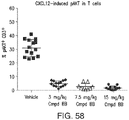
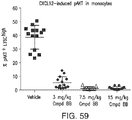
- a method of reducing CXCL12-induced CD3+ T cell migration, or CXCL12-induced differentiated macrophage migration into a tumor microenvironment, in a subject includes administering to the subject a PI3K gamma inhibitor or a compound as described herein (e.g., a compound of any of Formulae (I"), (I'), (A'), (I), (A), (II), (III), (IV), (V), (VI), (VII), (IX), (X), (XI), (XII), (XIII), (XIV), (XV), (XVI), and (XVII), e.g., Compound 4, as described herein), in an amount sufficient to reduce or inhibit the CXCL12-induced CD3+ T cell migration, or CXCL12-induced differentiated macrophage migration into a tumor microenvironment in the subject.
- a PI3K gamma inhibitor or a compound as described herein e.g., a compound of any of Formulae
- the subject has, or is idenfied as having, a reduction in p-AKT levels after administration of the PI3K gamma inhibitor or a compound as described herein.
- the PI3K gamma inhibitor is administered at a dose such that it selectively inhibits PI3K-gamma but achieves less than 10% or 20% inhibition of PI3K-delta.
- the PI3K gamma inhibitor or a compound as described herein is administered at a dose such that the compound's level in the subject's blood does not rise higher than a predetermined level, e.g., the IC50 of PI3K-delta, within a selected time period, e.g., 24 hours.
- a predetermined level e.g., the IC50 of PI3K-delta
- the PI3K gamma inhibitor or a compound as described herein is administered at a dose such that the compound's level in the subject's blood does not rise higher than a predetermined level, e.g., the IC20 of PI3K-delta, within a selected time period, e.g., 24 hours.
- a method of reducing one or more activities of a pro-tumor immune cell in a subject having a cancer includes administering to the subject a PI3K gamma inhibitor or a compound as described herein (e.g., a compound of any of Formulae (I"), (I'), (A'), (I), (A), (II), (III), (IV), (V), (VI), (VII), (IX), (X), (XI), (XII), (XIII), (XIV), (XV), (XVI), and (XVII), e.g., Compound 4, as described herein), in an amount sufficient to reduce or inhibit the one or more activities of the pro-tumor immune cell.
- a PI3K gamma inhibitor or a compound as described herein e.g., a compound of any of Formulae (I"), (I'), (A'), (I), (A), (II), (III), (IV), (V), (VI), (II),
- the pro-tumor immune cell is a T-cell, an M2 macrophage, a stromal cell, a dendritic cell, an endothelial cell, or a myeloid cell.
- the myeloid cell is a tumor associated suppressive myeloid cell.
- the tumor associated suppressive myeloid cell is a tumor associated macrophage (TAM), a myeloid derived suppressor cell (MDSC), a monocytic immature myeloid cell (iMc), or a granulocytic iMc/neutrophil.
- the subject has, or is identified as having, a decrease in numbers of pro-tumor immune cells in a tumor microenvironment, compared to a reference value, after administration of the PI3K gamma inhibitor or a compound as described herein.
- the amount of the administered is sufficient to produce a decrease in numbers of pro-tumor immune cells in a tumor microenvironment, compared to a reference value, after administration of the PI3K gamma inhibitor or a compound as described herein.
- the subject has, or is identified as having, increased activity of anti-tumor immune cells, compared to a reference value, after administration of the PI3K gamma inhibitor or a compound as described herein.
- the amount of the PI3K gamma inhibitor or a compound as described herein is sufficient to produce increased activity of anti-tumor immune cells, compared to a reference value, after administration of the PI3K gamma inhibitor or the compound as described herein.
- the subject has, or is identified as having, increased infiltation of anti-tumor immune cells into a tumor microenvironment, compared to a reference value, after administration of the PI3K gamma inhibitor or a compound as described herein.
- the amount of PI3K-gamma inhibitor is sufficient to produce increased infiltation of anti-tumor immune cells into a tumor microenvironment, compared to a reference value, after administration of the PI3K gamma inhibitor or a compound as described herein.
- the subject has, or is identified as having, an increase in number of anti-tumor immune cells in a tumor microenvironment, compared to a reference value, after administration of the PI3K gamma inhibitor or a compound as described herein.
- the amount of PI3K-gamma inhibitor is sufficient to produce an increase in number of anti-tumor immune cells in a tumor microenvironment, compared to a reference value, after administration of the PI3K gamma inhibitor or a compound as described herein.
- the cancer is a CLL.
- the tumor microenvironment is a CLL proliferation center.
- the subject has, or is identified as having, reduced tumor volume, compared to a reference value, after administration of the PI3K gamma inhibitor or a compound as described herein.
- the amount of the PI3K gamma inhibitor or a compound as described herein is sufficient to produce reduced tumor volume, compared to a reference value, after administration of the PI3K gamma inhibitor or the compound as described herein.
- the amount of the PI3K gamma inhibitor or a compound as described herein is sufficient to produce a reduction of at least 10%, 20%, 30%, 50%, 60%, or 60% in tumor volume, compared to a reference value, after administration of the PI3K gamma inhibitor or the compound as described herein.
- the subject has, or is identified as having, an increased level of apoptosis in the cancer cells, compared to a reference value, after administration of the PI3K gamma inhibitor or a compound as described herein.
- the amount of PI3K gamma inhibitor is sufficient to produce an increased level of apoptosis in the cancer cells, compared to a reference value, after administration of the PI3K gamma inhibitor or a compound as described herein.
- the subject has, or is identified as having, a 10%, 20%, 30%, 40%, or 50% increase in apoptosis in the cancer cells, compared to a reference value, after administration of the PI3K gamma inhibitor or a compound as described herein.
- the amount of the PI3K gamma inhibitor or a compound as described herein is sufficient to produce a 10%, 20%, 30%, 40%, or 50% increase in apoptosis in the cancer cells, compared to a reference value, after administration of the PI3K gamma inhibitor or the compound as described herein.
- the anti-tumor immune cell is an M1 macrophage.
- the one activity is choosen from one or more of migration of the cell, or signaling to an anti-tumor immune cell.
- the subject has, or is determined to have reduced levels of p-AKT in the pro-tumor immune cell, compared to a reference value, after administration of the PI3K gamma inhibitor or the compound.
- the amount is sufficient to reduce p-AKT in the pro-tumor immune cell, compared to a reference value, after administration of the PI3K gamma inhibitor or the compound.
- the subject has, or is determined to have a reduction of p-AKT levels by about 10%, 20%, 30%, 40%, 50%, or 60%, compared to a reference value, after administration of the PI3K gamma inhibitor or the compound.
- the subject has, or is determined to have a reduction of p-AKT levels by about 10%, 20%, 30%, 40%, 50%, or 60%, compared to a reference value, after administration of the PI3K gamma inhibitor or the compound.
- the subject has, or is determined to have lung cancer, breast cancer, colon cancer, or glioblastoma.
- the breast cancer is triple negative breast cancer.
- a method of reducing the level of M2 macrophages in a tumor microenvironment in a subject having a cancer includes administering to the subject a PI3K gamma inhibitor or a compound as described herein (e.g., a compound of any of Formulae (I"), (I'), (A'), (I), (A), (II), (III), (IV), (V), (VI), (VII), (IX), (X), (XI), (XII), (XIII), (XIV), (XV), (XVI), and (XVII), e.g., Compound 4, as described herein), in an amount sufficient to reduce the level of M2 macrophages in a tumor microenvironment.
- a PI3K gamma inhibitor or a compound as described herein e.g., a compound of any of Formulae (I"), (I'), (A'), (I), (A), (II), (III), (IV), (V), (VI), (VII
- reducing the level of M2 macrophages comprises reducing or inhibiting the differentiation of a tumor associated myeloid cell into an M2 macrophage. Differentiation into an M2 macrophage can be measured by decreased ARG1 levels compared to a reference value, after administration of the compound.
- the ARG1 level is reduced by at least 10%, 20%, 30%, 40%, 50%, 60%, 70%, 80%, or 90% compared to a reference value, after administration of the compound.
- differentiation into an M2 macrophage is measured by decreased VEGF levels compared to a reference value, after administration of the compound.
- the VEGF level is reduced by at least 10%, 20%, 30%, 40%, 50%, 60%, 70%, 80%, or 90% compared to a reference value, after administration of the compound.
- the subject has, or is determined to have, a normal level of differentiation of myeloid cells into M1 macrophages.
- the amount is such that the compound does not reduce differentiation of myeloid cells into M1 macrophages.
- the subject has, or is determined to have, increased anti-tumor immune attack by effector T cells, reduced vascularization of a tumor, reduced ECM breakdown, decreased tumor growth, or any combination thereof, compared to a reference value, after administration of the compound.
- the cancer is, or is determined to be, a solid tumor (e.g., a cancer chosen from lung cancer, breast cancer, colon cancer, or glioblastoma).
- a solid tumor e.g., a cancer chosen from lung cancer, breast cancer, colon cancer, or glioblastoma.
- the cancer is, or is determined to be, a hematological cancer.
- a method of treating a PI3K-mediated disorder in a subject comprising administering to a subject a PI3K gamma inhibitor or a compound as described herein (e.g., a compound of any of Formulae (I"), (I'), (A'), (I), (A), (II), (III), (IV), (V), (VI), (VII), (IX), (X), (XI), (XII), (XIII), (XIV), (XV), (XVI), and (XVII), e.g., Compound 4, as described herein) and an immunomodulator.
- a compound of any of Formulae (I"), (I'), (A'), (I), (A), (II), (III), (IV), (V), (VI), and (XVII e.g., Compound 4, as described herein
- the PI3K-mediated disorder is a cancer, autoimmune disease, or inflammatory disease.
- the cancer is of hematopoietic origin, e.g., a cancer chosen from a leukemia or lymphoma, e.g., B-cell lymphoma, T-cell lymphoma, non-Hodgkin's lymphoma, Hodgkin lymphoma, or anaplastic large cell lymphoma.
- a cancer chosen from a leukemia or lymphoma, e.g., B-cell lymphoma, T-cell lymphoma, non-Hodgkin's lymphoma, Hodgkin lymphoma, or anaplastic large cell lymphoma.
- the lymphoma is follicular B cell lymphoma.
- the cancer is a solid tumor, e.g., a cancer chosen from a breast cancer, a lung cancer, a colon cancer, melanoma, or a glioblastoma.
- the cancer is melanoma, bladder cancer, head and neck cancer, lung cancer (e.g., non-small cell lung cancer), renal cell carcinoma, ovarian cancer, breast cancer (e.g., triple-negative breast cancer), colon cancer, or glioblastoma.
- the subject is naive to immunotherapy treatment. In some embodiments, the subject is or has been responsive to an immunotherapy treatment. In one embodiment, the immunotherapy treatment is a treatment with a PD-1 or PD-L1 inhibitor.
- the immunomodulator is an immune checkpoint therapy , e.g., an immune checkpoint therapy chosen from is an inhibitor of PD-1, PD-L1, PD-L2, CTLA4, TIM3, LAG3, VISTA, BTLA, TIGIT, LAIR1, CD160, 2B4, TGFR-beta, or IDO/TDO, or any combination thereof.
- an immune checkpoint therapy is an inhibitor of CTLA-4, PD-1, or PD-L1.
- the immune checkpoint therapy can be chosen from an antibody or fragment thereof, an inhibitory nucleic acid, a soluble ligand, or a fusion of an immune checkpoint therapy (e.g., CTLA-4, PD-1, or PD-1 ligand) with a Fc region of an immunoglobulin.
- an immune checkpoint therapy e.g., CTLA-4, PD-1, or PD-1 ligand
- the immunomodulator is an activator of a costimulatory molecule.
- the agonist of the costimulatory molecule is chosen from an agonist (e.g., an agonistic antibody or antigen-binding fragment thereof, or a soluble fusion) of OX40, CD2, CD27, CDS, ICAM-1, LFA-1 (CD11a/CD18), ICOS (CD278), 4-1BB (CD137), GITR, CD30, CD40, BAFFR, HVEM, CD7, LIGHT, NKG2C, SLAMF7, NKp80, CD160, B7-H3 or CD83 ligand.
- an agonist e.g., an agonistic antibody or antigen-binding fragment thereof, or a soluble fusion
- OX40 e.g., an agonistic antibody or antigen-binding fragment thereof, or a soluble fusion
- CD2 e.g., an agonistic antibody or antigen-binding fragment thereof, or a
- the immunomodulator is chosen from a costimulatory ligand, a MCSF/CSF-1R inhibitor, an immunostimulant, a CXCR4/CXCL12 inhibitor, a CCL2 inhibitor, or a CCR2 inhibitor.
- the PI3K gamma inhibitor or a compound as described herein and the immunomodulator are in a single dosage form.
- the PI3K gamma inhibitor or a compound as described herein and the immunomodulator are in separate dosage forms.
- the PI3K gamma inhibitor or a compound as described herein and the immunomodulator are administered concurrently.
- the PI3K gamma inhibitor or a compound as described herein is administered subsequent to the immunomodulator.
- the PI3K gamma inhibitor or a compound as described herein is administered prior to the immunomodulator.
- the effective amount of the PI3K gamma inhibitor or a compound as described herein, the immunomodulator, or both that is an amount sufficient to cause a decrease in tumor growth of at least 10%, 20%, 30%, 40%, or 50% compared to a reference value, is reduced.
- the subject has, or is determined to have, a decrease in tumor growth of at least 10%, 20%, 30%, 40%, or 50% compared to a reference value, after administration of the PI3K gamma inhibitor or the compound.
- the method comprises administration an immune checkpoint therapy, e.g., a PD-1 or PD-L1 inhibitor (e.g., an anti-PD-1 antibody or an anti-PD-L1 antibody).
- an immune checkpoint therapy e.g., a PD-1 or PD-L1 inhibitor (e.g., an anti-PD-1 antibody or an anti-PD-L1 antibody).
- the method further comprises administering an effective amount of a PI3K- ⁇ inhibitor or the compound to the subject.
- the level of the PI3K gamma inhibitor in the subject's blood is above a predetermined value, e.g., the IC50 of PI3K-gamma, during at least 70%, 80%, 90%, 95%, 97%, 98%, 99%, or 99% of a selected time period, e.g., 24 hours, immediately following the treatment.
- a predetermined value e.g., the IC50 of PI3K-gamma
- the level of the PI3K gamma inhibitor in the subject's blood is below a predetermined value, e.g., the IC50 of PI3K-delta, during at least 70%, 80%, 90%, 95%, 97%, 98%, 99%, or 99% of a selected time period, e.g., 24 hours, immediately following the treatment.
- a predetermined value e.g., the IC50 of PI3K-delta
- the level of the PI3K gamma inhibitor or the compound in the subject's blood is below a predetermined value, e.g., the IC20 of PI3K-delta, during at least 70%, 80%, 90%, 95%, 97%, 98%, 99%, or 99% of a selected time period, e.g., 24 hours, immediately following the treatment.
- a predetermined value e.g., the IC20 of PI3K-delta
- compositions comprising the aforesaid combinations of PI3K gamma inhibitor and the immunomodulator are also provided.
- the compositions can be provided in the same or in separate dosage forms.
- the compositions can further include a pharmaceutically acceptable excipient.
- the invention features a method of treating a PI3K-mediated disorder in a subject, comprising administering to the subject a synergistic combination of a PI3K gamma inhibitor (e.g., a compound of any of Formulae (I"), (I'), (A'), (I), (A), (II), (III), (IV), (V), (VI), (VII), (IX), (X), (XI), (XII), (XIII), (XIV), (XV), (XVI), and (XVII), e.g., Compound 4, as described herein) and a PI3K- ⁇ inhibitor.
- a PI3K gamma inhibitor e.g., a compound of any of Formulae (I"), (I'), (A'), (I), (A), (II), (III), (IV), (V), (VI), (XVII), e.g., Compound 4, as described herein
- a PI3K- ⁇ inhibitor
- the PI3K-mediated disorder is a cancer, autoimmune disease, or inflammatory disease.
- the cancer is of hematopoietic origin, e.g., a cancer chosen from a leukemia or lymphoma, e.g., B-cell lymphoma, T-cell lymphoma, non-Hodgkin's lymphoma, Hodgkin lymphoma, or anaplastic large cell lymphoma.
- a cancer chosen from a leukemia or lymphoma, e.g., B-cell lymphoma, T-cell lymphoma, non-Hodgkin's lymphoma, Hodgkin lymphoma, or anaplastic large cell lymphoma.
- the cancer is a solid tumor, e.g., a cancer chosen from a breast cancer, a lung cancer, a colon cancer, or a glioblastoma.
- the PI3K gamma inhibitor and the PI3K- ⁇ inhibitor are in a single dosage form.
- the PI3K gamma inhibitor and the PI3K- ⁇ inhibitor are in separate dosage forms.
- the PI3K gamma inhibitor and the PI3K- ⁇ inhibitor are administered concurrently.
- the PI3K gamma inhibitor is administered subsequent to the PI3K- ⁇ inhibitor.
- the PI3K gamma inhibitor is administered prior to the PI3K- ⁇ inhibitor.
- the PI3K gamma inhibitor is a selective PI3K- ⁇ inhibitor, e.g., has a delta/gamma selectivity ratio of greater than about 1 to ⁇ 10, greater than about 10 to ⁇ 50, or greater than about 50 to ⁇ 350.
- the concentration of the PI3K gamma inhibitor, e.g., Compound 4, that is required to achieve inhibition, e.g., 50% inhibition, is lower (e.g., at least 20%, 30%, 40%, or 50% lower) when the PI3K gamma inhibitor is administered in combination with the PI3K- ⁇ inhibitor than when the PI3K gamma inhibitor is administered individually.
- the concentration of the PI3K- ⁇ inhibitor that is required to achieve inhibition is lower (e.g., at least 20%, 30%, 40%, or 50% lower) when the second therapeutic agent is administered in combination with the PI3K gamma inhibitor than when the PI3K- ⁇ inhibitor is administered individually.
- the dose of the PI3K gamma inhibitor that is required to achieve inhibition is lower (e.g., at least 20%, 30%, 40%, or 50% lower) when the PI3K gamma inhibitor is administered in combination with the PI3K- ⁇ inhibitor than when the PI3K gamma inhibitor is administered individually.
- the dose of the second therapeutic agent that is required to achieve inhibition is lower (e.g., at least 20%, 30%, 40%, or 50% lower) when the second therapeutic agent is administered in combination with the PI3K gamma inhibitor than when the PI3K- ⁇ inhibitor is administered individually.
- the combination is synergistic as indicated by a combination index value that is less than 0.7, 0.5, or 0.1 for the combination of the PI3K gamma inhibitor and the PI3K- ⁇ inhibitor.
- the combination index value is assessed at 50% inhibition.
- the combination index value is assessed at 50% growth inhibition.
- the combination is synergistic as indicated by a Synergy Score that is greater than 1, 2, or 3, for the combination of the PI3K gamma inhibitor and the second therapeutic agent.
- the combination is synergistic as indicated by a Synergy Score that is greater than 1, 2, or 3, for the combination of the PI3K gamma inhibitor and the PI3K- ⁇ inhibitor for inhibition or growth inhibition.
- the anti-cancer effect provided by the composition greater than the anti-cancer effect provided by the monotherapy with the PI3K gamma inhibitor or pharmaceutically acceptable form thereof e.g., is at least 2 fold greater, at least 3 fold greater, at least 5 fold greater, or at least 10 fold greater.
- the anti-cancer effect provided by the composition is greater than the anti-cancer effect provided by the monotherapy with the PI3K- ⁇ inhibitor or pharmaceutically acceptable form thereof, e.g., is at least 2 fold greater, at least 3 fold greater, at least 5 fold greater, or at least 10 fold greater.
- one or more side effects of the composition is reduced compared with the side effects of administering a monotherapy comprising the PI3K gamma inhibitor or pharmaceutically acceptable form thereof, without PI3K- ⁇ inhibitor or pharmaceutically acceptable form thereof, at a dose that achieves the same therapeutic effect.
- one or more side effects of the composition is reduced compared with the side effects of administering a monotherapy comprising the PI3K- ⁇ inhibitor or pharmaceutically acceptable form thereof, without the PI3K gamma inhibitor or pharmaceutically acceptable form thereof, at a dose that achieves the same therapeutic effect.
- the invention features a composition comprising a synergistic combination of a a PI3K gamma inhibitor (e.g., a compound of any of Formulae (I"), (I'), (A'), (I), (A), (II), (III), (IV), (V), (VI), (VII), (IX), (X), (XI), (XII), (XIII), (XIV), (XV), (XVI), and (XVII), e . g ., Compound 4, as described herein) and a PI3K- ⁇ inhibitor.
- a PI3K gamma inhibitor e.g., a compound of any of Formulae (I"), (I'), (A'), (I), (A), (II), (III), (IV), (V), (VI), (XVI), e . g ., Compound 4, as described herein
- a PI3K gamma inhibitor e.g., Compound 4, as described herein
- the PI3K- ⁇ inhibitor is a selective PI3K- ⁇ inhibitor, e.g., has a delta/gamma selectivity ratio of greater than about 1 to ⁇ 10, greater than about 10 to ⁇ 50, or greater than about 50 to ⁇ 350.
- the molar ratio of the PI3K gamma inhibitor to the PI3K- ⁇ inhibitor is in the range of from about 10000:1 to about 1:10000.
- the molar ratio of the PI3K gamma inhibitor to the PI3K- ⁇ inhibitor is in the range of from about 10:1 to about 1:10.
- the composition comprises the PI3K gamma inhibitor, or pharmaceutically acceptable form thereof, at an amount of in the range of from about 0.01 mg to about 75 mg and the PI3K- ⁇ inhibitor, or pharmaceutically acceptable form thereof, at an amount of in the range of from about 0.01 mg to about 1100 mg.
- the PI3K gamma inhibitor or pharmaceutically acceptable form thereof, and the PI3K- ⁇ inhibitor or pharmaceutically acceptable form thereof are the only therapeutically active ingredients.
- the PI3K gamma inhibitor or pharmaceutically acceptable form thereof, and the PI3K- ⁇ inhibitor or pharmaceutically acceptable form thereof are in a single dosage form.
- the PI3K gamma inhibitor or pharmaceutically acceptable form thereof, and the PI3K- ⁇ inhibitor or pharmaceutically acceptable form thereof are in separate dosage forms.
- the combination of the PI3K gamma inhibitor and the PI3K- ⁇ inhibitor are synergistic in treating a cancer, inflammatory disease, or autoimmune disease.
- the concentration of the PI3K gamma inhibitor that is required to achieve inhibition is lower (e.g., at least 20%, 30%, 40%, or 50% lower) when the Compound 4 is administered in combination with the PI3K- ⁇ inhibitor than when the Compound 4 is administered individually.
- the concentration of the second therapeutic agent that is required to achieve inhibition is lower (e.g., at least 20%, 30%, 40%, or 50% lower) when the second therapeutic agent is administered in combination with the PI3K gamma inhibitor than when the second therapeutic agent is administered individually.
- the dose of the PI3K gamma inhibitor that is required to achieve inhibition is lower (e.g., at least 20%, 30%, 40%, or 50% lower) when the PI3K gamma inhibitor is administered in combination with the PI3K- ⁇ inhibitor than when the PI3K gamma inhibitor is administered individually.
- the dose of the second therapeutic agent that is required to achieve inhibition is lower (e.g., at least 20%, 30%, 40%, or 50% lower) when the second PI3K- ⁇ inhibitor is administered in combination with the PI3K gamma inhibitor than when the PI3K- ⁇ inhibitor is administered individually.
- the combination is synergistic as indicated by a combination index value that is less than 0.7, 0.5, or 0.1 for the combination of the PI3K gamma inhibitor and the PI3K- ⁇ inhibitor.
- the combination index value is assessed at 50% inhibition.
- the combination index value is assessed at 50% growth inhibition.
- the combination is synergistic as indicated by a Synergy Score that is greater than 1, 2, or 3, for the combination of the PI3K gamma inhibitor and the PI3K- ⁇ inhibitor
- the combination is synergistic as indicated by a Synergy Score that is greater than 1, 2, or 3, for the combination of the PI3K gamma inhibitor and the PI3K- ⁇ inhibitor for inhibition or growth inhibition.
- the anti-cancer effect provided by the composition greater than the anti-cancer effect provided by the monotherapy with the PI3K gamma inhibitor or pharmaceutically acceptable form thereof e.g., is at least 2 fold greater, at least 3 fold greater, at least 5 fold greater, or at least 10 fold greater.
- the anti-cancer effect provided by the composition is greater than the anti-cancer effect provided by the monotherapy with the PI3K- ⁇ inhibitor or pharmaceutically acceptable form thereof, e.g., is at least 2 fold greater, at least 3 fold greater, at least 5 fold greater, or at least 10 fold greater.
- one or more side effects of the composition is reduced compared with the side effects of administering a monotherapy comprising the PI3K gamma inhibitor or the compound, or pharmaceutically acceptable form thereof, without the PI3K- ⁇ inhibitor or the compound, pharmaceutically acceptable form thereof, at a dose that achieves the same therapeutic effect.
- one or more side effects of the composition is reduced compared with the side effects of administering a monotherapy comprising the PI3K- ⁇ inhibitor or pharmaceutically acceptable form thereof, without the PI3K gamma inhibitor or pharmaceutically acceptable form thereof, at a dose that achieves the same therapeutic effect.
- compositions further comprise a pharmaceutically acceptable excipient.
- the invention features a method of treating or preventing a bone disorder, e.g., a method of reducing osteoclast activity in a subject having a bone formation disorder.
- the method includes administering a PI3K gamma inhibitor or a compound as described herein (e.g., a compound of any of Formulae (I"), (I'), (A'), (I), (A), (II), (III), (IV), (V), (VI), (VII), (IX), (X), (XI), (XII), (XIII), (XIV), (XV), (XVI), and (XVII), e.g., Compound 4, as described herein) in an amount sufficient to treat or prevent the bone disorder.
- a PI3K gamma inhibitor or a compound as described herein e.g., a compound of any of Formulae (I"), (I'), (A'), (I), (A), (II), (III), (IV), (V), (VI),
- the effective amount of the PI3K gamma inhibitor is an amount sufficient to reduce the number of osteoclasts in the subject compared to a reference value, after administration of the compound.
- the effective amount of the PI3K gamma inhibitor is an amount sufficient to reduce the number of osteoclasts in the subject by about 10%, 20%, 30%, 40%, 50%, 60%, 70%, 80%, or 90% compared to a reference value, after administration of the compound.
- the subject has, or is determined to have, a reduction in the number of osteoclasts compared to a reference value, after administration of the compound.
- the subject has, or is determined to have, a reduction in the number of osteoclasts by about 10%, 20%, 30%, 40%, 50%, 60%, 70%, 80%, or 90% compared to a reference value, after administration of the compound.
- the effective amount is an amount sufficient to result in decreased differentiation of a macrophage into an osteoclast.
- the effective amount is an amount sufficient to result in differentiation of macrophages into osteoclasts being reduced by about 10%, 20%, 30%, 40%, 50%, 60%, 70%, 80%, or 90%.
- the subject has, or is determined to have, decreased differentiation of a macrophage into an osteoclast.
- the subject has, or is determined to have, differentiation of macrophages into osteoclasts being reduced by about 10%, 20%, 30%, 40%, 50%, 60%, 70%, 80%, or 90%.
- differentiation is measured by identifying TRAP positive cells.
- the bone formation disorder is osteoporosis, osteoporosis pseudoglioma, hyperparathyroidism, hyperthyroidism, Paget's disease, hyperphosphatasemia, fibrous dysplasia, osteogenesis imperfecta, primary and secondary hyperparathyroidism and associated syndromes, hypercalciuria, metastatic osteolytic carcinomas (including medullary carcinoma of the thyroid gland, prostate, renal, breast, and lung cancer), or osteomalacia.
- the compounds provide herein is used in the treatment of osteolytic cancer metastases, fracture repair, rheumatoid arthritis, or other autoimmune diseases to damage of bone and joints.
- a compound provided herein e.g., a compound of any of Formulae (I"), (I'), (A'), (I), (A), (II), (III), (IV), (V), (VI), (VII), (IX), (X), (XI), (XII), (XIII), (XIV), (XV), (XVI), and (XVII), e.g., a selective PI3K- ⁇ inhibitor, e.g., Compound 4), or a pharmaceutically acceptable form thereof.
- a compound provided herein e.g., a compound of any of Formulae (I"), (I'), (A'), (I), (A), (II), (III), (IV), (V), (VI), (II), e.g., a selective PI3K- ⁇ inhibitor, e.g., Compound 4), or a pharmaceutically acceptable form thereof.
- the number of osteoclasts in the subject is reduced by about 10%, 20%, 30%, 40%, 50%, 60%, 70%, 80%, or 90% compared to a reference value, after administration of the compound.
- the differentiation of macrophage cells into osteoclasts is reduced by about 10%, 20%, 30%, 40%, 50%, 60%, 70%, 80%, or 90% compared to a reference value, after administration of the compound.
- the differentiation of macrophage cells into osteoclasts is measured by identifying TRAP positive cells.
- the method does not result in disruption of the function of differentiated osteoclasts.
- the bone formation disorder is osteoporosis, osteoporosis pseudoglioma, hyperparathyroidism, hyperthyroidism, Paget's disease, hyperphosphatasemia, fibrous dysplasia, osteogenesis imperfecta, primary and secondary hyperparathyroidism and associated syndromes, hypercalciuria, metastatic osteolytic carcinomas (including medullary carcinoma of the thyroid gland, prostate, renal, breast, and lung cancer),, or osteomalacia.
- the invention features a method of treating a solid tumor, comprising administering to a subject in need thereof an effective amount of a PI3K gamma inhibitor or a compound as described herein (e.g., a compound of any of Formulae (I"), (I'), (A'), (I), (A), (II), (III), (IV), (V), (VI), (VII), (IX), (X), (XI), (XII), (XIII), (XIV), (XV), (XVI), and (XVII), e.g., Compound 4, as described herein): or a pharmaceutically acceptable form thereof.
- a PI3K gamma inhibitor or a compound as described herein e.g., a compound of any of Formulae (I"), (I'), (A'), (I), (A), (II), (III), (IV), (V), (VI), (XVII), e.g., Compound 4, as described herein: or a pharmaceutically
- the treatment can be, e.g., either prior to administering the radiation therapy, after administering radiation therapy, or at the same time as administering radiation therapy. In another embodiment, the treatment can be, e.g., either after administering radiation therapy, or at the same time as administering radiation therapy. In another embodiment, the treatment can be after administering radiation therapy.
- the cancer is selected from one or more of: a cancer of the pulmonary system, a brain cancer, a cancer of the gastrointestinal tract, a skin cancer, a genitourinary cancer, a pancreatic cancer, a lung cancer, a medullobastoma, a basal cell carcinoma, a glioma, a breast cancer, a prostate cancer, a testicular cancer, an esophageal cancer, a hepatocellular cancer, a gastric cancer, a gastrointestinal stromal tumor (GIST), a colon cancer, a colorectal cancer, an ovarian cancer, a melanoma, a neuroectodermal tumor, head and neck cancer, a sarcoma, a soft-tissue sarcoma, fibrosarcoma, myxosarcoma, liposarcoma, a chondrosarcoma, an osteogenic sarcoma, a chordoma,
- the solid tumor is a lung tumor, breast tumor, colon tumor, brain tumor, bone tumor, glioblastoma, or a metastatic lesion thereof.
- the combination of radiation and/or PI3K-gamma inhibition is such that accumulation of tumor supporting-myeloid cells into the radiated tumor is reduced or prevented, thus impairing tumor regrowth following radiation therapy.
- the present disclosure provides a method of treating (e.g., ameliorating, preventing, and/or managing) a pulmonary or respiratory disease in a subject, comprising administering to a subject in need thereof by inhalation a therapeutically or prophylactically effective amount of a PI3K gamma inhibitor or a compound as described herein (e.g., a compound of any of Formulae (I"), (I'), (A'), (I), (A), (II), (III), (IV), (V), (VI), (VII), (IX), (X), (XI), (XIII), (XIV), (XV), (XVI), and (XVII), e.g., Compound 4, as described herein): or an enantiomer, a mixture of enantiomers, or a mixture of two or more diastereomers thereof, or a pharmaceutically acceptable form thereof.
- a PI3K gamma inhibitor or a compound as described herein e.g., Com
- this disclosure provides a method of eliciting a prolonged anti-inflammatory effect in a lung in a subject suffering from a pulmonary or respiratory disease, comprising administering to the subject by inhalation a therapeutically or prophylactically effective amount of the PI3K gamma inhibitor or a compound as described herein (e.g., Compound 4) or an enantiomer, a mixture of enantiomers, or a mixture of two or more diastereomers thereof, or a pharmaceutically acceptable form thereof, wherein the compound is retained in lung for a period longer than what is provided by oral administration.
- a therapeutically or prophylactically effective amount of the PI3K gamma inhibitor or a compound as described herein e.g., Compound 4
- an enantiomer, a mixture of enantiomers, or a mixture of two or more diastereomers thereof, or a pharmaceutically acceptable form thereof wherein the compound is retained in lung for a period longer than what is provided by oral administration.
- the compound is retained in the lung for a period that is sufficient to administer the compound once a day, twice a day, three times a day, four times a day, five times a day, or once every two day.
- the compound is retained in lung for about 1 hour, about 3 hours, about 6 hours, about 12 hours, about 24 hours, about 48 hours, or about 72 hours longer than what is provided by oral administration.
- the compound is administered at a dose of less than 0.01 ⁇ g/kg/day, less than 0.02 ⁇ g/kg/day, less than 0.05 ⁇ g/kg/day, less than 0.1 ⁇ g/kg/day, less than 0.2 ⁇ g/kg/day, less than 0.5 ⁇ g/kg/day, less than 1 ⁇ g/kg/day, less than 2 ⁇ g/kg/day, less than 5 ⁇ g/kg/day, less than 10 ⁇ g/kg/day, less than 20 ⁇ g/kg/day, less than 50 ⁇ g/kg/day, or less than 100 ⁇ g/kg/day.
- the compound is administered at a dose of about 0.01 ⁇ g/kg/day, about 0.02 ⁇ g/kg/day, about 0.05 ⁇ g/kg/day, about 0.1 ⁇ g/kg/day, about 0.2 ⁇ g/kg/day, about 0.5 ⁇ g/kg/day, about 1 ⁇ g/kg/day, about 2 ⁇ g/kg/day, about 5 ⁇ g/kg/day, about 10 ⁇ g/kg/day, about 20 ⁇ g/kg/day, about 50 ⁇ g/kg/day, or about 100 ⁇ g/kg/day.
- the compound is administered at a dose of from about 0.01 ⁇ g/kg/day to about 100 ⁇ g/kg/day, from about 0.01 ⁇ g/kg/day to about 50 ⁇ g/kg/day, from about 0.01 ⁇ g/kg/day to about 20 ⁇ g/kg/day, from about 0.01 ⁇ g/kg/day to about 10 ⁇ g/kg/day, from about 0.01 ⁇ g/kg/day to about 5 ⁇ g/kg/day, from about 0.01 ⁇ g/kg/day to about 1 ⁇ g/kg/day, from about 0.05 ⁇ g/kg/day to about 1 ⁇ g/kg/day, or from about 0.1 ⁇ g/kg/day to about 1 ⁇ g/kg/day.
- the compound is administered once daily (QD), twice daily (BID), three times daily (TID), or four times daily (QID).
- administering an effective amount of the compound does not result in, or results in reduced, one or more common side effects associated with treatment of pulmonary or respiratory diseases.
- the common side effect associated with treatment of pulmonary or respiratory diseases is oral candidiasis, thrush, dysphonia, reflex cough, bronchospasm, poor growth, decreased bone density, disseminated varicella infection, easy bruising, cataracts, glaucoma, adrenal gland suppression, stomach upset, headache, liver test abnormalities, skin rashes, Churg Strauss syndrome, bad taste in month, cough, itching, sore throat, sneezing, stuffy nose, shortness of breath, wheezing, viral illness, upper respiratory tract infections, sinusitis, feeling dizzy or faint, hives, changes in voice, swelling of the tongue, or difficulty in swallowing.
- administering an effective amount of the compound reduces one of more of symptoms associated with pulmonary or respiratory diseases.
- the symptom associated with pulmonary or respiratory diseases is wheezing, coughing, chest tightness, shortness of breath, difficulty in breathing, or use of accessory muscle.
- administering an effective amount of the compound by inhalation results in higher than about 20%, higher than about 30%, higher than about 40%, or higher than about 50% of the administered dose of the compound remaining in lung of the subject at about 24 hours after the administration.
- administering an effective amount of the compound by inhalation results in that the lung concentration of the compound is about 100, about 200, about 500, about 1000, about 2000, about 3000, about 4000, about 5000, about 6000, about 7000, about 8000, about 9000, or about 10000 times higher than the plasma concentration of the compound at about 5 hours after the administration.
- administering an effective amount of the compound by inhalation results in that the lung concentration of the compound is about 100, about 200, about 500, about 1000, about 2000, about 3000, about 4000, about 5000, about 6000, about 7000, about 8000, about 9000, or about 10000 times higher than the plasma concentration of the compound at about 12 hours after the administration.
- administering an effective amount of the compound by inhalation results in that the lung concentration of the compound is about 100, about 200, about 500, about 1000, about 2000, about 3000, about 4000, about 5000, about 6000, about 7000, about 8000, about 9000, or about 10000 times higher than the plasma concentration of the compound at about 24 hours after the administration.
- the pulmonary or respiratory disease is selected from the group consisting of pulmonary inflammation, asthma, cystic fibrosis, emphysema, chronic obstructive pulmonary disorder (COPD), chronic bronchitis, bronchiectasis, acute respiratory distress syndrome, restrictive lung diseases, respiratory tract infections, pleural cavity diseases, pulmonary vascular disease, pulmonary embolism, pulmonary arterial hypertension, pulmonary edema, pulmonary hemorrhage, and pulmonary hyperplasia.
- COPD chronic obstructive pulmonary disorder
- the pulmonary or respiratory disease is chronic obstructive pulmonary disorder. In some embodiments, the pulmonary or respiratory disease is asthma. In some embodiments, the asthma is selected from the group consisting of severe or refractory asthma, atopic asthma, non-atopic asthma, type 1 brittle asthma, type 2 brittle asthma, asthma attack, status asthmaticus, exercise-induced asthma, and occupational asthma.
- the subject is a mammal. In some embodiments, the subject is a human.
- the method further comprises administration of an additional therapeutic agent, e.g., an agent selected from one or more of Arcapta (indacaterol maleate inhalation powder), Daliresp (roflumilast), Dulera (mometasone furoate + formoterol fumarate dihydrate), Alvesco (ciclesonide), Brovana (arformoterol tartrate), Spiriva HandiHaler (tiotropium bromide), Xolair (omalizumab), Qvar (beclomethasone dipropionate), Xopenex (levalbuterol), DuoNeb (albuterol sulfate and ipratropium bromide), Foradil Aerolizer (formoterol fumarate inhalation powder), Accolate (zafirlukast), Singulair (montelukast sodium), Flovent Rotadisk (Rotadisk (fluticasone propionate inhalation
- PI3K isoforms are provided interchangeably throughout as either the Greek letter or corresponding name.
- PI3K- ⁇ and PI3K-gamma, or PI3K- ⁇ and PI3K-delta are used interchangeably throughout.
- heterocyclyl compounds and pharmaceutically acceptable forms thereof, including, but not limited to, salts, hydrates, solvates, isomers, prodrugs, and isotopically labeled derivatives thereof.
- provided are methods of treating and/or managing various diseases and disorders which comprises administering to a patient a therapeutically effective amount of a compound provided herein, or a pharmaceutically acceptable form (e.g., salts, hydrates, solvates, isomers, prodrugs, and isotopically labeled derivatives) thereof.
- a pharmaceutically acceptable form e.g., salts, hydrates, solvates, isomers, prodrugs, and isotopically labeled derivatives
- provided are methods of preventing various diseases and disorders which comprises administering to a patient in need of such prevention a prophylactically effective amount of a compound provided herein, or a pharmaceutically acceptable form (e.g., salts, hydrates, solvates, isomers, prodrugs, and isotopically labeled derivatives) thereof.
- a prophylactically effective amount of a compound provided herein or a pharmaceutically acceptable form (e.g., salts, hydrates, solvates, isomers, prodrugs, and isotopically labeled derivatives) thereof. Examples of diseases and disorders are described herein.
- a compound provided herein, or a pharmaceutically acceptable form (e.g., salts, hydrates, solvates, isomers, prodrugs, and isotopically labeled derivatives) thereof is administered in combination with another drug (“second active agent”) or treatment.
- Second active agents include small molecules and large molecules (e.g., proteins and antibodies), examples of which are provided herein, as well as stem cells.
- Other methods or therapies that can be used in combination with the administration of compounds provided herein include, but are not limited to, surgery, blood transfusions, immunotherapy, biological therapy, radiation therapy, and other non-drug based therapies presently used to treat, prevent or manage various disorders described herein.
- compositions e.g., single unit dosage forms
- pharmaceutical compositions comprise a compound provided herein, or a pharmaceutically acceptable form (e.g., salts, hydrates, solvates, isomers, prodrugs, and isotopically labeled derivatives) thereof, and optionally one or more second active agents.
- a pharmaceutically acceptable form e.g., salts, hydrates, solvates, isomers, prodrugs, and isotopically labeled derivatives
- the term “about” or “approximately” means an acceptable error for a particular value as determined by one of ordinary skill in the art, which depends in part on how the value is measured or determined. In certain embodiments, the term “about” or “approximately” means within 1, 2, 3, or 4 standard deviations. In certain embodiments, the term “about” or “approximately” means within 50%, 20%, 15%, 10%, 9%, 8%, 7%, 6%, 5%, 4%, 3%, 2%, 1%, 0.5%, or 0.05% of a given value or range.
- agent or “biologically active agent” or “second active agent” refers to a biological, pharmaceutical, or chemical compound or other moiety.
- Non-limiting examples include simple or complex organic or inorganic molecules, a peptide, a protein, an oligonucleotide, an antibody, an antibody derivative, an antibody fragment, a vitamin, a vitamin derivative, a carbohydrate, a toxin, or a chemotherapeutic compound, and metabolites thereof.
- Various compounds can be synthesized, for example, small molecules and oligomers (e.g., oligopeptides and oligonucleotides), and synthetic organic compounds based on various core structures.
- various natural sources can provide compounds for screening, such as plant or animal extracts, and the like. A skilled artisan can readily recognize that there is no limit as to the structural nature of the agents of this disclosure.
- agonist refers to a compound or agent having the ability to initiate or enhance a biological function of a target protein or polypeptide, such as increasing the activity or expression of the target protein or polypeptide. Accordingly, the term “agonist” is defined in the context of the biological role of the target protein or polypeptide. While some agonists herein specifically interact with (e.g., bind to) the target, compounds and/or agents that initiate or enhance a biological activity of the target protein or polypeptide by interacting with other members of the signal transduction pathway of which the target polypeptide is a member are also specifically included within this definition.
- antagonists are used interchangeably, and they refer to a compound or agent having the ability to inhibit a biological function of a target protein or polypeptide, such as by inhibiting the activity or expression of the target protein or polypeptide. Accordingly, the terms “antagonist” and “inhibitor” are defined in the context of the biological role of the target protein or polypeptide. While some antagonists herein specifically interact with (e.g., bind to) the target, compounds that inhibit a biological activity of the target protein or polypeptide by interacting with other members of the signal transduction pathway of which the target protein or polypeptide are also specifically included within this definition.
- Non-limiting examples of biological activity inhibited by an antagonist include those associated with the development, growth, or spread of a tumor, or an undesired immune response as manifested in autoimmune disease.
- the term "inhibition” or “inhibitor” as used in this context includes a reduction in a certain parameter, e.g., an activity, of a given molecule, e.g., a PI3K isoform.
- inhibition of an activity, e.g., a PI3K activity of at least 5%, 10%, 20%, 30%, 40% or more is included by this term. Thus, inhibition need not be 100%.
- an “anti-cancer agent”, “anti-tumor agent” or “chemotherapeutic agent” refers to any agent useful in the treatment of a neoplastic condition.
- One class of anti-cancer agents comprises chemotherapeutic agents.
- “Chemotherapy” means the administration of one or more chemotherapeutic drugs and/or other agents to a cancer patient by various methods, including intravenous, oral, intramuscular, intraperitoneal, intravesical, subcutaneous, transdermal, or buccal administration, or inhalation, or in the form of a suppository.
- cell proliferation refers to a phenomenon by which the cell number has changed as a result of division. This term also encompasses cell growth by which the cell morphology has changed (e.g., increased in size) consistent with a proliferative signal.
- tumor refers to any neoplastic cell growth and proliferation, whether malignant or benign, and any pre-cancerous and cancerous cells and tissues.
- neoplastic refers to any form of dysregulated or unregulated cell growth, whether malignant or benign, resulting in abnormal tissue growth.
- neoplastic cells include malignant and benign cells having dysregulated or unregulated cell growth
- cancer includes, but is not limited to, solid tumors and blood born tumors.
- cancer refers to disease of skin tissues, organs, blood, and vessels, including, but not limited to, cancers of the bladder, bone or blood, brain, breast, cervix, chest, colon, endrometrium, esophagus, eye, head, kidney, liver, lymph nodes, lung, mouth, neck, ovaries, pancreas, prostate, rectum, stomach, testis, throat, and uterus.
- Hematopoietic origin refers to involving cells generated during hematopoiesis, a process by which cellular elements of blood, such as lymphocytes, leukocytes, platelets, erythrocytes and natural killer cells are generated. Cancers of hematopoietic origin includes lymphoma and leukemia.
- Resistant or “refractory” or “refractive” refers to when a cancer that has a reduced responsiveness to a treatment, e.g., up to the point where the cancer does not respond to treatment.
- the cancer can be resistant at the beginning of treatment, or it may become resistant during treatment.
- the cancer subject can have one or more mutations that cause it to become resistant to the treatment, or the subject may have developed such mutations during treatment.
- the cancer or subject has failed to respond to a given therapeutic treatment (e.g., has failed to respond by at least 10%, 20%, 30%, 40%, 50%, 60%, 70%, 80%, 90%, or 100% to a given treatment).
- Failed treatment can be measured by, e.g., tumor volume or the length of time before tumor regrowth occurs.
- hyperproliferative cancerous disease or disorder all neoplastic cell growth and proliferation, whether malignant or benign, including all transformed cells and tissues and all cancerous cells and tissues.
- Hyperproliferative diseases or disorders include, but are not limited to, precancerous lesions, abnormal cell growth, benign tumors, malignant tumors, and "cancer.”
- Combination therapy or “in combination with” refer to the use of more than one compound or agent to treat a particular disorder or condition.
- Compound 4 may be administered in combination with at least one additional therapeutic agent.
- in combination with it is not intended to imply that the other therapy and Compound 4 must be administered at the same time and/or formulated for delivery together, although these methods of delivery are within the scope of this disclosure.
- Compound 4 can be administered concurrently with, prior to (e.g., 5 minutes, 15 minutes, 30 minutes, 45 minutes, 1 hour, 2 hours, 4 hours, 6 hours, 12 hours, 24 hours, 48 hours, 72 hours, 96 hours, 1 week, 2 weeks, 3 weeks, 4 weeks, 5 weeks, 6 weeks, 8 weeks, 12 weeks, or 16 weeks before), or subsequent to ( e.g., 5 minutes, 15 minutes, 30 minutes, 45 minutes, 1 hour, 2 hours, 4 hours, 6 hours, 12 hours, 24 hours, 48 hours, 72 hours, 96 hours, 1 week, 2 weeks, 3 weeks, 4 weeks, 5 weeks, 6 weeks, 8 weeks, 12 weeks, or 16 weeks after), one or more other additional agents.
- each therapeutic agent will be administered at a dose and/or on a time schedule determined for that particular agent.
- the other therapeutic agent can be administered with Compound 4 herein in a single composition or separately in a different composition. Higher combinations, e . g ., triple therapy, are also contemplated herein.
- a "monotherapy” refers to the use of an agent individually (e . g ., as a single compound or agent), e.g., without a second active ingredient to treat the same indication, e.g., cancer.
- the term monotherapy includes the use of either the PI3K inhibitor or the second agent individually to treat the cancer.
- synergy or “synergistic” encompasses a more than additive effect of a combination of two or more agents compared to their individual effects.
- synergy or synergistic effect refers to an advantageous effect of using two or more agents in combination, e . g ., in a pharmaceutical composition, or in a method of treatment.
- one or more advantageous effects is achieved by using a PI3K inhibitor in combination with a second therapeutic agent (e.g., one or more second therapeutic agents) as described herein.
- the synergistic effect is that a lower dosage of one or both of the agents is needed to achieve an effect.
- the combination can provide a selected effect, e.g., a therapeutic effect, when at least one of the agents is administered at a lower dosage than the dose of that agent that would be required to achieve the same therapeutic effect when the agent is administered as a monotherapy.
- a PI3K inhibitor e.g., Compound 4
- a second agent as described herein
- a synergistic effect refers to the combination of a PI3K inhibitor (e.g., Compound 4, or a pharmaceutically acceptable form thereof), and a second therapeutic agent (e.g., one or more additional therapeutic agent(s), or a pharmaceutically acceptable form thereof, as described herein), results in a therapeutic effect greater than the additive effect of the PI3K inhibitor and the second agent.
- a PI3K inhibitor e.g., Compound 4, or a pharmaceutically acceptable form thereof
- a second therapeutic agent e.g., one or more additional therapeutic agent(s), or a pharmaceutically acceptable form thereof, as described herein
- a synergistic effect means that combination index value is less than a selected value, e.g., for a given effect, e.g., at a selected percentage (e.g., 50%) inhibition or growth inhibition, e.g., as described herein in the Examples.
- a synergistic effect means that the synergy score is 1 or more. In certain embodiments, the synergy score is greater than 1. In certain embodiments, the synergy score is greater than 3.
- Combination index is a measure of potency shifting.
- the combination index is known in the art and is described, e.g., in Chou et al., Adv Enzyme Regul 1984; 22: 27-55 and in U.S.
- a CI value of greater than 1 indicates antagonistic effect; a CI value of 1.0 is indicative of an additive effect; and a CI value of less than 1 is indicative of a synergistic effect resulting from the combination.
- the CI value can be determined at various percentages of inhibition or growth inhibition.
- the CI provides an estimate of the fraction of the original (monotherapy) doses of each of two drugs would be needed in combination relative to the single agent doses required to achieve a chosen effect level. For example, when the combination index has a value of 0.1, only about one tenth of the total fractional amounts of the individual agents (expressed as a fraction of the amount of that agent when administered as a monotherapy to achieve a chosen effect) are needed for the combination to reach the same chosen effect level.
- the doses of the single agents need not be reduced by the same fractional value so long as the sum of their fractional values adds up to the combination index; thus, in this example, a dose of approximately 8 mg/kg of drug A and 4 mg/kg of drug B would also achieve the chosen effect (this is 0.08 times the original dose of drug A and 0.02 times the original dose of drug B; the sum of the fractional amounts (0.08+0.02) is equal to the combination index of 0.1.)
- synergy score is a measure of the combination effects in excess of Loewe additivity.
- synergy score is a scalar measure to characterize the strength of synergistic interaction.
- the fractional inhibition for each component agent and combination point in the matrix is calculated relative to the median of all vehicle-treated control wells.
- the example Synergy Score equation integrates the experimentally-observed activity volume at each point in the matrix in excess of a model surface numerically derived from the activity of the component agents using the Loewe model for additivity. Additional terms in the Synergy Score equation (above) are used to normalize for various dilution factors used for individual agents and to allow for comparison of synergy scores across an entire experiment.
- the inclusion of positive inhibition gating or an I data multiplier removes noise near the zero effect level, and biases results for synergistic interactions at that occur at high activity levels.
- a synergy score can be calculated based on a curve fitting approach where the curvature of the synergy score is extrapolated by introducing a median value and origin value (e.g., a dose zero value).
- the synergy score measure can be used for the self-cross analysis. Synergy scores of self-crosses are expected to be additive by definition and, therefore, maintain a synergy score of zero. However, while some self-cross synergy scores are near zero, many are greater suggesting that experimental noise or non-optimal curve fitting of the single agent dose responses are contributing to the slight perturbations in the score. This strategy is cell line-centric, focusing on self-cross behavior in each cell line versus a global review of cell line panel activity. Combinations where the synergy score is greater than the mean self-cross plus two standard deviations or three standard deviations can be considered candidate synergies at 95% and 99% confidence levels, respectively. Additivity should maintain a synergy score of zero, and synergy score of two or three standard deviations indicate synergism at statistically significant levels of 95% and 99%.
- Loewe Volume (Loewe Vol) can be used to assess the overall magnitude of the combination interaction in excess of the Loewe additivity model. Loewe Volume is particularly useful when distinguishing synergistic increases in a phenotypic activity (positive Loewe Volume) versus synergistic antagonisms (negative Loewe Volume). When antagonisms are observed, the Loewe Volume should be assessed to examine if there is any correlation between antagonism and a particular drug target-activity or cellular genotype. This model defines additivity as a non-synergistic combination interaction where the combination dose matrix surface should be indistinguishable from either drug crossed with itself.
- co-administration encompass administration of two or more agents to subject so that both agents and/or their metabolites are present in the subject at the same time. Co-administration includes simultaneous administration in separate compositions, administration at different times in separate compositions, or administration in a composition in which both agents are present.
- effective amount or “therapeutically effective amount” refers to that amount of a compound or pharmaceutical composition described herein that is sufficient to effect the intended application including, but not limited to, disease treatment, as illustrated below.
- the therapeutically effective amount can vary depending upon the intended application ( in vitro or in vivo ) , or the subject and disease condition being treated, e.g., the weight and age of the subject, the severity of the disease condition, the manner of administration and the like, which can readily be determined by one of ordinary skill in the art.
- the term also applies to a dose that will induce a particular response in target cells, e.g., reduction of platelet adhesion and/or cell migration.
- the specific dose will vary depending on, for example, the particular compounds chosen, the dosing regimen to be followed, whether it is administered in combination with other agents, timing of administration, the tissue to which it is administered, and the physical delivery system in which it is carried.
- treatment As used herein, the terms “treatment”, “treating”, “palliating” and “ameliorating” are used interchangeably herein. These terms refer to an approach for obtaining beneficial or desired results including, but not limited to, therapeutic benefit.
- therapeutic benefit is meant eradication or amelioration of the underlying disorder being treated.
- a therapeutic benefit is achieved with the eradication or amelioration of one or more of the physiological symptoms associated with the underlying disorder such that an improvement is observed in the patient, notwithstanding that the patient can still be afflicted with the underlying disorder.
- the terms "prevention” and “preventing” are used herein to refer to an approach for obtaining beneficial or desired results including, but not limited, to prophylactic benefit.
- the pharmaceutical compositions can be administered to a patient at risk of developing a particular disease, or to a patient reporting one or more of the physiological symptoms of a disease, even though a diagnosis of this disease may not have been made.
- a prophylactic effect includes delaying or eliminating the appearance of a disease or condition, delaying or eliminating the onset of symptoms of a disease or condition, slowing, halting, or reversing the progression of a disease or condition, or any combination thereof.
- Signal transduction or “signaling pathway” is a process during which stimulatory or inhibitory signals are transmitted into and within a cell to elicit an intracellular response.
- a “modulator” of a signal transduction pathway refers to a compound which modulates the activity of one or more cellular proteins mapped to the same specific signal transduction pathway. A modulator can augment (agonist) or suppress or inhibit (antagonist) the activity of a signaling molecule.
- the signal transduction is mediated by one or more phosphoinositide 3-kinases (PI3Ks).
- PI3Ks are members of a conserved family of lipid kinases that regulate numerous cell functions, including proliferation, differentiation, cell survival and metabolism.
- PI3Ks Several classes of PI3Ks exist in mammalian cells, including Class IA subgroup (e.g., PI3K- ⁇ , ⁇ , ⁇ ), which are generally activated by receptor tyrosine kinases (RTKs); Class IB (e.g., PI3K-y), which is activated by G-protein coupled receptors (GPCRs), among others.
- Class IA subgroup e.g., PI3K- ⁇ , ⁇ , ⁇
- RTKs receptor tyrosine kinases
- GPCRs G-protein coupled receptors
- PI3Ks exert their biological activities via a "PI3K-mediated signaling pathway" that includes several components that directly and/or indirectly transduce a signal triggered by a PI3K, including the generation of second messenger phophotidylinositol, 3,4,5-triphosphate (PIP3) at the plasma membrane, activation of heterotrimeric G protein signaling, and generation of further second messengers such as cAMP, DAG, and IP3, all of which leads to an extensive cascade of protein kinase activation (reviewed in Vanhaesebroeck, B. et al. (2001) Annu Rev Biochem. 70:535-602 ).
- the compounds disclosed herein inhibit a PI3 kinase or PI3K) isoform, e.g., one, two, three or more of PI3K- ⁇ , ⁇ , ⁇ or - ⁇ .
- to "decrease”, “suppress,” “ameliorate,” “reduce,” “inhibit,” or the like includes decreasing a level or an activity (e.g., one or more functions) of a given molecule.
- the level of a given molecule e.g., mRNA or protein level, or the activity can be measured in a sample, or using the assays described in the Examples herein.
- a disorder or condition, or a symptom associated with a disorder or condition includes reducing the severity and/or frequency of one or more symptoms of the disorder or condition, or reducing or delaying the onset of the disorder or condition and/or one or more symptoms of the disorder or condition.
- the symptom is reduced by at least about 2%, at least about 5%, at least about 10%, at least about 15%, at least about 20%, at least about 25%, at least about 30%, at least about 40%, at least about 50%, at least about 60%, at least about 70%, at least about 80%, at least about 90%, or at least about 95% relative to a control level.
- inhibition or “inhibit” as used in this context includes a reduction in a certain parameter, e.g., an activity, of a given molecule, e.g., a PI3K isoform.
- a certain parameter e.g., an activity, of a given molecule
- inhibition of an activity e.g., a PI3K activity, of at least 5%, 10%, 20%, 30%, 40% or more is included by this term.
- inhibition need not be 100%.
- a PI3K inhibitor as disclosed herein inhibits a PI3 kinase of the gamma isoform (a "PI3K-y isoform).
- selective inhibition or “selectively inhibit” as applied to a biologically active agent refers to the agent's ability to selectively reduce the target signaling activity as compared to off-target signaling activity, via direct or indirect interaction with the target.
- a compound that selectively inhibits one isoform of PI3K over another isoform of PI3K has an activity of at least greater than about IX against a first isoform relative to the compound's activity against the second isoform (e.g., at least about 2X, 3X, 5X, 10X, 20X, 50X, 100X, 200X, 500X, or 1000X).
- these terms refer to (1) a compound of described herein that selectively inhibits the gamma isoform over the alpha, beta, or delta isoform; or (2) a compound described herein that selectively inhibits the delta isoform over the alpha or beta isoform.
- the ratio of selectivity can be greater than a factor of about 1, greater than a factor of about 2, greater than a factor of about 3, greater than a factor of about 5, greater than a factor of about 10, greater than a factor of about 50, greater than a factor of about 100, greater than a factor of about 200, greater than a factor of about 400, greater than a factor of about 600, greater than a factor of about 800, greater than a factor of about 1000, greater than a factor of about 1500, greater than a factor of about 2000, greater than a factor of about 5000, greater than a factor of about 10,000, or greater than a factor of about 20,000, where selectivity can be measured by ratio of IC50 values, which in turn can be measured by, e.g., in vitro or in vivo assays such as those described in Examples described herein.
- the selectivity of a first PI3K isoform over a second PI3K isoform is measured by the ratio of the IC50 value against the second PI3K isoform to the IC50 value against the first PI3K gamma isoform.
- a delta/gamma selectivity ratio of a compound can be measured by the ratio of the compound's inhibitory activity against the delta isoform in terms of IC50 or the like to the compound's inhibitory activity against the gamma isoform in terms of IC50 or the like. If the delta/gamma selectivity ratio is larger than 1, the compound selectively inhibits the gamma isoform over the delta isoform.
- the PI3K gamma isoform IC50 activity of a compound of provided herein can be less than about 1000 nM, less than about 500 nM, less than about 400 nM , less than about 300 nM, less than about 200 nM, less than about 100 nM, less than about 75 nM, less than about 50 nM, less than about 25 nM, less than about 20 nM, less than about 15 nM, less than about 10 nM, less than about 5 nM, or less than about 1 nM.
- the PI3K delta isoform IC50 activity of a compound provided herein can be less than about 1000 nM, less than about 500 nM, less than about 400 nM , less than about 300 nM, less than about 200 nM, less than about 100 nM, less than about 75 nM, less than about 50 nM, less than about 25 nM, less than about 20 nM, less than about 15 nM, less than about 10 nM, less than about 5 nM, or less than about 1 nM.
- a PI3K- ⁇ inhibitor selectively inhibits the gamma isoform over the alpha, beta, or delta isoform (also referred to herein as a "PI3K- ⁇ - selective inhibitor.” In one embodiment, the PI3K- ⁇ inhibitor selectively inhibits the gamma isoform over the alpha or beta isoform. In one embodiment, the PI3K- ⁇ inhibitor selectively inhibits the gamma isoform over the alpha, beta, and delta isoforms. In one embodiment, the PI3K- ⁇ inhibitor selectively inhibits the gamma isoform over the alpha and beta isoforms.
- the PI3K- ⁇ inhibitor selectively inhibits the gamma isoform over the alpha and beta isoforms, but not the delta isoform.
- the ratio of selectivity can be greater than a factor of about 10, greater than a factor of about 50, greater than a factor of about 100, greater than a factor of about 200, greater than a factor of about 400, greater than a factor of about 600, greater than a factor of about 800, greater than a factor of about 1000, greater than a factor of about 1500, greater than a factor of about 2000, greater than a factor of about 5000, greater than a factor of about 10,000, or greater than a factor of about 20,000, where selectivity can be measured by ratio of IC50 values, among other means.
- the selectivity of PI3K gamma isoform over another PI3K isoform is measured by the ratio of the IC50 value against the other PI3K isoform to the IC50 value against PI3K gamma isoform.
- the PI3 kinase gamma isoform IC50 activity of a compound as disclosed herein can be less than about 1000 nM, less than about 100 nM, less than about 10 nM, or less than about 1 nM.
- a compound that selectively inhibits one isoform of PI3K over another isoform of PI3K has an activity of at least 2X against a first isoform relative to the compound's activity against the second isoform (e.g., at least about 3X, 5X, 10X, 20X, 50X, 100X, 200X, 500X, or 1000X).
- a PI3K- ⁇ selective inhibitor is used or administered to a subject at a lower dose (e.g., by about 10%, by about 20%, by about 30%, by about 40%, by about 50%, by about 60%, by about 70%, or by about 80%) as compared to treatment with a PI3K- ⁇ non-selective or less selective PI3K- ⁇ inhibitor (e.g., a PI3Kpan inhibitors, e.g., inhibiting PI3K- ⁇ , ⁇ , ⁇ , and ⁇ ).
- a PI3K- ⁇ selective inhibitor is used or administered to a subject at a lower dose (e.g., by about 10%, by about 20%, by about 30%, by about 40%, by about 50%, by about 60%, by about 70%, or by about 80%) as compared to treatment with a PI3K- ⁇ non-selective or less selective PI3K- ⁇ inhibitor (e.g., a PI3Kpan inhibitors, e.g., inhibit
- Radionuclides e . g ., actinium and thorium radionuclides
- LET low linear energy transfer
- beta emitters beta emitters
- conversion electron emitters e.g., strontium-89 and samarium-153-EDTMP
- high-energy radiation including without limitation x-rays, gamma rays, and neutrons.
- Radiation therapy can be performed using routine methods and compositions known to the practitioner.
- a "reference value" refers to a value to which a given value can be compared.
- the reference value refers to a control (e.g., an untreated control, e.g., an untreated or placebo-treated subject or an untreated sample); the course of disease without treatment; a healthy subject or an average of healthy subjects; a subject at a different time interval, e.g., prior to, during, or after the treatment).
- Subject to which administration is contemplated includes, but is not limited to, humans (e.g., a male or female of any age group, e.g., a pediatric subject (e.g., infant, child, adolescent) or adult subject ( e.g., young adult, middle-aged adult or senior adult)) and/or other primates ( e.g., cynomolgus monkeys, rhesus monkeys); mammals, including commercially relevant mammals such as cattle, pigs, horses, sheep, goats, cats, and/or dogs; and/or birds, including commercially relevant birds such as chickens, ducks, geese, quail, and/or turkeys.
- humans e.g., a male or female of any age group, e.g., a pediatric subject (e.g., infant, child, adolescent) or adult subject (e.g., young adult, middle-aged adult or senior adult)) and/or other primates ( e.g
- in vivo refers to an event that takes place in a subject's body.
- in vitro refers to an event that takes places outside of a subject's body.
- an in vitro assay encompasses any assay conducted outside of a subject.
- In vitro assays encompass cell-based assays in which cells, alive or dead, are employed.
- In vitro assays also encompass a cell-free assay in which no intact cells are employed.
- esters include, but are not limited to, alkyl, alkenyl, alkynyl, aryl, aralkyl, and cycloalkyl esters of acidic groups, including, but not limited to, carboxylic acids, phosphoric acids, phosphinic acids, sulfonic acids, sulfinic acids, and boronic acids.
- a "pharmaceutically acceptable form” of a disclosed compound includes, but is not limited to, pharmaceutically acceptable salts, hydrates, solvates, isomers, prodrugs, and isotopically labeled derivatives of disclosed compounds.
- a “pharmaceutically acceptable form” includes, but is not limited to, pharmaceutically acceptable salts, isomers, prodrugs and isotopically labeled derivatives of disclosed compounds.
- the pharmaceutically acceptable form is a pharmaceutically acceptable salt.
- pharmaceutically acceptable salt refers to those salts which are, within the scope of sound medical judgment, suitable for use in contact with the tissues of subjects without undue toxicity, irritation, allergic response and the like, and are commensurate with a reasonable benefit/risk ratio.
- Pharmaceutically acceptable salts are well known in the art. For example, Berge et al. describes pharmaceutically acceptable salts in detail in J. Pharmaceutical Sciences (1977) 66:1-19 .
- Pharmaceutically acceptable salts of the compounds provided herein include those derived from suitable inorganic and organic acids and bases.
- Examples of pharmaceutically acceptable, nontoxic acid addition salts are salts of an amino group formed with inorganic acids such as hydrochloric acid, hydrobromic acid, phosphoric acid, sulfuric acid and perchloric acid or with organic acids such as acetic acid, oxalic acid, maleic acid, tartaric acid, citric acid, succinic acid or malonic acid or by using other methods used in the art such as ion exchange.
- inorganic acids such as hydrochloric acid, hydrobromic acid, phosphoric acid, sulfuric acid and perchloric acid
- organic acids such as acetic acid, oxalic acid, maleic acid, tartaric acid, citric acid, succinic acid or malonic acid or by using other methods used in the art such as ion exchange.
- salts include adipate, alginate, ascorbate, aspartate, benzene sulfonate, besylate, benzoate, bisulfate, borate, butyrate, camphorate, camphorsulfonate, citrate, cyclopentanepropionate, digluconate, dodecylsulfate, ethanesulfonate, formate, fumarate, glucoheptonate, glycerophosphate, gluconate, hemisulfate, heptanoate, hexanoate, hydroiodide, 2-hydroxy-ethanesulfonate, lactobionate, lactate, laurate, lauryl sulfate, malate, maleate, malonate, methanesulfonate, 2-naphthalenesulfonate, naphthalene- m , n -bissulfonates, nicotinate,
- organic acids from which salts can be derived include, for example, acetic acid, propionic acid, glycolic acid, pyruvic acid, oxalic acid, maleic acid, malonic acid, succinic acid, fumaric acid, tartaric acid, citric acid, benzoic acid, cinnamic acid, mandelic acid, methanesulfonic acid, ethanesulfonic acid, p-toluenesulfonic acid, salicylic acid, naphthalene- m , n- bissulfonic acids and the like.
- Pharmaceutically acceptable salts derived from appropriate bases include alkali metal, alkaline earth metal, ammonium and N + (C 1-4 alkyl) 4 salts.
- Representative alkali or alkaline earth metal salts include sodium, lithium, potassium, calcium, magnesium, iron, zinc, copper, manganese, aluminum, and the like.
- Further pharmaceutically acceptable salts include, when appropriate, nontoxic ammonium, quaternary ammonium, and amine cations formed using counterions such as halide, hydroxide, carboxylate, sulfate, phosphate, nitrate, lower alkyl sulfonate, and aryl sulfonate.
- Organic bases from which salts can be derived include, for example, primary, secondary, and tertiary amines, substituted amines including naturally occurring substituted amines, cyclic amines, basic ion exchange resins, and the like, such as isopropylamine, trimethylamine, diethylamine, triethylamine, tripropylamine, and ethanolamine.
- the pharmaceutically acceptable base addition salt is chosen from ammonium, potassium, sodium, calcium, and magnesium salts.
- the pharmaceutically acceptable form is a solvate (e.g., a hydrate).
- solvate refers to compounds that further include a stoichiometric or non-stoichiometric amount of solvent bound by non-covalent intermolecular forces.
- the solvate can be of a disclosed compound or a pharmaceutically acceptable salt thereof. Where the solvent is water, the solvate is a "hydrate”.
- Pharmaceutically acceptable solvates and hydrates are complexes that, for example, can include 1 to about 100, or 1 to about 10, or one to about 2, about 3 or about 4, solvent or water molecules. It will be understood that the term "compound” as used herein encompasses the compound and solvates of the compound, as well as mixtures thereof.
- the pharmaceutically acceptable form is a prodrug.
- prodrug refers to compounds that are transformed in vivo to yield a disclosed compound or a pharmaceutically acceptable form of the compound.
- a prodrug can be inactive when administered to a subject, but is converted in vivo to an active compound, for example, by hydrolysis (e.g., hydrolysis in blood).
- a prodrug has improved physical and/or delivery properties over the parent compound.
- Prodrugs are typically designed to enhance pharmaceutically and/or pharmacokinetically based properties associated with the parent compound.
- the prodrug compound often offers advantages of solubility, tissue compatibility or delayed release in a mammalian organism (see, e.g., Bundgard, H., Design of Prodrugs (1985), pp. 7-9, 21-24 (Elsevier, Amsterd am).
- Bundgard, H. Design of Prodrugs (1985), pp. 7-9, 21-24 (Elsevier, Amsterd am).
- a discussion of prodrugs is provided in Higuchi, T., et al., "Pro-drugs as Novel Delivery Systems," A.C.S. Symposium Series, Vol. 14 , and in Bioreversible Carriers in Drug Design, ed. Edward B. Roche, American Pharmaceutical Association and Pergamon Press, 1987 , both of which are incorporated in full by reference herein.
- Exemplary advantages of a prodrug can include, but are not limited to, its physical properties, such as enhanced water solubility for parenteral administration at physiological pH compared to the parent compound, or it enhances absorption from the digestive tract, or it can enhance drug stability for long-term storage.
- prodrug is also meant to include any covalently bonded carriers, which release the active compound in vivo when such prodrug is administered to a subject.
- Prodrugs of an active compound, as described herein can be prepared by modifying functional groups present in the active compound in such a way that the modifications are cleaved, either in routine manipulation or in vivo, to the parent active compound.
- Prodrugs include compounds wherein a hydroxy, amino or mercapto group is bonded to any group that, when the prodrug of the active compound is administered to a subject, cleaves to form a free hydroxy, free amino or free mercapto group, respectively.
- prodrugs examples include, but are not limited to, acetate, formate and benzoate derivatives of an alcohol or acetamide, formamide and benzamide derivatives of an amine functional group in the active compound and the like.
- Other examples of prodrugs include compounds that comprise -NO, -NO 2 , -ONO, or -ONO 2 moieties.
- Prodrugs can typically be prepared using well-known methods, such as those described in Burger's Medicinal Chemistry and Drug Discovery, 172-178, 949-982 (Manfred E. Wolff ed., 5th ed., 1995 ), and Design of Prodrugs (H. Bundgaard ed., Elsevier, New York, 1985 ).
- a prodrug can comprise a pharmaceutically acceptable ester formed by the replacement of the hydrogen atom of the acid group with a group such as (C 1 -C 8 )alkyl, (C 2 -C 12 )alkanoyloxymethyl, 1-(alkanoyloxy)ethyl having from 4 to 9 carbon atoms, 1-methyl-1-(alkanoyloxy)-ethyl having from 5 to 10 carbon atoms, alkoxycarbonyloxymethyl having from 3 to 6 carbon atoms, 1-(alkoxycarbonyloxy)ethyl having from 4 to 7 carbon atoms, 1-methyl-1-(alkoxycarbonyloxy)ethyl having from 5 to 8 carbon atoms, N-(alkoxycarbonyl)aminomethyl having from 3 to 9 carbon atoms, 1-(N-(alkoxycarbonyl)amino)ethyl
- a prodrug can be formed by the replacement of the hydrogen atom of the alcohol group with a group such as (C 1 -C 6 )alkanoyloxymethyl, 1-((C 1 -C 6 )alkanoyloxy)ethyl, 1-methyl-1-((C 1 -C 6 )alkanoyloxy)ethyl (C 1 -C 6 )alkoxycarbonyloxymethyl, N-(C 1 -C 6 )alkoxycarbonylaminomethyl, succinoyl, (C 1 -C 6 )alkanoyl, ⁇ -amino(C 1 -C 4 )alkanoyl, arylacyl and ⁇ -aminoacyl, or ⁇ -aminoacyl- ⁇ -aminoacyl, where each ⁇ -aminoacyl group is independently selected from naturally occurring L-amino acids, P(
- a prodrug can be formed by the replacement of a hydrogen atom in the amine group with a group such as R-carbonyl, RO-carbonyl, NRR'-carbonyl where R and R' are each independently (C 1 -C 10 )alkyl, (C 3 -C 7 )cycloalkyl, benzyl, a natural ⁇ -aminoacyl or natural ⁇ -aminoacyl-natural ⁇ -aminoacyl, -C(OH)C(O)OY 1 wherein Y 1 is H, (C 1 -C 6 )alkyl or benzyl, -C(OY 2 )Y 3 wherein Y 2 is (C 1 -C 4 ) alkyl and Y 3 is (C 1 -C 6 )alkyl, carboxy(C 1 -C 6 )alkyl, amino(C 1 -C 4 )al
- the pharmaceutically acceptable form is an isomer.
- “Isomers” are different compounds that have the same molecular formula.
- “Atropisomers” are stereoisomers from hindered rotation about single bonds and can be resolved or isolated by methods known to those skilled in the art. For example, certain B substituents of a compound of Formula (I) provided herein with ortho or meta substituted phenyl may form atropisomers, where they may be separated and isolated.
- Stepoisomers are isomers that differ only in the way the atoms are arranged in space.
- the term “isomer” includes any and all geometric isomers and stereoisomers.
- “isomers” include geometric double bond cis- and trans -isomers, also termed E- and Z-isomers; R- and S -enantiomers; diastereomers, ( d )-isomers and ( l )-isomers, racemic mixtures thereof; and other mixtures thereof, as falling within the scope of this disclosure.
- the symbol denotes a bond that can be a single or double as described herein.
- Enantiomers are a pair of stereoisomers that are non-superimposable mirror images of each other.
- a mixture of a pair of enantiomers in any proportion can be known as a “racemic” mixture.
- the term “( ⁇ )” is used to designate a racemic mixture where appropriate.
- “Diastereoisomers” are stereoisomers that have at least two asymmetric atoms, but which are not mirror-images of each other.
- the absolute stereochemistry can be specified according to the Cahn-Ingold-Prelog R - S system. When a compound is an enantiomer, the stereochemistry at each chiral carbon can be specified by either R or S .
- Resolved compounds whose absolute configuration is unknown can be designated (+) or (-) depending on the direction (dextro- or levorotatory) which they rotate plane polarized light at the wavelength of the sodium D line.
- Certain of the compounds described herein contain one or more asymmetric centers and can thus give rise to enantiomers, diastereomers, and other stereoisomeric forms that can be defined, in terms of absolute stereochemistry at each asymmetric atom, as ( R ) - or ( S )-.
- the present chemical entities, pharmaceutical compositions and methods are meant to include all such possible isomers, including racemic mixtures, optically substantially pure forms and intermediate mixtures.
- Optically active ( R )- and ( S )- isomers can be prepared, for example, using chiral synthons or chiral reagents, or resolved using conventional techniques.
- enantiomeric excess or "% enantiomeric excess” of a composition can be calculated using the equation shown below.
- a composition contains 90% of one enantiomer, e.g., an S enantiomer, and 10% of the other enantiomer, e.g., an R enantiomer.
- compositions containing 90% of one enantiomer and 10% of the other enantiomer is said to have an enantiomeric excess of 80%.
- Some compositions described herein contain an enantiomeric excess of at least about 1%, about 5%, about 10%, about 20%, about 30%, about 40%, about 50%, about 75%, about 90%, about 95%, or about 99% of the S enantiomer.
- the compositions contain an enantiomeric excess of the S enantiomer over the R enantiomer.
- compositions described herein contain an enantiomeric excess of at least about 1%, about 5%, about 10%, about 20%, about 30%, about 40%, about 50%, about 75%, about 90%, about 95%, or about 99% of the R enantiomer.
- the compositions contain an enantiomeric excess of the R enantiomer over the S enantiomer.
- an isomer/enantiomer can, in some embodiments, be provided substantially free of the corresponding enantiomer, and can also be referred to as "optically enriched,” “enantiomerically enriched,” “enantiomerically pure” and “non-racemic,” as used interchangeably herein. These terms refer to compositions in which the amount of one enantiomer is greater than the amount of that one enantiomer in a control mixture of the racemic composition ( e . g ., greater than 1:1 by weight).
- an enantiomerically enriched preparation of the S enantiomer means a preparation of the compound having greater than about 50% by weight of the S enantiomer relative to the total weight of the preparation (e.g., total weight of S and R isomers). such as at least about 75% by weight, further such as at least about 80% by weight.
- the enrichment can be much greater than about 80% by weight, providing a "substantially enantiomerically enriched,” “substantially enantiomerically pure” or a “substantially non-racemic" preparation, which refers to preparations of compositions which have at least about 85% by weight of one enantiomer relative to the total weight of the preparation, such as at least about 90% by weight, and further such as at least about 95% by weight.
- the compound provided herein is made up of at least about 90% by weight of one enantiomer. In other embodiments, the compound is made up of at least about 95%, about 98%, or about 99% by weight of one enantiomer.
- the compound is a racemic mixture of ( S )- and ( R )- isomers.
- provided herein is a mixture of compounds wherein individual compounds of the mixture exist predominately in an ( S )- or ( R )- isomeric configuration.
- the compound mixture has an ( S )-enantiomeric excess of greater than about 10%, greater than about 20%, greater than about 30%, greater than about 40%, greater than about 50%, greater than about 55%, greater than about 60%, greater than about 65%, greater than about 70%, greater than about 75%, greater than about 80%, greater than about 85%, greater than about 90%, greater than about 95%, greater than about 96%, greater than about 97%, greater than about 98%, or greater than about 99%.
- the compound mixture has an ( S )-enantiomeric excess of about 55%, about 60%, about 65%, about 70%, about 75%, about 80%, about 85%, about 90%, about 95%, about 96%, about 97%, about 98%, about 99%, or about 99.5%, or more.
- the compound mixture has an ( S )-enantiomeric excess of about 55% to about 99.5%, about 60% to about 99.5%, about 65% to about 99.5%, about 70% to about 99.5%, about 75% to about 99.5%, about 80% to about 99.5%, about 85% to about 99.5%, about 90% to about 99.5%, about 95% to about 99.5%, about 96% to about 99.5%, about 97% to about 99.5%, about 98% to about 99.5%, or about 99% to about 99.5%, or more than about 99.5%.
- the compound mixture has an ( R )-enantiomeric excess of greater than about 10%, greater than about 20%, greater than about 30%, greater than about 40%, greater than about 50%, greater than about 55%, greater than about 60%, greater than about 65%, greater than about 70%, greater than about 75%, greater than about 80%, greater than about 85%, greater than about 90%, greater than about 95%, greater than about 96%, greater than about 97%, greater than about 98%, or greater than about 99%.
- the compound mixture has an ( R )-enantiomeric excess of about 55%, about 60%, about 65%, about 70%, about 75%, about 80%, about 85%, about 90%, about 95%, about 96%, about 97%, about 98%, about 99%, or about 99.5%, or more.
- the compound mixture has an ( R )-enantiomeric excess of about 55% to about 99.5%, about 60% to about 99.5%, about 65% to about 99.5%, about 70% to about 99.5%, about 75% to about 99.5%, about 80% to about 99.5%, about 85% to about 99.5%, about 90% to about 99.5%, about 95% to about 99.5%, about 96% to about 99.5%, about 97% to about 99.5%, about 98% to about 99.5%, or about 99% to about 99.5%, or more than about 99.5%.
- the compound mixture contains identical chemical entities except for their stereochemical orientations, namely ( S )- or ( R )-isomers.
- the -CH(R)- is in an ( S )- or ( R )- stereochemical orientation for each of the identical chemical entities ( i.e., ( S )- or ( R )-stereoisomers).
- the mixture of identical chemical entities i.e., mixture of stereoisomers
- the mixture of the identical chemical entities contains predominately ( S )-isomer or predominately ( R )-isomer.
- the ( S )-isomer in the mixture of identical chemical entities i.e., mixture of stereoisomers
- the ( S )-isomer in the mixture of identical chemical entities is present at an ( S )-enantiomeric excess of about 10% to about 99.5%, about 20% to about 99.5%, about 30% to about 99.5%, about 40% to about 99.5%, about 50% to about 99.5%, about 55% to about 99.5%, about 60% to about 99.5%, about 65% to about 99.5%, about 70% to about 99.5%, about 75% to about 99.5%, about 80% to about 99.5%, about 85% to about 99.5%, about 90% to about 99.5%, about 95% to about 99.5%, about 96% to about 99.5%, about 97% to about 99.5%, about 98% to about 99.5%, or about 99% to about 99.5%, or more than about 99.5%.
- the ( R )-isomer in the mixture of identical chemical entities is present at about 55%, about 60%, about 65%, about 70%, about 75%, about 80%, about 85%, about 90%, about 95%, about 96%, about 97%, about 98%, about 99%, or about 99.5% by weight, or more, relative to the total weight of the mixture of ( S )- and ( R )-isomers..
- the ( R )-isomers in the mixture of identical chemical entities is present at an ( R )-enantiomeric excess of about 10% to about 99.5%, about 20% to about 99.5%, about 30% to about 99.5%, about 40% to about 99.5%, about 50% to about 99.5%, about 55% to about 99.5%, about 60% to about 99.5%, about 65% to about 99.5%, about 70% to about 99.5%, about 75% to about 99.5%, about 80% to about 99.5%, about 85% to about 99.5%, about 90% to about 99.5%, about 95% to about 99.5%, about 96% to about 99.5%, about 97% to about 99.5%, about 98% to about 99.5%, or about 99% to about 99.5%, or more than about 99.5%.
- Enantiomers can be isolated from racemic mixtures by any method known to those skilled in the art, including chiral high pressure liquid chromatography (HPLC), the formation and crystallization of chiral salts, or prepared by asymmetric syntheses. See, for example, Enantiomers, Racemates and Resolutions (Jacques, Ed., Wiley Interscience, New York, 1981 ); Wilen et al., Tetrahedron 33:2725 (1977 ); Stereochemistry of Carbon Compounds (E.L. Eliel, Ed., McGraw-Hill, NY, 1962 ); and Tables of Resolving Agents and Optical Resolutions p. 268 (E.L. Eliel, Ed., Univ. of Notre Dame Press, Notre Dame, IN 1972 ).
- HPLC high pressure liquid chromatography
- the pharmaceutically acceptable form is a tautomer.
- tautomer is a type of isomer that includes two or more interconvertable compounds resulting from at least one formal migration of a hydrogen atom and at least one change in valency (e.g., a single bond to a double bond, a triple bond to a double bond, or a triple bond to a single bond, or vice versa ) .
- “Tautomerization” includes prototropic or proton-shift tautomerization, which is considered a subset of acid-base chemistry.
- Prototropic tautomerization or “proton-shift tautomerization” involves the migration of a proton accompanied by changes in bond order.
- Tautomerizations i.e., the reaction providing a tautomeric pair
- Exemplary tautomerizations include, but are not limited to, keto-enol; amide-imide; lactam-lactim; enamine-imine; and enamine-(a different) enamine tautomerizations.
- keto-enol tautomerization is the interconversion of pentane-2,4-dione and 4-hydroxypent-3-en-2-one tautomers.
- tautomerization is phenol-keto tautomerization.
- phenol-keto tautomerization is the interconversion of pyridin-4-ol and pyridin-4(1H)-one tautomers.
- structures depicted herein are also meant to include compounds which differ only in the presence of one or more isotopically enriched atoms.
- compounds having the present structures except for the replacement or enrichment of a hydrogen by deuterium or tritium at one or more atoms in the molecule, or the replacement or enrichment of a carbon by 13 C or 14 C at one or more atoms in the molecule are within the scope of this disclosure.
- isotopically labeled compounds having one or more hydrogen atoms replaced by or enriched by tritium are isotopically labeled compounds having one or more hydrogen atoms replaced by or enriched by tritium.
- isotopically labeled compounds having one or more carbon atoms replaced or enriched by 13 C. In one embodiment, provided herein are isotopically labeled compounds having one or more carbon atoms replaced or enriched by 14 C.
- the disclosure also embraces isotopically labeled compounds which are identical to those recited herein, except that one or more atoms are replaced by an atom having an atomic mass or mass number different from the atomic mass or mass number usually found in nature.
- isotopes that can be incorporated into disclosed compounds include isotopes of hydrogen, carbon, nitrogen, oxygen, phosphorus, sulfur, fluorine, and chlorine, such as, e.g., 2 H, 3 H, 13 C, 14 C, 15 N, 18 O, 17 O, 31 P, 32 P, 35 S, 18 F, and 36 Cl, respectively.
- Certain isotopically-labeled disclosed compounds ( e .
- Tritiated ( i . e ., 3 H) and carbon-14 ( i . e ., 14 C) isotopes can allow for ease of preparation and detectability. Further, substitution with heavier isotopes such as deuterium ( i.e., 2 H) can afford certain therapeutic advantages resulting from greater metabolic stability (e.g., increased in vivo half-life or reduced dosage requirements).
- Isotopically labeled disclosed compounds can generally be prepared by substituting an isotopically labeled reagent for a non-isotopically labeled reagent.
- provided herein are compounds that can also contain unnatural proportions of atomic isotopes at one or more of atoms that constitute such compounds. All isotopic variations of the compounds as disclosed herein, whether radioactive or not, are encompassed within the scope of the present disclosure.
- “Pharmaceutically acceptable carrier” or “pharmaceutically acceptable excipient” includes any and all solvents, dispersion media, coatings, antibacterial and antifungal agents, isotonic and absorption delaying agents and the like. The use of such media and agents for pharmaceutically active substances is well known in the art. Except insofar as any conventional media or agent is incompatible with the active ingredient, its use in the therapeutic compositions as disclosed herein is contemplated. Supplementary active ingredients can also be incorporated into the pharmaceutical compositions.
- C 1-6 alkyl is intended to encompass, C 1 , C 2 , C 3 , C 4 , C 5 , C 6 , C 1-6 , C 1-5 , C 1- 4 , C 1-3 , C 1-2 , C 2-6 , C 2-5 , C 2-4 , C 2-3 , C 3-6 , C 3-5 , C 3-4 , C 4-6 , C 4-5 , and C 5-6 alkyl.
- Alkyl refers to a straight or branched hydrocarbon chain radical consisting solely of carbon and hydrogen atoms, containing no unsaturation, having, in some embodiments, from one to ten carbon atoms ( e.g., C 1 -C 10 alkyl).
- Linear or straight alkyl refers to an alkyl with no branching, e.g., methyl, ethyl, n-propyl.
- a numerical range such as “1 to 10” refers to each integer in the given range; e.g., "1 to 10 carbon atoms” means that the alkyl group can consist of 1 carbon atom, 2 carbon atoms, 3 carbon atoms, 4 carbon atoms, etc., up to and including 10 carbon atoms, although the present definition also covers the occurrence of the term "alkyl” where no numerical range is designated.
- an alkyl is a C 1 -C 6 alkyl group.
- alkyl groups have 1 to 10, 1 to 6, 1 to 4, or 1 to 3 carbon atoms.
- saturated straight chain alkyls include, but are not limited to, -methyl, -ethyl, -n-propyl, -n-butyl, -n-pentyl, and -n-hexyl; while saturated branched alkyls include, but are not limited to, -isopropyl, -sec-butyl, -isobutyl, -tert-butyl, -isopentyl, 2-methylbutyl, 3-methylbutyl, 2-methylpentyl, 3-methylpentyl, 4-methylpentyl, 2-methylhexyl, 3-methylhexyl, 4-methylhexyl, 5-methylhexyl, 2,3-dimethylbutyl, and the like.
- alkyl is attached to the parent molecule by a single bond.
- an alkyl group is optionally substituted by one or more of substituents which independently include: acyl, alkyl, alkenyl, alkynyl, alkoxy, alkylaryl, cycloalkyl, aralkyl, aryl, aryloxy, amino, amido, amidino, imino, azide, carbonate, carbamate, carbonyl, heteroalkyl, heteroaryl, heteroarylalkyl, heterocycloalkyl, hydroxy, cyano, halo, haloalkoxy, haloalkyl, ester, ether, mercapto, thio, alkylthio, arylthio, thiocarbonyl, nitro, oxo, phosphate, phosphonate, phosphinate, silyl, sulfinyl, sulfonyl, sulfona
- Perhaloalkyl refers to an alkyl group in which all of the hydrogen atoms have been replaced with a halogen selected from fluoro, chloro, bromo, and iodo. In some embodiments, all of the hydrogen atoms are each replaced with fluoro. In some embodiments, all of the hydrogen atoms are each replaced with chloro. Examples of perhaloalkyl groups include -CF 3 , -CF 2 CF 3 , -CF 2 CF 2 CF 3 , -CCl 3 , - CFCl 2 , -CF 2 Cl and the like. "Haloalkyl” refers to an alkyl group in which one or more of the hydrogen atoms have been replaced with a halogen independently selected from fluoro, chloro, bromo, and iodo.
- Alkyl-cycloalkyl refers to an -(alkyl)cycloalkyl radical where alkyl and cycloalkyl are as disclosed herein and which are optionally substituted by one or more of the substituents described as suitable substituents for alkyl and cycloalkyl respectively.
- the "alkyl-cycloalkyl” is bonded to the parent molecular structure through the alkyl group.
- alkenyl-cycloalkyl and alkynyl-cycloalkyl mirror the above description of “alkyl-cycloalkyl” wherein the term “alkyl” is replaced with “alkenyl” or “alkynyl” respectively, and “alkenyl” or “alkynyl” are as described herein.
- Alkylaryl refers to an -(alkyl)aryl radical where aryl and alkyl are as disclosed herein and which are optionally substituted by one or more of the substituents described as suitable substituents for aryl and alkyl respectively.
- the “alkylaryl” is bonded to the parent molecular structure through the alkyl group.
- the terms "-(alkenyl)aryl” and “-(alkynyl)aryl” mirror the above description of "-(alkyl)aryl” wherein the term “alkyl” is replaced with “alkenyl” or “alkynyl” respectively, and “alkenyl” or “alkynyl” are as described herein.
- Alkyl-heteroaryl refers to an -(alkyl)heteroaryl radical where heteroaryl and alkyl are as disclosed herein and which are optionally substituted by one or more of the substituents described as suitable substituents for heteroaryl and alkyl respectively.
- the "alkyl-heteroaryl” is bonded to the parent molecular structure through the alkyl group.
- Alkyl-heterocyclyl refers to an -(alkyl)heterocyclyl radical where alkyl and heterocyclyl are as disclosed herein and which are optionally substituted by one or more of the substituents described as suitable substituents for heterocyclyl and alkyl respectively.
- the "alkyl-heterocyclyl” is bonded to the parent molecular structure through the alkyl group.
- Alkenyl refers to a straight or branched hydrocarbon chain radical group consisting solely of carbon and hydrogen atoms, containing at least one double bond, and in some embodiments, having from two to ten carbon atoms (i.e., C 2 -C 10 alkenyl).
- a numerical range such as “2 to 10” refers to each integer in the given range; e.g., "2 to 10 carbon atoms” means that the alkenyl group can consist of 2 carbon atoms, 3 carbon atoms, 4 carbon atoms, etc., up to and including 10 carbon atoms.
- an alkenyl comprises two to eight carbon atoms.
- an alkenyl comprises two to five carbon atoms (e . g ., C 2 -C 5 alkenyl).
- the alkenyl is attached to the parent molecular structure by a single bond, for example, ethenyl (i.e., vinyl), prop-1-enyl (i.e., allyl), but-1-enyl, pent-1-enyl, penta-1,4-dienyl, and the like.
- the one or more carbon-carbon double bonds can be internal (such as in 2-butenyl) or terminal (such as in 1-butenyl).
- Examples of C 2-4 alkenyl groups include ethenyl (C 2 ), 1-propenyl (C 3 ), 2-propenyl (C 3 ), 1-butenyl (C 4 ), 2-butenyl (C 4 ), butadienyl (C 4 ) and the like.
- Examples of C 2-6 alkenyl groups include the aforementioned C 2-4 alkenyl groups as well as pentenyl (C 5 ), pentadienyl (C 5 ), hexenyl (C 6 ), and the like. Additional examples of alkenyl include heptenyl (C 7 ), octenyl (C 8 ), octatrienyl (C 8 ), and the like.
- an alkenyl group is optionally substituted by one or more substituents which independently include: acyl, alkyl, alkenyl, alkynyl, alkoxy, alkylaryl, cycloalkyl, aralkyl, aryl, aryloxy, amino, amido, amidino, imino, azide, carbonate, carbamate, carbonyl, heteroalkyl, heteroaryl, heteroarylalkyl, heterocycloalkyl, hydroxy, cyano, halo, haloalkoxy, haloalkyl, ester, ether, mercapto, thio, alkylthio, arylthio, thiocarbonyl, nitro, oxo, phosphate, phosphonate, phosphinate, silyl, sulfinyl, sulfonyl, sulfonamidyl, sulfoxyl, sulfonate
- Alkynyl refers to a straight or branched hydrocarbon chain radical group consisting solely of carbon and hydrogen atoms, containing at least one triple bond, having, in some embodiments, from two to ten carbon atoms ( i . e ., C 2 -C 10 alkynyl). Whenever it appears herein, a numerical range such as “2 to 10" refers to each integer in the given range; e.g., "2 to 10 carbon atoms” means that the alkynyl group can consist of 2 carbon atoms, 3 carbon atoms, 4 carbon atoms, etc., up to and including 10 carbon atoms. In certain embodiments, an alkynyl comprises two to eight carbon atoms.
- an alkynyl has two to five carbon atoms (e.g ., C 2 -C 5 alkynyl).
- the alkynyl is attached to the parent molecular structure by a single bond, for example, ethynyl, propynyl, butynyl, pentynyl, hexynyl, and the like.
- an alkynyl group is optionally substituted by one or more substituents which independently include: acyl, alkyl, alkenyl, alkynyl, alkoxy, alkylaryl, cycloalkyl, aralkyl, aryl, aryloxy, amino, amido, amidino, imino, azide, carbonate, carbamate, carbonyl, heteroalkyl, heteroaryl, heteroarylalkyl, heterocycloalkyl, hydroxy, cyano, halo, haloalkoxy, haloalkyl, ester, ether, mercapto, thio, alkylthio, arylthio, thiocarbonyl, nitro, oxo, phosphate, phosphonate, phosphinate, silyl, sulfinyl, sulfonyl, sulfonamidyl, sulfoxyl, sulfon
- alkoxy refers to the group -O-alkyl (in some embodiments, including from 1 to 10 carbon atoms), of a straight, branched, cyclic configuration and combinations thereof, attached to the parent molecular structure through an oxygen. Examples include methoxy, ethoxy, propoxy, isopropoxy, cyclopropyloxy, cyclohexyloxy, and the like.
- Lower alkoxy refers to alkoxy groups containing one to six carbons. In some embodiments, C 1 -C 4 alkoxy is an alkoxy group which encompasses both straight and branched chain alkyls of from 1 to 4 carbon atoms.
- an alkoxy group is optionally substituted by one or more substituents which independently include: acyl, alkyl, alkenyl, alkynyl, alkoxy, alkylaryl, cycloalkyl, aralkyl, aryl, aryloxy, amino, amido, amidino, imino, azide, carbonate, carbamate, carbonyl, heteroalkyl, heteroaryl, heteroarylalkyl, heterocycloalkyl, hydroxy, cyano, halo, haloalkoxy, haloalkyl, ester, ether, mercapto, thio, alkylthio, arylthio, thiocarbonyl, nitro, oxo, phosphate, phosphonate, phosphinate, silyl, sulfinyl, sulfonyl, sulfonamidyl, sulfoxyl, sulfonate,
- alkenoxy and alkynoxy mirror the above description of “alkoxy” wherein the prefix “alk” is replaced with “alken” or “alkyn” respectively, and the parent “alkenyl” or “alkynyl” terms are as described herein.
- a C 1 -C 6 alkoxycarbonyl group comprises an alkoxy group having from 1 to 6 carbon atoms attached through its oxygen to a carbonyl linker.
- the C 1 -C 6 designation does not include the carbonyl carbon in the atom count.
- “Lower alkoxycarbonyl” refers to an alkoxycarbonyl group wherein the alkyl portion of the alkoxy group is a lower alkyl group.
- C 1 -C 4 alkoxycarbonyl comprises an alkoxy group which encompasses both straight and branched chain alkoxy groups of from 1 to 4 carbon atoms.
- an alkoxycarbonyl group is optionally substituted by one or more substituents which independently include: acyl, alkyl, alkenyl, alkynyl, alkoxy, alkylaryl, cycloalkyl, aralkyl, aryl, aryloxy, amino, amido, amidino, imino, azide, carbonate, carbamate, carbonyl, heteroalkyl, heteroaryl, heteroarylalkyl, heterocycloalkyl, hydroxy, cyano, halo, haloalkoxy, haloalkyl, ester, ether, mercapto, thio, alkylthio, arylthio, thiocarbonyl, nitro, oxo, phosphate, phosphonate
- alkenoxycarbonyl and alkynoxycarbonyl mirror the above description of “alkoxycarbonyl” wherein the prefix “alk” is replaced with “alken” or “alkyn” respectively, and the parent “alkenyl” or “alkynyl” terms are as described herein.
- Acyl refers to R-C(O)- groups such as, but not limited to, H, (alkyl)-C(O)-, (alkenyl)-C(O)-, (alkynyl)-C(O)-, (aryl)-C(O)-, (cycloalkyl)-C(O)-, (heteroaryl)-C(O)-, (heteroalkyl)-C(O)-, and (heterocycloalkyl)-C(O)-, wherein the group is attached to the parent molecular structure through the carbonyl functionality.
- a C 1 -C 10 acyl radical which refers to the total number of chain or ring atoms of the, for example, alkyl, alkenyl, alkynyl, aryl, cyclohexyl, heteroaryl or heterocycloalkyl portion plus the carbonyl carbon of acyl.
- a C 4 -acyl has three other ring or chain atoms plus carbonyl. If the R radical is heteroaryl or heterocycloalkyl, the hetero ring or chain atoms contribute to the total number of chain or ring atoms.
- R of an acyloxy group can be optionally substituted by one or more substituents which independently include: acyl, alkyl, alkenyl, alkynyl, alkoxy, alkylaryl, cycloalkyl, aralkyl, aryl, aryloxy, amino, amido, amidino, imino, azide, carbonate, carbamate, carbonyl, heteroalkyl, heteroaryl, heteroarylalkyl, heterocycloalkyl, hydroxy, cyano, halo, haloalkoxy, haloalkyl, ester, ether, mercapto, thio, alkylthio, arylthio, thiocarbonyl, nitro, oxo, phosphate, phosphonate, phosphinate, silyl, sulfinyl, sulfonyl, sulfonamidyl, sulfoxyl,
- R can be H, alkyl, alkenyl, alkynyl, heteroalkyl, heteroalkenyl, heteroalkynyl, aryl, cyclohexyl, heteroaryl, or heterocycloalkyl, which are as described herein.
- the acyloxy group is attached to the parent molecular structure through the oxygen functionality.
- an acyloxy group is a C 1 -C 4 acyloxy radical which refers to the total number of chain or ring atoms of the alkyl, alkenyl, alkynyl, aryl, cyclohexyl, heteroaryl or heterocycloalkyl portion of the acyloxy group plus the carbonyl carbon of acyl, e.g., a C 4 -acyloxy has three other ring or chain atoms plus carbonyl. If the R radical is heteroaryl or heterocycloalkyl, the hetero ring or chain atoms contribute to the total number of chain or ring atoms.
- R of an acyloxy group is optionally substituted by one or more substituents which independently include: acyl, alkyl, alkenyl, alkynyl, alkoxy, alkylaryl, cycloalkyl, aralkyl, aryl, aryloxy, amino, amido, amidino, imino, azide, carbonate, carbamate, carbonyl, heteroalkyl, heteroaryl, heteroarylalkyl, heterocycloalkyl, hydroxy, cyano, halo, haloalkoxy, haloalkyl, ester, ether, mercapto, thio, alkylthio, arylthio, thiocarbonyl, nitro, oxo, phosphate, phosphonate, phosphinate, silyl, sulfinyl, sulfonyl, sulfonamidyl, sulfoxyl,
- Amino or “amine” refers to a -N(R b ) 2 , -N(R b )R b -, or -R b N(R b )R b - radical group, where each R b is independently selected from hydrogen, alkyl, alkenyl, alkynyl, haloalkyl, heteroalkyl (bonded through a chain carbon), cycloalkyl, cycloalkylalkyl, aryl, aralkyl, heterocycloalkyl (bonded through a ring carbon), heterocycloalkylalkyl, heteroaryl (bonded through a ring carbon), and heteroarylalkyl, unless stated otherwise in the specification, each of which moiety can itself be optionally substituted as described herein.
- a -N(R b ) 2 group When a -N(R b ) 2 group has two R b other than hydrogen, they can be combined with the nitrogen atom to form a 3-, 4-, 5-, 6-, 7-, or 8-membered ring.
- -N(R b ) 2 is meant to include, but not be limited to, 1-pyrrolidinyl and 4-morpholinyl.
- an amino group is optionally substituted by one or more substituents which independently include: acyl, alkyl, alkenyl, alkynyl, alkoxy, alkylaryl, cycloalkyl, aralkyl, aryl, aryloxy, amino, amido, amidino, imino, azide, carbonate, carbamate, carbonyl, heteroalkyl, heteroaryl, heteroarylalkyl, heterocycloalkyl, hydroxy, cyano, halo, haloalkoxy, haloalkyl, ester, ether, mercapto, thio, alkylthio, arylthio, thiocarbonyl, nitro, oxo, phosphate, phosphonate, phosphinate, silyl, sulfinyl, sulfonyl, sulfonamidyl, sulfoxyl, sulfonate, ure
- amine and “amino” can also refer to N-oxides of the groups -N + (H)(R a )O - , and -N + (R a )(R a )O - , where R a is as described above, where the N-oxide is bonded to the parent molecular structure through the N atom.
- N-oxides can be prepared by treatment of the corresponding amino group with, for example, hydrogen peroxide or m-chloroperoxybenzoic acid. The person skilled in the art is familiar with reaction conditions for carrying out the N-oxidation.
- Amide refers to a chemical moiety with formula -C(O)N(R b ) 2 or - NR b C(O)R b , where R b is independently selected from hydrogen, alkyl, alkenyl, alkynyl, haloalkyl, heteroalkyl (bonded through a chain carbon), cycloalkyl, cycloalkylalkyl, aryl, aralkyl, heterocycloalkyl (bonded through a ring carbon), heterocycloalkylalkyl, heteroaryl (bonded through a ring carbon), and heteroarylalkyl, unless stated otherwise in the specification, each of which moiety can itself be optionally substituted as described herein.
- an amido or amide radical is a C 1 -C 4 amido or amide radical, which includes the amide carbonyl in the total number of carbons in the radical.
- a - C(O)N(R b ) 2 has two R b other than hydrogen, they can be combined with the nitrogen atom to form a 3-, 4-, 5-, 6-, 7-, or 8-membered ring.
- N(R b ) 2 portion of a -C(O)N(R b ) 2 radical is meant to include, but not be limited to, 1-pyrrolidinyl and 4-morpholinyl.
- an amido R b group is optionally substituted by one or more substituents which independently include: acyl, alkyl, alkenyl, alkynyl, alkoxy, alkylaryl, cycloalkyl, aralkyl, aryl, aryloxy, amino, amido, amidino, imino, azide, carbonate, carbamate, carbonyl, heteroalkyl, heteroaryl, heteroarylalkyl, heterocycloalkyl, hydroxy, cyano, halo, haloalkoxy, haloalkyl, ester, ether, mercapto, thio, alkylthio, arylthio, thiocarbonyl, nitro, oxo, phosphate, phosphonate, phosphinate, silyl, sulfinyl, sulfonyl, sulfonamidyl, sulfoxyl, sulfon
- amide or "amido” is inclusive of an amino acid or a peptide molecule. Any amine, hydroxy, or carboxyl side chain on the compounds described herein can be transformed into an amide group.
- the procedures and specific groups to make such amides are known to those of skill in the art and can readily be found in reference sources such as Greene and Wuts, Protective Groups in Organic Synthesis, 4th Ed., John Wiley & Sons, New York, NY, 2006 , which is incorporated herein by reference in its entirety.
- Aryl refers to a radical with six to fourteen ring atoms (e . g ., C 6 -C 14 or C 6 -C 10 aryl) which has at least one carbocyclic ring having a conjugated pi electron system which is aromatic ( e . g ., having 6, 10, or 14 ⁇ electrons shared in a cyclic array) ( e . g ., phenyl, fluorenyl, and naphthyl).
- bivalent radicals formed from substituted benzene derivatives and having the free valences at ring atoms are named as substituted phenylene radicals.
- bivalent radicals derived from univalent monocyclic or polycyclic hydrocarbon radicals whose names end in "-yl” by removal of one hydrogen atom from the carbon atom with the free valence are named by adding "-idene” to the name of the corresponding univalent radical, e.g., a naphthyl group with two points of attachment is termed naphthylidene.
- a numerical range such as "6 to 10 aryl” refers to each integer in the given range; e.g., "6 to 10 ring atoms” means that the aryl group can consist of 6 ring atoms, 7 ring atoms, etc., up to and including 10 ring atoms.
- an aryl moiety can be optionally substituted by one or more substituents which independently include: acyl, alkyl, alkenyl, alkynyl, alkoxy, alkylaryl, cycloalkyl, aralkyl, aryl, aryloxy, amino, amido, amidino, imino, azide, carbonate, carbamate, carbonyl, heteroalkyl, heteroaryl, heteroarylalkyl, heterocycloalkyl, hydroxy, cyano, halo, haloalkoxy, haloalkyl, ester, ether, mercapto, thio, alkylthio, arylthio, thiocarbonyl, nitro, oxo, phosphate, phosphonate, phosphinate, silyl,
- aryl also includes ring systems wherein the aryl ring, as defined above, is fused with one or more cycloalkyl or heterocyclyl groups wherein the point of attachment to the parent molecular structure is on the aryl ring.
- Alkyl or arylalkyl refers to an (aryl)alkyl- radical where aryl and alkyl are as disclosed herein and which are optionally substituted by one or more of the substituents described as suitable substituents for aryl and alkyl respectively.
- the “aralkyl” or “arylalkyl” is bonded to the parent molecular structure through the alkyl group.
- aralkenyl/arylalkenyl and “aralkynyl/arylalkynyl” mirror the above description of “aralkyl/arylalkyl” wherein the “alkyl” is replaced with “alkenyl” or “alkynyl” respectively, and the “alkenyl” or “alkynyl” terms are as described herein.
- Azide refers to a -N 3 radical.
- Cyano refers to a -CN radical.
- Cycloalkyl refers to a monocyclic or polycyclic radical that contains only carbon and hydrogen, and can be saturated or partially unsaturated. Partially unsaturated cycloalkyl groups can be termed “cycloalkenyl” if the carbocycle contains at least one double bond, or “cycloalkynyl” if the carbocycle contains at least one triple bond. Cycloalkyl groups include groups having from 3 to 10 ring atoms ( e.g., C 3 -C 10 cycloalkyl).
- cycloalkyl refers to each integer in the given range; e.g., "3 to 10 carbon atoms” means that the cycloalkyl group can consist of 3 carbon atoms, 4 carbon atoms, 5 carbon atoms, etc., up to and including 10 carbon atoms.
- cycloalkyl also includes bridged and spiro-fused cyclic structures containing no heteroatoms.
- the term also includes monocyclic or fused-ring polycyclic (i.e., rings which share adjacent pairs of ring atoms) groups. In some embodiments, it is a C 3 -C 8 cycloalkyl radical.
- C 3 -C 5 cycloalkyl radical is a C 3 -C 5 cycloalkyl radical.
- cycloalkyl groups include, but are not limited to the following moieties:
- C 3-6 carbocyclyl groups include, without limitation, cyclopropyl (C 3 ), cyclobutyl (C 4 ), cyclopentyl (C 5 ), cyclopentenyl (C 5 ), cyclohexyl (C 6 ), cyclohexenyl (C 6 ), cyclohexadienyl (C 6 ), and the like.
- C 3-8 carbocyclyl groups include the aforementioned C 3-6 carbocyclyl groups as well as cycloheptyl (C 7 ), cycloheptadienyl (C 7 ), cycloheptatrienyl (C 7 ), cyclooctyl (C 8 ), bicyclo[2.2.1]heptanyl, bicyclo[2.2.2]octanyl, and the like.
- Examples of C 3-10 carbocyclyl groups include the aforementioned C 3-8 carbocyclyl groups as well as octahydro-1 H -indenyl, decahydronaphthalenyl, spiro[4.5]decanyl, and the like.
- a cycloalkyl group is optionally substituted by one or more substituents which independently include: acyl, alkyl, alkenyl, alkynyl, alkoxy, alkylaryl, cycloalkyl, aralkyl, aryl, aryloxy, amino, amido, amidino, imino, azide, carbonate, carbamate, carbonyl, heteroalkyl, heteroaryl, heteroarylalkyl, heterocycloalkyl, hydroxy, cyano, halo, haloalkoxy, haloalkyl, ester, ether, mercapto, thio, alkylthio, arylthio, thiocarbonyl, nitro, oxo, phosphate, phosphonate, phosphinate, silyl, sulfinyl, sulfonyl, sulfonamidyl, sulfoxyl, sulfoxyl, sul
- cycloalkyl or “carbocyclyl” also includes ring systems wherein the cycloalkyl or carbocyclyl ring, as defined above, is fused with one or more aryl or heteroaryl groups wherein the point of attachment to the parent molecular structure is on the cycloalkyl or carbocyclyl ring.
- Cycloalkyl-alkyl refers to a -(cycloalkyl)alkyl radical where cycloalkyl and alkyl are as disclosed herein and which are optionally substituted by one or more of the substituents described as suitable substituents for cycloalkyl and alkyl respectively.
- the "cycloalkyl-alkyl” is bonded to the parent molecular structure through the cycloalkyl group.
- cycloalkyl-alkenyl and “cycloalkyl-alkynyl” mirror the above description of “cycloalkyl-alkyl” wherein the term “alkyl” is replaced with “alkenyl” or “alkynyl” respectively, and “alkenyl” or “alkynyl” are as described herein.
- Cycloalkyl-heterocycloalkyl refers to a -(cycloalkyl)heterocyclylalkyl radical where cycloalkyl and heterocycloalkyl are as disclosed herein and which are optionally substituted by one or more of the substituents described as suitable substituents for heterocycloalkyl and cycloalkyl respectively.
- the "cycloalkyl-heterocycloalkyl” is bonded to the parent molecular structure through the cycloalkyl group.
- Cycloalkyl-heteroaryl refers to a -(cycloalkyl)heteroaryl radical where cycloalkyl and heteroaryl are as disclosed herein and which are optionally substituted by one or more of the substituents described as suitable substituents for heteroaryl and cycloalkyl respectively.
- the "cycloalkyl-heteroaryl” is bonded to the parent molecular structure through the cycloalkyl group.
- a “covalent bond” or “direct bond” refers to a single bond joining two groups.
- Ester refers to a radical of formula -COOR, where R is selected from alkyl, alkenyl, alkynyl, haloalkyl, heteroalkyl (bonded through a chain carbon), cycloalkyl, cycloalkylalkyl, aryl, aralkyl, heterocycloalkyl (bonded through a ring carbon), heterocycloalkylalkyl, heteroaryl (bonded through a ring carbon), and heteroarylalkyl. Any amine, hydroxy, or carboxyl side chain on the compounds described herein can be esterified.
- esters are known to those of skill in the art and can readily be found in reference sources such as Greene and Wuts, Protective Groups in Organic Synthesis, 4th Ed., John Wiley & Sons, New York, NY, 2006 , which is incorporated herein by reference in its entirety.
- an ester group can be optionally substituted by one or more substituents which independently include: acyl, alkyl, alkenyl, alkynyl, alkoxy, alkylaryl, cycloalkyl, aralkyl, aryl, aryloxy, amino, amido, amidino, imino, azide, carbonate, carbamate, carbonyl, heteroalkyl, heteroaryl, heteroarylalkyl, heterocycloalkyl, hydroxy, cyano, halo, haloalkoxy, haloalkyl, ester, ether, mercapto, thio, alkylthio, arylthio, thiocarbonyl, nitro, oxo, phosphate, phosphonate, phosphinate, silyl, sulfinyl, sulfonyl, sulfonamidyl, sulfoxyl, sulfonate,
- Ether refers to a -R b -O-R b radical where each R b is independently selected from alkyl, alkenyl, alkynyl, haloalkyl, heteroalkyl (bonded through a chain carbon), cycloalkyl, cycloalkylalkyl, aryl, aralkyl, heterocycloalkyl (bonded through a ring carbon), heterocycloalkylalkyl, heteroaryl (bonded through a ring carbon), and heteroarylalkyl, unless stated otherwise in the specification, each of which moiety can itself be optionally substituted as described herein.
- Halo means fluoro, chloro, bromo, or iodo.
- haloalkyl means fluoro, chloro, bromo, or iodo.
- haloalkyl means fluoro, chloro, bromo, or iodo.
- haloalkenyl means fluoro, chloro, bromo, or iodo.
- haloalkynyl means fluoro, chloro, bromo, or iodo.
- haloalkyl means alkyl, alkenyl, alkynyl and alkoxy structures that are substituted with one or more halo groups or with combinations thereof.
- fluoroalkyl and fluoroalkoxy include haloalkyl and haloalkoxy groups, respectively, in which the halo is fluorine, such as, but not limited to, trifluoromethyl, difluoromethyl, 2,2,2-trifluoroethyl, 1-fluoromethyl-2-fluoroethyl, and the like.
- halo is fluorine, such as, but not limited to, trifluoromethyl, difluoromethyl, 2,2,2-trifluoroethyl, 1-fluoromethyl-2-fluoroethyl, and the like.
- alkyl, alkenyl, alkynyl and alkoxy groups are as defined herein and can be optionally further substituted as defined herein.
- Heteroalkyl “heteroalkenyl” and “heteroalkynyl” include alkyl, alkenyl and alkynyl radicals, respectively, which have one or more skeletal chain atoms selected from an atom other than carbon, e . g ., oxygen, nitrogen, sulfur, and phosphorus, or combinations thereof.
- a numerical range can be given, e.g., C 1 -C 4 heteroalkyl which refers to the chain length in total, which in this example can be up to 4 atoms long.
- a -CH 2 OCH 2 CH 3 radical is referred to as a "C 4 " heteroalkyl, which includes the heteroatom center in the atom chain length description.
- connection to the parent molecular structure can be through either a heteroatom or a carbon in the heteroalkyl chain.
- an N- containing heteroalkyl moiety refers to a group in which at least one of the skeletal atoms is a nitrogen atom.
- One or more heteroatom(s) in the heteroalkyl radical can be optionally oxidized.
- One or more nitrogen atoms, if present, can also be optionally quaternized.
- heteroalkyl also includes skeletal chains substituted with one or more nitrogen oxide (-O-) substituents.
- heteroalkyl groups include, without limitation, ethers such as methoxyethanyl (-CH 2 CH 2 OCH 3 ), ethoxymethanyl (-CH 2 OCH 2 CH 3 ), (methoxymethoxy)ethanyl (-CH 2 CH 2 -OCH 2 OCH 3 ), (methoxymethoxy)methanyl (-CH 2 OCH 2 OCH 3 ), and (methoxyethoxy)methanyl (-CH 2 OCH 2 CH 2 OCH 3 ), and the like; amines such as - CH 2 CH 2 NHCH 3 , -CH 2 CH 2 N(CH 3 ) 2 , -CH 2 NHCH 2 CH 3 , -CH 2 N(CH 2 CH 3 )(CH 3 ), and the like.
- ethers such as methoxyethanyl (-CH 2 CH 2 OCH 3 ), ethoxymethanyl (-CH 2 OCH 2 CH 3 ), (methoxymethoxy)ethan
- Heteroalkyl, heteroalkenyl, and heteroalkynyl groups can each be optionally substituted by one or more substituents which independently include: acyl, alkyl, alkenyl, alkynyl, alkoxy, alkylaryl, cycloalkyl, aralkyl, aryl, aryloxy, amino, amido, amidino, imino, azide, carbonate, carbamate, carbonyl, heteroalkyl, heteroaryl, heteroarylalkyl, heterocycloalkyl, hydroxy, cyano, halo, haloalkoxy, haloalkyl, ester, ether, mercapto, thio, alkylthio, arylthio, thiocarbonyl, nitro, oxo, phosphate, phosphonate, phosphinate, silyl, sulfinyl, sulfonyl, sulfonamidyl, sul
- Heteroalkyl-aryl refers to a -(heteroalkyl)aryl radical where heteroalkyl and aryl are as disclosed herein and which are optionally substituted by one or more of the substituents described as suitable substituents for heteroalkyl and aryl respectively.
- the "heteroalkyl-aryl” is bonded to the parent molecular structure through an atom of the heteroalkyl group.
- Heteroalkyl-heteroaryl refers to a -(heteroalkyl)heteroaryl radical where heteroalkyl and heteroaryl are as disclosed herein and which are optionally substituted by one or more of the substituents described as suitable substituents for heteroalkyl and heteroaryl respectively.
- the "heteroalkyl-heteroaryl” is bonded to the parent molecular structure through an atom of the heteroalkyl group.
- Heteroalkyl-heterocycloalkyl refers to a -(heteroalkyl)heterocycloalkyl radical where heteroalkyl and heterocycloalkyl are as disclosed herein and which are optionally substituted by one or more of the substituents described as suitable substituents for heteroalkyl and heterocycloalkyl respectively.
- the "heteroalkyl-heterocycloalkyl” is bonded to the parent molecular structure through an atom of the heteroalkyl group.
- Heteroalkyl-cycloalkyl refers to a -(heteroalkyl)cycloalkyl radical where heteroalkyl and cycloalkyl are as disclosed herein and which are optionally substituted by one or more of the substituents described as suitable substituents for heteroalkyl and cycloalkyl respectively.
- the "heteroalkyl-cycloalkyl” is bonded to the parent molecular structure through an atom of the heteroalkyl group.
- Heteroaryl refers to a radical of a 5- to 18-membered monocyclic or polycyclic (e.g., bicyclic or tricyclic) aromatic ring system (e.g., having 6, 10 or 14 ⁇ electrons shared in a cyclic array) having ring carbon atoms and 1 to 6 ring heteroatoms provided in the aromatic ring system, wherein each heteroatom is independently selected from nitrogen, oxygen, phosphorous, and sulfur ("5- to 18-membered heteroaryl").
- Heteroaryl polycyclic ring systems can include one or more heteroatoms in one or more rings.
- a numerical range such as “5 to 18” refers to each integer in the given range; e.g., "5 to 18 ring atoms” means that the heteroaryl group can consist of 5 ring atoms, 6 ring atoms, 7 ring atoms, 8 ring atoms, 9 ring atoms, 10 ring atoms, etc., up to and including 18 ring atoms.
- bivalent radicals derived from univalent heteroaryl radicals whose names end in "-yl” by removal of one hydrogen atom from the atom with the free valence are named by adding "-idene" to the name of the corresponding univalent radical, e.g., a pyridyl group with two points of attachment is a pyridylidene.
- an N-containing "heteroaromatic” or “heteroaryl” moiety refers to an aromatic group in which at least one of the skeletal atoms of the ring is a nitrogen atom.
- One or more heteroatom(s) in the heteroaryl radical can be optionally oxidized.
- One or more nitrogen atoms, if present, can also be optionally quaternized.
- Heteroaryl also includes ring systems substituted with one or more nitrogen oxide (-O-) substituents, such as pyridinyl N-oxides. The heteroaryl is attached to the parent molecular structure through any atom of the ring(s).
- Heteroaryl also includes ring systems wherein the heteroaryl ring, as defined above, is fused with one or more aryl groups wherein the point of attachment to the parent molecular structure is either on the aryl or on the heteroaryl ring, or wherein the heteroaryl ring, as defined above, is fused with one or more cycloalkyl or heterocyclyl groups wherein the point of attachment to the parent molecular structure is on the heteroaryl ring.
- aryl for polycyclic heteroaryl groups wherein one ring does not contain a heteroatom ( e .
- a heteroaryl group is a 5 to 10 membered aromatic ring system having ring carbon atoms and 1 to 4 ring heteroatoms provided in the aromatic ring system, wherein each heteroatom is independently selected from nitrogen, oxygen, phosphorous, and sulfur ("5- to 10-membered heteroaryl").
- a heteroaryl group is a 5- to 8-membered aromatic ring system having ring carbon atoms and 1 to 4 ring heteroatoms provided in the aromatic ring system, wherein each heteroatom is independently selected from nitrogen, oxygen, phosphorous, and sulfur ("5- to 8-membered heteroaryl").
- a heteroaryl group is a 5- to 6-membered aromatic ring system having ring carbon atoms and 1 to 4 ring heteroatoms provided in the aromatic ring system, wherein each heteroatom is independently selected from nitrogen, oxygen, phosphorous, and sulfur ("5- to 6-membered heteroaryl").
- the 5- to 6-membered heteroaryl has 1 to 3 ring heteroatoms independently selected from nitrogen, oxygen, phosphorous, and sulfur. In some embodiments, the 5- to 6-membered heteroaryl has 1 to 2 ring heteroatoms independently selected from nitrogen, oxygen, phosphorous, and sulfur. In some embodiments, the 5- to 6-membered heteroaryl has 1 ring heteroatom selected from nitrogen, oxygen, phosphorous, and sulfur.
- heteroaryls include, but are not limited to, azepinyl, acridinyl, benzimidazolyl, benzindolyl, 1,3-benzodioxolyl, benzofuranyl, benzooxazolyl, benzo[d]thiazolyl, benzothiadiazolyl, benzo[ b ][1,4]dioxepinyl, benzo[b][1,4]oxazinyl, 1,4-benzodioxanyl, benzonaphthofuranyl, benzoxazolyl, benzodioxolyl, benzodioxinyl, benzoxazolyl, benzopyranyl, benzopyranonyl, benzofuranyl, benzofuranonyl, benzofurazanyl, benzothiazolyl, benzothienyl (benzothiophenyl), benzothieno[3,2-d]pyrimidinyl
- a heteroaryl moiety is optionally substituted by one or more substituents which independently include: acyl, alkyl, alkenyl, alkynyl, alkoxy, alkylaryl, cycloalkyl, aralkyl, aryl, aryloxy, amino, amido, amidino, imino, azide, carbonate, carbamate, carbonyl, heteroalkyl, heteroaryl, heteroarylalkyl, heterocycloalkyl, hydroxy, cyano, halo, haloalkoxy, haloalkyl, ester, ether, mercapto, thio, alkylthio, arylthio, thiocarbonyl, nitro, oxo, phosphate, phosphonate, phosphinate, silyl, sulfinyl, sulfonyl, sulfonamidyl, sulfoxyl, sulfon
- Heteroaryl-alkyl refers to a -(heteroaryl)alkyl radical where heteroaryl and alkyl are as disclosed herein and which are optionally substituted by one or more of the substituents described as suitable substituents for heteroaryl and alkyl respectively.
- the “heteroaryl-alkyl” is bonded to the parent molecular structure through any atom of the heteroaryl group.
- Heteroaryl-heterocycloalkyl refers to an -(heteroaryl)heterocycloalkyl radical where heteroaryl and heterocycloalkyl are as disclosed herein and which are optionally substituted by one or more of the substituents described as suitable substituents for heteroaryl and heterocycloalkyl respectively.
- the "heteroaryl-heterocycloalkyl” is bonded to the parent molecular structure through an atom of the heteroaryl group.
- Heteroaryl-cycloalkyl refers to an -(heteroaryl)cycloalkyl radical where heteroaryl and cycloalkyl are as disclosed herein and which are optionally substituted by one or more of the substituents described as suitable substituents for heteroaryl and cycloalkyl respectively.
- the "heteroaryl-cycloalkyl” is bonded to the parent molecular structure through a carbon atom of the heteroaryl group.
- Heterocyclyl refers to any 3- to 18-membered non-aromatic radical monocyclic or polycyclic moiety comprising at least one ring heteroatom selected from nitrogen, oxygen, phosphorous, and sulfur.
- a heterocyclyl group can be a monocyclic, bicyclic, tricyclic or tetracyclic ring system, wherein the polycyclic ring systems can be a fused, bridged or spiro ring system.
- Heterocyclyl polycyclic ring systems can include one or more heteroatoms in one or more rings.
- a heterocyclyl group can be saturated or partially unsaturated.
- heterocycloalkenyl if the heterocyclyl contains at least one double bond
- heterocycloalkynyl if the heterocyclyl contains at least one triple bond.
- a numerical range such as “5 to 18” refers to each integer in the given range; e.g., "5 to 18 ring atoms” means that the heterocyclyl group can consist of 5 ring atoms, 6 ring atoms, 7 ring atoms, 8 ring atoms, 9 ring atoms, 10 ring atoms, etc., up to and including 18 ring atoms.
- bivalent radicals derived from univalent heterocyclyl radicals whose names end in "-yl” by removal of one hydrogen atom from the atom with the free valence are named by adding "-idene" to the name of the corresponding univalent radical, e.g., a piperidyl group with two points of attachment is a piperidylidene.
- N-containing heterocyclyl moiety refers to an non-aromatic group in which at least one of the ring atoms is a nitrogen atom.
- the heteroatom(s) in the heterocyclyl radical can be optionally oxidized.
- One or more nitrogen atoms, if present, can be optionally quaternized.
- Heterocyclyl also includes ring systems substituted with one or more nitrogen oxide (-O-) substituents, such as piperidinyl N-oxides.
- the heterocyclyl is attached to the parent molecular structure through any atom of any of the ring(s).
- Heterocyclyl also includes ring systems wherein the heterocyclyl ring, as defined above, is fused with one or more carbocyclyl groups wherein the point of attachment is either on the carbocyclyl or heterocyclyl ring, or ring systems wherein the heterocyclyl ring, as defined above, is fused with one or more aryl or heteroaryl groups, wherein the point of attachment to the parent molecular structure is on the heterocyclyl ring.
- a heterocyclyl group is a 3- to 10-membered non-aromatic ring system having ring carbon atoms and 1 to 4 ring heteroatoms, wherein each heteroatom is independently selected from nitrogen, oxygen, phosphorous, and sulfur ("3- to 10-membered heterocyclyl").
- a heterocyclyl group is a 5- to 8-membered non-aromatic ring system having ring carbon atoms and 1 to 4 ring heteroatoms, wherein each heteroatom is independently selected from nitrogen, oxygen, phosphorous, and sulfur ("5- to 8-membered heterocyclyl").
- a heterocyclyl group is a 5- to 6-membered non-aromatic ring system having ring carbon atoms and 1 to 4 ring heteroatoms, wherein each heteroatom is independently selected from nitrogen, oxygen, phosphorous, and sulfur ("5- to 6-membered heterocyclyl").
- the 5- to 6-membered heterocyclyl has 1 to 3 ring heteroatoms independently selected from nitrogen, oxygen, phosphorous, and sulfur.
- the 5- to 6-membered heterocyclyl has 1 to 2 ring heteroatoms independently selected from nitrogen, oxygen, phosphorous, and sulfur.
- the 5- to 6-membered heterocyclyl has 1 ring heteroatom selected from nitrogen, oxygen, phosphorous, and sulfur.
- Exemplary 3-membered heterocyclyls containing 1 heteroatom include, without limitation, azirdinyl, oxiranyl, thiorenyl.
- Exemplary 4-membered heterocyclyls containing 1 heteroatom include, without limitation, azetidinyl, oxetanyl and thietanyl.
- Exemplary 5-membered heterocyclyls containing 1 heteroatom include, without limitation, tetrahydrofuranyl, dihydrofuranyl, tetrahydrothiophenyl, dihydrothiophenyl, pyrrolidinyl, dihydropyrrolyl and pyrrolyl-2,5-dione.
- Exemplary 5-membered heterocyclyls containing 2 heteroatoms include, without limitation, dioxolanyl, oxathiolanyl and dithiolanyl.
- Exemplary 5-membered heterocyclyls containing 3 heteroatoms include, without limitation, triazolinyl, oxadiazolinyl, and thiadiazolinyl.
- Exemplary 6-membered heterocyclyl groups containing 1 heteroatom include, without limitation, piperidinyl, tetrahydropyranyl, dihydropyridinyl, and thianyl.
- Exemplary 6-membered heterocyclyl groups containing 2 heteroatoms include, without limitation, piperazinyl, morpholinyl, dithianyl, dioxanyl, and triazinanyl.
- Exemplary 7-membered heterocyclyl groups containing 1 heteroatom include, without limitation, azepanyl, oxepanyl and thiepanyl.
- Exemplary 8-membered heterocyclyl groups containing 1 heteroatom include, without limitation, azocanyl, oxecanyl and thiocanyl.
- bicyclic heterocyclyl groups include, without limitation, indolinyl, isoindolinyl, dihydrobenzofuranyl, dihydrobenzothienyl, tetrahydrobenzothienyl, tetrahydrobenzofuranyl, tetrahydroindolyl, tetrahydroquinolinyl, tetrahydroisoquinolinyl, decahydroquinolinyl, decahydroisoquinolinyl, octahydrochromenyl, octahydroisochromenyl, decahydronaphthyridinyl, decahydro-1,8-naphthyridinyl, octahydropyrrolo[3,2-b]pyrrole, indolinyl, phthalimidyl, naphthalimidyl, chromanyl, chromenyl, 1H-benzo[e][1,4-
- heterocyclyl moieties are optionally substituted by one or more substituents which independently include: acyl, alkyl, alkenyl, alkynyl, alkoxy, alkylaryl, cycloalkyl, aralkyl, aryl, aryloxy, amino, amido, amidino, imino, azide, carbonate, carbamate, carbonyl, heteroalkyl, heteroaryl, heteroarylalkyl, heterocycloalkyl, hydroxy, cyano, halo, haloalkoxy, haloalkyl, ester, ether, mercapto, thio, alkylthio, arylthio, thiocarbonyl, nitro, oxo, phosphate, phosphonate, phosphinate, silyl, sulfinyl, sulfonyl, sulfonamidyl, sulfoxyl, sulfonate,
- Heterocyclyl-alkyl refers to a -(heterocyclyl)alkyl radical where heterocyclyl and alkyl are as disclosed herein and which are optionally substituted by one or more of the substituents described as suitable substituents for heterocyclyl and alkyl respectively.
- the "heterocyclyl-alkyl” is bonded to the parent molecular structure through any atom of the heterocyclyl group.
- heterocyclyl-alkenyl and “heterocyclyl-alkynyl” mirror the above description of “heterocyclyl-alkyl” wherein the term “alkyl” is replaced with “alkenyl” or “alkynyl” respectively, and “alkenyl” or “alkynyl” are as described herein.
- Moiety refers to a specific segment or functional group of a molecule. Chemical moieties are often recognized chemical entities embedded in or appended to a molecule.
- Niro refers to the -NO 2 radical.
- Oxa refers to the -O- radical.
- R a is hydrogen and depending on the pH, the hydrogen can be replaced by an appropriately charged counter ion.
- R a is hydrogen and depending on the pH, the hydrogen can be replaced by an appropriately charged counter ion.
- R a is hydrogen and depending on the pH, the hydrogen can be replaced by an appropriately charged counter ion.
- a “leaving group or atom” is any group or atom that will, under the reaction conditions, cleave from the starting material, thus promoting reaction at a specified site. Suitable non-limiting examples of such groups, unless otherwise specified, include halogen atoms, mesyloxy, p-nitrobenzensulphonyloxy, trifluoromethyloxy, and tosyloxy groups.
- Protecting group has the meaning conventionally associated with it in organic synthesis, e . g ., a group that selectively blocks one or more reactive sites in a multifunctional compound such that a chemical reaction can be carried out selectively on another unprotected reactive site and such that the group can readily be removed after the selective reaction is complete.
- a variety of protecting groups are disclosed, for example, in T.H. Greene and P. G. M. Wuts, Protective Groups in Organic Synthesis, Fourth Edition, John Wiley & Sons, New York (2006 ), incorporated herein by reference in its entirety.
- a hydroxy protected form is where at least one of the hydroxy groups present in a compound is protected with a hydroxy protecting group.
- amines and other reactive groups can similarly be protected.
- substituted or “substitution” mean that at least one hydrogen present on a group atom (e.g., a carbon or nitrogen atom) is replaced with a permissible substituent, e.g., a substituent which upon substitution for the hydrogen results in a stable compound, e . g ., a compound which does not spontaneously undergo transformation such as by rearrangement, cyclization, elimination, or other reaction.
- a "substituted” group can have a substituent at one or more substitutable positions of the group, and when more than one position in any given structure is substituted, the substituent is either the same or different at each position.
- Substituents can include one or more group(s) individually and independently selected from acyl, alkyl, alkenyl, alkynyl, alkoxy, alkylaryl, cycloalkyl, aralkyl, aryl, aryloxy, amino, amido, azide, carbonate, carbonyl, heteroalkyl, heteroaryl, heteroarylalkyl, heterocycloalkyl, hydroxy, cyano, halo, haloalkoxy, haloalkyl, ester, mercapto, thio, alkylthio, arylthio, thiocarbonyl, nitro, oxo, phosphate, phosphonate, phosphinate, silyl, sulfinyl, sulfonyl, sulfonamidyl, sulfoxyl, sulfonate, urea, -Si(R a ) 3 , -OR a
- a cycloalkyl substituent can have a halide substituted at one or more ring carbons, and the like.
- the protecting groups that can form the protective derivatives of the above substituents are known to those of skill in the art and can be found in references such as Greene and Wuts, above.
- “Silyl” refers to a -Si(R b ) 3 radical where each R b is independently selected from alkyl, alkenyl, alkynyl, haloalkyl, heteroalkyl (bonded through a chain carbon), cycloalkyl, cycloalkylalkyl, aryl, aralkyl, heterocycloalkyl (bonded through a ring carbon), heterocycloalkylalkyl, heteroaryl (bonded through a ring carbon), and heteroarylalkyl, unless stated otherwise in the specification, each of which moiety can itself be optionally substituted as described herein.
- Sulfanyl each refer to the radical -S-R b , wherein R b is selected from alkyl, alkenyl, alkynyl, haloalkyl, heteroalkyl (bonded through a chain carbon), cycloalkyl, cycloalkylalkyl, aryl, aralkyl, heterocycloalkyl (bonded through a ring carbon), heterocycloalkylalkyl, heteroaryl (bonded through a ring carbon), and heteroarylalkyl, unless stated otherwise in the specification, each of which moiety can itself be optionally substituted as described herein.
- alkylthio refers to the "alkyl-S-” radical
- arylthio refers to the "aryl-S-” radical, each of which are bound to the parent molecular group through the S atom.
- sulfide can also each refer to the group -R b SH.
- “Sulfinyl” or “sulfoxide” refers to the -S(O)-R b radical, wherein for “sulfinyl”, R b is H, and for “sulfoxide", R b is selected from alkyl, alkenyl, alkynyl, haloalkyl, heteroalkyl (bonded through a chain carbon), cycloalkyl, cycloalkylalkyl, aryl, aralkyl, heterocycloalkyl (bonded through a ring carbon), heterocycloalkylalkyl, heteroaryl (bonded through a ring carbon), and heteroarylalkyl, unless stated otherwise in the specification, each of which moiety can itself be optionally substituted as described herein.
- “Sulfonyl” or “sulfone” refers to the -S(O 2 )-R b radical, wherein R b is selected from hydrogen, alkyl, alkenyl, alkynyl, haloalkyl, heteroalkyl (bonded through a chain carbon), cycloalkyl, cycloalkylalkyl, aryl, aralkyl, heterocycloalkyl (bonded through a ring carbon), heterocycloalkylalkyl, heteroaryl (bonded through a ring carbon), and heteroarylalkyl, unless stated otherwise in the specification, each of which moiety can itself be optionally substituted as described herein.
- the term designates a C 1 -C 4 sulfonamido, wherein each R b in the sulfonamido contains 1 carbon, 2 carbons, 3 carbons, or 4 carbons total.
- substituent groups are specified by their conventional chemical formulae, written from left to right, they equally encompass the chemically identical substituents that would result from writing the structure from right to left, e.g., -CH 2 O- is equivalent to -OCH 2 -.
- B is alkyl, alkenyl, alkynyl, cycloalkyl, heterocycloalkyl, aryl, heteroaryl, -COR 2 , -COOR 3 , or -CONR 4 R 5 .
- B is alkyl, alkenyl, alkynyl, cycloalkyl, heterocycloalkyl, aryl, heteroaryl, -COR 2 , -COOR 3 , or -CONR 4 R 5 , wherein the point of attachment for the heterocycloalkyl and heteroaryl is a carbon atom.
- R 1c is alkyl, alkenyl, or alkynyl.
- R1c is hydrogen. In one embodiment, R 1c is alkyl. In one embodiment, R 1c is methyl or ethyl. In one embodiment, R 1c is methyl. In one embodiment, R 1c is ethyl.
- R 2c is hydrogen
- X is N and R 2c is hydrogen.
- z is 0. In another embodiment, z is 1. In another embodiment, z is 2. In another embodiment, z is 3.
- each instance of R 3a is independently hydrogen, alkyl, or halogen. In one embodiment, each instance of R 3a is independently hydrogen, methyl, fluoro, chloro, or bromo.
- provided herein is a mixture of compounds of Formula (I"), (I'), (I), (A"), (A'), or (A) wherein individual compounds of the mixture exist predominately in an (S)- or (R)-isomeric configuration.
- the compound mixture has an (S)-enantiomeric purity of greater than about 55%, about 60%, about 65%, about 70%, about 75%, about 80%, about 85%, about 90%, about 95%, about 96%, about 97%, about 98%, about 99%, about 99.5%, or more.
- the compound mixture has an (S)-enantiomeric purity of greater than about 55% to about 99.5%, greater than about about 60% to about 99.5%, greater than about 65% to about 99.5%, greater than about 70% to about 99.5%, greater than about 75% to about 99.5%, greater than about 80% to about 99.5%, greater than about 85% to about 99.5%, greater than about 90% to about 99.5%, greater than about 95% to about 99.5%, greater than about 96% to about 99.5%, greater than about 97% to about 99.5%, greater than about 98% to greater than about 99.5%, greater than about 99% to about 99.5%, or more.
- the compound mixture has an (R)-enantiomeric purity of greater than about 55%, about 60%, about 65%, about 70%, about 75%, about 80%, about 85%, about 90%, about 95%, about 96%, about 97%, about 98%, about 99%, about 99.5%, or more.
- the compound mixture has an (R)-enantiomeric purity of greater than about 55% to about 99.5%, greater than about about 60% to about 99.5%, greater than about 65% to about 99.5%, greater than about 70% to about 99.5%, greater than about 75% to about 99.5%, greater than about 80% to about 99.5%, greater than about 85% to about 99.5%, greater than about 90% to about 99.5%, greater than about 95% to about 99.5%, greater than about 96% to about 99.5%, greater than about 97% to about 99.5%, greater than about 98% to greater than about 99.5%, greater than about 99% to about 99.5%, or more.
- provided herein are compounds of Formula (I'): or a pharmaceutically acceptable form thereof, wherein R 1 , B, W d and X are as defined herein.
- provided herein are compounds of Formula (I): or a pharmaceutically acceptable form thereof, wherein R 1 , B, W d and X are as defined herein.
- R 1 is branched alkyl, 5- or 6-membered aryl, 5- or 6-membered heteroaryl, 5- or 6-membered cycloalkyl, or 5- or 6-membered heterocycloalkyl, cyclopropyl, or methyl, wherein R A is OH, alkoxy, cycloalkyl, heterocycloalkyl, aryl, or heteroaryl;
- R A is hydroxyl, alkoxy or heterocycloalkyl.
- R 7 , R 8 , and R 9 are, independently, alkyl of 1-4 carbons, amino, hydroxyl, or alkoxy of 1-4 carbons.
- R 1 is a 5- to 10-membered heteroaryl. In certain embodiments, R 1 is a 5- or 6-membered heteroaryl. In certain embodiments, R 1 is a 6-membered heteroaryl. In certain embodiments, R 1 is a pyridinyl. In certain embodiments, R 1 is a pyrimidinyl. In certain embodiments, R 1 is a 5-membered heteroaryl. In certain embodiments, R 1 is a thiazolyl. In certain embodiments, R 1 is a pyrazolyl. In certain embodiments, R 1 is an imidazolyl. In certain embodiments, the heteroaryl is substituted with one or more alkyl.
- R 1 is: methyl
- B is phenyl substituted with 0, 1, 2, or 3 occurrence(s) of R Z . In some embodiments, B is unsubstituted phenyl. In some embodiments, B is phenyl substituted with 1 or 2 occurrence(s) of R z . In some embodiments, B is phenyl optionally substituted at the para position with R z . In some embodiments, B is phenyl optionally mono-substituted at the meta position with R z . In some embodiments, B is phenyl optionally mono-substituted at the ortho position with R z . In some embodiments, B is phenyl optionally di-substituted at the meta positions with R z .
- B is phenyl optionally di-substituted at the ortho positions with R z . In some embodiments, B is phenyl optionally di-substituted at the meta and ortho positions with R z . In some embodiments, B is phenyl optionally di-substituted at the meta and para positions with R z . In some embodiments, B is phenyl optionally di-substituted at the ortho and para positions with R z . In some embodiments, B is phenyl not substituted at the ortho positions. In some embodiments, R Z is halo or alkyl. In some embodiments, B is methyl, isopropyl, or cyclopropyl.
- B is cyclohexyl or optionally substituted alkyl. In some embodiments, B is aryl, heteroaryl, cycloalkyl, or heterocycloalkyl. In some embodiments, B is 5- or 6- membered aryl or 3- to 6-membered cycloalkyl. In some embodiments, B is
- B is one of the following moieties: -CH 3 , -CH 2 CH 3 , -CH(CH 3 ) 2 ,
- B is selected from the moieties presented in Table 1.
- Table 1. Illustrative B moieties of the compounds described herein.
- Subclass # B Subclass # B Subclass # B Subclass # B Subclass # B B-1 B-2 B-3 -CH(CH 3 ) 2 B-4 B-5 B-6 B-7 B-8 B-9 B-10 B-11 B-12 B-13 B-14 B-15 B-16 B-17 B-18 B-19 B-20 B-21 B-22 B-23 B-24 B-25 B-26 B-27 B-28 B-29 B-30 B-31 B-32 B-33 B-34 B-35 B-36 B-37 B-38 B-39 B-40 B-41 B-42 B-43 B-44 B-45 B-46 B-47 B-48 B-49 B-50 B-51 B-52 B-53 B-54 B-55 B-56 B-57 B-58 B-59 B-60 B-61 B-62 B-63 B-64 B-65 B-66 B-67 B-68 B-69 B-70 B-71 B-72 B-73 B
- W d is aryl (e.g., a monocyclic aryl or a bicyclic aryl). In some embodiments, W d is substituted or unsubstituted phenyl. In some embodiments, W d is bicyclic aryl (e.g., substituted or unsubstituted naphthyl). In some embodiments, W d is
- W d is heteroaryl (e.g., monocyclic heteroaryl, e.g., a monocyclic 5- or 6-membered heteroaryl; or bicyclic heteroaryl, e . g ., a 5/6-bicyclic heteroaryl or a 6/6-bicyclic heteroaryl).
- heteroaryl e.g., monocyclic heteroaryl, e.g., a monocyclic 5- or 6-membered heteroaryl; or bicyclic heteroaryl, e . g ., a 5/6-bicyclic heteroaryl or a 6/6-bicyclic heteroaryl.
- W d is wherein
- W d is wherein
- X 1 is N. In some embodiments, X 1 is CR 13 . In some embodiments, X 1 is C.
- X 2 is N. In some embodiments, X 2 is CR 13 . In some embodiments, X 2 is C.
- X 3 is N. In some embodiments, X 3 is CR 13 .
- X 4 is N. In some embodiments, X 4 is CR 13 . In some embodiments, X 4 is S.
- X 5 is NR 12 . In some embodiments, X 5 is CR 13 . In some embodiments, X 5 is O. In some embodiments, X 5 is S.
- X 6 is N. In some embodiments, X 6 is NH. In some embodiments, X 6 is CR 13 . In some embodiments, X 6 is NH. In some embodiments, X 6 is O.
- each R 10 is independently hydrogen, halo (e.g., fluoro, chloro, or bromo), cyano, hydroxyl, alkyl (e.g., methyl or CF 3 ), alkoxyl, amino (e.g., cycloalkylamino (e.g., cyclopropylamino), alkylamino (e.g., methylamino or dimethylamino), or NH 2 ), aryl (e.g., substituted or unsubstituted phenyl), heteroaryl (e.g., a 5- or 6-membered heteroaryl, e.g., pyrazolyl, pyridinyl, among others), heterocyclyl (e.g., N -morpholinyl), or amido.
- halo e.g., fluoro, chloro, or bromo
- cyano e.g., cyano, hydroxyl, alkyl (e.g.
- each R 10 is independently hydrogen, alkyl (e.g., methyl), amino (e.g., cyclopropylamino, methylamino or NH 2 ), heterocyclyl (e.g., N -morpholinyl), heteroaryl (e.g., 4-pyrazolyl), amido or halo (e.g., chloro).
- R 10 is NH 2 .
- R 10 is H.
- each R 11 is independently hydrogen, halo (e.g., fluoro, chloro, or bromo), cyano, hydroxyl, alkyl (e.g., methyl or CF 3 ), alkoxyl, amino (e.g., cycloalkylamino (e.g., cyclopropylamino), alkylamino (e.g., methylamino or dimethylamino), or NH 2 ), aryl (e.g., substituted or unsubstituted phenyl), heteroaryl (e.g., a 5- or 6-membered heteroaryl, e.g., pyrazolyl, pyridinyl, among others), heterocyclyl (e.g., N -morpholinyl), or amido.
- each R 11 is independently hydrogen, amino, halo (e.g., bromo), aryl (e.g., phenyl) or alkyl
- each R 12 is independently hydrogen, halo (e.g., fluoro, chloro, or bromo), cyano, hydroxyl, alkyl (e.g., methyl or CF 3 ), alkoxyl, amino (e.g., cycloalkylamino (e.g., cyclopropylamino), alkylamino (e.g., methylamino or dimethylamino), or NH 2 ), aryl (e.g., substituted or unsubstituted phenyl), heteroaryl (e.g., a 5- or 6-membered heteroaryl, e.g., pyrazolyl, pyridinyl, among others), heterocyclyl (e.g., N -morpholinyl), or amido.
- each R 12 is independently hydrogen, amino, or alkyl ( e . g ., methyl). In one embodiment, R 12 is H.
- each R 13 is independently hydrogen, halo (e.g., fluoro, chloro, or bromo), cyano, hydroxyl, alkyl (e.g., methyl or CF 3 ), alkoxyl, amino (e.g., cycloalkylamino (e.g., cyclopropylamino), alkylamino (e.g., methylamino or dimethylamino), or NH 2 ), aryl (e.g., substituted or unsubstituted phenyl), heteroaryl (e.g., a 5- or 6-membered heteroaryl, e.g., pyrazolyl, pyridinyl, among others), heterocyclyl (e.g., N -morpholinyl), or amido.
- halo e.g., fluoro, chloro, or bromo
- cyano e.g., cyano, hydroxyl, alkyl (e.g.
- W d is: wherein one of X 1 and X 2 is C and the other is N; and R 10 , R 11 , R 12 , and R 13 are as defined herein.
- R 10 is hydrogen, halo (e.g., fluoro, chloro, or bromo), cyano, hydroxyl, alkyl (e.g., methyl or CF 3 ), alkoxyl, amino (e.g., cycloalkylamino (e.g., cyclopropylamino), alkylamino (e.g., methylamino or dimethylamino), or NH 2 ), aryl (e.g., substituted or unsubstituted phenyl), heteroaryl (e.g., a 5- or 6-membered heteroaryl, e.g., pyrazolyl, pyridinyl, among others), heterocyclyl (e.g., N- morpholinyl
- R 10 is hydrogen, alkyl (e.g., methyl), amino (e.g., cyclopropylamino, methylamino or NH 2 ), heterocyclyl (e.g., N -morpholinyl), heteroaryl ( e.g., 4- pyrazolyl), amido or halo (e.g., chloro).
- R 10 is NH 2 .
- R 10 is H.
- one of X 1 and X 2 is C and the other is N;
- R 10 is H or NH 2 ; and
- R 11 , R 12 , and R 13 are as defined herein. In specific embodiments, all of R 11 , R 12 , and R 13 are H.
- two of R 11 , R 12 , and R 13 are H, and one of R 11 , R 12 , and R 13 is alkyl ( e . g ., methyl or CF 3 ), halo, cyano, aryl (e.g., phenyl), or heteroaryl (e.g., a 5- or 6-membered heteroaryl, such as, pyridinyl, pyrimidinyl, pyrazolyl, thiazolyl, imidazolyl, among others); and in some embodiments, the aryl and heteroaryl is optionally substituted with one or more substituents, such as, for example, halo (e.g., F or Cl), cyano, hydroxyl, alkyl (e.g., methyl or CF 3 ), alkoxyl (e.g., methoxy, OCF 3 , ethoxy, or isopropyloxy), sulfonyl (e.g.,
- W d is: wherein X 3 is N or CR 13 ; and R 10 , R 11 , R 12 , and R 13 are as defined herein. In specific embodiments, X 3 is N or CR 13 ; R 10 is H or NH 2 ; and R 11 , R 12 , and R 13 are as defined herein. In specific embodiments, R 10 is NH 2 . In specific embodiments, X 3 is N.
- one of R 11 and R 12 is H, and the other is alkyl (e.g., methyl or CF 3 ), halo, cyano, aryl (e.g., phenyl), or heteroaryl (e.g., a 5- or 6-membered heteroaryl, such as, pyridinyl, pyrimidinyl, pyrazolyl, thiazolyl, imidazolyl, among others); and in some embodiments, the aryl and heteroaryl is optionally substituted with one or more substituents, such as, for example, halo (e.g., F or Cl), cyano, hydroxyl, alkyl (e.g., methyl or CF 3 ), alkoxyl (e.g., methoxy, OCF 3 , ethoxy, or isopropyloxy), sulfonyl (e.g., S(O) 2 Me), sulfonamidyl (e.g.
- W d is: wherein one of X 1 and X 2 is N and the other is CR 13 ; and R 10 , R 11 , R 12 , and R 13 are as defined herein.
- one of X 1 and X 2 is N and the other is CR 13 ; R 10 is H or NH 2 ; and R 11 , R 12 , and R 13 are as defined herein.
- X 1 is N and X 2 is CR 13 .
- X 1 is N and X 2 is CH.
- R 10 is NH 2 .
- R 11 , R 12 and R 13 are H.
- R 11 , R 12 and R 13 is not H.
- one occurrence of R 11 , R 12 and R 13 is not H and the other occurrences of R 11 , R 12 and R 13 are H, and the one occurrence of R 11 , R 12 and R 13 (which is not hydrogen) is alkyl (e.g., methyl or CF 3 ), halo, cyano, aryl (e.g., phenyl), or heteroaryl (e.g., a 5- or 6-membered heteroaryl, such as, pyridinyl, pyrimidinyl, pyrazolyl, thiazolyl, imidazolyl, among others); and in some embodiments, the aryl and heteroaryl is optionally substituted with one or more substituents, such as, for example, halo (e.g., F or Cl), cyano, hydroxyl, alkyl (e.g., methyl or CF 3 ), al
- W d is one of the following moieties: wherein R 11 and R 12 are as defined herein.
- W d is . In some embodiments, W d is In some embodiments, W d is . In some embodiments, W d is
- X is CH. In some embodiments, X is N.
- R 1 is not hydrogen, Si(CH 3 ) 3 , CH 2 Si(CH 3 ) 3 , methyl, (CH 2 )NH 2 , (CH 2 ) 2 NH 2 , (CH 2 )NHSO 2 CH 3 , or (CH 2 ) n NHC(O)R 1x ; n is 1 or 2; R 1x is methyl, C 2 alkene, cyclohexyl, cyclopentyl, tetrahydrofuranyl, furanyl, or pyrrolidinyl, where the alkene, cyclohexyl, cyclopentyl, tetrahydrofuranyl, furanyl, or pyrrolidinyl is optionally substituted with one or two groups independently selected from oxo and cyano.
- R 1 is not (CH 2 ) n NHC(O)R 1x ; n is 1; R 1x is tetrahydrofuranyl or pyrrolidinyl, where the tetrahydrofuranyl or pyrrolidinyl is optionally substituted with oxo.
- the compound is a compound of formula II: wherein R 1 , B, and X are as defined herein.
- R 1 is hydrogen, alkyl, alkenyl, alkynyl, cycloalkyl, heterocycloalkyl, aryl, heteroaryl, -COR 2 , -COOR 3 , or -CONR 4 R 5 ;
- the compound is a compound of formula III: wherein R 1 and B are defined herein.
- R 1 is hydrogen, alkyl, alkenyl, alkynyl, cycloalkyl, heterocycloalkyl, aryl, heteroaryl, -COR 2 , -COOR 3 , or -CONR 4 R 5
- B is hydrogen, alkyl, alkenyl, alkynyl, cycloalkyl, heterocycloalkyl, aryl, heteroaryl, -COR 2 , -COOR 3 , - CONR 4 R 5 , or -Si(R 6 ) 3 ;
- the compound is a compound of formula IV: wherein R 1 and B are as defined herein.
- R 1 is hydrogen, alkyl, alkenyl, alkynyl, cycloalkyl, heterocycloalkyl, aryl, heteroaryl, -COR 2 , -COOR 3 , or -CONR 4 R 5
- B is hydrogen, alkyl, alkenyl, alkynyl, cycloalkyl, heterocycloalkyl, aryl, heteroaryl, -COR 2 , -COOR 3 , - CONR 4 R 5 , or -Si(R 6 ) 3 ;
- B is phenyl substituted with 0, 1, 2, or 3 occurrence(s) of R Z .
- B is unsubstituted phenyl.
- B is phenyl substituted with 1 or 2 occurrence(s) of R Z .
- R Z is halo or alkyl.
- B is methyl, isopropyl, or cyclopropyl.
- B is cyclohexyl or optionally substituted alkyl.
- B is aryl, heteroaryl, cycloalkyl, or heterocycloalkyl.
- B is 5- or 6- membered aryl or 3- to 6-membered cycloalkyl.
- B is
- the compound is a compound of formula V: wherein R 1 and X are as defined herein.
- R 1 is hydrogen, alkyl, alkenyl, alkynyl, cycloalkyl, heterocycloalkyl, aryl, heteroaryl, -COR 2 , -COOR 3 , or -CONR 4 R 5 ;
- the compound is a compound of formula VI: wherein R 1 is as defined herein.
- R 1 is hydrogen, alkyl, alkenyl, alkynyl, cycloalkyl, heterocycloalkyl, aryl, heteroaryl, -COR 2 , -COOR 3 , or -CONR 4 R 5 ;
- the compound is a compound of formula VII: wherein R 1 is as defined herein.
- R 1 is hydrogen, alkyl, alkenyl, alkynyl, cycloalkyl, heterocycloalkyl, aryl, heteroaryl, -COR 2 , -COOR 3 , or -CONR 4 R 5 ;
- the compound is a compound of formula VIII: wherein X and R 1 are as defined herein.
- R 1 is hydrogen, alkyl, alkenyl, alkynyl, cycloalkyl, heterocycloalkyl, aryl, heteroaryl, -COR 2 , -COOR 3 , or -CONR 4 R 5 ;
- R 1 is branched alkyl, 5- or 6-membered aryl, 5- or 6-membered heteroaryl, 5- or 6-membered cycloalkyl, or 5- or 6-membered heterocycloalkyl, cyclopropyl, or methyl, wherein R A is OH, alkoxy, cycloalkyl, heterocycloalkyl, aryl, or heteroaryl;
- R A is hydroxyl, alkoxy or heterocycloalkyl.
- R 7 , R 8 , and R 9 are, independently, alkyl of 1-4 carbons, amino, hydroxyl, or alkoxy of 1-4 carbons.
- R 1 is a 5- to 10-membered heteroaryl. In certain embodiments, R 1 is a 5- to 6-membered heteroaryl. In certain embodiments, R 1 is a 6-membered heteroaryl. In certain embodiments, R 1 is a pyridinyl. In certain embodiments, R 1 is a pyrimidinyl. In certain embodiments, R 1 is a 5-membered heteroaryl. In certain embodiments, R 1 is a thiazolyl. In certain embodiments, R 1 is a pyrazolyl. In certain embodiments, R 1 is an imidazolyl. In certain embodiments, the heteroaryl is substituted with one or more alkyl.
- R 1 is: methyl, , or
- the compound is a compound of formula IX:
- the compound is a compound of formula X:
- R 1 is wherein R A and R 7 -R 9 are as defined herein.
- R 1 is a 5- to 10-membered heteroaryl. In certain embodiments, R 1 is a 5- to 6-membered heteroaryl. In certain embodiments, R 1 is a 6-membered heteroaryl. In certain embodiments, R 1 is a pyridinyl. In certain embodiments, R 1 is a pyrimidinyl. In certain embodiments, R 1 is a 5-membered heteroaryl. In certain embodiments, R 1 is a thiazolyl. In certain embodiments, R 1 is a pyrazolyl. In certain embodiments, R 1 is an imidazolyl. In certain embodiments, the heteroaryl is substituted with one or more alkyl.
- the compound is a compound of formula XI:
- the compound is a compound of formula XII:
- the compound is a compound of formula XIII,
- the compound is a compound of formula XIV:
- the compound is a compound of formula XV: wherein W d is as defined herein.
- W d is cycloalkyl, heterocycloalkyl, aryl, or heteroaryl; and wherein each cycloalkyl, heterocycloalkyl, aryl or heteroaryl is optionally substituted with one or more halo, alkyl, alkenyl, alkynyl, OH, alkoxy, oxo, NH 2 , NH(alkyl), N(alkyl) 2 , COH, CO(alkyl), COOH, COO(alkyl), CONH 2 , CONH(alkyl), or CON(alkyl) 2 .
- the compound is a compound of formula XVI: wherein W d is defined herein.
- W d is cycloalkyl, heterocycloalkyl, aryl, or heteroaryl; and wherein each cycloalkyl, heterocycloalkyl, aryl or heteroaryl is optionally substituted with one or more halo, alkyl, alkenyl, alkynyl, OH, alkoxy, oxo, NH 2 , NH(alkyl), N(alkyl) 2 , COH, CO(alkyl), COOH, COO(alkyl), CONH 2 , CONH(alkyl), or CON(alkyl) 2 .
- W d is . In some embodiments of formulas IX-XVI, W d is In some embodiments of formulas IX-XVI, W d is In some embodiments of formulas IX-XVI, W d is
- R 1 is not hydrogen. In some embodiments of formulas I-XII, R 1 is not linear alkyl or hydrogen. In some embodiments of formulas I-XII, R 1 is not linear C 1 -C 3 alkyl or hydrogen. In some embodiments of formulas I-XII, R 1 is not methyl or hydrogen.
- R 1 is alkyl or heteroaryl. In certain embodiments, R 1 is heteroaryl. In certain embodiments, R 1 is alkyl. In certain embodiments, B is phenyl. In certain embodiments, X is CH or N. In certain embodiments, X is CH. In certain embodiments, X is N. In certain embodiments, W d is
- the compound of formula (A"), (A'), or (A) is a mixture of trans and cis (e.g., where R 1 is trans or cis).
- R 1 is trans.
- R 1 is cis.
- the percentage of trans to cis is about 50%, greater than about 50%, greater than about 55%, greater than about 60%, greater than about 65%, greater than about 70%, greater than about 75%, greater than about 80%, greater than about 85%, greater than about 90%, greater than about 95%, greater than about 96%, greater than about 97%, greater than about 98%, or greater than about 99%.
- R 1 is branched alkyl, 5- or 6- membered aryl, 5or 6- membered heteroaryl, 5- or 6- membered cycloalkyl, or 5- to 6- membered heterocycloalkyl, cyclopropyl, or methyl, wherein R A is hydroxyl, alkoxy, cycloalkyl, heterocycloalkyl, aryl, or heteroaryl;
- R A is hydroxyl, alkoxy or heterocycloalkyl.
- R 7 , R 8 , and R 9 are, independently, alkyl of 1-4 carbons, amino, hydroxyl, or alkoxy of 1-4 carbons.
- R 1 is: methyl, , or
- B is phenyl substituted with 0, 1, 2, or 3 occurrence(s) of R Z .
- B is unsubstituted phenyl.
- B is phenyl substituted with 1 or 2 occurrence(s) of R Z .
- R Z is halo or alkyl.
- B is methyl, isopropyl, or cyclopropyl.
- B is cyclohexyl or optionally substituted alkyl.
- B is aryl, heteroaryl, cycloalkyl, or heterocycloalkyl.
- B is 5- or 6- membered aryl or 3-6-membered cycloalkyl.
- W d is In some embodiments of Formula XVII, W d is In some embodiments of Formula XVII, W d is In some embodiments of Formula XVII, W d is
- X is CH. In some embodiments, X is N.
- the compound has the following formula:
- R 1 is a heteroaryl, aryl, cycloalkyl, heterocycloalkyl. In certain embodiments, R 1 is a heteroaryl. In certain embodiments, R 1 is a heteroaryl substituted with a ionic or polar group. In some embodiments, an ionic or polar group is a the part of a compound increases the solubility, stability, or metabolism or reduce the off-target effect of the compound. In some embodiments, provided herein is a compound of the following formulae: wherein X, B, and W d are as defined herein;
- alkyl is C 1 -C 8 alkyl. In certain embodiments, alkyl is C 1 -C 6 alkyl. In another embodiment, alkyl is C 1 -C 3 alkyl. In certain embodiments, alkenyl is C 2 -C 8 alkenyl. In certain embodiments, alkenyl is C 2 -C 6 alkenyl. In another embodiment, alkenyl is C 2 -C 3 alkenyl. In certain embodiments, alkynyl is C 2 -C 8 alkynyl. In certain embodiments, alkynyl is C 2 -C 6 alkynyl. In another embodiment, alkynyl is C 2 -C 3 alkynyl.
- cycloalkyl is C 3 -C 8 cycloalkyl. In certain embodiments, cycloalkyl is C 3 -C 6 cycloalkyl. In certain embodiments, cycloalkyl is C 3 -C 4 cycloalkyl. In certain embodiments, heterocycloalkyl is a 3 to 14 membered saturated or partially saturated cycle containing one or more heteroatoms selected from a group consisting of N, O, and S. In certain embodiments, heterocycloalkyl is 3 to 10 membered. In another embodiment, heterocycloalkyl is 3 to 6 membered. In another embodiment, heterocycloalkyl is 6 membered.
- aryl is a C 6 -C 14 aromatic cycle. In certain embodiments, aryl is C 6 -C 10 . In another embodiment, aryl is C 6 . In certain embodiments, heteroaryl is a 5 to 14 membered aromatic cycle containing one or more heteroatoms selected from a group consisting of N, O, and S. In certain embodiments, heteroaryl is 5 to 10 membered. In another embodiment, heteroaryl is 5 to 6 membered. In another embodiment, heteroaryl is 6 membered.
- the compound provided herein is not a compound selected from: and
- the compound of Formula (I"), (I'), (I), (A"), (A'), or (A) is in an (S)-stereochemical configuration.
- the compound of Formula (I"), (I'), (I), (A"), (A'), or (A) is the S-enantiomer having an enantiomeric purity greater than 75%.
- the compound of Formula (I') or (A') is a compound in Table 3, Table 4, Table 5, Table 6, Table 7, Table 8, Table 9, Table 10, Table 11, Table 12, Table 13, or Table 14, or a pharmaceutically acceptable form thereof.
- the compound of Formula (I') or (A') is a compound in Table 3, Table 4, Table 5, or Table 6 or a pharmaceutically acceptable form thereof.
- the compound of Formula (I') or (A') is a compound in Table 3 or Table 4 or a pharmaceutically acceptable form thereof. In certain embodiments, the compound of Formula (I') or (A') is a compound in Table 3 or a pharmaceutically acceptable form thereof. In certain embodiments, the compound of Formula (I') or (A') is a compound in Table 5 or a pharmaceutically acceptable form thereof. In certain embodiments, the compound of Formula (I') or (A') is a compound in Table 7 or a pharmaceutically acceptable form thereof. In certain embodiments, the compound of Formula (I') or (A') is a compound in Table 9 or a pharmaceutically acceptable form thereof.
- the compound of Formula (I') or (A') is a compound in Table 11 or a pharmaceutically acceptable form thereof. In certain embodiments, the compound of Formula (I') or (A') is a compound in Table 13 or a pharmaceutically acceptable form thereof. In certain embodiments, the compound of Formula (I') or (A') is a compound in Table 4 or a pharmaceutically acceptable form thereof. In certain embodiments, the compound of Formula (I') or (A') is a compound in Table 6 or a pharmaceutically acceptable form thereof. In certain embodiments, the compound of Formula (I') or (A') is a compound in Table 8 or a pharmaceutically acceptable form thereof.
- the compound of Formula (I') or (A') is a compound in Table 10 or a pharmaceutically acceptable form thereof. In certain embodiments, the compound of Formula (I') or (A') is a compound in Table 12 or a pharmaceutically acceptable form thereof. In certain embodiments, the compound of Formula (I') or (A') is a compound in Table 14 or a pharmaceutically acceptable form thereof.
- the compound provided herein is: or a pharmaceutically acceptable form thereof.
- Compound AA has the structure:
- Compound AA is disclosed as Compound 359 in International Application WO2013/032591 . As described in Table 4 of International Application WO2013/032591 , Compound AA has a PI3K-delta IC50 of less than 100 nM, a PI3K-gamma IC50 of 1 uM to 100 nM, a PI3K-alpha IC50 of greater than 1uM to 10 uM, and a PI3K-beta IC50 of greater than 1 uM to 10 uM.
- compound BB is Compound 4 of the structure:
- one or more compounds described herein bind to a PI3 kinase (e.g., bind selectively). In some embodiments, one or more compounds described herein bind selectively to a ⁇ - or ⁇ -subtype of a PI3 kinase. In some embodiments, one or more compounds described herein bind selectively to a ⁇ -subtype of a PI3 kinase. In some embodiments, one or more compounds described herein bind selectively to a ⁇ -subtype of a PI3 kinase. In one embodiment, one or more compounds described herein selectively binds to ⁇ over ⁇ . In one embodiment, one or more compounds described herein selectively binds to ⁇ over ⁇ .
- provided herein are methods of treating or preventing a PI3K mediated disorder in a subject, the method comprising administering a therapeutically effective amount of a compound provided herein or composition provided herein to said subject.
- provided herein is the use of a compound provided herein in the manufacture of a medicament for treating or preventing a PI3K mediated disorder in a subject.
- a compound provided herein is for use in treating or preventing a PI3K mediated disorder in a subject.
- the disorder is cancer, an inflammatory disease, or an auto-immune disease.
- the PI3K mediated disorder is a PI3K- ⁇ mediated disorder.
- the PI3K mediated disorder is a PI3K- ⁇ mediated disorder.
- providded herein are methods for selectively inhibiting PI3K gamma over PI3K delta in a cell or subject comprising contacting the cell or administering to the subject a compound provided herein.
- provided wherein are methods for selectively inhibiting PI3K gamma over PI3K delta in a cell or subject comprising contacting the cell or administering to the subject
- the compound is selected from compound 2, 4, 7, 9, 17, 19, 21, 26, 27, 30, 32, 35, 37, 38, 40, 41, 52, 60, 61, 63, 73, 75, 77, 79, 80, 81, 88, and 89.
- the compound is selected from compound 1, 3, 6, 10, 11, 12, 16, 18, 20, 22, 25, 28, 34, 39, 42, 43, 53, 55, 59, 64, 65, 66, 67, 70, 76, 78, 82, 83, 84, 85, 86, and 90.
- the compound is selected from compound 8, 13, 15, 23, 29, 33, 45, 51, 54, 57, and 68.
- the compound is selected from compound 5, 14, 24, 31, 36, 46, 50, 69, 72, 74, and 91.
- provided herein are methods of synthesizing a compound provided herein.
- methods of making a PI3K- ⁇ selective compound comprising synthesizing a compound containing both (a) a non-terminal alkyne substituted bicyclic heterocyclic group and (b) an amido group.
- the compound selectively binds to PI3K- ⁇ over PI3K- ⁇ .
- the IC 50 of a compound provided herein for p110 ⁇ , p110 ⁇ , p100 ⁇ or p110 ⁇ is less than about 1 ⁇ M, less than about 100 nM, less than about 50 nM, less than about 10 nM, less than 1 nM, or even less than about 0.5 nM.
- non-limiting exemplary compounds exhibit one or more functional characteristics disclosed herein.
- one or more compounds provided herein bind specifically to a PI3 kinase.
- the IC 50 of a compound provided herein for p110 ⁇ , p110 ⁇ , p110 ⁇ , or p110 ⁇ is less than about 1 ⁇ M, less than about 100 nM, less than about 50 nM, less than about 10 nM, less than about 1 nM, less than about 0.5 nM, less than about 100 pM, or less than about 50 pM.
- one or more of the compounds provided herein can selectively inhibit one or more members of type I or class I phosphatidylinositol 3-kinases (PI3-kinase) with an IC 50 value of about 100 nM, about 50 nM, about 10 nM, about 5 nM, about 100 pM, about 10 pM, or about 1 pM, or less, as measured in an in vitro kinase assay.
- PI3-kinase phosphatidylinositol 3-kinases
- one or more of the compounds provided herein can selectively inhibit one or two members of type I or class I phosphatidylinositol 3-kinases (PI3-kinase), such as, PI3-kinase ⁇ , PI3-kinase ⁇ , PI3-kinase ⁇ , and PI3-kinase ⁇ .
- PI3-kinase phosphatidylinositol 3-kinases
- some of the compounds provided herein selectively inhibit PI3-kinase ⁇ as compared to all other type I PI3-kinases.
- some of the compounds provided herein selectively inhibit PI3-kinase ⁇ and PI3-kinase ⁇ as compared to the rest of the type I PI3-kinases. In other aspects, some of the compounds provided herein selectively inhibit PI3-kinase ⁇ as compared to all other type I PI3-kinases.
- an inhibitor that selectively inhibits one or more members of type I PI3-kinases or an inhibitor that selectively inhibits one or more type I PI3-kinase mediated signaling pathways, alternatively can be understood to refer to a compound that exhibits a 50% inhibitory concentration (IC 50 ) with respect to a given type I PI3-kinase, that is at least about 10-fold, at least about 20-fold, at least about 50-fold, at least about 100-fold, at least about 200-fold, at least about 500-fold, at least about 1000-fold, at least about 2000-fold, at least about 5000-fold, or at least about 10,000-fold, lower than the inhibitor's IC 50 with respect to the rest of the other type I PI3-kinases.
- IC 50 50% inhibitory concentration
- an inhibitor selectively inhibits PI3-kinase ⁇ as compared to PI3-kinase ⁇ with at least about 10-fold lower IC 50 for PI3-kinase ⁇ .
- the IC 50 for PI3-kinase ⁇ is below about 100 nM, while the IC 50 for PI3-kinase ⁇ is above about 1000 nM.
- the IC 50 for PI3-kinase ⁇ is below about 50 nM, while the IC 50 for PI3-kinase ⁇ is above about 5000 nM.
- the IC 50 for PI3-kinase ⁇ is below about 10 nM, while the IC 50 for PI3-kinase ⁇ is above about 1000 nM, above about 5,000 nM, or above about 10,000 nM.
- an inhibitor selectively inhibits PI3-kinase ⁇ as compared to PI3-kinase ⁇ with at least about 10-fold lower IC 50 for PI3-kinase ⁇ .
- the IC 50 for PI3-kinase ⁇ is below about 100 nM, while the IC 50 for PI3-kinase ⁇ is above about 1000 nM.
- the IC 50 for PI3-kinase ⁇ is below about 50 nM, while the IC 50 for PI3-kinase ⁇ is above about 5000 nM. In certain embodiments, the IC 50 for PI3-kinase ⁇ is below about 10 nM, while the IC 50 for PI3-kinase ⁇ is above about 1000 nM, above about 5,000 nM, or above about 10,000 nM.
- a PI3K gamma compound e.g., a PI3K gamma inhibitor
- a PI3K gamma inhibitor is also an inhibitor of PI3K delta, i.e., a dual inhibitor of PI3K gamma and PI3K delta.
- the dual inhibitor has an IC50 for PI3K gamma that is within 10-fold of its IC50 for PI3K delta.
- a PI3K gamma selective compound e.g., a PI3K gamma selective inhibitor
- IC50 inhibitory concentration
- the PI3K gamma selective compound exhibits a 50% inhibitory concentration (IC50) with respect to PI3K gamma, that is at least about at least about 20-fold, at least about 30-fold, at least about 40-fold, at least about 50-fold, at least about 60-fold, at least about 70-fold, at least about 80-fold, at least about 90-fold, at least about 100-fold, at least about 200-fold, at least about 500-fold, at least about 1000-fold, at least about 2000-fold, at least about 5000-fold, or at least about 10,000-fold, lower than the compound's IC50 with respect to the rest of the other type I PI3-kinases.
- IC50 50% inhibitory concentration
- an inhibitor selectively inhibits PI3-kinase ⁇ as compared to PI3-kinase ⁇ with at least about 10-fold lower IC50 for PI3-kinase ⁇ .
- a PI3K gamma selective compound has an IC50 of about 1.8 nM for PI3K gamma, a PI3K beta or PI3K delta IC50 of about 180 nM, an IC90 value for PI3K gamma of about 16 nM, and an IC20 value for PI3K beta or PI3K delta of about 45 nM.
- a PI3K delta compound e.g., a PI3K delta inhibitor
- a PI3K delta inhibitor is also an inhibitor of PI3K gamma.
- a PI3K delta selective compound e.g., a PI3K delta selective inhibitor
- a 50% inhibitory concentration (IC50) with respect to PI3K delta that is at least about 10-fold lower than the compound's IC50 with respect to the rest of the other type I PI3-kinases.
- the PI3K delta selective compound exhibits a 50% inhibitory concentration (IC50) with respect to PI3K delta, that is at least about 20-fold, at least about 30-fold, at least about 40-fold, at least about 50-fold, at least about 60-fold, at least about 70-fold, at least about 80-fold, at least about 90-fold, at least about 100-fold, at least about 200-fold, at least about 500-fold, at least about 1000-fold, at least about 2000-fold, at least about 5000-fold, or at least about 10,000-fold, lower than the compound's IC50 with respect to the rest of the other type I PI3-kinases.
- an inhibitor selectively inhibits PI3-kinase ⁇ as compared to PI3-kinase ⁇ with at least about 10-fold lower IC50 for PI3-kinase ⁇ .
- compositions comprising a compound as disclosed herein, or an enantiomer, a mixture of enantiomers, or a mixture of two or more diastereomers thereof, or a pharmaceutically acceptable form thereof (e.g., pharmaceutically acceptable salts, hydrates, solvates, isomers, prodrugs, and isotopically labeled derivatives), and a pharmaceutically acceptable excipient, diluent, or carrier, including inert solid diluents and fillers, sterile aqueous solution and various organic solvents, permeation enhancers, solubilizers and adjuvants.
- a pharmaceutical composition described herein includes a second active agent such as an additional therapeutic agent, (e.g., a chemotherapeutic).
- compositions can be specially formulated for administration in solid or liquid form, including those adapted for the following: oral administration, for example, drenches (aqueous or non-aqueous solutions or suspensions), tablets (e.g., those targeted for buccal, sublingual, and systemic absorption), capsules, boluses, powders, granules, pastes for application to the tongue, and intraduodenal routes; parenteral administration, including intravenous, intraarterial, subcutaneous, intramuscular, intravascular, intraperitoneal or infusion as, for example, a sterile solution or suspension, or sustained-release formulation; topical application, for example, as a cream, ointment, or a controlledrelease patch or spray applied to the skin; intravaginally or intrarectally, for example, as a pessary, cream, stent or foam; sublingually; ocularly; pulmonarily; local delivery by catheter or stent; intrathecally, or nasally.
- oral administration for example,
- aqueous and nonaqueous carriers examples include water, ethanol, polyols (such as glycerol, propylene glycol, polyethylene glycol, and the like), and suitable mixtures thereof, vegetable oils, such as olive oil, and injectable organic esters, such as ethyl oleate.
- polyols such as glycerol, propylene glycol, polyethylene glycol, and the like
- vegetable oils such as olive oil
- injectable organic esters such as ethyl oleate.
- Proper fluidity can be maintained, for example, by the use of coating materials, such as lecithin, by the maintenance of the required particle size in the case of dispersions, and by the use of surfactants.
- compositions can also contain adjuvants such as preservatives, wetting agents, emulsifying agents, dispersing agents, lubricants, and/or antioxidants.
- adjuvants such as preservatives, wetting agents, emulsifying agents, dispersing agents, lubricants, and/or antioxidants.
- Prevention of the action of microorganisms upon the compounds described herein can be ensured by the inclusion of various antibacterial and antifungal agents, for example, paraben, chlorobutanol, phenol sorbic acid, and the like.
- isotonic agents such as sugars, sodium chloride, and the like into the compositions.
- prolonged absorption of the injectable pharmaceutical form can be brought about by the inclusion of agents which delay absorption such as aluminum monostearate and gelatin.
- Methods of preparing these formulations or compositions include the step of bringing into association a compound described herein and/or the chemotherapeutic with the carrier and, optionally, one or more accessory ingredients.
- the formulations are prepared by uniformly and intimately bringing into association a compound as disclosed herein with liquid carriers, or finely divided solid carriers, or both, and then, if necessary, shaping the product.
- compositions provided herein include CD44 (cluster of differentiation 44) targeted nanoparticle formulations.
- CD44 is a transmembrane glycoprotein that plays a role in the cell signaling cascades associated with cancer initiation and progression.
- CD44 is over-expressed on the surface of certain cancers, and hyaluronic acid has an affinity for these over-expressed CD44.
- Targeted drug delivery system based on hyaluronic acid e.g., hyaluronic acid modified mesoporous silica nanoparticles
- the concentration of one or more of the compounds provided in the disclosed pharmaceutical compositions is less than about 100%, about 90%, about 80%, about 70%, about 60%, about 50%, about 40%, about 30%, about 20%, about 19%, about 18%, about 17%, about 16%, about 15%, about 14%, about 13%, about 12%, about 11%, about 10%, about 9%, about 8%, about 7%, about 6%, about 5%, about 4%, about 3%, about 2%, about 1%, about 0.5%, about 0.4%, about 0.3%, about 0.2%, about 0.1%, about 0.09%, about 0.08%, about 0.07%, about 0.06%, about 0.05%, about 0.04%, about 0.03%, about 0.02%, about 0.01%, about 0.009%, about 0.008%, about 0.007%, about 0.006%, about 0.005%, about 0.004%, about 0.003%, about 0.002%, about 0.001%, about 0.0009%, about 0.0008%, about 0.0007%, about 0.0006%
- the concentration of one or more of the compounds as disclosed herein is greater than about 90%, about 80%, about 70%, about 60%, about 50%, about 40%, about 30%, about 20%, about 19.75%, about 19.50%, about 19.25%, about 19%, about 18.75%, about 18.50%, about 18.25%, about 18%, about 17.75%, about 17.50%, about 17.25%, about 17%, about 16.75%, about 16.50%, about 16.25%, about 16%, about 15.75%, about 15.50%, about 15.25%, about 15%, about 14.75%, about 14.50%, about 14.25%, about 14%, about 13.75%, about 13.50%, about 13.25%, about 13%, about 12.75%, about 12.50%, about 12.25%, about 12%, about 11.75%, about 11.50%, about 11.25%, about 11%, about 10.75%, about 10.50%, about 10.25%, about 10%, about 9.75%, about 9.50%, about 9.25%, about 9%, about 8.
- the concentration of one or more of the compounds as disclosed herein is in the range from approximately 0.0001% to approximately 50%, approximately 0.001% to approximately 40%, approximately 0.01% to approximately 30%, approximately 0.02% to approximately 29%, approximately 0.03% to approximately 28%, approximately 0.04% to approximately 27%, approximately 0.05% to approximately 26%, approximately 0.06% to approximately 25%, approximately 0.07% to approximately 24%, approximately 0.08% to approximately 23%, approximately 0.09% to approximately 22%, approximately 0.1% to approximately 21%, approximately 0.2% to approximately 20%, approximately 0.3% to approximately 19%, approximately 0.4% to approximately 18%, approximately 0.5% to approximately 17%, approximately 0.6% to approximately 16%, approximately 0.7% to approximately 15%, approximately 0.8% to approximately 14%, approximately 0.9% to approximately 12%, or approximately 1% to approximately 10%, w/w, w/v or v/v.
- the concentration of one or more of the compounds as disclosed herein is in the range from approximately 0.001% to approximately 10%, approximately 0.01% to approximately 5%, approximately 0.02% to approximately 4.5%, approximately 0.03% to approximately 4%, approximately 0.04% to approximately 3.5%, approximately 0.05% to approximately 3%, approximately 0.06% to approximately 2.5%, approximately 0.07% to approximately 2%, approximately 0.08% to approximately 1.5%, approximately 0.09% to approximately 1%, or approximately 0.1% to approximately 0.9%, w/w, w/v or v/v.
- the amount of one or more of the compounds as disclosed herein is equal to or less than about 10 g, about 9.5 g, about 9.0 g, about 8.5 g, about 8.0 g, about 7.5 g, about 7.0 g, about 6.5 g, about 6.0 g, about 5.5 g, about 5.0 g, about 4.5 g, about 4.0 g, about 3.5 g, about 3.0 g, about 2.5 g, about 2.0 g, about 1.5 g, about 1.0 g, about 0.95 g, about 0.9 g, about 0.85 g, about 0.8 g, about 0.75 g, about 0.7 g, about 0.65 g, about 0.6 g, about 0.55 g, about 0.5 g, about 0.45 g, about 0.4 g, about 0.35 g, about 0.3 g, about 0.25 g, about 0.2 g, about 0.15 g, about 0.1 g, about 0.09 g, about 0.08 g, about
- the amount of one or more of the compounds as disclosed herein is more than about 0.0001 g, about 0.0002 g, about 0.0003 g, about 0.0004 g, about 0.0005 g, about 0.0006 g, about 0.0007 g, about 0.0008 g, about 0.0009 g, about 0.001 g, about 0.0015 g, about 0.002 g, about 0.0025 g, about 0.003 g, about 0.0035 g, about 0.004 g, about 0.0045 g, about 0.005 g, about 0.0055 g, about 0.006 g, about 0.0065 g, about 0.007 g, about 0.0075 g, about 0.008 g, about 0.0085 g, about 0.009 g, about 0.0095 g, about 0.01 g, about 0.015 g, about 0.02 g, about 0.025 g, about 0.03 g, about 0.035 g, about 0.04 g,
- the amount of one or more of the compounds as disclosed herein is in the range of about 0.0001 to about 10 g, about 0.0005 to about 9 g, about 0.001 to about 8 g, about 0.005 to about 7 g, about 0.01 to about 6 g, about 0.05 to about 5 g, about 0.1 to about 4 g, about 0.5 to about 4 g, or about 1 to about 3 g.
- compositions for oral administration containing a compound as disclosed herein, and a pharmaceutical excipient suitable for oral administration.
- pharmaceutical compositions for oral administration containing: (i) an effective amount of a disclosed compound; optionally (ii) an effective amount of one or more second agents; and (iii) one or more pharmaceutical excipients suitable for oral administration.
- the pharmaceutical composition further contains: (iv) an effective amount of a third agent.
- the pharmaceutical composition can be a liquid pharmaceutical composition suitable for oral consumption.
- Pharmaceutical compositions suitable for oral administration can be presented as discrete dosage forms, such as capsules, cachets, or tablets, or liquids or aerosol sprays each containing a predetermined amount of an active ingredient as a powder or in granules, a solution, or a suspension in an aqueous or non-aqueous liquid, an oil-in-water emulsion, or a water-in-oil liquid emulsion.
- Such dosage forms can be prepared by any of the methods of pharmacy, but all methods include the step of bringing the active ingredient into association with the carrier, which constitutes one or more ingredients.
- the pharmaceutical compositions are prepared by uniformly and intimately admixing the active ingredient with liquid carriers or finely divided solid carriers or both, and then, if necessary, shaping the product into the desired presentation.
- a tablet can be prepared by compression or molding, optionally with one or more accessory ingredients.
- Compressed tablets can be prepared by compressing in a suitable machine the active ingredient in a free-flowing form such as powder or granules, optionally mixed with an excipient such as, but not limited to, a binder, a lubricant, an inert diluent, and/or a surface active or dispersing agent.
- Molded tablets can be made by molding in a suitable machine a mixture of the powdered compound moistened with an inert liquid diluent.
- the present disclosure further encompasses anhydrous pharmaceutical compositions and dosage forms comprising an active ingredient, since water can facilitate the degradation of some compounds.
- water can be added (e.g., about 5%) in the pharmaceutical arts as a means of simulating long-term storage in order to determine characteristics such as shelf-life or the stability of formulations over time.
- Anhydrous pharmaceutical compositions and dosage forms can be prepared using anhydrous or low moisture containing ingredients and low moisture or low humidity conditions.
- pharmaceutical compositions and dosage forms which contain lactose can be made anhydrous if substantial contact with moisture and/or humidity during manufacturing, packaging, and/or storage is expected.
- An anhydrous pharmaceutical composition can be prepared and stored such that its anhydrous nature is maintained.
- anhydrous pharmaceutical compositions can be packaged using materials known to prevent exposure to water such that they can be included in suitable formulary kits.
- suitable packaging include, but are not limited to, hermetically sealed foils, plastic or the like, unit dose containers, blister packs, and strip packs.
- An active ingredient can be combined in an intimate admixture with a pharmaceutical carrier according to conventional pharmaceutical compounding techniques.
- the carrier can take a wide variety of forms depending on the form of preparation desired for administration.
- any of the usual pharmaceutical media can be employed as carriers, such as, for example, water, glycols, oils, alcohols, flavoring agents, preservatives, coloring agents, and the like in the case of oral liquid preparations (such as suspensions, solutions, and elixirs) or aerosols; or carriers such as starches, sugars, micro-crystalline cellulose, diluents, granulating agents, lubricants, binders, and disintegrating agents can be used in the case of oral solid preparations, in some embodiments without employing the use of lactose.
- suitable carriers include powders, capsules, and tablets, with the solid oral preparations. In some embodiments, tablets can be coated by standard aqueous or nonaqueous techniques.
- Binders suitable for use in pharmaceutical compositions and dosage forms include, but are not limited to, corn starch, potato starch, or other starches, gelatin, natural and synthetic gums such as acacia, sodium alginate, alginic acid, other alginates, powdered tragacanth, guar gum, cellulose and its derivatives (e.g., ethyl cellulose, cellulose acetate, carboxymethyl cellulose calcium, sodium carboxymethyl cellulose), polyvinyl pyrrolidone, methyl cellulose, pre-gelatinized starch, hydroxypropyl methyl cellulose, microcrystalline cellulose, and mixtures thereof.
- natural and synthetic gums such as acacia, sodium alginate, alginic acid, other alginates, powdered tragacanth, guar gum, cellulose and its derivatives (e.g., ethyl cellulose, cellulose acetate, carboxymethyl cellulose calcium, sodium carboxymethyl cellulose), polyvinyl pyrrol
- suitable fillers for use in the pharmaceutical compositions and dosage forms disclosed herein include, but are not limited to, talc, calcium carbonate (e.g., granules or powder), microcrystalline cellulose, powdered cellulose, dextrates, kaolin, mannitol, silicic acid, sorbitol, starch, pre-gelatinized starch, and mixtures thereof.
- talc calcium carbonate
- microcrystalline cellulose e.g., powdere., powdered cellulose, dextrates, kaolin, mannitol, silicic acid, sorbitol, starch, pre-gelatinized starch, and mixtures thereof.
- Disintegrants can be used in the pharmaceutical compositions as provided herein to provide tablets that disintegrate when exposed to an aqueous environment. Too much of a disintegrant can produce tablets which can disintegrate in the bottle. Too little can be insufficient for disintegration to occur and can thus alter the rate and extent of release of the active ingredient(s) from the dosage form. Thus, a sufficient amount of disintegrant that is neither too little nor too much to detrimentally alter the release of the active ingredient(s) can be used to form the dosage forms of the compounds disclosed herein. The amount of disintegrant used can vary based upon the type of formulation and mode of administration, and can be readily discernible to those of ordinary skill in the art.
- Disintegrants that can be used to form pharmaceutical compositions and dosage forms include, but are not limited to, agar-agar, alginic acid, calcium carbonate, microcrystalline cellulose, croscarmellose sodium, crospovidone, polacrilin potassium, sodium starch glycolate, potato or tapioca starch, other starches, pre-gelatinized starch, other starches, clays, other algins, other celluloses, gums or mixtures thereof.
- Lubricants which can be used to form pharmaceutical compositions and dosage forms include, but are not limited to, calcium stearate, magnesium stearate, mineral oil, light mineral oil, glycerin, sorbitol, mannitol, polyethylene glycol, other glycols, stearic acid, sodium lauryl sulfate, talc, hydrogenated vegetable oil (e.g., peanut oil, cottonseed oil, sunflower oil, sesame oil, olive oil, corn oil, and soybean oil), zinc stearate, ethyl oleate, ethylaureate, agar, or mixtures thereof.
- Additional lubricants include, for example, a syloid silica gel, a coagulated aerosol of synthetic silica, or mixtures thereof.
- a lubricant can optionally be added, in an amount of less than about 1 weight percent of the pharmaceutical composition.
- the active ingredient therein can be combined with various sweetening or flavoring agents, coloring matter or dyes and, for example, emulsifying and/or suspending agents, together with such diluents as water, ethanol, propylene glycol, glycerin and various combinations thereof.
- the tablets can be uncoated or coated by known techniques to delay disintegration and absorption in the gastrointestinal tract and thereby provide a sustained action over a longer period.
- a time delay material such as glyceryl monostearate or glyceryl distearate can be employed.
- Formulations for oral use can also be presented as hard gelatin capsules wherein the active ingredient is mixed with an inert solid diluent, for example, calcium carbonate, calcium phosphate or kaolin, or as soft gelatin capsules wherein the active ingredient is mixed with water or an oil medium, for example, peanut oil, liquid paraffin or olive oil.
- Surfactant which can be used to form pharmaceutical compositions and dosage forms include, but are not limited to, hydrophilic surfactants, lipophilic surfactants, and mixtures thereof. That is, a mixture of hydrophilic surfactants can be employed, a mixture of lipophilic surfactants can be employed, or a mixture of at least one hydrophilic surfactant and at least one lipophilic surfactant can be employed.
- a suitable hydrophilic surfactant can generally have an HLB value of at least about 10, while suitable lipophilic surfactants can generally have an HLB value of or less than about 10.
- An empirical parameter used to characterize the relative hydrophilicity and hydrophobicity of non-ionic amphiphilic compounds is the hydrophilic-lipophilic balance ("HLB" value).
- HLB hydrophilic-lipophilic balance
- Surfactants with lower HLB values are more lipophilic or hydrophobic, and have greater solubility in oils, while surfactants with higher HLB values are more hydrophilic, and have greater solubility in aqueous solutions.
- Hydrophilic surfactants are generally considered to be those compounds having an HLB value greater than about 10, as well as anionic, cationic, or zwitterionic compounds for which the HLB scale is not generally applicable.
- lipophilic (i.e., hydrophobic) surfactants are compounds having an HLB value equal to or less than about 10.
- HLB value of a surfactant is merely a rough guide generally used to enable formulation of industrial, pharmaceutical and cosmetic emulsions.
- Hydrophilic surfactants can be either ionic or non-ionic. Suitable ionic surfactants include, but are not limited to, alkylammonium salts; fusidic acid salts; fatty acid derivatives of amino acids, oligopeptides, and polypeptides; glyceride derivatives of amino acids, oligopeptides, and polypeptides; lecithins and hydrogenated lecithins; lysolecithins and hydrogenated lysolecithins; phospholipids and derivatives thereof; lysophospholipids and derivatives thereof; carnitine fatty acid ester salts; salts of alkylsulfates; fatty acid salts; sodium docusate; acylactylates; mono- and di-acetylated tartaric acid esters of mono- and di-glycerides; succinylated mono- and di-glycerides; citric acid esters of mono- and di-glycerides; and mixtures
- ionic surfactants include, by way of example: lecithins, lysolecithin, phospholipids, lysophospholipids and derivatives thereof; carnitine fatty acid ester salts; salts of alkylsulfates; fatty acid salts; sodium docusate; acylactylates; mono- and di-acetylated tartaric acid esters of mono- and di-glycerides; succinylated mono- and di-glycerides; citric acid esters of mono- and di-glycerides; and mixtures thereof.
- Ionic surfactants can be the ionized forms of lecithin, lysolecithin, phosphatidylcholine, phosphatidylethanolamine, phosphatidylglycerol, phosphatidic acid, phosphatidylserine, lysophosphatidylcholine, lysophosphatidylethanolamine, lysophosphatidylglycerol, lysophosphatidic acid, lysophosphatidylserine, PEG-phosphatidylethanolamine, PVP-phosphatidylethanolamine, lactylic esters of fatty acids, stearoyl-2-lactylate, stearoyl lactylate, succinylated monoglycerides, mono/diacetylated tartaric acid esters of mono/diglycerides, citric acid esters of mono/diglycerides, cholylsarcosine, caproate, caprylate, caprate,
- Hydrophilic non-ionic surfactants can include, but are not limited to, alkylglucosides; alkylmaltosides; alkylthioglucosides; lauryl macrogolglycerides; polyoxyalkylene alkyl ethers such as polyethylene glycol alkyl ethers; polyoxyalkylene alkylphenols such as polyethylene glycol alkyl phenols; polyoxyalkylene alkyl phenol fatty acid esters such as polyethylene glycol fatty acids monoesters and polyethylene glycol fatty acids diesters; polyethylene glycol glycerol fatty acid esters; polyglycerol fatty acid esters; polyoxyalkylene sorbitan fatty acid esters such as polyethylene glycol sorbitan fatty acid esters; hydrophilic transesterification products of a polyol with at least one member of glycerides, vegetable oils, hydrogenated vegetable oils, fatty acids, and sterols; polyoxyethylene sterols, derivatives, and an
- hydrophilic-non-ionic surfactants include, without limitation, PEG-10 laurate, PEG-12 laurate, PEG-20 laurate, PEG-32 laurate, PEG-32 dilaurate, PEG-12 oleate, PEG-15 oleate, PEG-20 oleate, PEG-20 dioleate, PEG-32 oleate, PEG-200 oleate, PEG-400 oleate, PEG-15 stearate, PEG-32 distearate, PEG-40 stearate, PEG-100 stearate, PEG-20 dilaurate, PEG-25 glyceryl trioleate, PEG-32 dioleate, PEG-20 glyceryl laurate, PEG-30 glyceryl laurate, PEG-20 glyceryl stearate, PEG-20 glyceryl oleate, PEG-30 glyceryl oleate, PEG-30 glyceryl oleate
- Suitable lipophilic surfactants include, by way of example only: fatty alcohols; glycerol fatty acid esters; acetylated glycerol fatty acid esters; lower alcohol fatty acids esters; propylene glycol fatty acid esters; sorbitan fatty acid esters; polyethylene glycol sorbitan fatty acid esters; sterols and sterol derivatives; polyoxyethylated sterols and sterol derivatives; polyethylene glycol alkyl ethers; sugar esters; sugar ethers; lactic acid derivatives of mono- and di-glycerides; hydrophobic transesterification products of a polyol with at least one member of glycerides, vegetable oils, hydrogenated vegetable oils, fatty acids and sterols; oil-soluble vitamins/vitamin derivatives; and mixtures thereof.
- non-limiting examples of lipophilic surfactants include glycerol fatty acid esters, propylene glycol fatty acid esters, and mixtures thereof, or are hydrophobic transesterification products of a polyol with at least one member of vegetable oils, hydrogenated vegetable oils, and triglycerides.
- the pharmaceutical composition can include a solubilizer to ensure good solubilization and/or dissolution of a compound as provided herein and to minimize precipitation of the compound. This can be especially important for pharmaceutical compositions for non-oral use, e.g., pharmaceutical compositions for injection.
- a solubilizer can also be added to increase the solubility of the hydrophilic drug and/or other components, such as surfactants, or to maintain the pharmaceutical composition as a stable or homogeneous solution or dispersion.
- solubilizers include, but are not limited to, the following: alcohols and polyols, such as ethanol, isopropanol, butanol, benzyl alcohol, ethylene glycol, propylene glycol, butanediols and isomers thereof, glycerol, pentaerythritol, sorbitol, mannitol, transcutol, dimethyl isosorbide, polyethylene glycol, polypropylene glycol, polyvinylalcohol, hydroxypropyl methylcellulose and other cellulose derivatives, cyclodextrins and cyclodextrin derivatives; ethers of polyethylene glycols having an average molecular weight of about 200 to about 6000, such as tetrahydrofurfuryl alcohol PEG ether (glycofurol) or methoxy PEG; amides and other nitrogen-containing compounds such as 2-pyrrolidone, 2-piperidone, ⁇ -caprolactam
- solubilizers can also be used. Examples include, but not limited to, triacetin, triethylcitrate, ethyl oleate, ethyl caprylate, dimethylacetamide, N-methylpyrrolidone, N-hydroxyethylpyrrolidone, polyvinylpyrrolidone, hydroxypropyl methylcellulose, hydroxypropyl cyclodextrins, ethanol, polyethylene glycol 200-100, glycofurol, transcutol, propylene glycol, and dimethyl isosorbide.
- solubilizers include sorbitol, glycerol, triacetin, ethyl alcohol, PEG-400, glycofurol and propylene glycol.
- the amount of solubilizer that can be included is not particularly limited.
- the amount of a given solubilizer can be limited to a bioacceptable amount, which can be readily determined by one of skill in the art.
- the solubilizer can be in a weight ratio of about 10%, 25%, 50%, 100%, or up to about 200% by weight, based on the combined weight of the drug, and other excipients.
- solubilizer can also be used, such as about 5%, 2%, 1% or even less.
- the solubilizer can be present in an amount of about 1% to about 100%, more typically about 5% to about 25% by weight.
- the pharmaceutical composition can further include one or more pharmaceutically acceptable additives and excipients.
- additives and excipients include, without limitation, detackifiers, anti-foaming agents, buffering agents, polymers, antioxidants, preservatives, chelating agents, viscomodulators, tonicifiers, flavorants, colorants, oils, odorants, opacifiers, suspending agents, binders, fillers, plasticizers, lubricants, and mixtures thereof.
- Exemplary preservatives can include antioxidants, chelating agents, antimicrobial preservatives, antifungal preservatives, alcohol preservatives, acidic preservatives, and other preservatives.
- Exemplary antioxidants include, but are not limited to, alpha tocopherol, ascorbic acid, acorbyl palmitate, butylated hydroxyanisole, butylated hydroxytoluene, monothioglycerol, potassium metabisulfite, propionic acid, propyl gallate, sodium ascorbate, sodium bisulfite, sodium metabisulfite, and sodium sulfite.
- Exemplary chelating agents include ethylenediaminetetraacetic acid (EDTA), citric acid monohydrate, disodium edetate, dipotassium edetate, edetic acid, fumaric acid, malic acid, phosphoric acid, sodium edetate, tartaric acid, and trisodium edetate.
- EDTA ethylenediaminetetraacetic acid
- citric acid monohydrate disodium edetate
- dipotassium edetate dipotassium edetate
- edetic acid fumaric acid, malic acid
- phosphoric acid sodium edetate
- tartaric acid tartaric acid
- trisodium edetate trisodium edetate.
- antimicrobial preservatives include, but are not limited to, benzalkonium chloride, benzethonium chloride, benzyl alcohol, bronopol, cetrimide, cetylpyridinium chloride, chlorhexidine, chlorobutanol, chlorocresol, chloroxylenol, cresol, ethyl alcohol, glycerin, hexetidine, imidurea, phenol, phenoxyethanol, phenylethyl alcohol, phenylmercuric nitrate, propylene glycol, and thimerosal.
- Exemplary antifungal preservatives include, but are not limited to, butyl paraben, methyl paraben, ethyl paraben, propyl paraben, benzoic acid, hydroxybenzoic acid, potassium benzoate, potassium sorbate, sodium benzoate, sodium propionate, and sorbic acid.
- Exemplary alcohol preservatives include, but are not limited to, ethanol, polyethylene glycol, phenol, phenolic compounds, bisphenol, chlorobutanol, hydroxybenzoate, and phenylethyl alcohol.
- Exemplary acidic preservatives include, but are not limited to, vitamin A, vitamin C, vitamin E, beta-carotene, citric acid, acetic acid, dehydroacetic acid, ascorbic acid, sorbic acid, and phytic acid.
- preservatives include, but are not limited to, tocopherol, tocopherol acetate, deteroxime mesylate, cetrimide, butylated hydroxyanisol (BHA), butylated hydroxytoluened (BHT), ethylenediamine, sodium lauryl sulfate (SLS), sodium lauryl ether sulfate (SLES), sodium bisulfite, sodium metabisulfite, potassium sulfite, potassium metabisulfite, Glydant Plus, Phenonip, methylparaben, Germall 115, Germaben II, Neolone, Kathon, and Euxyl.
- the preservative is an anti-oxidant.
- the preservative is a chelating agent.
- oils include, but are not limited to, almond, apricot kernel, avocado, babassu, bergamot, black current seed, borage, cade, camomile, canola, caraway, carnauba, castor, cinnamon, cocoa butter, coconut, cod liver, coffee, corn, cotton seed, emu, eucalyptus, evening primrose, fish, flaxseed, geraniol, gourd, grape seed, hazel nut, hyssop, isopropyl myristate, jojoba, kukui nut, lavandin, lavender, lemon, litsea cubeba, macademia nut, mallow, mango seed, meadowfoam seed, mink, nutmeg, olive, orange, orange roughy, palm, palm kernel, peach kernel, peanut, poppy seed, pumpkin seed, rapeseed, rice bran, rosemary, safflower, sandalwood, sasquana, savoury
- oils include, but are not limited to, butyl stearate, caprylic triglyceride, capric triglyceride, cyclomethicone, diethyl sebacate, dimethicone 360, isopropyl myristate, mineral oil, octyldodecanol, oleyl alcohol, silicone oil, and combinations thereof.
- an acid or a base can be incorporated into the pharmaceutical composition to facilitate processing, to enhance stability, or for other reasons.
- pharmaceutically acceptable bases include amino acids, amino acid esters, ammonium hydroxide, potassium hydroxide, sodium hydroxide, sodium hydrogen carbonate, aluminum hydroxide, calcium carbonate, magnesium hydroxide, magnesium aluminum silicate, synthetic aluminum silicate, synthetic hydrocalcite, magnesium aluminum hydroxide, diisopropylethylamine, ethanolamine, ethylenediamine, triethanolamine, triethylamine, triisopropanolamine, trimethylamine, tris(hydroxymethyl)aminomethane (TRIS) and the like.
- bases that are salts of a pharmaceutically acceptable acid, such as acetic acid, acrylic acid, adipic acid, alginic acid, alkanesulfonic acid, amino acids, ascorbic acid, benzoic acid, boric acid, butyric acid, carbonic acid, citric acid, fatty acids, formic acid, fumaric acid, gluconic acid, hydroquinosulfonic acid, isoascorbic acid, lactic acid, maleic acid, oxalic acid, para-bromophenylsulfonic acid, propionic acid, p-toluenesulfonic acid, salicylic acid, stearic acid, succinic acid, tannic acid, tartaric acid, thioglycolic acid, toluenesulfonic acid, uric acid, and the like.
- a pharmaceutically acceptable acid such as acetic acid, acrylic acid, adipic acid, alginic acid, alkanesulfonic acid, amino acids
- Salts of polyprotic acids such as sodium phosphate, disodium hydrogen phosphate, and sodium dihydrogen phosphate can also be used.
- the cation can be any convenient and pharmaceutically acceptable cation, such as ammonium, alkali metals, alkaline earth metals, and the like. Examples can include, but not limited to, sodium, potassium, lithium, magnesium, calcium and ammonium.
- Suitable acids are pharmaceutically acceptable organic or inorganic acids.
- suitable inorganic acids include hydrochloric acid, hydrobromic acid, hydriodic acid, sulfuric acid, nitric acid, boric acid, phosphoric acid, and the like.
- suitable organic acids include acetic acid, acrylic acid, adipic acid, alginic acid, alkanesulfonic acids, amino acids, ascorbic acid, benzoic acid, boric acid, butyric acid, carbonic acid, citric acid, fatty acids, formic acid, fumaric acid, gluconic acid, hydroquinosulfonic acid, isoascorbic acid, lactic acid, maleic acid, methanesulfonic acid, oxalic acid, para-bromophenylsulfonic acid, propionic acid, p-toluenesulfonic acid, salicylic acid, stearic acid, succinic acid, tannic acid, tartaric acid, thioglycolic
- compositions for parenteral administration containing a compound as disclosed herein, and a pharmaceutical excipient suitable for parenteral administration.
- pharmaceutical compositions for parenteral administration containing: (i) an effective amount of a disclosed compound; optionally (ii) an effective amount of one or more second agents; and (iii) one or more pharmaceutical excipients suitable for parenteral administration.
- the pharmaceutical composition further contains: (iv) an effective amount of a third agent.
- Aqueous solutions in saline are also conventionally used for injection.
- Ethanol, glycerol, propylene glycol, liquid polyethylene glycol, and the like (and suitable mixtures thereof), cyclodextrin derivatives, and vegetable oils can also be employed.
- Aqueous solutions in saline are also conventionally used for injection.
- Ethanol, glycerol, propylene glycol, liquid polyethylene glycol, and the like (and suitable mixtures thereof), cyclodextrin derivatives, and vegetable oils can also be employed.
- the proper fluidity can be maintained, for example, by the use of a coating, such as lecithin, for the maintenance of the required particle size in the case of dispersion and by the use of surfactants.
- the prevention of the action of microorganisms can be brought about by various antibacterial and antifungal agents, for example, parabens, chlorobutanol, phenol, sorbic acid, thimerosal, and the like.
- Sterile injectable solutions are prepared by incorporating a compound as disclosed herein in the required amount in the appropriate solvent with various other ingredients as enumerated above, as appropriate, followed by filtered sterilization.
- dispersions are prepared by incorporating the various sterilized active ingredients into a sterile vehicle which contains the basic dispersion medium and the appropriate other ingredients from those enumerated above.
- certain methods of preparation are vacuum-drying and freeze-drying techniques which yield a powder of the active ingredient plus any additional ingredient from a previously sterile-filtered solution thereof.
- the injectable formulations can be sterilized, for example, by filtration through a bacterial-retaining filter, or by incorporating sterilizing agents in the form of sterile solid compositions which can be dissolved or dispersed in sterile water or other sterile injectable medium prior to use.
- Injectable compositions can contain from about 0.1 to about 5% w/w of a compound as disclosed herein.
- compositions for topical (e.g., transdermal) administration containing a compound as disclosed herein, and a pharmaceutical excipient suitable for topical administration.
- pharmaceutical compositions for topical administration containing: (i) an effective amount of a disclosed compound; optionally (ii) an effective amount of one or more second agents; and (iii) one or more pharmaceutical excipients suitable for topical administration.
- the pharmaceutical composition further contains: (iv) an effective amount of a third agent.
- compositions provided herein can be formulated into preparations in solid, semi-solid, or liquid forms suitable for local or topical administration, such as gels, water soluble jellies, creams, lotions, suspensions, foams, powders, slurries, ointments, solutions, oils, pastes, suppositories, sprays, emulsions, saline solutions, dimethylsulfoxide (DMSO)-based solutions.
- DMSO dimethylsulfoxide
- carriers with higher densities are capable of providing an area with a prolonged exposure to the active ingredients.
- a solution formulation can provide more immediate exposure of the active ingredient to the chosen area.
- compositions also can comprise suitable solid or gel phase carriers or excipients, which are compounds that allow increased penetration of, or assist in the delivery of, therapeutic molecules across the stratum corneum permeability barrier of the skin.
- suitable solid or gel phase carriers or excipients which are compounds that allow increased penetration of, or assist in the delivery of, therapeutic molecules across the stratum corneum permeability barrier of the skin.
- penetration-enhancing molecules known to those trained in the art of topical formulation.
- humectants e.g., urea
- glycols e.g., propylene glycol
- alcohols e.g., ethanol
- fatty acids e.g., oleic acid
- surfactants e.g., isopropyl myristate and sodium lauryl sulfate
- pyrrolidones e.g., isopropyl myristate and sodium lauryl sulfate
- pyrrolidones e.glycerol monolaurate, sulfoxides, terpenes (e.g., menthol)
- amines amides, alkanes, alkanols, water, calcium carbonate, calcium phosphate, various sugars, starches, cellulose derivatives, gelatin, and polymers such as polyethylene glycols.
- transdermal delivery devices patches
- Such transdermal patches can be used to provide continuous or discontinuous infusion of a compound as provided herein in controlled amounts, either with or without another agent.
- transdermal patches for the delivery of pharmaceutical agents is well known in the art. See, e.g., U.S. Pat. Nos. 5,023,252 , 4,992,445 and 5,001,139 . Such patches can be constructed for continuous, pulsatile, or on demand delivery of pharmaceutical agents.
- Suitable devices for use in delivering intradermal pharmaceutically acceptable compositions described herein include short needle devices such as those described in U.S. Patents 4,886,499 ; 5,190,521 ; 5,328,483 ; 5,527,288 ; 4,270,537 ; 5,015,235 ; 5,141,496 ; and 5,417,662 .
- Intradermal compositions can be administered by devices which limit the effective penetration length of a needle into the skin, such as those described in PCT publication WO 99/34850 and functional equivalents thereof.
- Jet injection devices which deliver liquid vaccines to the dermis via a liquid jet injector and/or via a needle which pierces the stratum corneum and produces a jet which reaches the dermis are suitable.
- Jet injection devices are described, for example, in U.S. Patents 5,480,381 ; 5,599,302 ; 5,334,144 ; 5,993,412 ; 5,649,912 ; 5,569,189 ; 5,704,911 ; 5,383,851 ; 5,893,397 ; 5,466,220 ; 5,339,163 ; 5,312,335 ; 5,503,627 ; 5,064,413 ; 5,520,639 ; 4,596,556 ; 4,790,824 ; 4,941,880 ; 4,940,460 ; and PCT publications WO 97/37705 and WO 97/13537 .
- Ballistic powder/particle delivery devices which use compressed gas to accelerate vaccine in powder form through the outer layers of the skin to the dermis are suitable.
- conventional syringes can be used in the classical mantoux method of intradermal administration.
- Topically-administrable formulations can, for example, comprise from about 1% to about 10% (w/w) of a compound provided herein relative to the total weight of the formulation, although the concentration of the compound provided herein in the formulation can be as high as the solubility limit of the compound in the solvent.
- topically-administrable formulations can, for example, comprise from about 1% to about 9% (w/w) of a compound provided herein, such as from about 1% to about 8% (w/w), further such as from about 1% to about 7% (w/w), further such as from about 1% to about 6% (w/w), further such as from about 1% to about 5% (w/w), further such as from about 1% to about 4% (w/w), further such as from about 1% to about 3% (w/w), and further such as from about 1% to about 2% (w/w) of a compound provided herein.
- Formulations for topical administration can further comprise one or more of the additional pharmaceutically acceptable excipients described herein.
- compositions for inhalation administration containing a compound as disclosed herein, and a pharmaceutical excipient suitable for topical administration.
- pharmaceutical compositions for inhalation administration containing: (i) an effective amount of a disclosed compound; optionally (ii) an effective amount of one or more second agents; and (iii) one or more pharmaceutical excipients suitable for inhalation administration.
- the pharmaceutical composition further contains: (iv) an effective amount of a third agent.
- compositions for inhalation or insufflation include solutions and suspensions in pharmaceutically acceptable, aqueous or organic solvents, or mixtures thereof, and powders.
- the liquid or solid pharmaceutical compositions can contain suitable pharmaceutically acceptable excipients as described herein.
- the pharmaceutical compositions are administered by the oral or nasal respiratory route for local or systemic effect.
- Pharmaceutical compositions in pharmaceutically acceptable solvents can be nebulized by use of inert gases. Nebulized solutions can be inhaled directly from the nebulizing device or the nebulizing device can be attached to a face mask tent, or intermittent positive pressure breathing machine.
- Solution, suspension, or powder pharmaceutical compositions can be administered, e.g., orally or nasally, from devices that deliver the formulation in an appropriate manner.
- formulations to be administered by inhalation are also provided herein. All types of inhalable formulation known in the art can be used in connection with methods provided herein.
- a dry powder inhaler In a dry powder inhaler, the dose to be administered is stored in the form of a non-pressurized dry powder and, on actuation of the inhaler, the particles of the powder are inhaled by the patient.
- Dry powder inhalers can be "passive" devices in which the patient's breath is the only source of gas which provides a motive force in the device, or "active” devices in which a source of compressed gas or alternative energy source is used.
- Formulations provided herein can be administered with either passive or active inhaler devices.
- powders generally include particles of an active material, and carrier particles for carrying the particles of active material.
- the carrier particles can be composed of any pharmacologically inert material or combination of materials which is acceptable for inhalation.
- carrier particles are composed of one or more crystalline sugars.
- the carrier particles can be composed of one or more sugar alcohols or polyols.
- the carrier particles are particles of dextrose or lactose.
- the amount of carrier particles is up to 95%, up to 90%, up to 80%, or up to 50% by weight based on the total weight of the composition.
- An additive material can also be provided in a dose which indicates to the patient that the dose has been administered. (See, e.g., WO 01/82906 ).
- the additive material also referred to as indicator material, can be present in the powder as formulated for the dry powder inhaler, or be present in a separate form, such as in a separate location within the inhaler such that the additive becomes entrained in the airflow generated on inhalation simultaneously or sequentially with the powder containing the active material.
- a formulation comprising a compound provided herein (e.g., Compound 4), or an enantiomer, a mixture of enantiomers, or a mixture of two or more diastereomers thereof, or a pharmaceutically acceptable form thereof, in combination with a carrier material.
- each dose is stored in a "blister" of a blister pack.
- an active agent may be susceptible to oxidation, it is sometimes important to prevent (or substantially limit) oxidation of the active agent prior to administration.
- exposure of the formulation to air prior to administration is prevented by storing each dose in a sealed blister.
- oxidation is further prevented (or limited) by placing a plurality of blisters into a further sealed container, such as a sealed bag made, for example of a foil such as aluminum foil.
- the use of the sealed blisters (and optional sealed bags) can minimize the need to include anti-oxidants in the formulation.
- the particle size characteristics of the powder are particularly important.
- the active particles should be small and well dispersed on actuation of the inhaler.
- a fine particle fraction of at least 35% is generated on actuation of the inhaler device.
- a fine particle fraction of at least 60%, at least 70%, or at least 80% is generated on actuation.
- the formulation can also contain fine particles of an excipient material, which can be a material such as one of those referred to above as being suitable for use as a carrier material, for example, a crystalline sugar such as dextrose or lactose.
- the fine excipient material can be of the same or a different material from the carrier particles, where both are present.
- the carrier particles and/or the fine excipient material can also be the indicator material.
- the carrier particles and/or any fine particle excipient can comprise mannitol.
- the amount of fine excipient material, if present can be up to 50%, up to 30%, or up to 20%, by weight, based on the total weight of the composition.
- Formulations provided herein can also be formulated with additional excipients to aid delivery and release.
- powder can be formulated with relatively large carrier particles which aid the flow properties of the powder.
- large carrier particles include, but are not limited to, lactose particles having a mass medium aerodynamic diameter of greater than 90 microns.
- hydrophobic microparticles can be dispersed within a carrier material.
- the hydrophobic microparticles can be dispersed within a polysaccharide matrix, with the overall composition formulated as microparticles for direct delivery to the lung. The polysaccharide acts as a further barrier to the immediate release of the active agent. This can further aid the controlled release process.
- hydrophobic materials include, but are not limited to, solid state fatty acids such as oleic acid, lauric acid, palmitic acid, stearic acid, erucic acid, behenic acid, or derivatives (e.g., esters and salts) thereof.
- specific examples of such materials include, but are not limited to, phosphatidylcholines, phosphatidylglycerols and other natural and synthetic lung surfactants.
- formulations provided herein contain metal stearates, in particular magnesium stearate, which has been approved for delivery via the lung.
- Formulations provided herein can also include one or more force control additives (FCAs) in addition to the carrier and the active ingredient.
- FCAs can be provided in an amount from about 0.1% to about 10% by weight, from about 0.15% to 5% by weight, or from about 0.5% to about 2% by weight of the total composition.
- FCAs include, but are not limited to, anti-adherent materials.
- FCAs include, but are not limited to, magnesium stearate, leucine, lecithin, and sodium stearyl fumarate, and those described in U.S. Pat. No. 6,153,224 , which is hereby incorporated by reference.
- formulations provided herein can be a "carrier free” formulation, which includes only the active ingredient and one or more anti-adherents.
- carrier free formulations are described in WO 97/03649 , the entire disclosure of which is hereby incorporated by reference.
- the term "anti-adherent material” refers to those additive materials which will decrease the cohesion between the particles of the powder. Those materials will include, but are not limited to, leucine and lecithin.
- the anti-adherent material comprises an amino acid. Amino acids have been found to provide, when present as anti-adherent material, high respirable fraction of the active material and also good flow properties of the powder.
- the amino acid is leucine, in particular L-leucine.
- the D- and DL-forms can also be used.
- the anti-adherent material can comprise one or more of any of the following amino acids: leucine, isoleucine, lysine, valine, methionine, cysteine, phenylalanine.
- the anti-adherent material can include magnesium stearate or colloidal silicon dioxide.
- formulations provided herein are an aerosol formulation.
- the aerosol formulation can be contained in a canister.
- examples of aerosol formulation include, but are not limited to, an aerosol solution formulation and an aerosol suspension formulation.
- the aerosol formulation can contain a compound provided herein, optionally in combination with other active ingredient(s), in a propellant or in a propellant/solvent system and, optionally, further pharmaceutical acceptable additive or excipient.
- the propellant can be any pressure-liquefied propellant and is preferably a hydrofluoroalkane (HFA) or a mixture of different HFAs, including, but not limited to, HFA 134a (1,1,1,2-tetrafluoroethane), HFA 227 (1,1,1,2,3,3,3-heptafluoropropane), and mixtures thereof.
- HFA hydrofluoroalkane
- HFA 227 1,1,1,2,3,3,3-heptafluoropropane
- the solvent generally has a higher polarity than that of the propellant and can include one or more substances such as a pharmaceutically acceptable alcohol (e.g., ethanol), a polyol, such as propylene glycol or polyethylene glycol, or mixtures thereof.
- a pharmaceutically acceptable alcohol e.g., ethanol
- a polyol such as propylene glycol or polyethylene glycol, or mixtures thereof.
- the solvent is a lower branched or linear alkyl (C 1 -C 4 ) alcohols such as ethanol and isopropyl alcohol.
- the co-solvent is ethanol.
- the active ingredient of the formulation is substantially completely and homogeneously dissolved in the propellant/solvent system, i.e., the formulation is a solution formulation.
- the formulation can comprise other pharmaceutically acceptable additives or excipients, which are substantially inert materials that are non-toxic and do not interact in negative manner with other components of the formulation.
- the formulation can comprise one or more co-solvents, surfactants, carbohydrate, phospholipid, polymer, wetting agent, stabilizers, lubricants, or low volatility components.
- an acid organic or inorganic acid (mineral acids)
- organic acid mineral acids
- examples include, but are not limited to, pharmaceutically acceptable monoprotic or polyprotic acid, such as: hydrogen halides (hydrochloric acid, hydrobromic acid, hydroiodic acid, etc.), phosphoric acid, nitric acid, sulphuric acid, and halogen oxoacids.
- low volatility components can be used in order to increase the mass median aerodynamic diameter (MMAD) of the aerosol particles upon actuation of the inhaler and/or to improve the solubility of the active ingredient in the propellant/solvent system.
- the low volatility component has a vapor pressure at 25°C lower than 0.1 kPa, or lower than 0.05 kPa.
- low-volatility components include, but are not limited to: esters such as isopropyl myristate, ascorbyl myristate, tocopherol esters; glycols such as propylene glycol, polyethylene glycol, glycerol; and surface active agents such as saturated organic carboxylic acids (e.g., lauric, myristic, stearic acid) and unsaturated carboxylic acids (e.g., oleic or ascorbic acid).
- the amount of low volatility component can vary from 0.1 to 10% w/w, from 0.5 to 5% (w/w), or from 1 to 2% (w/w).
- water at an amount between 0.005 and 0.3% (w/w) can be added to the formulations in order to favorably affect the solubility of the active ingredient without increasing the MMAD of the aerosol droplets upon actuation.
- the disclosure provides a pharmaceutical composition for treating ophthalmic disorders.
- the pharmaceutical composition can contain an effective amount of a compound as disclosed herein and a pharmaceutical excipient suitable for ocular administration.
- Pharmaceutical compositions suitable for ocular administration can be presented as discrete dosage forms, such as drops or sprays each containing a predetermined amount of an active ingredient a solution, or a suspension in an aqueous or non-aqueous liquid, an oil-in-water emulsion, or a water-in-oil liquid emulsion.
- Other administration foms include intraocular injection, intravitreal injection, topically, or through the use of a drug eluting device, microcapsule, implant, or microfluidic device.
- the compounds as disclosed herein are administered with a carrier or excipient that increases the intraocular penetrance of the compound such as an oil and water emulsion with colloid particles having an oily core surrounded by an interfacial film.
- a carrier or excipient that increases the intraocular penetrance of the compound such as an oil and water emulsion with colloid particles having an oily core surrounded by an interfacial film.
- all local routes to the eye can be used including topical, subconjunctival, periocular, retrobulbar, subtenon, intracameral, intravitreal, intraocular, subretinal, juxtascleral and suprachoroidal administration.
- Systemic or parenteral administration can be feasible including, but not limited to intravenous, subcutaneous, and oral delivery.
- An exemplary method of administration will be intravitreal or subtenon injection of solutions or suspensions, or intravitreal or subtenon placement of bioerodible or non-bioerodible devices, or by topical ocular administration of solutions or suspensions, or posterior juxtascleral administration of a gel or cream formulation.
- Eye drops can be prepared by dissolving the active ingredient in a sterile aqueous solution such as physiological saline, buffering solution, etc., or by combining powder compositions to be dissolved before use.
- Other vehicles can be chosen, as is known in the art, including, but not limited to: balance salt solution, saline solution, water soluble polyethers such as polyethyene glycol, polyvinyls, such as polyvinyl alcohol and povidone, cellulose derivatives such as methylcellulose and hydroxypropyl methylcellulose, petroleum derivatives such as mineral oil and white petrolatum, animal fats such as lanolin, polymers of acrylic acid such as carboxypolymethylene gel, vegetable fats such as peanut oil and polysaccharides such as dextrans, and glycosaminoglycans such as sodium hyaluronate.
- additives ordinarily used in the eye drops can be added.
- Such additives include isotonizing agents (e.g., sodium chloride, etc.), buffer agent (e.g., boric acid, sodium monohydrogen phosphate, sodium dihydrogen phosphate, etc.), preservatives (e.g., benzalkonium chloride, benzethonium chloride, chlorobutanol, etc.), thickeners (e.g., saccharide such as lactose, mannitol, maltose, etc.; e.g., hyaluronic acid or its salt such as sodium hyaluronate, potassium hyaluronate, etc.; e.g., mucopolysaccharide such as chondroitin sulfate, etc.; e.g., sodium polyacrylate, carboxyvinyl polymer, crosslinked polyacrylate, polyvinyl alcohol, polyvinyl pyrrolidone, methyl
- the colloid particles include at least one cationic agent and at least one non-ionic sufactant such as a poloxamer, tyloxapol, a polysorbate, a polyoxyethylene castor oil derivative, a sorbitan ester, or a polyoxyl stearate.
- the cationic agent is an alkylamine, a tertiary alkyl amine, a quarternary ammonium compound, a cationic lipid, an amino alcohol, a biguanidine salt, a cationic compound or a mixture thereof.
- the cationic agent is a biguanidine salt such as chlorhexidine, polyaminopropyl biguanidine, phenformin, alkylbiguanidine, or a mixture thereof.
- the quaternary ammonium compound is a benzalkonium halide, lauralkonium halide, cetrimide, hexadecyltrimethylammonium halide, tetradecyltrimethylammonium halide, dodecyltrimethylammonium halide, cetrimonium halide, benzethonium halide, behenalkonium halide, cetalkonium halide, cetethyldimonium halide, cetylpyridinium halide, benzododecinium halide, chlorallyl methenamine halide, rnyristylalkonium halide, stearalkonium halide or a mixture of two or more thereof.
- cationic agent is a benzalkonium chloride, lauralkonium chloride, benzododecinium bromide, benzethenium chloride, hexadecyltrimethylammonium bromide, tetradecyltrimethylammonium bromide, dodecyltrimethylammonium bromide or a mixture of two or more thereof.
- the oil phase is mineral oil and light mineral oil, medium chain triglycerides (MCT), coconut oil; hydrogenated oils comprising hydrogenated cottonseed oil, hydrogenated palm oil, hydrogenate castor oil or hydrogenated soybean oil; polyoxyethylene hydrogenated castor oil derivatives comprising poluoxyl-40 hydrogenated castor oil, polyoxyl-60 hydrogenated castor oil or polyoxyl-100 hydrogenated castor oil.
- MCT medium chain triglycerides
- coconut oil hydrogenated oils comprising hydrogenated cottonseed oil, hydrogenated palm oil, hydrogenate castor oil or hydrogenated soybean oil
- polyoxyethylene hydrogenated castor oil derivatives comprising poluoxyl-40 hydrogenated castor oil, polyoxyl-60 hydrogenated castor oil or polyoxyl-100 hydrogenated castor oil.
- compositions for controlled release administration containing a compound as disclosed herein, and a pharmaceutical excipient suitable for controlled release administration.
- pharmaceutical compositions for controlled release administration containing: (i) an effective amount of a disclosed compound; optionally (ii) an effective amount of one or more second agents; and (iii) one or more pharmaceutical excipients suitable for controlled release administration.
- the pharmaceutical composition further contains: (iv) an effective amount of a third agent.
- Active agents such as the compounds provided herein can be administered by controlled release means or by delivery devices that are well known to those of ordinary skill in the art. Examples include, but are not limited to, those described in U.S. Patent Nos.: 3,845,770 ; 3,916,899 ; 3,536,809 ; 3,598,123 ; and 4,008,719 ; 5,674,533 ; 5,059,595 ; 5,591,767 ; 5,120,548 ; 5,073,543 ; 5,639,476 ; 5,354,556 ; 5,639,480 ; 5,733,566 ; 5,739,108 ; 5,891,474 ; 5,922,356 ; 5,972,891 ; 5,980,945 ; 5,993,855 ; 6,045,830 ; 6,087,324 ; 6,113,943 ; 6,197,350 ; 6,248,363 ; 6,264,970 ; 6,267,981 ; 6,376,461 ; 6,4
- Such dosage forms can be used to provide slow or controlled release of one or more active agents using, for example, hydropropylmethyl cellulose, other polymer matrices, gels, permeable membranes, osmotic systems, multilayer coatings, microparticles, liposomes, microspheres, or a combination thereof to provide the desired release profile in varying proportions.
- Suitable controlled release formulations known to those of ordinary skill in the art, including those described herein, can be readily selected for use with the active agents provided herein.
- the pharmaceutical compositions provided encompass single unit dosage forms suitable for oral administration such as, but not limited to, tablets, capsules, gelcaps, and caplets that are adapted for controlled release.
- controlled release pharmaceutical products have a common goal of improving drug therapy over that achieved by their non controlled counterparts.
- the use of a controlled release preparation in medical treatment is characterized by a minimum of drug substance being employed to cure or control the disease, disorder, or condition in a minimum amount of time.
- Advantages of controlled release formulations include extended activity of the drug, reduced dosage frequency, and increased subject compliance.
- controlled release formulations can be used to affect the time of onset of action or other characteristics, such as blood levels of the drug, and can thus affect the occurrence of side (e.g., adverse) effects.
- controlled release formulations are designed to initially release an amount of a compound as disclosed herein that promptly produces the desired therapeutic effect, and gradually and continually release other amounts of the compound to maintain this level of therapeutic or prophylactic effect over an extended period of time.
- the compound In order to maintain this constant level of the compound in the body, the compound should be released from the dosage form at a rate that will replace the amount of drug being metabolized and excreted from the body.
- Controlled release of an active agent can be stimulated by various conditions including, but not limited to, pH, temperature, enzymes, water, or other physiological conditions or compounds.
- the pharmaceutical composition can be administered using intravenous infusion, an implantable osmotic pump, a transdermal patch, liposomes, or other modes of administration.
- a pump can be used (see, Sefton, CRC Crit. Ref. Biomed. Eng. 14:201 (1987 ); Buchwald et al., Surgery 88:507 (1980 ); Saudek et al., N. Engl. J. Med. 321:574 (1989 )).
- polymeric materials can be used.
- a controlled release system can be placed in a subject at an appropriate site determined by a practitioner of skill, e.g., thus requiring only a fraction of the systemic dose (see, e.g., Goodson, Medical Applications of Controlled Release, 115-138 (vol. 2, 1984 ). Other controlled release systems are discussed in the review by Langer, Science 249:1527-1533 (1990 ).
- the one or more active agents can be dispersed in a solid inner matrix, e.g., polymethylmethacrylate, polybutylmethacrylate, plasticized or unplasticized polyvinylchloride, plasticized nylon, plasticized polyethyleneterephthalate, natural rubber, polyisoprene, polyisobutylene, polybutadiene, polyethylene, ethylene-vinylacetate copolymers, silicone rubbers, polydimethylsiloxanes, silicone carbonate copolymers, hydrophilic polymers such as hydrogels of esters of acrylic and methacrylic acid, collagen, cross-linked polyvinylalcohol and cross-linked partially hydrolyzed polyvinyl acetate, that is surrounded by an outer polymeric membrane, e.g., polyethylene, polypropylene, ethylene/propylene copolymers, ethylene/ethyl acrylate copolymers, ethylene/vinylacetate copolymers, silicone rubbers, polydimethyl siloxanes,
- a compound described herein (e.g., a PI3K- ⁇ inhibitor such as Compound 4) can be delivered in the form of pharmaceutically acceptable compositions which comprise a therapeutically effective amount of one or more compounds described herein and/or one or more additional therapeutic agents such as a chemotherapeutic, formulated together with one or more pharmaceutically acceptable excipients.
- the compound described herein and the additional therapeutic agent are administered in separate pharmaceutical compositions and can (e.g., because of different physical and/or chemical characteristics) be administered by different routes (e.g., one therapeutic is administered orally, while the other is administered intravenously).
- the compound described herein and the additional therapeutic agent can be administered separately, but via the same route (e.g., both orally or both intravenously).
- the compound described herein and the additional therapeutic agent can be administered in the same pharmaceutical composition.
- the selected dosage level will depend upon a variety of factors including, for example, the activity of the particular compound employed, the route of administration, the time of administration, the rate of excretion or metabolism of the particular compound being employed, the rate and extent of absorption, the duration of the treatment, other drugs, compounds and/or materials used in combination with the particular compound employed, the age, sex, weight, condition, general health and prior medical history of the patient being treated, and like factors well known in the medical arts.
- a suitable daily dose of a compound described herein and/or a chemotherapeutic will be that amount of the compound which, in some embodiments, can be the lowest dose effective to produce a therapeutic effect. Such an effective dose will generally depend upon the factors described herein.
- doses of the compounds described herein for a patient when used for the indicated effects, will range from about 0.0001 mg to about 100 mg per day, or about 0.001 mg to about 100 mg per day, or about 0.01 mg to about 100 mg per day, or about 0.1 mg to about 100 mg per day, or about 0.0001 mg to about 500 mg per day, or about 0.001 mg to about 500 mg per day, or about 0.01 mg to 1000 mg, or about 0.01 mg to about 500 mg per day, or about 0.1 mg to about 500 mg per day, or about 1 mg to 50 mg per day, or about 5 mg to 40 mg per day.
- range is from about 1 mg to about 100 mg, about 1 mg to about 200 mg, about 1 mg to about 500 mg, about 1 mg to about 1000 mg, about 100 mg to about 200 mg, about 100 mg to about 500 mg, about 100 to about 750 mg, about 100 mg to about 1000 mg.
- An exemplary dosage is about 10 to 30 mg per day.
- a suitable dose would be about 0.05 to about 7 g/day, such as about 0.05 to about 2.5 g/day.
- Actual dosage levels of the active ingredients in the pharmaceutical compositions described herein can be varied so as to obtain an amount of the active ingredient which is effective to achieve the desired therapeutic response for a particular patient, composition, and mode of administration, without being toxic to the patient.
- dosage levels below the lower limit of the aforesaid range can be more than adequate, while in other cases still larger doses can be employed without causing any harmful side effect, e.g., by dividing such larger doses into several small doses for administration throughout the day.
- PI3K- ⁇ a specific PI3K- ⁇ inhibitor that results in an unbound plasma concentration of the drug that is above a predetermined threshold (e.g., the IC50, IC60, IC70, IC80, or IC90 for PI3K- ⁇ ) for a selected time (e.g., 1 hour, 2 h, 3 h, 6 h, 12 h, 24 h, 2 days, 3 d, 5 d, or 7 d).
- a predetermined threshold e.g., the IC50, IC60, IC70, IC80, or IC90 for PI3K- ⁇
- a selected time e.g., 1 hour, 2 h, 3 h, 6 h, 12 h, 24 h, 2 days, 3 d, 5 d, or 7 d.
- This dose may be selected such that the plasma concentration is below a second predetermined threshold (e.g., the IC20, IC30, IC40, or IC50 for PI3K- ⁇ , - ⁇ , or ⁇ ) the for a selected time (e.g., 1 hour, 2 h, 3 h, 6 h, 12 h, 24 h, 2 days, 3 d, 5 d, or 7 d).
- a second predetermined threshold e.g., the IC20, IC30, IC40, or IC50 for PI3K- ⁇ , - ⁇ , or ⁇
- the PI3K- ⁇ inhibitor e.g., Compound 4
- the PI3K- ⁇ inhibitor e.g., Compound 4
- a predicted human dose to achieve exposure at the IC90 for PI3K- ⁇ is approximately 2 mg.
- the methods herein involve administering a selective PI3K- ⁇ inhibitor, e.g., Compound 4, to a human, wherein each dose is about 2 mg, 1-3 mg, 1-5 mg, 1-10mg, 0.5-20 mg, or 0.1-50 mg.
- the dose e.g., a therapeutically effective dose
- the dose is about 2 mg, 1-3 mg, 1-5 mg, 1-10 mg, 0.5-20 mg, 0.1-50 mg, 0.1-75 mg, 0.5-75 mg, 1-75 mg, 0.1-100 mg, 0.5-100 mg, or 1-100 mg.
- the dose is about 1-10 mg. In some embodiments, the dose is about 1-50 mg. In some embodiments, the dose is about 1-100 mg. In a 70 kg human, a 2 mg dose corresponds to 0.029 mg/kg. Accordingly, in some embodiments, the methods herein involve administering a selective PI3K- ⁇ inhibitor, e.g., Compound 4, to a human, wherein each dose is about 0.029 mg/kg, 0.014-0.14 mg/kg, 0.02-0.04 mg/kg, 0.01-0.05 mg/kg, 0.01-0.1, or 0.01-0.5 mg/kg.
- a selective PI3K- ⁇ inhibitor e.g., Compound 4
- the compounds can be administered daily, every other day, three times a week, twice a week, weekly, or bi-weekly.
- the dosing schedule can include a "drug holiday," e.g., the drug can be administered for two weeks on, one week off, or three weeks on, one week off, or four weeks on, one week off, etc., or continuously, without a drug holiday.
- the compounds can be administered orally, intravenously, intraperitoneally, topically, transdermally, intramuscularly, subcutaneously, intranasally, sublingually, or by any other route.
- a compound as provided herein is administered in multiple doses. Dosing can be about once, twice, three times, four times, five times, six times, or more than six times per day. Dosing can be about once a month, about once every two weeks, about once a week, or about once every other day. In another embodiment, a compound as disclosed herein and another agent are administered together from about once per day to about 6 times per day. In another embodiment, the administration of a compound as provided herein and an agent continues for less than about 7 days. In yet another embodiment, the administration continues for more than about 6 days, about 10 days, about 14 days, about 28 days, about two months, about six months, or about one year. In some cases, continuous dosing is achieved and maintained as long as necessary.
- the oral half-life of Compound 4 in humans is expected to be about 10-13 hours.
- This finding informs the timing of administration of a PI3K- ⁇ inhibitor such as Compound 4.
- the timing is selected such that an unbound plasma concentration of the drug that is above a predetermined threshold (e.g., the IC50, IC60, IC70, IC80, or IC90 for PI3K- ⁇ ) for a selected time (e.g., 1 hour, 2 h, 3 h, 6 h, 12 h, 24 h, 2 days, 3 d, 5 d, or 7 d).
- a predetermined threshold e.g., the IC50, IC60, IC70, IC80, or IC90 for PI3K- ⁇
- a selected time e.g., 1 hour, 2 h, 3 h, 6 h, 12 h, 24 h, 2 days, 3 d, 5 d, or 7 d.
- the timing of administration may also be chosen such that the plasma level is below a second predetermined threshold (e.g., the IC20, IC30, IC40, or IC50 for PI3K- ⁇ , - ⁇ , or ⁇ ) the for a selected time (e.g., 1 hour, 2 h, 3 h, 6 h, 12 h, 24 h, 2 days, 3 d, 5 d, or 7 d).
- the PI3K- ⁇ inhibitor e.g., Compound 4
- the PI3K- ⁇ inhibitor e.g., Compound 4
- the PI3K- ⁇ inhibitor is administered with timing that results in an unbound plasma concentration of Compound 4 that is above the IC50 of PI3K- ⁇ for at least 1 hour, 2 h, 3 h, 6 h, 12 h, or 24 h.
- the methods herein involve administering a selective PI3K- ⁇ inhibitor, e.g., Compound 4, to a human, about once per day.
- a selective PI3K- ⁇ inhibitor e.g., Compound 4
- the selective PI3K- ⁇ inhibitor is administered to a human once every two days.
- the selective PI3K- ⁇ inhibitor e.g., Compound 4 is administered to a human twice or three times per day.
- an agent as disclosed herein is administered for more than about 1, about 2, about 3, about 4, about 5, about 6, about 7, about 14, or about 28 days. In some embodiments, an agent as disclosed herein is administered for less than about 28, about 14, about 7, about 6, about 5, about 4, about 3, about 2, or about 1 day. In some embodiments, an agent as disclosed herein is administered chronically on an ongoing basis, e.g., for the treatment of chronic effects.
- the doses of each agent or therapy can be lower than the corresponding dose for single-agent therapy.
- the dose for single-agent therapy can range from, for example, about 0.0001 to about 200 mg, or about 0.001 to about 100 mg, or about 0.01 to about 100 mg, or about 0.1 to about 100 mg, or about 1 to about 50 mg per kilogram of body weight per day.
- the dose is about 1 mg/kg, about 5 mg/kg, about 7.5 mg/kg, about 10 mg/kg, about 15 mg/kg, about 20 mg/kg, about 25 mg/kg, about 50 mg/kg, about 75 mg/kg, or about 100 mg/kg per day.
- the dose is about 1 mg/kg, about 7.5 mg/kg, about 20 mg/kg, or about 50 mg/kg per day.
- a compound provided herein is administered in a pharmaceutical composition that comprises one or more agents, and the agent has a shorter half-life than the compound provided herein unit dose forms of the agent and the compound provided herein can be adjusted accordingly.
- kits can include a compound or pharmaceutical composition as described herein, in suitable packaging, and written material that can include instructions for use, discussion of clinical studies, listing of side effects, and the like.
- kits can also include information, such as scientific literature references, package insert materials, clinical trial results, and/or summaries of these and the like, which indicate or establish the activities and/or advantages of the pharmaceutical composition, and/or which describe dosing, administration, side effects, drug interactions, or other information useful to the health care provider.
- information can be based on the results of various studies, for example, studies using experimental animals involving in vivo models and studies based on human clinical trials.
- a memory aid is provided with the kit, e.g., in the form of numbers next to the tablets or capsules whereby the numbers correspond with the days of the regimen which the tablets or capsules so specified should be ingested.
- a memory aid is a calendar printed on the card, e.g., as follows “First Week, Monday, Tuesday, ... etc.... Second Week, Monday, Tuesday, ... " etc.
- a "daily dose" can be a single tablet or capsule or several tablets or capsules to be taken on a given day.
- kits can further contain another agent.
- the compound as disclosed herein and the agent are provided as separate pharmaceutical compositions in separate containers within the kit.
- the compound as disclosed herein and the agent are provided as a single pharmaceutical composition within a container in the kit.
- Suitable packaging and additional articles for use e.g., measuring cup for liquid preparations, foil wrapping to minimize exposure to air, and the like
- kits can further comprise devices that are used to administer the active agents. Examples of such devices include, but are not limited to, syringes, drip bags, patches, and inhalers. Kits described herein can be provided, marketed and/or promoted to health providers, including physicians, nurses, pharmacists, formulary officials, and the like. Kits can also, in some embodiments, be marketed directly to the consumer.
- Blister packs are well known in the packaging industry and are being widely used for the packaging of pharmaceutical unit dosage forms (tablets, capsules, and the like). Blister packs generally consist of a sheet of relatively stiff material covered with a foil of a preferably transparent plastic material. During the packaging process, recesses are formed in the plastic foil. The recesses have the size and shape of the tablets or capsules to be packed. Next, the tablets or capsules are placed in the recesses and the sheet of relatively stiff material is sealed against the plastic foil at the face of the foil which is opposite from the direction in which the recesses were formed. As a result, the tablets or capsules are sealed in the recesses between the plastic foil and the sheet. The strength of the sheet is such that the tablets or capsules can be removed from the blister pack by manually applying pressure on the recesses whereby an opening is formed in the sheet at the place of the recess. The tablet or capsule can then be removed via said opening.
- Kits can further comprise pharmaceutically acceptable vehicles that can be used to administer one or more active agents.
- the kit can comprise a sealed container of a suitable vehicle in which the active agent can be dissolved to form a particulate-free sterile solution that is suitable for parenteral administration.
- Examples of pharmaceutically acceptable vehicles include, but are not limited to: Water for Injection USP; aqueous vehicles such as, but not limited to, Sodium Chloride Injection, Ringer's Injection, Dextrose Injection, Dextrose and Sodium Chloride Injection, and Lactated Ringer's Injection; water-miscible vehicles such as, but not limited to, ethyl alcohol, polyethylene glycol, and polypropylene glycol; and non-aqueous vehicles such as, but not limited to, corn oil, cottonseed oil, peanut oil, sesame oil, ethyl oleate, isopropyl myristate, and benzyl benzoate.
- aqueous vehicles such as, but not limited to, Sodium Chloride Injection, Ringer's Injection, Dextrose Injection, Dextrose and Sodium Chloride Injection, and Lactated Ringer's Injection
- water-miscible vehicles such as, but not limited to, ethyl alcohol
- the present disclosure further encompasses anhydrous pharmaceutical compositions and dosage forms comprising an active ingredient, since water can facilitate the degradation of some compounds.
- water can be added (e.g., about 5%) in the pharmaceutical arts as a means of simulating long-term storage in order to determine characteristics such as shelf-life or the stability of formulations over time.
- Anhydrous pharmaceutical compositions and dosage forms can be prepared using anhydrous or low moisture containing ingredients and low moisture or low humidity conditions.
- pharmaceutical compositions and dosage forms which contain lactose can be made anhydrous if substantial contact with moisture and/or humidity during manufacturing, packaging, and/or storage is expected.
- An anhydrous pharmaceutical composition can be prepared and stored such that its anhydrous nature is maintained.
- anhydrous pharmaceutical compositions can be packaged using materials known to prevent exposure to water such that they can be included in suitable formulary kits.
- suitable packaging include, but are not limited to, hermetically sealed foils, plastic or the like, unit dose containers, blister packs, and strip packs.
- Phosphoinositide 3-kinases are members of a conserved family of lipid kinases that regulate numerous cell functions, including proliferation, differentiation, cell survival and metabolism.
- PI3Ks Phosphoinositide 3-kinases
- Class IA subgroup e.g., PI3K- ⁇ , ⁇ , ⁇
- RTKs receptor tyrosine kinases
- Class IB e.g., PI3K- ⁇
- GPCRs G-protein coupled receptors
- PI3Ks exert their biological activities via a "PI3K-mediated signaling pathway" that includes several components that directly and/or indirectly transduce a signal triggered by a PI3K, including the generation of second messenger phophotidylinositol, 3,4,5-triphosphate (PIP3) at the plasma membrane, activation of heterotrimeric G protein signaling, and generation of further second messengers such as cAMP, DAG, and IP3, all of which leads to an extensive cascade of protein kinase activation (reviewed in Vanhaesebroeck, B. et al. (2001) Annu Rev Biochem. 70:535-602 ).
- PIP3 second messenger phophotidylinositol, 3,4,5-triphosphate
- PI3K- ⁇ is activated by cellular receptors through interaction between the PI3K regulatory subunit (p85) SH2 domains, or through direct interaction with RAS.
- PIP3 produced by PI3K activates effector pathways downstream through interaction with plextrin homology (PH) domain containing enzymes (e.g., PDK-1 and AKT [PKB]).
- PH plextrin homology
- PI3K- ⁇ is not associated with a regulatory subunit of the p85 family, but rather with a regulatory subunit in the p101 or p84 families.
- PI3K- ⁇ is associated with GPCRs, and is responsible for the very rapid induction of PIP3.
- PI3K- ⁇ can be also activated by RAS.
- provided herein are methods of modulating a PI3 kinase activity (e.g., selectively modulating) by contacting the kinase with an effective amount of a compound as provided herein, or a pharmaceutically acceptable form (e.g., pharmaceutically acceptable salts, hydrates, solvates, isomers, prodrugs, and isotopically labeled derivatives) thereof, or a pharmaceutical composition as provided herein.
- Modulation can be inhibition (e.g., reduction) or activation (e.g., enhancement) of kinase activity.
- provided herein are methods of inhibiting kinase activity by contacting the kinase with an effective amount of a compound as provided herein in solution.
- provided herein are methods of inhibiting the kinase activity by contacting a cell, tissue, organ that express the kinase of interest, with a compound provided herein.
- methods of inhibiting kinase activity in a subject by administering into the subject an effective amount of a compound as provided herein, or a pharmaceutically acceptable form thereof.
- the kinase activity is inhibited (e.g., reduced) by more than about 25%, 30%, 40%, 50%, 60%, 70%, 80%, or 90%, when contacted with a compound provided herein as compared to the kinase activity without such contact.
- provided herein are methods of inhibiting PI3 kinase activity in a subject (including mammals such as humans) by contacting said subject with an amount of a compound as provided herein sufficient to inhibit or reduce the activity of the PI3 kinase in said subject.
- the kinase is a lipid kinase or a protein kinase.
- the kinase is selected from a PI3 kinase including different isoforms, such as PI3 kinase ⁇ , PI3 kinase ⁇ , PI3 kinase ⁇ , PI3 kinase ⁇ ; DNA-PK; mTOR; Abl, VEGFR, Ephrin receptor B4 (EphB4); TEK receptor tyrosine kinase (TIE2); FMS-related tyrosine kinase 3 (FLT-3); Platelet derived growth factor receptor (PDGFR); RET; ATM; ATR; hSmg-1; Hck; Src; Epidermal growth factor receptor (EGFR); KIT; Insulin Receptor (IR); and IGFR.
- PI3 kinase including different isoforms, such as PI3 kinas
- a "PI3K-mediated disorder” refers to a disease or condition involving aberrant PI3K-mediated signaling pathway.
- a method of treating a PI3K mediated disorder in a subject comprising administering a therapeutically effective amount of a compound as provided herein, or a pharmaceutically acceptable form thereof, or a pharmaceutical composition as provided herein.
- a method of treating a PI3K- ⁇ or PI3K- ⁇ mediated disorder in a subject the method comprising administering a therapeutically effective amount of a compound as provided herein, or a pharmaceutically acceptable form thereof, or a pharmaceutical composition as provided herein.
- PI3K- ⁇ and PI3K- ⁇ are provided herein.
- PI3Ks have been associated with a wide range of conditions, including immunity, cancer and thrombosis (reviewed in Vanhaesebroeck, B. et al. (2010) Current Topics in Microbiology and Immunology, DOI 10.1007/82_2010_65 ).
- Class I PI3Ks are highly expressed in leukocytes and have been associated with adaptive and innate immunity; thus, these PI3Ks are believed to be important mediators in inflammatory disorders and hematologic malignancies (reviewed in Harris, SJ et al. (2009) Curr Opin Investig Drugs 10(11):1151-62 ); Rommel C. et al. (2007) Nat Rev Immunol 7(3):191-201 ; Durand CA et al. (2009) J Immunol. 183(9):5673-84 ; Dil N, Marshall AJ. (2009) Mol Immunol.
- PI3K- ⁇ is a Class 1B PI3K that associates with the p101 and p84 (p87PIKAP) adaptor proteins, and canonically signals through GPCRs. Non-canonical activation through tyrosine kinase receptors and RAS can occur. Activated PI3K- ⁇ leads to production of PIP3, which serves as a docking site for downstream effector proteins including AKT and BTK, bringing these enzymes to the cell membrane where they may be activated. A scaffolding role for PI3K- ⁇ has been proposed and may contribute to the activation of the RAS/MEK/ERK pathway. The interaction with the RAS pathway explains activities attributed to kinase dead PI3K- ⁇ in cells or in animals.
- PI3K- ⁇ is essential for function of a variety of immune cells and pathways. Chemokine responses (including IL-8, fMLP, and C5a), leading to neutrophil, basophil or monocyte cell migration, is dependent on PI3K- ⁇ ( HIRSCH et al., "Central Role for G Protein-Coupled Phosphoinositide 3-Kinase ⁇ in Inflammation," Science 287:1049-1053 (2000 ); SASAKI et al., “Function of PI3K ⁇ in Thymocyte Development, T Cell Activation, and Neutrophil Migration," Science 287:1040-1046 (2000 ); LI et al., “Roles of PLC- ⁇ 2 and - ⁇ 3 and PI3K ⁇ in Chemoattractant-Mediated Signal Transduction,” Science 287:1046-1049 (2000 )).
- mice fail to develop cellular inflammation and airway hyper-responsiveness in the ovalbumin induced asthma model ( Takeda et al., J. Allergy Clin. Immunol., 2009; 123, 805-12 ).
- PI3K- ⁇ deficient mice also have defects in T- helper cell function.
- T-cell cytokine production and proliferation in response to activation is reduced, and T helper dependent viral clearance is defective ( Sasaki et al., Science, 2000, 287, 1040-46 ).
- T cell dependent inflammatory disease models including EAE also do not develop in PI3K- ⁇ deficient mice, and both the T-cell activation defect and cellular migration defects may contribute to efficacy in this model ( Comerfold, PLOS One, 2012, 7, e45095 ).
- the imiquimod psoriasis model has also been used to demonstrate the importance of PI3K- ⁇ in the inflammatory response.
- PI3K- ⁇ deficient mice Using PI3K- ⁇ deficient mice in this model, the accumulation of ⁇ T cells in the skin is blocked, as well as dendritic cell maturation and migration ( ROLLER et al., "Blockade of Phosphatidylinositol 3-Kinase (PI3K) ⁇ or PI3K ⁇ Reduces IL-17 and Ameliorates Imiquimod-Induced Psoriasis-like Dermatitis," J. Immunol. 189:4612-4620 (2012 )).
- PI3K- ⁇ The role of PI3K- ⁇ in cellular trafficking can also be demonstrated in oncology models where tumor inflammation is important for growth and metastasis of cancers.
- PI3K- ⁇ deficient mice Schmid et al., Cancer Cell, 2011, 19, 715-27 ) or upon treatment with inhibitors that target PI3K- ⁇ .
- pancreatic cancer PI3K- ⁇ can be inappropriately expressed, and in this solid tumor cancer or others where PI3K- ⁇ plays a functional role, inhibition of PI3K- ⁇ can be beneficial.
- PI3K- ⁇ is expressed in Gr1+CD11b+ myeloid cells, and directly promotes myeloid cell invasion and consequently, immunosuppression of pancreatic ductal carcinomas.
- Inhibition of PI3K- ⁇ also shows promise for the treatment of hematologic malignancies.
- PI3K- ⁇ and PI3K- ⁇ are both essential for the appropriate development of disease, as shown with genetic deletion of both genes ( Subramaniam et al.
- PI3K- ⁇ inhibitors are therapeutically interesting for diseases of the immune system where cell trafficking and T cell or myeloid cell function is important.
- solid tumors that are dependent on tumor inflammation, or tumors with high levels of PI3K- ⁇ expression, can be targeted.
- PI3K- ⁇ and PI3K- ⁇ isoforms in TALL and potentially in CLL suggests targeting these PI3Ks in these diseases.
- PI3K- ⁇ has been shown to play roles in inflammation, arthritis, asthma, allergy, multiple sclerosis (MS), and cancer, among others (e.g., Ruckle et al., Nature Rev., Drug Discovery, 2006, 5, 903-18 ; Schmid et al., "Myeloid cells in tumor inflammation," Vascular Cell, 2012, doi:10.1186/2045-824X-4-14 ).
- PI3K- ⁇ functions in multiple signaling pathways involved in leukocyte activation and migration.
- PI3K- ⁇ has been shown to drive priming and survival of autoreactive CD4 + T cells during experimental autoimmune encephalomyelitis (EAE), a model for MS.
- EAE experimental autoimmune encephalomyelitis
- PI3K- ⁇ inhibitor When administered from onset of EAE, a PI3K- ⁇ inhibitor has been shown to cause inhibition and reversal of clinical disease, and reduction of demyelination and cellular pathology in the CNS ( Comerford et al., PLOS One, 2012, 7, e45095 ). PI3K- ⁇ also regulates thymocyte development, T cell activation, neutrophil migration, and the oxidative burst ( Sasaki et al., Science, 2000, 287, 1040-46 ). In addition, it is shown that allergic airway hyper-responsiveness, inflammation, and remodeling do not develop in PI3K- ⁇ deficient mice ( Takeda et al., J. Allergy Clin.
- PI3K- ⁇ is shown to be required for chemoattractant-induced production of phosphatidylinositol 3,4,5-trisphosphate and has an important role in chemoattractant-induced superoxide production and chemotaxis in mouse neutrophils and in production of T cell-independent antigen-specific antibodies composed of the immunoglobulin ⁇ light chain ( Li et al., Science, 2000, 287, 1046-49 ).
- PI3K- ⁇ is reported to be a crucial signaling molecule required for macrophage accumulation in inflammation ( Hirsch et al., Science, 2000, 287, 1049-53 ).
- PI3K- ⁇ In cancers, pharmacological or genetic blockade of p110 ⁇ suppresses inflammation, growth, and metastasis of implanted and spontaneous tumors, suggesting that PI3K- ⁇ can be an important therapeutic target in oncology ( Schmid et al., Cancer Cell, 2011, 19, 715-27 ). For example, it is shown that PI3K- ⁇ has a tumor-specific high accumulation in pancreatic ductal adenocarcinoma (PDAC) in human, signifying a role of PI3K- ⁇ in pancreatic cancer ( Edling et al., Human Cancer Biology, 2010, 16(2), 4928-37 ).
- PDAC pancreatic ductal adenocarcinoma
- a compound provided herein e.g., a compound of any of Formulae (I"), (I'), (A'), (I), (A), (II), (III), (IV), (V), (VI), (VII), (IX), (X), (XI), (XII), (XIII), (XIV), (XV), (XVI), and (XVII), e.g., a selective PI3K- ⁇ inhibitor, e.g., Compound 4), or a pharmaceutically acceptable form thereof.
- a compound provided herein e.g., a compound of any of Formulae (I"), (I'), (A'), (I), (A), (II), (III), (IV), (V), (VI), (II), e.g., a selective PI3K- ⁇ inhibitor, e.g., Compound 4), or a pharmaceutically acceptable form thereof.
- the subject has or is at risk of having a PI3K-gamma mediated disorder selected from cancer, an inflammatory disease, or an autoimmune disease.
- the cancer is a solid tumor.
- the cancer is selected from one or more of: a cancer of the pulmonary system, a brain cancer, a cancer of the gastrointestinal tract, a skin cancer, a genitourinary cancer, a pancreatic cancer, a lung cancer, a medullobastoma, a basal cell carcinoma, a glioma, a breast cancer, a prostate cancer, a testicular cancer, an esophageal cancer, a hepatocellular cancer, a gastric cancer, a gastrointestinal stromal tumor (GIST), a colon cancer, a colorectal cancer, an ovarian cancer, a melanoma, a neuroectodermal tumor, head and neck cancer, a s
- the cancer is a hematological cancer.
- the inflammatory disease is arthritis.
- the subject is a human. In one embodemnt, the subject is identified as having or being at risk of having a PI3K-gamma mediated disorder via the use of a biomarker.
- the therapeutically effective dose is about 2 mg, about 1-3 mg, about 1-5 mg, about 1-10 mg, about 0.5-20 mg, about 0.1-50 mg per day, about 0.1-75 mg per day, about 0.1-100 mg per day, about 0.1-250 mg per day, about 0.1-500 mg per day, about 0.1-1000 mg per day, about 1-50 mg per day, about 1-75 mg per day, about 1-100 mg per day, about 1-250 mg per day, about 1-500 mg per day, about 1-1000 mg per day, about 10-50 mg per day, about 10-75 mg per day, about 10-100 mg per day, about 10-250 mg per day, about 10-500 mg per day, about 10-1000 mg per day, about 100-500 mg per day, or about 100-1000 mg per day.
- the therapeutically effective dose is about 0.029 mg/kg, about 0.014-0.14 mg/kg, about 0.02-0.04 mg/kg, about 0.01-0.05 mg/kg, about 0.01-0.1, or about 0.01-0.5 mg/kg.
- the compound is administered once every two days. In one embodemnt, wherein the compound is administered once per day. In one embodemnt, the compound is administered twice per day.
- the compound is administered at a dose such that the level of the compound in the subject is higher than the compound's IC50 of PI3K-gamma inhibition during at least 70%, 80%, 90%, 95%, 97%, 98%, or 99% of a selected time period, e.g., 6 hours, 12 hours, 24 hours, or 48 hours immediately following the administration.
- the compound is administered at a dose such that the level of the compound in the subject is higher than the compound's IC90 of PI3K-gamma inhibition during at least 50%, 60%, 70%, 80%, 90%, 95%, 97%, 98%, or 99% of a selected time period, e.g., 6 hours, 12 hours, 24 hours, or 48 hours, immediately following the administration.
- the compound is administered at a dose such that the level of the compound in the subject does not rise higher than the compound's IC20 or IC50 of PI3K-delta inhibition within a selected time period, e.g., 6 hours, 12 hours, 24 hours, or 48 hours, immediately following the administration.
- the level of the compound is measured from the subject's plasma. In one embodemnt, the level of the compound is measured from the subject's tissue. In one embodemnt, the compound is administered at a dose such that it provides at least 50% inhibition of PI3K-gamma in the subject but less than 10% or 20% inhibition of PI3K-delta in the subject.
- the subject is a human and the compound has a half life of about 10-13 hours in the subject.
- the method further comprises administering to the subject a second therapeutic agent that is a P-gp substrate.
- the second therapeutic agent is Norvir (ritonavir).
- PI3K- ⁇ has roles in impairments of B-cell signaling and development, antibody production, T-cell function, Th1 and Th2 differentiation, and mast and basophil degranulation. Without being limited by a particular theory, PI3K- ⁇ has roles in T-cell function, neutrophil and macrophage recruitment, macrophage activation, neutrophil oxidative burst, and dendritic cell migration. Inhibition of PI3K- ⁇ and/or PI3K- ⁇ isoforms can result in efficacy against inflammation and cancer, e.g., in arthritis, asthma, multiple sclerosis (MS), and tumor models.
- MS multiple sclerosis
- deficiency in PI3K- ⁇ and/or PI3K- ⁇ can result in efficacy in K/BxN arthritis model ( Kyburz et al., Springer Semin. Immunopathology, 2003, 25, 79-90 ) or K/BxN serum transfer model of arthritis ( Randis et al., Eur. J. Immunol., 2008, 38(5), 1215-24 ), where it is shown that recognition of the immune complexes depends on both PI3K- ⁇ and PI3K- ⁇ , whereas cell migration is dependent on PI3K- ⁇ .
- PI3K- ⁇ or PI3K- ⁇ can also result in efficacy in murine ovalbumin (OVA) induced allergic asthma model ( Lee et al., FASEB J., 2006, 20, 455-65 ; Takeda et al., J. Allergy Clin. Immunol., 2009; 123, 805-12 ), where it is shown that inhibition of either PI3K- ⁇ or PI3K- ⁇ inhibits ovalbumin induced lung infiltration and improves airway responsiveness.
- OVA ovalbumin
- PI3K- ⁇ or PI3K- ⁇ can also result in efficacy in murine experimental autoimmune encephalomyelitis (model for MS), where it is shown that PI3K- ⁇ deletion may provide better efficacy as compared to PI3K- ⁇ deletion ( Haylock-Jacob et al., J. Autoimmunity, 2011, 36, 278-87 ; Comerford et al., PLOS One, 2012, 7, e45095 ), including reduction in T-cell receptor induced CD4 + T cell activation, leukocyte infiltration and Th1/Th17 responses, and dendritic cell migration ( Comerfold, PLOS One, 2012, 7, e45095 ).
- PI3K- ⁇ inhibition can also result in decreased tumor inflammation and growth (e.g., Lewis lung carcinoma model, Schmid et al., Cancer Cell, 2011, 19(6), 715-27 ).
- PI3K- ⁇ deletion combined with PI3K- ⁇ deletion results in increased survival in T-cell acute lymphoblastic leukemia (T-ALL) ( Subramaniam et al., Cancer Cell, 2012, 21, 459-72 ).
- Inhibitors of both PI3K- ⁇ and PI3K- ⁇ are also shown to be efficacious in PTEN-deleted T-ALL cell line (MOLT-4).
- inhibitors of PI3K- ⁇ and/or PI3K- ⁇ can be useful in treating inflammation, such as arthritis, allergic asthma, and MS; and in treating cancer, for example, due to effects such as reductions in solid tumor associated inflammation, angiogenesis and tumor progression.
- PI3K- ⁇ is an important mediator of B-cell receptor (BCR) signaling, and is upstream of AKT, calcium flux, PLCy, MAP kinase, P70S6k, and FOXO3a activation.
- BCR B-cell receptor
- PI3K- ⁇ is also important in IL4R, SIP, and CXCR5 signaling, and has been shown to modulate responses to toll-like receptors 4 and 9.
- Inhibitors of PI3K- ⁇ have shown the importance of PI3K- ⁇ in B-cell development (Marginal zone and B1 cells), B-cell activation, chemotaxis, migration and homing to lymphoid tissue, and in the control of immunoglobulin class switching leading to the production of IgE.
- T-cells In T-cells, PI3K- ⁇ has been demonstrated to have a role in T-cell receptor and cytokine signaling, and is upstream of AKT, PLCy, and GSK3b.
- T-cell defects including proliferation, activation, and differentiation have been observed, leading to reduced T helper cell 2 (TH2) response, memory T-cell specific defects (DTH reduction), defects in antigen dependent cellular trafficking, and defects in chemotaxis/migration to chemokines (e.g., SIP, CCR7, CD62L).
- chemokines e.g., SIP, CCR7, CD62L
- PI3K- ⁇ and PI3K- ⁇ isoforms are preferentially expressed in leukocytes where they have distinct and non-overlapping roles in immune cell development and function. See, e.g., PURI and GOLD, "Selective inhibitors of phosphoinositide 3-kinase delta: modulators of B-cell function with potential for treating autoimmune inflammatory disease and B-cell malignancies," Front. Immunol.
- PI3K- ⁇ and PI3K- ⁇ facilitate normal B-cell, T-cell and myeloid cell functions including differentiation, activation, and migration.
- PI3K- ⁇ or PI3K- ⁇ activity is critical for preclinical models of autoimmune and inflammatory diseases.
- HIRSCH et al. "Central Role for G Protein-Coupled Phosphoinositide 3-Kinase ⁇ in Inflammation," Science 287:1049-1053 (2000 ); LI et al., “Roles of PLC- ⁇ 2 and - ⁇ 3 and PI3K ⁇ in Chemoattractant-Mediated Signal Transduction,” Science 287:1046-1049 (2000 ); SASAKI et al., “Function of PI3K ⁇ in Thymocyte Development, T Cell Activation, and Neutrophil Migration," Science 287:1040-1046 (2000 ); CUSHING et al., "PI3K ⁇ and PI3K ⁇ as Targets for Autoimmune and Inflammatory Diseases," J.
- PI3K- ⁇ and PI3K- ⁇ are central to the growth and survival of B- and T-cell malignancies and inhibition of these isoforms may effectively limit these diseases. See, e.g., SUBRAMANIAM et al., “Targeting Nonclassical Oncogenes for Therapy in T-ALL," Cancer Cell 21:459-472 (2012 ); LANNUTTI et al., "CAL-101 a p110 ⁇ selective phosphatidylinositol-3-kinase inhibitor for the treatment of B-cell malignancies, inhibits PI3K signaling and cellular viability," Blood 117(2):591-594 (2011 ).
- PI3K- ⁇ and PI3K- ⁇ support the growth and survival of certain B-cell malignancies by mediating intracellular BCR signaling and interactions between the tumor cells and their microenvironment. See, e.g., PURI and GOLD, "Selective inhibitors of phosphoinositide 3-kinase delta: modulators of B-cell function with potential for treating autoimmune inflammatory disease and B-cell malignancies," Front. Immunol.
- BURGER "Inhibiting B-Cell Receptor Signaling Pathways in Chronic Lymphocytic Leukemia," Curr. Mematol. Malig. Rep. 7:26-33 (2012 );
- HERISHANU et al. "The lymph node microenvironment promotes B-cell receptor signaling, NF- ⁇ B activation, and tumor proliferation in chronic lymphocytic leukemia," Blood 117(2):563-574 (2011 );
- DAVIS et al. “Chronic active B-cell-receptor signaling in diffuse large B-cell lymphoma," Nature 463:88-92 (2010 );
- PIGHI et al. "Phospho-proteomic analysis of mantle cell lymphoma cells suggests a pro-survival role of B-cell receptor signaling," Cell Oncol.
- PI3K- ⁇ and PI3K- ⁇ also play a direct role in the survival and proliferation of certain T-cell malignancies. See, e.g., SUBRAMANIAM et al., "Targeting Nonclassical Oncogenes for Therapy in T-ALL," Cancer Cell 21:459-472 (2012 ). Aberrant PI3K- ⁇ and PI3K- ⁇ activity provides the signals necessary for the development and growth of certain T-cell malignancies. While BTK is expressed in B-cells, it is not expressed in T-cells, and therefore BTK is not a viable target for the treatment of T-cell malignancies.
- PI3K- ⁇ and/or ⁇ inhibitors may have unique therapeutic potential in T-cell malignancies.
- PI3K- ⁇ In neutrophils, PI3K- ⁇ , along with PI3K- ⁇ , contribute to the responses to immune complexes, FCyRII signaling, including migration and neutrophil respiratory burst.
- Human neutrophils undergo rapid induction of PIP3 in response to formyl peptide receptor (FMLP) or complement component C5a (C5a) in a PI3K- ⁇ dependent manner, followed by a longer PIP3 production period that is PI3K- ⁇ dependent, and is essential for respiratory burst.
- FMLP formyl peptide receptor
- C5a complement component C5a
- the response to immune complexes is contributed by PI3K- ⁇ , PI3K- ⁇ , and PI3K- ⁇ , and is an important mediator of tissue damage in models of autoimmune disease ( Randis TM et al. (2008) Eur J Immunol.
- mice were highly protected in an FcyR-dependent model of autoantibody-induced skin blistering and partially protected in an FcyR-dependent model of inflammatory arthritis, whereas combined deficiency of PI3K- ⁇ and PI3K- ⁇ resulted in near complete protection in inflammatory arthritis ( Id. ) .
- glucocorticoid responsiveness can be restored by treatment of the cells with inhibitors of PI3K- ⁇ .
- Macrophages also rely on PI3K- ⁇ and PI3K- ⁇ for responses to immune complexes through the arthus reaction (FCyR and C5a signaling) ( Randis TM, et al. (2008) Eur J Immunol. 38(5):1215-24 ; Marwick JA et al. (2009) Am J Respir Crit Care Med. 179(7):542-8 ; Konrad S, et al. (2008) J Biol Chem. 283(48):33296-303 ).
- Theophylline increases histone deacetylase-2 and corticosteroid sensitivity in vitro and in smoking mice in vivo by inhibiting PI3 kinase (e.g., PI3K-delta).
- PI3K is activated in COPD lungs and certain PI3K inhibitors have been shown to mimic the effects of theophylline in reversing corticosteroid resistance.
- Yasuo, T., et al., Am J Respir Crit Care Med 2010;182:897-904 While not wishing to be bound by theory, a rationale for the use of PI3K inhibitors (e.g., compounds provided herein) to treat COPD is that a PI3K inhibitor can increase the corticosteroid sensitivity in a subject.
- SCF stem cell factor-
- IL3-dependent proliferation, differentiation and function are PI3K- ⁇ dependent, as is chemotaxis.
- the allergen/IgE crosslinking of FC ⁇ R1 resulting in cytokine release and degranulation of the mast cells is severely inhibited by treatment with PI3K- ⁇ inhibitors, suggesting a role for PI3K- ⁇ in allergic disease ( Ali K et al. (2004) Nature 431(7011):1007-11 ; Lee KS, et al. (2006) FASEB J. 20(3):455-65 ; Kim MS, et al. (2008) Trends Immunol. 29(10):493-501 ).
- Natural killer (NK) cells are dependent on both PI3K- ⁇ and PI3K- ⁇ for efficient migration towards chemokines including CXCL10, CCL3, SIP and CXCL12, or in response to LPS in the peritoneum ( Guo H, et al. (2008) J Exp Med. 205(10):2419-35 ; Tassi I, et al. (2007) Immunity 27(2):214-27 ; Saudemont A, (2009) Proc Natl Acad Sci U S A. 106(14):5795-800 ; Kim N, et al. (2007) Blood 110(9):3202-8 ).
- PI3K- ⁇ and PI3K- ⁇ in the differentiation, maintenance, and activation of immune cells support a role for these enzymes in inflammatory disorders ranging from autoimmune diseases (e.g., rheumatoid arthritis, multiple sclerosis) to allergic inflammatory disorders, such as asthma, and inflammatory respiratory disease, such as COPD. Extensive evidence is available in experimental animal models, or can be evaluated using art-recognized animal models.
- described herein is a method of treating inflammatory disorders ranging from autoimmune diseases (e.g., rheumatoid arthritis, multiple sclerosis) to allergic inflammatory disorders, such as asthma and COPD using a compound described herein.
- inhibitors of PI3K- ⁇ and/or -y have been shown to have anti-inflammatory activity in several autoimmune animal models for rheumatoid arthritis ( Williams, O. et al. (2010) Chem Biol, 17(2):123-34 ; WO 2009/088986 ; WO2009/088880 ; WO 2011/008302 ; each incorporated herein by reference).
- PI3K- ⁇ is expressed in the RA synovial tissue (especially in the synovial lining which contains fibroblast-like synoviocytes (FLS), and selective PI3K- ⁇ inhibitors have been shown to be effective in inhibiting synoviocyte growth and survival ( Bartok et al.
- PI3K- ⁇ and -y inhibitors have been shown to ameliorate arthritic symptoms (e.g., swelling of joints, reduction of serum-induced collagen levels, reduction of joint pathology and/or inflammation), in art-recognized models for RA, such as collagen-induced arthritis and adjuvant induced arthritis ( WO 2009/088986 ; WO2009/088880 ; WO 2011/008302 ; each incorporated herein by reference).
- PI3K- ⁇ has also been shown in models of T-cell dependent response, including the DTH model.
- EAE murine experimental autoimmune encephalomyelitis
- the PI3K- ⁇ / ⁇ - double mutant mice are resistant.
- PI3K- ⁇ inhibitors have also been shown to block EAE disease induction and development of TH-17 cells both in vitro and in vivo ( Haylock-Jacobs, S. et al. (2011) J. Autoimmunity 36(3-4):278-87 ).
- SLE Systemic lupus erythematosus
- DAMPS endogenous damage associated molecular pattern molecules
- the role of PI3K- ⁇ and PI3K- ⁇ together in these pathways and cell types suggest that blockade with an inhibitor would be effective in these diseases.
- a role for PI3K in lupus is also predicted by two genetic models of lupus.
- phosphatase and tensin homolog leads to a lupus-like phenotype, as does a transgenic activation of Class 1A PI3Ks, which includes PI3K- ⁇ .
- the deletion of PI3K- ⁇ in the transgenically activated class 1A lupus model is protective, and treatment with a PI3K- ⁇ selective inhibitor in the murine MLR/ lpr model of lupus improves symptoms ( Barber, DF et al. (2006) J. Immunol. 176(1): 589-93 ).
- PI3K- ⁇ has been shown by genetic models and by inhibitor treatment to be essential for mast-cell activation in a passive cutaneous anaphalaxis assay ( Ali K et al. (2008) J Immunol. 180(4):2538-44 ; Ali K, (2004) Nature 431(7011):1007-11 ).
- a PI3K- ⁇ knockout is resistant, showing a defect in macrophage activation and C5a production.
- Knockout studies and studies with inhibitors for both PI3K- ⁇ and PI3K- ⁇ support a role for both of these enzymes in the ovalbumin induced allergic airway inflammation and hyper-responsiveness model ( Lee KS et al.
- PI3K- ⁇ and PI3K- ⁇ inhibition can be used in treating COPD.
- the PI3K- ⁇ knockout does not develop smoke induced glucocorticoid resistance, while wild-type and PI3K- ⁇ knockout mice do.
- An inhaled formulation of dual PI3K- ⁇ and PI3K- ⁇ inhibitor blocked inflammation in a LPS or smoke COPD models as measured by neutrophilia and glucocorticoid resistance ( Doukas J, et al. (2009) J Pharmacol Exp Ther. 328(3):758-65 ).
- Class I PI3Ks are also associated with cancers (reviewed, e.g., in Vogt, PK et al. (2010) Curr Top Microbiol Immunol. 347:79-104 ; Fresno Vara, JA et al. (2004) Cancer Treat Rev. 30(2):193-204 ; Zhao, L and Vogt, PK. (2008) Oncogene 27(41):5486-96 ).
- Inhibitors of PI3K e.g., PI3K- ⁇ and/or PI3K- ⁇ , have been shown to have anti-cancer activity (e.g., Courtney, KD et al. (2010) J Clin Oncol.
- a method of treating cancer In one embodiment, provided herein is a method of treating a hematological caner comprising administering a pharmaceutically effective amount of a compound provided herein to a subject in need thereof. In one embodiment, provided herein is a method of treating a solid tumor comprising administering a pharmaceutically effective amount of a compound provided herein to a subject in need thereof.
- Types of cancer that can be treated with an inhibitor of PI3K include, e.g., leukemia, chronic lymphocytic leukemia, acute myeloid leukemia, chronic myeloid leukemia (e.g., Salmena, L et al.
- lymphoma e.g., non-Hodgkin's lymphoma (e.g., Salmena, L et al. (2008) Cell 133:403-414 ); lung cancer, e.g., non-small cell lung cancer, small cell lung cancer (e.g., Herrera, VA et al. (2011) Anticancer Res. 31(3):849-54 ); melanoma (e.g., Haluska, F et al. (2007) Semin Oncol.
- prostate cancer e.g., Sarker, D et al. (2009) Clin Cancer Res. 15(15):4799-805
- glioblastoma e.g., Chen, JS et al. (2008) Mol Cancer Ther. 7:841-850
- endometrial cancer e.g., Bansal, N et al. (2009) Cancer Control. 16(1):8-13
- pancreatic cancer e.g., Furukawa, T (2008) J Gastroenterol. 43(12):905-11
- renal cell carcinoma e.g., Porta, C and Figlin, RA (2009) J Urol.
- colorectal cancer e.g., Saif, MW and Chu, E (2010) Cancer J. 16(3):196-201
- breast cancer e.g., Torbett, NE et al. (2008) Biochem J. 415:97-100
- thyroid cancer e.g., Brzezianska, E and Pastuszak-Lewandoska, D (2011) Front Biosci. 16:422-39
- ovarian cancer e.g., Mazzoletti, M and Broggini, M (2010) Curr Med Chem. 17(36):4433-47 ).
- PI3K- ⁇ and PI3K- ⁇ are highly expressed in the heme compartment, and solid tumors, including prostate, breast and glioblastomas ( Chen J.S. et al. (2008) Mol Cancer Ther. 7(4):841-50 ; Ikeda H. et al. (2010) Blood 116(9):1460-8 ).
- described herein is a method of treating hematological cancers including, but not limited to acute myeloid leukemia (AML), multiple myeloma (MM), and chronic lymphocytic leukemia (CLL).
- AML acute myeloid leukemia
- MM multiple myeloma
- CLL chronic lymphocytic leukemia
- a PI3K- ⁇ inhibitor (CAL-101) has been evaluated in a phase 1 trial in patients with haematological malignancies, and showed activity in CLL in patients with poor prognostic characteristics.
- inhibition of PI3K- ⁇ not only affects tumor cells directly, but it also affects the ability of the tumor cells to interact with their microenvironment.
- This microenvironment includes contact with and factors from stromal cells, T-cells, nurse like cells, as well as other tumor cells.
- CAL-101 suppresses the expression of stromal and T-cell derived factors including CCL3, CCL4, and CXCL13, as well as the CLL tumor cells' ability to respond to these factors.
- CAL-101 treatment in CLL patients induces rapid lymph node reduction and redistribution of lymphocytes into the circulation, and affects tonic survival signals through the BCR, leading to reduced cell viability, and an increase in apoptosis.
- Single agent CAL-101 treatment was also active in mantle cell lymphoma and refractory non Hodgkin's lymphoma ( Furman, RR, et al. 52nd Annual ASH Meeting and Exposition; 2010 Dec 4-7; Orlando, FL ; Hoellenriegel, J, et al. 52nd Annual ASH Meeting and Exposition; 2010 Dec 4-7; Orlando, FL ; Webb, HK, et al.
- PI3K- ⁇ inhibitors have shown activity against PI3K- ⁇ positive gliomas in vitro ( Kashishian A, et al. Poster presented at: The American Association of Cancer Research 102nd Annual Meeting; 2011 Apr 2-6; Orlando, FL ). In this subset of tumors, treatment with the PI3K- ⁇ inhibitor either alone or in combination with a cytotoxic agent can be effective.
- PI3K- ⁇ inhibitors Another mechanism for PI3K- ⁇ inhibitors to have an effect in solid tumors involves the tumor cells' interaction with their micro-environment.
- PI3K- ⁇ , PI3K- ⁇ , and PI3K- ⁇ are expressed in the immune cells that infiltrate tumors, including tumor infiltrating lymphocytes, macrophages, and neutrophils.
- PI3K- ⁇ inhibitors can modify the function of these tumor-associated immune cells and how they respond to signals from the stroma, the tumor, and each other, and in this way affect tumor cells and metastasis ( Hoellenriegel, J, et al. 52nd Annual ASH Meeting and Exposition; 2010 Dec 4-7; Orlando, FL ).
- PI3K- ⁇ is also expressed in endothelial cells. It has been shown that tumors in mice treated with PI3K- ⁇ selective inhibitors are killed more readily by radiation therapy. In this same study, capillary network formation is impaired by the PI3K inhibitor, and it is postulated that this defect contributes to the greater killing with radiation.
- PI3K- ⁇ inhibitors can affect the way in which tumors interact with their microenvironment, including stromal cells, immune cells, and endothelial cells and be therapeutic either on its own or in conjunction with another therapy ( Meadows, SA, et al. Paper presented at: 52nd Annual ASH Meeting and Exposition; 2010 Dec 4-7; Orlando, FL ; Geng L, et al. (2004) Cancer Res. 64(14):4893-9 ).
- a method of treating or preventing a cancer or disease including but not limited to a hematologic malignancy, or a specific type or sub-type of cancer or disease, such as a specific type or sub-type of hematologic malignancy, with a PI3K- ⁇ selective inhibitor, wherein the adverse effects associated with administration of inhibitors for other isoform(s) of PI3K (e.g., PI3K- ⁇ and/or PI3K- ⁇ ) are reduced.
- a cancer or disease including but not limited to a hematologic malignancy, or a specific type or sub-type of cancer or disease, such as a specific type or sub-type of hematologic malignancy
- a PI3K- ⁇ selective inhibitor wherein the adverse effects associated with administration of inhibitors for other isoform(s) of PI3K (e.g., PI3K- ⁇ and/or PI3K- ⁇ ) are reduced.
- a method of treating or preventing the cancer or disease, with a PI3K- ⁇ selective inhibitor at a lower (e.g., by about 10%, by about 20%, by about 30%, by about 40%, by about 50%, by about 60%, by about 70%, or by about 80%) dose as compared to treatment with a PI3K- ⁇ non-selective or less selective PI3K- ⁇ inhibitor (e.g., a PI3Kpan inhibitors, e.g., inhibiting PI3K- ⁇ , ⁇ , ⁇ , and y).
- a PI3K- ⁇ non-selective or less selective PI3K- ⁇ inhibitor e.g., a PI3Kpan inhibitors, e.g., inhibiting PI3K- ⁇ , ⁇ , ⁇ , and y.
- PI3K- ⁇ pathway in promoting myeloid cell trafficking to tumors and the role of blockade of p100 ⁇ in suppression of tumor inflammation and growth in breast cancer, pancreatic cancer, and lung cancer are reported, for example, in Schmid et al. (2011) Cancer Cell 19, 715-727 , the entirety of which is incorporated herein by reference.
- a method of treating or preventing pancreatic cancer with a PI3K inhibitor is provided herein.
- provided herein is a method of treating or preventing breast cancer with a PI3K inhibitor. In yet another embodiment, provided herein is a method of treating or preventing lung cancer with a PI3K inhibitor.
- the PI3K inhibitor is a PI3K- ⁇ inhibitor, selective or non-selective over one or more other PI3K isoform(s). In one embodiment, the PI3K inhibitor is a PI3K- ⁇ selective inhibitor.
- tumor growth is influenced by two classes of immune cells in the tumor microenvironment: effector cells which include cytotoxic cells and M1 macrophages, and which have anti-tumor activity, and suppressor cells , which include M2 macrophages, MDSC (myeloid derived suppressor cell), Tregs (regulatory T cell), and regulatory dendritic cells, which have pro-tumor activity because they inhibit the effector cells.
- effector cells which include cytotoxic cells and M1 macrophages, and which have anti-tumor activity
- suppressor cells which include M2 macrophages, MDSC (myeloid derived suppressor cell), Tregs (regulatory T cell), and regulatory dendritic cells, which have pro-tumor activity because they inhibit the effector cells.
- M2 macrophages M2 macrophages
- MDSC myeloid derived suppressor cell
- Tregs regulatory T cell
- regulatory dendritic cells which have pro-tumor activity because they inhibit the effector cells.
- M1 denotes a pro-inflammatory (anti-tumor) phenotype of a MDSC or TAM.
- M2 denotes an anti-inflammatory (pro-tumor) phenotype of a MDSC or TAM.
- the PI3K- ⁇ inhibitor reduces cancer cell growth without having a substantial direct effect on the cancer cell itself.
- the PI3K- ⁇ inhibitor inhibits cancer cell growth through changes in the tumor microenvironment, e.g., the immune cells in close proximity to the cancer cells.
- PI3K- ⁇ inhibitor can reduce tumor associated myeloid cells. For instance, in PI3K- ⁇ -deficient mice, tumor-associated myeloid cells are reduced. Schmid et al., 2011, Cancer Cell 19 . Together, these data indicate that a large class of PI3K- ⁇ inhibitors should reduce tumor associated myeloid cells, thereby increasing the immune response against cancer cells, and treating the cancer. While not wishing to be bound by theory, a PI3K- ⁇ may operate through the following mechanism.
- PI3K- ⁇ signaling may tilt the balance of immune cells towards pro-tumor M2 cells and away from anti-tumor M1 cells, by inducing expression of immunosuppressive, wound healing genes such as Arginase1, TGFbeta1, PDGFBB, MMP9, and MMP13, and suppressing pro-inflammatory factors such as IL12, iNos, and interferon gamma.
- Blocking PI3K- ⁇ signaling with an inhibitor tilts the balance towards anti-tumor M1 cells by stimulating a T cell activating gene expression program. Kaneda et al. PI3-kinase gamma controls the macrophage M1-M2 switch, thereby promoting tumor immunosuppression and progression. [abstract].
- a PI3K- ⁇ inhibitor provided herein is administered to a patient in order to block a homeostatic down-regulation of T cell response. While not wishing to be bound by theory, this may allow the body to raise an effective immune response against the cancer cell.
- exemplary agents of this type include immune checkpoint therapeutics, e.g., agents that act on CTLA-4, PD-1, or PD-L1, e.g., antibodies that bind to CTLA-4, PD-1, or PD-L1. Immune checkpoint therapeutics are described in more detail below.
- a PI3K- ⁇ inhibitor provided herein is administered to a patient in order to eliminate immunosuppressive cells in the tumor microenvironment.
- the immunosuppressive cell may be, e.g., a T regulatory cell (e.g., a cell that secretes mediators that induce CD8+ cytotoxic T cell death); a Tumor-associated macrophage (TAM; e.g., anM2 (pro-tumor) TAMS that blocks T cell activity and promotes angiogenesis); or a myeloid-derived suppressor cell (MDSC; e.g., a cell that secretes mediators that inhibit T cell differentiation and proliferation).
- T regulatory cell e.g., a cell that secretes mediators that induce CD8+ cytotoxic T cell death
- TAM Tumor-associated macrophage
- MDSC myeloid-derived suppressor cell
- a compound provided herein is administered to a patient in order to reduce the migration or differentiation of a tumor associated myeloid cell.
- the compound is a compound that shows signle agent activity in a syngeneic model system.
- the compound is administered in combination with a second therapeutic, as discussed herein.
- the administration results in a reduction in the level of MDSCs in the tumor microenvironment; the level of M2 TAMS in the tumor microenvironment; the level of T-regulatory cells in the tumor microenvironment, or any combination thereof.
- the administration results in an unchanged or increased level of T-effector cells in the tumor microenvironment.
- the administration results in an increase in an immune response to the tumor, e.g., an increase in the levels or tumor-attacking activity of cytotoxic T cells, M1 inflammatory TAMs, or a combination thereof.
- an MDSC has one or more of the following properties: suppressing anti-tumor immune attack; inducing vascularization of the tumor; inducing ECM breakdown, e.g., which may contribute to metastasis; and supporting tumor growth. Accordingly, in some embodiments, administration of a PI3K- ⁇ inhibitor described herein inhibits one or more of these functions in an MDSC.
- TAMs tumor-associated macrophages
- TAMs can also have one or more of the following properties: suppressing anti-tumor immune attack; inducing vascularization of the tumor; inducing ECM breakdown, e.g., which may contribute to metastasis; and supporting tumor growth. Accordingly, in some embodiments, administration of a PI3K- ⁇ inhibitor as described herein inhibits one or more of these functions in a TAM.
- a PI3K- ⁇ inhibitor is administered to a patient who has received chemotherapy and/or radiation therapy.
- chemotherapy or radiation therapy results in a wound healing response that leads to repopulation of the cancer site, e.g., tumor, with TAMs and MDSCs.
- Administering the PI3K- ⁇ inhibitor in some embodiments, reduces the levels of TAMs and MDSCs in the microenvironment, decreasing their support for tumor cell growth and/or allowing the immune system to attack the cancer cells. See Claire E. Lewis, "Imaging immune cell infiltrating tumors in zebrafish", AACR Annual Meeting (April 5, 2014 ).
- a rationale for the use of a PI3K gamma inhibitor as adjunct therapy to radiation is to prevent the accumulation of tumor supporting myeloid cells into the radiated tumor, thus impairing tumor regrowth following radiation therapy.
- an inhibitor of myeloid cell migration into post-irradiated tumors e.g., AMD3100
- provided herein is a method of treating a disorder or disease provided herein, comprising administering a compound provided herein, e.g., a PI3K ⁇ selective inhibitor, a PI3K ⁇ selective inhibitor, or a PI3K ⁇ / ⁇ dual inhibitor.
- a compound provided herein e.g., a PI3K ⁇ selective inhibitor, a PI3K ⁇ selective inhibitor, or a PI3K ⁇ / ⁇ dual inhibitor.
- selectively inhibiting PI3K- ⁇ isoform can provide a treatment regimen where adverse effects associated with administration of a non-selective PI3K inhibitor are minimized or reduced.
- selectively inhibiting PI3K- ⁇ isoform can provide a treatment regimen where adverse effects associated with administration of a non-selective PI3K inhibitor are minimized or reduced.
- selectively inhibiting PI3K- ⁇ and ⁇ isoform can provide a treatment regimen where adverse effects associated with administration of a non-selective PI3K inhibitor are minimized or reduced.
- it is believed that the adverse effects can be reduced by avoiding the inhibition of other isoforms (e.g., ⁇ or ⁇ ) of PI3K.
- the adverse effect is hyperglycemia. In another embodiment, the adverse effect is rash. In another embodiment, the adverse effect is impaired male fertility that may result from inhibition of ⁇ isoform of PI3K (see, e.g., Ciraolo et al., Molecular Biology of the Cell, 21: 704-711 (2010 )). In another embodiment, the adverse effect is testicular toxicity that may result from inhibition of PI3K- ⁇ (see, e.g., Wisler et al., Amgen SOT, Abstract ID # 2334 (2012)).
- the adverse effect is embryonic lethality (see, e.g., Bi et al., J Biol Chem, 274: 10963-10968 (1999 )).
- the adverse effect is defective platelet aggregation (see, e.g., Kulkarni et al., Science, 287: 1049-1053 (2000 )).
- the adverse effect is functionally defective neutrophil ( id. ) .
- a method of treating or preventing cancer comprising administering to the subject a PI3K inhibitor (e.g., a PI3K- ⁇ inhibitor, e.g., a compound of any of Formulae (I"), (I'), (A'), (I), (A), (II), (III), (IV), (V), (VI), (VII), (IX), (X), (XI), (XII), (XIII), (XIV), (XV), (XVI), and (XVII), e.g., Compound 4, as described herein).
- a PI3K inhibitor e.g., a PI3K- ⁇ inhibitor, e.g., a compound of any of Formulae (I"), (I'), (A'), (I), (A), (II), (III), (IV), (V), (VI), (VII), (IX), (X), (XI), (XIII), (XIV), (XV), (XVI), and (XVII),
- a rationale for the use of a PI3K inhibitor to treat or prevent cancer is that cells derived from tumors (e.g., from CT26 mouse tumors) can suppress anti-tumor immune cell function, including T-cell proliferation, as shown in the examples provide herein, and treatment with a compound provided herein can release the suppression.
- the tumor microenvironment can inhibit the activation and proliferation of immune effector cells due to the presence of suppressive myeloid cells (e.g., myeloid derived suppressor cells or MDSC and M2 macrophages).
- a compound provided herein can affect the number and activity M2 macrophages in a tumor microenvironment, e.g., reduce or inhibit the level of M2, pro-tumor macrophages.
- cancer of hematopoietic origin e.g., lymphoma, DLBCL, CLL, Hodgkin disease, non-Hodgkin lymphomas.
- anti-PDLl can also release suppression of T cell proliferation by blocking the interaction between PD1 on T cells and PDL1 on tumor cells and regulatory cells.
- the cytotoxic T cells that are induced to proliferate and survive by both anti PDL-1 and compound BB are hypothesized to slow tumor growth.
- Compounds provided herein can relieve immunosuppression which can lead to T cells proliferation and activation.
- Compounds provided herein can treat or prevent cancer by inducing T cell mediated immunity.
- the compound provided herein can decrease tumor volume.
- a combination of a PI3K inhibitor such as a compound provided herein and anti-PDLl would be effective in treating or preventing cancer by inducing T cell mediated tumor immunity.
- the effect of a compound provided herein on T-cell function can be assessed by analyzing the pro-inflammatory cytokine levels in tumor tissues and serum, e.g., a MSD pro-inflammatory panel.
- the pro-inflammatory cytokines are selected from IFN- ⁇ , IL-1 ⁇ , IL-10, IL-12 p70, IL-2, IL-4, IL-5, IL-6, KC/GRO, and TNF- ⁇ .
- the effect of a compound provided herein on T cell function can be assessed by analyzing the IFN- ⁇ level.
- tumor tissues and serum treated with a compound provided herein, e.g., Compound 4 can be assessed by analyzing the IFN- ⁇ level.
- inhibition of PI3K can be used to treat a neuropsychiatric disorder, e.g., an autoimmune brain disorder.
- a neuropsychiatric disorder e.g., an autoimmune brain disorder.
- Infectious and immune factors have been implicated in the pathogenesis of several neuropsychiatric disorders, including, but not limited to, Sydenham's chorea (SC) ( Garvey, M.A. et al. (2005) J. Child Neurol. 20:424-429 ), Tourette's syndrome (TS), obsessive compulsive disorder (OCD) ( Asbahr, F.R. et al. (1998) Am. J.
- SC Sydenham's chorea
- TS Tourette's syndrome
- OCD obsessive compulsive disorder
- AD/HD attention deficit/hyperactivity disorder
- AD/HD attention deficit/hyperactivity disorder
- anorexia nervosa Sokol, M.S. (2000) J. Child Adolesc. Psychopharmacol. 10:133-145 ; Sokol, M.S. et al. (2002) Am. J. Psychiatry 159:1430-1432 ), depression ( Leslie, D.L. et al. (2008) J. Am. Acad. Child Adolesc.
- PANDAS Pediatric Autoimmune Neuropsychiatric Disorders Associated with Streptococci
- a method of treating e.g., reducing or ameliorating one or more symptoms of) a neuropsychiatric disorder, (e.g., an autoimmune brain disorder), using a PI3K- ⁇ and/or PI3K- ⁇ inhibitor is described, alone or in combination therapy.
- a neuropsychiatric disorder e.g., an autoimmune brain disorder
- one or more PI3K- ⁇ and/or PI3K- ⁇ inhibitors described herein can be used alone or in combination with any suitable therapeutic agent and/or modalities, e.g., dietary supplement, for treatment of neuropsychiatric disorders.
- Exemplary neuropsychiatric disorders that can be treated with the PI3K- ⁇ and/or PI3K- ⁇ inhibitors described herein include, but are not limited to, PANDAS disorders, Sydenham's chorea, Tourette's syndrome, obsessive compulsive disorder, attention deficit/hyperactivity disorder, anorexia nervosa, depression, and autism spectrum disorders.
- Pervasive Developmental Disorder is an exemplary class of autism spectrum disorders that includes Autistic Disorder, Asperger's Disorder, Childhood Disintegrative Disorder (CDD), Rett's Disorder and PDD-Not Otherwise Specified (PDD-NOS).
- Animal models for evaluating the activity of the PI3K- ⁇ and/or PI3K- ⁇ inhibitor are known in the art.
- a mouse model of PANDAS disorders is described in, e.g., Yaddanapudi, K. et al. (2010) supra ; and Hoffman, K.I. et al. (2004) J. Neurosci. 24:1780-1791 .
- a method for treating rheumatoid arthritis or asthma in a subject, or for reducing a rheumatoid arthritis-associated symptom or an asthma-associated symptom in a subject comprising administering an effective amount of a PI3K- ⁇ inhibitor to a subject in need thereof, wherein one or more of the adverse effects associated with administration of inhibitors for one or more other isoforms of PI3K are reduced.
- the one or more other isoforms of PI3K is PI3K- ⁇ , PI3K- ⁇ , and/or PI3K- ⁇ .
- the one or more other isoforms of PI3K is PI3K- ⁇ and/or PI3K- ⁇ .
- the method is for treating rheumatoid arthritis in a subject, or for reducing a rheumatoid arthritis-associated symptom in a subject.
- the method is for treating asthma in a subject, or for reducing an asthma-associated symptom in a subject.
- provided herein are methods of using a compound provided herein, or a pharmaceutically acceptable form (e.g., pharmaceutically acceptable salts, hydrates, solvates, isomers, prodrugs, and isotopically labeled derivatives) thereof, or a pharmaceutical composition as provided herein, to treat disease conditions, including, but not limited to, diseases associated with malfunctioning of one or more types of PI3 kinase.
- a detailed description of conditions and disorders mediated by p110 ⁇ kinase activity is set forth in Sadu et al., WO 01/81346 , which is incorporated herein by reference in its entirety for all purposes.
- the disclosure relates to a method of treating a hyperproliferative disorder in a subject that comprises administering to said subject a therapeutically effective amount of a compound provided herein, or a pharmaceutically acceptable form (e.g., pharmaceutically acceptable salts, hydrates, solvates, isomers, prodrugs, and isotopically labeled derivatives) thereof, or a pharmaceutical composition as provided herein.
- a pharmaceutically acceptable form e.g., pharmaceutically acceptable salts, hydrates, solvates, isomers, prodrugs, and isotopically labeled derivatives
- said method relates to the treatment of cancer such as acute myeloid leukemia, thymus, brain, lung, squamous cell, skin, eye, retinoblastoma, intraocular melanoma, oral cavity and oropharyngeal, bladder, gastric, stomach, pancreatic, bladder, breast, cervical, head, neck, renal, kidney, liver, ovarian, prostate, colorectal, esophageal, testicular, gynecological, thyroid, CNS, PNS, AIDS-related (e.g., Lymphoma and Kaposi's Sarcoma) or viral-induced cancer.
- cancer such as acute myeloid leukemia, thymus, brain, lung, squamous cell, skin, eye, retinoblastoma, intraocular melanoma, oral cavity and oropharyngeal, bladder, gastric, stomach, pancreatic, bladder, breast, cervical, head, neck, renal, kidney, liver, ovarian, prostate
- said method relates to the treatment of a non-cancerous hyperproliferative disorder such as benign hyperplasia of the skin (e.g., psoriasis), restenosis, or prostate (e.g., benign prostatic hypertrophy (BPH)).
- a non-cancerous hyperproliferative disorder such as benign hyperplasia of the skin (e.g., psoriasis), restenosis, or prostate (e.g., benign prostatic hypertrophy (BPH)).
- a compound provided herein e.g., a compound of any of Formulae (I"), (I'), (A'), (I), (A), (II), (III), (IV), (V), (VI), (VII), (IX), (X), (XI), (XII), (XIII), (XIV), (XV), (XVI), and (XVII), e.g., a selective PI3K- ⁇ inhibitor, e.g., Compound 4), or a pharmaceutically acceptable form thereof.
- a compound provided herein e.g., a compound of any of Formulae (I"), (I'), (A'), (I), (A), (II), (III), (IV), (V), (VI), (II), e.g., a selective PI3K- ⁇ inhibitor, e.g., Compound 4), or a pharmaceutically acceptable form thereof.
- tumor microenvironment refers to the cellular and extracellular environment where the tumors are located. This location can include surrounding blood vessels, immune cells, fibroblasts, secreted signaling molecules, and the extracelluar matrix.
- the tumor microenvironment includes non-neoplastic stromal and immune cells that provide growth and survival support to the neoplastic tumor.
- immunotherapy refers to treatments that stimulate, enhance, or suppress the body's own immune system to fight a disease.
- Diseases that may be suitable for immunotherapy treatment include, but are not limited to, cancer, inflammatory diseases, and infectious diseases. Immunotherapy includes a variety of treatments that work in different ways. For example, some are intended to boost the immune system defenses in a general way; others help train the immune system to recognize and attack cancer cells specifically.
- Cancer immunotherapies include, but are not limited to, cell-based therapies (also known as cancer vaccines), antibody therapies, and cytokine therapies (e.g., interleukin-2 and interferon-a).
- cancers are known to be susceptible to the treatment of one or more immunotherapies, including treatment targeting the effector cells in the tumor microenvironment (e.g., immune checkpoint therapy such as PD-1/PD-L1 inhibitors and CTLA-4 inhibitors), treatment targeting suppressor cells in the tumor microenvironment (e.g., CSF-1R inhibitors (affecting MDSC and TAM) and IDO/TDO inhibitors).
- treatment targeting the effector cells in the tumor microenvironment e.g., immune checkpoint therapy such as PD-1/PD-L1 inhibitors and CTLA-4 inhibitors
- treatment targeting suppressor cells in the tumor microenvironment e.g., CSF-1R inhibitors (affecting MDSC and TAM) and IDO/TDO inhibitors.
- a compound provided herein e.g., a compound of any of Formulae (I"), (I'), (A'), (I), (A), (II), (III), (IV), (V), (VI), (VII), (IX), (X), (XI), (XII), (XIII), (XIV), (XV), (XVI), and (XVII), e.g., a selective PI3K- ⁇ inhibitor, e.g., Compound 4) may affect MDSC, TAM, and other components in the tumor microenvironment.
- TAM e.g., in Lewis and Pollard, Cancer Res. 2006; 66: (2). January 15, 2006 .
- the number of one or more pro-tumor immune cells in the tumor microenvironment is reduced, or the activity of one or more pro-tumor immune cells in the tumor microenvironment is reduced or inhibited, after administration of the compound.
- the pro-tumor immune cell is a T-cell, an M2 macrophage, a stromal cell, a dendritic cell, an endothelial cell, or a myeloid cell.
- the myeloid cell is a tumor associated suppressive myeloid cell.
- the tumor associated suppressive myeloid cell is identified by (i) CD45+, CD11b+, Ly6C+ and Ly6G+, (ii) CD45+, CD11b+, Ly6C- and Ly6G-, (iii) CD45+, CD11b+, Ly6C- and Ly6G+, or (iv) CD45+, CD11b+, Ly6C+ and Ly6G-.
- the tumor associated suppressive myeloid cell is a tumor associated macrophage (TAM), a myeloid derived suppressor cell (MDSC), a monocytic immature myeloid cell (iMc), or a granulocytic iMc/neutrophil.
- the TAM is identified by CD45+, CD11b+, Ly6C-, and Ly6G-.
- the myeloid derived suppressor cell is identified by CD45+, CD11b+, Ly6C- and Ly6G+.
- the monocytic immature myeloid cell is identified by CD45+, CD11b+, Ly6C+ and Ly6G-.
- the granulocytic iMc/neutrophil is identified by CD45+, CD11b+, Ly6C+ and Ly6G+. See e.g., Coussens LM. et al., Cancer Discov. 2011 Jun;1(1):54-67 .
- the activation of M2 macrophage in the tumor microenvironment is reduced or inhibited after administration of the compound.
- the p-AKT level in the M2 macrophage is reduced after administration of the compound.
- the number of M2 macrophage cells in the tumor microenvironment is reduced after administration of the compound.
- the migration of M2 macrophage cells into the tumor microenvironment is reduced or inhibited after administration of the compound.
- the differentiation of myeloid cells into M2 macrophage cells in the tumor microenvironment is reduced or inhibited after administration of the compound.
- the differentiation into M2 macrophage cells is measured by Arginase-1 (ARG1) level or VEGF level, and the ARG1 level or VEGF level is reduced by at least 10%, 20%, 30%, 40%, 50%, 60%, 70%, 80%, or 90% compared to a reference value.
- ARG1 Arginase-1
- the number of myeloid-derived suppressor cells in the tumor microenvironment is reduced after administration of the compound.
- the differentiation of bone marrow cells into myeloid-derived suppressor cells is reduced or inhibited after administration of the compound.
- the differentiation into myeloid-derived suppressor cells is measured by Arginase-1 (ARG1) level, VEGF level, or iNOS level, and the ARG1 level, VEGF level, or iNOS level is reduced by at least 10%, 20%, 30%, 40%, 50%, 60%, 70%, 80%, or 90% compared to a reference value.
- ARG1 Arginase-1
- the production of proangiogeneic factor is reduced or inhibited after administration of the compound.
- the proangiogeneic factor is reduced or inhibited by reduction or inhibition of macrophage or MDSC differentiation.
- the proangiogeneic factor is VEGF.
- the effect of the compounds provided herein (e.g., Compound 4) on MDSC (e.g., human MDSC) function is measured by expression of iNOS and arginase and production of ROS and IL-10, measured by the suppression function of the MDSC (e.g., in co-culture assays with CD8+), measured by activation of pAKT in response to a stimulant (e.g., CXCL12, IL-1b, TNF- ⁇ , or CSF1), or measured by transwell chemotaxis assays (T cells and MDSC).
- a stimulant e.g., CXCL12, IL-1b, TNF- ⁇ , or CSF1
- the effect of the compounds provided herein (e.g., Compound 4) on MDSC (e.g., murine MDSC) function and macrophage M2-polarization is measured by isolating myeloid cells from bone marrow, polarizing with IFNg or IL-4 and then testing for secretion of TNF- ⁇ , IL-12, ROS production in M1 and IL-10, IL-1b, or VEGF, or measured by methods provided herein or elsewhere.
- the effect of the compounds provided herein (e.g., Compound 4) on myeloid and CD8+ is measured by in vivo models (e.g., MC38 and 4T1). In one embodiment, the effect is measured by TGI, MDSC and macrophage infiltrate, CD8+, and IFN-gamma production in CD8+.
- the effect of the compounds provided herein (e.g., Compound 4) on myeloid and CD8+ is measured by QT-PCR or intracellular FACS of myeloid infiltrate. In one embodiment, the effect is measured by expression of functional markers (e.g., iNOS, arginase, or IL-10).
- functional markers e.g., iNOS, arginase, or IL-10.
- the number of one or more anti-tumor immune cells in the tumor microenvironment is increased, or the activity of one or more anti-tumor immune cells in the tumor microenvironment is increased, after administration of the compound.
- the cancer susceptible to the treatment of one or more immunotherapies is a hematological cancer.
- the hematological cancer is chronic lymphocytic leukemia (CLL).
- the tumor microenvironment is a CLL proliferation center.
- the hematological cancer is lymphoma.
- the cancer susceptible to the treatment of one or more immunotherapies is a solid tumor.
- the solid tumor is lung cancer, breast cancer, colon cancer, or glioblastoma.
- the cancer is selected from one or more of: a cancer of the pulmonary system, a brain cancer, a cancer of the gastrointestinal tract, a skin cancer, a genitourinary cancer, a pancreatic cancer, a lung cancer, a medulloblastoma, a basal cell carcinoma, a glioma, a breast cancer, a prostate cancer, a testicular cancer, an esophageal cancer, a hepatocellular cancer, a gastric cancer, a gastrointestinal stromal tumor (GIST), a colon cancer, a colorectal cancer, an ovarian cancer, a melanoma, a neuroectodermal tumor, head and neck cancer, a sarcoma, a soft-tissue sarcoma,
- the solid tumor is melanoma, bladder cancer, head and neck cancer, lung cancer (e.g., non-small cell lung cancer), renal cell carcinoma, ovarian cancer, breast cancer (e.g., triple-negative breast cancer), colon cancer, or glioblastoma.
- lung cancer e.g., non-small cell lung cancer
- renal cell carcinoma e.g., ovarian cancer
- breast cancer e.g., triple-negative breast cancer
- colon cancer e.g., glioblastoma.
- the solid tumor is melanoma. In one embodiment, the solid tumor is lung cancer. In one embodiment, the solid tumor is non-small cell lung cancer. In one embodiment, the solid tumor is renal cell carcinoma. Melanoma, lung cancer (e.g., non-small cell lung cancer), and renal cell carcinoma are known to be sensitive to immunotherapies. Data linking a poor prognosis to high TAM cell counts have been reported in breast, prostate, endometrial, bladder, kidney, esophageal, superficial, carcinoma, melanoma, and follicular lymphoma cancers. See e.g., Lewis and Pollard, Cancer Res. 2006; 66: (2). January 15, 2006 .
- nivolumab (Opdivo - Bristol Myers Squibb), produced complete or partial responses in non-small-cell lung cancer, melanoma, and renal-cell cancer, in a clinical trial with a total of 296 patients.
- the solid tumor is head and neck cancer. Head and neck tumors tend to be highly immunogenic and have strong anti-PD-1/PD-L1 efficacy.
- the solid tumor is bladder cancer. Bladder cancer also has strong anti-PD-1/PD-L1 efficacy. A high number of TAM cells has been associated with a poor prognosis and increased tumor angiogenesis in bladder cancer.
- the solid tumor is breast cancer.
- the breast cancer is triple-negative breast cancer.
- a high number of TAM cells has been associated with a poor prognosis of breast cancer. See e.g., Lewis and Pollard, Cancer Res. 2006; 66: (2). January 15, 2006 .
- the solid tumor is ovarian cancer.
- the solid tumor is colon cancer.
- Breast cancer, ovarian cancer, and colon cancer are known to be sensitive to immunotherapies (e.g., bevacizumab and trastuzumab) and can also have anti-PD-1/PD-L1 efficacy.
- the solid tumor is glioblastoma. In one embodiment, the solid tumor is glioblastoma multiforme. It has been reported that PI3K-gamma expression is upregulated in brain microglia. Without being limited by a particular theory, PI3K- ⁇ inhibitors provided herein (e.g., Compound BB) may have P-glycoprotein inhibitory activity and thus can cross the blood brain barrier.
- Compound BB Compound BB
- the anti-tumor immune attack by effector T cells is increased, vascularization of the tumor is reduced, extracellular matrix (ECM) breakdown is reduced, or tumor growth is decreased, compared to a reference value, after administration of the compound.
- ECM extracellular matrix
- the tumor volume of the cancer is reduced after administration of the compound. In one embodiment, the tumor volume of the cancer is reduced by at least 10%, 20%, 30%, 50%, 60%, or 60%, compared to a reference value.
- the level of apoptosis of the cancer cells is increased after administration of the compound. In one embodiment, the level of apoptosis of the cancer cells is increased by at least 10%, 20%, 30%, 40%, or 50%, compared to a reference value.
- the subject is naive to immunotherapy treatment. In some embodiments, the subject is naive to radiation therapy treatment. In some embodiments, the subject is naive to chemotherapy treatment.
- the subject has been pre-treated or previously treated with one or more immunotherapy treatments.
- the subject is responsive to the pre-treatment or previous treatment with the immunotherapy.
- the immunotherapy treatment is a checkpoint treatment such as a PD-1 or PD-L1 inhibitor.
- the subject is a smoker. It has been reported that smoker patients may respond better to immunotherapy (e.g., a PD-L1 inhibitor MPDL3280A) than non-smoker patients in a phase I clinical study for patients with melanoma or cancers of the lung, kidney, colon, GI tract, or head and neck cancers.
- the cancer is melanoma
- the subject has been pre-treated or previously treated with one or more immunotherapy treatments. In one embodiment, the subject has been pre-treated or previously treated with two or more immunotherapy treatments.
- the cancer is head and neck cancer, lung cancer (e.g., non-small cell lung cancer), renal cell carcinoma, or bladder cancer, and the subject has been pre-treated or previously treated with one immunotherapy treatment.
- lung cancer e.g., non-small cell lung cancer
- renal cell carcinoma e.g., non-small cell carcinoma
- bladder cancer e.g., non-small cell lung cancer
- the subject has been pre-treated or previously treated with one immunotherapy treatment.
- the cancer is breast cancer (e.g., triple-negative breast cancer), ovarian cancer, glioblastoma, or colon cancer, and the subject is naive to immunotherapy treatment.
- breast cancer e.g., triple-negative breast cancer
- ovarian cancer e.g., ovarian cancer
- glioblastoma e.g., glioblastoma
- colon cancer e.g., glioblastoma
- the subject is naive to immunotherapy treatment.
- provided herein is a method of treating, preventing, or managing melanoma in a subject, comprising administering to the subject a therapeutically effective amount of a compound provided herein (e.g., Compound 4), or a pharmaceutically acceptable form thereof, wherein the subject has been pre-treated or previously treated with one or more immunotherapy treatments.
- the immunotherapy treatment is ipilimumab (Yervoy), interleukin-2, vemurafenib, dabrafenib, or trametinib.
- provided herein is a method of treating, preventing, or managing lung cancer (e.g., non-small cell lung cancer) in a subject, comprising administering to the subject a therapeutically effective amount of a compound provided herein (e.g., Compound 4), or a pharmaceutically acceptable form thereof, wherein the subject has been pre-treated or previously treated with one or more immunotherapy treatments.
- the immunotherapy treatment is bevacizumab, erlotinib, gefitinib, afatinib, or denosumab.
- provided herein is a method of treating, preventing, or managing renal cell carcinoma in a subject, comprising administering to the subject a therapeutically effective amount of a compound provided herein (e.g., Compound 4), or a pharmaceutically acceptable form thereof, wherein the subject has been pre-treated or previously treated with one or more immunotherapy treatments.
- the immunotherapy treatment is bevacizumab, interleukin-2, axitinib, carfilzomib, everolimus, interferon-a, lenalidomide, pazopanib, sirolimus (rapamycin), sorafenib, sunitinib, temsirolimus, thalidomide, or tivozanib.
- provided herein is a method of treating, preventing, or managing bladder cancer in a subject, comprising administering to the subject a therapeutically effective amount of a compound provided herein (e.g., Compound 4), or a pharmaceutically acceptable form thereof, wherein the subject has been pre-treated or previously treated with one or more immunotherapy treatments.
- the immunotherapy treatment is Bacillus Calmette-Guerin (BCG).
- provided herein is a method of treating, preventing, or managing head and neck cancer in a subject, comprising administering to the subject a therapeutically effective amount of a compound provided herein (e.g., Compound 4), or a pharmaceutically acceptable form thereof, wherein the subject has been pre-treated or previously treated with one or more immunotherapy treatments.
- the immunotherapy treatment is cetuximab, nimotuzumab, bevacizumab, or erlotinib.
- provided herein is a method of treating, preventing, or managing breast cancer (e.g., triple-negative breast cancer) in a subject, comprising administering to the subject a therapeutically effective amount of a compound provided herein (e.g., Compound 4), or a pharmaceutically acceptable form thereof, wherein the subject has been pre-treated or previously treated with one or more immunotherapy treatments.
- the immunotherapy treatment is bevacizumab or trastuzumab.
- provided herein is a method of treating, preventing, or managing ovarian cancer in a subject, comprising administering to the subject a therapeutically effective amount of a compound provided herein (e.g., Compound 4), or a pharmaceutically acceptable form thereof, wherein the subject has been pre-treated or previously treated with one or more immunotherapy treatments.
- the immunotherapy treatment is bevacizumab.
- provided herein is a method of treating, preventing, or managing colon cancer in a subject, comprising administering to the subject a therapeutically effective amount of a compound provided herein (e.g., Compound 4), or a pharmaceutically acceptable form thereof, wherein the subject has been pre-treated or previously treated with one or more immunotherapy treatments.
- the immunotherapy treatment is bevacizumab, cetuximab, or panitumumab.
- the disclosure relates to a method of treating a cancer of hematopoietic origin.
- the cancer of hematopoietic origin is lymphoma or leukemia.
- the cancer of hematopoietic origin is selected from acute lymphocytic leukemia (ALL), which includes B-lineage ALL and T-lineage ALL, chronic lymphocytic leukemia (CLL), prolymphocytic leukemia (PLL), hairy cell leukemia (HLL) and Waldenstrom's macroglobulinemia (WM); peripheral T cell lymphomas (PTCL), adult T cell leukemia/lymphoma (ATLL), cutaneous T-cell lymphoma (CTCL), large granular lymphocytic leukemia (LGL), acute myelocytic leukemia (AML), Hodgkin lymphoma (HL), non-Hodgkin lymphoma (NHL), follicular lymphoma, diffuse large B-cell ALL (ALL), which includes B-lineage
- the disclosure relates to a method of treating a solid tumor.
- the solid tumor is selected from ovarian cancer, colon cancer, fibrosarcoma, pancreatic cancer, lung cancer, breast cancer, lymphoma, melanoma, and glioblastoma.
- the solid tumor is a CNS tumor.
- the CNS tumor is glioblastoma.
- the ADME data provide herein indicate that a compound provide herein (e.g., Compound BB) may show good permeability cross blood-brain-barrier and can achieving efficacious concentration in a CNS tumor.
- a PI3K- ⁇ inhibitor such a Compound BB can be an inhibitor of P-gp (P-glycoprotein).
- P-glycoprotein impedes the entry of various drugs that are used in the treatment, for example, of central nervous system diseases.
- the P-gp substrate may help maintain normal levels of P-gp activity in a patient being treated with a PI3K- ⁇ inhibitor.
- a PI3K- ⁇ inhibitor such a Compound BB may not be effluxed from a tumor and thus can maintain efficacious concentration of the a PI3K- ⁇ inhibitor in a tumor.
- the concentration can be maintained for about at least 6 hours, at least 10 hours, at least 12 hours, at least 24 hours, or at least 48 hours.
- a PI3K- ⁇ inhibitor such a Compound BB can be administered once daily.
- a PI3K- ⁇ inhibitor such a Compound BB is administered to a patient in combination with a second therapeutic that is a P-gp substrate.
- a PI3K- ⁇ inhibitor such a Compound BB can inhibit the efflux of the second therapeutic such as a cancer drug that is a P-gp substrate. Therefore, a PI3K- ⁇ inhibitor provided herein such a Compound BB can be efficacious in maintaining the concentration of the co-administered cancer drug in a tumor. For example, the concentration can be maintained for about at least 6 hours, at least 10 hours, at least 12 hours, at least 24 hours, or at least 48 hours.
- a PI3K- ⁇ inhibitor such a Compound BB can be administered once daily.
- P-glycoprotein is a component of the blood-brain barrier and is present on the surface of the endothelial cells of the barrier.
- a PI3K- ⁇ inhibitor provided herein such as Compound BB can be a P-glycoprotein inhibitor and thus can cross the blood brain barrier.
- a PI3K- ⁇ inhibitor provided herein such as Compound BB can maintain an efficacious concentration in CNS tumor or a brain tumor (e.g., glioblastoma).
- solid tumor refers to an abnormal mass of tissue. Solid tumors may be benign or malignant. A solid tumor grows in an anatomical site outside the bloodstream (in contrast, for example, to cancers of hematopoietic origin such as leukemias) and requires the formation of small blood vessels and capillaries to supply nutrients, etc. to the growing tumor mass. Solid tumors are named for the type of cells that form them. Non-limiting examples of solid tumors are sarcomas, carcinomas (epithelial tumors), melanomas, and glioblastomas.
- the disclosure relates to a method of inhibiting growth of a tumor.
- “Inhibiting growth of a tumor” refers to slowing tumor growth and/or reducing tumor size.
- “Inhibiting growth of a tumor” thus includes killing tumor cells as well as slowing or arresting tumor cell growth.
- Exemplary solid tumors include, but are not limited to, biliary cancer (e.g., cholangiocarcinoma), bladder cancer, breast cancer (e.g., adenocarcinoma of the breast, papillary carcinoma of the breast, mammary cancer, medullary carcinoma of the breast), brain cancer (e.g., meningioma; glioma, e.g., astrocytoma, oligodendroglioma; medulloblastoma), cervical cancer (e.g., cervical adenocarcinoma), colorectal cancer (e.g., colon cancer, rectal cancer, colorectal adenocarcinoma), gastric cancer (e.g., stomach adenocarcinoma), gastrointestinal stromal tumor (GIST), head and neck cancer (e.g., head and neck squamous cell carcinoma, oral cancer (e.g., oral squamous cell carcinoma (OSCC)), kidney cancer (
- liver cancer e.g., hepatocellular cancer (HCC), malignant hepatoma
- lung cancer e.g., bronchogenic carcinoma, small cell lung cancer (SCLC), non-small cell lung cancer (NSCLC), adenocarcinoma of the lung), neuroblastoma, neurofibroma (e.g., neurofibromatosis (NF) type 1 or type 2, schwannomatosis), neuroendocrine cancer (e.g., gastroenteropancreatic neuroendoctrine tumor (GEP-NET), carcinoid tumor), osteosarcoma, ovarian cancer (e.g., cystadenocarcinoma, ovarian embryonal carcinoma, ovarian adenocarcinoma), pancreatic cancer (e.g., pancreatic andenocarcinoma, intraductal papillary mucinous neoplasm (IPMN)), prostate cancer (e.g., prostate adenocarcino
- the disclosure relates to a method of treating a cancer of hematopoietic origin comprising administering to a subject a gamma selective compound.
- the cancer of hematopoietic origin is lymphoma or leukemia.
- the cancer of hematopoietic origin is selected from acute lymphocytic leukemia (ALL), which includes B-lineage ALL and T-lineage ALL, chronic lymphocytic leukemia (CLL), prolymphocytic leukemia (PLL), hairy cell leukemia (HLL) and Waldenstrom's macroglobulinemia (WM); peripheral T cell lymphomas (PTCL), adult T cell leukemia/lymphoma (ATLL), cutaneous T-cell lymphoma (CTCL), large granular lymphocytic leukemia (LGL), acute myelocytic leukemia (AML), Hodgkin lymphoma (HL), non-Hodgkin lymphoma (NHL), follicular lymphoma, diffuse large B-cell lymphoma (DLBCL), mantle cell lymphoma (MCL), mastocytosis (e.g., systemic mastocytosis), multiple myeloma (MM), myelody
- the disclosure relates to a method of treating a solid tumor comprising administering to a subject a gamma selective compound.
- the solid tumor is selected from ovarian cancer, colon cancer, fibrosarcoma, pancreatic cancer, lung cancer, breast cancer, lymphoma, melanoma, and glioblastoma.
- the disclosure relates to a method of treating an inflammatory disease comprising administering to a subject a gamma selective compound.
- the gamma selective compound has a delta/gamma selectivity ratio of >1 to ⁇ 10, 10 to ⁇ 50, or 50 to ⁇ 350 can be combined with a compound that has a gamma/delta selectivity ratio of greater than a factor of about 1, greater than a factor of about 2, greater than a factor of about 3, greater than a factor of about 5, greater than a factor of about 10, greater than a factor of about 50, greater than a factor of about 100, greater than a factor of about 200, greater than a factor of about 400, greater than a factor of about 600, greater than a factor of about 800, greater than a factor of about 1000, greater than a factor of about 1500, greater than a factor of about 2000, greater than a factor of about 5000, greater than a factor of about 10,000, or greater than a factor of about 20,000.
- Patients that can be treated with a compound provided herein, or a pharmaceutically acceptable form (e.g., pharmaceutically acceptable salts, hydrates, solvates, isomers, prodrugs, and isotopically labeled derivatives) thereof, or a pharmaceutical composition as provided herein, according to the methods as provided herein include, for example, but not limited to, patients that have been diagnosed as having psoriasis; restenosis; atherosclerosis; ischemic stroke, BPH; breast cancer such as a ductal carcinoma, lobular carcinoma, medullary carcinomas, colloid carcinomas, tubular carcinomas, and inflammatory breast cancer; ovarian cancer, including epithelial ovarian tumors such as adenocarcinoma in the ovary and an adenocarcinoma that has migrated from the ovary into the abdominal cavity; uterine cancer; cervical cancer such as adenocarcinoma in the cervix epithelial including squamous cell carcinoma and adeno
Landscapes
- Health & Medical Sciences (AREA)
- Chemical & Material Sciences (AREA)
- Life Sciences & Earth Sciences (AREA)
- Medicinal Chemistry (AREA)
- General Health & Medical Sciences (AREA)
- Public Health (AREA)
- Veterinary Medicine (AREA)
- Animal Behavior & Ethology (AREA)
- Pharmacology & Pharmacy (AREA)
- Epidemiology (AREA)
- Organic Chemistry (AREA)
- Chemical Kinetics & Catalysis (AREA)
- Nuclear Medicine, Radiotherapy & Molecular Imaging (AREA)
- General Chemical & Material Sciences (AREA)
- Engineering & Computer Science (AREA)
- Bioinformatics & Cheminformatics (AREA)
- Immunology (AREA)
- Physical Education & Sports Medicine (AREA)
- Orthopedic Medicine & Surgery (AREA)
- Rheumatology (AREA)
- Mycology (AREA)
- Microbiology (AREA)
- Pulmonology (AREA)
- Hematology (AREA)
- Dermatology (AREA)
- Biomedical Technology (AREA)
- Oncology (AREA)
- Neurology (AREA)
- Heart & Thoracic Surgery (AREA)
- Biophysics (AREA)
- Neurosurgery (AREA)
- Pain & Pain Management (AREA)
- Obesity (AREA)
- Cardiology (AREA)
- Biochemistry (AREA)
- Diabetes (AREA)
- Genetics & Genomics (AREA)
- Molecular Biology (AREA)
- Proteomics, Peptides & Aminoacids (AREA)
- Pharmaceuticals Containing Other Organic And Inorganic Compounds (AREA)
Applications Claiming Priority (9)
| Application Number | Priority Date | Filing Date | Title |
|---|---|---|---|
| US201461955717P | 2014-03-19 | 2014-03-19 | |
| US201461980484P | 2014-04-16 | 2014-04-16 | |
| US201462000923P | 2014-05-20 | 2014-05-20 | |
| US201462033008P | 2014-08-04 | 2014-08-04 | |
| US201462059766P | 2014-10-03 | 2014-10-03 | |
| US201462075173P | 2014-11-04 | 2014-11-04 | |
| US201562101980P | 2015-01-09 | 2015-01-09 | |
| EP15713299.4A EP3119397B1 (en) | 2014-03-19 | 2015-03-18 | Heterocyclic compounds for use in the treatment of pi3k-gamma mediated disorders |
| PCT/US2015/021200 WO2015143012A1 (en) | 2014-03-19 | 2015-03-18 | Heterocyclic compounds for use in the treatment of pi3k-gamma mediated disorders |
Related Parent Applications (1)
| Application Number | Title | Priority Date | Filing Date |
|---|---|---|---|
| EP15713299.4A Division EP3119397B1 (en) | 2014-03-19 | 2015-03-18 | Heterocyclic compounds for use in the treatment of pi3k-gamma mediated disorders |
Publications (1)
| Publication Number | Publication Date |
|---|---|
| EP4066834A1 true EP4066834A1 (en) | 2022-10-05 |
Family
ID=52780065
Family Applications (2)
| Application Number | Title | Priority Date | Filing Date |
|---|---|---|---|
| EP22155824.0A Pending EP4066834A1 (en) | 2014-03-19 | 2015-03-18 | Heterocyclic compounds for use in the treatment of pi3k-gamma mediated disorders |
| EP15713299.4A Active EP3119397B1 (en) | 2014-03-19 | 2015-03-18 | Heterocyclic compounds for use in the treatment of pi3k-gamma mediated disorders |
Family Applications After (1)
| Application Number | Title | Priority Date | Filing Date |
|---|---|---|---|
| EP15713299.4A Active EP3119397B1 (en) | 2014-03-19 | 2015-03-18 | Heterocyclic compounds for use in the treatment of pi3k-gamma mediated disorders |
Country Status (16)
| Country | Link |
|---|---|
| US (4) | US9775844B2 (enExample) |
| EP (2) | EP4066834A1 (enExample) |
| JP (1) | JP6701088B2 (enExample) |
| CN (3) | CN113620958A (enExample) |
| AU (1) | AU2015231413B2 (enExample) |
| CA (1) | CA2943075C (enExample) |
| DK (1) | DK3119397T3 (enExample) |
| EA (1) | EA201691872A1 (enExample) |
| ES (1) | ES2913486T3 (enExample) |
| IL (1) | IL247841B (enExample) |
| MX (1) | MX382033B (enExample) |
| NZ (1) | NZ724368A (enExample) |
| PH (1) | PH12016501809A1 (enExample) |
| PT (1) | PT3119397T (enExample) |
| SG (2) | SG11201607705XA (enExample) |
| WO (1) | WO2015143012A1 (enExample) |
Families Citing this family (85)
| Publication number | Priority date | Publication date | Assignee | Title |
|---|---|---|---|---|
| AU2006332726B2 (en) | 2005-12-28 | 2012-12-13 | Vertex Pharmaceuticals Incorporated. | Solid forms of N-[2,4-bis(1,1-dimethylethyl)-5-hydroxyphenyl]-1,4-dihydro-4-oxoquinoline-3-carboxamide |
| US8193182B2 (en) | 2008-01-04 | 2012-06-05 | Intellikine, Inc. | Substituted isoquinolin-1(2H)-ones, and methods of use thereof |
| KR101653842B1 (ko) | 2008-01-04 | 2016-09-02 | 인텔리카인, 엘엘씨 | 특정 화학 물질, 조성물 및 방법 |
| AR084824A1 (es) | 2011-01-10 | 2013-06-26 | Intellikine Inc | Procesos para preparar isoquinolinonas y formas solidas de isoquinolinonas |
| US8785470B2 (en) | 2011-08-29 | 2014-07-22 | Infinity Pharmaceuticals, Inc. | Heterocyclic compounds and uses thereof |
| US8828998B2 (en) | 2012-06-25 | 2014-09-09 | Infinity Pharmaceuticals, Inc. | Treatment of lupus, fibrotic conditions, and inflammatory myopathies and other disorders using PI3 kinase inhibitors |
| BR112015008447A2 (pt) | 2012-10-15 | 2017-07-04 | Epizyme Inc | métodos para tratar câncer |
| US10860683B2 (en) | 2012-10-25 | 2020-12-08 | The Research Foundation For The State University Of New York | Pattern change discovery between high dimensional data sets |
| TWI654206B (zh) | 2013-03-16 | 2019-03-21 | 諾華公司 | 使用人類化抗-cd19嵌合抗原受體治療癌症 |
| PE20160685A1 (es) | 2013-10-04 | 2016-07-23 | Infinity Pharmaceuticals Inc | Compuestos heterociclicos y usos de los mismos |
| WO2015051241A1 (en) | 2013-10-04 | 2015-04-09 | Infinity Pharmaceuticals, Inc. | Heterocyclic compounds and uses thereof |
| CN113620958A (zh) | 2014-03-19 | 2021-11-09 | 无限药品股份有限公司 | 用于治疗PI3K-γ介导的障碍的杂环化合物 |
| KR102487608B1 (ko) * | 2014-04-07 | 2023-01-12 | 노파르티스 아게 | 항-cd19 키메라 항원 수용체를 사용한 암의 치료 |
| KR20170082490A (ko) | 2014-07-04 | 2017-07-14 | 루핀 리미티드 | Pi3k 억제제로서 퀴놀리지논 유도체 |
| US9708348B2 (en) | 2014-10-03 | 2017-07-18 | Infinity Pharmaceuticals, Inc. | Trisubstituted bicyclic heterocyclic compounds with kinase activities and uses thereof |
| CN107250113B (zh) | 2014-10-07 | 2019-03-29 | 弗特克斯药品有限公司 | 囊性纤维化跨膜传导调节蛋白的调节剂的共晶 |
| GB201420859D0 (en) * | 2014-11-24 | 2015-01-07 | Cancer Res Inst Royal | Tumour analysis |
| CA2981751A1 (en) | 2015-04-08 | 2016-10-13 | Novartis Ag | Cd20 therapies, cd22 therapies, and combination therapies with a cd19 chimeric antigen receptor (car)- expressing cell |
| RU2017142352A (ru) | 2015-05-06 | 2019-06-06 | Снипр Текнолоджиз Лимитед | Изменение популяций микроорганизмов и модификация микробиоты |
| US10493076B2 (en) | 2015-08-24 | 2019-12-03 | Epizyme, Inc. | Method for treating cancer |
| PH12018500554B1 (en) | 2015-09-14 | 2024-01-24 | Infinity Pharmaceuticals Inc | Solid forms of isoquinolinone derivatives, process of making, compositions comprising, and methods of using the same |
| CN108349958B (zh) * | 2015-09-25 | 2022-02-15 | Epizyme股份有限公司 | 用ezh2抑制剂治疗mrto/sccoht的方法 |
| BR112018010234A2 (pt) * | 2015-11-23 | 2018-11-27 | Grace Therapeutics Llc | spray formador de película tópica |
| EP3389634B1 (en) | 2015-12-14 | 2021-10-06 | X4 Pharmaceuticals, Inc. | Methods for treating cancer |
| JP6958820B2 (ja) | 2015-12-14 | 2021-11-02 | エックス4 ファーマシューティカルズ, インコーポレイテッド | がんを処置する方法 |
| WO2017106312A1 (en) * | 2015-12-18 | 2017-06-22 | Drexel University | Methods of modulating levels of il-6 and pd-l1 |
| JP7055380B2 (ja) | 2015-12-22 | 2022-04-18 | エックス4 ファーマシューティカルズ, インコーポレイテッド | 免疫不全疾患を処置するための方法 |
| WO2017112956A1 (en) | 2015-12-23 | 2017-06-29 | Moonshot Pharma Llc | Methods for inducing an immune response |
| CN108883132A (zh) * | 2016-01-22 | 2018-11-23 | X4 制药有限公司 | 用于治疗癌症的方法 |
| US11951108B2 (en) | 2016-01-29 | 2024-04-09 | Epizyme, Inc. | Combination therapy for treating cancer |
| GB201604213D0 (en) * | 2016-03-11 | 2016-04-27 | Proximagen Ltd | Drug combination and its use in therapy |
| WO2017161116A1 (en) | 2016-03-17 | 2017-09-21 | Infinity Pharmaceuticals, Inc. | Isotopologues of isoquinolinone and quinazolinone compounds and uses thereof as pi3k kinase inhibitors |
| WO2017177230A1 (en) | 2016-04-08 | 2017-10-12 | X4 Pharmaceuticals, Inc. | Methods for treating cancer |
| WO2017197151A1 (en) | 2016-05-11 | 2017-11-16 | Emory University | Phosphotidylinositol 3-kinase inhibitors |
| TWI794171B (zh) | 2016-05-11 | 2023-03-01 | 美商滬亞生物國際有限公司 | Hdac抑制劑與pd-l1抑制劑之組合治療 |
| TWI808055B (zh) | 2016-05-11 | 2023-07-11 | 美商滬亞生物國際有限公司 | Hdac 抑制劑與 pd-1 抑制劑之組合治療 |
| CN114903890A (zh) * | 2016-05-25 | 2022-08-16 | 普渡研究基金会 | 通过靶向骨髓衍生的抑制细胞而治疗癌症的方法 |
| GB201609811D0 (en) | 2016-06-05 | 2016-07-20 | Snipr Technologies Ltd | Methods, cells, systems, arrays, RNA and kits |
| WO2017214269A1 (en) | 2016-06-08 | 2017-12-14 | Infinity Pharmaceuticals, Inc. | Heterocyclic compounds and uses thereof |
| CA3027500A1 (en) | 2016-06-21 | 2017-12-28 | X4 Pharmaceuticals, Inc. | Cxcr4 inhibitors and uses thereof |
| CN109640988A (zh) | 2016-06-21 | 2019-04-16 | X4 制药有限公司 | Cxcr4抑制剂及其用途 |
| EP3808748A1 (en) | 2016-06-21 | 2021-04-21 | X4 Pharmaceuticals, Inc. | Substituted piperidines as cxcr4-inhibitors |
| WO2018027044A1 (en) * | 2016-08-05 | 2018-02-08 | Schepens Eye Research Institute | Idelalisib for treating proliferative vitreoretinopathy and abnormal intraocular neovascularization |
| US11254667B2 (en) | 2016-08-17 | 2022-02-22 | Children's Hospital Medical Center | Substituted imidazo[1,2-A]pyridines as IRAK 1/4 and flt3 inhibitors |
| US11542261B2 (en) | 2016-08-17 | 2023-01-03 | Children's Hospital Medical Center | Substituted Imidazo[1,2-a]-pyridines as IRAK 1/4 and FLT3 inhibitors |
| CA3044691A1 (en) | 2016-10-26 | 2018-05-03 | Genea Biocells USA (Holdings), Inc. | Improved generation of muscle lineage cells and therapeutic uses thereof |
| WO2018136625A2 (en) * | 2017-01-20 | 2018-07-26 | Children's Medical Center Corporation | Compositions and methods for treating diseases characterized by reactive microglia mediated synapse loss |
| US11654135B2 (en) | 2017-06-22 | 2023-05-23 | Moonshot Pharma Llc | Methods for treating colon cancer with compositions comprising amlexanox and immune checkpoint inhibitors |
| WO2019028395A1 (en) * | 2017-08-03 | 2019-02-07 | Fronthera U.S. Pharmaceuticals Llc | PI3 KINASE INHIBITORS AND USES THEREOF |
| JP2021028293A (ja) * | 2017-09-21 | 2021-02-25 | 第一三共株式会社 | 免疫抑制性ミエロイド細胞マーカー |
| US11117870B2 (en) | 2017-11-01 | 2021-09-14 | Drexel University | Compounds, compositions, and methods for treating diseases |
| US11485725B2 (en) | 2017-12-15 | 2022-11-01 | Auransa Inc. | Derivatives of piperlongumine and uses thereof |
| WO2019139388A1 (ko) * | 2018-01-10 | 2019-07-18 | 보령제약 주식회사 | Pi3 키나아제 억제제 및 면역관문 억제제를 포함하는 암의 예방 또는 치료용 약학적 조성물 |
| KR102737185B1 (ko) | 2018-01-20 | 2024-12-05 | 선샤인 레이크 파르마 컴퍼니 리미티드 | 치환된 아미노피리미딘 화합물 및 이의 사용 방법 |
| US10760075B2 (en) | 2018-04-30 | 2020-09-01 | Snipr Biome Aps | Treating and preventing microbial infections |
| CN108876772B (zh) * | 2018-06-05 | 2021-10-12 | 南华大学 | 一种基于大数据的肺癌图像诊断系统及方法 |
| CN109045067B (zh) * | 2018-08-08 | 2022-02-01 | 北京中台恒基生物技术有限公司 | 一种免疫抑制药物及其制备方法 |
| US10548889B1 (en) | 2018-08-31 | 2020-02-04 | X4 Pharmaceuticals, Inc. | Compositions of CXCR4 inhibitors and methods of preparation and use |
| WO2020069319A1 (en) * | 2018-09-27 | 2020-04-02 | New York University | Compositions and methods for use of cxcl 12 in treatment of bone disorders |
| US11851663B2 (en) | 2018-10-14 | 2023-12-26 | Snipr Biome Aps | Single-vector type I vectors |
| JP7594787B2 (ja) * | 2018-12-07 | 2024-12-05 | ユニバーシティ オブ メリーランド、ボルチモア | 非ATP/触媒部位p38マイトジェン活性化プロテインキナーゼ阻害剤 |
| GB201900724D0 (en) * | 2019-01-18 | 2019-03-06 | King S College London | Antibody |
| EP3980010A4 (en) | 2019-06-04 | 2023-06-07 | Arcus Biosciences, Inc. | 2,3,5-TRISUBSTITUTED PYRAZOLO[1,5-A]PYRIMIDINE COMPOUNDS |
| CN112194659A (zh) * | 2019-07-08 | 2021-01-08 | 浙江海正药业股份有限公司 | 炔类衍生物及其制备方法和用途 |
| US20220249389A1 (en) * | 2019-07-12 | 2022-08-11 | Oregon Health & Science University | Immunotherapeutic constructs and methods of their use |
| JP2022545467A (ja) | 2019-08-22 | 2022-10-27 | ジュノー セラピューティクス インコーポレイテッド | T細胞療法とzesteホモログ2エンハンサー(EZH2)阻害剤との併用療法および関連方法 |
| US12472164B2 (en) | 2019-11-22 | 2025-11-18 | Ab Science | Masitinib for the treatment of sickle cell disease |
| JP2023517956A (ja) | 2020-03-10 | 2023-04-27 | エックス4 ファーマシューティカルズ, インコーポレイテッド | 好中球減少症を処置する方法 |
| US12383547B2 (en) | 2020-07-01 | 2025-08-12 | Vanderbilt University | Methods of treatment for a kidney disease |
| CN116194073A (zh) | 2020-07-21 | 2023-05-30 | 化美有限责任公司 | 二酯化妆品制剂及其用途 |
| CN111840297B (zh) * | 2020-08-24 | 2023-06-16 | 天津济坤医药科技有限公司 | 艾代拉里斯在制备用于治疗肝纤维化疾病的药物中的应用 |
| CN114569733B (zh) * | 2020-11-30 | 2023-09-19 | 浙江大学 | 一种吗替麦考酚酯的亚油酸偶联前药在抗纤维化或/和抗肿瘤药物中的应用 |
| EP4259149A1 (en) * | 2020-12-08 | 2023-10-18 | Infinity Pharmaceuticals, Inc. | Eganelisib for use in the treatment of pd-l1 negative cancer |
| US20240139198A1 (en) * | 2021-02-10 | 2024-05-02 | Curon Biopharmaceutical (Shanghai) Co., Limited | Method and combination for treating tumors |
| US20240226104A1 (en) * | 2021-04-20 | 2024-07-11 | The Regents Of The University Of Michigan | Pi3k inhibitors, nanoformulations, and uses thereof |
| CN117479949A (zh) * | 2021-05-19 | 2024-01-30 | 预见疗法有限公司 | 产生改进的免疫细胞的群体的方法 |
| CN113671064B (zh) * | 2021-07-15 | 2022-05-17 | 中国海洋大学 | 一种定量分析血浆中氨来占诺的血药浓度的检测方法 |
| CN113773361B (zh) * | 2021-10-25 | 2022-06-24 | 深圳弘汇生物医药有限公司 | 一种治疗高尿酸血症的化合物及其组合物、制备方法和医药用途 |
| WO2023096850A1 (en) * | 2021-11-24 | 2023-06-01 | Geode Therapeutics Inc. | Phosphoinositide 3 kinase gamma inhibitors and compositions and methods thereof |
| CN114272248B (zh) * | 2021-12-06 | 2023-08-01 | 上海市第十人民医院 | 一种化疗免疫凝胶及其制备方法与应用 |
| CN119654165A (zh) * | 2022-04-08 | 2025-03-18 | 全球癌症技术公司 | 使用pi3激酶抑制剂与检查点抑制剂的组合来筛查和治疗多形性胶质母细胞瘤和其他癌症(包括乳腺癌)的方法和产品 |
| GB202209518D0 (en) | 2022-06-29 | 2022-08-10 | Snipr Biome Aps | Treating & preventing E coli infections |
| WO2025096619A1 (en) * | 2023-10-30 | 2025-05-08 | The Regents Of The University Of Michigan | Dual functioning immune modulating compounds, formulations, and uses thereof |
| WO2025096405A1 (en) * | 2023-11-01 | 2025-05-08 | Dana-Farber Cancer Institute, Inc. | Methods of treating blood cancers |
| CN118440001B (zh) * | 2024-04-30 | 2024-10-25 | 江苏海洋大学 | 一种杜韦利西布中间体的合成方法 |
Citations (166)
| Publication number | Priority date | Publication date | Assignee | Title |
|---|---|---|---|---|
| US135A (en) | 1837-03-03 | Jesse j | ||
| US5458A (en) | 1848-02-22 | Bench-vise | ||
| US2517482A (en) | 1949-04-09 | 1950-08-01 | Sharp & Dohme Inc | Inhaler |
| US3507277A (en) | 1966-09-17 | 1970-04-21 | Fisons Pharmaceuticals Ltd | Inhalation device |
| US3518992A (en) | 1966-09-17 | 1970-07-07 | Fisons Pharmaceuticals Ltd | Oral inhaler with spring biased,cam driven piercing device |
| US3536809A (en) | 1969-02-17 | 1970-10-27 | Alza Corp | Medication method |
| US3598123A (en) | 1969-04-01 | 1971-08-10 | Alza Corp | Bandage for administering drugs |
| US3635219A (en) | 1968-06-07 | 1972-01-18 | Fisons Pharmaceuticals Ltd | Inhalation device |
| US3795244A (en) | 1973-02-02 | 1974-03-05 | Syntex Corp | Inhalation device |
| US3807400A (en) | 1971-07-17 | 1974-04-30 | Isf Spa | Inhaling device for medicinal powder compositions |
| US3831606A (en) | 1971-02-19 | 1974-08-27 | Alza Corp | Auto inhaler |
| US3845770A (en) | 1972-06-05 | 1974-11-05 | Alza Corp | Osmatic dispensing device for releasing beneficial agent |
| US3916899A (en) | 1973-04-25 | 1975-11-04 | Alza Corp | Osmotic dispensing device with maximum and minimum sizes for the passageway |
| US3948264A (en) | 1975-05-21 | 1976-04-06 | Mead Johnson & Company | Inhalation device |
| US4008719A (en) | 1976-02-02 | 1977-02-22 | Alza Corporation | Osmotic system having laminar arrangement for programming delivery of active agent |
| US4270537A (en) | 1979-11-19 | 1981-06-02 | Romaine Richard A | Automatic hypodermic syringe |
| US4596556A (en) | 1985-03-25 | 1986-06-24 | Bioject, Inc. | Hypodermic injection apparatus |
| US4790824A (en) | 1987-06-19 | 1988-12-13 | Bioject, Inc. | Non-invasive hypodermic injection device |
| US4886499A (en) | 1986-12-18 | 1989-12-12 | Hoffmann-La Roche Inc. | Portable injection appliance |
| US4940460A (en) | 1987-06-19 | 1990-07-10 | Bioject, Inc. | Patient-fillable and non-invasive hypodermic injection device assembly |
| US4941880A (en) | 1987-06-19 | 1990-07-17 | Bioject, Inc. | Pre-filled ampule and non-invasive hypodermic injection device assembly |
| US4992445A (en) | 1987-06-12 | 1991-02-12 | American Cyanamid Co. | Transdermal delivery of pharmaceuticals |
| US5001139A (en) | 1987-06-12 | 1991-03-19 | American Cyanamid Company | Enchancers for the transdermal flux of nivadipine |
| US5015235A (en) | 1987-02-20 | 1991-05-14 | National Carpet Equipment, Inc. | Syringe needle combination |
| US5023252A (en) | 1985-12-04 | 1991-06-11 | Conrex Pharmaceutical Corporation | Transdermal and trans-membrane delivery of drugs |
| US5059595A (en) | 1989-03-22 | 1991-10-22 | Bioresearch, S.P.A. | Pharmaceutical compositions containing 5-methyltetrahydrofolic acid, 5-formyltetrahydrofolic acid and their pharmaceutically acceptable salts in controlled-release form active in the therapy of organic mental disturbances |
| US5064413A (en) | 1989-11-09 | 1991-11-12 | Bioject, Inc. | Needleless hypodermic injection device |
| US5073543A (en) | 1988-07-21 | 1991-12-17 | G. D. Searle & Co. | Controlled release formulations of trophic factors in ganglioside-lipsome vehicle |
| US5120548A (en) | 1989-11-07 | 1992-06-09 | Merck & Co., Inc. | Swelling modulated polymeric drug delivery device |
| US5141496A (en) | 1988-11-03 | 1992-08-25 | Tino Dalto | Spring impelled syringe guide with skin penetration depth adjustment |
| US5190521A (en) | 1990-08-22 | 1993-03-02 | Tecnol Medical Products, Inc. | Apparatus and method for raising a skin wheal and anesthetizing skin |
| US5312335A (en) | 1989-11-09 | 1994-05-17 | Bioject Inc. | Needleless hypodermic injection device |
| US5328483A (en) | 1992-02-27 | 1994-07-12 | Jacoby Richard M | Intradermal injection device with medication and needle guard |
| US5334144A (en) | 1992-10-30 | 1994-08-02 | Becton, Dickinson And Company | Single use disposable needleless injector |
| US5339163A (en) | 1988-03-16 | 1994-08-16 | Canon Kabushiki Kaisha | Automatic exposure control device using plural image plane detection areas |
| US5354556A (en) | 1984-10-30 | 1994-10-11 | Elan Corporation, Plc | Controlled release powder and process for its preparation |
| US5383851A (en) | 1992-07-24 | 1995-01-24 | Bioject Inc. | Needleless hypodermic injection device |
| US5417662A (en) | 1991-09-13 | 1995-05-23 | Pharmacia Ab | Injection needle arrangement |
| US5466220A (en) | 1994-03-08 | 1995-11-14 | Bioject, Inc. | Drug vial mixing and transfer device |
| US5480381A (en) | 1991-08-23 | 1996-01-02 | Weston Medical Limited | Needle-less injector |
| US5527288A (en) | 1990-12-13 | 1996-06-18 | Elan Medical Technologies Limited | Intradermal drug delivery device and method for intradermal delivery of drugs |
| US5569189A (en) | 1992-09-28 | 1996-10-29 | Equidyne Systems, Inc. | hypodermic jet injector |
| US5591767A (en) | 1993-01-25 | 1997-01-07 | Pharmetrix Corporation | Liquid reservoir transdermal patch for the administration of ketorolac |
| US5599302A (en) | 1995-01-09 | 1997-02-04 | Medi-Ject Corporation | Medical injection system and method, gas spring thereof and launching device using gas spring |
| WO1997003649A1 (en) | 1995-07-24 | 1997-02-06 | Co-Ordinated Drug Development Ltd. | Improvements in and relating to powders for use in dry powder inhalers |
| WO1997013537A1 (en) | 1995-10-10 | 1997-04-17 | Visionary Medical Products Corporation | Gas pressured needle-less injection device |
| US5639480A (en) | 1989-07-07 | 1997-06-17 | Sandoz Ltd. | Sustained release formulations of water soluble peptides |
| US5639476A (en) | 1992-01-27 | 1997-06-17 | Euro-Celtique, S.A. | Controlled release formulations coated with aqueous dispersions of acrylic polymers |
| US5649912A (en) | 1994-03-07 | 1997-07-22 | Bioject, Inc. | Ampule filling device |
| US5674533A (en) | 1994-07-07 | 1997-10-07 | Recordati, S.A., Chemical And Pharmaceutical Company | Pharmaceutical composition for the controlled release of moguisteine in a liquid suspension |
| WO1997037705A1 (en) | 1996-04-11 | 1997-10-16 | Weston Medical Limited | Spring-powered dispensing device for medical purposes |
| US5733566A (en) | 1990-05-15 | 1998-03-31 | Alkermes Controlled Therapeutics Inc. Ii | Controlled release of antiparasitic agents in animals |
| US5739108A (en) | 1984-10-04 | 1998-04-14 | Monsanto Company | Prolonged release of biologically active polypeptides |
| US5891474A (en) | 1997-01-29 | 1999-04-06 | Poli Industria Chimica, S.P.A. | Time-specific controlled release dosage formulations and method of preparing same |
| US5893397A (en) | 1996-01-12 | 1999-04-13 | Bioject Inc. | Medication vial/syringe liquid-transfer apparatus |
| US5922356A (en) | 1996-10-09 | 1999-07-13 | Sumitomo Pharmaceuticals Company, Limited | Sustained release formulation |
| WO1999034850A1 (en) | 1998-01-08 | 1999-07-15 | Fiderm S.R.L. | Device for controlling the penetration depth of a needle, for application to an injection syringe |
| US5972891A (en) | 1992-12-07 | 1999-10-26 | Takeda Chemical Industries, Ltd. | Sustained-release preparation |
| US5980945A (en) | 1996-01-16 | 1999-11-09 | Societe De Conseils De Recherches Et D'applications Scientifique S.A. | Sustained release drug formulations |
| US5993855A (en) | 1995-09-18 | 1999-11-30 | Shiseido Company, Ltd. | Delayed drug-releasing microspheres |
| US5993412A (en) | 1997-05-19 | 1999-11-30 | Bioject, Inc. | Injection apparatus |
| US6045830A (en) | 1995-09-04 | 2000-04-04 | Takeda Chemical Industries, Ltd. | Method of production of sustained-release preparation |
| US6087324A (en) | 1993-06-24 | 2000-07-11 | Takeda Chemical Industries, Ltd. | Sustained-release preparation |
| US6113943A (en) | 1996-10-31 | 2000-09-05 | Takeda Chemical Industries, Ltd. | Sustained-release preparation capable of releasing a physiologically active substance |
| US6153224A (en) | 1995-01-31 | 2000-11-28 | Co-Ordinated Drug Development Limited | Carrier particles for use in dry powder inhalers |
| US6197350B1 (en) | 1996-12-20 | 2001-03-06 | Takeda Chemical Industries, Ltd. | Method of producing a sustained-release preparation |
| WO2001019800A2 (en) | 1999-09-16 | 2001-03-22 | Curis, Inc. | Mediators of hedgehog signaling pathways, compositions and uses related thereto |
| WO2001027135A2 (en) | 1999-10-13 | 2001-04-19 | Johns Hopkins University School Of Medicine | Regulators of the hedgehog pathway, compositions and uses related thereto |
| WO2001026644A2 (en) | 1999-10-14 | 2001-04-19 | Curis, Inc. | Mediators of hedgehog signaling pathways, compositions and uses related thereto |
| US6248363B1 (en) | 1999-11-23 | 2001-06-19 | Lipocine, Inc. | Solid carriers for improved delivery of active ingredients in pharmaceutical compositions |
| WO2001049279A2 (en) | 1999-12-30 | 2001-07-12 | Yeda Research And Development Co. Ltd. | Use of steroidal alkaloids to reverse multidrug resistance |
| US6264970B1 (en) | 1996-06-26 | 2001-07-24 | Takeda Chemical Industries, Ltd. | Sustained-release preparation |
| US6267981B1 (en) | 1995-06-27 | 2001-07-31 | Takeda Chemical Industries, Ltd. | Method of producing sustained-release preparation |
| WO2001074344A2 (en) | 2000-03-30 | 2001-10-11 | Curis, Inc. | Small organic molecule regulators of cell proliferation |
| WO2001081346A2 (en) | 2000-04-25 | 2001-11-01 | Icos Corporation | Inhibitors of human phosphatidyl-inositol 3-kinase delta |
| WO2001082906A1 (en) | 2000-05-03 | 2001-11-08 | Vectura Limited | Powders for use in a dry powder inhaler |
| US20020006931A1 (en) | 1998-04-09 | 2002-01-17 | Philip A. Beachy | Inhibitors of hedgehog signaling pathways, compositions and uses related thereto |
| US6419961B1 (en) | 1996-08-29 | 2002-07-16 | Takeda Chemical Industries, Ltd. | Sustained release microcapsules of a bioactive substance and a biodegradable polymer |
| WO2003011219A2 (en) | 2001-07-27 | 2003-02-13 | Curis, Inc. | Mediators of hedgehog signaling pathways, compositions and uses related thereto |
| US20030113828A1 (en) | 2001-11-09 | 2003-06-19 | Ginsberg Mark H. | Compositions and methods for modulating Syk function |
| US6589548B1 (en) | 1998-05-16 | 2003-07-08 | Mogam Biotechnology Research Institute | Controlled drug delivery system using the conjugation of drug to biodegradable polyester |
| US20030158195A1 (en) | 2001-12-21 | 2003-08-21 | Cywin Charles L. | 1,6 naphthyridines useful as inhibitors of SYK kinase |
| US6613358B2 (en) | 1998-03-18 | 2003-09-02 | Theodore W. Randolph | Sustained-release composition including amorphous polymer |
| WO2003088970A2 (en) | 2002-04-22 | 2003-10-30 | Johns Hopkins University School Of Medicine | Modulators of hedgehog signaling pathways, compositions and uses related thereto |
| WO2004020599A2 (en) | 2002-08-29 | 2004-03-11 | Curis, Inc. | Hedgehog antagonists, methods and uses related thereto |
| WO2004060403A2 (en) * | 2003-01-06 | 2004-07-22 | Angiochem Inc. | Aprotinin and anglos as carriers across the blood-brain barrier |
| WO2005013800A2 (en) | 2003-07-15 | 2005-02-17 | The Johns Hopkins University | Elevated hedgehog pathway activity in digestive system tumors, and methods of treating digestive system tumors having elevated hedgehog pathway activity |
| US20050075306A1 (en) | 2003-07-03 | 2005-04-07 | The Trustees Of The University Of Pennsylvania | Inhibition of Syk kinase expression |
| WO2005033288A2 (en) | 2003-09-29 | 2005-04-14 | The Johns Hopkins University | Hedgehog pathway antagonists |
| WO2005032343A2 (en) | 2003-10-01 | 2005-04-14 | The Johns Hopkins University | Hedgehog signaling in prostate regeneration neoplasia and metastasis |
| WO2005042700A2 (en) | 2003-10-20 | 2005-05-12 | The Johns Hopkins University | Use of hedgehog pathway inhibitors in small-cell lung cancer |
| US6949535B2 (en) | 2000-04-25 | 2005-09-27 | Icos Corporation | Inhibitors of human phosphatidyl-inositol 3-kinase delta |
| US20050232969A1 (en) | 2004-04-19 | 2005-10-20 | Portola Pharmaceuticals, Inc. | Methods of treatment with Syk inhibitors |
| WO2005113556A1 (en) | 2004-05-13 | 2005-12-01 | Icos Corporation | Quinazolinones as inhibitors of human phosphatidylinositol 3-kinase delta |
| US20050267059A1 (en) | 2003-11-14 | 2005-12-01 | Diana Beardsley | Syk-targeted nucleic acid interference |
| WO2006028958A2 (en) | 2004-09-02 | 2006-03-16 | Genentech, Inc. | Pyridyl inhibitors of hedgehog signalling |
| WO2006050351A2 (en) | 2004-10-28 | 2006-05-11 | Irm Llc | Compounds and compositions as hedgehog pathway modulators |
| US7080644B2 (en) | 2000-06-28 | 2006-07-25 | Microdose Technologies, Inc. | Packaging and delivery of pharmaceuticals and drugs |
| WO2006078283A2 (en) | 2004-04-30 | 2006-07-27 | Genentech, Inc. | Quinoxaline inhibitors of hedgehog signalling |
| US20060205731A1 (en) | 2005-02-28 | 2006-09-14 | Japan Tobacco Inc. | Novel aminopyridine compounds having Syk inhibitory activity |
| US20060247262A1 (en) | 2003-09-16 | 2006-11-02 | Rolf Baenteli | 2,4 Di (hetero) -arylamino-pyrimidine derivatives as ZAP-70 and/or syk inhibitors |
| US20070021493A1 (en) | 1999-09-16 | 2007-01-25 | Curis, Inc. | Mediators of hedgehog signaling pathways, compositions and uses related thereto |
| US20070060546A1 (en) | 2003-01-22 | 2007-03-15 | Centre National De La Recherche Scientif | Novel use of mifepristone and derivatives therefor as hedgehog protein signaling pathway modulators and applications of same |
| WO2007054623A2 (en) | 2005-11-11 | 2007-05-18 | Licentia Oy | Mammalian hedgehog signaling inhiabitors |
| WO2007059157A1 (en) | 2005-11-14 | 2007-05-24 | Genentech, Inc. | Bisamide inhibitors of hedgehog signaling |
| US7230004B2 (en) | 2004-08-27 | 2007-06-12 | Infinity Discovery, Inc. | Cyclopamine analogues and methods of use thereof |
| US20070219195A1 (en) | 2006-03-20 | 2007-09-20 | Roche Palo Alto Llc | Methods of inhibiting BTK and SYK protein kinases |
| WO2007120827A2 (en) | 2006-04-14 | 2007-10-25 | Novartis Ag | Use of biarylcarboxamides in the treatment of hedgehog pathway-related disorders |
| WO2007131201A2 (en) | 2006-05-05 | 2007-11-15 | Irm Llc | Compounds and compositions as hedgehog pathway modulators |
| US7318434B2 (en) | 2004-02-24 | 2008-01-15 | Microdose Technologies, Inc. | Synthetic jet based medicament delivery method and apparatus |
| WO2008070357A2 (en) | 2006-10-31 | 2008-06-12 | Government Of The United States Of America, Represented By The Secretary, Department Of Health And Human Services | Smoothened polypeptides and methods of use |
| WO2008110611A1 (en) | 2007-03-15 | 2008-09-18 | Novartis Ag | Organic compounds and their uses |
| WO2008112913A1 (en) | 2007-03-14 | 2008-09-18 | Exelixis, Inc. | Inhibitors of the hedgehog pathway |
| WO2008131354A2 (en) | 2007-04-20 | 2008-10-30 | The Curators Of The University Of Missouri | Phytoestrogens as regulators of hedgehog signaling and methods of their use in cancer treatment |
| US20080287420A1 (en) | 2007-03-07 | 2008-11-20 | Infinity Discovery, Inc. | Cyclopamine lactam analogs and methods of use thereof |
| US20080293754A1 (en) | 2006-12-28 | 2008-11-27 | Brian Austad | Cyclopamine analogs |
| US20080293755A1 (en) | 2007-03-07 | 2008-11-27 | Infinity Discovery, Inc. | Heterocyclic cyclopamine analogs and methods of use thereof |
| US20090012031A1 (en) | 2007-07-03 | 2009-01-08 | The Regents Of The University Of Michigan | EZH2 Cancer Markers |
| WO2009088986A1 (en) | 2008-01-04 | 2009-07-16 | Intellikine, Inc. | Certain chemical entities, compositions and methods |
| WO2009088086A1 (ja) | 2008-01-10 | 2009-07-16 | Asahi Glass Company, Limited | ガラス、発光装置用の被覆材および発光装置 |
| WO2009088880A1 (en) | 2007-12-31 | 2009-07-16 | Nortel Networks Limited | Implementation of vpns over a link state protocol controlled ethernet network |
| US20090203010A1 (en) | 2008-01-18 | 2009-08-13 | Katholieke Universiteit Leuven, K.U. Leuven R&D | MSMB-gene based diagnosis, staging and prognosis of prostate cancer |
| WO2009114870A2 (en) | 2008-03-14 | 2009-09-17 | Intellikine, Inc. | Kinase inhibitors and methods of use |
| US20090306214A1 (en) | 2006-05-09 | 2009-12-10 | Eliahu Kaplan | Use of Syk Tyrosine Kinase Inhibitors for the Treatment of Cell Proliferative Disorders |
| US20090312310A1 (en) | 2006-12-14 | 2009-12-17 | Haruko Kawato | Imidazothiazole derivatives |
| WO2010006086A2 (en) | 2008-07-08 | 2010-01-14 | Intellikine, Inc. | Kinase inhibitors and methods of use |
| US20100029693A1 (en) | 2003-08-14 | 2010-02-04 | Jason Douangpanya | Novel pi3k delta inhibitors and methods of use thereof |
| US20100048567A1 (en) | 2008-04-16 | 2010-02-25 | Portola Pharmaceuticals Inc. | Inhibitors of syk and JAK protein kinases |
| WO2010036380A1 (en) | 2008-09-26 | 2010-04-01 | Intellikine, Inc. | Heterocyclic kinase inhibitors |
| WO2010059969A2 (en) * | 2008-11-22 | 2010-05-27 | Genentech, Inc. | Anti-angiogenesis therapy for the treatment of breast cancer |
| US20100152159A1 (en) | 2008-12-08 | 2010-06-17 | Mitchell Scott A | Imidazopyrazine syk inhibitors |
| US20100286114A1 (en) | 2007-12-13 | 2010-11-11 | Siena Biotech S.P.A. | Hedgehog pathway antagonists and therapeutic applications thereof |
| US20100305084A1 (en) | 2009-05-27 | 2010-12-02 | Georgette Castanedo | Bicyclic indole-pyrimidine pi3k inhibitor compounds selective for p110 delta, and methods of use |
| US20100305096A1 (en) | 2009-05-27 | 2010-12-02 | Georgette Castanedo | Bicyclic pyrimidine pi3k inhibitor compounds selective for p110 delta, and methods of use |
| US20100316649A1 (en) | 2009-06-15 | 2010-12-16 | Jing Zhang | Small molecule inhibitors of spleen tyrosine kinase (syk) |
| WO2011008302A1 (en) | 2009-07-15 | 2011-01-20 | Intellikine, Inc. | Certain chemical entities, compositions and methods |
| US20110053897A1 (en) | 2009-07-30 | 2011-03-03 | Irm Llc | Compounds and compositions as syk kinase inhibitors |
| WO2011041399A2 (en) | 2009-09-29 | 2011-04-07 | Tyrogenex, Inc. | Pi3k (delta) selective inhibitors |
| US20110112098A1 (en) | 2008-04-09 | 2011-05-12 | Piona Dariavach | Molecules inhibiting a metabolic pathway involving the syk protein tyrosine kinase and method for identifying said molecules |
| US20110245205A1 (en) | 2009-12-17 | 2011-10-06 | Altman Michael D | Aminopyrimidines as syk inhibitors |
| US20110251216A1 (en) | 2010-02-19 | 2011-10-13 | The Regents Of The University Of Michigan | Compositions and methods for inhibiting ezh2 |
| US20110275655A1 (en) | 2009-01-13 | 2011-11-10 | Glaxo Group Limited | Pyrimidinecarboxamide derivatives as inhibitors of syk kinase |
| WO2011146882A1 (en) | 2010-05-21 | 2011-11-24 | Intellikine, Inc. | Chemical compounds, compositions and methods for kinase modulation |
| US20110286990A1 (en) | 2008-10-31 | 2011-11-24 | University Of Rochester | Methods of diagnosing and treating fibrosis |
| US20120014962A1 (en) | 2009-02-04 | 2012-01-19 | University Of Newcastle Upon Tyne | Method of inhibiting fibrogenesis and treating fibrotic disease |
| US20120071418A1 (en) | 2010-09-10 | 2012-03-22 | Epizyme, Inc. | Inhibitors of Human EZH2 and Methods of Use Thereof |
| US20120142671A1 (en) | 2010-11-01 | 2012-06-07 | Portola Pharmaceuticals, Inc. | Benzamides and nicotinamides as syk modulators |
| US20120184526A1 (en) | 2009-07-30 | 2012-07-19 | Jianwei Che | Compounds and compositions as syk kinase inhibitors |
| US20120220582A1 (en) | 2008-12-08 | 2012-08-30 | Gilead Connecticut, Inc. | Imidazopyrazine syk inhibitors |
| US20120245144A1 (en) | 2011-03-21 | 2012-09-27 | Genentech, Inc. | Benzoxazepin compounds selective for pi3k p110 delta and methods of use |
| US20120309735A1 (en) | 2009-12-17 | 2012-12-06 | Altman Michael D | Aminopyrimidines as syk inhibitors |
| WO2013012918A1 (en) | 2011-07-19 | 2013-01-24 | Infinity Pharmaceuticals Inc. | Heterocyclic compounds and uses thereof |
| WO2013012915A1 (en) | 2011-07-19 | 2013-01-24 | Infinity Pharmaceuticals Inc. | Heterocyclic compounds and uses thereof |
| US20130040906A1 (en) | 2010-09-10 | 2013-02-14 | Kevin W. Kuntz | Inhibitors of Human EZH2, and Methods of Use Thereof |
| US20130040984A1 (en) | 2010-04-29 | 2013-02-14 | Glaxo Group Limited | 7-(lH-PYRAZOL-4-YL)-1,6-NAPHTHYRIDINE COMPOUNDS AS SYK INHIBITORS |
| WO2013032591A1 (en) | 2011-08-29 | 2013-03-07 | Infinity Pharmaceuticals Inc. | Heterocyclic compounds and uses thereof |
| US20130090309A1 (en) | 2011-05-04 | 2013-04-11 | Eric Thomas Romeo | Amino-pyridine-containing spleen tyrosine kinase (syk) inhibitors |
| US20130116260A1 (en) | 2009-12-23 | 2013-05-09 | Takeda Pharmaceutical Company Limited | Fused heteroaromatic pyrrolidinones as syk inhibitors |
| US8440651B2 (en) | 2010-02-22 | 2013-05-14 | F. Hoffmann-La Roche Ag | Pyrido[3,2-d]pyrimidine PI3K delta inhibitor compounds and methods of use |
| US20130195843A1 (en) | 2010-06-23 | 2013-08-01 | British Columbia Cancer Agency Branch | Biomarkers for Non-Hodgkin Lymphomas and Uses Thereof |
| WO2013154878A1 (en) * | 2012-04-10 | 2013-10-17 | Infinity Pharmaceuticals, Inc. | Heterocyclic compounds and uses thereof |
| US20130295102A1 (en) | 2011-12-21 | 2013-11-07 | Novartis Ag | Compositions and methods for antibodies targeting factor p |
| US20140011819A1 (en) | 2012-07-04 | 2014-01-09 | Rhizen Pharmaceuticals Sa | Novel selective pi3k delta inhibitors |
| US20140045825A1 (en) | 2010-09-14 | 2014-02-13 | Exelixis, Inc. | Inhibitors of PI3K-Delta and Methods of Their Use and Manufacture |
| US20140058103A1 (en) | 2010-09-14 | 2014-02-27 | Exelixis, Inc. | Inhibitors of PI3K-Delta and Methods of Their Use and Manufacture |
| WO2015051244A1 (en) * | 2013-10-04 | 2015-04-09 | Infinity Pharmaceuticals, Inc. | Heterocyclic compounds and uses thereof |
Family Cites Families (598)
| Publication number | Priority date | Publication date | Assignee | Title |
|---|---|---|---|---|
| GB812366A (en) | 1955-08-18 | 1959-04-22 | Wellcome Found | Improvements in and relating to derivatives of pyrimidine and the preparation thereof |
| GB937725A (en) | 1960-05-11 | 1963-09-25 | Ciba Ltd | Pyrazolo[3:4-d]pyrimidines |
| DE2139107A1 (de) | 1971-08-04 | 1973-02-15 | Merck Patent Gmbh | Heterocyclisch substituierte adenosinverbindungen |
| IT1153216B (it) | 1981-10-16 | 1987-01-14 | Schering Ag | Procedimento per la preparazione di composti cianoeterociclici |
| DE3244594A1 (de) | 1982-12-02 | 1984-06-07 | Hoechst Ag, 6230 Frankfurt | 1-phenylisochinolinderivate und verfahren zu ihrer herstellung, diese verbindung enthaltende pharmazeutische praeparate und deren anwendung |
| DE3406533A1 (de) | 1984-02-23 | 1985-08-29 | Boehringer Mannheim Gmbh, 6800 Mannheim | Verwendung von adenosin-derivaten als antiallergica und arzneimittel, die diese enthalten |
| US5310731A (en) | 1984-06-28 | 1994-05-10 | Whitby Research, Inc. | N-6 substituted-5'-(N-substitutedcarboxamido)adenosines as cardiac vasodilators and antihypertensive agents |
| US4795627A (en) | 1984-10-18 | 1989-01-03 | University Of Pittsburgh | Tritium labelled N-mustard type compounds and a process for their production |
| US4656159A (en) | 1984-10-31 | 1987-04-07 | Georgetown University | Galactose-C-6 nitrogen mustard compounds and their uses |
| JPS61109797A (ja) | 1984-11-01 | 1986-05-28 | Yuki Gosei Yakuhin Kogyo Kk | 標識化ヌクレオチドおよび標識化ポリヌクレオチド |
| GB8707053D0 (en) | 1987-03-25 | 1987-04-29 | Ici Plc | Anti-tumour agents |
| WO1990003370A1 (en) | 1988-09-28 | 1990-04-05 | Microprobe Corporation | DERIVATIVES OF PYRAZOLO[3,4-d]PYRIMIDINE |
| WO1993019767A1 (en) | 1992-04-07 | 1993-10-14 | The Regents Of The University Of Michigan | Cd28 pathway immunoregulation |
| US5428125A (en) | 1989-07-17 | 1995-06-27 | The Dow Chemical Company | Mesogenic polycyanates and thermosets thereof |
| US5442039A (en) | 1989-07-17 | 1995-08-15 | The Dow Chemical Company | Mesogenic polycyanates and thermosets thereof |
| US5763597A (en) | 1989-09-15 | 1998-06-09 | Metabasis Therapeutics, Inc. | Orally active adenosine kinase inhibitors |
| US5795977A (en) | 1989-09-15 | 1998-08-18 | Metabasis Therapeutics, Inc. | Water soluble adenosine kinase inhibitors |
| US5763596A (en) | 1989-09-15 | 1998-06-09 | Metabasis Therapeutics, Inc. | C-4' modified adenosine kinase inhibitors |
| US5721356A (en) | 1989-09-15 | 1998-02-24 | Gensia, Inc. | Orally active adenosine kinase inhibitors |
| US5674998A (en) | 1989-09-15 | 1997-10-07 | Gensia Inc. | C-4' modified adenosine kinase inhibitors |
| US5646128A (en) | 1989-09-15 | 1997-07-08 | Gensia, Inc. | Methods for treating adenosine kinase related conditions |
| GB9009542D0 (en) | 1990-04-27 | 1990-06-20 | Beecham Group Plc | Novel compounds |
| GB9113137D0 (en) | 1990-07-13 | 1991-08-07 | Ici Plc | Thioxo heterocycles |
| DE4026265A1 (de) | 1990-08-20 | 1992-02-27 | Boehringer Mannheim Gmbh | Neue phospholipid-derivate von nucleosiden, deren herstellung sowie deren verwendung als antivirale arzneimittel |
| US5563257A (en) | 1990-08-20 | 1996-10-08 | Boehringer Mannheim Gmbh | Phospholipid derivatives of nucleosides |
| US5652366A (en) | 1990-09-25 | 1997-07-29 | Rhone-Poulenc Rorer Pharmaceuticals Inc. | DI (1R)-(-)camphosulfonic acid) salt, preparation thereof and use thereof |
| US5561134A (en) | 1990-09-25 | 1996-10-01 | Rhone-Poulenc Rorer Pharmaceuticals Inc. | Compounds having antihypertensive, cardioprotective, anti-ischemic and antilipolytic properties |
| CA2092305C (en) | 1990-09-25 | 2003-02-11 | Alfred P. Spada | Compounds having antihypertensive and anti-ischemic properties |
| GB9103839D0 (en) | 1991-02-23 | 1991-04-10 | Smithkline Beecham Plc | Pharmaceuticals |
| WO1992020642A1 (en) | 1991-05-10 | 1992-11-26 | Rhone-Poulenc Rorer International (Holdings) Inc. | Bis mono-and bicyclic aryl and heteroaryl compounds which inhibit egf and/or pdgf receptor tyrosine kinase |
| CA2112674C (en) | 1991-07-02 | 2005-10-04 | John S. Patton | Method and device for delivering aerosolized medicaments |
| US5272158A (en) | 1991-10-29 | 1993-12-21 | Merck & Co., Inc. | Fibrinogen receptor antagonists |
| US5916891A (en) | 1992-01-13 | 1999-06-29 | Smithkline Beecham Corporation | Pyrimidinyl imidazoles |
| MX9300141A (es) | 1992-01-13 | 1994-07-29 | Smithkline Beecham Corp | Compuestos de imidazol novedosos, procedimiento para su preparacion y composiciones farmaceuticas que lo contienen. |
| DE4204031A1 (de) | 1992-02-12 | 1993-08-19 | Boehringer Mannheim Gmbh | Neue lipidphosphonsaeure-nucleosid-konjugate sowie deren verwendung als antivirale arzneimittel |
| DE4204032A1 (de) | 1992-02-12 | 1993-08-19 | Boehringer Mannheim Gmbh | Neue liponucleotide, deren herstellunmg sowie deren verwendung als antivirale arzneimittel |
| JPH05239036A (ja) | 1992-02-27 | 1993-09-17 | Nissan Chem Ind Ltd | 含窒素複素環化合物の製造方法 |
| WO1993018035A1 (en) | 1992-03-04 | 1993-09-16 | Abbott Laboratories | Angiotensin ii receptor antagonists |
| JP2737518B2 (ja) | 1992-03-16 | 1998-04-08 | 富士通株式会社 | 赤外線検知器の冷却構造 |
| US5294612A (en) | 1992-03-30 | 1994-03-15 | Sterling Winthrop Inc. | 6-heterocyclyl pyrazolo [3,4-d]pyrimidin-4-ones and compositions and method of use thereof |
| GB9208135D0 (en) | 1992-04-13 | 1992-05-27 | Ludwig Inst Cancer Res | Polypeptides having kinase activity,their preparation and use |
| AU4115693A (en) | 1992-04-24 | 1993-11-29 | Sri International | In vivo homologous sequence targeting in eukaryotic cells |
| KR100271083B1 (ko) | 1992-06-19 | 2000-11-01 | 데이비드 에스. 호이리스 | 열전 온도 안정화를 갖는 적외선 카메라(Infrared Camera with Thermoelectric Temperature Stabilization) |
| US6057305A (en) | 1992-08-05 | 2000-05-02 | Institute Of Organic Chemistry And Biochemistry Of The Academy Of Sciences Of The Czech Republic | Antiretroviral enantiomeric nucleotide analogs |
| TW370529B (en) | 1992-12-17 | 1999-09-21 | Pfizer | Pyrazolopyrimidines |
| IL108523A0 (en) | 1993-02-03 | 1994-05-30 | Gensia Inc | Pharmaceutical compositions containing adenosine kinase inhibitors for preventing or treating conditions involving inflammatory responses and pain |
| WO1994018215A1 (en) | 1993-02-03 | 1994-08-18 | Gensia, Inc. | Adenosine kinase inhibitors comprising lyxofuranosyl derivatives |
| GB9308957D0 (en) | 1993-04-30 | 1993-06-16 | Cancer Res Campaign Tech | Novel produgs |
| CA2164226C (en) | 1993-06-04 | 2011-02-08 | Carl H. June | Methods for selectively stimulating proliferation of t cells |
| EP0634402A1 (en) | 1993-07-14 | 1995-01-18 | Takeda Chemical Industries, Ltd. | Isochinolinone derivatives, their production and use |
| US5504103A (en) | 1993-08-25 | 1996-04-02 | Eli Lilly And Company | Inhibition of phosphatidylinositol 3-kinase with 17 β-hydroxywortmannin and analogs thereof |
| US5525503A (en) | 1993-09-28 | 1996-06-11 | Dana-Farber Cancer Institute, Inc. | Signal transduction via CD28 |
| DE4345266C2 (de) | 1993-10-04 | 1996-12-19 | Luitpold Pharma Gmbh | Heterocyclische Carbamate, Verfahren zu ihrer Herstellung und Arzneimittel |
| WO1995012588A1 (en) | 1993-11-05 | 1995-05-11 | Biochem Pharma Inc. | Antineoplastic heteronaphthoquinones |
| IL112249A (en) | 1994-01-25 | 2001-11-25 | Warner Lambert Co | Pharmaceutical compositions containing di and tricyclic pyrimidine derivatives for inhibiting tyrosine kinases of the epidermal growth factor receptor family and some new such compounds |
| US5654307A (en) | 1994-01-25 | 1997-08-05 | Warner-Lambert Company | Bicyclic compounds capable of inhibiting tyrosine kinases of the epidermal growth factor receptor family |
| US6632789B1 (en) | 1994-04-29 | 2003-10-14 | The United States Of America As Represented By The Secretary Of The Navy | Methods for modulating T cell responses by manipulating intracellular signal transduction |
| DE4418690A1 (de) | 1994-05-28 | 1996-01-11 | Boehringer Mannheim Gmbh | Neue Lipidester von Nucleosid-Monophosphaten und deren Verwendung als immunsuppressive Arzneimittel |
| US5756502A (en) | 1994-08-08 | 1998-05-26 | Warner-Lambert Company | Quinazolinone derivatives as cholyecystokinin (CCK) ligands |
| US6323201B1 (en) | 1994-12-29 | 2001-11-27 | The Regents Of The University Of California | Compounds for inhibition of ceramide-mediated signal transduction |
| US6312894B1 (en) | 1995-04-03 | 2001-11-06 | Epoch Pharmaceuticals, Inc. | Hybridization and mismatch discrimination using oligonucleotides conjugated to minor groove binders |
| NZ304859A (en) | 1995-04-03 | 2000-01-28 | Novartis Ag | 4-amino-1H-pyrazolo[3,4-d]pyrimidine derivatives, medicaments and processes for the preparation thereof |
| US5977061A (en) | 1995-04-21 | 1999-11-02 | Institute Of Organic Chemistry And Biochemistry Of The Academy Of Sciences Of The Czech Republic | N6 - substituted nucleotide analagues and their use |
| JPH08295667A (ja) | 1995-04-27 | 1996-11-12 | Takeda Chem Ind Ltd | 複素環化合物、その製造法および剤 |
| WO1996037777A1 (en) | 1995-05-23 | 1996-11-28 | Nelson Randall W | Mass spectrometric immunoassay |
| US5593997A (en) | 1995-05-23 | 1997-01-14 | Pfizer Inc. | 4-aminopyrazolo(3-,4-D)pyrimidine and 4-aminopyrazolo-(3,4-D)pyridine tyrosine kinase inhibitors |
| US6403599B1 (en) | 1995-11-08 | 2002-06-11 | Pfizer Inc | Corticotropin releasing factor antagonists |
| ES2175098T3 (es) | 1995-06-07 | 2002-11-16 | Searle & Co | Terapia de combinacion de espironolactona y antagonista de angiotensina hi para el tratamiento del fallo cardiaco congestivo. |
| WO1996040256A1 (en) | 1995-06-07 | 1996-12-19 | G.D. Searle & Co. | Method to treat cardiofibrosis with a combination of an angiotensin ii antagonist and spironolactone |
| US5665721A (en) | 1995-06-07 | 1997-09-09 | Abbott Laboratories | Heterocyclic substituted cyclopentane compounds |
| RU2166330C2 (ru) | 1995-06-07 | 2001-05-10 | Джи. Ди. Сирл Энд Ко. | Комбинация, содержащая антагонист рецептора ангиотензина ii и эпоксистероидный антагонист рецептора альдостерона |
| AU4858596A (en) | 1995-09-15 | 1997-04-01 | Torrey Pines Institute For Molecular Studies | Synthesis of quinazolinone libraries |
| US5763885A (en) | 1995-12-19 | 1998-06-09 | Loral Infrared & Imaging Systems, Inc. | Method and apparatus for thermal gradient stabilization of microbolometer focal plane arrays |
| JPH09143163A (ja) | 1995-11-29 | 1997-06-03 | Fuji Photo Film Co Ltd | 含窒素ヘテロ芳香族アミド類の製造方法 |
| US5747235A (en) | 1996-01-26 | 1998-05-05 | Eastman Kodak Company | Silver halide light sensitive emulsion layer having enhanced photographic sensitivity |
| CH690773A5 (de) | 1996-02-01 | 2001-01-15 | Novartis Ag | Pyrrolo(2,3-d)pyrimide und ihre Verwendung. |
| DE19603576A1 (de) | 1996-02-01 | 1997-08-07 | Bayer Ag | Acylierte 4-Amino und 4-Hydrazinopyrimidine |
| US5763608A (en) | 1996-02-05 | 1998-06-09 | Hoechst Celanese Corporation | Process for preparing pyrimidine derivatives |
| GB2310952B (en) | 1996-03-05 | 1998-08-19 | Mitsubishi Electric Corp | Infrared detector |
| EP0891361A1 (en) | 1996-04-03 | 1999-01-20 | Merck & Co., Inc. | Inhibitors of farnesyl-protein transferase |
| US5872136A (en) | 1996-04-03 | 1999-02-16 | Merck & Co., Inc. | Arylheteroaryl inhibitors of farnesyl-protein transferase |
| GB9611460D0 (en) | 1996-06-01 | 1996-08-07 | Ludwig Inst Cancer Res | Novel lipid kinase |
| BR9711805A (pt) | 1996-06-20 | 2002-01-15 | Regents The Univesity Of Texas | Compostos e métodos para providenciar preparações farmacologicamente ativas e uso dos mesmos |
| FR2750862B1 (fr) | 1996-07-12 | 1998-10-16 | Dupin Jean Pierre | Utilisation d'heterocycles diazotes fusionnes avec un systeme aromatique ou heteroaromatique pour le traitement des maladies thrombo-emboliques |
| US5948776A (en) | 1996-10-23 | 1999-09-07 | Zymogenetic, Inc. | Compositions and methods for treating bone deficit conditions |
| US5965573A (en) | 1996-10-23 | 1999-10-12 | Zymogenetics, Inc. | Compositions and methods for treating bone deficit conditions |
| US6342514B1 (en) | 1996-10-23 | 2002-01-29 | Zymogenetics, Inc. | Compositions and methods for treating bone deficit conditions |
| US5922753A (en) | 1996-10-23 | 1999-07-13 | Zymogenetics, Inc. | Methods for treating bone deficit conditions with benzothiazole |
| US5919808A (en) | 1996-10-23 | 1999-07-06 | Zymogenetics, Inc. | Compositions and methods for treating bone deficit conditions |
| US6251901B1 (en) | 1996-10-23 | 2001-06-26 | Zymogenetics, Inc. | Compositions and methods for treating bone deficit conditions |
| US6153631A (en) | 1996-10-23 | 2000-11-28 | Zymogenetics, Inc. | Compositions and methods for treating bone deficit conditions |
| US5990169A (en) | 1996-10-23 | 1999-11-23 | Zymogenetics, Inc. | Compositions and methods for treating bone deficit conditions |
| US5994358A (en) | 1996-10-23 | 1999-11-30 | Zymogenetics, Inc. | Compositions and methods for treating bone deficit conditions |
| US5858753A (en) | 1996-11-25 | 1999-01-12 | Icos Corporation | Lipid kinase |
| US5977134A (en) | 1996-12-05 | 1999-11-02 | Merck & Co., Inc. | Inhibitors of farnesyl-protein transferase |
| ATE346085T1 (de) | 1996-12-06 | 2006-12-15 | Vertex Pharma | Inhibitoren des interleukin-1-beta konvertierenden enzyms |
| US6093737A (en) | 1996-12-30 | 2000-07-25 | Merck & Co., Inc. | Inhibitors of farnesyl-protein transferase |
| JPH10206995A (ja) | 1997-01-21 | 1998-08-07 | Konica Corp | ハロゲン化銀写真感光材料 |
| CA2279846C (en) | 1997-02-07 | 2008-06-03 | Princeton University | Engineered protein kinases which can utilize modified nucleotide triphosphate substrates |
| US7863444B2 (en) | 1997-03-19 | 2011-01-04 | Abbott Laboratories | 4-aminopyrrolopyrimidines as kinase inhibitors |
| ATE242245T1 (de) | 1997-03-19 | 2003-06-15 | Basf Ag | Pyrrolo(2,3-d)pyrimidine und ihre verwendung als tyrosinkinase-inhibitoren |
| AU7449598A (en) | 1997-05-23 | 1998-12-11 | Nippon Shinyaku Co. Ltd. | Medicinal composition for prevention or treatment of hepatopathy |
| US6207679B1 (en) | 1997-06-19 | 2001-03-27 | Sepracor, Inc. | Antimicrobial agents uses and compositions related thereto |
| JP2001515887A (ja) | 1997-09-09 | 2001-09-25 | デュポン ファーマシューティカルズ カンパニー | Xa因子の阻害剤としての、ベンゾイミダゾリノン類、ベンゾオキサゾリノン類、ベンゾピペラジノン類、インダノン類、およびそれらの誘導体 |
| EP1020445B1 (en) | 1997-10-02 | 2008-08-13 | Eisai R&D Management Co., Ltd. | Fused pyridine derivatives |
| US6649631B1 (en) | 1997-10-23 | 2003-11-18 | The Board Of Regents Of The University Of Texas System | Compositions and methods for treating bone deficit conditions |
| WO1999024432A1 (fr) | 1997-11-12 | 1999-05-20 | Mitsubishi Chemical Corporation | Derives de purine et medicament les renfermant en tant qu'ingredient actif |
| US6040321A (en) | 1997-11-12 | 2000-03-21 | Bristol-Myers Squibb Company | Aminothiazole inhibitors of cyclin dependent kinases |
| US6184377B1 (en) | 1997-12-15 | 2001-02-06 | Sepracor Inc. | Compositions containing N-amino- and N-hydroxy-quinazolinones and methods for preparing libraries thereof |
| US6191170B1 (en) | 1998-01-13 | 2001-02-20 | Tularik Inc. | Benzenesulfonamides and benzamides as therapeutic agents |
| DE19912383A1 (de) | 1998-03-27 | 1999-09-30 | Degussa | Verfahren zur Herstellung von cyclischen 4-Oxoamidinen |
| US7715989B2 (en) | 1998-04-03 | 2010-05-11 | Elitech Holding B.V. | Systems and methods for predicting oligonucleotide melting temperature (TmS) |
| US6127121A (en) | 1998-04-03 | 2000-10-03 | Epoch Pharmaceuticals, Inc. | Oligonucleotides containing pyrazolo[3,4-D]pyrimidines for hybridization and mismatch discrimination |
| JP2000072773A (ja) | 1998-08-28 | 2000-03-07 | Zeria Pharmaceut Co Ltd | プリン誘導体 |
| CN1326457A (zh) | 1998-09-18 | 2001-12-12 | 巴斯福股份公司 | 作为激酶抑制剂的4-氨基吡咯并嘧啶 |
| SK286158B6 (sk) | 1998-12-19 | 2008-04-07 | Janssen Pharmaceutica N. V. | Spirozlúčenina, spôsob a medziprodukt na jej prípravu, jej použitie, farmaceutická kompozícia s jejobsahom a spôsob jej prípravy |
| EP1140938B1 (en) | 1999-01-11 | 2003-08-27 | Princeton University | High affinity inhibitors for target validation and uses thereof |
| CZ27399A3 (cs) | 1999-01-26 | 2000-08-16 | Ústav Experimentální Botaniky Av Čr | Substituované dusíkaté heterocyklické deriváty, způsob jejich přípravy, tyto deriváty pro použití jako léčiva, farmaceutická kompozice a kombinovaný farmaceutický přípravek tyto deriváty obsahující a použití těchto derivátů pro výrobu léčiv |
| US6596497B1 (en) | 1999-03-17 | 2003-07-22 | New York Blood Center, Inc. | Screening of antiviral compounds targeted to the HIV-1 gp41 core structure |
| EP1040831A3 (en) | 1999-04-02 | 2003-05-02 | Pfizer Products Inc. | Use of corticotropin releasing factor (CRF) antagonists to prevent sudden death |
| SE515856C2 (sv) | 1999-05-19 | 2001-10-22 | Ericsson Telefon Ab L M | Bärare för elektronikkomponenter |
| EP1181282A2 (en) | 1999-06-03 | 2002-02-27 | Basf Aktiengesellschaft | Benzothiazinone and benzoxazinone compounds |
| US6387894B1 (en) | 1999-06-11 | 2002-05-14 | Pfizer Inc. | Use of CRF antagonists and renin-angiotensin system inhibitors |
| TWI262914B (en) | 1999-07-02 | 2006-10-01 | Agouron Pharma | Compounds and pharmaceutical compositions for inhibiting protein kinases |
| PE20010306A1 (es) | 1999-07-02 | 2001-03-29 | Agouron Pharma | Compuestos de indazol y composiciones farmaceuticas que los contienen utiles para la inhibicion de proteina kinasa |
| GB9919588D0 (en) | 1999-08-18 | 1999-10-20 | Hoechst Schering Agrevo Gmbh | Fungicidal compounds |
| AU7080500A (en) | 1999-08-27 | 2001-03-26 | Chemocentryx, Inc. | Compounds and methods for modulating cxcr3 function |
| DE19940859A1 (de) | 1999-08-27 | 2001-03-01 | Bayer Ag | Selektive Herbizide auf Basis eines substituierten Phenylsulfonylaminocarbonyltriazolinons und Safenern |
| DE19940860A1 (de) | 1999-08-27 | 2001-03-01 | Bayer Ag | Selektive Herbizide auf Basis eines substituierten Phenylsulfonyl aminocarbonyltriazolinons und Safenern II |
| US20050080138A1 (en) | 1999-09-16 | 2005-04-14 | Curis, Inc. | Mediators of hedgehog signaling pathways, compositions and uses related thereto |
| TR200201505T2 (tr) | 1999-09-17 | 2003-01-21 | Abbott Gmbh & Co.Kg | Terapötik maddeler olarak pirazolopirimidinler |
| US6921763B2 (en) | 1999-09-17 | 2005-07-26 | Abbott Laboratories | Pyrazolopyrimidines as therapeutic agents |
| US6506769B2 (en) | 1999-10-06 | 2003-01-14 | Boehringer Ingelheim Pharmaceuticals, Inc. | Heterocyclic compounds useful as inhibitors of tyrosine kinases |
| ES2225231T3 (es) | 1999-10-06 | 2005-03-16 | Boehringer Ingelheim Pharmaceuticals Inc. | Compuestos heterociclicos, utiles como inhibidores de tirosina quinasas. |
| US6472153B1 (en) | 1999-10-26 | 2002-10-29 | Epoch Biosciences, Inc. | Hybridization-triggered fluorescent detection of nucleic acids |
| US7671200B2 (en) | 1999-10-27 | 2010-03-02 | Cytokinetics, Inc. | Quinazolinone KSP inhibitors |
| US6545004B1 (en) | 1999-10-27 | 2003-04-08 | Cytokinetics, Inc. | Methods and compositions utilizing quinazolinones |
| US7230000B1 (en) | 1999-10-27 | 2007-06-12 | Cytokinetics, Incorporated | Methods and compositions utilizing quinazolinones |
| US6660845B1 (en) | 1999-11-23 | 2003-12-09 | Epoch Biosciences, Inc. | Non-aggregating, non-quenching oligomers comprising nucleotide analogues; methods of synthesis and use thereof |
| GB0002032D0 (en) | 2000-01-28 | 2000-03-22 | Zeneca Ltd | Chemical compounds |
| US7217722B2 (en) | 2000-02-01 | 2007-05-15 | Kirin Beer Kabushiki Kaisha | Nitrogen-containing compounds having kinase inhibitory activity and drugs containing the same |
| JP2001250689A (ja) | 2000-03-07 | 2001-09-14 | Toray Ind Inc | 発光素子 |
| EP1268432A1 (en) | 2000-03-24 | 2003-01-02 | Millenium Pharmaceuticals, Inc. | ISOQUINOLONE INHIBITORS OF FACTOR Xa |
| US20050070578A1 (en) | 2000-03-30 | 2005-03-31 | Baxter Anthony David | Small organic molecule regulators of cell proliferation |
| US6613798B1 (en) | 2000-03-30 | 2003-09-02 | Curis, Inc. | Small organic molecule regulators of cell proliferation |
| US6683108B1 (en) | 2000-03-30 | 2004-01-27 | Curis, Inc. | Agonists of hedgehog signaling pathways and uses related thereto |
| US7115653B2 (en) | 2000-03-30 | 2006-10-03 | Curis, Inc. | Small organic molecule regulators of cell proliferation |
| US6683192B2 (en) | 2000-03-30 | 2004-01-27 | Curis, Inc. | Small organic molecule regulators of cell proliferation |
| US20020127625A1 (en) | 2000-03-31 | 2002-09-12 | Forskarpatent Is Syd Ab | Methods of diagnosing immune related diseases |
| AU6513701A (en) | 2000-05-30 | 2001-12-11 | Advanced Res & Tech Inst | Compositions and methods for identifying agents which modulate pten function andpi-3 kinase pathways |
| IL153119A0 (en) | 2000-06-27 | 2003-06-24 | Genelabs Tech Inc | Novel compounds possessing antibacterial, antifungal or antitumor activity |
| US6534691B2 (en) | 2000-07-18 | 2003-03-18 | E. I. Du Pont De Nemours And Company | Manufacturing process for α-olefins |
| EP1322619B1 (en) | 2000-09-20 | 2008-01-23 | Merck & Co., Inc. | Isoquinolinone potassium channel inhibitors |
| US6811979B2 (en) | 2000-10-11 | 2004-11-02 | Applera Corporation | Fluorescent nucleobase conjugates having anionic linkers |
| WO2002030358A2 (en) | 2000-10-11 | 2002-04-18 | Tularik Inc. | Modulation of ccr4 function |
| JP2002131859A (ja) | 2000-10-19 | 2002-05-09 | Konica Corp | 撮影用赤外感光性ハロゲン化銀写真感光材料及び赤外感光性ハロゲン化銀乳剤 |
| US6890747B2 (en) | 2000-10-23 | 2005-05-10 | Warner-Lambert Company | Phosphoinositide 3-kinases |
| KR100883184B1 (ko) | 2000-12-11 | 2009-02-12 | 암젠 인코포레이션 | Cxcr3 길항제 |
| AU2002217277B2 (en) | 2000-12-21 | 2005-06-16 | Glaxo Group Limited | Macrolide antibiotics |
| US7157487B2 (en) | 2000-12-28 | 2007-01-02 | Daiichi Pharmaceutical Co., Ltd. | Vla-4 inhibitors |
| US7105499B2 (en) | 2001-01-22 | 2006-09-12 | Merck & Co., Inc. | Nucleoside derivatives as inhibitors of RNA-dependent RNA viral polymerase |
| JP2004532184A (ja) | 2001-01-22 | 2004-10-21 | メルク エンド カムパニー インコーポレーテッド | Rna依存性rnaウィルスポリメラーゼ阻害薬としてのヌクレオシド誘導体 |
| GB0102239D0 (en) | 2001-01-29 | 2001-03-14 | Cancer Res Ventures Ltd | Methods of chemical synthisis |
| GB2373186A (en) | 2001-02-23 | 2002-09-18 | Astrazeneca Ab | Pharmaceutical combinations of a CCR3 antagonist and a compound which is usefulreatment of asthma, allergic disease or inflammation |
| MXPA03008560A (es) | 2001-03-22 | 2004-06-30 | Abbot Gmbh & Co Kg | Pirazolopirimidinas como agentes terapeuticos. |
| DE10118698A1 (de) | 2001-04-17 | 2002-11-07 | Jerini Ag | Verfahren zur Immobilisierung und damit hergestellte Anordnungen von Verbindungen auf einer planaren Oberfläche |
| WO2002088025A1 (en) | 2001-04-26 | 2002-11-07 | New York University | Method for dissolving carbon nanotubes |
| US7405235B2 (en) | 2001-05-04 | 2008-07-29 | Paratek Pharmaceuticals, Inc. | Transcription factor modulating compounds and methods of use thereof |
| EP1397350B1 (en) | 2001-05-08 | 2007-02-28 | Kudos Pharmaceuticals Limited | Isoquinolinone derivatives as parp inhibitors |
| WO2002094264A1 (en) | 2001-05-23 | 2002-11-28 | Tularik Inc. | Ccr4 antagonists |
| US6794379B2 (en) | 2001-06-06 | 2004-09-21 | Tularik Inc. | CXCR3 antagonists |
| EP1470119A4 (en) | 2001-06-13 | 2005-10-19 | Genesoft Pharmaceuticals Inc | BENZOTHIOPHENE COMPOUNDS WITH ANTI-INFECTIOUS ACTIVITY |
| EP1401817A4 (en) | 2001-06-13 | 2005-11-02 | Genesoft Pharmaceuticals Inc | ISOQUINOLINE COMPOUNDS WITH ANTI-INFECTIOUS ACTIVITY |
| WO2002101007A2 (en) | 2001-06-13 | 2002-12-19 | Genesoft Pharmaceuticals, Inc | Antipathogenic benzamide compounds |
| US20030114467A1 (en) | 2001-06-21 | 2003-06-19 | Shakespeare William C. | Novel pyrazolo- and pyrrolo-pyrimidines and uses thereof |
| US6689782B2 (en) | 2001-07-16 | 2004-02-10 | Essential Therapeutics, Inc. | Fungal efflux pump inhibitors |
| US20030220338A1 (en) | 2001-07-16 | 2003-11-27 | Watkins Will J. | Fungal efflux pump inhibitors |
| US6596723B1 (en) | 2001-07-16 | 2003-07-22 | Essential Therapeutics, Inc. | Fungal efflux pump inhibitors |
| WO2003007888A2 (en) | 2001-07-20 | 2003-01-30 | Adipogenix, Inc. | Fat accumulation-modulating compounds |
| US6852727B2 (en) | 2001-08-01 | 2005-02-08 | Merck & Co., Inc. | Benzimisazo[4,5-f]isoquinolinone derivatives |
| AU2002327422A1 (en) | 2001-08-03 | 2003-03-18 | Abbott Laboratories | Method of identifying inhibitors of lck |
| DE15187654T1 (de) | 2001-08-10 | 2016-12-01 | Shionogi & Co., Ltd | Antivirales Mittel |
| JP2003073357A (ja) | 2001-09-03 | 2003-03-12 | Mitsubishi Pharma Corp | アミド化合物を含有するRhoキナーゼ阻害剤 |
| DE60236605D1 (de) | 2001-09-05 | 2010-07-15 | Minerva Biotechnologies Corp | Zusammensetzungen und deren verwendung zur behandlung von krebs |
| WO2003024969A1 (en) | 2001-09-14 | 2003-03-27 | Merck & Co., Inc. | Tyrosine kinase inhibitors |
| WO2004043335A2 (en) | 2001-09-13 | 2004-05-27 | Genesoft, Inc. | Methods of treating infection by drug resistant bacteria |
| AUPR769501A0 (en) | 2001-09-14 | 2001-10-11 | Biomolecular Research Institute Limited | Cytokine receptor 1 |
| US7269663B2 (en) | 2001-09-28 | 2007-09-11 | Intel Corporation | Tagging packets with a lookup key to facilitate usage of a unified packet forwarding cache |
| TWI330183B (enExample) | 2001-10-22 | 2010-09-11 | Eisai R&D Man Co Ltd | |
| NZ531853A (en) | 2001-11-01 | 2006-02-24 | Janssen Pharmaceutica Nv | Heteroaryl amines as glycogen synthase kinase 3beta inhibitors (gsk3 inhibitors) |
| US7053216B2 (en) | 2001-11-19 | 2006-05-30 | Iconix Pharmaceuticals, Inc. | Modulators of Rho C activity |
| US6753428B2 (en) | 2001-11-20 | 2004-06-22 | Cytokinetics, Inc. | Process for the racemization of chiral quinazolinones |
| JP4216193B2 (ja) | 2001-11-27 | 2009-01-28 | エフ.ホフマン−ラ ロシュ アーゲー | ベンゾチアゾール誘導体 |
| AU2002350217A1 (en) | 2001-12-04 | 2003-06-17 | Bristol-Myers Squibb Company | Glycinamides as factor xa inhibitors |
| EP1551812B1 (en) | 2001-12-06 | 2009-03-04 | Merck & Co., Inc. | Mitotic kinesin inhibitors |
| EP1481077B1 (en) | 2001-12-06 | 2009-11-04 | Merck & Co., Inc. | Mitotic kinesin inhibitors |
| CA2469435A1 (en) | 2001-12-21 | 2003-07-24 | X-Ceptor Therapeutics, Inc. | Modulators of lxr |
| JP4085237B2 (ja) | 2001-12-21 | 2008-05-14 | 日本電気株式会社 | 携帯電話の利用契約システムと通信方法 |
| WO2003057212A1 (en) | 2001-12-26 | 2003-07-17 | Genelabs Technologies, Inc. | Polyamide derivatives possessing antibacterial, antifungal or antitumor activity |
| US7414036B2 (en) | 2002-01-25 | 2008-08-19 | Muscagen Limited | Compounds useful as A3 adenosine receptor agonists |
| CA2475879A1 (en) | 2002-02-15 | 2003-08-28 | Cytokinetics, Inc. | Synthesis of quinazolinones |
| US20040043959A1 (en) | 2002-03-04 | 2004-03-04 | Bloom Laura A. | Combination therapies for treating methylthioadenosine phosphorylase deficient cells |
| ES2361403T3 (es) | 2002-03-07 | 2011-06-16 | X-Ceptor Therapeutics, Inc. | Moduladores de quinazolinona de receptores nucleares. |
| US6995144B2 (en) | 2002-03-14 | 2006-02-07 | Eisai Co., Ltd. | Nitrogen containing heterocyclic compounds and medicines containing the same |
| US20030180924A1 (en) | 2002-03-22 | 2003-09-25 | Desimone Robert W. | Formulation of certain pyrazolo [3,4,-d] pyrimidines as kinase modulators |
| WO2003080582A2 (de) | 2002-03-26 | 2003-10-02 | Biofrontera Discovery Gmbh | Fredericamycin-derivate |
| US7166293B2 (en) | 2002-03-29 | 2007-01-23 | Carlsbad Technology, Inc. | Angiogenesis inhibitors |
| EP1513534A2 (en) | 2002-04-04 | 2005-03-16 | Cv Therapeutics, Inc. | Compounds for increasing abca-1 expression useful for treating coronary artery disease and atherosclerosis |
| DE10217046A1 (de) | 2002-04-17 | 2003-11-06 | Bioleads Gmbh | Fredericamycin-Derivate |
| EP1507535A1 (en) | 2002-04-26 | 2005-02-23 | Pfizer Products Inc. | Pyrimidine-2,4,6-trione metallo-proteinase inhibitors |
| US6794562B2 (en) | 2002-05-01 | 2004-09-21 | Stine Seed Farm, Inc. | Soybean cultivar 0332143 |
| WO2003094839A2 (en) | 2002-05-09 | 2003-11-20 | Cytokinetics, Inc. | Pyrimidinone compounds, compositions and methods |
| AU2003270015A1 (en) | 2002-05-09 | 2003-12-02 | Cytokinetics, Inc. | Compounds, compositions, and methods |
| TW200407143A (en) | 2002-05-21 | 2004-05-16 | Bristol Myers Squibb Co | Pyrrolotriazinone compounds and their use to treat diseases |
| CA2485343A1 (en) | 2002-05-23 | 2004-05-13 | Merck & Co., Inc. | Mitotic kinesin inhibitors |
| EP1513820A4 (en) | 2002-05-23 | 2006-09-13 | Cytokinetics Inc | COMPOUNDS, COMPOSITIONS AND METHODS |
| AU2003236527A1 (en) | 2002-06-14 | 2003-12-31 | Cytokinetics, Inc. | Compounds, compositions, and methods |
| US7265111B2 (en) | 2002-06-27 | 2007-09-04 | Sanofi-Aventis Deutschland Gmbh | Adenosine analogues and their use as pharmaceutical agents |
| KR101116627B1 (ko) | 2002-06-27 | 2012-10-09 | 노보 노르디스크 에이/에스 | 치료제로서 아릴 카르보닐 유도체 |
| KR101124245B1 (ko) | 2002-06-27 | 2012-07-02 | 노보 노르디스크 에이/에스 | 치료제로서 아릴 카르보닐 유도체 |
| DE10230917A1 (de) | 2002-07-09 | 2004-02-05 | Bioleads Gmbh | Fredericamycin-Derivate |
| CA2493843C (en) | 2002-07-10 | 2012-04-17 | Applied Research Systems Ars Holding N.V. | Azolidinone-vinyl fused-benzene derivatives |
| AU2003249244A1 (en) | 2002-07-15 | 2004-02-02 | Combinatorx, Incorporated | Methods for the treatment of neoplasms |
| MXPA05001642A (es) | 2002-08-13 | 2005-04-25 | Warner Lambert Co | Derivados de naftaleno como inhibidores de metaloproteinasas de matriz. |
| NZ538420A (en) | 2002-08-16 | 2007-06-29 | Kinacia Pty Ltd | Inhibition of phosphoinositide 3-kinase beta |
| EP1539180A4 (en) | 2002-08-21 | 2006-08-30 | Cytokinetics Inc | COMPOUNDS, COMPOSITIONS AND METHODS |
| US20030139427A1 (en) | 2002-08-23 | 2003-07-24 | Osi Pharmaceuticals Inc. | Bicyclic pyrimidinyl derivatives and methods of use thereof |
| GB0220319D0 (en) | 2002-09-02 | 2002-10-09 | Cancer Res Campaign Tech | Enzyme activated self-immolative nitrogen mustard drugs |
| JP4487774B2 (ja) | 2002-09-30 | 2010-06-23 | 萬有製薬株式会社 | 2−アミノベンズイミダゾール誘導体 |
| WO2004037176A2 (en) | 2002-10-21 | 2004-05-06 | Bristol-Myers Squibb Company | Quinazolinones and derivatives thereof as factor xa inhibitors |
| JP2004161716A (ja) | 2002-11-15 | 2004-06-10 | Takeda Chem Ind Ltd | Jnk阻害剤 |
| CN1281590C (zh) | 2002-11-27 | 2006-10-25 | 南京凯衡科贸有限公司 | 具有抑制血管生成活性的六员氨基酰胺类衍生物 |
| EP1572660B1 (en) | 2002-12-20 | 2011-01-26 | X-Ceptor Therapeutics, Inc. | Isoquinolinone derivatives and their use as therapeutic agents |
| US7247736B2 (en) | 2002-12-23 | 2007-07-24 | 4Sc Ag | Method of identifying inhibitors of DHODH |
| WO2004056746A1 (en) | 2002-12-23 | 2004-07-08 | 4Sc Ag | Cycloalkene dicarboxylic acid compounds as anti-inflammatory, immunomodulatory and anti-proliferatory agents |
| US7365094B2 (en) | 2002-12-23 | 2008-04-29 | 4Sc Ag | Compounds as anti-inflammatory, immunomodulatory and anti-proliferatory agents |
| WO2004069145A2 (en) | 2003-02-07 | 2004-08-19 | Dr. Reddy's Laboratories Ltd. | Anticancer compounds, process for their preparation and pharmaceutical compositions containing them |
| CA2517942A1 (en) | 2003-03-06 | 2004-09-16 | Dsm Ip Assets B.V. | Process for the preparation of an .alpha.-amino carbonyl compound |
| WO2006018628A1 (en) | 2003-03-07 | 2006-02-23 | Astrazeneca Ab | Enantiomers of selected fused pyrimidones and uses in the treatment and preventi on of cancer |
| KR20050122220A (ko) | 2003-03-25 | 2005-12-28 | 다케다 샌디에고, 인코포레이티드 | 디펩티딜 펩티다제 억제제 |
| GB0306907D0 (en) | 2003-03-26 | 2003-04-30 | Angiogene Pharm Ltd | Boireductively-activated prodrugs |
| WO2004103270A2 (en) | 2003-04-02 | 2004-12-02 | Suntory Pharmaceutical Research Laboratories Llc | Compounds and methods for treatment of thrombosis |
| WO2004092123A2 (en) | 2003-04-10 | 2004-10-28 | Microbia, Inc. | Inhibitors of fungal invasion |
| MXPA05012465A (es) | 2003-05-20 | 2006-01-30 | Novartis Ag | Heterociclos de nitrogeno n-acilo como ligandos de receptores activados por el proliferador de peroxisoma. |
| US7022850B2 (en) | 2003-05-22 | 2006-04-04 | Bristol-Myers Squibb Co. | Bicyclicpyrimidones and their use to treat diseases |
| US7345046B2 (en) | 2003-05-30 | 2008-03-18 | Chiron Corporation | Heteroaryl-fused pyrimidinyl compounds as anticancer agents |
| ATE440825T1 (de) | 2003-06-06 | 2009-09-15 | Vertex Pharma | Pyrimidin-derivate zur verwendung als modulatoren von atp-bindende kassette transportern |
| WO2004113307A1 (ja) | 2003-06-18 | 2004-12-29 | Ube Industries, Ltd. | ピリミジン−4−オン化合物の製造方法 |
| US7429596B2 (en) | 2003-06-20 | 2008-09-30 | The Regents Of The University Of California | 1H-pyrrolo [2,3-D] pyrimidine derivatives and methods of use thereof |
| EP1680125A1 (en) | 2003-07-02 | 2006-07-19 | Warner-Lambert Company LLC | Combination of an allosteric inhibitor of matrix metalloproteinase-13 and a ligand to an alpha-2-delta receptor |
| CN100447139C (zh) | 2003-07-08 | 2008-12-31 | 诺瓦提斯公司 | 苯磺酰氨基化合物和含有这些化合物的药物组合物 |
| JP2005035933A (ja) | 2003-07-15 | 2005-02-10 | Takeda Chem Ind Ltd | 含窒素縮合複素環化合物の製造方法 |
| GB0317951D0 (en) | 2003-07-31 | 2003-09-03 | Trigen Ltd | Compounds |
| US7208601B2 (en) | 2003-08-08 | 2007-04-24 | Mjalli Adnan M M | Aryl and heteroaryl compounds, compositions, and methods of use |
| WO2005014534A1 (en) | 2003-08-08 | 2005-02-17 | Transtech Pharma, Inc. | Aryl and heteroaryl compounds, compositions, and methods of use |
| US20050054614A1 (en) | 2003-08-14 | 2005-03-10 | Diacovo Thomas G. | Methods of inhibiting leukocyte accumulation |
| US20050124637A1 (en) | 2003-08-15 | 2005-06-09 | Irm Llc | Compounds and compositions as inhibitors of receptor tyrosine kinase activity |
| US7390820B2 (en) | 2003-08-25 | 2008-06-24 | Amgen Inc. | Substituted quinolinone derivatives and methods of use |
| WO2005044181A2 (en) | 2003-09-09 | 2005-05-19 | Temple University-Of The Commonwealth System Of Higher Education | Protection of tissues and cells from cytotoxic effects of ionizing radiation by abl inhibitors |
| GB0322409D0 (en) | 2003-09-25 | 2003-10-29 | Astrazeneca Ab | Quinazoline derivatives |
| CA2545340A1 (en) | 2003-11-10 | 2005-05-26 | Synta Pharmaceuticals, Corp. | Fused heterocyclic compounds |
| AU2004290626A1 (en) | 2003-11-14 | 2005-06-02 | Merck Sharp & Dohme Limited | Bicyclic pyrimidin-4-(3H)-ones and analogues and derivatives thereof which modulate the function of the vanilloid-1 receptor (VR1) |
| MXPA06005578A (es) | 2003-11-17 | 2006-08-11 | Pfizer Prod Inc | Compuestos de pirrolopirimidina utiles en el tratamiento del cancer. |
| US7449477B2 (en) | 2003-11-25 | 2008-11-11 | Eli Lilly And Company | 7-phenyl-isoquinoline-5-sulfonylamino derivatives as inhibitors of akt (protein kinase B) |
| WO2005051922A1 (en) | 2003-11-25 | 2005-06-09 | Chiron Corporation | Quinazolinone compounds as anticancer agents |
| US7439254B2 (en) | 2003-12-08 | 2008-10-21 | Cytokinetics, Inc. | Compounds, compositions, and methods |
| AU2004308974A1 (en) | 2003-12-22 | 2005-07-14 | Gilead Sciences, Inc. | Kinase inhibitor phosphonate conjugates |
| US20050152940A1 (en) | 2003-12-23 | 2005-07-14 | Medtronic Vascular, Inc. | Medical devices to treat or inhibit restenosis |
| US7569571B2 (en) | 2003-12-23 | 2009-08-04 | Novartis Ag | Substituted pyrazolo [3,4-d]pyrimidines as cytokine modulators |
| JPWO2005061707A1 (ja) | 2003-12-24 | 2007-07-12 | 協和醗酵工業株式会社 | 癌細胞のEg5阻害剤に対する感受性を判定する方法 |
| WO2005067901A2 (en) | 2004-01-08 | 2005-07-28 | Michigan State University | Methods for treating and preventing hypertension and hypertension-related disorders |
| US20050214310A1 (en) | 2004-01-23 | 2005-09-29 | Seattle Genetics, Inc. | Melphalan prodrugs |
| CA2553724A1 (en) | 2004-02-03 | 2005-08-18 | Abbott Laboratories | Aminobenzoxazoles as therapeutic agents |
| AU2005212092B2 (en) | 2004-02-13 | 2011-01-20 | Msd K.K. | Fused-ring 4-oxopyrimidine derivative |
| US9016221B2 (en) | 2004-02-17 | 2015-04-28 | University Of Florida Research Foundation, Inc. | Surface topographies for non-toxic bioadhesion control |
| US7650848B2 (en) | 2004-02-17 | 2010-01-26 | University Of Florida Research Foundation, Inc. | Surface topographies for non-toxic bioadhesion control |
| US7117807B2 (en) | 2004-02-17 | 2006-10-10 | University Of Florida Research Foundation, Inc. | Dynamically modifiable polymer coatings and devices |
| US20050187418A1 (en) | 2004-02-19 | 2005-08-25 | Small Brooke L. | Olefin oligomerization |
| US20070049593A1 (en) | 2004-02-24 | 2007-03-01 | Japan Tobacco Inc. | Tetracyclic fused heterocyclic compound and use thereof as HCV polymerase inhibitor |
| CA2556589A1 (en) | 2004-02-24 | 2005-09-01 | Bioaxone Therapeutique Inc. | 4-substituted piperidine derivatives |
| JP2007523938A (ja) | 2004-02-27 | 2007-08-23 | エフ.ホフマン−ラ ロシュ アーゲー | ピラゾールの縮合誘導体 |
| CN1960993A (zh) | 2004-04-02 | 2007-05-09 | Osi制药公司 | 6,6-双环取代的杂双环蛋白激酶抑制剂 |
| US9212149B2 (en) | 2004-04-30 | 2015-12-15 | Takeda Pharmaceutical Company Limited | Substituted 2-amidoquinazol-4-ones as matrix metalloproteinase-13 inhibitors |
| DE102004022897A1 (de) | 2004-05-10 | 2005-12-08 | Bayer Cropscience Ag | Azinyl-imidazoazine |
| EP1750714A1 (en) | 2004-05-13 | 2007-02-14 | Vanderbilt University | Phosphoinositide 3-kinase delta selective inhibitors for inhibiting angiogenesis |
| JP2008500338A (ja) | 2004-05-25 | 2008-01-10 | イコス・コーポレイション | 造血細胞の異常増殖を治療及び/又は予防する方法 |
| CN101123968A (zh) | 2004-06-04 | 2008-02-13 | 艾科斯有限公司 | 肥大细胞病的治疗方法 |
| GB0412467D0 (en) | 2004-06-04 | 2004-07-07 | Astrazeneca Ab | Chemical compounds |
| WO2005123083A1 (en) | 2004-06-09 | 2005-12-29 | Cytokinetics, Inc. | Compositions, devices and methods for treating cardiovascular disease |
| US7939538B2 (en) | 2004-06-28 | 2011-05-10 | Amgen Inc. | Compounds, compositions and methods for prevention and treatment of inflammatory and immunoregulatory disorders and diseases |
| US7375102B2 (en) | 2004-06-28 | 2008-05-20 | Amgen Sf, Llc | Tetrahydroquinazolin-4(3H)-one-related and tetrahydropyrido[2,3-D]pyrimidin-4(3H)-one-related compounds, compositions and methods for their use |
| WO2006023381A1 (en) | 2004-08-16 | 2006-03-02 | Taigen Biotechnology | Pyrimidinone compounds |
| US20060041128A1 (en) | 2004-08-18 | 2006-02-23 | Astrazeneca Ab | Selected fused heterocyclics and uses thereof |
| AU2005273705B8 (en) | 2004-08-18 | 2010-01-28 | Astrazeneca Ab | Enantiomers of selected fused pyrimidones and uses in the treatment and prevention of cancer |
| US20070207996A1 (en) | 2004-08-30 | 2007-09-06 | Auger Kurt R | Novel Compositions And Methods Of Treatment |
| MX2007002434A (es) | 2004-08-31 | 2007-05-04 | Astrazeneca Ab | Derivados de quinazolinona y su uso como inhibidores de b-raf. |
| CN101056879B (zh) | 2004-09-09 | 2011-10-05 | 美国政府卫生与公共服务部 | 作为a3和a1腺苷受体激动剂的嘌呤衍生物 |
| GB0420722D0 (en) | 2004-09-17 | 2004-10-20 | Addex Pharmaceuticals Sa | Novel allosteric modulators |
| WO2006038865A1 (en) | 2004-10-01 | 2006-04-13 | Betagenon Ab | Nucleotide derivatives for the treatment of type 2 diabetes and other disorders |
| US8212012B2 (en) | 2004-11-03 | 2012-07-03 | University Of Kansas | Novobiocin analogues having modified sugar moieties |
| US8212011B2 (en) | 2004-11-03 | 2012-07-03 | University Of Kansas | Novobiocin analogues |
| US7608594B2 (en) | 2004-11-03 | 2009-10-27 | University Of Kansas | Novobiocin analogues as anticancer agents |
| US7622451B2 (en) | 2004-11-03 | 2009-11-24 | University Of Kansas | Novobiocin analogues as neuroprotective agents and in the treatment of autoimmune disorders |
| GB0425035D0 (en) | 2004-11-12 | 2004-12-15 | Novartis Ag | Organic compounds |
| EP1831225A2 (en) | 2004-11-19 | 2007-09-12 | The Regents of the University of California | Anti-inflammatory pyrazolopyrimidines |
| US8946444B2 (en) | 2004-11-23 | 2015-02-03 | Ptc Therapeutics, Inc. | Tetrahydrocarbazoles as active agents for inhibiting VEGF production by translational control |
| US20060156485A1 (en) | 2005-01-14 | 2006-07-20 | The Procter & Gamble Company | Keratin dyeing compounds, keratin dyeing compositions containing them, and use thereof |
| CA2595130A1 (en) | 2005-01-19 | 2006-07-27 | Paul J. Coleman | Mitotic kinesin inhibitors |
| AU2006206675A1 (en) | 2005-01-19 | 2006-07-27 | Merck Sharp & Dohme Corp. | Mitotic kinesin inhibitors |
| US20070161644A1 (en) | 2005-01-25 | 2007-07-12 | Stockwell Brent R | Erastin analogs and uses thereof |
| NZ560320A (en) | 2005-01-25 | 2011-02-25 | Prolexys Pharmaceuticals Inc | Quinoxaline derivatives as antitumor agents |
| GB0501999D0 (en) | 2005-02-01 | 2005-03-09 | Sentinel Oncology Ltd | Pharmaceutical compounds |
| EP1885356A2 (en) | 2005-02-17 | 2008-02-13 | Icos Corporation | Phosphoinositide 3-kinase inhibitors for inhibiting leukocyte accumulation |
| US7579348B2 (en) | 2005-02-25 | 2009-08-25 | Pgxhealth, Llc | Derivatives of 8-substituted xanthines |
| US20090124654A1 (en) | 2005-03-01 | 2009-05-14 | Mjalli Adnan M M | Aryl and Heteroaryl Compounds, Compositions, Methods of Use |
| US7872050B2 (en) | 2005-03-14 | 2011-01-18 | Yaupon Therapeutics Inc. | Stabilized compositions of volatile alkylating agents and methods of using thereof |
| JP2006265107A (ja) | 2005-03-22 | 2006-10-05 | Kyowa Hakko Kogyo Co Ltd | 緑内障治療剤 |
| GB0506147D0 (en) | 2005-03-24 | 2005-05-04 | Merck Sharp & Dohme | Therapeutic agents |
| ES2369282T3 (es) | 2005-03-25 | 2011-11-29 | Tibotec Pharmaceuticals | Inhibidores heterobicíclicos de vhc. |
| WO2006100310A1 (en) | 2005-03-25 | 2006-09-28 | Tibotec Pharmaceuticals Ltd | Heterobicylic inhibitors of hcv |
| US20080194552A1 (en) | 2005-03-31 | 2008-08-14 | Astrazeneca Ab | Aminopyrimidine Derivatives With Tie2 Inhibiting Activity |
| KR100926399B1 (ko) | 2005-04-06 | 2009-11-12 | 아이알엠 엘엘씨 | 디아릴아민―함유 화합물 및 조성물, 및 스테로이드 호르몬핵 수용체의 조절제로서의 그들의 용도 |
| KR100781704B1 (ko) | 2005-04-20 | 2007-12-03 | 에스케이케미칼주식회사 | 피리딘 유도체와 이의 제조방법, 및 이를 포함하는약제조성물 |
| CA2606399A1 (en) | 2005-04-25 | 2006-11-02 | Institute Of Organic Chemistry And Biochemistry Of The Academy Of Scienc Es Of The Czech Republic | Use of compounds to enhance processivity of telomerase |
| WO2006121518A2 (en) | 2005-05-10 | 2006-11-16 | Angiotech International Ag | Electrical devices, anti-scarring agents, and therapeutic compositions |
| WO2006121522A2 (en) | 2005-05-10 | 2006-11-16 | Angiotech International Ag | Implantable sensors and pumps, anti-scarring agents, and therapeutic compositions |
| WO2006135479A2 (en) | 2005-05-10 | 2006-12-21 | Angiotech International Ag | Anti-scarring agents, therapeutic compositions, and use thereof |
| GB0509573D0 (en) | 2005-05-11 | 2005-06-15 | Merck Sharp & Dohme | Therapeutic compounds |
| AU2006244027A1 (en) | 2005-05-11 | 2006-11-16 | Merck Sharp & Dohme Limited | 2,3-substituted fused bicyclic pyrimidin-4(3H)-ones modulating the function of the vanilloid-1 receptor (VR1) |
| DE102005024017A1 (de) | 2005-05-25 | 2006-11-30 | Merck Patent Gmbh | Chinazolinone |
| CN100526315C (zh) | 2005-06-16 | 2009-08-12 | 浙江医药股份有限公司新昌制药厂 | N2-喹啉或异喹啉取代的嘌呤衍生物及其制备方法和其用途 |
| HRP20150832T1 (hr) | 2005-06-22 | 2015-09-25 | Chemocentryx, Inc. | Spojevi azaindazola i postupci njihove upotrebe |
| MX2007016270A (es) | 2005-06-27 | 2008-03-05 | Amgen Inc | Compuestos aril nitrilo anti-inflamatorios. |
| WO2007008541A2 (en) | 2005-07-08 | 2007-01-18 | Kalypsys, Inc. | Cellular cholesterol absorption modifiers |
| JP2009500437A (ja) | 2005-07-11 | 2009-01-08 | デブジェン エヌブイ | キナーゼ阻害剤としてのアミド誘導体 |
| JP2009505948A (ja) | 2005-07-11 | 2009-02-12 | デブジェン エヌブイ | キナーゼ阻害剤としてのアミド誘導体 |
| WO2007015877A2 (en) | 2005-07-20 | 2007-02-08 | Kalypsys, Inc. | Inhibitors of p38 kinase and methods of treating inflammatory disorders |
| US20070017915A1 (en) | 2005-07-22 | 2007-01-25 | Weder Donald E | Collapsible and/or erectable substantially egg-shaped container |
| GB0516723D0 (en) | 2005-08-15 | 2005-09-21 | Novartis Ag | Organic compounds |
| WO2007025090A2 (en) | 2005-08-25 | 2007-03-01 | Kalypsys, Inc. | Heterobicyclic and - tricyclic inhibitors of mapk/erk kinase |
| MX2008002385A (es) | 2005-08-25 | 2008-03-18 | Hoffmann La Roche | Inhibidores de proteinas cinasas activads por mitogenos p38 y metodos para utilizarlos. |
| WO2007022638A1 (en) | 2005-08-26 | 2007-03-01 | Methylgene Inc. | Benzodiazepine and benzopiperazine analog inhibitors of histone deacetylase |
| US20080318942A1 (en) | 2005-09-01 | 2008-12-25 | Bioagency Ag | Fredericamycin Derivatives |
| EP1931631A1 (en) | 2005-09-29 | 2008-06-18 | Wyeth a Corporation of the State of Delaware | 1- (1h- indol- 1-yl) -3- (methylamino) -1- phenylpropan-2-ol derivatives and related compounds as modulators of the monoamine reuptake for the treatment of vasomotor symptoms (vms) |
| AU2006311914C1 (en) | 2005-11-03 | 2013-10-24 | Chembridge Corporation | Heterocyclic compounds as tyrosine kinase modulators |
| US20100152209A1 (en) | 2005-11-04 | 2010-06-17 | Hydra Biosciences Inc. | Compounds for Modulating TRPV3 Function |
| EP2385053B1 (en) | 2005-11-17 | 2013-10-02 | OSI Pharmaceuticals, Inc. | Intermediates for the preparation of fused bicyclic mTOR inhibitors |
| JP2009516742A (ja) | 2005-11-22 | 2009-04-23 | メルク エンド カムパニー インコーポレーテッド | インドールオレキシン受容体アンタゴニスト |
| US20070265231A1 (en) | 2005-11-30 | 2007-11-15 | Michael Hofmann | Hydrazide Compounds for Combating Animal Pests |
| EP1956908A2 (en) | 2005-12-08 | 2008-08-20 | Cytokinetics, Inc. | Certain compositions and methods of treatment |
| JP2009520028A (ja) | 2005-12-19 | 2009-05-21 | オーエスアイ・ファーマスーティカルズ・インコーポレーテッド | Igfr抑制剤および抗癌剤の併用 |
| US7572809B2 (en) | 2005-12-19 | 2009-08-11 | Hoffmann-La Roche Inc. | Isoquinoline aminopyrazole derivatives |
| WO2007076085A2 (en) | 2005-12-22 | 2007-07-05 | Prolexys Pharmaceuticals, Inc . | Fused pyrimidones and thiopyrimidones, and uses thereof |
| WO2007076055A2 (en) | 2005-12-22 | 2007-07-05 | Entremed, Inc. | Compositions and methods comprising proteinase activated receptor antagonists |
| ES2545907T3 (es) | 2005-12-29 | 2015-09-16 | Abbvie Inc. | Inhibidores de proteína quinasa |
| TW200738711A (en) | 2006-01-25 | 2007-10-16 | Smithkline Beecham Corp | Chemical compounds |
| WO2007089669A2 (en) | 2006-01-26 | 2007-08-09 | Wyeth | Processes for the preparation of compounds which modulate cell proliferation |
| MX2008011220A (es) | 2006-03-07 | 2008-09-11 | Array Biopharma Inc | Compuestos de pirazol heterobiciclicos y metodos de uso. |
| TW200800997A (en) | 2006-03-22 | 2008-01-01 | Astrazeneca Ab | Chemical compounds |
| ES2987558T3 (es) | 2006-03-24 | 2024-11-15 | Bioverativ Therapeutics Inc | PC5 como enzima de procesamiento de propéptido de factor IX |
| EP2007373A4 (en) | 2006-03-29 | 2012-12-19 | Foldrx Pharmaceuticals Inc | INHIBITION OF ALPHA SYNUCLEINE TOXICITY |
| KR20150038395A (ko) | 2006-04-04 | 2015-04-08 | 더 리젠트스 오브 더 유니이버시티 오브 캘리포니아 | 키나제 길항물질 |
| WO2007113557A1 (en) | 2006-04-05 | 2007-10-11 | Astrazeneca Ab | Substituted quinazolines with anti-cancer activity |
| EP2007737A2 (en) | 2006-04-05 | 2008-12-31 | AstraZeneca AB | Chemical compounds |
| WO2007121453A2 (en) | 2006-04-17 | 2007-10-25 | The Regents Of The University Of California | 2-hydroxy-1-oxo 1,2 dihydro isoquinoline chelating agents |
| JP2009534364A (ja) | 2006-04-18 | 2009-09-24 | アストラゼネカ アクチボラグ | キナゾリン−4−オン誘導体、それらの製造方法およびそれらを含有する医薬組成物 |
| KR101367646B1 (ko) | 2006-04-20 | 2014-02-27 | 얀센 파마슈티카 엔.브이. | C-fms 키나제의 저해제 |
| GB0607948D0 (en) | 2006-04-21 | 2006-05-31 | Novartis Ag | Organic compounds |
| GB0607950D0 (en) | 2006-04-21 | 2006-05-31 | Novartis Ag | Organic compounds |
| WO2007121920A2 (en) | 2006-04-21 | 2007-11-01 | Novartis Ag | Purine derivatives for use as adenosin a2a receptor agonists |
| JP2009536620A (ja) | 2006-04-25 | 2009-10-15 | アステックス、セラピューティックス、リミテッド | 医薬組み合わせ物 |
| US20090253718A1 (en) | 2006-04-25 | 2009-10-08 | Astex Therapeutics Limited | Pharmaceutical Compounds |
| DE102006020327A1 (de) | 2006-04-27 | 2007-12-27 | Bayer Healthcare Ag | Heterocyclisch substituierte, anellierte Pyrazol-Derivate und ihre Verwendung |
| KR100722686B1 (ko) | 2006-05-09 | 2007-05-30 | 주식회사 비에스이 | 부가적인 백 챔버를 갖고 기판에 음향홀이 형성된 실리콘콘덴서 마이크로폰 |
| US20090306126A1 (en) | 2006-05-22 | 2009-12-10 | Astrazeneca Ab | Indole Derivatives |
| GB0610242D0 (en) | 2006-05-23 | 2006-07-05 | Novartis Ag | Organic compounds |
| GB0610317D0 (en) | 2006-05-24 | 2006-07-05 | Medical Res Council | Antiparasitic compounds and compositions |
| ATE491428T1 (de) | 2006-05-24 | 2011-01-15 | Guardant S R L | Alkalisiertes lokalanästhetikum im beutel |
| WO2008005303A2 (en) | 2006-06-30 | 2008-01-10 | Janssen Pharmaceutica N.V. | Thiazolopyrimidine modulators of trpv1 |
| WO2008011109A2 (en) | 2006-07-20 | 2008-01-24 | Amgen Inc. | Substituted pyridone compounds and methods of use |
| WO2008013987A2 (en) | 2006-07-27 | 2008-01-31 | Prolexys Pharmaceuticals, Inc. | N-alkyl substituted piperazinylmethylquinazolinones and azepanylmethylquinazolinones |
| WO2008014373A2 (en) | 2006-07-27 | 2008-01-31 | Smithkline Beecham Corporation | Hspa1a as a marker for sensitivity to ksp inhibitors |
| US20090258882A1 (en) | 2006-07-28 | 2009-10-15 | Novartis Ag | 2,4-Substituted Quinazolines as Lipid Kinase Inhibitors |
| EP2589597B1 (en) | 2006-08-22 | 2019-03-06 | Technion Research & Development Foundation | Heterocyclic derivatives binding to the peripheral-type benzodiazepine receptor (PBR) |
| US7678803B2 (en) | 2006-08-24 | 2010-03-16 | Serenex, Inc. | Quinazoline derivatives for the treatment of cancer |
| WO2008025755A1 (de) | 2006-09-01 | 2008-03-06 | Basf Se | Verwendung von n-haltigen heterozyklen in dermokosmetika |
| PT2061765E (pt) | 2006-09-01 | 2015-02-06 | Senhwa Biosciences Inc | Moduladores de serina-treonina-proteína-quinase e de parp |
| EP1903044A1 (en) | 2006-09-14 | 2008-03-26 | Novartis AG | Adenosine Derivatives as A2A Receptor Agonists |
| WO2008047821A1 (en) | 2006-10-18 | 2008-04-24 | Takeda Pharmaceutical Company Limited | Fused heterocyclic compound |
| RU2333211C1 (ru) | 2006-11-01 | 2008-09-10 | Институт физиологически активных веществ Российской Академии наук | N,n`-замещенные 3, 7-диазабицикло[3.3.1]нонаны, обладающие фармакологической активностью, фармацевтические композиции на их основе и способ их применения |
| US7772180B2 (en) | 2006-11-09 | 2010-08-10 | Bristol-Myers Squibb Company | Hepatitis C virus inhibitors |
| EP2097422A4 (en) | 2006-11-13 | 2010-04-14 | Lilly Co Eli | THIENOPYRIMIDINONE FOR THE TREATMENT OF INFLAMMATORY DISEASES AND CARCINOMAS |
| WO2008063625A2 (en) | 2006-11-20 | 2008-05-29 | Adolor Corporation | Pyridine compounds and methods of their use |
| UA98473C2 (ru) | 2006-11-20 | 2012-05-25 | Новартіс Аг | СОЛИ И КРИСТАЛЛИЧЕСКИЕ ФОРМЫ 2-МЕТИЛ-2-[4-(3-МЕТИЛ-2-ОКСО-8-ХИНОЛИН-3-ИЛ-2,3-ДИГИДРОИМИДАЗО[4,5-с]ХИНОЛИН-1-ИЛ)ФЕНИЛ]ПРОПИОНИТРИЛА |
| KR20090097908A (ko) | 2006-12-06 | 2009-09-16 | 베링거 인겔하임 인터내셔날 게엠베하 | 글루코코르티코이드 모사물, 이의 제조 방법, 이의 약제학적 조성물 및 용도 |
| JP5178738B2 (ja) | 2006-12-20 | 2013-04-10 | メルク・シャープ・アンド・ドーム・コーポレーション | 新規なjnk阻害剤 |
| KR20090101278A (ko) | 2006-12-22 | 2009-09-24 | 인더스트리얼 리서치 리미티드 | 누클레오시다제 및 포스포릴라제 억제제의 아제티딘 유사체 |
| US8389544B2 (en) | 2007-01-17 | 2013-03-05 | The Hong Kong University Of Science And Technology | Isoquinolone compounds as subtype-selective agonists for melatonin receptors MT1 and MT2 |
| BRPI0806371A2 (pt) | 2007-01-22 | 2011-09-13 | Gtx Inc | agentes ligação de receptor nuclear |
| US20130116277A1 (en) | 2007-01-22 | 2013-05-09 | James T. Dalton | Aldo-keto reductase subfamily 1c3 (akr1c3) inhibitors |
| US20170014401A1 (en) | 2007-01-22 | 2017-01-19 | Gtx, Inc. | Nuclear receptor binding agents |
| WO2008094737A2 (en) | 2007-01-26 | 2008-08-07 | Irm Llc | Purine compounds and compositions as kinase inhibitors for the treatment of plasmodium related diseases |
| AR065081A1 (es) | 2007-01-29 | 2009-05-13 | Xenon Pharmaceuticals Inc | Compuestos de quinazolinona y pirimidona fusionados y composicion farmaceutica |
| CN101686952A (zh) | 2007-03-12 | 2010-03-31 | Vm生物医药公司 | 新型钙离子通道调节剂 |
| PL2137186T3 (pl) | 2007-03-23 | 2016-09-30 | Związki heterocykliczne i ich zastosowania | |
| US7705018B2 (en) | 2007-03-23 | 2010-04-27 | Amgen Inc. | Substituted quinolines and their uses in treatment of inflammatory and related conditions |
| AU2008231384B2 (en) | 2007-03-23 | 2011-09-15 | Amgen Inc. | Heterocyclic compounds and their use |
| US7867983B2 (en) | 2007-03-29 | 2011-01-11 | The University Of Connecticut | Methods to protect skeletal muscle against injury |
| EP1977765A1 (en) | 2007-04-03 | 2008-10-08 | Diatos | Peptide prodrugs |
| EP2134682B1 (en) | 2007-04-13 | 2011-12-14 | Sanofi | A transition metal catalyzed synthesis of n-aminoindoles |
| CN101636397B (zh) | 2007-04-13 | 2012-06-13 | 中国人民解放军军事医学科学院毒物药物研究所 | 脲类化合物、其制备方法及其医药用途 |
| JP2010163361A (ja) | 2007-04-27 | 2010-07-29 | Dainippon Sumitomo Pharma Co Ltd | キノリン誘導体 |
| CA2685753A1 (en) | 2007-05-09 | 2008-11-20 | Neuromed Pharmaceuticals Ltd. | Bicyclic pyrimidine derivatives as calcium channel blockers |
| US7960353B2 (en) | 2007-05-10 | 2011-06-14 | University Of Kansas | Novobiocin analogues as neuroprotective agents and in the treatment of autoimmune disorders |
| KR101599661B1 (ko) | 2007-05-17 | 2016-03-03 | 코텍스 파마슈티칼스, 인크. | 글루타메이트에 의한 시냅스 반응을 향상시키기 위한 이치환된 아미드 화합물 |
| TW200902016A (en) | 2007-05-22 | 2009-01-16 | Taigen Biotechnology Co Ltd | Kinesin inhibitors |
| CN101743008A (zh) | 2007-05-23 | 2010-06-16 | 西佳技术公司 | 用于治疗或预防登革热感染的抗病毒药 |
| WO2008153701A1 (en) | 2007-05-24 | 2008-12-18 | Schering Corporation | Compounds for inhibiting ksp kinesin activity |
| US9603848B2 (en) | 2007-06-08 | 2017-03-28 | Senomyx, Inc. | Modulation of chemosensory receptors and ligands associated therewith |
| US7928111B2 (en) | 2007-06-08 | 2011-04-19 | Senomyx, Inc. | Compounds including substituted thienopyrimidinone derivatives as ligands for modulating chemosensory receptors |
| BRPI0813355A2 (pt) | 2007-06-22 | 2014-12-30 | Arqule Inc | Compostos de quinazolinona e métodos de uso dos mesmos |
| US20110217300A1 (en) | 2007-06-22 | 2011-09-08 | Arqule, Inc. | Quinazolinone Compounds and Methods of Use Thereof |
| US20110123486A1 (en) | 2007-06-25 | 2011-05-26 | Prolexys Pharmaceuticals, Inc. | Methods of treating multiple myeloma and resistant cancers |
| RU2523909C2 (ru) | 2007-06-25 | 2014-07-27 | Эндосайт, Инк. | Конъюгаты, содержащие гидрофильные спейсеры линкеров |
| CA2693142A1 (en) | 2007-06-26 | 2008-12-31 | Sanofi-Aventis | A regioselective metal catalyzed synthesis of annelated benzimidazoles and azabenzimidazoles |
| US8685962B2 (en) | 2007-07-02 | 2014-04-01 | Technion Research & Development Foundation Limited | Compositions, articles and methods comprising TSPO ligands for preventing or reducing tobacco-associated damage |
| RU2345996C1 (ru) | 2007-07-17 | 2009-02-10 | Андрей Александрович Иващенко | Аннелированные азагетероциклические амиды, включающие пиримидиновый фрагмент, способ их получения и применения |
| RU2010106878A (ru) | 2007-07-31 | 2011-09-10 | Шеринг Корпорейшн (US) | Комбинация антимитотического агента и ингибитора аврора киназы как средство для лечения рака |
| WO2009018811A1 (de) | 2007-08-06 | 2009-02-12 | Schebo Biotech Ag | Neue pharmazeutika, verfahren zu ihrer herstellung und ihre verwendung in der medizinischen therapie |
| US20110081317A1 (en) | 2007-08-08 | 2011-04-07 | University Of Rochester | Enhancing Gene Transfer |
| US20090053192A1 (en) | 2007-08-10 | 2009-02-26 | Burnham Institute For Medical Research | Tissue-nonspecific alkaline phosphatase (tnap) activators and uses thereof |
| JP5572549B2 (ja) | 2007-08-13 | 2014-08-13 | リガンド・ファーマシューティカルズ・インコーポレイテッド | グルコキナーゼの新規な活性化剤 |
| WO2009029617A1 (en) | 2007-08-27 | 2009-03-05 | Kalypsys, Inc. | Diarylamine-substituted quinolones useful as inducible nitric oxide synthase inhibitors |
| HRP20160430T1 (hr) | 2007-09-10 | 2016-05-20 | Boston Biomedical, Inc. | Nova grupa inhibitora stat3 puta i inhibitora puta matičnih stanica karcinoma |
| JP5227965B2 (ja) | 2007-10-03 | 2013-07-03 | 独立行政法人理化学研究所 | ニトロトリアゾール誘導体、およびそれを用いる化合物の製造方法 |
| MX2010004074A (es) | 2007-10-15 | 2010-07-02 | Astrazeneca Ab | Combinacion 059. |
| JP2011503193A (ja) | 2007-11-13 | 2011-01-27 | アイコス、コーポレーション | ヒトホスファチジルイノシトール3−キナーゼδの阻害剤 |
| CA2705405A1 (en) | 2007-11-22 | 2009-05-28 | Boehringer Ingelheim International Gmbh | New compounds |
| EP2070932A1 (en) | 2007-12-13 | 2009-06-17 | 4Sc Ag | Pyrazolotriazines |
| US20090163481A1 (en) | 2007-12-13 | 2009-06-25 | Murphy Brian J | Ppar-delta ligands and methods of their use |
| AU2008345225A1 (en) | 2007-12-21 | 2009-07-09 | University Of Rochester | Method for altering the lifespan of eukaryotic organisms |
| ES2587738T3 (es) | 2007-12-21 | 2016-10-26 | Ucb Biopharma Sprl | Derivados de quinoxalina y quinolina como inhibidores de quinasa |
| US7960397B2 (en) | 2007-12-28 | 2011-06-14 | Institute Of Experimental Botany, Academy Of Sciences Of The Czech Republic | 6,9-disubstituted purine derivatives and their use as cosmetics and cosmetic compositions |
| CA2711495A1 (en) | 2008-01-09 | 2009-07-16 | Pgxhealth Llc | Intrathecal treatment of neuropathic pain with a2ar agonists |
| CA2710474A1 (en) | 2008-01-24 | 2009-07-30 | Ucb Pharma, S.A. | Compounds comprising a cyclobutoxy group |
| CA2710929A1 (en) | 2008-01-28 | 2009-08-06 | Schering Corporation | Imidazopyrazines as protein kinase inhibitors |
| US20110098267A1 (en) | 2008-02-07 | 2011-04-28 | Synta Pharmaceuticals Corporation | Topical formulations for the treatment of psoriasis |
| JP2011511802A (ja) | 2008-02-07 | 2011-04-14 | ギリアード・パロ・アルト・インコーポレイテッド | Abca−1を上昇させる化合物およびかかる化合物の使用方法 |
| TWI444384B (zh) | 2008-02-20 | 2014-07-11 | Gilead Sciences Inc | 核苷酸類似物及其在治療惡性腫瘤上的用途 |
| CN101531638B (zh) | 2008-03-13 | 2011-12-28 | 中国科学院广州生物医药与健康研究院 | 用作雌激素相关受体调节剂的化合物及其应用 |
| WO2009114826A2 (en) | 2008-03-13 | 2009-09-17 | Angiodynamics, Inc. | Treatment systems and methods for renal-related diseases |
| WO2009114874A2 (en) | 2008-03-14 | 2009-09-17 | Intellikine, Inc. | Benzothiazole kinase inhibitors and methods of use |
| ES2413806T3 (es) | 2008-03-20 | 2013-07-17 | Amgen Inc. | Moduladores de la aurora cinasa y método de uso |
| AU2009228765B2 (en) | 2008-03-24 | 2012-05-31 | Novartis Ag | Arylsulfonamide-based matrix metalloprotease inhibitors |
| RU2506267C2 (ru) | 2008-03-31 | 2014-02-10 | Дженентек, Инк. | Бензопирановые и бензоксепиновые ингибиторы рi3k и их применение |
| GB0808282D0 (en) | 2008-05-07 | 2008-06-11 | Medical Res Council | Compounds for use in stabilizing p53 mutants |
| US8148408B2 (en) | 2008-05-09 | 2012-04-03 | Abbott Laboratories | Selective substituted pyridine ligands for neuronal nicotinic receptors |
| EP2279188B1 (en) | 2008-05-30 | 2015-01-28 | Genentech, Inc. | Purine pi3k inhibitor compounds and methods of use |
| EA201001848A1 (ru) | 2008-06-10 | 2011-08-30 | Новартис Аг | Производные пиразина в качестве блокаторов эпителиальных натриевых каналов |
| US20090312406A1 (en) | 2008-06-12 | 2009-12-17 | Hsing-Pang Hsieh | Coumarin compounds and their use for treating viral infection |
| US20110224223A1 (en) | 2008-07-08 | 2011-09-15 | The Regents Of The University Of California, A California Corporation | MTOR Modulators and Uses Thereof |
| UY31984A (es) | 2008-07-16 | 2010-02-26 | Boehringer Ingelheim Int | DERIVADOS DE 1-(3,4-difluorobencil)-6-oxo-1,6-dihidropirimidin-5-carboxamidas N-sustituidas y de 2-(3,4-difluorobencil)-3-oxo-2,3-dihidro-1H-pirazol-4-carboxamidas N-sustituidas. |
| AU2009270983A1 (en) | 2008-07-16 | 2010-01-21 | Schering Corporation | Bicyclic heterocycle derivatives and their use as GPCR modulators |
| US8450344B2 (en) | 2008-07-25 | 2013-05-28 | Aerie Pharmaceuticals, Inc. | Beta- and gamma-amino-isoquinoline amide compounds and substituted benzamide compounds |
| WO2010014739A2 (en) | 2008-07-29 | 2010-02-04 | Kalypsys, Inc. | Heterocyclic modulators of tgr5 |
| CA2737219C (en) | 2008-08-11 | 2017-02-28 | Tracy Keller | Halofuginone analogs for inhibition of trna synthetases and uses thereof |
| US20100099871A1 (en) | 2008-08-15 | 2010-04-22 | Miller Dwight W | Anti-psychotic compounds and pharmaceutical compositions thereof |
| WO2010039534A2 (en) | 2008-09-23 | 2010-04-08 | Georgetown University | Viral and fungal inhibitors |
| WO2010046780A2 (en) | 2008-10-22 | 2010-04-29 | Institut Pasteur Korea | Anti viral compounds |
| JP2012507555A (ja) | 2008-10-31 | 2012-03-29 | アボット バイオセラピューティクス コーポレイション | 稀少疾患の治療における抗cs1抗体の使用 |
| US8476282B2 (en) | 2008-11-03 | 2013-07-02 | Intellikine Llc | Benzoxazole kinase inhibitors and methods of use |
| WO2010056758A1 (en) | 2008-11-12 | 2010-05-20 | Yangbo Feng | Quinazoline derivatives as kinase inhibitors |
| US20110269779A1 (en) | 2008-11-18 | 2011-11-03 | Intellikine, Inc. | Methods and compositions for treatment of ophthalmic conditions |
| CA2745280A1 (en) | 2008-12-04 | 2010-06-10 | The United States Of America, As Represented By The Secretary, Departmen T Of Health And Human Services | Phosphatidylinositol-3-kinase p110 delta-targeted drugs in the treatment of cns disorders |
| EP2376495A4 (en) | 2008-12-08 | 2012-10-31 | Vm Pharma Llc | COMPOSITIONS OF PROTEIN RECEPTOR TYROSINE KINASE INHIBITORS |
| CN103724328B (zh) | 2008-12-19 | 2015-10-14 | 贝林格尔.英格海姆国际有限公司 | 作为ccr2受体拮抗剂用于治疗炎症、哮喘和copd的环状嘧啶-4-甲酰胺 |
| US20120046242A1 (en) | 2008-12-24 | 2012-02-23 | Massachusetts Institute Of Technology | Molecular activators of the wnt/beta-catenin pathway |
| EP2376079B1 (en) | 2009-01-13 | 2016-08-10 | Van Andel Research Institute | Methods of using substituted isoxazolo pyridinones as dissociated glucocorticoids |
| ES2598358T3 (es) | 2009-02-13 | 2017-01-27 | Ucb Pharma, S.A. | Derivados de quinolina como inhibidores de PI3K quinasa |
| US8569316B2 (en) | 2009-02-17 | 2013-10-29 | Boehringer Ingelheim International Gmbh | Pyrimido [5,4-D] pyrimidine derivatives for the inhibition of tyrosine kinases |
| US9341627B2 (en) | 2009-02-20 | 2016-05-17 | Sunyoung Kim | Protein structural biomarkers to guide targeted chemotherapies |
| EP2417138B1 (en) | 2009-04-09 | 2019-11-27 | Merck Sharp & Dohme Corp. | Pyrazolo[1, 5-a]pyrimidine derivatives as mtor inhibitors |
| WO2010127208A1 (en) | 2009-04-30 | 2010-11-04 | Forest Laboratories Holdings Limited | Inhibitors of acetyl-coa carboxylase |
| CA2760791C (en) | 2009-05-07 | 2017-06-20 | Intellikine, Inc. | Heterocyclic compounds and uses thereof |
| GB0908957D0 (en) | 2009-05-22 | 2009-07-01 | Ucb Pharma Sa | Therapeutic agents |
| EP2438041A4 (en) | 2009-06-01 | 2012-11-21 | Merck Sharp & Dohme | PYRAZINE-carboxamide-orexin receptor Antagonist |
| UA110324C2 (en) | 2009-07-02 | 2015-12-25 | Genentech Inc | Jak inhibitory compounds based on pyrazolo pyrimidine |
| CN101602768B (zh) | 2009-07-17 | 2012-05-30 | 河南省农科院农副产品加工研究所 | 一种芝麻素和芝麻林素的提纯方法 |
| EP2286808A1 (en) | 2009-08-18 | 2011-02-23 | Rheinische Friedrich-Wilhelms Universität | Cytohesin inhibitors |
| TWI481601B (zh) | 2009-08-21 | 2015-04-21 | Otsuka Pharma Co Ltd | 含氮化合物及藥學組成物 |
| EP2470012B1 (en) | 2009-08-27 | 2014-11-05 | Merck Sharp & Dohme Corp. | Novel pyrrolidine derived beta 3 adrenergic receptor agonists |
| US20130005802A1 (en) | 2009-09-21 | 2013-01-03 | Wei Chen | Treatment of wnt/frizzled-related diseases |
| AU2010298168B2 (en) | 2009-09-23 | 2015-11-19 | Medivation Technologies, Inc. | Pyrido(3,4-b)indoles and methods of use |
| NZ599342A (en) | 2009-09-25 | 2014-04-30 | Vertex Pharma | Methods for preparing pyrimidine derivatives useful as protein kinase inhibitors |
| US8106146B2 (en) | 2009-10-06 | 2012-01-31 | Medtronic, Inc. | Therapeutic polymers and methods of generation |
| WO2011047129A1 (en) | 2009-10-15 | 2011-04-21 | Southern Research Institute | Treatment of neurodegenerative diseases, causation of memory enhancement, and assay for screening compounds for such |
| GB0918249D0 (en) | 2009-10-19 | 2009-12-02 | Respivert Ltd | Compounds |
| CN105153188B (zh) | 2009-10-22 | 2018-06-01 | 法博太科制药有限公司 | 抗纤维化剂的稠环类似物 |
| WO2011058108A1 (en) | 2009-11-12 | 2011-05-19 | Ucb Pharma S.A. | Quinoline and quinoxaline derivatives as kinase inhibitors |
| EP2499144B1 (en) | 2009-11-12 | 2013-10-23 | UCB Pharma, S.A. | Quinoline and quinoxaline derivatives as kinase inhibitors |
| WO2011058109A1 (en) | 2009-11-12 | 2011-05-19 | Ucb Pharma S.A. | Fused bicyclic pyrrole and imidazole derivatives as kinase inhibitors |
| CA2784566A1 (en) | 2009-12-18 | 2011-06-23 | Amgen Inc. | Heterocyclic compounds and their uses |
| RU2573569C2 (ru) | 2009-12-22 | 2016-01-20 | Вертекс Фармасьютикалз Инкорпорейтед | Ингибиторы фосфатидилинозитол-3-киназы на основе изоиндолинона |
| US8247436B2 (en) | 2010-03-19 | 2012-08-21 | Novartis Ag | Pyridine and pyrazine derivative for the treatment of CF |
| DE102010013716A1 (de) | 2010-03-31 | 2011-10-06 | Rheinische Friedrich-Wilhelms-Universität Bonn Körperschaft des öffentlichen Rechts | Verwendung von Cytohesin-Inhibitoren |
| KR102037019B1 (ko) | 2010-04-29 | 2019-10-25 | 더 리젠츠 오브 더 유니버시티 오브 캘리포니아 | 게놈 모델에 대한 데이터 통합을 이용하는 경로 인지 알고리즘 (paradigm) |
| WO2011150201A2 (en) | 2010-05-27 | 2011-12-01 | Ambit Biosciences Corporation | Azolyl amide compounds and methods of use thereof |
| EP2582682B1 (en) | 2010-06-17 | 2015-01-14 | Cytokinetics, Inc. | Mitotic kinesin inhibitors for use in the treatmetnof pulmonary arterial hypertension |
| PL2611300T3 (pl) | 2010-09-03 | 2016-10-31 | Podstawione skondensowane pochodne dihydropirymidynonów | |
| AR082799A1 (es) | 2010-09-08 | 2013-01-09 | Ucb Pharma Sa | Derivados de quinolina y quinoxalina como inhibidores de quinasa |
| US20130324561A1 (en) | 2010-09-24 | 2013-12-05 | Gilead Calistroga Llc. | Atropisomers of p13k-inhibiting compounds |
| US8765773B2 (en) | 2010-10-18 | 2014-07-01 | Millennium Pharmaceuticals, Inc. | Substituted hydroxamic acids and uses thereof |
| UY33337A (es) | 2010-10-18 | 2011-10-31 | Respivert Ltd | DERIVADOS SUSTITUIDOS DE 1H-PIRAZOL[ 3,4-d]PIRIMIDINA COMO INHIBIDORES DE LAS FOSFOINOSITIDA 3-QUINASAS |
| JP2013541591A (ja) | 2010-11-04 | 2013-11-14 | アムジエン・インコーポレーテツド | 複素環化合物およびそれらの使用 |
| CN103298474B (zh) | 2010-11-10 | 2016-06-29 | 无限药品股份有限公司 | 杂环化合物及其用途 |
| WO2012065019A2 (en) | 2010-11-12 | 2012-05-18 | Exelixis, Inc. | Pyridopyrimidinone inhibitors of p13k alpha |
| WO2012065057A2 (en) | 2010-11-12 | 2012-05-18 | Exelixis, Inc. | Phosphatidylinositol 3-kinase inhibitors and methods of their use |
| BR112013014242B1 (pt) | 2010-12-08 | 2022-02-22 | The United States Of America, As Represented By The Secretary, Department Of Health And Human Services | Composição farmacêutica e composto ou seu sal farmaceuticamente aceitável |
| GB201021104D0 (en) | 2010-12-13 | 2011-01-26 | Univ Leuven Kath | Novel compounds for the treatment of neurodegenerative diseases |
| AR084824A1 (es) | 2011-01-10 | 2013-06-26 | Intellikine Inc | Procesos para preparar isoquinolinonas y formas solidas de isoquinolinonas |
| JP5940562B2 (ja) | 2011-02-18 | 2016-06-29 | バーテックス ファーマシューティカルズ インコーポレイテッドVertex Pharmaceuticals Incorporated | イオンチャネルのモジュレーターとしてのクロマン−スピロ環式ピペリジンアミド |
| JP2012184225A (ja) | 2011-02-18 | 2012-09-27 | Otsuka Pharmaceut Co Ltd | 医薬組成物 |
| AR085406A1 (es) | 2011-02-25 | 2013-09-25 | Takeda Pharmaceutical | Oxazinopteridinas y oxazinopteridinonas n-sustituidas |
| JP5569437B2 (ja) | 2011-03-09 | 2014-08-13 | コニカミノルタ株式会社 | 光学フィルム及びそれを用いた偏光板、液晶表示装置 |
| KR102104125B1 (ko) | 2011-04-21 | 2020-05-29 | 재단법인 한국파스퇴르연구소 | 소염 화합물 |
| TWI510480B (zh) | 2011-05-10 | 2015-12-01 | Gilead Sciences Inc | 充當離子通道調節劑之稠合雜環化合物 |
| JP2013010734A (ja) | 2011-06-03 | 2013-01-17 | Sumitomo Chemical Co Ltd | N−置換ラクタム化合物の製造方法 |
| JP6061922B2 (ja) | 2011-06-22 | 2017-01-18 | ザ ジェネラル ホスピタル コーポレイション | プロテイノパチーの処置方法 |
| CA2841629A1 (en) | 2011-07-15 | 2013-01-24 | Abbvie Inc. | Tricyclic inhibitors of kinases useful for the treatment of proliferative diseases |
| WO2013038381A1 (en) | 2011-09-16 | 2013-03-21 | Novartis Ag | Pyridine/pyrazine amide derivatives |
| WO2013049352A2 (en) | 2011-09-30 | 2013-04-04 | Kineta, Inc. | Anti-viral compounds |
| JP2013087779A (ja) * | 2011-10-13 | 2013-05-13 | Aisin Ai Co Ltd | 自動変速機のシフト装置 |
| JP2015027951A (ja) | 2011-11-02 | 2015-02-12 | 日本農薬株式会社 | フタルアミド誘導体及び該誘導体を含有する農園芸用殺虫剤並びにその使用方法 |
| AU2013234081B2 (en) | 2012-03-13 | 2017-02-02 | Respivert Limited | Crystalline PI3 kinase inhibitors |
| US9387209B2 (en) | 2012-04-10 | 2016-07-12 | Annji Pharmaceutical Co., Ltd. | Histone deacetylases (HDACs) inhibitors |
| US9221744B2 (en) | 2012-06-11 | 2015-12-29 | New York University | Asymmetric catalysts |
| AU2013278843A1 (en) * | 2012-06-21 | 2014-03-27 | Compugen Ltd. | LSR antibodies, and uses thereof for treatment of cancer |
| US8828998B2 (en) | 2012-06-25 | 2014-09-09 | Infinity Pharmaceuticals, Inc. | Treatment of lupus, fibrotic conditions, and inflammatory myopathies and other disorders using PI3 kinase inhibitors |
| MX356341B (es) | 2012-08-30 | 2018-05-23 | Univ Tokyo | Agente de control de endoparasitos. |
| US20140120083A1 (en) | 2012-11-01 | 2014-05-01 | Infinity Pharmaceuticals, Inc. | Treatment of cancers using pi3 kinase isoform modulators |
| US20140120060A1 (en) | 2012-11-01 | 2014-05-01 | Infinity Pharmaceuticals, Inc. | Treatment of rheumatoid arthritis and asthma using pi3 kinase inhibitors |
| HK1216859A1 (zh) | 2013-01-10 | 2016-12-09 | Nimbus Iris, Inc. | Irak抑制劑和其用途 |
| US20140275082A1 (en) | 2013-03-14 | 2014-09-18 | Abbvie Inc. | Apoptosis-inducing agents for the treatment of cancer and immune and autoimmune diseases |
| CA2908695A1 (en) | 2013-04-05 | 2014-10-09 | Salk Institute For Biological Studies | Ppar agonists |
| UY35675A (es) | 2013-07-24 | 2015-02-27 | Novartis Ag | Derivados sustituidos de quinazolin-4-ona |
| JP6340416B2 (ja) | 2013-09-25 | 2018-06-06 | バーテックス ファーマシューティカルズ インコーポレイテッドVertex Pharmaceuticals Incorporated | ホスファチジルイノシトール3−キナーゼ−ガンマの選択的インヒビター |
| WO2015051241A1 (en) | 2013-10-04 | 2015-04-09 | Infinity Pharmaceuticals, Inc. | Heterocyclic compounds and uses thereof |
| EP3076974A1 (en) | 2013-12-05 | 2016-10-12 | Acerta Pharma B.V. | Therapeutic combination of a pi3k inhibitor and a btk inhibitor |
| TWI672297B (zh) | 2013-12-18 | 2019-09-21 | 義大利商吉斯藥品公司 | 作為磷脂肌醇-3-激酶抑制劑之異唏衍生物 |
| CN105849108A (zh) | 2013-12-20 | 2016-08-10 | 吉利德卡利斯托加公司 | 磷脂酰肌醇3-激酶抑制剂的制备方法 |
| CN113620958A (zh) | 2014-03-19 | 2021-11-09 | 无限药品股份有限公司 | 用于治疗PI3K-γ介导的障碍的杂环化合物 |
| JP6778114B2 (ja) | 2014-04-14 | 2020-10-28 | アルビナス・オペレーションズ・インコーポレイテッドArvinas Operations, Inc. | イミド系タンパク質分解モジュレーター及び関連する使用方法 |
| EP3197982B1 (de) | 2014-09-24 | 2020-05-06 | Merck Patent GmbH | Materialien für organische elektrolumineszenzvorrichtungen |
| US9708348B2 (en) | 2014-10-03 | 2017-07-18 | Infinity Pharmaceuticals, Inc. | Trisubstituted bicyclic heterocyclic compounds with kinase activities and uses thereof |
| WO2016057322A1 (en) | 2014-10-08 | 2016-04-14 | Salk Institute For Biological Studies | Ppar agonists and methods of use thereof |
| US10144724B2 (en) | 2015-07-22 | 2018-12-04 | Araxes Pharma Llc | Substituted quinazoline compounds and methods of use thereof |
| GB201513614D0 (en) | 2015-07-31 | 2015-09-16 | Univ College Cork Nat Univ Ie | Compositions, compounds and methods and uses relating thereto |
| PH12018500554B1 (en) | 2015-09-14 | 2024-01-24 | Infinity Pharmaceuticals Inc | Solid forms of isoquinolinone derivatives, process of making, compositions comprising, and methods of using the same |
| CN106632243B (zh) | 2015-10-28 | 2019-03-15 | 华领医药技术(上海)有限公司 | 吡咯烷衍生物 |
| SG11201804901WA (en) | 2015-12-22 | 2018-07-30 | SHY Therapeutics LLC | Compounds for the treatment of cancer and inflammatory disease |
| WO2017161116A1 (en) | 2016-03-17 | 2017-09-21 | Infinity Pharmaceuticals, Inc. | Isotopologues of isoquinolinone and quinazolinone compounds and uses thereof as pi3k kinase inhibitors |
| US10669252B2 (en) | 2016-05-06 | 2020-06-02 | Shanghai De Novo Pharmatech Co., Ltd. | Benzazepine derivative, preparation method, pharmaceutical composition and use thereof |
| WO2017214269A1 (en) | 2016-06-08 | 2017-12-14 | Infinity Pharmaceuticals, Inc. | Heterocyclic compounds and uses thereof |
| JP6985388B2 (ja) | 2016-07-29 | 2021-12-22 | ラプト・セラピューティクス・インコーポレイテッド | ケモカイン受容体調節剤及びそれの使用 |
| KR102497742B1 (ko) | 2016-08-30 | 2023-02-10 | 다나-파버 캔서 인스티튜트 인크. | 약물 전달 조성물 및 그의 용도 |
| US10246462B2 (en) | 2016-09-09 | 2019-04-02 | Flx Bio, Inc. | Chemokine receptor modulators and uses thereof |
| WO2018106672A1 (en) | 2016-12-05 | 2018-06-14 | Old Dominion University Research Foundation | Methods and devices for treatment of tumors with nano-pulse stimulation |
| JP2020503289A (ja) | 2016-12-14 | 2020-01-30 | ターベダ セラピューティクス インコーポレイテッドTarveda Therapeutics,Inc. | Hsp90標的化コンジュゲート及びその製剤 |
| US20190070166A1 (en) | 2017-09-02 | 2019-03-07 | Richard Postrel | Optimized Method for Treating and Curing Arthritis, Diabetes, Multiple Sclerosis and Other Autoimmune Disease |
| CN108658937A (zh) | 2017-03-28 | 2018-10-16 | 中国海洋大学 | 一种双环生物碱类化合物及其制备方法和应用 |
| CA3066939A1 (en) | 2017-06-21 | 2018-12-27 | SHY Therapeutics LLC | Compounds that interact with the ras superfamily for the treatment of cancers, inflammatory diseases, rasopathies, and fibrotic disease |
| US20200165257A1 (en) | 2017-06-22 | 2020-05-28 | The United States Of America, As Represented By The Secretary, Department Of Health And Human Servic | Inhibitors of phosphoinositide 3-kinase and histone deacetylase for treatment of cancer |
| SG11202000523PA (en) | 2017-07-31 | 2020-02-27 | The Trustees Of Columbia Univeristy In The City Of New York | Compounds, compositions, and methods for treating t-cell acute lymphoblastic leukemia |
| US12144241B2 (en) | 2017-09-05 | 2024-11-12 | Samsung Electronics Co., Ltd. | Organometallic compound, organic light-emitting device including the organometallic compound, and diagnostic composition including the organometallic compound |
| AU2018341454B2 (en) | 2017-09-26 | 2023-09-28 | The Regents Of The University Of California | Compositions and methods for treating cancer |
| AU2018386218A1 (en) | 2017-12-14 | 2020-07-02 | Tva (Abc), Llc | HSP90-targeting conjugates and formulations thereof |
| CN108310384B (zh) | 2018-02-05 | 2021-06-15 | 苏州大学 | Pi3k抑制剂在制备治疗血小板数量减少相关疾病药物中的用途 |
| US20210069230A1 (en) | 2018-04-13 | 2021-03-11 | The Broad Institute, Inc. | Synergistic drug combinations predicted from genomic features and single-agent response profiles |
| WO2019228404A1 (zh) | 2018-05-31 | 2019-12-05 | 信达生物制药(苏州)有限公司 | 一种新型磷酸肌醇3-激酶抑制剂及其制备方法和用途 |
| CN112584852A (zh) | 2018-06-19 | 2021-03-30 | 百欧恩泰美国公司 | 新抗原及其用途 |
| WO2020023918A1 (en) | 2018-07-26 | 2020-01-30 | Atyr Pharma, Inc. | Compositions and methods for treating nrp2-associated diseases |
| EP3836929A1 (en) | 2018-08-14 | 2021-06-23 | Camp4 Therapeutics Corporation | Methods of treating liver diseases |
| CN110833546B (zh) | 2018-08-17 | 2022-06-28 | 中国科学院分子细胞科学卓越创新中心 | 通佐溴胺在治疗胃癌中的用途 |
| EP4205769A1 (en) | 2018-09-28 | 2023-07-05 | Imaginab, Inc. | Cd8 imaging constructs and methods of use thereof |
| WO2020072445A1 (en) | 2018-10-01 | 2020-04-09 | Verastem, Inc. | Combination therapies |
| WO2020081549A1 (en) | 2018-10-15 | 2020-04-23 | The Regents Of The University Of California | Methods and materials for assessing and treating cancer |
| TWI721624B (zh) | 2018-10-31 | 2021-03-11 | 美商基利科學股份有限公司 | 經取代之6-氮雜苯并咪唑化合物 |
| CA3117556A1 (en) | 2018-10-31 | 2020-05-07 | Gilead Sciences, Inc. | Substituted 6-azabenzimidazole compounds as hpk1 inhibitors |
| EP3903828A4 (en) | 2018-12-21 | 2022-10-05 | Daiichi Sankyo Company, Limited | ANTIBODY-DRUG CONJUGATE AND KINAS INHIBITOR COMBINATION |
| EP3923969A4 (en) | 2019-02-13 | 2022-10-19 | Vasgene Therapeutics Inc. | EPHB4-EPHRIN B2 RECEPTOR LIGAND PAIR AS A NEW MARKER FOR THE TREATMENT OF PROSTATE CANCER |
| US20220362381A1 (en) | 2019-02-21 | 2022-11-17 | Bambu Vault Llc | Remotely triggered therapy |
| WO2020176501A1 (en) | 2019-02-25 | 2020-09-03 | Albert Einstein College Of Medicine | Compounds useful for inhibiting raf dimers |
| JP7644023B2 (ja) | 2019-04-10 | 2025-03-11 | ナンジン ゼンシャイン ファーマシューティカルズ カンパニー リミテッド | ホスファチジルイノシトール3-キナーゼ阻害剤 |
| EP3972695A1 (en) | 2019-05-23 | 2022-03-30 | Gilead Sciences, Inc. | Substituted exo-methylene-oxindoles which are hpk1/map4k1 inhibitors |
| US20220324880A1 (en) | 2019-06-10 | 2022-10-13 | Kymara Therapeutics, Inc. | Smarca inhibitors and uses thereof |
| US20220249609A1 (en) | 2019-06-19 | 2022-08-11 | Orionis Biosciences, Inc. | Combination therapy with cd13-targeted chimeric proteins or chimeric protein complexes |
| CN112194659A (zh) | 2019-07-08 | 2021-01-08 | 浙江海正药业股份有限公司 | 炔类衍生物及其制备方法和用途 |
| US20210017607A1 (en) | 2019-07-18 | 2021-01-21 | The University Of Chicago | Methods of Predicting Responsiveness to Cancer Therapies |
-
2015
- 2015-03-18 CN CN202110735999.4A patent/CN113620958A/zh active Pending
- 2015-03-18 US US14/661,656 patent/US9775844B2/en active Active
- 2015-03-18 NZ NZ724368A patent/NZ724368A/en unknown
- 2015-03-18 JP JP2016557947A patent/JP6701088B2/ja active Active
- 2015-03-18 DK DK15713299.4T patent/DK3119397T3/da active
- 2015-03-18 PT PT157132994T patent/PT3119397T/pt unknown
- 2015-03-18 CN CN202110738772.5A patent/CN113616656B/zh active Active
- 2015-03-18 EP EP22155824.0A patent/EP4066834A1/en active Pending
- 2015-03-18 EP EP15713299.4A patent/EP3119397B1/en active Active
- 2015-03-18 SG SG11201607705XA patent/SG11201607705XA/en unknown
- 2015-03-18 ES ES15713299T patent/ES2913486T3/es active Active
- 2015-03-18 AU AU2015231413A patent/AU2015231413B2/en active Active
- 2015-03-18 EA EA201691872A patent/EA201691872A1/ru unknown
- 2015-03-18 CN CN201580026102.3A patent/CN106456628A/zh active Pending
- 2015-03-18 MX MX2016012021A patent/MX382033B/es unknown
- 2015-03-18 WO PCT/US2015/021200 patent/WO2015143012A1/en not_active Ceased
- 2015-03-18 SG SG10201808053XA patent/SG10201808053XA/en unknown
- 2015-03-18 CA CA2943075A patent/CA2943075C/en active Active
-
2016
- 2016-09-15 IL IL247841A patent/IL247841B/en unknown
- 2016-09-16 PH PH12016501809A patent/PH12016501809A1/en unknown
-
2017
- 2017-08-09 US US15/672,964 patent/US10675286B2/en active Active
-
2020
- 2020-03-11 US US16/816,132 patent/US11541059B2/en active Active
-
2022
- 2022-11-30 US US18/072,314 patent/US20240050437A1/en active Pending
Patent Citations (205)
| Publication number | Priority date | Publication date | Assignee | Title |
|---|---|---|---|---|
| US135A (en) | 1837-03-03 | Jesse j | ||
| US5458A (en) | 1848-02-22 | Bench-vise | ||
| US2517482A (en) | 1949-04-09 | 1950-08-01 | Sharp & Dohme Inc | Inhaler |
| US3507277A (en) | 1966-09-17 | 1970-04-21 | Fisons Pharmaceuticals Ltd | Inhalation device |
| US3518992A (en) | 1966-09-17 | 1970-07-07 | Fisons Pharmaceuticals Ltd | Oral inhaler with spring biased,cam driven piercing device |
| US3635219A (en) | 1968-06-07 | 1972-01-18 | Fisons Pharmaceuticals Ltd | Inhalation device |
| US3536809A (en) | 1969-02-17 | 1970-10-27 | Alza Corp | Medication method |
| US3598123A (en) | 1969-04-01 | 1971-08-10 | Alza Corp | Bandage for administering drugs |
| US3831606A (en) | 1971-02-19 | 1974-08-27 | Alza Corp | Auto inhaler |
| US3807400A (en) | 1971-07-17 | 1974-04-30 | Isf Spa | Inhaling device for medicinal powder compositions |
| US3845770A (en) | 1972-06-05 | 1974-11-05 | Alza Corp | Osmatic dispensing device for releasing beneficial agent |
| US3795244A (en) | 1973-02-02 | 1974-03-05 | Syntex Corp | Inhalation device |
| US3916899A (en) | 1973-04-25 | 1975-11-04 | Alza Corp | Osmotic dispensing device with maximum and minimum sizes for the passageway |
| US3948264A (en) | 1975-05-21 | 1976-04-06 | Mead Johnson & Company | Inhalation device |
| US4008719A (en) | 1976-02-02 | 1977-02-22 | Alza Corporation | Osmotic system having laminar arrangement for programming delivery of active agent |
| US4270537A (en) | 1979-11-19 | 1981-06-02 | Romaine Richard A | Automatic hypodermic syringe |
| US5739108A (en) | 1984-10-04 | 1998-04-14 | Monsanto Company | Prolonged release of biologically active polypeptides |
| US5354556A (en) | 1984-10-30 | 1994-10-11 | Elan Corporation, Plc | Controlled release powder and process for its preparation |
| US4596556A (en) | 1985-03-25 | 1986-06-24 | Bioject, Inc. | Hypodermic injection apparatus |
| US5023252A (en) | 1985-12-04 | 1991-06-11 | Conrex Pharmaceutical Corporation | Transdermal and trans-membrane delivery of drugs |
| US4886499A (en) | 1986-12-18 | 1989-12-12 | Hoffmann-La Roche Inc. | Portable injection appliance |
| US5015235A (en) | 1987-02-20 | 1991-05-14 | National Carpet Equipment, Inc. | Syringe needle combination |
| US5001139A (en) | 1987-06-12 | 1991-03-19 | American Cyanamid Company | Enchancers for the transdermal flux of nivadipine |
| US4992445A (en) | 1987-06-12 | 1991-02-12 | American Cyanamid Co. | Transdermal delivery of pharmaceuticals |
| US4940460A (en) | 1987-06-19 | 1990-07-10 | Bioject, Inc. | Patient-fillable and non-invasive hypodermic injection device assembly |
| US4941880A (en) | 1987-06-19 | 1990-07-17 | Bioject, Inc. | Pre-filled ampule and non-invasive hypodermic injection device assembly |
| US4790824A (en) | 1987-06-19 | 1988-12-13 | Bioject, Inc. | Non-invasive hypodermic injection device |
| US5339163A (en) | 1988-03-16 | 1994-08-16 | Canon Kabushiki Kaisha | Automatic exposure control device using plural image plane detection areas |
| US5073543A (en) | 1988-07-21 | 1991-12-17 | G. D. Searle & Co. | Controlled release formulations of trophic factors in ganglioside-lipsome vehicle |
| US5141496A (en) | 1988-11-03 | 1992-08-25 | Tino Dalto | Spring impelled syringe guide with skin penetration depth adjustment |
| US5059595A (en) | 1989-03-22 | 1991-10-22 | Bioresearch, S.P.A. | Pharmaceutical compositions containing 5-methyltetrahydrofolic acid, 5-formyltetrahydrofolic acid and their pharmaceutically acceptable salts in controlled-release form active in the therapy of organic mental disturbances |
| US5639480A (en) | 1989-07-07 | 1997-06-17 | Sandoz Ltd. | Sustained release formulations of water soluble peptides |
| US5120548A (en) | 1989-11-07 | 1992-06-09 | Merck & Co., Inc. | Swelling modulated polymeric drug delivery device |
| US5312335A (en) | 1989-11-09 | 1994-05-17 | Bioject Inc. | Needleless hypodermic injection device |
| US5064413A (en) | 1989-11-09 | 1991-11-12 | Bioject, Inc. | Needleless hypodermic injection device |
| US5503627A (en) | 1989-11-09 | 1996-04-02 | Bioject, Inc. | Ampule for needleless injection |
| US5733566A (en) | 1990-05-15 | 1998-03-31 | Alkermes Controlled Therapeutics Inc. Ii | Controlled release of antiparasitic agents in animals |
| US5190521A (en) | 1990-08-22 | 1993-03-02 | Tecnol Medical Products, Inc. | Apparatus and method for raising a skin wheal and anesthetizing skin |
| US5527288A (en) | 1990-12-13 | 1996-06-18 | Elan Medical Technologies Limited | Intradermal drug delivery device and method for intradermal delivery of drugs |
| US5480381A (en) | 1991-08-23 | 1996-01-02 | Weston Medical Limited | Needle-less injector |
| US5417662A (en) | 1991-09-13 | 1995-05-23 | Pharmacia Ab | Injection needle arrangement |
| US5639476A (en) | 1992-01-27 | 1997-06-17 | Euro-Celtique, S.A. | Controlled release formulations coated with aqueous dispersions of acrylic polymers |
| US5328483A (en) | 1992-02-27 | 1994-07-12 | Jacoby Richard M | Intradermal injection device with medication and needle guard |
| US5520639A (en) | 1992-07-24 | 1996-05-28 | Bioject, Inc. | Needleless hypodermic injection methods and device |
| US5383851A (en) | 1992-07-24 | 1995-01-24 | Bioject Inc. | Needleless hypodermic injection device |
| US5569189A (en) | 1992-09-28 | 1996-10-29 | Equidyne Systems, Inc. | hypodermic jet injector |
| US5704911A (en) | 1992-09-28 | 1998-01-06 | Equidyne Systems, Inc. | Needleless hypodermic jet injector |
| US5334144A (en) | 1992-10-30 | 1994-08-02 | Becton, Dickinson And Company | Single use disposable needleless injector |
| US5972891A (en) | 1992-12-07 | 1999-10-26 | Takeda Chemical Industries, Ltd. | Sustained-release preparation |
| US5591767A (en) | 1993-01-25 | 1997-01-07 | Pharmetrix Corporation | Liquid reservoir transdermal patch for the administration of ketorolac |
| US6376461B1 (en) | 1993-06-24 | 2002-04-23 | Takeda Chemical Industries, Ltd. | Sustained-release preparation |
| US6087324A (en) | 1993-06-24 | 2000-07-11 | Takeda Chemical Industries, Ltd. | Sustained-release preparation |
| US5649912A (en) | 1994-03-07 | 1997-07-22 | Bioject, Inc. | Ampule filling device |
| US5466220A (en) | 1994-03-08 | 1995-11-14 | Bioject, Inc. | Drug vial mixing and transfer device |
| US5674533A (en) | 1994-07-07 | 1997-10-07 | Recordati, S.A., Chemical And Pharmaceutical Company | Pharmaceutical composition for the controlled release of moguisteine in a liquid suspension |
| US5599302A (en) | 1995-01-09 | 1997-02-04 | Medi-Ject Corporation | Medical injection system and method, gas spring thereof and launching device using gas spring |
| US6153224A (en) | 1995-01-31 | 2000-11-28 | Co-Ordinated Drug Development Limited | Carrier particles for use in dry powder inhalers |
| US6267981B1 (en) | 1995-06-27 | 2001-07-31 | Takeda Chemical Industries, Ltd. | Method of producing sustained-release preparation |
| WO1997003649A1 (en) | 1995-07-24 | 1997-02-06 | Co-Ordinated Drug Development Ltd. | Improvements in and relating to powders for use in dry powder inhalers |
| US6045830A (en) | 1995-09-04 | 2000-04-04 | Takeda Chemical Industries, Ltd. | Method of production of sustained-release preparation |
| US5993855A (en) | 1995-09-18 | 1999-11-30 | Shiseido Company, Ltd. | Delayed drug-releasing microspheres |
| WO1997013537A1 (en) | 1995-10-10 | 1997-04-17 | Visionary Medical Products Corporation | Gas pressured needle-less injection device |
| US5893397A (en) | 1996-01-12 | 1999-04-13 | Bioject Inc. | Medication vial/syringe liquid-transfer apparatus |
| US5980945A (en) | 1996-01-16 | 1999-11-09 | Societe De Conseils De Recherches Et D'applications Scientifique S.A. | Sustained release drug formulations |
| WO1997037705A1 (en) | 1996-04-11 | 1997-10-16 | Weston Medical Limited | Spring-powered dispensing device for medical purposes |
| US6264970B1 (en) | 1996-06-26 | 2001-07-24 | Takeda Chemical Industries, Ltd. | Sustained-release preparation |
| US6419961B1 (en) | 1996-08-29 | 2002-07-16 | Takeda Chemical Industries, Ltd. | Sustained release microcapsules of a bioactive substance and a biodegradable polymer |
| US5922356A (en) | 1996-10-09 | 1999-07-13 | Sumitomo Pharmaceuticals Company, Limited | Sustained release formulation |
| US6699500B2 (en) | 1996-10-31 | 2004-03-02 | Takeda Chemical Industries, Ltd. | Sustained-release preparation capable of releasing a physiologically active substance |
| US6113943A (en) | 1996-10-31 | 2000-09-05 | Takeda Chemical Industries, Ltd. | Sustained-release preparation capable of releasing a physiologically active substance |
| US6197350B1 (en) | 1996-12-20 | 2001-03-06 | Takeda Chemical Industries, Ltd. | Method of producing a sustained-release preparation |
| US5891474A (en) | 1997-01-29 | 1999-04-06 | Poli Industria Chimica, S.P.A. | Time-specific controlled release dosage formulations and method of preparing same |
| US5993412A (en) | 1997-05-19 | 1999-11-30 | Bioject, Inc. | Injection apparatus |
| WO1999034850A1 (en) | 1998-01-08 | 1999-07-15 | Fiderm S.R.L. | Device for controlling the penetration depth of a needle, for application to an injection syringe |
| US6613358B2 (en) | 1998-03-18 | 2003-09-02 | Theodore W. Randolph | Sustained-release composition including amorphous polymer |
| US20020006931A1 (en) | 1998-04-09 | 2002-01-17 | Philip A. Beachy | Inhibitors of hedgehog signaling pathways, compositions and uses related thereto |
| US6589548B1 (en) | 1998-05-16 | 2003-07-08 | Mogam Biotechnology Research Institute | Controlled drug delivery system using the conjugation of drug to biodegradable polyester |
| WO2001019800A2 (en) | 1999-09-16 | 2001-03-22 | Curis, Inc. | Mediators of hedgehog signaling pathways, compositions and uses related thereto |
| US20070021493A1 (en) | 1999-09-16 | 2007-01-25 | Curis, Inc. | Mediators of hedgehog signaling pathways, compositions and uses related thereto |
| WO2001027135A2 (en) | 1999-10-13 | 2001-04-19 | Johns Hopkins University School Of Medicine | Regulators of the hedgehog pathway, compositions and uses related thereto |
| WO2001026644A2 (en) | 1999-10-14 | 2001-04-19 | Curis, Inc. | Mediators of hedgehog signaling pathways, compositions and uses related thereto |
| US6248363B1 (en) | 1999-11-23 | 2001-06-19 | Lipocine, Inc. | Solid carriers for improved delivery of active ingredients in pharmaceutical compositions |
| WO2001049279A2 (en) | 1999-12-30 | 2001-07-12 | Yeda Research And Development Co. Ltd. | Use of steroidal alkaloids to reverse multidrug resistance |
| WO2001074344A2 (en) | 2000-03-30 | 2001-10-11 | Curis, Inc. | Small organic molecule regulators of cell proliferation |
| US8653077B2 (en) | 2000-04-25 | 2014-02-18 | Icos Corporation | Inhibitors of human phosphatidylinositol 3-kinase delta |
| US8492389B2 (en) | 2000-04-25 | 2013-07-23 | Icos Corporation | Inhibitors of human phosphatidylinositol 3-kinase delta |
| WO2001081346A2 (en) | 2000-04-25 | 2001-11-01 | Icos Corporation | Inhibitors of human phosphatidyl-inositol 3-kinase delta |
| US8138195B2 (en) | 2000-04-25 | 2012-03-20 | Icos Corporation | Inhibitors of human phosphatidylinositol 3-kinase delta |
| US8637533B2 (en) | 2000-04-25 | 2014-01-28 | Icos Corporation | Inhibitors of human phosphatidylinositol 3-kinase delta |
| US20100168139A1 (en) | 2000-04-25 | 2010-07-01 | Chanchal Sadhu | Inhibitors of human phosphatidylinositol 3-kinase delta |
| US6949535B2 (en) | 2000-04-25 | 2005-09-27 | Icos Corporation | Inhibitors of human phosphatidyl-inositol 3-kinase delta |
| US8623881B2 (en) | 2000-04-25 | 2014-01-07 | Icos Corporation | Inhibitors of human phosphatidylinositol 3-kinase delta |
| US6800620B2 (en) | 2000-04-25 | 2004-10-05 | Icos | Inhibitors of human phosphatidylinositol 3-kinase delta |
| US20100152211A1 (en) | 2000-04-25 | 2010-06-17 | Chanchal Sadhu | Inhibitors of human phosphatidylinositol 3-kinase delta |
| WO2001082906A1 (en) | 2000-05-03 | 2001-11-08 | Vectura Limited | Powders for use in a dry powder inhaler |
| US7080644B2 (en) | 2000-06-28 | 2006-07-25 | Microdose Technologies, Inc. | Packaging and delivery of pharmaceuticals and drugs |
| WO2003011219A2 (en) | 2001-07-27 | 2003-02-13 | Curis, Inc. | Mediators of hedgehog signaling pathways, compositions and uses related thereto |
| US20030113828A1 (en) | 2001-11-09 | 2003-06-19 | Ginsberg Mark H. | Compositions and methods for modulating Syk function |
| US20030229090A1 (en) | 2001-12-21 | 2003-12-11 | Boehringer Ingelheim Pharmaceuticals, Inc. | 1,6 Naphthyridines useful as inhibitors of SYK kinase |
| US20080114024A1 (en) | 2001-12-21 | 2008-05-15 | Cywin Charles L | 1,6 naphthyridines useful as inhibitors of syk kinase |
| US20090171089A1 (en) | 2001-12-21 | 2009-07-02 | Boehringer Ingelheim Pharmaceuticals, Inc. | 1,6 naphthridines useful as inhibitors of syk kinase |
| US20030158195A1 (en) | 2001-12-21 | 2003-08-21 | Cywin Charles L. | 1,6 naphthyridines useful as inhibitors of SYK kinase |
| WO2003088970A2 (en) | 2002-04-22 | 2003-10-30 | Johns Hopkins University School Of Medicine | Modulators of hedgehog signaling pathways, compositions and uses related thereto |
| WO2004020599A2 (en) | 2002-08-29 | 2004-03-11 | Curis, Inc. | Hedgehog antagonists, methods and uses related thereto |
| WO2004060403A2 (en) * | 2003-01-06 | 2004-07-22 | Angiochem Inc. | Aprotinin and anglos as carriers across the blood-brain barrier |
| US20070060546A1 (en) | 2003-01-22 | 2007-03-15 | Centre National De La Recherche Scientif | Novel use of mifepristone and derivatives therefor as hedgehog protein signaling pathway modulators and applications of same |
| US20050075306A1 (en) | 2003-07-03 | 2005-04-07 | The Trustees Of The University Of Pennsylvania | Inhibition of Syk kinase expression |
| US20070219152A1 (en) | 2003-07-03 | 2007-09-20 | The Trustees Of The University Of Pennsylvania | Inhibition of Syk kinase expression |
| US20120093913A1 (en) | 2003-07-03 | 2012-04-19 | The Trustees Of The University Of Pennsylvania | Inhibition of SYK kinase expression |
| WO2005013800A2 (en) | 2003-07-15 | 2005-02-17 | The Johns Hopkins University | Elevated hedgehog pathway activity in digestive system tumors, and methods of treating digestive system tumors having elevated hedgehog pathway activity |
| US20100029693A1 (en) | 2003-08-14 | 2010-02-04 | Jason Douangpanya | Novel pi3k delta inhibitors and methods of use thereof |
| US20100152182A1 (en) | 2003-09-16 | 2010-06-17 | Rolf Baenteli | 2,4- Di(hetero)-arylamino-pyrimidine Derivatives as ZAP-70 and/or SYK inhibitors |
| US20060247262A1 (en) | 2003-09-16 | 2006-11-02 | Rolf Baenteli | 2,4 Di (hetero) -arylamino-pyrimidine derivatives as ZAP-70 and/or syk inhibitors |
| WO2005033288A2 (en) | 2003-09-29 | 2005-04-14 | The Johns Hopkins University | Hedgehog pathway antagonists |
| WO2005032343A2 (en) | 2003-10-01 | 2005-04-14 | The Johns Hopkins University | Hedgehog signaling in prostate regeneration neoplasia and metastasis |
| WO2005042700A2 (en) | 2003-10-20 | 2005-05-12 | The Johns Hopkins University | Use of hedgehog pathway inhibitors in small-cell lung cancer |
| US20050267059A1 (en) | 2003-11-14 | 2005-12-01 | Diana Beardsley | Syk-targeted nucleic acid interference |
| US7318434B2 (en) | 2004-02-24 | 2008-01-15 | Microdose Technologies, Inc. | Synthetic jet based medicament delivery method and apparatus |
| US7334577B2 (en) | 2004-02-24 | 2008-02-26 | Microdose Technologies, Inc. | Synthetic jet based medicament delivery method and apparatus |
| US20120027834A1 (en) | 2004-04-19 | 2012-02-02 | Portola Phamaceuticals, Inc. | Methods of treatment with syk inhibitors |
| US20050232969A1 (en) | 2004-04-19 | 2005-10-20 | Portola Pharmaceuticals, Inc. | Methods of treatment with Syk inhibitors |
| WO2006078283A2 (en) | 2004-04-30 | 2006-07-27 | Genentech, Inc. | Quinoxaline inhibitors of hedgehog signalling |
| US7932260B2 (en) | 2004-05-13 | 2011-04-26 | Icos Corporation | Quinazolinones as inhibitors of human phosphatidylinositol 3-kinase delta |
| US20100256167A1 (en) | 2004-05-13 | 2010-10-07 | Fowler Kerry W | Quinazolinones as inhibitors of human phosphatidylinositol 3-kinase delta |
| WO2005113556A1 (en) | 2004-05-13 | 2005-12-01 | Icos Corporation | Quinazolinones as inhibitors of human phosphatidylinositol 3-kinase delta |
| US20130231356A1 (en) | 2004-05-13 | 2013-09-05 | Icos Corporation | Quinazolinones as inhibitors of human phosphatidylinositol 3-kinase delta |
| US8586597B2 (en) | 2004-05-13 | 2013-11-19 | Icos Corporation | 6-fluoro-3-phenyl-2-[1-(9H-purin-6-ylamino)ethyl]-3H-quinazolin-4-one as an inhibitor of human phosphatidylinositol 3-kinase delta |
| US7230004B2 (en) | 2004-08-27 | 2007-06-12 | Infinity Discovery, Inc. | Cyclopamine analogues and methods of use thereof |
| WO2006028958A2 (en) | 2004-09-02 | 2006-03-16 | Genentech, Inc. | Pyridyl inhibitors of hedgehog signalling |
| WO2006050351A2 (en) | 2004-10-28 | 2006-05-11 | Irm Llc | Compounds and compositions as hedgehog pathway modulators |
| US20060205731A1 (en) | 2005-02-28 | 2006-09-14 | Japan Tobacco Inc. | Novel aminopyridine compounds having Syk inhibitory activity |
| WO2007054623A2 (en) | 2005-11-11 | 2007-05-18 | Licentia Oy | Mammalian hedgehog signaling inhiabitors |
| WO2007059157A1 (en) | 2005-11-14 | 2007-05-24 | Genentech, Inc. | Bisamide inhibitors of hedgehog signaling |
| US20070219195A1 (en) | 2006-03-20 | 2007-09-20 | Roche Palo Alto Llc | Methods of inhibiting BTK and SYK protein kinases |
| WO2007120827A2 (en) | 2006-04-14 | 2007-10-25 | Novartis Ag | Use of biarylcarboxamides in the treatment of hedgehog pathway-related disorders |
| WO2007131201A2 (en) | 2006-05-05 | 2007-11-15 | Irm Llc | Compounds and compositions as hedgehog pathway modulators |
| US20090306214A1 (en) | 2006-05-09 | 2009-12-10 | Eliahu Kaplan | Use of Syk Tyrosine Kinase Inhibitors for the Treatment of Cell Proliferative Disorders |
| WO2008070357A2 (en) | 2006-10-31 | 2008-06-12 | Government Of The United States Of America, Represented By The Secretary, Department Of Health And Human Services | Smoothened polypeptides and methods of use |
| US20100093625A1 (en) | 2006-10-31 | 2010-04-15 | The U.S.A., As Represented By The Secretary, Dept. Of Health And Human Service | Smoothened polypeptides and methods of use |
| US20090312310A1 (en) | 2006-12-14 | 2009-12-17 | Haruko Kawato | Imidazothiazole derivatives |
| US20080293754A1 (en) | 2006-12-28 | 2008-11-27 | Brian Austad | Cyclopamine analogs |
| US7812164B2 (en) | 2006-12-28 | 2010-10-12 | Infinity Pharmaceuticals, Inc. | Cyclopamine analogs |
| US20080287420A1 (en) | 2007-03-07 | 2008-11-20 | Infinity Discovery, Inc. | Cyclopamine lactam analogs and methods of use thereof |
| US20080293755A1 (en) | 2007-03-07 | 2008-11-27 | Infinity Discovery, Inc. | Heterocyclic cyclopamine analogs and methods of use thereof |
| WO2008112913A1 (en) | 2007-03-14 | 2008-09-18 | Exelixis, Inc. | Inhibitors of the hedgehog pathway |
| WO2008110611A1 (en) | 2007-03-15 | 2008-09-18 | Novartis Ag | Organic compounds and their uses |
| WO2008131354A2 (en) | 2007-04-20 | 2008-10-30 | The Curators Of The University Of Missouri | Phytoestrogens as regulators of hedgehog signaling and methods of their use in cancer treatment |
| US20100222420A1 (en) | 2007-07-03 | 2010-09-02 | The Regents Of The University Of Michigan | Compositions and methods for inhibiting ezh2 |
| US20090012031A1 (en) | 2007-07-03 | 2009-01-08 | The Regents Of The University Of Michigan | EZH2 Cancer Markers |
| US20100286114A1 (en) | 2007-12-13 | 2010-11-11 | Siena Biotech S.P.A. | Hedgehog pathway antagonists and therapeutic applications thereof |
| WO2009088880A1 (en) | 2007-12-31 | 2009-07-16 | Nortel Networks Limited | Implementation of vpns over a link state protocol controlled ethernet network |
| WO2009088990A1 (en) | 2008-01-04 | 2009-07-16 | Intellikine, Inc. | Certain chemical entities, compositions and methods |
| US20110046165A1 (en) | 2008-01-04 | 2011-02-24 | Pingda Ren | Certain chemical entitles, compositions and methods |
| WO2009088986A1 (en) | 2008-01-04 | 2009-07-16 | Intellikine, Inc. | Certain chemical entities, compositions and methods |
| WO2009088086A1 (ja) | 2008-01-10 | 2009-07-16 | Asahi Glass Company, Limited | ガラス、発光装置用の被覆材および発光装置 |
| US20090203010A1 (en) | 2008-01-18 | 2009-08-13 | Katholieke Universiteit Leuven, K.U. Leuven R&D | MSMB-gene based diagnosis, staging and prognosis of prostate cancer |
| WO2009114870A2 (en) | 2008-03-14 | 2009-09-17 | Intellikine, Inc. | Kinase inhibitors and methods of use |
| US20110112098A1 (en) | 2008-04-09 | 2011-05-12 | Piona Dariavach | Molecules inhibiting a metabolic pathway involving the syk protein tyrosine kinase and method for identifying said molecules |
| US20120130073A1 (en) | 2008-04-16 | 2012-05-24 | Portola Pharmaceuticals, Inc. | Inhibitors of syk and jak protein kinases |
| US20120101275A1 (en) | 2008-04-16 | 2012-04-26 | Portola Pharmaceuticals, Inc. | Inhibitors of syk and jak protein kinases |
| US20100048567A1 (en) | 2008-04-16 | 2010-02-25 | Portola Pharmaceuticals Inc. | Inhibitors of syk and JAK protein kinases |
| US20130165431A1 (en) | 2008-04-16 | 2013-06-27 | Portola Pharmaceuticals, Inc. | Inhibitors of syk and jak protein kinases |
| WO2010006086A2 (en) | 2008-07-08 | 2010-01-14 | Intellikine, Inc. | Kinase inhibitors and methods of use |
| WO2010036380A1 (en) | 2008-09-26 | 2010-04-01 | Intellikine, Inc. | Heterocyclic kinase inhibitors |
| US20110286990A1 (en) | 2008-10-31 | 2011-11-24 | University Of Rochester | Methods of diagnosing and treating fibrosis |
| WO2010059969A2 (en) * | 2008-11-22 | 2010-05-27 | Genentech, Inc. | Anti-angiogenesis therapy for the treatment of breast cancer |
| US20120220582A1 (en) | 2008-12-08 | 2012-08-30 | Gilead Connecticut, Inc. | Imidazopyrazine syk inhibitors |
| US20100152159A1 (en) | 2008-12-08 | 2010-06-17 | Mitchell Scott A | Imidazopyrazine syk inhibitors |
| US20110275655A1 (en) | 2009-01-13 | 2011-11-10 | Glaxo Group Limited | Pyrimidinecarboxamide derivatives as inhibitors of syk kinase |
| US20120014962A1 (en) | 2009-02-04 | 2012-01-19 | University Of Newcastle Upon Tyne | Method of inhibiting fibrogenesis and treating fibrotic disease |
| US20100305084A1 (en) | 2009-05-27 | 2010-12-02 | Georgette Castanedo | Bicyclic indole-pyrimidine pi3k inhibitor compounds selective for p110 delta, and methods of use |
| US20100305096A1 (en) | 2009-05-27 | 2010-12-02 | Georgette Castanedo | Bicyclic pyrimidine pi3k inhibitor compounds selective for p110 delta, and methods of use |
| US20100316649A1 (en) | 2009-06-15 | 2010-12-16 | Jing Zhang | Small molecule inhibitors of spleen tyrosine kinase (syk) |
| WO2011008302A1 (en) | 2009-07-15 | 2011-01-20 | Intellikine, Inc. | Certain chemical entities, compositions and methods |
| US20120184526A1 (en) | 2009-07-30 | 2012-07-19 | Jianwei Che | Compounds and compositions as syk kinase inhibitors |
| US20110053897A1 (en) | 2009-07-30 | 2011-03-03 | Irm Llc | Compounds and compositions as syk kinase inhibitors |
| US20140051699A1 (en) | 2009-09-29 | 2014-02-20 | Xcovery Holding Company, Llc | PI3K (delta) SELECTIVE INHIBITORS |
| WO2011041399A2 (en) | 2009-09-29 | 2011-04-07 | Tyrogenex, Inc. | Pi3k (delta) selective inhibitors |
| US8569296B2 (en) | 2009-09-29 | 2013-10-29 | Xcovery Holding Company, Llc | PI3K (delta) selective inhibitors |
| US20120277192A1 (en) | 2009-12-17 | 2012-11-01 | Altman Michael D | Aminopyrimidines as syk inhibitors |
| US20120309735A1 (en) | 2009-12-17 | 2012-12-06 | Altman Michael D | Aminopyrimidines as syk inhibitors |
| US20110245205A1 (en) | 2009-12-17 | 2011-10-06 | Altman Michael D | Aminopyrimidines as syk inhibitors |
| US20130116260A1 (en) | 2009-12-23 | 2013-05-09 | Takeda Pharmaceutical Company Limited | Fused heteroaromatic pyrrolidinones as syk inhibitors |
| US20110251216A1 (en) | 2010-02-19 | 2011-10-13 | The Regents Of The University Of Michigan | Compositions and methods for inhibiting ezh2 |
| US8563540B2 (en) | 2010-02-22 | 2013-10-22 | Genentech, Inc. | Pyrido[3,2-d]pyrimidine PI3K delta inhibitor compounds and methods of use |
| US8440651B2 (en) | 2010-02-22 | 2013-05-14 | F. Hoffmann-La Roche Ag | Pyrido[3,2-d]pyrimidine PI3K delta inhibitor compounds and methods of use |
| US20130225557A1 (en) | 2010-02-22 | 2013-08-29 | Genentech, Inc. | PYRIDO[3,2-d]PYRIMIDINE PI3K DELTA INHIBITOR COMPOUNDS AND METHODS OF USE |
| US20130040984A1 (en) | 2010-04-29 | 2013-02-14 | Glaxo Group Limited | 7-(lH-PYRAZOL-4-YL)-1,6-NAPHTHYRIDINE COMPOUNDS AS SYK INHIBITORS |
| WO2011146882A1 (en) | 2010-05-21 | 2011-11-24 | Intellikine, Inc. | Chemical compounds, compositions and methods for kinase modulation |
| US20130195843A1 (en) | 2010-06-23 | 2013-08-01 | British Columbia Cancer Agency Branch | Biomarkers for Non-Hodgkin Lymphomas and Uses Thereof |
| US20130040906A1 (en) | 2010-09-10 | 2013-02-14 | Kevin W. Kuntz | Inhibitors of Human EZH2, and Methods of Use Thereof |
| US20120071418A1 (en) | 2010-09-10 | 2012-03-22 | Epizyme, Inc. | Inhibitors of Human EZH2 and Methods of Use Thereof |
| US20140058103A1 (en) | 2010-09-14 | 2014-02-27 | Exelixis, Inc. | Inhibitors of PI3K-Delta and Methods of Their Use and Manufacture |
| US20140045825A1 (en) | 2010-09-14 | 2014-02-13 | Exelixis, Inc. | Inhibitors of PI3K-Delta and Methods of Their Use and Manufacture |
| US20120142671A1 (en) | 2010-11-01 | 2012-06-07 | Portola Pharmaceuticals, Inc. | Benzamides and nicotinamides as syk modulators |
| US20120245144A1 (en) | 2011-03-21 | 2012-09-27 | Genentech, Inc. | Benzoxazepin compounds selective for pi3k p110 delta and methods of use |
| US20130090309A1 (en) | 2011-05-04 | 2013-04-11 | Eric Thomas Romeo | Amino-pyridine-containing spleen tyrosine kinase (syk) inhibitors |
| WO2013012915A1 (en) | 2011-07-19 | 2013-01-24 | Infinity Pharmaceuticals Inc. | Heterocyclic compounds and uses thereof |
| WO2013012918A1 (en) | 2011-07-19 | 2013-01-24 | Infinity Pharmaceuticals Inc. | Heterocyclic compounds and uses thereof |
| WO2013032591A1 (en) | 2011-08-29 | 2013-03-07 | Infinity Pharmaceuticals Inc. | Heterocyclic compounds and uses thereof |
| US20130295102A1 (en) | 2011-12-21 | 2013-11-07 | Novartis Ag | Compositions and methods for antibodies targeting factor p |
| WO2013154878A1 (en) * | 2012-04-10 | 2013-10-17 | Infinity Pharmaceuticals, Inc. | Heterocyclic compounds and uses thereof |
| WO2014006572A1 (en) | 2012-07-04 | 2014-01-09 | Rhizen Pharmaceuticals Sa | Selective pi3k delta inhibitors |
| US20140011819A1 (en) | 2012-07-04 | 2014-01-09 | Rhizen Pharmaceuticals Sa | Novel selective pi3k delta inhibitors |
| WO2015051244A1 (en) * | 2013-10-04 | 2015-04-09 | Infinity Pharmaceuticals, Inc. | Heterocyclic compounds and uses thereof |
Non-Patent Citations (189)
| Title |
|---|
| "Burger's Medicinal Chemistry and Drug Discovery,", 1995, pages: 172 - 178,949-982 |
| "Enantiomers, Racemates and Resolutions", 1981, WILEY INTERSCIENCE |
| "Proceedings of the 105th Annual Meeting of the American Association for", CANCER RESEARCH, 5 April 2014 (2014-04-05) |
| "Stereochemistry of Carbon Compounds", 1962, MCGRAW-HILL |
| "Tables of Resolving Agents and Optical Resolutions", 1972, UNIV. OF NOTRE DAME PRESS, pages: 268 |
| AL-ALWAN MM ET AL., J IMMUNOL., vol. 179, no. 11, 2007, pages 7891 - 35 |
| ALI K ET AL., J IMMUNOL., vol. 180, no. 4, 2008, pages 2538 - 44 |
| ALI K ET AL., NATURE, vol. 431, no. 7011, 2004, pages 1007 - 11 |
| ASBAHR, F.R. ET AL., AM. J. PSYCHIATRY, vol. 155, 1998, pages 1122 - 1124 |
| BANSAL, N ET AL., CANCER CONTROL., vol. 16, no. 1, 2009, pages 8 - 13 |
| BARBER, DF ET AL., J. IMMUNOL., vol. 176, no. 1, 2006, pages 589 - 93 |
| BARTOK ET AL., ARTHRITIS RHEUM, vol. 62, no. 10, 2010, pages 362 |
| BERGE ET AL., J. PHARMACEUTICAL SCIENCES, vol. 66, 1977, pages 1 - 19 |
| BI ET AL., J BIOL CHEM, vol. 274, 1999, pages 10963 - 10968 |
| BILANCIO A ET AL., BLOOD, vol. 107, no. 2, 2006, pages 642 - 50 |
| BILLOTTET C ET AL., CANCER RES., vol. 69, no. 3, 2009, pages 1027 - 36 |
| BILLOTTET C ET AL., ONCOGENE, vol. 25, no. 50, 2006, pages 6648 - 59 |
| BOEHNCKE ET AL., CLINICS IN DERMATOLOGY,, vol. 25, 2007, pages 596 - 605 |
| BRZEZIANSKA, EPASTUSZAK-LEWANDOSKA, D, FRONT BIOSCI., vol. 16, 2011, pages 422 - 39 |
| BUCHWALD ET AL., SURGERY, vol. 88, 1980, pages 507 |
| BUITENHUIS ET AL.: "The role of the PI3K-PKB signaling module in regulation of hematopoiesis", CELL CYCLE, vol. 8, no. 4, 2009, pages 560 - 566 |
| BUNDGARD, H: "Design of Prodrugs", 1985, ELSEVIER, pages: 7 - 9,21-24 |
| BURGER ET AL.: "High-level expression of the T-cell chemokines CCL3 and CCL4 by chronic lymphocytic leukemia B cells in nurselike cell cocultures and after BCR stimulation", BLOOD, vol. 113, no. 13, 2009, pages 3050 - 3058, XP086509856, DOI: 10.1182/blood-2008-07-170415 |
| BURGER: "Inhibiting B-Cell Receptor Signaling Pathways in Chronic Lymphocytic Leukemia", CURR. MEMATOL. MALIG. REP, vol. 7, 2012, pages 26 - 33, XP035015776, DOI: 10.1007/s11899-011-0104-z |
| BURGER: "Inhibiting B-Cell Receptor Signaling Pathways in Chronic Lymphocytic Leukemia", CURR. MEMATOL. MALIG. REP., vol. 7, 2012, pages 26 - 33, XP035015776, DOI: 10.1007/s11899-011-0104-z |
| CAMPS ET AL.: "Blockade of PI3Ky suppresses joint inflammation and damage in mouse models of rheumatoid arthritis", NAT. MED., vol. 11, no. 9, 2005, pages 936 - 943, XP055105863, DOI: 10.1038/nm1284 |
| CANCER RES, vol. 74, 2014, pages 3193 - 3230 |
| CHAPUIS, N ET AL., CLIN CANCER RES., vol. 16, no. 22, 2010, pages 5424 - 35 |
| CHEN J.S. ET AL., MOL CANCER THER., vol. 7, no. 4, 2008, pages 841 - 850 |
| CHEVALIER ET AL., KIDNEY INTERNATIONAL, vol. 75, 2009, pages 1145 - 1152 |
| CHIORINI ET AL., JOURNAL OF AUTOIMMUNITY, vol. 33, 2009, pages 190 - 196 |
| CHOU ET AL., ADV ENZYME REGUL, vol. 22, 1984, pages 27 - 55 |
| CHUANG ET AL., CLIN LIVER DIS, vol. 12, 2008, pages 333 - 347 |
| CIRAOLO ET AL., MOLECULAR BIOLOGY OF THE CELL, vol. 21, 2010, pages 704 - 711 |
| CLAIRE E. LEWIS: "Imaging immune cell infiltrating tumors in zebrafish", AACR ANNUAL MEETING, 5 April 2014 (2014-04-05) |
| CLAYTON E ET AL., J EXP MED., vol. 196, no. 6, 2002, pages 753 - 63 |
| COMERFOLD, PLOS ONE,, vol. 7, 2012, pages e45095 |
| COMERFORD ET AL., PLOS ONE, vol. 7, 2012, pages e45095 |
| CONDLIFFE AM, BLOOD, vol. 106, no. 4, 2005, pages 1432 - 40 |
| COURTNEY, KD ET AL., J CLIN ONCOL., vol. 28, no. 6, 2010, pages 1075 - 1083 |
| COUSSENS LM. ET AL., CANCER DISCOV., vol. 1, no. 1, June 2011 (2011-06-01), pages 54 - 67 |
| CUSHING ET AL.: "PI3Kδ and PI3Ky as Targets for Autoimmune and Inflammatory Diseases", J. MED. CHEM., vol. 55, 2012, pages 8559 - 8581, XP055110817, DOI: 10.1021/jm300847w |
| DAVIS ET AL.: "Chronic active B-cell-receptor signaling in diffuse large B-cell lymphoma", NATURE, vol. 463, 2010, pages 88 - 92, XP002646596, DOI: 10.1038/NATURE08638 |
| DE WEERS ET AL.: "The Bruton's tyrosine kinase gene is expressed throughout B cell differentiation, from early precursor B cell stages preceding immunoglobulin gene rearrangement up to mature B cell stages", EUR. J. IMMUNOL., vol. 23, 1993, pages 3109 - 3114 |
| DENTON, C.P. ET AL., NATURE CLINICAL PRACTICE RHEUMATOLOGY, vol. 2, no. 3, 2006, pages 134 - 143 |
| DIL NMARSHALL AJ, MOL IMMUNOL., vol. 46, no. 10, 2009, pages 1970 - 8 |
| DOUKAS J ET AL., JPHARMACOL EXP THER., vol. 328, no. 3, 2009, pages 758 - 65 |
| DURAND CA ET AL., J IMMUNOL., vol. 183, no. 9, 2009, pages 5673 - 84 |
| EDGAR ET AL., CANCER RESEARCH, vol. 70, no. 3, 2010, pages 1164 - 1172 |
| EDLING ET AL., HUMAN CANCER BIOLOGY, vol. 16, no. 2, 2010, pages 4928 - 37 |
| FRESNO VARA, JA ET AL., CANCER TREAT REV., vol. 30, no. 2, 2004, pages 193 - 204 |
| FURUKAWA, T, J GASTROENTEROL., vol. 43, no. 12, 2008, pages 905 - 11 |
| GARGON F. ET AL., BLOOD, vol. 111, no. 3, 2008, pages 1464 - 71 |
| GARVEY, M.A. ET AL., J. CHILD NEUROL., vol. 20, 2005, pages 424 - 429 |
| GARVEY, M.A., J. CLIN. NEUROL., vol. 13, 1998, pages 413 - 423 |
| GENG L ET AL., CANCER RES., vol. 64, no. 14, 2004, pages 4893 - 9 |
| GHOREISHI ET AL., LUPUS, vol. 19, 2009, pages 1029 - 1035 |
| GOODSON: "Medical Applications of Controlled Release", vol. 2, 1984, pages: 115 - 138 |
| GUO H ET AL., J EXP MED., vol. 205, no. 10, 2008, pages 2419 - 35 |
| HALUSKA, F ET AL., SEMIN ONCOL., vol. 34, no. 6, 2007, pages 546 - 54 |
| HARDAMON, PROCEEDINGS: AACR 103RD ANNUAL MEETING 2012, CANCER RESEARCH, vol. 72, 15 April 2012 (2012-04-15) |
| HARRIS, SJ ET AL., CURR OPIN INVESTIG DRUGS, vol. 10, no. 11, 2009, pages 1151 - 62 |
| HASAN ET AL., INT IMMUNOPHARMACOLOGY., vol. 10, no. 10, 2010, pages 17 - 1021 |
| HAYLOCK-JACOBS ET AL.: "PI3Kδ drives the pathogenesis of experimental autoimmune encephalomyelitis by inhibiting effector T cell apoptosis and promoting Th 17 differentiation", J. AUTOIMMUN., vol. 36, 2011, pages 278 - 287, XP028226364, DOI: 10.1016/j.jaut.2011.02.006 |
| HAYLOCK-JACOBS ET AL.: "PI3Kδ drives the pathogenesis of experimental autoimmune encephalomyelitis by inhibiting effector T cell apoptosis and promoting Thl7 differentiation", J. AUTOIMMUN., vol. 36, 2011, pages 278 - 287, XP028226364, DOI: 10.1016/j.jaut.2011.02.006 |
| HAYLOCK-JACOBS, S. ET AL., J. AUTOIMMUNITY, vol. 36, no. 3-4, 2011, pages 278 - 87 |
| HERISHANU ET AL.: "The lymph node microenvironment promotes B-cell receptor signaling, NF - B activation, and tumor proliferation in chronic lymphocytic leukemia", BLOOD, vol. 117, no. 2, 2011, pages 563 - 574 |
| HERISHANU ET AL.: "The lymph node microenvironment promotes B-cell receptor signaling, NF- B activation, and tumor proliferation in chronic lymphocytic leukemia", BLOOD, vol. 117, no. 2, 2011, pages 563 - 574 |
| HERRERA, VA ET AL., ANTICANCER RES., vol. 31, no. 3, 2011, pages 849 - 54 |
| HIGUCHI, T. ET AL.: "Pro-drugs as Novel Delivery Systems", A.C.S. SYMPOSIUM SERIES, vol. 14 |
| HIRSCH ET AL.: "Central Role for G Protein-Coupled Phosphoinositide 3-Kinase y in Inflammation", SCIENCE, vol. 287, 2000, pages 1049 - 1053 |
| HIRSCH ET AL.: "Roles of PLC-(32 and -(33 and PI3Ky in Chemoattractant-Mediated Signal Transduction", SCIENCE, vol. 287, 2000, pages 1046 - 1049 |
| HIRSCHTRITT, M.E. ET AL., CHILD NEUROPSYCHOL., vol. 1, 2008, pages 1 - 16 |
| HOELLENRIEGEL ET AL.: "The phosphoinositide 3'-kinase delta inhibitor, CAL-101, inhibits B-cell receptor signaling and chemokine networks in chronic lymphocytic leuckemia", BLOOD, vol. 118, no. 13, 2011, pages 3603 - 3612, XP002676784, DOI: 10.1182/blood-2011-05-352492 |
| HOELLENRIEGELBURGER: "Phosphoinositide 3'-kinase delta: turning off BCR signaling in Chronic Lymphocytic Leukemia", ONCOTARGET, vol. 2, no. 10, 2011, pages 737 - 738 |
| HOFFMAN, K.I., J. NEUROSCI., vol. 24, 2004, pages 1780 - 1791 |
| HOLLANDER, E. ET AL., AM. J. PSYCHIATRY, vol. 156, 1999, pages 317 - 320 |
| ICHIKAWA ET AL., ARTHRITIS AND RHEUMATISM, vol. 62, no. 2, 2012, pages 493 - 503 |
| J AUTOIMMUN, vol. 36, no. 3-4, 2011, pages 278 - 87 |
| JA ET AL., AM J RESPIR CRIT CARE MED., vol. 179, no. 7, 2009, pages 542 - 8 |
| JARMIN SJ ET AL., J CLIN INVEST., vol. 118, no. 3, 2008, pages 1154 - 64 |
| KASHISHIAN A ET AL.: "Poster presented at: The American Association of", CANCER RESEARCH, 2 April 2011 (2011-04-02) |
| KIM MS ET AL., TRENDS IMMUNOL., vol. 29, no. 10, 2008, pages 493 - 501 |
| KIM N ET AL., BLOOD, vol. 110, no. 9, 2007, pages 3202 - 8 |
| KIOI ET AL., CLIN INVEST., vol. 120, no. 3, 2010, pages 694 - 705 |
| KIRVAN. C.A. ET AL., J. NEUROIMMUNOL., vol. 179, 2006, pages 173 - 179 |
| KONG, DYAMORI, T, CURR MED CHEM., vol. 16, no. 22, 2009, pages 2839 - 54 |
| KONRAD S ET AL., J BIOL CHEM., vol. 283, no. 48, 2008, pages 33296 - 303 |
| KULKARNI ET AL., IMMUNOLOGY, vol. 4, no. 168, 2011, pages 1 - 11 |
| KULKARNI ET AL., SCIENCE, vol. 287, 2000, pages 1049 - 1053 |
| KURLAN, R.KAPLAN, E.L., PEDIATRICS, vol. 113, 2004, pages 883 - 886 |
| KURTOVA ET AL.: "Diverse marrow stromal cells protect CLL cells from spontaneous and drug-induced apoptosis: development of a reliable and reproducible system to assess stromal cell adhesion-mediated drug resistance", BLOOD, vol. 114, no. 20, 2009, pages 4441 - 4450 |
| KYBURZ ET AL., SPRINGER SEMIN. IMMUNOPATHOLOGY, vol. 25, 2003, pages 79 - 90 |
| LAFFARGUE ET AL., IMMUNITY., vol. 16, 2002, pages 441 - 451 |
| LANGER, SCIENCE, vol. 249, 1990, pages 1527 - 1533 |
| LANNUTTI BJ ET AL., BLOOD, vol. 117, no. 16, 2011, pages 4323 - 4 |
| LANNUTTI ET AL., BLOOD., vol. 117, 2011, pages 591 - 594 |
| LANNUTTI ET AL.: "CAL-101 a p110δ selective phosphatidylinositol-3-kinase inhibitor for the treatment of B-cell malignancies, inhibits PI3K signaling and cellular viability", BLOOD, vol. 117, no. 2, 2011, pages 591 - 594, XP008152256, DOI: 10.1182/blood-2010-03-275305 |
| LEE ET AL., FASEB J.,, vol. 20, 2006, pages 455 - 65 |
| LEE KS ET AL., FASEB J., vol. 20, no. 3, 2006, pages 455 - 65 |
| LEE KS ET AL., J ALLERGY CLIN IMMUNOL, vol. 118, no. 2, 2006, pages 403 - 9 |
| LESLIE, D.L. ET AL., J. AM. ACAD. CHILD ADOLESC. PSYCHIATRY, vol. 47, 2008, pages 1166 - 1172 |
| LEWIS AND POLLARD, CANCER RES., vol. 66, no. 2, 15 January 2006 (2006-01-15) |
| LI ET AL.: "Roles of PLC-p2 and -(33 and PI3Ky in Chemoattractant-Mediated Signal Transduction", SCIENCE, vol. 287, 2000, pages 1046 - 1049 |
| LIU D ET AL., J IMMUNOL., vol. 184, no. 6, 2010, pages 3098 - 105 |
| LUCAS B.S. ET AL., BIOORG. MED. CHEM. LETT., vol. 20, no. 12, 2010, pages 3618 - 22 |
| MARGUTTI, P. ET AL., CURR. NEUROVASC. RES., vol. 3, 2006, pages 149 - 157 |
| MARKMAN, B ET AL., ANN ONCOL., vol. 21, no. 4, 2010, pages 683 - 91 |
| MARTINEZ ET AL.: "The Molecular Signature of Mantle Cell Lymphoma Reveals Multiple Signals Favoring Cell Survival", CANCER RES., vol. 63, 2003, pages 8226 - 8232 |
| MAXWELL ET AL.: "Attenuation of phosphoinositide 3-kinase δ signaling restrains autoimmune disease", J. AUTOIMMUN., vol. 38, 2012, pages 381 - 391, XP028488840, DOI: 10.1016/j.jaut.2012.04.001 |
| MAZZOLETTI, MBROGGINI, M, CURR MED CHEM., vol. 17, no. 36, 2010, pages 4433 - 47 |
| MEADOWS, SA ET AL., PAPER PRESENTED AT: 52ND ANNUAL ASH MEETING AND EXPOSITION, 4 December 2010 (2010-12-04) |
| MOORE AND HOGABOAM, AM. J. PHYSIOL. LUNG. CELL. MOL. PHYSIOL., vol. 294, 2008 |
| MUSTAFA, TOXICOLOGY, vol. 290, 2011, pages 156 - 168 |
| NISITANI ET AL.: "Posttranscriptional regulation of Bruton's tyrosine kinase expression in antigen receptor-stimulated splenic B cells", PNAS, vol. 97, no. 6, 2000, pages 2737 - 2742 |
| OHL ET AL., JOURNAL OF BIOMEDICINE AND BIOTECHNOLOGY, 2011 |
| OKKENHAUG K ET AL., J IMMUNOL., vol. 177, no. 8, 2006, pages 5122 - 8 |
| OKKENHAUG K. ET AL., SCIENCE, vol. 297, no. 5583, 2002, pages 1031 - 4 |
| OMENETTI, A. ET AL., LABORATORY INVESTIGATION, vol. 87, 2007, pages 499 - 514 |
| ORLANDO, FLIKEDA H ET AL., BLOOD, vol. 116, no. 12, 2010, pages 2078 - 88 |
| OUYANG ET AL., J MOL MED,, 2012 |
| PAN S. ET AL., ACS MED. CHEM. LETT., vol. 1, no. 3, 2010, pages 130 - 134 |
| PAU ET AL., PLOS ONE,, vol. 7, no. 5, 2012 |
| PETERSON, B.S. ET AL., ARCH. GEN. PSYCHIATRY, vol. 57, 2000, pages 364 - 372 |
| PHYANAGI ET AL., ARTHRITIS & RHEUMATISM,, vol. 60, no. 10, 2009, pages 3118 - 3127 |
| PIGHI ET AL.: "Phospho-proteomic analysis of mantle cell lymphoma cells suggests a pro-survival role of B-cell receptor signaling", CELL ONCOL., vol. 34, no. 2, 2011, pages 141 - 153 |
| PORTA, CFIGLIN, RA, J UROL., vol. 182, no. 6, 2009, pages 2569 - 77 |
| PURI ET AL., FRONTIERS IN IMMUNOLOGY, vol. 3, no. 256, 2012 |
| PURI ET AL., FRONTIERS IN IMMUNOLOGY., vol. 3, 2012, pages 256 |
| PURIGOLD: "Selective inhibitors of phosphoinositide 3-kinase delta: modulators of B-cell function with potential for treating autoimmune inflammatory disease and B-cell malignancies", FRONT. IMMUNOL., vol. 3, 2012, pages 256, XP055733655, DOI: 10.3389/fimmu.2012.00256 |
| QUIROGA ET AL.: "B-cell antigen receptor signaling enhances chronic lymphocytic leukemia cell migration and survival: specific targeting with a novel spleen tyrosine kinase inhibitor, R406", BLOOD, vol. 114, no. 5, 2009, pages 1029 - 1037, XP055374645, DOI: 10.1182/blood-2009-03-212837 |
| RANDIS ET AL., EUR. J. IMMUNOL., vol. 38, no. 5, 2008, pages 1215 - 24 |
| RANDIS TM ET AL., EUR J IMMUNOL., vol. 38, no. 5, 2008, pages 1215 - 24 |
| RANKIN ET AL., JOURNAL OF IMMUNOLOGY, vol. 188, 2012, pages 1656 - 1667 |
| REIF ET AL., J IMMUNOL., vol. 173, no. 4, 2004, pages 2236 - 2240 |
| RIZZATTI ET AL.: "Gene expression profiling of mantle cell lymphoma cells reveals aberrant expression of genes from the PI3K-AKT, WNT and TGF(3 signaling pathways", BRIT. J. HAEMATOL., vol. 130, 2005, pages 516 - 526 |
| ROBARGE K.D. ET AL., BIOORGMED CHEM LETT., vol. 19, no. 19, 2009, pages 5576 - 81 |
| ROLLER ET AL.: "Blockade of Phosphatidylinositol 3-Kinase (PI3K)δ or PI3Ky Reduces IL-17 and Ameliorates Imiquimod-Induced Psoriasis-like Dermatitis", J. IMMUNOL., vol. 189, 2012, pages 4612 - 4620, XP055065662, DOI: 10.4049/jimmunol.1103173 |
| ROLLER: "17 and Ameliorates Imiquimod-Induced Psoriasis-like Dermatitis", J. IMMUNOL., vol. 189, 2012, pages 4612 - 4620, XP055065662, DOI: 10.4049/jimmunol.1103173 |
| ROMINGER C.M. ET AL., J. PHARMACOL. EXP. THER., vol. 329, no. 3, 2009, pages 995 - 1005 |
| ROMMEL C. ET AL., NAT REV IMMUNOL, vol. 7, no. 3, 2007, pages 191 - 201 |
| RUCKLE ET AL., NATURE REV., DRUG DISCOVERY, vol. 5, 2006, pages 903 - 18 |
| RUDIN, C., NEW ENGLAND J OF MEDICINE, 2009, pages 361 - 366 |
| S. M. ELBASHIR ET AL., NATURE, vol. 411, 2001, pages 494 - 498 |
| SADHU C. ET AL., J IMMUNOL., vol. 170, no. 5, 2003, pages 2647 - 54 |
| SAIF, MWCHU, E, CANCER J., vol. 16, no. 3, 2010, pages 196 - 201 |
| SALMENA, L ET AL., CELL, vol. 133, 2008, pages 403 - 414 |
| SARKER, D ET AL., CLIN CANCER RES., vol. 15, no. 15, 2009, pages 4799 - 805 |
| SASAKI ET AL.: "Function of PI3Ky in Thymocyte Development, T Cell Activation, and Neutrophil Migration", SCIENCE, vol. 287, 2000, pages 1040 - 1046, XP002214938, DOI: 10.1126/science.287.5455.1040 |
| SAUDEK ET AL., N. ENGL. J. MED., vol. 321, 1989, pages 574 |
| SAUDEMONT A, PROC NATL ACAD SCI USA., vol. 106, no. 14, 2009, pages 5795 - 800 |
| SCHMID ET AL., CANCER CELL 19, 2011 |
| SCHMID ET AL., CANCER CELL, vol. 19, no. 6, 2011, pages 715 - 727 |
| SCHMID ET AL.: "Myeloid cells in tumor inflammation", VASCULAR CELL, 2012 |
| SCIENCEXPRESS, SCIENCE |
| SEFTON, CRC CRIT. REF. BIOMED. ENG., vol. 14, 1987, pages 201 |
| SIU L. ET AL., J. CLIN. ONCOL., 2010 |
| SMITH ET AL.: "Expression of Bruton's Agammaglobulinemia Tyrosine Kinase Gene, BTK, Is Selectively Down-Regulated in T Lymphocytes and Plasma Cells", J. IMMUNOL., vol. 152, 1994, pages 557 - 565 |
| SOKOL, M.S. ET AL., AM. J. PSYCHIATRY, vol. 159, 2002, pages 1430 - 1432 |
| SOKOL, M.S., J. CHILD ADOLESC. PSYCHOPHARMACOL., vol. 10, 2000, pages 133 - 145 |
| SOOND DR ET AL.: "PI3K pi 108 regulates T-cell cytokine production during primary and secondary immune responses in mice and humans", BLOOD, vol. 115, no. 11, 2010, pages 2203 - 2213 |
| SOOND ET AL.: "PI3K p110δ regulates T-cell cytokine production during primary and secondary immune responses in mice and humans", BLOOD, vol. 115, no. 11, 2010, pages 2203 - 2213 |
| SRINIVASAN L ET AL., CELL, vol. 139, no. 3, 2009, pages 573 - 86 |
| SUBRAMANIAM ET AL.: "argeting Nonclassical Oncogenes for Therapy in T-ALL", CANCER CELL, vol. 21, 2012, pages 459 - 472, XP028410924, DOI: 10.1016/j.ccr.2012.02.029 |
| SUBRAMANIAM ET AL.: "Targeting Nonclassical Oncogenes for Therapy in T-ALL", CANCER CELL, vol. 21, 2012, pages 459 - 472, XP028410924, DOI: 10.1016/j.ccr.2012.02.029 |
| TAKEDA ET AL., J. ALLERGY CLIN. IMMUNOL., vol. 123, 2009, pages 805 - 12 |
| TAKEDA ET AL., J. ALLERGY CLIN. IMMUNOL.,, vol. 123, 2009, pages 805 - 12 |
| TASSI I ET AL., IMMUNITY, vol. 27, no. 2, 2007, pages 214 - 27 |
| TORBETT, NE ET AL., BIOCHEM J., vol. 415, 2008, pages 97 - 100 |
| VANHAESEBROECK, B ET AL., ANNU REV BIOCHEM., vol. 70, 2001, pages 535 - 602 |
| VANHAESEBROECK, B. ET AL., CURRENT TOPICS IN MICROBIOLOGY AND IMMUNOLOGY, 2010 |
| VARICCHIO, L. ET AL., EXPERT REV. HEMATOL., vol. 2, no. 3, 2009, pages 315 - 334 |
| VOGT, PK ET AL., CURR TOP MICROBIOL IMMUNOL., vol. 347, 2010, pages 169 - 104 |
| VOGT, PK ET AL., VIROLOGY, vol. 344, no. 1, 2006, pages 131 - 8 |
| VON HOFF D. ET AL., N. ENGL. J. MED., vol. 361, no. 12, 2009, pages 164 - 72 |
| WAGNER, AJ ET AL., J CLIN ONCOL., vol. 27, 2009 |
| WARD, S ET AL., CHEM BIOL., vol. 10, no. 3, 2003, pages 207 - 13 |
| WEBB LM ET AL., J IMMUNOL., vol. 175, no. 5, 2005, pages 2783 - 7 |
| WENZEL, LUPUS, vol. 19, 2010, pages 1020 - 1028 |
| WILEN ET AL.: "Tetrahedron", vol. 33, 1977, pages: 2725 |
| WILLIAMS, O. ET AL., CHEM BIOL, vol. 17, no. 2, 2010, pages 123 - 34 |
| XIA, RHEUMATOLOGY, vol. 50, 2011, pages 2187 - 2196 |
| YADDANAPUDI, K. ET AL., MOL. PSYCHIATRY, vol. 15, 2010, pages 712 - 726 |
| YADDANAPUDI, K. ET AL., SUPRA, 2010 |
| YAMAMOTO ET AL., J INVEST DERMATOL, vol. 112, 1999, pages 456 - 462 |
| YASUO, T. ET AL., AM J RESPIR CRIT CARE MED, vol. 182, 2010, pages 897 - 904 |
| YAUCH, R. L. ET AL., SCIENCE, vol. 326, 2009, pages 572 - 574 |
| ZHANG TT ET AL., J ALLERGY CLIN IMMUNOL., vol. 122, no. 4, 2008, pages 811 - 819 |
| ZHAO, LVOGT, PK, ONCOGENE, vol. 27, no. 41, 2008, pages 5486 - 96 |
Also Published As
| Publication number | Publication date |
|---|---|
| CN113616656B (zh) | 2023-02-17 |
| JP2017507990A (ja) | 2017-03-23 |
| US11541059B2 (en) | 2023-01-03 |
| NZ724368A (en) | 2023-07-28 |
| CN106456628A (zh) | 2017-02-22 |
| WO2015143012A1 (en) | 2015-09-24 |
| US10675286B2 (en) | 2020-06-09 |
| SG11201607705XA (en) | 2016-10-28 |
| US20150290207A1 (en) | 2015-10-15 |
| US9775844B2 (en) | 2017-10-03 |
| EA201691872A1 (ru) | 2017-04-28 |
| AU2015231413B2 (en) | 2020-04-23 |
| EP3119397A1 (en) | 2017-01-25 |
| EP3119397B1 (en) | 2022-03-09 |
| CN113620958A (zh) | 2021-11-09 |
| ES2913486T3 (es) | 2022-06-02 |
| SG10201808053XA (en) | 2018-10-30 |
| IL247841B (en) | 2021-12-01 |
| CA2943075C (en) | 2023-02-28 |
| CN113616656A (zh) | 2021-11-09 |
| IL247841A0 (en) | 2016-11-30 |
| PT3119397T (pt) | 2022-04-11 |
| MX382033B (es) | 2025-03-13 |
| JP6701088B2 (ja) | 2020-05-27 |
| CA2943075A1 (en) | 2015-09-24 |
| PH12016501809A1 (en) | 2016-11-21 |
| MX2016012021A (es) | 2017-04-13 |
| US20210000837A1 (en) | 2021-01-07 |
| AU2015231413A1 (en) | 2016-10-06 |
| DK3119397T3 (da) | 2022-03-28 |
| US20240050437A1 (en) | 2024-02-15 |
| US20180055852A1 (en) | 2018-03-01 |
Similar Documents
| Publication | Publication Date | Title |
|---|---|---|
| US20240050437A1 (en) | Heterocyclic compounds and uses thereof | |
| US12152032B2 (en) | Heterocyclic compounds and uses thereof | |
| US11939333B2 (en) | Solid forms of isoquinolinones, and process of making, composition comprising, and methods of using the same | |
| US9751888B2 (en) | Heterocyclic compounds and uses thereof | |
| US10919914B2 (en) | Heterocyclic compounds and uses thereof | |
| WO2016054491A1 (en) | Heterocyclic compounds and uses thereof | |
| HK1261923B (en) | Solid forms of isoquinolinone derivatives, process of making, compositions comprising, and methods of using the same |
Legal Events
| Date | Code | Title | Description |
|---|---|---|---|
| PUAI | Public reference made under article 153(3) epc to a published international application that has entered the european phase |
Free format text: ORIGINAL CODE: 0009012 |
|
| STAA | Information on the status of an ep patent application or granted ep patent |
Free format text: STATUS: THE APPLICATION HAS BEEN PUBLISHED |
|
| AC | Divisional application: reference to earlier application |
Ref document number: 3119397 Country of ref document: EP Kind code of ref document: P |
|
| AK | Designated contracting states |
Kind code of ref document: A1 Designated state(s): AL AT BE BG CH CY CZ DE DK EE ES FI FR GB GR HR HU IE IS IT LI LT LU LV MC MK MT NL NO PL PT RO RS SE SI SK SM TR |
|
| STAA | Information on the status of an ep patent application or granted ep patent |
Free format text: STATUS: REQUEST FOR EXAMINATION WAS MADE |
|
| 17P | Request for examination filed |
Effective date: 20230331 |
|
| RBV | Designated contracting states (corrected) |
Designated state(s): AL AT BE BG CH CY CZ DE DK EE ES FI FR GB GR HR HU IE IS IT LI LT LU LV MC MK MT NL NO PL PT RO RS SE SI SK SM TR |
|
| STAA | Information on the status of an ep patent application or granted ep patent |
Free format text: STATUS: EXAMINATION IS IN PROGRESS |
|
| 17Q | First examination report despatched |
Effective date: 20250523 |