EP2970987B1 - Compositions and methods of altering cholesterol levels - Google Patents
Compositions and methods of altering cholesterol levels Download PDFInfo
- Publication number
- EP2970987B1 EP2970987B1 EP14715521.2A EP14715521A EP2970987B1 EP 2970987 B1 EP2970987 B1 EP 2970987B1 EP 14715521 A EP14715521 A EP 14715521A EP 2970987 B1 EP2970987 B1 EP 2970987B1
- Authority
- EP
- European Patent Office
- Prior art keywords
- mmrna
- polynucleotides
- composition
- instance
- ldlr
- Prior art date
- Legal status (The legal status is an assumption and is not a legal conclusion. Google has not performed a legal analysis and makes no representation as to the accuracy of the status listed.)
- Active
Links
- 239000000203 mixture Substances 0.000 title claims description 152
- HVYWMOMLDIMFJA-DPAQBDIFSA-N cholesterol Chemical compound C1C=C2C[C@@H](O)CC[C@]2(C)[C@@H]2[C@@H]1[C@@H]1CC[C@H]([C@H](C)CCCC(C)C)[C@@]1(C)CC2 HVYWMOMLDIMFJA-DPAQBDIFSA-N 0.000 title claims description 143
- 238000000034 method Methods 0.000 title description 92
- 102000040430 polynucleotide Human genes 0.000 claims description 355
- 108091033319 polynucleotide Proteins 0.000 claims description 355
- 239000002157 polynucleotide Substances 0.000 claims description 354
- 108010001831 LDL receptors Proteins 0.000 claims description 103
- 102100024640 Low-density lipoprotein receptor Human genes 0.000 claims description 101
- 150000001413 amino acids Chemical group 0.000 claims description 91
- 150000002632 lipids Chemical class 0.000 claims description 64
- 230000027455 binding Effects 0.000 claims description 60
- 235000012000 cholesterol Nutrition 0.000 claims description 60
- 208000037265 diseases, disorders, signs and symptoms Diseases 0.000 claims description 46
- 201000010099 disease Diseases 0.000 claims description 38
- 108091023045 Untranslated Region Proteins 0.000 claims description 36
- 241000282414 Homo sapiens Species 0.000 claims description 35
- 230000014509 gene expression Effects 0.000 claims description 33
- 101710180553 Proprotein convertase subtilisin/kexin type 9 Proteins 0.000 claims description 30
- 102100038955 Proprotein convertase subtilisin/kexin type 9 Human genes 0.000 claims description 30
- 108020005345 3' Untranslated Regions Proteins 0.000 claims description 27
- 102100038637 Cytochrome P450 7A1 Human genes 0.000 claims description 21
- 101000957672 Homo sapiens Cytochrome P450 7A1 Proteins 0.000 claims description 21
- 230000002950 deficient Effects 0.000 claims description 19
- 239000002777 nucleoside Substances 0.000 claims description 19
- 229920001606 poly(lactic acid-co-glycolic acid) Polymers 0.000 claims description 19
- 108091070501 miRNA Proteins 0.000 claims description 14
- 125000003835 nucleoside group Chemical group 0.000 claims description 14
- 108010007622 LDL Lipoproteins Proteins 0.000 claims description 11
- 102000007330 LDL Lipoproteins Human genes 0.000 claims description 11
- 229940121710 HMGCoA reductase inhibitor Drugs 0.000 claims description 10
- 206010045261 Type IIa hyperlipidaemia Diseases 0.000 claims description 9
- RVHYPUORVDKRTM-UHFFFAOYSA-N 1-[2-[bis(2-hydroxydodecyl)amino]ethyl-[2-[4-[2-[bis(2-hydroxydodecyl)amino]ethyl]piperazin-1-yl]ethyl]amino]dodecan-2-ol Chemical compound CCCCCCCCCCC(O)CN(CC(O)CCCCCCCCCC)CCN(CC(O)CCCCCCCCCC)CCN1CCN(CCN(CC(O)CCCCCCCCCC)CC(O)CCCCCCCCCC)CC1 RVHYPUORVDKRTM-UHFFFAOYSA-N 0.000 claims description 8
- 208000000563 Hyperlipoproteinemia Type II Diseases 0.000 claims description 8
- 208000035475 disorder Diseases 0.000 claims description 8
- 201000001386 familial hypercholesterolemia Diseases 0.000 claims description 8
- 208000008338 non-alcoholic fatty liver disease Diseases 0.000 claims description 7
- LRFJOIPOPUJUMI-KWXKLSQISA-N 2-[2,2-bis[(9z,12z)-octadeca-9,12-dienyl]-1,3-dioxolan-4-yl]-n,n-dimethylethanamine Chemical compound CCCCC\C=C/C\C=C/CCCCCCCCC1(CCCCCCCC\C=C/C\C=C/CCCCC)OCC(CCN(C)C)O1 LRFJOIPOPUJUMI-KWXKLSQISA-N 0.000 claims description 6
- HXVVOLDXHIMZJZ-UHFFFAOYSA-N 3-[2-[2-[2-[bis[3-(dodecylamino)-3-oxopropyl]amino]ethyl-[3-(dodecylamino)-3-oxopropyl]amino]ethylamino]ethyl-[3-(dodecylamino)-3-oxopropyl]amino]-n-dodecylpropanamide Chemical compound CCCCCCCCCCCCNC(=O)CCN(CCC(=O)NCCCCCCCCCCCC)CCN(CCC(=O)NCCCCCCCCCCCC)CCNCCN(CCC(=O)NCCCCCCCCCCCC)CCC(=O)NCCCCCCCCCCCC HXVVOLDXHIMZJZ-UHFFFAOYSA-N 0.000 claims description 5
- NRLNQCOGCKAESA-KWXKLSQISA-N [(6z,9z,28z,31z)-heptatriaconta-6,9,28,31-tetraen-19-yl] 4-(dimethylamino)butanoate Chemical compound CCCCC\C=C/C\C=C/CCCCCCCCC(OC(=O)CCCN(C)C)CCCCCCCC\C=C/C\C=C/CCCCC NRLNQCOGCKAESA-KWXKLSQISA-N 0.000 claims description 5
- 208000010706 fatty liver disease Diseases 0.000 claims description 5
- 206010053219 non-alcoholic steatohepatitis Diseases 0.000 claims description 5
- 102000005962 receptors Human genes 0.000 claims description 5
- 108020003175 receptors Proteins 0.000 claims description 5
- 231100000240 steatosis hepatitis Toxicity 0.000 claims description 5
- 208000035150 Hypercholesterolemia Diseases 0.000 claims description 4
- 239000003085 diluting agent Substances 0.000 claims description 4
- FJLGEFLZQAZZCD-MCBHFWOFSA-N (3R,5S)-fluvastatin Chemical compound C12=CC=CC=C2N(C(C)C)C(\C=C\[C@@H](O)C[C@@H](O)CC(O)=O)=C1C1=CC=C(F)C=C1 FJLGEFLZQAZZCD-MCBHFWOFSA-N 0.000 claims description 3
- XUKUURHRXDUEBC-KAYWLYCHSA-N Atorvastatin Chemical compound C=1C=CC=CC=1C1=C(C=2C=CC(F)=CC=2)N(CC[C@@H](O)C[C@@H](O)CC(O)=O)C(C(C)C)=C1C(=O)NC1=CC=CC=C1 XUKUURHRXDUEBC-KAYWLYCHSA-N 0.000 claims description 3
- XUKUURHRXDUEBC-UHFFFAOYSA-N Atorvastatin Natural products C=1C=CC=CC=1C1=C(C=2C=CC(F)=CC=2)N(CCC(O)CC(O)CC(O)=O)C(C(C)C)=C1C(=O)NC1=CC=CC=C1 XUKUURHRXDUEBC-UHFFFAOYSA-N 0.000 claims description 3
- 102000004895 Lipoproteins Human genes 0.000 claims description 3
- 108090001030 Lipoproteins Proteins 0.000 claims description 3
- PCZOHLXUXFIOCF-UHFFFAOYSA-N Monacolin X Natural products C12C(OC(=O)C(C)CC)CC(C)C=C2C=CC(C)C1CCC1CC(O)CC(=O)O1 PCZOHLXUXFIOCF-UHFFFAOYSA-N 0.000 claims description 3
- TUZYXOIXSAXUGO-UHFFFAOYSA-N Pravastatin Natural products C1=CC(C)C(CCC(O)CC(O)CC(O)=O)C2C(OC(=O)C(C)CC)CC(O)C=C21 TUZYXOIXSAXUGO-UHFFFAOYSA-N 0.000 claims description 3
- RYMZZMVNJRMUDD-UHFFFAOYSA-N SJ000286063 Natural products C12C(OC(=O)C(C)(C)CC)CC(C)C=C2C=CC(C)C1CCC1CC(O)CC(=O)O1 RYMZZMVNJRMUDD-UHFFFAOYSA-N 0.000 claims description 3
- AJLFOPYRIVGYMJ-UHFFFAOYSA-N SJ000287055 Natural products C12C(OC(=O)C(C)CC)CCC=C2C=CC(C)C1CCC1CC(O)CC(=O)O1 AJLFOPYRIVGYMJ-UHFFFAOYSA-N 0.000 claims description 3
- 230000001594 aberrant effect Effects 0.000 claims description 3
- 229960005370 atorvastatin Drugs 0.000 claims description 3
- 229960005110 cerivastatin Drugs 0.000 claims description 3
- SEERZIQQUAZTOL-ANMDKAQQSA-N cerivastatin Chemical compound COCC1=C(C(C)C)N=C(C(C)C)C(\C=C\[C@@H](O)C[C@@H](O)CC(O)=O)=C1C1=CC=C(F)C=C1 SEERZIQQUAZTOL-ANMDKAQQSA-N 0.000 claims description 3
- 229960003765 fluvastatin Drugs 0.000 claims description 3
- 206010073071 hepatocellular carcinoma Diseases 0.000 claims description 3
- 231100000844 hepatocellular carcinoma Toxicity 0.000 claims description 3
- 229960004844 lovastatin Drugs 0.000 claims description 3
- PCZOHLXUXFIOCF-BXMDZJJMSA-N lovastatin Chemical compound C([C@H]1[C@@H](C)C=CC2=C[C@H](C)C[C@@H]([C@H]12)OC(=O)[C@@H](C)CC)C[C@@H]1C[C@@H](O)CC(=O)O1 PCZOHLXUXFIOCF-BXMDZJJMSA-N 0.000 claims description 3
- QLJODMDSTUBWDW-UHFFFAOYSA-N lovastatin hydroxy acid Natural products C1=CC(C)C(CCC(O)CC(O)CC(O)=O)C2C(OC(=O)C(C)CC)CC(C)C=C21 QLJODMDSTUBWDW-UHFFFAOYSA-N 0.000 claims description 3
- AJLFOPYRIVGYMJ-INTXDZFKSA-N mevastatin Chemical compound C([C@H]1[C@@H](C)C=CC2=CCC[C@@H]([C@H]12)OC(=O)[C@@H](C)CC)C[C@@H]1C[C@@H](O)CC(=O)O1 AJLFOPYRIVGYMJ-INTXDZFKSA-N 0.000 claims description 3
- 229950009116 mevastatin Drugs 0.000 claims description 3
- BOZILQFLQYBIIY-UHFFFAOYSA-N mevastatin hydroxy acid Natural products C1=CC(C)C(CCC(O)CC(O)CC(O)=O)C2C(OC(=O)C(C)CC)CCC=C21 BOZILQFLQYBIIY-UHFFFAOYSA-N 0.000 claims description 3
- 229960002797 pitavastatin Drugs 0.000 claims description 3
- VGYFMXBACGZSIL-MCBHFWOFSA-N pitavastatin Chemical compound OC(=O)C[C@H](O)C[C@H](O)\C=C\C1=C(C2CC2)N=C2C=CC=CC2=C1C1=CC=C(F)C=C1 VGYFMXBACGZSIL-MCBHFWOFSA-N 0.000 claims description 3
- 229960002965 pravastatin Drugs 0.000 claims description 3
- TUZYXOIXSAXUGO-PZAWKZKUSA-N pravastatin Chemical compound C1=C[C@H](C)[C@H](CC[C@@H](O)C[C@@H](O)CC(O)=O)[C@H]2[C@@H](OC(=O)[C@@H](C)CC)C[C@H](O)C=C21 TUZYXOIXSAXUGO-PZAWKZKUSA-N 0.000 claims description 3
- 229960002855 simvastatin Drugs 0.000 claims description 3
- RYMZZMVNJRMUDD-HGQWONQESA-N simvastatin Chemical compound C([C@H]1[C@@H](C)C=CC2=C[C@H](C)C[C@@H]([C@H]12)OC(=O)C(C)(C)CC)C[C@@H]1C[C@@H](O)CC(=O)O1 RYMZZMVNJRMUDD-HGQWONQESA-N 0.000 claims description 3
- 230000007863 steatosis Effects 0.000 claims description 3
- 102000004410 Cholesterol 7-alpha-monooxygenases Human genes 0.000 claims description 2
- 108090000943 Cholesterol 7-alpha-monooxygenases Proteins 0.000 claims description 2
- 108091026898 Leader sequence (mRNA) Proteins 0.000 claims description 2
- 102000000853 LDL receptors Human genes 0.000 claims 10
- STVZJERGLQHEKB-UHFFFAOYSA-N ethylene glycol dimethacrylate Chemical compound CC(=C)C(=O)OCCOC(=O)C(C)=C STVZJERGLQHEKB-UHFFFAOYSA-N 0.000 claims 1
- 108090000765 processed proteins & peptides Proteins 0.000 description 180
- 108090000623 proteins and genes Proteins 0.000 description 170
- 102000004196 processed proteins & peptides Human genes 0.000 description 164
- -1 fibrates Substances 0.000 description 145
- 102000004169 proteins and genes Human genes 0.000 description 139
- 229920001184 polypeptide Polymers 0.000 description 135
- 235000018102 proteins Nutrition 0.000 description 130
- 238000004519 manufacturing process Methods 0.000 description 118
- 125000003729 nucleotide group Chemical group 0.000 description 102
- 108020004999 messenger RNA Proteins 0.000 description 100
- 239000002773 nucleotide Substances 0.000 description 96
- 235000001014 amino acid Nutrition 0.000 description 90
- 239000002105 nanoparticle Substances 0.000 description 83
- 229940024606 amino acid Drugs 0.000 description 80
- 238000009472 formulation Methods 0.000 description 79
- 229920000642 polymer Polymers 0.000 description 69
- 230000000670 limiting effect Effects 0.000 description 65
- 150000007523 nucleic acids Chemical class 0.000 description 63
- 102000039446 nucleic acids Human genes 0.000 description 63
- 108020004707 nucleic acids Proteins 0.000 description 63
- 210000004027 cell Anatomy 0.000 description 55
- 108700011259 MicroRNAs Proteins 0.000 description 47
- 230000004048 modification Effects 0.000 description 44
- 238000012986 modification Methods 0.000 description 44
- UYTPUPDQBNUYGX-UHFFFAOYSA-N guanine Chemical compound O=C1NC(N)=NC2=C1N=CN2 UYTPUPDQBNUYGX-UHFFFAOYSA-N 0.000 description 43
- 238000012384 transportation and delivery Methods 0.000 description 42
- 108020004705 Codon Proteins 0.000 description 41
- 239000002679 microRNA Substances 0.000 description 41
- 239000008194 pharmaceutical composition Substances 0.000 description 38
- 229920001223 polyethylene glycol Polymers 0.000 description 38
- 229920002477 rna polymer Polymers 0.000 description 38
- 239000003814 drug Substances 0.000 description 37
- 230000014616 translation Effects 0.000 description 35
- 238000006467 substitution reaction Methods 0.000 description 33
- 239000002585 base Substances 0.000 description 29
- 230000035772 mutation Effects 0.000 description 29
- OPTASPLRGRRNAP-UHFFFAOYSA-N cytosine Chemical compound NC=1C=CNC(=O)N=1 OPTASPLRGRRNAP-UHFFFAOYSA-N 0.000 description 28
- 108020003589 5' Untranslated Regions Proteins 0.000 description 27
- 239000002502 liposome Substances 0.000 description 27
- 230000001225 therapeutic effect Effects 0.000 description 27
- 150000001875 compounds Chemical class 0.000 description 25
- 230000007026 protein scission Effects 0.000 description 25
- 229940079593 drug Drugs 0.000 description 24
- 238000001727 in vivo Methods 0.000 description 24
- 108700026244 Open Reading Frames Proteins 0.000 description 22
- 125000003275 alpha amino acid group Chemical group 0.000 description 22
- 210000003494 hepatocyte Anatomy 0.000 description 21
- 239000000126 substance Substances 0.000 description 19
- 238000013519 translation Methods 0.000 description 19
- 230000032258 transport Effects 0.000 description 19
- 108091026890 Coding region Proteins 0.000 description 18
- 238000006243 chemical reaction Methods 0.000 description 18
- 238000013518 transcription Methods 0.000 description 18
- 230000035897 transcription Effects 0.000 description 18
- GFFGJBXGBJISGV-UHFFFAOYSA-N Adenine Chemical compound NC1=NC=NC2=C1N=CN2 GFFGJBXGBJISGV-UHFFFAOYSA-N 0.000 description 17
- 108020004459 Small interfering RNA Proteins 0.000 description 17
- 230000015572 biosynthetic process Effects 0.000 description 17
- 229920001400 block copolymer Polymers 0.000 description 17
- 239000002245 particle Substances 0.000 description 17
- 239000004055 small Interfering RNA Substances 0.000 description 17
- 108091081024 Start codon Proteins 0.000 description 16
- 210000001519 tissue Anatomy 0.000 description 16
- 238000001890 transfection Methods 0.000 description 16
- 125000000539 amino acid group Chemical group 0.000 description 15
- 125000002091 cationic group Chemical group 0.000 description 15
- 230000006870 function Effects 0.000 description 15
- 238000000338 in vitro Methods 0.000 description 15
- 239000000546 pharmaceutical excipient Substances 0.000 description 15
- 239000004472 Lysine Substances 0.000 description 14
- 230000008569 process Effects 0.000 description 14
- 238000000746 purification Methods 0.000 description 14
- 229930024421 Adenine Natural products 0.000 description 13
- 108090000626 DNA-directed RNA polymerases Proteins 0.000 description 13
- 102000004163 DNA-directed RNA polymerases Human genes 0.000 description 13
- 108010076504 Protein Sorting Signals Proteins 0.000 description 13
- ISAKRJDGNUQOIC-UHFFFAOYSA-N Uracil Chemical compound O=C1C=CNC(=O)N1 ISAKRJDGNUQOIC-UHFFFAOYSA-N 0.000 description 13
- 239000004480 active ingredient Substances 0.000 description 13
- 229960000643 adenine Drugs 0.000 description 13
- 239000002299 complementary DNA Substances 0.000 description 13
- 238000013461 design Methods 0.000 description 13
- 230000001965 increasing effect Effects 0.000 description 13
- 238000003780 insertion Methods 0.000 description 13
- 230000037431 insertion Effects 0.000 description 13
- 229920000728 polyester Polymers 0.000 description 13
- 108020005176 AU Rich Elements Proteins 0.000 description 12
- 229920002873 Polyethylenimine Polymers 0.000 description 12
- DRTQHJPVMGBUCF-XVFCMESISA-N Uridine Chemical compound O[C@@H]1[C@H](O)[C@@H](CO)O[C@H]1N1C(=O)NC(=O)C=C1 DRTQHJPVMGBUCF-XVFCMESISA-N 0.000 description 12
- 239000003795 chemical substances by application Substances 0.000 description 12
- 230000000694 effects Effects 0.000 description 12
- 239000002539 nanocarrier Substances 0.000 description 12
- 229920001577 copolymer Polymers 0.000 description 11
- 229940104302 cytosine Drugs 0.000 description 11
- 210000003097 mucus Anatomy 0.000 description 11
- 238000013268 sustained release Methods 0.000 description 11
- 239000012730 sustained-release form Substances 0.000 description 11
- 238000003786 synthesis reaction Methods 0.000 description 11
- 238000011282 treatment Methods 0.000 description 11
- 102000004190 Enzymes Human genes 0.000 description 10
- 108090000790 Enzymes Proteins 0.000 description 10
- 108700009124 Transcription Initiation Site Proteins 0.000 description 10
- 230000015556 catabolic process Effects 0.000 description 10
- 230000001086 cytosolic effect Effects 0.000 description 10
- 238000006731 degradation reaction Methods 0.000 description 10
- 229940088598 enzyme Drugs 0.000 description 10
- 238000004128 high performance liquid chromatography Methods 0.000 description 10
- 210000002381 plasma Anatomy 0.000 description 10
- 235000000346 sugar Nutrition 0.000 description 10
- RWQNBRDOKXIBIV-UHFFFAOYSA-N thymine Chemical compound CC1=CNC(=O)NC1=O RWQNBRDOKXIBIV-UHFFFAOYSA-N 0.000 description 10
- 102000010831 Cytoskeletal Proteins Human genes 0.000 description 9
- 108010037414 Cytoskeletal Proteins Proteins 0.000 description 9
- 108020004414 DNA Proteins 0.000 description 9
- 108010052285 Membrane Proteins Proteins 0.000 description 9
- 102000007999 Nuclear Proteins Human genes 0.000 description 9
- 108010089610 Nuclear Proteins Proteins 0.000 description 9
- 238000013459 approach Methods 0.000 description 9
- 229920000229 biodegradable polyester Polymers 0.000 description 9
- 239000004622 biodegradable polyester Substances 0.000 description 9
- 230000002209 hydrophobic effect Effects 0.000 description 9
- 210000004185 liver Anatomy 0.000 description 9
- 235000018977 lysine Nutrition 0.000 description 9
- 239000013612 plasmid Substances 0.000 description 9
- 229920001983 poloxamer Polymers 0.000 description 9
- 229920000058 polyacrylate Polymers 0.000 description 9
- 239000000047 product Substances 0.000 description 9
- 230000008685 targeting Effects 0.000 description 9
- 238000011144 upstream manufacturing Methods 0.000 description 9
- 101100118545 Holotrichia diomphalia EGF-like gene Proteins 0.000 description 8
- RVGRUAULSDPKGF-UHFFFAOYSA-N Poloxamer Chemical compound C1CO1.CC1CO1 RVGRUAULSDPKGF-UHFFFAOYSA-N 0.000 description 8
- MTCFGRXMJLQNBG-UHFFFAOYSA-N Serine Natural products OCC(N)C(O)=O MTCFGRXMJLQNBG-UHFFFAOYSA-N 0.000 description 8
- 230000001588 bifunctional effect Effects 0.000 description 8
- 238000013270 controlled release Methods 0.000 description 8
- 238000000684 flow cytometry Methods 0.000 description 8
- 239000012634 fragment Substances 0.000 description 8
- 210000004020 intracellular membrane Anatomy 0.000 description 8
- 239000003446 ligand Substances 0.000 description 8
- 230000037361 pathway Effects 0.000 description 8
- 229920000768 polyamine Polymers 0.000 description 8
- 229920002721 polycyanoacrylate Polymers 0.000 description 8
- 230000002829 reductive effect Effects 0.000 description 8
- 238000004007 reversed phase HPLC Methods 0.000 description 8
- 241000894007 species Species 0.000 description 8
- 229940045145 uridine Drugs 0.000 description 8
- 229940088594 vitamin Drugs 0.000 description 8
- 239000011782 vitamin Substances 0.000 description 8
- NIXOWILDQLNWCW-UHFFFAOYSA-M Acrylate Chemical compound [O-]C(=O)C=C NIXOWILDQLNWCW-UHFFFAOYSA-M 0.000 description 7
- 108020004684 Internal Ribosome Entry Sites Proteins 0.000 description 7
- KDXKERNSBIXSRK-UHFFFAOYSA-N Lysine Natural products NCCCCC(N)C(O)=O KDXKERNSBIXSRK-UHFFFAOYSA-N 0.000 description 7
- 206010028980 Neoplasm Diseases 0.000 description 7
- KDCGOANMDULRCW-UHFFFAOYSA-N Purine Natural products N1=CNC2=NC=NC2=C1 KDCGOANMDULRCW-UHFFFAOYSA-N 0.000 description 7
- 238000005571 anion exchange chromatography Methods 0.000 description 7
- 210000000170 cell membrane Anatomy 0.000 description 7
- 230000021615 conjugation Effects 0.000 description 7
- 239000005038 ethylene vinyl acetate Substances 0.000 description 7
- 239000002471 hydroxymethylglutaryl coenzyme A reductase inhibitor Substances 0.000 description 7
- 238000005457 optimization Methods 0.000 description 7
- 229960000502 poloxamer Drugs 0.000 description 7
- 229920001200 poly(ethylene-vinyl acetate) Polymers 0.000 description 7
- 229920000656 polylysine Polymers 0.000 description 7
- 229920002635 polyurethane Polymers 0.000 description 7
- 230000014621 translational initiation Effects 0.000 description 7
- GVJHHUAWPYXKBD-UHFFFAOYSA-N (±)-α-Tocopherol Chemical compound OC1=C(C)C(C)=C2OC(CCCC(C)CCCC(C)CCCC(C)C)(C)CCC2=C1C GVJHHUAWPYXKBD-UHFFFAOYSA-N 0.000 description 6
- PEHVGBZKEYRQSX-UHFFFAOYSA-N 7-deaza-adenine Chemical compound NC1=NC=NC2=C1C=CN2 PEHVGBZKEYRQSX-UHFFFAOYSA-N 0.000 description 6
- NYHBQMYGNKIUIF-UUOKFMHZSA-N Guanosine Chemical group C1=NC=2C(=O)NC(N)=NC=2N1[C@@H]1O[C@H](CO)[C@@H](O)[C@H]1O NYHBQMYGNKIUIF-UUOKFMHZSA-N 0.000 description 6
- 241000282412 Homo Species 0.000 description 6
- KDXKERNSBIXSRK-YFKPBYRVSA-N L-lysine Chemical compound NCCCC[C@H](N)C(O)=O KDXKERNSBIXSRK-YFKPBYRVSA-N 0.000 description 6
- 108091028043 Nucleic acid sequence Proteins 0.000 description 6
- 108091034117 Oligonucleotide Proteins 0.000 description 6
- 229920001165 Poly(4-hydroxy-l-proline ester Polymers 0.000 description 6
- 239000002202 Polyethylene glycol Substances 0.000 description 6
- 108010039918 Polylysine Proteins 0.000 description 6
- 229910052770 Uranium Inorganic materials 0.000 description 6
- 238000007792 addition Methods 0.000 description 6
- DQXBYHZEEUGOBF-UHFFFAOYSA-N but-3-enoic acid;ethene Chemical compound C=C.OC(=O)CC=C DQXBYHZEEUGOBF-UHFFFAOYSA-N 0.000 description 6
- 239000001506 calcium phosphate Substances 0.000 description 6
- 229910000389 calcium phosphate Inorganic materials 0.000 description 6
- 235000011010 calcium phosphates Nutrition 0.000 description 6
- 201000011510 cancer Diseases 0.000 description 6
- 229910052799 carbon Inorganic materials 0.000 description 6
- 230000001413 cellular effect Effects 0.000 description 6
- 238000007385 chemical modification Methods 0.000 description 6
- 238000005538 encapsulation Methods 0.000 description 6
- LYCAIKOWRPUZTN-UHFFFAOYSA-N ethylene glycol Natural products OCCO LYCAIKOWRPUZTN-UHFFFAOYSA-N 0.000 description 6
- 210000000066 myeloid cell Anatomy 0.000 description 6
- 150000003833 nucleoside derivatives Chemical class 0.000 description 6
- 229920000729 poly(L-lysine) polymer Polymers 0.000 description 6
- 239000004814 polyurethane Substances 0.000 description 6
- 229920005604 random copolymer Polymers 0.000 description 6
- 239000000523 sample Substances 0.000 description 6
- 239000004094 surface-active agent Substances 0.000 description 6
- QORWJWZARLRLPR-UHFFFAOYSA-H tricalcium bis(phosphate) Chemical compound [Ca+2].[Ca+2].[Ca+2].[O-]P([O-])([O-])=O.[O-]P([O-])([O-])=O QORWJWZARLRLPR-UHFFFAOYSA-H 0.000 description 6
- 229960005486 vaccine Drugs 0.000 description 6
- 239000013598 vector Substances 0.000 description 6
- 229930003231 vitamin Natural products 0.000 description 6
- 235000013343 vitamin Nutrition 0.000 description 6
- HSINOMROUCMIEA-FGVHQWLLSA-N (2s,4r)-4-[(3r,5s,6r,7r,8s,9s,10s,13r,14s,17r)-6-ethyl-3,7-dihydroxy-10,13-dimethyl-2,3,4,5,6,7,8,9,11,12,14,15,16,17-tetradecahydro-1h-cyclopenta[a]phenanthren-17-yl]-2-methylpentanoic acid Chemical compound C([C@@]12C)C[C@@H](O)C[C@H]1[C@@H](CC)[C@@H](O)[C@@H]1[C@@H]2CC[C@]2(C)[C@@H]([C@H](C)C[C@H](C)C(O)=O)CC[C@H]21 HSINOMROUCMIEA-FGVHQWLLSA-N 0.000 description 5
- 108090000994 Catalytic RNA Proteins 0.000 description 5
- 102000053642 Catalytic RNA Human genes 0.000 description 5
- 239000004952 Polyamide Substances 0.000 description 5
- 102000006437 Proprotein Convertases Human genes 0.000 description 5
- 108010044159 Proprotein Convertases Proteins 0.000 description 5
- 235000004279 alanine Nutrition 0.000 description 5
- 125000000217 alkyl group Chemical group 0.000 description 5
- DRTQHJPVMGBUCF-PSQAKQOGSA-N beta-L-uridine Natural products O[C@H]1[C@@H](O)[C@H](CO)O[C@@H]1N1C(=O)NC(=O)C=C1 DRTQHJPVMGBUCF-PSQAKQOGSA-N 0.000 description 5
- 210000000941 bile Anatomy 0.000 description 5
- 239000003613 bile acid Substances 0.000 description 5
- 238000004422 calculation algorithm Methods 0.000 description 5
- 229960001231 choline Drugs 0.000 description 5
- OEYIOHPDSNJKLS-UHFFFAOYSA-N choline Chemical compound C[N+](C)(C)CCO OEYIOHPDSNJKLS-UHFFFAOYSA-N 0.000 description 5
- 239000011258 core-shell material Substances 0.000 description 5
- UHDGCWIWMRVCDJ-ZAKLUEHWSA-N cytidine Chemical compound O=C1N=C(N)C=CN1[C@H]1[C@H](O)[C@@H](O)[C@H](CO)O1 UHDGCWIWMRVCDJ-ZAKLUEHWSA-N 0.000 description 5
- 238000012217 deletion Methods 0.000 description 5
- 230000037430 deletion Effects 0.000 description 5
- 210000002889 endothelial cell Anatomy 0.000 description 5
- 230000002255 enzymatic effect Effects 0.000 description 5
- 150000002148 esters Chemical class 0.000 description 5
- 210000001808 exosome Anatomy 0.000 description 5
- 238000002474 experimental method Methods 0.000 description 5
- 229940029575 guanosine Drugs 0.000 description 5
- 230000002440 hepatic effect Effects 0.000 description 5
- 239000004615 ingredient Substances 0.000 description 5
- 230000003993 interaction Effects 0.000 description 5
- 102000028499 poly(A) binding Human genes 0.000 description 5
- 108091023021 poly(A) binding Proteins 0.000 description 5
- 229920000747 poly(lactic acid) Polymers 0.000 description 5
- 229920002796 poly[α-(4-aminobutyl)-L-glycolic acid) Polymers 0.000 description 5
- 229920002647 polyamide Polymers 0.000 description 5
- 229920001610 polycaprolactone Polymers 0.000 description 5
- 229920000515 polycarbonate Polymers 0.000 description 5
- 239000004417 polycarbonate Substances 0.000 description 5
- 229920000573 polyethylene Polymers 0.000 description 5
- 238000003752 polymerase chain reaction Methods 0.000 description 5
- 229920002451 polyvinyl alcohol Polymers 0.000 description 5
- 235000019422 polyvinyl alcohol Nutrition 0.000 description 5
- 230000004481 post-translational protein modification Effects 0.000 description 5
- 108091092562 ribozyme Proteins 0.000 description 5
- 238000007920 subcutaneous administration Methods 0.000 description 5
- 239000003894 surgical glue Substances 0.000 description 5
- 229940113082 thymine Drugs 0.000 description 5
- 239000001226 triphosphate Substances 0.000 description 5
- 229940035893 uracil Drugs 0.000 description 5
- DRTQHJPVMGBUCF-UHFFFAOYSA-N uracil arabinoside Natural products OC1C(O)C(CO)OC1N1C(=O)NC(=O)C=C1 DRTQHJPVMGBUCF-UHFFFAOYSA-N 0.000 description 5
- UVBYMVOUBXYSFV-XUTVFYLZSA-N 1-methylpseudouridine Chemical compound O=C1NC(=O)N(C)C=C1[C@H]1[C@H](O)[C@H](O)[C@@H](CO)O1 UVBYMVOUBXYSFV-XUTVFYLZSA-N 0.000 description 4
- SMZOUWXMTYCWNB-UHFFFAOYSA-N 2-(2-methoxy-5-methylphenyl)ethanamine Chemical compound COC1=CC=C(C)C=C1CCN SMZOUWXMTYCWNB-UHFFFAOYSA-N 0.000 description 4
- NIXOWILDQLNWCW-UHFFFAOYSA-N 2-Propenoic acid Natural products OC(=O)C=C NIXOWILDQLNWCW-UHFFFAOYSA-N 0.000 description 4
- HCGHYQLFMPXSDU-UHFFFAOYSA-N 7-methyladenine Chemical compound C1=NC(N)=C2N(C)C=NC2=N1 HCGHYQLFMPXSDU-UHFFFAOYSA-N 0.000 description 4
- 239000004475 Arginine Substances 0.000 description 4
- DCXYFEDJOCDNAF-UHFFFAOYSA-N Asparagine Natural products OC(=O)C(N)CC(N)=O DCXYFEDJOCDNAF-UHFFFAOYSA-N 0.000 description 4
- 229920000858 Cyclodextrin Polymers 0.000 description 4
- 102000053602 DNA Human genes 0.000 description 4
- 102100034235 ELAV-like protein 1 Human genes 0.000 description 4
- 238000002965 ELISA Methods 0.000 description 4
- DHMQDGOQFOQNFH-UHFFFAOYSA-N Glycine Chemical compound NCC(O)=O DHMQDGOQFOQNFH-UHFFFAOYSA-N 0.000 description 4
- ODKSFYDXXFIFQN-BYPYZUCNSA-P L-argininium(2+) Chemical compound NC(=[NH2+])NCCC[C@H]([NH3+])C(O)=O ODKSFYDXXFIFQN-BYPYZUCNSA-P 0.000 description 4
- WHUUTDBJXJRKMK-VKHMYHEASA-N L-glutamic acid Chemical compound OC(=O)[C@@H](N)CCC(O)=O WHUUTDBJXJRKMK-VKHMYHEASA-N 0.000 description 4
- ROHFNLRQFUQHCH-YFKPBYRVSA-N L-leucine Chemical compound CC(C)C[C@H](N)C(O)=O ROHFNLRQFUQHCH-YFKPBYRVSA-N 0.000 description 4
- 238000008214 LDL Cholesterol Methods 0.000 description 4
- 108091007780 MiR-122 Proteins 0.000 description 4
- 241000699670 Mus sp. Species 0.000 description 4
- SECXISVLQFMRJM-UHFFFAOYSA-N N-Methylpyrrolidone Chemical compound CN1CCCC1=O SECXISVLQFMRJM-UHFFFAOYSA-N 0.000 description 4
- MBLBDJOUHNCFQT-UHFFFAOYSA-N N-acetyl-D-galactosamine Natural products CC(=O)NC(C=O)C(O)C(O)C(O)CO MBLBDJOUHNCFQT-UHFFFAOYSA-N 0.000 description 4
- 108091093037 Peptide nucleic acid Proteins 0.000 description 4
- 229920002732 Polyanhydride Polymers 0.000 description 4
- 239000004698 Polyethylene Substances 0.000 description 4
- 229920001710 Polyorthoester Polymers 0.000 description 4
- 239000004793 Polystyrene Substances 0.000 description 4
- 229920002396 Polyurea Polymers 0.000 description 4
- 108091030071 RNAI Proteins 0.000 description 4
- 101710137500 T7 RNA polymerase Proteins 0.000 description 4
- 108020004566 Transfer RNA Proteins 0.000 description 4
- 230000002378 acidificating effect Effects 0.000 description 4
- 230000004075 alteration Effects 0.000 description 4
- ODKSFYDXXFIFQN-UHFFFAOYSA-N arginine Natural products OC(=O)C(N)CCCNC(N)=N ODKSFYDXXFIFQN-UHFFFAOYSA-N 0.000 description 4
- 235000009582 asparagine Nutrition 0.000 description 4
- 229960001230 asparagine Drugs 0.000 description 4
- 230000009286 beneficial effect Effects 0.000 description 4
- 230000008901 benefit Effects 0.000 description 4
- 239000012620 biological material Substances 0.000 description 4
- 229960000074 biopharmaceutical Drugs 0.000 description 4
- TZRFSLHOCZEXCC-HIVFKXHNSA-N chembl2219536 Chemical compound N1([C@H]2C[C@@H]([C@H](O2)COP(O)(=O)S[C@@H]2[C@H](O[C@H](C2)N2C3=C(C(NC(N)=N3)=O)N=C2)COP(O)(=O)S[C@@H]2[C@H](O[C@H](C2)N2C(NC(=O)C(C)=C2)=O)COP(O)(=O)S[C@@H]2[C@H](O[C@H](C2)N2C(N=C(N)C(C)=C2)=O)COP(O)(=O)S[C@@H]2[C@H](O[C@H](C2)N2C(NC(=O)C(C)=C2)=O)COP(O)(=O)S[C@@H]2[C@H](O[C@H](C2)N2C3=C(C(NC(N)=N3)=O)N=C2)COP(O)(=O)S[C@@H]2[C@H](O[C@H](C2)N2C3=NC=NC(N)=C3N=C2)COP(O)(=O)S[C@H]2[C@H]([C@@H](O[C@@H]2COP(O)(=O)S[C@H]2[C@H]([C@@H](O[C@@H]2COP(O)(=O)S[C@H]2[C@H]([C@@H](O[C@@H]2COP(O)(=O)S[C@H]2[C@H]([C@@H](O[C@@H]2COP(O)(=O)S[C@H]2[C@H]([C@@H](O[C@@H]2CO)N2C3=C(C(NC(N)=N3)=O)N=C2)OCCOC)N2C(N=C(N)C(C)=C2)=O)OCCOC)N2C(N=C(N)C(C)=C2)=O)OCCOC)N2C(NC(=O)C(C)=C2)=O)OCCOC)N2C(N=C(N)C(C)=C2)=O)OCCOC)SP(O)(=O)OC[C@H]2O[C@H](C[C@@H]2SP(O)(=O)OC[C@H]2O[C@H](C[C@@H]2SP(O)(=O)OC[C@H]2O[C@H](C[C@@H]2SP(O)(=O)OC[C@@H]2[C@H]([C@H]([C@@H](O2)N2C3=C(C(NC(N)=N3)=O)N=C2)OCCOC)SP(O)(=O)OC[C@H]2[C@@H]([C@@H]([C@H](O2)N2C(N=C(N)C(C)=C2)=O)OCCOC)SP(O)(=O)OC[C@H]2[C@@H]([C@@H]([C@H](O2)N2C3=NC=NC(N)=C3N=C2)OCCOC)SP(O)(=O)OC[C@H]2[C@@H]([C@@H]([C@H](O2)N2C(N=C(N)C(C)=C2)=O)OCCOC)SP(O)(=O)OC[C@H]2[C@H](O)[C@@H]([C@H](O2)N2C(N=C(N)C(C)=C2)=O)OCCOC)N2C(N=C(N)C(C)=C2)=O)N2C(NC(=O)C(C)=C2)=O)N2C(NC(=O)C(C)=C2)=O)C=C(C)C(N)=NC1=O TZRFSLHOCZEXCC-HIVFKXHNSA-N 0.000 description 4
- 238000003776 cleavage reaction Methods 0.000 description 4
- 238000000576 coating method Methods 0.000 description 4
- 238000010276 construction Methods 0.000 description 4
- 239000002537 cosmetic Substances 0.000 description 4
- 125000004122 cyclic group Chemical group 0.000 description 4
- 230000007423 decrease Effects 0.000 description 4
- 230000003247 decreasing effect Effects 0.000 description 4
- 229940124447 delivery agent Drugs 0.000 description 4
- 229920000359 diblock copolymer Polymers 0.000 description 4
- 239000003995 emulsifying agent Substances 0.000 description 4
- 230000029142 excretion Effects 0.000 description 4
- 239000003925 fat Substances 0.000 description 4
- 235000019197 fats Nutrition 0.000 description 4
- OVBPIULPVIDEAO-LBPRGKRZSA-N folic acid Chemical compound C=1N=C2NC(N)=NC(=O)C2=NC=1CNC1=CC=C(C(=O)N[C@@H](CCC(O)=O)C(O)=O)C=C1 OVBPIULPVIDEAO-LBPRGKRZSA-N 0.000 description 4
- 230000009368 gene silencing by RNA Effects 0.000 description 4
- 238000001415 gene therapy Methods 0.000 description 4
- WGCNASOHLSPBMP-UHFFFAOYSA-N hydroxyacetaldehyde Natural products OCC=O WGCNASOHLSPBMP-UHFFFAOYSA-N 0.000 description 4
- FDGQSTZJBFJUBT-UHFFFAOYSA-N hypoxanthine Chemical compound O=C1NC=NC2=C1NC=N2 FDGQSTZJBFJUBT-UHFFFAOYSA-N 0.000 description 4
- 238000001990 intravenous administration Methods 0.000 description 4
- 210000005229 liver cell Anatomy 0.000 description 4
- 210000004072 lung Anatomy 0.000 description 4
- 230000007246 mechanism Effects 0.000 description 4
- 239000002609 medium Substances 0.000 description 4
- 239000012528 membrane Substances 0.000 description 4
- 210000004379 membrane Anatomy 0.000 description 4
- 125000002496 methyl group Chemical group [H]C([H])([H])* 0.000 description 4
- 108091051828 miR-122 stem-loop Proteins 0.000 description 4
- 108091026501 miR-122a stem-loop Proteins 0.000 description 4
- 239000004005 microsphere Substances 0.000 description 4
- 230000003278 mimic effect Effects 0.000 description 4
- 239000002086 nanomaterial Substances 0.000 description 4
- 229920000570 polyether Polymers 0.000 description 4
- 229920000193 polymethacrylate Polymers 0.000 description 4
- 229920006324 polyoxymethylene Polymers 0.000 description 4
- 229920001299 polypropylene fumarate Polymers 0.000 description 4
- 229920002223 polystyrene Polymers 0.000 description 4
- 229920000036 polyvinylpyrrolidone Polymers 0.000 description 4
- 235000013855 polyvinylpyrrolidone Nutrition 0.000 description 4
- 239000001267 polyvinylpyrrolidone Substances 0.000 description 4
- 238000011160 research Methods 0.000 description 4
- HFHDHCJBZVLPGP-UHFFFAOYSA-N schardinger α-dextrin Chemical compound O1C(C(C2O)O)C(CO)OC2OC(C(C2O)O)C(CO)OC2OC(C(C2O)O)C(CO)OC2OC(C(O)C2O)C(CO)OC2OC(C(C2O)O)C(CO)OC2OC2C(O)C(O)C1OC2CO HFHDHCJBZVLPGP-UHFFFAOYSA-N 0.000 description 4
- 230000007017 scission Effects 0.000 description 4
- 230000028327 secretion Effects 0.000 description 4
- 239000002047 solid lipid nanoparticle Substances 0.000 description 4
- UHDGCWIWMRVCDJ-UHFFFAOYSA-N 1-beta-D-Xylofuranosyl-NH-Cytosine Natural products O=C1N=C(N)C=CN1C1C(O)C(O)C(CO)O1 UHDGCWIWMRVCDJ-UHFFFAOYSA-N 0.000 description 3
- UHDGCWIWMRVCDJ-PSQAKQOGSA-N Cytidine Natural products O=C1N=C(N)C=CN1[C@@H]1[C@@H](O)[C@@H](O)[C@H](CO)O1 UHDGCWIWMRVCDJ-PSQAKQOGSA-N 0.000 description 3
- ZZSNKZQZMQGXPY-UHFFFAOYSA-N Ethyl cellulose Chemical compound CCOCC1OC(OC)C(OCC)C(OCC)C1OC1C(O)C(O)C(OC)C(CO)O1 ZZSNKZQZMQGXPY-UHFFFAOYSA-N 0.000 description 3
- 241000710198 Foot-and-mouth disease virus Species 0.000 description 3
- 108090001126 Furin Proteins 0.000 description 3
- 101710198884 GATA-type zinc finger protein 1 Proteins 0.000 description 3
- DTHNMHAUYICORS-KTKZVXAJSA-N Glucagon-like peptide 1 Chemical compound C([C@@H](C(=O)N[C@@H]([C@@H](C)CC)C(=O)N[C@@H](C)C(=O)N[C@@H](CC=1C2=CC=CC=C2NC=1)C(=O)N[C@@H](CC(C)C)C(=O)N[C@@H](C(C)C)C(=O)N[C@@H](CCCCN)C(=O)NCC(=O)N[C@@H](CCCNC(N)=N)C(N)=O)NC(=O)[C@H](CCC(O)=O)NC(=O)[C@H](CCCCN)NC(=O)[C@H](C)NC(=O)[C@H](C)NC(=O)[C@H](CCC(N)=O)NC(=O)CNC(=O)[C@H](CCC(O)=O)NC(=O)[C@H](CC(C)C)NC(=O)[C@H](CC=1C=CC(O)=CC=1)NC(=O)[C@H](CO)NC(=O)[C@H](CO)NC(=O)[C@@H](NC(=O)[C@H](CC(O)=O)NC(=O)[C@H](CO)NC(=O)[C@@H](NC(=O)[C@H](CC=1C=CC=CC=1)NC(=O)[C@@H](NC(=O)CNC(=O)[C@H](CCC(O)=O)NC(=O)[C@H](C)NC(=O)[C@@H](N)CC=1N=CNC=1)[C@@H](C)O)[C@@H](C)O)C(C)C)C1=CC=CC=C1 DTHNMHAUYICORS-KTKZVXAJSA-N 0.000 description 3
- 102400000322 Glucagon-like peptide 1 Human genes 0.000 description 3
- WHUUTDBJXJRKMK-UHFFFAOYSA-N Glutamic acid Natural products OC(=O)C(N)CCC(O)=O WHUUTDBJXJRKMK-UHFFFAOYSA-N 0.000 description 3
- 206010019708 Hepatic steatosis Diseases 0.000 description 3
- 108091092195 Intron Proteins 0.000 description 3
- ONIBWKKTOPOVIA-BYPYZUCNSA-N L-Proline Chemical compound OC(=O)[C@@H]1CCCN1 ONIBWKKTOPOVIA-BYPYZUCNSA-N 0.000 description 3
- QNAYBMKLOCPYGJ-REOHCLBHSA-N L-alanine Chemical compound C[C@H](N)C(O)=O QNAYBMKLOCPYGJ-REOHCLBHSA-N 0.000 description 3
- ZDXPYRJPNDTMRX-VKHMYHEASA-N L-glutamine Chemical compound OC(=O)[C@@H](N)CCC(N)=O ZDXPYRJPNDTMRX-VKHMYHEASA-N 0.000 description 3
- AGPKZVBTJJNPAG-WHFBIAKZSA-N L-isoleucine Chemical compound CC[C@H](C)[C@H](N)C(O)=O AGPKZVBTJJNPAG-WHFBIAKZSA-N 0.000 description 3
- ROHFNLRQFUQHCH-UHFFFAOYSA-N Leucine Natural products CC(C)CC(N)C(O)=O ROHFNLRQFUQHCH-UHFFFAOYSA-N 0.000 description 3
- 241000124008 Mammalia Species 0.000 description 3
- 108091028695 MiR-224 Proteins 0.000 description 3
- 241000714177 Murine leukemia virus Species 0.000 description 3
- OVRNDRQMDRJTHS-CBQIKETKSA-N N-Acetyl-D-Galactosamine Chemical compound CC(=O)N[C@H]1[C@@H](O)O[C@H](CO)[C@H](O)[C@@H]1O OVRNDRQMDRJTHS-CBQIKETKSA-N 0.000 description 3
- 102100032132 Neuroendocrine convertase 1 Human genes 0.000 description 3
- 108091092724 Noncoding DNA Proteins 0.000 description 3
- 229920001273 Polyhydroxy acid Polymers 0.000 description 3
- RJKFOVLPORLFTN-LEKSSAKUSA-N Progesterone Chemical compound C1CC2=CC(=O)CC[C@]2(C)[C@@H]2[C@@H]1[C@@H]1CC[C@H](C(=O)C)[C@@]1(C)CC2 RJKFOVLPORLFTN-LEKSSAKUSA-N 0.000 description 3
- ONIBWKKTOPOVIA-UHFFFAOYSA-N Proline Natural products OC(=O)C1CCCN1 ONIBWKKTOPOVIA-UHFFFAOYSA-N 0.000 description 3
- 239000004365 Protease Substances 0.000 description 3
- CZPWVGJYEJSRLH-UHFFFAOYSA-N Pyrimidine Chemical compound C1=CN=CN=C1 CZPWVGJYEJSRLH-UHFFFAOYSA-N 0.000 description 3
- 102000028391 RNA cap binding Human genes 0.000 description 3
- 108091000106 RNA cap binding Proteins 0.000 description 3
- 239000004473 Threonine Substances 0.000 description 3
- 102000004338 Transferrin Human genes 0.000 description 3
- 108090000901 Transferrin Proteins 0.000 description 3
- 241000700605 Viruses Species 0.000 description 3
- 229930003427 Vitamin E Natural products 0.000 description 3
- 238000010521 absorption reaction Methods 0.000 description 3
- 150000001412 amines Chemical class 0.000 description 3
- 230000003321 amplification Effects 0.000 description 3
- 238000004458 analytical method Methods 0.000 description 3
- 125000000613 asparagine group Chemical group N[C@@H](CC(N)=O)C(=O)* 0.000 description 3
- MVCRZALXJBDOKF-JPZHCBQBSA-N beta-hydroxywybutosine 5'-monophosphate Chemical compound C1=NC=2C(=O)N3C(CC(O)[C@H](NC(=O)OC)C(=O)OC)=C(C)N=C3N(C)C=2N1[C@@H]1O[C@H](COP(O)(O)=O)[C@@H](O)[C@H]1O MVCRZALXJBDOKF-JPZHCBQBSA-N 0.000 description 3
- 229920000080 bile acid sequestrant Polymers 0.000 description 3
- 229940096699 bile acid sequestrants Drugs 0.000 description 3
- 229920002988 biodegradable polymer Polymers 0.000 description 3
- 239000004621 biodegradable polymer Substances 0.000 description 3
- 230000004071 biological effect Effects 0.000 description 3
- 150000001720 carbohydrates Chemical class 0.000 description 3
- 125000003178 carboxy group Chemical group [H]OC(*)=O 0.000 description 3
- 229920002678 cellulose Polymers 0.000 description 3
- 239000011248 coating agent Substances 0.000 description 3
- 230000007812 deficiency Effects 0.000 description 3
- MWRBNPKJOOWZPW-CLFAGFIQSA-N dioleoyl phosphatidylethanolamine Chemical compound CCCCCCCC\C=C/CCCCCCCC(=O)OCC(COP(O)(=O)OCCN)OC(=O)CCCCCCC\C=C/CCCCCCCC MWRBNPKJOOWZPW-CLFAGFIQSA-N 0.000 description 3
- 239000006185 dispersion Substances 0.000 description 3
- 235000019152 folic acid Nutrition 0.000 description 3
- 239000011724 folic acid Substances 0.000 description 3
- WIGCFUFOHFEKBI-UHFFFAOYSA-N gamma-tocopherol Natural products CC(C)CCCC(C)CCCC(C)CCCC1CCC2C(C)C(O)C(C)C(C)C2O1 WIGCFUFOHFEKBI-UHFFFAOYSA-N 0.000 description 3
- 235000013922 glutamic acid Nutrition 0.000 description 3
- 229960002989 glutamic acid Drugs 0.000 description 3
- 239000004220 glutamic acid Substances 0.000 description 3
- ZDXPYRJPNDTMRX-UHFFFAOYSA-N glutamine Natural products OC(=O)C(N)CCC(N)=O ZDXPYRJPNDTMRX-UHFFFAOYSA-N 0.000 description 3
- 235000004554 glutamine Nutrition 0.000 description 3
- 239000000017 hydrogel Substances 0.000 description 3
- 230000028993 immune response Effects 0.000 description 3
- 238000011065 in-situ storage Methods 0.000 description 3
- 238000010348 incorporation Methods 0.000 description 3
- 230000015788 innate immune response Effects 0.000 description 3
- 230000003834 intracellular effect Effects 0.000 description 3
- 238000007918 intramuscular administration Methods 0.000 description 3
- 229960000310 isoleucine Drugs 0.000 description 3
- AGPKZVBTJJNPAG-UHFFFAOYSA-N isoleucine Natural products CCC(C)C(N)C(O)=O AGPKZVBTJJNPAG-UHFFFAOYSA-N 0.000 description 3
- JJWLVOIRVHMVIS-UHFFFAOYSA-N isopropylamine Chemical compound CC(C)N JJWLVOIRVHMVIS-UHFFFAOYSA-N 0.000 description 3
- 239000010410 layer Substances 0.000 description 3
- 239000000463 material Substances 0.000 description 3
- 239000011159 matrix material Substances 0.000 description 3
- 230000004060 metabolic process Effects 0.000 description 3
- 229930182817 methionine Natural products 0.000 description 3
- 238000007069 methylation reaction Methods 0.000 description 3
- 108091060283 mipomersen Proteins 0.000 description 3
- 229960004778 mipomersen Drugs 0.000 description 3
- 210000000663 muscle cell Anatomy 0.000 description 3
- GLGLUQVVDHRLQK-WRBBJXAJSA-N n,n-dimethyl-2,3-bis[(z)-octadec-9-enoxy]propan-1-amine Chemical compound CCCCCCCC\C=C/CCCCCCCCOCC(CN(C)C)OCCCCCCCC\C=C/CCCCCCCC GLGLUQVVDHRLQK-WRBBJXAJSA-N 0.000 description 3
- 230000007935 neutral effect Effects 0.000 description 3
- 238000003199 nucleic acid amplification method Methods 0.000 description 3
- 210000000056 organ Anatomy 0.000 description 3
- 230000000149 penetrating effect Effects 0.000 description 3
- 229920002627 poly(phosphazenes) Polymers 0.000 description 3
- 239000003755 preservative agent Substances 0.000 description 3
- 125000002924 primary amino group Chemical group [H]N([H])* 0.000 description 3
- 238000012545 processing Methods 0.000 description 3
- 229960002429 proline Drugs 0.000 description 3
- 238000000926 separation method Methods 0.000 description 3
- 210000002966 serum Anatomy 0.000 description 3
- 239000007787 solid Substances 0.000 description 3
- ATHGHQPFGPMSJY-UHFFFAOYSA-N spermidine Chemical compound NCCCCNCCCN ATHGHQPFGPMSJY-UHFFFAOYSA-N 0.000 description 3
- 230000002459 sustained effect Effects 0.000 description 3
- 238000002560 therapeutic procedure Methods 0.000 description 3
- 239000012581 transferrin Substances 0.000 description 3
- 235000011178 triphosphate Nutrition 0.000 description 3
- 239000003981 vehicle Substances 0.000 description 3
- 230000003612 virological effect Effects 0.000 description 3
- 235000019165 vitamin E Nutrition 0.000 description 3
- 229940046009 vitamin E Drugs 0.000 description 3
- 239000011709 vitamin E Substances 0.000 description 3
- YBJHBAHKTGYVGT-ZKWXMUAHSA-N (+)-Biotin Chemical compound N1C(=O)N[C@@H]2[C@H](CCCCC(=O)O)SC[C@@H]21 YBJHBAHKTGYVGT-ZKWXMUAHSA-N 0.000 description 2
- QCHFTSOMWOSFHM-WPRPVWTQSA-N (+)-Pilocarpine Chemical compound C1OC(=O)[C@@H](CC)[C@H]1CC1=CN=CN1C QCHFTSOMWOSFHM-WPRPVWTQSA-N 0.000 description 2
- OMDMTHRBGUBUCO-IUCAKERBSA-N (1s,5s)-5-(2-hydroxypropan-2-yl)-2-methylcyclohex-2-en-1-ol Chemical compound CC1=CC[C@H](C(C)(C)O)C[C@@H]1O OMDMTHRBGUBUCO-IUCAKERBSA-N 0.000 description 2
- MTCFGRXMJLQNBG-REOHCLBHSA-N (2S)-2-Amino-3-hydroxypropansäure Chemical compound OC[C@H](N)C(O)=O MTCFGRXMJLQNBG-REOHCLBHSA-N 0.000 description 2
- KYJLJOJCMUFWDY-UUOKFMHZSA-N (2r,3r,4s,5r)-2-(6-amino-8-azidopurin-9-yl)-5-(hydroxymethyl)oxolane-3,4-diol Chemical compound [N-]=[N+]=NC1=NC=2C(N)=NC=NC=2N1[C@@H]1O[C@H](CO)[C@@H](O)[C@H]1O KYJLJOJCMUFWDY-UUOKFMHZSA-N 0.000 description 2
- SNKAWJBJQDLSFF-NVKMUCNASA-N 1,2-dioleoyl-sn-glycero-3-phosphocholine Chemical compound CCCCCCCC\C=C/CCCCCCCC(=O)OC[C@H](COP([O-])(=O)OCC[N+](C)(C)C)OC(=O)CCCCCCC\C=C/CCCCCCCC SNKAWJBJQDLSFF-NVKMUCNASA-N 0.000 description 2
- HXVKEKIORVUWDR-FDDDBJFASA-N 1-[(2r,3r,4s,5r)-3,4-dihydroxy-5-(hydroxymethyl)oxolan-2-yl]-5-(methylaminomethyl)-2-sulfanylidenepyrimidin-4-one Chemical compound S=C1NC(=O)C(CNC)=CN1[C@H]1[C@H](O)[C@H](O)[C@@H](CO)O1 HXVKEKIORVUWDR-FDDDBJFASA-N 0.000 description 2
- UTAIYTHAJQNQDW-KQYNXXCUSA-N 1-methylguanosine Chemical compound C1=NC=2C(=O)N(C)C(N)=NC=2N1[C@@H]1O[C@H](CO)[C@@H](O)[C@H]1O UTAIYTHAJQNQDW-KQYNXXCUSA-N 0.000 description 2
- UVBYMVOUBXYSFV-UHFFFAOYSA-N 1-methylpseudouridine Natural products O=C1NC(=O)N(C)C=C1C1C(O)C(O)C(CO)O1 UVBYMVOUBXYSFV-UHFFFAOYSA-N 0.000 description 2
- QUKPALAWEPMWOS-UHFFFAOYSA-N 1h-pyrazolo[3,4-d]pyrimidine Chemical class C1=NC=C2C=NNC2=N1 QUKPALAWEPMWOS-UHFFFAOYSA-N 0.000 description 2
- SXUXMRMBWZCMEN-UHFFFAOYSA-N 2'-O-methyl uridine Natural products COC1C(O)C(CO)OC1N1C(=O)NC(=O)C=C1 SXUXMRMBWZCMEN-UHFFFAOYSA-N 0.000 description 2
- 101800001779 2'-O-methyltransferase Proteins 0.000 description 2
- KWVJHCQQUFDPLU-YEUCEMRASA-N 2,3-bis[[(z)-octadec-9-enoyl]oxy]propyl-trimethylazanium Chemical compound CCCCCCCC\C=C/CCCCCCCC(=O)OCC(C[N+](C)(C)C)OC(=O)CCCCCCC\C=C/CCCCCCCC KWVJHCQQUFDPLU-YEUCEMRASA-N 0.000 description 2
- WALUVDCNGPQPOD-UHFFFAOYSA-M 2,3-di(tetradecoxy)propyl-(2-hydroxyethyl)-dimethylazanium;bromide Chemical compound [Br-].CCCCCCCCCCCCCCOCC(C[N+](C)(C)CCO)OCCCCCCCCCCCCCC WALUVDCNGPQPOD-UHFFFAOYSA-M 0.000 description 2
- JRYMOPZHXMVHTA-DAGMQNCNSA-N 2-amino-7-[(2r,3r,4s,5r)-3,4-dihydroxy-5-(hydroxymethyl)oxolan-2-yl]-1h-pyrrolo[2,3-d]pyrimidin-4-one Chemical compound C1=CC=2C(=O)NC(N)=NC=2N1[C@@H]1O[C@H](CO)[C@@H](O)[C@H]1O JRYMOPZHXMVHTA-DAGMQNCNSA-N 0.000 description 2
- FZWGECJQACGGTI-UHFFFAOYSA-N 2-amino-7-methyl-1,7-dihydro-6H-purin-6-one Chemical compound NC1=NC(O)=C2N(C)C=NC2=N1 FZWGECJQACGGTI-UHFFFAOYSA-N 0.000 description 2
- VKNASXZDGZNEDA-UHFFFAOYSA-N 2-cyanoethyl 2-methylprop-2-enoate Chemical compound CC(=C)C(=O)OCCC#N VKNASXZDGZNEDA-UHFFFAOYSA-N 0.000 description 2
- SFPNZPQIIAJXGL-UHFFFAOYSA-N 2-ethoxyethyl 2-methylprop-2-enoate Chemical class CCOCCOC(=O)C(C)=C SFPNZPQIIAJXGL-UHFFFAOYSA-N 0.000 description 2
- VZQXUWKZDSEQRR-SDBHATRESA-N 2-methylthio-N(6)-(Delta(2)-isopentenyl)adenosine Chemical compound C12=NC(SC)=NC(NCC=C(C)C)=C2N=CN1[C@@H]1O[C@H](CO)[C@@H](O)[C@H]1O VZQXUWKZDSEQRR-SDBHATRESA-N 0.000 description 2
- 108020005065 3' Flanking Region Proteins 0.000 description 2
- BINGDNLMMYSZFR-QYVSTXNMSA-N 3-[(2r,3r,4s,5r)-3,4-dihydroxy-5-(hydroxymethyl)oxolan-2-yl]-6,7-dimethyl-5h-imidazo[1,2-a]purin-9-one Chemical compound C1=NC=2C(=O)N3C(C)=C(C)N=C3NC=2N1[C@@H]1O[C@H](CO)[C@@H](O)[C@H]1O BINGDNLMMYSZFR-QYVSTXNMSA-N 0.000 description 2
- GNSFRPWPOGYVLO-UHFFFAOYSA-N 3-hydroxypropyl 2-methylprop-2-enoate Chemical compound CC(=C)C(=O)OCCCO GNSFRPWPOGYVLO-UHFFFAOYSA-N 0.000 description 2
- VTGBLFNEDHVUQA-XUTVFYLZSA-N 4-Thio-1-methyl-pseudouridine Chemical compound S=C1NC(=O)N(C)C=C1[C@H]1[C@H](O)[C@H](O)[C@@H](CO)O1 VTGBLFNEDHVUQA-XUTVFYLZSA-N 0.000 description 2
- QUZQVVNSDQCAOL-WOUKDFQISA-N 4-demethylwyosine Chemical compound N1C(C)=CN(C(C=2N=C3)=O)C1=NC=2N3[C@@H]1O[C@H](CO)[C@@H](O)[C@H]1O QUZQVVNSDQCAOL-WOUKDFQISA-N 0.000 description 2
- OVONXEQGWXGFJD-UHFFFAOYSA-N 4-sulfanylidene-1h-pyrimidin-2-one Chemical compound SC=1C=CNC(=O)N=1 OVONXEQGWXGFJD-UHFFFAOYSA-N 0.000 description 2
- 108020005029 5' Flanking Region Proteins 0.000 description 2
- VSCNRXVDHRNJOA-PNHWDRBUSA-N 5-(carboxymethylaminomethyl)uridine Chemical compound O[C@@H]1[C@H](O)[C@@H](CO)O[C@H]1N1C(=O)NC(=O)C(CNCC(O)=O)=C1 VSCNRXVDHRNJOA-PNHWDRBUSA-N 0.000 description 2
- RYVNIFSIEDRLSJ-UHFFFAOYSA-N 5-(hydroxymethyl)cytosine Chemical compound NC=1NC(=O)N=CC=1CO RYVNIFSIEDRLSJ-UHFFFAOYSA-N 0.000 description 2
- VKLFQTYNHLDMDP-PNHWDRBUSA-N 5-carboxymethylaminomethyl-2-thiouridine Chemical compound O[C@@H]1[C@H](O)[C@@H](CO)O[C@H]1N1C(=S)NC(=O)C(CNCC(O)=O)=C1 VKLFQTYNHLDMDP-PNHWDRBUSA-N 0.000 description 2
- QXDXBKZJFLRLCM-UAKXSSHOSA-N 5-hydroxyuridine Chemical compound O[C@@H]1[C@H](O)[C@@H](CO)O[C@H]1N1C(=O)NC(=O)C(O)=C1 QXDXBKZJFLRLCM-UAKXSSHOSA-N 0.000 description 2
- HLZXTFWTDIBXDF-PNHWDRBUSA-N 5-methoxycarbonylmethyl-2-thiouridine Chemical compound S=C1NC(=O)C(CC(=O)OC)=CN1[C@H]1[C@H](O)[C@H](O)[C@@H](CO)O1 HLZXTFWTDIBXDF-PNHWDRBUSA-N 0.000 description 2
- YIZYCHKPHCPKHZ-PNHWDRBUSA-N 5-methoxycarbonylmethyluridine Chemical compound O=C1NC(=O)C(CC(=O)OC)=CN1[C@H]1[C@H](O)[C@H](O)[C@@H](CO)O1 YIZYCHKPHCPKHZ-PNHWDRBUSA-N 0.000 description 2
- SNNBPMAXGYBMHM-JXOAFFINSA-N 5-methyl-2-thiouridine Chemical compound S=C1NC(=O)C(C)=CN1[C@H]1[C@H](O)[C@H](O)[C@@H](CO)O1 SNNBPMAXGYBMHM-JXOAFFINSA-N 0.000 description 2
- LRSASMSXMSNRBT-UHFFFAOYSA-N 5-methylcytosine Chemical compound CC1=CNC(=O)N=C1N LRSASMSXMSNRBT-UHFFFAOYSA-N 0.000 description 2
- HCAJQHYUCKICQH-VPENINKCSA-N 8-Oxo-7,8-dihydro-2'-deoxyguanosine Chemical compound C1=2NC(N)=NC(=O)C=2NC(=O)N1[C@H]1C[C@H](O)[C@@H](CO)O1 HCAJQHYUCKICQH-VPENINKCSA-N 0.000 description 2
- MSSXOMSJDRHRMC-UHFFFAOYSA-N 9H-purine-2,6-diamine Chemical compound NC1=NC(N)=C2NC=NC2=N1 MSSXOMSJDRHRMC-UHFFFAOYSA-N 0.000 description 2
- LRFVTYWOQMYALW-UHFFFAOYSA-N 9H-xanthine Chemical compound O=C1NC(=O)NC2=C1NC=N2 LRFVTYWOQMYALW-UHFFFAOYSA-N 0.000 description 2
- 229920002126 Acrylic acid copolymer Polymers 0.000 description 2
- 102000011690 Adiponectin Human genes 0.000 description 2
- 108010076365 Adiponectin Proteins 0.000 description 2
- 241000272517 Anseriformes Species 0.000 description 2
- 108020005544 Antisense RNA Proteins 0.000 description 2
- 108091023037 Aptamer Proteins 0.000 description 2
- 241000271566 Aves Species 0.000 description 2
- 239000002126 C01EB10 - Adenosine Substances 0.000 description 2
- 102000049320 CD36 Human genes 0.000 description 2
- 108010045374 CD36 Antigens Proteins 0.000 description 2
- OKTJSMMVPCPJKN-UHFFFAOYSA-N Carbon Chemical group [C] OKTJSMMVPCPJKN-UHFFFAOYSA-N 0.000 description 2
- 229920001661 Chitosan Polymers 0.000 description 2
- 241000710777 Classical swine fever virus Species 0.000 description 2
- 241000710127 Cricket paralysis virus Species 0.000 description 2
- MIKUYHXYGGJMLM-GIMIYPNGSA-N Crotonoside Natural products C1=NC2=C(N)NC(=O)N=C2N1[C@H]1O[C@@H](CO)[C@H](O)[C@@H]1O MIKUYHXYGGJMLM-GIMIYPNGSA-N 0.000 description 2
- 102000004127 Cytokines Human genes 0.000 description 2
- 108090000695 Cytokines Proteins 0.000 description 2
- NYHBQMYGNKIUIF-UHFFFAOYSA-N D-guanosine Natural products C1=2NC(N)=NC(=O)C=2N=CN1C1OC(CO)C(O)C1O NYHBQMYGNKIUIF-UHFFFAOYSA-N 0.000 description 2
- XULFJDKZVHTRLG-JDVCJPALSA-N DOSPA trifluoroacetate Chemical compound [O-]C(=O)C(F)(F)F.CCCCCCCC\C=C/CCCCCCCCOCC(C[N+](C)(C)CCNC(=O)C(CCCNCCCN)NCCCN)OCCCCCCCC\C=C/CCCCCCCC XULFJDKZVHTRLG-JDVCJPALSA-N 0.000 description 2
- 108010008532 Deoxyribonuclease I Proteins 0.000 description 2
- 102000007260 Deoxyribonuclease I Human genes 0.000 description 2
- 108091027757 Deoxyribozyme Proteins 0.000 description 2
- 108010016626 Dipeptides Proteins 0.000 description 2
- 238000008157 ELISA kit Methods 0.000 description 2
- 241000710188 Encephalomyocarditis virus Species 0.000 description 2
- 108010042407 Endonucleases Proteins 0.000 description 2
- 102000004533 Endonucleases Human genes 0.000 description 2
- 241000991587 Enterovirus C Species 0.000 description 2
- 229920003134 Eudragit® polymer Polymers 0.000 description 2
- 108010074860 Factor Xa Proteins 0.000 description 2
- 208000004930 Fatty Liver Diseases 0.000 description 2
- 108010049003 Fibrinogen Proteins 0.000 description 2
- 102000008946 Fibrinogen Human genes 0.000 description 2
- 102000004961 Furin Human genes 0.000 description 2
- 239000004471 Glycine Substances 0.000 description 2
- 102000003886 Glycoproteins Human genes 0.000 description 2
- 108090000288 Glycoproteins Proteins 0.000 description 2
- 108010017080 Granulocyte Colony-Stimulating Factor Proteins 0.000 description 2
- 102000004269 Granulocyte Colony-Stimulating Factor Human genes 0.000 description 2
- 108010017213 Granulocyte-Macrophage Colony-Stimulating Factor Proteins 0.000 description 2
- 102000004457 Granulocyte-Macrophage Colony-Stimulating Factor Human genes 0.000 description 2
- 108091027874 Group I catalytic intron Proteins 0.000 description 2
- 241000711557 Hepacivirus Species 0.000 description 2
- 101001017332 Homo sapiens Membrane-bound transcription factor site-1 protease Proteins 0.000 description 2
- 241001546602 Horismenus Species 0.000 description 2
- 108090000895 Hydroxymethylglutaryl CoA Reductases Proteins 0.000 description 2
- 102000004286 Hydroxymethylglutaryl CoA Reductases Human genes 0.000 description 2
- 229920002153 Hydroxypropyl cellulose Polymers 0.000 description 2
- UGQMRVRMYYASKQ-UHFFFAOYSA-N Hypoxanthine nucleoside Natural products OC1C(O)C(CO)OC1N1C(NC=NC2=O)=C2N=C1 UGQMRVRMYYASKQ-UHFFFAOYSA-N 0.000 description 2
- 229930010555 Inosine Natural products 0.000 description 2
- UGQMRVRMYYASKQ-KQYNXXCUSA-N Inosine Chemical compound O[C@@H]1[C@H](O)[C@@H](CO)O[C@H]1N1C2=NC=NC(O)=C2N=C1 UGQMRVRMYYASKQ-KQYNXXCUSA-N 0.000 description 2
- XEEYBQQBJWHFJM-UHFFFAOYSA-N Iron Chemical compound [Fe] XEEYBQQBJWHFJM-UHFFFAOYSA-N 0.000 description 2
- 101710172072 Kexin Proteins 0.000 description 2
- XUJNEKJLAYXESH-REOHCLBHSA-N L-Cysteine Chemical compound SC[C@H](N)C(O)=O XUJNEKJLAYXESH-REOHCLBHSA-N 0.000 description 2
- PWKSKIMOESPYIA-BYPYZUCNSA-N L-N-acetyl-Cysteine Chemical compound CC(=O)N[C@@H](CS)C(O)=O PWKSKIMOESPYIA-BYPYZUCNSA-N 0.000 description 2
- DCXYFEDJOCDNAF-REOHCLBHSA-N L-asparagine Chemical compound OC(=O)[C@@H](N)CC(N)=O DCXYFEDJOCDNAF-REOHCLBHSA-N 0.000 description 2
- CKLJMWTZIZZHCS-REOHCLBHSA-N L-aspartic acid Chemical compound OC(=O)[C@@H](N)CC(O)=O CKLJMWTZIZZHCS-REOHCLBHSA-N 0.000 description 2
- HNDVDQJCIGZPNO-YFKPBYRVSA-N L-histidine Chemical compound OC(=O)[C@@H](N)CC1=CN=CN1 HNDVDQJCIGZPNO-YFKPBYRVSA-N 0.000 description 2
- JVTAAEKCZFNVCJ-REOHCLBHSA-N L-lactic acid Chemical compound C[C@H](O)C(O)=O JVTAAEKCZFNVCJ-REOHCLBHSA-N 0.000 description 2
- FFEARJCKVFRZRR-BYPYZUCNSA-N L-methionine Chemical compound CSCC[C@H](N)C(O)=O FFEARJCKVFRZRR-BYPYZUCNSA-N 0.000 description 2
- COLNVLDHVKWLRT-QMMMGPOBSA-N L-phenylalanine Chemical compound OC(=O)[C@@H](N)CC1=CC=CC=C1 COLNVLDHVKWLRT-QMMMGPOBSA-N 0.000 description 2
- OUYCCCASQSFEME-QMMMGPOBSA-N L-tyrosine Chemical compound OC(=O)[C@@H](N)CC1=CC=C(O)C=C1 OUYCCCASQSFEME-QMMMGPOBSA-N 0.000 description 2
- KZSNJWFQEVHDMF-BYPYZUCNSA-N L-valine Chemical compound CC(C)[C@H](N)C(O)=O KZSNJWFQEVHDMF-BYPYZUCNSA-N 0.000 description 2
- 108010000817 Leuprolide Proteins 0.000 description 2
- 108091064450 Ligase ribozyme Proteins 0.000 description 2
- 239000000232 Lipid Bilayer Substances 0.000 description 2
- 102100034028 Membrane-bound transcription factor site-1 protease Human genes 0.000 description 2
- 241001465754 Metazoa Species 0.000 description 2
- CERQOIWHTDAKMF-UHFFFAOYSA-N Methacrylic acid Chemical compound CC(=C)C(O)=O CERQOIWHTDAKMF-UHFFFAOYSA-N 0.000 description 2
- VVQNEPGJFQJSBK-UHFFFAOYSA-N Methyl methacrylate Chemical compound COC(=O)C(C)=C VVQNEPGJFQJSBK-UHFFFAOYSA-N 0.000 description 2
- 108091028066 Mir-126 Proteins 0.000 description 2
- 108091060568 Mir-133 microRNA precursor family Proteins 0.000 description 2
- 241000699666 Mus <mouse, genus> Species 0.000 description 2
- 102100032970 Myogenin Human genes 0.000 description 2
- 108010056785 Myogenin Proteins 0.000 description 2
- NWIBSHFKIJFRCO-WUDYKRTCSA-N Mytomycin Chemical compound C1N2C(C(C(C)=C(N)C3=O)=O)=C3[C@@H](COC(N)=O)[C@@]2(OC)[C@@H]2[C@H]1N2 NWIBSHFKIJFRCO-WUDYKRTCSA-N 0.000 description 2
- ZBYRSRLCXTUFLJ-IOSLPCCCSA-O N(2),N(7)-dimethylguanosine Chemical compound CNC=1NC(C=2[N+](=CN([C@H]3[C@H](O)[C@H](O)[C@@H](CO)O3)C=2N=1)C)=O ZBYRSRLCXTUFLJ-IOSLPCCCSA-O 0.000 description 2
- SLEHROROQDYRAW-KQYNXXCUSA-N N(2)-methylguanosine Chemical compound C1=NC=2C(=O)NC(NC)=NC=2N1[C@@H]1O[C@H](CO)[C@@H](O)[C@H]1O SLEHROROQDYRAW-KQYNXXCUSA-N 0.000 description 2
- OVRNDRQMDRJTHS-KEWYIRBNSA-N N-acetyl-D-galactosamine Chemical compound CC(=O)N[C@H]1C(O)O[C@H](CO)[C@H](O)[C@@H]1O OVRNDRQMDRJTHS-KEWYIRBNSA-N 0.000 description 2
- 229920005689 PLLA-PGA Polymers 0.000 description 2
- 229910019142 PO4 Inorganic materials 0.000 description 2
- 102000035195 Peptidases Human genes 0.000 description 2
- 108091005804 Peptidases Proteins 0.000 description 2
- 241000709664 Picornaviridae Species 0.000 description 2
- 108091007412 Piwi-interacting RNA Proteins 0.000 description 2
- 229920001244 Poly(D,L-lactide) Polymers 0.000 description 2
- 229920006022 Poly(L-lactide-co-glycolide)-b-poly(ethylene glycol) Polymers 0.000 description 2
- 229920000954 Polyglycolide Polymers 0.000 description 2
- 108090000544 Proprotein convertase 1 Proteins 0.000 description 2
- 102100038946 Proprotein convertase subtilisin/kexin type 6 Human genes 0.000 description 2
- 101710180552 Proprotein convertase subtilisin/kexin type 6 Proteins 0.000 description 2
- 102000007327 Protamines Human genes 0.000 description 2
- 108010007568 Protamines Proteins 0.000 description 2
- 108010029485 Protein Isoforms Proteins 0.000 description 2
- 102000001708 Protein Isoforms Human genes 0.000 description 2
- 101710086015 RNA ligase Proteins 0.000 description 2
- 208000035977 Rare disease Diseases 0.000 description 2
- 241000700159 Rattus Species 0.000 description 2
- 108091028664 Ribonucleotide Proteins 0.000 description 2
- PYMYPHUHKUWMLA-LMVFSUKVSA-N Ribose Natural products OC[C@@H](O)[C@@H](O)[C@@H](O)C=O PYMYPHUHKUWMLA-LMVFSUKVSA-N 0.000 description 2
- 240000004808 Saccharomyces cerevisiae Species 0.000 description 2
- 238000012300 Sequence Analysis Methods 0.000 description 2
- 108020003224 Small Nucleolar RNA Proteins 0.000 description 2
- 102000042773 Small Nucleolar RNA Human genes 0.000 description 2
- 108091027967 Small hairpin RNA Proteins 0.000 description 2
- 229920002125 Sokalan® Polymers 0.000 description 2
- 108700026226 TATA Box Proteins 0.000 description 2
- 108091046869 Telomeric non-coding RNA Proteins 0.000 description 2
- 108091036066 Three prime untranslated region Proteins 0.000 description 2
- AYFVYJQAPQTCCC-UHFFFAOYSA-N Threonine Natural products CC(O)C(N)C(O)=O AYFVYJQAPQTCCC-UHFFFAOYSA-N 0.000 description 2
- 108090000190 Thrombin Proteins 0.000 description 2
- IQFYYKKMVGJFEH-XLPZGREQSA-N Thymidine Chemical compound O=C1NC(=O)C(C)=CN1[C@@H]1O[C@H](CO)[C@@H](O)C1 IQFYYKKMVGJFEH-XLPZGREQSA-N 0.000 description 2
- 101001023030 Toxoplasma gondii Myosin-D Proteins 0.000 description 2
- 206010046865 Vaccinia virus infection Diseases 0.000 description 2
- KZSNJWFQEVHDMF-UHFFFAOYSA-N Valine Natural products CC(C)C(N)C(O)=O KZSNJWFQEVHDMF-UHFFFAOYSA-N 0.000 description 2
- 238000002835 absorbance Methods 0.000 description 2
- 229960004308 acetylcysteine Drugs 0.000 description 2
- 239000002253 acid Substances 0.000 description 2
- 230000004913 activation Effects 0.000 description 2
- 239000013543 active substance Substances 0.000 description 2
- 229960005305 adenosine Drugs 0.000 description 2
- 210000000577 adipose tissue Anatomy 0.000 description 2
- 238000001261 affinity purification Methods 0.000 description 2
- 125000003295 alanine group Chemical group N[C@@H](C)C(=O)* 0.000 description 2
- 125000000304 alkynyl group Chemical group 0.000 description 2
- HMFHBZSHGGEWLO-UHFFFAOYSA-N alpha-D-Furanose-Ribose Natural products OCC1OC(O)C(O)C1O HMFHBZSHGGEWLO-UHFFFAOYSA-N 0.000 description 2
- 229920003144 amino alkyl methacrylate copolymer Polymers 0.000 description 2
- 230000001028 anti-proliverative effect Effects 0.000 description 2
- 210000000612 antigen-presenting cell Anatomy 0.000 description 2
- 239000007864 aqueous solution Substances 0.000 description 2
- 229960005261 aspartic acid Drugs 0.000 description 2
- 235000003704 aspartic acid Nutrition 0.000 description 2
- 238000003556 assay Methods 0.000 description 2
- 239000011324 bead Substances 0.000 description 2
- OQFSQFPPLPISGP-UHFFFAOYSA-N beta-carboxyaspartic acid Natural products OC(=O)C(N)C(C(O)=O)C(O)=O OQFSQFPPLPISGP-UHFFFAOYSA-N 0.000 description 2
- 230000031018 biological processes and functions Effects 0.000 description 2
- 210000001124 body fluid Anatomy 0.000 description 2
- 239000000872 buffer Substances 0.000 description 2
- 210000004899 c-terminal region Anatomy 0.000 description 2
- 238000004364 calculation method Methods 0.000 description 2
- 238000005251 capillar electrophoresis Methods 0.000 description 2
- 238000001818 capillary gel electrophoresis Methods 0.000 description 2
- 229920006317 cationic polymer Polymers 0.000 description 2
- 235000010980 cellulose Nutrition 0.000 description 2
- 210000001175 cerebrospinal fluid Anatomy 0.000 description 2
- 230000008859 change Effects 0.000 description 2
- 150000005829 chemical entities Chemical class 0.000 description 2
- 230000031154 cholesterol homeostasis Effects 0.000 description 2
- 210000001072 colon Anatomy 0.000 description 2
- 238000004590 computer program Methods 0.000 description 2
- 239000000356 contaminant Substances 0.000 description 2
- FPUGCISOLXNPPC-IOSLPCCCSA-N cordysinin B Chemical compound CO[C@@H]1[C@H](O)[C@@H](CO)O[C@H]1N1C2=NC=NC(N)=C2N=C1 FPUGCISOLXNPPC-IOSLPCCCSA-N 0.000 description 2
- XUJNEKJLAYXESH-UHFFFAOYSA-N cysteine Natural products SCC(N)C(O)=O XUJNEKJLAYXESH-UHFFFAOYSA-N 0.000 description 2
- 235000018417 cysteine Nutrition 0.000 description 2
- 229960000684 cytarabine Drugs 0.000 description 2
- 230000006378 damage Effects 0.000 description 2
- 230000003111 delayed effect Effects 0.000 description 2
- 239000000412 dendrimer Substances 0.000 description 2
- 229920000736 dendritic polymer Polymers 0.000 description 2
- 238000000432 density-gradient centrifugation Methods 0.000 description 2
- 230000001419 dependent effect Effects 0.000 description 2
- 238000011161 development Methods 0.000 description 2
- 230000018109 developmental process Effects 0.000 description 2
- 235000005911 diet Nutrition 0.000 description 2
- 230000037213 diet Effects 0.000 description 2
- 238000001085 differential centrifugation Methods 0.000 description 2
- ZPTBLXKRQACLCR-XVFCMESISA-N dihydrouridine Chemical compound O[C@@H]1[C@H](O)[C@@H](CO)O[C@H]1N1C(=O)NC(=O)CC1 ZPTBLXKRQACLCR-XVFCMESISA-N 0.000 description 2
- PSLWZOIUBRXAQW-UHFFFAOYSA-M dimethyl(dioctadecyl)azanium;bromide Chemical compound [Br-].CCCCCCCCCCCCCCCCCC[N+](C)(C)CCCCCCCCCCCCCCCCCC PSLWZOIUBRXAQW-UHFFFAOYSA-M 0.000 description 2
- 239000002612 dispersion medium Substances 0.000 description 2
- 108010067396 dornase alfa Proteins 0.000 description 2
- 231100000673 dose–response relationship Toxicity 0.000 description 2
- 210000003038 endothelium Anatomy 0.000 description 2
- 238000005516 engineering process Methods 0.000 description 2
- 239000003623 enhancer Substances 0.000 description 2
- 210000002919 epithelial cell Anatomy 0.000 description 2
- 125000001495 ethyl group Chemical group [H]C([H])([H])C([H])([H])* 0.000 description 2
- 210000003608 fece Anatomy 0.000 description 2
- 229940012952 fibrinogen Drugs 0.000 description 2
- 239000012530 fluid Substances 0.000 description 2
- 238000002376 fluorescence recovery after photobleaching Methods 0.000 description 2
- 229940014144 folate Drugs 0.000 description 2
- 238000007306 functionalization reaction Methods 0.000 description 2
- 239000000499 gel Substances 0.000 description 2
- 238000001476 gene delivery Methods 0.000 description 2
- 125000001475 halogen functional group Chemical group 0.000 description 2
- 210000002216 heart Anatomy 0.000 description 2
- HNDVDQJCIGZPNO-UHFFFAOYSA-N histidine Natural products OC(=O)C(N)CC1=CN=CN1 HNDVDQJCIGZPNO-UHFFFAOYSA-N 0.000 description 2
- 230000007062 hydrolysis Effects 0.000 description 2
- 238000006460 hydrolysis reaction Methods 0.000 description 2
- 125000002887 hydroxy group Chemical group [H]O* 0.000 description 2
- 235000010977 hydroxypropyl cellulose Nutrition 0.000 description 2
- 239000001863 hydroxypropyl cellulose Substances 0.000 description 2
- 229940044700 hylenex Drugs 0.000 description 2
- 230000001329 hyperkeratotic effect Effects 0.000 description 2
- 230000002163 immunogen Effects 0.000 description 2
- 230000003308 immunostimulating effect Effects 0.000 description 2
- 230000000415 inactivating effect Effects 0.000 description 2
- 230000000977 initiatory effect Effects 0.000 description 2
- 229960003786 inosine Drugs 0.000 description 2
- NOESYZHRGYRDHS-UHFFFAOYSA-N insulin Chemical compound N1C(=O)C(NC(=O)C(CCC(N)=O)NC(=O)C(CCC(O)=O)NC(=O)C(C(C)C)NC(=O)C(NC(=O)CN)C(C)CC)CSSCC(C(NC(CO)C(=O)NC(CC(C)C)C(=O)NC(CC=2C=CC(O)=CC=2)C(=O)NC(CCC(N)=O)C(=O)NC(CC(C)C)C(=O)NC(CCC(O)=O)C(=O)NC(CC(N)=O)C(=O)NC(CC=2C=CC(O)=CC=2)C(=O)NC(CSSCC(NC(=O)C(C(C)C)NC(=O)C(CC(C)C)NC(=O)C(CC=2C=CC(O)=CC=2)NC(=O)C(CC(C)C)NC(=O)C(C)NC(=O)C(CCC(O)=O)NC(=O)C(C(C)C)NC(=O)C(CC(C)C)NC(=O)C(CC=2NC=NC=2)NC(=O)C(CO)NC(=O)CNC2=O)C(=O)NCC(=O)NC(CCC(O)=O)C(=O)NC(CCCNC(N)=N)C(=O)NCC(=O)NC(CC=3C=CC=CC=3)C(=O)NC(CC=3C=CC=CC=3)C(=O)NC(CC=3C=CC(O)=CC=3)C(=O)NC(C(C)O)C(=O)N3C(CCC3)C(=O)NC(CCCCN)C(=O)NC(C)C(O)=O)C(=O)NC(CC(N)=O)C(O)=O)=O)NC(=O)C(C(C)CC)NC(=O)C(CO)NC(=O)C(C(C)O)NC(=O)C1CSSCC2NC(=O)C(CC(C)C)NC(=O)C(NC(=O)C(CCC(N)=O)NC(=O)C(CC(N)=O)NC(=O)C(NC(=O)C(N)CC=1C=CC=CC=1)C(C)C)CC1=CN=CN1 NOESYZHRGYRDHS-UHFFFAOYSA-N 0.000 description 2
- 239000007951 isotonicity adjuster Substances 0.000 description 2
- 210000003734 kidney Anatomy 0.000 description 2
- 108091023663 let-7 stem-loop Proteins 0.000 description 2
- 108091063478 let-7-1 stem-loop Proteins 0.000 description 2
- 108091049777 let-7-2 stem-loop Proteins 0.000 description 2
- 210000000265 leukocyte Anatomy 0.000 description 2
- GFIJNRVAKGFPGQ-LIJARHBVSA-N leuprolide Chemical compound CCNC(=O)[C@@H]1CCCN1C(=O)[C@H](CCCNC(N)=N)NC(=O)[C@H](CC(C)C)NC(=O)[C@@H](CC(C)C)NC(=O)[C@@H](NC(=O)[C@H](CO)NC(=O)[C@H](CC=1C2=CC=CC=C2NC=1)NC(=O)[C@H](CC=1N=CNC=1)NC(=O)[C@H]1NC(=O)CC1)CC1=CC=C(O)C=C1 GFIJNRVAKGFPGQ-LIJARHBVSA-N 0.000 description 2
- 229960004338 leuprorelin Drugs 0.000 description 2
- 239000002479 lipoplex Substances 0.000 description 2
- 239000007788 liquid Substances 0.000 description 2
- 238000004895 liquid chromatography mass spectrometry Methods 0.000 description 2
- 208000019423 liver disease Diseases 0.000 description 2
- 230000004807 localization Effects 0.000 description 2
- 150000002669 lysines Chemical class 0.000 description 2
- 229920003145 methacrylic acid copolymer Polymers 0.000 description 2
- XOTXNXXJZCFUOA-UGKPPGOTSA-N methyl 2-[1-[(2r,3r,4r,5r)-4-hydroxy-5-(hydroxymethyl)-3-methoxyoxolan-2-yl]-2,4-dioxopyrimidin-5-yl]acetate Chemical compound CO[C@@H]1[C@H](O)[C@@H](CO)O[C@H]1N1C(=O)NC(=O)C(CC(=O)OC)=C1 XOTXNXXJZCFUOA-UGKPPGOTSA-N 0.000 description 2
- 230000011987 methylation Effects 0.000 description 2
- 108091023685 miR-133 stem-loop Proteins 0.000 description 2
- 108091079658 miR-142-1 stem-loop Proteins 0.000 description 2
- 108091071830 miR-142-2 stem-loop Proteins 0.000 description 2
- 108091073864 miR-520d stem-loop Proteins 0.000 description 2
- 239000000178 monomer Substances 0.000 description 2
- 238000010172 mouse model Methods 0.000 description 2
- 230000004682 mucosal barrier function Effects 0.000 description 2
- 210000004400 mucous membrane Anatomy 0.000 description 2
- 210000003205 muscle Anatomy 0.000 description 2
- MAFHEURJBRFHIT-YEUCEMRASA-N n,n-dimethyl-1,2-bis[(z)-octadec-9-enoxy]propan-1-amine Chemical compound CCCCCCCC\C=C/CCCCCCCCOC(C)C(N(C)C)OCCCCCCCC\C=C/CCCCCCCC MAFHEURJBRFHIT-YEUCEMRASA-N 0.000 description 2
- IWKAIWRFRAJTEM-MSUUIHNZSA-N n,n-dimethyl-1-[(z)-octadec-9-enoxy]-3-octoxypropan-2-amine Chemical compound CCCCCCCCOCC(N(C)C)COCCCCCCCC\C=C/CCCCCCCC IWKAIWRFRAJTEM-MSUUIHNZSA-N 0.000 description 2
- NFQBIAXADRDUGK-KWXKLSQISA-N n,n-dimethyl-2,3-bis[(9z,12z)-octadeca-9,12-dienoxy]propan-1-amine Chemical compound CCCCC\C=C/C\C=C/CCCCCCCCOCC(CN(C)C)OCCCCCCCC\C=C/C\C=C/CCCCC NFQBIAXADRDUGK-KWXKLSQISA-N 0.000 description 2
- 229920005615 natural polymer Polymers 0.000 description 2
- 238000002515 oligonucleotide synthesis Methods 0.000 description 2
- 230000006320 pegylation Effects 0.000 description 2
- 230000035699 permeability Effects 0.000 description 2
- COLNVLDHVKWLRT-UHFFFAOYSA-N phenylalanine Natural products OC(=O)C(N)CC1=CC=CC=C1 COLNVLDHVKWLRT-UHFFFAOYSA-N 0.000 description 2
- 239000010452 phosphate Substances 0.000 description 2
- NBIIXXVUZAFLBC-UHFFFAOYSA-K phosphate Chemical compound [O-]P([O-])([O-])=O NBIIXXVUZAFLBC-UHFFFAOYSA-K 0.000 description 2
- 150000004713 phosphodiesters Chemical class 0.000 description 2
- 229920001432 poly(L-lactide) Polymers 0.000 description 2
- 229920000233 poly(alkylene oxides) Polymers 0.000 description 2
- 229920000962 poly(amidoamine) Polymers 0.000 description 2
- 229920000447 polyanionic polymer Polymers 0.000 description 2
- 102000054765 polymorphisms of proteins Human genes 0.000 description 2
- 229920002714 polyornithine Polymers 0.000 description 2
- 108010055896 polyornithine Proteins 0.000 description 2
- 229920000915 polyvinyl chloride Polymers 0.000 description 2
- 239000004800 polyvinyl chloride Substances 0.000 description 2
- 210000004909 pre-ejaculatory fluid Anatomy 0.000 description 2
- 238000002360 preparation method Methods 0.000 description 2
- 230000000770 proinflammatory effect Effects 0.000 description 2
- 108020001580 protein domains Proteins 0.000 description 2
- 229940096913 pseudoisocytidine Drugs 0.000 description 2
- ZCCUUQDIBDJBTK-UHFFFAOYSA-N psoralen Chemical compound C1=C2OC(=O)C=CC2=CC2=C1OC=C2 ZCCUUQDIBDJBTK-UHFFFAOYSA-N 0.000 description 2
- 150000003230 pyrimidines Chemical class 0.000 description 2
- 238000000275 quality assurance Methods 0.000 description 2
- 238000003908 quality control method Methods 0.000 description 2
- 238000011002 quantification Methods 0.000 description 2
- 230000001105 regulatory effect Effects 0.000 description 2
- 238000009877 rendering Methods 0.000 description 2
- 239000002336 ribonucleotide Substances 0.000 description 2
- 125000002652 ribonucleotide group Chemical group 0.000 description 2
- 239000000565 sealant Substances 0.000 description 2
- 238000001542 size-exclusion chromatography Methods 0.000 description 2
- 239000000243 solution Substances 0.000 description 2
- 239000002904 solvent Substances 0.000 description 2
- 229940063673 spermidine Drugs 0.000 description 2
- PFNFFQXMRSDOHW-UHFFFAOYSA-N spermine Chemical compound NCCCNCCCCNCCCN PFNFFQXMRSDOHW-UHFFFAOYSA-N 0.000 description 2
- 210000002784 stomach Anatomy 0.000 description 2
- 125000000547 substituted alkyl group Chemical group 0.000 description 2
- 239000000725 suspension Substances 0.000 description 2
- 208000024891 symptom Diseases 0.000 description 2
- 230000002195 synergetic effect Effects 0.000 description 2
- 238000012385 systemic delivery Methods 0.000 description 2
- 230000009885 systemic effect Effects 0.000 description 2
- 238000005287 template synthesis Methods 0.000 description 2
- 238000011191 terminal modification Methods 0.000 description 2
- 230000008719 thickening Effects 0.000 description 2
- 239000002562 thickening agent Substances 0.000 description 2
- 229960004072 thrombin Drugs 0.000 description 2
- 238000004448 titration Methods 0.000 description 2
- 230000002103 transcriptional effect Effects 0.000 description 2
- 229920000428 triblock copolymer Polymers 0.000 description 2
- UNXRWKVEANCORM-UHFFFAOYSA-N triphosphoric acid Chemical compound OP(O)(=O)OP(O)(=O)OP(O)(O)=O UNXRWKVEANCORM-UHFFFAOYSA-N 0.000 description 2
- 210000004881 tumor cell Anatomy 0.000 description 2
- 235000002374 tyrosine Nutrition 0.000 description 2
- OUYCCCASQSFEME-UHFFFAOYSA-N tyrosine Natural products OC(=O)C(N)CC1=CC=C(O)C=C1 OUYCCCASQSFEME-UHFFFAOYSA-N 0.000 description 2
- 238000000108 ultra-filtration Methods 0.000 description 2
- 208000007089 vaccinia Diseases 0.000 description 2
- 239000004474 valine Substances 0.000 description 2
- 229960003636 vidarabine Drugs 0.000 description 2
- 150000003722 vitamin derivatives Chemical class 0.000 description 2
- SYPDLJYRMSBNEX-AUGURXLVSA-N (13z,16z)-n,n-dimethyl-3-nonyldocosa-13,16-dien-1-amine Chemical compound CCCCCCCCCC(CCN(C)C)CCCCCCCCC\C=C/C\C=C/CCCCC SYPDLJYRMSBNEX-AUGURXLVSA-N 0.000 description 1
- BZZLBAMHZHKRFK-XVTLYKPTSA-N (14z,17z)-n,n-dimethyltricosa-14,17-dien-4-amine Chemical compound CCCCC\C=C/C\C=C/CCCCCCCCCC(N(C)C)CCC BZZLBAMHZHKRFK-XVTLYKPTSA-N 0.000 description 1
- MRGAZQLDRACERW-HDXUUTQWSA-N (14z,17z)-n,n-dimethyltricosa-14,17-dien-6-amine Chemical compound CCCCC\C=C/C\C=C/CCCCCCCC(N(C)C)CCCCC MRGAZQLDRACERW-HDXUUTQWSA-N 0.000 description 1
- BZRXZULJYFAROV-HDXUUTQWSA-N (15z,18z)-n,n-dimethyltetracosa-15,18-dien-5-amine Chemical compound CCCCC\C=C/C\C=C/CCCCCCCCCC(N(C)C)CCCC BZRXZULJYFAROV-HDXUUTQWSA-N 0.000 description 1
- NYRYVZIUPOHALZ-QGLGPCELSA-N (15z,18z)-n,n-dimethyltetracosa-15,18-dien-7-amine Chemical compound CCCCCCC(N(C)C)CCCCCCC\C=C/C\C=C/CCCCC NYRYVZIUPOHALZ-QGLGPCELSA-N 0.000 description 1
- FFEFKDZFCYQVMR-AUGURXLVSA-N (18z,21z)-n,n-dimethylheptacosa-18,21-dien-10-amine Chemical compound CCCCCCCCCC(N(C)C)CCCCCCC\C=C/C\C=C/CCCCC FFEFKDZFCYQVMR-AUGURXLVSA-N 0.000 description 1
- PQCKBHAUVIAIRC-QGLGPCELSA-N (18z,21z)-n,n-dimethylheptacosa-18,21-dien-8-amine Chemical compound CCCCCCCC(N(C)C)CCCCCCCCC\C=C/C\C=C/CCCCC PQCKBHAUVIAIRC-QGLGPCELSA-N 0.000 description 1
- POBBAOCNGBEZJQ-AUGURXLVSA-N (20z,23z)-n,n-dimethylnonacosa-20,23-dien-10-amine Chemical compound CCCCCCCCCC(N(C)C)CCCCCCCCC\C=C/C\C=C/CCCCC POBBAOCNGBEZJQ-AUGURXLVSA-N 0.000 description 1
- FVHCEZRYPCZLAX-AUGURXLVSA-N (22z,25z)-n,n-dimethylhentriaconta-22,25-dien-10-amine Chemical compound CCCCCCCCCC(N(C)C)CCCCCCCCCCC\C=C/C\C=C/CCCCC FVHCEZRYPCZLAX-AUGURXLVSA-N 0.000 description 1
- YZSZLBRBVWAXFW-LNYQSQCFSA-N (2R,3R,4S,5R)-2-(2-amino-6-hydroxy-6-methoxy-3H-purin-9-yl)-5-(hydroxymethyl)oxolane-3,4-diol Chemical compound COC1(O)NC(N)=NC2=C1N=CN2[C@@H]1O[C@H](CO)[C@@H](O)[C@H]1O YZSZLBRBVWAXFW-LNYQSQCFSA-N 0.000 description 1
- JDQVUHMYUPHIKQ-OUVOGOSVSA-N (2r)-1-(3,7-dimethyloctoxy)-n,n-dimethyl-3-[(9z,12z)-octadeca-9,12-dienoxy]propan-2-amine Chemical compound CCCCC\C=C/C\C=C/CCCCCCCCOC[C@@H](N(C)C)COCCC(C)CCCC(C)C JDQVUHMYUPHIKQ-OUVOGOSVSA-N 0.000 description 1
- FDKWRPBBCBCIGA-REOHCLBHSA-N (2r)-2-azaniumyl-3-$l^{1}-selanylpropanoate Chemical compound [Se]C[C@H](N)C(O)=O FDKWRPBBCBCIGA-REOHCLBHSA-N 0.000 description 1
- PAHBLXLIQGGJOF-YZVUUIKASA-N (2r)-n,n-dimethyl-1-[(9z,12z)-octadeca-9,12-dienoxy]-3-octoxypropan-2-amine Chemical compound CCCCCCCCOC[C@@H](N(C)C)COCCCCCCCC\C=C/C\C=C/CCCCC PAHBLXLIQGGJOF-YZVUUIKASA-N 0.000 description 1
- GRYSXUXXBDSYRT-WOUKDFQISA-N (2r,3r,4r,5r)-2-(hydroxymethyl)-4-methoxy-5-[6-(methylamino)purin-9-yl]oxolan-3-ol Chemical compound C1=NC=2C(NC)=NC=NC=2N1[C@@H]1O[C@H](CO)[C@@H](O)[C@H]1OC GRYSXUXXBDSYRT-WOUKDFQISA-N 0.000 description 1
- DJONVIMMDYQLKR-WOUKDFQISA-N (2r,3r,4r,5r)-2-(hydroxymethyl)-5-(6-imino-1-methylpurin-9-yl)-4-methoxyoxolan-3-ol Chemical compound CO[C@@H]1[C@H](O)[C@@H](CO)O[C@H]1N1C(N=CN(C)C2=N)=C2N=C1 DJONVIMMDYQLKR-WOUKDFQISA-N 0.000 description 1
- MQECTKDGEQSNNL-UMCMBGNQSA-N (2r,3r,4s,5r)-2-[6-(14-aminotetradecoxyperoxyperoxyamino)purin-9-yl]-5-(hydroxymethyl)oxolane-3,4-diol Chemical compound C1=NC=2C(NOOOOOCCCCCCCCCCCCCCN)=NC=NC=2N1[C@@H]1O[C@H](CO)[C@@H](O)[C@H]1O MQECTKDGEQSNNL-UMCMBGNQSA-N 0.000 description 1
- UUDVSZSQPFXQQM-GIWSHQQXSA-N (2r,3s,4r,5r)-2-(6-aminopurin-9-yl)-3-fluoro-5-(hydroxymethyl)oxolane-3,4-diol Chemical compound C1=NC=2C(N)=NC=NC=2N1[C@@H]1O[C@H](CO)[C@@H](O)[C@]1(O)F UUDVSZSQPFXQQM-GIWSHQQXSA-N 0.000 description 1
- PHFMCMDFWSZKGD-IOSLPCCCSA-N (2r,3s,4r,5r)-2-(hydroxymethyl)-5-[6-(methylamino)-2-methylsulfanylpurin-9-yl]oxolane-3,4-diol Chemical compound C1=NC=2C(NC)=NC(SC)=NC=2N1[C@@H]1O[C@H](CO)[C@@H](O)[C@H]1O PHFMCMDFWSZKGD-IOSLPCCCSA-N 0.000 description 1
- ZXXMJVTUQDZVLT-JJQGGWDMSA-N (2s)-1-[(11z,14z)-icosa-11,14-dienoxy]-n,n-dimethyl-3-pentoxypropan-2-amine Chemical compound CCCCCOC[C@H](N(C)C)COCCCCCCCCCC\C=C/C\C=C/CCCCC ZXXMJVTUQDZVLT-JJQGGWDMSA-N 0.000 description 1
- RAUUWSIWMBUIDV-VTMHRMHWSA-N (2s)-1-[(13z,16z)-docosa-13,16-dienoxy]-3-hexoxy-n,n-dimethylpropan-2-amine Chemical compound CCCCCCOC[C@H](N(C)C)COCCCCCCCCCCCC\C=C/C\C=C/CCCCC RAUUWSIWMBUIDV-VTMHRMHWSA-N 0.000 description 1
- GFQUOOFKQHZXHF-WZCSSZMCSA-N (2s)-1-[(z)-docos-13-enoxy]-3-hexoxy-n,n-dimethylpropan-2-amine Chemical compound CCCCCCCC\C=C/CCCCCCCCCCCCOC[C@@H](N(C)C)COCCCCCC GFQUOOFKQHZXHF-WZCSSZMCSA-N 0.000 description 1
- HAIDSQUTIAIJPL-DKMWFJCXSA-N (2s)-1-heptoxy-n,n-dimethyl-3-[(9z,12z)-octadeca-9,12-dienoxy]propan-2-amine Chemical compound CCCCCCCOC[C@H](N(C)C)COCCCCCCCC\C=C/C\C=C/CCCCC HAIDSQUTIAIJPL-DKMWFJCXSA-N 0.000 description 1
- XUTPKVMBJILQJR-YSLTZPBHSA-N (2s)-1-hexoxy-3-[(11z,14z)-icosa-11,14-dienoxy]-n,n-dimethylpropan-2-amine Chemical compound CCCCCCOC[C@H](N(C)C)COCCCCCCCCCC\C=C/C\C=C/CCCCC XUTPKVMBJILQJR-YSLTZPBHSA-N 0.000 description 1
- QNHQHPALHHOYJN-QYZAPVBRSA-N (2s)-1-hexoxy-n,n-dimethyl-3-[(9z,12z)-octadeca-9,12-dienoxy]propan-2-amine Chemical compound CCCCCCOC[C@H](N(C)C)COCCCCCCCC\C=C/C\C=C/CCCCC QNHQHPALHHOYJN-QYZAPVBRSA-N 0.000 description 1
- DRHHGDVXDOGFPJ-GZEYTEAUSA-N (2s)-n,n-dimethyl-1-[(6z,9z,12z)-octadeca-6,9,12-trienoxy]-3-octoxypropan-2-amine Chemical compound CCCCCCCCOC[C@H](N(C)C)COCCCCC\C=C/C\C=C/C\C=C/CCCCC DRHHGDVXDOGFPJ-GZEYTEAUSA-N 0.000 description 1
- RSZMLBIJWSQOHJ-LXMBQAHYSA-N (2s)-n,n-dimethyl-1-[(9z,12z)-octadeca-9,12-dienoxy]-3-[(z)-oct-5-enoxy]propan-2-amine Chemical compound CCCCC\C=C/C\C=C/CCCCCCCCOC[C@H](N(C)C)COCCCC\C=C/CC RSZMLBIJWSQOHJ-LXMBQAHYSA-N 0.000 description 1
- MYUOTPIQBPUQQU-CKTDUXNWSA-N (2s,3r)-2-amino-n-[[9-[(2r,3r,4s,5r)-3,4-dihydroxy-5-(hydroxymethyl)oxolan-2-yl]-2-methylsulfanylpurin-6-yl]carbamoyl]-3-hydroxybutanamide Chemical compound C12=NC(SC)=NC(NC(=O)NC(=O)[C@@H](N)[C@@H](C)O)=C2N=CN1[C@@H]1O[C@H](CO)[C@@H](O)[C@H]1O MYUOTPIQBPUQQU-CKTDUXNWSA-N 0.000 description 1
- GPTUGCGYEMEAOC-IBZYUGMLSA-N (2s,3r)-2-amino-n-[[9-[(2r,3r,4s,5r)-3,4-dihydroxy-5-(hydroxymethyl)oxolan-2-yl]purin-6-yl]-methylcarbamoyl]-3-hydroxybutanamide Chemical compound C1=NC=2C(N(C)C(=O)NC(=O)[C@@H](N)[C@H](O)C)=NC=NC=2N1[C@@H]1O[C@H](CO)[C@@H](O)[C@H]1O GPTUGCGYEMEAOC-IBZYUGMLSA-N 0.000 description 1
- XJOTXKZIRSHZQV-RXHOOSIZSA-N (3S)-3-amino-4-[[(2S,3R)-1-[[(2S)-1-[[(2S)-1-[(2S)-2-[[(2S,3S)-1-[[(1R,6R,12R,17R,20S,23S,26R,31R,34R,39R,42S,45S,48S,51S,59S)-51-(4-aminobutyl)-31-[[(2S)-6-amino-1-[[(1S,2R)-1-carboxy-2-hydroxypropyl]amino]-1-oxohexan-2-yl]carbamoyl]-20-benzyl-23-[(2S)-butan-2-yl]-45-(3-carbamimidamidopropyl)-48-(hydroxymethyl)-42-(1H-imidazol-4-ylmethyl)-59-(2-methylsulfanylethyl)-7,10,19,22,25,33,40,43,46,49,52,54,57,60,63,64-hexadecaoxo-3,4,14,15,28,29,36,37-octathia-8,11,18,21,24,32,41,44,47,50,53,55,58,61,62,65-hexadecazatetracyclo[32.19.8.26,17.212,39]pentahexacontan-26-yl]amino]-3-methyl-1-oxopentan-2-yl]carbamoyl]pyrrolidin-1-yl]-1-oxo-3-phenylpropan-2-yl]amino]-3-(1H-imidazol-4-yl)-1-oxopropan-2-yl]amino]-3-hydroxy-1-oxobutan-2-yl]amino]-4-oxobutanoic acid Chemical compound CC[C@H](C)[C@H](NC(=O)[C@@H]1CCCN1C(=O)[C@H](Cc1ccccc1)NC(=O)[C@H](Cc1cnc[nH]1)NC(=O)[C@@H](NC(=O)[C@@H](N)CC(O)=O)[C@@H](C)O)C(=O)N[C@H]1CSSC[C@H](NC(=O)[C@@H]2CSSC[C@@H]3NC(=O)[C@@H]4CSSC[C@H](NC(=O)[C@H](Cc5ccccc5)NC(=O)[C@@H](NC1=O)[C@@H](C)CC)C(=O)N[C@@H](CSSC[C@H](NC(=O)[C@H](CCCCN)NC(=O)[C@H](CO)NC(=O)[C@H](CCCNC(N)=N)NC(=O)[C@H](Cc1cnc[nH]1)NC3=O)C(=O)NCC(=O)N[C@@H](CCSC)C(=O)N2)C(=O)NCC(=O)N4)C(=O)N[C@@H](CCCCN)C(=O)N[C@@H]([C@@H](C)O)C(O)=O XJOTXKZIRSHZQV-RXHOOSIZSA-N 0.000 description 1
- KHWUKFBQNNLWIV-KPNWGBFJSA-N (3S,8S,9S,10R,13R,14S,17R)-10,13-dimethyl-17-[(2R)-6-methylheptan-2-yl]-2,3,4,7,8,9,11,12,14,15,16,17-dodecahydro-1H-cyclopenta[a]phenanthren-3-ol hydrochloride Chemical compound Cl.C1C=C2C[C@@H](O)CC[C@]2(C)[C@@H]2[C@@H]1[C@@H]1CC[C@H]([C@H](C)CCCC(C)C)[C@@]1(C)CC2 KHWUKFBQNNLWIV-KPNWGBFJSA-N 0.000 description 1
- MISZWZHGSSSVEE-MSUUIHNZSA-N (z)-n,n-dimethylhentriacont-22-en-10-amine Chemical compound CCCCCCCCCC(N(C)C)CCCCCCCCCCC\C=C/CCCCCCCC MISZWZHGSSSVEE-MSUUIHNZSA-N 0.000 description 1
- SDJYFFRZEJMSHR-MSUUIHNZSA-N (z)-n,n-dimethylheptacos-18-en-10-amine Chemical compound CCCCCCCCCC(N(C)C)CCCCCCC\C=C/CCCCCCCC SDJYFFRZEJMSHR-MSUUIHNZSA-N 0.000 description 1
- DMKFBCRXSPDHGN-PFONDFGASA-N (z)-n,n-dimethylheptacos-20-en-10-amine Chemical compound CCCCCCCCCC(N(C)C)CCCCCCCCC\C=C/CCCCCC DMKFBCRXSPDHGN-PFONDFGASA-N 0.000 description 1
- YULDRMDDVGOLRP-MSUUIHNZSA-N (z)-n,n-dimethylhexacos-17-en-9-amine Chemical compound CCCCCCCC\C=C/CCCCCCCC(N(C)C)CCCCCCCC YULDRMDDVGOLRP-MSUUIHNZSA-N 0.000 description 1
- VAEPXOIOCOVXOD-GYHWCHFESA-N (z)-n,n-dimethylnonacos-14-en-10-amine Chemical compound CCCCCCCCCCCCCC\C=C/CCCC(N(C)C)CCCCCCCCC VAEPXOIOCOVXOD-GYHWCHFESA-N 0.000 description 1
- GOSOKZSRSXUCAH-VXPUYCOJSA-N (z)-n,n-dimethylnonacos-17-en-10-amine Chemical compound CCCCCCCCCCC\C=C/CCCCCCC(N(C)C)CCCCCCCCC GOSOKZSRSXUCAH-VXPUYCOJSA-N 0.000 description 1
- LHULGZVVKZHNIJ-MSUUIHNZSA-N (z)-n,n-dimethylnonacos-20-en-10-amine Chemical compound CCCCCCCCCC(N(C)C)CCCCCCCCC\C=C/CCCCCCCC LHULGZVVKZHNIJ-MSUUIHNZSA-N 0.000 description 1
- PKPFJIXXVGJSKM-NXVVXOECSA-N (z)-n,n-dimethylpentacos-16-en-8-amine Chemical compound CCCCCCCC\C=C/CCCCCCCC(N(C)C)CCCCCCC PKPFJIXXVGJSKM-NXVVXOECSA-N 0.000 description 1
- PPDDFVKQPSPFAB-MSUUIHNZSA-N (z)-n,n-dimethyltritriacont-24-en-10-amine Chemical compound CCCCCCCCCC(N(C)C)CCCCCCCCCCCCC\C=C/CCCCCCCC PPDDFVKQPSPFAB-MSUUIHNZSA-N 0.000 description 1
- FYADHXFMURLYQI-UHFFFAOYSA-N 1,2,4-triazine Chemical compound C1=CN=NC=N1 FYADHXFMURLYQI-UHFFFAOYSA-N 0.000 description 1
- KILNVBDSWZSGLL-KXQOOQHDSA-N 1,2-dihexadecanoyl-sn-glycero-3-phosphocholine Chemical compound CCCCCCCCCCCCCCCC(=O)OC[C@H](COP([O-])(=O)OCC[N+](C)(C)C)OC(=O)CCCCCCCCCCCCCCC KILNVBDSWZSGLL-KXQOOQHDSA-N 0.000 description 1
- ZIZMDHZLHJBNSQ-UHFFFAOYSA-N 1,2-dihydrophenazine Chemical compound C1=CC=C2N=C(C=CCC3)C3=NC2=C1 ZIZMDHZLHJBNSQ-UHFFFAOYSA-N 0.000 description 1
- UHUSDOQQWJGJQS-QNGWXLTQSA-N 1,2-dioctadecanoyl-sn-glycerol Chemical compound CCCCCCCCCCCCCCCCCC(=O)OC[C@H](CO)OC(=O)CCCCCCCCCCCCCCCCC UHUSDOQQWJGJQS-QNGWXLTQSA-N 0.000 description 1
- JEJLGIQLPYYGEE-XIFFEERXSA-N 1,2-dipalmitoyl-sn-glycerol Chemical compound CCCCCCCCCCCCCCCC(=O)OC[C@H](CO)OC(=O)CCCCCCCCCCCCCCC JEJLGIQLPYYGEE-XIFFEERXSA-N 0.000 description 1
- JIHQDMXYYFUGFV-UHFFFAOYSA-N 1,3,5-triazine Chemical compound C1=NC=NC=N1 JIHQDMXYYFUGFV-UHFFFAOYSA-N 0.000 description 1
- OYTVCAGSWWRUII-DWJKKKFUSA-N 1-Methyl-1-deazapseudouridine Chemical compound CC1C=C(C(=O)NC1=O)[C@H]2[C@@H]([C@@H]([C@H](O2)CO)O)O OYTVCAGSWWRUII-DWJKKKFUSA-N 0.000 description 1
- MIXBUOXRHTZHKR-XUTVFYLZSA-N 1-Methylpseudoisocytidine Chemical compound CN1C=C(C(=O)N=C1N)[C@H]2[C@@H]([C@@H]([C@H](O2)CO)O)O MIXBUOXRHTZHKR-XUTVFYLZSA-N 0.000 description 1
- POHAGFATDKEDLM-AUGURXLVSA-N 1-[(11z,14z)-icosa-11,14-dienoxy]-n,n-dimethyl-3-octoxypropan-2-amine Chemical compound CCCCCCCCOCC(N(C)C)COCCCCCCCCCC\C=C/C\C=C/CCCCC POHAGFATDKEDLM-AUGURXLVSA-N 0.000 description 1
- KRNRCQZJTZWJBO-AUGURXLVSA-N 1-[(13z,16z)-docosa-13,16-dienoxy]-n,n-dimethyl-3-octoxypropan-2-amine Chemical compound CCCCCCCCOCC(N(C)C)COCCCCCCCCCCCC\C=C/C\C=C/CCCCC KRNRCQZJTZWJBO-AUGURXLVSA-N 0.000 description 1
- ZNQBOVPOBXQUNW-UOCPRXARSA-N 1-[(1r,2s)-2-heptylcyclopropyl]-n,n-dimethyloctadecan-9-amine Chemical compound CCCCCCCCCC(N(C)C)CCCCCCCC[C@@H]1C[C@@H]1CCCCCCC ZNQBOVPOBXQUNW-UOCPRXARSA-N 0.000 description 1
- RVUPPLIHRLAJRN-RAVAVGQKSA-N 1-[(1s,2r)-2-decylcyclopropyl]-n,n-dimethylpentadecan-6-amine Chemical compound CCCCCCCCCC[C@@H]1C[C@@H]1CCCCCC(CCCCCCCCC)N(C)C RVUPPLIHRLAJRN-RAVAVGQKSA-N 0.000 description 1
- NPYMBZKQBLXICH-RAVAVGQKSA-N 1-[(1s,2r)-2-hexylcyclopropyl]-n,n-dimethylnonadecan-10-amine Chemical compound CCCCCCCCCC(N(C)C)CCCCCCCCC[C@H]1C[C@H]1CCCCCC NPYMBZKQBLXICH-RAVAVGQKSA-N 0.000 description 1
- CIGFGRPIZLSWJD-HDXUUTQWSA-N 1-[(20z,23z)-nonacosa-20,23-dien-10-yl]pyrrolidine Chemical compound CCCCC\C=C/C\C=C/CCCCCCCCCC(CCCCCCCCC)N1CCCC1 CIGFGRPIZLSWJD-HDXUUTQWSA-N 0.000 description 1
- OTFGHFBGGZEXEU-PEBGCTIMSA-N 1-[(2r,3r,4r,5r)-4-hydroxy-5-(hydroxymethyl)-3-methoxyoxolan-2-yl]-3-methylpyrimidine-2,4-dione Chemical compound CO[C@@H]1[C@H](O)[C@@H](CO)O[C@H]1N1C(=O)N(C)C(=O)C=C1 OTFGHFBGGZEXEU-PEBGCTIMSA-N 0.000 description 1
- BGOKOAWPGAZSES-RGCMKSIDSA-N 1-[(2r,3r,4r,5r)-4-hydroxy-5-(hydroxymethyl)-3-methoxyoxolan-2-yl]-5-[(3-methylbut-3-enylamino)methyl]pyrimidine-2,4-dione Chemical compound CO[C@@H]1[C@H](O)[C@@H](CO)O[C@H]1N1C(=O)NC(=O)C(CNCCC(C)=C)=C1 BGOKOAWPGAZSES-RGCMKSIDSA-N 0.000 description 1
- VGHXKGWSRNEDEP-OJKLQORTSA-N 1-[(2r,3r,4s,5r)-3,4-dihydroxy-2,5-bis(hydroxymethyl)oxolan-2-yl]-2,4-dioxopyrimidine-5-carboxylic acid Chemical compound O[C@@H]1[C@H](O)[C@@H](CO)O[C@@]1(CO)N1C(=O)NC(=O)C(C(O)=O)=C1 VGHXKGWSRNEDEP-OJKLQORTSA-N 0.000 description 1
- KYEKLQMDNZPEFU-KVTDHHQDSA-N 1-[(2r,3r,4s,5r)-3,4-dihydroxy-5-(hydroxymethyl)oxolan-2-yl]-1,3,5-triazine-2,4-dione Chemical compound O[C@@H]1[C@H](O)[C@@H](CO)O[C@H]1N1C(=O)NC(=O)N=C1 KYEKLQMDNZPEFU-KVTDHHQDSA-N 0.000 description 1
- XIJAZGMFHRTBFY-FDDDBJFASA-N 1-[(2r,3r,4s,5r)-3,4-dihydroxy-5-(hydroxymethyl)oxolan-2-yl]-2-$l^{1}-selanyl-5-(methylaminomethyl)pyrimidin-4-one Chemical compound [Se]C1=NC(=O)C(CNC)=CN1[C@H]1[C@H](O)[C@H](O)[C@@H](CO)O1 XIJAZGMFHRTBFY-FDDDBJFASA-N 0.000 description 1
- UTQUILVPBZEHTK-ZOQUXTDFSA-N 1-[(2r,3r,4s,5r)-3,4-dihydroxy-5-(hydroxymethyl)oxolan-2-yl]-3-methylpyrimidine-2,4-dione Chemical compound O=C1N(C)C(=O)C=CN1[C@H]1[C@H](O)[C@H](O)[C@@H](CO)O1 UTQUILVPBZEHTK-ZOQUXTDFSA-N 0.000 description 1
- KJLRIEFCMSGNSI-HKUMRIAESA-N 1-[(2r,3r,4s,5r)-3,4-dihydroxy-5-(hydroxymethyl)oxolan-2-yl]-5-[(3-methylbut-3-enylamino)methyl]-2-sulfanylidenepyrimidin-4-one Chemical compound S=C1NC(=O)C(CNCCC(=C)C)=CN1[C@H]1[C@H](O)[C@H](O)[C@@H](CO)O1 KJLRIEFCMSGNSI-HKUMRIAESA-N 0.000 description 1
- HLBIEOQUEHEDCR-HKUMRIAESA-N 1-[(2r,3r,4s,5r)-3,4-dihydroxy-5-(hydroxymethyl)oxolan-2-yl]-5-[(3-methylbut-3-enylamino)methyl]pyrimidine-2,4-dione Chemical compound O=C1NC(=O)C(CNCCC(=C)C)=CN1[C@H]1[C@H](O)[C@H](O)[C@@H](CO)O1 HLBIEOQUEHEDCR-HKUMRIAESA-N 0.000 description 1
- RKSLVDIXBGWPIS-UAKXSSHOSA-N 1-[(2r,3r,4s,5r)-3,4-dihydroxy-5-(hydroxymethyl)oxolan-2-yl]-5-iodopyrimidine-2,4-dione Chemical compound O[C@@H]1[C@H](O)[C@@H](CO)O[C@H]1N1C(=O)NC(=O)C(I)=C1 RKSLVDIXBGWPIS-UAKXSSHOSA-N 0.000 description 1
- BTFXIEGOSDSOGN-KWCDMSRLSA-N 1-[(2r,3r,4s,5r)-3,4-dihydroxy-5-(hydroxymethyl)oxolan-2-yl]-5-methyl-1,3-diazinane-2,4-dione Chemical compound O=C1NC(=O)C(C)CN1[C@H]1[C@H](O)[C@H](O)[C@@H](CO)O1 BTFXIEGOSDSOGN-KWCDMSRLSA-N 0.000 description 1
- QLOCVMVCRJOTTM-TURQNECASA-N 1-[(2r,3r,4s,5r)-3,4-dihydroxy-5-(hydroxymethyl)oxolan-2-yl]-5-prop-1-ynylpyrimidine-2,4-dione Chemical compound O=C1NC(=O)C(C#CC)=CN1[C@H]1[C@H](O)[C@H](O)[C@@H](CO)O1 QLOCVMVCRJOTTM-TURQNECASA-N 0.000 description 1
- QPHRQMAYYMYWFW-FJGDRVTGSA-N 1-[(2r,3s,4r,5r)-3-fluoro-3,4-dihydroxy-5-(hydroxymethyl)oxolan-2-yl]pyrimidine-2,4-dione Chemical compound O[C@]1(F)[C@H](O)[C@@H](CO)O[C@H]1N1C(=O)NC(=O)C=C1 QPHRQMAYYMYWFW-FJGDRVTGSA-N 0.000 description 1
- VCIPXHMFKVGUAS-MSUUIHNZSA-N 1-[(z)-docos-13-enoxy]-n,n-dimethyl-3-octoxypropan-2-amine Chemical compound CCCCCCCCOCC(N(C)C)COCCCCCCCCCCCC\C=C/CCCCCCCC VCIPXHMFKVGUAS-MSUUIHNZSA-N 0.000 description 1
- NAOQDUDLOGYDBP-PFONDFGASA-N 1-[(z)-hexadec-9-enoxy]-n,n-dimethyl-3-octoxypropan-2-amine Chemical compound CCCCCCCCOCC(N(C)C)COCCCCCCCC\C=C/CCCCCC NAOQDUDLOGYDBP-PFONDFGASA-N 0.000 description 1
- USYGWEGVUBMGKV-HDXUUTQWSA-N 1-[1-[(9z,12z)-octadeca-9,12-dienoxy]-3-octoxypropan-2-yl]azetidine Chemical compound CCCCC\C=C/C\C=C/CCCCCCCCOCC(COCCCCCCCC)N1CCC1 USYGWEGVUBMGKV-HDXUUTQWSA-N 0.000 description 1
- AVCZOJGYRPKDBU-HDXUUTQWSA-N 1-[1-[(9z,12z)-octadeca-9,12-dienoxy]-3-octoxypropan-2-yl]pyrrolidine Chemical compound CCCCC\C=C/C\C=C/CCCCCCCCOCC(COCCCCCCCC)N1CCCC1 AVCZOJGYRPKDBU-HDXUUTQWSA-N 0.000 description 1
- BNXGRQLXOMSOMV-UHFFFAOYSA-N 1-[4-hydroxy-5-(hydroxymethyl)-3-methoxyoxolan-2-yl]-4-(methylamino)pyrimidin-2-one Chemical compound O=C1N=C(NC)C=CN1C1C(OC)C(O)C(CO)O1 BNXGRQLXOMSOMV-UHFFFAOYSA-N 0.000 description 1
- GUNOEKASBVILNS-UHFFFAOYSA-N 1-methyl-1-deaza-pseudoisocytidine Chemical compound CC(C=C1C(C2O)OC(CO)C2O)=C(N)NC1=O GUNOEKASBVILNS-UHFFFAOYSA-N 0.000 description 1
- GFYLSDSUCHVORB-IOSLPCCCSA-N 1-methyladenosine Chemical compound C1=NC=2C(=N)N(C)C=NC=2N1[C@@H]1O[C@H](CO)[C@@H](O)[C@H]1O GFYLSDSUCHVORB-IOSLPCCCSA-N 0.000 description 1
- WJNGQIYEQLPJMN-IOSLPCCCSA-N 1-methylinosine Chemical compound C1=NC=2C(=O)N(C)C=NC=2N1[C@@H]1O[C@H](CO)[C@@H](O)[C@H]1O WJNGQIYEQLPJMN-IOSLPCCCSA-N 0.000 description 1
- FPIPGXGPPPQFEQ-UHFFFAOYSA-N 13-cis retinol Natural products OCC=C(C)C=CC=C(C)C=CC1=C(C)CCCC1(C)C FPIPGXGPPPQFEQ-UHFFFAOYSA-N 0.000 description 1
- 125000003287 1H-imidazol-4-ylmethyl group Chemical group [H]N1C([H])=NC(C([H])([H])[*])=C1[H] 0.000 description 1
- BNGVWAFGHGJATM-UHFFFAOYSA-N 1h-imidazo[1,5-a][1,3,5]triazin-2-one Chemical class N1C(=O)N=CN2C=NC=C21 BNGVWAFGHGJATM-UHFFFAOYSA-N 0.000 description 1
- UHUHBFMZVCOEOV-UHFFFAOYSA-N 1h-imidazo[4,5-c]pyridin-4-amine Chemical compound NC1=NC=CC2=C1N=CN2 UHUHBFMZVCOEOV-UHFFFAOYSA-N 0.000 description 1
- HUTNOYOBQPAKIA-UHFFFAOYSA-N 1h-pyrazin-2-one Chemical class OC1=CN=CC=N1 HUTNOYOBQPAKIA-UHFFFAOYSA-N 0.000 description 1
- FPUGCISOLXNPPC-UHFFFAOYSA-N 2'-O-Methyladenosine Natural products COC1C(O)C(CO)OC1N1C2=NC=NC(N)=C2N=C1 FPUGCISOLXNPPC-UHFFFAOYSA-N 0.000 description 1
- RFCQJGFZUQFYRF-UHFFFAOYSA-N 2'-O-Methylcytidine Natural products COC1C(O)C(CO)OC1N1C(=O)N=C(N)C=C1 RFCQJGFZUQFYRF-UHFFFAOYSA-N 0.000 description 1
- OVYNGSFVYRPRCG-UHFFFAOYSA-N 2'-O-Methylguanosine Natural products COC1C(O)C(CO)OC1N1C(NC(N)=NC2=O)=C2N=C1 OVYNGSFVYRPRCG-UHFFFAOYSA-N 0.000 description 1
- RFCQJGFZUQFYRF-ZOQUXTDFSA-N 2'-O-methylcytidine Chemical compound CO[C@@H]1[C@H](O)[C@@H](CO)O[C@H]1N1C(=O)N=C(N)C=C1 RFCQJGFZUQFYRF-ZOQUXTDFSA-N 0.000 description 1
- OVYNGSFVYRPRCG-KQYNXXCUSA-N 2'-O-methylguanosine Chemical compound CO[C@@H]1[C@H](O)[C@@H](CO)O[C@H]1N1C(N=C(N)NC2=O)=C2N=C1 OVYNGSFVYRPRCG-KQYNXXCUSA-N 0.000 description 1
- HPHXOIULGYVAKW-IOSLPCCCSA-N 2'-O-methylinosine Chemical compound CO[C@@H]1[C@H](O)[C@@H](CO)O[C@H]1N1C(N=CNC2=O)=C2N=C1 HPHXOIULGYVAKW-IOSLPCCCSA-N 0.000 description 1
- HPHXOIULGYVAKW-UHFFFAOYSA-N 2'-O-methylinosine Natural products COC1C(O)C(CO)OC1N1C(NC=NC2=O)=C2N=C1 HPHXOIULGYVAKW-UHFFFAOYSA-N 0.000 description 1
- WGNUTGFETAXDTJ-OOJXKGFFSA-N 2'-O-methylpseudouridine Chemical compound CO[C@@H]1[C@H](O)[C@@H](CO)O[C@H]1C1=CNC(=O)NC1=O WGNUTGFETAXDTJ-OOJXKGFFSA-N 0.000 description 1
- SXUXMRMBWZCMEN-ZOQUXTDFSA-N 2'-O-methyluridine Chemical compound CO[C@@H]1[C@H](O)[C@@H](CO)O[C@H]1N1C(=O)NC(=O)C=C1 SXUXMRMBWZCMEN-ZOQUXTDFSA-N 0.000 description 1
- LDGWQMRUWMSZIU-LQDDAWAPSA-M 2,3-bis[(z)-octadec-9-enoxy]propyl-trimethylazanium;chloride Chemical compound [Cl-].CCCCCCCC\C=C/CCCCCCCCOCC(C[N+](C)(C)C)OCCCCCCCC\C=C/CCCCCCCC LDGWQMRUWMSZIU-LQDDAWAPSA-M 0.000 description 1
- KSXTUUUQYQYKCR-LQDDAWAPSA-M 2,3-bis[[(z)-octadec-9-enoyl]oxy]propyl-trimethylazanium;chloride Chemical compound [Cl-].CCCCCCCC\C=C/CCCCCCCC(=O)OCC(C[N+](C)(C)C)OC(=O)CCCCCCC\C=C/CCCCCCCC KSXTUUUQYQYKCR-LQDDAWAPSA-M 0.000 description 1
- VEPOHXYIFQMVHW-XOZOLZJESA-N 2,3-dihydroxybutanedioic acid (2S,3S)-3,4-dimethyl-2-phenylmorpholine Chemical compound OC(C(O)C(O)=O)C(O)=O.C[C@H]1[C@@H](OCCN1C)c1ccccc1 VEPOHXYIFQMVHW-XOZOLZJESA-N 0.000 description 1
- YUCFXTKBZFABID-WOUKDFQISA-N 2-(dimethylamino)-9-[(2r,3r,4r,5r)-4-hydroxy-5-(hydroxymethyl)-3-methoxyoxolan-2-yl]-3h-purin-6-one Chemical compound CO[C@@H]1[C@H](O)[C@@H](CO)O[C@H]1N1C(NC(=NC2=O)N(C)C)=C2N=C1 YUCFXTKBZFABID-WOUKDFQISA-N 0.000 description 1
- JCNGYIGHEUKAHK-DWJKKKFUSA-N 2-Thio-1-methyl-1-deazapseudouridine Chemical compound CC1C=C(C(=O)NC1=S)[C@H]2[C@@H]([C@@H]([C@H](O2)CO)O)O JCNGYIGHEUKAHK-DWJKKKFUSA-N 0.000 description 1
- BVLGKOVALHRKNM-XUTVFYLZSA-N 2-Thio-1-methylpseudouridine Chemical compound CN1C=C(C(=O)NC1=S)[C@H]2[C@@H]([C@@H]([C@H](O2)CO)O)O BVLGKOVALHRKNM-XUTVFYLZSA-N 0.000 description 1
- CWXIOHYALLRNSZ-JWMKEVCDSA-N 2-Thiodihydropseudouridine Chemical compound C1C(C(=O)NC(=S)N1)[C@H]2[C@@H]([C@@H]([C@H](O2)CO)O)O CWXIOHYALLRNSZ-JWMKEVCDSA-N 0.000 description 1
- VHXUHQJRMXUOST-PNHWDRBUSA-N 2-[1-[(2r,3r,4r,5r)-4-hydroxy-5-(hydroxymethyl)-3-methoxyoxolan-2-yl]-2,4-dioxopyrimidin-5-yl]acetamide Chemical compound CO[C@@H]1[C@H](O)[C@@H](CO)O[C@H]1N1C(=O)NC(=O)C(CC(N)=O)=C1 VHXUHQJRMXUOST-PNHWDRBUSA-N 0.000 description 1
- GMOJQZRQEJVUSE-AWLASTDMSA-N 2-[3-(2-hydroxyethyl)-2-[(Z)-octadec-9-enyl]imidazolidin-1-ium-1-yl]ethyl (Z)-octadec-9-enoate chloride Chemical compound [Cl-].CCCCCCCC\C=C/CCCCCCCCC1N(CCO)CC[NH+]1CCOC(=O)CCCCCCC\C=C/CCCCCCCC GMOJQZRQEJVUSE-AWLASTDMSA-N 0.000 description 1
- NUBJGTNGKODGGX-YYNOVJQHSA-N 2-[5-[(2s,3r,4s,5r)-3,4-dihydroxy-5-(hydroxymethyl)oxolan-2-yl]-2,4-dioxopyrimidin-1-yl]acetic acid Chemical compound O[C@@H]1[C@H](O)[C@@H](CO)O[C@H]1C1=CN(CC(O)=O)C(=O)NC1=O NUBJGTNGKODGGX-YYNOVJQHSA-N 0.000 description 1
- SFFCQAIBJUCFJK-UGKPPGOTSA-N 2-[[1-[(2r,3r,4r,5r)-4-hydroxy-5-(hydroxymethyl)-3-methoxyoxolan-2-yl]-2,4-dioxopyrimidin-5-yl]methylamino]acetic acid Chemical compound CO[C@@H]1[C@H](O)[C@@H](CO)O[C@H]1N1C(=O)NC(=O)C(CNCC(O)=O)=C1 SFFCQAIBJUCFJK-UGKPPGOTSA-N 0.000 description 1
- VJKJOPUEUOTEBX-TURQNECASA-N 2-[[1-[(2r,3r,4s,5r)-3,4-dihydroxy-5-(hydroxymethyl)oxolan-2-yl]-2,4-dioxopyrimidin-5-yl]methylamino]ethanesulfonic acid Chemical compound O[C@@H]1[C@H](O)[C@@H](CO)O[C@H]1N1C(=O)NC(=O)C(CNCCS(O)(=O)=O)=C1 VJKJOPUEUOTEBX-TURQNECASA-N 0.000 description 1
- LCKIHCRZXREOJU-KYXWUPHJSA-N 2-[[5-[(2S,3R,4S,5R)-3,4-dihydroxy-5-(hydroxymethyl)oxolan-2-yl]-2,4-dioxopyrimidin-1-yl]methylamino]ethanesulfonic acid Chemical compound C(NCCS(=O)(=O)O)N1C=C([C@H]2[C@H](O)[C@H](O)[C@@H](CO)O2)C(NC1=O)=O LCKIHCRZXREOJU-KYXWUPHJSA-N 0.000 description 1
- QZWIMRRDHYIPGN-KYXWUPHJSA-N 2-[[5-[(2S,3R,4S,5R)-3,4-dihydroxy-5-(hydroxymethyl)oxolan-2-yl]-2-oxo-4-sulfanylidenepyrimidin-1-yl]methylamino]ethanesulfonic acid Chemical compound C(NCCS(=O)(=O)O)N1C=C([C@H]2[C@H](O)[C@H](O)[C@@H](CO)O2)C(NC1=O)=S QZWIMRRDHYIPGN-KYXWUPHJSA-N 0.000 description 1
- CTPQMQZKRWLMRA-LYTXVXJPSA-N 2-amino-4-[5-[(2s,3r,4s,5r)-3,4-dihydroxy-5-(hydroxymethyl)oxolan-2-yl]-3-methyl-2,6-dioxopyrimidin-1-yl]butanoic acid Chemical compound O=C1N(CCC(N)C(O)=O)C(=O)N(C)C=C1[C@H]1[C@H](O)[C@H](O)[C@@H](CO)O1 CTPQMQZKRWLMRA-LYTXVXJPSA-N 0.000 description 1
- SOEYIPCQNRSIAV-IOSLPCCCSA-N 2-amino-5-(aminomethyl)-7-[(2r,3r,4s,5r)-3,4-dihydroxy-5-(hydroxymethyl)oxolan-2-yl]-1h-pyrrolo[2,3-d]pyrimidin-4-one Chemical compound C1=2NC(N)=NC(=O)C=2C(CN)=CN1[C@@H]1O[C@H](CO)[C@@H](O)[C@H]1O SOEYIPCQNRSIAV-IOSLPCCCSA-N 0.000 description 1
- MPDKOGQMQLSNOF-GBNDHIKLSA-N 2-amino-5-[(2s,3r,4s,5r)-3,4-dihydroxy-5-(hydroxymethyl)oxolan-2-yl]-1h-pyrimidin-6-one Chemical compound O=C1NC(N)=NC=C1[C@H]1[C@H](O)[C@H](O)[C@@H](CO)O1 MPDKOGQMQLSNOF-GBNDHIKLSA-N 0.000 description 1
- BIRQNXWAXWLATA-IOSLPCCCSA-N 2-amino-7-[(2r,3r,4s,5r)-3,4-dihydroxy-5-(hydroxymethyl)oxolan-2-yl]-4-oxo-1h-pyrrolo[2,3-d]pyrimidine-5-carbonitrile Chemical compound C1=C(C#N)C=2C(=O)NC(N)=NC=2N1[C@@H]1O[C@H](CO)[C@@H](O)[C@H]1O BIRQNXWAXWLATA-IOSLPCCCSA-N 0.000 description 1
- OTDJAMXESTUWLO-UUOKFMHZSA-N 2-amino-9-[(2R,3R,4S,5R)-3,4-dihydroxy-5-(hydroxymethyl)-2-oxolanyl]-3H-purine-6-thione Chemical compound C12=NC(N)=NC(S)=C2N=CN1[C@@H]1O[C@H](CO)[C@@H](O)[C@H]1O OTDJAMXESTUWLO-UUOKFMHZSA-N 0.000 description 1
- JLYURAYAEKVGQJ-IOSLPCCCSA-N 2-amino-9-[(2r,3r,4r,5r)-4-hydroxy-5-(hydroxymethyl)-3-methoxyoxolan-2-yl]-1-methylpurin-6-one Chemical compound CO[C@@H]1[C@H](O)[C@@H](CO)O[C@H]1N1C(N=C(N)N(C)C2=O)=C2N=C1 JLYURAYAEKVGQJ-IOSLPCCCSA-N 0.000 description 1
- IBKZHHCJWDWGAJ-FJGDRVTGSA-N 2-amino-9-[(2r,3r,4s,5r)-3,4-dihydroxy-5-(hydroxymethyl)oxolan-2-yl]-1-methylpurine-6-thione Chemical compound C1=NC=2C(=S)N(C)C(N)=NC=2N1[C@@H]1O[C@H](CO)[C@@H](O)[C@H]1O IBKZHHCJWDWGAJ-FJGDRVTGSA-N 0.000 description 1
- HPKQEMIXSLRGJU-UUOKFMHZSA-N 2-amino-9-[(2r,3r,4s,5r)-3,4-dihydroxy-5-(hydroxymethyl)oxolan-2-yl]-7-methyl-3h-purine-6,8-dione Chemical compound O=C1N(C)C(C(NC(N)=N2)=O)=C2N1[C@@H]1O[C@H](CO)[C@@H](O)[C@H]1O HPKQEMIXSLRGJU-UUOKFMHZSA-N 0.000 description 1
- BGTXMQUSDNMLDW-AEHJODJJSA-N 2-amino-9-[(2r,3s,4r,5r)-3-fluoro-3,4-dihydroxy-5-(hydroxymethyl)oxolan-2-yl]-3h-purin-6-one Chemical compound C1=2NC(N)=NC(=O)C=2N=CN1[C@@H]1O[C@H](CO)[C@@H](O)[C@]1(O)F BGTXMQUSDNMLDW-AEHJODJJSA-N 0.000 description 1
- PBFLIOAJBULBHI-JJNLEZRASA-N 2-amino-n-[[9-[(2r,3r,4s,5r)-3,4-dihydroxy-5-(hydroxymethyl)oxolan-2-yl]purin-6-yl]carbamoyl]acetamide Chemical compound C1=NC=2C(NC(=O)NC(=O)CN)=NC=NC=2N1[C@@H]1O[C@H](CO)[C@@H](O)[C@H]1O PBFLIOAJBULBHI-JJNLEZRASA-N 0.000 description 1
- MWBWWFOAEOYUST-UHFFFAOYSA-N 2-aminopurine Chemical compound NC1=NC=C2N=CNC2=N1 MWBWWFOAEOYUST-UHFFFAOYSA-N 0.000 description 1
- FDKWRPBBCBCIGA-UHFFFAOYSA-N 2-azaniumyl-3-$l^{1}-selanylpropanoate Chemical compound [Se]CC(N)C(O)=O FDKWRPBBCBCIGA-UHFFFAOYSA-N 0.000 description 1
- RLZMYTZDQAVNIN-ZOQUXTDFSA-N 2-methoxy-4-thio-uridine Chemical compound COC1=NC(=S)C=CN1[C@H]2[C@@H]([C@@H]([C@H](O2)CO)O)O RLZMYTZDQAVNIN-ZOQUXTDFSA-N 0.000 description 1
- QCPQCJVQJKOKMS-VLSMUFELSA-N 2-methoxy-5-methyl-cytidine Chemical compound CC(C(N)=N1)=CN([C@@H]([C@@H]2O)O[C@H](CO)[C@H]2O)C1OC QCPQCJVQJKOKMS-VLSMUFELSA-N 0.000 description 1
- TUDKBZAMOFJOSO-UHFFFAOYSA-N 2-methoxy-7h-purin-6-amine Chemical compound COC1=NC(N)=C2NC=NC2=N1 TUDKBZAMOFJOSO-UHFFFAOYSA-N 0.000 description 1
- STISOQJGVFEOFJ-MEVVYUPBSA-N 2-methoxy-cytidine Chemical compound COC(N([C@@H]([C@@H]1O)O[C@H](CO)[C@H]1O)C=C1)N=C1N STISOQJGVFEOFJ-MEVVYUPBSA-N 0.000 description 1
- WBVPJIKOWUQTSD-ZOQUXTDFSA-N 2-methoxyuridine Chemical compound COC1=NC(=O)C=CN1[C@H]1[C@H](O)[C@H](O)[C@@H](CO)O1 WBVPJIKOWUQTSD-ZOQUXTDFSA-N 0.000 description 1
- VWSLLSXLURJCDF-UHFFFAOYSA-N 2-methyl-4,5-dihydro-1h-imidazole Chemical compound CC1=NCCN1 VWSLLSXLURJCDF-UHFFFAOYSA-N 0.000 description 1
- SMADWRYCYBUIKH-UHFFFAOYSA-N 2-methyl-7h-purin-6-amine Chemical compound CC1=NC(N)=C2NC=NC2=N1 SMADWRYCYBUIKH-UHFFFAOYSA-N 0.000 description 1
- FXGXEFXCWDTSQK-UHFFFAOYSA-N 2-methylsulfanyl-7h-purin-6-amine Chemical compound CSC1=NC(N)=C2NC=NC2=N1 FXGXEFXCWDTSQK-UHFFFAOYSA-N 0.000 description 1
- QEWSGVMSLPHELX-UHFFFAOYSA-N 2-methylthio-N6-(cis-hydroxyisopentenyl) adenosine Chemical compound C12=NC(SC)=NC(NCC=C(C)CO)=C2N=CN1C1OC(CO)C(O)C1O QEWSGVMSLPHELX-UHFFFAOYSA-N 0.000 description 1
- VRVXMIJPUBNPGH-XVFCMESISA-N 2-thio-dihydrouridine Chemical compound OC[C@H]1O[C@H]([C@H](O)[C@@H]1O)N1CCC(=O)NC1=S VRVXMIJPUBNPGH-XVFCMESISA-N 0.000 description 1
- ZVGONGHIVBJXFC-WCTZXXKLSA-N 2-thio-zebularine Chemical compound O[C@@H]1[C@H](O)[C@@H](CO)O[C@H]1N1C(=S)N=CC=C1 ZVGONGHIVBJXFC-WCTZXXKLSA-N 0.000 description 1
- RHFUOMFWUGWKKO-XVFCMESISA-N 2-thiocytidine Chemical compound S=C1N=C(N)C=CN1[C@H]1[C@H](O)[C@H](O)[C@@H](CO)O1 RHFUOMFWUGWKKO-XVFCMESISA-N 0.000 description 1
- GJTBSTBJLVYKAU-XVFCMESISA-N 2-thiouridine Chemical compound O[C@@H]1[C@H](O)[C@@H](CO)O[C@H]1N1C(=S)NC(=O)C=C1 GJTBSTBJLVYKAU-XVFCMESISA-N 0.000 description 1
- YXNIEZJFCGTDKV-JANFQQFMSA-N 3-(3-amino-3-carboxypropyl)uridine Chemical compound O=C1N(CCC(N)C(O)=O)C(=O)C=CN1[C@H]1[C@H](O)[C@H](O)[C@@H](CO)O1 YXNIEZJFCGTDKV-JANFQQFMSA-N 0.000 description 1
- RDPUKVRQKWBSPK-UHFFFAOYSA-N 3-Methylcytidine Natural products O=C1N(C)C(=N)C=CN1C1C(O)C(O)C(CO)O1 RDPUKVRQKWBSPK-UHFFFAOYSA-N 0.000 description 1
- DXEJZRDJXRVUPN-XUTVFYLZSA-N 3-Methylpseudouridine Chemical compound O=C1N(C)C(=O)NC=C1[C@H]1[C@H](O)[C@H](O)[C@@H](CO)O1 DXEJZRDJXRVUPN-XUTVFYLZSA-N 0.000 description 1
- UTQUILVPBZEHTK-UHFFFAOYSA-N 3-Methyluridine Natural products O=C1N(C)C(=O)C=CN1C1C(O)C(O)C(CO)O1 UTQUILVPBZEHTK-UHFFFAOYSA-N 0.000 description 1
- HOEIPINIBKBXTJ-IDTAVKCVSA-N 3-[(2r,3r,4s,5r)-3,4-dihydroxy-5-(hydroxymethyl)oxolan-2-yl]-4,6,7-trimethylimidazo[1,2-a]purin-9-one Chemical compound C1=NC=2C(=O)N3C(C)=C(C)N=C3N(C)C=2N1[C@@H]1O[C@H](CO)[C@@H](O)[C@H]1O HOEIPINIBKBXTJ-IDTAVKCVSA-N 0.000 description 1
- RDPUKVRQKWBSPK-ZOQUXTDFSA-N 3-methylcytidine Chemical compound O=C1N(C)C(=N)C=CN1[C@H]1[C@H](O)[C@H](O)[C@@H](CO)O1 RDPUKVRQKWBSPK-ZOQUXTDFSA-N 0.000 description 1
- WFCJCYSSTXNUED-UHFFFAOYSA-N 4-(dimethylamino)-1-[4-hydroxy-5-(hydroxymethyl)-3-methoxyoxolan-2-yl]pyrimidin-2-one Chemical compound COC1C(O)C(CO)OC1N1C(=O)N=C(N(C)C)C=C1 WFCJCYSSTXNUED-UHFFFAOYSA-N 0.000 description 1
- ZSIINYPBPQCZKU-BQNZPOLKSA-O 4-Methoxy-1-methylpseudoisocytidine Chemical compound C[N+](CC1[C@H]([C@H]2O)O[C@@H](CO)[C@@H]2O)=C(N)N=C1OC ZSIINYPBPQCZKU-BQNZPOLKSA-O 0.000 description 1
- FGFVODMBKZRMMW-XUTVFYLZSA-N 4-Methoxy-2-thiopseudouridine Chemical compound COC1=C(C=NC(=S)N1)[C@H]2[C@@H]([C@@H]([C@H](O2)CO)O)O FGFVODMBKZRMMW-XUTVFYLZSA-N 0.000 description 1
- HOCJTJWYMOSXMU-XUTVFYLZSA-N 4-Methoxypseudouridine Chemical compound COC1=C(C=NC(=O)N1)[C@H]2[C@@H]([C@@H]([C@H](O2)CO)O)O HOCJTJWYMOSXMU-XUTVFYLZSA-N 0.000 description 1
- DMUQOPXCCOBPID-XUTVFYLZSA-N 4-Thio-1-methylpseudoisocytidine Chemical compound CN1C=C(C(=S)N=C1N)[C@H]2[C@@H]([C@@H]([C@H](O2)CO)O)O DMUQOPXCCOBPID-XUTVFYLZSA-N 0.000 description 1
- FWMNVWWHGCHHJJ-SKKKGAJSSA-N 4-amino-1-[(2r)-6-amino-2-[[(2r)-2-[[(2r)-2-[[(2r)-2-amino-3-phenylpropanoyl]amino]-3-phenylpropanoyl]amino]-4-methylpentanoyl]amino]hexanoyl]piperidine-4-carboxylic acid Chemical compound C([C@H](C(=O)N[C@H](CC(C)C)C(=O)N[C@H](CCCCN)C(=O)N1CCC(N)(CC1)C(O)=O)NC(=O)[C@H](N)CC=1C=CC=CC=1)C1=CC=CC=C1 FWMNVWWHGCHHJJ-SKKKGAJSSA-N 0.000 description 1
- YBBDRHCNZBVLGT-FDDDBJFASA-N 4-amino-1-[(2r,3r,4r,5r)-4-hydroxy-5-(hydroxymethyl)-3-methoxyoxolan-2-yl]-2-oxopyrimidine-5-carbaldehyde Chemical compound CO[C@@H]1[C@H](O)[C@@H](CO)O[C@H]1N1C(=O)N=C(N)C(C=O)=C1 YBBDRHCNZBVLGT-FDDDBJFASA-N 0.000 description 1
- OCMSXKMNYAHJMU-JXOAFFINSA-N 4-amino-1-[(2r,3r,4s,5r)-3,4-dihydroxy-5-(hydroxymethyl)oxolan-2-yl]-2-oxopyrimidine-5-carbaldehyde Chemical compound C1=C(C=O)C(N)=NC(=O)N1[C@H]1[C@H](O)[C@H](O)[C@@H](CO)O1 OCMSXKMNYAHJMU-JXOAFFINSA-N 0.000 description 1
- LQQGJDJXUSAEMZ-UAKXSSHOSA-N 4-amino-1-[(2r,3r,4s,5r)-3,4-dihydroxy-5-(hydroxymethyl)oxolan-2-yl]-5-iodopyrimidin-2-one Chemical compound C1=C(I)C(N)=NC(=O)N1[C@H]1[C@H](O)[C@H](O)[C@@H](CO)O1 LQQGJDJXUSAEMZ-UAKXSSHOSA-N 0.000 description 1
- OZHIJZYBTCTDQC-JXOAFFINSA-N 4-amino-1-[(2r,3r,4s,5r)-3,4-dihydroxy-5-(hydroxymethyl)oxolan-2-yl]-5-methylpyrimidine-2-thione Chemical compound S=C1N=C(N)C(C)=CN1[C@H]1[C@H](O)[C@H](O)[C@@H](CO)O1 OZHIJZYBTCTDQC-JXOAFFINSA-N 0.000 description 1
- PJWBTAIPBFWVHX-FJGDRVTGSA-N 4-amino-1-[(2r,3s,4r,5r)-3-fluoro-3,4-dihydroxy-5-(hydroxymethyl)oxolan-2-yl]pyrimidin-2-one Chemical compound O=C1N=C(N)C=CN1[C@H]1[C@](F)(O)[C@H](O)[C@@H](CO)O1 PJWBTAIPBFWVHX-FJGDRVTGSA-N 0.000 description 1
- GCNTZFIIOFTKIY-UHFFFAOYSA-N 4-hydroxypyridine Chemical compound OC1=CC=NC=C1 GCNTZFIIOFTKIY-UHFFFAOYSA-N 0.000 description 1
- LOICBOXHPCURMU-UHFFFAOYSA-N 4-methoxy-pseudoisocytidine Chemical compound COC1NC(N)=NC=C1C(C1O)OC(CO)C1O LOICBOXHPCURMU-UHFFFAOYSA-N 0.000 description 1
- GUCPYIYFQVTFSI-UHFFFAOYSA-N 4-methoxybenzamide Chemical compound COC1=CC=C(C(N)=O)C=C1 GUCPYIYFQVTFSI-UHFFFAOYSA-N 0.000 description 1
- FIWQPTRUVGSKOD-UHFFFAOYSA-N 4-thio-1-methyl-1-deaza-pseudoisocytidine Chemical compound CC(C=C1C(C2O)OC(CO)C2O)=C(N)NC1=S FIWQPTRUVGSKOD-UHFFFAOYSA-N 0.000 description 1
- SJVVKUMXGIKAAI-UHFFFAOYSA-N 4-thio-pseudoisocytidine Chemical compound NC(N1)=NC=C(C(C2O)OC(CO)C2O)C1=S SJVVKUMXGIKAAI-UHFFFAOYSA-N 0.000 description 1
- CNVRVGAACYEOQI-FDDDBJFASA-N 5,2'-O-dimethylcytidine Chemical compound CO[C@@H]1[C@H](O)[C@@H](CO)O[C@H]1N1C(=O)N=C(N)C(C)=C1 CNVRVGAACYEOQI-FDDDBJFASA-N 0.000 description 1
- YHRRPHCORALGKQ-UHFFFAOYSA-N 5,2'-O-dimethyluridine Chemical compound COC1C(O)C(CO)OC1N1C(=O)NC(=O)C(C)=C1 YHRRPHCORALGKQ-UHFFFAOYSA-N 0.000 description 1
- FAWQJBLSWXIJLA-VPCXQMTMSA-N 5-(carboxymethyl)uridine Chemical compound O[C@@H]1[C@H](O)[C@@H](CO)O[C@H]1N1C(=O)NC(=O)C(CC(O)=O)=C1 FAWQJBLSWXIJLA-VPCXQMTMSA-N 0.000 description 1
- NMUSYJAQQFHJEW-UHFFFAOYSA-N 5-Azacytidine Natural products O=C1N=C(N)N=CN1C1C(O)C(O)C(CO)O1 NMUSYJAQQFHJEW-UHFFFAOYSA-N 0.000 description 1
- NFEXJLMYXXIWPI-JXOAFFINSA-N 5-Hydroxymethylcytidine Chemical compound C1=C(CO)C(N)=NC(=O)N1[C@H]1[C@H](O)[C@H](O)[C@@H](CO)O1 NFEXJLMYXXIWPI-JXOAFFINSA-N 0.000 description 1
- ZAYHVCMSTBRABG-UHFFFAOYSA-N 5-Methylcytidine Natural products O=C1N=C(N)C(C)=CN1C1C(O)C(O)C(CO)O1 ZAYHVCMSTBRABG-UHFFFAOYSA-N 0.000 description 1
- ZYEWPVTXYBLWRT-UHFFFAOYSA-N 5-Uridinacetamid Natural products O=C1NC(=O)C(CC(=O)N)=CN1C1C(O)C(O)C(CO)O1 ZYEWPVTXYBLWRT-UHFFFAOYSA-N 0.000 description 1
- ITGWEVGJUSMCEA-KYXWUPHJSA-N 5-[(2s,3r,4s,5r)-3,4-dihydroxy-5-(hydroxymethyl)oxolan-2-yl]-1-prop-1-ynylpyrimidine-2,4-dione Chemical compound O=C1NC(=O)N(C#CC)C=C1[C@H]1[C@H](O)[C@H](O)[C@@H](CO)O1 ITGWEVGJUSMCEA-KYXWUPHJSA-N 0.000 description 1
- DDHOXEOVAJVODV-GBNDHIKLSA-N 5-[(2s,3r,4s,5r)-3,4-dihydroxy-5-(hydroxymethyl)oxolan-2-yl]-2-sulfanylidene-1h-pyrimidin-4-one Chemical compound O[C@@H]1[C@H](O)[C@@H](CO)O[C@H]1C1=CNC(=S)NC1=O DDHOXEOVAJVODV-GBNDHIKLSA-N 0.000 description 1
- IPRQAJTUSRLECG-UHFFFAOYSA-N 5-[6-(dimethylamino)purin-9-yl]-2-(hydroxymethyl)-4-methoxyoxolan-3-ol Chemical compound COC1C(O)C(CO)OC1N1C2=NC=NC(N(C)C)=C2N=C1 IPRQAJTUSRLECG-UHFFFAOYSA-N 0.000 description 1
- OZQDLJNDRVBCST-SHUUEZRQSA-N 5-amino-2-[(2r,3r,4s,5r)-3,4-dihydroxy-5-(hydroxymethyl)oxolan-2-yl]-1,2,4-triazin-3-one Chemical compound O=C1N=C(N)C=NN1[C@H]1[C@H](O)[C@H](O)[C@@H](CO)O1 OZQDLJNDRVBCST-SHUUEZRQSA-N 0.000 description 1
- LOEDKMLIGFMQKR-JXOAFFINSA-N 5-aminomethyl-2-thiouridine Chemical compound S=C1NC(=O)C(CN)=CN1[C@H]1[C@H](O)[C@H](O)[C@@H](CO)O1 LOEDKMLIGFMQKR-JXOAFFINSA-N 0.000 description 1
- XUNBIDXYAUXNKD-DBRKOABJSA-N 5-aza-2-thio-zebularine Chemical compound O[C@@H]1[C@H](O)[C@@H](CO)O[C@H]1N1C(=S)N=CN=C1 XUNBIDXYAUXNKD-DBRKOABJSA-N 0.000 description 1
- OSLBPVOJTCDNEF-DBRKOABJSA-N 5-aza-zebularine Chemical compound O[C@@H]1[C@H](O)[C@@H](CO)O[C@H]1N1C(=O)N=CN=C1 OSLBPVOJTCDNEF-DBRKOABJSA-N 0.000 description 1
- NMUSYJAQQFHJEW-KVTDHHQDSA-N 5-azacytidine Chemical compound O=C1N=C(N)N=CN1[C@H]1[C@H](O)[C@H](O)[C@@H](CO)O1 NMUSYJAQQFHJEW-KVTDHHQDSA-N 0.000 description 1
- AGFIRQJZCNVMCW-UAKXSSHOSA-N 5-bromouridine Chemical compound O[C@@H]1[C@H](O)[C@@H](CO)O[C@H]1N1C(=O)NC(=O)C(Br)=C1 AGFIRQJZCNVMCW-UAKXSSHOSA-N 0.000 description 1
- ZYEWPVTXYBLWRT-VPCXQMTMSA-N 5-carbamoylmethyluridine Chemical compound O=C1NC(=O)C(CC(=O)N)=CN1[C@H]1[C@H](O)[C@H](O)[C@@H](CO)O1 ZYEWPVTXYBLWRT-VPCXQMTMSA-N 0.000 description 1
- ZXIATBNUWJBBGT-JXOAFFINSA-N 5-methoxyuridine Chemical compound O=C1NC(=O)C(OC)=CN1[C@H]1[C@H](O)[C@H](O)[C@@H](CO)O1 ZXIATBNUWJBBGT-JXOAFFINSA-N 0.000 description 1
- KBDWGFZSICOZSJ-UHFFFAOYSA-N 5-methyl-2,3-dihydro-1H-pyrimidin-4-one Chemical compound N1CNC=C(C1=O)C KBDWGFZSICOZSJ-UHFFFAOYSA-N 0.000 description 1
- ZLAQATDNGLKIEV-UHFFFAOYSA-N 5-methyl-2-sulfanylidene-1h-pyrimidin-4-one Chemical compound CC1=CNC(=S)NC1=O ZLAQATDNGLKIEV-UHFFFAOYSA-N 0.000 description 1
- RPQQZHJQUBDHHG-FNCVBFRFSA-N 5-methyl-zebularine Chemical compound C1=C(C)C=NC(=O)N1[C@H]1[C@H](O)[C@H](O)[C@@H](CO)O1 RPQQZHJQUBDHHG-FNCVBFRFSA-N 0.000 description 1
- HXVKEKIORVUWDR-UHFFFAOYSA-N 5-methylaminomethyl-2-thiouridine Natural products S=C1NC(=O)C(CNC)=CN1C1C(O)C(O)C(CO)O1 HXVKEKIORVUWDR-UHFFFAOYSA-N 0.000 description 1
- ZXQHKBUIXRFZBV-FDDDBJFASA-N 5-methylaminomethyluridine Chemical compound O=C1NC(=O)C(CNC)=CN1[C@H]1[C@H](O)[C@H](O)[C@@H](CO)O1 ZXQHKBUIXRFZBV-FDDDBJFASA-N 0.000 description 1
- ZAYHVCMSTBRABG-JXOAFFINSA-N 5-methylcytidine Chemical compound O=C1N=C(N)C(C)=CN1[C@H]1[C@H](O)[C@H](O)[C@@H](CO)O1 ZAYHVCMSTBRABG-JXOAFFINSA-N 0.000 description 1
- UJBCLAXPPIDQEE-UHFFFAOYSA-N 5-prop-1-ynyl-1h-pyrimidine-2,4-dione Chemical compound CC#CC1=CNC(=O)NC1=O UJBCLAXPPIDQEE-UHFFFAOYSA-N 0.000 description 1
- USVMJSALORZVDV-UHFFFAOYSA-N 6-(gamma,gamma-dimethylallylamino)purine riboside Natural products C1=NC=2C(NCC=C(C)C)=NC=NC=2N1C1OC(CO)C(O)C1O USVMJSALORZVDV-UHFFFAOYSA-N 0.000 description 1
- ZKBQDFAWXLTYKS-UHFFFAOYSA-N 6-Chloro-1H-purine Chemical compound ClC1=NC=NC2=C1NC=N2 ZKBQDFAWXLTYKS-UHFFFAOYSA-N 0.000 description 1
- OZTOEARQSSIFOG-MWKIOEHESA-N 6-Thio-7-deaza-8-azaguanosine Chemical compound Nc1nc(=S)c2cnn([C@@H]3O[C@H](CO)[C@@H](O)[C@H]3O)c2[nH]1 OZTOEARQSSIFOG-MWKIOEHESA-N 0.000 description 1
- KXBCLNRMQPRVTP-UHFFFAOYSA-N 6-amino-1,5-dihydroimidazo[4,5-c]pyridin-4-one Chemical compound O=C1NC(N)=CC2=C1N=CN2 KXBCLNRMQPRVTP-UHFFFAOYSA-N 0.000 description 1
- DCPSTSVLRXOYGS-UHFFFAOYSA-N 6-amino-1h-pyrimidine-2-thione Chemical compound NC1=CC=NC(S)=N1 DCPSTSVLRXOYGS-UHFFFAOYSA-N 0.000 description 1
- WYXSYVWAUAUWLD-SHUUEZRQSA-N 6-azauridine Chemical compound O[C@@H]1[C@H](O)[C@@H](CO)O[C@H]1N1C(=O)NC(=O)C=N1 WYXSYVWAUAUWLD-SHUUEZRQSA-N 0.000 description 1
- RYYIULNRIVUMTQ-UHFFFAOYSA-N 6-chloroguanine Chemical compound NC1=NC(Cl)=C2N=CNC2=N1 RYYIULNRIVUMTQ-UHFFFAOYSA-N 0.000 description 1
- AFWWNHLDHNSVSD-UHFFFAOYSA-N 6-methyl-7h-purin-2-amine Chemical compound CC1=NC(N)=NC2=C1NC=N2 AFWWNHLDHNSVSD-UHFFFAOYSA-N 0.000 description 1
- CBNRZZNSRJQZNT-IOSLPCCCSA-O 6-thio-7-deaza-guanosine Chemical compound CC1=C[NH+]([C@@H]([C@@H]2O)O[C@H](CO)[C@H]2O)C(NC(N)=N2)=C1C2=S CBNRZZNSRJQZNT-IOSLPCCCSA-O 0.000 description 1
- RFHIWBUKNJIBSE-KQYNXXCUSA-O 6-thio-7-methyl-guanosine Chemical compound C1=2NC(N)=NC(=S)C=2N(C)C=[N+]1[C@@H]1O[C@H](CO)[C@@H](O)[C@H]1O RFHIWBUKNJIBSE-KQYNXXCUSA-O 0.000 description 1
- MJJUWOIBPREHRU-MWKIOEHESA-N 7-Deaza-8-azaguanosine Chemical compound NC=1NC(C2=C(N=1)N(N=C2)[C@H]1[C@H](O)[C@H](O)[C@H](O1)CO)=O MJJUWOIBPREHRU-MWKIOEHESA-N 0.000 description 1
- ISSMDAFGDCTNDV-UHFFFAOYSA-N 7-deaza-2,6-diaminopurine Chemical compound NC1=NC(N)=C2NC=CC2=N1 ISSMDAFGDCTNDV-UHFFFAOYSA-N 0.000 description 1
- YVVMIGRXQRPSIY-UHFFFAOYSA-N 7-deaza-2-aminopurine Chemical compound N1C(N)=NC=C2C=CN=C21 YVVMIGRXQRPSIY-UHFFFAOYSA-N 0.000 description 1
- ZTAWTRPFJHKMRU-UHFFFAOYSA-N 7-deaza-8-aza-2,6-diaminopurine Chemical compound NC1=NC(N)=C2NN=CC2=N1 ZTAWTRPFJHKMRU-UHFFFAOYSA-N 0.000 description 1
- SMXRCJBCWRHDJE-UHFFFAOYSA-N 7-deaza-8-aza-2-aminopurine Chemical compound NC1=NC=C2C=NNC2=N1 SMXRCJBCWRHDJE-UHFFFAOYSA-N 0.000 description 1
- LHCPRYRLDOSKHK-UHFFFAOYSA-N 7-deaza-8-aza-adenine Chemical compound NC1=NC=NC2=C1C=NN2 LHCPRYRLDOSKHK-UHFFFAOYSA-N 0.000 description 1
- LOSIULRWFAEMFL-UHFFFAOYSA-N 7-deazaguanine Chemical compound O=C1NC(N)=NC2=C1CC=N2 LOSIULRWFAEMFL-UHFFFAOYSA-N 0.000 description 1
- VJNXUFOTKNTNPG-IOSLPCCCSA-O 7-methylinosine Chemical compound C1=2NC=NC(=O)C=2N(C)C=[N+]1[C@@H]1O[C@H](CO)[C@@H](O)[C@H]1O VJNXUFOTKNTNPG-IOSLPCCCSA-O 0.000 description 1
- HRYKDUPGBWLLHO-UHFFFAOYSA-N 8-azaadenine Chemical compound NC1=NC=NC2=NNN=C12 HRYKDUPGBWLLHO-UHFFFAOYSA-N 0.000 description 1
- LPXQRXLUHJKZIE-UHFFFAOYSA-N 8-azaguanine Chemical compound NC1=NC(O)=C2NN=NC2=N1 LPXQRXLUHJKZIE-UHFFFAOYSA-N 0.000 description 1
- 229960005508 8-azaguanine Drugs 0.000 description 1
- JSRIPIORIMCGTG-WOUKDFQISA-N 9-[(2R,3R,4R,5R)-4-hydroxy-5-(hydroxymethyl)-3-methoxyoxolan-2-yl]-1-methylpurin-6-one Chemical compound CO[C@@H]1[C@H](O)[C@@H](CO)O[C@H]1N1C(N=CN(C)C2=O)=C2N=C1 JSRIPIORIMCGTG-WOUKDFQISA-N 0.000 description 1
- IGUVTVZUVROGNX-WOUKDFQISA-O 9-[(2R,3R,4R,5R)-4-hydroxy-5-(hydroxymethyl)-3-methoxyoxolan-2-yl]-7-methyl-2-(methylamino)-1H-purin-9-ium-6-one Chemical compound CNC=1NC(C=2[N+](=CN([C@H]3[C@H](OC)[C@H](O)[C@@H](CO)O3)C=2N=1)C)=O IGUVTVZUVROGNX-WOUKDFQISA-O 0.000 description 1
- OJTAZBNWKTYVFJ-IOSLPCCCSA-N 9-[(2r,3r,4r,5r)-4-hydroxy-5-(hydroxymethyl)-3-methoxyoxolan-2-yl]-2-(methylamino)-3h-purin-6-one Chemical compound C1=2NC(NC)=NC(=O)C=2N=CN1[C@@H]1O[C@H](CO)[C@@H](O)[C@H]1OC OJTAZBNWKTYVFJ-IOSLPCCCSA-N 0.000 description 1
- ABXGJJVKZAAEDH-IOSLPCCCSA-N 9-[(2r,3r,4s,5r)-3,4-dihydroxy-5-(hydroxymethyl)oxolan-2-yl]-2-(dimethylamino)-3h-purine-6-thione Chemical compound C1=NC=2C(=S)NC(N(C)C)=NC=2N1[C@@H]1O[C@H](CO)[C@@H](O)[C@H]1O ABXGJJVKZAAEDH-IOSLPCCCSA-N 0.000 description 1
- ADPMAYFIIFNDMT-KQYNXXCUSA-N 9-[(2r,3r,4s,5r)-3,4-dihydroxy-5-(hydroxymethyl)oxolan-2-yl]-2-(methylamino)-3h-purine-6-thione Chemical compound C1=NC=2C(=S)NC(NC)=NC=2N1[C@@H]1O[C@H](CO)[C@@H](O)[C@H]1O ADPMAYFIIFNDMT-KQYNXXCUSA-N 0.000 description 1
- 102000009027 Albumins Human genes 0.000 description 1
- 108010088751 Albumins Proteins 0.000 description 1
- 239000004382 Amylase Substances 0.000 description 1
- 102000013142 Amylases Human genes 0.000 description 1
- 108010065511 Amylases Proteins 0.000 description 1
- 108010085443 Anserine Proteins 0.000 description 1
- 102100037435 Antiviral innate immune response receptor RIG-I Human genes 0.000 description 1
- 101710127675 Antiviral innate immune response receptor RIG-I Proteins 0.000 description 1
- 108010008150 Apolipoprotein B-100 Proteins 0.000 description 1
- 102000006991 Apolipoprotein B-100 Human genes 0.000 description 1
- 102100029470 Apolipoprotein E Human genes 0.000 description 1
- 101710095339 Apolipoprotein E Proteins 0.000 description 1
- 108010071619 Apolipoproteins Proteins 0.000 description 1
- 102000007592 Apolipoproteins Human genes 0.000 description 1
- 101000719121 Arabidopsis thaliana Protein MEI2-like 1 Proteins 0.000 description 1
- 101100311270 Arabidopsis thaliana STI gene Proteins 0.000 description 1
- PEMQXWCOMFJRLS-UHFFFAOYSA-N Archaeosine Natural products C1=2NC(N)=NC(=O)C=2C(C(=N)N)=CN1C1OC(CO)C(O)C1O PEMQXWCOMFJRLS-UHFFFAOYSA-N 0.000 description 1
- 235000003261 Artemisia vulgaris Nutrition 0.000 description 1
- 240000006891 Artemisia vulgaris Species 0.000 description 1
- 206010003445 Ascites Diseases 0.000 description 1
- 102000005427 Asialoglycoprotein Receptor Human genes 0.000 description 1
- BSYNRYMUTXBXSQ-UHFFFAOYSA-N Aspirin Chemical compound CC(=O)OC1=CC=CC=C1C(O)=O BSYNRYMUTXBXSQ-UHFFFAOYSA-N 0.000 description 1
- 108090001008 Avidin Proteins 0.000 description 1
- 108010077805 Bacterial Proteins Proteins 0.000 description 1
- 241000709756 Barley yellow dwarf virus Species 0.000 description 1
- 241000709750 Barley yellow dwarf virus-PAV Species 0.000 description 1
- DWRXFEITVBNRMK-UHFFFAOYSA-N Beta-D-1-Arabinofuranosylthymine Natural products O=C1NC(=O)C(C)=CN1C1C(O)C(O)C(CO)O1 DWRXFEITVBNRMK-UHFFFAOYSA-N 0.000 description 1
- 102000004506 Blood Proteins Human genes 0.000 description 1
- 108010017384 Blood Proteins Proteins 0.000 description 1
- 241000283690 Bos taurus Species 0.000 description 1
- 108091003079 Bovine Serum Albumin Proteins 0.000 description 1
- 108010004032 Bromelains Proteins 0.000 description 1
- 125000001433 C-terminal amino-acid group Chemical group 0.000 description 1
- 101150077194 CAP1 gene Proteins 0.000 description 1
- 101710186200 CCAAT/enhancer-binding protein Proteins 0.000 description 1
- 241000282472 Canis lupus familiaris Species 0.000 description 1
- 229920002134 Carboxymethyl cellulose Polymers 0.000 description 1
- 208000020446 Cardiac disease Diseases 0.000 description 1
- QRYRORQUOLYVBU-VBKZILBWSA-N Carnosic acid Natural products CC([C@@H]1CC2)(C)CCC[C@]1(C(O)=O)C1=C2C=C(C(C)C)C(O)=C1O QRYRORQUOLYVBU-VBKZILBWSA-N 0.000 description 1
- 108010087806 Carnosine Proteins 0.000 description 1
- 102000014914 Carrier Proteins Human genes 0.000 description 1
- 102100034229 Citramalyl-CoA lyase, mitochondrial Human genes 0.000 description 1
- 241000723363 Clerodendrum Species 0.000 description 1
- 102100022641 Coagulation factor IX Human genes 0.000 description 1
- 108091035707 Consensus sequence Proteins 0.000 description 1
- RYGMFSIKBFXOCR-UHFFFAOYSA-N Copper Chemical compound [Cu] RYGMFSIKBFXOCR-UHFFFAOYSA-N 0.000 description 1
- 208000006069 Corneal Opacity Diseases 0.000 description 1
- 208000001819 Crigler-Najjar Syndrome Diseases 0.000 description 1
- 239000004971 Cross linker Substances 0.000 description 1
- 102100039259 Cytochrome c oxidase subunit 8A, mitochondrial Human genes 0.000 description 1
- FDKWRPBBCBCIGA-UWTATZPHSA-N D-Selenocysteine Natural products [Se]C[C@@H](N)C(O)=O FDKWRPBBCBCIGA-UWTATZPHSA-N 0.000 description 1
- 108010008286 DNA nucleotidylexotransferase Proteins 0.000 description 1
- 102100029764 DNA-directed DNA/RNA polymerase mu Human genes 0.000 description 1
- 101100481404 Danio rerio tie1 gene Proteins 0.000 description 1
- 102220577240 Density-regulated protein_K93Y_mutation Human genes 0.000 description 1
- BWGNESOTFCXPMA-UHFFFAOYSA-N Dihydrogen disulfide Chemical compound SS BWGNESOTFCXPMA-UHFFFAOYSA-N 0.000 description 1
- YKWUPFSEFXSGRT-JWMKEVCDSA-N Dihydropseudouridine Chemical compound O[C@@H]1[C@H](O)[C@@H](CO)O[C@H]1C1C(=O)NC(=O)NC1 YKWUPFSEFXSGRT-JWMKEVCDSA-N 0.000 description 1
- AOJJSUZBOXZQNB-TZSSRYMLSA-N Doxorubicin Chemical compound O([C@H]1C[C@@](O)(CC=2C(O)=C3C(=O)C=4C=CC=C(C=4C(=O)C3=C(O)C=21)OC)C(=O)CO)[C@H]1C[C@H](N)[C@H](O)[C@H](C)O1 AOJJSUZBOXZQNB-TZSSRYMLSA-N 0.000 description 1
- 241000255581 Drosophila <fruit fly, genus> Species 0.000 description 1
- KCXVZYZYPLLWCC-UHFFFAOYSA-N EDTA Chemical compound OC(=O)CN(CC(O)=O)CCN(CC(O)=O)CC(O)=O KCXVZYZYPLLWCC-UHFFFAOYSA-N 0.000 description 1
- 102000016662 ELAV Proteins Human genes 0.000 description 1
- 108010053101 ELAV Proteins Proteins 0.000 description 1
- 108700037122 EWS-FLI fusion Proteins 0.000 description 1
- 241000283086 Equidae Species 0.000 description 1
- 102000003951 Erythropoietin Human genes 0.000 description 1
- 108090000394 Erythropoietin Proteins 0.000 description 1
- 241000588724 Escherichia coli Species 0.000 description 1
- 101000867232 Escherichia coli Heat-stable enterotoxin II Proteins 0.000 description 1
- 239000001856 Ethyl cellulose Substances 0.000 description 1
- 101710091918 Eukaryotic translation initiation factor 4E Proteins 0.000 description 1
- 102100027304 Eukaryotic translation initiation factor 4E Human genes 0.000 description 1
- 101710126428 Eukaryotic translation initiation factor 4E-2 Proteins 0.000 description 1
- 101710126416 Eukaryotic translation initiation factor 4E-3 Proteins 0.000 description 1
- 101710126432 Eukaryotic translation initiation factor 4E1 Proteins 0.000 description 1
- 101710133325 Eukaryotic translation initiation factor NCBP Proteins 0.000 description 1
- 101710190212 Eukaryotic translation initiation factor isoform 4E Proteins 0.000 description 1
- 101710124729 Eukaryotic translation initiation factor isoform 4E-2 Proteins 0.000 description 1
- 208000006168 Ewing Sarcoma Diseases 0.000 description 1
- 102000010834 Extracellular Matrix Proteins Human genes 0.000 description 1
- 108010037362 Extracellular Matrix Proteins Proteins 0.000 description 1
- 108010076282 Factor IX Proteins 0.000 description 1
- 108010054218 Factor VIII Proteins 0.000 description 1
- 102000001690 Factor VIII Human genes 0.000 description 1
- 241000282326 Felis catus Species 0.000 description 1
- 108010067306 Fibronectins Proteins 0.000 description 1
- 102000016359 Fibronectins Human genes 0.000 description 1
- 241000287828 Gallus gallus Species 0.000 description 1
- 108010010803 Gelatin Proteins 0.000 description 1
- 102000004878 Gelsolin Human genes 0.000 description 1
- 108090001064 Gelsolin Proteins 0.000 description 1
- 108700028146 Genetic Enhancer Elements Proteins 0.000 description 1
- 208000010412 Glaucoma Diseases 0.000 description 1
- 102000058061 Glucose Transporter Type 4 Human genes 0.000 description 1
- 101100124982 Glycine max HOP1 gene Proteins 0.000 description 1
- 201000000361 Hemochromatosis type 2 Diseases 0.000 description 1
- 102100021519 Hemoglobin subunit beta Human genes 0.000 description 1
- 108091005904 Hemoglobin subunit beta Proteins 0.000 description 1
- HTTJABKRGRZYRN-UHFFFAOYSA-N Heparin Chemical compound OC1C(NC(=O)C)C(O)OC(COS(O)(=O)=O)C1OC1C(OS(O)(=O)=O)C(O)C(OC2C(C(OS(O)(=O)=O)C(OC3C(C(O)C(O)C(O3)C(O)=O)OS(O)(=O)=O)C(CO)O2)NS(O)(=O)=O)C(C(O)=O)O1 HTTJABKRGRZYRN-UHFFFAOYSA-N 0.000 description 1
- 241000724709 Hepatitis delta virus Species 0.000 description 1
- JNPRQUIWDVDHIT-GYIPPJPDSA-N Herculin Chemical compound CCC\C=C\CCCC\C=C\C(=O)NCC(C)C JNPRQUIWDVDHIT-GYIPPJPDSA-N 0.000 description 1
- JNPRQUIWDVDHIT-UHFFFAOYSA-N Herculin Natural products CCCC=CCCCCC=CC(=O)NCC(C)C JNPRQUIWDVDHIT-UHFFFAOYSA-N 0.000 description 1
- 102000006947 Histones Human genes 0.000 description 1
- 108010033040 Histones Proteins 0.000 description 1
- 101000745956 Homo sapiens Cytochrome c oxidase subunit 8A, mitochondrial Proteins 0.000 description 1
- 101001046686 Homo sapiens Integrin alpha-M Proteins 0.000 description 1
- 101000935040 Homo sapiens Integrin beta-2 Proteins 0.000 description 1
- 101001082073 Homo sapiens Interferon-induced helicase C domain-containing protein 1 Proteins 0.000 description 1
- 101001120822 Homo sapiens Putative microRNA 17 host gene protein Proteins 0.000 description 1
- 101000738771 Homo sapiens Receptor-type tyrosine-protein phosphatase C Proteins 0.000 description 1
- 101000857677 Homo sapiens Runt-related transcription factor 1 Proteins 0.000 description 1
- 101001050288 Homo sapiens Transcription factor Jun Proteins 0.000 description 1
- 208000030673 Homozygous familial hypercholesterolemia Diseases 0.000 description 1
- 102000003839 Human Proteins Human genes 0.000 description 1
- 108090000144 Human Proteins Proteins 0.000 description 1
- 108010003272 Hyaluronate lyase Proteins 0.000 description 1
- 102000001974 Hyaluronidases Human genes 0.000 description 1
- VEXZGXHMUGYJMC-UHFFFAOYSA-N Hydrochloric acid Chemical compound Cl VEXZGXHMUGYJMC-UHFFFAOYSA-N 0.000 description 1
- 229920000663 Hydroxyethyl cellulose Polymers 0.000 description 1
- 239000004354 Hydroxyethyl cellulose Substances 0.000 description 1
- 206010061218 Inflammation Diseases 0.000 description 1
- 102000004877 Insulin Human genes 0.000 description 1
- 108090001061 Insulin Proteins 0.000 description 1
- 102100022338 Integrin alpha-M Human genes 0.000 description 1
- 102100025390 Integrin beta-2 Human genes 0.000 description 1
- 102100027353 Interferon-induced helicase C domain-containing protein 1 Human genes 0.000 description 1
- 108020003285 Isocitrate lyase Proteins 0.000 description 1
- SLRNWACWRVGMKD-UHFFFAOYSA-N L-anserine Natural products CN1C=NC(CC(NC(=O)CCN)C(O)=O)=C1 SLRNWACWRVGMKD-UHFFFAOYSA-N 0.000 description 1
- QIVBCDIJIAJPQS-VIFPVBQESA-N L-tryptophane Chemical compound C1=CC=C2C(C[C@H](N)C(O)=O)=CNC2=C1 QIVBCDIJIAJPQS-VIFPVBQESA-N 0.000 description 1
- 102000004856 Lectins Human genes 0.000 description 1
- 108090001090 Lectins Proteins 0.000 description 1
- 108091007460 Long intergenic noncoding RNA Proteins 0.000 description 1
- 108060001084 Luciferase Proteins 0.000 description 1
- 239000005089 Luciferase Substances 0.000 description 1
- 108020004687 Malate Synthase Proteins 0.000 description 1
- XOGTZOOQQBDUSI-UHFFFAOYSA-M Mesna Chemical compound [Na+].[O-]S(=O)(=O)CCS XOGTZOOQQBDUSI-UHFFFAOYSA-M 0.000 description 1
- 108091028080 MiR-132 Proteins 0.000 description 1
- 108091092539 MiR-208 Proteins 0.000 description 1
- 108091007419 MiR-27 Proteins 0.000 description 1
- 108091062140 Mir-223 Proteins 0.000 description 1
- 101100245221 Mus musculus Prss8 gene Proteins 0.000 description 1
- 101100481406 Mus musculus Tie1 gene Proteins 0.000 description 1
- 102100038379 Myogenic factor 6 Human genes 0.000 description 1
- 102100030856 Myoglobin Human genes 0.000 description 1
- 108010062374 Myoglobin Proteins 0.000 description 1
- 102000003505 Myosin Human genes 0.000 description 1
- 108060008487 Myosin Proteins 0.000 description 1
- RSPURTUNRHNVGF-IOSLPCCCSA-N N(2),N(2)-dimethylguanosine Chemical compound C1=NC=2C(=O)NC(N(C)C)=NC=2N1[C@@H]1O[C@H](CO)[C@@H](O)[C@H]1O RSPURTUNRHNVGF-IOSLPCCCSA-N 0.000 description 1
- NIDVTARKFBZMOT-PEBGCTIMSA-N N(4)-acetylcytidine Chemical compound O=C1N=C(NC(=O)C)C=CN1[C@H]1[C@H](O)[C@H](O)[C@@H](CO)O1 NIDVTARKFBZMOT-PEBGCTIMSA-N 0.000 description 1
- WVGPGNPCZPYCLK-WOUKDFQISA-N N(6),N(6)-dimethyladenosine Chemical compound C1=NC=2C(N(C)C)=NC=NC=2N1[C@@H]1O[C@H](CO)[C@@H](O)[C@H]1O WVGPGNPCZPYCLK-WOUKDFQISA-N 0.000 description 1
- USVMJSALORZVDV-SDBHATRESA-N N(6)-(Delta(2)-isopentenyl)adenosine Chemical compound C1=NC=2C(NCC=C(C)C)=NC=NC=2N1[C@@H]1O[C@H](CO)[C@@H](O)[C@H]1O USVMJSALORZVDV-SDBHATRESA-N 0.000 description 1
- VQAYFKKCNSOZKM-IOSLPCCCSA-N N(6)-methyladenosine Chemical compound C1=NC=2C(NC)=NC=NC=2N1[C@@H]1O[C@H](CO)[C@@H](O)[C@H]1O VQAYFKKCNSOZKM-IOSLPCCCSA-N 0.000 description 1
- WVGPGNPCZPYCLK-UHFFFAOYSA-N N-Dimethyladenosine Natural products C1=NC=2C(N(C)C)=NC=NC=2N1C1OC(CO)C(O)C1O WVGPGNPCZPYCLK-UHFFFAOYSA-N 0.000 description 1
- OVBPIULPVIDEAO-UHFFFAOYSA-N N-Pteroyl-L-glutaminsaeure Natural products C=1N=C2NC(N)=NC(=O)C2=NC=1CNC1=CC=C(C(=O)NC(CCC(O)=O)C(O)=O)C=C1 OVBPIULPVIDEAO-UHFFFAOYSA-N 0.000 description 1
- UNUYMBPXEFMLNW-DWVDDHQFSA-N N-[(9-beta-D-ribofuranosylpurin-6-yl)carbamoyl]threonine Chemical compound C1=NC=2C(NC(=O)N[C@@H]([C@H](O)C)C(O)=O)=NC=NC=2N1[C@@H]1O[C@H](CO)[C@@H](O)[C@H]1O UNUYMBPXEFMLNW-DWVDDHQFSA-N 0.000 description 1
- SLLVJTURCPWLTP-UHFFFAOYSA-N N-[9-[3,4-dihydroxy-5-(hydroxymethyl)oxolan-2-yl]purin-6-yl]acetamide Chemical compound C1=NC=2C(NC(=O)C)=NC=NC=2N1C1OC(CO)C(O)C1O SLLVJTURCPWLTP-UHFFFAOYSA-N 0.000 description 1
- CQOVPNPJLQNMDC-UHFFFAOYSA-N N-beta-alanyl-L-histidine Natural products NCCC(=O)NC(C(O)=O)CC1=CN=CN1 CQOVPNPJLQNMDC-UHFFFAOYSA-N 0.000 description 1
- 125000000729 N-terminal amino-acid group Chemical group 0.000 description 1
- LZCNWAXLJWBRJE-ZOQUXTDFSA-N N4-Methylcytidine Chemical compound O=C1N=C(NC)C=CN1[C@H]1[C@H](O)[C@H](O)[C@@H](CO)O1 LZCNWAXLJWBRJE-ZOQUXTDFSA-N 0.000 description 1
- GOSWTRUMMSCNCW-UHFFFAOYSA-N N6-(cis-hydroxyisopentenyl)adenosine Chemical compound C1=NC=2C(NCC=C(CO)C)=NC=NC=2N1C1OC(CO)C(O)C1O GOSWTRUMMSCNCW-UHFFFAOYSA-N 0.000 description 1
- 241000221960 Neurospora Species 0.000 description 1
- PVNIIMVLHYAWGP-UHFFFAOYSA-N Niacin Chemical compound OC(=O)C1=CC=CN=C1 PVNIIMVLHYAWGP-UHFFFAOYSA-N 0.000 description 1
- 108020004485 Nonsense Codon Proteins 0.000 description 1
- VZQXUWKZDSEQRR-UHFFFAOYSA-N Nucleosid Natural products C12=NC(SC)=NC(NCC=C(C)C)=C2N=CN1C1OC(CO)C(O)C1O VZQXUWKZDSEQRR-UHFFFAOYSA-N 0.000 description 1
- JXNORPPTKDEAIZ-QOCRDCMYSA-N O-4''-alpha-D-mannosylqueuosine Chemical compound NC(N1)=NC(N([C@@H]([C@@H]2O)O[C@H](CO)[C@H]2O)C=C2CN[C@H]([C@H]3O)C=C[C@@H]3O[C@H]([C@H]([C@H]3O)O)O[C@H](CO)[C@H]3O)=C2C1=O JXNORPPTKDEAIZ-QOCRDCMYSA-N 0.000 description 1
- XMIFBEZRFMTGRL-TURQNECASA-N OC[C@H]1O[C@H]([C@H](O)[C@@H]1O)n1cc(CNCCS(O)(=O)=O)c(=O)[nH]c1=S Chemical compound OC[C@H]1O[C@H]([C@H](O)[C@@H]1O)n1cc(CNCCS(O)(=O)=O)c(=O)[nH]c1=S XMIFBEZRFMTGRL-TURQNECASA-N 0.000 description 1
- 108010079246 OMPA outer membrane proteins Proteins 0.000 description 1
- 108700022034 Opsonin Proteins Proteins 0.000 description 1
- 102000007981 Ornithine carbamoyltransferase Human genes 0.000 description 1
- 101710113020 Ornithine transcarbamylase, mitochondrial Proteins 0.000 description 1
- 206010033128 Ovarian cancer Diseases 0.000 description 1
- 206010061535 Ovarian neoplasm Diseases 0.000 description 1
- 238000009004 PCR Kit Methods 0.000 description 1
- 102100035593 POU domain, class 2, transcription factor 1 Human genes 0.000 description 1
- 101710084414 POU domain, class 2, transcription factor 1 Proteins 0.000 description 1
- 108090000526 Papain Proteins 0.000 description 1
- 229930040373 Paraformaldehyde Natural products 0.000 description 1
- 241001494479 Pecora Species 0.000 description 1
- 108010068204 Peptide Elongation Factors Proteins 0.000 description 1
- 102000002508 Peptide Elongation Factors Human genes 0.000 description 1
- 208000005228 Pericardial Effusion Diseases 0.000 description 1
- 241000286209 Phasianidae Species 0.000 description 1
- PCNDJXKNXGMECE-UHFFFAOYSA-N Phenazine Natural products C1=CC=CC2=NC3=CC=CC=C3N=C21 PCNDJXKNXGMECE-UHFFFAOYSA-N 0.000 description 1
- 229920003171 Poly (ethylene oxide) Polymers 0.000 description 1
- 229920001257 Poly(D,L-lactide-co-PEO-co-D,L-lactide) Polymers 0.000 description 1
- 229920001267 Poly(D,L-lactide-co-PPO-co-D,L-lactide) Polymers 0.000 description 1
- 229920000463 Poly(ethylene glycol)-block-poly(propylene glycol)-block-poly(ethylene glycol) Polymers 0.000 description 1
- 229920001305 Poly(isodecyl(meth)acrylate) Polymers 0.000 description 1
- 229920002319 Poly(methyl acrylate) Polymers 0.000 description 1
- 229920001283 Polyalkylene terephthalate Polymers 0.000 description 1
- 239000004642 Polyimide Substances 0.000 description 1
- 102000015623 Polynucleotide Adenylyltransferase Human genes 0.000 description 1
- 108010024055 Polynucleotide adenylyltransferase Proteins 0.000 description 1
- 239000004743 Polypropylene Substances 0.000 description 1
- 241000210053 Potentilla elegans Species 0.000 description 1
- 241000288906 Primates Species 0.000 description 1
- 206010036790 Productive cough Diseases 0.000 description 1
- 108010057464 Prolactin Proteins 0.000 description 1
- 102100024819 Prolactin Human genes 0.000 description 1
- 229930185560 Pseudouridine Natural products 0.000 description 1
- PTJWIQPHWPFNBW-UHFFFAOYSA-N Pseudouridine C Natural products OC1C(O)C(CO)OC1C1=CNC(=O)NC1=O PTJWIQPHWPFNBW-UHFFFAOYSA-N 0.000 description 1
- 102000007615 Pulmonary Surfactant-Associated Protein A Human genes 0.000 description 1
- 108010007100 Pulmonary Surfactant-Associated Protein A Proteins 0.000 description 1
- 102100026055 Putative microRNA 17 host gene protein Human genes 0.000 description 1
- 229940022005 RNA vaccine Drugs 0.000 description 1
- 238000011529 RT qPCR Methods 0.000 description 1
- 102100037422 Receptor-type tyrosine-protein phosphatase C Human genes 0.000 description 1
- 102000006382 Ribonucleases Human genes 0.000 description 1
- 108010083644 Ribonucleases Proteins 0.000 description 1
- 108010000605 Ribosomal Proteins Proteins 0.000 description 1
- 102000002278 Ribosomal Proteins Human genes 0.000 description 1
- 241000283984 Rodentia Species 0.000 description 1
- 102100025373 Runt-related transcription factor 1 Human genes 0.000 description 1
- GBFLZEXEOZUWRN-VKHMYHEASA-N S-carboxymethyl-L-cysteine Chemical compound OC(=O)[C@@H](N)CSCC(O)=O GBFLZEXEOZUWRN-VKHMYHEASA-N 0.000 description 1
- QCHFTSOMWOSFHM-UHFFFAOYSA-N SJ000285536 Natural products C1OC(=O)C(CC)C1CC1=CN=CN1C QCHFTSOMWOSFHM-UHFFFAOYSA-N 0.000 description 1
- 108091006300 SLC2A4 Proteins 0.000 description 1
- 102000012479 Serine Proteases Human genes 0.000 description 1
- 108010022999 Serine Proteases Proteins 0.000 description 1
- 108010071390 Serum Albumin Proteins 0.000 description 1
- 102000007562 Serum Albumin Human genes 0.000 description 1
- 102000054727 Serum Amyloid A Human genes 0.000 description 1
- 108700028909 Serum Amyloid A Proteins 0.000 description 1
- 101710135785 Subtilisin-like protease Proteins 0.000 description 1
- 241000282887 Suidae Species 0.000 description 1
- 108020005038 Terminator Codon Proteins 0.000 description 1
- MUMGGOZAMZWBJJ-DYKIIFRCSA-N Testostosterone Chemical compound O=C1CC[C@]2(C)[C@H]3CC[C@](C)([C@H](CC4)O)[C@@H]4[C@@H]3CCC2=C1 MUMGGOZAMZWBJJ-DYKIIFRCSA-N 0.000 description 1
- UGPMCIBIHRSCBV-XNBOLLIBSA-N Thymosin beta 4 Chemical compound N([C@@H](CC(O)=O)C(=O)N[C@@H](CCSC)C(=O)N[C@@H](C)C(=O)N[C@@H](CCC(O)=O)C(=O)N[C@@H]([C@@H](C)CC)C(=O)N[C@@H](CCC(O)=O)C(=O)N[C@@H](CCCCN)C(=O)N[C@@H](CC=1C=CC=CC=1)C(=O)N[C@@H](CC(O)=O)C(=O)N[C@@H](CCCCN)C(=O)N[C@@H](CO)C(=O)N[C@@H](CCCCN)C(=O)N[C@@H](CC(C)C)C(=O)N[C@@H](CCCCN)C(=O)N[C@@H](CCCCN)C(=O)N[C@@H]([C@@H](C)O)C(=O)N[C@@H](CCC(O)=O)C(=O)N[C@@H]([C@@H](C)O)C(=O)N[C@@H](CCC(N)=O)C(=O)N[C@@H](CCC(O)=O)C(=O)N[C@@H](CCCCN)C(=O)N[C@@H](CC(N)=O)C(=O)N1[C@@H](CCC1)C(=O)N[C@@H](CC(C)C)C(=O)N1[C@@H](CCC1)C(=O)N[C@@H](CO)C(=O)N[C@@H](CCCCN)C(=O)N[C@@H](CCC(O)=O)C(=O)N[C@@H]([C@@H](C)O)C(=O)N[C@@H]([C@@H](C)CC)C(=O)N[C@@H](CCC(O)=O)C(=O)N[C@@H](CCC(N)=O)C(=O)N[C@@H](CCC(O)=O)C(=O)N[C@@H](CCCCN)C(=O)N[C@@H](CCC(N)=O)C(=O)N[C@@H](C)C(=O)NCC(=O)N[C@@H](CCC(O)=O)C(=O)N[C@@H](CO)C(O)=O)C(=O)[C@@H]1CCCN1C(=O)[C@H](CCCCN)NC(=O)[C@H](CC(O)=O)NC(=O)[C@H](CO)NC(C)=O UGPMCIBIHRSCBV-XNBOLLIBSA-N 0.000 description 1
- 102100035000 Thymosin beta-4 Human genes 0.000 description 1
- YTGJWQPHMWSCST-UHFFFAOYSA-N Tiopronin Chemical compound CC(S)C(=O)NCC(O)=O YTGJWQPHMWSCST-UHFFFAOYSA-N 0.000 description 1
- 108010058907 Tiopronin Proteins 0.000 description 1
- 102000003929 Transaminases Human genes 0.000 description 1
- 108090000340 Transaminases Proteins 0.000 description 1
- 102100023132 Transcription factor Jun Human genes 0.000 description 1
- 108010033576 Transferrin Receptors Proteins 0.000 description 1
- 102100026144 Transferrin receptor protein 1 Human genes 0.000 description 1
- QIVBCDIJIAJPQS-UHFFFAOYSA-N Tryptophan Natural products C1=CC=C2C(CC(N)C(O)=O)=CNC2=C1 QIVBCDIJIAJPQS-UHFFFAOYSA-N 0.000 description 1
- 108060008682 Tumor Necrosis Factor Proteins 0.000 description 1
- 102100040247 Tumor necrosis factor Human genes 0.000 description 1
- FPIPGXGPPPQFEQ-BOOMUCAASA-N Vitamin A Natural products OC/C=C(/C)\C=C\C=C(\C)/C=C/C1=C(C)CCCC1(C)C FPIPGXGPPPQFEQ-BOOMUCAASA-N 0.000 description 1
- IXKSXJFAGXLQOQ-XISFHERQSA-N WHWLQLKPGQPMY Chemical compound C([C@@H](C(=O)N[C@@H](CC=1C2=CC=CC=C2NC=1)C(=O)N[C@@H](CC(C)C)C(=O)N[C@@H](CCC(N)=O)C(=O)N[C@@H](CC(C)C)C(=O)N1CCC[C@H]1C(=O)NCC(=O)N[C@@H](CCC(N)=O)C(=O)N[C@@H](CC(O)=O)C(=O)N1CCC[C@H]1C(=O)N[C@@H](CCSC)C(=O)N[C@@H](CC=1C=CC(O)=CC=1)C(O)=O)NC(=O)[C@@H](N)CC=1C2=CC=CC=C2NC=1)C1=CNC=N1 IXKSXJFAGXLQOQ-XISFHERQSA-N 0.000 description 1
- JCZSFCLRSONYLH-UHFFFAOYSA-N Wyosine Natural products N=1C(C)=CN(C(C=2N=C3)=O)C=1N(C)C=2N3C1OC(CO)C(O)C1O JCZSFCLRSONYLH-UHFFFAOYSA-N 0.000 description 1
- YXNIEZJFCGTDKV-UHFFFAOYSA-N X-Nucleosid Natural products O=C1N(CCC(N)C(O)=O)C(=O)C=CN1C1C(O)C(O)C(CO)O1 YXNIEZJFCGTDKV-UHFFFAOYSA-N 0.000 description 1
- 241000607479 Yersinia pestis Species 0.000 description 1
- 240000008042 Zea mays Species 0.000 description 1
- 235000016383 Zea mays subsp huehuetenangensis Nutrition 0.000 description 1
- 235000002017 Zea mays subsp mays Nutrition 0.000 description 1
- ISPNGVKOLBSRNR-DBINCYRJSA-N [(2r,3r,4r,5r)-5-(2-amino-6-oxo-3h-purin-9-yl)-4-[(3r,4s,5r)-3,4-dihydroxy-5-(hydroxymethyl)oxolan-2-yl]oxy-3-hydroxyoxolan-2-yl]methyl dihydrogen phosphate Chemical compound O([C@@H]1[C@H](O)[C@@H](COP(O)(O)=O)O[C@H]1N1C=NC=2C(=O)N=C(NC=21)N)C1O[C@H](CO)[C@@H](O)[C@H]1O ISPNGVKOLBSRNR-DBINCYRJSA-N 0.000 description 1
- XEGNZSAYWSQOTR-TYASJMOZSA-N [(2r,3r,4r,5r)-5-(6-aminopurin-9-yl)-4-[(3r,4s,5r)-3,4-dihydroxy-5-(hydroxymethyl)oxolan-2-yl]oxy-3-hydroxyoxolan-2-yl]methyl dihydrogen phosphate Chemical compound O([C@@H]1[C@H](O)[C@@H](COP(O)(O)=O)O[C@H]1N1C=2N=CN=C(C=2N=C1)N)C1O[C@H](CO)[C@@H](O)[C@H]1O XEGNZSAYWSQOTR-TYASJMOZSA-N 0.000 description 1
- TVGUROHJABCRTB-MHJQXXNXSA-N [(2r,3s,4r,5s)-5-[(2r,3r,4r,5r)-2-(2-amino-6-oxo-3h-purin-9-yl)-4-hydroxy-5-(hydroxymethyl)oxolan-3-yl]oxy-3,4-dihydroxyoxolan-2-yl]methyl dihydrogen phosphate Chemical compound O([C@@H]1[C@H](O)[C@@H](CO)O[C@H]1N1C=NC=2C(=O)N=C(NC=21)N)[C@@H]1O[C@H](COP(O)(O)=O)[C@@H](O)[C@H]1O TVGUROHJABCRTB-MHJQXXNXSA-N 0.000 description 1
- ISXSJGHXHUZXNF-LXZPIJOJSA-N [(3s,8s,9s,10r,13r,14s,17r)-10,13-dimethyl-17-[(2r)-6-methylheptan-2-yl]-2,3,4,7,8,9,11,12,14,15,16,17-dodecahydro-1h-cyclopenta[a]phenanthren-3-yl] n-[2-(dimethylamino)ethyl]carbamate;hydrochloride Chemical compound Cl.C1C=C2C[C@@H](OC(=O)NCCN(C)C)CC[C@]2(C)[C@@H]2[C@@H]1[C@@H]1CC[C@H]([C@H](C)CCCC(C)C)[C@@]1(C)CC2 ISXSJGHXHUZXNF-LXZPIJOJSA-N 0.000 description 1
- YWBULOYFCXZCGF-UHFFFAOYSA-N [1,3]thiazolo[4,5-d]pyrimidine Chemical class C1=NC=C2SC=NC2=N1 YWBULOYFCXZCGF-UHFFFAOYSA-N 0.000 description 1
- JLCPHMBAVCMARE-UHFFFAOYSA-N [3-[[3-[[3-[[3-[[3-[[3-[[3-[[3-[[3-[[3-[[3-[[5-(2-amino-6-oxo-1H-purin-9-yl)-3-[[3-[[3-[[3-[[3-[[3-[[5-(2-amino-6-oxo-1H-purin-9-yl)-3-[[5-(2-amino-6-oxo-1H-purin-9-yl)-3-hydroxyoxolan-2-yl]methoxy-hydroxyphosphoryl]oxyoxolan-2-yl]methoxy-hydroxyphosphoryl]oxy-5-(5-methyl-2,4-dioxopyrimidin-1-yl)oxolan-2-yl]methoxy-hydroxyphosphoryl]oxy-5-(6-aminopurin-9-yl)oxolan-2-yl]methoxy-hydroxyphosphoryl]oxy-5-(6-aminopurin-9-yl)oxolan-2-yl]methoxy-hydroxyphosphoryl]oxy-5-(6-aminopurin-9-yl)oxolan-2-yl]methoxy-hydroxyphosphoryl]oxy-5-(6-aminopurin-9-yl)oxolan-2-yl]methoxy-hydroxyphosphoryl]oxyoxolan-2-yl]methoxy-hydroxyphosphoryl]oxy-5-(5-methyl-2,4-dioxopyrimidin-1-yl)oxolan-2-yl]methoxy-hydroxyphosphoryl]oxy-5-(4-amino-2-oxopyrimidin-1-yl)oxolan-2-yl]methoxy-hydroxyphosphoryl]oxy-5-(5-methyl-2,4-dioxopyrimidin-1-yl)oxolan-2-yl]methoxy-hydroxyphosphoryl]oxy-5-(5-methyl-2,4-dioxopyrimidin-1-yl)oxolan-2-yl]methoxy-hydroxyphosphoryl]oxy-5-(6-aminopurin-9-yl)oxolan-2-yl]methoxy-hydroxyphosphoryl]oxy-5-(6-aminopurin-9-yl)oxolan-2-yl]methoxy-hydroxyphosphoryl]oxy-5-(4-amino-2-oxopyrimidin-1-yl)oxolan-2-yl]methoxy-hydroxyphosphoryl]oxy-5-(4-amino-2-oxopyrimidin-1-yl)oxolan-2-yl]methoxy-hydroxyphosphoryl]oxy-5-(4-amino-2-oxopyrimidin-1-yl)oxolan-2-yl]methoxy-hydroxyphosphoryl]oxy-5-(6-aminopurin-9-yl)oxolan-2-yl]methoxy-hydroxyphosphoryl]oxy-5-(4-amino-2-oxopyrimidin-1-yl)oxolan-2-yl]methyl [5-(6-aminopurin-9-yl)-2-(hydroxymethyl)oxolan-3-yl] hydrogen phosphate Polymers Cc1cn(C2CC(OP(O)(=O)OCC3OC(CC3OP(O)(=O)OCC3OC(CC3O)n3cnc4c3nc(N)[nH]c4=O)n3cnc4c3nc(N)[nH]c4=O)C(COP(O)(=O)OC3CC(OC3COP(O)(=O)OC3CC(OC3COP(O)(=O)OC3CC(OC3COP(O)(=O)OC3CC(OC3COP(O)(=O)OC3CC(OC3COP(O)(=O)OC3CC(OC3COP(O)(=O)OC3CC(OC3COP(O)(=O)OC3CC(OC3COP(O)(=O)OC3CC(OC3COP(O)(=O)OC3CC(OC3COP(O)(=O)OC3CC(OC3COP(O)(=O)OC3CC(OC3COP(O)(=O)OC3CC(OC3COP(O)(=O)OC3CC(OC3COP(O)(=O)OC3CC(OC3COP(O)(=O)OC3CC(OC3COP(O)(=O)OC3CC(OC3CO)n3cnc4c(N)ncnc34)n3ccc(N)nc3=O)n3cnc4c(N)ncnc34)n3ccc(N)nc3=O)n3ccc(N)nc3=O)n3ccc(N)nc3=O)n3cnc4c(N)ncnc34)n3cnc4c(N)ncnc34)n3cc(C)c(=O)[nH]c3=O)n3cc(C)c(=O)[nH]c3=O)n3ccc(N)nc3=O)n3cc(C)c(=O)[nH]c3=O)n3cnc4c3nc(N)[nH]c4=O)n3cnc4c(N)ncnc34)n3cnc4c(N)ncnc34)n3cnc4c(N)ncnc34)n3cnc4c(N)ncnc34)O2)c(=O)[nH]c1=O JLCPHMBAVCMARE-UHFFFAOYSA-N 0.000 description 1
- 238000009825 accumulation Methods 0.000 description 1
- 229960001138 acetylsalicylic acid Drugs 0.000 description 1
- 150000007513 acids Chemical class 0.000 description 1
- 150000001251 acridines Chemical class 0.000 description 1
- 150000001253 acrylic acids Chemical class 0.000 description 1
- 230000009471 action Effects 0.000 description 1
- 150000003838 adenosines Chemical class 0.000 description 1
- 230000001070 adhesive effect Effects 0.000 description 1
- 210000001789 adipocyte Anatomy 0.000 description 1
- 239000002671 adjuvant Substances 0.000 description 1
- 230000002411 adverse Effects 0.000 description 1
- 238000000246 agarose gel electrophoresis Methods 0.000 description 1
- 230000002776 aggregation Effects 0.000 description 1
- 238000004220 aggregation Methods 0.000 description 1
- 229940050528 albumin Drugs 0.000 description 1
- 229920013820 alkyl cellulose Polymers 0.000 description 1
- 229940100198 alkylating agent Drugs 0.000 description 1
- 239000002168 alkylating agent Substances 0.000 description 1
- 125000002947 alkylene group Chemical group 0.000 description 1
- FPIPGXGPPPQFEQ-OVSJKPMPSA-N all-trans-retinol Chemical compound OC\C=C(/C)\C=C\C=C(/C)\C=C\C1=C(C)CCCC1(C)C FPIPGXGPPPQFEQ-OVSJKPMPSA-N 0.000 description 1
- 102000015395 alpha 1-Antitrypsin Human genes 0.000 description 1
- 108010050122 alpha 1-Antitrypsin Proteins 0.000 description 1
- 229940024142 alpha 1-antitrypsin Drugs 0.000 description 1
- 102000013529 alpha-Fetoproteins Human genes 0.000 description 1
- 108010026331 alpha-Fetoproteins Proteins 0.000 description 1
- 229960005174 ambroxol Drugs 0.000 description 1
- JBDGDEWWOUBZPM-XYPYZODXSA-N ambroxol Chemical compound NC1=C(Br)C=C(Br)C=C1CN[C@@H]1CC[C@@H](O)CC1 JBDGDEWWOUBZPM-XYPYZODXSA-N 0.000 description 1
- 125000003277 amino group Chemical group 0.000 description 1
- 210000004381 amniotic fluid Anatomy 0.000 description 1
- 235000019418 amylase Nutrition 0.000 description 1
- 230000033115 angiogenesis Effects 0.000 description 1
- 125000000129 anionic group Chemical group 0.000 description 1
- 150000001450 anions Chemical class 0.000 description 1
- MYYIAHXIVFADCU-QMMMGPOBSA-N anserine Chemical compound CN1C=NC=C1C[C@H](NC(=O)CC[NH3+])C([O-])=O MYYIAHXIVFADCU-QMMMGPOBSA-N 0.000 description 1
- 239000005557 antagonist Substances 0.000 description 1
- 239000000074 antisense oligonucleotide Substances 0.000 description 1
- 238000012230 antisense oligonucleotides Methods 0.000 description 1
- 210000001742 aqueous humor Anatomy 0.000 description 1
- 239000003125 aqueous solvent Substances 0.000 description 1
- PEMQXWCOMFJRLS-RPKMEZRRSA-N archaeosine Chemical compound C1=2NC(N)=NC(=O)C=2C(C(=N)N)=CN1[C@@H]1O[C@H](CO)[C@@H](O)[C@H]1O PEMQXWCOMFJRLS-RPKMEZRRSA-N 0.000 description 1
- 210000004507 artificial chromosome Anatomy 0.000 description 1
- 210000003567 ascitic fluid Anatomy 0.000 description 1
- 108010006523 asialoglycoprotein receptor Proteins 0.000 description 1
- 125000004429 atom Chemical group 0.000 description 1
- 229960002756 azacitidine Drugs 0.000 description 1
- 230000001580 bacterial effect Effects 0.000 description 1
- 108010028263 bacteriophage T3 RNA polymerase Proteins 0.000 description 1
- WGDUUQDYDIIBKT-UHFFFAOYSA-N beta-Pseudouridine Natural products OC1OC(CN2C=CC(=O)NC2=O)C(O)C1O WGDUUQDYDIIBKT-UHFFFAOYSA-N 0.000 description 1
- 108091008324 binding proteins Proteins 0.000 description 1
- 238000004166 bioassay Methods 0.000 description 1
- 229920000249 biocompatible polymer Polymers 0.000 description 1
- 230000033228 biological regulation Effects 0.000 description 1
- 239000000090 biomarker Substances 0.000 description 1
- 229960002685 biotin Drugs 0.000 description 1
- 235000020958 biotin Nutrition 0.000 description 1
- 239000011616 biotin Substances 0.000 description 1
- 230000006287 biotinylation Effects 0.000 description 1
- 238000007413 biotinylation Methods 0.000 description 1
- 210000004952 blastocoel Anatomy 0.000 description 1
- 210000004369 blood Anatomy 0.000 description 1
- 239000008280 blood Substances 0.000 description 1
- 210000002449 bone cell Anatomy 0.000 description 1
- 210000001185 bone marrow Anatomy 0.000 description 1
- 229940098773 bovine serum albumin Drugs 0.000 description 1
- 210000004556 brain Anatomy 0.000 description 1
- 210000000481 breast Anatomy 0.000 description 1
- 235000019835 bromelain Nutrition 0.000 description 1
- 229960003870 bromhexine Drugs 0.000 description 1
- OJGDCBLYJGHCIH-UHFFFAOYSA-N bromhexine Chemical compound C1CCCCC1N(C)CC1=CC(Br)=CC(Br)=C1N OJGDCBLYJGHCIH-UHFFFAOYSA-N 0.000 description 1
- 239000006172 buffering agent Substances 0.000 description 1
- 125000000484 butyl group Chemical group [H]C([*])([H])C([H])([H])C([H])([H])C([H])([H])[H] 0.000 description 1
- 102220366036 c.196G>T Human genes 0.000 description 1
- 229960004399 carbocisteine Drugs 0.000 description 1
- MPBRYMWMMKKRGC-UHFFFAOYSA-M carbocyanin DBTC Chemical compound [Br-].C1=CC=CC2=C([N+](=C(C=C(C)C=C3N(C4=C5C=CC=CC5=CC=C4S3)CC)S3)CC)C3=CC=C21 MPBRYMWMMKKRGC-UHFFFAOYSA-M 0.000 description 1
- 235000014633 carbohydrates Nutrition 0.000 description 1
- 150000001721 carbon Chemical class 0.000 description 1
- 239000001768 carboxy methyl cellulose Substances 0.000 description 1
- 235000010948 carboxy methyl cellulose Nutrition 0.000 description 1
- 239000008112 carboxymethyl-cellulose Substances 0.000 description 1
- 229940105329 carboxymethylcellulose Drugs 0.000 description 1
- 230000010036 cardiovascular benefit Effects 0.000 description 1
- 229940044199 carnosine Drugs 0.000 description 1
- CQOVPNPJLQNMDC-ZETCQYMHSA-N carnosine Chemical compound [NH3+]CCC(=O)N[C@H](C([O-])=O)CC1=CNC=N1 CQOVPNPJLQNMDC-ZETCQYMHSA-N 0.000 description 1
- 239000003093 cationic surfactant Substances 0.000 description 1
- 230000003915 cell function Effects 0.000 description 1
- 239000001913 cellulose Substances 0.000 description 1
- 229920003086 cellulose ether Polymers 0.000 description 1
- 210000002939 cerumen Anatomy 0.000 description 1
- 210000003756 cervix mucus Anatomy 0.000 description 1
- 239000003153 chemical reaction reagent Substances 0.000 description 1
- 235000013330 chicken meat Nutrition 0.000 description 1
- 125000001309 chloro group Chemical group Cl* 0.000 description 1
- 210000001726 chromosome structure Anatomy 0.000 description 1
- 210000001268 chyle Anatomy 0.000 description 1
- 210000004913 chyme Anatomy 0.000 description 1
- 230000004087 circulation Effects 0.000 description 1
- DQLATGHUWYMOKM-UHFFFAOYSA-L cisplatin Chemical compound N[Pt](N)(Cl)Cl DQLATGHUWYMOKM-UHFFFAOYSA-L 0.000 description 1
- 238000010367 cloning Methods 0.000 description 1
- 238000010668 complexation reaction Methods 0.000 description 1
- 229910052802 copper Inorganic materials 0.000 description 1
- 239000010949 copper Substances 0.000 description 1
- 208000029078 coronary artery disease Diseases 0.000 description 1
- 239000003246 corticosteroid Substances 0.000 description 1
- 210000002726 cyst fluid Anatomy 0.000 description 1
- 238000004163 cytometry Methods 0.000 description 1
- 210000000805 cytoplasm Anatomy 0.000 description 1
- 230000009849 deactivation Effects 0.000 description 1
- 230000002939 deleterious effect Effects 0.000 description 1
- 239000003599 detergent Substances 0.000 description 1
- 238000003745 diagnosis Methods 0.000 description 1
- 238000000502 dialysis Methods 0.000 description 1
- UMGXUWVIJIQANV-UHFFFAOYSA-M didecyl(dimethyl)azanium;bromide Chemical compound [Br-].CCCCCCCCCC[N+](C)(C)CCCCCCCCCC UMGXUWVIJIQANV-UHFFFAOYSA-M 0.000 description 1
- 235000014113 dietary fatty acids Nutrition 0.000 description 1
- 239000000539 dimer Substances 0.000 description 1
- UAKOZKUVZRMOFN-JDVCJPALSA-M dimethyl-bis[(z)-octadec-9-enyl]azanium;chloride Chemical compound [Cl-].CCCCCCCC\C=C/CCCCCCCC[N+](C)(C)CCCCCCCC\C=C/CCCCCCCC UAKOZKUVZRMOFN-JDVCJPALSA-M 0.000 description 1
- 230000003467 diminishing effect Effects 0.000 description 1
- 238000010494 dissociation reaction Methods 0.000 description 1
- 230000005593 dissociations Effects 0.000 description 1
- 238000009826 distribution Methods 0.000 description 1
- 125000003438 dodecyl group Chemical group [H]C([H])([H])C([H])([H])C([H])([H])C([H])([H])C([H])([H])C([H])([H])C([H])([H])C([H])([H])C([H])([H])C([H])([H])C([H])([H])C([H])([H])* 0.000 description 1
- 229960001700 domiodol Drugs 0.000 description 1
- NEIPZWZQHXCYDV-UHFFFAOYSA-N domiodol Chemical compound OCC1COC(CI)O1 NEIPZWZQHXCYDV-UHFFFAOYSA-N 0.000 description 1
- 229960000533 dornase alfa Drugs 0.000 description 1
- 239000002552 dosage form Substances 0.000 description 1
- 230000003828 downregulation Effects 0.000 description 1
- 229940115080 doxil Drugs 0.000 description 1
- 239000003937 drug carrier Substances 0.000 description 1
- 239000003596 drug target Substances 0.000 description 1
- 229940099191 duragesic Drugs 0.000 description 1
- 239000000975 dye Substances 0.000 description 1
- 230000008482 dysregulation Effects 0.000 description 1
- 230000002526 effect on cardiovascular system Effects 0.000 description 1
- 230000002900 effect on cell Effects 0.000 description 1
- 230000001516 effect on protein Effects 0.000 description 1
- 238000000635 electron micrograph Methods 0.000 description 1
- 238000001962 electrophoresis Methods 0.000 description 1
- 230000012202 endocytosis Effects 0.000 description 1
- 108010092413 endoglucanase V Proteins 0.000 description 1
- 210000002472 endoplasmic reticulum Anatomy 0.000 description 1
- 210000001163 endosome Anatomy 0.000 description 1
- 230000003511 endothelial effect Effects 0.000 description 1
- 230000002708 enhancing effect Effects 0.000 description 1
- RRCFLRBBBFZLSB-XIFYLAFSSA-N epoxyqueuosine Chemical compound C1=C(CN[C@@H]2[C@H]([C@@H](O)[C@@H]3O[C@@H]32)O)C=2C(=O)NC(N)=NC=2N1[C@@H]1O[C@H](CO)[C@@H](O)[C@H]1O RRCFLRBBBFZLSB-XIFYLAFSSA-N 0.000 description 1
- BSHWLCACYCVCJE-UHFFFAOYSA-N eprazinone Chemical compound C=1C=CC=CC=1C(OCC)CN(CC1)CCN1CC(C)C(=O)C1=CC=CC=C1 BSHWLCACYCVCJE-UHFFFAOYSA-N 0.000 description 1
- 229960002561 eprazinone Drugs 0.000 description 1
- 229960003262 erdosteine Drugs 0.000 description 1
- QGFORSXNKQLDNO-UHFFFAOYSA-N erdosteine Chemical compound OC(=O)CSCC(=O)NC1CCSC1=O QGFORSXNKQLDNO-UHFFFAOYSA-N 0.000 description 1
- 229940105423 erythropoietin Drugs 0.000 description 1
- 210000003238 esophagus Anatomy 0.000 description 1
- SUPCQIBBMFXVTL-UHFFFAOYSA-N ethyl 2-methylprop-2-enoate Chemical compound CCOC(=O)C(C)=C SUPCQIBBMFXVTL-UHFFFAOYSA-N 0.000 description 1
- 235000019325 ethyl cellulose Nutrition 0.000 description 1
- 229920001249 ethyl cellulose Polymers 0.000 description 1
- 230000017188 evasion or tolerance of host immune response Effects 0.000 description 1
- 239000003172 expectorant agent Substances 0.000 description 1
- 238000013265 extended release Methods 0.000 description 1
- 210000003722 extracellular fluid Anatomy 0.000 description 1
- 210000002744 extracellular matrix Anatomy 0.000 description 1
- 229960004222 factor ix Drugs 0.000 description 1
- 229960000301 factor viii Drugs 0.000 description 1
- 229930195729 fatty acid Natural products 0.000 description 1
- 239000000194 fatty acid Substances 0.000 description 1
- 230000004129 fatty acid metabolism Effects 0.000 description 1
- 150000004665 fatty acids Chemical class 0.000 description 1
- PJMPHNIQZUBGLI-UHFFFAOYSA-N fentanyl Chemical compound C=1C=CC=CC=1N(C(=O)CC)C(CC1)CCN1CCC1=CC=CC=C1 PJMPHNIQZUBGLI-UHFFFAOYSA-N 0.000 description 1
- 210000004700 fetal blood Anatomy 0.000 description 1
- 229940125753 fibrate Drugs 0.000 description 1
- 238000002073 fluorescence micrograph Methods 0.000 description 1
- 125000001153 fluoro group Chemical group F* 0.000 description 1
- 229960000304 folic acid Drugs 0.000 description 1
- 239000013022 formulation composition Substances 0.000 description 1
- 125000000524 functional group Chemical group 0.000 description 1
- 230000002538 fungal effect Effects 0.000 description 1
- 230000004927 fusion Effects 0.000 description 1
- 230000002496 gastric effect Effects 0.000 description 1
- 238000001502 gel electrophoresis Methods 0.000 description 1
- 239000008273 gelatin Substances 0.000 description 1
- 229920000159 gelatin Polymers 0.000 description 1
- 235000019322 gelatine Nutrition 0.000 description 1
- 235000011852 gelatine desserts Nutrition 0.000 description 1
- 238000001879 gelation Methods 0.000 description 1
- 230000030279 gene silencing Effects 0.000 description 1
- 210000004392 genitalia Anatomy 0.000 description 1
- 229940049906 glutamate Drugs 0.000 description 1
- 229930195712 glutamate Natural products 0.000 description 1
- 125000000291 glutamic acid group Chemical group N[C@@H](CCC(O)=O)C(=O)* 0.000 description 1
- 125000000404 glutamine group Chemical group N[C@@H](CCC(N)=O)C(=O)* 0.000 description 1
- JEJLGIQLPYYGEE-UHFFFAOYSA-N glycerol dipalmitate Natural products CCCCCCCCCCCCCCCC(=O)OCC(CO)OC(=O)CCCCCCCCCCCCCCC JEJLGIQLPYYGEE-UHFFFAOYSA-N 0.000 description 1
- 125000003827 glycol group Chemical group 0.000 description 1
- 230000013595 glycosylation Effects 0.000 description 1
- 238000006206 glycosylation reaction Methods 0.000 description 1
- HHLFWLYXYJOTON-UHFFFAOYSA-N glyoxylic acid Chemical compound OC(=O)C=O HHLFWLYXYJOTON-UHFFFAOYSA-N 0.000 description 1
- 210000002288 golgi apparatus Anatomy 0.000 description 1
- 230000036433 growing body Effects 0.000 description 1
- RQFCJASXJCIDSX-UUOKFMHZSA-N guanosine 5'-monophosphate Chemical compound C1=2NC(N)=NC(=O)C=2N=CN1[C@@H]1O[C@H](COP(O)(O)=O)[C@@H](O)[C@H]1O RQFCJASXJCIDSX-UUOKFMHZSA-N 0.000 description 1
- 210000004209 hair Anatomy 0.000 description 1
- 108090001052 hairpin ribozyme Proteins 0.000 description 1
- 125000005843 halogen group Chemical group 0.000 description 1
- 208000019622 heart disease Diseases 0.000 description 1
- OAMFFXYYHGUAEQ-UHFFFAOYSA-N henicosan-10-amine Chemical compound CCCCCCCCCCCC(N)CCCCCCCCC OAMFFXYYHGUAEQ-UHFFFAOYSA-N 0.000 description 1
- 229920000669 heparin Polymers 0.000 description 1
- 229960002897 heparin Drugs 0.000 description 1
- 231100000304 hepatotoxicity Toxicity 0.000 description 1
- 102000018511 hepcidin Human genes 0.000 description 1
- 108060003558 hepcidin Proteins 0.000 description 1
- 229940066919 hepcidin Drugs 0.000 description 1
- 125000004051 hexyl group Chemical group [H]C([H])([H])C([H])([H])C([H])([H])C([H])([H])C([H])([H])C([H])([H])* 0.000 description 1
- 229940088597 hormone Drugs 0.000 description 1
- 239000005556 hormone Substances 0.000 description 1
- 108091008039 hormone receptors Proteins 0.000 description 1
- 235000020256 human milk Nutrition 0.000 description 1
- 210000004251 human milk Anatomy 0.000 description 1
- 229920002674 hyaluronan Polymers 0.000 description 1
- 229940099552 hyaluronan Drugs 0.000 description 1
- KIUKXJAPPMFGSW-MNSSHETKSA-N hyaluronan Chemical compound CC(=O)N[C@H]1[C@H](O)O[C@H](CO)[C@@H](O)C1O[C@H]1[C@H](O)[C@@H](O)[C@H](O[C@H]2[C@@H](C(O[C@H]3[C@@H]([C@@H](O)[C@H](O)[C@H](O3)C(O)=O)O)[C@H](O)[C@@H](CO)O2)NC(C)=O)[C@@H](C(O)=O)O1 KIUKXJAPPMFGSW-MNSSHETKSA-N 0.000 description 1
- 229960002773 hyaluronidase Drugs 0.000 description 1
- 238000009396 hybridization Methods 0.000 description 1
- 150000002430 hydrocarbons Chemical group 0.000 description 1
- 239000001257 hydrogen Substances 0.000 description 1
- 229910052739 hydrogen Inorganic materials 0.000 description 1
- 229920013821 hydroxy alkyl cellulose Polymers 0.000 description 1
- 235000019447 hydroxyethyl cellulose Nutrition 0.000 description 1
- 230000033444 hydroxylation Effects 0.000 description 1
- 238000005805 hydroxylation reaction Methods 0.000 description 1
- 235000010979 hydroxypropyl methyl cellulose Nutrition 0.000 description 1
- 229920003088 hydroxypropyl methyl cellulose Polymers 0.000 description 1
- 239000001866 hydroxypropyl methyl cellulose Substances 0.000 description 1
- UFVKGYZPFZQRLF-UHFFFAOYSA-N hydroxypropyl methyl cellulose Chemical compound OC1C(O)C(OC)OC(CO)C1OC1C(O)C(O)C(OC2C(C(O)C(OC3C(C(O)C(O)C(CO)O3)O)C(CO)O2)O)C(CO)O1 UFVKGYZPFZQRLF-UHFFFAOYSA-N 0.000 description 1
- 210000002865 immune cell Anatomy 0.000 description 1
- 210000000987 immune system Anatomy 0.000 description 1
- 238000003018 immunoassay Methods 0.000 description 1
- 238000012151 immunohistochemical method Methods 0.000 description 1
- 239000007943 implant Substances 0.000 description 1
- 238000000099 in vitro assay Methods 0.000 description 1
- 238000005462 in vivo assay Methods 0.000 description 1
- 230000006698 induction Effects 0.000 description 1
- 230000001939 inductive effect Effects 0.000 description 1
- 239000003701 inert diluent Substances 0.000 description 1
- 230000004054 inflammatory process Effects 0.000 description 1
- 239000003112 inhibitor Substances 0.000 description 1
- 230000002401 inhibitory effect Effects 0.000 description 1
- 238000002347 injection Methods 0.000 description 1
- 239000007924 injection Substances 0.000 description 1
- 229940125396 insulin Drugs 0.000 description 1
- 239000000138 intercalating agent Substances 0.000 description 1
- 210000000936 intestine Anatomy 0.000 description 1
- 238000010255 intramuscular injection Methods 0.000 description 1
- 239000007927 intramuscular injection Substances 0.000 description 1
- 229910052742 iron Inorganic materials 0.000 description 1
- 125000000959 isobutyl group Chemical group [H]C([H])([H])C([H])(C([H])([H])[H])C([H])([H])* 0.000 description 1
- 125000001449 isopropyl group Chemical group [H]C([H])([H])C([H])(*)C([H])([H])[H] 0.000 description 1
- 238000011813 knockout mouse model Methods 0.000 description 1
- 210000001865 kupffer cell Anatomy 0.000 description 1
- 210000002429 large intestine Anatomy 0.000 description 1
- 238000011031 large-scale manufacturing process Methods 0.000 description 1
- 239000002523 lectin Substances 0.000 description 1
- IKOCLISPVJZJEA-UHFFFAOYSA-N letosteine Chemical compound CCOC(=O)CSCCC1NC(C(O)=O)CS1 IKOCLISPVJZJEA-UHFFFAOYSA-N 0.000 description 1
- 229960004870 letosteine Drugs 0.000 description 1
- 208000032839 leukemia Diseases 0.000 description 1
- 238000007169 ligase reaction Methods 0.000 description 1
- 125000005647 linker group Chemical group 0.000 description 1
- DTOSIQBPPRVQHS-PDBXOOCHSA-M linolenate Chemical compound CC\C=C/C\C=C/C\C=C/CCCCCCCC([O-])=O DTOSIQBPPRVQHS-PDBXOOCHSA-M 0.000 description 1
- 150000002634 lipophilic molecules Chemical class 0.000 description 1
- 108010022197 lipoprotein cholesterol Proteins 0.000 description 1
- 230000003908 liver function Effects 0.000 description 1
- 230000007056 liver toxicity Effects 0.000 description 1
- 238000011068 loading method Methods 0.000 description 1
- MBBCVAKAJPKAKM-UHFFFAOYSA-N lomitapide Chemical compound C12=CC=CC=C2C2=CC=CC=C2C1(C(=O)NCC(F)(F)F)CCCCN(CC1)CCC1NC(=O)C1=CC=CC=C1C1=CC=C(C(F)(F)F)C=C1 MBBCVAKAJPKAKM-UHFFFAOYSA-N 0.000 description 1
- 229960003566 lomitapide Drugs 0.000 description 1
- 239000000314 lubricant Substances 0.000 description 1
- 108010078259 luprolide acetate gel depot Proteins 0.000 description 1
- 210000002751 lymph Anatomy 0.000 description 1
- 125000003588 lysine group Chemical group [H]N([H])C([H])([H])C([H])([H])C([H])([H])C([H])([H])C([H])(N([H])[H])C(*)=O 0.000 description 1
- 108700021021 mRNA Vaccine Proteins 0.000 description 1
- 230000014759 maintenance of location Effects 0.000 description 1
- 235000009973 maize Nutrition 0.000 description 1
- 125000000311 mannosyl group Chemical group C1([C@@H](O)[C@@H](O)[C@H](O)[C@H](O1)CO)* 0.000 description 1
- 230000000873 masking effect Effects 0.000 description 1
- 238000004949 mass spectrometry Methods 0.000 description 1
- 238000013178 mathematical model Methods 0.000 description 1
- HLZXTFWTDIBXDF-UHFFFAOYSA-N mcm5sU Natural products COC(=O)Cc1cn(C2OC(CO)C(O)C2O)c(=S)[nH]c1=O HLZXTFWTDIBXDF-UHFFFAOYSA-N 0.000 description 1
- 238000002483 medication Methods 0.000 description 1
- 210000004914 menses Anatomy 0.000 description 1
- 229960004635 mesna Drugs 0.000 description 1
- 208000030159 metabolic disease Diseases 0.000 description 1
- 230000001394 metastastic effect Effects 0.000 description 1
- 206010061289 metastatic neoplasm Diseases 0.000 description 1
- 125000001360 methionine group Chemical group N[C@@H](CCSC)C(=O)* 0.000 description 1
- 125000000956 methoxy group Chemical group [H]C([H])([H])O* 0.000 description 1
- GWKIZNPISGBQGY-GNLDREGESA-N methyl (2S)-4-[4,6-dimethyl-9-oxo-3-[(2R,3R,4S,5R)-2,3,4-trihydroxy-5-(hydroxymethyl)oxolan-2-yl]imidazo[1,2-a]purin-7-yl]-2-(methoxycarbonylamino)butanoate Chemical class O[C@@]1([C@H](O)[C@H](O)[C@@H](CO)O1)N1C=NC=2C(=O)N3C(CC[C@@H](C(=O)OC)NC(=O)OC)=C(C)N=C3N(C)C21 GWKIZNPISGBQGY-GNLDREGESA-N 0.000 description 1
- WCNMEQDMUYVWMJ-UHFFFAOYSA-N methyl 4-[3-[3,4-dihydroxy-5-(hydroxymethyl)oxolan-2-yl]-4,6-dimethyl-9-oxoimidazo[1,2-a]purin-7-yl]-3-hydroperoxy-2-(methoxycarbonylamino)butanoate Chemical compound C1=NC=2C(=O)N3C(CC(C(NC(=O)OC)C(=O)OC)OO)=C(C)N=C3N(C)C=2N1C1OC(CO)C(O)C1O WCNMEQDMUYVWMJ-UHFFFAOYSA-N 0.000 description 1
- WZRYXYRWFAPPBJ-PNHWDRBUSA-N methyl uridin-5-yloxyacetate Chemical compound O=C1NC(=O)C(OCC(=O)OC)=CN1[C@H]1[C@H](O)[C@H](O)[C@@H](CO)O1 WZRYXYRWFAPPBJ-PNHWDRBUSA-N 0.000 description 1
- 108091047577 miR-149 stem-loop Proteins 0.000 description 1
- 108091035696 miR-149-1 stem-loop Proteins 0.000 description 1
- 108091031096 miR-149-2 stem-loop Proteins 0.000 description 1
- 108091027943 miR-16 stem-loop Proteins 0.000 description 1
- 108091086416 miR-192 stem-loop Proteins 0.000 description 1
- 108091054642 miR-194 stem-loop Proteins 0.000 description 1
- 108091031479 miR-204 stem-loop Proteins 0.000 description 1
- 108091032382 miR-204-1 stem-loop Proteins 0.000 description 1
- 108091085803 miR-204-2 stem-loop Proteins 0.000 description 1
- 108091089766 miR-204-3 stem-loop Proteins 0.000 description 1
- 108091073500 miR-204-4 stem-loop Proteins 0.000 description 1
- 108091053626 miR-204-5 stem-loop Proteins 0.000 description 1
- 108091063796 miR-206 stem-loop Proteins 0.000 description 1
- 108091062762 miR-21 stem-loop Proteins 0.000 description 1
- 108091041631 miR-21-1 stem-loop Proteins 0.000 description 1
- 108091044442 miR-21-2 stem-loop Proteins 0.000 description 1
- 108091092825 miR-24 stem-loop Proteins 0.000 description 1
- 108091032978 miR-24-3 stem-loop Proteins 0.000 description 1
- 108091064025 miR-24-4 stem-loop Proteins 0.000 description 1
- 108091055059 miR-30c stem-loop Proteins 0.000 description 1
- 239000000693 micelle Substances 0.000 description 1
- 238000000386 microscopy Methods 0.000 description 1
- 101150084874 mimG gene Proteins 0.000 description 1
- 230000002438 mitochondrial effect Effects 0.000 description 1
- 229960004857 mitomycin Drugs 0.000 description 1
- 238000009126 molecular therapy Methods 0.000 description 1
- 210000001616 monocyte Anatomy 0.000 description 1
- 229940066491 mucolytics Drugs 0.000 description 1
- 208000010125 myocardial infarction Diseases 0.000 description 1
- 108010084677 myogenic factor 6 Proteins 0.000 description 1
- KXGHNHVAHDWNBX-PEIRWHMSSA-N n,n-dimethyl-1-[(1s,2r)-2-octylcyclopropyl]hexadecan-8-amine Chemical compound CCCCCCCCC(N(C)C)CCCCCCC[C@H]1C[C@H]1CCCCCCCC KXGHNHVAHDWNBX-PEIRWHMSSA-N 0.000 description 1
- VMUOAVHMHREVQR-ZYWOQNTESA-N n,n-dimethyl-1-[(1s,2r)-2-octylcyclopropyl]nonadecan-10-amine Chemical compound CCCCCCCCCC(N(C)C)CCCCCCCCC[C@H]1C[C@H]1CCCCCCCC VMUOAVHMHREVQR-ZYWOQNTESA-N 0.000 description 1
- NHKQLBKUKIHXPD-ANUFDVCNSA-N n,n-dimethyl-1-[(1s,2r)-2-octylcyclopropyl]pentadecan-8-amine Chemical compound CCCCCCCC[C@@H]1C[C@@H]1CCCCCCCC(CCCCCCC)N(C)C NHKQLBKUKIHXPD-ANUFDVCNSA-N 0.000 description 1
- QYLJZMBCGWWDCL-CYYMFWEFSA-N n,n-dimethyl-1-[(1s,2s)-2-[[(1r,2r)-2-pentylcyclopropyl]methyl]cyclopropyl]nonadecan-10-amine Chemical compound CCCCCCCCCC(N(C)C)CCCCCCCCC[C@H]1C[C@H]1C[C@@H]1[C@H](CCCCC)C1 QYLJZMBCGWWDCL-CYYMFWEFSA-N 0.000 description 1
- QWSJLMWNUFYNRE-AUGURXLVSA-N n,n-dimethyl-1-nonoxy-3-[(9z,12z)-octadeca-9,12-dienoxy]propan-2-amine Chemical compound CCCCCCCCCOCC(N(C)C)COCCCCCCCC\C=C/C\C=C/CCCCC QWSJLMWNUFYNRE-AUGURXLVSA-N 0.000 description 1
- PNJNONWMYGRREY-CYYMFWEFSA-N n,n-dimethyl-1-octoxy-3-[8-[(1s,2s)-2-[[(1r,2r)-2-pentylcyclopropyl]methyl]cyclopropyl]octoxy]propan-2-amine Chemical compound CCCCCCCCOCC(N(C)C)COCCCCCCCC[C@H]1C[C@H]1C[C@@H]1[C@H](CCCCC)C1 PNJNONWMYGRREY-CYYMFWEFSA-N 0.000 description 1
- KHGRPHJXYWLEFQ-HKTUAWPASA-N n,n-dimethyl-2,3-bis[(9z,12z,15z)-octadeca-9,12,15-trienoxy]propan-1-amine Chemical compound CC\C=C/C\C=C/C\C=C/CCCCCCCCOCC(CN(C)C)OCCCCCCCC\C=C/C\C=C/C\C=C/CC KHGRPHJXYWLEFQ-HKTUAWPASA-N 0.000 description 1
- XBEXBGJMPKDSDI-RENFASQQSA-N n,n-dimethyl-3-[7-[(1s,2r)-2-octylcyclopropyl]heptyl]dodecan-1-amine Chemical compound CCCCCCCCCC(CCN(C)C)CCCCCCC[C@H]1C[C@H]1CCCCCCCC XBEXBGJMPKDSDI-RENFASQQSA-N 0.000 description 1
- FZZRQGRMBHTCSF-UHFFFAOYSA-N n,n-dimethylheptacosan-10-amine Chemical compound CCCCCCCCCCCCCCCCCC(N(C)C)CCCCCCCCC FZZRQGRMBHTCSF-UHFFFAOYSA-N 0.000 description 1
- CYDFBLGNJUNSCC-QCNRFFRDSA-N n-[1-[(2r,3r,4r,5r)-4-hydroxy-5-(hydroxymethyl)-3-methoxyoxolan-2-yl]-2-oxopyrimidin-4-yl]acetamide Chemical compound CO[C@@H]1[C@H](O)[C@@H](CO)O[C@H]1N1C(=O)N=C(NC(C)=O)C=C1 CYDFBLGNJUNSCC-QCNRFFRDSA-N 0.000 description 1
- 229960003652 neltenexine Drugs 0.000 description 1
- SSLHKNBKUBAHJY-HDJSIYSDSA-N neltenexine Chemical compound C1C[C@@H](O)CC[C@@H]1NCC1=CC(Br)=CC(Br)=C1NC(=O)C1=CC=CS1 SSLHKNBKUBAHJY-HDJSIYSDSA-N 0.000 description 1
- 235000001968 nicotinic acid Nutrition 0.000 description 1
- 229960003512 nicotinic acid Drugs 0.000 description 1
- 239000011664 nicotinic acid Substances 0.000 description 1
- 229920001220 nitrocellulos Polymers 0.000 description 1
- 239000002736 nonionic surfactant Substances 0.000 description 1
- 230000030147 nuclear export Effects 0.000 description 1
- 230000000269 nucleophilic effect Effects 0.000 description 1
- 235000015097 nutrients Nutrition 0.000 description 1
- 125000002347 octyl group Chemical group [H]C([*])([H])C([H])([H])C([H])([H])C([H])([H])C([H])([H])C([H])([H])C([H])([H])C([H])([H])[H] 0.000 description 1
- 230000009437 off-target effect Effects 0.000 description 1
- 239000003921 oil Substances 0.000 description 1
- 235000019198 oils Nutrition 0.000 description 1
- 239000003960 organic solvent Substances 0.000 description 1
- 230000008520 organization Effects 0.000 description 1
- 210000001672 ovary Anatomy 0.000 description 1
- 238000004806 packaging method and process Methods 0.000 description 1
- 210000002741 palatine tonsil Anatomy 0.000 description 1
- 210000000496 pancreas Anatomy 0.000 description 1
- 210000001819 pancreatic juice Anatomy 0.000 description 1
- 235000019834 papain Nutrition 0.000 description 1
- 229940055729 papain Drugs 0.000 description 1
- 230000036961 partial effect Effects 0.000 description 1
- 102000007863 pattern recognition receptors Human genes 0.000 description 1
- 108010089193 pattern recognition receptors Proteins 0.000 description 1
- 210000004912 pericardial fluid Anatomy 0.000 description 1
- 210000005259 peripheral blood Anatomy 0.000 description 1
- 239000011886 peripheral blood Substances 0.000 description 1
- 239000008177 pharmaceutical agent Substances 0.000 description 1
- 239000012071 phase Substances 0.000 description 1
- 125000001997 phenyl group Chemical group [H]C1=C([H])C([H])=C(*)C([H])=C1[H] 0.000 description 1
- 230000026731 phosphorylation Effects 0.000 description 1
- 238000006366 phosphorylation reaction Methods 0.000 description 1
- 229940068065 phytosterols Drugs 0.000 description 1
- 229960001416 pilocarpine Drugs 0.000 description 1
- 210000002826 placenta Anatomy 0.000 description 1
- 210000004910 pleural fluid Anatomy 0.000 description 1
- 229920001253 poly(D,L-lactide-co-caprolactone-co-glycolide) Polymers 0.000 description 1
- 229920000724 poly(L-arginine) polymer Polymers 0.000 description 1
- 229920000744 poly(arginines) Polymers 0.000 description 1
- 229920000111 poly(butyric acid) Polymers 0.000 description 1
- 229920001279 poly(ester amides) Polymers 0.000 description 1
- 239000005014 poly(hydroxyalkanoate) Substances 0.000 description 1
- 229920000212 poly(isobutyl acrylate) Polymers 0.000 description 1
- 229920001306 poly(lactide-co-caprolactone) Polymers 0.000 description 1
- 229920000184 poly(octadecyl acrylate) Polymers 0.000 description 1
- 229920002463 poly(p-dioxanone) polymer Polymers 0.000 description 1
- 229920002492 poly(sulfone) Polymers 0.000 description 1
- 229920001197 polyacetylene Polymers 0.000 description 1
- 229920002239 polyacrylonitrile Polymers 0.000 description 1
- 230000008488 polyadenylation Effects 0.000 description 1
- 229920001281 polyalkylene Polymers 0.000 description 1
- 229920001515 polyalkylene glycol Polymers 0.000 description 1
- 108010011110 polyarginine Proteins 0.000 description 1
- 229920001230 polyarylate Polymers 0.000 description 1
- 125000005575 polycyclic aromatic hydrocarbon group Chemical group 0.000 description 1
- 239000000622 polydioxanone Substances 0.000 description 1
- 229920000139 polyethylene terephthalate Polymers 0.000 description 1
- 239000005020 polyethylene terephthalate Substances 0.000 description 1
- 229920002643 polyglutamic acid Polymers 0.000 description 1
- 229920000903 polyhydroxyalkanoate Polymers 0.000 description 1
- 229920001721 polyimide Polymers 0.000 description 1
- 229920001228 polyisocyanate Polymers 0.000 description 1
- 239000005056 polyisocyanate Substances 0.000 description 1
- 229920000197 polyisopropyl acrylate Polymers 0.000 description 1
- 239000005076 polymer ester Substances 0.000 description 1
- 229920001155 polypropylene Polymers 0.000 description 1
- 229920001296 polysiloxane Polymers 0.000 description 1
- 229920002689 polyvinyl acetate Polymers 0.000 description 1
- 239000011118 polyvinyl acetate Substances 0.000 description 1
- 229920001290 polyvinyl ester Polymers 0.000 description 1
- 229920001289 polyvinyl ether Polymers 0.000 description 1
- 229920001291 polyvinyl halide Polymers 0.000 description 1
- 235000017924 poor diet Nutrition 0.000 description 1
- 150000004032 porphyrins Chemical class 0.000 description 1
- 231100000683 possible toxicity Toxicity 0.000 description 1
- OXCMYAYHXIHQOA-UHFFFAOYSA-N potassium;[2-butyl-5-chloro-3-[[4-[2-(1,2,4-triaza-3-azanidacyclopenta-1,4-dien-5-yl)phenyl]phenyl]methyl]imidazol-4-yl]methanol Chemical compound [K+].CCCCC1=NC(Cl)=C(CO)N1CC1=CC=C(C=2C(=CC=CC=2)C2=N[N-]N=N2)C=C1 OXCMYAYHXIHQOA-UHFFFAOYSA-N 0.000 description 1
- 244000144977 poultry Species 0.000 description 1
- 235000013594 poultry meat Nutrition 0.000 description 1
- 239000002244 precipitate Substances 0.000 description 1
- 239000002243 precursor Substances 0.000 description 1
- 230000002265 prevention Effects 0.000 description 1
- 239000000186 progesterone Substances 0.000 description 1
- 229960003387 progesterone Drugs 0.000 description 1
- 229940097325 prolactin Drugs 0.000 description 1
- 210000002307 prostate Anatomy 0.000 description 1
- 210000004908 prostatic fluid Anatomy 0.000 description 1
- 229940048914 protamine Drugs 0.000 description 1
- 229940070353 protamines Drugs 0.000 description 1
- 235000019833 protease Nutrition 0.000 description 1
- 235000019419 proteases Nutrition 0.000 description 1
- 238000001243 protein synthesis Methods 0.000 description 1
- 230000004850 protein–protein interaction Effects 0.000 description 1
- PTJWIQPHWPFNBW-GBNDHIKLSA-N pseudouridine Chemical compound O[C@@H]1[C@H](O)[C@@H](CO)O[C@H]1C1=CNC(=O)NC1=O PTJWIQPHWPFNBW-GBNDHIKLSA-N 0.000 description 1
- 125000000561 purinyl group Chemical group N1=C(N=C2N=CNC2=C1)* 0.000 description 1
- 210000004915 pus Anatomy 0.000 description 1
- 150000003216 pyrazines Chemical class 0.000 description 1
- FICMSTTYJICTDM-UHFFFAOYSA-N pyridazine;triazine Chemical compound C1=CC=NN=C1.C1=CN=NN=C1 FICMSTTYJICTDM-UHFFFAOYSA-N 0.000 description 1
- QQXQGKSPIMGUIZ-AEZJAUAXSA-N queuosine Chemical compound C1=2C(=O)NC(N)=NC=2N([C@H]2[C@@H]([C@H](O)[C@@H](CO)O2)O)C=C1CN[C@H]1C=C[C@H](O)[C@@H]1O QQXQGKSPIMGUIZ-AEZJAUAXSA-N 0.000 description 1
- 238000003753 real-time PCR Methods 0.000 description 1
- 210000000664 rectum Anatomy 0.000 description 1
- 230000009467 reduction Effects 0.000 description 1
- 229920005989 resin Polymers 0.000 description 1
- 239000011347 resin Substances 0.000 description 1
- 230000000241 respiratory effect Effects 0.000 description 1
- 230000004044 response Effects 0.000 description 1
- 108091008146 restriction endonucleases Proteins 0.000 description 1
- 238000012340 reverse transcriptase PCR Methods 0.000 description 1
- 230000002441 reversible effect Effects 0.000 description 1
- 239000003161 ribonuclease inhibitor Substances 0.000 description 1
- 239000002342 ribonucleoside Substances 0.000 description 1
- 210000003705 ribosome Anatomy 0.000 description 1
- DWRXFEITVBNRMK-JXOAFFINSA-N ribothymidine Chemical compound O=C1NC(=O)C(C)=CN1[C@H]1[C@H](O)[C@H](O)[C@@H](CO)O1 DWRXFEITVBNRMK-JXOAFFINSA-N 0.000 description 1
- 238000007363 ring formation reaction Methods 0.000 description 1
- 102220198225 rs1057519923 Human genes 0.000 description 1
- 102220190200 rs139796716 Human genes 0.000 description 1
- 102200075811 rs587777233 Human genes 0.000 description 1
- 102220044582 rs587781412 Human genes 0.000 description 1
- 102220029418 rs62642053 Human genes 0.000 description 1
- RHFUOMFWUGWKKO-UHFFFAOYSA-N s2C Natural products S=C1N=C(N)C=CN1C1C(O)C(O)C(CO)O1 RHFUOMFWUGWKKO-UHFFFAOYSA-N 0.000 description 1
- 210000003296 saliva Anatomy 0.000 description 1
- 150000003839 salts Chemical class 0.000 description 1
- COFLCBMDHTVQRA-UHFFFAOYSA-N sapphyrin Chemical compound N1C(C=2NC(C=C3N=C(C=C4NC(=C5)C=C4)C=C3)=CC=2)=CC=C1C=C1C=CC5=N1 COFLCBMDHTVQRA-UHFFFAOYSA-N 0.000 description 1
- 238000007423 screening assay Methods 0.000 description 1
- 210000002374 sebum Anatomy 0.000 description 1
- 230000003248 secreting effect Effects 0.000 description 1
- MEZLKOACVSPNER-GFCCVEGCSA-N selegiline Chemical compound C#CCN(C)[C@H](C)CC1=CC=CC=C1 MEZLKOACVSPNER-GFCCVEGCSA-N 0.000 description 1
- 229960003946 selegiline Drugs 0.000 description 1
- 229940055619 selenocysteine Drugs 0.000 description 1
- 235000016491 selenocysteine Nutrition 0.000 description 1
- ZKZBPNGNEQAJSX-UHFFFAOYSA-N selenocysteine Natural products [SeH]CC(N)C(O)=O ZKZBPNGNEQAJSX-UHFFFAOYSA-N 0.000 description 1
- JRPHGDYSKGJTKZ-UHFFFAOYSA-K selenophosphate Chemical class [O-]P([O-])([O-])=[Se] JRPHGDYSKGJTKZ-UHFFFAOYSA-K 0.000 description 1
- 238000001338 self-assembly Methods 0.000 description 1
- 210000000582 semen Anatomy 0.000 description 1
- 238000002864 sequence alignment Methods 0.000 description 1
- 238000012163 sequencing technique Methods 0.000 description 1
- 125000003607 serino group Chemical group [H]N([H])[C@]([H])(C(=O)[*])C(O[H])([H])[H] 0.000 description 1
- 238000007493 shaping process Methods 0.000 description 1
- 230000011664 signaling Effects 0.000 description 1
- 230000037432 silent mutation Effects 0.000 description 1
- 238000002741 site-directed mutagenesis Methods 0.000 description 1
- 210000003491 skin Anatomy 0.000 description 1
- 210000000813 small intestine Anatomy 0.000 description 1
- 229940126586 small molecule drug Drugs 0.000 description 1
- 229960000230 sobrerol Drugs 0.000 description 1
- 238000001179 sorption measurement Methods 0.000 description 1
- 230000009870 specific binding Effects 0.000 description 1
- 229940063675 spermine Drugs 0.000 description 1
- 230000002269 spontaneous effect Effects 0.000 description 1
- 210000003802 sputum Anatomy 0.000 description 1
- 208000024794 sputum Diseases 0.000 description 1
- 230000006641 stabilisation Effects 0.000 description 1
- 238000011105 stabilization Methods 0.000 description 1
- 230000000087 stabilizing effect Effects 0.000 description 1
- 229960000353 stepronin Drugs 0.000 description 1
- JNYSEDHQJCOWQU-UHFFFAOYSA-N stepronin Chemical compound OC(=O)CNC(=O)C(C)SC(=O)C1=CC=CS1 JNYSEDHQJCOWQU-UHFFFAOYSA-N 0.000 description 1
- 125000002328 sterol group Chemical group 0.000 description 1
- 238000010254 subcutaneous injection Methods 0.000 description 1
- 239000007929 subcutaneous injection Substances 0.000 description 1
- 108020001568 subdomains Proteins 0.000 description 1
- 150000008163 sugars Chemical class 0.000 description 1
- 210000004243 sweat Anatomy 0.000 description 1
- 210000001179 synovial fluid Anatomy 0.000 description 1
- 238000001308 synthesis method Methods 0.000 description 1
- 230000002194 synthesizing effect Effects 0.000 description 1
- 238000010189 synthetic method Methods 0.000 description 1
- 229920001059 synthetic polymer Polymers 0.000 description 1
- 230000009897 systematic effect Effects 0.000 description 1
- 210000001138 tear Anatomy 0.000 description 1
- 238000012360 testing method Methods 0.000 description 1
- 210000001550 testis Anatomy 0.000 description 1
- XEVMVGUAJRGPOM-UHFFFAOYSA-N tetradecan-5-amine Chemical compound CCCCCCCCCC(N)CCCC XEVMVGUAJRGPOM-UHFFFAOYSA-N 0.000 description 1
- 229940124597 therapeutic agent Drugs 0.000 description 1
- 229940124598 therapeutic candidate Drugs 0.000 description 1
- 231100001274 therapeutic index Toxicity 0.000 description 1
- 150000003573 thiols Chemical class 0.000 description 1
- RYYWUUFWQRZTIU-UHFFFAOYSA-K thiophosphate Chemical compound [O-]P([O-])([O-])=S RYYWUUFWQRZTIU-UHFFFAOYSA-K 0.000 description 1
- 125000000341 threoninyl group Chemical group [H]OC([H])(C([H])([H])[H])C([H])(N([H])[H])C(*)=O 0.000 description 1
- 108010079996 thymosin beta(4) Proteins 0.000 description 1
- 229960004402 tiopronin Drugs 0.000 description 1
- 230000001988 toxicity Effects 0.000 description 1
- 231100000419 toxicity Toxicity 0.000 description 1
- OMDMTHRBGUBUCO-UHFFFAOYSA-N trans-sobrerol Natural products CC1=CCC(C(C)(C)O)CC1O OMDMTHRBGUBUCO-UHFFFAOYSA-N 0.000 description 1
- 230000037317 transdermal delivery Effects 0.000 description 1
- 238000002054 transplantation Methods 0.000 description 1
- 230000017105 transposition Effects 0.000 description 1
- 239000013638 trimer Substances 0.000 description 1
- YFHICDDUDORKJB-UHFFFAOYSA-N trimethylene carbonate Chemical compound O=C1OCCCO1 YFHICDDUDORKJB-UHFFFAOYSA-N 0.000 description 1
- 230000007306 turnover Effects 0.000 description 1
- 108010087967 type I signal peptidase Proteins 0.000 description 1
- 238000000870 ultraviolet spectroscopy Methods 0.000 description 1
- RVCNQQGZJWVLIP-VPCXQMTMSA-N uridin-5-yloxyacetic acid Chemical compound O[C@@H]1[C@H](O)[C@@H](CO)O[C@H]1N1C(=O)NC(=O)C(OCC(O)=O)=C1 RVCNQQGZJWVLIP-VPCXQMTMSA-N 0.000 description 1
- YIZYCHKPHCPKHZ-UHFFFAOYSA-N uridine-5-acetic acid methyl ester Natural products COC(=O)Cc1cn(C2OC(CO)C(O)C2O)c(=O)[nH]c1=O YIZYCHKPHCPKHZ-UHFFFAOYSA-N 0.000 description 1
- 210000003932 urinary bladder Anatomy 0.000 description 1
- 210000002700 urine Anatomy 0.000 description 1
- 108010027510 vaccinia virus capping enzyme Proteins 0.000 description 1
- 230000007332 vesicle formation Effects 0.000 description 1
- 235000019155 vitamin A Nutrition 0.000 description 1
- 239000011719 vitamin A Substances 0.000 description 1
- 229940045997 vitamin a Drugs 0.000 description 1
- 210000004916 vomit Anatomy 0.000 description 1
- 230000008673 vomiting Effects 0.000 description 1
- XLYOFNOQVPJJNP-UHFFFAOYSA-N water Substances O XLYOFNOQVPJJNP-UHFFFAOYSA-N 0.000 description 1
- QAOHCFGKCWTBGC-QHOAOGIMSA-N wybutosine Chemical compound C1=NC=2C(=O)N3C(CC[C@H](NC(=O)OC)C(=O)OC)=C(C)N=C3N(C)C=2N1[C@@H]1O[C@H](CO)[C@@H](O)[C@H]1O QAOHCFGKCWTBGC-QHOAOGIMSA-N 0.000 description 1
- QAOHCFGKCWTBGC-UHFFFAOYSA-N wybutosine Natural products C1=NC=2C(=O)N3C(CCC(NC(=O)OC)C(=O)OC)=C(C)N=C3N(C)C=2N1C1OC(CO)C(O)C1O QAOHCFGKCWTBGC-UHFFFAOYSA-N 0.000 description 1
- JCZSFCLRSONYLH-QYVSTXNMSA-N wyosin Chemical compound N=1C(C)=CN(C(C=2N=C3)=O)C=1N(C)C=2N3[C@@H]1O[C@H](CO)[C@@H](O)[C@H]1O JCZSFCLRSONYLH-QYVSTXNMSA-N 0.000 description 1
- 229940075420 xanthine Drugs 0.000 description 1
- RPQZTTQVRYEKCR-WCTZXXKLSA-N zebularine Chemical compound O[C@@H]1[C@H](O)[C@@H](CO)O[C@H]1N1C(=O)N=CC=C1 RPQZTTQVRYEKCR-WCTZXXKLSA-N 0.000 description 1
Images
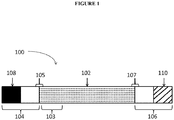

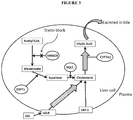
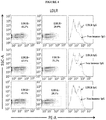

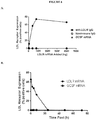


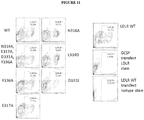


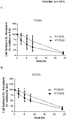
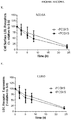

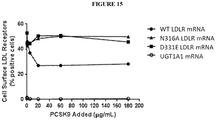
Classifications
-
- A—HUMAN NECESSITIES
- A61—MEDICAL OR VETERINARY SCIENCE; HYGIENE
- A61K—PREPARATIONS FOR MEDICAL, DENTAL OR TOILETRY PURPOSES
- A61K38/00—Medicinal preparations containing peptides
- A61K38/16—Peptides having more than 20 amino acids; Gastrins; Somatostatins; Melanotropins; Derivatives thereof
- A61K38/17—Peptides having more than 20 amino acids; Gastrins; Somatostatins; Melanotropins; Derivatives thereof from animals; from humans
- A61K38/177—Receptors; Cell surface antigens; Cell surface determinants
-
- A—HUMAN NECESSITIES
- A61—MEDICAL OR VETERINARY SCIENCE; HYGIENE
- A61K—PREPARATIONS FOR MEDICAL, DENTAL OR TOILETRY PURPOSES
- A61K31/00—Medicinal preparations containing organic active ingredients
- A61K31/70—Carbohydrates; Sugars; Derivatives thereof
-
- A—HUMAN NECESSITIES
- A61—MEDICAL OR VETERINARY SCIENCE; HYGIENE
- A61K—PREPARATIONS FOR MEDICAL, DENTAL OR TOILETRY PURPOSES
- A61K31/00—Medicinal preparations containing organic active ingredients
- A61K31/70—Carbohydrates; Sugars; Derivatives thereof
- A61K31/7088—Compounds having three or more nucleosides or nucleotides
-
- A—HUMAN NECESSITIES
- A61—MEDICAL OR VETERINARY SCIENCE; HYGIENE
- A61K—PREPARATIONS FOR MEDICAL, DENTAL OR TOILETRY PURPOSES
- A61K31/00—Medicinal preparations containing organic active ingredients
- A61K31/70—Carbohydrates; Sugars; Derivatives thereof
- A61K31/7088—Compounds having three or more nucleosides or nucleotides
- A61K31/713—Double-stranded nucleic acids or oligonucleotides
-
- A—HUMAN NECESSITIES
- A61—MEDICAL OR VETERINARY SCIENCE; HYGIENE
- A61K—PREPARATIONS FOR MEDICAL, DENTAL OR TOILETRY PURPOSES
- A61K38/00—Medicinal preparations containing peptides
- A61K38/16—Peptides having more than 20 amino acids; Gastrins; Somatostatins; Melanotropins; Derivatives thereof
- A61K38/43—Enzymes; Proenzymes; Derivatives thereof
- A61K38/44—Oxidoreductases (1)
-
- A—HUMAN NECESSITIES
- A61—MEDICAL OR VETERINARY SCIENCE; HYGIENE
- A61K—PREPARATIONS FOR MEDICAL, DENTAL OR TOILETRY PURPOSES
- A61K45/00—Medicinal preparations containing active ingredients not provided for in groups A61K31/00 - A61K41/00
- A61K45/06—Mixtures of active ingredients without chemical characterisation, e.g. antiphlogistics and cardiaca
-
- A—HUMAN NECESSITIES
- A61—MEDICAL OR VETERINARY SCIENCE; HYGIENE
- A61K—PREPARATIONS FOR MEDICAL, DENTAL OR TOILETRY PURPOSES
- A61K48/00—Medicinal preparations containing genetic material which is inserted into cells of the living body to treat genetic diseases; Gene therapy
- A61K48/005—Medicinal preparations containing genetic material which is inserted into cells of the living body to treat genetic diseases; Gene therapy characterised by an aspect of the 'active' part of the composition delivered, i.e. the nucleic acid delivered
- A61K48/0066—Manipulation of the nucleic acid to modify its expression pattern, e.g. enhance its duration of expression, achieved by the presence of particular introns in the delivered nucleic acid
-
- A—HUMAN NECESSITIES
- A61—MEDICAL OR VETERINARY SCIENCE; HYGIENE
- A61P—SPECIFIC THERAPEUTIC ACTIVITY OF CHEMICAL COMPOUNDS OR MEDICINAL PREPARATIONS
- A61P1/00—Drugs for disorders of the alimentary tract or the digestive system
- A61P1/16—Drugs for disorders of the alimentary tract or the digestive system for liver or gallbladder disorders, e.g. hepatoprotective agents, cholagogues, litholytics
-
- A—HUMAN NECESSITIES
- A61—MEDICAL OR VETERINARY SCIENCE; HYGIENE
- A61P—SPECIFIC THERAPEUTIC ACTIVITY OF CHEMICAL COMPOUNDS OR MEDICINAL PREPARATIONS
- A61P3/00—Drugs for disorders of the metabolism
- A61P3/06—Antihyperlipidemics
-
- A—HUMAN NECESSITIES
- A61—MEDICAL OR VETERINARY SCIENCE; HYGIENE
- A61P—SPECIFIC THERAPEUTIC ACTIVITY OF CHEMICAL COMPOUNDS OR MEDICINAL PREPARATIONS
- A61P35/00—Antineoplastic agents
-
- C—CHEMISTRY; METALLURGY
- C07—ORGANIC CHEMISTRY
- C07K—PEPTIDES
- C07K14/00—Peptides having more than 20 amino acids; Gastrins; Somatostatins; Melanotropins; Derivatives thereof
- C07K14/435—Peptides having more than 20 amino acids; Gastrins; Somatostatins; Melanotropins; Derivatives thereof from animals; from humans
- C07K14/705—Receptors; Cell surface antigens; Cell surface determinants
-
- C—CHEMISTRY; METALLURGY
- C12—BIOCHEMISTRY; BEER; SPIRITS; WINE; VINEGAR; MICROBIOLOGY; ENZYMOLOGY; MUTATION OR GENETIC ENGINEERING
- C12N—MICROORGANISMS OR ENZYMES; COMPOSITIONS THEREOF; PROPAGATING, PRESERVING, OR MAINTAINING MICROORGANISMS; MUTATION OR GENETIC ENGINEERING; CULTURE MEDIA
- C12N15/00—Mutation or genetic engineering; DNA or RNA concerning genetic engineering, vectors, e.g. plasmids, or their isolation, preparation or purification; Use of hosts therefor
- C12N15/09—Recombinant DNA-technology
- C12N15/63—Introduction of foreign genetic material using vectors; Vectors; Use of hosts therefor; Regulation of expression
-
- C—CHEMISTRY; METALLURGY
- C12—BIOCHEMISTRY; BEER; SPIRITS; WINE; VINEGAR; MICROBIOLOGY; ENZYMOLOGY; MUTATION OR GENETIC ENGINEERING
- C12N—MICROORGANISMS OR ENZYMES; COMPOSITIONS THEREOF; PROPAGATING, PRESERVING, OR MAINTAINING MICROORGANISMS; MUTATION OR GENETIC ENGINEERING; CULTURE MEDIA
- C12N9/00—Enzymes; Proenzymes; Compositions thereof; Processes for preparing, activating, inhibiting, separating or purifying enzymes
- C12N9/0004—Oxidoreductases (1.)
- C12N9/0071—Oxidoreductases (1.) acting on paired donors with incorporation of molecular oxygen (1.14)
- C12N9/0073—Oxidoreductases (1.) acting on paired donors with incorporation of molecular oxygen (1.14) with NADH or NADPH as one donor, and incorporation of one atom of oxygen 1.14.13
-
- A—HUMAN NECESSITIES
- A61—MEDICAL OR VETERINARY SCIENCE; HYGIENE
- A61K—PREPARATIONS FOR MEDICAL, DENTAL OR TOILETRY PURPOSES
- A61K48/00—Medicinal preparations containing genetic material which is inserted into cells of the living body to treat genetic diseases; Gene therapy
-
- C—CHEMISTRY; METALLURGY
- C12—BIOCHEMISTRY; BEER; SPIRITS; WINE; VINEGAR; MICROBIOLOGY; ENZYMOLOGY; MUTATION OR GENETIC ENGINEERING
- C12N—MICROORGANISMS OR ENZYMES; COMPOSITIONS THEREOF; PROPAGATING, PRESERVING, OR MAINTAINING MICROORGANISMS; MUTATION OR GENETIC ENGINEERING; CULTURE MEDIA
- C12N2310/00—Structure or type of the nucleic acid
-
- C—CHEMISTRY; METALLURGY
- C12—BIOCHEMISTRY; BEER; SPIRITS; WINE; VINEGAR; MICROBIOLOGY; ENZYMOLOGY; MUTATION OR GENETIC ENGINEERING
- C12Y—ENZYMES
- C12Y114/00—Oxidoreductases acting on paired donors, with incorporation or reduction of molecular oxygen (1.14)
- C12Y114/13—Oxidoreductases acting on paired donors, with incorporation or reduction of molecular oxygen (1.14) with NADH or NADPH as one donor, and incorporation of one atom of oxygen (1.14.13)
- C12Y114/13017—Cholesterol 7-alpha-monooxygenase (1.14.13.17)
Definitions
- the present invention is directed to compositions for modulating and/or altering cholesterol levels in an organism or altering cholesterol trafficking in an organism.
- the invention relates to RNA such as modified RNA in therapeutics.
- the RNA or modified RNA may encode peptides, polypeptides or multiple proteins.
- the RNA or modified RNA may also be used to produce polypeptides of interest.
- the modified RNA molecules may be mRNA and therefore be referred to as modified mRNA.
- the polypeptides of interest may be used in therapeutics and/or clinical and research settings.
- High cholesterol is one of a number of risk factors for heart attack and stroke. Although poor diet and lack of excise are common causes of high cholesterolgenetic changes, such as familiar hypercholesterolemia (FH), which is caused by deficiency in LDLR, can be causes of high cholesterol.
- FH hypercholesterolemia
- a number of cholesterol lowering drugs are currently on the market but they are not without risk or contraindications with certain conditions or other medications. Such drugs include statins, fibrates, niacin, bile acid sequestrants (resins), phytosterols, or other compounds that prevent absorption of fats, reduce absorption of cholesterol, or target genes in the cholesterol trafficking pathway.
- Nucleic acid based cholesterol lowering drugs include, for example an antisense oligonucleotide inhibitor which targets ApoB-100, mipomersen, which was approved in January 2013 for the treatment of homozygous familial hypercholesterolemia (FH). In December of 2012, the FDA also approved lomitapide for the same condition.
- FH homozygous familial hypercholesterolemia
- liver related problems associated with cholesterol targeting drugs particularly elevation in serum transaminases and accumulation of hepatic fat (or hepatic steatosis).
- the drug will carry a boxed warning about liver toxicity as well as requiring certification of prescribers and pharmacies, as well as documentation that the drug is being properly used with each new prescription.
- mipomersen was generally effective in lowering LDL cholesterol (more than half of patients in clinical trials had more than a 20% decrease in LDL levels and in the homozygous FH trial, it reduced LDL by 24.7%), a typical FH patient has an average LDL between 400-1000mg/dL. Consequently, lowering was not likely enough in these patients.
- the trials were not large enough to be powered to assess cardiovascular outcomes, though cardiovascular benefit is of course the ultimate intended effect of the drug. Further, serious adverse events of cardiac disorders occurred in the mipomersen group in phase 3 trials.
- the present invention addresses both the problem of elevated LDL cholesterol levels and dysregulation of hepatic function by providing nucleic acid based compounds or polynucleotides which encode a polypeptide of interest (e.g., modified mRNA or mmRNA) and which have structural and/or chemical features that avoid one or more of the problems in the art.
- a polypeptide of interest e.g., modified mRNA or mmRNA
- compositions, methods and kits RNA using RNA such as modified RNA in the treatment, prevention or diagnosis of disease and disorders associated with cholesterol and/or cholesterol trafficking. Based on the disclosure contained herein, the present invention provides a composition comprising
- the present invention further provides a composition of the invention for use in treating a disease or disorder selected from the group consisting of fatty liver disease, hepatocellular carcinoma, non-alcoholic steatohepatitis (NASH), steatosis, familial hypercholesterolemia (FH), hypercholesterolemia, and aberrant lipoprotein profile, in a subject in need thereof.
- a disease or disorder selected from the group consisting of fatty liver disease, hepatocellular carcinoma, non-alcoholic steatohepatitis (NASH), steatosis, familial hypercholesterolemia (FH), hypercholesterolemia, and aberrant lipoprotein profile, in a subject in need thereof.
- the present invention yet further provides a composition of the invention for use in lowering cholesterol in a subject in need thereof.
- the pathways associated with cholesterol trafficking arc modulated by providing one or more polypeptides (including enzymes) which alter either the concentrations of cholesterol, its processing or transport.
- LDL cholesterol from plasma to liver cells is increased by providing the cell with either more receptor molecules or by minimizing the destruction of the LDL receptor.
- a polynucleotide, primary construct or mmRNA is provided which encodes LDL receptor.
- a mutant form of LDL receptor is encoded by the polynucleotide, primary construct or mmRNA.
- Such mutant LDL receptors would be deficient in some way in their binding of PCSK-9. Accordingly, a PCSK9 binding deficient LDLR would bring cholesterol into the hepatocyte.
- a modified mRNA may encode a LDLR mutant which may comprise at least one amino acid mutation in a region comprising amino acids 314-393 of LDLR such as, but not limited to, SEQ ID NO: 19. In one instance, the region of amino acids comprises amino acids 316-339 of SEQ ID NO: 19.
- the modified mRNA may comprise at least one nucleoside modification such as, but not limited to, 1-methylpseudouridine.
- the modified mRNA may also comprise the nucleoside modification 5-methylcytosine.
- a modified mRNA may encode a LDLR mutant which may comprise at least one amino acid mutation in a region comprising amino acids 314-393 of LDLR such as, but not limited to, SEQ ID NO: 19.
- the region of amino acids comprises amino acids 316-339 of SEQ ID NO: 19.
- the hepatocyte is provided with one or more polynucleotides, primary constructs, or mmRNA encoding and/or which overexpresses CYP7A1.
- CYP7A1 is the rate limiting enzyme for bile acid synthesis, and promotes removal of the incoming cholesterol.
- LDL low-density lipoprotein
- hepatic cholesterol content as well as deficient bile acid excretion.
- two polynucleotides, primary constructs, or mmRNA arc delivered resulting in lower plasma cholesterol and concomitant enhanced cholesterol disposal.
- the one or more polynucleotides, primary constructs or mmRNA are modified in the 3'UTR to contain a microRNA binding site or seed.
- the CYP7A1polynucleotide having a normal half life of approximately 30 minutes, may be made transcription-dependent by miR-destabilization (specifically the ubiquitous miR122a in hepatocytes).
- miR-destabilization specifically the ubiquitous miR122a in hepatocytes
- a miR122a binding site may be incorporated into the 3'UTR of the mmRNA rendering the transcript less stable. This would allow, depending on the number of binding sites engineered into the construct, the titration of stability and therefore allow for control of expression of the encoded CYP7A1 enzyme.
- the polynucleotides, primary constructs primary constructs or mmRNA encoding CYP7A1 may also be useful in creating mouse models useful in proof of concept studies and basic research. These studies would be analogous to producing dose dependent gene therapy.
- treatment regimes may be designed for rare diseases where patients present with CYP7A1 polymorphisms that are hyporesponsive to statins.
- studies of effective compositions of the present invention may be completed quickly and based on diet-based challenges.
- the compositions of the present invention are useful in the study and treatment of disease involving cholesterol related diseases, both rare and prevalent.
- compositions of the present invention may be administered along with other drug compounds.
- other drugs include specifically statins.
- statins include, but are not limited to, atorvastatin, cerivastatin, fluvastatin, lovastatin, mevastatin, pitavastatin, pravastatin, simvastatin, and combinations thereof.
- compositions comprising polynucleotides, primary constructs or mmRNA are useful in treating diseases such as rare non-alcoholic fatty liver disease.
- diseases such as rare non-alcoholic fatty liver disease.
- any therapeutic that drives hepatic cholesterol to its natural sink (out of the body through biles) would have superior treatment outcomes. Consequently, it is contemplated that administration of polynucleotides, primary constructs or mmRNA encoding LDLR would increase cholesterol in the hepatocyte but that coadministration of a second polynucleotides, primary construct, or mmRNA encoding CYP7A1 would continue to drive the cholesterol out through bile thereby avoiding the fatty liver symptoms currently seen with known therapeutics.
- delivering an additional drug such as a statin would be very synergistic to the LDLR-CYP7A1 therapy described herein. Consequently, cholesterol excretion would be promoted, new formation would be prevented and transport from the plasma would be increased.
- a mix of mmRNA would be titrated along the cholesterol homeostasis pathway to promote mobilization of cholesterol out of the body.
- bile acid sequestrants or fat soluble vitamins may be co-administered.
- RNA ribonucleic acid
- RNA ribonucleic acid
- compositions including pharmaceutical compositions
- methods for the design, preparation, manufacture and/or formulation of polynucleotides encoding one or more polypeptides of interest are also provided.
- polynucleotides are preferably modified as to avoid the deficiencies of other polypeptide-encoding molecules of the art. Hence these polynucleotides are referred to as modified mRNA or mmRNA.
- polynucleotides, primary constructs and/or mmRNA encoding polypeptides of interest which have been designed to improve one or more of the stability and/or clearance in tissues, receptor uptake and/or kinctics, cellular access by the compositions, engagement with translational machinery, mRNA half-life, translation efficiency, immune evasion, protein production capacity, secretion efficiency (when applicable), accessibility to circulation, protein half-life and/or modulation of a cell's status, function and/or activity.
- the polynucleotides, primary constructs and/or mmRNA are useful in altering cholesterol levels or cholesterol trafficking in an organism, particularly human patients.
- the pathways associated with cholesterol trafficking are modulated by providing one or more polypeptides (including enzymes) which alter either the concentrations of cholesterol, its processing or transport.
- LDL-R or LDLR LDL-R or LDLR
- EGF-A or EGF-like repeat domain of LDLR
- a polynucleotide, primary construct or mmRNA may encode a mutant LDLR which is deficient in binding to PCSK-9.
- a polynucleotide, primary construct or mmRNA may encode a mutant LDLR which comprises at least one amino acid mutation in the PCSK-9 binding site.
- the mutant LDLR may comprise one, two, three, four, five, six, seven, eight, nine, ten or more than ten mutations.
- the mutant LDLR may comprise at least one amino acid mutation in the EGF-A domain (also known as the EGF-like repeat domain) of LDLR.
- the EGF-A domain is located in a region of LDLR comprising amino acids 314-393.
- the EGF-A domain is a region of SEQ ID NO: 19 comprising amino acids 314-393.
- a polynucleotide, primary construct or mmRNA may encode a mutant LDLR which comprises at least one amino acid mutation in the EGF-like 1 domain.
- the EGF-like 1 domain may be located in a region of LDLR comprising amino acids 314-353.
- the EGF-like 1 domain is a region of SEQ ID NO: 19 comprising amino acids 314-353.
- a polynucleotide, primary construct or mmRNA may encode a mutant LDLR which comprises at least one amino acid mutation in the EGF-like 2 domain.
- the EGF-like 2 domain may be located in a region of LDLR comprising amino acids 353-393.
- the EGF-like 2 domain is a region of SEQ ID NO: 19 comprising amino acids 353-393.
- a polynucleotide, primary construct or mmRNA may encode a PCSK-9 binding deficient mutant LDLR.
- the PCSK-9 binding deficient mutant LDLR may comprise at least one amino acid mutation in the region of SEQ ID NO: 19 comprising amino acids 314-393.
- at least one mutation may be located between amino acids 314-353.
- at least one mutation may be located between amino acids 315-340.
- at least one mutation may be located between amino acids 354-393.
- a polynucleotide, primary construct or mmRNA may encode a PCSK-9 binding deficient mutant LDLR comprising at least one mutation in the PCSK-9 binding region.
- the mutation may be located in the region of SEQ ID NO: 19 comprising amino acids 314-393.
- the mutation may be located in the region of 314-353, 315-340 and 354-393.
- the mutation may be at position 316, 317, 331, 336 or 339.
- the mutant LDLR may comprise a mutation at position 316, 317, 331 and 336.
- a polynucleotide, primary construct or mmRNA may encode a PCSK-9 binding deficient mutant LDLR comprising at least one mutation at an amino acid position such as, but not limited to, 316, 317, 331, 336 and/or 339.
- the PCSK-9 binding deficient mutant LDLR may comprise at least one of the mutations N316A, E317A, D331A, D331E, Y336A and/or L339D where "N316A" means Asparagine at position 316 is replaced with Alanine.
- the PCSK-9 binding deficient mutant LDLR may comprise the mutations N316A, E317A, D331A and Y336A.
- a polynucleotide, primary construct or mmRNA may encode a PCSK-9 binding deficient mutant LDLR comprising four mutations at amino acid positions such as, but not limited to, 316, 317, 331, 336 and/or 339.
- the PCSK-9 binding deficient mutant LDLR may comprise any four of the mutations such as N316A, E317A, D331A, D331E, Y336A and/or L339D where "N316A" means Asparagine at position 316 is replaced with Alanine.
- the PCSK-9 binding deficient mutant LDLR may comprise the mutations N316A, E317A, D331A and Y336A.
- the hepatocyte is provided with one or more polynucleotides, primary constructs, or mmRNA encoding and/or which overexpresses CYP7A1.
- CYP7A1 is the rate limiting enzyme for bile acid synthesis, and promotes removal of the incoming cholesterol.
- LDL low-density lipoprotein
- hepatic cholesterol content as well as deficient bile acid excretion.
- two polynucleotides, primary constructs, or mmRNA are delivered resulting in lower plasma cholesterol and concomitant enhanced cholesterol disposal.
- the one or more polynucleotides, primary constructs or mmRNA are modified in the 3'UTR to contain a microRNA binding site or seed.
- the CYP7A1 polynucleotide having a normal half life of approximately 30 minutes, may be made transcription-dependent by miR-destabilization (specifically the ubiquitous miR122a in hepatocytes).
- miR-destabilization specifically the ubiquitous miR122a in hepatocytes
- a miR122a binding site may be incorporated into the 3'UTR of the mmRNA rendering the transcript less stable. This would allow, depending on the number of binding sites engineered into the construct, the titration of stability and therefore allow for control of expression of the encoded CYP7A1 enzyme.
- the polynucleotides, primary constructs primary constructs or mmRNA encoding CYP7A1 may also be useful in creating mouse models useful in proof of concept studies and basic research. These studies would be analogous to producing dose dependent gene therapy.
- treatment regimes may be designed for rare diseases where patients present with CYP7A1 polymorphisms that are hyporesponsive to statins.
- studies of effective compositions of the present invention may be completed quickly and based on diet-based challenges.
- the compositions of the present invention are useful in the study and treatment of disease involving cholesterol related diseases, both rare and prevalent.
- compositions of the present invention may be administered along with other drug compounds.
- other drugs include specifically statins.
- statins include, but are not limited to, atorvastatin, cerivastatin, fluvastatin, lovastatin, mevastatin, pitavastatin, pravastatin, simvastatin, and combinations thereof.
- compositions comprising polynucleotides, primary constructs or mmRNA are useful in treating diseases such as rare non-alcoholic fatty liver disease.
- diseases such as rare non-alcoholic fatty liver disease.
- any therapeutic that drives hepatic cholesterol to its natural sink (out of the body through biles) would have superior treatment outcomes. Consequently, it is contemplated that administration of polynucleotides, primary constructs or mmRNA encoding LDLR would increase cholesterol in the hepatocyte but that coadministration of a second polynucleotides, primary construct, or mmRNA encoding CYP7A1 would continue to drive the cholesterol out through bile thereby avoiding the fatty liver symptoms currently seen with known therapeutics.
- delivering an additional drug such as a statin would be very synergistic to the LDLR-CYP7A1 therapy described herein. Consequently, cholesterol excretion would be promoted, new formation would be prevented and transport from the plasma would be increased.
- a mix of mmRNA would be titrated along the cholesterol homeostasis pathway to promote mobilization of cholesterol out of the body.
- bile acid sequestrants or fat soluble vitamins may be co-administered.
- compositions of the Invention (mmRNA)
- nucleic acid molecules specifically polynucleotides, primary constructs and/or mmRNA which encode one or more polypeptides of interest.
- nucleic acid in its broadest sense, includes any compound and/or substance that comprise a polymer of nucleotides. These polymers are often referred to as polynucleotides.
- nucleic acids or polynucleotides of the disclosure include, but are not limited to, ribonucleic acids (RNAs), deoxyribonucleic acids (DNAs), threose nucleic acids (TNAs), glycol nucleic acids (GNAs), peptide nucleic acids (PNAs), locked nucleic acids (LNAs, including LNA having a ⁇ - D-ribo configuration, ⁇ -LNA having an ⁇ -L-ribo configuration (a diastereomer of LNA), 2'-amino-LNA having a 2'-amino functionalization, and 2'-amino- ⁇ -LNA having a 2'-amino functionalization) or hybrids thereof.
- RNAs ribonucleic acids
- DNAs deoxyribonucleic acids
- TAAs threose nucleic acids
- GNAs glycol nucleic acids
- PNAs peptide nucleic acids
- LNAs locked
- the nucleic acid molecule is a messenger RNA (mRNA).
- mRNA messenger RNA
- the term "messenger RNA” (mRNA) refers to any polynucleotide, such as a synthetic polynucleotide, which encodes a polypeptide of interest and which is capable of being translated to produce the encoded polypeptide of interest in vitro, in vivo, in situ or ex vivo.
- the basic components of an mRNA molecule include at least a coding region, a 5'UTR, a 3'UTR, a 5' cap and a poly-A tail.
- the present disclosure expands the scope of functionality of traditional mRNA molecules by providing polynucleotides or primary RNA constructs which maintain a modular organization, but which comprise one or more structural and/or chemical modifications or alterations which impart useful properties to the reprograrmming polynucleotides including, in some instances, the lack of a substantial induction of the innate immune response of a cell into which the polynucleotide is introduced.
- modified mRNA molecules of the present disclosure such as synthetic modified mRNA molecules
- mmRNA modified mRNA molecules of the present disclosure
- a "structural" feature or modification is one in which two or more linked nucleotides are inserted, deleted, duplicated, inverted or randomized in a polynucleotide, primary construct or mmRNA without significant chemical modification to the nucleotides themselves. Because chemical bonds will necessarily be broken and reformed to effect a structural modification, structural modifications are of a chemical nature and hence are chemical modifications. However, structural modifications will result in a different sequence of nucleotides. For example, the polynucleotide "ATCG” may be chemically modified to "AT-5meC-G". The same polynucleotide may be structurally modified from “ATCG” to "ATCCCG". Here, the dinucleotide "CC” has been inserted, resulting in a structural modification to the polynucleotide.
- the mmRNA of the present disclosure are distinguished from wild type mRNA in their functional and/or structural design features which serve to, as evidenced herein, overcome existing problems of effective polypeptide production using nucleic acid-based therapeutics.
- Figure 1 shows a representative polynucleotide primary construct 100 of the present disclosure.
- primary construct or “primary mRNA construct” refers to a polynucleotide transcript which encodes one or more polypeptides of interest and which retains sufficient structural and/or chemical features to allow the polypeptide of interest encoded therein to be translated.
- Primary constructs may be polynucleotides of the disclosure. When structurally or chemically modified, the primary construct may be referred to as an mmRNA.
- the primary construct 100 here contains a first region of linked nucleotides 102 that is flanked by a first flanking region 104 and a second flaking region 106 .
- the "first region” may be referred to as a "coding region” or “region encoding” or simply the “first region.”
- This first region may include, but is not limited to, the encoded polypeptide of interest.
- the polypeptide of interest may comprise at its 5' terminus one or more signal sequences encoded by a signal sequence region 103 .
- the flanking region 104 may comprise a region of linked nucleotides comprising one or more complete or incomplete 5' UTRs sequences.
- the flanking region 104 may also comprise a 5' terminal cap 108 .
- the second flanking region 106 may comprise a region of linked nucleotides comprising one or more complete or incomplete 3' UTRs.
- the flanking region 106 may also comprise a 3' tailing sequence 110 .
- first operational region 105 Bridging the 5' terminus of the first region 102 and the first flanking region 104 is a first operational region 105 .
- this operational region comprises a Start codon.
- the operational region may alternatively comprise any translation initiation sequence or signal including a Start codon.
- this operational region comprises a Stop codon.
- the operational region may alternatively comprise any translation initiation sequence or signal including a Stop codon. According to the present disclosure, multiple serial stop codons may also be used.
- Figure 2 shows a representative polynucleotide primary construct 130 of the present disclosure.
- Polynucleotide primary construct refers to a polynucleotide transcript which encodes one or more polypeptides of interest and which retains sufficient structural and/or chemical features to allow the polypeptide of interest encoded therein to be translated.
- Non-limiting examples of polypeptides of interest and polynucleotides encoding polypeptide of interest are described in Table 6 of U.S. Provisional Patent Application No 61/618,862, filed April 2, 2012 , entitled Modified Polynucleotides for the Production of Biologies; U.S.
- Provisional Patent Application No 61/737,139, filed December 14, 2012 Modified Polynucleotides for the Production of Therapeutic Proteins and Peptides
- U.S. Provisional Patent Application No 61/618,873, filed April 2, 2012 entitled Modified Polynucleotides for the Production of Secreted Proteins
- U.S. Provisional Patent Application No 61/681,650, filed August 10, 2012 entitled Modified Polynucleotides for the Production of Secreted Proteins
- U.S. Provisional Patent Application No 61/737,147, filed December 14, 2012 entitled Modified Polynucleotides for the Production of Secreted Proteins
- Provisional Patent Application No 61/681,661, filed August 10, 2012 entitled Modified Polynucleotides for the Production of Intracellular Membrane Bound Proteins
- U.S. Provisional Patent Application No 61/737,160, filed December 14, 2012 entitled Modified Polynucleotides for the Production of Intracellular Membrane Bound Proteins
- U.S. Provisional Patent Application No 61/618,911, filed April 2, 2012 entitled Modified Polynucleotides for the Production of Nuclear Proteins
- U.S. Provisional Patent Application No 61/681,667, filed August 10, 2012 entitled Modified Polynucleotides for the Production of Nuclear Proteins
- Provisional Patent Application No 61/737,168, filed December 14, 2012 entitled Modified Polynucleotides for the Production of Nuclear Proteins
- International Application No. PCT/US2013/030067, filed March 9, 2013 entitled Modified Polynucleotides for the Production of Nuclear Proteins
- U.S. Provisional Patent Application No 61/618,922, filed April 2, 2012 entitled Modified Polynucleotides for the Production of Proteins
- U.S. Provisional Patent Application No 61/681,675, filed August 10, 2012 entitled Modified Polynucleotides for the Production of Proteins
- Provisional Patent Application No 61/737,174, filed December 14, 2012 entitled Modified Polynucleotides for the Production of Proteins
- International Application No. PCT/US2013/030060, filed March 9, 2013 entitled Modified Polynucleotides for the Production of Proteins
- U.S. Provisional Patent Application No 61/618,935, filed April 2, 2012 entitled Modified Polynucleotides for the Production of Proteins Associated with Human Disease
- U.S. Provisional Patent Application No 61/681,687, filed August 10, 2012 entitled Modified Polynucleotides for the Production of Proteins Associated with Human Disease
- the polynucleotide primary construct 130 here contains a first region of linked nucleotides 132 that is flanked by a first flanking region 134 and a second flaking region 136 .
- the "first region” may be referred to as a "coding region” or “region encoding” or simply the "first region.”
- This first region may include, but is not limited to, the encoded polypeptide of interest.
- the first region 132 may include, but is not limited to, the open reading frame encoding at least one polypeptide of interest. The open reading frame may be codon optimized in whole or in part.
- the flanking region 134 may comprise a region of linked nucleotides comprising one or more complete or incomplete 5' UTRs sequences which may be completely codon optimized or partially codon optimized.
- the flanking region 134 may include at least one nucleic acid sequence including, but not limited to, miR sequences, TERZAKTM sequences and translation control sequences.
- the flanking region 134 may also comprise a 5' terminal cap 138 .
- the 5' terminal capping region 138 may include a naturally occurring cap, a synthetic cap or an optimized cap.
- Non-limiting examples of optimized caps include the caps taught by Rhoads in US Patent No. US7074596 and International Patent Publication No. WO2008157668 , WO2009149253 and WO2013103659 .
- the second flanking region 106 may comprise a region of linked nucleotides comprising one or more complete or incomplete 3' UTRs.
- the second flanking region 136 may be completely codon optimized or partially codon optimized.
- the flanking region 134 may include at least one nucleic acid sequence including, but not limited to, miR sequences and translation control sequences.
- the polynucleotide primary construct may comprise a 3' tailing sequence 140 .
- the 3' tailing sequence 140 may include a synthetic tailing region 142 and/or a chain terminating nucleoside 144 .
- Non-liming examples of a synthetic tailing region include a polyA sequence, a polyC sequence, a polyA-G quartet.
- Non-limiting examples of chain terminating nucleosides include 2'-O methyl, F and locked nucleic acids (LNA).
- first operational region 144 Bridging the 5' terminus of the first region 132 and the first flanking region 134 is a first operational region 144 .
- this operational region comprises a Start codon.
- the operational region may alternatively comprise any translation initiation sequence or signal including a Start codon.
- this operational region comprises a Stop codon.
- the operational region may alternatively comprise any translation initiation sequence or signal including a Stop codon. According to the present disclosure, multiple serial stop codons may also be used.
- the shortest length of the first region of the primary construct of the present disclosure can be the length of a nucleic acid sequence that is sufficient to encode for a dipeptide, a tripeptide, a tetrapeptide, a pentapeptide, a hexapeptide, a heptapeptide, an octapeptide, a nonapeptide, or a decapeptide.
- the length may be sufficient to encode a peptide of 2-30 amino acids, e.g. 5-30, 10-30, 2-25, 5-25, 10-25, or 10-20 amino acids.
- the length may be sufficient to encode for a peptide of at least 11, 12, 13, 14, 15, 17, 20, 25 or 30 amino acids, or a peptide that is no longer than 40 amino acids, e.g. no longer than 35, 30, 25, 20, 17, 15, 14, 13, 12, 11 or 10 amino acids.
- the length of the first region encoding the polypeptide of interest of the present disclosure is greater than about 30 nucleotides in length (e.g., at least or greater than about 35, 40, 45, 50, 55, 60, 70, 80, 90, 100, 120, 140, 160, 180, 200, 250, 300, 350, 400, 450, 500, 600, 700, 800, 900, 1,000, 1,100, 1,200, 1,300, 1,400, 1,500, 1,600, 1,700, 1,800, 1,900, 2,000, 2,500, and 3,000, 4,000, 5,000, 6,000, 7,000, 8,000, 9,000, 10,000, 20,000, 30,000, 40,000, 50,000, 60,000, 70,000, 80,000, 90,000 or up to and including 100,000 nucleotides).
- the "first region” may be referred to as a "coding region” or "region encoding” or simply the "first region.”
- the polynucleotide, primary construct, or mmRNA includes from about 30 to about 100,000 nucleotides (e.g., from 30 to 50, from 30 to 100, from 30 to 250, from 30 to 500, from 30 to 1,000, from 30 to 1,500, from 30 to 3,000, from 30 to 5,000, from 30 to 7,000, from 30 to 10,000, from 30 to 25,000, from 30 to 50,000, from 30 to 70,000, from 100 to 250, from 100 to 500, from 100 to 1,000, from 100 to 1,500, from 100 to 3,000, from 100 to 5,000, from 100 to 7,000, from 100 to 10,000, from 100 to 25,000, from 100 to 50,000, from 100 to 70,000, from 100 to 100,000, from 500 to 1,000, from 500 to 1,500, from 500 to 2,000, from 500 to 3,000, from 500 to 5,000, from 500 to 7,000, from 500 to 10,000, from 500 to 25,000, from 500 to 50,000, from 500 to 70,000, from 500 to 100,000, from 1,000 to 1,500, from 1,000, from 500 to 2,000, from 500 to
- the first and second flanking regions may range independently from 15-1,000 nucleotides in length (e.g., greater than 30, 40, 45, 50, 55, 60, 70, 80, 90, 100, 120, 140, 160, 180, 200, 250, 300, 350, 400, 450, 500, 600, 700, 800, and 900 nucleotides or at least 30, 40, 45, 50, 55, 60, 70, 80, 90, 100, 120, 140, 160, 180, 200, 250, 300, 350, 400, 450, 500, 600, 700, 800, 900, and 1,000 nucleotides).
- 15-1,000 nucleotides in length e.g., greater than 30, 40, 45, 50, 55, 60, 70, 80, 90, 100, 120, 140, 160, 180, 200, 250, 300, 350, 400, 450, 500, 600, 700, 800, 900, and 1,000 nucleotides.
- the tailing sequence may range from absent to 500 nucleotides in length (e.g., at least 60, 70, 80, 90, 120, 140, 160, 180, 200, 250, 300, 350, 400, 450, or 500 nucleotides).
- the length may be determined in units of or as a function of polyA Binding Protein binding.
- the polyA tail is long enough to bind at least 4 monomers of PolyA Binding Protein.
- PolyA Binding Protein monomers bind to stretches of approximately 38 nucleotides. As such, it has been observed that polyA tails of about 80 nucleotides and 160 nucleotides are functional.
- the capping region may comprise a single cap or a series of nucleotides forming the cap.
- the capping region may be from 1 to 10, e.g. 2-9, 3-8, 4-7, 1-5, 5-10, or at least 2, or 10 or fewer nucleotides in length.
- the cap is absent.
- the first and second operational regions may range from 3 to 40, e.g., 5-30, 10-20, 15, or at least 4, or 30 or fewer nucleotides in length and may comprise, in addition to a Start and/or Stop codon, one or more signal and/or restriction sequences.
- a primary construct or mmRNA may be cyclized, or concatemerized, to generate a translation competent molecule to assist interactions between poly-A binding proteins and 5'-end binding proteins.
- the mechanism of cyclization or concatemerization may occur through at least 3 different routes: 1) chemical, 2) enzymatic, and 3) ribozyme catalyzed.
- the newly formed 5'-/3'-linkage may be intramolecular or intermolecular.
- the 5'-end and the 3'-end of the nucleic acid contain chemically reactive groups that, when close together, form a new covalent linkage between the 5'-end and the 3'-end of the molecule.
- the 5'-end may contain an NHS-ester reactive group and the 3'-end may contain a 3'-amino-terminated nucleotide such that in an organic solvent the 3'-amino-terminated nucleotide on the 3'-end of a synthetic mRNA molecule will undergo a nucleophilic attack on the 5'-NHS-ester moiety forming a new 5'-/3'-amide bond.
- T4 RNA ligase may be used to enzymatically link a 5'-phosphorylated nucleic acid molecule to the 3'-hydroxyl group of a nucleic acid forming a new phosphorodiester linkage.
- 1 ⁇ g of a nucleic acid molecule is incubated at 37°C for 1 hour with 1-10 units of T4 RNA ligase (New England Biolabs, Ipswich, MA) according to the manufacturer's protocol.
- the ligation reaction may occur in the presence of a split oligonucleotide capable of base-pairing with both the 5'- and 3'- region in juxtaposition to assist the enzymatic ligation reaction.
- either the 5'-or 3'-end of the cDNA template encodes a ligase ribozyme sequence such that during in vitro transcription, the resultant nucleic acid molecule can contain an active ribozyme sequence capable of ligating the 5'-end of a nucleic acid molecule to the 3'-end of a nucleic acid molecule.
- the ligase ribozyme may be derived from the Group I Intron, Group I Intron, Hepatitis Delta Virus, Hairpin ribozyme or may be selected by SELEX (systematic evolution of ligands by exponential enrichment).
- the ribozyme ligase reaction may take 1 to 24 hours at temperatures between 0 and 37°C.
- multiple distinct polynucleotides, primary constructs or mmRNA may be linked together through the 3'-end using nucleotides which are modified at the 3'-terminus.
- Chemical conjugation may be used to control the stoichiometry of delivery into cells.
- the glyoxylate cycle enzymes, isocitrate lyase and malate synthase may be supplied into HepG2 cells at a 1:1 ratio to alter cellular fatty acid metabolism.
- This ratio may be controlled by chemically linking polynucleotides, primary constructs or mmRNA using a 3'-azido terminated nucleotide on one polynucleotide, primary construct or mmRNA species and a C5-ethynyl or alkynyl-containing nucleotide on the opposite polynucleotide, primary construct or mmRNA species.
- the modified nucleotide is added post-transcriptionally using terminal transferase (New England Biolabs, Ipswich, MA) according to the manufacturer's protocol.
- the two polynucleotide, primary construct or mmRNA species may be combined in an aqueous solution, in the presence or absence of copper, to form a new covalent linkage via a click chemistry mechanism as described in the literature.
- more than two polynucleotides may be linked together using a functionalized linker molecule.
- a functionalized saccharide molecule may be chemically modified to contain multiple chemical reactive groups (SH-, NH 2 -, N 3 , etc%) to react with the cognate moiety on a 3'-functionalized mRNA molecule (i.e., a 3'-maleimide ester, 3'-NHS-ester, alkynyl).
- the number of reactive groups on the modified saccharide can be controlled in a stoichiometric fashion to directly control the stoichiometric ratio of conjugated polynucleotide, primary construct or mmRNA.
- primary constructs or mmRNA of the present disclosure can be designed to be conjugated to other polynucleotides, dyes, intercalating agents (e.g. acridines), cross-linkers (e.g. psoralene, mitomycin C), porphyrins (TPPC4, texaphyrin, Sapphyrin), polycyclic aromatic hydrocarbons ( e . g ., phenazine, dihydrophenazine), artificial endonucleases (e.g.
- intercalating agents e.g. acridines
- cross-linkers e.g. psoralene, mitomycin C
- porphyrins TPPC4, texaphyrin, Sapphyrin
- polycyclic aromatic hydrocarbons e . g ., phenazine, dihydrophenazine
- artificial endonucleases e.g.
- alkylating agents phosphate, amino, mercapto, PEG (e.g., PEG-40K), MPEG, [MPEG] 2 , polyamino, alkyl, substituted alkyl, radiolabeled markers, enzymes, haptens (e.g.
- biotin e.g., aspirin, vitamin E, folic acid
- transport/absorption facilitators e.g., aspirin, vitamin E, folic acid
- synthetic ribonucleases proteins, e.g., glycoproteins, or peptides, e.g., molecules having a specific affinity for a co-ligand, or antibodies e.g., an antibody, that binds to a specified cell type such as a cancer cell, endothelial cell, or bone cell, hormones and hormone receptors, non-peptidic species, such as lipids, lectins, carbohydrates, vitamins, cofactors, or a drug.
- a specified cell type such as a cancer cell, endothelial cell, or bone cell
- hormones and hormone receptors non-peptidic species, such as lipids, lectins, carbohydrates, vitamins, cofactors, or a drug.
- Conjugation may result in increased stability and/or half life and may be particularly useful in targeting the polynucleotides, primary constructs or mmRNA to specific sites in the cell, tissue or organism.
- the mmRNA or primary constructs may be administered with, or further encode one or more of RNAi agents, siRNAs, shRNAs, miRNAs, miRNA binding sites, antisense RNAs, ribozymes, catalytic DNA, tRNA, RNAs that induce triple helix formation, aptamers or vectors, and the like.
- RNAi agents siRNAs, shRNAs, miRNAs, miRNA binding sites, antisense RNAs, ribozymes, catalytic DNA, tRNA, RNAs that induce triple helix formation, aptamers or vectors, and the like.
- bifunctional polynucleotides e.g., bifunctional primary constructs or bifunctional mmRNA.
- bifunctional polynucleotides are those having or capable of at least two functions. These molecules may also by convention be referred to as multi-functional.
- bifunctional polynucleotides may be encoded by the RNA (the function may not manifest until the encoded product is translated) or may be a property of the polynucleotide itself. It may be structural or chemical.
- Bifunctional modified polynucleotides may comprise a function that is covalently or electrostatically associated with the polynucleotides. Further, the two functions may be provided in the context of a complex of a mmRNA and another molecule.
- Bifunctional polynucleotides may encode peptides which are anti-proliferative. These peptides may be linear, cyclic, constrained or random coil. They may function as aptamers, signaling molecules, ligands or mimics or mimetics thereof. Anti-proliferative peptides may, as translated, be from 3 to 50 amino acids in length. They may be 5-40, 10-30, or approximately 15 amino acids long. They may be single chain, multichain or branched and may form complexes, aggregates or any multi-unit structure once translated.
- noncoding region may be the "first region" of the primary construct.
- the noncoding region may be a region other than the first region.
- Such molecules are generally not translated, but can exert an effect on protein production by one or more of binding to and sequestering one or more translational machinery components such as a ribosomal protein or a transfer RNA (tRNA), thereby effectively reducing protein expression in the cell or modulating one or more pathways or cascades in a cell which in turn alters protein levels.
- translational machinery components such as a ribosomal protein or a transfer RNA (tRNA)
- the polynucleotide or primary construct may contain or encode one or more long noncoding RNA (IncRNA, or lincRNA) or portion thereof, a small nucleolar RNA (sno-RNA), micro RNA (miRNA), small interfering RNA (siRNA) or Piwi-interacting RNA (piRNA).
- RNA long noncoding RNA
- miRNA micro RNA
- siRNA small interfering RNA
- piRNA Piwi-interacting RNA
- the primary construct is designed to encode one or more polypeptides of interest or fragments thereof.
- a polypeptide of interest may include, but is not limited to, whole polypeptides, a plurality of polypeptides or fragments of polypeptides, which independently may be encoded by one or more nucleic acids, a plurality of nucleic acids, fragments of nucleic acids or variants of any of the aforementioned.
- the term "polypeptides of interest” refers to any polypeptides which are selected to be encoded in the primary construct of the present disclosure.
- polypeptide means a polymer of amino acid residues (natural or unnatural) linked together most often by peptide bonds.
- polypeptides refers to proteins, polypeptides, and peptides of any size, structure, or function.
- polypeptide encoded is smaller than about 50 amino acids and the polypeptide is then termed a peptide. If the polypeptide is a peptide, it will be at least about 2, 3, 4, or at least 5 amino acid residues long.
- polypeptides include gene products, naturally occurring polypeptides, synthetic polypeptides, homologs, orthologs, paralogs, fragments and other equivalents, variants, and analogs of the foregoing.
- a polypeptide may be a single molecule or may be a multi-molecular complex such as a dimer, trimer or tetramer.
- polypeptides may also comprise single chain or multichain polypeptides such as antibodies or insulin and may be associated or linked. Most commonly disulfide linkages are found in multichain polypeptides.
- polypeptide may also apply to amino acid polymers in which one or more amino acid residues are an artificial chemical analogue of a corresponding naturally occurring amino acid.
- polypeptide variant refers to molecules which differ in their amino acid sequence from a native or reference sequence.
- the amino acid sequence variants may possess substitutions, deletions, and/or insertions at certain positions within the amino acid sequence, as compared to a native or reference sequence.
- variants will possess at least about 50% identity (homology) to a native or reference sequence, and preferably, they will be at least about 80%, more preferably at least about 90% identical (homologous) to a native or reference sequence.
- variant mimics are provided.
- the term "variant mimic” is one which contains one or more amino acids which would mimic an activated sequence.
- glutamate may serve as a mimic for phosphoro-threonine and/or phosphoro-serine.
- variant mimics may result in deactivation or in an inactivated product containing the mimic, e.g., phenylalanine may act as an inactivating substitution for tyrosine; or alanine may act as an inactivating substitution for scrinc.
- “Homology” as it applies to amino acid sequences is defined as the percentage of residues in the candidate amino acid sequence that are identical with the residues in the amino acid sequence of a second sequence after aligning the sequences and introducing gaps, if necessary, to achieve the maximum percent homology. Methods and computer programs for the alignment are well known in the art. It is understood that homology depends on a calculation of percent identity but may differ in value due to gaps and penalties introduced in the calculation.
- homologs as it applies to polypeptide sequences means the corresponding sequence of other species having substantial identity to a second sequence of a second species.
- Analogs is meant to include polypeptide variants which differ by one or more amino acid alterations, e.g., substitutions, additions or deletions of amino acid residues that still maintain one or more of the properties of the parent or starting polypeptide.
- compositions which are polypeptide based including variants and derivatives. These include substitutional, insertional, deletion and covalent variants and derivatives.
- derivative is used synonymously with the term “variant” but generally refers to a molecule that has been modified and/or changed in any way relative to a reference molecule or starting molecule.
- mmRNA encoding polypeptides containing substitutions, insertions and/or additions, deletions and covalent modifications with respect to reference sequences, in particular the polypeptide sequences disclosed herein are included within the scope of this disclosure.
- sequence tags or amino acids such as one or more lysines
- Sequence tags can be used for peptide purification or localization.
- Lysines can be used to increase peptide solubility or to allow for biotinylation.
- amino acid residues located at the carboxy and amino terminal regions of the amino acid sequence of a peptide or protein may optionally be deleted providing for truncated sequences.
- Certain amino acids e.g., C-terminal or N-terminal residues
- substitutional variants when referring to polypeptides are those that have at least one amino acid residue in a native or starting sequence removed and a different amino acid inserted in its place at the same position.
- the substitutions may be single, where only one amino acid in the molecule has been substituted, or they may be multiple, where two or more amino acids have been substituted in the same molecule.
- conservative amino acid substitution refers to the substitution of an amino acid that is normally present in the sequence with a different amino acid of similar size, charge, or polarity.
- conservative substitutions include the substitution of a non-polar (hydrophobic) residue such as isoleucine, valine and leucine for another non-polar residue.
- conservative substitutions include the substitution of one polar (hydrophilic) residue for another such as between arginine and lysine, between glutamine and asparagine, and between glycine and serine.
- substitution of a basic residue such as lysine, arginine or histidine for another, or the substitution of one acidic residue such as aspartic acid or glutamic acid for another acidic residue are additional examples of conservative substitutions.
- non-conservative substitutions include the substitution of a non-polar (hydrophobic) amino acid residue such as isoleucine, valine, leucine, alanine, methionine for a polar (hydrophilic) residue such as cysteine, glutamine, glutamic acid or lysine and/or a polar residue for a non-polar residue.
- “Insertional variants” when referring to polypeptides are those with one or more amino acids inserted immediately adjacent to an amino acid at a particular position in a native or starting sequence. "Immediately adjacent" to an amino acid means connected to either the alpha-carboxy or alpha-amino functional group of the amino acid.
- deletional variants when referring to polypeptides are those with one or more amino acids in the native or starting amino acid sequence removed. Ordinarily, deletional variants will have one or more amino acids deleted in a particular region of the molecule.
- Covalent derivatives when referring to polypeptides include modifications of a native or starting protein with an organic proteinaceous or non-proteinaceous derivatizing agent, and/or post-translational modifications. Covalent modifications are traditionally introduced by reacting targeted amino acid residues of the protein with an organic derivatizing agent that is capable of reacting with selected side-chains or terminal residues, or by harnessing mechanisms of post-translational modifications that function in selected recombinant host cells. The resultant covalent derivatives are useful in programs directed at identifying residues important for biological activity, for immunoassays, or for the preparation of anti-protein antibodies for immunoaffinity purification of the recombinant glycoprotein. Such modifications are within the ordinary skill in the art and are performed without undue experimentation.
- Certain post-translational modifications are the result of the action of recombinant host cells on the expressed polypeptide.
- Glutaminyl and asparaginyl residues are frequently post-translationally deamidated to the corresponding glutamyl and aspartyl residues. Alternatively, these residues are deamidated under mildly acidic conditions. Either form of these residues may be present in the polypeptides produced in accordance with the present disclosure.
- Features when referring to polypeptides are defined as distinct amino acid sequence-based components of a molecule.
- Features of the polypeptides encoded by the mmRNA of the present disclosure include surface manifestations, local conformational shape, folds, loops, half-loops, domains, half-domains, sites, termini or any combination thereof.
- surface manifestation refers to a polypeptide based component of a protein appearing on an outermost surface.
- local conformational shape means a polypeptide based structural manifestation of a protein which is located within a definable space of the protein.
- fold refers to the resultant conformation of an amino acid sequence upon energy minimization.
- a fold may occur at the secondary or tertiary level of the folding process.
- secondary level folds include beta sheets and alpha helices.
- tertiary folds include domains and regions formed due to aggregation or separation of energetic forces. Regions formed in this way include hydrophobic and hydrophilic pockets, and the like.
- the term "turn" as it relates to protein conformation means a bend which alters the direction of the backbone of a peptide or polypeptide and may involve one, two, three or more amino acid residues.
- loop refers to a structural feature of a polypeptide which may serve to reverse the direction of the backbone of a peptide or polypeptide. Where the loop is found in a polypeptide and only alters the direction of the backbone, it may comprise four or more amino acid residues. Oliva et al. have identified at least 5 classes of protein loops ( J. Mol Biol 266 (4): 814-830; 1997 ). Loops may be open or closed. Closed loops or "cyclic" loops may comprise 2, 3, 4, 5, 6, 7, 8, 9, 10 or more amino acids between the bridging moieties.
- Such bridging moieties may comprise a cysteine-cysteine bridge (Cys-Cys) typical in polypeptides having disulfide bridges or alternatively bridging moieties may be non-protein based such as the dibromozylyl agents used herein.
- Cys-Cys cysteine-cysteine bridge
- bridging moieties may be non-protein based such as the dibromozylyl agents used herein.
- domain refers to a motif of a polypeptide having one or more identifiable structural or functional characteristics or properties (e.g., binding capacity, serving as a site for protein-protein interactions).
- sub-domains may be identified within domains or half-domains, these subdomains possessing less than all of the structural or functional properties identified in the domains or half domains from which they were derived. It is also understood that the amino acids that comprise any of the domain types herein need not be contiguous along the backbone of the polypeptide (i.e., nonadjacent amino acids may fold structurally to produce a domain, half-domain or subdomain).
- site As used herein when referring to polypeptides the terms "site” as it pertains to amino acid based instances is used synonymously with “amino acid residue” and "amino acid side chain.”
- a site represents a position within a peptide or polypeptide that may be modified, manipulated, altered, derivatized or varied within the polypeptide based molecules of the present disclosure.
- terminal refers to an extremity of a peptide or polypeptide. Such extremity is not limited only to the first or final site of the peptide or polypeptide but may include additional amino acids in the terminal regions.
- the polypeptide based molecules of the present disclosure may be characterized as having both an N-terminus (terminated by an amino acid with a free amino group (NH2)) and a C-terminus (terminated by an amino acid with a free carboxyl group (COOH)).
- Proteins of the disclosure are in some cases made up of multiple polypeptide chains brought together by disulfide bonds or by non-covalent forces (multimers, oligomers). These sorts of proteins will have multiple N- and C-termini.
- the termini of the polypeptides may be modified such that they begin or end, as the case may be, with a non-polypeptide based moiety such as an organic conjugate.
- any of the features have been identified or defined as a desired component of a polypeptide to be encoded by the primary construct or mmRNA of the disclosure, any of several manipulations and/or modifications of these features may be performed by moving, swapping, inverting, deleting, randomizing or duplicating. Furthermore, it is understood that manipulation of features may result in the same outcome as a modification to the molecules of the disclosure. For example, a manipulation which involved deleting a domain would result in the alteration of the length of a molecule just as modification of a nucleic acid to encode less than a full length molecule would.
- Modifications and manipulations can be accomplished by methods known in the art such as, but not limited to, site directed mutagenesis.
- the resulting modified molecules may then be tested for activity using in vitro or in vivo assays such as those described herein or any other suitable screening assay known in the art.
- the polypeptides may comprise a consensus sequence which is discovered through rounds of experimentation.
- a "consensus" sequence is a single sequence which represents a collective population of sequences allowing for variability at one or more sites.
- protein fragments, functional protein domains, and homologous proteins are also considered to be within the scope of polypeptides of interest of this disclosure.
- any protein fragment meaning a polypeptide sequence at least one amino acid residue shorter than a reference polypeptide sequence but otherwise identical
- a reference protein 10 20, 30, 40, 50, 60, 70, 80, 90, 100 or greater than 100 amino acids in length.
- any protein that includes a stretch of about 20, about 30, about 40, about 50, or about 100 amino acids which are about 40%, about 50%, about 60%, about 70%, about 80%, about 90%, about 95%, or about 100% identical to any of the sequences described herein can be utilized in accordance with the disclosure.
- a polypeptide to be utilized in accordance with the disclosure includes 2, 3, 4, 5, 6, 7, 8, 9, 10, or more mutations as shown in any of the sequences provided or referenced herein.
- polynucleotides, primary constructs or mmRNA of the present disclosure may be designed to encode polypeptides of interest such as pepetides and proteins.
- primary constructs or mmRNA may encode variant polypeptides which have a certain identity with a reference polypeptide sequence.
- a "reference polypeptide sequence” refers to a starting polypeptide sequence. Reference sequences may be wild type sequences or any sequence to which reference is made in the design of another sequence.
- a “reference polypeptide sequence” may be any enconding LDLR and/or CYP7al or variants thereof.
- identity refers to a relationship between the sequences of two or more peptides, as determined by comparing the sequences. In the art, identity also means the degree of sequence relatedness between peptides, as determined by the number of matches between strings of two or more amino acid residues. Identity measures the percent of identical matches between the smaller of two or more sequences with gap alignments (if any) addressed by a particular mathematical model or computer program (i.e., "algorithms"). Identity of related peptides can be readily calculated by known methods. Such methods include, but are not limited to, those described in Computational Molecular Biology, Lesk, A.
- the polypeptide variant may have the same or a similar activity as the reference polypeptide.
- the variant may have an altered activity (e.g., increased or decreased) relative to a reference polypeptide.
- variants of a particular polynucleotide or polypeptide of the disclosure will have at least about 40%, 45%, 50%, 55%, 60%, 65%, 70%, 75%, 80%, 85%, 90%, 91%, 92%, 93%, 94%, 95%, 96%, 97%, 98%, 99% but less than 100% sequence identity to that particular reference polynucleotide or polypeptide as determined by sequence alignment programs and parameters described herein and known to those skilled in the art.
- Such tools for alignment include those of the BLAST suite ( Stephen F. Altschul, Thomas L. Madden, Alejandro A. Schulffer, Jinghui Zhang, Zheng Zhang, Webb Miller, and David J. Lipman (1997), "Gapped BLAST and PSI-BLAST: a new generation of protein database search programs", Nucleic Acids Res. 25:3389-3402 .) Other tools are described herein, specifically in the definition of "Identity.”
- BLAST algorithm Default parameters in the BLAST algorithm include, for example, an expect threshold of 10, Word size of 28, Match/Mismatch Scores 1, -2, Gap costs Linear. Any filter can be applied as well as a selection for species specific repeats, e.g., Homo sapiens.
- the primary constructs or mmRNA disclosed herein may encode one or more validated or "in testing” proteins or peptides.
- one or more proteins or peptides currently being marketed or in development may be encoded by the polynucleotides, primary constructs or oncology-related mmRNA of the present disclosure. While not wishing to be bound by theory, it is believed that incorporation into the primary constructs or mmRNA of the disclosure will result in improved therapeutic efficacy due at least in part to the specificity, purity and selectivity of the construct designs.
- the polynucleotides, primary constructs and/or mmRNA may alter a biological and/or physiolocial process and/or compound such as, but not limited to, altering (e.g., slowing) the progression of a disease and/or disorder, reduce cholesterol and/or low-density lipoprotein (LDL) cholesterol, improve Crigler-Najjar syndrome, restore hepcidin and/or hemochromatosis type 2 function to regulate iron uptake, restore bile acid metabolism, reduce coronary heart disease risk for familial hypercholesterolemia and prevent hyperkeratotic plaques and corneal clouding which may heal hyperkeratotic plaques on the hands and/or feet.
- altering e.g., slowing
- LDL low-density lipoprotein
- the polynucleotides, primary constructs and/or mmRNA may be used to express a polypeptide in cells or tissues for the purpose of replacing the protein produced from a deleted or mutated gene.
- polynucleotides, primary constructs or mmRNA of the disclosure may be used to treat metabolic disorders related to rare liver diseases and/or disorders.
- UTRs Untranslated Regions
- Untranslated regions (UTRs) of a gene are transcribed but not translated.
- the 5'UTR starts at the transcription start site and continues to the start codon but does not include the start codon; whereas, the 3'UTR starts immediately following the stop codon and continues until the transcriptional termination signal.
- the regulatory features of a UTR can be incorporated into the polynucleotides, primary constructs and/or mmRNA of the present disclosure to enhance the stability of the molecule.
- the specific features can also be incorporated to ensure controlled down-regulation of the transcript in case they are misdirected to undesired organs sites.
- Natural 5'UTRs bear features which play roles in for translation initiation. They harbor signatures like Kozak sequences which are commonly known to be involved in the process by which the ribosome initiates translation of many genes. Kozak sequences have the consensus CCR(A/G)CCAUGG, where R is a purine (adenine or guanine) three bases upstream of the start codon (AUG), which is followed by another 'G'. 5'UTR also have been known to form secondary structures which are involved in elongation factor binding.
- mRNA such as albumin, serum amyloid A, Apolipoprotein A/B/E, transferrin, alpha fetoprotein, erythropoietin, or Factor VIII
- tissue-specific mRNA to improve expression in that tissue is possible - for muscle (MyoD, Myosin, Myoglobin, Myogenin, Herculin), for endothelial cells (Tie-1, CD36), for myeloid cells (C/EBP, AML1, G-CSF, GM-CSF, CD11b, MSR, Fr-1, i-NOS), for leukocytes (CD45, CD18), for adipose tissue (CD36, GLUT4, ACRP30, adiponectin) and for lung epithelial cells (SP-A/B/C/D).
- non-UTR sequences may be incorporated into the 5' (or 3' UTR) UTRs.
- introns or portions of introns sequences may be incorporated into the flanking regions of the polynucleotides, primary constructs or mmRNA of the disclosure. Incorporation of intronic sequences may increase protein production as well as mRNA levels.
- the 5'UTR may selected for use in the present disclosure may be a structured UTR such as, but not limited to, 5'UTRs to control translation.
- a structured 5'UTR may be beneficial when using any of the terminal modifications described in copending U.S. Provisional Application No. 61/758,921 filed January 31, 2013 , entitled Differential Targeting Using RNA Constructs; U.S. Provisional Application No. 61/781,139 filed March 14, 2013 , entitled Differential Targeting Using RNA Constructs; U.S. Provisional Application No. 61/729,933, filed November 26, 2012 entitled Terminally Optimized RNAs; U.S. Provisional Application No 61/737,224 filed December 14, 2012 entitled Terminally Optimized RNAs and U.S. Provisional Application No 61/829,359 filed May 31, 2013 entitled Terminally Optimized RNAs
- 3'UTRs are known to have stretches of A denosines and U ridines embedded in them. These AU rich signatures are particularly prevalent in genes with high rates of turnover. Based on their sequence features and functional properties, the AU rich elements (AREs) can be separated into three classes (Chen et al, 1995): Class I AREs contain several dispersed copies of an AUUUA motif within U-rich regions. C-Myc and MyoD contain class I AREs. Class II AREs possess two or more overlapping UUAUUUA(U/A)(U/A) nonamers. Molecules containing this type of AREs include GM-CSF and TNF-a. Class III ARES are less well defined.
- AREs 3' UTR AU rich elements
- Introduction, removal or modification of 3' UTR AU rich elements can be used to modulate the stability of polynucleotides, primary constructs or mmRNA of the disclosure.
- AREs can be identified and removed or mutated to increase the intracellular stability and thus increase translation and production of the resultant protein.
- Transfection experiments can be conducted in relevant cell lines, using polynucleotides, primary constructs or mmRNA of the disclosure and protein production can be assayed at various time points post-transfection.
- cells can be transfected with different ARE-engineering molecules and by using an ELISA kit to the relevant protein and assaying protein produced at 6 hr, 12 hr, 24 hr, 48 hr, and 7 days post-transfection.
- microRNAs are 19-25 nucleotide long noncoding RNAs that bind to the 3'UTR of nucleic acid molecules and down-regulate gene expression either by reducing nucleic acid molecule stability or by inhibiting translation.
- the polynucleotides, primary constructs or mmRNA of the disclosure may comprise one or more microRNA target sequences, microRNA seqences, microRNA binding sites, or microRNA seeds. Such sequences may correspond to any known microRNA such as those taught in US Publication US2005/0261218 and US Publication US2005/0059005 , or those listed in Table 7 of co-pending application USSN 61/758,921 filed January 31, 2013 (Attorney Docket Number 2030.1039).
- a microRNA sequence comprises a "seed" region, i.e., a sequence in the region of positions 2-8 of the mature microRNA, which sequence has perfect Watson-Crick complementarity to the miRNA target sequence.
- a microRNA seed may comprise positions 2-8 or 2-7 of the mature microRNA.
- a microRNA seed may comprise 7 nucleotides (e.g., nucleotides 2-8 of the mature microRNA), wherein the seed-complementary site in the corresponding miRNA target is flanked by an adenine (A) opposed to microRNA position 1.
- a microRNA seed may comprise 6 nucleotides (e.g., nucleotides 2-7 of the mature microRNA), wherein the seed-complementary site in the corresponding miRNA target is flanked byan adenine (A) opposed to microRNA position 1.
- A an adenine
- the bases of the microRNA seed have complete complementarity with the target sequence.
- miR-122 a microRNA abundant in liver, can inhibit the expression of the gene of interest if one or multiple target sites of miR-122 are engineered into the 3'UTR of the polynucleotides, primary constructs or mmRNA.
- Introduction of one or multiple binding sites for different microRNA can be engineered to further decrease the longevity, stability, and protein translation of a polynucleotides, primary constructs or mmRNA.
- microRNA site refers to a microRNA target site or a microRNA recognition site, or any nucleotide sequence to which a microRNA binds or associates. It should be understood that “binding” may follow traditional Watson-Crick hybridization rules or may reflect any stable association of the microRNA with the target sequence at or adjacent to the microRNA site.
- microRNA binding sites can be engineered out of (i.e. removed from) sequences in which they naturally occur in order to increase protein expression in specific tissues.
- miR-122 binding sites may be removed to improve protein expression in the liver. Regulation of expression in multiple tissues can be accomplished through introduction or removal or one or several microRNA binding sites.
- tissues where microRNA are known to regulate mRNA, and thereby protein expression include, but are not limited to, liver (miR-122), muscle (miR-133, miR-206, miR-208), endothelial cells (miR-17-92, miR-126), myeloid cells (miR-142-3p, miR-142-5p, miR-16, miR-21, miR-223, miR-24, miR-27), adipose tissue (let-7, miR-30c), heart (miR-ld, miR-149), kidney (miR-192, miR-194, miR-204), and lung epithelial cells (let-7, miR-133, miR-126).
- liver miR-122
- muscle miR-133, miR-206, miR-208
- endothelial cells miR-17-92, miR-126
- myeloid cells miR-142-3p, miR-142-5p, miR-16, miR-21, miR-223, mi
- MicroRNA can also regulate complex biological processes such as angiogenesis (miR-132) ( Anand and Cheresh Curr Opin Hematol 2011 18:171-176 ).
- angiogenesis miR-132
- Anand and Cheresh Curr Opin Hematol 2011 18:171-176 binding sites for microRNAs that arc involved in such processes may be removed or introduced, in order to tailor the expression of the polynucleotides, primary constructs or mmRNA expression to biologically relevant cell types or to the context of relevant biological processes.
- polynucleotides, primary constructs or mmRNA can be engineered for more targeted expression in specific cell types or only under specific biological conditions.
- tissue-specific microRNA binding sites polynucleotides, primary constructs or mmRNA could be designed that would be optimal for protein expression in a tissue or in the context of a biological condition.
- Transfection experiments can be conducted in relevant cell lines, using engineered polynucleotides, primary constructs or mmRNA and protein production can be assayed at various time points post-transfection.
- cells can be transfected with different microRNA binding site-engineering polynucleotides, primary constructs or mmRNA and by using an ELISA kit to the relevant protein and assaying protein produced at 6 hr, 12 hr, 24 hr, 48 hr, 72 hr and 7 days post-transfection.
- In vivo experiments can also be conducted using microRNA-binding site-engineered molecules to examine changes in tissue-specific expression of formulated polynucleotides, primary constructs or mmRNA.
- the polynucleotides, primary constructs and/or mmRNA may comprise at least one miR sequence or variant thereof.
- a non-exhaustive listing of miR sequences for use in polynucleotides, primary constructs and/or mmRNA is described in Table 9 of co-pending International Patent Application No. PCT/US13/62531 (M037.20).
- the polynucleotides, primary constructs and/or mmRNA may comprise at least one miR sequence that bind and inhibit the untranslated region of HMG-CoA reductase or PCSK9.
- miR sequences that bind and inhibit the untranslated region of HMG-CoA reductase or PCSK9 are described in International Patent Publication No. WO2013154766 .
- the polynucleotides, primary constructs and/or mmRNA may comprise a miR sequence that comprises miR-520d-5p, miR-224 or variants thereof (see e.g., International Patent Publication No. WO2013154766 ).
- the polynucleotides, primary constructs and/or mmRNA may comprise a miR sequence that comprises or encodes SEQ ID NO: 1, SEQ ID NO: 2, SEQ ID NO: 10 and/or SEQ ID NO: 11 of International Patent Publication No. WO2013154766 .
- the polynucleotides, primary constructs and/or mmRNA may comprise a miR sequence that comprises miR-224 or variants thereof (see e.g., International Patent Publication No. WO2013154766 ).
- the polynucleotides, primary constructs and/or mmRNA may comprise a miR sequence that comprises miR-520d-5p and miR-224 or variants thereof (see e.g., International Patent Publication No. WO2013154766 ).
- the 5' cap structure of an mRNA is involved in nuclear export, increasing mRNA stability and binds the mRNA Cap Binding Protein (CBP), which is responsibile for mRNA stability in the cell and translation competency through the association of CBP with poly(A) binding protein to form the mature cyclic mRNA species.
- CBP mRNA Cap Binding Protein
- the cap further assists the removal of 5' proximal introns removal during mRNA splicing.
- Endogenous mRNA molecules may be 5'-end capped generating a 5'-ppp-5'-triphosphate linkage between a terminal guanosine cap residue and the 5'-terminal transcribed sense nucleotide of the mRNA molecule.
- This 5'-guanylate cap may then be methylated to generate an N7-methyl-guanylate residue.
- the ribose sugars of the terminal and/or anteterminal transcribed nucleotides of the 5' end of the mRNA may optionally also be 2'-O-methylated.
- 5'-decapping through hydrolysis and cleavage of the guanylate cap structure may target a nucleic acid molecule, such as an mRNA molecule, for degradation.
- Modifications to the polynucleotides, primary constructs, and mmRNA of the present disclosure may generate a non-hydrolyzable cap structure preventing decapping and thus increasing mRNA half-life. Because cap structure hydrolysis requires cleavage of 5'-ppp-5' phosphorodiester linkages, modified nucleotides may be used during the capping reaction. For example, a Vaccinia Capping Enzyme from New England Biolabs (Ipswich, MA) may be used with ⁇ -thio-guanosine nucleotides according to the manufacturer's instructions to create a phosphorothioate linkage in the 5'-ppp-5' cap. Additional modified guanosine nucleotides may be used such as ⁇ -methyl-phosphonate and seleno-phosphate nucleotides.
- Additional modifications include, but are not limited to, 2'-O-methylation of the ribose sugars of 5'-terminal and/or 5'-anteterminal nucleotides of the mRNA (as mentioned above) on the 2'-hydroxyl group of the sugar ring.
- Multiple distinct 5'-cap structures can be used to generate the 5'-cap of a nucleic acid molecule, such as an mRNA molecule.
- Cap analogs which herein are also referred to as synthetic cap analogs, chemical caps, chemical cap analogs, or structural or functional cap analogs, differ from natural (i.e. endogenous, wild-type or physiological) 5'-caps in their chemical structure, while retaining cap function. Cap analogs may be chemically (i.e. non-enzymatically) or enzymatically synthesized and/linked to a nucleic acid molecule.
- the Anti-Reverse Cap Analog (ARCA) cap contains two guanines linked by a 5'-5'-triphosphate group, wherein one guanine contains an N7 methyl group as well as a 3'-O-methyl group (i.e., N7,3'-O-dimethyl-guanosine-5'-triphosphate-5'-guanosine (m 7 G-3'mppp-G; which may equivaliently be designated 3' O-Me-m7G(5')ppp(5')G).
- the 3'-O atom of the other, unmodified, guanine becomes linked to the 5'-terminal nucleotide of the capped nucleic acid molecule (e.g. an mRNA or mmRNA).
- the N7- and 3'-O-methlyated guanine provides the terminal moiety of the capped nucleic acid molecule (e.g. mRNA or mmRNA).
- mCAP which is similar to ARCA but has a 2'-O-methyl group on guanosine (i.e., N7,2'-O-dimethyl-guanosine-5'-triphosphate-5'-guanosine, m 7 Gm-ppp-G).
- cap analogs allow for the concomitant capping of a nucleic acid molecule in an in vitro transcription reaction, up to 20% of transcripts remain uncapped. This, as well as the structural differences of a cap analog from an endogenous 5'-cap structures of nucleic acids produced by the endogenous, cellular transcription machinery, may lead to reduced translational competency and reduced cellular stability.
- Polynucleotides, primary constructs and mmRNA of the disclosure may also be capped post-transcriptionally, using enzymes, in order to generate more authentic 5'-cap structures.
- the phrase "more authentic” refers to a feature that closely mirrors or mimics, either structurally or functionally, an endogenous or wild type feature. That is, a "more authentic" feature is better representative of an endogenous, wild-type, natural or physiological cellular function and/or structure as compared to synthetic features or analogs, etc., of the prior art, or which outperforms the corresponding endogenous, wild-type, natural or physiological feature in one or more respects.
- Non-limiting examples of more authentic 5'cap structures of the present disclosure are those which, among other things, have enhanced binding of cap binding proteins, increased half life, reduced susceptibility to 5' endonucleases and/or reduced 5'decapping, as compared to synthetic 5'cap structures known in the art (or to a wild-type, natural or physiological 5'cap structure).
- recombinant Vaccinia Virus Capping Enzyme and recombinant 2'-O-methyltransferase enzyme can create a canonical 5'-5'-triphosphate linkage between the 5'-terminal nucleotide of an mRNA and a guanine cap nucleotide wherein the cap guanine contains an N7 methylation and the 5'-terminal nucleotide of the mRNA contains a 2'-O-methyl.
- Cap1 structure is termed the Cap1 structure.
- Cap structures include 7mG(5')ppp(5')N,pN2p (cap 0), 7mG(5')ppp(5')NlmpNp (cap 1), and 7mG(5')-ppp(5')NlmpN2mp (cap 2).
- polynucleotides, primary constructs or mmRNA may be capped post-transcriptionally, and because this process is more efficient, nearly 100% of the polynucleotides, primary constructs or mmRNA may be capped. This is in contrast to ⁇ 80% when a cap analog is linked to an mRNA in the course of an in vitro transcription reaction.
- 5' terminal caps may include endogenous caps or cap analogs.
- a 5' terminal cap may comprise a guanine analog.
- Useful guanine analogs include inosine, N1-methyl-guanosine, 2'fluoro-guanosine, 7-deaza-guanosine, 8-oxo-guanosine, 2-amino-guanosine, LNA-guanosine, and 2-azido-guanosine.
- Additional viral sequences such as, but not limited to, the translation enhancer sequence of the barley yellow dwarf virus (BYDV-PAV) can be engineered and inserted in the 3' UTR of the polynucleotides, primary constructs or mmRNA of the disclosure and can stimulate the translation of the construct in vitro and in vivo.
- Transfection experiments can be conducted in relevant cell lines at and protein production can be assayed by ELISA at 12hr, 24hr, 48hr, 72 hr and day 7 post-transfection.
- polynucleotides, primary constructs or mmRNA which may contain an internal ribosome entry site (IRES).
- IRES internal ribosome entry site
- An IRES may act as the sole ribosome binding site, or may serve as one of multiple ribosome binding sites of an mRNA.
- polynucleotides, primary constructs or mmRNA containing more than one functional ribosome binding site may encode several peptides or polypeptides that are translated independently by the ribosomes ("multicistronic nucleic acid molecules").
- IRES sequences that can be used according to the disclosure include without limitation, those from picornaviruses (e.g. FMDV), pest viruses (CFFV), polio viruses (PV), encephalomyocarditis viruses (ECMV), foot-and-mouth disease viruses (FMDV), hepatitis C viruses (HCV), classical swine fever viruses (CSFV), murine leukemia virus (MLV), simian immune deficiency viruses (SIV) or cricket paralysis viruses (CrPV).
- picornaviruses e.g. FMDV
- CFFV pest viruses
- PV polio viruses
- ECMV encephalomyocarditis viruses
- FMDV foot-and-mouth disease viruses
- HCV hepatitis C viruses
- CSFV classical swine fever viruses
- MLV murine leukemia virus
- SIV simian immune deficiency viruses
- CrPV cricket paralysis viruses
- a long chain of adenine nucleotides may be added to a polynucleotide such as an mRNA molecules in order to increase stability.
- a polynucleotide such as an mRNA molecules
- the 3' end of the transcript may be cleaved to free a 3' hydroxyl.
- poly-A polymerase adds a chain of adenine nucleotides to the RNA.
- the process called polyadenylation, adds a poly-A tail that can be between 100 and 250 residues long.
- the length of a poly-A tail of the present disclosure is greater than 30 nucleotides in length.
- the poly-A tail is greater than 35 nucleotides in length (e.g., at least or greater than about 35, 40, 45, 50, 55, 60, 70, 80, 90, 100, 120, 140, 160, 180, 200, 250, 300, 350, 400, 450, 500, 600, 700, 800, 900, 1,000, 1,100, 1,200, 1,300, 1,400, 1,500, 1,600, 1,700, 1,800, 1,900, 2,000, 2,500, and 3,000 nucleotides).
- the polynucleotide, primary construct, or mmRNA includes from about 30 to about 3,000 nucleotides (e.g., from 30 to 50, from 30 to 100, from 30 to 250, from 30 to 500, from 30 to 750, from 30 to 1,000, from 30 to 1,500, from 30 to 2,000, from 30 to 2,500, from 50 to 100, from 50 to 250, from 50 to 500, from 50 to 750, from 50 to 1,000, from 50 to 1,500, from 50 to 2,000, from 50 to 2,500, from 50 to 3,000, from 100 to 500, from 100 to 750, from 100 to 1,000, from 100 to 1,500, from 100 to 2,000, from 100 to 2,500, from 100 to 3,000, from 500 to 750, from 500 to 1,000, from 500 to 1,500, from 500 to 2,000, from 500 to 2,500, from 500 to 3,000, from 1,000 to 1,500, from 1,000 to 2,000, from 1,000 to 2,500, from 1,000 to 3,000, from 1,500 to 2,000, from 1,500 to 2,500, from 1,500 to 1,500 to
- the poly-A tail is designed relative to the length of the overall polynucleotides, primary constructs or mmRNA. This design may be based on the length of the coding region, the length of a particular feature or region (such as the first or flanking regions), or based on the length of the ultimate product expressed from the polynucleotides, primary constructs or mmRNA.
- the poly-A tail may be 10, 20, 30, 40, 50, 60, 70, 80, 90, or 100% greater in length than the polynucleotides, primary constructs or mmRNA or feature thereof.
- the poly-A tail may also be designed as a fraction of polynucleotides, primary constructs or mmRNA to which it belongs.
- the poly-A tail may be 10, 20, 30, 40, 50, 60, 70, 80, or 90% or more of the total length of the construct or the total length of the construct minus the poly-A tail.
- engineered binding sites and conjugation of polynucleotides, primary constructs or mmRNA for Poly-A binding protein may enhance expression.
- multiple distinct polynucleotides, primary constructs or mmRNA may be linked together to the PABP (Poly-A binding protein) through the 3'-end using modified nucleotides at the 3'-terminus of the poly-A tail.
- Transfection experiments can be conducted in relevant cell lines at and protein production can be assayed by ELISA at 12hr, 24hr, 48hr, 72 hr and day 7 post-transfection.
- the polynucleotide primary constructs of the present disclosure are designed to include a polyA-G quartet.
- the G-quartet is a cyclic hydrogen bonded array of four guanine nucleotides that can be formed by G-rich sequences in both DNA and RNA.
- the G-quartet is incorporated at the end of the poly-A tail.
- the resultant mmRNA construct is assayed for stability, protein production and other parameters including half-life at various time points. It has been discovered that the polyA-G quartet results in protein production equivalent to at least 75% of that seen using a poly-A tail of 120 nucleotides alone.
- the polynucleotides, primary constructs or mmRNA of the present disclosure may be quantified in exosomes derived from one or more bodily fluid.
- bodily fluids include peripheral blood, serum, plasma, ascites, urine, cerebrospinal fluid (CSF), sputum, saliva, bone marrow, synovial fluid, aqueous humor, amniotic fluid, cerumen, breast milk, broncheoalveolar lavage fluid, semen, prostatic fluid, cowper's fluid or pre-ejaculatory fluid, sweat, fecal matter, hair, tears, cyst fluid, pleural and peritoneal fluid, pericardial fluid, lymph, chyme, chyle, bile, interstitial fluid, menses, pus, sebum, vomit, vaginal secretions, mucosal sccrction, stool water, pancreatic juice, lavage fluids from sinus cavities, bronchopulmonary aspirates, blastocyl cavity fluid
- exosomes may be retrieved from an organ selected from the group consisting of lung, heart, pancreas, stomach, intestine, bladder, kidney, ovary, testis, skin, colon, breast, prostate, brain, esophagus, liver, and placenta.
- the level or concentration of a polynucleotide, primary construct or mmRNA may be an expression level, presence, absence, truncation or alteration of the administered construct. It is advantageous to correlate the level with one or more clinical phenotypes or with an assay for a human disease biomarker.
- the assay may be performed using construct specific probes, cytometry, qRT-PCR, real-time PCR, PCR, flow cytometry, electrophoresis, mass spectrometry, or combinations thereof while the exosomes may be isolated using immunohistochemical methods such as enzyme linked immunosorbent assay (ELISA) methods. Exosomes may also be isolated by size exclusion chromatography, density gradient centrifugation, differential centrifugation, nanomembrane ultrafiltration, immunoabsorbent capture, affinity purification, microfluidic separation, or combinations thereof.
- immunohistochemical methods such as enzyme linked immunosorbent assay (ELISA) methods.
- Exosomes may also be isolated by size exclusion chromatography, density gradient centrifugation, differential centrifugation, nanomembrane ultrafiltration, immunoabsorbent capture, affinity purification, microfluidic separation, or combinations thereof.
- Polynucleotides, primary constructs or mmRNA for use in accordance with the invention may be prepared according to any available technique including, but not limited to chemical synthesis, enzymatic synthesis, which is generally termed in vitro transcription (IVT) or enzymatic or chemical cleavage of a longer precursor, etc.
- IVT in vitro transcription
- Methods of synthesizing RNAs arc known in the art (see, e.g., Gait, M.J. (ed.) Oligonucleotide synthesis: a practical approach, Oxford [Oxfordshire], Washington, DC: IRL Press, 1984 ; and Herdewijn, P. (ed.) Oligonucleotide synthesis: methods and applications, Methods in Molecular Biology, v. 288 (Clifton, N.J.) Totowa, N.J.: Humana Press, 2005 ).
- the process of design and synthesis of the primary constructs of the disclosure generally includes the steps of gene construction, mRNA production (either with or without modifications) and purification.
- a target polynucleotide sequence encoding the polypeptide of interest is first selected for incorporation into a vector which will be amplified to produce a cDNA template.
- the target polynucleotide sequence and/or any flanking sequences may be codon optimized.
- the cDNA template is then used to produce mRNA through in vitro transcription (IVT). After production, the mRNA may undergo purification and clean-up processes. The steps of which are provided in more detail below.
- the step of gene construction may include, but is not limited to gene synthesis, vector amplification, plasmid purification, plasmid linearization and clean-up, and cDNA template synthesis and clean-up.
- a primary construct is designed.
- a first region of linked nucleosides encoding the polypeptide of interest may be constructed using an open reading frame (ORF) of a selected nucleic acid (DNA or RNA) transcript.
- the ORF may comprise the wild type ORF, an isoform, variant or a fragment thereof.
- an "open reading frame” or “ORF” is meant to refer to a nucleic acid sequence (DNA or RNA) which is capable of encoding a polypeptide of interest. ORFs often begin with the start codon, ATG and end with a nonsense or termination codon or signal.
- nucleotide sequence of the first region may be codon optimized. Codon optimization methods are known in the art and may be useful in efforts to achieve one or more of several goals. These goals include to match codon frequencies in target and host organisms to ensure proper folding, bias GC content to increase mRNA stability or reduce secondary structures, minimize tandem repeat codons or base runs that may impair gene construction or expression, customize transcriptional and translational control regions, insert or remove protein trafficking sequences, remove/add post translation modification sites in encoded protein (e.g.
- Codon optimization tools, algorithms and services are known in the art, non-limiting examples include services from GeneArt (Life Technologies) and/or DNA2.0 (Menlo Park CA). In one instance, the ORF sequence is optimized using optimization algorithms. Codon options for each amino acid are given in Table 1. Table 1.
- the modified mRNA nucleotide sequence may be codon optimized by methods known in the art and/or described herein. After a sequence has been codon optimized it may be further evaluated for regions containing restriction sites. At least one nucleotide within the restriction site regions may be replaced with another nucleotide in order to remove the restriction site from the sequence but the replacement of nucleotides does alter the amino acid sequence which is encoded by the codon optimized nucleotide sequence.
- flanking regions may be incorporated into the primary construct before and/or after optimization of the ORF. It is not required that a primary construct contain both a 5' and 3' flanking region. Examples of such features include, but are not limited to, untranslated regions (UTRs), Kozak sequences, an oligo(dT) sequence, and detectable tags and may include multiple cloning sites which may have XbaI recognition.
- a 5' UTR and/or a 3' UTR may be provided as flanking regions. Multiple 5' or 3' UTRs may be included in the flanking regions and may be the same or of different sequences. Any portion of the flanking regions, including none, may be codon optimized and any may independently contain one or more different structural or chemical modifications, before and/or after codon optimization. Combinations of features may be included in the first and second flanking regions and may be contained within other features.
- the ORF may be flanked by a 5' UTR which may contain a strong Kozak translational initiation signal and/or a 3' UTR which may include an oligo(dT) sequence for templated addition of a poly-A tail.
- Tables 2 and 3 of co-pending U.S. Provisional Patent Application No 61/737,130 filed December 14, 2012 provide a listing of exemplary UTRs which may be utilized in the primary construct of the present disclosure as flanking regions. Variants of 5' or 3'UTRs may be utilized wherein one or more nucleotides are added or removed to the termini, including A, T, C or G.
- any UTR from any gene may be incorporated into the respective first or second flanking region of the primary construct.
- multiple wild-type UTRs of any known gene may be utilized. It is also within the scope of the present invention to provide artificial UTRs which are not variants of wild type genes. These UTRs or portions thereof may be placed in the same orientation as in the transcript from which they were selected or may be altered in orientation or location. Hence a 5' or 3' UTR may be inverted, shortened, lengthened, made chimeric with one or more other 5' UTRs or 3' UTRs.
- the term "altered" as it relates to a UTR sequence means that the UTR has been changed in some way in relation to a reference sequence.
- a 3' or 5' UTR may be altered relative to a wild type or native UTR by the change in orientation or location as taught above or may be altered by the inclusion of additional nucleotides, deletion of nucleotides, swapping or transposition of nucleotides. Any of these changes producing an "altered" UTR (whether 3' or 5') comprise a variant UTR.
- a double, triple or quadruple UTR such as a 5' or 3' UTR may be used.
- a "double" UTR is one in which two copies of the same UTR are encoded either in series or substantially in series.
- a double beta-globin 3' UTR may be used as described in US Patent publication 20100129877 .
- patterned UTRs are those UTRs which reflect a repeating or alternating pattern, such as ABABAB or AABBAABBAABB or ABCABCABC or variants thereof repeated once, twice, or more than 3 times. In these patterns, each letter, A, B, or C represent a different UTR at the nucleotide level.
- flanking regions are selected from a family of transcripts whose proteins share a common function, structure, feature of property.
- polypeptides of interest may belong to a family of proteins which are expressed in a particular cell, tissue or at some time during development.
- the UTRs from any of these genes may be swapped for any other UTR of the same or different family of proteins to create a new chimeric primary transcript.
- a "family of proteins" is used in the broadest sense to refer to a group of two or more polypeptides of interest which share at least one function, structure, feature, localization, origin, or expression pattern.
- the primary construct components are reconstituted and transformed into a vector such as, but not limited to, plasmids, viruses, cosmids, and artificial chromosomes.
- a vector such as, but not limited to, plasmids, viruses, cosmids, and artificial chromosomes.
- the optimized construct may be reconstituted and transformed into chemically competent E. coli, yeast, neurospora, maize, drosophila, etc. where high copy plasmid-like or chromosome structures occur by methods described herein.
- the primary constructs of the present disclosure may include at least two stop codons before the 3' untranslated region (UTR).
- the stop codon may be selected from TGA, TAA and TAG.
- the primary constructs of the present disclosure include the stop codon TGA and one additional stop codon.
- the addition stop codon may be TAA.
- the primary constructs of the present disclosure may include three stop codons before the 3' untranslated region (UTR).
- the vector containing the primary construct is then amplified and the plasmid isolated and purified using methods known in the art such as, but not limited to, a maxi prep using the Invitrogen PURELINKTM HiPure Maxiprep Kit (Carlsbad, CA).
- the plasmid may then be linearized using methods known in the art such as, but not limited to, the use of restriction enzymes and buffers.
- the linearization reaction may be purified using methods including, for example Invitrogen's PURELINKTM PCR Micro Kit (Carlsbad, CA), and HPLC based purification methods such as, but not limited to, strong anion exchange HPLC, weak anion exchange HPLC, reverse phase HPLC (RP-HPLC), and hydrophobic interaction HPLC (HIC-HPLC) and Invitrogcn's standard PURELINKTM PCR Kit (Carlsbad, CA).
- the purification method may be modified depending on the size of the linearization reaction which was conducted.
- the linearized plasmid is then used to generate cDNA for in vitro transcription (IVT) reactions.
- a cDNA template may be synthesized by having a linearized plasmid undergo polymerase chain reaction (PCR).
- PCR polymerase chain reaction
- Table 4 of U.S. Provisional Patent Application No 61/737,130 filed December 14, 2012 provides a listing of primers and probes that may be usefully in the PCR reactions of the present disclosure. It should be understood that the listing is not exhaustive and that primer-probe design for any amplification is within the skill of those in the art. Probes may also contain chemically modified bases to increase base-pairing fidelity to the target molecule and base-pairing strength.
- the cDNA may be submitted for sequencing analysis before undergoing transcription.
- the process of mRNA or mmRNA production may include, but is not limited to, in vitro transcription, cDNA template removal and RNA clean-up, and mRNA capping and/or tailing reactions.
- the cDNA produced in the previous step may be transcribed using an in vitro transcription (IVT) system.
- the system typically comprises a transcription buffer, nucleotide triphosphates (NTPs), an RNase inhibitor and a polymerase.
- NTPs may be manufactured in house, may be selected from a supplier, or may be synthesized as described herein.
- the NTPs may be selected from, but are not limited to, those described herein including natural and unnatural (modified) NTPs.
- the polymerase may be selected from, but is not limited to, T7 RNA polymerase, T3 RNA polymerase and mutant polymerases such as, but not limited to, polymerases able to incorporate modified nucleic acids.
- RNA polymerases or variants may be used in the design of the primary constructs of the present disclosure.
- RNA polymerases may be modified by inserting or deleting amino acids of the RNA polymerase sequence.
- the RNA polymerase may be modified to exhibit an increased ability to incorporate a 2'-modified nucleotide triphosphate compared to an unmodified RNA polymerase (see International Publication WO2008078180 and U.S. Patent 8,101,385 .
- Variants may be obtained by evolving an RNA polymerase, optimizing the RNA polymerase amino acid and/or nucleic acid sequence and/or by using other methods known in the art.
- T7 RNA polymerase variants may be evolved using the continuous directed evolution system set out by Esvelt et al. (Nature (2011) 472(7344):499-503 ).
- clones of T7 RNA polymerase may encode at least one mutation such as, but not limited to, lysine at position 93 substituted for threonine (K93T), I4M, A7T, E63V, V64D, A65E, D66Y, T76N, C125R, S128R, A136T, N165S, G175R, H176L, Y178H, F182L, L196F, G198V, D208Y, E222K, S228A, Q239R, T243N, G259D, M267I, G280C, H300R, D351A, A354S, E356D, L360P, A383V, Y385C, D388Y, S397R, M401T, N410S, K450R, P451T, G452V, E484A, H523L, H524N, G542V, E565K, K577E, K577M
- T7 RNA polymerase variants may encode at least mutation as described in U.S. Pub. Nos. 20100120024 and 20070117112 .
- Variants of RNA polymerase may also include, but are not limited to, substitutional variants, conservative amino acid substitution, insertional variants, deletional variants and/or covalent derivatives.
- the primary construct may be designed to be recognized by the wild type or variant RNA polymerases. In doing so, the primary construct may be modified to contain sites or regions of sequence changes from the wild type or parent primary construct.
- the primary construct may be designed to include at least one substitution and/or insertion upstream of an RNA polymerase binding or recognition site, downstream of the RNA polymerase binding or recognition site, upstream of the TATA box sequence, downstream of the TATA box sequence of the primary construct but upstream of the coding region of the primary construct, within the 5'UTR, before the 5'UTR and/or after the 5'UTR.
- the 5'UTR of the primary construct may be replaced by the insertion of at least one region and/or string of nucleotides of the same base.
- the region and/or string of nucleotides may include, but is not limited to, at least 3, at least 4, at least 5, at least 6, at least 7 or at least 8 nucleotides and the nucleotides may be natural and/or unnatural.
- the group of nucleotides may include 5-8 adenine, cytosine, thymine, a string of any of the other nucleotides disclosed herein and/or combinations thereof.
- the 5'UTR of the primary construct may be replaced by the insertion of at least two regions and/or strings of nucleotides of two different bases such as, but not limited to, adenine, cytosine, thymine, any of the other nucleotides disclosed herein and/or combinations thereof.
- the 5'UTR may be replaced by inserting 5-8 adenine bases followed by the insertion of 5-8 cytosine bases.
- the 5'UTR may be replaced by inserting 5-8 cytosine bases followed by the insertion of 5-8 adenine bases.
- the primary construct may include at least one substitution and/or insertion downstream of the transcription start site which may be recognized by an RNA polymerase.
- at least one substitution and/or insertion may occur downstream the transcription start site by substituting at least one nucleic acid in the region just downstream of the transcription start site (such as, but not limited to, +1 to +6). Changes to region of nucleotides just downstream of the transcription start site may affect initiation rates, increase apparent nucleotide triphosphate (NTP) reaction constant values, and increase the dissociation of short transcripts from the transcription complex curing initial transcription ( Brieba et al, Biochemistry (2002) 41: 5144-5149 ).
- NTP apparent nucleotide triphosphate
- the modification, substitution and/or insertion of at least one nucleic acid may cause a silent mutation of the nucleic acid sequence or may cause a mutation in the amino acid sequence.
- the primary construct may include the substitution of at least 1, at least 2, at least 3, at least 4, at least 5, at least 6, at least 7, at least 8, at least 9, at least 10, at least 11, at least 12 or at least 13 guanine bases downstream of the transcription start site.
- the primary construct may include the substitution of at least 1, at least 2, at least 3, at least 4, at least 5 or at least 6 guanine bases in the region just downstream of the transcription start site.
- the guanine bases may be substituted by at least 1, at least 2, at least 3 or at least 4 adenine nucleotides.
- the guanine bases may be substituted by at least 1, at least 2, at least 3 or at least 4 cytosine bases.
- the guanine bases in the region are GGGAGA the guanine bases may be substituted by at least 1, at least 2, at least 3 or at least 4 thymine, and/or any of the nucleotides described herein.
- the primary construct may include at least one substitution and/or insertion upstream of the start codon.
- the start codon is the first codon of the protein coding region whereas the transcription start site is the site where transcription begins.
- the primary construct may include, but is not limited to, at least 1, at least 2, at least 3, at least 4, at least 5, at least 6, at least 7 or at least 8 substitutions and/or insertions of nucleotide bases.
- the nucleotide bases may be inserted or substituted at 1, at least 1, at least 2, at least 3, at least 4 or at least 5 locations upstream of the start codon.
- the nucleotides inserted and/or substituted may be the same base (e.g., all A or all C or all T or all G), two different bases (e.g., A and C, A and T, or C and T), three different bases (e.g., A, C and T or A, C and T) or at least four different bases.
- the guanine base upstream of the coding region in the primary construct may be substituted with adenine, cytosine, thymine, or any of the nucleotides described herein.
- substitution of guanine bases in the primary construct may be designed so as to leave one guanine base in the region downstream of the transcription start site and before the start codon (see Esvelt et al. Nature (2011) 472(7344):499-503 ).
- At least 5 nucleotides may be inserted at 1 location downstream of the transcription start site but upstream of the start codon and the at least 5 nucleotides may be the same base type.
- RNA clean-up may also include a purification method such as, but not limited to, AGENCOURT® CLEANSEQ® system from Beckman Coulter (Danvers, MA), HPLC based purification methods such as, but not limited to, strong anion exchange HPLC, weak anion exchange HPLC, reverse phase HPLC (RP-HPLC), and hydrophobic interaction HPLC (HIC-HPLC) .
- AGENCOURT® CLEANSEQ® system from Beckman Coulter (Danvers, MA
- HPLC based purification methods such as, but not limited to, strong anion exchange HPLC, weak anion exchange HPLC, reverse phase HPLC (RP-HPLC), and hydrophobic interaction HPLC (HIC-HPLC) .
- the primary construct or mmRNA may also undergo capping and/or tailing reactions.
- a capping reaction may be performed by methods known in the art to add a 5' cap to the 5' end of the primary construct. Methods for capping include, but are not limited to, using a Vaccinia Capping enzyme (New England Biolabs, Ipswich, MA).
- a poly-A tailing reaction may be performed by methods known in the art, such as, but not limited to, 2' O-methyltransferase and by methods as described herein. If the primary construct generated from cDNA does not include a poly-T, it may be beneficial to perform the poly-A-tailing reaction before the primary construct is cleaned.
- Primary construct or mmRNA purification may include, but is not limited to, mRNA or mmRNA clean-up, quality assurance and quality control.
- mRNA or mmRNA clean-up may be performed by methods known in the arts such as, but not limited to, AGENCOURT® beads (Beckman Coulter Genomics, Danvers, MA), poly-T beads, LNATM oligo-T capture probes (EXIQON® Inc, Vedbaek, Denmark) or HPLC based purification methods such as, but not limited to, strong anion exchange HPLC, weak anion cxchangc HPLC, reverse phase HPLC (RP-HPLC), and hydrophobic interaction HPLC (HIC-HPLC).
- AGENCOURT® beads Beckman Coulter Genomics, Danvers, MA
- poly-T beads poly-T beads
- LNATM oligo-T capture probes EXIQON® Inc, Vedbaek, Denmark
- HPLC based purification methods such as, but not limited to, strong
- purified when used in relation to a polynucleotide such as a “purified mRNA or mmRNA” refers to one that is separated from at least one contaminant.
- a "contaminant” is any substance which makes another unfit, impure or inferior.
- a purified polynucleotide e.g., DNA and RNA
- a quality assurance and/or quality control check may be conducted using methods such as, but not limited to, gel electrophoresis, UV absorbance, or analytical HPLC.
- the mRNA or mmRNA may be sequenced by methods including, but not limited to reverse-transcriptase-PCR.
- the mRNA or mmRNA may be quantified using methods such as, but not limited to, ultraviolet visible spectroscopy (UV/Vis).
- UV/Vis ultraviolet visible spectroscopy
- a non-limiting example of a UV/Vis spectrometer is a NANODROP® spectrometer (ThermoFisher, Waltham, MA).
- the quantified mRNA or mmRNA may be analyzed in order to determine if the mRNA or mmRNA may be of proper size, check that no degradation of the mRNA or mmRNA has occurred.
- Degradation of the mRNA and/or mmRNA may be checked by methods such as, but not limited to, agarose gel electrophoresis, HPLC based purification methods such as, but not limited to, strong anion exchange HPLC, weak anion exchange HPLC, reverse phase HPLC (RP-HPLC), and hydrophobic interaction HPLC (HIC-HPLC), liquid chromatography-mass spectrometry (LCMS), capillary electrophoresis (CE) and capillary gel electrophoresis (CGE).
- HPLC based purification methods such as, but not limited to, strong anion exchange HPLC, weak anion exchange HPLC, reverse phase HPLC (RP-HPLC), and hydrophobic interaction HPLC (HIC-HPLC), liquid chromatography-mass spectrometry (LCMS), capillary electrophoresis (CE) and capillary gel electrophoresis (CGE).
- the primary constructs or mmRNA may also encode additional features which facilitate trafficking of the polypeptides to therapeutically relevant sites.
- One such feature which aids in protein trafficking is the signal sequence.
- a "signal sequence” or “signal peptide” is a polynucleotide or polypeptide, respectively, which is from about 9 to 200 nucleotides (3-60 amino acids) in length which is incorporated at the 5' (or N-terminus) of the coding region or polypeptide encoded, respectively. Addition of these sequences result in trafficking of the encoded polypeptide to the endoplasmic reticulum through one or more secretory pathways. Some signal peptides are cleaved from the protein by signal peptidase after the proteins are transported.
- Signal sequences may be selected from any of those listed in co-pending U.S. Provisional Patent Application No 61/737,130 filed December 14, 2012 .
- Protein signal sequences which may be incorporated for encoding by the polynucleotides, primary constructs or mmRNA of the disclosure include signal sequences from ⁇ -1-antitrypsin, G-CSF, Factor IX, Prolactin, Albumin, HMMSP38, ornithine carbamoyltransferase, Cytochrome C Oxidase subunit 8A, Type III, bacterial, viral, secretion signals, Vrg-6, PhoA, OmpA, STI, STII, Amylase, Alpha Factor, Endoglucanase V, Secretion signal, fungal and fibronectin.
- SS secretion signal
- MLS mitochondrial leader signal.
- the primary constructs or mmRNA of the present disclosure may be designed to encode any of the signal sequences or fragments or variants thereof. These sequences may be included at the beginning of the polypeptide coding region, in the middle or at the terminus or alternatively into a flanking region.
- Additional signal sequences which may be utilized in the present disclosure include those taught in, for example, databases such as those found at http://www.signalpeptide.de/ or http://proline.bic.nus.edu.sg/spdb/. Those described in US Patents 8,124,379 ; 7,413,875 and 7,385,034 are also within the scope of the disclosure.
- the primary constructs comprise at least a first region of linked nucleosides encoding at least one polypeptide of interest.
- the polypeptides of interest or “Targets" of the present disclosure are listed in Table 2 below. Shown in Table 2, in addition to the name and description of the gene encoding the polypeptide of interest are the ENSEMBL Transcript ID (ENST), the ENSEMBL Protein ID (ENSP) and when available the optimized sequence ID (OPT SEQ ID). For any particular gene there may exist one or more variants or isoforms. Where these exist, they are shown in the table as well. It will be appreciated by those of skill in the art that disclosed in the Table are potential flanking regions.
- each ENST transcript either to the 5' (upstream) or 3' (downstream) of the ORF or coding region.
- the coding region is definitively and specifically disclosed by teaching the ENSP sequence. Consequently, the sequences taught flanking that encoding the protein are considered flanking regions. It is also possible to further characterize the 5' and 3' flanking regions by utilizing one or more available databases or algorithms. Databases have annotated the features contained in the flanking regions of the ENST transcripts and these are available in the art. Table 2.
- the targets of the present disclosure may be any of the targets described in U.S. Provisional Patent Application No 61/618,862, filed April 2, 2012 , entitled Modified Polynucleotides for the Production of Biologics; U.S. Provisional Patent Application No 61/681,645, filed August 10, 2012 , entitled Modified Polynucleotides for the Production of Biologies; U.S. Provisional Patent Application No 61/737,130, filed December 14, 2012 , entitled Modified Polynucleotides for the Production of Biologies; U.S. Provisional Patent Application No 61/618,866, filed April 2, 2012 , entitled Modified Polynucleotides for the Production of Antibodies; U.S.
- Provisional Patent Application No 61/681,647, filed August 10, 2012 entitled Modified Polynucleotides for the Production of Antibodies
- U.S. Provisional Patent Application No 61/737,134, filed December 14, 2012 entitled Modified Polynucleotides for the Production of Antibodies
- U.S. Provisional Patent Application No 61/618,868, filed April 2, 2012 entitled Modified Polynucleotides for the Production of Vaccines
- U.S. Provisional Patent Application No 61/681,648, filed August 10, 2012 entitled Modified Polynucleotides for the Production of Vaccines
- Provisional Patent Application No 61/618,873, filed April 2, 2012 entitled Modified Polynucleotides for the Production of Secreted Proteins
- U.S. Provisional Patent Application No 61/681,650, filed August 10, 2012 entitled Modified Polynucleotides for the Production of Secreted Proteins
- U.S. Provisional Patent Application No 61/737,147, filed December 14, 2012 entitled Modified Polynucleotides for the Production of Secreted Proteins
- U.S. Provisional Patent Application No 61/618,878, filed April 2, 2012 entitled Modified Polynucleotides for the Production of Plasma Membrane Proteins
- Provisional Patent Application No 61/737,160, filed December 14, 2012 entitled Modified Polynucleotides for the Production of Intracellular Membrane Bound Proteins
- U.S. Provisional Patent Application No 61/618,911, filed April 2, 2012 entitled Modified Polynucleotides for the Production of Nuclear Proteins
- U.S. Provisional Patent Application No 61/681,667, filed August 10, 2012 entitled Modified Polynucleotides for the Production of Nuclear Proteins
- U.S. Provisional Patent Application No 61/737,168, filed December 14, 2012 entitled Modified Polynucleotides for the Production of Nuclear Proteins
- PCT/US2013/030064 entitled Modified Polynucleotides for the Production of Secreted Proteins
- International Application No PCT/US2013/030059 filed March 9, 2013
- International Application No. PCT/US2013/030066 filed March 9, 2013
- International Application No. PCT/US2013/030067 filed March 9, 2013 , entitled Modified Polynucleotides for the Production of Nuclear Proteins
- PCT/US2013/030060 filed March 9, 2013 , entitled Modified Polynucleotides for the Production of Proteins
- International Application No. PCT/US2013/030061 filed March 9, 2013 , entitled Modified Polynucleotides for the Production of Proteins Associated with Human Disease
- International Application No. PCT/US2013/030068 filed March 9, 2013 , entitled Modified Polynucleotides for the Production of Cosmetic Proteins and Peptides
- International Application No. PCT/US2013/030070 filed March 9, 2013 , entitled Modified Polynucleotides for the Production of Oncology-Related Proteins and Peptides
- International Application No. PCT/US2013/031821 filed March 15, 2013 , entitled In Vivo Production of Proteins.
- the polypeptides of the present disclosure may include at least one protein cleavage signal containing at least one protein cleavage site.
- the protein cleavage site may be located at the N-terminus, the C-terminus, at any space between the N- and the C- termini such as, but not limited to, half-way between the N- and C-termini, between the N-terminus and the hal fway point, between the half way point and the C-terminus, and combinations thereof.
- the polypeptides of the present disclosure may include, but is not limited to, a proprotein convertase (or prohormone convertase), thrombin or Factor Xa protein cleavage signal.
- Proprotein convertases are a family of nine proteinases, comprising seven basic amino acid-specific subtilisin-like serine proteinases related to yeast kexin, known as prohormone convertase 1/3 (PC1/3), PC2, furin, PC4, PC5/6, paired basic amino-acid cleaving enzyme 4 (PACE4) and PC7, and two other subtilases that cleave at non-basic residues, called subtilisin kexin isozyme 1 (SKI-1) and proproteinconvertase subtilisin kexin 9 (PCSK9).
- the primary constructs and mmRNA of the present disclosure may be engineered such that the primary construct or mmRNA contains at least one encoded protein cleavage signal.
- the encoded protein cleavage signal may be located before the start codon, after the start codon, before the coding region, within the coding region such as, but not limited to, half way in the coding region, between the start codon and the half way point, between the half way point and the stop codon, after the coding region, before the stop codon, between two stop codons, after the stop codon and combinations thereof.
- the primary constructs or mmRNA of the present disclosure may include at least one encoded protein cleavage signal containing at least one protein cleavage site.
- the encoded protein cleavage signal may include, but is not limited to, a proprotein convertase (or prohormone convertase), thrombin and/or Factor Xa protein cleavage signal.
- a proprotein convertase or prohormone convertase
- thrombin or Factor Xa protein cleavage signal.
- Factor Xa protein cleavage signal may be used as Table 1 above or other known methods to determine the appropriate encoded protein cleavage signal to include in the primary constructs or mmRNA of the present disclosure. For example, starting with a signal sequence and considering the codons of Table 1 one can design a signal for the primary construct which can produce a protein signal in the resulting polypeptide.
- polypeptides of the present disclosure include at least one protein cleavage signal and/or site.
- U.S. Pat. No. 7,374,930 and U.S. Pub. No. 20090227660 use a furin cleavage site to cleave the N-terminal methionine of GLP-1 in the expression product from the Golgi apparatus of the cells.
- the polypeptides of the present disclosure include at least one protein cleavage signal and/or site with the proviso that the polypeptide is not GLP-1.
- the primary constructs or mmRNA of the present disclosure includes at least one encoded protein cleavage signal and/or site.
- the primary constructs or mmRNA of the present disclosure includes at least one encoded protein cleavage signal and/or site with the proviso that the primary construct or mmRNA does not encode GLP-1.
- the primary constructs or mmRNA of the present disclosure may include more than one coding region. Where multiple coding regions are present in the primary construct or mmRNA of the present disclosure, the multiple coding regions may be separated by encoded protein cleavage sites.
- the primary construct or mmRNA may be signed in an ordered pattern. On such pattern follows AXBY form where A and B are coding regions which may be the same or different coding regions and/or may encode the same or different polypeptides, and X and Y are encoded protein cleavage signals which may encode the same or different protein cleavage signals.
- a second such pattern follows the form AXYBZ where A and B are coding regions which may be the same or different coding regions and/or may encode the same or different polypeptides, and X, Y and Z are encoded protein cleavage signals which may encode the same or different protein cleavage signals.
- a third pattern follows the form ABXCY where A, B and C are coding regions which may be the same or different coding regions and/or may encode the same or different polypeptides, and X and Y are encoded protein cleavage signals which may encode the same or different protein cleavage signals.
- the polypeptides, primary constructs and mmRNA can also contain sequences that encode protein cleavage sites so that the polypeptides, primary constructs and mmRNA can be released from a carrier region or a fusion partner by treatment with a specific protease for said protein cleavage site.
- modify refers to modification with respect to A, G, U or C ribonucleotides. Generally, herein, these terms are not intended to refer to the ribonucleotide modifications in naturally occurring 5'-terminal mRNA cap moieties.
- modification refers to a modification as compared to the canonical set of 20 amino acids, moiety
- the modifications may be various distinct modifications.
- the coding region, the flanking regions and/or the terminal regions may contain one, two, or more (optionally different) nucleoside or nucleotide modifications.
- a modified polynucleotide, primary construct, or mmRNA introduced to a cell may exhibit reduced degradation in the cell, as compared to an unmodified polynucleotide, primary construct, or mmRNA.
- the polynucleotides, primary constructs, and mmRNA can include any useful modification, such as to the sugar, the nucleobase, or the internucleoside linkage (e.g. to a linking phosphate / to a phosphodiester linkage / to the phosphodiester backbone).
- One or more atoms of a pyrimidine nucleobase may be replaced or substituted with optionally substituted amino, optionally substituted thiol, optionally substituted alkyl (e.g., methyl or ethyl), or halo (e.g., chloro or fluoro).
- modifications e.g., one or more modifications
- RNAs ribonucleic acids
- DNAs deoxyribonucleic acids
- TAAs threose nucleic acids
- GNAs glycol nucleic acids
- PNAs peptide nucleic acids
- LNAs locked nucleic acids
- the polynucleotides, primary constructs, and mmRNA of the disclosure do not substantially induce an innate immune response of a cell into which the mRNA is introduced.
- Featues of an induced innate immune response include 1) increased expression of pro-inflammatory cytokines, 2) activation of intracellular PRRs (RIG-I, MDA5, etc, and/or 3) termination or reduction in protein translation.
- the disclosure provides a modified nucleic acid molecule containing a degradation domain, which is capable of being acted on in a directed manner within a cell.
- the polynucleotides, primary constructs, and mmRNA can optionally include other agents (e.g., RNAi-inducing agents, RNAi agents, siRNAs, shRNAs, miRNAs, antisense RNAs, ribozymes, catalytic DNA, tRNA, RNAs that induce triple helix formation, aptamcrs, vcctors, ctc.).
- the polynucleotides, primary constructs, or mmRNA may include one or more messenger RNAs (mRNAs) and one or more modified nucleoside or nucleotides (e.g., mmRNA molecules). Details for these polynucleotides, primary constructs, and mmRNA follow.
- the polynucleotides, primary constructs, and mmRNA of the disclosure includes a first region of linked nucleosides encoding a polypeptide of interest, a first flanking region located at the 5' terminus of the first region, and a second flanking region located at the 3' terminus of the first region.
- the polynucleotide, primary construct, or mmRNA (e.g., the first region, first flanking region, or second flanking region) includes n number of linked nucleosides having any base, sugar, backbone, building block or other structure or formula, including but not limited to those of Formulas I through IX or any substructures thereof as described in International Application PCT/US12/58519 filed October 3, 2012 (Attorney Docket Number: M009.20) .
- Such structures include modifications to the sugar, nucleobase, internucleoside linkage, or combinations thereof.
- Combinations of chemical modifications include those taught in including but not limited to those described in International Application PCT/US12/58519 filed October 3, 2012 (Attorney Docket Number: M009.20) .
- synthesis of polynucleotides, primary constructs or mmRNA of the present disclosure may be according to the methods described in International Application PCT/US12/58519 filed October 3, 2012 (Attorney Docket Number: M009.20) .
- the nucleobase selected from the group consisting of cytosine, guanine, adenine, and uracil.
- the modified nucleobase is a modified uracil.
- exemplary nucleobases and nucleosides having a modified uracil include pseudouridine ( ⁇ ), pyridin-4-one ribonucleoside, 5-aza-uridine, 6-aza-uridine, 2-thio-5-aza-uridinc, 2-thio-uridinc (s 2 U), 4-thio-uridinc (s 4 U), 4-thio-pscudouridinc, 2-thio-pseudouridine, 5-hydroxy-uridine (ho 5 U), 5-aminoallyl-uridine, 5-halo-uridine (e.g., 5-iodo-uridine or 5-bromo-uridine), 3-methyl-uridine (m 3 U), 5-methoxy-uridine (mo 5 U), uridine 5-oxyacetic acid (cmo 5 U), uridine 5-oxyacetic acid methyl ester (mcmo 5 U), 5-carboxymethyl-uridine (cm 5 U
- the modified nucleobase is a modified cytosine.
- exemplary nucleobases and nucleosides having a modified cytosine include 5-aza-cytidine, 6-aza-cytidine, pseudoisocytidine, 3-methyl-cytidine (m 3 C), N4-acetyl-cytidine (ac 4 C), 5-formyl-cytidine (f 5 C), N4-methyl-cytidine (m 4 C), 5-methyl-cytidine (m 5 C), 5-halo-cytidine (e.g., 5-iodo-cytidine), 5-hydroxymethyl-cytidine (hm 5 C), 1-methyl-pseudoisocytidine, pyrrolo-cytidine, pyrrolo-pseudoisocytidine, 2-thio-cytidine (s 2 C), 2-thio-5-methyl-cytidine, 4-thio-pseudoisocytidine
- the modified nucleobase is a modified adenine.
- exemplary nucleobases and nucleosides having a modified adenine include 2-amino-purine, 2, 6-diaminopurine, 2-amino-6-halo-purine (e.g., 2-amino-6-chloro-purine), 6-halo-purine (e.g., 6-chloro-purine), 2-amino-6-methyl-purine, 8-azido-adenosine, 7-deaza-adenine, 7-deaza-8-aza-adenine, 7-deaza-2-amino-purine, 7-deaza-8-aza-2-amino-purine, 7-deaza-2,6-diaminopurine, 7-deaza-8-aza-2,6-diaminopurine, 1-methyl-adenosine (m 1 A), 2-methyl-adenine (m 2 A), N6-methyl-adenosine (m 6
- the modified nucleobase is a modified guanine.
- exemplary nucleobases and nucleosides having a modified guanine include inosine (I), 1-methyl-inosine (m 1 I), wyosine (imG), methylwyosine (mimG), 4-demethyl-wyosine (imG-14), isowyosine (imG2), wybutosine (yW), peroxywybutosine (o 2 yW), hydroxywybutosine (OHyW), undermodified hydroxywybutosine (OHyW*), 7-deaza-guanosine, queuosine (Q), epoxyqueuosine (oQ), galactosyl-queuosine (galQ), mannosyl-queuosine (manQ), 7-cyano-7-deaza-guanosine (preQo), 7-aminomethyl-7-deaza-guanosine (pre
- the nucleobase of the nucleotide can be independently selected from a purine, a pyrimidine, a purine or pyrimidine analog.
- the nucleobase can each be independently selected from adenine, cytosine, guanine, uracil, or hypoxanthine.
- the nucleobase can also include, for example, naturally-occurring and synthetic derivatives of a base, including pyrazolo[3,4-d]pyrimidines, 5-methylcytosine (5-me-C), 5-hydroxymethyl cytosine, xanthine, hypoxanthine, 2-aminoadenine, 6-methyl and other alkyl derivatives of adenine and guanine, 2-propyl and other alkyl derivatives of adenine and guanine, 2-thiouracil, 2-thiothymine and 2-thiocytosine, 5-propynyl uracil and cytosine, 6-azo uracil, cytosine and thymine, 5-uracil (pseudouracil), 4-thiouracil, 8-halo (e.g., 8-bromo), 8-amino, 8-thiol, 8-thioalkyl, 8-hydroxyl and other 8-substituted adenines and
- each letter refers to the representative base and/or derivatives thereof, e.g ., A includes adenine or adenine analogs, e.g., 7-deaza adenine).
- Modified nucleosides and nucleotides can be prepared according to the synthetic methods described in Ogata et al., J. Org. Chem. 74:2585-2588 (2009 ); Purmal et al., Nucl. Acids Res. 22(1): 72-78, (1994 ); Fukuhara et al., Biochemistry, 1(4): 563-568 (1962 ); and Xu et al., Tetrahedron, 48(9): 1729-1740 (1992 ).
- polypeptides, primary constructs, and mmRNA of the disclosure may or may not be uniformly modified along the entire length of the molecule.
- nucleotide e.g ., purine or pyrimidine, or any one or more or all of A, G, U, C
- nucleotides X in a polynucleotide of the disclosure are modified, wherein X may any one of nucleotides A, G, U, C, or any one of the combinations A+G, A+U, A+C, G+U, G+C, U+C, A+G+U, A+G+C, G+U+C or A+G+C.
- nucleotide modifications may exist at various positions in the polynucleotide, primary construct, or mmRNA.
- nucleotide analogs or other modification(s) may be located at any position(s) of a polynucleotide, primary construct, or mmRNA such that the function of the polynucleotide, primary construct, or mmRNA is not substantially decreased.
- a modification may also be a 5' or 3' terminal modification.
- the polynucleotide, primary construct, or mmRNA may contain from about 1% to about 100% modified nucleotides (either in relation to overall nucleotide content, or in relation to one or more types of nucleotide, i.e.
- any one or more of A, G, U or C) or any intervening percentage e.g., from 1% to 20%, from 1% to 25%, from 1% to 50%, from 1% to 60%, from 1% to 70%, from 1% to 80%, from 1% to 90%, from 1% to 95%, from 10% to 20%, from 10% to 25%, from 10% to 50%, from 10% to 60%, from 10% to 70%, from 10% to 80%, from 10% to 90%, from 10% to 95%, from 10% to 100%, from 20% to 25%, from 20% to 50%, from 20% to 60%, from 20% to 70%, from 20% to 80%, from 20% to 90%, from 20% to 95%, from 20% to 100%, from 50% to 60%, from 50% to 70%, from 50% to 80%, from 50% to 90%, from 50% to 95%, from 50% to 100%, from 70% to 80%, from 70% to 90%, from 70% to 95%, from 70% to 100%, from 80% to 90%, from 80% to 95%, from 90% to 100%, and from 95% to 100%).
- any intervening percentage e.g.,
- the polynucleotide, primary construct, or mmRNA includes a modified pyrimidine (e.g., a modified uracil/uridine/U or modified cytosine/cytidine/C).
- the uracil or uridine (generally: U) in the polynucleotide, primary construct, or mmRNA molecule may be replaced with from about 1% to about 100% of a modified uracil or modified uridine (e.g., from 1% to 20%, from 1% to 25%, from 1% to 50%, from 1% to 60%, from 1% to 70%, from 1% to 80%, from 1% to 90%, from 1% to 95%, from 10% to 20%, from 10% to 25%, from 10% to 50%, from 10% to 60%, from 10% to 70%, from 10% to 80%, from 10% to 90%, from 10% to 95%, from 10% to 100%, from 20% to 25%, from 20% to 50%, from 20% to 60%, from 20% to 70%, from 20% to 80%, from 20% to 90%, from 10% to 9
- the cytosine or cytidine (generally: C) in the polynucleotide, primary construct, or mmRNA molecule may be replaced with from about 1% to about 100% of a modified cytosine or modified cytidine (e.g., from 1% to 20%, from 1% to 25%, from 1% to 50%, from 1% to 60%, from 1% to 70%, from 1% to 80%, from 1% to 90%, from 1% to 95%, from 10% to 20%, from 10% to 25%, from 10% to 50%, from 10% to 60%, from 10% to 70%, from 10% to 80%, from 10% to 90%, from 10% to 95%, from 10% to 100%, from 20% to 25%, from 20% to 50%, from 20% to 60%, from 20% to 70%, from 20% to 80%, from 20% to 90%, from 20% to 95%, from 20% to 100%, from 50% to 60%, from 50% to 70%, from 50% to 80%, from 50% to 90%, from 50% to 95%, from 50% to 100%, from 70% to 80%, from 70% to 90%, from from from about
- the polynucleotide, primary construct, or mmRNA is translatable.
- polynucleotides, primary constructs, and mmRNA are optional, and are beneficial in some instances.
- a 5' untranslated region (UTR) and/or a 3'UTR are provided, wherein either or both may independently contain one or more different nucleotide modifications.
- nucleotide modifications may also be present in the translatable region.
- Also provided arc polynucleotides, primary constructs, and mmRNA containing a Kozak sequence.
- At least 25% of the cytosines are replaced by a compound of Formula (b10)-(b14) (e.g., at least about 30%, at least about 35%, at least about 40%, at least about 45%, at least about 50%, at least about 55%, at least about 60%, at least about 65%, at least about 70%, at least about 75%, at least about 80%, at least about 85%, at least about 90%, at least about 95%, or about 100%).
- a compound of Formula (b10)-(b14) e.g., at least about 30%, at least about 35%, at least about 40%, at least about 45%, at least about 50%, at least about 55%, at least about 60%, at least about 65%, at least about 70%, at least about 75%, at least about 80%, at least about 85%, at least about 90%, at least about 95%, or about 100%).
- At least 25% of the uracils are replaced by a compound of Formula (b1)-(b9) (e.g., at least about 30%, at least about 35%, at least about 40%, at least about 45%, at least about 50%, at least about 55%, at least about 60%, at least about 65%, at least about 70%, at least about 75%, at least about 80%, at least about 85%, at least about 90%, at least about 95%, or about 100%).
- a compound of Formula (b1)-(b9) e.g., at least about 30%, at least about 35%, at least about 40%, at least about 45%, at least about 50%, at least about 55%, at least about 60%, at least about 65%, at least about 70%, at least about 75%, at least about 80%, at least about 85%, at least about 90%, at least about 95%, or about 100%).
- At least 25% of the cytosines are replaced by a compound of Formula (b10)-(b14), and at least 25% of the uracils are replaced by a compound of Formula (b1)-(b9) (e.g., at least about 30%, at least about 35%, at least about 40%, at least about 45%, at least about 50%, at least about 55%, at least about 60%, at least about 65%, at least about 70%, at least about 75%, at least about 80%, at least about 85%, at least about 90%, at least about 95%, or about 100%).
- compositions may optionally comprise one or more additional active substances, e.g. therapeutically and/or prophylactically active substances.
- additional active substances e.g. therapeutically and/or prophylactically active substances.
- compositions are administered to humans, human patients or subjects.
- active ingredient generally refers to polynucleotides, primary constructs and mmRNA to be delivered as described herein.
- compositions are principally directed to pharmaceutical compositions which are suitable for administration to humans, it will be understood by the skilled artisan that such compositions are generally suitable for administration to any other animal, e.g ., to non-human animals, e.g. non-human mammals. Modification of pharmaceutical compositions suitable for administration to humans in order to render the compositions suitable for administration to various animals is well understood, and the ordinarily skilled veterinary pharmacologist can design and/or perform such modification with merely ordinary, if any, experimentation.
- Subjects to which administration of the pharmaceutical compositions is contemplated include, but are not limited to, humans and/or other primates; mammals, including commercially relevant mammals such as cattle, pigs, horses, sheep, cats, dogs, mice, and/or rats; and/or birds, including commercially relevant birds such as poultry, chickens, ducks, geese, and/or turkeys.
- Formulations of the pharmaceutical compositions described herein may be prepared by any method known or hereafter developed in the art of pharmacology. In general, such preparatory methods include the step of bringing the active ingredient into association with an excipient and/or one or more other accessory ingredients, and then, if necessary and/or desirable, dividing, shaping and/or packaging the product into a desired single- or multi-dose unit.
- a pharmaceutical composition in accordance with the invention may be prepared, packaged, and/or sold in bulk, as a single unit dose, and/or as a plurality of single unit doses.
- a "unit dose" is discrete amount of the pharmaceutical composition comprising a predetermined amount of the active ingredient.
- the amount of the active ingredient is generally equal to the dosage of the active ingredient which would be administered to a subject and/or a convenient fraction of such a dosage such as, for example, one-half or one-third of such a dosage.
- Relative amounts of the active ingredient, the pharmaceutically acceptable excipient, and/or any additional ingredients in a pharmaceutical composition in accordance with the invention will vary, depending upon the identity, size, and/or condition of the subject treated and further depending upon the route by which the composition is to be administered.
- the composition may comprise between 0.1% and 100%, e.g., between .5 and 50%, between 1-30%, between 5-80%, at least 80% (w/w) active ingredient.
- any of the polynucleotides, primary constructs and mmRNA described herein may be formulated as described in International Application No PCT/US2012/069610, filed December 14, 2012 , entitled Modified Nucleoside, Nucleotide, and Nucleic Acid Compositions.
- the polynucleotide, primary construct, and mmRNA of the disclosure can be formulated using one or more excipients to: (1) increase stability; (2) increase cell transfection; (3) permit the sustained or delayed release (e.g., from a depot formulation of the polynucleotide, primary construct, or mmRNA); (4) alter the biodistribution (e.g., target the polynucleotide, primary construct, or mmRNA to specific tissues or cell types); (5) increase the translation of encoded protein in vivo ; and/or (6) alter the release profile of encoded protein in vivo.
- excipients to: (1) increase stability; (2) increase cell transfection; (3) permit the sustained or delayed release (e.g., from a depot formulation of the polynucleotide, primary construct, or mmRNA); (4) alter the biodistribution (e.g., target the polynucleotide, primary construct, or mmRNA to specific tissues or cell types); (5) increase the translation of encoded protein in
- excipients of the present invention can include, without limitation, lipidoids, liposomes, lipid nanoparticles, polymers, lipoplexes, core-shell nanoparticles, peptides, proteins, cells transfected with polynucleotide, primary construct, or mmRNA (e.g., for transplantation into a subject), hyaluronidase, nanoparticle mimics and combinations thereof.
- the formulations of the invention can include one or more excipients, each in an amount that together increases the stability of the polynucleotide, primary construct, or mmRNA, increases cell transfection by the polynucleotide, primary construct, or mmRNA, increases the expression of polynucleotide, primary construct, or mmRNA encoded protein, and/or alters the release profile of polynucleotide, primary construct, or mmRNA encoded proteins.
- the primary construct and mmRNA of the present disclosure may be formulated using self-assembled nucleic acid nanoparticles.
- Formulations of the pharmaceutical compositions described herein may be prepared by any method known or hereafter developed in the art of pharmacology. In general, such preparatory methods include the step of associating the active ingredient with an excipient and/or one or more other accessory ingredients.
- a pharmaceutical composition in accordance with the present disclosure may be prepared, packaged, and/or sold in bulk, as a single unit dose, and/or as a plurality of single unit doses.
- a "unit dose" refers to a discrete amount of the pharmaceutical composition comprising a predetermined amount of the active ingredient.
- the amount of the active ingredient may generally be equal to the dosage of the active ingredient which would be administered to a subject and/or a convenient fraction of such a dosage including, but not limited to, one-half or one-third of such a dosage.
- Relative amounts of the active ingredient, the pharmaceutically acceptable excipient, and/or any additional ingredients in a pharmaceutical composition in accordance with the present disclosure may vary, depending upon the identity, size, and/or condition of the subject being treated and further depending upon the route by which the composition is to be administered.
- the composition may comprise between 0.1% and 99% (w/w) of the active ingredient.
- the formulations described herein may contain at least one mmRNA.
- the formulations may contain 1, 2, 3, 4 or 5 mmRNA.
- the formulation may contain modified mRNA encoding proteins selected from categories such as, but not limited to, human proteins, veterinary proteins, bacterial proteins, biological proteins, antibodies, immunogenic proteins, therapeutic peptides and proteins, secreted proteins, plasma membrane proteins, cytoplasmic and cytoskeletal proteins, intrancellular membrane bound proteins, nuclear proteins, proteins associated with human disease and/or proteins associated with non-human diseases.
- the formulation contains at least three modified mRNA encoding proteins.
- the formulation contains at least five modified mRNA encoding proteins.
- compositions may additionally comprise a pharmaceutically acceptable excipient, which, as used herein, includes, but is not limited to, any and all solvents, dispersion media, diluents, or other liquid vehicles, dispersion or suspension aids, surface active agents, isotonic agents, thickening or emulsifying agents, preservatives, and the like, as suited to the particular dosage form desired.
- a pharmaceutically acceptable excipient includes, but is not limited to, any and all solvents, dispersion media, diluents, or other liquid vehicles, dispersion or suspension aids, surface active agents, isotonic agents, thickening or emulsifying agents, preservatives, and the like, as suited to the particular dosage form desired.
- excipients for formulating pharmaceutical compositions and techniques for preparing the composition are known in the art (see Remington: The Science and Practice of Pharmacy, 21st Edition, A. R. Gennaro, Lippincott, Williams & Wilkins, Baltimore, MD, 2006
- any conventional excipient medium may be contemplated within the scope of the present disclosure, except insofar as any conventional excipient medium may be incompatible with a substance or its derivatives, such as by producing any undesirable biological effect or otherwise interacting in a deleterious manner with any other component(s) of the pharmaceutical composition.
- the particle size of the lipid nanoparticle may be increased and/or decreased.
- the change in particle size may be able to help counter biological reaction such as, but not limited to, inflammation or may increase the biological effect of the modified mRNA delivered to mammals.
- compositions include, but are not limited to, inert diluents, surface active agents and/or emulsifiers, preservatives, buffering agents, lubricating agents, and/or oils. Such excipients may optionally be included in the pharmaceutical formulations of the disclosure.
- the polynucleotides, primary constructs and/or mmRNA may be administered in or with, formulated in or delivered with nanostructures that can sequester molecules such as cholesterol.
- nanostructures that can sequester molecules such as cholesterol.
- Non-limiting examples of these nanostructures and methods of making these nanostructures are described in US Patent Publication No. US20130195759 .
- Exemplary structures of these nanostructures are shown in Figure 1 of US Patent Publication No. US20130195759 , and may include a core and a shell surrounding the corc.
- lipidoids The synthesis of lipidoids has been extensively described and formulations containing these compounds are particularly suited for delivery of polynucleotides, primary constructs or mmRNA (see Mahon et al., Bioconjug Chem. 2010 21:1448-1454 ; Schroeder et al., J Intern Med. 2010 267:9-21 ; Akinc et al., Nat Biotechnol. 2008 26:561-569 ; Love et al., Proc Natl Acad Sci U S A. 2010 107:1864-1869 ; Siegwart et al., Proc Natl Acad Sci USA. 2011 108:12996-3001 .
- the present disclosure describes their formulation and use in delivering single stranded polynucleotides, primary constructs, or mmRNA.
- Complexes, micelles, liposomes or particles can be prepared containing these lipidoids and therefore, can result in an effective delivery of the polynucleotide, primary construct, or mmRNA, as judged by the production of an encoded protein, following the injection of a lipidoid formulation via localized and/or systemic routes of administration.
- Lipidoid complexes of polynucleotides, primary constructs, or mmRNA can be administered by various means including, but not limited to, intravenous, intramuscular, or subcutaneous routes.
- nucleic acids may be affected by many parameters, including, but not limited to, the formulation composition, nature of particle PEGylation, degree of loading, oligonucleotide to lipid ratio, and biophysical parameters such as particle size ( Akinc et al., Mol Ther. 2009 17:872-879 ).
- lipidoids including, but not limited to penta[3-(1-laurylaminopropionyl)]-triethylenetetramine hydrochloride (TETA-5LAP; aka 98N12-5, see Murugaiah et al., Analytical Biochemistry, 401:61 (2010 )), C12-200 (including derivatives and variants), and MD1, can be tested for in vivo activity.
- TETA-5LAP penta[3-(1-laurylaminopropionyl)]-triethylenetetramine hydrochloride
- C12-200 including derivatives and variants
- MD1 can be tested for in vivo activity.
- lipidoid referred to herein as "98N12-5" is disclosed by Akinc et al., Mol Ther. 2009 17:872-879 .
- C12-200 The lipidoid referred to herein as "C12-200" is disclosed by Love et al., Proc Natl Acad Sci U S A. 2010 107:1864-1869 and Liu and Huang, Molecular Therapy. 2010 669-670 .
- the lipidoid formulations can include particles comprising either 3 or 4 or more components in addition to polynucleotide, primary construct, or mmRNA.
- formulations with certain lipidoids include, but are not limited to, 98N12-5 and may contain 42% lipidoid, 48% cholesterol and 10% PEG (C14 alkyl chain length).
- formulations with certain lipidoids include, but are not limited to, C12-200 and may contain 50% lipidoid, 10% disteroylphosphatidyl choline, 38.5% cholesterol, and 1.5% PEG-DMG.
- a polynucleotide, primary construct, or mmRNA formulated with a lipidoid for systemic intravenous administration can target the liver.
- an intravenous formulation using a C12-200 may have a molar ratio of 50/10/38.5/1.5 of C12-200/disteroylphosphatidyl choline/cholesterol/PEG-DMG, with a weight ratio of 7 to 1 total lipid to polynucleotide, primary construct, or mmRNA, and a mean particle size of 80 nm may be effective to deliver polynucleotide, primary construct, or mmRNA to hepatocytes (see, Love et al., Proc Natl Acad Sci U S A. 2010 107:1864-1869 ).
- an MD1 lipidoid-containing formulation may be used to effectively deliver polynucleotide, primary construct, or mmRNA to hepatocytes in vivo.
- the characteristics of optimized lipidoid formulations for intramuscular or subcutaneous routes may vary significantly depending on the target cell type and the ability of formulations to diffuse through the extracellular matrix into the blood stream. While a particle size of less than 150 nm may be desired for effective hepatocyte delivery due to the size of the endothelial fenestrae (see, Akinc et al., Mol Ther.
- lipidoid-formulated polynucleotide, primary construct, or mmRNA to deliver the formulation to other cells types including, but not limited to, endothelial cells, myeloid cells, and muscle cells may not be similarly size-limited.
- Use of lipidoid formulations to deliver siRNA in vivo to other non-hepatocyte cells such as myeloid cells and endothelium has been reported (see Akinc et al., Nat Biotechnol. 2008 26:561-569 ; Leuschner et al., Nat Biotechnol. 2011 29:1005-1010 ; Cho et al. Adv. Funct. Mater. 2009 19:3112-3118 ; 8th International Judah Folkman Conference, Cambridge, MA October 8-9, 2010 ).
- lipidoid formulations may have a similar component molar ratio. Different ratios of lipidoids and other components including, but not limited to, disteroylphosphatidyl choline, cholesterol and PEG-DMG, may be used to optimize the formulation of the polynucleotide, primary construct, or mmRNA for delivery to different cell types including, but not limited to, hepatocytes, myeloid cells, muscle cells, etc.
- the component molar ratio may include, but is not limited to, 50% C12-200, 10% disteroylphosphatidyl choline, 38.5% cholesterol, and %1.5 PEG-DMG (see Leuschner et al., Nat Biotechnol 2011 29:1005-1010 ).
- lipidoid formulations for the localized delivery of nucleic acids to cells (such as, but not limited to, adipose cells and muscle cells) via either subcutaneous or intramuscular delivery, may not require all of the formulation components desired for systemic delivery, and as such may comprise only the lipidoid and the polynucleotide, primary construct, or mmRNA.
- Combinations of different lipidoids may be used to improve the efficacy of polynucleotide, primary construct, or mmRNA directed protein production as the lipidoids may be able to increase cell transfection by the polynucleotide, primary construct, or mmRNA; and/or increase the translation of encoded protein (see Whitehead et al., Mol. Ther. 2011, 19:1688-1694 ).
- Liposomes Liposomes, Lipoplexes, and Lipid Nanoparticles
- the polynucleotide, primary construct, and mmRNA of the disclosure can be formulated using one or more liposomes, lipoplexes, or lipid nanoparticles.
- pharmaceutical compositions of polynucleotide, primary construct, or mmRNA include liposomes.
- Liposomes are artificially-prepared vesicles which may primarily be composed of a lipid bilayer and may be used as a delivery vehicle for the administration of nutrients and pharmaceutical formulations.
- Liposomes can be of different sizes such as, but not limited to, a multilamellar vesicle (MLV) which may be hundreds of nanometers in diameter and may contain a series of concentric bilayers separated by narrow aqueous compartments, a small unicellular vesicle (SUV) which may be smaller than 50 nm in diameter, and a large unilamellar vesicle (LUV) which may be between 50 and 500 nm in diameter.
- MLV multilamellar vesicle
- SUV small unicellular vesicle
- LUV large unilamellar vesicle
- Liposome design may include, but is not limited to, opsonins or ligands in order to improve the attachment of liposomes to unhealthy tissue or to activate events such as, but not limited to, endocytosis.
- Liposomes may contain a low or a high pH in order to improve the delivery of the pharmaceutical formulations.
- liposomes may depend on the physicochemical characteristics such as, but not limited to, the pharmaceutical formulation entrapped and the liposomal ingredients , the nature of the medium in which the lipid vesicles are dispersed, the effective concentration of the entrapped substance and its potential toxicity, any additional processes involved during the application and/or delivery of the vesicles, the optimization size, polydispersity and the shelf-life of the vesicles for the intended application, and the batch-to-batch reproducibility and possibility of large-scale production of safe and efficient liposomal products.
- compositions described herein may include, without limitation, liposomes such as those formed from 1,2-dioleyloxy- N , N- dimethylaminopropane (DODMA) liposomes, DiLa2 liposomes from Marina Biotech (Bothell, WA), 1,2-dilinoleyloxy-3-dimethylaminopropane (DLin-DMA), 2,2-dilinoleyl-4-(2-dimethylaminoethyl)-[1,3]-dioxolane (DLin-KC2-DMA), and MC3 ( US20100324120 ) and liposomes which may deliver small molecule drugs such as, but not limited to, DOXIL® from Janssen Biotech, Inc. (Horsham, PA).
- DOXIL® 1,2-dioleyloxy- N , N- dimethylaminopropane
- DODMA dimethylaminopropane
- DLin-DMA 1,2-dilinoleyloxy-3-d
- compositions described herein may include, without limitation, liposomes such as those formed from the synthesis of stabilized plasmid-lipid particles (SPLP) or stabilized nucleic acid lipid particle (SNALP) that have been previously described and shown to be suitable for oligonucleotide delivery in vitro and in vivo (see Wheeler et al. Gene Therapy. 1999 6:271-281 ; Zhang et al. Gene Therapy. 1999 6:1438-1447 ; Jeffs et al. Pharm Res. 2005 22:362-372 ; Morrissey et al., Nat Biotechnol. 2005 2:1002-1007 ; Zimmermann et al., Nature.
- liposomes such as those formed from the synthesis of stabilized plasmid-lipid particles (SPLP) or stabilized nucleic acid lipid particle (SNALP) that have been previously described and shown to be suitable for oligonucleotide delivery in vitro and in vivo (see Wheeler et al. Gene
- the original manufacture method by Wheeler et al. was a detergent dialysis method, which was later improved by Jeffs et al. and is referred to as the spontaneous vesicle formation method.
- the liposome formulations are composed of 3 to 4 lipid components in addition to the polynucleotide, primary construct, or mmRNA.
- a liposome can contain, but is not limited to, 55% cholesterol, 20% disteroylphosphatidyl choline (DSPC), 10% PEG-S-DSG, and 15% 1,2-dioleyloxy- N,N -dimethylaminopropane (DODMA), as described by Jeffs et al.
- DSPC disteroylphosphatidyl choline
- DODMA 1,2-dioleyloxy- N,N -dimethylaminopropane
- certain liposome formulations may contain, but are not limited to, 48% cholesterol, 20% DSPC, 2% PEG-c-DMA, and 30% cationic lipid, where the cationic lipid can be 1,2-distearloxy- N,N- dimethylaminopropane (DSDMA), DODMA, DLin-DMA, or 1,2-dilinolenyloxy-3-dimethylaminopropane (DLenDMA), as described by Heyes et al.
- DSDMA 1,2-distearloxy- N,N- dimethylaminopropane
- DODMA 1,2-dilinolenyloxy-3-dimethylaminopropane
- the polynucleotides, primary constructs and/or mmRNA may be formulated in a lipid vesicle which may have crosslinks between functionalized lipid bilayers.
- the polynucleotides, primary constructs and/or mmRNA may be formulated in a lipid-polycation complex.
- the formation of the lipid-polycation complex may be accomplished by methods known in the art and/or as described in U.S. Pub. No. 20120178702 .
- the polycation may include a cationic peptide or a polypeptide such as, but not limited to, polylysine, polyornithine and/or polyarginine.
- the polynucleotides, primary constructs and/or mmRNA may be formulated in a lipid-polycation complex which may further include a neutral lipid such as, but not limited to, cholesterol or dioleoyl phosphatidylethanolamine (DOPE).
- DOPE dioleoyl phosphatidylethanolamine
- the liposome formulation may be influenced by, but not limited to, the selection of the cationic lipid component, the degree of cationic lipid saturation, the nature of the PEGylation, ratio of all components and biophysical parameters such as size.
- the liposome formulation was composed of 57.1 % cationic lipid, 7.1% dipalmitoylphosphatidylcholine, 34.3 % cholesterol, and 1.4% PEG-c-DMA.
- changing the composition of the cationic lipid could more effectively deliver siRNA to various antigen presenting cells ( Basha et al. Mol Ther. 2011 19:2186-2200 ).
- the ratio of PEG in the LNP formulations may be increased or decreased and/or the carbon chain length of the PEG lipid may be modified from C14 to C18 to alter the pharmacokinetics and/or biodistribution of the LNP formulations.
- LNP formulations may contain 1-5% of the lipid molar ratio of PEG-c-DOMG as compared to the cationic lipid, DSPC and cholesterol.
- the PEG-c-DOMG may be replaced with a PEG lipid such as, but not limited to, PEG- DSG (1,2-Distearoyl-sn-glycerol, methoxypolyethylene glycol) or PEG-DPG (1,2-Dipalmitoyl-sn-glycerol, methoxypolyethylene glycol).
- PEG- DSG (1,2-Distearoyl-sn-glycerol, methoxypolyethylene glycol
- PEG-DPG 1,2-Dipalmitoyl-sn-glycerol, methoxypolyethylene glycol.
- the cationic lipid may be selected from any lipid known in the art such as, but not limited to, DLin-MC3-DMA, DLin-DMA, C12-200 and DLin-KC2-DMA.
- the cationic lipid may be selected from, but not limited to, a cationic lipid described in International Publication Nos. WO2012040184 , WO2011153120 , WO2011149733 , WO2011090965 , WO2011043913 , WO2011022460 , WO2012061259 , WO2012054365 , WO2012044638 , WO2010080724 , WO201021865 and WO2008103276 , US Patent Nos. 7,893,302 and 7,404,969 and US Patent Publication No. US20100036115 .
- the cationic lipid may be selected from, but not limited to, formula A described in International Publication Nos. WO2012040184 , WO2011153120 , WO2011149733 , WO2011090965 , WO2011043913 , WO2011022460 , WO2012061259 , WO2012054365 and WO2012044638 .
- the cationic lipid may be selected from, but not limited to, formula CLI-CLXXIX of International Publication No. WO2008103276 , formula CLI-CLXXIX of US Patent No. 7,893,302 , formula CLI-CLXXXXII of US Patent No. 7,404,969 and formula I-VI of US Patent Publication No. US20100036115 .
- the cationic lipid may be selected from (20Z,23Z)-N,N-dimethylnonacosa-20,23-dien-10-amine, (17Z,20Z)-N,N-dimemylhexacosa-17,20-dien-9-amine, (1 Z, 19Z)-N5N ⁇ dimethylpentacosa ⁇ 16, 19-dien-8-amine, (13Z,16Z)-N,N-dimethyldocosa-13J16-dien-5-amine, (12Z, 15Z)-NJN-dimethylhenicosa-12,15-dien-4-amine, (14Z,17Z)-N,N-dimethyltricosa-14,17-dien-6-amine, (15Z,18Z)-N,N-dimethyltetracosa-15, 18-dien-7-amine, (18Z,21Z)-N,N-dimethylheptacosa-18,21-dien-10-amine
- the cationic lipid may be synthesized by methods known in the art and/or as described in International Publication Nos. WO2012040184 , WO2011153120 , WO2011149733 , WO2011090965 , WO2011043913 , WO2011022460 , WO2012061259 , WO2012054365 , WO2012044638 , WO2010080724 and WO201021865 .
- the LNP formulations of the polynucleotides, primary constructs and/or mmRNA may contain PEG-c-DOMG 3% lipid molar ratio. In another instance, the LNP formulations of the polynucleotides, primary constructs and/or mmRNA may contain PEG-c-DOMG 1.5% lipid molar ratio.
- the pharmaceutical compositions of the polynucleotides, primary constructs and/or mmRNA may include at least one of the PEGylated lipids described in International Publication No. 2012099755 .
- the LNP formulation may contain PEG-DMG 2000 (1,2-dimyristoyl-sn-glycero-3-phophoethanolamine-N-[methoxy(polyethylene glycol)-2000).
- the LNP formulation may contain PEG-DMG 2000, a cationic lipid known in the art and at least one other component.
- the LNP formulation may contain PEG-DMG 2000, a cationic lipid known in the art, DSPC and cholesterol.
- the LNP formulation may contain PEG-DMG 2000, DLin-DMA, DSPC and cholesterol.
- the LNP formulation may contain PEG-DMG 2000, DLin-DMA, DSPC and cholesterol in a molar ratio of 2:40:10:48 (see Geall et al., Nonviral delivery of self-amplifying RNA vaccines, PNAS 2012 ; PMID: 22908294).
- the LNP formulation may be formulated by the methods described in International Publication Nos. WO2011127255 or WO2008103276 .
- modified RNA described herein may be encapsulated in LNP formulations as described in WO2011127255 and/or WO2008103276 .
- LNP formulations described herein may comprise a polycationic composition.
- the polycationic composition may be selected from formula 1-60 of US Patent Publication No. US20050222064 .
- the LNP formulations comprising a polycationic composition may be used for the delivery of the modified RNA described herein in vivo and/or in vitro.
- the LNP formulations described herein may additionally comprise a permeability enhancer molecule.
- a permeability enhancer molecule are described in US Patent Publication No. US20050222064 .
- the pharmaceutical compositions may be formulated in liposomes such as, but not limited to, DiLa2 liposomes (Marina Biotech, Bothell, WA), SMARTICLES® (Marina Biotech, Bothell, WA), neutral DOPC (1,2-dioleoyl-sn-glycero-3-phosphocholine) based liposomes (e.g., siRNA delivery for ovarian cancer ( Landen et al. Cancer Biology & Therapy 2006 5(12)1708-1713 )) and hyaluronan-coated liposomes (Quiet Therapeutics, Israel).
- DiLa2 liposomes Marina Biotech, Bothell, WA
- SMARTICLES® Marina Biotech, Bothell, WA
- neutral DOPC (1,2-dioleoyl-sn-glycero-3-phosphocholine) based liposomes e.g., siRNA delivery for ovarian cancer ( Landen et al. Cancer Biology & Therapy 2006 5
- Lipid nanoparticle formulations may be improved by replacing the cationic lipid with a biodegradable cationic lipid which is known as a rapidly eliminated lipid nanoparticle (reLNP).
- Ionizable cationic lipids such as, but not limited to, DLinDMA, DLin-KC2-DMA, and DLin-MC3-DMA, have been shown to accumulate in plasma and tissues over time and may be a potential source of toxicity.
- the rapid metabolism of the rapidly eliminated lipids can improve the tolerability and therapeutic index of the lipid nanoparticles by an order of magnitude from a 1 mg/kg dose to a 10 mg/kg dose in rat.
- ester linkage can improve the degradation and metabolism profile of the cationic component, while still maintaining the activity of the reLNP formulation.
- the ester linkage can be internally located within the lipid chain or it may be terminally located at the terminal end of the lipid chain.
- the internal ester linkage may replace any carbon in the lipid chain.
- the internal ester linkage may be located on either side of the saturated carbon.
- reLNPs include, and
- an immune response may be elicited by delivering a lipid nanoparticle which may include a nanospecies, a polymer and an immunogen.
- a lipid nanoparticle which may include a nanospecies, a polymer and an immunogen.
- the polymer may encapsulate the nanospecies or partially encapsulate the nanospecies.
- Lipid nanoparticles may be engineered to alter the surface properties of particles so the lipid nanoparticles may penetrate the mucosal barrier.
- Mucus is located on mucosal tissue such as, but not limted to, oral (e.g., the buccal and esophageal membranes and tonsil tissue), ophthalmic, gastrointestinal (e.g., stomach, small intestine, large intestine, colon, rectum), nasal, respiratory (e.g., nasal, pharyngeal, tracheal and bronchial membranes), genital (e.g., vaginal, cervical and urethral membranes).
- oral e.g., the buccal and esophageal membranes and tonsil tissue
- ophthalmic e.g., gastrointestinal (e.g., stomach, small intestine, large intestine, colon, rectum)
- nasal, respiratory e.g., nasal, pharyngeal, tracheal and bron
- Nanoparticles larger than 10-200 nm which are preferred for higher drug encapsulation efficiency and the ability to provide the sustained delivery of a wide array of drugs have been thought to be too large to rapidly diffuse through mucosal barriers. Mucus is continuously secreted, shed, discarded or digested and recycled so most of the trapped particles may be removed from the mucosla tissue within seconds or within a few hours. Large polymeric nanoparticles (200nm -500nm in diameter) which have been coated densely with a low molecular weight polyethylene glycol (PEG) diffused through mucus only 4 to 6-fold lower than the same particles diffusing in water ( Lai et al. PNAS 2007 104(5):1482-487 ; Lai et al. Adv Drug Deliv Rev. 2009 61(2): 158-171 ).
- PEG polyethylene glycol
- the transport of nanoparticles may be determined using rates of permeation and/or fluorescent microscopy techniques including, but not limited to, fluorescence recovery after photobleaching (FRAP) and high resolution multiple particle tracking (MPT).
- FRAP fluorescence recovery after photobleaching
- MPT high resolution multiple particle tracking
- the lipid nanoparticle engineered to penetrate mucus may comprise a polymeric material (i.e. a polymeric core) and/or a polymer-vitamin conjugate and/or a tri-block co-polymer.
- the polymeric material may include, but is not limited to, polyamines, polyethers, polyamides, polyesters, polycarbamates, polyureas, polycarbonates, poly(styrenes), polyimides, polysulfones, polyurethanes, polyacetylenes, polyethylenes, polyethyeneimines, polyisocyanates, polyacrylates, polymethacrylates, polyacrylonitriles, and polyarylates.
- the polymeric material may be biodegradable and/or biocompatible.
- Non-limiting examples of specific polymers include poly(caprolactone) (PCL), ethylene vinyl acetate polymer (EVA), poly(lactic acid) (PLA), poly(L-lactic acid) (PLLA), poly(glycolic acid) (PGA), poly(lactic acid-co-glycolic acid) (PLGA), poly(L-lactic acid-co-glycolic acid) (PLLGA), poly(D,L-lactide) (PDLA), poly(L-lactidc) (PLLA), poly(D,L-lactidc-co-caprolactonc), poly(D,L-lactide-co-caprolactone-co-glycolide), poly(D,L-lactide-co-PEO-co-D,L-lactide), poly(D,L-lactide-co-PPO-co-D,L-lactide), polyalkyl cyanoacralate, polyurethane, poly-L-lysine (PLL), hydroxypropyl
- the lipid nanoparticle may be coated or associated with a co-polymer such as, but not limited to, a block co-polymer, and (poly(ethylene glycol))-(poly(propylene oxide))-(poly(ethylene glycol)) triblock copolymer (see US Publication 20120121718 and US Publication 20100003337 ).
- a co-polymer such as, but not limited to, a block co-polymer, and (poly(ethylene glycol))-(poly(propylene oxide))-(poly(ethylene glycol)) triblock copolymer (see US Publication 20120121718 and US Publication 20100003337 ).
- the co-polymer may be a polymer that is generally regarded as safe (GRAS) and the formation of the lipid nanoparticle may be in such a way that no new chemical entities are created.
- the lipid nanoparticle may comprise poloxamers coating PLGA nanoparticles without forming new chemical entities which are still able to rapidly penetrate human mucus ( Yang et al. Angew. Chem. Int. Ed. 2011 50:2597-2600 ).
- the vitamin of the polymer-vitamin conjugate may be vitamin E.
- the vitamin portion of the conjugate may be substituted with other suitable components such as, but not limited to, vitamin A, vitamin E, other vitamins, cholesterol, a hydrophobic moiety, or a hydrophobic component of other surfactants (e.g., sterol chains, fatty acids, hydrocarbon chains and alkylene oxide chains).
- the lipid nanoparticle engineered to penetrate mucus may include surface altering agents such as, but not limited to, mmRNA, anionic protein (e.g., bovine serum albumin), surfactants (e.g., cationic surfactants such as for example dimethyldioctadecyl-ammonium bromide), sugars or sugar derivatives (e.g., cyclodextrin), nucleic acids, polymers (e.g., heparin, polyethylene glycol and poloxamer), mucolytic agents (e.g., N-acetylcysteine, mugwort, bromelain, papain, clerodendrum, acetylcysteine, bromhexine, carbocisteine, eprazinone, mesna, ambroxol, sobrerol, domiodol, letosteine, stepronin, tiopronin, gelsolin, thymosin ⁇ 4 dor
- the surface altering agent may be embedded or enmeshed in the particle's surface or disposed (e.g., by coating, adsorption, covalent linkage, or other process) on the surface of the lipid nanoparticle. (see US Publication 20100215580 and US Publication 20080166414 ).
- the mucus penetrating lipid nanoparticles may comprise at least one mmRNA described herein.
- the mmRNA may be encapsulated in the lipid nanoparticle and/or disposed on the surface of the paricle.
- the mmRNA may be covalently coupled to the lipid nanoparticle.
- Formulations of mucus penetrating lipid nanoparticles may comprise a plurality of nanoparticles. Further, the formulations may contain particles which may interact with the mucus and alter the structural and/or adhesive properties of the surrounding mucus to decrease mucoadhesion which may increase the delivery of the mucus penetrating lipid nanoparticles to the mucosal tissue.
- the polynucleotide, primary construct, or mmRNA is formulated as a lipoplex, such as, without limitation, the ATUPLEXTM system, the DACC system, the DBTC system and other siRNA-lipoplcx technology from Silcncc Therapeutics (London, United Kingdom), STEMFECTTM from STEMGENT® (Cambridge, MA), and polyethylenimine (PEI) or protamine-based targeted and non-targeted delivery of nucleic acids acids ( Aleku et al. Cancer Res. 2008 68:9788-9798 ; Strumberg et al.
- a lipoplex such as, without limitation, the ATUPLEXTM system, the DACC system, the DBTC system and other siRNA-lipoplcx technology from Silcncc Therapeutics (London, United Kingdom), STEMFECTTM from STEMGENT® (Cambridge, MA), and polyethylenimine (PEI) or protamine-based targeted and non-targeted delivery of nucle
- such formulations may also be constructed or compositions altered such that they passively or actively are directed to different cell types in vivo, including but not limited to hepatocytes, immune cells, tumor cells, endothelial cells, antigen presenting cells, and leukocytes ( Akinc et al. Mol Ther. 2010 18:1357-1364 ; Song et al., Nat Biotechnol. 2005 23:709-717 ; Judge et al., J Clin Invest.
- lipid nanoparticle formulations which have been shown to bind to apolipoprotein E and promote binding and uptake of these formulations into hepatocytes in vivo ( Akinc et al. Mol Ther. 2010 18:1357-1364 ).
- Formulations can also be selectively targeted through expression of different ligands on their surface as exemplified by, but not limited by, folate, transferrin, N-acetylgalactosamine (GalNAc), and antibody targeted approaches ( Kolhatkar et al., Curr Drug Discov Technol.
- the polynucleotide, primary construct, or mmRNA is formulated as a solid lipid nanoparticle.
- a solid lipid nanoparticle may be spherical with an average diameter between 10 to 1000 nm. SLN possess a solid lipid core matrix that can solubilize lipophilic molecules and may be stabilized with surfactants and/or emulsifiers.
- the lipid nanoparticle may be a self-assembly lipid-polymer nanoparticle (see Zhang et al., ACS Nano, 2008, 2 (8), pp 1696-1702 ).
- Liposomes, lipoplexes, or lipid nanoparticles may be used to improve the efficacy of polynucleotide, primary construct, or mmRNA directed protein production as these formulations may be able to increase cell transfection by the polynucleotide, primary construct, or mmRNA; and/or increase the translation of encoded protein.
- One such example involves the use of lipid encapsulation to enable the effective systemic delivery of polyplex plasmid DNA ( Heyes et al., Mol Ther. 2007 15:713-720 ).
- the liposomes, lipoplexes, or lipid nanoparticles may also be used to increase the stability of the polynucleotide, primary construct, or mmRNA.
- the polynucleotides, primary constructs, and/or the mmRNA of the present disclosure can be formulated for controlled release and/or targeted delivery.
- controlled release refers to a pharmaceutical composition or compound release profile that conforms to a particular pattern of release to effect a therapeutic outcome.
- the polynucleotides, primary constructs or the mmRNA may be encapsulated into a delivery agent described herein and/or known in the art for controlled release and/or targeted delivery.
- the term "encapsulate” means to enclose, surround or encase. As it relates to the formulation of the compounds of the disclosure, encapsulation may be substantial, complete or partial.
- substantially encapsulated means that at least greater than 50, 60, 70, 80, 85, 90, 95, 96, 97, 98, 99, 99.9, 99.9 or greater than 99.999% of the pharmaceutical composition or compound of the disclosure may be enclosed, surrounded or encased within the delivery agent.
- Partially encapsulation means that less than 10, 10, 20, 30, 40 50 or less of the pharmaceutical composition or compound of the disclosure may be enclosed, surrounded or encased within the delivery agent.
- encapsulation may be determined by measuring the escape or the activity of the pharmaceutical composition or compound of the disclosure using fluorescence and/or electron micrograph.
- At least 1, 5, 10, 20, 30, 40, 50, 60, 70, 80, 85, 90, 95, 96, 97, 98, 99, 99.9, 99.99 or greater than 99.99% of the pharmaceutical composition or compound of the disclosure are encapsulated in the delivery agent.
- the polynucleotides, primary constructs, or the mmRNA may be encapsulated into a lipid nanoparticle or a rapidly eliminating lipid nanoparticle and the lipid nanoparticles or a rapidly eliminating lipid nanoparticle may then be encapsulated into a polymer, hydrogel and/or surgical sealant described herein and/or known in the art.
- the polymer, hydrogel or surgical sealant may be PLGA, ethylene vinyl acetate (EVAc), poloxamer, GELSITE® (Nanotherapeutics, Inc.
- HYLENEX® Hazyme Therapeutics, San Diego CA
- surgical sealants such as fibrinogen polymers (Ethicon Inc. Cornelia, GA), TISSELL® (Baxter International, Inc Deerfield, IL), PEG-based sealants, and COSEAL® (Baxter International, Inc Deerfield, IL).
- the lipid nanoparticle may be encapsulated into any polymer or hydrogel known in the art which may form a gel when injected into a subject.
- the lipid nanoparticle may be encapsulated into a polymer matrix which may be biodegradable.
- the polynucleotide, primary construct, or mmRNA formulation for controlled release and/or targeted delivery may also include at least one controlled release coating.
- Controlled release coatings include, but are not limited to, OPADRY®, polyvinylpyrrolidone/vinyl acetate copolymer, polyvinylpyrrolidone, hydroxypropyl methylcellulose, hydroxypropyl cellulose, hydroxyethyl cellulose, EUDRAGIT RL®, EUDRAGIT RS® and cellulose derivatives such as ethylcellulose aqueous dispersions (AQUACOAT® and SURELEASE®).
- the controlled release and/or targeted delivery formulation may comprise at least one degradable polyester which may contain polycationic side chains.
- Degradable polyesters include, but are not limited to, poly(serine ester), poly(L-lactide-co-L-lysine), poly(4-hydroxy-L-proline ester), and combinations thereof.
- the degradable polyesters may include a PEG conjugation to form a PEGylated polymer.
- the polynucleotides, primary constructs, and/or the mmRNA of the present disclosure may be encapsulated in a therapeutic nanoparticle.
- Therapeutic nanoparticles may be formulated by methods described herein and known in the art such as, but not limited to, International Pub Nos. WO2010005740 , WO2010030763 , WO2010005721 , WO2010005723 , WO2012054923 , US Pub. Nos. US20110262491 , US20100104645 , US20100087337 , US20100068285 , US20110274759 , US20100068286 , and US Pat No. 8,206,747 .
- therapeutic polymer nanoparticles may be identified by the methods described in US Pub No. US20120140790 .
- the therapeutic nanoparticle of may be formulated for sustained release.
- sustained release refers to a pharmaceutical composition or compound that conforms to a release rate over a specific period of time. The period of time may include, but is not limited to, hours, days, weeks, months and years.
- the sustained release nanoparticle may comprise a polymer and a therapeutic agent such as, but not limited to, the the polynucleotides, primary constructs, and mmRNA of the present disclosure (see International Pub No. 2010075072 and US Pub No. US20100216804 and US20110217377 ).
- the therapeutic nanoparticles may be formulated to be target specific.
- the thereapeutic nanoparticles may include a corticosteroid (see International Pub. No. WO2011084518 ).
- the therapeutic nanoparticles may be formulated to be cancer specific.
- the therapeutic nanoparticles may be formulated in nanoparticles described in International Pub No. WO2008121949 , WO2010005726 , WO2010005725 , WO2011084521 and US Pub No. US20100069426 , US20120004293 and US20100104655 .
- the nanoparticles of the present disclosure may comprise a polymeric matrix.
- the nanoparticle may comprise two or more polymers such as, but not limited to, polyethylenes, polycarbonates, polyanhydrides, polyhydroxyacids, polypropylfumerates, polycaprolactones, polyamides, polyacetals, polyethers, polyesters, poly(orthoesters), polycyanoacrylates, polyvinyl alcohols, polyurethanes, polyphosphazenes, polyacrylates, polymethacrylates, polycyanoacrylates, polyureas, polystyrenes, polyamines, polylysine, poly(ethylene imine), poly(serine ester), poly(L-lactide-co-L-lysine), poly(4-hydroxy-L-proline ester) or combinations thereof.
- the diblock copolymer may include PEG in combination with a polymer such as, but not limited to, polyethylenes, polycarbonates, polyanhydrides, polyhydroxyacids, polypropylfumerates, polycaprolactones, polyamides, polyacetals, polyethers, polyesters, poly(orthoesters), polycyanoacrylates, polyvinyl alcohols, polyurethanes, polyphosphazenes, polyacrylates, polymethacrylates, polycyanoacrylates, polyureas, polystyrenes, polyamines, polylysine, poly(ethylene imine), poly(serine ester), poly(L-lactide-co-L-lysine), poly(4-hydroxy-L-proline ester) or combinations thereof.
- a polymer such as, but not limited to, polyethylenes, polycarbonates, polyanhydrides, polyhydroxyacids, polypropylfumerates, polycaprolactones, polyamides, polyacetals,
- the therapeutic nanoparticle comprises a diblock copolymer.
- the therapeutic nanoparticle comprises a PLGA-PEG block copolymer (see US Pub. No. US20120004293 and US Pat No. 8,236,330 ).
- the therapeutic nanoparticle is a stealth nanoparticle comprising a diblock copolymer of PEG and PLA or PEG and PLGA (see US Pat No 8,246,968 .
- the therapeutic nanoparticle may comprise at least one acrylic polymer.
- Acrylic polymers include but are not limited to, acrylic acid, methacrylic acid, acrylic acid and methacrylic acid copolymers, methyl methacrylate copolymers, ethoxyethyl methacrylates, cyanoethyl methacrylate, amino alkyl methacrylate copolymer, poly(acrylic acid), poly(methacrylic acid), polycyanoacrylates and combinations thereof.
- the therapeutic nanoparticles may comprise at least one cationic polymer described herein and/or known in the art.
- the therapeutic nanoparticles may comprise at least one amine-containing polymer such as, but not limited to polylysine, polyethylene imine, poly(amidoamine) dendrimers and combinations thereof.
- the therapeutic nanoparticles may comprise at least one degradable polyester which may contain polycationic side chains.
- Degradable polyesters include, but are not limited to, poly(serine ester), poly(L-lactide-co-L-lysine), poly(4-hydroxy-L-proline ester), and combinations thereof.
- the degradable polyesters may include a PEG conjugation to form a PEGylated polymer.
- the therapeutic nanoparticle may include a conjugation of at least one targeting ligand.
- the therapeutic nanoparticle may be formulated in an aqueous solution which may be used to target cancer (see International Pub No. WO2011084513 and US Pub No. US20110294717 ).
- the polynucleotides, primary constructs, or mmRNA may be encapsulated in, linked to and/or associated with synthetic nanocarriers.
- the synthetic nanocarriers may be formulated using methods known in the art and/or described herein.
- the synthetic nanocarriers may be formulated by the methods described in International Pub Nos. WO2010005740 , WO2010030763 and US Pub. Nos. US20110262491 , US20100104645 and US20100087337 .
- the synthetic nanocarrier formulations may be lyophilized by methods described in International Pub. No. WO2011072218 and US Pat No. 8,211,473 .
- the synthetic nanocarriers may contain reactive groups to release the polynucleotides, primary constructs and/or mmRNA described herein (see International Pub. No. WO20120952552 and US Pub No. US20120171229 ).
- the synthetic nanocarriers may contain an immunostimulatory agent to enhance the immune response from delivery of the synthetic nanocarrier.
- the synthetic nanocarrier may comprise a Th1 immunostimulatory agent which may enhance a Th1-based response of the immune system (see International Pub No. WO2010123569 and US Pub. No. US20110223201 ).
- the synthetic nanocarriers may be formulated for targeted release.
- the synthetic nanocarrier is formulated to release the polynucleotides, primary constructs and/or mmRNA at a specified pH and/or after a desired time interval.
- the synthetic nanoparticle may be formulated to release the polynucleotides, primary constructs and/or mmRNA after 24 hours and/or at a pH of 4.5 (see International Pub. Nos. WO2010138193 and WO2010138194 and US Pub Nos. US20110020388 and US20110027217 ).
- the synthetic nanocarriers may be formulated for controlled and/or sustained release of the polynucleotides, primary constructs and/or mmRNA described herein.
- the synthetic nanocarriers for sustained release may be formulated by methods known in the art, described herein and/or as described in International Pub No. WO2010138192 and US Pub No. 20100303850 . Polymers, Biodegradable Nanoparticles, and Core-Shell Nanoparticles
- the polynucleotide, primary construct, and mmRNA of the disclosure can be formulated using natural and/or synthetic polymers.
- Non-limiting examples of polymers which may be used for delivery include, but are not limited to, Dynamic POLYCONJUGATETM formulations from MIRUS® Bio (Madison, WI) and Roche Madison (Madison, WI), PHASERXTM polymer formulations such as, without limitation, SMARTT POLYMER TECHNOLOGYTM (Seattle, WA), DMRI/DOPE, poloxamer, YAXFECTIN® adjuvant from Vical (San Diego, CA), chitosan, cyclodextrin from Calando Pharmaceuticals (Pasadena, CA), dendrimers and poly(lactic-co-glycolic acid) (PLGA) polymers.
- RONDELTM RNAi/Oligonucleotide Nanoparticle Delivery
- PHASERXTM pH responsive co-block polymers
- PLGA formulations include, but are not limited to, PLGA injectable depots (e.g., ELIGARD® which is formed by dissolving PLGA in 66% N-methyl-2-pyrrolidone (NMP) and the remainder being aqueous solvent and leuprolide. Once injected, the PLGA and leuprolide peptide precipitates into the subcutaneous space).
- PLGA injectable depots e.g., ELIGARD® which is formed by dissolving PLGA in 66% N-methyl-2-pyrrolidone (NMP) and the remainder being aqueous solvent and leuprolide. Once injected, the PLGA and leuprolide peptide precipitates into the subcutaneous space).
- NMP N-methyl-2-pyrrolidone
- This particular approach is a multicomponent polymer system whose key features include a membrane-active polymer to which nucleic acid, in this case siRNA, is covalently coupled via a disulfide bond and where both PEG (for charge masking) and N -acetylgalactosamine (for hepatocyte targeting) groups are linked via pH-sensitive bonds ( Rozema et al., Proc Natl Acad Sci USA. 2007 104:12982-12887 ). On binding to the hepatocyte and entry into the endosome, the polymer complex disassembles in the low-pH environment, with the polymer exposing its positive charge, leading to endosomal escape and cytoplasmic release of the siRNA from the polymer.
- a membrane-active polymer to which nucleic acid, in this case siRNA, is covalently coupled via a disulfide bond and where both PEG (for charge masking) and N -acetylgalactosamine (for hepatocyte targeting) groups are
- the polymer formulation can permit the sustained or delayed release of the polynucleotide, primary construct, or mmRNA (e.g., following intramuscular or subcutaneous injection).
- the altered release profile for the polynucleotide, primary construct, or mmRNA can result in, for example, translation of an encoded protein over an extended period of time.
- the polymer formulation may also be used to increase the stability of the polynucleotide, primary construct, or mmRNA.
- Biodegradable polymers have been previously used to protect nucleic acids other than mmRNA from degradation and been shown to result in sustained release of payloads in vivo ( Rozema et al., Proc Natl Acad Sci USA.
- the pharmaceutical compositions may be sustained release formulations.
- the sustained release formulations may be for subcutaneous delivery.
- Sustained release formulations may include, but are not limited to, PLGA microspheres, ethylene vinyl acetate (EVAc), poloxamer, GELSITE® (Nanotherapeutics, Inc. Alachua, FL), HYLENEX® (Halozyme Therapeutics, San Diego CA), surgical sealants such as fibrinogen polymers (Ethicon Inc. Cornelia, GA), TISSELL® (Baxter International, Inc Deerfield, IL), PEG-based sealants, and COSEAL® (Baxter International, Inc Deerfield, IL).
- modified mRNA may be formulated in PLGA microspheres by preparing the PLGA microspheres with tunable release rates (e.g., days and weeks) and encapsulating the modified mRNA in the PLGA microspheres while maintaining the integrity of the modified mRNA during the encapsulation process.
- EVAc are non-biodegradeable, biocompatible polymers which are used extensively in pre-clinical sustained release implant applications (e.g., extended release products Ocusert a pilocarpine ophthalmic insert for glaucoma or progestasert a sustained release progesterone intrauterine deivce; transdermal delivery systems Testoderm, Duragesic and Selegiline; catheters).
- Poloxamer F-407 NF is a hydrophilic, non-ionic surfactant triblock copolymer of polyoxyethylene-polyoxypropylene-polyoxyethylene having a low viscosity at temperatures less than 5°C and forms a solid gel at temperatures greater than 15°C.
- PEG-based surgical sealants comprise two synthetic PEG components mixed in a delivery device which can be prepared in one minute, seals in 3 minutes and is reabsorbed within 30 days.
- GELSITE® and natural polymers are capable of in-situ gelation at the site of administration. They have been shown to interact with protein and peptide therapeutic candidates through ionic ineraction to provide a stabilizing effect.
- Polymer formulations can also be selectively targeted through expression of different ligands as exemplified by, but not limited by, folate, transferrin, and N-acctylgalactosamine (GalNAc) ( Benoit et al., Biomacromolecules. 2011 12:2708-2714 ; Rozema et al., Proc Natl Acad Sci USA. 2007 104:12982-12887 ; Davis, Mol Pharm. 2009 6:659-668 ; Davis, Nature 2010 464:1067-1070 ).
- GalNAc N-acctylgalactosamine
- the polynucleotides, primary constructs and/or mmRNA of the disclosure may be formulated with or in a polymeric compound.
- the polymer may include at least one polymer such as, but not limited to, polyethenes, polyethylene glycol (PEG), poly(1-lysine)(PLL), PEG grafted to PLL, cationic lipopolymer, biodegradable cationic lipopolymer, polyethyleneimine (PEI), cross-linked branched poly(alkylene imines), a polyamine derivative, a modified poloxamer, a biodegradable polymer, biodegradable block copolymer, biodegradable random copolymer, biodegradable polyester copolymer, biodegradable polyester block copolymer, biodegradable polyester block random copolymer, linear biodegradable copolymer, poly[ ⁇ -(4-aminobutyl)-L-glycolic acid) (PAGA), biodegradable cross-linked cati
- the polynucleotides, primary constructs and/or mmRNA of the disclosure may be formulated with the polymeric compound of PEG grafted with PLL as described in U.S. Pat. No. 6,177,274 .
- the formulation may be used for transfecting cells in vitro or for in vivo delivery of the polynucleotides, primary constructs and/or mmRNA.
- the polynucleotides, primary constructs and/or mmRNA may be suspended in a solution or medium with a cationic polymer, in a dry pharmaceutical composition or in a solution that is capable of being dried as described in U.S. Pub. Nos. 20090042829 and 20090042825 .
- polynucleotides, primary constructs or mmRNA of the disclosure may be formulated with a PLGA-PEG block copolymer (see US Pub. No. US20120004293 and US Pat No. 8,236,330 ).
- the polynucleotides, primary constructs or mmRNA of the disclosure may be formulated with a diblock copolymer of PEG and PLA or PEG and PLGA (see US Pat No 8,246,968 ).
- a polyamine derivative may be used to deliver nucleic acids or to treat and/or prevent a disease or to be included in an implantable or injectable device ( U.S. Pub. No. 20100260817 ).
- a pharmaceutical composition may include the modified nucleic acids and mmRNA and the polyamine derivative described in U.S. Pub. No. 20100260817 .
- the polynucleotides, primary constructs or mmRNA of the disclosure may be formulated with at least one acrylic polymer.
- Acrylic polymers include but are not limited to, acrylic acid, methacrylic acid, acrylic acid and methacrylic acid copolymers, methyl methacrylate copolymers, ethoxyethyl methacrylates, cyanoethyl methacrylate, amino alkyl methacrylate copolymer, poly(acrylic acid), poly(methacrylic acid), polycyanoacrylates and combinations thereof.
- the polynucleotides, primary constructs or mmRNA of the present disclosure may be formulated with at least one polymer described in International Publication Nos. WO2011115862 , WO2012082574 and WO2012068187 .
- the polynucleotides, primary constructs or mmRNA of the present disclosure may be formulated with a polymer of formula Z as described in WO2011115862 .
- the polynucleotides, primary constructs or mmRNA may be formulated with a polymer of formula Z, Z' or Z" as described in WO2012082574 or WO2012068187 .
- the polymers formulated with the modified RNA of the present disclosure may be synthesized by the methods described in WO2012082574 or WO2012068187 .
- Formulations of polynucleotides, primary constructs or mmRNA of the disclosure may include at least one amine-containing polymer such as, but not limited to polylysine, polyethylene imine, poly(amidoamine) dendrimers or combinations thereof.
- the polynucleotides, primary constructs and/or mmRNA of the disclosure may be formulated in a pharmaceutical compound including a poly(alkylene imine), a biodegradable cationic lipopolymer, a biodegradable block copolymer, a biodegradable polymer, or a biodegradable random copolymer, a biodegradable polyester block copolymer, a biodegradable polyester polymer, a biodegradable polyester random copolymer, a linear biodegradable copolymer, PAGA, a biodegradable cross-linked cationic multi-block copolymer or combinations thereof.
- a pharmaceutical compound including a poly(alkylene imine), a biodegradable cationic lipopolymer, a biodegradable block copolymer, a biodegradable polymer, or a biodegradable random copolymer, a biodegradable polyester block copolymer, a biodegradable polyester polymer,
- the biodegradable cationic lipopolymer may be made my methods known in the art and/or described in U.S. Pat. No. 6,696,038 , U.S. App. Nos. 20030073619 and 20040142474 .
- the poly(alkylene imine) may be made using methods known in the art and/or as described in U.S. Pub. No. 20100004315 .
- biodegradabale polymer, biodegradable block copolymer, the biodegradable random copolymer, biodegradable polyester block copolymer, biodegradable polyester polymer, or biodegradable polyester random copolymer may be made using methods known in the art and/or as described in U.S. Pat. Nos. 6,517,869 and 6,267,987 .
- the linear biodegradable copolymer may be made using methods known in the art and/or as described in U.S. Pat. No. 6,652,886 .
- the PAGA polymer may be made using methods known in the art and/or as described in U.S. Pat. Nos. 6,217,912 .
- the PAGA polymer may be copolymerized to form a copolymer or block copolymer with polymers such as but not limited to, poly-L-lysine, polyargine, polyornithine, histones, avidin, protamines, polylactides and poly(lactide-co-glycolides).
- the biodegradable cross-linked cationic multi-block copolymers may be made my methods known in the art and/or as described in U.S. Pat. No. 8,057,821 or U.S. Pub. No. 2012009145 .
- the multi-block copolymers may be synthesized using linear polyethyleneimine (LPEI) blocks which have distinct patterns as compared to branched polyethyleneimines.
- LPEI linear polyethyleneimine
- the composition or pharmaceutical composition may be made by the methods known in the art, described herein, or as described in U.S. Pub. No. 20100004315 or U.S. Pat. Nos. 6,267,987 and 6,217,912 .
- the polynucleotides, primary constructs, and mmRNA of the disclosure may be formulated with at least one degradable polyester which may contain polycationic side chains.
- Degradable polyesters include, but are not limited to, poly(serine ester), poly(L-lactide-co-L-lysine), poly(4-hydroxy-L-proline ester), and combinations thereof.
- the degradable polyesters may include a PEG conjugation to form a PEGylated polymer.
- the polymers described herein may be conjugated to a lipid-terminating PEG.
- PLGA may be conjugated to a lipid-terminating PEG forming PLGA-DSPE-PEG.
- PEG conjugates for use with the present disclosure are described in International Publication No. WO2008103276 .
- polynucleotides, primary constructs and/or mmRNA described herein may be conjugated with another compound.
- conjugates are described in US Patent Nos. 7,964,578 and 7,833,992 .
- polynucleotides, primary constructs and/or mmRNA of the present disclosure may be conjugated with conjugates of formula 1-122 as described in US Patent Nos. 7,964,578 and 7,833,992 .
- a gene delivery composition may include a nucleotide sequence and a poloxamer.
- the polynucleotide, primary construct and/or mmRNA of the present inveition may be used in a gene delivery composition with the poloxamer described in U.S. Pub. No. 20100004313 .
- the polymer formulation of the present invention may be stabilized by contacting the polymer formulation, which may include a cationic carrier, with a cationic lipopolymer which may be covalently linked to cholesterol and polyethylene glycol groups.
- the polymer formulation may be contacted with a cationic lipopolymer using the methods described in U.S. Pub. No. 20090042829 .
- the cationic carrier may include, but is not limited to, polyethylenimine, poly(trimethylenimine), poly(tetramethylenimine), polypropylenimine, aminoglycoside-polyamine, dideoxy-diamino-b-cyclodextrin, spermine, spermidine, poly(2-dimethylamino)ethyl methacrylate, poly(lysine), poly(histidine), poly(arginine), cationized gelatin, dendrimers, chitosan, 1,2-Dioleoyl-3-Trimethylammonium-Propane(DOTAP), N-[1-(2,3-dioleoyloxy)propyl]-N,N,N-trimethylammonium chloride (DOTMA), 1-[2-(oleoyloxy)ethyl]-2-oleyl-3-(2-hydroxyethyl)imidazolinium chloride (DOTIM), 2,3-dioleyloxy-
- the polynucleotide, primary construct, and mmRNA of the disclosure can also be formulated as a nanoparticle using a combination of polymers, lipids, and/or other biodegradable agents, such as, but not limited to, calcium phosphate.
- Components may be combined in a core-shell, hybrid, and/or layer-by-layer architecture, to allow for fine-tuning of the nanoparticle so to delivery of the polynucleotide, primary construct and mmRNA may be enhanced ( Wang et al., Nat Mater. 2006 5:791-796 ; Fuller et al., Biomaterials. 2008 29:1526-1532 ; DeKoker et al., Adv Drug Deliv Rev. 2011 63:748-761 ; Endres et al., Biomaterials. 2011 32:7721-7731 ; Su et al., Mol Pharm. 2011 Jun 6;8(3):774-87 ).
- Biodegradable calcium phosphate nanoparticles in combination with lipids and/or polymers have been shown to deliver polynucleotides, primary constructs and mmRNA in vivo.
- a lipid coated calcium phosphate nanoparticle which may also contain a targeting ligand such as anisamide, may be used to deliver the polynucleotide, primary construct and mmRNA of the present disclosure.
- a targeting ligand such as anisamide
- calcium phosphate with a PEG-polyanion block copolymer may be used to delivery polynucleotides, primary constructs and mmRNA ( Kazikawa et al., J Contr Rel. 2004 97:345-356 ; Kazikawa et al., J Contr Rel. 2006 111:368-370 ).
- a PEG-charge-conversional polymer may be used to form a nanoparticle to deliver the polynucleotides, primary constructs and mmRNA of the present disclosure.
- the PEG-charge-conversional polymer may improve upon the PEG-polyanion block copolymers by being cleaved into a polycation at acidic pH, thus enhancing endosomal escape.
- core-shell nanoparticles have additionally focused on a high-throughput approach to synthesize cationic cross-linked nanogel cores and various shells ( Siegwart et al., Proc Natl Acad Sci U S A. 2011 108:12996-13001 ).
- the complexation, delivery, and internalization of the polymeric nanoparticles can be precisely controlled by altering the chemical composition in both the core and shell components of the nanoparticle.
- the core-shell nanoparticles may efficiently deliver siRNA to mouse hepatocytes after they covalently attach cholesterol to the nanoparticle.
- a hollow lipid core comprising a middle PLGA layer and an outer neutral lipid layer containg PEG may be used to delivery of the polynucleotide, primary construct and mmRNA of the present disclosure.
- a luciferease-expressing tumor it was determined that the lipid-polymer-lipid hybrid nanoparticle significantly suppressed luciferase expression, as compared to a conventional lipoplex ( Shi et al, Angew Chem Int Ed. 2011 50:7027-7031 ).
- the polynucleotide, primary construct, and mmRNA of the disclosure can be formulated with peptides and/or proteins in order to increase transfection of cells by the polynucleotide, primary construct, or mmRNA.
- peptides such as, but not limited to, cell penetrating peptides and proteins and peptides that enable intracellular delivery may be used to deliver pharmaceutical formulations.
- a non-limiting example of a cell penetrating peptide which may be used with the pharmaceutical formulations of the present disclosure includes a cell-penetrating peptide sequence attached to polycations that facilitates delivery to the intracellular space, e.g., HIV-derived TAT peptide, penetratins, transportans, or hCT derived cell-penetrating peptides (see, e.g., Caron et al., Mol. Ther. 3(3):310-8 (2001 ); Langel, Cell-Penetrating Peptides: Processes and Applications (CRC Press, Boca Raton FL, 2002 ); El-Andaloussi et al., Curr. Pharm. Des. 11(28):3597-611 (2003 ); and Deshayes et al., Cell. Mol. Life Sci. 62(16):1839-49 (2005 )).
- a cell-penetrating peptide sequence attached to polycations that facilitates delivery to the intracellular
- compositions can also be formulated to include a cell penetrating agent, e.g., liposomes, which enhance delivery of the compositions to the intracellular space.
- a cell penetrating agent e.g., liposomes
- polynucleotides, primary constructs, and mmRNA of the disclosure may be complexed to peptides and/or proteins such as, but not limited to, peptides and/or proteins from Aileron Therapeutics (Cambridge, MA) and Permeon Biologics (Cambridge, MA) in order to enable intracellular delivery ( Cronican et al., ACS Chem. Biol. 2010 5:747-752 ; McNaughton et al., Proc. Natl. Acad. Sci. USA 2009 106:6111-6116 ; Sawyer, Chem Biol Drug Des. 2009 73:3-6 ; Verdine and Hilinski, Methods Enzymol. 2012;503:3-33 ).
- the cell-penetrating polypeptide may comprise a first domain and a second domain.
- the first domain may comprise a supercharged polypeptide.
- the second domain may comprise a protein-binding partner.
- protein-binding partner includes, but are not limited to, antibodies and functional fragments thereof, scaffold proteins, or peptides.
- the cell-penetrating polypeptide may further comprise an intracellular binding partner for the protein-binding partner.
- the cell-penetrating polypeptide may be capable of being secreted from a cell where the polynucleotide, primary construct, or mmRNA may be introduced.
- Formulations of the including peptides or proteins may be used to increase cell transfection by the polynucleotide, primary construct, or mmRNA, alter the biodistribution of the polynucleotide, primary construct, or mmRNA (e.g., by targeting specific tissues or cell types), and/or increase the translation of encoded protein.
- the polynucleotide, primary construct, and mmRNA of the disclosure can be transfected ex vivo into cells, which are subsequently transplanted into a subject.
- the pharmaceutical compositions may include red blood cells to deliver modified RNA to liver and myeloid cells, virosomes to deliver modified RNA in virus-like particles (VLPs), and electroporated cells such as, but not limited to, from MAXCYTE® (Gaithersburg, MD) and from ERYTECH® (Lyon, France) to deliver modified RNA. Examples of use of red blood cells, viral particles and electroporated cells to deliver payloads other than mmRNA have been documented ( Godfrin et al., Expert Opin Biol Ther.
- polynucleotides, primary constructs and mmRNA may be delivered in synthetic VLPs synthesized by the methods described in International Pub No. WO2011085231 and US Pub No. 20110171248 .
- Cell-based formulations of the polynucleotide, primary construct, and mmRNA of the disclosure may be used to ensure cell transfection (e.g., in the cellular carrier), alter the biodistribution of the polynucleotide, primary construct, or mmRNA (e.g., by targeting the cell carrier to specific tissues or cell types), and/or increase the translation of encoded protein.
- nucleic acid into a cell
- non-viral mediated techniques include, but are not limited to, electroporation, calcium phosphate mediated transfer, nucleofection, sonoporation, heat shock, magnetofection, liposome mediated transfer, microinjection, microprojectile mediated transfer (nanoparticles), cationic polymer mediated transfer (DEAE-dextran, polyethylenimine, polyethylene glycol (PEG) and the like) or cell fusion.
- Sonoporation or cellular sonication
- sound e.g., ultrasonic frequencies
- Sonoporation methods are known to those in the art and are used to deliver nucleic acids in vivo ( Yoon and Park, Expert Opin Drug Deliv. 2010 7:321-330 ; Postema and Gilja, Curr Pharm Biotechnol. 2007 8:355-361 ; Newman and Bettinger, Gene Ther. 2007 14:465-475 ).
- Sonoporation methods are known in the art and are also taught for example as it relates to bacteria in US Patent Publication 20100196983 and as it relates to other cell types in, for example, US Patent Publication 20100009424 .
- Electroporation techniques are also well known in the art and are used to deliver nucleic acids in vivo and clinically ( Andre et al., Curr Gene Ther. 2010 10:267-280 ; Chiarella et al., Curr Gene Ther. 2010 10:281-286 ; Hojman, Curr Gene Ther. 2010 10:128-138 ).
- polynucleotides, primary constructs or mmRNA may be delivered by electroporation as described in Example 26.
- the intramuscular or subcutaneous localized injection of polynucleotide, primary construct, or mmRNA of the disclosure can include hyaluronidase, which catalyzes the hydrolysis of hyaluronan.
- hyaluronidase catalyzes the hydrolysis of hyaluronan.
- hyaluronidase By catalyzing the hydrolysis of hyaluronan, a constituent of the interstitial barrier, hyaluronidase lowers the viscosity of hyaluronan, thereby increasing tissue permeability ( Frost, Expert Opin. Drug Deliv. (2007) 4:427-440 ). It is useful to speed their dispersion and systemic distribution of encoded proteins produced by transfected cells.
- the hyaluronidase can be used to increase the number of cells exposed to a polynucleotide, primary construct, or mmRNA of the disclosure administered intramuscularly or subcutaneously.
- the polynucleotide, primary construct or mmRNA of the disclosure may be encapsulated within and/or absorbed to a nanoparticle mimic.
- a nanoparticle mimic can mimic the delivery function organisms or particles such as, but not limited to, pathogens, viruses, bacteria, fungus, parasites, prions and cells.
- the polynucleotide, primary construct or mmRNA of the disclosure may be encapsulated in a non-viron particle which can mimic the delivery function of a virus (see International Pub. No. WO2012006376 ).
- the polynucleotides, primary constructs or mmRNA of the disclosure can be attached or otherwise bound to at least one nanotube such as, but not limited to, rosette nanotubes, rosette nanotubes having twin bases with a linker, carbon nanotubes and/or single-walled carbon nanotubes,
- the polynucleotides, primary constructs or mmRNA may be bound to the nanotubes through forces such as, but not limited to, steric, ionic, covalent and/or other forces.
- the nanotube can release one or more polynucleotides, primary constructs or mmRNA into cells.
- the size and/or the surface structure of at least one nanotube may be altered so as to govern the interaction of the nanotubes within the body and/or to attach or bind to the polynucleotides, primary constructs or mmRNA disclosed herein.
- the building block and/or the functional groups attached to the building block of the at least one nanotube may be altered to adjust the dimensions and/or properties of the nanotube.
- the length of the nanotubes may be altered to hinder the nanotubes from passing through the holes in the walls of normal blood vessels but still small enough to pass through the larger holes in the blood vessels of tumor tissue.
- At least one nanotube may also be coated with delivery enhancing compounds including polymers, such as, but not limited to, polyethylene glycol.
- delivery enhancing compounds including polymers, such as, but not limited to, polyethylene glycol.
- at least one nanotube and/or the polynucleotides, primary constructs or mmRNA may be mixed with pharmaceutically acceptable excipients and/or delivery vehicles.
- the polynucleotides, primary constructs or mmRNA are attached and/or otherwise bound to at least one rosette nanotube.
- the rosette nanotubes may be formed by a process known in the art and/or by the process described in International Publication No. WO2012094304 .
- At least one polynucleotide, primary construct and/or mmRNA may be attached and/or otherwise bound to at least one rosette nanotube by a process as described in International Publication No. WO2012094304 , where rosette nanotubes or modules forming rosette nanotubes are mixed in aqueous media with at least one polynucleotide, primary construct and/or mmRNA under conditions which may cause at least one polynucleotide, primary construct or mmRNA to attach or otherwise bind to the rosette nanotubes.
- the polynucleotides, primary constructs, and mmRNA of the disclosure include conjugates, such as a polynucleotide, primary construct, or mmRNA covalently linked to a carrier or targeting group, or including two encoding regions that together produce a fusion protein (e.g., bearing a targeting group and therapeutic protein or peptide).
- conjugates such as a polynucleotide, primary construct, or mmRNA covalently linked to a carrier or targeting group, or including two encoding regions that together produce a fusion protein (e.g., bearing a targeting group and therapeutic protein or peptide).
- the conjugates of the disclosure include a naturally occurring substance, such as a protein (e.g., human serum albumin (HSA), low-density lipoprotein (LDL), high-density lipoprotein (HDL), or globulin); an carbohydrate (e.g., a dextran, pullulan, chitin, chitosan, inulin, cyclodextrin or hyaluronic acid); or a lipid.
- the ligand may also be a recombinant or synthetic molecule, such as a synthetic polymer, e.g., a synthetic polyamino acid, an oligonucleotide (e.g. an aptamer).
- polyamino acids examples include polyamino acid is a polylysine (PLL), poly L-aspartic acid, poly L-glutamic acid, styrene-maleic acid anhydride copolymer, poly(L-lactide-coglycolied) copolymer, divinyl ether-maleic anhydride copolymer, N-(2-hydroxypropyl)methacrylamide copolymer (HMPA), polyethylene glycol (PEG), polyvinyl alcohol (PVA), polyurethane, poly(2-ethylacryllic acid), N-isopropylacrylamide polymers, or polyphosphazine.
- PLL polylysine
- poly L-aspartic acid poly L-glutamic acid
- styrene-maleic acid anhydride copolymer poly(L-lactide-coglycolied) copolymer
- divinyl ether-maleic anhydride copolymer divinyl ether-maleic
- polyamines include: polyethylenimine, polylysine (PLL), spermine, spermidine, polyamine, pseudopeptide-polyamine, peptidomimetic polyamine, dendrimer polyamine, arginine, amidine, protamine, cationic lipid, cationic porphyrin, quaternary salt of a polyamine, or an alpha helical peptide.
- the conjugate of the present disclosure may function as a carrier for the polynucleotides, primary constructs and/or mmRNA of the present disclosure.
- the conjugate may comprise a cationic polymer such as, but not limited to, polyamine, polylysine, polyalkylenimine, and polyethylenimine which may be grafted to with poly(ethylene glycol).
- the conjugate may be similar to the polymeric conjugate and the method of synthesizing the polymeric conjugate described in U.S. Pat. No. 6,586,524 .
- the conjugates can also include targeting groups, e.g., a cell or tissue targeting agent, e.g., a lectin, glycoprotein, lipid or protein, e.g., an antibody, that binds to a specified cell type such as a kidney cell.
- a cell or tissue targeting agent e.g., a lectin, glycoprotein, lipid or protein, e.g., an antibody, that binds to a specified cell type such as a kidney cell.
- a targeting group can be a thyrotropin, melanotropin, lectin, glycoprotein, surfactant protein A, Mucin carbohydrate, multivalent lactose, multivalent galactose, N-acetyl-galactosamine, N-acetyl-gulucosamine multivalent mannose, multivalent fucose, glycosylated polyaminoacids, multivalent galactose, transferrin, bisphosphonate, polyglutamate, polyaspartate, a lipid, cholesterol, a steroid, bile acid, folate, vitamin B12, biotin, an RGD peptide, an RGD peptide mimetic or an aptamer.
- Targeting groups can be proteins, e.g., glycoproteins, or peptides, e.g., molecules having a specific affinity for a co-ligand, or antibodies e.g., an antibody, that binds to a specified cell type such as a cancer cell, endothelial cell, or bone cell.
- Targeting groups may also include hormones and hormone receptors. They can also include non-peptidic species, such as lipids, lectins, carbohydrates, vitamins, cofactors, multivalent lactose, multivalent galactose, N-acetyl-galactosamine, N-acetyl-gulucosamine multivalent mannose, multivalent fucose, or aptamers.
- the ligand can be, for example, a lipopolysaccharide, or an activator of p38 MAP kinase.
- the targeting group can be any ligand that is capable of targeting a specific receptor. Examples include, without limitation, folate, GalNAc, galactose, mannose, mannose-6P, apatamers, integrin receptor ligands, chemokine receptor ligands, transferrin, biotin, serotonin receptor ligands, PSMA, endothelin, GCPII, somatostatin, LDL, and HDL ligands.
- the targeting group is an aptamer.
- the aptamer can be unmodified or have any combination of modifications disclosed herein.
- compositions of the present disclosure may include chemical modifications such as, but not limited to, modifications similar to locked nucleic acids.
- LNA locked nucleic acid
- PNA compounds can be found, for example, in Nielsen et al., Science, 1991, 254, 1497-1500 .
- Some instances featured in the disclosure include polynucleotides, primary constructs or mmRNA with phosphorothioate backbones and oligonucleosides with other modified backbones, and in particular --CH 2 --NH--CH 2 --, --CH 2 --N(CH 3 )--O--CH 2 --[known as a methylene (methylimino) or MMI backbone], --CH 2 --O--N(CH 3 )--CH 2 --, --CH 2 --N(CH 3 )--N(CH 3 )--CH 2 -- and --N(CH 3 )--CH 2 -CH 2 --[wherein the native phosphodiester backbone is represented as --O-P(O) 2 --O-CH 2 --] of the above-referenced U.S.
- Modifications at the 2' position may also aid in delivery. Preferably, modifications at the 2' position are not located in a polypeptide-coding sequence, i.e., not in a translatable region. Modifications at the 2' position may be located in a 5'UTR, a 3'UTR and/or a tailing region.
- Modifications at the 2' position can include one of the following at the 2' position: H (i.e., 2'-deoxy); F; O-, S-, or N-alkyl; O-, S-, or N-alkenyl; O-, S- or N-alkynyl; or O-alkyl-O-alkyl, wherein the alkyl, alkenyl and alkynyl may be substituted or unsubstituted C 1 to C 10 alkyl or C 2 to C 10 alkenyl and alkynyl.
- Exemplary suitable modifications include O[(CH 2 ) n O] m CH 3 , O(CH 2 ) .n OCH 3 , O(CH 2 ) n NH 2 , O(CH 2 ) n CH 3 , O(CH 2 ) n ONH 2 , and O(CH 2 ) n ON[(CH 2 ) n CH 3 )] 2 , where n and m are from 1 to about 10.
- the polynucleotides, primary constructs or mmRNA include one of the following at the 2' position: C 1 to C 10 lower alkyl, substituted lower alkyl, alkaryl, aralkyl, O-alkaryl or O-aralkyl, SH, SCH 3 , OCN, Cl, Br, CN, CF 3 , OCF 3 , SOCH 3 , SO 2 CH 3 , ONO 2 , NO 2 , N 3 , NH 2 , heterocycloalkyl, heterocycloalkaryl, aminoalkylamino, polyalkylamino, substituted silyl, an RNA cleaving group, a reporter group, an intercalator, a group for improving the pharmacokinetic properties, or a group for improving the pharmacodynamic properties, and other substituents having similar properties.
- the modification includes a 2'-methoxyethoxy (2'-O--CH 2 CH 2 OCH 3 , also known as 2'-O-(2-methoxyethyl) or 2'-MOE) ( Martin et al., Helv. Chim. Acta, 1995, 78:486-504 ) i.e. , an alkoxy-alkoxy group.
- a 2'-methoxyethoxy 2'-O-CH 2 CH 2 OCH 3
- 2'-O-(2-methoxyethyl) or 2'-MOE) Martin et al., Helv. Chim. Acta, 1995, 78:486-504
- Another exemplary modification is 2'-dimethylaminooxyethoxy, i.e.
- a O(CH 2 ) 2 ON(CH 3 ) 2 group also known as 2'-DMAOE, as described in examples herein below
- 2'-dimethylaminoethoxyethoxy also known in the art as 2'-O-dimethylaminoethoxyethyl or 2'-DMAEOE
- 2'-O--CH 2 --O--CH 2 --N(CH 2 ) 2 also described in examples herein below.
- Other modifications include 2'-methoxy (2'-OCH 3 ), 2'-aminopropoxy (2'-OCH 2 CH 2 CH 2 NH 2 ) and 2'-fluoro (2'-F).
- polynucleotides of the disclosure may also have sugar mimetics such as cyclobutyl moieties in place of the pentofuranosyl sugar.
- Representative U.S. patents that teach the preparation of such modified sugar structures include, but are not limited to, U.S. Pat. Nos.
- the polynucleotide, primary construct, or mmRNA is covalently conjugated to a cell penetrating polypeptide.
- the cell-penetrating peptide may also include a signal sequence.
- the conjugates of the disclosure can be designed to have increased stability; increased cell transfection; and/or altered the biodistribution (e.g., targeted to specific tissues or cell types).
- Self-assembled nanoparticles have a well-defined size which may be precisely controlled as the nucleic acid strands may be easily reprogrammable.
- the optimal particle size for a cancer-targeting nanodelivery carrier is 20-100 nm as a diameter greater than 20 nm avoids renal clearance and enhances delivery to certain tumors through enhanced permeability and retention effect.
- Using self-assembled nucleic acid nanoparticles a single uniform population in size and shape having a precisely controlled spatial orientation and density of cancer-targeting ligands for enhanced delivery.
- oligonucleotide nanoparticles are prepared using programmable self-assembly of short DNA fragments and therapeutic siRNAs.
- nanoparticles are molecularly identical with controllable particle size and target ligand location and density.
- the DNA fragments and siRNAs self-assembled into a one-step reaction to generate DNA/siRNA tetrahedral nanoparticles for targeted in vivo delivery. ( Lee et al., Nature Nanotechnology 2012 7:389-393 ).
- compositions may additionally comprise a pharmaceutically acceptable excipient, which, as used herein, includes any and all solvents, dispersion media, diluents, or other liquid vehicles, dispersion or suspension aids, surface active agents, isotonic agents, thickening or emulsifying agents, preservatives, solid binders, lubricants and the like, as suited to the particular dosage form desired.
- a pharmaceutically acceptable excipient includes any and all solvents, dispersion media, diluents, or other liquid vehicles, dispersion or suspension aids, surface active agents, isotonic agents, thickening or emulsifying agents, preservatives, solid binders, lubricants and the like, as suited to the particular dosage form desired.
- Remington's The Science and Practice of Pharmacy 21st Edition, A. R. Gennaro (Lippincott, Williams & Wilkins, Baltimore, MD, 2006 ). discloses various excipients used in formulating pharmaceutical compositions and known
- a pharmaceutically acceptable excipient is at least 95%, at least 96%, at least 97%, at least 98%, at least 99%, or 100% pure.
- an excipient is approved for use in humans and for veterinary use.
- an excipient is approved by United States Food and Drug Administration.
- an excipient is pharmaceutical grade.
- an excipient meets the standards of the United States Pharmacopoeia (USP), the European Pharmacopoeia (EP), the British Pharmacopoeia, and/or the International Pharmacopoeia.
- compositions include, but are not limited to, inert diluents, dispersing and/or granulating agents, surface active agents and/or emulsifiers, disintegrating agents, binding agents, preservatives, buffering agents, lubricating agents, and/or oils. Such excipients may optionally be included in pharmaceutical compositions.
- Exemplary diluents include, but are not limited to, calcium carbonate, sodium carbonate, calcium phosphate, dicalcium phosphate, calcium sulfate, calcium hydrogen phosphate, sodium phosphate lactose, sucrose, cellulose, microcrystalline cellulose, kaolin, mannitol, sorbitol, inositol, sodium chloride, dry starch, cornstarch, powdered sugar, etc., and/or combinations thereof.
- Exemplary granulating and/or dispersing agents include, but are not limited to, potato starch, corn starch, tapioca starch, sodium starch glycolate, clays, alginic acid, guar gum, citrus pulp, agar, bentonite, cellulose and wood products, natural sponge, cation-exchange resins, calcium carbonate, silicates, sodium carbonate, cross-linked poly(vinyl-pyrrolidone) (crospovidone), sodium carboxymethyl starch (sodium starch glycolate), carboxymethyl cellulose, cross-linked sodium carboxymethyl cellulose (croscarmellose), methylcellulose, pregelatinized starch (starch 1500), microcrystalline starch, water insoluble starch, calcium carboxymethyl cellulose, magnesium aluminum silicate (VEEGUM®), sodium lauryl sulfate, quaternary ammonium compounds, etc., and/or combinations thereof.
- crospovidone cross-linked poly(vinyl-pyrrolidone)
- Exemplary surface active agents and/or emulsifiers include, but are not limited to, natural emulsifiers (e.g. acacia, agar, alginic acid, sodium alginate, tragacanth, chondrux, cholesterol, xanthan, pectin, gelatin, egg yolk, casein, wool fat, cholesterol, wax, and lecithin), colloidal clays (e.g. bentonite [aluminum silicate] and VEEGUM® [magnesium aluminum silicate]), long chain amino acid derivatives, high molecular weight alcohols (e.g.
- stearyl alcohol cetyl alcohol, oleyl alcohol, triacetin monostearate, ethylene glycol distearate, glyceryl monostearate, and propylene glycol monostearate, polyvinyl alcohol), carbomers (e.g. carboxy polymethylene, polyacrylic acid, acrylic acid polymer, and carboxyvinyl polymer), carrageenan, cellulosic derivatives (e.g. carboxymethylcellulose sodium, powdered cellulose, hydroxymethyl cellulose, hydroxypropyl cellulose, hydroxypropyl methylcellulose, methylcellulose), sorbitan fatty acid esters (e.g.
- polyoxyethylene monostearate [MYRJ®45], polyoxyethylene hydrogenated castor oil, polyethoxylated castor oil, polyoxymethylene stearate, and SOLUTOL®), sucrose fatty acid esters, polyethylene glycol fatty acid esters (e.g. CREMOPHOR®), polyoxyethylene ethers, (e.g.
- polyoxyethylene lauryl ether [BRIJ®30]), poly(vinylpyrrolidone), diethylene glycol monolaurate, triethanolamine oleate, sodium oleate, potassium oleate, ethyl oleate, oleic acid, ethyl laurate, sodium lauryl sulfate, PLUORINC®F 68, POLOXAMER®188, cetrimonium bromide, cetylpyridinium chloride, benzalkonium chloride, docusate sodium, etc. and/or combinations thereof.
- Exemplary binding agents include, but are not limited to, starch (e.g. cornstarch and starch paste); gelatin; sugars ( e . g . sucrose, glucose, dextrose, dextrin, molasses, lactose, lactitol, mannitol,); natural and synthetic gums ( e . g .
- acacia sodium alginate, extract of Irish moss, panwar gum, ghatti gum, mucilage of isapol husks, carboxymethylcellulose, methylcellulose, ethylcellulose, hydroxyethylcellulose, hydroxypropyl cellulose, hydroxypropyl methylcellulose, microcrystalline cellulose, cellulose acetate, poly(vinyl-pyrrolidone), magnesium aluminum silicate (Veegum®), and larch arabogalactan); alginates; polyethylene oxide; polyethylene glycol; inorganic calcium salts; silicic acid; polymethacrylates; waxes; water; alcohol; etc .; and combinations thereof.
- Exemplary preservatives may include, but are not limited to, antioxidants, chelating agents, antimicrobial preservatives, antifungal preservatives, alcohol preservatives, acidic preservatives, and/or other preservatives.
- Exemplary antioxidants include, but are not limited to, alpha tocopherol, ascorbic acid, acorbyl palmitate, butylated hydroxyanisole, butylated hydroxytoluene, monothioglycerol, potassium metabisulfite, propionic acid, propyl gallate, sodium ascorbate, sodium bisulfite, sodium metabisulfite, and/or sodium sulfite.
- Exemplary chelating agents include ethylenediaminetetraacetic acid (EDTA), citric acid monohydrate, disodium edetate, dipotassium edetate, edetic acid, fumaric acid, malic acid, phosphoric acid, sodium edetate, tartaric acid, and/or trisodium edetate.
- EDTA ethylenediaminetetraacetic acid
- citric acid monohydrate disodium edetate
- dipotassium edetate dipotassium edetate
- edetic acid fumaric acid, malic acid, phosphoric acid, sodium edetate, tartaric acid, and/or trisodium edetate.
- antimicrobial preservatives include, but are not limited to, benzalkonium chloride, benzethonium chloride, benzyl alcohol, bronopol, cetrimide, cetylpyridinium chloride, chlorhexidine, chlorobutanol, chlorocresol, chloroxylenol, cresol, ethyl alcohol, glycerin, hexetidine, imidurea, phenol, phenoxyethanol, phenylethyl alcohol, phenylmercuric nitrate, propylene glycol, and/or thimerosal.
- Exemplary antifungal preservatives include, but are not limited to, butyl paraben, methyl paraben, ethyl paraben, propyl paraben, benzoic acid, hydroxybenzoic acid, potassium benzoate, potassium sorbate, sodium benzoate, sodium propionate, and/or sorbic acid.
- Exemplary alcohol preservatives include, but are not limited to, ethanol, polyethylene glycol, phenol, phenolic compounds, bisphenol, chlorobutanol, hydroxybenzoate, and/or phenylethyl alcohol.
- Exemplary acidic preservatives include, but are not limited to, vitamin A, vitamin C, vitamin E, beta-carotene, citric acid, acetic acid, dehydroacetic acid, ascorbic acid, sorbic acid, and/or phytic acid.
- preservatives include, but are not limited to, tocopherol, tocopherol acetate, deteroxime mesylate, cetrimide, butylated hydroxyanisol (BHA), butylated hydroxytoluened (BHT), ethylenediamine, sodium lauryl sulfate (SLS), sodium lauryl ether sulfate (SLES), sodium bisulfite, sodium metabisulfite, potassium sulfite, potassium metabisulfite, GLYDANT PLUS®, PHENONIP®, methylparaben, GERMALL®115, GERMABEN®II, NEOLONETM, KATHONTM, and/or EUXYL®.
- Exemplary buffering agents include, but are not limited to, citrate buffer solutions, acetate buffer solutions, phosphate buffer solutions, ammonium chloride, calcium carbonate, calcium chloride, calcium citrate, calcium glubionate, calcium gluceptate, calcium gluconate, D-gluconic acid, calcium glycerophosphate, calcium lactate, propanoic acid, calcium levulinate, pentanoic acid, dibasic calcium phosphate, phosphoric acid, tribasic calcium phosphate, calcium hydroxide phosphate, potassium acetate, potassium chloride, potassium gluconate, potassium mixtures, dibasic potassium phosphate, monobasic potassium phosphate, potassium phosphate mixtures, sodium acetate, sodium bicarbonate, sodium chloride, sodium citrate, sodium lactate, dibasic sodium phosphate, monobasic sodium phosphate, sodium phosphate mixtures, tromethamine, magnesium hydroxide, aluminum hydroxide, alginic acid, pyrogen-free water, isotonic
- Exemplary lubricating agents include, but are not limited to, magnesium stearate, calcium stearate, stearic acid, silica, talc, malt, glyceryl behanate, hydrogenated vegetable oils, polyethylene glycol, sodium benzoate, sodium acetate, sodium chloride, leucine, magnesium lauryl sulfate, sodium lauryl sulfate, etc ., and combinations thereof.
- oils include, but are not limited to, almond, apricot kernel, avocado, babassu, bergamot, black current seed, borage, cade, camomile, canola, caraway, carnauba, castor, cinnamon, cocoa butter, coconut, cod liver, coffee, corn, cotton seed, emu, eucalyptus, evening primrose, fish, flaxseed, geraniol, gourd, grape seed, hazel nut, hyssop, isopropyl myristate, jojoba, kukui nut, lavandin, lavender, lemon, litsea cubeba, macademia nut, mallow, mango seed, meadowfoam seed, mink, nutmeg, olive, orange, orange roughy, palm, palm kernel, peach kernel, peanut, poppy seed, pumpkin seed, rapeseed, rice bran, rosemary, safflower, sandalwood, sasquana, savoury
- oils include, but are not limited to, butyl stearate, caprylic triglyceride, capric triglyceride, cyclomethicone, diethyl sebacate, dimethicone 360, isopropyl myristate, mineral oil, octyldodecanol, oleyl alcohol, silicone oil, and/or combinations thereof.
- Excipients such as cocoa butter and suppository waxes, coloring agents, coating agents, sweetening, flavoring, and/or perfuming agents can be present in the composition, according to the judgment of the formulator.
- the present disclosure encompasses the delivery of polynucleotides, primary constructs or mmRNA for any of therapeutic, pharmaceutical, diagnostic or imaging by any appropriate route taking into consideration likely advances in the sciences of drug delivery. Delivery may be naked or formulated.
- the polynucleotides, primary constructs or mmRNA of the present disclosure may be delivered to a cell naked.
- naked refers to delivering polynucleotides, primary constructs or mmRNA free from agents which promote transfection.
- the polynucleotides, primary constructs or mmRNA delivered to the cell may contain no modifications.
- the naked polynucleotides, primary constructs or mmRNA may be delivered to the cell using routes of administration known in the art and described herein.
- the polynucleotides, primary constructs or mmRNA of the present disclosure may be formulated, using the methods described herein.
- the formulations may contain polynucleotides, primary constructs or mmRNA which may be modified and/or unmodified.
- the formulations may further include, but are not limited to, cell penetration agents, a pharmaceutically acceptable carrier, a delivery agent, a bioerodible or biocompatible polymer, a solvent, and a sustained-release delivery depot.
- the formulated polynucleotides, primary constructs or mmRNA may be delivered to the cell using routes of administration known in the art and described herein.
- compositions may also be formulated for direct delivery to an organ or tissue in any of several ways in the art including, but not limited to, direct soaking or bathing, via a catheter, by gels, powder, ointments, creams, gels, lotions, and/or drops, by using substrates such as fabric or biodegradable materials coated or impregnated with the compositions, and the like.
- the polynucleotides, primary constructs or mmRNA of the present disclosure may be administered by any route which results in a therapeutically effective outcome. These include, but are not limited to enteral, gastroenteral, epidural, oral, transdermal, epidural (peridural), intracerebral (into the cerebrum), intracerebroventricular (into the cerebral ventricles), epicutaneous (application onto the skin), intradermal, (into the skin itself), subcutaneous (under the skin), nasal administration (through the nose), intravenous (into a vein), intraarterial (into an artery), intramuscular (into a muscle), intracardiac (into the heart), intraosseous infusion (into the bone marrow), intrathecal (into the spinal canal), intraperitoneal, (infusion or injection into the peritoneum), intravesical infusion, intravitreal, (through the eye), intracavernous injection, (into the base of the penis), intravaginal administration, intrauterine, extra
- compositions may be administered in a way which allows them cross the blood-brain barrier, vascular barrier, or other epithelial barrier.
- Non-limiting routes of administration for the polynucleotides, primary constructs or mmRNA of the present disclosure are described below.
- Liquid dosage forms for oral and parenteral administration include, but are not limited to, pharmaceutically acceptable emulsions, microemulsions, solutions, suspensions, syrups, and/or elixirs.
- liquid dosage forms may comprise inert diluents commonly used in the art such as, for example, water or other solvents, solubilizing agents and emulsifiers such as ethyl alcohol, isopropyl alcohol, ethyl carbonate, ethyl acetate, benzyl alcohol, benzyl benzoate, propylene glycol, 1,3-butylene glycol, dimethylformamide, oils (in particular, cottonseed, groundnut, corn, germ, olive, castor, and sesame oils), glycerol, tetrahydrofurfuryl alcohol, polyethylene glycols and fatty acid esters of sorbitan, and mixtures thereof.
- inert diluents commonly used in the art such as, for example,
- oral compositions can include adjuvants such as wetting agents, emulsifying and suspending agents, sweetening, flavoring, and/or perfuming agents.
- adjuvants such as wetting agents, emulsifying and suspending agents, sweetening, flavoring, and/or perfuming agents.
- solubilizing agents such as CREMOPHOR®, alcohols, oils, modified oils, glycols, polysorbates, cyclodextrins, polymers, and/or combinations thereof.
- Injectable preparations for example, sterile injectable aqueous or oleaginous suspensions may be formulated according to the known art using suitable dispersing agents, wetting agents, and/or suspending agents.
- Sterile injectable preparations may be sterile injectable solutions, suspensions, and/or emulsions in nontoxic parenterally acceptable diluents and/or solvents, for example, as a solution in 1,3-butanediol.
- the acceptable vehicles and solvents that may be employed are water, Ringer's solution, U.S.P., and isotonic sodium chloride solution.
- Sterile, fixed oils are conventionally employed as a solvent or suspending medium.
- any bland fixed oil can be employed including synthetic mono- or diglycerides.
- Fatty acids such as oleic acid can be used in the preparation of injectables.
- Injectable formulations can be sterilized, for example, by filtration through a bacterial-retaining filter, and/or by incorporating sterilizing agents in the form of sterile solid compositions which can be dissolved or dispersed in sterile water or other sterile injectable medium prior to use.
- the rate of drug release can be controlled.
- biodegradable polymers include poly(orthoesters) and poly(anhydrides).
- Depot injectable formulations are prepared by entrapping the drug in liposomes or microemulsions which are compatible with body tissues.
- compositions for rectal or vaginal administration are typically suppositories which can be prepared by mixing compositions with suitable non-irritating excipients such as cocoa butter, polyethylene glycol or a suppository wax which are solid at ambient temperature but liquid at body temperature and therefore melt in the rectum or vaginal cavity and release the active ingredient.
- suitable non-irritating excipients such as cocoa butter, polyethylene glycol or a suppository wax which are solid at ambient temperature but liquid at body temperature and therefore melt in the rectum or vaginal cavity and release the active ingredient.
- Solid dosage forms for oral administration include capsules, tablets, pills, powders, and granules.
- an active ingredient is mixed with at least one inert, pharmaceutically acceptable excipient such as sodium citrate or dicalcium phosphate and/or fillers or extenders (e.g. starches, lactose, sucrose, glucose, mannitol, and silicic acid), binders (e.g. carboxymethylcellulose, alginates, gelatin, polyvinylpyrrolidinone, sucrose, and acacia), humectants ( e.g. glycerol), disintegrating agents (e.g.
- the dosage form may comprise buffering agents.
- solution retarding agents e.g. paraffin
- absorption accelerators e.g. quaternary ammonium compounds
- wetting agents e.g. cetyl alcohol and glycerol monostearate
- absorbents e.g. kaolin and bentonite clay
- lubricants e.g. talc, calcium stearate, magnesium stearate, solid polyethylene glycols, sodium lauryl sulfate
- the dosage form may comprise buffering agents.
- compositions containing the polynucleotides, primary constructs or mmRNA of the disclosure may be formulated for administration topically.
- the skin may be an ideal target site for delivery as it is readily accessible. Gene expression may be restricted not only to the skin, potentially avoiding nonspecific toxicity, but also to specific layers and cell types within the skin.
- the site of cutaneous expression of the delivered compositions will depend on the route of nucleic acid delivery.
- Three routes are commonly considered to deliver polynucleotides, primary constructs or mmRNA to the skin: (i) topical application (e.g. for local/regional treatment and/or cosmetic applications); (ii) intradermal injection (e.g. for local/regional treatment and/or cosmetic applications); and (iii) systemic delivery (e.g. for treatment of dermatologic diseases that affect both cutaneous and extracutaneous regions).
- polynucleotides, primary constructs or mmRNA can be delivered to the skin by several different approaches known in the art.
- the disclosure provides for a variety of dressings (e.g., wound dressings) or bandages (e.g., adhesive bandages) for conveniently and/or effectively carrying out methods of the present disclosure.
- dressing or bandages may comprise sufficient amounts of pharmaceutical compositions and/or polynucleotides, primary constructs or mmRNA described herein to allow a user to perform multiple treatments of a subject(s).
- the disclosure provides for the polynucleotides, primary constructs or mmRNA compositions to be delivered in more than one injection.
- tissue such as skin
- a device and/or solution which may increase permeability.
- the tissue may be subjected to an abrasion device to increase the permeability of the skin (see U.S. Patent Publication No. 20080275468 ).
- the tissue may be subjected to an ultrasound enhancement device.
- An ultrasound enhancement device may include, but is not limited to, the devices described in U.S. Publication No. 20040236268 and U.S. Patent Nos. 6,491,657 and 6,234,990 . Methods of enhancing the permeability of tissue are described in U.S. Publication Nos. 20040171980 and 20040236268 and U.S. Pat. No. 6,190,315 .
- a device may be used to increase permeability of tissue before delivering formulations of the polynucleotides, primary constructs and mmRNA described herein.
- the permeability of skin may be measured by methods known in the art and/or described in U.S. Patent No. 6,190,315 .
- a modified mRNA formulation may be delivered by the drug delivery methods described in U.S. Patent No. 6,190,315 .
- tissue may be treated with a eutectic mixture of local anesthetics (EMLA) cream before, during and/or after the tissue may be subjected to a device which may increase permeability.
- EMLA local anesthetics
- enhancers may be applied to the tissue before, during, and/or after the tissue has been treated to increase permeability.
- Enhancers include, but are not limited to, transport enhancers, physical enhancers, and cavitation enhancers. Non-limiting examples of enhancers are described in U.S. Patent No. 6,190,315 .
- a device may be used to increase permeability of tissue before delivering formulations of polynucleotides, primary constructs and/or mmRNA described herein, which may further contain a substance that invokes an immune response.
- a formulation containing a substance to invoke an immune response may be delivered by the methods described in U.S. Publication Nos. 20040171980 and 20040236268 .
- Dosage forms for topical and/or transdermal administration of a composition may include ointments, pastes, creams, lotions, gels, powders, solutions, sprays, inhalants and/or patches.
- an active ingredient is admixed under sterile conditions with a pharmaceutically acceptable excipient and/or any needed preservatives and/or buffers as may be required.
- transdermal patches which often have the added advantage of providing controlled delivery of a compound to the body.
- dosage forms may be prepared, for example, by dissolving and/or dispensing the compound in the proper medium.
- rate may be controlled by either providing a rate controlling membrane and/or by dispersing the compound in a polymer matrix and/or gel.
- Formulations suitable for topical administration include, but are not limited to, liquid and/or semi liquid preparations such as liniments, lotions, oil in water and/or water in oil emulsions such as creams, ointments and/or pastes, and/or solutions and/or suspensions.
- Topically-administrable formulations may, for example, comprise from about 0.1% to about 10% (w/w) active ingredient, although the concentration of active ingredient may be as high as the solubility limit of the active ingredient in the solvent.
- Formulations for topical administration may further comprise one or more of the additional ingredients described herein.
- the composition is formulated in depots for extended release.
- a specific organ or tissue a "target tissue" is targeted for administration.
- the polynucleotides, primary constructs or mmRNA are spatially retained within or proximal to a target tissue.
- a composition to a target tissue of a mammalian subject by contacting the target tissue (which contains one or more target cells) with the composition under conditions such that the composition, in particular the nucleic acid component(s) of the composition, is substantially retained in the target tissue, meaning that at least 10, 20, 30, 40, 50, 60, 70, 80, 85, 90, 95, 96, 97, 98, 99, 99.9, 99.99 or greater than 99.99% of the composition is retained in the target tissue.
- retention is determined by measuring the amount of the nucleic acid present in the composition that enters one or more target cells. For example, at least 1, 5, 10, 20, 30, 40, 50, 60, 70, 80, 85, 90, 95, 96, 97, 98, 99, 99.9, 99.99 or greater than 99.99% of the nucleic acids administered to the subject are present intracellularly at a period of time following administration.
- intramuscular injection to a mammalian subject is performed using an aqueous composition containing a ribonucleic acid and a transfection reagent, and retention of the composition is determined by measuring the amount of the ribonucleic acid present in the muscle cells.
- Instances of the disclosure arc directed to methods of providing a composition to a target tissue of a mammalian subject, by contacting the target tissue (containing one or more target cells) with the composition under conditions such that the composition is substantially retained in the target tissue.
- the composition contains an effective amount of a polynucleotide, primary construct or mmRNA such that the polypeptide of interest is produced in at least one target cell.
- the compositions generally contain a cell penetration agent, although "naked" nucleic acid (such as nucleic acids without a cell penetration agent or other agent) is also contemplated, and a pharmaceutically acceptable carrier.
- the amount of a protein produced by cells in a tissue is desirably increased.
- this increase in protein production is spatially restricted to cells within the target tissue.
- the composition includes a plurality of different polynucleotides, primary constructs or mmRNA, where one or more than one of the polynucleotides, primary constructs or mmRNA encodes a polypeptide of interest.
- the composition also contains a cell penetration agent to assist in the intracellular delivery of the composition.
- a determination is made of the dose of the composition required to produce the polypeptide of interest in a substantial percentage of cells contained within the predetermined volume of the target tissue (generally, without inducing significant production of the polypeptide of interest in tissue adjacent to the predetermined volume, or distally to the target tissue). Subsequent to this determination, the determined dose is introduced directly into the tissue of the mammalian subject.
- the disclosure provides for the polynucleotides, primary constructs or mmRNA to be delivered in more than one injection or by split dose injections.
- the disclosure may be retained near target tissue using a small disposable drug reservoir or patch pump.
- patch pumps include those manufactured and/or sold by BD® (Franklin Lakes, NJ), Insulet Corporation (Bedford, MA), SteadyMed Therapeutics (San Francisco, CA), Medtronic (Minneapolis, MN), UniLife (York, PA), Valeritas (Bridgewater, NJ), and SpringLeaf Therapeutics (Boston, MA).
- a pharmaceutical composition may be prepared, packaged, and/or sold in a formulation suitable for pulmonary administration via the buccal cavity.
- a formulation may comprise dry particles which comprise the active ingredient and which have a diameter in the range from about 0.5 nm to about 7 nm or from about 1 nm to about 6 nm.
- Such compositions are suitably in the form of dry powders for administration using a device comprising a dry powder reservoir to which a stream of propellant may be directed to disperse the powder and/or using a self propelling solvent/powder dispensing container such as a device comprising the active ingredient dissolved and/or suspended in a low-boiling propellant in a sealed container.
- Such powders comprise particles wherein at least 98% of the particles by weight have a diameter greater than 0.5 nm and at least 95% of the particles by number have a diameter less than 7 nm. Alternatively, at least 95% of the particles by weight have a diameter greater than 1 nm and at least 90% of the particles by number have a diameter less than 6 nm.
- Dry powder compositions may include a solid fine powder diluent such as sugar and are conveniently provided in a unit dose form.
- Low boiling propellants generally include liquid propellants having a boiling point of below 65 °F at atmospheric pressure. Generally the propellant may constitute 50% to 99.9% (w/w) of the composition, and active ingredient may constitute 0.1 % to 20% (w/w) of the composition.
- a propellant may further comprise additional ingredients such as a liquid non-ionic and/or solid anionic surfactant and/or a solid diluent (which may have a particle size of the same order as particles comprising the active ingredient).
- compositions formulated for pulmonary delivery may provide an active ingredient in the form of droplets of a solution and/or suspension.
- Such formulations may be prepared, packaged, and/or sold as aqueous and/or dilute alcoholic solutions and/or suspensions, optionally sterile, comprising active ingredient, and may conveniently be administered using any nebulization and/or atomization device.
- Such formulations may further comprise one or more additional ingredients including, but not limited to, a flavoring agent such as saccharin sodium, a volatile oil, a buffering agent, a surface active agent, and/or a preservative such as methylhydroxybenzoate.
- Droplets provided by this route of administration may have an average diameter in the range from about 0.1 nm to about 200 nm.
- Formulations described herein as being useful for pulmonary delivery are useful for intranasal delivery of a pharmaceutical composition.
- Another formulation suitable for intranasal administration is a coarse powder comprising the active ingredient and having an average particle from about 0.2 ⁇ m to 500 ⁇ m. Such a formulation is administered in the manner in which snuff is taken, i.e. by rapid inhalation through the nasal passage from a container of the powder held close to the nose.
- Formulations suitable for nasal administration may, for example, comprise from about as little as 0.1% (w/w) and as much as 100% (w/w) of active ingredient, and may comprise one or more of the additional ingredients described herein.
- a pharmaceutical composition may be prepared, packaged, and/or sold in a formulation suitable for buccal administration. Such formulations may, for example, be in the form of tablets and/or lozenges made using conventional methods, and may, for example, 0.1% to 20% (w/w) active ingredient, the balance comprising an orally dissolvable and/or degradable composition and, optionally, one or more of the additional ingredients described herein.
- formulations suitable for buccal administration may comprise a powder and/or an aerosolized and/or atomized solution and/or suspension comprising active ingredient.
- Such powdered, aerosolized, and/or aerosolized formulations when dispersed, may have an average particle and/or droplet size in the range from about 0.1 nm to about 200 nm, and may further comprise one or more of any additional ingredients described herein.
- a pharmaceutical composition may be prepared, packaged, and/or sold in a formulation suitable for ophthalmic administration.
- Such formulations may, for example, be in the form of eye drops including, for example, a 0.1/1.0% (w/w) solution and/or suspension of the active ingredient in an aqueous or oily liquid excipient.
- Such drops may further comprise buffering agents, salts, and/or one or more other of any additional ingredients described herein.
- Other ophthalmically-administrable formulations which are useful include those which comprise the active ingredient in microcrystalline form and/or in a liposomal preparation. Ear drops and/or eye drops are contemplated as being within the scope of this disclosure.
- the polynucleotides, primary constructs or mmRNA described herein can be used in a number of different scenarios in which delivery of a substance (the "payload") to a biological target is desired, for example delivery of detectable substances for detection of the target, or delivery of a therapeutic agent.
- Detection methods can include, but are not limited to, both imaging in vitro and in vivo imaging methods, e.g.
- the polynucleotides, primary constructs or mmRNA can be designed to include both a linker and a payload in any useful orientation.
- a linker having two ends is used to attach one end to the payload and the other end to the nucleobase, such as at the C-7 or C-8 positions of the deaza-adenosine or deaza-guanosine or to the N-3 or C-5 positions of cytosine or uracil.
- the polynucleotide of the disclosure can include more than one payload (e.g., a label and a transcription inhibitor), as well as a cleavable linker.
- the modified nucleotide is a modified 7-deaza-adenosine triphosphate, where one end of a cleavable linker is attached to the C7 position of 7-deaza-adenine, the other end of the linker is attached to an inhibitor (e.g., to the C5 position of the nucleobase on a cytidine), and a label (e.g., Cy5) is attached to the center of the linker (see, e.g., compound 1 of A*pCp C5 Parg Capless in Fig. 5 and columns 9 and 10 of U.S. Pat. No. 7,994,304 ).
- an inhibitor e.g., to the C5 position of the nucleobase on a cytidine
- a label e.g., Cy5
- the resulting polynucleotide Upon incorporation of the modified 7-deaza-adenosine triphosphate to an encoding region, the resulting polynucleotide will have a cleavable linker attached to a label and an inhibitor (e.g., a polymerase inhibitor).
- an inhibitor e.g., a polymerase inhibitor
- the linker e.g., with reductive conditions to reduce a linker having a cleavable disulfide moiety
- the label and inhibitor are released. Additional linkers and payloads (e.g., therapeutic agents, detectable labels, and cell penetrating payloads) are described herein.
- the polynucleotides, primary constructs or mmRNA described herein can be used in induced pluripotent stem cells (iPS cells), which can directly track cells that are transfected compared to total cells in the cluster.
- iPS cells induced pluripotent stem cells
- a drug that may be attached to the polynucleotides, primary constructs or mmRNA via a linker and may be fluorescently labeled can be used to track the drug in vivo, e.g. intracellularly.
- Other examples include, but are not limited to, the use of a polynucleotide, primary construct or mmRNA in reversible drug delivery into cells.
- the polynucleotides, primary constructs or mmRNA described herein can be used in intracellular targeting of a payload, e.g. , detectable or therapeutic agent, to specific organelle.
- exemplary intracellular targets can include, but are not limited to, the nuclear localization for advanced mRNA processing, or a nuclear localization sequence (NLS) linked to the mRNA containing an inhibitor.
- NLS nuclear localization sequence
- polynucleotides, primary constructs or mmRNA described herein can be used to deliver therapeutic agents to cells or tissues, e.g ., in living animals.
- the polynucleotides, primary constructs or mmRNA attached to the therapeutic agent through a linker can facilitate member permeation allowing the therapeutic agent to travel into a cell to reach an intracellular target.
- the payload may be a therapeutic agent such as a cytotoxin, radioactive ion, chemotherapeutic, or other therapeutic agent.
- a cytotoxin or cytotoxic agent includes any agent that may be detrimental to cells. Examples include, but arc not limited to, taxol, cytochalasin B, gramicidin D, cthidium bromide, emetine, mitomycin, etoposide, teniposide, vincristine, vinblastine, colchicine, doxorubicin, daunorubicin, dihydroxyanthracinedione, mitoxantrone, mithramycin, actinomycin D, 1-dehydrotestosterone, glucocorticoids, procaine, tetracaine, lidocaine, propranolol, puromycin, maytansinoids, e.g., maytansinol (see U.S.
- Radioactive ions include, but are not limited to iodine (e.g. , iodine 125 or iodine 131), strontium 89, phosphorous, palladium, cesium, iridium, phosphate, cobalt, yttrium 90, samarium 153, and praseodymium.
- therapeutic agents include, but are not limited to, antimetabolites (e.g., methotrexate, 6-mercaptopurine, 6-thioguanine, cytarabine, 5-fluorouracil decarbazine), alkylating agents (e.g., mechlorethamine, thiotepa chlorambucil, rachelmycin (CC-1065), melphalan, carmustine (BSNU), lomustine (CCNU), cyclophosphamide, busulfan, dibromomannitol, streptozotocin, mitomycin C, and cis-dichlorodiamine platinum (II) (DDP) cisplatin), anthracyclines (e.g., daunorubicin (formerly daunomycin) and doxorubicin), antibiotics (e.g., dactinomycin (formerly actinomycin), bleomycin, mithramycin, and anthramycin (AMC)), and
- the payload may be a detectable agent, such as various organic small molecules, inorganic compounds, nanoparticles, enzymes or enzyme substrates, fluorescent materials, luminescent materials (e.g., luminol), bioluminescent materials (e.g., luciferase, luciferin, and aequorin), chemiluminescent materials, radioactive materials (e.g., 18 F, 67 Ga, 81m Kr, 82 Rb, 111 In, 123 I, 133 Xe, 201 Tl, 125 I, 35 S, 14 C, 3 H, or 99m Tc (e.g., as pertechnetate (technetate(VII), TcO 4 - )), and contrast agents (e.g., gold ( e.g ., gold nanoparticles), gadolinium (e.g., chelated Gd), iron oxides (e.g., superparamagnetic iron oxide (SPIO), monocrystalline iron oxide nanoparticle
- optically-detectable labels include for example, without limitation, 4-acctamido-4'-isothiocyanatostilbcnc-2,2'disulfonic acid; acridine and derivatives (e.g., acridine and acridine isothiocyanate); 5-(2'-aminoethyl)aminonaphthalene-1-sulfonic acid (EDANS); 4-amino-N-[3-vinylsulfonyl)phenyl]naphthalimide-3,5 disulfonate; N-(4-anilino-1-naphthyl)maleimide; anthranilamide; BODIPY; Brilliant Yellow; coumarin and derivatives (e.g., coumarin, 7-amino-4-methylcoumarin (AMC, Coumarin 120), and 7-amino-4-trifluoromethylcoumarin (Coumarin 151)); cyanine dyes; cyanosine; 4'
- the detectable agent may be a non-detectable precursor that becomes detectable upon activation (e.g., fluorogenic tetrazine-fluorophore constructs (e.g., tetrazine-BODIPY FL, tetrazine-Oregon Green 488, or tetrazine-BODIPY TMR-X) or enzyme activatable fluorogenic agents (e.g., PROSENSE® (VisEn Medical))).
- fluorogenic tetrazine-fluorophore constructs e.g., tetrazine-BODIPY FL, tetrazine-Oregon Green 488, or tetrazine-BODIPY TMR-X
- enzyme activatable fluorogenic agents e.g., PROSENSE® (VisEn Medical)
- enzyme labeled compositions include, but are not limited to, enzyme linked immunosorbent assays (ELISAs), immunoprecipitation assays, immunofluorescence, enzyme immunoassays (EIA), radioimmunoassays (RIA), and Western blot analysis.
- ELISAs enzyme linked immunosorbent assays
- IA enzyme immunoassays
- RIA radioimmunoassays
- compositions can be administered concurrently with, prior to, or subsequent to, one or more other desired therapeutics or medical procedures. In general, each agent will be administered at a dose and/or on a time schedule determined for that agent.
- the present disclosure encompasses the delivery of pharmaceutical, prophylactic, diagnostic, or imaging compositions in combination with agents that may improve their bioavailability, reduce and/or modify their metabolism, inhibit their excretion, and/or modify their distribution within the body.
- the polynucleotides, primary constructs and/or mmRNA may be used in combination with a pharmaceutical agent for the treatment of cancer or to control hyperproliferative cells.
- a combination therapy for the treatment of solid primary or metastasized tumor is described using a pharmaceutical composition including a DNA plasmid encoding for interleukin-12 with a lipopolymer and also administering at least one anticancer agent or chemotherapeutic.
- the polynucleotides, primary constructs and/or mmRNA of the present disclosure that encodes antiproliferative molecules may be in a pharmaceutical composition with a lipopolymer (see e.g., U.S. Pub. No. 20110218231 , claiming a pharmaceutical composition comprising a DNA plasmid encoding an antiproliferative molecule and a lipopolymer) which may be administered with at least one chemotherapeutic or anticancer agent.
- nucleic acids, proteins or complexes, or pharmaceutical, imaging, diagnostic, or prophylactic compositions thereof may be administered to a subject using any amount and any route of administration effective for preventing, treating, diagnosing, or imaging a disease, disorder, and/or condition (e.g. , a disease, disorder, and/or condition relating to working memory deficits).
- a disease, disorder, and/or condition e.g. , a disease, disorder, and/or condition relating to working memory deficits.
- the exact amount required will vary from subject to subject, depending on the species, age, and general condition of the subject, the severity of the disease, the particular composition, its mode of administration, its mode of activity, and the like.
- compositions in accordance with the disclosure are typically formulated in dosage unit form for ease of administration and uniformity of dosage. It will be understood, however, that the total daily usage of the compositions of the present disclosure may be decided by the attending physician within the scope of sound medical judgment.
- the specific therapeutically effective, prophylactically effective, or appropriate imaging dose level for any particular patient will depend upon a variety of factors including the disorder being treated and the severity of the disorder; the activity of the specific compound employed; the specific composition employed; the age, body weight, general health, sex and diet of the patient; the time of administration, route of administration, and rate of excretion of the specific compound employed; the duration of the treatment; drugs used in combination or coincidental with the specific compound employed; and like factors well known in the medical arts.
- compositions in accordance with the present disclosure may be administered at dosage levels sufficient to deliver from about 0.0001 mg/kg to about 100 mg/kg, from about 0.001 mg/kg to about 0.05 mg/kg, from about 0.005 mg/kg to about 0.05 mg/kg, from about 0.001 mg/kg to about 0.005 mg/kg, from about 0.05 mg/kg to about 0.5 mg/kg, from about 0.01 mg/kg to about 50 mg/kg, from about 0.1 mg/kg to about 40 mg/kg, from about 0.5 mg/kg to about 30 mg/kg, from about 0.01 mg/kg to about 10 mg/kg, from about 0.1 mg/kg to about 10 mg/kg, or from about 1 mg/kg to about 25 mg/kg, of subject body weight per day, one or more times a day, to obtain the desired therapeutic, diagnostic, prophylactic, or imaging effect.
- the desired dosage may be delivered three times a day, two times a day, once a day, every other day, every third day, every week, every two weeks, every three weeks, or every four weeks.
- the desired dosage may be delivered using multiple administrations ( e.g. , two, three, four, five, six, seven, eight, nine, ten, eleven, twelve, thirteen, fourteen, or more administrations).
- a split dose is the division of single unit dose or total daily dose into two or more doses, e.g, two or more administrations of the single unit dose.
- a "single unit dose” is a dose of any therapeutic administed in one dose/at one time/single route/single point of contact, i.e., single administration event.
- a "total daily dose” is an amount given or prescribed in 24 hr period. It may be administered as a single unit dose.
- the mmRNA of the present disclosure are administed to a subject in split doses.
- the mmRNA may be formulated in buffer only or in a formulation described herein.
- a pharmaceutical composition described herein can be formulated into a dosage form described herein, such as a topical, intranasal, intratracheal, or injectable (e.g., intravenous, intraocular, intravitreal, intramuscular, intracardiac, intraperitoneal, subcutaneous).
- injectable e.g., intravenous, intraocular, intravitreal, intramuscular, intracardiac, intraperitoneal, subcutaneous.
- Liquid dosage forms for parenteral administration include, but are not limited to, pharmaceutically acceptable emulsions, microemulsions, solutions, suspensions, syrups, and/or elixirs.
- liquid dosage forms may comprise inert diluents commonly used in the art including, but not limited to, water or other solvents, solubilizing agents and emulsifiers such as ethyl alcohol, isopropyl alcohol, ethyl carbonate, ethyl acetate, benzyl alcohol, benzyl benzoate, propylene glycol, 1,3-butylene glycol, dimethylformamide, oils (in particular, cottonseed, groundnut, corn, germ, olive, castor, and sesame oils), glycerol, tetrahydrofurfuryl alcohol, polyethylene glycols and fatty acid esters of sorbitan, and mixtures thereof.
- inert diluents commonly used in the art including, but not limited to,
- compositions may be mixed with solubilizing agents such as CREMOPHOR®, alcohols, oils, modified oils, glycols, polysorbates, cyclodextrins, polymers, and/or combinations thereof.
- solubilizing agents such as CREMOPHOR®, alcohols, oils, modified oils, glycols, polysorbates, cyclodextrins, polymers, and/or combinations thereof.
- Injectable preparations for example, sterile injectable aqueous or oleaginous suspensions may be formulated according to the known art and may include suitable dispersing agents, wetting agents, and/or suspending agents.
- Sterile injectable preparations may be sterile injectable solutions, suspensions, and/or emulsions in nontoxic parenterally acceptable diluents and/or solvents, for example, a solution in 1,3-butanediol.
- the acceptable vehicles and solvents that may be employed include, but are not limited to, are water, Ringer's solution, U.S.P., and isotonic sodium chloride solution.
- Sterile, fixed oils are conventionally employed as a solvent or suspending medium. For this purpose any bland fixed oil can be employed including synthetic mono- or diglycerides. Fatty acids such as oleic acid can be used in the preparation of injectables.
- Injectable formulations can be sterilized, for example, by filtration through a bacterial-retaining filter, and/or by incorporating sterilizing agents in the form of sterile solid compositions which can be dissolved or dispersed in sterile water or other sterile injectable medium prior to use.
- the absorption of the active ingredient may be desirable to slow the absorption of the active ingredient from subcutaneous or intramuscular injection. This may be accomplished by the use of a liquid suspension of crystalline or amorphous material with poor water solubility.
- the rate of absorption of the polynucleotide, primary construct or mmRNA then depends upon its rate of dissolution which, in turn, may depend upon crystal size and crystalline form.
- delayed absorption of a parenterally administered polynucleotide, primary construct or mmRNA may be accomplished by dissolving or suspending the polynucleotide, primary construct or mmRNA in an oil vehicle.
- Injectable depot forms are made by forming microencapsule matrices of the polynucleotide, primary construct or mmRNA in biodegradable polymers such as polylactide-polyglycolide. Depending upon the ratio of polynucleotide, primary construct or mmRNA to polymer and the nature of the particular polymer employed, the rate of polynucleotide, primary construct or mmRNA release can be controlled. Examples of other biodegradable polymers include, but are not limited to, poly(orthoesters) and poly(anhydrides). Depot injectable formulations may be prepared by entrapping the polynucleotide, primary construct or mmRNA in liposomes or microemulsions which are compatible with body tissues.
- Formulations described herein as being useful for pulmonary delivery may also be use for intranasal delivery of a pharmaceutical composition.
- Another formulation suitable for intranasal administration may be a coarse powder comprising the active ingredient and having an average particle from about 0.2 ⁇ m to 500 ⁇ m.
- Such a formulation may be administered in the manner in which snuff is taken, i.e. by rapid inhalation through the nasal passage from a container of the powder held close to the nose.
- Formulations suitable for nasal administration may, for example, comprise from about as little as 0.1% (w/w) and as much as 100% (w/w) of active ingredient, and may comprise one or more of the additional ingredients described herein.
- a pharmaceutical composition may be prepared, packaged, and/or sold in a formulation suitable for buccal administration. Such formulations may, for example, be in the form of tablets and/or lozenges made using conventional methods, and may, for example, contain about 0.1% to 20% (w/w) active ingredient, where the balance may comprise an orally dissolvable and/or degradable composition and, optionally, one or more of the additional ingredients described herein.
- formulations suitable for buccal administration may comprise a powder and/or an aerosolized and/or atomized solution and/or suspension comprising active ingredient.
- Such powdered, aerosolized, and/or aerosolized formulations when dispersed, may have an average particle and/or droplet size in the range from about 0.1 nm to about 200 nm, and may further comprise one or more of any additional ingredients described herein.
- Solid dosage forms of tablets, dragees, capsules, pills, and granules can be prepared with coatings and shells such as enteric coatings and other coatings well known in the pharmaceutical formulating art. They may optionally comprise opacifying agents and can be of a composition that they release the active ingredient(s) only, or preferentially, in a certain part of the intestinal tract, optionally, in a delayed manner. Examples of embedding compositions which can be used include polymeric substances and waxes. Solid compositions of a similar type may be employed as fillers in soft and hard-filled gelatin capsules using such excipients as lactose or milk sugar as well as high molecular weight polyethylene glycols and the like.
- compositions described herein can be characterized by one or more of bioavailability, therapeutic window and/or volume of distribution.
- the polynucleotides, primary constructs or mmRNA when formulated into a composition with a delivery agent as described herein, can exhibit an increase in bioavailability as compared to a composition lacking a delivery agent as described herein.
- bioavailability refers to the systemic availability of a given amount of polynucleotides, primary constructs or mmRNA administered to a mammal. Bioavailability can be assessed by measuring the area under the curve (AUC) or the maximum serum or plasma concentration (C max ) of the unchanged form of a compound following administration of the compound to a mammal.
- AUC is a determination of the area under the curve plotting the serum or plasma concentration of a compound along the ordinate (Y-axis) against time along the abscissa (X-axis).
- the AUC for a particular compound can be calculated using methods known to those of ordinary skill in the art and as described in G. S. Banker, Modern Pharmaceutics, Drugs and the Pharmaceutical Sciences, v. 72, Marcel Dekker, New York, Inc., 1996 .
- the C max value is the maximum concentration of the compound achieved in the serum or plasma of a mammal following administration of the compound to the mammal.
- the C max value of a particular compound can be measured using methods known to those of ordinary skill in the art.
- the phrases "increasing bioavailability" or “improving the pharmacokinetics,” as used herein mean that the systemic availability of a first polynucleotide, primary construct or mmRNA, measured as AUC, C max , or C min in a mammal is greater, when co-administered with a delivery agent as described herein, than when such co-administration does not take place.
- the bioavailability of the polynucleotide, primary construct or mmRNA can increase by at least about 2%, at least about 5%, at least about 10%, at least about 15%, at least about 20%, at least about 25%, at least about 30%, at least about 35%, at least about 40%, at least about 45%, at least about 50%, at least about 55%, at least about 60%, at least about 65%, at least about 70%, at least about 75%, at least about 80%, at least about 85%, at least about 90%, at least about 95%, or about 100%.
- the polynucleotides, primary constructs or mmRNA when formulated into a composition with a delivery agent as described herein, can exhibit an increase in the therapeutic window of the administered polynucleotide, primary construct or mmRNA composition as compared to the therapeutic window of the administered polynucleotide, primary construct or mmRNA composition lacking a delivery agent as described herein.
- therapeutic window refers to the range of plasma concentrations, or the range of levels of therapeutically active substance at the site of action, with a high probability of eliciting a therapeutic effect.
- the therapeutic window of the polynucleotide, primary construct or mmRNA when co-administered with a delivery agent as described herein can increase by at least about 2%, at least about 5%, at least about 10%, at least about 15%, at least about 20%, at least about 25%, at least about 30%, at least about 35%, at least about 40%, at least about 45%, at least about 50%, at least about 55%, at least about 60%, at least about 65%, at least about 70%, at least about 75%, at least about 80%, at least about 85%, at least about 90%, at least about 95%, or about 100%.
- the polynucleotides, primary constructs or mmRNA when formulated into a composition with a delivery agent as described herein, can exhibit an improved volume of distribution (V dist ), e.g., reduced or targeted, relative to a composition lacking a delivery agent as described herein.
- the volume of distribution (V dist ) relates the amount of the drug in the body to the concentration of the drug in the blood or plasma.
- volume of distribution refers to the fluid volume that would be required to contain the total amount of the drug in the body at the same concentration as in the blood or plasma: V dist equals the amount of drug in the body/concentration of drug in blood or plasma.
- the volume of distribution would be 1 liter.
- the volume of distribution reflects the extent to which the drug is present in the extravascular tissue.
- a large volume of distribution reflects the tendency of a compound to bind to the tissue components compared with plasma protein binding.
- V dist can be used to determine a loading dose to achieve a steady state concentration.
- the volume of distribution of the polynucleotide, primary construct or mmRNA when co-administered with a delivery agent as described herein can decrease at least about 2%, at least about 5%, at least about 10%, at least about 15%, at least about 20%, at least about 25%, at least about 30%, at least about 35%, at least about 40%, at least about 45%, at least about 50%, at least about 55%, at least about 60%, at least about 65%, at least about 70%.
- the biological effect of the modified mRNA delivered to the animals may be categorized by analyzing the protein expression in the animals.
- the reprogrammed protein expression may be determined from analyzing a biological sample collected from a mammal administered the modified mRNA of the present disclosure.
- the expression protein encoded by the modified mRNA administered to the mammal of at least 50 pg/ml may be preferred.
- a protein expression of 50-200 pg/ml for the protein encoded by the modified mRNA delivered to the mammal may be seen as a therapeutically effective amount of protein in the mammal.
- Mass spectrometry is an analytical technique that can provide structural and molecular mass/concentration information on molecules after their conversion to ions.
- the molecules are first ionized to acquire positive or negative charges and then they travel through the mass analyzer to arrive at different areas of the detector according to their mass/charge (m/z) ratio.
- Mass spectrometry is performed using a mass spectrometer which includes an ion source for ionizing the fractionated sample and creating charged molecules for further analysis.
- ionization of the sample may be performed by electrospray ionization (ESI), atmospheric pressure chemical ionization (APCI), photoionization, electron ionization, fast atom bombardment (FAB)/liquid secondary ionization (LSIMS), matrix assisted laser desorption/ionization (MALDI), field ionization, field desorption, thermospray/plasmaspray ionization, and particle beam ionization.
- ESI electrospray ionization
- APCI atmospheric pressure chemical ionization
- FAB fast atom bombardment
- LIMS liquid secondary ionization
- MALDI matrix assisted laser desorption/ionization
- field ionization field desorption
- thermospray/plasmaspray ionization and particle beam ionization.
- the positively charged or negatively charged ions thereby created may be analyzed to determine a mass-to-charge ratio (i.e., m/z).
- Suitable analyzers for determining mass-to-charge ratios include quadropole analyzers, ion traps analyzers, and time-of-flight analyzers.
- the ions may be detected using several detection modes. For example, selected ions may be detected (i.e., using a selective ion monitoring mode (SIM)), or alternatively, ions may be detected using a scanning mode, e.g., multiple reaction monitoring (MRM) or selected reaction monitoring (SRM).
- SIM selective ion monitoring mode
- MRM multiple reaction monitoring
- SRM selected reaction monitoring
- LC-MS/MRM Liquid chromatography-multiple reaction monitoring
- MRM multiple reaction monitoring
- a biological sample which may contain at least one protein encoded by at least one modified mRNA of the present disclosure may be analyzed by the method of MRM-MS.
- the quantification of the biological sample may further include, but is not limited to, isotopically labeled peptides or proteins as internal standards.
- the biological sample once obtained from the subject, may be subjected to enzyme digestion.
- digest means to break apart into shorter peptides.
- the phrase "treating a sample to digest proteins” means manipulating a sample in such a way as to break down proteins in a sample.
- enzymes include, but are not limited to, trypsin, cndoprotcinasc Glu-C and chymotrypsin.
- a biological sample which may contain at least one protein encoded by at least one modified mRNA of the present disclosure may be digested using enzymes.
- a biological sample which may contain protein encoded by modified mRNA of the present disclosure may be analyzed for protein using electrospray ionization.
- Electrospray ionization (ESI) mass spectrometry (ESIMS) uses electrical energy to aid in the transfer of ions from the solution to the gaseous phase before they are analyzed by mass spectrometry.
- Samples may be analyzed using methods known in the art (e.g., Ho et al., Clin Biochem Rev. 2003 24(1):3-12 ).
- the ionic species contained in solution may be transferred into the gas phase by dispersing a fine spray of charge droplets, evaporating the solvent and ejecting the ions from the charged droplets to generate a mist of highly charged droplets.
- the mist of highly charged droplets may be analyzed using at least 1, at least 2, at least 3 or at least 4 mass analyzers such as, but not limited to, a quadropole mass analyzer.
- the mass spectrometry method may include a purification step.
- the first quadrapole may be set to select a single m/z ratio so it may filter out other molecular ions having a different m/z ratio which may eliminate complicated and time-consuming sample purification procedures prior to MS analysis.
- a biological sample which may contain protein encoded by modified mRNA of the present disclosure may be analyzed for protein in a tandem ESIMS system (e.g., MS/MS).
- the droplets may be analyzed using a product scan (or daughter scan) a precursor scan (parent scan) a neutral loss or a multiple reaction monitoring.
- a biological sample which may contain protein encoded by modified mRNA of the present disclosure may be analyzed using matrix-assisted laser desorption/ionization (MALDI) mass spectrometry (MALDIMS).
- MALDI matrix-assisted laser desorption/ionization
- MALDIMS matrix-assisted laser desorption/ionization mass spectrometry
- MALDI provides for the nondestructive vaporization and ionization of both large and small molecules, such as proteins.
- the analyte is first co-crystallized with a large molar excess of a matrix compound, which may also include, but is not limited to, an ultraviolet absorbing weak organic acid.
- Non-limiting examples of matrices used in MALDI arc ⁇ -cyano-4-hydroxycinnamic acid, 3,5-dimethoxy-4-hydroxycinnamic acid and 2,5-dihydroxybenzoic acid.
- Laser radiation of the analyte-matrix mixture may result in the vaporization of the matrix and the analyte.
- the laser induced desorption provides high ion yields of the intact analyte and allows for measurement of compounds with high accuracy.
- Samples may be analyzed using methods known in the art (e.g., Lewis, Wei and Siuzdak, Encyclopedia of Analytical Chemistry 2000:5880-5894 ).
- mass analyzers used in the MALDI analysis may include a linear time-of-flight (TOF), a TOF reflectron or a Fourier transform mass analyzer.
- the analyte-matrix mixture may be formed using the dried-droplet method.
- a biologic sample is mixed with a matrix to create a saturated matrix solution where the matrix-to-sample ratio is approximately 5000:1.
- An aliquot (approximately 0.5-2.0 uL) of the saturated matrix solution is then allowed to dry to form the analyte-matrix mixture.
- the analyte-matrix mixture may be formed using the thin-layer method.
- a matrix homogeneous film is first formed and then the sample is then applied and may be absorbed by the matrix to form the analyte-matrix mixture.
- the analyte-matrix mixture may be formed using the thick-layer method.
- a matrix homogeneous film is formed with a nitro-cellulose matrix additive. Once the uniform nitro-cellulose matrix layer is obtained the sample is applied and absorbed into the matrix to form the analyte-matrix mixture.
- the analyte-matrix mixture may be formed using the sandwich method.
- a thin layer of matrix crystals is prepared as in the thin-layer method followed by the addition of droplets of aqueous trifluoroacetic acid, the sample and matrix. The sample is then absorbed into the matrix to form the analyte-matrix mixture.
- the polynucleotides, primary constructs and mmRNA of the present disclosure may be used to alter the phenotype of cells.
- the polynucleotides, primary constructs and mmRNA of the disclosure may encode peptides, polypeptides or multiple proteins to produce polypeptides of interest.
- the polypeptides of interest may be used in therapeutics and/or clinical and research settings.
- the polypeptides of interest may include reprogramming factors, differentiation factors and de-differentiation factors.
- polynucleotides, primary constructs or mmRNA of the present disclosure can be used as therapeutic or prophylactic agents. They are provided for use in medicine, therapy and preventative treatments.
- a polynucleotide, primary construct or mmRNA described herein can be administered to a subject, wherein the polynucleotide, primary construct or mmRNA is translated in vivo to produce a therapeutic or prophylactic polypeptide in the subject.
- compositions, methods, kits, and reagents for diagnosis, treatment or prevention of a disease or condition in humans and other mammals are provided.
- the active therapeutic agents of the disclosure include polynucleotides, primary constructs or mmRNA, cells containing the polynucleotides, primary constructs or mmRNA or polypeptides translated from the polynucleotides, primary constructs or mmRNA.
- combination therapeutics containing one or more polynucleotide, primary construct or mmRNA containing translatable regions that encode for a protein or proteins.
- a recombinant polypeptide in a cell population using the polynucleotide, primary construct or mmRNA described herein.
- Such translation can be in vivo, ex vivo, in culture, or in vitro.
- the cell population is contacted with an effective amount of a composition containing a nucleic acid that has at least one nucleoside modification, and a translatable region encoding the recombinant polypeptide.
- the population is contacted under conditions such that the nucleic acid is localized into one or more cells of the cell population and the recombinant polypeptide is translated in the cell from the nucleic acid.
- an "effective amount" of the composition is provided based, at least in part, on the target tissue, target cell type, means of administration, physical characteristics of the nucleic acid (e.g., size, and extent of modified nuclcosidcs), and other determinants.
- an effective amount of the composition provides efficient protein production in the cell, preferably more efficient than a composition containing a corresponding unmodified nucleic acid. Increased efficiency may be demonstrated by increased cell transfection (i.e., the percentage of cells transfected with the nucleic acid), increased protein translation from the nucleic acid, decreased nucleic acid degradation (as demonstrated, e.g., by increased duration of protein translation from a modified nucleic acid), or reduced innate immune response of the host cell.
- Instances of the disclosure are directed to methods of inducing in vivo translation of a recombinant polypeptide in a mammalian subject in need thereof.
- an effective amount of a composition containing a nucleic acid that has at least one structural or chemical modification and a translatable region encoding the recombinant polypeptide is administered to the subject using the delivery methods described herein.
- the nucleic acid is provided in an amount and under other conditions such that the nucleic acid is localized into a cell of the subject and the recombinant polypeptide is translated in the cell from the nucleic acid.
- the cell in which the nucleic acid is localized, or the tissue in which the cell is present, may be targeted with one or more than one rounds of nucleic acid administration.
- the administered polynucleotide, primary construct or mmRNA directs production of one or more recombinant polypeptides that provide a functional activity which is substantially absent in the cell, tissue or organism in which the recombinant polypeptide is translated.
- the missing functional activity may be enzymatic, structural, or gene regulatory in nature.
- the administered polynucleotide, primary construct or mmRNA directs production of one or more recombinant polypeptides that increases (e.g., synergistically) a functional activity which is present but substantially deficient in the cell in which the recombinant polypeptide is translated.
- the administered polynucleotide, primary construct or mmRNA directs production of one or more recombinant polypeptides that replace a polypeptide (or multiple polypeptides) that is substantially absent in the cell in which the recombinant polypeptide is translated. Such absence may be due to genetic mutation of the encoding gene or regulatory pathway thereof.
- the recombinant polypeptide increases the level of an endogenous protein in the cell to a desirable level; such an increase may bring the level of the endogenous protein from a subnormal level to a normal level or from a normal level to a super-normal level.
- the recombinant polypeptide functions to antagonize the activity of an endogenous protein present in, on the surface of, or secreted from the cell.
- the activity of the endogenous protein is deleterious to the subject; for example, due to mutation of the endogenous protein resulting in altered activity or localization.
- the recombinant polypeptide antagonizes, directly or indirectly, the activity of a biological moiety present in, on the surface of, or secreted from the cell.
- antagonized biological moieties include lipids (e.g., cholesterol), a lipoprotein (e.g., low density lipoprotein), a nucleic acid, a carbohydrate, a protein toxin such as shiga and tetanus toxins, or a small molecule toxin such as botulinum, cholera, and diphtheria toxins. Additionally, the antagonized biological molecule may be an endogenous protein that exhibits an undesirable activity, such as a cytotoxic or cytostatic activity.
- the recombinant proteins described herein may be engineered for localization within the cell, potentially within a specific compartment such as the nucleus, or are engineered for secretion from the cell or translocation to the plasma membrane of the cell.
- compositions containing polynucleotide, primary construct, or mmRNA can be formulated for administration intramuscularly, transarterially, intraperitoneally, intravenously, intranasally, subcutaneously, endoscopically, transdermally, or intrathecally.
- the composition may be formulated for extended release.
- the subject to whom the therapeutic agent may be administered suffers from or may be at risk of developing a disease, disorder, or deleterious condition.
- GWAS genome-wide association studies
- the polynucleotide, primary construct, or mmRNA of the present disclosure may be used to treat familial hypercholesterolemia (FH).
- FH familial hypercholesterolemia
- the term "familial hypercholesterolemia” or “FH” refers to an autosomal dominant genetic disorder characterized by elevated levels of low density lipoprotein (LDL)-associated cholesterol in the plasma. Compared with LDL cholesterol levels in normal patients (e.g., ⁇ 130mg/dL), levels in heterozygous and homozygous FH patients often rise to 350-550 mg/dL and to > 600 mg/dL, respectively.
- LDL low density lipoprotein
- Elevation in LDL cholesterol at these levels in patients or subjects with FH leads to cholesterol deposition within tisssues and may have an increased risk for cardiovascular disease at a young age.
- high levels of LDL in the blood of these individuals may be the result of mutations in the gene encoding the LDL receptor.
- LDL is produced within the circulation by lipolytic catabolism of triglyeride-rich very low density lipoproteins or VLDL. Following lipid transfer and esterification reactions,it is believed, and is no means limiting, that the LDL receptor binds LDL in the circulation and facilitates endocytosis of LDL into the hepatic cell surface that the receptor is expressed on.
- Diagnosis is possible during childhood or young adulthood by methods known in the art including, but not limited to, a physical exam that reveals xanthomas (fatty skin growths). Earlier diagnosis of FH may be made through an analysis of family history and genetics. ( Sjouke, B. et al., Familial hypercholesterolemia: present and future management. Curr Cardiol Rep. 2011 Dec;13(6):527-36 ; Avis, H.J. et al., A systematic review and meta-analysis of statin therapy in children with familial hypercholesterolemia. Arterioscler Thromb Vasc Biol. 2007 Aug;27(8):1803-10 .
- statins can reduce serum cholesterol levels, either directly or indirectly, through induction of LDLR expression in the liver. While effective for many heterozygous FH patients, these approaches can be problematic. At least 25-30% of patients taking these drugs fail to achieve their desired LDL cholesterol goals. These agents can be even less effective in treating homozygous FH primarily due to the low residual levels of functional LDLRs in the liver of these patients. Most of these patients are non-responsive to statins and in severe forms of disease, treatment is limited to LDL apheresis and liver transplantation. Current treatments are not always successful in lowering LDL-Cholesterol levels to target; therefore, new treatments are urgently needed.
- patients with FH may be administered a composition comprising at least one polynucleotide, primary construct or mmRNA of the present disclosure.
- the polynucleotide, primary construct or mmRNA may encode a peptide, protein or fragment thereof such as, but not limited to, low density lipoprotein receptor (LDLR), apolipoprotein B (APOB), and proprotein convertase subtilisin/kexin type 9 (PCSK9).
- LDLR low density lipoprotein receptor
- APOB apolipoprotein B
- PCSK9 proprotein convertase subtilisin/kexin type 9
- FH may be treated by administering a composition of the present disclosure comprising at least one polynucleotide, primary construct or mmRNA encoding a peptide, protein or fragment thereof of LDLR. In another instance, FH may be treated by administering a composition of the present disclosure comprising at least one polynucleotide, primary construct or mmRNA encoding a peptide, protein or fragment thereof.
- FH may be treated by administering a composition of the present disclosure comprising at least one polynucleotide, primary construct or mmRNA encoding a peptide, protein or fragment thereof of APOB. In another instance, FH may be treated by administering a composition of the present disclosure comprising at least one polynucleotide, primary construct or mmRNA encoding a peptide, protein or fragment thereof. In one instance, FH may be treated by administering a composition of the present disclosure comprising at least one polynucleotide, primary construct or mmRNA encoding a peptide, protein or fragment thereof of PCSK9. In another instance, FH may be treated by administering a composition of the present disclosure comprising at least one polynucleotide, primary construct or mmRNA encoding a peptide, protein or fragment thereof.
- a specific polypeptide in a cell line or collection of cell lines of potential interest particularly a polypeptide of interest such as a protein variant of a reference protein having a known activity.
- a method of optimizing expression of a polypeptide of interest in a target cell by providing a plurality of target cell types, and independently contacting with each of the plurality of target cell types a modified mRNA encoding a polypeptide. Additionally, culture conditions may be altered to increase protein production efficiency.
- the presence and/or level of the polypeptide of interest in the plurality of target cell types is detected and/or quantitated, allowing for the optimization of a polypeptide of interest's expression by selection of an efficient target cell and cell culture conditions relating thereto.
- Such methods may be useful when the polypeptide of interest contains one or more post-translational modifications or has substantial tertiary structure, which often complicate efficient protein production.
- IL-12 and IL-23 receptor signaling may be enhanced in chronic autoimmune disorders such as multiple sclerosis and inflammatory diseases such as rheumatoid arthritis, psoriasis, lupus erythematosus, ankylosing spondylitis and Chron's disease ( Kikly K, Liu L, Na S, Sedgwich JD (2006) Cur. Opin. Immunol. 18(6): 670-5 ).
- a nucleic acid encodes an antagonist for chemokine receptors.
- Chemokine receptors CXCR-4 and CCR-5 are required for HIV enry into host cells ( Arenzana-Seisdedos F et al, (1996) Nature. Oct 3; 383 (6599):400 ).
- the polynucleotides, primary constructs or mmRNA described herein can be used to express a ligand or ligand receptor on the surface of a cell (e.g., a homing moiety).
- a ligand or ligand receptor moiety attached to a cell surface can permit the cell to have a desired biological interaction with a tissue or an agent in vivo .
- a ligand can be an antibody, an antibody fragment, an aptamer, a peptide, a vitamin, a carbohydrate, a protein or polypeptide, a receptor, e .
- a ligand can be an antibody that recognizes a cancer-cell specific antigen, rendering the cell capable of preferentially interacting with tumor cells to permit tumor-specific localization of a modified cell.
- a ligand can confer the ability of a cell composition to accumulate in a tissue to be treated, since a preferred ligand may be capable of interacting with a target molecule on the external face of a tissue to be treated. Ligands having limited cross-reactivity to other tissues are generally preferred.
- a ligand can act as a homing moiety which permits the cell to target to a specific tissue or interact with a specific ligand.
- homing moieties can include, but are not limited to, any member of a specific binding pair, antibodies, monoclonal antibodies, or derivatives or analogs thereof, including without limitation: Fv fragments, single chain Fv (scFv) fragments, Fab' fragments, F(ab')2 fragments, single domain antibodies, camelized antibodies and antibody fragments, humanized antibodies and antibody fragments, and multivalent versions of the foregoing; multivalent binding reagents including without limitation: monospecific or bispecific antibodies, such as disulfide stabilized Fv fragments, scFv tandems ((SCFV)2 fragments), diabodies, tribodies or tetrabodies, which typically are covalently linked or otherwise stabilized (i.e ., leucine zipper or helix stabilized) scFv fragments; and other homing
- the homing moiety may be a surface-bound antibody, which can permit tuning of cell targeting specificity. This is especially useful since highly specific antibodies can be raised against an epitope of interest for the desired targeting site. In one instance, multiple antibodies are expressed on the surface of a cell, and each antibody can have a different specificity for a desired target. Such approaches can increase the avidity and specificity of homing interactions.
- an estrogen receptor ligand such as tamoxifen
- tamoxifen can target cells to estrogen-dependent breast cancer cells that have an increased number of estrogen receptors on the cell surface.
- ligand/receptor interactions include CCRI (e.g., for treatment of inflamed joint tissues or brain in rheumatoid arthritis, and/or multiple sclerosis), CCR7, CCR8 (e.g., targeting to lymph node tissue), CCR6, CCR9,CCR10 (e.g., to target to intestinal tissue), CCR4, CCR10 (e.g., for targeting to skin), CXCR4 (e.g., for general enhanced transmigration), HCELL (e.g., for treatment of inflammation and inflammatory disorders, bone marrow), Alpha4beta7 (e.g., for intestinal mucosa targeting), VLA-4/VCAM-1 (e.g., targeting to endothelium).
- any receptor involved in targeting e.g., cancer metastasis
- any receptor involved in targeting can be harnessed for use in the methods and compositions described herein.
- kits for conveniently and/or effectively carrying out methods of the present disclosure.
- kits will comprise sufficient amounts and/or numbers of components to allow a user to perform multiple treatments of a subject(s) and/or to perform multiple experiments, and contact cells and/or a population of cells at least once.
- kits comprising the molecules (polynucleotides, primary constructs or mmRNA) of the disclosure, In one instance, the kit comprises one or more functional antibodies or function fragments thereof.
- Kits and devices useful in combination with the polynucleotides, primary constructs or mmRNA) of the disclosure include those disclosed in co-pending U.S. Provisional Patent Application No 61/737,130 filed December 14, 2012 .
- substituents of compounds of the present disclosure are disclosed in groups or in ranges. It is specifically intended that the present disclosure include each and every individual subcombination of the members of such groups and ranges.
- C 1-6 alkyl is specifically intended to individually disclose methyl, ethyl, C 3 alkyl, C 4 alkyl, C 5 alkyl, and C 6 alkyl.
- Administered in combination means that two or more agents are administered to a subject at the same time or within an interval such that there may be an overlap of an effect of each agent on the patient. In some instances, they are administered within about 60, 30, 15, 10, 5, or 1 minute of one another. In some instances, the administrations of the agents are spaced sufficiently closely together such that a combinatorial (e.g., a synergistic) effect is achieved.
- animal refers to any member of the animal kingdom. In some instances, “animal” refers to humans at any stage of development. In some instances, “animal” refers to non-human animals at any stage of development. In certain instances, the non-human animal is a mammal (e.g., a rodent, a mouse, a rat, a rabbit, a monkey, a dog, a cat, a sheep, cattle, a primate, or a pig). In some instances, animals include, but are not limited to, mammals, birds, reptiles, amphibians, fish, and worms. In some instances, the animal is a transgenic animal, genetically-engineered animal, or a clone.
- mammal e.g., a rodent, a mouse, a rat, a rabbit, a monkey, a dog, a cat, a sheep, cattle, a primate, or a pig.
- animals include, but are not limited to, mammals, birds, reptiles
- association means that the moieties are physically associated or connected with one another, either directly or via one or more additional moieties that serves as a linking agent, to form a structure that is sufficiently stable so that the moieties remain physically associated under the conditions in which the structure is used, e.g., physiological conditions.
- An “association” need not be strictly through direct covalent chemical bonding. It may also suggest ionic or hydrogen bonding or a hybridization based connectivity sufficiently stable such that the "associated" entities remain physically associated.
- bifunctional refers to any substance, molecule or moiety which is capable of or maintains at least two functions. The functions may effect the same outcome or a different outcome. The structure that produces the function may be the same or different.
- bifunctional modified RNAs of the present disclosure may encode a cytotoxic peptide (a first function) while those nucleosides which comprise the encoding RNA are, in and of themselves, cytotoxic (second function).
- delivery of the bifunctional modified RNA to a cancer cell would produce not only a peptide or protein molecule which may ameliorate or treat the cancer but would also deliver a cytotoxic payload of nucleosides to the cell should degradation, instead of translation of the modified RNA, occur.
- Biocompatible As used herein, the term “biocompatible” means compatible with living cells, tissues, organs or systems posing little to no risk of injury, toxicity or rejection by the immune system.
- Biodegradable As used herein, the term “biodegradable” means capable of being broken down into innocuous products by the action of living things.
- biologically active refers to a characteristic of any substance that has activity in a biological system and/or organism. For instance, a substance that, when administered to an organism, has a biological effect on that organism, is considered to be biologically active.
- a polynucleotide, primary construct or mmRNA of the present disclosure may be considered biologically active if even a portion of the polynucleotide, primary construct or mmRNA is biologically active or mimics an activity considered biologically relevant.
- cancer stem cells are cells that can undergo self-renewal and/or abnormal proliferation and differentiation to form a tumor.
- Chemical terms not otherwise defined herein, will conform to the chemical term definitions provided in co-pending U.S. Provisional Patent Application No 61/737,130 filed December 14, 2012 .
- diastereomer as used herein means stereoisomers that are not mirror images of one another and are non-superimposable on one another.
- an effective amount of an agent is that amount sufficient to effect beneficial or desired results, for example, clinical results, and, as such, an "effective amount” depends upon the context in which it is being applied.
- an effective amount of an agent is, for example, an amount sufficient to achieve treatment, as defined herein, of cancer, as compared to the response obtained without administration of the agent.
- enantiomer means each individual optically active form of a compound of the disclosure, having an optical purity or enantiomeric excess (as determined by methods standard in the art) of at least 80% (i.e., at least 90% of one enantiomer and at most 10% of the other enantiomer), preferably at least 90% and more preferably at least 98%.
- isomer means any tautomer, stereoisomer, enantiomer, or diastereomer of any compound of the disclosure. It is recognized that the compounds of the disclosure can have one or more chiral centers and/or double bonds and, therefore, exist as stereoisomers, such as double-bond isomers (i.e., geometric E/Z isomers) or diastereomers (e.g., enantiomers (i.e., (+) or (-)) or cis/trans isomers).
- stereoisomers such as double-bond isomers (i.e., geometric E/Z isomers) or diastereomers (e.g., enantiomers (i.e., (+) or (-)) or cis/trans isomers).
- the chemical structures depicted herein, and therefore the compounds of the disclosure encompass all of the corresponding stereoisomers, that is, both the stereomerically pure form (e.g., geometrically pure, enantiomerically pure, or diastereomerically pure) and enantiomeric and stereoisomeric mixtures, e.g., racemates.
- Enantiomeric and stereoisomeric mixtures of compounds of the disclosure can typically be resolved into their component enantiomers or stereoisomers by well-known methods, such as chiral-phase gas chromatography, chiral-phase high performance liquid chromatography, crystallizing the compound as a chiral salt complex, or crystallizing the compound in a chiral solvent.
- Enantiomers and stereoisomers can also be obtained from stereomerically or enantiomerically pure intermediates, reagents, and catalysts by well-known asymmetric synthetic methods.
- stereoisomer refers to all possible different isomeric as well as conformational forms which a compound may possess (e.g., a compound of any formula described herein), in particular all possible stereochemically and conformationally isomeric forms, all diastereomers, enantiomers and/or conformers of the basic molecular structure. Some compounds of the present disclosure may exist in different tautomeric forms, all of the latter being included within the scope of the present disclosure.
- Compound As used herein, the term “compound,” is meant to include all stereoisomers, geometric isomers, tautomers, and isotopes of the structures depicted.
- the compounds described herein can be asymmetric (e.g., having one or more stcrcoccntcrs). All stereoisomers, such as enantiomers and diastereomers, arc intended unless otherwise indicated.
- Tautomeric forms result from the swapping of a single bond with an adjacent double bond and the concomitant migration of a proton.
- Tautomeric forms include prototropic tautomers which are isomeric protonation states having the same empirical formula and total charge.
- Examples prototropic tautomers include ketone - enol pairs, amide - imidic acid pairs, lactam - lactim pairs, amide - imidic acid pairs, enamine - imine pairs, and annular forms where a proton can occupy two or more positions of a heterocyclic system, such as, 1H- and 3H-imidazole, 1H-, 2H- and 4H-1,2,4-triazole, 1H- and 2H- isoindole, and 1H- and 2H-pyrazole.
- Tautomeric forms can be in equilibrium or sterically locked into one form by appropriate substitution.
- Compounds of the present disclosure also include all of the isotopes of the atoms occurring in the intermediate or final compounds.
- “Isotopes” refers to atoms having the same atomic number but different mass numbers resulting from a different number of neutrons in the nuclei.
- isotopes of hydrogen include tritium and deuterium.
- the compounds and salts of the present disclosure can be prepared in combination with solvent or water molecules to form solvates and hydrates by routine methods.
- the term “committed” means, when referring to a cell, when the cell is far enough into the differentiation pathway where, under normal circumstances, it will continue to differentiate into a specific cell type or subset of cell type instead of into a different cell type or reverting to a lesser differentiated cell type.
- conserved refers to nucleotides or amino acid residues of a polynucleotide sequence or polypeptide sequence, respectively, that are those that occur unaltered in the same position of two or more sequences being compared. Nucleotides or amino acids that are relatively conserved are those that are conserved amongst more related sequences than nucleotides or amino acids appearing elsewhere in the sequences.
- two or more sequences are said to be "completely conserved” if they are 100% identical to one another. In some instances, two or more sequences are said to be "highly conserved” if they are at least 70% identical, at least 80% identical, at least 90% identical, or at least 95% identical to one another. In some instances, two or more sequences are said to be “highly conserved” if they are about 70% identical, about 80% identical, about 90% identical, about 95%, about 98%, or about 99% identical to one another.
- two or more sequences are said to be "conserved” if they are at least 30% identical, at least 40% identical, at least 50% identical, at least 60% identical, at least 70% identical, at least 80% identical, at least 90% identical, or at least 95% identical to one another. In some instances, two or more sequences are said to be “conserved” if they are about 30% identical, about 40% identical, about 50% identical, about 60% identical, about 70% identical, about 80% identical, about 90% identical, about 95% identical, about 98% identical, or about 99% identical to one another. Conservation of sequence may apply to the entire length of an oligonucleotide or polypeptide or may apply to a portion, region or feature thereof.
- controlled release refers to a pharmaceutical composition or compound release profile that conforms to a particular pattern of release to effect a therapeutic outcome.
- Cyclic or Cyclized As used herein, the term “cyclic” refers to the presence of a continuous loop. Cyclic molecules need not be circular, only joined to form an unbroken chain of subunits. Cyclic molecules such as the engineered RNA or mRNA of the present disclosure may be single units or multimers or comprise one or more components of a complex or higher order structure.
- Cytostatic refers to inhibiting, reducing, suppressing the growth, division, or multiplication of a cell (e.g., a mammalian cell (e.g., a human cell)), bacterium, virus, fungus, protozoan, parasite, prion, or a combination thereof.
- Cytotoxic refers to killing or causing injurious, toxic, or deadly effect on a cell (e.g., a mammalian cell (e.g., a human cell)), bacterium, virus, fungus, protozoan, parasite, prion, or a combination thereof.
- delivery refers to the act or manner of delivering a compound, substance, entity, moiety, cargo or payload.
- delivery agent refers to any substance which facilitates, at least in part, the in vivo delivery of a polynucleotide, primary construct or mmRNA to targeted cells.
- Destabilized As used herein, the term “destable,” “destabilize,” or “destabilizing region” means a region or molecule that is less stable than a starting, wild-type or native form of the same region or molecule.
- Detectable label refers to one or more markers, signals, or moieties which are attached, incorporated or associated with another entity that is readily detected by methods known in the art including radiography, fluorescence, chemiluminescence, enzymatic activity, absorbance and the like. Detectable labels include radioisotopes, fluorophores, chromophores, enzymes, dyes, metal ions, ligands such as biotin, avidin, streptavidin and haptens, quantum dots, and the like. Detectable labels may be located at any position in the peptides or proteins disclosed herein. They may be within the amino acids, the peptides, or proteins, or located at the N- or C- termini.
- developmental potential or “developmental potency” refers to the total of all developmental cell fates or cell types that can be achieved by a cell upon differentiation.
- developmental Potential altering factor refers to a protein or RNA which can alter the developmental potential of a cell.
- Digest means to break apart into smaller pieces or components. When referring to polypeptides or proteins, digestion results in the production of peptides.
- Differentiated cell refers to any somatic cell that is not, in its native form, pluripotent. Differentiated cell also encompasses cells that are partially differentiated.
- differentiation factor refers to a developmental potential altering factor such as a protein, RNA or small molecule that can induce a cell to differentiate to a desired cell-type.
- Differentiate refers to the process where an uncommitted or less committed cell acquires the features of a committed cell.
- distal As used herein, the term “distal” means situated away from the center or away from a point or region of interest.
- Embryonic stem cell refers to naturally occurring pluripotent stem cells of the inner cell mass of the embryonic blastocyst.
- Encapsulate As used herein, the term “encapsulate” means to enclose, surround or encase.
- Encoded protein cleavage signal refers to the nucleotide sequence which encodes a protein cleavage signal.
- Exosome is a vesicle secreted by mammalian cells or a complex involved in RNA degradation.
- expression of a nucleic acid sequence refers to one or more of the following events: (1) production of an RNA template from a DNA sequence (e.g., by transcription); (2) processing of an RNA transcript (e.g., by splicing, editing, 5' cap formation, and/or 3' end processing); (3) translation of an RNA into a polypeptide or protein; and (4) post-translational modification of a polypeptide or protein.
- Feature refers to a characteristic, a property, or a distinctive element.
- a “formulation” includes at least a polynucleotide, primary construct or mmRNA and a delivery agent.
- fragment refers to a portion.
- fragments of proteins may comprise polypeptides obtained by digesting full-length protein isolated from cultured cells.
- a "functional" biological molecule is a biological molecule in a form in which it exhibits a property and/or activity by which it is characterized.
- homology refers to the overall relatedness between polymeric molecules, e.g. between nucleic acid molecules (e.g. DNA molecules and/or RNA molecules) and/or between polypeptide molecules.
- polymeric molecules are considered to be “homologous” to one another if their sequences are at least 25%, 30%, 35%, 40%, 45%, 50%, 55%, 60%, 65%, 70%, 75%, 80%, 85%, 90%, 95%, or 99% identical or similar.
- homologous necessarily refers to a comparison between at least two sequences (polynucleotide or polypeptide sequences).
- two polynucleotide sequences are considered to be homologous if the polypeptides they encode are at least about 50%, 60%, 70%, 80%, 90%, 95%, or even 99% for at least one stretch of at least about 20 amino acids.
- homologous polynucleotide sequences are characterized by the ability to encode a stretch of at least 4-5 uniquely specified amino acids.
- homology is determined by the ability to encode a stretch of at least 4-5 uniquely specified amino acids.
- two protein sequences are considered to be homologous if the proteins are at least about 50%, 60%, 70%, 80%, or 90% identical for at least one stretch of at least about 20 amino acids.
- identity refers to the overall relatedness between polymeric molecules, e.g ., between oligonucleotide molecules (e.g. DNA molecules and/or RNA molecules) and/or between polypeptide molecules. Calculation of the percent identity of two polynucleotide sequences, for example, can be performed by aligning the two sequences for optimal comparison purposes (e.g., gaps can be introduced in one or both of a first and a second nucleic acid sequences for optimal alignment and non-identical sequences can be disregarded for comparison purposes).
- the length of a sequence aligned for comparison purposes is at least 30%, at least 40%, at least 50%, at least 60%, at least 70%, at least 80%, at least 90%, at least 95%, or 100% of the length of the reference sequence.
- the nucleotides at corresponding nucleotide positions are then compared. When a position in the first sequence is occupied by the same nucleotide as the corresponding position in the second sequence, then the molecules are identical at that position.
- the percent identity between the two sequences is a function of the number of identical positions shared by the sequences, taking into account the number of gaps, and the length of each gap, which needs to be introduced for optimal alignment of the two sequences.
- the comparison of sequences and determination of percent identity between two sequences can be accomplished using a mathematical algorithm.
- the percent identity between two nucleotide sequences can be determined using methods such as those described in Computational Molecular Biology, Lesk, A. M., ed., Oxford University Press, New York, 1988 ; Biocomputing: Informatics and Genome Projects, Smith, D. W., ed., Academic Press, New York, 1993 ; Sequence Analysis in Molecular Biology, von Heinje, G., Academic Press, 1987 ; Computer Analysis of Sequence Data, Part I, Griffin, A. M., and Griffin, H. G., eds., Humana Press, New Jersey, 1994 ; and Sequence Analysis Primer, Gribskov, M. and Devereux, J., eds., M Stockton Press, New York, 1991 .
- the percent identity between two nucleotide sequences can be determined using the algorithm of Meyers and Miller (CABIOS, 1989, 4:11-17 ), which has been incorporated into the ALIGN program (version 2.0) using a PAM120 weight residue table, a gap length penalty of 12 and a gap penalty of 4.
- the percent identity between two nucleotide sequences can, alternatively, be determined using the GAP program in the GCG software package using an NWSgapdna.CMP matrix. Methods commonly employed to determine percent identity between sequences include, but are not limited to those disclosed in Carillo, H., and Lipman, D., SIAM J Applied Math., 48:1073 (1988 ). Techniques for determining identity are codified in publicly available computer programs.
- Exemplary computer software to determine homology between two sequences include, but are not limited to, GCG program package, Devereux, J., et al., Nucleic Acids Research, 12(1), 387 (1984 )), BLASTP, BLASTN, and FASTA Altschul, S. F. et al., J. Molec. Biol., 215, 403 (1990 )).
- Inhibit expression of a gene means to cause a reduction in the amount of an expression product of the gene.
- the expression product can be an RNA transcribed from the gene (e.g., an mRNA) or a polypeptide translated from an mRNA transcribed from the gene.
- a reduction in the level of an mRNA results in a reduction in the level of a polypeptide translated therefrom.
- the level of expression may be determined using standard techniques for measuring mRNA or protein.
- in vitro refers to events that occur in an artificial environment, e.g., in a test tube or reaction vessel, in cell culture, in a Petri dish, etc., rather than within an organism (e.g., animal, plant, or microbe).
- in vivo refers to events that occur within an organism (e.g., animal, plant, or microbe or cell or tissue thereof).
- Isolated refers to a substance or entity that has been separated from at least some of the components with which it was associated (whether in nature or in an experimental setting). Isolated substances may have varying levels of purity in reference to the substances from which they have been associated. Isolated substances and/or entities may be separated from at least about 10%, about 20%, about 30%, about 40%, about 50%, about 60%, about 70%, about 80%, about 90%, or more of the other components with which they were initially associated.
- isolated agents are more than about 80%, about 85%, about 90%, about 91%, about 92%, about 93%, about 94%, about 95%, about 96%, about 97%, about 98%, about 99%, or more than about 99% pure.
- a substance is "pure" if it is substantially free of other components.
- Substantially isolated By “substantially isolated” is meant that the compound is substantially separated from the environment in which it was formed or detected. Partial separation can include, for example, a composition enriched in the compound of the present disclosure. Substantial separation can include compositions containing at least about 50%, at least about 60%, at least about 70%, at least about 80%, at least about 90%, at least about 95%, at least about 97%, or at least about 99% by weight of the compound of the present disclosure, or salt thereof. Methods for isolating compounds and their salts are routine in the art.
- a linker refers to a group of atoms, e.g., 10-1,000 atoms, and can be comprised of the atoms or groups such as, but not limited to, carbon, amino, alkylamino, oxygen, sulfur, sulfoxide, sulfonyl, carbonyl, and imine.
- the linker can be attached to a modified nucleoside or nucleotide on the nucleobase or sugar moiety at a first end, and to a payload, e.g., a detectable or therapeutic agent, at a second end.
- the linker may be of sufficient length as to not interfere with incorporation into a nucleic acid sequence.
- the linker can be used for any useful purpose, such as to form mmRNA multimers (e.g., through linkage of two or more polynucleotides, primary constructs, or mmRNA molecules) or mmRNA conjugates, as well as to administer a payload, as described herein.
- Examples of chemical groups that can be incorporated into the linker include, but are not limited to, alkyl, alkenyl, alkynyl, amido, amino, ether, thioether, ester, alkylene, heteroalkylene, aryl, or heterocyclyl, each of which can be optionally substituted, as described herein.
- a disulfide bond e.g., ethylene or propylene glycol monomeric units, e.g., diethylene glycol, dipropylene glycol, triethylene glycol, tripropylene glycol, tetraethylene glycol, or tetraethylene glycol
- dextran polymers Other examples include, but are
- Non-limiting examples of a selectively cleavable bond include an amido bond can be cleaved for example by the use of tris(2-carboxyethyl)phosphine (TCEP), or other reducing agents, and/or photolysis, as well as an ester bond can be cleaved for example by acidic or basic hydrolysis.
- TCEP tris(2-carboxyethyl)phosphine
- MicroRNA (miRNA) binding site As used herein, a microRNA (miRNA) binding site represents a nucleotide location or region of a nucleic acid transcript to which at least the "seed" region of a miRNA binds.
- Modified refers to a changed state or structure of a molecule of the disclosure. Molecules may be modified in many ways including chemically, structurally, and functionally. In one instance, the mRNA molecules of the present disclosure are modified by the introduction of non-natural nucleosides and/or nucleotides, e.g., as it relates to the natural ribonucleotides A, U, G, and C. Noncanonical nucleotides such as the cap structures are not considered “modified” although they differ from the chemical structure of the A, C, G, U ribonucleotides.
- Mucus refers to the natural substance that is viscous and comprises mucin glycoproteins.
- Multipotent As used herein, “multipotent” or “partially differentiated cell” when referring to a cell refers to a cell that has a developmental potential to differentiate into cells of one or more germ layers, but not all three germ layers.
- Naturally occurring means existing in nature without artificial aid.
- Non-human vertebrate As used herein, a "non human vertebrate” includes all vertebrates except Homo sapiens, including wild and domesticated species. Examples of non-human vertebrates include, but are not limited to, mammals, such as alpaca, banteng, bison, camel, cat, cattle, deer, dog, donkey, gayal, goat, guinea pig, horse, llama, mule, pig, rabbit, reindeer, sheep water buffalo, and yak.
- mammals such as alpaca, banteng, bison, camel, cat, cattle, deer, dog, donkey, gayal, goat, guinea pig, horse, llama, mule, pig, rabbit, reindeer, sheep water buffalo, and yak.
- Off-target refers to any unintended effect on any one or more target, gene, or cellular transcript.
- Oligopotent when referring to a cell means to give rise to a more restricted subset of cell lineages than multipotent stem cells.
- Open reading frame As used herein, "open reading frame” or “ORF” refers to a sequence which does not contain a stop codon in a given reading frame.
- operably linked refers to a functional connection between two or more molecules, constructs, transcripts, entities, moieties or the like.
- optionally substituted e.g., optionally substituted alkyl
- X optionally substituted
- alkyl e.g., alkyl, wherein said alkyl is optionally substituted
- Peptide As used herein, "peptide” is less than or equal to 50 amino acids long, e.g., about 5, 10, 15, 20, 25, 30, 35, 40, 45, or 50 amino acids long.
- Paratope As used herein, a “paratope” refers to the antigen-binding site of an antibody.
- patient refers to a subject who may seek or be in need of treatment, requires treatment, is receiving treatment, will receive treatment, or a subject who is under care by a trained professional for a particular disease or condition.
- compositions, and/or dosage forms which are, within the scope of sound medical judgment, suitable for use in contact with the tissues of human beings and animals without excessive toxicity, irritation, allergic response, or other problem or complication, commensurate with a reasonable benefit/risk ratio.
- compositions refers any ingredient other than the compounds described herein (for example, a vehicle capable of suspending or dissolving the active compound) and having the properties of being substantially nontoxic and non-inflammatory in a patient.
- Excipients may include, for example: antiadherents, antioxidants, binders, coatings, compression aids, disintegrants, dyes (colors), emollients, emulsifiers, fillers (diluents), film formers or coatings, flavors, fragrances, glidants (flow enhancers), lubricants, preservatives, printing inks, sorbents, suspensing or dispersing agents, sweeteners, and waters of hydration.
- antiadherents antioxidants, binders, coatings, compression aids, disintegrants, dyes (colors), emollients, emulsifiers, fillers (diluents), film formers or coatings, flavors, fragrances, glidants (flow enhancers), lubricants, preservatives, printing inks, sorbents, suspensing or dispersing agents, sweeteners, and waters of hydration.
- excipients include, but are not limited to: butylated hydroxytoluene (BHT), calcium carbonate, calcium phosphate (dibasic), calcium stearate, croscarmellose, crosslinked polyvinyl pyrrolidone, citric acid, crospovidone, cysteine, ethylcellulose, gelatin, hydroxypropyl cellulose, hydroxypropyl methylcellulose, lactose, magnesium stearate, maltitol, mannitol, methionine, methylcellulose, methyl paraben, microcrystalline cellulose, polyethylene glycol, polyvinyl pyrrolidone, povidone, pregelatinized starch, propyl paraben, retinyl palmitate, shellac, silicon dioxide, sodium carboxymethyl cellulose, sodium citrate, sodium starch glycolate, sorbitol, starch (corn), stearic acid, sucrose, talc, titanium dioxide, vitamin A, vitamin E, vitamin C,
- compositions described herein also includes pharmaceutically acceptable salts of the compounds described herein.
- pharmaceutically acceptable salts refers to derivatives of the disclosed compounds wherein the parent compound is modified by converting an existing acid or base moiety to its salt form (e.g., by reacting the free base group with a suitable organic acid).
- examples of pharmaceutically acceptable salts include, but are not limited to, mineral or organic acid salts of basic residues such as amines; alkali or organic salts of acidic residues such as carboxylic acids; and the like.
- Representative acid addition salts include acetate, adipate, alginate, ascorbate, aspartate, benzenesulfonate, benzoate, bisulfate, borate, butyrate, camphorate, camphorsulfonate, citrate, cyclopentanepropionate, digluconate, dodecylsulfate, ethanesulfonate, fumarate, glucoheptonate, glycerophosphate, hemisulfate, heptonate, hexanoate, hydrobromide, hydrochloride, hydroiodide, 2-hydroxy-ethanesulfonate, lactobionate, lactate, laurate, lauryl sulfate, malate, maleate, malonate, methanesulfonate, 2-naphthalenesulfonate, nicotinate, nitrate, oleate, oxalate, palmitate, pamoate, pe
- alkali or alkaline earth metal salts include sodium, lithium, potassium, calcium, magnesium, and the like, as well as nontoxic ammonium, quaternary ammonium, and amine cations, including, but not limited to ammonium, tetramethylammonium, tetraethylammonium, methylamine, dimethylamine, trimethylamine, triethylamine, ethylamine, and the like.
- the pharmaceutically acceptable salts of the present disclosure include the conventional non-toxic salts of the parent compound formed, for example, from non-toxic inorganic or organic acids.
- the pharmaceutically acceptable salts of the present disclosure can be synthesized from the parent compound which contains a basic or acidic moiety by conventional chemical methods.
- such salts can be prepared by reacting the free acid or base forms of these compounds with a stoichiometric amount of the appropriate base or acid in water or in an organic solvent, or in a mixture of the two; generally, nonaqueous media like ether, ethyl acetate, ethanol, isopropanol, or acetonitrile are preferred.
- nonaqueous media like ether, ethyl acetate, ethanol, isopropanol, or acetonitrile are preferred.
- Lists of suitable salts are found in Remington's Pharmaceutical Sciences, 17th ed., Mack Publishing Company, Easton, Pa., 1985, p. 1418 , Pharmaceutical Salts: Properties, Selection, and Use, P.H. Stahl and C.G. Wermuth (eds.), Wiley-VCH, 2008 , and Berge et al., Journal of Pharmaceutical Science, 66, 1-19 (1977 ) .
- Pharmacokinetic refers to any one or more properties of a molecule or compound as it relates to the determination of the fate of substances administered to a living organism. Pharmacokinetics is divided into several areas including the extent and rate of absorption, distribution, metabolism and excretion. This is commonly referred to as ADME where: (A) Absorption is the process of a substance entering the blood circulation; (D) Distribution is the dispersion or dissemination of substances throughout the fluids and tissues of the body; (M) Metabolism (or Biotransformation) is the irreversible transformation of parent compounds into daughter metabolites; and (E) Excretion (or Elimination) refers to the elimination of the substances from the body. In rare cases, some drugs irreversibly accumulate in body tissue.
- solvate means a compound of the disclosure wherein molecules of a suitable solvent are incorporated in the crystal lattice.
- a suitable solvent is physiologically tolerable at the dosage administered.
- solvates may be prepared by crystallization, recrystallization, or precipitation from a solution that includes organic solvents, water, or a mixture thereof.
- Suitable solvents arc ethanol, water (for example, mono-, di-, and tri-hydratcs), N-methylpyrrolidinone (NMP), dimethyl sulfoxide (DMSO), N , N' -dimethylformamide (DMF), N , N' -dimethylacetamide (DMAC), 1,3-dimethyl-2-imidazolidinone (DMEU), 1,3-dimethyl-3,4,5,6-tetrahydro-2-(1H)-pyrimidinone (DMPU), acetonitrile (ACN), propylene glycol, ethyl acetate, benzyl alcohol, 2-pyrrolidone, benzyl benzoate, and the like.
- water for example, mono-, di-, and tri-hydratcs
- NMP N-methylpyrrolidinone
- DMSO dimethyl sulfoxide
- DMF N -dimethylformamide
- DMAC N' -dimethylacetamide
- Physicochemical means of or relating to a physical and/or chemical property.
- Pluripotent refers to a cell with the developmental potential, under different conditions, to differentiate to cell types characteristic of all three germ layers.
- Pluripotency As used herein, “pluripotency” or “pluripotent state” refers to the developmental potential of a cell where the cell has the ability to differentitate into all three embryonic germ layers (endoderm, mesoderm and ectoderm).
- the term "preventing” refers to partially or completely delaying onset of an infection, disease, disorder and/or condition; partially or completely delaying onset of one or more symptoms, features, or clinical manifestations of a particular infection, disease, disorder, and/or condition; partially or completely delaying onset of one or more symptoms, features, or manifestations of a particular infection, disease, disorder, and/or condition; partially or completely delaying progression from an infection, a particular disease, disorder and/or condition; and/or decreasing the risk of developing pathology associated with the infection, the disease, disorder, and/or condition.
- Prodrug The present disclosure also includes prodrugs of the compounds described herein.
- prodrugs refer to any substance, molecule or entity which is in a form predicate for that substance, molecule or entity to act as a therapeutic upon chemical or physical alteration. Prodrugs may by covalently bonded or sequestered in some way and which release or are converted into the active drug moiety prior to, upon or after administered to a mammalian subject. Prodrugs can be prepared by modifying functional groups present in the compounds in such a way that the modifications are cleaved, either in routine manipulation or in vivo , to the parent compounds.
- Prodrugs include compounds wherein hydroxyl, amino, sulfhydryl, or carboxyl groups are bonded to any group that, when administered to a mammalian subject, cleaves to form a free hydroxyl, amino, sulfhydryl, or carboxyl group respectively.
- Preparation and use of prodrugs is discussed in T. Higuchi and V. Stella, "Pro-drugs as Novel Delivery Systems," Vol. 14 of the A.C.S. Symposium Series , and in Bioreversible Carriers in Drug Design, ed. Edward B. Roche, American Pharmaceutical Association and Pergamon Press, 1987 .
- Proliferate As used herein, the term “proliferate” means to grow, expand or increase or cause to grow, expand or increase rapidly. “Proliferative” means having the ability to proliferate. “Anti-proliferative” means having properties counter to or inapposite to proliferative properties.
- Progenitor cell refers to cells that have greater developmental potential relative to a cell which it can give rise to by differentiation.
- Protein cleavage site refers to a site where controlled cleavage of the amino acid chain can be accomplished by chemical, enzymatic or photochemical means.
- Protein cleavage signal refers to at least one amino acid that flags or marks a polypeptide for cleavage.
- Protein of interest As used herein, the terms “proteins of interest” or “desired proteins” include those provided herein and fragments, mutants, variants, and alterations thereof.
- Proximal As used herein, the term “proximal” means situated nearer to the center or to a point or region of interest.
- purify means to make substantially pure or clear from unwanted components, material defilement, admixture or imperfection.
- the term "repeated transfection” refers to transfection of the same cell culture with a polynucleotide, primary construct or mmRNA a plurality of times.
- the cell culture can be transfected at least twice, at least 3 times, at least 4 times, at least 5 times, at least 6 times, at least 7 times, at least 8 times, at least 9 times, at least 10 times, at least 11 times, at least 12 times, at least 13 times, at least 14 times, at least 15 times, at least 16 times, at least 17 times at least 18 times, at least 19 times, at least 20 times, at least 25 times, at least 30 times, at least 35 times, at least 40 times, at least 45 times, at least 50 times or more.
- Reprogramming refers to a process that reverses the developmental potential of a cell or population of cells.
- Reprogramming factor refers to a developmental potential altering factor such as a protein, RNA or small molecule, the expression of which contributes to the reprogramming of a cell to a less differentiated or undifferentiated state.
- sample refers to a subset of its tissues, cells or component parts (e.g. body fluids, including but not limited to blood, mucus, lymphatic fluid, synovial fluid, cerebrospinal fluid, saliva, amniotic fluid, amniotic cord blood, urine, vaginal fluid and semen).
- body fluids including but not limited to blood, mucus, lymphatic fluid, synovial fluid, cerebrospinal fluid, saliva, amniotic fluid, amniotic cord blood, urine, vaginal fluid and semen).
- a sample further may include a homogenate, lysate or extract prepared from a whole organism or a subset of its tissues, cells or component parts, or a fraction or portion thereof, including but not limited to, for example, plasma, serum, spinal fluid, lymph fluid, the external sections of the skin, respiratory, intestinal, and genitourinary tracts, tears, saliva, milk, blood cells, tumors, organs.
- a sample further refers to a medium, such as a nutrient broth or gel, which may contain cellular components, such as proteins or nucleic acid molecule.
- Signal Sequences refers to a sequence which can direct the transport or localization of a protein.
- Single unit dose is a dose of any therapeutic administed in one dose/at one time/single route/single point of contact, i.e., single administration event.
- Similarity refers to the overall relatedness between polymeric molecules, e.g. between polynucleotide molecules (e.g. DNA molecules and/or RNA molecules) and/or between polypeptide molecules. Calculation of percent similarity of polymeric molecules to one another can be performed in the same manner as a calculation of percent identity, except that calculation of percent similarity takes into account conservative substitutions as is understood in the art.
- Somatic cell refers to any cell other than a germ cell, a cell present in or obtained from a pre-implantation embryo, or a cell resulting from proliferation of such a cell in vitro.
- Somatic stem cell refers to any pluripotent or multipotent stem cell derived from non-embryonic tissue including fetal, juvenile and adult tissue.
- Somatic pluripotent cell As used herein, a "somatic pluripotent cell” refers to a somatic cell that has had its developmental potential altered to that of a pluripotent state.
- split dose is the division of single unit dose or total daily dose into two or more doses.
- Stable refers to a compound that is sufficiently robust to survive isolation to a useful degree of purity from a reaction mixture, and preferably capable of formulation into an efficacious therapeutic agent.
- Stabilized As used herein, the term “stabilize”, “stabilized,” “stabilized region” means to make or become stable.
- Stem cell refers to a cell in an undifferentiated or partially differentiated state that has the property of self-renewal and ahs the developmental potential to differentiate into multiple cell types, without a specific developmental potential.
- a stem cell may be able capable of proliferation and giving rise to more such stem cells while maintaining its developmental potential.
- subject refers to any organism to which a composition in accordance with the invention may be administered, e.g., for experimental, diagnostic, prophylactic, and/or therapeutic purposes.
- Typical subjects include animals (e.g., mammals such as mice, rats, rabbits, non-human primates, and humans) and/or plants.
- the term “substantially” refers to the qualitative condition of exhibiting total or near-total extent or degree of a characteristic or property of interest.
- One of ordinary skill in the biological arts will understand that biological and chemical phenomena rarely, if ever, go to completion and/or proceed to completeness or achieve or avoid an absolute result.
- the term “substantially” is therefore used herein to capture the potential lack of completeness inherent in many biological and chemical phenomena.
- Substantially equal As used herein as it relates to time differences between doses, the term means plus/minus 2%.
- Substantially simultaneously As used herein and as it relates to plurality of doses, the term means within 2 seconds.
- Susceptible to An individual who is "susceptible to" a disease, disorder, and/or condition has not been diagnosed with and/or may not exhibit symptoms of the disease, disorder, and/or condition but harbors a propensity to develop a disease or its symptoms.
- an individual who is susceptible to a disease, disorder, and/or condition may be characterized by one or more of the following: (1) a genetic mutation associated with development of the disease, disorder, and/or condition; (2) a genetic polymorphism associated with development of the disease, disorder, and/or condition; (3) increased and/or decreased expression and/or activity of a protein and/or nucleic acid associated with the disease, disorder, and/or condition; (4) habits and/or lifestyles associated with development of the disease, disorder, and/or condition; (5) a family history of the disease, disorder, and/or condition; and (6) exposure to and/or infection with a microbe associated with development of the disease, disorder, and/or condition.
- an individual who is susceptible to a disease, disorder, and/or condition will develop the disease, disorder, and/or condition. In some instances, an individual who is susceptible to a disease, disorder, and/or condition will not develop the disease, disorder, and/or condition.
- Sustained release refers to a pharmaceutical composition or compound release profile that conforms to a release rate over a specific period of time.
- Synthetic means produced, prepared, and/or manufactured by the hand of man. Synthesis of polynucleotides or polypeptides or other molecules of the present disclosure may be chemical or enzymatic.
- Targeted cells refers to any one or more cells of interest.
- the cells may be found in vitro , in vivo , in situ or in the tissue or organ of an organism.
- the organism may be an animal, preferably a mammal, more preferably a human and most preferably a patient.
- therapeutic agent refers to any agent that, when administered to a subject, has a therapeutic, diagnostic, and/or prophylactic effect and/or elicits a desired biological and/or pharmacological effect.
- therapeutically effective amount means an amount of an agent to be delivered (e.g., nucleic acid, drug, therapeutic agent, diagnostic agent, prophylactic agent, etc .) that is sufficient, when administered to a subject suffering from or susceptible to an infection, disease, disorder, and/or condition, to treat, improve symptoms of, diagnose, prevent, and/or delay the onset of the infection, disease, disorder, and/or condition.
- an agent to be delivered e.g., nucleic acid, drug, therapeutic agent, diagnostic agent, prophylactic agent, etc .
- therapeutically effective outcome means an outcome that is sufficient in a subject suffering from or susceptible to an infection, disease, disorder, and/or condition, to treat, improve symptoms of, diagnose, prevent, and/or delay the onset of the infection, disease, disorder, and/or condition.
- Total daily dose As used herein, a "total daily dose" is an amount given or prescribed in 24 hr period. It may be administered as a single unit dose.
- Totipotency refers to a cell with a developmental potential to make all of the cells found in the adult body as well as the extra-embryonic tissues, including the placenta.
- transcription factor refers to a DNA-binding protein that regulates transcription of DNA into RNA, for example, by activation or repression of transcription. Some transcription factors effect regulation of transcription alone, while others act in concert with other proteins. Some transcription factor can both activate and repress transcription under certain conditions. In general, transcription factors bind a specific target sequence or sequences highly similar to a specific consensus sequence in a regulatory region of a target gene. Transcription factors may regulate transcription of a target gene alone or in a complex with other molecules.
- Transcription refers to methods to introduce exogenous nucleic acids into a cell. Methods of transfection include, but are not limited to, chemical methods, plysical treatments and cationic lipids or mixtures.
- Transdifferentiation refers to the capacity of differentiated cells of one type to lose identifying characteristics and to change their phenotype to that of other fully differentiated cells.
- treating refers to partially or completely alleviating, ameliorating, improving, relieving, delaying onset of, inhibiting progression of, reducing severity of, and/or reducing incidence of one or more symptoms or features of a particular infection, disease, disorder, and/or condition.
- treating cancer may refer to inhibiting survival, growth, and/or spread of a tumor.
- Treatment may be administered to a subject who does not exhibit signs of a disease, disorder, and/or condition and/or to a subject who exhibits only early signs of a disease, disorder, and/or condition for the purpose of decreasing the risk of developing pathology associated with the disease, disorder, and/or condition.
- Unmodified refers to any substance, compound or molecule prior to being changed in any way. Unmodified may, but does not always, refer to the wild type or native form of a biomolecule. Molecules may undergo a series of modifications whereby each modified molecule may serve as the "unmodified" starting molecule for a subsequent modification.
- articles such as “a,” “an,” and “the” may mean one or more than one unless indicated to the contrary or otherwise evident from the context. Claims or descriptions that include “or” between one or more members of a group are considered satisfied if one, more than one, or all of the group members are present in, employed in, or otherwise relevant to a given product or process unless indicated to the contrary or otherwise evident from the context.
- the invention includes embodiments in which exactly one member of the group is present in, employed in, or otherwise relevant to a given product or process.
- the invention includes embodiments in which more than one, or all of the group members are present in, employed in, or otherwise relevant to a given product or process.
- Modified mRNAs may be made using standard laboratory methods and materials.
- the open reading frame (ORF) of the gene of interest may be flanked by a 5' untranslated region (UTR) which may contain a strong Kozak translational initiation signal and/or an alpha-globin 3' UTR which may include an oligo(dT) sequence for templated addition of a poly-A tail.
- the modified mRNAs may be modified to reduce the cellular innate immune response.
- the modifications to reduce the cellular response may include pseudouridine ( ⁇ ) and 5-methyl-cytidine (5meC, 5mc or m 5 C). (See, Kariko K et al. Immunity 23:165-75 (2005 ), Kariko K et al. Mol Ther 16:1833-40 (2008 ), Anderson BR et al. NAR (2010 )).
- the ORF may also include various upstream or downstream additions (such as, but not limited to, ⁇ -globin, tags, etc.) may be ordered from an optimization service such as, but limited to, DNA2.0 (Menlo Park, CA) and may contain multiple cloning sites which may have XbaI recognition. Upon receipt of the construct, it may be reconstituted and transformed into chemically competent E. coli.
- NEB DH5-alpha Competent E. coli are used. Transformations are performed according to NEB instructions using 100 ng of plasmid. The protocol is as follows:
- a single colony is then used to inoculate 5 ml of LB growth media using the appropriate antibiotic and then allowed to grow (250 RPM, 37° C) for 5 hours. This is then used to inoculate a 200 ml culture medium and allowed to grow overnight under the same conditions.
- a maxi prep is performed using the Invitrogen PURELINKTM HiPure Maxiprep Kit (Carlsbad, CA), following the manufacturer's instructions.
- the plasmid is first linearized using a restriction enzyme such as XbaI.
- a typical restriction digest with XbaI will comprise the following: Plasmid 1.0 ⁇ g; 10x Buffer 1.0 ⁇ l; XbaI 1.5 ⁇ l; dH 2 0 up to 10 ⁇ l; incubated at 37° C for 1 hr. If performing at lab scale ( ⁇ 5 ⁇ g), the reaction is cleaned up using Invitrogen's PURELINKTM PCR Micro Kit (Carlsbad, CA) per manufacturer's instructions.
- G-CSF may represent the polypeptide of interest. Sequences used in the steps outlined in Examples 1-5 are shown in Table 3. It should be noted that the start codon (ATG) has been underlined in each sequence of Table 3. Table 3. G-CSF Sequences SEQ ID NO Description 27 cDNAsequence: 28 cDNA having T7 polymerase site, AfeI and Xba restriction site: 29 Optimized sequence; containing T7 polymerase site, AfeI and Xba restriction site 30 mRNA sequence (transcribed)
- PCR procedures for the preparation of cDNA are performed using 2x KAPA HIFITM HotStart ReadyMix by Kapa Biosystems (Woburn, MA).
- This system includes 2x KAPA ReadyMix12.5 ⁇ l; Forward Primer (10 uM) 0.75 ⁇ l; Reverse Primer (10 uM) 0.75 ⁇ l; Template cDNA 100 ng; and dH 2 0 diluted to 25.0 ⁇ l.
- the reaction conditions are at 95° C for 5 min. and 25 cycles of 98° C for 20 sec, then 58° C for 15 sec, then 72° C for 45 sec, then 72° C for 5 min. then 4° C to termination.
- the reverse primer incorporates a poly-T 120 for a poly-A 120 in the mRNA.
- Other reverse primers with longer or shorter poly(T) tracts can be used to adjust the length of the poly(A) tail in the mRNA.
- the reaction is cleaned up using Invitrogen's PURELINKTM PCR Micro Kit (Carlsbad, CA) per manufacturer's instructions (up to 5 ⁇ g). Larger reactions will require a cleanup using a product with a larger capacity. Following the cleanup, the cDNA is quantified using the NanoDrop and analyzed by agarose gel electrophoresis to confirm the cDNA is the expected size. The cDNA is then submitted for sequencing analysis before proceeding to the in vitro transcription reaction.
- the in vitro transcription reaction generates mRNA containing modified nucleotides or modified RNA.
- the input nucleotide triphosphate (NTP) mix is made in-house using natural and un-natural NTPs.
- a typical in vitro transcription reaction includes the following: Template cDNA 1.0 ⁇ g 10x transcription buffer (400 mM Tris-HCl pH 8.0, 190 mM MgCl2, 50 mM DTT, 10 mM Spermidine) 2.0 ⁇ l Custom NTPs (25mM each) 7.2 ⁇ l RNase Inhibitor 20 U T7 RNA polymerase 3000 U dH 2 0 Up to 20.0 ⁇ l Incubation at 37° C for 3 hr-5 hrs.
- the crude IVT mix may be stored at 4° C overnight for cleanup the next day. 1 U of RNase-free DNase is then used to digest the original template. After 15 minutes of incubation at 37° C, the mRNA is purified using Ambion's MEGACLEARTM Kit (Austin, TX) following the manufacturer's instructions. This kit can purify up to 500 ⁇ g of RNA. Following the cleanup, the RNA is quantified using the NanoDrop and analyzed by agarose gel electrophoresis to confirm the RNA is the proper size and that no degradation of the RNA has occurred.
- Capping of the mRNA is performed as follows where the mixture includes: IVT RNA 60 ⁇ g-180 ⁇ g and dH 2 0 up to 72 ⁇ l. The mixture is incubated at 65° C for 5 minutes to denature RNA, and then is transferred immediately to ice.
- the protocol then involves the mixing of 10x Capping Buffer (0.5 M Tris-HCl (pH 8.0), 60 mM KCl, 12.5 mM MgCl 2 ) (10.0 ⁇ l); 20 mM GTP (5.0 ⁇ l); 20 mM S-Adenosyl Methionine (2.5 ⁇ l); RNase Inhibitor (100 U); 2'-O-Methyltransferase (400U); Vaccinia capping enzyme (Guanylyl transferase) (40 U); dH 2 0 (Up to 28 ⁇ l); and incubation at 37° C for 30 minutes for 60 ⁇ g RNA or up to 2 hours for 180 ⁇ g of RNA.
- 10x Capping Buffer 0.5 M Tris-HCl (pH 8.0), 60 mM KCl, 12.5 mM MgCl 2
- 20 mM GTP 5.0 ⁇ l
- 20 mM S-Adenosyl Methionine 2.5
- RNA is then purified using Ambion's MEGACLEARTM Kit (Austin, TX) following the manufacturer's instructions. Following the cleanup, the RNA is quantified using the NANODROPTM (ThermoFisher, Waltham, MA) and analyzed by agarose gel electrophoresis to confirm the RNA is the proper size and that no degradation of the RNA has occurred.
- NANODROPTM ThermoFisher, Waltham, MA
- the RNA product may also be sequenced by running a reverse-transcription-PCR to generate the cDNA for sequencing.
- a poly-A tailing reaction must be performed before cleaning the final product. This is done by mixing Capped IVT RNA (100 ul); RNase Inhibitor (20 U); 10x Tailing Buffer (0.5 M Tris-HCl (pH 8.0), 2.5 M NaCl, 100 mM MgCl 2 )(12.0 ⁇ l); 20 mM ATP (6.0 ⁇ l); Poly-A Polymerase (20 U); dH 2 0 up to 123.5 ⁇ l and incubation at 37° C for 30 min.
- Poly-A Polymerase is preferably a recombinant enzyme expressed in yeast.
- the poly-A tail is encoded in the IVT template to comprise 160 nucleotides in length.
- the processivity or integrity of the polyA tailing reaction may not always result in exactly 160 nucleotides.
- polyA tails of approximately 160 nucleotides e.g, about 150-165, 155, 156, 157, 158, 159, 160, 161, 162, 163, 164 or 165 are within the scope of the disclosure.
- 5'-capping of modified RNA may be completed concomitantly during the in vitro -transcription reaction using the following chemical RNA cap analogs to generate the 5'-guanosine cap structure according to manufacturer protocols: 3'-O-Me-m7G(5')ppp(5') G [the ARCA cap];G(5')ppp(5')A; G(5')ppp(5')G; m7G(5')ppp(5')A; m7G(5')ppp(5')G (New England BioLabs, Ipswich, MA).
- 5'-capping of modified RNA may be completed post-transcriptionally using a Vaccinia Virus Capping Enzyme to generate the "Cap 0" structure: m7G(5')ppp(5')G (New England BioLabs, Ipswich, MA).
- Cap 1 structure may be generated using both Vaccinia Virus Capping Enzyme and a 2'-O methyl-transferase to generate: m7G(5')ppp(5')G-2'-O-methyl.
- Cap 2 structure may be generated from the Cap 1 structure followed by the 2'-O-methylation of the 5'-antepenultimate nucleotide using a 2'-O methyl-transferase.
- Cap 3 structure may be generated from the Cap 2 structure followed by the 2'-O-methylation of the 5'-preantepenultimate nucleotide using a 2'-O methyl-transferase.
- Enzymes are preferably derived from a recombinant source.
- the modified mRNAs When transfected into mammalian cells, the modified mRNAs have a stability of between 12-18 hours or more than 18 hours, e.g., 24, 36, 48, 60, 72 or greater than 72 hours.
- Synthetic mRNAs encoding human G-CSF (mRNA sequence shown in SEQ ID NO: 30 with a polyA tail approximately 160 nucletodies in length not shown in sequence) containing the ARCA (3' O-Me-m7G(5')ppp(5')G) cap analog or the Capl structure can be transfected into human primary keratinocytes at equal concentrations. 6, 12, 24 and 36 hours post-transfection the amount of G-CSF secreted into the culture medium can be assayed by ELISA. Synthetic mRNAs that secrete higher levels of G-CSF into the medium would correspond to a synthetic mRNA with a higher translationally-competent Cap structure.
- Synthetic mRNAs encoding human G-CSF (mRNA sequence shown in SEQ ID NO: 30 with a polyA tail approximately 160 nucletodies in length not shown in sequence) containing the ARCA cap analog or the Capl structure crude synthesis products can be compared for purity using denaturing Agarose-Urea gel electrophoresis or HPLC analysis. Synthetic mRNAs with a single, consolidated band by electrophoresis correspond to the higher purity product compared to a synthetic mRNA with multiple bands or streaking bands. Synthetic mRNAs with a single HPLC peak would also correspond to a higher purity product. The capping reaction with a higher efficiency would provide a more pure mRNA population.
- Synthetic mRNAs encoding human G-CSF (mRNA sequence shown in SEQ ID NO: 30; with a polyA tail approximately 160 nucletodies in length not shown in sequence) containing the ARCA cap analog or the Capl structure can be transfected into human primary keratinocytes at multiple concentrations. 6, 12, 24 and 36 hours post-transfection the amount of pro-inflammatory cytokines such as TNF-alpha and IFN-beta secreted into the culture medium can be assayed by ELISA. Synthetic mRNAs that secrete higher levels of pro-inflammatory cytokines into the medium would correspond to a synthetic mRNA containing an immune-activating cap structure.
- Synthetic mRNAs encoding human G-CSF (mRNA shown in SEQ ID NO: 30 with a polyA tail approximately 160 nucletodies in length not shown in sequence) containing the ARCA cap analog or the Capl structure can be analyzed for capping reaction efficiency by LC-MS after capped mRNA nuclease treatment. Nuclease treatment of capped mRNAs would yield a mixture of free nucleotides and the capped 5'-5-triphosphate cap structure detectable by LC-MS. The amount of capped product on the LC-MS spectra can be expressed as a percent of total mRNA from the reaction and would correspond to capping reaction efficiency. The cap structure with higher capping reaction efficiency would have a higher amount of capped product by LC-MS.
- RNAs 200-400 ng in a 20 ⁇ l volume
- reverse transcribed PCR products 200-400 ng
- Modified RNAs in TE buffer (1 ⁇ l) are used for Nanodrop UV absorbance readings to quantitate the yield of each modified RNA from an in vitro transcription reaction.
- a biological sample which may contain proteins encoded by modified RNA administered to the subject is prepared and analyzed according to the manufacturer protocol for electrospray ionization (ESI) using 1, 2, 3 or 4 mass analyzers.
- ESI electrospray ionization
- a biologic sample may also be analyzed using a tandem ESI mass spectrometry system.
- Patterns of protein fragments, or whole proteins, are compared to known controls for a given protein and identity is determined by comparison.
- a biological sample which may contain proteins encoded by modified RNA administered to the subject is prepared and analyzed according to the manufacturer protocol for matrix-assisted laser desorption/ionization (MALDI).
- MALDI matrix-assisted laser desorption/ionization
- Patterns of protein fragments, or whole proteins, are compared to known controls for a given protein and identity is determined by comparison.
- a biological sample which may contain proteins encoded by modified RNA, may be treated with a trypsin enzyme to digest the proteins contained within.
- the resulting peptides are analyzed by liquid chromatography-mass spectrometry-mass spectrometry (LC/MS/MS).
- the peptides are fragmented in the mass spectrometer to yield diagnostic patterns that can be matched to protein sequence databases via computer algorithms.
- the digested sample may be diluted to achieve 1 ng or less starting material for a given protein.
- Biological samples containing a simple buffer background e.g. water or volatile salts
- more complex backgrounds e.g. detergent, non-volatile salts, glycerol
- Patterns of protein fragments, or whole proteins, are compared to known controls for a given protein and identity is determined by comparison.
- CYP7A1 sequences Description Sequence SEQ ID NO CYP7a1 Coding Region 39 CYP7a1 5'UTR 40 CYP7a1 3'UTR 41 CYP7A1 Protein 23
- NASH non-alcololic steatohepatitis
- LDLR protein open reading frame Sequences encoding LDLR protein open reading frame, mCherry protein open reading frame, and luciferase protein open reading frame and the 5'UTR and 3'UTR are given in Table 7.
- the start site of the RNA is underlined "AUG” and the 5' UTR as well as the 3'UTR are bolded.
- Table 7. LDLR, mCherry and Luciferase Sequences Name Sequence SEQ ID NO LDLR mRNA sequence 42 mCherry mRNA sequence 43 Luciferase mRNA sequence 44
- LDL receptor Low density lipoprotein (LDL) receptor (LDLR) mRNA (mRNA sequence shown in SEQ ID NO: 42; fully modified with 5-methylcytosine and pseudouridine; 5'cap, Cap1; polyA tail of 160 nucleotides not shown in the sequence) was complexed with Lipofectamine 2000 by mixing 8.0 ⁇ g mRNA with Dulbecco's modified Eagle's medium (DMEM) to a final volume of 0.2 mL.
- DMEM Dulbecco's modified Eagle's medium
- Lipofectamine 2000 was diluted 12.5-fold with DMEM and mixed with an equivalent volume of the diluted LDL receptor mRNA solution. The samples were incubated 5 minutes at room temperature and a 0.1 mL volume of the complexed mRNA mixture was injected into the tail vein of each of three C57BL/6 mice. Each animal received a total dose of 2.0 ⁇ g of LDL receptor mRNA. After 6 hours, the animals were sacrificed and the spleens were removed. Splenocytes were isolated according to standard procedures (with no prior lysis of red blood cells) and stained with equivalent amounts of either IgG specific for the human LDL receptor or non-immune IgG as a control.
- LDL receptors were assessed by flow cytometry with gating on the CD11b+ splenocyte population. As shown in Figure 4 , the expression of LDL receptors in the CD11b+ splenocyte population in vivo was evident in each of three separate mice by the presence of rightward shifted peaks that were stained with LDL receptor IgG (LDLR IgG) as compared to cells stained with non-immune IgG (non-immune IgG).
- LDL receptor IgG LDL receptor IgG
- mice treated with Lipofectamine alone no LDL receptor specific peak was observed and staining was similar to that observed with non-immune IgG.
- LDLR -/- mice are used to test the in vivo expression of LDLR mmRNA.
- LDLR mmRNA is administered to LDLR -/- mice by injection.
- Tissues from the mice are examined for LDLR expression.
- Western blot analysis of mouse tissues is carried out to look for LDLR protein expression as a result of LDLR mmRNA administration.
- Real time RT-PCR is carried out on mouse tissues to look for LDLR gene expression.
- Proteins can be evaluated using liquid chromatography-mass spectrometry in tandem with mass spectrometry (LC-MS/MS) with quantitative LC-multiple reaction monitoring (MRM) in order to confirm the identity of the peptide.
- LC-MS/MS liquid chromatography-mass spectrometry in tandem with mass spectrometry
- MRM quantitative LC-multiple reaction monitoring
- any protein target described herein can be evaluated using the liquid chromatography-mass spectrometry in tandem with mass spectrometry (LC-MS/MS) with quantitative LC-multiple reaction monitoring (MRM) Assay (Biognosys AG, Schlieren Switzerland). HeLa cell lysates containing protein expressed from modified mRNA are evaluated using LC-MS/MS with quantitative LC-MRM Assay (Biognosys, Schlieren Switzerland) in order to confirm the identity of the peptides in the cell lysates. The identified peptide fragments are compared against known proteins including isoforms using methods known and/or described in the art.
- Protein in each sample in lysis buffer is reduced by incubation for 1 hour at 37°C with 5 mM tris(2-carboxyethyl)phosphine (TCEP). Alkylation is carried out using 10 mM iodoacetamide for 30 minutes in the dark at room temperature. Proteins are digested to peptides using trypsin (sequence grade, PromegaCorporation, Madison, WI) at a protease: protein ratio of 1:50. Digestion is carried out overnight at 37°C (total digestion time is 12 hours). Peptides are cleaned up for mass spectrometric analysis using C18 spin columns (The Nest Group, Southborough, MA) according to the manufacturer's instructions.
- TCEP tris(2-carboxyethyl)phosphine
- Peptides are dried down to complete dryness and resuspended in LC solvent A (1% acetonitrile, 0.1% formic acid (FA)). All solvents are HPLC-grade from SIGMA-ALDRICH® (St. Louis, MO) and all chemicals, where not stated otherwise, are obtained from SIGMA-ALDRICH® (St. Louis, MO).
- LC solvent A 1% acetonitrile, 0.1% formic acid (FA)
- LC solvents are A: 1 % acetonitrile in water with 0.1% FA; B: 3% water in acetonitrile with 0.1% FA.
- the LC gradient for shotgun analysis is 5-35% solvent B in 120 minutes followed by 35-100 % solvent B in 2 minutes and 100 % solvent B for 8 minutes (total gradient length is 130 minutes).
- LC-MS/MS shotgun runs for peptide discovery are carried out on a Thermo Scientific (Thermo Fisher Scientific) (Billerica, MA) Q Exactive mass spectrometer equipped with a standard nano-electrospray source.
- the LC gradient for LC-MRM is 5-35% solvent B in 30 minutes followed by 35-100% solvent B in 2 minutes and 100% solvent B for 8 minutes (total gradient length is 40 minutes).
- the Thermo Scientific (Thermo Fisher Scientific) (Billerica, MA) TSQ Vantage triple quadrupole mass spectrometer is equipped with a standard nano-electrospray source. In unscheduled MRM mode for recalibration it is operated at a dwell time of 20 ms per transition.
- the TSQ Vantage is operated in scheduled MRM mode with an acquisition window length of 4 minutes.
- the LC eluent is electrosprayed at 1.9 kV and MRM analysis is performed using a Q1 peak width of 0.7 Da. Collision energies are calculated for the TSQ Vantage by a linear regression according to the vendor's specifications.
- iRTs indexed retention times
- Biognosys's iRT-peptides Escher et al. Using iRT, a normalized retention time for more targeted measurement of peptides, Proteomics, 2012 (12), 1111-1121).
Landscapes
- Health & Medical Sciences (AREA)
- Life Sciences & Earth Sciences (AREA)
- Chemical & Material Sciences (AREA)
- General Health & Medical Sciences (AREA)
- Medicinal Chemistry (AREA)
- Engineering & Computer Science (AREA)
- Genetics & Genomics (AREA)
- Pharmacology & Pharmacy (AREA)
- Public Health (AREA)
- Veterinary Medicine (AREA)
- Animal Behavior & Ethology (AREA)
- Organic Chemistry (AREA)
- Molecular Biology (AREA)
- Bioinformatics & Cheminformatics (AREA)
- Epidemiology (AREA)
- Zoology (AREA)
- Biochemistry (AREA)
- Wood Science & Technology (AREA)
- Biotechnology (AREA)
- Gastroenterology & Hepatology (AREA)
- Biomedical Technology (AREA)
- General Engineering & Computer Science (AREA)
- Proteomics, Peptides & Aminoacids (AREA)
- Immunology (AREA)
- Biophysics (AREA)
- Microbiology (AREA)
- Cell Biology (AREA)
- Nuclear Medicine, Radiotherapy & Molecular Imaging (AREA)
- General Chemical & Material Sciences (AREA)
- Chemical Kinetics & Catalysis (AREA)
- Toxicology (AREA)
- Plant Pathology (AREA)
- Physics & Mathematics (AREA)
- Obesity (AREA)
- Hematology (AREA)
- Diabetes (AREA)
- Pharmaceuticals Containing Other Organic And Inorganic Compounds (AREA)
- Medicines That Contain Protein Lipid Enzymes And Other Medicines (AREA)
- Medicinal Preparation (AREA)
- Peptides Or Proteins (AREA)
Applications Claiming Priority (6)
| Application Number | Priority Date | Filing Date | Title |
|---|---|---|---|
| US201361786737P | 2013-03-15 | 2013-03-15 | |
| US201361828214P | 2013-05-29 | 2013-05-29 | |
| US201361839488P | 2013-06-26 | 2013-06-26 | |
| US201361903474P | 2013-11-13 | 2013-11-13 | |
| US14/135,887 US8980864B2 (en) | 2013-03-15 | 2013-12-20 | Compositions and methods of altering cholesterol levels |
| PCT/US2014/027453 WO2014152540A1 (en) | 2013-03-15 | 2014-03-14 | Compositions and methods of altering cholesterol levels |
Related Child Applications (1)
| Application Number | Title | Priority Date | Filing Date |
|---|---|---|---|
| EP19159640.2 Division-Into | 2019-02-27 |
Publications (2)
| Publication Number | Publication Date |
|---|---|
| EP2970987A1 EP2970987A1 (en) | 2016-01-20 |
| EP2970987B1 true EP2970987B1 (en) | 2019-05-08 |
Family
ID=51530005
Family Applications (1)
| Application Number | Title | Priority Date | Filing Date |
|---|---|---|---|
| EP14715521.2A Active EP2970987B1 (en) | 2013-03-15 | 2014-03-14 | Compositions and methods of altering cholesterol levels |
Country Status (12)
| Country | Link |
|---|---|
| US (4) | US8980864B2 (enExample) |
| EP (1) | EP2970987B1 (enExample) |
| JP (1) | JP6396415B2 (enExample) |
| KR (1) | KR20160008521A (enExample) |
| CN (1) | CN105308183A (enExample) |
| AU (1) | AU2014239589A1 (enExample) |
| BR (1) | BR112015023386A8 (enExample) |
| CA (1) | CA2906092A1 (enExample) |
| MX (1) | MX2015012401A (enExample) |
| RU (1) | RU2015143930A (enExample) |
| SG (1) | SG11201507511SA (enExample) |
| WO (1) | WO2014152540A1 (enExample) |
Cited By (1)
| Publication number | Priority date | Publication date | Assignee | Title |
|---|---|---|---|---|
| RU2836594C1 (ru) * | 2024-11-30 | 2025-03-18 | Борис Юльевич Чебураков | Способ снижения концентрации холестерина в сыворотке плазмы крови |
Families Citing this family (125)
| Publication number | Priority date | Publication date | Assignee | Title |
|---|---|---|---|---|
| SI2506857T1 (en) | 2009-12-01 | 2018-08-31 | Translate Bio, Inc. | Delivery of mRNA for the enrichment of proteins and enzymes in human genetic diseases |
| CN103153284B (zh) | 2010-07-06 | 2015-11-25 | 诺华股份有限公司 | 含有其pKa值有利于RNA递送的脂质的脂质体 |
| PT3243526T (pt) | 2010-07-06 | 2020-03-04 | Glaxosmithkline Biologicals Sa | Distribuição de arn para despoletar múltiplas vias imunitárias |
| US10487332B2 (en) | 2010-07-06 | 2019-11-26 | Glaxosmithkline Biologicals Sa | Immunisation of large mammals with low doses of RNA |
| CA2807552A1 (en) | 2010-08-06 | 2012-02-09 | Moderna Therapeutics, Inc. | Engineered nucleic acids and methods of use thereof |
| JP5911870B2 (ja) | 2010-08-31 | 2016-04-27 | ノバルティス アーゲー | 免疫原をコードするrnaの送達のためのpeg化リポソーム |
| EP2857499A1 (en) | 2010-10-01 | 2015-04-08 | Moderna Therapeutics, Inc. | Engineered nucleic acids and methods of use thereof |
| KR102266691B1 (ko) | 2010-10-11 | 2021-06-23 | 노파르티스 아게 | 항원 전달 플랫폼 |
| US8853377B2 (en) | 2010-11-30 | 2014-10-07 | Shire Human Genetic Therapies, Inc. | mRNA for use in treatment of human genetic diseases |
| CA2831613A1 (en) | 2011-03-31 | 2012-10-04 | Moderna Therapeutics, Inc. | Delivery and formulation of engineered nucleic acids |
| KR20220025112A (ko) | 2011-06-08 | 2022-03-03 | 샤이어 휴먼 지네틱 테라피즈 인크. | Mrna 전달을 위한 지질 나노입자 조성물 및 방법 |
| EP4074693A1 (en) | 2011-06-08 | 2022-10-19 | Translate Bio, Inc. | Cleavable lipids |
| JP2014522842A (ja) | 2011-07-06 | 2014-09-08 | ノバルティス アーゲー | 免疫原性組み合わせ組成物およびその使用 |
| PT3682905T (pt) | 2011-10-03 | 2022-04-07 | Modernatx Inc | Nucleósidos, nucleótidos e ácidos nucleicos modificados e respetivas utilizações |
| ES2923757T3 (es) | 2011-12-16 | 2022-09-30 | Modernatx Inc | Composiciones de ARNm modificado |
| WO2013151664A1 (en) | 2012-04-02 | 2013-10-10 | modeRNA Therapeutics | Modified polynucleotides for the production of proteins |
| HK1206644A1 (en) | 2012-03-29 | 2016-01-15 | Shire Human Genetic Therapies, Inc. | Lipid-derived neutral nanoparticles |
| BR112014024131A2 (pt) | 2012-03-29 | 2017-07-25 | Shire Human Genetic Therapies | lipídios catiônicos ionizáveis |
| US9283287B2 (en) | 2012-04-02 | 2016-03-15 | Moderna Therapeutics, Inc. | Modified polynucleotides for the production of nuclear proteins |
| US9572897B2 (en) | 2012-04-02 | 2017-02-21 | Modernatx, Inc. | Modified polynucleotides for the production of cytoplasmic and cytoskeletal proteins |
| US10501512B2 (en) | 2012-04-02 | 2019-12-10 | Modernatx, Inc. | Modified polynucleotides |
| US9255154B2 (en) | 2012-05-08 | 2016-02-09 | Alderbio Holdings, Llc | Anti-PCSK9 antibodies and use thereof |
| EP3536787A1 (en) | 2012-06-08 | 2019-09-11 | Translate Bio, Inc. | Nuclease resistant polynucleotides and uses thereof |
| EA201492055A1 (ru) | 2012-06-08 | 2015-11-30 | Шир Хьюман Дженетик Терапис, Инк. | ИНГАЛЯЦИОННАЯ ДОСТАВКА мРНК В НЕЛЕГОЧНЫЕ КЛЕТКИ-МИШЕНИ |
| US9512456B2 (en) | 2012-08-14 | 2016-12-06 | Modernatx, Inc. | Enzymes and polymerases for the synthesis of RNA |
| PT2922554T (pt) | 2012-11-26 | 2022-06-28 | Modernatx Inc | Arn modificado nas porções terminais |
| US20160024181A1 (en) | 2013-03-13 | 2016-01-28 | Moderna Therapeutics, Inc. | Long-lived polynucleotide molecules |
| US10258698B2 (en) | 2013-03-14 | 2019-04-16 | Modernatx, Inc. | Formulation and delivery of modified nucleoside, nucleotide, and nucleic acid compositions |
| EP3932947A1 (en) | 2013-03-14 | 2022-01-05 | Translate Bio MA, Inc. | Methods and compositions for delivering mrna coded antibodies |
| EA201591229A1 (ru) | 2013-03-14 | 2016-01-29 | Шир Хьюман Дженетик Терапис, Инк. | Способы очистки матричной рнк |
| KR102311614B1 (ko) | 2013-03-14 | 2021-10-08 | 샤이어 휴먼 지네틱 테라피즈 인크. | Cftr mrna 조성물 및 관련 방법 및 사용 |
| US10077439B2 (en) | 2013-03-15 | 2018-09-18 | Modernatx, Inc. | Removal of DNA fragments in mRNA production process |
| EP4279610A3 (en) | 2013-03-15 | 2024-01-03 | ModernaTX, Inc. | Ribonucleic acid purification |
| EP2971033B8 (en) | 2013-03-15 | 2019-07-10 | ModernaTX, Inc. | Manufacturing methods for production of rna transcripts |
| ES2967701T3 (es) | 2013-03-15 | 2024-05-03 | Translate Bio Inc | Mejora sinergística de la entrega de ácidos nucleicos mediante formulaciones mezcladas |
| WO2014144767A1 (en) | 2013-03-15 | 2014-09-18 | Moderna Therapeutics, Inc. | Ion exchange purification of mrna |
| PL3019619T3 (pl) | 2013-07-11 | 2022-01-10 | Modernatx, Inc. | Kompozycje zawierające syntetyczne polinkleotydy kodujące białka powiązane z crispr i syntetyczne sgrna oraz sposoby ich stosowania |
| US10350275B2 (en) * | 2013-09-21 | 2019-07-16 | Advantagene, Inc. | Methods of cytotoxic gene therapy to treat tumors |
| US10023626B2 (en) | 2013-09-30 | 2018-07-17 | Modernatx, Inc. | Polynucleotides encoding immune modulating polypeptides |
| EP3052511A4 (en) | 2013-10-02 | 2017-05-31 | Moderna Therapeutics, Inc. | Polynucleotide molecules and uses thereof |
| KR20160067219A (ko) | 2013-10-03 | 2016-06-13 | 모더나 세라퓨틱스, 인코포레이티드 | 저밀도 지단백질 수용체를 암호화하는 폴리뉴클레오타이드 |
| ES2707966T3 (es) | 2013-10-22 | 2019-04-08 | Translate Bio Inc | Terapia de ARNm para la deficiencia en síntesis de argininosuccinato |
| EP3574923A1 (en) | 2013-10-22 | 2019-12-04 | Translate Bio, Inc. | Mrna therapy for phenylketonuria |
| AU2014340149B2 (en) | 2013-10-22 | 2020-12-24 | Shire Human Genetic Therapies, Inc. | CNS delivery of mRNA and uses thereof |
| ES3032935T3 (en) | 2013-10-22 | 2025-07-29 | Translate Bio Inc | Lipid formulations for delivery of messenger rna |
| HRP20220070T1 (hr) * | 2014-04-23 | 2022-04-01 | Modernatx, Inc. | Cjepiva nukleinske kiseline |
| EP4729528A3 (en) | 2014-04-25 | 2026-06-24 | Translate Bio, Inc. | Methods for purification of messenger rna |
| WO2015184256A2 (en) | 2014-05-30 | 2015-12-03 | Shire Human Genetic Therapies, Inc. | Biodegradable lipids for delivery of nucleic acids |
| US10286086B2 (en) | 2014-06-19 | 2019-05-14 | Modernatx, Inc. | Alternative nucleic acid molecules and uses thereof |
| KR102559979B1 (ko) | 2014-06-24 | 2023-07-25 | 샤이어 휴먼 지네틱 테라피즈 인크. | 핵산의 전달용 입체화학적으로 풍부한 조성물 |
| WO2016004318A1 (en) | 2014-07-02 | 2016-01-07 | Shire Human Genetic Therapies, Inc. | Encapsulation of messenger rna |
| AU2015289656A1 (en) | 2014-07-16 | 2017-02-16 | Modernatx, Inc. | Circular polynucleotides |
| AU2015357562B2 (en) | 2014-12-05 | 2021-10-21 | Translate Bio, Inc. | Messenger RNA therapy for treatment of articular disease |
| EP3270894B1 (en) | 2015-03-19 | 2021-02-24 | Translate Bio, Inc. | Mrna therapy for pompe disease |
| WO2016164762A1 (en) * | 2015-04-08 | 2016-10-13 | Moderna Therapeutics, Inc. | Polynucleotides encoding low density lipoprotein receptor egf-a and intracellular domain mutants and methods of using the same |
| EP3328394A4 (en) | 2015-07-30 | 2019-03-13 | ModernaTX, Inc. | CONCATEMEE peptide epitope RNAs |
| US11458205B2 (en) | 2015-08-04 | 2022-10-04 | Duke University | Genetically encoded intrinsically disordered stealth polymers for delivery and methods of using same |
| EP4101930A1 (en) | 2015-09-17 | 2022-12-14 | ModernaTX, Inc. | Polynucleotides containing a stabilizing tail region |
| WO2017049286A1 (en) | 2015-09-17 | 2017-03-23 | Moderna Therapeutics, Inc. | Polynucleotides containing a morpholino linker |
| EP3359670B2 (en) | 2015-10-05 | 2024-02-14 | ModernaTX, Inc. | Methods for therapeutic administration of messenger ribonucleic acid drugs |
| ES2862412T3 (es) | 2015-10-14 | 2021-10-07 | Translate Bio Inc | Modificación de enzimas relacionados con el ARN para producción mejorada |
| DE20164728T1 (de) | 2015-10-22 | 2021-09-30 | Modernatx, Inc. | Impfstoffe gegen atemwegsvirus |
| EP4085934A1 (en) * | 2015-12-11 | 2022-11-09 | The Trustees of The University of Pennsylvania | Gene therapy for treating familial hypercholesterolemia |
| US11752213B2 (en) | 2015-12-21 | 2023-09-12 | Duke University | Surfaces having reduced non-specific binding and antigenicity |
| EP3439640B1 (en) | 2016-04-08 | 2024-01-17 | The Cleveland Clinic Foundation | Nanoparticles for drug delivery to treat bone disease |
| AU2017248189B2 (en) | 2016-04-08 | 2021-04-29 | Translate Bio, Inc. | Multimeric coding nucleic acid and uses thereof |
| US12128113B2 (en) | 2016-05-18 | 2024-10-29 | Modernatx, Inc. | Polynucleotides encoding JAGGED1 for the treatment of Alagille syndrome |
| JP2019519601A (ja) * | 2016-05-18 | 2019-07-11 | モダーナティエックス・インコーポレイテッドModernaTX, Inc. | 急性間欠性ポルフィリン症の治療のためのポルホビリノゲン脱アミノ酵素をコードするポリヌクレオチド |
| WO2017210476A1 (en) | 2016-06-01 | 2017-12-07 | Duke University | Nonfouling biosensors |
| AU2017283479B2 (en) | 2016-06-13 | 2023-08-17 | Translate Bio, Inc. | Messenger RNA therapy for the treatment of ornithine transcarbamylase deficiency |
| US12385034B2 (en) | 2016-06-24 | 2025-08-12 | Modernatx, Inc. | Methods and apparatus for filtration |
| MX2019000205A (es) | 2016-07-07 | 2019-09-23 | Rubius Therapeutics Inc | Composiciones y metodos relacionados con sistemas celulares terapeuticos que expresan arn exogeno. |
| SG11201901941YA (en) | 2016-09-14 | 2019-04-29 | Modernatx Inc | High purity rna compositions and methods for preparation thereof |
| KR20190064600A (ko) | 2016-09-23 | 2019-06-10 | 듀크 유니버시티 | Lcst 거동을 갖는 비구조화된 비-반복적 폴리펩티드 |
| MA46766A (fr) | 2016-11-11 | 2019-09-18 | Modernatx Inc | Vaccin antigrippal |
| WO2018104538A1 (en) * | 2016-12-08 | 2018-06-14 | Curevac Ag | Rna for treatment or prophylaxis of a liver disease |
| EP3551193A4 (en) * | 2016-12-08 | 2020-08-19 | Modernatx, Inc. | NUCLEIC ACID VACCINES AGAINST RESPIRATORY VIRUSES |
| US11648200B2 (en) | 2017-01-12 | 2023-05-16 | Duke University | Genetically encoded lipid-polypeptide hybrid biomaterials that exhibit temperature triggered hierarchical self-assembly |
| MX2019010155A (es) | 2017-02-27 | 2020-12-10 | Translate Bio Inc | Arnm de cftr optimizado por codón novedoso. |
| WO2018170270A1 (en) | 2017-03-15 | 2018-09-20 | Modernatx, Inc. | Varicella zoster virus (vzv) vaccine |
| WO2018170256A1 (en) | 2017-03-15 | 2018-09-20 | Modernatx, Inc. | Herpes simplex virus vaccine |
| MA48047A (fr) | 2017-04-05 | 2020-02-12 | Modernatx Inc | Réduction ou élimination de réponses immunitaires à des protéines thérapeutiques administrées par voie non intraveineuse, par exemple par voie sous-cutanée |
| WO2018213320A1 (en) | 2017-05-15 | 2018-11-22 | Duke University | Recombinant production of hybrid lipid-biopolymer materials that self-assemble and encapsulate agents |
| IL270631B2 (en) | 2017-05-16 | 2024-03-01 | Translate Bio Inc | Treatment of cystic fibrosis by delivery of codon-optimized mrna encoding cftr |
| MA49421A (fr) | 2017-06-15 | 2020-04-22 | Modernatx Inc | Formulations d'arn |
| EP3658168A4 (en) | 2017-06-30 | 2021-07-14 | Duke University | ORDER AND DISORDER AS A DESIGN PRINCIPLE FOR STIMULI-RESPONDING BIOPOLYMER NETWORKS |
| WO2019036685A1 (en) | 2017-08-18 | 2019-02-21 | Modernatx, Inc. | METHODS FOR HPLC ANALYSIS |
| EP3668977A4 (en) | 2017-08-18 | 2021-04-21 | Modernatx, Inc. | HPLC ANALYTICAL PROCESSES |
| WO2019036682A1 (en) | 2017-08-18 | 2019-02-21 | Modernatx, Inc. | RNA VARIANTS POLYMERASE |
| MX2020002348A (es) | 2017-08-31 | 2020-10-08 | Modernatx Inc | Métodos de elaboración de nanopartículas lipídicas. |
| MA51306A (fr) | 2017-12-20 | 2020-10-28 | Translate Bio Inc | Compositions et procédés améliorés pour le traitement du déficit en ornithine transcarbamylase |
| WO2019147954A1 (en) | 2018-01-26 | 2019-08-01 | Duke University | Albumin binding peptide-drug (aibiped) conjugates and methods of making and using same |
| US11911453B2 (en) | 2018-01-29 | 2024-02-27 | Modernatx, Inc. | RSV RNA vaccines |
| JP2021515582A (ja) * | 2018-03-16 | 2021-06-24 | コーネル・ユニバーシティーCornell University | 操作された細菌ユビキチンリガーゼ模倣物を用いる、幅広い範囲にわたるプロテオーム編集 |
| WO2019213150A1 (en) | 2018-04-30 | 2019-11-07 | Duke University | Stimuli-responsive peg-like polymer-based drug delivery platform |
| CA3100050A1 (en) | 2018-05-11 | 2019-11-14 | Lupagen, Inc. | Systems and methods for closed loop, real-time modifications of patient cells |
| EP3829622A4 (en) | 2018-08-02 | 2022-05-11 | Duke University | DOUBLE AGONIST FUSION PROTEINS |
| US11174500B2 (en) | 2018-08-24 | 2021-11-16 | Translate Bio, Inc. | Methods for purification of messenger RNA |
| WO2020051541A1 (en) | 2018-09-07 | 2020-03-12 | Duke University | Nanoparticulate drug delivery systems |
| CN112996854B (zh) | 2018-09-19 | 2024-08-30 | 摩登纳特斯有限公司 | 高纯度peg脂质和其用途 |
| US12151029B2 (en) | 2018-09-19 | 2024-11-26 | Modernatx, Inc. | PEG lipids and uses thereof |
| US12090235B2 (en) | 2018-09-20 | 2024-09-17 | Modernatx, Inc. | Preparation of lipid nanoparticles and methods of administration thereof |
| CA3114892A1 (en) * | 2018-10-04 | 2020-04-09 | New England Biolabs, Inc. | Methods and compositions for increasing capping efficiency of transcribed rna |
| US12331320B2 (en) | 2018-10-10 | 2025-06-17 | The Research Foundation For The State University Of New York | Genome edited cancer cell vaccines |
| AU2019384557B2 (en) | 2018-11-21 | 2025-07-17 | Translate Bio, Inc. | Treatment of cystic fibrosis by delivery of nebulized mRNA encoding CFTR |
| CN109666727B (zh) * | 2018-12-29 | 2020-11-06 | 中国药科大学 | 一种高活性抑制pcsk9表达的微小rna的用途 |
| CN113939282A (zh) | 2019-01-31 | 2022-01-14 | 摩登纳特斯有限公司 | 制备脂质纳米颗粒的方法 |
| MX2021010075A (es) | 2019-02-20 | 2021-12-10 | Modernatx Inc | Variantes de arn polimerasa para la formacion de casquetes cotranscripcionales. |
| MX2021011031A (es) | 2019-03-11 | 2021-12-10 | Modernatx Inc | Proceso de transcripción in vitro en lotes alimentados. |
| MA55321A (fr) | 2019-03-15 | 2022-01-19 | Modernatx Inc | Vaccins à base d'arn contre le vih |
| US11512314B2 (en) | 2019-07-12 | 2022-11-29 | Duke University | Amphiphilic polynucleotides |
| CA3155003A1 (en) | 2019-09-20 | 2021-03-25 | Translate Bio, Inc. | Mrna encoding engineered cftr |
| JP7795205B2 (ja) * | 2020-03-04 | 2026-01-07 | デューク ユニバーシティ | タンパク質ナノ粒子の設計および適用 |
| WO2021222653A1 (en) * | 2020-04-29 | 2021-11-04 | Saliogen Therapeutics, Inc. | Compositions and methods for treatment of familial hypercholesterolemia and elevated low-density lipoprotein cholesterol |
| US12678406B2 (en) | 2020-10-12 | 2026-07-14 | Translate Bio Inc. | Process of preparing ice-based lipid nanoparticles |
| WO2022150717A1 (en) | 2021-01-11 | 2022-07-14 | Modernatx, Inc. | Seasonal rna influenza virus vaccines |
| US20220363937A1 (en) | 2021-05-14 | 2022-11-17 | Armstrong World Industries, Inc. | Stabilization of antimicrobial coatings |
| AU2022391744A1 (en) * | 2021-11-18 | 2024-06-27 | Cornell University | Microrna-dependent mrna switches for tissue-specific mrna-based therapies |
| US12529047B1 (en) | 2021-12-21 | 2026-01-20 | Modernatx, Inc. | mRNA quantification methods |
| WO2023154520A1 (en) * | 2022-02-11 | 2023-08-17 | The University Of North Carolina At Chapel Hill | Compositions and methods for enhanced drug loading of long-acting in situ forming implants and uses thereof |
| WO2023200893A1 (en) * | 2022-04-13 | 2023-10-19 | Oregon State University | Small molecule enhancers of antisense oligo activity |
| US20260151418A1 (en) * | 2022-10-18 | 2026-06-04 | The Trustees Of The University Of Pennsylvania | Targeted LNP-mRNA with Minimal Off-target Expression and Methods of use Thereof |
| CN118291610B (zh) * | 2023-05-16 | 2025-06-10 | 山东大学齐鲁医院 | 试剂在制备筛查高脂血症、或评估高脂血症易感性的产品的应用 |
| WO2025171161A1 (en) * | 2024-02-06 | 2025-08-14 | Rhode Island Hospital | Material and method of nucleic acid delivery crossing the blood‑brain barrier and other blood-tissue barriers |
| WO2025194138A1 (en) | 2024-03-14 | 2025-09-18 | Tessera Therapeutics, Inc. | St1cas9 compositions and methods for modulating a genome |
Family Cites Families (1198)
| Publication number | Priority date | Publication date | Assignee | Title |
|---|---|---|---|---|
| US2008526A (en) | 1932-11-03 | 1935-07-16 | Wappler Frederick Charles | Method and means for treating living tissue |
| US3467096A (en) | 1966-04-12 | 1969-09-16 | Ferrell S Horn | Multiple hypodermic syringe arrangement |
| BE757653A (fr) | 1969-10-21 | 1971-04-16 | Ugine Kuhlmann | Nouveaux medicaments derives d'acides nucleiques et procedes pour leur preparation |
| BE786542A (fr) | 1971-07-22 | 1973-01-22 | Dow Corning | Dispositif d'aspiration permettant d'obtenir des echantillons de cellules |
| US3906092A (en) | 1971-11-26 | 1975-09-16 | Merck & Co Inc | Stimulation of antibody response |
| US4399216A (en) | 1980-02-25 | 1983-08-16 | The Trustees Of Columbia University | Processes for inserting DNA into eucaryotic cells and for producing proteinaceous materials |
| US4458066A (en) | 1980-02-29 | 1984-07-03 | University Patents, Inc. | Process for preparing polynucleotides |
| US4500707A (en) | 1980-02-29 | 1985-02-19 | University Patents, Inc. | Nucleosides useful in the preparation of polynucleotides |
| US5132418A (en) | 1980-02-29 | 1992-07-21 | University Patents, Inc. | Process for preparing polynucleotides |
| US4411657A (en) | 1980-05-19 | 1983-10-25 | Anibal Galindo | Hypodermic needle |
| US4415732A (en) | 1981-03-27 | 1983-11-15 | University Patents, Inc. | Phosphoramidite compounds and processes |
| US4668777A (en) | 1981-03-27 | 1987-05-26 | University Patents, Inc. | Phosphoramidite nucleoside compounds |
| US4973679A (en) | 1981-03-27 | 1990-11-27 | University Patents, Inc. | Process for oligonucleo tide synthesis using phosphormidite intermediates |
| US4401796A (en) | 1981-04-30 | 1983-08-30 | City Of Hope Research Institute | Solid-phase synthesis of polynucleotides |
| US4373071A (en) | 1981-04-30 | 1983-02-08 | City Of Hope Research Institute | Solid-phase synthesis of polynucleotides |
| US4474569A (en) | 1982-06-28 | 1984-10-02 | Denver Surgical Developments, Inc. | Antenatal shunt |
| JPS5927900A (ja) | 1982-08-09 | 1984-02-14 | Wakunaga Seiyaku Kk | 固定化オリゴヌクレオチド |
| US4588585A (en) | 1982-10-19 | 1986-05-13 | Cetus Corporation | Human recombinant cysteine depleted interferon-β muteins |
| US4737462A (en) | 1982-10-19 | 1988-04-12 | Cetus Corporation | Structural genes, plasmids and transformed cells for producing cysteine depleted muteins of interferon-β |
| FR2540122B1 (fr) | 1983-01-27 | 1985-11-29 | Centre Nat Rech Scient | Nouveaux composes comportant une sequence d'oligonucleotide liee a un agent d'intercalation, leur procede de synthese et leur application |
| US4605735A (en) | 1983-02-14 | 1986-08-12 | Wakunaga Seiyaku Kabushiki Kaisha | Oligonucleotide derivatives |
| US4948882A (en) | 1983-02-22 | 1990-08-14 | Syngene, Inc. | Single-stranded labelled oligonucleotides, reactive monomers and methods of synthesis |
| US4824941A (en) | 1983-03-10 | 1989-04-25 | Julian Gordon | Specific antibody to the native form of 2'5'-oligonucleotides, the method of preparation and the use as reagents in immunoassays or for binding 2'5'-oligonucleotides in biological systems |
| US4816567A (en) | 1983-04-08 | 1989-03-28 | Genentech, Inc. | Recombinant immunoglobin preparations |
| US4587044A (en) | 1983-09-01 | 1986-05-06 | The Johns Hopkins University | Linkage of proteins to nucleic acids |
| US5118800A (en) | 1983-12-20 | 1992-06-02 | California Institute Of Technology | Oligonucleotides possessing a primary amino group in the terminal nucleotide |
| US5118802A (en) | 1983-12-20 | 1992-06-02 | California Institute Of Technology | DNA-reporter conjugates linked via the 2' or 5'-primary amino group of the 5'-terminal nucleoside |
| US4579849A (en) | 1984-04-06 | 1986-04-01 | Merck & Co., Inc. | N-alkylguanine acyclonucleosides as antiviral agents |
| US4957735A (en) | 1984-06-12 | 1990-09-18 | The University Of Tennessee Research Corporation | Target-sensitive immunoliposomes- preparation and characterization |
| FR2567892B1 (fr) | 1984-07-19 | 1989-02-17 | Centre Nat Rech Scient | Nouveaux oligonucleotides, leur procede de preparation et leurs applications comme mediateurs dans le developpement des effets des interferons |
| US5430136A (en) | 1984-10-16 | 1995-07-04 | Chiron Corporation | Oligonucleotides having selectably cleavable and/or abasic sites |
| US5258506A (en) | 1984-10-16 | 1993-11-02 | Chiron Corporation | Photolabile reagents for incorporation into oligonucleotide chains |
| US4828979A (en) | 1984-11-08 | 1989-05-09 | Life Technologies, Inc. | Nucleotide analogs for nucleic acid labeling and detection |
| US4959314A (en) | 1984-11-09 | 1990-09-25 | Cetus Corporation | Cysteine-depleted muteins of biologically active proteins |
| US5036006A (en) | 1984-11-13 | 1991-07-30 | Cornell Research Foundation, Inc. | Method for transporting substances into living cells and tissues and apparatus therefor |
| US5116943A (en) | 1985-01-18 | 1992-05-26 | Cetus Corporation | Oxidation-resistant muteins of Il-2 and other protein |
| CA1288073C (en) | 1985-03-07 | 1991-08-27 | Paul G. Ahlquist | Rna transformation vector |
| US5034506A (en) | 1985-03-15 | 1991-07-23 | Anti-Gene Development Group | Uncharged morpholino-based polymers having achiral intersubunit linkages |
| EP0204401A1 (en) | 1985-04-09 | 1986-12-10 | Biogen, Inc. | Method of improving the yield of polypeptides produced in a host cell by stabilizing mRNA |
| US4762779A (en) | 1985-06-13 | 1988-08-09 | Amgen Inc. | Compositions and methods for functionalizing nucleic acids |
| US5017691A (en) | 1986-07-03 | 1991-05-21 | Schering Corporation | Mammalian interleukin-4 |
| US5317098A (en) | 1986-03-17 | 1994-05-31 | Hiroaki Shizuya | Non-radioisotope tagging of fragments |
| US5153319A (en) | 1986-03-31 | 1992-10-06 | University Patents, Inc. | Process for preparing polynucleotides |
| US4879111A (en) | 1986-04-17 | 1989-11-07 | Cetus Corporation | Treatment of infections with lymphokines |
| JPS638396A (ja) | 1986-06-30 | 1988-01-14 | Wakunaga Pharmaceut Co Ltd | ポリ標識化オリゴヌクレオチド誘導体 |
| US4904582A (en) | 1987-06-11 | 1990-02-27 | Synthetic Genetics | Novel amphiphilic nucleic acid conjugates |
| US6090591A (en) | 1987-07-31 | 2000-07-18 | The Board Of Trustees Of The Leland Stanford Junior University | Selective amplification of target polynucleotide sequences |
| IE72468B1 (en) | 1987-07-31 | 1997-04-09 | Univ Leland Stanford Junior | Selective amplification of target polynucleotide sequences |
| US5585481A (en) | 1987-09-21 | 1996-12-17 | Gen-Probe Incorporated | Linking reagents for nucleotide probes |
| US5525465A (en) | 1987-10-28 | 1996-06-11 | Howard Florey Institute Of Experimental Physiology And Medicine | Oligonucleotide-polyamide conjugates and methods of production and applications of the same |
| DE3738460A1 (de) | 1987-11-12 | 1989-05-24 | Max Planck Gesellschaft | Modifizierte oligonukleotide |
| EP0359789B1 (en) | 1988-01-21 | 1993-08-04 | Genentech, Inc. | Amplification and detection of nucleic acid sequences |
| JP2650159B2 (ja) | 1988-02-24 | 1997-09-03 | アクゾ・ノベル・エヌ・ベー | 核酸増幅方法 |
| CA1340807C (en) | 1988-02-24 | 1999-11-02 | Lawrence T. Malek | Nucleic acid amplification process |
| US5082830A (en) | 1988-02-26 | 1992-01-21 | Enzo Biochem, Inc. | End labeled nucleotide probe |
| DE68923027D1 (de) | 1988-03-04 | 1995-07-20 | Cancer Res Campaign Tech | Antigene. |
| KR900700134A (ko) | 1988-04-15 | 1990-08-11 | 원본미기재 | Il-2 수용체-특이적 키메릭 항체 |
| US5109124A (en) | 1988-06-01 | 1992-04-28 | Biogen, Inc. | Nucleic acid probe linked to a label having a terminal cysteine |
| US5021335A (en) | 1988-06-17 | 1991-06-04 | The Board Of Trustees Of The Leland Stanford Junior University | In situ transcription in cells and tissues |
| US5168038A (en) | 1988-06-17 | 1992-12-01 | The Board Of Trustees Of The Leland Stanford Junior University | In situ transcription in cells and tissues |
| US5130238A (en) | 1988-06-24 | 1992-07-14 | Cangene Corporation | Enhanced nucleic acid amplification process |
| US5262536A (en) | 1988-09-15 | 1993-11-16 | E. I. Du Pont De Nemours And Company | Reagents for the preparation of 5'-tagged oligonucleotides |
| US5759802A (en) | 1988-10-26 | 1998-06-02 | Tonen Corporation | Production of human serum alubumin A |
| US5512439A (en) | 1988-11-21 | 1996-04-30 | Dynal As | Oligonucleotide-linked magnetic particles and uses thereof |
| US5047524A (en) | 1988-12-21 | 1991-09-10 | Applied Biosystems, Inc. | Automated system for polynucleotide synthesis and purification |
| US5262530A (en) | 1988-12-21 | 1993-11-16 | Applied Biosystems, Inc. | Automated system for polynucleotide synthesis and purification |
| US5530101A (en) | 1988-12-28 | 1996-06-25 | Protein Design Labs, Inc. | Humanized immunoglobulins |
| US5599923A (en) | 1989-03-06 | 1997-02-04 | Board Of Regents, University Of Tx | Texaphyrin metal complexes having improved functionalization |
| US5457183A (en) | 1989-03-06 | 1995-10-10 | Board Of Regents, The University Of Texas System | Hydroxylated texaphyrins |
| US6673776B1 (en) | 1989-03-21 | 2004-01-06 | Vical Incorporated | Expression of exogenous polynucleotide sequences in a vertebrate, mammal, fish, bird or human |
| DK0737750T3 (da) | 1989-03-21 | 2003-09-01 | Vical Inc | Ekspression af exogene polynucleotidsekvenser i vertebrater |
| US5693622A (en) | 1989-03-21 | 1997-12-02 | Vical Incorporated | Expression of exogenous polynucleotide sequences cardiac muscle of a mammal |
| US5703055A (en) | 1989-03-21 | 1997-12-30 | Wisconsin Alumni Research Foundation | Generation of antibodies through lipid mediated DNA delivery |
| US6867195B1 (en) | 1989-03-21 | 2005-03-15 | Vical Incorporated | Lipid-mediated polynucleotide administration to reduce likelihood of subject's becoming infected |
| US6214804B1 (en) | 1989-03-21 | 2001-04-10 | Vical Incorporated | Induction of a protective immune response in a mammal by injecting a DNA sequence |
| US5012818A (en) | 1989-05-04 | 1991-05-07 | Joishy Suresh K | Two in one bone marrow surgical needle |
| IE66597B1 (en) | 1989-05-10 | 1996-01-24 | Akzo Nv | Method for the synthesis of ribonucleic acid (RNA) |
| US5332671A (en) | 1989-05-12 | 1994-07-26 | Genetech, Inc. | Production of vascular endothelial cell growth factor and DNA encoding same |
| US5240855A (en) | 1989-05-12 | 1993-08-31 | Pioneer Hi-Bred International, Inc. | Particle gun |
| US5391723A (en) | 1989-05-31 | 1995-02-21 | Neorx Corporation | Oligonucleotide conjugates |
| US4958013A (en) | 1989-06-06 | 1990-09-18 | Northwestern University | Cholesteryl modified oligonucleotides |
| CA2020958C (en) | 1989-07-11 | 2005-01-11 | Daniel L. Kacian | Nucleic acid sequence amplification methods |
| US5451463A (en) | 1989-08-28 | 1995-09-19 | Clontech Laboratories, Inc. | Non-nucleoside 1,3-diol reagents for labeling synthetic oligonucleotides |
| US5254469A (en) | 1989-09-12 | 1993-10-19 | Eastman Kodak Company | Oligonucleotide-enzyme conjugate that can be used as a probe in hybridization assays and polymerase chain reaction procedures |
| US5591722A (en) | 1989-09-15 | 1997-01-07 | Southern Research Institute | 2'-deoxy-4'-thioribonucleosides and their antiviral activity |
| US5545522A (en) | 1989-09-22 | 1996-08-13 | Van Gelder; Russell N. | Process for amplifying a target polynucleotide sequence using a single primer-promoter complex |
| WO1991006556A1 (en) | 1989-10-24 | 1991-05-16 | Gilead Sciences, Inc. | 2' modified oligonucleotides |
| US5208020A (en) | 1989-10-25 | 1993-05-04 | Immunogen Inc. | Cytotoxic agents comprising maytansinoids and their therapeutic use |
| US5215899A (en) | 1989-11-09 | 1993-06-01 | Miles Inc. | Nucleic acid amplification employing ligatable hairpin probe and transcription |
| NO904633L (no) | 1989-11-09 | 1991-05-10 | Molecular Diagnostics Inc | Amplifikasjon av nukleinsyrer ved transkriberbar haarnaalsprobe. |
| US5292873A (en) | 1989-11-29 | 1994-03-08 | The Research Foundation Of State University Of New York | Nucleic acids labeled with naphthoquinone probe |
| US5633076A (en) | 1989-12-01 | 1997-05-27 | Pharming Bv | Method of producing a transgenic bovine or transgenic bovine embryo |
| US5697901A (en) | 1989-12-14 | 1997-12-16 | Elof Eriksson | Gene delivery by microneedle injection |
| US5486603A (en) | 1990-01-08 | 1996-01-23 | Gilead Sciences, Inc. | Oligonucleotide having enhanced binding affinity |
| US7037646B1 (en) | 1990-01-11 | 2006-05-02 | Isis Pharmaceuticals, Inc. | Amine-derivatized nucleosides and oligonucleosides |
| US6783931B1 (en) | 1990-01-11 | 2004-08-31 | Isis Pharmaceuticals, Inc. | Amine-derivatized nucleosides and oligonucleosides |
| US5578718A (en) | 1990-01-11 | 1996-11-26 | Isis Pharmaceuticals, Inc. | Thiol-derivatized nucleosides |
| US5646265A (en) | 1990-01-11 | 1997-07-08 | Isis Pharmceuticals, Inc. | Process for the preparation of 2'-O-alkyl purine phosphoramidites |
| US5670633A (en) | 1990-01-11 | 1997-09-23 | Isis Pharmaceuticals, Inc. | Sugar modified oligonucleotides that detect and modulate gene expression |
| WO1991013080A1 (en) | 1990-02-20 | 1991-09-05 | Gilead Sciences, Inc. | Pseudonucleosides and pseudonucleotides and their polymers |
| US5214136A (en) | 1990-02-20 | 1993-05-25 | Gilead Sciences, Inc. | Anthraquinone-derivatives oligonucleotides |
| GB9009980D0 (en) | 1990-05-03 | 1990-06-27 | Amersham Int Plc | Phosphoramidite derivatives,their preparation and the use thereof in the incorporation of reporter groups on synthetic oligonucleotides |
| EP0455905B1 (en) | 1990-05-11 | 1998-06-17 | Microprobe Corporation | Dipsticks for nucleic acid hybridization assays and methods for covalently immobilizing oligonucleotides |
| US5194370A (en) | 1990-05-16 | 1993-03-16 | Life Technologies, Inc. | Promoter ligation activated transcription amplification of nucleic acid sequences |
| AU649066B2 (en) | 1990-07-25 | 1994-05-12 | Syngene, Inc. | Circular extension for generating multiple nucleic acid complements |
| US5218105A (en) | 1990-07-27 | 1993-06-08 | Isis Pharmaceuticals | Polyamine conjugated oligonucleotides |
| US5602240A (en) | 1990-07-27 | 1997-02-11 | Ciba Geigy Ag. | Backbone modified oligonucleotide analogs |
| US5138045A (en) | 1990-07-27 | 1992-08-11 | Isis Pharmaceuticals | Polyamine conjugated oligonucleotides |
| US5489677A (en) | 1990-07-27 | 1996-02-06 | Isis Pharmaceuticals, Inc. | Oligonucleoside linkages containing adjacent oxygen and nitrogen atoms |
| US5608046A (en) | 1990-07-27 | 1997-03-04 | Isis Pharmaceuticals, Inc. | Conjugated 4'-desmethyl nucleoside analog compounds |
| US5688941A (en) | 1990-07-27 | 1997-11-18 | Isis Pharmaceuticals, Inc. | Methods of making conjugated 4' desmethyl nucleoside analog compounds |
| US5245022A (en) | 1990-08-03 | 1993-09-14 | Sterling Drug, Inc. | Exonuclease resistant terminally substituted oligonucleotides |
| US5512667A (en) | 1990-08-28 | 1996-04-30 | Reed; Michael W. | Trifunctional intermediates for preparing 3'-tailed oligonucleotides |
| US6140496A (en) | 1990-10-09 | 2000-10-31 | Benner; Steven Albert | Precursors for deoxyribonucleotides containing non-standard nucleosides |
| DE69132510T2 (de) | 1990-11-08 | 2001-05-03 | Hybridon, Inc. | Verbindung von mehrfachreportergruppen auf synthetischen oligonukleotiden |
| US5527288A (en) | 1990-12-13 | 1996-06-18 | Elan Medical Technologies Limited | Intradermal drug delivery device and method for intradermal delivery of drugs |
| US6100024A (en) | 1991-02-08 | 2000-08-08 | Promega Corporation | Methods and compositions for nucleic acid detection by target extension and probe amplification |
| DE07012626T1 (de) | 1991-03-18 | 2010-01-21 | New York University | Monoklonale und chimäre Antikörper gegen humanen Tumornekrosefaktor |
| US5426180A (en) | 1991-03-27 | 1995-06-20 | Research Corporation Technologies, Inc. | Methods of making single-stranded circular oligonucleotides |
| AU668349B2 (en) | 1991-04-25 | 1996-05-02 | Chugai Seiyaku Kabushiki Kaisha | Reconstituted human antibody against human interleukin 6 receptor |
| US5719262A (en) | 1993-11-22 | 1998-02-17 | Buchardt, Deceased; Ole | Peptide nucleic acids having amino acid side chains |
| US5539082A (en) | 1993-04-26 | 1996-07-23 | Nielsen; Peter E. | Peptide nucleic acids |
| US5714331A (en) | 1991-05-24 | 1998-02-03 | Buchardt, Deceased; Ole | Peptide nucleic acids having enhanced binding affinity, sequence specificity and solubility |
| US5169766A (en) | 1991-06-14 | 1992-12-08 | Life Technologies, Inc. | Amplification of nucleic acid molecules |
| US5371241A (en) | 1991-07-19 | 1994-12-06 | Pharmacia P-L Biochemicals Inc. | Fluorescein labelled phosphoramidites |
| US5199441A (en) | 1991-08-20 | 1993-04-06 | Hogle Hugh H | Fine needle aspiration biopsy apparatus and method |
| DE59208572D1 (de) | 1991-10-17 | 1997-07-10 | Ciba Geigy Ag | Bicyclische Nukleoside, Oligonukleotide, Verfahren zu deren Herstellung und Zwischenprodukte |
| US5298422A (en) | 1991-11-06 | 1994-03-29 | Baylor College Of Medicine | Myogenic vector systems |
| US5359044A (en) | 1991-12-13 | 1994-10-25 | Isis Pharmaceuticals | Cyclobutyl oligonucleotide surrogates |
| US5824307A (en) | 1991-12-23 | 1998-10-20 | Medimmune, Inc. | Human-murine chimeric antibodies against respiratory syncytial virus |
| US5565552A (en) | 1992-01-21 | 1996-10-15 | Pharmacyclics, Inc. | Method of expanded porphyrin-oligonucleotide conjugate synthesis |
| US5595726A (en) | 1992-01-21 | 1997-01-21 | Pharmacyclics, Inc. | Chromophore probe for detection of nucleic acid |
| JPH07503372A (ja) | 1992-01-23 | 1995-04-13 | バイカル・インコーポレイテッド | 生体外遺伝子導入 |
| FR2687679B1 (fr) | 1992-02-05 | 1994-10-28 | Centre Nat Rech Scient | Oligothionucleotides. |
| JP3368603B2 (ja) | 1992-02-28 | 2003-01-20 | オリンパス光学工業株式会社 | 遺伝子治療用処置具 |
| EP0563475B1 (en) | 1992-03-25 | 2000-05-31 | Immunogen Inc | Cell binding agent conjugates of derivatives of CC-1065 |
| US6174666B1 (en) | 1992-03-27 | 2001-01-16 | The United States Of America As Represented By The Department Of Health And Human Services | Method of eliminating inhibitory/instability regions from mRNA |
| US6132419A (en) | 1992-05-22 | 2000-10-17 | Genetronics, Inc. | Electroporetic gene and drug therapy |
| US5514545A (en) | 1992-06-11 | 1996-05-07 | Trustees Of The University Of Pennsylvania | Method for characterizing single cells based on RNA amplification for diagnostics and therapeutics |
| EP0577558A2 (de) | 1992-07-01 | 1994-01-05 | Ciba-Geigy Ag | Carbocyclische Nukleoside mit bicyclischen Ringen, Oligonukleotide daraus, Verfahren zu deren Herstellung, deren Verwendung und Zwischenproduckte |
| US5272250A (en) | 1992-07-10 | 1993-12-21 | Spielvogel Bernard F | Boronated phosphoramidate compounds |
| US6670178B1 (en) | 1992-07-10 | 2003-12-30 | Transkaryotic Therapies, Inc. | In Vivo production and delivery of insulinotropin for gene therapy |
| JPH07509365A (ja) | 1992-07-31 | 1995-10-19 | デイド・ベーリング・マルブルク・ゲゼルシヤフト・ミツト・ベシユレンクテル・ハフツング | ポリヌクレオチド類の3’末端に特定配列を導入する方法 |
| US5273525A (en) | 1992-08-13 | 1993-12-28 | Btx Inc. | Injection and electroporation apparatus for drug and gene delivery |
| US5240885A (en) | 1992-09-21 | 1993-08-31 | Corning Incorporated | Rare earth-doped, stabilized cadmium halide glasses |
| WO1994009838A1 (en) | 1992-11-04 | 1994-05-11 | Denver Biomaterials, Inc. | Apparatus for removal of pleural effusion fluid |
| US5736137A (en) | 1992-11-13 | 1998-04-07 | Idec Pharmaceuticals Corporation | Therapeutic application of chimeric and radiolabeled antibodies to human B lymphocyte restricted differentiation antigen for treatment of B cell lymphoma |
| ATE139900T1 (de) | 1992-11-13 | 1996-07-15 | Idec Pharma Corp | Therapeutische verwendung von chimerischen und markierten antikörper gegen menschlichen b lymphozyt beschränkter differenzierung antigen für die behandlung von b-zell-lymphoma |
| US5574142A (en) | 1992-12-15 | 1996-11-12 | Microprobe Corporation | Peptide linkers for improved oligonucleotide delivery |
| SG44845A1 (en) | 1993-01-12 | 1997-12-19 | Biogen Inc | Recombitant anti-vla4 antibody molecules |
| EP0691968B1 (en) | 1993-03-30 | 1997-07-16 | Sanofi | Acyclic nucleoside analogs and oligonucleotide sequences containing them |
| FR2703253B1 (fr) | 1993-03-30 | 1995-06-23 | Centre Nat Rech Scient | Applicateur d'impulsions electriques pour traitement de tissus biologiques. |
| DE4311944A1 (de) | 1993-04-10 | 1994-10-13 | Degussa | Umhüllte Natriumpercarbonatpartikel, Verfahren zu deren Herstellung und sie enthaltende Wasch-, Reinigungs- und Bleichmittelzusammensetzungen |
| US7135312B2 (en) | 1993-04-15 | 2006-11-14 | University Of Rochester | Circular DNA vectors for synthesis of RNA and DNA |
| US5773244A (en) | 1993-05-19 | 1998-06-30 | Regents Of The University Of California | Methods of making circular RNA |
| US5851829A (en) | 1993-07-16 | 1998-12-22 | Dana-Farber Cancer Institute | Method of intracellular binding of target molecules |
| US6294664B1 (en) | 1993-07-29 | 2001-09-25 | Isis Pharmaceuticals, Inc. | Synthesis of oligonucleotides |
| US5672491A (en) | 1993-09-20 | 1997-09-30 | The Leland Stanford Junior University | Recombinant production of novel polyketides |
| US6432711B1 (en) | 1993-11-03 | 2002-08-13 | Diacrin, Inc. | Embryonic stem cells capable of differentiating into desired cell lines |
| US6096503A (en) | 1993-11-12 | 2000-08-01 | The Scripps Research Institute | Method for simultaneous identification of differentially expresses mRNAs and measurement of relative concentrations |
| US5446137B1 (en) | 1993-12-09 | 1998-10-06 | Behringwerke Ag | Oligonucleotides containing 4'-substituted nucleotides |
| US5519134A (en) | 1994-01-11 | 1996-05-21 | Isis Pharmaceuticals, Inc. | Pyrrolidine-containing monomers and oligomers |
| US7435802B2 (en) | 1994-01-25 | 2008-10-14 | Elan Pharaceuticals, Inc. | Humanized anti-VLA4 immunoglobulins |
| US5840299A (en) | 1994-01-25 | 1998-11-24 | Athena Neurosciences, Inc. | Humanized antibodies against leukocyte adhesion molecule VLA-4 |
| ES2224113T5 (es) | 1994-02-16 | 2009-05-01 | The Government Of The Usa, As Represented By The Secretary, Department Of Health And Human Services | Polipeptido antigenico asociado al melanoma, epitopos del mismo y vacunas contra melanoma. |
| IL112820A0 (en) | 1994-03-07 | 1995-05-26 | Merck & Co Inc | Coordinate in vivo gene expression |
| HUT76094A (en) | 1994-03-18 | 1997-06-30 | Lynx Therapeutics | Oligonucleotide n3'-p5' phosphoramidates: synthesis and compounds; hybridization and nuclease resistance properties |
| CA2186118C (en) * | 1994-03-23 | 2010-10-19 | Richard W. Hanson | Compacted nucleic acids and their delivery to cells |
| WO1995026204A1 (en) | 1994-03-25 | 1995-10-05 | Isis Pharmaceuticals, Inc. | Immune stimulation by phosphorothioate oligonucleotide analogs |
| US5457041A (en) | 1994-03-25 | 1995-10-10 | Science Applications International Corporation | Needle array and method of introducing biological substances into living cells using the needle array |
| US5627053A (en) | 1994-03-29 | 1997-05-06 | Ribozyme Pharmaceuticals, Inc. | 2'deoxy-2'-alkylnucleotide containing nucleic acid |
| US6074642A (en) | 1994-05-02 | 2000-06-13 | Alexion Pharmaceuticals, Inc. | Use of antibodies specific to human complement component C5 for the treatment of glomerulonephritis |
| HU226874B1 (en) | 1994-05-18 | 2010-01-28 | Bayer Bioscience Gmbh | Dna sequences coding for enzymes capable of facilitating the synthesis of linear alfa-1,4 glucans in plants, fungi and microorganisms |
| WO1995033835A1 (en) | 1994-06-02 | 1995-12-14 | Chiron Corporation | Nucleic acid immunization using a virus-based infection/transfection system |
| GB9412230D0 (en) | 1994-06-17 | 1994-08-10 | Celltech Ltd | Interleukin-5 specific recombiant antibodies |
| US6239116B1 (en) | 1994-07-15 | 2001-05-29 | University Of Iowa Research Foundation | Immunostimulatory nucleic acid molecules |
| US5597696A (en) | 1994-07-18 | 1997-01-28 | Becton Dickinson And Company | Covalent cyanine dye oligonucleotide conjugates |
| AU3272695A (en) | 1994-08-12 | 1996-03-07 | Immunomedics Inc. | Immunoconjugates and humanized antibodies specific for b-cell lymphoma and leukemia cells |
| US5597909A (en) | 1994-08-25 | 1997-01-28 | Chiron Corporation | Polynucleotide reagents containing modified deoxyribose moieties, and associated methods of synthesis and use |
| US5580731A (en) | 1994-08-25 | 1996-12-03 | Chiron Corporation | N-4 modified pyrimidine deoxynucleotides and oligonucleotide probes synthesized therewith |
| US5641665A (en) | 1994-11-28 | 1997-06-24 | Vical Incorporated | Plasmids suitable for IL-2 expression |
| US5665545A (en) | 1994-11-28 | 1997-09-09 | Akzo Nobel N.V. | Terminal repeat amplification method |
| US5588960A (en) | 1994-12-01 | 1996-12-31 | Vidamed, Inc. | Transurethral needle delivery device with cystoscope and method for treatment of urinary incontinence |
| US5807718A (en) | 1994-12-02 | 1998-09-15 | The Scripps Research Institute | Enzymatic DNA molecules |
| ATE373094T1 (de) | 1995-01-06 | 2007-09-15 | Plant Res Int Bv | Für kohlenhydratpolymere-bildende enzyme- kodierende dna-sequenzen und verfahren zur herstellung transgener pflanzen |
| US5795587A (en) | 1995-01-23 | 1998-08-18 | University Of Pittsburgh | Stable lipid-comprising drug delivery complexes and methods for their production |
| US5824497A (en) | 1995-02-10 | 1998-10-20 | Mcmaster University | High efficiency translation of mRNA molecules |
| EP0727187B1 (en) | 1995-02-15 | 2003-08-06 | Joseph Eldor | Multiple hole spinal needle |
| DE69621507T2 (de) | 1995-03-28 | 2003-01-09 | Japan Science And Technology Corp., Kawaguchi | Verfahren zur molekularen Indexierung von Genen unter Verwendung von Restriktionsenzymen |
| US5869230A (en) | 1995-03-30 | 1999-02-09 | Beth Israel Hospital Association | Gene transfer into the kidney |
| US5986054A (en) | 1995-04-28 | 1999-11-16 | The Hospital For Sick Children, Hsc Research And Development Limited Partnership | Genetic sequences and proteins related to alzheimer's disease |
| FR2733762B1 (fr) | 1995-05-02 | 1997-08-01 | Genset Sa | Methode de couplage specifique de la coiffe de l'extremite 5' d'un fragment d'arnm et preparation d'arnm et d'adnc complet |
| US5700642A (en) | 1995-05-22 | 1997-12-23 | Sri International | Oligonucleotide sizing using immobilized cleavable primers |
| US6111095A (en) | 1995-06-07 | 2000-08-29 | Merck & Co., Inc. | Capped synthetic RNA, analogs, and aptamers |
| US6051429A (en) | 1995-06-07 | 2000-04-18 | Life Technologies, Inc. | Peptide-enhanced cationic lipid transfections |
| US5889136A (en) | 1995-06-09 | 1999-03-30 | The Regents Of The University Of Colorado | Orthoester protecting groups in RNA synthesis |
| US5766903A (en) | 1995-08-23 | 1998-06-16 | University Technology Corporation | Circular RNA and uses thereof |
| US6265389B1 (en) | 1995-08-31 | 2001-07-24 | Alkermes Controlled Therapeutics, Inc. | Microencapsulation and sustained release of oligonucleotides |
| WO1997011085A1 (en) | 1995-09-19 | 1997-03-27 | University Of Massachusetts | Inhibited biological degradation of oligodeoxynucleotides |
| US5830879A (en) | 1995-10-02 | 1998-11-03 | St. Elizabeth's Medical Center Of Boston, Inc. | Treatment of vascular injury using vascular endothelial growth factor |
| US6265387B1 (en) | 1995-10-11 | 2001-07-24 | Mirus, Inc. | Process of delivering naked DNA into a hepatocyte via bile duct |
| US6132988A (en) | 1995-10-27 | 2000-10-17 | Takeda Chemical Industries, Ltd. | DNA encoding a neuronal cell-specific receptor protein |
| CU22584A1 (es) | 1995-11-17 | 1999-11-03 | Centro Inmunologia Molecular | Composiciones farmacéuticas que contienen un anticuerpo monoclonal que reconoce el antígeno de diferenciación leucocitario humano cd6 y sus usos para el diagnóstico y tratamiento de la psoriasis |
| US6090382A (en) | 1996-02-09 | 2000-07-18 | Basf Aktiengesellschaft | Human antibodies that bind human TNFα |
| US5962271A (en) | 1996-01-03 | 1999-10-05 | Cloutech Laboratories, Inc. | Methods and compositions for generating full-length cDNA having arbitrary nucleotide sequence at the 3'-end |
| US6395292B2 (en) | 1996-02-02 | 2002-05-28 | Alza Corporation | Sustained delivery of an active agent using an implantable system |
| US6261584B1 (en) | 1996-02-02 | 2001-07-17 | Alza Corporation | Sustained delivery of an active agent using an implantable system |
| AU1874397A (en) | 1996-02-16 | 1997-09-02 | Stichting Rega Vzw | Hexitol containing oligonucleotides and their use in antisense strategies |
| US6534312B1 (en) | 1996-02-22 | 2003-03-18 | Merck & Co., Inc. | Vaccines comprising synthetic genes |
| US6090391A (en) | 1996-02-23 | 2000-07-18 | Aviron | Recombinant tryptophan mutants of influenza |
| US6300487B1 (en) | 1996-03-19 | 2001-10-09 | Cell Therapuetics, Inc. | Mammalian lysophosphatidic acid acyltransferase |
| SE9601245D0 (sv) | 1996-03-29 | 1996-03-29 | Pharmacia Ab | Chimeric superantigens and their use |
| TW517061B (en) | 1996-03-29 | 2003-01-11 | Pharmacia & Amp Upjohn Ab | Modified/chimeric superantigens and their use |
| US5712127A (en) | 1996-04-29 | 1998-01-27 | Genescape Inc. | Subtractive amplification |
| US5853719A (en) | 1996-04-30 | 1998-12-29 | Duke University | Methods for treating cancers and pathogen infections using antigen-presenting cells loaded with RNA |
| US7329741B2 (en) | 1996-06-05 | 2008-02-12 | Chiron Corporation | Polynucleotides that hybridize to DP-75 and their use |
| ATE438717T1 (de) | 1996-06-05 | 2009-08-15 | Novartis Vaccines & Diagnostic | Dp-75 kodierende dna und verfahren zu ihrer verwendung |
| AU728422B2 (en) | 1996-06-21 | 2001-01-11 | Merck & Co., Inc. | Vaccines comprising synthetic genes |
| JP2002515786A (ja) | 1996-06-28 | 2002-05-28 | ソントラ メディカル,エル.ピー. | 経皮輸送の超音波増強 |
| US5939262A (en) | 1996-07-03 | 1999-08-17 | Ambion, Inc. | Ribonuclease resistant RNA preparation and utilization |
| US5677124A (en) | 1996-07-03 | 1997-10-14 | Ambion, Inc. | Ribonuclease resistant viral RNA standards |
| US7288266B2 (en) | 1996-08-19 | 2007-10-30 | United States Of America As Represented By The Secretary, Department Of Health And Human Services | Liposome complexes for increased systemic delivery |
| US5849546A (en) | 1996-09-13 | 1998-12-15 | Epicentre Technologies Corporation | Methods for using mutant RNA polymerases with reduced discrimination between non-canonical and canonical nucleoside triphosphates |
| US6114148C1 (en) | 1996-09-20 | 2012-05-01 | Gen Hospital Corp | High level expression of proteins |
| ATE318915T1 (de) | 1996-09-24 | 2006-03-15 | Tanox Inc | Genfamilie von apoptose-verwandten peptiden, dadurch kodierte peptide und verfahren zu deren herstellung |
| US6214966B1 (en) | 1996-09-26 | 2001-04-10 | Shearwater Corporation | Soluble, degradable poly(ethylene glycol) derivatives for controllable release of bound molecules into solution |
| WO1998016247A1 (en) | 1996-10-11 | 1998-04-23 | The Regents Of The University Of California | Immunostimulatory polynucleotide/immunomodulatory molecule conjugates |
| EP0839912A1 (en) | 1996-10-30 | 1998-05-06 | Instituut Voor Dierhouderij En Diergezondheid (Id-Dlo) | Infectious clones of RNA viruses and vaccines and diagnostic assays derived thereof |
| GB9623051D0 (en) | 1996-11-06 | 1997-01-08 | Schacht Etienne H | Delivery of DNA to target cells in biological systems |
| US5980887A (en) | 1996-11-08 | 1999-11-09 | St. Elizabeth's Medical Center Of Boston | Methods for enhancing angiogenesis with endothelial progenitor cells |
| US5759179A (en) | 1996-12-31 | 1998-06-02 | Johnson & Johnson Medical, Inc. | Needle and valve assembly for use with a catheter |
| IL131016A (en) | 1997-01-21 | 2004-12-15 | Gen Hospital Corp | Selection of proteins using RNA-protein blends |
| EP0855184A1 (en) | 1997-01-23 | 1998-07-29 | Grayson B. Dr. Lipford | Pharmaceutical composition comprising a polynucleotide and an antigen especially for vaccination |
| US6251665B1 (en) | 1997-02-07 | 2001-06-26 | Cem Cezayirli | Directed maturation of stem cells and production of programmable antigen presenting dentritic cells therefrom |
| US6228640B1 (en) | 1997-02-07 | 2001-05-08 | Cem Cezayirli | Programmable antigen presenting cell of CD34 lineage |
| EE9900343A (et) | 1997-02-07 | 2000-02-15 | Merck & Co., Inc. | Sünteetiline polünukleotiid, immuunvastuste tekitamise meetod, immunogeenne kompositsioon, anti-HIV immuunvastuste indutseerimise meetod, meetod antigeeni tekitava raku indutseerimiseks ja farmatseutiline kompositsioon |
| US6696291B2 (en) | 1997-02-07 | 2004-02-24 | Merck & Co., Inc. | Synthetic HIV gag genes |
| US6576752B1 (en) | 1997-02-14 | 2003-06-10 | Isis Pharmaceuticals, Inc. | Aminooxy functionalized oligomers |
| JP3756313B2 (ja) | 1997-03-07 | 2006-03-15 | 武 今西 | 新規ビシクロヌクレオシド及びオリゴヌクレオチド類縁体 |
| US6406705B1 (en) | 1997-03-10 | 2002-06-18 | University Of Iowa Research Foundation | Use of nucleic acids containing unmethylated CpG dinucleotide as an adjuvant |
| US6306393B1 (en) | 1997-03-24 | 2001-10-23 | Immunomedics, Inc. | Immunotherapy of B-cell malignancies using anti-CD22 antibodies |
| US6261281B1 (en) | 1997-04-03 | 2001-07-17 | Electrofect As | Method for genetic immunization and introduction of molecules into skeletal muscle and immune cells |
| US5914269A (en) | 1997-04-04 | 1999-06-22 | Isis Pharmaceuticals, Inc. | Oligonucleotide inhibition of epidermal growth factor receptor expression |
| WO1998047913A2 (en) | 1997-04-18 | 1998-10-29 | The University Of Medicine And Dentistry Of New Jersey | Inhibition of hiv-1 replication by a tat rna-binding domain peptide analog |
| US5958688A (en) | 1997-04-28 | 1999-09-28 | The Trustees Of The University Of Pennsylvania | Characterization of mRNA patterns in neurites and single cells for medical diagnosis and therapeutics |
| US6235883B1 (en) | 1997-05-05 | 2001-05-22 | Abgenix, Inc. | Human monoclonal antibodies to epidermal growth factor receptor |
| US6124091A (en) | 1997-05-30 | 2000-09-26 | Research Corporation Technologies, Inc. | Cell growth-controlling oligonucleotides |
| US6589940B1 (en) | 1997-06-06 | 2003-07-08 | Dynavax Technologies Corporation | Immunostimulatory oligonucleotides, compositions thereof and methods of use thereof |
| WO1998055609A1 (en) | 1997-06-06 | 1998-12-10 | The Regents Of The University Of California | Inhibitors of dna immunostimulatory sequence activity |
| WO1999001579A1 (en) | 1997-07-01 | 1999-01-14 | Isis Pharmaceuticals, Inc. | Compositions and methods for the delivery of oligonucleotides via the alimentary canal |
| US5994511A (en) | 1997-07-02 | 1999-11-30 | Genentech, Inc. | Anti-IgE antibodies and methods of improving polypeptides |
| DE69837706T2 (de) | 1997-07-21 | 2008-01-10 | Active Biotech Ab | Zytolyse der geeigneten zielzellen mit superantigen konjugate mittels der induktion von t-zell aktivierung |
| US20030073640A1 (en) | 1997-07-23 | 2003-04-17 | Ribozyme Pharmaceuticals, Inc. | Novel compositions for the delivery of negatively charged molecules |
| WO1999006073A1 (en) | 1997-07-31 | 1999-02-11 | St. Elizabeth's Medical Center Of Boston, Inc. | Method for the treatment of grafts |
| US6794499B2 (en) | 1997-09-12 | 2004-09-21 | Exiqon A/S | Oligonucleotide analogues |
| WO1999013896A1 (en) | 1997-09-18 | 1999-03-25 | The Trustees Of The University Of Pennsylvania | Attenuated vif dna immunization cassettes for genetic vaccines |
| EP1021549A2 (en) | 1997-09-19 | 2000-07-26 | Sequitur, Inc. | SENSE mRNA THERAPY |
| US6004573A (en) | 1997-10-03 | 1999-12-21 | Macromed, Inc. | Biodegradable low molecular weight triblock poly(lactide-co-glycolide) polyethylene glycol copolymers having reverse thermal gelation properties |
| JP2001519162A (ja) | 1997-10-07 | 2001-10-23 | ユニバーシティ・オブ・メリーランド・バイオテクノロジー・インスティチュート | 動物細胞にrnaを導入して発現させる方法 |
| US6593463B1 (en) | 1997-10-20 | 2003-07-15 | Genzyme Transgenics Corporation | Modified MSP-1 nucleic acid sequences and methods for increasing MRNA levels and protein expression in cell systems |
| US6019747A (en) | 1997-10-21 | 2000-02-01 | I-Flow Corporation | Spring-actuated infusion syringe |
| WO1999022009A1 (en) | 1997-10-24 | 1999-05-06 | Megabios Corporation | Methods for preparing polynucleotide transfection complexes |
| US6548633B1 (en) | 1998-12-22 | 2003-04-15 | Genset, S.A. | Complementary DNA's encoding proteins with signal peptides |
| JP2001523480A (ja) | 1997-11-20 | 2001-11-27 | バイカル インコーポレイテッド | サイトカイン発現ポリヌクレオチドおよびそれらの組成物を用いた癌の処置 |
| US7655777B2 (en) | 1997-11-24 | 2010-02-02 | Monsanto Technology Llc | Nucleic acid molecules associated with the tocopherol pathway |
| WO1999029758A1 (en) | 1997-12-12 | 1999-06-17 | Samyang Corporation | Positively-charged poly[alpha-(omega-aminoalkyl)glycolic acid] for the delivery of a bioactive agent via tissue and cellular uptake |
| US6517869B1 (en) | 1997-12-12 | 2003-02-11 | Expression Genetics, Inc. | Positively charged poly(alpha-(omega-aminoalkyl)lycolic acid) for the delivery of a bioactive agent via tissue and cellular uptake |
| JP2002500010A (ja) | 1997-12-23 | 2002-01-08 | カイロン コーポレイション | ヒト遺伝子および遺伝子発現産物i |
| US6320017B1 (en) | 1997-12-23 | 2001-11-20 | Inex Pharmaceuticals Corp. | Polyamide oligomers |
| US6383811B2 (en) | 1997-12-30 | 2002-05-07 | Mirus Corporation | Polyampholytes for delivering polyions to a cell |
| ES2356342T3 (es) | 1998-01-05 | 2011-04-07 | The University Of Washington | Mejora de transporte utilizando agentes de alteración de membrana. |
| US8287483B2 (en) | 1998-01-08 | 2012-10-16 | Echo Therapeutics, Inc. | Method and apparatus for enhancement of transdermal transport |
| AU740999B2 (en) | 1998-01-08 | 2001-11-22 | Sontra Medical, Inc. | Sonophoretic enhanced transdermal transport |
| US6365346B1 (en) | 1998-02-18 | 2002-04-02 | Dade Behring Inc. | Quantitative determination of nucleic acid amplification products |
| US5955310A (en) | 1998-02-26 | 1999-09-21 | Novo Nordisk Biotech, Inc. | Methods for producing a polypeptide in a bacillus cell |
| US6432925B1 (en) | 1998-04-16 | 2002-08-13 | John Wayne Cancer Institute | RNA cancer vaccine and methods for its use |
| US6429301B1 (en) | 1998-04-17 | 2002-08-06 | Whitehead Institute For Biomedical Research | Use of a ribozyme to join nucleic acids and peptides |
| GB9808327D0 (en) | 1998-04-20 | 1998-06-17 | Chiron Spa | Antidiotypic compounds |
| WO1999054455A1 (fr) | 1998-04-23 | 1999-10-28 | Takara Shuzo Co., Ltd. | Procede de synthese de l'adn |
| US6395253B2 (en) | 1998-04-23 | 2002-05-28 | The Regents Of The University Of Michigan | Microspheres containing condensed polyanionic bioactive agents and methods for their production |
| US20020064517A1 (en) | 1998-04-30 | 2002-05-30 | Stewart A. Cederholm-Williams | Fibrin sealant as a transfection/transformation vehicle for gene therapy |
| US20090208418A1 (en) | 2005-04-29 | 2009-08-20 | Innexus Biotechnology Internaltional Ltd. | Superantibody synthesis and use in detection, prevention and treatment of disease |
| CN1333678A (zh) | 1998-05-20 | 2002-01-30 | 表达遗传学公司 | 定向肝细胞的聚乙二醇接枝的聚-l-赖氨酸的聚合基因载体 |
| US6503231B1 (en) | 1998-06-10 | 2003-01-07 | Georgia Tech Research Corporation | Microneedle device for transport of molecules across tissue |
| US7091192B1 (en) | 1998-07-01 | 2006-08-15 | California Institute Of Technology | Linear cyclodextrin copolymers |
| CN1313873A (zh) | 1998-07-13 | 2001-09-19 | 表达遗传学公司 | 作为可溶性,生物可降解基因送递载体的聚-l-赖氨酸的聚酯类似物 |
| US6222030B1 (en) | 1998-08-03 | 2001-04-24 | Agilent Technologies, Inc. | Solid phase synthesis of oligonucleotides using carbonate protecting groups and alpha-effect nucleophile deprotection |
| PT1974747E (pt) | 1998-08-11 | 2012-09-05 | Biogen Idec Inc | Terapias de combinação para linfomas de células b compreendendo a administração de anticorpo anti-cd20 |
| GB9817662D0 (en) | 1998-08-13 | 1998-10-07 | Crocker Peter J | Substance delivery |
| US20090042283A1 (en) | 1998-09-29 | 2009-02-12 | Shire Human Genetic Therapies, Inc., A Delaware Corporation | Optimized messenger rna |
| US6924365B1 (en) | 1998-09-29 | 2005-08-02 | Transkaryotic Therapies, Inc. | Optimized messenger RNA |
| AU772881B2 (en) | 1998-11-03 | 2004-05-13 | Yale University | Multidomain polynucleotide molecular sensors |
| ES2351149T3 (es) | 1998-11-09 | 2011-02-01 | Biogen Idec Inc. | Anticuerpo quimérico dirigido contra cd20, el rituxan, para uso en el tratamiento de la leucemia linfocítica crónica. |
| MXPA01004649A (es) | 1998-11-09 | 2002-05-06 | Idec Pharma Corp | Tratamiento con anticuerpo quimerico anti-cd20 para pacientes que reciben transplantes de medula osea o celulas madre de sangre periferica. |
| WO2000027340A2 (en) | 1998-11-12 | 2000-05-18 | The Children's Medical Center Corporation | USE OF t-RNA AND FRAGMENTS FOR INHIBITING ANGIOGENESIS AND COMPOSITIONS THEREOF |
| US6210931B1 (en) | 1998-11-30 | 2001-04-03 | The United States Of America As Represented By The Secretary Of Agriculture | Ribozyme-mediated synthesis of circular RNA |
| US20040171980A1 (en) | 1998-12-18 | 2004-09-02 | Sontra Medical, Inc. | Method and apparatus for enhancement of transdermal transport |
| JP2002533134A (ja) | 1998-12-23 | 2002-10-08 | ヒューマン ジノーム サイエンシーズ, インコーポレイテッド | ペプチドグリカン認識タンパク質 |
| CA2364921A1 (en) | 1999-02-22 | 2000-08-31 | European Molecular Biology Laboratory | Translation system |
| US6255476B1 (en) | 1999-02-22 | 2001-07-03 | Pe Corporation (Ny) | Methods and compositions for synthesis of labelled oligonucleotides and analogs on solid-supports |
| US7629311B2 (en) | 1999-02-24 | 2009-12-08 | Edward Lewis Tobinick | Methods to facilitate transmission of large molecules across the blood-brain, blood-eye, and blood-nerve barriers |
| WO2000050006A2 (en) | 1999-02-26 | 2000-08-31 | Chiron Corporation | Microemulsions with adsorbed macromoelecules and microparticles |
| US7084125B2 (en) | 1999-03-18 | 2006-08-01 | Exiqon A/S | Xylo-LNA analogues |
| WO2000029561A2 (en) | 1999-03-29 | 2000-05-25 | Statens Serum Institut | Nucleotide construct with optimised codons for an hiv genetic vaccine based on a primary, early hiv isolate and synthetic envelope |
| EP1985639B1 (en) | 1999-04-09 | 2013-08-14 | Life Technologies AS | Process for the preparation of monodisperse polymer particles |
| ATE356824T1 (de) | 1999-05-04 | 2007-04-15 | Santaris Pharma As | L-ribo-lna analoge |
| KR20020011985A (ko) | 1999-05-07 | 2002-02-09 | 파르마솔 게엠베하 | 액상 및 고체상 지질 혼합물에 기초한 지질입자들 및 그의제조방법 |
| IL146005A0 (en) | 1999-05-07 | 2002-07-25 | Genentech Inc | Treatment of autoimmune diseases with antagonists which bind to b cell surface markers |
| US6346382B1 (en) | 1999-06-01 | 2002-02-12 | Vanderbilt University | Human carbamyl phosphate synthetase I polymorphism and diagnostic methods related thereto |
| US6743211B1 (en) | 1999-11-23 | 2004-06-01 | Georgia Tech Research Corporation | Devices and methods for enhanced microneedle penetration of biological barriers |
| US6611707B1 (en) | 1999-06-04 | 2003-08-26 | Georgia Tech Research Corporation | Microneedle drug delivery device |
| AU4332399A (en) | 1999-06-04 | 2000-12-28 | Cheng-Ming Chuong | Rna polymerase chain reaction |
| US6303573B1 (en) | 1999-06-07 | 2001-10-16 | The Burnham Institute | Heart homing peptides and methods of using same |
| WO2000075304A1 (fr) | 1999-06-08 | 2000-12-14 | Aventis Pasteur | Oligonucleotide immunostimulant |
| DE60042785D1 (de) | 1999-06-09 | 2009-10-01 | Immunomedics Inc | Immuntherapie von autoimmunerkrankungen durch die verwendung von b-zell spezifischen antikörpern |
| US6949245B1 (en) | 1999-06-25 | 2005-09-27 | Genentech, Inc. | Humanized anti-ErbB2 antibodies and treatment with anti-ErbB2 antibodies |
| WO2001000650A1 (en) | 1999-06-30 | 2001-01-04 | Advanced Cell Technology, Inc. | Cytoplasmic transfer to de-differentiate recipient cells |
| US6514948B1 (en) | 1999-07-02 | 2003-02-04 | The Regents Of The University Of California | Method for enhancing an immune response |
| JP2003504061A (ja) | 1999-07-09 | 2003-02-04 | ワイス | プラスミド配列の転写の間における異常型rnaの形成を防止するための方法および組成物 |
| CA2311201A1 (en) | 1999-08-05 | 2001-02-05 | Genset S.A. | Ests and encoded human proteins |
| US8557244B1 (en) | 1999-08-11 | 2013-10-15 | Biogen Idec Inc. | Treatment of aggressive non-Hodgkins lymphoma with anti-CD20 antibody |
| NZ517202A (en) | 1999-08-24 | 2004-05-28 | Medarex Inc | Human CTLA-4 antibodies and their uses |
| US20050112141A1 (en) | 2000-08-30 | 2005-05-26 | Terman David S. | Compositions and methods for treatment of neoplastic disease |
| US20040106567A1 (en) | 1999-09-07 | 2004-06-03 | Hagstrom James E. | Intravascular delivery of non-viral nucleic acid |
| ATE492644T1 (de) | 1999-09-09 | 2011-01-15 | Curevac Gmbh | Transfer von mrna unter verwendung von polykationischen verbindungen |
| WO2001021810A1 (en) | 1999-09-17 | 2001-03-29 | Aventis Pasteur Limited | Chlamydia antigens and corresponding dna fragments and uses thereof |
| US6623457B1 (en) | 1999-09-22 | 2003-09-23 | Becton, Dickinson And Company | Method and apparatus for the transdermal administration of a substance |
| WO2002064799A2 (en) | 1999-09-28 | 2002-08-22 | Transkaryotic Therapies, Inc. | Optimized messenger rna |
| US6528262B1 (en) | 1999-10-06 | 2003-03-04 | Quark Biotech, Inc. | Method for enrichment of natural antisense messenger RNA |
| US7060291B1 (en) | 1999-11-24 | 2006-06-13 | Transave, Inc. | Modular targeted liposomal delivery system |
| US6613026B1 (en) | 1999-12-08 | 2003-09-02 | Scimed Life Systems, Inc. | Lateral needle-less injection apparatus and method |
| US6277974B1 (en) | 1999-12-14 | 2001-08-21 | Cogent Neuroscience, Inc. | Compositions and methods for diagnosing and treating conditions, disorders, or diseases involving cell death |
| US6245929B1 (en) | 1999-12-20 | 2001-06-12 | General Electric Company | Catalyst composition and method for producing diaryl carbonates, using bisphosphines |
| JP4758583B2 (ja) | 1999-12-22 | 2011-08-31 | バセル テクノロジー カンパニー ビー.ブイ. | 芳香族シラン化合物を含むα−オレフィン重合触媒系 |
| AU2764801A (en) | 2000-01-07 | 2001-07-24 | University Of Washington | Enhanced transport of agents using membrane disruptive agents |
| EP1276901A2 (en) | 2000-01-13 | 2003-01-22 | Amsterdam Support Diagnostics B.V. | A universal nucleic acid amplification system for nucleic acids in a sample |
| WO2001055306A2 (en) | 2000-01-31 | 2001-08-02 | Human Genome Sciences, Inc. | Nucleic acids, proteins, and antibodies |
| US6552006B2 (en) | 2000-01-31 | 2003-04-22 | The Regents Of The University Of California | Immunomodulatory polynucleotides in treatment of an infection by an intracellular pathogen |
| US7833992B2 (en) | 2001-05-18 | 2010-11-16 | Merck Sharpe & Dohme | Conjugates and compositions for cellular delivery |
| US7491805B2 (en) | 2001-05-18 | 2009-02-17 | Sirna Therapeutics, Inc. | Conjugates and compositions for cellular delivery |
| US6602498B2 (en) | 2000-02-22 | 2003-08-05 | Shearwater Corporation | N-maleimidyl polymer derivatives |
| EA006606B1 (ru) | 2000-02-24 | 2006-02-24 | Вашингтон Юниверсити | Гуманизированное антитело и его фрагмент, взаимодействующие с бета-амилоидным пептидом, и способы их применения |
| WO2001066149A2 (en) | 2000-03-03 | 2001-09-13 | Valentis, Inc. | Nucleic acid formulations for gene delivery and methods of use |
| EP1283722A1 (en) | 2000-03-31 | 2003-02-19 | Idec Pharmaceuticals Corporation | Combined use of anti-cytokine antibodies or antagonists and anti-cd20 for the treatment of b cell lymphoma |
| CA2402525A1 (en) | 2000-03-31 | 2001-10-11 | Genentech, Inc. | Compositions and methods for detecting and quantifying gene expression |
| US6565572B2 (en) | 2000-04-10 | 2003-05-20 | Sdgi Holdings, Inc. | Fenestrated surgical screw and method |
| US6926898B2 (en) | 2000-04-12 | 2005-08-09 | Human Genome Sciences, Inc. | Albumin fusion proteins |
| US6368801B1 (en) | 2000-04-12 | 2002-04-09 | Molecular Staging, Inc. | Detection and amplification of RNA using target-mediated ligation of DNA by RNA ligase |
| US20010046496A1 (en) | 2000-04-14 | 2001-11-29 | Brettman Lee R. | Method of administering an antibody |
| US6375972B1 (en) | 2000-04-26 | 2002-04-23 | Control Delivery Systems, Inc. | Sustained release drug delivery devices, methods of use, and methods of manufacturing thereof |
| US20040229271A1 (en) | 2000-05-19 | 2004-11-18 | Williams Richard B. | Compositions and methods for the identification and selection of nucleic acids and polypeptides |
| WO2001092523A2 (en) | 2000-05-30 | 2001-12-06 | Curagen Corporation | Human polynucleotides and polypeptides encoded thereby |
| EP1292331A2 (en) | 2000-06-07 | 2003-03-19 | Biosynexus Incorporated | Immunostimulatory rna/dna hybrid molecules |
| PT1292615E (pt) | 2000-06-23 | 2007-01-31 | Wyeth Corp | Proteínas v modificadas d morbillivirus |
| ATE440861T1 (de) | 2000-07-03 | 2009-09-15 | Novartis Vaccines & Diagnostic | Immunisierung gegen chlamydia pneumoniae |
| US6440096B1 (en) | 2000-07-14 | 2002-08-27 | Becton, Dickinson And Co. | Microdevice and method of manufacturing a microdevice |
| NZ523683A (en) | 2000-07-21 | 2004-08-27 | Glaxo Group Ltd | Codon-optimized papilloma virus sequences |
| US6902734B2 (en) | 2000-08-07 | 2005-06-07 | Centocor, Inc. | Anti-IL-12 antibodies and compositions thereof |
| US6696038B1 (en) | 2000-09-14 | 2004-02-24 | Expression Genetics, Inc. | Cationic lipopolymer as biocompatible gene delivery agent |
| US20040142474A1 (en) | 2000-09-14 | 2004-07-22 | Expression Genetics, Inc. | Novel cationic lipopolymer as a biocompatible gene delivery agent |
| AU2001290078A1 (en) | 2000-09-20 | 2002-04-02 | Ruggero Della Bitta | Stem cell therapy |
| EP1334109B1 (en) | 2000-10-04 | 2006-05-10 | Santaris Pharma A/S | Improved synthesis of purine locked nucleic acid analogues |
| AU2002211490A1 (en) | 2000-10-04 | 2002-04-15 | The Trustees Of The University Of Pennsylvania | Compositions and methods of using capsid protein from flaviviruses and pestiviruses |
| US6998115B2 (en) | 2000-10-10 | 2006-02-14 | Massachusetts Institute Of Technology | Biodegradable poly(β-amino esters) and uses thereof |
| US7202226B2 (en) | 2000-10-23 | 2007-04-10 | Detroit R & D | Augmentation of wound healing by elF-4E mRNA and EGF mRNA |
| US20030077604A1 (en) | 2000-10-27 | 2003-04-24 | Yongming Sun | Compositions and methods relating to breast specific genes and proteins |
| US20020132788A1 (en) | 2000-11-06 | 2002-09-19 | David Lewis | Inhibition of gene expression by delivery of small interfering RNA to post-embryonic animal cells in vivo |
| US7521054B2 (en) | 2000-11-17 | 2009-04-21 | The United States Of America As Represented By The Department Of Health And Human Services | Reduction of the nonspecific animal toxicity of immunotoxins by mutating the framework regions of the Fv to lower the isoelectric point |
| WO2002046477A2 (en) | 2000-12-07 | 2002-06-13 | Chiron Corporation | Endogenous retroviruses up-regulated in prostate cancer |
| US7708915B2 (en) | 2004-05-06 | 2010-05-04 | Castor Trevor P | Polymer microspheres/nanospheres and encapsulating therapeutic proteins therein |
| US20020130430A1 (en) | 2000-12-29 | 2002-09-19 | Castor Trevor Percival | Methods for making polymer microspheres/nanospheres and encapsulating therapeutic proteins and other products |
| EP1224943A1 (en) | 2001-01-19 | 2002-07-24 | Crucell Holland B.V. | Fibronectin as a tumor marker detected by phage antibodies |
| DK1351981T3 (da) | 2001-01-19 | 2012-11-26 | Vironovative Bv | Et virus, der forårsager luftvejssygdom hos modtagelige pattedyr |
| US20040110191A1 (en) | 2001-01-31 | 2004-06-10 | Winkler Matthew M. | Comparative analysis of nucleic acids using population tagging |
| WO2002065093A2 (en) | 2001-02-14 | 2002-08-22 | Baylor College Of Medicine | Methods and compositions of amplifying rna |
| US6652886B2 (en) | 2001-02-16 | 2003-11-25 | Expression Genetics | Biodegradable cationic copolymers of poly (alkylenimine) and poly (ethylene glycol) for the delivery of bioactive agents |
| DE10109897A1 (de) | 2001-02-21 | 2002-11-07 | Novosom Ag | Fakultativ kationische Liposomen und Verwendung dieser |
| US7232425B2 (en) | 2001-03-02 | 2007-06-19 | Sorenson Development, Inc. | Apparatus and method for specific interstitial or subcutaneous diffusion and dispersion of medication |
| CN100471956C (zh) | 2001-03-09 | 2009-03-25 | 基因流股份有限公司 | 新型表达载体 |
| JP2002262882A (ja) | 2001-03-12 | 2002-09-17 | Nisshinbo Ind Inc | Rnaの増幅法 |
| FR2822164B1 (fr) | 2001-03-19 | 2004-06-18 | Centre Nat Rech Scient | Polypeptides derives des arn polymerases, et leurs utilisations |
| US6520949B2 (en) | 2001-04-02 | 2003-02-18 | Martin St. Germain | Method and apparatus for administering fluid to animals subcutaneously |
| DE10119005A1 (de) | 2001-04-18 | 2002-10-24 | Roche Diagnostics Gmbh | Verfahren zur Proteinexpression ausgehend von stabilisierter linearer kurzer DNA in zellfreien in vitro-Transkription/Translations-Systemen mit Exonuklease-haltigen Lysaten oder in einem zellulären System enthaltend Exonukleasen |
| US20030171253A1 (en) | 2001-04-19 | 2003-09-11 | Averil Ma | Methods and compositions relating to modulation of A20 |
| JP4070611B2 (ja) | 2001-04-23 | 2008-04-02 | アマクサ アーゲー | 電気穿孔法用の緩衝溶液およびその使用を含む方法 |
| US7560424B2 (en) | 2001-04-30 | 2009-07-14 | Zystor Therapeutics, Inc. | Targeted therapeutic proteins |
| US6777187B2 (en) | 2001-05-02 | 2004-08-17 | Rubicon Genomics, Inc. | Genome walking by selective amplification of nick-translate DNA library and amplification from complex mixtures of templates |
| WO2002090225A2 (en) | 2001-05-08 | 2002-11-14 | Magnatech International, L.P. | Electronic length control wire pay-off system and method |
| US20050137155A1 (en) | 2001-05-18 | 2005-06-23 | Sirna Therapeutics, Inc. | RNA interference mediated treatment of Parkinson disease using short interfering nucleic acid (siNA) |
| US8137911B2 (en) | 2001-05-22 | 2012-03-20 | Cellscript, Inc. | Preparation and use of single-stranded transcription substrates for synthesis of transcription products corresponding to target sequences |
| KR100904954B1 (ko) | 2001-05-30 | 2009-06-26 | 더 스크립스 리서치 인스티튜트 | 핵산용 전달 시스템 |
| ATE291925T1 (de) | 2001-06-05 | 2005-04-15 | Curevac Gmbh | Stabilisierte mrna mit erhöhtem g/c-gehalt und optimierter codon usage für die gentherapie |
| AU2002317824A1 (en) | 2001-06-18 | 2003-01-02 | Novartis Pharma Gmbh | Novel g-protein coupled receptors and dna sequences thereof |
| US7547551B2 (en) | 2001-06-21 | 2009-06-16 | University Of Antwerp. | Transfection of eukaryontic cells with linear polynucleotides by electroporation |
| US7785610B2 (en) | 2001-06-21 | 2010-08-31 | Dynavax Technologies Corporation | Chimeric immunomodulatory compounds and methods of using the same—III |
| AU2002352554A1 (en) | 2001-06-26 | 2003-03-03 | Novartis Ag | G protein coupled receptors and dna sequences thereof |
| SE0102327D0 (sv) | 2001-06-28 | 2001-06-28 | Active Biotech Ab | A novel engineered superantigen for human therapy |
| WO2003029401A2 (en) | 2001-07-13 | 2003-04-10 | Advanced Research And Technology Institute | Peptidoglycan recognition protein encoding nucleic acids and methods of use thereof |
| US6586524B2 (en) | 2001-07-19 | 2003-07-01 | Expression Genetics, Inc. | Cellular targeting poly(ethylene glycol)-grafted polymeric gene carrier |
| US7169750B2 (en) | 2001-07-31 | 2007-01-30 | Anormed, Inc. | Methods to mobilize progenitor/stem cells |
| DE60237696D1 (de) | 2001-08-01 | 2010-10-28 | Univ Utah | Am n-terminus trunkierte isoformen von zyklischen phosphodiesterasen pde3a |
| WO2003018798A2 (en) | 2001-08-27 | 2003-03-06 | Novartis Ag | G-protein coupled receptor and dna sequences thereof |
| US20040142325A1 (en) | 2001-09-14 | 2004-07-22 | Liat Mintz | Methods and systems for annotating biomolecular sequences |
| EP2428570B1 (en) | 2001-09-28 | 2018-05-23 | Max-Planck-Gesellschaft zur Förderung der Wissenschaften e.V. | Microrna molecules |
| AR045702A1 (es) | 2001-10-03 | 2005-11-09 | Chiron Corp | Composiciones de adyuvantes. |
| DE10148886A1 (de) | 2001-10-04 | 2003-04-30 | Avontec Gmbh | Inhibition von STAT-1 |
| US7276489B2 (en) | 2002-10-24 | 2007-10-02 | Idera Pharmaceuticals, Inc. | Modulation of immunostimulatory properties of oligonucleotide-based compounds by optimal presentation of 5′ ends |
| EP1452593B1 (en) | 2001-11-14 | 2009-04-08 | Toyo Boseki Kabushiki Kaisha | Dna synthesis promoters, dna polymerase-associated factors and utilization thereof |
| US20030138419A1 (en) | 2001-11-16 | 2003-07-24 | The University Of Tennessee Research Corporation | Recombinant antibody fusion proteins and methods for detection of apoptotic cells |
| US20050032062A1 (en) | 2001-11-29 | 2005-02-10 | Salah-Dine Chibout | Methods for the assessment and prognosis of sarcoidosis |
| CA2409775C (en) | 2001-12-03 | 2010-07-13 | F. Hoffmann-La Roche Ag | Reversibly modified thermostable enzymes for dna synthesis and amplification in vitro |
| CA2468903A1 (en) | 2001-12-07 | 2004-05-06 | Chiron Corporation | Endogenous retrovirus up-regulated in prostate cancer |
| US20060275747A1 (en) | 2001-12-07 | 2006-12-07 | Hardy Stephen F | Endogenous retrovirus up-regulated in prostate cancer |
| JP4822490B2 (ja) | 2001-12-07 | 2011-11-24 | ノバルティス バクシンズ アンド ダイアグノスティックス,インコーポレーテッド | 腫瘍形成形質転換に関連する内因性レトロウイルスポリペプチド |
| US20050107589A1 (en) | 2001-12-17 | 2005-05-19 | Gung-Wei Chirn | Novel g-protein coupled receptors and dna sequences thereof |
| DE10162480A1 (de) | 2001-12-19 | 2003-08-07 | Ingmar Hoerr | Die Applikation von mRNA für den Einsatz als Therapeutikum gegen Tumorerkrankungen |
| US20050003014A1 (en) | 2001-12-21 | 2005-01-06 | Ketelson Howard Allen | Use of synthetic inorganic nanoparticles as carriers for ophthalmic and otic drugs |
| AU2003235707A1 (en) | 2002-01-18 | 2003-07-30 | Curevac Gmbh | Immunogenic preparations and vaccines on the basis of mrna |
| EP1472275B1 (en) | 2002-02-05 | 2008-12-17 | Genentech, Inc. | Protein purification |
| FR2835749B1 (fr) | 2002-02-08 | 2006-04-14 | Inst Nat Sante Rech Med | Composition pharmaceutique ameliorant le transfert de gene in vivo |
| DE10207178A1 (de) | 2002-02-19 | 2003-09-04 | Novosom Ag | Komponenten für die Herstellung amphoterer Liposomen |
| US20050222064A1 (en) | 2002-02-20 | 2005-10-06 | Sirna Therapeutics, Inc. | Polycationic compositions for cellular delivery of polynucleotides |
| AR038568A1 (es) | 2002-02-20 | 2005-01-19 | Hoffmann La Roche | Anticuerpos anti-a beta y su uso |
| US7354742B2 (en) | 2002-02-22 | 2008-04-08 | Ortho-Mcneil Pharmaceutical, Inc. | Method for generating amplified RNA |
| WO2003102166A2 (en) | 2002-02-26 | 2003-12-11 | Maxygen, Inc. | Novel flavivirus antigens |
| PT1916001E (pt) | 2002-03-04 | 2011-07-18 | Imclone Llc | Anticorpos humanos específicos para kdr e suas utilizações |
| JP4679822B2 (ja) | 2002-03-13 | 2011-05-11 | ノバルティス アーゲー | 医薬微粒子 |
| US7074596B2 (en) | 2002-03-25 | 2006-07-11 | Board Of Supervisors Of Louisiana State University And Agricultural And Mechanical College | Synthesis and use of anti-reverse mRNA cap analogues |
| NZ535952A (en) | 2002-04-04 | 2009-01-31 | Coley Pharm Gmbh | Immunostimulatory G,U-containing oligoribonucleotides |
| US7399583B2 (en) | 2002-04-17 | 2008-07-15 | Novartis Ag | Method for the identification of inhibitors of the binding of ARE-containing mRNA and a HuR protein |
| GB0209539D0 (en) | 2002-04-26 | 2002-06-05 | Avecia Ltd | Monomer Polymer and process |
| EP1361277A1 (en) | 2002-04-30 | 2003-11-12 | Centre National De La Recherche Scientifique (Cnrs) | Optimization of transgene expression in mammalian cells |
| BR122019027966B8 (pt) | 2002-05-02 | 2021-07-27 | Wyeth Corp | conjugado monomérico de derivado de caliqueamicina/anti-corpo anti-cd22 e uso dos mesmos |
| US7374930B2 (en) | 2002-05-21 | 2008-05-20 | Expression Genetics, Inc. | GLP-1 gene delivery for the treatment of type 2 diabetes |
| US20040018525A1 (en) | 2002-05-21 | 2004-01-29 | Bayer Aktiengesellschaft | Methods and compositions for the prediction, diagnosis, prognosis, prevention and treatment of malignant neoplasma |
| DE10224200C1 (de) | 2002-05-31 | 2003-08-21 | Artus Ges Fuer Molekularbiolog | Vermehrung von Ribonukleinsäuren |
| AU2003237367A1 (en) | 2002-06-03 | 2003-12-19 | Chiron Corporation | Use of nrg4, or inhibitors thereof, in the treatment of colon and pancreatic cancer |
| US20040001810A1 (en) * | 2002-06-26 | 2004-01-01 | Davis Roger A. | Compositions and methods for treating atherosclerosis |
| EP1519714B1 (en) | 2002-06-28 | 2010-10-20 | Protiva Biotherapeutics Inc. | Method and apparatus for producing liposomes |
| MXPA05000063A (es) | 2002-07-01 | 2005-04-08 | Kenneth S Warren Inst Inc | Citocinas recombinantes protectoras de tejido y acidos nucleicos que las codifican para la proteccion, restauracion y mejora de celulas, tejidos y organos respondedores. |
| DE10229872A1 (de) | 2002-07-03 | 2004-01-29 | Curevac Gmbh | Immunstimulation durch chemisch modifizierte RNA |
| GB0215509D0 (en) | 2002-07-04 | 2002-08-14 | Novartis Ag | Marker genes |
| TW200403338A (en) | 2002-07-16 | 2004-03-01 | Advisys Inc | Codon optimized synthetic plasmids |
| AU2003252136A1 (en) | 2002-07-24 | 2004-02-09 | Ptc Therapeutics, Inc. | METHODS FOR IDENTIFYING SMALL MOLEDULES THAT MODULATE PREMATURE TRANSLATION TERMINATION AND NONSENSE MEDIATED mRNA DECAY |
| EP1393745A1 (en) | 2002-07-29 | 2004-03-03 | Hybridon, Inc. | Modulation of immunostimulatory properties of oligonucleotide-based compounds by optimal presentation of 5'ends |
| EP1386925A1 (en) | 2002-07-31 | 2004-02-04 | Girindus AG | Method for preparing oligonucleotides |
| US6653468B1 (en) | 2002-07-31 | 2003-11-25 | Isis Pharmaceuticals, Inc. | Universal support media for synthesis of oligomeric compounds |
| EP1873180B1 (en) | 2002-08-14 | 2014-05-07 | Novartis AG | Ophthalmic device made from a radiation-curable prepolymer |
| KR20140070676A (ko) | 2002-09-06 | 2014-06-10 | 인설트 테라페틱스, 인코퍼레이티드 | 공유결합된 치료제 전달을 위한 사이클로덱스트린-기초 중합체 |
| US7569214B2 (en) | 2002-09-09 | 2009-08-04 | Nektar Therapeutics Al, Corporation | Method for preparing water-soluble polymer derivatives bearing a terminal carboxylic acid |
| US7534872B2 (en) | 2002-09-27 | 2009-05-19 | Syngen, Inc. | Compositions and methods for the use of FMOC derivatives in DNA/RNA synthesis |
| KR100944575B1 (ko) | 2002-10-17 | 2010-02-25 | 젠맵 에이/에스 | Cd20에 대한 인간 모노클로날 항체 |
| EP1561814B1 (en) | 2002-10-22 | 2010-12-22 | Eisai R&D Management Co., Ltd. | Gene specifically expressed in postmitotic dopaminergic neuron precursor cells |
| AU2003297557B2 (en) | 2002-11-21 | 2009-02-26 | Cellscript, Inc. | Methods for using primers that encode one strand of a double-stranded promoter |
| US7491234B2 (en) | 2002-12-03 | 2009-02-17 | Boston Scientific Scimed, Inc. | Medical devices for delivery of therapeutic agents |
| HUE035898T2 (en) | 2002-12-16 | 2018-05-28 | Genentech Inc | Immunoglobulin variants and their applications |
| US7625872B2 (en) | 2002-12-23 | 2009-12-01 | Dynavax Technologies Corporation | Branched immunomodulatory compounds and methods of using the same |
| US7169892B2 (en) | 2003-01-10 | 2007-01-30 | Astellas Pharma Inc. | Lipid-peptide-polymer conjugates for long blood circulation and tumor specific drug delivery systems |
| US20080227085A1 (en) | 2003-01-17 | 2008-09-18 | Pellegrini Matthew C | Methods and Systems for the Identification of Rna Regulatory Sequences and Compounds that Modulate their Function |
| CA2514184C (en) | 2003-01-21 | 2016-04-12 | Ptc Therapeutics, Inc. | Methods for identifying compounds that modulate untranslated region-dependent gene expression and methods of using same |
| US9068234B2 (en) | 2003-01-21 | 2015-06-30 | Ptc Therapeutics, Inc. | Methods and agents for screening for compounds capable of modulating gene expression |
| US8426194B2 (en) | 2003-01-21 | 2013-04-23 | Ptc Therapeutics, Inc. | Methods and agents for screening for compounds capable of modulating VEGF expression |
| US20040147027A1 (en) | 2003-01-28 | 2004-07-29 | Troy Carol M. | Complex for facilitating delivery of dsRNA into a cell and uses thereof |
| CN103040732B (zh) | 2003-02-10 | 2015-04-01 | 伊兰药品公司 | 免疫球蛋白制剂及其制备方法 |
| US20040167090A1 (en) | 2003-02-21 | 2004-08-26 | Monahan Sean D. | Covalent modification of RNA for in vitro and in vivo delivery |
| CA2450289A1 (en) | 2003-03-20 | 2005-05-19 | Imclone Systems Incorporated | Method of producing an antibody to epidermal growth factor receptor |
| US7320961B2 (en) | 2003-03-24 | 2008-01-22 | Abbott Laboratories | Method for treating a disease, disorder or adverse effect caused by an elevated serum concentration of an UGT1A1 substrate |
| AU2004225520A1 (en) | 2003-03-25 | 2004-10-14 | Stratagene | DNA polymerase fusions and uses thereof |
| CA2522213A1 (en) | 2003-04-08 | 2004-10-28 | Dante J. Marciani | Semi-synthetic saponin analogs with carrier and immune stimulatory activities for dna and rna vaccines |
| ME00426B (me) | 2003-04-09 | 2011-10-10 | Genentech Inc | Liječenje autoimunih bolesti kod pacijenata sa neadekvatnim odgovorom na tnf-alfa inhibitor |
| CA2524356C (en) | 2003-05-05 | 2015-03-10 | Smadar Cohen | Injectable cross-linked polymeric preparations and uses thereof |
| US7348004B2 (en) | 2003-05-06 | 2008-03-25 | Syntonix Pharmaceuticals, Inc. | Immunoglobulin chimeric monomer-dimer hybrids |
| TWI353991B (en) | 2003-05-06 | 2011-12-11 | Syntonix Pharmaceuticals Inc | Immunoglobulin chimeric monomer-dimer hybrids |
| SI1624891T2 (sl) | 2003-05-06 | 2013-09-30 | Biogen Idec Hemophilia Inc. | Strjevalni faktor-FC himerni proteini za zdravljenje hemofilije |
| US9567591B2 (en) | 2003-05-15 | 2017-02-14 | Mello Biotechnology, Inc. | Generation of human embryonic stem-like cells using intronic RNA |
| GB0313132D0 (en) | 2003-06-06 | 2003-07-09 | Ich Productions Ltd | Peptide ligands |
| WO2005009346A2 (en) | 2003-06-24 | 2005-02-03 | Mirus Corporation | Inhibition of gene function by delivery of polynucleotide-based gene expression inhibitors to mammalian cells in vivo |
| GB0316089D0 (en) | 2003-07-09 | 2003-08-13 | Xo Bioscience Ltd | Differentiation method |
| US8592197B2 (en) | 2003-07-11 | 2013-11-26 | Novavax, Inc. | Functional influenza virus-like particles (VLPs) |
| US7575572B2 (en) | 2003-07-15 | 2009-08-18 | Spinal Generations, Llc | Method and device for delivering medicine to bone |
| US20050013870A1 (en) | 2003-07-17 | 2005-01-20 | Toby Freyman | Decellularized extracellular matrix of conditioned body tissues and uses thereof |
| EA015363B1 (ru) | 2003-07-18 | 2011-06-30 | Эмджен Инк. | Агенты, специфически связывающие фактор роста гепатоцитов, и их применение |
| WO2005013901A2 (en) | 2003-07-31 | 2005-02-17 | Isis Pharmaceuticals, Inc. | Oligomeric compounds and compositions for use in modulation of small non-coding rnas |
| DE10335833A1 (de) | 2003-08-05 | 2005-03-03 | Curevac Gmbh | Transfektion von Blutzellen mit mRNA zur Immunstimulation und Gentherapie |
| US8668926B1 (en) | 2003-09-15 | 2014-03-11 | Shaker A. Mousa | Nanoparticle and polymer formulations for thyroid hormone analogs, antagonists, and formulations thereof |
| US7135010B2 (en) | 2003-09-30 | 2006-11-14 | Damage Control Surgical Technologies, Inc. | Method and apparatus for rapid deployment chest drainage |
| US20050130201A1 (en) | 2003-10-14 | 2005-06-16 | Dharmacon, Inc. | Splint-assisted enzymatic synthesis of polyribounucleotides |
| DE10347710B4 (de) | 2003-10-14 | 2006-03-30 | Johannes-Gutenberg-Universität Mainz | Rekombinante Impfstoffe und deren Verwendung |
| HUE038955T2 (hu) | 2003-11-05 | 2018-12-28 | Roche Glycart Ag | Antigén-kötõ molekulák fokozott Fc receptor-kötõ affinitással és effektor funkcióval |
| WO2005047536A2 (en) | 2003-11-13 | 2005-05-26 | Novartis Ag | Detection of genomic amplification and deletion in cancer |
| US20070054278A1 (en) | 2003-11-18 | 2007-03-08 | Applera Corporation | Polymorphisms in nucleic acid molecules encoding human enzyme proteins, methods of detection and uses thereof |
| US7699852B2 (en) | 2003-11-19 | 2010-04-20 | Zimmer Spine, Inc. | Fenestrated bone tap and method |
| US20050153333A1 (en) | 2003-12-02 | 2005-07-14 | Sooknanan Roy R. | Selective terminal tagging of nucleic acids |
| US8529939B2 (en) | 2003-12-08 | 2013-09-10 | Gel-Del Technologies, Inc. | Mucoadhesive drug delivery devices and methods of making and using thereof |
| US7674884B2 (en) | 2003-12-10 | 2010-03-09 | Novimmune S.A. | Neutralizing antibodies and methods of use thereof |
| WO2005084180A2 (en) | 2003-12-19 | 2005-09-15 | University Of Cincinnati | Polyamides and polyamide complexes for delivery of oligonucleotide decoys |
| MX361174B (es) | 2003-12-23 | 2018-11-29 | Genentech Inc | Anticuerpos anti-il13 novedosos y sus usos. |
| WO2005072710A2 (en) | 2004-01-28 | 2005-08-11 | Johns Hopkins University | Drugs and gene carrier particles that rapidly move through mucous barriers |
| ATE440949T1 (de) | 2004-01-30 | 2009-09-15 | Maxygen Holdings Ltd | Gesteuertes überlesen von stopcodons |
| US7309487B2 (en) | 2004-02-09 | 2007-12-18 | George Inana | Methods and compositions for detecting and treating retinal diseases |
| CA2556027C (en) | 2004-02-12 | 2015-11-24 | Morphotek, Inc. | Monoclonal antibodies that specifically block biological activity of a tumor antigen |
| US20070265220A1 (en) | 2004-03-15 | 2007-11-15 | City Of Hope | Methods and compositions for the specific inhibition of gene expression by double-stranded RNA |
| EP3269738A1 (en) | 2004-03-24 | 2018-01-17 | Chugai Seiyaku Kabushiki Kaisha | Subtypes of humanized antibody against interleukin-6 receptor |
| WO2005098433A2 (en) | 2004-04-01 | 2005-10-20 | Novartis Ag | Diagnostic assays for alzheimer’s disease |
| EP1740946B1 (en) | 2004-04-20 | 2013-11-06 | Genmab A/S | Human monoclonal antibodies against cd20 |
| ES2246694B1 (es) | 2004-04-29 | 2007-05-01 | Instituto Cientifico Y Tecnologico De Navarra, S.A. | Nanoparticulas pegiladas. |
| US20080119645A1 (en) | 2004-05-05 | 2008-05-22 | Isis Pharmaceuticals, Inc. | Amidites and Methods of Rna Synthesis |
| EP1765294B1 (en) | 2004-05-12 | 2008-09-24 | Baxter International Inc. | Nucleic acid microspheres, production and delivery thereof |
| US20080103053A1 (en) | 2005-11-22 | 2008-05-01 | Helicos Biosciences Corporation | Methods and compositions for sequencing a nucleic acid |
| CA2568772A1 (en) | 2004-06-01 | 2005-12-15 | San Diego State University Foundation | Expression system based on recombinant vesicular stomatitis virus synthesizing t7 rna polymerase |
| CA2569664C (en) | 2004-06-07 | 2013-07-16 | Protiva Biotherapeutics, Inc. | Lipid encapsulated interfering rna |
| US7745651B2 (en) | 2004-06-07 | 2010-06-29 | Protiva Biotherapeutics, Inc. | Cationic lipids and methods of use |
| US8178656B2 (en) | 2004-06-11 | 2012-05-15 | Trustees Of Tufts College | Silk-based drug delivery system |
| US7527947B2 (en) | 2004-06-14 | 2009-05-05 | Novozymes A/S | Signal peptide for producing a polypeptide |
| WO2006046978A2 (en) | 2004-06-28 | 2006-05-04 | Argos Therapeutics, Inc. | Cationic peptide-mediated transformation |
| JP2008505119A (ja) | 2004-06-30 | 2008-02-21 | ネクター セラピューティクス アラバマ,コーポレイション | 高分子−第ix因子部分の抱合体 |
| DE102004035227A1 (de) | 2004-07-21 | 2006-02-16 | Curevac Gmbh | mRNA-Gemisch zur Vakzinierung gegen Tumorerkrankungen |
| AU2005328382C1 (en) | 2004-07-21 | 2013-01-24 | Alnylam Pharmaceuticals, Inc. | Oligonucleotides comprising a modified or non-natural nucleobase |
| US7603349B1 (en) | 2004-07-29 | 2009-10-13 | Yahoo! Inc. | User interfaces for search systems using in-line contextual queries |
| GB0417487D0 (en) | 2004-08-05 | 2004-09-08 | Novartis Ag | Organic compound |
| SE0402025D0 (sv) | 2004-08-13 | 2004-08-13 | Active Biotech Ab | Treatment of hyperproliferative disease with superantigens in combination with another anticancer agent |
| US7291208B2 (en) | 2004-08-13 | 2007-11-06 | Gore Enterprise Holdings, Inc. | Grooved active and passive adsorbent filters |
| CA2478458A1 (en) | 2004-08-20 | 2006-02-20 | Michael Panzara | Treatment of pediatric multiple sclerosis |
| CN102921019B (zh) | 2004-08-26 | 2015-04-01 | 恩杰内克分子递送有限公司 | 通过细菌性来源的完整小细胞向哺乳动物细胞递送功能性核酸 |
| DE102004042546A1 (de) | 2004-09-02 | 2006-03-09 | Curevac Gmbh | Kombinationstherapie zur Immunstimulation |
| US7501486B2 (en) | 2004-09-07 | 2009-03-10 | Burnham Institute For Medical Research | Peptides that selectively home to heart vasculature and related conjugates and methods |
| US8663599B1 (en) | 2004-10-05 | 2014-03-04 | Gp Medical, Inc. | Pharmaceutical composition of nanoparticles |
| WO2006041088A1 (ja) | 2004-10-12 | 2006-04-20 | Tissue Targeting Japan Inc. | 脳移行性骨髄前駆細胞 |
| JP2008515992A (ja) | 2004-10-13 | 2008-05-15 | ピーティーシー セラピューティクス,インコーポレーテッド | 体細胞変異に起因する疾患の阻止/治療用医薬を製造するための規定化合物の使用 |
| US8057821B2 (en) | 2004-11-03 | 2011-11-15 | Egen, Inc. | Biodegradable cross-linked cationic multi-block copolymers for gene delivery and methods of making thereof |
| WO2006047842A2 (en) | 2004-11-08 | 2006-05-11 | K.U. Leuven Research And Development | Modified nucleosides for rna interference |
| EP1817025A2 (en) | 2004-11-23 | 2007-08-15 | PTC Therapeutics, Inc. | Tetrahydrocarbazoles as active agents for inhibiting vegf production by translational control |
| US7964571B2 (en) | 2004-12-09 | 2011-06-21 | Egen, Inc. | Combination of immuno gene therapy and chemotherapy for treatment of cancer and hyperproliferative diseases |
| WO2006063249A2 (en) | 2004-12-10 | 2006-06-15 | Justin Hanes | Functionalized poly (ether-anhydride) block copolymers |
| US9068969B2 (en) | 2004-12-28 | 2015-06-30 | Ptc Therapeutics, Inc. | Cell based methods and systems for the identification of RNA regulatory sequences and compounds that modulate their functions |
| US8535702B2 (en) | 2005-02-01 | 2013-09-17 | Boston Scientific Scimed, Inc. | Medical devices having porous polymeric regions for controlled drug delivery and regulated biocompatibility |
| CA2597724A1 (en) | 2005-02-14 | 2007-08-02 | Sirna Therapeutics, Inc. | Cationic lipids and formulated molecular compositions containing them |
| US7404969B2 (en) | 2005-02-14 | 2008-07-29 | Sirna Therapeutics, Inc. | Lipid nanoparticle based compositions and methods for the delivery of biologically active molecules |
| WO2006095259A2 (en) | 2005-03-11 | 2006-09-14 | Novartis Ag | Biomarkers for cardiovascular side-effects induced by cox-2 inhibitory compounds |
| US8415325B2 (en) | 2005-03-31 | 2013-04-09 | University Of Delaware | Cell-mediated delivery and targeted erosion of noncovalently crosslinked hydrogels |
| CA2604844A1 (en) | 2005-04-07 | 2006-10-19 | Novartis Vaccines And Diagnostics, Inc. | Cancer-related genes |
| AU2006235276A1 (en) | 2005-04-07 | 2006-10-19 | Novartis Vaccines And Diagnostics Inc. | CACNA1E in cancer diagnosis, detection and treatment |
| US8273339B2 (en) | 2005-04-12 | 2012-09-25 | Nektar Therapeutics | Polymer-based compositions and conjugates of antimicrobial agents |
| AU2006241149A1 (en) | 2005-04-26 | 2006-11-02 | Coley Pharmaceutical Gmbh | Modified oligoribonucleotide analogs with enhanced immunostimulatory activity |
| EP3530736A3 (en) | 2005-05-09 | 2019-11-06 | ONO Pharmaceutical Co., Ltd. | Human monoclonal antibodies to programmed death 1 (pd-1) and methods for treating cancer using anti-pd-1 antibodies alone or in combination with other immunotherapeutics |
| US20070072175A1 (en) | 2005-05-13 | 2007-03-29 | Biogen Idec Ma Inc. | Nucleotide array containing polynucleotide probes complementary to, or fragments of, cynomolgus monkey genes and the use thereof |
| US20060265771A1 (en) | 2005-05-17 | 2006-11-23 | Lewis David L | Monitoring microrna expression and function |
| DE102005023170A1 (de) | 2005-05-19 | 2006-11-23 | Curevac Gmbh | Optimierte Formulierung für mRNA |
| KR20080032065A (ko) | 2005-06-03 | 2008-04-14 | 제넨테크, 인크. | 푸코실화 수준이 조절된 항체의 생성 방법 |
| US7550264B2 (en) | 2005-06-10 | 2009-06-23 | Datascope Investment Corporation | Methods and kits for sense RNA synthesis |
| CA2611823C (en) | 2005-06-16 | 2013-07-30 | Nektar Therapeutics Al, Corporation | Conjugates having a degradable linkage and polymeric reagents useful in preparing such conjugates |
| US8202835B2 (en) | 2005-06-17 | 2012-06-19 | Yitzchak Hillman | Disease treatment via antimicrobial peptides or their inhibitors |
| CA2611985C (en) | 2005-06-17 | 2016-08-16 | The University Of North Carolina At Chapel Hill | Nanoparticle fabrication methods, systems, and materials |
| AU2006265896B2 (en) | 2005-06-30 | 2012-05-31 | Archemix Corp. | Materials and methods for the generation of fully 2'-modified nucleic acid transcripts |
| US8101385B2 (en) | 2005-06-30 | 2012-01-24 | Archemix Corp. | Materials and methods for the generation of transcripts comprising modified nucleotides |
| WO2007014363A2 (en) | 2005-07-27 | 2007-02-01 | Genentech, Inc. | Vectors for inducible expression of hairpin rna and use thereof |
| US9012219B2 (en) * | 2005-08-23 | 2015-04-21 | The Trustees Of The University Of Pennsylvania | RNA preparations comprising purified modified RNA for reprogramming cells |
| PL2578685T3 (pl) | 2005-08-23 | 2020-01-31 | The Trustees Of The University Of Pennsylvania | Rna zawierający zmodyfikowane nukleozydy i sposoby jego zastosowania |
| US20070048741A1 (en) | 2005-08-24 | 2007-03-01 | Getts Robert C | Methods and kits for sense RNA synthesis |
| PL1928492T3 (pl) | 2005-09-01 | 2011-09-30 | Celgene Corp | Immunologiczne zastosowania związków immunomodulujących do szczepionki i przeciwzakaźnego leczenia choroby |
| CN102973929B (zh) | 2005-09-01 | 2017-04-26 | 诺华疫苗和诊断有限两合公司 | 含血清群c脑膜炎球菌的多价疫苗 |
| US8420605B2 (en) | 2005-09-07 | 2013-04-16 | The University Of Strathclyde | Hydrogel compositions |
| US20120021042A1 (en) | 2005-09-15 | 2012-01-26 | Steffen Panzner | Efficient Method For Loading Amphoteric Liposomes With Nucleic Acid Active Substances |
| DE102005046490A1 (de) | 2005-09-28 | 2007-03-29 | Johannes-Gutenberg-Universität Mainz | Modifikationen von RNA, die zu einer erhöhten Transkriptstabilität und Translationseffizienz führen |
| US20070087437A1 (en) | 2005-10-14 | 2007-04-19 | Jifan Hu | Methods for rejuvenating cells in vitro and in vivo |
| US20070105124A1 (en) | 2005-11-08 | 2007-05-10 | Getts Robert C | Methods and kits for nucleic acid amplification |
| JP2009515539A (ja) | 2005-11-18 | 2009-04-16 | バイオライン・リミテッド | 酵素的dnaポリメラーゼ反応を増強するための方法 |
| KR101866623B1 (ko) | 2005-11-28 | 2018-07-04 | 젠맵 에이/에스 | 재조합 1가 항체 및 그의 제조 방법 |
| EP1954706B1 (en) | 2005-11-30 | 2012-03-28 | Epicentre Technologies Corporation | Method using reversibly blocked tagging oligonucleotides |
| TWI389709B (zh) | 2005-12-01 | 2013-03-21 | Novartis Ag | 經皮治療系統 |
| US8603457B2 (en) | 2005-12-02 | 2013-12-10 | University Of Rochester | Nonsense suppression and genetic codon alteration by targeted modification |
| US9393215B2 (en) | 2005-12-02 | 2016-07-19 | Novartis Ag | Nanoparticles for use in immunogenic compositions |
| US7579318B2 (en) | 2005-12-06 | 2009-08-25 | Centre De La Recherche De La Scientifique | Cell penetrating peptides for intracellular delivery of molecules |
| EP1969000A2 (en) | 2005-12-06 | 2008-09-17 | Centre National de la Recherche Scientifique | Cell penetrating peptides for intracellular delivery of molecules |
| WO2007067968A2 (en) | 2005-12-08 | 2007-06-14 | Novartis Ag | Effects of inhibitors of fgfr3 on gene transcription |
| EP2206724A1 (en) | 2005-12-13 | 2010-07-14 | Kyoto University | Nuclear reprogramming factor |
| EP1968643A2 (en) | 2005-12-16 | 2008-09-17 | Diatos | Cell penetrating peptide conjugates for delivering of nucleic acids into a cell |
| ATE533782T1 (de) | 2006-01-13 | 2011-12-15 | Univ Pennsylvania | Impfstoffe und immuntherapeutika mit codon- optimiertem il-15 und verwendungsverfahren dafür |
| DE602007009487D1 (de) | 2006-01-27 | 2010-11-11 | Isis Pharmaceutical Inc | 6-modifizierte bicyclische nukleinsäureanaloga |
| US20070178103A1 (en) | 2006-01-30 | 2007-08-02 | Fey Georg H | CD19-specific immunotoxin and treatment method |
| US9458444B2 (en) | 2006-02-03 | 2016-10-04 | Opko Biologics Ltd. | Long-acting coagulation factors and methods of producing same |
| US8476234B2 (en) | 2006-02-03 | 2013-07-02 | Prolor Biotech Inc. | Long-acting coagulation factors and methods of producing same |
| US8946155B2 (en) | 2006-02-03 | 2015-02-03 | Opko Biologics Ltd. | Long-acting polypeptides and methods of producing and administering same |
| DE102006007433A1 (de) | 2006-02-17 | 2007-08-23 | Curevac Gmbh | Adjuvanz in Form einer Lipid-modifizierten Nukleinsäure |
| JP5295785B2 (ja) | 2006-02-20 | 2013-09-18 | エファ・ユニバーシティ・インダストリー・コラボレイション・ファウンデイション | 細胞膜透過性ペプチド |
| EP2319542B1 (en) | 2006-02-21 | 2018-03-21 | Nektar Therapeutics | Segmented degradable polymers and conjugates made therefrom |
| US8431160B2 (en) | 2006-02-24 | 2013-04-30 | Novartis Ag | Microparticles containing biodegradable polymer and cationic polysaccharide for use in immunogenic compositions |
| US20080038278A1 (en) | 2006-02-24 | 2008-02-14 | Jingsong Cao | GPAT3 encodes a mammalian, microsomal acyl-coa:glycerol 3- phosphate acyltransferase |
| HUE047230T2 (hu) | 2006-02-28 | 2020-04-28 | Biogen Ma Inc | Gyulladásos és autoimmun betegségek natalizumabbal való kezelésének módszerei |
| US7910152B2 (en) | 2006-02-28 | 2011-03-22 | Advanced Cardiovascular Systems, Inc. | Poly(ester amide)-based drug delivery systems with controlled release rate and morphology |
| GB0605217D0 (en) | 2006-03-15 | 2006-04-26 | Novartis Ag | Method and compositions for assessing acute rejection |
| WO2007109244A2 (en) | 2006-03-21 | 2007-09-27 | Morehouse School Of Medicine | Novel nanoparticles for delivery of active agents |
| WO2008105773A2 (en) | 2006-03-31 | 2008-09-04 | Massachusetts Institute Of Technology | System for targeted delivery of therapeutic agents |
| CA2648291A1 (en) | 2006-04-04 | 2007-11-01 | Stc.Unm | Swellable particles for drug delivery |
| EP1852127A1 (en) | 2006-05-02 | 2007-11-07 | Charité - Universitätsmedizin Berlin | Use of a B-cell-depleting antibody for treatment of polyoma virus infections |
| US8367113B2 (en) | 2006-05-15 | 2013-02-05 | Massachusetts Institute Of Technology | Polymers for functional particles |
| MX2008014971A (es) | 2006-05-24 | 2008-12-05 | Serono Lab | Regimen de cladribine para tratar esclerosis multiple. |
| EP2030015B1 (en) | 2006-06-02 | 2016-02-17 | President and Fellows of Harvard College | Protein surface remodeling |
| US20130004480A1 (en) | 2006-07-04 | 2013-01-03 | Paul Parren | CD20 Binding Molecules for the Treatment of Copd |
| EP2397123A1 (en) | 2006-07-07 | 2011-12-21 | Aarhus Universitet | Nanoparticles for nucleic acid delivery |
| ES2346812T3 (es) | 2006-07-12 | 2010-10-20 | Novartis Ag | Copolimeros actinicamente entrelazables para la fabricacion de lentes de contacto. |
| AU2007275274A1 (en) | 2006-07-20 | 2008-01-24 | Novartis Ag | AMIGO-2 inhibitors for treating, diagnosing or detecting cancer |
| US8728527B2 (en) | 2006-07-24 | 2014-05-20 | Luminus Biosciences, Inc. | Solid nanoparticle formulation of water insoluble pharmaceutical substances with reduced ostwald ripening |
| EP2049665A2 (en) | 2006-07-28 | 2009-04-22 | Applera Corporation | Dinucleotide mrna cap analogs |
| DE102006035618A1 (de) | 2006-07-31 | 2008-02-07 | Curevac Gmbh | Nukleinsäure der Formel (I): GlXmGn, insbesondere als immunstimulierendes Adjuvanz |
| JP2010507361A (ja) | 2006-07-31 | 2010-03-11 | キュアバック ゲーエムベーハー | 具体的には免疫刺激剤/アジュバントとしての、一般式(I):GlXmGn、または一般式(II):ClXmCnで表される核酸 |
| MX2009001445A (es) | 2006-08-07 | 2009-02-18 | Genzyme Corp | Terapia de combinacion. |
| CA2661093A1 (en) | 2006-08-18 | 2008-02-21 | Nastech Pharmaceutical Company Inc. | Dicer substrate rna peptide conjugates and methods for rna therapeutics |
| US8658211B2 (en) | 2006-08-18 | 2014-02-25 | Arrowhead Madison Inc. | Polyconjugates for in vivo delivery of polynucleotides |
| CA2661634C (en) | 2006-09-06 | 2017-03-28 | The Regents Of The University Of California | Selectively targeted antimicrobial peptides and the use thereof |
| CA2663388C (en) | 2006-09-07 | 2017-01-17 | Crucell Holland B.V. | Human binding molecules capable of neutralizing influenza virus h5n1 and uses thereof |
| JP2010502713A (ja) | 2006-09-08 | 2010-01-28 | ザ・ジョンズ・ホプキンス・ユニバーシティー | 粘液を通る輸送を増強するための組成物および方法 |
| US8454948B2 (en) | 2006-09-14 | 2013-06-04 | Medgenics Medical Israel Ltd. | Long lasting drug formulations |
| GB0619182D0 (en) | 2006-09-29 | 2006-11-08 | Leuven K U Res & Dev | Oligonucleotide arrays |
| CA3144493A1 (en) | 2006-10-03 | 2008-04-10 | Arbutus Biopharma Corporation | Lipid containing formulations |
| US8313777B2 (en) | 2006-10-05 | 2012-11-20 | The Johns Hopkins University | Water-dispersible oral, parenteral, and topical formulations for poorly water soluble drugs using smart polymeric nanoparticles |
| DE102006051516A1 (de) | 2006-10-31 | 2008-05-08 | Curevac Gmbh | (Basen-)modifizierte RNA zur Expressionssteigerung eines Proteins |
| US8414927B2 (en) | 2006-11-03 | 2013-04-09 | Boston Scientific Scimed, Inc. | Cross-linked polymer particles |
| US7999087B2 (en) | 2006-11-15 | 2011-08-16 | Agilent Technologies, Inc. | 2′-silyl containing thiocarbonate protecting groups for RNA synthesis |
| US8242258B2 (en) | 2006-12-03 | 2012-08-14 | Agilent Technologies, Inc. | Protecting groups for RNA synthesis |
| US8399007B2 (en) | 2006-12-05 | 2013-03-19 | Landec Corporation | Method for formulating a controlled-release pharmaceutical formulation |
| JP2011506264A (ja) | 2006-12-06 | 2011-03-03 | ノバルティス アーゲー | インフルエンザウイルスの4つの株に由来する抗原を含むワクチン |
| US9034348B2 (en) | 2006-12-11 | 2015-05-19 | Chi2Gel Ltd. | Injectable chitosan mixtures forming hydrogels |
| CA2672758C (en) | 2006-12-18 | 2019-07-30 | Acceleron Pharma Inc. | Activin-actrii antagonists and uses for increasing red blood cell levels |
| EP2120859B1 (en) | 2006-12-21 | 2013-11-20 | Stryker Corporation | Sustained-release formulations comprising bmp-7 crystals |
| WO2008140615A2 (en) | 2006-12-21 | 2008-11-20 | Novozymes, Inc. | Modified messenger rna stabilizing sequences for expressing genes in bacterial cells |
| AU2007337810B2 (en) | 2006-12-22 | 2014-02-13 | Archemix Corp. | Materials and methods for the generation of transcripts comprising modified nucleotides |
| DE102006061015A1 (de) | 2006-12-22 | 2008-06-26 | Curevac Gmbh | Verfahren zur Reinigung von RNA im präparativen Maßstab mittels HPLC |
| US8338166B2 (en) | 2007-01-04 | 2012-12-25 | Lawrence Livermore National Security, Llc | Sorting, amplification, detection, and identification of nucleic acid subsequences in a complex mixture |
| DE102007001370A1 (de) | 2007-01-09 | 2008-07-10 | Curevac Gmbh | RNA-kodierte Antikörper |
| WO2008091799A2 (en) | 2007-01-22 | 2008-07-31 | The Trustees Of Columbia University In The City Of New York | Cell-based methods for identifying inhibitors of parkinson's disease-associated lrrk2 mutants |
| EP2423220B1 (en) | 2007-01-30 | 2015-04-29 | Epivax, Inc. | Regulatory t cell epitopes, compositions and uses thereof |
| WO2008097926A2 (en) | 2007-02-02 | 2008-08-14 | Yale University | Transient transfection with rna |
| TW201627320A (zh) | 2007-02-02 | 2016-08-01 | 艾瑟勒朗法瑪公司 | 衍生自ActRIIB的變體與其用途 |
| WO2008096370A2 (en) | 2007-02-05 | 2008-08-14 | Natco Pharma Limited | An efficient and novel purification method of recombinant hg-csf |
| US8333799B2 (en) | 2007-02-12 | 2012-12-18 | C. R. Bard, Inc. | Highly flexible stent and method of manufacture |
| WO2008103276A2 (en) | 2007-02-16 | 2008-08-28 | Merck & Co., Inc. | Compositions and methods for potentiated activity of biologicaly active molecules |
| US8242087B2 (en) | 2007-02-27 | 2012-08-14 | K.U.Leuven Research & Development | Phosphate modified nucleosides useful as substrates for polymerases and as antiviral agents |
| EP1964922A1 (en) | 2007-03-02 | 2008-09-03 | Boehringer Ingelheim Pharma GmbH & Co. KG | Improvement of protein production |
| EP2522730A1 (en) | 2007-03-02 | 2012-11-14 | Boehringer Ingelheim Pharma GmbH & Co. KG | Improvement of protein production |
| JP5249248B2 (ja) | 2007-03-05 | 2013-07-31 | ワシントン ユニバーシティー | 膜組み込みペプチドのためのナノ粒子輸送システム |
| US20100297699A1 (en) | 2007-03-20 | 2010-11-25 | Millennium Pharmaceuticals, Inc. | Nucleic Acids Encoding Humanized Immunoglobulin That Binds Alpha4Beta7 Integrin |
| NZ580997A (en) | 2007-04-27 | 2011-08-26 | Echo Therapeutics Inc | Dermal abrasion device with feedback electrode to deliver data on skin thickness and removable abrasion heads |
| WO2008134724A2 (en) | 2007-04-30 | 2008-11-06 | Smithkline Beecham Corporation | Methods for administering anti-il-5 antibodies |
| US8703204B2 (en) | 2007-05-03 | 2014-04-22 | Bend Research, Inc. | Nanoparticles comprising a cholesteryl ester transfer protein inhibitor and anon-ionizable polymer |
| EP3434259A1 (en) | 2007-05-04 | 2019-01-30 | Marina Biotech, Inc. | Amino acid lipids and uses thereof |
| US7682789B2 (en) | 2007-05-04 | 2010-03-23 | Ventana Medical Systems, Inc. | Method for quantifying biomolecules conjugated to a nanoparticle |
| WO2009023311A2 (en) | 2007-05-07 | 2009-02-19 | Alba Therapeutics Corporation | Transcutaneous delivery of therapeutic agents |
| JP5296328B2 (ja) | 2007-05-09 | 2013-09-25 | 独立行政法人理化学研究所 | 1本鎖環状rnaおよびその製造方法 |
| PL2476689T3 (pl) | 2007-05-10 | 2016-04-29 | Agilent Technologies Inc | Tiowęglowe grupy zabezpieczające do syntezy RNA |
| WO2008144365A2 (en) | 2007-05-17 | 2008-11-27 | Novartis Ag | Method for making dry powder compositions containing ds-rna based on supercritical fluid technology |
| BRPI0812384A2 (pt) | 2007-05-22 | 2014-12-02 | Novartis Ag | Métodos de tratamento, diagnóstico e detecção de distúrbios associados a fgf21 |
| EP2826863B1 (en) | 2007-05-30 | 2017-08-23 | Northwestern University | Nucleic acid functionalized nanoparticles for therapeutic applications |
| JP2010528622A (ja) | 2007-05-30 | 2010-08-26 | ザ ジェネラル ホスピタル コーポレイション | 体細胞から多能性細胞を生成する方法 |
| US8153773B2 (en) | 2007-06-19 | 2012-04-10 | Board Of Supervisors Of Louisiana State University And Agricultural And Mechanical College | Synthesis and use of anti-reverse phosphorothioate analogs of the messenger RNA cap |
| US8880907B2 (en) | 2007-06-21 | 2014-11-04 | Schneider Electric It Corporation | Method and system for determining physical location of equipment |
| US8039214B2 (en) | 2007-06-29 | 2011-10-18 | Cellscript, Inc. | Synthesis of tagged nucleic acids |
| WO2009015071A1 (en) | 2007-07-23 | 2009-01-29 | Dharmacon, Inc. | Screening of micro-rna cluster inhibitor pools |
| US20090042825A1 (en) | 2007-08-06 | 2009-02-12 | Majed Matar | Composition, method of preparation & application of concentrated formulations of condensed nucleic acids with a cationic lipopolymer |
| US9144546B2 (en) | 2007-08-06 | 2015-09-29 | Clsn Laboratories, Inc. | Nucleic acid-lipopolymer compositions |
| MX2010002113A (es) | 2007-08-23 | 2010-03-26 | Novartis Ag | Metodos para detectar oligonucleotidos. |
| US20110243931A1 (en) | 2007-09-02 | 2011-10-06 | Thomas Friess | Combination therapy with type i and type ii anti-cd20 antibodies |
| WO2009030254A1 (en) | 2007-09-04 | 2009-03-12 | Curevac Gmbh | Complexes of rna and cationic peptides for transfection and for immunostimulation |
| US8506928B2 (en) | 2007-09-07 | 2013-08-13 | The Regents Of The University Of California | Methods and compounds for targeting tissues |
| WO2009039198A2 (en) | 2007-09-17 | 2009-03-26 | The Trustees Of The University Of Pennsylvania | Generation of hyperstable mrnas |
| US8394763B2 (en) | 2007-09-26 | 2013-03-12 | Oregon Health & Science University | Cyclic undecapeptides and derivatives as multiple sclerosis therapies |
| DK2205618T3 (en) | 2007-09-26 | 2017-02-20 | Intrexon Corp | SYNTHETIC 5 'NON-TRANSLATED REGIONS, EXPRESSION VECTORS AND PROCEDURES FOR INCREASING TRANSGENIC EXPRESSION |
| EP2042193A1 (en) | 2007-09-28 | 2009-04-01 | Biomay AG | RNA Vaccines |
| ATE530169T1 (de) | 2007-09-28 | 2011-11-15 | Bind Biosciences Inc | Krebszellen-targeting mit nanopartikeln |
| US8470560B2 (en) | 2007-10-03 | 2013-06-25 | The United States Of America As Represented By The Secretary Of The Army | CR-2 binding peptide P28 as molecular adjuvant for DNA vaccines |
| WO2009046739A1 (en) | 2007-10-09 | 2009-04-16 | Curevac Gmbh | Composition for treating prostate cancer (pca) |
| WO2009046738A1 (en) | 2007-10-09 | 2009-04-16 | Curevac Gmbh | Composition for treating lung cancer, particularly of non-small lung cancers (nsclc) |
| MX2010003642A (es) | 2007-10-12 | 2010-08-09 | Massachusetts Inst Technology | Nanotecnologia de vacuna. |
| US20090098118A1 (en) | 2007-10-15 | 2009-04-16 | Thomas Friess | Combination therapy of a type ii anti-cd20 antibody with an anti-bcl-2 active agent |
| WO2009052830A1 (en) | 2007-10-22 | 2009-04-30 | Genmab A/S | Novel antibody therapies |
| CA2703948A1 (en) | 2007-11-01 | 2009-05-07 | University Of Rochester | Recombinant factor viii having increased stability |
| RU2491095C2 (ru) | 2007-11-09 | 2013-08-27 | Новартис Аг | Применения анти-cd40-антител |
| EP2223934B1 (en) | 2007-11-14 | 2012-10-03 | Institute Of Microbiology, Chinese Academy Of Sciences | Polypeptides for inhibiting influenza virus infection |
| TW200944231A (en) | 2007-11-30 | 2009-11-01 | Glaxo Group Ltd | Antigen-binding constructs |
| WO2009076400A2 (en) | 2007-12-10 | 2009-06-18 | Alnylam Pharmaceuticals, Inc. | Compositions and methods for inhibiting expression of factor vii gene |
| SG10201408164XA (en) | 2007-12-11 | 2015-01-29 | Scripps Research Inst | Compositions and methods related to mrna translational enhancer elements |
| NZ585784A (en) | 2007-12-13 | 2012-09-28 | Alnylam Pharmaceuticals Inc | siRNAs for the treatment and prevention of respiratory syncytial virus (RSV) infection |
| EP2072618A1 (en) | 2007-12-14 | 2009-06-24 | Johannes Gutenberg-Universität Mainz | Use of RNA for reprogramming somatic cells |
| KR20100102172A (ko) | 2007-12-21 | 2010-09-20 | 제넨테크, 인크. | 리툭시마브-난치성 류마티스성 관절염 환자의 요법 |
| KR20100120663A (ko) | 2008-01-23 | 2010-11-16 | 아지노모토 가부시키가이샤 | L-아미노산의 제조법 |
| WO2009093384A1 (ja) | 2008-01-24 | 2009-07-30 | National Institute Of Advanced Industrial Science And Technology | ポリヌクレオチド及びポリヌクレオチド類似体並びにこれらを用いた遺伝子発現制御方法 |
| JP5721441B2 (ja) | 2008-01-31 | 2015-05-20 | キュアバック ゲーエムベーハーCurevac Gmbh | 免疫賦活剤/アジュバントとしての式(I)(NuGlXmGnNv)aで表される核酸分子及びその誘導体 |
| EP2250252A2 (en) | 2008-02-11 | 2010-11-17 | Cambridge Enterprise Limited | Improved reprogramming of mammalian cells, and the cells obtained |
| EP2240155B1 (en) | 2008-02-13 | 2012-06-06 | Intarcia Therapeutics, Inc | Devices, formulations, and methods for delivery of multiple beneficial agents |
| DE102008009920A1 (de) | 2008-02-15 | 2009-08-20 | Aj Innuscreen Gmbh | Mobiles Gerät für die Nukleinsäureisolierung |
| US20120027813A1 (en) | 2008-02-22 | 2012-02-02 | Novartis Vaccines And Diagnostics Srl | Adjuvanted influenza vaccines for pediatric use |
| US8506966B2 (en) | 2008-02-22 | 2013-08-13 | Novartis Ag | Adjuvanted influenza vaccines for pediatric use |
| WO2009108891A2 (en) | 2008-02-29 | 2009-09-03 | Egen, Inc. | Modified poloxamers for gene expression and associated methods |
| EP2271699A1 (en) | 2008-03-14 | 2011-01-12 | Egen, Inc. | Biodegradable cross-linked branched poly (alkylene imines) |
| PT2993186T (pt) | 2008-03-14 | 2019-11-29 | Biocon Ltd | Anticorpo monoclonal e um método do mesmo |
| KR20100134702A (ko) | 2008-03-28 | 2010-12-23 | 글락소스미스클라인 엘엘씨 | 치료 방법 |
| EP2279254B1 (en) | 2008-04-15 | 2017-07-05 | Protiva Biotherapeutics Inc. | Novel lipid formulations for nucleic acid delivery |
| WO2009127230A1 (en) | 2008-04-16 | 2009-10-22 | Curevac Gmbh | MODIFIED (m)RNA FOR SUPPRESSING OR AVOIDING AN IMMUNOSTIMULATORY RESPONSE AND IMMUNOSUPPRESSIVE COMPOSITION |
| EP2296694B1 (en) | 2008-04-23 | 2015-08-05 | Amgen Inc. | Neutralizing proprotein convertase subtilisin kexin type 9 (pcsk9) variants and uses thereof |
| JP5539962B2 (ja) | 2008-04-25 | 2014-07-02 | ノースウェスタン、ユニバーシティ | コレステロールを隔離するのに適したナノ構造体 |
| EP2297182A4 (en) | 2008-04-28 | 2012-08-15 | Harvard College | HIGHLY CHARGED PROTEINS USED FOR CELL PENETRATION |
| US8715689B2 (en) | 2008-04-30 | 2014-05-06 | The United States Of America As Represented By The Secretary Of The Department Of Health And Human Services, Centers For Disease Control And Prevention | Chimeric west nile/dengue viruses |
| US9394538B2 (en) | 2008-05-07 | 2016-07-19 | Shi-Lung Lin | Development of universal cancer drugs and vaccines |
| US9162024B2 (en) | 2008-05-08 | 2015-10-20 | Minipumps, Llc | Drug-delivery pumps and methods of manufacture |
| US8697098B2 (en) | 2011-02-25 | 2014-04-15 | South Dakota State University | Polymer conjugated protein micelles |
| MX2010012238A (es) | 2008-05-13 | 2011-04-11 | Univ Washington | Copolimeros dibloque y sus complejos con polinucleotidos destinados a introducirlos en celulas. |
| US9738680B2 (en) | 2008-05-21 | 2017-08-22 | Rheinische Friedrich-Wilhelms-Universität Bonn | 5′ triphosphate oligonucleotide with blunt end and uses thereof |
| WO2009152944A1 (en) | 2008-05-29 | 2009-12-23 | Hanall Pharmaceutical Co., Ltd | Modified erythropoietin (epo)polypeptides that exhibit increased protease resistance and pharmaceutical compositions thereof |
| FR2931824B1 (fr) | 2008-05-29 | 2014-11-28 | Centre Nat Rech Scient | Procede de synthese d'arn par voie chimique. |
| US20100086922A1 (en) | 2008-05-30 | 2010-04-08 | Millennium Pharmaceuticals, Inc. | Assessment of chromosomal alterations to predict clinical outcome of bortezomib treatment |
| PL215513B1 (pl) | 2008-06-06 | 2013-12-31 | Univ Warszawski | Nowe boranofosforanowe analogi dinukleotydów, ich zastosowanie, czasteczka RNA, sposób otrzymywania RNA oraz sposób otrzymywania peptydów lub bialka |
| TWI451876B (zh) | 2008-06-13 | 2014-09-11 | Lilly Co Eli | 聚乙二醇化之離脯胰島素化合物 |
| JP2011525180A (ja) | 2008-06-16 | 2011-09-15 | バインド バイオサイエンシズ インコーポレイテッド | 治療的標的化ナノ粒子の製作に用いるためのジブロックコポリマーで官能化された標的薬の製造方法 |
| WO2010005726A2 (en) | 2008-06-16 | 2010-01-14 | Bind Biosciences Inc. | Therapeutic polymeric nanoparticles with mtor inhibitors and methods of making and using same |
| AU2009268923B2 (en) | 2008-06-16 | 2015-09-17 | Pfizer Inc. | Drug loaded polymeric nanoparticles and methods of making and using same |
| EA020753B1 (ru) | 2008-06-16 | 2015-01-30 | Бинд Терапьютикс, Инк. | Терапевтические полимерные наночастицы, содержащие алкалоиды vinca, и их применение |
| US20100009424A1 (en) | 2008-07-14 | 2010-01-14 | Natasha Forde | Sonoporation systems and methods |
| WO2010009065A2 (en) | 2008-07-15 | 2010-01-21 | Novartis Ag | Amphipathic peptide compositions |
| JP5781929B2 (ja) | 2008-07-15 | 2015-09-24 | ノバルティス アーゲー | 免疫原性の両親媒性ペプチド組成物 |
| WO2010021865A1 (en) | 2008-08-18 | 2010-02-25 | Merck Sharp & Dohme Corp. | Novel lipid nanoparticles and novel components for delivery of nucleic acids |
| US20110172126A1 (en) | 2008-09-03 | 2011-07-14 | Xenome Ltd | Libraries of peptide conjugates and methods for making them |
| CN102439025B (zh) | 2008-09-06 | 2017-08-01 | 坎姆根公司 | Rna合成-用于反向合成rna的亚磷酰胺,以及在3’‑末端合成rna的配体、发色团和修饰物的方便引入中的应用 |
| WO2010027903A2 (en) | 2008-09-08 | 2010-03-11 | Fred Hutchinson Cancer Research Center | Lung cancer diagnosis |
| WO2010030763A2 (en) | 2008-09-10 | 2010-03-18 | Bind Biosciences, Inc. | High throughput fabrication of nanoparticles |
| AR073295A1 (es) | 2008-09-16 | 2010-10-28 | Genentech Inc | Metodos para tratar la esclerosis multiple progresiva. articulo de fabricacion. |
| WO2010033906A2 (en) | 2008-09-19 | 2010-03-25 | President And Fellows Of Harvard College | Efficient induction of pluripotent stem cells using small molecule compounds |
| WO2010037408A1 (en) | 2008-09-30 | 2010-04-08 | Curevac Gmbh | Composition comprising a complexed (m)rna and a naked mrna for providing or enhancing an immunostimulatory response in a mammal and uses thereof |
| WO2010042490A1 (en) | 2008-10-06 | 2010-04-15 | Boston Medical Center Corporation | A single lentiviral vector system for induced pluripotent (ips) stem cells derivation |
| AU2009303345B2 (en) * | 2008-10-09 | 2015-08-20 | Arbutus Biopharma Corporation | Improved amino lipids and methods for the delivery of nucleic acids |
| US8535655B2 (en) | 2008-10-10 | 2013-09-17 | Polyactiva Pty Ltd. | Biodegradable polymer—bioactive moiety conjugates |
| US8343498B2 (en) | 2008-10-12 | 2013-01-01 | Massachusetts Institute Of Technology | Adjuvant incorporation in immunonanotherapeutics |
| US8603532B2 (en) | 2008-10-20 | 2013-12-10 | Massachusetts Institute Of Technology | Nanostructures for drug delivery |
| WO2010047839A1 (en) | 2008-10-25 | 2010-04-29 | Aura Biosciences | Modified plant virus particles and uses therefor |
| WO2010053572A2 (en) | 2008-11-07 | 2010-05-14 | Massachusetts Institute Of Technology | Aminoalcohol lipidoids and uses thereof |
| EP3699172A3 (en) | 2008-11-10 | 2020-11-18 | Arbutus Biopharma Corporation | Novel lipids and compositions for the delivery of therapeutics |
| US8734853B2 (en) | 2008-11-17 | 2014-05-27 | University Of North Texas Health Science Center At Fort Worth | HDL particles for delivery of nucleic acids |
| EP2191840A1 (en) | 2008-11-28 | 2010-06-02 | Sanofi-Aventis | Antitumor combinations containing antibodies recognizing specifically CD38 and melphalan |
| EP2196476A1 (en) | 2008-12-10 | 2010-06-16 | Novartis Ag | Antibody formulation |
| WO2010068866A2 (en) | 2008-12-12 | 2010-06-17 | Bind Biosciences | Therapeutic particles suitable for parenteral administration and methods of making and using same |
| EP2376091A4 (en) | 2008-12-12 | 2012-08-01 | Univ California | NEW TARGETS FOR THE TREATMENT OF HYPERCHOLESTERINMIA |
| EA201100765A1 (ru) | 2008-12-15 | 2012-04-30 | Бинд Биосаиэнсис | Наночастицы длительной циркуляции для замедленного высвобождения терапевтических средств |
| WO2010080724A1 (en) | 2009-01-12 | 2010-07-15 | Merck Sharp & Dohme Corp. | Novel lipid nanoparticles and novel components for delivery of nucleic acids |
| EA201170940A1 (ru) | 2009-01-16 | 2012-02-28 | ГЛЭКСОСМИТКЛАЙН ЭлЭлСи | Лечение рака с использованием комбинации бендамустина и анти-cd20-антитела |
| WO2010084371A1 (en) | 2009-01-26 | 2010-07-29 | Mitoprod | Novel circular interfering rna molecules |
| EP2391343B1 (en) | 2009-01-29 | 2017-03-01 | Arbutus Biopharma Corporation | Improved lipid formulation for the delivery of nucleic acids |
| US8669085B2 (en) | 2009-02-05 | 2014-03-11 | Ut-Battelle, Llc | Transformation of gram positive bacteria by sonoporation |
| WO2010088927A1 (en) | 2009-02-09 | 2010-08-12 | Curevac Gmbh | Use of pei for the improvement of endosomal release and expression of transfected nucleic acids, complexed with cationic or polycationic compounds |
| US20140141089A1 (en) | 2009-02-11 | 2014-05-22 | Colorado School Of Mines | Nanoparticles, Compositions Thereof, and Methods of Use, and Methods of Making the Same |
| EP2401365B1 (en) | 2009-02-24 | 2016-04-27 | The Scripps Research Institute | Reengineering mrna primary structure for enhanced protein production |
| WO2010102065A1 (en) | 2009-03-05 | 2010-09-10 | Bend Research, Inc. | Pharmaceutical compositions of dextran polymer derivatives |
| WO2010141135A2 (en) | 2009-03-05 | 2010-12-09 | Trustees Of Boston University | Bacteriophages expressing antimicrobial peptides and uses thereof |
| CA2755245A1 (en) | 2009-03-13 | 2010-09-16 | Egen, Inc. | Compositions and methods for the delivery of biologically active rnas |
| PT2414322T (pt) | 2009-03-20 | 2022-12-07 | Egen Inc | Derivados de poliamina |
| WO2010111290A1 (en) | 2009-03-23 | 2010-09-30 | University Of Utah Research Foundation | Methods and compositions related to modified guanine bases for controlling off-target effects in rna interference |
| JP5622254B2 (ja) | 2009-03-31 | 2014-11-12 | 国立大学法人東京大学 | 二本鎖リボ核酸ポリイオンコンプレックス |
| HRP20160274T1 (hr) | 2009-04-03 | 2016-04-08 | University Of Chicago | Pripravci i metode vezane za varijante proteina a (spa) |
| CN107252489A (zh) | 2009-04-13 | 2017-10-17 | 法国健康和医学研究院 | Hpv颗粒及其用途 |
| MX2011010971A (es) | 2009-04-17 | 2012-01-19 | Biogen Idec Inc | Composiciones y metodos para tratar leucemia mielogena aguda. |
| AU2010239689A1 (en) | 2009-04-21 | 2011-11-03 | Selecta Biosciences, Inc. | Immunonanotherapeutics providing a Th1-biased response |
| WO2010123501A1 (en) | 2009-04-22 | 2010-10-28 | Massachusetts Institute Of Technology | Innate immune suppression enables repeated delivery of long rna molecules |
| ES2655877T3 (es) | 2009-04-27 | 2018-02-22 | Novartis Ag | Composiciones y métodos para aumentar el crecimiento muscular |
| WO2010127159A2 (en) | 2009-04-30 | 2010-11-04 | Intezyne Technologies, Incorporated | Polymeric micelles for polynucleotide encapsulation |
| US8715736B2 (en) | 2009-04-30 | 2014-05-06 | Florida Agricultural And Mechanical University | Nanoparticle formulations for skin delivery |
| CA3042927C (en) | 2009-05-05 | 2022-05-17 | Arbutus Biopharma Corporation | Lipid compositions for the delivery of therapeutic agents |
| WO2014066811A1 (en) | 2012-10-25 | 2014-05-01 | The Johns Hopkins University | Bioreducible poly (b-amino ester)s for sirna delivery |
| DE202009007116U1 (de) | 2009-05-18 | 2010-10-14 | Amoena Medizin-Orthopädie-Technik GmbH | Antidekubituskissen |
| WO2010138193A2 (en) | 2009-05-27 | 2010-12-02 | Selecta Biosciences, Inc. | Targeted synthetic nanocarriers with ph sensitive release of immunomodulatory agents |
| US8574835B2 (en) | 2009-05-29 | 2013-11-05 | Life Technologies Corporation | Scaffolded nucleic acid polymer particles and methods of making and using |
| EP2440556A1 (en) | 2009-06-10 | 2012-04-18 | Vertex Pharmaceuticals Incorporated | Inhibitors of phosphatidylinositol 3-kinase |
| KR20220038506A (ko) | 2009-06-10 | 2022-03-28 | 알닐람 파마슈티칼스 인코포레이티드 | 향상된 지질 조성물 |
| NZ597504A (en) | 2009-06-15 | 2013-10-25 | Alnylam Pharmaceuticals Inc | Lipid formulated dsrna targeting the pcsk9 gene |
| WO2010151664A2 (en) | 2009-06-26 | 2010-12-29 | Massachusetts Institute Of Technology | Compositions and methods for treating cancer and modulating stress granule formation |
| ES2613498T3 (es) | 2009-07-01 | 2017-05-24 | Protiva Biotherapeutics Inc. | Nuevas formulaciones de lípidos para el suministro de agentes terapéuticos a tumores sólidos |
| US8569256B2 (en) | 2009-07-01 | 2013-10-29 | Protiva Biotherapeutics, Inc. | Cationic lipids and methods for the delivery of therapeutic agents |
| EP2451475A2 (en) | 2009-07-06 | 2012-05-16 | Novartis AG | Self replicating rna molecules and uses thereof |
| EA022786B1 (ru) | 2009-07-31 | 2016-03-31 | Этрис Гмбх | Рнк с комбинацией из немодифицированных и модифицированных нуклеотидов для экспрессии белков |
| EP2281579A1 (en) | 2009-08-05 | 2011-02-09 | BioNTech AG | Vaccine composition comprising 5'-Cap modified RNA |
| US9181295B2 (en) | 2009-08-20 | 2015-11-10 | Sirna Therapeutics, Inc. | Cationic lipids with various head groups for oligonucleotide delivery |
| WO2011028938A1 (en) | 2009-09-02 | 2011-03-10 | Alnylam Pharmaceuticals, Inc. | Methods for lowering serum cholestrol in a subject using inhibition of pcsk9 |
| US20110053829A1 (en) | 2009-09-03 | 2011-03-03 | Curevac Gmbh | Disulfide-linked polyethyleneglycol/peptide conjugates for the transfection of nucleic acids |
| US20110070227A1 (en) | 2009-09-18 | 2011-03-24 | Anna-Marie Novotney-Barry | Treatment of Autoimmune and Inflammatory Diseases |
| US20120253032A1 (en) | 2009-10-08 | 2012-10-04 | Merck Sharp & Dohme Corporation | Novel cationic lipids with short lipid chains for oligonucleotide delivery |
| US8859284B2 (en) | 2009-10-22 | 2014-10-14 | The United States Of America, As Represented By The Secretary Of The Navy | Delivery of nanoparticles to neurons |
| US8449916B1 (en) | 2009-11-06 | 2013-05-28 | Iowa State University Research Foundation, Inc. | Antimicrobial compositions and methods |
| WO2011060250A1 (en) | 2009-11-13 | 2011-05-19 | Bend Research, Inc. | Cationic dextran polymer derivatives |
| WO2011062965A2 (en) | 2009-11-18 | 2011-05-26 | University Of Washington Through Its Center For Commercialization | Targeting monomers and polymers having targeting blocks |
| US8530429B2 (en) | 2009-11-24 | 2013-09-10 | Arch Cancer Therapeutics, Inc. | Brain tumor targeting peptides and methods |
| SI2506857T1 (en) | 2009-12-01 | 2018-08-31 | Translate Bio, Inc. | Delivery of mRNA for the enrichment of proteins and enzymes in human genetic diseases |
| US20110245756A1 (en) | 2009-12-03 | 2011-10-06 | Rishi Arora | Devices for material delivery, electroporation, sonoporation, and/or monitoring electrophysiological activity |
| EP4382170A3 (en) | 2009-12-06 | 2024-09-04 | Bioverativ Therapeutics Inc. | Factor viii-fc chimeric and hybrid polypeptides, and methods of use thereof |
| ES2769129T3 (es) * | 2009-12-07 | 2020-06-24 | Univ Pennsylvania | Preparaciones de ARN que comprenden ARN modificado purificado para reprogramar células |
| US20130189741A1 (en) | 2009-12-07 | 2013-07-25 | Cellscript, Inc. | Compositions and methods for reprogramming mammalian cells |
| CA3044884A1 (en) | 2009-12-07 | 2011-06-16 | Arbutus Biopharma Corporation | Compositions for nucleic acid delivery |
| WO2011069529A1 (en) | 2009-12-09 | 2011-06-16 | Curevac Gmbh | Mannose-containing solution for lyophilization, transfection and/or injection of nucleic acids |
| WO2011069528A1 (en) | 2009-12-09 | 2011-06-16 | Curevac Gmbh | Lyophilization of nucleic acids in lactate-containing solutions |
| CN102811743B (zh) | 2009-12-11 | 2015-11-25 | 佰恩德治疗股份有限公司 | 冻干治疗颗粒的稳定制剂 |
| JP5965844B2 (ja) | 2009-12-15 | 2016-08-10 | バインド セラピューティックス インコーポレイテッド | 高いガラス転移温度または高分子量のコポリマーを有する治療用ポリマーナノ粒子組成物 |
| EP2512487A4 (en) | 2009-12-15 | 2013-08-07 | THERAPEUTIC POLYMERNANOPARTICLES WITH CORTICOSTEROIDS AND METHOD FOR THE PRODUCTION AND USE THEREOF | |
| EP2512459A4 (en) | 2009-12-15 | 2013-08-07 | THERAPEUTIC POLYMERIC NANOPARTICLES COMPRISING EPOTHILONE AND METHODS OF MAKING AND USING SAME | |
| DE102009058769A1 (de) | 2009-12-16 | 2011-06-22 | MagForce Nanotechnologies AG, 10589 | Temperaturabhängige Aktivierung von katalytischen Nukleinsäuren zur kontrollierten Wirkstofffreisetzung |
| IN2012DN05099A (enExample) | 2009-12-16 | 2015-10-09 | Brigham & Womens Hospital | |
| US20130017223A1 (en) | 2009-12-18 | 2013-01-17 | The University Of British Columbia | Methods and compositions for delivery of nucleic acids |
| WO2011076807A2 (en) | 2009-12-23 | 2011-06-30 | Novartis Ag | Lipids, lipid compositions, and methods of using them |
| WO2011085231A2 (en) | 2010-01-08 | 2011-07-14 | Selecta Biosciences, Inc. | Synthetic virus-like particles conjugated to human papillomavirus capsid peptides for use as vaccines |
| US8846631B2 (en) | 2010-01-14 | 2014-09-30 | Regulus Therapeutics Inc. | MicroRNA compositions and methods |
| US20130116419A1 (en) | 2010-01-22 | 2013-05-09 | Daniel Zewge | Post-synthetic chemical modification of rna at the 2'-position of the ribose ring via "click" chemistry |
| PH12012501596A1 (en) | 2010-02-24 | 2017-02-03 | Arrowhead Res Corporation | Compositions for targeted delivery of sirna |
| US8889193B2 (en) | 2010-02-25 | 2014-11-18 | The Johns Hopkins University | Sustained delivery of therapeutic agents to an eye compartment |
| WO2011112608A1 (en) | 2010-03-08 | 2011-09-15 | University Of Rochester | Synthesis of nanoparticles using reducing gases |
| WO2011116072A1 (en) | 2010-03-16 | 2011-09-22 | Escape Therapeutics, Inc. | Hybrid hydrogel scaffold compositions and methods of use |
| WO2011116107A2 (en) | 2010-03-16 | 2011-09-22 | University Of Utah Research Foundation | Cleavable modifications to reducible poly (amido ethylenimines)s to enhance nucleotide delivery |
| US20110230816A1 (en) | 2010-03-18 | 2011-09-22 | Tyco Healthcare Group Lp | Gels for Transdermal Delivery |
| EP2547345A1 (en) | 2010-03-18 | 2013-01-23 | Merck Sharp & Dohme Corp. | Endosomolytic poly(amidoamine) disulfide polymers for the delivery of oligonucleotides |
| US9149432B2 (en) | 2010-03-19 | 2015-10-06 | Massachusetts Institute Of Technology | Lipid vesicle compositions and methods of use |
| GB201005005D0 (en) | 2010-03-25 | 2010-05-12 | Angeletti P Ist Richerche Bio | New vaccine |
| US8207290B2 (en) | 2010-03-26 | 2012-06-26 | Cerulean Pharma Inc. | Methods and systems for generating nanoparticles |
| US8349308B2 (en) | 2010-03-26 | 2013-01-08 | Mersana Therapeutics, Inc. | Modified polymers for delivery of polynucleotides, method of manufacture, and methods of use thereof |
| US20110247090A1 (en) | 2010-04-02 | 2011-10-06 | Intrexon Corporation | Synthetic 5'UTRs, Expression Vectors, and Methods for Increasing Transgene Expression |
| EP2555794A4 (en) | 2010-04-05 | 2014-01-15 | Univ Chicago | COMPOSITIONS AND METHODS RELATING TO PROTEIN A (SPA) ANTIBODIES AS IMMUNE REACTION AMPLIFIERS |
| EP3391877A1 (en) | 2010-04-08 | 2018-10-24 | The Trustees of Princeton University | Preparation of lipid nanoparticles |
| JP5652830B2 (ja) | 2010-04-09 | 2015-01-14 | 国立大学法人 東京大学 | マイクロrna制御組換えワクシニアウイルス及びその使用 |
| CN104922071A (zh) | 2010-04-09 | 2015-09-23 | 帕西拉制药有限公司 | 用于配制大直径合成膜囊泡的方法 |
| US20110262491A1 (en) | 2010-04-12 | 2011-10-27 | Selecta Biosciences, Inc. | Emulsions and methods of making nanocarriers |
| KR101196667B1 (ko) | 2010-04-15 | 2012-11-02 | 포항공과대학교 산학협력단 | 피에이치 민감성 금속 나노 입자를 이용한 항암제 전달 시스템 |
| EP2377938A1 (en) | 2010-04-16 | 2011-10-19 | Eukarys | Capping-prone RNA polymerase enzymes and their applications |
| SI2558577T1 (sl) | 2010-04-16 | 2019-05-31 | Nuevolution A/S | Bifunkcionalni kompleksi in metode za pripravo in uporabo takšnih kompleksov |
| WO2011130624A2 (en) | 2010-04-16 | 2011-10-20 | Immune Disease Institute, Inc. | Sustained polypeptide expression from synthetic, modified rnas and uses thereof |
| WO2011133868A2 (en) | 2010-04-22 | 2011-10-27 | Alnylam Pharmaceuticals, Inc. | Conformationally restricted dinucleotide monomers and oligonucleotides |
| US9586044B2 (en) | 2010-04-28 | 2017-03-07 | Kimberly-Clark Worldwide, Inc. | Method for increasing the permeability of an epithelial barrier |
| WO2011139911A2 (en) | 2010-04-29 | 2011-11-10 | Isis Pharmaceuticals, Inc. | Lipid formulated single stranded rna |
| WO2011137206A1 (en) | 2010-04-30 | 2011-11-03 | Novartis Ag | Predictive markers useful in the treatment of fragile x syndrome (fxs) |
| WO2011143230A1 (en) | 2010-05-10 | 2011-11-17 | Alnylam Pharmaceuticals | Methods and compositions for delivery of active agents |
| US20130123338A1 (en) | 2010-05-12 | 2013-05-16 | Protiva Biotherapeutics, Inc. | Novel cationic lipids and methods of use thereof |
| US10077232B2 (en) | 2010-05-12 | 2018-09-18 | Arbutus Biopharma Corporation | Cyclic cationic lipids and methods of use |
| EP2387999A1 (en) | 2010-05-21 | 2011-11-23 | CureVac GmbH | Histidine-containing solution for transfection and/or injection of nucleic acids and uses thereof |
| WO2011149733A2 (en) | 2010-05-24 | 2011-12-01 | Merck Sharp & Dohme Corp. | Novel amino alcohol cationic lipids for oligonucleotide delivery |
| DK2575767T3 (en) | 2010-06-04 | 2017-03-13 | Sirna Therapeutics Inc | HOWEVER UNKNOWN LOW MOLECULAR CATIONIC LIPIDS TO PROCESS OIGONUCLEOTIDES |
| NZ704191A (en) | 2010-06-14 | 2016-05-27 | Hoffmann La Roche | Cell-penetrating peptides and uses therof |
| WO2011163121A1 (en) | 2010-06-21 | 2011-12-29 | Alnylam Pharmaceuticals, Inc. | Multifunctional copolymers for nucleic acid delivery |
| WO2011161653A1 (en) | 2010-06-25 | 2011-12-29 | Novartis Ag | Combinations of meningococcal factor h binding proteins |
| US9066971B2 (en) | 2010-07-01 | 2015-06-30 | Postech Academy-Industry Foundation | Method for treating and diagnosing cancer by using cell-derived microvesicles |
| AU2011274367B2 (en) | 2010-07-02 | 2015-04-23 | The University Of Chicago | Compositions and methods related to protein A (SpA) variants |
| US9770463B2 (en) | 2010-07-06 | 2017-09-26 | Glaxosmithkline Biologicals Sa | Delivery of RNA to different cell types |
| US10487332B2 (en) | 2010-07-06 | 2019-11-26 | Glaxosmithkline Biologicals Sa | Immunisation of large mammals with low doses of RNA |
| PT3243526T (pt) | 2010-07-06 | 2020-03-04 | Glaxosmithkline Biologicals Sa | Distribuição de arn para despoletar múltiplas vias imunitárias |
| CN103153284B (zh) | 2010-07-06 | 2015-11-25 | 诺华股份有限公司 | 含有其pKa值有利于RNA递送的脂质的脂质体 |
| FI4005592T3 (fi) | 2010-07-06 | 2023-01-13 | Virionin kaltaisia kuljetuspartikkeleita itsereplikoituville rna-molekyyleille | |
| US9192661B2 (en) | 2010-07-06 | 2015-11-24 | Novartis Ag | Delivery of self-replicating RNA using biodegradable polymer particles |
| CA2804591C (en) | 2010-07-06 | 2019-01-22 | Novartis Ag | Cationic oil-in-water emulsions |
| MX375112B (es) | 2010-07-09 | 2025-03-06 | Biogen Hemophilia Inc | Polipéptidos de factor ix y métodos para usarlos. |
| US9611310B2 (en) | 2010-07-09 | 2017-04-04 | Bioverativ Therapeutics Inc. | Systems for factor VIII processing and methods thereof |
| US20130177523A1 (en) | 2010-07-13 | 2013-07-11 | University Of Utah Research Foundation | Gold particles and methods of making and using the same in cancer treatment |
| GB201012410D0 (en) | 2010-07-23 | 2010-09-08 | Medical Res Council | Intracellular immunity |
| EP2449113B8 (en) | 2010-07-30 | 2015-11-25 | CureVac AG | Complexation of nucleic acids with disulfide-crosslinked cationic components for transfection and immunostimulation |
| CA2807552A1 (en) | 2010-08-06 | 2012-02-09 | Moderna Therapeutics, Inc. | Engineered nucleic acids and methods of use thereof |
| US9121065B2 (en) | 2010-08-09 | 2015-09-01 | The Trustees Of The University Of Pennsylvania | Nanoparticle-oligonucleotide hybrid structures and methods of use thereof |
| WO2012019630A1 (en) | 2010-08-13 | 2012-02-16 | Curevac Gmbh | Nucleic acid comprising or coding for a histone stem-loop and a poly(a) sequence or a polyadenylation signal for increasing the expression of an encoded protein |
| US20120225129A1 (en) | 2010-08-20 | 2012-09-06 | Cerulean Pharma Inc. | Conjugates, particles, compositions, and related methods |
| US20130142868A1 (en) | 2010-08-20 | 2013-06-06 | University Of Washington | Circumferential Aerosol Device for Delivering Drugs to Olfactory Epithelium and Brain |
| CA2808965C (en) | 2010-08-20 | 2020-01-07 | Theraject, Inc. | Soluble needle arrays for delivery of influenza vaccines |
| JP5911870B2 (ja) | 2010-08-31 | 2016-04-27 | ノバルティス アーゲー | 免疫原をコードするrnaの送達のためのpeg化リポソーム |
| US20130253168A1 (en) | 2010-08-31 | 2013-09-26 | Steven L. Colletti | Novel single chemical entities and methods for delivery of oligonucleotides |
| CA3201524C (en) | 2010-08-31 | 2026-01-13 | International Aids Vaccine Initiative | Human immunodeficiency virus (hiv)-neutralizing antibodies |
| EP3542789A3 (en) | 2010-08-31 | 2020-01-01 | GlaxoSmithKline Biologicals SA | Lipids suitable for liposomal delivery of protein-coding rna |
| RS63890B1 (sr) | 2010-08-31 | 2023-02-28 | Glaxosmithkline Biologicals Sa | Mali lipozomi za isporuku rnk koja kodira imunogen |
| WO2012031205A2 (en) | 2010-09-03 | 2012-03-08 | The Brigham And Women's Hospital, Inc. | Lipid-polymer hybrid particles |
| US20130236419A1 (en) | 2010-09-09 | 2013-09-12 | The University Of Chicago | Compositions and methods related to attenuated staphylococcal strains |
| JP5793194B2 (ja) | 2010-09-09 | 2015-10-14 | ザ・ユニバーシティ・オブ・シカゴThe University Of Chicago | 感染防御ブドウ球菌抗原が関与する方法および組成物 |
| WO2012039979A2 (en) | 2010-09-10 | 2012-03-29 | The Johns Hopkins University | Rapid diffusion of large polymeric nanoparticles in the mammalian brain |
| US8466122B2 (en) | 2010-09-17 | 2013-06-18 | Protiva Biotherapeutics, Inc. | Trialkyl cationic lipids and methods of use thereof |
| ES2987915T3 (es) | 2010-09-20 | 2024-11-18 | Sirna Therapeutics Inc | Nuevos lípidos catiónicos de bajo peso molecular para el suministro de oligonucleótidos |
| WO2012038448A1 (en) | 2010-09-21 | 2012-03-29 | Riboxx Gmbh | Method for synthesizing rna using dna template |
| WO2012040623A2 (en) | 2010-09-24 | 2012-03-29 | The Brigham And Women's Hospital, Inc. | Nanostructured gels capable of controlled release of encapsulated agents |
| WO2012050975A2 (en) | 2010-09-29 | 2012-04-19 | The University Of North Carolina At Chapel Hill | Novel circular mammalian rna molecules and uses thereof |
| EP2621480B1 (en) | 2010-09-30 | 2018-08-15 | Sirna Therapeutics, Inc. | Low molecular weight cationic lipids for oligonucleotide delivery |
| EP2857499A1 (en) | 2010-10-01 | 2015-04-08 | Moderna Therapeutics, Inc. | Engineered nucleic acids and methods of use thereof |
| WO2013086505A1 (en) | 2011-12-09 | 2013-06-13 | Vanderbilt University | Integrated organ-on-chip system and applications of the same |
| WO2012054365A2 (en) | 2010-10-21 | 2012-04-26 | Merck Sharp & Dohme Corp. | Novel low molecular weight cationic lipids for oligonucleotide delivery |
| EA201390600A1 (ru) | 2010-10-22 | 2013-09-30 | Байнд Терапьютикс, Инк. | Терапевтические наночастицы с сополимерами с большим молекулярным весом |
| WO2012058693A2 (en) | 2010-10-29 | 2012-05-03 | Alnylam Pharmaceuticals, Inc. | Compositions and methods for inhibition of pcsk9 genes |
| BR112013009649A2 (pt) | 2010-10-29 | 2016-07-12 | Merck Sharp & Dohme | composição imunogênica, métodos para provocar uma resposta imune protetora em um paciente humano e para fornecer proteção imune em seres humanos contra doença, e, uso de uma composição |
| DK2635265T3 (en) | 2010-11-05 | 2018-07-16 | Sirna Therapeutics Inc | New low molecular weight cyclic amine-containing cationic lipids for oligonucleotide delivery |
| AU2011323250B2 (en) | 2010-11-05 | 2015-11-19 | The Johns Hopkins University | Compositions and methods relating to reduced mucoadhesion |
| KR20130139254A (ko) | 2010-11-09 | 2013-12-20 | 더 리젠츠 오브 더 유니버시티 오브 캘리포니아 | 피부 침투 및 세포 진입(space) 펩타이드 및 그의 사용방법 |
| WO2012065164A2 (en) | 2010-11-12 | 2012-05-18 | The Trustees Of The University Of Pennsylvania | Consensus prostate antigens nucleic acid molecule encoding the same and vaccine and uses comprising the same |
| DK2640426T3 (en) | 2010-11-16 | 2016-05-02 | Selecta Biosciences Inc | Immunostimulating Oligonucleotides |
| DK2640842T3 (en) | 2010-11-17 | 2018-08-13 | Aduro Biotech Inc | Methods and compositions for inducing an immune response to EGFRVIII |
| WO2012068187A1 (en) | 2010-11-19 | 2012-05-24 | Merck Sharp & Dohme Corp. | Poly(amide) polymers for the delivery of oligonucleotides |
| CN107012149A (zh) | 2010-11-19 | 2017-08-04 | 艾德拉药物股份有限公司 | 调控基于toll‑样受体的免疫应答的免疫调节寡核苷酸(iro)化合物 |
| US8853377B2 (en) | 2010-11-30 | 2014-10-07 | Shire Human Genetic Therapies, Inc. | mRNA for use in treatment of human genetic diseases |
| WO2012072096A1 (en) | 2010-12-03 | 2012-06-07 | Biontech Ag | Method for cellular rna expression |
| CA2821622C (en) | 2010-12-16 | 2019-09-03 | Sprna Gmbh | Pharmaceutical composition consisting of rna having alkali metal as counter ion and formulated with dications |
| WO2012082574A1 (en) | 2010-12-17 | 2012-06-21 | Merck Sharp & Dohme Corp. | Membrane lytic poly(amido amine) polymers for the delivery of oligonucleotides |
| US8501930B2 (en) | 2010-12-17 | 2013-08-06 | Arrowhead Madison Inc. | Peptide-based in vivo siRNA delivery system |
| EP3202903B1 (en) | 2010-12-22 | 2020-02-12 | President and Fellows of Harvard College | Continuous directed evolution |
| RU2582235C2 (ru) | 2010-12-29 | 2016-04-20 | Ф.Хоффманн-Ля Рош Аг | Низкомолекулярные конъюгаты для внутриклеточной доставки нуклеиновых кислот |
| WO2012089225A1 (en) | 2010-12-29 | 2012-07-05 | Curevac Gmbh | Combination of vaccination and inhibition of mhc class i restricted antigen presentation |
| US20120171229A1 (en) | 2010-12-30 | 2012-07-05 | Selecta Biosciences, Inc. | Synthetic nanocarriers with reactive groups that release biologically active agents |
| WO2012094304A1 (en) | 2011-01-04 | 2012-07-12 | Brown University | Nanotubes as carriers of nucleic acids into cells |
| WO2012094574A2 (en) | 2011-01-06 | 2012-07-12 | The Johns Hopkins University | Stabilized polyribonucleotide nanoparticles |
| WO2012094653A2 (en) | 2011-01-07 | 2012-07-12 | Massachusetts Institute Of Technology | Compositions and methods for macromolecular drug delivery |
| US9999673B2 (en) | 2011-01-11 | 2018-06-19 | Alnylam Pharmaceuticals, Inc. | PEGylated lipids and their use for drug delivery |
| DE102011002640B4 (de) | 2011-01-13 | 2021-10-07 | Evonik Operations Gmbh | Verfahren zur Aufreinigung von Biphephos |
| WO2012099805A2 (en) | 2011-01-19 | 2012-07-26 | Ocean Nanotech, Llc | Nanoparticle based immunological stimulation |
| WO2012101235A1 (en) | 2011-01-26 | 2012-08-02 | Cenix Bioscience Gmbh | Delivery system and conjugates for compound delivery via naturally occurring intracellular transport routes |
| US10363309B2 (en) | 2011-02-04 | 2019-07-30 | Case Western Reserve University | Targeted nanoparticle conjugates |
| US20140066363A1 (en) | 2011-02-07 | 2014-03-06 | Arun K. Bhunia | Carbohydrate nanoparticles for prolonged efficacy of antimicrobial peptide |
| WO2012116715A1 (en) | 2011-03-02 | 2012-09-07 | Curevac Gmbh | Vaccination in newborns and infants |
| US20120207840A1 (en) | 2011-02-10 | 2012-08-16 | Aura Biosciences, Inc. | Virion Derived Protein Nanoparticles For Delivering Diagnostic Or Therapeutic Agents For The Treatment Of Non-Melanoma Skin Cancer |
| MX2013009258A (es) | 2011-02-11 | 2013-10-17 | Novartis Ag | Antagonistas de pcsk9. |
| AU2012217788A1 (en) | 2011-02-14 | 2013-08-29 | Swift Biosciences, Inc. | Polynucleotide primers and probes |
| AU2012217685B2 (en) | 2011-02-15 | 2017-05-18 | Merrimack Pharmaceuticals, Inc. | Compositions and methods for delivering nucleic acid to a cell |
| US20140081012A1 (en) | 2011-02-15 | 2014-03-20 | The University Of North Carolina At Chapel Hill | Nanoparticle, liposomes, polymers, agents and proteins modified with reversible linkers |
| EP2489371A1 (en) | 2011-02-18 | 2012-08-22 | Instituto Nacional de Investigacion y Tecnologia Agraria y Alimentaria | Carrier peptides for drug delivery |
| WO2012113413A1 (en) | 2011-02-21 | 2012-08-30 | Curevac Gmbh | Vaccine composition comprising complexed immunostimulatory nucleic acids and antigens packaged with disulfide-linked polyethyleneglycol/peptide conjugates |
| JP6091435B2 (ja) | 2011-02-22 | 2017-03-08 | カリフォルニア インスティチュート オブ テクノロジー | アデノ随伴ウイルス(aav)ベクターを用いたタンパク質の送達 |
| US8696637B2 (en) | 2011-02-28 | 2014-04-15 | Kimberly-Clark Worldwide | Transdermal patch containing microneedles |
| CN103533954B (zh) | 2011-03-02 | 2015-09-09 | 诺华股份有限公司 | 含较低剂量的抗原和/或佐剂的联合疫苗 |
| WO2012116714A1 (en) | 2011-03-02 | 2012-09-07 | Curevac Gmbh | Vaccination in elderly patients |
| AU2012225497A1 (en) | 2011-03-07 | 2013-10-24 | Massachusetts Institute Of Technology | Methods for transfecting cells with nucleic acids |
| WO2012125680A1 (en) | 2011-03-16 | 2012-09-20 | Novartis Ag | Methods of treating vasculitis using an il-17 binding molecule |
| WO2012125987A2 (en) | 2011-03-17 | 2012-09-20 | Massachusetts Institute Of Technology | Delivery system |
| US20130345234A1 (en) | 2011-03-17 | 2013-12-26 | Humphrey Athelstan Roy Gardner | Fgfr and ligands thereof as biomarkers for breast cancer in hr positive subjects |
| US10357568B2 (en) | 2011-03-24 | 2019-07-23 | Glaxosmithkline Biologicals S.A. | Adjuvant nanoemulsions with phospholipids |
| CA2831392C (en) | 2011-03-28 | 2020-04-28 | Massachusetts Institute Of Technology | Conjugated lipomers and uses thereof |
| WO2012131594A1 (en) | 2011-03-28 | 2012-10-04 | Novartis Ag | Markers associated with cyclin-dependent kinase inhibitors |
| CA2831613A1 (en) | 2011-03-31 | 2012-10-04 | Moderna Therapeutics, Inc. | Delivery and formulation of engineered nucleic acids |
| US10086043B2 (en) | 2011-04-03 | 2018-10-02 | The General Hospital Corporation | Efficient protein expression in vivo using modified RNA (MOD-RNA) |
| EP2694524B1 (en) | 2011-04-04 | 2016-05-18 | The U.S.A. As Represented By The Secretary, Department Of Health And Human Services | 2'-o-aminooxymethyl nucleoside derivatives for use in the synthesis and modification of nucleosides, nucleotides and oligonucleotides |
| WO2012142132A1 (en) | 2011-04-11 | 2012-10-18 | Life Technologies Corporation | Polymer particles and methods of making and using same |
| WO2013158127A1 (en) | 2012-04-16 | 2013-10-24 | Molecular Transfer, Inc. | Agents for improved delivery of nucleic acids to eukaryotic cells |
| US20140178894A1 (en) | 2011-04-20 | 2014-06-26 | Novartis Forschungsstiftung, Zweigniederlassung | Culture medium suitable for the culture of undifferentiated cells |
| JP2014518620A (ja) | 2011-04-26 | 2014-08-07 | モレキュラー エクスプレス,インコーポレイテッド | リポソーム製剤 |
| US20160272697A2 (en) | 2011-04-28 | 2016-09-22 | The Henry M. Jackson Foundation For The Advancement Of Military Medicine, Inc. | Neutralizing Antibodies to Nipah and Hendra Virus |
| CN103687590A (zh) | 2011-04-28 | 2014-03-26 | Stc·Unm公司 | 用于靶向给药的多孔纳米颗粒支撑脂双层(原始细胞)及其使用方法 |
| CN107320734A (zh) | 2011-04-29 | 2017-11-07 | 西莱克塔生物科技公司 | 从合成纳米载体中控制释放免疫抑制剂 |
| US20140056912A1 (en) | 2011-04-29 | 2014-02-27 | Novartis Ag | Methods of treating squamous cell carcinoma |
| PT2705143T (pt) | 2011-05-02 | 2021-04-07 | Univ Wayne State | Tecnologia de células pluripotentes induzidas por proteínas e utilizações da mesma |
| UA116189C2 (uk) | 2011-05-02 | 2018-02-26 | Мілленніум Фармасьютікалз, Інк. | КОМПОЗИЦІЯ АНТИ-α4β7 АНТИТІЛА |
| US8945588B2 (en) | 2011-05-06 | 2015-02-03 | The University Of Chicago | Methods and compositions involving protective staphylococcal antigens, such as EBH polypeptides |
| WO2012152810A1 (de) | 2011-05-10 | 2012-11-15 | Basf Se | Öl-in-wasser-emulsionen |
| CN103687624B (zh) | 2011-05-11 | 2018-02-02 | 雷蒙特亚特特拉维夫大学有限公司 | 靶向的聚合缀合物和其用途 |
| AU2012254842A1 (en) | 2011-05-12 | 2013-05-02 | Yissum Research Development Company Of The Hebrew University Of Jerusalem Ltd. | Liposomes comprising polymer-conjugated lipids and related uses |
| US20140072657A1 (en) | 2011-05-12 | 2014-03-13 | Helmut Vockner | Novel pharmaceutical formulation |
| RS56748B1 (sr) | 2011-05-13 | 2018-03-30 | Glaxosmithkline Biologicals Sa | Pre-fuzioni rsv f antigeni |
| US8691750B2 (en) | 2011-05-17 | 2014-04-08 | Axolabs Gmbh | Lipids and compositions for intracellular delivery of biologically active compounds |
| EP2710196A1 (en) | 2011-05-20 | 2014-03-26 | Kohler Co. | Toilet installation system and method |
| JP2014516531A (ja) | 2011-05-25 | 2014-07-17 | ノバルティス アーゲー | 肺癌に対するバイオマーカー |
| US20140308363A1 (en) | 2011-05-31 | 2014-10-16 | Bind Therapeutics, Inc. | Drug loaded polymeric nanoparticles and methods of making and using same |
| CN107115314B (zh) | 2011-06-02 | 2022-04-29 | 加利福尼亚大学董事会 | 膜包封的纳米颗粒及使用方法 |
| EP2715366B1 (en) | 2011-06-02 | 2017-07-19 | Novartis AG | Biomarkers for hedgehog inhibitor therapy |
| EP2717911A1 (en) | 2011-06-06 | 2014-04-16 | Novartis Forschungsstiftung, Zweigniederlassung | Protein tyrosine phosphatase, non-receptor type 11 (ptpn11) and triple-negative breast cancer |
| EP4074693A1 (en) | 2011-06-08 | 2022-10-19 | Translate Bio, Inc. | Cleavable lipids |
| KR20220025112A (ko) | 2011-06-08 | 2022-03-03 | 샤이어 휴먼 지네틱 테라피즈 인크. | Mrna 전달을 위한 지질 나노입자 조성물 및 방법 |
| US8636696B2 (en) | 2011-06-10 | 2014-01-28 | Kimberly-Clark Worldwide, Inc. | Transdermal device containing microneedles |
| WO2012170607A2 (en) | 2011-06-10 | 2012-12-13 | Novartis Ag | Use of pcsk9 antagonists |
| WO2012168491A1 (en) | 2011-06-10 | 2012-12-13 | Novartis Ag | Pharmaceutical formulations of pcsk9 antagonists |
| US8916696B2 (en) | 2011-06-12 | 2014-12-23 | City Of Hope | Aptamer-mRNA conjugates for targeted protein or peptide expression and methods for their use |
| WO2012172495A1 (en) | 2011-06-14 | 2012-12-20 | Novartis Ag | Compositions and methods for antibodies targeting tem8 |
| KR20140068000A (ko) | 2011-06-15 | 2014-06-05 | 크론테크 파마 아베 | 주사 바늘 및 장치 |
| MX2013014789A (es) | 2011-06-16 | 2014-01-20 | Novartis Ag | Proteinas solubles para utilizarse como productos terapeuticos. |
| EP2721158B1 (en) | 2011-06-20 | 2017-05-03 | University of Pittsburgh - Of the Commonwealth System of Higher Education | Computationally optimized broadly reactive antigens for h1n1 influenza |
| US9862926B2 (en) | 2011-06-27 | 2018-01-09 | Cellscript, Llc. | Inhibition of innate immune response |
| DK3473296T3 (da) | 2011-06-28 | 2020-11-09 | Inovio Pharmaceuticals Inc | Minimalt invasiv dermal elektroporeringsenhed |
| JP6472999B2 (ja) | 2011-07-01 | 2019-02-20 | ノバルティス アーゲー | 代謝障害を治療するための方法 |
| WO2013003887A1 (en) | 2011-07-04 | 2013-01-10 | Commonwealth Scientific And Industrial Research Organisation | Nucleic acid complex |
| US11058762B2 (en) | 2011-07-06 | 2021-07-13 | Glaxosmithkline Biologicals Sa | Immunogenic compositions and uses thereof |
| US9655845B2 (en) | 2011-07-06 | 2017-05-23 | Glaxosmithkline Biologicals, S.A. | Oil-in-water emulsions that contain nucleic acids |
| RU2014104090A (ru) | 2011-07-06 | 2015-08-20 | Новартис Аг | Липосомы с эффективным соотношением n:p для доставки молекул phk |
| US9636410B2 (en) | 2011-07-06 | 2017-05-02 | Glaxosmithkline Biologicals Sa | Cationic oil-in-water emulsions |
| JP2014522842A (ja) | 2011-07-06 | 2014-09-08 | ノバルティス アーゲー | 免疫原性組み合わせ組成物およびその使用 |
| EP2729501A2 (en) | 2011-07-07 | 2014-05-14 | Life Technologies Corporation | Polymer particles, nucleic acid polymer particles and methods of making and using the same |
| EP2758458A4 (en) | 2011-07-10 | 2015-10-21 | Harvard College | COMPOSITIONS AND METHODS FOR SELF-ASSEMBLING POLYMERS WITH COMPLEMENTARY MACROSCOPIC AND MICROSCOPIC SCALE UNITS |
| WO2013009717A1 (en) | 2011-07-10 | 2013-01-17 | Elisabet De Los Pinos | Virion derived protein nanoparticles for delivering diagnostic or therapeutic agents for the treatment of skin-related diseases |
| US20130012566A1 (en) | 2011-07-10 | 2013-01-10 | Aura Biosciences, Inc. | Virion Derived Protein Nanoparticles For Delivering Diagnostic Or Therapeutic Agents For The Treatment of Alopecia |
| GB2492999A (en) | 2011-07-20 | 2013-01-23 | Univ Central Lancashire | Neutron detector |
| US20140148503A1 (en) | 2011-07-20 | 2014-05-29 | University Of Iowa Research Foundation | Nucleic acid aptamers |
| EP2734184B1 (en) | 2011-07-21 | 2018-03-28 | Croda International Plc | Branched polyether-polyamide block copolymers and methods of making and using the same |
| US9493549B2 (en) | 2011-07-25 | 2016-11-15 | The Rockefeller University | Antibodies directed toward the HIV-1 GP120 CD4 binding site with increased potency and breadth |
| US10030052B2 (en) | 2011-07-25 | 2018-07-24 | Glaxosmithkline Biologicals Sa | Parvovirus Vp1 unique region polypeptides and compositions thereof |
| JP2014521687A (ja) | 2011-07-29 | 2014-08-28 | セレクタ バイオサイエンシーズ インコーポレーテッド | 体液性および細胞傷害性tリンパ球(ctl)免疫応答を生成する合成ナノキャリア |
| US9556281B2 (en) | 2011-08-15 | 2017-01-31 | The University Of Chicago | Compositions and methods related to antibodies to staphylococcal protein A |
| CA2842039A1 (en) | 2011-08-26 | 2013-03-07 | Arrowhead Research Corporation | Poly(vinyl ester) polymers for in vivo nucleic acid delivery |
| US9126966B2 (en) | 2011-08-31 | 2015-09-08 | Protiva Biotherapeutics, Inc. | Cationic lipids and methods of use thereof |
| PT2750707T (pt) | 2011-08-31 | 2019-01-23 | Glaxosmithkline Biologicals Sa | Lipossomas peguilados para distribuição de arn que codifica imunogénio |
| KR20140067070A (ko) | 2011-08-31 | 2014-06-03 | 말린크로트 엘엘씨 | H-포스포네이트에 의한 나노입자 peg 개질 |
| EP2751107A1 (en) | 2011-09-01 | 2014-07-09 | Irm Llc | Compounds and compositions as pdgfr kinase inhibitors |
| US20160032284A1 (en) | 2011-09-02 | 2016-02-04 | Arrowhead Research Corportation | Organic compositions to treat hsf1-related diseases |
| EP3384938A1 (en) | 2011-09-12 | 2018-10-10 | Moderna Therapeutics, Inc. | Engineered nucleic acids and methods of use thereof |
| WO2013039857A1 (en) | 2011-09-12 | 2013-03-21 | modeRNA Therapeutics | Engineered nucleic acids and methods of use thereof |
| EP2755683B1 (en) | 2011-09-14 | 2019-04-03 | GlaxoSmithKline Biologicals SA | Methods for making saccharide-protein glycoconjugates |
| WO2013044219A1 (en) | 2011-09-22 | 2013-03-28 | Bind Biosciences | Methods of treating cancers with therapeutic nanoparticles |
| US9375388B2 (en) | 2011-09-23 | 2016-06-28 | Indian Institute Of Technology, Bombay | Nanoparticle based cosmetic composition |
| US9458214B2 (en) | 2011-09-26 | 2016-10-04 | Novartis Ag | Dual function fibroblast growth factor 21 proteins |
| JO3476B1 (ar) | 2011-09-26 | 2020-07-05 | Novartis Ag | بروتينات مندمجة لعلاج الاضطرابات الايضية |
| JP6250543B2 (ja) | 2011-09-27 | 2017-12-20 | アルニラム・ファーマシューティカルズ・インコーポレーテッド | ジ脂肪族置換peg化脂質 |
| WO2013045505A1 (en) | 2011-09-28 | 2013-04-04 | Novartis Ag | Biomarkers for raas combination therapy |
| PT3682905T (pt) | 2011-10-03 | 2022-04-07 | Modernatx Inc | Nucleósidos, nucleótidos e ácidos nucleicos modificados e respetivas utilizações |
| BR112014008694A2 (pt) | 2011-10-11 | 2017-06-20 | Novartis Ag | moléculas de ácido nucleico policistrônico recombinante |
| WO2013055971A1 (en) | 2011-10-11 | 2013-04-18 | Arizona Board Of Regents For And On Behalf Of Arizona State University | Polymers for delivering a substance into a cell |
| EP2766407B1 (en) | 2011-10-12 | 2018-06-27 | The Curators Of The University Of Missouri | Pentablock polymers |
| US20150272885A1 (en) | 2011-10-14 | 2015-10-01 | Stc.Unm | Porous nanoparticle-supported lipid bilayers (protocells) for targeted delivery including transdermal delivery of cargo and methods thereof |
| WO2013059509A1 (en) | 2011-10-18 | 2013-04-25 | Micell Technologies, Inc. | Drug delivery medical device |
| AU2012325997C1 (en) | 2011-10-18 | 2018-07-05 | Dicerna Pharmaceuticals, Inc. | Amine cationic lipids and uses thereof |
| EP2768528A1 (en) | 2011-10-20 | 2014-08-27 | Novartis AG | Adjuvanted influenza b virus vaccines for pediatric priming |
| IN2014CN03647A (enExample) | 2011-10-20 | 2015-10-09 | Novartis Ag | |
| US20140328759A1 (en) | 2011-10-25 | 2014-11-06 | The University Of British Columbia | Limit size lipid nanoparticles and related methods |
| US20130110043A1 (en) | 2011-10-26 | 2013-05-02 | Nanopass Technologies Ltd. | Microneedle Intradermal Drug Delivery Device with Auto-Disable Functionality |
| BR112014009713A2 (pt) | 2011-10-27 | 2017-04-18 | Kimberly Clark Co | administração transdérmica de agentes bioativos de alta viscosidade |
| US9512073B2 (en) | 2011-10-27 | 2016-12-06 | Massachusetts Institute Of Technology | Amino acid-, peptide-and polypeptide-lipids, isomers, compositions, and uses thereof |
| AU2012328524B2 (en) | 2011-10-28 | 2017-05-18 | Excelse Bio, Inc. | Protein formulations containing amino acids |
| CN104023760A (zh) | 2011-10-28 | 2014-09-03 | 普莱萨格生命科学公司 | 药物递送方法 |
| WO2013062140A1 (en) | 2011-10-28 | 2013-05-02 | Kyoto University | Method for efficiently inducing differentiation of pluripotent stem cells into hepatic lineage cells |
| AU2012332767C1 (en) | 2011-10-31 | 2017-02-02 | Genentech, Inc. | Antibody formulations |
| EP3424564A1 (en) | 2011-10-31 | 2019-01-09 | Mallinckrodt LLC | Combinational liposome compositions for cancer therapy |
| WO2013067537A1 (en) | 2011-11-04 | 2013-05-10 | Univertiy Of Notre Dame Du Lac | Nanoparticle-based drug delivery |
| WO2013066274A1 (en) | 2011-11-04 | 2013-05-10 | Agency For Science, Technology And Research | Self-assembled composite ultrasmall peptide-polymer hydrogels |
| CA2853689C (en) | 2011-11-04 | 2020-06-30 | Nitto Denko Corporation | Method of producing lipid nanoparticles for drug delivery |
| US8883735B2 (en) | 2011-11-04 | 2014-11-11 | Novartis Ag | Low density lipoprotein-related protein 6 (LRP6)-half life extender constructs |
| US20130115247A1 (en) | 2011-11-05 | 2013-05-09 | Aura Biosciences, Inc. | Virion Derived Protein Nanoparticles For Delivering Radioisotopes For The Diagnosis And Treatment Of Malignant And Systemic Disease And The Monitoring Of Therapy |
| US20130116408A1 (en) | 2011-11-05 | 2013-05-09 | Aura Biosciences, Inc. | Virion Derived Protein Nanoparticles For Delivering Radioisotopes For The Diagnosis And Treatment Of Malignant And Systemic Disease And The Monitoring Of Therapy |
| WO2013068413A1 (en) | 2011-11-08 | 2013-05-16 | Novartis Forschungsstiftung, Zweigniederlassung, Friedrich Miescher Institute For Biomedical Research | Rod cell-specific promoter |
| WO2013068431A1 (en) | 2011-11-08 | 2013-05-16 | Novartis Forschungsstiftung, Zweigniederlassung, Friedrich Miescher Institute For Biomedical Research | New treatment for neurodegenerative diseases |
| US9849087B2 (en) | 2011-11-08 | 2017-12-26 | The Board Of Trustees Of The University Of Arkansas | Methods and compositions for X-ray induced release from pH sensitive liposomes |
| US20140294732A1 (en) | 2011-11-08 | 2014-10-02 | Novartis Forschungsstiftung, Zweigniederlassung, Friedrich Miescher Institute | Early diagnostic of neurodegenerative diseases |
| US9581590B2 (en) | 2011-11-09 | 2017-02-28 | Board Of Trustees Of Michigan State University | Metallic nanoparticle synthesis with carbohydrate capping agent |
| JP6232544B2 (ja) | 2011-11-11 | 2017-11-22 | ヴァリエーション バイオテクノロジーズ インコーポレイテッド | サイトメガロウイルスの治療のための組成物及び方法 |
| WO2013071047A1 (en) | 2011-11-11 | 2013-05-16 | Children's Medical Center Corporation | Compositions and methods for in vitro transcription of rna |
| MX2014005548A (es) | 2011-11-14 | 2014-08-21 | Novartis Ag | Complejos inmunogenicos de carbomeros polianionicos y polipeptidos env y metodos de manufactura y usos de los mismos. |
| US20140343128A1 (en) | 2011-11-15 | 2014-11-20 | Novartis Ag | Combination of a phosphoinositide 3-kinase inhibitor and a modulator of the Janus Kinase 2 - Signal Transducer and Activator of Transcription 5 pathway |
| AU2012340107B2 (en) | 2011-11-18 | 2017-06-15 | Regeneron Pharmaceuticals, Inc. | Polymer protein microparticles |
| RU2014125071A (ru) | 2011-11-21 | 2015-12-27 | Новартис Аг | Способы лечения псориатического артрита (psa) с использованием антагонистов il-17 и аллелей ответа psa или отсутствия ответа psa |
| WO2013078199A2 (en) | 2011-11-23 | 2013-05-30 | Children's Medical Center Corporation | Methods for enhanced in vivo delivery of synthetic, modified rnas |
| EP2785326A2 (en) | 2011-11-29 | 2014-10-08 | The University of North Carolina at Chapel Hill | Geometrically engineered particles and methods for modulating macrophage or immune responses |
| AU2012345777B2 (en) | 2011-11-30 | 2016-05-12 | Kindeva Drug Delivery L.P. | Microneedle device including a peptide therapeutic agent and an amino acid and methods of making and using the same |
| US9364549B2 (en) | 2011-11-30 | 2016-06-14 | Andreas Voigt | Hydrophobic drug-delivery material, method for manufacturing thereof and methods for delivery of a drug-delivery composition |
| WO2013082590A1 (en) | 2011-12-02 | 2013-06-06 | Invivo Therapeutics Corporation | Peg based hydrogel for peripheral nerve injury applications and compositions and method of use of synthetic hydrogel sealants |
| WO2013082529A1 (en) | 2011-12-02 | 2013-06-06 | Yale University | Enzymatic synthesis of poly(amine-co-esters) and methods of use thereof for gene delivery |
| CA2854054C (en) | 2011-12-02 | 2020-05-12 | Pegasus Laboratories, Inc. | Amphipathic lipid-based sustained release compositions |
| EP3260140B1 (en) | 2011-12-05 | 2021-02-03 | Factor Bioscience Inc. | Methods and products for transfecting cells |
| US8497124B2 (en) | 2011-12-05 | 2013-07-30 | Factor Bioscience Inc. | Methods and products for reprogramming cells to a less differentiated state |
| CN103998536B (zh) | 2011-12-05 | 2017-09-15 | 纳诺精密医疗有限公司 | 用于药物递送的具有二氧化钛纳米管膜的装置 |
| WO2013086322A1 (en) | 2011-12-07 | 2013-06-13 | Alnylam Pharmaceuticals, Inc. | Branched alkyl and cycloalkyl terminated biodegradable lipids for the delivery of active agents |
| DE21212055T1 (de) | 2011-12-07 | 2022-08-04 | Alnylam Pharmaceuticals, Inc. | Biologisch abbaubare lipide zur freisetzung von wirkstoffen |
| GB201121070D0 (en) | 2011-12-07 | 2012-01-18 | Isis Innovation | composition for delivery of biotherapeutics |
| US20140308304A1 (en) | 2011-12-07 | 2014-10-16 | Alnylam Pharmaceuticals, Inc. | Lipids for the delivery of active agents |
| EP2787977A4 (en) | 2011-12-09 | 2015-05-06 | Univ California | LIPOSOMAL ACTIVE INVERTING |
| WO2013086502A1 (en) | 2011-12-09 | 2013-06-13 | President And Fellows Of Harvard College | Organ chips and uses thereof |
| US9725687B2 (en) | 2011-12-09 | 2017-08-08 | President And Fellows Of Harvard College | Integrated human organ-on-chip microphysiological systems |
| US9750795B2 (en) | 2011-12-12 | 2017-09-05 | The Trustees Of The University Of Pennsylvania | Proteins comprising MRSA PBP2a and fragments thereof, nucleic acids encoding the same, and compositions and their use to prevent and treat MRSA infections |
| CN104159615B (zh) | 2011-12-12 | 2017-08-18 | 协和发酵麒麟株式会社 | 含有阳离子性脂质的组合的脂质纳米粒子 |
| JP6182457B2 (ja) | 2011-12-12 | 2017-08-16 | 協和発酵キリン株式会社 | カチオン性脂質を含有するドラックデリバリーシステムのための脂質ナノ粒子 |
| EP2604253A1 (en) | 2011-12-13 | 2013-06-19 | Otto Glatter | Water-in-oil emulsions and methods for their preparation |
| US20150000936A1 (en) | 2011-12-13 | 2015-01-01 | Schlumberger Technology Corporation | Energization of an element with a thermally expandable material |
| CN109125286A (zh) | 2011-12-13 | 2019-01-04 | 安吉尼科分子传输公司 | 用于将治疗剂递送至脑瘤的细菌衍生的、完整的微细胞 |
| WO2013130161A1 (en) | 2011-12-14 | 2013-09-06 | modeRNA Therapeutics | Methods of responding to a biothreat |
| US20140349320A1 (en) | 2011-12-15 | 2014-11-27 | The Trustees Of The University Of Pennsylvania | Using Adaptive Immunity to Detect Drug Resistance |
| US9636414B2 (en) | 2011-12-15 | 2017-05-02 | Biontech Ag | Particles comprising single stranded RNA and double stranded RNA for immunomodulation |
| ES2923757T3 (es) | 2011-12-16 | 2022-09-30 | Modernatx Inc | Composiciones de ARNm modificado |
| WO2013090601A2 (en) | 2011-12-16 | 2013-06-20 | Massachusetts Institute Of Technology | Compact nanoparticles for biological applications |
| CN103998087B (zh) | 2011-12-16 | 2017-04-05 | 诺华股份有限公司 | 用于吸入分布独立性给药的雾化装置 |
| CA2859205A1 (en) | 2011-12-16 | 2013-06-20 | Massachusetts Institute Of Technology | Alpha-aminoamidine polymers and uses thereof |
| CN104114154A (zh) | 2011-12-16 | 2014-10-22 | 阿勒根公司 | 包含聚乙烯基己内酰胺-聚乙酸乙烯酯-聚乙二醇接枝共聚物(Soluplus)的眼用组合物 |
| WO2013087914A1 (en) | 2011-12-16 | 2013-06-20 | Synthon Biopharmaceuticals B.V. | EXPRESSION OF SECRETORY IgA ANTIBODIES IN DUCKWEED |
| ES2627856T3 (es) | 2011-12-19 | 2017-07-31 | The University Of Sydney | Material compuesto de péptido-hidrogel |
| US9241829B2 (en) | 2011-12-20 | 2016-01-26 | Abbott Medical Optics Inc. | Implantable intraocular drug delivery apparatus, system and method |
| WO2013096812A1 (en) | 2011-12-23 | 2013-06-27 | Genentech, Inc. | Articles of manufacture and methods for co-administration of antibodies |
| US10814115B2 (en) | 2011-12-27 | 2020-10-27 | Massachusetts Institute Of Technology | Microneedle devices and uses thereof |
| EP2797624A1 (en) | 2011-12-29 | 2014-11-05 | Novartis AG | Adjuvanted combinations of meningococcal factor h binding proteins |
| WO2013103659A1 (en) | 2012-01-04 | 2013-07-11 | Board Of Supervisors Of Louisiana State University And Agricultural And Mechanical College | Stabilizing rna by incorporating chain-terminating nucleosides at the 3'-terminus |
| JP6295205B2 (ja) | 2012-01-06 | 2018-03-14 | ジェムファイア セラピューティクス インクGemphire Therapeutics Inc. | 心血管疾患のリスクを低減する方法 |
| US9879254B2 (en) | 2012-01-18 | 2018-01-30 | The General Hosptial Corporation | Targeting RNAs to microvesicles |
| KR20140128966A (ko) | 2012-01-26 | 2014-11-06 | 라이프 테크놀로지스 코포레이션 | 바이러스의 감염성을 증가시키는 방법 |
| US9890361B2 (en) | 2012-01-26 | 2018-02-13 | Life Technologies Corporation | Methods for increasing the infectivity of viruses utilizing alkyne-modified fatty acids |
| EP2623121A1 (en) | 2012-01-31 | 2013-08-07 | Bayer Innovation GmbH | Pharmaceutical composition comprising a polymeric carrier cargo complex and an antigen |
| WO2013113326A1 (en) | 2012-01-31 | 2013-08-08 | Curevac Gmbh | Pharmaceutical composition comprising a polymeric carrier cargo complex and at least one protein or peptide antigen |
| WO2013113325A1 (en) | 2012-01-31 | 2013-08-08 | Curevac Gmbh | Negatively charged nucleic acid comprising complexes for immunostimulation |
| CN104245745B (zh) | 2012-02-09 | 2017-03-29 | 生命技术公司 | 亲水性聚合物颗粒及其制备方法 |
| WO2013120497A1 (en) | 2012-02-15 | 2013-08-22 | Curevac Gmbh | Nucleic acid comprising or coding for a histone stem-loop and a poly(a) sequence or a polyadenylation signal for increasing the expression of an encoded therapeutic protein |
| WO2013120498A1 (en) | 2012-02-15 | 2013-08-22 | Curevac Gmbh | Nucleic acid comprising or coding for a histone stem-loop and a poly(a) sequence or a polyadenylation signal for increasing the expression of an encoded allergenic antigen or an autoimmune self-antigen |
| WO2013120500A1 (en) | 2012-02-15 | 2013-08-22 | Curevac Gmbh | Nucleic acid comprising or coding for a histone stem-loop and a poly(a) sequence or a polyadenylation signal for increasing the expression of an encoded tumour antigen |
| WO2013120499A1 (en) | 2012-02-15 | 2013-08-22 | Curevac Gmbh | Nucleic acid comprising or coding for a histone stem-loop and a poly (a) sequence or a polyadenylation signal for increasing the expression of an encoded pathogenic antigen |
| US20140037573A1 (en) | 2012-02-22 | 2014-02-06 | Cerulean Pharma Inc. | Conjugates, particles, compositions, and related methods |
| US20130243867A1 (en) | 2012-02-23 | 2013-09-19 | University Of South Florida (A Florida Non-Profit Corporation) | Micelle compositions and methods for their use |
| WO2013130535A1 (en) | 2012-02-27 | 2013-09-06 | Newgen Biopharma Corporation | Topical delivery of hormonal and non hormonal nano formulations, methods of making and using the same |
| JP6407726B2 (ja) | 2012-03-01 | 2018-10-24 | アムゲン リサーチ (ミュンヘン) ゲーエムベーハーAMGEN Research(Munich)GmbH | 長寿命ポリペプチド結合分子 |
| WO2013151664A1 (en) | 2012-04-02 | 2013-10-10 | modeRNA Therapeutics | Modified polynucleotides for the production of proteins |
| CN104271149B (zh) | 2012-03-13 | 2016-03-16 | 夸祖鲁-纳塔尔大学 | 经皮递送装置 |
| US10322089B2 (en) | 2012-03-14 | 2019-06-18 | The Board Of Trustees Of The Leland Stanford Junior University | Nanoparticles, nanoparticle delivery methods, and systems of delivery |
| US8962577B2 (en) | 2012-03-16 | 2015-02-24 | The Johns Hopkins University | Controlled release formulations for the delivery of HIF-1 inhibitors |
| CA2867203C (en) | 2012-03-16 | 2016-09-20 | The Johns Hopkins University | Non-linear multiblock copolymer-drug conjugates for the delivery of active agents |
| AU2013231638B2 (en) | 2012-03-16 | 2017-10-12 | Merck Patent Gmbh | Targeting aminoacid lipids |
| WO2013142349A1 (en) | 2012-03-23 | 2013-09-26 | University Of Chicago | Compositions and methods related to staphylococcal sbi |
| US9610346B2 (en) | 2012-03-23 | 2017-04-04 | International Aids Vaccine Initiative | Recombinant viral vectors |
| WO2013143555A1 (en) | 2012-03-26 | 2013-10-03 | Biontech Ag | Rna formulation for immunotherapy |
| US9717685B2 (en) | 2012-03-26 | 2017-08-01 | President And Fellows Of Harvard College | Lipid-coated nucleic acid nanostructures of defined shape |
| CA2867323C (en) | 2012-03-27 | 2020-07-07 | Sirna Therapeutics, Inc. | Diether based biodegradable cationic lipids for sirna delivery |
| RU2658490C2 (ru) | 2012-03-27 | 2018-06-21 | Кьюрвак Аг | Искусственные молекулы нуклеиновых кислот для улучшенной экспрессии белков или пептидов |
| WO2013143698A1 (en) | 2012-03-27 | 2013-10-03 | Curevac Gmbh | Artificial nucleic acid molecules |
| ES2660129T3 (es) | 2012-03-27 | 2018-03-20 | Curevac Ag | Moléculas de ácido nucleico artificiales que comprenden un 5'UTR-TOP |
| HK1206644A1 (en) | 2012-03-29 | 2016-01-15 | Shire Human Genetic Therapies, Inc. | Lipid-derived neutral nanoparticles |
| US10501512B2 (en) | 2012-04-02 | 2019-12-10 | Modernatx, Inc. | Modified polynucleotides |
| JP6375289B2 (ja) | 2012-04-05 | 2018-08-15 | マサチューセッツ インスティテュート オブ テクノロジー | 免疫刺激組成物およびその使用方法 |
| WO2013151650A1 (en) | 2012-04-05 | 2013-10-10 | University Of Florida Research Foundation, Inc. | Neurophilic nanoparticles |
| WO2013152351A2 (en) | 2012-04-06 | 2013-10-10 | The Trustees Of Columbia University In The City Of New York | Fusion polypeptides and methods of use thereof |
| DK2836200T3 (da) | 2012-04-08 | 2020-09-21 | Urogen Pharma Ltd | Termoreversible hydrogelpræparater til anvendelse i behandlingen af lidelser i urothelium |
| CN106511270A (zh) | 2012-04-11 | 2017-03-22 | 茵肽锌科技公司 | 用于稳定的胶束的嵌段共聚物 |
| US9610250B2 (en) | 2012-04-12 | 2017-04-04 | Yale University | Nanolipogel vehicles for controlled delivery of different pharmaceutical agents |
| WO2013154766A1 (en) | 2012-04-13 | 2013-10-17 | New York University | Microrna control of ldl receptor pathway |
| WO2013155513A1 (en) | 2012-04-13 | 2013-10-17 | President And Fellows Of Harvard College | Devices and methods for in vitro aerosol delivery |
| MX2014001965A (es) | 2012-04-18 | 2014-03-31 | Arrowhead Res Corp | Polimeros de poli(acrilato) para suministro de acido nucleico in vivo. |
| WO2013158579A1 (en) | 2012-04-19 | 2013-10-24 | Merck Sharp & Dohme Corp. | Novel diester and triester based low molecular weight, biodegradable cationic lipids for oligonucleotide delivery |
| EP2841056A4 (en) | 2012-04-23 | 2015-09-16 | Massachusetts Inst Technology | STABLE LAYER COATED PARTICLES |
| MY173600A (en) | 2012-04-25 | 2020-02-08 | Sanofi Sa | Microrna compounds and methods for modulating mir-21 activity |
| US9056057B2 (en) | 2012-05-03 | 2015-06-16 | Kala Pharmaceuticals, Inc. | Nanocrystals, compositions, and methods that aid particle transport in mucus |
| CA2872519C (en) | 2012-05-04 | 2017-09-05 | The Johns Hopkins University | Lipid-based drug carriers for rapid penetration through mucus linings |
| WO2013173657A1 (en) | 2012-05-16 | 2013-11-21 | Micell Technologies, Inc. | Low burst sustained release lipophilic and biologic agent compositions |
| WO2013173582A1 (en) | 2012-05-17 | 2013-11-21 | The United States Of America, As Represented By The Secretary, Department Of Health And Human Services | Hepatitis c virus neutralizing antibody |
| WO2013173693A1 (en) | 2012-05-18 | 2013-11-21 | The United States Of America, As Represented By The Secretary, Department Of Health And Human Services | Nanoparticles with enhanced entry into cancer cells |
| CA2874490C (en) | 2012-05-23 | 2021-11-16 | The Ohio State University | Tertiary quaternary amine-based cationic lipid nanoparticle compositions and methods of making and methods of using the same |
| EP2854857B1 (en) | 2012-05-25 | 2018-11-28 | CureVac AG | Reversible immobilization and/or controlled release of nucleic acid containing nanoparticles by (biodegradable) polymer coatings |
| CA2874453C (en) | 2012-06-06 | 2021-05-18 | Loma Vista Medical, Inc. | Inflatable medical devices |
| EA037448B1 (ru) | 2012-06-08 | 2021-03-30 | Этрис Гмбх | Способ доставки в легкие терапевтической мрнк с pei и фармацевтическая композиция |
| TR201816986T4 (tr) | 2012-06-08 | 2019-01-21 | Nitto Denko Corp | Terapötik ajan iletim formülasyonlarına yönelik lipitler. |
| EA201492055A1 (ru) | 2012-06-08 | 2015-11-30 | Шир Хьюман Дженетик Терапис, Инк. | ИНГАЛЯЦИОННАЯ ДОСТАВКА мРНК В НЕЛЕГОЧНЫЕ КЛЕТКИ-МИШЕНИ |
| EP2863892B1 (en) | 2012-06-20 | 2017-11-08 | University Of Waterloo | Mucoadhesive nanoparticle delivery system |
| WO2014014613A2 (en) | 2012-06-20 | 2014-01-23 | President And Fellows Of Harvard College | Self-assembling peptides, peptide nanostructures and uses thereof |
| US9803010B2 (en) | 2012-06-27 | 2017-10-31 | Merck Sharp & Dohme Corp. | Crystalline anti-human IL-23p19 antibodies |
| US9956291B2 (en) | 2012-07-10 | 2018-05-01 | Shaker A. Mousa | Nanoformulation and methods of use of thyroid receptor beta1 agonists for liver targeting |
| WO2014014890A1 (en) | 2012-07-16 | 2014-01-23 | Nanoderm Sciences, Inc. | Targeted therapeutic nanoparticles |
| EP2687252A1 (en) | 2012-07-17 | 2014-01-22 | Sanofi-Aventis Deutschland GmbH | Drug delivery device |
| EP2687251A1 (en) | 2012-07-17 | 2014-01-22 | Sanofi-Aventis Deutschland GmbH | Drug delivery device |
| CN112587671A (zh) | 2012-07-18 | 2021-04-02 | 博笛生物科技有限公司 | 癌症的靶向免疫治疗 |
| WO2014015334A1 (en) | 2012-07-20 | 2014-01-23 | Brown University | System and methods for nanostructure protected delivery of treatment agent and selective release thereof |
| US10604543B2 (en) | 2012-07-24 | 2020-03-31 | President And Fellows Of Harvard College | Self-assembly of nucleic acid nanostructures |
| GB201213624D0 (en) | 2012-07-27 | 2012-09-12 | Univ Ulster The | Method and system for production of conjugated nanoparticles |
| WO2014015422A1 (en) | 2012-07-27 | 2014-01-30 | Ontario Institute For Cancer Research | Cellulose-based nanoparticles for drug delivery |
| US9931418B2 (en) | 2012-08-07 | 2018-04-03 | Northeastern University | Compositions for the delivery of RNA and drugs into cells |
| WO2014024193A1 (en) | 2012-08-07 | 2014-02-13 | Prodel Pharma Ltd. | Compositions and methods for rapid transmucosal delivery of pharmaceutical ingredients |
| EP2882465B1 (en) | 2012-08-08 | 2019-05-08 | Nanyang Technological University | Methods of manufacturing hydrogel microparticles having living cells, and compositions for manufacturing a scaffold for tissue engineering |
| CA2880704A1 (en) | 2012-08-08 | 2014-02-13 | Presage Biosciences, Inc. | Extrusion methods and devices for drug delivery |
| US9314532B2 (en) | 2012-08-10 | 2016-04-19 | University Of North Texas Health Science Center | Drug delivery vehicle |
| WO2014027006A1 (en) | 2012-08-13 | 2014-02-20 | Edko Pazarlama Tanitim Ticaret Limited Sirketi | Bioadhesive formulations for use in drug delivery |
| WO2014028487A1 (en) | 2012-08-13 | 2014-02-20 | Massachusetts Institute Of Technology | Amine-containing lipidoids and uses thereof |
| WO2014026284A1 (en) | 2012-08-14 | 2014-02-20 | Froese Aaron | Internal structured self assembling liposomes |
| US9827321B2 (en) | 2012-08-14 | 2017-11-28 | The Trustees Of The University Of Pennsylvania | Stabilizing shear-thinning hydrogels |
| AU2013302526B2 (en) | 2012-08-15 | 2018-03-22 | The University Of Chicago | Exosome-based therapeutics against neurodegenerative disorders |
| US10179134B2 (en) | 2012-09-05 | 2019-01-15 | Creighton University | Polymeric nanoparticles in a thermosensitive gel for coital-independent vaginal prophylaxis of HIV |
| US8703197B2 (en) | 2012-09-13 | 2014-04-22 | International Business Machines Corporation | Branched polyamines for delivery of biologically active materials |
| HUE043998T2 (hu) | 2012-09-17 | 2019-09-30 | Pfizer | Eljárás terápiás nanorészecskék elõállítására |
| WO2014047649A1 (en) | 2012-09-24 | 2014-03-27 | The Regents Of The University Of California | Methods for arranging and packing nucleic acids for unusual resistance to nucleases and targeted delivery for gene therapy |
| US20150246137A1 (en) | 2012-09-27 | 2015-09-03 | The University Of North Carolina At Chapel Hill | Lipid coated nanoparticles containing agents having low aqueous and lipid solubilities and methods thereof |
| EP2716655A1 (en) | 2012-10-04 | 2014-04-09 | Institut Pasteur | Neutralizing antibodies directed against Hepatitis C virus ectodomain glycoprotein E2 |
| WO2014053881A1 (en) | 2012-10-04 | 2014-04-10 | Centre National De La Recherche Scientifique | Cell penetrating peptides for intracellular delivery of molecules |
| EP2903595A1 (en) | 2012-10-04 | 2015-08-12 | University Of The Witwatersrand, Johannesburg | Liposomal drug delivery system |
| US20140100178A1 (en) | 2012-10-04 | 2014-04-10 | Aslam Ansari | Composition and methods for site-specific drug delivery to treat malaria and other liver diseases |
| WO2014053880A1 (en) | 2012-10-04 | 2014-04-10 | Centre National De La Recherche Scientifique | Cell penetrating peptides for intracellular delivery of molecules |
| WO2014053882A1 (en) | 2012-10-04 | 2014-04-10 | Centre National De La Recherche Scientifique | Cell penetrating peptides for intracellular delivery of molecules |
| WO2014053879A1 (en) | 2012-10-04 | 2014-04-10 | Centre National De La Recherche Scientifique | Cell penetrating peptides for intracellular delivery of molecules |
| WO2014064534A2 (en) | 2012-10-05 | 2014-05-01 | Chrontech Pharma Ab | Injection needle, device, immunogenic compositions and method of use |
| EP2716689A1 (en) | 2012-10-05 | 2014-04-09 | National University of Ireland, Galway | Polymer comprising a plurality of branches having at least one disulfide group and/or at least one vinyl group |
| WO2014059022A1 (en) | 2012-10-09 | 2014-04-17 | The Brigham And Women's Hospital, Inc. | Nanoparticles for targeted delivery of multiple therapeutic agents and methods of use |
| US20140106260A1 (en) | 2012-10-11 | 2014-04-17 | The Trustees Of The University Of Pennsylvania | Core-shell nanoparticulate compositions and methods |
| EA201590622A1 (ru) | 2012-10-16 | 2015-10-30 | Эндосайт, Инк. | Конъюгаты для доставки лекарственного средства, содержащие не встречающиеся в природе аминокислоты, и способы применения |
| PT2908912T (pt) | 2012-10-18 | 2020-09-04 | Univ Rockefeller | Anticorpos anti-hiv amplamente neutralizantes |
| CN104918639B (zh) | 2012-10-22 | 2018-01-26 | 萨拜格Rfa公司 | 用于将治疗剂递送到活细胞和细胞核中的系统 |
| US10172956B2 (en) | 2012-10-26 | 2019-01-08 | Vanderbilt University | Polymeric nanoparticles |
| MX2015005328A (es) | 2012-10-26 | 2015-09-25 | Nlife Therapeutics S L | Composiciones y metodos para la administracion selectiva de moleculas de oligonucleotidos a tipos de celulas. |
| US20150272900A1 (en) | 2012-10-26 | 2015-10-01 | The Johns Hopkins University | Layer-By-Layer Approach to Co-Deliver DNA and siRNA via AuNPs: A Potential Platform for Modifying Release Kinetics |
| EP2912180A1 (en) | 2012-10-29 | 2015-09-02 | Technische Universität Dortmund | T7 rna polymerase variants and methods of using the same |
| CA2890110C (en) | 2012-11-01 | 2023-05-02 | Factor Bioscience Inc. | Methods and products for expressing proteins in cells |
| WO2014071072A2 (en) | 2012-11-02 | 2014-05-08 | Pungente Michael D | Novel cationic carotenoid-based lipids for cellular nucleic acid uptake |
| US10017767B2 (en) | 2012-11-05 | 2018-07-10 | Fondazione Centro San Raffaele | Targets in multiple myeloma and other disorders |
| WO2014074597A1 (en) | 2012-11-06 | 2014-05-15 | President And Fellows Of Harvard College | Compositions and methods relating to complex nucleic acid nanostructures |
| NZ707855A (en) | 2012-11-06 | 2018-11-30 | Rochal Ind Llc | Delivery of biologically-active agents using volatile, hydrophobic solvents |
| EP2916873B1 (en) | 2012-11-07 | 2017-07-26 | Council of Scientific & Industrial Research | Nanocomplex containing amphipathic peptide useful for efficient transfection of biomolecules |
| US9572893B2 (en) | 2012-11-07 | 2017-02-21 | Council Of Scientific And Industrial Research | Nanocomplex containing cationic peptide for biomolecule delivery |
| AU2013342275B2 (en) | 2012-11-08 | 2017-11-09 | Clearside Biomedical, Inc. | Methods and devices for the treatment of ocular diseases in human subjects |
| KR102149206B1 (ko) | 2012-11-08 | 2020-08-31 | 세센 바이오, 아이엔씨. | 인터루킨-6의 길항제 및 이의 용도 |
| CA2890766A1 (en) | 2012-11-08 | 2014-05-15 | Novozymes Biopharma Dk A/S | Albumin variants |
| TW201920677A (zh) | 2012-11-08 | 2019-06-01 | 美商武田疫苗股份有限公司 | 登革熱病毒血清型4型之建構物的組成物、方法及用途 |
| US9200119B2 (en) | 2012-11-09 | 2015-12-01 | Momentive Performance Materials Inc. | Silicon-containing zwitterionic linear copolymer composition |
| WO2014072061A1 (en) | 2012-11-09 | 2014-05-15 | Biontech Ag | Method for cellular rna expression |
| WO2014071963A1 (en) | 2012-11-09 | 2014-05-15 | Biontech Ag | Method for cellular rna expression |
| WO2014072468A1 (en) | 2012-11-09 | 2014-05-15 | Velin-Pharma A/S | Compositions for pulmonary delivery |
| WO2014075047A2 (en) | 2012-11-12 | 2014-05-15 | Genvec, Inc. | Malaria antigens and methods of use |
| CN104884056A (zh) | 2012-11-12 | 2015-09-02 | 雷德伍德生物科技股份有限公司 | 用于制备缀合物的化合物和方法 |
| GB201220354D0 (en) | 2012-11-12 | 2012-12-26 | Medpharm Ltd | Dermal compositions |
| WO2014078399A1 (en) | 2012-11-13 | 2014-05-22 | Baylor College Of Medicine | Multi-arm biodegradable polymers for nucleic acid delivery |
| WO2014078636A1 (en) | 2012-11-16 | 2014-05-22 | President And Fellows Of Harvard College | Nucleic acid hydrogel self-assembly |
| US9310374B2 (en) | 2012-11-16 | 2016-04-12 | Redwood Bioscience, Inc. | Hydrazinyl-indole compounds and methods for producing a conjugate |
| WO2014076709A1 (en) | 2012-11-19 | 2014-05-22 | Technion Research And Development Foundation Ltd. | Liposomes for in-vivo delivery |
| EP2732825B1 (en) | 2012-11-19 | 2015-07-01 | Invivogen | Conjugates of a TLR7 and/or TLR8 agonist and a TLR2 agonist |
| US20150290328A1 (en) | 2012-11-20 | 2015-10-15 | Phasebio Pharmaceuticals, Inc. | Formulations of active agents for sustained release |
| WO2014081300A1 (en) | 2012-11-22 | 2014-05-30 | Tagworks Pharmaceuticals B.V. | Channel protein activatable liposomes |
| WO2014081299A1 (en) | 2012-11-22 | 2014-05-30 | Tagworks Pharmaceuticals B.V. | Activatable liposomes |
| US10927139B2 (en) | 2012-11-22 | 2021-02-23 | Tagworks Pharmaceuticals B.V. | Chemically cleavable group |
| PT2922554T (pt) | 2012-11-26 | 2022-06-28 | Modernatx Inc | Arn modificado nas porções terminais |
-
2013
- 2013-12-20 US US14/135,887 patent/US8980864B2/en active Active
-
2014
- 2014-03-14 AU AU2014239589A patent/AU2014239589A1/en not_active Abandoned
- 2014-03-14 BR BR112015023386A patent/BR112015023386A8/pt not_active IP Right Cessation
- 2014-03-14 MX MX2015012401A patent/MX2015012401A/es unknown
- 2014-03-14 CA CA2906092A patent/CA2906092A1/en not_active Abandoned
- 2014-03-14 KR KR1020157029905A patent/KR20160008521A/ko not_active Withdrawn
- 2014-03-14 US US14/776,240 patent/US20160136236A1/en not_active Abandoned
- 2014-03-14 CN CN201480028292.8A patent/CN105308183A/zh active Pending
- 2014-03-14 JP JP2016502448A patent/JP6396415B2/ja not_active Expired - Fee Related
- 2014-03-14 SG SG11201507511SA patent/SG11201507511SA/en unknown
- 2014-03-14 WO PCT/US2014/027453 patent/WO2014152540A1/en not_active Ceased
- 2014-03-14 RU RU2015143930A patent/RU2015143930A/ru not_active Application Discontinuation
- 2014-03-14 EP EP14715521.2A patent/EP2970987B1/en active Active
- 2014-08-08 US US14/454,977 patent/US20150005372A1/en not_active Abandoned
-
2017
- 2017-03-10 US US15/456,393 patent/US20180036369A1/en not_active Abandoned
Non-Patent Citations (1)
| Title |
|---|
| None * |
Cited By (1)
| Publication number | Priority date | Publication date | Assignee | Title |
|---|---|---|---|---|
| RU2836594C1 (ru) * | 2024-11-30 | 2025-03-18 | Борис Юльевич Чебураков | Способ снижения концентрации холестерина в сыворотке плазмы крови |
Also Published As
| Publication number | Publication date |
|---|---|
| US20180036369A1 (en) | 2018-02-08 |
| SG11201507511SA (en) | 2015-10-29 |
| JP6396415B2 (ja) | 2018-09-26 |
| WO2014152540A1 (en) | 2014-09-25 |
| BR112015023386A8 (pt) | 2018-01-30 |
| AU2014239589A1 (en) | 2015-11-05 |
| US20150005372A1 (en) | 2015-01-01 |
| HK1220489A1 (en) | 2017-05-05 |
| BR112015023386A2 (pt) | 2017-11-21 |
| RU2015143930A (ru) | 2017-04-24 |
| KR20160008521A (ko) | 2016-01-22 |
| US20140275227A1 (en) | 2014-09-18 |
| CA2906092A1 (en) | 2014-09-25 |
| JP2016515134A (ja) | 2016-05-26 |
| CN105308183A (zh) | 2016-02-03 |
| US8980864B2 (en) | 2015-03-17 |
| EP2970987A1 (en) | 2016-01-20 |
| MX2015012401A (es) | 2016-04-15 |
| US20160136236A1 (en) | 2016-05-19 |
Similar Documents
| Publication | Publication Date | Title |
|---|---|---|
| JP7225456B2 (ja) | CRISPR関連タンパク質をコードする合成ポリヌクレオチドおよび合成sgRNAを含む組成物ならびに使用方法 | |
| US8980864B2 (en) | Compositions and methods of altering cholesterol levels | |
| AU2014329452B2 (en) | Polynucleotides encoding low density lipoprotein receptor | |
| US9790531B2 (en) | Enzymes and polymerases for the synthesis of RNA | |
| US20180291335A1 (en) | Modified polynucleotides for altering cell phenotype | |
| US9220755B2 (en) | Modified polynucleotides for the production of proteins associated with blood and lymphatic disorders | |
| WO2016164762A1 (en) | Polynucleotides encoding low density lipoprotein receptor egf-a and intracellular domain mutants and methods of using the same | |
| AU2014329452A1 (en) | Polynucleotides encoding low density lipoprotein receptor | |
| WO2015058069A1 (en) | Compositions and methods for tolerizing cellular systems | |
| HK40070836A (en) | Compositions comprising synthetic polynucleotides encoding crispr related proteins and synthetic sgrnas and methods of use | |
| HK1220489B (en) | Compositions and methods of altering cholesterol levels | |
| HK1224700B (en) | Compositions comprising synthetic polynucleotides encoding crispr related proteins and synthetic sgrnas and methods of use |
Legal Events
| Date | Code | Title | Description |
|---|---|---|---|
| PUAI | Public reference made under article 153(3) epc to a published international application that has entered the european phase |
Free format text: ORIGINAL CODE: 0009012 |
|
| 17P | Request for examination filed |
Effective date: 20151014 |
|
| AK | Designated contracting states |
Kind code of ref document: A1 Designated state(s): AL AT BE BG CH CY CZ DE DK EE ES FI FR GB GR HR HU IE IS IT LI LT LU LV MC MK MT NL NO PL PT RO RS SE SI SK SM TR |
|
| AX | Request for extension of the european patent |
Extension state: BA ME |
|
| RIN1 | Information on inventor provided before grant (corrected) |
Inventor name: ELLSWORTH, JEFF, LYNN Inventor name: BOLEN, JOSEPH, BEENE Inventor name: GUILD, JUSTIN Inventor name: HUANG, ERIC, YI-CHUN Inventor name: HOGE, STEPHEN, G. Inventor name: DE FOUGEROLLES, ANTONIN |
|
| STAA | Information on the status of an ep patent application or granted ep patent |
Free format text: STATUS: EXAMINATION IS IN PROGRESS |
|
| REG | Reference to a national code |
Ref country code: HK Ref legal event code: DE Ref document number: 1220489 Country of ref document: HK |
|
| 17Q | First examination report despatched |
Effective date: 20170419 |
|
| GRAP | Despatch of communication of intention to grant a patent |
Free format text: ORIGINAL CODE: EPIDOSNIGR1 |
|
| STAA | Information on the status of an ep patent application or granted ep patent |
Free format text: STATUS: GRANT OF PATENT IS INTENDED |
|
| RAP1 | Party data changed (applicant data changed or rights of an application transferred) |
Owner name: MODERNATX, INC. |
|
| INTG | Intention to grant announced |
Effective date: 20181016 |
|
| GRAS | Grant fee paid |
Free format text: ORIGINAL CODE: EPIDOSNIGR3 |
|
| RAP1 | Party data changed (applicant data changed or rights of an application transferred) |
Owner name: MODERNATX, INC. |
|
| GRAA | (expected) grant |
Free format text: ORIGINAL CODE: 0009210 |
|
| STAA | Information on the status of an ep patent application or granted ep patent |
Free format text: STATUS: THE PATENT HAS BEEN GRANTED |
|
| AK | Designated contracting states |
Kind code of ref document: B1 Designated state(s): AL AT BE BG CH CY CZ DE DK EE ES FI FR GB GR HR HU IE IS IT LI LT LU LV MC MK MT NL NO PL PT RO RS SE SI SK SM TR |
|
| AX | Request for extension of the european patent |
Extension state: BA ME |
|
| REG | Reference to a national code |
Ref country code: GB Ref legal event code: FG4D |
|
| REG | Reference to a national code |
Ref country code: CH Ref legal event code: EP Ref country code: AT Ref legal event code: REF Ref document number: 1130185 Country of ref document: AT Kind code of ref document: T Effective date: 20190515 |
|
| REG | Reference to a national code |
Ref country code: DE Ref legal event code: R096 Ref document number: 602014046240 Country of ref document: DE |
|
| REG | Reference to a national code |
Ref country code: IE Ref legal event code: FG4D |
|
| REG | Reference to a national code |
Ref country code: NL Ref legal event code: FP |
|
| REG | Reference to a national code |
Ref country code: LT Ref legal event code: MG4D |
|
| PG25 | Lapsed in a contracting state [announced via postgrant information from national office to epo] |
Ref country code: ES Free format text: LAPSE BECAUSE OF FAILURE TO SUBMIT A TRANSLATION OF THE DESCRIPTION OR TO PAY THE FEE WITHIN THE PRESCRIBED TIME-LIMIT Effective date: 20190508 Ref country code: PT Free format text: LAPSE BECAUSE OF FAILURE TO SUBMIT A TRANSLATION OF THE DESCRIPTION OR TO PAY THE FEE WITHIN THE PRESCRIBED TIME-LIMIT Effective date: 20190908 Ref country code: AL Free format text: LAPSE BECAUSE OF FAILURE TO SUBMIT A TRANSLATION OF THE DESCRIPTION OR TO PAY THE FEE WITHIN THE PRESCRIBED TIME-LIMIT Effective date: 20190508 Ref country code: SE Free format text: LAPSE BECAUSE OF FAILURE TO SUBMIT A TRANSLATION OF THE DESCRIPTION OR TO PAY THE FEE WITHIN THE PRESCRIBED TIME-LIMIT Effective date: 20190508 Ref country code: HR Free format text: LAPSE BECAUSE OF FAILURE TO SUBMIT A TRANSLATION OF THE DESCRIPTION OR TO PAY THE FEE WITHIN THE PRESCRIBED TIME-LIMIT Effective date: 20190508 Ref country code: LT Free format text: LAPSE BECAUSE OF FAILURE TO SUBMIT A TRANSLATION OF THE DESCRIPTION OR TO PAY THE FEE WITHIN THE PRESCRIBED TIME-LIMIT Effective date: 20190508 Ref country code: NO Free format text: LAPSE BECAUSE OF FAILURE TO SUBMIT A TRANSLATION OF THE DESCRIPTION OR TO PAY THE FEE WITHIN THE PRESCRIBED TIME-LIMIT Effective date: 20190808 Ref country code: FI Free format text: LAPSE BECAUSE OF FAILURE TO SUBMIT A TRANSLATION OF THE DESCRIPTION OR TO PAY THE FEE WITHIN THE PRESCRIBED TIME-LIMIT Effective date: 20190508 |
|
| PG25 | Lapsed in a contracting state [announced via postgrant information from national office to epo] |
Ref country code: LV Free format text: LAPSE BECAUSE OF FAILURE TO SUBMIT A TRANSLATION OF THE DESCRIPTION OR TO PAY THE FEE WITHIN THE PRESCRIBED TIME-LIMIT Effective date: 20190508 Ref country code: BG Free format text: LAPSE BECAUSE OF FAILURE TO SUBMIT A TRANSLATION OF THE DESCRIPTION OR TO PAY THE FEE WITHIN THE PRESCRIBED TIME-LIMIT Effective date: 20190808 Ref country code: RS Free format text: LAPSE BECAUSE OF FAILURE TO SUBMIT A TRANSLATION OF THE DESCRIPTION OR TO PAY THE FEE WITHIN THE PRESCRIBED TIME-LIMIT Effective date: 20190508 Ref country code: GR Free format text: LAPSE BECAUSE OF FAILURE TO SUBMIT A TRANSLATION OF THE DESCRIPTION OR TO PAY THE FEE WITHIN THE PRESCRIBED TIME-LIMIT Effective date: 20190809 |
|
| REG | Reference to a national code |
Ref country code: AT Ref legal event code: MK05 Ref document number: 1130185 Country of ref document: AT Kind code of ref document: T Effective date: 20190508 |
|
| PG25 | Lapsed in a contracting state [announced via postgrant information from national office to epo] |
Ref country code: DK Free format text: LAPSE BECAUSE OF FAILURE TO SUBMIT A TRANSLATION OF THE DESCRIPTION OR TO PAY THE FEE WITHIN THE PRESCRIBED TIME-LIMIT Effective date: 20190508 Ref country code: SK Free format text: LAPSE BECAUSE OF FAILURE TO SUBMIT A TRANSLATION OF THE DESCRIPTION OR TO PAY THE FEE WITHIN THE PRESCRIBED TIME-LIMIT Effective date: 20190508 Ref country code: EE Free format text: LAPSE BECAUSE OF FAILURE TO SUBMIT A TRANSLATION OF THE DESCRIPTION OR TO PAY THE FEE WITHIN THE PRESCRIBED TIME-LIMIT Effective date: 20190508 Ref country code: AT Free format text: LAPSE BECAUSE OF FAILURE TO SUBMIT A TRANSLATION OF THE DESCRIPTION OR TO PAY THE FEE WITHIN THE PRESCRIBED TIME-LIMIT Effective date: 20190508 Ref country code: CZ Free format text: LAPSE BECAUSE OF FAILURE TO SUBMIT A TRANSLATION OF THE DESCRIPTION OR TO PAY THE FEE WITHIN THE PRESCRIBED TIME-LIMIT Effective date: 20190508 Ref country code: RO Free format text: LAPSE BECAUSE OF FAILURE TO SUBMIT A TRANSLATION OF THE DESCRIPTION OR TO PAY THE FEE WITHIN THE PRESCRIBED TIME-LIMIT Effective date: 20190508 |
|
| REG | Reference to a national code |
Ref country code: DE Ref legal event code: R097 Ref document number: 602014046240 Country of ref document: DE |
|
| PG25 | Lapsed in a contracting state [announced via postgrant information from national office to epo] |
Ref country code: SM Free format text: LAPSE BECAUSE OF FAILURE TO SUBMIT A TRANSLATION OF THE DESCRIPTION OR TO PAY THE FEE WITHIN THE PRESCRIBED TIME-LIMIT Effective date: 20190508 |
|
| PLBE | No opposition filed within time limit |
Free format text: ORIGINAL CODE: 0009261 |
|
| STAA | Information on the status of an ep patent application or granted ep patent |
Free format text: STATUS: NO OPPOSITION FILED WITHIN TIME LIMIT |
|
| PG25 | Lapsed in a contracting state [announced via postgrant information from national office to epo] |
Ref country code: TR Free format text: LAPSE BECAUSE OF FAILURE TO SUBMIT A TRANSLATION OF THE DESCRIPTION OR TO PAY THE FEE WITHIN THE PRESCRIBED TIME-LIMIT Effective date: 20190508 |
|
| 26N | No opposition filed |
Effective date: 20200211 |
|
| PG25 | Lapsed in a contracting state [announced via postgrant information from national office to epo] |
Ref country code: PL Free format text: LAPSE BECAUSE OF FAILURE TO SUBMIT A TRANSLATION OF THE DESCRIPTION OR TO PAY THE FEE WITHIN THE PRESCRIBED TIME-LIMIT Effective date: 20190508 |
|
| PG25 | Lapsed in a contracting state [announced via postgrant information from national office to epo] |
Ref country code: SI Free format text: LAPSE BECAUSE OF FAILURE TO SUBMIT A TRANSLATION OF THE DESCRIPTION OR TO PAY THE FEE WITHIN THE PRESCRIBED TIME-LIMIT Effective date: 20190508 |
|
| PG25 | Lapsed in a contracting state [announced via postgrant information from national office to epo] |
Ref country code: MC Free format text: LAPSE BECAUSE OF FAILURE TO SUBMIT A TRANSLATION OF THE DESCRIPTION OR TO PAY THE FEE WITHIN THE PRESCRIBED TIME-LIMIT Effective date: 20190508 |
|
| REG | Reference to a national code |
Ref country code: CH Ref legal event code: PL |
|
| REG | Reference to a national code |
Ref country code: BE Ref legal event code: MM Effective date: 20200331 |
|
| PG25 | Lapsed in a contracting state [announced via postgrant information from national office to epo] |
Ref country code: LU Free format text: LAPSE BECAUSE OF NON-PAYMENT OF DUE FEES Effective date: 20200314 |
|
| PG25 | Lapsed in a contracting state [announced via postgrant information from national office to epo] |
Ref country code: CH Free format text: LAPSE BECAUSE OF NON-PAYMENT OF DUE FEES Effective date: 20200331 Ref country code: IE Free format text: LAPSE BECAUSE OF NON-PAYMENT OF DUE FEES Effective date: 20200314 Ref country code: LI Free format text: LAPSE BECAUSE OF NON-PAYMENT OF DUE FEES Effective date: 20200331 |
|
| PG25 | Lapsed in a contracting state [announced via postgrant information from national office to epo] |
Ref country code: BE Free format text: LAPSE BECAUSE OF NON-PAYMENT OF DUE FEES Effective date: 20200331 |
|
| PG25 | Lapsed in a contracting state [announced via postgrant information from national office to epo] |
Ref country code: MT Free format text: LAPSE BECAUSE OF FAILURE TO SUBMIT A TRANSLATION OF THE DESCRIPTION OR TO PAY THE FEE WITHIN THE PRESCRIBED TIME-LIMIT Effective date: 20190508 Ref country code: CY Free format text: LAPSE BECAUSE OF FAILURE TO SUBMIT A TRANSLATION OF THE DESCRIPTION OR TO PAY THE FEE WITHIN THE PRESCRIBED TIME-LIMIT Effective date: 20190508 |
|
| PG25 | Lapsed in a contracting state [announced via postgrant information from national office to epo] |
Ref country code: MK Free format text: LAPSE BECAUSE OF FAILURE TO SUBMIT A TRANSLATION OF THE DESCRIPTION OR TO PAY THE FEE WITHIN THE PRESCRIBED TIME-LIMIT Effective date: 20190508 Ref country code: IS Free format text: LAPSE BECAUSE OF FAILURE TO SUBMIT A TRANSLATION OF THE DESCRIPTION OR TO PAY THE FEE WITHIN THE PRESCRIBED TIME-LIMIT Effective date: 20190908 |
|
| P01 | Opt-out of the competence of the unified patent court (upc) registered |
Effective date: 20230418 |
|
| PGFP | Annual fee paid to national office [announced via postgrant information from national office to epo] |
Ref country code: FR Payment date: 20241231 Year of fee payment: 12 |
|
| PGFP | Annual fee paid to national office [announced via postgrant information from national office to epo] |
Ref country code: NL Payment date: 20250108 Year of fee payment: 12 |
|
| PGFP | Annual fee paid to national office [announced via postgrant information from national office to epo] |
Ref country code: DE Payment date: 20241231 Year of fee payment: 12 |
|
| PGFP | Annual fee paid to national office [announced via postgrant information from national office to epo] |
Ref country code: GB Payment date: 20250102 Year of fee payment: 12 Ref country code: IT Payment date: 20250211 Year of fee payment: 12 |