EP3323423B1 - Rapid establishment and/or termination of substantial steady-state drug delivery - Google Patents
Rapid establishment and/or termination of substantial steady-state drug delivery Download PDFInfo
- Publication number
- EP3323423B1 EP3323423B1 EP17186130.5A EP17186130A EP3323423B1 EP 3323423 B1 EP3323423 B1 EP 3323423B1 EP 17186130 A EP17186130 A EP 17186130A EP 3323423 B1 EP3323423 B1 EP 3323423B1
- Authority
- EP
- European Patent Office
- Prior art keywords
- day
- mcg
- exenatide
- treatment
- delivery
- Prior art date
- Legal status (The legal status is an assumption and is not a legal conclusion. Google has not performed a legal analysis and makes no representation as to the accuracy of the status listed.)
- Active
Links
Images


Classifications
-
- A—HUMAN NECESSITIES
- A61—MEDICAL OR VETERINARY SCIENCE; HYGIENE
- A61M—DEVICES FOR INTRODUCING MEDIA INTO, OR ONTO, THE BODY; DEVICES FOR TRANSDUCING BODY MEDIA OR FOR TAKING MEDIA FROM THE BODY; DEVICES FOR PRODUCING OR ENDING SLEEP OR STUPOR
- A61M37/00—Other apparatus for introducing media into the body; Percutany, i.e. introducing medicines into the body by diffusion through the skin
-
- A—HUMAN NECESSITIES
- A61—MEDICAL OR VETERINARY SCIENCE; HYGIENE
- A61K—PREPARATIONS FOR MEDICAL, DENTAL OR TOILETRY PURPOSES
- A61K9/00—Medicinal preparations characterised by special physical form
- A61K9/0002—Galenical forms characterised by the drug release technique; Application systems commanded by energy
- A61K9/0004—Osmotic delivery systems; Sustained release driven by osmosis, thermal energy or gas
-
- A—HUMAN NECESSITIES
- A61—MEDICAL OR VETERINARY SCIENCE; HYGIENE
- A61F—FILTERS IMPLANTABLE INTO BLOOD VESSELS; PROSTHESES; DEVICES PROVIDING PATENCY TO, OR PREVENTING COLLAPSING OF, TUBULAR STRUCTURES OF THE BODY, e.g. STENTS; ORTHOPAEDIC, NURSING OR CONTRACEPTIVE DEVICES; FOMENTATION; TREATMENT OR PROTECTION OF EYES OR EARS; BANDAGES, DRESSINGS OR ABSORBENT PADS; FIRST-AID KITS
- A61F5/00—Orthopaedic methods or devices for non-surgical treatment of bones or joints; Nursing devices ; Anti-rape devices
- A61F5/0003—Apparatus for the treatment of obesity; Anti-eating devices
- A61F5/0013—Implantable devices or invasive measures
-
- A—HUMAN NECESSITIES
- A61—MEDICAL OR VETERINARY SCIENCE; HYGIENE
- A61K—PREPARATIONS FOR MEDICAL, DENTAL OR TOILETRY PURPOSES
- A61K38/00—Medicinal preparations containing peptides
- A61K38/16—Peptides having more than 20 amino acids; Gastrins; Somatostatins; Melanotropins; Derivatives thereof
- A61K38/17—Peptides having more than 20 amino acids; Gastrins; Somatostatins; Melanotropins; Derivatives thereof from animals; from humans
- A61K38/22—Hormones
-
- A—HUMAN NECESSITIES
- A61—MEDICAL OR VETERINARY SCIENCE; HYGIENE
- A61K—PREPARATIONS FOR MEDICAL, DENTAL OR TOILETRY PURPOSES
- A61K38/00—Medicinal preparations containing peptides
- A61K38/16—Peptides having more than 20 amino acids; Gastrins; Somatostatins; Melanotropins; Derivatives thereof
- A61K38/17—Peptides having more than 20 amino acids; Gastrins; Somatostatins; Melanotropins; Derivatives thereof from animals; from humans
- A61K38/22—Hormones
- A61K38/26—Glucagons
-
- A—HUMAN NECESSITIES
- A61—MEDICAL OR VETERINARY SCIENCE; HYGIENE
- A61K—PREPARATIONS FOR MEDICAL, DENTAL OR TOILETRY PURPOSES
- A61K9/00—Medicinal preparations characterised by special physical form
- A61K9/0012—Galenical forms characterised by the site of application
- A61K9/0019—Injectable compositions; Intramuscular, intravenous, arterial, subcutaneous administration; Compositions to be administered through the skin in an invasive manner
- A61K9/0024—Solid, semi-solid or solidifying implants, which are implanted or injected in body tissue
-
- A—HUMAN NECESSITIES
- A61—MEDICAL OR VETERINARY SCIENCE; HYGIENE
- A61L—METHODS OR APPARATUS FOR STERILISING MATERIALS OR OBJECTS IN GENERAL; DISINFECTION, STERILISATION OR DEODORISATION OF AIR; CHEMICAL ASPECTS OF BANDAGES, DRESSINGS, ABSORBENT PADS OR SURGICAL ARTICLES; MATERIALS FOR BANDAGES, DRESSINGS, ABSORBENT PADS OR SURGICAL ARTICLES
- A61L27/00—Materials for grafts or prostheses or for coating grafts or prostheses
- A61L27/50—Materials characterised by their function or physical properties, e.g. injectable or lubricating compositions, shape-memory materials, surface modified materials
- A61L27/54—Biologically active materials, e.g. therapeutic substances
-
- A—HUMAN NECESSITIES
- A61—MEDICAL OR VETERINARY SCIENCE; HYGIENE
- A61M—DEVICES FOR INTRODUCING MEDIA INTO, OR ONTO, THE BODY; DEVICES FOR TRANSDUCING BODY MEDIA OR FOR TAKING MEDIA FROM THE BODY; DEVICES FOR PRODUCING OR ENDING SLEEP OR STUPOR
- A61M5/00—Devices for bringing media into the body in a subcutaneous, intra-vascular or intramuscular way; Accessories therefor, e.g. filling or cleaning devices, arm rests
-
- A—HUMAN NECESSITIES
- A61—MEDICAL OR VETERINARY SCIENCE; HYGIENE
- A61M—DEVICES FOR INTRODUCING MEDIA INTO, OR ONTO, THE BODY; DEVICES FOR TRANSDUCING BODY MEDIA OR FOR TAKING MEDIA FROM THE BODY; DEVICES FOR PRODUCING OR ENDING SLEEP OR STUPOR
- A61M5/00—Devices for bringing media into the body in a subcutaneous, intra-vascular or intramuscular way; Accessories therefor, e.g. filling or cleaning devices, arm rests
- A61M5/14—Infusion devices, e.g. infusing by gravity; Blood infusion; Accessories therefor
- A61M5/142—Pressure infusion, e.g. using pumps
- A61M5/14244—Pressure infusion, e.g. using pumps adapted to be carried by the patient, e.g. portable on the body
- A61M5/14276—Pressure infusion, e.g. using pumps adapted to be carried by the patient, e.g. portable on the body specially adapted for implantation
-
- A—HUMAN NECESSITIES
- A61—MEDICAL OR VETERINARY SCIENCE; HYGIENE
- A61P—SPECIFIC THERAPEUTIC ACTIVITY OF CHEMICAL COMPOUNDS OR MEDICINAL PREPARATIONS
- A61P1/00—Drugs for disorders of the alimentary tract or the digestive system
-
- A—HUMAN NECESSITIES
- A61—MEDICAL OR VETERINARY SCIENCE; HYGIENE
- A61P—SPECIFIC THERAPEUTIC ACTIVITY OF CHEMICAL COMPOUNDS OR MEDICINAL PREPARATIONS
- A61P1/00—Drugs for disorders of the alimentary tract or the digestive system
- A61P1/08—Drugs for disorders of the alimentary tract or the digestive system for nausea, cinetosis or vertigo; Antiemetics
-
- A—HUMAN NECESSITIES
- A61—MEDICAL OR VETERINARY SCIENCE; HYGIENE
- A61P—SPECIFIC THERAPEUTIC ACTIVITY OF CHEMICAL COMPOUNDS OR MEDICINAL PREPARATIONS
- A61P3/00—Drugs for disorders of the metabolism
- A61P3/04—Anorexiants; Antiobesity agents
-
- A—HUMAN NECESSITIES
- A61—MEDICAL OR VETERINARY SCIENCE; HYGIENE
- A61P—SPECIFIC THERAPEUTIC ACTIVITY OF CHEMICAL COMPOUNDS OR MEDICINAL PREPARATIONS
- A61P3/00—Drugs for disorders of the metabolism
- A61P3/06—Antihyperlipidemics
-
- A—HUMAN NECESSITIES
- A61—MEDICAL OR VETERINARY SCIENCE; HYGIENE
- A61P—SPECIFIC THERAPEUTIC ACTIVITY OF CHEMICAL COMPOUNDS OR MEDICINAL PREPARATIONS
- A61P3/00—Drugs for disorders of the metabolism
- A61P3/08—Drugs for disorders of the metabolism for glucose homeostasis
-
- A—HUMAN NECESSITIES
- A61—MEDICAL OR VETERINARY SCIENCE; HYGIENE
- A61P—SPECIFIC THERAPEUTIC ACTIVITY OF CHEMICAL COMPOUNDS OR MEDICINAL PREPARATIONS
- A61P3/00—Drugs for disorders of the metabolism
- A61P3/08—Drugs for disorders of the metabolism for glucose homeostasis
- A61P3/10—Drugs for disorders of the metabolism for glucose homeostasis for hyperglycaemia, e.g. antidiabetics
-
- A—HUMAN NECESSITIES
- A61—MEDICAL OR VETERINARY SCIENCE; HYGIENE
- A61P—SPECIFIC THERAPEUTIC ACTIVITY OF CHEMICAL COMPOUNDS OR MEDICINAL PREPARATIONS
- A61P35/00—Antineoplastic agents
-
- A—HUMAN NECESSITIES
- A61—MEDICAL OR VETERINARY SCIENCE; HYGIENE
- A61P—SPECIFIC THERAPEUTIC ACTIVITY OF CHEMICAL COMPOUNDS OR MEDICINAL PREPARATIONS
- A61P43/00—Drugs for specific purposes, not provided for in groups A61P1/00-A61P41/00
-
- A—HUMAN NECESSITIES
- A61—MEDICAL OR VETERINARY SCIENCE; HYGIENE
- A61P—SPECIFIC THERAPEUTIC ACTIVITY OF CHEMICAL COMPOUNDS OR MEDICINAL PREPARATIONS
- A61P5/00—Drugs for disorders of the endocrine system
- A61P5/48—Drugs for disorders of the endocrine system of the pancreatic hormones
-
- A—HUMAN NECESSITIES
- A61—MEDICAL OR VETERINARY SCIENCE; HYGIENE
- A61P—SPECIFIC THERAPEUTIC ACTIVITY OF CHEMICAL COMPOUNDS OR MEDICINAL PREPARATIONS
- A61P9/00—Drugs for disorders of the cardiovascular system
- A61P9/12—Antihypertensives
-
- A—HUMAN NECESSITIES
- A61—MEDICAL OR VETERINARY SCIENCE; HYGIENE
- A61K—PREPARATIONS FOR MEDICAL, DENTAL OR TOILETRY PURPOSES
- A61K38/00—Medicinal preparations containing peptides
-
- A—HUMAN NECESSITIES
- A61—MEDICAL OR VETERINARY SCIENCE; HYGIENE
- A61M—DEVICES FOR INTRODUCING MEDIA INTO, OR ONTO, THE BODY; DEVICES FOR TRANSDUCING BODY MEDIA OR FOR TAKING MEDIA FROM THE BODY; DEVICES FOR PRODUCING OR ENDING SLEEP OR STUPOR
- A61M5/00—Devices for bringing media into the body in a subcutaneous, intra-vascular or intramuscular way; Accessories therefor, e.g. filling or cleaning devices, arm rests
- A61M5/14—Infusion devices, e.g. infusing by gravity; Blood infusion; Accessories therefor
- A61M5/142—Pressure infusion, e.g. using pumps
- A61M5/145—Pressure infusion, e.g. using pumps using pressurised reservoirs, e.g. by means of pistons
- A61M2005/14513—Pressure infusion, e.g. using pumps using pressurised reservoirs, e.g. by means of pistons with secondary fluid driving or regulating the infusion
-
- A—HUMAN NECESSITIES
- A61—MEDICAL OR VETERINARY SCIENCE; HYGIENE
- A61M—DEVICES FOR INTRODUCING MEDIA INTO, OR ONTO, THE BODY; DEVICES FOR TRANSDUCING BODY MEDIA OR FOR TAKING MEDIA FROM THE BODY; DEVICES FOR PRODUCING OR ENDING SLEEP OR STUPOR
- A61M2205/00—General characteristics of the apparatus
- A61M2205/04—General characteristics of the apparatus implanted
Definitions
- the present invention relates to organic chemistry, formulation chemistry, and peptide chemistry applied to pharmaceutical research and development. Aspects of the disclosure include, but are not limited to, methods of treatment for a disease or condition in a subject in need of such treatment, in particular type 2 diabetes mellitus.
- Such dosage forms include, for example, use of the following routes of administration: oral; injection (e.g., intravenously, intramuscularly, intrathecally, or subcutaneously); implantation (e.g., subcutaneous); and across a skin or mucosal barrier (e.g., sublingual, rectal, vaginal, ocular, nasal, inhalation into the lungs, topical, or transdermal).
- routes of administration e.g., oral; injection (e.g., intravenously, intramuscularly, intrathecally, or subcutaneously); implantation (e.g., subcutaneous); and across a skin or mucosal barrier (e.g., sublingual, rectal, vaginal, ocular, nasal, inhalation into the lungs, topical, or transdermal).
- routes of administration e.g., oral; injection (e.g., intravenously, intramuscularly, intrathecally, or subcutaneously); implantation (e.g., subcutaneous); and
- the oral route of administration is the most common and generally considered to be the most convenient. Oral administration, however, poses some limitations because drugs administered by this route are exposed to the harsh conditions of the digestive system. Other routes of administration may be required when the oral route cannot be used.
- the drug can be formulated in a variety of ways including formulations that prolong drug absorption from the injection site for hours, days, or longer. Such formulations are typically used for subcutaneous injection. Injectable products formulated for prolonged delivery typically are not administered as often as injectable drug products having more rapid absorption. Subcutaneous administration is used for many protein or peptide drugs because such drugs are typically broken down by the digestive system to inactive forms if taken orally. Subcutaneous administration of a drug typically requires frequent self-injection, for example, one or more times daily or once-weekly injections.
- intramuscular administration is generally the preferred route of administration.
- intramuscular administration of drugs is by injection into the muscle of the upper arm, thigh, or buttock.
- the rate of drug absorption into the bloodstream in large part depends on the blood supply to the muscle, that is, the more blood supply the faster the drug is absorbed.
- Intravenous drug administration requires that a needle be inserted directly into a vein.
- a drug may be given in a single dose or continuously infused.
- a drug solution is either delivered using gravity (e.g., from a collapsible plastic bag) or using an infusion pump through a tube inserted in a vein, usually in the forearm.
- An intravenous injection can be more difficult to administer than a subcutaneous or intramuscular injection, for example, because inserting a needle or catheter into a vein may be difficult, drugs typically must be mixed within a relatively short time before beginning administration, there is an increased chance of infection (e.g., abscessed infections of injection sites caused by lack of hygiene and/or a lack of correct aseptic technique), and over time there is scarring damage to the peripheral veins.
- drugs typically must be mixed within a relatively short time before beginning administration, there is an increased chance of infection (e.g., abscessed infections of injection sites caused by lack of hygiene and/or a lack of correct aseptic technique), and over time there is scarring damage to the peripheral veins.
- intravenous injection When drugs are administered by intravenous injection it is often desirable for health care practitioners to closely monitor subjects for signs that the drug is working and that the drug is not causing undesired side effects.
- the effect of intravenously administered drugs tends to last for a shorter periods of time than drugs administered by subcutaneous injection or intramuscular injection. Therefore, some drugs must be administered by continuous infusion to provide appropriate therapeutic effect. Because of the difficulties associated with intravenous drug administration it is most typically used in hospital or skilled care settings; it is rarely used for long-term self-administered treatment.
- a number of complications negatively impact compliance with injection treatment regimens including, but not limited to, the following.
- a subject being needle phobic which is particularly troublesome to a subject when a drug must be self-injected over extended periods of time.
- Compliance can also be complicated by the inconvenience of administration of a drug by injection, for example, when subjects are in public or busy with daily activities.
- frequent self-administration of a drug reminds subjects of their disease state and carries a stigma associated with the disease and/or treatment.
- the present invention provides treatment of subjects at a target drug dose that is continuously administered over time with the ability to rapidly establish and sustain over time substantial steady-state drug delivery while also providing the ability to rapidly terminate administration of the drug.
- drug administration via injection has not typically been able to provide rapid establishment and long-term maintenance (e.g., three months or more) of steady-state drug delivery and, even if that were possible, treatment using drugs administered by injection (e.g., drugs formulated for prolonged delivery) has not been able to be rapidly terminated.
- the present invention also provides for enhanced tolerization of subjects to drug dose escalation relative to dose escalation performed by administration of drug by injection.
- US2008/260840 discloses suspension formulations of an insulinotropic peptide such as GLP-1 or exenatide comprising one or more polymers and one or more solvents in devices such as osmotic delivery systems for treatment of type II diabetes
- WO 2008/021133 describes an osmotic delivery system for delivering an active agent formulation.
- WO 2010/044867 discloses concentrated drug particle formulations, suspension formulations that include the drug particle formulations and a suspension vehicle, and devices for delivering the suspension formulations.
- the present invention provides exenatide for use in treating type 2 diabetes mellitus in a subject, wherein the subject is a human, the use comprising:
- incretin mimetic in this disclosure, reference to an “incretin mimetic” is reference to “exenatide” except where context requires.
- the incretin mimetic employed in the present invention is exenatide.
- the substantial steady-state delivery of the incretin mimetic from the osmotic delivery device is continuous over an administration period of, for example at least about 3 months to about a year, at least about 4 months to about a year, at least about 5 months to about a year, at least about 6 months to about a year, at least about 8 months to about a year, or at least about 9 months to about a year.
- the method can further comprise providing a significant decrease in the subject's fasting plasma glucose concentration after implantation of the osmotic delivery device in the subject, relative to the subject's fasting plasma glucose concentration before implantation of the osmotic delivery device.
- the decrease is typically obtained within, for example, about 7 days or less, about 6 days or less, about 5 days or less, about 4 days or less, about 3 days or less, about 2 days or less, or about 1 day or less. Normally, a significant decrease in fasting plasma glucose is maintained over the administration period.
- the method can further comprising the capability to terminate the continuous delivery of the incretin mimetic such that the concentration of the incretin mimetic is substantially undetectable in a blood sample from the subject within about 6 half-lives or less, about 5 half-lives or less, about 4 half-lives or less, or about 3 half-lives or less of the incretin mimetic after termination of continuous delivery.
- the method can further comprise the capability to terminate the continuous delivery such that the concentration of exenatide is substantially undetectable in a blood sample from the subject after termination of continuous delivery in a number of hours selected from the group consisting of less than about 72 hours, less than about 48 hours, less than about 24, and less than about 12 hours.
- termination of continuous delivery is accomplished by removal of the osmotic delivery device from the subject.
- the incretin mimetic is, for example, detected by a radioimmunoassay.
- Osmotic delivery devices for use in the methods of the present invention can comprise the components described herein including, but not limited to, a reservoir, a semi-permeable membrane, an osmotic engine, a piston, a suspension formulation, and a diffusion moderator.
- Suspension formulations for use in the present invention typically comprise a particle formulation comprising exanatide and a vehicle formulation.
- vehicle formulation comprises a solvent (benzyl benzoate, lauryl lactate, and/or lauryl alcohol) and a polymer (polyvinvylpyrrolidone).
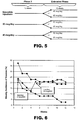
- the method comprises a first continuous administration period of exenatide at a first mcg/day dose that is followed by a second continuous administration period providing a dose escalation of the exenatide to a second mcg/day dose, wherein the second mcg/day dose is greater than the first mcg/day dose.
- the first mcg/day dose is, for example, delivered by a first osmotic delivery device and the second mcg/day dose is delivered by a second osmotic delivery device, and delivery of the incretin mimetic from at least the first or the second osmotic delivery device is continuous over the administration period of at least about 3 months.
- the second mcg/day dose is at least two times greater than the first mcg/day dose.
- the method can further comprise at least one more continuous administration period providing a dose escalation of the incretin mimetic to a higher mcg/day dose relative to the second mcg/day dose.
- Exemplary dose escalations for exenatide are as follows: about 10 mcg/day followed by about 20 mcg/day; about 10 mcg/day followed by about 40 mcg/day; about 10 mcg/day followed by about 60 mcg/day; about 10 mcg/day followed by about 80 mcg/day; about 20 mcg/day followed by about 40 mcg/day; about 20 mcg/day followed by about 60 mcg/day; about 20 mcg/day followed by about 80 mcg/day; about 40 mcg/day followed by about 60 mcg/day; about 40 mcg/day followed by about 80 mcg/day; or about 60 mcg/day followed by about 80 mcg/day.
- the method typically comprises providing continuous delivery of a drug from an osmotic delivery device, wherein substantial steady-state delivery of the drug at therapeutic concentrations is achieved within a time period of about 7 days or less after implantation of the osmotic delivery device in the subject.
- the substantial steady-state delivery of the drug from the osmotic delivery device is usually continuous over an administration period of at least about 3 months, wherein the drug has a half-life.
- the method comprises the proviso that the disease or condition is not prostate cancer.
- the method can further comprise the capability to terminate the continuous delivery such that the concentration of the drug is substantially undetectable in a blood sample from the within about 6 half-lives or less, about 5 half-lives or less, about 4 half-lives or less, or about 3 half-lives or less of the drug after termination of continuous delivery.
- termination of continuous delivery is accomplished by removal of the osmotic delivery device from the subject.
- the drug is, for example, detected by a radioimmunoassay or chromatography.
- the method comprises a first continuous administration period of the drug at a first dose/day that is followed by a second continuous administration period providing a dose escalation of the drug to a second dose/day, wherein the second dose/day is greater than the first dose/day.
- the first dose/day is, for example, delivered by a first osmotic delivery device and the second dose/day dose is delivered by a second osmotic delivery device, and delivery of the drug from at least the first or the second osmotic delivery device is continuous over the administration period of at least about 3 months.
- the method can further comprise at least one more continuous administration period providing a dose escalation of the drug to a higher dose/day relative to the second dose/day.
- Osmotic delivery devices for use in the methods of the present invention comprise the components described herein including, but not limited to, a reservoir, a semi-permeable membrane, an osmotic engine, a piston, a drug formulation or a suspension formulation, and a diffusion moderator.
- Drug formulations typically comprise a drug and a vehicle formulation.
- drug drug
- therapeutic agent therapeutic agent
- beneficial agent any therapeutically active substance that is delivered to a subject to produce a desired beneficial effect.
- Exenatide is used in the present invention.
- peptide typically refers to a molecule comprising a chain of two or more amino acids (e.g., most typically L-amino acids, but also including, e.g., D-amino acids, modified amino acids, amino acid analogs, and/or amino acid mimetic).
- Peptides may be naturally occurring, synthetically produced, or recombinantly expressed. Peptides may also comprise additional groups modifying the amino acid chain, for example, functional groups added via post-translational modification.
- post-translation modifications include, but are not limited to, acetylation, alkylation (including, methylation), biotinylation, glutamylation, glycylation, glycosylation, isoprenylation, lipoylation, phosphopantetheinylation, phosphorylation, selenation, and C-terminal amidation.
- the term peptide also includes peptides comprising modifications of the amino terminus and/or the carboxy terminus. Modifications of the terminal amino group include, but are not limited to, des-amino, N-lower alkyl, N-di-lower alkyl, and N-acyl modifications.
- Modifications of the terminal carboxy group include, but are not limited to, amide, lower alkyl amide, dialkyl amide, and lower alkyl ester modifications (e.g., wherein lower alkyl is C 1 -C 4 alkyl).
- the term peptide also includes modifications, such as but not limited to those described above, of amino acids falling between the amino and carboxy termini.
- a peptide may be modified by addition of a small-molecule drug.
- the terminal amino acid at one end of the peptide chain typically has a free amino group (i.e., the amino terminus).
- the terminal amino acid at the other end of the chain typically has a free carboxyl group (i.e., the carboxy terminus).
- the amino acids making up a peptide are numbered in order, starting at the amino terminus and increasing in the direction of the carboxy terminus of the peptide.
- amino acid residue refers to an amino acid that is incorporated into a peptide by an amide bond or an amide bond mimetic.
- cretin mimetics refers to exenatide. Incretin mimetics are also known in the literature as "insulinotropic peptides" or "GLP-1 receptor agonists.”
- insulinotropic typically refers to the ability of a compound, e.g., a peptide, to stimulate or affect the production and/or activity of insulin (e.g., an insulinotropic hormone). Such compounds typically stimulate the secretion or biosynthesis of insulin in a subject.
- Vehicle refers to a medium used to carry a compound, e.g., a drug.
- Vehicles of the present invention typically comprise components such as polymers and solvents.
- the suspension vehicles of the present invention typically comprise solvents and polymers that are used to prepare suspension formulations further comprising drug particle formulations.
- phase separation refers to the formation of multiple phases (e.g., liquid or gel phases) in the suspension vehicle, such as when the suspension vehicle contacts the aqueous environment.
- the suspension vehicle is formulated to exhibit phase separation upon contact with an aqueous environment having less than approximately 10% water.
- single-phase refers to a solid, semisolid, or liquid homogeneous system that is physically and chemically uniform throughout.
- dissolving refers to dissolving, dispersing, suspending, or otherwise distributing a compound, for example, a drug particle formulation, in a suspension vehicle.
- chemically stable refers to formation in a formulation of an acceptable percentage of degradation products produced over a defined period of time by chemical pathways, such as deamidation (usually by hydrolysis), aggregation, or oxidation.
- a physically stable formulation refers to formation in a formulation of an acceptable percentage of aggregates (e.g., dimers and other higher molecular weight products). Further, a physically stable formulation does not change its physical state as, for example, from liquid to solid, or from amorphous to crystal form.
- the ratio of shear stress to shear rate defines viscosity.
- Measurements of shear stress and shear rate are typically determined using parallel plate rheometery performed under selected conditions (for example, a temperature of about 37°C).
- Other methods for the determination of viscosity include, measurement of a kinematic viscosity using viscometers, for example, a Cannon-Fenske viscometer, a Ubbelohde viscometer for the Cannon-Fenske opaque solution, or a Ostwald viscometer.
- suspension vehicles of the present invention have a viscosity sufficient to prevent a particle formulation suspended therein from settling during storage and use in a method of delivery, for example, in an implantable, drug delivery device.
- non-aqueous refers to an overall moisture content, for example, of a suspension formulation, typically of less than or equal to about 10 wt%, preferably less than or equal to about 7 wt%, more preferably less than or equal to about 5 wt%, and more preferably less than about 4 wt%.
- subject refers to any member of the subphylum Chordata, including, without limitation, humans and other primates, including non-human primates such as rhesus macaques and other monkey species and chimpanzees and other ape species; farm animals such as cattle, sheep, pigs, goats and horses; domestic mammals such as dogs and cats; laboratory animals including rodents such as mice, rats and guinea pigs; birds, including domestic, wild and game birds such as chickens, turkeys and other gallinaceous birds, ducks, geese, and the like.
- the term does not denote a particular age or gender. Thus, both adult and newborn individuals are intended to be covered.
- osmotic delivery device typically refers to a device used for delivery of a drug (e.g., an incretin mimetic) to a subject, wherein the device comprises, for example, a reservoir (made, e.g., from a titanium alloy) having a lumen that contains a suspension formulation comprising a drug (e.g., an incretin mimetic) and an osmotic agent formulation.
- a piston assembly positioned in the lumen isolates the suspension formulation from the osmotic agent formulation.
- a semi-permeable membrane is positioned at a first distal end of the reservoir adjacent the osmotic agent formulation and a diffusion moderator (which defines a delivery orifice through which the suspension formulation exits the device) is positioned at a second distal end of the reservoir adjacent the suspension formulation.
- the osmotic delivery device is implanted within the subject, for example, subcutaneously (e.g., in the inside, outside, or back of the upper arm; or in the abdominal area).
- An exemplary osmotic delivery device is the DUROS® (ALZA Corporation, Mountain View, CA) delivery device.
- continuous delivery typically refers to a substantially continuous release of drug from an osmotic delivery device.
- the DUROS® delivery device releases drug essentially at a predetermined rate based on the principle of osmosis.
- Extracellular fluid enters the DUROS® device through the semi-permeable membrane directly into the osmotic engine that expands to drive the piston at a slow and consistent rate of travel. Movement of the piston forces the drug formulation to be released through the orifice of the diffusion moderator.
- release of the drug from the osmotic delivery device is at a slow, controlled, consistent rate.
- substantially steady-state delivery typically refers to delivery of a drug at or near a target concentration over a defined period of time, wherein the amount of the drug being delivered from an osmotic device is substantially zero-order delivery.
- Substantial zero-order delivery of an active agent e.g., exenatide
- the rate of drug delivered is constant and is independent of the drug available in the delivery system; for example, for zero-order delivery, if the rate of drug delivered is graphed against time and a line is fitted to the data the line has a slope of approximately zero, as determined by standard methods (e.g., linear regression).
- drug half-life refers how long it takes a drug to be eliminated from blood plasma by one half of its concentration.
- a drug's half-life is usually measured by monitoring how a drug degrades when it is administered via injection or intravenously.
- a drug is usually detected using, for example, a radioimmunoassay or chromatographic method.
- the present invention provides the subject-matter of claim 1.
- the administration period is, for example, at least about 3 months, at least about 3 months to about a year, at least about 4 months to about a year, at least about 5 months to about a year, at least about 6 months to about a year, at least about 8 months to about a year, at least about 9 months to about a year, or at least about 10 months to about a year.
- the substantial steady-state delivery of an incretin mimetic at therapeutic concentrations is achieved within about 5 days or less after implantation of the osmotic delivery device in the subject, within about 4 days or less after implantation of the osmotic delivery device in the subject, within about 3 days or less after implantation of the osmotic delivery device in the subject, within about 2 days or less after implantation of the osmotic delivery device in the subject, or within about 1 day or less after implantation of the osmotic delivery device in the subject.
- the substantial steady-state delivery of the incretin mimetic at therapeutic concentrations is achieved within about 2 days or less, more preferably within about 1 day or less after implantation of the osmotic delivery device in the subject.
- the treatment methods of the present invention provide significant decrease in the subject's fasting plasma glucose concentration after implantation of the osmotic delivery device in the subject (relative to the subject's fasting plasma glucose concentration before implantation of the osmotic delivery device) that is achieved within about 7 days or less after implantation of the osmotic delivery device in the subject, within about 6 days or less after implantation of the osmotic delivery device in the subject, within about 5 days or less after implantation of the osmotic delivery device in the subject, within about 4 days or less after implantation of the osmotic delivery device in the subject, within about 3 days or less after implantation of the osmotic delivery device in the subject, within about 2 days or less after implantation of the osmotic delivery device in the subject, or within about 1 day or less after implantation of the osmotic delivery device in the subject.
- the significant decrease in the subject's fasting plasma glucose concentration after implantation of the osmotic device, relative to the subject's fasting plasma glucose concentration before implantation is achieved within about 2 days or less, preferably within about 1 day or less after implantation of the osmotic delivery device in the subject, or more preferably within about 1 day after implantation of the osmotic delivery device in the subject.
- the significant decrease in fasting plasma glucose is typically statistically significant as demonstrated by application of an appropriate statistical test or is considered significant for the subject by a medical practitioner.
- a significant decrease in fasting plasma glucose relative to the baseline before implantation is typically maintained over the administration period.
- the treatment methods further comprise the capability to terminate the continuous delivery of the incretin mimetic such that the concentration of the incretin mimetic is substantially undetectable in a blood sample from the subject within about 6 half-lives or less of the incretin mimetic after termination of continuous delivery, within about 5 half-lives or less of the incretin mimetic after termination of continuous delivery, within about 4 half-lives or less of the incretin mimetic after termination of continuous delivery, or within about 3 half-lives or less of the incretin mimetic after termination of continuous delivery.
- incretin mimetic half-lives are exenatide, approximately 2.5 hours, and GLP-1, approximately 2 minutes.
- the incretin mimetic may be detected, for example, by a radioimmunoassay. Termination of the continuous delivery can be accomplished, for example, by removal of the osmotic delivery device from the subject.
- the treatment methods further comprise the capability to terminate the continuous delivery of exenatide such that the concentration of exenatide is substantially undetectable in a blood sample from the subject in less than about 72 hours after termination of continuous delivery, in less than about 48 hours after termination of continuous delivery, in less than about 24 hours after termination of continuous delivery, in less than about 18 hours after termination of continuous delivery, in less than about 14 hours after termination of continuous delivery, in less than about 12 hours after termination of continuous delivery, in less than about 6 hours after termination of continuous delivery, or in less than about 4 hours after termination of continuous delivery.
- exenatide is substantially undetectable in a blood sample from the subject in less than about 24 hours after termination of continuous delivery, in less than about 18 hours after termination of continuous delivery, or more preferably in less than about 14 hours after termination of continuous delivery.
- the method of treating type 2 diabetes mellitus further comprises the capability to terminate the continuous delivery such that the concentration of the exenatide is substantially undetectable in a blood sample from the subject after termination of continuous delivery, for example, in less than about 72 hours, in less than about 48 hours, in less than about 24, or in less than about 12 hours.
- the method of treating type 2 diabetes mellitus comprises a first continuous administration period of exenatide at a first mcg/day dose that is followed by a second continuous administration period providing a dose escalation of exenatide to a second mcg/day dose, wherein the second mcg/day dose is greater than the first mcg/day dose.
- the first mcg/day dose is delivered by a first osmotic delivery device and the second mcg/day dose is delivered by a second osmotic delivery device, and delivery of the incretin mimetic from at least the first or the second osmotic delivery device is continuous over the administration period of at least about 3 months.
- the second mcg/day dose is at least two times greater than the first mcg/day dose.
- the method can comprise at least one more continuous administration period providing a dose escalation of the incretin mimetic to a higher mcg/day dose relative to the second mcg/day dose.
- Dose escalation can be accomplished, for example, by removal of the first osmotic delivery device and implantation of a second osmotic delivery device, or by implantation of a second or further osmotic delivery device where the total dose delivered by the first and second osmotic delivery devices results in the desired dose escalation.
- the incretin mimetic is an exenatide
- the first mcg/day dose followed by the second mcg/day dose for continuous delivery are selected from the group consisting of: about 10 mcg/day followed by about 20 mcg/day; about 10 mcg/day followed by about 40 mcg/day; about 10 mcg/day followed by about 60 mcg/day; about 10 mcg/day followed by about 80 mcg/day; about 20 mcg/day followed by about 40 mcg/day; about 20 mcg/day followed by about 60 mcg/day; about 20 mcg/day followed by about 80 mcg/day; about 40 mcg/day followed by about 60 mcg/day; about 40 mcg/day followed by about 80 mcg/day; and about 60 mcg/day followed by about 80 mcg/day.
- the method comprises providing continuous delivery of an incretin mimetic (e.g., exenatide) from an implanted osmotic delivery device, wherein (i) a significant decrease in fasting plasma glucose concentration is achieved after implantation of the osmotic device in the subject, relative to the fasting plasma glucose concentration before implantation, within about 7 days of implantation of the osmotic delivery device in the subject, (ii) the delivery of the incretin mimetic is continuous over an administration period, and (iii) a significant decrease in fasting plasma glucose is maintained over the period.
- the significant decrease in fasting plasma glucose is typically statistically significant as demonstrated by application of an appropriate statistical test or is considered significant for the subject by a medical practitioner.
- Also disclosed herein is a method of treating type 2 diabetes mellitus in a subject in need of treatment comprising the capability to terminate continuous delivery of an incretin mimetic such that the concentration of the incretin mimetic is substantially undetectable in a blood sample from the subject within about 6 half-lives or less of the incretin mimetic after termination of continuous delivery, within about 5 half-lives or less of the incretin mimetic after termination of continuous delivery, within about 4 half-lives or less of the incretin mimetic after termination of continuous delivery, or within about 3 half-lives or less of the incretin mimetic after termination of continuous delivery.
- incretin mimetic half-lives include exenatide, approximately 2.5 hours, and GLP-1, approximately 2 minutes.
- Also disclosed herein is a method of treating type 2 diabetes mellitus, comprising a first continuous administration period of an incretin mimetic at a first mcg/day dose that is followed by a second continuous administration period providing a dose escalation of the incretin mimetic to a second mcg/day dose, wherein the second mcg/day dose is greater than the first mcg/day dose.
- the first mcg/day dose is delivered by a first osmotic delivery device and the second mcg/day dose is delivered by a second osmotic delivery device, and delivery of the incretin mimetic from at least the first or the second osmotic delivery device is continuous over the administration period of at least about 3 months.
- the second mcg/day dose is at least two times greater than the first mcg/day dose.
- the method can comprise at least one additional continuous administration period providing a dose escalation of the incretin mimetic to a higher mcg/day dose relative to the second mcg/day dose.
- Dose escalation can be accomplished, for example, by removal of the first osmotic delivery device and implantation of a second osmotic delivery device, or by implantation of a second or further osmotic delivery device where the total dose delivered by the first and second (or further) osmotic delivery devices results in the desired dose escalation.
- This aspect of the present invention (which comprises multiple, sequential continuous administration periods of escalating doses of the incretin mimetic) provides improved tolerization to dose escalation of the incretin mimetic relative to dose escalation based on injection of the incretin mimetic.
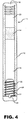
- an exemplary osmotic delivery device comprises the following: an impermeable reservoir comprising interior and exterior surfaces and first and second open ends; a semi-permeable membrane in sealing relationship with the first open end of the reservoir; an osmotic engine within the reservoir and adjacent the semi-permeable membrane; a piston adjacent the osmotic engine, wherein the piston forms a movable seal with the interior surface of the reservoir, the piston divides the reservoir into a first chamber and a second chamber, the first chamber comprising the osmotic engine; a suspension formulation, wherein the second chamber comprises the suspension formulation and the suspension formulation is flowable and comprises the incretin mimetic; and a diffusion moderator inserted in the second open end of the reservoir, the diffusion moderator adjacent the suspension formulation.
- the reservoir comprises titanium or a titanium alloy.
- suspension formulations for use in the methods comprise a particle formulation comprising exenatide, and a vehicle formulation.
- Vehicle formulations for use in forming the suspension formulations of the present invention comprise a solvent and a polymer.
- Solvents include benzyl benzoate, lauryl lactate, lauryl alcohol, or combinations thereof.
- the polymer is a polyvinvylpyrrolidone.
- the suspension vehicle consists essentially of one solvent and one polymer, for example, the solvent benzyl benzoate and the polymer polyvinvylpyrrolidone.
- the reservoir of the osmotic delivery devices may, for example, comprise titanium or a titanium alloy.
- Also provided as an aspect of the disclosure is a method of treating a disease or condition in a subject in need of treatment.
- the method comprises providing continuous delivery of a drug from an osmotic delivery device, wherein substantial steady-state delivery of the drug at therapeutic concentrations is achieved within a time period of about 7 days or less after implantation of the osmotic delivery device in the subject.
- the substantial steady-state delivery of the drug from the osmotic delivery device is continuous over an administration period of at least about 3 months.
- the drug has a known or determined half-life in a typical subject. Humans are preferred subjects for the practice of the present invention.
- the present invention includes a drug effective for treatment of the disease or condition, as well as an osmotic device comprising the drug for use in the present methods of treating the disease or condition in a subject in need of treatment.
- Advantages of the present invention include mitigation of peak-associated drug toxicities and attenuation of sub-optimal drug therapy associated with troughs.
- the administration period is, for example, at least about 3 months, at least about 3 months to about a year, at least about 4 months to about a year, at least about 5 months to about a year, at least about 6 months to about a year, at least about 8 months to about a year, at least about 9 months to about a year, or at least about 10 months to about a year.
- the method of treating a disease or condition includes the proviso that the disease or condition is not prostate cancer.
- the substantial steady-state delivery of a drug at therapeutic concentrations is achieved within a period of about 7 days or less after implantation of the osmotic delivery device in the subject, about 5 days or less after implantation of the osmotic delivery device in the subject, about 4 days or less after implantation of the osmotic delivery device in the subject, about 3 days or less after implantation of the osmotic delivery device in the subject, about 2 days or less after implantation of the osmotic delivery device in the subject, or about 1 day or less after implantation of the osmotic delivery device in the subject.
- establishment of the substantial steady-state delivery of the drug at therapeutic concentrations, after implantation of the osmotic delivery device in the subject may take a longer period of time, for example, a period of about 2 weeks or less, or within less than about 6 half-lives of the drug within the subject after implantation of the device.
- the methods of treating a disease or condition further comprise the capability to terminate the continuous delivery of the drug such that the concentration of the drug is substantially undetectable in a blood sample from the subject within about 6 half-lives or less of the drug after termination of continuous delivery, within about 5 half-lives or less of the drug after termination of continuous delivery, within about 4 half-lives or less after termination of continuous delivery, or within about 3 half-lives or less of the drug after termination of continuous delivery.
- drug half-lives are as follows: exenatide, approximately 2.5 hours; GLP-1, approximately 2 minutes; GIP, approximately 5 minutes; PYY, approximately 8 minutes; glucagon, approximately 6 minutes; oxynotomodulin, approximately 6 minutes; and GLP-2, approximately 6 minutes.
- the capability to terminate the continuous delivery of the more than one drug is such that the concentration of the more than one drug is substantially undetectable in a blood sample from the subject within about 6 half-lives or less of the more than one drug having the longest half-life after termination of continuous delivery. Termination of the continuous delivery can be accomplished, for example, by removal of the osmotic delivery device from the subject.
- the drug is detected in a blood sample by a radioimmunoassay or chromatography.
- the drug comprises a polypeptide, for example, selected from the following: recombinant antibodies, antibody fragments, humanized antibodies, single chain antibodies, monoclonal antibodies, and avimers; human growth hormone, epidermal growth factor, fibroblast growth factor, platelet-derived growth factor, transforming growth factor, and nerve growth factor; cytokines; and interferons.
- the drug comprises a small molecule.
- the method of treating a disease or condition further comprises a first continuous administration period of the drug at a first dose/day that is followed by a second continuous administration period providing a dose escalation of the drug to a second dose/day, wherein the second dose/day is greater than the first dose/day.
- the first dose/day is delivered by a first osmotic delivery device and the second dose/day is delivered by a second osmotic delivery device, and delivery of the drug from at least the first or the second osmotic delivery device is continuous over the administration period of at least about 3 months.
- the second dose/day is at least two times greater than the first dose/day.
- the method can comprise at least one more continuous administration period providing a dose escalation of the drug to a higher dose/day relative to the second dose/day.
- Dose escalation can be accomplished, for example, by removal of the first osmotic delivery device and implantation of a second osmotic delivery device, or by implantation of a second or further osmotic delivery device where the total dose delivered by the first and second osmotic delivery devices results in the desired dose escalation.
- the disclosure relates to a method of treating a disease or condition in a subject in need of treatment comprising the capability to terminate continuous delivery of a drug such that the concentration of the drug is substantially undetectable in a blood sample from the subject within about 6 half-lives or less of the drug after termination of continuous delivery, within about 5 half-lives or less of the drug after termination of continuous delivery, within about 4 half-lives or less of the drug after termination of continuous delivery, or within about 3 half-lives or less of the drug after termination of continuous delivery.
- termination of continuous delivery comprises removal of the osmotic delivery device from the subject.
- the drug is detected in a blood sample by a radioimmunoassay or chromatography.
- the disclosure relates to a method of treating a disease or condition in a subject in need of treatment, comprising a first continuous administration period of a drug at a first dose/day that is followed by a second continuous administration period providing a dose escalation of the drug to a second dose/day, wherein the second dose/day is greater than the first dose/day.
- the first dose/day is delivered by a first osmotic delivery device and the second dose/day is delivered by a second osmotic delivery device, and delivery of the drug from at least the first or the second osmotic delivery device is continuous over the administration period of at least about 3 months.
- the second dose/day is at least two times greater than the first dose/day.
- the method can comprise at least one additional continuous administration period providing a dose escalation of the drug to a higher dose/day relative to the second dose/day.
- Dose escalation can be accomplished, for example, by removal of the first osmotic delivery device and implantation of a second osmotic delivery device, or by implantation of a second or further osmotic delivery device where the total dose delivered by the first and second (or further) osmotic delivery devices results in the desired dose escalation.
- This aspect of the present invention (which comprises multiple, sequential continuous administration periods of escalating doses of the drug) provides improved tolerization to dose escalation of the drug relative to, for example, dose escalation based on injection of the drug.
- an exemplary osmotic delivery device comprises the following: an impermeable reservoir comprising interior and exterior surfaces and first and second open ends; a semi-permeable membrane in sealing relationship with the first open end of the reservoir; an osmotic engine within the reservoir and adjacent the semi-permeable membrane; a piston adjacent the osmotic engine, wherein the piston forms a movable seal with the interior surface of the reservoir, the piston divides the reservoir into a first chamber and a second chamber, the first chamber comprising the osmotic engine; a drug formulation or suspension formulation comprising the drug, wherein the second chamber comprises the drug formulation or suspension formulation and the drug formulation or suspension formulation is flowable; and a diffusion moderator inserted in the second open end of the reservoir, the diffusion moderator adjacent the suspension formulation.
- the reservoir comprises titanium or a titanium alloy.
- the drug formulation can comprise the drug and a vehicle formulation.
- suspension formulations are used in the methods and can, for example, comprise a particle formulation comprising the drug and a vehicle formulation.
- Vehicle formulations for use in forming the suspension formulations of the present invention can, for example, comprise a solvent and a polymer.
- solvents include, but are not limited to benzyl benzoate, lauryl lactate, lauryl alcohol, or combinations thereof.
- An example of a polymer is a polyvinvylpyrrolidone.
- the suspension vehicle consists essentially of one solvent and one polymer, for example, the solvent benzyl benzoate and the polymer polyvinvylpyrrolidone.
- the reservoir of the osmotic delivery devices may, for example, comprise titanium or a titanium alloy.
- the implanted osmotic delivery device can be used to provide subcutaneous delivery.
- the continuous delivery can, for example, be zero-order, controlled continuous delivery.
- Drugs for use in the practice of the present invention are typically uniformly suspended, dissolved or dispersed in a suspension vehicle to form a suspension formulation.
- the present disclosure provides drug particle formulations for pharmaceutical use.
- the particle formulation typically comprises a drug and includes one or more stabilizing component.
- stabilizing components include, but are not limited to, carbohydrates, antioxidants, amino acids, buffers, inorganic compounds, and surfactants.
- the molecule exenatide has the amino acid sequence of exendin-4 ( Kolterman O.G., et al., J. Clin. Endocrinol. Metab. 88(7):3082-9 (2003 )) and is produced by chemical synthesis or recombinant expression. Twice-daily injectable exenatide is commercially available in the United States and Europe, and sold under the tradename of Byetta® (Amylin Pharmaceuticals, Inc., San Diego CA). Exendin-3 and exendin-4 are known in the art and were originally isolated from Heloderma spp. ( Eng, J., et al., J. Biol.
- exendin-3 and exendin-4 for the treatment of type 2 diabetes mellitus and the prevention of hyperglycemia has been proposed (see, e.g., U.S. Patent No. 5,424,286 ).
- Numerous exenatide peptide derivatives and peptide analogs are known in the art (see, e.g., U.S. Patent Nos.
- exenatide derivative useful in the practice of the present invention is lixisenatide (also known as ZP10, AVE0010) (see, e.g., U.S. Patent No. 6,528,486 ), which is in clinical trials.
- lixisenatide also known as ZP10, AVE0010
- exenatide peptides e.g., including exendin-3, exendin-4, and exendin-4-amide
- exenatide peptide derivatives e.g., including exendin-3, exendin-4, and exendin-4-amide
- exenatide peptide derivatives e.g., and exenatide peptide analogs is referred to collectively as "exenatide.”
- the half-life of exenatide is approximately 2.5 hours.
- the amount of drug in drug particle formulations is that amount necessary to deliver a therapeutically effective amount of the agent to achieve the desired therapeutic result in the subject to which the drug is being delivered. In practice, this will vary depending upon such variables, for example, as the particular agent, the severity of the condition, and the desired therapeutic effect.
- Beneficial agents and their dosage unit amounts are known to the prior art in Goodman & Gilman's The Pharmacological Basis of Therapeutics, 11th Ed., (2005), McGraw Hill ; Remington's Pharmaceutical Sciences, 18th Ed., (1995), Mack Publishing Co. ; and Martin's Physical Pharmacy and Pharmaceutical Sciences, 1.00 edition (2005), Lippincott Williams & Wilkins . Further, highly concentrated drug particles are described in U.S. Patent Publication No. 2010/0092566 .
- the volume of the chamber comprising the drug formulation is between about 100 ⁇ l to about 1000 ⁇ l, more preferably between about 140 ⁇ l and about 200 ⁇ l. In one embodiment, the volume of the chamber comprising the drug formulation is about 150 ⁇ l.
- Drug particle formulations of the invention are preferably chemically and physically stable for at least 1 month, preferably at least 3 months, more preferably at least 6 months, more preferably at least 12 months at delivery temperature.
- the delivery temperature is typically normal human body temperature, for example, about 37°C, or slightly higher, for example, about 40°C.
- drug particle formulations of the present invention are preferably chemically and physically stable for at least 3 months, preferably at least 6 months, more preferably at least 12 months, at storage temperature. Examples of storage temperatures include refrigeration temperature, for example, about 5°C; or room temperature, for example, about 25°C.
- a drug particle formulation may be considered chemically stable if less than about 25%, preferably less than about 20%, more preferably less than about 15%, more preferably less than about 10%, and more preferably less than about 5% breakdown products of the drug particles are formed after about 3 months, preferably after about 6 months, preferably after about 12 months at delivery temperature and after about 6 months, after about 12 months, and preferably after about 24 months at storage temperature.
- a drug particle formulation may be considered physically stable if less than about 10%, preferably less than about 5%, more preferably less than about 3%, more preferably less than 1% aggregates of the drug are formed after about 3 months, preferably after about 6 months, at delivery temperature and about 6 months, preferably about 12 months, at storage temperature.
- Tg glass transition temperature
- peptide products will not have mobility when stored at room temp or even at 40°C because the storage temperature is below the Tg.
- Tg is also dependent on the moisture concentration in the product formulation. Generally, the more moisture, the lower the Tg of the composition.
- particle formulations are formable into particles using processes such as spray drying, lyophilization, desiccation, freeze-drying, milling, granulation, ultrasonic drop creation, crystallization, precipitation, or other techniques available in the art for forming particles from a mixture of components.
- the particles are spray dried.
- the particles are preferably substantially uniform in shape and size.
- the particles are typically sized such that they can be delivered via an implantable osmotic drug delivery device. Uniform shape and size of the particles typically helps to provide a consistent and uniform rate of release from such a delivery device; however, a particle preparation having a non-normal particle size distribution profile may also be used.
- the size of the particles is less than about 30%, more preferably is less than about 20%, more preferably is less than about than 10%, of the diameter of the delivery orifice.
- particle sizes may be, for example, less than about 150 microns to about 50 microns. In an embodiment of the particle formulation for use with an osmotic delivery system, wherein the delivery orifice diameter of the implant is about 0.1 mm, particle sizes may be, for example, less than about 30 microns to about 10 microns. In one embodiment, the orifice is about 0.25 mm (250 microns) and the particle size is about 2 microns to about 5 microns.
- the particles of the particle formulations when incorporated in a suspension vehicle, do not settle in less than about 3 months, preferably do not settle in less than about 6 months, more preferably do not settle in less than about 12 months, more preferably do not settle in less than about 24 months at delivery temperature, and most preferably do not settle in less than about 36 months at delivery temperature.
- the suspension vehicles typically have a viscosity of between about 5,000 to about 30,000 poise, preferably between about 8,000 to about 25,000 poise, more preferably between about 10,000 to about 20,000 poise. In one embodiment, the suspension vehicle has a viscosity of about 15,000 poise, plus or minus about 3,000 poise. Generally speaking, smaller particles tend to have a lower settling rate in viscous suspension vehicles than larger particles.
- micron-to nano-sized particles are typically desirable.
- particles of about 2 microns to about 7 microns of the present invention will not settle for at least 20 years at room temperature based on simulation modeling studies.
- the particle formulation of the present invention for use in an implantable osmotic delivery device, comprises particles of sizes less than about 50 microns, more preferably less than about 10 microns, more preferably in a range from about 2 microns to about 7 microns.
- a drug particle formulation comprises a drug, as described above, one or more stabilizers, and optionally a buffer.
- the stabilizers may be, for example, carbohydrate, antioxidant, amino acid, buffer, inorganic compound, or surfactant.
- the amounts of stabilizers and buffer in the particle formulation can be determined experimentally based on the activities of the stabilizers and buffers and the desired characteristics of the formulation, in view of the teachings of the present specification.
- the amount of carbohydrate in the formulation is determined by aggregation concerns. In general, the carbohydrate amount should not be too high so as to avoid promoting crystal growth in the presence of water due to excess carbohydrate unbound to drug.
- the amount of antioxidant in the formulation is determined by oxidation concerns, while the amount of amino acid in the formulation is determined by oxidation concerns and/or formability of particles during spray drying.
- the amount of buffer in the formulation is determined by pre-processing concerns, stability concerns, and formability of particles during spray drying. Buffer may be required to stabilize drug during processing, e.g., solution preparation and spray drying, when all excipients are solubilized.
- carbohydrates examples include, but are not limited to, monosaccharides (e.g., fructose, maltose, galactose, glucose, D-mannose, and sorbose), disaccharides (e.g., lactose, sucrose, trehalose, and cellobiose), polysaccharides (e.g., raffinose, melezitose, maltodextrins, dextrans, and starches), and alditols (acyclic polyols; e.g., mannitol, xylitol, maltitol, lactitol, xylitol sorbitol, pyranosyl sorbitol, and myoinsitol).
- Preferred carbohydrates include disaccharides and/or non-reducing sugars, such as sucrose, trehalose, and raffinose.
- antioxidants examples include, but are not limited to, methionine, ascorbic acid, sodium thiosulfate, catalase, platinum, ethylenediaminetetraacetic acid (EDTA), citric acid, cysteins, thioglycerol, thioglycolic acid, thiosorbitol, butylated hydroxanisol, butylated hydroxyltoluene, and propyl gallate.
- amino acids that readily oxidize can be used as antioxidants, for example, cysteine, methionine, and tryptophan.
- a preferred antioxidant is methionine.
- amino acids examples include, but are not limited to, arginine, methionine, glycine, histidine, alanine, L-leucine, glutamic acid, iso-leucine, L-threonine, 2-phenylamine, valine, norvaline, praline, phenylalanine, trytophan, serine, asparagines, cysteine, tyrosine, lysine, and norleucine.
- Preferred amino acids include those that readily oxidize, e.g., cysteine, methionine, and trytophan.
- buffers examples include, but are not limited to, citrate, histidine, succinate, phosphate, maleate, tris, acetate, carbohydrate, and gly-gly.
- Preferred buffers include citrate, histidine, succinate, and tris.
- inorganic compounds that may be included in the particle formulation include, but are not limited to, NaCl, Na 2 SO4, NaHCO 3 , KCl, KH 2 PO4, CaCl 2 , and MgCl 2 .
- the particle formulation may include other excipients, such as surfactants, and salts.
- surfactants include, but are not limited to, Polysorbate 20, Polysorbate 80, PLURONIC® (BASF Corporation, Mount Olive, NJ) F68, and sodium docecyl sulfate (SDS).
- salts include, but are not limited to, sodium chloride, calcium chloride, and magnesium chloride.
- All components included in the particle formulation are typically acceptable for pharmaceutical use in mammals, in particular, in humans.
- a selected drug or combination of drugs is formulated into dried powders in solid state, which preserve maximum chemical and biological stability of the drug.
- the particle formulation offers long-term storage stability at high temperature, and therefore, allows delivery to a subject of stable and biologically effective drug for extended periods of time.
- the suspension vehicle provides a stable environment in which the drug particle formulation is dispersed.
- the drug particle formulations are chemically and physically stable (as described above) in the suspension vehicle.
- the suspension vehicle typically comprises one or more polymer and one or more solvent that form a solution of sufficient viscosity to uniformly suspend the particles comprising the drug.
- the suspension vehicle may comprise further components, including, but not limited to, surfactants, antioxidants, and/or other compounds soluble in the vehicle.
- the viscosity of the suspension vehicle is typically sufficient to prevent the drug particle formulation from settling during storage and use in a method of delivery, for example, in an implantable, osmotic delivery device.
- the suspension vehicle is biodegradable in that the suspension vehicle disintegrates or breaks down over a period of time in response to a biological environment, while the drug particle is dissolved in the biological environment and the active pharmaceutical ingredient (i.e., the drug) in the particle is absorbed.
- the solvent in which the polymer is dissolved may affect characteristics of the suspension formulation, such as the behavior of drug particle formulation during storage.
- a solvent may be selected in combination with a polymer so that the resulting suspension vehicle exhibits phase separation upon contact with the aqueous environment.
- the solvent may be selected in combination with the polymer so that the resulting suspension vehicle exhibits phase separation upon contact with the aqueous environment having less than approximately about 10% water.
- the solvent may be an acceptable solvent that is not miscible with water.
- the solvent may also be selected so that the polymer is soluble in the solvent at high concentrations, such as at a polymer concentration of greater than about 30%.
- solvents include, but are not limited to, lauryl alcohol, benzyl benzoate, benzyl alcohol, lauryl lactate, decanol (also called decyl alcohol), ethyl hexyl lactate, and long chain (Cg to C 24 ) aliphatic alcohols, esters, or mixtures thereof.
- the solvent used in the suspension vehicle may be "dry," in that it has a low moisture content.
- the solvents for use in formulation of the suspension vehicle include lauryl lactate, lauryl alcohol, benzyl benzoate, and mixtures thereof.
- polymers for formulation of suspension vehicles include, but are not limited to, a polyester (e.g., polylactic acid or polylacticpolyglycolic acid), a polymer comprising pyrrolidones (e.g., polyvinylpyrrolidone having a molecular weight ranging from approximately 2,000 to approximately 1,000,000), ester or ether of an unsaturated alcohol (e.g., vinyl acetate), polyoxyethylenepolyoxypropylene block copolymer, or mixtures thereof.
- Polyvinylpyrrolidone can be characterized by its K-value (e.g., K-17), which is a viscosity index.
- the polymer is polyvinylpyrrolidone having a molecular weight of 2,000 to 1,000,000. In a preferred embodiment the polymer is polyvinylpyrrolidone K-17 (typically having an approximate average molecular weight range of 7,900 - 10,800).
- the polymer used in the suspension vehicle may include one or more different polymers or may include different grades of a single polymer. The polymer used in the suspension vehicle may also be dry or have a low moisture content.
- a suspension vehicle for use in the present invention may vary in composition based on the desired performance characteristics.
- the suspension vehicle may comprise about 40 wt% to about 80 wt% polymer(s) and about 20 wt% to about 60 wt% solvent(s).
- Preferred embodiments of a suspension vehicle include vehicles formed of polymer(s) and solvent(s) combined at the following ratios: about 25 wt% solvent and about 75 wt% polymer; about 50 wt% solvent and about 50 wt% polymer; about 75 wt% solvent and about 25 wt% polymer.
- the suspension vehicle may comprise selected components and in other embodiments consist essentially of selected components.
- the suspension vehicle may exhibit Newtonian behavior.
- the suspension vehicle is typically formulated to provide a viscosity that maintains a uniform dispersion of the particle formulation for a predetermined period of time. This helps facilitate making a suspension formulation tailored to provide controlled delivery of the drug contained in the drug particle formulation.
- the viscosity of the suspension vehicle may vary depending on the desired application, the size and type of the particle formulation, and the loading of the particle formulation in the suspension vehicle.
- the viscosity of the suspension vehicle may be varied by altering the type or relative amount of the solvent or polymer used.
- the suspension vehicle may have a viscosity ranging from about 100 poise to about 1,000,000 poise, preferably from about 1,000 poise to about 100,000 poise.
- the suspension vehicles typically have a viscosity, at 33 °C, of between about 5,000 to about 30,000 poise, preferably between about 8,000 to about 25,000 poise, more preferably between about 10,000 to about 20,000 poise.
- the suspension vehicle has a viscosity of about 15,000 poise, plus or minus about 3,000 poise, at 33 °C. The viscosity may be measured at 33°C, at a shear rate of 10 -4 /sec, using a parallel plate rheometer.
- the suspension vehicle may exhibit phase separation when contacted with the aqueous environment; however, typically the suspension vehicle exhibits substantially no phase separation as a function of temperature. For example, at a temperature ranging from approximately 0°C to approximately 70°C and upon temperature cycling, such as cycling from 4°C to 37°C to 4°C, the suspension vehicle typically exhibits no phase separation.
- the suspension vehicle may be prepared by combining the polymer and the solvent under dry conditions, such as in a dry box.
- the polymer and solvent may be combined at an elevated temperature, such as from approximately 40°C to approximately 70°C, and allowed to liquefy and form the single phase.
- the ingredients may be blended under vacuum to remove air bubbles produced from the dry ingredients.
- the ingredients may be combined using a conventional mixer, such as a dual helix blade or similar mixer, set at a speed of approximately 40 rpm. However, higher speeds may also be used to mix the ingredients.
- the suspension vehicle may be cooled to room temperature.
- Differential scanning calorimetry (DSC) may be used to verify that the suspension vehicle is a single phase.
- the components of the vehicle e.g., the solvent and/or the polymer
- the drug particle formulation is added to the suspension vehicle to form a suspension formulation.
- the suspension formulation may comprise a drug particle formulation and a suspension vehicle and in other embodiments consist essentially of a drug particle formulation and a suspension vehicle.
- the suspension formulation may be prepared by dispersing the particle formulation in the suspension vehicle.
- the suspension vehicle may be heated and the particle formulation added to the suspension vehicle under dry conditions.
- the ingredients may be mixed under vacuum at an elevated temperature, such as from about 40°C to about 70°C.
- the ingredients may be mixed at a sufficient speed, such as from about 40 rpm to about 120 rpm, and for a sufficient amount of time, such as about 15 minutes, to achieve a uniform dispersion of the particle formulation in the suspension vehicle.
- the mixer may be a dual helix blade or other suitable mixer.
- the resulting mixture may be removed from the mixer, sealed in a dry container to prevent water from contaminating the suspension formulation, and allowed to cool to room temperature before further use, for example, loading into an implantable, drug delivery device, unit dose container, or multiple-dose container.
- the suspension formulation typically has an overall moisture content of less than about 10 wt%, preferably less than about 5 wt%, and more preferably less than about 4 wt%.
- the suspension formulations of the present invention are substantially homogeneous and flowable to provide delivery of the drug particle formulation from the osmotic delivery device to the subject.
- the components of the suspension vehicle provide biocompatibility.
- Components of the suspension vehicle offer suitable chemico-physical properties to form stable suspensions of drug particle formulations. These properties include, but are not limited to, the following: viscosity of the suspension; purity of the vehicle; residual moisture of the vehicle; density of the vehicle; compatibility with the dry powders; compatibility with implantable devices; molecular weight of the polymer; stability of the vehicle; and hydrophobicity and hydrophilicity of the vehicle. These properties can be manipulated and controlled, for example, by variation of the vehicle composition and manipulation of the ratio of components used in the suspension vehicle.
- the suspension formulations described herein may be used in an implantable, osmotic drug delivery device to provide zero-order, continuous, controlled, and sustained delivery of a compound over an extended period of time, such as over weeks, months, or up to about one year or more.
- an implantable osmotic drug delivery device is typically capable of delivering the suspension formulation, comprising the drug, at a desired flow rate over a desired period of time.
- the suspension formulation may be loaded into the implantable, osmotic drug delivery device by conventional techniques.
- a dose and delivery rate can be selected to achieve a desired blood concentration of a drug generally within less than about 6 half-lives of the drug within the subject after implantation of the device.
- the blood concentration of the drug is selected to give the optimal therapeutic effects of the drug while avoiding undesirable side effects that may be induced by excess concentration of the drug, while at the same time avoiding peaks and troughs that may induce side effects associated with peak or trough plasma concentrations of the drug.
- the implantable, osmotic drug delivery device typically includes a reservoir having at least one orifice through which the suspension formulation is delivered.
- the suspension formulation may be stored within the reservoir.
- the implantable, drug delivery device is an osmotic delivery device, wherein delivery of the drug is osmotically driven.
- the DUROS® delivery device typically consists of a cylindrical reservoir which contains the osmotic engine, piston, and drug formulation.
- the reservoir is capped at one end by a controlled-rate, semi-permeable membrane and capped at the other end by a diffusion moderator through which suspension formulation, comprising the drug, is released from the drug reservoir.
- the piston separates the drug formulation from the osmotic engine and utilizes a seal to prevent the water in the osmotic engine compartment from entering the drug reservoir.
- the diffusion moderator is designed, in conjunction with the drug formulation, to prevent body fluid from entering the drug reservoir through the orifice.
- the DUROS® device releases a drug at a predetermined rate based on the principle of osmosis. Extracellular fluid enters the DUROS® device through a semi-permeable membrane directly into a salt engine that expands to drive the piston at a slow and even delivery rate. Movement of the piston forces the drug formulation to be released through the orifice or exit port at a predetermined sheer rate.
- the reservoir of the DUROS® device is load with a suspension formulation wherein the device is capable of delivering the suspension formulation to a subject over an extended period of time (e.g., about 1, about 3, about 6, about 9, about 10, or about 12 months) at a pre-determined, therapeutically effective delivery rate.
- the release rate of the drug from the osmotic delivery device typically provides a subject with a predetermined target dose of a drug, for example, a therapeutically effective daily dose delivered over the course of a day; that is, the release rate of the drug from the device, provides substantial steady-state delivery of the drug at a therapeutic concentration to the subject.
- a predetermined target dose of a drug for example, a therapeutically effective daily dose delivered over the course of a day; that is, the release rate of the drug from the device, provides substantial steady-state delivery of the drug at a therapeutic concentration to the subject.
- the volume of a beneficial agent chamber comprising the beneficial agent formulation is between about 100 ⁇ l to about 1000 ⁇ l, more preferably between about 120 ⁇ l and about 500 ⁇ l, more preferably between about 150 ⁇ l and about 200 ⁇ l.
- the osmotic delivery device is implanted within the subject, for example, subcutaneously to provide subcutaneous drug delivery.
- the device(s) can be implanted subcutaneously into either or both arms (e.g., in the inside, outside, or back of the upper arm) or the abdomen. Preferred locations in the abdominal area are under the abdominal skin in the area extending below the ribs and above the belt line.
- the abdominal wall can be divided into 4 quadrants as follows: the upper right quadrant extending 5-8 centimeters below the right ribs and about 5-8 centimeters to the right of the midline, the lower right quadrant extending 5-8 centimeters above the belt line and 5-8 centimeters to the right of the midline, the upper left quadrant extending 5-8 centimeters below the left ribs and about 5-8 centimeters to the left of the midline, and the lower left quadrant extending 5-8 centimeters above the belt line and 5-8 centimeters to the left of the midline.
- This provides multiple available locations for implantation of one or more devices on one or more occasions.
- Implantation and removal of osmotic delivery devices are generally carried out by medical professionals using local anesthesia (e.g., lidocaine).
- Termination of treatment by removal of an osmotic delivery device from a subject is straightforward, and provides the important advantage of immediate cessation of delivery of the drug to the subject.
- suspension formulations may also be used in infusion pumps, for example, the ALZET® (DURECT Corporation, Cupertino CA) osmotic pumps which are miniature, infusion pumps for the continuous dosing of laboratory animals (e.g., mice and rats).
- ALZET® DURECT Corporation, Cupertino CA
- laboratory animals e.g., mice and rats.
- incretin mimetics may be used in the practice of the following methods: treating obesity, controlling appetite, reducing caloric intake, reducing food intake, suppressing appetite, inducing anorexia, treating impaired glucose tolerance, treating post-prandial hyperglycemia, treating post-prandial dumping syndrome, treating hyperglycemic conditions, reducing triglycerides, reducing cholesterol, increasing urine flow, decreasing potassium concentration in the urine, alleviating toxic hypervolemia, inducing rapid diuresis, pre-surgical patient preparation, post-surgical patient treatment, increasing renal plasma flow and glomerular filtration rate, treating pre-eclampsia or eclampsia during pregnancy, increasing cardiac contractility, treating renal failure, treating congestive heart failure, treating nephrotic syndrome, treating pulmonary edema, treating systemic edema, treating cirrhosis, treating impaired glucose tolerance, treating pre-diabetes (blood glucose levels that are higher than normal but not yet high enough to be diagnosed as
- the present invention also provides treatment methods for delivery of an incretin mimetic having the following advantages.
- the continuous delivery from, for example, an osmotic delivery device ensures 100% treatment compliance for subjects and avoids the need for twice-daily, daily, weekly, or even monthly injections because the devices described herein can deliver an incretin mimetic for time periods of up to a about year or more.
- the avoidance of self-injection is a particular advantage for a subject who is needle phobic.
- use of implantable devices for continuous delivery provides treatment convenience and avoids scheduling conflicts, for example, with meals, and also eliminates the inconvenience of administration of a drug by injection, for example, when subjects are in public or busy with daily activities.
- the present invention also provides methods to treat subjects at dosage levels of incretin mimetics previously thought to be higher than tolerable dosage levels. For example, continuous delivery of exenatide is described herein for dosages tolerated at least up to 80 mcg/day.
- the present invention provides dosage escalation.
- multiple devices for continuous delivery of the incretin mimetic are provided. Each device is capable of delivering a particular drug dose per day.
- a low-dose device is initially implanted, followed by removal and implantation of a higher daily dose device.
- the first device may be kept in place and a second device implanted to increase the daily dose.
- a subject may be started by dosing with an injectable form of the drug (e.g., twice-daily, once-daily, once-weekly, or once- or twice-monthly injection) and transitioned to an implantable device to provide continuous delivery after an initial period.
- an injectable form of the drug e.g., twice-daily, once-daily, once-weekly, or once- or twice-monthly injection
- Such transitioning from injectable to implantable may, for example, allow subjects or physicians to try a drug and perhaps be observed for any immediate adverse effects before implantation of a device. Injectable to implantable transitions may also be useful for treatment of subjects who are particularly nervous about possible drug side effects. Also, providing the drug by injection or by continuous delivery at low dose may permit tolerization of the drug at low dose before changing to higher and more efficacious therapeutic doses.
- Optimal time periods are determined for a drug concerning how long an initial device remains in place before replacement with a higher dose delivery device.
- optimal time periods are determined for how long an initial phase of treatment by injection goes on before implantation of an osmotic delivery device. For example, treatment is commenced at a low dose with low incidence of side effects (e.g., for about 2 weeks, about 3 months, about 6 months, about 9 months, about a year). The subject adjusts to that dose and subsequently a higher dose delivery device is implanted providing dose escalation. Alternatively, a subject who has been treated with an injectable form dose escalates to an implantable osmotic delivery device. Such dose escalations were shown from the data presented herein to achieve additional benefits in glucose regulation and weight loss.
- initial dosages include, but are not limited to, delivery of about 1 mcg/day to about 20 mcg/day, followed by dose escalation to about 5 mcg/day to about 1,000 mcg/day.
- escalation of incretin mimetic doses include, but are not limited to, the following: about 10 mcg/day followed by about 20 mcg/day; about 10 mcg/day followed by about 40 mcg/day; about 10 mcg/day followed by about 60 mcg/day; about 10 mcg/day followed by about 80 mcg/day; about 20 mcg/day followed by about 40 mcg/day; about 20 mcg/day followed by about 60 mcg/day; about 20 mcg/day followed by about 80 mcg/day; about 40 mcg/day followed by about 60 mcg/day; about 40 mcg/day followed by about 80 mcg/day;
- kits and methods for manufacturing kits comprising one or more lower dose osmotic delivery devices and one or more higher dose osmotic delivery devices (the lower and higher dosages being relative to the other devices in the kit).
- kits may optionally include an implanter, lidocaine, and sterile field/supplies.
- dose escalation is from a low dose of incretin mimetic, for example, about 1 mcg/day to about 30 mcg/day, to a high dose of greater than the low dose to about 80 mcg/day.
- the disclosure provides a method of treating diabetes without a substantial increase in insulin secretion using an incretin mimetic.
- the incretin mimetic is exenatide.
- Data obtained in the course of the studies described herein demonstrated that, at higher doses of continuous delivery of exenatide (e.g., 20 mcg/day, 40 mcg/day, and 80 mcg/day), effective treatment of diabetes was achieved in the absence of an increase in insulin production. Insulin levels were measured by radioimmunoassay.
- the methods of the disclosure allow for the administration of a drug, e.g., an incretin mimetic, without a substantial initial drug burst that typically occurs with depot injections (e.g., initial drug burst of from about 5% of total drug in depot formulation to about 1% of total drug in depot formulation) that provide sustained delivery over a period of time (e.g., depot injections formulated using poly(lactides), poly(glycolides), poly(lactide-co-glycolides), poly(lactic acid)s, poly(glycolic acid)s, poly(lactic acid-co-glycolic acid)s and blends and copolymers thereof).
- a drug e.g., an incretin mimetic
- depot injections formulated using poly(lactides), poly(glycolides), poly(lactide-co-glycolides), poly(lactic acid)s, poly(glycolic acid)s, poly(lactic acid-co-glycolic acid)s and blends and cop
- the disclosure is directed to methods of providing greater reduction in plasma blood glucose in a shorter time period (e.g. within 1-5 days) than can be achieved using twice-daily daily injections, comprising providing continuous delivery of an incretin mimetic, for example, exenatide.
- continuous delivery is achieved by use of an implantable osmotic delivery device.
- Another advantage of the present invention is the ability to remove the delivery device providing continuous delivery of the drug and provide rapid termination of drug delivery for any reason, for example, in the case of myocardial infarction, pregnancy, pancreatitis or suspected pancreatitis, emergency medical care (e.g., termination of drug therapies), or adverse drug reactions.
- the present invention uniquely addresses unmet needs relative to injectable incretin mimetics.
- one shortcoming of twice-daily injectable exenatide is that greater than 65% of subjects are not treated to or maintained at HbAlc treatment goals.
- Another disadvantage of twice-daily injectable exenatide is that greater than 65% of these subjects become noncompliant between 6-12 months when attempting to adhere to the injection treatment schedule.
- 65% of subjects treated with twice-daily injectable exenatide are overweight and need sustained weight loss.
- Example 3 demonstrated that the methods of and osmotic devices comprising an incretin mimetic for use in methods of treating type 2 diabetes mellitus by continuous delivery as set forth by the present invention provide sustained treatment of subjects at target doses, complete subject compliance with the treatment, and sustained weight loss.
- a target dose typically provides substantial steady-state delivery of the incretin mimetic at a therapeutic concentration to the subject.
- the present invention provides methods of and osmotic devices comprising incretin mimetics for use in methods of treating type 2 diabetes mellitus by continuous delivery, wherein substantial steady-state delivery of the incretin mimetic at therapeutic concentrations is achieved within a time period of about 7 days or less, about 6 days or less, about 5 days or less, about 4 days or less, about 3 days or less, preferably about 2 days or less, and more preferably about 1 day or less, after implantation of the osmotic delivery device in the subj ect.
- the data demonstrate that the present invention provides methods of and osmotic devices comprising incretin mimetics for use in methods of treating type 2 diabetes mellitus by continuous delivery, wherein a significant decrease in fasting plasma glucose concentration, relative to the fasting plasma glucose concentration before implantation, is achieved after implantation of the osmotic delivery device in the subject within a time period of about 7 days or less, about 6 days or less, about 5 days or less, about 4 days or less, about 3 days or less, preferably about 2 days or less, and more preferably about 1 day or less, after implantation of the osmotic delivery device in the subject.
- the data demonstrate that the present invention provides the capability to terminate the continuous delivery such that the concentration of an incretin mimetic is substantially undetectable in a blood sample from the subject, after termination of continuous delivery, in less than about 6 half-lives of the drug after termination of continuous delivery, in less than about 5 half-lives of the drug after termination of continuous delivery, in less than about 4 half-lives of the drug after termination of continuous delivery, or in less than about 3 half-lives of the drug after termination of continuous delivery.
- the data show that treatment by continuous delivery of an incretin mimetic provided better decreases in HbAlc than treatment by injection.
- the data illustrate that the methods of and osmotic devices comprising an incretin mimetic for use in methods of treating type 2 diabetes mellitus by continuous delivery as described herein provide improved tolerization to dose escalation of the incretin mimetic relative to injection of the incretin mimetic.
- the comparative data described below demonstrate the superior treatment outcomes using the methods of and osmotic devices comprising an incretin mimetic for use in methods of treating type 2 diabetes mellitus by continuous delivery of the present invention, in combination with metformin therapy, relative to other treatment methods.
- Such other treatment methods include twice-daily injection of exenatide, once-weekly injection of exenatide, once-daily injection of liraglutide, once-weekly injection of taspoglutide, once-daily orally administered sitagliptin, and once-daily orally administered pioglitazone.
- the methods of and osmotic devices comprising an incretin mimetic, exenatide, for use in methods of treating type 2 diabetes mellitus by continuous delivery as described herein provide a new standard of effective treatment.
- the present invention provides superior HbAlc reduction, improved weight loss, and complete compliance, as well as long-term glycemic control relative to the use of dipeptidyl peptidase-4 (DPP-4) inhibitors (e.g., sitagliptin), thiazolidinediones (TZDs) (e.g., pioglitazone), other injectable incretin mimetics (e.g., liraglutide and taspoglutide), and twice-daily or once-weekly injection of exenatide.
- DPP-4 dipeptidyl peptidase-4
- ZDs thiazolidinediones
- other injectable incretin mimetics e.g., liraglutide and taspo
- the present invention provides better incretin mimetic treatment tolerability because no self-injections are required and the methods of and osmotic devices comprising an incretin mimetic for use in methods of treating type 2 diabetes mellitus by continuous delivery provide improved gastrointestinal tolerance.
- compositions used to practice the methods of the present invention meet the specifications for content and purity required of pharmaceutical products. Further examples of suspension formulations comprising incretin mimetics can be found in U.S. Patent Publication Nos. 2006/0193918 , 2008/0260840 , and 2010/0092566 .
- Suspension formulations comprising exenatide particles suspended in solvent/polymer vehicles were developed for the treatment of type 2 diabetes mellitus. Suspension formulations were loaded into a DUROS® device for subcutaneous implantation to deliver exenatide at a continuous and consistent rate.
- FIG. 4 depicts an example of a DUROS® delivery system useful in the practice of the present invention.
- the osmotic delivery device 10 is shown comprising a reservoir 12.
- a piston assembly 14 is positioned in the lumen of the reservoir and divides the lumen into two chambers.
- the chamber 16 contains a beneficial agent formulation and the chamber 20 contains an osmotic agent formulation.
- a semi-permeable membrane 18 is positioned at a first distal end of the reservoir, adjacent the chamber 20 containing the osmotic agent formulation.
- a diffusion moderator 22 is positioned in mating relationship at a second distal end of the reservoir 12, adjacent the chamber 16 containing the suspension formulation, comprising the drug.
- the diffusion moderator 22 includes a delivery orifice 24.
- the diffusion moderator 22 may be any suitable flow device having a delivery orifice.
- the flow path 26 is formed between a threaded diffusion moderator 22 and threads 28 formed on the interior surface of the reservoir 12.
- the diffusion moderator can, for example, (i) be press-fit (or friction fit) through an opening and contacting a smooth interior surface of the reservoir, or (ii) comprise two pieces with an outer shell constructed and arranged for positioning in an opening, an inner core inserted in the outer shell, and a fluid channel having a spiral shape defined between the outer shell and the inner core (e.g., U.S. Patent Publication No. 2007/0281024 ).
- Fluid is imbibed into the chamber 20 through the semi-permeable membrane 18.
- the beneficial agent formulation is dispensed from the chamber 16 through the delivery orifice 24 in the diffusion moderator 22.
- the piston assembly 14 engages and seals against the interior wall of the reservoir 12, thereby isolating the osmotic agent formulation in chamber 20 and fluid imbibed through the semi-permeable membrane 18 from the beneficial agent formulation in chamber 16.
- the suspension formulation is released through the delivery orifice 24 in the diffusion moderator 22 at a rate corresponding to the rate at which external fluid is imbibed into the chamber 20 through the semi-permeable membrane 18. That is, the DUROS® delivery device releases drug at a predetermined rate based on the principle of osmosis.
- Extracellular fluid enters the DUROS® delivery device through the semi-permeable membrane directly into the osmotic engine that expands to drive the piston at a slow and consistent rate of travel. Movement of the piston forces the drug formulation to be released through the orifice of the diffusion moderator.
- the semi-permeable membrane 18 may be in the form of a plug that is resiliently engaged in sealing relationship with the interior surface of the reservoir 12.
- Figure 4 it is shown to have ridges that serve to frictionally engage the semi-permeable membrane 18 with the interior surface of the reservoir 12.
- DUROS® delivery devices allow for zero-order, continuous, and controlled subcutaneous delivery of exenatide at consistent rate, which provides several advantages as a treatment of type 2 diabetes mellitus; for example, relatively constant blood therapeutic concentrations of exenatide allow for better control of blood glucose concentrations and may moderate the risk of secondary disease otherwise associated with poorly controlled type 2 diabetes mellitus.
- These DUROS® delivery devices provide treatment durations of about 3 to about 12 months over a broad range of dosages with preserved stability of the exenatide.
- the DUROS® delivery devices Unlike daily or twice-daily injections of exenatide, the DUROS® delivery devices maintain consistent blood concentrations of exenatide. This is particularly important during all meal periods and overnight. The DUROS® delivery device does not require any action on the part of the subject to ensure therapeutic compliance.
- these DUROS® delivery devices may have safety advantages compared to daily or twice-daily injections of exenatide or depot formulations of exenatide.
- Zero-order delivery eliminates the peak blood concentrations of exenatide typically observed with daily or twice-daily injections that appear to be associated with adverse reactions, e.g., frequent nausea, and the trough concentrations that may be associated with reduced efficacy.
- a further desirable feature of these DUROS® delivery devices is that they can be quickly and easily removed in a doctor's office to terminate drug administration in the event of adverse drug reaction or any event requiring cessation of treatment.
- a Phase 1b clinical trial was designed as a multi-center, randomized, open-label study with three sites and a total of 44 subjects.
- the Phase 1b clinical trial was designed and conducted to evaluate the safety and tolerability of continuous subcutaneous delivery of unmodified, synthetic exenatide having the amino acid sequence of exendin-4 via DUROS® delivery devices (ITCA 650) in subjects with inadequately controlled type 2 diabetes mellitus.
- osmotic delivery devices were implanted subcutaneously in the abdominal area under the abdominal skin.
- Inclusion/exclusion criteria were as follows: subjects were 30-70 years of age and diagnosed as having type 2 diabetes mellitus for greater than 6 months prior to screening. Subjects had inadequately controlled type 2 diabetes mellitus but were on stable treatment regimens of diet and exercise alone or in combination with metformin monotherapy, TZD monotherapy, or metformin plus TZD combination therapy. Subjects' hemoglobin Alc (HbAlc) levels were greater than or equal to 6.5% and less than or equal to 10%. Subjects had fasting plasma glucose of less than 270 mg/dL and fasting C-peptide of greater than 0.8 ng/ml.
- HbAlc hemoglobin Alc
- the following 4 dose groups were investigated: Group 1, 10 mcg/day exenatide delivered by DUROS® delivery devices; Group 2, 20 mcg/day exenatide delivered by DUROS® delivery devices; Group 3, 40 mcg/day exenatide delivered by DUROS® delivery devices; and Group 4, 80 mcg/day exenatide delivered by DUROS® delivery devices.
- Table 1 The demographics of the study groups are presented in Table 1.
- Table 1 Group 1 Group 2 Group 3 Group 4 Age (years) Mean 56.4 57.4 52.1 56.7 Range 44-68 47-70 37-67 49-63 Sex (M/F) 8/4 7/4 4/6 7/4 Weight (kg) Mean 95.7 94.3 88.5 89.5 Range 75.5-130.2 55.7-120.4 56.1-125.8 58.1-130.3 HbAlc (%) Mean 7.7% 7.9% 7.4% 7.4% Range 6.5-10.2 6.7-9.8 6.5-9.4 6.6-9.4 Previous Treatment: Diet & Exercise 8.3% 20.0% 36.4% Metformin 91.7% 90.9% 80.0% 45.4% Metformin + TZD 9.1% 18.2%
- Fasting plasma glucose (determined by standard methods) decreased within 24 hours ( Figure 1 ) following initiation of treatment (i.e., implantation of the DUROS® delivery devices) and was significantly different from baseline to endpoint in the 20 mcg/day group, the 40 mcg/day group, and the 80 mcg/day group as shown in Table 3.
- Table 3 the data are shown from the randomized, open-label 29-day study of continuous subcutaneous delivery of exenatide using an osmotic delivery device.
- the table shows the change in fasting plasma glucose concentrations at the end of the 28-day treatment for osmotic devices delivering 10 mcg/day, 20 mcg/day, 40 mcg/day, and 80 mcg/day. Mean values in the table are given in mg/dL units.
- the decreases in fasting plasma glucose concentrations for the osmotic devices delivering 20 mcg/day, 40 mcg/day, and 80 mcg/day were statistical
- the present invention relates to methods of and osmotic devices comprising exenatide for use in methods of treating type 2 diabetes mellitus by continuous delivery of exenatide wherein substantial steady-state delivery of the exenatide at therapeutic concentrations is achieved within a time period of about 7 days or less, preferably about 2 days or less, and more preferably about 1 day or less, after implantation of the osmotic delivery device in the subject.
- the invention provides a significant decrease in fasting plasma glucose concentration, relative to the fasting plasma glucose concentration before implantation, achieved after implantation of the osmotic delivery device in the subject within a time period of about 7 days or less, preferably about 2 days or less, and more preferably about 1 day or less, after implantation of the osmotic delivery device in the subject.
- Table 3 Mean ⁇ S.D. p-value 10 mcg/day -5.6 ⁇ 34.33 0.5175 20 mcg/day -31.2 ⁇ 24.20 0.0039 40 mcg/day -42.0 ⁇ 33.16 0.0003 80 mcg/day -28.8 ⁇ 32.25 0.0014
- Glucose AUC area under the curve
- the ratio of endpoint over pretreatment was significantly different from baseline AUC in the 20 mcg/day group, the 40 mcg/day group, and the 80 mcg/day group; there was a trend toward reduction in these parameters at the 10 mcg/day dose.
- AUC calculations were performed by standard methods.
- the disclosure relates to methods of and osmotic devices comprising exenatide for use in methods of treating type 2 diabetes mellitus by continuous delivery of exenatide that provide the capability to terminate the continuous delivery such that the concentration of exenatide is substantially undetectable in a blood sample from the subject after termination of continuous delivery in less than about 72 hours, preferably less than about 24.
- HbAlc (as shown in Table 5) and fructosamine levels were significantly different from baseline to endpoint in the all treatment groups. Hb1Ac and fructosamine determinations were made by standard methods.
- Table 5 the data are shown from the randomized, open-label 29-day study of continuous subcutaneous delivery of exenatide using an osmotic delivery device. The table shows the change in HbAlc at day 29 (relative to day 1 of the study; i.e., the initiation of continuous delivery) for osmotic devices delivering 10 mcg/day, 20 mcg/day, 40 mcg/day, and 80 mcg/day.
- DUROS® delivery devices providing continuous delivery of exenatide offered the following benefits: highly effective control of glucose; reduction in frequency, severity, and persistence of side effects; elimination of need for self-injection; significant weight loss; and 100% compliance with prescribed therapy.
- Further advantages for treatment of type 2 diabetes mellitus with these devices were the ability to rapidly achieve steady-state therapeutic concentrations of exenatide in a subject after implantation; the ability to provide long-term steady-state delivery of exenatide; the ability to provide a significant decrease in fasting plasma glucose concentration (relative to the fasting plasma glucose concentration before implantation of the osmotic device); and the capability of quickly terminating treatment if desirable.
- a Phase 2 clinical trial was designed as a multi-center randomized, open-label study with 50 sites and a total of 155 subjects.
- the Phase 2 study was designed and conducted to compare the efficacy, safety and tolerability of treatment with continuous subcutaneous delivery of unmodified, synthetic exenatide having the amino acid sequence of exendin-4 via DUROS® delivery devices (ITCA 650) versus twice-daily injections of unmodified, synthetic exenatide having the amino acid sequence of exendin-4 in subjects with inadequately controlled, metformin-treated type 2 diabetes mellitus.
- ITCA 650 osmotic delivery devices
- Group 1 a group treated with implanted osmotic delivery devices of the present invention that delivered 20 mcg/day; Group 2, a group treated with implanted osmotic delivery devices of the present invention that delivered 40 mcg/day; and Group 3, a group treated with twice-daily exenatide injections at 5 mcg BID for 4 weeks followed by 10 mcg BID for 8 weeks.
- An overview of the study design is presented in Figure 5 .
- the extension phase was weeks 13-24 and the groups were randomized 1:1 to continuous delivery of exenatide as indicated in the figure.
- any implanted osmotic delivery device was removed and an osmotic delivery device providing continuous delivery of exenatide at the assigned dose was implanted.
- an osmotic delivery device providing continuous delivery of exenatide at the assigned dose was implanted.
- a subject was initially in Group 1 being treated by continuous delivery of exenatide at 20 mcg/day and was being increased to a dose of 60 mcg/day
- the osmotic device delivering 20 mcg/day was removed and a new device delivering 60 mcg/day was implanted.
- the injections were discontinued and osmotic delivery devices were implanted at the beginning of the extension phase. The study was completed on 15 July 2010.
- results of the Phase 2 study allow evaluation of the safety and efficacy of treatment using continuous delivery of exenatide versus exenatide twice-daily injections in type 2 diabetes mellitus over a 13-24 week treatment period. Further, the study allows evaluation of treatment dose escalation by continuous delivery of exenatide and the ability to transition subjects from treatment with exenatide twice-daily injections to treatment by continuous delivery.
- Inclusion/exclusion criteria were as follows. Subjects were 18-70 years of age and diagnosed as having type 2 diabetes mellitus for greater than 6 months prior to screening. Subjects had inadequately controlled type 2 diabetes mellitus but were on stable treatment regimens of diet and exercise alone or in combination with metformin monotherapy. Subjects' HbAlc levels were greater than or equal to 7.0% and less than or equal to 10%. Subjects had fasting plasma glucose of less than 240 mg/dL and a body/mass index (BMI) of less than or equal to 40 kg/m 2 .
- BMI body/mass index
- Table 7 Group 1 Group 2 Group 3 N (sample size) 51 51 53 Age (years) 54.0 53.3 53.8 Gender (M/F) 25/26 23/28 29/24 Duration of Diabetes (years) 6.2 8.4 5.2 HbAlc (%) 7.9 8.0 8.0 Weight (kg) 93.5 91.5 93.4 BMI (kg/m 2 ) 33.5 31.8 33.0
- the initial frequency of nausea with exenatide injections was above 20% at the starting dose of 5 mcg BID.
- the frequency of nausea increased again to greater than 20% and persisted at that rate for the remainder of the 12-week period.
- the initial frequency of nausea was about 25% and gradually decreased every week. Over the first four weeks, the frequency of nausea was similar to exenatide injections even though twice the amount of exenatide was being delivered. From week 6 onward, the frequency of nausea continued to fall and was less than 10% at the end of week 12. The duration of nausea was much less in the 20 mcg/day continuous delivery group with a mean duration of nausea of 17 days versus 47.7 days with exenatide injections.
- the present invention relates to methods of and osmotic devices comprising exenatide for use in methods of treating type 2 diabetes mellitus by continuous delivery of exenatide that provide improved tolerization to dose escalation of exenatide.
- the data presented in Figure 7 shows the percent change from baseline in the overall QOL assessment at week 8.
- the numbers over the bar graphs represent the following: n with improved QOL score/n with stable QOL score/n with decreased QOL score, respectively; for Group 3, 36/0/15; for Group 1, 35/3/9; and for Group 2, 40/1/7.
- the QOL improvement was a little more than 10%.
- LDL-C low density lipoprotein cholesterol
- LDL-C decreased 4.8 and 5.4 mg/dL with exenatide treatment by continuous delivery at 20 and 40 mcg/day, respectively, whereas it increased 1.2 mg/dL with exenatide treatment by injections.
- Systolic blood pressure decreased 3.6 and 6.8 mmHg with exenatide treatment by continuous delivery at 20 and 40 mcg/day, respectively, and decreased 4.2 mmHg with exenatide treatment by injections.
- Extension phase data for subject status at week 20 is presented in Figure 9 .
- subjects from each treatment group were randomized to receive continuous delivery of exenatide at 20, 40, 60 or 80 mcg/day.
- the changes in HbAlc percent at week 20 of treatment are presented in Table 14.
- Table 15 The data presented in Table 15 show subjects reaching HbAlc treatment goals at 20 weeks. The data demonstrated continuing reduction of HbAlc in the randomized groups. Further, the data demonstrated that dose escalation resulted in more subjects reaching HbAlc treatment goals. Table 15 Subjects (at or below 7% of Total) Percent Subjects (at or below 6.5% of Total) Percent 20 mcg/day 10 of 20 50% 4 of 20 20% 40 mcg/day 31 of 39 79% 18 of 39 46% 60 mcg/day 28 of 38 74% 18 of 38 47% 80 mcg/day 13 of 17 76% 9 of 17 53%
- exenatide treatment by continuous delivery using an implantable osmotic delivery device at doses of 20 and 40 mcg/day was well tolerated over 12 weeks with robust glucose-lowering activity.
- HbAlc decreased by 0.96% and 1.04% with exenatide treatment by continuous delivery at doses of 20 and 40 mcg/day, respectively, compared to a decrease of 0.82% with exenatide injections.
- HbAlc percent for weeks 13-24 of treatment are presented in Table 17.
- the data given for Week 12 shows the average change in HbAlc values from initiation of treatment (baseline) to week 12 (the end of the first treatment period) for the subjects after randomization and before entry into the extension phase treatment period (weeks 13-24) (see Figure 5 ).
- the data shown for Week 24 show the changes in HbA1c associated with each dose at the end of treatment by continuous delivery at the specified doses. After treatment with exenatide by continuous delivery, at 24 weeks further decreases in HbAlc were seen in all treatment groups. All of these reductions in HbAlc are statistically significant relative to the baseline and demonstrate that continued reduction of HbAlc can be obtained using continuous delivery of exenatide.
- both groups had a change of greater than 1.3% demonstrating that increasing the dose of exenatide administered by continuous delivery provided continued reduction in HbA1c over the treatment period.
- the percentage of subjects with HbAlc at 7% or less demonstrated good treatment outcome for all groups, with the greatest improvements seen at the higher doses (60 mcg/day, 73%; and 80 mcg/day, 79%).
- the study was not powered to detect differences between groups.
- the "Baseline” is the mean HbAlc of the subjects at initiation of treatment at the beginning of the clinical study.
- the mean HbAlc was 8.05% with a 1.38% drop after treatment.
- 36 subjects who had a baseline HbA1c of greater than 7 had a mean HbAlc of 8.22% with a 1.49% drop after treatment.
- 27 subjects who had a baseline HbAlc of greater than or equal to 7.5 had a mean HbAlc of 8.54% with an even bigger drop of 1.77% after treatment.
- the lowest dose of 20 mcg/day had an average weight loss of 0.8 kg. All the higher doses had greater than 3 kg weight loss; the values were also statistically significant.
- the data presented in Figure 10 show the incidence of nausea over the treatment period of weeks 13-24.
- the first time point (-1 week) shows the incidence of nausea the week prior to subject randomization for extension phase dosing.
- the incidence of nausea remained very low throughout the treatment period.
- an increase in the continuous delivery dose from 20 mcg/day to 60 mcg/day of exenatide, there was an increase in the incidence of nausea; but treatment was well-tolerated as described below.
- the disclosure relates to methods of and osmotic devices comprising exenatide for use in methods of treating type 2 diabetes mellitus by continuous delivery of exenatide that provide improved tolerization to dose escalation of exenatide.
- QOL data for original subjects of Group 3 who were randomized to continuous delivery of 60 mcg/day were compared using their QOL data from week 8 and their QOL data obtained at week 20.
- subjects who switched from twice-daily exenatide injections (Group 3) to continuous delivery from an implanted osmotic device (at doses of 40 mcg/day or 60 mcg/day of exenatide) reported substantial increase in QOL scores.
- the data presented in Figure 12 presents changes from baseline for QOL scores based on the original subjects of Group 1 (continuous delivery of 20 mcg/day of exenatide) who were subsequently randomized to continuous delivery at 60 mcg/day in the extension phase, and the original subjects of Group 2 (continuous delivery of 40 mcg/day of exenatide) who were subsequently randomized to continuous delivery of 80 mcg/day in the extension phase.
- QOL data for these subjects were compared using their QOL data from week 8 and their QOL data obtained at week 20.
- the QOL scores for subjects treated by continuous delivery who had their dose increased 2-3 fold in the extension phase maintained higher QOL scores (relative to those treated by twice-daily injection, compare to Figure 7 and Figure 8 ) even at the higher doses.
- the disclosure provides methods of and osmotic devices comprising exenatide for use in methods of treating type 2 diabetes mellitus by continuous delivery of exenatide that provide improved QOL to subjects being treated with exenatide.
- treatment of type 2 diabetes mellitus using continuous delivery of exenatide from implanted osmotic devices provides glycemic control at all doses.
- Subjects started on continuous delivery of 20 mcg/day followed by dose escalation to 60 mcg/day experienced superior tolerability and reductions in HbA1c and weight.
- improvement in subject-reported QOL was observed at all exenatide doses administered by continuous delivery versus twice-daily injection of exenatide.
- a greater improvement in QOL was observed in subjects treated by continuous delivery of exenatide versus twice-daily exenatide injection.
- marked QOL improvement was seen in subjects switching from twice-daily exenatide injection to continuous delivery using implanted osmotic delivery devices.
- the methods and implantable osmotic delivery devices disclosed herein provide unique potential for long-term optimal treatment of type 2 diabetes mellitus because it is the first incretin mimetic therapy that ensures subject adherence and eliminates the need self injection.
- This example discusses comparisons of different therapeutic approaches for the treatment of type 2 diabetes mellitus among subjects on a metformin-only treatment background.
- the data from the above-described Phase 2 clinical study of treatment using continuous delivery from implanted osmotic delivery devices was compared to treatment outcomes for twice-daily and once-weekly exenatide injections, as well as oral anti-diabetic agents.
- Figure 13 to Figure 21 present comparative treatment data for the drugs and treatment methods set forth in Table 20.
- Table 20 Treatment Designation in Figures Drug/ Dosing Schedule Source of Data/Studies Treatment A Exenatide, twice-daily injection (5 mcg per injection) DeFronzo RA, et al., Diabetes Care 28(5):1092-1100 (2005 ) Treatment B Exenatide, once-weekly injection (2 mg/week) Bergenstal RM, et al., Lancet 376(9739):431-439 (2010 ) Treatment C Liraglutide, once-daily injection (1.2 or 1.8 mg/day) Pratley RE, et al., Lancet 375(9724):1447-1456 (2010 ) Treatment D Taspoglutide, once-weekly injection (10 or 20 mg/week) Rosenstock J, et al., American Diabetes Association (ADA) 70th Scientific Sessions, Orlando FL, Abstract 62-OR (2010); Nauck M, et al., American Diabetes Association (ADA) 70
- Treatment E Exenatide, continuous delivery of 20 mcg/day or 60 mcg/day using an implantable osmotic device (i.e., embodiments of the present invention) The Phase 2 clinical trial described herein.
- Treatment F Sitagliptin, taken orally once a day (100 mg/day) Bergenstal RM, et al., Lancet 376(9739):431-439 (2010 )
- Treatment G Pioglitazone, taken orally once a day (15 mg, 30 mg, or 45 mg) Bergenstal RM, et al., Lancet 376(9739):431-439 (2010 )
- Liraglutide and taspoglutide are both peptides and incretin mimetics.
- Sitagliptin is a small molecule DPP-4 inhibitor.
- Pioglitazone is a TZD and a potent agonist for peroxisome proliferator-activated receptor-gamma.
- the comparative data presented in Figure 13 demonstrates that treatment using the methods and osmotic delivery devices of the present invention for continuous delivery of exenatide (Treatment E) provided the best reduction in HbAlc over the treatment periods of the studies. Accordingly, the continuous delivery of exenatide as described herein provided superior HbAlc reductions relative to exenatide administered by injection either twice-daily (Treatment A) or once-weekly (Treatment B), as well as superior reductions in HbAlc relative to treatment by two different incretin mimetics, liraglutide (once-daily injection; Treatment C) and taspoglutide (once-weekly injection; Treatment D).
- the comparative data presented in Figure 16 demonstrates that treatment using the methods and osmotic delivery devices of the present invention for continuous delivery of exenatide (Treatment E) provided robust reductions of HbAlc relative to treatment with once-weekly injections of exenatide (Treatment B).
- Figure 21 presents a comparison of weight loss obtained using sitagliptin (Treatment F), pioglitazone (Treatment G), or once-weekly injections of exenatide (Treatment B) to treatment using the methods and osmotic delivery devices of the present invention for continuous delivery of exenatide (Treatment E).
- the data presented in the figure demonstrate that, when comparing the treatments, the methods and osmotic delivery devices of the present invention provide the best weight loss.
- Metformin is known to cause certain gastrointestinal adverse events such as diarrhea, nausea and vomiting. Subjects treated by continuous administration of 20 mcg/day of exenatide and whose dose of exenatide was then escalated to higher doses of continuously administered exenatide had fewer adverse gastrointestinal side effects than those subjects who received exenatide injections at 20 mcg/day and were then escalated to higher doses of continuously administered exenatide.
- phase 2 clinical trial data illustrates that exenatide treatment by continuous delivery provided the following potential benefits: highly effective control of glucose; reduction in the gastrointestinal side effects relative to treatment by injection; elimination of the need for self-injection; substantial weight-loss; and 100% compliance to prescribed therapy.
- the study is a randomized, double-blind, placebo-controlled study.
- the study group includes subjects with type 2 diabetes mellitus treated with metformin, TZD, sulfonylurea, and any combination of metformin, TZD or sulfonylurea.
- Subjects have an HbAlc of greater than 7%.
- Subjects are randomized 1:2 between placebo versus continuous delivery of unmodified, synthetic exenatide having the amino acid sequence of exendin-4 using implantable osmotic delivery devices, respectively. There are a total of 300 subjects.
- the dose of exenatide used for continuous delivery is selected based on the results at completion of the Phase 2 study including tolerability, glucose-lowering activity, and weight loss activity.
- the dose for continuous delivery will likely include 3 months of treatment with 20 mcg/day and 3 months of treatment with 60 mcg/day. Randomization is stratified based on sulfonylurea use and HbAlc (less than 9% versus greater than or equal to 9%).
- the data to be obtained and assessed includes the following: HbAlc (primary endpoint), fasting plasma glucose, weight, lipids, blood pressure, adiponectin, C-reactive protein (CRP), calcitonin, and amylase/lipase.
- QOL assessment will be performed.
- a second Phase 3 clinical trial study design is as follows.
- the study is a randomized, double-blind, placebo-controlled Phase 3 study having a 26-week blinded study and a mandatory 26-week extension.
- the study group includes subjects with type 2 diabetes mellitus treated with diet and exercise and/or an oral treatment selected from the following: a TZD, a sulfonylurea, a TZD and metformin, a sulfonylurea and metformin, or a TZD and a sulfonylurea; with the exclusion of metformin-only treatment.
- the exclusion of metformin-only treatment provides a larger sulfonylurea subset for safety evaluation.
- Inclusion criteria for subjects include stable maximum dose background therapy. There will be no exclusion for cardiovascular risk.
- Subjects have an HbAlc of greater than or equal to 7.5%. Subjects are randomized 1:2 between placebo versus continuous delivery of unmodified, synthetic exenatide having the amino acid sequence of exendin-4 using implantable osmotic delivery devices, respectively. There are a total of 375 subjects.
- the primary endpoint of the study is week 26.
- the data to be obtained and assessed includes the following: HbAlc (primary endpoint), fasting plasma glucose, weight, lipids, blood pressure, adiponectin, C-reactive protein (CRP), calcitonin, and amylase/lipase.
- QOL assessment will be performed.
- Further modifications of this study may include the following. Addition of a randomized, double-blind, placebo-controlled phase 3 clinical trial, wherein the study group includes subjects with type 2 diabetes mellitus treated with DPP-4 inhibitors or TZDs as add-ons to metformin treatment (i.e., subjects are treated with a DPP-4 inhibitor and metformin or a TZD and metformin).
- the study is a 26-week blinded study with a mandatory 26-week extension.
- the study is placebo-controlled with placebos for both continuous delivery of exenatide and for orally administered drugs.
- the total number of this group of subjects is approximately 500.
- the primary endpoint of the study is week 26.
- Group A 26 weeks of treatment with continuous delivery of exenatide at 60 mcg/day
- Group B 26 weeks of treatment with 45 mg/day pioglitazone
- Group C 26 weeks of treatment with 100 mg/day sitagliptin.
- the purpose of this study is to demonstrate superiority of treatment with continuous delivery of exenatide using osmotic delivery devices to treatment with DPP-4 inhibitors and TZDs.
Landscapes
- Health & Medical Sciences (AREA)
- Life Sciences & Earth Sciences (AREA)
- Engineering & Computer Science (AREA)
- Animal Behavior & Ethology (AREA)
- Veterinary Medicine (AREA)
- Public Health (AREA)
- General Health & Medical Sciences (AREA)
- Chemical & Material Sciences (AREA)
- Medicinal Chemistry (AREA)
- Pharmacology & Pharmacy (AREA)
- Bioinformatics & Cheminformatics (AREA)
- Epidemiology (AREA)
- Biomedical Technology (AREA)
- General Chemical & Material Sciences (AREA)
- Chemical Kinetics & Catalysis (AREA)
- Nuclear Medicine, Radiotherapy & Molecular Imaging (AREA)
- Diabetes (AREA)
- Organic Chemistry (AREA)
- Hematology (AREA)
- Endocrinology (AREA)
- Heart & Thoracic Surgery (AREA)
- Obesity (AREA)
- Dermatology (AREA)
- Vascular Medicine (AREA)
- Proteomics, Peptides & Aminoacids (AREA)
- Immunology (AREA)
- Gastroenterology & Hepatology (AREA)
- Zoology (AREA)
- Anesthesiology (AREA)
- Child & Adolescent Psychology (AREA)
- Orthopedic Medicine & Surgery (AREA)
- Nursing (AREA)
- Neurosurgery (AREA)
- Emergency Medicine (AREA)
- Transplantation (AREA)
- Molecular Biology (AREA)
- Oral & Maxillofacial Surgery (AREA)
- Medical Informatics (AREA)
- Cardiology (AREA)
- Hospice & Palliative Care (AREA)
Priority Applications (1)
| Application Number | Priority Date | Filing Date | Title |
|---|---|---|---|
| EP20179817.0A EP3735944A1 (en) | 2009-09-28 | 2010-09-21 | Rapid establishment and/or termination of substantial steady-state drug delivery |
Applications Claiming Priority (4)
| Application Number | Priority Date | Filing Date | Title |
|---|---|---|---|
| US27772409P | 2009-09-28 | 2009-09-28 | |
| US35811210P | 2010-06-24 | 2010-06-24 | |
| PCT/US2010/002591 WO2011037623A1 (en) | 2009-09-28 | 2010-09-21 | Rapid establishment and/or termination of substantial steady-state drug delivery |
| EP10819152.9A EP2462246B1 (en) | 2009-09-28 | 2010-09-21 | Rapid establishment and/or termination of substantial steady-state drug delivery |
Related Parent Applications (1)
| Application Number | Title | Priority Date | Filing Date |
|---|---|---|---|
| EP10819152.9A Division EP2462246B1 (en) | 2009-09-28 | 2010-09-21 | Rapid establishment and/or termination of substantial steady-state drug delivery |
Related Child Applications (1)
| Application Number | Title | Priority Date | Filing Date |
|---|---|---|---|
| EP20179817.0A Division EP3735944A1 (en) | 2009-09-28 | 2010-09-21 | Rapid establishment and/or termination of substantial steady-state drug delivery |
Publications (2)
| Publication Number | Publication Date |
|---|---|
| EP3323423A1 EP3323423A1 (en) | 2018-05-23 |
| EP3323423B1 true EP3323423B1 (en) | 2020-06-17 |
Family
ID=43780643
Family Applications (3)
| Application Number | Title | Priority Date | Filing Date |
|---|---|---|---|
| EP17186130.5A Active EP3323423B1 (en) | 2009-09-28 | 2010-09-21 | Rapid establishment and/or termination of substantial steady-state drug delivery |
| EP10819152.9A Active EP2462246B1 (en) | 2009-09-28 | 2010-09-21 | Rapid establishment and/or termination of substantial steady-state drug delivery |
| EP20179817.0A Withdrawn EP3735944A1 (en) | 2009-09-28 | 2010-09-21 | Rapid establishment and/or termination of substantial steady-state drug delivery |
Family Applications After (2)
| Application Number | Title | Priority Date | Filing Date |
|---|---|---|---|
| EP10819152.9A Active EP2462246B1 (en) | 2009-09-28 | 2010-09-21 | Rapid establishment and/or termination of substantial steady-state drug delivery |
| EP20179817.0A Withdrawn EP3735944A1 (en) | 2009-09-28 | 2010-09-21 | Rapid establishment and/or termination of substantial steady-state drug delivery |
Country Status (23)
| Country | Link |
|---|---|
| US (5) | US8298561B2 (enExample) |
| EP (3) | EP3323423B1 (enExample) |
| JP (6) | JP5718925B2 (enExample) |
| KR (4) | KR101823699B1 (enExample) |
| CN (3) | CN104323981B (enExample) |
| AU (5) | AU2010298733B2 (enExample) |
| CA (1) | CA2775676C (enExample) |
| CY (1) | CY1119649T1 (enExample) |
| DK (1) | DK2462246T3 (enExample) |
| ES (1) | ES2650667T3 (enExample) |
| HR (1) | HRP20171801T1 (enExample) |
| HU (1) | HUE035862T2 (enExample) |
| IL (4) | IL218648A (enExample) |
| LT (1) | LT2462246T (enExample) |
| MX (3) | MX378797B (enExample) |
| NO (1) | NO2462246T3 (enExample) |
| NZ (3) | NZ747990A (enExample) |
| PL (1) | PL2462246T3 (enExample) |
| PT (1) | PT2462246T (enExample) |
| RU (3) | RU2753280C2 (enExample) |
| SI (1) | SI2462246T1 (enExample) |
| SM (1) | SMT201700583T1 (enExample) |
| WO (1) | WO2011037623A1 (enExample) |
Families Citing this family (37)
| Publication number | Priority date | Publication date | Assignee | Title |
|---|---|---|---|---|
| US7731947B2 (en) | 2003-11-17 | 2010-06-08 | Intarcia Therapeutics, Inc. | Composition and dosage form comprising an interferon particle formulation and suspending vehicle |
| US11246913B2 (en) | 2005-02-03 | 2022-02-15 | Intarcia Therapeutics, Inc. | Suspension formulation comprising an insulinotropic peptide |
| WO2006083761A2 (en) | 2005-02-03 | 2006-08-10 | Alza Corporation | Solvent/polymer solutions as suspension vehicles |
| EP2020990B1 (en) | 2006-05-30 | 2010-09-22 | Intarcia Therapeutics, Inc | Two-piece, internal-channel osmotic delivery system flow modulator |
| PL2359808T3 (pl) | 2006-08-09 | 2013-10-31 | Intarcia Therapeutics Inc | Osmotyczne systemy dostawcze i zespoły tłokowe |
| EP2157967B1 (en) | 2007-04-23 | 2013-01-16 | Intarcia Therapeutics, Inc | Suspension formulations of insulinotropic peptides and uses thereof |
| EP2240155B1 (en) | 2008-02-13 | 2012-06-06 | Intarcia Therapeutics, Inc | Devices, formulations, and methods for delivery of multiple beneficial agents |
| EP3323423B1 (en) | 2009-09-28 | 2020-06-17 | Intarcia Therapeutics, Inc | Rapid establishment and/or termination of substantial steady-state drug delivery |
| CN103037933B (zh) * | 2010-06-04 | 2018-01-30 | 拜耳医药保健有限责任公司 | 活度递送进展监测 |
| CN106110518A (zh) | 2010-06-04 | 2016-11-16 | 拜耳医药保健有限责任公司 | 用于规划和监测在放射性药物注射器上的多剂量放射性药物使用的系统和方法 |
| US20120208755A1 (en) | 2011-02-16 | 2012-08-16 | Intarcia Therapeutics, Inc. | Compositions, Devices and Methods of Use Thereof for the Treatment of Cancers |
| JP6138766B2 (ja) | 2011-06-03 | 2017-05-31 | バイエル・ヘルスケア・エルエルシーBayer HealthCare LLC | 定量的動的分子画像化高速スキャンのためのシステムおよび方法 |
| WO2013075127A1 (en) | 2011-11-17 | 2013-05-23 | Medrad, Inc. | Methods and techniques for collecting, reporting, and managing information about medical diagnostic procedures |
| CN104258378A (zh) * | 2014-09-12 | 2015-01-07 | 深圳市健元医药科技有限公司 | 一种glp-1类似物注射用缓释植入剂及其制备 |
| US9889085B1 (en) | 2014-09-30 | 2018-02-13 | Intarcia Therapeutics, Inc. | Therapeutic methods for the treatment of diabetes and related conditions for patients with high baseline HbA1c |
| WO2016168388A2 (en) | 2015-04-14 | 2016-10-20 | Palatin Technologies, Inc. | Therapies for obesity, diabetes and related indications |
| ES2968262T3 (es) | 2015-06-03 | 2024-05-08 | I2O Therapeutics Inc | Sistemas de colocación de implantes |
| US20170231790A1 (en) * | 2016-02-17 | 2017-08-17 | Abbott Cardiovascular Systems Inc. | Bioresorbable scaffold delivery system with improved distal integrity |
| KR20240037175A (ko) | 2016-05-16 | 2024-03-21 | 인타르시아 세라퓨틱스 인코포레이티드 | 글루카곤-수용체 선택적 폴리펩티드 및 이들의 이용 방법 |
| USD860451S1 (en) | 2016-06-02 | 2019-09-17 | Intarcia Therapeutics, Inc. | Implant removal tool |
| USD840030S1 (en) | 2016-06-02 | 2019-02-05 | Intarcia Therapeutics, Inc. | Implant placement guide |
| US10406336B2 (en) * | 2016-08-03 | 2019-09-10 | Neil S. Davey | Adjustable rate drug delivery implantable device |
| KR102687778B1 (ko) | 2016-10-20 | 2024-07-23 | 더 유나이티드 스테이츠 오브 어메리카, 애즈 리프리젠티드 바이 더 세크러테리, 디파트먼트 오브 헬쓰 앤드 휴먼 서비씨즈 | 신경 보호 폴리펩티드를 중추 신경계에 전달하는 방법 |
| AU2018206539A1 (en) * | 2017-01-03 | 2019-07-18 | Intarcia Therapeutics, Inc. | Methods comprising continuous administration of a GLP-1 receptor agonist and co-administration of a drug |
| WO2018165462A1 (en) * | 2017-03-08 | 2018-09-13 | Intarcia Therapeutics, Inc | Apparatus and methods for administration of a nauseogenic compound from a drug delivery device |
| US11430558B2 (en) | 2017-07-07 | 2022-08-30 | Bayer Healthcare Llc | System, method, and computer program product for peer exchange of data between injection systems |
| USD933219S1 (en) | 2018-07-13 | 2021-10-12 | Intarcia Therapeutics, Inc. | Implant removal tool and assembly |
| CN109589491B (zh) * | 2019-01-29 | 2024-01-09 | 上海安翰医疗技术有限公司 | 自动给药装置 |
| US10828432B1 (en) * | 2019-06-24 | 2020-11-10 | De Motu Cordis Pty Ltd | Respiratory delivery device and method |
| WO2021142736A1 (en) | 2020-01-16 | 2021-07-22 | Shanghai Benemae Pharmaceutical Corporation | Dosing regimen of glp-1 |
| CN116917311A (zh) * | 2020-12-17 | 2023-10-20 | I2O治疗公司 | 长效胰高血糖素样多肽-1(glp-1)受体激动剂和其使用方法 |
| JPWO2022202881A1 (enExample) * | 2021-03-25 | 2022-09-29 | ||
| WO2023080251A1 (ja) * | 2021-11-08 | 2023-05-11 | テルモ株式会社 | 医療器具 |
| EP4431142A4 (en) * | 2021-11-10 | 2025-07-30 | Terumo Corp | ADMINISTRATION DEVICE |
| JPWO2023100571A1 (enExample) * | 2021-11-30 | 2023-06-08 | ||
| WO2023181997A1 (ja) * | 2022-03-25 | 2023-09-28 | テルモ株式会社 | 持続投与装置 |
| EP4501373A4 (en) | 2022-03-25 | 2026-03-25 | Terumo Corp | CONTINUOUS MEDICATION DEVICE AND MEDICAL TREATMENT SYSTEM |
Family Cites Families (703)
| Publication number | Priority date | Publication date | Assignee | Title |
|---|---|---|---|---|
| FR640907A (fr) | 1927-06-25 | 1928-07-24 | Limitateur de débit automatique | |
| US2168437A (en) | 1935-04-10 | 1939-08-08 | Kenneth O Buercklin | Injection device |
| US2110208A (en) | 1937-02-12 | 1938-03-08 | U S Standard Products Company | Antigen preparations |
| US2531724A (en) | 1948-09-20 | 1950-11-28 | Edmund D Cevasco | Infant bath mat |
| US3025991A (en) | 1960-05-23 | 1962-03-20 | Carron Products Co | Bottle stopper |
| NL137652C (enExample) | 1962-07-11 | |||
| GB1049104A (en) | 1963-05-11 | 1966-11-23 | Prodotti Antibiotici Spa | Pharmaceutical compositions for oral or parenteral administration comprising tetracycline antibiotics |
| US3122162A (en) | 1963-06-20 | 1964-02-25 | Asa D Sands | Flow control device |
| BE744162A (fr) | 1969-01-16 | 1970-06-15 | Fuji Photo Film Co Ltd | Procede d'encapsulage |
| US3632768A (en) | 1969-10-02 | 1972-01-04 | Upjohn Co | Therapeutic composition and method for treating infections with actinospectacin |
| US3773919A (en) | 1969-10-23 | 1973-11-20 | Du Pont | Polylactide-drug mixtures |
| DE2010115A1 (de) | 1970-03-04 | 1971-09-16 | Farbenfabriken Bayer Ag, 5090 Leverkusen | Verfahren zur Herstellung von Mikrogranulaten |
| US3625214A (en) | 1970-05-18 | 1971-12-07 | Alza Corp | Drug-delivery device |
| US3995631A (en) | 1971-01-13 | 1976-12-07 | Alza Corporation | Osmotic dispenser with means for dispensing active agent responsive to osmotic gradient |
| US4034756A (en) | 1971-01-13 | 1977-07-12 | Alza Corporation | Osmotically driven fluid dispenser |
| US3732865A (en) | 1971-01-13 | 1973-05-15 | Alza Corp | Osmotic dispenser |
| US4211771A (en) | 1971-06-01 | 1980-07-08 | Robins Ronald K | Treatment of human viral diseases with 1-B-D-ribofuranosyl-1,2,4-triazole-3-carboxamide |
| JPS523342B2 (enExample) | 1972-01-26 | 1977-01-27 | ||
| BE795516A (fr) | 1972-02-17 | 1973-08-16 | Ciba Geigy | Preparations de peptides huileuses et injectables et procede pour leur preparation |
| US3797492A (en) | 1972-12-27 | 1974-03-19 | Alza Corp | Device for dispensing product with directional guidance member |
| US3995632A (en) | 1973-05-04 | 1976-12-07 | Alza Corporation | Osmotic dispenser |
| GB1413186A (en) | 1973-06-27 | 1975-11-12 | Toyo Jozo Kk | Process for encapsulation of medicaments |
| DE2528516A1 (de) | 1974-07-05 | 1976-01-22 | Sandoz Ag | Neue galenische zubereitung |
| JPS523653A (en) | 1975-06-27 | 1977-01-12 | Fuji Photo Film Co Ltd | Process for producing fine polymer particles |
| US3987790A (en) | 1975-10-01 | 1976-10-26 | Alza Corporation | Osmotically driven fluid dispenser |
| US4008719A (en) | 1976-02-02 | 1977-02-22 | Alza Corporation | Osmotic system having laminar arrangement for programming delivery of active agent |
| US4078060A (en) | 1976-05-10 | 1978-03-07 | Richardson-Merrell Inc. | Method of inducing an estrogenic response |
| US4111203A (en) | 1976-11-22 | 1978-09-05 | Alza Corporation | Osmotic system with means for improving delivery kinetics of system |
| US4203439A (en) | 1976-11-22 | 1980-05-20 | Alza Corporation | Osmotic system with volume amplifier for increasing amount of agent delivered therefrom |
| US4111202A (en) | 1976-11-22 | 1978-09-05 | Alza Corporation | Osmotic system for the controlled and delivery of agent over time |
| US4111201A (en) | 1976-11-22 | 1978-09-05 | Alza Corporation | Osmotic system for delivering selected beneficial agents having varying degrees of solubility |
| USD258837S (en) | 1977-10-17 | 1981-04-07 | Gambro Dialysatoren Gmbh And Co. Kg | Dialyzer cartridge |
| USD259458S (en) | 1978-06-09 | 1981-06-09 | Fuller Charles R | Support pad for an infant |
| US4243030A (en) | 1978-08-18 | 1981-01-06 | Massachusetts Institute Of Technology | Implantable programmed microinfusion apparatus |
| US4305927A (en) | 1979-02-05 | 1981-12-15 | Alza Corporation | Method for the management of intraocular pressure |
| US4373527B1 (en) | 1979-04-27 | 1995-06-27 | Univ Johns Hopkins | Implantable programmable medication infusion system |
| US4310516A (en) | 1980-02-01 | 1982-01-12 | Block Drug Company Inc. | Cosmetic and pharmaceutical vehicle thickened with solid emulsifier |
| US4384975A (en) | 1980-06-13 | 1983-05-24 | Sandoz, Inc. | Process for preparation of microspheres |
| AU546785B2 (en) | 1980-07-23 | 1985-09-19 | Commonwealth Of Australia, The | Open-loop controlled infusion of diabetics |
| US4350271A (en) | 1980-08-22 | 1982-09-21 | Alza Corporation | Water absorbing fluid dispenser |
| US4376118A (en) | 1980-10-06 | 1983-03-08 | Miles Laboratories, Inc. | Stable nonaqueous solution of tetracycline salt |
| US4389330A (en) | 1980-10-06 | 1983-06-21 | Stolle Research And Development Corporation | Microencapsulation process |
| PH19942A (en) | 1980-11-18 | 1986-08-14 | Sintex Inc | Microencapsulation of water soluble polypeptides |
| US4340054A (en) | 1980-12-29 | 1982-07-20 | Alza Corporation | Dispenser for delivering fluids and solids |
| US4444498A (en) | 1981-02-27 | 1984-04-24 | Bentley Laboratories | Apparatus and method for measuring blood oxygen saturation |
| US4455145A (en) | 1981-07-10 | 1984-06-19 | Alza Corporation | Dispensing device with internal drive |
| AU561343B2 (en) | 1981-10-19 | 1987-05-07 | Genentech Inc. | Human immune interferon by recombinant dna |
| EP0079143A3 (en) | 1981-10-20 | 1984-11-21 | Adnovum Ag | Pseudoplastic gel transfer |
| EP0080879B1 (en) | 1981-11-28 | 1986-10-01 | Sunstar Kabushiki Kaisha | Pharmaceutical composition containing interferon in stable state |
| US5004689A (en) | 1982-02-22 | 1991-04-02 | Biogen, Massachusetts | DNA sequences, recombinant DNA molecules and processes for producing human gamma interferon-like polypeptides in high yields |
| US4439196A (en) | 1982-03-18 | 1984-03-27 | Merck & Co., Inc. | Osmotic drug delivery system |
| US4455143A (en) | 1982-03-22 | 1984-06-19 | Alza Corporation | Osmotic device for dispensing two different medications |
| US6936694B1 (en) | 1982-05-06 | 2005-08-30 | Intermune, Inc. | Manufacture and expression of large structural genes |
| DE3220116A1 (de) | 1982-05-28 | 1983-12-01 | Dr. Karl Thomae Gmbh, 7950 Biberach | Mikrobiologisch hergestellte (alpha)- und ss-interferone, dna-sequenzen, die fuer diese interferone codieren, mikroorganismen, die diese genetische information enthalten, und verfahren zu ihrer herstellung |
| US4530840A (en) | 1982-07-29 | 1985-07-23 | The Stolle Research And Development Corporation | Injectable, long-acting microparticle formulation for the delivery of anti-inflammatory agents |
| US4753651A (en) | 1982-08-30 | 1988-06-28 | Alza Corporation | Self-driven pump |
| US4966843A (en) | 1982-11-01 | 1990-10-30 | Cetus Corporation | Expression of interferon genes in Chinese hamster ovary cells |
| US4552561A (en) | 1982-12-23 | 1985-11-12 | Alza Corporation | Body mounted pump housing and pump assembly employing the same |
| US4673405A (en) | 1983-03-04 | 1987-06-16 | Alza Corporation | Osmotic system with instant drug availability |
| US4639244A (en) | 1983-05-03 | 1987-01-27 | Nabil I. Rizk | Implantable electrophoretic pump for ionic drugs and associated methods |
| US4765989A (en) | 1983-05-11 | 1988-08-23 | Alza Corporation | Osmotic device for administering certain drugs |
| US4783337A (en) | 1983-05-11 | 1988-11-08 | Alza Corporation | Osmotic system comprising plurality of members for dispensing drug |
| DE3320583A1 (de) | 1983-06-08 | 1984-12-13 | Dr. Karl Thomae Gmbh, 7950 Biberach | Neue galenische zubereitungsformen von oralen antidiabetika und verfahren zu ihrer herstellung |
| JPS6058915A (ja) | 1983-09-12 | 1985-04-05 | Fujisawa Pharmaceut Co Ltd | 薬物含有脂質小胞体製剤 |
| US4594108A (en) | 1983-09-19 | 1986-06-10 | The Dow Chemical Company | Highly pseudoplastic polymer solutions |
| US5385738A (en) | 1983-10-14 | 1995-01-31 | Sumitomo Pharmaceuticals Company, Ltd. | Sustained-release injection |
| US4840896A (en) | 1983-11-02 | 1989-06-20 | Integrated Genetics, Inc. | Heteropolymeric protein |
| US4923805A (en) | 1983-11-02 | 1990-05-08 | Integrated Genetics, Inc. | Fsh |
| US5639639A (en) | 1983-11-02 | 1997-06-17 | Genzyme Corporation | Recombinant heterodimeric human fertility hormones, and methods, cells, vectors and DNA for the production thereof |
| US4855238A (en) | 1983-12-16 | 1989-08-08 | Genentech, Inc. | Recombinant gamma interferons having enhanced stability and methods therefor |
| MX9203641A (es) | 1983-12-16 | 1992-07-01 | Genentech Inc | Interferones gamma recombinantes que poseen estabilidad mejorada y metodos biotecnologicos para su obtencion. |
| US4851228A (en) | 1984-06-20 | 1989-07-25 | Merck & Co., Inc. | Multiparticulate controlled porosity osmotic |
| US5120832A (en) | 1984-08-27 | 1992-06-09 | Genentech, Inc. | Distinct family of human leukocyte interferons |
| US5231176A (en) | 1984-08-27 | 1993-07-27 | Genentech, Inc. | Distinct family DNA encoding of human leukocyte interferons |
| US4927687A (en) | 1984-10-01 | 1990-05-22 | Biotek, Inc. | Sustained release transdermal drug delivery composition |
| US5411951A (en) | 1984-10-04 | 1995-05-02 | Monsanto Company | Prolonged release of biologically active somatotropin |
| IE58110B1 (en) | 1984-10-30 | 1993-07-14 | Elan Corp Plc | Controlled release powder and process for its preparation |
| FI90990C (fi) | 1984-12-18 | 1994-04-25 | Boehringer Ingelheim Int | Rekombinantti-DNA-molekyyli, transformoitu isäntäorganismi ja menetelmä interferonin valmistamiseksi |
| US4655462A (en) | 1985-01-07 | 1987-04-07 | Peter J. Balsells | Canted coiled spring and seal |
| JPS61189230A (ja) | 1985-02-19 | 1986-08-22 | Nippon Kayaku Co Ltd | エトポシド製剤 |
| US4609374A (en) | 1985-04-22 | 1986-09-02 | Alza Corporation | Osmotic device comprising means for governing initial time of agent release therefrom |
| ATE78262T1 (de) | 1985-06-11 | 1992-08-15 | Ciba Geigy Ag | Hybrid-interferone. |
| US4845196A (en) | 1985-06-24 | 1989-07-04 | G. D. Searle & Co. | Modified interferon gammas |
| US4847079A (en) | 1985-07-29 | 1989-07-11 | Schering Corporation | Biologically stable interferon compositions comprising thimerosal |
| IE59361B1 (en) | 1986-01-24 | 1994-02-09 | Akzo Nv | Pharmaceutical preparation for obtaining a highly viscous hydrogel or suspension |
| DE3607835A1 (de) | 1986-03-10 | 1987-09-24 | Boehringer Ingelheim Int | Hybridinterferone, deren verwendung als arzneimittel und als zwischenprodukte zur herstellung von antikoerpern und deren verwendung sowie verfahren zu ihrer herstellung |
| US4865845A (en) | 1986-03-21 | 1989-09-12 | Alza Corporation | Release rate adjustment of osmotic or diffusional delivery devices |
| US4737437A (en) | 1986-03-27 | 1988-04-12 | East Shore Chemical Co. | Light sensitive diazo compound, composition and method of making the composition |
| US6849708B1 (en) | 1986-05-05 | 2005-02-01 | The General Hospital Corporation | Insulinotropic hormone and uses thereof |
| US5120712A (en) | 1986-05-05 | 1992-06-09 | The General Hospital Corporation | Insulinotropic hormone |
| US5614492A (en) | 1986-05-05 | 1997-03-25 | The General Hospital Corporation | Insulinotropic hormone GLP-1 (7-36) and uses thereof |
| US7138486B2 (en) | 1986-05-05 | 2006-11-21 | The General Hospital Corporation | Insulinotropic hormone derivatives and uses thereof |
| US5118666A (en) | 1986-05-05 | 1992-06-02 | The General Hospital Corporation | Insulinotropic hormone |
| US4755180A (en) | 1986-06-16 | 1988-07-05 | Alza Corporation | Dosage form comprising solubility regulating member |
| DE3636123A1 (de) | 1986-10-23 | 1988-05-05 | Rentschler Arzneimittel | Arzneizubereitungen zur oralen verabreichung, die als einzeldosis 10 bis 240 mg dihydropyridin enthalten |
| ZA878295B (en) | 1986-11-06 | 1988-05-03 | Amarillo Cell Culture Co. Inc. | Treatment of immuno-resistant disease |
| CA1320905C (en) | 1986-11-06 | 1993-08-03 | Joseph M. Cummins | Treatment of immuno-resistant disease |
| DE3642096A1 (de) | 1986-12-10 | 1988-06-16 | Boehringer Ingelheim Int | Pferde-(gamma)-interferon |
| US5371089A (en) | 1987-02-26 | 1994-12-06 | Senetek, Plc | Method and composition for ameliorating the adverse effects of aging |
| US5278151A (en) | 1987-04-02 | 1994-01-11 | Ocular Research Of Boston, Inc. | Dry eye treatment solution |
| JPH0720866B2 (ja) | 1987-05-15 | 1995-03-08 | 三生製薬株式会社 | エペリゾン又はトルペリゾン或いはそれらの塩類含有経皮適用製剤 |
| US4892778A (en) | 1987-05-27 | 1990-01-09 | Alza Corporation | Juxtaposed laminated arrangement |
| US4940465A (en) | 1987-05-27 | 1990-07-10 | Felix Theeuwes | Dispenser comprising displaceable matrix with solid state properties |
| US5938654A (en) | 1987-06-25 | 1999-08-17 | Alza Corporation | Osmotic device for delayed delivery of agent |
| US4874388A (en) | 1987-06-25 | 1989-10-17 | Alza Corporation | Multi-layer delivery system |
| US5023088A (en) | 1987-06-25 | 1991-06-11 | Alza Corporation | Multi-unit delivery system |
| US4915949A (en) | 1987-07-13 | 1990-04-10 | Alza Corporation | Dispenser with movable matrix comprising a plurality of tiny pills |
| US4897268A (en) | 1987-08-03 | 1990-01-30 | Southern Research Institute | Drug delivery system and method of making the same |
| DE19975054I2 (de) | 1987-08-08 | 2000-04-13 | Akzo Nobel Nv | Kontrazeptives Implantat |
| US4915954A (en) | 1987-09-03 | 1990-04-10 | Alza Corporation | Dosage form for delivering a drug at two different rates |
| US5756450A (en) | 1987-09-15 | 1998-05-26 | Novartis Corporation | Water soluble monoesters as solubilisers for pharmacologically active compounds and pharmaceutical excipients and novel cyclosporin galenic forms |
| US4886668A (en) | 1987-09-24 | 1989-12-12 | Merck & Co., Inc. | Multiparticulate controlled porosity osmotic pump |
| GB8723846D0 (en) | 1987-10-10 | 1987-11-11 | Danbiosyst Ltd | Bioadhesive microsphere drug delivery system |
| AU2810189A (en) | 1987-10-30 | 1989-05-23 | Stolle Research & Development Corporation | Low residual solvent microspheres and microencapsulation process |
| US4917895A (en) | 1987-11-02 | 1990-04-17 | Alza Corporation | Transdermal drug delivery device |
| ATE94955T1 (de) | 1988-04-25 | 1993-10-15 | Peter J Balsells | In sich geschlossene ringfoermige schraubenfeder mit aeusserem, rueckwaertigem neigungswinkel. |
| US4915366A (en) | 1988-04-25 | 1990-04-10 | Peter J. Balsells | Outside back angle canted coil spring |
| US4893795A (en) | 1988-08-15 | 1990-01-16 | Peter J. Balsells | Radially loaded canted coiled spring with turn angle |
| US5072070A (en) | 1989-12-01 | 1991-12-10 | Peter J. Balsells | Device for sealing electromagnetic waves |
| US5160122A (en) | 1990-03-20 | 1992-11-03 | Peter J. Balsells | Coil spring with an elastomer having a hollow coil cross section |
| US4826144A (en) | 1988-04-25 | 1989-05-02 | Peter J. Balsells | Inside back angle canted coil spring |
| US4934666A (en) | 1988-04-25 | 1990-06-19 | Peter J. Balsells | Coiled spring electromagnetic shielding gasket |
| US5203849A (en) | 1990-03-20 | 1993-04-20 | Balsells Peter J | Canted coil spring in length filled with an elastomer |
| US5079388A (en) | 1989-12-01 | 1992-01-07 | Peter J. Balsells | Gasket for sealing electromagnetic waves |
| US4964204A (en) | 1988-04-25 | 1990-10-23 | Peter J. Balsells | Method for making a garter-type axially-resilient coil spring |
| US4961253A (en) | 1988-04-25 | 1990-10-09 | Peter J. Balsells | Manufacturing method for canted-coil spring with turn angle and seal |
| US4876781A (en) | 1988-04-25 | 1989-10-31 | Peter J. Balsells | Method of making a garter-type axially resilient coiled spring |
| US4974821A (en) | 1988-04-25 | 1990-12-04 | Peter J. Balsells | Canted-coil spring with major axis radial loading |
| US4907788A (en) | 1988-04-25 | 1990-03-13 | Peter J. Balsells | Dual concentric canted-coil spring apparatus |
| US4830344A (en) | 1988-04-25 | 1989-05-16 | Peter J. Balsells | Canted-coil spring with turn angle and seal |
| US5117066A (en) | 1988-04-25 | 1992-05-26 | Peter J. Balsells | Retaining and locking electromagnetic gasket |
| US5108078A (en) | 1988-04-25 | 1992-04-28 | Peter J. Balsells | Canted-coil spring loaded while in a cavity |
| US5024842A (en) | 1988-04-28 | 1991-06-18 | Alza Corporation | Annealed coats |
| US5160743A (en) | 1988-04-28 | 1992-11-03 | Alza Corporation | Annealed composition for pharmaceutically acceptable drug |
| US4931285A (en) | 1988-04-28 | 1990-06-05 | Alza Corporation | Aqueous based pharmaceutical coating composition for dosage forms |
| US5006346A (en) | 1988-04-28 | 1991-04-09 | Alza Corporation | Delivery system |
| JP2827287B2 (ja) | 1988-07-05 | 1998-11-25 | 武田薬品工業株式会社 | 水溶性薬物含有徐放型マイクロカプセル |
| JP2794022B2 (ja) | 1988-11-11 | 1998-09-03 | 三生製薬株式会社 | ブナゾシン或いはその塩類含有経皮適用製剤 |
| US5728088A (en) | 1988-12-13 | 1998-03-17 | Alza Corporation | Osmotic system for delivery of fluid-sensitive somatotropins to bovine animals |
| US5034229A (en) | 1988-12-13 | 1991-07-23 | Alza Corporation | Dispenser for increasing feed conversion of hog |
| US5057318A (en) | 1988-12-13 | 1991-10-15 | Alza Corporation | Delivery system for beneficial agent over a broad range of rates |
| US5059423A (en) | 1988-12-13 | 1991-10-22 | Alza Corporation | Delivery system comprising biocompatible beneficial agent formulation |
| US5110596A (en) | 1988-12-13 | 1992-05-05 | Alza Corporation | Delivery system comprising means for delivering agent to livestock |
| US4969884A (en) | 1988-12-28 | 1990-11-13 | Alza Corporation | Osmotically driven syringe |
| US5234424A (en) | 1988-12-28 | 1993-08-10 | Alza Corporation | Osmotically driven syringe |
| US4976966A (en) | 1988-12-29 | 1990-12-11 | Alza Corporation | Delayed release osmotically driven fluid dispenser |
| IL92344A0 (en) | 1989-01-04 | 1990-07-26 | Gist Brocades Nv | Microencapsulation of bioactive substances in biocompatible polymers,microcapsules obtained and pharmaceutical preparation comprising said microcapsules |
| US5288479A (en) | 1989-01-17 | 1994-02-22 | Sterling Drug, Inc. | Extrudable elastic oral pharmaceutical gel compositions and metered dose dispensers containing them and method of making and method of use thereof |
| US5906816A (en) | 1995-03-16 | 1999-05-25 | University Of Florida | Method for treatment of autoimmune diseases |
| US5705363A (en) | 1989-03-02 | 1998-01-06 | The Women's Research Institute | Recombinant production of human interferon τ polypeptides and nucleic acids |
| US5219572A (en) | 1989-03-17 | 1993-06-15 | Pitman-Moore, Inc. | Controlled release delivery device for macromolecular proteins |
| ATE99546T1 (de) | 1989-05-01 | 1994-01-15 | Alkermes Inc | Verfahren zur herstellung von kleinen partikeln von biologisch aktiven molekuelen. |
| US5019400A (en) | 1989-05-01 | 1991-05-28 | Enzytech, Inc. | Very low temperature casting of controlled release microspheres |
| WO1990013361A1 (en) | 1989-05-04 | 1990-11-15 | Southern Research Institute | Improved encapsulation process and products therefrom |
| US5133974A (en) | 1989-05-05 | 1992-07-28 | Kv Pharmaceutical Company | Extended release pharmaceutical formulations |
| US5126142A (en) | 1989-07-18 | 1992-06-30 | Alza Corporation | Dispenser comprising ionophore |
| US5225205A (en) | 1989-07-28 | 1993-07-06 | Debiopharm S.A. | Pharmaceutical composition in the form of microparticles |
| US5439688A (en) | 1989-07-28 | 1995-08-08 | Debio Recherche Pharmaceutique S.A. | Process for preparing a pharmaceutical composition |
| EP0489843A4 (en) | 1989-08-28 | 1992-08-12 | Pharmaceutical Delivery Systems, Inc. | Bioerodible polymers useful for the controlled release of therapeutic agents |
| US5112614A (en) | 1989-09-14 | 1992-05-12 | Alza Corporation | Implantable delivery dispenser |
| US5290558A (en) | 1989-09-21 | 1994-03-01 | Osteotech, Inc. | Flowable demineralized bone powder composition and its use in bone repair |
| SE465950B (sv) | 1989-10-23 | 1991-11-25 | Medinvent Sa | Kombination av ett aggregat partikelformat, kristallint eller frystorkat laekemedel med en pseudoplastisk gel foer beredning av ett injicerbart preparat samt foerfarande foer dess framstaellning |
| US5707644A (en) | 1989-11-04 | 1998-01-13 | Danbiosyst Uk Limited | Small particle compositions for intranasal drug delivery |
| US5312335A (en) | 1989-11-09 | 1994-05-17 | Bioject Inc. | Needleless hypodermic injection device |
| WO1991007160A1 (fr) | 1989-11-13 | 1991-05-30 | Medicorp Holding S.A. | Flacon de stockage contenant un composant d'une solution medicamenteuse |
| JPH03236317A (ja) | 1989-12-06 | 1991-10-22 | Sansei Seiyaku Kk | ドパミン誘導体含有経皮用製剤 |
| US5030216A (en) | 1989-12-15 | 1991-07-09 | Alza Corporation | Osmotically driven syringe |
| US5733572A (en) | 1989-12-22 | 1998-03-31 | Imarx Pharmaceutical Corp. | Gas and gaseous precursor filled microspheres as topical and subcutaneous delivery vehicles |
| USD326718S (en) | 1989-12-26 | 1992-06-02 | Minnesota Mining And Manufacturing Co. | Blood sensor cassette |
| US5545618A (en) | 1990-01-24 | 1996-08-13 | Buckley; Douglas I. | GLP-1 analogs useful for diabetes treatment |
| US5223266A (en) | 1990-01-24 | 1993-06-29 | Alza Corporation | Long-term delivery device with early startup |
| US5213809A (en) | 1990-01-24 | 1993-05-25 | Alza Corporation | Delivery system comprising means for controlling internal pressure |
| US5126147A (en) | 1990-02-08 | 1992-06-30 | Biosearch, Inc. | Sustained release dosage form |
| US5478564A (en) | 1990-02-22 | 1995-12-26 | Teva Pharmaceutical Industries, Ltd. | Preparation of microparticles for controlled release of water-soluble substances |
| US5122128A (en) | 1990-03-15 | 1992-06-16 | Alza Corporation | Orifice insert for a ruminal bolus |
| US5120306A (en) | 1990-03-21 | 1992-06-09 | Gosselin Leon F | Direct delivery of anti-inflammatories to the proximal small bowel |
| US5207752A (en) | 1990-03-30 | 1993-05-04 | Alza Corporation | Iontophoretic drug delivery system with two-stage delivery profile |
| US5213810A (en) | 1990-03-30 | 1993-05-25 | American Cyanamid Company | Stable compositions for parenteral administration and method of making same |
| US5324280A (en) | 1990-04-02 | 1994-06-28 | Alza Corporation | Osmotic dosage system for delivering a formulation comprising liquid carrier and drug |
| US5091188A (en) | 1990-04-26 | 1992-02-25 | Haynes Duncan H | Phospholipid-coated microcrystals: injectable formulations of water-insoluble drugs |
| US5290271A (en) | 1990-05-14 | 1994-03-01 | Jernberg Gary R | Surgical implant and method for controlled release of chemotherapeutic agents |
| US5374620A (en) | 1990-06-07 | 1994-12-20 | Genentech, Inc. | Growth-promoting composition and its use |
| US5234692A (en) | 1990-07-11 | 1993-08-10 | Alza Corporation | Delivery device with a protective sleeve |
| US5180591A (en) | 1990-07-11 | 1993-01-19 | Alza Corporation | Delivery device with a protective sleeve |
| US5234693A (en) | 1990-07-11 | 1993-08-10 | Alza Corporation | Delivery device with a protective sleeve |
| US5234695A (en) | 1990-07-24 | 1993-08-10 | Eastman Kodak Company | Water dispersible vitamin E composition |
| USD329278S (en) | 1990-10-01 | 1992-09-08 | Gallup Allen I | Infant's bathing support |
| US5300302A (en) | 1990-10-04 | 1994-04-05 | Nestec S.A. | Pharmaceutical composition in gel form in a dispensing package |
| US5529914A (en) | 1990-10-15 | 1996-06-25 | The Board Of Regents The Univeristy Of Texas System | Gels for encapsulation of biological materials |
| US5151093A (en) | 1990-10-29 | 1992-09-29 | Alza Corporation | Osmotically driven syringe with programmable agent delivery |
| US5122377A (en) | 1990-11-19 | 1992-06-16 | A.H. Robins, Company, Incorporated | Oral delivery system for veterinary drugs |
| IT1243390B (it) | 1990-11-22 | 1994-06-10 | Vectorpharma Int | Composizioni farmaceutiche in forma di particelle atte al rilascio controllato di sostanze farmacologicamente attive e procedimento per la loro preparazione. |
| US5161806A (en) | 1990-12-17 | 1992-11-10 | Peter J. Balsells | Spring-loaded, hollow, elliptical ring seal |
| GB9027422D0 (en) | 1990-12-18 | 1991-02-06 | Scras | Osmotically driven infusion device |
| PT99989A (pt) | 1991-01-09 | 1994-05-31 | Alza Corp | Dispositivos biodegradaveis e composicoes para libertacao difusivel de agentes |
| NL9100160A (nl) | 1991-01-30 | 1992-08-17 | Texas Instruments Holland | Injector. |
| US5443459A (en) | 1991-01-30 | 1995-08-22 | Alza Corporation | Osmotic device for delayed delivery of agent |
| US5861166A (en) | 1991-03-12 | 1999-01-19 | Alza Corporation | Delivery device providing beneficial agent stability |
| US5113938A (en) | 1991-05-07 | 1992-05-19 | Clayton Charley H | Whipstock |
| HUT69390A (en) | 1991-05-07 | 1995-09-28 | Dynagen Inc | Controlled, sustained release delivery system for smoking cessation |
| US5137727A (en) | 1991-06-12 | 1992-08-11 | Alza Corporation | Delivery device providing beneficial agent stability |
| EP0520119A1 (de) | 1991-06-17 | 1992-12-30 | Spirig Ag Pharmazeutische Präparate | Neue orale Diclofenaczubereitung |
| US5252338A (en) | 1991-06-27 | 1993-10-12 | Alza Corporation | Therapy delayed |
| US5190765A (en) | 1991-06-27 | 1993-03-02 | Alza Corporation | Therapy delayed |
| HU222501B1 (hu) | 1991-06-28 | 2003-07-28 | Endorecherche Inc. | MPA-t vagy MGA-t tartalmazó nyújtott hatóanyag-felszabadulású gyógyászati készítmény és eljárás előállítására |
| DE4122217C2 (de) | 1991-07-04 | 1997-02-13 | Merz & Co Gmbh & Co | Verfahren zur Herstellung mechanisch stabiler, gut zerfallender Komprimate aus kleinen wirkstoffhaltigen Formkörpern |
| US5288214A (en) | 1991-09-30 | 1994-02-22 | Toshio Fukuda | Micropump |
| YU87892A (sh) | 1991-10-01 | 1995-12-04 | Eli Lilly And Company Lilly Corporate Center | Injektibilne formulacije produženog otpuštanja i postupci za njihovo dobijanje i primenu |
| EP0664118B1 (en) | 1991-10-04 | 1999-08-25 | Yoshitomi Pharmaceutical Industries, Ltd. | Sustained-release tablet |
| PT100944B (pt) | 1991-10-10 | 2000-02-29 | Alza Corp | Dispositivo para o fornecimento osmotico de farmacos com paredes de materiais hidrofobicos |
| US5288502A (en) | 1991-10-16 | 1994-02-22 | The University Of Texas System | Preparation and uses of multi-phase microspheres |
| US5318780A (en) | 1991-10-30 | 1994-06-07 | Mediventures Inc. | Medical uses of in situ formed gels |
| US5236707A (en) | 1991-11-08 | 1993-08-17 | Dallas Biotherapeutics, Inc. | Stabilization of human interferon |
| AU3136293A (en) | 1991-11-15 | 1993-06-15 | Isp Investments Inc. | Pharmaceutical tablet with pvp having an enhanced drug dissolution rate |
| DE4137649C2 (de) | 1991-11-15 | 1997-11-20 | Gerhard Dingler | Bauelement |
| US5200195A (en) | 1991-12-06 | 1993-04-06 | Alza Corporation | Process for improving dosage form delivery kinetics |
| US5580578A (en) | 1992-01-27 | 1996-12-03 | Euro-Celtique, S.A. | Controlled release formulations coated with aqueous dispersions of acrylic polymers |
| US5223265A (en) | 1992-01-10 | 1993-06-29 | Alza Corporation | Osmotic device with delayed activation of drug delivery |
| US5658593A (en) | 1992-01-16 | 1997-08-19 | Coletica | Injectable compositions containing collagen microcapsules |
| US5676942A (en) | 1992-02-10 | 1997-10-14 | Interferon Sciences, Inc. | Composition containing human alpha interferon species proteins and method for use thereof |
| US5308348A (en) | 1992-02-18 | 1994-05-03 | Alza Corporation | Delivery devices with pulsatile effect |
| US5456679A (en) | 1992-02-18 | 1995-10-10 | Alza Corporation | Delivery devices with pulsatile effect |
| US5209746A (en) | 1992-02-18 | 1993-05-11 | Alza Corporation | Osmotically driven delivery devices with pulsatile effect |
| EP0632820B1 (en) | 1992-02-28 | 2000-05-17 | Collagen Corporation | High concentration homogenized collagen compositions |
| US5573934A (en) | 1992-04-20 | 1996-11-12 | Board Of Regents, The University Of Texas System | Gels for encapsulation of biological materials |
| US5221278A (en) | 1992-03-12 | 1993-06-22 | Alza Corporation | Osmotically driven delivery device with expandable orifice for pulsatile delivery effect |
| US5656297A (en) | 1992-03-12 | 1997-08-12 | Alkermes Controlled Therapeutics, Incorporated | Modulated release from biocompatible polymers |
| ZA932272B (en) | 1992-03-30 | 1993-10-19 | Alza Corp | Viscous suspensions of controlled-release drug particles |
| MX9301821A (es) | 1992-03-30 | 1994-03-31 | Alza Corp | Sistema de matriz polimerica biodegradable regulador de degradacion y metodo de tratamiento del mismo. |
| US6197346B1 (en) | 1992-04-24 | 2001-03-06 | Brown Universtiy Research Foundation | Bioadhesive microspheres and their use as drug delivery and imaging systems |
| FR2690622B1 (fr) | 1992-04-29 | 1995-01-20 | Chronotec | Système de pompe à perfusion ambulatoire programmable. |
| US5314685A (en) | 1992-05-11 | 1994-05-24 | Agouron Pharmaceuticals, Inc. | Anhydrous formulations for administering lipophilic agents |
| US5711968A (en) | 1994-07-25 | 1998-01-27 | Alkermes Controlled Therapeutics, Inc. | Composition and method for the controlled release of metal cation-stabilized interferon |
| JP2651320B2 (ja) | 1992-07-16 | 1997-09-10 | 田辺製薬株式会社 | 徐放性マイクロスフェア製剤の製造方法 |
| US5413672A (en) | 1992-07-22 | 1995-05-09 | Ngk Insulators, Ltd. | Method of etching sendust and method of pattern-etching sendust and chromium films |
| US5512293A (en) | 1992-07-23 | 1996-04-30 | Alza Corporation | Oral sustained release drug delivery device |
| US5609885A (en) | 1992-09-15 | 1997-03-11 | Alza Corporation | Osmotic membrane and delivery device |
| GB9223146D0 (en) | 1992-11-05 | 1992-12-16 | Scherer Corp R P | Vented capsule |
| EP0596161B1 (en) | 1992-11-06 | 1998-02-04 | Texas Instruments Incorporated | Apparatus for subcutaneous introduction of a needle |
| EP0669128B1 (en) | 1992-11-17 | 2000-01-05 | Yoshitomi Pharmaceutical Industries, Ltd. | Sustained-release microsphere containing antipsychotic and process for producing the same |
| USD342855S (en) | 1992-11-20 | 1994-01-04 | Butler Ii George D | Combined infant cushion and cover |
| US5260069A (en) | 1992-11-27 | 1993-11-09 | Anda Sr Pharmaceuticals Inc. | Pulsatile particles drug delivery system |
| SE9203594D0 (sv) | 1992-11-30 | 1992-11-30 | Christer Nystroem | Laekemedel i dispersa system |
| JPH08503950A (ja) | 1992-12-02 | 1996-04-30 | アルカーメス・コントロールド・セラピユーテイクス・インコーポレーテツド | 徐放性成長ホルモン含有マイクロスフェア |
| TW333456B (en) | 1992-12-07 | 1998-06-11 | Takeda Pharm Ind Co Ltd | A pharmaceutical composition of sustained-release preparation the invention relates to a pharmaceutical composition of sustained-release preparation which comprises a physiologically active peptide. |
| DK0686045T3 (da) | 1993-02-23 | 2001-03-05 | Genentech Inc | Stabilisering af med organisk opløsningsmiddel behandlede polypeptider med et hjælpestof |
| US5368588A (en) | 1993-02-26 | 1994-11-29 | Bettinger; David S. | Parenteral fluid medication reservoir pump |
| US5981719A (en) | 1993-03-09 | 1999-11-09 | Epic Therapeutics, Inc. | Macromolecular microparticles and methods of production and use |
| AU6410494A (en) | 1993-03-17 | 1994-10-11 | Alza Corporation | Device for the transdermal administration of alprazolam |
| US5514110A (en) | 1993-03-22 | 1996-05-07 | Teh; Eutiquio L. | Automatic flow control device |
| NZ250844A (en) | 1993-04-07 | 1996-03-26 | Pfizer | Treatment of non-insulin dependant diabetes with peptides; composition |
| US6284727B1 (en) | 1993-04-07 | 2001-09-04 | Scios, Inc. | Prolonged delivery of peptides |
| TW404844B (en) | 1993-04-08 | 2000-09-11 | Oxford Biosciences Ltd | Needleless syringe |
| NZ247516A (en) | 1993-04-28 | 1995-02-24 | Bernard Charles Sherman | Water dispersible pharmaceutical compositions comprising drug dissolved in solvent system comprising at least one alcohol and at least one surfactant |
| US5424286A (en) | 1993-05-24 | 1995-06-13 | Eng; John | Exendin-3 and exendin-4 polypeptides, and pharmaceutical compositions comprising same |
| US5639477A (en) | 1993-06-23 | 1997-06-17 | Alza Corporation | Ruminal drug delivery device |
| AU7396294A (en) | 1993-06-25 | 1995-01-24 | Alza Corporation | Incorporating poly-n-vinyl amide in a transdermal system |
| EP1288224B1 (en) | 1993-08-09 | 2008-06-25 | Societe De Conseils De Recherches Et D'applications Scientifiques S.A.S. | Therapeutic peptide derivatives |
| US5498255A (en) | 1993-08-17 | 1996-03-12 | Alza Corporation | Osmotic device for protracted pulsatile delivery of agent |
| US5385887A (en) | 1993-09-10 | 1995-01-31 | Genetics Institute, Inc. | Formulations for delivery of osteogenic proteins |
| JP2700141B2 (ja) | 1993-09-17 | 1998-01-19 | 富士化学工業株式会社 | リン酸水素カルシウム及びその製法並びにそれを用いた賦形剤 |
| NZ274711A (en) | 1993-09-29 | 1996-11-26 | Alza Corp | Composition for administration of active agent by application to a body surface or membrane comprising permeability enhancing amount of monoglyceride(s) and lactate ester(s) |
| US6913767B1 (en) | 1993-10-25 | 2005-07-05 | Genentech, Inc. | Compositions for microencapsulation of antigens for use as vaccines |
| ATE288270T1 (de) | 1993-11-19 | 2005-02-15 | Janssen Pharmaceutica Nv | Mikroverkapselte 1,2-benzazole |
| US5650173A (en) | 1993-11-19 | 1997-07-22 | Alkermes Controlled Therapeutics Inc. Ii | Preparation of biodegradable microparticles containing a biologically active agent |
| ATE212830T1 (de) | 1993-11-19 | 2002-02-15 | Alkermes Inc | Herstellung biologisch abbaubarer, einen biologisch aktiven stoff enthaltender, mikropartikel |
| JPH07196479A (ja) | 1994-01-04 | 1995-08-01 | Unitika Ltd | マイクロカプセルの製造法 |
| USD358644S (en) | 1994-01-18 | 1995-05-23 | Bio Medic Data Systems, Inc. | Transponder implanter |
| US6241734B1 (en) | 1998-08-14 | 2001-06-05 | Kyphon, Inc. | Systems and methods for placing materials into bone |
| US5540665A (en) | 1994-01-31 | 1996-07-30 | Alza Corporation | Gas driven dispensing device and gas generating engine therefor |
| AU691249B2 (en) | 1994-02-04 | 1998-05-14 | Lipocore Holding Ab | Bilayer preparations |
| US5697975A (en) | 1994-02-09 | 1997-12-16 | The University Of Iowa Research Foundation | Human cerebral cortex neural prosthetic for tinnitus |
| US5458888A (en) | 1994-03-02 | 1995-10-17 | Andrx Pharmaceuticals, Inc. | Controlled release tablet formulation |
| PT741577E (pt) | 1994-03-07 | 2003-03-31 | Imperial College | Utilizacao do subtipo de interferao alfa 8 na preparacao de medicamentos para tratar infeccoes virais do figado |
| ZA953078B (en) | 1994-04-28 | 1996-01-05 | Alza Corp | Effective therapy for epilepsies |
| EP0768867B1 (en) | 1994-06-13 | 2002-10-09 | Alza Corporation | Dosage form for administering drug in liquid formulation |
| NL9401150A (nl) | 1994-07-12 | 1996-02-01 | Nederland Ptt | Werkwijze voor het aan een ontvangzijde aanbieden van een van een zendzijde afkomstig eerste aantal videosignalen, alsmede systeem, alsmede zender, alsmede netwerk, en alsmede ontvanger. |
| WO1996002232A1 (en) | 1994-07-13 | 1996-02-01 | Alza Corporation | Composition and method for enhancing transdermal electrotransport agent delivery |
| US5633011A (en) | 1994-08-04 | 1997-05-27 | Alza Corporation | Progesterone replacement therapy |
| US5574008A (en) | 1994-08-30 | 1996-11-12 | Eli Lilly And Company | Biologically active fragments of glucagon-like insulinotropic peptide |
| US5512549A (en) | 1994-10-18 | 1996-04-30 | Eli Lilly And Company | Glucagon-like insulinotropic peptide analogs, compositions, and methods of use |
| US5595759A (en) | 1994-11-10 | 1997-01-21 | Alza Corporation | Process for providing therapeutic composition |
| DE69529572T2 (de) | 1994-11-10 | 2003-06-18 | The University Of Kentucky Research Foundation, Lexington | Implantierbare wiederauffüllbare vorrichtung mit gesteuerter freisetzung zur verabreichung von arzneistoffen unmittelbar an einen inneren teil des körpers |
| US5574010A (en) | 1994-11-14 | 1996-11-12 | The Regents Of The University Of California | Treatment of pancreatic tumors with peptide YY and analogs thereof |
| FR2731150B1 (fr) | 1995-03-03 | 1997-04-18 | Oreal | Utilisation de composes amphiphiles en tant qu'agent epaississant de milieux non aqueux |
| US5597579A (en) | 1995-03-06 | 1997-01-28 | Ethicon, Inc. | Blends of absorbable polyoxaamides |
| US5859150A (en) | 1995-03-06 | 1999-01-12 | Ethicon, Inc. | Prepolymers of absorbable polyoxaesters |
| US5595751A (en) | 1995-03-06 | 1997-01-21 | Ethicon, Inc. | Absorbable polyoxaesters containing amines and/or amido groups |
| US5464929A (en) | 1995-03-06 | 1995-11-07 | Ethicon, Inc. | Absorbable polyoxaesters |
| US5648088A (en) | 1995-03-06 | 1997-07-15 | Ethicon, Inc. | Blends of absorbable polyoxaesters containing amines and/or amide groups |
| US5844017A (en) | 1995-03-06 | 1998-12-01 | Ethicon, Inc. | Prepolymers of absorbable polyoxaesters containing amines and/or amido groups |
| US5618552A (en) | 1995-03-06 | 1997-04-08 | Ethicon, Inc. | Absorbable polyoxaesters |
| US5698213A (en) | 1995-03-06 | 1997-12-16 | Ethicon, Inc. | Hydrogels of absorbable polyoxaesters |
| US5700583A (en) | 1995-03-06 | 1997-12-23 | Ethicon, Inc. | Hydrogels of absorbable polyoxaesters containing amines or amido groups |
| US5607687A (en) | 1995-03-06 | 1997-03-04 | Ethicon, Inc. | Polymer blends containing absorbable polyoxaesters |
| US6403655B1 (en) | 1995-03-06 | 2002-06-11 | Ethicon, Inc. | Method of preventing adhesions with absorbable polyoxaesters |
| US6147168A (en) | 1995-03-06 | 2000-11-14 | Ethicon, Inc. | Copolymers of absorbable polyoxaesters |
| US5962023A (en) | 1995-03-06 | 1999-10-05 | Ethicon, Inc. | Hydrogels containing absorbable polyoxaamides |
| US6100346A (en) | 1995-03-06 | 2000-08-08 | Ethicon, Inc. | Copolymers of polyoxaamides |
| IL113100A0 (en) | 1995-03-23 | 1995-06-29 | Schatz Anat | Infant's mattress |
| US5542682A (en) | 1995-03-27 | 1996-08-06 | American Variseal | Slant coil spring and seal |
| US5736159A (en) | 1995-04-28 | 1998-04-07 | Andrx Pharmaceuticals, Inc. | Controlled release formulation for water insoluble drugs in which a passageway is formed in situ |
| CA2219991C (en) | 1995-05-02 | 2007-10-30 | Taisho Pharmaceutical Co., Ltd. | Taste masking pharmaceutical composition for oral administration |
| US5939286A (en) | 1995-05-10 | 1999-08-17 | University Of Florida | Hybrid interferon tau/alpha polypeptides, their recombinant production, and methods using them |
| US5922253A (en) | 1995-05-18 | 1999-07-13 | Alkermes Controlled Therapeutics, Inc. | Production scale method of forming microparticles |
| US5882676A (en) | 1995-05-26 | 1999-03-16 | Alza Corporation | Skin permeation enhancer compositions using acyl lactylates |
| US5718922A (en) | 1995-05-31 | 1998-02-17 | Schepens Eye Research Institute, Inc. | Intravitreal microsphere drug delivery and method of preparation |
| ES2182996T3 (es) | 1995-06-06 | 2003-03-16 | Hoffmann La Roche | Composiciones farmaceuticas que comprenden un inhibidor de proteinasa y un monglicerido. |
| US5747058A (en) | 1995-06-07 | 1998-05-05 | Southern Biosystems, Inc. | High viscosity liquid controlled delivery system |
| US6572879B1 (en) | 1995-06-07 | 2003-06-03 | Alza Corporation | Formulations for transdermal delivery of pergolide |
| US5904935A (en) | 1995-06-07 | 1999-05-18 | Alza Corporation | Peptide/protein suspending formulations |
| PL181582B1 (pl) | 1995-06-07 | 2001-08-31 | Ortho Mcneil Pharm Inc | Plaster na skóre do zapobiegania owulacji u kobiety oraz plaster na skóre do przeprowadzania hormonalnej terapii substytucyjnej PL PL PL PL PL PL PL PL |
| US6129761A (en) | 1995-06-07 | 2000-10-10 | Reprogenesis, Inc. | Injectable hydrogel compositions |
| US5690952A (en) | 1995-06-07 | 1997-11-25 | Judy A. Magruder et al. | Implantable system for delivery of fluid-sensitive agents to animals |
| US7833543B2 (en) | 1995-06-07 | 2010-11-16 | Durect Corporation | High viscosity liquid controlled delivery system and medical or surgical device |
| US5782396A (en) | 1995-08-28 | 1998-07-21 | United States Surgical Corporation | Surgical stapler |
| US5906830A (en) | 1995-09-08 | 1999-05-25 | Cygnus, Inc. | Supersaturated transdermal drug delivery systems, and methods for manufacturing the same |
| US5942253A (en) | 1995-10-12 | 1999-08-24 | Immunex Corporation | Prolonged release of GM-CSF |
| GB9521125D0 (en) | 1995-10-16 | 1995-12-20 | Unilever Plc | Cosmetic composition |
| SE505146C2 (sv) | 1995-10-19 | 1997-06-30 | Biogram Ab | Partiklar för fördröjd frisättning |
| US5766620A (en) | 1995-10-23 | 1998-06-16 | Theratech, Inc. | Buccal delivery of glucagon-like insulinotropic peptides |
| GB9521805D0 (en) | 1995-10-25 | 1996-01-03 | Cortecs Ltd | Solubilisation methods |
| DK0771817T3 (da) | 1995-10-30 | 2003-07-28 | Oleoyl Estrone Developments S | Oleatmonoestere af østrogener til behandling af obesitet og/eller overvægt |
| US5908621A (en) | 1995-11-02 | 1999-06-01 | Schering Corporation | Polyethylene glycol modified interferon therapy |
| ES2214551T3 (es) | 1995-11-02 | 2004-09-16 | Schering Corporation | Terapia de infusion continua de citocinas a baja dosis. |
| CA2192782C (en) | 1995-12-15 | 2008-10-14 | Nobuyuki Takechi | Production of microspheres |
| CA2192773C (en) | 1995-12-15 | 2008-09-23 | Hiroaki Okada | Production of sustained-release preparation for injection |
| AUPN723395A0 (en) | 1995-12-19 | 1996-01-18 | Macnaught Medical Pty Limited | Lubrication methods |
| US5980945A (en) | 1996-01-16 | 1999-11-09 | Societe De Conseils De Recherches Et D'applications Scientifique S.A. | Sustained release drug formulations |
| DE69625623T2 (de) | 1996-01-31 | 2003-11-06 | Sumitomo Bakelite Co. Ltd., Tokio/Tokyo | Verfahren zur Herstellung von in Epoxyharz eingekapselter Halbleitervorrichtung |
| US6395292B2 (en) | 1996-02-02 | 2002-05-28 | Alza Corporation | Sustained delivery of an active agent using an implantable system |
| US6261584B1 (en) | 1996-02-02 | 2001-07-17 | Alza Corporation | Sustained delivery of an active agent using an implantable system |
| DE69720190T2 (de) | 1996-02-02 | 2003-12-11 | Alza Corp | Implantierbares system mit verzögerter freisetzung von leuprolid |
| US6132420A (en) | 1996-02-02 | 2000-10-17 | Alza Corporation | Osmotic delivery system and method for enhancing start-up and performance of osmotic delivery systems |
| WO1997028181A2 (en) | 1996-02-02 | 1997-08-07 | Rhomed Incorporated | Post-labeling stabilization of radiolabeled proteins and peptides |
| US6156331A (en) | 1996-02-02 | 2000-12-05 | Alza Corporation | Sustained delivery of an active agent using an implantable system |
| US5807876A (en) | 1996-04-23 | 1998-09-15 | Vertex Pharmaceuticals Incorporated | Inhibitors of IMPDH enzyme |
| US6245349B1 (en) | 1996-02-23 | 2001-06-12 | éLAN CORPORATION PLC | Drug delivery compositions suitable for intravenous injection |
| EP1975177B1 (en) | 1996-03-01 | 2011-04-13 | Novo Nordisk A/S | An appetite-suppressing peptide, its compositions and use |
| JPH09241153A (ja) | 1996-03-04 | 1997-09-16 | Q P Corp | 静脈注射用脂肪乳剤 |
| EP0888350A1 (en) | 1996-03-08 | 1999-01-07 | Zeneca Limited | Azolobenzazepine derivatives as neurologically active agents |
| EP0904373A1 (en) | 1996-03-14 | 1999-03-31 | The Immune Response Corporation | Targeted delivery of genes encoding interferon |
| US5703200A (en) | 1996-03-15 | 1997-12-30 | Ethicon, Inc. | Absorbable copolymers and blends of 6,6-dialkyl-1,4-dioxepan-2-one and its cyclic dimer |
| US6190702B1 (en) | 1996-03-28 | 2001-02-20 | Takeda Chemical Industries, Ltd. | Sustained-released material prepared by dispersing a lyophilized polypeptide in an oil phase |
| US5660858A (en) | 1996-04-03 | 1997-08-26 | Research Triangle Pharmaceuticals | Cyclosporin emulsions |
| US6204022B1 (en) | 1996-04-12 | 2001-03-20 | Pepgen Corporation And University Of Florida | Low-toxicity human interferon-alpha analogs |
| US6074673A (en) | 1996-04-22 | 2000-06-13 | Guillen; Manuel | Slow-release, self-absorbing, drug delivery system |
| US5976109A (en) | 1996-04-30 | 1999-11-02 | Medtronic, Inc. | Apparatus for drug infusion implanted within a living body |
| US5792477A (en) | 1996-05-07 | 1998-08-11 | Alkermes Controlled Therapeutics, Inc. Ii | Preparation of extended shelf-life biodegradable, biocompatible microparticles containing a biologically active agent |
| TW487572B (en) | 1996-05-20 | 2002-05-21 | Janssen Pharmaceutica Nv | Aqueous suspensions of 9-hydroxyrisperidone fatty acid esters |
| AU723694B2 (en) | 1996-06-05 | 2000-08-31 | Roche Diagnostics Gmbh | Exendin analogues, processes for their preparation and medicaments containing them |
| EP0928136B1 (en) | 1996-06-05 | 2003-10-22 | Ashmont Holdings Limited | Injectable compositions |
| DE29610419U1 (de) | 1996-06-14 | 1996-10-24 | Filtertek, S.A., Plailly | Schwerkraftinfusionsvorrichtung für medizinische Infusionen |
| GB9613858D0 (en) | 1996-07-02 | 1996-09-04 | Cortecs Ltd | Hydrophobic preparations |
| US5916582A (en) | 1996-07-03 | 1999-06-29 | Alza Corporation | Aqueous formulations of peptides |
| US5932547A (en) | 1996-07-03 | 1999-08-03 | Alza Corporation | Non-aqueous polar aprotic peptide formulations |
| BR9710130A (pt) | 1996-07-03 | 1999-08-10 | Alza Corp | Formulações de peptídeos próticas não-aquosas |
| ES2227707T3 (es) | 1996-07-15 | 2005-04-01 | Alza Corporation | Nuevas formulaciones para la administracion transdermica de acetato de fluoxetina y de maleato de fluoxetina. |
| AR008789A1 (es) | 1996-07-31 | 2000-02-23 | Bayer Corp | Piridinas y bifenilos substituidos |
| DE69740096D1 (de) | 1996-08-08 | 2011-02-17 | Amylin Pharmaceuticals Inc | Pharmazeutische Zusammensetzung mit einem Exendin-4-Peptid |
| WO1998007412A1 (en) | 1996-08-21 | 1998-02-26 | Alkermes Controlled Therapeutics, Inc. | Controlled release microparticles with a hydrophobic material |
| US6458924B2 (en) | 1996-08-30 | 2002-10-01 | Novo Nordisk A/S | Derivatives of GLP-1 analogs |
| US6268343B1 (en) | 1996-08-30 | 2001-07-31 | Novo Nordisk A/S | Derivatives of GLP-1 analogs |
| US7235627B2 (en) | 1996-08-30 | 2007-06-26 | Novo Nordisk A/S | Derivatives of GLP-1 analogs |
| US6195647B1 (en) * | 1996-09-26 | 2001-02-27 | The Nasdaq Stock Market, Inc. | On-line transaction processing system for security trading |
| US5984890A (en) | 1996-09-27 | 1999-11-16 | American Home Products Corporation | Medical device for the placement of solid materials |
| IN184589B (enExample) | 1996-10-16 | 2000-09-09 | Alza Corp | |
| ES2191834T3 (es) | 1996-10-24 | 2003-09-16 | Alza Corp | Agentes que facilitan la permeacion y destinados para composiciones, dispositivos y procedimientos de aporte transdermico de medicamentos. |
| US5817129A (en) | 1996-10-31 | 1998-10-06 | Ethicon, Inc. | Process and apparatus for coating surgical sutures |
| UA65549C2 (uk) | 1996-11-05 | 2004-04-15 | Елі Ліллі Енд Компані | Спосіб регулювання ожиріння шляхом периферійного введення аналогів та похідних glp-1 (варіанти) та фармацевтична композиція |
| DE19646392A1 (de) | 1996-11-11 | 1998-05-14 | Lohmann Therapie Syst Lts | Zubereitung zur Anwendung in der Mundhöhle mit einer an der Schleimhaut haftklebenden, Pharmazeutika oder Kosmetika zur dosierten Abgabe enthaltenden Schicht |
| US5928666A (en) | 1996-11-12 | 1999-07-27 | Cygnus Inc. | Crystalline form of estradiol and pharmaceutical formulations comprising same |
| DK1066081T3 (da) | 1996-11-15 | 2003-12-01 | Alza Corp | Osmotisk leveringssystem og fremgangsmåde til at forbedre osmotiske leveringssystemers igangsættelse og gennemførelse |
| GB9626513D0 (en) | 1996-12-20 | 1997-02-05 | Bioglan Ireland R & D Ltd | A pharmaceutical composition |
| ATE318580T1 (de) | 1996-12-20 | 2006-03-15 | Alza Corp | Gelzusammensetzungen und verfahren |
| JP4798814B2 (ja) | 1997-01-07 | 2011-10-19 | アミリン・ファーマシューティカルズ,インコーポレイテッド | 食物摂取低減用のエキセンジンおよびそのアゴニストの使用 |
| JP2001511128A (ja) | 1997-01-28 | 2001-08-07 | ファルマシア・アンド・アップジョン・カンパニー | 水不溶性ポルフィリンの脂質錯体の凍結乾燥物 |
| US5945126A (en) | 1997-02-13 | 1999-08-31 | Oakwood Laboratories L.L.C. | Continuous microsphere process |
| ZA981610B (en) | 1997-03-24 | 1999-08-26 | Alza Corp | Self adjustable exit port. |
| US5874388A (en) | 1997-04-02 | 1999-02-23 | Dow Corning Corporation | Lubricant composition for disc brake caliper pin and a disc brake asembly containing the lubricant |
| US6127520A (en) | 1997-04-15 | 2000-10-03 | Regents Of The University Of Michigan | Compositions and methods for the inhibition of neurotransmitter uptake of synaptic vesicles |
| AU6919598A (en) | 1997-04-17 | 1998-11-13 | Dumex-Alpharma A/S | A novel bioadhesive drug delivery system based on liquid crystals |
| AR012448A1 (es) | 1997-04-18 | 2000-10-18 | Ipsen Pharma Biotech | Composicion en forma de microcapsulas o de implantes que comprende un excipiente biodegradable, polimero o co-polimero, o una mezcla de talesexcipientes, y una sustancia activa o una mezcla de sustancias activas, procedimiento para la preparacion de una sustancia soluble en agua de elevada |
| AU753781B2 (en) | 1997-04-28 | 2002-10-31 | Aventis Pharma S.A. | Adenovirus-mediated intratumoral delivery of an angiogenesis antagonist for the treatment of tumors |
| US20020039594A1 (en) | 1997-05-13 | 2002-04-04 | Evan C. Unger | Solid porous matrices and methods of making and using the same |
| US6663899B2 (en) | 1997-06-13 | 2003-12-16 | Genentech, Inc. | Controlled release microencapsulated NGF formulation |
| US6113947A (en) | 1997-06-13 | 2000-09-05 | Genentech, Inc. | Controlled release microencapsulated NGF formulation |
| SI9700186B (sl) | 1997-07-14 | 2006-10-31 | Lek, Tovarna Farmacevtskih In Kemicnih Izdelkov, D.D. | Nova farmacevtska oblika z nadzorovanim sproscanjem zdravilnih ucinkovin |
| MY125849A (en) | 1997-07-25 | 2006-08-30 | Alza Corp | Osmotic delivery system, osmotic delivery system semipermeable body assembly, and method for controlling delivery rate of beneficial agents from osmotic delivery systems |
| MY125870A (en) | 1997-07-25 | 2006-08-30 | Alza Corp | Osmotic delivery system flow modulator apparatus and method |
| US7157555B1 (en) | 1997-08-08 | 2007-01-02 | Amylin Pharmaceuticals, Inc. | Exendin agonist compounds |
| GB9718986D0 (en) | 1997-09-09 | 1997-11-12 | Danbiosyst Uk | Controlled release microsphere delivery system |
| US6023802A (en) | 1997-09-10 | 2000-02-15 | King; Susan Melton | Infant sleeper |
| US6172046B1 (en) | 1997-09-21 | 2001-01-09 | Schering Corporation | Combination therapy for eradicating detectable HCV-RNA in patients having chronic Hepatitis C infection |
| US5989463A (en) | 1997-09-24 | 1999-11-23 | Alkermes Controlled Therapeutics, Inc. | Methods for fabricating polymer-based controlled release devices |
| JPH11100353A (ja) | 1997-09-29 | 1999-04-13 | Esupo Kk | 精製・脱臭液状エステルワックスとその組成物 |
| ATE248583T1 (de) | 1997-09-29 | 2003-09-15 | Nektar Therapeutics | In dosierinhalatoren verwendbare, stabilisierte zubereitungen |
| US6133429A (en) | 1997-10-03 | 2000-10-17 | Becton Dickinson And Company | Chromophores useful for the preparation of novel tandem conjugates |
| USD399821S (en) | 1997-11-07 | 1998-10-20 | Motorola, Inc. | Front section of a battery charger |
| CA2309356C (en) | 1997-11-14 | 2010-09-21 | Amylin Pharmaceuticals, Inc. | Novel exendin agonist compounds |
| CA2311681A1 (en) | 1997-12-08 | 1999-06-17 | Genentech, Inc. | Human interferon-epsilon: a type i interferon |
| US6368612B1 (en) | 1997-12-12 | 2002-04-09 | Biohybrid Technologies Llc | Devices for cloaking transplanted cells |
| CA2315890C (en) | 1997-12-22 | 2009-08-11 | Alza Corporation | Rate controlling membranes for controlled drug delivery devices |
| EP1300129B1 (en) | 1997-12-29 | 2005-02-16 | Alza Corporation | Implant vial |
| PT1300174E (pt) | 1997-12-29 | 2005-07-29 | Alza Corp | ''kit'' de introducao de implante |
| EP1041968B1 (en) | 1997-12-29 | 2004-03-03 | Alza Corporation | Osmotic delivery system with membrane plug retention mechanism |
| ATE342051T1 (de) | 1997-12-30 | 2006-11-15 | Alza Corp | Verabreichungssystem für wirkstoffe mit einem membranstöpsel |
| US20040024068A1 (en) | 1998-01-23 | 2004-02-05 | Trustees Of Tufts College | Antimicrobial compounds |
| IT1298575B1 (it) | 1998-02-06 | 2000-01-12 | Vectorpharma Int | Composizioni farmaceutiche in forma di nanoparticelle comprendenti sostanze lipidiche e sostanze antifiliche e relativo processo di |
| US6017545A (en) | 1998-02-10 | 2000-01-25 | Modi; Pankaj | Mixed micellar delivery system and method of preparation |
| US6703359B1 (en) | 1998-02-13 | 2004-03-09 | Amylin Pharmaceuticals, Inc. | Inotropic and diuretic effects of exendin and GLP-1 |
| WO1999040788A1 (en) | 1998-02-13 | 1999-08-19 | Amylin Pharmaceuticals, Inc. | Inotropic and diuretic effects of exendin and glp-1 |
| USD408917S (en) | 1998-02-26 | 1999-04-27 | Minnesota Mining And Manufacturing Company | Membrane support structure of a flow through cell for blood gas measurement |
| US6224577B1 (en) | 1998-03-02 | 2001-05-01 | Medrad, Inc. | Syringes and plungers for use therein |
| US6056718A (en) | 1998-03-04 | 2000-05-02 | Minimed Inc. | Medication infusion set |
| US6245357B1 (en) | 1998-03-06 | 2001-06-12 | Alza Corporation | Extended release dosage form |
| US6183461B1 (en) | 1998-03-11 | 2001-02-06 | Situs Corporation | Method for delivering a medication |
| WO1999046332A1 (en) | 1998-03-12 | 1999-09-16 | Daicel Chemical Industries, Ltd. | Lactone-containing resin composition, molded object thereof, and film |
| US6029361A (en) | 1998-03-25 | 2000-02-29 | Ultratech Stepper, Inc. | Air-guage nozzle probe structure for microlithographic image focusing |
| US6074660A (en) | 1998-04-20 | 2000-06-13 | Ethicon, Inc. | Absorbable polyoxaesters containing amines and/ or amido groups |
| TW586944B (en) | 1998-05-29 | 2004-05-11 | Sumitomo Pharma | Controlled release agent having a multi-layer structure |
| US8626302B2 (en) | 1998-06-03 | 2014-01-07 | Spr Therapeutics, Llc | Systems and methods to place one or more leads in muscle for providing electrical stimulation to treat pain |
| JP2002517469A (ja) | 1998-06-12 | 2002-06-18 | バイオネブラスカ,インコーポレイテッド | グルカゴン様ペプチド−1は、耐糖能異常を有する対象におけるグルコースに対するβ細胞応答を改善する |
| WO2000003660A1 (en) | 1998-07-17 | 2000-01-27 | Skyepharma, Inc. | Biodegradable compositions for the controlled release of encapsulated substances |
| US7390637B2 (en) | 1998-07-21 | 2008-06-24 | Human Genome Sciences, Inc. | Keratinocyte derived interferon |
| US6472512B1 (en) | 1998-07-21 | 2002-10-29 | Human Genome Sciences, Inc. | Keratinocyte derived interferon |
| US6270700B1 (en) | 1998-07-23 | 2001-08-07 | Societe De Conseils De Recherches Et D'applications Scientifiques, Sas | Encapsulation of water soluble peptides |
| USD415073S (en) | 1998-08-17 | 1999-10-12 | ScooterBug, Inc. | Stroller |
| US6720407B1 (en) | 1998-08-28 | 2004-04-13 | Eli Lilly And Company | Method for administering insulinotropic peptides |
| US6551613B1 (en) | 1998-09-08 | 2003-04-22 | Alza Corporation | Dosage form comprising therapeutic formulation |
| US6174547B1 (en) | 1999-07-14 | 2001-01-16 | Alza Corporation | Dosage form comprising liquid formulation |
| CN1227003C (zh) | 1998-09-09 | 2005-11-16 | 阿尔萨公司 | 包括液体制剂的剂型 |
| US6248112B1 (en) | 1998-09-30 | 2001-06-19 | C. R. Bard, Inc. | Implant delivery system |
| US6284725B1 (en) | 1998-10-08 | 2001-09-04 | Bionebraska, Inc. | Metabolic intervention with GLP-1 to improve the function of ischemic and reperfused tissue |
| AU1238500A (en) | 1998-11-02 | 2000-05-22 | Alza Corporation | Controlled delivery of active agents |
| AU1623300A (en) | 1998-11-13 | 2000-06-05 | Sensor Technologies, Inc. | Monodisperse preparations useful with implanted devices |
| US20030060425A1 (en) | 1998-11-24 | 2003-03-27 | Ahlem Clarence N. | Immune modulation method using steroid compounds |
| EP1137667B1 (en) | 1998-12-07 | 2004-11-17 | Societe De Conseils De Recherches Et D'applications Scientifiques S.A.S. | Analogues of glp-1 |
| DE69915346T2 (de) | 1998-12-17 | 2004-07-22 | Alza Corp., Mountain View | Umwandlung von flüssigkeitsgefüllten gelatinkapseln in systeme mit gesteuerter wirkstoffabgabe durch mehrfache beschichtungen |
| JP2002533378A (ja) | 1998-12-23 | 2002-10-08 | アムジエン・インコーポレーテツド | タンパク質の徐放用ポリオール/油懸濁液 |
| WO2000039280A2 (en) | 1998-12-31 | 2000-07-06 | Viragen, Inc. | Leukocyte-derived interferon preparations |
| DE69906132T2 (de) | 1998-12-31 | 2003-12-18 | Alza Corp., Mountain View | Osmotisches verabreichungsystem mit raumsparenden kolben |
| US6433144B1 (en) | 1999-01-12 | 2002-08-13 | Viragen, Inc. | Compositions of highly-purified natural mixtures of type I Interferon derived from leukocytes and methods |
| WO2000040273A2 (en) | 1999-01-08 | 2000-07-13 | Vical Incorporated | Treatment of viral diseases using an interferon omega expressing polynucleotide |
| US6703225B1 (en) | 1999-01-12 | 2004-03-09 | Sumitomo Pharmaceuticals Company, Limited | Interferon-α |
| RU2242244C2 (ru) | 1999-01-14 | 2004-12-20 | Амилин Фармасьютикалз, Инк. | Новые композиции агонистов эксендина и способы их введения |
| JP2002538084A (ja) | 1999-01-14 | 2002-11-12 | アミリン・ファーマシューティカルズ,インコーポレイテッド | グルカゴンを抑制する方法 |
| US7399489B2 (en) | 1999-01-14 | 2008-07-15 | Amylin Pharmaceuticals, Inc. | Exendin analog formulations |
| EP1152749B1 (en) | 1999-02-08 | 2006-04-12 | ALZA Corporation | Stable non-aqueous single phase viscous vehicles and formulations utilizing such vehicles |
| US7258869B1 (en) | 1999-02-08 | 2007-08-21 | Alza Corporation | Stable non-aqueous single phase viscous vehicles and formulations utilizing such vehicle |
| US7919109B2 (en) | 1999-02-08 | 2011-04-05 | Intarcia Therapeutics, Inc. | Stable non-aqueous single phase viscous vehicles and formulations utilizing such vehicles |
| US6451974B1 (en) | 1999-03-17 | 2002-09-17 | Novo Nordisk A/S | Method of acylating peptides and novel acylating agents |
| US6541021B1 (en) * | 1999-03-18 | 2003-04-01 | Durect Corporation | Devices and methods for pain management |
| US6835194B2 (en) | 1999-03-18 | 2004-12-28 | Durect Corporation | Implantable devices and methods for treatment of pain by delivery of fentanyl and fentanyl congeners |
| DK1165050T3 (da) | 1999-04-05 | 2006-05-01 | Mannkind Corp | Fremgangsmåde til dannelse af fint pulver |
| GB9907658D0 (en) | 1999-04-06 | 1999-05-26 | Zeneca Ltd | Chemical compounds |
| CN1355708A (zh) | 1999-04-19 | 2002-06-26 | 先灵公司 | 包含利巴韦林与抗氧化剂的hcv联合治疗 |
| US6924264B1 (en) | 1999-04-30 | 2005-08-02 | Amylin Pharmaceuticals, Inc. | Modified exendins and exendin agonists |
| US6291013B1 (en) | 1999-05-03 | 2001-09-18 | Southern Biosystems, Inc. | Emulsion-based processes for making microparticles |
| CA2369594A1 (en) | 1999-05-07 | 2000-11-16 | Pharmasol Gmbh | Lipid particles on the basis of mixtures of liquid and solid lipids and method for producing same |
| US6849714B1 (en) | 1999-05-17 | 2005-02-01 | Conjuchem, Inc. | Protection of endogenous therapeutic peptides from peptidase activity through conjugation to blood components |
| PT1180121E (pt) | 1999-05-17 | 2004-03-31 | Conjuchem Inc | Peptidos insulinotropicos de longa duracao |
| US6514500B1 (en) | 1999-10-15 | 2003-02-04 | Conjuchem, Inc. | Long lasting synthetic glucagon like peptide {GLP-!} |
| US6887470B1 (en) | 1999-09-10 | 2005-05-03 | Conjuchem, Inc. | Protection of endogenous therapeutic peptides from peptidase activity through conjugation to blood components |
| US6506724B1 (en) | 1999-06-01 | 2003-01-14 | Amylin Pharmaceuticals, Inc. | Use of exendins and agonists thereof for the treatment of gestational diabetes mellitus |
| JP2003501375A (ja) | 1999-06-04 | 2003-01-14 | アルザ・コーポレーション | 移植可能なゲル組成物および製造方法 |
| AU5936400A (en) | 1999-06-04 | 2000-12-28 | Delrx Pharmaceutical Corporation | Formulations comprising dehydrated particles of pharmaceutical agents and process for preparing the same |
| US20030059376A1 (en) | 1999-06-04 | 2003-03-27 | Libbey Miles A. | Formulations comprising dehydrated particles of pharmaceutical agents and process for preparing the same |
| US20010040326A1 (en) | 1999-06-14 | 2001-11-15 | Lord Corporation | Resilient member with deformed element and method of forming same |
| US6833256B1 (en) | 1999-06-22 | 2004-12-21 | University Of Maryland | Interferon tau mutants and methods for making them |
| US6528486B1 (en) | 1999-07-12 | 2003-03-04 | Zealand Pharma A/S | Peptide agonists of GLP-1 activity |
| USD445975S1 (en) | 1999-08-27 | 2001-07-31 | Black & Decker, Inc. | Base unit for a hand held vacuum cleaner |
| SE9903236D0 (sv) | 1999-09-10 | 1999-09-10 | Astra Ab | Method to obtain microparticles |
| US6458387B1 (en) | 1999-10-18 | 2002-10-01 | Epic Therapeutics, Inc. | Sustained release microspheres |
| US6284283B1 (en) | 1999-10-21 | 2001-09-04 | Alkermes Controlled Therapeutics, Inc. | Method of producing sub-micron particles of biologically active agents and uses thereof |
| US6436091B1 (en) | 1999-11-16 | 2002-08-20 | Microsolutions, Inc. | Methods and implantable devices and systems for long term delivery of a pharmaceutical agent |
| US7022674B2 (en) | 1999-12-16 | 2006-04-04 | Eli Lilly And Company | Polypeptide compositions with improved stability |
| WO2001043528A2 (en) | 1999-12-17 | 2001-06-21 | Durect Corporation | Devices and methods in intracerebrospinal delivery of morphine-6-glucuronide |
| AU773354B2 (en) | 1999-12-21 | 2004-05-20 | Intarcia Therapeutics, Inc. | Valve for osmotic devices |
| US6498193B2 (en) * | 1999-12-22 | 2002-12-24 | Trustees Of Dartmouth College | Treatment for complications of type 2 diabetes |
| US6283949B1 (en) | 1999-12-27 | 2001-09-04 | Advanced Cardiovascular Systems, Inc. | Refillable implantable drug delivery pump |
| US6572890B2 (en) | 2000-01-13 | 2003-06-03 | Osmotica Corp. | Osmotic device containing venlafaxine and an anti-psychotic agent |
| US6472060B1 (en) | 2000-01-19 | 2002-10-29 | Seco Tools Ab | Coated body with nanocrystalline CVD coating for enhanced edge toughness and reduced friction |
| US6844321B2 (en) | 2000-01-31 | 2005-01-18 | Novo Nordisk A/S | Crystallization of a GLP-1 analogue |
| US6465425B1 (en) | 2000-02-10 | 2002-10-15 | Alkermes Controlled Therapeutics, Inc. | Microencapsulation and sustained release of biologically active acid-stable or free sulfhydryl-containing proteins |
| US6471688B1 (en) | 2000-02-15 | 2002-10-29 | Microsolutions, Inc. | Osmotic pump drug delivery systems and methods |
| US6464688B1 (en) | 2000-02-15 | 2002-10-15 | Microsolutions, Inc. | Osmotic pump delivery system with flexible drug compartment |
| CN1487836A (zh) | 2000-03-14 | 2004-04-07 | 埃米林药品公司 | 胰高糖素样肽1(7-36)对胃窦幽门十二指肠能动性的影响 |
| US20030211974A1 (en) | 2000-03-21 | 2003-11-13 | Brodbeck Kevin J. | Gel composition and methods |
| TWI250874B (en) | 2000-03-24 | 2006-03-11 | Nat Health Research Institutes | Pharmaceutical compositions for preventing or treating disorders associated with bacterial or viral infection |
| JP4361710B2 (ja) | 2000-04-19 | 2009-11-11 | ジェネンテック・インコーポレーテッド | 徐放製剤 |
| EP1278551A2 (en) | 2000-04-21 | 2003-01-29 | Vical Incorporated | Compositions and methods for (in vivo) delivery of polynucleotide-based therapeutics |
| US6996503B2 (en) | 2000-04-27 | 2006-02-07 | El-Con System Co., Ltd. | System and method for take-off of materials using two-dimensional CAD interface |
| AU2001263230B2 (en) | 2000-05-19 | 2005-03-10 | Amylin Pharmaceuticals, Llc | Treatment of acute coronary syndrome with glp-1 |
| US6495164B1 (en) | 2000-05-25 | 2002-12-17 | Alkermes Controlled Therapeutics, Inc. I | Preparation of injectable suspensions having improved injectability |
| DE60137876D1 (de) | 2000-06-16 | 2009-04-16 | Lilly Co Eli | Analoge des Glucagon-ähnlichen Peptids-1 |
| US6479065B2 (en) | 2000-08-10 | 2002-11-12 | Alkermes Controlled Therapeutics, Inc. | Process for the preparation of polymer-based sustained release compositions |
| US6547250B1 (en) | 2000-08-21 | 2003-04-15 | Westport Research Inc. | Seal assembly with two sealing mechanisms for providing static and dynamic sealing |
| US6824822B2 (en) | 2001-08-31 | 2004-11-30 | Alkermes Controlled Therapeutics Inc. Ii | Residual solvent extraction method and microparticles produced thereby |
| US20040115236A1 (en) | 2000-10-06 | 2004-06-17 | Chan Tai Wah | Devices and methods for management of inflammation |
| IL155730A0 (en) | 2000-11-03 | 2003-11-23 | Biomedicines Inc | Method for short-term and long-term drug dosimetry |
| EP1335704A2 (en) | 2000-11-16 | 2003-08-20 | Durect Corporation | Implant dosage form and use thereof for the delivery of a cholesterol lowering agent |
| US20050070883A1 (en) | 2000-11-29 | 2005-03-31 | Brown James E | Devices and methods for controlled delivery from a drug delivery device |
| US20020165286A1 (en) | 2000-12-08 | 2002-11-07 | Hanne Hedeman | Dermal anti-inflammatory composition |
| AU2002239384B2 (en) | 2000-12-13 | 2007-01-11 | Eli Lilly And Company | Chronic treatment regimen using glucagon-like insulinotropic peptides |
| AU2002228608A1 (en) | 2000-12-13 | 2002-06-24 | Eli Lilly And Company | Amidated glucagon-like peptide-1 |
| EP2123293A3 (en) | 2000-12-14 | 2010-09-08 | Amylin Pharmaceuticals, Inc. | Peptide YY and petide YY agonists for treatment of metabolic disorders |
| AU2002232824A1 (en) | 2000-12-21 | 2002-07-01 | Inhale Therapeutic Systems, Inc. | Induced phase transition method for the production of microparticles containing hydrophobic active agents |
| USD472896S1 (en) | 2000-12-23 | 2003-04-08 | Andreas Peiker | Telephone support |
| IN188924B (enExample) | 2001-03-01 | 2002-11-23 | Bharat Serums & Vaccines Ltd | |
| WO2002076344A1 (en) | 2001-03-23 | 2002-10-03 | Durect Corporation | Delivery of drugs from sustained release devices implanted in myocardial tissue or in the pericardial space |
| US6632217B2 (en) | 2001-04-19 | 2003-10-14 | Microsolutions, Inc. | Implantable osmotic pump |
| JP2005506956A (ja) | 2001-06-01 | 2005-03-10 | イーライ・リリー・アンド・カンパニー | 長時間作用性glp−1製剤 |
| US6514517B2 (en) | 2001-06-20 | 2003-02-04 | Ethicon, Inc. | Antimicrobial coatings for medical devices |
| PT1397155E (pt) | 2001-06-21 | 2015-12-07 | Genentech Inc | Formulação de libertação sustentada |
| AU2002322289A1 (en) | 2001-06-22 | 2003-01-08 | Johns Hopkins University School Of Medicine | Biodegradable polymer coompositions |
| US7163688B2 (en) | 2001-06-22 | 2007-01-16 | Alza Corporation | Osmotic implant with membrane and membrane retention means |
| EP1401503B1 (en) | 2001-06-22 | 2007-05-09 | Pfizer Products Inc. | Pharmaceutical compositions containing a solid dispersion of a poorly-soluble drug and a solubility-enhancing polymer |
| US20030138403A1 (en) | 2001-06-29 | 2003-07-24 | Maxygen Aps | Interferon formulations |
| CN1549724A (zh) | 2001-07-20 | 2004-11-24 | ����ͨѶ�ɷ�����˾ | 治疗肝纤维化的方法 |
| EP1411968B1 (en) | 2001-07-31 | 2008-09-17 | THE GOVERNMENT OF THE UNITED STATES OF AMERICA, as represented by THE SECRETARY, DEPARTMENT OF HEALTH AND HUMAN SERVICES | Glp-1 exendin-4 peptide analogs and uses thereof |
| AU2002322403A1 (en) | 2001-08-23 | 2003-03-10 | Eli Lilly And Company | Glucagon-like peptide-1 analogs |
| GB0121709D0 (en) | 2001-09-07 | 2001-10-31 | Imp College Innovations Ltd | Food inhibition agent |
| CA2460334A1 (en) | 2001-09-14 | 2003-03-27 | Francis J. Martin | Microfabricated nanopore device for sustained release of therapeutic agent |
| EP1435919B1 (en) | 2001-09-17 | 2009-09-23 | Durect Corporation | Device and method for accurate delivery of an active agent |
| ES2320979T3 (es) | 2001-09-24 | 2009-06-01 | Imperial Innovations Limited | Pyy-36 para la reduccion o prevencion de la obesidad. |
| BR0213103A (pt) | 2001-10-05 | 2004-09-21 | Intermune Inc | Método para tratamento de infecção pelo vìrus da hepatite com um perfil de liberação de interferon multifásico |
| US7041646B2 (en) | 2001-10-05 | 2006-05-09 | Bayer Pharmaceuticals Corporation | Methods of treating type 2 diabetes with peptides acting as both GLP-1 receptor agonists and glucagon receptor antagonists |
| EP2226043B1 (en) | 2001-10-24 | 2014-12-31 | MED-EL Elektromedizinische Geräte GmbH | Implantable fluid delivery apparatus and implantable electrode |
| US20040142902A1 (en) | 2001-11-08 | 2004-07-22 | Struijker- Boudier Harry A.J. | Implant dosage form and use thereof for the delivery of a cholosterol lowering agent |
| IL161889A0 (en) | 2001-11-09 | 2005-11-20 | Biomedicines Inc | Method for treating diseases with omega interferon |
| ATE507816T1 (de) | 2001-11-14 | 2011-05-15 | Durect Corp | Injizierbare depotzusammensetzungen und deren verwendung |
| AU2002359407B2 (en) | 2001-11-14 | 2008-02-28 | Durect Corporation | Catheter injectable depot compositions and uses thereof |
| NZ533434A (en) | 2001-11-14 | 2006-11-30 | Alza Corp | Thixotropic gel composition for injectable deposition |
| DE10159217A1 (de) | 2001-11-27 | 2003-06-05 | Schering Ag | 17alpha-Alkyl-17ß-oxy-estratriene und Zwischenprodukte zu deren Herstellung, Verwendung der 17alpha-Alkyl-17ß-oxy-estratriene zur Herstellung von Arzneimitteln sowie pharmazeutische Präparate |
| US20030108608A1 (en) | 2001-12-12 | 2003-06-12 | Erik Laridon | Thermoplastic articles comprising silver-containing antimicrobials and high amounts of carboxylic acid salts for increased surface-available silver |
| US20030232078A1 (en) | 2001-12-19 | 2003-12-18 | Dong Liang C. | Formulation & dosage form for the controlled delivery of therapeutic agents |
| CA2841097A1 (en) | 2001-12-21 | 2003-07-24 | Human Genome Sciences, Inc. | Albumin and g-csf fusion proteins |
| US8058233B2 (en) | 2002-01-10 | 2011-11-15 | Oregon Health And Science University | Modification of feeding behavior using PYY and GLP-1 |
| US7105489B2 (en) | 2002-01-22 | 2006-09-12 | Amylin Pharmaceuticals, Inc. | Methods and compositions for treating polycystic ovary syndrome |
| NZ535008A (en) | 2002-02-08 | 2005-09-30 | Alkermes Inc | Polymer-based compositions for sustained release |
| US7635463B2 (en) | 2002-02-27 | 2009-12-22 | Pharmain Corporation | Compositions for delivery of therapeutics and other materials |
| US20050260259A1 (en) | 2004-04-23 | 2005-11-24 | Bolotin Elijah M | Compositions for treatment with glucagon-like peptide, and methods of making and using the same |
| AU2003219922B2 (en) | 2002-02-27 | 2009-09-10 | Pharmain Corporation | Compositions for delivery of therapeutics and other materials, and methods of making and using the same |
| GB0204722D0 (en) | 2002-02-28 | 2002-04-17 | Norferm Da | Method |
| GB2386066A (en) | 2002-02-28 | 2003-09-10 | Norbrook Lab Ltd | Long-acting parasiticidal composition with improved bioavailability comprising a salicylanilide, a further anti-parasitic compound & a polymeric species |
| KR20040104513A (ko) * | 2002-03-14 | 2004-12-10 | 포비스 메디-테크 인코포레이티드 | 당뇨병 및 당뇨병의 합병증과 관련된 상태를 포함한당뇨병의 치료방법 |
| JP2006512102A (ja) | 2002-04-11 | 2006-04-13 | メディミューン・ヴァクシンズ・インコーポレーテッド | 噴霧乾燥による生物活性材料の防腐 |
| PT2561860T (pt) | 2002-05-31 | 2018-05-08 | Titan Pharmaceuticals Inc | Dispositivo polimérico implantável para a libertação prolongada de buprenorfina |
| WO2003105803A1 (en) | 2002-06-17 | 2003-12-24 | Alza Corporation | Osmotic delivery system with early zero order push power engine comprising an osmotic agent dispersed in the fluid vehicle |
| US20040001889A1 (en) | 2002-06-25 | 2004-01-01 | Guohua Chen | Short duration depot formulations |
| WO2004002565A1 (en) | 2002-06-26 | 2004-01-08 | Alza Corporation | Minimally compliant, volume efficient piston for osmotic drug delivery systems |
| US7177526B2 (en) | 2002-06-28 | 2007-02-13 | Intel Corporation | System and method for improving audio during post-production of video recordings |
| CN1684663A (zh) | 2002-07-31 | 2005-10-19 | 阿尔萨公司 | 可注射的多模式聚合物储库组合物以及其用途 |
| WO2004012703A1 (en) | 2002-07-31 | 2004-02-12 | Alza Corporation | Injectable depot compositions and uses thereof |
| US20080260838A1 (en) | 2003-08-01 | 2008-10-23 | Mannkind Corporation | Glucagon-like peptide 1 (glp-1) pharmaceutical formulations |
| AU2003267327A1 (en) | 2002-09-04 | 2004-03-29 | Ruark Botha | Device for securing a blood vessel cannula to a body |
| AU2003282955A1 (en) | 2002-10-17 | 2004-05-04 | Alkermes Controlled Therapeutics, Inc. Ii | Microencapsulation and sustained release of biologically active polypeptides |
| EP1567127A4 (en) | 2002-10-17 | 2007-02-21 | Alkermes Inc | METHOD FOR MODIFYING THE RELEASE PROFILE OF COMPRESSED RELATED COMPOSITION COMPOSITIONS |
| MXPA05004202A (es) | 2002-10-22 | 2005-09-20 | Waratah Pharmaceuticals Inc | Tratamiento de la diabetes. |
| US7368126B2 (en) | 2002-11-06 | 2008-05-06 | Guohua Chen | Controlled release depot formulations |
| US6969702B2 (en) | 2002-11-20 | 2005-11-29 | Neuronova Ab | Compounds and methods for increasing neurogenesis |
| US7014636B2 (en) | 2002-11-21 | 2006-03-21 | Alza Corporation | Osmotic delivery device having a two-way valve and a dynamically self-adjusting flow channel |
| US7790681B2 (en) | 2002-12-17 | 2010-09-07 | Amylin Pharmaceuticals, Inc. | Treatment of cardiac arrhythmias with GLP-1 receptor ligands |
| KR20050088196A (ko) | 2002-12-19 | 2005-09-02 | 알자 코포레이션 | 안정한 비수성 단일 상 겔 및 이식가능한 장치로부터전달하기 위한 이의 제형 |
| US7731947B2 (en) | 2003-11-17 | 2010-06-08 | Intarcia Therapeutics, Inc. | Composition and dosage form comprising an interferon particle formulation and suspending vehicle |
| GB0300571D0 (en) | 2003-01-10 | 2003-02-12 | Imp College Innovations Ltd | Modification of feeding behaviour |
| JP2004238392A (ja) | 2003-01-14 | 2004-08-26 | Nipro Corp | 安定化された蛋白質性製剤 |
| JP2006518093A (ja) | 2003-02-18 | 2006-08-03 | メドコンクス, インコーポレイテッド | 摩擦嵌め設計の雄型医療装置用電気コネクタ関連出願本出願は、2003年2月18日に出願の「汎用コネクタシステムの作成も可能な環状雄型コネクタの嵌合及び鎖錠方法」(AMethodforFittingandLatchingCircularMaleConnectorsWhichAlsoEnablesCreationofaUniversalConnectorSystem)と題する米国特許仮出願第60/448517号の合衆国特許法第119条に基づく優先権の利益を主張するものである。 |
| JP2006521898A (ja) | 2003-03-31 | 2006-09-28 | アルザ・コーポレーション | 浸透送り出しシステム及び浸透送り出しシステムの始動時間を短縮する方法 |
| RU2005133427A (ru) | 2003-03-31 | 2006-04-27 | Алза Корпорейшн (Us) | Безводные однофазные носители и препараты с использованием таких носителей |
| US7207982B2 (en) | 2003-03-31 | 2007-04-24 | Alza Corporation | Osmotic pump with means for dissipating internal pressure |
| JP2007504920A (ja) | 2003-05-16 | 2007-03-08 | ブルー メンブレーンス ゲーエムベーハー | 生体適合性コーティングされた医療用インプラント |
| US20040247672A1 (en) | 2003-05-16 | 2004-12-09 | Alkermes Controlled Therapeutics, Inc. | Injectable sustained release compositions |
| US20050079202A1 (en) | 2003-05-30 | 2005-04-14 | Guohua Chen | Implantable elastomeric depot compositions and uses thereof |
| US8008255B2 (en) | 2003-05-30 | 2011-08-30 | Amylin Pharmaceuticals, Inc. | Methods and compositions for enhanced transmucosal delivery of peptides and proteins |
| KR101308912B1 (ko) | 2003-06-03 | 2013-09-23 | 노보 노르디스크 에이/에스 | 안정화된 약학적 펩티드 조성물 |
| US8491571B2 (en) | 2003-06-12 | 2013-07-23 | Cordis Corporation | Orifice device having multiple channels with varying flow rates for drug delivery |
| US7454765B2 (en) | 2003-07-09 | 2008-11-18 | Samsung Electronics Co., Ltd. | Optical disc drive |
| US7205409B2 (en) | 2003-09-04 | 2007-04-17 | Abbott Laboratories | Pharmaceutical compositions as inhibitors of dipeptidyl peptidase-IV (DPP-IV) |
| BRPI0414941A (pt) | 2003-09-30 | 2006-11-07 | Alza Corp | dispositivo de distribuição de agente ativo acionado osmoticamente proporcionando um perfil de liberação ascendente |
| US9005244B2 (en) | 2003-09-30 | 2015-04-14 | Ethicon, Inc. | Tissue approximation device |
| WO2005044239A2 (en) | 2003-10-31 | 2005-05-19 | Alza Corporation | Osmotic pump with self-retaining, fast-start membrane plug |
| KR20060121890A (ko) | 2003-11-06 | 2006-11-29 | 알자 코포레이션 | 이식형 삼투 펌프와 함께 사용하기 위한 모듈식 흡수율감소기 |
| US20050281879A1 (en) | 2003-11-14 | 2005-12-22 | Guohua Chen | Excipients in drug delivery vehicles |
| US20050106214A1 (en) | 2003-11-14 | 2005-05-19 | Guohua Chen | Excipients in drug delivery vehicles |
| US20050118206A1 (en) | 2003-11-14 | 2005-06-02 | Luk Andrew S. | Surfactant-based gel as an injectable, sustained drug delivery vehicle |
| US7780973B2 (en) | 2003-12-15 | 2010-08-24 | Ethicon Endo-Surgery, Inc. | Method and device for minimally invasive implantation of biomaterial |
| US20050216087A1 (en) | 2004-01-05 | 2005-09-29 | St. Francis Medical Technologies, Inc. | Disk repair structures for positioning disk repair material |
| US20050175701A1 (en) | 2004-02-10 | 2005-08-11 | Alza Corporation | Capillary moderator for osmotic delivery system |
| KR20140011431A (ko) | 2004-02-11 | 2014-01-28 | 아밀린 파마슈티칼스, 엘엘씨. | 선택가능한 특성을 갖는 하이브리드 폴리펩티드 |
| US8076288B2 (en) | 2004-02-11 | 2011-12-13 | Amylin Pharmaceuticals, Inc. | Hybrid polypeptides having glucose lowering activity |
| CN1968700A (zh) | 2004-04-15 | 2007-05-23 | 阿尔克姆斯有限公司 | 聚合物基的持续释放装置 |
| US7456254B2 (en) | 2004-04-15 | 2008-11-25 | Alkermes, Inc. | Polymer-based sustained release device |
| WO2005112568A2 (en) * | 2004-05-04 | 2005-12-01 | Genaissance Pharmaceuticals, Inc. | Haplotype markers and methods of using the same to determine response to treatment |
| US20050266087A1 (en) | 2004-05-25 | 2005-12-01 | Gunjan Junnarkar | Formulations having increased stability during transition from hydrophobic vehicle to hydrophilic medium |
| JP2008504249A (ja) | 2004-06-28 | 2008-02-14 | ノボ ノルディスク アクティーゼルスカブ | 糖尿病を治療するための方法 |
| US7772182B2 (en) | 2004-08-05 | 2010-08-10 | Alza Corporation | Stable suspension formulations of erythropoietin receptor agonists |
| ES2323141T3 (es) * | 2004-08-12 | 2009-07-07 | Quest Pharmaceutical Services | Composiciones farmaceuticas para el suministro por liberacion controlada de compuestos biologicamente activos. |
| WO2006023526A2 (en) | 2004-08-18 | 2006-03-02 | Waters Investments Limited | Defined leak path for high pressure seal |
| US8268791B2 (en) * | 2004-08-25 | 2012-09-18 | Aegis Therapeutics, Llc. | Alkylglycoside compositions for drug administration |
| ATE424928T1 (de) * | 2004-09-01 | 2009-03-15 | Microchips Inc | Behältervorrichtungen mit mehreren verschlüssen zur gesteuerten abgabe oder exponierung des behälterinhalts |
| US20060094693A1 (en) | 2004-09-21 | 2006-05-04 | Point Therapeutics, Inc. | Methods and compositions for treating glucose-associated conditions, metabolic syndrome, dyslipidemias and other conditions |
| US20080038316A1 (en) * | 2004-10-01 | 2008-02-14 | Wong Vernon G | Conveniently implantable sustained release drug compositions |
| MX2007003968A (es) | 2004-10-01 | 2008-03-04 | Ramscor Inc | Composiciones de farmaco de liberacion sostenida convenientemente implantables. |
| NZ554427A (en) * | 2004-10-08 | 2010-09-30 | Clinuvel Pharmaceuticals Ltd | Compositions and methods for inducing melanogenesis in a subject utilising afamelanotide |
| US7442682B2 (en) | 2004-10-19 | 2008-10-28 | Nitto Denko Corporation | Transepithelial delivery of peptides with incretin hormone activities |
| US8394765B2 (en) | 2004-11-01 | 2013-03-12 | Amylin Pharmaceuticals Llc | Methods of treating obesity with two different anti-obesity agents |
| DK1814590T4 (da) | 2004-11-01 | 2014-02-24 | Amylin Pharmaceuticals Llc | Behandling af obesitet og beslægtede sygdomme. |
| US7575579B2 (en) | 2004-11-18 | 2009-08-18 | Union Surgical, Llc | Drill guide tissue protector |
| US20060142234A1 (en) | 2004-12-23 | 2006-06-29 | Guohua Chen | Injectable non-aqueous suspension |
| US20060141040A1 (en) | 2004-12-23 | 2006-06-29 | Guohua Chen | Injectable non-aqueous suspension |
| WO2006074051A2 (en) | 2004-12-30 | 2006-07-13 | Diakine Therapeutics, Inc. | PHARMACEUTICAL COMPOSITIONS AND METHODS FOR RESTORING β-CELL MASS AND FUNCTION |
| DOP2006000008A (es) * | 2005-01-10 | 2006-08-31 | Arena Pharm Inc | Terapia combinada para el tratamiento de la diabetes y afecciones relacionadas y para el tratamiento de afecciones que mejoran mediante un incremento de la concentración sanguínea de glp-1 |
| USD587374S1 (en) | 2005-01-14 | 2009-02-24 | Edwards Lifesciences Corporation | Sensor case |
| CA2593848C (en) | 2005-01-24 | 2012-08-07 | N.V. Organon | Applicator for inserting an implant |
| AU2006208131A1 (en) * | 2005-01-25 | 2006-08-03 | Microchips, Inc. | Control of drug release by transient modification of local microenvironments |
| WO2006083761A2 (en) | 2005-02-03 | 2006-08-10 | Alza Corporation | Solvent/polymer solutions as suspension vehicles |
| EP1877077A2 (en) | 2005-02-03 | 2008-01-16 | Intarcia Therapeutics, Inc. | An implantable interferon-containing device |
| US20060216242A1 (en) | 2005-02-03 | 2006-09-28 | Rohloff Catherine M | Suspending vehicles and pharmaceutical suspensions for drug dosage forms |
| US20070032420A1 (en) | 2005-02-09 | 2007-02-08 | Entelos, Inc. | Treating diabetes with glucagon-like peptide-1 secretagogues |
| CA2597649A1 (en) | 2005-02-11 | 2006-08-17 | Amylin Pharmaceuticals, Inc. | Gip analog and hybrid polypeptides with selectable properties |
| US8263545B2 (en) | 2005-02-11 | 2012-09-11 | Amylin Pharmaceuticals, Inc. | GIP analog and hybrid polypeptides with selectable properties |
| JP4413851B2 (ja) * | 2005-02-16 | 2010-02-10 | 旭有機材工業株式会社 | 積層鋳型用レジンコーテッドサンド |
| GB0504857D0 (en) | 2005-03-09 | 2005-04-13 | Imp College Innovations Ltd | Novel compounds and their effects on feeding behaviour |
| US7959938B2 (en) | 2005-03-15 | 2011-06-14 | Intarcia Therapeutics, Inc. | Polyoxaester suspending vehicles for use with implantable delivery systems |
| KR20080003849A (ko) | 2005-03-31 | 2008-01-08 | 아밀린 파마슈티칼스, 인크. | 비만 및 섭식 장애의 조절, 예방 및 치료를 위한 조성물 및방법 |
| EP1909824B1 (en) * | 2005-04-08 | 2011-05-18 | Amylin Pharmaceuticals, Inc. | Pharmaceutical formulations comprising incretin peptide and aprotic polar solvent |
| JP2008536881A (ja) | 2005-04-21 | 2008-09-11 | ガストロテック・ファルマ・アクティーゼルスカブ | Glp−1分子と制吐剤との医薬製剤 |
| US7686787B2 (en) | 2005-05-06 | 2010-03-30 | Medtronic Minimed, Inc. | Infusion device and method with disposable portion |
| PL1888031T3 (pl) | 2005-06-06 | 2013-04-30 | Camurus Ab | Preparaty analogu glp-1 |
| US20060280795A1 (en) | 2005-06-08 | 2006-12-14 | Dexcel Pharma Technologies, Ltd. | Specific time-delayed burst profile delivery system |
| GB2442396B (en) | 2005-07-22 | 2011-05-11 | Univ Utah Res Found | Osmotically driven dispense pump and related components for use in high pressure applications |
| US20070027105A1 (en) | 2005-07-26 | 2007-02-01 | Alza Corporation | Peroxide removal from drug delivery vehicle |
| EP1922336B1 (en) | 2005-08-11 | 2012-11-21 | Amylin Pharmaceuticals, LLC | Hybrid polypeptides with selectable properties |
| PL2347762T3 (pl) | 2005-08-19 | 2019-09-30 | Amylin Pharmaceuticals, Llc | Eksendyna do leczenia cukrzycy i zmniejszania masy ciała |
| US8389472B2 (en) * | 2005-08-19 | 2013-03-05 | Amylin Pharmaceuticals, Llc | Exendin-4 to treat nonalcoholic steatohepatitis and nonalcoholic fatty liver disease |
| PL1965823T3 (pl) | 2005-11-04 | 2017-08-31 | Glaxosmithkline Llc | Sposoby podawania środków hipoglikemicznych |
| US8039432B2 (en) | 2005-11-09 | 2011-10-18 | Conjuchem, Llc | Method of treatment of diabetes and/or obesity with reduced nausea side effect |
| WO2007062531A1 (en) * | 2005-12-02 | 2007-06-07 | Waratah Pharmaceuticals, Inc. | Combination treatments with gastrin agonists for diabetes and related diseases |
| WO2007075534A2 (en) | 2005-12-16 | 2007-07-05 | Nektar Therapeutics Al, Corporation | Polymer conjugates of glp-1 |
| AU2006329836A1 (en) | 2005-12-16 | 2007-07-05 | Amylin Pharmaceuticals, Llc | Compositions and methods for treating obesity and related metabolic disorders |
| CA2637569C (en) * | 2006-01-18 | 2013-01-08 | Yuhua Li | Pharmaceutical compositions with enhanced stability |
| AU2007227202B2 (en) | 2006-03-21 | 2013-08-22 | Amylin Pharmaceuticals, Llc | Peptide-peptidase inhibitor conjugates and methods of using same |
| EP3255149A3 (en) | 2006-05-02 | 2018-04-18 | Intrexon Actobiotics NV | Microbial intestinal delivery of obesity related peptides |
| EP2029160A2 (en) | 2006-05-12 | 2009-03-04 | Amylin Pharmaceuticals, Inc. | Methods to restore glycemic control |
| EP2020990B1 (en) | 2006-05-30 | 2010-09-22 | Intarcia Therapeutics, Inc | Two-piece, internal-channel osmotic delivery system flow modulator |
| TW200815045A (en) * | 2006-06-29 | 2008-04-01 | Jazz Pharmaceuticals Inc | Pharmaceutical compositions of ropinirole and methods of use thereof |
| GB0613196D0 (en) | 2006-07-03 | 2006-08-09 | Imp Innovations Ltd | Novel compounds and their effects on feeding behaviour |
| EP2054073B1 (en) | 2006-07-11 | 2014-11-26 | Foresee Pharmaceuticals, Inc. | Pharmaceutical compositions for sustained release delivery of peptides |
| EP2066337A2 (en) | 2006-08-04 | 2009-06-10 | Amylin Pharmaceuticals, Inc. | Use of exendins, exendin agonists and glp-1 receptor agonists for altering the concentration of fibrinogen |
| PL2359808T3 (pl) | 2006-08-09 | 2013-10-31 | Intarcia Therapeutics Inc | Osmotyczne systemy dostawcze i zespoły tłokowe |
| US20100098735A1 (en) | 2006-10-05 | 2010-04-22 | Rajesh Jain | Injectable depot compositions and its process of preparation |
| WO2008061355A1 (en) | 2006-11-24 | 2008-05-29 | Matregen Corp. | Glp-1 depot systems, and methods of manufacture and uses thereof |
| TWI428346B (zh) | 2006-12-13 | 2014-03-01 | Imp Innovations Ltd | 新穎化合物及其等對進食行為影響 |
| CN101578102B (zh) | 2007-01-05 | 2013-07-17 | 印第安纳大学研究及科技有限公司 | 在生理性pH缓冲液中显示增强的溶解性的胰高血糖素类似物 |
| USD555589S1 (en) | 2007-01-23 | 2007-11-20 | Intec, Inc. | Battery charger and game controller cradle |
| WO2008092084A2 (en) | 2007-01-26 | 2008-07-31 | Centocor, Inc. | Injectable non-aqueous suspension with high concentration of therapeutic agent |
| EP1958576A3 (en) | 2007-02-13 | 2009-08-05 | Arthrex Inc | Double cut shaver |
| US8262667B1 (en) | 2007-02-23 | 2012-09-11 | Holmed Corporation | Multi-diameter implant forceps |
| EP2157967B1 (en) * | 2007-04-23 | 2013-01-16 | Intarcia Therapeutics, Inc | Suspension formulations of insulinotropic peptides and uses thereof |
| US8236760B2 (en) | 2007-04-27 | 2012-08-07 | Cedars-Sinsai Medical Center | Use of GLP-1 receptor agonists for the treatment of short bowel syndrome |
| EP2254559B1 (en) * | 2008-02-08 | 2018-10-10 | Foresee Pharmaceuticals Co., Ltd. | Composition for sustained release delivery of proteins or peptides |
| EP2240155B1 (en) | 2008-02-13 | 2012-06-06 | Intarcia Therapeutics, Inc | Devices, formulations, and methods for delivery of multiple beneficial agents |
| AU2009214632B2 (en) | 2008-02-14 | 2015-02-19 | Reshape Lifesciences, Inc. | Treatment of excess weight by neural downregulation in combination with compositions |
| EP2259791A2 (en) | 2008-03-05 | 2010-12-15 | Tel HaShomer Medical Research Infrastructure and Services Ltd. | Glp-1 receptor agonists and related active pharmaceutical ingredients for treatment of cancer |
| US20090234392A1 (en) | 2008-03-13 | 2009-09-17 | Depuy Spine, Inc. | Method for inserting a spinal fixation element using implants having guide tabs |
| US8377881B2 (en) | 2008-04-01 | 2013-02-19 | MosaMedix B. V. | Compositions and methods for reducing scar formation in wound healing |
| CN105031811B (zh) * | 2008-04-04 | 2017-09-08 | 安特罗麦迪克斯公司 | 用于葡萄糖调节的方法和系统 |
| ES2552646T3 (es) | 2008-05-21 | 2015-12-01 | Amylin Pharmaceuticals, Inc. | Exendinas para disminuir el colesterol y los triglicéridos |
| RU2678833C2 (ru) * | 2008-09-17 | 2019-02-04 | Киазма Инк. | Фармацевтические композиции и соответствующие способы доставки |
| KR101707791B1 (ko) | 2008-09-30 | 2017-02-17 | 엔도 파마슈티컬즈, 솔루션스 아이엔씨. | 리스페리돈 전달용 이식형 장치 |
| CN104013569A (zh) | 2008-10-15 | 2014-09-03 | 精达制药公司 | 高浓缩药物颗粒、制剂、混悬剂及其应用 |
| EP2367503A1 (en) | 2008-11-25 | 2011-09-28 | AttenueX Technologies, Inc. | Implant with high vapor pressure medium |
| US20100298840A1 (en) | 2009-05-22 | 2010-11-25 | Schwartz Lyman D | Phimosis Treatment Device and Method |
| USD638478S1 (en) | 2009-07-06 | 2011-05-24 | Performance Designed Products Llc | Video game controller accessory |
| US20110022165A1 (en) | 2009-07-23 | 2011-01-27 | Edwards Lifesciences Corporation | Introducer for prosthetic heart valve |
| US9358064B2 (en) | 2009-08-07 | 2016-06-07 | Ulthera, Inc. | Handpiece and methods for performing subcutaneous surgery |
| USD789539S1 (en) | 2015-07-09 | 2017-06-13 | Spinal Surgical Strategies, Llc | Fusion cage |
| EP3323423B1 (en) | 2009-09-28 | 2020-06-17 | Intarcia Therapeutics, Inc | Rapid establishment and/or termination of substantial steady-state drug delivery |
| US20120329711A1 (en) | 2009-12-16 | 2012-12-27 | Nordisk A/S | Glp-1 receptor agonist compounds with a modified n-terminus |
| AR079344A1 (es) | 2009-12-22 | 2012-01-18 | Lilly Co Eli | Analogo peptidico de oxintomodulina, composicion farmaceutica que lo comprende y uso para preparar un medicamento util para tratar diabetes no insulinodependiente y/u obesidad |
| JO2976B1 (en) | 2009-12-22 | 2016-03-15 | ايلي ليلي اند كومباني | Axentomodulin polypeptide |
| MX341025B (es) | 2010-05-05 | 2016-08-04 | Boehringer Ingelheim Int Gmbh * | Terapia de combinacion. |
| US8263554B2 (en) | 2010-06-09 | 2012-09-11 | Amylin Pharmaceuticals, Inc. | Methods of using GLP-1 receptor agonists to treat pancreatitis |
| USD669589S1 (en) | 2010-08-31 | 2012-10-23 | Koninklijke Philips Electronics N.V. | Blood system cartridge |
| US20120208755A1 (en) | 2011-02-16 | 2012-08-16 | Intarcia Therapeutics, Inc. | Compositions, Devices and Methods of Use Thereof for the Treatment of Cancers |
| WO2013004983A1 (en) | 2011-07-04 | 2013-01-10 | Imperial Innovations Limited | Novel compounds and their effects on feeding behaviour |
| TWD149032S (zh) | 2011-10-04 | 2012-09-01 | 虹光精密工業股份有限公司 | 手持式掃描器底座 |
| ES2699655T3 (es) | 2012-04-19 | 2019-02-12 | Removaid As | Herramienta para extraer un artículo implantado bajo la piel |
| EP2856940B1 (en) | 2012-05-29 | 2020-05-06 | National University Corporation Kochi University | Artery imaging device, and artery visualization device and method |
| US20140058425A1 (en) | 2012-08-27 | 2014-02-27 | Amir Porat | Manually operated surgical devices with operative portions formed of a see-through material |
| US9332995B2 (en) | 2012-09-25 | 2016-05-10 | Russo Inventions, Llc | Bone-harvesting tool |
| US9241722B2 (en) | 2012-10-08 | 2016-01-26 | Warsaw Orthopedic, Inc. | Surgical pin guide and methods of use |
| US20150297509A1 (en) | 2012-11-19 | 2015-10-22 | Braeburn Pharmaceuticals Bvba Sprl | Implantable drug delivery compositions and methods of treatment thereof |
| USD731630S1 (en) | 2014-04-08 | 2015-06-09 | Bootz Manufacturing Company | Shower pan |
| USD724740S1 (en) | 2014-06-05 | 2015-03-17 | Deka Products Limited Partnership | Enclosure for a peritoneal dialysis device |
| US9889085B1 (en) | 2014-09-30 | 2018-02-13 | Intarcia Therapeutics, Inc. | Therapeutic methods for the treatment of diabetes and related conditions for patients with high baseline HbA1c |
| ES2968262T3 (es) | 2015-06-03 | 2024-05-08 | I2O Therapeutics Inc | Sistemas de colocación de implantes |
| USD789540S1 (en) | 2016-01-29 | 2017-06-13 | Veterinary Implants Direct, Llc. | Orthopedic plate |
| US9931133B2 (en) | 2016-03-24 | 2018-04-03 | A.M. Surgical, Inc. | Compact endoscopic surgical device and method of use thereof |
| KR20240037175A (ko) | 2016-05-16 | 2024-03-21 | 인타르시아 세라퓨틱스 인코포레이티드 | 글루카곤-수용체 선택적 폴리펩티드 및 이들의 이용 방법 |
| AU2018206539A1 (en) | 2017-01-03 | 2019-07-18 | Intarcia Therapeutics, Inc. | Methods comprising continuous administration of a GLP-1 receptor agonist and co-administration of a drug |
-
2010
- 2010-09-21 EP EP17186130.5A patent/EP3323423B1/en active Active
- 2010-09-21 NZ NZ747990A patent/NZ747990A/en not_active IP Right Cessation
- 2010-09-21 NZ NZ624569A patent/NZ624569A/en not_active IP Right Cessation
- 2010-09-21 PT PT108191529T patent/PT2462246T/pt unknown
- 2010-09-21 DK DK10819152.9T patent/DK2462246T3/da active
- 2010-09-21 NO NO10819152A patent/NO2462246T3/no unknown
- 2010-09-21 CN CN201410482045.7A patent/CN104323981B/zh not_active Expired - Fee Related
- 2010-09-21 JP JP2012530862A patent/JP5718925B2/ja active Active
- 2010-09-21 EP EP10819152.9A patent/EP2462246B1/en active Active
- 2010-09-21 CA CA2775676A patent/CA2775676C/en active Active
- 2010-09-21 HR HRP20171801TT patent/HRP20171801T1/hr unknown
- 2010-09-21 SM SM20170583T patent/SMT201700583T1/it unknown
- 2010-09-21 CN CN201080042868.8A patent/CN102686741B/zh not_active Expired - Fee Related
- 2010-09-21 PL PL10819152T patent/PL2462246T3/pl unknown
- 2010-09-21 US US12/924,175 patent/US8298561B2/en active Active
- 2010-09-21 AU AU2010298733A patent/AU2010298733B2/en not_active Ceased
- 2010-09-21 CN CN201710980889.8A patent/CN107638562B/zh not_active Expired - Fee Related
- 2010-09-21 RU RU2015107870A patent/RU2753280C2/ru active
- 2010-09-21 RU RU2012110926/14A patent/RU2547990C2/ru active
- 2010-09-21 ES ES10819152.9T patent/ES2650667T3/es active Active
- 2010-09-21 MX MX2017004990A patent/MX378797B/es unknown
- 2010-09-21 KR KR1020127007802A patent/KR101823699B1/ko active Active
- 2010-09-21 KR KR1020197023817A patent/KR102148624B1/ko not_active Expired - Fee Related
- 2010-09-21 NZ NZ598686A patent/NZ598686A/en not_active IP Right Cessation
- 2010-09-21 MX MX2012003680A patent/MX352878B/es active IP Right Grant
- 2010-09-21 KR KR1020147036345A patent/KR20150006083A/ko not_active Ceased
- 2010-09-21 SI SI201031593T patent/SI2462246T1/en unknown
- 2010-09-21 HU HUE10819152A patent/HUE035862T2/en unknown
- 2010-09-21 KR KR1020197003513A patent/KR102093612B1/ko active Active
- 2010-09-21 WO PCT/US2010/002591 patent/WO2011037623A1/en not_active Ceased
- 2010-09-21 LT LTEP10819152.9T patent/LT2462246T/lt unknown
- 2010-09-21 EP EP20179817.0A patent/EP3735944A1/en not_active Withdrawn
-
2012
- 2012-03-15 IL IL218648A patent/IL218648A/en active IP Right Grant
- 2012-03-27 MX MX2021000241A patent/MX2021000241A/es unknown
- 2012-10-04 US US13/645,422 patent/US20130030417A1/en not_active Abandoned
-
2014
- 2014-09-04 RU RU2014136091A patent/RU2703471C2/ru active
- 2014-10-10 JP JP2014209225A patent/JP6502643B2/ja active Active
-
2016
- 2016-08-12 AU AU2016213867A patent/AU2016213867B2/en not_active Ceased
- 2016-08-22 US US15/242,732 patent/US10231923B2/en active Active
- 2016-12-07 JP JP2016237525A patent/JP6517777B2/ja active Active
-
2017
- 2017-08-14 IL IL253982A patent/IL253982B/en active IP Right Grant
- 2017-11-22 CY CY20171101224T patent/CY1119649T1/el unknown
-
2018
- 2018-03-05 AU AU2018201551A patent/AU2018201551B2/en not_active Ceased
- 2018-07-06 US US16/029,232 patent/US10869830B2/en not_active Expired - Fee Related
- 2018-07-12 JP JP2018132384A patent/JP2018168195A/ja active Pending
-
2019
- 2019-04-28 IL IL266254A patent/IL266254B/en unknown
- 2019-10-24 JP JP2019193440A patent/JP6835933B2/ja active Active
- 2019-10-31 AU AU2019257489A patent/AU2019257489B2/en not_active Ceased
-
2020
- 2020-12-14 US US17/121,359 patent/US12042557B2/en active Active
-
2021
- 2021-02-04 JP JP2021016605A patent/JP7187592B2/ja active Active
- 2021-09-09 IL IL286217A patent/IL286217B2/en unknown
-
2022
- 2022-04-20 AU AU2022202622A patent/AU2022202622A1/en not_active Abandoned
Non-Patent Citations (1)
| Title |
|---|
| None * |
Also Published As
Similar Documents
| Publication | Publication Date | Title |
|---|---|---|
| EP2462246B1 (en) | Rapid establishment and/or termination of substantial steady-state drug delivery | |
| US10583080B2 (en) | Therapeutic methods for the treatment of diabetes and related conditions for patients with high baseline HbA1c | |
| AU2014280920B2 (en) | Rapid establishment and/or termination of substantial steady-state drug delivery | |
| HK1256008A1 (en) | Rapid establishment and/or termination of substantial steady-state drug delivery | |
| HK1172657B (en) | Rapid establishment and/or termination of substantial steady-state drug delivery | |
| HK1245156A1 (en) | Rapid establishment and/or termination of substantial steady-state drug delivery | |
| HK1245156B (en) | Rapid establishment and/or termination of substantial steady-state drug delivery | |
| HK1172657A (en) | Rapid establishment and/or termination of substantial steady-state drug delivery |
Legal Events
| Date | Code | Title | Description |
|---|---|---|---|
| PUAI | Public reference made under article 153(3) epc to a published international application that has entered the european phase |
Free format text: ORIGINAL CODE: 0009012 |
|
| STAA | Information on the status of an ep patent application or granted ep patent |
Free format text: STATUS: THE APPLICATION HAS BEEN PUBLISHED |
|
| AC | Divisional application: reference to earlier application |
Ref document number: 2462246 Country of ref document: EP Kind code of ref document: P |
|
| AK | Designated contracting states |
Kind code of ref document: A1 Designated state(s): AL AT BE BG CH CY CZ DE DK EE ES FI FR GB GR HR HU IE IS IT LI LT LU LV MC MK MT NL NO PL PT RO SE SI SK SM TR |
|
| STAA | Information on the status of an ep patent application or granted ep patent |
Free format text: STATUS: REQUEST FOR EXAMINATION WAS MADE |
|
| 17P | Request for examination filed |
Effective date: 20181119 |
|
| RBV | Designated contracting states (corrected) |
Designated state(s): AL AT BE BG CH CY CZ DE DK EE ES FI FR GB GR HR HU IE IS IT LI LT LU LV MC MK MT NL NO PL PT RO SE SI SK SM TR |
|
| REG | Reference to a national code |
Ref country code: DE Ref legal event code: R079 Ref document number: 602010064696 Country of ref document: DE Free format text: PREVIOUS MAIN CLASS: A61K0038260000 Ipc: A61K0009000000 |
|
| RIC1 | Information provided on ipc code assigned before grant |
Ipc: A61K 9/00 20060101AFI20190729BHEP Ipc: A61L 27/54 20060101ALI20190729BHEP Ipc: A61K 38/26 20060101ALI20190729BHEP Ipc: A61K 38/00 20060101ALN20190729BHEP Ipc: A61M 5/142 20060101ALI20190729BHEP Ipc: A61M 5/145 20060101ALI20190729BHEP Ipc: A61F 5/00 20060101ALI20190729BHEP |
|
| GRAP | Despatch of communication of intention to grant a patent |
Free format text: ORIGINAL CODE: EPIDOSNIGR1 |
|
| STAA | Information on the status of an ep patent application or granted ep patent |
Free format text: STATUS: GRANT OF PATENT IS INTENDED |
|
| REG | Reference to a national code |
Ref country code: HK Ref legal event code: DE Ref document number: 1256008 Country of ref document: HK |
|
| INTG | Intention to grant announced |
Effective date: 20190913 |
|
| RIN1 | Information on inventor provided before grant (corrected) |
Inventor name: ALESSI, THOMAS R. Inventor name: LUSKEY, KENNETH L. |
|
| GRAS | Grant fee paid |
Free format text: ORIGINAL CODE: EPIDOSNIGR3 |
|
| GRAA | (expected) grant |
Free format text: ORIGINAL CODE: 0009210 |
|
| STAA | Information on the status of an ep patent application or granted ep patent |
Free format text: STATUS: THE PATENT HAS BEEN GRANTED |
|
| AC | Divisional application: reference to earlier application |
Ref document number: 2462246 Country of ref document: EP Kind code of ref document: P |
|
| AK | Designated contracting states |
Kind code of ref document: B1 Designated state(s): AL AT BE BG CH CY CZ DE DK EE ES FI FR GB GR HR HU IE IS IT LI LT LU LV MC MK MT NL NO PL PT RO SE SI SK SM TR |
|
| REG | Reference to a national code |
Ref country code: GB Ref legal event code: FG4D |
|
| REG | Reference to a national code |
Ref country code: CH Ref legal event code: EP |
|
| REG | Reference to a national code |
Ref country code: DE Ref legal event code: R096 Ref document number: 602010064696 Country of ref document: DE |
|
| REG | Reference to a national code |
Ref country code: IE Ref legal event code: FG4D |
|
| REG | Reference to a national code |
Ref country code: AT Ref legal event code: REF Ref document number: 1280488 Country of ref document: AT Kind code of ref document: T Effective date: 20200715 |
|
| PG25 | Lapsed in a contracting state [announced via postgrant information from national office to epo] |
Ref country code: SE Free format text: LAPSE BECAUSE OF FAILURE TO SUBMIT A TRANSLATION OF THE DESCRIPTION OR TO PAY THE FEE WITHIN THE PRESCRIBED TIME-LIMIT Effective date: 20200617 Ref country code: GR Free format text: LAPSE BECAUSE OF FAILURE TO SUBMIT A TRANSLATION OF THE DESCRIPTION OR TO PAY THE FEE WITHIN THE PRESCRIBED TIME-LIMIT Effective date: 20200918 Ref country code: FI Free format text: LAPSE BECAUSE OF FAILURE TO SUBMIT A TRANSLATION OF THE DESCRIPTION OR TO PAY THE FEE WITHIN THE PRESCRIBED TIME-LIMIT Effective date: 20200617 Ref country code: NO Free format text: LAPSE BECAUSE OF FAILURE TO SUBMIT A TRANSLATION OF THE DESCRIPTION OR TO PAY THE FEE WITHIN THE PRESCRIBED TIME-LIMIT Effective date: 20200917 Ref country code: LT Free format text: LAPSE BECAUSE OF FAILURE TO SUBMIT A TRANSLATION OF THE DESCRIPTION OR TO PAY THE FEE WITHIN THE PRESCRIBED TIME-LIMIT Effective date: 20200617 |
|
| REG | Reference to a national code |
Ref country code: LT Ref legal event code: MG4D |
|
| REG | Reference to a national code |
Ref country code: NL Ref legal event code: MP Effective date: 20200617 |
|
| PG25 | Lapsed in a contracting state [announced via postgrant information from national office to epo] |
Ref country code: LV Free format text: LAPSE BECAUSE OF FAILURE TO SUBMIT A TRANSLATION OF THE DESCRIPTION OR TO PAY THE FEE WITHIN THE PRESCRIBED TIME-LIMIT Effective date: 20200617 Ref country code: HR Free format text: LAPSE BECAUSE OF FAILURE TO SUBMIT A TRANSLATION OF THE DESCRIPTION OR TO PAY THE FEE WITHIN THE PRESCRIBED TIME-LIMIT Effective date: 20200617 Ref country code: BG Free format text: LAPSE BECAUSE OF FAILURE TO SUBMIT A TRANSLATION OF THE DESCRIPTION OR TO PAY THE FEE WITHIN THE PRESCRIBED TIME-LIMIT Effective date: 20200917 |
|
| REG | Reference to a national code |
Ref country code: AT Ref legal event code: MK05 Ref document number: 1280488 Country of ref document: AT Kind code of ref document: T Effective date: 20200617 |
|
| PG25 | Lapsed in a contracting state [announced via postgrant information from national office to epo] |
Ref country code: NL Free format text: LAPSE BECAUSE OF FAILURE TO SUBMIT A TRANSLATION OF THE DESCRIPTION OR TO PAY THE FEE WITHIN THE PRESCRIBED TIME-LIMIT Effective date: 20200617 Ref country code: AL Free format text: LAPSE BECAUSE OF FAILURE TO SUBMIT A TRANSLATION OF THE DESCRIPTION OR TO PAY THE FEE WITHIN THE PRESCRIBED TIME-LIMIT Effective date: 20200617 |
|
| PG25 | Lapsed in a contracting state [announced via postgrant information from national office to epo] |
Ref country code: CZ Free format text: LAPSE BECAUSE OF FAILURE TO SUBMIT A TRANSLATION OF THE DESCRIPTION OR TO PAY THE FEE WITHIN THE PRESCRIBED TIME-LIMIT Effective date: 20200617 Ref country code: RO Free format text: LAPSE BECAUSE OF FAILURE TO SUBMIT A TRANSLATION OF THE DESCRIPTION OR TO PAY THE FEE WITHIN THE PRESCRIBED TIME-LIMIT Effective date: 20200617 Ref country code: SM Free format text: LAPSE BECAUSE OF FAILURE TO SUBMIT A TRANSLATION OF THE DESCRIPTION OR TO PAY THE FEE WITHIN THE PRESCRIBED TIME-LIMIT Effective date: 20200617 Ref country code: IT Free format text: LAPSE BECAUSE OF FAILURE TO SUBMIT A TRANSLATION OF THE DESCRIPTION OR TO PAY THE FEE WITHIN THE PRESCRIBED TIME-LIMIT Effective date: 20200617 Ref country code: EE Free format text: LAPSE BECAUSE OF FAILURE TO SUBMIT A TRANSLATION OF THE DESCRIPTION OR TO PAY THE FEE WITHIN THE PRESCRIBED TIME-LIMIT Effective date: 20200617 Ref country code: AT Free format text: LAPSE BECAUSE OF FAILURE TO SUBMIT A TRANSLATION OF THE DESCRIPTION OR TO PAY THE FEE WITHIN THE PRESCRIBED TIME-LIMIT Effective date: 20200617 Ref country code: ES Free format text: LAPSE BECAUSE OF FAILURE TO SUBMIT A TRANSLATION OF THE DESCRIPTION OR TO PAY THE FEE WITHIN THE PRESCRIBED TIME-LIMIT Effective date: 20200617 Ref country code: PT Free format text: LAPSE BECAUSE OF FAILURE TO SUBMIT A TRANSLATION OF THE DESCRIPTION OR TO PAY THE FEE WITHIN THE PRESCRIBED TIME-LIMIT Effective date: 20201019 |
|
| PG25 | Lapsed in a contracting state [announced via postgrant information from national office to epo] |
Ref country code: SK Free format text: LAPSE BECAUSE OF FAILURE TO SUBMIT A TRANSLATION OF THE DESCRIPTION OR TO PAY THE FEE WITHIN THE PRESCRIBED TIME-LIMIT Effective date: 20200617 Ref country code: PL Free format text: LAPSE BECAUSE OF FAILURE TO SUBMIT A TRANSLATION OF THE DESCRIPTION OR TO PAY THE FEE WITHIN THE PRESCRIBED TIME-LIMIT Effective date: 20200617 Ref country code: IS Free format text: LAPSE BECAUSE OF FAILURE TO SUBMIT A TRANSLATION OF THE DESCRIPTION OR TO PAY THE FEE WITHIN THE PRESCRIBED TIME-LIMIT Effective date: 20201017 |
|
| REG | Reference to a national code |
Ref country code: DE Ref legal event code: R097 Ref document number: 602010064696 Country of ref document: DE |
|
| PLBE | No opposition filed within time limit |
Free format text: ORIGINAL CODE: 0009261 |
|
| STAA | Information on the status of an ep patent application or granted ep patent |
Free format text: STATUS: NO OPPOSITION FILED WITHIN TIME LIMIT |
|
| PG25 | Lapsed in a contracting state [announced via postgrant information from national office to epo] |
Ref country code: DK Free format text: LAPSE BECAUSE OF FAILURE TO SUBMIT A TRANSLATION OF THE DESCRIPTION OR TO PAY THE FEE WITHIN THE PRESCRIBED TIME-LIMIT Effective date: 20200617 |
|
| REG | Reference to a national code |
Ref country code: CH Ref legal event code: PL |
|
| 26N | No opposition filed |
Effective date: 20210318 |
|
| PG25 | Lapsed in a contracting state [announced via postgrant information from national office to epo] |
Ref country code: SI Free format text: LAPSE BECAUSE OF FAILURE TO SUBMIT A TRANSLATION OF THE DESCRIPTION OR TO PAY THE FEE WITHIN THE PRESCRIBED TIME-LIMIT Effective date: 20200617 |
|
| REG | Reference to a national code |
Ref country code: BE Ref legal event code: MM Effective date: 20200930 |
|
| PG25 | Lapsed in a contracting state [announced via postgrant information from national office to epo] |
Ref country code: LU Free format text: LAPSE BECAUSE OF NON-PAYMENT OF DUE FEES Effective date: 20200921 |
|
| PG25 | Lapsed in a contracting state [announced via postgrant information from national office to epo] |
Ref country code: LI Free format text: LAPSE BECAUSE OF NON-PAYMENT OF DUE FEES Effective date: 20200930 Ref country code: IE Free format text: LAPSE BECAUSE OF NON-PAYMENT OF DUE FEES Effective date: 20200921 Ref country code: CH Free format text: LAPSE BECAUSE OF NON-PAYMENT OF DUE FEES Effective date: 20200930 Ref country code: BE Free format text: LAPSE BECAUSE OF NON-PAYMENT OF DUE FEES Effective date: 20200930 |
|
| PG25 | Lapsed in a contracting state [announced via postgrant information from national office to epo] |
Ref country code: TR Free format text: LAPSE BECAUSE OF FAILURE TO SUBMIT A TRANSLATION OF THE DESCRIPTION OR TO PAY THE FEE WITHIN THE PRESCRIBED TIME-LIMIT Effective date: 20200617 Ref country code: MT Free format text: LAPSE BECAUSE OF FAILURE TO SUBMIT A TRANSLATION OF THE DESCRIPTION OR TO PAY THE FEE WITHIN THE PRESCRIBED TIME-LIMIT Effective date: 20200617 Ref country code: CY Free format text: LAPSE BECAUSE OF FAILURE TO SUBMIT A TRANSLATION OF THE DESCRIPTION OR TO PAY THE FEE WITHIN THE PRESCRIBED TIME-LIMIT Effective date: 20200617 |
|
| PG25 | Lapsed in a contracting state [announced via postgrant information from national office to epo] |
Ref country code: MK Free format text: LAPSE BECAUSE OF FAILURE TO SUBMIT A TRANSLATION OF THE DESCRIPTION OR TO PAY THE FEE WITHIN THE PRESCRIBED TIME-LIMIT Effective date: 20200617 Ref country code: MC Free format text: LAPSE BECAUSE OF FAILURE TO SUBMIT A TRANSLATION OF THE DESCRIPTION OR TO PAY THE FEE WITHIN THE PRESCRIBED TIME-LIMIT Effective date: 20200617 |
|
| REG | Reference to a national code |
Ref country code: DE Ref legal event code: R081 Ref document number: 602010064696 Country of ref document: DE Owner name: I2O THERAPEUTICS, INC. (N.D.GES.D. STAATES DEL, US Free format text: FORMER OWNER: INTARCIA THERAPEUTICS, INC, BOSTON, MA, US Ref country code: DE Ref legal event code: R082 Ref document number: 602010064696 Country of ref document: DE Representative=s name: MEWBURN ELLIS LLP, DE |
|
| P01 | Opt-out of the competence of the unified patent court (upc) registered |
Effective date: 20230526 |
|
| PGFP | Annual fee paid to national office [announced via postgrant information from national office to epo] |
Ref country code: GB Payment date: 20230927 Year of fee payment: 14 |
|
| PGFP | Annual fee paid to national office [announced via postgrant information from national office to epo] |
Ref country code: FR Payment date: 20230925 Year of fee payment: 14 Ref country code: DE Payment date: 20230927 Year of fee payment: 14 |
|
| REG | Reference to a national code |
Ref country code: DE Ref legal event code: R119 Ref document number: 602010064696 Country of ref document: DE |
|
| REG | Reference to a national code |
Ref country code: HK Ref legal event code: WD Ref document number: 1256008 Country of ref document: HK |
|
| GBPC | Gb: european patent ceased through non-payment of renewal fee |
Effective date: 20240921 |
|
| PG25 | Lapsed in a contracting state [announced via postgrant information from national office to epo] |
Ref country code: DE Free format text: LAPSE BECAUSE OF NON-PAYMENT OF DUE FEES Effective date: 20250401 |
|
| PG25 | Lapsed in a contracting state [announced via postgrant information from national office to epo] |
Ref country code: GB Free format text: LAPSE BECAUSE OF NON-PAYMENT OF DUE FEES Effective date: 20240921 |
|
| PG25 | Lapsed in a contracting state [announced via postgrant information from national office to epo] |
Ref country code: FR Free format text: LAPSE BECAUSE OF NON-PAYMENT OF DUE FEES Effective date: 20240930 |