EP2872534B1 - Bispecific anti-vegf/anti-ang-2 antibodies and their use in the treatment of ocular vascular diseases - Google Patents
Bispecific anti-vegf/anti-ang-2 antibodies and their use in the treatment of ocular vascular diseases Download PDFInfo
- Publication number
- EP2872534B1 EP2872534B1 EP13736565.6A EP13736565A EP2872534B1 EP 2872534 B1 EP2872534 B1 EP 2872534B1 EP 13736565 A EP13736565 A EP 13736565A EP 2872534 B1 EP2872534 B1 EP 2872534B1
- Authority
- EP
- European Patent Office
- Prior art keywords
- seq
- antibody
- vegf
- region
- ang
- Prior art date
- Legal status (The legal status is an assumption and is not a legal conclusion. Google has not performed a legal analysis and makes no representation as to the accuracy of the status listed.)
- Active
Links
Images





Classifications
-
- C—CHEMISTRY; METALLURGY
- C07—ORGANIC CHEMISTRY
- C07K—PEPTIDES
- C07K16/00—Immunoglobulins [IG], e.g. monoclonal or polyclonal antibodies
- C07K16/18—Immunoglobulins [IG], e.g. monoclonal or polyclonal antibodies against material from animals or humans
- C07K16/22—Immunoglobulins [IG], e.g. monoclonal or polyclonal antibodies against material from animals or humans against growth factors ; against growth regulators
-
- A—HUMAN NECESSITIES
- A61—MEDICAL OR VETERINARY SCIENCE; HYGIENE
- A61P—SPECIFIC THERAPEUTIC ACTIVITY OF CHEMICAL COMPOUNDS OR MEDICINAL PREPARATIONS
- A61P27/00—Drugs for disorders of the senses
- A61P27/02—Ophthalmic agents
-
- A—HUMAN NECESSITIES
- A61—MEDICAL OR VETERINARY SCIENCE; HYGIENE
- A61P—SPECIFIC THERAPEUTIC ACTIVITY OF CHEMICAL COMPOUNDS OR MEDICINAL PREPARATIONS
- A61P27/00—Drugs for disorders of the senses
- A61P27/02—Ophthalmic agents
- A61P27/06—Antiglaucoma agents or miotics
-
- A—HUMAN NECESSITIES
- A61—MEDICAL OR VETERINARY SCIENCE; HYGIENE
- A61K—PREPARATIONS FOR MEDICAL, DENTAL OR TOILETRY PURPOSES
- A61K39/00—Medicinal preparations containing antigens or antibodies
- A61K2039/505—Medicinal preparations containing antigens or antibodies comprising antibodies
-
- A—HUMAN NECESSITIES
- A61—MEDICAL OR VETERINARY SCIENCE; HYGIENE
- A61K—PREPARATIONS FOR MEDICAL, DENTAL OR TOILETRY PURPOSES
- A61K39/00—Medicinal preparations containing antigens or antibodies
- A61K2039/54—Medicinal preparations containing antigens or antibodies characterised by the route of administration
-
- C—CHEMISTRY; METALLURGY
- C07—ORGANIC CHEMISTRY
- C07K—PEPTIDES
- C07K2317/00—Immunoglobulins specific features
- C07K2317/20—Immunoglobulins specific features characterized by taxonomic origin
- C07K2317/21—Immunoglobulins specific features characterized by taxonomic origin from primates, e.g. man
-
- C—CHEMISTRY; METALLURGY
- C07—ORGANIC CHEMISTRY
- C07K—PEPTIDES
- C07K2317/00—Immunoglobulins specific features
- C07K2317/30—Immunoglobulins specific features characterized by aspects of specificity or valency
- C07K2317/31—Immunoglobulins specific features characterized by aspects of specificity or valency multispecific
-
- C—CHEMISTRY; METALLURGY
- C07—ORGANIC CHEMISTRY
- C07K—PEPTIDES
- C07K2317/00—Immunoglobulins specific features
- C07K2317/30—Immunoglobulins specific features characterized by aspects of specificity or valency
- C07K2317/33—Crossreactivity, e.g. for species or epitope, or lack of said crossreactivity
-
- C—CHEMISTRY; METALLURGY
- C07—ORGANIC CHEMISTRY
- C07K—PEPTIDES
- C07K2317/00—Immunoglobulins specific features
- C07K2317/30—Immunoglobulins specific features characterized by aspects of specificity or valency
- C07K2317/35—Valency
-
- C—CHEMISTRY; METALLURGY
- C07—ORGANIC CHEMISTRY
- C07K—PEPTIDES
- C07K2317/00—Immunoglobulins specific features
- C07K2317/50—Immunoglobulins specific features characterized by immunoglobulin fragments
- C07K2317/52—Constant or Fc region; Isotype
-
- C—CHEMISTRY; METALLURGY
- C07—ORGANIC CHEMISTRY
- C07K—PEPTIDES
- C07K2317/00—Immunoglobulins specific features
- C07K2317/50—Immunoglobulins specific features characterized by immunoglobulin fragments
- C07K2317/56—Immunoglobulins specific features characterized by immunoglobulin fragments variable (Fv) region, i.e. VH and/or VL
-
- C—CHEMISTRY; METALLURGY
- C07—ORGANIC CHEMISTRY
- C07K—PEPTIDES
- C07K2317/00—Immunoglobulins specific features
- C07K2317/50—Immunoglobulins specific features characterized by immunoglobulin fragments
- C07K2317/56—Immunoglobulins specific features characterized by immunoglobulin fragments variable (Fv) region, i.e. VH and/or VL
- C07K2317/565—Complementarity determining region [CDR]
-
- C—CHEMISTRY; METALLURGY
- C07—ORGANIC CHEMISTRY
- C07K—PEPTIDES
- C07K2317/00—Immunoglobulins specific features
- C07K2317/70—Immunoglobulins specific features characterized by effect upon binding to a cell or to an antigen
- C07K2317/73—Inducing cell death, e.g. apoptosis, necrosis or inhibition of cell proliferation
-
- C—CHEMISTRY; METALLURGY
- C07—ORGANIC CHEMISTRY
- C07K—PEPTIDES
- C07K2317/00—Immunoglobulins specific features
- C07K2317/70—Immunoglobulins specific features characterized by effect upon binding to a cell or to an antigen
- C07K2317/73—Inducing cell death, e.g. apoptosis, necrosis or inhibition of cell proliferation
- C07K2317/732—Antibody-dependent cellular cytotoxicity [ADCC]
-
- C—CHEMISTRY; METALLURGY
- C07—ORGANIC CHEMISTRY
- C07K—PEPTIDES
- C07K2317/00—Immunoglobulins specific features
- C07K2317/70—Immunoglobulins specific features characterized by effect upon binding to a cell or to an antigen
- C07K2317/76—Antagonist effect on antigen, e.g. neutralization or inhibition of binding
-
- C—CHEMISTRY; METALLURGY
- C07—ORGANIC CHEMISTRY
- C07K—PEPTIDES
- C07K2317/00—Immunoglobulins specific features
- C07K2317/90—Immunoglobulins specific features characterized by (pharmaco)kinetic aspects or by stability of the immunoglobulin
-
- C—CHEMISTRY; METALLURGY
- C07—ORGANIC CHEMISTRY
- C07K—PEPTIDES
- C07K2317/00—Immunoglobulins specific features
- C07K2317/90—Immunoglobulins specific features characterized by (pharmaco)kinetic aspects or by stability of the immunoglobulin
- C07K2317/92—Affinity (KD), association rate (Ka), dissociation rate (Kd) or EC50 value
Definitions
- the present invention relates to a method for the reduction of the viscosity of an antibody (including a bispecific antibody) of human IgG1 or human IgG4 subclass, to bispecific antibodies against human vascular endothelial growth factor (VEGF/VEGF-A) and against human angiopoietin-2 (ANG-2), methods for their production, pharmaceutical compositions containing said antibodies, and uses thereof.
- an antibody including a bispecific antibody
- VEGF/VEGF-A human vascular endothelial growth factor
- ANG-2 human angiopoietin-2
- Angiogenesis is implicated in the pathogenesis of a variety of disorders which include solid tumors, intraocular neovascular syndromes such as proliferative retinopathies or age-related macular degeneration (AMD), rheumatoid arthritis, and psoriasis ( Folkman, J., et al., J. Biol. Chem. 267 (1992) 10931-10934 ; Klagsbrun, M., et al., Annu. Rev. Physiol. 53 (1991) 217-239 ; and Garner, A., Vascular diseases, in: Pathobiology of ocular disease, A dynamic approach, Garner, A., and Klintworth, G. K. (eds.), 2nd edition, Marcel Dekker, New York (1994), pp. 1625-1710 ).
- Ranibizumab (trade name Lucentis®) is a monoclonal antibody fragment derived from the same parent murine antibody as bevacizumab (Avastin). However, it has been affinity matured to provide stronger binding to VEGF-A ( WO 98/45331 ). It is known that VEGF-A blocking may be related to some systemic toxicities, therefore ranibizumab is missing an Fc part to reduce the serum half live and consequently systemic toxicities. It is an anti-angiogenic agent that has been approved to treat the "wet" type of age-related macular degeneration (ARMD), a common form of age-related vision loss.
- AMD age-related macular degeneration
- ANG-2 acts as an apoptosis survival factor for endothelial cells during serum deprivation apoptosis through activation of Tie2 via PI-3 Kinase and Akt pathway ( Kim, I., et al., Oncogene 19 (2000) 4549-52 ).
- WO 2010/040508 A9 and WO 2011/117329 relate to bispecific anti-VEGF/anti-ANG-2 antibodies.
- WO 2008/132568 relates to fusion proteins binding to growth factors.
- WO 2009/136352 relates to anti-angiogenic compounds.
- WO 2009/080253 and WO 2011/117330 relates to bispecific bivalent antibody formats.
- WO 2010/069532 relates to Ang2 antibodies.
- Ocular vascular diseases such as age related macular degeneration (ARMD) and diabetic retinopathy (DR) are due to abnormal choroidal or retinal neovascularization respectively. They are the leading causes of visual loss in industrialized countries. Since the retina consists of well-defined layers of neuronal, glial, and vascular elements, relatively small disturbances such as those seen in vascular proliferation or edema can lead to significant loss of visual function.
- Inherited retinal degenerations such as Retinitis Pigmentosa (RP) are also associated with vascular abnormalities, such as arteriolar narrowing and vascular atrophy. They affect as many as 1 in 3500 individuals and are characterized by progressive night blindness, visual field loss, optic nerve atrophy, arteriolar attenuation, and central loss of vision often progressing to complete blindness.
- RP Retinitis Pigmentosa
- Ischemic retinopathies are characterized by loss or dysfunction of the retinal vasculature which results in a reduction of blood flow and hypoxia.
- the retina responds to hypoxia by generating signals to grow new blood vessels, but these new vessels are usually fragile and disorganized. It is the growth of these abnormal new vessels that creates most of the threat to vision since they can leak, hemorrhage or lead to scarring that may end in retinal detachment.
- Current treatments for ischemic retinopathies seek to halt the growth of the pathological vessels but do not address the underlying ischemia that drives their growth.
- VEGF vascular endothelial growth factor
- Kim et al, Molecular Vision, 15 (2009) 2803-2812 relates to full length antibodies administered intravitreally in the eye, wherein an IgG with FcRn binding was eliminated into the blood in wild-type mice, whereas an IgY with no FcRn binding was not eliminated into the blood system. Furthermore the IgG with FcRn binding was not eliminated into the blood system in FcRn knockdown-mice.
- Kim, J.-K.- et al., Eur. J. Immunol. 29 (1999) 2819-2825 reltes to the mapping the site on human IgG for binding of the MHC class I-related receptor FcRn. Kuo, T. et al., J. Clin. Immunol.
- One aspect of the invention is method for the reduction of the viscosity of an antibody wherein the antibody comprises a constant heavy chain region of human IgG1 subclass wherein the method comprises the modification of the antibody constant heavy chain region of human IgG1 subclass with the mutations I253A, H310A, and H435A (numbering according to EU Index of Kabat), wherein the antibody is a bispecific antibody comprising a first antigen-binding site that specifically binds to human VEGF and a second antigen-binding site that specifically binds to human ANG-2, wherein
- such method is characterized in that said bispecific antibody described above is further modified with the mutations L234A , L235A and P329G (numbering according to EU Index of Kabat).
- the invention is further directed to a bispecific, bivalent antibody comprising a first antigen-binding site that specifically binds to human VEGF and a second antigen-binding site that specifically binds to human ANG-2, wherein
- said bispecific antibody of IgG1 subclass is characterized in that the constant heavy chain region of IgG1 subclass further comprises the mutations L234A , L235A and P329G (numbering according to EU Index of Kabat)
- Still further aspects of the invention are a pharmaceutical composition comprising said bispecific antibody, said pharmaceutical composition for use in the treatment of ocular vascular diseases.
- the bispecific antibody or the pharmaceutical composition comprising said bispecific antibody is administered via intravitreal application.
- a further aspect of the invention is a nucleic acid molecule encoding a heavy and/or light chain of a bispecific antibody according to the invention.
- the invention further provides expression vectors containing said nucleic acid according to the invention capable of expressing said nucleic acid in a prokaryotic or eukaryotic host cell, and host cells containing such vectors for the recombinant production of a bispecific antibody according to the invention.
- the invention further comprises a prokaryotic or eukaryotic host cell comprising a vector according to the invention.
- the invention further comprises a method for the production of a bispecific antibody according to the invention, characterized by expressing a nucleic acid according to the invention in a prokaryotic or eukaryotic host cell and recovering said bispecific antibody from said cell or the cell culture supernatant.
- a method for the preparation of a bispecific antibody according to the invention comprising the steps of
- one embodiment of the invention is a bispecific, bivalent antibody comprising a first antigen-binding site that specifically binds to human VEGF and a second antigen-binding site that specifically binds to human ANG-2, characterized in comprising the amino acid sequences of SEQ ID NO: 21, of SEQ ID NO: 22, of SEQ ID NO: 23, and of SEQ ID NO: 24.
- one embodiment of the invention is a bispecific, bivalent antibody comprising a first antigen-binding site that specifically binds to human VEGF and a second antigen-binding site that specifically binds to human ANG-2, characterized in comprising the amino acid sequences of SEQ ID NO: 25, of SEQ ID NO: 26, of SEQ ID NO: 27, and of SEQ ID NO: 28.
- the antibodies according to the invention have highly valuable properties due to their specific modifications in the Fc part/ constant region causing a benefit for a patient suffering from ocular vascular diseases. They show high stability in the intravitreal environment and slow diffusion from the eye (compared to smaller antibody fragments without a constant heavy chain region), where the actual disease is located and treated (so treatment schedule can potentially be improved compared to non-IgG like antibodies like e.g. Fab and (Fab)2 fragments).
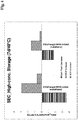
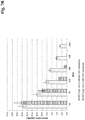
- the antibodies according to the invention show a lower aggregation tendency ( Fig 4 ) during storage (compared to versions without the mutations I253A, H310A, and H435A in the Fc part) which is critical for intravitreal application in the eye (as an aggregation in the eye can lead to complications during such treatment).
- the bispecific antibodies according to the invention show good efficacy in inhibition of vascular diseases.
- the bispecific antibodies according to the invention due to their specific modifications in the constant region (e.g. P329G LALA) show valuable properties like no binding Fcgamma receptors which reduces the risk of side effects like thrombosis and/or unwanted cell death (due to e.g. ADCC)
- the bispecific antibody according to the invention is bivalent.
- such bispecific, bivalent antibody according to the invention is characterized in comprising
- This bispecific, bivalent antibody format for the bispecific antibody specifically binding to human vascular endothelial growth factor (VEGF) and human angiopoietin-2 (ANG-2) is described in WO 2009/080253 (including Knobs-into-Holes modified CH3 domains).
- the antibodies based on this bispecific, bivalent antibody format are named CrossMabs.
- bispecific, bivalent antibody is characterized in comprising
- bispecific, bivalent antibody is characterized in comprising
- bispecific, bivalent antibody is characterized in comprising
- one embodiment of the invention is a bispecific, bivalent antibody comprising a first antigen-binding site that specifically binds to human VEGF and a second antigen-binding site that specifically binds to human ANG-2, characterized in comprising the amino acid sequences of SEQ ID NO: 25, of SEQ ID NO: 26, of SEQ ID NO: 27, and of SEQ ID NO: 28.
- one embodiment of the invention is a bispecific, bivalent antibody comprising a first antigen-binding site that specifically binds to human VEGF and a second antigen-binding site that specifically binds to human ANG-2, characterized in comprising the amino acid sequences of SEQ ID NO: 21, of SEQ ID NO: 22, of SEQ ID NO: 23, and of SEQ ID NO: 24.
- One disclosure is a bispecific, bivalent antibody comprising a first antigen-binding site that specifically binds to human VEGF and a second antigen-binding site that specifically binds to human ANG-2, characterized in comprising the amino acid sequences of SEQ ID NO: 29, of SEQ ID NO: 30, of SEQ ID NO: 31, and of SEQ ID NO: 32.
- This bispecific, bivalent antibody format for this bispecific antibody specifically binding to human vascular endothelial growth factor (VEGF) and human angiopoietin-2 (ANG-2) is described in WO 2011/117330 including Knobs-into-Holes modified CH3 domains.
- the antibodies based on this bispecific, bivalent antibody format are named OAscFabs.
- bispecific, bivalent antibody is characterized in comprising
- bispecific, bivalent antibody is characterized in comprising
- the antibody heavy chain variable domain (VH) and the antibody light chain variable domain (VL) of the heavy and light chain of the second full length antibody are disulfide stabilized by introduction of a disulfide bond between the following positions: heavy chain variable domain position 44 to light chain variable domain position 100 (numbering always according to EU index of Kabat ( Kabat, E.A., et al., Sequences of Proteins of Immunological Interest, 5th ed., Public Health Service, National Institutes of Health, Bethesda, MD (1991 )).
- EU index of Kabat Kabat, E.A., et al., Sequences of Proteins of Immunological Interest, 5th ed., Public Health Service, National Institutes of Health, Bethesda, MD (1991 )
- Such further disulfide stabilization is achieved by the introduction of a disulfide bond between the variable domains VH and VL of the second full length antibody heavy and light chain.
- one embodiment of the invention is a bispecific, bivalent antibody comprising a first antigen-binding site that specifically binds to human VEGF and a second antigen-binding site that specifically binds to human ANG-2, characterized in comprising the amino acid sequences of SEQ ID NO: 33, of SEQ ID NO: 34, and of SEQ ID NO: 35.
- One disclosure is a bispecific, bivalent antibody comprising a first antigen-binding site that specifically binds to human VEGF and a second antigen-binding site that specifically binds to human ANG-2, characterized in comprising the amino acid sequences of SEQ ID NO: 36, of SEQ ID NO: 37, and of SEQ ID NO: 38.
- the CH3 domains of the bispecific, bivalent antibody according to the invention is altered by the "knob-into-holes" technology which is described in detail with several examples in e.g. WO 96/027011 , Ridgway J.B., et al., Protein Eng 9 (1996) 617-621 ; and Merchant, A.M., et al., Nat Biotechnol 16 (1998) 677-681 .
- the interaction surfaces of the two CH3 domains are altered to increase the heterodimerisation of both heavy chains containing these two CH3 domains.
- Each of the two CH3 domains (of the two heavy chains) can be the "knob", while the other is the "hole”.
- all bispecific antibodies according to the invention are characterized in that the CH3 domain of one heavy chain and the CH3 domain of the other heavy chain each meet at an interface which comprises an original interface between the antibody CH3 domains; wherein said interface is altered to promote the formation of the bispecific antibody, wherein the alteration is characterized in that:
- the antibody according to invention is preferably characterized in that the CH3 domain of the heavy chain of the full length antibody of a) and the CH3 domain of the heavy chain of the full length antibody of b) each meet at an interface which comprises an alteration in the original interface between the antibody CH3 domains;
- amino acid residue having a larger side chain volume is selected from the group consisting of arginine (R), phenylalanine (F), tyrosine (Y), tryptophan (W).
- amino acid residue having a smaller side chain volume is selected from the group consisting of alanine (A), serine (S), threonine (T), valine (V).
- both CH3 domains are further altered by the introduction of cysteine (C) as amino acid in the corresponding positions of each CH3 domain such that a disulfide bridge between both CH3 domains can be formed.
- C cysteine
- the bispecific antibody comprises a T366W mutation in the CH3 domain of the "knobs chain” and T366S, L368A, Y407V mutations in the CH3 domain of the "hole chain”.
- An additional interchain disulfide bridge between the CH3 domains can also be used ( Merchant, A.M, et al., Nature Biotech 16 (1998) 677-681 ) e.g. by introducing a Y349C mutation into the CH3 domain of the "knobs chain” and a E356C mutation or a S354C mutation into the CH3 domain of the "hole chain”.
- the bispecific antibody according to the invention comprises Y349C, T366W mutations in one of the two CH3 domains and E356C, T366S, L368A, Y407V mutations in the other of the two CH3 domains.
- the bispecific antibody comprises Y349C, T366W mutations in one of the two CH3 domains and S354C, T366S, L368A, Y407V mutations in the other of the two CH3 domains (the additional Y349C mutation in one CH3 domain and the additional E356C or S354C mutation in the other CH3 domain forming a interchain disulfide bridge) (numbering always according to EU index of Kabat ( Kabat, E.A., et al., Sequences of Proteins of Immunological Interest, 5th ed., Public Health Service, National Institutes of Health, Bethesda, MD (1991 )).
- knobs-in-holes technologies as described by EP 1 870 459 A1 , can be used alternatively or additionally.
- the bispecific antibody are R409D; K370E mutations in the CH3 domain of the "knobs chain” and D399K; E357K mutations in the CH3 domain of the "hole chain” (numbering always according to EU index of Kabat ( Kabat, E.A., et al., Sequences of Proteins of Immunological Interest, 5th ed., Public Health Service, National Institutes of Health, Bethesda, MD (1991 )).
- the bispecific antibody comprises a T366W mutation in the CH3 domain of the "knobs chain” and T366S, L368A, Y407V mutations in the CH3 domain of the "hole chain” and additionally R409D; K370E mutations in the CH3 domain of the "knobs chain” and D399K; E357K mutations in the CH3 domain of the "hole chain”.
- the bispecific antibody comprises Y349C, T366W mutations in one of the two CH3 domains and S354C, T366S, L368A, Y407V mutations in the other of the two CH3 domains or said trivalent, bispecific antibody comprises Y349C, T366W mutations in one of the two CH3 domains and S354C, T366S, L368A, Y407V mutations in the other of the two CH3 domains and additionally R409D; K370E mutations in the CH3 domain of the "knobs chain” and D399K; E357K mutations in the CH3 domain of the "hole chain”.
- the bispecific antibody according to the invention is characterized in having one or more of the following properties (determined in assays as described in Example 6
- the bispecific, bivalent antibody is characterized in comprising a first antigen-binding site that specifically binds to human VEGF and a second antigen-binding site that specifically binds to human ANG-2, characterized in that
- the bispecific antibody is characterized in comprising a first antigen-binding site that specifically binds to human VEGF and a second antigen-binding site that specifically binds to human ANG-2, characterized in that
- antibody refers to a binding protein that comprises antigen-binding sites.
- binding site or "antigen-binding site” as used herein denotes the region(s) of an antibody molecule to which a ligand actually binds.
- antigen-binding site comprises an antibody heavy chain variable domains (VH) and an antibody light chain variable domains (VL) (pair of VH/VL).).
- Antibody specificity refers to selective recognition of the antibody for a particular epitope of an antigen. Natural antibodies, for example, are monospecific.
- Bispecific antibodies are antibodies which have two different antigen-binding specificities. Antibodies of the present invention are specific for two different antigens, VEGF as first antigen and ANG-2 as second antigen.
- monospecific antibody denotes an antibody that has one or more binding sites each of which bind to the same epitope of the same antigen.
- bivalent as used within the current application denotes the presence of a specified number of binding sites in an antibody molecule.
- the terms “bivalent”, “tetravalent”, and “hexavalent” denote the presence of two binding site, four binding sites, and six binding sites, respectively, in an antibody molecule.
- the bispecific antibodies according to the invention are preferably "bivalent”.
- VEGF refers to human vascular endothelial growth factor (VEGF/VEGF-A,) the 165-amino acid human vascular endothelial cell growth factor (amino acid 27-191 of precursor sequence of human VEGF165: SEQ ID NO: 17; amino acids 1-26 represent the signal peptide), and related 121, 189, and 206 vascular endothelial cell growth factor isoforms, as described by Leung, D.W., et al., Science 246 (1989) 1306-9 ; Houck et al., Mol. Endocrin.
- VEGF vascular endothelial growth factor
- VEGF is a homodimeric glycoprotein that has been isolated from several sources and includes several isoforms. VEGF shows highly specific mitogenic activity for endothelial cells.
- ANG-2 refers to human angiopoietin-2 (ANG-2) (alternatively abbreviated with ANGPT2 or ANG2) (SEQ ID NO: 18) which is described e.g. in Maisonpierre, P.C., et al, Science 277 (1997) 55-60 and Cheung, A.H., et al., Genomics 48 (1998) 389-91 .
- the angiopoietins-1 (SEQ ID NO: 19) and -2 were discovered as ligands for the Ties, a family of tyrosine kinases that is selectively expressed within the vascular endothelium ( Yancopoulos, G.D., et al., Nature 407 (2000) 242-48 ). There are now four definitive members of the angiopoietin family.
- Angiopoietin-3 and -4 may represent widely diverged counterparts of the same gene locus in mouse and man ( Kim, I., et al., FEBS Let, 443 (1999) 353-56 ; Kim, I., et al., J Biol Chem 274 (1999) 26523-28 ).
- ANG-1 and ANG-2 were originally identified in tissue culture experiments as agonist and antagonist, respectively (see for ANG-1: Davis, S., et al., Cell 87 (1996) 1161-69 ; and for ANG-2: Maisonpierre, P.C., et al., Science 277 (1997) 55-60 ).
- An antigen-binding sites of the bispecific antibody of the invention contain six complementarity determining regions (CDRs) which contribute in varying degrees to the affinity of the binding site for antigen. There are three heavy chain variable domain CDRs (CDRH1, CDRH2 and CDRH3) and three light chain variable domain CDRs (CDRL1, CDRL2 and CDRL3). The extent of CDR and framework regions (FRs) is determined by comparison to a compiled database of amino acid sequences in which those regions have been defined according to variability among the sequences.
- the antibodies of the invention comprise immunoglobulin constant regions derived from human origin of one or more immunoglobulin classes, wherein such.
- immunoglobulin classes include IgG, IgM, IgA, IgD, and IgE classes and, in the case of IgG and IgA, their subclasses, especially IgG1 and IgG4..
- monoclonal antibody or “monoclonal antibody composition” as used herein refer to a preparation of antibody molecules of a single amino acid composition.
- chimeric antibody refers to an antibody comprising a variable region, i.e., binding region, from one source or species and at least a portion of a constant region derived from a different source or species, usually prepared by recombinant DNA techniques. Chimeric antibodies comprising a murine variable region and a human constant region are preferred. Other preferred forms of “chimeric antibodies” encompassed by the present invention are those in which the constant region has been modified or changed from that of the original antibody to generate the properties according to the invention, especially in regard to C1q binding and/or Fc receptor (FcR) binding. Such chimeric antibodies are also referred to as "class-switched antibodies.”
- Chimeric antibodies are the product of expressed immunoglobulin genes comprising DNA segments encoding immunoglobulin variable regions and DNA segments encoding immunoglobulin constant regions. Methods for producing chimeric antibodies involve conventional recombinant DNA and gene transfection techniques are well known in the art. See, e.g., Morrison, S.L., et al., Proc. Natl. Acad. Sci. USA 81 (1984) 6851-6855 ; US 5,202,238 and US 5,204,244 .
- humanized antibody refers to antibodies in which the framework or "complementarity determining regions” (CDR) have been modified to comprise the CDR of an immunoglobulin of different specificity as compared to that of the parent immunoglobulin.
- CDR complementarity determining regions
- a murine CDR is grafted into the framework region of a human antibody to prepare the "humanized antibody.” See, e.g., Riechmann, L., et al., Nature 332 (1988) 323-327 ; and Neuberger, M.S., et al., Nature 314 (1985) 268-270 .
- Particularly preferred CDRs correspond to those representing sequences recognizing the antigens noted above for chimeric antibodies.
- humanized antibodies encompassed by the present invention are those in which the constant region has been additionally modified or changed from that of the original antibody to generate the properties according to the invention, especially in regard to C1q binding and/or Fc receptor (FcR) binding.
- FcR Fc receptor
- human antibody is intended to include antibodies having variable and constant regions derived from human germ line immunoglobulin sequences. Human antibodies are well-known in the state of the art ( van Dijk, M.A., and van de Winkel, J.G., Curr. Opin. Chem. Biol. 5 (2001) 368-374 ). Human antibodies can also be produced in transgenic animals (e.g., mice) that are capable, upon immunization, of producing a full repertoire or a selection of human antibodies in the absence of endogenous immunoglobulin production.
- Human antibodies can also be produced in phage display libraries ( Hoogenboom, H.R., and Winter, G., J. Mol. Biol.
- human antibody as used herein also comprises such antibodies which are modified in the constant region to generate the properties according to the invention, especially in regard to C1q binding and/or FcR binding, e.g. by "class switching” i.e. change or mutation of Fc parts (e.g. from IgG1 to IgG4 and/or IgG1/IgG4 mutation).
- class switching i.e. change or mutation of Fc parts (e.g. from IgG1 to IgG4 and/or IgG1/IgG4 mutation).
- recombinant antibody is intended to include all human antibodies that are prepared, expressed, created or isolated by recombinant means, such as antibodies isolated from a host cell such as a NS0 or CHO cell or from an animal (e.g. a mouse) that is transgenic for human immunoglobulin genes or antibodies expressed using a recombinant expression vector transfected into a host cell.
- recombinant antibodies have variable and constant regions in a rearranged form.
- the recombinant antibodies according to the invention have been subjected to in vivo somatic hypermutation.
- the amino acid sequences of the VH and VL regions of the recombinant antibodies are sequences that, while derived from and related to human germ line VH and VL sequences, may not naturally exist within the human antibody germ line repertoire in vivo.
- variable domain denotes each of the pair of light and heavy chains which is involved directly in binding the antibody to the antigen.
- the domains of variable human light and heavy chains have the same general structure and each domain comprises four framework (FR) regions whose sequences are widely conserved, connected by three "hypervariable regions” (or complementarity determining regions, CDRs).
- the framework regions adopt a ⁇ -sheet conformation and the CDRs may form loops connecting the ⁇ -sheet structure.
- the CDRs in each chain are held in their three-dimensional structure by the framework regions and form together with the CDRs from the other chain the antigen binding site.
- the antibody heavy and light chain CDR3 regions play a particularly important role in the binding specificity/affinity of the antibodies according to the invention and therefore provide a further object of the invention.
- hypervariable region or "antigen-binding portion of an antibody” when used herein refer to the amino acid residues of an antibody which are responsible for antigen-binding.
- the hypervariable region comprises amino acid residues from the "complementarity determining regions” or "CDRs".
- CDRs complementarity determining regions
- FR Framework regions are those variable domain regions other than the hypervariable region residues as herein defined. Therefore, the light and heavy chains of an antibody comprise from N- to C-terminus the domains FR1, CDR1, FR2, CDR2, FR3, CDR3, and FR4. CDRs on each chain are separated by such framework amino acids. Especially, CDR3 of the heavy chain is the region which contributes most to antigen binding.
- CDR and FR regions are determined according to the standard definition of Kabat, E.A., et al., Sequences of Proteins of Immunological Interest, 5th ed., Public Health Service, National Institutes of Health, Bethesda, MD (1991 ).
- binding refers to the binding of the antibody to an epitope of the antigen (either human VEGF or human ANG-2) in an in vitro assay, preferably in an plasmon resonance assay (BIAcore, GE-Healthcare Uppsala, Sweden with purified wild-type antigen.
- the affinity of the binding is defined by the terms ka (rate constant for the association of the antibody from the antibody/antigen complex), k D (dissociation constant), and K D (k D /ka).
- binding or specifically binding means a binding affinity (K D ) of 10 -8 mol/l or less, in one embodiment 10 -9 M to 10 -13 mol/l.
- epitope includes any polypeptide determinant capable of specific binding to an antibody.
- epitope determinant include chemically active surface groupings of molecules such as amino acids, sugar side chains, phosphoryl, or sulfonyl, and, in certain embodiments, may have specific three dimensional structural characteristics, and or specific charge characteristics.
- An epitope is a region of an antigen that is bound by an antibody.
- an antibody is said to specifically bind an antigen when it preferentially recognizes its target antigen in a complex mixture of proteins and/or macromolecules.
- full length antibody denotes an antibody consisting of two “full length antibody heavy chains” and two “full length antibody light chains”.
- a “full length antibody heavy chain” is a polypeptide consisting in N-terminal to C-terminal direction of an antibody heavy chain variable domain (VH), an antibody constant heavy chain domain 1 (CH1), an antibody hinge region (HR), an antibody heavy chain constant domain 2 (CH2), and an antibody heavy chain constant domain 3 (CH3), abbreviated as VH-CH1-HR-CH2-CH3; and optionally an antibody heavy chain constant domain 4 (CH4) in case of an antibody of the subclass IgE.
- VH antibody heavy chain variable domain
- CH1 antibody constant heavy chain domain 1
- HR antibody hinge region
- CH2 antibody heavy chain constant domain 2
- CH3 antibody heavy chain constant domain 3
- the "full length antibody heavy chain” is a polypeptide consisting in N-terminal to C-terminal direction of VH, CH1, HR, CH2 and CH3.
- a “full length antibody light chain” is a polypeptide consisting in N-terminal to C-terminal direction of an antibody light chain variable domain (VL), and an antibody light chain constant domain (CL), abbreviated as VL-CL.
- the antibody light chain constant domain (CL) can be ⁇ (kappa) or ⁇ (lambda).
- the two full length antibody chains are linked together via inter-polypeptide disulfide bonds between the CL domain and the CH1 domain and between the hinge regions of the full length antibody heavy chains. Examples of typical full length antibodies are natural antibodies like IgG (e.g.
- the full length antibodies according to the invention can be from a single species e.g. human, or they can be chimerized or humanized antibodies.
- the full length antibodies according to the invention comprise two antigen binding sites each formed by a pair of VH and VL, which both specifically bind to the same antigen.
- the C-terminus of the heavy or light chain of said full length antibody denotes the last amino acid at the C-terminus of said heavy or light chain.
- the N-terminus of the heavy or light chain of said full length antibody denotes the last amino acid at the N- terminus of said heavy or light chain.
- peptide linker denotes a peptide with amino acid sequences, which is preferably of synthetic origin. These peptides according to invention are used to connect the C-terminus of the light chain to the N-terminus of heavy chain of the second full length antibody (that specifically binds to a second antigen) via a peptide linker.
- the peptide linker within the second full length antibody heavy and light chain is a peptide with an amino acid sequence with a length of at least 30 amino acids, preferably with a length of 32 to 50 amino acids. In one the peptide linker is a peptide with an amino acid sequence with a length of 32 to 40 amino acids.
- said linker is (G 4 S) 6 G 2 .
- constant region denotes the sum of the domains of an antibody other than the variable region.
- the constant region is not involved directly in binding of an antigen, but exhibits various effector functions.
- antibodies are divided in the classes: IgA, IgD, IgE, IgG and IgM, and several of these may be further divided into subclasses, such as IgG1, IgG2, IgG3, and IgG4, IgA1 and IgA2.
- the heavy chain constant regions that correspond to the different classes of antibodies are called ⁇ , ⁇ , ⁇ , ⁇ , and ⁇ , respectively.
- the light chain constant regions which can be found in all five antibody classes are called ⁇ (kappa) and ⁇ (lambda).
- constant region derived from human origin denotes a constant heavy chain region of a human antibody of the subclass IgG1, IgG2, IgG3, or IgG4 and/or a constant light chain kappa or lambda region.
- constant regions are well known in the state of the art and e.g. described by Kabat, E.A., et al., Sequences of Proteins of Immunological Interest, 5th ed., Public Health Service, National Institutes of Health, Bethesda, MD (1991 ) (see also e.g. Johnson, G., and Wu, T.T., Nucleic Acids Res.
- EU numbering system (EU Index) according to Kabat, E.A., et al., Sequences of Proteins of Immunological Interest, 5th ed., Public Health Service, National Institutes of Health, Bethesda, MD (1991 ) is used and referred to as "numbering according to EU Index of Kabat".
- the bispecific antibodies according to the invention have a constant region of human IgG1 subclass (derived from human IgG1 subclass) .
- the bispecific antibodies according to the invention have a constant region of human IgG4 subclass (derived from human IgG1 subclass).
- the bispecific antibody according to the invention is of human IgG1 subclass with mutations L234A (Leu235Ala), L235A (Leu234Ala) and P329G (Pro329Gly).
- Such antibody has a reduced FcR binding (especially they show no more binding to FcRgammaI, FcRgammaII and FcRgammaIII). This especially useful to reduce potential side effects like e.g. thrombosis ( Meyer, T., et al., J. Thromb. Haemost. 7 (2009) 171-81 ).
- the bispecific antibody according to the invention is of human IgG4 subclass with mutations S228P (Ser228Pro), L235E (Leu235Glu) and P329G (Pro329Gly).
- S228P Ser228Pro
- L235E Leu235Glu
- P329G Pro329Gly
- the antibodies according to the invention of IgG1 subclass with mutations L234A, L235A and P329G and the disclosed antibodies of IgG4 subclass with mutations S228P, L235E and P329G are especially useful, as they both show no more binding to FcRgammaI, FcRgammaII and FcRgammaIII.
- the term "with (the) mutations AAA” as used herein refers the mutations I253A (Ile253Ala), H310A (His310Ala), and H435A (His435Ala) in the constant heavy chain region of IgG1 or IgG4, wherein the numbering is according to the EU Index of Kabat.
- the term "with (the) mutations P329G LALA” as used herein refers to the mutations L234A (Leu235Ala), L235A (Leu234Ala) and P329G (Pro329Gly) in the constant heavy chain region of IgG1 subclass, wherein the numbering is according to the EU Index of Kabat.
- the term "with (the) mutations SPLE” as used herein refers to the S228P (Ser228Pro) and L235E (Leu235Glu) the constant heavy chain region of IgG4 subclass, wherein the numbering is according to the EU Index of Kabat.
- SPLE and P239G refers to the S228P (Ser228Pro), L235E (Leu235Glu) and P329G (Pro329Gly) the constant heavy chain region of IgG4 subclass, wherein the numbering is according to the EU Index of Kabat.
- the antibody according to the invention is produced by recombinant means.
- one aspect of the current invention is a nucleic acid encoding the antibody according to the invention and a further aspect is a cell comprising said nucleic acid encoding an antibody according to the invention.
- Methods for recombinant production are widely known in the state of the art and comprise protein expression in prokaryotic and eukaryotic cells with subsequent isolation of the antibody and usually purification to a pharmaceutically acceptable purity.
- nucleic acids encoding the respective modified light and heavy chains are inserted into expression vectors by standard methods.
- one embodiment of the invention is a method for the preparation of a bispecific antibody according to the invention, comprising the steps of
- the recovering step under c includes the use of a light chain constant domain specific capture reagent (which e.g. specific for the kappa or the lambda constant light chain, depending on whether a kappa or a lambda light chain in the bispecific antibody according to invention used).
- this light chain specific capture reagent is used in in a bind-and-elute-mode).
- Examples of such light chain constant domain specific capture reagents are e.g. KappaSelectTM and LambdaFabSelectTM from GE Healthcare/BAC, which are based on a highly rigid agarose base matrix that allows high flow rates and low back pressure at large scale.
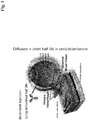
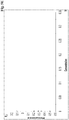
- ligands that binds to the constant region of the kappa or the lambda light chain respectively (i.e. fragments lacking the constant region of the light chain will not bind; Fig 1 ). Both are therefore capable of binding other target molecules containing the constant region of the light chain, for example, IgG, IgA and IgM.
- the ligands are attached to the matrix via a long hydrophilic spacer arm to make it easily available for binding to the target molecule. They are based on a single-chain antibody fragment that is screened for either human Ig kappa or lambda.
- the bispecific antibodies are suitably separated from the culture medium by conventional immunoglobulin purification procedures such as, for example, protein A-Sepharose, hydroxylapatite chromatography, gel electrophoresis, dialysis, or affinity chromatography.
- DNA and RNA encoding the monoclonal antibodies is readily isolated and sequenced using conventional procedures.
- the hybridoma cells can serve as a source of such DNA and RNA.
- the DNA may be inserted into expression vectors, which are then transfected into host cells such as HEK 293 cells, CHO cells, or myeloma cells that do not otherwise produce immunoglobulin protein, to obtain the synthesis of recombinant monoclonal antibodies in the host cells.
- Amino acid sequence variants (or mutants) of the bispecific antibody are prepared by introducing appropriate nucleotide changes into the antibody DNA, or by nucleotide synthesis. Such modifications can be performed, however, only in a very limited range. For example, the modifications do not alter the above mentioned antibody characteristics such as the IgG subclass and antigen binding, but may improve the yield of the recombinant production, protein stability or facilitate the purification.
- host cell denotes any kind of cellular system which can be engineered to generate the antibodies according to the current invention.
- HEK293 cells and CHO cells are used as host cells.
- the expressions "cell,” “cell line,” and “cell culture” are used interchangeably and all such designations include progeny.
- the words “transformants” and “transformed cells” include the primary subject cell and cultures derived therefrom without regard for the number of transfers. It is also understood that all progeny may not be precisely identical in DNA content, due to deliberate or inadvertent mutations. Variant progeny that have the same function or biological activity as screened for in the originally transformed cell are included.
- NS0 cells Expression in NS0 cells is described by, e.g., Barnes, L.M., et al., Cytotechnology 32 (2000) 109-123 ; Barnes, L.M., et al., Biotech. Bioeng. 73 (2001) 261-270 .
- Transient expression is described by, e.g., Durocher, Y., et al., Nucl. Acids. Res. 30 (2002 ) E9.
- Cloning of variable domains is described by Orlandi, R., et al., Proc. Natl. Acad. Sci. USA 86 (1989) 3833-3837 ; Carter, P., et al., Proc. Natl. Acad. Sci.
- HEK 293 A preferred transient expression system (HEK 293) is described by Schlaeger, E.-J., and Christensen, K., in Cytotechnology 30 (1999) 71-83 and by Schlaeger, E.-J., in J. Immunol. Methods 194 (1996) 191-199 .
- control sequences that are suitable for prokaryotes include a promoter, optionally an operator sequence, and a ribosome binding site.
- Eukaryotic cells are known to utilize promoters, enhancers and polyadenylation signals.
- a nucleic acid is "operably linked" when it is placed in a functional relationship with another nucleic acid sequence.
- DNA for a pre-sequence or secretory leader is operably linked to DNA for a polypeptide if it is expressed as a pre-protein that participates in the secretion of the polypeptide;
- a promoter or enhancer is operably linked to a coding sequence if it affects the transcription of the sequence; or
- a ribosome binding site is operably linked to a coding sequence if it is positioned so as to facilitate translation.
- "operably linked” means that the DNA sequences being linked are contiguous, and, in the case of a secretory leader, contiguous and in reading frame. However, enhancers do not have to be contiguous. Linking is accomplished by ligation at convenient restriction sites. If such sites do not exist, the synthetic oligonucleotide adaptors or linkers are used in accordance with conventional practice.
- Purification of antibodies is performed in order to eliminate cellular components or other contaminants, e.g. other cellular nucleic acids or proteins, by standard techniques, including alkaline/SDS treatment, CsCl banding, column chromatography, agarose gel electrophoresis, and others well known in the art. See Ausubel, F., et al., ed. Current Protocols in Molecular Biology, Greene Publishing and Wiley Interscience, New York (1987 ). Different methods are well established and widespread used for protein purification, such as affinity chromatography with microbial proteins (e.g. protein A or protein G affinity chromatography), ion exchange chromatography (e.g.
- cation exchange (carboxymethyl resins), anion exchange (amino ethyl resins) and mixed-mode exchange), thiophilic adsorption (e.g. with beta-mercaptoethanol and other SH ligands), hydrophobic interaction or aromatic adsorption chromatography (e.g. with phenyl-sepharose, aza-arenophilic resins, or m-aminophenylboronic acid), metal chelate affinity chromatography (e.g.
- Ni(II)- and Cu(II)-affinity material size exclusion chromatography
- electrophoretical methods such as gel electrophoresis, capillary electrophoresis
- the bispecific, bivalent antibodies according to the invention show benefits for human patients in need of a VEGF and ANG-2 targeting therapy.
- the bivalent bispecific against human VEGF and human ANG-2 may have a valuable efficacy/safety profile and may provide benefits for a patient in the need of an anti-VEGF and anti-ANG-2 therapy.
- One aspect of the invention is a pharmaceutical composition comprising an antibody according to the invention.
- Another aspect of the invention is the use of an antibody according to the invention for the manufacture of a pharmaceutical composition.
- a further aspect of the invention is a method for the manufacture of a pharmaceutical composition comprising an antibody according to the invention.
- the present invention provides a composition, e.g. a pharmaceutical composition, containing an antibody according to the present invention, formulated together with a pharmaceutical carrier.
- pharmaceutical carrier includes any and all solvents, dispersion media, coatings, antibacterial and antifungal agents, isotonic and absorption delaying agents, and the like that are physiologically compatible.
- the carrier is suitable for administration administered to the subject via a local route.
- the antibody or its composition can be administered to the subject by intraocular application e.g. by intraocular injection such as intravitreal injection. This can be performed in accordance with standard procedures known in the art. See, e.g., Ritter et al., J. Clin. Invest. 116 (2006) 3266-76 ; Russelakis-Carneiro et al., Neuropathol. Appl. Neurobiol. 25 (1999) 196-206 ; and Wray et al., Arch. Neurol. 33 (1976) 183-5 .
- a composition of the present invention can be administered by a variety of methods known in the art. As will be appreciated by the skilled artisan, the route and/or mode of administration will vary depending upon the desired results. To administer a compound of the invention by certain routes of administration, it may be necessary to coat the compound with, or co-administer the compound with, a material to prevent its inactivation.
- the compound may be administered to a subject in an appropriate carrier, for example, liposomes, or a diluent.
- Pharmaceutically acceptable diluents include saline and aqueous buffer solutions.
- Pharmaceutical carriers include sterile aqueous solutions or dispersions and sterile powders for the extemporaneous preparation of sterile injectable solutions or dispersion. The use of such media and agents for pharmaceutically active substances is known in the art.
- the application is intraocular and includes, but is not limited to, subconjunctival injection, intracanieral injection, injection into the anterior chamber via the termporal limbus, intrastromal injection, intracorneal injection, subretinal injection, aqueous humor injection, subtenon injection or sustained delivery device, intravitreal injection (e.g., front, mid or back vitreal injection).
- the application is topical and includes, but is not limited to eye drops to the cornea.
- the bispecific antibody or pharmaceutical composition according to the invention is administered via intravitreal application, e.g. via intravitreal injection.
- intravitreal application e.g. via intravitreal injection.
- This can be performed in accordance with standard procedures known in the art. See, e.g., Ritter et al., J. Clin. Invest. 116 (2006) 3266-76 ; Russelakis-Carneiro et al., Neuropathol. Appl. Neurobiol. 25 (1999) 196-206 ; and Wray et al., Arch. Neurol. 33 (1976) 183-5 .
- therapeutic kits of the invention can contain one or more doses of a bispecific antibody present in a pharmaceutical composition described herein, a suitable device for intravitreal injection of the pharmaceutical composition, and an instruction detailing suitable subjects and protocols for carrying out the injection.
- the compositions are typically administered to the subject in need of treatment via intravitreal injection. This can be performed in accordance with standard procedures known in the art. See, e.g., Ritter et al., J. Clin. Invest. 116 (2006) 3266-76 ; Russelakis-Carneiro et al., Neuropathol. Appl. Neurobiol. 25 (1999) 196-206 ; and Wray et al., Arch. Neurol. 33 (1976) 183-5 .
- compositions may also contain adjuvants such as preservatives, wetting agents, emulsifying agents and dispersing agents. Prevention of presence of microorganisms may be ensured both by sterilization procedures, supra, and by the inclusion of various antibacterial and antifungal agents, for example, paraben, chlorobutanol, phenol, sorbic acid, and the like. It may also be desirable to include isotonic agents, such as sugars, sodium chloride, and the like into the compositions. In addition, prolonged absorption of the injectable pharmaceutical form may be brought about by the inclusion of agents which delay absorption such as aluminum monostearate and gelatin.
- the compounds of the present invention which may be used in a suitable hydrated form, and/or the pharmaceutical compositions of the present invention, are formulated into pharmaceutically acceptable dosage forms by conventional methods known to those of skill in the art.
- Actual dosage levels of the active ingredients in the pharmaceutical compositions of the present invention may be varied so as to obtain an amount of the active ingredient which is effective to achieve the desired therapeutic response for a particular patient, composition, and mode of administration, without being toxic to the patient.
- the selected dosage level will depend upon a variety of pharmacokinetic factors including the activity of the particular compositions of the present invention employed, the route of administration, the time of administration, the rate of excretion of the particular compound being employed, the duration of the treatment, other drugs, compounds and/or materials used in combination with the particular compositions employed, the age, sex, weight, condition, general health and prior medical history of the patient being treated, and like factors well known in the medical arts.
- composition must be sterile and fluid to the extent that the composition is deliverable by syringe.
- carrier preferably is an isotonic buffered saline solution.
- Proper fluidity can be maintained, for example, by use of coating such as lecithin, by maintenance of required particle size in the case of dispersion and by use of surfactants.
- isotonic agents for example, sugars, polyalcohols such as mannitol or sorbitol, and sodium chloride in the composition.
- the composition can comprise an ophthalmic depot formulation comprising an active agent for subconjunctival administration.
- the ophthalmic depot formulation comprises microparticles of essentially pure active agent, e.g., the bispecific antibody according to the invention.
- the microparticles comprising the bispecific antibody according to the invention can be embedded in a biocompatible pharmaceutically acceptable polymer or a lipid encapsulating agent.
- the depot formulations may be adapted to release all of substantially all the active material over an extended period of time.
- the polymer or lipid matrix if present, may be adapted to degrade sufficiently to be transported from the site of administration after release of all or substantially all the active agent.
- the depot formulation can be liquid formulation, comprising a pharmaceutical acceptable polymer and a dissolved or dispersed active agent. Upon injection, the polymer forms a depot at the injections site, e.g. by gelifying or precipitating.
- Another aspect of the invention is the bispecific antibody according to the invention for use in the treatment of ocular vascular diseases.
- One embodiment of the invention is the bispecific antibody according to the invention for use in the treatment of ocular vascular diseases.
- Another aspect of the invention is said pharmaceutical composition for use in the treatment of ocular vascular diseases.
- Another aspect of the invention is the use of an antibody according to the invention for the manufacture of a medicament for the treatment of ocular vascular disease.
- ocular vascular disease and "vascular eye disease” are use inter changeable herein and include, but are not limited to intraocular neovascular syndromes such as diabetic retinopathy, diabetic macular edema,, retinopathy of prematurity, neovascular glaucoma, retinal vein occlusions, central retinal vein occlusions, macular degeneration, age-related macular degeneration, retinitis pigmentosa, retinal angiomatous proliferation, macular telangectasia, ischemic retinopathy, iris neovascularization, intraocular neovascularization, corneal neovascularization, retinal neovascularization, choroidal neovascularization, and retinal degeneration.
- intraocular neovascular syndromes such as diabetic retinopathy, diabetic macular edema,, retinopathy of prematurity, neovascular glaucoma, retinal vein o
- ocular vascular disorder refers to any pathological conditions characterized by altered or unregulated proliferation and invasion of new blood vessels into the structures of ocular tissues such as the retina or cornea.
- the ocular vascular disease is selected from the group consisting of: wet age-related macular degeneration (wet AMD), dry age-related macular degeneration (dry AMD), diabetic macular edema (DME), cystoid macular edema (CME), non-proliferative diabetic retinopathy (NPDR), proliferative diabetic retinopathy (PDR), cystoid macular edema, vasculitis (e.g.
- central retinal vein occlusion central retinal vein occlusion
- papilloedema retinitis, conjunctivitis, uveitis, choroiditis, multifocal choroiditis, ocular histoplasmosis, blepharitis, dry eye (Sjögren's disease) and other ophthalmic diseases wherein the eye disease or disorder is associated with ocular neovascularization, vascular leakage, and/or retinal edema.
- the bispecific antibodies according to the invention are useful in the prevention and treatment of wet AMD, dry AMD, CME, DME, NPDR, PDR, blepharitis, dry eye and uveitis, also preferably wet AMD, dry AMD, blepharitis, and dry eye, also preferably CME, DME, NPDR and PDR, also preferably blepharitis, and dry eye, in particular wet AMD and dry AMD, and also particularly wet AMD.
- the ocular disease is selected from the group consisting of wet age-related macular degeneration (wet AMD), macular edema, retinal vein occlusions, retinopathy of prematurity, and diabetic retinopathy.
- corneal neovascularization include, but are not limited to, epidemic keratoconjunctivitis, Vitamin A deficiency, contact lens overwear, atopic keratitis, superior limbic keratitis, pterygium keratitis sicca, sjogrens, acne rosacea, phylectenulosis, syphilis, Mycobacteria infections, lipid degeneration, chemical burns, bacterial ulcers, fungal ulcers, Herpes simplex infections, Herpes zoster infections, protozoan infections, Kaposi sarcoma, Mooren ulcer, Terrien's marginal degeneration, mariginal keratolysis, rheumatoid arthritis, systemic lupus, polyarteritis, trauma, Wegeners sarcoidosis, Scleritis, Steven's Johnson disease, periphigoid radial keratotomy, and corneal graph rejection.
- Diseases associated with retinal/choroidal neovascularization include, but are not limited to, diabetic retinopathy, macular degeneration, sickle cell anemia, sarcoid, syphilis, pseudoxanthoma elasticum, Pagets disease, vein occlusion, artery occlusion, carotid obstructive disease, chronic uveitis/vitritis, mycobacterial infections, Lyme's disease, systemic lupus erythematosis, retinopathy of prematurity, retinitis pigmentosa, retina edema (including macular edema), Eales disease, Bechets disease, infections causing a retinitis or choroiditis, presumed ocular histoplasmosis, Bests disease, myopia, optic pits, Stargarts disease, pars planitis, chronic retinal detachment, hyperviscosity syndromes, toxoplasmosis, trauma and post-laser
- ROP Retinopathy of prematurity
- Macular degeneration is a medical condition predominantly found in elderly adults in which the center of the inner lining of the eye, known as the macula area of the retina, suffers thinning, atrophy, and in some cases, bleeding. This can result in loss of central vision, which entails inability to see fine details, to read, or to recognize faces. According to the American Academy of Ophthalmology, it is the leading cause of central vision loss (blindness) in the United States today for those over the age of fifty years. Although some macular dystrophies that affect younger individuals are sometimes referred to as macular degeneration, the term generally refers to age-related macular degeneration (AMD or ARMD).
- AMD age-related macular degeneration
- Age-related macular degeneration begins with characteristic yellow deposits in the macula (central area of the retina which provides detailed central vision, called fovea) called drusen between the retinal pigment epithelium and the underlying choroid. Most people with these early changes (referred to as age-related maculopathy) have good vision. People with drusen can go on to develop advanced AMD. The risk is considerably higher when the drusen are large and numerous and associated with disturbance in the pigmented cell layer under the macula. Large and soft drusen are related to elevated cholesterol deposits and may respond to cholesterol lowering agents or the Rheo Procedure.
- Advanced AMD which is responsible for profound vision loss, has two forms: dry and wet.
- vitamin supplements with high doses of antioxidants, lutein and zeaxanthin have been demonstrated by the National Eye Institute and others to slow the progression of dry macular degeneration and in some patients, improve visual acuity.
- Retinitis pigmentosa is a group of genetic eye conditions. In the progression of symptoms for RP, night blindness generally precedes tunnel vision by years or even decades. Many people with RP do not become legally blind until their 40s or 50s and retain some sight all their life. Others go completely blind from RP, in some cases as early as childhood. Progression of RP is different in each case. RP is a type of hereditary retinal dystrophy, a group of inherited disorders in which abnormalities of the photoreceptors (rods and cones) or the retinal pigment epithelium (RPE) of the retina lead to progressive visual loss. Affected individuals first experience defective dark adaptation or nyctalopia (night blindness), followed by reduction of the peripheral visual field (known as tunnel vision) and, sometimes, loss of central vision late in the course of the disease.
- Macular edema occurs when fluid and protein deposits collect on or under the macula of the eye, a yellow central area of the retina, causing it to thicken and swell. The swelling may distort a person's central vision, as the macula is near the center of the retina at the back of the eyeball. This area holds tightly packed cones that provide sharp, clear central vision to enable a person to see form, color, and detail that is directly in the line of sight. Cystoid macular edema is a type of macular edema that includes cyst formation.
- the bispecific antibody or pharmaceutical composition according to the invention is administered alone (without an additional therapeutic agent) for the treatment of one or more ocular vascular diseases described herein.
- the bispecific antibody or pharmaceutical composition according to the invention is administered in combination with one or more additional therapeutic agents or methods for the treatment of one or more ocular vascular diseases described herein.
- the bispecific antibody or pharmaceutical composition according to the invention is formulated in combination with one or more additional therapeutic agents and administered for the treatment of one or more ocular vascular diseases described herein.
- the combination treatments provided herein include administration the bispecific antibody or pharmaceutical composition according to the invention is administered sequentially with one or more additional therapeutic agents for the treatment of one or more ocular vascular diseases described herein.
- the additional therapeutic agents include, but are not limited to, Tryptophanyl-tRNA synthetase (TrpRS), EyeOOl (Anti-VEGF Pegylated Aptamer), squalamine, RETAANE(TM) (anecortave acetate for depot suspension; Alcon, Inc.), Combretastatin A4 Prodrug (CA4P), MACUGEN(TM), MIFEPREX(TM) (mifepristone-ru486), subtenon triamcinolone acetonide, intravitreal crystalline triamcinolone acetonide, Prinomastat (AG3340- synthetic matrix metalloproteinase inhibitor, Pfizer), fluocinolone acetonide (including fluocinolone intraocular implant, Bausch & Lomb/Control Delivery Systems), VEGFR inhibitors (Sugen), VEGF-Trap (Regeneron/Aventis), VEGF receptor tyrosine kinase inhibitor
- Other pharmaceutical therapies that can be sued used in combination the bispecific antibody or pharmaceutical composition according to the invention is administered, include, but are not limited to, VISUDYNE(TM) with use of a non-thermal laser, PKC 412, Endovion (NeuroSearch A/S), neurotrophic factors, including by way of example Glial Derived Neurotrophic Factor and Ciliary Neurotrophic Factor, diatazem, dorzolamide, Phototrop, 9-cis-retinal, eye medication (including Echo Therapy) including phospholine iodide or echothiophate or carbonic anhydrase inhibitors, AE-941 (AEterna Laboratories, Inc.), Sirna-027 (Sima Therapeutics, Inc.), pegaptanib (NeXstar Pharmaceuticals/Gilead Sciences), neurotrophins (including, by way of example only, NT-4/5, Genentech), Cand5 (Acuity Pharmaceuticals), INS-37217 (Inspire Pharmaceuticals), integrin antagonists (including those
- any anti-angiogenic agent can be used in combination with the bispecific antibody or pharmaceutical composition according to the invention, including, bu not limited to, those listed by Carmeliet and Jain, 2000, Nature 407:249-257 .
- the anti-angiogenic agent is another VEGF antagonist or a VEGF receptor antagonist such as VEGF variants, soluble VEGF receptor fragments, aptamers capable of blocking VEGF or VEGFR, neutralizing anti- VEGFR antibodies, low molecule weight inhibitors of VEGFR tyrosine kinases and any combinations thereof and these include anti- VEGF aptamers (e.g. Pegaptanib), soluble recombinant decoy receptors (e.g. VEGF Trap).
- the anti-angiogenic agent is include corticosteroids, angiostatic steroids, anecortave acetate, angiostatin, endostatin, small interfering RNA's decreasing expression of VEGFR or VEGF ligand, post-VEGFR blockade with tyrosine kinase inhibitors, MMP inhibitors, IGFBP3, SDF-1 blockers, PEDF, gamma-secretase, Delta-like ligand 4, integrin antagonists, HIF-1 alpha blockade, protein kinase CK2 blockade, and inhibition of stem cell (i.e.
- endothelial progenitor cell homing to the site of neovascularization using vascular endothelial cadherin (CD-144) and stromal derived factor (SDF)-I antibodies.
- Small molecule RTK inhibitors targeting VEGF receptors including PTK787 can also be used.
- Agents that have activity against neovascularization that are not necessarily anti-VEGF compounds can also be used and include anti-inflammatory drugs, m-Tor inhibitors, rapamycin, everolismus, temsirolismus, cyclospohne, anti-TNF agents, anti-complement agents, and nonsteroidal antiinflammatory agents.
- Agents that are neuroprotective and can potentially reduce the progression of dry macular degeneration can also be used, such as the class of drugs called the 'neurosteroids.
- these include drugs such as dehydroepiandrosterone(DHEA)(Brand names: Prastera(R) and Fidelin(R)), dehydroepiandrosterone sulfate, and pregnenolone sulfate.
- Any AMD (age-related macular degeneration) therapeutic agent can be used in combination with the bispecific antibody or pharmaceutical composition according to the invention, including but not limited to verteporfin in combination with PDT, pegaptanib sodium, zinc, or an antioxidant(s), alone or in any combination.
- subject and “patient” are used interchangeably and refer to mammals such as human patients and non-human primates, as well as experimental animals such as rabbits, rats, and mice, and other animals.
- Animals include all vertebrates, e.g., mammals and non-mammals, such as dogs, cats, sheeps, cows, pigs, rabbits, chickens, and etc.
- Preferred subjects for practicing the therapeutic methods of the present invention are human.
- Subjects in need of treatment include patients already suffering from an ocular vascular disease or disorder as well as those prone to developing the disorder.
- the expressions "cell,” “cell line,” and “cell culture” are used interchangeably and all such designations include progeny.
- the words “transformants” and “transformed cells” include the primary subject cell and cultures derived therefrom without regard for the number of transfers. It is also understood that all progeny may not be precisely identical in DNA content, due to deliberate or inadvertent mutations. Variant progeny that have the same function or biological activity as screened for in the originally transformed cell are included. Where distinct designations are intended, it will be clear from the context.
- transfection refers to process of transfer of a vectors/nucleic acid into a host cell. If cells without daunting cell wall barriers are used as host cells, transfection is carried out e.g. by the calcium phosphate precipitation method as described by Graham, F.L., van der Eb, A.J., Virology 52 (1973) 546-467 . However, other methods for introducing DNA into cells such as by nuclear injection or by protoplast fusion may also be used. If prokaryotic cells or cells which contain substantial cell wall constructions are used, e.g. one method of transfection is calcium treatment using calcium chloride as described by Cohen, S.N., et al., PNAS. 69 (1972) 2110-2114 .
- expression refers to the process by which a nucleic acid is transcribed into mRNA and/or to the process by which the transcribed mRNA (also referred to as transcript) is subsequently being translated into peptides, polypeptides, or proteins.
- the transcripts and the encoded polypeptides are collectively referred to as gene product. If the polynucleotide is derived from genomic DNA, expression in a eukaryotic cell may include splicing of the mRNA.
- a "vector” is a nucleic acid molecule, in particular self-replicating, which transfers an inserted nucleic acid molecule into and/or between host cells.
- the term includes vectors that function primarily for insertion of DNA or RNA into a cell (e.g., chromosomal integration), replication of vectors that function primarily for the replication of DNA or RNA, and expression vectors that function for transcription and/or translation of the DNA or RNA. Also included are vectors that provide more than one of the functions as described.
- an "expression vector” is a polynucleotide which, when introduced into an appropriate host cell, can be transcribed and translated into a polypeptide.
- An “expression system” usually refers to a suitable host cell comprised of an expression vector that can function to yield a desired expression product.
- the term “with (the) mutations AAA” as used herein refers the mutations I253A (Ile253Ala), H310A (His310Ala), and H435A (His435Ala) in the constant heavy chain region of IgG1 or IgG4 (numbering according to EU Index of Kabat)
- the term “with (the) mutations P329G LALA” as used herein refers to the mutations L234A (Leu235Ala), L235A (Leu234Ala) and P329G (Pro329Gly) in the constant heavy chain region of IgG1 subclass (numbering according to EU Index of Kabat)
- the term “with (the) mutations SPLE” as used herein refers to the S228P (Ser228Pro) and L235E (Leu235Glu) the constant heavy chain region of IgG4 subclass (numbering according to EU Index of Kabat).
- Desired gene segments were ordered according to given specifications at Geneart (Regensburg, Germany).
- DNA sequences were determined by double strand sequencing performed at MediGenomix GmbH (Martinsried, Germany) or Sequiserve GmbH (Vaterstetten, Germany).
- variants of expression plasmids for transient expression e.g. in HEK293-F cells based either on a cDNA organization with or without a CMV-Intron A promoter or on a genomic organization with a CMV promoter were applied.
- the fusion genes comprising the antibody chains as described below were generated by PCR and/or gene synthesis and assembled by known recombinant methods and techniques by connection of the according nucleic acid segments e.g. using unique restriction sites in the respective vectors. The subcloned nucleic acid sequences were verified by DNA sequencing. For transient transfections larger quantities of the plasmids were prepared by plasmid preparation from transformed E. coli cultures (Nucleobond AX, Macherey-Nagel).
- the bispecific antibodies were expressed by transient co-transfection of the respective expression plasmids in in HEK29-F cells growing in suspension as described below.
- the bispecific antibodies were generated by transient transfection with the respective plasmids (e.g. encoding the heavy and modified heavy chain, as well as the corresponding light and modified light chain) using the HEK293-F system (Invitrogen) according to the manufacturer's instruction. Briefly, HEK293-F cells (Invitrogen) growing in suspension either in a shake flask or in a stirred fermenter in serum-free FreeStyleTM 293 expression medium (Invitrogen) were transfected with a mix of the four expression plasmids and 293fectinTM or fectin (Invitrogen).
- HEK293-F cells Invitrogen growing in suspension either in a shake flask or in a stirred fermenter in serum-free FreeStyleTM 293 expression medium (Invitrogen) were transfected with a mix of the four expression plasmids and 293fectinTM or fectin (Invitrogen).
- HEK293-F cells were seeded at a density of 1.0E*6 cells/mL in 600 mL and incubated at 120 rpm, 8% CO2. The day after the cells were transfected at a cell density of ca. 1.5E*6 cells/mL with ca. 42 mL mix of A) 20 mL Opti-MEM (Invitrogen) with 600 ⁇ g total plasmid DNA (1 ⁇ g/mL) encoding the heavy or modified heavy chain, respectively and the corresponding light chain in an equimolar ratio and B) 20 ml Opti-MEM + 1.2 mL 293 fectin or fectin (2 ⁇ l/mL). According to the glucose consumption glucose solution was added during the course of the fermentation. The supernatant containing the secreted antibody was harvested after 5-10 days and antibodies were either directly purified from the supernatant or the supernatant was frozen and stored.
- Bispecific antibodies were purified from cell culture supernatants by affinity chromatography using MabSelectSure-SepharoseTM (for non_AAA mutants) (GE Healthcare, Sweden) or kappaSelect-Agarose (for AAA mutants) (GE Healthcare, Sweden), hydrophobic interaction chromatography using butyl-Sepharose (GE Healthcare, Sweden) and Superdex 200 size exclusion (GE Healthcare, Sweden) chromatography.
- sterile filtered cell culture supernatants were captured on a MabSelect SuRe resin equilibrated with PBS buffer (10 mM Na 2 HPO 4 , 1 mM KH 2 PO 4 , 137 mM NaCl and 2.7 mM KCl, pH 7.4), washed with equilibration buffer and eluted with 25 mM sodium citrate at pH 3.0.
- the AAA mutants were captured on a kappaSelect resin equilibrated with 25 mM Tris, 50 mM NaCl, pH 7.2, washed with equilibration buffer and eluted with 25 mM sodium citrate pH 2.9.
- the eluted protein fractions were pooled and neutralized with 2M Tris, pH 9.0.
- the antibody pools were prepared for hydrophobic interaction chromatography by adding 1.6 M ammonium sulfate solution to a final concentration of 0.8 M ammonium sulfate and the pH adjusted to pH 5.0 using acetic acid. After equilibration of the butyl-Sepharose resin with 35 mM sodium acetate, 0.8 M ammonium sulfate, pH 5.0, the antibodies were applied to the resin, washed with equilibration buffer and eluted with a linear gradient to 35 mM sodium acetate pH 5.0.
- the bispecific antibody containing fractions were pooled and further purified by size exclusion chromatography using a Superdex 200 26/60 GL (GE Healthcare, Sweden) column equilibrated with 20 mM histidine, 140 mM NaCl, pH 6.0.
- the bispecific antibody containing fractions were pooled, concentrated to the required concentration using Vivaspin ultrafiltration devices (Sartorius Stedim Biotech S.A., France) and stored at -80°C.
- VEGFang2-0015 VEGFang2-00 16 % peak area* * analysis: CE-SDS (Caliper Labchip GXII) mab 3 ⁇ 4 ab (HC)2 1 ⁇ 2 ab (LC)2 LC mab 3 ⁇ 4 ab (HC)2 1 ⁇ 2 ab (LC) 2 LC Mab Select Sure 55,7 19 10,6 9,8 3,5 0,9 - Kappa Select - 63 13,4 3,5 6,1 5,8 7,4 Butyl-Sepharose 81,4 1,9 2,3 8,2 3,6 1,8 76,2 1,3 0,7 8,3 7,7 5,8 Superdex 200_ SEC 92,4 1,8 2,6 1,4 0,5 0,5 99 1,1 n.d. n.d. n.d.
- the aggregate content of antibody samples was analyzed by high-performance SEC using a Superdex 200 analytical size-exclusion column (GE Healthcare, Sweden) in 2xPBS (20 mM Na 2 HPO 4 , 2 mM KH 2 PO 4 , 274 mM NaCl and 5.4 mM KCl, pH 7.4) running buffer at 25°C. 25 ⁇ g protein were injected on the column at a flow rate of 0.75 ml/min and eluted isocratic over 50 minutes.
- VEGFang2-0012 and VEGFang2-0201 were prepared and purified with the following yields: VEGFang2-0012 (with AAA mutation ) VEGFang2-0201 (without AAA mutation) Titer //amount - 36 ⁇ g/ml // 72 mg Scale 2,1 L 2L Protein A (MabSelectSure) - 66 mg ( ⁇ 95 % monomer) kappaSelect 43 mg( ⁇ 65 % monomer) - Butyl Sepharose - 45 mg SEC 14 mg 21 mg (> 98 % monomer) Yield hydoxylapatite 8,5 mg (> 98% monomer) Totatl yield (recovery) 8,5 mg (20%) 21 mg (30%)
- Viscosity measurement was essentially performed as described in ( He, F. et al., Analytical Biochemistry 399 (2009) 141-3 ). Briefly, samples are concentrated to various protein concentrations in 200 mM arginine succinate, pH 5.5, before polystyrene latex beads (300 nm diameter) and Polysorbate 20 (0.02% v/v) are added. Samples are transferred into an optical 384-well plate by centrifugation through a 0.4 ⁇ m filter plate and covered with paraffine oil. The apparent diameter of the latex beads is determined by dynamic light scattering at 25 °C.
- VEGFang2-0016 with AAA mutations in the Fc part shows a lower viscosity at all measured temperatures compared to VEGFang2-0015 without the AAA mutations in the Fc part.
- Samples are prepared at a concentration of 1 mg/mL in 20 mM Histidine/Histidine chloride, 140 mM NaCl, pH 6.0, transferred into an optical 384-well plate by centrifugation through a 0.4 ⁇ m filter plate and covered with paraffine oil.
- the hydrodynamic radius is measured repeatedly by dynamic light scattering while the samples are heated with a rate of 0.05 °C/min from 25 °C to 80 °C.
- the aggregation onset temperature is defined as the temperature at which the hydrodynamic radius starts to increase. Results are shown in Figure 3 .
- Figure 3 the aggregation of VEGFang2-0015 without the AAA mutations versus VEGFang2-0016 with AAA mutations in the Fc part is shown.
- VEGFang2-0016 showed a aggregation onset temperature of 61 °C whereas VEGFang2-0015 without the AAA mutations showed a onset temperature of 60 °C.
- Samples are prepared at a concentration of 1 mg/mL in 20 mM Histidine/Histidine chloride, 140 mM NaCl, pH 6.0, transferred into an optical 384-well plate by centrifugation through a 0.4 ⁇ m filter plate and covered with paraffine oil.
- the hydrodynamic radius is measured repeatedly by dynamic light scattering while the samples are kept at a constant temperature of 50°C for up to 145 hours.
- aggregation tendencies of the native, unfolded protein at elevated temperature would lead to an increase of the average particle diameter over time.
- This DLS-based method is very sensitive for aggregates because these contribute over-proportionally to the scattered light intensity. Even after 145 hours at 50 °C (a temperature close to the aggregation-onset temperature, see above), an average particle diameter increase of only less than 0.5 nm was found for both VEGFang2-0015 and VEGFang2-0016
- HMWs and LMWs high and low molecular weight species
- HMW increase The difference in HMW and LMW content between the stored sample and a sample measured immediately after preparation is reported as "HMW increase” and "LMW increase”, respectively.
- Results are shown in Table 4 and Figure 4 , which show that VEGFang2-0015 (without AAA mutation) shows a higher reduction of the main peak and a higher HMW increase compared to VEGF Ang2-0016 (with AAA mutation).
- VEGF Ang2-0016 Surprisingly VEGF Ang2-0016 (with AAA mutation) showed a lower aggregation tendency compared toVEGFang2-0015 (without AAA mutation).
- Table 4 Delta Main-, HMW and LMW peaks after 7d at 40 °C delta_area%(40°C-(-80°C)) Main Peak HMW LMW VEGFang2-0015 (-AAA mutations) -3,56 2,89 0,67 VEGFang2-0016 (+AAA mutations) -1,74 1,49 0,25
- the mass increases if molecules bind immobilized ligands on the surface, and vice versa, the mass decreases in case of dissociation of the analyte from the immobilized ligand (reflecting complex dissociation).
- SPR allows a continuous real-time monitoring of ligand/analyte binding and thus the determination of the association rate constant (ka), the dissociation rate constant (kd), and of the equilibrium constant (KD).
- Solution affinity measures the affinity of an interaction by determining the concentration of free interaction partners in an equilibrium mixture.
- Maximum possible resonance units e.g. 17000 resonance units (RU)
- RU resonance units of an antibody was immobilized on the CM5 chip (GE Healthcare BR-1005-30) surface at pH 5.0 using an amine coupling kit supplied by the GE Healthcare.
- the sample and system buffer was HBS-P pH 7.4. Flow cell was set to 25 °C and sample block to 12 °C and primed with running buffer twice.
- the affinity was calculated by determining the inflection point of this curve.
- the surface was regenerated by one time 30 sec washing with a 0.85% H 3 PO 4 solution at a flow rate of 30 ⁇ l/min. Bulk refractive index differences were corrected by subtracting the response obtained from a blank-coupled surface. Results are shown in Table 6.
- FcRn measurement a steady state affinity was used to compare bispecific antibodies against each other.
- Human FcRn was diluted into coupling buffer (10 ⁇ g/ml, Na-Acetate pH5.0) and immobilized on a C1-Chip (GE Healthcare BR-1005-35) by targeted immobilization procedure using a BIAcore wizard to a final response of 200 RU.
- Flow cell was set to 25 °C and sample block to 12 °C and primed with running buffer twice.
- the sample and system buffer was PBS-T (10 mM phosphate buffered saline including 0.05% Tween20) pH 6.0.
- a concentration of 62.5 nM, 125 nM and 250 nM, 500 nM was prepared.
- Flow rate was set to 30 ⁇ l/min and the different samples were injected consecutively onto the chip surface choosing 180 sec association time.
- the surface was regenerated by injected PBS-T pH 8 for 60 sec at a flow rate of 30 ⁇ l/min.
- the method from the Bia-Evaluation software was used. Briefly, the RU values (RU max) were plotted against the analysed concentrations, yielding a dose-response curve.
- FcgammaRIIIa measurement a direct binding assay was used. Around 3000 resonance units (RU) of the capturing system (1 ⁇ g/ml Penta-His; Quiagen) were coupled on a CM5 chip (GE Healthcare BR-1005-30) at pH 5.0 by using an amine coupling kit supplied by the GE Healthcare. The sample and system buffer was HBS-P+ pH 7.4. The flow cell was set to 25 °C - and sample block to 12 °C - and primed with running buffer twice. The FcgammaRIIIa -His-receptor was captured by injecting a 100 nM solution for 60 sec at a flow of 5 ⁇ l/min.
- Binding was measured by injection of 100 nM of bispecific antibody or monospecific control antibodies (anti-Dig for IgG1 subclass and an IgG4 subclass antibody) for 180 sec at a flow of 30 ⁇ l/. The surface was regenerated by 120 sec washing with Glycine pH 2.5 solution at a flow rate of 30 ⁇ l/min. Because FcgammaRIIIa binding differs from the Langmuir 1:1 model, only binding/no binding was determined with this assay. In a similar manner FcgammaRIa , and FcgammaRIIa binding can be determined. Results are shown in Figure 6 , where it follows that by introduction of the mutations P329G LALA no more binding to FcgammaRIIIa could be detected.
- the bispecific antibody was captured by injecting a 10 nM solution for 60 sec at a flow of 5 ⁇ l/min. Independent binding of each ligand to the bispecific antibody was analysed by determining the active binding capacity for each ligand, either added sequentially or simultaneously (flow of 30 ⁇ l/min):
- the surface was regenerated by 60 sec washing with a 3m MgCl2 solution at a flow rate of 30 ⁇ l/min. Bulk refractive index differences were corrected by subtracting the response obtained from a goat anti human IgG surface.
- the bispecific antibody is able to bind both antigens mutual independently if the resulting final signal of the approaches 3, 4 & 5 equals or is similar to the sum of the individual final signals of the approaches 1 and 2. Results are shown in Table 9, where both antibodies VEGFang2-0016, VEGFang2-0012 are shown to be able to bind mutual independently to VEGF and ANG2
- VEGF vascular endothelial growth factor
- CM4 chip GE Healthcare BR-1005-314
- the sample and system buffer was PBS-T (10 mM phosphate buffered saline including 0.05% Tween 20) pH 7.4.
- Flow cell was set to 25 °C and sample block to 12 °C and primed with running buffer twice.
- 50nM solution of the bispecific antibody was injected for 180 sec at a flow of 30 ⁇ l/min.
- hAng-2 was injected for 180 sec at a flow of 30 ⁇ l/min.
- the binding response of hAng-2 depends from the amount of the bispecific antibody bound to VEGF and shows simultaneous binding.
- the surface was regenerated by 60 sec washing with a 0.85% H3PO4 solution at a flow rate of 30 ⁇ l/min. Simultaneous binding is shown by an additional specific binding signal of hAng2 to the previous VEGF bound ⁇ VEGF-ANG-2> bispecific antibodies.
- VEGFang2-0015 and VEGFang2-0016 simultaneous VEGF- and Ang2-binding to the ⁇ VEGF-ANG-2> bispecific antibodies could be detected (data not shown).
- This section describes the characterization of ⁇ VEGF-ANG-2> bispecific antibodies with emphasis on the correct assembly.
- the expected primary structures were confirmed by electrospray ionization mass spectrometry (ESI-MS) of the deglycosylated, and intact or IdeS-digested (IgG-degrading enzyme of S. pyogenes) ⁇ VEGF-ANG-2> bispecific antibodies.
- ESI-MS electrospray ionization mass spectrometry
- IgG-degrading enzyme of S. pyogenes IgG-degrading enzyme of S. pyogenes
- the IdeS-digestion was performed with 100 ⁇ g purified antibody incubated with 2 ⁇ g IdeS protease (Roche) in 100 mmol/L NaH 2 PO 4 / Na 2 HPO 4 , pH 7.1 at 37°C for 5 h.
- the antibodies were deglycosylated with N-Glycosidase F, Neuraminidase and O-glycosidase (Roche) in 100 mmol/L NaH 2 PO 4 / Na 2 HPO 4 , pH 7.1 at 37°C for up to 16 h at a protein concentration of 1 mg/ml and subsequently desalted via HPLC on a Sephadex G25 column (GE Healthcare).
- the total mass was determined via ESI-MS on a maXis 4G UHR-QTOF MS system (Bruker Daltonik) equipped with a TriVersa NanoMate source (Advion).
- the masses obtained for the IdeS-digested, deglycosylated (Table 10), or intact, deglycosylated (Table 11) molecules correspond to the predicted masses deduced from the amino acid sequences for the ⁇ VEGF-ANG-2> bispecific antibodies consisting of two different light chains LC Ang2 and LC Lucentis , and two different heavy chains HC Ang2 and HC Lucentis .
- One gram streptavidin sepharose (GE Healthcare) was added to the biotinylated and dialyzed receptor and incubated for two hours with shaking.
- the receptor derivatized sepharose was filled in a 1 ml XK column (GE Healthcare).
- mice were injected once intravitreally into the right eye with 2 ⁇ L/animal of the appropriate solution (i.e. 21 ⁇ g compound/animal (VEGFAng2-0015 (without AAA mutation) or 23.6 ⁇ g compound/animal (VEGFAng2-0016 (with AAA mutation).
- the appropriate solution i.e. 21 ⁇ g compound/animal (VEGFAng2-0015 (without AAA mutation) or 23.6 ⁇ g compound/animal (VEGFAng2-0016 (with AAA mutation).
- mice were allocated to 2 groups with 6 animals each. Blood samples are taken from group 1 at 2, 24 and 96 hours and from group 2 at 7, 48 and 168 hours after dosing.
- Blood was collected via the retrobulbar venous plexus of the contralateral eye from each animal for the determination of the compound levels in serum.
- Serum samples of at least 50 ⁇ l were obtained from blood after 1 hour at RT by centrifugation (9300xg) at 4°C for 3 min. Serum samples were frozen directly after centrifugation and stored frozen at-80°C until analysis. Treated eyes of the animals of group 1 were isolated 96 hours after treatment and of the animals of group 2 168 hours after treatment. Samples were stored frozen at -80°C until analysis.
- mice were injected once intravenously via the tail vein with 200 ⁇ L/animal of the appropriate solution (i.e. 21 ⁇ g compound/animal (VEGFAng2-0015 (without AAA mutation) or 23.6 ⁇ g compound/animal (VEGFAng2-0016 (with AAA mutation).
- the appropriate solution i.e. 21 ⁇ g compound/animal (VEGFAng2-0015 (without AAA mutation) or 23.6 ⁇ g compound/animal (VEGFAng2-0016 (with AAA mutation).
- mice were allocated to 2 groups with 5 animals each. Blood samples are taken from group 1 at 1, 24 and 96 hours and from group 2 at 7, 48 and 168 hours after dosing. Blood was collected via the retrobulbar venous plexus from each animal for the determination of the compound levels in serum.
- Serum samples of at least 50 ⁇ l were obtained from blood after 1 hour at RT by centrifugation (9300xg) at 4°C for 3 min. Serum samples were frozen directly after centrifugation and stored frozen at -80°C until analysis.
- the eye lysates were gained by physico-chemical disintegration of the whole eye from laboratory animals. For mechanical disruption, each eye was transferred into a 1.5-mL micro vial with conical bottom. After freeze and thawing, the eyes were washed with 1mL cell washing buffer once (Bio-Rad, Bio-Plex Cell Lysis Kit, Cat. No. 171-304011). In the following step, 500 ⁇ L of freshly prepared cell lysis buffer were added and the eyes were grinded using a 1.5mL tissue grinding pestle (Kimble Chase, 1.5mL pestle, Art. No. 749521-1500). The mixture was then frozen and thawed five times and grinded again. To separate lysate from remaining tissue the samples were centrifuged for 4 min at 4500 g. After centrifuging the supernatant was collected and stored at -20°C until further analysis in the quantification ELISA.
- mice serum and eye lysates were determined with an enzyme linked immunosorbent assay (ELISA)
- ⁇ VEGF/ANG2> antibodies For quantification of ⁇ VEGF/ANG2> antibodies in mouse serum samples and eye lysates, a standard solid-phase serial sandwich immunoassay with biotinylated and digoxigenated monoclonal antibodies used as capture and detection antibodies was performed. To verify the integrity of the bispecifity of the analyte the biotinylated capture antibody recognizes the anti-VEGF-binding site whereas the digoxigenated detection antibody will bind to the anti-Ang2 binding site of the analyte. The bound immune complex of capture antibody, analyte and detection antibody on the solid phase of the streptavidin coated micro titer plate (SA-MTP) is then detected with a horseradish-peroxidase coupled to an anti-digoxigenin antibody.
- SA-MTP streptavidin coated micro titer plate
- the gained signal is proportional to the amount of analyte bound on the solid phase of the SA-MTP. Quantification is then done by converting the measured signals of the samples into concentrations referring to calibrators analyzed in parallel.
- the SA-MTP was coated with 100 ⁇ L/well of biotinylated capture antibody solution (mAb ⁇ Id ⁇ VEGF>>M-2.45.51-IgG-Bi(DDS)) with a concentration of 1 ⁇ /mL for one hour at 500 rpm on a MTP-shaker. Meanwhile calibrators, QC-samples and samples were prepared. Calibrators and QC-samples are diluted to 2% serum matrix; samples were diluted until the signals were within the linear range of the calibrators.
- biotinylated capture antibody solution mAb ⁇ Id ⁇ VEGF>>M-2.45.51-IgG-Bi(DDS)
- the plate was washed three times with washing buffer and 300 ⁇ L/well. Subsequently 100 ⁇ l/well of the calibrators, QC-samples and samples were pipetted on the SA-MTP and incubated again for one hour at 500 rpm. The analyte was now bound with its anti-VEGF binding site via the capture antibody to the solid phase of the SA-MTP. After incubation and removal of unbound analyte by washing the plate 100 ⁇ L/well of the first detection antibody (mAb ⁇ Id- ⁇ Ang2>>M-2.6.81-IgG-Dig(XOSu)) with a concentration of 250ng/mL was added to the SA-MTP.
- the first detection antibody mAb ⁇ Id- ⁇ Ang2>>M-2.6.81-IgG-Dig(XOSu
- the plate was incubated for one hour at 500 rpm on a shaker. After washing, 100 ⁇ L/well of the second detection antibody (pAb ⁇ Digoxigenin>S-Fab-POD (poly)) at a concentration of 50 mU/mL was added to the wells of the SA-MTP and the plate was incubated again for one hour at 500 rpm. After a final washing step to remove excess of detection antibody, 100 ⁇ L/well substrate (ABTS) is added. The antibody-enzyme conjugate catalyzes the color reaction of the ABTS® substrate. The signal was then measured by an ELISA reader at 405 nm wavelength (reference wavelength: 490 nm ([405/490] nm)).
- the pharmacokinetic parameters were calculated by non-compartmental analysis, using the pharmacokinetic evaluation program WinNonlinTM (Pharsight), version 5.2.1.
- VEGFAng2-0015 (without AAA mutation): Comparison of serum concentrations after intravitreal and intravenous application Serum concentration after intravitreal application Serum concentration after intravenous application ID Average conc. [ ⁇ g/mL] Average conc. [ ⁇ g/mL] 1h 17.7 2h 9.8 7h 10.4 12.1 24h 6.4 8.3 48h 6.5 6.9 96h 3.4 4.1 168h 2.9 2.7
- Table 14 VEGFAng2-0016 (with AAA mutation): Comparison of serum concentrations after intravitreal and intravenous application Serum concentration after intravitreal application Serum concentration after intravenous application ID Average conc.
- VEGFang2-0016 shows similar concentrations (after 96 and 168 hours) in the eye lysates as compared to the bispecific ⁇ VEGF/ANG2> antibody without AAA mutation VEGFang2-0015.
- VEGFang2-0016 shows in addition a faster clearance and shorter half-life in the serum as compared to the bispecific ⁇ VEGF/ANG2> antibody without AAA mutation VEGFang2-0015.
- mice To test the anti-angiogenic effect bispecific ⁇ VEGF/ANG2> antibody with the respective anti-VEGF VH and VL of SEQ ID NO: 7 and 8 and the anti-ANG2 VH and VL of SEQ ID NO: 15 and 16 on VEGF-induced angiogenesis in vivo, we perform the mouse corneal angiogenesis assay.
- a VEGF soaked Nylaflo disc is implanted into a pocket of the avascular cornea at a fixed distance to the limbal vessels. Vessels immediately grow into the cornea towards the developing VEGF gradient. 8 to 10 weeks old female Balb/c mice were purchased from Charles River, Sulzfeld, Germany.
- micropockets with a width of about 500 ⁇ m are prepared under a microscope at approximately 1 mm from the limbus to the top of the cornea using a surgical blade and sharp tweezers in the anesthetized mouse.
- the disc (Nylaflo®, Pall Corporation, Michigan) with a diameter of 0.6 mm is implanted and the surface of the implantation area was smoothened.
- Discs are incubated in corresponding growth factor or in vehicle for at least 30 min. After 3, 5 and 7 days (or alternatively only after 3, 5 or 7 days), eyes are photographed and vascular response is measured.
- the assay is quantified by calculating the percentage of the area of new vessels per total area of the cornea.
- the discs are loaded with 300 ng VEGF or with PBS as a control and implanted for 7 days.
- the outgrowth of vessels from the limbus to the disc is monitored over time on day 3, 5 and/or 7.
- the antibodies are administered intravenously at a dose of 10 mg/kg (due to the intravenous application the serum-stable VEGFang2-0015 (without AAA mutation) which only differs from VEGFang2-0016 by the AAA mutation and has the same anti-VEGF and anti-ANG2 VHs and VLs to mediate efficacy, is used as surrogate) for testing the anti-angiogenic effect on VEGF-induced angiogenesis in vivo.
- Animals in the control group receive vehicle.
- the application volume is 10 ml/kg.
Landscapes
- Health & Medical Sciences (AREA)
- Chemical & Material Sciences (AREA)
- Organic Chemistry (AREA)
- Medicinal Chemistry (AREA)
- Life Sciences & Earth Sciences (AREA)
- General Health & Medical Sciences (AREA)
- Ophthalmology & Optometry (AREA)
- Public Health (AREA)
- Pharmacology & Pharmacy (AREA)
- Animal Behavior & Ethology (AREA)
- Bioinformatics & Cheminformatics (AREA)
- Engineering & Computer Science (AREA)
- Veterinary Medicine (AREA)
- Nuclear Medicine, Radiotherapy & Molecular Imaging (AREA)
- General Chemical & Material Sciences (AREA)
- Chemical Kinetics & Catalysis (AREA)
- Immunology (AREA)
- Biophysics (AREA)
- Biochemistry (AREA)
- Genetics & Genomics (AREA)
- Molecular Biology (AREA)
- Proteomics, Peptides & Aminoacids (AREA)
- Peptides Or Proteins (AREA)
- Medicines Containing Antibodies Or Antigens For Use As Internal Diagnostic Agents (AREA)
- Preparation Of Compounds By Using Micro-Organisms (AREA)
- Micro-Organisms Or Cultivation Processes Thereof (AREA)
- Medicines That Contain Protein Lipid Enzymes And Other Medicines (AREA)
- Microbiology (AREA)
- Mycology (AREA)
- Epidemiology (AREA)
Priority Applications (14)
| Application Number | Priority Date | Filing Date | Title |
|---|---|---|---|
| EP18184973.8A EP3495387B1 (en) | 2012-07-13 | 2013-07-11 | Bispecific anti-vegf/anti-ang-2 antibodies and their use in the treatment of ocular vascular diseases |
| HRP20181595TT HRP20181595T1 (hr) | 2012-07-13 | 2013-07-11 | Bispecifična anti-vegf/anti-ang-2 protutijela i njihova upotreba u liječenju očnih krvožilnih bolesti |
| SI201331191T SI2872534T1 (sl) | 2012-07-13 | 2013-07-11 | Bispecifična protitelesa proti VEGF/ANG-2 in njihova uporaba pri zdravljenju boleznih očesnih žil |
| PL13736565T PL2872534T3 (pl) | 2012-07-13 | 2013-07-11 | Przeciwciała dwuswoiste anty-VEGF/anty-ANG-2 i ich zastosowanie w leczeniu naczyniowych chorób oczu |
| DK18184973.8T DK3495387T3 (da) | 2012-07-13 | 2013-07-11 | Bispecifikke anti-VEGF-/anti-ANG-2-antistoffer og deres anvendelse ved behandling af okulære vaskulære sygdomme |
| EP13736565.6A EP2872534B1 (en) | 2012-07-13 | 2013-07-11 | Bispecific anti-vegf/anti-ang-2 antibodies and their use in the treatment of ocular vascular diseases |
| RS20181166A RS57704B1 (sr) | 2012-07-13 | 2013-07-11 | Bispecifična anti-vegf/anti-ang-2 antitela i njihova primena u lečenju vaskularnih bolesti oka |
| PL18184973T PL3495387T3 (pl) | 2012-07-13 | 2013-07-11 | Dwuswoiste przeciwciała anty-VEGF/anty-ANG-2 i ich zastosowanie w leczeniu chorób naczyniowych oka |
| CY20211100936T CY1124681T1 (el) | 2012-07-13 | 2021-11-01 | Διειδικα αντισωματα anti-vegf/anti-ang-2 και η χρηση τους στην αγωγη οφθαλμικων αγγειακων νοσων |
| CY2023005C CY2023005I1 (el) | 2012-07-13 | 2023-02-13 | Διειδικα αντισωματα anti-vegf/anti-ang-2 και η χρηση τους στην αγωγη οφθαλμικων αγγειακων νοσων |
| NL301218C NL301218I2 (nl) | 2012-07-13 | 2023-02-14 | faricimab |
| HUS2300008C HUS2300008I1 (hu) | 2012-07-13 | 2023-02-14 | Bispecifikus anti-VEGF/anti-ANG-2 antitestek és ezek alkalmazása szemészeti érbetegségek kezelésében |
| LTPA2023507C LTC2872534I2 (enExample) | 2012-07-13 | 2023-02-14 | |
| FR23C1010C FR23C1010I2 (fr) | 2012-07-13 | 2023-02-15 | Anticorps bispecifiques anti-ang-2/anti-vegf et leur utilisation dans le traitement des maladies vasculaires oculaires |
Applications Claiming Priority (3)
| Application Number | Priority Date | Filing Date | Title |
|---|---|---|---|
| EP12176299 | 2012-07-13 | ||
| PCT/EP2013/064672 WO2014009465A1 (en) | 2012-07-13 | 2013-07-11 | Bispecific anti-vegf/anti-ang-2 antibodies and their use in the treatment of ocular vascular diseases |
| EP13736565.6A EP2872534B1 (en) | 2012-07-13 | 2013-07-11 | Bispecific anti-vegf/anti-ang-2 antibodies and their use in the treatment of ocular vascular diseases |
Related Child Applications (1)
| Application Number | Title | Priority Date | Filing Date |
|---|---|---|---|
| EP18184973.8A Division EP3495387B1 (en) | 2012-07-13 | 2013-07-11 | Bispecific anti-vegf/anti-ang-2 antibodies and their use in the treatment of ocular vascular diseases |
Publications (2)
| Publication Number | Publication Date |
|---|---|
| EP2872534A1 EP2872534A1 (en) | 2015-05-20 |
| EP2872534B1 true EP2872534B1 (en) | 2018-08-08 |
Family
ID=48783248
Family Applications (2)
| Application Number | Title | Priority Date | Filing Date |
|---|---|---|---|
| EP13736565.6A Active EP2872534B1 (en) | 2012-07-13 | 2013-07-11 | Bispecific anti-vegf/anti-ang-2 antibodies and their use in the treatment of ocular vascular diseases |
| EP18184973.8A Active EP3495387B1 (en) | 2012-07-13 | 2013-07-11 | Bispecific anti-vegf/anti-ang-2 antibodies and their use in the treatment of ocular vascular diseases |
Family Applications After (1)
| Application Number | Title | Priority Date | Filing Date |
|---|---|---|---|
| EP18184973.8A Active EP3495387B1 (en) | 2012-07-13 | 2013-07-11 | Bispecific anti-vegf/anti-ang-2 antibodies and their use in the treatment of ocular vascular diseases |
Country Status (41)
Families Citing this family (114)
| Publication number | Priority date | Publication date | Assignee | Title |
|---|---|---|---|---|
| ES2828739T3 (es) | 2006-04-07 | 2021-05-27 | Aerpio Pharmaceuticals Inc | Anticuerpos que se unen a la proteína tirosina fosfatasa beta humana (HPTP-beta) y sus usos |
| US8133979B2 (en) * | 2008-12-16 | 2012-03-13 | Hoffmann-La Roche Inc. | Antibodies against human angiopoietin 2 |
| EP3485908B1 (en) | 2009-10-16 | 2021-08-18 | Mereo BioPharma 5, Inc. | Therapeutic combination and use of dll4 antagonist antibodies and anti-hypertensive agents |
| TWI583699B (zh) | 2011-09-23 | 2017-05-21 | 安可美德藥物股份有限公司 | Vegf/dll4結合劑類及彼等之用途 |
| MX363351B (es) | 2011-10-13 | 2019-03-20 | Aerpio Therapeutics Inc | Un agente de unión a hptp?-ecd para usarse en el tratamiento de síndrome de fuga vascular. |
| KR102069397B1 (ko) | 2012-02-15 | 2020-01-22 | 에프. 호프만-라 로슈 아게 | Fc-수용체 기재 친화성 크로마토그래피 |
| SI3495387T1 (sl) | 2012-07-13 | 2021-12-31 | Roche Glycart Ag | Bispecifična protitelesa proti VEGF/proti ANG-2 in njihova uporaba pri zdravljenju bolezni očesnih žil |
| CA2889638A1 (en) | 2012-10-31 | 2014-05-08 | Oncomed Pharmaceuticals, Inc. | Methods and monitoring of treatment with a dll4 antagonist |
| KR102149206B1 (ko) | 2012-11-08 | 2020-08-31 | 세센 바이오, 아이엔씨. | 인터루킨-6의 길항제 및 이의 용도 |
| US20150050277A1 (en) | 2013-03-15 | 2015-02-19 | Aerpio Therapeutics Inc. | Compositions and methods for treating ocular diseases |
| CA2904806C (en) * | 2013-04-29 | 2021-11-23 | F. Hoffmann-La Roche Ag | Human fcrn-binding modified antibodies and methods of use |
| CA2904805A1 (en) * | 2013-04-29 | 2014-11-06 | F. Hoffmann-La Roche Ag | Fc-receptor binding modified asymmetric antibodies and methods of use |
| JP6568521B2 (ja) * | 2013-12-13 | 2019-08-28 | エフ.ホフマン−ラ ロシュ アーゲーF. Hoffmann−La Roche Aktiengesellschaft | 多価多重特異性分子の生物学的活性を決定するためのsprベースの架橋アッセイ |
| CN110981957B (zh) | 2014-01-15 | 2024-12-24 | 豪夫迈·罗氏有限公司 | 具有改善的蛋白A结合作用的Fc区变体 |
| WO2015138882A1 (en) | 2014-03-14 | 2015-09-17 | Aerpio Therapeutics, Inc. | Hptp-beta inhibitors |
| RU2688349C2 (ru) | 2014-03-21 | 2019-05-21 | Ф. Хоффманн-Ля Рош Аг | In vitro прогнозирование времени полужизни антител in vivo |
| BR112016023011A2 (pt) * | 2014-04-04 | 2017-10-17 | Oncomed Pharm Inc | tratamento de câncer gástrico |
| WO2015200905A2 (en) | 2014-06-28 | 2015-12-30 | Oligasis, Llc | Dual pdgf/vegf antagonists |
| CN106536559B (zh) * | 2014-07-17 | 2021-04-27 | 诺和诺德股份有限公司 | 定点诱变trem-1抗体以降低黏度 |
| EP3212233B1 (en) | 2014-10-31 | 2020-06-24 | Oncomed Pharmaceuticals, Inc. | Combination therapy for treatment of disease |
| PT3215528T (pt) * | 2014-11-06 | 2019-10-11 | Hoffmann La Roche | Variantes da região fc com ligação modificada ao fcrn e métodos de utilização |
| RU2713131C1 (ru) | 2014-11-06 | 2020-02-03 | Ф. Хоффманн-Ля Рош Аг | ВАРИАНТЫ Fc-ОБЛАСТИ С МОДИФИЦИРОВАННЫМИ СВОЙСТВАМИ СВЯЗЫВАНИЯ FcRn И БЕЛКА А |
| SI3215530T1 (sl) | 2014-11-07 | 2020-02-28 | Sesen Bio, Inc. | Izboljšana protitelesa IL-6 |
| EP3218400A1 (en) | 2014-11-10 | 2017-09-20 | F. Hoffmann-La Roche AG | Anti-pdgf-b antibodies and methods of use |
| WO2016075035A1 (en) * | 2014-11-10 | 2016-05-19 | F. Hoffmann-La Roche Ag | Anti-ang2 antibodies and methods of use |
| JP2017537896A (ja) | 2014-11-10 | 2017-12-21 | エフ.ホフマン−ラ ロシュ アーゲーF. Hoffmann−La Roche Aktiengesellschaft | 二重特異性抗体及び眼科に使用する方法 |
| SG11201702550WA (en) | 2014-11-10 | 2017-04-27 | Hoffmann La Roche | ANTI-IL-1beta ANTIBODIES AND METHODS OF USE |
| US11566082B2 (en) | 2014-11-17 | 2023-01-31 | Cytiva Bioprocess R&D Ab | Mutated immunoglobulin-binding polypeptides |
| US20160144025A1 (en) * | 2014-11-25 | 2016-05-26 | Regeneron Pharmaceuticals, Inc. | Methods and formulations for treating vascular eye diseases |
| AR103477A1 (es) * | 2015-01-28 | 2017-05-10 | Lilly Co Eli | Compuestos de vegfa / ang2 |
| HRP20200583T1 (hr) | 2015-03-20 | 2020-07-10 | The United States Of America, As Represented By The Secretary, Department Of Health And Human Services | Protutijela koja neutraliziraju gp120 i njihova upotreba |
| RU2749674C2 (ru) | 2015-07-29 | 2021-06-16 | Аллерган, Инк. | Антитела против ang-2, содержащие только тяжелую цепь |
| CN108136012B (zh) | 2015-08-07 | 2022-10-04 | 伊麦吉纳博公司 | 靶向分子的抗原结合构建体 |
| CN108350063A (zh) * | 2015-09-14 | 2018-07-31 | 星系生物科技责任有限公司 | 针对血管生成因子的高度有效的单克隆抗体 |
| JP6959912B2 (ja) | 2015-09-23 | 2021-11-05 | ジェネンテック, インコーポレイテッド | 抗vegf抗体の最適化変異体 |
| CN113713101B (zh) | 2015-09-23 | 2023-07-28 | 视点制药公司 | 用tie-2的激活剂治疗眼内压的方法 |
| US11339213B2 (en) | 2015-09-23 | 2022-05-24 | Mereo Biopharma 5, Inc. | Methods and compositions for treatment of cancer |
| SI3356404T1 (sl) * | 2015-10-02 | 2021-11-30 | F. Hoffmann-La Roche Ag | Protitelesa proti PD1 in postopki uporabe |
| MA43028B1 (fr) | 2015-10-02 | 2021-09-30 | Hoffmann La Roche | Anticorps bispécifiques pour pd1 et tim3 |
| EP4015533A1 (en) * | 2015-10-29 | 2022-06-22 | F. Hoffmann-La Roche AG | Anti-variant fc-region antibodies and methods of use |
| US10703810B2 (en) * | 2015-11-30 | 2020-07-07 | Pieris Australia Pty Ltd. | Fusion polypeptides which bind vascular endothelial growth factor a (VEGF-A) and angiopoietin-2 (Ang-2) |
| WO2017113181A1 (zh) * | 2015-12-30 | 2017-07-06 | 深圳先进技术研究院 | IgG杂合型抗TNFα和IL-17A双特异性抗体 |
| IL290457B2 (en) | 2015-12-30 | 2025-02-01 | Kodiak Sciences Inc | Antibodies and their conjugates |
| BR112018017031A2 (pt) | 2016-02-23 | 2019-01-22 | Sesen Bio Inc | formulações de antagonista de il-6 e usos das mesmas |
| CN109071631B (zh) | 2016-03-14 | 2023-07-14 | 奥斯陆大学 | 具有改变的FcRn结合的工程化免疫球蛋白 |
| EP3455241B1 (en) | 2016-05-11 | 2022-02-23 | Cytiva BioProcess R&D AB | Method of cleaning and/or sanitizing a separation matrix |
| US10654887B2 (en) | 2016-05-11 | 2020-05-19 | Ge Healthcare Bio-Process R&D Ab | Separation matrix |
| US10730908B2 (en) | 2016-05-11 | 2020-08-04 | Ge Healthcare Bioprocess R&D Ab | Separation method |
| JP7122974B2 (ja) | 2016-05-11 | 2022-08-22 | サイティバ・バイオプロセス・アールアンドディ・アクチボラグ | 変異免疫グロブリン結合ポリペプチド |
| US10703774B2 (en) | 2016-09-30 | 2020-07-07 | Ge Healthcare Bioprocess R&D Ab | Separation method |
| JP7031934B2 (ja) | 2016-05-11 | 2022-03-08 | サイティバ・バイオプロセス・アールアンドディ・アクチボラグ | 分離マトリックス |
| WO2017194592A1 (en) | 2016-05-11 | 2017-11-16 | Ge Healthcare Bioprocess R&D Ab | Method of storing a separation matrix |
| CA3026518A1 (en) * | 2016-06-17 | 2017-12-21 | Genentech, Inc. | Purification of multispecific antibodies |
| JP6983824B2 (ja) * | 2016-07-04 | 2021-12-17 | エフ.ホフマン−ラ ロシュ アーゲーF. Hoffmann−La Roche Aktiengesellschaft | 新規抗体フォーマット |
| SG10201912556VA (en) | 2016-07-20 | 2020-02-27 | Aerpio Therapeutics Inc | HUMANIZED MONOCLONAL ANTIBODIES THAT TARGET VE-PTP (HPTP-ß) |
| WO2018017899A1 (en) * | 2016-07-20 | 2018-01-25 | Emory University | Formulations for the suprachoroidal space of an eye and methods |
| CN109863171B (zh) * | 2016-08-23 | 2023-08-04 | 免疫医疗有限公司 | 抗vegf-a和抗ang2抗体及其用途 |
| IL307684B2 (en) | 2016-09-29 | 2025-04-01 | Amgen Inc | Low viscosity antigen binding proteins and methods for preparing them |
| JP6785372B2 (ja) * | 2016-09-30 | 2020-11-18 | エフ.ホフマン−ラ ロシュ アーゲーF. Hoffmann−La Roche Aktiengesellschaft | 多重特異性分子の機能分析のためのsprに基づく二重結合アッセイ |
| US12448411B2 (en) | 2016-09-30 | 2025-10-21 | Cytiva Bioprocess R&D Ab | Separation method |
| CN108299557A (zh) * | 2017-01-13 | 2018-07-20 | 杭州翰思生物医药有限公司 | 提高IgG类抗体对FcRn的结合亲和力并延长其血清半衰期的方法 |
| WO2018147960A1 (en) | 2017-02-08 | 2018-08-16 | Imaginab, Inc. | Extension sequences for diabodies |
| JP7216006B2 (ja) | 2017-03-22 | 2023-01-31 | ジェネンテック, インコーポレイテッド | ヒドロゲル架橋ヒアルロン酸プロドラッグ組成物及び方法 |
| EP3600442A1 (en) | 2017-03-22 | 2020-02-05 | Genentech, Inc. | Optimized antibody compositions for treatment of ocular disorders |
| KR102461885B1 (ko) | 2017-04-03 | 2022-11-03 | 에프. 호프만-라 로슈 아게 | 항-pd-1 항체와 돌연변이 il-2 또는 il-15의 면역접합체 |
| CA3052532A1 (en) | 2017-04-05 | 2018-10-11 | F. Hoffmann-La Roche Ag | Bispecific antibodies specifically binding to pd1 and lag3 |
| US11421029B2 (en) * | 2017-09-01 | 2022-08-23 | Sichuan Kelun-Biotech Biopharmaceutical Co., Ltd. | Recombinant bispecific antibodies to PD-L1 and CTLA-4 |
| US11945839B2 (en) * | 2017-12-22 | 2024-04-02 | Hoffmann-La Roche Inc. | Depletion of light chain mispaired antibody variants by hydrophobic interaction chromatography |
| CN110283248B (zh) * | 2018-01-05 | 2020-07-28 | 百奥泰生物制药股份有限公司 | 一种长效低毒的重组抗vegf人源化单克隆抗体及其生产方法 |
| CN111699004A (zh) * | 2018-02-06 | 2020-09-22 | 豪夫迈·罗氏有限公司 | 眼科疾病的治疗 |
| CA3092588A1 (en) | 2018-03-02 | 2019-09-06 | Kodiak Sciences Inc. | Il-6 antibodies and fusion constructs and conjugates thereof |
| CN110305210B (zh) | 2018-03-27 | 2023-02-28 | 信达生物制药(苏州)有限公司 | 新型抗体分子、其制备方法及其用途 |
| CR20250022A (es) | 2018-04-02 | 2025-02-25 | Bristol Myers Squibb Co | Anticuerpos anti-trem-1, ácidos nucleicos y vectores de los mismos (divisional 2020-0450) |
| EP3560945A1 (en) | 2018-04-27 | 2019-10-30 | F. Hoffmann-La Roche AG | Methods for purification of polypeptides using polysorbates |
| JP7249060B2 (ja) * | 2018-08-17 | 2023-03-30 | トリカン・バイオテクノロジー・カンパニー・リミテッド | 抗血管新生融合タンパク質およびその使用 |
| EP3856245A4 (en) | 2018-09-24 | 2022-10-26 | EyePoint Pharmaceuticals, Inc. | MULTISPECIFIC ANTIBODIES AGAINST HPTP - BETA (VE-PTP) AND VEGF |
| CN119033684A (zh) | 2018-10-29 | 2024-11-29 | 豪夫迈·罗氏有限公司 | 抗体制剂 |
| WO2020127873A1 (en) | 2018-12-21 | 2020-06-25 | F. Hoffmann-La Roche Ag | Antibody that binds to vegf and il-1beta and methods of use |
| US20220185875A1 (en) * | 2019-03-18 | 2022-06-16 | Jiangsu Hengrui Medicine Co., Ltd. | Bispecific antibody specifically bound to vegf and ang2 |
| JP7564824B2 (ja) | 2019-04-29 | 2024-10-09 | アイポイント ファーマシューティカルズ, インコーポレイテッド | シュレム管を標的とするTie-2活性化物質 |
| PE20240329A1 (es) | 2019-06-05 | 2024-02-27 | Regeneron Pharma | Dispositivos y metodos para administracion de dosis de precision |
| WO2020254351A1 (en) | 2019-06-19 | 2020-12-24 | F. Hoffmann-La Roche Ag | Method for the generation of a multivalent, multispecific antibody expressing cell by targeted integration of multiple expression cassettes in a defined organization |
| AU2020294879A1 (en) | 2019-06-19 | 2021-12-16 | F. Hoffmann-La Roche Ag | Method for the generation of a bivalent, bispecific antibody expressing cell by targeted integration of multiple expression cassettes in a defined organization |
| AU2020326243A1 (en) * | 2019-08-06 | 2022-02-17 | F. Hoffmann-La Roche Ag | Personalized treatment of ophthalmologic diseases |
| CA3157509A1 (en) | 2019-10-10 | 2021-04-15 | Kodiak Sciences Inc. | Methods of treating an eye disorder |
| US11179473B2 (en) | 2020-02-21 | 2021-11-23 | Silverback Therapeutics, Inc. | Nectin-4 antibody conjugates and uses thereof |
| JP2023515827A (ja) * | 2020-02-28 | 2023-04-14 | ノースウェスタン ユニバーシティ | 房水流出を高め、眼圧を減少させる方法 |
| EP4118114A1 (en) | 2020-03-13 | 2023-01-18 | Genentech, Inc. | Anti-interleukin-33 antibodies and uses thereof |
| CA3169967A1 (en) | 2020-03-24 | 2021-09-30 | Genentech, Inc. | Tie2-binding agents and methods of use |
| JP7674383B2 (ja) | 2020-03-30 | 2025-05-09 | エフ. ホフマン-ラ ロシュ アーゲー | Vegf及びpdgf-bに結合する抗体及び使用方法 |
| KR20230047361A (ko) | 2020-07-01 | 2023-04-07 | 아르스 파마슈티컬스 인크. | 항-asgr1 항체 접합체 및 이의 용도 |
| EP4178530A1 (en) | 2020-07-09 | 2023-05-17 | F. Hoffmann-La Roche AG | Concentrated compositions of proteins, their preparation and use thereof |
| CN116323663A (zh) * | 2020-09-04 | 2023-06-23 | 豪夫迈·罗氏有限公司 | 与vegf-a和ang2结合的抗体及其使用方法 |
| CN116234574B (zh) * | 2020-09-17 | 2024-12-20 | 江苏恒瑞医药股份有限公司 | 特异性结合vegf和ang-2的双特异性抗原结合分子 |
| TW202228789A (zh) | 2020-10-15 | 2022-08-01 | 美商建南德克公司 | 用於長效遞送治療劑之多能蛋白聚醣(vg1)的玻尿酸結合衍生物 |
| US12325752B2 (en) * | 2020-12-18 | 2025-06-10 | Regeneron Pharmaceuticals, Inc. | Immunoglobulin proteins that bind to NPR1 agonists |
| KR20230162791A (ko) * | 2021-03-30 | 2023-11-28 | 에이비프로 코퍼레이션 | 항-ANG2 x VEGF 다중특이적 항체를 사용하여 맥락막 혈관신생을 치료하는 방법 |
| WO2022226539A1 (en) * | 2021-04-23 | 2022-10-27 | Immunome, Inc. | Methods of administering antibodies against sars-cov-2 spike protein |
| EP4329734A4 (en) | 2021-04-26 | 2025-04-02 | Celanese EVA Performance Polymers LLC | Implantable device for the delayed release of a macromolecular drug compound |
| JP2024520693A (ja) | 2021-06-04 | 2024-05-24 | イノベント バイオロジクス(スーチョウ)カンパニー,リミティド | VEGFとAng2に結合する二重特異性結合分子およびその使用 |
| JP2024534159A (ja) * | 2021-08-23 | 2024-09-18 | アビラマックス・バイオファーマ・インコーポレイテッド | 導入遺伝子発現のための組成物および方法 |
| US12649031B2 (en) | 2021-09-08 | 2026-06-09 | Regeneron Pharmaceuticals, Inc. | Methods for delivering agents with pre-filled syringes to minimize intraocular inflammation |
| CN116265487B (zh) * | 2021-12-16 | 2025-01-10 | 三优生物医药(上海)有限公司 | 抗ang2-vegf双特异性抗体及其用途 |
| CN116675769A (zh) * | 2022-02-22 | 2023-09-01 | 北京天广实生物技术股份有限公司 | 结合血管生成素2的抗体及其用途 |
| CN116925234B (zh) * | 2022-04-02 | 2024-05-31 | 合肥星眸生物科技有限公司 | 一种编码抗vegf-a和ang-2双特异性抗体的aav载体 |
| JP2025533028A (ja) * | 2022-09-28 | 2025-10-03 | 科▲興▼生物制▲薬▼股▲ふん▼有限公司 | Ang-2を認識できる抗体または抗原結合断片及びvegfとang-2を同時に認識できる二重抗体 |
| USD1120314S1 (en) | 2022-11-30 | 2026-03-24 | Regeneron Pharmaceuticals, Inc. | Dose delivery device |
| AU2023404529A1 (en) | 2022-12-01 | 2025-07-10 | Innovent Biologics (Suzhou) Co., Ltd. | Preparation containing bispecific binding molecule binding to vegf and ang2 and use thereof |
| WO2024220873A1 (en) * | 2023-04-21 | 2024-10-24 | Emory University | Asymmetric antibody glycosylation methods and compositions related thereto |
| WO2025178426A1 (ko) * | 2024-02-23 | 2025-08-28 | 주식회사 알토스바이오로직스 | 신규한 항-ang-2 항체 및 이의 용도 |
| WO2025219504A1 (en) | 2024-04-19 | 2025-10-23 | F. Hoffmann-La Roche Ag | Treatment of ophthalmologic diseases |
| WO2026024924A1 (en) * | 2024-07-26 | 2026-01-29 | Genentech, Inc. | Treatment of ophthalmologic diseases |
| WO2026103317A1 (en) * | 2024-11-15 | 2026-05-21 | Hoffmann-La Roche Inc. | Multispecific fusion proteins targeting angiogenic and inflammatory factors |
| WO2026156288A1 (en) | 2025-01-17 | 2026-07-23 | Genentech, Inc. | Methods for treatment of diabetic macular edema with an anti-tie2 antibody conjugate |
Family Cites Families (318)
| Publication number | Priority date | Publication date | Assignee | Title |
|---|---|---|---|---|
| US4275149A (en) | 1978-11-24 | 1981-06-23 | Syva Company | Macromolecular environment control in specific receptor assays |
| US4318980A (en) | 1978-04-10 | 1982-03-09 | Miles Laboratories, Inc. | Heterogenous specific binding assay employing a cycling reactant as label |
| US4490473A (en) | 1983-03-28 | 1984-12-25 | Panab | Labeled antibodies and methods |
| US4816567A (en) | 1983-04-08 | 1989-03-28 | Genentech, Inc. | Recombinant immunoglobin preparations |
| US4752601A (en) | 1983-08-12 | 1988-06-21 | Immunetech Pharmaceuticals | Method of blocking immune complex binding to immunoglobulin FC receptors |
| US4737456A (en) | 1985-05-09 | 1988-04-12 | Syntex (U.S.A.) Inc. | Reducing interference in ligand-receptor binding assays |
| US4676980A (en) | 1985-09-23 | 1987-06-30 | The United States Of America As Represented By The Secretary Of The Department Of Health And Human Services | Target specific cross-linked heteroantibodies |
| US5091178A (en) | 1986-02-21 | 1992-02-25 | Oncogen | Tumor therapy with biologically active anti-tumor antibodies |
| US5225539A (en) | 1986-03-27 | 1993-07-06 | Medical Research Council | Recombinant altered antibodies and methods of making altered antibodies |
| US6548640B1 (en) | 1986-03-27 | 2003-04-15 | Btg International Limited | Altered antibodies |
| US5985599A (en) | 1986-05-29 | 1999-11-16 | The Austin Research Institute | FC receptor for immunoglobulin |
| IL85035A0 (en) | 1987-01-08 | 1988-06-30 | Int Genetic Eng | Polynucleotide molecule,a chimeric antibody with specificity for human b cell surface antigen,a process for the preparation and methods utilizing the same |
| JP3101690B2 (ja) | 1987-03-18 | 2000-10-23 | エス・ビィ・2・インコーポレイテッド | 変性抗体の、または変性抗体に関する改良 |
| US5202238A (en) | 1987-10-27 | 1993-04-13 | Oncogen | Production of chimeric antibodies by homologous recombination |
| US5204244A (en) | 1987-10-27 | 1993-04-20 | Oncogen | Production of chimeric antibodies by homologous recombination |
| US5606040A (en) | 1987-10-30 | 1997-02-25 | American Cyanamid Company | Antitumor and antibacterial substituted disulfide derivatives prepared from compounds possessing a methyl-trithio group |
| US5770701A (en) | 1987-10-30 | 1998-06-23 | American Cyanamid Company | Process for preparing targeted forms of methyltrithio antitumor agents |
| WO1989006692A1 (en) | 1988-01-12 | 1989-07-27 | Genentech, Inc. | Method of treating tumor cells by inhibiting growth factor receptor function |
| US5576184A (en) | 1988-09-06 | 1996-11-19 | Xoma Corporation | Production of chimeric mouse-human antibodies with specificity to human tumor antigens |
| DE68928427T2 (de) | 1988-09-15 | 1998-06-04 | Univ Columbia | Antikörper mit modifiziertem Kohlenhydratgehalt und Verfahren zur Herstellung und Verwendung |
| FI903489A7 (fi) | 1988-11-11 | 1990-07-10 | Medical Res Council | Yhden osan sisältävät ligandit, näitä ligandeja sisältävät reseptorit, menetelmiä niiden valmistamiseksi sekä ligandien ja reseptorien käytt ö |
| US5047335A (en) | 1988-12-21 | 1991-09-10 | The Regents Of The University Of Calif. | Process for controlling intracellular glycosylation of proteins |
| DE3920358A1 (de) | 1989-06-22 | 1991-01-17 | Behringwerke Ag | Bispezifische und oligospezifische, mono- und oligovalente antikoerperkonstrukte, ihre herstellung und verwendung |
| GB8916400D0 (en) | 1989-07-18 | 1989-09-06 | Dynal As | Modified igg3 |
| CA2026147C (en) | 1989-10-25 | 2006-02-07 | Ravi J. Chari | Cytotoxic agents comprising maytansinoids and their therapeutic use |
| US5208020A (en) | 1989-10-25 | 1993-05-04 | Immunogen Inc. | Cytotoxic agents comprising maytansinoids and their therapeutic use |
| US5959177A (en) | 1989-10-27 | 1999-09-28 | The Scripps Research Institute | Transgenic plants expressing assembled secretory antibodies |
| US5859205A (en) | 1989-12-21 | 1999-01-12 | Celltech Limited | Humanised antibodies |
| US6150584A (en) | 1990-01-12 | 2000-11-21 | Abgenix, Inc. | Human antibodies derived from immunized xenomice |
| US6075181A (en) | 1990-01-12 | 2000-06-13 | Abgenix, Inc. | Human antibodies derived from immunized xenomice |
| US5770429A (en) | 1990-08-29 | 1998-06-23 | Genpharm International, Inc. | Transgenic non-human animals capable of producing heterologous antibodies |
| US5364930A (en) | 1990-10-16 | 1994-11-15 | Northwestern University | Synthetic C1q peptide fragments |
| US5419904A (en) | 1990-11-05 | 1995-05-30 | The Regents Of The University Of California | Human B-lymphoblastoid cell line secreting anti-ganglioside antibody |
| DE69129154T2 (de) | 1990-12-03 | 1998-08-20 | Genentech, Inc., South San Francisco, Calif. | Verfahren zur anreicherung von proteinvarianten mit geänderten bindungseigenschaften |
| US5571894A (en) | 1991-02-05 | 1996-11-05 | Ciba-Geigy Corporation | Recombinant antibodies specific for a growth factor receptor |
| GB9105245D0 (en) | 1991-03-12 | 1991-04-24 | Lynxvale Ltd | Binding molecules |
| US5278299A (en) | 1991-03-18 | 1994-01-11 | Scripps Clinic And Research Foundation | Method and composition for synthesizing sialylated glycosyl compounds |
| US20030206899A1 (en) | 1991-03-29 | 2003-11-06 | Genentech, Inc. | Vascular endothelial cell growth factor antagonists |
| US6582959B2 (en) | 1991-03-29 | 2003-06-24 | Genentech, Inc. | Antibodies to vascular endothelial cell growth factor |
| WO1994004679A1 (en) | 1991-06-14 | 1994-03-03 | Genentech, Inc. | Method for making humanized antibodies |
| EP0590058B1 (en) | 1991-06-14 | 2003-11-26 | Genentech, Inc. | HUMANIZED Heregulin ANTIBODy |
| GB9114948D0 (en) | 1991-07-11 | 1991-08-28 | Pfizer Ltd | Process for preparing sertraline intermediates |
| US6136310A (en) | 1991-07-25 | 2000-10-24 | Idec Pharmaceuticals Corporation | Recombinant anti-CD4 antibodies for human therapy |
| EP0604580A1 (en) | 1991-09-19 | 1994-07-06 | Genentech, Inc. | EXPRESSION IN E. COLI OF ANTIBODY FRAGMENTS HAVING AT LEAST A CYSTEINE PRESENT AS A FREE THIOL, USE FOR THE PRODUCTION OF BIFUNCTIONAL F(ab') 2? ANTIBODIES |
| FI941572L (fi) | 1991-10-07 | 1994-05-27 | Oncologix Inc | Anti-erbB-2-monoklonaalisten vasta-aineiden yhdistelmä ja käyttömenetelmä |
| WO1993008829A1 (en) | 1991-11-04 | 1993-05-13 | The Regents Of The University Of California | Compositions that mediate killing of hiv-infected cells |
| DE4137512A1 (de) | 1991-11-15 | 1993-05-19 | Henkel Kgaa | Heisssiegelbeschichtung auf dispersionsbasis |
| WO1993010260A1 (en) | 1991-11-21 | 1993-05-27 | The Board Of Trustees Of The Leland Stanford Junior University | Controlling degradation of glycoprotein oligosaccharides by extracellular glycosisases |
| CA2372813A1 (en) | 1992-02-06 | 1993-08-19 | L.L. Houston | Biosynthetic binding protein for cancer marker |
| GB9206422D0 (en) | 1992-03-24 | 1992-05-06 | Bolt Sarah L | Antibody preparation |
| AU4116793A (en) | 1992-04-24 | 1993-11-29 | Board Of Regents, The University Of Texas System | Recombinant production of immunoglobulin-like domains in prokaryotic cells |
| CA2124592A1 (en) | 1992-09-28 | 1994-04-14 | Karel Grohmann | Fermentation of cellulose and hemicellulose in corn fiber and distillers dried grains with solubles to ethanol |
| KR100335584B1 (ko) | 1992-10-28 | 2002-11-29 | 제넨테크, 인코포레이티드 | 혈관내피세포성장인자에대한길항제 |
| US5736137A (en) | 1992-11-13 | 1998-04-07 | Idec Pharmaceuticals Corporation | Therapeutic application of chimeric and radiolabeled antibodies to human B lymphocyte restricted differentiation antigen for treatment of B cell lymphoma |
| ATE139900T1 (de) | 1992-11-13 | 1996-07-15 | Idec Pharma Corp | Therapeutische verwendung von chimerischen und markierten antikörper gegen menschlichen b lymphozyt beschränkter differenzierung antigen für die behandlung von b-zell-lymphoma |
| US5635483A (en) | 1992-12-03 | 1997-06-03 | Arizona Board Of Regents Acting On Behalf Of Arizona State University | Tumor inhibiting tetrapeptide bearing modified phenethyl amides |
| US5780588A (en) | 1993-01-26 | 1998-07-14 | Arizona Board Of Regents | Elucidation and synthesis of selected pentapeptides |
| US5412468A (en) | 1993-03-09 | 1995-05-02 | The Perkin-Elmer Corporation | Grouping of spectral bands for data acquisition in a spectrophotometer |
| US6491916B1 (en) | 1994-06-01 | 2002-12-10 | Tolerance Therapeutics, Inc. | Methods and materials for modulation of the immunosuppresive activity and toxicity of monoclonal antibodies |
| US5885573A (en) | 1993-06-01 | 1999-03-23 | Arch Development Corporation | Methods and materials for modulation of the immunosuppressive activity and toxicity of monoclonal antibodies |
| US5747654A (en) | 1993-06-14 | 1998-05-05 | The United States Of America As Represented By The Department Of Health And Human Services | Recombinant disulfide-stabilized polypeptide fragments having binding specificity |
| US6180377B1 (en) | 1993-06-16 | 2001-01-30 | Celltech Therapeutics Limited | Humanized antibodies |
| AU691811B2 (en) | 1993-06-16 | 1998-05-28 | Celltech Therapeutics Limited | Antibodies |
| US6476198B1 (en) | 1993-07-13 | 2002-11-05 | The Scripps Research Institute | Multispecific and multivalent antigen-binding polypeptide molecules |
| US5595721A (en) | 1993-09-16 | 1997-01-21 | Coulter Pharmaceutical, Inc. | Radioimmunotherapy of lymphoma using anti-CD20 |
| WO1995009917A1 (en) | 1993-10-07 | 1995-04-13 | The Regents Of The University Of California | Genetically engineered bispecific tetravalent antibodies |
| US5773001A (en) | 1994-06-03 | 1998-06-30 | American Cyanamid Company | Conjugates of methyltrithio antitumor agents and intermediates for their synthesis |
| US5814464A (en) | 1994-10-07 | 1998-09-29 | Regeneron Pharma | Nucleic acids encoding TIE-2 ligand-2 |
| US5789199A (en) | 1994-11-03 | 1998-08-04 | Genentech, Inc. | Process for bacterial production of polypeptides |
| US6030613A (en) | 1995-01-17 | 2000-02-29 | The Brigham And Women's Hospital, Inc. | Receptor specific transepithelial transport of therapeutics |
| US6086875A (en) | 1995-01-17 | 2000-07-11 | The Brigham And Women's Hospital, Inc. | Receptor specific transepithelial transport of immunogens |
| US6485726B1 (en) | 1995-01-17 | 2002-11-26 | The Brigham And Women's Hospital, Inc. | Receptor specific transepithelial transport of therapeutics |
| US5840523A (en) | 1995-03-01 | 1998-11-24 | Genetech, Inc. | Methods and compositions for secretion of heterologous polypeptides |
| US5731168A (en) | 1995-03-01 | 1998-03-24 | Genentech, Inc. | Method for making heteromultimeric polypeptides |
| IL117645A (en) | 1995-03-30 | 2005-08-31 | Genentech Inc | Vascular endothelial cell growth factor antagonists for use as medicaments in the treatment of age-related macular degeneration |
| US5869046A (en) | 1995-04-14 | 1999-02-09 | Genentech, Inc. | Altered polypeptides with increased half-life |
| US6096871A (en) | 1995-04-14 | 2000-08-01 | Genentech, Inc. | Polypeptides altered to contain an epitope from the Fc region of an IgG molecule for increased half-life |
| US5747035A (en) | 1995-04-14 | 1998-05-05 | Genentech, Inc. | Polypeptides with increased half-life for use in treating disorders involving the LFA-1 receptor |
| US5712374A (en) | 1995-06-07 | 1998-01-27 | American Cyanamid Company | Method for the preparation of substantiallly monomeric calicheamicin derivative/carrier conjugates |
| US5714586A (en) | 1995-06-07 | 1998-02-03 | American Cyanamid Company | Methods for the preparation of monomeric calicheamicin derivative/carrier conjugates |
| US6267958B1 (en) | 1995-07-27 | 2001-07-31 | Genentech, Inc. | Protein formulation |
| US5730977A (en) | 1995-08-21 | 1998-03-24 | Mitsui Toatsu Chemicals, Inc. | Anti-VEGF human monoclonal antibody |
| ES2233974T3 (es) | 1995-09-11 | 2005-06-16 | Kyowa Hakko Kogyo Co., Ltd. | Anticuerpo contra la cadena alfa del receptor de la interleucina 5 humana. |
| DE19533718A1 (de) | 1995-09-12 | 1997-03-13 | Basf Ag | Verfahren zur Hydrierung von aromatischen Verbindungen, in denen mindestens eine Aminogruppe an einen aromatischen Kern gebunden ist |
| US6750334B1 (en) | 1996-02-02 | 2004-06-15 | Repligen Corporation | CTLA4-immunoglobulin fusion proteins having modified effector functions and uses therefor |
| GB9603256D0 (en) | 1996-02-16 | 1996-04-17 | Wellcome Found | Antibodies |
| CA2249195A1 (en) | 1996-03-18 | 1997-09-25 | Board Of Regents, The University Of Texas System | Immunoglobin-like domains with increased half lives |
| WO1997043316A1 (en) | 1996-05-10 | 1997-11-20 | Beth Israel Deaconess Medical Center, Inc. | Physiologically active molecules with extended half-lives and methods of using same |
| US5834597A (en) | 1996-05-20 | 1998-11-10 | Protein Design Labs, Inc. | Mutated nonactivating IgG2 domains and anti CD3 antibodies incorporating the same |
| DE69726003T2 (de) | 1996-07-16 | 2004-08-26 | Andreas Plückthun | Immunglobulin-superfamilie domainen und fragmente mit erhöhter löslichkeit |
| WO1998023289A1 (en) | 1996-11-27 | 1998-06-04 | The General Hospital Corporation | MODULATION OF IgG BINDING TO FcRn |
| DK0942992T3 (da) | 1997-01-31 | 2007-07-02 | Genentech Inc | O-fucosyltransferase |
| US6277375B1 (en) * | 1997-03-03 | 2001-08-21 | Board Of Regents, The University Of Texas System | Immunoglobulin-like domains with increased half-lives |
| US6323321B1 (en) | 1997-03-05 | 2001-11-27 | Eberhard-Karls-Universitat Tubingen Universitatsklinikum | Antibody 97A6 |
| US20020032315A1 (en) | 1997-08-06 | 2002-03-14 | Manuel Baca | Anti-vegf antibodies |
| CN104231078A (zh) | 1997-04-07 | 2014-12-24 | 基因技术股份有限公司 | 抗-血管内皮生长因子的抗体 |
| DE69829891T2 (de) | 1997-04-07 | 2005-10-06 | Genentech, Inc., South San Francisco | Anti-VEGF Antikörper |
| EP0915987A2 (en) | 1997-04-21 | 1999-05-19 | Donlar Corporation | POLY-($g(a)-L-ASPARTIC ACID), POLY-($g(a)-L-GLUTAMIC ACID) AND COPOLYMERS OF L-ASP AND L-GLU, METHOD FOR THEIR PRODUCTION AND THEIR USE |
| DE19721700C1 (de) | 1997-05-23 | 1998-11-19 | Deutsches Krebsforsch | Mutierter OKT3-Antikörper |
| US6171586B1 (en) | 1997-06-13 | 2001-01-09 | Genentech, Inc. | Antibody formulation |
| JP2002506353A (ja) | 1997-06-24 | 2002-02-26 | ジェネンテック・インコーポレーテッド | ガラクトシル化糖タンパク質の方法及び組成物 |
| US20040191256A1 (en) | 1997-06-24 | 2004-09-30 | Genentech, Inc. | Methods and compositions for galactosylated glycoproteins |
| US6172213B1 (en) | 1997-07-02 | 2001-01-09 | Genentech, Inc. | Anti-IgE antibodies and method of improving polypeptides |
| US6040498A (en) | 1998-08-11 | 2000-03-21 | North Caroline State University | Genetically engineered duckweed |
| CA2307166A1 (en) | 1997-10-31 | 1999-05-14 | Genentech, Inc. | Methods and compositions comprising glycoprotein glycoforms |
| US6610833B1 (en) | 1997-11-24 | 2003-08-26 | The Institute For Human Genetics And Biochemistry | Monoclonal human natural antibodies |
| WO1999029888A1 (en) | 1997-12-05 | 1999-06-17 | The Scripps Research Institute | Humanization of murine antibody |
| EP1049787B1 (en) | 1998-01-23 | 2004-11-24 | Vlaams Interuniversitair Instituut voor Biotechnologie | Multipurpose antibody derivatives |
| BR9908226A (pt) | 1998-02-25 | 2000-10-24 | Lexigen Pharm Corp | Melhoramento da meia vida de circulação de proteìnas de fusão com base em anticorpo |
| CA2323757C (en) | 1998-04-02 | 2011-08-02 | Genentech, Inc. | Antibody variants and fragments thereof |
| US6528624B1 (en) | 1998-04-02 | 2003-03-04 | Genentech, Inc. | Polypeptide variants |
| US6242195B1 (en) | 1998-04-02 | 2001-06-05 | Genentech, Inc. | Methods for determining binding of an analyte to a receptor |
| US6194551B1 (en) | 1998-04-02 | 2001-02-27 | Genentech, Inc. | Polypeptide variants |
| JP4334141B2 (ja) | 1998-04-20 | 2009-09-30 | グリカート バイオテクノロジー アクチェンゲゼルシャフト | 抗体依存性細胞傷害性を改善するための抗体のグリコシル化操作 |
| DE19819846B4 (de) | 1998-05-05 | 2016-11-24 | Deutsches Krebsforschungszentrum Stiftung des öffentlichen Rechts | Multivalente Antikörper-Konstrukte |
| GB9809951D0 (en) | 1998-05-08 | 1998-07-08 | Univ Cambridge Tech | Binding molecules |
| JP2002522063A (ja) | 1998-08-17 | 2002-07-23 | アブジェニックス インコーポレイテッド | 増加した血清半減期を有する改変された分子の生成 |
| WO2000035956A1 (fr) | 1998-12-16 | 2000-06-22 | Kyowa Hakko Kogyo Co., Ltd. | Anticorps monoclonal anti-vegf humain |
| US7183387B1 (en) | 1999-01-15 | 2007-02-27 | Genentech, Inc. | Polypeptide variants with altered effector function |
| HUP0104865A3 (en) | 1999-01-15 | 2004-07-28 | Genentech Inc | Polypeptide variants with altered effector function |
| US6737056B1 (en) | 1999-01-15 | 2004-05-18 | Genentech, Inc. | Polypeptide variants with altered effector function |
| US6676927B1 (en) | 1999-01-20 | 2004-01-13 | The Rockefeller University | Animal model and methods for its use in the selection of cytotoxic antibodies |
| US6897044B1 (en) | 1999-01-28 | 2005-05-24 | Biogen Idec, Inc. | Production of tetravalent antibodies |
| AU2940900A (en) | 1999-03-10 | 2000-09-28 | Chugai Seiyaku Kabushiki Kaisha | Single-stranded fv inducing apoptosis |
| EP2275540B1 (en) | 1999-04-09 | 2016-03-23 | Kyowa Hakko Kirin Co., Ltd. | Method for controlling the activity of immunologically functional molecule |
| US6703020B1 (en) | 1999-04-28 | 2004-03-09 | Board Of Regents, The University Of Texas System | Antibody conjugate methods for selectively inhibiting VEGF |
| ECSP992970A (es) | 1999-06-01 | 2000-01-27 | Secuencia del gen relacionado con angiopoyetino scarface 3 | |
| US6946129B1 (en) | 1999-06-08 | 2005-09-20 | Seattle Genetics, Inc. | Recombinant anti-CD40 antibody and uses thereof |
| US7125978B1 (en) | 1999-10-04 | 2006-10-24 | Medicago Inc. | Promoter for regulating expression of foreign genes |
| KR100797667B1 (ko) | 1999-10-04 | 2008-01-23 | 메디카고 인코포레이티드 | 외래 유전자의 전사를 조절하는 방법 |
| KR100490077B1 (ko) | 1999-10-29 | 2005-05-17 | 제넨테크, 인크. | 항-전립선 줄기세포 항원 (psca) 항체 조성물 및 그의사용 방법 |
| JP2003516755A (ja) | 1999-12-15 | 2003-05-20 | ジェネンテック・インコーポレーテッド | ショットガン走査、すなわち機能性タンパク質エピトープをマッピングするための組み合わせ方法 |
| AU767394C (en) | 1999-12-29 | 2005-04-21 | Immunogen, Inc. | Cytotoxic agents comprising modified doxorubicins and daunorubicins and their therapeutic use |
| JP5179689B2 (ja) | 2000-02-11 | 2013-04-10 | メルク パテント ゲゼルシャフト ミット ベシュレンクテル ハフツング | 抗体ベース融合タンパク質の循環系内半減期の増強 |
| SI1270595T1 (sl) | 2000-03-03 | 2008-12-31 | Kyowa Hakko Kogyo Kk | Protitelo proti CCR4 in njegov fragment |
| US7449443B2 (en) | 2000-03-23 | 2008-11-11 | California Institute Of Technology | Method for stabilization of proteins using non-natural amino acids |
| PT2857516T (pt) | 2000-04-11 | 2017-08-28 | Genentech Inc | Anticorpos multivalentes e utilizações dos mesmos |
| FR2807767B1 (fr) | 2000-04-12 | 2005-01-14 | Lab Francais Du Fractionnement | Anticorps monoclonaux anti-d |
| AU5345901A (en) | 2000-04-13 | 2001-10-30 | Univ Rockefeller | Enhancement of antibody-mediated immune responses |
| US6586207B2 (en) | 2000-05-26 | 2003-07-01 | California Institute Of Technology | Overexpression of aminoacyl-tRNA synthetases for efficient production of engineered proteins containing amino acid analogues |
| US7598055B2 (en) | 2000-06-28 | 2009-10-06 | Glycofi, Inc. | N-acetylglucosaminyltransferase III expression in lower eukaryotes |
| US20060034828A1 (en) | 2000-06-28 | 2006-02-16 | Gerngross Tillman U | Immunoglobulins comprising predominantly a GlcNAcMAN5GLCNAC2 glycoform |
| US20060034830A1 (en) | 2000-06-28 | 2006-02-16 | Gerngross Tillman U | Immunoglobulins comprising predominantly a GalGlcNAcMan5GLcNAc2 glycoform |
| US20060024304A1 (en) | 2000-06-28 | 2006-02-02 | Gerngross Tillman U | Immunoglobulins comprising predominantly a Man5GlcNAc2 glycoform |
| US20060029604A1 (en) | 2000-06-28 | 2006-02-09 | Gerngross Tillman U | Immunoglobulins comprising predominantly a GlcNAc2Man3GlcNAc2 glycoform |
| CN103333860B (zh) | 2000-10-06 | 2015-07-08 | 协和发酵麒麟株式会社 | 产生抗体组合物的细胞 |
| US6946292B2 (en) | 2000-10-06 | 2005-09-20 | Kyowa Hakko Kogyo Co., Ltd. | Cells producing antibody compositions with increased antibody dependent cytotoxic activity |
| US6596541B2 (en) | 2000-10-31 | 2003-07-22 | Regeneron Pharmaceuticals, Inc. | Methods of modifying eukaryotic cells |
| DE60131456T2 (de) | 2000-11-30 | 2008-07-10 | Medarex, Inc., Milpitas | Transchromosomale transgen-nagetiere zur herstellung von humanen antikörpern |
| EP1355919B1 (en) | 2000-12-12 | 2010-11-24 | MedImmune, LLC | Molecules with extended half-lives, compositions and uses thereof |
| US7754208B2 (en) | 2001-01-17 | 2010-07-13 | Trubion Pharmaceuticals, Inc. | Binding domain-immunoglobulin fusion proteins |
| CA2437958C (en) | 2001-03-09 | 2018-10-30 | University Of Chicago | Polymeric immunoglobulin fusion proteins that target low-affinity fc.gamma.receptors |
| JP4679035B2 (ja) | 2001-04-02 | 2011-04-27 | ジェネンテック, インコーポレイテッド | 併用療法 |
| EP1423431B1 (en) | 2001-04-13 | 2010-06-16 | Biogen Idec MA Inc. | Antibodies to vla-1 |
| US7667004B2 (en) | 2001-04-17 | 2010-02-23 | Abmaxis, Inc. | Humanized antibodies against vascular endothelial growth factor |
| GB0118662D0 (en) | 2001-07-31 | 2001-09-19 | Univ Southampton | Binding agents |
| EP1423510A4 (en) | 2001-08-03 | 2005-06-01 | Glycart Biotechnology Ag | ANTIBODY GLYCOSYLATION VARIANTS WITH INCREASED ANTIBODY-DEPENDENT CELLULAR CYTOTOXICITY |
| WO2003020906A2 (en) | 2001-08-31 | 2003-03-13 | Abmaxis, Inc. | Multivalent protein conjugate with multiple ligand-binding domains of receptors |
| ATE346866T1 (de) | 2001-09-14 | 2006-12-15 | Affimed Therapeutics Ag | Multimerische, einzelkettige, tandem-fv- antikörper |
| US7658924B2 (en) | 2001-10-11 | 2010-02-09 | Amgen Inc. | Angiopoietin-2 specific binding agents |
| US7521053B2 (en) | 2001-10-11 | 2009-04-21 | Amgen Inc. | Angiopoietin-2 specific binding agents |
| US7138370B2 (en) | 2001-10-11 | 2006-11-21 | Amgen Inc. | Specific binding agents of human angiopoietin-2 |
| PL213948B1 (pl) | 2001-10-25 | 2013-05-31 | Genentech Inc | Kompozycje zawierajace glikoproteine, czasteczka kwasu nukleinowego kodujaca te glikoproteine, komórka gospodarza, sposób wytwarzania glikoproteiny, kompozycja do zastosowania do leczenia, zastosowanie kompozycji i zestaw zawierajacy kompozycje |
| US20040093621A1 (en) | 2001-12-25 | 2004-05-13 | Kyowa Hakko Kogyo Co., Ltd | Antibody composition which specifically binds to CD20 |
| US20060024292A1 (en) | 2001-12-27 | 2006-02-02 | Gerngross Tillman U | Immunoglobulins comprising predominantly a Gal2GlcNAc2Man3GlcNAc2 glycoform |
| US20060034829A1 (en) | 2001-12-27 | 2006-02-16 | Gerngross Tillman U | Immunoglobulins comprising predominantly a MAN3GLCNAC2 glycoform |
| US20040002587A1 (en) | 2002-02-20 | 2004-01-01 | Watkins Jeffry D. | Fc region variants |
| EP1490677A4 (en) | 2002-02-27 | 2006-01-18 | California Inst Of Techn | COMPUTER METHOD FOR DESIGNING ENZYMES FOR THE INCORPORATION OF AMINO ACID ANALOGUES INTO PROTEINS |
| US20040132101A1 (en) | 2002-09-27 | 2004-07-08 | Xencor | Optimized Fc variants and methods for their generation |
| US20080152649A1 (en) | 2002-03-01 | 2008-06-26 | Xencor, Inc. | Optimized igf-1r antibodies and methods of using the same |
| US8188231B2 (en) | 2002-09-27 | 2012-05-29 | Xencor, Inc. | Optimized FC variants |
| AU2003217912A1 (en) | 2002-03-01 | 2003-09-16 | Xencor | Antibody optimization |
| US20070148171A1 (en) | 2002-09-27 | 2007-06-28 | Xencor, Inc. | Optimized anti-CD30 antibodies |
| US8093357B2 (en) | 2002-03-01 | 2012-01-10 | Xencor, Inc. | Optimized Fc variants and methods for their generation |
| US7317091B2 (en) | 2002-03-01 | 2008-01-08 | Xencor, Inc. | Optimized Fc variants |
| US20080206242A1 (en) | 2002-03-01 | 2008-08-28 | Xencor, Inc. | Method of treatment of th2-mediated conditions using optimized anti-cd30 antibodies |
| WO2003084570A1 (en) | 2002-04-09 | 2003-10-16 | Kyowa Hakko Kogyo Co., Ltd. | DRUG CONTAINING ANTIBODY COMPOSITION APPROPRIATE FOR PATIENT SUFFERING FROM FcϜRIIIa POLYMORPHISM |
| EP1498491A4 (en) | 2002-04-09 | 2006-12-13 | Kyowa Hakko Kogyo Kk | METHOD FOR INCREASING THE ACTIVITY OF AN ANTIBODY COMPOSITION FOR BINDING TO THE FC GAMMA RECEPTOR IIIA |
| US7081443B2 (en) | 2002-05-21 | 2006-07-25 | Korea Advanced Institutes Of Science And Technology (Kaist) | Chimeric comp-ang1 molecule |
| EP1513879B1 (en) | 2002-06-03 | 2018-08-22 | Genentech, Inc. | Synthetic antibody phage libraries |
| CA2491129A1 (en) | 2002-07-03 | 2004-01-15 | Brigham And Women's Hospital, Inc. | Central airway administration for systemic delivery of therapeutics |
| WO2004004662A2 (en) | 2002-07-09 | 2004-01-15 | Genentech, Inc. | Compositions and methods for the diagnosis and treatment of tumor |
| BR0313033A (pt) | 2002-07-25 | 2007-07-10 | Genentech Inc | anticorpos, anticorpos monoclonais, linhagens de células de hibridoma, anticorpos receptores de anti-taci isolados, anticorpos anti -taci, métodos de modulação da atividade biológica |
| CA2832136C (en) | 2002-09-27 | 2015-11-17 | Xencor | Optimized fc variants and methods for their generation |
| US20060235208A1 (en) | 2002-09-27 | 2006-10-19 | Xencor, Inc. | Fc variants with optimized properties |
| US7217797B2 (en) | 2002-10-15 | 2007-05-15 | Pdl Biopharma, Inc. | Alteration of FcRn binding affinities or serum half-lives of antibodies by mutagenesis |
| ATE480562T1 (de) | 2002-10-15 | 2010-09-15 | Facet Biotech Corp | Veränderung von fcrn-bindungsaffinitäten oder von serumhalbwertszeiten von antikörpern mittels mutagenese |
| US7361740B2 (en) | 2002-10-15 | 2008-04-22 | Pdl Biopharma, Inc. | Alteration of FcRn binding affinities or serum half-lives of antibodies by mutagenesis |
| US7365168B2 (en) | 2002-10-15 | 2008-04-29 | Pdl Biopharma, Inc. | Alteration of FcRn binding affinities or serum half-lives of antibodies by mutagenesis |
| HUE035898T2 (en) | 2002-12-16 | 2018-05-28 | Genentech Inc | Immunoglobulin variants and their applications |
| US7608260B2 (en) | 2003-01-06 | 2009-10-27 | Medimmune, Llc | Stabilized immunoglobulins |
| US7355008B2 (en) | 2003-01-09 | 2008-04-08 | Macrogenics, Inc. | Identification and engineering of antibodies with variant Fc regions and methods of using same |
| US7960512B2 (en) | 2003-01-09 | 2011-06-14 | Macrogenics, Inc. | Identification and engineering of antibodies with variant Fc regions and methods of using same |
| AU2004205631A1 (en) | 2003-01-16 | 2004-08-05 | Genentech, Inc. | Synthetic antibody phage libraries |
| US8388955B2 (en) | 2003-03-03 | 2013-03-05 | Xencor, Inc. | Fc variants |
| US8084582B2 (en) | 2003-03-03 | 2011-12-27 | Xencor, Inc. | Optimized anti-CD20 monoclonal antibodies having Fc variants |
| US20090010920A1 (en) | 2003-03-03 | 2009-01-08 | Xencor, Inc. | Fc Variants Having Decreased Affinity for FcyRIIb |
| US7871607B2 (en) | 2003-03-05 | 2011-01-18 | Halozyme, Inc. | Soluble glycosaminoglycanases and methods of preparing and using soluble glycosaminoglycanases |
| US20060104968A1 (en) | 2003-03-05 | 2006-05-18 | Halozyme, Inc. | Soluble glycosaminoglycanases and methods of preparing and using soluble glycosaminogly ycanases |
| RS20150135A1 (sr) | 2003-05-30 | 2015-08-31 | Genentech Inc. | Tretman sa anti-vegf antitelima |
| WO2004106375A1 (en) | 2003-05-30 | 2004-12-09 | Merus Biopharmaceuticals B.V. I.O. | Fab library for the preparation of anti vegf and anti rabies virus fabs |
| ES2371072T3 (es) | 2003-06-12 | 2011-12-27 | Eli Lilly And Company | Proteínas de fusión análogas de glp-1. |
| CN100518817C (zh) * | 2003-07-04 | 2009-07-29 | 南加州大学 | 恢复造血功能的治疗剂和组合物及其用途 |
| WO2005044853A2 (en) | 2003-11-01 | 2005-05-19 | Genentech, Inc. | Anti-vegf antibodies |
| US20050106667A1 (en) | 2003-08-01 | 2005-05-19 | Genentech, Inc | Binding polypeptides with restricted diversity sequences |
| US7758859B2 (en) | 2003-08-01 | 2010-07-20 | Genentech, Inc. | Anti-VEGF antibodies |
| AU2004266159A1 (en) | 2003-08-22 | 2005-03-03 | Biogen Idec Ma Inc. | Improved antibodies having altered effector function and methods for making the same |
| AU2004273791A1 (en) | 2003-09-05 | 2005-03-31 | Genentech, Inc. | Antibodies with altered effector functions |
| EP1675620B1 (en) | 2003-10-09 | 2019-05-08 | Ambrx, Inc. | Polymer derivatives |
| EP1673395A1 (en) | 2003-10-15 | 2006-06-28 | PDL BioPharma, Inc. | Alteration of fc-fusion protein serum half-lives by mutagenesis of positions 250, 314 and/or 428 of the heavy chain constant region of ig |
| GB0324368D0 (en) | 2003-10-17 | 2003-11-19 | Univ Cambridge Tech | Polypeptides including modified constant regions |
| HUE038955T2 (hu) | 2003-11-05 | 2018-12-28 | Roche Glycart Ag | Antigén-kötõ molekulák fokozott Fc receptor-kötõ affinitással és effektor funkcióval |
| ES2605443T3 (es) | 2003-11-06 | 2017-03-14 | Seattle Genetics, Inc. | Conjugados de auristatina con anticuerpos anti-HER2 o anti-CD22 y su uso en terapia |
| WO2005063815A2 (en) | 2003-11-12 | 2005-07-14 | Biogen Idec Ma Inc. | Fcϝ receptor-binding polypeptide variants and methods related thereto |
| WO2005047327A2 (en) | 2003-11-12 | 2005-05-26 | Biogen Idec Ma Inc. | NEONATAL Fc RECEPTOR (FcRn)-BINDING POLYPEPTIDE VARIANTS, DIMERIC Fc BINDING PROTEINS AND METHODS RELATED THERETO |
| US20050142133A1 (en) | 2003-12-03 | 2005-06-30 | Xencor, Inc. | Optimized proteins that target the epidermal growth factor receptor |
| PT1718677E (pt) | 2003-12-19 | 2012-07-18 | Genentech Inc | Fragmentos de anticorpo monovalentes úteis como agentes terapêuticos |
| WO2005062916A2 (en) | 2003-12-22 | 2005-07-14 | Centocor, Inc. | Methods for generating multimeric molecules |
| EP1697520A2 (en) | 2003-12-22 | 2006-09-06 | Xencor, Inc. | Fc polypeptides with novel fc ligand binding sites |
| ES2689328T3 (es) | 2004-01-07 | 2018-11-13 | Novartis Vaccines And Diagnostics, Inc. | Anticuerpo monoclonal M-CSF-específico y usos del mismo |
| WO2005067980A2 (en) | 2004-01-12 | 2005-07-28 | Pointilliste, Inc. | Design of therapeutics and therapeutics |
| US7118999B2 (en) | 2004-01-16 | 2006-10-10 | International Business Machines Corporation | Method and apparatus to increase strain effect in a transistor channel |
| CA2553883C (en) | 2004-01-22 | 2013-04-02 | Merck Patent Gesellschaft Mit Beschraenkter Haftung | Anti-cancer antibodies with reduced complement fixation |
| BRPI0507169A (pt) | 2004-02-02 | 2007-06-26 | Ambrx Inc | polipeptìdeos do hormÈnio de crescimento humano modificados e seu usos |
| US7276585B2 (en) | 2004-03-24 | 2007-10-02 | Xencor, Inc. | Immunoglobulin variants outside the Fc region |
| CN1961003B (zh) | 2004-03-31 | 2013-03-27 | 健泰科生物技术公司 | 人源化抗TGF-β抗体 |
| US7785903B2 (en) | 2004-04-09 | 2010-08-31 | Genentech, Inc. | Variable domain library and uses |
| WO2005123780A2 (en) | 2004-04-09 | 2005-12-29 | Protein Design Labs, Inc. | Alteration of fcrn binding affinities or serum half-lives of antibodies by mutagenesis |
| WO2005100402A1 (en) | 2004-04-13 | 2005-10-27 | F.Hoffmann-La Roche Ag | Anti-p-selectin antibodies |
| US20050276806A1 (en) | 2004-06-15 | 2005-12-15 | Advanced Biotherapy, Inc. | Treatment of autism |
| US20060009360A1 (en) | 2004-06-25 | 2006-01-12 | Robert Pifer | New adjuvant composition |
| EP1786918A4 (en) | 2004-07-17 | 2009-02-11 | Imclone Systems Inc | NEW BISPECIFIC ANTIBODY TETRAVALENT |
| BRPI0514068B8 (pt) | 2004-08-04 | 2021-05-25 | Applied Molecular Evolution Inc | anticorpo anti-cd20, e, composição farmacêutica |
| CA2577133A1 (en) | 2004-08-19 | 2006-03-23 | Genentech, Inc. | Polypeptide variants with altered effector function |
| US20060074225A1 (en) | 2004-09-14 | 2006-04-06 | Xencor, Inc. | Monomeric immunoglobulin Fc domains |
| TWI309240B (en) | 2004-09-17 | 2009-05-01 | Hoffmann La Roche | Anti-ox40l antibodies |
| TR201808537T4 (tr) | 2004-09-23 | 2018-07-23 | Genentech Inc | Sistein değiştirilmiş antikorlar ve konjugatlar. |
| CA2580796C (en) | 2004-09-24 | 2013-03-26 | Amgen Inc. | Modified fc molecules having peptides inserted in internal loop regions |
| JO3000B1 (ar) | 2004-10-20 | 2016-09-05 | Genentech Inc | مركبات أجسام مضادة . |
| WO2006047350A2 (en) | 2004-10-21 | 2006-05-04 | Xencor, Inc. | IgG IMMUNOGLOBULIN VARIANTS WITH OPTIMIZED EFFECTOR FUNCTION |
| AU2005335714B2 (en) | 2004-11-10 | 2012-07-26 | Macrogenics, Inc. | Engineering Fc antibody regions to confer effector function |
| US8367805B2 (en) | 2004-11-12 | 2013-02-05 | Xencor, Inc. | Fc variants with altered binding to FcRn |
| US8802820B2 (en) | 2004-11-12 | 2014-08-12 | Xencor, Inc. | Fc variants with altered binding to FcRn |
| US20070135620A1 (en) | 2004-11-12 | 2007-06-14 | Xencor, Inc. | Fc variants with altered binding to FcRn |
| CN101098890B (zh) | 2004-11-12 | 2012-07-18 | 赞科股份有限公司 | 对FcRn的结合被改变的Fc变体 |
| US9200079B2 (en) | 2004-11-12 | 2015-12-01 | Xencor, Inc. | Fc variants with altered binding to FcRn |
| ZA200705695B (en) | 2004-12-21 | 2009-02-25 | Astrazeneca Ab | Antibodies directed to angiopoietin-2 and uses thereof |
| CA2595169A1 (en) | 2005-01-12 | 2006-07-20 | Xencor, Inc. | Antibodies and fc fusion proteins with altered immunogenicity |
| DOP2006000029A (es) | 2005-02-07 | 2006-08-15 | Genentech Inc | Antibody variants and uses thereof. (variantes de un anticuerpo y usos de las mismas) |
| WO2006093794A1 (en) | 2005-02-28 | 2006-09-08 | Centocor, Inc. | Heterodimeric protein binding compositions |
| JP4743388B2 (ja) | 2005-03-18 | 2011-08-10 | 栗田工業株式会社 | フォトレジスト含有排水の処理方法 |
| KR101374454B1 (ko) | 2005-03-31 | 2014-03-17 | 추가이 세이야쿠 가부시키가이샤 | 회합제어에 의한 폴리펩티드 제조방법 |
| CA2606102C (en) | 2005-04-26 | 2014-09-30 | Medimmune, Inc. | Modulation of antibody effector function by hinge domain engineering |
| WO2007008943A2 (en) | 2005-07-08 | 2007-01-18 | Xencor, Inc. | Optimized anti-ep-cam antibodies |
| US7923538B2 (en) | 2005-07-22 | 2011-04-12 | Kyowa Hakko Kirin Co., Ltd | Recombinant antibody composition |
| EP2377554A1 (en) | 2005-07-22 | 2011-10-19 | Amgen, Inc | Concentrated protein lyophilates, methods and uses |
| KR20140053410A (ko) | 2005-08-19 | 2014-05-07 | 아보트 러보러터리즈 | 이원 가변 도메인 면역글로불린 및 이의 용도 |
| US20070154482A1 (en) | 2005-09-12 | 2007-07-05 | Beth Israel Deaconess Medical Center | Methods and compositions for the treatment and diagnosis of diseases characterized by vascular leak, hypotension, or a procoagulant state |
| WO2007044887A2 (en) | 2005-10-11 | 2007-04-19 | Transtarget, Inc. | Method for producing a population of homogenous tetravalent bispecific antibodies |
| EP1957531B1 (en) | 2005-11-07 | 2016-04-13 | Genentech, Inc. | Binding polypeptides with diversified and consensus vh/vl hypervariable sequences |
| WO2007064919A2 (en) | 2005-12-02 | 2007-06-07 | Genentech, Inc. | Binding polypeptides with restricted diversity sequences |
| EP1962903B1 (en) | 2005-12-15 | 2013-03-13 | MedImmune Limited | Combination of angiopoietin-2 antagonist and of vegf-a, kdr and/or fltl antagonist for treating cancer |
| AR059066A1 (es) | 2006-01-27 | 2008-03-12 | Amgen Inc | Combinaciones del inhibidor de la angiopoyetina -2 (ang2) y el inhibidor del factor de crecimiento endotelial vascular (vegf) |
| JP5209505B2 (ja) | 2006-02-10 | 2013-06-12 | ジェネンテック, インコーポレイテッド | 抗fgf19抗体およびその使用方法 |
| EA015992B1 (ru) | 2006-03-17 | 2012-01-30 | Байоджен Айдек Эмэй Инк. | Стабилизированное антитело и многовалентная антигенсвязывающая молекула на его основе, способы получения и использования вышеназванного стабилизированного антитела |
| TW200812615A (en) | 2006-03-22 | 2008-03-16 | Hoffmann La Roche | Tumor therapy with an antibody for vascular endothelial growth factor and an antibody for human epithelial growth factor receptor type 2 |
| EP2016101A2 (en) | 2006-05-09 | 2009-01-21 | Genentech, Inc. | Binding polypeptides with optimized scaffolds |
| EP2471816A1 (en) | 2006-08-30 | 2012-07-04 | Genentech, Inc. | Multispecific antibodies |
| ZA200904022B (en) | 2006-12-08 | 2010-08-25 | Lexicon Pharmaceuticals Inc | Monoclonal antibodies against ANGPTL3 |
| US20080248033A1 (en) | 2006-12-19 | 2008-10-09 | Genentech, Inc. | VEGF-specific antagonists for adjuvant and neoadjuvant therapy and the treatment of early stage tumors |
| CA2676529C (en) | 2007-01-24 | 2014-03-25 | Kyowa Kirin Co., Ltd. | Genetically recombinant antibody composition having enhanced effector activity |
| US10259860B2 (en) | 2007-02-27 | 2019-04-16 | Aprogen Inc. | Fusion proteins binding to VEGF and angiopoietin |
| CA2688434A1 (en) | 2007-06-06 | 2008-12-11 | Domantis Limited | Polypeptides, antibody variable domains and antagonists |
| CA2683801A1 (en) | 2007-06-06 | 2008-12-11 | Domantis Limited | Polypeptides, antibody variable domains and antagonists |
| US20110077383A1 (en) | 2007-07-03 | 2011-03-31 | Medimmune, Llc | Hinge domain engineering |
| MX2010001637A (es) | 2007-08-17 | 2010-03-15 | Hoffmann La Roche | Mediacion de citotoxicidad de celulas que evidencian la expresion superficial de cd9. |
| CA2697922A1 (en) | 2007-08-28 | 2009-03-12 | Biogen Idec Ma Inc. | Compositions that bind multiple epitopes of igf-1r |
| KR20150126724A (ko) | 2007-09-28 | 2015-11-12 | 추가이 세이야쿠 가부시키가이샤 | 혈장 중 반응속도가 개선된 항-글리피칸-3 항체 |
| HUE024877T2 (en) | 2007-10-30 | 2016-02-29 | Genentech Inc | Antibody purification by cation exchange chromatography |
| TW200944231A (en) | 2007-11-30 | 2009-11-01 | Glaxo Group Ltd | Antigen-binding constructs |
| TWI468417B (zh) | 2007-11-30 | 2015-01-11 | Genentech Inc | 抗-vegf抗體 |
| US9266967B2 (en) * | 2007-12-21 | 2016-02-23 | Hoffmann-La Roche, Inc. | Bivalent, bispecific antibodies |
| US8227577B2 (en) | 2007-12-21 | 2012-07-24 | Hoffman-La Roche Inc. | Bivalent, bispecific antibodies |
| US8242247B2 (en) | 2007-12-21 | 2012-08-14 | Hoffmann-La Roche Inc. | Bivalent, bispecific antibodies |
| US20090162359A1 (en) | 2007-12-21 | 2009-06-25 | Christian Klein | Bivalent, bispecific antibodies |
| KR101616758B1 (ko) | 2007-12-26 | 2016-04-29 | 젠코어 인코포레이티드 | FcRn에 대한 변경된 결합성을 갖는 Fc 변이체 |
| EP3663318A1 (en) | 2008-01-07 | 2020-06-10 | Amgen Inc. | Method for making antibody fc-heterodimeric molecules using electrostatic steering effects |
| US8507656B2 (en) | 2008-01-28 | 2013-08-13 | Medimmune Limited | Stabilized angiopoietin-2 antibodies and uses thereof |
| MX2010008578A (es) | 2008-02-08 | 2010-11-10 | Medimmune Llc | Anticuerpos anti-receptor 1 de interferon alfa con afinidad reducida al ligando fc. |
| JO2913B1 (en) | 2008-02-20 | 2015-09-15 | امجين إنك, | Antibodies directed towards angiopoietin-1 and angiopoietin-2 proteins and their uses |
| EP2282769A4 (en) | 2008-04-29 | 2012-04-25 | Abbott Lab | DUAL VARIABLE DOMAIN IMMUNOGLOBULINS AND ITS USES |
| US8293714B2 (en) | 2008-05-05 | 2012-10-23 | Covx Technology Ireland, Ltd. | Anti-angiogenic compounds |
| WO2009142460A2 (en) | 2008-05-23 | 2009-11-26 | Samsung Electronics Co., Ltd. | Antibody-peptide fused synergibody |
| CN106822891A (zh) * | 2008-06-20 | 2017-06-13 | 诺华公司 | 具有降低的聚集的免疫球蛋白 |
| KR20180005753A (ko) | 2008-06-25 | 2018-01-16 | 에스바테크 - 어 노바티스 컴파니 엘엘씨 | Vegf를 억제하는 안정하고 가용성인 항체 |
| AR073538A1 (es) | 2008-09-03 | 2010-11-17 | Genentech Inc | Anticuerpos multiespecificos que se unen especificamente al receptor del factor de crecimiento epidermico humano 2 (her2) y al factor de crecimiento endotelial vascular (vegf) |
| US8268314B2 (en) | 2008-10-08 | 2012-09-18 | Hoffmann-La Roche Inc. | Bispecific anti-VEGF/anti-ANG-2 antibodies |
| AU2009303526B2 (en) | 2008-10-14 | 2015-01-15 | Genentech, Inc. | Immunoglobulin variants and uses thereof |
| MX356367B (es) | 2008-12-09 | 2018-05-25 | Genentech Inc | Anticuerpos anti-pd-l1 y su uso para mejorar la funcion de celulas t. |
| US8133979B2 (en) | 2008-12-16 | 2012-03-13 | Hoffmann-La Roche Inc. | Antibodies against human angiopoietin 2 |
| RU2567639C2 (ru) | 2009-06-17 | 2015-11-10 | АббВай Биотерапеутикс Инк., | Антитела против vegf и их применения |
| JO3182B1 (ar) | 2009-07-29 | 2018-03-08 | Regeneron Pharma | مضادات حيوية بشرية عالية الالفة مع تولد الاوعية البشرية - 2 |
| UY32920A (es) | 2009-10-02 | 2011-04-29 | Boehringer Ingelheim Int | Moleculas de unión biespecíficas para la terapia anti-angiogénesis |
| SG10201401123VA (en) | 2010-02-23 | 2014-08-28 | Genentech Inc | Anti-Angiogenesis Therapy For The Treatment Of Ovarian Cancer |
| TW201138821A (en) | 2010-03-26 | 2011-11-16 | Roche Glycart Ag | Bispecific antibodies |
| TWI426920B (zh) | 2010-03-26 | 2014-02-21 | Hoffmann La Roche | 雙專一性、雙價抗-vegf/抗-ang-2抗體 |
| BR112012027828A2 (pt) | 2010-05-03 | 2016-08-09 | Genentech Inc | composição de matéria, artigo de fabricação e método de redução da viscosidade de uma formulação contendo proteína e de preparação de uma formulação aquosa contendo proteína |
| US8377337B2 (en) | 2010-05-04 | 2013-02-19 | Sabic Innovative Plastics Ip B.V. | Method of incorporating an additive into a polyamide-poly(arylene ether) composition, composition prepared thereby, and article comprising the composition |
| CN102191209A (zh) * | 2010-08-26 | 2011-09-21 | 苏州大学 | VEGF165和Ang-1双基因共表达载体及其应用 |
| LT2691417T (lt) | 2011-03-29 | 2018-10-25 | Roche Glycart Ag | Antikūno fc variantai |
| US9527925B2 (en) | 2011-04-01 | 2016-12-27 | Boehringer Ingelheim International Gmbh | Bispecific binding molecules binding to VEGF and ANG2 |
| EA201892619A1 (ru) | 2011-04-29 | 2019-04-30 | Роше Гликарт Аг | Иммуноконъюгаты, содержащие мутантные полипептиды интерлейкина-2 |
| CN102250247B (zh) | 2011-06-15 | 2013-06-19 | 常州亚当生物技术有限公司 | 一种抗vegf/ang2双特异性抗体及其应用 |
| CN102250248A (zh) | 2011-06-15 | 2011-11-23 | 常州亚当生物技术有限公司 | 抗vegf/ang2双特异性抗体及其应用 |
| CN102453577A (zh) | 2011-09-21 | 2012-05-16 | 李国庆 | 一种新型煤泥复合燃料及其制备方法 |
| AR090263A1 (es) | 2012-03-08 | 2014-10-29 | Hoffmann La Roche | Terapia combinada de anticuerpos contra el csf-1r humano y las utilizaciones de la misma |
| ES2742379T3 (es) | 2012-05-31 | 2020-02-14 | Hoffmann La Roche | Procedimientos de tratamiento del cáncer usando antagonistas de unión al eje de PD-1 y antagonistas de VEGF |
| SI3495387T1 (sl) | 2012-07-13 | 2021-12-31 | Roche Glycart Ag | Bispecifična protitelesa proti VEGF/proti ANG-2 in njihova uporaba pri zdravljenju bolezni očesnih žil |
-
2013
- 2013-07-11 SI SI201331937T patent/SI3495387T1/sl unknown
- 2013-07-11 KR KR1020157000528A patent/KR101774121B1/ko active Active
- 2013-07-11 DK DK13736565.6T patent/DK2872534T3/en active
- 2013-07-11 CA CA2874554A patent/CA2874554C/en active Active
- 2013-07-11 EP EP13736565.6A patent/EP2872534B1/en active Active
- 2013-07-11 LT LTEP13736565.6T patent/LT2872534T/lt unknown
- 2013-07-11 AU AU2013288641A patent/AU2013288641B2/en active Active
- 2013-07-11 ES ES18184973T patent/ES2896493T3/es active Active
- 2013-07-11 SG SG11201408538PA patent/SG11201408538PA/en unknown
- 2013-07-11 IN IN11157DEN2014 patent/IN2014DN11157A/en unknown
- 2013-07-11 HR HRP20181595TT patent/HRP20181595T1/hr unknown
- 2013-07-11 HU HUE18184973A patent/HUE056217T2/hu unknown
- 2013-07-11 UA UAA201501008A patent/UA120029C2/uk unknown
- 2013-07-11 SM SM20210621T patent/SMT202100621T1/it unknown
- 2013-07-11 NZ NZ702201A patent/NZ702201A/en unknown
- 2013-07-11 PT PT13736565T patent/PT2872534T/pt unknown
- 2013-07-11 MY MYPI2015700067A patent/MY183712A/en unknown
- 2013-07-11 SI SI201331191T patent/SI2872534T1/sl unknown
- 2013-07-11 HR HRP20211641TT patent/HRP20211641T1/hr unknown
- 2013-07-11 PL PL18184973T patent/PL3495387T3/pl unknown
- 2013-07-11 EP EP18184973.8A patent/EP3495387B1/en active Active
- 2013-07-11 PL PL13736565T patent/PL2872534T3/pl unknown
- 2013-07-11 PE PE2014002256A patent/PE20150361A1/es active IP Right Grant
- 2013-07-11 MX MX2014015518A patent/MX361337B/es active IP Right Grant
- 2013-07-11 JP JP2015520990A patent/JP6154900B2/ja active Active
- 2013-07-11 ES ES13736565.6T patent/ES2690312T3/es active Active
- 2013-07-11 WO PCT/EP2013/064672 patent/WO2014009465A1/en not_active Ceased
- 2013-07-11 DK DK18184973.8T patent/DK3495387T3/da active
- 2013-07-11 RS RS20211296A patent/RS62509B1/sr unknown
- 2013-07-11 MA MA37794A patent/MA37794B1/fr unknown
- 2013-07-11 LT LTEP18184973.8T patent/LT3495387T/lt unknown
- 2013-07-11 US US13/940,091 patent/US9695233B2/en active Active
- 2013-07-11 EA EA201500132A patent/EA032192B1/ru not_active IP Right Cessation
- 2013-07-11 AR ARP130102457A patent/AR092027A1/es active IP Right Grant
- 2013-07-11 CN CN201380037393.7A patent/CN104428315B/zh active Active
- 2013-07-11 RS RS20181166A patent/RS57704B1/sr unknown
- 2013-07-12 TW TW102125047A patent/TWI506036B/zh active
-
2014
- 2014-11-26 CR CR20140542A patent/CR20140542A/es unknown
- 2014-12-04 PH PH12014502713A patent/PH12014502713B1/en unknown
- 2014-12-05 ZA ZA2014/08969A patent/ZA201408969B/en unknown
- 2014-12-15 IL IL236292A patent/IL236292B/en active IP Right Grant
- 2014-12-16 CO CO14276060A patent/CO7151542A2/es unknown
-
2015
- 2015-01-09 CL CL2015000061A patent/CL2015000061A1/es unknown
-
2017
- 2017-03-24 JP JP2017058821A patent/JP6462750B2/ja active Active
- 2017-05-23 US US15/603,259 patent/US10683345B2/en active Active
- 2017-08-23 CL CL2017002146A patent/CL2017002146A1/es unknown
-
2018
- 2018-12-27 JP JP2018244040A patent/JP6640319B2/ja active Active
-
2019
- 2019-12-25 JP JP2019234627A patent/JP6796184B2/ja active Active
-
2020
- 2020-05-05 US US16/867,449 patent/US20210095013A1/en not_active Abandoned
- 2020-11-13 JP JP2020189175A patent/JP7280859B2/ja active Active
-
2021
- 2021-11-01 CY CY20211100936T patent/CY1124681T1/el unknown
- 2021-12-03 AR ARP210103362A patent/AR124240A2/es unknown
-
2022
- 2022-12-23 US US18/146,044 patent/US20230212277A1/en not_active Abandoned
-
2023
- 2023-02-13 CY CY2023005C patent/CY2023005I1/el unknown
- 2023-02-13 FI FIC20230011C patent/FIC20230011I1/fi unknown
- 2023-02-13 LU LU00300C patent/LUC00300I2/fr unknown
- 2023-02-14 LT LTPA2023507C patent/LTC2872534I2/lt unknown
- 2023-02-14 NL NL301218C patent/NL301218I2/nl unknown
- 2023-02-14 NO NO2023009C patent/NO2023009I1/no unknown
- 2023-02-14 HU HUS2300008C patent/HUS2300008I1/hu unknown
- 2023-02-15 FR FR23C1010C patent/FR23C1010I2/fr active Active
Non-Patent Citations (1)
| Title |
|---|
| None * |
Also Published As
Similar Documents
| Publication | Publication Date | Title |
|---|---|---|
| US20230212277A1 (en) | Bispecific anti-vegf/anti-ang-2 antibodies and their use in the treatment of ocular vascular diseases | |
| JP7642574B2 (ja) | ヒトFcRn結合改変抗体及び使用方法 | |
| HK1206365B (en) | Bispecific anti-vegf/anti-ang-2 antibodies and their use in the treatment of ocular vascular diseases | |
| BR112015000800B1 (pt) | Método para a redução da viscosidade de um anticorpo, anticorpos biespecíficos, composição farmacêutica compreendendo um anticorpo, método para preparação de um anticorpo biespecífico e anticorpos biespecíficos bivalentes |
Legal Events
| Date | Code | Title | Description |
|---|---|---|---|
| PUAI | Public reference made under article 153(3) epc to a published international application that has entered the european phase |
Free format text: ORIGINAL CODE: 0009012 |
|
| 17P | Request for examination filed |
Effective date: 20150213 |
|
| AK | Designated contracting states |
Kind code of ref document: A1 Designated state(s): AL AT BE BG CH CY CZ DE DK EE ES FI FR GB GR HR HU IE IS IT LI LT LU LV MC MK MT NL NO PL PT RO RS SE SI SK SM TR |
|
| AX | Request for extension of the european patent |
Extension state: BA ME |
|
| DAX | Request for extension of the european patent (deleted) | ||
| STAA | Information on the status of an ep patent application or granted ep patent |
Free format text: STATUS: EXAMINATION IS IN PROGRESS |
|
| 17Q | First examination report despatched |
Effective date: 20161220 |
|
| GRAP | Despatch of communication of intention to grant a patent |
Free format text: ORIGINAL CODE: EPIDOSNIGR1 |
|
| STAA | Information on the status of an ep patent application or granted ep patent |
Free format text: STATUS: GRANT OF PATENT IS INTENDED |
|
| INTG | Intention to grant announced |
Effective date: 20180316 |
|
| GRAS | Grant fee paid |
Free format text: ORIGINAL CODE: EPIDOSNIGR3 |
|
| GRAA | (expected) grant |
Free format text: ORIGINAL CODE: 0009210 |
|
| STAA | Information on the status of an ep patent application or granted ep patent |
Free format text: STATUS: THE PATENT HAS BEEN GRANTED |
|
| AK | Designated contracting states |
Kind code of ref document: B1 Designated state(s): AL AT BE BG CH CY CZ DE DK EE ES FI FR GB GR HR HU IE IS IT LI LT LU LV MC MK MT NL NO PL PT RO RS SE SI SK SM TR |
|
| REG | Reference to a national code |
Ref country code: GB Ref legal event code: FG4D |
|
| REG | Reference to a national code |
Ref country code: CH Ref legal event code: EP Ref country code: AT Ref legal event code: REF Ref document number: 1026872 Country of ref document: AT Kind code of ref document: T Effective date: 20180815 |
|
| REG | Reference to a national code |
Ref country code: IE Ref legal event code: FG4D |
|
| REG | Reference to a national code |
Ref country code: DE Ref legal event code: R096 Ref document number: 602013041640 Country of ref document: DE |
|
| REG | Reference to a national code |
Ref country code: RO Ref legal event code: EPE Ref country code: HR Ref legal event code: TUEP Ref document number: P20181595 Country of ref document: HR |
|
| REG | Reference to a national code |
Ref country code: NL Ref legal event code: FP |
|
| REG | Reference to a national code |
Ref country code: DK Ref legal event code: T3 Effective date: 20181015 |
|
| REG | Reference to a national code |
Ref country code: PT Ref legal event code: SC4A Ref document number: 2872534 Country of ref document: PT Date of ref document: 20181026 Kind code of ref document: T Free format text: AVAILABILITY OF NATIONAL TRANSLATION Effective date: 20180925 |
|
| REG | Reference to a national code |
Ref country code: SE Ref legal event code: TRGR |
|
| REG | Reference to a national code |
Ref country code: NO Ref legal event code: T2 Effective date: 20180808 |
|
| REG | Reference to a national code |
Ref country code: ES Ref legal event code: FG2A Ref document number: 2690312 Country of ref document: ES Kind code of ref document: T3 Effective date: 20181120 |
|
| REG | Reference to a national code |
Ref country code: HR Ref legal event code: T1PR Ref document number: P20181595 Country of ref document: HR |
|
| REG | Reference to a national code |
Ref country code: SK Ref legal event code: T3 Ref document number: E 28590 Country of ref document: SK |
|
| PG25 | Lapsed in a contracting state [announced via postgrant information from national office to epo] |
Ref country code: IS Free format text: LAPSE BECAUSE OF FAILURE TO SUBMIT A TRANSLATION OF THE DESCRIPTION OR TO PAY THE FEE WITHIN THE PRESCRIBED TIME-LIMIT Effective date: 20181208 |
|
| PG25 | Lapsed in a contracting state [announced via postgrant information from national office to epo] |
Ref country code: AL Free format text: LAPSE BECAUSE OF FAILURE TO SUBMIT A TRANSLATION OF THE DESCRIPTION OR TO PAY THE FEE WITHIN THE PRESCRIBED TIME-LIMIT Effective date: 20180808 Ref country code: LV Free format text: LAPSE BECAUSE OF FAILURE TO SUBMIT A TRANSLATION OF THE DESCRIPTION OR TO PAY THE FEE WITHIN THE PRESCRIBED TIME-LIMIT Effective date: 20180808 |
|
| REG | Reference to a national code |
Ref country code: GR Ref legal event code: EP Ref document number: 20180402842 Country of ref document: GR Effective date: 20190225 |
|
| REG | Reference to a national code |
Ref country code: DE Ref legal event code: R097 Ref document number: 602013041640 Country of ref document: DE |
|
| PG25 | Lapsed in a contracting state [announced via postgrant information from national office to epo] |
Ref country code: SM Free format text: LAPSE BECAUSE OF FAILURE TO SUBMIT A TRANSLATION OF THE DESCRIPTION OR TO PAY THE FEE WITHIN THE PRESCRIBED TIME-LIMIT Effective date: 20180808 |
|
| PLBE | No opposition filed within time limit |
Free format text: ORIGINAL CODE: 0009261 |
|
| STAA | Information on the status of an ep patent application or granted ep patent |
Free format text: STATUS: NO OPPOSITION FILED WITHIN TIME LIMIT |
|
| 26N | No opposition filed |
Effective date: 20190509 |
|
| REG | Reference to a national code |
Ref country code: HR Ref legal event code: ODRP Ref document number: P20181595 Country of ref document: HR Payment date: 20190704 Year of fee payment: 7 |
|
| PG25 | Lapsed in a contracting state [announced via postgrant information from national office to epo] |
Ref country code: EE Free format text: LAPSE BECAUSE OF FAILURE TO SUBMIT A TRANSLATION OF THE DESCRIPTION OR TO PAY THE FEE WITHIN THE PRESCRIBED TIME-LIMIT Effective date: 20180808 |
|
| PG25 | Lapsed in a contracting state [announced via postgrant information from national office to epo] |
Ref country code: MC Free format text: LAPSE BECAUSE OF FAILURE TO SUBMIT A TRANSLATION OF THE DESCRIPTION OR TO PAY THE FEE WITHIN THE PRESCRIBED TIME-LIMIT Effective date: 20180808 |
|
| PG25 | Lapsed in a contracting state [announced via postgrant information from national office to epo] |
Ref country code: LU Free format text: LAPSE BECAUSE OF NON-PAYMENT OF DUE FEES Effective date: 20190711 |
|
| REG | Reference to a national code |
Ref country code: CH Ref legal event code: PCOW Free format text: NEW ADDRESS: WAGISTRASSE 10, 8952 SCHLIEREN (CH) |
|
| REG | Reference to a national code |
Ref country code: HR Ref legal event code: ODRP Ref document number: P20181595 Country of ref document: HR Payment date: 20200709 Year of fee payment: 8 |
|
| PG25 | Lapsed in a contracting state [announced via postgrant information from national office to epo] |
Ref country code: CY Free format text: LAPSE BECAUSE OF FAILURE TO SUBMIT A TRANSLATION OF THE DESCRIPTION OR TO PAY THE FEE WITHIN THE PRESCRIBED TIME-LIMIT Effective date: 20180808 |
|
| PG25 | Lapsed in a contracting state [announced via postgrant information from national office to epo] |
Ref country code: MT Free format text: LAPSE BECAUSE OF FAILURE TO SUBMIT A TRANSLATION OF THE DESCRIPTION OR TO PAY THE FEE WITHIN THE PRESCRIBED TIME-LIMIT Effective date: 20180808 |
|
| REG | Reference to a national code |
Ref country code: HR Ref legal event code: ODRP Ref document number: P20181595 Country of ref document: HR Payment date: 20210709 Year of fee payment: 9 |
|
| REG | Reference to a national code |
Ref country code: AT Ref legal event code: UEP Ref document number: 1026872 Country of ref document: AT Kind code of ref document: T Effective date: 20180808 |
|
| REG | Reference to a national code |
Ref country code: FR Ref legal event code: PLFP Year of fee payment: 10 |
|
| PG25 | Lapsed in a contracting state [announced via postgrant information from national office to epo] |
Ref country code: MK Free format text: LAPSE BECAUSE OF FAILURE TO SUBMIT A TRANSLATION OF THE DESCRIPTION OR TO PAY THE FEE WITHIN THE PRESCRIBED TIME-LIMIT Effective date: 20180808 |
|
| REG | Reference to a national code |
Ref country code: HR Ref legal event code: ODRP Ref document number: P20181595 Country of ref document: HR Payment date: 20220708 Year of fee payment: 10 |
|
| REG | Reference to a national code |
Ref country code: GB Ref legal event code: 732E Free format text: REGISTERED BETWEEN 20220818 AND 20220824 |
|
| REG | Reference to a national code |
Ref country code: DE Ref legal event code: R081 Ref document number: 602013041640 Country of ref document: DE Owner name: F. HOFFMANN-LA ROCHE AG, CH Free format text: FORMER OWNER: ROCHE GLYCART AG, SCHLIEREN, CH |
|
| REG | Reference to a national code |
Ref country code: HR Ref legal event code: PPPP Ref document number: P20181595 Country of ref document: HR Owner name: F. HOFFMANN-LA ROCHE AG, CH |
|
| REG | Reference to a national code |
Ref country code: FI Ref legal event code: PCE Owner name: F. HOFFMANN-LA ROCHE AG |
|
| REG | Reference to a national code |
Ref country code: SI Ref legal event code: SP73 Owner name: F. HOFFMANN-LA ROCHE AG; CH Effective date: 20221004 Ref country code: HU Ref legal event code: GB9C Owner name: F.HOFFMANN-LA ROCHE AG, CH Free format text: FORMER OWNER(S): ROCHE GLYCART AG, CH Ref country code: HU Ref legal event code: FH1C Free format text: FORMER REPRESENTATIVE(S): DANUBIA SZABADALMI ES JOGI IRODA KFT., HU Representative=s name: DANUBIA SZABADALMI ES JOGI IRODA KFT., HU |
|
| REG | Reference to a national code |
Ref country code: NO Ref legal event code: CHAD Owner name: F. HOFFMAN-LA ROCHE AG, CH |
|
| REG | Reference to a national code |
Ref country code: NL Ref legal event code: PD Owner name: F. HOFFMANN-LA ROCHE AG; CH Free format text: DETAILS ASSIGNMENT: CHANGE OF OWNER(S), ASSIGNMENT; FORMER OWNER NAME: ROCHE GLYCART AG Effective date: 20221014 |
|
| REG | Reference to a national code |
Ref country code: SK Ref legal event code: PC4A Ref document number: E 28590 Country of ref document: SK Owner name: F. HOFFMANN-LA ROCHE AG, BASEL, CH Free format text: FORMER OWNER: ROCHE GLYCART AG, SCHLIEREN, CH Effective date: 20221017 |
|
| REG | Reference to a national code |
Ref country code: CH Ref legal event code: SPCF Free format text: PRODUCT NAME: FARICIMABUM; REGISTRATION NO/DATE: SWISSMEDIC-ZULASSUNG 68395 25.05.2022 Filing date: 20221102 |
|
| REG | Reference to a national code |
Ref country code: ES Ref legal event code: PC2A Owner name: F. HOFFMANN-LA ROCHE AG Effective date: 20221111 |
|
| REG | Reference to a national code |
Ref country code: BE Ref legal event code: PD Owner name: F. HOFFMANN-LA ROCHE AG; CH Free format text: DETAILS ASSIGNMENT: CHANGE OF OWNER(S), ASSIGNMENT; FORMER OWNER NAME: ROCHE GLYCART AG Effective date: 20220930 |
|
| REG | Reference to a national code |
Ref country code: GB Ref legal event code: CTFF Free format text: PRODUCT NAME: FARICIMAB; REGISTERED: CH 68395 20220525; UK PLGB00031/0927-0001 20220516; UK SEE ALSO MA ON IPSUM 20220516 Spc suppl protection certif: SPC/GB22/052 Filing date: 20221025 |
|
| REG | Reference to a national code |
Ref country code: AT Ref legal event code: PC Ref document number: 1026872 Country of ref document: AT Kind code of ref document: T Owner name: F.HOFFMANN-LA ROCHE AG, CH Effective date: 20221103 |
|
| REG | Reference to a national code |
Ref country code: CH Ref legal event code: SPCG Free format text: PRODUCT NAME: FARICIMABUM; REGISTRATION NO/DATE: SWISSMEDIC-ZULASSUNG 68395 25.05.2022 Spc suppl protection certif: C02872534/01 Filing date: 20221102 Extension date: 20370524 |
|
| REG | Reference to a national code |
Ref country code: DE Ref legal event code: R065 Ref document number: 602013041640 Country of ref document: DE Free format text: PRODUCT NAME: FARICIMAB; REGISTRATION NO/DATE: EU/1/22/1683 20220915 Spc suppl protection certif: 122023000009 Filing date: 20230125 Expiry date: 20330712 Ref country code: DE Ref legal event code: R065 Ref document number: 602013041640 Country of ref document: DE Free format text: PRODUCT NAME: FARICIMAB; AUTHORISATION NO/DATE: EU/1/22/1683 20220915 Spc suppl protection certif: 122023000009 |
|
| REG | Reference to a national code |
Ref country code: FR Ref legal event code: CP Free format text: PRODUCT NAME: FARICIMAB; REGISTRATION NO/DATE: EU/1/22/1683 20220916 Spc suppl protection certif: 23C1010 Filing date: 20230215 Ref country code: NL Ref legal event code: SPCF Free format text: PRODUCT NAME: FARICIMAB; REGISTRATION NO/DATE: EU/1/22/1683 20220916 Spc suppl protection certif: 301218 Filing date: 20230214 Expiry date: 20330710 Extension date: 20370915 |
|
| REG | Reference to a national code |
Ref country code: NO Ref legal event code: SPCF Free format text: PRODUCT NAME: FARICIMAB; REG. NO/DATE: EU/1/22/1683 20220915 Spc suppl protection certif: 2023009 Filing date: 20230214 |
|
| REG | Reference to a national code |
Ref country code: HU Ref legal event code: AA1S Ref document number: E040949 Country of ref document: HU Spc suppl protection certif: S2300008 Filing date: 20230214 |
|
| REG | Reference to a national code |
Ref country code: BE Ref legal event code: SPCF Free format text: PRODUCT NAME: FARICIMAB; AUTHORISATION NUMBER AND DATE: EU/1/22/1683 20220916 Spc suppl protection certif: 2023C/508 Filing date: 20230215 Expiry date: 20330711 Extension date: 20370916 |
|
| REG | Reference to a national code |
Ref country code: SE Ref legal event code: SPCF Free format text: PRODUCT NAME: FARICIMAB; REG. NO/DATE: EU/1/22/1683 20220916 Spc suppl protection certif: 2390007-9 |
|
| REG | Reference to a national code |
Ref country code: LT Ref legal event code: SPCF Free format text: PRODUCT NAME: FARICIMABAS; REGISTRATION NO/DATE: EU/1/22/1683 20220915 Spc suppl protection certif: PA2023507 Filing date: 20230214 Expiry date: 20330711 |
|
| REG | Reference to a national code |
Ref country code: AT Ref legal event code: SPCF Ref document number: 1026872 Country of ref document: AT Kind code of ref document: T Free format text: PRODUCT NAME: FARICIMAB; REGISTRATION NO/DATE: EU/1/22/1683 (MITTEILUNG) 20220916 Spc suppl protection certif: 8/2023 Filing date: 20230213 Effective date: 20230315 Ref country code: IE Ref legal event code: SPCF Free format text: PRODUCT NAME: FARICIMAB; REGISTRATION NO/DATE: EU/1/22/1683 20220916 Spc suppl protection certif: 2023/004 Filing date: 20230214 |
|
| REG | Reference to a national code |
Ref country code: DK Ref legal event code: CTFF Free format text: PRODUCT NAME: FARICIMAB; REG. NO/DATE: EU/1/22/1683 20220916 Spc suppl protection certif: CA 2023 00009 Filing date: 20230213 Expiry date: 20330711 Extension date: 20370916 |
|
| REG | Reference to a national code |
Ref country code: SI Ref legal event code: SPCF Ref document number: 2872534 Country of ref document: SI Kind code of ref document: T1 Free format text: PRODUCT NAME: FARICIMAB; NATIONAL AUTHORISATION NUMBER: EU/1/22/1683/001; DATE OF NATIONAL AUTHORISATION: 20220915; AUTHORITY FOR NATIONAL AUTHORISATION: EU Spc suppl protection certif: 202340004 Filing date: 20230213 |
|
| REG | Reference to a national code |
Ref country code: NL Ref legal event code: SPCG Free format text: PRODUCT NAME: FARICIMAB; REGISTRATION NO/DATE: EU/1/22/1683 20220916 Spc suppl protection certif: 301218 Filing date: 20230214 Expiry date: 20330710 Extension date: 20370915 Effective date: 20230404 |
|
| REG | Reference to a national code |
Ref country code: SI Ref legal event code: SPCG Ref document number: 2872534 Country of ref document: SI Kind code of ref document: T1 Free format text: PRODUCT NAME: FARICIMAB; NATIONAL AUTHORISATION NUMBER: EU/1/22/1683/001; DATE OF NATIONAL AUTHORISATION: 20220915; AUTHORITY FOR NATIONAL AUTHORISATION: EU Spc suppl protection certif: 202340004 Filing date: 20230213 Expiry date: 20330711 Extension date: 20370916 |
|
| REG | Reference to a national code |
Ref country code: ES Ref legal event code: SPCF Free format text: PRODUCT NAME: FARICIMAB; NATIONAL AUTHORISATION NUMBER: EU/1/22/1683; DATE OF AUTHORISATION: 20220915; NUMBER OF FIRST AUTHORISATION IN EUROPEAN ECONOMIC AREA (EEA): EU/1/22/1683; DATE OF FIRST AUTHORISATION IN EEA: 20220915 Spc suppl protection certif: C202330011 Effective date: 20230214 |
|
| P01 | Opt-out of the competence of the unified patent court (upc) registered |
Effective date: 20230510 |
|
| REG | Reference to a national code |
Ref country code: HR Ref legal event code: ODRP Ref document number: P20181595 Country of ref document: HR Payment date: 20230710 Year of fee payment: 11 |
|
| REG | Reference to a national code |
Ref country code: HU Ref legal event code: FG4S Ref document number: E040949 Country of ref document: HU Spc suppl protection certif: S2300008 Filing date: 20230214 |
|
| REG | Reference to a national code |
Ref country code: ES Ref legal event code: SPCG Free format text: PRODUCT NAME: FARICIMAB; NATIONAL AUTHORISATION NUMBER: EU/1/22/1683; DATE OF AUTHORISATION: 20220915; NUMBER OF FIRST AUTHORISATION IN EUROPEAN ECONOMIC AREA (EEA): EU/1/22/1683; DATE OF FIRST AUTHORISATION IN EEA: 20220915 Spc suppl protection certif: C202330011 Extension date: 20370916 Effective date: 20240304 |
|
| REG | Reference to a national code |
Ref country code: SE Ref legal event code: SPCG Free format text: PRODUCT NAME: FARICIMAB; REG. NO/DATE: EU/1/22/1683 20220916 Spc suppl protection certif: 2390007-9 Expiry date: 20330712 Extension date: 20370915 |
|
| REG | Reference to a national code |
Ref country code: FR Ref legal event code: CT Free format text: PRODUCT NAME: FARICIMAB; REGISTRATION NO/DATE: EU/1/22/1683 20220916 Spc suppl protection certif: 23C1010 Filing date: 20230215 Extension date: 20370916 |
|
| REG | Reference to a national code |
Ref country code: HR Ref legal event code: ODRP Ref document number: P20181595 Country of ref document: HR Payment date: 20240703 Year of fee payment: 12 |
|
| REG | Reference to a national code |
Ref country code: LT Ref legal event code: SPCG Free format text: PRODUCT NAME: FARICIMABAS; REGISTRATION NO/DATE: EU/1/22/1683 20220915 Spc suppl protection certif: PA2023507,C2872534 Filing date: 20230214 Expiry date: 20330711 Extension date: 20370916 |
|
| REG | Reference to a national code |
Ref country code: DK Ref legal event code: CTFG Free format text: PRODUCT NAME: FARICIMAB; REG. NO/DATE: EU/1/22/1683 20220916 Spc suppl protection certif: CR 2023 00009 Filing date: 20230213 Expiry date: 20330711 Extension date: 20370916 |
|
| REG | Reference to a national code |
Ref country code: GB Ref legal event code: CTFG Free format text: PRODUCT NAME: FARICIMAB; REGISTERED: CH 68395 20220525; UK PLGB00031/0927-0001 20220516; UK SEE ALSO HISTORY TAB 20220516 Spc suppl protection certif: SPC/GB22/052 Filing date: 20221025 Extension date: 20370515 Effective date: 20250318 |
|
| PGFP | Annual fee paid to national office [announced via postgrant information from national office to epo] |
Ref country code: TR Payment date: 20250624 Year of fee payment: 13 |
|
| PGFP | Annual fee paid to national office [announced via postgrant information from national office to epo] |
Ref country code: SE Payment date: 20250619 Year of fee payment: 13 |
|
| REG | Reference to a national code |
Ref country code: HR Ref legal event code: ODRP Ref document number: P20181595 Country of ref document: HR Payment date: 20250703 Year of fee payment: 13 |
|
| PGFP | Annual fee paid to national office [announced via postgrant information from national office to epo] |
Ref country code: HU Payment date: 20250714 Year of fee payment: 13 |
|
| PGFP | Annual fee paid to national office [announced via postgrant information from national office to epo] |
Ref country code: ES Payment date: 20250801 Year of fee payment: 13 |
|
| PGFP | Annual fee paid to national office [announced via postgrant information from national office to epo] |
Ref country code: DE Payment date: 20250620 Year of fee payment: 13 |
|
| PGFP | Annual fee paid to national office [announced via postgrant information from national office to epo] |
Ref country code: HR Payment date: 20250703 Year of fee payment: 13 |
|
| PGFP | Annual fee paid to national office [announced via postgrant information from national office to epo] |
Ref country code: AT Payment date: 20250623 Year of fee payment: 13 |
|
| PGFP | Annual fee paid to national office [announced via postgrant information from national office to epo] |
Ref country code: CH Payment date: 20250801 Year of fee payment: 13 |
|
| PGFP | Annual fee paid to national office [announced via postgrant information from national office to epo] |
Ref country code: CZ Payment date: 20250630 Year of fee payment: 13 |
|
| PGFP | Annual fee paid to national office [announced via postgrant information from national office to epo] |
Ref country code: RO Payment date: 20250701 Year of fee payment: 13 |
|
| REG | Reference to a national code |
Ref country code: FI Ref legal event code: SPCG Ref document number: C20230011 Country of ref document: FI Spc suppl protection certif: 837 Filing date: 20230213 Expiry date: 20330711 |
|
| REG | Reference to a national code |
Ref country code: AT Ref legal event code: SPCG Ref document number: 1026872 Country of ref document: AT Kind code of ref document: T Free format text: PRODUCT NAME: FARICIMAB; REGISTRATION NO/DATE: EU/1/22/1683 (MITTEILUNG) 20220916 Spc suppl protection certif: 8/2023 Filing date: 20230213 Expiry date: 20330711 Extension date: 20370916 Effective date: 20251215 |
|
| PGFP | Annual fee paid to national office [announced via postgrant information from national office to epo] |
Ref country code: GB Payment date: 20260618 Year of fee payment: 14 Ref country code: RS Payment date: 20260624 Year of fee payment: 14 Ref country code: DK Payment date: 20260618 Year of fee payment: 14 Ref country code: PL Payment date: 20260619 Year of fee payment: 14 |
|
| PGFP | Annual fee paid to national office [announced via postgrant information from national office to epo] |
Ref country code: IT Payment date: 20260618 Year of fee payment: 14 Ref country code: GR Payment date: 20260619 Year of fee payment: 14 |
|
| PGFP | Annual fee paid to national office [announced via postgrant information from national office to epo] |
Ref country code: LT Payment date: 20260618 Year of fee payment: 14 |
|
| PGFP | Annual fee paid to national office [announced via postgrant information from national office to epo] |
Ref country code: NO Payment date: 20260619 Year of fee payment: 14 |
|
| PGFP | Annual fee paid to national office [announced via postgrant information from national office to epo] |
Ref country code: FI Payment date: 20260618 Year of fee payment: 14 |
|
| PGFP | Annual fee paid to national office [announced via postgrant information from national office to epo] |
Ref country code: IE Payment date: 20260619 Year of fee payment: 14 Ref country code: BE Payment date: 20260618 Year of fee payment: 14 |
|
| PGFP | Annual fee paid to national office [announced via postgrant information from national office to epo] |
Ref country code: PT Payment date: 20260622 Year of fee payment: 14 |
|
| PGFP | Annual fee paid to national office [announced via postgrant information from national office to epo] |
Ref country code: NL Payment date: 20260622 Year of fee payment: 14 |
|
| PGFP | Annual fee paid to national office [announced via postgrant information from national office to epo] |
Ref country code: FR Payment date: 20260619 Year of fee payment: 14 |
|
| PGFP | Annual fee paid to national office [announced via postgrant information from national office to epo] |
Ref country code: SK Payment date: 20260624 Year of fee payment: 14 |
|
| PGFP | Annual fee paid to national office [announced via postgrant information from national office to epo] |
Ref country code: BG Payment date: 20260623 Year of fee payment: 14 |
|
| PGFP | Annual fee paid to national office [announced via postgrant information from national office to epo] |
Ref country code: SI Payment date: 20260623 Year of fee payment: 14 |
|
| REG | Reference to a national code |
Ref country code: HR Ref legal event code: ODRP Ref document number: P20181595 Country of ref document: HR Payment date: 20260629 Year of fee payment: 14 |
|
| REG | Reference to a national code |
Ref country code: CH Ref legal event code: U11 Free format text: ST27 STATUS EVENT CODE: U-0-0-U10-U11 (AS PROVIDED BY THE NATIONAL OFFICE) Effective date: 20260801 |