EP3250604B1 - Mab-driven chimeric antigen receptor systems for sorting/depleting engineered immune cells - Google Patents
Mab-driven chimeric antigen receptor systems for sorting/depleting engineered immune cells Download PDFInfo
- Publication number
- EP3250604B1 EP3250604B1 EP16703448.7A EP16703448A EP3250604B1 EP 3250604 B1 EP3250604 B1 EP 3250604B1 EP 16703448 A EP16703448 A EP 16703448A EP 3250604 B1 EP3250604 B1 EP 3250604B1
- Authority
- EP
- European Patent Office
- Prior art keywords
- seq
- epitope1
- epitope2
- car
- cells
- Prior art date
- Legal status (The legal status is an assumption and is not a legal conclusion. Google has not performed a legal analysis and makes no representation as to the accuracy of the status listed.)
- Active
Links
Images






Classifications
-
- A—HUMAN NECESSITIES
- A61—MEDICAL OR VETERINARY SCIENCE; HYGIENE
- A61K—PREPARATIONS FOR MEDICAL, DENTAL OR TOILETRY PURPOSES
- A61K39/00—Medicinal preparations containing antigens or antibodies
- A61K39/395—Antibodies; Immunoglobulins; Immune serum, e.g. antilymphocytic serum
-
- C—CHEMISTRY; METALLURGY
- C07—ORGANIC CHEMISTRY
- C07K—PEPTIDES
- C07K16/00—Immunoglobulins [IGs], e.g. monoclonal or polyclonal antibodies
- C07K16/18—Immunoglobulins [IGs], e.g. monoclonal or polyclonal antibodies against material from animals or humans
- C07K16/28—Immunoglobulins [IGs], e.g. monoclonal or polyclonal antibodies against material from animals or humans against receptors, cell surface antigens or cell surface determinants
-
- A—HUMAN NECESSITIES
- A61—MEDICAL OR VETERINARY SCIENCE; HYGIENE
- A61K—PREPARATIONS FOR MEDICAL, DENTAL OR TOILETRY PURPOSES
- A61K35/00—Medicinal preparations containing materials or reaction products thereof with undetermined constitution
- A61K35/12—Materials from mammals; Compositions comprising non-specified tissues or cells; Compositions comprising non-embryonic stem cells; Genetically modified cells
- A61K35/14—Blood; Artificial blood
- A61K35/17—Lymphocytes; B-cells; T-cells; Natural killer cells; Interferon-activated or cytokine-activated lymphocytes
-
- A—HUMAN NECESSITIES
- A61—MEDICAL OR VETERINARY SCIENCE; HYGIENE
- A61K—PREPARATIONS FOR MEDICAL, DENTAL OR TOILETRY PURPOSES
- A61K39/00—Medicinal preparations containing antigens or antibodies
- A61K39/395—Antibodies; Immunoglobulins; Immune serum, e.g. antilymphocytic serum
- A61K39/39533—Antibodies; Immunoglobulins; Immune serum, e.g. antilymphocytic serum against materials from animals
- A61K39/39558—Antibodies; Immunoglobulins; Immune serum, e.g. antilymphocytic serum against materials from animals against tumor tissues, cells, antigens
-
- A—HUMAN NECESSITIES
- A61—MEDICAL OR VETERINARY SCIENCE; HYGIENE
- A61K—PREPARATIONS FOR MEDICAL, DENTAL OR TOILETRY PURPOSES
- A61K40/00—Cellular immunotherapy
- A61K40/10—Cellular immunotherapy characterised by the cell type used
- A61K40/11—T-cells, e.g. tumour infiltrating lymphocytes [TIL] or regulatory T [Treg] cells; Lymphokine-activated killer [LAK] cells
-
- A—HUMAN NECESSITIES
- A61—MEDICAL OR VETERINARY SCIENCE; HYGIENE
- A61K—PREPARATIONS FOR MEDICAL, DENTAL OR TOILETRY PURPOSES
- A61K40/00—Cellular immunotherapy
- A61K40/30—Cellular immunotherapy characterised by the recombinant expression of specific molecules in the cells of the immune system
- A61K40/31—Chimeric antigen receptors [CAR]
-
- A—HUMAN NECESSITIES
- A61—MEDICAL OR VETERINARY SCIENCE; HYGIENE
- A61K—PREPARATIONS FOR MEDICAL, DENTAL OR TOILETRY PURPOSES
- A61K40/00—Cellular immunotherapy
- A61K40/30—Cellular immunotherapy characterised by the recombinant expression of specific molecules in the cells of the immune system
- A61K40/32—T-cell receptors [TCR]
-
- A—HUMAN NECESSITIES
- A61—MEDICAL OR VETERINARY SCIENCE; HYGIENE
- A61K—PREPARATIONS FOR MEDICAL, DENTAL OR TOILETRY PURPOSES
- A61K40/00—Cellular immunotherapy
- A61K40/40—Cellular immunotherapy characterised by antigens that are targeted or presented by cells of the immune system
- A61K40/41—Vertebrate antigens
- A61K40/42—Cancer antigens
-
- A—HUMAN NECESSITIES
- A61—MEDICAL OR VETERINARY SCIENCE; HYGIENE
- A61K—PREPARATIONS FOR MEDICAL, DENTAL OR TOILETRY PURPOSES
- A61K40/00—Cellular immunotherapy
- A61K40/40—Cellular immunotherapy characterised by antigens that are targeted or presented by cells of the immune system
- A61K40/41—Vertebrate antigens
- A61K40/42—Cancer antigens
- A61K40/4202—Receptors, cell surface antigens or cell surface determinants
- A61K40/4214—Receptors for cytokines
- A61K40/4215—Receptors for tumor necrosis factors [TNF], e.g. lymphotoxin receptor [LTR], CD30
-
- A—HUMAN NECESSITIES
- A61—MEDICAL OR VETERINARY SCIENCE; HYGIENE
- A61K—PREPARATIONS FOR MEDICAL, DENTAL OR TOILETRY PURPOSES
- A61K40/00—Cellular immunotherapy
- A61K40/40—Cellular immunotherapy characterised by antigens that are targeted or presented by cells of the immune system
- A61K40/41—Vertebrate antigens
- A61K40/42—Cancer antigens
- A61K40/4202—Receptors, cell surface antigens or cell surface determinants
- A61K40/4214—Receptors for cytokines
- A61K40/4217—Receptors for interleukins [IL]
-
- A—HUMAN NECESSITIES
- A61—MEDICAL OR VETERINARY SCIENCE; HYGIENE
- A61P—SPECIFIC THERAPEUTIC ACTIVITY OF CHEMICAL COMPOUNDS OR MEDICINAL PREPARATIONS
- A61P35/00—Antineoplastic agents
-
- A—HUMAN NECESSITIES
- A61—MEDICAL OR VETERINARY SCIENCE; HYGIENE
- A61P—SPECIFIC THERAPEUTIC ACTIVITY OF CHEMICAL COMPOUNDS OR MEDICINAL PREPARATIONS
- A61P35/00—Antineoplastic agents
- A61P35/02—Antineoplastic agents specific for leukemia
-
- A—HUMAN NECESSITIES
- A61—MEDICAL OR VETERINARY SCIENCE; HYGIENE
- A61P—SPECIFIC THERAPEUTIC ACTIVITY OF CHEMICAL COMPOUNDS OR MEDICINAL PREPARATIONS
- A61P43/00—Drugs for specific purposes, not provided for in groups A61P1/00-A61P41/00
-
- C—CHEMISTRY; METALLURGY
- C07—ORGANIC CHEMISTRY
- C07K—PEPTIDES
- C07K14/00—Peptides having more than 20 amino acids; Gastrins; Somatostatins; Melanotropins; Derivatives thereof
- C07K14/435—Peptides having more than 20 amino acids; Gastrins; Somatostatins; Melanotropins; Derivatives thereof from animals; from humans
- C07K14/705—Receptors; Cell surface antigens; Cell surface determinants
- C07K14/70503—Immunoglobulin superfamily
- C07K14/7051—T-cell receptor (TcR)-CD3 complex
-
- C—CHEMISTRY; METALLURGY
- C07—ORGANIC CHEMISTRY
- C07K—PEPTIDES
- C07K14/00—Peptides having more than 20 amino acids; Gastrins; Somatostatins; Melanotropins; Derivatives thereof
- C07K14/435—Peptides having more than 20 amino acids; Gastrins; Somatostatins; Melanotropins; Derivatives thereof from animals; from humans
- C07K14/705—Receptors; Cell surface antigens; Cell surface determinants
- C07K14/70503—Immunoglobulin superfamily
- C07K14/70517—CD8
-
- C—CHEMISTRY; METALLURGY
- C07—ORGANIC CHEMISTRY
- C07K—PEPTIDES
- C07K14/00—Peptides having more than 20 amino acids; Gastrins; Somatostatins; Melanotropins; Derivatives thereof
- C07K14/435—Peptides having more than 20 amino acids; Gastrins; Somatostatins; Melanotropins; Derivatives thereof from animals; from humans
- C07K14/705—Receptors; Cell surface antigens; Cell surface determinants
- C07K14/70503—Immunoglobulin superfamily
- C07K14/70535—Fc-receptors, e.g. CD16, CD32, CD64 (CD2314/705F)
-
- C—CHEMISTRY; METALLURGY
- C07—ORGANIC CHEMISTRY
- C07K—PEPTIDES
- C07K14/00—Peptides having more than 20 amino acids; Gastrins; Somatostatins; Melanotropins; Derivatives thereof
- C07K14/435—Peptides having more than 20 amino acids; Gastrins; Somatostatins; Melanotropins; Derivatives thereof from animals; from humans
- C07K14/705—Receptors; Cell surface antigens; Cell surface determinants
- C07K14/70578—NGF-receptor/TNF-receptor superfamily, e.g. CD27, CD30, CD40, CD95
-
- C—CHEMISTRY; METALLURGY
- C07—ORGANIC CHEMISTRY
- C07K—PEPTIDES
- C07K14/00—Peptides having more than 20 amino acids; Gastrins; Somatostatins; Melanotropins; Derivatives thereof
- C07K14/435—Peptides having more than 20 amino acids; Gastrins; Somatostatins; Melanotropins; Derivatives thereof from animals; from humans
- C07K14/705—Receptors; Cell surface antigens; Cell surface determinants
- C07K14/70596—Molecules with a "CD"-designation not provided for elsewhere
-
- C—CHEMISTRY; METALLURGY
- C07—ORGANIC CHEMISTRY
- C07K—PEPTIDES
- C07K16/00—Immunoglobulins [IGs], e.g. monoclonal or polyclonal antibodies
- C07K16/18—Immunoglobulins [IGs], e.g. monoclonal or polyclonal antibodies against material from animals or humans
- C07K16/28—Immunoglobulins [IGs], e.g. monoclonal or polyclonal antibodies against material from animals or humans against receptors, cell surface antigens or cell surface determinants
- C07K16/2803—Immunoglobulins [IGs], e.g. monoclonal or polyclonal antibodies against material from animals or humans against receptors, cell surface antigens or cell surface determinants against the immunoglobulin superfamily
-
- C—CHEMISTRY; METALLURGY
- C07—ORGANIC CHEMISTRY
- C07K—PEPTIDES
- C07K16/00—Immunoglobulins [IGs], e.g. monoclonal or polyclonal antibodies
- C07K16/18—Immunoglobulins [IGs], e.g. monoclonal or polyclonal antibodies against material from animals or humans
- C07K16/28—Immunoglobulins [IGs], e.g. monoclonal or polyclonal antibodies against material from animals or humans against receptors, cell surface antigens or cell surface determinants
- C07K16/2866—Immunoglobulins [IGs], e.g. monoclonal or polyclonal antibodies against material from animals or humans against receptors, cell surface antigens or cell surface determinants against receptors for cytokines, lymphokines, interferons
-
- C—CHEMISTRY; METALLURGY
- C07—ORGANIC CHEMISTRY
- C07K—PEPTIDES
- C07K16/00—Immunoglobulins [IGs], e.g. monoclonal or polyclonal antibodies
- C07K16/18—Immunoglobulins [IGs], e.g. monoclonal or polyclonal antibodies against material from animals or humans
- C07K16/28—Immunoglobulins [IGs], e.g. monoclonal or polyclonal antibodies against material from animals or humans against receptors, cell surface antigens or cell surface determinants
- C07K16/2887—Immunoglobulins [IGs], e.g. monoclonal or polyclonal antibodies against material from animals or humans against receptors, cell surface antigens or cell surface determinants against CD20
-
- C—CHEMISTRY; METALLURGY
- C07—ORGANIC CHEMISTRY
- C07K—PEPTIDES
- C07K16/00—Immunoglobulins [IGs], e.g. monoclonal or polyclonal antibodies
- C07K16/18—Immunoglobulins [IGs], e.g. monoclonal or polyclonal antibodies against material from animals or humans
- C07K16/28—Immunoglobulins [IGs], e.g. monoclonal or polyclonal antibodies against material from animals or humans against receptors, cell surface antigens or cell surface determinants
- C07K16/30—Immunoglobulins [IGs], e.g. monoclonal or polyclonal antibodies against material from animals or humans against receptors, cell surface antigens or cell surface determinants from tumour cells
-
- C—CHEMISTRY; METALLURGY
- C07—ORGANIC CHEMISTRY
- C07K—PEPTIDES
- C07K16/00—Immunoglobulins [IGs], e.g. monoclonal or polyclonal antibodies
- C07K16/18—Immunoglobulins [IGs], e.g. monoclonal or polyclonal antibodies against material from animals or humans
- C07K16/28—Immunoglobulins [IGs], e.g. monoclonal or polyclonal antibodies against material from animals or humans against receptors, cell surface antigens or cell surface determinants
- C07K16/30—Immunoglobulins [IGs], e.g. monoclonal or polyclonal antibodies against material from animals or humans against receptors, cell surface antigens or cell surface determinants from tumour cells
- C07K16/3061—Blood cells
-
- C—CHEMISTRY; METALLURGY
- C07—ORGANIC CHEMISTRY
- C07K—PEPTIDES
- C07K19/00—Hybrid peptides, i.e. peptides covalently bound to nucleic acids, or non-covalently bound protein-protein complexes
-
- C—CHEMISTRY; METALLURGY
- C12—BIOCHEMISTRY; BEER; SPIRITS; WINE; VINEGAR; MICROBIOLOGY; ENZYMOLOGY; MUTATION OR GENETIC ENGINEERING
- C12N—MICROORGANISMS OR ENZYMES; COMPOSITIONS THEREOF; PROPAGATING, PRESERVING, OR MAINTAINING MICROORGANISMS; MUTATION OR GENETIC ENGINEERING; CULTURE MEDIA
- C12N15/00—Mutation or genetic engineering; DNA or RNA concerning genetic engineering, vectors, e.g. plasmids, or their isolation, preparation or purification; Use of hosts therefor
- C12N15/09—Recombinant DNA-technology
- C12N15/63—Introduction of foreign genetic material using vectors; Vectors; Use of hosts therefor; Regulation of expression
-
- C—CHEMISTRY; METALLURGY
- C12—BIOCHEMISTRY; BEER; SPIRITS; WINE; VINEGAR; MICROBIOLOGY; ENZYMOLOGY; MUTATION OR GENETIC ENGINEERING
- C12N—MICROORGANISMS OR ENZYMES; COMPOSITIONS THEREOF; PROPAGATING, PRESERVING, OR MAINTAINING MICROORGANISMS; MUTATION OR GENETIC ENGINEERING; CULTURE MEDIA
- C12N5/00—Undifferentiated human, animal or plant cells, e.g. cell lines; Tissues; Cultivation or maintenance thereof; Culture media therefor
- C12N5/0081—Purging biological preparations of unwanted cells
- C12N5/0093—Purging against cancer cells
-
- C—CHEMISTRY; METALLURGY
- C12—BIOCHEMISTRY; BEER; SPIRITS; WINE; VINEGAR; MICROBIOLOGY; ENZYMOLOGY; MUTATION OR GENETIC ENGINEERING
- C12N—MICROORGANISMS OR ENZYMES; COMPOSITIONS THEREOF; PROPAGATING, PRESERVING, OR MAINTAINING MICROORGANISMS; MUTATION OR GENETIC ENGINEERING; CULTURE MEDIA
- C12N5/00—Undifferentiated human, animal or plant cells, e.g. cell lines; Tissues; Cultivation or maintenance thereof; Culture media therefor
- C12N5/06—Animal cells or tissues; Human cells or tissues
- C12N5/0602—Vertebrate cells
- C12N5/0634—Cells from the blood or the immune system
- C12N5/0636—T lymphocytes
-
- C—CHEMISTRY; METALLURGY
- C12—BIOCHEMISTRY; BEER; SPIRITS; WINE; VINEGAR; MICROBIOLOGY; ENZYMOLOGY; MUTATION OR GENETIC ENGINEERING
- C12N—MICROORGANISMS OR ENZYMES; COMPOSITIONS THEREOF; PROPAGATING, PRESERVING, OR MAINTAINING MICROORGANISMS; MUTATION OR GENETIC ENGINEERING; CULTURE MEDIA
- C12N5/00—Undifferentiated human, animal or plant cells, e.g. cell lines; Tissues; Cultivation or maintenance thereof; Culture media therefor
- C12N5/06—Animal cells or tissues; Human cells or tissues
- C12N5/0602—Vertebrate cells
- C12N5/0634—Cells from the blood or the immune system
- C12N5/0636—T lymphocytes
- C12N5/0638—Cytotoxic T lymphocytes [CTL] or lymphokine activated killer cells [LAK]
-
- C—CHEMISTRY; METALLURGY
- C12—BIOCHEMISTRY; BEER; SPIRITS; WINE; VINEGAR; MICROBIOLOGY; ENZYMOLOGY; MUTATION OR GENETIC ENGINEERING
- C12N—MICROORGANISMS OR ENZYMES; COMPOSITIONS THEREOF; PROPAGATING, PRESERVING, OR MAINTAINING MICROORGANISMS; MUTATION OR GENETIC ENGINEERING; CULTURE MEDIA
- C12N5/00—Undifferentiated human, animal or plant cells, e.g. cell lines; Tissues; Cultivation or maintenance thereof; Culture media therefor
- C12N5/10—Cells modified by introduction of foreign genetic material
-
- G—PHYSICS
- G01—MEASURING; TESTING
- G01N—INVESTIGATING OR ANALYSING MATERIALS BY DETERMINING THEIR CHEMICAL OR PHYSICAL PROPERTIES
- G01N15/00—Investigating characteristics of particles; Investigating permeability, pore-volume or surface-area of porous materials
- G01N15/10—Investigating individual particles
- G01N15/1031—Investigating individual particles by measuring electrical or magnetic effects
-
- G—PHYSICS
- G01—MEASURING; TESTING
- G01N—INVESTIGATING OR ANALYSING MATERIALS BY DETERMINING THEIR CHEMICAL OR PHYSICAL PROPERTIES
- G01N15/00—Investigating characteristics of particles; Investigating permeability, pore-volume or surface-area of porous materials
- G01N15/10—Investigating individual particles
- G01N15/14—Optical investigation techniques, e.g. flow cytometry
-
- A—HUMAN NECESSITIES
- A61—MEDICAL OR VETERINARY SCIENCE; HYGIENE
- A61K—PREPARATIONS FOR MEDICAL, DENTAL OR TOILETRY PURPOSES
- A61K39/00—Medicinal preparations containing antigens or antibodies
- A61K2039/505—Medicinal preparations containing antigens or antibodies comprising antibodies
-
- A—HUMAN NECESSITIES
- A61—MEDICAL OR VETERINARY SCIENCE; HYGIENE
- A61K—PREPARATIONS FOR MEDICAL, DENTAL OR TOILETRY PURPOSES
- A61K39/00—Medicinal preparations containing antigens or antibodies
- A61K2039/51—Medicinal preparations containing antigens or antibodies comprising whole cells, viruses or DNA/RNA
- A61K2039/515—Animal cells
- A61K2039/5158—Antigen-pulsed cells, e.g. T-cells
-
- A—HUMAN NECESSITIES
- A61—MEDICAL OR VETERINARY SCIENCE; HYGIENE
- A61K—PREPARATIONS FOR MEDICAL, DENTAL OR TOILETRY PURPOSES
- A61K39/00—Medicinal preparations containing antigens or antibodies
- A61K2039/60—Medicinal preparations containing antigens or antibodies characteristics by the carrier linked to the antigen
- A61K2039/6031—Proteins
- A61K2039/6056—Antibodies
-
- A—HUMAN NECESSITIES
- A61—MEDICAL OR VETERINARY SCIENCE; HYGIENE
- A61K—PREPARATIONS FOR MEDICAL, DENTAL OR TOILETRY PURPOSES
- A61K39/00—Medicinal preparations containing antigens or antibodies
- A61K2039/64—Medicinal preparations containing antigens or antibodies characterised by the architecture of the carrier-antigen complex, e.g. repetition of carrier-antigen units
-
- A—HUMAN NECESSITIES
- A61—MEDICAL OR VETERINARY SCIENCE; HYGIENE
- A61K—PREPARATIONS FOR MEDICAL, DENTAL OR TOILETRY PURPOSES
- A61K2239/00—Indexing codes associated with cellular immunotherapy of group A61K40/00
- A61K2239/10—Indexing codes associated with cellular immunotherapy of group A61K40/00 characterized by the structure of the chimeric antigen receptor [CAR]
- A61K2239/21—Transmembrane domain
-
- A—HUMAN NECESSITIES
- A61—MEDICAL OR VETERINARY SCIENCE; HYGIENE
- A61K—PREPARATIONS FOR MEDICAL, DENTAL OR TOILETRY PURPOSES
- A61K2239/00—Indexing codes associated with cellular immunotherapy of group A61K40/00
- A61K2239/10—Indexing codes associated with cellular immunotherapy of group A61K40/00 characterized by the structure of the chimeric antigen receptor [CAR]
- A61K2239/22—Intracellular domain
-
- C—CHEMISTRY; METALLURGY
- C07—ORGANIC CHEMISTRY
- C07K—PEPTIDES
- C07K2317/00—Immunoglobulins specific features
- C07K2317/20—Immunoglobulins specific features characterized by taxonomic origin
- C07K2317/24—Immunoglobulins specific features characterized by taxonomic origin containing regions, domains or residues from different species, e.g. chimeric, humanized or veneered
-
- C—CHEMISTRY; METALLURGY
- C07—ORGANIC CHEMISTRY
- C07K—PEPTIDES
- C07K2317/00—Immunoglobulins specific features
- C07K2317/50—Immunoglobulins specific features characterized by immunoglobulin fragments
- C07K2317/52—Constant or Fc region; Isotype
- C07K2317/53—Hinge
-
- C—CHEMISTRY; METALLURGY
- C07—ORGANIC CHEMISTRY
- C07K—PEPTIDES
- C07K2317/00—Immunoglobulins specific features
- C07K2317/50—Immunoglobulins specific features characterized by immunoglobulin fragments
- C07K2317/56—Immunoglobulins specific features characterized by immunoglobulin fragments variable (Fv) region, i.e. VH and/or VL
-
- C—CHEMISTRY; METALLURGY
- C07—ORGANIC CHEMISTRY
- C07K—PEPTIDES
- C07K2317/00—Immunoglobulins specific features
- C07K2317/60—Immunoglobulins specific features characterized by non-natural combinations of immunoglobulin fragments
- C07K2317/62—Immunoglobulins specific features characterized by non-natural combinations of immunoglobulin fragments comprising only variable region components
- C07K2317/622—Single chain antibody (scFv)
-
- C—CHEMISTRY; METALLURGY
- C07—ORGANIC CHEMISTRY
- C07K—PEPTIDES
- C07K2319/00—Fusion polypeptide
-
- C—CHEMISTRY; METALLURGY
- C07—ORGANIC CHEMISTRY
- C07K—PEPTIDES
- C07K2319/00—Fusion polypeptide
- C07K2319/01—Fusion polypeptide containing a localisation/targetting motif
- C07K2319/02—Fusion polypeptide containing a localisation/targetting motif containing a signal sequence
-
- C—CHEMISTRY; METALLURGY
- C07—ORGANIC CHEMISTRY
- C07K—PEPTIDES
- C07K2319/00—Fusion polypeptide
- C07K2319/01—Fusion polypeptide containing a localisation/targetting motif
- C07K2319/03—Fusion polypeptide containing a localisation/targetting motif containing a transmembrane segment
-
- C—CHEMISTRY; METALLURGY
- C07—ORGANIC CHEMISTRY
- C07K—PEPTIDES
- C07K2319/00—Fusion polypeptide
- C07K2319/33—Fusion polypeptide fusions for targeting to specific cell types, e.g. tissue specific targeting, targeting of a bacterial subspecies
-
- C—CHEMISTRY; METALLURGY
- C12—BIOCHEMISTRY; BEER; SPIRITS; WINE; VINEGAR; MICROBIOLOGY; ENZYMOLOGY; MUTATION OR GENETIC ENGINEERING
- C12N—MICROORGANISMS OR ENZYMES; COMPOSITIONS THEREOF; PROPAGATING, PRESERVING, OR MAINTAINING MICROORGANISMS; MUTATION OR GENETIC ENGINEERING; CULTURE MEDIA
- C12N2510/00—Genetically modified cells
-
- G—PHYSICS
- G01—MEASURING; TESTING
- G01N—INVESTIGATING OR ANALYSING MATERIALS BY DETERMINING THEIR CHEMICAL OR PHYSICAL PROPERTIES
- G01N15/00—Investigating characteristics of particles; Investigating permeability, pore-volume or surface-area of porous materials
- G01N15/10—Investigating individual particles
- G01N15/14—Optical investigation techniques, e.g. flow cytometry
- G01N15/149—Optical investigation techniques, e.g. flow cytometry specially adapted for sorting particles, e.g. by their size or optical properties
-
- G—PHYSICS
- G01—MEASURING; TESTING
- G01N—INVESTIGATING OR ANALYSING MATERIALS BY DETERMINING THEIR CHEMICAL OR PHYSICAL PROPERTIES
- G01N15/00—Investigating characteristics of particles; Investigating permeability, pore-volume or surface-area of porous materials
- G01N15/01—Investigating characteristics of particles; Investigating permeability, pore-volume or surface-area of porous materials specially adapted for biological cells, e.g. blood cells
- G01N2015/016—White blood cells
-
- G—PHYSICS
- G01—MEASURING; TESTING
- G01N—INVESTIGATING OR ANALYSING MATERIALS BY DETERMINING THEIR CHEMICAL OR PHYSICAL PROPERTIES
- G01N15/00—Investigating characteristics of particles; Investigating permeability, pore-volume or surface-area of porous materials
- G01N15/10—Investigating individual particles
- G01N2015/1006—Investigating individual particles for cytology
-
- G—PHYSICS
- G01—MEASURING; TESTING
- G01N—INVESTIGATING OR ANALYSING MATERIALS BY DETERMINING THEIR CHEMICAL OR PHYSICAL PROPERTIES
- G01N15/00—Investigating characteristics of particles; Investigating permeability, pore-volume or surface-area of porous materials
- G01N15/10—Investigating individual particles
- G01N2015/1028—Sorting particles
Definitions
- the present invention relates to improved chimeric antigen receptors (CAR) to be used in immunotherapy, the extracellular binding domains (scFv) of which have been modified by insertion of a mAb-specific epitope having the amino acid sequence of SEQ ID NO 35 to allow depletion of the immune cells endowed with said CARs.
- CAR chimeric antigen receptors
- scFv extracellular binding domains
- the present invention relates also to immune cells expressing said CARs and their therapeutic use.
- Adoptive immunotherapy which involves the transfer of autologous antigen-specific T cells generated ex vivo , is a promising strategy to treat viral infections and cancer.
- the T cells used for adoptive immunotherapy can be generated either by expansion of antigen-specific T cells or redirection of T cells through genetic engineering (Park, Rosenberg et al. 2011). Transfer of viral antigen specific T cells is a well-established procedure used for the treatment of transplant associated viral infections and rare viral-related malignancies. Similarly, isolation and transfer of tumor specific T cells has been shown to be successful in treating melanoma.
- CARs transgenic T cell receptors or chimeric antigen receptors
- CARs are synthetic receptors consisting of a targeting moiety that is associated with one or more signaling domains in a single fusion molecule.
- the binding moiety of a CAR consists of an antigen-binding domain of a single-chain antibody (scFv), comprising the light and heavy variable fragments of a monoclonal antibody joined by a flexible linker. Binding moieties based on receptor or ligand domains have also been used successfully.
- the signaling domains for first generation CARs are derived from the cytoplasmic region of the CD3zeta or the Fc receptor gamma chains.
- First generation CARs have been shown to successfully redirect T cell cytotoxicity, however, they failed to provide prolonged expansion and anti-tumor activity in vivo.
- Signaling domains from co-stimulatory molecules including CD28, OX-40 (CD134), ICOS and 4-1BB (CD137) have been added alone (second generation) or in combination (third generation) to enhance survival and increase proliferation of CAR modified T cells.
- CARs have successfully allowed T cells to be redirected against antigens expressed at the surface of tumor cells from various malignancies including lymphomas and solid tumors (Jena, Dotti et al. 2010).
- CAR T cells can promote acute adverse events after being transferred into patients.
- adverse events is Graft versus host disease (GvHD), on-target off-tumor activity or aberrant lymphoproliferative capacity due to vector derived insertional mutagenesis. Therefore, there is a need to develop cell specific depletion systems to prevent such deleterious events to occur in vivo.
- Philip et al (2014) describes the RQR8 system which is being used as compact marker/suicide gene allowing selection of transduced cells.
- RQR8 derives from the combination of target epitopes from both CD34 and CD20 antigens. This construct allows selection with the clinically approved CliniMACS CD34 system (Miltenyi). Moreover, this RQR8 construct binds the widely used pharmaceutical antibody rituximab, resulting in selective deletion of transgene-expressing cells.
- RQR8 is co-expressed with a CAR in a retroviral vector using the foot-and-mouth disease 2A peptide, resulting thereby into the expression of 2 independent transgenes (RQR8 and CAR) on the surface of the T-cells.
- This system presents some limitations from the industrial perspective, as first, it requires the cloning large retroviral inserts, and second, to ensure that the transformed cells express both RQR8 and CAR polypeptides, to eliminate possible "false-positive" i.e. T-cells that would not express both polypeptides, in particular the RQR8 suicide gene allowing the depletion of the engineered immune cells in the event of undesirable effects.
- immunosuppressive drugs such as glucocorticoids or cytostatics such as alkylating agents (cyclophosphamide, nitrosoureas, platinum compounds...) or antimetabolites (methotrexate, azathioprine, fluorouracil).
- cytostatics such as alkylating agents (cyclophosphamide, nitrosoureas, platinum compounds).
- antimetabolites metalhotrexate, azathioprine, fluorouracil
- Antibodies are sometimes used as a quick and potent immunosuppressive therapy to prevent the acute rejection reactions as well as a targeted treatment of lymphoproliferative or autoimmune disorders, in particular anti-CD20 monoclonals.
- In vivo elimination of T cell subsets was performed by Benjamin and Waldmann (1986) to determine the role of CD4+ T cells in generating antibody responses to soluble proteins, and by Cobbold et al. (1986) to determine the role of CD4+ and CD8+ T cells in rejecting bone marrow and tissue allografts.
- In vivo depletion has been performed extensively to study varied topics including control of antiviral cytotoxic T lymphocyte (CTL) responses (Buller et al., 1987).
- CTL cytotoxic T lymphocyte
- the antibodies which have been used so far on T cells direct antigens (CD3, CD4, CD52) that are all broadly present on resting or activated T cells as well as on other cell types. As such, the use of such antibodies would not allow the selective elimination of the engineered immune cells endowed with CARs.
- Cartellieri et al. (2014) discloses a method for selective in vitro expansion of engineered T lymphocytes.
- the inventors have sought for an "all-in-one" system which allows an optimized in vitro sorting of CAR-expressing immune cells by reducing "false-positive", meanwhile allowing the in vivo depletion of the immune cells expressing said CARs in case of adverse clinical event.
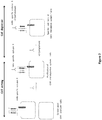
- the present invention is drawn to chimeric antigen receptors (CAR), which extracellular binding domain (scFv) is modified in such a way to allow cell depletion (see Figure 2 for illustrative embodiment).
- CAR chimeric antigen receptors
- scFv extracellular binding domain
- This structure named mAb-driven depletion system consists in inserting at least one mAb-specific epitope having the amino acid sequence of SEQ ID NO 35 within the scFv; this epitope having a specificity to be recognized by a specific antibody (preferably mAb).
- a specific antibody preferably mAb
- different CAR architectures can be envisioned: single-chain or multi-chain.
- the chimeric scFv of the invention which is formed of the VH and VL polypeptides and the specific epitope(s) may itself have different structures depending on the position of insertion of the epitope and the use of linkers.
- the epitope-specific antibody may be conjugated with a cytotoxic drug. It is also possible to promote CDC cytotoxicity by using engineered antibodies on which are grafted component(s) of the complement system.
- the invention encompasses therapeutic uses where the activation of the engineered immune cells endowed with CARs is modulated by depleting the cells by using an antibody that directs the external ligand binding domain of said CARs.
- the invention relates to a polypeptide encoding a chimeric antigen receptor (CAR) comprising at least one extracellular binding domain that comprises a scFv formed by at least a VH chain and a VL chain specific to an antigen, preferably a cell surface marker antigen, wherein said extracellular binding domain comprises at least one inserted mAb-specific epitope having the amino acid sequence of SEQ ID NO 35.
- CAR chimeric antigen receptor
- the invention relates to a CAR comprising
- the CAR of the invention comprises one extracellular binding domain.
- chimeric scFv is meant a polypeptide corresponding to a single-chain variable fragment composed of heavy and light chains (V H and V L , respectively) and of an epitope, which was not originally included in said V H and V L chains.
- the latter epitope is referred to as "mAb-specific epitope” when it has the capacity to be bound specifically by an antibody, in particular a monoclonal antibody.
- the mAbs specific epitope is not an epitope recognized by the ScFv.
- the mAbs specific epitope is not derived from the extracellular domain of the CAR.
- the components of this chimeric scFv i.e.
- the light and heavy variable fragments of the ligand binding domain and the mAb specific epitope may be joined together by at least one linker, usually a flexible linker. These components are generally joined to the transmembrane domain of the CAR by a hinge.
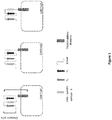
- the structure of the chimeric scFv of the invention can be various as presented in the Figure 1 depending of the position of its main components (V H and V L and m-Ab specific epitope).
- the chimeric scFv of the invention may have several conformations, at least 9 when considering the number of possible permutations of one V H , one V L and one epitope.
- each component VH, VL and epitope
- each component is interconnected with its neighbor(s) by at least one flexible linker such as presented previously.
- the suitable combinations according to the invention are the ones which provide a good affinity/specificity in both bindings: between the mAb-specific epitope and the infused mAb, and between the VH &VL chains of the chimeric scFv and the antigen of the cell target ligand.
- the extracellular-binding domain of the CAR comprises at least two linkers, both of them joining the epitope to the VH and VL chains; and a hinge joining the scFv-epitope to the transmembrane domain of the CAR.
- a screening is performed when the CAR is expressed and is tested for cytoxicity and/or mAb depletion.
- a screening may be performed by phage display before testing and/or transient expression of the CAR construct. This may be obtained by transfection of mRNA, which is sufficient for a primary cytoxicity and/or mAb depletion test.
- the extracellular binding domain comprises the following sequence (N-term is located on the left hand side): V 1 -L 1 -V 2 -(L) x -Epitope1-(L) x ; V 1 -L 1 -V 2 -(L) x -Epitope1-(L) x -Epitope2-(L) x ; V 1 -L 1 -V 2 -(L) x -Epitope1-(L) x -Epitope2-(L) x -Epitope3-(L) x ; (L) x -Epitope1-(L) x -V 1 -L 1 -V 2 ; (L) x -Epitope1-(L) x -Epitope2-(L) x -V 1 -L 1 -V 2 ; Epitope1-(L) x -Epitope2-(L) x
- the extracellular binding domains comprises the following sequence (Nterm is located on the left hand side): V H -L 1 -V L -L-Epitope1-L-Epitope2-L; L-Epitope1-L-V H -L-Epitope2-L-V L -L-Epitope3-L; V L -L 1 -V H -L-Epitope1-L-Epitope2-L; or, L-Epitope1-L-V L -L-Epitope2-L-V H -L-Epitope3-L, wherein L, L 1 , Epitope1, Epitope2 and Epitope3 are as defined above.
- L 1 is a linker comprising Glycine and/or Serine. In some embodiments, L 1 is a linker comprising the amino acid sequence (Gly-Gly-Gly-Ser) n or (Gly-Gly-Gly-Gly-Ser) n , where n is 1, 2, 3, 4 or 5. In some embodiments L 1 is (Gly 4 Ser) 4 or (Gly 4 Ser) 3 .
- L is a flexible linker, preferably comprising Glycine and/or Serine.
- L has an amino acid sequence selected from SGG, GGS, SGGS, SSGGS, GGGG, SGGGG, GGGGS, SGGGGS, GGGGGS, SGGGGGS, SGGGGG, GSGGGGS, GGGGGGGS, SGGGGGGG, SGGGGGGGS, or SGGGGSGGGGS preferably SGG, SGGS, SSGGS, GGGG, SGGGGS, SGGGGGS, SGGGGG, GSGGGGS or SGGGGSGGGGS.
- all the Ls are identical.
- the extracellular binding domain comprises several occurrences of L
- the Ls are not all identical.
- L is SGGGGS.
- the extracellular binding domain comprises several occurrences of L and all the Ls are SGGGGS.
- Epitope 3 is a mAb-specific epitope having the amino acid sequence of SEQ ID NO 35. In some embodiments, Epitope 3 is an mAb-specific epitope having the amino acid sequence of SEQ ID NO 144.
- the epitope to be inserted within the chimeric scFv is specific to the monoclonal antibody (mAb) which is used for cell sorting and/or cell depletion processes.
- mAb monoclonal antibody
- Antibody Indication Drug bank accession n° (or other n° if stated) Target/Antigen SEQ ID NO Murine Ibritumomab tiuxetan Non-Hodgkin lymphoma (with yttrium-90 or indium-111) DB00078 CD20 SEQ ID NO 11 Muromonab-CD3 Transplant rejection DB00075 T cell CD3 Receptor SEQ ID NO 12 Tositumomab Non-Hodgkin lymphoma DB00081 CD20 SEQ ID NO 11 Chimeric Abciximab Cardiovascular disease DB00054 inhibition of glycoprotein IIb/IIIa SEQ ID NO 13 Basiliximab Transplant rejection DB00074 IL-2Ra receptor (CD25) SEQ ID NO 14 Brentuximab vedotin Anaplastic large cell lymphoma DB08870 CD30 SEQ ID NO 15 Cetuximab Colorectal cancer, Head and neck cancer DB00002 epidermal growth factor receptor SEQ ID NO 16
- the at least one epitope introduced within the chimeric scFv is the CD20 antigen of SEQ ID NO 35 and the infused mAb which is being used to target it -for sorting and/or depletion purpose(s) is rituximab.
- the extracellular binding domain of the CAR of the invention comprises one mAb-specific epitope of SEQ ID NO 35, two mAb-specific epitopes of SEQ ID NO 35, three mAb-specific epitopes of SEQ ID NO 35, one mAb-specific epitope of SEQ ID NO 35 and one mAb-specific epitope of SEQ ID NO 144, two mAb-specific epitopes of SEQ ID NO 35 and one mAb-specific epitope of SEQ ID NO 144, three mAb-specific epitopes of SEQ ID NO 35 and one mAb-specific epitope of SEQ ID NO 144.
- the epitope is a mimotope.
- the mimotope As a macromolecule, often a peptide, which mimics the structure of an epitope, the mimotope has the advantage to be smaller than conventional epitope, and therefore may be beneficial for a non-conformational sequence and easier to reproduce in a long polypeptide such a CAR.
- Mimotopes are known for several pharmaceutically-approved mAb such as two 10 amino acid peptides for cetuximab (Riemer et al., 2005), or a 24 aa for palivizumab (Arbiza et al, 1992).
- these mimotopes can be identified by phage display, it is possible to try several of them in order to obtain a sequence which does not perturb the scFv for the same mAb. Furthermore, their use can enhance a complement-dependent cytotoxicity (CDC).
- CDC complement-dependent cytotoxicity
- extracellular ligand-binding domain is defined as an oligo- or polypeptide that is capable of binding a ligand. Preferably, said domain is sought for being capable of interacting with a cell surface molecule.
- the extracellular ligand-binding domain may be chosen to recognize a ligand that acts as a cell surface marker on target cells associated with a particular disease state.
- cell surface markers that may act as ligands include those associated with viral, bacterial and parasitic infections, autoimmune disease and cancer cells.
- the extracellular ligand-binding domain can comprise an antigen binding domain derived from an antibody against an antigen of the target.
- the antigen of the target can be a tumor-associated surface antigen as described above.
- the extracellular binding domain is an extracellular ligand-binding domain as defined above.
- said extracellular ligand-binding domain is a single chain antibody fragment (scFv) comprising the light ( V L ) and the heavy ( V H ) variable fragment of a target antigen specific monoclonal antibody, and an mAb epitope specific antigen.
- the extracellular binding domain comprises a single chain antibody fragment (scFv) comprising the light ( V L ) and the heavy ( V H ) variable fragment of a cell surface target antigen specific monoclonal antibody.
- binding domain than scFv can also be used for predefined targeting of lymphocytes, such as camelid single-domain antibody fragments, receptor ligands like a vascular endothelial growth factor polypeptide, an integrin-binding peptide, heregulin or an IL-13 mutein, antibody binding domains, antibody hypervariable loops or CDRs as non-limiting examples.
- said extracellular binding domain can be a DARPin (designed ankyrin repeat protein).
- DARPins are genetically engineered antibody mimetic proteins typically exhibiting highly specific and high-affinity target protein binding. They are derived from natural ankyrin proteins and comprise at least three, usually four or five repeat motifs of these proteins. DARPins are small, single domain proteins which can be selected to bind any given target protein with high affinity and specificity (Epa, Dolezal et al. 2013; Friedrich, Hanauer et al. 2013; Jost, Schilling et al. 2013). According to the present invention, DARPins can be engineered to comprise multiple antigen recognition sites.
- the present invention relates to a method comprising providing an immune cell, and expressing at the surface of said immune cell chimeric antigen receptor which comprises a designed ankyrin repeat protein capable of recognizing at least one specific ligand, preferably at two specific ligands.
- the ligand of the target or the antigen recognized by the extracellular binding domain can be a tumor-associated surface antigen, such as ErbB2 (HER2/neu), carcinoembryonic antigen (CEA), epithelial cell adhesion molecule (EpCAM), epidermal growth factor receptor (EGFR), EGFR variant III (EGFRvIII), CD19, CD20, CD30, CD40, disialoganglioside GD2, GD3, C-type lectin-like molecule-1 (CLL-1), ductal-epithelial mucine, gp36, TAG-72, glycosphingolipids, glioma-associated antigen, ⁇ -human chorionic gonadotropin, alphafetoprotein (AFP), lectin-reactive AFP, thyroglobulin, RAGE-1, MN-CA IX, human telomerase reverse transcriptase, RU1, RU2 (AS), intestinal carb
- HER2/neu human telomerase reverse transcripta
- the ligand that the chimeric antigen receptor recognizes is present on the surface of a target cell, particularly cancer cell or viral cell. In some embodiments, the ligand that the chimeric antigen receptor recognizes is present in a tumor microenvironment. In some aspects of the invention, the ligand that the chimeric antigen receptor recognizes is a growth factor.
- said VH and VL chains have as antigenic target sequence of over 80% identity, preferably over 90%, and more preferably over 95% with SEQ ID NO 43 (CD19 antigen), SEQ ID NO 44 (CD38 antigen), SEQ ID NO 45 (CD123 antigen), SEQ ID NO 46 (CS1 antigen), SEQ ID NO 47 (BCMA antigen), SEQ ID NO 48 (FLT-3 antigen), SEQ ID NO 49 (CD33 antigen), SEQ ID NO 50 (CD70 antigen), SEQ ID NO 51 (EGFR-3v antigen), SEQ ID NO 52 (WT1 antigen).
- said VH and VL chains have as antigenic target sequence of over 80% identity, preferably over 90%, and more preferably over 95% with or identical to SEQ ID NO 53-64 (CD19 antigen), SEQ ID NO 65-76 (CD33 antigen), SEQ ID NO 77-84 (5T4 antigen), SEQ ID NO 85-90 (ROR1 antigen), SEQ ID NO 91-94 (EGFRvIII antigen), SEQ ID NO 95-102 (BCMA antigen), SEQ ID NO 103-112 (CS1 antigen) and SEQ ID NO 113-124 (CD123 antigen) as follows in Table 3.
- the antigen recognized by the extracellular binding domain preferably by the ScFv is selected from SEQ ID NO 43 (CD19 antigen), SEQ ID NO 44 (CD38 antigen), SEQ ID NO 45 (CD123 antigen), SEQ ID NO 46 (CS1 antigen), SEQ ID NO 47 (BCMA antigen), SEQ ID NO 48 (FLT-3 antigen), SEQ ID NO 49 (CD33 antigen), SEQ ID NO 50 (CD70 antigen), SEQ ID NO 51 (EGFR-vlll antigen) or SEQ ID NO 52 (WT1 antigen).
- the extracellular binding domain comprises:
- said VH and VL chains have as epitope target sequence of over 80% identity, preferably over 90%, and more preferably over 95% with SEQ ID NO 11 (CD20 antigen).
- the extracellular ligand-binding domain can also comprise a peptide binding an antigen of the target, a peptide or a protein binding an antibody that binds an antigen of the target, a peptide or a protein ligand such as a growth factor, a cytokine or a hormone as non-limiting examples binding a receptor on the target, or a domain derived from a receptor such as a growth factor receptor, a cytokine receptor or a hormone receptor as non-limiting examples, binding a peptide or a protein ligand on the target.
- the target is a cell or a virus.
- the antigen binding domain of the CAR can be any domain that binds to the cell target antigen including but not limited to a monoclonal antibody, a recombinant antibody, a human antibody, a humanized antibody, and a functional fragment thereof.
- a humanized antibody can be produced using a variety of techniques known in the art, including but not limited to, CDR-grafting (see, e.g., European Patent No. EP 239,400 ; International Publication No. WO 91/09967 ; and U.S. Pat. Nos. 5,225,539 , 5,530,101 , and 5,585,089 ), veneering or resurfacing (see, e.g., European Patent Nos.
- framework substitutions are identified by methods well-known in the art, e.g., by modeling of the interactions of the CDR and framework residues to identify framework residues important for antigen binding and sequence comparison to identify unusual framework residues at particular positions. (See, e.g., Queen et al., U.S. Pat. No. 5,585,089 ; and Riechmann et al., 1988, Nature, 332:323 ).
- the scFv may be nanobodies (natural single domain antibodies) which can be obtained by immunization of dromedaries, camels, llamas, alpacas or sharks.
- Peptide linkers can vary from 10 to 25 amino acids in length and are typically, but not always, composed of hydrophilic amino acids such as glycine (G) and serine (S). Peptide linkers of shorter lengths (0-4 amino acids) have also been used. However, scFv bearing shorter linkers can form multimers. Generally, the (GGGGS) 3 peptide is used as an scFv peptide linker.
- This 15-amino acid linker sequence [designated as the (GGGGS) 3 linker] is used in the Recombinant Phage Antibody System (RPAS kit) commercially available from Amersham.
- RPAS kit Recombinant Phage Antibody System
- linkers suitable within the present invention are the 15-mer peptide linker (RGRGRGRGRSRGGGS) ( Zhihong Shen, Heping Yan, Ying Zhang, Raymond L. Mernaugh, and Xiangqun Zeng (2008), Anal Chem. 80(6): 1910-1917 ).
- the "linker” as used in the context of a scFv refers to a peptide linker that consists of amino acids such as glycine and/or serine residues used alone or in combination, to link variable heavy and variable light chain regions together.
- the flexible polypeptide linkers include, but are not limited to, (Gly 4 Ser) 4 or (Gly 4 Ser) 3 .
- the CAR according to the invention are sought for enabling engineered immune cells to trigger the destruction of pathological cells, in particular malignant cells. They may be designed according to single-chain or multi-chain architectures.
- the extracellular ligand-binding domain, transmembrane domain, and intracellular signaling domain are in one polypeptide, i.e., in a single chain.
- Multi-chain architectures are more particularly disclosed in WO2014039523 .
- a multi-chain CAR is typically formed of different polypeptides such as:
- the signaling polypeptide is responsible for the activation of at least one of the normal functions of the engineered immune cell.
- the function of a T cell can be a cytolytic activity or helper activity including the secretion of cytokines.
- the term "signaling protein” refers to a protein which transduces the transmitter domain function signal and directs the cell to perform a specialized function.
- said transmitter domain can be a signaling protein. Transmission of the signals can result from: protein/protein interactions, protein/DNA interaction, protein/RNA interaction, protein/small molecule interaction, post translational protein modification, conformational change, subcellular relocalization.
- the signaling protein can activate a gene in the nucleus.
- Examples of signaling protein can be members of NFAT transcription factor family which are inducible factor that could bind the intereukin-2 promoter in activated T cells.
- the regulation of NFAT proteins involves metabolites and proteins such as calcium, calcineurin and Homer scaffolding proteins.
- Said signaling protein can be an activated engineered form of NFAT avoiding regulation by calcineurin and Homer proteins.
- Said signaling protein can be a NF- ⁇ B engineered to avoid sequestration in the cytoplasm by I ⁇ B allowing activation of T cells.
- Said signaling protein can also be the expression of the three IKK subunits (IKK ⁇ , IKK ⁇ , IKKy).
- Reconstituted IKK complex activated NF- ⁇ B pathway, by triggering the ubiquitination of the I ⁇ B.
- the activation of the JNK signaling could be triggered through the direct expression of signaling protein AP-1 (transcription factor).
- Said signaling protein can be an engineered transcription activator like effector (TALE) binding domain that will specifically target and activate transcription of the same gene as for the NFAT and NF-kb.
- TALE transcription activator like effector
- said signaling protein can inhibit a signaling pathway through protein-protein interaction or can activate a gene in the nucleus to inhibit a signaling pathway.
- Said signaling protein can be vaccinia H1 related proteins (VHR) a member of the mitogen-activated protein kinase phosphatases (MKPs) family which dephosphorylates and inactivates an extracellular signal regulated kinases (ERK) signaling proteins.
- VHR vaccinia H1 related proteins
- MKPs mitogen-activated protein kinase phosphatases
- signal transducing domain for use in a CAR can be the cytoplasmic sequences of the T cell receptor and co-receptors that act in concert to initiate signal transduction following antigen receptor engagement, as well as any derivate or variant of these sequences and any synthetic sequence that has the same functional capability.
- Signal transduction domain may comprise two distinct classes of cytoplasmic signaling sequence, those that initiate antigen-dependent primary activation, and those that act in an antigen-independent manner to provide a secondary or co-stimulatory signal.
- the signal transduction domain of the CAR of the present invention comprises a co-stimulatory signal molecule.
- a co-stimulatory molecule is a cell surface molecule other than an antigen receptor or their ligands that is required for an efficient immune response.
- Co-stimulatory ligand refers to a molecule on an antigen presenting cell that specifically binds a cognate co-stimulatory molecule on a T cell, thereby providing a signal which, in addition to the primary signal provided by, for instance, binding of a TCR/CD3 complex with an MHC molecule loaded with peptide, mediates a T cell response, including, but not limited to, proliferation activation, differentiation and the like.
- a "co-stimulatory molecule” refers to the cognate binding partner on a T cell that specifically binds with a co-stimulatory ligand, thereby mediating a co-stimulatory response by the cell, such as, but not limited to proliferation.
- Co-stimulatory molecules include, but are not limited to an MHC class I molecule, BTLA and Toll ligand receptor.
- a multi-chain CAR can be derived from the structure of a Fc receptor, preferably Fc ⁇ RI, and comprise at least two of the following components:
- these different polypeptides multimerize together spontaneously to form dimeric, trimeric or tetrameric structures that arise at the cell surface in a juxtamembrane position.
- the invention relates to an immune cell comprising a single-chain CAR as well defined in the prior art, as well as in any of US7446190 , WO2008/121420 , US8252592 , US20140024809 , WO2012/079000 , WO2014153270 , WO2012/099973 , WO2014/011988 , WO2014/011987 , WO2013/067492 , WO2013/070468 , WO2013/040557 , WO2013/126712 , WO2013/126729 , WO 2013/126726 , WO2013/126733 , US8399645 , US20130266551 , US20140023674 , WO2014039523 , US7514537 , US8324353 , WO2010/025177 , US7446179 , WO2010/025177 , WO2012/031744 , WO2012/136231A1 , WO
- the invention relates to a CAR comprising
- the transmembrane domain comprises the transmembrane region(s) of the alpha, beta or zeta chain of the T-cell receptor, PD-1, 4-1BB, OX40, ICOS, CTLA-4, LAG3, 2B4, BTLA4, TIM-3, TIGIT, SIRPA, CD28, CD3 epsilon, CD45, CD4, CD5, CD8, CD9, CD16, CD22, CD33, CD37, CD64, CD80, CD86, CD134, CD137 or CD154.
- the hinge is an IgG4 hinge or a CD8 alpha hinge, preferably a CD8 alpha hinge.
- transmembrane domains comprise the ability to be expressed at the surface of a cell, preferably in the present invention an immune cell, in particular lymphocyte cells or Natural killer (NK) cells, and to interact together for directing cellular response of immune cell against a predefined target cell.
- the transmembrane domain can be derived either from a natural or from a synthetic source.
- the transmembrane domain can be derived from any membrane-bound or transmembrane protein.
- the transmembrane polypeptide can be a subunit of the T cell receptor such as ⁇ , ⁇ , ⁇ or ⁇ , polypeptide constituting CD3 complex, IL2 receptor p55 ( ⁇ chain), p75 ( ⁇ chain) or ⁇ chain, subunit chain of Fc receptors, in particular Fc ⁇ receptor III or CD proteins.
- the transmembrane domain can be synthetic and can comprise predominantly hydrophobic residues such as leucine and valine.
- said transmembrane domain is derived from the human CD8 alpha chain (e.g. NP_001139345.1).
- Said transmembrane domain can also be a CD8 transmembrane domain (alpha and beta chains).
- Said Transmembrane domain can be engineered to create obligated hetero or homodimers.
- said CARs can comprise transmembrane domains or intracellular domains which can only dimerize after ligand recognition.
- Another example of transmembrane domain can be NKG2-D receptor.
- NKG2D natural killer cell group 2D
- NKG2D is a C-type lectin-like receptor expressed on NK cells, ⁇ -TcR + T cells, and CD8 + ⁇ -TcR + T cells ( Bauer, Groh et al., 1999, Science 285(5428):727-9 .
- NKG2D is associated with the transmembrane adapter protein DAP10 ( Wu, Song et al. 1999, Science 285(5428):730-2 ), whose cytoplasmic domain binds to the p 85 subunit of the PI-3 kinase.
- Said transmembrane domain can also be an integrin.
- Integrins are heterodimeric integral membrane proteins composed of a ⁇ and ⁇ chains which combined together form the LFA-1 (integrin lymphocyte function-associated antigen-1) which is expressed on all leukocytes.
- LFA-1 plays a central role in leukocyte intercellular adhesion through interactions with its ligand, ICAMs 1-3 (intercellular adhesion molecules 1 through 3), and also it has an important role in lymphocyte co-stimulatory signaling ( Chen and Flies 2013, Nat Rev Immunol 13(4):227-42 ).
- the molecular details of the binding of LAF-1 to its immunoglobulin ICAM-1 are quite known allowing a careful engineering of LAF-1 binding site.
- ⁇ L domain for ICAM-1 is regulated by the displacement of its C-terminal helix which is conformational linked to alterations of specific loops in LAF-1.
- the active and low conformations differ of 500 and 10,000 folds.
- two types of antagonists are known for LFA-1 and their mechanism of action is known.
- Integrin cell surface adhesion receptors can transmit a signal from the outside to inside but also vice-versa.
- There are cytoskeletal proteins as Talin which binds to the integrin tail LFA-1 to transfer a message from inside to outside.
- the transmembrane domain comprises the transmembrane region of PD-1 or the transmembrane region(s) of CD8 alpha.
- the transmembrane domain is attached to the extracellular domain of the CAR via a hinge e.g., a hinge from a human protein.
- a hinge e.g., a hinge from a human protein.
- the hinge can be a human Ig (immunoglobulin) hinge, e.g., a IgG1 hinge, an IgG4 hinge, or a CD8alpha hinge.
- the hinge of the CAR is a human immunoglobulin hinge. In a more preferred embodiment, the hinge of the CAR is an IgG4 hinge or a CD8 alpha hinge. In some embodiments, the hinge is an Fc ⁇ RIII alpha hinge. In some embodiments, the hinge is a CD8 alpha hinge. In some embodiments, the hinge is a CD8 alpha hinge has amino acid sequence with at least about 70%, preferably at least 80%, more preferably at least 90%, 95%, 97%, or 99% sequence identity with an amino acid sequence shown in SEQ. ID NO: 179, 180 or 181.
- stalk region generally means any oligo- or polypeptide that functions to link the transmembrane domain to the extracellular ligand-binding domain.
- stalk region are used to provide more flexibility and accessibility for the extracellular ligand-binding domain.
- a stalk region may comprise up to 300 amino acids, preferably 10 to 100 amino acids and most preferably 25 to 50 amino acids.
- Stalk region may be derived from all or part of naturally occurring molecules, such as from all or part of the extracellular region of CD8, CD4, CD28 or RTK, or from all or part of an antibody constant region.
- the stalk region may be a synthetic sequence that corresponds to a naturally occurring stalk sequence, or may be an entirely synthetic stalk sequence.
- the intracellular domain (also referred to herein as a "cytoplasmic signaling domain” or “an intracellular signaling domain”) comprises a functional signaling domain derived from a stimulatory molecule as defined below.
- the stimulatory molecule is the zeta chain associated with the T-cell receptor complex.
- the cytoplasmic signaling domain further comprises one or more functional signaling domains derived from at least one costimulatory molecule as defined below.
- the costimulatory molecule is chosen from 4-1BB (i.e., CD137), CD27 and/or CD28.
- the term "stimulatory molecule,” refers to a molecule expressed by a T-cell that provides the positive cytoplasmic signaling sequence(s) that regulate positive activation of the TCR complex in a stimulatory way for at least some aspect of the T-cell signaling pathway.
- the positive signal is initiated by, for instance, binding of a TCR/CD3 complex with an MHC molecule loaded with peptide, and which leads to mediation of a T-cell response, including, but not limited to, proliferation, activation, differentiation, and the like.
- a positive cytoplasmic signaling sequence (also referred to as a "positive signaling domain” or positive intracellular signaling domain) that acts in a stimulatory manner may contain a signaling motif which is known as immunoreceptor tyrosine-based activation motif or ITAM.
- ITAM immunoreceptor tyrosine-based activation motif
- Examples of an ITAM containing positive cytoplasmic signaling sequence includes, but is not limited to, those derived from TCR zeta (or CD3zeta), FcR gamma, FcR beta, CD3 gamma, CD3 delta, CD3 epsilon, CD5, CD22, CD79a, CD79b, CD278 (also known as "ICOS”) and CD66d.
- the intracellular signaling domain of the CAR can comprise the CD3 ⁇ (zeta) signaling domain which has amino acid sequence with at least about 70%, preferably at least 80%, more preferably at least 90%, 95%, 97%, or 99% sequence identity with an amino acid sequence shown in SEQ. ID NO: 175.
- the intracellular signaling domain of the CAR generates a signal that promotes an immune effector function of the CAR containing cell.
- immune effector function e.g., in a CAR T-cell
- helper activity including the secretion of cytokines.
- costimulatory molecule refers to the cognate binding partner on a T-cell that specifically binds with a costimulatory ligand, thereby mediating a costimulatory response by the T-cell, such as, but not limited to, proliferation.
- Costimulatory molecules are cell surface molecules other than antigen receptors or their ligands that are required for an efficient immune response.
- Costimulatory molecules include, but are not limited to an MHC class I molecule, BTLA and a Toll ligand receptor, as well as OX40, CD2, CD27, CD28, CDS, ICAM-1, LFA-1 (CD11a/CD18) and 4-IBB (CD137).
- a costimulatory intracellular signaling domain can be the intracellular portion of a costimulatory molecule.
- a costimulatory molecule can be represented in the following protein families: TNF receptor proteins, Immunoglobulin-like proteins, cytokine receptors, integrins, signaling lymphocytic activation molecules (SLAM proteins), and activating NK cell receptors.
- the intracellular signaling domain of the CAR of the invention comprises amino acid sequence which comprises at least 70%, preferably at least 80%, more preferably at least 90%, 95%, 97%, or 99% sequence identity with an amino acid sequence shown in SEQ. ID NO: 176 and SEQ. ID NO: 177.
- Table 4 provide exemplary sequence of CAR components Domain Amino Acid Sequence SEQ ID NO: CD8 ⁇ signal peptide MALPVTALLLPLALLLHAARP 178 Fc ⁇ RIII ⁇ hinge GLAVSTISSFFPPGYQ 179 CD8 ⁇ hinge TTTPAPRPPTPAPTIASQPLSLRPEACRPAAGGAVHTRGLDFACD 180 IgG1 hinge 181 CD8 ⁇ transmembrane (TM) domain IYIWAPLAGTCGVLLLSLVITLYC 182 41BB intracellular signaling domain (ISD) KRGRKKLLYIFKQPFMRPVQTTQEEDGCSCRFPEEEEGGCEL 176 CD3 ⁇ intracellular signaling domain (ISD) 175 Fc ⁇ RI ⁇ -TM-IC (Fc ⁇ RI ⁇ chain transmembrane and intracellular domain) 183 Fc ⁇ RI ⁇ - ⁇ ITAM (Fc ⁇ RI ⁇ chain without ITAM) 184 41BB-IC (41BB co-stimulatory domain) KRGRKKLLYIFKQ
- CARs and immune cells comprising them have been extensively disclosed and can be prepared by the skilled person according to known methods.
- methodologies to prepare CARs and cells comprising such CARs are disclosed in US7446190 , WO2008/121420 , US8252592 , US20140024809 , WO2012/079000 , WO2014153270 , WO2012/099973 , WO2014/011988 , WO2014/011987 , WO2013/067492 , WO2013/070468 , WO2013/040557 , WO2013/126712 , WO2013/126729 , WO 2013/126726 , WO2013/126733 , US8399645 , US20130266551 , US20140023674 , WO2014039523 , US7514537 , US8324353 , WO2010/025177 , US7446179 , WO2010/025177 , WO2012/031744 , WO2012
- the present invention encompasses a recombinant DNA construct comprising sequences encoding an CAR as defined above, wherein the CAR comprises an extracellular domain such as an antibody fragment that binds specifically to cell target antigen, and wherein the sequence of the extracellular domain is contiguous with and in the same reading frame as a nucleic acid sequence encoding a transmembrane domain and an intracellular domain.
- An exemplary CAR construct may comprise an optional leader sequence, an extracellular cell target antigen binding domain, a hinge, a transmembrane domain, and an intracellular inhibitory signaling domain
- the invention relates to a recombinant DNA construct comprising sequences encoding a CAR as defined above.
- the CAR comprises an extracellular domain comprising
- the disclosure relates to a method for in vitro sorting CAR-expressing immune cell, comprising contacting a population of said engineered immune with antigen-specific antibody (preferably monoclonal Abs) to collect only cells expressing CAR.
- antigen-specific antibody preferably monoclonal Abs
- the disclosure relates to a method for in vitro sorting CAR-expressing immune cell, wherein said CAR comprises at least one extracellular binding domain comprising at least one mAb-specific epitope as described above, comprising
- the disclosure relates to a method for in vitro sorting CAR-expressing immune cells, wherein said CAR comprises at least one extracellular binding domain comprising at least one mAb-specific epitope, comprising - contacting a population of said immune cells with a monoclonal antibody (epitope-specific mAb) specific for said mAb-specific epitope,
- said monoclonal antibody specific for said mAb-specific epitope is conjugated to a fluorophore and the step of selecting the cells that bind to the monoclonal antibody is done by Fluorescence Activated Cell Sorting (FACS).
- FACS Fluorescence Activated Cell Sorting
- said monoclonal antibody specific for said mAb-specific epitope is conjugated to a magnetic particle and the step of selecting the cells that bind to the monoclonal antibody is done by Magnetic Activated Cell Sorting (MACS).
- MCS Magnetic Activated Cell Sorting
- the extracellular binding domain of the CAR comprises a mAb-specific epitope of SEQ ID NO 144. In some instances, the extracellular binding domain of the CAR comprises a mAb-specific epitope of SEQ ID NO 144 and the antibody used to contact the population of immune cells is QBEND-10. In some instances, the extracellular binding domain of the CAR comprises a mAb-specific epitope of SEQ ID NO 35. In some instances, the extracellular binding domain of the CAR comprises a mAb-specific epitope of SEQ ID NO 35 and the antibody used to contact the population of immune cells is Rituximab.
- the population CAR-expressing immune cells obtained when using the method for in vitro sorting CAR-expressing immune cells described above comprises at least 70%, 75%, 80%, 85%, 90%, 95% of CAR-expressing immune cells. In some embodiments, the population CAR-expressing immune cells obtained when using the method for in vitro sorting CAR-expressing immune cells described above, comprises at least 85% CAR-expressing immune cells.
- the population of CAR-expressing immune cells obtained when using the method for in vitro sorting CAR-expressing immune cells described above shows increased cytotoxic activity in vitro compared with the initial (non-sorted) cell population using the protocol described in Example 7.5.
- said cytotoxic activity in vitro is increased by 10%, 20%, 30% or 50%.
- the mAbs are previously bound onto a support such as a column or on beads such as routinely realized by the skilled in the art.
- immune cells are T-cells.
- cells to be administered to the recipient may be enriched in vitro from the source population.
- Methods of expanding source populations are well known in the art, and may include selecting cells that express an antigen such as CD34 antigen, using combinations of density centrifugation, immuno-magnetic bead purification, affinity chromatography, and fluorescent activated cell sorting, known to those skilled in the art.
- flow cytometry is widely used in the art and is a method well known to one of ordinary skill to sort and quantify specific cell types within a population of cells.
- flow cytometry is a method for quantitating components or structural features of cells primarily by optical means. Since different cell types can be distinguished by quantitating structural features, flow cytometry and cell sorting can be used to count and sort cells of different phenotypes in a mixture.
- a flow cytometric analysis involves two basic steps: 1) labeling selected cell types with one or more labeled markers, and T) determining the number of labeled cells relative to the total number of cells in the population.
- the primary method of labeling cell types is by binding labeled antibodies to markers expressed by the specific cell type.
- the antibodies are either directly labeled with a fluorescent compound or indirectly labeled using, for example, a fluorescent- labeled second antibody which recognizes the first antibody.
- the method used for sorting T cells expressing CAR is the Magnetic-Activated Cell Sorting (MACS).
- MCS Magnetic-Activated Cell Sorting
- Magnetic-activated cell sorting is a method for separation of various cell populations depending on their surface antigens (CD molecules) by using superparamagnetic nanoparticles and columns. It takes only a few simple steps to get pure cell populations
- Cells in a single-cell suspension are magnetically labeled with microbeads.
- the sample is applied to a column composed of ferromagnetic spheres, which are covered with a cell-friendly coating allowing fast and gentle separation of cells.
- the unlabeled cells pass through while the magnetically labeled cells are retained within the column. The flow-through can be collected as the unlabeled cell fraction.
- the column is removed from the separator, and the magnetically labeled cells are eluted from the column.
- FACS is a technique of choice to purify cell populations of known phenotype as very high purity of the desired population can be achieved, or when the target cell population expresses a very low level of the identifying marker, or when cell populations require separation based on differential marker density.
- FACS is the only available purification technique to isolate cells based on internal staining or intracellular protein expression, such as a genetically modified fluorescent protein marker.
- FACS allows the purification of individual cells based on size, granularity and fluorescence. In order to purify cells of interest, they are first stained with fluorescently-tagged monoclonal antibodies (mAb), which recognize specific surface markers on the desired cell population.
- mAb monoclonal antibodies
- the mAb used in the method for sorting T cells expressing the CAR is chosen amongst ibritumomab, tiuxetan, muromonab-CD3, tositumomab, abciximab, basiliximab, brentuximab vedotin, cetuximab, infliximab, rituximab, alemtuzumab, bevacizumab, certolizumab pegol, daclizumab, eculizumab, efalizumab, gemtuzumab, natalizumab, omalizumab, palivizumab, ranibizumab, tocilizumab, trastuzumab, vedolizumab, adalimumab, belimumab, canakinumab, denosumab, golimumab, ipilimumab, ofat
- said mAb is rituximab. In a more preferred instance, said mAb is QBEND-10.
- in vivo depletion in the present invention the administration of a treatment to a mammalian organism aiming to stop the proliferation of CAR-expressing immune cells by inhibition or elimination.
- One aspect of the invention is related to an epitope-specific monoclonal antibody (mAb) which specifically recognizes the mAb-specific epitope having the amino acid sequence of SEQ ID NO 35 for use in a method for in vivo depleting an engineered immune cell expressing a CAR comprising an m-Ab specific epitope having the amino acid sequence of SEQ ID NO 35, comprising contacting said engineered immune cell or said CAR-expressing immune cell with said epitope-specific mAbs.
- mAb monoclonal antibody
- said immune cells are T-cells and/or the antibody is monoclonal.
- the in vivo depletion of immune engineered cell is performed on engineered immune cell which has been previously sorted using the in vitro method of the present disclosure. In this case, this will be the same infused mAb used.
- the epitope-specific mAb is rituximab.
- the step of contacting said engineered immune cell or said CAR-expressing immune cell with at least one epitope-specific mAb comprises infusing the patient with epitope-specific mAb, preferably rituximab.
- the amount of epitope-specific mAb administered to the patient is sufficient to eliminate at least 20%, 30%, 40%, 50%, 60%, 70%, 80% or 90% of the CAR-expressing immune cell in the patient.
- the step of contacting said engineered immune cell or said CAR-expressing immune cell with at least one epitope-specific mAb comprises infusing the patient with 375mg/m 2 of rituximab, once or several times, preferably once weekly.
- the amount of viable CAR-expressing immune cells decreases, preferably by at least 10%, 20%, 30%, 40%, 50%, 60%, 70%, 80% or 90%.
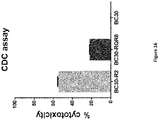
- the CDC assay is the assay disclosed in Example 3, Example 4 or Example 7.4.
- the in vivo depletion of CAR-engineered immune cells is performed by infusing bi-specific antibodies.
- a bispecific monoclonal antibody (BsAb) is an artificial protein that is composed of fragments of two different monoclonal antibodies and consequently binds to two different types of antigen.
- effector cell includes immune cells such as lymphocytes, macrophages, dendritic cells, natural killer cells (NK Cell), cytotoxic T lymphocytes (CTL).
- immune cells such as lymphocytes, macrophages, dendritic cells, natural killer cells (NK Cell), cytotoxic T lymphocytes (CTL).
- NK Cell natural killer cells
- CTL cytotoxic T lymphocytes
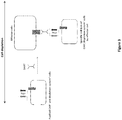
- the infused bi-specific mAb is able to bind both the mAb-specific epitope borne on engineered immune cells expressing the chimeric scFv and to a surface antigen on an effector and cytotoxic cell.
- This aspect is presented in Figure 3 .
- ADCC antibody-dependent cellular cytotoxicity
- Such conformation can be found by instance in Deo Y M, Sundarapandiyan K, Keler T, Wallace PK, and Graziano RF, (2000), Journal of Immunology, 165 (10):5954-5961 ].
- a cytotoxic drug is coupled to the epitope-specific mAbs which are used in to deplete CAR-expressing immune cells.
- ADC antibody-drug conjugate
- the epitope-specific mAb to be infused is conjugated beforehand with a molecule able to promote complement dependent cytotoxicity (CDC). Therefore, the complement system helps or complements the ability of antibodies to clear pathogens from the organism. When stimulated by one of several, is triggered an activation cascade as a massive amplification of the response and activation of the cell-killing membrane attack complex.
- CDC complement dependent cytotoxicity
- glycans [ Courtois, A, Gac-Breton, S., Berthou, C., Guézennec, J., Bordron, A. and Boisset, C. (2012), Complement dependent cytotoxicity activity of therapeutic antibody fragments is acquired by immunogenic glycan coupling, Electronic Journal of Biotechnology ISSN: 0717-3458; http://www.ejbiotechnology.info DOI: 10.2225/vol15-issue5 ).
- the extracellular binding domain comprises at least one mAb-specific epitope having the amino acid sequence of SEQ ID NO 35 and at least one epitope having the amino acid sequence of SEQ ID NO 144 and the mAb used for sorting the cells is QBEND10 and the mAb used to deplete the cell is rituximab.
- the inventors developed ex vivo methods of engineering immune cells expressing a chimeric antigen receptor (CAR) as described above, with all components necessary to trigger a cell surface target antigen and to expand/amplify. Further, this CAR has the particularity of to carry a chimeric scFv wherein the scFv is modified to include at least one mAb-specific epitope having the amino acid sequence of SEQ ID NO 35.
- CAR chimeric antigen receptor
- the method for engineering an immune cell chimeric antigen receptor comprising at least one extracellular binding domain that comprises a scFv formed by at least a VH chain and a VL chain specific to a cell surface marker antigen and one mAb-specific epitope having the amino acid sequence of SEQ ID NO 35, comprising:
- CARs and immune cells comprising them have been extensively disclosed and can be prepared by the skilled person according to known methods. For example, methodologies to prepare CAR and cells comprising such CARs are disclosed earlier. Immune cells comprising a CAR can be prepared by the skilled person according to the methodologies disclosed in the above mentioned references. In a preferred embodiment, immune cells comprising a CAR can be prepared by the skilled person according to the methodologies disclosed in WO2013/176915 .
- the immune cell can be derived from an inflammatory T-lymphocyte, a cytotoxic T-lymphocyte, a regulatory T- lymphocyte, or a helper T-lymphocyte.
- the immune cell has been obtained from a healthy donor. In some embodiments, the immune cell has been obtained from a patient.
- the method to engineer cell of the invention further comprises one or more additional genomic modification step.
- additional genomic modification step can be intended the introduction into cells to engineer of one or more protein of interest.
- Said protein of interest can be a CAR.
- the method of engineering T-cells of invention can comprise:
- an immunosuppressive agent is an agent that suppresses immune function by one of several mechanisms of action.
- an immunosuppressive agent is a role played by a compound which is exhibited by a capability to diminish the extent and/or voracity of an immune response.
- an immunosuppressive agent can be a calcineurin inhibitor, a target of rapamycin, an interleukin-2 u-chain blocker, an inhibitor of inosine monophosphate dehydrogenase, an inhibitor of dihydrofolic acid reductase, a corticosteroid or an immunosuppressive antimetabolite.
- the genetic modification step of the method relies on the inactivation of one gene selected from the group consisting of CD52, GR, TCR alpha and TCR beta. In another embodiment, the genetic modification step of the method relies on the inactivation of two genes selected from the group consisting of CD52 and GR, CD52 and TCR alpha, CDR52 and TCR beta, GR and TCR alpha, GR and TCR beta, TCR alpha and TCR beta. In another embodiment, the genetic modification step of the method relies on the inactivation of more than two genes. The genetic modification is preferably operated ex-vivo.
- the rare-cutting endonucleases used for inactivating the genes in T-cells are preferably Transcription Activator like Effector (TALE), but may be also a Cas9 coupled to a RNA guide as respectively described in WO 2013/176915 and WO 2014/191128 .
- TALE Transcription Activator like Effector
- CAR at the surface of a cell.
- said CAR can be expressed by introducing the latter into a cell.
- CARs can be introduced as transgene encoded by one plasmid vector.
- Said plasmid vector can also contain a selection marker which provides for identification and/or selection of cells which received said vector.
- Polypeptides may be synthesized in situ in the cell as a result of the introduction of polynucleotides encoding said polypeptides into the cell. Alternatively, said polypeptides could be produced outside the cell and then introduced thereto.
- Methods for introducing a polynucleotide construct into cells are known in the art and including as non-limiting examples stable transformation methods wherein the polynucleotide construct is integrated into the genome of the cell, transient transformation methods wherein the polynucleotide construct is not integrated into the genome of the cell and virus mediated methods.
- Said polynucleotides may be introduced into a cell by for example, recombinant viral vectors (e.g.
- retroviruses adenoviruses
- liposome adenoviruses
- transient transformation methods include for example microinjection, electroporation or particle bombardment.
- Said polynucleotides may be included in vectors, more particularly plasmids or virus, in view of being expressed in cells.
- said isolated cell according to the present invention comprises a polynucleotide encoding the chimeric antigen receptor carrying the chimeric scFv.
- the present invention also relates to polynucleotides, vectors encoding the above described CAR according to the invention.
- the polynucleotide may consist in an expression cassette or expression vector (e.g. a plasmid for introduction into a bacterial host cell, or a viral vector such as a baculovirus vector for transfection of an insect host cell, or a plasmid or viral vector such as a lentivirus for transfection of a mammalian host cell).
- an expression cassette or expression vector e.g. a plasmid for introduction into a bacterial host cell, or a viral vector such as a baculovirus vector for transfection of an insect host cell, or a plasmid or viral vector such as a lentivirus for transfection of a mammalian host cell.
- the nucleic acid sequences of the present invention are codon-optimized for expression in mammalian cells, preferably for expression in human cells. Codon-optimization refers to the exchange in a sequence of interest of codons that are generally rare in highly expressed genes of a given species by codons that are generally frequent in highly expressed genes of such species, such codons encoding the amino acids as the codons that are being exchanged.
- isolated cell or immune cell expressing a CAR as described herein obtained by the different methods or cell line derived from said isolated cell as previously described can be used as a medicament.
- said medicament can be used for treating pathologies such as cancer in a patient in need thereof.
- said isolated cell or immune cell expressing a CAR as described herein I according to the invention or cell line derived from said isolated cell can be used in the manufacture of a medicament for treatment of a pathology such as a cancer in a patient in need thereof.
- Said treatment can be ameliorating, curative or prophylactic. It may be either part of an autologous immunotherapy or part of an allogenic immunotherapy treatment.
- autologous it is meant that cells, cell line or population of cells used for treating patients are originating from said patient or from a Human Leucocyte Antigen (HLA) compatible donor.
- HLA Human Leucocyte Antigen
- allogeneic is meant that the cells or population of cells used for treating patients are not originating from said patient but from a donor.
- Said treatment can be used to treat patients diagnosed with cancer, viral infection, autoimmune disorders or Graft versus Host Disease (GvHD).
- Cancers that may be treated include tumors that are not vascularized, or not yet substantially vascularized, as well as vascularized tumors.
- the cancers may comprise non solid tumors (such as hematological tumors, for example, leukemias and lymphomas) or may comprise solid tumors.
- Types of cancers to be treated with the CAR of the invention include, but are not limited to, carcinoma, blastoma, and sarcoma, and certain leukemia or lymphoid malignancies, benign and malignant tumors, and malignancies e.g., sarcomas, carcinomas, and melanomas.
- sarcomas e.g., sarcomas, carcinomas, and melanomas.
- Adult tumors/cancers and pediatric tumors/cancers are also included.
- It can be a treatment in combination with one or more therapies against cancer selected from the group of antibodies therapy, chemotherapy, cytokines therapy, dendritic cell therapy, gene therapy, hormone therapy, laser light therapy and radiation therapy.
- therapies against cancer selected from the group of antibodies therapy, chemotherapy, cytokines therapy, dendritic cell therapy, gene therapy, hormone therapy, laser light therapy and radiation therapy.
- the administration of the cells or population of cells according to the present invention may be carried out in any convenient manner, including by aerosol inhalation, injection, ingestion, transfusion, implantation or transplantation.
- the compositions described herein may be administered to a patient subcutaneously, intradermally, intratumorally, intranodally, intramedullary, intramuscularly, by intravenous or intralymphatic injection, or intraperitoneally.
- the cell compositions of the present invention are preferably administered by intravenous injection.
- the administration of the cells or population of cells can consist of the administration of 10 4 -10 9 cells per kg body weight, preferably 10 5 to 10 6 cells/kg body weight including all integer values of cell numbers within those ranges.
- the cells or population of cells can be administrated in one or more doses.
- said effective amount of cells are administrated as a single dose.
- said effective amount of cells are administrated as more than one dose over a period time. Timing of administration is within the judgment of managing physician and depends on the clinical condition of the patient.
- the cells or population of cells may be obtained from any source, such as a blood bank or a donor. While individual needs vary, determination of optimal ranges of effective amounts of a given cell type for a particular disease or conditions within the skill of the art.
- An effective amount means an amount which provides a therapeutic or prophylactic benefit.
- the dosage administrated will be dependent upon the age, health and weight of the recipient, kind of concurrent treatment, if any, frequency of treatment and the nature of the effect desired.
- Said effective amount of cells or composition comprising those cells can be administrated parenterally.
- Said administration can be an intravenous administration.
- Said administration can be directly done by injection within a tumor.
- Cells can be administered to a patient in conjunction with (e.g., before, simultaneously or following) any number of relevant treatment modalities, including but not limited to treatment with agents such as antiviral therapy, cidofovir and interleukin-2, Cytarabine (also known as ARA-C) or nataliziimab treatment for MS patients or efaliztimab treatment for psoriasis patients or other treatments for PML patients.
- agents such as antiviral therapy, cidofovir and interleukin-2, Cytarabine (also known as ARA-C) or nataliziimab treatment for MS patients or efaliztimab treatment for psoriasis patients or other treatments for PML patients.
- agents such as antiviral therapy, cidofovir and interleukin-2, Cytarabine (also known as ARA-C) or nataliziimab treatment for MS patients or efaliztimab treatment for psoriasis patients or other treatments for PM
- the T cells of the invention may be used in combination with chemotherapy, radiation, immunosuppressive agents, such as cyclosporin, azathioprine, methotrexate, mycophenolate, and FK506, antibodies, or other immunoablative agents such as CAMPATH, anti-CD3 antibodies or other antibody therapies, cytoxin, fludaribine, cyclosporin, FK506, rapamycin, mycoplienolic acid, steroids, FR901228, cytokines, and irradiation.
- immunosuppressive agents such as cyclosporin, azathioprine, methotrexate, mycophenolate, and FK506, antibodies
- immunoablative agents such as CAMPATH, anti-CD3 antibodies or other antibody therapies
- cytoxin fludaribine
- cyclosporin FK506, rapamycin
- mycoplienolic acid steroids
- steroids FR901228
- cytokines irradiation
- the cell compositions of the present invention can be administered to a patient in conjunction with (e.g., before, simultaneously or following) bone marrow transplantation, T cell ablative therapy using either chemotherapy agents such as, fludarabine, external-beam radiation therapy (XRT), cyclophosphamide, or antibodies such as OKT3 or CAMPATH,
- chemotherapy agents such as, fludarabine, external-beam radiation therapy (XRT), cyclophosphamide, or antibodies such as OKT3 or CAMPATH
- the cell compositions of the present invention are administered following B-cell ablative therapy such as agents that react with CD20, e.g., Rituxan.
- subjects may undergo standard treatment with high dose chemotherapy followed by peripheral blood stem cell transplantation.
- subjects receive an infusion of the expanded immune cells of the present invention.
- expanded cells are administered before or following surgery.
- Viral vectors include retrovirus, adenovirus, parvovirus (e. g. adenoassociated viruses), coronavirus, negative strand RNA viruses such as orthomyxovirus (e. g., influenza virus), rhabdovirus (e. g., rabies and vesicular stomatitis virus), paramyxovirus (e. g. measles and Sendai), positive strand RNA viruses such as picornavirus and alphavirus, and double-stranded DNA viruses including adenovirus, herpesvirus (e. g., Herpes Simplex virus types 1 and 2, Epstein-Barr virus, cytomegalovirus), and poxvirus (e.
- orthomyxovirus e. g., influenza virus
- rhabdovirus e. g., rabies and vesicular stomatitis virus
- paramyxovirus e. g. measles and Sendai
- viruses include Norwalk virus, togavirus, flavivirus, reoviruses, papovavirus, hepadnavirus, and hepatitis virus, for example.
- retroviruses include: avian leukosis-sarcoma, mammalian C-type, B-type viruses, D type viruses, HTLV-BLV group, lentivirus, spumavirus ( Coffin, J. M., Retroviridae: The viruses and their replication, In Fundamental Virology, Third Edition, B. N. Fields, et al., Eds., Lippincott-Raven Publishers, Philadelphia, 1996 ).
- the invention comprises further features which will emerge from the following examples illustrating the method of in vitro sorting or in vivo depleting immune cells expressing CAR for immunotherapy, as well as the appended drawings.
- Example 1 Generation of rituximab-driven depletion systems embedded in an anti-CD123 CAR
- the DNA construct of the 10 CARs are transcribed into their corresponding mRNA via in vitro transcription and used to transfect by electroporation primary T cells freshly isolated from buffy coat via a standard ficoll procedure. One day post transfection, T cells were recovered and used to performed a flow based cytotoxicity assay as described as follows.
- primary T cells are first purified from buffy-coat samples and activated using Dynabeads human T activator CD3/CD28. 3 days post activation, 1 million of activated T cells are transduced with lentiviral vectors harboring an anti-CD123 CAR expression cassette under the control of the Ef1 ⁇ promoter, at the multiplicity of infection (MOI) of 1. T cells are kept in culture at 37°C in the presence of 5% CO 2 , 20 ng/ml IL-2 (final concentration) and 5% human AB serum in X-vivo-15 media (Lonza) for further characterization. 5 days post transduction, cells are used to perform the flow-based cytotoxicity assay.
- MOI multiplicity of infection
- the cytolytic activity and specificity of anti-CD123 CAR T cell are assessed according to the flow cytometry-based cytotoxicity assay as routinely performed (see for example Valton.et Al (2015) Mol Ther; 23(9):1507-1518 ).
- This assay consists of labeling 10 4 CD123 positive tumor cells and 10 4 CD123-negative control cells with 0.5mM CellTraceTM CFSE and 0.5mM CellTraceTM violet (Life Technology) and co-incubating them with 10 5 effector CAR T cells (E/T ratio of 10:1) in a final volume of 100 ⁇ l X-Vivo-15 media, for 5 H at 37°C.
- Frequency of specific cell lysis Via CD 123 + cells with T / CD 123 ⁇ cells with T / Via CD 123 + cells / Via CD 123 ⁇ cells where Via CD123+ with T and Via CD123-with T correspond respectively to the % of viable CD123+ cells and CD123- cells obtained after 5 H in the presence of CAR T cells and where Via CD123+ cells and Via CD123- cells correspond respectively to the % of CD123+ cells and CD123- cells obtained after 5 H in the absence of CAR T cells.
- results from flow-based cytotoxicity assays described above showed that T cells expressing SEQ ID 1-4 displayed the same activity than T cells expressing unmodified anti-CD123 CAR SEQ ID 142 ( figure 5 ).
- results from flow-based cytotoxicity assays described above showed that T cells expressing SEQ ID 1-4 displayed the same activity than T cells expressing unmodified anti-CD123 CAR SEQ ID 142 ( figure 5 ).
- insertion of CD20 mimotope in the sequence of the anti-CD123 CAR (SEQ ID 142) does not significantly impair its ability to specifically recognize the CD123 antigen and to kill CD123-expressing tumor cells.
- the CARs of the invention comprising one of two mAb-specific epitope, preferably of SEQ ID NO 35 are able to specifically recognize the antigen targeted by the CAR and to kill cells expressing said antigen.
- transfected CAR T cells are tested for their capacity to degranulate when exposed to a CD123 recombinant protein coated on a 96 well plate.
- ourexperiments are designed to show that insertion of CD20 mimotope in the sequence of the anti-CD123 CAR does not significantly impair its ability to specifically recognize the CD123 antigen.
- transfected T cells are incubated in the presence of CD123-positive tumor cells, in the presence or in the absence of rituximab and baby rabbit-complement.
- the objective is to show that the cytotoxic activity and degranulation capacity of transfected T cells are impaired in the presence of rituximab and baby rabbit complement, indicating further that efficient recognition of engineered anti-CD123 CAR by rituximab leads to T cell depletion.
- Example 2 Flexibility of the mAb-driven depletion systems in the anti-CD123 chimeric antigen receptor.
- transduced T cell expressing a CAR of SEQ ID NO 1, 2, 3 or 4 or an unmodified anti-CD123 CAR were subjected to a complement dependant cytotoxicity assay (CDC).
- the CDC assay consisted in incubating 0.2 10 6 transduced T cells either alone, or in the presence of Rituximab (RTX, ROCHE, 400 ng) and Babby Rabbit Complement (BRC, AbD Serotec, ref# C12CA, 100 ⁇ L of the solution diluted according to the manufacturer protocol) for 3 hours at 37°C in a final volume of 400 ⁇ L of Xvivo 10% FBS.
- anti CD123-CAR T cells were recovered and labeled with recombinant CD123 protein fused to an FC fragment (SEQ ID 143) and a PE labeled anti-FC secondary monoclonal antibody (Jackson ImmunoResearch, ref# 115-115-164, diluted 1/200).
- CARs of the invention having architectures illustrated by Figure 4 allow rituximab dependent depletion of CAR T cells.
- CAR of the invention comprising at least 2 mAb-specific epitopes, preferably having CAR architecture of SEQ ID NO 3 or 4 are particularly efficiently depleted.
- Example 4 Efficiency of the mAb-driven depletion system in cells expressing an anti-BCMA CAR comprising one or more mAbs specific epitopes in the extracellular domain.
- CAR architectures SEQ ID 125-139, Figure 7 . These architectures were designed to contain 1, 2 or 3 CD20 mimotopes localized at different portions of the extracellular domain of the anti-BCMA CAR (SEQ ID NO 125), i.e in the N terminal domain, in the linker domain separating the V1 and V2 of the ScFv or upstream to the CD8 hinge linking the ScFv to the transmembrane domain of the CAR.
- primary T cells were first purified from buffy-coat samples and activated using Dynabeads human T activator CD3/CD28. 3 days post activation, 5 million of activated T cells were transfected with either 15 or 30 ⁇ g of poly adenylated mRNA encoding the different anti-BCMA CAR architectures (SEQ ID 125-139, Figure 7 ). T cells were then kept in culture at 37°C in the presence of 5% CO 2 , 20 ng/ml IL-2 (final concentration) and 5% human AB serum in X-vivo-15 media (Lonza) for further characterization. One day post transfection, cells were used to perform the CDC assay, a flow based cytotoxicity assay, a detection assay and an Interferon ⁇ (IFN y) release assay.
- IFN y Interferon ⁇
- the CDC assay consisted in incubating 0.2 10 6 transfected cells either alone, or in the presence of Rituximab (RTX, ROCHE, 400ng) and Babby Rabbit Complement (BRC, AbD Serotec, ref#C12CA, 100 ⁇ L of the solution diluted according to the manufacturer protocol) for 2 hours at 37°C in a final volume of 400 ⁇ L of Xvivo 10% FBS.
- anti BCMA-CAR T cells were recovered and labeled with recombinant BCMA protein fused to an FC fragment (SEQ ID NO 151) and a PE labeled anti-FC secondary monoclonal antibody (Jackson ImmunoResearch, ref# 115-115-164, diluted 1/200).
- the cytolytic activity and specificity of anti-BCMA CAR T cell were assessed according to the flow cytometry-based cytotoxicity assay reported in Valton.et Al (2015) Mol Ther; 23(9):1507-1518 .
- This assay consisted of labeling BCMA positive tumor target cell (T, H929) with 0.5 mM CellTraceTM CFSE (Life Technology, incubation 10 min 37°C according to manufacturer protocol) and co-incubate them with 10 5 anti BCMA CAR T effector (E) cells (E/T ratio of 10:1) in a final volume of 100 ⁇ l X-Vivo-15 media, for 5 H at 37°C. Cells were then recovered and labeled with eFluor780 viability marker before being fixated by 4% PFA. Fixated cells were then analysed by flow cytometry to determine their viability.
- T cell expressing various anti-BCMA CAR comprising RTX specific epitopes by clinically relevant dose of RTX, primary T cells transfected with mRNA encoding SEQ ID 125, 130-139 were incubated, one day post transfection, for 72 hours in X-vivo-15 medium supplemented with 5% AB serum, 20 ng/mL IL2 in the absence or in the presence of 500 ⁇ g/mL RTX at a concentration of 0.1 10 6 cells/wells in a final volume of 100 ⁇ l.
- CAR T cells were then spun down, the supernatant was recovered and analysed by ELISA (using the Human IFN-gamma Quantikine ELISA Kit, RandD systems, ref # DIF50) to determine the amount of IFN released in the culture media.
- ELISA using the Human IFN-gamma Quantikine ELISA Kit, RandD systems, ref # DIF50
- PHA phytohemagglutinin
- T cells expressing SEQ ID 126-139 were all depleted to different extents by BRC and RTX in contrast to the unmodified anti-BCMA CAR (SEQ ID NO 125) that was not markedly depleted ( Figure 8A ).
- the results show that efficiency of depletion increase along with the number of CD20 mimotopes present in the CAR architecture.
- results show that separating multiple CD20 mimotopes by domain larger than GS linkers, increased the efficiency of depletion as seen when comparing the extents of depletion obtained with T cells expressing SEQ ID NO 127 and SEQ ID NO 137 containing 3 CD20 mimotopes, as well as SEQ ID NO 139 and SEQ ID NO 136 containing 2 CD20 mimotopes ( Figure 7-8A ).
- the CAR of the invention having CAR architecture of SEQ ID NO126-139 allow rituximab dependent depletion of CAR T cell.
- the CAR of the invention having CAR architecture such as in SEQ ID, 136, 137, 138, i.e where the CAR comprises at least two identical mAb specific epitope separated by one or more other domains (such as VH, VL, VH-L1-VL%) are particularly efficiently depleted.
- the flow-based cytotoxicity assay results indicated that all architectures (SEQ ID 126-139) were able to recognize and kill BCMA-expressing H929 tumor cells to a similar extent than T cells expressing the unmodified version of anti-BCMA CAR architecture (SEQ ID NO 125, Figure 9 ). Consistent with the results obtained in Example 1, the presence of 1, 2 or 3 mAb specific epitopes and in particular 1, 2 or 3 CD20 mimotopes inside the CAR architecture, did not significantly influence the cytolytic activity of anti-BCMA CAR T cells.
- the CARs of the invention having CAR architectures of SEQ ID NO126-139 have similar cytotoxic activity as compared to a CAR without mAb-specific epitope such as a CAR of SEQ ID 125.
- the ELISA assay results showed that the presence of one or multiple CD20 mimotopes within the CAR architecture did not influence the propensity of CAR T cells to be activated by RTX ( Figure 11 ). Indeed The results showed that the level of IFN ⁇ released by all architectures in the presence of RTX were similar to the basal level of IFN ⁇ released in the absence of RTX.
- Example 5 Hybrid anti-BCMA chimeric antigen receptor architectures for optimal depletion and purification of CAR T cells.
- the CAR of the invention having CAR architecture such as in SEQ ID 140, 141, i.e where the CAR comprises at three identical mAb-specific epitope recognized by an approved antibody such as rituximab which can be used for depletion of the cells and one mAb specific eptitope which can be used for purification are particularly efficiently depleted and can also be efficiently purified.
- CARs based on the architecture of SEQ ID NO 140 and 141 but comprising VH and VL of ScFv specific for CD19 (CAR of SEQ ID NO 162-163 and 168-169), CD123 (CAR of SEQ ID NO 164-165), CD20 (CAR of SEQ ID NO 166-167) were assembled according to the protocol described in Example 4. Their ability to be depleted by RTX and BRC can be assessed by CDC assay according to the protocol described in Example 4.
- Results were compared side by side with detection performed with recombinant BCMA protein fused to an FC fragment (SEQ ID NO 151) and a PE labeled anti-FC secondary monoclonal antibody (Jackson ImmunoResearch, ref# 115-115-164, diluted 1/200).
- Example 7 anti-BCMA CAR T cells expressing anti BCMA CAR comprising one, two or three mAB specific epitopes
- CD20 mimotope-containing CARs are codon-optimized, synthesized and subcloned into the lentiviral vector pLVX-EF1a-IRES-Puro (Clontech) using the EcoRI (5') and Mlul (3') restriction sites (thus removing the IRES-Puro cassette).
- Lentiviruses are produced using psPAX2, an HIV-1gag-pol packaging plasmid, and pMD2.G, a VSV-G expression plasmid.
- BC30 (SEQ ID NO 145) comprises the following domains: leader-BCMA30 VH-linker-BCMA30 VL-CD8 Hinge-CD8 TM-4-1BB- CD3z wherein BCMA30 VH and BCMA30 VL are respectively SEQ ID NO 97 and SEQ ID NO 98.
- BC30-LM (SEQ ID NO 146) comprises the following domains: Leader-BCMA30 VH-linker-BCMA30 VL-linker(L)-Mimotope (M)-CD8 Hinge-CD8 TM-4-1BB-CD3z wherein BCMA30 VH and BCMA30 VL are respectively SEQ ID NO 97 and SEQ ID NO 98 and the mimotope is SEQ ID NO35.
- BC30-LML (SEQ ID NO 147) comprises the following domains: Leader -BCMA30 VH-linker-BCMA30 VL-linker(L)-Mimotope (M)-linker(L)-CD8 Hinge-CD8 TM-4-1BB- CD3z wherein BCMA30 VH and BCMA30 VL are respectively SEQ ID NO 97 and SEQ ID NO 98 and the mimotope is SEQ ID NO35.
- BC30-LMLM (SEQ ID NO 148) comprises the following domains: Leader-BCMA30 VH-linker-BCMA30 VL-linker(L)-Mimotope (M)-linker(L)-Mimotope (M)-CD8 Hinge-CD8 TM-4-1BB- CD3z wherein BCMA30 VH and BCMA30 VL are respectively SEQ ID NO 97 and SEQ ID NO 98 and the mimotopes are both SEQ ID NO 35.
- BC30-LMLML (SEQ ID NO 149) comprises the following domains: Leader-BCMA30 VH-linker-BCMA30 VL-linker(L)-Mimotope (M)-linker(L)-Mimotope (M)-linker(L)-CD8 Hinge-CD8 TM-4-1BB-CD3z wherein BCMA30 VH and BCMA30 VL are respectively SEQ ID NO 97 and SEQ ID NO 98 and the mimotopes are both SEQ ID NO 35.
- Untouched T cells are isolated from human peripheral blood mononuclear cells (PBMCs) using the Pan T Cell isolation kit (Miltenyi Biotec) and activated for three days with antibodies against human CD2, CD3, and CD28 (T Cell activation/expansion kit - Miltenyi Biotec).
- Lentiviral vectors are produced by transient transfection of sub-confluent HEK-293T/17 (American Type Culture Collection (ATCC)) cells in 6-well plates. Briefly, pLVX, psPAX2, and pMD2.G plasmids are transfected at a 4:3:1 ratio, respectively, using Lipofectamine 2000 (Invitrogen) following the manufacturer's instructions.
- T cell culture medium 5% human AB serum in X-vivo-15 medium (Lonza)
- X-vivo-15 medium Lonza
- Activated T cells are seeded at 0.25 x 10 6 cells/mL in T cell culture medium containing 40 ng/ml IL-2 and transduced by adding an equal volume of fresh LV supernatant.
- Cells are cultured at 37°C and 5% CO2 for three days and used for flow cytometry analysis or expanded in fresh T cell medium containing 20 ng/ml IL-2.
- FIG. 14A and 14B show that T cells transduced with the different CD20-mimotope-containing CARs are detected with comparable efficiency by flow cytometry using biotinylated-BCMA followed by PE-conjugated streptavidin.
- Detection of intra CAR CD20 mimotope(s) with rituximab is weak in cells transduced with the LM construct (15.5%) but very high in all other formats tested.
- the LMLML CAR is detected in 85.6% of the cells, indicating that this format allows the identification of virtually all cells expressing the CAR ( Figures 14A and 14B ).
- the presence of two CD20 epitopes separated by flexible linkers allows for enhanced binding to rituximab and provides an optimum system to detect CAR+ cells.
- the functionality of intra CAR CD20 epitopes for CAR-T cell detection is assessed by comparison with the RQR8 marker/suicide gene system (SEQ ID NO 150), which consists of a compact protein containing two CD20 epitopes and a CD34 epitope that is normally co-expressed with the CAR (Philip, Blood 2014).
- SEQ ID NO 150 RQR8 marker/suicide gene system
- T cells are transduced with a lentivirus that allows the co-expression of the BCMA30 CAR (SEQ ID NO 145) and the RQR8 protein (SEQ ID NO 150) (BC30-RQR8 construct).
- T cells are transduced with the BCMA30 LMLML CAR construct (BC30-R2 construct - SEQ ID NO 149) and analyzed by flow cytometry three days post-transduction.
- non-transduced (NT) T cells serve as negative control.
- Figure 15 aims to show that incorporating the CD20 epitopes in the CAR molecule significantly improves detection of CAR-T cells with the anti-CD20 antibody rituximab.
- increased transduction efficiency and CAR expression is observed in cells transduced with the BC30-R2 construct compared with those transduced with the vector encoding RQR8 and the CAR, as indicated by flow cytometry analysis with biotinylated BCMA ( Figure 15 ).
- insertion of CD20 epitopes into the CAR molecule enables enhanced transduction, improved detection, and absolute correlation between CAR expression and mAb specific epitope(s) expression.
- the ability of intra CAR CD20 epitopes to enable selective elimination of CAR-T cells is evaluated in vitro using a CDC assay.
- the objective is to show that the presence of CD20 epitopes in the CAR molecule renders CAR-T cells highly susceptible to rituximab-mediated depletion.
- T cells transduced with either the BC30-R2 construct or the BC30-RQR8 construct are mixed with 25% baby-rabbit complement (AbD serotec) in the presence or absence of rituximab (100 ⁇ g/mL) and incubated at 37°C and 5% CO2 for 4 hours.
- Selective deletion of CAR-T cells is determined by flow cytometry analysis using biotinylated BCMA protein.
- Figure 16 shows that while both the RQR8 and intra CAR CD20 epitope suicide gene systems enable CAR-T cell depletion, cells transduced with the BC30-R2 construct are depleted more efficiently than those expressing RQR8. As expected, T cells expressing the BCMA30 CAR but no CD20 epitopes (BC30 construct) are spared. These differences may be due to the high expression of the BC30-R2 CAR and the absolute correlation between CAR expression and suicide gene expression.
- T cells expressing either the BC30-R2 construct or the BC30-RQR8 construct are incubated with Luciferase-positive MM1S target cells at different ratios.
- Luciferase-positive MM1S target cells For these killing assays, cells are seeded in 96-well white opaque tissue culture plates in a final volume of 100 ⁇ l of 5% human AB serum in X-vivo-15 medium (Lonza). After 4 hours, cells are equilibrated to room temperature and one volume of Bright-GloTM Reagent (Promega) is added to each well.
- Luminescence is measured in a GLOMAX 96 microplate luminometer (Promega) and percentage of cell lysis is calculated according to the following formula: 100 x (1 - (Sample lysis - max lysis)/(Spontaneous lysis - max lysis)). Maximum lysis is determined by addition of 8% Triton X-100 (Sigma) to Luc+ MM1S cells. For spontaneous lysis, MM1S cells are incubated in the absence of effector CAR-T cells.
- BC30-R2 CAR-T cells are grown in the presence of rituximab.
- the anti-CD3 OKT3 antibody (eBioscience) causes crosslinking of the T cell receptor (TCR) resulting in cellular activation and proliferation and is used as a positive control.
- TCR T cell receptor
- BC30-R2 CAR-T cells are cultured in T cell medium in the presence/absence of rituximab for three days. T cell activation is then assessed by measuring the expression of the activation markers CD25 and CD69 using flow cytometry.
Landscapes
- Health & Medical Sciences (AREA)
- Life Sciences & Earth Sciences (AREA)
- Chemical & Material Sciences (AREA)
- Immunology (AREA)
- Organic Chemistry (AREA)
- General Health & Medical Sciences (AREA)
- Genetics & Genomics (AREA)
- Engineering & Computer Science (AREA)
- Biochemistry (AREA)
- Zoology (AREA)
- Biomedical Technology (AREA)
- Medicinal Chemistry (AREA)
- Cell Biology (AREA)
- Bioinformatics & Cheminformatics (AREA)
- Molecular Biology (AREA)
- Biotechnology (AREA)
- Wood Science & Technology (AREA)
- Biophysics (AREA)
- Proteomics, Peptides & Aminoacids (AREA)
- Animal Behavior & Ethology (AREA)
- Public Health (AREA)
- Veterinary Medicine (AREA)
- Epidemiology (AREA)
- Microbiology (AREA)
- Hematology (AREA)
- General Engineering & Computer Science (AREA)
- Toxicology (AREA)
- Gastroenterology & Hepatology (AREA)
- Pharmacology & Pharmacy (AREA)
- Oncology (AREA)
- Chemical Kinetics & Catalysis (AREA)
- Nuclear Medicine, Radiotherapy & Molecular Imaging (AREA)
- General Chemical & Material Sciences (AREA)
- Physics & Mathematics (AREA)
- Mycology (AREA)
- Analytical Chemistry (AREA)
- General Physics & Mathematics (AREA)
- Pathology (AREA)
- Dispersion Chemistry (AREA)
- Developmental Biology & Embryology (AREA)
Applications Claiming Priority (2)
| Application Number | Priority Date | Filing Date | Title |
|---|---|---|---|
| DKPA201570044 | 2015-01-26 | ||
| PCT/EP2016/051467 WO2016120216A1 (en) | 2015-01-26 | 2016-01-25 | mAb-DRIVEN CHIMERIC ANTIGEN RECEPTOR SYSTEMS FOR SORTING/DEPLETING ENGINEERED IMMUNE CELLS |
Publications (2)
| Publication Number | Publication Date |
|---|---|
| EP3250604A1 EP3250604A1 (en) | 2017-12-06 |
| EP3250604B1 true EP3250604B1 (en) | 2021-04-21 |
Family
ID=52396337
Family Applications (5)
| Application Number | Title | Priority Date | Filing Date |
|---|---|---|---|
| EP16703450.3A Active EP3250606B1 (en) | 2015-01-26 | 2016-01-25 | Anti-cll1 specific single-chain chimeric antigen receptors (sccars) for cancer immunotherapy |
| EP16703448.7A Active EP3250604B1 (en) | 2015-01-26 | 2016-01-25 | Mab-driven chimeric antigen receptor systems for sorting/depleting engineered immune cells |
| EP16703449.5A Ceased EP3250605A1 (en) | 2015-01-26 | 2016-01-25 | Anti-hsp70 specific chimeric antigen receptors (cars) for cancer immunotherapy |
| EP16704136.7A Withdrawn EP3250607A1 (en) | 2015-01-26 | 2016-01-25 | Cll1-specific multi-chain chimeric antigen receptor |
| EP16701616.1A Withdrawn EP3250602A1 (en) | 2015-01-26 | 2016-01-25 | T cell receptor knock out engineered immune cells, endowed with chimeric antigen receptors binding to cd123 for the treatment of relapsed/refractory acute myeloid lymphoma or blastic plasmacytoid dendritic cell neoplasm |
Family Applications Before (1)
| Application Number | Title | Priority Date | Filing Date |
|---|---|---|---|
| EP16703450.3A Active EP3250606B1 (en) | 2015-01-26 | 2016-01-25 | Anti-cll1 specific single-chain chimeric antigen receptors (sccars) for cancer immunotherapy |
Family Applications After (3)
| Application Number | Title | Priority Date | Filing Date |
|---|---|---|---|
| EP16703449.5A Ceased EP3250605A1 (en) | 2015-01-26 | 2016-01-25 | Anti-hsp70 specific chimeric antigen receptors (cars) for cancer immunotherapy |
| EP16704136.7A Withdrawn EP3250607A1 (en) | 2015-01-26 | 2016-01-25 | Cll1-specific multi-chain chimeric antigen receptor |
| EP16701616.1A Withdrawn EP3250602A1 (en) | 2015-01-26 | 2016-01-25 | T cell receptor knock out engineered immune cells, endowed with chimeric antigen receptors binding to cd123 for the treatment of relapsed/refractory acute myeloid lymphoma or blastic plasmacytoid dendritic cell neoplasm |
Country Status (14)
| Country | Link |
|---|---|
| US (6) | US11014989B2 (enExample) |
| EP (5) | EP3250606B1 (enExample) |
| JP (5) | JP6884709B2 (enExample) |
| KR (3) | KR20170135824A (enExample) |
| CN (5) | CN113968914A (enExample) |
| AU (5) | AU2016212159A1 (enExample) |
| BR (2) | BR112017015453A2 (enExample) |
| CA (4) | CA2973529A1 (enExample) |
| DK (2) | DK3250606T3 (enExample) |
| ES (2) | ES2842212T3 (enExample) |
| IL (3) | IL252937B (enExample) |
| MX (3) | MX389057B (enExample) |
| RU (3) | RU2731543C2 (enExample) |
| WO (5) | WO2016120216A1 (enExample) |
Families Citing this family (165)
| Publication number | Priority date | Publication date | Assignee | Title |
|---|---|---|---|---|
| US10704021B2 (en) | 2012-03-15 | 2020-07-07 | Flodesign Sonics, Inc. | Acoustic perfusion devices |
| US10967298B2 (en) | 2012-03-15 | 2021-04-06 | Flodesign Sonics, Inc. | Driver and control for variable impedence load |
| US9950282B2 (en) | 2012-03-15 | 2018-04-24 | Flodesign Sonics, Inc. | Electronic configuration and control for acoustic standing wave generation |
| US9458450B2 (en) | 2012-03-15 | 2016-10-04 | Flodesign Sonics, Inc. | Acoustophoretic separation technology using multi-dimensional standing waves |
| WO2015105955A1 (en) | 2014-01-08 | 2015-07-16 | Flodesign Sonics, Inc. | Acoustophoresis device with dual acoustophoretic chamber |
| MX370272B (es) | 2014-03-19 | 2019-12-09 | Cellectis | Receptores de antigeno quimerico especifico de cd123 para inmunoterapia de cancer. |
| SG11201707089WA (en) | 2015-04-13 | 2017-10-30 | Pfizer | Chimeric antigen receptors targeting b-cell maturation antigen |
| US11708572B2 (en) | 2015-04-29 | 2023-07-25 | Flodesign Sonics, Inc. | Acoustic cell separation techniques and processes |
| US11021699B2 (en) | 2015-04-29 | 2021-06-01 | FioDesign Sonics, Inc. | Separation using angled acoustic waves |
| US11377651B2 (en) | 2016-10-19 | 2022-07-05 | Flodesign Sonics, Inc. | Cell therapy processes utilizing acoustophoresis |
| US11474085B2 (en) | 2015-07-28 | 2022-10-18 | Flodesign Sonics, Inc. | Expanded bed affinity selection |
| US11459540B2 (en) | 2015-07-28 | 2022-10-04 | Flodesign Sonics, Inc. | Expanded bed affinity selection |
| BR112018002600A2 (pt) * | 2015-08-11 | 2018-10-23 | Cellectis | células para imunoterapia modificadas para direcionamento ao antígeno cd38 e para inativação do gene cd38 |
| MX2018005315A (es) * | 2015-10-30 | 2018-08-14 | Aleta Biotherapeutics Inc | Composiciones y metodos para el tratamiento del cancer. |
| WO2017075533A1 (en) | 2015-10-30 | 2017-05-04 | Aleta Biotherapeutics Inc. | Compositions and methods for tumor transduction |
| CN105331586B (zh) * | 2015-11-20 | 2020-09-15 | 上海细胞治疗研究院 | 一种包含高效杀伤启动机制的肿瘤精准t细胞及其用途 |
| BR112018010385A2 (pt) | 2015-11-24 | 2018-12-04 | Cellerant Therapeutics Inc | anticorpo, receptor de antígeno quimérico, ácido nucleico, célula recombinante, processo para produção de um anticorpo ou um receptor de antígeno quimérico, composição, e, método para detecção de uma célula que expressa cll-1, para diagnóstico de uma doença, para inibição de divisão da célula e para tratamento de um câncer. |
| SG10202109655VA (en) | 2015-12-04 | 2021-10-28 | Novartis Ag | Compositions and methods for immunooncology |
| EP3202783A1 (en) * | 2016-02-02 | 2017-08-09 | Ecole Polytechnique Fédérale de Lausanne (EPFL) | Engineered antigen presenting cells and uses thereof |
| EP4286522A3 (en) * | 2016-03-23 | 2024-02-28 | Helmholtz Zentrum München - Deutsches Forschungszentrum für Gesundheit und Umwelt (GmbH) | Fusion proteins of pd-1 and 4-1bb |
| US11104738B2 (en) | 2016-04-04 | 2021-08-31 | Hemogenyx Pharmaceuticals Llc | Monoclonal antibodies to human FLT3/FLK2 receptor protein |
| JP2019513836A (ja) | 2016-04-04 | 2019-05-30 | ヘモジェニックス リミテッド ライアビリティ カンパニー | 二重特異性抗体を使用して患者の造血幹細胞/造血前駆細胞(hsc/hp)を除去する方法 |
| US11085035B2 (en) | 2016-05-03 | 2021-08-10 | Flodesign Sonics, Inc. | Therapeutic cell washing, concentration, and separation utilizing acoustophoresis |
| US11214789B2 (en) | 2016-05-03 | 2022-01-04 | Flodesign Sonics, Inc. | Concentration and washing of particles with acoustics |
| AU2017279548B2 (en) | 2016-06-08 | 2024-08-08 | Precigen, Inc. | CD33 specific chimeric antigen receptors |
| US11466291B2 (en) | 2016-07-06 | 2022-10-11 | Cellectis | Sequential gene editing in primary immune cells |
| US20190292265A1 (en) * | 2016-08-19 | 2019-09-26 | Janssen Biotech, Inc. | Methods of Treating Crohn's Disease with an Anti-NKG2D Antibody |
| EP3515503B1 (en) | 2016-09-23 | 2025-10-29 | The Regents Of The University Of Michigan | Engineered lymphocytes |
| ES2811500T3 (es) * | 2016-10-04 | 2021-03-12 | Prec Biosciences Inc | Dominios coestimuladores para su uso en células genéticamente modificadas |
| WO2018073393A2 (en) | 2016-10-19 | 2018-04-26 | Cellectis | Tal-effector nuclease (talen) -modified allogenic cells suitable for therapy |
| JP2020513248A (ja) | 2016-10-19 | 2020-05-14 | フロデザイン ソニックス, インク.Flodesign Sonics, Inc. | 音響による親和性細胞抽出 |
| WO2018073394A1 (en) | 2016-10-19 | 2018-04-26 | Cellectis | Cell death inducing chimeric antigen receptors |
| BR112019011277A2 (pt) | 2016-12-02 | 2019-10-22 | University Of Southern California | polinucleotídeo, sistema de expressão recombinante, vetor, polipeptídeo, célula recombinante, polipeptídeo de receptor imune sintético isolado ou heterodímero de polipeptídeo, célula efetora imune ou célula-tronco, população de células imunes ou efetoras, métodos de fabricação de uma célula efetora imune que expressa sir, de geração de uma população de células modificadas por rna, de fornecimento de imunidade antidoença e de tratamento ou prevenção de uma doença, composição, uso ou método, kit, e, sequência de aminoácidos. |
| US11236171B2 (en) | 2016-12-21 | 2022-02-01 | The United States Of America, As Represented By The Secretary, Department Of Health And Human Services | Human monoclonal antibodies specific for FLT3 and uses thereof |
| WO2018115189A1 (en) | 2016-12-21 | 2018-06-28 | Cellectis | Stably enginereed proteasome inhibitor resistant immune cells for immunotherapy |
| EP3567049A4 (en) * | 2016-12-28 | 2020-08-26 | Green Cross Lab Cell Corporation | CHEMERICAL ANTIGENIC RECEPTOR AND NATURAL KILLER CELLS EXPRESSING THE SAME |
| CN108250301A (zh) * | 2016-12-29 | 2018-07-06 | 天津天锐生物科技有限公司 | 一种多靶点嵌合抗原受体 |
| BR112019017751A2 (pt) | 2017-02-28 | 2020-04-07 | Vor Biopharma, Inc. | composições e métodos de inibição de proteínas de linhagem específica |
| JP2020513832A (ja) | 2017-03-22 | 2020-05-21 | ノバルティス アーゲー | 免疫腫瘍学のための組成物および方法 |
| CN110382542B (zh) * | 2017-03-29 | 2023-06-09 | 豪夫迈·罗氏有限公司 | 针对共刺激性tnf受体的双特异性抗原结合分子 |
| ES2979232T3 (es) | 2017-03-31 | 2024-09-25 | Cellectis Sa | Células inmunitarias con receptor de antígeno quimérico anti-CD22 universal |
| MX2019011679A (es) * | 2017-04-01 | 2019-11-01 | Avm Biotechnology Llc | Reemplazo de un pre-acondicionamiento citotoxico antes de una inmunoterapia celular. |
| US11166985B2 (en) | 2017-05-12 | 2021-11-09 | Crispr Therapeutics Ag | Materials and methods for engineering cells and uses thereof in immuno-oncology |
| EP3621981A2 (en) | 2017-05-12 | 2020-03-18 | CRISPR Therapeutics AG | Materials and methods for engineering cells and uses thereof in immuno-oncology |
| SG10202108528QA (en) * | 2017-06-02 | 2021-09-29 | Pfizer | Chimeric antigen receptors targeting flt3 |
| US11118168B2 (en) | 2017-06-07 | 2021-09-14 | Precigen, Inc. | Expression of novel cell tags |
| WO2018237022A1 (en) * | 2017-06-21 | 2018-12-27 | Icell Gene Therapeutics Llc | Chimeric antigen receptors (cars), compositions and methods thereof |
| WO2019002633A1 (en) | 2017-06-30 | 2019-01-03 | Cellectis | CELLULAR IMMUNOTHERAPY FOR REPETITIVE ADMINISTRATION |
| JP7305613B2 (ja) * | 2017-07-09 | 2023-07-10 | バイオサイト リミテッド | 併用がん療法 |
| CA3070409A1 (en) | 2017-07-20 | 2019-01-24 | H. Lee Moffitt Cancer Center And Research Institute, Inc. | Compositions and methods for targeting cd33-expressing cancers |
| WO2019016360A1 (en) | 2017-07-21 | 2019-01-24 | Cellectis | MODIFIED IMMUNE CELLS RESISTANT TO TUMOR MICRO-ENVIRONMENT |
| KR20200032174A (ko) * | 2017-07-25 | 2020-03-25 | 보드 오브 리전츠, 더 유니버시티 오브 텍사스 시스템 | 강화된 키메라 항원 수용체 및 이의 용도 |
| WO2019020733A1 (en) | 2017-07-26 | 2019-01-31 | Cellectis | METHODS OF IMMUNE CELL SELECTION OF THE ANTIGEN-DEPENDENT CHIMERIC ANTIGENIC RECEPTOR (CAR) |
| KR20200071079A (ko) * | 2017-09-27 | 2020-06-18 | 유니버시티 오브 써던 캘리포니아 | 공동-자극을 위한 신규한 플랫폼, 신규한 car 설계 및 입양 세포 치료를 위한 다른 향상 |
| WO2019072824A1 (en) | 2017-10-09 | 2019-04-18 | Cellectis | IMPROVED ANTI-CD123 CAR IN UNIVERSAL MODIFIED IMMUNE T LYMPHOCYTES |
| US12116417B2 (en) | 2017-11-14 | 2024-10-15 | GC Cell Corporation | Anti-HER2 antibody or antigen-binding fragment thereof, and chimeric antigen receptor comprising same |
| US11649294B2 (en) | 2017-11-14 | 2023-05-16 | GC Cell Corporation | Anti-HER2 antibody or antigen-binding fragment thereof, and chimeric antigen receptor comprising same |
| CN109837303A (zh) * | 2017-11-25 | 2019-06-04 | 深圳宾德生物技术有限公司 | 一种敲除pd1的靶向cd317的嵌合抗原受体t细胞及其制备方法和应用 |
| CN109836496A (zh) * | 2017-11-25 | 2019-06-04 | 深圳宾德生物技术有限公司 | 一种靶向cd317的单链抗体、嵌合抗原受体t细胞及其制备方法和应用 |
| WO2019106163A1 (en) | 2017-12-01 | 2019-06-06 | Cellectis | Reprogramming of genetically engineered primary immune cells |
| BR112020009889A2 (pt) | 2017-12-14 | 2020-11-03 | Flodesign Sonics, Inc. | acionador e controlador de transdutor acústico |
| WO2019129850A1 (en) | 2017-12-29 | 2019-07-04 | Cellectis | Off-the-shelf engineered cells for therapy |
| KR20200115511A (ko) * | 2017-12-29 | 2020-10-07 | 시티 오브 호프 | 메디토프-이용 가능한 t 세포 |
| CN109608548A (zh) * | 2017-12-29 | 2019-04-12 | 郑州大学第附属医院 | 基于人源cd20抗体的嵌合抗原受体、慢病毒表达载体及其应用 |
| EP3684399A1 (en) | 2017-12-29 | 2020-07-29 | Cellectis | Method for improving production of car t cells |
| CA3088878A1 (en) * | 2018-01-09 | 2019-07-18 | H. Lee Moffitt Cancer Center And Research Institute Inc. | Compositions and methods for targeting clec12a-expressing cancers |
| PE20251579A1 (es) | 2018-02-01 | 2025-06-16 | Pfizer | Anticuerpos especificos para cd70 y sus usos |
| KR102780406B1 (ko) * | 2018-02-01 | 2025-03-17 | 화이자 인코포레이티드 | Cd70을 표적으로 하는 키메라 항원 수용체 |
| IL317065A (en) | 2018-03-02 | 2025-01-01 | Allogene Therapeutics Inc | Chimeric inducible cytokine receptors |
| MX2020009472A (es) * | 2018-03-14 | 2020-12-07 | Us Health | Receptores de antigenos quimericos anti-cd33 y sus usos. |
| JP7551499B2 (ja) * | 2018-03-21 | 2024-09-17 | デイナ ファーバー キャンサー インスティチュート,インコーポレイテッド | Fcバリアント組成物およびその使用方法 |
| CN108530536B (zh) * | 2018-03-27 | 2021-08-13 | 刘爽 | Cart-cd123及其制备与应用 |
| CN108531457A (zh) * | 2018-04-10 | 2018-09-14 | 杭州荣泽生物科技有限公司 | 一种Cas9/RNP敲除T细胞PD-1和LAG3基因及制备CAR-T细胞的方法 |
| US11981739B2 (en) | 2018-04-13 | 2024-05-14 | Sangamo Therapeutics France | Chimeric antigen receptor specific for interleukin-23 receptor |
| CN112105420A (zh) | 2018-05-11 | 2020-12-18 | 克里斯珀医疗股份公司 | 用于治疗癌症的方法和组合物 |
| CN112153983B (zh) * | 2018-05-23 | 2024-09-13 | 杰克逊实验室 | 抗ngly-1抗体及使用方法 |
| CN112243444A (zh) | 2018-06-08 | 2021-01-19 | 豪夫迈·罗氏有限公司 | 具有减少的翻译后修饰的肽接头 |
| WO2019241315A1 (en) | 2018-06-12 | 2019-12-19 | Obsidian Therapeutics, Inc. | Pde5 derived regulatory constructs and methods of use in immunotherapy |
| WO2019246593A2 (en) * | 2018-06-22 | 2019-12-26 | Fred Hutchinson Cancer Research Center | Compositions and methods to target cll-1 and cd123 for the treatment of acute myeloid leukemia and related disorders |
| US20210268028A1 (en) * | 2018-07-02 | 2021-09-02 | Cellectis | Chimeric antigen receptors (car)-expressing cells and combination treatment for immunotherapy of patients with relapse refractory adverse genetic risk aml |
| US20210308171A1 (en) * | 2018-08-07 | 2021-10-07 | The Broad Institute, Inc. | Methods for combinatorial screening and use of therapeutic targets thereof |
| GB201813178D0 (en) * | 2018-08-13 | 2018-09-26 | Autolus Ltd | Cell |
| CN113423725A (zh) | 2018-08-28 | 2021-09-21 | Vor生物制药股份有限公司 | 遗传工程化造血干细胞及其用途 |
| CN109503716B (zh) * | 2018-10-08 | 2021-04-27 | 浙江生研生物科技有限公司 | 一种双特异性嵌合抗原受体分子及其在肿瘤治疗上的应用 |
| US12331320B2 (en) | 2018-10-10 | 2025-06-17 | The Research Foundation For The State University Of New York | Genome edited cancer cell vaccines |
| KR20210089179A (ko) * | 2018-10-26 | 2021-07-15 | 카파 테라퓨틱스 리미티드 | Cll1을 표적으로 하는 항체 및 이의 응용 |
| WO2020092839A1 (en) | 2018-10-31 | 2020-05-07 | Mayo Foundation For Medical Education And Research | Methods and materials for treating cancer |
| WO2020092736A1 (en) | 2018-10-31 | 2020-05-07 | Mayo Foundation For Medical Education And Research | Methods and materials for treating cancer |
| AU2019386063A1 (en) | 2018-12-01 | 2021-07-01 | Allogene Therapeutics, Inc. | Chimeric antigen receptors targeting B-cell maturation antigen and methods of use thereof |
| EP3902836A4 (en) | 2018-12-18 | 2022-08-31 | Boehringer Ingelheim IO Canada Inc. | FLT3 AGONISTIC ANTIBODIES AND THEIR USES |
| AU2020232216B2 (en) | 2019-03-01 | 2025-09-25 | Allogene Therapeutics, Inc. | Chimeric cytokine receptors bearing a PD-1 ectodomain |
| KR20210138574A (ko) | 2019-03-01 | 2021-11-19 | 알로젠 테라퓨틱스 인코포레이티드 | Dll3 표적화 키메라 항원 수용체 및 결합제 |
| MX2021010443A (es) | 2019-03-01 | 2021-12-10 | Allogene Therapeutics Inc | Receptores de citocinas quimericos constitutivamente activos. |
| KR20210137085A (ko) | 2019-03-05 | 2021-11-17 | 엔카르타, 인크. | Cd19 유도된 키메라 항원 수용체 및 면역 요법에서 이의 용도 |
| EP3937974A1 (en) * | 2019-03-11 | 2022-01-19 | Leucid Bio Ltd | Muc1 parallel car (pcar) therapeutic agents |
| US20220152106A1 (en) * | 2019-03-15 | 2022-05-19 | Rutgers, The State University Of New Jersey | Cd147 chimeric antigen receptors and methods of use |
| KR20210144679A (ko) | 2019-03-21 | 2021-11-30 | 알로젠 테라퓨틱스 인코포레이티드 | TCRαβ+ 세포 고갈 효율을 향상시키는 방법 |
| JP7654557B2 (ja) * | 2019-03-27 | 2025-04-01 | ザ トラスティーズ オブ ザ ユニバーシティ オブ ペンシルバニア | Tn-MUC1キメラ抗原受容体(CAR)T細胞療法 |
| EP3952886A1 (en) | 2019-04-10 | 2022-02-16 | Elevatebio Technologies, Inc | Flt3-specific chimeric antigen receptors and methods of using the same |
| ES2961314T3 (es) | 2019-04-26 | 2024-03-11 | Allogene Therapeutics Inc | Receptores quiméricos de antígeno resistentes a rituximab y usos de los mismos |
| EP3959305A1 (en) | 2019-04-26 | 2022-03-02 | Allogene Therapeutics, Inc. | Methods of manufacturing allogeneic car t cells |
| WO2020222176A1 (en) | 2019-04-30 | 2020-11-05 | Crispr Therapeutics Ag | Allogeneic cell therapy of b cell malignancies using genetically engineered t cells targeting cd19 |
| WO2020254591A1 (en) * | 2019-06-19 | 2020-12-24 | Julius-Maximilians-Universität Würzburg | Ultramodular igg3-based spacer domain and multi-function site for implementation in chimeric antigen receptor design |
| CN112111013A (zh) * | 2019-06-22 | 2020-12-22 | 南京北恒生物科技有限公司 | 一种靶向claudin 18.2的通用型嵌合抗原受体T细胞、构建方法及其用途 |
| WO2021007266A1 (en) * | 2019-07-09 | 2021-01-14 | Hemogenyx Llc | Method of eliminating hematopoietic stem cells/hematopoietic progenitors (hsc/hp) in a patient using bi-specific antibodies |
| US20210061881A1 (en) | 2019-08-30 | 2021-03-04 | Allogene Therapeutics, Inc. | Chimeric cytokine receptors comprising tgf beta binding domains |
| EP4038190A1 (en) | 2019-10-03 | 2022-08-10 | Artisan Development Labs, Inc. | Crispr systems with engineered dual guide nucleic acids |
| EP3808766A1 (en) | 2019-10-15 | 2021-04-21 | Sangamo Therapeutics France | Chimeric antigen receptor specific for interleukin-23 receptor |
| MX2022007833A (es) * | 2019-12-23 | 2022-09-23 | Cellectis | Nuevos receptores de antigenos quimericos (car) especificos de mesotelina para inmunoterapia de cancer de tumores solidos. |
| TW202140533A (zh) | 2020-01-16 | 2021-11-01 | 美商異基因治療有限公司 | 靶向B 細胞成熟抗原之嵌合抗原受體及γ 分泌酵素抑制劑之組合療法 |
| CA3167065A1 (en) | 2020-02-24 | 2021-09-02 | Regina Junhui LIN | Bcma car-t cells with enhanced activities |
| EP4114449A2 (en) | 2020-03-05 | 2023-01-11 | Neotx Therapeutics Ltd. | Methods and compositions for treating cancer with immune cells |
| EP4114471A4 (en) * | 2020-03-06 | 2024-12-11 | Purdue Research Foundation | METHODS, COMPOUNDS AND COMPOSITIONS FOR MODIFYING CAR-T CELL ACTIVITY |
| AU2021237570A1 (en) | 2020-03-16 | 2022-09-08 | Angeles Therapeutics, Inc. | Novel antigen binding domains and synthetic antigen receptors incorporating the same |
| CN115515635A (zh) * | 2020-03-18 | 2022-12-23 | 金德雷德生物科学股份有限公司 | 兽用抗il4受体抗体 |
| WO2021189008A1 (en) | 2020-03-20 | 2021-09-23 | Lyell Immunopharma, Inc. | Novel recombinant cell surface markers |
| US20230128075A1 (en) * | 2020-03-27 | 2023-04-27 | Board Of Regents, The University Of Texas System | Monoclonal antibodies targeting hsp70 and therapeutic uses thereof |
| US20230212613A1 (en) | 2020-05-06 | 2023-07-06 | Cellectis S.A. | Methods for targeted insertion of exogenous sequences in cellular genomes |
| EP4148065A4 (en) * | 2020-05-08 | 2024-05-29 | SMT Bio Co., Ltd. | Chimeric antigen receptor for treatment of cancer |
| GB202007842D0 (en) * | 2020-05-26 | 2020-07-08 | Quell Therapeutics Ltd | Polypeptide useful in adoptive cell therapy |
| CN113735973B (zh) * | 2020-05-28 | 2023-05-09 | 中国科学院微生物研究所 | 一种抗SIRPα抗体及其应用 |
| WO2021241729A1 (ja) * | 2020-05-29 | 2021-12-02 | ブライトパス・バイオ株式会社 | 抗cd73抗体およびその用途 |
| US20230228739A1 (en) | 2020-07-03 | 2023-07-20 | Cellectis S.A. | Method for determining potency of chimeric antigen receptor expressing immune cells |
| WO2022020456A2 (en) | 2020-07-21 | 2022-01-27 | Allogene Therapeutics, Inc. | Chimeric antigen receptors with enhanced signaling and activities and uses thereof |
| EP4185616A1 (en) | 2020-07-24 | 2023-05-31 | Cellectis S.A. | T-cells expressing immune cell engagers in allogenic settings |
| CN116323920A (zh) | 2020-08-07 | 2023-06-23 | 荷兰商新基因治疗公司 | 富集基因工程t细胞的方法 |
| CN112079927B (zh) * | 2020-09-18 | 2021-12-28 | 西安桑尼赛尔生物医药有限公司 | 一种cd123结合蛋白、含其的car及其应用 |
| WO2022061837A1 (en) * | 2020-09-27 | 2022-03-31 | Jiangsu Cell Tech Medical Research Institute Co., Ltd. | Fibronectin extra domain b (edb) -specific car-t for cancer |
| CN113045658B (zh) * | 2020-12-11 | 2021-12-24 | 广州百暨基因科技有限公司 | 抗cll1抗体及其应用 |
| CN113234169B (zh) * | 2020-12-11 | 2022-11-01 | 广州百暨基因科技有限公司 | 靶向cll1嵌合抗原受体及其应用 |
| CN113248622B (zh) * | 2020-12-11 | 2022-11-01 | 广州百暨基因科技有限公司 | 一种靶向cll1和nkg2d配体的双靶点嵌合抗原受体及其应用 |
| JP2023553634A (ja) | 2020-12-14 | 2023-12-25 | アロジーン セラピューティクス,インコーポレイテッド | 治療用のcar t細胞を特徴付けるための方法および試薬 |
| CN116635064A (zh) | 2020-12-18 | 2023-08-22 | 世纪治疗股份有限公司 | 具有适应性受体特异性的嵌合抗原受体系统 |
| US12404315B2 (en) | 2020-12-21 | 2025-09-02 | Allogene Therapeutics, Inc. | Protease-activating CD45-gate CAR |
| WO2022144836A1 (en) | 2020-12-31 | 2022-07-07 | Sanofi | Multifunctional natural killer (nk) cell engagers binding to nkp46 and cd123 |
| CN112694532B (zh) * | 2021-01-12 | 2023-04-18 | 倍而达药业(苏州)有限公司 | 抗Siglec-15的抗体或其抗原结合片段及应用 |
| CN112661816B (zh) * | 2021-01-13 | 2022-10-11 | 江西省人民医院 | 用于利妥昔单抗血药浓度检测的人工抗原及试剂盒 |
| IL303847A (en) | 2021-01-28 | 2023-08-01 | Allogene Therapeutics Inc | Methods for transferring immune cells |
| KR20230142470A (ko) | 2021-01-29 | 2023-10-11 | 알로젠 테라퓨틱스 인코포레이티드 | 동종이계 세포 산물의 T 세포 인식을 완화하기 위한TAP2, NLRC5, β2m, TRAC, RFX5, RFXAP, 및 RFXANK 중 하나 이상의 녹다운 또는 녹아웃 |
| WO2022182891A1 (en) | 2021-02-25 | 2022-09-01 | Lyell Immunopharma, Inc. | Ror1 targeting chimeric antigen receptor |
| WO2022182801A1 (en) | 2021-02-25 | 2022-09-01 | Artisan Development Labs, Inc. | Compositions and methods for targeting, editing, or modifying genes |
| IL308012A (en) * | 2021-04-30 | 2023-12-01 | Cellectis Sa | Anti-MUC1 for novel chimeric antigen receptors and genetically engineered immune cells for solid tumor immunotherapy |
| WO2022256448A2 (en) | 2021-06-01 | 2022-12-08 | Artisan Development Labs, Inc. | Compositions and methods for targeting, editing, or modifying genes |
| WO2022266075A1 (en) | 2021-06-14 | 2022-12-22 | Caribou Biosciences, Inc. | Methods and materials for treating cancer using car constructs with an intracellular domain comprising a stap domain and a kinase domain or a stap domain and a phosphatase domain |
| CA3221957A1 (en) | 2021-06-15 | 2022-12-22 | Allogene Therapeutics, Inc. | Selective targeting of host cd70+ alloreactive cells to prolong allogeneic car t cell persistence |
| CN115477704B (zh) * | 2021-06-16 | 2024-02-23 | 四川大学华西医院 | 一种基于lox1构建的嵌合抗原受体免疫细胞制备及其应用 |
| CN115477705B (zh) * | 2021-06-16 | 2024-02-23 | 四川大学华西医院 | 一种基于颗粒酶b构建的嵌合抗原受体免疫细胞制备及其应用 |
| CA3223311A1 (en) | 2021-06-18 | 2022-12-22 | Andrea BARGHETTI | Compositions and methods for targeting, editing or modifying human genes |
| WO2023020471A1 (en) * | 2021-08-16 | 2023-02-23 | Utc Therapeutics (Shanghai) Co., Ltd. | Cd123-targetting antibodies and uses thereof in cancer therapies |
| KR20240056726A (ko) | 2021-09-01 | 2024-04-30 | 스프링웍스 테라퓨틱스, 인크. | 니로가세스타트의 합성 |
| WO2023125289A1 (zh) * | 2021-12-31 | 2023-07-06 | 上海宏成药业有限公司 | 抗pd-1抗体及其用途 |
| WO2023167882A1 (en) | 2022-03-01 | 2023-09-07 | Artisan Development Labs, Inc. | Composition and methods for transgene insertion |
| US20230346934A1 (en) | 2022-03-29 | 2023-11-02 | Allogene Therapeutics, Inc. | Chimeric switch receptors for the conversion of immunesuppressive signals to costimulatory signals |
| JP2025513855A (ja) | 2022-04-11 | 2025-04-30 | ブイオーアール バイオファーマ インコーポレーテッド | 結合剤及びその使用方法 |
| TW202413419A (zh) | 2022-05-27 | 2024-04-01 | 法商賽諾菲公司 | 與nkp46和bcma變體結合之具有fc工程化的自然殺手(nk)細胞接合物 |
| JP2025525779A (ja) | 2022-07-29 | 2025-08-07 | アロジーン セラピューティクス,インコーポレイテッド | 免疫細胞の認識を低減させるために遺伝子発現が低下した、操作された細胞 |
| WO2024051751A1 (zh) * | 2022-09-06 | 2024-03-14 | 河北森朗生物科技有限公司 | 抗cd123的纳米抗体、嵌合抗原受体及其应用 |
| WO2024064753A1 (en) * | 2022-09-20 | 2024-03-28 | Dana-Farber Cancer Institute, Inc. | Reversible control of chimeric antigen receptor t cells |
| CN118240086B (zh) * | 2022-10-08 | 2025-05-09 | 东莞市朋志生物科技有限公司 | 抗纤维蛋白降解产物抗体、检测纤维蛋白降解产物的试剂和试剂盒 |
| TW202440623A (zh) | 2022-11-28 | 2024-10-16 | 美商艾洛基因醫療公司 | 靶向密連蛋白18﹒2之嵌合抗原受體及結合劑以及其用途 |
| WO2024121385A1 (en) | 2022-12-09 | 2024-06-13 | Cellectis S.A. | Two-dose regimen in immunotherapy |
| WO2024238565A1 (en) | 2023-05-15 | 2024-11-21 | Vor Biopharma Inc. | Egf-like module containing mucin-like hormone-like 2 (erm2) binding agents and methods of use thereof |
| CN117783521B (zh) * | 2023-11-23 | 2025-03-04 | 中国农业科学院兰州兽医研究所 | 检测非洲猪瘟病毒p30蛋白抗体的竞争ELISA试剂盒 |
| CN117964761B (zh) * | 2023-12-21 | 2025-04-01 | 华润生物医药有限公司 | 抗trem2抗体及其用途 |
| WO2025233825A1 (en) * | 2024-05-06 | 2025-11-13 | Janssen Pharmaceutica Nv | Enrichment of cells expressing a bird linker |
Family Cites Families (128)
| Publication number | Priority date | Publication date | Assignee | Title |
|---|---|---|---|---|
| FR901228A (fr) | 1943-01-16 | 1945-07-20 | Deutsche Edelstahlwerke Ag | Système d'aimant à entrefer annulaire |
| US4683195A (en) | 1986-01-30 | 1987-07-28 | Cetus Corporation | Process for amplifying, detecting, and/or-cloning nucleic acid sequences |
| US5225539A (en) | 1986-03-27 | 1993-07-06 | Medical Research Council | Recombinant altered antibodies and methods of making altered antibodies |
| GB8607679D0 (en) | 1986-03-27 | 1986-04-30 | Winter G P | Recombinant dna product |
| GB8611832D0 (en) | 1986-05-15 | 1986-06-25 | Holland I B | Polypeptide |
| US4975278A (en) | 1988-02-26 | 1990-12-04 | Bristol-Myers Company | Antibody-enzyme conjugates in combination with prodrugs for the delivery of cytotoxic agents to tumor cells |
| US5037743A (en) | 1988-08-05 | 1991-08-06 | Zymogenetics, Inc. | BAR1 secretion signal |
| US6905680B2 (en) | 1988-11-23 | 2005-06-14 | Genetics Institute, Inc. | Methods of treating HIV infected subjects |
| US5858358A (en) | 1992-04-07 | 1999-01-12 | The United States Of America As Represented By The Secretary Of The Navy | Methods for selectively stimulating proliferation of T cells |
| US6352694B1 (en) | 1994-06-03 | 2002-03-05 | Genetics Institute, Inc. | Methods for inducing a population of T cells to proliferate using agents which recognize TCR/CD3 and ligands which stimulate an accessory molecule on the surface of the T cells |
| US6534055B1 (en) | 1988-11-23 | 2003-03-18 | Genetics Institute, Inc. | Methods for selectively stimulating proliferation of T cells |
| US5530101A (en) | 1988-12-28 | 1996-06-25 | Protein Design Labs, Inc. | Humanized immunoglobulins |
| US20030229208A1 (en) | 1988-12-28 | 2003-12-11 | Protein Design Labs, Inc. | Humanized immunoglobulins |
| GB8928874D0 (en) | 1989-12-21 | 1990-02-28 | Celltech Ltd | Humanised antibodies |
| DE69233482T2 (de) | 1991-05-17 | 2006-01-12 | Merck & Co., Inc. | Verfahren zur Verminderung der Immunogenität der variablen Antikörperdomänen |
| DE122004000008I1 (de) | 1991-06-14 | 2005-06-09 | Genentech Inc | Humanisierter Heregulin Antikörper. |
| US5565332A (en) | 1991-09-23 | 1996-10-15 | Medical Research Council | Production of chimeric antibodies - a combinatorial approach |
| EP1291360A1 (en) | 1991-12-13 | 2003-03-12 | Xoma Corporation | Methods and materials for preparation of modified antibody variable domains and therapeutic uses thereof |
| GB9203459D0 (en) | 1992-02-19 | 1992-04-08 | Scotgen Ltd | Antibodies with germ-line variable regions |
| US5639641A (en) | 1992-09-09 | 1997-06-17 | Immunogen Inc. | Resurfacing of rodent antibodies |
| WO1994024277A1 (en) | 1993-04-13 | 1994-10-27 | Sloan-Kettering Institute For Cancer Research | Protection of human bone marrow from high dose antifolate therapy using mutated human dihydrofolate reductase dna |
| US7175843B2 (en) | 1994-06-03 | 2007-02-13 | Genetics Institute, Llc | Methods for selectively stimulating proliferation of T cells |
| US5731168A (en) | 1995-03-01 | 1998-03-24 | Genentech, Inc. | Method for making heteromultimeric polypeptides |
| US6692964B1 (en) | 1995-05-04 | 2004-02-17 | The United States Of America As Represented By The Secretary Of The Navy | Methods for transfecting T cells |
| US7067318B2 (en) | 1995-06-07 | 2006-06-27 | The Regents Of The University Of Michigan | Methods for transfecting T cells |
| US6010613A (en) | 1995-12-08 | 2000-01-04 | Cyto Pulse Sciences, Inc. | Method of treating materials with pulsed electrical fields |
| US6642043B1 (en) | 1996-03-12 | 2003-11-04 | Sloan-Kettering Institute For Cancer Research | Double mutants of dihydrofolate reductase and methods of using same |
| US7572631B2 (en) | 2000-02-24 | 2009-08-11 | Invitrogen Corporation | Activation and expansion of T cells |
| US6797514B2 (en) | 2000-02-24 | 2004-09-28 | Xcyte Therapies, Inc. | Simultaneous stimulation and concentration of cells |
| KR20030032922A (ko) | 2000-02-24 | 2003-04-26 | 싸이트 테라피스 인코포레이티드 | 세포의 동시 자극 및 농축 |
| US6867041B2 (en) | 2000-02-24 | 2005-03-15 | Xcyte Therapies, Inc. | Simultaneous stimulation and concentration of cells |
| ATE430161T1 (de) | 2000-09-13 | 2009-05-15 | Multimmune Gmbh | Peptid aus hsp70 welches nk zellaktivtät stimuliert und seine verwendung |
| JP5312721B2 (ja) | 2000-11-07 | 2013-10-09 | シティ・オブ・ホープ | Cd19特異的再指向免疫細胞 |
| CN1294148C (zh) | 2001-04-11 | 2007-01-10 | 中国科学院遗传与发育生物学研究所 | 环状单链三特异抗体 |
| US7514537B2 (en) | 2001-04-30 | 2009-04-07 | City Of Hope | Chimeric immunoreceptor useful in treating human gliomas |
| US20090257994A1 (en) | 2001-04-30 | 2009-10-15 | City Of Hope | Chimeric immunoreceptor useful in treating human cancers |
| US7446190B2 (en) | 2002-05-28 | 2008-11-04 | Sloan-Kettering Institute For Cancer Research | Nucleic acids encoding chimeric T cell receptors |
| CA2504818C (en) | 2002-11-07 | 2013-04-23 | Immunogen, Inc. | Anti-cd33 antibodies and method for treatment of acute myeloid leukemia using the same |
| DE60332957D1 (de) * | 2002-12-16 | 2010-07-22 | Genentech Inc | Immunoglobulinvarianten und deren verwendungen |
| JP4753119B2 (ja) | 2003-03-14 | 2011-08-24 | セレクティス ソシエテ アノニム | 大量処理の生体外エレクトロポレーション法 |
| NZ543635A (en) * | 2003-06-25 | 2008-05-30 | Crucell Holland Bv | Human C-type lectin: a suitable target molecule for binding molecules, particularly immunoconjugates, in the diagnosis, prevention and/or treatment of myeloid neoplastic diseases such as AML and CML |
| AU2004255216B2 (en) | 2003-07-01 | 2010-08-19 | Immunomedics, Inc. | Multivalent carriers of bi-specific antibodies |
| WO2005042743A2 (en) | 2003-08-18 | 2005-05-12 | Medimmune, Inc. | Humanization of antibodies |
| CA2537055A1 (en) | 2003-08-22 | 2005-04-21 | Medimmune, Inc. | Humanization of antibodies |
| US7435596B2 (en) | 2004-11-04 | 2008-10-14 | St. Jude Children's Research Hospital, Inc. | Modified cell line and method for expansion of NK cell |
| US20130266551A1 (en) | 2003-11-05 | 2013-10-10 | St. Jude Children's Research Hospital, Inc. | Chimeric receptors with 4-1bb stimulatory signaling domain |
| WO2005054295A2 (en) | 2003-12-05 | 2005-06-16 | Multimmune Gmbh | Therapeutic and diagnostic anti-hsp 70 antibodies |
| DK1716178T3 (da) * | 2004-02-16 | 2010-09-20 | Micromet Ag | Mindre immunogene bindingsmolekyler |
| EP1786918A4 (en) | 2004-07-17 | 2009-02-11 | Imclone Systems Inc | NEW BISPECIFIC ANTIBODY TETRAVALENT |
| GB0505971D0 (en) | 2005-03-23 | 2005-04-27 | Isis Innovation | Delivery of molecules to a lipid bilayer |
| EP2500352A1 (en) | 2005-08-19 | 2012-09-19 | Abbott Laboratories | Dual variable domain immunoglobulin and uses thereof |
| EP1945246A4 (en) * | 2005-09-22 | 2009-03-11 | Irun R Cohen | IMMUNOGENIC FRAGMENTS OF CONSTANT DOMAINS OF THE T CELL RECEPTOR AND PEPTIDES DERIVED THEREFROM |
| DK2122344T3 (da) | 2007-02-20 | 2019-07-15 | Oxford Nanopore Tech Ltd | Lipiddobbeltlags-sensorsystem |
| JP5840837B2 (ja) | 2007-03-30 | 2016-01-06 | メモリアル スローン−ケタリング キャンサー センター | 養子移入tリンパ球における副刺激リガンドの構成性発現 |
| US8536310B2 (en) * | 2007-10-17 | 2013-09-17 | Arca Biopharma, Inc. | Antibodies to CLL-1 |
| EP2072527A1 (en) * | 2007-12-21 | 2009-06-24 | Altonabiotec AG | Fusion polypeptides comprising a SHBG dimerization component and uses thereof |
| WO2009091826A2 (en) | 2008-01-14 | 2009-07-23 | The Board Of Regents Of The University Of Texas System | Compositions and methods related to a human cd19-specific chimeric antigen receptor (h-car) |
| WO2010025177A1 (en) | 2008-08-26 | 2010-03-04 | City Of Hope | Method and compositions for enhanced anti-tumor effector functioning of t cells |
| DE102009045006A1 (de) | 2009-09-25 | 2011-04-14 | Technische Universität Dresden | Anti-CD33 Antikörper und ihre Anwendung zum Immunotargeting bei der Behandlung von CD33-assoziierten Erkrankungen |
| US8956828B2 (en) * | 2009-11-10 | 2015-02-17 | Sangamo Biosciences, Inc. | Targeted disruption of T cell receptor genes using engineered zinc finger protein nucleases |
| EP2332994A1 (en) * | 2009-12-09 | 2011-06-15 | Friedrich-Alexander-Universität Erlangen-Nürnberg | Trispecific therapeutics against acute myeloid leukaemia |
| WO2011082400A2 (en) * | 2010-01-04 | 2011-07-07 | President And Fellows Of Harvard College | Modulators of immunoinhibitory receptor pd-1, and methods of use thereof |
| ES2754394T3 (es) | 2010-09-08 | 2020-04-17 | Chemotherapeutisches Forschungsinstitut Georg Speyer Haus | Receptores de antígenos quiméricos con una región bisagra optimizada |
| WO2012136231A1 (en) | 2010-09-08 | 2012-10-11 | Chemotherapeutisches Forschungsinstitut Georg-Speyer-Haus | Interleukin 15 as selectable marker for gene transfer in lymphocytes |
| WO2012050374A2 (en) | 2010-10-13 | 2012-04-19 | Innocell, Inc. | Immunotherapy for solid tumors |
| TW201708251A (zh) * | 2010-10-27 | 2017-03-01 | 巴克斯歐塔公司 | 用於免疫耐受誘導及免疫診斷之fviii胜肽 |
| US20130337454A1 (en) | 2010-10-27 | 2013-12-19 | Philippe Duchateau | Method for increasing the efficiency of double-strand break-induced mutagenesis |
| PH12013501201A1 (en) | 2010-12-09 | 2013-07-29 | Univ Pennsylvania | Use of chimeric antigen receptor-modified t cells to treat cancer |
| AU2012207356A1 (en) | 2011-01-18 | 2013-08-01 | The Trustees Of The University Of Pennsylvania | Compositions and methods for treating cancer |
| SG10201602159VA (en) | 2011-02-11 | 2016-04-28 | Sloan Kettering Inst Cancer | Hla-restricted, peptide-specific antigen binding proteins |
| US8968539B2 (en) | 2011-03-08 | 2015-03-03 | Electronic Biosciences, Inc. | Methods for voltage-induced protein incorporation into planar lipid bilayers |
| MX359513B (es) * | 2011-03-23 | 2018-10-01 | Hutchinson Fred Cancer Res | Metodo y composiciones para inmunoterapia celular. |
| WO2012134975A1 (en) | 2011-03-28 | 2012-10-04 | St. Jude Children's Research Hospital | Methods and compositions employing immunogenic fusion proteins |
| JP5996630B2 (ja) | 2011-04-05 | 2016-09-21 | セレクティスCellectis | コンパクトtale−ヌクレアーゼを作製する方法及びその使用 |
| PL2694549T3 (pl) | 2011-04-08 | 2019-01-31 | The United States Of America, As Represented By The Secretary, Department Of Health And Human Services | Chimeryczne receptory antygenowe anty-wariant III receptora czynnika wzrostu naskórka i ich zastosowanie do leczenia raka |
| US9285592B2 (en) | 2011-08-18 | 2016-03-15 | Google Inc. | Wearable device with input and output structures |
| WO2013040557A2 (en) | 2011-09-16 | 2013-03-21 | The Trustees Of The University Of Pennsylvania | Rna engineered t cells for the treatment of cancer |
| JP6053688B2 (ja) | 2011-10-07 | 2016-12-27 | 国立大学法人三重大学 | キメラ抗原受容体 |
| CN114634572A (zh) * | 2011-10-10 | 2022-06-17 | 希望之城公司 | 中间位和中间位结合抗体及其用途 |
| BR112014008849A2 (pt) | 2011-10-20 | 2017-09-12 | Us Health | receptores quiméricos de antígeno anti-cd22 |
| WO2013067492A1 (en) | 2011-11-03 | 2013-05-10 | The Trustees Of The University Of Pennsylvania | Isolated b7-h4 specific compositions and methods of use thereof |
| US20140322216A1 (en) | 2011-11-08 | 2014-10-30 | The Trustees Of The University Of Pennsylvania | Glypican-3-specific antibody and uses thereof |
| ES2814300T3 (es) * | 2011-11-15 | 2021-03-26 | Walter & Eliza Hall Inst Medical Res | CD52 soluble para su uso en el tratamiento o la prevención de la esclerosis múltiple o de la artritis reumatoide |
| WO2013074916A1 (en) | 2011-11-18 | 2013-05-23 | Board Of Regents, The University Of Texas System | Car+ t cells genetically modified to eliminate expression of t- cell receptor and/or hla |
| EP2814846B1 (en) | 2012-02-13 | 2020-01-08 | Seattle Children's Hospital d/b/a Seattle Children's Research Institute | Bispecific chimeric antigen receptors and therapeutic uses thereof |
| WO2013126726A1 (en) | 2012-02-22 | 2013-08-29 | The Trustees Of The University Of Pennsylvania | Double transgenic t cells comprising a car and a tcr and their methods of use |
| ES2816450T3 (es) | 2012-02-22 | 2021-04-05 | Univ Pennsylvania | Uso de CAR basados en ICOS para mejorar la actividad antitumoral y la persistencia del CAR |
| ES2959443T3 (es) | 2012-02-22 | 2024-02-26 | Univ Pennsylvania | Uso del dominio de señalización de CD2 en receptores de antígenos quiméricos de segunda generación |
| CN104159909A (zh) | 2012-02-22 | 2014-11-19 | 宾夕法尼亚大学董事会 | 产生用于癌症治疗的t细胞持续性群体的组合物和方法 |
| KR102086874B1 (ko) | 2012-04-11 | 2020-03-10 | 더 유나이티드 스테이츠 오브 어메리카, 애즈 리프리젠티드 바이 더 세크러테리, 디파트먼트 오브 헬쓰 앤드 휴먼 서비씨즈 | B-세포 성숙 항원을 표적화하는 키메라 항원 수용체 |
| GB201206559D0 (en) | 2012-04-13 | 2012-05-30 | Ucl Business Plc | Polypeptide |
| US9163090B2 (en) * | 2012-05-07 | 2015-10-20 | Cellerant Therapeutics, Inc. | Antibodies specific for CLL-1 |
| US20130309223A1 (en) | 2012-05-18 | 2013-11-21 | Seattle Genetics, Inc. | CD33 Antibodies And Use Of Same To Treat Cancer |
| US20150017136A1 (en) | 2013-07-15 | 2015-01-15 | Cellectis | Methods for engineering allogeneic and highly active t cell for immunotherapy |
| CN111676196A (zh) | 2012-05-25 | 2020-09-18 | 塞勒克提斯公司 | 工程化异体和免疫抑制耐受性t细胞的方法 |
| CN103483452B (zh) * | 2012-06-12 | 2021-08-13 | 上海细胞治疗集团有限公司 | 双信号独立的嵌合抗原受体及其用途 |
| KR20150030724A (ko) | 2012-07-13 | 2015-03-20 | 더 트러스티스 오브 더 유니버시티 오브 펜실바니아 | Car t 세포를 조절하기 위한 조성물 및 방법 |
| CA2876730A1 (en) | 2012-07-13 | 2014-01-16 | The Trustees Of The University Of Pennsylvania | Enhancing activity of car t cells by co-introducing a bispecific antibody |
| DK2893004T3 (en) | 2012-09-04 | 2019-02-04 | Cellectis | MULTI-CHAIN CHEMICAL ANTIGEN RECEPTOR AND APPLICATIONS THEREOF |
| AU2013204922B2 (en) | 2012-12-20 | 2015-05-14 | Celgene Corporation | Chimeric antigen receptors |
| EP3744736A1 (en) * | 2013-02-20 | 2020-12-02 | Novartis AG | Effective targeting of primary human leukemia using anti-cd123 chimeric antigen receptor engineered t cells |
| JP6541639B2 (ja) | 2013-03-14 | 2019-07-10 | ベリカム ファーマシューティカルズ, インコーポレイテッド | T細胞増殖をコントロールするための方法 |
| CN105518018B (zh) | 2013-03-15 | 2020-04-03 | 细胞基因公司 | 修饰的t淋巴细胞 |
| US9657105B2 (en) * | 2013-03-15 | 2017-05-23 | City Of Hope | CD123-specific chimeric antigen receptor redirected T cells and methods of their use |
| ES2769574T3 (es) * | 2013-03-15 | 2020-06-26 | Michael C Milone | Reconocimiento de células citotóxicas con receptores quiméricos para inmunoterapia adoptiva |
| UY35468A (es) | 2013-03-16 | 2014-10-31 | Novartis Ag | Tratamiento de cáncer utilizando un receptor quimérico de antígeno anti-cd19 |
| RU2727447C2 (ru) | 2013-05-13 | 2020-07-21 | Селлектис | Cd19-специфический химерный антигенный рецептор и его применения |
| AU2014266833B2 (en) | 2013-05-13 | 2020-07-02 | Cellectis | Methods for engineering highly active T cell for immunotherapy |
| ES2883131T3 (es) | 2013-05-29 | 2021-12-07 | Cellectis | Métodos para la modificación de células T para inmunoterapia utilizando el sistema de nucleasa CAS guiado por ARN |
| EP3309248B1 (en) * | 2013-05-29 | 2021-06-09 | Cellectis | Methods for engineering t cells for immunotherapy by using rna-guided cas nuclease system |
| KR102301464B1 (ko) * | 2013-06-10 | 2021-09-14 | 다나-파버 캔서 인스티튜트 인크. | 종양 세포에 의한 면역 억제를 감소시키기 위한 방법 및 조성물 |
| GB201317929D0 (en) | 2013-10-10 | 2013-11-27 | Ucl Business Plc | Chimeric antigen receptor |
| EP3071222B1 (en) | 2013-11-21 | 2020-10-21 | UCL Business Ltd | Cell |
| KR102348577B1 (ko) | 2013-11-22 | 2022-01-06 | 셀렉티스 | 면역요법을 위한 화학요법 약물 저항성 t―세포들의 조작 방법 |
| JP2017504601A (ja) | 2013-12-20 | 2017-02-09 | セレクティスCellectis | 免疫療法のためにマルチインプットシグナル感受性t細胞を操作する方法 |
| PT3083671T (pt) * | 2013-12-20 | 2020-12-24 | Hutchinson Fred Cancer Res | Moléculas efetoras quiméricas etiquetadas e recetores destas |
| CA2937750A1 (en) | 2014-02-14 | 2015-08-20 | Bellicum Pharmaceuticals, Inc. | Methods for activating t cells using an inducible chimeric polypeptide |
| CA2937711C (en) | 2014-02-14 | 2020-10-20 | Cellectis | Cells for immunotherapy engineered for targeting antigen present both on immune cells and pathological cells |
| KR102228828B1 (ko) | 2014-03-11 | 2021-03-16 | 셀렉티스 | 동종이형 이식에 양립성인 t-세포들을 만들어내는 방법 |
| EP3593812A3 (en) | 2014-03-15 | 2020-05-27 | Novartis AG | Treatment of cancer using chimeric antigen receptor |
| MX370272B (es) * | 2014-03-19 | 2019-12-09 | Cellectis | Receptores de antigeno quimerico especifico de cd123 para inmunoterapia de cancer. |
| JP6698546B2 (ja) * | 2014-04-14 | 2020-05-27 | セレクティスCellectis | 癌免疫療法のためのbcma(cd269)特異的キメラ抗原受容体 |
| JP7054622B2 (ja) | 2014-07-21 | 2022-04-14 | ノバルティス アーゲー | ヒト化抗bcmaキメラ抗原受容体を使用した癌の処置 |
| WO2016014535A1 (en) * | 2014-07-21 | 2016-01-28 | Novartis Ag | Treatment of cancer using a cll-1 chimeric antigen receptor |
| ES2688035T3 (es) * | 2014-08-29 | 2018-10-30 | Gemoab Monoclonals Gmbh | Receptor de antígeno universal que expresa células inmunes para direccionamiento de antígenos múltiples diversos, procedimiento para fabricación del mismo y utilización del mismo para tratamiento de cáncer, infecciones y enfermedades autoinmunes |
| CN114085856A (zh) | 2014-12-05 | 2022-02-25 | 希望之城公司 | Cs1靶向性嵌合抗原受体修饰的t细胞 |
| SG11201707089WA (en) | 2015-04-13 | 2017-10-30 | Pfizer | Chimeric antigen receptors targeting b-cell maturation antigen |
| US9668192B2 (en) | 2015-10-12 | 2017-05-30 | Telefonaktiebolaget Lm Ericsson (Publ) | Cell boundary crossing in a unidirectional SFN for high speed trains |
-
2016
- 2016-01-25 CA CA2973529A patent/CA2973529A1/en not_active Abandoned
- 2016-01-25 US US15/546,633 patent/US11014989B2/en active Active
- 2016-01-25 WO PCT/EP2016/051467 patent/WO2016120216A1/en not_active Ceased
- 2016-01-25 KR KR1020177023078A patent/KR20170135824A/ko not_active Withdrawn
- 2016-01-25 CA CA2973524A patent/CA2973524A1/en not_active Abandoned
- 2016-01-25 CN CN202111328553.6A patent/CN113968914A/zh active Pending
- 2016-01-25 JP JP2017557487A patent/JP6884709B2/ja active Active
- 2016-01-25 EP EP16703450.3A patent/EP3250606B1/en active Active
- 2016-01-25 BR BR112017015453-6A patent/BR112017015453A2/pt not_active Application Discontinuation
- 2016-01-25 AU AU2016212159A patent/AU2016212159A1/en not_active Abandoned
- 2016-01-25 CN CN201680006992.6A patent/CN107531801B/zh active Active
- 2016-01-25 JP JP2017557491A patent/JP2018504145A/ja active Pending
- 2016-01-25 CA CA2973532A patent/CA2973532A1/en not_active Abandoned
- 2016-01-25 EP EP16703448.7A patent/EP3250604B1/en active Active
- 2016-01-25 DK DK16703450.3T patent/DK3250606T3/da active
- 2016-01-25 CN CN201680006972.9A patent/CN107406516B/zh active Active
- 2016-01-25 RU RU2017129592A patent/RU2731543C2/ru active
- 2016-01-25 AU AU2016212161A patent/AU2016212161A1/en not_active Abandoned
- 2016-01-25 JP JP2017557488A patent/JP2018504143A/ja active Pending
- 2016-01-25 CN CN201680006922.0A patent/CN107438618A/zh active Pending
- 2016-01-25 EP EP16703449.5A patent/EP3250605A1/en not_active Ceased
- 2016-01-25 MX MX2017009182A patent/MX389057B/es unknown
- 2016-01-25 WO PCT/EP2016/051471 patent/WO2016120220A1/en not_active Ceased
- 2016-01-25 AU AU2016212158A patent/AU2016212158B2/en active Active
- 2016-01-25 US US15/546,619 patent/US20180002427A1/en not_active Abandoned
- 2016-01-25 MX MX2017009181A patent/MX381908B/es unknown
- 2016-01-25 ES ES16703450T patent/ES2842212T3/es active Active
- 2016-01-25 WO PCT/EP2016/051468 patent/WO2016120217A1/en not_active Ceased
- 2016-01-25 JP JP2017557489A patent/JP6779909B2/ja active Active
- 2016-01-25 RU RU2017129591A patent/RU2732925C2/ru active
- 2016-01-25 MX MX2017009349A patent/MX2017009349A/es unknown
- 2016-01-25 CA CA2973525A patent/CA2973525C/en active Active
- 2016-01-25 US US15/546,630 patent/US20180002435A1/en not_active Abandoned
- 2016-01-25 AU AU2016212162A patent/AU2016212162A1/en not_active Abandoned
- 2016-01-25 DK DK16703448.7T patent/DK3250604T3/da active
- 2016-01-25 EP EP16704136.7A patent/EP3250607A1/en not_active Withdrawn
- 2016-01-25 KR KR1020177023447A patent/KR102661969B1/ko active Active
- 2016-01-25 RU RU2017129455A patent/RU2017129455A/ru not_active Application Discontinuation
- 2016-01-25 WO PCT/EP2016/051470 patent/WO2016120219A1/en not_active Ceased
- 2016-01-25 US US15/546,623 patent/US20180051089A1/en not_active Abandoned
- 2016-01-25 JP JP2017557490A patent/JP2018504144A/ja not_active Withdrawn
- 2016-01-25 BR BR112017013981-2A patent/BR112017013981A2/pt active Search and Examination
- 2016-01-25 AU AU2016212160A patent/AU2016212160B2/en active Active
- 2016-01-25 EP EP16701616.1A patent/EP3250602A1/en not_active Withdrawn
- 2016-01-25 WO PCT/EP2016/051469 patent/WO2016120218A1/en not_active Ceased
- 2016-01-25 ES ES16703448T patent/ES2869972T3/es active Active
- 2016-01-25 CN CN202111329158.XA patent/CN113968915A/zh active Pending
- 2016-01-25 KR KR1020177021615A patent/KR102329836B1/ko active Active
- 2016-01-25 US US15/546,604 patent/US20180000914A1/en not_active Abandoned
-
2017
- 2017-06-15 IL IL252937A patent/IL252937B/en unknown
- 2017-06-19 IL IL253012A patent/IL253012A0/en unknown
- 2017-06-20 IL IL253049A patent/IL253049B/en unknown
-
2023
- 2023-10-05 US US18/481,797 patent/US20240228636A1/en active Pending
Non-Patent Citations (1)
| Title |
|---|
| B. PHILIP ET AL: "A highly compact epitope-based marker/suicide gene for easier and safer T-cell therapy", BLOOD, vol. 124, no. 8, 21 August 2014 (2014-08-21), US, pages 1277 - 1287, XP055229811, ISSN: 0006-4971, DOI: 10.1182/blood-2014-01-545020 * |
Also Published As
Similar Documents
| Publication | Publication Date | Title |
|---|---|---|
| US20240228636A1 (en) | mAb-DRIVEN CHIMERIC ANTIGEN RECEPTOR SYSTEMS FOR SORTING/DEPLETING ENGINEERED IMMUNE CELLS | |
| JP7280828B2 (ja) | Bcmaを標的とする抗体およびその使用 | |
| AU2017250304B2 (en) | Compositions and methods for selective protein expression | |
| AU2024200592A1 (en) | Chimeric antigen receptors and methods of use thereof | |
| US10174095B2 (en) | Nucleic acid encoding a humanized anti-BCMA chimeric antigen receptor | |
| CN107109419B (zh) | 使用cd33嵌合抗原受体治疗癌症 | |
| US20170296623A1 (en) | INHIBITORY CHIMERIC ANTIGEN RECEPTOR (iCAR OR N-CAR) EXPRESSING NON-T CELL TRANSDUCTION DOMAIN | |
| CN112203725A (zh) | Bcma嵌合抗原受体及其用途 | |
| KR20250061769A (ko) | 키메라 항원 수용체 및 pd-1 억제제의 조합 요법 | |
| CN115287292A (zh) | 使用人源化抗cd19嵌合抗原受体治疗癌症 | |
| KR20210045418A (ko) | 크렙스 사이클을 조정하는 트랜스 대사 분자와 조합된 키메라 항원 수용체 폴리펩타이드 및 이의 치료적 용도 | |
| CN111051349A (zh) | Strep-tag特异性嵌合受体及其用途 | |
| CN116528889A (zh) | 用于治疗胶质母细胞瘤的方法和组合物 | |
| JP2023516067A (ja) | がんの処置のためのキメラ抗原受容体ならびに関連した方法および組成物 | |
| CA2973642C (en) | Mab-driven chimeric antigen receptor systems for sorting/depleting engineered immune cells | |
| RU2785658C2 (ru) | Химерные антигенные рецепторы для bcma и пути их применения | |
| BR112017014547B1 (pt) | Polipeptídeo que codifica um receptor de antígeno quimérico (car), e uso de uma célula imune engenheirada compreendendo o mesmo | |
| RU2809160C2 (ru) | Виды комбинированной терапии с использованием химерных антигенных рецепторов и ингибиторов pd-1 | |
| HK1248260B (zh) | 用於分选/清除工程化的免疫细胞的mab驱动的嵌合抗原受体系统 | |
| HK1248260A1 (en) | Mab-driven chimeric antigen receptor systems for sorting/depleting engineered immune cells | |
| HK40007902A (en) | Compositions and methods for tcr reprogramming using fusion proteins |
Legal Events
| Date | Code | Title | Description |
|---|---|---|---|
| STAA | Information on the status of an ep patent application or granted ep patent |
Free format text: STATUS: THE INTERNATIONAL PUBLICATION HAS BEEN MADE |
|
| PUAI | Public reference made under article 153(3) epc to a published international application that has entered the european phase |
Free format text: ORIGINAL CODE: 0009012 |
|
| STAA | Information on the status of an ep patent application or granted ep patent |
Free format text: STATUS: REQUEST FOR EXAMINATION WAS MADE |
|
| 17P | Request for examination filed |
Effective date: 20170825 |
|
| AK | Designated contracting states |
Kind code of ref document: A1 Designated state(s): AL AT BE BG CH CY CZ DE DK EE ES FI FR GB GR HR HU IE IS IT LI LT LU LV MC MK MT NL NO PL PT RO RS SE SI SK SM TR |
|
| AX | Request for extension of the european patent |
Extension state: BA ME |
|
| DAV | Request for validation of the european patent (deleted) | ||
| DAX | Request for extension of the european patent (deleted) | ||
| STAA | Information on the status of an ep patent application or granted ep patent |
Free format text: STATUS: EXAMINATION IS IN PROGRESS |
|
| 17Q | First examination report despatched |
Effective date: 20180802 |
|
| RAP1 | Party data changed (applicant data changed or rights of an application transferred) |
Owner name: ALLOGENE THERAPEUTICS, INC. Owner name: CELLECTIS |
|
| RIN1 | Information on inventor provided before grant (corrected) |
Inventor name: RAJPAL, ARVIND Inventor name: JUILLERAT, ALEXANDRE Inventor name: SASU, BARBRA JOHNSON Inventor name: DUCHATEAU, PHILIPPE Inventor name: VALTON, JULIEN |
|
| RIN1 | Information on inventor provided before grant (corrected) |
Inventor name: RAJPAL, ARVIND Inventor name: DUCHATEAU, PHILIPPE Inventor name: JUILLERAT, ALEXANDRE Inventor name: VALTON, JULIEN Inventor name: SASU, BARBRA JOHNSON |
|
| GRAP | Despatch of communication of intention to grant a patent |
Free format text: ORIGINAL CODE: EPIDOSNIGR1 |
|
| STAA | Information on the status of an ep patent application or granted ep patent |
Free format text: STATUS: GRANT OF PATENT IS INTENDED |
|
| INTG | Intention to grant announced |
Effective date: 20201209 |
|
| GRAS | Grant fee paid |
Free format text: ORIGINAL CODE: EPIDOSNIGR3 |
|
| GRAA | (expected) grant |
Free format text: ORIGINAL CODE: 0009210 |
|
| STAA | Information on the status of an ep patent application or granted ep patent |
Free format text: STATUS: THE PATENT HAS BEEN GRANTED |
|
| AK | Designated contracting states |
Kind code of ref document: B1 Designated state(s): AL AT BE BG CH CY CZ DE DK EE ES FI FR GB GR HR HU IE IS IT LI LT LU LV MC MK MT NL NO PL PT RO RS SE SI SK SM TR |
|
| REG | Reference to a national code |
Ref country code: GB Ref legal event code: FG4D |
|
| REG | Reference to a national code |
Ref country code: CH Ref legal event code: EP |
|
| REG | Reference to a national code |
Ref country code: DE Ref legal event code: R096 Ref document number: 602016056409 Country of ref document: DE Ref country code: IE Ref legal event code: FG4D |
|
| REG | Reference to a national code |
Ref country code: AT Ref legal event code: REF Ref document number: 1384547 Country of ref document: AT Kind code of ref document: T Effective date: 20210515 |
|
| REG | Reference to a national code |
Ref country code: NL Ref legal event code: FP |
|
| REG | Reference to a national code |
Ref country code: DK Ref legal event code: T3 Effective date: 20210708 |
|
| REG | Reference to a national code |
Ref country code: SE Ref legal event code: TRGR |
|
| REG | Reference to a national code |
Ref country code: LT Ref legal event code: MG9D |
|
| REG | Reference to a national code |
Ref country code: AT Ref legal event code: MK05 Ref document number: 1384547 Country of ref document: AT Kind code of ref document: T Effective date: 20210421 |
|
| REG | Reference to a national code |
Ref country code: ES Ref legal event code: FG2A Ref document number: 2869972 Country of ref document: ES Kind code of ref document: T3 Effective date: 20211026 |
|
| PG25 | Lapsed in a contracting state [announced via postgrant information from national office to epo] |
Ref country code: HR Free format text: LAPSE BECAUSE OF FAILURE TO SUBMIT A TRANSLATION OF THE DESCRIPTION OR TO PAY THE FEE WITHIN THE PRESCRIBED TIME-LIMIT Effective date: 20210421 Ref country code: AT Free format text: LAPSE BECAUSE OF FAILURE TO SUBMIT A TRANSLATION OF THE DESCRIPTION OR TO PAY THE FEE WITHIN THE PRESCRIBED TIME-LIMIT Effective date: 20210421 Ref country code: BG Free format text: LAPSE BECAUSE OF FAILURE TO SUBMIT A TRANSLATION OF THE DESCRIPTION OR TO PAY THE FEE WITHIN THE PRESCRIBED TIME-LIMIT Effective date: 20210721 Ref country code: FI Free format text: LAPSE BECAUSE OF FAILURE TO SUBMIT A TRANSLATION OF THE DESCRIPTION OR TO PAY THE FEE WITHIN THE PRESCRIBED TIME-LIMIT Effective date: 20210421 Ref country code: LT Free format text: LAPSE BECAUSE OF FAILURE TO SUBMIT A TRANSLATION OF THE DESCRIPTION OR TO PAY THE FEE WITHIN THE PRESCRIBED TIME-LIMIT Effective date: 20210421 |
|
| PG25 | Lapsed in a contracting state [announced via postgrant information from national office to epo] |
Ref country code: PL Free format text: LAPSE BECAUSE OF FAILURE TO SUBMIT A TRANSLATION OF THE DESCRIPTION OR TO PAY THE FEE WITHIN THE PRESCRIBED TIME-LIMIT Effective date: 20210421 Ref country code: PT Free format text: LAPSE BECAUSE OF FAILURE TO SUBMIT A TRANSLATION OF THE DESCRIPTION OR TO PAY THE FEE WITHIN THE PRESCRIBED TIME-LIMIT Effective date: 20210823 Ref country code: NO Free format text: LAPSE BECAUSE OF FAILURE TO SUBMIT A TRANSLATION OF THE DESCRIPTION OR TO PAY THE FEE WITHIN THE PRESCRIBED TIME-LIMIT Effective date: 20210721 Ref country code: RS Free format text: LAPSE BECAUSE OF FAILURE TO SUBMIT A TRANSLATION OF THE DESCRIPTION OR TO PAY THE FEE WITHIN THE PRESCRIBED TIME-LIMIT Effective date: 20210421 Ref country code: IS Free format text: LAPSE BECAUSE OF FAILURE TO SUBMIT A TRANSLATION OF THE DESCRIPTION OR TO PAY THE FEE WITHIN THE PRESCRIBED TIME-LIMIT Effective date: 20210821 Ref country code: GR Free format text: LAPSE BECAUSE OF FAILURE TO SUBMIT A TRANSLATION OF THE DESCRIPTION OR TO PAY THE FEE WITHIN THE PRESCRIBED TIME-LIMIT Effective date: 20210722 Ref country code: LV Free format text: LAPSE BECAUSE OF FAILURE TO SUBMIT A TRANSLATION OF THE DESCRIPTION OR TO PAY THE FEE WITHIN THE PRESCRIBED TIME-LIMIT Effective date: 20210421 |
|
| REG | Reference to a national code |
Ref country code: DE Ref legal event code: R097 Ref document number: 602016056409 Country of ref document: DE |
|
| PG25 | Lapsed in a contracting state [announced via postgrant information from national office to epo] |
Ref country code: EE Free format text: LAPSE BECAUSE OF FAILURE TO SUBMIT A TRANSLATION OF THE DESCRIPTION OR TO PAY THE FEE WITHIN THE PRESCRIBED TIME-LIMIT Effective date: 20210421 Ref country code: CZ Free format text: LAPSE BECAUSE OF FAILURE TO SUBMIT A TRANSLATION OF THE DESCRIPTION OR TO PAY THE FEE WITHIN THE PRESCRIBED TIME-LIMIT Effective date: 20210421 Ref country code: SK Free format text: LAPSE BECAUSE OF FAILURE TO SUBMIT A TRANSLATION OF THE DESCRIPTION OR TO PAY THE FEE WITHIN THE PRESCRIBED TIME-LIMIT Effective date: 20210421 Ref country code: SM Free format text: LAPSE BECAUSE OF FAILURE TO SUBMIT A TRANSLATION OF THE DESCRIPTION OR TO PAY THE FEE WITHIN THE PRESCRIBED TIME-LIMIT Effective date: 20210421 Ref country code: RO Free format text: LAPSE BECAUSE OF FAILURE TO SUBMIT A TRANSLATION OF THE DESCRIPTION OR TO PAY THE FEE WITHIN THE PRESCRIBED TIME-LIMIT Effective date: 20210421 |
|
| PLBE | No opposition filed within time limit |
Free format text: ORIGINAL CODE: 0009261 |
|
| STAA | Information on the status of an ep patent application or granted ep patent |
Free format text: STATUS: NO OPPOSITION FILED WITHIN TIME LIMIT |
|
| 26N | No opposition filed |
Effective date: 20220124 |
|
| PG25 | Lapsed in a contracting state [announced via postgrant information from national office to epo] |
Ref country code: IS Free format text: LAPSE BECAUSE OF FAILURE TO SUBMIT A TRANSLATION OF THE DESCRIPTION OR TO PAY THE FEE WITHIN THE PRESCRIBED TIME-LIMIT Effective date: 20210821 Ref country code: AL Free format text: LAPSE BECAUSE OF FAILURE TO SUBMIT A TRANSLATION OF THE DESCRIPTION OR TO PAY THE FEE WITHIN THE PRESCRIBED TIME-LIMIT Effective date: 20210421 |
|
| PG25 | Lapsed in a contracting state [announced via postgrant information from national office to epo] |
Ref country code: MC Free format text: LAPSE BECAUSE OF FAILURE TO SUBMIT A TRANSLATION OF THE DESCRIPTION OR TO PAY THE FEE WITHIN THE PRESCRIBED TIME-LIMIT Effective date: 20210421 |
|
| PG25 | Lapsed in a contracting state [announced via postgrant information from national office to epo] |
Ref country code: LU Free format text: LAPSE BECAUSE OF NON-PAYMENT OF DUE FEES Effective date: 20220125 |
|
| P01 | Opt-out of the competence of the unified patent court (upc) registered |
Effective date: 20230523 |
|
| PG25 | Lapsed in a contracting state [announced via postgrant information from national office to epo] |
Ref country code: HU Free format text: LAPSE BECAUSE OF FAILURE TO SUBMIT A TRANSLATION OF THE DESCRIPTION OR TO PAY THE FEE WITHIN THE PRESCRIBED TIME-LIMIT; INVALID AB INITIO Effective date: 20160125 |
|
| PG25 | Lapsed in a contracting state [announced via postgrant information from national office to epo] |
Ref country code: MK Free format text: LAPSE BECAUSE OF FAILURE TO SUBMIT A TRANSLATION OF THE DESCRIPTION OR TO PAY THE FEE WITHIN THE PRESCRIBED TIME-LIMIT Effective date: 20210421 Ref country code: CY Free format text: LAPSE BECAUSE OF FAILURE TO SUBMIT A TRANSLATION OF THE DESCRIPTION OR TO PAY THE FEE WITHIN THE PRESCRIBED TIME-LIMIT Effective date: 20210421 |
|
| PG25 | Lapsed in a contracting state [announced via postgrant information from national office to epo] |
Ref country code: MT Free format text: LAPSE BECAUSE OF FAILURE TO SUBMIT A TRANSLATION OF THE DESCRIPTION OR TO PAY THE FEE WITHIN THE PRESCRIBED TIME-LIMIT Effective date: 20210421 |
|
| PGFP | Annual fee paid to national office [announced via postgrant information from national office to epo] |
Ref country code: DK Payment date: 20241227 Year of fee payment: 10 |
|
| PGFP | Annual fee paid to national office [announced via postgrant information from national office to epo] |
Ref country code: NL Payment date: 20241224 Year of fee payment: 10 |
|
| PGFP | Annual fee paid to national office [announced via postgrant information from national office to epo] |
Ref country code: IE Payment date: 20241219 Year of fee payment: 10 |
|
| PGFP | Annual fee paid to national office [announced via postgrant information from national office to epo] |
Ref country code: DE Payment date: 20250116 Year of fee payment: 10 |
|
| PGFP | Annual fee paid to national office [announced via postgrant information from national office to epo] |
Ref country code: ES Payment date: 20250213 Year of fee payment: 10 |
|
| PGFP | Annual fee paid to national office [announced via postgrant information from national office to epo] |
Ref country code: SE Payment date: 20250128 Year of fee payment: 10 |
|
| PGFP | Annual fee paid to national office [announced via postgrant information from national office to epo] |
Ref country code: CH Payment date: 20250201 Year of fee payment: 10 Ref country code: BE Payment date: 20250128 Year of fee payment: 10 |
|
| PGFP | Annual fee paid to national office [announced via postgrant information from national office to epo] |
Ref country code: FR Payment date: 20250130 Year of fee payment: 10 |
|
| PGFP | Annual fee paid to national office [announced via postgrant information from national office to epo] |
Ref country code: GB Payment date: 20250123 Year of fee payment: 10 Ref country code: IT Payment date: 20250108 Year of fee payment: 10 |
|
| PG25 | Lapsed in a contracting state [announced via postgrant information from national office to epo] |
Ref country code: TR Free format text: LAPSE BECAUSE OF FAILURE TO SUBMIT A TRANSLATION OF THE DESCRIPTION OR TO PAY THE FEE WITHIN THE PRESCRIBED TIME-LIMIT Effective date: 20210421 |