EP1934340B1 - Use and production of storage-stable neutral metalloprotease - Google Patents
Use and production of storage-stable neutral metalloprotease Download PDFInfo
- Publication number
- EP1934340B1 EP1934340B1 EP06826175.9A EP06826175A EP1934340B1 EP 1934340 B1 EP1934340 B1 EP 1934340B1 EP 06826175 A EP06826175 A EP 06826175A EP 1934340 B1 EP1934340 B1 EP 1934340B1
- Authority
- EP
- European Patent Office
- Prior art keywords
- npre
- seq
- neutral metalloprotease
- composition
- enzyme
- Prior art date
- Legal status (The legal status is an assumption and is not a legal conclusion. Google has not performed a legal analysis and makes no representation as to the accuracy of the status listed.)
- Active
Links
- 0 *CCC(CC(C*C*)CO*)(C1)*(*)C*2C1(CCO)C(C*)(CSC*)C2 Chemical compound *CCC(CC(C*C*)CO*)(C1)*(*)C*2C1(CCO)C(C*)(CSC*)C2 0.000 description 1
Images








Classifications
-
- C—CHEMISTRY; METALLURGY
- C12—BIOCHEMISTRY; BEER; SPIRITS; WINE; VINEGAR; MICROBIOLOGY; ENZYMOLOGY; MUTATION OR GENETIC ENGINEERING
- C12N—MICROORGANISMS OR ENZYMES; COMPOSITIONS THEREOF; PROPAGATING, PRESERVING, OR MAINTAINING MICROORGANISMS; MUTATION OR GENETIC ENGINEERING; CULTURE MEDIA
- C12N9/00—Enzymes; Proenzymes; Compositions thereof; Processes for preparing, activating, inhibiting, separating or purifying enzymes
- C12N9/14—Hydrolases (3)
- C12N9/48—Hydrolases (3) acting on peptide bonds (3.4)
- C12N9/50—Proteinases, e.g. Endopeptidases (3.4.21-3.4.25)
- C12N9/52—Proteinases, e.g. Endopeptidases (3.4.21-3.4.25) derived from bacteria or Archaea
- C12N9/54—Proteinases, e.g. Endopeptidases (3.4.21-3.4.25) derived from bacteria or Archaea bacteria being Bacillus
-
- C—CHEMISTRY; METALLURGY
- C11—ANIMAL OR VEGETABLE OILS, FATS, FATTY SUBSTANCES OR WAXES; FATTY ACIDS THEREFROM; DETERGENTS; CANDLES
- C11D—DETERGENT COMPOSITIONS; USE OF SINGLE SUBSTANCES AS DETERGENTS; SOAP OR SOAP-MAKING; RESIN SOAPS; RECOVERY OF GLYCEROL
- C11D1/00—Detergent compositions based essentially on surface-active compounds; Use of these compounds as a detergent
- C11D1/02—Anionic compounds
-
- C—CHEMISTRY; METALLURGY
- C11—ANIMAL OR VEGETABLE OILS, FATS, FATTY SUBSTANCES OR WAXES; FATTY ACIDS THEREFROM; DETERGENTS; CANDLES
- C11D—DETERGENT COMPOSITIONS; USE OF SINGLE SUBSTANCES AS DETERGENTS; SOAP OR SOAP-MAKING; RESIN SOAPS; RECOVERY OF GLYCEROL
- C11D3/00—Other compounding ingredients of detergent compositions covered in group C11D1/00
- C11D3/16—Organic compounds
- C11D3/38—Products with no well-defined composition, e.g. natural products
- C11D3/386—Preparations containing enzymes, e.g. protease or amylase
- C11D3/38663—Stabilised liquid enzyme compositions
-
- C—CHEMISTRY; METALLURGY
- C12—BIOCHEMISTRY; BEER; SPIRITS; WINE; VINEGAR; MICROBIOLOGY; ENZYMOLOGY; MUTATION OR GENETIC ENGINEERING
- C12N—MICROORGANISMS OR ENZYMES; COMPOSITIONS THEREOF; PROPAGATING, PRESERVING, OR MAINTAINING MICROORGANISMS; MUTATION OR GENETIC ENGINEERING; CULTURE MEDIA
- C12N9/00—Enzymes; Proenzymes; Compositions thereof; Processes for preparing, activating, inhibiting, separating or purifying enzymes
- C12N9/96—Stabilising an enzyme by forming an adduct or a composition; Forming enzyme conjugates
-
- C—CHEMISTRY; METALLURGY
- C12—BIOCHEMISTRY; BEER; SPIRITS; WINE; VINEGAR; MICROBIOLOGY; ENZYMOLOGY; MUTATION OR GENETIC ENGINEERING
- C12Q—MEASURING OR TESTING PROCESSES INVOLVING ENZYMES, NUCLEIC ACIDS OR MICROORGANISMS; COMPOSITIONS OR TEST PAPERS THEREFOR; PROCESSES OF PREPARING SUCH COMPOSITIONS; CONDITION-RESPONSIVE CONTROL IN MICROBIOLOGICAL OR ENZYMOLOGICAL PROCESSES
- C12Q1/00—Measuring or testing processes involving enzymes, nucleic acids or microorganisms; Compositions therefor; Processes of preparing such compositions
- C12Q1/68—Measuring or testing processes involving enzymes, nucleic acids or microorganisms; Compositions therefor; Processes of preparing such compositions involving nucleic acids
- C12Q1/6876—Nucleic acid products used in the analysis of nucleic acids, e.g. primers or probes
-
- C—CHEMISTRY; METALLURGY
- C12—BIOCHEMISTRY; BEER; SPIRITS; WINE; VINEGAR; MICROBIOLOGY; ENZYMOLOGY; MUTATION OR GENETIC ENGINEERING
- C12Y—ENZYMES
- C12Y304/00—Hydrolases acting on peptide bonds, i.e. peptidases (3.4)
- C12Y304/24—Metalloendopeptidases (3.4.24)
-
- C—CHEMISTRY; METALLURGY
- C14—SKINS; HIDES; PELTS; LEATHER
- C14C—CHEMICAL TREATMENT OF HIDES, SKINS OR LEATHER, e.g. TANNING, IMPREGNATING, FINISHING; APPARATUS THEREFOR; COMPOSITIONS FOR TANNING
- C14C11/00—Surface finishing of leather
-
- D—TEXTILES; PAPER
- D06—TREATMENT OF TEXTILES OR THE LIKE; LAUNDERING; FLEXIBLE MATERIALS NOT OTHERWISE PROVIDED FOR
- D06M—TREATMENT, NOT PROVIDED FOR ELSEWHERE IN CLASS D06, OF FIBRES, THREADS, YARNS, FABRICS, FEATHERS OR FIBROUS GOODS MADE FROM SUCH MATERIALS
- D06M16/00—Biochemical treatment of fibres, threads, yarns, fabrics, or fibrous goods made from such materials, e.g. enzymatic
- D06M16/003—Biochemical treatment of fibres, threads, yarns, fabrics, or fibrous goods made from such materials, e.g. enzymatic with enzymes or microorganisms
Definitions
- the present invention provides a neutral metalloprotease enzyme that has improved activity or stability.
- the neutral metalloprotease finds use in applications including, but not limited to cleaning, bleaching and disinfecting.
- Detergent and other cleaning compositions typically include a complex combination of active ingredients.
- cleaning products include a surfactant system, enzymes for cleaning, bleaching agents, builders, suds suppressors, soil-suspending agents, soil-release agents, optical brighteners, softening agents, dispersants, dye transfer inhibition compounds, abrasives, bactericides, and perfumes.
- stains that are difficult to completely remove.
- residue build-up which results in discoloration (e.g. , yellowing) and diminished aesthetics due to incomplete cleaning.
- stains are composed of complex mixtures of fibrous material, mainly incorporating carbohydrates and carbohydrate derivatives, fiber, and cell wall components (e.g. , plant material, wood, mud/clay based soil, and fruit). These stains present difficult challenges to the formulation and use of cleaning compositions.
- the invention provides an isolated neutral metalloprotease variant having at least 95% amino acid identity with the neutral metalloprotease comprising SEQ ID NO:3 or SEQ ID NO:18, and having an amino acid sequence comprising at least one mutation corresponding to T004C, T004E, T004H, T004I, T004K, T004L, T004M, T004N, T004P, T004R, T004S, T004V, T004W, T004Y, G012D, G012E, G012I, G012K, G012L, G012M, G012Q, G012T, G012V, G012W, K013C, K013D, K013E, K013F, K013G, K013H, K013I, K013L, K013M, K013N, K013Q, K013S, K013T, K013V, K013Y,T0
- amyloliquefaciens neutral metalloprotease improved performance under lower or higher pH conditions as compared to wild-type B. amyloliquefaciens neutral metalloprotease; or improved autolytic stability as compared to wild-type B. amyloliquefaciens neutral metalloprotease.
- the isolated neutral metalloprotease may comprise multiple mutations selected from S023W/G024M, T004V/S023W/G024W, S023W/G024Y/A288V, T004L/S023W/G024Y, N046Q/N050F/T054L, N050Y/T059R/S129Q, S023W/G024W, A273H/S285P/E292G, S023Y/G024Y, S023Y/G024W, T004S/S023Y/G024W, N046Q/T054K, S023W/G024Y, T004V/S023W, T059K/S066N, N046Q/N050W/T054H/T153A, T004V/S023W/G024Y, L282M/Q286P/A289R, N046Q/R0
- the isolated neutral metalloprotease may comprise multiple mutations selected from V190I/D220P, V190I/D220P/S265Q, V190L/D220E, V190I/D220E/S265Q, V190I/D220E/S265W/L282F, V190L/D220E/S265Q, V190I/D220E/S265W, V190L/D220E/S265N, T059R/S066Q/S129I, V190I/D220E/S265N, V190L/0220E/S265W, V190I/D220E, T059W/S066N/S129V, T059K/S066Q/S129V, T059K/Y082C/S129V, T059R/S066N/SI29I, S066Q/S129V, T059R/S066Q/S129V, T059
- the isolated neutral metalloprotease may comprise multiple mutations selected from S066Q/S129V, S066Q/S129I, N050Y/S066Q/S129V, S066N/S129I, T059K/S066Q/S129V, S066N/S129V, F130L/E152W/T179P, S265P/L282M/Q286R/A289R, F130L/E152V/T179P, T059K/S066Q/S129I, T263W/S285P, T059K/S066N/S129I, T263W/A273H/S285P, S265P/L282F/Q286R/A289R, F130V/E152W/T179P, T263W/A273H/5285R, V190I/D220P/S265W, F130L/E152H, S066N/S129Q, S26
- the invention further provides a nucleotide sequence encoding the neutral metalloprotease of the invention, an expression vector comprising such a nucleotide sequence, and a host cell comprising such an expression vector.
- Also provided is a method for producing an enzyme having neutral metalloprotease activity comprising cultivating the host cell of the invention under conditions suitable for the production of said neutral metalloprotease variant.
- the method may further comprise the step of harvesting said produced neutral metalloprotease variant.
- the host cell may be a Bacillus species.
- compositions comprising the neutral metalloprotease variant of the invention, including cleaning compositions, animal feed compositions, textile processing compositions, and leather processing compositions.
- the present invention provides cleaning compositions comprising (e.g.) at least 0.0001 weight percent of the neutral metalloprotease of the present invention, and optionally, an adjunct ingredient.
- the composition comprises an adjunct ingredient.
- the composition comprises a sufficient amount of a pH modifier to provide the composition with a neat pH of from about 3 to about 5, the composition being essentially free of materials that hydrolyze at a pH of from about 3 to about 5.
- the materials that hydrolyze comprise a surfactant material.
- the cleaning composition is a liquid composition, while in other embodiments, the cleaning composition is a solid composition and in still further embodiments, the cleaning composition is a gel.
- the present invention additionally provides cleaning compositions that in addition to at least one neutral metalloprotease of the present invention, further comprise at least one acid stable enzyme, the cleaning composition comprising a sufficient amount of a pH modifier to provide the composition with a neat pH of from about 3 to about 5, the composition being essentially free of materials that hydrolyze at a pH of from about 3 to about 5.
- the materials that hydrolyze comprise a surfactant material.
- the cleaning composition being a liquid composition.
- the surfactant material comprises a sodium alkyl sulfate surfactant that comprises an ethylene oxide moiety.
- the cleaning composition comprises a suitable adjunct ingredient.
- the composition comprises a suitable adjunct ingredient.
- the composition comprises from about 0.001 to about 0.5 weight % of neutral metalloprotease.
- the composition comprises from about 0.01 to about 0.1 weight percent of neutral metalloprotease.
- the present invention also provides methods of cleaning, the comprising the steps of:
- the practice of the present invention involves conventional techniques commonly used in molecular biology, microbiology, protein purification, protein engineering, protein and DNA sequencing, and recombinant DNA fields, which are within the skill of the art. Such techniques are known to those of skill in the art and are described in numerous texts and reference works ( See e.g. , Sambrook et al., “Molecular Cloning: A Laboratory Manual”, Second Edition (Cold Spring Harbor), [1989 ]); and Ausubel et al., "Current Protocols in Molecular Biology” [1987 ]).
- nucleic acids are written left to right in 5' to 3' orientation; amino acid sequences are written left to right in amino to carboxy orientation, respectively. It is to be understood that this invention is not limited to the particular methodology, protocols, and reagents described, as these may vary, depending upon the context they are used by those of skill in the art.
- bleaching refers to the treatment of a material (e.g. , fabric, laundry, pulp, etc.) or surface for a sufficient length of time and under appropriate pH and temperature conditions to effect a brightening (i.e. , whitening) and/or cleaning of the material.
- a material e.g. , fabric, laundry, pulp, etc.
- chemicals suitable for bleaching include but are not limited to ClO 2 , H 2 O 2 , peracids, NO 2 , etc.
- the term "disinfecting” refers to the removal of contaminants from the surfaces, as well as the inhibition or killing of microbes on the surfaces of items. It is not intended that the present invention be limited to any particular surface, item, or contaminant(s) or microbes to be removed.
- multimer refers to two or more proteins or peptides that are covalently or non-covalently associated and exist as a complex in solution.
- a “dimer” is a multimer that contains two proteins or peptides; a “trimer” contains three proteins or peptides, etc.
- octamer refers to a multimer of eight proteins or peptides.
- personal care products means products used in the cleaning, bleaching and/or disinfecting of hair, skin, scalp, and teeth, including, but not limited to shampoos, body lotions, shower gels, topical moisturizers, toothpaste, and/or other topical cleansers. In some particularly preferred embodiments, these products are utilized on humans, while in other embodiments, these products find use with non-human animals ( e.g. , in veterinary applications).
- cleaning compositions and “cleaning formulations,” unless otherwise indicated, refer to compositions that find use in the removal of undesired compounds from items to be cleaned, such as fabric, dishes, contact lenses, other solid substrates, hair (shampoos), skin (soaps and creams), teeth (mouthwashes, toothpastes) etc.
- the term encompasses any materials/compounds selected for the particular type of cleaning composition desired and the form of the product (e.g. , liquid, gel, granule, or spray composition), as long as the composition is compatible with the neutral metalloprotease and other enzyme(s) used in the composition.
- the specific selection of cleaning composition materials are readily made by considering the surface, item or fabric to be cleaned, and the desired form of the composition for the cleaning conditions during use.
- the terms further refer to any composition that is suited for cleaning, bleaching, disinfecting, and/or sterilizing any object and/or surface. It is intended that the terms include, but are not limited to detergent compositions (e.g. , liquid and/or solid laundry detergents and fine fabric detergents; hard surface cleaning formulations, such as for glass, wood, ceramic and metal counter tops and windows; carpet cleaners; oven cleaners; fabric fresheners; fabric softeners; and textile and laundry pre-spotters, as well as dish detergents).
- detergent compositions e.g. , liquid and/or solid laundry detergents and fine fabric detergents; hard surface cleaning formulations, such as for glass, wood, ceramic and metal counter tops and windows; carpet cleaners; oven cleaners; fabric fresheners; fabric softeners; and textile and laundry pre-spotters, as well as dish detergents).
- cleaning composition includes unless otherwise indicated, granular or powder-form all-purpose or heavy-duty washing agents, especially cleaning detergents; liquid, gel or paste-form all-purpose washing agents, especially the so-called heavy-duty liquid (HDL) types; liquid fine-fabric detergents; hand dishwashing agents or light duty dishwashing agents, especially those of the high-foaming type; machine dishwashing agents, including the various tablet, granular, liquid and rinse-aid types for household and institutional use; liquid cleaning and disinfecting agents, including antibacterial hand-wash types, cleaning bars, mouthwashes, denture cleaners, car or carpet shampoos, bathroom cleaners; hair shampoos and hair-rinses; shower gels and foam baths and metal cleaners; as well as cleaning auxiliaries such as bleach additives and "stain-stick" or pre-treat types.
- HDL heavy-duty liquid
- cleaning and disinfecting agents including antibacterial hand-wash types, cleaning bars, mouthwashes, denture cleaners, car or carpet shampoos, bathroom cleaners; hair shampoos and
- detergent composition and “detergent formulation” are used in reference to mixtures which are intended for use in a wash medium for the cleaning of soiled objects.
- the term is used in reference to laundering fabrics and/or garments (e.g. , “laundry detergents”).
- laundry detergents e.g. , "laundry detergents”
- the term refers to other detergents, such as those used to clean dishes, cutlery, etc. (e.g. , “dishwashing detergents”). It is not intended that the present invention be limited to any particular detergent formulation or composition.
- the term encompasses detergents that contain surfactants, transferase(s), hydrolytic enzymes, oxido reductases, builders, bleaching agents, bleach activators, bluing agents and fluorescent dyes, caking inhibitors, masking agents, enzyme activators, antioxidants, and solubilizers.
- Applicant Enzyme refers to the neutral metalloproteases of the present invention.
- bleach-sensitive stains e.g. , grass, tea, wine, blood, dingy, etc.
- the neutral metalloprotease of the present invention provides enhanced performance in the removal of colored stains and soils.
- the enzyme of the present invention provides enhanced performance in the removal and/or decolorization of stains.
- hard surface cleaning composition refers to detergent compositions for cleaning hard surfaces such as floors, walls, tile, bath and kitchen fixtures, and the like. Such compositions are provided in any form, including but not limited to solids, liquids, emulsions, etc.
- washing composition refers to all forms for compositions for cleaning dishes, including but not limited to granular and liquid forms.
- fabric cleaning composition refers to all forms of detergent compositions for cleaning fabrics, including but not limited to, granular, liquid and bar forms.
- textile refers to woven fabrics, as well as staple fibers and filaments suitable for conversion to or use as yarns, woven, knit, and non-woven fabrics.
- the term encompasses yarns made from natural, as well as synthetic ( e.g. , manufactured) fibers.
- textile materials is a general term for fibers, yam intermediates, yarn, fabrics, and products made from fabrics ( e.g. , garments and other articles).
- fabric encompasses any textile material. Thus, it is intended that the term encompass garments, as well as fabrics, yarns, fibers, non-woven materials, natural materials, synthetic materials, and any other textile material.
- the term "compatible,” means that the cleaning composition materials do not reduce the enzymatic activity of the neutral metalloprotease to such an extent that the neutral metalloprotease is not effective as desired during normal use situations.
- Specific cleaning composition materials are exemplified in detail hereinafter.
- effective amount of enzyme refers to the quantity of enzyme necessary to achieve the enzymatic activity required in the specific application (e.g. , personal care product, cleaning composition, etc.). Such effective amounts are readily ascertained by one of ordinary skill in the art and are based on many factors, such as the particular enzyme variant used, the cleaning application, the specific composition of the cleaning composition, and whether a liquid or dry (e.g. , granular, bar) composition is required, and the like.
- transferase refers to an enzyme that catalyzes the transfer of functional compounds to a range of substrates.
- leaving group refers to the nucleophile which is cleaved from the acyl donor upon substitution by another nucleophile.
- the term "enzymatic conversion” refers to the modification of a substrate to an intermediate or the modification of an intermediate to an end-product by contacting the substrate or intermediate with an enzyme.
- contact is made by directly exposing the substrate or intermediate to the appropriate enzyme.
- contacting comprises exposing the substrate or intermediate to an organism that expresses and/or excretes the enzyme, and/or metabolizes the desired substrate and/or intermediate to the desired intermediate and/or end-product, respectively.
- detergent stability refers to the stability of a detergent composition. In some embodiments, the stability is assessed during the use of the detergent, while in other embodiments, the term refers to the stability of a detergent composition during storage.
- the phrase, "stability to proteolysis” refers to the ability of a protein (e.g ., an enzyme) to withstand proteolysis. It is not intended that the term be limited to the use of any particular protease to assess the stability of a protein.
- oxidative stability refers to the ability of a protein to function under oxidative conditions.
- the term refers to the ability of a protein to function in the presence of various concentrations of H 2 O 2 and/or peracid. Stability under various oxidative conditions can be measured either by standard procedures known to those in the art and/or by the methods described herein.
- a substantial change in oxidative stability is evidenced by at least about a 5% or greater increase or decrease (in most embodiments, it is preferably an increase) in the half-life of the enzymatic activity, as compared to the enzymatic activity present in the absence of oxidative compounds.
- pH stability refers to the ability of a protein to function at a particular pH. In general, most enzymes have a finite pH range at which they will function. In addition to enzymes that function in mid-range pHs ( i.e ., around pH 7), there are enzymes that are capable of working under conditions with very high or very low pHs. Stability at various pHs can be measured either by standard procedures known to those in the art and/or by the methods described herein. A substantial change in pH stability is evidenced by at least about 5% or greater increase or decrease (in most embodiments, it is preferably an increase) in the half-life of the enzymatic activity, as compared to the enzymatic activity at the enzyme's optimum pH. However, it is not intended that the present invention be limited to any pH stability level nor pH range.
- thermal stability refers to the ability of a protein to function at a particular temperature. In general, most enzymes have a finite range of temperatures at which they will function. In addition to enzymes that work in mid-range temperatures (e.g ., room temperature), there are enzymes that are capable of working in very high or very low temperatures. Thermal stability can be measured either by known procedures or by the methods described herein. A substantial change in thermal stability is evidenced by at least about 5% or greater increase or decrease (in most embodiments, it is preferably an increase) in the half-life of the catalytic activity of a mutant when exposed to a different temperature (i.e ., higher or lower) than optimum temperature for enzymatic activity. However, it is not intended that the present invention be limited to any temperature stability level nor temperature range.
- chemical stability refers to the stability of a protein (e.g ., an enzyme) towards chemicals that adversely affect its activity.
- chemicals include, but are not limited to hydrogen peroxide, peracids, anionic detergents, cationic detergents, non-ionic detergents, chelants, etc.
- hydrogen peroxide peracids
- anionic detergents cationic detergents
- non-ionic detergents non-ionic detergents
- chelants etc.
- neutral metalloprotease activity improvement refers to the relative improvement of neutral metalloprotease activity, in comparison with a standard enzyme. In some embodiments, the term refers to an improved rate of product formation, while in other embodiments, the term encompasses compositions that produce less hydrolysis product. In additional embodiments, the term refers to neutral metalloprotease compositions with altered substrate specificity.
- alteration in substrate specificity refers to changes in the substrate specificity of an enzyme.
- a change in substrate specificity is defined as a difference between the K cat /K in ratio observed with an enzyme compared to enzyme variants or other enzyme compositions.
- Enzyme substrate specificities vary, depending upon the substrate tested. The substrate specificity of an enzyme is determined by comparing the catalytic efficiencies it exhibits with different substrates. These determinations find particular, use in assessing the efficiency of mutant enzymes, as it is generally desired to produce variant enzymes that exhibit greater ratios for particular substrates of interest. However, it is not intended that the present invention be limited to any particular substrate composition nor any specific substrate specificity.
- surface property is used in reference to an electrostatic charge, as well as properties such as the hydrophobicity and/or hydrophilicity exhibited by the surface of a protein.
- substituted means that the organic composition or radical to which the term is applied is:
- the terms “purified” and “isolated” refer to the removal of contaminants from a sample.
- neutral metalloprotease are purified by removal of contaminating proteins and other compounds within a solution or preparation that are not neutral metalloprotease.
- recombinant neutral metalloprotease are expressed in bacterial or fungal host cells and these recombinant neutral metalloproteases are purified by the removal of other host cell constituents; the percent of recombinant neutral metalloprotease polypeptides is thereby increased in the sample.
- the metalloprotease of the present invention is substantially purified to a level of at least about 99% of the protein component, as determined by SDS-PAGE or other standard methods known in the art.
- the metalloprotease of the present invention comprise at least about 99% of the protease component of the compositions. In yet alternative embodiments, the metalloprotease is present in a range of about at least 90-95% of the total protein and/or protease.
- protein of interest refers to a protein (e.g ., an enzyme or "enzyme of interest”) which is being analyzed, identified and/or modified.
- Naturally-occurring, as well as recombinant proteins find use in the present invention.
- protein refers to any composition comprised of amino acids and recognized as a protein by those of skill in the art.
- protein refers to any composition comprised of amino acids and recognized as a protein by those of skill in the art.
- peptide and polypeptide are used interchangeably herein. Wherein a peptide is a portion of a protein, those skilled in the art understand the use of the term in context.
- proteins are considered to be "related proteins.”
- these proteins are derived from a different genus and/or species, including differences between classes of organisms (e.g ., a bacterial protein and a fungal protein).
- these proteins are derived from a different genus and/or species, including differences between classes of organisms (e.g ., a bacterial enzyme and a fungal enzyme).
- related proteins are provided from the same species. Indeed, it is not intended that the present invention be limited to related proteins from any particular source(s).
- the term "related proteins” encompasses tertiary structural homologs and primary sequence homologs (e.g ., the neutral metalloprotease of the present invention).
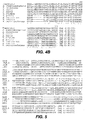
- the present invention encompasses such homologs as those provided in Figures 3-5 . Additional homologs are contemplated, including but not limited to metalloprotease enzymes obtained from B. cereus, B. cereus E33L, B. caldolyticus, B, pumulis, B. megaterium, B subtilis aniylosacchariticus, Brevibacillus brevis, Paenibacillus polyniyxa ( Bacillus polymyxa ), B. stearothermophilus, B. thuringiensis, B. subtilis and S. aureus, as well as aureolysin, extracellular elastase, and neutrale protease B.
- the term encompasses proteins that are immunologically cross-reactive.
- the term "derivative" refers to a protein which is derived from a protein by addition of one or more amino acids to either or both the C- and N-terminal end(s), substitution of one or more amino acids at one or a number of different sites in the amino acid sequence, and/or deletion of one or more amino acids at either or both ends of the protein or at one or more sites in the amino acid sequence, and/or insertion of one or more amino acids at one or more sites in the amino acid sequence.
- the preparation of a protein derivative is preferably achieved by modifying a DNA sequence which encodes for the native protein, transformation of that DNA sequence into a suitable host, and expression of the modified DNA sequence to form the derivative protein.
- variant proteins differ from a parent protein and one another by a small number of amino acid residues.
- the number of differing amino acid residues may be one or more, preferably 1, 2, 3, 4, 5, 10, 15, 20, 30, 40, 50, or more amino acid residues.
- the number of different amino acids between variants is between 1 and 10.
- related proteins and particularly variant proteins comprise at least 35%, 40%, 45%, 50%, 55%, 60%, 65%, 70%, 75%, 80%, 85%, 90%, 95%, 97%, 98%, or 99% amino acid sequence identity.
- a related protein or a variant protein as used herein refers to a protein that differs from another related protein or a parent protein in the number of prominent regions.
- variant proteins have 1, 2, 3, 4, 5, or 10 corresponding prominent regions that differ from the parent protein.
- Characterization of wild-type and mutant proteins is accomplished via any means suitable and is preferably based on the assessment of properties of interest. For example, pH and/or temperature, as well as detergent and /or oxidative stability is/are determined in some embodiments of the present invention. Indeed, it is contemplated that enzymes having various degrees of stability in one or more of these characteristics (pH, temperature, proteolytic stability, detergent stability, and/or oxidative stability) will find use.
- expression vector refers to a DNA construct containing a DNA sequence that is operably linked to a suitable control sequence capable of effecting the expression of the DNA in a suitable host.
- control sequences include a promoter to effect transcription, an optional operator sequence to control such transcription, a sequence encoding suitable mRNA ribosome binding sites and sequences which control termination of transcription and translation.
- the vector may be a plasmid, a phage particle, or simply a potential genomic insert. Once transformed into a suitable host, the vector may replicate and function independently of the host genome, or may, in some instances, integrate into the genome itself.
- plasmid In the present specification, "plasmid,” “expression plasmid,” and “vector” are often used interchangeably as the plasmid is the most commonly used form of vector at present. However, the invention is intended to include such other forms of expression vectors that serve equivalent functions and which are, or become, known in the art.
- the neutral metalloprotease gene is ligated into an appropriate expression plasmid.
- the cloned neutral metalloprotease gene is then used to transform or transfect a host cell in order to express the neutral metalloprotease gene.
- This plasmid may replicate in hosts in the sense that it contains the well-known elements necessary for plasmid replication or the plasmid may be designed to integrate into the host chromosome. The necessary elements are provided for efficient gene expression (e.g ., a promoter operably linked to the gene of interest).
- these necessary elements are supplied as the gene's own homologous promoter if it is recognized, (i.e ., transcribed, by the host), a transcription terminator (a polyadenylation region for eukaryotic host cells) which is exogenous or is supplied by the endogenous terminator region of the neutral metalloprotease gene.
- a selection gene such as an antibiotic resistance gene that enables continuous cultural maintenance of plasmid-infected host cells by growth in antimicrobiat-containing media is also included.
- cassette mutagenesis method may be used to facilitate the construction of the neutral metalloprotease variants of the present invention, although other methods may be used.
- a naturally-occurring gene encoding the neutral metalloprotease is obtained and sequenced in whole or in part. Then, the sequence is scanned for a point at which it is desired to make a mutation (deletion, insertion or substitution) of one or more amino acids in the encoded neutral metalloprotease.
- the sequences flanking this point are evaluated for the presence of restriction sites for replacing a short segment of the gene with an oligonucleotide pool which when expressed will encode various mutants.
- restriction sites are preferably unique sites within the protein gene so as to facilitate the replacement of the gene segment.
- any convenient restriction site which is not overly redundant in the neutral metalloprotease gene may be used, provided the gene fragments generated by restriction digestion can be reassembled in proper sequence. If restriction sites are not present at locations within a convenient distance from the selected point (from 10 to 15 nucleotides), such sites are generated by substituting nucleotides in the gene in such a fashion that neither the reading frame nor the amino acids encoded are changed in the final construction. Mutation of the gene in order to change its sequence to conform to the desired sequence is accomplished by M13 primer extension in accord with generally known methods.
- flanking region sequences The task of locating suitable flanking regions and evaluating the needed changes to arrive at two convenient restriction site sequences is made routine by the redundancy of the genetic code, a restriction enzyme map of the gene and the large number of different restriction enzymes. Note that if a convenient flanking restriction site is available, the above method need be used only in connection with the flanking region which does not contain a site.
- the restriction sites flanking the positions to be mutated are digested with the cognate restriction enzymes and a plurality of end termini-complementary oligonucleotide cassettes are ligated into the gene.
- the mutagenesis is simplified by this method because all of the oligonucleotides can be synthesized so as to have the same restriction sites, and no synthetic linkers are necessary to create the restriction sites.
- corresponding region generally refers to an analogous position along related proteins or a parent protein.
- nucleic acid molecule encoding refers to the order or sequence of deoxyribonucleotides along a strand of deoxyribonucleic acid. The order of these deoxyribonucleotides determines the order of amino acids along the polypeptide (protein) chain. The DNA sequence thus codes for the amino acid sequence.
- analogous sequence refers to a sequence within a protein that provides similar function, tertiary structure, and/or conserved residues as the protein of interest (i.e ., typically the original protein of interest). For example, in epitope regions that contain an alpha helix or a beta sheet structure, the replacement amino acids in the analogous sequence preferably maintain the same specific structure.
- the term also refers to nucleotide sequences, as well as amino acid sequences. In some embodiments, analogous sequences are developed such that the replacement amino acids result in a variant enzyme showing a similar or improved function.
- the tertiary structure and/or conserved residues of the amino acids in the protein of interest are located at or near the segment or fragment of interest.
- the replacement amino acids preferably maintain that specific structure.
- homologous protein refers to a protein (e.g ., neutral metalloprotease) that has similar action and/or structure, as a protein of interest (e.g ., an neutral metalloprotease from another source). It is not intended that homologs (also referred to herein as “homologues”) be necessarily related evolutionarily. Thus, it is intended that the term encompass the same or similar enzyme(s) ( i.e ., in terms of structure and function) obtained from different species.
- ortholog and “orthologous genes” refer to genes in different species that have evolved from a common ancestral gene (i.e ., a homologous gene) by speciation. Typically, orthologs retain the same function during the course of evolution. Identification of orthologs finds use in the reliable prediction of gene function in newly sequenced genomes.
- paralogous genes refer to genes that are related by duplication within a genome. While orthologs retain the same function through the course of evolution, paralogs evolve new functions, even though some functions are often related to the original one. Examples of paralogous genes include, but are not limited to genes encoding trypsin, chymotrypsin, elastase, and thrombin, which are all serine proteinases and occur together within the same species.
- wild-type and wild-type proteins are those found in nature.
- the wild-type sequence refers to a sequence of interest that is the starting point of a protein engineering project.
- the genes encoding the naturally-occurring protein may be obtained in accord with the general methods known to those skilled in the art. The methods generally comprise synthesizing labeled probes having putative sequences encoding regions of the protein of interest, preparing genomic libraries from organisms expressing the protein, and screening the libraries for the gene of interest by hybridization to the probes. Positively hybridizing clones are then mapped and sequenced.
- oligonucleotide refers to an oligonucleotide created using molecular biological manipulations, including but not limited to, the ligation of two or more oligonucleotide sequences generated by restriction enzyme digestion of a polynucleotide sequence, the synthesis of oligonucleotides ( e.g ., the synthesis of primers or oligonucleotides) and the like.
- PILEUP is a useful program to determine sequence homology levels.
- PILEUP creates a multiple sequence alignment from a group of related sequences using progressive, pairwise alignments. It can also plot a tree showing the clustering relationships used to create the alignment.
- PILEUP uses a simplification of the progressive alignment method of Feng and Doolittle, ( Feng and Doolittle, J. Mol. Evol., 35:351-360 [1987 ]). The method is similar to that described by Higgins and Sharp ( Higgins and Sharp, CABIOS 5:151-153 [1989 ]).
- Useful PILEUP parameters including a default gap weight of 3.00, a default gap length weight of 0.10, and weighted end gaps.
- the BLAST program uses as defaults a wordlength (W) of 11, the BLOSUM62 scoring matrix (See, Henikoff and Henikoff, Proc. Natl. Acad. Sci. USA 89:10915 [1989 ]) alignments (B) of 50, expectation (E) of 10, M'5, N'-4, and a comparison of both strands.
- percent (%) nucleic acid sequence identity is defined as the percentage of nucleotide residues in a candidate sequence that is identical with the nucleotide residues of the sequence.
- hybridization refers to the process by which a strand of nucleic acid joins with a complementary strand through base pairing, as known in the art.
- hybridization conditions refers to the conditions under which hybridization reactions are conducted. These conditions are typically classified by degree of “stringency” of the conditions under which hybridization is measured.
- the degree of stringency can be based, for example, on the melting temperature (Tm) of the nucleic acid binding complex or probe.
- Tm melting temperature
- “maximum stringency” typically occurs at about Tm-5°C (5° below the Tm of the probe); “high stringency” at about 5-10° below the Tm; “intermediate stringency” at about 10-20° below the Tm of the probe; and “low stringency” at about 20-25° below the Tm.
- phrases "substantially similar and “substantially identical” in the context of at least two nucleic acids or polypeptides typically means that a polynucleotide or polypeptide comprises a sequence that has at least about 40% identity, more preferable at least about 50% identity, yet more preferably at least about 60% identity, preferably at least about 75% identity, more preferably at least about 80% identity, yet more preferably at least about 90%, still more preferably about 95%, most preferably about 97% identity, sometimes as much as about 98% and about 99% sequence identity, compared to the reference ( i.e ., wild-type) sequence. Sequence identity may be determined using known programs such as BLAST, ALIGN, and CLUSTAL using standard parameters.
- polypeptides are substantially identical.
- first polypeptide is immunologically cross-reactive with the second polypeptide.
- polypeptides that differ by conservative amino acid substitutions are immunologically cross-reactive.
- a polypeptide is substantially identical to a second polypeptide, for example, where the two peptides differ only by a conservative substitution.
- Another indication that two nucleic acid sequences are substantially identical is that the two molecules hybridize to each other under stringent conditions ( e.g ., within a range of medium to high stringency).
- equivalent residues refers to proteins that share particular amino acid residues.
- equivalent resides may be identified by determining homology at the level of tertiary structure for a protein (e.g ., neutral metalloprotease) whose tertiary structure has been determined by x-ray crystallography.
- Equivalent residues are defined as those for which the atomic coordinates of two or more of the main chain atoms of a particular amino acid residue of the protein having putative equivalent residues and the protein of interest (N on N, CA on CA, C on C and O on O) are within 0.13 nm and preferably 0.1 nm after alignment.
- Alignment is achieved after the best model has been oriented and positioned to give the maximum overlap of atomic coordinates of non-hydrogen protein atoms of the proteins analyzed.
- the preferred model is the crystallographic model giving the lowest R factor for experimental diffraction data at the highest resolution available, determined using methods known to those skilled in the art of crystallography and protein characterization/analysis.
- hybrid neutral metalloproteases and “fusion neutral metalloproteases” refer to proteins that are engineered from at least two different or “parental” proteins. In preferred embodiments, these parental proteins are homologs of one another.
- a preferred hybrid neutral metalloprotease or fusion protein contains the N-terminus of a protein and the C-terminus of a homolog of the protein. In some preferred embodiment, the two terminal ends are combined to correspond to the full-length active protein.
- regulatory element refers to a genetic element that controls some aspect of the expression of nucleic acid sequences.
- a promoter is a regulatory element which facilitates the initiation of transcription of an operably linked coding region. Additional regulatory elements include splicing signals, polyadenylation signals and termination signals.
- host cells are generally prokaryotic or eukaryotic hosts which are transformed or transfected with vectors constructed using recombinant DNA techniques known in the art. Transformed host cells are capable of either replicating vectors encoding the protein variants or expressing the desired protein variant. In the case of vectors which encode the pre- or prepro-form of the protein variant, such variants, when expressed, are typically secreted from the host cell into the host cell medium.
- the term "introduced" in the context of inserting a nucleic acid sequence into a cell means transformation, transduction or transfection.
- Means of transformation include protoplast transformation, calcium chloride precipitation, electro oration, naked DNA and the like as known in the art. ( See, Chang and Cohen, Mol. Gen. Genet., 168:111 - 115 [1979 ]; Smith et al., Appl. Env. Microbiol., 51:634 [1986 ]; and the review article by Ferrari et al., in Harwood, Bacillus, Plenum Publishing Corporation, pp. 57-72 [1989 ]).
- promoter/enhancer denotes a segment of DNA which contains sequences capable of providing both promoter and enhancer functions (for example, the long terminal repeats of retroviruses contain both promoter and enhancer functions).
- the enhancer/promoter may be "endogenous” or “exogenous” or “heterologous.”
- An endogenous enhancer/promoter is one which is naturally linked with a given gene in the genome.
- An exogenous (heterologous) enhancer/promoter is one which is placed in juxtaposition to a gene by means of genetic manipulation ( i.e ., molecular biological techniques).
- Splicing signals mediate the removal of introns from the primary RNA transcript and consist of a splice donor and acceptor site ( Sambrook et al., Molecular Cloning: A Laboratory Manual, 2nd ed., Cold Spring Harbor Laboratory Press, New York [1989], pp. 16.7-16.8 ).
- a commonly used splice donor and acceptor site is the splice junction from the 16S RNA of SV40.
- stable transfection or "stably transfected” refers to the introduction and integration of foreign DNA into the genome of the transfected cell.
- stable transfectant refers to a cell which has stably integrated foreign or exogenous DNA into the genomic DNA of the transfected cell.
- selectable marker or “selectable gene product” as used herein refer to the use of a gene which encodes an enzymatic activity that confers resistance to an antibiotic or drug upon the cell in which the selectable marker is expressed.
- amplification and “gene amplification” refer to a process by which specific DNA sequences are disproportionately replicated such that the amplified gene becomes present in a higher copy number than was initially present in the genome.
- selection of cells by growth in the presence of a drug results in the amplification of either the endogenous gene encoding the gene product required for growth in the presence of the drug or by amplification of exogenous ( i.e ., input) sequences encoding this gene product, or both.
- Selection of cells by growth in the presence of a drug may result in the amplification of either the endogenous gene encoding the gene product required for growth in the presence of the drug or by amplification of exogenous (i.e ., input) sequences encoding this gene product, or both.
- a drug e.g ., an inhibitor of an inhibitable enzyme
- Amplification is a special case of nucleic acid replication involving template specificity. It is to be contrasted with non-specific template replication (i.e ., replication that is template-dependent but not dependent on a specific template). Template specificity is here distinguished from fidelity of replication (i.e ., synthesis of the proper polynucleotide sequence) and nucleotide (ribo- or deoxyribo-) specificity. Template specificity is frequently described in terms of “target” specificity. Target sequences are “targets” in the sense that they are sought to be sorted out from other nucleic acid. Amplification techniques have been designed primarily for this sorting out.
- the term "co-amplification” refers to the introduction into a single cell of an amplifiable marker in conjunction with other gene sequences ( i.e ., comprising one or more non-selectable genes such as those contained within an expression vector) and the application of appropriate selective pressure such that the cell amplifies both the amplifiable marker and the other, non-selectable gene sequences.
- the amplifiable marker may be physically linked to the other gene sequences or alternatively two separate pieces of DNA, one containing the amplifiable marker and the other containing the non-selectable marker, may be introduced into the same cell.
- amplifiable nucleic acid refers to nucleic acids which may be amplified by any amplification method. It is contemplated that "amplifiable nucleic acid” will usually comprise "sample template.”
- sample template refers to nucleic acid originating from a sample which is analyzed for the presence of “target” (defined below).
- background template is used in reference to nucleic acid other than sample template which may or may not be present in a sample. Background template is most often inadvertent. It may be the result of carryover, or it may be due to the presence of nucleic acid contaminants sought to be purified away from the sample. For example, nucleic acids from organisms other than those to be detected may be present as background in a test sample.
- Tempor specificity is achieved in most amplification techniques by the choice of enzyme.
- Amplification enzymes are enzymes that, under conditions they are used, will process only specific sequences of nucleic acid in a heterogeneous mixture of nucleic acid.
- MDV-1 RNA is the specific template for the replicase ( See e.g., Kacian et al., Proc. Natl. Acad. Sci. USA 69:3038 [1972 ]).
- Other nucleic acids are not replicated by this amplification enzyme.
- this amplification enzyme has a stringent specificity for its own promoters (See, Chamberlin et al., Nature 228:227 [1970 ]).
- T4 DNA ligase the enzyme will not ligate the two oligonucleotides or polynucleotides, where there is a mismatch between the oligonucleotide or polynucleotide substrate and the template at the ligation junction ( See, Wu and Wallace, Genomics 4:560 [1989 ]).
- Taq and Pfu polymerases by virtue of their ability to function at high temperature, are found to display high specificity for the sequences bounded and thus defined by the primers; the high temperature results in thermodynamic conditions that favor primer hybridization with the target sequences and not hybridization with non-target sequences.
- the term "primer” refers to an oligonucleotide, whether occurring naturally as in a purified restriction digest or produced synthetically, which is capable of acting as a point of initiation of synthesis when placed under conditions in which synthesis of a primer extension product which is complementary to a nucleic acid strand is induced, ( i.e ., in the presence of nucleotides and an inducing agent such as DNA polymerase and at a suitable temperature and pH).
- the primer is preferably single stranded for maximum efficiency in amplification, but may alternatively be double stranded. If double stranded, the primer is first treated to separate its strands before being used to prepare extension products.
- the primer is an oligodeoxyribonucleotide.
- the primer must be sufficiently long to prime the synthesis of extension products in the presence of the inducing agent. The exact lengths of the primers will depend on many factors, including temperature, source of primer and the use of the method.
- probe refers to an oligonucleotide (i.e ., a sequence of nucleotide), whether occurring naturally as in a purified restriction digest or produced synthetically, recombinantly or by PCR amplification, which is capable of hybridizing to another oligonucleotide of interest.
- a probe may be single-stranded or double-stranded. Probes are useful in the detection, identification and isolation of particular gene sequences.
- any probe used in the present invention will be labeled with any "reporter molecule,” so that is detectable in any detection system, including, but not limited to enzyme (e.g ., ELISA, as well as enzyme-based histochemical assays), fluorescent, radioactive, and luminescent systems. It is not intended that the present invention be limited to any particular detection system or label.
- target when used in reference to amplification methods (e.g ., the polymerase chain reaction), refers to the region of nucleic acid bounded by the primers used for polymerase chain reaction. Thus, the "target” is sought to be sorted out from other nucleic acid sequences.
- a “segment” is defined as a region of nucleic acid within the target sequence.
- PCR polymerase chain reaction
- U.S. Patent Nos. 4,683,195 , 4,683,202 , and 4,965,188 which include methods for increasing the concentration of a segment of a target sequence in a mixture of genomic DNA without cloning or purification.
- This process for amplifying the target sequence consists of introducing a large excess of two oligonucleotide primers to the DNA mixture containing the desired target sequence, followed by a precise sequence of thermal cycling in the presence of a DNA polymerase.
- the two primers are complementary to their respective strands of the double stranded target sequence.
- PCR polymerase chain reaction
- amplification reagents refers to those reagents (deoxyribonucleotide triphosphates, buffer, etc.), needed for amplification except for primers, nucleic acid template and the amplification enzyme.
- amplification reagents along with other reaction components are placed and contained in a reaction vessel (test tube, microwell, etc.).
- PCR it is possible to amplify a single copy of a specific target sequence in genomic DNA to a level detectable by several different methodologies (e.g ., hybridization with a labeled probe; incorporation of biotinylated primers followed by avidin-enzyme conjugate detection; incorporation of 32 P-labeled deoxynucleotide triphosphates, such as dCTP or dATP, into the amplified segment).
- any oligonucleotide or polynucleotide sequence can be amplified with the appropriate set of primer molecules.
- the amplified segments created by the PCR process itself are, themselves, efficient templates for subsequent PCR amplifications.
- PCR product refers to the resultant mixture of compounds after two or more cycles of the PCR steps of denaturation, annealing and extension are complete. These terms encompass the case where there has been amplification of one or more segments of one or more target sequences.
- restriction endonucleases and “restriction enzymes” refer to bacterial enzymes, each of which cut double-stranded DNA at or near a specific nucleotide sequence.
- the present invention provides a neutral metalloprotease enzyme that has improved activity or stability.
- the neutral metalloprotease finds use in applications including, but not limited to cleaning, bleaching and disinfecting.
- the present invention provides many advantages for cleaning of a wide range of objects, including but not limited to clothing, fabrics, medical devices, etc.
- the present invention provides compositions that are effective in cleaning, bleaching, and disinfecting, over a range of wash temperatures and pHs.
- proteases hydrolyze amide linkages of proteins via addition of a water molecule to the peptide bond(s). Cleavage occurs at the carbonyl-group of the peptide bond.
- proteases hydrolyze amide linkages of proteins via addition of a water molecule to the peptide bond(s). Cleavage occurs at the carbonyl-group of the peptide bond.
- bacterial species such as Bacillus
- proteases there are two main classes of extracellular proteases namely, alkaline or serine proteases and neutral metalloproteases.
- Neutral metalloendopeptidases i.e ., neutral metalloproteases (EC 3.4.24.4) belong to a protease class that has an absolute requirement for zinc ions for catalytic activity. These enzymes are optimally active at neutral pH and are in the 30 to 40 kDa size range.
- Neutral metalloproteases bind between two and four calcium ions that contribute to the structural stability of the protein. The bound metal ion at the active site of metalloproteases is an essential feature that allows the activation of a water molecule. The water molecule then functions as the nucleophile and cleaves the carbonyl group of the peptide bond.
- the neutral zinc-binding metalloprotease family includes the bacterial enzyme thermolysin, and thermolysin-like proteases ("TLPs"), as well as carboxypeptidase A (a digestive enzyme), and the matrix metalloproteases that catalyze the reactions in tissue remodeling and degradation.
- TLPs thermolysin-like proteases
- carboxypeptidase A a digestive enzyme
- TLPs thermolysin and its variants
- compositions and methods to engineer neutral metalloproteases with improved characteristics are provided herein.
- calcium ions have been reported for other proteases such as thermolysin to prevent autolysis.
- the B. stearothermophilus neutral protease has been stabilized against autolysis and proteolytic degradation by addition of calcium (See, Dürrschmidt et al., FEBS J., 272:1523-1534 [2005 ]).
- engineering prevents the local unfolding in a particular secondary structural element that may prevent proteolysis.
- subtilisin Natural and engineered proteases, such as subtilisin are often expressed in Bacillus subtilis and several have been applied in detergent formulations to remove proteinaceous stains. Others have been applied for example in the baking industry (e.g ., thermolysin from Bacillus thermoproteolyticus ; See e.g ., Galante and Fonnantici, Curr. Organic Chem., 7, 1399-1422 [2003 ]). In general, the serine proteases have been more widely utilized in detergents, at least partially due to the relative ease with which these proteases can be stabilized.
- metalloproteases are less frequently used in industry, and particularly in the detergent industry for a number of reasons. These enzymes involve more complex protein systems, as the enzymes have the absolute requirement for calcium and zinc ions for stability and function, respectively. Further, the detergent solution as well as the water used in the laundry process often contains components that often interfere with the binding of the ions by the enzyme or chelate these ions, resulting in a decrease or loss of proteolytic function and destabilization of the protease.
- the present invention provides neutral metalloproteases that are sufficiently stabilized to facilitate longterm shelf storage in liquid laundry detergent compositions.
- the metalloprotease stability and activity are preserved through complexing the enzyme with its obligatory active-site zinc molecule.
- the combination of calcium and zinc ions does not have a deleterious effect on the enzyme's function.
- the neutral metalloprotease stabilized is the wild-type metalloprotease from Bacillus amyloliquefaciens (e.g ., purified MULTIFECT® Neutral; "PMN").
- recombinant neutral metalloprotease e.g., Bacillus amyloliguefaciens neutral metalloprotease cloned into Bacillus subtilis ("nprE)
- metalloproteases with improved stability encompass enzymes with increased affinity for one or more of the calcium binding sites of the enzyme.
- the neutral metalloproteases of the present invention find use in general detergent applications, including but not limited to cold water temperatures, grass stains, and/or low pH conditions.
- the present disclosure provides conditions that stabilize zinc-binding neutral metalloprotease for increased storage stability in detergent bases and/or compositions.
- the detergent compositions may comprise at least one metalloprotease (e.g ., any Bacillus neutral metalloprotease) that is stabilized against autolysis and unfolding, by the inclusion within the detergent formulation of the essential zinc and/or calcium ions.
- nprE loses some proteolytic activity ( ⁇ 20 %) after one hour of adding the detergent base
- nprE incubated at 32 °C in the presence of zinc ions showed significant stabilization over the test conditions with no additional salts or calcium ions.
- the presence of both calcium and zinc ions did not show an additive effect.
- zinc ion concentrations lower than 15 mM neutral metalloprotease is sufficiently stable over approximately 4 weeks.
- the addition of zinc may increase the storage life of neutral metalloprotease in the presence of detergent components.
- the zinc cation may be replaced with Co 2+ , Mn 2+ or Fe 2+ , since all of these ions have been shown to bind and restore the protease activity of neutral metalloproteases. However, it was determined that Mn 2+ and Fe 2+ do not restore all of the native activity. While Co 2+ restores the highest percentage of the activity, it is apparently less firmly bound than Zn 2+ .
- the zinc cation is an essential feature in the active site of all neutral metalloproteases, as it is known to play a role in substrate binding and enzyme catalysis (See e.g ., Holmquist and Vallee, J. Biol. Chem., 249:4601-4607 [1974 ]).
- the present invention provides extremely beneficial opportunities for application in the production and development of industrial detergents.
- Many detergents are available with high specificity towards the removal of protein, starch and grease stains.
- the better wash performance of PMN or neutral metalloprotease from B. amyloliquefaciens on Equest Grass (Warwick) indicates that the neutral metalloproteases of the present invention in a detergent base that also contains zinc finds use in improved detergent compositions.
- the enzymes levels are expressed by pure enzyme by weight of the total composition and unless otherwise specified, the detergent ingredients are expressed by weight of the total compositions.
- the stabilized neutral metalloproteases of the present invention are useful in formulating various detergent compositions.
- the cleaning composition of the present invention may be advantageously employed for example, in laundry applications, hard surface cleaning, automatic dishwashing applications, as well as cosmetic applications such as dentures, teeth, hair and skin.
- the enzymes of the present invention are ideally suited for laundry applications such as the bleaching of fabrics.
- the enzymes of the present invention find use in both granular and liquid compositions.
- Suitable filler or carrier materials include, but are not limited to, various salts of sulfate, carbonate and silicate as well as talc, clay and the like.
- filler and/or carrier materials for liquid compositions include water and/or low molecular weight primary and secondary alcohols including polyols and diols. Examples of such alcohols include, but are not limited to, methanol, ethanol, propanol and isopropanol.
- the compositions comprise from about 5% to about 90% of such materials.
- acidic fillers are used to reduce the pH of the composition.
- the cleaning additive includes at least one activated peroxygen source as described below and/or adjunct ingredients as more fully described below.
- the cleaning compositions and cleaning additives of the present invention require an effective amount of neutral metalloprotease enzyme as provided in the present invention.
- the required level of enzyme is achieved by the addition of one or more species of neutral metalloprotease provided by the present invention.
- the cleaning compositions of the present invention comprise at least 0.0001 weight percent, from about 0.0001 to about 1, from about 0.001 to about 0.5, or even from about 0.01 to about 0.1 weight percent of at least one neutral metalloprotease provided by the present invention.
- the cleaning compositions provided herein are typically formulated such that, during use in aqueous cleaning operations, the wash water has a pH of from about 5.0 to about 11.5, or in alternative embodiments, even from about 6.0 to about 10.5.
- liquid product formulations are typically formulated to have a neat pH from about 3.0 to about 9.0, while in some alternative embodiments the formulation has a neat pH from about 3 to about 5.
- granular laundry products are typically formulated to have a pH from about 8 to about 11. Techniques for controlling pH at recommended usage levels include the use of buffers, alkalis, acids, etc., and are well known to those skilled in the art.
- the neutral metalloprotease when at least one neutral metalloprotease is employed in a granular composition or liquid, the neutral metalloprotease is in the form of an encapsulated particle to protect the enzyme from other components of the granular composition during storage.
- encapsulation also provides a means of controlling the availability of the neutral metalloprotease(s) during the cleaning process and may enhance performance of the neutral metalloprotease(s). It is contemplated that the encapsulated neutral metalloproteases of the present invention will find use in various settings. It is also intended that the neutral metalloprotease be encapsulated using any suitable encapsulating material(s) and method(s) known in the art.
- the encapsulating material typically encapsulates at least part of the neutral metalloprotease catalyst.
- the encapsulating material is water-soluble and/or water-dispersible.
- the encapsulating material has a glass transition temperature (Tg) of 0°C or higher ( See e.g., WO 97/11151 , particularly from page 6,line 25 to page 7, line 2, for more information regarding glass transition temperatures).
- the encapsulating material is selected from the group consisting of carbohydrates, natural or synthetic gums, chitin and chitosan, cellulose and cellulose derivatives, silicates, phosphates, borates, polyvinyl alcohol, polyethylene glycol, paraffin waxes and combinations thereof.
- the encapsulating material is a carbohydrate, it is selected from the group consisting of monosaccharides, oligosaccharides, polysaccharides, and combinations thereof.
- the encapsulating material is a starch ( See e.g., EP 0 922 499 ; US 4,977,252 . US 5,354,559 , and US 5,935,826 , for descriptions of some exemplary suitable starches).
- the encapsulating material comprises a microsphere made from plastic( e.g ., thermoplastics, acrylonitrile, methacrylonitrile, polyacrylonitrile, polymethacrylonitrile and mixtures thereof; commercially available microspheres that find use include, but are not limited to EXPANCEL® [Casco Products, Sweden], PM 6545, PM 6550, PM 7220, PM 7228, EXTENDOSPHERES®, and Q-CEL® [PQ Corp., Valley Forge, PA], LUXSIL® and SPHERICELI® [Potters Industries, Inc., Carlstadt, NJ and Valley Forge, PA]).
- plastic e.g ., thermoplastics, acrylonitrile, methacrylonitrile, polyacrylonitrile, polymethacrylonitrile and mixtures thereof; commercially available microspheres that find use include, but are not limited to EXPANCEL® [Casco Products, Sweden], PM 6545, PM 6550, PM 7220, PM 7228,
- the cleaning compositions of the present invention are formulated into any suitable form and prepared by any process chosen by the formulator, (See e.g., U.S. 5,879,584 , U.S. 5,691,297 , U.S. 5,574,005 , U.S. 5,569,645 , U.S. 5,565,422 , U.S. 5,516,448 , U.S. 5,489,392 , and U.S. 5,486,303 , for some non-limiting examples).
- the pH of such composition is adjusted via the addition of an acidic material such as HCl.
- adjuncts described herein are suitable for use in the cleaning compositions of the present invention. Indeed, in some embodiments, adjuncts are incorporated into the cleaning compositions of the present invention. In some embodiments, adjunct materials assist and/or enhance cleaning performance, treat the substrate to be cleaned, and/or modify the aesthetics of the cleaning composition (e.g ., perfumes, colorants, dyes, etc.). It is understood that such adjuncts are in addition to the neutral metalloproteases of the present invention. The precise nature of these additional components, and levels of incorporation thereof, depends on the physical form of the composition and the nature of the cleaning operation for which it is to be used.
- Suitable adjunct materials include, but are not limited to, surfactants, builders, chelating agents, dye transfer inhibiting agents, deposition aids, dispersants, additional enzymes, and enzyme stabilizers, catalytic materials, bleach activators, bleach boosters, hydrogen peroxide, sources of hydrogen peroxide, preformed peracids, polymeric dispersing agents, clay soil removal/anti-redeposition agents, brighteners, suds suppressors, dyes, perfumes, structure elasticizing agents, fabric softeners, carriers, hydrotropes, processing aids and/or pigments.
- additional examples are known in the art (See e.g., U.S. Patent Nos. 5,576,282 , 6,306,812 B1 and 6,326,348 B1 ).
- the aforementioned adjunct ingredients constitute the balance of the cleaning compositions of the present invention.
- the surfactant is present at a level of from about 0.1% to about 60%, while in alternative embodiments, the level is from about 1% to about 50% , while in still further embodiments, the level is from about 5% to about 40%, by weight of the cleaning composition.
- the cleaning compositions of the present invention comprise one or more detergent builders or builder systems. In some embodiments incorporating at least one builder, the cleaning compositions comprise at least about 1%, from about 3% to about 60% or even from about 5% to about 40% builder by weight of the cleaning composition.
- the cleaning compositions of the present invention contain at least one chelating agent, Suitable chelating agents include, but are not limited to copper, iron and/or manganese chelating agents and mixtures thereof. In embodiments in which at least one chelating agent is used, the cleaning compositions of the present invention comprise from about 0.1 % to about 15% or even from about 3.0% to about 10% chelating agent by weight of the subject cleaning composition.
- the cleaning compositions of the present invention include at least one deposition aid.
- Suitable deposition aids include, but are not limited to polyethylene glycol, polypropylene glycol, polycarboxylate, soil release polymers such as polytelephthalic acid, clays such as kaolinite, montmorillonite, atapulgite, illite, bentonite, halloysite, and mixtures thereof.
- the cleaning compositions of the present invention include one or more dye transfer inhibiting agents.
- Suitable polymeric dye transfer inhibiting agents include, but are not limited to, polyvinylpyrrolidone polymers, polyamine N-oxide polymers, copolymers of N-vinylpyrrolidone and N-vinylimidazole, polyvinyloxazolidones and polyvinylimidazoles or mixtures thereof.
- the cleaning compositions of the present invention contain one or more catalytic metal complexes.
- a metal-containing bleach catalyst finds use.
- the metal bleach catalyst comprises a catalyst system comprising a transition metal cation of defined bleach catalytic activity, (e.g ., copper, iron, titanium, ruthenium, tungsten, molybdenum, or manganese cations), an auxiliary metal cation having little or no bleach catalytic activity (e.g ., zinc or aluminum cations), and a sequestrate having defined stability constants for the catalytic and auxiliary metal cations, particularly ethylenediaminetetraacetic acid, ethylenediaminetetra (methylenephosphonic acid) and water-soluble salts thereof are used (See e.g., U.S. 4,430,243 ).
- the cleaning compositions of the present invention are catalyzed by means of a manganese compound.
- a manganese compound Such compounds and levels of use are well known in the art (See e.g., U.S. 5,576,282 ).
- cobalt bleach catalysts find use in the cleaning compositions of the present invention.
- Various cobalt bleach catalysts are known in the art ( See e.g., U.S. 5,597,936 , and U.S. 5,595,967 ).
- Such cobalt catalysts are readily prepared by known procedures ( See e.g., U.S. 5,597,936 , and U.S. 5,595,967 ).
- the cleaning compositions of the present invention include a transition metal complex of a macropolycyclic rigid ligand ("MRL").
- MRL macropolycyclic rigid ligand
- the compositions and cleaning processes provided by the present invention are adjusted to provide on the order of at least one part per hundred million of the active MRL species in the aqueous washing medium, and in some preferred embodiments, provide from about 0.005 ppm to about 25 ppm, more preferably from about 0.05 ppm to about 10 ppm, and most preferably from about 0.1 ppm to about 5 ppm, of the MRL in the wash liquor.
- Preferred transition-metals in the instant transition-metal bleach catalyst include, but are not limited to manganese, iron and chromium.
- Preferred MRLs also include, but are not limited to special ultra-rigid ligands that are cross-bridged ( e.g ., 5,12-diethyl-1,5,8,12-tetraazabicyclo[6.6.2]hexadecane).
- Suitable transition metal MRLs are readily prepared by known procedures ( See e.g., WO 00/32601 , and U.S. 6,225,464 ).
- the cleaning compositions of the present invention are formulated into any suitable form and prepared by any suitable process chosen by the formulator, (See e.g., U.S. 5,879,584 , U.S. 5,691,297 , U.S. 5,574,005 , U.S. 5,569,645 , U.S. 5,565,422 , U.S. 5,516,448 , U.S. 5,489,392 , U.S. 5,486,303 , U.S. 4,515,705 , U.S. 4,537,706 , U.S. 4,515,707 , U.S. 4,550,862 , U.S. 4,561,998 , U.S.
- amyloliquefaciens neutral metalloprotease PMN (purified MULTIFECT® metalloprotease); MS (mass spectroscopy); SRI (Stain Removal Index); TIGR (The Institute for Genomic Research, Rockville, MD); AATCC (American Association of Textile and Coloring Chemists); Amersham (Amersham Life Science, Inc. Arlington Heights, IL); Corning (Corning International, Corning, NY); ICN (ICN Pharmaceuticals, Inc., Costa Mesa, CA); Pierce (Pierce Biotechnology, Rockford, IL); Equest (Equest, Warwick International Group, Inc., Flintshire, UK); EMPA (Eidvertische Material Prufungs und compassion Anstalt, St.
- Vydac Gram Vydac, Hesperia, CA
- Minolta Konica Minolta, Ramsey, NJ
- Zeiss Carl Zeiss, Inc., Thornwood, NY.
- a spectrophotometer was used to measure the absorbance of the products formed after the completion of the reactions.
- a reflectometer was used to measure the reflectance of the swatches. Unless otherwise indicated, protein concentrations were estimated by Coomassie Plus (Pierce), using BSA as the standard.
- the Bradford dye reagent (Quick Start) assay was used to determine the protein concentration in NprE protease samples on MTP scale.
- the chemical and reagent solutions used were: Quick Start Bradford Dye Reagent BIO-RAD, #500-0205 Dilution buffer 10mM NaCl, 0.1mM CaCl2, 0.005% TWEEN®-80
- the equipment used was a Biomek FX Robot (Beckman) and a SpectraMAX (type 340) MTP reader; the MTPs were from Costar (type 9017).
- the background reading i.e ., from uninoculated wells
- the obtained OD 595 values provide a relative measure of the protein content in the samples.
- the linearity of the NprE calibration lines between 0 to 5 ⁇ g enabled the use of OD 595 nm values as a relative measure for the protein content.
- the 10 ⁇ l sample volume used in the test contains less than 5 ⁇ g protein, providing values in the linear range.
- the detergents used in this assay did not contain enzymes.
- the equipment used was a Biomek FX Robot (Beckman) and a SpectraMAX (type 340) MTP reader; the MTPs were from Costar (type 9017).
- Microswatches of 1 ⁇ 4" circular diameter were obtained from CFT. Before cutting of the swatches, the fabric (EMPA 116) was washed with water. Two microswatches were placed in each well of a 96-well microtiter plate vertically to expose the whole surface area ( i.e ., not flat on the bottom of the well).
- the incubator was set to 20°C.
- the filtered culture broth samples were tested at an appropriate concentration by dilution with a mixture of 10 mM NaCl, 0.1 mM CaCl2 and 0.005% TWEEN®-80 solution.
- the desired detergent solution was prepared as described above.
- 190 ⁇ l of detergent solution was added to each well of the MTP, containing microswatches.
- 10 ⁇ l of the diluted enzyme solution were added (to provide a total volume of 200 ⁇ l/well).
- the MTP was sealed with tape and placed in the incubator for 30 minutes, with agitation at 1400 rpm.
- 100 ⁇ l of solution from each well were removed and placed into a fresh MTP.
- the new MTP containing 100 ⁇ l of solution/well was read at 405 nm in a MTP reader. Blank controls, as well as a control containing two microswatches and detergent but no enzyme were also included.
- the obtained absorbance value was corrected for the blank value (i.e ., obtained after incubation of microswatches in the absence of enzyme).
- the resulting absorbance was a measure for the hydrolytic activity.
- the performance index was calculated.
- the performance index compared the performance of the variant (actual value) and the standard enzyme (theoretical value) at the same protein concentration.
- the theoretical values were calculated, using the parameters of the Langmuir equation of the standard enzyme.
- PI performance index
- the concentrations of these dilution buffers are indicated as final concentrations.
- the initial concentration was proportionally higher and dependent on the dilution rate.
- the initial concentration was proportionally higher and dependent on the dilution rate.
- HEPES finds use in exchange for Tris.
- the equipment used was a Biomek FX Robot (Beckman), and an incubator/shaker (Innova, type 4230; New Brunswick).
- the PIPES buffer was adjusted to pH 5.8 with 4 N HCl (final concentration of 55 mM).
- the Tris buffer was adjusted to pH 8.2 with 4 N HCl (final concentration of 25 mM).
- the 50 mM citrate/25 mM Tris buffer was adjusted to pH 8.2 with 4 N NaOH.
- the HEPES buffer was adjusted to pH 8.2 with 4 N NaOH (final concentration of 25 mM).
- the 50 mM citrate/25 mM HEPES buffer was adjusted to pH 8.2 with 4 N NaOH.
- the protease concentration of the wild-type NprE controls for each plate were determined with the TCA assay.
- 25 ⁇ l filtered culture broth were added to 200 ⁇ l 16.875% (w/v) TCA. After incubation for 10 to 15 minutes at ambient temperature, the light scattering/absorbance at 405 nm was determined. The protein concentration was determined by using a calibration line, constructed with purified NprE.
- the dilution rate of the filtered culture broth was determined using the TCA assay, as described above.
- the filtered culture broth was diluted with dilution buffer 2.
- the MTP was covered with tape, shaken for a few seconds and placed in the incubator at 25°C for 60 minutes at 200 rpm. After incubation, 20 ⁇ l of the mixture were taken from each well and transferred into a new MTP, containing 180 ⁇ l 1% DMC preheated substrate solution (the substrate was preheated at 25°C).
- the MTP was placed directly in the incubator/shaker and incubated at 25°C for 30 minutes at 200 rpm agitation.
- the residual protease activity was determined using the dimethylcasein hydrolysis assay, described below.
- the filtered culture broth was diluted with dilution buffer 1. Immediately, 20 ⁇ l of the mixture were taken from each well and transferred into a new MTP, containing 180 ⁇ l of preheated 1% DMC substrate solution (the substrate was preheated at 25°C). The MTP was placed directly in the incubator/shaker and incubated for 25°C for 30 minutes at 200 rpm agitation. The initial protease activity as determined with TNBS, using the dimethylcasein hydrolysis assay, described below.
- the chemicals and reagent solutions used were: Dimethylcasein (DMC) Sigma C-9801 TWEEN®-80 Sigma P-8074 PIPES buffer (free acid) Sigma P-1851; 15.1 g dissolved in about 960 ml water; pH adjusted to 6.0 with 4N NaOH, 1 ml of 5% TWEEN®-80 added and the volume brought up to 1000 ml. Final concentration of PIPES and TWEEN®-80: 50 mM and 0.005% respectively.
- DMC Dimethylcasein
- PIPES buffer free acid
- TNBS Picrylsulfonic acid
- Reagent A 45.4 g Na 2 B 4 O 7 .10 H2O (Merck 6308) and 15 ml of 4N NaOH dissolved together to a final volume of 1000 ml (by heating if needed)
- Reagent B 35.2 g NaH 2 PO 4 1H 2 O (Merck 6346) and 0.6 g Na 2 SO 3 (Merck 6657) dissolved together to a final volume of 1000 ml.
- the substrate 4 g dimethylcasein was dissolved in 400 ml PIPES buffer. The filtered culture supernatants were diluted with PIPES buffer. Then, 10 ⁇ l of each diluted supernatant were added to 200 ⁇ l substrate in the wells of a MTP. The MTP was covered with tape, shaken for a few seconds and placed in an oven at 25°C for 30 minutes without agitation. About 15 minutes before removal of the 1 st plate from the oven, the TNBS reagent was prepared by mixing 1 ml TNBS solution per 50 ml of Reagent A. MTPs were filled with 60 ⁇ l TNBS Reagent A per well.
- the incubated plates were shaken for a few seconds, after which 10 ⁇ l was transferred to the MTPs with TNBS Reagent A.
- the plates were covered with tape and shaken for 20 minutes in a bench shaker (BMG Thermostar) at room temperature and 500 rpm.
- 200 ⁇ l Reagent B was added to the wells, mixed for 1 minute on a shaker, and the absorbance at 405 nm was determined using a MTP reader.
- the obtained absorbance value was corrected for the blank value (i.e ., substrate without enzyme).
- the resulting absorbance was a measure of the hydrolytic activity.
- the (arbitrary) specific activity of a sample was calculated by dividing the absorbance and the determined protein concentration.
- NprE and variants were measured after an incubation step in the presence of 25% TIDE® compact detergent.
- the initial and residual activity was determined using the AGLA-assay described below.
- the equipment used was a Biomek FX Robot (Beckman), a fluorescence meter (FLUOstar Optima; BMG), an incubator/shaker (iEMS; Thermoelectron) and an incubator/shaker (Innova; New Brunswick (type 4230)); the MTPs were from Costar (type 9017) and from Greiner (black plates, type 655076).
- TIDE®-coinpact detergent With and without DTPA TIDE®-compact detergent solution 125 g TIDE®-compact dissolved in a mixture of 50 g mM HEPES pH 8.2 and 275 ml water; concentration of TIDE® was 27.7%, after dilution with supernatant 25 % MES dilution buffer 52.6 mM MES/NaOH, 2.6 mM CaCl 2 , 0.05% TWEEN®-80, pH 6.5 AGLA substrate BaChem, cat no. H-6675 or American Peptide Company, cat no.
- 20 ⁇ l filtered culture broth was diluted with 180 ⁇ l TIDE®-compact detergent solution without DTPA and after premixing in the iEMS shaker for 5 minutes, were incubated further in the Innova shaker. The plate was incubated for a total of 60 minutes at 32°C, at 200 rpm.
- 20 ul filtered culture broth were diluted with 180 ul TIDE®-compact detergent solution with DTPA and after premixing in the iEMS shaker for 5 minutes, were incubated further in the Innova shaker. The plate was incubated for a total of 40 minutes at 20°C, at 200 rpm.
- Free 2-aminobenzoyl-L-alanylglycine (Abz-AG) in solution has a fluorescence emission maximum at 415 nm with an excitation maximum of 340 nm. Fluorescence of Abz-AG is quenched by nitrobenzylamide in the intact Abz-AGLA-Nba molecule.
- a microplate mixer with temperature control (e.g ., Eppendorf Thermomixer) was required for reproducible assay results.
- the assay solutions were incubated to desired temperature (e.g ., 25°C) in the microplate mixer prior to enzyme addition. Enzyme solutions were added to the plate in the mixer, mixed vigorously and rapidly transferred to the plate reader.
- a spectrofluorometer with capability of continuous data recording, linear regression analysis, and with temperature control was required (e.g ., SpectraMax M5, Gemini EM, Molecular Devices).
- the reader was always maintained at the desired temperature (e.g ., 25°C).
- the reader was set for top-read fluorescence detection and the excitation was set to 350 nm and emission to 415 nm without the use of a cut-off filter.
- the PMT was set to medium sensitivity and 5 readings per well. Autocalibration was turned on, but only to calibrate before the first reading.
- the assay was measured for 3 minutes with the reading interval minimized according to the number of wells selected to be monitored.
- the reader was set to calculate the rate of milli-RFU/min (thousandths of relative fluorescence units per minute).
- the number of readings used to calculate the rate (Vmax points) was set to the number equivalent to 2 minutes, as determined by the reading interval ( e.g ., a reading every 10 seconds would use 12 points to calculate the rate).
- the max RFU was set to 50,000.
- This buffer was produced by adding 5 mL purified water to 95 mL MES Buffer.
- a 200 uL aliquot of assay solution were placed in the wells of a 96-well microplate.
- the plate was incubated for 10 min at 25°C in a temperature controlled microplate mixer, shielded from light.
- the assay was initiated by transferring 10 uL of the working enzyme solutions from the stock microplate to the assay microplate in the mixer.
- 96-well pipetting head finds use, or an 8-well multi-channel pipet was used to transfer from the left-most column first.
- the solutions were vigorously mixed for 15 seconds (900rpm in Eppendorf Thermomixer).
- the assay microplate was transferred to the microplate spectrofluorometer and recording of fluorescence measurements at excitation of 350 nm and emission of 415 nm were begun.
- the spectrofluorometer software calculated the reaction rates of the increase in fluorescence for each well to a linearly regressed line of milli-RFU / min.
- a second plate was placed in the microplate mixer for temperature equilibration while the first plate was being read.
- the rate initial velocities were linear with respect to product concentration (i.e., liberated 2-aminobenzoyl fluorescence) up to 0.3 mM product, which corresponded to approximately 50,000 RFU in a solution starting at 2.3mM Abz-AGLA-Nba with background fluorescence of approximately 22,000 RFU. Abz-AGLA-Nba was dissolved in DMF and was been used the day it was prepared.
- the enzymes levels are expressed by pure enzyme by weight of the total composition and unless otherwise specified, the detergent ingredients are expressed by weight of the total compositions.
- the abbreviated component identifications therein have the following meanings: Abbreviation Ingredient LAS : Sodium linear C 11-13 alkyl benzene sulfonate. NaC16-17HSAS : Sodium C 16-17 highly soluble alkyl sulfate TAS : Sodium tallow alkyl sulphate.
- CxyAS Sodium C 1x - C 1y alkyl sulfate.
- CxyEz C 1x - C 1y predominantly linear primary alcohol condensed with an average of z moles of ethylene oxide.
- CxyAEzS C 1x - C 1y sodium alkyl sulfate condensed with an average of z moles of ethylene oxide. Added molecule name in the examples.
- Nonionic Mixed ethoxylated/propoxylated fatty alcohol e.g. Plurafac LF404 being an alcohol with an average degree of ethoxylation of 3.8 and an average degree of propoxylation of 4.5.
- Zeolite A Hydrated Aluminosilicate of formula Na 12 (AlO 2 SiO 2 ) 12 . 27H 2 O
- SKS-6 Crystalline layered silicate of formula ⁇ -Na 2 Si 2 O 5 .
- Sulfate Anhydrous sodium sulphate.
- STPP Sodium Tripolyphosphate.
- MA/AA Random copolymer of 4:1 acrylate/maleate, average molecular weight about 70,000-80,000.
- AA Sodium polyacrylate polymer of average molecular weight 4,500.
- Polycarboxylate Copolymer comprising mixture of carboxylated monomers such as acrylate, maleate and methyacrylate with a MW ranging between 2,000-80,000 such as Sokolan commercially available from BASF, being a copolymer of acrylic acid, MW4,500.
- BB1 3-(3,4-Dihydroisoquinolinium)propane sulfonate
- BB2 1-(3,4-dihydroisoquinolinium)-decane-2-sulfate
- PB1 Sodium perborate monohydrate.
- PB4 Sodium perborate tetrahydrate of nominal formula NaBO 3 .4H 2 O.
- Percarbonate Sodium percarbonate of nominal formula 2Na 2 CO 3 .3H 2 O 2 .
- TAED Tetraacetyl ethylene diamine.
- NOBS Nonanoyloxybenzene sulfonate in the form of the sodium salt.
- DTPA Diethylene triamine pentaacetic acid.
- HEDP 1,1-hydroxyethane diphosphonic acid.
- DETPMP Diethyltriamine penta (methylene) phosphonate, marketed by Monsanto under the Trade name Dequest 2060.
- EDDS Ethylenediamine-N,N'-disuccinic acid, (S,S) isomer in the form of its sodium salt
- Diamine Dimethyl aminopropyl amine; 1,6-hezane diamine; 1,3-propane diamine; 2-methyl-1,5-pentane diamine; 1,3-pentanediamine; 1-methyl-diaminopropane.
- Paraffin Paraffin oil sold under the tradename Winog 70 by Wintershall.
- Paraffin Sulfonate A Paraffin oil or wax in which some of the hydrogen atoms have been replaced by sulfonate groups.
- Aldose oxidase Oxidase enzyme sold under the tradename Aldose Oxidase by Novozymes A/S
- Galactose oxidase Galactose oxidase from Sigma
- nprE The recombinant form of neutral metalloprotease expressed in Bacillus subtilis.
- PMN Purified neutral metalloprotease from Bacillus amyloliquefacients.
- Amylase Amylolytic enzyme sold under the tradename PURAFECT ® Ox described in WO 94/18314 , WO96/05295 sold by Genencor; NATALASE ® , TERMAMYL ® , FUNGAMYI ® and DURAMYL TM , all available from Novozymes A/S.
- Lipase Lipolytic enzyme sold under the tradename LIPOLASES®, LIPOLASE® Ultra by Novozymes A/S and LipomaxTM by Gist-Brocades.
- Cellulase Cellulytic enzyme sold under the tradename Carezyme, Celluzyme and/or Endolase by Novozymes A/S.
- Pectin Lyase PECTAWAY® and PECTAWASH ® available from Novozymes A/S.
- PVP Polyvinylpyrrolidone with an average molecular weight of 60,000
- PVNO Polyvinylpyridine-N-Oxide, with an average molecular weight of 50,000.
- PVPVI Copolymer of vinylimidazole and vinylpyrrolidone, with an average molecular weight of 20,000.
- Brightener 1 Disodium 4,4'-bis(2-sulphostyryl)biphenyl.
- Silicone antifoam Polydiinetllylsiloxane foam controller with siloxane-oxyalkylene copolymer as dispersing agent with a ratio of said foam controller to said dispersing agent of 10:1 1 to 100: 1.
- Suds Suppressor 12% Silicone/silica, 18% stearyl alcohol, 70% starch in granular form.
- SRP 1 Anionically end capped poly esters.
- PEG X Polyethylene glycol, of a molecular weight of x.
- PVP K60 ® Vinylpyrrolidone homopolymer (average MW 160,000)
- Jeffamine ® ED-2001 Capped polyethylene glycol from Huntsman Isachem ® AS : A branched alcohol alkyl sulphate from Enichem MME PEG (2000) : Monomethyl ether polyethylene glycol (MW 2000) from Fluka Chemie AG.
- DC3225C Silicone suds suppresser, mixture of Silicone oil and Silica from Dow Corning.
- TEPAE Tetreaethylenepentaamine ethoxylate.
- BTA Benzotriazole.
- Betaine (CH 3 ) 3 N + CH 2 COO - Sugar : Industry grade D-glucose or food grade sugar CFAA : C 12 -C 14 alkyl N-methyl glucamide TPKFA : C 12 -C 14 topped whole cut fatty acids.
- Clay A hydrated aluminumu silicate in a general formula Al 2 O 3 SiO 2 ⁇ xH 2 O. Types: Kaolinite, montmorillonite, atapulgite, illite, bentonite, halloysite. pH : Measured as a 1% solution in distilled water at 20°C.
- the gene-encoding neutral metalloprotease was cloned from B. amyloliquefaciens using well-established methods in this art.
- the non-exempt i.e ., the strain carries extrageneric DNA (besides the chloramphenicol selectable marker which is allowed in an exempt strain), specifically the plasmid pJM102 sequences) strain BC91504 ( aprE / nprE- pJM102 in BG3594:: comK ) carries the B. subtilis aprE promoter and signal sequence fused to B. amyloliquefaciens nprE propeptide/mature gene in integrating plasmid pJM102.
- SEQ ID NO:1 The following two sequences (SEQ ID NO:1 and SEQ ID NO:2) of B. subtilis and B. amyloliquefaciens were generated via PCR with the oligonucleotide primers corresponding to the underlined sequences.
- B subtilis chromosomal Eco RI restriction site GAATTC
- GTG aprE start codon
- B. amyloliquefaciens nprE stop codon are shown in the following sequences in boldface type as well as a synthetically introduced Hin dIII restriction site (AAGCTT) designed into primer # 4.
- the B. amyloliquefaciens aprE 5' upstream sequence, promoter and signal sequence coding region are shown in the following sequence (SEQ ID NO:1).
- Primer 1 (apr-f; GAGCTGGGTAAAGCCTATGAAT; SEQ ID NO:5) is shown underlined, at the beginning of the sequence, while the aprE portion of primers 2 and 3 (npr-f and npr-r; GTTCAGCAACATGTCTGCGCAGGCT; SEQ ID NO:6) are shown double underlined at the end of the sequence.
- the sequence of the B. amyloliquefaciens propeptide and mature nprE coding sequence and transcription terminator are provided in the sequence below.
- the nprE portion of primers 2 and 3 is underlined (GCTGAGAATCCTCAGCTTAAAGAAAACCTG; SEQ ID NO:7), while the npr-r portion of primer 4 (GGCTTCACCATGATCATATATGTCAAGCTTGGGGGG; SEQ ID NO:8) is shown double underlined.
- amino acid sequence of the full-length NprE (pre-, pro- and mature sequence) is provided below:
- NprE sequence finds use in the present invention.
- Primers 2 and 3 are reverse complements of each other and correspond to either noncoding (#2) or coding (#3) strands of the chromosomal DNAs. For the coding strand, they correspond to the last 25 base pairs of the aprE signal sequence and the first 30 base pairs of the nprE propeptide.
- Primer #4 is the reverse complement to the underlined sequence, comprising 24 base pairs 3' of the nprE stop codon and terminator with an introduced Hin dIII site preceded by six dCTP residues, to provide a so-called "clamp,” allowing more efficient cleavage with Hin dIII restriction endonuclease, as some restriction enzymes cleave inefficiently if their recognition sequence is located at the very ends of DNA fragments.
- the two PCR fragments were generated with the following protocol and reagents (except DNA template and oligonucleotide primers) from Applied Biosystems' rTTH DNA Polymerase, XL Kit:
- PCR conditions used in these experiments were (95°C, 30 sec./58°C, 30sec/68°C, 1 min.) x 30 cycles followed by rapid cooling to 4°C. Reactions were run on 1.2% agarose/TBE preparative gels, the appropriately-sized fragments excised and purified using the QIAGEN® Gel Extraction Kit.
- PCR reactions were conducted in which chromosomal DNAs were replaced by 1 ul each of the two separate fragments and only outside primers #s 1 and #2 were used. The same PCR conditions as described above were used. Due to the complementary ends formed on the two fragments from the use of complementary primers 2 and 3 in the first PCRs, the two fragments were precisely fused.
- the fusion fragment was digested with Eco RI and Hin dIII and gel purified as described above.
- the integration plasmid pJM102 was also digested with Eco RI and Hind III, and the linear plasmid was then gel purified and ligated by standard techniques to the digested apr/npr fusion fragment. This ligation reaction was subsequently used to directly transform a xylose-induced B. subtilis strain.
- the two fragments were generated by PCR with primers 1 and 2 from wild-type B. subtilis chromosomal DNA, and with primers 3 and 4 from chromosomal DNA from a B. amyloliquefaciens strain.
- This fragment was again purified as descried above, followed by cutting with Eco RI and Hind III as in the same digestion of the integrating plasmid pJM1 02 and subsequent ligation of the fusion fragment to the plasmid.
- Several transformants had the fusion sequenced from the chromosome to verify the absence of any PCR-derived mutations.
- One of these was then amplified stepwise from 5 - 25 mg/mL chloramphenicol, the selectable marker on pJM102, to co-amplify the linked expression cassette.
- the selected sequence verified transformant was obtained by selection for pJM102's chloramphenicol (CMP) resistance marker on LB/agar plates containing 5 mg/ml CMP. This was then inoculated into LB broth at 10 mg/ml CMP overnight at 37°C, with shaking at 250 RPM. This culture was then streaked onto LB/agar plates with 10 mg/ml CMP to isolate single colonies. One colony was then inoculated into LB broth at 25 mg/ml CMP overnight at 37°C, with shaking at 250 RPM. This culture was then streaked to LB/agar plates with 25 mg/ml CMP to isolate single colonies. These colonies were harvested and stored in glycerol at -70°C until use, as known in the art.
- CMP chloramphenicol
- the DNA encoding the neutral metalloprotease was cloned into an amylase-deleted host.
- the inducible comK for competence development was inserted in the middle of the amylase locus, making the strain "amy - .”
- the secretion of the expressed protein was ensured by insertion of the nucleotides encoding the signal sequence prior to the coding sequence of the gene.
- the recombinant Bacillus subtilis produced as described in Example 1 was cultivated by conventional batch fermentation in a nutrient medium as described below.
- One glycerol vial (prepared as described in Example 1) of B. subtilis culture containing the B. amyloliquefaciens neutral metalloprotease was used to inoculate 600 ml of SBG1% medium containing 200 mg/L chloramphenicol.
- the cultures were grown for 48 hours at 37°C, after which time, the culture fluid was recovered by centrifugation at 12,000 rpm, as known in the art. This procedure was done in duplicate.
- the final enzyme concentrations obtained were in the range of about 1.4 and 2 g/L.
- This Example describes the methods used to purify the neutral metalloprotease expressed by the organisms described in Example 2. After 36 hours of incubation at 37 °C, the fermentation broth was recovered and centrifuged at 12 000 rpm (SORVALL® centrifuge model RC5B). The secreted neutral metalloproteases were isolated from the culture fluid and concentrated approximately 10-fold using an Amicon filter system 8400 with a BES (polyethersulfone) 10kDa cutoff.
- BES polyethersulfone
- the concentrated supernatant was dialyzed overnight at 4 °C against 25 mM MES buffer, pH 5.4, containing 10 mM NaCl.
- the dialysate was then loaded onto a cation-exchange column Porous HS20 (total volume ⁇ 83 mL; binding capacity ⁇ 4.5g protein/mL column; Waters) as described below.
- the column was pre-equilibrated with 25 mM MES buffer, pH 5.4, containing 10 mM NaCl. Then, approximately 200-300 mL of sample was loaded onto the column.
- the bound protein was eluted using a pH gradient from 5.4 to 6.2 over 10-column volumes of MES buffer.
- the purified protein assessed using a 10 % (w/v) NUPAGE® SDS-PAGE, was determined to homogenous, with greater than 95 % purity. Typically, less than 1% of the purified preparations showed serine protease activity when assessed using the standard protease assay with the small substrate, suc-p-AAPF-pNA (N-succinyl-L-Ala-L-Ala-L-Pro-L-Phe- p -nitroanilide) (Sigma). This assay was performed in microtiter plate format (96 well) using a 100 mM Tris-HCl buffer, pH 8.5, containing 10 mM CaCl 2 and 0.005 % TWEEN®-80.
- suc-p-AAPF-pNA N-succinyl-L-Ala-L-Ala-L-Pro-L-Phe- p -nitroanilide
- the substrate (p-AAPF NA) was prepared by making a 160 mM stock in DMSO (dimethylsulfoxide) (100 mg/ml) and diluting this stock 100-fold with the Tris-HCl buffer containing CaCl 2 and 0.005 % TWEEN®-80. Then, 10 uL of diluted protease solution (dilutions were prepared using 100 mM Tris-HCl buffer, pH 8.5, containing 10 mM CaCl 2 and 0.005 % TWEEN-80) was added to 190 uL 1 mg/ml p-AAPF solution. The assay was mixed for 5 minutes and the kinetic change at 410 nm was read over 2 to 5 minutes.
- DMSO dimethylsulfoxide
- the buffer and/or detergent base contained zinc ions, calcium ions or a combination thereof.
- the concentration of both the zinc and calcium ions was varied from 0 to 25 mM.
- the azo-casein endpoint assay was used to assess the amount of proteolysis that occurred under certain conditions.
- 75 uL of enzyme were incubated with excess calcium or zinc or both ions added to 250 ⁇ l of 1 % (w/v) azo-casein (Sigma).
- the reaction proceeded at 30 °C for 15 minutes, after which 10 % (w/v) trichloroacetic acid was added to stop the reaction.
- the precipitated protein and the unreacted azo-casein were removed by centrifugation for 10 minutes at 14 000 rpm.
- the color of the azo-group was developed by addition of 750 ⁇ L 1 M sodium hydroxide. The development of the color proceeded for 5 minutes, after which the reaction was stopped and the absorbance was measured at 440 nm.
- the activity of the neutral metalloprotease was determined using the QuantiCleave Protease Assay KitTM (Pierce). This assay is based on the digestion of succinylated-casein by the enzyme. The primary amino groups formed are then reacted with trinitrobenzene sulfonic acid (TNBSA) and form a colored complex that has maximum absorbance at 450 nm. The assay is performed in 96-well microtiter formate. The assay requires a 15-minute incubation with the succinylated casein and a 15-minute reaction with the TNBSA. During both incubations, the samples are placed on a shaker.
- TNBSA trinitrobenzene sulfonic acid
- TPCK-trypsin (Pierce) is the general standard used for overall protease activity determinations. However, optimum conditions for activity for specific proteases require the use of the protease of interest. In the case of the assays performed in these experiments, both trypsin and the protease of interest were used, in order to calibrate the assay. The accuracy of the assay requires that the standard dilutions made of 0.5 mg/mL tiypsin always result in absorbance values (at 450 nm) below 0.5.
- Every sample was measured relative to a control containing no casein.
- the reported change in absorbance ( ⁇ Abs(450 nm)) accounts for the interference from the amino groups of casein. Further, any possible interference from primary amino groups in the buffer and/or other components of the detergent was/were also corrected for in this manner.
- the activity of all samples was determined relative to detergent with no added neutral metalloprotease, as well as for enzyme incubated in BupHTM borate buffer supplied with the kit, for the same length of time and at the same temperature.
- This test is an end-point assay, in which 50 mM borate buffer, pH 8.5, was used at 32 °C.
- the protease assays were typically performed in duplicate. In most experiments to determine stability measurements, the protein and detergent were diluted using the above-mentioned buffer by 1:1000, although in some experiments dilutions of were also 1:500 or 1: 200, in order to obtain readings where the absorbance of the blanks was less than 0.5.
- the microtiter spectrophotometer used in these experiments was a SpectraMax250® (Molecular Devices) and all assays were conducted in medium protein-binding 96-well plates (Corning).
- the pH optimum of the activity for 0.36 mg/mL of formulated nprE was also determined.
- the pH optimum for formulated nprE was determined to be between 5.5 and 6.0.
- HDL high density liquid detergent
- the stability test was performed in a mini-storage manner.
- the conditions to be varied and the various concentrations of calcium and zinc chloride salts to be added were assessed using a matrix designed using the FusionProTM (S-Matrix) software.
- the following table summarizes the conditions tested to ascertain the long-term storage stability of neutral metalloprotease from B. amyloliquefaciens.
- Table 6 Long-Term Storage Test Conditions Condition [CaCl 2 ] (mM) [ZnCl 2 ] (mM) 1 15 - 2 7.5 7.5 3 - 15 4 - - 5 12 3 6 - - 7 - 15 8 7.5 7.5 9 15 - 10 15 15 11 12 3
- TIDE® 2005 was dosed with 0.36 mg enzyme/mL.
- Formulated culture fluid and purified recombinant metalloprotease were incubated in the TIDE® 2005 base at 32 °C over a period of approximately 4 weeks.
- the storage stability of the metalloprotease in detergent was compared to the stability of the neutral metalloprotease in 50 mM MES buffer, pH 5.8.
- the samples Prior to testing, the samples were diluted 5 in 1000 using assay buffer (50 mM borate buffer, pH 8.5). The residual activity was determined and compared relative to the neutral metalloprotease in assay buffer. All measurements were determined in duplicate. Each sample was tested in parallel with appropriate control blanks ( i.e ., the detergent, buffer and any necessary additives being tested). The samples were then assayed as described in the instructions provided with the QuantiCleave TM Protease Assay Kit (Pierce).
- assay buffer 50 mM borate buffer, pH 8.5
- thermolysin which displays 55 % amino acid sequence identity with neutral metalloprotease from B. amyloliquefaciens (sequence alignment performed using CLUSTAL W, v. 1.82), it has been clearly shown that zinc ions are essential for activity, whereas the calcium ions and engineering of the calcium binding sites have been shown to play a stabilization role ( See e.g., Mansfield., et al., J. Biol. Chem., 272:11152-11156 [1997 ]; and Van den Berg et al., Biotechnol. Appl. Biochem., 30:35-40 [1999 ]).
- the pUBnprE expression vector was constructed by amplifying the nprE gene from the chromosomal DNA of B. amyloliquefaciens by PCR using two specific primers:
- PCR was performed on a thermocycler with Phusion High Fidelity DNA polymerase (Finnzymes.
- the PCR mixture contained 10 ⁇ l 5x buffer (Finnzymes Phusion), 1 ⁇ l 10mM dNTP's, 1.5 ⁇ l DMSO, 1 ⁇ l of each primer, 1 ⁇ l Finnzymes Phusion DNA polymerase, 1 ⁇ l chromosomal DNA solution 50ng/ ⁇ l, 34.5 ⁇ l MilliQ water.
- the following protocol was used:
- B. subtilis ( ⁇ aprE, ⁇ nprE, oppA, ⁇ spoIIE, degUHy32, ⁇ amyE::(xylRpxylA-comK) strain. Transformation into B. subtilis was performed as described in WO 02/14490 . Selective growth of B. subtilis transformants harboring the pUBnprE vector was performed in shake flasks containing 25 ml MBD medium (a MOPS based defined medium), with 20 mg/L neomycin. MBD medium was made essentially as known in the art ( See , Neidhardt et al., J.
- the micronutrients were made up as a 100 X stock containing in one liter, 400 mg FeSO 4 .7H 2 O, 100 mg MnSO 4 .H 2 O, 100 mg ZnSO 4 .7H 2 O, 50 mg CuCl 2 .2H 2 O, 100 mg COCl 2 .6H 2 O, 100 mg NaMoO 4 .2H 2 O, 100 mg Na 2 B 4 O 7 .10H 2 O, 10 ml of 1 M CaCl 2 , and 10 ml of 0.5 M sodium citrate.
- the culture was incubated for three days at 37°C in an incubator/shaker (Infors).
- nprE SELs methods used in the construction of nprE SELs are described.
- This vector contains a unique Bgl II restriction site, which was utilized in the site evaluation library construction.
- the pUBnprE expression vector, primers, synthesized at Invitrogen (desalted, 50 nmol scale) were used to generate the libraries.
- the sequences of the primers are provided in Table 8-1.
- nprE site evaluation library To construct a nprE site evaluation library, three PCR reactions were performed, including two mutagenesis PCRs to introduce the mutated codon of interest in the mature nprE DNA sequence and a third PCR used to fuse the two mutagenesis PCRs in order to construct the pUBnprE expression vector including the desired mutated codon in the mature nprE sequence.
- the method of mutagenesis was based on the codon-specific mutation approach, in which the creation of all possible mutations at a time in a specific DNA triplet was performed using a forward and reverse oligonucleotide primer with a length of 25 to 45 nucleotides enclosing a specific designed triple DNA sequence NNS ((A,C,T or G), (A,C,T or G), (C or G)) that corresponded with the sequence of the codon to be mutated and guaranteed random incorporation of nucleotides at that specific nprE mature codon.
- the number listed in the primer names See , Table 8-1) correspond with the specific nprE mature codon position.
- Two additional primers used to construct the site evaluation libraries contained the Bgl II restriction site together with a part of the pUBnprE DNA sequence flanking the Bgl II restriction site. These primers were produced by Invitrogen (50nmole scale, desalted) and are listed in Table 8-1. Table 8-1.
- Primer Sequences Primer Name Primer Sequence and SEQ ID NO: pUB-BgtlII-FW GTCAGTCAGATCTTCCTTCAGGTTATGACC (SEQ ID NO:21) pUB-BglII-RV GTCTCGAAGATCTGATTGCTTAACTGCTTC (SEQ ID NO:22) Specific nprE Forward Mutagenesis Primers nprE4F GTGGAGCATGCCGCCACANNSGGAACAGGTACGACTCTTAA (SEQ ID NO:23) nprE12F CAGGTACGACTCTTAAANNSAAAACGGTCTCATTAAATAT (SEQ ID NO:24) nprE13F GTACGACTCTTAAAGGANNSACGGTCTCATTAAATATTTC (SEQ ID NO:25) nprE14F CGACTCTTAAAGGAAAANNSGTCTCATTAAATATTTC (SEQ ID NO:26) nprE23F CATTAAATATTTCTTCTGAANNSGGC
- Primer Sequences Primer Name Primer Sequence and SEQ ID NO: nprE23R CGCAGCACATATTTGCCSNNTTCAGAAGAAATATTTAATG (SEQ ID NO:56) nprE24R GATCGCGCAGCACATATTTSNNGCTTTCAGAAGAAATATTTA (SEQ ID NO:57) nprE33R ATAATTTGTGTTCCGGTAGGSNNAGAAAGATCGCGCAGCAC (SEQ ID NO:58) nprE45R CAGGTTATACTCGCGGTTSNNCAGATCGTACGTAATAATTT (SEQ ID NO:59) nprE46R GGCAGGTTATACTCGCGSNNTTGCAGATCGTACGTAATAA (SEQ ID NO:60) nprE47R CCCGGCAGGTTATACTCSNNGTTTTGCAGATCGTACG (SEQ ID NO:61) nprE49R GAGTGTGCCCGGCAGGTTSNNCTCGCGGTTTTGCA
- each site evaluation library started with two primary PCR amplifications using the pUB-BglII-FW primer and a specific nprE reverse mutagenesis primer.
- the pUB-BglII -RV primer and a specific nprE forward mutagenesis primer were used.
- the PCR program was: 30 seconds 98°C, 30x (10 seconds 98°C, 20 seconds 55°C, 1,5 minute 72°C) and 5 min 72°C., performed in a PTC-200 Peltier thermal cycle (MJ Research).
- the PCR experiments result in two fragments of approximately 2 to 3 kB, which had about 30 nucleotide base overlap around the NPRE mature codon of interest. Fragments were fused in a third PCR reaction using these two aforementioned fragments and the forward and reverse Bgl II primers.
- the fusion PCR reaction was carried out in the following solution: pUB-BglII-FW primer and pUB-BglII-RV primer - both 1 ⁇ L (10 ⁇ M) 5 x Phusion HF buffer 10 ⁇ L 10 mM dNTP mixture 1 ⁇ L Phusion DNA polymerase 0.75 ⁇ L (2 units/ ⁇ L) DMSO, 100% 1 ⁇ L primary PCR 1 reaction mix 1 ⁇ L primary PCR 2 reaction mix 1 ⁇ L Distilled, autoclaved water up to 50 ⁇ L
- the PCR fusion program was as follows: 30 seconds 98°C, 30x (10 seconds 98°C, 20 seconds 55°C, 2:40 minute 72°C) and 5 min 72°C, in a PTC-200 Peltier thermal cycler (MJ Research).
- the amplified linear 6.5 Kb fragment was purified using the Qiaquick PCR purification kit (Qiagen, Cat. no. 28106) and digested with Bgl II restriction enzyme to create cohesive ends on both sides of the fusion fragment:
- B. subtilis ( ⁇ aprE , ⁇ nprE, oppA, ⁇ spoIIE, degUHy32, ⁇ amyE ::( xylR,pxylA-comK ) strain. Transformation to B. subtilis was performed as described in WO 02/14490 . For each library, 96 single colonies were picked and grown in MOPS media with neomycin and 1.25 g/L yeast extract for sequence analysis (BaseClear) and screening purposes. Each library included a maximum of 19 nprE site-specific variants.
- the variants were produced by growing the B. subtilis SEL transformants in 96 well MTP at 37°C for 68 hours in MBD medium with 20 mg/L neomycin and 1.25 g/L yeast extract ( See , above).
- the ratio P variant /P parent is defined as the performance index (Pi) for the property.
- the ⁇ G app values were expected to behave in a similar fashion to actual ⁇ G values for data distributions and additivity.
- ⁇ G represents the maximum amount of work that can be carried out by the variant compared to the parent enzyme
- the quantity ⁇ G app generally underestimates the ⁇ G and may lead to results that appear synergistic in that the properties of two additive positions may be greater than the value predicted by adding their ⁇ G app values together.
- nprE library fragments containing multiple mutations at multiple nprE mature DNA positions, were produced by GeneArt (Geneart). These 1.5 kB nprE library fragments were digested with DNA restriction enzymes Pvu I and Ava I, purified and ligated in the 5 kB pUB vector fragment (also digested with DNA restriction enzymes Pvu I and Ava I) by a ligase reaction using T4 DNA Ligase (Invitrogen ® Cat. no. 15224-017).
- the library DNA (nprE library fragment mix ligated in pUB vector fragment) was amplified using the TempliPhi kit (Amersham cat. #25-6400).
- ⁇ L of the ligation reaction mix was mixed with 5 ⁇ L of sample buffer from the TempliPhi kit and heated for 3 minutes at 95°C to denature the DNA.
- the reaction was placed on ice to cool for 2 minutes and then spun down briefly.
- 5 ⁇ L of reaction buffer and 0.2 ⁇ L of phi29 polymerase from the TempliPhi kit were added, and the reactions were incubated at 30°C in an MJ Research PCR machine for 4 hours.
- the phi29 enzyme was heat inactivated in the reactions by incubation at 65°C for 10 min in the PCR machine.
- 0.1 ⁇ L of the TempliPhi amplification reaction product was mixed with 500 ⁇ L of competent B. subtilis cells ( ⁇ aprE, ⁇ nprE, oppA, AspoIIE, degUHy32, ⁇ amyE::(xylR,pxylA-comK) followed by vigorous shaking at 37°C for 1 hour. Then, 100 and 500 ⁇ L were plated on HI-agar plates containing 20 mg/L neomycin and 0.5% skim milk. In general, transformation to B. subtilis was performed as described in WO 02/14490 . B. subtilis nprE combinatorial libraries, constructed by this method are contemplated to contain wild type amino acids at one or more of the positions targeted for mutagenesis.
- Example 8 alternative methods to generate nprE SELs are described.
- the pUBnprE vector served as the template DNA source for the generation of nprE SELs.
- the major difference between the two methods is that this method requires amplification of the entire vector using complementary site-directed mutagenic primers.
- a single colony of a Bacillus strain containing the pUBnprE vector was used to inoculate a 5ml LB + 10ppm neomycin tube. This was the starter culture used in these methods. The culture was grown at 37°C, with shaking at 225 rpm for 6 hours. Then, 100 ml of fresh LB + 10ppm neomycin were inoculated with 1ml of the starter culture. This culture was grown overnight at 37°C, with shaking at 225 rpm. Following this incubation, the cell pellet was harvested by sufficient centrifugation to provide a cell pellet.
- the cell pellet was resuspended in 10 ml Buffer P1 (Qiagen Plasmid Midi Kit). Then, 10ul of Ready-Lyse Lysozyme was added to the resuspended cell pellet and incubated at 37°C for 30 min. Then, the Qiagen Plasmid Midi Kit protocol was continued (using 10ml of Buffer P2 and P3 to account for the increased volume of cell culture). After isolation of pUBnprE vector from Bacillus, the concentration of pUBnprE vector was quantitated.
- the vector was then dam methylated using the dam Methylase Kit (New England Biolabs), using the methods set forth in the kit protocols, to methylate approximately 2 ug of pUBnprE vector per tube.
- the Zymoclean Gel DNA recovery kit was used to purify and concentrate the dam- methylated pUBnprE vector.
- the dam-methylated pUBnprE vector was quantitated and then diluted to a working concentration of 50ng/ul.
- Complementary site-directed mutagenic primers (1 ul of each primer at 10uM) (See, Table 10-1), were used in a PCR reaction in the QuikChange Multi Site-Directed Mutagenesis Kit (Stratagene), following the manufacturer's protocol (e.g., 1ul dam methylated pUBnprE vector (50ng/ul), 1ul nprE site-directed Forward mutagenic primer (10uM), 1ul nprE site-directed Forward mutagenic primer (10uM), 2.5ul 10x QuikChange Multi Reaction buffer, 1ul dNTP Mix, 1ul QuikChange Multi enzyme blend (2.5U/ul), and 17.5ul distilled, autoclaved water, to provide a 25ul total reaction mix).
- 1ul dam methylated pUBnprE vector 50ng/ul
- 1ul nprE site-directed Forward mutagenic primer 10uM
- 1ul nprE site-directed Forward mutagenic primer 10uM
- nprE site evaluation libraries were amplified using the following conditions: 95°C, for 1 min. (1 st cycle only), followed by 95°C for 1 min., 55°C for 1 min, 65°C for 13 1 ⁇ 2 min., and repeat cycling 23 times.
- the reaction product was stored at 4°C overnight.
- the reaction mixture underwent Dpn I digest treatment (supplied with QuikChange Multi Site-Directed Mutagenesis Kit) to digest parental pUBnprE vector, using the manufacturer's protocol (i.e.
- Table 10-1 provides the names, sequences and SEQ ID NOS for the primers used in these experiments. All of the primers were synthesized by Integrated DNA Technologies, on 100nmole scale, 5'-phosphorylated, and PAGE purified. Table 10-1.
- npr neutral protease
- Figure 3 provides a sequence alignment of these homologs (SEQ ID NOS:173-181) and Figure 4 (SEQ ID NOS:182-191) provides another sequence alignment of various other homologs.
- FIG. 15 provides a schematic, illustrating the amplification of the individual DNA fragments.
- PCR Splice Overlap Extension (SOE) reaction was used to join the 2 separate DNA fragments together.
- the following reagents were combined: 1ul aprE promoter DNA fragment, 1ul B. subtilis nprE gene + Terminator fragment, 1ul Primer EL-689 (25uM), 1ul Primer EL-695 (25uM), 5ul 10x PfuUltra II Fusion HS DNA polymerase buffer, 1ul dNTP (10mM), 1ul PfuUltra II Fusion HS DNA polymerase, and 39ul distilled, autoclaved water to provide a total reaction volume of 50 ul.
- the PCR cycles were: 95°C for 2 minutes (1 st cycle only), followed by 28 cycles of 95°C for 30 seconds, 54°C for 30 seconds, and 72°C for 0:45 seconds.
- the PCR fusion fragment of aprE promoter- B. subtilis nprE gene + Terminator was digested with Mfe I and Bam HI restriction endonucleases.
- the pJHT vector was digested with EcoRI and Bam HI restriction endonucleases.
- the restriction endonuclease digested aprE promoter- B. subtilis nprE gene + Terminator DNA fragment was then ligated with the restriction endonuclease digested pJHT vector.
- the ligation mixture was then transformed into TOP10 0 chemically competent E. coli cells for selection on LA + 50ppm carbenicillin.
- FIG. 17 provides a schematic diagram of the amplification of the individual DNA fragments.
- PCR Splice Overlap Extension (SOE) reaction was used to join the three separate DNA fragments together.
- the following reagents were combined: 1ul aprE promoter DNA fragment, 1ul B. subtilis nprB gene + Terminator fragment, 1ul Terminator DNA fragment, 1ul Primer EL-689 (25uM), 1ul Primer EL-700 (25uM), 5ul 10x PfuUltra II Fusion HS DNA polymerase buffer, 1ul dNTP (10mM), 1ul PfuUltra II Fusion HS DNA Polymerase, and 38ul distilled, autoclaved water, for a 50 ul total reaction volume.
- the PCR cycles were: 95°C for 2 minutes (1 st cycle only), followed by 28 cycles of 95°C for 30 seconds, 54°C for 30 seconds, and 72°C for 0:45 seconds.
- the PCR fusion fragment of aprE promoter- B. subtilis nprB gene + Terminator was digested with Mfe I and Sph I restriction endonucleases.
- the pJHT vector was digested with EcoRI and Sph I restriction endonucleases.
- the restriction endonuclease digested aprE promoter- B. subtilis nprB gene + Terminator DNA fragment was then ligated with the restriction endonuclease digested pJHT vector.
- the ligation mixture was then transformed into TOP10 chemically competent E. coli cells for selection on LA + 50ppm carbenicillin.
- PCR Splice Overlap Extension (SOE) reaction was used to join the 2 separate DNA fragments together.
- the following reagents were combined: 1ul aprE promoter DNA fragment, 1ul B. stearothermophilus nprT gene fragment, 1ul Primer EL-755 (25uM), 1ul Primer EL-735 (25uM), 5ul 10x PfuUltra II Fusion HS DNA Polymerase buffer, 1ul dNTP (10mM), 1ul PfuUltra II Fusion HS DNA Polymerase, and 39ul distilled, autoclaved water, to provide a total reaction volume of 50 ul.
- the PCR cycles were: 95°C for 2 minutes (1 st cycle only), followed by 28 cycles of 95°C for 30 seconds, 54°C for 30 seconds, and 72°C for 0:45 seconds.
- the PCR fusion fragment of aprE promoter- B . stearothermophilus nprT gene + Terminator was digested with EcoRI and Hin dIII restriction endonucleases.
- the pAC vector was digested with Eco RI and Hind III restriction endonucleases.
- the restriction endonuclease digested aprE promoter- B. stearothermophilus nprT DNA fragment was then ligated with the restriction endonuclease digested pAC vector. TempliPhi rolling circle amplification was then used to generate large amounts of the ligated aprE promoter-B.
- stearothermophilus nprT pAC DNA molecule using the manufacturer's protocol (i.e. , 1ul aprE promoter-B. stearothermophilus nprT pAC ligation reaction, 5ul TempliPhi Sample Buffer, 5ul TempliPhi Reaction Buffer, and 0.2ul TempliPhi Enzume Mix, for an ⁇ 11ul total reaction; incubated at 30°C for 3 hours).
- the TempliPhi reaction was then transformed directly into competent B. subtilis cells for integration into aprE promoter locus, thereby generating Bacillus strain EL560, confirmed by DNA sequencing analysis (See, Figure 20 ).
- Transformants were selected for protease activity (i.e. skim milk clearing) on LA + 5ppm chloramphenicol + 1.6% skim milk plates. Strains were then transferred to LA + 25ppm chloramphenicol + 1.6% skim milk plates for amplification.
- PCR Splice Overlap Extension (SOE) reaction was used to join the 2 separate DNA fragments together.
- the following reagents were combined: 1ul aprE promoter DNA fragment, 1ul B. caldolyticus npr gene fragment, 1ul Primer EL-755 (25uM), 1ul Primer EL-741 (25uM), 5ul 10x PfuUltra II Fusion HS DNA Polymerase buffer, 1ul dNTP (10mM), 1ul PfuUltra II Fusion HS DNA Polymerase, and 39ul distilled, autoclaved water, to provide a total reaction volume of 50 ul.
- the PCR cycles were: 95°C for 2 minutes (1 st cycle only), followed by 28 cycles of 95°C for 30 seconds, 54°C for 30 seconds, and 72°C for 0:45 seconds.
- the PCR fusion fragment of aprE protnoter- B. caldolyticus npr gene + Terminator was digested with Eco RI and Hin dIII restriction endonucleases.
- the pAC vector was digested with Eco RI and Hin dIII restriction endonucleases.
- the restriction endonuclease digested aprE promoter- B. caldolyticus npr DNA fragment was then ligated with the restriction endonuclease digested pAC vector. TempliPhi rolling circle amplification was then used to generate large amounts of the ligated aprE promoter-B.
- Transformants were selected for protease activity (i.e. skim milk clearing) on LA + 5ppm chloramphenicol + 1.6% skim milk plates. Strains were then transferred to LA + 25ppm chloramphenicol + 1.6% skim milk plates for amplification.
- PCR Splice Overlap Extension (SOE) reaction was used to join the 2 separate DNA fragments together.
- the following reagents were combined: 1ul aprE promoter DNA fragment, 1ul B. thuringiensis nprB gene fragment, 1ul Primer EL-755 (25uM), 1ul Primer EL-744 (25uM), 5ul 10x PfuUltra II Fusion HS DNA Polymerase buffer, 1ul dNTP (10mM), 1ul PfuUltra II Fusion HS DNA Polymerase, and 39ul distilled, autoclaved water, to provide a total reaction volume of 50 ul.
- the PCR cycles were: 95°C for 2 minutes (1 st cycle only), followed by 28 cycles of 95°C for 30 seconds, 54°C for 30 seconds, and 72°C for 0:45 seconds.
- the PCR fusion fragment of aprE promoter- B. thuringiensis nprB gene + Terminator was digested with Eco RI and Hin dIII restriction endonucleases.
- the pAC vector was digested with Eco RI and Hin dIII restriction endonucleases.
- the restriction endonuclease digested aprE promoter- B. thuringiensis nprB DNA fragment was then ligated with the restriction endonuclease digested pAC vector.
- the ligation mixture was then transformed into TOP10 chemically competent E. coli cells. After identification of plasmids containing the correct DNA construct sequence for plasmid pEL568, transformed into competent B. subtilis cells.
- a homology model of the mature domain of NprE from Bacillus amyloliquefaciens is provided.
- the protein sequence of the mature domain of the NprE sequence (SEQ ID NO:192) was run through the program BlastP (NCBI). This program matches the sequence to other known sequences of varying sequence identity. From the output, sequences for which an X-ray crystal structures are known were identified. These sequences included S. aureus Npr (pdb id 1BQB) P. aeruginosa Npr (pdb id1EZM), B. thermolyticus thermolysin (pdb id 1KEI) and B. cereus Npr (pdb id 1NPC).
- Figure 5 provides a sequence alignment of the various sequences analyzed. (SEQ ID NOS:192-195)
- B. cereus Npr The sequence of the B. cereus Npr was found to be the most identical to NprE.
- B. thermolyticus thermolysin (pdb id 1 KEI) was excluded from subsequent steps as it is very similar to B. cereus Npr.
- a homology model was then prepared as detailed below, and all calculation were made using the program MOE (Chemical Computing).
- MOE Computer Computing
- Npr cereus Npr (pdb id 1NPC)(SEQ ID NO:195) sequences were aligned using known structure, in order to obtain the most accurate sequence alignment (i.e. , a structure based sequence alignment was produced). Next, the NprE mature sequence was aligned to this structure based sequence alignment. Then, an initial homology model of NprE was produced using the B. cereus Npr (pdb id 1NPC) structure as a template, and using the sequence alignment of NprE to B. cereus Npr produced above. It was clear from inspection of this alignment that whereas B. cereus Npr contains four Ca 2+ ion binding sites, while NprE only contains two Ca 2+ ion binding sites.
- proteases were tested in a specially developed washing test, using three different cotton swatches, soiled with:
- the washing tests were performed in a bench top model Terg-O-Tometer (US Testing), equipped with six stainless steel test vessels.
- the stainless steel test vessels each contained 1.6 g of TIDE@ 2005 liquid detergent base, dissolved in 1000 ml water of 105 ppm/6 grains per gallon, and were each loaded with six of the same soiled cotton swatches and two extra ballast cotton swatches (EMPA 221).
- EMPA 221 extra ballast cotton swatches
- a selected protease e.g. , neutral metalloprotease or another protease was added to each vessel in a concentration from 0.00 to 5.50 mg active protein per liter suds.
- the tests were carried out for 12 minutes at 15 °C/60 °F, with an agitation of 100 rpm. After washing, the swatches were rinsed for 3 minutes under cold tap water and placed in a spin-drier. The grass swatches were air-dried and covered with dark clothing to limit the sensitivity of the grass stains to light. All other swatches were ironed. All experiments were performed in quadruplicate.
- the results of the Terg-O-Tometer (TOM) assay for purified MULTIFECT® are shown in Figure 26 , and compared with those of subtilisin (BPN' Y217L), a serine alkaline protease.
- the TOM provided a fully operational and valid means for discriminating between the different wash performances of various proteases (e.g. , serine proteases, neutral metalloprotease, and variants thereof).
- the TOM tests were performed on BMI and Equest medium-soiled grass surface with TIDE® 2005 as the base detergent.
- Example 2 experiments conducted to assess the performance of various nprE variants in the BMI assay outlined above are described.
- the methods provided prior to Example 1 were used ( See , "Microswatch Assay for Testing Protease Performance”).
- the results for multiply-substituted variants with Performance Indices greater than one (PI > 1) and those with Performance Indices less than one (PI ⁇ 1) are provided in the Tables below.
- Table 13.1 data obtained for selected single-substitution variants in the BMI-TIDE® 2X performance assay are provided.
- the Table provides performance indices, which where calculated as described above for the variants, which show improved performance compared to the WT enzyme. Those variants, which have a performance index greater than 1, have an improved performance.
- Table 13.2 data obtained for selected multiple-substitution variants in the BMI-TIDE® 2X performance assay are provided.
- the Table provides performance indices, which where calculated as described above for the variants, which show improved performance compared to the WT enzyme. Those variants, which have a performance index greater than 1, have an improved performance.
- Example 2 experiments conducted to determine the stability of nprE variants are described.
- the methods describe prior to Example 1 were used to determine the performance indices ( See , "NprE stability assays in the presence of detergent" above).
- the following tables provide the results for those variants with Performance Indices greater than one (PI>1) tested with and without DTPA.
- the stability was measured by determining AGLA activity before and after incubation at elevated temperature.
- the table contains the relative stability values compared to WT under these conditions. It is the quotient of (Variant residual activity/WT residual activity). A value greater than one indicates higher stability in the presence of detergent.
- Tables 14.1 and 14.2 data are provided showing the relative stability data of single-substitution variants of NprE relative to the stability of the WT NprE stability under these conditions, with and without DTPA.
- Tables 14.3 and 14.4 data are provided showing the relative stability data of multiple-substitution variants of NprE relative to the stability of the WT NprE stability under these conditions, with and without DTPA.
- Table 14.5 represent the relative stability data of variants of NprE relative to the stability of the WT NprE stability in the citrate stability assay.
- the stability was measured by determining casein activity by determining AGLA activity before and after incubation at elevated temperature (See, "Citrate Stability Assay" above).
- the table contains the relative stability values compared to WT under these conditions. It is presented as the quotient of (Variant residual activity/WT residual activity). A value greater than one indicates higher stability in the presence of detergent.
- the enzyme concentrations used were 0 mg/L, 0.275 mg/L, 0.55 mg/ml, 1.65 mg/L, 2.65 mg/L, and 5,50 mg/L.
- the nprE concentrations used were 0 mg/L, 0.1925 mg/L, 0.385 mg/L, 1.155 mg/L, 1.925 mg/L, and 3.85 mg/L (the concentrations of BPN' Y217L were the same as those used in the BMI tests). Agitation was started and the swatches were added.
- %SR L final - L initial L 0 - L initial x 100 %
- BPN' Y217L was compared to nprE on EMPA 116 (BMI), at pH values of 6.7, 7.5, 8.5, and 9.5.
- the performance of nprE on EMPA 116 appeared to peak at about pH 8, while the performance of BPN' Y217L peaked at about pH 8.8.
- the performance of these enzymes was equal at pH 9.5. In addition, there was no difference in the performance of these enzymes on Equest grass (med) at pH 7.8-8.4.
- This Example describes cleaning experiments to determine the cleaning performance of PMN and nprE.
- the cleaning performance of PMN and nprE enzymes were tested in Liquid TIDE® detergent in comparison with a benchmark serine protease (Protease A) on protease sensitive stains. As shown in the table below, PMN and nprE remove stains much better than protease A, even at low enzyme levels. In the following Tables, the higher SRI values indicate a better cleaning performance. Table 16.1. Comparison of Cleaning Performance of PMN vs.
- Protease A in Liquid TIDE® in full size washing machine
- Active Enzyme Protein in the wash solution 0.55 ppm Protease A 0.55 ppm PMN 5.50 ppm Protease A 5.50 ppm PMN SRI on Lightly Soiled Grass Stains 53.1 60.8 60.7 67.2 SRI on Medium Soiled Grass Stains 46.5 55.0 54.2 59.8 SRI on Heavily Soiled Grass Stains 39.1 45.8 44.5 51.6 Table 16.2. Comparison of Cleaning Performance of PMP vs.
- Protease A in Liquid TIDE® (in mini size washing machine) Active Enzyme Protein in the wash solution 0.55 ppm Protease A 0.55 ppm PMN SRI on Lightly Soiled Grass Stains 28.1 52.8 SRI on Medium Soiled Grass Stains 22.8 33.1 SRI on Heavily Soiled Grass Stains 19.9 24.2 Table 16.3. Comparison of Cleaning Performance of nprE vs.
- Protease A in Liquid TIDE® in mini-size washing machine
- Active Enzyme Protein in the wash solution 0.55 ppm Protease A 2.75 ppm Protease A 5.50 ppm Protease A 0.28 ppm nprE SRI on Lightly Soiled Grass Stains 26.3 30.8 30.7 31.5 SRI on BMI Stains 19.4 24.9 21.4 25.0 Baby Food Beef Stains 63.2 68.8 69.4 71.1
- the thermal stability of wild-type NprE was determined at two different concentrations, in order to show the effect of protein concentration on the thermal melting point.
- the Tm values for 220 ppm and 440 ppm were determined to be 67.6 ⁇ 0.5 and 69.2 ⁇ 0.5 °C, respectively.
- the protein concentration effect highlights a second-order event. It is contemplated that this is either aggregation or autolysis. However, it is not intended that the present invention be limited to any particular mechanism. Nonetheless, these results indicate that for an accurate determination and any comparison of thermal melting points for NprE require that the protein concentrations be well matched.
- the effect of the scan rate on the thermal melting point also showed a dependence where the Tm was dependent on the scan rate up to 150 °C/hr, and then leveled off between 150-200 °C/hr. Based on these results, 200 °C/hr was selected as the upper scan rate for all studies to minimize the dependence of the Tm on scan rate.
- Table 4 All data collected for NprE and variants are shown in Table 4.
- Table 4 also includes the DSC thermal melting points obtained for NprE and variants in the presence of 130 mM citrate. In most cases, two protein concentrations were scanned. As indicated in this Table, in the case of the scans in the presence of 130 mM citrate not all proteins showed a thermal unfolding profile. Table 17.
- FIG. 27 A representative Figure of the thermal unfolding profiles (DSC scans) for wild type and various mutants of NprE are shown in Figure 27 .
- the unfolding profiles indicate the wild-type midpoint and show selective mutants that display increased thermal melting points relative to wild-type and those that display decreased melting points relative to wild-type.
- This Figure clearly highlights that the DSC distinguished between stable and less stable NprE variants, and is useful as a secondary screen.
- a general trend is observed between the thermal melting points of the variants and their stability in detergent.
- the variants S66E, S199E, D220P/E, S129I/V are all winners in TIDE® and show an approximate 1 °C increase in thermal melting point relative to wild type NprE. This 1 °C increase in thermal melting point is small yet significant, as thermal stability typically requires multiple amino acid substitutions.
- Figure 28 shows the thermal unfolding of NprE variants that display a thermal unfolding profile in the presence of 130 mM citrate.
- Citrate is a detergent component that rapidly causes the autolysis of NprE, in the absence of calcium.
- For wild-type NprE there is no thermal unfolding profile in the presence of citrate, which is consistent with a protein that is already unfolded or lacks a well-formed hydrophobic core.
- Mutants that display a thermal unfolding profile in the presence of citrate are included in Table 17. These variants have thermal melting points in the range of 47- 56 °C.
- the DSC scans in the presence of 130 mM citrate indicated variants that are more stable than wild-type NprE to citrate. For example, citrate-stable variants are show to contain either SI29I or S129V and combinatorials containing either of these substitutions show a + 5°C increase in thermal melting point.
- Figure 29 shows the results of experiments including various additives.
- the buffer was 5 mM HEPES, pH 8.0.
- the samples were scanned from 20 - 100 °C using a scan rate of 200°C/hr.
- the horizontal line represents the Tm for wild-type NprE with no additive.
- Tm Thermal melting point
- NprE Purified NprE
- B.S. NprE Bacillus subtilis NprE
- B.T. NprB Bacillus thuringiensis NprB
- TNN Bacillus thermoproteolyticus thermolysin
- one pre-washed BMI microswatch was first added into each well of a 96-well plate. Then, 190ul of 1x compact TIDE® (780ug/ml compact TIDE®, 5mM HEPES, pH8, 6gpg water hardness) were added. Then, 10ul of purified NprE, Bacillus subtilis NprE, Bacillus thuringiensis NprB and Bacillus thermoproteolyticus thermolysin were added to the wells to produce a final enzyme concentration is 0.25ug/ml. The plate was incubated at 25°C for 30mins with shaking at 1400rpm on Thermomixer.
- 1x compact TIDE® 780ug/ml compact TIDE®, 5mM HEPES, pH8, 6gpg water hardness
- ICPMS and micro-PIXE samples were prepared in metal free buffer to remove any exogenous metal contaminants.
- 250 uL of 40 mg/mL NprE samples were buffer exchanged three times with 20 mM HEPES, pH 8.2 using YM-10 microdialysis apparatus.
- Metal free buffer was generated by passing the buffer through a column packed with Chelax 100 resin. The final protein concentration was determined using Bicinchoninic acid protein determination assay kit (BCA assay) from Sigma.
- BCA assay Bicinchoninic acid protein determination assay kit
- ICPMS samples were analyzed at the West Coast Analytical Services, Inc.
- Micro-PIXE samples were analyzed at the Ion Beam Analysis Laboratory. Table 19-1 shows ICPMS metal analysis results for calcium and zinc ions from NprE wild type.
- the MicroPIXE elemental composition analysis plot measured the metal contents relative to a protein interval standard. All peaks detected using Micro-PIXE were calculated relative to the sulfur peak arising from three methionines in the case of NprE. An observed large chloride ion peak was due to the presence of salt in buffer.
- Table 18-2 shows the metal content determined by Micro-PIXE, which indicates that in general, NprE contains two tightly bound calcium and one zinc ion per protein molecule. Wild type NprE showed 1 zinc ion with 2 calcium ions. It is contemplated that calcium ions may have shown a low occupancy rate due to preparation of the sample. S58D and T60D showed close to two zinc ions per protein indicating a possible extra zinc ion binding to the site. The double variant has two added cysteines adding the accuracy of the technique. However, it is not intended that the present invention be limited to any particular embodiment with a specific number of ions. Table 19-2.
- thermolysin or thermolysin-like proteases See e.g., Dahlquist et al., Biochem., 15:1103-1111 [1976 ]; Srpingman et al., (1995) Biochemistry 34, 15713-15720 [1995 ]; and Willenbrock et al., (1995) FEBS Lett. 358:189-192 [1995 ]), NprE was found to contain at least two tightly bound calcium ions and one zinc ion per molecule. A potential third calcium binding site is proposed but expected to be very weak. Since all samples were desalted to remove any exogenous metals, these weakly bounding calcium sites are expected to be unoccupied.
- TLPs thermolysin or thermolysin-like proteases
- a full central composite response surface model with duplicate center points was used as a DOE method.
- a total of 16 unique formulations varying four components were pre-made according to the composition variations listed in Table 19.1.
- LAS was varied from 0 - 6% (w/w) with DTPA (0 - 0.25%) and calcium-formate (0 - 0.2%) at a fixed concentration of citric acid (1.9%). All other components of the TIDE® detergent were held constant.
- the component concentration boundary conditions were determined based on phase stability of the various mixes.
- the protein stability tests were conducted with 780 ppm nprE in the full strength ( ⁇ 100%) formulation mixes and incubated at 32 °C. Inactivation was measured up to 24 hours.
- Table 20.2 and Figure 31 show the results of NprE stability measurements in various formulation mixes. Average rates and the standard deviation were the averaged NprE inactivation rate (hour -1 ) from three independent measurements. Qualitatively, formulations with low DTPA content with high calcium load tend to be more stable in the full strength compact TIDE®. As an example, Formulation #5, with no addition of DTPA and high calcium formate level showed the lowest inactivation rate, indicating high NprE stability. In contrast, Formulation #9, with high DTPA concentration with no added calcium formate showed lowest stability. In Table 20.2, the ranking is based on measured stability (i.e., averaged rates). Runs are from three independent stability experiments. Table 20.2.
- Figure 33 shows NprE inactivation effects by DTPA at varying levels of fixed calcium formate concentration.
- Panel A shows rate of NprE inactivation by DTPA without any added calcium formate. The correlation shows that DTPA has significant detrimental effect.
- Panel B shows some decreased effect of DTPA with 0.1% calcium formate.
- Panel C shows significantly decreased effect of DTPA with 0.2% calcium formate.
- Figure 34 shows DOE analysis software (Fusion Pro) generated prediction profile of DTPA and calcium formate composition based on response goal (decay rate) of less than 0.5 hr -1 (Panel A), 0.25 hr -1 (Panel B) and 0.05 hr -1 (Panel C).
- the shaded areas indicate DTPA and calcium formate composition ratios that are predicted to show stability with decay rate below the set goal. For example, 0.16% calcium formate in the presence of 0.04% DTPA would provide NprE stability with decay rate of less than 0.25 hour -1 as shown in Panel B of Figure 34 . On the other hand, 0.08% calcium formate cannot sustain NprE stability with decay rate of at least 0.25 hour -1 in the presence of 0.16% DTPA.
- the autolysis of 0.4 mg/ml NprE was optimized by varying either: (a) the time of incubation (10-100 minutes) in 10 mM citrate; or (b) the citrate concentration (10-100 mM) over 100 minutes.
- a control of neutral metalloprotease diluted in buffer alone i.e. , no citrate was incubated under similar conditions.
- the autolytic reactions were terminated by addition of an equal volume of 1N HCl, the samples were precipitated using TCA and the pellet was washed and dried using acetone. The resultant pellet was resuspended in 20 uL buffer, pH 6.5, and 4X LDS sample buffer (NuPage, Invitrogen)
- the autolytic fragments were resolved by 10 % (w/v) SDS-PAGE and electroblotted onto a PVDF membrane.
- the first 10 amino acid residues were sequenced by Edman degradation (Argo Bioanalytica).
- the partial amino acid sequences of the autolytic fragments were determined using trypsin in-gel digestion and analyzed using LCQ-MS (Agilent).
- the in-gel digestion process involved macerating the gel piece that contained the protein, removal of the Coomassie blue stain followed by re-hydration of the gel pieces in 25 mM NH 4 CO 3 containing 2 M urea. Trypsin was added to the re-hydrated gel pieces for approx. 6 hours at 37 °C.
- the peptides were extracted using acetonitrile and TCA.
- the peptides were separated on a C4-hydrophobic column (Vydac) using an acetonitrile- water gradient.
- the resultant peptide maps were searched with the SEQUEST® database search program against a database containing Genencor enzymes.
- amino acid sequences of the first 10 amino acids of each of the fragments were compared with the known amino acid sequence for B. amyloliquefaciens NprE. This enabled the identification of the amino acid at the N-termini and hence the cleavage site(s).
- the generation of the citrate-induced fragments and their resolution was shown on 10 % SDS-PAGE.
- the sizes of the fragments were identified using a standard molecular weight marker from Invitrogen.
- 10 mM citrate two fragments in addition to remaining intact NprE were observed over the 100 minute time range.
- the two fragments formed at the low citrate concentration were found to be 24 kDa and 9 kDa in size.
- the intact nprE is 32 kDa.
- the 100-minute time range results in a good proportion of cleaved protein (i.e., the primary autolysis fragments). No additional fragments were observed or detected under these conditions.
- a study over 100 minutes in the presence of increasing citrate was performed to obtain the secondary autolytic fragments.
- N-Terminal Sequence of Fragments Sample Name N-terminal Amino acid sequence (5'-3') Corresponding molecule weight on SDS-PAGE (SEQ ID NO:) (kDa) Band A1 AATTGTGTTL (SEQ ID NO:215) 24 Band A2 DAGDYGGVHT (SEQ ID NO:216) 9 AGDYGGVHTN (SEQ ID NO:217) GDYGGVHTN (SEQ ID NO:218) Band A3 AATTGTGTTL (SEQ ID NO:219) 21 Band A4 AATTGTGTTL (SEQ ID NO:220) 15 Band A5 LSNPTKYGQP (SEQ ID NO:221) 11
- Figure 35 provides the amino acid sequences for the various fragments (1-5 or A1-5 for N-terminal sequencing purposes).
- Fragment 1 (A1) has the N-terminal residues equivalent to that for the intact native protein (SEQ ID NO:222), fragment 2 (Ad2) N-terminus starts at or near D220 (SEQ ID NO:223). The following two amino acid residues (A221 and G222) are also highlighted because this fragment was identified as being frayed.
- Fragment 3 (A3) (SEQ ID NO:224) and fragment 4 (A4) (SEQ ID NO:225) have the N-terminus of the intact protein, and fragment 5 (A5) (SEQ I DNO:226) stars at L198.
- the C-terminus of fragment 4 is likely to be at or near M138 (based on the size difference between A3 and A4). The corresponding fragment for A3 was not detected.
- NprE in extreme detergent conditions requires that a more stable NprE molecule be used in these settings.
- substitutions of one or more of the autolytic sites of NprE have resulted in a more detergent-stable nprE molecule for use in these extreme detergents.
- various hand dish liquid detergent formulations are provided.
- the following hand dish liquid detergent compositions of the present invention Compound Formulations I II III IV V VI C 12 -C 15 AE 1.8 S 30.0 28.0 25.0 - 15.0 10.0 LAS - - - 5.0 15.0 12.0 Paraffin Sulfonate - - - 20.0 - - C 10 -C 18 Alkyl Dimethyl Amine Oxide 5.0 3.0 7.0 - - - Betaine 3.0 - 1.0 3.0 1.0 - C 12 poly-OH fatty acid amide - - - 3.0 - 1.0 C 14 poly-OH fatty acid amide - 1.5 - - - - C 11 E 9 2.0 - 4.0 - - 20.0 DTPA - - - - 0.2 - Tri-sodium Citrate dihydrate 0.25 - - 0.7 - - Diamine 1.0 5.0 7.0 1.0 5.0 7.0 MgCl 2 0.25 - - 1.0 1.0
- This Example provides various formulations for granular and/or tablet laundry detergents.
- the following laundry compositions of present invention which may be in the form of granules or tablet, are prepared.
- This Example provides various formulations for liquid laundry detergents.
- the following liquid laundry detergent formulations of the present invention are prepared: Compound Formulations I I II III IV V LAS 11.5 11.5 9.0 - 4.0 - C 12 C 15 AE 2.85 S - - 3.0 18.0 - 16.0 C 14 C 15 E 2.5 S 11.5 11.5 3.0 - 16.0 - C 12 -C 13 E 9 - - 3.0 2.0 2.0 1.0 C 12 -C 13 E 7 3.2 3.2 - - - - CFAA - - - 5.0 - 3.0 TPKFA 2.0 2.0 - 2.0 0.5 2.0 Citric Acid (Anhydrous) 3.2 3.2 0.5 1.2 2.0 1.2 Ca formate 0.1 0.1 0.06 0.1 - - Na formate 0.5 0.5 0.06 0.1 0.05 0.05 ZnCl2 0.1 0.05 0.06 0.03 0.05 0.05 Na Culmene Sulfonate 4.0 1.0 3.0 1.2 - Borate 0.6 0.6 1.5 - -
- This Example provides various formulations for high density dishwashing detergents.
- the following compact high density dishwashing detergents of the present invention are prepared: Compound Formulations I II III IV V VI STPP - 45.0 45.0 - - 40.0 3Na Citrate 2H 2 O 17.0 - - 50.0 40.2 - Na Carbonate 17.5 14.0 20.0 - 8.0 33.6 Bicarbonate - - - 26.0 - - Silicate 15.0 15.0 8.0 - 25.0 3.6 Metasilicate 2.5 4.5 4.5 - - - PB1 - - 4.5 - - - PB4 - - - 5.0 - - Percarbonate - - - - - - 4.8 BB1 - 0.1 0.1 - 0.5 - BB2 0.2 0.05 - 0.1 - 0.6 Nonionic 2.0 1.5 1.5 3.0 1.9 5.9 HEDP 1.0 - - - - - DETPMP 0.6 - - -
- the pH of Examples 27(I) through (VI) is from about 9.6 to about 11.3.
- This Example provides various tablet detergent formulations.
- the following tablet detergent compositions of the present invention are prepared by compression of a granular dishwashing detergent composition at a pressure of 13KN/cm 2 using a standard 12 head rotary press: Compound Formulations I II III IV V VI VII VIII STPP - 48.8 44.7 38.2 - 42.4 46.1 46.0 3Na Citrate 2H 2 O 20.0 - - - 35.9 - - - Na Carbonate 20.0 5.0 14.0 15.4 8.0 23.0 20.0 - Silicate 15.0 14.8 15.0 12.6 23.4 2.9 4.3 4.2 Lipase 0.001 - 0.01 - 0.02 - - - Protease B 0.01 - - - - - - - Protease C - - - - - 0.01 - - nprE 0.01 0.08 - 0.04 - 0.023 - 0.05 PMN - - 0.05 - 0.052 - 0.0
- the pH of Examples 28(I) through 28(VII) is from about 10 to about 11.5; pH of 15(VIII) is from 8-10.
- the tablet weight of Examples 28(I) through 28(VIII) is from about 20 grams to about 30 grams.
- the pH of Examples 29(I) through (VII) is from about 7.4 to about 9.5.
Landscapes
- Chemical & Material Sciences (AREA)
- Life Sciences & Earth Sciences (AREA)
- Organic Chemistry (AREA)
- Engineering & Computer Science (AREA)
- Wood Science & Technology (AREA)
- Health & Medical Sciences (AREA)
- Zoology (AREA)
- Genetics & Genomics (AREA)
- Bioinformatics & Cheminformatics (AREA)
- Biochemistry (AREA)
- General Engineering & Computer Science (AREA)
- General Health & Medical Sciences (AREA)
- Microbiology (AREA)
- Chemical Kinetics & Catalysis (AREA)
- Molecular Biology (AREA)
- Biotechnology (AREA)
- Oil, Petroleum & Natural Gas (AREA)
- Medicinal Chemistry (AREA)
- Biomedical Technology (AREA)
- Proteomics, Peptides & Aminoacids (AREA)
- General Chemical & Material Sciences (AREA)
- Analytical Chemistry (AREA)
- Immunology (AREA)
- Biophysics (AREA)
- Textile Engineering (AREA)
- Physics & Mathematics (AREA)
- Micro-Organisms Or Cultivation Processes Thereof (AREA)
- Enzymes And Modification Thereof (AREA)
- Detergent Compositions (AREA)
- Fodder In General (AREA)
- Medicines Containing Material From Animals Or Micro-Organisms (AREA)
- Bakery Products And Manufacturing Methods Therefor (AREA)
- Confectionery (AREA)
- Grain Derivatives (AREA)
- Medicines That Contain Protein Lipid Enzymes And Other Medicines (AREA)
- Preparation Of Compounds By Using Micro-Organisms (AREA)
Priority Applications (2)
| Application Number | Priority Date | Filing Date | Title |
|---|---|---|---|
| EP11165353.1A EP2390321B1 (en) | 2005-10-12 | 2006-10-12 | Use and production of storage-stable neutral metalloprotease |
| DK11165353.1T DK2390321T3 (en) | 2005-10-12 | 2006-10-12 | The use and manufacture of a storage stable neutral metalloprotease |
Applications Claiming Priority (2)
| Application Number | Priority Date | Filing Date | Title |
|---|---|---|---|
| US72644805P | 2005-10-12 | 2005-10-12 | |
| PCT/US2006/040695 WO2007044993A2 (en) | 2005-10-12 | 2006-10-12 | Use and production of storage-stable neutral metalloprotease |
Related Child Applications (2)
| Application Number | Title | Priority Date | Filing Date |
|---|---|---|---|
| EP11165353.1A Division EP2390321B1 (en) | 2005-10-12 | 2006-10-12 | Use and production of storage-stable neutral metalloprotease |
| EP11165353.1A Division-Into EP2390321B1 (en) | 2005-10-12 | 2006-10-12 | Use and production of storage-stable neutral metalloprotease |
Publications (2)
| Publication Number | Publication Date |
|---|---|
| EP1934340A2 EP1934340A2 (en) | 2008-06-25 |
| EP1934340B1 true EP1934340B1 (en) | 2014-03-12 |
Family
ID=37805929
Family Applications (2)
| Application Number | Title | Priority Date | Filing Date |
|---|---|---|---|
| EP06826175.9A Active EP1934340B1 (en) | 2005-10-12 | 2006-10-12 | Use and production of storage-stable neutral metalloprotease |
| EP11165353.1A Not-in-force EP2390321B1 (en) | 2005-10-12 | 2006-10-12 | Use and production of storage-stable neutral metalloprotease |
Family Applications After (1)
| Application Number | Title | Priority Date | Filing Date |
|---|---|---|---|
| EP11165353.1A Not-in-force EP2390321B1 (en) | 2005-10-12 | 2006-10-12 | Use and production of storage-stable neutral metalloprotease |
Country Status (14)
| Country | Link |
|---|---|
| US (9) | US20080293610A1 (enExample) |
| EP (2) | EP1934340B1 (enExample) |
| JP (4) | JP5507843B2 (enExample) |
| KR (2) | KR20080066921A (enExample) |
| CN (2) | CN101341248B (enExample) |
| AR (1) | AR055444A1 (enExample) |
| AU (1) | AU2006299783B2 (enExample) |
| BR (1) | BRPI0617392A2 (enExample) |
| CA (1) | CA2624977C (enExample) |
| DK (2) | DK2390321T3 (enExample) |
| ES (1) | ES2529815T3 (enExample) |
| RU (1) | RU2433182C2 (enExample) |
| TW (1) | TWI444478B (enExample) |
| WO (1) | WO2007044993A2 (enExample) |
Families Citing this family (664)
| Publication number | Priority date | Publication date | Assignee | Title |
|---|---|---|---|---|
| CN101341248B (zh) | 2005-10-12 | 2015-05-13 | 金克克国际有限公司 | 储存稳定的中性金属蛋白酶的用途和制备 |
| CN101473036B (zh) * | 2006-06-23 | 2012-12-12 | 丹尼斯科美国公司 | 利用用于工程改造多种性质的位点评价文库对序列和活性关系进行系统评价 |
| US9828597B2 (en) | 2006-11-22 | 2017-11-28 | Toyota Motor Engineering & Manufacturing North America, Inc. | Biofunctional materials |
| CA2685690A1 (en) * | 2007-04-30 | 2008-11-06 | Danisco Us Inc. | Use of protein hydrolysates to stabilize metalloprotease detergent formulations |
| WO2008153934A2 (en) * | 2007-06-06 | 2008-12-18 | Danisco Us, Inc., Genencor Division | Methods for improving protein performance |
| CN105400760A (zh) * | 2007-10-31 | 2016-03-16 | 丹尼斯科美国公司 | 中性金属蛋白酶在无丝氨酸蛋白酶背景中的用途和生产 |
| EP2205731B1 (en) * | 2007-10-31 | 2012-12-05 | Danisco US Inc. | Use and production of citrate-stable neutral metalloproteases |
| MX2010004326A (es) * | 2007-11-01 | 2010-05-20 | Danisco Us Inc | Produccion de termolisina y variantes de la misma y uso en detergentes liquidos. |
| US8236545B2 (en) | 2008-02-04 | 2012-08-07 | Danisco Us Inc., Genencor Division | TS23 alpha-amylase variants with altered properties |
| US8066818B2 (en) | 2008-02-08 | 2011-11-29 | The Procter & Gamble Company | Water-soluble pouch |
| US20090209447A1 (en) | 2008-02-15 | 2009-08-20 | Michelle Meek | Cleaning compositions |
| EP2100947A1 (en) | 2008-03-14 | 2009-09-16 | The Procter and Gamble Company | Automatic dishwashing detergent composition |
| CA2726265A1 (en) | 2008-06-06 | 2009-12-10 | Danisco Us Inc. | Geobacillus stearothermophilus alpha-amylase (amys) variants with improved properties |
| US20110256609A1 (en) | 2008-06-06 | 2011-10-20 | Basler Joshua R | Compositions And Methods Comprising Variant Microbial Proteases |
| EP2166092A1 (en) | 2008-09-18 | 2010-03-24 | The Procter and Gamble Company | Detergent composition |
| EP2166076A1 (en) | 2008-09-23 | 2010-03-24 | The Procter & Gamble Company | Cleaning composition |
| EP2166075A1 (en) * | 2008-09-23 | 2010-03-24 | The Procter and Gamble Company | Cleaning composition |
| EP2166073A1 (en) | 2008-09-23 | 2010-03-24 | The Procter & Gamble Company | Cleaning composition |
| BRPI0920891B1 (pt) | 2008-09-25 | 2023-01-10 | Danisco Us Inc | Mistura de alfa-amilase e método para produção de um açúcar fermentável |
| BRPI0921827A2 (pt) | 2008-11-11 | 2016-09-27 | Danisco Us Inc | composições e métodos compreendendo uma variante de subtilisina |
| RU2011123911A (ru) | 2008-11-11 | 2012-12-20 | ДАНИСКО ЮЭс ИНК. | Композиции, содержащие варианты сериновых протеаз, и способы |
| BRPI0922083A2 (pt) | 2008-11-11 | 2017-05-30 | Danisco Us Inc | proteases compreendendo uma ou mais mutações combináveis |
| AR074104A1 (es) | 2008-11-11 | 2010-12-22 | Danisco Us Inc | Composiciones y metodos que comprenden variantes de subtilisina |
| US20100125046A1 (en) | 2008-11-20 | 2010-05-20 | Denome Frank William | Cleaning products |
| ES2488117T3 (es) | 2009-02-02 | 2014-08-26 | The Procter & Gamble Company | Composición detergente líquida para lavado de vajillas a mano |
| EP2216391A1 (en) | 2009-02-02 | 2010-08-11 | The Procter & Gamble Company | Liquid hand dishwashing detergent composition |
| EP3023483A1 (en) | 2009-02-02 | 2016-05-25 | The Procter and Gamble Company | Liquid hand diswashing detergent composition |
| EP2216390B1 (en) | 2009-02-02 | 2013-11-27 | The Procter and Gamble Company | Hand dishwashing method |
| ES2461892T3 (es) | 2009-02-02 | 2014-05-21 | The Procter & Gamble Company | Composición detergente líquida para lavado de vajillas a mano |
| EP2216392B1 (en) | 2009-02-02 | 2013-11-13 | The Procter and Gamble Company | Liquid hand dishwashing detergent composition |
| EP2216393B1 (en) | 2009-02-09 | 2024-04-24 | The Procter & Gamble Company | Detergent composition |
| RU2011143721A (ru) | 2009-04-01 | 2013-05-10 | ДАНИСКО ЮЭс ИНК. | Система очистки, содержащая альфа-амилазу и протеазу |
| EP2451923A1 (en) | 2009-07-09 | 2012-05-16 | The Procter & Gamble Company | Method of laundering fabric using a liquid laundry detergent composition |
| WO2011005804A1 (en) | 2009-07-09 | 2011-01-13 | The Procter & Gamble Company | Method of laundering fabric using a liquid laundry detergent composition |
| EP2451922A1 (en) | 2009-07-09 | 2012-05-16 | The Procter & Gamble Company | Method of laundering fabric using a compacted liquid laundry detergent composition |
| EP2451915A1 (en) | 2009-07-09 | 2012-05-16 | The Procter & Gamble Company | A catalytic laundry detergent composition comprising relatively low levels of water-soluble electrolyte |
| MX342487B (es) | 2009-07-09 | 2016-09-29 | The Procter & Gamble Company * | Composicion detergente solida para tratamiento de tela con bajo contenido de aditivo. ligeramente alcalina, que comprende acido ftalimido peroxicaproico. |
| BR112012000531A2 (pt) | 2009-07-09 | 2019-09-24 | Procter & Gamble | composição detergente para lavagem de roupas catalítica que compreende teores relativamente baixos de eletrólito solúvel em água |
| MX2012000491A (es) | 2009-07-10 | 2012-01-27 | Procter & Gamble | Composiciones que contienen particulas de suministro de agentes beneficos. |
| EP2292725B2 (en) | 2009-08-13 | 2022-08-24 | The Procter & Gamble Company | Method of laundering fabrics at low temperature |
| CN102652175B (zh) | 2009-12-09 | 2016-02-10 | 宝洁公司 | 织物和家居护理产品 |
| BR112012014082B1 (pt) | 2009-12-09 | 2020-12-15 | Danisco Us Inc | variante de protease isolada e seu método de produção, ácido nucleico isolado, vetor de expressão, célula hospedeira recombinante, composição e método para limpeza de um item ou de uma superfície em necessidade de limpeza |
| EP2333041B1 (en) | 2009-12-10 | 2013-05-15 | The Procter & Gamble Company | Method and use of a dishwasher composition |
| ES2423580T5 (es) | 2009-12-10 | 2021-06-17 | Procter & Gamble | Método y uso de una composición para lavado de vajillas |
| EP2333042B1 (en) | 2009-12-10 | 2015-07-01 | The Procter and Gamble Company | Automatic dishwashing product and use thereof |
| ES2399311T5 (es) | 2009-12-10 | 2020-06-19 | Procter & Gamble | Composición detergente |
| ES2668202T3 (es) * | 2009-12-11 | 2018-05-17 | Novozymes A/S | Variantes de proteasa |
| CN102712878A (zh) | 2009-12-21 | 2012-10-03 | 丹尼斯科美国公司 | 含有枯草芽孢杆菌脂肪酶的洗涤剂组合物及其使用方法 |
| JP2013515139A (ja) | 2009-12-21 | 2013-05-02 | ダニスコ・ユーエス・インク | サーモビフィダ・フスカのリパーゼを含む洗剤組成物、及びその使用方法 |
| US8741609B2 (en) | 2009-12-21 | 2014-06-03 | Danisco Us Inc. | Detergent compositions containing Geobacillus stearothermophilus lipase and methods of use thereof |
| EP2357220A1 (en) | 2010-02-10 | 2011-08-17 | The Procter & Gamble Company | Cleaning composition comprising amylase variants with high stability in the presence of a chelating agent |
| EP3892709A3 (en) | 2010-02-10 | 2022-01-19 | Novozymes A/S | Variants and compositions comprising variants with high stability in presence of a chelating agent |
| ES2401126T3 (es) | 2010-02-25 | 2013-04-17 | The Procter & Gamble Company | Composición detergente |
| EP2365054A1 (en) | 2010-03-01 | 2011-09-14 | The Procter & Gamble Company | Solid laundry detergent composition comprising secondary alcohol-based detersive surfactant |
| EP2380957A1 (en) | 2010-04-19 | 2011-10-26 | The Procter & Gamble Company | Solid laundry detergent composition having a dynamic in-wash ph profile |
| EP2363456A1 (en) | 2010-03-01 | 2011-09-07 | The Procter & Gamble Company | Solid laundry detergent composition comprising brightener in micronized particulate form |
| EP2377914B1 (en) | 2010-04-19 | 2016-11-09 | The Procter & Gamble Company | Mildly alkaline, low-built, solid fabric treatment detergent composition comprising perhydrolase |
| EP2365058A1 (en) | 2010-03-01 | 2011-09-14 | The Procter & Gamble Company | Solid laundry detergent composition having an excellent anti-encrustation profile |
| EP2365059A1 (en) | 2010-03-01 | 2011-09-14 | The Procter & Gamble Company | Solid laundry detergent composition comprising C.I. fluorescent brightener 260 in alpha-crystalline form |
| US20110281327A1 (en) | 2010-04-15 | 2011-11-17 | Danisco Us Inc. | Compositions And Methods Comprising Variant Proteases |
| US20110257060A1 (en) | 2010-04-19 | 2011-10-20 | Robert Richard Dykstra | Laundry detergent composition comprising bleach particles that are suspended within a continuous liquid phase |
| US8889612B2 (en) | 2010-04-19 | 2014-11-18 | The Procter & Gamble Company | Method of laundering fabric using a compacted liquid laundry detergent composition |
| US20110257062A1 (en) | 2010-04-19 | 2011-10-20 | Robert Richard Dykstra | Liquid laundry detergent composition comprising a source of peracid and having a ph profile that is controlled with respect to the pka of the source of peracid |
| US20110257069A1 (en) | 2010-04-19 | 2011-10-20 | Stephen Joseph Hodson | Detergent composition |
| PL2380963T3 (pl) | 2010-04-23 | 2016-07-29 | Procter & Gamble | Sposób perfumowania |
| TR201810936T4 (tr) | 2010-04-23 | 2018-08-27 | Industrial Chemicals Group Ltd | Deterjan bileşimi. |
| EP2380481B1 (en) | 2010-04-23 | 2014-12-31 | The Procter and Gamble Company | Automatic dishwashing product |
| ES2579217T3 (es) | 2010-04-23 | 2016-08-08 | The Procter & Gamble Company | Partícula |
| EP2383329A1 (en) | 2010-04-23 | 2011-11-02 | The Procter & Gamble Company | Particle |
| EP2380478A1 (en) | 2010-04-23 | 2011-10-26 | The Procter & Gamble Company | Automatic dishwashing product |
| HUE045202T2 (hu) | 2010-05-06 | 2019-12-30 | Procter & Gamble | Fogyasztási cikkek proteáz variánsokkal |
| AR081423A1 (es) | 2010-05-28 | 2012-08-29 | Danisco Us Inc | Composiciones detergentes con contenido de lipasa de streptomyces griseus y metodos para utilizarlas |
| EP2395071A1 (en) | 2010-06-10 | 2011-12-14 | The Procter & Gamble Company | Solid detergent composition comprising lipase of bacterial origin |
| EP2395070A1 (en) | 2010-06-10 | 2011-12-14 | The Procter & Gamble Company | Liquid laundry detergent composition comprising lipase of bacterial origin |
| US10988714B2 (en) | 2010-06-21 | 2021-04-27 | Regents Of The University Of Minnesota | Methods of facilitating removal of a fingerprint from a substrate or a coating |
| US9121016B2 (en) | 2011-09-09 | 2015-09-01 | Toyota Motor Engineering & Manufacturing North America, Inc. | Coatings containing polymer modified enzyme for stable self-cleaning of organic stains |
| US8796009B2 (en) * | 2010-06-21 | 2014-08-05 | Toyota Motor Engineering & Manufacturing North America, Inc. | Clearcoat containing thermolysin-like protease from Bacillus stearothermophilus for cleaning of insect body stains |
| US11015149B2 (en) | 2010-06-21 | 2021-05-25 | Toyota Motor Corporation | Methods of facilitating removal of a fingerprint |
| CA2798745C (en) | 2010-06-23 | 2014-11-18 | The Procter & Gamble Company | Product for pre-treatment and laundering of stained fabric |
| EP2412792A1 (en) | 2010-07-29 | 2012-02-01 | The Procter & Gamble Company | Liquid detergent composition |
| US8685171B2 (en) | 2010-07-29 | 2014-04-01 | The Procter & Gamble Company | Liquid detergent composition |
| WO2012110563A1 (en) | 2011-02-16 | 2012-08-23 | Novozymes A/S | Detergent compositions comprising metalloproteases |
| CN103476915A (zh) * | 2011-02-16 | 2013-12-25 | 诺维信公司 | 包含金属蛋白酶的去污剂组合物 |
| MX2013009177A (es) | 2011-02-16 | 2013-08-29 | Novozymes As | Composiciones detergentes que comprenden metaloproteasas de m7 o m35. |
| US10597652B2 (en) | 2011-03-29 | 2020-03-24 | Phynexus, Inc. | Methods and devices for nucleic acid purification |
| US10883100B2 (en) * | 2011-03-29 | 2021-01-05 | Phynexus, Inc | Devices and methods for plasmid purification |
| US11274292B2 (en) | 2011-03-29 | 2022-03-15 | Phynexus, Inc. | Devices and methods for plasmid purification |
| WO2012149317A1 (en) | 2011-04-29 | 2012-11-01 | Danisco Us Inc. | Detergent compositions containing bacillus agaradhaerens mannanase and methods of use thereof |
| EP2702152A1 (en) | 2011-04-29 | 2014-03-05 | Danisco US Inc. | Detergent compositions containing bacillus sp. mannanase and methods of use thereof |
| CN103534266A (zh) | 2011-04-29 | 2014-01-22 | 丹尼斯科美国公司 | 包含喜温地芽孢杆菌(geobacillus tepidamans)甘露聚糖酶的洗涤剂组合物及其使用方法 |
| RU2663114C2 (ru) | 2011-05-05 | 2018-08-01 | Дзе Проктер Энд Гэмбл Компани | Способы и композиции, содержащие варианты сериновой протеазы |
| US9856466B2 (en) | 2011-05-05 | 2018-01-02 | Danisco Us Inc. | Compositions and methods comprising serine protease variants |
| US20140371435A9 (en) | 2011-06-03 | 2014-12-18 | Eduardo Torres | Laundry Care Compositions Containing Thiophene Azo Dyes |
| EP2535401B1 (en) | 2011-06-17 | 2017-01-25 | Dalli-Werke GmbH & Co. KG | Detergent composition comprising soil-release polymers of improved storage stability |
| EP2537918A1 (en) | 2011-06-20 | 2012-12-26 | The Procter & Gamble Company | Consumer products with lipase comprising coated particles |
| US20120324655A1 (en) | 2011-06-23 | 2012-12-27 | Nalini Chawla | Product for pre-treatment and laundering of stained fabric |
| EP2540824A1 (en) | 2011-06-30 | 2013-01-02 | The Procter & Gamble Company | Cleaning compositions comprising amylase variants reference to a sequence listing |
| MX353621B (es) | 2011-06-30 | 2018-01-22 | Novozymes As | Variantes de alfa-amilasa. |
| EP2551335A1 (en) | 2011-07-25 | 2013-01-30 | The Procter & Gamble Company | Enzyme stabilized liquid detergent composition |
| JP2014521769A (ja) | 2011-07-27 | 2014-08-28 | ザ プロクター アンド ギャンブル カンパニー | 多相液体洗剤組成物 |
| AR087745A1 (es) | 2011-08-31 | 2014-04-16 | Danisco Us Inc | Composiciones y metodos que comprenden una variante de enzima lipolitica |
| ES2633292T3 (es) | 2011-10-19 | 2017-09-20 | The Procter & Gamble Company | Partícula |
| MX2014006205A (es) | 2011-11-25 | 2014-07-14 | Novozymes As | Variantes de subtilasa y polinucleotidos que las codifican. |
| EP2794874A1 (en) | 2011-12-20 | 2014-10-29 | Novozymes A/S | Subtilase variants and polynucleotides encoding same |
| EP2607468A1 (en) | 2011-12-20 | 2013-06-26 | Henkel AG & Co. KGaA | Detergent compositions comprising subtilase variants |
| WO2013096653A1 (en) | 2011-12-22 | 2013-06-27 | Danisco Us Inc. | Compositions and methods comprising a lipolytic enzyme variant |
| BR112014017919A2 (pt) | 2012-01-26 | 2017-06-27 | Novozymes As | uso de um poliptídeo variante, composição, polinucleotídeo isolado, constructo de ácido nucleico ou vetor de expressão, célula hospedeira de expressão recombinante, métodos de produção do pilipeptídeo, para melhoria do valor nutricional de uma ração animal, e para o tratamento de proteínas, planta, parte de planta ou célula de planta transgênica, aditivo de ração animal, ração animal, e, composição de ração animal ou detergente |
| PL2623586T3 (pl) | 2012-02-03 | 2018-01-31 | Procter & Gamble | Kompozycje i sposoby dla obróbki powierzchniowej za pomocą lipaz |
| EP2628785B1 (en) | 2012-02-17 | 2016-05-18 | Henkel AG & Co. KGaA | Detergent compositions comprising subtilase variants |
| US10093911B2 (en) | 2012-02-17 | 2018-10-09 | Novozymes A/S | Subtilisin variants and polynucleotides encoding same |
| US9187717B2 (en) | 2012-03-19 | 2015-11-17 | Milliken & Company | Carboxylate dyes |
| CN107988181A (zh) | 2012-04-02 | 2018-05-04 | 诺维信公司 | 脂肪酶变体以及编码其的多核苷酸 |
| CN102660521B (zh) * | 2012-04-17 | 2013-07-03 | 南京工业大学 | 耐有机溶剂蛋白酶的突变体 |
| ES2643216T3 (es) | 2012-05-07 | 2017-11-21 | Novozymes A/S | Polipéptidos con actividad de degradación de xantano y polinucleótidos que codifican la misma |
| US20150132831A1 (en) | 2012-05-16 | 2015-05-14 | Novozymes A/S | Compositions Comprising Lipase and Methods of Use Thereof |
| EP2674475A1 (en) | 2012-06-11 | 2013-12-18 | The Procter & Gamble Company | Detergent composition |
| CN104394708A (zh) | 2012-06-20 | 2015-03-04 | 诺维信公司 | 具有蛋白酶活性的多肽在动物饲料和洗涤剂中的用途 |
| US10246692B2 (en) | 2012-07-12 | 2019-04-02 | Novozymes A/S | Polypeptides having lipase activity and polynucleotides encoding same |
| BR112015003724A2 (pt) | 2012-08-22 | 2017-08-08 | Novozymes As | polipeptídeo isolado, composição, uso de uma composição, polinucleotídeo isolado, constructo de ácido nucleico ou vetor de expressão, célula hospedeira recombinante, e, métodos de produção de um polipeptídeo e de produção de uma proteína. |
| US20160145540A1 (en) | 2012-08-22 | 2016-05-26 | Novozymes A/S | Detergent Compositions Comprising Metalloproteases |
| MX357022B (es) * | 2012-08-22 | 2018-06-25 | Novozymes As | Metaloproteasas de alicyclobacillus sp. |
| ES2865080T3 (es) | 2012-10-12 | 2021-10-14 | Danisco Us Inc | Composiciones y métodos que comprenden una variante de enzima lipolítica |
| CA2889864C (en) * | 2012-11-05 | 2023-02-28 | Danisco Us Inc. | Compositions and methods comprising thermolysin protease variants |
| TR201910918T4 (tr) | 2012-12-07 | 2019-08-21 | Novozymes As | Bakterilerin yapışmasının önlenmesi. |
| WO2014100018A1 (en) | 2012-12-19 | 2014-06-26 | Danisco Us Inc. | Novel mannanase, compositions and methods of use thereof |
| EP2935095A1 (en) | 2012-12-20 | 2015-10-28 | The Procter & Gamble Company | Detergent composition with silicate coated bleach |
| CN104869841A (zh) | 2012-12-21 | 2015-08-26 | 诺维信公司 | 具有蛋白酶活性的多肽和编码它的多核苷酸 |
| CN104884614A (zh) | 2012-12-21 | 2015-09-02 | 丹尼斯科美国公司 | α-淀粉酶变体 |
| WO2014099525A1 (en) | 2012-12-21 | 2014-06-26 | Danisco Us Inc. | Paenibacillus curdlanolyticus amylase, and methods of use, thereof |
| CN112458069A (zh) | 2013-01-03 | 2021-03-09 | 诺维信公司 | α-淀粉酶变体以及对其进行编码的多核苷酸 |
| JP6398198B2 (ja) * | 2013-01-28 | 2018-10-03 | 味の素株式会社 | 食肉加工品の製造方法及び食肉加工品用改質剤 |
| CN105026539A (zh) | 2013-03-05 | 2015-11-04 | 宝洁公司 | 混合的糖组合物 |
| US20160017305A1 (en) | 2013-03-11 | 2016-01-21 | Danisco Us Inc. | Alpha-amylase combinatorial variants |
| KR102265588B1 (ko) | 2013-03-15 | 2021-06-15 | 루브리졸 어드밴스드 머티어리얼스, 인코포레이티드 | 이타콘산 중합체 |
| US9631164B2 (en) | 2013-03-21 | 2017-04-25 | Novozymes A/S | Polypeptides with lipase activity and polynucleotides encoding same |
| HUE043499T2 (hu) | 2013-03-28 | 2019-09-30 | Procter & Gamble | Poliéteramin-tartalmú tiszítószerek |
| EP3461881B1 (en) | 2013-05-03 | 2024-10-09 | Novozymes A/S | Microencapsulation of detergent enzymes |
| RU2712877C2 (ru) | 2013-05-14 | 2020-01-31 | Новозимс А/С | Моющие композиции |
| US20160083703A1 (en) | 2013-05-17 | 2016-03-24 | Novozymes A/S | Polypeptides having alpha amylase activity |
| CA2911332A1 (en) | 2013-05-28 | 2014-12-04 | The Procter & Gamble Company | Surface treatment compositions comprising photochromic dyes |
| EP4159854A1 (en) * | 2013-05-29 | 2023-04-05 | Danisco US Inc | Novel metalloproteases |
| WO2014194117A2 (en) | 2013-05-29 | 2014-12-04 | Danisco Us Inc. | Novel metalloproteases |
| US20160108388A1 (en) * | 2013-05-29 | 2016-04-21 | Danisco Us Inc. | Novel metalloproteases |
| US20160160202A1 (en) | 2013-05-29 | 2016-06-09 | Danisco Us Inc. | Novel metalloproteases |
| EP3004315A2 (en) | 2013-06-06 | 2016-04-13 | Novozymes A/S | Alpha-amylase variants and polynucleotides encoding same |
| WO2014207224A1 (en) | 2013-06-27 | 2014-12-31 | Novozymes A/S | Subtilase variants and polynucleotides encoding same |
| BR112015032524A2 (pt) | 2013-06-27 | 2017-08-29 | Novozymes As | Variante de subtilase tendo atividade de protease, método para a sua obtenção, composição detergente que a contém e uso da composição detergente em um processo de limpeza |
| RU2015156280A (ru) | 2013-07-04 | 2017-08-09 | Новозимс А/С | Полипептиды, обладающие эффектом против переосаждения, и полинуклеотиды, кодирующие их |
| US20160160196A1 (en) | 2013-07-09 | 2016-06-09 | Novozymes A/S | Polypeptides with Lipase Activity And Polynucleotides Encoding Same |
| US20160160197A1 (en) | 2013-07-19 | 2016-06-09 | Danisco Us Inc. | Compositions and Methods Comprising a Lipolytic Enzyme Variant |
| EP3339436B1 (en) | 2013-07-29 | 2021-03-31 | Henkel AG & Co. KGaA | Detergent composition comprising protease variants |
| EP3309249B1 (en) | 2013-07-29 | 2019-09-18 | Novozymes A/S | Protease variants and polynucleotides encoding same |
| EP3027748B1 (en) | 2013-07-29 | 2019-09-18 | Novozymes A/S | Protease variants and polynucleotides encoding same |
| JP6678108B2 (ja) | 2013-09-12 | 2020-04-08 | ダニスコ・ユーエス・インク | Lg12−系統群プロテアーゼ変異体を含む組成物及び方法 |
| US9834682B2 (en) | 2013-09-18 | 2017-12-05 | Milliken & Company | Laundry care composition comprising carboxylate dye |
| WO2015042013A1 (en) | 2013-09-18 | 2015-03-26 | Lubrizol Advanced Materials, Inc. | Stable linear polymers |
| WO2015042209A1 (en) | 2013-09-18 | 2015-03-26 | The Procter & Gamble Company | Laundry care compositions containing thiophene azo carboxylate dyes |
| WO2015042087A1 (en) | 2013-09-18 | 2015-03-26 | The Procter & Gamble Company | Laundry care composition comprising carboxylate dye |
| EP3047008B1 (en) | 2013-09-18 | 2018-05-16 | The Procter and Gamble Company | Laundry care composition comprising carboxylate dye |
| WO2015049370A1 (en) | 2013-10-03 | 2015-04-09 | Novozymes A/S | Detergent composition and use of detergent composition |
| EP2857485A1 (en) | 2013-10-07 | 2015-04-08 | WeylChem Switzerland AG | Multi-compartment pouch comprising alkanolamine-free cleaning compositions, washing process and use for washing and cleaning of textiles and dishes |
| EP2857486A1 (en) | 2013-10-07 | 2015-04-08 | WeylChem Switzerland AG | Multi-compartment pouch comprising cleaning compositions, washing process and use for washing and cleaning of textiles and dishes |
| EP2857487A1 (en) | 2013-10-07 | 2015-04-08 | WeylChem Switzerland AG | Multi-compartment pouch comprising cleaning compositions, washing process and use for washing and cleaning of textiles and dishes |
| WO2015057619A1 (en) | 2013-10-15 | 2015-04-23 | Danisco Us Inc. | Clay granule |
| WO2015066667A1 (en) | 2013-11-04 | 2015-05-07 | Danisco Us Inc. | Proteases in wheat processing |
| WO2015066669A1 (en) | 2013-11-04 | 2015-05-07 | Danisco Us Inc. | Proteases in corn processing |
| EP3068879B1 (en) | 2013-11-14 | 2019-12-25 | Danisco US Inc. | Stable enzymes by glycation reduction |
| EP4227685A3 (en) * | 2013-12-03 | 2024-02-28 | Evaxion Biotech A/S | Proteins and nucleic acids useful in vaccines targeting staphylococcus aureus |
| US20160312204A1 (en) | 2013-12-13 | 2016-10-27 | Danisco Us Inc. | Serine proteases of bacillus species |
| CN106029881B (zh) | 2013-12-13 | 2023-01-10 | 丹尼斯科美国公司 | 吉氏芽孢杆菌-进化枝的丝氨酸蛋白酶 |
| BR112016013684A2 (pt) | 2013-12-16 | 2017-08-08 | Du Pont | Solução aquosa ou hidrocoloide, método para aumentar a viscosidade de uma composição e método para o tratamento de um material |
| EP3083705B1 (en) | 2013-12-18 | 2020-09-30 | DuPont Industrial Biosciences USA, LLC | Cationic poly alpha-1,3-glucan ethers |
| US10030239B2 (en) | 2013-12-20 | 2018-07-24 | Novozymes A/S | Polypeptides having protease activity and polynucleotides encoding same |
| WO2015112339A1 (en) | 2014-01-22 | 2015-07-30 | The Procter & Gamble Company | Fabric treatment composition |
| WO2015112340A1 (en) | 2014-01-22 | 2015-07-30 | The Procter & Gamble Company | Method of treating textile fabrics |
| EP3097175B1 (en) | 2014-01-22 | 2018-10-17 | The Procter and Gamble Company | Fabric treatment composition |
| WO2015112338A1 (en) | 2014-01-22 | 2015-07-30 | The Procter & Gamble Company | Method of treating textile fabrics |
| CN105849121B (zh) | 2014-01-22 | 2020-12-29 | 诺维信公司 | 具有脂肪酶活性的多肽和编码它们的多核苷酸 |
| CA2841024C (en) | 2014-01-30 | 2017-03-07 | The Procter & Gamble Company | Unit dose article |
| EP3105256A1 (en) | 2014-02-14 | 2016-12-21 | E. I. du Pont de Nemours and Company | Poly-alpha-1,3-1,6-glucans for viscosity modification |
| WO2015130669A1 (en) | 2014-02-25 | 2015-09-03 | The Procter & Gamble Company | A process for making renewable surfactant intermediates and surfactants from fats and oils and products thereof |
| WO2015130653A1 (en) | 2014-02-25 | 2015-09-03 | The Procter & Gamble Company | A process for making renewable surfactant intermediates and surfactants from fats and oils and products thereof |
| CN106062270A (zh) | 2014-03-05 | 2016-10-26 | 诺维信公司 | 使用木葡聚糖内糖基转移酶改进非纤维素纺织材料的性质的组合物和方法 |
| EP3114272A1 (en) | 2014-03-05 | 2017-01-11 | Novozymes A/S | Compositions and methods for improving properties of cellulosic textile materials with xyloglucan endotransglycosylase |
| CA2937830A1 (en) | 2014-03-11 | 2015-09-17 | E. I. Du Pont De Nemours And Company | Oxidized poly alpha-1,3-glucan as detergent builder |
| EP3117001B1 (en) | 2014-03-12 | 2019-02-20 | Novozymes A/S | Polypeptides with lipase activity and polynucleotides encoding same |
| EP3116924B1 (en) | 2014-03-14 | 2020-08-19 | Lubrizol Advanced Materials, Inc. | Itaconic acid polymers and copolymers |
| EP4155398A1 (en) | 2014-03-21 | 2023-03-29 | Danisco US Inc. | Serine proteases of bacillus species |
| WO2015148360A1 (en) | 2014-03-27 | 2015-10-01 | The Procter & Gamble Company | Cleaning compositions containing a polyetheramine |
| US20150275143A1 (en) | 2014-03-27 | 2015-10-01 | The Procter & Gamble Company | Cleaning compositions containing a polyetheramine |
| EP2924108A1 (en) | 2014-03-28 | 2015-09-30 | The Procter and Gamble Company | Water soluble unit dose article |
| EP2924105A1 (en) | 2014-03-28 | 2015-09-30 | The Procter and Gamble Company | Water soluble unit dose article |
| WO2015150457A1 (en) | 2014-04-01 | 2015-10-08 | Novozymes A/S | Polypeptides having alpha amylase activity |
| WO2015155350A1 (en) | 2014-04-11 | 2015-10-15 | Novozymes A/S | Detergent composition |
| WO2015158723A1 (en) * | 2014-04-14 | 2015-10-22 | Novozymes A/S | Metalloprotease from chryseobacterium |
| US10030215B2 (en) | 2014-04-15 | 2018-07-24 | Novozymes A/S | Polypeptides with lipase activity and polynucleotides encoding same |
| BR112016019822B1 (pt) * | 2014-05-06 | 2023-11-14 | Diasys Diagnostic Systems Gmbh | Método para determinar a quantidade de hemoglobina glicosilada (hba1c) em uma amostra e kit de reagentes |
| MX2016014383A (es) | 2014-05-06 | 2017-01-20 | Milliken & Co | Composiciones para el cuidado de la ropa. |
| US10023852B2 (en) | 2014-05-27 | 2018-07-17 | Novozymes A/S | Lipase variants and polynucleotides encoding same |
| CN106459937B (zh) | 2014-05-27 | 2024-09-10 | 诺维信公司 | 用于产生脂肪酶的方法 |
| WO2015187757A1 (en) | 2014-06-06 | 2015-12-10 | The Procter & Gamble Company | Detergent composition comprising polyalkyleneimine polymers |
| JP6726626B2 (ja) | 2014-06-09 | 2020-07-22 | ステパン カンパニー | 冷水洗浄用洗剤 |
| WO2015189371A1 (en) | 2014-06-12 | 2015-12-17 | Novozymes A/S | Alpha-amylase variants and polynucleotides encoding same |
| US9714403B2 (en) | 2014-06-19 | 2017-07-25 | E I Du Pont De Nemours And Company | Compositions containing one or more poly alpha-1,3-glucan ether compounds |
| US9771548B2 (en) | 2014-06-19 | 2017-09-26 | E I Du Pont De Nemours And Company | Compositions containing one or more poly alpha-1,3-glucan ether compounds |
| WO2015193488A1 (en) * | 2014-06-20 | 2015-12-23 | Novozymes A/S | Metalloprotease from kribbella aluminosa and detergent compositions comprising the metalloprotease |
| EP3327122B1 (en) | 2014-07-04 | 2021-02-17 | Novozymes A/S | Subtilase variants and polynucleotides encoding same |
| EP3164486B1 (en) | 2014-07-04 | 2020-05-13 | Novozymes A/S | Subtilase variants and polynucleotides encoding same |
| WO2016030480A1 (en) | 2014-08-28 | 2016-03-03 | Renescience A/S | Solubilization of msw with blend enzymes |
| CN106687572A (zh) | 2014-09-10 | 2017-05-17 | 巴斯夫欧洲公司 | 包封清洁组合物 |
| US9617502B2 (en) | 2014-09-15 | 2017-04-11 | The Procter & Gamble Company | Detergent compositions containing salts of polyetheramines and polymeric acid |
| US20160090552A1 (en) | 2014-09-25 | 2016-03-31 | The Procter & Gamble Company | Detergent compositions containing a polyetheramine and an anionic soil release polymer |
| MX2017003963A (es) | 2014-09-25 | 2017-06-19 | Procter & Gamble | Composiciones de limpieza que contienen una polieteramina. |
| US9388368B2 (en) | 2014-09-26 | 2016-07-12 | The Procter & Gamble Company | Cleaning compositions containing a polyetheramine |
| US20170233710A1 (en) | 2014-10-17 | 2017-08-17 | Danisco Us Inc. | Serine proteases of bacillus species |
| BR112017007949A2 (pt) | 2014-10-24 | 2018-01-23 | Danisco Us Inc | método para produção de álcool pelo uso de uma tripeptidil-peptidase |
| EP3957729A1 (en) | 2014-10-27 | 2022-02-23 | Danisco US Inc. | Serine proteases |
| EP4403631A3 (en) | 2014-10-27 | 2024-10-30 | Danisco US Inc. | Serine proteases |
| WO2016069552A1 (en) | 2014-10-27 | 2016-05-06 | Danisco Us Inc. | Serine proteases |
| WO2016069557A1 (en) | 2014-10-27 | 2016-05-06 | Danisco Us Inc. | Serine proteases of bacillus species |
| US20170335306A1 (en) | 2014-10-27 | 2017-11-23 | Danisco Us Inc. | Serine proteases |
| US10538722B2 (en) | 2014-11-10 | 2020-01-21 | Novozymes A/S | Metalloproteases and uses thereof |
| JP2018501331A (ja) | 2014-11-17 | 2018-01-18 | ザ プロクター アンド ギャンブル カンパニー | 有益剤送達組成物 |
| WO2016079110A2 (en) | 2014-11-19 | 2016-05-26 | Novozymes A/S | Use of enzyme for cleaning |
| WO2016079305A1 (en) | 2014-11-20 | 2016-05-26 | Novozymes A/S | Alicyclobacillus variants and polynucleotides encoding same |
| CA2963331C (en) | 2014-12-04 | 2024-09-10 | Novozymes A/S | VARIANTS OF SUBTILASE AND THE POLYNUCLEOTIDES CODING FOR THESE |
| CN116286218A (zh) | 2014-12-04 | 2023-06-23 | 诺维信公司 | 包括蛋白酶变体的液体清洁组合物 |
| US10457921B2 (en) | 2014-12-05 | 2019-10-29 | Novozymes A/S | Lipase variants and polynucleotides encoding same |
| DK3399031T3 (da) | 2014-12-15 | 2020-01-20 | Henkel Ag & Co Kgaa | Detergentsammensætning med subtilasevarianter |
| CN107002049A (zh) | 2014-12-16 | 2017-08-01 | 诺维信公司 | 具有n‑乙酰基葡萄糖胺氧化酶活性的多肽 |
| EP3034597A1 (en) | 2014-12-17 | 2016-06-22 | The Procter and Gamble Company | Detergent composition |
| EP3034590A1 (en) | 2014-12-17 | 2016-06-22 | The Procter and Gamble Company | Method of automatic dishwashing |
| EP3034596B2 (en) | 2014-12-17 | 2021-11-10 | The Procter & Gamble Company | Detergent composition |
| EP3034592A1 (en) | 2014-12-17 | 2016-06-22 | The Procter and Gamble Company | Method of automatic dishwashing |
| EP3034591A1 (en) | 2014-12-17 | 2016-06-22 | The Procter and Gamble Company | Method of automatic dishwashing |
| EP3034589A1 (en) | 2014-12-17 | 2016-06-22 | The Procter and Gamble Company | Detergent composition |
| ES2733300T3 (es) | 2014-12-17 | 2019-11-28 | Procter & Gamble | Composición detergente |
| DK3234093T3 (da) | 2014-12-19 | 2020-08-17 | Novozymes As | Proteasevarianter og polynukleotider, som koder for dem |
| CN107002061A (zh) | 2014-12-19 | 2017-08-01 | 诺维信公司 | 蛋白酶变体以及对其进行编码的多核苷酸 |
| JP6770519B2 (ja) | 2014-12-23 | 2020-10-14 | イー・アイ・デュポン・ドウ・ヌムール・アンド・カンパニーE.I.Du Pont De Nemours And Company | 酵素により製造されるセルロース |
| EP3242925A2 (en) * | 2015-01-08 | 2017-11-15 | Stepan Company | Cold-water laundry detergents |
| GB201501565D0 (en) * | 2015-01-30 | 2015-03-18 | Dupont Nutrition Biosci Aps | Method |
| WO2016133734A1 (en) | 2015-02-18 | 2016-08-25 | E. I. Du Pont De Nemours And Company | Soy polysaccharide ethers |
| US20180216090A1 (en) | 2015-03-12 | 2018-08-02 | Danisco Us Inc. | Compositions and methods comprising lg12-clade protease variants |
| CN107529770B (zh) * | 2015-04-06 | 2021-04-09 | 杜邦营养生物科学有限公司 | 用于高蛋白发酵奶产品的蛋白酶 |
| CN107567489A (zh) | 2015-04-10 | 2018-01-09 | 诺维信公司 | 衣物洗涤方法,dna酶和洗涤剂组合物的用途 |
| WO2016162558A1 (en) | 2015-04-10 | 2016-10-13 | Novozymes A/S | Detergent composition |
| WO2016176296A1 (en) | 2015-04-29 | 2016-11-03 | The Procter & Gamble Company | Method of laundering a fabric |
| HUE039080T2 (hu) | 2015-04-29 | 2018-12-28 | Procter & Gamble | Textilkezelési módszer |
| CN117736810A (zh) | 2015-04-29 | 2024-03-22 | 宝洁公司 | 洗涤剂组合物 |
| US20160319224A1 (en) | 2015-04-29 | 2016-11-03 | The Procter & Gamble Company | Method of treating a fabric |
| EP3088505B1 (en) | 2015-04-29 | 2020-06-03 | The Procter and Gamble Company | Method of treating a fabric |
| EP3292173B1 (en) | 2015-05-04 | 2025-03-26 | Milliken & Company | Leuco triphenylmethane colorants as bluing agents in laundry care compositions |
| JP7274819B2 (ja) | 2015-05-13 | 2023-05-17 | ダニスコ・ユーエス・インク | AprL-CLADEプロテアーゼ変異体及びその使用 |
| CN107835853B (zh) | 2015-05-19 | 2021-04-20 | 诺维信公司 | 气味减少 |
| EP3098296A1 (en) | 2015-05-29 | 2016-11-30 | The Procter and Gamble Company | Process for making a multi-compartment pouch |
| EP3098295A1 (en) | 2015-05-29 | 2016-11-30 | The Procter and Gamble Company | Process for making a single or multi-compartment pouch |
| EP3101109B1 (en) | 2015-06-04 | 2018-03-07 | The Procter and Gamble Company | Hand dishwashing liquid detergent composition |
| EP3101108B1 (en) | 2015-06-04 | 2018-01-31 | The Procter and Gamble Company | Hand dishwashing liquid detergent composition |
| ES2666186T3 (es) | 2015-06-05 | 2018-05-03 | The Procter & Gamble Company | Composición detergente líquida compactada para lavado de ropa |
| EP3101107B1 (en) | 2015-06-05 | 2019-04-24 | The Procter and Gamble Company | Compacted liquid laundry detergent composition |
| EP3101102B2 (en) | 2015-06-05 | 2023-12-13 | The Procter & Gamble Company | Compacted liquid laundry detergent composition |
| US20180134997A1 (en) | 2015-06-09 | 2018-05-17 | Danisco Us Inc. | Osmotic burst encapsulates |
| WO2016201069A1 (en) | 2015-06-09 | 2016-12-15 | Danisco Us Inc | Low-density enzyme-containing particles |
| WO2016201040A1 (en) | 2015-06-09 | 2016-12-15 | Danisco Us Inc. | Water-triggered enzyme suspension |
| US10858637B2 (en) | 2015-06-16 | 2020-12-08 | Novozymes A/S | Polypeptides with lipase activity and polynucleotides encoding same |
| EP3310911B1 (en) | 2015-06-17 | 2023-03-15 | Danisco US Inc. | Bacillus gibsonii-clade serine proteases |
| CN107922095A (zh) | 2015-06-17 | 2018-04-17 | 诺维信公司 | 容器 |
| EP3106508B1 (en) | 2015-06-18 | 2019-11-20 | Henkel AG & Co. KGaA | Detergent composition comprising subtilase variants |
| CN121406620A (zh) | 2015-06-18 | 2026-01-27 | 诺维信公司 | 枯草杆菌酶变体以及编码它们的多核苷酸 |
| WO2016135351A1 (en) | 2015-06-30 | 2016-09-01 | Novozymes A/S | Laundry detergent composition, method for washing and use of composition |
| EP3317407B1 (en) | 2015-07-01 | 2021-05-19 | Novozymes A/S | Methods of reducing odor |
| WO2017005816A1 (en) | 2015-07-06 | 2017-01-12 | Novozymes A/S | Lipase variants and polynucleotides encoding same |
| PL3350303T3 (pl) | 2015-09-17 | 2021-01-25 | Henkel Ag & Co. Kgaa | Kompozycje detergentowe zawierające polipeptydy mające aktywność rozkładania ksantanu |
| CN108350443B (zh) | 2015-09-17 | 2022-06-28 | 诺维信公司 | 具有黄原胶降解活性的多肽以及编码它们的多核苷酸 |
| US10934535B2 (en) | 2015-10-07 | 2021-03-02 | Novozymes A/S | Detergent composition comprising a DNase |
| US20180171318A1 (en) | 2015-10-14 | 2018-06-21 | Novozymes A/S | Polypeptides Having Protease Activity and Polynucleotides Encoding Same |
| JP2018531783A (ja) | 2015-10-14 | 2018-11-01 | ノボザイムス アクティーゼルスカブ | 水濾過膜の洗浄 |
| EP4324919A3 (en) | 2015-10-14 | 2024-05-29 | Novozymes A/S | Polypeptide variants |
| WO2016203064A2 (en) | 2015-10-28 | 2016-12-22 | Novozymes A/S | Detergent composition comprising protease and amylase variants |
| JP7364331B2 (ja) | 2015-11-05 | 2023-10-18 | ダニスコ・ユーエス・インク | パエニバチルス(Paenibacillus)属種マンナナーゼ |
| WO2017079756A1 (en) | 2015-11-05 | 2017-05-11 | Danisco Us Inc | Paenibacillus and bacillus spp. mannanases |
| JP7045313B2 (ja) | 2015-11-13 | 2022-03-31 | ニュートリション・アンド・バイオサイエンシーズ・ユーエスエー・フォー,インコーポレイテッド | 洗濯ケアおよび織物ケアにおいて使用するためのグルカン繊維組成物 |
| EP3374488B1 (en) | 2015-11-13 | 2020-10-14 | DuPont Industrial Biosciences USA, LLC | Glucan fiber compositions for use in laundry care and fabric care |
| JP2019504932A (ja) | 2015-11-13 | 2019-02-21 | イー・アイ・デュポン・ドウ・ヌムール・アンド・カンパニーE.I.Du Pont De Nemours And Company | 洗濯ケアおよび織物ケアにおいて使用するためのグルカン繊維組成物 |
| WO2017089366A1 (en) | 2015-11-24 | 2017-06-01 | Novozymes A/S | Polypeptides having protease activity and polynucleotides encoding same |
| DE102015223269A1 (de) * | 2015-11-25 | 2017-06-01 | Henkel Ag & Co. Kgaa | Verwendung von Polyoxyalkylenaminen in enzymhaltigen Wasch- oder Reinigungsmitteln zur Erhöhung der Stabilität von Enzymen |
| EP3173467A1 (en) | 2015-11-26 | 2017-05-31 | The Procter & Gamble Company | Cleaning compositions comprising enzymes |
| WO2017093318A1 (en) | 2015-12-01 | 2017-06-08 | Novozymes A/S | Methods for producing lipases |
| EP3387124B1 (en) | 2015-12-09 | 2021-05-19 | Danisco US Inc. | Alpha-amylase combinatorial variants |
| EP3181678A1 (en) | 2015-12-17 | 2017-06-21 | The Procter and Gamble Company | Process for making a detergent powder |
| EP3181670B1 (en) | 2015-12-17 | 2019-01-30 | The Procter and Gamble Company | Automatic dishwashing detergent composition |
| EP3181679A1 (en) | 2015-12-17 | 2017-06-21 | The Procter and Gamble Company | Process for making an automatic dishwashing product |
| EP3181676B1 (en) | 2015-12-17 | 2019-03-13 | The Procter and Gamble Company | Automatic dishwashing detergent composition |
| EP3181672A1 (en) | 2015-12-17 | 2017-06-21 | The Procter and Gamble Company | Automatic dishwashing detergent composition |
| EP3181675B2 (en) | 2015-12-17 | 2022-12-07 | The Procter & Gamble Company | Automatic dishwashing detergent composition |
| EP3181671B1 (en) | 2015-12-17 | 2024-07-10 | The Procter & Gamble Company | Automatic dishwashing detergent composition |
| WO2017106676A1 (en) | 2015-12-18 | 2017-06-22 | Danisco Us Inc | Polypeptides with endoglucanase activity and uses thereof |
| EP3184622A1 (en) | 2015-12-22 | 2017-06-28 | The Procter and Gamble Company | Automatic dishwashing composition |
| US20190002819A1 (en) | 2015-12-28 | 2019-01-03 | Novozymes Bioag A/S | Heat priming of bacterial spores |
| CA3007148A1 (en) | 2016-01-29 | 2017-08-03 | Novozymes A/S | Beta-glucanase variants and polynucleotides encoding same |
| EP3205393A1 (en) | 2016-02-12 | 2017-08-16 | Basf Se | Process for preparation of microcapsules |
| EP3205392A1 (en) | 2016-02-12 | 2017-08-16 | Basf Se | Microcapsules and process for preparation of microcapsules |
| RU2018135268A (ru) | 2016-03-09 | 2020-04-09 | Басф Се | Инкапсулированная чистящая композиция для стирки |
| US20190048291A1 (en) | 2016-03-23 | 2019-02-14 | Novozymes A/S | Use of Polypeptide Having DNase Activity for Treating Fabrics |
| CN109312270B (zh) | 2016-04-08 | 2022-01-28 | 诺维信公司 | 洗涤剂组合物及其用途 |
| WO2017182295A1 (en) | 2016-04-18 | 2017-10-26 | Basf Se | Liquid cleaning compositions |
| US10626354B2 (en) | 2016-04-29 | 2020-04-21 | Novozymes A/S | Detergent compositions and uses thereof |
| WO2017192692A1 (en) | 2016-05-03 | 2017-11-09 | Danisco Us Inc | Protease variants and uses thereof |
| US20190136218A1 (en) | 2016-05-05 | 2019-05-09 | Danisco Us Inc | Protease variants and uses thereof |
| MX2018014768A (es) | 2016-05-31 | 2019-03-06 | Danisco Us Inc | Variantes de proteasa y sus usos. |
| CN110129299B (zh) * | 2016-06-02 | 2021-08-03 | 天津科技大学 | 磷脂酶d及其应用 |
| WO2017207762A1 (en) | 2016-06-03 | 2017-12-07 | Novozymes A/S | Subtilase variants and polynucleotides encoding same |
| EP3257928B1 (en) | 2016-06-17 | 2019-12-11 | The Procter and Gamble Company | Automatic dishwashing detergent composition |
| EP4151726B1 (en) | 2016-06-17 | 2025-01-22 | Danisco US Inc | Protease variants and uses thereof |
| EP3257929B1 (en) | 2016-06-17 | 2022-03-09 | The Procter & Gamble Company | Automatic dishwashing detergent composition |
| EP3257923B1 (en) | 2016-06-17 | 2020-04-08 | The Procter and Gamble Company | Automatic dishwashing detergent composition |
| EP3257931A1 (en) | 2016-06-17 | 2017-12-20 | The Procter and Gamble Company | Detergent composition |
| EP3257930A1 (en) | 2016-06-17 | 2017-12-20 | The Procter and Gamble Company | Cleaning pouch |
| CN109563449B (zh) | 2016-06-23 | 2022-01-25 | 诺维信公司 | 酶的用途、组合物以及用于去除污垢的方法 |
| CN117721095A (zh) | 2016-06-30 | 2024-03-19 | 诺维信公司 | 脂肪酶变体及包含表面活性剂和脂肪酶变体的组合物 |
| WO2018002261A1 (en) | 2016-07-01 | 2018-01-04 | Novozymes A/S | Detergent compositions |
| WO2018007573A1 (en) | 2016-07-08 | 2018-01-11 | Novozymes A/S | Detergent compositions with galactanase |
| WO2018011276A1 (en) | 2016-07-13 | 2018-01-18 | The Procter & Gamble Company | Bacillus cibi dnase variants and uses thereof |
| EP3485008B1 (en) | 2016-07-18 | 2024-01-31 | Novozymes A/S | Lipase variants, polynucleotides encoding same and the use thereof |
| EP3275988B1 (en) | 2016-07-26 | 2020-07-08 | The Procter and Gamble Company | Automatic dishwashing detergent composition |
| EP3275989A1 (en) | 2016-07-26 | 2018-01-31 | The Procter and Gamble Company | Automatic dishwashing detergent composition |
| EP3275987A1 (en) | 2016-07-26 | 2018-01-31 | The Procter and Gamble Company | Automatic dishwashing detergent composition |
| EP3275986B1 (en) | 2016-07-26 | 2020-07-08 | The Procter and Gamble Company | Automatic dishwashing detergent composition |
| EP3275985A1 (en) | 2016-07-26 | 2018-01-31 | The Procter and Gamble Company | Automatic dishwashing detergent composition |
| PL3284805T3 (pl) | 2016-08-17 | 2020-07-13 | The Procter & Gamble Company | Kompozycja czyszcząca zawierająca enzymy |
| US11072765B2 (en) | 2016-08-24 | 2021-07-27 | Novozymes A/S | GH9 endoglucanase variants and polynucleotides encoding same |
| KR102507692B1 (ko) | 2016-08-24 | 2023-03-09 | 헨켈 아게 운트 코. 카게아아 | Gh9 엔도글루카나제 변이체 i을 포함하는 세제 조성물 |
| AU2017317563B8 (en) | 2016-08-24 | 2023-03-23 | Henkel Ag & Co. Kgaa | Detergent compositions comprising xanthan lyase variants I |
| CN109844110B (zh) | 2016-08-24 | 2023-06-06 | 诺维信公司 | 黄原胶裂解酶变体以及编码它们的多核苷酸 |
| CN110023474A (zh) | 2016-09-29 | 2019-07-16 | 诺维信公司 | 酶用于洗涤的用途、洗涤方法和器皿洗涤组合物 |
| US20210284933A1 (en) | 2016-10-25 | 2021-09-16 | Novozymes A/S | Detergent compositions |
| US11753605B2 (en) | 2016-11-01 | 2023-09-12 | Novozymes A/S | Multi-core granules |
| JP2019535857A (ja) | 2016-11-01 | 2019-12-12 | ミリケン・アンド・カンパニーMilliken & Company | 洗濯ケア組成物における青味剤としてのロイコ着色剤 |
| CN109890949B (zh) | 2016-11-01 | 2021-10-01 | 宝洁公司 | 衣物洗涤护理组合物中作为上蓝剂的隐色着色剂、其包装、试剂盒和方法 |
| EP3535367B1 (en) | 2016-11-01 | 2024-08-07 | The Procter & Gamble Company | Leuco colorants as bluing agents in laundry care compositions |
| US20180119056A1 (en) | 2016-11-03 | 2018-05-03 | Milliken & Company | Leuco Triphenylmethane Colorants As Bluing Agents in Laundry Care Compositions |
| WO2018085524A2 (en) | 2016-11-07 | 2018-05-11 | Danisco Us Inc | Laundry detergent composition |
| JP6907317B2 (ja) | 2016-12-02 | 2021-07-21 | ザ プロクター アンド ギャンブル カンパニーThe Procter & Gamble Company | 酵素を含む洗浄組成物 |
| EP4001389A1 (en) | 2016-12-02 | 2022-05-25 | The Procter & Gamble Company | Cleaning compositions including enzymes |
| US10550443B2 (en) | 2016-12-02 | 2020-02-04 | The Procter & Gamble Company | Cleaning compositions including enzymes |
| WO2018108865A1 (en) | 2016-12-12 | 2018-06-21 | Novozymes A/S | Use of polypeptides |
| EP4424805A3 (en) | 2016-12-21 | 2024-11-20 | Danisco Us Inc | Bacillus gibsonii-clade serine proteases |
| EP3559227B1 (en) | 2016-12-21 | 2025-02-19 | Danisco US Inc. | Protease variants and uses thereof |
| EP3339407A1 (en) | 2016-12-22 | 2018-06-27 | The Procter & Gamble Company | Laundry detergent composition |
| EP3339413A1 (en) | 2016-12-22 | 2018-06-27 | The Procter & Gamble Company | Laundry detergent composition |
| EP3339419A1 (en) | 2016-12-22 | 2018-06-27 | The Procter & Gamble Company | Laundry detergent composition |
| EP3339423A1 (en) | 2016-12-22 | 2018-06-27 | The Procter & Gamble Company | Automatic dishwashing detergent composition |
| EP3339418A1 (en) | 2016-12-22 | 2018-06-27 | The Procter & Gamble Company | Laundry detergent composition |
| EP3339422B1 (en) | 2016-12-22 | 2020-10-21 | The Procter & Gamble Company | Laundry detergent composition |
| EP3339415A1 (en) | 2016-12-22 | 2018-06-27 | The Procter & Gamble Company | Laundry detergent composition |
| EP3339416A1 (en) | 2016-12-22 | 2018-06-27 | The Procter & Gamble Company | Laundry detergent composition |
| EP3339421A1 (en) | 2016-12-22 | 2018-06-27 | The Procter & Gamble Company | Laundry detergent composition |
| EP3339417A1 (en) | 2016-12-22 | 2018-06-27 | The Procter & Gamble Company | Laundry detergent composition |
| EP3339414A1 (en) | 2016-12-22 | 2018-06-27 | The Procter & Gamble Company | Laundry detergent composition |
| EP3357994B1 (en) | 2017-02-01 | 2023-11-01 | The Procter & Gamble Company | Cleaning compositions comprising amylase variants |
| EP3583210B1 (en) | 2017-03-15 | 2021-07-07 | Danisco US Inc. | Trypsin-like serine proteases and uses thereof |
| WO2018177938A1 (en) | 2017-03-31 | 2018-10-04 | Novozymes A/S | Polypeptides having dnase activity |
| EP3601553B1 (en) | 2017-03-31 | 2025-12-03 | Danisco US Inc. | Alpha-amylase combinatorial variants |
| CN110651040A (zh) | 2017-03-31 | 2020-01-03 | 诺维信公司 | 具有dna酶活性的多肽 |
| EP3601551A1 (en) | 2017-03-31 | 2020-02-05 | Novozymes A/S | Polypeptides having rnase activity |
| US20200040283A1 (en) | 2017-03-31 | 2020-02-06 | Danisco Us Inc | Delayed release enzyme formulations for bleach-containing detergents |
| WO2018177936A1 (en) | 2017-03-31 | 2018-10-04 | Novozymes A/S | Polypeptides having dnase activity |
| DK3606936T3 (da) | 2017-04-03 | 2022-01-10 | Novozymes As | Fremgangsmåde til indvinding |
| WO2018185150A1 (en) | 2017-04-04 | 2018-10-11 | Novozymes A/S | Polypeptides |
| US20200109352A1 (en) | 2017-04-04 | 2020-04-09 | Novozymes A/S | Polypeptide compositions and uses thereof |
| US11339355B2 (en) | 2017-04-04 | 2022-05-24 | Novozymes A/S | Glycosyl hydrolases |
| EP3385362A1 (en) | 2017-04-05 | 2018-10-10 | Henkel AG & Co. KGaA | Detergent compositions comprising fungal mannanases |
| DK3385361T3 (da) | 2017-04-05 | 2019-06-03 | Ab Enzymes Gmbh | Detergentsammensætninger omfattende bakterielle mannanaser |
| EP3607042A1 (en) | 2017-04-06 | 2020-02-12 | Novozymes A/S | Cleaning compositions and uses thereof |
| DK3478811T3 (da) | 2017-04-06 | 2020-01-27 | Novozymes As | Rengøringssammensætninger og anvendelser deraf |
| WO2018184818A1 (en) | 2017-04-06 | 2018-10-11 | Novozymes A/S | Cleaning compositions and uses thereof |
| CN110651042A (zh) | 2017-04-06 | 2020-01-03 | 诺维信公司 | 洗涤剂组合物及其用途 |
| CN110662829B (zh) | 2017-04-06 | 2022-03-01 | 诺维信公司 | 清洁组合物及其用途 |
| MX2019011764A (es) | 2017-04-06 | 2019-11-28 | Novozymes As | Composiciones limpiadoras y usos de las mismas. |
| US10968416B2 (en) | 2017-04-06 | 2021-04-06 | Novozymes A/S | Cleaning compositions and uses thereof |
| EP3607043A1 (en) | 2017-04-06 | 2020-02-12 | Novozymes A/S | Cleaning compositions and uses thereof |
| WO2018202846A1 (en) | 2017-05-05 | 2018-11-08 | Novozymes A/S | Compositions comprising lipase and sulfite |
| WO2018206535A1 (en) | 2017-05-08 | 2018-11-15 | Novozymes A/S | Carbohydrate-binding domain and polynucleotides encoding the same |
| EP3401385A1 (en) | 2017-05-08 | 2018-11-14 | Henkel AG & Co. KGaA | Detergent composition comprising polypeptide comprising carbohydrate-binding domain |
| WO2018224544A1 (en) | 2017-06-08 | 2018-12-13 | Novozymes A/S | Compositions comprising polypeptides having cellulase activity and amylase activity, and uses thereof in cleaning and detergent compositions |
| CN110809624A (zh) | 2017-06-30 | 2020-02-18 | 丹尼斯科美国公司 | 低团聚的含酶颗粒 |
| RU2020111041A (ru) | 2017-08-18 | 2021-09-20 | ДАНИСКО ЮЭс ИНК | Варианты альфа-амилаз |
| US11624059B2 (en) | 2017-08-24 | 2023-04-11 | Henkel Ag & Co. Kgaa | Detergent compositions comprising GH9 endoglucanase variants II |
| US11525128B2 (en) | 2017-08-24 | 2022-12-13 | Novozymes A/S | GH9 endoglucanase variants and polynucleotides encoding same |
| WO2019038057A1 (en) | 2017-08-24 | 2019-02-28 | Novozymes A/S | VARIANTS OF XANTHANE LYASE AND POLYNUCLEOTIDES ENCODING THE SAME |
| CN111247235A (zh) | 2017-09-20 | 2020-06-05 | 诺维信公司 | 酶改善吸水性和/或白度的用途 |
| EP3684899A1 (en) | 2017-09-22 | 2020-07-29 | Novozymes A/S | Novel polypeptides |
| CA3301529A1 (en) | 2017-09-27 | 2026-03-02 | Novozymes A/S | Lipase variants and microcapsule compositions comprising such lipase variants |
| JP7114697B2 (ja) | 2017-09-27 | 2022-08-08 | ザ プロクター アンド ギャンブル カンパニー | リパーゼを含む洗剤組成物 |
| MX2020003411A (es) | 2017-10-02 | 2020-07-20 | Novozymes As | Polipeptidos que tienen actividad de mananasa y polinucleotidos que los codifican. |
| US11746310B2 (en) | 2017-10-02 | 2023-09-05 | Novozymes A/S | Polypeptides having mannanase activity and polynucleotides encoding same |
| JP6993503B2 (ja) | 2017-10-12 | 2022-01-13 | ザ プロクター アンド ギャンブル カンパニー | 洗濯ケア組成物中の青味剤としてのロイコ着色剤 |
| BR112020006988A2 (pt) | 2017-10-12 | 2020-10-06 | The Procter & Gamble Company | colorantes leucos em combinação com um segundo agente branqueador como agentes de azulamento em composições para cuidado na lavagem de roupas |
| US20190194579A1 (en) | 2017-10-12 | 2019-06-27 | The Procter & Gamble Company | Leuco colorants as bluing agents in laundry care compositions |
| TWI715878B (zh) | 2017-10-12 | 2021-01-11 | 美商美力肯及公司 | 隱色著色劑及組成物 |
| CN111542589A (zh) | 2017-10-16 | 2020-08-14 | 诺维信公司 | 低粉化颗粒 |
| WO2019076800A1 (en) | 2017-10-16 | 2019-04-25 | Novozymes A/S | CLEANING COMPOSITIONS AND USES THEREOF |
| CN111448302A (zh) | 2017-10-16 | 2020-07-24 | 诺维信公司 | 低粉化颗粒 |
| US11866748B2 (en) | 2017-10-24 | 2024-01-09 | Novozymes A/S | Compositions comprising polypeptides having mannanase activity |
| MX2020004145A (es) | 2017-10-27 | 2020-08-03 | Novozymes As | Variantes de desoxirribonucleasa (dnasa). |
| PL3476936T3 (pl) | 2017-10-27 | 2022-04-11 | The Procter & Gamble Company | Kompozycje detergentu zawierające odmiany polipeptydowe |
| EP3704220B1 (en) | 2017-11-01 | 2026-04-15 | Novozymes A/S | Methods for cleaning medical devices |
| DE102017125558A1 (de) | 2017-11-01 | 2019-05-02 | Henkel Ag & Co. Kgaa | Reinigungszusammensetzungen, die dispersine i enthalten |
| EP3704240A1 (en) | 2017-11-01 | 2020-09-09 | Novozymes A/S | Polypeptides and compositions comprising such polypeptides |
| DE102017125559A1 (de) | 2017-11-01 | 2019-05-02 | Henkel Ag & Co. Kgaa | Reinigungszusammensetzungen, die dispersine ii enthalten |
| EP3704193A1 (en) | 2017-11-01 | 2020-09-09 | Milliken & Company | Leuco compounds, colorant compounds, and compositions containing the same |
| DE102017125560A1 (de) | 2017-11-01 | 2019-05-02 | Henkel Ag & Co. Kgaa | Reinigungszusammensetzungen, die dispersine iii enthalten |
| BR112020008737A2 (pt) | 2017-11-01 | 2020-10-13 | Novozymes A/S | polipeptídeos e composições que compreendam tais polipeptídeos |
| DE102017219993A1 (de) * | 2017-11-09 | 2019-05-09 | Henkel Ag & Co. Kgaa | Enzymhaltiges Wasch- oder Reinigungsmittel |
| CN107937379B (zh) * | 2017-11-24 | 2020-09-01 | 宁夏乙征生物工程有限公司 | 一种液体酶制剂组合物的保存方法 |
| CN111373039A (zh) | 2017-11-29 | 2020-07-03 | 丹尼斯科美国公司 | 具有改善的稳定性的枯草杆菌蛋白酶变体 |
| WO2019110462A1 (en) | 2017-12-04 | 2019-06-13 | Novozymes A/S | Lipase variants and polynucleotides encoding same |
| ES3023210T3 (en) | 2017-12-19 | 2025-05-30 | Procter & Gamble | Automatic dishwashing detergent composition |
| EP3502245B1 (en) | 2017-12-19 | 2025-03-05 | The Procter & Gamble Company | Automatic dishwashing detergent composition |
| ES3036958T3 (en) | 2017-12-19 | 2025-09-25 | Procter & Gamble | Automatic dishwashing detergent composition |
| EP3502227B1 (en) | 2017-12-19 | 2024-09-04 | The Procter & Gamble Company | Automatic dishwashing detergent composition |
| CA3086202A1 (en) | 2017-12-21 | 2019-06-27 | Danisco Us Inc. | Enzyme-containing, hot-melt granules comprising a thermotolerant desiccant |
| CA3087284C (en) | 2018-01-26 | 2023-05-02 | The Procter & Gamble Company | Water-soluble unit dose articles comprising enzyme |
| US20210071157A1 (en) | 2018-02-08 | 2021-03-11 | Novozymes A/S | Lipase Variants and Compositions Thereof |
| CN111868239A (zh) | 2018-02-08 | 2020-10-30 | 诺维信公司 | 脂肪酶、脂肪酶变体及其组合物 |
| US12714126B2 (en) | 2018-02-08 | 2026-08-25 | Danisco Us Inc. | Thermally-resistant wax matrix particles for enzyme encapsulation |
| WO2019162000A1 (en) | 2018-02-23 | 2019-08-29 | Henkel Ag & Co. Kgaa | Detergent composition comprising xanthan lyase and endoglucanase variants |
| WO2019168650A1 (en) | 2018-02-28 | 2019-09-06 | The Procter & Gamble Company | Methods of cleaning |
| EP3533859A1 (en) | 2018-02-28 | 2019-09-04 | The Procter & Gamble Company | Cleaning compositions |
| WO2019175240A1 (en) | 2018-03-13 | 2019-09-19 | Novozymes A/S | Microencapsulation using amino sugar oligomers |
| US12188064B2 (en) | 2018-03-23 | 2025-01-07 | Novozymes A/S | Subtilase variants and compositions comprising same |
| CN112262207B (zh) | 2018-04-17 | 2024-01-23 | 诺维信公司 | 洗涤剂组合物中包含碳水化合物结合活性的多肽及其在减少纺织品或织物中的褶皱的用途 |
| US11661592B2 (en) | 2018-04-19 | 2023-05-30 | Novozymes A/S | Stabilized endoglucanase variants |
| CN112204137B (zh) | 2018-04-19 | 2024-05-14 | 诺维信公司 | 稳定化的纤维素酶变体 |
| WO2019245838A1 (en) | 2018-06-19 | 2019-12-26 | The Procter & Gamble Company | Automatic dishwashing detergent composition |
| US20210363470A1 (en) | 2018-06-19 | 2021-11-25 | Danisco Us Inc | Subtilisin variants |
| US11220656B2 (en) | 2018-06-19 | 2022-01-11 | The Procter & Gamble Company | Automatic dishwashing detergent composition |
| DK3810767T3 (da) | 2018-06-19 | 2026-08-17 | Danisco Us Inc | Subtilisin-varianter |
| EP3814472A1 (en) | 2018-06-28 | 2021-05-05 | Novozymes A/S | Detergent compositions and uses thereof |
| EP3814473A1 (en) | 2018-06-29 | 2021-05-05 | Novozymes A/S | Detergent compositions and uses thereof |
| US20210189297A1 (en) | 2018-06-29 | 2021-06-24 | Novozymes A/S | Subtilase variants and compositions comprising same |
| EP3818139A1 (en) | 2018-07-02 | 2021-05-12 | Novozymes A/S | Cleaning compositions and uses thereof |
| WO2020007875A1 (en) | 2018-07-03 | 2020-01-09 | Novozymes A/S | Cleaning compositions and uses thereof |
| WO2020008043A1 (en) | 2018-07-06 | 2020-01-09 | Novozymes A/S | Cleaning compositions and uses thereof |
| WO2020008024A1 (en) | 2018-07-06 | 2020-01-09 | Novozymes A/S | Cleaning compositions and uses thereof |
| US20200032178A1 (en) | 2018-07-27 | 2020-01-30 | The Procter & Gamble Company | Water-soluble unit dose articles comprising water-soluble fibrous structures and particles |
| EP3830231A1 (en) | 2018-07-31 | 2021-06-09 | Danisco US Inc. | Variant alpha-amylases having amino acid substitutions that lower the pka of the general acid |
| US20240279627A1 (en) | 2018-08-30 | 2024-08-22 | Danisco Us Inc | Compositions comprising a lipolytic enzyme variant and methods of use thereof |
| EP3844255A1 (en) | 2018-08-30 | 2021-07-07 | Danisco US Inc. | Enzyme-containing granules |
| US20220033737A1 (en) | 2018-09-27 | 2022-02-03 | Danisco Us Inc | Compositions for medical instrument cleaning |
| WO2020070063A2 (en) | 2018-10-01 | 2020-04-09 | Novozymes A/S | Detergent compositions and uses thereof |
| WO2020070209A1 (en) | 2018-10-02 | 2020-04-09 | Novozymes A/S | Cleaning composition |
| US20230287306A1 (en) | 2018-10-02 | 2023-09-14 | Novozymes A/S | Cleaning Composition |
| WO2020070014A1 (en) | 2018-10-02 | 2020-04-09 | Novozymes A/S | Cleaning composition comprising anionic surfactant and a polypeptide having rnase activity |
| CN113056476A (zh) | 2018-10-03 | 2021-06-29 | 诺维信公司 | 具有α-甘露聚糖降解活性的多肽以及编码它们的多核苷酸 |
| WO2020070249A1 (en) | 2018-10-03 | 2020-04-09 | Novozymes A/S | Cleaning compositions |
| CN112996894A (zh) | 2018-10-11 | 2021-06-18 | 诺维信公司 | 清洁组合物及其用途 |
| US20210355469A1 (en) | 2018-10-12 | 2021-11-18 | Danisco Us Inc | Alpha-amylases with mutations that improve stability in the presence of chelants |
| ES2981999T3 (es) | 2018-10-31 | 2024-10-14 | Henkel Ag & Co Kgaa | Composiciones limpiadoras que contienen dispersinas V |
| EP3647397A1 (en) | 2018-10-31 | 2020-05-06 | Henkel AG & Co. KGaA | Cleaning compositions containing dispersins iv |
| EP3887515A1 (en) | 2018-11-28 | 2021-10-06 | Danisco US Inc. | Subtilisin variants having improved stability |
| WO2020114968A1 (en) | 2018-12-03 | 2020-06-11 | Novozymes A/S | Powder detergent compositions |
| CN113302270A (zh) | 2018-12-03 | 2021-08-24 | 诺维信公司 | 低pH粉末洗涤剂组合物 |
| US11959111B2 (en) | 2018-12-21 | 2024-04-16 | Novozymes A/S | Polypeptides having peptidoglycan degrading activity and polynucleotides encoding same |
| EP3702452A1 (en) | 2019-03-01 | 2020-09-02 | Novozymes A/S | Detergent compositions comprising two proteases |
| WO2020186028A1 (en) | 2019-03-14 | 2020-09-17 | The Procter & Gamble Company | Cleaning compositions comprising enzymes |
| CA3127171A1 (en) | 2019-03-14 | 2020-09-17 | The Procter & Gamble Company | Method for treating cotton |
| EP3938502A1 (en) | 2019-03-14 | 2022-01-19 | The Procter & Gamble Company | Cleaning compositions comprising enzymes |
| EP3942032A1 (en) | 2019-03-21 | 2022-01-26 | Novozymes A/S | Alpha-amylase variants and polynucleotides encoding same |
| BR112021019809A2 (pt) | 2019-04-03 | 2021-12-07 | Novozymes As | Polipeptídeos que têm atividade de beta-glucanase, polinucleotídeos que codificam os mesmos e seus usos em composições de limpeza e de detergentes |
| US12247237B2 (en) | 2019-04-10 | 2025-03-11 | Novozymes A/S | Polypeptide variants |
| CN113795576A (zh) | 2019-04-12 | 2021-12-14 | 诺维信公司 | 稳定化的糖苷水解酶变体 |
| EP3741283B1 (en) | 2019-05-22 | 2025-03-19 | The Procter & Gamble Company | Automatic dishwashing method |
| WO2020242858A1 (en) | 2019-05-24 | 2020-12-03 | Danisco Us Inc | Subtilisin variants and methods of use |
| WO2020243738A1 (en) | 2019-05-24 | 2020-12-03 | The Procter & Gamble Company | Automatic dishwashing detergent composition |
| EP3980517A1 (en) | 2019-06-06 | 2022-04-13 | Danisco US Inc. | Methods and compositions for cleaning |
| WO2020264552A1 (en) | 2019-06-24 | 2020-12-30 | The Procter & Gamble Company | Cleaning compositions comprising amylase variants |
| EP3994255A1 (en) | 2019-07-02 | 2022-05-11 | Novozymes A/S | Lipase variants and compositions thereof |
| WO2021009067A1 (en) | 2019-07-12 | 2021-01-21 | Novozymes A/S | Enzymatic emulsions for detergents |
| EP4022020A1 (en) | 2019-08-27 | 2022-07-06 | Novozymes A/S | Composition comprising a lipase |
| WO2021037895A1 (en) | 2019-08-27 | 2021-03-04 | Novozymes A/S | Detergent composition |
| WO2021053127A1 (en) | 2019-09-19 | 2021-03-25 | Novozymes A/S | Detergent composition |
| CN110643521A (zh) * | 2019-09-27 | 2020-01-03 | 华中农业大学 | 毕赤酵母菌及其发酵的角蛋白酶、角蛋白酶的应用 |
| CN110591931A (zh) * | 2019-09-27 | 2019-12-20 | 华中农业大学 | 一种巴斯德毕赤酵母、产生的耐高温酶及应用 |
| ES3076222T3 (en) | 2019-09-30 | 2026-08-13 | Ecolab Usa Inc | Stabilized enzymatic detergent compositions |
| EP4038170A1 (en) | 2019-10-03 | 2022-08-10 | Novozymes A/S | Polypeptides comprising at least two carbohydrate binding domains |
| AU2020363456B2 (en) * | 2019-10-09 | 2022-06-16 | Phoenix Eagle Company Pty Ltd | Enhancement and stabilisation of proteolytic activity of proteases |
| BR112022007697A2 (pt) | 2019-10-24 | 2022-07-12 | Danisco Us Inc | Alfa-amilase variante que forma maltopentaose/maltohexaose |
| US11492571B2 (en) | 2019-10-24 | 2022-11-08 | The Procter & Gamble Company | Automatic dishwashing detergent composition comprising a protease |
| US12410385B2 (en) | 2019-10-24 | 2025-09-09 | The Procter & Gamble Company | Automatic dishwashing detergent composition comprising an amylase |
| EP3835396B1 (en) | 2019-12-09 | 2025-12-03 | The Procter & Gamble Company | A detergent composition comprising a polymer |
| EP4077656A2 (en) | 2019-12-20 | 2022-10-26 | Novozymes A/S | Polypeptides having proteolytic activity and use thereof |
| EP4077618A1 (en) | 2019-12-20 | 2022-10-26 | Henkel AG & Co. KGaA | Cleaning compositions comprising dispersins ix |
| WO2021121394A1 (en) | 2019-12-20 | 2021-06-24 | Novozymes A/S | Stabilized liquid boron-free enzyme compositions |
| KR20220119609A (ko) | 2019-12-20 | 2022-08-30 | 헨켈 아게 운트 코. 카게아아 | 디스페르신 vi을 포함하는 세정 조성물 |
| WO2021122117A1 (en) | 2019-12-20 | 2021-06-24 | Henkel Ag & Co. Kgaa | Cleaning composition coprising a dispersin and a carbohydrase |
| WO2021146255A1 (en) | 2020-01-13 | 2021-07-22 | Danisco Us Inc | Compositions comprising a lipolytic enzyme variant and methods of use thereof |
| US12497606B2 (en) | 2020-01-31 | 2025-12-16 | Novozymes A/S | Mannanase variants and polynucleotides encoding same |
| MX2022008955A (es) | 2020-01-31 | 2022-08-15 | Novozymes As | Variantes de mananasas y polinucleotidos que las codifican. |
| EP3862412A1 (en) | 2020-02-04 | 2021-08-11 | The Procter & Gamble Company | Detergent composition |
| EP3892708A1 (en) | 2020-04-06 | 2021-10-13 | Henkel AG & Co. KGaA | Cleaning compositions comprising dispersin variants |
| EP4133066A1 (en) | 2020-04-08 | 2023-02-15 | Novozymes A/S | Carbohydrate binding module variants |
| EP4139431A1 (en) | 2020-04-21 | 2023-03-01 | Novozymes A/S | Cleaning compositions comprising polypeptides having fructan degrading activity |
| US20230212548A1 (en) | 2020-05-26 | 2023-07-06 | Novozymes A/S | Subtilase variants and compositions comprising same |
| JP7799624B2 (ja) | 2020-06-05 | 2026-01-15 | ザ プロクター アンド ギャンブル カンパニー | 分岐界面活性剤を含有する洗剤組成物 |
| EP4172298A1 (en) | 2020-06-24 | 2023-05-03 | Novozymes A/S | Use of cellulases for removing dust mite from textile |
| EP3936593A1 (en) | 2020-07-08 | 2022-01-12 | Henkel AG & Co. KGaA | Cleaning compositions and uses thereof |
| WO2022023250A1 (en) | 2020-07-27 | 2022-02-03 | Unilever Ip Holdings B.V. | Use of an enzyme and surfactant for inhibiting microorganisms |
| CA3186847A1 (en) | 2020-08-04 | 2022-02-10 | Nevena Lukic | Automatic dishwashing method |
| WO2022031312A1 (en) | 2020-08-04 | 2022-02-10 | The Procter & Gamble Company | Automatic dishwashing method and pack |
| WO2022031311A1 (en) | 2020-08-04 | 2022-02-10 | The Procter & Gamble Company | Automatic dishwashing method |
| WO2022031309A1 (en) | 2020-08-04 | 2022-02-10 | The Procter & Gamble Company | Automatic dishwashing method |
| JP7885201B2 (ja) | 2020-08-25 | 2026-07-06 | ノボザイムス アクティーゼルスカブ | ファミリー44キシログルカナーゼの変異体 |
| EP4204553A1 (en) | 2020-08-27 | 2023-07-05 | Danisco US Inc. | Enzymes and enzyme compositions for cleaning |
| US11926855B2 (en) * | 2020-08-28 | 2024-03-12 | Kerry Group Services International Limited | Feed composition supplemented with a protease combination |
| MX2023002095A (es) | 2020-08-28 | 2023-03-15 | Novozymes As | Variantes de proteasa con solubilidad mejorada. |
| US20230354850A1 (en) | 2020-09-15 | 2023-11-09 | Novozymes A/S | Animal feed comprising insects or insect meal |
| WO2022074037A2 (en) | 2020-10-07 | 2022-04-14 | Novozymes A/S | Alpha-amylase variants |
| WO2022084303A2 (en) | 2020-10-20 | 2022-04-28 | Novozymes A/S | Use of polypeptides having dnase activity |
| US20230392018A1 (en) | 2020-10-27 | 2023-12-07 | Milliken & Company | Compositions comprising leuco compounds and colorants |
| US20230399588A1 (en) | 2020-10-28 | 2023-12-14 | Novozymes A/S | Use of lipoxygenase |
| US20240035005A1 (en) | 2020-10-29 | 2024-02-01 | Novozymes A/S | Lipase variants and compositions comprising such lipase variants |
| JP7568842B2 (ja) | 2020-10-29 | 2024-10-16 | ザ プロクター アンド ギャンブル カンパニー | アルギン酸リアーゼ酵素を含む洗浄組成物 |
| EP4244325A1 (en) | 2020-11-13 | 2023-09-20 | Novozymes A/S | Detergent composition comprising a lipase |
| CA3197110A1 (en) | 2020-11-17 | 2022-05-27 | Patrick Firmin August Delplancke | Automatic dishwashing method with alkaline rinse |
| WO2022108766A1 (en) | 2020-11-17 | 2022-05-27 | The Procter & Gamble Company | Automatic dishwashing composition comprising amphiphilic graft polymer |
| EP4001388A1 (en) | 2020-11-17 | 2022-05-25 | The Procter & Gamble Company | Automatic dishwashing method with amphiphilic graft polymer in the rinse |
| WO2022106400A1 (en) | 2020-11-18 | 2022-05-27 | Novozymes A/S | Combination of immunochemically different proteases |
| EP4006131A1 (en) | 2020-11-30 | 2022-06-01 | The Procter & Gamble Company | Method of laundering fabric |
| JP7605987B2 (ja) | 2020-12-23 | 2024-12-24 | ビーエーエスエフ ソシエタス・ヨーロピア | 両親媒性アルコキシル化ポリアミン及びそれらの使用 |
| EP4032966B1 (en) | 2021-01-22 | 2026-09-09 | Novozymes A/S | Liquid enzyme composition with sulfite scavenger |
| EP4284905A1 (en) | 2021-01-28 | 2023-12-06 | Novozymes A/S | Lipase with low malodor generation |
| EP4284906A1 (en) | 2021-01-29 | 2023-12-06 | Danisco US Inc. | Compositions for cleaning and methods related thereto |
| EP4039806A1 (en) | 2021-02-04 | 2022-08-10 | Henkel AG & Co. KGaA | Detergent composition comprising xanthan lyase and endoglucanase variants with im-proved stability |
| WO2022171872A1 (en) | 2021-02-12 | 2022-08-18 | Novozymes A/S | Stabilized biological detergents |
| CN116829709A (zh) | 2021-02-12 | 2023-09-29 | 诺维信公司 | α-淀粉酶变体 |
| EP4305146A1 (en) | 2021-03-12 | 2024-01-17 | Novozymes A/S | Polypeptide variants |
| WO2022194673A1 (en) | 2021-03-15 | 2022-09-22 | Novozymes A/S | Dnase variants |
| JP7776504B2 (ja) | 2021-03-15 | 2025-11-26 | ザ プロクター アンド ギャンブル カンパニー | ポリペプチドバリアントを含有する洗浄組成物 |
| EP4060036A1 (en) | 2021-03-15 | 2022-09-21 | Novozymes A/S | Polypeptide variants |
| WO2022199418A1 (en) | 2021-03-26 | 2022-09-29 | Novozymes A/S | Detergent composition with reduced polymer content |
| US12710371B2 (en) | 2021-05-05 | 2026-08-18 | The Procter & Gamble Company | Methods for making cleaning compositions and detecting soils |
| EP4086330A1 (en) | 2021-05-06 | 2022-11-09 | The Procter & Gamble Company | Surface treatment |
| CN113304683B (zh) * | 2021-06-17 | 2022-12-13 | 江南大学 | 葡糖酰胺封端聚醚型表面活性剂、其制备方法及应用 |
| EP4108767A1 (en) | 2021-06-22 | 2022-12-28 | The Procter & Gamble Company | Cleaning or treatment compositions containing nuclease enzymes |
| WO2022268885A1 (en) | 2021-06-23 | 2022-12-29 | Novozymes A/S | Alpha-amylase polypeptides |
| US20240294888A1 (en) | 2021-06-30 | 2024-09-05 | Danisco Us Inc. | Variant enzymes and uses thereof |
| EP4123006B1 (en) | 2021-07-19 | 2026-03-25 | The Procter & Gamble Company | Composition comprising spores and pro-perfume materials |
| ES3070841T3 (es) | 2021-07-19 | 2026-06-17 | The Procter & Gamble Co | Tratamiento de tejidos mediante esporas bacterianas |
| WO2023017794A1 (ja) | 2021-08-10 | 2023-02-16 | 株式会社日本触媒 | ポリアルキレンオキシド含有化合物 |
| US20240384205A1 (en) | 2021-09-03 | 2024-11-21 | Danisco Us Inc. | Laundry compositions for cleaning |
| EP4402258A2 (en) | 2021-09-13 | 2024-07-24 | Danisco US Inc. | Bioactive-containing granules |
| EP4416255A1 (en) | 2021-10-14 | 2024-08-21 | The Procter & Gamble Company | A fabric and home care product comprising cationic soil release polymer and lipase enzyme |
| EP4194536A1 (en) | 2021-12-08 | 2023-06-14 | The Procter & Gamble Company | Laundry treatment cartridge |
| EP4194537A1 (en) | 2021-12-08 | 2023-06-14 | The Procter & Gamble Company | Laundry treatment cartridge |
| WO2023114793A1 (en) | 2021-12-16 | 2023-06-22 | The Procter & Gamble Company | Home care composition |
| WO2023114932A2 (en) | 2021-12-16 | 2023-06-22 | Danisco Us Inc. | Subtilisin variants and methods of use |
| EP4448747A2 (en) | 2021-12-16 | 2024-10-23 | Danisco US Inc. | Variant maltopentaose/maltohexaose-forming alpha-amylases |
| WO2023114794A1 (en) | 2021-12-16 | 2023-06-22 | The Procter & Gamble Company | Fabric and home care composition comprising a protease |
| WO2023114792A1 (en) | 2021-12-16 | 2023-06-22 | The Procter & Gamble Company | Home care composition comprising an amylase |
| EP4448751A2 (en) | 2021-12-16 | 2024-10-23 | Danisco US Inc. | Subtilisin variants and methods of use |
| CN118679252A (zh) | 2021-12-16 | 2024-09-20 | 丹尼斯科美国公司 | 枯草杆菌蛋白酶变体和使用方法 |
| WO2023114795A1 (en) | 2021-12-16 | 2023-06-22 | The Procter & Gamble Company | Automatic dishwashing composition comprising a protease |
| US20250129310A1 (en) | 2021-12-21 | 2025-04-24 | Novozymes A/S | Composition comprising a lipase and a booster |
| EP4206309A1 (en) | 2021-12-30 | 2023-07-05 | Novozymes A/S | Protein particles with improved whiteness |
| EP4234664A1 (en) | 2022-02-24 | 2023-08-30 | Evonik Operations GmbH | Composition comprising glucolipids and enzymes |
| US20250163396A1 (en) | 2022-03-01 | 2025-05-22 | Danisco Us Inc. | Enzymes and enzyme compositions for cleaning |
| CN118660951A (zh) | 2022-03-02 | 2024-09-17 | 诺维信公司 | 木葡聚糖酶用于改善洗涤剂的可持续性的用途 |
| CN118786210A (zh) | 2022-03-04 | 2024-10-15 | 诺维信公司 | Dna酶变体和组合物 |
| US20250207116A1 (en) | 2022-04-08 | 2025-06-26 | Novozymes A/S | Hexosaminidase variants and compositions |
| EP4273209A1 (en) | 2022-05-04 | 2023-11-08 | The Procter & Gamble Company | Machine-cleaning compositions containing enzymes |
| EP4273210A1 (en) | 2022-05-04 | 2023-11-08 | The Procter & Gamble Company | Detergent compositions containing enzymes |
| US20250311734A1 (en) | 2022-05-14 | 2025-10-09 | Novozymes A/S | Compositions and Methods for Preventing, Treating, Suppressing and/or Eliminatting Phytopathogenic Infestations and Infections |
| EP4279571A1 (en) | 2022-05-19 | 2023-11-22 | The Procter & Gamble Company | Laundry composition comprising spores |
| EP4544036A1 (en) | 2022-06-21 | 2025-04-30 | Novozymes A/S | Mannanase variants and polynucleotides encoding same |
| CN119487167A (zh) | 2022-06-21 | 2025-02-18 | 丹尼斯科美国公司 | 用于清洁的包含具有嗜热菌蛋白酶活性的多肽的组合物和方法 |
| EP4544015A2 (en) | 2022-06-24 | 2025-04-30 | Novozymes A/S | Lipase variants and compositions comprising such lipase variants |
| EP4321604A1 (en) | 2022-08-08 | 2024-02-14 | The Procter & Gamble Company | A fabric and home care composition comprising surfactant and a polyester |
| CN119816592A (zh) | 2022-09-02 | 2025-04-11 | 丹尼斯科美国公司 | 甘露聚糖酶变体和使用方法 |
| CA3265943A1 (en) | 2022-09-02 | 2024-03-07 | Danisco Us Inc. | DETERGENT COMPOSITIONS AND ASSOCIATED PROCESSES |
| EP4581138A1 (en) | 2022-09-02 | 2025-07-09 | Danisco US Inc. | Subtilisin variants and methods related thereto |
| WO2024094802A1 (en) | 2022-11-04 | 2024-05-10 | The Procter & Gamble Company | Fabric and home care composition |
| WO2024094790A1 (en) | 2022-11-04 | 2024-05-10 | Clariant International Ltd | Polyesters |
| US20260139202A1 (en) | 2022-11-04 | 2026-05-21 | Clariant International Ltd | Polyesters |
| US20260201358A1 (en) | 2022-11-09 | 2026-07-16 | Danisco Us Inc. | Subtilisin variants and methods of use |
| CN116396953B (zh) * | 2022-11-22 | 2023-12-19 | 天典(广东)生物科技有限公司 | 木聚糖酶突变体及其应用和重组枯草芽孢杆菌 |
| EP4630529A1 (en) | 2022-12-05 | 2025-10-15 | Novozymes A/S | A composition comprising a lipase and a peptide |
| WO2024119298A1 (en) | 2022-12-05 | 2024-06-13 | The Procter & Gamble Company | Fabric and home care composition comprising a polyalkylenecarbonate compound |
| EP4630528A1 (en) | 2022-12-05 | 2025-10-15 | Novozymes A/S | Protease variants and polynucleotides encoding same |
| CN120303384A (zh) | 2022-12-12 | 2025-07-11 | 宝洁公司 | 织物和家庭护理组合物 |
| CN120265743A (zh) | 2022-12-14 | 2025-07-04 | 诺维信公司 | 改善的脂肪酶(gcl1)变体 |
| EP4386074B1 (en) | 2022-12-16 | 2025-12-03 | The Procter & Gamble Company | Fabric and home care composition |
| EP4388967A1 (en) | 2022-12-19 | 2024-06-26 | The Procter & Gamble Company | Dishwashing method |
| EP4639551A1 (en) | 2022-12-20 | 2025-10-29 | Novozymes A/S | A method for providing a candidate biological sequence and related electronic device |
| EP4389864A1 (en) | 2022-12-20 | 2024-06-26 | Basf Se | Cutinases |
| WO2024131880A2 (en) | 2022-12-23 | 2024-06-27 | Novozymes A/S | Detergent composition comprising catalase and amylase |
| US20260218089A1 (en) | 2023-01-23 | 2026-07-30 | Novozymes A/S | Cleaning compositions and uses thereof |
| WO2024163584A1 (en) | 2023-02-01 | 2024-08-08 | Danisco Us Inc. | Subtilisin variants and methods of use |
| WO2024163695A1 (en) | 2023-02-01 | 2024-08-08 | The Procter & Gamble Company | Detergent compositions containing enzymes |
| EP4410938A1 (en) | 2023-02-02 | 2024-08-07 | AMSilk GmbH | Automatic dishwashing composition comprising a structural polypeptide |
| CN120712348A (zh) | 2023-03-06 | 2025-09-26 | 丹尼斯科美国公司 | 枯草杆菌蛋白酶变体和使用方法 |
| CN120813242A (zh) | 2023-03-16 | 2025-10-17 | 营养与生物科学美国第四公司 | 用于清洁和臭味控制的短芽孢杆菌发酵物提取物及其用途 |
| CN120882843A (zh) | 2023-03-21 | 2025-10-31 | 诺维信公司 | 基于生物表面活性剂的洗涤剂组合物 |
| CN121175401A (zh) * | 2023-04-06 | 2025-12-19 | 联合利华知识产权控股有限公司 | 金属蛋白酶的用途 |
| WO2024213513A1 (en) | 2023-04-12 | 2024-10-17 | Novozymes A/S | Compositions comprising polypeptides having alkaline phosphatase activity |
| CN121039261A (zh) | 2023-04-26 | 2025-11-28 | 诺维信公司 | 清洁组合物和清洁方法 |
| EP4458932A1 (en) | 2023-05-04 | 2024-11-06 | The Procter & Gamble Company | A fabric and home care composition |
| EP4458933A1 (en) | 2023-05-05 | 2024-11-06 | The Procter & Gamble Company | A fabric and home care composition comprising a propoxylated polyol |
| EP4461795A1 (en) | 2023-05-10 | 2024-11-13 | Novozymes A/S | Detergent composition comprising laccase |
| EP4461796A1 (en) | 2023-05-10 | 2024-11-13 | Novozymes A/S | Detergent composition comprising laccase |
| WO2024231483A1 (en) | 2023-05-11 | 2024-11-14 | Novozymes A/S | Automatic dishwashing detergent compositions comprising a lipase |
| WO2024256175A1 (en) | 2023-06-13 | 2024-12-19 | Basf Se | Stabilized cleaning compositions comprising edds and enzymes and their use |
| EP4481027A1 (en) | 2023-06-19 | 2024-12-25 | The Procter & Gamble Company | Cleaning compositions containing enzymes |
| EP4484536A1 (en) | 2023-06-26 | 2025-01-01 | The Procter & Gamble Company | Fabric and home care composition |
| EP4735563A1 (en) | 2023-06-28 | 2026-05-06 | Novozymes A/S | Detergent composition comprising lipases |
| EP4488351A1 (en) | 2023-07-03 | 2025-01-08 | The Procter & Gamble Company | Compositions containing a porphyrin binding protein |
| CN121420051A (zh) | 2023-07-07 | 2026-01-27 | 诺维信公司 | 用于去除蛋白质污渍的洗涤方法 |
| CN121712874A (zh) | 2023-08-15 | 2026-03-20 | 赢创运营有限公司 | 用于洗涤毛的生物表面活性剂 |
| CN121909283A (zh) | 2023-09-28 | 2026-04-21 | 丹尼斯科美国公司 | 具有改善的溶解度的变体角质酶及其用途 |
| WO2025085351A1 (en) | 2023-10-20 | 2025-04-24 | Danisco Us Inc. | Subtilisin variants and methods of use |
| EP4798686A1 (en) | 2023-10-24 | 2026-09-02 | Novozymes A/S | Use of xyloglucanase for replacement of optical brightener |
| WO2025093368A1 (en) | 2023-11-02 | 2025-05-08 | Basf Se | Enzyme stabilization in compositions containing a protease inhibitor |
| EP4549541A1 (en) | 2023-11-02 | 2025-05-07 | The Procter & Gamble Company | Fabric and home care composition |
| EP4549540A1 (en) | 2023-11-02 | 2025-05-07 | The Procter & Gamble Company | Fabric and home care composition |
| EP4553137A1 (en) | 2023-11-08 | 2025-05-14 | The Procter & Gamble Company | A fabric and home care composition comprising a polyester |
| WO2025103765A1 (en) | 2023-11-17 | 2025-05-22 | Novozymes A/S | Lytic polysaccharide monooxygenases and their use in detergent |
| EP4559998A1 (en) | 2023-11-22 | 2025-05-28 | The Procter & Gamble Company | Composition comprising microcapsules comprising spores |
| WO2025114053A1 (en) | 2023-11-30 | 2025-06-05 | Novozymes A/S | Biopolymers for use in detergent |
| EP4570893A1 (en) | 2023-12-15 | 2025-06-18 | The Procter & Gamble Company | Fabric and home care composition |
| EP4570892A1 (en) | 2023-12-15 | 2025-06-18 | The Procter & Gamble Company | A laundry detergent composition |
| CN122422502A (zh) | 2023-12-20 | 2026-07-17 | 巴斯夫欧洲公司 | 包含蛋白酶的稳定的酶组合物 |
| WO2025153046A1 (en) | 2024-01-19 | 2025-07-24 | Novozymes A/S | Detergent compositions and uses thereof |
| EP4610340A1 (en) | 2024-03-01 | 2025-09-03 | The Procter & Gamble Company | A laundry detergent composition comprising a polyester |
| EP4624554A1 (en) | 2024-03-26 | 2025-10-01 | The Procter & Gamble Company | Fabric care compositions |
| EP4624555A1 (en) | 2024-03-26 | 2025-10-01 | The Procter & Gamble Company | Fabric and home care compositions |
| WO2025213357A1 (en) | 2024-04-09 | 2025-10-16 | The Procter & Gamble Company | Particulate fabric care composition |
| EP4636063A1 (en) | 2024-04-19 | 2025-10-22 | The Procter & Gamble Company | A unit dose laundry detergent product |
| WO2025217909A1 (en) | 2024-04-19 | 2025-10-23 | The Procter & Gamble Company | Particulate fabric care product |
| EP4644515A1 (en) | 2024-05-02 | 2025-11-05 | The Procter & Gamble Company | Composition comprising spores and cationic glucan |
| EP4660287A1 (en) | 2024-06-06 | 2025-12-10 | The Procter & Gamble Company | Use of a polysaccharide ester in a laundry detergent composition |
| EP4663732A1 (en) | 2024-06-10 | 2025-12-17 | The Procter & Gamble Company | Use of graft polymer in a laundry detergent composition |
| EP4663733A1 (en) | 2024-06-10 | 2025-12-17 | The Procter & Gamble Company | Use of a graft polymer in a laundering process |
| WO2025257254A1 (en) | 2024-06-12 | 2025-12-18 | Novozymes A/S | Lipases and lipase variants and the use thereof |
| WO2026017636A1 (en) | 2024-07-17 | 2026-01-22 | Novozymes A/S | Compositions comprising combination of enzymes |
| WO2026024921A1 (en) | 2024-07-25 | 2026-01-29 | The Procter & Gamble Company | Detergent composition comprising a subtilisin variant and methods of use |
| EP4692292A1 (en) | 2024-08-06 | 2026-02-11 | Evonik Operations GmbH | Improved method for germinating bacterial spores |
| WO2026032784A1 (en) | 2024-08-06 | 2026-02-12 | Evonik Operations Gmbh | Bacillus velezensis strains in cleaning and animal feeding |
| WO2026046881A1 (en) | 2024-08-26 | 2026-03-05 | Novozymes A/S | Compositions comprising a hexosaminidase and a protease |
| WO2026050315A1 (en) | 2024-08-29 | 2026-03-05 | Danisco Us Inc. | Subtilisin variants and methods of use |
| EP4703461A1 (en) * | 2024-08-29 | 2026-03-04 | The Procter & Gamble Company | Water-soluble unit dose article comprising a metalloprotease |
| EP4703460A1 (en) | 2024-08-29 | 2026-03-04 | The Procter & Gamble Company | Water-soluble unit dose article comprising a metalloprotease |
| WO2026061874A1 (en) | 2024-09-20 | 2026-03-26 | Basf Se | Cleaning composition comprising ketal or acetal diamines and its use |
| WO2026068782A1 (en) | 2024-09-30 | 2026-04-02 | Novozymes A/S | Protease variants and polynucleotides encoding same |
| WO2026093440A1 (en) | 2024-11-04 | 2026-05-07 | Novozymes A/S | Protease variants and compositions comprising same |
| WO2026109480A1 (en) | 2024-11-25 | 2026-05-28 | Novozymes A/S | Gh26 mannanases and their use in detergent |
| CN119286828B (zh) * | 2024-12-11 | 2025-02-25 | 四川大学 | 一种中性蛋白酶突变体及其应用 |
| WO2026128766A1 (en) | 2024-12-13 | 2026-06-18 | Danisco Usa Inc. | Malodor control compostions comprising bacterial fermentate extracts and methods related thereof |
| WO2026128769A1 (en) | 2024-12-13 | 2026-06-18 | Danisco Usa Inc. | Cleaning compositions comprising bacterial fermentate extracts and methods related thereof |
| US20260176557A1 (en) | 2024-12-19 | 2026-06-25 | The Procter & Gamble Company | Fabric and home care compositions |
| WO2026166982A1 (en) | 2025-02-06 | 2026-08-13 | Novozymes A/S | Lipase variants and compositions thereof |
| DE202025107340U1 (de) | 2025-08-13 | 2026-06-03 | Dalli-Werke Gmbh & Co. Kg | Wässrige flüssige Handgeschirrspülzusammensetzung |
| CN121699912B (zh) * | 2025-12-31 | 2026-07-17 | 广西科学院 | 一种来自细丽毛壳菌的重组突变右旋糖酐酶及其构建方法和应用 |
| CN122189135A (zh) * | 2026-03-17 | 2026-06-12 | 北海市巨欣生物科技有限公司 | 一种鱼精巢蛋白核酸组合物及其制备方法和抗肿瘤的应用 |
Family Cites Families (61)
| Publication number | Priority date | Publication date | Assignee | Title |
|---|---|---|---|---|
| GR76237B (enExample) * | 1981-08-08 | 1984-08-04 | Procter & Gamble | |
| US4561998A (en) * | 1982-05-24 | 1985-12-31 | The Procter & Gamble Company | Near-neutral pH detergents containing anionic surfactant, cosurfactant and fatty acid |
| US4591175A (en) * | 1982-10-18 | 1986-05-27 | Kart Guard Internationale, Inc. | Shopping cart anti-theft apparatus |
| US4550862A (en) | 1982-11-17 | 1985-11-05 | The Procter & Gamble Company | Liquid product pouring and measuring package with self draining feature |
| US4597898A (en) | 1982-12-23 | 1986-07-01 | The Proctor & Gamble Company | Detergent compositions containing ethoxylated amines having clay soil removal/anti-redeposition properties |
| US4515707A (en) | 1983-06-27 | 1985-05-07 | The Chemithon Corporation | Intermediate product for use in producing a detergent bar and method for producing same |
| JPS6091980A (ja) * | 1983-07-06 | 1985-05-23 | ジェネックス・コーポレイション | プロテア−ゼ酵素の発現のための徴生物を製造する方法 |
| US4515705A (en) | 1983-11-14 | 1985-05-07 | The Procter & Gamble Company | Compositions containing odor purified proteolytic enzymes and perfumes |
| US4537706A (en) * | 1984-05-14 | 1985-08-27 | The Procter & Gamble Company | Liquid detergents containing boric acid to stabilize enzymes |
| US4965188A (en) | 1986-08-22 | 1990-10-23 | Cetus Corporation | Process for amplifying, detecting, and/or cloning nucleic acid sequences using a thermostable enzyme |
| US4683195A (en) * | 1986-01-30 | 1987-07-28 | Cetus Corporation | Process for amplifying, detecting, and/or-cloning nucleic acid sequences |
| US4683202A (en) | 1985-03-28 | 1987-07-28 | Cetus Corporation | Process for amplifying nucleic acid sequences |
| US4863202A (en) | 1987-09-16 | 1989-09-05 | Oldford William G | Fluid connector assembly |
| US4977252A (en) * | 1988-03-11 | 1990-12-11 | National Starch And Chemical Investment Holding Corporation | Modified starch emulsifier characterized by shelf stability |
| US4968451A (en) | 1988-08-26 | 1990-11-06 | The Procter & Gamble Company | Soil release agents having allyl-derived sulfonated end caps |
| US5354559A (en) | 1990-05-29 | 1994-10-11 | Grain Processing Corporation | Encapsulation with starch hydrolyzate acid esters |
| US5496710A (en) * | 1992-06-08 | 1996-03-05 | Sagami Chemical Research Center | Protease |
| AU6045394A (en) | 1993-02-19 | 1994-09-14 | Fumie Sato | Process for producing intermediate for 13,14-didehydroprostaglandin e |
| DK52293D0 (enExample) * | 1993-05-05 | 1993-05-05 | Novo Nordisk As | |
| US5486303A (en) * | 1993-08-27 | 1996-01-23 | The Procter & Gamble Company | Process for making high density detergent agglomerates using an anhydrous powder additive |
| TW306932B (enExample) * | 1993-08-27 | 1997-06-01 | Holland Sweetener Co | |
| ES2287931T3 (es) * | 1993-10-14 | 2007-12-16 | THE PROCTER & GAMBLE COMPANY | Composiciones limpiadoras que contienen proteasa. |
| AU1121495A (en) * | 1993-12-07 | 1995-06-27 | Holland Sweetener Company V.O.F. | Mutants of a thermostable neutral protease from bacillus |
| DE4342680A1 (de) | 1993-12-15 | 1995-06-22 | Pfeiffer Erich Gmbh & Co Kg | Austragvorrichtung für Medien |
| JP3301195B2 (ja) | 1994-02-01 | 2002-07-15 | ミノルタ株式会社 | シート収容装置 |
| PE6995A1 (es) | 1994-05-25 | 1995-03-20 | Procter & Gamble | Composicion que comprende un polimero de polialquilenoamina etoxilado propoxilado como agente de separacion de sucio |
| US5879584A (en) | 1994-09-10 | 1999-03-09 | The Procter & Gamble Company | Process for manufacturing aqueous compositions comprising peracids |
| US5489392A (en) | 1994-09-20 | 1996-02-06 | The Procter & Gamble Company | Process for making a high density detergent composition in a single mixer/densifier with selected recycle streams for improved agglomerate properties |
| US5691297A (en) | 1994-09-20 | 1997-11-25 | The Procter & Gamble Company | Process for making a high density detergent composition by controlling agglomeration within a dispersion index |
| US5516448A (en) | 1994-09-20 | 1996-05-14 | The Procter & Gamble Company | Process for making a high density detergent composition which includes selected recycle streams for improved agglomerate |
| US5534179A (en) | 1995-02-03 | 1996-07-09 | Procter & Gamble | Detergent compositions comprising multiperacid-forming bleach activators |
| US5595957A (en) | 1995-02-23 | 1997-01-21 | Service Chemicals Plc | Turf and soil drought stress treatment comprising a siloxane and a polyalkalene oxide surfactant |
| US5574005A (en) * | 1995-03-07 | 1996-11-12 | The Procter & Gamble Company | Process for producing detergent agglomerates from high active surfactant pastes having non-linear viscoelastic properties |
| US5569645A (en) * | 1995-04-24 | 1996-10-29 | The Procter & Gamble Company | Low dosage detergent composition containing optimum proportions of agglomerates and spray dried granules for improved flow properties |
| US6682924B1 (en) * | 1995-05-05 | 2004-01-27 | Novozymes A/S | Protease variants and compositions |
| US5569845A (en) | 1995-05-16 | 1996-10-29 | Selee Corporation | Apparatus and method for detecting molten salt in molten metal |
| US5597936A (en) | 1995-06-16 | 1997-01-28 | The Procter & Gamble Company | Method for manufacturing cobalt catalysts |
| US5565422A (en) | 1995-06-23 | 1996-10-15 | The Procter & Gamble Company | Process for preparing a free-flowing particulate detergent composition having improved solubility |
| US5576282A (en) | 1995-09-11 | 1996-11-19 | The Procter & Gamble Company | Color-safe bleach boosters, compositions and laundry methods employing same |
| DE69620003T3 (de) | 1995-09-18 | 2006-11-30 | The Procter & Gamble Company, Cincinnati | Freisetzungssysteme |
| MA24136A1 (fr) | 1996-04-16 | 1997-12-31 | Procter & Gamble | Fabrication d'agents de surface . |
| US5929022A (en) | 1996-08-01 | 1999-07-27 | The Procter & Gamble Company | Detergent compositions containing amine and specially selected perfumes |
| JP2001503269A (ja) * | 1996-11-04 | 2001-03-13 | ノボ ノルディスク アクティーゼルスカブ | ズブチラーゼ変異体及び、組成物 |
| US5899469A (en) * | 1997-02-06 | 1999-05-04 | Pinto; David Alexander | Vehicle with lockable casters |
| CA2448261A1 (en) | 1997-03-07 | 1998-09-11 | The Procter & Gamble Company | Improved methods of making cross-bridged macropolycycles |
| JP4489190B2 (ja) * | 1997-03-07 | 2010-06-23 | ザ、プロクター、エンド、ギャンブル、カンパニー | 金属ブリーチ触媒およびブリーチアクチベーターおよび/または有機過カルボン酸を含有したブリーチ組成物 |
| EP0867512A1 (en) * | 1997-03-27 | 1998-09-30 | Rijksuniversiteit te Groningen | Improved metallo-endopeptidases from Bacillus stearothermophilus |
| WO1998052808A2 (en) * | 1997-05-22 | 1998-11-26 | Mind Quirx L.L.C. | Shopping cart with theft disabling device |
| US6376445B1 (en) | 1997-08-14 | 2002-04-23 | Procter & Gamble Company | Detergent compositions comprising a mannanase and a protease |
| GB9719636D0 (en) * | 1997-09-15 | 1997-11-19 | Genencor Int Bv | Proteases from gram-positive organisms |
| RU2252254C2 (ru) * | 1997-10-23 | 2005-05-20 | Джененкор Интернэшнл, Инк. | Вариант субтилизина bacillus (варианты), кодирующая его днк, экспрессирующий вектор и очищающая композиция |
| US5935826A (en) * | 1997-10-31 | 1999-08-10 | National Starch And Chemical Investment Holding Corporation | Glucoamylase converted starch derivatives and their use as emulsifying and encapsulating agents |
| MXPA01000556A (es) * | 1998-07-17 | 2002-05-14 | Novozymes As | Un conjugado de polipeptido-polimero con desempeno de lavado mejorado. |
| US6294514B1 (en) | 1998-11-24 | 2001-09-25 | The Procter & Gamble Company | Process for preparing mono-long chain amine oxide surfactants with low nitrite, nitrosamine and low residual peroxide |
| AU2026100A (en) | 1998-11-30 | 2000-06-19 | Procter & Gamble Company, The | Process for preparing cross-bridged tetraaza macrocycles |
| RU2272845C2 (ru) | 2000-02-08 | 2006-03-27 | Сантелион С.А.С | Олигонуклеотиды, праймеры и зонды, предназначенные для осуществления способа детекции и/или количественного определения нуклеиновых кислот аденовирусов, способ, в котором их используют, набор реагентов, способ диагностики и способ селекции |
| US6303812B1 (en) | 2000-02-15 | 2001-10-16 | Occidental Chemical Corporation | Isolation of products from selective dehalogenation of haloaromatics |
| EP1309677B2 (en) | 2000-08-11 | 2012-04-11 | Genencor International, Inc. | Bacillus transformation, transformants and mutant libraries |
| US6502669B1 (en) * | 2001-02-15 | 2003-01-07 | Charles D. Harris | Security device and method for transport devices |
| WO2004011619A2 (en) * | 2002-07-26 | 2004-02-05 | Stratagene | Thermostable protease with altered cleavage specificity |
| CN101341248B (zh) | 2005-10-12 | 2015-05-13 | 金克克国际有限公司 | 储存稳定的中性金属蛋白酶的用途和制备 |
-
2006
- 2006-10-12 CN CN200680045537.3A patent/CN101341248B/zh not_active Expired - Fee Related
- 2006-10-12 AR ARP060104477A patent/AR055444A1/es not_active Application Discontinuation
- 2006-10-12 EP EP06826175.9A patent/EP1934340B1/en active Active
- 2006-10-12 RU RU2008118356/10A patent/RU2433182C2/ru active
- 2006-10-12 CN CN201510246721.5A patent/CN105200027B/zh active Active
- 2006-10-12 WO PCT/US2006/040695 patent/WO2007044993A2/en not_active Ceased
- 2006-10-12 CA CA2624977A patent/CA2624977C/en active Active
- 2006-10-12 JP JP2008535799A patent/JP5507843B2/ja active Active
- 2006-10-12 ES ES11165353.1T patent/ES2529815T3/es active Active
- 2006-10-12 KR KR1020087008809A patent/KR20080066921A/ko not_active Ceased
- 2006-10-12 TW TW095137496A patent/TWI444478B/zh not_active IP Right Cessation
- 2006-10-12 AU AU2006299783A patent/AU2006299783B2/en not_active Ceased
- 2006-10-12 BR BRPI0617392-6A patent/BRPI0617392A2/pt not_active Application Discontinuation
- 2006-10-12 DK DK11165353.1T patent/DK2390321T3/en active
- 2006-10-12 US US11/581,102 patent/US20080293610A1/en not_active Abandoned
- 2006-10-12 KR KR1020137034836A patent/KR20140027423A/ko not_active Ceased
- 2006-10-12 EP EP11165353.1A patent/EP2390321B1/en not_active Not-in-force
- 2006-10-12 DK DK06826175.9T patent/DK1934340T3/da active
-
2009
- 2009-05-28 US US12/473,735 patent/US8114656B2/en active Active
-
2012
- 2012-01-06 US US13/345,547 patent/US8574884B2/en active Active
-
2013
- 2013-08-30 JP JP2013178909A patent/JP2014064562A/ja active Pending
- 2013-09-26 US US14/037,883 patent/US9334467B2/en active Active
-
2015
- 2015-06-24 JP JP2015126752A patent/JP2016019518A/ja active Pending
-
2016
- 2016-04-08 US US15/094,761 patent/US20170022490A1/en not_active Abandoned
- 2016-12-22 JP JP2016248928A patent/JP6677629B2/ja active Active
-
2017
- 2017-10-19 US US15/788,079 patent/US10577595B2/en active Active
-
2019
- 2019-10-30 US US16/668,635 patent/US11091750B2/en active Active
-
2021
- 2021-07-15 US US17/376,669 patent/US12043853B2/en active Active
-
2024
- 2024-06-12 US US18/741,103 patent/US20240401017A1/en not_active Abandoned
Also Published As
Similar Documents
| Publication | Publication Date | Title |
|---|---|---|
| US12043853B2 (en) | Use and production of storage-stable neutral metalloprotease | |
| EP2205731B1 (en) | Use and production of citrate-stable neutral metalloproteases | |
| US20110104786A1 (en) | Use and production of neutral metalloproteases in a serine protease-free background | |
| HK1127368B (en) | Use and production of storage-stable neutral metalloprotease |
Legal Events
| Date | Code | Title | Description |
|---|---|---|---|
| PUAI | Public reference made under article 153(3) epc to a published international application that has entered the european phase |
Free format text: ORIGINAL CODE: 0009012 |
|
| 17P | Request for examination filed |
Effective date: 20080327 |
|
| AK | Designated contracting states |
Kind code of ref document: A2 Designated state(s): AT BE BG CH CY CZ DE DK EE ES FI FR GB GR HU IE IS IT LI LT LU LV MC NL PL PT RO SE SI SK TR |
|
| 17Q | First examination report despatched |
Effective date: 20090430 |
|
| GRAC | Information related to communication of intention to grant a patent modified |
Free format text: ORIGINAL CODE: EPIDOSCIGR1 |
|
| GRAP | Despatch of communication of intention to grant a patent |
Free format text: ORIGINAL CODE: EPIDOSNIGR1 |
|
| DAX | Request for extension of the european patent (deleted) | ||
| GRAP | Despatch of communication of intention to grant a patent |
Free format text: ORIGINAL CODE: EPIDOSNIGR1 |
|
| GRAP | Despatch of communication of intention to grant a patent |
Free format text: ORIGINAL CODE: EPIDOSNIGR1 |
|
| INTG | Intention to grant announced |
Effective date: 20130923 |
|
| RAP1 | Party data changed (applicant data changed or rights of an application transferred) |
Owner name: DANISCO US INC. Owner name: THE PROCTER & GAMBLE COMPANY |
|
| GRAS | Grant fee paid |
Free format text: ORIGINAL CODE: EPIDOSNIGR3 |
|
| GRAA | (expected) grant |
Free format text: ORIGINAL CODE: 0009210 |
|
| AK | Designated contracting states |
Kind code of ref document: B1 Designated state(s): AT BE BG CH CY CZ DE DK EE ES FI FR GB GR HU IE IS IT LI LT LU LV MC NL PL PT RO SE SI SK TR |
|
| REG | Reference to a national code |
Ref country code: GB Ref legal event code: FG4D |
|
| REG | Reference to a national code |
Ref country code: CH Ref legal event code: EP |
|
| REG | Reference to a national code |
Ref country code: AT Ref legal event code: REF Ref document number: 656351 Country of ref document: AT Kind code of ref document: T Effective date: 20140315 |
|
| REG | Reference to a national code |
Ref country code: IE Ref legal event code: FG4D |
|
| REG | Reference to a national code |
Ref country code: DE Ref legal event code: R096 Ref document number: 602006040678 Country of ref document: DE Effective date: 20140424 |
|
| REG | Reference to a national code |
Ref country code: DK Ref legal event code: T3 Effective date: 20140610 |
|
| REG | Reference to a national code |
Ref country code: NL Ref legal event code: VDEP Effective date: 20140312 |
|
| PG25 | Lapsed in a contracting state [announced via postgrant information from national office to epo] |
Ref country code: LT Free format text: LAPSE BECAUSE OF FAILURE TO SUBMIT A TRANSLATION OF THE DESCRIPTION OR TO PAY THE FEE WITHIN THE PRESCRIBED TIME-LIMIT Effective date: 20140312 |
|
| REG | Reference to a national code |
Ref country code: AT Ref legal event code: MK05 Ref document number: 656351 Country of ref document: AT Kind code of ref document: T Effective date: 20140312 |
|
| REG | Reference to a national code |
Ref country code: LT Ref legal event code: MG4D |
|
| PG25 | Lapsed in a contracting state [announced via postgrant information from national office to epo] |
Ref country code: CY Free format text: LAPSE BECAUSE OF FAILURE TO SUBMIT A TRANSLATION OF THE DESCRIPTION OR TO PAY THE FEE WITHIN THE PRESCRIBED TIME-LIMIT Effective date: 20140312 Ref country code: FI Free format text: LAPSE BECAUSE OF FAILURE TO SUBMIT A TRANSLATION OF THE DESCRIPTION OR TO PAY THE FEE WITHIN THE PRESCRIBED TIME-LIMIT Effective date: 20140312 Ref country code: SE Free format text: LAPSE BECAUSE OF FAILURE TO SUBMIT A TRANSLATION OF THE DESCRIPTION OR TO PAY THE FEE WITHIN THE PRESCRIBED TIME-LIMIT Effective date: 20140312 |
|
| PG25 | Lapsed in a contracting state [announced via postgrant information from national office to epo] |
Ref country code: LV Free format text: LAPSE BECAUSE OF FAILURE TO SUBMIT A TRANSLATION OF THE DESCRIPTION OR TO PAY THE FEE WITHIN THE PRESCRIBED TIME-LIMIT Effective date: 20140312 |
|
| PG25 | Lapsed in a contracting state [announced via postgrant information from national office to epo] |
Ref country code: RO Free format text: LAPSE BECAUSE OF FAILURE TO SUBMIT A TRANSLATION OF THE DESCRIPTION OR TO PAY THE FEE WITHIN THE PRESCRIBED TIME-LIMIT Effective date: 20140312 Ref country code: EE Free format text: LAPSE BECAUSE OF FAILURE TO SUBMIT A TRANSLATION OF THE DESCRIPTION OR TO PAY THE FEE WITHIN THE PRESCRIBED TIME-LIMIT Effective date: 20140312 Ref country code: BE Free format text: LAPSE BECAUSE OF FAILURE TO SUBMIT A TRANSLATION OF THE DESCRIPTION OR TO PAY THE FEE WITHIN THE PRESCRIBED TIME-LIMIT Effective date: 20140312 Ref country code: NL Free format text: LAPSE BECAUSE OF FAILURE TO SUBMIT A TRANSLATION OF THE DESCRIPTION OR TO PAY THE FEE WITHIN THE PRESCRIBED TIME-LIMIT Effective date: 20140312 Ref country code: BG Free format text: LAPSE BECAUSE OF FAILURE TO SUBMIT A TRANSLATION OF THE DESCRIPTION OR TO PAY THE FEE WITHIN THE PRESCRIBED TIME-LIMIT Effective date: 20140612 Ref country code: IS Free format text: LAPSE BECAUSE OF FAILURE TO SUBMIT A TRANSLATION OF THE DESCRIPTION OR TO PAY THE FEE WITHIN THE PRESCRIBED TIME-LIMIT Effective date: 20140712 Ref country code: CZ Free format text: LAPSE BECAUSE OF FAILURE TO SUBMIT A TRANSLATION OF THE DESCRIPTION OR TO PAY THE FEE WITHIN THE PRESCRIBED TIME-LIMIT Effective date: 20140312 |
|
| PG25 | Lapsed in a contracting state [announced via postgrant information from national office to epo] |
Ref country code: ES Free format text: LAPSE BECAUSE OF FAILURE TO SUBMIT A TRANSLATION OF THE DESCRIPTION OR TO PAY THE FEE WITHIN THE PRESCRIBED TIME-LIMIT Effective date: 20140312 Ref country code: AT Free format text: LAPSE BECAUSE OF FAILURE TO SUBMIT A TRANSLATION OF THE DESCRIPTION OR TO PAY THE FEE WITHIN THE PRESCRIBED TIME-LIMIT Effective date: 20140312 Ref country code: SK Free format text: LAPSE BECAUSE OF FAILURE TO SUBMIT A TRANSLATION OF THE DESCRIPTION OR TO PAY THE FEE WITHIN THE PRESCRIBED TIME-LIMIT Effective date: 20140312 Ref country code: PL Free format text: LAPSE BECAUSE OF FAILURE TO SUBMIT A TRANSLATION OF THE DESCRIPTION OR TO PAY THE FEE WITHIN THE PRESCRIBED TIME-LIMIT Effective date: 20140312 |
|
| REG | Reference to a national code |
Ref country code: DE Ref legal event code: R026 Ref document number: 602006040678 Country of ref document: DE |
|
| PLBI | Opposition filed |
Free format text: ORIGINAL CODE: 0009260 |
|
| PG25 | Lapsed in a contracting state [announced via postgrant information from national office to epo] |
Ref country code: PT Free format text: LAPSE BECAUSE OF FAILURE TO SUBMIT A TRANSLATION OF THE DESCRIPTION OR TO PAY THE FEE WITHIN THE PRESCRIBED TIME-LIMIT Effective date: 20140714 |
|
| PLAX | Notice of opposition and request to file observation + time limit sent |
Free format text: ORIGINAL CODE: EPIDOSNOBS2 |
|
| 26 | Opposition filed |
Opponent name: COLGATE-PALMOLIVE COMPANY Effective date: 20141212 |
|
| REG | Reference to a national code |
Ref country code: DE Ref legal event code: R026 Ref document number: 602006040678 Country of ref document: DE Effective date: 20141212 |
|
| PG25 | Lapsed in a contracting state [announced via postgrant information from national office to epo] |
Ref country code: IT Free format text: LAPSE BECAUSE OF FAILURE TO SUBMIT A TRANSLATION OF THE DESCRIPTION OR TO PAY THE FEE WITHIN THE PRESCRIBED TIME-LIMIT Effective date: 20140312 |
|
| PLAF | Information modified related to communication of a notice of opposition and request to file observations + time limit |
Free format text: ORIGINAL CODE: EPIDOSCOBS2 |
|
| PLBP | Opposition withdrawn |
Free format text: ORIGINAL CODE: 0009264 |
|
| PG25 | Lapsed in a contracting state [announced via postgrant information from national office to epo] |
Ref country code: MC Free format text: LAPSE BECAUSE OF FAILURE TO SUBMIT A TRANSLATION OF THE DESCRIPTION OR TO PAY THE FEE WITHIN THE PRESCRIBED TIME-LIMIT Effective date: 20140312 Ref country code: LU Free format text: LAPSE BECAUSE OF FAILURE TO SUBMIT A TRANSLATION OF THE DESCRIPTION OR TO PAY THE FEE WITHIN THE PRESCRIBED TIME-LIMIT Effective date: 20141012 |
|
| REG | Reference to a national code |
Ref country code: CH Ref legal event code: PL |
|
| PLBB | Reply of patent proprietor to notice(s) of opposition received |
Free format text: ORIGINAL CODE: EPIDOSNOBS3 |
|
| REG | Reference to a national code |
Ref country code: IE Ref legal event code: MM4A |
|
| PG25 | Lapsed in a contracting state [announced via postgrant information from national office to epo] |
Ref country code: LI Free format text: LAPSE BECAUSE OF NON-PAYMENT OF DUE FEES Effective date: 20141031 Ref country code: CH Free format text: LAPSE BECAUSE OF NON-PAYMENT OF DUE FEES Effective date: 20141031 Ref country code: SI Free format text: LAPSE BECAUSE OF FAILURE TO SUBMIT A TRANSLATION OF THE DESCRIPTION OR TO PAY THE FEE WITHIN THE PRESCRIBED TIME-LIMIT Effective date: 20140312 |
|
| PLBD | Termination of opposition procedure: decision despatched |
Free format text: ORIGINAL CODE: EPIDOSNOPC1 |
|
| REG | Reference to a national code |
Ref country code: FR Ref legal event code: PLFP Year of fee payment: 10 |
|
| PG25 | Lapsed in a contracting state [announced via postgrant information from national office to epo] |
Ref country code: IE Free format text: LAPSE BECAUSE OF NON-PAYMENT OF DUE FEES Effective date: 20141012 |
|
| PLBM | Termination of opposition procedure: date of legal effect published |
Free format text: ORIGINAL CODE: 0009276 |
|
| STAA | Information on the status of an ep patent application or granted ep patent |
Free format text: STATUS: OPPOSITION PROCEDURE CLOSED |
|
| 27C | Opposition proceedings terminated |
Effective date: 20150904 |
|
| PG25 | Lapsed in a contracting state [announced via postgrant information from national office to epo] |
Ref country code: GR Free format text: LAPSE BECAUSE OF FAILURE TO SUBMIT A TRANSLATION OF THE DESCRIPTION OR TO PAY THE FEE WITHIN THE PRESCRIBED TIME-LIMIT Effective date: 20140613 |
|
| PG25 | Lapsed in a contracting state [announced via postgrant information from national office to epo] |
Ref country code: HU Free format text: LAPSE BECAUSE OF FAILURE TO SUBMIT A TRANSLATION OF THE DESCRIPTION OR TO PAY THE FEE WITHIN THE PRESCRIBED TIME-LIMIT; INVALID AB INITIO Effective date: 20061012 Ref country code: TR Free format text: LAPSE BECAUSE OF FAILURE TO SUBMIT A TRANSLATION OF THE DESCRIPTION OR TO PAY THE FEE WITHIN THE PRESCRIBED TIME-LIMIT Effective date: 20140312 |
|
| REG | Reference to a national code |
Ref country code: FR Ref legal event code: PLFP Year of fee payment: 11 |
|
| REG | Reference to a national code |
Ref country code: FR Ref legal event code: PLFP Year of fee payment: 12 |
|
| REG | Reference to a national code |
Ref country code: FR Ref legal event code: PLFP Year of fee payment: 13 |
|
| P01 | Opt-out of the competence of the unified patent court (upc) registered |
Effective date: 20230530 |
|
| PGFP | Annual fee paid to national office [announced via postgrant information from national office to epo] |
Ref country code: GB Payment date: 20250904 Year of fee payment: 20 |
|
| PGFP | Annual fee paid to national office [announced via postgrant information from national office to epo] |
Ref country code: FR Payment date: 20250908 Year of fee payment: 20 |
|
| PGFP | Annual fee paid to national office [announced via postgrant information from national office to epo] |
Ref country code: DE Payment date: 20250902 Year of fee payment: 20 |
|
| PGFP | Annual fee paid to national office [announced via postgrant information from national office to epo] |
Ref country code: DK Payment date: 20251014 Year of fee payment: 20 |