EP2064352B1 - Extracts derived from sugar cane and a process for their manufacture - Google Patents
Extracts derived from sugar cane and a process for their manufacture Download PDFInfo
- Publication number
- EP2064352B1 EP2064352B1 EP07800335.7A EP07800335A EP2064352B1 EP 2064352 B1 EP2064352 B1 EP 2064352B1 EP 07800335 A EP07800335 A EP 07800335A EP 2064352 B1 EP2064352 B1 EP 2064352B1
- Authority
- EP
- European Patent Office
- Prior art keywords
- extract
- sugar
- molasses
- membrane
- kda
- Prior art date
- Legal status (The legal status is an assumption and is not a legal conclusion. Google has not performed a legal analysis and makes no representation as to the accuracy of the status listed.)
- Active
Links
- 0 *c1cc(C(Oc2c3c(O)c(*)c(O)c2*)=CC3=O)cc(*)c1* Chemical compound *c1cc(C(Oc2c3c(O)c(*)c(O)c2*)=CC3=O)cc(*)c1* 0.000 description 1
Images










Classifications
-
- A—HUMAN NECESSITIES
- A61—MEDICAL OR VETERINARY SCIENCE; HYGIENE
- A61K—PREPARATIONS FOR MEDICAL, DENTAL OR TOILETRY PURPOSES
- A61K36/00—Medicinal preparations of undetermined constitution containing material from algae, lichens, fungi or plants, or derivatives thereof, e.g. traditional herbal medicines
- A61K36/18—Magnoliophyta (angiosperms)
- A61K36/88—Liliopsida (monocotyledons)
- A61K36/899—Poaceae or Gramineae (Grass family), e.g. bamboo, corn or sugar cane
-
- A—HUMAN NECESSITIES
- A23—FOODS OR FOODSTUFFS; TREATMENT THEREOF, NOT COVERED BY OTHER CLASSES
- A23L—FOODS, FOODSTUFFS OR NON-ALCOHOLIC BEVERAGES, NOT OTHERWISE PROVIDED FOR; PREPARATION OR TREATMENT THEREOF
- A23L33/00—Modifying nutritive qualities of foods; Dietetic products; Preparation or treatment thereof
- A23L33/10—Modifying nutritive qualities of foods; Dietetic products; Preparation or treatment thereof using additives
- A23L33/105—Plant extracts, their artificial duplicates or their derivatives
-
- A—HUMAN NECESSITIES
- A21—BAKING; EDIBLE DOUGHS
- A21D—TREATMENT OF FLOUR OR DOUGH FOR BAKING, e.g. BY ADDITION OF MATERIALS; BAKING; BAKERY PRODUCTS
- A21D2/00—Treatment of flour or dough by adding materials thereto before or during baking
- A21D2/08—Treatment of flour or dough by adding materials thereto before or during baking by adding organic substances
-
- A—HUMAN NECESSITIES
- A23—FOODS OR FOODSTUFFS; TREATMENT THEREOF, NOT COVERED BY OTHER CLASSES
- A23C—DAIRY PRODUCTS, e.g. MILK, BUTTER OR CHEESE; MILK OR CHEESE SUBSTITUTES; MAKING OR TREATMENT THEREOF
- A23C9/00—Milk preparations; Milk powder or milk powder preparations
- A23C9/152—Milk preparations; Milk powder or milk powder preparations containing additives
-
- A—HUMAN NECESSITIES
- A23—FOODS OR FOODSTUFFS; TREATMENT THEREOF, NOT COVERED BY OTHER CLASSES
- A23L—FOODS, FOODSTUFFS OR NON-ALCOHOLIC BEVERAGES, NOT OTHERWISE PROVIDED FOR; PREPARATION OR TREATMENT THEREOF
- A23L2/00—Non-alcoholic beverages; Dry compositions or concentrates therefor; Preparation or treatment thereof
- A23L2/52—Adding ingredients
-
- A—HUMAN NECESSITIES
- A61—MEDICAL OR VETERINARY SCIENCE; HYGIENE
- A61K—PREPARATIONS FOR MEDICAL, DENTAL OR TOILETRY PURPOSES
- A61K31/00—Medicinal preparations containing organic active ingredients
- A61K31/185—Acids; Anhydrides, halides or salts thereof, e.g. sulfur acids, imidic, hydrazonic or hydroximic acids
- A61K31/19—Carboxylic acids, e.g. valproic acid
- A61K31/192—Carboxylic acids, e.g. valproic acid having aromatic groups, e.g. sulindac, 2-aryl-propionic acids, ethacrynic acid
-
- A—HUMAN NECESSITIES
- A61—MEDICAL OR VETERINARY SCIENCE; HYGIENE
- A61K—PREPARATIONS FOR MEDICAL, DENTAL OR TOILETRY PURPOSES
- A61K31/00—Medicinal preparations containing organic active ingredients
- A61K31/21—Esters, e.g. nitroglycerine, selenocyanates
- A61K31/215—Esters, e.g. nitroglycerine, selenocyanates of carboxylic acids
- A61K31/235—Esters, e.g. nitroglycerine, selenocyanates of carboxylic acids having an aromatic ring attached to a carboxyl group
-
- A—HUMAN NECESSITIES
- A61—MEDICAL OR VETERINARY SCIENCE; HYGIENE
- A61K—PREPARATIONS FOR MEDICAL, DENTAL OR TOILETRY PURPOSES
- A61K31/00—Medicinal preparations containing organic active ingredients
- A61K31/70—Carbohydrates; Sugars; Derivatives thereof
- A61K31/7004—Monosaccharides having only carbon, hydrogen and oxygen atoms
-
- A—HUMAN NECESSITIES
- A61—MEDICAL OR VETERINARY SCIENCE; HYGIENE
- A61K—PREPARATIONS FOR MEDICAL, DENTAL OR TOILETRY PURPOSES
- A61K31/00—Medicinal preparations containing organic active ingredients
- A61K31/70—Carbohydrates; Sugars; Derivatives thereof
- A61K31/7016—Disaccharides, e.g. lactose, lactulose
-
- A—HUMAN NECESSITIES
- A61—MEDICAL OR VETERINARY SCIENCE; HYGIENE
- A61K—PREPARATIONS FOR MEDICAL, DENTAL OR TOILETRY PURPOSES
- A61K31/00—Medicinal preparations containing organic active ingredients
- A61K31/70—Carbohydrates; Sugars; Derivatives thereof
- A61K31/7042—Compounds having saccharide radicals and heterocyclic rings
- A61K31/7048—Compounds having saccharide radicals and heterocyclic rings having oxygen as a ring hetero atom, e.g. leucoglucosan, hesperidin, erythromycin, nystatin, digitoxin or digoxin
-
- A—HUMAN NECESSITIES
- A61—MEDICAL OR VETERINARY SCIENCE; HYGIENE
- A61K—PREPARATIONS FOR MEDICAL, DENTAL OR TOILETRY PURPOSES
- A61K33/00—Medicinal preparations containing inorganic active ingredients
-
- A—HUMAN NECESSITIES
- A61—MEDICAL OR VETERINARY SCIENCE; HYGIENE
- A61K—PREPARATIONS FOR MEDICAL, DENTAL OR TOILETRY PURPOSES
- A61K33/00—Medicinal preparations containing inorganic active ingredients
- A61K33/06—Aluminium, calcium or magnesium; Compounds thereof, e.g. clay
-
- A—HUMAN NECESSITIES
- A61—MEDICAL OR VETERINARY SCIENCE; HYGIENE
- A61K—PREPARATIONS FOR MEDICAL, DENTAL OR TOILETRY PURPOSES
- A61K8/00—Cosmetics or similar toiletry preparations
- A61K8/18—Cosmetics or similar toiletry preparations characterised by the composition
- A61K8/96—Cosmetics or similar toiletry preparations characterised by the composition containing materials, or derivatives thereof of undetermined constitution
- A61K8/97—Cosmetics or similar toiletry preparations characterised by the composition containing materials, or derivatives thereof of undetermined constitution from algae, fungi, lichens or plants; from derivatives thereof
- A61K8/9783—Angiosperms [Magnoliophyta]
- A61K8/9789—Magnoliopsida [dicotyledons]
-
- A—HUMAN NECESSITIES
- A61—MEDICAL OR VETERINARY SCIENCE; HYGIENE
- A61K—PREPARATIONS FOR MEDICAL, DENTAL OR TOILETRY PURPOSES
- A61K8/00—Cosmetics or similar toiletry preparations
- A61K8/18—Cosmetics or similar toiletry preparations characterised by the composition
- A61K8/96—Cosmetics or similar toiletry preparations characterised by the composition containing materials, or derivatives thereof of undetermined constitution
- A61K8/97—Cosmetics or similar toiletry preparations characterised by the composition containing materials, or derivatives thereof of undetermined constitution from algae, fungi, lichens or plants; from derivatives thereof
- A61K8/9783—Angiosperms [Magnoliophyta]
- A61K8/9794—Liliopsida [monocotyledons]
-
- A—HUMAN NECESSITIES
- A61—MEDICAL OR VETERINARY SCIENCE; HYGIENE
- A61P—SPECIFIC THERAPEUTIC ACTIVITY OF CHEMICAL COMPOUNDS OR MEDICINAL PREPARATIONS
- A61P17/00—Drugs for dermatological disorders
- A61P17/16—Emollients or protectives, e.g. against radiation
-
- A—HUMAN NECESSITIES
- A61—MEDICAL OR VETERINARY SCIENCE; HYGIENE
- A61P—SPECIFIC THERAPEUTIC ACTIVITY OF CHEMICAL COMPOUNDS OR MEDICINAL PREPARATIONS
- A61P17/00—Drugs for dermatological disorders
- A61P17/18—Antioxidants, e.g. antiradicals
-
- A—HUMAN NECESSITIES
- A61—MEDICAL OR VETERINARY SCIENCE; HYGIENE
- A61P—SPECIFIC THERAPEUTIC ACTIVITY OF CHEMICAL COMPOUNDS OR MEDICINAL PREPARATIONS
- A61P25/00—Drugs for disorders of the nervous system
- A61P25/28—Drugs for disorders of the nervous system for treating neurodegenerative disorders of the central nervous system, e.g. nootropic agents, cognition enhancers, drugs for treating Alzheimer's disease or other forms of dementia
-
- A—HUMAN NECESSITIES
- A61—MEDICAL OR VETERINARY SCIENCE; HYGIENE
- A61P—SPECIFIC THERAPEUTIC ACTIVITY OF CHEMICAL COMPOUNDS OR MEDICINAL PREPARATIONS
- A61P3/00—Drugs for disorders of the metabolism
- A61P3/04—Anorexiants; Antiobesity agents
-
- A—HUMAN NECESSITIES
- A61—MEDICAL OR VETERINARY SCIENCE; HYGIENE
- A61P—SPECIFIC THERAPEUTIC ACTIVITY OF CHEMICAL COMPOUNDS OR MEDICINAL PREPARATIONS
- A61P3/00—Drugs for disorders of the metabolism
- A61P3/08—Drugs for disorders of the metabolism for glucose homeostasis
- A61P3/10—Drugs for disorders of the metabolism for glucose homeostasis for hyperglycaemia, e.g. antidiabetics
-
- A—HUMAN NECESSITIES
- A61—MEDICAL OR VETERINARY SCIENCE; HYGIENE
- A61P—SPECIFIC THERAPEUTIC ACTIVITY OF CHEMICAL COMPOUNDS OR MEDICINAL PREPARATIONS
- A61P31/00—Antiinfectives, i.e. antibiotics, antiseptics, chemotherapeutics
- A61P31/12—Antivirals
- A61P31/14—Antivirals for RNA viruses
- A61P31/18—Antivirals for RNA viruses for HIV
-
- A—HUMAN NECESSITIES
- A61—MEDICAL OR VETERINARY SCIENCE; HYGIENE
- A61P—SPECIFIC THERAPEUTIC ACTIVITY OF CHEMICAL COMPOUNDS OR MEDICINAL PREPARATIONS
- A61P35/00—Antineoplastic agents
-
- A—HUMAN NECESSITIES
- A61—MEDICAL OR VETERINARY SCIENCE; HYGIENE
- A61P—SPECIFIC THERAPEUTIC ACTIVITY OF CHEMICAL COMPOUNDS OR MEDICINAL PREPARATIONS
- A61P39/00—General protective or antinoxious agents
- A61P39/06—Free radical scavengers or antioxidants
-
- A—HUMAN NECESSITIES
- A61—MEDICAL OR VETERINARY SCIENCE; HYGIENE
- A61P—SPECIFIC THERAPEUTIC ACTIVITY OF CHEMICAL COMPOUNDS OR MEDICINAL PREPARATIONS
- A61P43/00—Drugs for specific purposes, not provided for in groups A61P1/00-A61P41/00
-
- A—HUMAN NECESSITIES
- A61—MEDICAL OR VETERINARY SCIENCE; HYGIENE
- A61P—SPECIFIC THERAPEUTIC ACTIVITY OF CHEMICAL COMPOUNDS OR MEDICINAL PREPARATIONS
- A61P7/00—Drugs for disorders of the blood or the extracellular fluid
- A61P7/02—Antithrombotic agents; Anticoagulants; Platelet aggregation inhibitors
-
- A—HUMAN NECESSITIES
- A61—MEDICAL OR VETERINARY SCIENCE; HYGIENE
- A61P—SPECIFIC THERAPEUTIC ACTIVITY OF CHEMICAL COMPOUNDS OR MEDICINAL PREPARATIONS
- A61P9/00—Drugs for disorders of the cardiovascular system
- A61P9/08—Vasodilators for multiple indications
-
- A—HUMAN NECESSITIES
- A61—MEDICAL OR VETERINARY SCIENCE; HYGIENE
- A61P—SPECIFIC THERAPEUTIC ACTIVITY OF CHEMICAL COMPOUNDS OR MEDICINAL PREPARATIONS
- A61P9/00—Drugs for disorders of the cardiovascular system
- A61P9/10—Drugs for disorders of the cardiovascular system for treating ischaemic or atherosclerotic diseases, e.g. antianginal drugs, coronary vasodilators, drugs for myocardial infarction, retinopathy, cerebrovascula insufficiency, renal arteriosclerosis
-
- A—HUMAN NECESSITIES
- A61—MEDICAL OR VETERINARY SCIENCE; HYGIENE
- A61P—SPECIFIC THERAPEUTIC ACTIVITY OF CHEMICAL COMPOUNDS OR MEDICINAL PREPARATIONS
- A61P9/00—Drugs for disorders of the cardiovascular system
- A61P9/12—Antihypertensives
-
- A—HUMAN NECESSITIES
- A61—MEDICAL OR VETERINARY SCIENCE; HYGIENE
- A61Q—SPECIFIC USE OF COSMETICS OR SIMILAR TOILETRY PREPARATIONS
- A61Q19/00—Preparations for care of the skin
-
- A—HUMAN NECESSITIES
- A23—FOODS OR FOODSTUFFS; TREATMENT THEREOF, NOT COVERED BY OTHER CLASSES
- A23V—INDEXING SCHEME RELATING TO FOODS, FOODSTUFFS OR NON-ALCOHOLIC BEVERAGES AND LACTIC OR PROPIONIC ACID BACTERIA USED IN FOODSTUFFS OR FOOD PREPARATION
- A23V2002/00—Food compositions, function of food ingredients or processes for food or foodstuffs
Definitions
- the present invention relates to extracts derived from sugar cane which comprise a mixture of one or more polyphenols, one or more carbohydrates, one or more minerals and one or more organic acids.
- the invention relates to a process for refining sugar cane derived extracts as well as other phytochemical extracts.
- sugar cane After being mechanically harvested, sugar cane is transported to a mill and crushed between serrated rollers. The crushed sugar cane is then pressed to extract the raw sugar juice, while the bagasse (leftover fibrous material) is used for fuel. The raw juice is then heated to its boiling point to extract any impurities, then lime and bleaching agents are added and mill mud is removed. The raw juice is further heated under vacuum to concentrate and increase Brix value. The concentrated syrup is seeded to produce bulk sugar crystals and a thick syrup known as molasses. The two are separated by a centrifuge and the molasses waste stream is collected for use as a low-grade animal feedstock. A flow chart of this process appears below.
- the sugar refining process thus generates a large number of products including raw juice, bagasse, mill mud, clarified juice, etc.
- the bulk sugar crystals from the above process are further refined to produce many commercially available sugar products.
- the further refining may include mixing the bulk sugar crystals with a hot concentrated syrup to soften the outer coating on the crystals.
- the crystals are then recovered by centrifuge and subsequently dissolved in hot water, a step that is sometimes called affination.
- This sugar liquor is then further purified by carbonation or phosfloatation , filtration, decolourisation and then seeded with fine sugar crystals.
- the crystals are separated from the syrup by centrifuge, then dried, graded and packaged. There may be several repetitions of recovering sugar crystals from the sugar liquor.
- the dark sugar syrup which is left after all of the sugar crystals have been recovered is also called molasses.
- White graded sugar is 99.5% sucrose and is made up of crystals averaging 0.6 mm.
- Caster sugar has an average crystal size of 0.3 mm. Icing sugar is produced by crushing white sugar in a special mill to produce a fine powder.
- composition of cane sugar products and waste streams are complex and quite variable - the chemical composition being principally determined by the geographical source of the sugar cane and the method of processing.
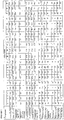
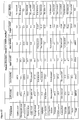
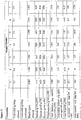
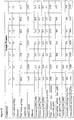
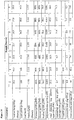
- Figure 1 sets out the basic compositional elements for raw and brown sugar from the following 20 commercial sources:
- Molasses and other products of the sugar refining process are complex mixtures of substances. Typically they are difficult to refine further and there are often substances in the compositions that poison standard separating materials. Molasses and the other thick syrups and juices typically comprise polyphenols, polysaccharides, peptides and proteins, minerals, organic acids, and mono and disaccharides.
- Molasses, golden syrup and treacle have been used as a health food since the early 20th century and there have been claims that they are good therapies or cures for a wide range of disorders.
- the strong taste make them unpalatable to many people and the high viscosity of treacle and molasses makes them difficult to handle and to incorporate into other foodstuffs.
- Dark sugars such as brown and light brown sugars can be produced by spraying back molasses onto white refined sugar. Due to the content of reducing sugars, colorants and moisture these finished products clump on storage are hygroscopic which limits commercial and industrial use, and discolour many foods.
- a sugar with high amounts of molasses and sugar milling waste stream products to promote health with reduced hygroscopic properties, improved flow and lighter colour would be desirable.
- the present invention provides extracts derived from sugar cane and a process for their production.
- Said extract is derived from sugar cane having GI or burn rate reducing characteristics wherein the extract comprises a mixture of one or more polyphenols, one or more carbohydrates, one or more minerals and one or more organic acids.
- the actual level of polyphenols in the extract of sugar cane will depend on the precise method used for its manufacture and the batch of sugar cane used as raw material. For example, an extract produced using XAD after the fractionation by molecular weight would contain between 15 to 30% polyphenols by weight. In contrast, an extract produced using ultrafiltration and microfiltration (without any XAD) would contain between 1 to 3% by weight of polyphenols.
- the polyphenols in the extract of cane sugar are selected from the group consisting of p-coumaric acid, ferulic acid, syringic acid, caffeic acid, chlorogenic acid, (-)epicatechin, apigenin, (+)catechin, quercetin, diosmin, rutin and mixtures thereof.
- the extract of sugar cane comprises some carbohydrates which improves its taste whilst still maintaining its GI lowering characteristics.
- the extract comprises carbohydrates such as monosaccharides, disaccharides, oligosaccharides and both soluble and insoluble polysaccharides.
- the extract may also contain xylan derived mono, di, tri and oligosaccharides, such as xylobiose, xylotriose and xylose.
- the extract may include carbohydrates having GI increasing characteristics such as sucrose and glucose. However, the amount of GI increasing carbohydrates in the extract is not sufficient to detract significantly from the GI reducing characteristics of the extract as a whole. Further, the extract can comprise some carbohydrates and maintain its usefulness for applications such as body composition redistribution as disclosed in international patent application no PCT/AU2006/000769 .
- the extract of sugar cane comprises minerals including mineral complexes.
- the minerals are selected from magnesium, potassium, magnesium, calcium and mixtures thereof.
- Other minerals which may be present include anions such as phosphate, sulphate and chloride.
- the extract of sugar cane comprises organic acids.
- the organic acids are selected from the group consisting of c-aconitic acid, citric acid, phosphoric acid, gluconic acid, malic acid, t-aconitic acid, succinic acid, lactic acid and mixtures thereof.
- an extract derived from sugar cane having GI or burn rate reducing characteristics wherein the extract is a powder which comprises 1.5 to 2.5 wt% of one or more polyphenols, 50 to 80 wt% of one or more carbohydrates, 1 to 3 wt% of one or more minerals and 1 to 3 wt% of one or more organic acids.
- an extract derived from sugar cane having GI or burn rate reducing characteristics wherein the extract is a syrup which comprises 3.5 to 6 g CE/l of one or more polyphenols, 80 to 220 g/l of one or more carbohydrates, 3 to 5.5 g/l of one or more minerals and 3 to 6 g/l of one or more organic acids.
- the extract of the present invention further comprises additional components such as policosanols, phytosterols, lipids, phospholipids, protein, antioxidants, phytosterols such as 1-octacosanol, campesterol, stigmasterol, ⁇ -sitosterol, oligosaccharides such as raffinose, 1-kestose, theanderose, 6-kestose, panose, neo-kestose and nystose, aliphatic alcohols, vitamins, gums and neutral and polar lipids, flavonoids (8 subgroups: Flavonols (eg quercetin, kaempferol,myricetin andisorhamnetin); Flavones (eg luteolin, tricin and apigenin); Flavanones (eg hesperetin, naringenin anderiodictyol); Flavan-3-ols (eg catechin, gallocatechin,
- policosanols refers to the family of aliphatic alcohols and their derivatives, complexes or analogues which are found naturally in sugar cane. Examples include long chain fatty alcohols such as octacosanol, triacontanol, dotriacontanol, tetracosanol, hexacosanol, tetratriacontanol, hexatriacontanol and docosanol.
- the extract is a syrup derived from molasses and the extract has the following composition: Component Range Preferred Polyphenols (g CE/1) 3.5-6.0 4-5 Antioxidant (g GAE/l) 1.2-2.4 1.5-1.8 Organic Acids (g/l) (t-aconitic acid) 3-6 4-5 Total Minerals (g/l) 3-5.5 4-5 Carbohydrates (g/l) 80-220 120-170 Color (absorbance at 420 nm) 5-10 6-8 Brix (degrees) 15-27 20-24
- the above table refers to a preferred extract as it exits the manufacturing equipment.
- This extract may be modified prior to its inclusion in commercial products. For example, the levels will change as the extract is concentrated to form a syrup with a higher Brix or a powder. All such concentrated extracts are included within the scope of this invention.
- the extract can be derived from any product derived from sugar cane including the sugar cane milling process, the sugar cane refining process to make sugar, and other processes using sugar cane products such as the manufacture of ethanol from molasses as part of the manufacture of rum.
- the extract can be derived from the raw materials, in-process products, by-products, final products and waste streams.
- the sugar cane derived product may be the feed stream of raw sugar cane juice, clarified juice and concentrated juice syrup, treacle, molasses (obtained from a primary mill or refinery), golden syrup, brown sugar, bagasse, biodunder, field trash, growing tips, pulp, cane strippings, pith and mill mud.
- the extract is derived from molasses.
- the extract may be a combination of extracts from different sugar cane products.
- the desired phytochemical profile may be obtained by combining an extract of molasses with an extract of biodunder. All such combined extracts are within the scope of this invention.
- the physical characteristics of the extracts of the present invention will depend on their overall chemical composition. Depending on the processing methods applied, the extracts may be concentrated by evaporation generating a syrup, or alternatively, the extract could be fully dried to produce a powder. This ability to prepare extracts having different physical properties increases the commercial utility of the extracts. Depending on their physical characteristics and chemical composition the extracts will be suitable for various uses.
- the extract is produced using a method which comprises as one of its steps a fractionation by molecular weight and size.
- the extracts of the present invention are derived from sugar cane product, preferably molasses from the cane sugar refining processes.
- the extract may be obtained from the sugar cane product by various methods, or combinations of methods, such as:
- the extracts may be further processed by standard techniques such as microfiltration, reverse osmosis, gel permeation, vacuum evaporation and freeze drying, spray drying and tunnel drying.
- the extract is prepared by a gel permeation method comprising the steps of:
- step (e) would be carried out at a temperature of 15 to 25°C, preferably 20 to 25°C.
- the extracts of the present invention represent new products which are economically useful and can be used in a wide variety of applications.
- the extracts as described herein may be used in a therapeutic capacity in order to treat and/or prevent the many conditions which are considered to be responsive to antioxidants, including but not limited to, cardiovascular disease, atherosclerosis, hypertension, thrombosis, Type II diabetes, obesity, dementia, cancer, HIV aids, degenerative conditions associated with aging, diseases caused by oxidative damage, and changing body composition as described in international patent application no PCT/AU2006/000769 . It is expected that these natural extracts will be better absorbed and may show improved efficacy compared to conventional sources of the components. In populations, which are considered "high-risk" for CVD or any of the oxidation related disorders, it is contemplated that the compositions and foodstuffs to which the extracts are added could be used in primary, secondary and tertiary treatment programs.
- the doses of the extracts will vary depending upon, among other factors, the mode of delivery (ie how and into which food, beverage, nutraceutical, cosmaceutical or pharmaceutical the derivatives are ultimately incorporated), the patient size and condition, the result to be achieved, as well as other factors known to those skilled in the art of food additives and medicinal agents. It will also be recognized that the provision of much larger daily doses of the derivatives are not harmful to the animal host, as excess will simply pass through normal excretory channels.
- the dose may depend, for example, on the desired reduction in GI.
- the total polyphenol content needs to range from 25-30 mg/100g sugar.
- the extract according to the invention can be used to prepare the low GI products described in international patent application no WO 2005/117608 , including those where the extract is used in conjunction with other GI lowering compounds such as galactose, arabinose, kestose, oligofructose, or cellulose.
- the extracts of the present invention may be incorporated directly and without further modification into a food, nutraceutical, cosmaceutical or beverage by techniques such as mixing, infusion, injection, blending, dispersing, emulsifying, conching, extrusion, immersion, spraying, coating and kneading.
- the extract can be used to impregnate commonly used food ingredients such as fibre (chicory, sugar cane bagasse and other food grade fibres) and flours prepared from a range of cereal sources.
- these extracts may be applied directly onto a food or into a beverage by the consumer prior to ingestion. These are simple and economical modes of delivery.
- the extracts of the present invention may also be incorporated into food products using the delivery systems described in international patent application no PCT/AU2006/000761 .
- the extracts of the present invention may be incorporated into various conventional pharmaceutical and cosmaceutical preparations and dosage forms such as tablets (plain and coated) for use orally, bucally or sublingually, capsules (hard and soft, gelatin, with or without additional coatings), powders, granules (including effervescent granules), pellets, microparticulates, solutions (such as micellar, syrups, elixirs and drops), lozenges, pastilles, ampoules, emulsions, microemulsions, ointments, creams, suppositories, gels, and transdermal patches, other transdermal delivery methods involving active and passive transport, depot preparations, enteral solutions, parenteral preparations, intravenous solutions, modified release dosage forms together with customary excipients and/or diluents and stabilizers.
- tablets plain and coated
- capsules hard and soft, gelatin, with or without additional coatings
- powders granules (including e
- the extracts may also be impregnated, mixed, emulsified, sprayed or coated onto carriers such as cellulose, methycellulose, dextrose, cyclodextrose, cyclodextrin, maltitol, fibre and fibre containing bioactives to improve delivery. Delivery may also be enhanced with a range of surfactants, lipids, complexes, solvents and co-solvent pharmaceutical delivery systems known in the pharmaceutical art to improve bioavailability, absorption and efficacy.
- the term "food” or “food product” includes any edible product, such as but not limited to confectioneries, supplements, snacks (sweet and savoury), cocoa-containing foods, flavours, beverages, dietary supplements and formulations including supplements used in animal health and nutrition. Additional ingredients desired in the resulting food product may be added at any point in the process.
- the extracts are in the form of syrups that can be used as substitutes for regular glucose and high fructose corn syrups from wheat, corn, agave, stevia etc., as a lower Glycemic Index (GI) option.
- GI Glycemic Index
- the extracts of the present invention may be incorporated into foods, beverages and nutriceuticals, including, without limitation, the following :
- food grade ingredients such as soluble fiber (e.g. oligofructosaccharide), insoluble fiber (e.g. sugar cane fiber, oatbran), flour, starch, modified starch, gelatine, or other food, pharmaceutical or cosmetic ingredients impregnated with or containing the extract according to the invention, can produce a unique food ingredient with enhanced levels of polyphenols, policosanols, phytosterols and other phytochemicals derived from sugarcane. Delivery may also be enhanced with a range of surfactants, lipids, emulsifiers, complexes, solvents and co-solvent food and cosmetic delivery systems known in the art to improve dispersion, absorption and efficacy.
- soluble fiber e.g. oligofructosaccharide
- insoluble fiber e.g. sugar cane fiber, oatbran
- flour e.g. oligofructosaccharide
- starch e.g. sugar cane fiber, oatbran
- the extract according to the invention is particularly useful for increasing the active phytochemical content of coffee products without increasing bitterness.
- Roasting coffee beans causes the development of the myriad desired flavours of coffee.
- the roasting also causes the bitter taste of coffee which is related to an increase in the level of the antioxidants chlorogenic acid lactones and phenylindanes.
- the extract of the invention can be used to increase the level of active phytochemicals (such as polyphenols) in coffee products making the coffee products useful for applications such as those disclosed in international patent application no PCT/AU2006/00076 .
- the present invention includes food products comprising an extract according to the invention alone as the active ingredient or in combination with other active ingredients.
- the extracts of the present invention may be utilized in a formulation strategy directed to the reduction of GI.
- the extract of the invention can be used to prepare low GI products, such as those disclosed in international patent application no WO2005/117608 , but which have a higher antioxidant content and a better taste than the extracts exemplified in that specification.
- the extracts according to the present invention in the form of a liquid extract can be sprayed onto standard sugar (whether derived from sugar cane or sugar beets) to produce a low GI sugar.
- standard sugar whether derived from sugar cane or sugar beets
- the extracts according to the present invention in the form of a liquid extract can also be sprayed onto other carriers such as flour, starch or fibre thus increasing the levels of bioactives in these food ingredients.
- the extract used for this application preferably has sufficient sucrose content to assist the extract to adhere to the standard sugar crystals and to minimise impairing the taste of the sugar.
- the glucose content of the molasses or other products generated in the sugar processing stream can be reduced using enzymes such as glucose oxidase (GO) which digest glucose.
- GO glucose oxidase
- a combination of glucose oxidase and catalase are typically used to ensure that any hydrogen peroxide is removed, and that the oxygen generated is used by the GO to reduce glucose levels.
- the method of the invention may also incorporate any other method to reduce glucose in the molasses and other products generated in the processing stream which is then reincorporated in the manufacturing process to reduce the GI of the sugar product or used alone as a food, dietary supplement or pharmaceutical.
- This may include, but is not limited to, fermentation, or encouragement of glucose digestion through other chemical, and/or thermal reactions prior to, during or after the ultrafiltration and ion exchange processes.
- Affination syrup and other sugar refinery process or waste streams containing low amounts of reducing sugars are particularly useful sources as feedstocks to produce low GI products.
- By-products of fermentation and distillation are also useful feedstocks.
- the method of the invention may also be used to prepare product for use in the methods and products disclosed in international patent application no WO 2005/117608 or international patent application no PCT/AU2006/00076 .
- the temperature used in step (a) is about 50°C.
- the viscosity achieved is in the range from 50 to 100 centipoise.
- water is used for the dilution in step (a).
- a ratio of 1:0.8 to 1.2 molasses to water is typically used to provide the desired ratio.
- the preferred viscosity can also be adjusted by measuring the Brix, in which preferably the range is from 30 to 50 Brix, and more preferably from 35 to 45 Brix.
- the final pH is in the range of from 7.2 to 9.5.
- the pH adjustment can be made using any suitable base, such as sodium hydroxide, sodium carbonate (Na 2 CO 3 ), potassium carbonate (K 2 CO 3 ), bubbling with gaseous carbon dioxide (CO 2 ), or a combination of all the above.
- the pH adjustment occurs using a sodium hydroxide solution.
- the diluent when the diluent is centrifuged, this is carried out using a continuous desludging centrifuge with the supernatant being directly processed through a ceramic or stainless steel membrane (typical 0.10 micron to 1.5 micron, preferably 0.1 to 0.5 micron) using a pressure of about 4 Bar, a flow rate of approximately 30 to 100 l/hour and at a temperature of 30 to 60°C, preferably 35 to 50°C.
- a ceramic or stainless steel membrane typically 0.10 micron to 1.5 micron, preferably 0.1 to 0.5 micron
- the temperature in step (c) is about 75°C.
- the period of time is in the range of from 10 to 30 minutes, more preferably about 20 minutes.
- step (d) the mixture from step (c) is cooled prior to step (d).
- Step (d) can be achieved using any method known to a person skilled in the art for removing a precipitate. Typically it is carried out using a desludging centrifuge or other filtration methods including diatomaceous earth or fine muslin or similar material.
- the mixture may be passed through a ceramic or stainless steel membrane (0.10 micron to 1.5 micron, preferably 0.1 to 0.5 micron) using a pressure of 4 Bar, a flow rate of 30 to 100 l/hour and at a temperature of 30 to 60°C, preferably 35 to 50°C.
- the retentate (typically the precipitate from step (d) and large particulate matter) is discarded (typically after washing with water having a pH in the range of from 7.2 to 7.5) and the permeate collected. In some applications, the retentate is not washed but is completely discarded. Alternatively, high speed continuous centrifugation could be used to remove the precipitate and large particulate matter.
- step (e) is undertaken using one or more fractionation filters or membranes selected from the group consisting of ultrafiltration, nanofiltration and mixtures thereof, to isolate desired extracts.
- the fractionation filters or membranes are known to persons skilled in the art of food processing.
- the product from step (d) can be treated by passing it though a combination of spirally wound ultrafiltration (UF) membranes with a size exclusion in the range of from 100 kDa to 1 kDa. Preferably from 30 kDa to 50 kDa and/or 1 kDa. Further fractionation can then be achieved with a 0.5 kDa nanofiltration membrane.
- step (e) will include diafiltration and both the retentate and permeate will be collected.
- step (e) will occur at a temperature in the range of from 30 to 60°C, more typically 35 to 50°C.
- step (e) is undertaken using gel permeation.
- step (e) is followed by further refining steps which may include ion exchange, hydrophobic chromatography with further ultrafiltration or nanofiltration, gel permeation or reverse osmosis.
- the sugar cane derived product used as starting material for this process can be any product derived from sugar cane including products from the sugar cane milling process, the sugar cane refining process to make sugar, and other processes using sugar cane products such as the manufacture of ethanol from molasses as part of the manufacture of rum.
- the sugar cane derived product can be the raw materials, in-process products, by-products, final products and waste streams.
- the sugar cane derived product includes the feed stream of raw sugar cane juice, clarified syrup and concentrated syrup, treacle, molasses (primary mill and refinery), golden syrup, brown sugar, bagasse, biodunder, field trash, cane strippings, pith, growing tips, pulp and mill mud.
- the sugar cane derived product is molasses.
- affination syrup, molasses or other process and refining waste products provides a retentate after the use of a 30 kDa membrane that contains large polyphenols, polysaccharides, peptides and proteins, and the permeate will contain smaller polyphenols, minerals, organic acids, and mono, di and polysaccharides.
- the process of the invention enables the production of a molasses extract containing up to about 90% of the antioxidants contained from the original molasses.
- the permeate may then be further treated using ion exchange or hydrophobic resin or further ultrafiltration to produce an extract containing the desired profile of polyphenols, minerals, organic acids and carbohydrates.
- the fractionation filters or membranes are able to separate the material collected in step (e) into a range of functional sugar syrups containing a range of polyphenols as previously specified and different ratios of sucrose, glucose and fructose in combination with a mixture of minerals (eg magnesium and potassium) in ratios similar to that in natural sugar cane juice depending upon the initial feedstock.
- a range of functional sugar syrups containing a range of polyphenols as previously specified and different ratios of sucrose, glucose and fructose in combination with a mixture of minerals (eg magnesium and potassium) in ratios similar to that in natural sugar cane juice depending upon the initial feedstock.
- the syrups collected using the method of the invention can be used as functional sweeteners in beverages, ice creams and iced confections and in confectionery products including but not limited to fondants, fondant cream centres for chocolate products, truffles, caramels, fudges, gelatin, starch and pectin based gums and jellies and high boiled sweets and toffees.
- These syrups can also be used in any food application where wheat or corn based glucose syrups or high maltose glucose syrups are used.
- the fractionation process can be manipulated so that the ratio of monosaccharides to sucrose is sufficient to inhibit sucrose crystallisation in such applications.
- the syrups while functioning as both sweeteners and crystallisation inhibitors may also deliver additional natural mineral and antioxidant properties to the products.
- fractions are recovered from the method of the invention, they can be further concentrated by a combination of nanofiltration which preferentially removes monovalent anions, reverse osmosis and/or traditional high vacuum evaporation processes.
- Final solids content of the syrups can range from 65% to 80% w/v with water activities in the range of from 0.2 to 0.3. This further concentration can result in syrups having a shelf life of up to 6 months when stored under suitable conditions such as between 5 and 25°C.
- the method of the invention may also be used to prepare product for use in the methods and products disclosed in international patent application no WO 2005/117608 or international patent application no PCT/AU2006/00076 .
- International patent application no WO 2005/117608 discloses a method for preparing a low GI product using ultrafiltration with a 300 kDa membrane and solvent extraction, however this process only extracts about 50% of the antioxidants present in the sugar cane product.
- the method according to the second aspect of the present invention recovers a higher percentage of the antioxidants present in the sugar cane product.
- the method according to the invention may be used to refine phytochemical extracts obtained from other sources, such a method comprising the steps of:
- the phytochemical extract may be sourced from a variety of plant sources from which it is known that phytochemicals such as polyphenols may be extracted.
- Typical sources include, but are not limited to, cocoa beans, tea waste, pod husks, coffee beans, coffee waste, grape pomice, cereals (eg barley, buckwheat, corn, millets, oats, rice, rye, sorghum, wheat), legumes (eg beans and pulses), nuts (eg almonds, betel nuts, cashew nuts, hazelnuts, peanuts, pecans, walnuts), oilseeds (eg rapeseed, canola, soybeans, borage, cottonseed, evening primrose, flaxseed, sesame seeds, sunflowers, olive oil, palm oil, rice bran oil), fruits (eg berries, drupes, pomes, tropical fruits), vegetables (eg carrots, onions, parsnips, potatoes, beetroot, sweet potato, asparagus, celery, endive, lettuce, spinach
- bioactive rich extracts can be used to enhance the level of bioactives in a range of food products such as fruit juices, and dried and processed fruits.
- a delivery system which can be used with these extracts is disclosed in international patent application no PCT/AU2006/000761 .
- molasses was treated using the method according to the invention.
- Table 1 Composition of Syrup from 30 kDa membrane permeate (P1) Component Concentration Sucrose 420 - 480 g/litre Glucose 100 - 140 g/litre Fructose 100 - 140 g/litre Polyphenols 12 - 16 g/CE/litre Antioxidants 4 - 5.5 g/GAE/litre Calcium 2864 mg/l Magnesium 1510 mg/l Potassium 12895 mg/l Sodium 194 mg/l
- glucose and fructose constitute between 25 and 35% of the total sugars of the 30 kDa recovered fractions and exist in a ratio of 68:16:16 (average) for sucrose, glucose and fructose. This ratio is similar to that which occurs in the original molasses but is significantly reduced in colour (about 27 to 30%).
- the levels of calcium and magnesium are also significantly reduced to that of the original molasses. Only 40-50% of the original molasses polyphenols are recovered in this syrup but they are in a different range and profile (being smaller) than those found in the original molasses.
- Table 2 Composition of Syrup form 0.5 kDa retentate (PL1) Component Concentration Sucrose 480 - 520 g/litre Glucose 80 - 120 g/litre Fructose 80 - 120 g/litre Polyphenols 16 - 25 g/CE/litre Antioxidants 5 - 9 g/GAE/litre Calcium 2003 mg/l Magnesium 1118 mg/l Potassium 8002 mg/l Sodium 114 mg/l
- the monosaccharides, glucose and fructose represent between 20 and 30% of the total sugars in the 0.5 kDa retentate PL1.
- Table 3 Composition of Syrup from 0.5 kDa permeate (SY1) Component Concentration Sucrose 80 - 120 g/litre Glucose 280 - 320 g/litre Fructose 280 - 320 g/litre Polyphenols 12 - 15 g/CE/litre Antioxidants 3.5 - 7 g/GAE/litre Calcium 560 mg/litre Magnesium 333 mg/litre Potassium 6526 mg/litre Sodium 98 mg/litre
- the monosaccharides, glucose and fructose represent between 80 and 88% of the total sugars in SY1. It is evident from these results, that a high glucose and fructose sugar syrup can be extracted from the molasses.
- the method of the invention thus enables the production of a valuable sugar syrup which can be used in food products and which obtains further value from a waste product.
- crude molasses from cane or beet can be fractionated into sugar syrups differing in the composition of sucrose, glucose, fructose, minerals, mono and divalent cations and anions such as Cl, SO 4 , PO 4 , organic acids (eg: cis and trans aconitic, citric and malic acids), and polyphenols (phenolic acids, flavonoids, anthocyanins, anthocyanidins etc).
- organic acids eg: cis and trans aconitic, citric and malic acids
- polyphenols phenolic acids, flavonoids, anthocyanins, anthocyanidins etc.
- syrups can be used individually or blended to produce a range of functional sweeteners rich in minerals and polyphenols (antioxidant activity) for use in a wide range of food systems.
- Using membrane filtration of molasses products with reduced mineral content free of large particulate matter can be used as feedstock for further fractionation on resins typically used for ion exchange and hydrophobic chromatography. Such feedstock improve the performance (less poisoning and longer usage life) of these resins.
- further refined and differentiated sweetener syrups and high polyphenol powders can be produced which have wide application in food systems and for use as nutriceuticals.
- the syrups can be blended to produce a different functional sweetener syrup (mono and disaccharides, mono and divalent cations)
- four parts of the permeate from the 30 kDa filtration and one part of the permeate from 0.5 kDa filtration from Example 1 were mixed to produce a sweetener with a sucrose, glucose, fructose ratio of 5:2:2 compared to the original 30 kDa permeate (ratio 68:16:16) and original 0.5 kDa permeate 1:3:3.
- Such mixtures will also produce different levels of polyphenols, antioxidants and minerals and will vary in their colour intensity as measured by the absorbance at 420 nm.
- the 0.5 kDa retentate from Example 1 contained between 80 to 90% of the original polyphenols and antioxidant activity found in the molasses feedstock. After this retentate was concentrated to a polyphenol content of between 20 and 50 g of CE (catechin equivalents)/l, it was sprayed onto the surface of sugar crystals to produce a low GI sugar.
- the process of the present invention was applied to molasses to illustrate the fractionation capabilities of different membranes.
- the membrane filtration plant (approximate dimensions 1200 mm x 1200 mm x 1600 mm high) was supplied by GEA Liquid Technologies Australia. The unit was equipped with a stainless steel membrane (pore size 0.1 ⁇ m) and a housing to accommodate spiral-wound membranes (970 mm x 98 mm dia.).
- the spiral-wound membranes (Syndner 3838) had pore sizes of 0.5, 1.0 and 30 kDa.
- a spiral-wound reverse osmosis membrane (Dow-Filmtech 3838) was also used.
- Deionised water supply Deionised water was provided by an ion exchange system hired from IBC Water and transported from Brisbane. The tri-bed system consisted of a pre-filter and three ion exchange cylinders connected in series: cation, anion and mixed cation/anion exchangers. The cylinders were connected to the mains water supply and deionised water flowed directly to the MF plant.
- Hot molasses (70-80°C) was obtained directly from a production tank and was mixed with an equal volume of deionised water. This diluted molasses (80 l) was adjusted to pH 7.5 with 5 M NaOH (900 ml) and heated at 80°C for 20 min in aluminium cans. The MF plant was preheated to 80°C with water which included an added volume of about 15 1 and a hold-up volume of about 25 1. The pH-adjusted molasses was then circulated through the plant at 75-80°C before pre-filtration through a 0.1 ⁇ m stainless steel membrane. Based on an estimated density of 1.3 g/ml for hot molasses and 40 1 water in the plant, the estimated concentration of molasses applied to the pre-filter was about 43% (w/v).
- Prefilter 0.1 ⁇ m Diluted molasses (approx 43% (w/v)) was pre-filtered through a 0.1 ⁇ m stainless steel membrane at 70°C using a feed pressure of 1 Bar and a recirculation pressure of 3 Bar.
- Nanofiltration 0.5 kDa The permeate from the 0.1 ⁇ m pre-filter was applied to a spiral-wound membrane with a pore size of 0.5 kDa. The filtration was carried out at 40°C using a feed pressure of 20 Bar and a recirculation pressure of 21 Bar. The retentate from this run was diafiltered with 60 1 of deionised water and stored frozen for possible use in coating raw sugar.
- Reverse osmosis The nanofiltration permeate was passed through a RO membrane at 40°C using a feed pressure of 25 Bar and a recirculation pressure of 25.5 Bar. The retentate was stored frozen for use in confectionery trials.
- Additional bulk samples were as follows: List of Bulk Samples Group Bulk sample Sample volume (l) 1 0.5 kDa permeate (P2) 4 1 0.5 kDa diafiltered retentate 1, 20 1 RO retentate 10 2 30 kDa permeate (P2) 4 2 0.5 kDa diafiltered retentate 1, 15 2 RO retentate 1, 15
- Samples coded P1 and R1 represented permeate and retentate samples taken at the end of each run.
- Code P2 represented composite permeate before diafiltration; PW was the composite permeate collected after diafiltration and PWC was the combination of P2 and PW ( Figures 2 to 5 ).
- Percentage permeation data are calculated as C p /concentration of initial feedstock.
- Rejection coefficients calculated for P1 and R1 for each membrane are shown in Table 4.
- a high coefficient (approaching 1) represents low permeation or high rejection by the membrane, while a low coefficient (approaching zero) represents high permeation or low rejection by the membrane.
- the results in Table 4 generally reflect previous observations regarding composition of the membrane filtration streams.
- Table 4 Rejection coefficients for membranes used in filtration of molasses (Group 1) Component Membrane 0.1 ⁇ m stainless steel 0.5 kDa spiral Total phenolics 0.14 0.90 Antioxidants 0.15 0.86 Fructose -0.12 0.57 Glucose 0.10 0.47 Sucrose 0.02 0.95 Total sugars 0.01 0.82 cis -aconitic acid 0.05 0.99 trans -aconitic acid 0.15 0.99 Colour (A420) 0.35 0.99 Brix 0.08 0.79 Sodium (Na) 0.02 0.07 Potassium (K) 0.03 0.10 Calcium (Ca) 0.22 0.80 Magnesium (Mg) 0.13 0.76 Iron (Fe) 0.32 0.99 Chloride (Cl) 0.20 -0.51 Phosphate (PO 4 ) 0.56 0.96 Sulphate (SO 4 ) 0.03 0.89
- RP-HPLC profiles The RP-HPLC profiles of the membrane filtration streams for Group 1 were measured. Prefiltration through 0.1 ⁇ m had no effect on the polyphenol profile of the permeate. However, for the 0.5 kDa membrane, there was no permeation of polyphenols at hydrophobic end of the profile (> 8min). Reverse osmosis provided a concentration of the components observed in the profile of the 0.5 kDa permeate.
- Plant operation The starting molasses for Group 2 was sampled from bulk material which had been standing over the weekend when processing was shut down. The composition of this molasses may have differed slightly from that of Group 1. Average flow rates (after 1.5 h) for the 0.1 ⁇ m stainless-steel membrane (were about 65% faster than those of Group 1, but were still too slow at 15 1/h for efficient processing. The fine particles of insoluble calcium/magnesium salts produced by heating at pH 7.5 may have contributed to some membrane fouling. High flow rates (>120 1/h) were achieved for the 30 kDa membrane, for the 0.5 kDa membrane (360 1/h at 5 min) and for the RO membrane (350 l/h).
- compositional data for Group 2 are shown in Figures 4 and 5 .
- Group 1 most analytes permeated the 0.1 ⁇ m membrane except for polysaccharides (34% permeation). Permeation through the 30 kDa membrane was 60% for polyphenols and antioxidants, 90% for aconitic acids and greater than 72% for individual sugars.
- the 0.5 kDa membrane performed somewhat better than in Group 1, with only 10 ⁇ 2% permeation of polyphenols/antioxidants.
- permeation of monosaccharides was surprisingly low at 11-12% compared to 59-80% for Group 1. This may have been due to osmotic effects or the use of low pH feedstock (pH 5.3).
- Sucrose showed 1% permeation by the membrane, and aconitic acids less than 3% permeation.
- Monovalent cations (Na, K) also showed less permeation than in Group 1.
- divalent ions were largely rejected by the 0.5 kDa membrane.
- a summary of rejection coefficients for Group 2 is shown in Table 5. The incidence of some negative coefficients is due to anomalous results for permeates or retentates.
- Nanofiltration (0.5 kDa) adequately rejected phenolics, antioxidant activity, sucrose, aconitic acids and divalent ions when using feedstock from 0.1 ⁇ m and 30 kDa membranes.
- permeation of monosaccharides by 0.5 kDa was considerably higher when used after the 0.1 ⁇ m membrane than after the 30 kDa membrane.
- Reverse osmosis treatment of the 0.5 kDa permeates increased the concentration of most analytes two to three fold in the retentate.
- Membrane filtration of molasses requires the feedstock to be diluted to 40-60% (w/v) with hot water and pre-filtered or centrifuged to remove the 1-2% (v/v) sediment load. Before proceeding to nanofiltration on a 0.5 kDa membrane, an interim ultrafiltration step is preferred in order to maintain satisfactory flux rates on the nanofiltration membrane and remove polymeric components such as Maillard polymers and polysaccharides. Trials carried out using a 30 kDa spiral-wound membrane after pre-filtration with a 0.1 ⁇ m stainless-steel membrane showed high flow rates of 120-150 l/h by the 30 kDa membrane.
- the current example investigates whether a 100 kDa membrane offered any advantages in component fractionation compared to a 30 kDa membrane. Specifically, a laboratory scale 100 kDa membrane (VivaFlow 50) was tested for its fractionation capabilities using 40% (w/v) molasses at 50°C.
- Diluted molasses (40% w/v) was centrifuged at 6000 g for 1 h at 10°C and filtered through a 1.6 ⁇ m glass-fibre filter (Whatman GF/A).
- the diluted molasses (40% w/v) held at 50°C was filtered through a 100 kDa polyethersulphone membrane (107 mm x 84 mm x 25 mm, Vivaflow 50, Sartorius) at 1 Bar and 2.5 Bar in separate experiments using new cassettes.
- An additional run (Run 2) was carried out on a regenerated membrane at 2 Bar following the first trial at 1 Bar.
- Table 6 shows the changes in colour and composition after filtration through Vivaflow 50 crossflow membrane (100 kDa MWCO). Run 1 was carried out at 1 Bar pressure and Run 3 at 2.5 Bar, using new membranes for each run. The lower pressure in Run 1 was to compensate for leaks in tubing connections. Run 2 used a regenerated membrane following Run 1, however, the supplier advised that membrane reuse was not recommended. Table 6: Composition of molasses after membrane filtration on Sartorius Vivaflow 50 cross-flow cassette with molecular weight cut-off 100 kDa. Run No Sample A420 Total phenolics (g/l) A/Ox activity (g/l) Cis- Aconitic (g/l) Trans- Aconitic (g/l) Poly-sacch.
- Table 7 shows data collected from membrane filtration trials using approximately 43% molasses feedstock. There was little reduction in phytochemicals or aconitic acids after 0.1 ⁇ m filtration. Feedstock for the 30 kDa spiral-wound membrane was considerably diluted by the start-up volume of the filtration plant. The estimated dilution (from reduced component levels in the 30 kDa feedstock) was 1.57 times. This gives an estimated polysaccharide level in the 30 kDa feedstock of 2.2 g/l. Colour loss in the permeate was higher than that for the 100 kDa membrane. Permeation of phytochemicals through the 30 kDa membrane was 60% for phytochemicals, 89% for aconitic acids and 95 for polysaccharides.
- Table 7 Composition of molasses after membrane filtration through a 0.1 ⁇ m stainless-steel (SS) membrane and a 30 kDa spiral-wound membrane.
- Sample A420 Total phenolics (g/l) A/Ox activity (g/l) Cis- Aconitic (g/l) Trans- Aconitic (g/l) Poly-sacch. (g/l) pH Conduct.
- a 100 kDa membrane is recommended for improved permeation of phytochemicals but offers no advantage over a 30 kDa membrane for removal of polysaccharides and colour.
- Preparative gel filtration on a Bio-Gel P-2 column was used to fractionate diluted molasses (50% w/v) in the molecular weight range of 100 to 1800 daltons (Da).
- Five molecular weight fractions from six chromatography runs were pooled and freeze dried. The fractions were analysed for antioxidant activity, total phenolics, HPLC profile and sugars.
- the molasses was diluted to 50% (w/v) in gel filtration buffer (20 mM ammonium formate pH 5.0 containing 10% acetonitrile) and centrifuged at 6000 g for 1 hour at 10°C. The supernatant was filtered through a 1.6 ⁇ m GF/A filter (Whatman) and frozen in 30-ml aliquots at -80°C for use in gel filtration chromatography.
- a glass column (26 mm x 1000 mm) was packed with Bio-Gel P-2 (BioRad, USA) to a bed height of 910 mm at a flow rate of 60 ml/h.
- the bed was equilibrated at 30 ml/h at room temperature in 20 mM ammonium formate buffer pH 5.0 containing 10% acetonitrile.
- Diluted molasses (20 ml of 50% w/v) was applied to the column and 5-ml fractions were collected.
- Six gel filtration runs were carried out on a total of 120 ml of diluted molasses. Fractions from the first three runs were analysed for colour (A 420 ), total phenolics and antioxidant activity. For the last three runs antioxidant assays were omitted.
- Fraction volumes were determined gravimetrically by weighing approximately 20 tubes per run and determining the average fraction volume using a density of 1 g/ml.
- the gel filtration column was calibrated with three standards: sucrose (360 kDa), NADH (663 kDa) and vitamin B12 (1355 kDa).
- the void volume was determined with bovine serum albumin.
- the fractionation range of Bio-Gel P-2 is 100-1800 Da (BioRad).
- Lyophilised bulk fractions For each gel filtration run, individual fractions were pooled into five major fractions according to profiles of colour (A 420 ), total phenolics and antioxidants. The pooled fractions for each run are shown in Table 15. Table 8: List of Pooled Fractions for each Run Run No Fraction volume (ml) Pooled fractions Pool 1 Pool 2 Pool 3 Pool 4 Pool 5 1 4.88 34-50 51-66 67-82 83-100 101-120 2 4.74 35-54 55-72 73-83 84-104 105-120 3 4.95 35-52 53-68 69-79 80-100 101-120 4 4.69 35-53 54-71 72-81 82-100 101-120 5 4.52 37-56 57-76 77-87 88-103 104-120 6 4.71 35-51 52-71 72-81 82-99 100-120 Total vol. (ml) 447 435 270 452 470
- Total phenolics Total phenolics were determined by a Folin-Ciocalteu colorimetric procedure (Kim et al., 2003). To 50 ⁇ L of diluted sample in a 75-mm test tube was added 650 ⁇ L of deionised water. Undiluted Folin-Ciocalteu reagent (50 ⁇ L) was added to each tube. The solution was mixed and allowed to stand for 5 min at room temperature. Finally 500 ⁇ L of 7% Na 2 CO 3 was mixed with the reaction solution and the absorbance at 750 nm was read after 90 min at room temperature. The total phenolics content was expressed in ⁇ g catechin equivalents per ml of undiluted sample. Catechin standards were prepared in the range of 0-250 ⁇ g/ml.
- Antioxidant activity Initially, a substrate containing equal volumes of 14 mM ABTS (2, 2'-azinobis (3-ethylbenzothiazoline-6-sulfonic acid) diammonium salt) and 4.9 mM potassium persulphate was prepared and stored overnight in the dark at room temperature. Prior to the assay, this solution was diluted about 60-fold with ultrapure water and adjusted to give an absorbance at 734 nm of 0.99-1.01. ABTS substrate (1 ml) was preincubated in 75-mm test tubes at 26°C for 5 min in a water bath and 50 uL of sample or standard was added. The solution was mixed and held at 26°C for 45 min when absorbance was measured at 734 nm. Antioxidant activity was expressed in ⁇ g gallic acid equivalents per ml of undiluted sample. Gallic acid standards were prepared in the range 0-25 ⁇ g/ml.
- RP-HPLC profiles Qualitative fingerprints of molasses extracts were obtained on a Shimadzu system equipped with a system controller (Model SCL-10AVP), dual pumps (Model LC10-AD), photo diode array (PDA) detector (Model SPD-M10AVP) and Class Vp version 6.14 software for data acquisition and analysis. Samples (10 ⁇ l) were eluted at 30°C on a 30 x 4.6 mm Luna 3 ⁇ m C18(2) column (Phenomenex). The flow rate was 1.5 ml/min. Mobile phases were: phase A, 0.1% (v/v) trifluoroacetic acid (TFA) in water and phase B, 60% acetonitrile in 0.085% TFA.
- TFA trifluoroacetic acid
- the gradient profile was 5-35%B for 12 min; 35-100%B for 1 min and 100%B for 3 min, 100-5%B for 0.3 min and 5%B reequilibration for 4.7 min. Eluted peaks were detected by a PDA detector measuring the absorbance spectrum from 200-400 nm at 4 nm wavelength steps and individual channels at 214, 254, 280, 340 and 400 nm, with the 214 nm chromatogram routinely reported.
- Gel filtration samples were prepared from five lyophilised pools and contained equal concentrations of total phenolics (1 mg catechin equivalents per ml). The sample of molasses used for gel filtration contained 2 mg CE/ml.
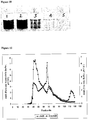
- SDS-PAGE Electrophoresis by SDS-PAGE was performed on 12% acrylamide gels using the mini-Protean II slab-gel system (BioRad). Lyophilised samples from gel filtration were dissolved in water (200 mg/ml) and 30 ul was digested in an equal volume of loading buffer. A volume of 15 ul (1.5 mg of solids) was loaded onto the gel. Electrophoresis was stopped when the bromophenol blue dye front reached the bottom of the gel. The gel was stained in 0.25% Coomassie Blue and scanned on a desktop scanner (Scanjet 5400C, Hewlett Packard).
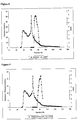
- the gel filtration profiles for colour (A 420 ), antioxidants and total phenolics from molasses (Run 3) are shown in Figures 6 and 7 .
- the A 420 colour profile showed a peak near the void volume of the column and a sharp peak at fraction 62 (MW 832 Da). The absorbance then decreased gradually to baseline. Profiles of antioxidants and total phenolics closely coincided with each other. The first two antioxidant/phenolic peaks coeluted with the A 420 peaks. However, a broad antioxidant/phenolic peak at fraction 80 (MW 352) did not correspond to a colour peak.
- This peak, comprising fractions 69-100 has a molecular weight range of 135-599 Da and may be a mixture of low colour flavonoids and polyphenolic acids.
- Table 9 shows the composition of the combined pools before freeze drying and the average molecular weight range for each pool. From the mass calculations, the low colour antioxidant/phenolic peak ( Figures 6 and 7 ) contained 49% of the antioxidant activity and 50% of the phenolics, respectively. The dark-coloured peak eluting at the void volume (Pool 1) contained 14% of the antioxidant activity, and the dark-coloured sharp peak (Pool 2) contained 28%. Recovery of antioxidant activity from the column was 70%.
- Table 9 Composition of combined pools from gel filtration on Bio-Gel P-2 prior to freeze drying.
- Table 10 shows the composition of combined pools after freeze drying.
- Pool 1 was a fluffy product and differed considerably from Pool 2 which had a hard crunchy texture.
- Pools 3 and 4 were crunchy and hygroscopic, and contained 71% and 64% sugars, respectively.
- Pool 5 was dark and sticky and was difficult to remove from the drying tray resulting in significant loss of product.
- On a solids basis (mg GAE/g of solids), there was a significant loss in antioxidant activity on freeze drying of Pool 2 (26%) and Pool 5 (34%).
- RP-HPLC profiles Reversed phase HPLC profiles of lyophilised gel filtration pools (profiles b-f) were examined. There were notable differences between all profiles which could be used to characterise the pools. Pool 1 showed a gradual rising profile with only one minor peak. Presumably this sample contains heterogeneous polymeric material which could not be resolved to individual peaks by the HPLC column. Pool 2 represents the molecular weight range 636-1377 Da and includes the sharp peak of dark brown material. This pool showed the most hydrophilic material eluting at less than 1 min, and a number of well-resolved peaks on the gradient. Pools 3 and 4 represent the low-colour antioxidant peak and showed considerable differences between their respective profiles.
- Pool 5 showed a range of peaks which could represent low molecular weight phenolic acids and a higher molecular weight compounds that have been weakly bound to the column and were not eluted according to their molecular weights.
- the proportion of hydrophilic material in this pool was low resulting in greater peak heights in the hydrophobic region of the profile.
- the molasses load sample enables some peaks to be matched up to certain molecular weight ranges in the pools, as well as showing which molasses peaks are weakly bound to the gel and eluted in Pool 5. All samples exhibited a significant peak at 14.5 min which is not relevant to the chromatography, and represents an acetonitrile flush to remove all bound material from the column at the end of the run. Interestingly, this peak which represents the more hydrophobic compounds in molasses, decreased with molecular weight of the pools.
- the gel filtration profiles showed that dark molasses colorants measured at 420 nm were eluted in the void volume of the column (>1800 Da) and at 832 Da. Antioxidant activity and total phenolics co-eluted with these two colour peaks. A broad antioxidant/phenolic peak was eluted between 135 and 599 kDa, but was not associated with a colour peak. This antioxidant peak contained all the sucrose and monosaccharides. It comprised 49% of the eluted antioxidant activity and 50% of the total phenolics. Consequently, removal of the dark colorants of molasses would approximately halve the antioxidant activity of the product. The dark-coloured polymeric material eluting near the void volume comprised 14% of the eluted antioxidant activity.
- the quantities of lyophilised gel filtration pools varied from 0.5 g to 18 g, with high masses obtained for the two pools containing sugars. Recovery of antioxidant activity was greater than 92% in three of the lyophilised pools, but significant losses in antioxidant activity was found in Pools 2 and 5.
- HPLC fingerprints of the lyophilised pools showed some distinct differences which could be used to characterise the samples.
- Protein analysis by denaturing polyacrylamide gel electrophoresis showed an absence of protein material above 14 kDa in all lyophilised samples.
- Pool 1 showed a trace of a protein stain near the dye front. This could be bound protein associated with hydrolysable tannins
- the lyophilised samples will be analysed subsequently for polysaccharides and polyphenol characterisation, and for their ability to inhibit gut enzymes.
- the example demonstrates that the colour profiles obtained by the gel filtration of molasses were dependent on the pH and/or composition of the buffer and that a less coloured high antioxidant extract according to the invention can be produced.
- pH 7.5 most of the dark colour was eluted at the void volume, while at pH 5.0, a second dark-coloured peak was observed at lower molecular weight.
- the pH 5.0 buffer contained 10% acetonitrile which could have contributed to a change in the permeation properties of the gel.
- Such a lower colour high antioxidant extract will be useful as an additive to foods to reduce GI, reduce carcinogenicity or change body composition without interference with the colour or organoleptic properties of the food. Further, a lower colour extract according to the invention is useful in pharmaceutical applications, especially where colour and bitterness are important issues.
- the levels of 16 phenolic compounds were determined in aqueous acidic and basic fractions of two samples of molasses extracts according to the first aspect of the present invention, and one sample of sugar sprayed with molasses extract according to the first aspect of the present invention.
- the phenolic compounds were isolated by ethyl acetate extraction from the samples.
- Sample preparation -Reverse Phase Solid Phase Extraction (SPE) clean-up A C 18 SPE cartridge (4 ml, 600 mg; Alltech Associates, Deerfield, Ill.) was conditioned with methanol (3 ml) and formic acid (0.05 %, 6 ml).
- XAD bound fraction (Sample 1) (189.5 mg) was dissolved into aqueous formic acid (0.05 %, 10 ml) in a volumetric flask. An aliquot of this solution (3 ml) was loaded onto the cartridge, washed with formic acid (0.05 %, 5 ml) and was eluted with aqueous methanol (20 % followed by 60% and 100% , 5 ml each) resulting in three fractions. Most brown colour was observed to elute in the 60 % aqueous methanol fraction.
- HPLC analysis HPLC was carried out using a Shimadzu system equipped with two highpressure LC-10ADVP pumps, a SIL-10ADVP autosampler (250 ⁇ L sampling loop), a CTO-1-ADVP column oven and a SPD-M10ADVP photodiode array detector (Shimadzu Inc., Rydalmere, NSW, Australia).
- the column used for the separation of the polyphenols was a Luna C 18 , (4.6 mm i.d x 250 mm length, 5 ⁇ m particle size, Phenomenex, Lane Cove, NSW, Australia).
- the mobile phases used for the separation were 2% TFA in water (A) and 0.5% TFA in acetonitrile:water (1:1) (B) under a flow rate of 1 mlmin -1 .
- Analytes were eluted using a linear gradient: 20-50% B over 20 min., 50-100% B over 10 min remained at 100% B for another 10 min. Detection was carried out at 280, 320 and 370 nm. Analytes were identified by comparison of their elution time (and characteristic m/z fragments from LC/MS analysis, Table 2) with those of authentic standards (Sigma-Aldrich, Castle-Hill, NSW, Australia).
- LC-MS analysis was carried out on a Quantum TSQ mass spectrometer (ThermoFinnigan, NSW, Australia) equipped with a quaternary solvent delivery system and an autosampler. An aliquot (10 ⁇ l) of each extract investigated was chromatographed on a UltracarbTM analytical column (2.1 x 150 mm, 5 ⁇ m particle size), (Phenomenex, NSW, Australia) which was heated to 30°C in an oven. The mobile phase consisted of 0.5% formic acid in water (A) and 0.5% formic acid in acetonitrile/water (1:1)(B) at the rate of 300 ⁇ l/min. A linear gradient was used (20% B to 100% B over 19 min). Ions were generated using an electrospray source in the negative mode under conditions set following optimisation using a solution of chlorogenic acid.
- the XAD sample was found to contain significantly higher levels of 16 selected phenolic compounds than the MFP and low GI sugar sample.
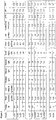
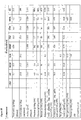
- Quantification of selected polyphenols Initially, the levels of selected compounds, were quantitatively determined in both acidic and basic extracts of the three samples against methyl-4-formyl benzoate. However, this compound exhibited a strong matrix-related bias and thus the results obtained from its use were questionable. To eliminate such bias an external calibration curve of p-coumaric acid was established and was used to obtain quantitative results. Each compound was quantified based on its maximum UV absorbance in one of the three wavelengths (280, 320 or 370 nm). No response factors were determined for individual compounds and therefore the results of all compounds (apart from p-coumaric acid) are semi-quantitative in nature. The results obtained for the selected compounds are shown in Figure 13 . In the figure,
- the XAD sample was by far the richest, among all three samples, in these phenolics.
- the acidic XAD and MFP fractions contained a greater amount of polyphenolic compounds compared to the corresponding basic fractions. This was to be expected, considering that phenolic acids such as coumaric, ferulic and syringic acids have been reported previously as being the major phenolic constituents of sugarcane products.
- the sugar sample contained the lowest amount of polyphenolic compounds compared to the XAD and MFP samples. However, it was likely that many of the sugar polyphenolics were below the limit of detection of the HPLC method due to the higher content of sugar (per weight unit) in this sample compared with the XAD and MFP samples. To overcome this problem analyses with increased sample size were performed in order to detect additional compounds in the low GI sugar (acidic fraction only). Enhanced sample size analyses were also performed for the MFP sample to increase the number of compounds detected (acidic fraction only).
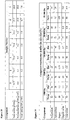
- Figure 14 summarises the LC-MS experiments performed for each sample and the information produced for each analyte. In the figure, a identification of tricin was based only on MS fragmentation as no authentic reference compound could be obtained and therefore is tentative.
- Some compounds shown as 'not detected' in Figure 13 were detected in some samples during various LC-MS experiments (e.g. apigenin in XAD-basic and MFP-basic, (-)-catechin gallate in MFP-acid and MFP-basic, luteolin in MFP-acid and MFP-basic). This is possibly due to the better sensitivity of the LC-MS system running in the selected-reaction-monitoring (SRM) mode compared to UV detection employed by the HPLC approach.
- SRM selected-reaction-monitoring
- the XAD powder had higher levels of the polyphenols compared to the MF powder.
- the general pattern of polyphenols found in the low GI sugar analysed was also similar to that found in the XAD and MF powders. This reinforced the use of the MF powder in the form of a high Brix syrup as an enrichment spray source to impregnate/coat refined or raw sugar crystals to deliver new functional ingredients with enhanced antioxidant activity and a favourable mineral balance.
- Extracts can also be used to produce products having clinical benefits including influencing the GI of foods and modifying body composition.
- Such a syrup or powder could be used to enrich other food sources such as fibres and flours to deliver similar functional outcomes.
- a spray solution suitable for spraying onto raw sugar to convert it to a low GI sugar product was produced from the syrup from the 30 kDa membrane permeate (P1) of Example 1.
- the permeate (P1) comprised approximately 4.5g/l polyphenols, 30g/l fructose, 30g/l glucose and 110g/l sucrose, having a Brix value of between 15 and 25.
- the storage stability of the permeate was improved by evaporation to 60-70 BRIX, and approximately 4 fold increase in concentration.
- the composition was thus approximately 18g/l polyphenols, 120g/l fructose, 120g/l glucose and 440g/l sucrose.
- This concentrated syrup was sprayed onto a base sugar.
- the base sugar consisted of (i) crystalline white sugar and (ii) in-process raw sugar from a primary mill or refinery at the fugal stage.
- the amount of spray solution varied depending upon the initial polyphenol/phytochemical content per kg of the base sugar. Typically between 1 to 12 ml of the concentrated spray syrup was added to each kg of base sugar - the exact amount depending upon the sugar cane variety being processed. For some varieties of cane sugar adequate phytochemical concentration could be achieved with minimal addition of spray syrup (depending upon the amount of reducing sugars remaining and phytochemical concentration).
- the sugar was dried in a rotating cylindrical sugar drier and upon exit a sample was taken either on-line or off-line for quality assurance/quality control testing to ensure that an adequate polyphenol level is achieved.
- a similar spraying procedure can be used to impregnate or coat white cane sugar, beet sugar and other carriers such as fibre (eg bagasse) and flour from various cereal sources in order to produce a bioactive enriched product for use as a functional food ingredient.
- white cane sugar, beet sugar and other carriers such as fibre (eg bagasse) and flour from various cereal sources in order to produce a bioactive enriched product for use as a functional food ingredient.
- Samples were collected from the following processing streams: first extracted juice (FEJ), buffer tank (BT), mill mud filtrate (MMF), mill mud (MM), evaporator supply juice (ESJ), syrup (SYR), molasses (MOL) and raw sugar (RS). The samples were stored frozen and transported to the testing facility.
- Sediment removal Liquid samples (juices and mill mud filtrates) were centrifuged at 5000 rpm for 10 min at 5°C and supernatants were vacuum filtered through Whatman No.1 filter papers. Syrups, molasses and raw sugars were diluted to 10%, 10% and 40%, respectively, before sediment removal. Samples for mineral analysis were not treated to remove sediment.
- Mill mud extracts A mill mud extract was prepared by homogenising 20 g of mill mud for 1 min in 45 ml of hot (60°C) deionised water, centrifuging at 5000 rpm for 5 min and decanting the supernatant. The pellet was re-extracted in 45 ml of hot deionised water and the supernatant again collected. The combined extracts were made up to 100 ml with deionised water and vacuum filtered through Whatman No.1 filter papers.
- RI detection cis- and trans -aconitic acids Ion-moderated partition HPLC, Aminex column HPX-87H (Bio-Rad). Isocratic elution with 0.004 M H 2 SO 4 at 0.6 ml/min for 40 min at 30°C. UV detection. Samples diluted in water pre-injection. Total solids Vacuum oven at 70°C for 16 h. Density Anton Paar density meter. Readings at 20°C in g/ml. Total nitrogen Kjeldahl method using Foss Tecator digestion and distillation units. Non-protein nitrogen Sample (2.5 g) made to 50 ml with 12% trichloroacetic acid and filtered.
- the ultrafiltration membranes were changed each time the process was run.
- the ultrafiltration membranes had size exclusion ranging from 1000 to 50,000 Dalton.
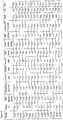
- the extracts thus isolated had the compositions set out in Figure 25 .
- Perm Permeate
- Ret Retentate
- the data shows percentages of each molasses component in permeate and retentate.
- composition of the different processing streams vary widely. Furthermore, the composition of the feed streams varies from batch to batch of sugar cane.
- Clarified juice, syrup, molasses and mill mud extracts are all potential sources as feedstocks for the recovery of bioactives such as polyphenols/antioxidants, organic acids and minerals.
- Molasses is the preferred source.
- Mill mud and bagasse are also useful sources of phytochemicals where a different composition is desired, especially one with higher levels of policosanols and phytosterols but lower levels of carbohydrates.
- the five ultrafiltration extracts prepared from the molasses were each used as feed stock for further processing using XAD.
- the use of these extracts as feedstocks offers the clear benefit that they will minimize the chance of poisoning the XAD resins thus improving the efficiency and useable life of the resins.
- the three extracts were then subjected to the process of Example 9 to provide three extracts according to the present invention.
- the extracts were high in polyphenols but low in sugars and would be useful for applications where sugars are not required.
- the example also demonstrates that a range of feedstocks can be utilized in producing the extracts described as part of the invention.
- the method of the invention was used to produce an extract according to the invention from biodunder.
- Table 12 Composition of biodunder extract Component Biodunder Total solids (g/100 g) 10.4 °Brix 11.4 Density (g/ml) 1.05 Colour (A 420 ) 17.8 Conductivity (M NaCl equiv.) 0.25 pH 4.1 Total phenolics (g CE/l) 6.2 Antioxidant activity (g GAE/l) 1.8 Fructose (g/l) 1 Glucose (g/l) 1 Sucrose (g/l) 3 Ash g/100 g 4
- the extract produced in this example was high in polyphenols but low in sugars and would be useful for applications where sugars are not required.
- the example also demonstrates that biodunder is a useful feedstock for producing extracts according to the invention.
- aqueous extracts produced in this example were high in polyphenols but low in sugars demonstrating that mill mud would be useful for producing extracts for applications where sugars are not required.
- molasses feedstocks vary significantly, particularly in mineral composition, as a result of the variability in the cane being processed and the processing conditions used (particularly in the liming and flocculation step to clarify the mixed juice).
- the above table shows that the method according to the present invention produces an extract which has a very different composition to that of the extract disclosed in international patent application no WO 2005/117608 . This difference is not simply the difference in the molasses feedstock used.
- the extract according to the invention has a much lower polyphenols content and a much higher content of the other phytochemicals which makes it closer to the natural composition of the sugar cane.
Landscapes
- Health & Medical Sciences (AREA)
- Life Sciences & Earth Sciences (AREA)
- Chemical & Material Sciences (AREA)
- Veterinary Medicine (AREA)
- Public Health (AREA)
- General Health & Medical Sciences (AREA)
- Animal Behavior & Ethology (AREA)
- Engineering & Computer Science (AREA)
- Medicinal Chemistry (AREA)
- Pharmacology & Pharmacy (AREA)
- Organic Chemistry (AREA)
- Nuclear Medicine, Radiotherapy & Molecular Imaging (AREA)
- General Chemical & Material Sciences (AREA)
- Chemical Kinetics & Catalysis (AREA)
- Epidemiology (AREA)
- Bioinformatics & Cheminformatics (AREA)
- Botany (AREA)
- Mycology (AREA)
- Food Science & Technology (AREA)
- Microbiology (AREA)
- Biotechnology (AREA)
- Polymers & Plastics (AREA)
- Diabetes (AREA)
- Natural Medicines & Medicinal Plants (AREA)
- Molecular Biology (AREA)
- Nutrition Science (AREA)
- Birds (AREA)
- Dermatology (AREA)
- Hematology (AREA)
- Cardiology (AREA)
- Heart & Thoracic Surgery (AREA)
- Inorganic Chemistry (AREA)
- Emergency Medicine (AREA)
- Biochemistry (AREA)
- Biomedical Technology (AREA)
- Virology (AREA)
- Neurology (AREA)
- Neurosurgery (AREA)
- Toxicology (AREA)
- Obesity (AREA)
Applications Claiming Priority (2)
| Application Number | Priority Date | Filing Date | Title |
|---|---|---|---|
| AU2006905179A AU2006905179A0 (en) | 2006-09-19 | Refining process | |
| PCT/AU2007/001382 WO2008034180A1 (en) | 2006-09-19 | 2007-09-19 | Extracts derived from sugar cane and a process for their manufacture |
Publications (3)
| Publication Number | Publication Date |
|---|---|
| EP2064352A1 EP2064352A1 (en) | 2009-06-03 |
| EP2064352A4 EP2064352A4 (en) | 2010-11-03 |
| EP2064352B1 true EP2064352B1 (en) | 2019-12-04 |
Family
ID=39200083
Family Applications (1)
| Application Number | Title | Priority Date | Filing Date |
|---|---|---|---|
| EP07800335.7A Active EP2064352B1 (en) | 2006-09-19 | 2007-09-19 | Extracts derived from sugar cane and a process for their manufacture |
Country Status (10)
| Country | Link |
|---|---|
| US (2) | US9364016B2 (enExample) |
| EP (1) | EP2064352B1 (enExample) |
| JP (2) | JP2010503417A (enExample) |
| CN (2) | CN101553582A (enExample) |
| AU (1) | AU2007299581B2 (enExample) |
| BR (1) | BRPI0715018B1 (enExample) |
| CA (1) | CA2662364C (enExample) |
| HK (1) | HK1205881A1 (enExample) |
| MX (1) | MX2009002413A (enExample) |
| WO (1) | WO2008034180A1 (enExample) |
Families Citing this family (78)
| Publication number | Priority date | Publication date | Assignee | Title |
|---|---|---|---|---|
| GB0818336D0 (en) * | 2008-10-07 | 2008-11-12 | Cosmetic Warriors Ltd | Composition |
| US20100127434A1 (en) * | 2008-11-25 | 2010-05-27 | Rene Broos | Extruding organic polymers |
| US8440297B2 (en) * | 2008-11-25 | 2013-05-14 | Dow Global Technologies Llc | Polymer organoclay composites |
| US20100129641A1 (en) * | 2008-11-25 | 2010-05-27 | Lopez Leonardo C | Polymer carbon composites |
| JP5068736B2 (ja) * | 2008-12-24 | 2012-11-07 | 國立陽明大學 | 網膜色素上皮細胞疾患の治療及び/又は予防用医薬物質及び医薬組成物 |
| US20100310576A1 (en) * | 2009-03-31 | 2010-12-09 | Adams Ryan A | COMPOSITIONS AND METHODS COMPRISING ASPARTYL-tRNA SYNTHETASES HAVING NON-CANONICAL BIOLOGICAL ACTIVITIES |
| WO2011072266A2 (en) * | 2009-12-11 | 2011-06-16 | Atyr Pharma, Inc. | Aminoacyl trna synthetases for modulating hematopoiesis |
| WO2011140589A1 (en) * | 2010-05-11 | 2011-11-17 | The State Of Queensland Acting Through The Department Of Employment, Economic Development And Innovation | Plant-based electrolyte compositions |
| CA2808746A1 (en) * | 2010-08-20 | 2012-02-23 | Federation Des Producteurs Acericoles Du Quebec | Sugar plant derived by-products and methods of production thereof |
| ITMI20102369A1 (it) * | 2010-12-22 | 2012-06-23 | Aqtan Srl | Processo per l'estrazione e purificazione di frazioni polifenoliche da prodotti secondari delle lavorazioni agro-alimentari zuccheriere |
| JP5859200B2 (ja) * | 2010-12-28 | 2016-02-10 | 丸善製薬株式会社 | 抗炎症剤、抗老化剤、及び育毛剤、並びに化粧料 |
| WO2012106761A1 (en) | 2011-02-08 | 2012-08-16 | Horizon Science Pty Ltd | Sugar extracts |
| JP2012219228A (ja) * | 2011-04-12 | 2012-11-12 | Masatsugu Yamashita | 水溶性黒色色素 |
| JP5809435B2 (ja) * | 2011-04-13 | 2015-11-10 | 政続 山下 | 糖蜜分画物 |
| JP5836666B2 (ja) * | 2011-06-28 | 2015-12-24 | 日華化学株式会社 | Mitf−m産生促進剤、及び該mitf−m産生促進剤を含有する毛髪用化粧料組成物並びに皮膚用化粧料組成物 |
| GB201119032D0 (en) | 2011-11-03 | 2011-12-14 | Isis Innovation | Multisomes: encapsulated droplet networks |
| CN102516319A (zh) * | 2011-12-08 | 2012-06-27 | 广西大学 | 从甘蔗梢中提取酚类物质的方法 |
| WO2013096996A1 (en) * | 2012-01-01 | 2013-07-04 | Kambouris, Gillian | Plant based beverages, and methods for preparation thereof |
| JP6218756B2 (ja) * | 2012-03-05 | 2017-10-25 | グラタク テクノロジーズ ピーティーワイ リミテッド | ペット哺乳動物向け栄養補助食品 |
| BR112015004520B1 (pt) * | 2012-08-28 | 2021-10-05 | The Product Makers (Australia) Pty Ltd | Processo para produção de um extrato, extrato, composição, alimento, bebidas e uso do referido extrato, método para reduzir o valor calórico e/ou reduzir o gi de um alimento ou bebida |
| GB201219201D0 (en) | 2012-10-25 | 2012-12-12 | Isis Innovation | Hydrogel network |
| GB201219196D0 (en) | 2012-10-25 | 2012-12-12 | Isis Innovation | Droplet assembly method |
| KR102284661B1 (ko) | 2012-12-07 | 2021-08-02 | 옥스포드 유니버시티 이노베이션 리미티드 | 3d 프린팅에 의한 비말 어셈블리 |
| CN105722520A (zh) * | 2013-08-16 | 2016-06-29 | 产品制造商(澳大利亚)有限公司 | 甘蔗衍生提取物及治疗方法 |
| AR099361A1 (es) * | 2013-12-18 | 2016-07-20 | Rohm & Haas | Extracción de policosanol de la vinaza de caña |
| AR099362A1 (es) * | 2013-12-18 | 2016-07-20 | Rohm & Haas | Extracción de componentes valiosos de la vinaza de caña |
| US10442610B2 (en) | 2014-03-11 | 2019-10-15 | Starbucks Corporation | Pod-based restrictors and methods |
| US20230085655A1 (en) * | 2014-05-08 | 2023-03-23 | Purecircle Usa Inc. | Glucosyl stevia compositions |
| KR20160050826A (ko) * | 2014-10-31 | 2016-05-11 | 씨제이제일제당 (주) | 항산화제를 포함하는 추출액 유화유, 이를 함유하는 식용유 및 이들의 제조 방법 |
| CN104957602B (zh) * | 2015-05-22 | 2018-06-19 | 长沙普源生物科技有限公司 | 甘蔗生物活性成分组合物和功能性保健食品及其制备方法 |
| CN105192526B (zh) * | 2015-09-08 | 2018-11-02 | 杭州娃哈哈饮料有限公司 | 一种低血糖生成指数八宝粥罐头 |
| JP6951834B2 (ja) * | 2016-05-17 | 2021-10-20 | 小川香料株式会社 | 乳酸菌生残性向上剤 |
| SG10201605526WA (en) * | 2016-07-05 | 2018-02-27 | Coconutz Pte Ltd | Method of making a flavoured sweetener and uses thereof |
| CN106072755B (zh) * | 2016-07-20 | 2017-06-16 | 湖北中烟工业有限责任公司 | 一种用于卷烟调香的还原糖的制备方法 |
| EP3491377A4 (en) | 2016-07-27 | 2020-01-22 | Nutrition Science Design Pte. Ltd | Process for sugar production |
| MX2019000951A (es) * | 2016-07-27 | 2019-09-16 | Nutrition Science Design Pte Ltd | Composicion de azucar. |
| CN106226431A (zh) * | 2016-08-08 | 2016-12-14 | 西北农林科技大学 | 一种王族海棠叶茶抗氧化成分组成及品质分析方法 |
| CN106319099B (zh) * | 2016-08-12 | 2020-05-08 | 广西大学 | 一种富多酚黑糖的生产工艺 |
| CN106167838B (zh) * | 2016-08-12 | 2020-05-08 | 广西大学 | 一种富多酚功能性黑糖的加工方法 |
| CN106119430A (zh) * | 2016-08-12 | 2016-11-16 | 广西大学 | 一种富多酚黑糖的生产线 |
| CN106539088B (zh) * | 2016-10-31 | 2021-01-01 | 华南理工大学 | 一种具有降糖功能的功能性蔗糖的制备方法 |
| KR101888301B1 (ko) * | 2017-04-03 | 2018-09-11 | 이상복 | 비정제 저온발효 마스코바도 제조방법 |
| US11453921B2 (en) | 2017-05-01 | 2022-09-27 | Biomass Technologies Pty Ltd | System for and method of processing sugar cane |
| WO2018216707A1 (ja) * | 2017-05-26 | 2018-11-29 | 株式会社ヤクルト本社 | オリゴ糖粉末およびその製造方法 |
| CN107535806A (zh) * | 2017-10-12 | 2018-01-05 | 苏州昆蓝生物科技有限公司 | 一种固体糖蜜的生产方法 |
| US10632167B2 (en) | 2017-11-03 | 2020-04-28 | The Cane Juice Company, Llc | System and method for processing raw sugarcane maximizing the preservation of policosanols during production of a shelf stable potable cholesterol-reducing product |
| US10493121B2 (en) * | 2017-11-03 | 2019-12-03 | The Cane Juice Company, Llc | Method for processing raw sugarcane maximizing the preservation of policosanols during production of a natural sugarcane juice-based product |
| CN108094772A (zh) * | 2017-12-08 | 2018-06-01 | 桂林莱茵生物科技股份有限公司 | 一种罗汉果果汁及其制备方法 |
| JP7252193B2 (ja) * | 2018-02-28 | 2023-04-04 | テーブルマーク株式会社 | 澄明化サトウキビジュース及びポリフェノール含有組成物 |
| CN108486194B (zh) * | 2018-03-22 | 2021-07-13 | 吉林省农业科学院 | 一种玉米粉制备固体果葡糖的方法 |
| SG10201803202WA (en) * | 2018-04-17 | 2019-11-28 | Nutrition Science Design Pte Ltd | Sweetener composition |
| WO2019213703A1 (en) * | 2018-05-11 | 2019-11-14 | The Product Makers (Australia) Pty Ltd | Sugar cane extracts for use in animal feeds |
| JP7197402B2 (ja) * | 2018-06-29 | 2022-12-27 | Dm三井製糖株式会社 | 抗老化剤 |
| WO2019230907A1 (ja) * | 2018-05-30 | 2019-12-05 | 三井製糖株式会社 | 肥満抑制剤、抗認知症剤、消臭剤、抗老化剤、抗糖化剤、抗i型アレルギー剤、抗高血圧剤、風味向上剤、筋肉増強剤、及び骨代謝改善剤 |
| JP7602312B2 (ja) * | 2018-05-30 | 2024-12-18 | Dm三井製糖株式会社 | 抗認知症剤及び短期記憶障害改善/抑制剤 |
| JP7356250B2 (ja) * | 2019-04-01 | 2023-10-04 | Dm三井製糖株式会社 | 筋肉増強剤 |
| JP7356253B2 (ja) * | 2019-04-09 | 2023-10-04 | Dm三井製糖株式会社 | 骨代謝改善剤 |
| US12102709B2 (en) | 2018-05-30 | 2024-10-01 | Mitsui Sugar Co., Ltd. | Anti-obesity agent, anti-dementia agent, deodorant, anti-aging agent, anti-glycation agent, anti-type I allergy agent, hypotensive agent, flavor improving agent, muscle enhancing agent, and bone metabolism improving agent |
| JP7602313B2 (ja) * | 2018-06-29 | 2024-12-18 | Dm三井製糖株式会社 | 抗高血圧剤 |
| US12036311B2 (en) | 2018-05-30 | 2024-07-16 | Mitsui Sugar Co., Ltd. | Anti-obesity agent, anti-dementia agent, deodorant, anti-aging agent, anti-glycation agent, anti-type I allergy agent, hypotensive agent, flavor improving agent, muscle enhancing agent, and bone metabolism improving agent |
| JP7208741B2 (ja) * | 2018-05-30 | 2023-01-19 | Dm三井製糖株式会社 | 肥満抑制剤 |
| KR102717548B1 (ko) * | 2018-07-20 | 2024-10-16 | 바스프 에스이 | 고온에서 강한 산성 조건에서 세라믹 막을 통한 DIOPAT 현탁액으로부터의 Al-염, HCl, NaCl 및 유기 부산물의 제거 |
| CN112512340A (zh) * | 2018-07-30 | 2021-03-16 | 营养科学设计有限公司 | 制糖工艺 |
| CN109156793A (zh) * | 2018-08-14 | 2019-01-08 | 华南理工大学 | 一种风味修饰剂及其制备方法 |
| SG10201807121QA (en) * | 2018-08-23 | 2020-03-30 | Nutrition Science Design Pte Ltd | Sugar Composition |
| CN111096931A (zh) * | 2018-10-26 | 2020-05-05 | 上海中翊日化有限公司 | 多酚物质作为影响皮肤胆固醇代谢路线的新物质和新用途 |
| US20220132896A1 (en) * | 2019-03-08 | 2022-05-05 | Nutrition Science Design Pte. Ltd | Low Density Amorphous Sugar |
| US12274284B2 (en) | 2019-05-31 | 2025-04-15 | Ivo Rischbieter | High-energy food supplement based on inverted sugars and ergogenic products for use in physical activity and method for producing same |
| US20220264913A1 (en) * | 2019-11-29 | 2022-08-25 | Universidade Católica Portuguesa - Ucp | Multifunctional extracts of sugarcane straw or bagasse and uses thereof |
| AU2020410757A1 (en) * | 2019-12-23 | 2022-08-04 | Nutrition Science Design Pte. Ltd | Polyphenol compositions and sugars including vinasse and/or digestate and methods of their preparation |
| CN111759779A (zh) * | 2020-06-10 | 2020-10-13 | 完美(广东)日用品有限公司 | 一种芦荟花提取液的制备方法与应用 |
| JP7521945B2 (ja) * | 2020-06-16 | 2024-07-24 | 一丸ファルコス株式会社 | 皮膚外用剤 |
| CN112385840B (zh) * | 2020-10-16 | 2022-08-09 | 江南大学 | 一种低gl谷物源营养特膳食品及其加工方法 |
| CN113144738B (zh) * | 2021-04-27 | 2023-05-12 | 南京甘汁园股份有限公司 | 一种红糖中多元烷醇分离提取方法 |
| EP4140316A1 (en) * | 2021-08-23 | 2023-03-01 | Mark Edward Fenzl | Standardized honey |
| CN114159404A (zh) * | 2021-12-06 | 2022-03-11 | 无锡华康生物科技有限公司 | 一种可调节体脂肪率的微胶囊颗粒及其制备方法 |
| CN114081907A (zh) * | 2021-12-09 | 2022-02-25 | 无锡华康生物科技有限公司 | 一种用于平稳餐后血糖的撒粉 |
| CN118985807A (zh) * | 2024-08-23 | 2024-11-22 | 广州景腾医疗科技股份有限公司 | 一种高蛋白低gi固体饮料及其制备方法 |
Family Cites Families (139)
| Publication number | Priority date | Publication date | Assignee | Title |
|---|---|---|---|---|
| US2170713A (en) | 1936-11-12 | 1939-08-22 | Fattinger Hans | Stock food and method of producing the same |
| US2342162A (en) | 1940-05-13 | 1944-02-22 | Musher Sidney | Extraction of food and similar antioxygens from cane and beet molasses |
| US3619293A (en) * | 1970-02-18 | 1971-11-09 | Nippon Shiryo Kogyo Kk | Granular sucrose products and process for producing same |
| DE2362211C3 (de) | 1973-12-14 | 1978-05-11 | Sueddeutsche Zucker Ag, 6800 Mannheim | Verfahren zur Aufarbeitung von Melassen |
| CH622004A5 (enExample) | 1975-04-10 | 1981-03-13 | Pfeifer & Langen | |
| US4101338A (en) | 1975-06-02 | 1978-07-18 | Sucrest Corporation | Process for recovering useful products from carbohydrate-containing materials |
| JPS5912278B2 (ja) * | 1976-04-01 | 1984-03-22 | 三井製糖株式会社 | 甘庶汁から栄養糖を製造する方法 |
| JPS5359044A (en) | 1976-11-06 | 1978-05-27 | Sumitomo Cement Co | Process for refining dilute solution of waste molasses |
| US4116712A (en) | 1977-09-06 | 1978-09-26 | Othmer Donald F | Solvent refining of sugar |
| US4359430A (en) | 1980-02-29 | 1982-11-16 | Suomen Sokeri Osakeyhtio | Betaine recovery process |
| US4333770A (en) | 1980-09-08 | 1982-06-08 | Uop Inc. | Extraction of sucrose from molasses |
| FR2490676B1 (fr) | 1980-09-19 | 1985-07-19 | Rhone Poulenc Spec Chim | Procede d'epuration des jus de canne a sucre |
| JPS58116650A (ja) | 1981-12-28 | 1983-07-11 | Erika Kk | サトウキビを原料とする強壮食品の製造法 |
| US4404037A (en) | 1982-08-12 | 1983-09-13 | Uop Inc. | Sucrose extraction from aqueous solutions featuring simulated moving bed |
| US4523999A (en) | 1983-12-16 | 1985-06-18 | Ajinomoto Co., Inc. | Ultrafiltration method |
| JPS6169727A (ja) | 1984-09-14 | 1986-04-10 | Osaka Chem Lab | 蔗糖等糖類吸収抑制剤及び蔗糖糖類吸収抑制剤を含む食品 |
| JPS6183130A (ja) | 1984-10-01 | 1986-04-26 | Hiroshi Hikino | 多糖類,その単離法および用途 |
| JPS61139400A (ja) | 1984-12-11 | 1986-06-26 | 第一製糖株式会社 | 糖蜜の精製方法 |
| JPS61265068A (ja) | 1985-05-20 | 1986-11-22 | Osaka Chem Lab | 抗肥満食品 |
| JPS61268200A (ja) | 1985-05-24 | 1986-11-27 | オルガノ株式会社 | 非糖分と糖分の分離方法 |
| JPS62126951A (ja) | 1985-11-28 | 1987-06-09 | Nippon Beet Sugar Mfg Co Ltd | ビフイズス菌増殖糖質源を含有する甘味料の製造方法 |
| JP2516006B2 (ja) | 1987-02-20 | 1996-07-10 | オリエンタル酵母工業株式会社 | 廃糖蜜の脱色方法 |
| WO1989001295A1 (en) | 1987-08-21 | 1989-02-23 | Fractionated Cane Technology Ltd. | Cholesterol reducing food containing sugar cane parenchyma cell wall |
| JPH0767398B2 (ja) | 1988-01-22 | 1995-07-26 | 三菱化成エンジニアリング株式会社 | 甜菜糖液を処理する方法 |
| FI86416C (fi) | 1988-06-09 | 1992-08-25 | Suomen Sokeri Oy | Foerfarande foer tillvaratagande av betain ur melass. |
| JPH0220300A (ja) | 1988-07-06 | 1990-01-23 | Sanehisa Nakamura | 甘蔗最終糖蜜からの蔗糖の回収方法 |
| GB8907313D0 (en) | 1989-03-31 | 1989-05-17 | British Sugar Plc | Sweetener composition |
| JP2816725B2 (ja) | 1989-10-31 | 1998-10-27 | 万田発酵株式会社 | 糖類吸収抑制剤 |
| EP0481603A1 (en) | 1990-10-15 | 1992-04-22 | The Dow Chemical Company | Separation of weak organic acids from liquid mixtures |
| US5096594A (en) | 1990-12-20 | 1992-03-17 | Israel Rabinowitz | Chromatographic method of purifying cyclitols |
| JPH04320691A (ja) | 1991-04-22 | 1992-11-11 | Sumitomo Chem Co Ltd | 発酵有機酸の精製方法 |
| US5382294A (en) | 1991-08-26 | 1995-01-17 | Rimedio; Nicholas T. | Chromatographic separation of organic non-sugars, colloidal matterials and inorganic-organic complexes from juices, liquors, syrups and/or molasses |
| JPH074277B2 (ja) | 1991-09-10 | 1995-01-25 | 北海道糖業株式会社 | 甘味料の製造方法 |
| DE4231149C1 (de) | 1992-09-17 | 1993-12-16 | Amino Gmbh | Verfahren zur Weiterverarbeitung von technischen Restabläufen der melasseverarbeitenden Industrie |
| WO1994012057A1 (fr) | 1992-11-25 | 1994-06-09 | Fujisawa Pharmaceutical Co., Ltd. | Edulcorant de regime |
| FI96225C (fi) | 1993-01-26 | 1996-05-27 | Cultor Oy | Menetelmä melassin fraktioimiseksi |
| CA2139033C (en) | 1993-12-27 | 2004-04-20 | Masatake Tanimura | Method of separation into three components using a simulated moving bed |
| US5454875A (en) | 1994-07-01 | 1995-10-03 | Board Of Supervisors Of Louisiana State University And Agricultural And Mechanical College | Softening and purification of molasses or syrup |
| RU2048847C1 (ru) | 1994-08-18 | 1995-11-27 | Татьяна Евгеньевна Митченко | Ионообменный способ комплексной переработки мелассы |
| US5795398A (en) | 1994-09-30 | 1998-08-18 | Cultor Ltd. | Fractionation method of sucrose-containing solutions |
| US5482631A (en) | 1994-10-06 | 1996-01-09 | Board Of Supervisors Of Louisiana State University And Agricultural And Mechanical College | Separation of inositols from sugars and sugar alcohols |
| JPH0925290A (ja) | 1995-07-13 | 1997-01-28 | Tokiwa Kanpo Seiyaku:Kk | テンサイに含まれる新規化合物、医薬組成物および機能性食品 |
| US6261565B1 (en) * | 1996-03-13 | 2001-07-17 | Archer Daniels Midland Company | Method of preparing and using isoflavones |
| US5955269A (en) * | 1996-06-20 | 1999-09-21 | Rutgers, The State University Of New Jersey | Methods of screening foods for nutraceuticals |
| DK0912614T3 (da) * | 1996-06-24 | 2002-09-09 | Nestle Sa | På pectin baseret geleringsmiddel |
| IL119924A0 (en) | 1996-12-27 | 1997-03-18 | Tate & Lyle Plc | A process for treating a sucrose syrup |
| RU2114177C1 (ru) | 1997-06-02 | 1998-06-27 | Товарищество с ограниченной ответственностью Центр содействия развитию новых технологий "Кантэк" | Способ производства сахарного сиропа из сахаросодержащего сырья |
| AUPO821397A0 (en) | 1997-07-24 | 1997-08-14 | Commonwealth Scientific And Industrial Research Organisation | Process for the purification of nutrients from food process streams |
| JP3383193B2 (ja) | 1997-08-29 | 2003-03-04 | 日本甜菜製糖株式会社 | 液体甘味料及びその製造方法 |
| JP3539470B2 (ja) | 1997-12-25 | 2004-07-07 | オルガノ株式会社 | ベタインの回収方法 |
| MY134878A (en) | 1998-09-24 | 2007-12-31 | Palm Oil Res And Dev Board | Treatment of liquors derived from oil-bearing fruit. |
| JP5073884B2 (ja) * | 1998-10-09 | 2012-11-14 | 三井製糖株式会社 | 感染予防治療剤、抗エンドトキシン剤、ワクチンアジュバント剤および成長促進剤 |
| IL127371A (en) | 1998-12-02 | 2004-08-31 | Adumin Chemicals Ltd | Method for selectively obtaining antioxidant rich extracts from citrus fruits |
| US6723369B2 (en) | 1999-05-27 | 2004-04-20 | James M. Burgess | Carbonated beverage for strengthening acid resistancy of teeth |
| EP1767097A3 (en) | 1999-08-16 | 2007-04-04 | DSMIP Assets B.V. | Green tea extracts |
| US6174378B1 (en) * | 1999-08-19 | 2001-01-16 | Tate Life Industries, Limited | Process for production of extra low color cane sugar |
| US6406548B1 (en) * | 2000-07-18 | 2002-06-18 | Tate & Lyle Industries, Limited | Sugar cane membrane filtration process |
| US6406547B1 (en) | 2000-07-18 | 2002-06-18 | Tate & Lyle Industries, Limited | Sugar beet membrane filtration process |
| FI113453B (fi) | 1999-09-17 | 2004-04-30 | Sohkar Oy | Kasvimateriaalin kromatografinen fraktiointi |
| JP4678904B2 (ja) | 1999-11-02 | 2011-04-27 | アサヒビール株式会社 | ホップより得られる体重増加抑制物質 |
| MXPA02004621A (es) * | 1999-11-17 | 2004-09-10 | Tate & Lyle Ind Ltd | Proceso para la purificacion de jarabes de azucar de bajo grado usando nanofiltracion. |
| JP4358957B2 (ja) | 2000-01-21 | 2009-11-04 | 三井製糖株式会社 | フリーラジカル又は活性酸素を消去もしくは低減する剤 |
| MXPA02008819A (es) | 2000-03-10 | 2003-02-12 | Yakult Honsha Kk | Inhibidor de actividad de alfa amilasa. |
| US6774111B1 (en) | 2000-03-14 | 2004-08-10 | Abbott Laboratories | Carbohydrate system and a method for providing nutrition to a diabetic |
| KR100350576B1 (ko) | 2000-04-14 | 2002-08-30 | 박 군 | 의료용 가온 장치 및 가온 제어방법 |
| JP4737796B2 (ja) | 2000-04-21 | 2011-08-03 | 三井製糖株式会社 | 肝機能増強剤 |
| JP2002020306A (ja) | 2000-07-03 | 2002-01-23 | Chisso Corp | ラジカル消去物質およびそれを用いたラジカル消去剤 |
| US6932990B2 (en) | 2000-08-01 | 2005-08-23 | Oryza Oil & Fat Chemical Co., Ltd. | Carbohydrate absorption inhibitor and method for manufacturing the same |
| NZ518116A (en) | 2000-08-17 | 2005-06-24 | Sabinsa Corp | Bioavailable composition of natural and synthetic HCA |
| AUPQ987400A0 (en) | 2000-09-04 | 2000-09-28 | Food Ingredients Technologies Intangibles (Bermuda) Limited | Process for selectively extracting bioactive components |
| FI20002149L (fi) | 2000-09-29 | 2002-03-30 | Xyrofin Oy | Sakkaridien puhdistaminen kromatografisella erotuksella |
| FI20002150L (fi) | 2000-09-29 | 2002-03-30 | Finnfeeds Finland Oy | Menetelmä tuotteiden talteenottamiseksi prosessiliuoksista |
| JP3793779B2 (ja) | 2000-11-27 | 2006-07-05 | 沖縄県 | サトウキビポリフェノール含有物の製造方法 |
| JP4756232B2 (ja) | 2000-12-28 | 2011-08-24 | ダニスコ スイートナーズ オイ | 分離プロセス |
| US20020187219A1 (en) | 2001-03-29 | 2002-12-12 | The Procter & Gamble Co. | Low glycemic response compositions |
| JP4475947B2 (ja) | 2001-07-24 | 2010-06-09 | カーギル インコーポレイテッド | フェノール化合物の単離方法 |
| JP5002097B2 (ja) | 2001-08-28 | 2012-08-15 | 独立行政法人農業・食品産業技術総合研究機構 | コクシジウムによって引き起こされるヒトまたは動物の病気に対する予防治療剤及びコクシジウムの軽感染に対するヒトまたは動物の免疫のためのアジュバント剤 |
| US6869625B2 (en) | 2001-10-09 | 2005-03-22 | Council Of Scientific And Industrial Research | Method of treating diabetes using plant argyrolobium roseum extract, and a process for the isolation of extract from the said plant |
| JP4199448B2 (ja) | 2001-10-30 | 2008-12-17 | 琉球セメント株式会社 | サトウキビポリフェノール含有物を有効成分とする医薬剤並びにその用途 |
| US6899892B2 (en) | 2001-12-19 | 2005-05-31 | Regents Of The University Of Minnesota | Methods to reduce body fat |
| US20030165574A1 (en) | 2002-03-01 | 2003-09-04 | Ward Loren Spencer | Compositions and methods for treatment of body weight conditions |
| GB0205186D0 (en) | 2002-03-06 | 2002-04-17 | Molecularnature Ltd | Method for monitoring the quality of a herbal medicine |
| GB0205182D0 (en) | 2002-03-06 | 2002-04-17 | Molecularnature Ltd | Process for extracting polar phytochemicals |
| GB0205184D0 (en) | 2002-03-06 | 2002-04-17 | Molecularnature Ltd | Process for scavenging phytochemicals |
| GB0205185D0 (en) | 2002-03-06 | 2002-04-17 | Molecularnature Ltd | Process for extracting non-polar phytochemicals |
| EP1489924A2 (en) | 2002-03-12 | 2004-12-29 | Council Of Scientific And Industrial Research | Bioavailability/bioefficacy enhancing activity of cuminum cyminum and extracts and fractions thereof |
| US7524526B2 (en) | 2002-04-10 | 2009-04-28 | Archer-Daniels-Midland Company | Process for producing high purity isoflavones |
| US20030198694A1 (en) | 2002-04-22 | 2003-10-23 | Chou Chung Chi | Preparation antioxidants enriched functional food products from sugar cane and beet |
| CN100544715C (zh) | 2002-04-30 | 2009-09-30 | 尤尼根制药公司 | 作为治疗剂的包含无取代b环类黄酮和黄烷混合物的组合物 |
| US7074440B2 (en) | 2002-05-01 | 2006-07-11 | Rulin Xiu | Compositions and methods for body weight loss |
| KR100594353B1 (ko) * | 2002-05-28 | 2006-07-03 | 주식회사 엠디바이오알파 | 신규한 인삼잎 및 줄기 다당체, 그 제조방법 및 그를활성성분으로 함유하는 항암제 및 항암보조제 조성물 |
| FI20021251A0 (fi) | 2002-06-26 | 2002-06-26 | Finnfeeds Finland Oy | Menetelmä betaiinin talteenottamiseksi |
| JP3644938B2 (ja) | 2002-08-01 | 2005-05-11 | 株式会社東洋新薬 | 健康食品 |
| AU2002950627A0 (en) | 2002-08-07 | 2002-09-12 | Queen Bioactives Pty Ltd | Method of lowering glycemic index of foods |
| US8129350B2 (en) | 2002-08-07 | 2012-03-06 | Queen Bioactives Pty Ltd | Method of lowering Glycaemic Index of foods |
| JP2004075612A (ja) | 2002-08-19 | 2004-03-11 | National Agriculture & Bio-Oriented Research Organization | 免疫機能増強剤 |
| US20040131749A1 (en) | 2002-08-29 | 2004-07-08 | Archer-Daniels-Midland Company | Phytochemicals from edible bean process streams |
| US20040052915A1 (en) * | 2002-09-13 | 2004-03-18 | Carlson Ting L. | Use of low glycemic index sweeteners in food and beverage compositions |
| CN1262201C (zh) | 2002-09-25 | 2006-07-05 | 周重吉 | 由甘蔗及甜菜制备强化抗氧化基之机能性食品之方法 |
| PL377399A1 (pl) | 2002-11-06 | 2006-02-06 | Danisco Sugar Oy | Dodatek jadalny polepszający smakowość, sposób jego wytwarzania i jego zastosowanie |
| US20040097429A1 (en) | 2002-11-18 | 2004-05-20 | Nieuwenhuizen Arie Gijsbert | Method for the reduction of the mammalian appetite |
| US20060121158A1 (en) | 2003-06-04 | 2006-06-08 | Mario Ferruzzi | Weight management beverage |
| AU2003903058A0 (en) | 2003-06-18 | 2003-07-03 | Phytopharm Australia Ltd | A process and apparatus for the modification of plant extracts |
| GB2408262B (en) | 2003-11-24 | 2007-09-12 | British Sugar Plc | A method of preparation of L-arabinose |
| KR100795327B1 (ko) | 2004-02-10 | 2008-01-21 | 아사히비루 가부시키가이샤 | 근장력 증강제 |
| WO2005077384A1 (ja) | 2004-02-17 | 2005-08-25 | Suntory Limited | 高分子ポリフェノール画分を含有するリパーゼ活性阻害剤、茶エキス、およびその製造方法 |
| US20080234361A1 (en) | 2004-03-23 | 2008-09-25 | Rimonest Ltd. | Pharmaceutical Compositions, Methods of Formulation Thereof and Methods of Use Thereof |
| JP4182524B2 (ja) | 2004-03-26 | 2008-11-19 | 北海道糖業株式会社 | ビート含蜜糖の製造方法 |
| WO2005105852A1 (ja) | 2004-04-30 | 2005-11-10 | Fuji-Sangyo Co., Ltd. | 新規アラビノガラクタン及び抗糖尿病作用物質並びにその使用方法 |
| CN102696941A (zh) * | 2004-06-04 | 2012-10-03 | 视界科技有限公司 | 天然甜味剂 |
| JPWO2006014028A1 (ja) | 2004-08-06 | 2008-05-01 | 持田製薬株式会社 | サツマイモ茎葉抽出物およびその用途 |
| JP5439644B2 (ja) | 2004-11-04 | 2014-03-12 | 国立大学法人 筑波大学 | ウーロン茶又は紅茶から抽出された血糖値上昇抑制剤及びミトコンドリア膜電位上昇剤 |
| JP3671190B1 (ja) | 2004-11-09 | 2005-07-13 | 松浦薬業株式会社 | 蓮植物体から得られた抽出物、該抽出物の製造方法及び肥満防止剤 |
| WO2006052007A1 (ja) | 2004-11-11 | 2006-05-18 | Takeda Pharmaceutical Company Limited | 血糖調節剤 |
| CN1685929A (zh) | 2005-05-08 | 2005-10-26 | 颜怀玮 | 正常能量代谢复合必需维生素微量元素及营养型白糖产品和制造方法 |
| JP5340520B2 (ja) | 2005-05-20 | 2013-11-13 | ポッカサッポロフード&ビバレッジ株式会社 | 体重増加抑制剤 |
| JP5775656B2 (ja) | 2005-06-03 | 2015-09-09 | ホリズン サイエンス ピーティーワイ リミテッド | ボディマス再分布性を有する物質 |
| JP2007043940A (ja) | 2005-08-09 | 2007-02-22 | Hokkaido Univ | イノシトール回収方法 |
| JP5563181B2 (ja) | 2005-09-01 | 2014-07-30 | ポッカサッポロフード&ビバレッジ株式会社 | インスリン抵抗性改善剤及び血糖値低下剤 |
| WO2007041817A1 (en) | 2005-10-07 | 2007-04-19 | Dulcini S/A | Tood composition, use of an effective amount of sugar and biopolymer, and product |
| US8864995B2 (en) | 2006-01-10 | 2014-10-21 | Dupont Nutrition Biosciences Aps | Method for separating betaine |
| JP2008044872A (ja) | 2006-08-11 | 2008-02-28 | Nippon Supplement Kk | イソラリシレシノールを含有する健康食品、血中コレステロール降下剤および体脂肪低下剤 |
| JP2008222656A (ja) | 2007-03-14 | 2008-09-25 | Orient Herb Kk | 肥満改善および予防用組成物ならびに健康食品 |
| GB0719545D0 (en) | 2007-10-08 | 2007-11-14 | Barry Callebaut Ag | Novel use of cocoa extract |
| GB0719542D0 (en) | 2007-10-08 | 2007-11-14 | Barry Callebaut Ag | Use of cocoa extract |
| CA2686419A1 (en) | 2007-05-04 | 2008-11-13 | Nutraceutic Et Business Consulting | Composition having lipolytic activity, production method thereof and use of the composition |
| JPWO2008143182A1 (ja) | 2007-05-17 | 2010-08-05 | 株式会社カネカ | 甘草ポリフェノールを含有する組成物 |
| ES2311401B1 (es) | 2007-05-22 | 2009-12-22 | Ges-Biolives, S.L. | Procedimiento para la obtencion de extractos con alto contenido en hidroxitirosol a partir de productos derivados de la oliva. |
| US8735573B2 (en) | 2007-10-10 | 2014-05-27 | Langtech International Pty Ltd. | Method to recover bioactive compounds |
| KR100954217B1 (ko) | 2007-12-14 | 2010-04-21 | (주)세전 | 유기산을 이용한 l-아라비노스 함유 추출액의 제조 방법 |
| FR2929852B1 (fr) | 2008-04-09 | 2010-08-13 | Alvend | Procede de preparation d'extrait vegetal riche en polyphenols, extrait obtenu a partir du procede, compositions renfermant ledit extrait et installation pour la mise en oeuvre du procede |
| KR101257331B1 (ko) | 2008-05-08 | 2013-04-23 | 인두스 바이오텍 프라이빗 리미티드 | 갈락토만난을 포함하는 조성물 및 그의 제조방법 |
| US8288364B2 (en) | 2008-05-09 | 2012-10-16 | Indus Biotech Private Limited | Botanically derived composition and a process thereof |
| JP2009298769A (ja) | 2008-05-14 | 2009-12-24 | Asahi Breweries Ltd | 脂肪蓄積抑制用組成物 |
| CN101317850B (zh) | 2008-05-20 | 2012-07-04 | 淮北中润生物能源技术开发有限公司 | 蔗糖吸收抑制剂 |
| KR100894911B1 (ko) | 2008-09-12 | 2009-04-30 | (주)세전 | Sbp 추출물을 함유하는 당 함유 식품 조성물 |
| EP2349305A4 (en) | 2008-11-04 | 2012-08-22 | Metaproteomics Llc | PHYTOCHEMICAL COMPOSITIONS AND METHOD FOR AMP-KINASE ACTIVATION |
| FR2942224B1 (fr) | 2009-02-18 | 2012-11-30 | Centre De Cooperation Internationale En Rech Agronomique Pour Le Developpement Cirad | Procede d'extraction de composes phenoliques a partir d'eau de vegetation de l'olive et preparation d'extrait titre en polyphenols d'olive et de raisin |
| AU2010237612A1 (en) | 2009-04-17 | 2011-11-03 | Sacron Innovations Pty Limited | Compounds affecting glycemic index |
-
2007
- 2007-09-19 EP EP07800335.7A patent/EP2064352B1/en active Active
- 2007-09-19 US US12/440,717 patent/US9364016B2/en active Active
- 2007-09-19 CA CA2662364A patent/CA2662364C/en not_active Expired - Fee Related
- 2007-09-19 MX MX2009002413A patent/MX2009002413A/es active IP Right Grant
- 2007-09-19 WO PCT/AU2007/001382 patent/WO2008034180A1/en not_active Ceased
- 2007-09-19 AU AU2007299581A patent/AU2007299581B2/en active Active
- 2007-09-19 JP JP2009528551A patent/JP2010503417A/ja active Pending
- 2007-09-19 CN CNA2007800347640A patent/CN101553582A/zh active Pending
- 2007-09-19 CN CN201410550872.5A patent/CN104323268A/zh active Pending
- 2007-09-19 BR BRPI0715018-0A patent/BRPI0715018B1/pt not_active IP Right Cessation
-
2013
- 2013-04-22 JP JP2013088970A patent/JP5639221B2/ja not_active Expired - Fee Related
-
2015
- 2015-07-10 HK HK15106590.4A patent/HK1205881A1/xx unknown
-
2016
- 2016-05-23 US US15/162,003 patent/US20160263177A1/en not_active Abandoned
Non-Patent Citations (1)
| Title |
|---|
| None * |
Also Published As
| Publication number | Publication date |
|---|---|
| AU2007299581A1 (en) | 2008-03-27 |
| HK1205881A1 (en) | 2015-12-31 |
| CN101553582A (zh) | 2009-10-07 |
| CN104323268A (zh) | 2015-02-04 |
| US20160263177A1 (en) | 2016-09-15 |
| EP2064352A4 (en) | 2010-11-03 |
| BRPI0715018B1 (pt) | 2021-12-07 |
| EP2064352A1 (en) | 2009-06-03 |
| US20100004185A1 (en) | 2010-01-07 |
| JP5639221B2 (ja) | 2014-12-10 |
| CA2662364A1 (en) | 2008-03-27 |
| WO2008034180A1 (en) | 2008-03-27 |
| JP2013176376A (ja) | 2013-09-09 |
| AU2007299581B2 (en) | 2011-04-28 |
| BRPI0715018A2 (pt) | 2013-11-26 |
| CA2662364C (en) | 2016-10-18 |
| JP2010503417A (ja) | 2010-02-04 |
| MX2009002413A (es) | 2009-03-20 |
| US9364016B2 (en) | 2016-06-14 |
Similar Documents
| Publication | Publication Date | Title |
|---|---|---|
| EP2064352B1 (en) | Extracts derived from sugar cane and a process for their manufacture | |
| JP5112859B2 (ja) | 天然甘味料 | |
| JP6239622B2 (ja) | 抽出方法 | |
| AU2012100791A4 (en) | Process for the manufacture of sugar and other food products | |
| AU2011204847B2 (en) | Extracts derived from sugar cane and a process for their manufacture | |
| KR102048623B1 (ko) | 홍삼 박 유래 산성 다당체를 유효성분으로 함유하는 조성물 및 이의 제조방법 | |
| AU2014201618A1 (en) | Extracts derived from sugar cane and a process for their manufacture | |
| EP2022335A1 (en) | Method for changing colour and ph in the production of a highly-soluble, fibre-rich cocoa extract, and use of said extract | |
| AU2011202974A1 (en) | Natural sweetener |
Legal Events
| Date | Code | Title | Description |
|---|---|---|---|
| PUAI | Public reference made under article 153(3) epc to a published international application that has entered the european phase |
Free format text: ORIGINAL CODE: 0009012 |
|
| 17P | Request for examination filed |
Effective date: 20090324 |
|
| AK | Designated contracting states |
Kind code of ref document: A1 Designated state(s): AT BE BG CH CY CZ DE DK EE ES FI FR GB GR HU IE IS IT LI LT LU LV MC MT NL PL PT RO SE SI SK TR |
|
| AX | Request for extension of the european patent |
Extension state: AL BA HR MK RS |
|
| A4 | Supplementary search report drawn up and despatched |
Effective date: 20101001 |
|
| DAX | Request for extension of the european patent (deleted) | ||
| 17Q | First examination report despatched |
Effective date: 20141121 |
|
| TPAC | Observations filed by third parties |
Free format text: ORIGINAL CODE: EPIDOSNTIPA |
|
| 19U | Interruption of proceedings before grant |
Effective date: 20150806 |
|
| 19W | Proceedings resumed before grant after interruption of proceedings |
Effective date: 20160502 |
|
| RAP1 | Party data changed (applicant data changed or rights of an application transferred) |
Owner name: THE PRODUCT MAKERS (AUSTRALIA) PTY LTD |
|
| STAA | Information on the status of an ep patent application or granted ep patent |
Free format text: STATUS: EXAMINATION IS IN PROGRESS |
|
| REG | Reference to a national code |
Ref country code: DE Ref legal event code: R079 Ref document number: 602007059576 Country of ref document: DE Free format text: PREVIOUS MAIN CLASS: C13D0003160000 Ipc: A23L0033105000 |
|
| GRAP | Despatch of communication of intention to grant a patent |
Free format text: ORIGINAL CODE: EPIDOSNIGR1 |
|
| STAA | Information on the status of an ep patent application or granted ep patent |
Free format text: STATUS: GRANT OF PATENT IS INTENDED |
|
| RIC1 | Information provided on ipc code assigned before grant |
Ipc: A23L 33/105 20160101AFI20190319BHEP |
|
| INTG | Intention to grant announced |
Effective date: 20190423 |
|
| GRAJ | Information related to disapproval of communication of intention to grant by the applicant or resumption of examination proceedings by the epo deleted |
Free format text: ORIGINAL CODE: EPIDOSDIGR1 |
|
| STAA | Information on the status of an ep patent application or granted ep patent |
Free format text: STATUS: EXAMINATION IS IN PROGRESS |
|
| INTC | Intention to grant announced (deleted) | ||
| GRAR | Information related to intention to grant a patent recorded |
Free format text: ORIGINAL CODE: EPIDOSNIGR71 |
|
| GRAS | Grant fee paid |
Free format text: ORIGINAL CODE: EPIDOSNIGR3 |
|
| STAA | Information on the status of an ep patent application or granted ep patent |
Free format text: STATUS: GRANT OF PATENT IS INTENDED |
|
| GRAA | (expected) grant |
Free format text: ORIGINAL CODE: 0009210 |
|
| STAA | Information on the status of an ep patent application or granted ep patent |
Free format text: STATUS: THE PATENT HAS BEEN GRANTED |
|
| INTG | Intention to grant announced |
Effective date: 20191023 |
|
| AK | Designated contracting states |
Kind code of ref document: B1 Designated state(s): AT BE BG CH CY CZ DE DK EE ES FI FR GB GR HU IE IS IT LI LT LU LV MC MT NL PL PT RO SE SI SK TR |
|
| REG | Reference to a national code |
Ref country code: GB Ref legal event code: FG4D |
|
| REG | Reference to a national code |
Ref country code: CH Ref legal event code: EP |
|
| REG | Reference to a national code |
Ref country code: AT Ref legal event code: REF Ref document number: 1208272 Country of ref document: AT Kind code of ref document: T Effective date: 20191215 |
|
| REG | Reference to a national code |
Ref country code: DE Ref legal event code: R096 Ref document number: 602007059576 Country of ref document: DE |
|
| REG | Reference to a national code |
Ref country code: IE Ref legal event code: FG4D |
|
| REG | Reference to a national code |
Ref country code: NL Ref legal event code: MP Effective date: 20191204 |
|
| REG | Reference to a national code |
Ref country code: LT Ref legal event code: MG4D |
|
| PG25 | Lapsed in a contracting state [announced via postgrant information from national office to epo] |
Ref country code: BG Free format text: LAPSE BECAUSE OF FAILURE TO SUBMIT A TRANSLATION OF THE DESCRIPTION OR TO PAY THE FEE WITHIN THE PRESCRIBED TIME-LIMIT Effective date: 20200304 Ref country code: FI Free format text: LAPSE BECAUSE OF FAILURE TO SUBMIT A TRANSLATION OF THE DESCRIPTION OR TO PAY THE FEE WITHIN THE PRESCRIBED TIME-LIMIT Effective date: 20191204 Ref country code: SE Free format text: LAPSE BECAUSE OF FAILURE TO SUBMIT A TRANSLATION OF THE DESCRIPTION OR TO PAY THE FEE WITHIN THE PRESCRIBED TIME-LIMIT Effective date: 20191204 Ref country code: LV Free format text: LAPSE BECAUSE OF FAILURE TO SUBMIT A TRANSLATION OF THE DESCRIPTION OR TO PAY THE FEE WITHIN THE PRESCRIBED TIME-LIMIT Effective date: 20191204 Ref country code: GR Free format text: LAPSE BECAUSE OF FAILURE TO SUBMIT A TRANSLATION OF THE DESCRIPTION OR TO PAY THE FEE WITHIN THE PRESCRIBED TIME-LIMIT Effective date: 20200305 Ref country code: ES Free format text: LAPSE BECAUSE OF FAILURE TO SUBMIT A TRANSLATION OF THE DESCRIPTION OR TO PAY THE FEE WITHIN THE PRESCRIBED TIME-LIMIT Effective date: 20191204 Ref country code: LT Free format text: LAPSE BECAUSE OF FAILURE TO SUBMIT A TRANSLATION OF THE DESCRIPTION OR TO PAY THE FEE WITHIN THE PRESCRIBED TIME-LIMIT Effective date: 20191204 |
|
| PG25 | Lapsed in a contracting state [announced via postgrant information from national office to epo] |
Ref country code: EE Free format text: LAPSE BECAUSE OF FAILURE TO SUBMIT A TRANSLATION OF THE DESCRIPTION OR TO PAY THE FEE WITHIN THE PRESCRIBED TIME-LIMIT Effective date: 20191204 Ref country code: RO Free format text: LAPSE BECAUSE OF FAILURE TO SUBMIT A TRANSLATION OF THE DESCRIPTION OR TO PAY THE FEE WITHIN THE PRESCRIBED TIME-LIMIT Effective date: 20191204 Ref country code: NL Free format text: LAPSE BECAUSE OF FAILURE TO SUBMIT A TRANSLATION OF THE DESCRIPTION OR TO PAY THE FEE WITHIN THE PRESCRIBED TIME-LIMIT Effective date: 20191204 Ref country code: CZ Free format text: LAPSE BECAUSE OF FAILURE TO SUBMIT A TRANSLATION OF THE DESCRIPTION OR TO PAY THE FEE WITHIN THE PRESCRIBED TIME-LIMIT Effective date: 20191204 Ref country code: PT Free format text: LAPSE BECAUSE OF FAILURE TO SUBMIT A TRANSLATION OF THE DESCRIPTION OR TO PAY THE FEE WITHIN THE PRESCRIBED TIME-LIMIT Effective date: 20200429 |
|
| PG25 | Lapsed in a contracting state [announced via postgrant information from national office to epo] |
Ref country code: IS Free format text: LAPSE BECAUSE OF FAILURE TO SUBMIT A TRANSLATION OF THE DESCRIPTION OR TO PAY THE FEE WITHIN THE PRESCRIBED TIME-LIMIT Effective date: 20200404 Ref country code: SK Free format text: LAPSE BECAUSE OF FAILURE TO SUBMIT A TRANSLATION OF THE DESCRIPTION OR TO PAY THE FEE WITHIN THE PRESCRIBED TIME-LIMIT Effective date: 20191204 |
|
| REG | Reference to a national code |
Ref country code: DE Ref legal event code: R097 Ref document number: 602007059576 Country of ref document: DE |
|
| REG | Reference to a national code |
Ref country code: AT Ref legal event code: MK05 Ref document number: 1208272 Country of ref document: AT Kind code of ref document: T Effective date: 20191204 |
|
| PLBE | No opposition filed within time limit |
Free format text: ORIGINAL CODE: 0009261 |
|
| STAA | Information on the status of an ep patent application or granted ep patent |
Free format text: STATUS: NO OPPOSITION FILED WITHIN TIME LIMIT |
|
| PG25 | Lapsed in a contracting state [announced via postgrant information from national office to epo] |
Ref country code: DK Free format text: LAPSE BECAUSE OF FAILURE TO SUBMIT A TRANSLATION OF THE DESCRIPTION OR TO PAY THE FEE WITHIN THE PRESCRIBED TIME-LIMIT Effective date: 20191204 |
|
| PGFP | Annual fee paid to national office [announced via postgrant information from national office to epo] |
Ref country code: FR Payment date: 20200826 Year of fee payment: 14 Ref country code: DE Payment date: 20200909 Year of fee payment: 14 |
|
| 26N | No opposition filed |
Effective date: 20200907 |
|
| PG25 | Lapsed in a contracting state [announced via postgrant information from national office to epo] |
Ref country code: AT Free format text: LAPSE BECAUSE OF FAILURE TO SUBMIT A TRANSLATION OF THE DESCRIPTION OR TO PAY THE FEE WITHIN THE PRESCRIBED TIME-LIMIT Effective date: 20191204 Ref country code: SI Free format text: LAPSE BECAUSE OF FAILURE TO SUBMIT A TRANSLATION OF THE DESCRIPTION OR TO PAY THE FEE WITHIN THE PRESCRIBED TIME-LIMIT Effective date: 20191204 Ref country code: PL Free format text: LAPSE BECAUSE OF FAILURE TO SUBMIT A TRANSLATION OF THE DESCRIPTION OR TO PAY THE FEE WITHIN THE PRESCRIBED TIME-LIMIT Effective date: 20191204 |
|
| PGFP | Annual fee paid to national office [announced via postgrant information from national office to epo] |
Ref country code: CH Payment date: 20200916 Year of fee payment: 14 |
|
| PG25 | Lapsed in a contracting state [announced via postgrant information from national office to epo] |
Ref country code: IT Free format text: LAPSE BECAUSE OF FAILURE TO SUBMIT A TRANSLATION OF THE DESCRIPTION OR TO PAY THE FEE WITHIN THE PRESCRIBED TIME-LIMIT Effective date: 20191204 |
|
| PG25 | Lapsed in a contracting state [announced via postgrant information from national office to epo] |
Ref country code: MC Free format text: LAPSE BECAUSE OF FAILURE TO SUBMIT A TRANSLATION OF THE DESCRIPTION OR TO PAY THE FEE WITHIN THE PRESCRIBED TIME-LIMIT Effective date: 20191204 |
|
| REG | Reference to a national code |
Ref country code: BE Ref legal event code: MM Effective date: 20200930 |
|
| PG25 | Lapsed in a contracting state [announced via postgrant information from national office to epo] |
Ref country code: LU Free format text: LAPSE BECAUSE OF NON-PAYMENT OF DUE FEES Effective date: 20200919 |
|
| PG25 | Lapsed in a contracting state [announced via postgrant information from national office to epo] |
Ref country code: BE Free format text: LAPSE BECAUSE OF NON-PAYMENT OF DUE FEES Effective date: 20200930 Ref country code: IE Free format text: LAPSE BECAUSE OF NON-PAYMENT OF DUE FEES Effective date: 20200919 |
|
| REG | Reference to a national code |
Ref country code: DE Ref legal event code: R119 Ref document number: 602007059576 Country of ref document: DE |
|
| REG | Reference to a national code |
Ref country code: CH Ref legal event code: PL |
|
| PG25 | Lapsed in a contracting state [announced via postgrant information from national office to epo] |
Ref country code: TR Free format text: LAPSE BECAUSE OF FAILURE TO SUBMIT A TRANSLATION OF THE DESCRIPTION OR TO PAY THE FEE WITHIN THE PRESCRIBED TIME-LIMIT Effective date: 20191204 Ref country code: MT Free format text: LAPSE BECAUSE OF FAILURE TO SUBMIT A TRANSLATION OF THE DESCRIPTION OR TO PAY THE FEE WITHIN THE PRESCRIBED TIME-LIMIT Effective date: 20191204 Ref country code: CY Free format text: LAPSE BECAUSE OF FAILURE TO SUBMIT A TRANSLATION OF THE DESCRIPTION OR TO PAY THE FEE WITHIN THE PRESCRIBED TIME-LIMIT Effective date: 20191204 |
|
| PG25 | Lapsed in a contracting state [announced via postgrant information from national office to epo] |
Ref country code: FR Free format text: LAPSE BECAUSE OF NON-PAYMENT OF DUE FEES Effective date: 20210930 Ref country code: DE Free format text: LAPSE BECAUSE OF NON-PAYMENT OF DUE FEES Effective date: 20220401 |
|
| PG25 | Lapsed in a contracting state [announced via postgrant information from national office to epo] |
Ref country code: LI Free format text: LAPSE BECAUSE OF NON-PAYMENT OF DUE FEES Effective date: 20210930 Ref country code: CH Free format text: LAPSE BECAUSE OF NON-PAYMENT OF DUE FEES Effective date: 20210930 |
|
| PGFP | Annual fee paid to national office [announced via postgrant information from national office to epo] |
Ref country code: GB Payment date: 20220901 Year of fee payment: 16 |
|
| REG | Reference to a national code |
Ref country code: GB Ref legal event code: 732E Free format text: REGISTERED BETWEEN 20230525 AND 20230601 |
|
| P01 | Opt-out of the competence of the unified patent court (upc) registered |
Effective date: 20230606 |
|
| GBPC | Gb: european patent ceased through non-payment of renewal fee |
Effective date: 20230919 |
|
| PG25 | Lapsed in a contracting state [announced via postgrant information from national office to epo] |
Ref country code: GB Free format text: LAPSE BECAUSE OF NON-PAYMENT OF DUE FEES Effective date: 20230919 |
|
| PG25 | Lapsed in a contracting state [announced via postgrant information from national office to epo] |
Ref country code: GB Free format text: LAPSE BECAUSE OF NON-PAYMENT OF DUE FEES Effective date: 20230919 |