EP3580232B1 - Modified relaxin polypeptides comprising a pharmacokinetic enhancer and uses thereof - Google Patents
Modified relaxin polypeptides comprising a pharmacokinetic enhancer and uses thereof Download PDFInfo
- Publication number
- EP3580232B1 EP3580232B1 EP18708002.3A EP18708002A EP3580232B1 EP 3580232 B1 EP3580232 B1 EP 3580232B1 EP 18708002 A EP18708002 A EP 18708002A EP 3580232 B1 EP3580232 B1 EP 3580232B1
- Authority
- EP
- European Patent Office
- Prior art keywords
- relaxin
- polypeptide
- seq
- amino acid
- heart failure
- Prior art date
- Legal status (The legal status is an assumption and is not a legal conclusion. Google has not performed a legal analysis and makes no representation as to the accuracy of the status listed.)
- Active
Links
Images




Classifications
-
- C—CHEMISTRY; METALLURGY
- C07—ORGANIC CHEMISTRY
- C07K—PEPTIDES
- C07K14/00—Peptides having more than 20 amino acids; Gastrins; Somatostatins; Melanotropins; Derivatives thereof
- C07K14/435—Peptides having more than 20 amino acids; Gastrins; Somatostatins; Melanotropins; Derivatives thereof from animals; from humans
- C07K14/575—Hormones
- C07K14/64—Relaxins
-
- A—HUMAN NECESSITIES
- A61—MEDICAL OR VETERINARY SCIENCE; HYGIENE
- A61K—PREPARATIONS FOR MEDICAL, DENTAL OR TOILETRY PURPOSES
- A61K38/00—Medicinal preparations containing peptides
- A61K38/16—Peptides having more than 20 amino acids; Gastrins; Somatostatins; Melanotropins; Derivatives thereof
- A61K38/17—Peptides having more than 20 amino acids; Gastrins; Somatostatins; Melanotropins; Derivatives thereof from animals; from humans
- A61K38/18—Growth factors; Growth regulators
-
- A—HUMAN NECESSITIES
- A61—MEDICAL OR VETERINARY SCIENCE; HYGIENE
- A61K—PREPARATIONS FOR MEDICAL, DENTAL OR TOILETRY PURPOSES
- A61K38/00—Medicinal preparations containing peptides
- A61K38/16—Peptides having more than 20 amino acids; Gastrins; Somatostatins; Melanotropins; Derivatives thereof
- A61K38/17—Peptides having more than 20 amino acids; Gastrins; Somatostatins; Melanotropins; Derivatives thereof from animals; from humans
- A61K38/22—Hormones
- A61K38/2221—Relaxins
-
- A—HUMAN NECESSITIES
- A61—MEDICAL OR VETERINARY SCIENCE; HYGIENE
- A61K—PREPARATIONS FOR MEDICAL, DENTAL OR TOILETRY PURPOSES
- A61K45/00—Medicinal preparations containing active ingredients not provided for in groups A61K31/00 - A61K41/00
- A61K45/06—Mixtures of active ingredients without chemical characterisation, e.g. antiphlogistics and cardiaca
-
- A—HUMAN NECESSITIES
- A61—MEDICAL OR VETERINARY SCIENCE; HYGIENE
- A61P—SPECIFIC THERAPEUTIC ACTIVITY OF CHEMICAL COMPOUNDS OR MEDICINAL PREPARATIONS
- A61P1/00—Drugs for disorders of the alimentary tract or the digestive system
- A61P1/04—Drugs for disorders of the alimentary tract or the digestive system for ulcers, gastritis or reflux esophagitis, e.g. antacids, inhibitors of acid secretion, mucosal protectants
-
- A—HUMAN NECESSITIES
- A61—MEDICAL OR VETERINARY SCIENCE; HYGIENE
- A61P—SPECIFIC THERAPEUTIC ACTIVITY OF CHEMICAL COMPOUNDS OR MEDICINAL PREPARATIONS
- A61P1/00—Drugs for disorders of the alimentary tract or the digestive system
- A61P1/16—Drugs for disorders of the alimentary tract or the digestive system for liver or gallbladder disorders, e.g. hepatoprotective agents, cholagogues, litholytics
-
- A—HUMAN NECESSITIES
- A61—MEDICAL OR VETERINARY SCIENCE; HYGIENE
- A61P—SPECIFIC THERAPEUTIC ACTIVITY OF CHEMICAL COMPOUNDS OR MEDICINAL PREPARATIONS
- A61P1/00—Drugs for disorders of the alimentary tract or the digestive system
- A61P1/18—Drugs for disorders of the alimentary tract or the digestive system for pancreatic disorders, e.g. pancreatic enzymes
-
- A—HUMAN NECESSITIES
- A61—MEDICAL OR VETERINARY SCIENCE; HYGIENE
- A61P—SPECIFIC THERAPEUTIC ACTIVITY OF CHEMICAL COMPOUNDS OR MEDICINAL PREPARATIONS
- A61P11/00—Drugs for disorders of the respiratory system
-
- A—HUMAN NECESSITIES
- A61—MEDICAL OR VETERINARY SCIENCE; HYGIENE
- A61P—SPECIFIC THERAPEUTIC ACTIVITY OF CHEMICAL COMPOUNDS OR MEDICINAL PREPARATIONS
- A61P13/00—Drugs for disorders of the urinary system
- A61P13/12—Drugs for disorders of the urinary system of the kidneys
-
- A—HUMAN NECESSITIES
- A61—MEDICAL OR VETERINARY SCIENCE; HYGIENE
- A61P—SPECIFIC THERAPEUTIC ACTIVITY OF CHEMICAL COMPOUNDS OR MEDICINAL PREPARATIONS
- A61P17/00—Drugs for dermatological disorders
-
- A—HUMAN NECESSITIES
- A61—MEDICAL OR VETERINARY SCIENCE; HYGIENE
- A61P—SPECIFIC THERAPEUTIC ACTIVITY OF CHEMICAL COMPOUNDS OR MEDICINAL PREPARATIONS
- A61P17/00—Drugs for dermatological disorders
- A61P17/02—Drugs for dermatological disorders for treating wounds, ulcers, burns, scars, keloids, or the like
-
- A—HUMAN NECESSITIES
- A61—MEDICAL OR VETERINARY SCIENCE; HYGIENE
- A61P—SPECIFIC THERAPEUTIC ACTIVITY OF CHEMICAL COMPOUNDS OR MEDICINAL PREPARATIONS
- A61P19/00—Drugs for skeletal disorders
- A61P19/02—Drugs for skeletal disorders for joint disorders, e.g. arthritis, arthrosis
-
- A—HUMAN NECESSITIES
- A61—MEDICAL OR VETERINARY SCIENCE; HYGIENE
- A61P—SPECIFIC THERAPEUTIC ACTIVITY OF CHEMICAL COMPOUNDS OR MEDICINAL PREPARATIONS
- A61P25/00—Drugs for disorders of the nervous system
- A61P25/02—Drugs for disorders of the nervous system for peripheral neuropathies
-
- A—HUMAN NECESSITIES
- A61—MEDICAL OR VETERINARY SCIENCE; HYGIENE
- A61P—SPECIFIC THERAPEUTIC ACTIVITY OF CHEMICAL COMPOUNDS OR MEDICINAL PREPARATIONS
- A61P27/00—Drugs for disorders of the senses
- A61P27/02—Ophthalmic agents
-
- A—HUMAN NECESSITIES
- A61—MEDICAL OR VETERINARY SCIENCE; HYGIENE
- A61P—SPECIFIC THERAPEUTIC ACTIVITY OF CHEMICAL COMPOUNDS OR MEDICINAL PREPARATIONS
- A61P27/00—Drugs for disorders of the senses
- A61P27/02—Ophthalmic agents
- A61P27/12—Ophthalmic agents for cataracts
-
- A—HUMAN NECESSITIES
- A61—MEDICAL OR VETERINARY SCIENCE; HYGIENE
- A61P—SPECIFIC THERAPEUTIC ACTIVITY OF CHEMICAL COMPOUNDS OR MEDICINAL PREPARATIONS
- A61P3/00—Drugs for disorders of the metabolism
- A61P3/06—Antihyperlipidemics
-
- A—HUMAN NECESSITIES
- A61—MEDICAL OR VETERINARY SCIENCE; HYGIENE
- A61P—SPECIFIC THERAPEUTIC ACTIVITY OF CHEMICAL COMPOUNDS OR MEDICINAL PREPARATIONS
- A61P43/00—Drugs for specific purposes, not provided for in groups A61P1/00-A61P41/00
-
- A—HUMAN NECESSITIES
- A61—MEDICAL OR VETERINARY SCIENCE; HYGIENE
- A61P—SPECIFIC THERAPEUTIC ACTIVITY OF CHEMICAL COMPOUNDS OR MEDICINAL PREPARATIONS
- A61P9/00—Drugs for disorders of the cardiovascular system
-
- A—HUMAN NECESSITIES
- A61—MEDICAL OR VETERINARY SCIENCE; HYGIENE
- A61P—SPECIFIC THERAPEUTIC ACTIVITY OF CHEMICAL COMPOUNDS OR MEDICINAL PREPARATIONS
- A61P9/00—Drugs for disorders of the cardiovascular system
- A61P9/04—Inotropic agents, i.e. stimulants of cardiac contraction; Drugs for heart failure
-
- A—HUMAN NECESSITIES
- A61—MEDICAL OR VETERINARY SCIENCE; HYGIENE
- A61P—SPECIFIC THERAPEUTIC ACTIVITY OF CHEMICAL COMPOUNDS OR MEDICINAL PREPARATIONS
- A61P9/00—Drugs for disorders of the cardiovascular system
- A61P9/06—Antiarrhythmics
-
- A—HUMAN NECESSITIES
- A61—MEDICAL OR VETERINARY SCIENCE; HYGIENE
- A61P—SPECIFIC THERAPEUTIC ACTIVITY OF CHEMICAL COMPOUNDS OR MEDICINAL PREPARATIONS
- A61P9/00—Drugs for disorders of the cardiovascular system
- A61P9/10—Drugs for disorders of the cardiovascular system for treating ischaemic or atherosclerotic diseases, e.g. antianginal drugs, coronary vasodilators, drugs for myocardial infarction, retinopathy, cerebrovascula insufficiency, renal arteriosclerosis
-
- A—HUMAN NECESSITIES
- A61—MEDICAL OR VETERINARY SCIENCE; HYGIENE
- A61P—SPECIFIC THERAPEUTIC ACTIVITY OF CHEMICAL COMPOUNDS OR MEDICINAL PREPARATIONS
- A61P9/00—Drugs for disorders of the cardiovascular system
- A61P9/12—Antihypertensives
-
- C—CHEMISTRY; METALLURGY
- C07—ORGANIC CHEMISTRY
- C07K—PEPTIDES
- C07K1/00—General methods for the preparation of peptides, i.e. processes for the organic chemical preparation of peptides or proteins of any length
- C07K1/107—General methods for the preparation of peptides, i.e. processes for the organic chemical preparation of peptides or proteins of any length by chemical modification of precursor peptides
- C07K1/1072—General methods for the preparation of peptides, i.e. processes for the organic chemical preparation of peptides or proteins of any length by chemical modification of precursor peptides by covalent attachment of residues or functional groups
- C07K1/1077—General methods for the preparation of peptides, i.e. processes for the organic chemical preparation of peptides or proteins of any length by chemical modification of precursor peptides by covalent attachment of residues or functional groups by covalent attachment of residues other than amino acids or peptide residues, e.g. sugars, polyols, fatty acids
-
- A—HUMAN NECESSITIES
- A61—MEDICAL OR VETERINARY SCIENCE; HYGIENE
- A61K—PREPARATIONS FOR MEDICAL, DENTAL OR TOILETRY PURPOSES
- A61K38/00—Medicinal preparations containing peptides
-
- A—HUMAN NECESSITIES
- A61—MEDICAL OR VETERINARY SCIENCE; HYGIENE
- A61K—PREPARATIONS FOR MEDICAL, DENTAL OR TOILETRY PURPOSES
- A61K47/00—Medicinal preparations characterised by the non-active ingredients used, e.g. carriers or inert additives; Targeting or modifying agents chemically bound to the active ingredient
- A61K47/50—Medicinal preparations characterised by the non-active ingredients used, e.g. carriers or inert additives; Targeting or modifying agents chemically bound to the active ingredient the non-active ingredient being chemically bound to the active ingredient, e.g. polymer-drug conjugates
- A61K47/51—Medicinal preparations characterised by the non-active ingredients used, e.g. carriers or inert additives; Targeting or modifying agents chemically bound to the active ingredient the non-active ingredient being chemically bound to the active ingredient, e.g. polymer-drug conjugates the non-active ingredient being a modifying agent
- A61K47/62—Medicinal preparations characterised by the non-active ingredients used, e.g. carriers or inert additives; Targeting or modifying agents chemically bound to the active ingredient the non-active ingredient being chemically bound to the active ingredient, e.g. polymer-drug conjugates the non-active ingredient being a modifying agent the modifying agent being a protein, peptide or polyamino acid
- A61K47/64—Drug-peptide, drug-protein or drug-polyamino acid conjugates, i.e. the modifying agent being a peptide, protein or polyamino acid which is covalently bonded or complexed to a therapeutically active agent
Definitions
- modified relaxin polypeptides such as modified human relaxin 2 polypeptides, comprising a pharmacokinetic enhancer, and therapeutic uses of such polypeptides, such as for the treatment of cardiovascular conditions (such as heart failure) and/or conditions relating to fibrosis.
- the pharmacokinetic enhancer is linked to a non-naturally encoded amino acid, which may be ribosomally incorporated into the relaxin polypeptide.
- Heart failure represents a tremendous burden on today's health care system with an estimated United States prevalence of 5.8 million and greater than 23 million worldwide (Roger et al., 2012. Circulation, 125(1): e2-e220). The symptoms of HF are the result of inadequate cardiac output and can be debilitating depending upon the advanced stage of the disease.
- Major symptoms and signs of HF include: 1) dyspnea (difficulty in breathing) resulting from pulmonary edema due to ineffective forward flow from the left ventricle and increased pressure in the pulmonary capillary bed; 2) lower extremity edema occurs when the right ventricle is unable to accommodate systemic venous return; and 3) fatigue due to the failing heart's inability to sustain sufficient cardiac output to meet the body's metabolic needs ( Kemp & Conte, 2012. Cardiovascular Pathology, 21:365-371 ).
- the human relaxin 2 hormone (also called H2 relaxin) is a 6-kDa peptide composed of 53 amino acids which was known to be responsible for remodeling the reproductive tract before parturition, thus facilitating the birth process. While predominantly a hormone of pregnancy, relaxin has also been detected in the non-pregnant female as well as in the male.
- Human relaxin is a member of the insulin peptide family which includes insulin, a number of insulin like peptides (INSL3-6), and the insulin-like growth factors (IGFI and IGFII) (Van Der Westhuizen et al., 2007. Curr Drug Targets, 8(1): 91-104 ).
- heterodimeric peptides are all structurally related with each comprised of two peptide chains (A & B) that are connected by two disulfide bonds, and with the A-chain containing a single intramolecular disulfide bond.
- the receptor for relaxin 2 (H2) called the Relaxin Family Peptide Receptor 1 (RXFP1), is conserved between mouse and human with 85% amino acid identity and is essentially ubiquitously expressed in humans and in other species ( Halls et al., 2007. Br J Pharmacol, 150(6): 677-91 ).
- Additional vascular adaptations include an -30% increase in global arterial compliance that is important for maintaining efficient ventricular-arterial coupling, as well as an -50% increase in both renal blood flow (RBF) and glomerular filtration rate (GFR), important for metabolic waste elimination ( Jeyabalan, 2010: Renal and Electrolyte Disorders. Lippincott Williams & Wilkins. 462-518 ; Poppas et al., 1997. Circulation, 95(10): p. 2407-15 ). Both pre-clinical studies in rodents as well as clinical studies performed in a variety of patient settings provide evidence that relaxin is involved, at least to some extent, in mediating these adaptive physiological changes ( Conrad, 2011.
- the relaxin peptide has a short pharmacokinetic half-life: Serelaxin, a recombinant human relaxin peptide, which was developed for the treatment of HF, has a short first-phase pharmacokinetic half-life of 5-15 minutes, and necessitated 48 hours continuous intravenous infusion for therapeutic utility (REASANZ (serelaxin) Briefing Document Prepared by Novartis for FDA Cardiovascular and Renal Drugs Advisory Committee Meeting. February 26, 2014 ). For chronic diseases like heart failure, a relaxin molecule with an improved pharmacokinetic profile provides the opportunity for alternate routes of drug administration, beyond continuous intravenous infusion, likely to be more amenable as a therapeutic for patients suffering from chronic diseases.
- US 20130237481A1 describes modified relaxin polypeptides and their uses. Certain polypeptides include one or more amino acid substitutions with natural or non-naturally encoded amino acids, and/or linkage to a water-soluble polymer. US20120046229A1 also describes modified relaxin polypeptides and their uses. Chen et al (Adv Drug Deliv Rev. 2013 October 15; 65(10): 1357-1369. doi:10.1016/j.addr.2012.09.039 .) describes the properties, design and functionality of fusion protein linkers.
- the invention provides modified relaxin polypeptides as defined by the claims.
- the invention also provides pharmaceutical compositions as defined by the claims, that comprise a modified relaxin polypeptide of the invention.
- the invention also provides modified relaxin polypeptides and pharmaceutical compositions of the invention for use in methods of treating a disease as defined by the claims.
- the invention also provides methods as defined by the claims, for manufacturing modified relaxin polypeptides of the invention.
- the modified relaxin polypeptide comprises AQ1-GGGGS-Glu ⁇ (SEQ ID NO: 139)-C14-COOH which has the structure:
- said AQ1-Relaxin comprises a relaxin A chain polypeptide having at least 90% amino acid sequence identity toSEQ ID NO: 35 and a relaxin B chain polypeptide having at least 90% amino sequence identity to SEQ ID NO: 5 or SEQ ID NO: 6, wherein the modified para-acetyl-phenylalanine depicted in Formula III is located at the N-terminus of said relaxin A chain polypeptide.
- the modified relaxin polypeptide comprises AQ1-Relaxin-GGGGS-Glu ⁇ (SEQ ID NO: 139)-C14-COOH, which has the structure of Formula III described herein, wherein AQ1-Relaxin comprises a relaxin A chain polypeptide of SEQ ID NO: 35 and a relaxin B chain polypeptide of SEQ ID NO: 6, wherein the modified para-acetyl-phenylalanine depicted in Formula III is located at the N-terminus of said relaxin A chain polypeptide.
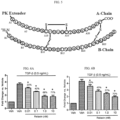
- the modified relaxin polypeptide is a modified relaxin polypeptide comprising the structure shown in FIG. 8 .
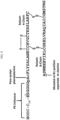
- the modified relaxin polypeptide is a modified relaxin polypeptide comprising the structure shown in FIG. 9 .
- composition comprising a modified relaxin polypeptide as described herein and a pharmaceutically acceptable carrier.
- composition comprising an effective amount of a modified relaxin polypeptide as described herein for the treatment of a relaxin-associated disorder and a pharmaceutically acceptable carrier.
- a modified relaxin polypeptide of the invention or a composition of the invention for use in a method of treating a disease associated with relaxin comprising administering an effective amount of the modified relaxin polypeptide or composition comprising the modified relaxin polypeptide as described herein.
- a modified relaxin polypeptide of the invention or a composition of the invention for use in a method of treating a cardiovascular disease comprising administering an effective amount of the modified relaxin polypeptide or composition comprising the modified relaxin polypeptide as described herein to a patient in need thereof.
- a modified relaxin polypeptide of the invention or a composition of the invention for use in a method of treating or alleviating a symptom of heart failure comprising administering an effective amount of the modified relaxin polypeptide or composition comprising the modified relaxin polypeptide as described herein to a patient in need thereof.
- a modified relaxin polypeptide of the invention or a composition of the invention for use in a method of treating a disease associated with fibrosis, comprising administering a therapeutically effective amount of the modified relaxin polypeptide or composition comprising the modified relaxin polypeptide as described herein to a patient in need thereof.
- a modified relaxin polypeptide of the invention or a composition of the invention for use in a method of treating or preventing kidney failure, comprising administering a therapeutically effective amount of the modified relaxin polypeptide or composition comprising the modified relaxin polypeptide as described herein to a patient in need thereof.
- a modified relaxin polypeptide of the invention or a composition of the invention for use in a method of improving, stabilizing or restoring renal function in a patient in need thereof, comprising administering a therapeutically effective amount of the modified relaxin polypeptide or composition comprising the modified relaxin polypeptide as described herein to the patient.
- a modified relaxin polypeptide as described herein, as defined by the claims.
- pharmacokinetic extender refers to a pharmaceutically acceptable moiety, domain, or molecule covalently linked (“conjugated” or “fused") to the modified relaxin polypeptide described herein, optionally via a non-naturally encoded amino acid, that prevents, delays or mitigates in vivo proteolytic degradation or other activity-diminishing chemical modification of the modified relaxin polypeptide, increases half-life (serum half-life and/or therapeutic half-life), and/or improves or alters other pharmacokinetic or biophysical properties including but not limited to increasing the rate of absorption, reducing toxicity, improving solubility, reducing aggregation, increasing biological activity and/or target selectivity of the modified relaxin polypeptide, and/or reducing immunogenicity of the modified relaxin polypeptide, compared to a comparator such as an unconjugated form of the modified relaxin polypeptide or wild-type relaxin poly
- half-life extending moiety refers to a pharmaceutically acceptable moiety, domain, or molecule covalently linked (“conjugated” or “fused") to the modified relaxin polypeptide described herein, e.g., as a component of a PK extender, optionally via a non-naturally encoded amino acid, directly or via a linker (e.g.
- a peptide component or PEG that increases half-life (serum half-life and/or therapeutic half-life), and/or improves or alters other pharmacokinetic or biophysical properties including but not limited to increasing the rate of absorption, reducing toxicity, improving solubility, reducing aggregation, increasing biological activity and/or target selectivity of the modified relaxin polypeptide, increasing manufacturability, and/or reducing immunogenicity of the modified relaxin polypeptide, compared to a comparator such as an unconjugated form of the modified relaxin polypeptide or wild-type relaxin polypeptide.
- half-life extending moiety includes, but is not limited to, non-proteinaceous, half-life extending moieties, such as a fatty acid or derivative thereof, a water soluble polymer such as polyethylene glycol (PEG) or discrete PEG, hydroxyethyl starch (HES), a lipid, a branched or unbranched acyl group, a branched or unbranched C8-C30 acyl group, a branched or unbranched alkyl group, and a branched or unbranched C8-C30 alkyl group; and proteinaceous half-life extending moieties, such as serum albumin, transferrin, adnectin (e.g., albumin-binding or pharmacokinetics extending (PKE) adnectin), Fc domain, and unstructured polypeptide, such as XTEN and PAS polypeptide (e.g.
- PEG polyethylene glycol
- HES hydroxyethyl starch
- linker may be any component that links a half-life extending moiety to the modified relaxin polypeptide.
- linkers include but are not limited to, small organic compounds, water soluble polymers of a variety of lengths such as polyethylene glycol) or polydextran, and peptides or polypeptides, e.g., of up to 50, 40, 30, 25, 20, 15, 10 or up to 6 amino acids in length.
- peptide component refers to a component of a PK extender and comprises a peptide of up to 50 amino acids in length.
- exemplary peptide components include but are not limited to peptides of up to 40, 30, 25, 20, 15, 10, 9, 8, 7, 6, 5, 4, 3, 2, or 1 amino acids in length.
- Such a peptide component may covalently link a half-life extending moiety to the modified relaxin polypeptide described herein.
- the peptide component may comprise 2-50 amino acids.
- the peptide component may comprise 2-30 amino acids.
- the peptide component may comprise 3-20 amino acids.
- the peptide component may comprise 5-10 amino acids.
- thermal stability refers to the ability of a polypeptide to resist unfolding when heated. Generally the higher the thermal stability of a molecule, the greater the temperature that is required for the polypeptide to become unfolded. Exemplary methods of determining the thermal stability of a polypeptide are the differential scanning calorimetry (DSC) and thermal scanning fluorescence methods. Thermal stability may be determined with respect to a comparator compound, e.g., to identify a polypeptide having increased thermal stability.
- aggregation refers to the tendency of a polypeptide to form non-covalently linked complexes with other molecules (such as other molecules of the same polypeptide) thereby forming high molecular weight complexes.
- exemplary methods of measuring the formation of aggregates include analytical size exclusion chromatography. Relative amounts of aggregation may be determined with respect to a comparator compound, e.g., to identify a polypeptide having reduced aggregation.
- deamidation refers to the tendency of amino acid residues within a polypeptide to spontaneously undergo a deamidation reaction, thereby changing the chemical structure of the amino acid, and potentially affecting the function of the polypeptide.
- exemplary methods of measuring deamidation include imaged capillary isoelectric focusing (icIEF).
- icIEF imaged capillary isoelectric focusing
- the relative amount of deamidation may be determined with respect to a comparator compound, e.g., to identify a polypeptide having decreased deamidation.
- in vivo proteolysis refers to the cleavage of a polypeptide when introduced into a living system (e.g., when injected into an organism) which may result from proteases occurring in said organism.
- Proteolysis can potentially affect the biological activity or half-life of a polypeptide.
- wild-type relaxin may undergo cleavage, resulting in a truncated, inactive polypeptide.
- An exemplary method of measuring in vivo proteolysis of relaxin is the Meso Scale Discovery (MSD)-based electrochemiluminescent immunosorbent assay (ECLIA).
- MSD Meso Scale Discovery
- ELIA electrochemiluminescent immunosorbent assay
- the relative amount of in vivo proteolysis may be determined with respect to a comparator compound, e.g., to identify a polypeptide having decreased in vivo proteolysis.
- solubility refers to the amount of a substance that can dissolve in another substance, e.g., the amount of an unmodified or modified relaxin polypeptide that can dissolve in an aqueous solution.
- An exemplary method of measuring the solubility of an unmodified or modified relaxin polypeptide is the plug flow solubility test. Relative solubility may be determined with respect to a comparator compound, e.g., to identify a polypeptide having increased solubility.
- biological activity refers to the ability of a molecule to affect any physical or biochemical properties of a biological system, pathway, molecule, or interaction relating to an organism, including but not limited to, viruses, bacteria, bacteriophage, transposon, prion, insects, fungi, plants, animals, and humans.
- biological activity includes any of the functions performed by relaxin.
- a "biologically active" modified relaxin polypeptide may exhibit one or more of the biological activities of wild-type relaxin, including but without limitation thereto: activation of a relaxin 2 receptor RXFP1 including human and non-human RXFP1 orthologs, activation of another relaxin receptor such as RXFP2 including human and non-human orthologs, anti-fibrotic activity in vitro or in vivo, efficacy in treatment of heart failure or a fibrotic disease whether in a human, non-human animal, and/or model system, and other biological activities as disclosed herein, for example, decreasing systemic vascular resistance (SVR), increasing cardiac output, increasing global arterial compliance, increasing renal blood flow (RBF) and/or glomerular filtration rate (GFR).
- SVR systemic vascular resistance
- RXFP1 including human and non-human RXFP1 orthologs
- RXFP2 including human and non-human orthologs
- anti-fibrotic activity in vitro or in vivo efficacy in treatment of heart failure or a
- the comparator compound may contain at least one non-naturally encoded amino acid, which may be linked to a linker, polymer, biologically active molecule, peptide, polypeptide, or half-life extending moiety described herein (e.g. PEG, or fatty acid).
- a comparator compound may contain at least one non-naturally encoded amino acid, which may or may not be linked to a linker, polymer, biologically active molecule, peptide, polypeptide, or half-life extending moiety described herein.
- a comparator compound may contain additional amino acid substitutions, deletions, and/or insertions.
- the comparison may be performed with an acylated or non-acylated form of the polypeptide; in the former instance, the comparison may be performed with a polypeptide comprising or not comprising a non-naturally encoded amino acid.
- corresponding refers to a position ("position corresponding” or “corresponding position”) or region ("region corresponding” or “corresponding region”) within a polypeptide or polynucleotide sequence that is identified by comparison to a reference sequence.
- the reference sequence may be a wild-type or unmodified sequence, such as the wild-type relaxin polypeptide of SEQ ID NO: 4 and SEQ ID NO: 5.
- a corresponding position or region may be identified by alignment of the sequence with a reference sequence.
- the "position corresponding to amino acid 1 in the relaxin A chain” refers to the position in the sequence that is in the same alignment column as amino acid 1 in SEQ ID NO: 4 when that sequence is aligned with SEQ ID NO: 4.
- the amino acid or nucleotide may or may not match the amino acid or nucleotide in the corresponding position in the reference sequence.
- the alignment used to identify a corresponding position or corresponding region may be obtained using a conventional alignment algorithm such as Blast ( Altschul et al., J Mol Biol. 1990 Oct 5;215(3):403-10 ), Smith-Waterman ( Smith and Waterman, J Mol Biol. 1981 Mar 25;147(1):195-7 ), or Needleman-Wunsch ( Needleman and Wunsch, J Mol Biol. 1970 Mar;48(3):443-53 ).
- the Needleman-Wunsch algorithm may be used in order to obtain the highest-scoring global alignment (i.e., an alignment containing every residue in both sequences, though an alignment may start and/or end in gaps).
- disease associated with fibrosis includes diseases, disorders, and conditions in which fibrosis has been observed to occur or in which fibrosis is known or thought to be associated with or contribute to disease etiology, progression, or symptoms, or in which fibrosis is known or thought to occur as the disease progresses.
- the fibrosis may affect an organ or tissue such as the pancreas, lung, heart, kidney, liver, eyes, nervous system, bone marrow, lymph nodes, endomyocardium, or retroperitoneum.
- substitutions, deletions or additions of amino acids described herein in reference to SEQ ID NO: 4 or 5, or other relaxin sequence are intended to also refer to substitutions, deletions or additions in corresponding positions in relaxin fusions, variants, fragments, etc. described herein or known in the art and are expressly encompassed by the present disclosure.
- modified relaxin polypeptide also encompasses homodimers, heterodimers, homomultimers, and heteromultimers that are formed via fusion partners, such as Fc domains, or that are linked, including but not limited to those linked directly via non-naturally encoded amino acid side chains, either to the same or different non-naturally encoded amino acid side chains, to naturally-encoded amino acid side chains, or indirectly via a linker.
- linkers including but are not limited to, small organic compounds, water soluble polymers of a variety of lengths such as polyethylene glycol) or poly dextran, or peptides or polypeptides, e.g., of up to 50, 40, 30, 25, 20, 15, 10, 9, 8, 7, 6, 5, 4, 3, 2, or up to 1 amino acids in length.
- a naturally encoded amino acid including but not limited to, the 20 common amino acids or pyrrolysine and selenocysteine
- non-naturally encoded amino acids include, but are not limited to, N- acetylglucosaminyl-L-serine, N -acetylglucosaminyl-L-threonine, and O-phosphotyrosine.
- the identity of the non-naturally encoded amino acid of relaxin modified polypeptides of the invention is defined by the claims.
- linkage is used herein to refer to groups or bonds that normally are formed as the result of a chemical reaction and typically are covalent linkages.
- Hydrolytically stable linkages means that the linkages are substantially stable in water and do not react with water at useful pH values, including but not limited to, under physiological conditions for an extended period of time, perhaps even indefinitely.
- Hydrolytically unstable or degradable linkages mean that the linkages are degradable in water or in aqueous solutions, including for example, blood.
- Enzymatically unstable or degradable linkages mean that the linkage can be degraded by one or more enzymes.
- PEG, fatty acids, and other polymers may include degradable linkages in the polymer backbone or in the linker group between the polymer backbone and one or more of the terminal functional groups of the polymer molecule.
- ester linkages that can be formed by the reaction of carboxylic acids or activated carboxylic acids with alcohol groups on a biologically active agent generally hydrolyze under physiological conditions to release the agent.
- hydrolytically degradable linkages include, but are not limited to, carbonate linkages; imine linkages that can result from reaction of an amine and an aldehyde; phosphate ester linkages that can be formed by reacting an alcohol with a phosphate group; hydrazone linkages which can be reaction product of a hydrazide and an aldehyde; acetal linkages that can be the reaction product of an aldehyde and an alcohol; orthoester linkages that can be the reaction product of a formate and an alcohol; peptide linkages that can be formed by an amine group, including but not limited to, at an end of a polymer, and a carboxyl group of a peptide; oxime, or semicarbazone linkages that can be the reaction product of a carbonyl functionality and a hydroxylamine-, or semicarbazide-containing reagent; and oligonucleotide linkages that can be formed by a phosphoramidite group, including but not limited to
- halogen includes fluorine, chlorine, iodine, and bromine.
- Non-limiting examples of aryl and heteroaryl groups include phenyl, 1-naphthyl, 2-naphthyl, 4-biphenyl, 1-pyrrolyl, 2-pyrrolyl, 3-pyrrolyl, 3-pyrazolyl, 2-imidazolyl, 4-imidazolyl, pyrazinyl, 2-oxazolyl, 4-oxazolyl, 2-phenyl-4-oxazolyl, 5-oxazolyl, 3-isoxazolyl, 4-isoxazolyl, 5-isoxazolyl, 2-thiazolyl, 4-thiazolyl, 5-thiazolyl, 2-furyl, 3-furyl, 2-thienyl, 3-thienyl, 2-pyridyl, 3-pyridyl, 4-pyridyl, 2-pyrimidyl, 4-pyrimidyl, 5-benzothiazolyl, purinyl, 2-benzimidazolyl, 5-indolyl, 1-isoquinoly
- R', R", R′′′ and R" each independently refer to hydrogen, substituted or unsubstituted heteroalkyl, substituted or unsubstituted aryl, including but not limited to, aryl substituted with 1-3 halogens, substituted or unsubstituted alkyl, alkoxy or thioalkoxy groups, or arylalkyl groups.
- each of the R groups is independently selected as are each R', R", R'" and R"" groups when more than one of these groups is present.
- R' and R" are attached to the same nitrogen atom, they can be combined with the nitrogen atom to form a 5-, 6-, or 7-membered ring.
- fatty acid refers to a saturated or unsaturated acyl chain having from 6 to 20 carbon atoms or derivative thereof.
- the fatty acid may be linked to a peptide component of the PK enhancer described herein and terminate in a carboxylic acid or a methyl group.
- the fatty acid linked to the peptide component of the PK enhancer may terminate in a carboxylic acid.
- the fatty acid may be linked to the peptide component through an amide bond.
- the fatty acid may have between 10 and 18 carbon atoms.
- the fatty acid may have between 12 and 17 carbon atoms.
- the fatty acid may have 14, 15, or 16 carbon atoms.
- the fatty acid may have 15 carbon atoms.
- water soluble polymer refers to any polymer that is soluble in aqueous solvents. Linkage of water soluble polymers to modified relaxin polypeptides can result in changes including, but not limited to, increased or modulated serum ( in vivo ) half-life, or increased or modulated therapeutic half-life relative to the unmodified form, reduced or modulated immunogenicity or toxicity, modulated physical association characteristics such as decreased aggregation and multimer formation, altered receptor binding, altered binding to one or more binding partners, and altered receptor dimerization or multimerization.
- the water soluble polymer may or may not have its own biological activity, and may be utilized as a linker for attaching modified relaxin to other substances, including but not limited to one or more unmodified or modified relaxin polypeptides, or one or more biologically active molecules.
- Suitable polymers include, but are not limited to, polyethylene glycol, polyethylene glycol propionaldehyde, mono C1-C10 alkoxy or aryloxy derivatives thereof (described in U.S. Patent No.
- polyalkylene glycol (PEG) or “poly(alkene glycol)” refers to polyethylene glycol (polyethylene glycol)), polypropylene glycol, polybutylene glycol, and derivatives thereof.
- polyalkylene glycol encompasses both linear and branched polymers and average molecular weights of between 0.1 kDa and 100 kDa.
- Other exemplary embodiments are listed, for example, in commercial supplier catalogs, such as Shearwater Corporation's catalog “Polyethylene Glycol and Derivatives for Biomedical Applications” (2001 ).
- modulated serum half-life or “modulated in vivo half-life” and similar terms refer to the positive or negative change in circulating half-life of a modified relaxin relative to a comparator such as its non-modified form or the wild-type relaxin.
- Serum half-life can be measured by taking blood samples at various time points after administration of a modified relaxin, and determining the concentration of that molecule in each sample. Correlation of the serum concentration with time allows calculation of the serum half-life.
- Increased serum ( in vivo ) half-life desirably may be at least about two-fold, but a smaller increase may be useful, for example where it enables a satisfactory dosing regimen or avoids a toxic effect. In some embodiments, the increase may be at least about three-fold, at least about five-fold, at least about ten-fold, at least about twenty-fold, or at least about fifty-fold.
- modulated therapeutic half-life means the positive or negative change in the serum or in vivo half-life of the therapeutically effective amount of the modified relaxin polypeptide described herein, relative to a comparator such as its non-modified form or the wild-type relaxin.
- Therapeutic half-life is measured by measuring pharmacokinetic and/or pharmacodynamic properties of the molecule at various time points after administration. Increased therapeutic half-life desirably enables a particular beneficial dosing regimen, a particular beneficial total dose, or avoids an undesired effect.
- the increased therapeutic half-life results from increased potency, increased or decreased binding of the modified molecule to its target, increased or decreased breakdown of the molecule by enzymes such as proteases, or an increase or decrease in another parameter or mechanism of action of the non-modified molecule or an increase or decrease in receptor-mediated clearance of the molecule.
- the increase in therapeutic half-life may be at least about two-fold, at least about three-fold, at least about five-fold, at least about ten-fold, at least about twenty-fold, or at least about fifty-fold.
- a protein which is the predominant species present in a preparation is substantially purified.
- an isolated gene is separated from open reading frames which flank the gene and encode a protein other than the gene of interest.
- the term "purified” denotes that a nucleic acid or protein gives rise to substantially one band in an electrophoretic gel. Particularly, it may mean that the nucleic acid or protein is at least 85% pure, at least 90% pure, at least 95% pure, at least 99% or greater pure.
- polypeptide peptide
- protein protein
- polypeptide peptide
- peptide protein
- the terms apply to naturally occurring amino acid polymers as well as amino acid polymers in which one or more amino acid residues is a non-naturally encoded amino acid.
- the terms encompass amino acid chains of any length, including full length proteins, wherein the amino acid residues are linked by covalent peptide bonds.
- Constantly modified variants refers to amino acid sequences containing conservative substitutions.
- Exemplary conservatively modified variants include substitutions, deletions or insertions to a nucleic acid, peptide, polypeptide, or protein sequence which alters, adds or deletes a single amino acid or a small percentage of amino acids in the polypeptide sequence or encoded polypeptide sequence, e.g., up to 1, 2, 3, 4, or 5 amino acids, or up to 0.5%, 1%, 1.5%, 2%, 2.5%, or 3.5% of the amino acids in the polypeptide sequence or encoded polypeptide sequence, which optionally may be or may include substitution of amino acid(s) with chemically similar amino acid(s).
- Conservative substitution tables providing functionally similar amino acids are known to those of ordinary skill in the art.
- Such conservatively modified variants are in addition to and do not exclude polymorphic variants, interspecies homologs, and alleles of the disclosed modified relaxin polypeptides.
- the identity may exist over a region or comparison window that is at least about 20 amino acids or nucleotides in length, or over a region that is at least about 25 amino acids or nucleotides in length, or, where not specified, across the entire sequence of a polynucleotide or polypeptide.
- a "comparison window" includes reference to any segment of contiguous positions, for example, at least or about 10, 15, 20, 25, or 30 amino acids, in which a sequence may be compared to a reference sequence of the same number of contiguous positions after the two sequences are optimally aligned. Examples of algorithms that may be suitable for determining percent sequence identity and sequence similarity are the BLAST and BLAST 2.0 algorithms, which are described in Altschul et al.
- an effective amount refers to that amount of the compound (e.g., a modified relaxin polypeptide described herein) being administered which may prevent, cure, relieve, alleviate, delay the onset, decrease the severity, or reduce to some extent one or more of the symptoms of the disease, condition or disorder being treated.
- Compositions containing the modified relaxin polypeptide described herein can be administered for prophylactic, enhancing, and/or therapeutic treatments.
- enhancement means to increase or prolong either in potency or duration a desired effect.
- enhancing refers to the ability to increase or prolong, either in potency or duration, the effect of other therapeutic agents on a system.
- compositions comprising the modified non-natural amino acid polypeptide are administered to a patient already suffering from a disease, condition or disorder, in an amount sufficient to cure or at least partially arrest or alleviate the symptoms of the disease, disorder or condition.
- an amount is defined to be a "therapeutically effective amount,” and may depend on the severity and course of the disease, disorder or condition, previous therapy, the patient's health status and response to the drugs, and the judgment of the treating physician. It is considered well within the skill of the art for one to determine such therapeutically effective amounts by routine experimentation (e.g., a dose escalation clinical trial).
- treating is used to refer to prophylactic and/or therapeutic treatments.
- Reducing agent as used herein with respect to protein refolding, is defined as any compound or material which maintains sulfhydryl groups in the reduced state and reduces intra- or intermolecular disulfide bonds.
- Suitable reducing agents include, but are not limited to, dithiothreitol (DTT), 2-mercaptoethanol, cysteine, cysteamine (2-aminoethanethiol), and reduced glutathione. It is readily apparent to those of ordinary skill in the art that a wide variety of reducing agents are suitable for use in the methods and compositions of the present invention.
- Denaturing agent or “denaturant,” as used herein, is defined as any compound or material which will cause a reversible unfolding of a protein.
- the strength of a denaturing agent or denaturant will be determined both by the properties and the concentration of the particular denaturing agent or denaturant.
- Suitable denaturing agents or denaturants may be chaotropes, detergents, organic solvents, water miscible solvents, phospholipids, or a combination of two or more such agents. Suitable chaotropes include, but are not limited to, urea, guanidine, and sodium thiocyanate.
- sodium cholate or sodium deoxycholate or zwitterionic detergents including, but not limited to, sulfobetaines (Zwittergent), 3-(3-chlolamidopropyl)dimethylammonio-1-propane sulfate (CHAPS), and 3-(3-chlolamidopropyl)dimethylammonio-2-hydroxy-1-propane sulfonate (CHAPSO).
- Zwittergent 3-(3-chlolamidopropyl)dimethylammonio-1-propane sulfate
- CHAPSO 3-(3-chlolamidopropyl)dimethylammonio-2-hydroxy-1-propane sulfonate
- Organic, water miscible solvents such as acetonitrile, lower alkanols (especially C2 - C4 alkanols such as ethanol or isopropanol), or lower alkandiols (especially C2 - C4 alkandiols such as ethylene-glycol) may be used as denaturants.
- Phospholipids useful in the present invention may be naturally occurring phospholipids such as phosphatidylethanolamine, phosphatidylcholine, phosphatidylserine, and phosphatidylinositol or synthetic phospholipid derivatives or variants such as dihexanoylphosphatidylcholine or diheptanoylphosphatidylcholine.
- Refolding describes any process, reaction or method which transforms disulfide bond containing polypeptides from an improperly folded or unfolded state to a native or properly folded conformation with respect to disulfide bonds.
- Co-folding refers specifically to refolding processes, reactions, or methods which employ at least two polypeptides which interact with each other and result in the transformation of unfolded or improperly folded polypeptides to native, properly folded polypeptides.
- the term "protected” refers to the presence of a “protecting group” or moiety that prevents reaction of the chemically reactive functional group under certain reaction conditions.
- the protecting group will vary depending on the type of chemically reactive group being protected. For example, if the chemically reactive group is an amine or a hydrazide, the protecting group can be selected from the group of tert-butyloxycarbonyl (t-Boc) and 9-fluorenylmethoxycarbonyl (Fmoc). If the chemically reactive group is a thiol, the protecting group can be orthopyridyldisulfide.
- blocking/protecting groups may be selected from:
- disorders of the cardiovascular system include for example the following disorders: hypertension (high blood pressure), peripheral and cardiac vascular disorders, coronary heart disease, stable and unstable angina pectoris, heart attack, myocardial insufficiency, abnormal heart rhythms (or arrhythmias), persistent ischemic dysfunction ("hibernating myocardium”), temporary postischemic dysfunction ("stunned myocardium”), heart failure, disturbances of peripheral blood flow, acute coronary syndrome, heart failure, heart muscle disease (cardiomyopathy), myocardial infarction and vascular disease (blood vessel disease).
- heart failure includes both acute and chronic manifestations of heart failure, as well as more specific or related types of disease, such as advanced heart failure, post-acute heart failure, cardio-renal syndrome, heart failure with impaired kidney function, chronic heart failure, chronic heart failure with mid-range ejection fraction (HFmEF), compensated heart failure, decompensated heart failure, right heart failure, left heart failure, global failure, ischemic cardiomyopathy, dilated cardiomyopathy, heart failure associated with congenital heart defects, heart valve defects, heart failure associated with heart valve defects, mitral stenosis, mitral insufficiency, aortic stenosis, aortic insufficiency, tricuspid stenosis, tricuspid insufficiency, pulmonary stenosis, pulmonary valve insufficiency, heart failure associated with combined heart valve defects, myocardial inflammation (myocarditis), chronic myocarditis, acute myocarditis, viral myocarditis, diabetic heart failure,
- fibrotic disorders encompasses diseases and disorders characterized by fibrosis, including among others the following diseases and disorders: liver or hepatic fibrosis, cirrhosis of the liver, NASH, pulmonary fibrosis or lung fibrosis, cardiac fibrosis, endomyocardial fibrosis, nephropathy, glomerulonephritis, interstitial renal fibrosis, fibrotic damage resulting from diabetes, bone marrow fibrosis and similar fibrotic disorders, scleroderma, morphea, keloids, hypertrophic scarring (also following surgical procedures), naevi, diabetic retinopathy, proliferative vitreoretinopathy and disorders of the connective tissue (for example sarcoidosis).
- Relaxin-associated disorder and “disease associated with relaxin” encompasse diseases and disorders that may be prevented, treated, alleviated or otherwise affected by modulation of the relaxin level in the body such as increasing serum relaxin protein level.
- Relaxin-associated disorders include but are not limited to disorders of the cardiovascular system and fibrotic disorders described herein.
- Polypeptide comprising non-naturally encoded amino acids presented herein may include isotopically-labelled compounds with one or more atoms replaced by an atom having an atomic mass or mass number different from the atomic mass or mass number usually found in nature.
- isotopes that can be incorporated into the present compounds include isotopes of hydrogen, carbon, nitrogen, oxygen, fluorine and chlorine, such as 2H, 3H, 13C, 14C, 15N, 180, 170, 35S, 18F, 36Cl, respectively.
- Certain isotopically-labelled compounds described herein, for example those into which radioactive isotopes such as 3H and 14C are incorporated may be useful in drug and/or substrate tissue distribution assays. Further, substitution with isotopes such as deuterium, i.e., 2H, can afford certain therapeutic advantages resulting from greater metabolic stability, for example increased in vivo half-life or reduced dosage requirements.
- the invention provides a modified relaxin polypeptide as defined by the claims.
- the relaxin A chain polypeptide comprises SEQ ID NO: 4 substituted with said non-naturally encoded amino acid at residue 1 and optionally having up to two additional amino acid substitutions, insertions and/or deletions.
- Said relaxin A chain polypeptide may comprise SEQ ID NO: 4 substituted with said non-naturally encoded amino acid at residue 1 and optionally having one additional amino acid substitution, insertion or deletion.
- Said relaxin B chain polypeptide comprises SEQ ID NO: 5 or SEQ ID NO: 6 optionally having up to two additional amino acid substitution, insertion or deletion.
- Said relaxin B chain polypeptide may comprise SEQ ID NO: 5 or SEQ ID NO: 6 optionally having one additional amino acid substitution, insertion or deletion.
- Said relaxin A chain polypeptide may comprise SEQ ID NO: 4 substituted with said non-naturally encoded amino acid at residue 1 and said relaxin B chain polypeptide may comprise SEQ ID NO: 5 or SEQ ID NO: 6.
- said at least one non-naturally encoded amino acid may comprise a carbonyl group, an aminooxy group, a hydrazide group, a hydrazine group, a semicarbazide group, an azide group, or an alkyne group.
- Said non-naturally encoded amino acid may comprise a phenylalanine derivative.
- Said non-naturally encoded amino acid may be selected from a para-substituted, ortho-substituted, or meta-substituted phenylalanine.
- Said non-naturally encoded amino acid may be selected from a para-substituted, ortho-substituted, or meta-substituted phenylalanine comprising a carbonyl group, an aminooxy group, a hydrazide group, a hydrazine group, a semicarbazide group, an azide group, or an alkyne group.
- Said non-naturally encoded amino acid may comprise para-acetyl-L-phenylalanine.
- Said non-naturally encoded amino acid may be linked to said pharmacokinetic enhancer.
- said non-naturally encoded amino acid may be linked to said pharmacokinetic enhancer through an oxime linkage or triazole linkage, e.g., an oxime linkage.
- said relaxin A chain polypeptide may comprise SEQ ID NO: 35
- said relaxin B chain polypeptide may comprise SEQ ID NO: 5 or SEQ ID NO: 6, and wherein said relaxin A chain or B chain optionally may have up to two additional amino acid substitution, insertion or deletion.
- Said relaxin A chain polypeptide may comprise SEQ ID NO: 35 and the relaxin B chain polypeptide may comprise SEQ ID NO: 5 or SEQ ID NO: 6.
- said relaxin A chain polypeptide may comprise SEQ ID NO: 35 and the relaxin B chain polypeptide may comprise SEQ ID NO: 6.
- said peptide component may comprise between 1 and 25 amino acids, e.g., between 2 and 20 amino acids, between 3 and 10 amino acids, or between 4 and 8 amino acids.
- Said peptide component may comprise Glu ⁇ .
- said peptide component may comprise GGGGS-Glu ⁇ (SEQ ID NO: 139).
- said modified relaxin polypeptide may comprise the relaxin A chain polypeptide of SEQ ID NO: 4 and the relaxin B chain polypeptide of SEQ ID NO: 5 or SEQ ID NO: 6, substituted with a non-naturally encoded amino acid at A chain residue 1, wherein said non-naturally encoded amino acid is linked to said pharmacokinetic enhancer and said pharmacokinetic enhancer comprises the peptide component GGGGS-Glu ⁇ (SEQ ID NO: 139).
- the peptide component may be covalently linked to said non-naturally encoded amino acid, e.g. via an oxime linkage.
- said half-life extending moiety may comprise a fatty acid or derivative thereof, wherein the fatty acid or derivative thereof may be covalently linked to the peptide component.
- Said half-life extending moiety may comprise a saturated fatty acid or derivative thereof.
- Said half-life extending moiety may comprise a fatty acid terminated with a carboxylic acid.
- Said half-life extending moiety may comprise a fatty acid of Formula I: -Cn-COOH (Formula I), wherein n may be between 10 and 18, such as between 12 and 17, or 13, 14, 15, or 16.
- -Cn- of Formula I may comprise a first carbonyl carbon and -(CH 2 ) n-1 -.
- said half-life extending moiety may comprise -C14-COOH.
- said half-life extending moiety may be conjugated to said peptide component through an amide bond.
- the disclosure provides a modified relaxin polypeptide comprising the structure: that is defined by the claims.
- the disclosure provides a modified relaxin polypeptide comprising Relaxin Conjugate "AQ1-GGGGS-Glu ⁇ (SEQ ID NO: 139) -C14-COOH" which comprises a relaxin A chain polypeptide of SEQ ID NO: 35 and a relaxin B chain polypeptide of SEQ ID NO: 6, wherein the para-acetyl-L-phenylalanine located at the N-terminus of said relaxin A chain polypeptide may be linked to PK enhancer GGGGS-Glu ⁇ (SEQ ID NO: 139)-C14-COOH, as depicted in Formula III:
- the modified relaxin polypeptide comprises the structure shown in FIG. 8 .
- the modified relaxin polypeptide comprises the structure shown in FIG. 9 .
- Said modified relaxin polypeptide is biologically active.
- Said modified relaxin polypeptide may be therapeutically effective for the treatment of one or more diseases or conditions associated with relaxin.
- Said modified relaxin polypeptide may exhibit decreased renal vacuole formation, as compared to a comparator compound, such as AQ1-20 kDa PEG (AQ1 relaxin conjugated to PEG with an average MW of 20 kDa).
- Said modified relaxin polypeptide may exhibit no or decreased impairment of renal function, as compared to a comparator compound, such as AQ1-20 kDa PEG.
- Said renal function may be measured by determining one or more of estimated glomerular filtration rate, creatine clearance, insulin glomerular filtration rate, or isotopic glomerular filtration rate.
- said modified relaxin polypeptide does not exhibit decreased renal blood flow, and/or may be capable of increasing renal blood flow, after administration. Renal blood flow may be measured by determining para-aminohippurate clearance.
- Said modified relaxin polypeptide may exhibit an increased in vivo half-life, e.g., increased by at least 5-fold, at least 10-fold, at least 20-fold, at least 30-fold, or at least 50-fold, as compared to a comparator compound, such as wild-type relaxin.
- the disclosure provides a pharmaceutical composition
- a pharmaceutical composition comprising an effective amount of a modified relaxin polypeptide as described herein for the treatment or prevention of a relaxin-associated disorder and a pharmaceutically acceptable carrier.
- the disclosure provides a modified relaxin polypeptide of the invention or a composition of the invention for use in a method of treating or preventing a disease associated with relaxin comprising administering an effective amount of a modified relaxin polypeptide or composition comprising a modified relaxin polypeptide as described herein to a patient in need thereof.
- the disclosure provides a modified relaxin polypeptide of the invention or a composition of the invention for use in a method of treating or preventing a cardiovascular disease comprising administering an effective amount of a modified relaxin polypeptide or composition comprising a modified relaxin polypeptide as described herein to a patient in need thereof.
- Said cardiovascular disease may be selected from coronary artery disease, heart attack, arrhythmia, heart failure, cardiomyopathy, and vascular disease.
- the disclosure provides a modified relaxin polypeptide of the invention or a composition of the invention for use in a method of treating, preventing, or alleviating a symptom of heart failure comprising administering an effective amount of a modified relaxin polypeptide or composition comprising a modified relaxin polypeptide as described herein to a patient in need thereof.
- Said heart failure may be selected from advanced heart failure, cardio-renal syndrome, heart failure with impaired kidney function, chronic heart failure, chronic heart failure with mid-range ejection fraction (HFmEF), acute heart failure, post-acute heart failure, compensated heart failure, decompensated heart failure, right heart failure, left heart failure, global heart failure, ischemic cardiomyopathy, dilated cardiomyopathy, heart failure associated with congenital heart defects, heart failure associated with heart valve defects, heart failure associated with combined heart valve defects, diabetic heart failure, alcoholic cardiomyopathy, heart failure associated with cardiac storage disorders, diastolic heart failure, systolic heart failure, post myocardial remodeling, heart failure with preserved ejection fraction (HFpEF), heart failure with reduced ejection fraction (HFrEF), angina, hypertension, pulmonary hypertension, and pulmonary artery hypertension.
- HFmEF hypertension
- HFmEF heart failure with impaired kidney function
- HFmEF chronic heart failure with mid-range ejection fraction
- HFmEF chronic
- said heart failure may be selected from chronic heart failure, acute heart failure, post-acute heart failure, chronic heart failure with reduced ejection fraction (HFrEF), chronic heart failure with preserved ejection fraction (HFpEF), chronic heart failure with mid-range ejection fraction (HFmEF), diastolic heart failure, systolic heart failure, post myocardial remodeling, angina, hypertension, pulmonary hypertension and pulmonary artery hypertension.
- HFrEF chronic heart failure with reduced ejection fraction
- HFpEF chronic heart failure with preserved ejection fraction
- HFmEF chronic heart failure with mid-range ejection fraction
- diastolic heart failure systolic heart failure
- post myocardial remodeling angina
- hypertension pulmonary hypertension
- pulmonary hypertension pulmonary hypertension
- pulmonary artery hypertension pulmonary artery hypertension
- said heart failure may be selected from post-acute heart failure, advanced heart failure, cardio-renal syndrome, and heart failure with impaired kidney function.
- Said methods of treatment may further comprise administering, in combination, concurrently or sequentially, with said modified relaxin polypeptide, at least one additional therapeutic agent selected from ACE inhibitors, ⁇ -blockers, diuretics, mineralocorticoid receptor antagonists, ryanodine receptor modulators, SERCA2a activators, renin inhibitors, calcium channel blockers, adenosine A1 receptor agonists, partial adenosine A1 receptor, dopamine ⁇ -hydroxylase inhibitors, angiotensin II receptor antagonists, angiotensin II receptor antagonists with biased agonism for select cell signaling pathways, combinations of angiotensin II receptor antagonists and neprilysin enzyme inhibitors, neprilysin enzyme inhibitors, soluble guanylate cyclase activators, myosin ATPase activators, rho-kinase 1 inhibitors, rho-kinase 2 inhibitors, apelin receptor agonists, nitroxyl
- the disclosure provides a modified relaxin polypeptide of the invention or a composition of the invention for use in a method of treating, preventing, or alleviating a symptom of a disease associated with fibrosis, comprising administering a therapeutically effective amount of a modified relaxin polypeptide or composition comprising modified relaxin polypeptide as described herein to a patient in need thereof.
- Said disease associated with fibrosis may comprise fibrosis of the heart, lung, kidney, bone marrow, or liver, dermatological fibrosis, or a fibrotic eye disorder.
- Said disease associated with fibrosis may be selected from liver fibrosis, nonalcoholic steatohepatitis (NASH), cirrhosis, pre-cirrhosis, diffuse parenchymal lung disease, cystic fibrosis, pulmonary fibrosis, progressive massive fibrosis, idiopathic pulmonary fibrosis, injection fibrosis, renal fibrosis, chronic kidney disease, diabetic kidney disease, focal segmental glomerulosclerosis, membranous nephropathy, IgA nephropathy, myelofibrosis, heart failure, metabolic heart failure, cardiac fibrosis, cataract fibrosis, cataract, ocular scarring, pancreatic fibrosis, skin fibrosis, intestinal fibrosis, intestinal strictures, endomyocardial fibrosis, atrial fibrosis, mediastinal fibrosis, Crohn's disease, retroperitoneal fibrosis, keloid, nephrogenic systemic fibrosis,
- Said method of treating a disease associated with fibrosis may further comprise administering, in combination, concurrently or sequentially, with said modified relaxin polypeptide, at least one anti-fibrosis agent to said patient.
- Said anti-fibrosis agent may be selected from nintedanib, Pirfenidone, LPA1 antagonists, LPA1 receptor antagonists, GLP1 analogs, tralokinumab (IL-13, AstraZeneca), vismodegib (hedgehog antagonist, Roche), PRM-151 (pentraxin-2, TGF beta-1, Promedior), SAR-156597 (bispecific Mab IL-4&IL-13, Sanofi), siuzumab ((anti-lysyl oxidase-like 2 (anti-LOXL2) antibody, Gilead), CKD-942, PTL-202 (PDE inh./pentoxifylline/NAC oral control.
- omipalisib oral PI3K/mTOR inhibitor, GSK
- IW-001 oral sol. bovine type V collagen mod., ImmuneWorks
- STX-100 integrated alpha V/ beta-6 ant, Stromedix/ Biogen
- Actimmune IFN gamma
- PC-SOD midismase; inhaled, LTT Bio-Pharma / CKD Pharm
- lebrikizumab anti-IL-13 SC humanized mAb, Roche
- AQX-1125 SHIP1 activator, Aquinox), CC-539 (JNK inhibitor, Celgene), FG-3019 (FibroGen), SAR-100842 (Sanofi), and obeticholic acid (OCA or INT-747, Intercept).
- the disclosure provides a modified relaxin polypeptide of the invention or a composition of the invention for use in a method of treating or preventing kidney failure, comprising administering a therapeutically effective amount of a modified relaxin polypeptide or composition comprising a modified relaxin polypeptide as described herein to a patient in need thereof.
- the disclosure provides a modified relaxin polypeptide of the invention or a composition of the invention for use in a method of improving, stabilizing or restoring renal function in a patient in need thereof, comprising administering a therapeutically effective amount of a modified relaxin polypeptide or composition comprising a modified relaxin polypeptide as described herein to said patient.
- the disclosure provides a method of manufacturing a modified relaxin polypeptide as described herein, comprising: (a) providing a polypeptide comprising a relaxin A chain and a relaxin B chain, wherein said polypeptide comprises a non-naturally encoded amino acid; and (b) linking said non-naturally encoded amino acid to said pharmacokinetic enhancer.
- Said non-naturally encoded amino acid may be linked to said pharmacokinetic enhancer by an oxime linkage, e.g., that links said non-naturally encoded amino acid to a peptide component of the pharmacokinetic enhancer.
- Said oxime linkage may be formed by the reaction of a carbonyl group and an aminooxy group.
- Said carbonyl group may be a substituent of said non-naturally encoded amino acid, and said aminooxy group may be a constituent of said pharmacokinetic enhancer.
- Said aminooxy group may be a substituent of said non-naturally encoded amino acid, and said carbonyl group may be a constituent of said pharmacokinetic enhancer, e.g., a constituent of a peptide component of said pharmacokinetic enhancer.
- Said non-naturally encoded amino acid may be ribosomally incorporated into said polypeptide.
- nucleic acids encoding a modified relaxin polypeptide of interest may be isolated, cloned and often altered using recombinant methods. Such embodiments may be used, including but not limited to, for protein expression or during the generation of variants, derivatives, or other sequences derived from a modified relaxin polypeptide.
- the sequences encoding the modified relaxin polypeptides of the disclosure are operably linked to a heterologous promoter.
- DNA codon usage in the polynucleotide sequences encoding the modified relaxin polypeptide may be optimized for E. coli or a mammalian cell (e.g. CHO) expression using techniques that are well known in the art.
- a nucleotide sequence encoding a modified relaxin polypeptide described herein may be synthesized on the basis of the amino acid sequence of the parent polypeptide, including but not limited to, having the amino acid sequence shown in SEQ ID NO: 4, 5, 6, 35, 36, or 37 and then changing the nucleotide sequence so as to effect introduction (i.e., incorporation or substitution) or removal (i.e., deletion or substitution) of the relevant amino acid residue(s).
- the nucleotide sequence may be conveniently modified by site-directed mutagenesis in accordance with conventional methods.
- a selector codon encoding a non-naturally encoded amino acid may be incorporated into the polynucleotide sequence, as further described herein.
- the disclosure also relates to eukaryotic host cells, non-eukaryotic host cells, and organisms for the in vivo incorporation of an unnatural amino acid via orthogonal tRNA/RS pairs.
- Host cells are genetically engineered (including but not limited to, transformed, transduced or transfected) with the polynucleotides of the disclosure or constructs which include a polynucleotide of the disclosure, including but not limited to, a vector of the disclosure, which can be, for example, a cloning vector or an expression vector.
- the coding regions for the orthogonal tRNA, the orthogonal tRNA synthetase, and the protein to be derivatized are operably linked to gene expression control elements that are functional in the desired host cell.
- the vector can be, for example, in the form of a plasmid, a cosmid, a phage, a bacterium, a virus, a naked polynucleotide, or a conjugated polynucleotide.
- the vectors may be introduced into cells and/or microorganisms by standard methods.
- Selector codons of the disclosure expand the genetic codon framework of protein biosynthetic machinery.
- a selector codon includes, but is not limited to, a unique three base codon, a nonsense codon, such as a stop codon, including but not limited to, an amber codon (UAG), an ochre codon, or an opal codon (UGA), an unnatural codon, a four or more base codon, a rare codon, or the like.
- the methods involve the use of a selector codon that is a stop codon for the incorporation of one or more unnatural (i.e., non-naturally encoded) amino acids in vivo.
- a selector codon that is a stop codon for the incorporation of one or more unnatural (i.e., non-naturally encoded) amino acids in vivo.
- an O-tRNA is produced that recognizes the stop codon, including but not limited to, UAG, and is aminoacylated by an O-RS with a desired unnatural amino acid.
- This O-tRNA is not recognized by the naturally occurring host's aminoacyl-tRNA synthetases.
- Conventional site-directed mutagenesis can be used to introduce the stop codon, including but not limited to, TAG, at the site of interest in a polypeptide of interest. See, e.g., Sayers, J.R., et al.
- the incorporation of unnatural amino acids in vivo can be done without significant perturbation of the eukaryotic host cell.
- the suppression efficiency for the UAG codon depends upon the competition between the O-tRNA, including but not limited to, the amber suppressor tRNA, and a eukaryotic release factor (including but not limited to, eRF) (which binds to a stop codon and initiates release of the growing peptide from the ribosome)
- the suppression efficiency can be modulated by, including but not limited to, increasing the expression level of O-tRNA, and/or the suppressor tRNA.
- Unnatural amino acids can also be encoded with rare codons.
- the rare arginine codon, AGG has proven to be efficient for insertion of Ala by a synthetic tRNA acylated with alanine. See, e.g., Ma et al., Biochemistry, 32:7939 (1993 ).
- the synthetic tRNA competes with the naturally occurring tRNAArg, which exists as a minor species in Escherichia coli.
- Selector codons also comprise extended codons, including but not limited to, four or more base codons, such as, four, five, six or more base codons.
- four base codons include, but are not limited to, AGGA, CUAG, UAGA, CCCU and the like.
- five base codons include, but are not limited to, AGGAC, CCCCU, CCCUC, CUAGA, CUACU, UAGGC and the like.
- extended codons based on rare codons or nonsense codons can be used in the present disclosure, which can reduce missense readthrough and frameshift suppression at other unwanted sites.
- a selector codon can also include one of the natural three base codons, where the endogenous system does not use (or rarely uses) the natural base codon. For example, this includes a system that is lacking a tRNA that recognizes the natural three base codon, and/or a system where the three base codon is a rare codon.
- Genes coding for proteins or polypeptides of interest such as a modified relaxin polypeptide can be mutagenized using methods known to one of ordinary skill in the art and described herein to include, for example, one or more selector codon for the incorporation of an unnatural amino acid.
- a nucleic acid for a protein of interest is mutagenized to include one or more selector codon, providing for the incorporation of one or more unnatural amino acids.
- the disclosure includes any such variant, including but not limited to, mutant, versions of any protein, for example, including at least one unnatural amino acid.
- Nucleic acid molecules encoding a protein of interest such as a modified relaxin polypeptide may be readily mutated to introduce a cysteine at any desired position of the polypeptide.
- Cysteine is widely used to introduce reactive molecules, water soluble polymers, proteins, or a wide variety of other molecules, onto a protein of interest.
- non-naturally encoded amino acids are suitable for use in the present disclosure. Any number of non-naturally encoded amino acids can be introduced into a modified relaxin polypeptide. In general, the introduced non-naturally encoded amino acids are substantially chemically inert toward the 20 common, genetically-encoded amino acids (i.e., alanine, arginine, asparagine, aspartic acid, cysteine, glutamine, glutamic acid, glycine, histidine, isoleucine, leucine, lysine, methionine, phenylalanine, proline, serine, threonine, tryptophan, tyrosine, and valine).
- alanine arginine
- asparagine aspartic acid
- cysteine glutamine
- glutamic acid glutamic acid
- histidine isoleucine
- leucine leucine
- lysine methionine
- phenylalanine proline
- serine
- the non-naturally encoded amino acids include side chain functional groups that react efficiently and selectively with functional groups not found in the 20 common amino acids (including but not limited to, azido, ketone, aldehyde and aminooxy groups) to form stable conjugates.
- a modified relaxin polypeptide that includes a non-naturally encoded amino acid containing an azido functional group can be reacted with a polymer or PK extender, or, alternatively, a second polypeptide containing an alkyne moiety to form a stable conjugate resulting for the selective reaction of the azide and the alkyne functional groups to form a Huisgen [3+2] cycloaddition product.
- a non-naturally encoded amino acid is typically any structure having the above-listed formula wherein the R group is any substituent other than one used in the twenty natural amino acids, and may be suitable for use in the modified relaxin polypeptides of the present disclosure. Because the non-naturally encoded amino acids of the disclosure typically differ from the natural amino acids only in the structure of the side chain, the non-naturally encoded amino acids form amide bonds with other amino acids, including but not limited to, natural or non-naturally encoded, in the same manner in which they are formed in naturally occurring polypeptides. However, the non-naturally encoded amino acids have side chain groups that distinguish them from the natural amino acids.
- R optionally comprises an alkyl-, aryl-, acyl-, keto-, azido-, hydroxyl-, hydrazine, cyano-, halo-, hydrazide, alkenyl, alkynl, ether, thiol, seleno-, sulfonyl-, borate, boronate, phospho, phosphono, phosphine, heterocyclic, enone, imine, aldehyde, ester, thioacid, hydroxylamine, amino group, or the like or any combination thereof.
- non-naturally encoded amino acids that may be suitable for use in the present disclosure and that are useful for reactions with PK extenders and polymers include, but are not limited to, those with carbonyl, aminooxy, hydrazine, hydrazide, semicarbazide, azide and alkyne reactive groups.
- non-naturally encoded amino acids comprise a saccharide moiety.
- amino acids examples include N -acetyl-L-glucosaminyl-L-serine, N -acetyl-L-galactosaminyl-L-serine, N -acetyl-L-glucosaminyl-L-threonine, N- acetyl-L-glucosaminyl-L-asparagine and O -mannosaminyl-L-serine.
- non-naturally encoded amino acids provided herein are commercially available, e.g., from Sigma-Aldrich (St. Louis, MO, USA), Novabiochem (a division of EMD Biosciences, Darmstadt, Germany), or Peptech (Burlington, MA, USA). Those that are not commercially available are optionally synthesized as provided herein or using standard methods known to those of ordinary skill in the art.
- unnatural amino acids that may be suitable for use in the present disclosure also optionally comprise modified backbone structures, including but not limited to, as illustrated by the structures of Formula V and VI: wherein Z typically comprises OH, NH 2 , SH, NH-R', or S-R'; X and Y, which can be the same or different, typically comprise S or O, and R and R', which are optionally the same or different, are typically selected from the same list of constituents for the R group described above for the unnatural amino acids having Formula I as well as hydrogen.
- unnatural amino acids of the disclosure optionally comprise substitutions in the amino or carboxyl group as illustrated by Formulas V and VI.
- Unnatural amino acids of this type include, but are not limited to, ⁇ -hydroxy acids, ⁇ -thioacids, ⁇ -aminothiocarboxylates, including but not limited to, with side chains corresponding to the common twenty natural amino acids or unnatural side chains.
- substitutions at the ⁇ -carbon optionally include, but are not limited to, L, D, or ⁇ - ⁇ -disubstituted amino acids such as D-glutamate, D-alanine, D-methyl-O-tyrosine, aminobutyric acid, and the like.
- cyclic amino acids such as proline analogues as well as 3, 4, 6, 7, 8, and 9 membered ring proline analogues, ⁇ and ⁇ amino acids such as substituted ⁇ -alanine and ⁇ -amino butyric acid.
- Tyrosine analogs include, but are not limited to, para-substituted tyrosines, ortho-substituted tyrosines, and meta substituted tyrosines, where the substituted tyrosine comprises, including but not limited to, a keto group (including but not limited to, an acetyl group), a benzoyl group, an amino group, a hydrazine, an hydroxyamine, a thiol group, a carboxy group, an isopropyl group, a methyl group, a C 6 - C 20 straight chain or branched hydrocarbon, a saturated or unsaturated hydrocarbon, an O-methyl group, a polyether group, a nitro group, an alkynyl group or the like.
- a keto group including but not limited to, an acetyl group
- benzoyl group an amino group, a hydrazine, an hydroxyamine, a thiol group, a carboxy group
- Glutamine analogs that may be suitable for use in the present disclosure include, but are not limited to, ⁇ -hydroxy derivatives, ⁇ -substituted derivatives, cyclic derivatives, and amide substituted glutamine derivatives.
- Example phenylalanine analogs that may be suitable for use in the present disclosure include, but are not limited to, para-substituted phenylalanines, ortho-substituted phenylalanines, and meta-substituted phenylalanines, where the substituent comprises, including but not limited to, a hydroxy group, a methoxy group, a methyl group, an allyl group, an aldehyde, an azido, an iodo, a bromo, a keto group (including but not limited to, an acetyl group), a benzoyl, an alkynyl group, or the like.
- compositions of a modified relaxin polypeptide comprising an unnatural amino acid are provided.
- Various compositions comprising p -acetyl-L- phenylalanine and, including but not limited to, proteins and/or cells are also provided.
- a composition that includes the p- acetyl-L- phenylalanine unnatural amino acid further includes an orthogonal tRNA.
- the unnatural amino acid can be bonded (including but not limited to, covalently) to the orthogonal tRNA, including but not limited to, covalently bonded to the orthogonal tRNA though an amino-acyl bond, covalently bonded to a 3'OH or a 2'OH of a terminal ribose sugar of the orthogonal tRNA, etc.
- the modified relaxin polypeptide described herein may comprise a non-naturally encoded amino acid described in U.S. Patent No. 8,735,539 , entitled “Relaxin polypeptides comprising non-naturally encoded amino acids,”.
- Exemplary structures and synthesis methods of non-naturally encoded amino acids, including hydroxylamine-containing amino acids, are known in the art, for example as disclosed in U.S. pat no. 7,332,571 , U.S. Patent Publication Nos. 2006/0194256 , 2006/0217532 , and 2006/0217289 and WO 2006/069246 .
- Amino acids with a carbonyl reactive group allow for a variety of reactions to link molecules (including but not limited to, PEG or other water soluble molecules such as peptide components) via nucleophilic addition or aldol condensation reactions among others.
- a modified relaxin polypeptide comprising a non-naturally encoded amino acid may be chemically modified to generate a reactive carbonyl functional group.
- an aldehyde functionality useful for conjugation reactions can be generated from a functionality having adjacent amino and hydroxyl groups.
- a non-naturally encoded amino acid bearing adjacent hydroxyl and amino groups can be incorporated into the polypeptide as a "masked" aldehyde functionality.
- 5-hydroxylysine bears a hydroxyl group adjacent to the epsilon amine.
- Reaction conditions for generating the aldehyde typically involve addition of molar excess of sodium metaperiodate under mild conditions to avoid oxidation at other sites within the polypeptide.
- the pH of the oxidation reaction is typically about 7.0.
- a typical reaction involves the addition of about 1.5 molar excess of sodium meta periodate to a buffered solution of the polypeptide, followed by incubation for about 10 minutes in the dark. See, e.g. U.S. Patent No. 6,423,685 .
- the carbonyl functionality can be reacted selectively with a hydrazine-, hydrazide-, hydroxylamine-, or semicarbazide-containing reagent under mild conditions in aqueous solution to form the corresponding hydrazone, oxime, or semicarbazone linkages, respectively, that are stable under physiological conditions.
- a hydrazine-, hydrazide-, hydroxylamine-, or semicarbazide-containing reagent under mild conditions in aqueous solution to form the corresponding hydrazone, oxime, or semicarbazone linkages, respectively, that are stable under physiological conditions.
- a hydrazine-, hydrazide-, hydroxylamine-, or semicarbazide-containing reagent under mild conditions in aqueous solution to form the corresponding hydrazone, oxime, or semicarbazone linkages, respectively, that are stable under physiological conditions.
- Non-naturally encoded amino acids containing a nucleophilic group such as a hydrazine, hydrazide or semicarbazide, allow for reaction with a variety of electrophilic groups to form conjugates.
- Hydrazide-, hydrazine-, and semicarbazide-containing amino acids are available from commercial sources.
- L-glutamate-y-hydrazide is available from Sigma Chemical (St. Louis, MO).
- Other amino acids not available commercially can be prepared by one of ordinary skill in the art. See, e.g., U.S. Pat. No. 6,281,211 .
- Modified relaxin polypeptides containing non-naturally encoded amino acids that bear hydrazide, hydrazine or semicarbazide functionalities can be reacted efficiently and selectively with a variety of molecules that contain aldehydes or other functional groups with similar chemical reactivity. See, e.g., Shao, J. and Tam, J., J. Am. Chem. Soc. 117:3893-3899 (1995 ).
- hydrazide, hydrazine and semicarbazide functional groups make them significantly more reactive toward aldehydes, ketones and other electrophilic groups as compared to the nucleophilic groups present on the 20 common amino acids (including but not limited to, the hydroxyl group of serine or threonine or the amino groups of lysine and the N-terminus).
- Non-naturally encoded amino acids containing an aminooxy (also called a hydroxylamine) group allow for reaction with a variety of electrophilic groups to form conjugates (including but not limited to, with PEG or peptide components).
- an aminooxy (also called a hydroxylamine) group allow for reaction with a variety of electrophilic groups to form conjugates (including but not limited to, with PEG or peptide components).
- the enhanced nucleophilicity of the aminooxy group permits it to react efficiently and selectively with a variety of molecules that contain aldehydes or other functional groups with similar chemical reactivity. See, e.g., Shao, J. and Tam, J., J. Am. Chem. Soc. 117:3893-3899 (1995 ); H. Hang and C. Bertozzi, Acc. Chem. Res. 34: 727-736 (2001 ).
- an oxime results generally from the reaction of an aminooxy group with a carbonyl-containing group such as a ketone.
- Aminooxy-containing amino acids can be prepared from readily available amino acid precursors (homoserine, serine and threonine). See, e.g., M. Carrasco and R. Brown, J. Org. Chem. 68: 8853-8858 (2003 ). Certain aminooxy-containing amino acids, such as L-2-amino-4-(aminooxy)butyric acid), have been isolated from natural sources ( Rosenthal, G., Life Sci. 60: 1635-1641 (1997 ). Other aminooxy-containing amino acids can be prepared by one of ordinary skill in the art.
- azide and alkyne functional groups make them useful for the selective modification of polypeptides and other biological molecules.
- Organic azides, particularly alphatic azides, and alkynes are generally stable toward common reactive chemical conditions.
- both the azide and the alkyne functional groups are inert toward the side chains (i.e., R groups) of the 20 common amino acids found in naturally-occurring polypeptides.
- R groups side chains
- the Huisgen cycloaddition reaction involves a selective cycloaddition reaction (see, e.g., Padwa, A., in COMPREHENSIVE ORGANIC SYNTHESIS, Vol. 4, (ed. Trost, B. M., 1991), p. 1069-1109 ; Huisgen, R. in 1,3-DIPOLAR CYCLOADDITION CHEMISTRY, (ed. Padwa, A., 1984), p. 1-176 ) rather than a nucleophilic substitution, the incorporation of non-naturally encoded amino acids bearing azide and alkyne-containing side chains permits the resultant polypeptides to be modified selectively at the position of the non-naturally encoded amino acid.
- Cycloaddition reaction involving azide or alkyne-containing modified relaxin polypeptide can be carried out at room temperature under aqueous conditions by the addition of Cu(II) (including but not limited to, in the form of a catalytic amount of CuSO 4 ) in the presence of a reducing agent for reducing Cu(II) to Cu(I), in situ, in catalytic amount.
- Cu(II) including but not limited to, in the form of a catalytic amount of CuSO 4
- a reducing agent for reducing Cu(II) to Cu(I) in situ, in catalytic amount.
- Exemplary reducing agents include, including but not limited to, ascorbate, metallic copper, quinine, hydroquinone, vitamin K, glutathione, cysteine, Fe 2+ , Co 2+ , and an applied electric potential.
- the modified relaxin polypeptide may comprise a non-naturally encoded amino acid comprising an alkyne moiety and the PK enhancer to be attached to the amino acid may comprise an azide moiety.
- the converse reaction i.e., with the azide moiety on the amino acid and the alkyne moiety present on the water soluble polymer can also be performed.
- the azide functional group can also be reacted selectively with a water soluble polymer containing an aryl ester and appropriately functionalized with an aryl phosphine moiety to generate an amide linkage.
- the aryl phosphine group reduces the azide in situ and the resulting amine then reacts efficiently with a proximal ester linkage to generate the corresponding amide. See, e.g., E. Saxon and C. Bertozzi, Science 287, 2007-2010 (2000 ).
- the azide-containing amino acid can be either an alkyl azide (including but not limited to, 2-amino-6-azido-1-hexanoic acid) or an aryl azide (p-azido-phenylalanine).
- the azide functional group can also be reacted selectively with a water soluble polymer containing a thioester and appropriately functionalized with an aryl phosphine moiety to generate an amide linkage.
- the aryl phosphine group reduces the azide in situ and the resulting amine then reacts efficiently with the thioester linkage to generate the corresponding amide.
- alkyne-containing amino acids are commercially available.
- alkyne-containing amino acids can be prepared according to standard methods. For instance, p -propargyloxyphenylalanine can be synthesized, for example, as described in Deiters, A., et al., J. Am. Chem. Soc. 125: 11782-11783 (2003 ), and 4-alkynyl-L-phenylalanine can be synthesized as described in Kayser, B., et al., Tetrahedron 53(7): 2475-2484 (1997 ).
- Other alkyne-containing amino acids can be prepared by one of ordinary skill in the art.
- Azide-containing amino acids are available from commercial sources.
- the azide group can be prepared relatively readily using standard methods known to those of ordinary skill in the art, including but not limited to, via displacement of a suitable leaving group (including but not limited to, halide, mesylate, tosylate) or via opening of a suitably protected lactone. See, e . g ., Advanced Organic Chemistry by March (Third Edition, 1985, Wiley and Sons, New York ).
- a molecule that can be added to a protein of the disclosure through a [3+2] cycloaddition includes virtually any molecule with an azide or alkynyl derivative.
- Molecules include, but are not limited to, dyes, fluorophores, crosslinking agents, saccharide derivatives, polymers (including but not limited to, polymers comprising polyethylene glycol), photocrosslinkers, cytotoxic compounds, affinity labels, derivatives of biotin, resins, beads, a peptide, a second protein or polypeptide (or more), polynucleotide(s) (including but not limited to, DNA, RNA, etc.), metal chelators, cofactors, fatty acids, carbohydrates, and the like.
- These molecules can be added to an unnatural amino acid with an alkynyl group, including but not limited to, p-propargyloxyphenylalanine, or azido group, including but not limited to, p-azido-phenylalanine, respectively.
- alkynyl group including but not limited to, p-propargyloxyphenylalanine, or azido group, including but not limited to, p-azido-phenylalanine, respectively.
- beta-substituted aminothiol functional groups make them useful for the selective modification of polypeptides and other biological molecules that contain aldehyde groups via formation of the thiazolidine. See, e.g., J. Shao and J. Tam, J. Am. Chem. Soc. 1995, 117 (14) 3893-3899 .
- beta-substituted aminothiol amino acids can be incorporated into modified relaxin polypeptides and then reacted with PK enhancer comprising an aldehyde functionality.
- a PK enhancer, drug conjugate or other payload can be coupled to a modified relaxin polypeptide comprising a beta-substituted aminothiol amino acid via formation of the thiazolidine.
- modified relaxin polypeptides of the disclosure can be generated in vivo using modified tRNA and tRNA synthetases to add or substitute amino acids that are not encoded in naturally-occurring systems. Such methods are described in U.S. Patent No. 8,735,539 .
- tRNAs and tRNA synthetases which use amino acids that are not encoded in naturally-occurring systems are described in, e.g., U.S. Patent Nos. 7,045,337 and 7,083,970 . These methods involve generating a translational machinery that functions independently of the synthetases and tRNAs endogenous to the translation system (and are therefore sometimes referred to as "orthogonal").
- the translation system comprises an orthogonal tRNA (O-tRNA) and an orthogonal aminoacyl tRNA synthetase (O-RS).
- the O-RS preferentially aminoacylates the O-tRNA with at least one non-naturally occurring amino acid in the translation system and the O-tRNA recognizes at least one selector codon that is not recognized by other tRNAs in the system.
- the translation system thus inserts the non-naturally-encoded amino acid into a protein produced in the system, in response to an encoded selector codon, thereby "substituting" an amino acid into a position in the encoded polypeptide.
- O-tRNA/aminoacyl-tRNA synthetases involves selection of a specific codon which encodes the non-naturally encoded amino acid. While any codon can be used, it is generally desirable to select a codon that is rarely or never used in the cell in which the O-tRNA/aminoacyl-tRNA synthetase is expressed.
- exemplary codons include nonsense codon such as stop codons (amber, ochre, and opal), four or more base codons and other natural three-base codons that are rarely or unused.
- Specific selector codon(s) can be introduced into appropriate positions in the modified relaxin polynucleotide coding sequence using mutagenesis methods known in the art (including but not limited to, site-specific mutagenesis, cassette mutagenesis, restriction selection mutagenesis, etc.).
- Unmodified or modified relaxin polypeptides may be expressed in any number of suitable expression systems including, for example, yeast, insect cells (e.g., Baculovirus-Infected Insect Cells), mammalian cells, and bacteria. A description of exemplary expression systems is provided below.
- yeast includes any of the various yeasts capable of expressing a gene encoding a modified relaxin polypeptide, including, but not limited to, P. pastoris, P. guillerimondii, S. cerevisiae, S. carlsbergensis, S. diastaticus, S. douglasii, S. kluyveri, S. norbensis, S. oviformis, K. lactis, K. fragilis, C. albicans, C. maltosa, and H. polymorpha.
- WO 2005/091944 describes the expression of relaxin in yeast.
- bacterial host or "bacterial host cell” refers to a bacterial that can be, or has been, used as a recipient for recombinant vectors or other transfer DNA.
- the term includes the progeny of the original bacterial host cell that has been transfected. It is understood that the progeny of a single parental cell may not necessarily be completely identical in morphology or in genomic or total DNA complement to the original parent, due to accidental or deliberate mutation.
- Progeny of the parental cell that are sufficiently similar to the parent to be characterized by the relevant property, such as the presence of a nucleotide sequence encoding an unmodified or modified relaxin polypeptide, are included in the progeny intended by this definition.
- suitable hosts may include those shown to have, inter alia, good inclusion body formation capacity, low proteolytic activity, and overall robustness.
- Industrial/pharmaceutical fermentation generally use bacterial derived from K strains (e.g. W3110) or from bacteria derived from B strains (e.g. BL21).
- suitable E . coli hosts include, but are not limited to, strains of BL21, DH10B, or derivatives thereof.
- the E. coli host is a protease minus strain including, but not limited to, OMP- and LON-.
- the host cell strain may be a species of Pseudomonas, including but not limited to, Pseudomonas fluorescens, Pseudomonas aeruginosa, and Pseudomonas putida.
- Pseudomonas fluorescens biovar 1, designated strain MB101, is known to be useful for recombinant production and is available for therapeutic protein production processes.
- the recombinant host cell strain is cultured under conditions appropriate for production of modified relaxin polypeptides.
- Recombinant host cells may be cultured in batch or continuous formats, with either cell harvesting (in the case where the modified relaxin polypeptide accumulates intracellularly) or harvesting of culture supernatant in either batch or continuous formats.
- Modified relaxin polypeptides produced in bacterial host cells may be poorly soluble or insoluble (in the form of inclusion bodies).
- amino acid substitutions may readily be made in the modified relaxin polypeptide that are selected for the purpose of increasing the solubility of the recombinantly produced protein.
- the modified relaxin polypeptide may be solubilized, for example, with urea or guanidine hydrochloride.
- the relaxin may be secreted into the periplasmic space or into the culture medium.
- modified relaxin is secreted into the periplasmic space of W3110-B2 cells by using plasmids encoding constructs including eight different leader sequences, including those listed in SEQ ID NOs: 39-44, and transforming these into W3110-B2 cells, the cells were then grown at 37°C until OD reached about 0.8, at which point the expression is induced with 0.01% arabinose. Five hours later the periplasmic release samples can be prepped from the cultures.
- soluble modified relaxin may be present in the cytoplasm of the host cells. It may be desired to concentrate soluble modified relaxin prior to performing purification steps.
- modified relaxin polypeptide When modified relaxin polypeptide is produced as a fusion protein, the fusion sequence may be removed. Removal of a fusion sequence may be accomplished by enzymatic or chemical cleavage. Enzymatic removal of fusion sequences may be accomplished using methods known to those of ordinary skill in the art. The choice of enzyme for removal of the fusion sequence may be determined by the identity of the fusion, and the reaction conditions may be specified by the choice of enzyme as will be apparent to one of ordinary skill in the art. Chemical cleavage may be accomplished using reagents known to those of ordinary skill in the art, including but not limited to, cyanogen bromide, TEV protease, and other reagents. The cleaved modified relaxin polypeptide may be purified from the cleaved fusion sequence by methods known to those of ordinary skill in the art.
- guanidine, urea, DTT, DTE, and/or a chaperonin can be added to a translation product of interest.
- the proteins can be refolded in a redox buffer containing, including but not limited to, oxidized glutathione and L-arginine. Refolding reagents can be flowed or otherwise moved into contact with the one or more polypeptide or other expression product, or vice-versa.
- the modified relaxin polypeptide thus produced may be misfolded and thus lacks or has reduced biological activity.
- the bioactivity of the protein may be restored by "refolding".
- misfolded unmodified or modified relaxin polypeptide is refolded by solubilizing (where the modified relaxin polypeptide is also insoluble), unfolding and reducing the polypeptide chain using, for example, one or more chaotropic agents (e.g. urea and/or guanidine) and a reducing agent capable of reducing disulfide bonds (e.g. dithiothreitol, DTT or 2-mercaptoethanol, 2-ME).
- chaotropic agents e.g. urea and/or guanidine
- a reducing agent capable of reducing disulfide bonds e.g. dithiothreitol, DTT or 2-mercaptoethanol, 2-ME
- Modified relaxin polypeptide may be refolded using standard methods known in the art, such as those described in U.S. Pat. Nos. 4,511,502 , 4,511,503 , and 4,512,922 .
- the modified relaxin polypeptide may also be cofolded with other proteins to form heterodimers or heteromultimers.
- modified relaxin may be further purified.
- Purification of modified relaxin may be accomplished using a variety of techniques known to those of ordinary skill in the art, including hydrophobic interaction chromatography, size exclusion chromatography, ion exchange chromatography, reverse-phase high performance liquid chromatography, affinity chromatography, and the like or any combination thereof. Additional purification may also include a step of drying or precipitation of the purified protein.
- modified relaxin may be exchanged into different buffers and/or concentrated by any of a variety of methods known to the art, including, but not limited to, diafiltration and dialysis. Modified relaxin that is provided as a single purified protein may be subject to aggregation and precipitation.
- the purified modified relaxin may be at least 90% pure (as measured by reverse phase high performance liquid chromatography, RP-HPLC, or sodium dodecyl sulfate-polyacrylamide gel electrophoresis, SDS-PAGE) or at least 95% pure, or at least 98% pure, or at least 99% or greater pure. Regardless of the exact numerical value of the purity of the modified relaxin, the modified relaxin is sufficiently pure for use as a pharmaceutical product or for further processing, such as conjugation with a PK enhancer.
- modified relaxin molecules may be used as therapeutic agents in the absence of other active ingredients or proteins (other than excipients, carriers, and stabilizers, serum albumin and the like), or they may be complexed with another protein or a polymer.
- the yield of modified relaxin after each purification step may be at least about 30%, at least about 35%, at least about 40%, at least about 45%, at least about 50%, at least about 55%, at least about 60%, at least about 65%, at least about 70%, at least about 75%, at least about 80%, at least about 85%, at least about 90%, at least about 91%, at least about 92%, at least about 93%, at least about 94%, at least about 95%, at least about 96%, at least about 97%, at least about 98%, at least about 99%, at least about 99.9%, or at least about 99.99%, of the unmodified or modified relaxin in the starting material for each purification step.
- Modified relaxin polypeptides of the present disclosure may be expressed using a cell-free (e.g., in vitro) translational system.
- Translation systems may be cellular or cell-free, and may be prokaryotic or eukaryotic.
- Cellular translation systems include, but are not limited to, whole cell preparations such as permeabilized cells or cell cultures wherein a desired nucleic acid sequence can be transcribed to mRNA and the mRNA translated.
- Cell-free translation systems are commercially available and many different types and systems are well-known.
- cell-free systems include, but are not limited to, prokaryotic lysates such as Escherichia coli lysates, and eukaryotic lysates such as wheat germ extracts, insect cell lysates, rabbit reticulocyte lysates, rabbit oocyte lysates and human cell lysates.
- prokaryotic lysates such as Escherichia coli lysates
- eukaryotic lysates such as wheat germ extracts, insect cell lysates, rabbit reticulocyte lysates, rabbit oocyte lysates and human cell lysates.
- Membranous extracts such as the canine pancreatic extracts containing microsomal membranes, are also available which are useful for translating secretory proteins.
- the disclosure also provides modified relaxin polypeptides, or a fragments thereof, comprising the modified relaxin polypeptide sequence and a fusion partner.
- the fusion partner may confer a functional property, including but not limited to, half-life extension, facilitating protein purification and/or manufacturing, enhanced biophysical properties such as increase solubility or stability, and reduced immunogenicity or toxicity, or any other purpose.
- the fusion protein may exhibit extended in vivo half-life, thereby facilitating a less frequent dosing (such as dosing twice per week, once per week, or once every other week, etc.) in a therapeutic regimen.
- Exemplary fusion proteins comprise a modified relaxin fused to a fusion partner such as an albumin (e.g., human serum albumin), PK extending (PKE) adnectin, XTEN, Fc domain, immunoglobulin constant region, or a fragment of any of the foregoing, or a combination of any of the foregoing.
- a fusion protein can be produced by expressing a nucleic acid which encodes the modified relaxin polypeptide sequence and a fusion partner sequence in the same reading frame, optionally separated by a sequence encoding a connecting peptide.
- the fusion protein may comprise the modified relaxin polypeptide and fusion partner in any order, e.g., one or more fusion partners linked to the N-terminus and/or C-terminus of the modified relaxin polypeptide sequence, or one or more fusion partners linked to both the N-terminus and C-terminus.
- the present disclosure includes modified relaxin polypeptides comprising one or more non-naturally encoded amino acids bearing saccharide residues.
- the saccharide residues may be either natural (including but not limited to, N-acetylglucosamine) or non-natural (including but not limited to, 3-fluorogalactose).
- the saccharides may be linked to the non-naturally encoded amino acids either by an N- or O-linked glycosidic linkage (including but not limited to, N-acetylgalactose-L-serine) or a non-natural linkage (including but not limited to, an oxime or the corresponding C- or S-linked glycoside).
- the saccharide (including but not limited to, glycosyl) moieties can be added to modified relaxin polypeptides either in vivo or in vitro.
- a modified relaxin polypeptide comprising a carbonyl-containing non-naturally encoded amino acid may be modified with a saccharide derivatized with an aminooxy group to generate the corresponding glycosylated polypeptide linked via an oxime linkage.
- the saccharide Once attached to the non-naturally encoded amino acid, the saccharide may be further elaborated by treatment with glycosyltransferases and other enzymes to generate an oligosaccharide bound to the modified relaxin polypeptide. See, e.g., H. Liu, et al. J. Am. Chem. Soc. 125: 1702-1703 (2003 ).
- compositions comprising a therapeutically effective amount of the modified relaxin polypeptide, described herein, and a pharmaceutically acceptable carrier or excipient.
- a carrier or excipient includes, but is not limited to, saline, buffered saline, dextrose, sucrose, histidine, water, glycerol, PS80 (Polysorbate 80), ethanol, and/or combinations thereof.
- the formulation is made to suit the mode of administration.
- a modified relaxin polypeptide described herein may be administered to a patient at a concentration of between about 0.1 and 100 mg/kg of body weight of recipient patient.
- a modified relaxin polypeptide described herein may be administered to a patient at a concentration of about 0.5-5 mg/kg of body weight of recipient patient.
- a modified relaxin polypeptide described herein may be administered to a recipient patient with a frequency of between once per day and once per two weeks, three weeks, or four weeks, such as about once per week, twice per week, once every two days, once every three days, once every four days, once every five days, or once every six days.
- a modified relaxin polypeptide described herein may be administered to a patient once per week.
- concentration of the modified relaxin polypeptide administered to a given patient may be greater or lower than the exemplary administration concentrations set forth above.
- Average quantities of the modified relaxin may vary and in particular should be based upon the recommendations and prescription of a qualified physician.
- the exact amount of modified relaxin is a matter of preference subject to such factors as the exact type of condition being treated, the condition of the patient being treated, as well as the other ingredients in the composition.
- the present disclosure also provides for administration of a therapeutically effective amount of another active agent. The amount to be given may be readily determined by one of ordinary skill in the art.
- a "pharmaceutical composition” refers to a chemical or biological composition suitable for administration to a mammal. Such compositions may be specifically formulated for administration via one or more of a number of routes, including but not limited to buccal, epicutaneous, epidural, inhalation, intraarterial, intracardial, intracerebroventricular, intradermal, intramuscular, intranasal, intraocular, intraperitoneal, intraspinal, intrathecal, intravenous, oral, parenteral, rectally via an enema or suppository, subcutaneous, subdermal, sublingual, transdermal, and transmucosal.
- administration can occur by means of injection, powder, liquid, gel, drops, or other means of administration.
- pharmaceutically acceptable carrier includes any and all solvents, dispersion media, coatings, antibacterial and antifungal agents, isotonic and absorption delaying agents that are physiologically compatible.
- the carrier is suitable for parenteral administration.
- the carrier is suitable for subcutaneous administration.
- the carrier can be suitable for intravenous, intraperitoneal, intramuscular, or sublingual administration.
- Pharmaceutically acceptable carriers include sterile aqueous solutions or dispersions and sterile powders for the extemporaneous preparation of sterile injectable solutions or dispersions.
- the pharmaceutical composition may be present in lyophilized form.
- the composition can be formulated as a solution, microemulsion, liposome, or other ordered structure suitable to high drug concentration.
- the carrier can be a solvent or dispersion medium containing, for example, water, ethanol, polyol (for example, glycerol, propylene glycol, and liquid polyethylene glycol), and suitable mixtures thereof.
- the pharmaceutical composition comprises a stabilizer. The proper fluidity can be maintained, for example, by the maintenance of the required particle size in the case of dispersion and by the use of surfactants.
- the pharmaceutical composition comprises a isotonic agent, for example, sugars such as sucrose, polyalcohols such as mannitol, sorbitol, or sodium chloride in the composition.
- a isotonic agent for example, sugars such as sucrose, polyalcohols such as mannitol, sorbitol, or sodium chloride in the composition.
- the absorption of the injectable compositions can be prolonged.
- the polypeptide can be formulated in a time-release formulation, for example in a composition which includes a slow release polymer.
- the active compounds can be prepared with carriers that may protect the compound against rapid release, such as a controlled release formulation, including implants and microencapsulated delivery systems.
- Biodegradable, biocompatible polymers can be used, such as ethylene vinyl acetate, polyanhydrides, polyglycolic acid, collagen, polyorthoesters, polylactic acid and polylactic, polyglycolic copolymers (PLG).
- Modified relaxin polypeptides and compositions of the present disclosure may be administered by any conventional route suitable for proteins or peptides, including, but not limited to parenterally, e.g. injections including, but not limited to, subcutaneously or intravenously or any other form of injections or infusions.
- Polypeptide compositions can be administered by a number of routes including, but not limited to oral, intravenous, intraperitoneal, intramuscular, transdermal, subcutaneous, topical, sublingual, or rectal means.
- Compositions comprising modified relaxin may also be administered via liposomes.
- the modified relaxin polypeptide may be used alone or in combination with other suitable components such as a pharmaceutical carrier.
- the modified relaxin polypeptide may be used in combination with other agents as described herein.
- Formulations suitable for parenteral administration include aqueous and non-aqueous, isotonic sterile injection solutions, which can contain antioxidants, buffers, bacteriostats, and solutes that render the formulation isotonic with the blood of the intended recipient, and aqueous and non-aqueous sterile suspensions that can include suspending agents, solubilizers, thickening agents, stabilizers, and preservatives.
- the formulations of modified relaxin can be presented in unit-dose or multi-dose sealed containers, such as ampules and vials.
- the dose administered to a patient is sufficient to have a beneficial therapeutic response in the patient over time, or other appropriate activity, depending on the application.
- the dose is determined by the efficacy of the formulation, and the activity, stability or serum half-life of the modified relaxin polypeptide employed and the condition of the patient, as well as the body weight or surface area of the patient to be treated.
- the dose administered, for example, to a 70 kilogram patient is typically in the range equivalent to dosages of currently-used therapeutic proteins, adjusted for the altered activity or serum half-life of the relevant composition.
- formulations of the present disclosure are administered at a rate determined by the LD-50 or ED-50 of the relevant formulation, and/or observation of any side-effects of the modified relaxin polypeptides at various concentrations, including but not limited to, as applied to the mass and overall health of the patient. Administration can be accomplished via single or divided doses.
- Modified relaxin polypeptides of the present disclosure can be administered directly to a mammalian subject.
- Modified relaxin polypeptides of the present disclosure can be prepared in a mixture in a unit dosage injectable form (including but not limited to, solution, suspension, or emulsion) with a pharmaceutically acceptable carrier.
- Modified relaxin polypeptides of the present disclosure can also be administered by continuous infusion (using, including but not limited to, minipumps such as osmotic pumps), single bolus or slow-release depot formulations.
- Formulations suitable for administration include aqueous and non-aqueous solutions, isotonic sterile solutions, which can contain antioxidants, buffers, bacteriostats, and solutes that render the formulation isotonic, and aqueous and non-aqueous sterile suspensions that can include suspending agents, solubilizers, thickening agents, stabilizers, and preservatives. Solutions and suspensions can be prepared from sterile powders, granules, and tablets of the kind previously described.
- Pharmaceutically acceptable carriers include but are not limited to, buffers containing succinate, phosphate, borate, HEPES, citrate, histidine, imidazole, acetate, bicarbonate, and other organic acids; antioxidants including but not limited to, ascorbic acid; low molecular weight polypeptides including but not limited to those less than about 10 residues; proteins, including but not limited to, serum albumin, gelatin, or immunoglobulins; hydrophilic polymers including but not limited to, polyvinylpyrrolidone; amino acids including but not limited to, glycine, glutamine, asparagine, arginine, histidine or histidine derivatives, methionine, glutamate, or lysine; monosaccharides, disaccharides, and other carbohydrates, including but not limited to, trehalose, sucrose, glucose, mannose, or dextrins; chelating agents including but not limited to, EDTA and edentate disodium; divalent metal ions including but not
- Suitable surfactants include for example but are not limited to polyethers based upon poly(ethylene oxide)-poly(propylene oxide)-poly(ethylene oxide), i.e., (PEO-PPO-PEO), or polypropylene oxide)-poly(ethylene oxide)-poly(propylene oxide), i.e., (PPO-PEO-PPO), or a combination thereof.
- PEO-PPO-PEO and PPO-PEO-PPO are commercially available under the trade names Pluronics TM , R-Pluronics TM , Tetronics TM and R-Tetronics TM (BASF Wyandotte Corp., Wyandotte, Mich.) and are further described in U.S. Pat. No.
- ethylene/polypropylene block polymers may be suitable surfactants.
- a surfactant or a combination of surfactants may be used to stabilize modified relaxin against one or more stresses including but not limited to stress that results from agitation. Some of the above may be referred to as “bulking agents.” Some may also be referred to as “tonicity modifiers.”
- Antimicrobial preservatives may also be applied for product stability and antimicrobial effectiveness; suitable preservatives include but are not limited to, benzyl alcohol, benzalkonium chloride, metacresol, methyl/propyl parabene, cresol, and phenol, or a combination thereof.
- the pharmaceutical composition may comprise a buffer containing succinate, phosphate, borate, HEPES, citrate, histidine, imidazole, acetate, bicarbonate, and/or other organic acids; a carbohydrate (e.g. monosaccharides, disaccharides, and other carbohydrates), such as trehalose, sucrose, glucose, mannose, or dextrin; and a surfactants such as Tween TM 80 (polysorbate 80 or PS80) or Tween 20 (polysorbate 20).
- the pharmaceutical composition may comprise a buffer containing histidine, a carbohydrate such as sucrose; and a surfactants such as PS80.
- Modified relaxin polypeptides of the present disclosure can also be administered by or as part of sustained-release systems.
- Sustained-release compositions include, including but not limited to, semi-permeable polymer matrices in the form of shaped articles, including but not limited to, films, or microcapsules.
- Sustained-release matrices include from biocompatible materials such as poly(2-hydroxyethyl methacrylate), ethylene vinyl acetate (or poly-D-(-)-3-hydroxybutyric acid, polylactides (polylactic acid), polyglycolide (polymer of glycolic acid), polylactide co-glycolide (copolymers of lactic acid and glycolic acid) polyanhydrides, copolymers of L-glutamic acid and gamma-ethyl-L-glutamate, poly(ortho)esters, polypeptides, hyaluronic acid, collagen, chondroitin sulfate, carboxylic acids, fatty acids, phospholipids, polysaccharides, nucleic acids, polyamino acids, amino acids such as phenylalanine, tyrosine, isoleucine, polynucleotides, polyvinyl propylene, polyvinylpyrrolidone and silicone.
- the total pharmaceutically effective amount of the modified relaxin polypeptide of the present disclosure administered parenterally (e.g., intravenously or subcutaneously) per dose may be in the range of about 0.01 ⁇ g/kg to about 500 mg/kg, about 0.01 ⁇ g/kg to about 100 mg/kg, about 0.05 mg/kg to about 50 mg/kg, about 100 ⁇ g/kg to about 40 mg/kg, about 0.2 mg/kg to about 20 mg/kg, or about 0.5 mg/kg to about 10 mg/kg, or is about 0.5 mg/kg, about 1 mg/kg, about 2 mg/kg, about 3 mg/kg, about 4 mg/kg, about 5 mg/kg, about 6 mg/kg, about 7 mg/kg, about 8 mg/kg, about 9 mg/kg, about 10 mg/kg, about 12 mg/kg, about 15 mg/kg, about 20 mg/kg, about 30 mg/kg, about 40
- the modified relaxin polypeptide of the present disclosure administered parenterally (e.g., intravenously or subcutaneously) per dose may be in the range of about about 0.2 mg/kg to about 5 mg/kg, 0.5 mg/kg to about 3 mg/kg, or 1 mg/kg to about 3 mg/kg, or is about 0.5 mg/kg, 1 mg/kg, 2 mg/kg, 3 mg/kg, 4 mg/kg, 5 mg/kg, 10 mg/kg, 20 mg/kg, 30 mg/kg, 50 mg/kg, or 80 mg/kg.
- the modified relaxin polypeptide of the present disclosure administered parenterally (e.g., intravenously or subcutaneously) per dose may be about 1 mg/kg.
- the modified relaxin polypeptide of the present disclosure administered parenterally (e.g., intravenously or subcutaneously) per dose may be a flat dose in the range from about 0.1 mg to about 10,000 mg, from about 1 mg to about 5,000 mg, from about 10 mg to about 2,500 mg, from about 100 mg to about 1,000 mg, from about 200 mg to about 800 mg, from about 400 mg to about 600 mg, from about 1 mg to about 10 mg, from about 10 mg to about 50 mg, from about 50 mg to about 100 mg, from about 100 mg to about 300 mg, from about 300 mg to about 500 mg, from about 500 mg to about 700 mg, from about 700 mg to about 900 mg, from about 900 mg to about 1,200 mg, from about 1,000 mg to about 2,000 mg, from about 2,000 mg to about 3,000 mg, from about 3,000 mg to about 4,000 mg, from about 4,000 mg to about 5,000 mg, from about 5,000 mg to about 6,000 mg, from about 6,000 mg to about 7,000 mg, from about 7,000 mg to about 8,000 mg, from about
- the present disclosure provides a modified relaxin polypeptide of the invention or a composition of the invention for use in the treatment of diseases including cardiovascular disease or fibrotic disease, such as heart failure, pancreatitis, inflammation, cancer, scleroderma, pulmonary fibrosis, renal fibrosis, hepatic fibrosis, or cardiac fibrosis.
- cardiovascular disease or fibrotic disease such as heart failure, pancreatitis, inflammation, cancer, scleroderma, pulmonary fibrosis, renal fibrosis, hepatic fibrosis, or cardiac fibrosis.
- Said cardiovascular disease may include, but is not limited to, coronary artery disease, heart attack, arrhythmia or abnormal heart rhythms, heart failure, heart valve disease, congenital heart disease, cardiomyopathy (heart muscle disease), pericardial disease, aorta disease, Marfan syndrome, or vascular disease (blood vessel disease).
- said heart failure may comprise one or more of advanced heart failure, cardio-renal syndrome, heart failure with impaired kidney function, chronic heart failure, chronic heart failure with mid-range ejection fraction (HFmEF), acute heart failure, post-acute heart failure such as post-acute decompensated heart failure, compensated heart failure, decompensated heart failure, right heart failure, left heart failure, global heart failure, ischemic cardiomyopathy, dilated cardiomyopathy, heart failure associated with congenital heart defects, heart failure associated with heart valve defects, mitral stenosis, mitral insufficiency, aortic stenosis, aortic insufficiency, tricuspid stenosis, tricuspid insufficiency, pulmonary stenosis, pulmonary valve insufficiency, angina, hypertension, pulmonary hypertension or pulmonary artery hypertension, heart failure associated with combined heart valve defects, myocardial inflammation (myocarditis), chronic myocarditis, acute myocarditis, acute my
- said heart failure is selected from chronic heart failure, acute heart failure, post-acute heart failure, chronic heart failure with reduced ejection fraction (HFrEF), chronic heart failure with preserved ejection fraction (HFpEF), chronic heart failure with mid-range ejection fraction (HFmEF), diastolic heart failure, systolic heart failure, post myocardial remodeling, angina, hypertension, pulmonary hypertension and pulmonary artery hypertension.
- said heart failure is selected from post-acute heart failure, advanced heart failure, cardio-renal syndrome, and heart failure with impaired kidney function.
- Fibrosis is the formation of excess fibrous connective tissue in an organ or tissue. Excess deposition of fibrous tissue is associated with pathological conditions that can lead to impairment of organ or tissue function. Affected organs can include the lungs (lung or pulmonary fibrosis), liver (liver or hepatic fibrosis), kidney (kidney or renal fibrosis), and heart (cardiac fibrosis). Fibrosis can also affect other tissues and organs including joints, skin, intestine, bone marrow, and others.
- Exemplary fibrotic conditions or diseases include, but are not limited to, nonalcoholic steatohepatitis (NASH), which affects the liver; diabetic kidney disease and diabetic nephropathy, which affect the kidney; and metabolic heart failure, which affects the heart.
- NASH nonalcoholic steatohepatitis
- diabetic kidney disease and diabetic nephropathy which affect the kidney
- metabolic heart failure which affects the heart.
- NASH is characterized by fat, inflammation and damage in the liver in people who consume little or no alcohol and can lead to liver cirrhosis. NASH tends to be diagnosed in overweight or obese middle-aged people who often have elevated blood lipid levels and diabetes or prediabetes.
- Biological activity of modified relaxin polypeptides for potential therapeutic use can be determined using standard or known in vitro or in vivo assays.
- Relaxin polypeptides may be analyzed for biological activity by suitable methods known in the art.
- assays include, but are not limited to, receptor binding assays.
- activity of a modified relaxin may be determined using one or more in vivo assays.
- Said assays typically involve administration of a relaxin in an animal model of said disease and determining the effect on disease progression, severity, or other indicia of efficacious treatment.
- Such assays may be used to determine efficacious dosages and treatment regimens in the model system, and based thereon predict a dosing regimen for clinical use, e.g., for human patients.
- Exemplary HF assays that may be utilized include: 1) the mouse left anterior descending (LAD) coronary ligation model which mimics the cardiac changes of patients suffering a myocardial infarction and progression to HF ( Samuel et al., Lab.
- modified relaxins may also be determined in a dog model, such as in normal and tachypacing-induced HF dogs. Additionally, these assays may be performed to determine whether a modified relaxin is efficacious when given not only in preventative mode, but also in therapeutic mode. Further, modified relaxins may be tested in models of fibrosis including renal ( Yoshida et al., Nephrol. Dialysis Transplant 27: 2190-2197, 2012 ), lung ( Huang et al., Am. J. Pathol. 179:2751-2765, 2011 ), and liver fibrosis ( Williams et al., Gut 49:577-583, 2001 ). For example, efficacy of a modified relaxin may be compared to efficacy of wild-type relaxin (e.g., wild-type human relaxin).
- wild-type relaxin e.g., wild-type human relaxin
- Administered quantities of relaxin, relaxin polypeptides, and/or relaxin analogues of the present invention may vary and in particular should be based upon the recommendations and prescription of a qualified physician.
- the exact amount of relaxin, relaxin polypeptides, and/or relaxin analogues of the present invention is a matter of preference subject to such factors as the exact type and/or severity of the condition being treated, the condition of the patient being treated, as well as the other ingredients in the composition.
- the invention may further comprise administration of a therapeutically effective amount of another active agent.
- the amount to be given may be readily determined by one of ordinary skill in the art based upon therapy with relaxin, available relaxin therapies, and/or other relaxin analogues.
- Compounds of the present disclosure may be used for reducing the area of myocardium affected by an infarction, and for the prophylaxis of secondary infarctions. Further provided is the use of the compounds of the present disclosure for the prophylaxis and/or treatment of thromboembolic disorders, reperfusion damage following ischemia, micro- and macrovascular lesions (vasculitis), arterial and venous thromboses, edemas, ischemias such as myocardial infarction, stroke and transient ischemic attacks, for cardio protection in connection with coronary artery bypass operations (coronary artery bypass graft, CABG), primary percutaneous transluminal coronary angioplasties (PTCAs), PTCAs after thrombolysis, rescue PTCA, heart transplants and open-heart operations, and for organ protection in connection with transplants, bypass operations, catheter examinations and other surgical procedures.
- thromboembolic disorders reperfusion damage following ischemia, micro- and macrovascular lesions (vasculitis), arterial
- the compounds of the present disclosure for the prophylaxis and/or treatment of respiratory disorders, such as, for example, chronic obstructive pulmonary disease (chronic bronchitis, COPD), asthma, pulmonary emphysema, bronchiectases, cystic fibrosis (mucoviscidosis) and pulmonary hypertension, in particular pulmonary arterial hypertension.
- respiratory disorders such as, for example, chronic obstructive pulmonary disease (chronic bronchitis, COPD), asthma, pulmonary emphysema, bronchiectases, cystic fibrosis (mucoviscidosis) and pulmonary hypertension, in particular pulmonary arterial hypertension.
- respiratory disorders such as, for example, chronic obstructive pulmonary disease (chronic bronchitis, COPD), asthma, pulmonary emphysema, bronchiectases, cystic fibrosis (mucoviscidosis) and pulmonary hypertension, in particular
- Exemplary embodiments of the present disclosure provide a modified relaxin polypeptide of the invention or a composition of the invention for use as a medicament for the prophylaxis and/or treatment of kidney diseases, including but not limited to, acute and chronic kidney diseases and acute and chronic renal insufficiencies, as well as acute and chronic renal failure, including acute and chronic stages of renal failure with and without the requirement of dialysis, as well as the underlying or related kidney diseases such as renal hypoperfusion, dialysis induced hypotension, glomerulopathies, glomerular and tubular proteinuria, renal edema, hematuria, primary, secondary, as well as acute and chronic glomerulonephritis, membranous and membranoproliferative glomerulonephritis, Alport-Syndrome, glomerulosclerosis, interstistial tubular diseases, nephropathic diseases, such as primary and inborn kidney diseases, renal inflammation, immunological renal diseases like renal transplant rejection, immune complex induced renal diseases, as well as in
- a modified relaxin of the disclosure can be used as a medicament for the prophylaxis and/or treatment of renal carcinomas, after incomplete resection of the kidney, dehydration after overuse of diuretics, uncontrolled blood pressure increase with malignant hypertension, urinary tract obstruction and infection, amyloidosis, as well as systemic diseases associated with glomerular damage, such as Lupus erythematodes, and rheumatic immunological systemic diseases, as well as renal artery stenosis, renal artery thrombosis, renal vein thrombosis, analgetics induced nephropathy and renal tubular acidosis.
- the present disclosure provides a modified relaxin polypeptide of the invention or a composition of the invention for use as a medicament for the prophylaxis and/or treatment of contrast medium induced and drug induced acute and chronic interstitial kidney diseases, metabolic syndrome and dyslipemia.
- the present disclosure provides a modified relaxin polypeptide of the invention or a composition of the invention for use as a medicament for the prophylaxis, alleviation, and/or treatment of aftereffects or symptoms associated with acute and/or chronic kidney diseases, such as pulmonary edema, heart failure, uremia, anemia, electrolyte disturbances (e.g. hyperkalemia, hyponatremia), as well as bony and carbohydrate metabolism.
- the present disclosure provides a modified relaxin polypeptide of the invention or a composition of the invention for use as a medicament for improving, stabilizing or restoring renal function in a patient in need thereof, for example, a patient having a kidney disease as described above.
- a modified relaxin polypeptide of the invention or a composition of the invention for use in the treatment and/or prophylaxis of lung diseases especially of asthmatic disorders, pulmonary arterial hypertension (PAH) and other forms of pulmonary hypertension (PH) including left-heart disease, HIV, sickle cell anemia, thromboembolisms (CTEPH), sarcoidosis, COPD or pulmonary fibrosis-associated pulmonary hypertension, chronic- obstructive pulmonary disease (COPD), acute respiratory distress syndrome (ARDS), acute lung injury (ALI), alpha- 1-antitrypsin deficiency (AATD), pulmonary fibrosis, pulmonary emphysema (for example pulmonary emphysema induced by cigarette smoke) and cystic fibrosis (CF).
- PAH pulmonary arterial hypertension
- PH pulmonary hypertension
- COPD chronic- obstructive pulmonary disease
- ARDS acute respiratory distress syndrome
- ALI acute lung injury
- AATD
- a modified relaxin polypeptide of the invention or a composition of the invention for use in the treatment and/or prophylaxis of fibrotic disorders, including fibrotic disorders of the internal organs such as, for example, the lung, the heart, the kidney, the bone marrow and in particular the liver, and also dermatological fibrosis and fibrotic eye disorders.
- the present disclosure furthermore provides a modified relaxin polypeptide of the invention or a composition of the invention for use in preparing a medicament for the treatment and/or prevention of disorders, in particular the disorders mentioned above.
- the present disclosure furthermore provides a modified relaxin polypeptide of the invention or a composition of the invention for use in a method for the treatment and/or prevention of disorders, in particular the disorders mentioned above, using an effective amount of at least one modified relaxin of the disclosure.
- the present disclosure furthermore provides a modified relaxin polypeptide of the invention or a composition of the invention for use in a method for the treatment and/or prophylaxis of coronary heart disease, acute coronary syndrome, heart failure (e.g. acute heart failure, chronic heart failure, or advanced heart failure), and myocardial infarction.
- a modified relaxin polypeptide of the invention or a composition of the invention for use in a method for the treatment and/or prophylaxis of coronary heart disease, acute coronary syndrome, heart failure (e.g. acute heart failure, chronic heart failure, or advanced heart failure), and myocardial infarction.
- compositions suitable for use in the methods and compositions of the present disclosure include compositions wherein the active ingredients are contained in an effective amount to achieve the intended purpose, e.g., treating heart failure.
- the determination of an effective dose is well within the capability of those skilled in the art in view of the present disclosure.
- the therapeutically effective dose can be estimated initially either in in vitro assays, e.g. RXFP1 receptor activation, ex vivo in isolated perfused rat hearts, or in animal models, usually mice, rats, rabbits, dogs, or pigs.
- the animal model is also used to achieve a desirable concentration range and route of administration. Such information can then be used to determine useful doses and routes for administration in humans.
- a therapeutically effective dose refers to that amount of a modified relaxin that ameliorates the symptoms or condition.
- Therapeutic efficacy and toxicity of such compounds can be determined by standard pharmaceutical procedures in vitro or experimental animals, e.g., ED50 (the dose therapeutically effective in 50% of the population) and LD50 (the dose lethal to 50% of the population).
- the dose ratio between therapeutic and toxic effects is the therapeutic index, and it can be expressed as the ratio, ED50/LD50.
- Exemplary pharmaceutical compositions exhibit large therapeutic indices.
- the data obtained from in vitro assays and animal studies are used in formulating a range of dosage for human use.
- the dosage of such compounds lies for example within a range of circulating concentrations that include the ED50 with little or no toxicity. The dosage varies within this range depending upon the dosage form employed, sensitivity of the patient, and the route of administration.
- Normal dosage amounts may vary from 0.1 to 100,000 milligrams total dose, depending upon the route of administration.
- Guidance as to particular dosages and methods of delivery is provided in the literature. See U.S. Pat. No. 4,657,760 ; 5,206,344 ; or 5,225,212 .
- a modified relaxin of the disclosure can be administered alone or in combination with other active compounds.
- the term combination encompasses any means of concurrent or sequential administration, whether or not the modified relaxin and the other agent are contained in the same composition or administered separately, which administration may be through the same or different modes of administration.
- the present disclosure provides medicaments comprising at least one modified relaxin and one or more further active ingredients, in pharmaceutical compositions where it is mixed with excipient(s) or pharmaceutically acceptable carriers, for the treatment and/or prevention of the disorders mentioned above.
- Suitable active ingredients for combination may include, by way of example: active ingredients which modulate lipid metabolism, antidiabetics, hypotensive agents, perfusion-enhancing and/or antithrombotic agents, antioxidants, chemokine receptor antagonists, p38-kinase inhibitors, NPY agonists, orexin agonists, anorectics, PAF-AH inhibitors, antiphlogistics (COX inhibitors, LTB 4 -receptor antagonists), analgesics for example aspirin, P2Y12 Inhibitors such as Clopidogrel, PCSK9 inhibitors such as evolocumab (REPATHA) or alirocumab (PRALUENT), antidepressants and other psychopharmaceuticals.
- active ingredients which modulate lipid metabolism antidiabetics, hypotensive agents, perfusion-enhancing and/or antithrombotic agents, antioxidants, chemokine receptor antagonists, p38-kinase inhibitors, NPY agonists
- the present disclosure further provides combinations of at least one modified relaxin with at least one lipid metabolism-altering active ingredient, antidiabetic, blood pressure reducing active ingredient and/or agent having antithrombotic effects.
- the modified relaxin can be combined with one or more lipid metabolism-modulating active ingredients, for example, HMG-CoA reductase inhibitors, inhibitors of HMG-CoA reductase expression, squalene synthesis inhibitors, ACAT inhibitors, LDL receptor inductors, cholesterol absorption inhibitors, polymeric bile acid adsorbers, bile acid reabsorption inhibitors, MTP inhibitors, lipase inhibitors, LpL activators, fibrates, niacin, niacin receptor agonists, CETP inhibitors, PPAR-a, PPAR- ⁇ and/or PPAR- ⁇ agonists, RXR modulators, FXR modulators, LXR modulators, thyroid hormones and/or thyroid mimetics, ATP citrate lyase inhibitors, Lp(a) antagonists, cannabinoid receptor 1 antagonists, leptin receptor agonists, bombesin receptor agonists, PCSK9 inhibitors, histamine receptor
- a modified relaxin is administered in combination with an HMG-CoA reductase inhibitor from the class of the statins, e.g., lovastatin, simvastatin, pravastatin, fluvastatin, atorvastatin, rosuvastatin or pitavastatin.
- the modified relaxin is administered in combination with a squalene synthesis inhibitor, e.g., BMS-188494 or TAK-475.
- the modified relaxin is administered in combination with an ACAT inhibitor, e.g., avasimibe, melinamide, pactimibe, eflucimibe or SMP-797.
- the other modified relaxin is administered in combination with a cholesterol absorption inhibitor, e.g., ezetimibe, tiqueside or pamaqueside.
- the modified relaxin is administered in combination with an MTP inhibitor, e.g., implitapide, BMS-201038, R-103757 or JTT-130.
- the modified relaxin is administered in combination with a lipase inhibitor, e.g., orlistat.
- the modified relaxin is administered in combination with a thyroid hormone and/or thyroid mimetic, e.g., D-thyroxine or 3,5,3'-triiodothyronine (T3).
- the modified relaxin is administered in combination with an agonist of the niacin receptor, e.g., niacin, acipimox, acifran or radecol.
- the modified relaxin is administered in combination with a CETP inhibitor, e.g., dalcetrapib, BAY 60-5521, anacetrapib or CETP vaccine (CETi-1).
- the modified relaxin is administered in combination with a PPAR- ⁇ agonist, for example from the class of the thiazolidinediones, e.g., pioglitazone or rosiglitazone.
- the modified relaxin is administered in combination with a PPAR- ⁇ agonist, e.g., GW-501516 or BAY 68-5042.
- the modified relaxin is administered in combination with a polymeric bile acid adsorber, e.g., cholestyramine, colestipol, colesolvam, CholestaGel or colestimide.
- the modified relaxin is administered in combination with an antioxidant/radical scavenger, e.g., probucol, AGI-1067, BO-653 or AEOL-10150.
- the modified relaxin is administered in combination with a cannabinoid receptor 1 antagonist, e.g., rimonabant or SR-147778.
- the modified relaxin can be combined with one or more antidiabetics, e.g., insulin and insulin derivatives, sulfonylureas, biguanides, meglitinide derivatives, glucosidase inhibitors, PPAR-gamma agonists, inhibitors of dipeptidyl-peptidase IV (DPP-IV inhibitors), oxadiazolidinones, thiazolidinediones, GLP 1 receptor agonists, glucagon antagonists, insulin sensitizers, CCK 1 receptor agonists, leptin receptor agonists, inhibitors of liver enzymes involved in the stimulation of gluconeogenesis and/or glycogenolysis, modulators of glucose uptake and also potassium channel openers.
- antidiabetics e.g., insulin and insulin derivatives, sulfonylureas, biguanides, meglitinide derivatives, glucosidase inhibitors, PPAR-gamma agonists
- the modified relaxin is administered in combination with insulin or an insulin derivative.
- the modified relaxin is administered in combination with a sulfonylurea, e.g., tolbutamide, glibenclamide, glimepiride, glipizide or gliclazide.
- the modified relaxin is administered in combination with a biguanide, e.g., metformin.
- the modified relaxin is administered in combination with a meglitinide derivative, e.g., repaglinide or nateglinide.
- the modified relaxin is administered in combination with a glucosidase inhibitor, e.g., miglitol or acarbose.
- the modified relaxin is administered in combination with a DPP-IV inhibitor, e.g., sitagliptin and vildagliptin.
- the modified relaxin is administered in combination with a PPAR-gamma agonist, for example from the class of the thiazolinediones, e.g., pioglitazone or rosiglitazone.
- the modified relaxin can be combined with one or more hypotensive active ingredients, e.g., calcium antagonists, angiotensin II antagonists, ACE inhibitors, renin inhibitors, beta-receptor blockers, alpha-receptor blockers, diuretics, aldosterone antagonists, mineralocorticoid receptor antagonists, ECE inhibitors, ACE/NEP inhibitors and the vasopeptidase inhibitors.
- hypotensive active ingredients e.g., calcium antagonists, angiotensin II antagonists, ACE inhibitors, renin inhibitors, beta-receptor blockers, alpha-receptor blockers, diuretics, aldosterone antagonists, mineralocorticoid receptor antagonists, ECE inhibitors, ACE/NEP inhibitors and the vasopeptidase inhibitors.
- the modified relaxin is administered in combination with a calcium antagonist, e.g., nifedipine, amlodipine, verapamil or diltiazem.
- a calcium antagonist e.g., nifedipine, amlodipine, verapamil or diltiazem.
- the modified relaxin is administered in combination with an angiotensin II antagonist, e.g., losartan, valsartan, candesartan, embusartan, olmesartan or telmisartan.
- the modified relaxin is administered in combination with an ACE inhibitor, e.g., enalapril, captopril, lisinopril, ramipril, delapril, fosinopril, quinopril, perindopril or trandopril.
- an ACE inhibitor e.g., enalapril, captopril, lisinopril, ramipril, delapril, fosinopril, quinopril, perindopril or trandopril.
- the modified relaxin is administered in combination with a beta-receptor blocker, e.g., propranolol, atenolol, timolol, pindolol, alprenolol, oxprenolol, penbutolol, bupranolol, metipranolol, nadolol, mepindolol, carazalol, sotalol, metoprolol, betaxolol, celiprolol, bisoprolol, carteolol, esmolol, labetalol, carvedilol, adaprolol, landiolol, nebivolol, epanolol or bucindolol.
- a beta-receptor blocker e.g., propranolol, atenolol, timolol, pindolol,
- the modified relaxin is administered in combination with an alpha-receptor blocker, e.g., prazosin.
- the modified relaxin is administered in combination with a diuretic, e.g., furosemide, bumetanide, torsemide, bendroflumethiazide, chlorothiazide, hydrochlorothiazide, hydroflumethiazide, methyclothiazide, polythiazide, trichloromethiazide, chlorothalidone, indapamide, metolazone, quinethazone, acetazolamide, dichlorophenamide, methazolamide, glycerol, isosorbide, mannitol, amiloride or triamteren.
- a diuretic e.g., furosemide, bumetanide, torsemide, bendroflumethiazide, chlorothiazide, hydrochlorothiazide, hydroflumethia
- the modified relaxin is administered in combination with an aldosterone or mineralocorticoid receptor antagonist, e.g., spironolactone or eplerenone.
- the modified relaxin is administered in combination with a vasopressin receptor antagonist, e.g., conivaptan, tolvaptan, lixivaptan or SR-121463.
- the modified relaxin can be combined with one or more of the following: antithrombotic agents, e.g., platelet aggregation inhibitors or the anticoagulants; diuretics; vasopressin receptor antagonists; organic nitrates and NO donors; compounds with positive inotropic activity; compounds which inhibit the degradation of cyclic guanosine monophosphate (cGMP) and/or cyclic adenosine monophosphate (cAMP), such as, for example, inhibitors of phosphodiesterases (PDE) 1, 2, 3, 4 and/or 5, in particular PDE 5 inhibitors, such as sildenafil, vardenafil and tadalafil, and also PDE 3 inhibitors, such as milrinone; natriuretic peptides, e.g., "atrial natriuretic peptide" (ANP, anaritide), "B-type natriuretic peptide” or "brain natriuretic peptide” (B
- the modified relaxin is administered in combination with an organic nitrate or NO donor, e.g., sodium nitroprusside, nitroglycerol, isosorbide mononitrate, isosorbide dinitrate, molsidomin or SIN-1, or in combination with inhalative NO.
- an organic nitrate or NO donor e.g., sodium nitroprusside, nitroglycerol, isosorbide mononitrate, isosorbide dinitrate, molsidomin or SIN-1, or in combination with inhalative NO.
- a positive- inotropic compound e.g., cardiac glycosides (digoxin), beta-adrenergic and dopaminergic agonists, such as isoproterenol, adrenaline, noradrenaline, dopamine or dobutamine.
- the modified relaxin is administered in combination with antisympathotonics, such as reserpine, clonidine or alpha-methyldopa, or in combination with potassium channel agonists, such as minoxidil, diazoxide, dihydralazine or hydralazine, or with substances which release nitrogen oxide, such as glycerol nitrate or sodium nitroprusside.
- antisympathotonics such as reserpine, clonidine or alpha-methyldopa
- potassium channel agonists such as minoxidil, diazoxide, dihydralazine or hydralazine
- substances which release nitrogen oxide such as glycerol nitrate or sodium nitroprusside.
- the modified relaxin is administered in combination with a platelet aggregation inhibitor, e.g., aspirin, clopidogrel, ticlopidine or dipyridamol.
- the modified relaxin is administered in combination with a thrombin inhibitor, e.g., ximelagatran, melagatran, dabigatran, bivalirudin or clexane.
- a thrombin inhibitor e.g., ximelagatran, melagatran, dabigatran, bivalirudin or clexane.
- the modified relaxin is administered in combination with a GPIIb/IIIa antagonist, e.g., tirofiban or abciximab.
- the modified relaxin is administered in combination with a factor Xa inhibitor, e.g., rivaroxaban (BAY 59-7939), DU-176b, apixaban, otamixaban, fidexaban, razaxaban, fondaparinux, idraparinux, PMD-3112, YM-150, KFA-1982, EMD-503982, MCM-17, MLN-1021, DX 9065a, DPC 906, JTV 803, SSR-126512 or SSR-128428.
- the modified relaxin is administered in combination with heparin or a low molecular weight (LMW) heparin derivative.
- LMW low molecular weight
- the modified relaxin is administered in combination with a vitamin K antagonist, such as, by way of example, Coumadin (warfarin).
- the present disclosure furthermore provides medicaments or pharmaceutical compositions comprising at least one modified relaxin, usually together with one or more inert nontoxic pharmaceutically suitable auxiliaries, and also their use for the purposes mentioned above.
- said medicament may comprise said modified relaxin and another active ingredient, such as those identified above.
- said medicament may comprise said modified relaxin and another active ingredient in an amount effective for the treatment or prevention of heart failure and/or a disease associated with fibrosis.
- Example 1 Ribosomal incorporate of a non-naturally encoded amino acid into PreproRelaxin
- This example exemplifies cloning and expression of a relaxin polypeptide including a non-naturally encoded amino acid in E. coli.
- cDNA encoding relaxin is shown as SEQ ID NO: 12 and the mature polypeptide amino acid sequence is shown as SEQ ID NO: 1.
- Exemplary relaxin sequences are provided in Table 1. TABLE 1: Relaxin Sequences SEQ ID NO: Sequence Name Sequence 1 Relaxin amino acid sequence (A and B chains) 2 Relaxin amino acid sequence B1 Ala (A and B chains) 3 Exemplary pro-relaxin amino acid sequence 4 Relaxin A chain, amino acid sequence QLYSALANKCCHVGCTKRSLARFC 5 Relaxin B chain, amino acid sequence DSWMEEVIKLCGREL VRAQIAICGMSTWS 6 Relaxin B chain, amino acid sequence with B 1 Ala ASWMEEVIKLCGREL VRAQIAICGMSTWS 7 Exemplary C peptide (connecting peptide) amino acid sequence RREAEDLQVGQVELGGGPGAGSLQPLALEGSLQKR 8 Exemplary Relaxin leader amino acid sequence MKKNIAFLLKR 9 Exemplary Insulin leader MIEGGR amino acid sequence 10 Exemplary Relaxin
- An introduced translation system that comprises an orthogonal tRNA (O-tRNA) and an orthogonal aminoacyl tRNA synthetase (O-RS) is used to express relaxin or relaxin analogs containing a non-naturally encoded amino acid.
- the O-RS preferentially aminoacylates the O-tRNA with a non-naturally encoded amino acid.
- the translation system inserts the non-naturally encoded amino acid into the relaxin or relaxin analog, in response to an encoded selector codon.
- O-RS and O-tRNA sequences are described in WO 2006/068802 entitled “Compositions of Aminoacyl-tRNA Synthetase and Uses Thereof” (E9; SEQ ID NO: 16) and WO 2007/021297 entitled “Compositions of tRNA and Uses Thereof' (F13; SEQ ID NO: 17).
- Exemplary sequences that may be utilized are illustrated in Table 2. TABLE 2: Sequences Utilized in Expression Systems SEQ ID NO:18 M.
- Wild type mature relaxin is amplified by PCR from a cDNA synthesis reaction using standard protocols and cloned into a plasmid vector, such as pET30 (NcoI-BamHI).
- Relaxin sequence is subcloned into a suppression vector containing an amber suppressor tyrosyl tRNATyr/CUA from Methanococcus j annaschii (Mj tRNATyr/CUA) under constitutive control of a synthetic promoter derived from the E. coli lipoprotein promoter sequence ( Miller, J.H., Gene, 1986 ), as well as well as the orthogonal tyrosyl-tRNA-synthetase (MjTyrRS) (e.g.
- E9 under control of the E. coli GlnRS promoter.
- Expression of relaxin is under control of the T7 promoter, which is indirectly induced by L-arabinose.
- Amber mutations are introduced using standard quick change mutation protocols (Stratagene; La Jolla, California). Constructs are sequence verified.
- Plasmids containing the modified relaxin gene comprising an amber mutation (encoding SEQ ID NO: 38 with pAcF at A chain residue 1, see FIG. 4 ) and the orthogonal aminoacyl tRNA synthetase/tRNA pair as described above were used to transform into the Escherichia coli strain W3110B55 [F- IN (rrnD-rrnE) lambda araB ::g1 tetA fhuA::dhfr proS W375R:: cat ] to produce strains of E. coli in which expression of the T7 polymerase was under control of an arabinose-inducible promoter.
- Overnight bacterial cultures are diluted 1: 100 into shake flasks containing 2X YT culture media and grown at 37°C to an OD 600 of ⁇ 0.8. Protein expression is induced by the addition of arabinose (0.2% final), and para-acetyl-phenylalanine (pAcF) to a final concentration of 4 mM. Cultures are incubated at 37 °C for 5 hours. Cells are pelleted and resuspended in B-PER lysis buffer (Pierce) 100ul/OD/ml + 10ug/ml DNase and incubated at 37°C for 30 min. Cellular material is removed by centrifugation and the supernatant removed.
- B-PER lysis buffer Pierce
- the pellet is re-suspended in an equal amount of SDS-PAGE protein loading buffer. All samples are loaded on a 4-12% PAGE gel with MES and DTT. Expression of relaxin is confirmed by SDS-PAGE, Western Blot analyses, or electrospray-ionization ion trap mass spectrometry and the like.
- the modified relaxin gene sequence may include an N-terminal His tag, e.g., HHHHHHSGG (SEQ ID NO: 55).
- His-tagged mutant relaxin proteins can be purified using methods known to those of ordinary skill in the art.
- the ProBond Nickel-Chelating Resin (Invitrogen, Carlsbad, CA) may be used via the standard His-tagged protein purification procedures provided by the manufacturer. Functional measurements of the proteins may be done through methods known in the art, methods provided within this application and incorporated references, and alternatively an ELISA on live cells can be developed to assess relaxin polypeptides of the invention.
- Example 2 Production and purification of mature relaxin containing a non-naturally encoded amino acid
- PreproRelaxin (SEQ ID NO: 38 with pAcF at A chain residue 1, see FIG. 4 ) was produced by fermentation in E. coli cells as inclusion bodies.
- the non-naturally encoded amino acid para-acetyl-phenylalanine was ribosomally incorporated using the general methods provided in Example 1.
- E. coli cells containing the plasmid expressing modified relaxin polypeptide were grown in a fermentor containing fermentation medium. Kanamycin was added to the fermentor to promote plasmid stability. L-alanine-L-para-acetylphenylalanine hydrochloride (L-Ala-pAcF) was added to the fermentor to enable incorporation of p-acetylphenylalanine (pAcF) in the PreproRelaxin amino acid sequence. Finally, L-arabinose was added to induce PreproRelaxin expression. The PreproRelaxin produced inside the cells resulted in the formation of insoluble inclusion bodies (IBs). The fermentation broth was harvested after a post-induction duration. The fermentation titer was approximately 4.5 g of PreproRelaxin per L of fermentation.
- IBs insoluble inclusion bodies
- the inclusion bodies (IBs) were separated from the intact cells by lysing the cells under high shear. The intact IBs were recovered by centrifugation. After recovery, the IB pellets were re-suspended in water and re-centrifuged to remove impurities. The washed IBs were solubilized at pH 8.5 in 5M guanidine/Tris buffer containing 5 mM dithiothreitol (DTT). Refolding of PreproRelaxin was achieved by slowly diluting the solubilized IB solution approximately 4.5 fold into chilled pH 8.5 Tris buffer containing 5 mM DTT and 8.5 mM cystamine.
- DTT dithiothreitol
- the refold solution was incubated for a minimum of 12 hrs before continuing with processing. After the incubation period was complete the pH was dropped to 3.5-4.0 by addition of acetic acid and hydrochloric acid, to promote precipitation of impurities. Precipitated material was removed by centrifugation followed by depth filtration.
- the depth filtered refold solution was diluted approximately 6.5 fold with pH 4 acetate buffer to reduce the conductivity in preparation for loading onto a Tosoh Bioscience SP550C cation exchange column.
- the SP550C column was washed and then PreproRelaxin was eluted using a 10% - 90% gradient of 50 mM acetate pH 5.5 buffer containing 1M NaCl.
- the SP550C eluate was diluted with purified water until the PreproRelaxin concentration was 1.5 mg/mL.
- the pH was adjusted to 8.0 by addition of 2M Tris, pH 8.0 followed by addition of 2 mM CaCl2 in preparation for enzymatic conversion.
- Wild type trypsin was modified with succinic anhydride (i.e. succinylation) to facilitate removal from the PreproRelaxin/trypsin reaction mixture at the completion the trypsin treatment step.
- succinic anhydride i.e. succinylation
- Concentrated wild type trypsin in 10 mM HCl, 20 mM CaCl2 was diluted to 5 mg/mL with purified water then 1M pH 7.6 borate buffer was added to a final concentration of 0.2M.
- Solid succinic anyhydride was added to the diluted, pH adjusted trypsin solution in a 100 molar excess over trypsin in three equi-molar additions (3 x 33.3 molar excess additions) mixing for 10 minutes between each addition.
- Carboxypeptidase-B (CPB) was added to the STIC ® PA filtrate and incubated with stirring for 2 hours to ensure complete enzymatic removal of the B-chain C-terminal arginine residue.
- the CPB reaction was quenched by dropping the pH of the reaction mixture to 2.8 - 3.2.
- the mature Relaxin was purified using Tosoh Bioscience SP-5PW cation exchange resin.
- the mature Relaxin was loaded onto the column and then followed by three column washes; 1) 50 mM acetate pH 5.5, 2) 50 mM acetate pH 5.5, 0.1 M NaCl and, 3) 50 mM acetate pH 4.0.
- Bound relaxin was eluted at pH 4 using a linear gradient from 0% to 100% 2M KCl over 20 column volumes.
- the eluted Relaxin solution was pH adjusted to 3.0 using 1M HCl before further processing.
- trypsin was removed from the reaction mixture by precipitation. Relaxin precipitates after increasing the pH of the reaction mixture to 8.0 for 1 hour at room temperature.
- Precipitated Relaxin was then recovered by centrifugation. The pellet was washed 3 times by resuspending the pellet in pH 8 Tris buffer followed by centrifugation. After the final wash, the pellet was re-solubilized in 20 mM acetic acid. Purified Relaxin did not show any tryptic activity. The final product was mature Relaxin.
- Example 3 Conjugation of Relaxin to PK enhancer comprising a peptide linked to a fatty acid
- the purified Relaxin was concentrated by ultrafiltration to approximately 10 mg/mL.
- Aminooxy activated PK enhancer comprising a peptide and a C15 fatty acid (e.g., GGGGS-Glu ⁇ (SEQ ID NO: 139)-C14-COOH) was added to the reaction mixture at a 1.5 molar excess over Relaxin.
- a hydrazide additive i.e. 4 amino-benzoichydrazide
- the solution was adjusted as needed with 1 M HCl to maintain a pH between 3.5 and 4.0 and the temperature was controlled at 30 °C.
- the conjugation reaction formed a stable oxime bond between the peptide linker linked to a C15 fatty acid (e.g., GGGGS-Glu ⁇ (SEQ ID NO: 139)-C14-COOH), as prepared following the procedure described in Example 4, and the para-acetyl-phenylalanine residue in Relaxin. The reaction was complete within 16 hours.
- a C15 fatty acid e.g., GGGGS-Glu ⁇ (SEQ ID NO: 139)-C14-COOH
- the conjugation reaction mixture was diluted to ⁇ 4 mS/cm with 10 mM pH 4.0 acetate buffer then loaded on to a GE Healthcare SP HP cation exchange column. After loading was complete, the column was washed with 20 mM histidine pH 6.0 to remove impurities.
- the Relaxin-C15 conjugate (comprising, e.g., AQ1-Relaxin-GGGGS-Glu ⁇ (SEQ ID NO: 139)-C14-COOH) was then eluted with 50 mM ammonium bicarbonate, pH 8.5.
- the structure of the mature relaxin is illustrated schematically in FIG. 5 and in Formula III:
- the purified Relaxin-C15 conjugate was concentrated and then diafiltered into an appropriate final formulation buffer.
- An exemplary composition of the conjugate is 8 mg/mL Relaxin-C15 conjugate in 20 mM histidine, 0.25 M sucrose, 0.05% (w/v) polysorbate-80, pH 5.5. The composition is stored frozen at ⁇ -60°C.
- Relaxin-fatty acid conjugates may be prepared using similar processes.
- PK Enhancers disclosed herein may be prepared using the procedures exemplified below.
- HATU 1-[Bis(dimethylamino)methylene]-1H-1,2,3-triazolo[4,5-b]pyridinium 3-oxid hexafluorophosphate; DIEA or DIPEA for diisopropylethylamine; NMP for N-methylpyrrolidone; EDC for I -ethyl-3-(3-dimethylaminopropyl)carbodiimide; DMSO for dimethylsulfoxide; MeOH for methanol; EtOAc for ethyl acetate; Et 3 N for triethylamine; MeCN or ACN for acetonitrile.
- UHPLC-CAD Condition B Column: Waters BEH Phenyl, 150 x 2.1 mm, 1.7- ⁇ m particles; Mobile phase A: water with 0.05% TFA, Mobile phase B: acetonitrile with 0.05% TFA; Temperature: 35°C; Gradient Profile: 10% B to 95% B from 0 min to 25 min, then a 1.0 min hold at 95% B; Post Run Time: 4 min (under the initial mobile phase conditions); Flow rate: 0.35 mL/min; Injection volume: 3 ⁇ L of 2mg/mL sample in DMSO; Detection: CAD at 100 PA range and 34 psi gas.
- HATU solutions were used within two weeks of preparation.
- DMF dimethylformamide
- HATU 1-[Bis(dimethylamino)methylene]-1H-1,2,3-triazolo[4,5-b]pyridinium 3-oxid hexafluorophosphate
- DIPEA diisopropylethylamine
- 2-chlorotrityl chloride resin 2-chlorotriphenylmethyl chloride resin (Chem-Imprex, 100 - 200 mesh, yellow beads, 1.1 meg/g).
- Common amino acids used are listed below with side-chain protecting groups indicated inside parenthesis.
- the general procedure describes an experiment performed on a 0.4 mmol scale, where the scale was determined by the amount of (9H-fluoren-9-yl)methyl (2-(aminooxy)ethyl)carbamate bound to the resin.
- This scale corresponds to approximately 364 mg of the resin described above. However, 800 mg of the resin was used based on the assumption of 46% of loading efficiency. The excess of 2-chlorotriphenylmethyl chloride was quenched by methanol at the end of loading reaction. All procedures can be scaled down from 0.400 mmol scale by adjusting the described volumes by the multiple of the scale.
- RVs containing the resins from the previous step were connected to the Prelude Peptide Synthesizer, and washed (swelled) three times as follows: to the RV was added DMF (10 mL), after which the mixture was periodically agitated for 10 min before the solvent was drained through the frit.
- the resin was top-washed successively four times as follows: for each wash, DMF (10.0 mL) was added through the top of the vessel and the resulting mixture was periodically agitated for 2 min before the solution was drained through the frit. To the RV was added an amino acid or a fatty acid (0.2 M in DMF, 4.0 mL, 2 eq), HATU (0.2 M in DMF, 4.0 mL, 2 eq), and DIPEA (0.8 M in DMF, 2.0 mL, 4 eq) in that order.
- DMF 10.0 mL
- HATU 0.2 M in DMF, 4.0 mL, 2 eq
- DIPEA 0.8 M in DMF, 2.0 mL, 4 eq
- the mixture was periodically agitated for 15 min or 30 min, then the reaction mixture solution was drained through the frit (the 15 min reaction time was used only for the very first coupling reaction to form the first amide bond on the Prelude synthesizer; for all other sequences, the 30 min reaction time was applied).
- the resin was washed successively three times as follows: for each wash, DMF (8.0 mL) was added through the top of the vessel and the resulting mixture was periodically agitated for 2 min before the solution was drained through the frit. To the RV was added DMF (3.3 mL), DIPEA (0.8 M in DMF, 1.5 mL, 3 eq).
- acetic anhydride (1.0 M in DMF, 5.0 mL, 12.5 eq) was added. The mixture was periodically agitated for 10 min, then the solution was drained through the frit.
- the resin was bottom-washed once as follows: DMF (10.0 mL) was added through the bottom of the vessel and the resulting mixture was periodically agitated for 2 min before the solution was drained through the frit.
- the resin was top-washed successively four times as follows: for each wash, DMF (10.0 mL) was added through the top of the vessel and the resulting mixture was periodically agitated for 2 min before the solution was drained through the frit. The resulting resin was used directly in the next step.
- the resin was top-washed successively four times as follows: for each wash, DMF (10.0 mL) was added through the top of the vessel and the resulting mixture was periodically agitated for 2 min before the solution was drained through the frit.
- DMF 10.0 mL
- HATU 0.2 M in DMF, 4.0 mL, 2 eq
- DIPEA 0.8 M in DMF, 2.0 mL, 4 eq
- the resin was top-washed successively three times as follows: for each wash, DMF (8.0 mL) was added through the top of the vessel and the resulting mixture was periodically agitated for 2 min before the solution was drained through the frit.
- DMF 8.0 mL
- HATU 0.2 M in DMF, 4.0 mL, 2 eq
- DIPEA 0.8 M in DMF, 2.0 mL, 4 eq
- the resin was top-washed successively three times as follows: for each wash, DMF (8.0 mL) was added through the top of the vessel and the resulting mixture was periodically agitated for 2 min before the solution was drained through the frit. To the RV was added DMF (3.3 mL), DIPEA (0.8 M in DMF, 1.5 mL, 3 eq). After the mixture was agitated for 30 seconds, acetic anhydride (1.0 M in DMF, 5.0 mL, 12.5 eq) was added. The mixture was periodically agitated for 10 min, then the solution was drained through the frit.
- the resin was bottom-washed once as follows: DMF (10.0 mL) was added through the bottom of the vessel and the resulting mixture was periodically agitated for 2 min before the solution was drained through the frit.
- the resin was top-washed successively four times as follows: for each wash, DMF (10.0 mL) was added through the top of the vessel and the resulting mixture was periodically agitated for 2 min before the solution was drained through the frit. The resulting resin was used directly in the next step.
- each RV was washed with CH 2 Cl 2 (8 mL ⁇ 6), and allowed to air dry. Once the resin was free flowing, it was transferred into a 30 mL vial, and 8 mL of the cleavage solution (see below) was added. After the vial was agitated in a shaker for 75 min at 750 rpm, the reaction mixture was filtered. The resulting clear tan solution was divided into four 25 mL test tubes, each containing 16 mL of diethyl ether, resulting in the formation of white suspensions. Each was centrifuged, washed twice with diethyl ether to form white solids in each of the test tubes.
- the cleavage solution (50 mL) was prepared as follows: to a 250 ml Erlenmeyer flask was added 500 mg dithiothreitol, 46 mL TFA, 2.5 mL water, and 1.0 mL triisopropylsilane, with stirring to form a clear solution.
- DMAP (2.80 g, 23.0 mmol) was added to a mixture of pentadecanedioic acid (25.0 g, 92.0 mmol) in 2-Me-THF (250 mL). After stirring at rt for 10 min, tert-butanol (13.2 mL, 138 mmol) was added and stirring was continued at rt for 10 min. After the resulting suspension was heated at 60 °C for 10 min, it became a clear colorless solution. A solution of BOC-anhydride (26.0 g, 119 mmol) in THF (100 mL) was added over 2 h in a pressure-equalized addition funnel to the above reaction mixture at 60 °C.
- the reaction mixture became a light pink clear solution. Stirring was continued at 60 °C for 18 h. After cooling to 0 °C, 100 mL of 1.5 N HCl was added over 5 min. Then, the mixture was warmed to rt and stirred for 15 min. After separation, the organic layer was washed with brine (250 mL x 2), dried over Na 2 SO 4 , filtered, and concentrated. The resulting material was suspended in acetonitrile (250 mL), stirred at rt for 1 h, and filtered to remove unreacted diacid starting material. Then, the filtrate was concentrated to approximately 125 mL.
- HCl (3 M in cyclopentylmethyl ether) (40 mL, 120 mmol) was added dropwise to the above clear solution at rt. A white suspension was formed. After stirring at rt for 4 h, the resulting white solids were filtered, washed with t-BuOMe, and dried under vacuum for 45 min to afford tert-butyl 2-aminoethoxycarbamate hydrochloride (compound 2, 15.5 g, 72.9 mmol, 19.4 % yield) as a white solid.
- the crude material was purified via preparative LC/MS using the following conditions: Column: XBridge CSH C18, 19 x 200 mm, 5- ⁇ m particles; Mobile Phase A: 5:95 acetonitrile: water with 0.1% triflouroacetic acid; Mobile Phase B: 95:5 acetonitrile: water with 01.% triflouroacetic acid; Gradient: 0-34.9% B over 23 min, then a 2-min hold at 100% B; Flow: 20 mL/min. Fractions containing the desired product were combined and volatile organics were removed using a flow of nitrogen. The resulting aqueous containing the desired product was cooled to -78 °C under a flow of nitrogen and lyophilized to afford the title compound A as a white solid (88 mg, 25.9% yield, LC-CAD purity 98.6%).
- the crude material was purified via preparative LC/MS using the following conditions: Column: XBridge C18, 19 x 200 mm, 5- ⁇ m particles; Mobile Phase A: 5:95 acetonitrile: water with 0.1% trifluoroacetic acid; Mobile Phase B: 95:5 acetonitrile: water with 0.1% trifluoroacetic acid; Gradient: 20-70% B over 20 min, then a 5-min hold at 100% B; Flow: 20 mL/min. Fractions containing the desired product were combined and volatile organics were removed using a flow of nitrogen. The resulting aqueous containing the desired product was cooled to -78 °C under a flow of nitrogen and lyophilized to afford the title compound as a white solid (47 mg, 3.4% yield, LC-CAD purity 72%).
- PK enhancers disclosed herein may be prepared using the procedures exemplified below.
- DBU (26.3 ml, 174 mmol) was added portionwise to a stirring mixture of benzyl (2-bromoethyl)carbamate (30 g, 116 mmol) and tert-butyl hydroxycarbamate (24.76 g, 186 mmol) in THF (75ml).
- the reaction mixture was stirred overnight at rt (precipitates was observed).
- LCMS shows only trace amount of starting material left.
- the reaction mixtue was concentrated, quenched with water, extracted with ethyl acetate.
- tert-butyl (2-aminoethoxy)carbamate hydrochloride 4.
- Benzyl (2-(((tert-butoxycarbonyl)amino)oxy)ethyl)carbamate (16.4g, 52.8 mmol) was dissolved in MeOH (161 ml) and chloroform (5.33 ml, 66.1 mmol) was added.
- the solution was purged with nitrogen before the careful addition of Pd/C (2.81 g, 2.64 mmol).
- the solution was then cooled to 0 °C and triethylsilane (76 ml, 476 mmol) added dropwise slowly. H 2 evolution was observed during the addition and it was exothermic.
- tert-butyl ((3, 6, 9-trioxo-1-phenyl-2-oxa-4,7,10-triazadodecane-12-yl)oxy)carbamate, 5.
- N-Methylmorpholine (5.17 ml, 47.0 mmol) was added dropwise to a solution of tert-butyl 2-aminoethoxycarbamate hydrochloride (4 g, 18.81 mmol), 2-(2-(((benzyloxy)carbonyl)amino)acetamido)acetic acid (5.01 g, 18.81 mmol) and HATU (7.87 g, 20.69 mmol) in anhydrous DMF (75 ml).
- reaction flask was then purged with hydrogen (balloon) and allowed to stir for 6hrs before filtering through celite and evaporating to give tert-butyl 2-(2-(2-aminoacetamido)acetamido)ethoxycarbamate hydrochloride (4.87 g, 14.90 mmol, 101 % yield).
- HATU (18.60 g, 48.9 mmol) was added followed by N-methylmorpholine (12.22 ml, 111 mmol). The reaction was allowed to stir at 0 °C under N 2 for 12hrs. The reaction mixture was diluted with EtOAc, quenched with 1N HCl, then washed with sat. NaHCO 3 , and brine. The organic phase was dried over anhydrous Na 2 SO 4 and concentrated in vacuo.
- the total isolated amount of 15-(tert-butoxy)-15-oxopentadecanoic acid was 8.1 g (36% yield).
- tert-butyl 2-(2-(2-aminoacetamido)acetamido)ethoxycarbamate hydrochloride (3.73 g, 11.41 mmol) and (5S,10S)-5-(tert-butoxycarbonyl)-10-(hydroxymethyl)-3,8,11,14-tetraoxo-1-phenyl-2-oxa-4,9,12,15-tetraazaheptadecan-17-oic acid (5.85 g, 10.87 mmol) were dissolved in DMF (36.2 ml) at rt under a nitrogen atmosphere.
- N-Methyl morpholine (1.950 ml, 17.73 mmol) was added dropwise to a partial solution of (23S,28S)-tert-butyl 28-amino-23-(hydroxymethyl)-2,2-dimethyl-4,10,13,16,19,22,25-heptaoxo-3,6-dioxa-5,9,12,15,18,21,24-heptaazanonacosan-29-oate (4.8 g, 7.09 mmol), 15-(tert-butoxy)-15-oxopentadecanoic acid (2.446 g, 7.45 mmol) and HATU (2.97 g, 7.80 mmol) at 0 °C under a nitrogen atmosphere.
- Water (100 mL) was added to a mixture of N-(benzyloxycarbonyloxy)succinimide (16.6 g, 66.4 mmol), di-tert-butyl butane-1,4-diylbis((3-aminopropyl)carbamate) ( 17 ) ( Str ⁇ mgaard, K; Bjomsdottir, I; Andersen, K; Brierley, M.
- tert-butyl (S)-18-((6-amino-1-(tert-butoxy)-1-oxohexan-2-yl)amino)-18-oxooctadecanoate (31) A mixture of (S)-tert-butyl 18-((6-(((benzyloxy)carbonyl)amino)-1-(tert-butoxy)-1-oxohexan-2-yl)amino)-18-oxooctadecanoate ( 30 ) (1.060 g, 1.2 mmol), and Pd-C (0.128 g, 1.200 mmol) in EtOH (50 mL) was hydrogenated (balloon) overnight at RT.
- H2 relaxin effects are mediated via its cognate G protein coupled-receptor, Relaxin Family Peptide Receptor (RXFP1), leading to stimulation of a combination of cell signalling pathways that are cell type dependent and can includes adenylate cyclase, protein kinase A, protein kinase C, phosphatidylinositol 3-kinase, and extracellular signaling regulated kinase (Erk1/2).
- Bathgate et al., 2006. Pharmacol. Rev. 58, 7-31 .
- the intracellular cAMP accumulation assay described herein was used to assess relaxin bioactivity and potency.
- the test compounds were based on WT-RLX ( FIG. 1 ), AQ1 ( FIG.
- PK extenders as shown were conjuaged to the para-acetyl-phenylalanine contained in AQ1 and BM25/AN1 via an oxime linkage as described in Example 3.
- CHO-K1 cells ATCC; Cat. # CRL-9618
- human RXFP1 receptor locus number LOC59350
- 50 uL buffer 1X HBSS, 5 mM HEPES (7.2), 0.5 mM IBMX, 0.1% BSA
- unstimulated cells were utilized as reference controls.
- the first carbonyl carbon of the fatty acid is bonded to the (gamma) Glu residue via an amide bond.
- Sprague-Dawley rats received a single intravenous (IV) or subcutaneous (SC) dose (1 mg/kg) of relaxin constructs (as described in Example 7, above) formulated in a suitable buffer (e.g. 20 mM Histidine, 750 mM NaCl, pH 6.0). Blood samples were collected via jugular vein at different time points out to 72 hours. Blood samples were allowed to coagulate at room temperature (30-60 min) and then centrifuged (1500-2000) at 4°C to obtain serum. After centrifugation serum samples were transferred to 96 well plates and stored at -80 °C until bioanalysis. Relaxin concentrations were measured from serum by ELISA.
- IV intravenous
- SC subcutaneous
- Rat PK SC Dose (mg/kg) Rat PK AUC Total h*nmol/L Rat PK C24 (nM) SEQ ID NO: of peptide component AQ1-20kDa PEG 1.0 a 1475 39 AQ 1-PEG3 6-Glu-C 13-COOH 1.0 1003 9.7 AQ1-GGGGS-Glu ⁇ -C13-COOH 0.8 1096 1.52 101 AQ 1-DRDDRD-C 13-COOH 1.0 1008 0.38 102 AQ1-KKKKKK-Glu ⁇ -C13-COOH 1.0 38 0.05 103 AQ1-RGGEEKKKEKEK-Glu ⁇ -C13 - COOH 1.0 987 0.10 104 AQ1-GGGEEE-Glu ⁇ -C13-COOH 1.0 866 0.18 105 AQ1-EEEGGG-Glu ⁇ -C13-COOH 1.0 1381 0.29 106 AQ1-KKKGGG-Glu ⁇ -C13
- mice Male Sprague Dawley rats ( ⁇ 250-300g) were anesthetized with sodium pentobarbital (50 mg/kg), the trachea was cannulated with PE-205 tubing to maintain airway patency, and temperature was maintained at 37°C with a heated surgical plate.
- a 1.4F pressure catheter (Millar Inc., Houston, TX) was advanced into the right carotid artery to measure aortic blood pressure.
- the right jugular vein was cannulated with PE-50 tubing for administration of test articles.
- the left kidney was exposed by a retroperitoneal incision, and a Doppler flow probe (Model 0.5 VB, Transonic System Inc., Ithaca, NY) was attached to the left renal artery to monitor blood flow.
- Sodium pentobarbital (15 mg/kg, intraperitoneal) was supplemented after completion of these surgical procedures. Following a 10-15 min equilibration, the relaxin was administered at 1 mg/kg intravenously in a dosing volume of 0.15 to 1.82 mL/kg over 30 seconds via an infusion pump (Harvard Apparatus, Holliston, MA). Blood pressure, heart rate and renal blood flow were continuously recorded for 45 min after relaxin administration using a Millar MPVS Ultra Signal Conditioning unit connected to a desktop computer running LabChart 7-Pro data acquisition software (ADInstruments, Dunedin, New Zealand) (Table 5). Table 5. Rat renal blood flow changes (abbreviations as in Table 3).
- the compounds BM25/AN1, BM25/AN1-C13-CH3, BM25/AN1- PEG36-C13-CH3, BM25/AN1- PEG36-Glu-C13-CH3, AQ1, and AQ1-Glu-C13-CH3 all resulted in impaired renal blood flow (Table 5, above).
- LEVEMIR ® an FDA-approved, marketed long-acting form of insulin for treating diabetes, is an insulin-C13-CH3 conjugate that has demonstrated safety (NDA 21-878 by Novo Nordisk A/S, page 1).
- NDA 21-878 by Novo Nordisk A/S, page 1.
- administration of BM25/AN1-C13-CH3 was fatal in the rats, and necropsy showed pale kidneys indicating that renal blood flow was blocked.
- AQ1 relaxin which contains a single amino acid substitution with para-acetyl-phenylalanine at position 1 of the A chain, decreased renal blood flow, while the AQ1-20kDa PEG compound, which contains the same non-natural amino acid substitution but is conjugated to a 20kDa PEG, increased renal blood flow.
- BM25/AN1-PEG36-Glu-C13-CH3 decreased renal blood flow, but AQ1-PEG36-Glu-C13-CH3 increased renal blood flow.
- Several of the aforementioned compounds causing decreased renal blood flow contained a PK enhancer ending with a methyl group, e.g.
- AQ1-GGGGS-Glu ⁇ SEQ ID NO: 139
- other tested AQ1 relaxin molecules conjugated to a PK enhancer comprising a peptide component and a -C13-COOH, -C14-COOH or -C15-COOH fatty acid
- a PK enhancer comprising a peptide component and a -C13-COOH, -C14-COOH or -C15-COOH fatty acid
- AQ1-20kDa-PEG was given to rats by subcutaneous administration at doses of 1, 5, and 15 mg/kg/day for 10 days. Following the final dose animals were euthanized, dissected, and kidney histopathology was performed. Vacuoles were observed in renal tubular epithelial cells at all doses ( FIG. 7C ). In contrast, vacuoles were not observed in renal tubular epithelial cells of rats dosed with Vehicle (150 mM Arg in 10 mM citrate buffer pH 5.5) subcutaneously for 10 days ( FIG. 7A ).
- AQ1-PEG36-Glu-C13-COOH was given to rats by subcutaneous administration at doses of 10 and 40 mg/kg/day for 7 days. Following the final dose animals were euthanized, dissected, and kidney histopathology was performed. Vacuoles were observed in renal tubular epithelial cells at all doses ( FIG. 7B ).
- AQ1-GGGGS-Glu ⁇ (SEQ ID NO: 139)-C14-COOH was given to rats by subcutaneous administration at doses of 5, 20, and 40 mg/kg/day for 7 days. Following the final dose animals were euthanized, dissected, and kidney histopathology was performed. At all doses, renal tubular epithelial cells appeared normal with no evidence of test-article related vacuoles ( FIG. 7D ).
- the compound AQ1-GGGGS-Glu ⁇ (SEQ ID NO: 139)-C14-COOH also showed good renal blood flow results (Example 9), favorable solubility profile (data not shown), and significantly lower viscosity than AQ1-20kDa PEG.
- NHCF-V Primary Human Cardiac Fibroblasts
- Lonza Fairlawn, NJ (Cat.#: CC-2904).
- NHCF-V cells were isolated from the ventricle of normal, adult heart tissue. Cells stained positive for smooth muscle ⁇ -actin and expressed ⁇ 90% collagen I and ⁇ 10% Von Willibrand factor VIII. Cells at passages 3 through 6 were used for the real-time quantitative reverse transcription-polymerase chain reaction (qRT-PCR) studies. Cells were cultured in FGM TM -3 BulletKit TM (Cat. #: CC-4526, Lonza) containing 10% FBS complete medium.
- FGM TM -3 BulletKit TM Cat. #: CC-4526, Lonza
- cells were split and cultured in 6-well plates at a density of 150,000 /well for 24 hr in complete medium.
- Cells were subsequently changed to serum-free medium (Cat. #: CC-3131, Fibroblast Basal Medium, Lonza) for 24 hr, then treated with human H2 relaxin (Cat. #: 3596-RN, R&D Systems) or AQ1-GGGGS-Glu ⁇ (SEQ ID NO: 139)-C14-COOH in the presence of 0.5 ng/mL of TGF- ⁇ (Cat. #: 240-B, R&D Systems) for another 24 hours. Selection of TGF- ⁇ concentrations for profiling and duration of treatment were based on previous reports. Cells in 6-well plates were harvested for total RNA extraction and qRT-PCR analysis.
- Real-time qRT-PCR was performed in a two-step manner; cDNA synthesis and real-time detection were carried out in a PTC-100 Thermal Cycler (MJ Research) and an ABI Prism 7700 Sequence Detection System (Applied Biosystems), respectively. TaqMan Universal PCR Master Mix (Applied Biosystems) was used in subsequent PCR reactions according to the manufacturer's protocols. All qRT-PCR reactions were performed in duplicate.
- Sequence-specific primers for smooth muscle alpha-actin Sense: 5'-AAATACTCTGTCTGGATCGGTGGCTCC-3' (SEQ ID NO:51); Antisense: 5'-CACATAGGTAACGAGTCAGAGCTTTGGCTA-3' (SEQ ID NO:52)) and housekeeping gene L30 (Sense: 5'-GCTGGAGTCGATCAACTCTAGG-3' (SEQ ID NO:53); Antisense: 5'-CCAATTTCGCTTTGCCTTGTC-3' (SEQ ID NO:54)) were designed using Primer Express Version 2 software (Applied Biosystems) based on published sequences (www.ncbi.nlm.nih.gov).
- AQ1-GGGGS-Glu ⁇ (SEQ ID NO: 139)-C14-COOH was demonstrated to reduce the expression of pro-fibrotic gene, smooth muscle alpha-actin, in TGF-beta treated (0.5 ng/mL; 24 hr) primary human cardiac fibroblasts.
- decreases in gene expression were concentration dependent and equally robust for both human H2 relaxin and AQ1-GGGGS-Glu ⁇ (SEQ ID NO: 139)-C14-COOH.
- AQ1-GGGGS-Glu ⁇ (SEQ ID NO: 139)-C14-COOH may be used as an antifibrotic agent for treating fibrotic diseases, for example, cardiac fibrosis.
- Example 12 Additional Examples of PK Enhancers
- PK enhancers as shown in Tables 6 below are produced, generally in accord with the methods described in Examples 4, 5, and 6, above. These PK enhancers are conjugated to modified relaxin polypeptides comprising a non-naturally encoded amino acid (e.g., at A chain position 1, such as RLX-AQ1) using the methods described in Example 3 and are characterized, including testing for biological activity, pharmacokinetic properties, effects on renal blood flow, vacuole formation, and effects on cardiac fibroblasts as described in Examples 7-11. Table 6. Exemplary PK enhancers (abbreviations as in Table 3, and as indicated below).
- PK Enhancer Structure Peptide component SEQ ID NO: AAAAAS-X-FA 159 AAAAS-X-FA 160 AAAS-X-FA 161 AASAASAASAA-X-FA 162 AASAASAAS-X-FA 163 AASAAS-X-FA 164 AASSA-X-FA 165 AAS-X-FA 166 AGAGS-X-FA 167 AGAGS-X-FA 168 AGAS-X-FA 169 AGAS-X-FA 170 AGGAS-X-FA 171 AGGAS-X-FA 172 AGGGS-X-FA 173 AGGGS-X-FA 174 AS-X-FA 175 A ⁇ A ⁇ A ⁇ A ⁇ S-X-FA 176 A ⁇ A ⁇ A ⁇ S-X-FA 177 A ⁇ A ⁇ S-X-FA 178 A ⁇ S-X-FA 179 EGGEGG-Z-FA 180 EGGEGP-Z-FA 181 EGPEGP-Z-FA 182 GGAAS-X
- PK enhancers shown in Table 7 below were synthesized, generally in accord with the methods described in Examples 3-5 herein. These PK enhancers are conjugated to modified relaxin polypeptides comprising a non-naturally encoded amino acid (e.g., at A chain position 1, such as in RLX-AQ1) using the methods described in Example 3 and are characterized, including testing for biological activity, pharmacokinetic properties, effects on renal blood flow, vacuole formation, and effects on cardiac fibroblasts as described in Examples 7-11. Table 7.
- Exemplary PK enhancers (abbreviations: N-MeK: 6-N-methyllysine; Dap: 2,3-diaminopropionic acid; others as in Table 3).
Landscapes
- Health & Medical Sciences (AREA)
- Chemical & Material Sciences (AREA)
- Life Sciences & Earth Sciences (AREA)
- Organic Chemistry (AREA)
- Medicinal Chemistry (AREA)
- General Health & Medical Sciences (AREA)
- Pharmacology & Pharmacy (AREA)
- Animal Behavior & Ethology (AREA)
- Public Health (AREA)
- Veterinary Medicine (AREA)
- Bioinformatics & Cheminformatics (AREA)
- Engineering & Computer Science (AREA)
- Chemical Kinetics & Catalysis (AREA)
- General Chemical & Material Sciences (AREA)
- Nuclear Medicine, Radiotherapy & Molecular Imaging (AREA)
- Proteomics, Peptides & Aminoacids (AREA)
- Cardiology (AREA)
- Gastroenterology & Hepatology (AREA)
- Heart & Thoracic Surgery (AREA)
- Zoology (AREA)
- Molecular Biology (AREA)
- Genetics & Genomics (AREA)
- Biophysics (AREA)
- Biochemistry (AREA)
- Epidemiology (AREA)
- Endocrinology (AREA)
- Immunology (AREA)
- Toxicology (AREA)
- Urology & Nephrology (AREA)
- Ophthalmology & Optometry (AREA)
- Dermatology (AREA)
- Analytical Chemistry (AREA)
- Neurology (AREA)
- Biomedical Technology (AREA)
- Physical Education & Sports Medicine (AREA)
- Rheumatology (AREA)
- Orthopedic Medicine & Surgery (AREA)
- Neurosurgery (AREA)
- Vascular Medicine (AREA)
- Pulmonology (AREA)
Applications Claiming Priority (3)
| Application Number | Priority Date | Filing Date | Title |
|---|---|---|---|
| US201762456161P | 2017-02-08 | 2017-02-08 | |
| US201862627411P | 2018-02-07 | 2018-02-07 | |
| PCT/US2018/017436 WO2018148419A1 (en) | 2017-02-08 | 2018-02-08 | Modified relaxin polypeptides comprising a pharmacokinetic enhancer and uses thereof |
Publications (2)
| Publication Number | Publication Date |
|---|---|
| EP3580232A1 EP3580232A1 (en) | 2019-12-18 |
| EP3580232B1 true EP3580232B1 (en) | 2023-09-20 |
Family
ID=61521817
Family Applications (1)
| Application Number | Title | Priority Date | Filing Date |
|---|---|---|---|
| EP18708002.3A Active EP3580232B1 (en) | 2017-02-08 | 2018-02-08 | Modified relaxin polypeptides comprising a pharmacokinetic enhancer and uses thereof |
Country Status (18)
| Country | Link |
|---|---|
| US (5) | US10266578B2 (https=) |
| EP (1) | EP3580232B1 (https=) |
| JP (1) | JP7372837B2 (https=) |
| KR (1) | KR102670432B1 (https=) |
| CN (1) | CN110637027B (https=) |
| AU (2) | AU2018219283B2 (https=) |
| BR (1) | BR112019016139A2 (https=) |
| CA (1) | CA3052639A1 (https=) |
| CL (1) | CL2019002132A1 (https=) |
| CO (1) | CO2019009587A2 (https=) |
| ES (1) | ES2963839T3 (https=) |
| IL (1) | IL268421A (https=) |
| MX (1) | MX2019008449A (https=) |
| MY (1) | MY193457A (https=) |
| PE (1) | PE20191716A1 (https=) |
| SG (2) | SG11201907209QA (https=) |
| TW (1) | TW201837051A (https=) |
| WO (1) | WO2018148419A1 (https=) |
Families Citing this family (21)
| Publication number | Priority date | Publication date | Assignee | Title |
|---|---|---|---|---|
| EA030886B1 (ru) * | 2010-08-17 | 2018-10-31 | Амбркс, Инк. | Модифицированные полипептиды релаксина, содержащие некодируемую в природе аминокислоту, связанную с полимером, и их применение |
| US9567386B2 (en) | 2010-08-17 | 2017-02-14 | Ambrx, Inc. | Therapeutic uses of modified relaxin polypeptides |
| US11129906B1 (en) | 2016-12-07 | 2021-09-28 | David Gordon Bermudes | Chimeric protein toxins for expression by therapeutic bacteria |
| PE20191716A1 (es) | 2017-02-08 | 2019-12-05 | Bristol Myers Squibb Co | Polipeptidos de relaxina modificada que comprenden un mejorador farmacocinetico y sus usos |
| US20190388407A1 (en) | 2017-02-12 | 2019-12-26 | Aiviva Biopharma, Inc. | Multikinase inhibitors of vegf and tfg beta and uses thereof |
| NZ766762A (en) * | 2018-01-31 | 2026-03-27 | Sanofi Sa | Modified lipidated relaxin b chain peptides and their therapeutic use |
| CN112839652A (zh) | 2018-08-15 | 2021-05-25 | 艾葳生物科技有限公司 | VEGF和TGFβ的多激酶抑制剂及其用途 |
| BR112021013807A2 (pt) | 2019-01-18 | 2021-11-30 | Astrazeneca Ab | Inibidores de pcsk9 e seus métodos de uso |
| MX2021008661A (es) | 2019-01-18 | 2021-08-19 | Astrazeneca Ab | Inhibidores de la pcsk9 y metodos de uso de los mismos. |
| TWI844709B (zh) | 2019-07-31 | 2024-06-11 | 美商美國禮來大藥廠 | 鬆弛素(relaxin)類似物及其使用方法 |
| GB201916884D0 (en) * | 2019-11-20 | 2020-01-01 | Evox Therapeutics Ltd | Nanoparticle-like delivery system |
| CN115768801A (zh) * | 2020-05-08 | 2023-03-07 | 哈佛学院院长等 | 工程化松弛素及其使用方法 |
| JP2023526512A (ja) | 2020-05-22 | 2023-06-21 | トラスティーズ オブ ボストン ユニバーシティ | 線維化疾患を処置するための方法および組成物 |
| US20210380655A1 (en) * | 2020-06-02 | 2021-12-09 | Trustees Of Boston University | Production of soluble relaxin and relaxin analogs |
| CN114075276A (zh) * | 2020-08-17 | 2022-02-22 | 成都奥达生物科技有限公司 | 一种长效松弛素2类似物 |
| KR102801198B1 (ko) * | 2021-06-28 | 2025-04-30 | (주) 넥셀 | 특발성 폐섬유증 예방 또는 치료용 폴리펩타이드 및 이를 포함하는 약학 조성물 |
| AU2022334113A1 (en) * | 2021-08-23 | 2024-03-14 | River 2 Renal Corp. | Combination of relaxin and vasopressin analogues for treatment of renal disorders or conditions |
| CN113699124B (zh) * | 2021-09-08 | 2022-04-12 | 北京大学 | 一种含非天然氨基酸蛋白的制备方法 |
| CN118510536A (zh) * | 2021-11-11 | 2024-08-16 | 泰克托尼治疗股份有限公司 | 松弛素-2融合蛋白类似物及其使用方法 |
| CN115717130B (zh) * | 2022-09-02 | 2024-10-15 | 凯莱英医药集团(天津)股份有限公司 | 氨酰-tRNA合酶突变体及烯基酪氨酰-tRNA的制备方法 |
| AU2024270919A1 (en) * | 2023-05-18 | 2026-01-15 | Tectonic Operating Company, Inc. | Relaxin-2 fusion protein analogs and methods of using same |
Family Cites Families (347)
| Publication number | Priority date | Publication date | Assignee | Title |
|---|---|---|---|---|
| US3773919A (en) | 1969-10-23 | 1973-11-20 | Du Pont | Polylactide-drug mixtures |
| US4263428A (en) | 1978-03-24 | 1981-04-21 | The Regents Of The University Of California | Bis-anthracycline nucleic acid function inhibitors and improved method for administering the same |
| US4657760A (en) | 1979-03-20 | 1987-04-14 | Ortho Pharmaceutical Corporation | Methods and compositions using monoclonal antibody to human T cells |
| US4289872A (en) | 1979-04-06 | 1981-09-15 | Allied Corporation | Macromolecular highly branched homogeneous compound based on lysine units |
| ZA811368B (en) | 1980-03-24 | 1982-04-28 | Genentech Inc | Bacterial polypedtide expression employing tryptophan promoter-operator |
| DE3169595D1 (en) | 1980-11-10 | 1985-05-02 | Gersonde Klaus | Method of preparing lipid vesicles by ultrasonic treatment, the use of this method and apparatus for its application |
| IE52535B1 (en) | 1981-02-16 | 1987-12-09 | Ici Plc | Continuous release pharmaceutical compositions |
| FR2504010B1 (fr) | 1981-04-15 | 1985-10-25 | Sanofi Sa | Medicaments anticancereux contenant la chaine a de la ricine associee a un anticorps antimelanome et procede pour leur preparation |
| US4551433A (en) | 1981-05-18 | 1985-11-05 | Genentech, Inc. | Microbial hybrid promoters |
| JPS57206622A (en) | 1981-06-10 | 1982-12-18 | Ajinomoto Co Inc | Blood substitute |
| US4485045A (en) | 1981-07-06 | 1984-11-27 | Research Corporation | Synthetic phosphatidyl cholines useful in forming liposomes |
| NZ201705A (en) | 1981-08-31 | 1986-03-14 | Genentech Inc | Recombinant dna method for production of hepatitis b surface antigen in yeast |
| DE3374837D1 (en) | 1982-02-17 | 1988-01-21 | Ciba Geigy Ag | Lipids in the aqueous phase |
| US4671958A (en) | 1982-03-09 | 1987-06-09 | Cytogen Corporation | Antibody conjugates for the delivery of compounds to target sites |
| DE3218121A1 (de) | 1982-05-14 | 1983-11-17 | Leskovar, Peter, Dr.-Ing., 8000 München | Arzneimittel zur tumorbehandlung |
| EP0102324A3 (de) | 1982-07-29 | 1984-11-07 | Ciba-Geigy Ag | Lipide und Tenside in wässriger Phase |
| US5145962A (en) | 1982-08-12 | 1992-09-08 | Howard Florey Institute Of Experimental Physiology And Medicine | Human pro relaxin polypeptides |
| IL70414A (en) | 1982-12-13 | 1991-06-10 | Florey Howard Inst | Polypeptide having human h2-relaxin activity,double-stranded dna fragments coding therefor,vectors containing the dna fragments and methods for preparing the polypeptide,dna fragments and vectors |
| US5179195A (en) | 1982-12-13 | 1993-01-12 | Howard Florey Institute Of Experimental Physiology And Medicine | Human relaxin polypeptides |
| US4512922A (en) | 1982-12-22 | 1985-04-23 | Genentech, Inc. | Purification and activity assurance of precipitated heterologous proteins |
| US4511502A (en) | 1982-12-22 | 1985-04-16 | Genentech, Inc. | Purification and activity assurance of precipitated heterologous proteins |
| US4511503A (en) | 1982-12-22 | 1985-04-16 | Genentech, Inc. | Purification and activity assurance of precipitated heterologous proteins |
| US4820352A (en) | 1983-01-10 | 1989-04-11 | Bausch & Lomb Incorporated | Cleaning and conditioning solutions for contact lenses and methods of use |
| US5089398A (en) | 1983-02-22 | 1992-02-18 | Chiron Corporation | Enhanced yeast transcription employing hybrid GAPDH promoter region constructs |
| US4876197A (en) | 1983-02-22 | 1989-10-24 | Chiron Corporation | Eukaryotic regulatable transcription |
| CA1341302C (en) | 1983-02-22 | 2001-10-09 | Rae Lyn Burke | Yeast expression systems with vectors having gapdh or pyk promoters and synthesis of foreign protein |
| JPS59166086A (ja) | 1983-03-09 | 1984-09-19 | Teruhiko Beppu | 新規な発現型プラスミドとそれらを用いて仔牛プロキモシン遺伝子を大腸菌内で発現させる方法 |
| US4755465A (en) | 1983-04-25 | 1988-07-05 | Genentech, Inc. | Secretion of correctly processed human growth hormone in E. coli and Pseudomonas |
| US4859600A (en) | 1983-04-25 | 1989-08-22 | Genentech, Inc. | Recombinant procaryotic cell containing correctly processed human growth hormone |
| EP0127839B1 (en) | 1983-05-27 | 1992-07-15 | THE TEXAS A&M UNIVERSITY SYSTEM | Method for producing a recombinant baculovirus expression vector |
| US4544545A (en) | 1983-06-20 | 1985-10-01 | Trustees University Of Massachusetts | Liposomes containing modified cholesterol for organ targeting |
| JPS607934A (ja) | 1983-06-29 | 1985-01-16 | Dai Ichi Seiyaku Co Ltd | リポソ−ムの製造方法 |
| HUT35524A (en) | 1983-08-02 | 1985-07-29 | Hoechst Ag | Process for preparing pharmaceutical compositions containing regulatory /regulative/ peptides providing for the retarded release of the active substance |
| US4689406A (en) | 1983-08-10 | 1987-08-25 | Amgen | Enhancement of microbial expression of polypeptides |
| DE3483949D1 (de) | 1983-09-26 | 1991-02-21 | Udo Dr Med Ehrenfeld | Mittel und erzeugnis fuer die diagnose und therapie von tumoren sowie zur behandlung von schwaechen der zelligen und humoralen immunabwehr. |
| DE3474511D1 (en) | 1983-11-01 | 1988-11-17 | Terumo Corp | Pharmaceutical composition containing urokinase |
| ZA848495B (en) | 1984-01-31 | 1985-09-25 | Idaho Res Found | Production of polypeptides in insect cells |
| DE3572982D1 (en) | 1984-03-06 | 1989-10-19 | Takeda Chemical Industries Ltd | Chemically modified lymphokine and production thereof |
| ATE102250T1 (de) | 1984-05-11 | 1994-03-15 | Chiron Corp | Erhoehte hefetranskription unter verwendung einer hybridkonstruktion der promotorregion. |
| US4880734A (en) | 1984-05-11 | 1989-11-14 | Chiron Corporation | Eukaryotic regulatable transcription |
| US4542225A (en) | 1984-08-29 | 1985-09-17 | Dana-Farber Cancer Institute, Inc. | Acid-cleavable compound |
| US4738921A (en) | 1984-09-27 | 1988-04-19 | Eli Lilly And Company | Derivative of the tryptophan operon for expression of fused gene products |
| US4659839A (en) | 1984-10-10 | 1987-04-21 | Mallinckrodt, Inc. | Coupling agents for radiolabeled antibody fragments |
| US4837148A (en) | 1984-10-30 | 1989-06-06 | Phillips Petroleum Company | Autonomous replication sequences for yeast strains of the genus pichia |
| GB8430252D0 (en) | 1984-11-30 | 1985-01-09 | Beecham Group Plc | Compounds |
| ATE66469T1 (de) | 1985-01-14 | 1991-09-15 | Neorx Corp | Metall-radionuklid markiertes protein fuer diagnose und therapie. |
| EP0206448B1 (en) | 1985-06-19 | 1990-11-14 | Ajinomoto Co., Inc. | Hemoglobin combined with a poly(alkylene oxide) |
| JP2524586B2 (ja) | 1985-06-26 | 1996-08-14 | シタス コーポレイション | ポリマ−接合を利用する医薬組成物用蛋白質の可溶化 |
| US5206344A (en) | 1985-06-26 | 1993-04-27 | Cetus Oncology Corporation | Interleukin-2 muteins and polymer conjugation thereof |
| US4680338A (en) | 1985-10-17 | 1987-07-14 | Immunomedics, Inc. | Bifunctional linker |
| US4699784A (en) | 1986-02-25 | 1987-10-13 | Center For Molecular Medicine & Immunology | Tumoricidal methotrexate-antibody conjugate |
| GB8610600D0 (en) | 1986-04-30 | 1986-06-04 | Novo Industri As | Transformation of trichoderma |
| JPS63123383A (ja) | 1986-11-11 | 1988-05-27 | Mitsubishi Kasei Corp | ハイブリツドプロモ−タ−、発現調節dna配列および発現ベクタ− |
| US5186933A (en) | 1986-12-30 | 1993-02-16 | Baylor College Of Medicine | Synthesis and immunogenicity of rotavirus genes using a baculovirus expression system |
| JPH02502876A (ja) | 1987-03-16 | 1990-09-13 | アメリカン バイオジェネティック サイエンシズ インク | ワクチンと生物学的殺虫剤における組換えバクロウイルス閉塞体 |
| CA1304020C (en) | 1987-03-23 | 1992-06-23 | Meher H. Irani | High level expression in yeast |
| US5229490A (en) | 1987-05-06 | 1993-07-20 | The Rockefeller University | Multiple antigen peptide system |
| CA1317244C (en) | 1987-07-24 | 1993-05-04 | Ernest Seigo Kawasaki | Production of biologically active forms of csf using a baculovirus (acnpv)-insect cell expression system |
| AU2136788A (en) | 1987-07-24 | 1989-03-01 | Cetus Corporation | Production of ricin toxins in a baculovirus-insect cell expression system |
| US5080891A (en) | 1987-08-03 | 1992-01-14 | Ddi Pharmaceuticals, Inc. | Conjugates of superoxide dismutase coupled to high molecular weight polyalkylene glycols |
| US4929555A (en) | 1987-10-19 | 1990-05-29 | Phillips Petroleum Company | Pichia transformation |
| US4904584A (en) | 1987-12-23 | 1990-02-27 | Genetics Institute, Inc. | Site-specific homogeneous modification of polypeptides |
| CA1340772C (en) | 1987-12-30 | 1999-09-28 | Patricia Tekamp-Olson | Expression and secretion of heterologous protiens in yeast employing truncated alpha-factor leader sequences |
| US4847325A (en) | 1988-01-20 | 1989-07-11 | Cetus Corporation | Conjugation of polymer to colony stimulating factor-1 |
| AU626840B2 (en) | 1988-02-26 | 1992-08-13 | Genentech Inc. | Human relaxin formulation |
| CA1324969C (en) | 1988-05-06 | 1993-12-07 | Jeffrey R. Shuster | High level expression of proteins in yeast |
| US5674706A (en) | 1988-05-06 | 1997-10-07 | Chiron Corporation | High level expression of proteins in yeast |
| FR2631974B1 (fr) | 1988-05-31 | 1992-12-11 | Agronomique Inst Nat Rech | Baculovirus modifie, son procede de preparation et son application en tant que vecteur d'expression de genes |
| AU4197389A (en) | 1988-08-05 | 1990-03-05 | Mount Sinai School Of Medicine Of The City University Of New York, The | In vivo infection of live insects with a recombinant baculovirus |
| GB8819453D0 (en) | 1988-08-16 | 1988-09-21 | Roy P | Production of bluetongue virus non-structural proteins using baculovirus expression vector |
| NZ230425A (en) | 1988-09-02 | 1992-07-28 | Molecular Eng Ass | Production of paramyxovirus fusion (f) protein using recombinant baculovirus expression vector |
| GB8824591D0 (en) | 1988-10-20 | 1988-11-23 | Royal Free Hosp School Med | Fractionation process |
| EP0397834B1 (en) | 1988-10-28 | 2000-02-02 | Genentech, Inc. | Method for identifying active domains and amino acid residues in polypeptides and hormone variants |
| US6780613B1 (en) | 1988-10-28 | 2004-08-24 | Genentech, Inc. | Growth hormone variants |
| AU649217B2 (en) | 1988-11-18 | 1994-05-19 | Regents Of The University Of California, The | Method for site-specifically incorporating unnatural amino acids into proteins |
| WO1990006952A1 (fr) | 1988-12-22 | 1990-06-28 | Kirin-Amgen, Inc. | Facteur de stimulation de colonies de granulocytes modifies chimiquement |
| US4902502A (en) | 1989-01-23 | 1990-02-20 | Cetus Corporation | Preparation of a polymer/interleukin-2 conjugate |
| WO1990010078A1 (en) | 1989-02-23 | 1990-09-07 | University Of Ottawa | Improved baculovirus expression system capable of producing foreign gene proteins at high levels |
| CA2045614C (en) | 1989-02-24 | 1997-09-30 | James W. Bacus | Method and apparatus for determining a proliferation index of a cell sample |
| ES2136595T5 (es) | 1989-04-19 | 2004-04-01 | Enzon, Inc. | Carbonatos activos de oxidos de polialquileno para la modificacion de polipeptidos. |
| US5122614A (en) | 1989-04-19 | 1992-06-16 | Enzon, Inc. | Active carbonates of polyalkylene oxides for modification of polypeptides |
| US5324844A (en) | 1989-04-19 | 1994-06-28 | Enzon, Inc. | Active carbonates of polyalkylene oxides for modification of polypeptides |
| JPH04501065A (ja) | 1989-05-17 | 1992-02-27 | ユニバーシティ オブ ジョージア リサーチ ファウンデーション インコーポレイテッド | 改良されたバキュロウイルス発現ベクター |
| DK0400472T3 (da) | 1989-05-27 | 1996-05-13 | Sumitomo Pharma | Fremgangsmåde til fremstilling af polyethylenglycolderivater og modificeret protein |
| FR2649120B1 (fr) | 1989-06-30 | 1994-01-28 | Cayla | Nouvelle souche et ses mutants de champignons filamenteux, procede de production de proteines recombinantes a l'aide de ladite souche et souches et proteines obtenues selon ce procede |
| US5225212A (en) | 1989-10-20 | 1993-07-06 | Liposome Technology, Inc. | Microreservoir liposome composition and method |
| US5162601A (en) | 1989-11-22 | 1992-11-10 | The Upjohn Company | Plant potyvirus expression vector with a gene for protease |
| US5312808A (en) | 1989-11-22 | 1994-05-17 | Enzon, Inc. | Fractionation of polyalkylene oxide-conjugated hemoglobin solutions |
| US5219564A (en) | 1990-07-06 | 1993-06-15 | Enzon, Inc. | Poly(alkylene oxide) amino acid copolymers and drug carriers and charged copolymers based thereon |
| FR2664905B1 (fr) | 1990-07-18 | 1994-08-12 | Agronomique Inst Nat Rech | Baculovirus modifie, son procede d'obtention, et vecteurs d'expression obtenus a partir dudit baculovirus. |
| WO1992001800A1 (en) | 1990-07-20 | 1992-02-06 | Chiron Corporation | Method for integrative transformation of yeast using dispersed repetitive elements |
| WO1992002628A1 (en) | 1990-08-02 | 1992-02-20 | Chiron Corporation | Expression of human cmv glycoprotein-h using the baculovirus-insect cell expression system |
| EP0548267A4 (en) | 1990-09-04 | 1994-11-23 | Salk Inst Biotech Ind | Production of insulin-like growth factor-1 in methylotrophic yeast cells |
| EP0513332A4 (en) | 1990-11-14 | 1993-03-17 | Cargill, Incorporated | Conjugates of poly(vinylsaccharide) with proteins for the stabilization of proteins |
| US5252714A (en) | 1990-11-28 | 1993-10-12 | The University Of Alabama In Huntsville | Preparation and use of polyethylene glycol propionaldehyde |
| CA2095633C (en) | 1990-12-03 | 2003-02-04 | Lisa J. Garrard | Enrichment method for variant proteins with altered binding properties |
| US5231178A (en) | 1991-01-16 | 1993-07-27 | The Salk Institute Biotechnology/Industrial Associates, Inc. | Method for the purification of intact, correctly-folded insulin-like growth factor-1 |
| JPH06506217A (ja) | 1991-03-18 | 1994-07-14 | エンゾン,インコーポレーテッド | ポリペプチドまたはグリコポリペプチドとポリマーとのヒドラジン含有結合体 |
| AU1651992A (en) | 1991-03-19 | 1992-10-21 | United States of America, as represented by the Secretary, U.S. Department of Commerce, The | Expression of influenza nucleoprotein antigens in baculovirus |
| US5595732A (en) | 1991-03-25 | 1997-01-21 | Hoffmann-La Roche Inc. | Polyethylene-protein conjugates |
| US6013433A (en) | 1991-04-26 | 2000-01-11 | The United States Of America As Represented By The Secretary Of The Department Of Health And Human Services | Baculovirus expression vectors and recombinant antigens for detecting type-specific antibodies to herpes simplex virus |
| US5281698A (en) | 1991-07-23 | 1994-01-25 | Cetus Oncology Corporation | Preparation of an activated polymer ester for protein conjugation |
| US5290686A (en) | 1991-07-31 | 1994-03-01 | The United States Of America As Represented By The Department Of Health And Human Services | Expression of influenza a M2 protein in baculovirus |
| US5166191A (en) | 1991-08-19 | 1992-11-24 | Genentech, Inc. | Use of relaxin in cardiovascular therapy |
| IT1260468B (it) | 1992-01-29 | 1996-04-09 | Metodo per mantenere l'attivita' di enzimi proteolitici modificati con polietilenglicole | |
| US6256642B1 (en) | 1992-01-29 | 2001-07-03 | Microsoft Corporation | Method and system for file system management using a flash-erasable, programmable, read-only memory |
| WO1993021259A1 (en) | 1992-04-14 | 1993-10-28 | Cornell Research Foundation Inc. | Dendritic based macromolecules and method of production |
| US5516657A (en) | 1992-05-11 | 1996-05-14 | Cambridge Biotech Corporation | Baculovirus vectors for expression of secretory and membrane-bound proteins |
| ZA933926B (en) | 1992-06-17 | 1994-01-03 | Amgen Inc | Polyoxymethylene-oxyethylene copolymers in conjuction with blomolecules |
| AU5006993A (en) | 1992-08-21 | 1994-03-15 | Enzon, Inc. | Novel attachment of polyalkylene oxides to bio-effecting substances |
| US5382657A (en) | 1992-08-26 | 1995-01-17 | Hoffmann-La Roche Inc. | Peg-interferon conjugates |
| NZ250375A (en) | 1992-12-09 | 1995-07-26 | Ortho Pharma Corp | Peg hydrazone and peg oxime linkage forming reagents and protein derivatives |
| US5298643A (en) | 1992-12-22 | 1994-03-29 | Enzon, Inc. | Aryl imidate activated polyalkylene oxides |
| WO1994015625A1 (en) | 1993-01-15 | 1994-07-21 | Enzon, Inc. | Factor viii - polymeric conjugates |
| US5349001A (en) | 1993-01-19 | 1994-09-20 | Enzon, Inc. | Cyclic imide thione activated polyalkylene oxides |
| US5321095A (en) | 1993-02-02 | 1994-06-14 | Enzon, Inc. | Azlactone activated polyalkylene oxides |
| US5532142A (en) | 1993-02-12 | 1996-07-02 | Board Of Regents, The University Of Texas System | Method of isolation and purification of fusion polypeptides |
| IL104734A0 (en) | 1993-02-15 | 1993-06-10 | Univ Bar Ilan | Bioactive conjugates of cellulose with amino compounds |
| WO1994028024A1 (en) | 1993-06-01 | 1994-12-08 | Enzon, Inc. | Carbohydrate-modified polymer conjugates with erythropoietic activity |
| WO1995000645A2 (en) | 1993-06-21 | 1995-01-05 | Genentech, Inc. | Process for producing relaxin |
| AU7113594A (en) | 1993-06-21 | 1995-01-17 | Enzon, Inc. | Site specific synthesis of conjugated peptides |
| GB9317618D0 (en) | 1993-08-24 | 1993-10-06 | Royal Free Hosp School Med | Polymer modifications |
| US5762939A (en) | 1993-09-13 | 1998-06-09 | Mg-Pmc, Llc | Method for producing influenza hemagglutinin multivalent vaccines using baculovirus |
| US5919455A (en) | 1993-10-27 | 1999-07-06 | Enzon, Inc. | Non-antigenic branched polymer conjugates |
| US5643575A (en) | 1993-10-27 | 1997-07-01 | Enzon, Inc. | Non-antigenic branched polymer conjugates |
| US5491076A (en) | 1993-11-01 | 1996-02-13 | The Texas A&M University System | Expression of foreign genes using a replicating polyprotein producing virus vector |
| US5605792A (en) | 1993-11-04 | 1997-02-25 | The Ohio State University Research Foundation | Infectious bursal disease virus VP2 fusion protein expressed by baculovirus, use as diagnostic |
| US5951974A (en) | 1993-11-10 | 1999-09-14 | Enzon, Inc. | Interferon polymer conjugates |
| ATE214940T1 (de) | 1993-11-10 | 2002-04-15 | Enzon Inc | Verbesserte interferon-polymerkonjugate |
| US5446090A (en) | 1993-11-12 | 1995-08-29 | Shearwater Polymers, Inc. | Isolatable, water soluble, and hydrolytically stable active sulfones of poly(ethylene glycol) and related polymers for modification of surfaces and molecules |
| FR2715664B1 (fr) | 1994-01-31 | 1996-04-12 | Proteine Performance Sa | Baculovirus recombinant et son utilisation pour la production d'anticorps monoclonaux. |
| US6852507B1 (en) | 1994-01-31 | 2005-02-08 | L'institut National De La Recherche Agronomique | Recombinant baculovirus and use thereof in the production of monoclonal antibodies |
| JP3090586B2 (ja) | 1994-03-15 | 2000-09-25 | 片倉工業株式会社 | システインプロテアーゼ遺伝子欠損バキュロウイルスおよびその製造法並びにこれを利用する有用タンパク質の製造法 |
| US5473034A (en) | 1994-03-18 | 1995-12-05 | Hyogo Prefectural Government | Method for producing protein-synthetic polymer conjugate and said conjugate produced thereby |
| US5629384A (en) | 1994-05-17 | 1997-05-13 | Consiglio Nazionale Delle Ricerche | Polymers of N-acryloylmorpholine activated at one end and conjugates with bioactive materials and surfaces |
| AU2826495A (en) | 1994-06-02 | 1996-01-04 | Enzon, Inc. | Method of solubilizing substantially water insoluble materials |
| US5730990A (en) | 1994-06-24 | 1998-03-24 | Enzon, Inc. | Non-antigenic amine derived polymers and polymer conjugates |
| US6403375B1 (en) | 1994-08-24 | 2002-06-11 | Boyce Thompson Institute For Plant Research, Inc. | Establishment of Trichoplusia ni cell lines in serum-free medium for recombinant protein and baculovirus production |
| US5650234A (en) | 1994-09-09 | 1997-07-22 | Surface Engineering Technologies, Division Of Innerdyne, Inc. | Electrophilic polyethylene oxides for the modification of polysaccharides, polypeptides (proteins) and surfaces |
| US5871986A (en) | 1994-09-23 | 1999-02-16 | The General Hospital Corporation | Use of a baculovirus to express and exogenous gene in a mammalian cell |
| US5824784A (en) | 1994-10-12 | 1998-10-20 | Amgen Inc. | N-terminally chemically modified protein compositions and methods |
| CA2204726A1 (en) | 1994-11-09 | 1996-12-27 | Robin E. Offord | Functionalized polymers for site-specific attachment |
| US5738846A (en) | 1994-11-10 | 1998-04-14 | Enzon, Inc. | Interferon polymer conjugates and process for preparing the same |
| US5932462A (en) | 1995-01-10 | 1999-08-03 | Shearwater Polymers, Inc. | Multiarmed, monofunctional, polymer for coupling to molecules and surfaces |
| US6183987B1 (en) | 1995-02-17 | 2001-02-06 | Stichting Institut Voor Dierhouderij En Diergezonheld | Production of biologically active recombinant bovine follicle stimulation hormone (rec bFSH) in the baculovirus expression system |
| FR2732035B1 (fr) | 1995-03-23 | 1997-05-30 | Agronomique Inst Nat Rech | Procede de regulation de l'expression d'un gene dans un baculovirus, par un site de fixation d'un recepteur de l'acide retinoique, et vecteur pour la mise en oeuvre du dit procede |
| NZ308772A (en) | 1995-05-17 | 1999-04-29 | Du Pont | Recombinant baculovirus insecticides |
| US5911997A (en) | 1995-06-07 | 1999-06-15 | Connetics Corporation | Relaxin-like factor and methods and uses thereof |
| WO1996040791A1 (en) | 1995-06-07 | 1996-12-19 | Novo Nordisk A/S | Modification of polypeptides |
| US5672662A (en) | 1995-07-07 | 1997-09-30 | Shearwater Polymers, Inc. | Poly(ethylene glycol) and related polymers monosubstituted with propionic or butanoic acids and functional derivatives thereof for biotechnical applications |
| WO1997026332A1 (en) | 1996-01-17 | 1997-07-24 | Schering Corporation | Baculovirus expression system for human interleukin 5 receptor and method of screening for interleukin 5 antagonists |
| US5861279A (en) | 1996-01-17 | 1999-01-19 | Schering Corporation | Baculovirus expression system for human interleukin 5 receptor and method of screening for interleukin 5 antagonists |
| US5747639A (en) | 1996-03-06 | 1998-05-05 | Amgen Boulder Inc. | Use of hydrophobic interaction chromatography to purify polyethylene glycols |
| TW517067B (en) | 1996-05-31 | 2003-01-11 | Hoffmann La Roche | Interferon conjugates |
| EP0964702B1 (en) | 1996-08-02 | 2006-10-04 | Ortho-McNeil Pharmaceutical, Inc. | Polypeptides having a single covalently bound n-terminal water-soluble polymer |
| US5980948A (en) | 1996-08-16 | 1999-11-09 | Osteotech, Inc. | Polyetherester copolymers as drug delivery matrices |
| US6214966B1 (en) | 1996-09-26 | 2001-04-10 | Shearwater Corporation | Soluble, degradable poly(ethylene glycol) derivatives for controllable release of bound molecules into solution |
| EP1935901A1 (en) | 1996-12-13 | 2008-06-25 | Novartis Vaccines and Diagnostics, Inc. | Analysis and separation of platelet-derived growth factor proteins |
| WO1998032466A1 (en) | 1997-01-29 | 1998-07-30 | Polymasc Pharmaceuticals Plc | Pegylation process |
| GB9703406D0 (en) | 1997-02-19 | 1997-04-09 | Chiron Spa | Expression of heterologous proteins |
| EP0979102A4 (en) | 1997-04-30 | 2005-11-23 | Enzon Inc | DETAILED POLYPEPTIDE MODIFIED BY POLYALKYLENE OXIDE |
| US5990237A (en) | 1997-05-21 | 1999-11-23 | Shearwater Polymers, Inc. | Poly(ethylene glycol) aldehyde hydrates and related polymers and applications in modifying amines |
| JP4011124B2 (ja) | 1997-06-06 | 2007-11-21 | 協和醗酵工業株式会社 | 化学修飾ポリペプチド |
| US5965393A (en) | 1997-07-01 | 1999-10-12 | National Institute Of Immunology | Method for enhancing foreign gene expression in baculovirus expression vector system |
| ES2297889T3 (es) | 1997-07-14 | 2008-05-01 | Bolder Biotechnology, Inc. | Derivados de hormona de crecimiento y proteinas relacionadas. |
| GB9715660D0 (en) | 1997-07-25 | 1997-10-01 | Zeneca Ltd | Proteins |
| JP2001512684A (ja) | 1997-08-05 | 2001-08-28 | カイロン コーポレイション | 新規のpichiapastoris遺伝子配列およびそれらの使用方法 |
| DE19735593C2 (de) | 1997-08-15 | 1999-08-26 | Hepavec Ag Fuer Gentherapie | Hüllprotein-modifizierter Baculovirus-Vektor für die Gentherapie |
| US6090584A (en) | 1997-08-21 | 2000-07-18 | University Technologies International Inc. | Baculovirus artificial chromosomes and methods of use |
| PT1015576E (pt) | 1997-09-16 | 2005-09-30 | Egea Biosciences Llc | Metodo para a sintese quimica completa e montagem de genes e de genomas |
| CA2320156A1 (en) | 1997-09-26 | 1999-04-08 | Uab Research Foundation | Reduced antigenic cells and uses therefor |
| US6201072B1 (en) | 1997-10-03 | 2001-03-13 | Macromed, Inc. | Biodegradable low molecular weight triblock poly(lactide-co- glycolide) polyethylene glycol copolymers having reverse thermal gelation properties |
| US6004573A (en) | 1997-10-03 | 1999-12-21 | Macromed, Inc. | Biodegradable low molecular weight triblock poly(lactide-co-glycolide) polyethylene glycol copolymers having reverse thermal gelation properties |
| DE19748489A1 (de) | 1997-11-03 | 1999-05-06 | Roche Diagnostics Gmbh | Polyethylenglykol-derivatisierte Biomoleküle und deren Verwendung in heterogenen Nachweisverfahren |
| US6448369B1 (en) | 1997-11-06 | 2002-09-10 | Shearwater Corporation | Heterobifunctional poly(ethylene glycol) derivatives and methods for their preparation |
| EP0924298A1 (en) | 1997-12-18 | 1999-06-23 | Stichting Instituut voor Dierhouderij en Diergezondheid (ID-DLO) | Protein expression in baculovirus vector expression systems |
| US5985263A (en) | 1997-12-19 | 1999-11-16 | Enzon, Inc. | Substantially pure histidine-linked protein polymer conjugates |
| US5981709A (en) | 1997-12-19 | 1999-11-09 | Enzon, Inc. | α-interferon-polymer-conjugates having enhanced biological activity and methods of preparing the same |
| CN1292033A (zh) | 1998-03-04 | 2001-04-18 | 昂尼克斯药物公司 | 用于遗传物质高通量表达的杆状病毒表达系统和方法 |
| WO1999045026A1 (en) | 1998-03-05 | 1999-09-10 | Chiron Corporation | Method for increasing the serum half-life of a biologically active molecule |
| JP4078032B2 (ja) | 1998-03-12 | 2008-04-23 | ネクター セラピューティックス エイエル,コーポレイション | 近位の反応性基を持つポリ(エチレングリコール)誘導体 |
| KR100264953B1 (ko) | 1998-04-03 | 2001-03-02 | 박현우 | 재조합 베큘로바이러스, 이의 제조방법 및 이를 포함하는 미생물 살충제 |
| US6451986B1 (en) | 1998-06-22 | 2002-09-17 | Immunex Corporation | Site specific protein modification |
| US6168932B1 (en) | 1998-07-13 | 2001-01-02 | Parker Hughes Institute | Recombinant DTctGMCSF fusion toxin in a baculovirus expression vector system |
| US6245528B1 (en) | 1998-07-28 | 2001-06-12 | Academia Sinica | Latent baculovirus expression system |
| DE19834044A1 (de) | 1998-07-29 | 2000-02-03 | Bayer Ag | Neue substituierte Pyrazolderivate |
| DE19834047A1 (de) | 1998-07-29 | 2000-02-03 | Bayer Ag | Substituierte Pyrazolderivate |
| US6368825B1 (en) | 1998-08-10 | 2002-04-09 | Academia Sinica | Baculovirus containing minimal CMV promoter |
| EP1107998B1 (en) | 1998-08-28 | 2004-02-04 | Gryphon Sciences | Method for the preparation of polyamide chains of precise length, their conjugates with proteins |
| WO2000020032A1 (en) | 1998-10-06 | 2000-04-13 | Trustees Of Dartmouth College | RECOMBINANT CAT ALLERGEN, Fel dI, EXPRESSED IN BACULOVIRUS FOR DIAGNOSIS AND TREATMENT OF CAT ALLERGY |
| US6420339B1 (en) | 1998-10-14 | 2002-07-16 | Amgen Inc. | Site-directed dual pegylation of proteins for improved bioactivity and biocompatibility |
| ATE365210T1 (de) | 1998-10-30 | 2007-07-15 | Novozymes As | Glykosylierte proteine mit reduzierter allergenität |
| US6451346B1 (en) | 1998-12-23 | 2002-09-17 | Amgen Inc | Biodegradable pH/thermosensitive hydrogels for sustained delivery of biologically active agents |
| US6281211B1 (en) | 1999-02-04 | 2001-08-28 | Euro-Celtique S.A. | Substituted semicarbazides and the use thereof |
| US6342216B1 (en) | 1999-03-17 | 2002-01-29 | The Board Of Regents, The University Of Texas System | Therapy of cancer by insect cells containing recombinant baculovirus encoding genes |
| US6994986B2 (en) | 1999-03-17 | 2006-02-07 | The Board Of Trustees Of The Leland Stanford University | In vitro synthesis of polypeptides by optimizing amino acid metabolism |
| WO2000055353A1 (en) | 1999-03-17 | 2000-09-21 | The Board Of Trustees Of The Leland Stanford Junior University | In vitro macromolecule biosynthesis methods using exogenous amino acids and a novel atp regeneration system |
| US6337191B1 (en) | 1999-03-22 | 2002-01-08 | The Board Of Trustees Of The Leland Stanford Junior University | Vitro protein synthesis using glycolytic intermediates as an energy source |
| US6384105B1 (en) | 1999-04-16 | 2002-05-07 | William Marsh Rice University | Poly(Propylene Fumarate) cross linked with Poly(Ethylene Glycol) |
| US6261805B1 (en) | 1999-07-15 | 2001-07-17 | Boyce Thompson Institute For Plant Research, Inc. | Sialyiation of N-linked glycoproteins in the baculovirus expression vector system |
| DE19943635A1 (de) | 1999-09-13 | 2001-03-15 | Bayer Ag | Neuartige Aminodicarbonsäurederivate mit pharmazeutischen Eigenschaften |
| DE19943639A1 (de) | 1999-09-13 | 2001-03-15 | Bayer Ag | Dicarbonsäurederivate mit neuartigen pharmazeutischen Eigenschaften |
| DE19943634A1 (de) | 1999-09-13 | 2001-04-12 | Bayer Ag | Neuartige Dicarbonsäurederivate mit pharmazeutischen Eigenschaften |
| DE19943636A1 (de) | 1999-09-13 | 2001-03-15 | Bayer Ag | Neuartige Dicarbonsäurederivate mit pharmazeutischen Eigenschaften |
| AU2039501A (en) | 1999-10-15 | 2001-04-23 | Rockefeller University, The | System for rapid generation of recombinant baculovirus-based expression vectors for silkworm larvae |
| US6348558B1 (en) | 1999-12-10 | 2002-02-19 | Shearwater Corporation | Hydrolytically degradable polymers and hydrogels made therefrom |
| CA2394980C (en) | 1999-12-22 | 2008-05-13 | Shearwater Corporation | Sterically hindered derivatives of water soluble polymers |
| MXPA02006215A (es) | 1999-12-22 | 2003-10-15 | Nektar Therapeutics Al Corp | Metodo para preparar esteres de 1-benzotriazolil carbonato de poli(etilenglicol). |
| US6413507B1 (en) | 1999-12-23 | 2002-07-02 | Shearwater Corporation | Hydrolytically degradable carbamate derivatives of poly (ethylene glycol) |
| US6646110B2 (en) | 2000-01-10 | 2003-11-11 | Maxygen Holdings Ltd. | G-CSF polypeptides and conjugates |
| US6602498B2 (en) | 2000-02-22 | 2003-08-05 | Shearwater Corporation | N-maleimidyl polymer derivatives |
| WO2001062299A2 (en) | 2000-02-28 | 2001-08-30 | Shearwater Corporation | Water-soluble polymer conjugates of artelinic acid |
| GB0012997D0 (en) | 2000-05-26 | 2000-07-19 | Eurogene Limited | Gene delivery |
| US6586207B2 (en) | 2000-05-26 | 2003-07-01 | California Institute Of Technology | Overexpression of aminoacyl-tRNA synthetases for efficient production of engineered proteins containing amino acid analogues |
| JP2002030098A (ja) | 2000-07-17 | 2002-01-29 | Institute Of Immunology Co Ltd | バキュロウィルスの発芽ウイルスからウイルスエンベロープを回収する方法 |
| US6436386B1 (en) | 2000-11-14 | 2002-08-20 | Shearwater Corporation | Hydroxyapatite-targeting poly (ethylene glycol) and related polymers |
| AR031176A1 (es) | 2000-11-22 | 2003-09-10 | Bayer Ag | Nuevos derivados de pirazolpiridina sustituidos con piridina |
| TW593427B (en) | 2000-12-18 | 2004-06-21 | Nektar Therapeutics Al Corp | Synthesis of high molecular weight non-peptidic polymer derivatives |
| TWI246524B (en) | 2001-01-19 | 2006-01-01 | Shearwater Corp | Multi-arm block copolymers as drug delivery vehicles |
| DE10110750A1 (de) | 2001-03-07 | 2002-09-12 | Bayer Ag | Neuartige Aminodicarbonsäurederivate mit pharmazeutischen Eigenschaften |
| DE10110749A1 (de) | 2001-03-07 | 2002-09-12 | Bayer Ag | Substituierte Aminodicarbonsäurederivate |
| WO2002085923A2 (en) | 2001-04-19 | 2002-10-31 | The Scripps Research Institute | In vivo incorporation of unnatural amino acids |
| AUPR814401A0 (en) | 2001-10-08 | 2001-11-01 | Howard Florey Institute Of Experimental Physiology And Medicine | Human 3 relaxin |
| US6908963B2 (en) | 2001-10-09 | 2005-06-21 | Nektar Therapeutics Al, Corporation | Thioester polymer derivatives and method of modifying the N-terminus of a polypeptide therewith |
| ES2411007T3 (es) | 2001-10-10 | 2013-07-04 | Novo Nordisk A/S | Remodelación y glicoconjugación de péptidos |
| EP1446438A2 (en) | 2001-11-07 | 2004-08-18 | Nektar Therapeutics Al, Corporation | Branched polymers and their conjugates |
| US6716821B2 (en) | 2001-12-21 | 2004-04-06 | Immunogen Inc. | Cytotoxic agents bearing a reactive polyethylene glycol moiety, cytotoxic conjugates comprising polyethylene glycol linking groups, and methods of making and using the same |
| DE10220570A1 (de) | 2002-05-08 | 2003-11-20 | Bayer Ag | Carbamat-substituierte Pyrazolopyridine |
| JP4638225B2 (ja) | 2002-05-30 | 2011-02-23 | ザ スクリプス リサーチ インスティテュート | 銅を触媒とするアジドとアセチレンのライゲーション |
| MXPA05003978A (es) | 2002-10-16 | 2005-06-22 | Scripps Research Inst | Sintesis de glicoproteinas. |
| JP4444113B2 (ja) | 2002-10-16 | 2010-03-31 | ザ スクリップス リサーチ インスティテュート | ケトアミノ酸の部位特異的蛋白質組込み方法 |
| CA2508939A1 (en) | 2002-12-22 | 2004-07-15 | The Scripps Research Institute | Protein arrays |
| JP5642916B2 (ja) | 2003-04-17 | 2014-12-17 | ザ スクリプス リサーチ インスティテュート | 真核遺伝コードの拡張 |
| AU2003903124A0 (en) | 2003-06-20 | 2003-07-10 | Mark Del Borgo | Analogues of heteromeric proteins |
| US20060160175A1 (en) | 2003-07-07 | 2006-07-20 | The Scripps Research Institute | Compositions of orthogonal leucyl-trna and aminoacyl-trna synthetase pairs and uses thereof |
| EP1649004A4 (en) | 2003-07-07 | 2008-04-09 | Scripps Research Inst | COMPOSITIONS WITH PAIRS OF ORTHOGONAL LYSYL-TRNA AND AMINOACYL-TRNA-SYNTHETASE AND USES THEREOF |
| WO2005007624A2 (en) | 2003-07-07 | 2005-01-27 | The Scripps Research Institute | Compositions of orthogonal glutamyl-trna and aminoacyl trna synthetase pairs and uses thereof |
| BRPI0412671A (pt) | 2003-08-08 | 2006-10-03 | Fresenius Kabi De Gmbh | conjugados de um polìmero e uma proteìna ligados por um grupo de ligação de oxima |
| WO2005035727A2 (en) | 2003-10-09 | 2005-04-21 | Ambrx, Inc. | Polymer derivatives |
| BRPI0507169A (pt) | 2004-02-02 | 2007-06-26 | Ambrx Inc | polipeptìdeos do hormÈnio de crescimento humano modificados e seu usos |
| JP2007531715A (ja) | 2004-03-17 | 2007-11-08 | イーライ リリー アンド カンパニー | グリコール結合fgf−21化合物 |
| EP1765149B1 (en) | 2004-03-19 | 2016-09-28 | University Of Pittsburgh | Use of relaxin to increase arterial compliance |
| US7632924B2 (en) | 2004-06-18 | 2009-12-15 | Ambrx, Inc. | Antigen-binding polypeptides and their uses |
| WO2006091231A2 (en) | 2004-07-21 | 2006-08-31 | Ambrx, Inc. | Biosynthetic polypeptides utilizing non-naturally encoded amino acids |
| BRPI0519430A2 (pt) | 2004-12-22 | 2009-02-10 | Ambrx Inc | hormânio do crescimento humano modificado |
| EP1836298B1 (en) | 2004-12-22 | 2012-01-18 | Ambrx, Inc. | COMPOSITIONS OF AMINOACYL-tRNA SYNTHETASE AND USES THEREOF |
| EP2399893B1 (en) | 2004-12-22 | 2018-08-15 | Ambrx, Inc. | Compositions containing, methods involving, and uses of non-natural amino acids and polypeptides |
| CN103520735B (zh) | 2004-12-22 | 2015-11-25 | Ambrx公司 | 包含非天然编码的氨基酸的人生长激素配方 |
| EP1836316A4 (en) | 2004-12-22 | 2009-07-22 | Ambrx Inc | PROCESS FOR EXPRESSION AND CLEANING OF RECOMBINANT HUMAN GROWTH HORMONE |
| US7883858B2 (en) | 2005-01-27 | 2011-02-08 | Institute For Systems Biology | Methods for identifying and monitoring drug side effects |
| US20060264367A1 (en) | 2005-05-21 | 2006-11-23 | Howard Florey Institute | Prevention of fibrosis following cardiac injury |
| EP1891092A4 (en) | 2005-06-03 | 2011-12-21 | Ambrx Inc | INSTALLATION OF NATURALLY CODED AMINO ACIDS IN PROTEINS |
| AU2006255122B2 (en) | 2005-06-03 | 2010-10-21 | Ambrx, Inc. | Improved human interferon molecules and their uses |
| AU2005335491B2 (en) | 2005-08-18 | 2010-11-25 | Ambrx, Inc. | Compositions of tRNA and uses thereof |
| EP1954302A4 (en) | 2005-11-02 | 2009-11-04 | Ambrx Inc | BIOSYNTHETIC POLYPEPTIDE FUSION INHIBITORS |
| CN101400646A (zh) | 2005-11-08 | 2009-04-01 | Ambrx公司 | 用于修饰非天然氨基酸和非天然氨基酸多肽的促进剂 |
| DK2339014T3 (en) | 2005-11-16 | 2015-07-20 | Ambrx Inc | Methods and compositions comprising non-natural amino acids |
| WO2007070659A2 (en) | 2005-12-14 | 2007-06-21 | Ambrx, Inc. | Compositions containing, methods involving, and uses of non-natural amino acids and polypeptides |
| CN105085313A (zh) | 2005-12-30 | 2015-11-25 | Ambrx公司 | 含有非天然氨基酸和多肽的组合物、涉及非天然氨基酸和多肽的方法以及非天然氨基酸和多肽的用途 |
| AU2007215566A1 (en) | 2006-01-19 | 2007-08-23 | Ambrx, Inc. | Non-natural amino acid polypeptides having modulated immunogenicity |
| AU2007224019A1 (en) | 2006-03-03 | 2007-09-13 | California Institute Of Technology | Site-specific incorporation of amino acids into molecules |
| KR20080106430A (ko) | 2006-03-09 | 2008-12-05 | 더 스크립스 리서치 인스티튜트 | 진정 세균 숙주 세포 내에서의 직교형 번역 성분의 발현을 위한 시스템 |
| JP2010502221A (ja) | 2006-09-08 | 2010-01-28 | アンブルックス,インコーポレイテッド | 脊椎動物細胞による非天然アミノ酸の部位特異的組み込み |
| CN106008699A (zh) | 2006-09-08 | 2016-10-12 | Ambrx公司 | 经修饰的人类血浆多肽或Fc骨架和其用途 |
| EP2064333B1 (en) | 2006-09-08 | 2014-02-26 | Ambrx, Inc. | Suppressor trna transcription in vertebrate cells |
| JP5399906B2 (ja) | 2006-09-08 | 2014-01-29 | アンブルックス,インコーポレイテッド | 脊椎動物細胞用のハイブリッドサプレッサーtrna |
| EP2368908A3 (en) | 2006-11-10 | 2011-10-12 | CovX Technologies Ireland Limited | Anti- angiogenic compounds |
| CN101578264A (zh) | 2006-12-18 | 2009-11-11 | Ambrx公司 | 含有非天然氨基酸和多肽的组合物、涉及非天然氨基酸和多肽的方法以及非天然氨基酸和多肽的用途 |
| US20100098630A1 (en) | 2006-12-28 | 2010-04-22 | Ambrx, Inc. | Phenazine and Quinoxaline Substituted Amino Acids and Polypeptides |
| CN107501407B (zh) | 2007-03-30 | 2022-03-18 | Ambrx公司 | 经修饰fgf-21多肽和其用途 |
| US8114630B2 (en) | 2007-05-02 | 2012-02-14 | Ambrx, Inc. | Modified interferon beta polypeptides and their uses |
| CA2689909C (en) | 2007-06-08 | 2016-04-05 | Ascendis Pharma As | Long-acting polymeric prodrugs of exendin |
| CA2707840A1 (en) | 2007-08-20 | 2009-02-26 | Allozyne, Inc. | Amino acid substituted molecules |
| WO2009036460A2 (en) | 2007-09-14 | 2009-03-19 | Ambrx, Inc. | Modified human apolipoprotein a-i polypeptides and their uses |
| EP2535349A1 (en) * | 2007-09-26 | 2012-12-19 | UCB Pharma S.A. | Dual specificity antibody fusions |
| WO2009052435A1 (en) | 2007-10-19 | 2009-04-23 | Ambrx, Inc. | Anti-tnfri polypeptides and their uses |
| WO2009055854A1 (en) | 2007-10-30 | 2009-05-07 | Howard Florey Institute Of Experimental Physiology And Medicine | Chimeric relaxin polypeptides comprising an a and b chain derived from different relaxin family peptides |
| JP5513398B2 (ja) | 2007-11-02 | 2014-06-04 | ザ スクリプス リサーチ インスティチュート | 非天然アミノ酸を含有する蛋白質を使用する指向的進化 |
| MX2010005317A (es) | 2007-11-20 | 2010-06-02 | Ambrx Inc | Polipeptidos de insulina modificados y sus usos. |
| MX344166B (es) | 2008-02-08 | 2016-12-07 | Ambrx Inc | Leptina-polipeptidos modificados y sus usos. |
| WO2010051056A2 (en) | 2008-03-11 | 2010-05-06 | Ambrx, Inc. | ANTI-FcεRI POLYPEPTIDES AND THEIR USES |
| US20110015345A1 (en) | 2008-03-19 | 2011-01-20 | Ambrx, Inc. | Modified FGF-23 Polypeptides and Their Uses |
| CA2724540C (en) | 2008-05-16 | 2014-07-08 | Corthera, Inc. | Treating dyspnea associated with acute heart failure with relaxin |
| MX2010012454A (es) | 2008-05-16 | 2011-03-29 | Corthera Inc Star | Metodo para promover la curacion de heridas. |
| BRPI0912559A2 (pt) | 2008-05-16 | 2015-10-13 | Corthera Inc | método de tratar insuficiência cardíaca crônica |
| WO2010006214A1 (en) | 2008-07-09 | 2010-01-14 | Ambrx, Inc. | Fgf-21 neutralizing antibodies and their uses |
| CN102159230A (zh) | 2008-07-23 | 2011-08-17 | Ambrx公司 | 经修饰的牛g-csf多肽和其用途 |
| EP2344200A2 (en) | 2008-09-19 | 2011-07-20 | Nektar Therapeutics | Modified therapeutics peptides, methods of their preparation and use |
| BR122012024318A2 (pt) | 2008-09-26 | 2019-07-30 | Ambrx, Inc. | Polipeptídeos modificados de eritropoetina animal e seus usos |
| AU2009296267B2 (en) | 2008-09-26 | 2013-10-31 | Ambrx, Inc. | Non-natural amino acid replication-dependent microorganisms and vaccines |
| JP5090330B2 (ja) | 2008-12-26 | 2012-12-05 | Kddi株式会社 | 画像処理装置、画像処理方法およびプログラム |
| WO2010105081A1 (en) | 2009-03-13 | 2010-09-16 | Medtronic, Inc. | Method of treating heart failure |
| US8389475B2 (en) | 2009-08-10 | 2013-03-05 | The Board Of Trustees Of The Leland Stanford Junior University | Relaxin analogs |
| GR1007010B (el) | 2009-10-08 | 2010-10-07 | Χημικα Και Βιοφαρμακευτικα Εργαστηρια Πατρων Αε (Cbl-Patras), | Ινσουλινοειδη πεπτιδια |
| MX349301B (es) | 2009-12-21 | 2017-07-21 | Ambrx Inc | Polipéptidos de somatotropina bovina modificados y sus usos. |
| BR112012015597A2 (pt) | 2009-12-21 | 2017-01-31 | Ambrx Inc | peptídeos de somatotropina suínos modificados e seus usos |
| WO2011079293A1 (en) | 2009-12-23 | 2011-06-30 | Ambrx, Inc | Tumor necrosis factor-related apoptosis inducing ligand polypeptides and their uses |
| US20110243943A1 (en) | 2010-04-02 | 2011-10-06 | Athena Discovery, Inc. | Treatment using relaxin-fusion proteins with extended in vivo half-lives |
| EA030886B1 (ru) * | 2010-08-17 | 2018-10-31 | Амбркс, Инк. | Модифицированные полипептиды релаксина, содержащие некодируемую в природе аминокислоту, связанную с полимером, и их применение |
| US9567386B2 (en) | 2010-08-17 | 2017-02-14 | Ambrx, Inc. | Therapeutic uses of modified relaxin polypeptides |
| BR112013015898A2 (pt) * | 2010-12-22 | 2018-06-26 | Baxter International Inc. | derivado de ácido graxo solúvel em água, e, métodos para preparar um derivado de ácido graxo e uma proteína terapêutica conjugada. |
| KR102356286B1 (ko) | 2011-05-27 | 2022-02-08 | 암브룩스, 인코포레이티드 | 비-천연 아미노산 연결된 돌라스타틴 유도체를 함유하는 조성물, 이를 수반하는 방법, 및 용도 |
| CN110078789A (zh) | 2011-05-27 | 2019-08-02 | Ambrx 公司 | 含有非天然氨基酸连接的海兔毒素衍生物的组合物、涉及该海兔毒素衍生物的方法及其用途 |
| RU2014103288A (ru) | 2011-07-01 | 2015-08-10 | Байер Интеллектчуал Проперти Гмбх | Слитые полипептиды релаксина и их применение |
| KR20140039257A (ko) | 2011-07-08 | 2014-04-01 | 바이엘 인텔렉쳐 프로퍼티 게엠베하 | 릴랙신을 방출하는 융합 단백질 및 이의 용도 |
| WO2013068874A1 (en) | 2011-11-11 | 2013-05-16 | Pfizer Inc. | Antibody-drug conjugates |
| EP2820033A1 (en) | 2012-02-29 | 2015-01-07 | Ambrx, Inc. | Interleukin-10 polypeptide conjugates and their uses |
| CN104245720A (zh) | 2012-02-29 | 2014-12-24 | Ambrx公司 | 白细胞介素-3多肽结合物和其用途 |
| HK1205686A1 (en) | 2012-02-29 | 2015-12-24 | Ambrx, Inc. | Novel prodrug containing molecule compostions and their uses |
| US20150031864A1 (en) | 2012-02-29 | 2015-01-29 | Ambrx, Inc. | Modified Adiponectin Polypeptides and Their Uses |
| CN108727466B (zh) | 2012-06-07 | 2023-04-28 | Ambrx公司 | 前列腺特异性膜抗原抗体药物结合物 |
| SG11201407860PA (en) * | 2012-06-14 | 2014-12-30 | Sanofi Sa | Exendin-4 peptide analogues |
| CN104619350A (zh) | 2012-06-14 | 2015-05-13 | Ambrx公司 | 结合到核受体配体多肽的抗psma抗体 |
| KR102190832B1 (ko) | 2012-06-19 | 2020-12-15 | 암브룩스, 인코포레이티드 | 항cd70 항체 약물 컨쥬게이트 |
| US20150232526A1 (en) | 2012-10-10 | 2015-08-20 | University Of Pittsburgh-Of The Commonwealth System Of Higher Education | Use of relaxin to treat atrial fibrillation |
| AR094147A1 (es) | 2012-12-27 | 2015-07-15 | Bayer Pharma Aktiengellschaft | Polipeptidos de fusion con actividad de relaxina y sus usos |
| JP6822839B2 (ja) * | 2013-09-13 | 2021-01-27 | ザ・スクリップス・リサーチ・インスティテュート | 修飾された治療剤、及びその組成物 |
| CN105814083A (zh) | 2013-10-15 | 2016-07-27 | 加州生物医学研究所 | 嵌合抗原受体t细胞开关和其用途 |
| CN105829349B (zh) | 2013-10-15 | 2023-02-03 | 斯克利普斯研究所 | 肽嵌合抗原受体t细胞开关和其用途 |
| CA2928754A1 (en) * | 2013-11-07 | 2015-05-14 | Shanghai Hengrui Pharmaceutical Co., Ltd. | Human relaxin analogue, pharmaceutical composition of same, and pharmaceutical application of same |
| KR102455171B1 (ko) | 2013-12-18 | 2022-10-14 | 더 스크립스 리서치 인스티튜트 | 변형된 치료제, 스테이플드 펩티드 지질 접합체, 및 이의 조성물 |
| US20150297680A1 (en) | 2014-04-02 | 2015-10-22 | University Of Virginia Patent Foundation | Compositions and methods for increasing protein half-life |
| CN106661128A (zh) | 2014-06-06 | 2017-05-10 | 加州生物医学研究所 | 构建氨基末端免疫球蛋白融合蛋白的方法及其组合物 |
| US20170210818A1 (en) | 2014-06-06 | 2017-07-27 | The California Institute For Biomedical Research | Constant region antibody fusion proteins and compositions thereof |
| WO2015191781A2 (en) | 2014-06-10 | 2015-12-17 | Amgen Inc. | Apelin polypeptides |
| US10588980B2 (en) | 2014-06-23 | 2020-03-17 | Novartis Ag | Fatty acids and their use in conjugation to biomolecules |
| MA41794A (fr) * | 2015-03-18 | 2018-01-23 | The California Institute For Biomedical Res | Agents thérapeutiques modifiés et compositions associées |
| CN108136013B (zh) | 2015-10-05 | 2023-04-18 | 弗雷达克斯有限责任公司 | 抗体多肽及其用途 |
| EP3368556B1 (en) | 2015-10-28 | 2024-04-10 | Tufts University | Novel polypeptides with improved proteolytic stability, and methods of preparing and using same |
| EP3384935A4 (en) | 2015-12-02 | 2019-08-21 | Hanmi Pharm. Co., Ltd. | PROTEIN COMPLEX WITH FATTY ACID DERIVATIVE AND MANUFACTURING METHOD THEREFOR |
| SG11201805586SA (en) | 2015-12-31 | 2018-07-30 | Hanmi Pharmaceutical Co Ltd | Triple glucagon/glp-1/gip receptor agonist |
| WO2018023170A1 (en) | 2016-08-04 | 2018-02-08 | Hudson Institute of Medical Research | A method of treatment |
| WO2018068047A1 (en) | 2016-10-07 | 2018-04-12 | Beth Israel Deaconess Medical Center, Inc. | Compositions comprising relaxin and methods of use thereof |
| EP3551230A1 (en) | 2016-12-08 | 2019-10-16 | CureVac AG | Rna for treatment or prophylaxis of a liver disease |
| EP3562510A4 (en) | 2016-12-30 | 2021-01-06 | Genevant Sciences GmbH | BRANCHED PEG MOLECULES AND ASSOCIATED COMPOSITIONS AND PROCEDURES |
| WO2018136614A1 (en) | 2017-01-18 | 2018-07-26 | Fred Hutchinson Cancer Research Center | Peptide compositions and methods of use thereof for disrupting tead interactions |
| EP3574004A1 (en) | 2017-01-25 | 2019-12-04 | Medimmune, LLC | Relaxin fusion polypeptides and uses thereof |
| CA3072274C (en) | 2017-02-08 | 2024-01-02 | Brooke Schumm | Intra-operative radiation therapy capsule with cylindrical shell radiation containment shutter system |
| PE20191716A1 (es) | 2017-02-08 | 2019-12-05 | Bristol Myers Squibb Co | Polipeptidos de relaxina modificada que comprenden un mejorador farmacocinetico y sus usos |
| JP2020508323A (ja) | 2017-02-23 | 2020-03-19 | ラクテン メディカル インコーポレイテッド | 光免疫療法のための治療用組成物および関連する方法 |
| US11052044B2 (en) | 2017-03-02 | 2021-07-06 | The Regents Of The University Of California | In situ lipid synthesis for protein reconstitution |
| JOP20190245A1 (ar) | 2017-04-20 | 2019-10-15 | Novartis Ag | أنظمة توصيل إطلاق مستدام تتضمن روابط بلا أثر لنقطة الربط |
| US20180371046A1 (en) | 2017-05-01 | 2018-12-27 | University Of Pittsburgh - Of The Commonwealth System Of Higher Education | Therapy for Lower Urinary Tract Dysfunctions |
| US11939385B2 (en) | 2017-05-16 | 2024-03-26 | ALX Oncology Inc. | Activatable antibodies and methods of use thereof |
| TW201934572A (zh) | 2018-01-31 | 2019-09-01 | 法商賽諾菲公司 | 經修飾之鬆弛素b鏈胜肽及其治療用途 |
| WO2019149781A1 (en) | 2018-01-31 | 2019-08-08 | Sanofi | Modified lipidated relaxin b chain peptides and their therapeutic use |
| NZ766762A (en) | 2018-01-31 | 2026-03-27 | Sanofi Sa | Modified lipidated relaxin b chain peptides and their therapeutic use |
-
2018
- 2018-02-08 PE PE2019001553A patent/PE20191716A1/es unknown
- 2018-02-08 MX MX2019008449A patent/MX2019008449A/es unknown
- 2018-02-08 TW TW107104489A patent/TW201837051A/zh unknown
- 2018-02-08 EP EP18708002.3A patent/EP3580232B1/en active Active
- 2018-02-08 ES ES18708002T patent/ES2963839T3/es active Active
- 2018-02-08 AU AU2018219283A patent/AU2018219283B2/en not_active Ceased
- 2018-02-08 MY MYPI2019004457A patent/MY193457A/en unknown
- 2018-02-08 CN CN201880023531.9A patent/CN110637027B/zh active Active
- 2018-02-08 CA CA3052639A patent/CA3052639A1/en active Pending
- 2018-02-08 SG SG11201907209QA patent/SG11201907209QA/en unknown
- 2018-02-08 SG SG10201912034UA patent/SG10201912034UA/en unknown
- 2018-02-08 BR BR112019016139A patent/BR112019016139A2/pt not_active IP Right Cessation
- 2018-02-08 JP JP2019563353A patent/JP7372837B2/ja active Active
- 2018-02-08 US US15/891,492 patent/US10266578B2/en active Active
- 2018-02-08 WO PCT/US2018/017436 patent/WO2018148419A1/en not_active Ceased
- 2018-02-08 KR KR1020197025964A patent/KR102670432B1/ko active Active
-
2019
- 2019-02-27 US US16/287,342 patent/US11185570B2/en active Active
- 2019-07-30 CL CL2019002132A patent/CL2019002132A1/es unknown
- 2019-08-01 IL IL268421A patent/IL268421A/en unknown
- 2019-09-03 CO CONC2019/0009587A patent/CO2019009587A2/es unknown
-
2021
- 2021-03-11 US US17/198,939 patent/US11364281B2/en active Active
-
2022
- 2022-01-11 US US17/573,238 patent/US12097241B2/en active Active
- 2022-04-15 US US17/721,569 patent/US12097242B2/en active Active
- 2022-08-16 AU AU2022218485A patent/AU2022218485A1/en not_active Abandoned
Non-Patent Citations (1)
| Title |
|---|
| MARION DAHLKE ET AL: "Pharmacokinetics of serelaxin in patients with severe renal impairment or end-stage renal disease requiring hemodialysis: A single-dose, open-label, parallel-group study : Pharmacokinetics of Serelaxin in Patients", THE JOURNAL OF CLINICAL PHARMACOLOGY, vol. 56, no. 4, 4 November 2015 (2015-11-04), US, pages 474 - 483, XP055464312, ISSN: 0091-2700, DOI: 10.1002/jcph.607 * |
Also Published As
Similar Documents
| Publication | Publication Date | Title |
|---|---|---|
| US12097242B2 (en) | Treatment of fibrosis, cardiovascular disease and heart failure with modified relaxin polypeptides | |
| US12247058B2 (en) | Nucleic acids encoding modified FGF-21 polypeptides, vectors and cells containing, and use thereof | |
| AU2015280351C1 (en) | Fatty acids and their use in conjugation to biomolecules | |
| EA043751B1 (ru) | Модифицированные полипептиды релаксина, содержащие фармакокинетический энхансер, и их применение | |
| WO2019028040A1 (en) | MODIFIED DDAH POLYPEPTIDES COMPRISING A PHARMACOKINETIC ENHANCEMENT FRAGMENT WITH ENHANCED PHARMACOLOGY AND USES THEREOF | |
| HK40059303A (en) | Modified fgf-21 polypeptides and uses thereof | |
| HK40001279A (en) | Modified fgf-21 polypeptides and uses thereof | |
| HK40001279B (en) | Modified fgf-21 polypeptides and uses thereof | |
| RS62066B1 (sr) | Modifikovani fgf-21 polipeptidi i njihove primene |
Legal Events
| Date | Code | Title | Description |
|---|---|---|---|
| STAA | Information on the status of an ep patent application or granted ep patent |
Free format text: STATUS: UNKNOWN |
|
| STAA | Information on the status of an ep patent application or granted ep patent |
Free format text: STATUS: THE INTERNATIONAL PUBLICATION HAS BEEN MADE |
|
| PUAI | Public reference made under article 153(3) epc to a published international application that has entered the european phase |
Free format text: ORIGINAL CODE: 0009012 |
|
| STAA | Information on the status of an ep patent application or granted ep patent |
Free format text: STATUS: REQUEST FOR EXAMINATION WAS MADE |
|
| 17P | Request for examination filed |
Effective date: 20190902 |
|
| AK | Designated contracting states |
Kind code of ref document: A1 Designated state(s): AL AT BE BG CH CY CZ DE DK EE ES FI FR GB GR HR HU IE IS IT LI LT LU LV MC MK MT NL NO PL PT RO RS SE SI SK SM TR |
|
| AX | Request for extension of the european patent |
Extension state: BA ME |
|
| RIN1 | Information on inventor provided before grant (corrected) |
Inventor name: MORIN, PAUL, E. Inventor name: LAWRENCE, R., MICHAEL Inventor name: MADSEN, CORT, S. Inventor name: HAN, XIAOJUN Inventor name: MYERS, MICHAEL, C. Inventor name: LIPOVSEK, DASA Inventor name: GUDMUNDSSON, OLAFUR, S. Inventor name: MAPELLI, CLAUDIO Inventor name: DUBOWCHIK, GENE, M. |
|
| DAV | Request for validation of the european patent (deleted) | ||
| STAA | Information on the status of an ep patent application or granted ep patent |
Free format text: STATUS: EXAMINATION IS IN PROGRESS |
|
| 17Q | First examination report despatched |
Effective date: 20200525 |
|
| REG | Reference to a national code |
Ref country code: HK Ref legal event code: DE Ref document number: 40011727 Country of ref document: HK |
|
| GRAP | Despatch of communication of intention to grant a patent |
Free format text: ORIGINAL CODE: EPIDOSNIGR1 |
|
| STAA | Information on the status of an ep patent application or granted ep patent |
Free format text: STATUS: GRANT OF PATENT IS INTENDED |
|
| INTG | Intention to grant announced |
Effective date: 20230217 |
|
| GRAJ | Information related to disapproval of communication of intention to grant by the applicant or resumption of examination proceedings by the epo deleted |
Free format text: ORIGINAL CODE: EPIDOSDIGR1 |
|
| STAA | Information on the status of an ep patent application or granted ep patent |
Free format text: STATUS: EXAMINATION IS IN PROGRESS |
|
| P01 | Opt-out of the competence of the unified patent court (upc) registered |
Effective date: 20230522 |
|
| GRAP | Despatch of communication of intention to grant a patent |
Free format text: ORIGINAL CODE: EPIDOSNIGR1 |
|
| STAA | Information on the status of an ep patent application or granted ep patent |
Free format text: STATUS: GRANT OF PATENT IS INTENDED |
|
| INTC | Intention to grant announced (deleted) | ||
| INTG | Intention to grant announced |
Effective date: 20230711 |
|
| GRAS | Grant fee paid |
Free format text: ORIGINAL CODE: EPIDOSNIGR3 |
|
| GRAA | (expected) grant |
Free format text: ORIGINAL CODE: 0009210 |
|
| STAA | Information on the status of an ep patent application or granted ep patent |
Free format text: STATUS: THE PATENT HAS BEEN GRANTED |
|
| AK | Designated contracting states |
Kind code of ref document: B1 Designated state(s): AL AT BE BG CH CY CZ DE DK EE ES FI FR GB GR HR HU IE IS IT LI LT LU LV MC MK MT NL NO PL PT RO RS SE SI SK SM TR |
|
| REG | Reference to a national code |
Ref country code: GB Ref legal event code: FG4D |
|
| REG | Reference to a national code |
Ref country code: CH Ref legal event code: EP |
|
| REG | Reference to a national code |
Ref country code: IE Ref legal event code: FG4D |
|
| REG | Reference to a national code |
Ref country code: DE Ref legal event code: R096 Ref document number: 602018057863 Country of ref document: DE |
|
| REG | Reference to a national code |
Ref country code: LT Ref legal event code: MG9D |
|
| PG25 | Lapsed in a contracting state [announced via postgrant information from national office to epo] |
Ref country code: GR Free format text: LAPSE BECAUSE OF FAILURE TO SUBMIT A TRANSLATION OF THE DESCRIPTION OR TO PAY THE FEE WITHIN THE PRESCRIBED TIME-LIMIT Effective date: 20231221 |
|
| REG | Reference to a national code |
Ref country code: NL Ref legal event code: MP Effective date: 20230920 |
|
| PG25 | Lapsed in a contracting state [announced via postgrant information from national office to epo] |
Ref country code: SE Free format text: LAPSE BECAUSE OF FAILURE TO SUBMIT A TRANSLATION OF THE DESCRIPTION OR TO PAY THE FEE WITHIN THE PRESCRIBED TIME-LIMIT Effective date: 20230920 Ref country code: RS Free format text: LAPSE BECAUSE OF FAILURE TO SUBMIT A TRANSLATION OF THE DESCRIPTION OR TO PAY THE FEE WITHIN THE PRESCRIBED TIME-LIMIT Effective date: 20230920 Ref country code: NO Free format text: LAPSE BECAUSE OF FAILURE TO SUBMIT A TRANSLATION OF THE DESCRIPTION OR TO PAY THE FEE WITHIN THE PRESCRIBED TIME-LIMIT Effective date: 20231220 Ref country code: LV Free format text: LAPSE BECAUSE OF FAILURE TO SUBMIT A TRANSLATION OF THE DESCRIPTION OR TO PAY THE FEE WITHIN THE PRESCRIBED TIME-LIMIT Effective date: 20230920 Ref country code: LT Free format text: LAPSE BECAUSE OF FAILURE TO SUBMIT A TRANSLATION OF THE DESCRIPTION OR TO PAY THE FEE WITHIN THE PRESCRIBED TIME-LIMIT Effective date: 20230920 Ref country code: HR Free format text: LAPSE BECAUSE OF FAILURE TO SUBMIT A TRANSLATION OF THE DESCRIPTION OR TO PAY THE FEE WITHIN THE PRESCRIBED TIME-LIMIT Effective date: 20230920 Ref country code: GR Free format text: LAPSE BECAUSE OF FAILURE TO SUBMIT A TRANSLATION OF THE DESCRIPTION OR TO PAY THE FEE WITHIN THE PRESCRIBED TIME-LIMIT Effective date: 20231221 Ref country code: FI Free format text: LAPSE BECAUSE OF FAILURE TO SUBMIT A TRANSLATION OF THE DESCRIPTION OR TO PAY THE FEE WITHIN THE PRESCRIBED TIME-LIMIT Effective date: 20230920 |
|
| REG | Reference to a national code |
Ref country code: AT Ref legal event code: MK05 Ref document number: 1613361 Country of ref document: AT Kind code of ref document: T Effective date: 20230920 |
|
| PG25 | Lapsed in a contracting state [announced via postgrant information from national office to epo] |
Ref country code: NL Free format text: LAPSE BECAUSE OF FAILURE TO SUBMIT A TRANSLATION OF THE DESCRIPTION OR TO PAY THE FEE WITHIN THE PRESCRIBED TIME-LIMIT Effective date: 20230920 |
|
| REG | Reference to a national code |
Ref country code: ES Ref legal event code: FG2A Ref document number: 2963839 Country of ref document: ES Kind code of ref document: T3 Effective date: 20240402 |
|
| PG25 | Lapsed in a contracting state [announced via postgrant information from national office to epo] |
Ref country code: IS Free format text: LAPSE BECAUSE OF FAILURE TO SUBMIT A TRANSLATION OF THE DESCRIPTION OR TO PAY THE FEE WITHIN THE PRESCRIBED TIME-LIMIT Effective date: 20240120 |
|
| PG25 | Lapsed in a contracting state [announced via postgrant information from national office to epo] |
Ref country code: AT Free format text: LAPSE BECAUSE OF FAILURE TO SUBMIT A TRANSLATION OF THE DESCRIPTION OR TO PAY THE FEE WITHIN THE PRESCRIBED TIME-LIMIT Effective date: 20230920 |
|
| PG25 | Lapsed in a contracting state [announced via postgrant information from national office to epo] |
Ref country code: SM Free format text: LAPSE BECAUSE OF FAILURE TO SUBMIT A TRANSLATION OF THE DESCRIPTION OR TO PAY THE FEE WITHIN THE PRESCRIBED TIME-LIMIT Effective date: 20230920 Ref country code: RO Free format text: LAPSE BECAUSE OF FAILURE TO SUBMIT A TRANSLATION OF THE DESCRIPTION OR TO PAY THE FEE WITHIN THE PRESCRIBED TIME-LIMIT Effective date: 20230920 Ref country code: IS Free format text: LAPSE BECAUSE OF FAILURE TO SUBMIT A TRANSLATION OF THE DESCRIPTION OR TO PAY THE FEE WITHIN THE PRESCRIBED TIME-LIMIT Effective date: 20240120 Ref country code: EE Free format text: LAPSE BECAUSE OF FAILURE TO SUBMIT A TRANSLATION OF THE DESCRIPTION OR TO PAY THE FEE WITHIN THE PRESCRIBED TIME-LIMIT Effective date: 20230920 Ref country code: CZ Free format text: LAPSE BECAUSE OF FAILURE TO SUBMIT A TRANSLATION OF THE DESCRIPTION OR TO PAY THE FEE WITHIN THE PRESCRIBED TIME-LIMIT Effective date: 20230920 Ref country code: AT Free format text: LAPSE BECAUSE OF FAILURE TO SUBMIT A TRANSLATION OF THE DESCRIPTION OR TO PAY THE FEE WITHIN THE PRESCRIBED TIME-LIMIT Effective date: 20230920 Ref country code: PT Free format text: LAPSE BECAUSE OF FAILURE TO SUBMIT A TRANSLATION OF THE DESCRIPTION OR TO PAY THE FEE WITHIN THE PRESCRIBED TIME-LIMIT Effective date: 20240122 Ref country code: SK Free format text: LAPSE BECAUSE OF FAILURE TO SUBMIT A TRANSLATION OF THE DESCRIPTION OR TO PAY THE FEE WITHIN THE PRESCRIBED TIME-LIMIT Effective date: 20230920 |
|
| PG25 | Lapsed in a contracting state [announced via postgrant information from national office to epo] |
Ref country code: PL Free format text: LAPSE BECAUSE OF FAILURE TO SUBMIT A TRANSLATION OF THE DESCRIPTION OR TO PAY THE FEE WITHIN THE PRESCRIBED TIME-LIMIT Effective date: 20230920 |
|
| REG | Reference to a national code |
Ref country code: DE Ref legal event code: R097 Ref document number: 602018057863 Country of ref document: DE |
|
| PG25 | Lapsed in a contracting state [announced via postgrant information from national office to epo] |
Ref country code: DK Free format text: LAPSE BECAUSE OF FAILURE TO SUBMIT A TRANSLATION OF THE DESCRIPTION OR TO PAY THE FEE WITHIN THE PRESCRIBED TIME-LIMIT Effective date: 20230920 |
|
| PLBE | No opposition filed within time limit |
Free format text: ORIGINAL CODE: 0009261 |
|
| STAA | Information on the status of an ep patent application or granted ep patent |
Free format text: STATUS: NO OPPOSITION FILED WITHIN TIME LIMIT |
|
| PG25 | Lapsed in a contracting state [announced via postgrant information from national office to epo] |
Ref country code: DK Free format text: LAPSE BECAUSE OF FAILURE TO SUBMIT A TRANSLATION OF THE DESCRIPTION OR TO PAY THE FEE WITHIN THE PRESCRIBED TIME-LIMIT Effective date: 20230920 |
|
| 26N | No opposition filed |
Effective date: 20240621 |
|
| PG25 | Lapsed in a contracting state [announced via postgrant information from national office to epo] |
Ref country code: MC Free format text: LAPSE BECAUSE OF FAILURE TO SUBMIT A TRANSLATION OF THE DESCRIPTION OR TO PAY THE FEE WITHIN THE PRESCRIBED TIME-LIMIT Effective date: 20230920 |
|
| REG | Reference to a national code |
Ref country code: CH Ref legal event code: PL |
|
| PG25 | Lapsed in a contracting state [announced via postgrant information from national office to epo] |
Ref country code: LU Free format text: LAPSE BECAUSE OF NON-PAYMENT OF DUE FEES Effective date: 20240208 |
|
| PG25 | Lapsed in a contracting state [announced via postgrant information from national office to epo] |
Ref country code: CH Free format text: LAPSE BECAUSE OF NON-PAYMENT OF DUE FEES Effective date: 20240229 |
|
| PG25 | Lapsed in a contracting state [announced via postgrant information from national office to epo] |
Ref country code: SI Free format text: LAPSE BECAUSE OF FAILURE TO SUBMIT A TRANSLATION OF THE DESCRIPTION OR TO PAY THE FEE WITHIN THE PRESCRIBED TIME-LIMIT Effective date: 20230920 |
|
| PG25 | Lapsed in a contracting state [announced via postgrant information from national office to epo] |
Ref country code: SI Free format text: LAPSE BECAUSE OF FAILURE TO SUBMIT A TRANSLATION OF THE DESCRIPTION OR TO PAY THE FEE WITHIN THE PRESCRIBED TIME-LIMIT Effective date: 20230920 Ref country code: LU Free format text: LAPSE BECAUSE OF NON-PAYMENT OF DUE FEES Effective date: 20240208 Ref country code: CH Free format text: LAPSE BECAUSE OF NON-PAYMENT OF DUE FEES Effective date: 20240229 |
|
| PG25 | Lapsed in a contracting state [announced via postgrant information from national office to epo] |
Ref country code: BG Free format text: LAPSE BECAUSE OF FAILURE TO SUBMIT A TRANSLATION OF THE DESCRIPTION OR TO PAY THE FEE WITHIN THE PRESCRIBED TIME-LIMIT Effective date: 20230920 |
|
| PG25 | Lapsed in a contracting state [announced via postgrant information from national office to epo] |
Ref country code: BG Free format text: LAPSE BECAUSE OF FAILURE TO SUBMIT A TRANSLATION OF THE DESCRIPTION OR TO PAY THE FEE WITHIN THE PRESCRIBED TIME-LIMIT Effective date: 20230920 |
|
| REG | Reference to a national code |
Ref country code: BE Ref legal event code: MM Effective date: 20240229 |
|
| PG25 | Lapsed in a contracting state [announced via postgrant information from national office to epo] |
Ref country code: BE Free format text: LAPSE BECAUSE OF NON-PAYMENT OF DUE FEES Effective date: 20240229 |
|
| PG25 | Lapsed in a contracting state [announced via postgrant information from national office to epo] |
Ref country code: IE Free format text: LAPSE BECAUSE OF NON-PAYMENT OF DUE FEES Effective date: 20240208 |
|
| PG25 | Lapsed in a contracting state [announced via postgrant information from national office to epo] |
Ref country code: IE Free format text: LAPSE BECAUSE OF NON-PAYMENT OF DUE FEES Effective date: 20240208 Ref country code: BE Free format text: LAPSE BECAUSE OF NON-PAYMENT OF DUE FEES Effective date: 20240229 |
|
| PG25 | Lapsed in a contracting state [announced via postgrant information from national office to epo] |
Ref country code: CY Free format text: LAPSE BECAUSE OF FAILURE TO SUBMIT A TRANSLATION OF THE DESCRIPTION OR TO PAY THE FEE WITHIN THE PRESCRIBED TIME-LIMIT; INVALID AB INITIO Effective date: 20180208 |
|
| PG25 | Lapsed in a contracting state [announced via postgrant information from national office to epo] |
Ref country code: HU Free format text: LAPSE BECAUSE OF FAILURE TO SUBMIT A TRANSLATION OF THE DESCRIPTION OR TO PAY THE FEE WITHIN THE PRESCRIBED TIME-LIMIT; INVALID AB INITIO Effective date: 20180208 |
|
| PG25 | Lapsed in a contracting state [announced via postgrant information from national office to epo] |
Ref country code: TR Free format text: LAPSE BECAUSE OF FAILURE TO SUBMIT A TRANSLATION OF THE DESCRIPTION OR TO PAY THE FEE WITHIN THE PRESCRIBED TIME-LIMIT Effective date: 20230920 |
|
| PGFP | Annual fee paid to national office [announced via postgrant information from national office to epo] |
Ref country code: FR Payment date: 20251231 Year of fee payment: 9 |
|
| PGFP | Annual fee paid to national office [announced via postgrant information from national office to epo] |
Ref country code: GB Payment date: 20260106 Year of fee payment: 9 |
|
| PGFP | Annual fee paid to national office [announced via postgrant information from national office to epo] |
Ref country code: ES Payment date: 20260311 Year of fee payment: 9 |
|
| PGFP | Annual fee paid to national office [announced via postgrant information from national office to epo] |
Ref country code: DE Payment date: 20251230 Year of fee payment: 9 |
|
| PGFP | Annual fee paid to national office [announced via postgrant information from national office to epo] |
Ref country code: IT Payment date: 20260122 Year of fee payment: 9 |