EP3280708B1 - Substituted quinazoline compounds and methods of use thereof - Google Patents
Substituted quinazoline compounds and methods of use thereof Download PDFInfo
- Publication number
- EP3280708B1 EP3280708B1 EP16716802.0A EP16716802A EP3280708B1 EP 3280708 B1 EP3280708 B1 EP 3280708B1 EP 16716802 A EP16716802 A EP 16716802A EP 3280708 B1 EP3280708 B1 EP 3280708B1
- Authority
- EP
- European Patent Office
- Prior art keywords
- chloro
- fluoro
- prop
- piperazin
- quinazolin
- Prior art date
- Legal status (The legal status is an assumption and is not a legal conclusion. Google has not performed a legal analysis and makes no representation as to the accuracy of the status listed.)
- Active
Links
- 0 C[C@@](*N)C(*)=C* Chemical compound C[C@@](*N)C(*)=C* 0.000 description 21
- HFMDUDRMJQUVMN-UHFFFAOYSA-N Cc1c2[nH]ncc2ccc1F Chemical compound Cc1c2[nH]ncc2ccc1F HFMDUDRMJQUVMN-UHFFFAOYSA-N 0.000 description 2
- UZPDZCZVAIPIRU-UHFFFAOYSA-N C=C(C(N(CC1)CCN1c1c(cc(c(-c2cc(O)cc3ccccc23)c2F)Cl)c2nc(OCCN2CCOCC2)n1)=O)F Chemical compound C=C(C(N(CC1)CCN1c1c(cc(c(-c2cc(O)cc3ccccc23)c2F)Cl)c2nc(OCCN2CCOCC2)n1)=O)F UZPDZCZVAIPIRU-UHFFFAOYSA-N 0.000 description 1
- GVYFKVDCWUQAAV-UHFFFAOYSA-N C=CC(N(C1)CC1Nc1c(cc(c(-c2ccccc2)c2)Cl)c2ncn1)=O Chemical compound C=CC(N(C1)CC1Nc1c(cc(c(-c2ccccc2)c2)Cl)c2ncn1)=O GVYFKVDCWUQAAV-UHFFFAOYSA-N 0.000 description 1
- RLHHVJVCKJQCAH-UHFFFAOYSA-N C=CC(N(CC1)C(CC#N)CN1c1c(cc(c(-c(c(F)c2)ccc2F)c2)Cl)c2ncn1)=O Chemical compound C=CC(N(CC1)C(CC#N)CN1c1c(cc(c(-c(c(F)c2)ccc2F)c2)Cl)c2ncn1)=O RLHHVJVCKJQCAH-UHFFFAOYSA-N 0.000 description 1
- ADHZELZZVJDKST-UHFFFAOYSA-N C=CC(N(CC1)C(CC#N)CN1c1c(cc(c(-c2ccccc2C(F)(F)F)c2)Cl)c2ncn1)=O Chemical compound C=CC(N(CC1)C(CC#N)CN1c1c(cc(c(-c2ccccc2C(F)(F)F)c2)Cl)c2ncn1)=O ADHZELZZVJDKST-UHFFFAOYSA-N 0.000 description 1
- ZEKDYELUIOQEER-UHFFFAOYSA-N C=CC(N(CC1)CC1Nc1c(cc(c(-c(c(F)ccc2)c2O)c2F)Cl)c2ncn1)=O Chemical compound C=CC(N(CC1)CC1Nc1c(cc(c(-c(c(F)ccc2)c2O)c2F)Cl)c2ncn1)=O ZEKDYELUIOQEER-UHFFFAOYSA-N 0.000 description 1
- BKSLACMILCOYQT-UHFFFAOYSA-N C=CC(N(CC1)CC2(CC2)N1c1c(cc(c(-c(c(F)ccc2)c2O)c2F)Cl)c2ncn1)=O Chemical compound C=CC(N(CC1)CC2(CC2)N1c1c(cc(c(-c(c(F)ccc2)c2O)c2F)Cl)c2ncn1)=O BKSLACMILCOYQT-UHFFFAOYSA-N 0.000 description 1
- HDFIAMOOUTWXJU-UHFFFAOYSA-N C=CC(N(CC1)CCN1c1c(cc(C(F)(F)F)c(-c2ccccc2C(N)=O)c2)c2ncn1)=O Chemical compound C=CC(N(CC1)CCN1c1c(cc(C(F)(F)F)c(-c2ccccc2C(N)=O)c2)c2ncn1)=O HDFIAMOOUTWXJU-UHFFFAOYSA-N 0.000 description 1
- RYRSNVSBZMTBQP-UHFFFAOYSA-N C=CC(N(CC1)CCN1c1c(cc(c(-c(c(C#N)ccc2)c2O)c2)Cl)c2ncn1)=O Chemical compound C=CC(N(CC1)CCN1c1c(cc(c(-c(c(C#N)ccc2)c2O)c2)Cl)c2ncn1)=O RYRSNVSBZMTBQP-UHFFFAOYSA-N 0.000 description 1
- GDOJQXONAXYAHV-UHFFFAOYSA-N C=CC(N(CC1)CCN1c1c(cc(c(-c(c(Cl)c2)ccc2Cl)c2)Cl)c2ncn1)=O Chemical compound C=CC(N(CC1)CCN1c1c(cc(c(-c(c(Cl)c2)ccc2Cl)c2)Cl)c2ncn1)=O GDOJQXONAXYAHV-UHFFFAOYSA-N 0.000 description 1
- RDGNPTGTKIMXHQ-UHFFFAOYSA-N C=CC(N(CC1)CCN1c1c(cc(c(-c(c(F)ccc2)c2O)c2F)Cl)c2nc(C(N2CCOCC2)=O)n1)=O Chemical compound C=CC(N(CC1)CCN1c1c(cc(c(-c(c(F)ccc2)c2O)c2F)Cl)c2nc(C(N2CCOCC2)=O)n1)=O RDGNPTGTKIMXHQ-UHFFFAOYSA-N 0.000 description 1
- ZNSIWAYEOVTNSV-UHFFFAOYSA-N C=CC(N(CC1)CCN1c1c(cc(c(-c(c(F)ccc2)c2O)c2F)Cl)c2nc(OC2CCN(CC(F)(F)F)CC2)n1)=O Chemical compound C=CC(N(CC1)CCN1c1c(cc(c(-c(c(F)ccc2)c2O)c2F)Cl)c2nc(OC2CCN(CC(F)(F)F)CC2)n1)=O ZNSIWAYEOVTNSV-UHFFFAOYSA-N 0.000 description 1
- JNZKUHALGFUCDM-UHFFFAOYSA-N C=CC(N(CC1)CCN1c1c(cc(c(-c(c(F)ccc2)c2O)c2F)Cl)c2nc(OCC(CC2)CCN2C2CC2)n1)=O Chemical compound C=CC(N(CC1)CCN1c1c(cc(c(-c(c(F)ccc2)c2O)c2F)Cl)c2nc(OCC(CC2)CCN2C2CC2)n1)=O JNZKUHALGFUCDM-UHFFFAOYSA-N 0.000 description 1
- AQSTUQFFNQADOP-UHFFFAOYSA-N C=CC(N(CC1)CCN1c1c(cc(c(-c(c(F)ccc2)c2O)c2F)Cl)c2nc(OCCc(nccc2)c2F)n1)=O Chemical compound C=CC(N(CC1)CCN1c1c(cc(c(-c(c(F)ccc2)c2O)c2F)Cl)c2nc(OCCc(nccc2)c2F)n1)=O AQSTUQFFNQADOP-UHFFFAOYSA-N 0.000 description 1
- KXDRHRGSLIWBCY-UHFFFAOYSA-N C=CC(N(CC1)CCN1c1c(cc(c(-c2c(cccc3)c3cc(O)c2)c2F)Cl)c2nc(NC2CN(CC(F)(F)F)CC2)n1)=O Chemical compound C=CC(N(CC1)CCN1c1c(cc(c(-c2c(cccc3)c3cc(O)c2)c2F)Cl)c2nc(NC2CN(CC(F)(F)F)CC2)n1)=O KXDRHRGSLIWBCY-UHFFFAOYSA-N 0.000 description 1
- QKHZXYXJUATISH-UHFFFAOYSA-N C=CC(N(CC1)CCN1c1c(cc(c(-c2c(cccc3)c3ccc2O)c2)Cl)c2ncn1)=O Chemical compound C=CC(N(CC1)CCN1c1c(cc(c(-c2c(cccc3)c3ccc2O)c2)Cl)c2ncn1)=O QKHZXYXJUATISH-UHFFFAOYSA-N 0.000 description 1
- CTTFQLGPVVPEBO-UHFFFAOYSA-N C=CC(N(CC1)CCN1c1c(cc(c(-c2c(ccnc3)c3ccc2)c2)Cl)c2ncn1)=O Chemical compound C=CC(N(CC1)CCN1c1c(cc(c(-c2c(ccnc3)c3ccc2)c2)Cl)c2ncn1)=O CTTFQLGPVVPEBO-UHFFFAOYSA-N 0.000 description 1
- DFTSOTGDOFGJTF-UHFFFAOYSA-N C=CC(N(CC1)CCN1c1c(cc(c(-c2c3nc[nH]c3ccc2)c2)Cl)c2ncn1)=O Chemical compound C=CC(N(CC1)CCN1c1c(cc(c(-c2c3nc[nH]c3ccc2)c2)Cl)c2ncn1)=O DFTSOTGDOFGJTF-UHFFFAOYSA-N 0.000 description 1
- MWRMPFZEZDLKQD-UHFFFAOYSA-N C=CC(N(CC1)CCN1c1c(cc(c(-c2c[s]c3ccccc23)c2)Cl)c2ncn1)=O Chemical compound C=CC(N(CC1)CCN1c1c(cc(c(-c2c[s]c3ccccc23)c2)Cl)c2ncn1)=O MWRMPFZEZDLKQD-UHFFFAOYSA-N 0.000 description 1
- ZDGZKRYOKSCVAX-UHFFFAOYSA-N C=CC(N(CC1)CCN1c1c(cc(c(-c2cc(C(NC3CC3)=O)ccc2)c2)Cl)c2ncn1)=O Chemical compound C=CC(N(CC1)CCN1c1c(cc(c(-c2cc(C(NC3CC3)=O)ccc2)c2)Cl)c2ncn1)=O ZDGZKRYOKSCVAX-UHFFFAOYSA-N 0.000 description 1
- MOFVIXHUPWXSOT-UHFFFAOYSA-N C=CC(N(CC1)CCN1c1c(cc(c(-c2cc(F)ccc2C(N)=O)c2)Cl)c2ncn1)=O Chemical compound C=CC(N(CC1)CCN1c1c(cc(c(-c2cc(F)ccc2C(N)=O)c2)Cl)c2ncn1)=O MOFVIXHUPWXSOT-UHFFFAOYSA-N 0.000 description 1
- ITBFBGZKLRTJDZ-UHFFFAOYSA-N C=CC(N(CC1)CCN1c1c(cc(c(-c2cc(O)cc3ccccc23)c2F)Cl)c2nc(NCCF)n1)=O Chemical compound C=CC(N(CC1)CCN1c1c(cc(c(-c2cc(O)cc3ccccc23)c2F)Cl)c2nc(NCCF)n1)=O ITBFBGZKLRTJDZ-UHFFFAOYSA-N 0.000 description 1
- LRSBGKBLVWYZAU-UHFFFAOYSA-N C=CC(N(CC1)CCN1c1c(cc(c(-c2cccc(Cl)c2)c2)Cl)c2ncn1)=O Chemical compound C=CC(N(CC1)CCN1c1c(cc(c(-c2cccc(Cl)c2)c2)Cl)c2ncn1)=O LRSBGKBLVWYZAU-UHFFFAOYSA-N 0.000 description 1
- KZOKCMMDKLSEML-UHFFFAOYSA-N C=CC(N(CC1)CCN1c1c(cc(c(-c2cccc3c2[nH]nc3)c2)Cl)c2ncn1)=O Chemical compound C=CC(N(CC1)CCN1c1c(cc(c(-c2cccc3c2[nH]nc3)c2)Cl)c2ncn1)=O KZOKCMMDKLSEML-UHFFFAOYSA-N 0.000 description 1
- GUCNCDWEKSLEBC-UHFFFAOYSA-N C=CC(N(CC1)CCN1c1c(cc(c(-c2cccc3c2c(N)n[o]3)c2)Cl)c2ncn1)=O Chemical compound C=CC(N(CC1)CCN1c1c(cc(c(-c2cccc3c2c(N)n[o]3)c2)Cl)c2ncn1)=O GUCNCDWEKSLEBC-UHFFFAOYSA-N 0.000 description 1
- BGIOAJNOPPPBHB-UHFFFAOYSA-N C=CC(N(CC1)CCN1c1c(cc(c(-c2ccccc2CO)c2)Cl)c2ncn1)=O Chemical compound C=CC(N(CC1)CCN1c1c(cc(c(-c2ccccc2CO)c2)Cl)c2ncn1)=O BGIOAJNOPPPBHB-UHFFFAOYSA-N 0.000 description 1
- LNYQRNIFKHWDBC-UHFFFAOYSA-N C=CC(N(CC1)CCN1c1c(cc(c(-c2cnccc2)c2)Cl)c2ncn1)=O Chemical compound C=CC(N(CC1)CCN1c1c(cc(c(-c2cnccc2)c2)Cl)c2ncn1)=O LNYQRNIFKHWDBC-UHFFFAOYSA-N 0.000 description 1
- VFWDUIQHGFCQCC-UHFFFAOYSA-N C=CC(N(CC1)CCN1c1c(cc(c(N(C=CC(Cl)=C2)C2=O)c2)Cl)c2ncn1)=O Chemical compound C=CC(N(CC1)CCN1c1c(cc(c(N(C=CC(Cl)=C2)C2=O)c2)Cl)c2ncn1)=O VFWDUIQHGFCQCC-UHFFFAOYSA-N 0.000 description 1
- YZOHLPKEQRECFH-GFCCVEGCSA-N C=CC(N(CC1)C[C@H](CO)N1c1c(cc(c(-c(c(O)ccc2)c2F)c2F)Cl)c2ncn1)=O Chemical compound C=CC(N(CC1)C[C@H](CO)N1c1c(cc(c(-c(c(O)ccc2)c2F)c2F)Cl)c2ncn1)=O YZOHLPKEQRECFH-GFCCVEGCSA-N 0.000 description 1
- BCDJZLTUMXYSDN-UHFFFAOYSA-N C=CC(N(CCN(C1)c2c(cc(c(-c3ccccc3F)c3)Cl)c3ncn2)C1C(N)=O)=O Chemical compound C=CC(N(CCN(C1)c2c(cc(c(-c3ccccc3F)c3)Cl)c3ncn2)C1C(N)=O)=O BCDJZLTUMXYSDN-UHFFFAOYSA-N 0.000 description 1
- IALHCGFAHQOOTE-UHFFFAOYSA-N CC(C)N(CC1)CCC1Oc1nc(N(CC2)CCN2C(C=C)=O)c(cc(c(-c2c(C)ccc3c2cn[nH]3)c2F)Cl)c2n1 Chemical compound CC(C)N(CC1)CCC1Oc1nc(N(CC2)CCN2C(C=C)=O)c(cc(c(-c2c(C)ccc3c2cn[nH]3)c2F)Cl)c2n1 IALHCGFAHQOOTE-UHFFFAOYSA-N 0.000 description 1
- DLBOCXRYGKTMEW-UHFFFAOYSA-N CC(C1)CN1c1ncccc1F Chemical compound CC(C1)CN1c1ncccc1F DLBOCXRYGKTMEW-UHFFFAOYSA-N 0.000 description 1
- BCDGRYMTXWCNDC-UHFFFAOYSA-N CC(C1)CN1c1ncccn1 Chemical compound CC(C1)CN1c1ncccn1 BCDGRYMTXWCNDC-UHFFFAOYSA-N 0.000 description 1
- DWFWMHHXESNOAW-UHFFFAOYSA-N CC(N(CC1)CCC1Oc1nc(N(CC2)CCN2C(C=C)=O)c(cc(c(-c(c(F)ccc2)c2O)c2F)Cl)c2n1)=O Chemical compound CC(N(CC1)CCC1Oc1nc(N(CC2)CCN2C(C=C)=O)c(cc(c(-c(c(F)ccc2)c2O)c2F)Cl)c2n1)=O DWFWMHHXESNOAW-UHFFFAOYSA-N 0.000 description 1
- XMGYVUGBKUYTEW-UHFFFAOYSA-N CC(c1ccccc1C)I Chemical compound CC(c1ccccc1C)I XMGYVUGBKUYTEW-UHFFFAOYSA-N 0.000 description 1
- WKWHYYLQFKUDOT-UHFFFAOYSA-N CC1(C)OB(c2c(C)c(F)ccc2)OC1(C)C Chemical compound CC1(C)OB(c2c(C)c(F)ccc2)OC1(C)C WKWHYYLQFKUDOT-UHFFFAOYSA-N 0.000 description 1
- NWDPTQJFZMUZAC-UHFFFAOYSA-N CC1(C)OB(c2cc(cccc3)c3c(C)c2)OC1(C)C Chemical compound CC1(C)OB(c2cc(cccc3)c3c(C)c2)OC1(C)C NWDPTQJFZMUZAC-UHFFFAOYSA-N 0.000 description 1
- IZFPRXDCEFUPPZ-UHFFFAOYSA-N CC1CC(CC2)N(C3CC3)C2C1 Chemical compound CC1CC(CC2)N(C3CC3)C2C1 IZFPRXDCEFUPPZ-UHFFFAOYSA-N 0.000 description 1
- OWCWMQJOCMEVLE-UHFFFAOYSA-N CC1CCN(CC(F)F)CC1 Chemical compound CC1CCN(CC(F)F)CC1 OWCWMQJOCMEVLE-UHFFFAOYSA-N 0.000 description 1
- LCXUYILHNOTSIG-UHFFFAOYSA-N CC1CN(CC(F)(F)F)CCC1 Chemical compound CC1CN(CC(F)(F)F)CCC1 LCXUYILHNOTSIG-UHFFFAOYSA-N 0.000 description 1
- REWWVSZDLSNTHD-UHFFFAOYSA-N CC1CN(CC2CC2)CCC1 Chemical compound CC1CN(CC2CC2)CCC1 REWWVSZDLSNTHD-UHFFFAOYSA-N 0.000 description 1
- ITYXJNXZJBFKCV-UHFFFAOYSA-N CCN(CC)CCNc1nc(N(CC2)CCN2C(C=C)=O)c(cc(c(-c2c(cn[nH]3)c3ccc2C)c2F)Cl)c2n1 Chemical compound CCN(CC)CCNc1nc(N(CC2)CCN2C(C=C)=O)c(cc(c(-c2c(cn[nH]3)c3ccc2C)c2F)Cl)c2n1 ITYXJNXZJBFKCV-UHFFFAOYSA-N 0.000 description 1
- HVAYAWHLWQQVTK-UHFFFAOYSA-N CCN(CC)CCOc1nc(N(CC2)CCN2C(C=C)=O)c(cc(c(-c(c(F)ccc2)c2O)c2F)Cl)c2n1 Chemical compound CCN(CC)CCOc1nc(N(CC2)CCN2C(C=C)=O)c(cc(c(-c(c(F)ccc2)c2O)c2F)Cl)c2n1 HVAYAWHLWQQVTK-UHFFFAOYSA-N 0.000 description 1
- LLBYZJQEXCUAIN-UHFFFAOYSA-N CN(C)C(C1)CN1c(nc(c1cc(Cl)c2-c(c(F)ccc3)c3O)N(CC3)CCN3C(C=C)=O)nc1c2F Chemical compound CN(C)C(C1)CN1c(nc(c1cc(Cl)c2-c(c(F)ccc3)c3O)N(CC3)CCN3C(C=C)=O)nc1c2F LLBYZJQEXCUAIN-UHFFFAOYSA-N 0.000 description 1
- VDTBGHRLBSOPJH-KPKJPENVSA-N CN(C)C/C=C/C(N(CC1)CCN1c1c(cc(-c2ccccc2F)c(-c2ccccc2F)c2F)c2ncn1)=O Chemical compound CN(C)C/C=C/C(N(CC1)CCN1c1c(cc(-c2ccccc2F)c(-c2ccccc2F)c2F)c2ncn1)=O VDTBGHRLBSOPJH-KPKJPENVSA-N 0.000 description 1
- HSBDKPXCWINREN-UHFFFAOYSA-N CN(C)CC(COc1nc(N(CC2)CCN2C(C=C)=O)c(cc(c(-c2cc(O)cc3ccccc23)c2F)Cl)c2n1)O Chemical compound CN(C)CC(COc1nc(N(CC2)CCN2C(C=C)=O)c(cc(c(-c2cc(O)cc3ccccc23)c2F)Cl)c2n1)O HSBDKPXCWINREN-UHFFFAOYSA-N 0.000 description 1
- KPGFWZMUGOLTFK-UHFFFAOYSA-N CN(C1)CC1(F)[F]C Chemical compound CN(C1)CC1(F)[F]C KPGFWZMUGOLTFK-UHFFFAOYSA-N 0.000 description 1
- HUSGIMGPSCQRKA-UHFFFAOYSA-N CN(CC1)CC1(F)F Chemical compound CN(CC1)CC1(F)F HUSGIMGPSCQRKA-UHFFFAOYSA-N 0.000 description 1
- KALFJIBPNNWMGX-UHFFFAOYSA-N CN(CC1)CCC1Oc1nc(N(CC2)CCN2C(C=C)=O)c(cc(c(-c2c(cccc3)c3cc(O)c2)c2F)Cl)c2n1 Chemical compound CN(CC1)CCC1Oc1nc(N(CC2)CCN2C(C=C)=O)c(cc(c(-c2c(cccc3)c3cc(O)c2)c2F)Cl)c2n1 KALFJIBPNNWMGX-UHFFFAOYSA-N 0.000 description 1
- ZAMXVCJJAQXCBT-RXMQYKEDSA-N CN(CC1)C[C@@H]1F Chemical compound CN(CC1)C[C@@H]1F ZAMXVCJJAQXCBT-RXMQYKEDSA-N 0.000 description 1
- FLVFPAIGVBQGET-RXMQYKEDSA-N CN(CC1)C[C@@H]1O Chemical compound CN(CC1)C[C@@H]1O FLVFPAIGVBQGET-RXMQYKEDSA-N 0.000 description 1
- HDJBZQJCDMIMMC-RXMQYKEDSA-N CN(CC1)C[C@@H]1OI Chemical compound CN(CC1)C[C@@H]1OI HDJBZQJCDMIMMC-RXMQYKEDSA-N 0.000 description 1
- ZAMXVCJJAQXCBT-YFKPBYRVSA-N CN(CC1)C[C@H]1F Chemical compound CN(CC1)C[C@H]1F ZAMXVCJJAQXCBT-YFKPBYRVSA-N 0.000 description 1
- FLVFPAIGVBQGET-YFKPBYRVSA-N CN(CC1)C[C@H]1O Chemical compound CN(CC1)C[C@H]1O FLVFPAIGVBQGET-YFKPBYRVSA-N 0.000 description 1
- HDJBZQJCDMIMMC-YFKPBYRVSA-N CN(CC1)C[C@H]1OI Chemical compound CN(CC1)C[C@H]1OI HDJBZQJCDMIMMC-YFKPBYRVSA-N 0.000 description 1
- SECXISVLQFMRJM-UHFFFAOYSA-N CN(CCC1)C1=O Chemical compound CN(CCC1)C1=O SECXISVLQFMRJM-UHFFFAOYSA-N 0.000 description 1
- FGQBGDBLZZPFCM-UHFFFAOYSA-N CN(CCOC1)C1=O Chemical compound CN(CCOC1)C1=O FGQBGDBLZZPFCM-UHFFFAOYSA-N 0.000 description 1
- SJRJJKPEHAURKC-UHFFFAOYSA-N CN1CCOCC1 Chemical compound CN1CCOCC1 SJRJJKPEHAURKC-UHFFFAOYSA-N 0.000 description 1
- OFEVCUBVHSPVQG-UHFFFAOYSA-N COc(c(-c1cc2ncnc(N(CC3)CCN3C(C=C)=O)c2cc1Cl)c1F)ccc1F Chemical compound COc(c(-c1cc2ncnc(N(CC3)CCN3C(C=C)=O)c2cc1Cl)c1F)ccc1F OFEVCUBVHSPVQG-UHFFFAOYSA-N 0.000 description 1
- SFEQVRXEVOKAIG-UHFFFAOYSA-N CP(C)(CCNc1nc(N(CC2)CCN2C(C=C)=O)c(cc(c(-c(c(O)ccc2)c2F)c2F)Cl)c2n1)=O Chemical compound CP(C)(CCNc1nc(N(CC2)CCN2C(C=C)=O)c(cc(c(-c(c(O)ccc2)c2F)c2F)Cl)c2n1)=O SFEQVRXEVOKAIG-UHFFFAOYSA-N 0.000 description 1
- VIQXLNPWHBHTNL-IYBDPMFKSA-N C[C@H](CN(C[C@@H]1C)C(C=C)=O)N1c1c(cc(c(-c2c(cccc3)c3cc(O)c2)c2F)Cl)c2ncn1 Chemical compound C[C@H](CN(C[C@@H]1C)C(C=C)=O)N1c1c(cc(c(-c2c(cccc3)c3cc(O)c2)c2F)Cl)c2ncn1 VIQXLNPWHBHTNL-IYBDPMFKSA-N 0.000 description 1
- GBRIAPLDJZZBFK-UHFFFAOYSA-N C[n]1c([N+]([O-])=O)ncc1COc(cccc1F)c1-c(c(Cl)cc1c(N(CC2)CCN2C(C=C)=O)ncnc11)c1F Chemical compound C[n]1c([N+]([O-])=O)ncc1COc(cccc1F)c1-c(c(Cl)cc1c(N(CC2)CCN2C(C=C)=O)ncnc11)c1F GBRIAPLDJZZBFK-UHFFFAOYSA-N 0.000 description 1
- NXUYNRCKHSKASC-UHFFFAOYSA-N Cc(c(-c(c(Cl)cc1c(N(CC2)CCN2C(C=C)=O)ncnc11)c1F)c12)ccc1[nH]nc2F Chemical compound Cc(c(-c(c(Cl)cc1c(N(CC2)CCN2C(C=C)=O)ncnc11)c1F)c12)ccc1[nH]nc2F NXUYNRCKHSKASC-UHFFFAOYSA-N 0.000 description 1
- GRTNXNLMAWVREQ-UHFFFAOYSA-N Cc(c(F)ccc1)c1OCc([n]1C)ncc1[N+]([O-])=O Chemical compound Cc(c(F)ccc1)c1OCc([n]1C)ncc1[N+]([O-])=O GRTNXNLMAWVREQ-UHFFFAOYSA-N 0.000 description 1
- OMGVVVBQKWNRQA-UHFFFAOYSA-N Cc(c(O)ccc1)c1F Chemical compound Cc(c(O)ccc1)c1F OMGVVVBQKWNRQA-UHFFFAOYSA-N 0.000 description 1
- BOYQCJIIDRSQLZ-UHFFFAOYSA-N Cc(c(O)ccc1F)c1F Chemical compound Cc(c(O)ccc1F)c1F BOYQCJIIDRSQLZ-UHFFFAOYSA-N 0.000 description 1
- LILYHYGZGVBPJL-UHFFFAOYSA-N Cc(c(OCc1ncc[n]1C)ccc1)c1F Chemical compound Cc(c(OCc1ncc[n]1C)ccc1)c1F LILYHYGZGVBPJL-UHFFFAOYSA-N 0.000 description 1
- NTWQGILIGBFMRJ-UHFFFAOYSA-N Cc(ccc1c2cn[nH]1)c2-c(c(Cl)cc(c1n2)c(N(CC3)CCN3C(C=C)=O)nc2OC(CC2)CCN2C2CC2)c1F Chemical compound Cc(ccc1c2cn[nH]1)c2-c(c(Cl)cc(c1n2)c(N(CC3)CCN3C(C=C)=O)nc2OC(CC2)CCN2C2CC2)c1F NTWQGILIGBFMRJ-UHFFFAOYSA-N 0.000 description 1
- UPLOMPWLYAAKBX-UHFFFAOYSA-N Cc(ccc1c2cn[nH]1)c2-c1cc2nc(NC3COCC3)nc(N(CC3)CCN3C(C=C)=O)c2cc1Cl Chemical compound Cc(ccc1c2cn[nH]1)c2-c1cc2nc(NC3COCC3)nc(N(CC3)CCN3C(C=C)=O)c2cc1Cl UPLOMPWLYAAKBX-UHFFFAOYSA-N 0.000 description 1
- JOJJUMPADFNQKT-UHFFFAOYSA-N Cc(ccc1c2cn[nH]1)c2-c1cc2nc(OCCCN(C)C)nc(N(CC3)CCN3C(C=C)=O)c2cc1Cl Chemical compound Cc(ccc1c2cn[nH]1)c2-c1cc2nc(OCCCN(C)C)nc(N(CC3)CCN3C(C=C)=O)c2cc1Cl JOJJUMPADFNQKT-UHFFFAOYSA-N 0.000 description 1
- QWVGKYWNOKOFNN-UHFFFAOYSA-N Cc(cccc1)c1O Chemical compound Cc(cccc1)c1O QWVGKYWNOKOFNN-UHFFFAOYSA-N 0.000 description 1
- MAXRNAGCBBEQSE-UHFFFAOYSA-N Cc(cccc1Cl)c1-c(c(Cl)cc1c(N(CC2)CCN2C(C=C)=O)ncnc11)c1F Chemical compound Cc(cccc1Cl)c1-c(c(Cl)cc1c(N(CC2)CCN2C(C=C)=O)ncnc11)c1F MAXRNAGCBBEQSE-UHFFFAOYSA-N 0.000 description 1
- QWBBPBRQALCEIZ-UHFFFAOYSA-N Cc1c(C)c(O)ccc1 Chemical compound Cc1c(C)c(O)ccc1 QWBBPBRQALCEIZ-UHFFFAOYSA-N 0.000 description 1
- JYLKQHXCSPOWAE-UHFFFAOYSA-N Cc1ccc(COc2nc(N(CC3)CCN3C(C=C)=O)c(cc(c(-c(c(F)ccc3)c3O)c3F)Cl)c3n2)cn1 Chemical compound Cc1ccc(COc2nc(N(CC3)CCN3C(C=C)=O)c(cc(c(-c(c(F)ccc3)c3O)c3F)Cl)c3n2)cn1 JYLKQHXCSPOWAE-UHFFFAOYSA-N 0.000 description 1
- HHFMAIRRWYCXLS-UHFFFAOYSA-N Cc1ccc2[nH]ncc2c1-c(c(Cl)cc(c1n2)c(N(CC3)CCN3C(C=C)=O)nc2OCCN2CCOCC2)c1F Chemical compound Cc1ccc2[nH]ncc2c1-c(c(Cl)cc(c1n2)c(N(CC3)CCN3C(C=C)=O)nc2OCCN2CCOCC2)c1F HHFMAIRRWYCXLS-UHFFFAOYSA-N 0.000 description 1
- DTYFRQKCCGLLPU-UHFFFAOYSA-N Cc1ccc2[nH]ncc2c1-c(c(Cl)cc1c(N(CC2)CC(CO)N2C(C=C)=O)ncnc11)c1F Chemical compound Cc1ccc2[nH]ncc2c1-c(c(Cl)cc1c(N(CC2)CC(CO)N2C(C=C)=O)ncnc11)c1F DTYFRQKCCGLLPU-UHFFFAOYSA-N 0.000 description 1
- IMOLPJTUMWEJAN-NSCUHMNNSA-N Cc1ccc2[nH]ncc2c1-c(c(Cl)cc1c(N(CC2)CCN2C(/C=C/CO)=O)ncnc11)c1F Chemical compound Cc1ccc2[nH]ncc2c1-c(c(Cl)cc1c(N(CC2)CCN2C(/C=C/CO)=O)ncnc11)c1F IMOLPJTUMWEJAN-NSCUHMNNSA-N 0.000 description 1
- LUQQDERCFJFBBQ-UHFFFAOYSA-N Cc1ccc2[nH]ncc2c1-c(c(Cl)cc1c(N(CC2)CCN2C(C=C)=O)nc(-c2cnc[s]2)nc11)c1F Chemical compound Cc1ccc2[nH]ncc2c1-c(c(Cl)cc1c(N(CC2)CCN2C(C=C)=O)nc(-c2cnc[s]2)nc11)c1F LUQQDERCFJFBBQ-UHFFFAOYSA-N 0.000 description 1
- VWHWFPHOBPFWDK-UHFFFAOYSA-N Cc1ccc2[nH]ncc2c1-c(c(Cl)cc1c(N(CC2)CCN2C(C=C)=O)nc(NC(CC2)CCN2c2ncccn2)nc11)c1F Chemical compound Cc1ccc2[nH]ncc2c1-c(c(Cl)cc1c(N(CC2)CCN2C(C=C)=O)nc(NC(CC2)CCN2c2ncccn2)nc11)c1F VWHWFPHOBPFWDK-UHFFFAOYSA-N 0.000 description 1
- SLABMIBTCWCFQY-UHFFFAOYSA-N Cc1ccc2[nH]ncc2c1-c(c(F)c(c(c(N(CC1)CCN1C(C=C)=O)n1)c2)nc1OCCc1ncc[n]1C)c2Cl Chemical compound Cc1ccc2[nH]ncc2c1-c(c(F)c(c(c(N(CC1)CCN1C(C=C)=O)n1)c2)nc1OCCc1ncc[n]1C)c2Cl SLABMIBTCWCFQY-UHFFFAOYSA-N 0.000 description 1
- VFLDOSVGAZTAPP-UHFFFAOYSA-N Cc1cccc(CCOc2nc(N(CC3)CCN3C(C=C)=O)c(cc(c(-c(c(F)ccc3)c3O)c3F)Cl)c3n2)n1 Chemical compound Cc1cccc(CCOc2nc(N(CC3)CCN3C(C=C)=O)c(cc(c(-c(c(F)ccc3)c3O)c3F)Cl)c3n2)n1 VFLDOSVGAZTAPP-UHFFFAOYSA-N 0.000 description 1
- MMZYCBHLNZVROM-UHFFFAOYSA-N Cc1ccccc1F Chemical compound Cc1ccccc1F MMZYCBHLNZVROM-UHFFFAOYSA-N 0.000 description 1
- WLAJLBBYHKTRIU-UHFFFAOYSA-N Cc1cnc(NC(C=C)=O)nc1-c1cc2ncnc(N(CC3)CCN3C(C=C)=O)c2cc1Cl Chemical compound Cc1cnc(NC(C=C)=O)nc1-c1cc2ncnc(N(CC3)CCN3C(C=C)=O)c2cc1Cl WLAJLBBYHKTRIU-UHFFFAOYSA-N 0.000 description 1
- HWZWNYCCJHLUPS-UHFFFAOYSA-N Cc1nc(COc2nc(N(CC3)CCN3C(C=C)=O)c(cc(c(-c(c(O)ccc3)c3F)c3F)Cl)c3n2)ccc1 Chemical compound Cc1nc(COc2nc(N(CC3)CCN3C(C=C)=O)c(cc(c(-c(c(O)ccc3)c3F)c3F)Cl)c3n2)ccc1 HWZWNYCCJHLUPS-UHFFFAOYSA-N 0.000 description 1
- ZIGDJDSSIQRIEP-UHFFFAOYSA-N Oc(c(-c(c(Cl)cc(c1ncn2)c2I)c1F)c1F)ccc1F Chemical compound Oc(c(-c(c(Cl)cc(c1ncn2)c2I)c1F)c1F)ccc1F ZIGDJDSSIQRIEP-UHFFFAOYSA-N 0.000 description 1
Images

Classifications
-
- C—CHEMISTRY; METALLURGY
- C07—ORGANIC CHEMISTRY
- C07D—HETEROCYCLIC COMPOUNDS
- C07D403/00—Heterocyclic compounds containing two or more hetero rings, having nitrogen atoms as the only ring hetero atoms, not provided for by group C07D401/00
- C07D403/02—Heterocyclic compounds containing two or more hetero rings, having nitrogen atoms as the only ring hetero atoms, not provided for by group C07D401/00 containing two hetero rings
- C07D403/12—Heterocyclic compounds containing two or more hetero rings, having nitrogen atoms as the only ring hetero atoms, not provided for by group C07D401/00 containing two hetero rings linked by a chain containing hetero atoms as chain links
-
- A—HUMAN NECESSITIES
- A61—MEDICAL OR VETERINARY SCIENCE; HYGIENE
- A61K—PREPARATIONS FOR MEDICAL, DENTAL OR TOILETRY PURPOSES
- A61K31/00—Medicinal preparations containing organic active ingredients
- A61K31/33—Heterocyclic compounds
- A61K31/395—Heterocyclic compounds having nitrogen as a ring hetero atom, e.g. guanethidine or rifamycins
- A61K31/435—Heterocyclic compounds having nitrogen as a ring hetero atom, e.g. guanethidine or rifamycins having six-membered rings with one nitrogen as the only ring hetero atom
- A61K31/47—Quinolines; Isoquinolines
- A61K31/472—Non-condensed isoquinolines, e.g. papaverine
- A61K31/4725—Non-condensed isoquinolines, e.g. papaverine containing further heterocyclic rings
-
- A—HUMAN NECESSITIES
- A61—MEDICAL OR VETERINARY SCIENCE; HYGIENE
- A61P—SPECIFIC THERAPEUTIC ACTIVITY OF CHEMICAL COMPOUNDS OR MEDICINAL PREPARATIONS
- A61P35/00—Antineoplastic agents
-
- A—HUMAN NECESSITIES
- A61—MEDICAL OR VETERINARY SCIENCE; HYGIENE
- A61P—SPECIFIC THERAPEUTIC ACTIVITY OF CHEMICAL COMPOUNDS OR MEDICINAL PREPARATIONS
- A61P35/00—Antineoplastic agents
- A61P35/04—Antineoplastic agents specific for metastasis
-
- C—CHEMISTRY; METALLURGY
- C07—ORGANIC CHEMISTRY
- C07D—HETEROCYCLIC COMPOUNDS
- C07D239/00—Heterocyclic compounds containing 1,3-diazine or hydrogenated 1,3-diazine rings
- C07D239/70—Heterocyclic compounds containing 1,3-diazine or hydrogenated 1,3-diazine rings condensed with carbocyclic rings or ring systems
- C07D239/72—Quinazolines; Hydrogenated quinazolines
- C07D239/74—Quinazolines; Hydrogenated quinazolines with only hydrogen atoms, hydrocarbon or substituted hydrocarbon radicals, attached to ring carbon atoms of the hetero ring
-
- C—CHEMISTRY; METALLURGY
- C07—ORGANIC CHEMISTRY
- C07D—HETEROCYCLIC COMPOUNDS
- C07D239/00—Heterocyclic compounds containing 1,3-diazine or hydrogenated 1,3-diazine rings
- C07D239/70—Heterocyclic compounds containing 1,3-diazine or hydrogenated 1,3-diazine rings condensed with carbocyclic rings or ring systems
- C07D239/72—Quinazolines; Hydrogenated quinazolines
- C07D239/86—Quinazolines; Hydrogenated quinazolines with hetero atoms directly attached in position 4
- C07D239/94—Nitrogen atoms
-
- C—CHEMISTRY; METALLURGY
- C07—ORGANIC CHEMISTRY
- C07D—HETEROCYCLIC COMPOUNDS
- C07D239/00—Heterocyclic compounds containing 1,3-diazine or hydrogenated 1,3-diazine rings
- C07D239/70—Heterocyclic compounds containing 1,3-diazine or hydrogenated 1,3-diazine rings condensed with carbocyclic rings or ring systems
- C07D239/72—Quinazolines; Hydrogenated quinazolines
- C07D239/95—Quinazolines; Hydrogenated quinazolines with hetero atoms directly attached in positions 2 and 4
-
- C—CHEMISTRY; METALLURGY
- C07—ORGANIC CHEMISTRY
- C07D—HETEROCYCLIC COMPOUNDS
- C07D401/00—Heterocyclic compounds containing two or more hetero rings, having nitrogen atoms as the only ring hetero atoms, at least one ring being a six-membered ring with only one nitrogen atom
- C07D401/02—Heterocyclic compounds containing two or more hetero rings, having nitrogen atoms as the only ring hetero atoms, at least one ring being a six-membered ring with only one nitrogen atom containing two hetero rings
- C07D401/04—Heterocyclic compounds containing two or more hetero rings, having nitrogen atoms as the only ring hetero atoms, at least one ring being a six-membered ring with only one nitrogen atom containing two hetero rings directly linked by a ring-member-to-ring-member bond
-
- C—CHEMISTRY; METALLURGY
- C07—ORGANIC CHEMISTRY
- C07D—HETEROCYCLIC COMPOUNDS
- C07D401/00—Heterocyclic compounds containing two or more hetero rings, having nitrogen atoms as the only ring hetero atoms, at least one ring being a six-membered ring with only one nitrogen atom
- C07D401/02—Heterocyclic compounds containing two or more hetero rings, having nitrogen atoms as the only ring hetero atoms, at least one ring being a six-membered ring with only one nitrogen atom containing two hetero rings
- C07D401/12—Heterocyclic compounds containing two or more hetero rings, having nitrogen atoms as the only ring hetero atoms, at least one ring being a six-membered ring with only one nitrogen atom containing two hetero rings linked by a chain containing hetero atoms as chain links
-
- C—CHEMISTRY; METALLURGY
- C07—ORGANIC CHEMISTRY
- C07D—HETEROCYCLIC COMPOUNDS
- C07D401/00—Heterocyclic compounds containing two or more hetero rings, having nitrogen atoms as the only ring hetero atoms, at least one ring being a six-membered ring with only one nitrogen atom
- C07D401/14—Heterocyclic compounds containing two or more hetero rings, having nitrogen atoms as the only ring hetero atoms, at least one ring being a six-membered ring with only one nitrogen atom containing three or more hetero rings
-
- C—CHEMISTRY; METALLURGY
- C07—ORGANIC CHEMISTRY
- C07D—HETEROCYCLIC COMPOUNDS
- C07D403/00—Heterocyclic compounds containing two or more hetero rings, having nitrogen atoms as the only ring hetero atoms, not provided for by group C07D401/00
- C07D403/02—Heterocyclic compounds containing two or more hetero rings, having nitrogen atoms as the only ring hetero atoms, not provided for by group C07D401/00 containing two hetero rings
- C07D403/04—Heterocyclic compounds containing two or more hetero rings, having nitrogen atoms as the only ring hetero atoms, not provided for by group C07D401/00 containing two hetero rings directly linked by a ring-member-to-ring-member bond
-
- C—CHEMISTRY; METALLURGY
- C07—ORGANIC CHEMISTRY
- C07D—HETEROCYCLIC COMPOUNDS
- C07D403/00—Heterocyclic compounds containing two or more hetero rings, having nitrogen atoms as the only ring hetero atoms, not provided for by group C07D401/00
- C07D403/14—Heterocyclic compounds containing two or more hetero rings, having nitrogen atoms as the only ring hetero atoms, not provided for by group C07D401/00 containing three or more hetero rings
-
- C—CHEMISTRY; METALLURGY
- C07—ORGANIC CHEMISTRY
- C07D—HETEROCYCLIC COMPOUNDS
- C07D405/00—Heterocyclic compounds containing both one or more hetero rings having oxygen atoms as the only ring hetero atoms, and one or more rings having nitrogen as the only ring hetero atom
- C07D405/02—Heterocyclic compounds containing both one or more hetero rings having oxygen atoms as the only ring hetero atoms, and one or more rings having nitrogen as the only ring hetero atom containing two hetero rings
- C07D405/12—Heterocyclic compounds containing both one or more hetero rings having oxygen atoms as the only ring hetero atoms, and one or more rings having nitrogen as the only ring hetero atom containing two hetero rings linked by a chain containing hetero atoms as chain links
-
- C—CHEMISTRY; METALLURGY
- C07—ORGANIC CHEMISTRY
- C07D—HETEROCYCLIC COMPOUNDS
- C07D405/00—Heterocyclic compounds containing both one or more hetero rings having oxygen atoms as the only ring hetero atoms, and one or more rings having nitrogen as the only ring hetero atom
- C07D405/14—Heterocyclic compounds containing both one or more hetero rings having oxygen atoms as the only ring hetero atoms, and one or more rings having nitrogen as the only ring hetero atom containing three or more hetero rings
-
- C—CHEMISTRY; METALLURGY
- C07—ORGANIC CHEMISTRY
- C07D—HETEROCYCLIC COMPOUNDS
- C07D409/00—Heterocyclic compounds containing two or more hetero rings, at least one ring having sulfur atoms as the only ring hetero atoms
- C07D409/02—Heterocyclic compounds containing two or more hetero rings, at least one ring having sulfur atoms as the only ring hetero atoms containing two hetero rings
- C07D409/12—Heterocyclic compounds containing two or more hetero rings, at least one ring having sulfur atoms as the only ring hetero atoms containing two hetero rings linked by a chain containing hetero atoms as chain links
-
- C—CHEMISTRY; METALLURGY
- C07—ORGANIC CHEMISTRY
- C07D—HETEROCYCLIC COMPOUNDS
- C07D413/00—Heterocyclic compounds containing two or more hetero rings, at least one ring having nitrogen and oxygen atoms as the only ring hetero atoms
- C07D413/02—Heterocyclic compounds containing two or more hetero rings, at least one ring having nitrogen and oxygen atoms as the only ring hetero atoms containing two hetero rings
- C07D413/12—Heterocyclic compounds containing two or more hetero rings, at least one ring having nitrogen and oxygen atoms as the only ring hetero atoms containing two hetero rings linked by a chain containing hetero atoms as chain links
-
- C—CHEMISTRY; METALLURGY
- C07—ORGANIC CHEMISTRY
- C07D—HETEROCYCLIC COMPOUNDS
- C07D417/00—Heterocyclic compounds containing two or more hetero rings, at least one ring having nitrogen and sulfur atoms as the only ring hetero atoms, not provided for by group C07D415/00
- C07D417/02—Heterocyclic compounds containing two or more hetero rings, at least one ring having nitrogen and sulfur atoms as the only ring hetero atoms, not provided for by group C07D415/00 containing two hetero rings
- C07D417/04—Heterocyclic compounds containing two or more hetero rings, at least one ring having nitrogen and sulfur atoms as the only ring hetero atoms, not provided for by group C07D415/00 containing two hetero rings directly linked by a ring-member-to-ring-member bond
-
- C—CHEMISTRY; METALLURGY
- C07—ORGANIC CHEMISTRY
- C07D—HETEROCYCLIC COMPOUNDS
- C07D471/00—Heterocyclic compounds containing nitrogen atoms as the only ring hetero atoms in the condensed system, at least one ring being a six-membered ring with one nitrogen atom, not provided for by groups C07D451/00 - C07D463/00
- C07D471/02—Heterocyclic compounds containing nitrogen atoms as the only ring hetero atoms in the condensed system, at least one ring being a six-membered ring with one nitrogen atom, not provided for by groups C07D451/00 - C07D463/00 in which the condensed system contains two hetero rings
- C07D471/08—Bridged systems
-
- C—CHEMISTRY; METALLURGY
- C07—ORGANIC CHEMISTRY
- C07D—HETEROCYCLIC COMPOUNDS
- C07D487/00—Heterocyclic compounds containing nitrogen atoms as the only ring hetero atoms in the condensed system, not provided for by groups C07D451/00 - C07D477/00
- C07D487/02—Heterocyclic compounds containing nitrogen atoms as the only ring hetero atoms in the condensed system, not provided for by groups C07D451/00 - C07D477/00 in which the condensed system contains two hetero rings
- C07D487/10—Spiro-condensed systems
-
- C—CHEMISTRY; METALLURGY
- C07—ORGANIC CHEMISTRY
- C07D—HETEROCYCLIC COMPOUNDS
- C07D491/00—Heterocyclic compounds containing in the condensed ring system both one or more rings having oxygen atoms as the only ring hetero atoms and one or more rings having nitrogen atoms as the only ring hetero atoms, not provided for by groups C07D451/00 - C07D459/00, C07D463/00, C07D477/00 or C07D489/00
- C07D491/02—Heterocyclic compounds containing in the condensed ring system both one or more rings having oxygen atoms as the only ring hetero atoms and one or more rings having nitrogen atoms as the only ring hetero atoms, not provided for by groups C07D451/00 - C07D459/00, C07D463/00, C07D477/00 or C07D489/00 in which the condensed system contains two hetero rings
- C07D491/10—Spiro-condensed systems
-
- C—CHEMISTRY; METALLURGY
- C07—ORGANIC CHEMISTRY
- C07F—ACYCLIC, CARBOCYCLIC OR HETEROCYCLIC COMPOUNDS CONTAINING ELEMENTS OTHER THAN CARBON, HYDROGEN, HALOGEN, OXYGEN, NITROGEN, SULFUR, SELENIUM OR TELLURIUM
- C07F9/00—Compounds containing elements of Groups 5 or 15 of the Periodic Table
- C07F9/02—Phosphorus compounds
- C07F9/547—Heterocyclic compounds, e.g. containing phosphorus as a ring hetero atom
- C07F9/6558—Heterocyclic compounds, e.g. containing phosphorus as a ring hetero atom containing at least two different or differently substituted hetero rings neither condensed among themselves nor condensed with a common carbocyclic ring or ring system
- C07F9/65583—Heterocyclic compounds, e.g. containing phosphorus as a ring hetero atom containing at least two different or differently substituted hetero rings neither condensed among themselves nor condensed with a common carbocyclic ring or ring system each of the hetero rings containing nitrogen as ring hetero atom
Definitions
- the present invention is generally directed to novel compounds and methods for their preparation and use as therapeutic or prophylactic agents, for example for treatment of cancer.
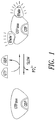
- RAS represents a group of closely related monomeric globular proteins of 189 amino acids (21 kDa molecular mass) which are associated with the plasma membrane and which bind either GDP or GTP.
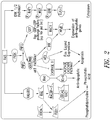
- RAS acts as a molecular switch. When RAS contains bound GDP, it is in the resting or off position and is "inactive". In response to exposure of the cell to certain growth promoting stimuli, RAS is induced to exchange its bound GDP for a GTP. With GTP bound, RAS is "switched on” and is able to interact with and activate other proteins (its "downstream targets”).
- the RAS protein itself has a very low intrinsic ability to hydrolyze GTP back to GDP, thus turning itself into the off state.
- GTPase-activating proteins GTPase-activating proteins
- Any mutation in RAS which affects its ability to interact with GAP or to convert GTP back to GDP will result in a prolonged activation of the protein and consequently a prolonged signal to the cell telling it to continue to grow and divide. Because these signals result in cell growth and division, overactive RAS signaling may ultimately lead to cancer.
- RAS proteins contain a G domain which is responsible for the enzymatic activity of RAS - the guanine nucleotide binding and the hydrolysis (GTPase reaction). It also contains a C-terminal extension, known as the CAAX box, which may be post-translationally modified and is responsible for targeting the protein to the membrane.
- the G domain is approximately 21-25 kDa in size and it contains a phosphate binding loop (P-loop).
- the P-loop represents the pocket where the nucleotides are bound in the protein, and this is the rigid part of the domain with conserved amino acid residues which are essential for nucleotide binding and hydrolysis (Glycine 12, Threonine 26 and Lysine 16).
- the G domain also contains the so called Switch I (residues 30-40) and Switch II (residues 60-76) regions, both of which are the dynamic parts of the protein which are often represented as the "springloaded” mechanism because of their ability to switch between the resting and loaded state.
- the key interaction is the hydrogen bonds formed by Threonine-35 and glycine-60 with the ⁇ -phosphate of GTP which maintain Switch 1 and Switch 2 regions respectively in their active conformation. After hydrolysis of GTP and release of phosphate, these two relax into the inactive GDP conformation.
- RAS The most notable members of the RAS subfamily are HRAS, KRAS and NRAS, mainly for being implicated in many types of cancer.
- RAS DIRAS1; DIRAS2; DIRAS3; ERAS; GEM; MRAS; NKIRAS1; NKIRAS2; NRAS; RALA; RALB; RAP1A; RAP1B; RAP2A; RAP2B; RAP2C; RASD1; RASD2; RASL10A; RASL10B; RASL11A; RASL11B; RASL12; REM1; REM2; RERG; RERGL; RRAD; RRAS and RRAS2.
- RAS RAS
- NRAS NRAS
- KRAS KRAS Mutations in any one of the three main isoforms of RAS (HRAS, NRAS, or KRAS) genes are among the most common events in human tumorigenesis. About 30% of all human tumors are found to carry some mutation in RAS genes. Remarkably, KRAS mutations are detected in 25-30% of tumors. By comparison, the rates of oncogenic mutation occurring in the NRAS and HRAS family members are much lower (8% and 3% respectively). The most common KRAS mutations are found at residue G12 and G13 in the P-loop and at residue Q61.
- G12C is a frequent mutation of KRAS gene (glycine-12 to cysteine). This mutation had been found in about 13% of cancer occurrences, about 43% of lung cancer occurrences, and in almost 100% of MYH-associates polyposis (familial colon cancer syndrome). However targeting this gene with small molecules is a challenge.
- US 2014/288045 and WO2015/054572 describe compounds which are capable of modulating G12C-mutant K-Ras, H-Ras and/or N-Ras proteins; WO 2014/143659 relates to irreversible inhibitors of K-Ras, H-Ras or N-ras protein comprising a G12C mutation; J.M. Ostrem et al., Nature 2013, vol. 503, pages 548 to 551 describe K-Ras(G12C) inhibitors.
- the present invention provides compounds, including stereoisomers, pharmaceutically acceptable salts, tautomers and prodrugs thereof, which are capable of modulating G12C mutant KRAS, HRAS and/or NRAS proteins.
- the compounds act as electrophiles which are capable of forming a covalent bond with the cysteine residue at position 12 of a KRAS, HRAS or NRAS G12C mutant protein. Methods for use of such compounds for treatment of various diseases or conditions, such as cancer, are also provided.
- compounds having the following structure (I'a) are provided: or a pharmaceutically acceptable salt, stereoisomer or prodrug thereof, wherein:
- compositions comprising one or more compounds of structure (II'a) and a pharmaceutically acceptable carrier are also provided in various other embodiments.
- a compound of structure (IIIa) is provided: or a pharmaceutically acceptable salt, stereoisomer or prodrug thereof, wherein:
- the present invention provides a method for treatment of cancer, the method comprising administering an effective amount of a pharmaceutical composition comprising any one or more of the compounds of structure (I'a), (II'a) or (IIIa) to a subject in need thereof.
- Other provided methods include a method for regulating activity of a KRAS, HRAS or NRAS G12C mutant protein, the method comprising reacting the KRAS, HRAS or NRAS G12C mutant protein with any one of the compounds of structure (I'a), (II'a) or (IIIa).
- a method for inhibiting proliferation of a cell population the method comprising contacting the cell population with any one of the compounds of structure (I'a) is also provided.
- the invention is directed to a method for treating a disorder mediated by a KRAS, HRAS or NRAS G12C mutation in a subject in need thereof, the method comprising:
- Amino refers to the -NH 2 radical.
- aminolsulfone refers to the -S(O) 2 NH 2 radical.
- Carboxy or “carboxyl” refers to the -CO 2 H radical.
- Niro refers to the -NO 2 radical.
- Alkyl refers to a straight or branched hydrocarbon chain radical consisting solely of carbon and hydrogen atoms, which is saturated or unsaturated ( i.e., contains one or more double and/or triple bonds), having from one to twelve carbon atoms (C 1 -C 12 alkyl), preferably one to eight carbon atoms (C 1 -C 8 alkyl) or one to six carbon atoms (C 1 -C 6 alkyl), and which is attached to the rest of the molecule by a single bond, e.g., methyl, ethyl, n -propyl, 1-methylethyl ( iso -propyl), n -butyl, n -pentyl, 1,1-dimethylethyl ( t -butyl), 3-methylhexyl, 2-methylhexyl, ethenyl, prop-1-enyl, but-1-enyl, pent-1-enyl, penta-1,
- Alkyl includes alkenyls (one or more carbon-carbon double bonds) and alkynyls (one or more carbon-carbon triple bonds such as ethynyl).
- Aminylalkyl refers to an alkyl group comprising at least one amidinyl substituent.
- Guanidinylalkyl refers to an alkyl group comprising at least one guanidinyl substituent. Unless stated otherwise specifically in the specification, an alkyl, amidinylalkyl and/or guanidinylalkyl group is optionally substituted.
- Alkylene or “alkylene chain” refers to a straight or branched divalent hydrocarbon chain linking the rest of the molecule to a radical group, consisting solely of carbon and hydrogen, which is saturated or unsaturated ( i.e., contains one or more double and/or triple bonds), and having from one to twelve carbon atoms, e.g., methylene, ethylene, propylene, n -butylene, ethenylene, propenylene, n -butenylene, propynylene, and n -butynylene.
- the alkylene chain is attached to the rest of the molecule through a single or double bond and to the radical group through a single or double bond.
- the points of attachment of the alkylene chain to the rest of the molecule and to the radical group can be through one carbon or any two carbons within the chain. Unless stated otherwise specifically in the specification, an alkylene chain is optionally substituted.
- Alkylcycloalkyl refers to a radical of the formula -R b R d where R b is cycloalkyl as defined herein and R d is an alkyl radical as defined above. Unless stated otherwise specifically in the specification, a alkylcycloalkyl group is optionally substituted.
- Alkoxy refers to a radical of the formula -OR a where R a is an alkyl radical as defined above containing one to twelve carbon atoms.
- Amidinylalkyloxy refers to an alkoxy group comprising at least one amidinyl substituent on the alkyl group.
- Guanidinylalkyloxy refers to an alkoxy group comprising at least one guanidinyl substituent on the alkyl group.
- Alkylcarbonylaminylalkyloxy refers to an alkoxy group comprising at least one alkylcarbonylaminyl substituent on the alkyl group.
- Heterocyclylalkyloxy refers to an alkoxy group comprising at least one heterocyclyl substituent on the alkyl group.
- Heteroarylalkyloxy refers to an alkoxy group comprising at least one heteroaryl substituent on the alkyl group.
- Amylalkyloxy refers to an alkoxy group comprising at least one substituent of the form -NR a R b , where R a and R b are each independently H or C 1 -C 6 alkyl, on the alkyl group.
- an alkoxy, amidinylalkyloxy, guanidinylalkyloxy, alkylcarbonylaminyl, heterocyclylalkyloxy, heteroarlyalkyloxy and/or aminylalkyloxy group is optionally substituted.
- Alkoxyalkyl refers to a radical of the formula -R b OR a where R a is an alkyl radical as defined above containing one to twelve carbon atoms and R b is an alkylene radical as defined above containing one to twelve carbon atoms. Unless stated otherwise specifically in the specification, an alkoxyalkyl group is optionally substituted.
- Aryloxy refers to a radical of the formula -OR a where R a is an aryl radical as defined herein. Unless stated otherwise specifically in the specification, an aryloxy group is optionally substituted.
- Alkylaminyl refers to a radical of the formula -NHR a or -NR a R a where each R a is, independently, an alkyl radical as defined above containing one to twelve carbon atoms.
- a "haloalkylaminyl” group is an alkylaminyl group comprising at least one halo substituent on the alkyl group.
- a "hydroxylalkylaminyl” group is an alkylaminyl group comprising at least one hydroxyl substituent on the alkyl group.
- An “amidinylalkylaminyl” group is an alkylaminyl group comprising at least one amidinyl substituent on the alkyl group.
- a “guanidinylalkylaminyl” group is an alkylaminyl group comprising at least one guanidinyl substituent on the alkyl group. Unless stated otherwise specifically in the specification, an alkylaminyl, haloalkylaminyl, hydroxylalkylaminyl, amidinylalkylaminyl and/or guanidinylalkylaminyl group is optionally substituted.
- Aminylalkyl refers to an alkyl group comprising at least one aminyl substituent (-NR a R b wherein R a and R b are each independently H or C 1 -C 6 alkyl).
- the aminyl substituent can be on a tertiary, secondary or primary carbon.
- both R a and R b are H.
- an aminylalkyl group is optionally substituted.
- Aminylalkylaminyl refers to a radical of the formula -NR a R b wherein R a is H or C 1 -C 6 alkyl and R b is aminylalkyl. Unless stated otherwise specifically in the specification, an aminylalkylaminyl group is optionally substituted.
- Aminylalkoxy refers to a radical of the formula -OR a NH 2 wherein R a is alkylene. Unless stated otherwise specifically in the specification, an aminylalkoxy group is optionally substituted.
- Alkylaminylalkoxy refers to a radical of the formula -OR a NR b R c wherein R a is alkylene and R b and R c are each independently H or C 1 -C 6 alkyl, provided one of R b or R c is C 1 -C 6 alkyl. Unless stated otherwise specifically in the specification, an alkylaminylalkoxy group is optionally substituted.
- An alkenylcarbonylaminyl is an alkylcarbonylaminyl containing at least one carbon-carbon double bond. An alkenylcarbonylaminyl group is optionally substituted.
- Alkylaminylalkyl refers to an alkyl group comprising at least one alkylaminyl substituent.
- the alkylaminyl substituent can be on a tertiary, secondary or primary carbon. Unless stated otherwise specifically in the specification, an alkylaminylalkyl group is optionally substituted.
- Aryl refers to a carbocyclic ring system radical comprising hydrogen, 6 to 18 carbon atoms and at least one aromatic ring.
- the aryl radical is a monocyclic, bicyclic, tricyclic or tetracyclic ring system, which may include fused or bridged ring systems.
- Aryl radicals include aryl radicals derived from aceanthrylene, acenaphthylene, acephenanthrylene, anthracene, azulene, benzene, chrysene, fluoranthene, fluorene, as-indacene, s-indacene, indane, indene, naphthalene, phenalene, phenanthrene, pleiadene, pyrene, and triphenylene.
- Aralkyl refers to a radical of the formula -R b -R c where R b is an alkylene chain as defined above and R c is one or more aryl radicals as defined above, for example, benzyl, and diphenylmethyl. Unless stated otherwise specifically in the specification, an aralkyl group is optionally substituted.
- Arylalkyloxy refers to a radical of the formula -OR b -R c where R b is an alkylene chain as defined above and R c is one or more aryl radicals as defined above, for example, benzyl, and diphenylmethyl. Unless stated otherwise specifically in the specification, an arylalkyloxy group is optionally substituted.
- Arylalkylaminyl refers to a radical of the formula -N(R a )R b -R c where R a is H or C 1 -C 6 alkyl, R b is an alkylene chain as defined above and R c is one or more aryl radicals as defined above, for example, benzyl, and diphenylmethyl. Unless stated otherwise specifically in the specification, an arylalkylaminyl group is optionally substituted.
- Carboxyalkyl refers to a radical of the formula -R b -R c where R b is an alkylene chain as defined above and R c is a carboxyl group as defined above. Unless stated otherwise specifically in the specification, carboxyalkyl group is optionally substituted.
- Cyanoalkyl refers to a radical of the formula -R b -R c where R b is an alkylene chain as defined above and R c is a cyano group as defined above. Unless stated otherwise specifically in the specification, a cyanoalkyl group is optionally substituted.
- Carbocyclic or “carbocycle” refers to a ring system, wherein each of the ring atoms are carbon.
- Cycloalkyl refers to a stable non-aromatic monocyclic or polycyclic carbocyclic radical consisting solely of carbon and hydrogen atoms, which may include fused or bridged ring systems, having from three to fifteen carbon atoms, preferably having from three to ten carbon atoms, and which is saturated or unsaturated and attached to the rest of the molecule by a single bond.
- Monocyclic radicals include, for example, cyclopropyl, cyclobutyl, cyclopentyl, cyclohexyl, cycloheptyl, and cyclooctyl.
- Polycyclic radicals include, for example, adamantyl, norbornyl, decalinyl, and 7,7-dimethyl-bicyclo[2.2.1]heptanyl.
- a "cycloalkenyl” is a cycloalkyl comprising one or more carbon-carbon double bonds within the ring. Unless otherwise stated specifically in the specification, a cycloalkyl (or cycloalkenyl) group is optionally substituted.
- Cyanocycloalkyl refers to a radical of the formula -R b -R c where R b is cycloalkyl and R c is a cyano group as defined above. Unless stated otherwise specifically in the specification, a cyanocycloalkyl group is optionally substituted.
- Cycloalkylalkyl refers to a radical of the formula -R b R d where R b is an alkylene chain as defined above and R d is a cycloalkyl radical as defined above. Unless stated otherwise specifically in the specification, a cycloalkylalkyl group is optionally substituted.
- fused refers to any ring structure described herein which is fused to an existing ring structure in the compounds of the invention.
- the fused ring is a heterocyclyl ring or a heteroaryl ring, any carbon atom on the existing ring structure which becomes part of the fused heterocyclyl ring or the fused heteroaryl ring is replaced with a nitrogen atom.
- Halo or halogen refers to bromo, chloro, fluoro or iodo.
- Haloalkyl refers to an alkyl radical, as defined above, that is substituted by one or more halo radicals, as defined above, e.g., trifluoromethyl, difluoromethyl, trichloromethyl, 2,2,2-trifluoroethyl, 1,2-difluoroethyl, 3-bromo-2-fluoropropyl, and 1,2-dibromoethyl. Unless stated otherwise specifically in the specification, a haloalkyl group is optionally substituted.
- Haloalkoxy refers to a radical of the formula -OR a where R a is a haloalkyl radical as defined herein containing one to twelve carbon atoms. Unless stated otherwise specifically in the specification, a haloalkoxy group is optionally substituted.
- Heterocyclyl or “heterocyclic ring” refers to a stable 3- to 18-membered non-aromatic ring radical havingone to twelve ring carbon atoms (e.g., two to twelve) and from one to six ring heteroatoms selected from the group consisting of nitrogen, oxygen and sulfur.
- the heterocyclyl radical is a monocyclic, bicyclic, tricyclic or tetracyclic ring system, which may include fused, spirocyclic ("spiro-heterocyclyl”) and/or bridged ring systems; and the nitrogen, carbon or sulfur atoms in the heterocyclyl radical is optionally oxidized; the nitrogen atom is optionally quaternized; and the heterocyclyl radical is partially or fully saturated.
- heterocyclyl radicals include dioxolanyl, thienyl[1,3]dithianyl, decahydroisoquinolyl, imidazolinyl, imidazolidinyl, isothiazolidinyl, isoxazolidinyl, morpholinyl, octahydroindolyl, octahydroisoindolyl, 2-oxopiperazinyl, 2-oxopiperidinyl, 2-oxopyrrolidinyl, oxazolidinyl, piperidinyl, piperazinyl, 4-piperidonyl, pyrrolidinyl, pyrazolidinyl, quinuclidinyl, thiazolidinyl, tetrahydrofuryl, trithianyl, tetrahydropyranyl, thiomorpholinyl, thiamorpholinyl, 1-oxo-thiomorpholinyl, and 1,
- Heterocyclyloxy refers to a heterocyclyl group bound to the remainder of the molecule via an oxygen bond (-O-).
- Heterocyclylaminyl refers to a heterocyclyl group bound to the remainder of the molecule via a nitrogen bond (-NR a -, where R a is H or C 1 -C 6 alkyl).
- a heterocyclyl, heterocyclyloxy and/or heterocyclylaminyl group is optionally substituted.
- N -heterocyclyl refers to a heterocyclyl radical as defined above containing at least one nitrogen and where the point of attachment of the heterocyclyl radical to the rest of the molecule is through a nitrogen atom in the heterocyclyl radical. Unless stated otherwise specifically in the specification, a N -heterocyclyl group is optionally substituted.
- Heterocyclylalkyl refers to a radical of the formula -R b R e where R b is an alkylene chain as defined above and R e is a heterocyclyl radical as defined above, and if the heterocyclyl is a nitrogen-containing heterocyclyl, the heterocyclyl is optionally attached to the alkyl radical at the nitrogen atom. Unless stated otherwise specifically in the specification, a heterocyclylalkyl group is optionally substituted.
- Heterocyclylalkyloxy refers to a radical of the formula -OR b R e where R b is an alkylene chain as defined above and R e is a heterocyclyl radical as defined above, and if the heterocyclyl is a nitrogen-containing heterocyclyl, the heterocyclyl is optionally attached to the alkyl radical at the nitrogen atom. Unless stated otherwise specifically in the specification, a heterocyclylalkyloxy group is optionally substituted.
- Heterocyclylalkylaminyl refers to a radical of the formula -N(R c )R b R e where R b is an alkylene chain as defined above and R e is a heterocyclyl radical as defined above, and if the heterocyclyl is a nitrogen-containing heterocyclyl, the heterocyclyl is optionally attached to the alkyl radical at the nitrogen atom, R c is H or C 1 -C 6 alkyl. Unless stated otherwise specifically in the specification, a heterocyclylalkyloxy group is optionally substituted.
- Heteroaryl refers to a 5- to 14-membered ring system radical comprising hydrogen atoms, one to thirteen ring carbon atoms, one to six ring heteroatoms selected from the group consisting of nitrogen, oxygen and sulfur, and at least one aromatic ring.
- the heteroaryl radical may be a monocyclic, bicyclic, tricyclic or tetracyclic ring system, which may include fused or bridged ring systems; and the nitrogen, carbon or sulfur atoms in the heteroaryl radical may be optionally oxidized; the nitrogen atom may be optionally quaternized.
- Examples include azepinyl, acridinyl, benzimidazolyl, benzothiazolyl, benzindolyl, benzodioxolyl, benzofuranyl, benzooxazolyl, benzothiazolyl, benzothiadiazolyl, benzo[ b ][1,4]dioxepinyl, 1,4-benzodioxanyl, benzonaphthofuranyl, benzoxazolyl, benzodioxolyl, benzodioxinyl, benzopyranyl, benzopyranonyl, benzofuranyl, benzofuranonyl, benzothienyl (benzothiophenyl), benzotriazolyl, benzo[4,6]imidazo[1,2-a]pyridinyl, carbazolyl, cinnolinyl, dibenzofuranyl, dibenzothiophenyl, furanyl, furanon
- Heteroaryloxy refers to a heteroaryl group bound to the remainder of the molecule via an oxygen bond (-O-).
- Heteroarylaminyl refers to a heteroaryl group bound to the remainder of the molecule via a nitrogen bond (-NR a -, where R a is H or C 1 -C 6 alkyl). Unless stated otherwise specifically in the specification, a heteroaryl, heteroaryloxy and/or heteroarylaminyl group is optionally substituted.
- N -heteroaryl refers to a heteroaryl radical as defined above containing at least one nitrogen and where the point of attachment of the heteroaryl radical to the rest of the molecule is through a nitrogen atom in the heteroaryl radical. Unless stated otherwise specifically in the specification, an N -heteroaryl group is optionally substituted.
- Heteroarylalkyl refers to a radical of the formula -R b R f where R b is an alkylene chain as defined above and R f is a heteroaryl radical as defined above. Unless stated otherwise specifically in the specification, a heteroarylalkyl group is optionally substituted.
- Heteroarylalkyloxy refers to a radical of the formula -OR b R f where R b is an alkylene chain as defined above and R f is a heteroaryl radical as defined above, and if the heteroaryl is a nitrogen-containing heterocyclyl, the heterocyclyl is optionally attached to the alkyl radical at the nitrogen atom. Unless stated otherwise specifically in the specification, a heteroarylalkyloxy group is optionally substituted.
- Heteroarylalkylaminyl refers to a radical of the formula -NR c R b R f where R b is an alkylene chain as defined above and R f is a heteroaryl radical as defined above, and if the heteroaryl is a nitrogen-containing heterocyclyl, the heterocyclyl is optionally attached to the alkyl radical at the nitrogen atom, and R c is H or C 1 -C 6 alkyl. Unless stated otherwise specifically in the specification, a heteroarylalkyloxy group is optionally substituted.
- “Hydroxylalkyl” refers to an alkyl group comprising at least one hydroxyl substituent.
- the -OH substituent may be on a primary, secondary or tertiary carbon. Unless stated otherwise specifically in the specification, a hydroxylalkyl group is optionally substituted.
- "Hydroxylalkylaminyl” is an alkylaminyl groups comprising at least one -OH substituent, which is on a primary, secondary or tertiary carbon. Unless stated otherwise specifically in the specification, a hydroxylalkylaminyl group is optionally substituted.
- Phosphoalkoxy refers to an alkoxy group, as defined herein, which is substituted with at least least one phosphate group, as defined herein. Unless stated otherwise specifically in the specification, an phosphoalkoxy group is optionally substituted.
- Thioalkyl refers to a radical of the formula -SR a where R a is an alkyl radical as defined above containing one to twelve carbon atoms. Unless stated otherwise specifically in the specification, a thioalkyl group is optionally substituted.
- substituted used herein means any of the above groups (e.g.., alkyl, alkylene, alkylcycloalkyl, alkoxy, amidinylalkyloxy, guanidinylalkyloxy, alkylcarbonylaminylalkyloxy, heterocyclylalkyloxy, heteroarylalkyloxy, aminylalkyloxy, alkoxyalkyl, alkoxycarbonyl, haloalkylaminyl, hydroxylalkylaminyl, amidinylalkylaminyl, guanidinylalkylaminyl, aminylalkyl, aminylalkylaminyl, aminylalkoxy, alkylaminylalkoxy aryloxy, alkylaminyl, alkylcarbonylaminyl, alkylaminylalkyl, aminylcarbonylaminyl, alkylaminylalkyl, aminylcarbonyl,
- Substituted also means any of the above groups in which one or more hydrogen atoms are replaced by a higher-order bond (e.g., a double- or triple-bond) to a heteroatom such as oxygen in oxo, carbonyl, carboxyl, and ester groups; and nitrogen in groups such as imines, oximes, hydrazones, and nitriles.
- a higher-order bond e.g., a double- or triple-bond
- nitrogen in groups such as imines, oximes, hydrazones, and nitriles.
- R g and R h are the same or different and independently hydrogen, alkyl, alkoxy, alkylaminyl, thioalkyl, aryl, aralkyl, cycloalkyl, cycloalkylalkyl, haloalkyl, heterocyclyl, N -heterocyclyl, heterocyclylalkyl, heteroaryl, N -heteroaryl and/or heteroarylalkyl.
- Substituted further means any of the above groups in which one or more hydrogen atoms are replaced by a bond to an aminyl, cyano, hydroxyl, imino, nitro, oxo, thioxo, halo, alkyl, alkoxy, alkylaminyl, thioalkyl, aryl, aralkyl, cycloalkyl, cycloalkylalkyl, haloalkyl, heterocyclyl, N -heterocyclyl, heterocyclylalkyl, heteroaryl, N -heteroaryl and/or heteroarylalkyl group.
- each of the foregoing substituents may also be optionally substituted with one or more of the above substituents.
- Electrophile or “electrophilic moiety” is any moiety capable of reacting with a nucleophile (e.g., a moiety having a lone pair of electrons, a negative charge, a partial negative charge and/or an excess of electrons, for example a -SH group).
- Electrophiles typically are electron poor or comprise atoms which are electron poor.
- an electrophile contains a positive charge or partial positive charge, has a resonance structure which contains a positive charge or partial positive charge or is a moiety in which delocalization or polarization of electrons results in one or more atom which contains a positive charge or partial positive charge.
- the electrophiles comprise conjugated double bonds, for example an ⁇ , ⁇ -unsaturated carbonyl or ⁇ , ⁇ -unsaturated thiocarbonyl compound.
- the term "effective amount” or “therapeutically effective amount” refers to that amount of a compound described herein that is sufficient to effect the intended application including disease treatment, as defined below.
- the therapeutically effective amount may vary depending upon the intended treatment application (in vivo), or the subject and disease condition being treated, e.g., the weight and age of the subject, the severity of the disease condition, and the manner of administration, which can readily be determined by one of ordinary skill in the art.
- the term also applies to a dose that will induce a particular response in target cells, e.g. reduction of platelet adhesion and/or cell migration.
- the specific dose will vary depending on the particular compounds chosen, the dosing regimen to be followed, whether it is administered in combination with other compounds, timing of administration, the tissue to which it is administered, and the physical delivery system in which it is carried.
- treatment refers to an approach for obtaining beneficial or desired results with respect to a disease, disorder or medical condition including a therapeutic benefit and/or a prophylactic benefit.
- therapeutic benefit is meant eradication or amelioration of the underlying disorder being treated.
- a therapeutic benefit is achieved with the eradication or amelioration of one or more of the physiological symptoms associated with the underlying disorder such that an improvement is observed in the subject, notwithstanding that the subject may still be afflicted with the underlying disorder.
- the compositions are administered to a subject at risk of developing a particular disease, or to a subject reporting one or more of the physiological symptoms of a disease, even though a diagnosis of this disease may not have been made.
- a prophylactic effect includes delaying or eliminating the appearance of a disease or condition, delaying or eliminating the onset of symptoms of a disease or condition, slowing, halting, or reversing the progression of a disease or condition, or any combination thereof.
- co-administration encompass administration of two or more agents to an animal, including humans, so that both agents and/or their metabolites are present in the subject at the same time.
- Co-administration includes simultaneous administration in separate compositions, administration at different times in separate compositions, or administration in a composition in which both agents are present.
- “Pharmaceutically acceptable salt” includes both acid and base addition salts.
- All compounds of the invention i.e., compounds of structure (I), (II) or (III) which exist in free base or acid form can be converted to their pharmaceutically acceptable salts by treatment with the appropriate inorganic or organic base or acid by methods known to one skilled in the art. Salts of the compounds of the invention can be converted to their free base or acid form by standard techniques.
- “Pharmaceutically acceptable acid addition salt” refers to those salts which retain the biological effectiveness and properties of the free bases, which are not biologically or otherwise undesirable, and which are formed with inorganic acids such as hydrochloric acid, hydrobromic acid, sulfuric acid, nitric acid, and phosphoric acid, and organic acids such as acetic acid, 2,2-dichloroacetic acid, adipic acid, alginic acid, ascorbic acid, aspartic acid, benzenesulfonic acid, benzoic acid, 4-acetamidobenzoic acid, camphoric acid, camphor-10-sulfonic acid, capric acid, caproic acid, caprylic acid, carbonic acid, cinnamic acid, citric acid, cyclamic acid, dodecylsulfuric acid, ethane-1,2-disulfonic acid, ethanesulfonic acid, 2-hydroxyethanesulfonic acid, formic acid, fumaric acid, galactaric
- “Pharmaceutically acceptable base addition salt” refers to those salts which retain the biological effectiveness and properties of the free acids, which are not biologically or otherwise undesirable. These salts are prepared from addition of an inorganic base or an organic base to the free acid. Salts derived from inorganic bases include the sodium, potassium, lithium, ammonium, calcium, magnesium, iron, zinc, copper, manganese, and aluminum salts. Preferred inorganic salts are the ammonium, sodium, potassium, calcium, and magnesium salts.
- Salts derived from organic bases include salts of primary, secondary, and tertiary amines, substituted amines including naturally occurring substituted amines, cyclic amines and basic ion exchange resins, such as ammonia, isopropylamine, trimethylamine, diethylamine, triethylamine, tripropylamine, diethanolamine, ethanolamine, deanol, 2-dimethylaminoethanol, 2-diethylaminoethanol, dicyclohexylamine, lysine, arginine, histidine, caffeine, procaine, hydrabamine, choline, betaine, benethamine, benzathine, ethylenediamine, glucosamine, methylglucamine, theobromine, triethanolamine, tromethamine, purines, piperazine, piperidine, N -ethylpiperidine, and polyamine resins.
- Particularly preferred organic bases are isopropylamine, diethyl
- antagonists are used interchangeably, and they refer to a compound having the ability to inhibit a biological function of a target protein, whether by inhibiting the activity or expression of the protein, such as KRAS, HRAS or NRAS G12C. Accordingly, the terms “antagonist” and “inhibitors” are defined in the context of the biological role of the target protein. While preferred antagonists herein specifically interact with (e.g. bind to) the target, compounds that inhibit a biological activity of the target protein by interacting with other members of the signal transduction pathway of which the target protein is a member are also specifically included within this definition. A preferred biological activity inhibited by an antagonist is associated with the development, growth, or spread of a tumor.
- agonist refers to a compound having the ability to initiate or enhance a biological function of a target protein, whether by inhibiting the activity or expression of the target protein. Accordingly, the term “agonist” is defined in the context of the biological role of the target polypeptide. While preferred agonists herein specifically interact with (e.g. bind to) the target, compounds that initiate or enhance a biological activity of the target polypeptide by interacting with other members of the signal transduction pathway of which the target polypeptide is a member are also specifically included within this definition.
- agent refers to a biological, pharmaceutical, or chemical compound or other moiety.
- Non-limiting examples include a simple or complex organic or inorganic molecule, a peptide, a protein, an oligonucleotide, an antibody, an antibody derivative, antibody fragment, a vitamin derivative, a carbohydrate, a toxin, or a chemotherapeutic compound.
- Various compounds can be synthesized, for example, small molecules and oligomers (e.g., oligopeptides and oligonucleotides), and synthetic organic compounds based on various core structures.
- various natural sources can provide compounds for screening, such as plant or animal extracts.
- Signal transduction is a process during which stimulatory or inhibitory signals are transmitted into and within a cell to elicit an intracellular response.
- a modulator of a signal transduction pathway refers to a compound which modulates the activity of one or more cellular proteins mapped to the same specific signal transduction pathway.
- a modulator may augment (agonist) or suppress (antagonist) the activity of a signaling molecule.
- an “anti-cancer agent”, “anti-tumor agent” or “chemotherapeutic agent” refers to any agent useful in the treatment of a neoplastic condition.
- One class of anti-cancer agents comprises chemotherapeutic agents.
- “Chemotherapy” means the administration of one or more chemotherapeutic drugs and/or other agents to a cancer patient by various methods, including intravenous, oral, intramuscular, intraperitoneal, intravesical, subcutaneous, transdermal, buccal, or inhalation or in the form of a suppository.
- cell proliferation refers to a phenomenon by which the cell number has changed as a result of division. This term also encompasses cell growth by which the cell morphology has changed (e.g., increased in size) consistent with a proliferative signal.
- selective inhibition refers to a biologically active agent refers to the agent's ability to preferentially reduce the target signaling activity as compared to off-target signaling activity, via direct or indirect interaction with the target.
- Subject refers to an animal, such as a mammal, for example a human.
- the methods described herein can be useful in both human therapeutics and veterinary applications.
- the subject is a mammal, and in some embodiments, the subject is human.
- “Mammal” includes humans and both domestic animals such as laboratory animals and household pets (e.g., cats, dogs, swine, cattle, sheep, goats, horses, rabbits), and non-domestic animals such as wildlife.
- Radionuclides e.g., actinium and thorium radionuclides
- LET low linear energy transfer
- beta emitters conversion electron emitters
- high-energy radiation including without limitation x-rays, gamma rays, and neutrons.
- an “anti-cancer agent”, “anti-tumor agent” or “chemotherapeutic agent” refers to any agent useful in the treatment of a neoplastic condition.
- One class of anti-cancer agents comprises chemotherapeutic agents.
- “Chemotherapy” means the administration of one or more chemotherapeutic drugs and/or other agents to a cancer patient by various methods, including intravenous, oral, intramuscular, intraperitoneal, intravesical, subcutaneous, transdermal, buccal, or inhalation or in the form of a suppository.
- Prodrug is meant to indicate a compound that may be converted under physiological conditions or by solvolysis to a biologically active compound described herein (e.g., compound of structure (I), (II) or (III)).
- a prodrug refers to a precursor of a biologically active compound that is pharmaceutically acceptable.
- a prodrug is inactive when administered to a subject, but is converted in vivo to an active compound, for example, by hydrolysis.
- the prodrug compound often offers advantages of solubility, tissue compatibility or delayed release in a mammalian organism (see, e.g., Bundgard, H., Design of Prodrugs (1985), pp. 7-9, 21-24 (Elsevier, Amsterd am).
- prodrugs are also meant to include any covalently bonded carriers, which release the active compound in vivo when such prodrug is administered to a mammalian subject.
- Prodrugs of an active compound, as described herein are typically prepared by modifying functional groups present in the active compound in such a way that the modifications are cleaved, either in routine manipulation or in vivo, to the parent active compound.
- Prodrugs include compounds wherein a hydroxy, amino or mercapto group is bonded to any group that, when the prodrug of the active compound is administered to a mammalian subject, cleaves to form a free hydroxy, free amino or free mercapto group, respectively.
- Examples of prodrugs include acetate, formate and benzoate derivatives of a hydroxy functional group, or acetamide, formamide and benzamide derivatives of an amine functional group in the active compound.
- prodrugs include compounds of structure (I'a), (II'a) or (IIIa) having a phosphate, phosphoalkoxy, ester or boronic ester substituent. Without being bound by theory, it is believed that such substituents are converted to a hydroxyl group under physiological conditions. Accordingly, embodiments include any of the compounds disclosed herein, wherein a hydroxyl group has been replaced with a phosphate, phosphoalkoxy, ester or boronic ester group, for example a phosphate or phosphoalkoxy group.
- a hydroxyl group on the R 1 moiety is replaced with a phosphate, phosphoalkoxy, ester or boronic ester group, for example a phosphate or alkoxy phosphate group.
- exemplary prodrugs of certain embodiments thus include compounds having one of the following R 1 moieties: or wherein each R' is independently H or an optional substituent, and n is 1, 2, 3 or 4.
- in vivo refers to an event that takes place in a subject's body.
- Embodiments of the invention disclosed herein are also meant to encompass all pharmaceutically acceptable compounds of structure (I), (II) or (III) being isotopically-labelled by having one or more atoms replaced by an atom having a different atomic mass or mass number.
- isotopes that can be incorporated into the disclosed compounds include isotopes of hydrogen, carbon, nitrogen, oxygen, phosphorous, fluorine, chlorine, and iodine, such as 2 H, 3 H, 11 C, 13 C, 14 C, 13 N, 15 N, 15 O, 17 O, 18 O, 31 P, 32 P, 35 S, 18 F, 36 Cl, 123 I, and 125 I, respectively.
- radiolabeled compounds could be useful to help determine or measure the effectiveness of the compounds, by characterizing, for example, the site or mode of action, or binding affinity to pharmacologically important site of action.
- Certain isotopically-labeled compounds of structure (I), (II) or (III), for example, those incorporating a radioactive isotope, are useful in drug and/or substrate tissue distribution studies.
- the radioactive isotopes tritium, i.e. 3 H, and carbon-14, i.e. 14 C, are particularly useful for this purpose in view of their ease of incorporation and ready means of detection.
- substitution with heavier isotopes such as deuterium, i.e. 2 H, may afford certain therapeutic advantages resulting from greater metabolic stability, for example, increased in vivo half-life or reduced dosage requirements, and hence are preferred in some circumstances.
- Isotopically-labeled compounds of structure (I), (II) or (III) can generally be prepared by conventional techniques known to those skilled in the art or by processes analogous to those described in the Preparations and Examples as set out below using an appropriate isotopically-labeled reagent in place of the non-labeled reagent previously employed.
- embodiments are also meant to encompass the in vivo metabolic products of the disclosed compounds. Such products may result from, for example, the oxidation, reduction, hydrolysis, amidation, and esterification of the administered compound, primarily due to enzymatic processes. Accordingly, embodiments include compounds produced by a process comprising administering a compound of this invention to a mammal for a period of time sufficient to yield a metabolic product thereof. Such products are typically identified by administering a radiolabeled compound of the invention in a detectable dose to an animal, such as rat, mouse, guinea pig, monkey, or to human, allowing sufficient time for metabolism to occur, and isolating its conversion products from the urine, blood or other biological samples.
- an animal such as rat, mouse, guinea pig, monkey, or to human
- Solid compound and “stable structure” are meant to indicate a compound that is sufficiently robust to survive isolation to a useful degree of purity from a reaction mixture, and formulation into an efficacious therapeutic agent.
- solvate refers to an aggregate that comprises one or more molecules of a compound of the invention with one or more molecules of solvent.
- the solvent is water, in which case the solvate is a hydrate.
- the solvent is an organic solvent.
- the compounds of the present invention may exist as a hydrate, including a monohydrate, dihydrate, hemihydrate, sesquihydrate, trihydrate, and tetrahydrate, as well as the corresponding solvated forms.
- the compound of the invention is a true solvate, while in other cases, the compound of the invention merely retains adventitious water or is a mixture of water plus some adventitious solvent.
- Optional or “optionally” means that the subsequently described event of circumstances may or may not occur, and that the description includes instances where said event or circumstance occurs and instances in which it does not.
- optionally substituted aryl means that the aryl radical may or may not be substituted and that the description includes both substituted aryl radicals and aryl radicals having no substitution.
- a “pharmaceutical composition” refers to a formulation of a compound of the invention and a medium generally accepted in the art for the delivery of the biologically active compound to mammals, e.g ., humans.
- a medium includes all pharmaceutically acceptable carriers, diluents or excipients therefor.
- “Pharmaceutically acceptable carrier, diluent or excipient” includes without limitation any adjuvant, carrier, excipient, glidant, sweetening agent, diluent, preservative, dye/colorant, flavor enhancer, surfactant, wetting agent, dispersing agent, suspending agent, stabilizer, isotonic agent, solvent, or emulsifier which has been approved by the United States Food and Drug Administration as being acceptable for use in humans or domestic animals.
- the compounds of the invention i.e., compounds of structure (I'a), (II'a) or (IIIa)
- pharmaceutically acceptable salts may contain one or more asymmetric centers and may thus give rise to enantiomers, diastereomers, and other stereoisomeric forms that are defined, in terms of absolute stereochemistry, as ( R )- or ( S )- or, as (D)- or (L)- for amino acids.
- Embodiments thus include all such possible isomers, as well as their racemic and optically pure forms.
- Optically active (+) and (-), ( R )- and ( S )-, or (D)- and (L)- isomers may be prepared using chiral synthons or chiral reagents, or resolved using conventional techniques, for example, chromatography and fractional crystallization.
- Conventional techniques for the preparation/isolation of individual enantiomers include chiral synthesis from a suitable optically pure precursor or resolution of the racemate (or the racemate of a salt or derivative) using, for example, chiral high pressure liquid chromatography (HPLC).
- HPLC high pressure liquid chromatography
- Embodiments of the present invention include all manner of rotamers and conformationally restricted states of a compound of the invention.
- Atropisomers which are stereoisomers arising because of hindered rotation about a single bond, where energy differences due to steric strain or other contributors create a barrier to rotation that is high enough to allow for isolation of individual conformers, are also included.
- certain compounds of the invention may exist as mixtures of atropisomers or purified or enriched for the presence of one atropisomer.
- Non-limiting examples of compounds which exist as atropisomers include the following compounds: and
- stereoisomer refers to a compound made up of the same atoms bonded by the same bonds but having different three-dimensional structures, which are not interchangeable.
- the present invention contemplates various stereoisomers and mixtures thereof and includes “enantiomers”, which refers to two stereoisomers whose molecules are nonsuperimposeable mirror images of one another.
- a “tautomer” refers to a proton shift from one atom of a molecule to another atom of the same molecule. Embodiments thus include tautomers of the disclosed compounds.
- the chemical naming protocol and structure diagrams used herein are a modified form of the I.U.P.A.C. nomenclature system, using the ACD/Name Version 9.07 software program and/or ChemDraw Ultra Version 11.0.1 software naming program (CambridgeSoft).
- a substituent group is typically named before the group to which it attaches.
- cyclopropylethyl comprises an ethyl backbone with a cyclopropyl substituent.
- all bonds are identified in the chemical structure diagrams herein, except for all bonds on some carbon atoms, which are assumed to be bonded to sufficient hydrogen atoms to complete the valency.
- the invention provides compounds which are capable of selectively binding to and/or modulating a G12C mutant KRAS, HRAS or NRAS protein.
- the compounds may modulate the G12C mutant KRAS, HRAS or NRAS protein by reaction with an amino acid. While not wishing to be bound by theory, the present applicants believe that, in some embodiments, the compounds of the invention selectively react with the G12C mutant KRAS, HRAS or NRAS proteins by forming a covalent bond with the cysteine at the 12 position of a G12C mutant KRAS, HRAS or NRAS protein. By binding to the Cysteine 12, the compounds of the invention may lock the switch II of the G12C mutant KRAS, HRAS or NRAS into an inactive stage.
- This inactive stage may be distinct from those observed for GTP and GDP bound KRAS, HRAS or NRAS.
- Some compounds of the invention may also be able to perturb the switch I conformation. Some compounds of the invention may favor the binding of the bound KRAS, HRAS or NRAS to GDP rather than GTP and therefore sequester the KRAS, HRAS or NRAS into an inactive KRAS, HRAS or NRAS GDP state. Because effector binding to KRAS, HRAS or NRAS is highly sensitive to the conformation of switch I and II, the irreversible binding of these compounds may disrupt KRAS, HRAS or NRAS downstream signaling.
- compounds having activity as modulators of a G12C mutant KRAS, HRAS or NRAS protein have the following structure (I'a): or a pharmaceutically acceptable salt, stereoisomer or prodrug thereof, wherein:
- R 8' is H.
- R 8' is -CN.
- R 8' is -OH.
- the compound has one of the following structures (I'b), (I'c), (I'd) or (I'e):
- A is N. In some other of the foregoing embodiments of the compounds of structure (I), (I'a), (I'b), (I'c), (I'd) or (I'e), A is C-CN.
- R 1 is aryl or heteroaryl, each of which is optionally substituted with one or more substituents.
- R 1 is capable of reversible interaction with KRAS, HRAS or NRAS G12C mutant protein.
- R 1 has high affinity towards KRAS, HRAS or NRAS and is highly specific towards G12C KRAS, HRAS or NRAS.
- R 1 is capable of hydrophobic interaction with KRAS, HRAS or NRAS G12C.
- R 1 is able to form hydrogen bonds with various residues of G12C KRAS, HRAS or NRAS protein.
- R 1 is aryl.
- R 1 is phenyl, and in other embodiments R 1 is naphthyl.
- R 1 is substituted or unsubstituted. In some specific embodiments, R 1 is substituted with one or more substituents.
- R 1 is substituted with halo, hydroxyl, C 1 -C 6 alkyl, C 1 -C 6 haloalkyl, C 1 -C 6 alkoxy or C 1 -C 6 alkylcarbonyloxy, or combinations thereof.
- R 1 is substituted with fluoro, chloro, hydroxyl, methyl, isopropyl, cyclopropryl, trifluoromethyl or methoxy, or combinations thereof
- R 1 is substituted with fluoro, hydroxyl, methyl, isopropyl, trifluoromethyl or methoxy, or combinations thereof.
- R 1 has one of the following structures: or
- R 1 has one of the following structures:
- R 1 has one of the following structures:
- R 1 has one of the following structures: or
- R 1 is heteroaryl, for example a heteroaryl comprising nitrogen.
- R 1 is indazolyl, indolyl, benzoimidazole, benzotriazole or quinolinyl, for example indazolyl or quinolinyl.
- R 1 is heteroaryl which is substituted with one or more substituents.
- R 1 is substituted with hydroxyl, halo or C 1 -C 6 alkyl, or combinations thereof, for example hydroxyl or C 1 -C 6 alkyl.
- R 1 has one of the following structures: for example one of the following structures:
- R 2a and R 2b are each independently halo, haloalkyl, alkyl, or alkoxy.
- R 2c is H.
- R 2a and R 2b are each halo.
- R 2a is fluoro, chloro or methoxy.
- R 2a is fluoro
- R 2b is chloro.
- R 2b is chloro, fluoro or CF 3 .
- the compounds have the following structure (I'f):
- the compounds have one of the following structures (I'g) or (I'h): or
- A is N. In some other of the foregoing embodiments of the compounds of structure (I'f), (I'g) or (I'h), A is C-CN.
- R 6 is heterocyclyl.
- R 6 is azetidinyl, pyrrolidinyl, piperidinyl or morpholinyl.
- R 6 is substituted, for example in some embodiments R 6 is substituted with C 1 -C 6 alkyl, C 1 -C 6 alkylaminyl, heterocyclyl or spiro-heterocyclyl, or combinations thereof.
- R 6 has one of the following structures:
- R 6 has one of the following structures:
- R 6 has one of the following structures:
- R 6 has one of the following structure:
- n is an integer from 1 to 6
- X is -O- and R 6 is heterocyclyl or heteroaryl, provided that R 6 is not morpholinyl, piperazinyl, pyrrolidinyl or imidazolyl when R 1 is indazolyl.
- R 6 is azetidinyl, pyrrolidinyl, pyrrolidinonyl, piperidinyl, piperazinyl, pyridinyl, pyrimidinyl, pyridazinyl, oxazolyl, morpholinyl, morpholinonyl, thiomorpholinyl, or an oxidized analogue thereof, dioxolanyl, or tetrahydropyranyl.
- R 6 is azetidinyl, pyrrolidinyl, pyrrolidinonyl, piperidinyl, piperazinyl, pyridinyl, pyrimidinyl, pyridazinyl, oxazolyl, morpholinyl, morpholinonyl, thiomorpholinyl, or an oxidized analogue thereof, or tetrahydropyranyl.
- R 6 is substituted, for example substituted with oxo, cyano, halo, C 1 -C 6 alkyl, C 3 -C 8 cycloalkyl, C 1 -C 6 alkoxy, C 1 -C 6 haloalkyl, heteroaryl, or combinations thereof.
- R 6 is substituted, for example substituted with oxo, cyano, halo, C 1 -C 6 alkyl, C 1 -C 6 alkoxy, C 1 -C 6 haloalkyl, or combinations thereof.
- n is 1. In some other embodiments, n is 2. In some more different embodiments, n is 3. In other different embodiments, R 6 has one of the following structures: or
- R 6 has one of the following structures:
- R 6 has one of the following structures: or
- n is an integer from 1 to 6
- X is - NR 7 - and R 6 is heterocyclyl or heteroaryl, provided that R 6 is not N-methylimidazolyl when R 1 is indazolyl.
- R 6 is piperidinyl, pyridinyl, imidazolyl, pyrrolidinyl, pyrimidyl, or azetidinyl.
- R 6 is piperidinyl, pyridinyl, imidazolyl, pyrrolidinyl, or azetidinyl.
- R 6 is substituted, for example in some embodiments R 6 is substituted with halo, hydroxyl, C 1 -C 6 alkyl C 3 -C 8 cycloalkyl, or combinations thereof.
- n is 1. In some other embodiments, n is 2. In some more different embodiments, n is 3.
- R 7 is H or methyl. In other more specific embodiments, R 6 has one of the following structures:
- R 6 has one of the following structures:
- R 6 has one of the following structures:
- n 0, X is -O- and R 6 is cycloalkyl, heterocyclyl or heteroaryl, provided that R 6 is not tetrahydropyranyl or tetrahydrofuranyl when R 2a is H and provided that R 6 is not N-methylpyrazolyl when R 1 is indazolyl.
- R 6 is cyclohexyl, oxetanyl, tetrahydropyranyl, pyrrolyl, pyrazolyl, azetidinyl, or piperidinyl.
- R 6 is cyclohexyl, oxetanyl, tetrahydropyranyl, pyrrolyl, pyrazolyl, or piperidinyl.
- R 6 is substituted, for example substituted with hydroxyl, C 1 -C 6 alkyl, C 3 -C 8 cycloalkyl, C 1 -C 6 haloalkyl, C 3 -C 7 cycloalkyl, C 1 -C 6 alkylcarbonyl, heterocyclyl, or combinations thereof.
- R 6 is substituted with hydroxyl, C 1 -C 6 alkyl, C 3 -C 8 cycloalkyl, C 1 -C 6 haloalkyl, C 3 -C 7 cycloalkyl, C 1 -C 6 alkylcarbonyl, heterocyclyl, or combinations thereof.
- R 6 has one of the following structures:
- R 6 has one of the following structures:
- R 6 has one of the following structures:
- n 0, X is -NR 7 - and R 6 is a 3, 4, 6, 7 or 8-membered heterocyclyl (e.g., 3, 4, 6, or 7-membered) or 3, 4, 6 or 7-membered heteroaryl, provided that R 6 is not tetrahydropyranyl or N-methylpiperidinyl when R 1 is indazolyl; or n is 0, X is -NR 7 - and R 6 is a 5-membered, oxygen-containing heterocyclyl and R 1 is aryl.
- R 6 is piperidinyl, tetrahydrofuranyl, tetrahydrothiopyranyl, or an oxidized analogue thereof, azabicyclo[3.2. 1]octanyl, or tetrahydropyranyl.
- R 6 is piperidinyl, tetrahydrofuranyl, tetrahydrothiopyranyl, or an oxidized analogue thereof, or tetrahydropyranyl.
- R 6 is substituted, for example substituted with hydroxyl, C 1 -C 6 alkyl, C 1 -C 6 haloalkyl, C 3 -C 8 cycloalkyl, cycloalkylalkyl, heterocyclyl, C 1 -C 6 alkylcarbonyl, heteroaryl, or combinations thereof.
- R 6 is substituted with hydroxyl, C 1 -C 6 alkyl, C 1 -C 6 haloalkyl, C 3 -C 7 cycloalkyl, cycloalkylalkyl, heterocyclyl, C 1 -C 6 alkylcarbonyl, or combinations thereof.
- R 6 has one of the following structures:
- R 6 has one of the following structures:
- R 6 has one of the following structures:
- R 6 is substituted alkyl, for example C 1 -C 6 alkyl.
- R 6 is substituted with one substituent selected from the group consisting of alkylaminylcarbonyl, C 2 -C 6 dialkylaminyl, halo, C 1 -C 6 monoalkylaminyl, heteroarylamino, heteroarylalkyloxy and alkylsulfonyl, for example, alkylaminylcarbonyl, C 2 -C 6 dialkylaminyl, halo, C 1 -C 6 monoalkylaminyl, heteroarylamino, and alkylsulfonyl, and wherein R 6 optionally comprises one or more additional substituent.
- R 6 has one of the following structures: For example, one of the following structures: or
- R 6 has one of the following structures:
- R 6 has one of the following structures:
- R 6 is alkyl, for example C 1 -C 6 alkyl, substituted with at least one hydroxyl and X is -O-.
- R 6 is alkyl, for example C 1 -C 6 alkyl, substituted with at least one hydroxyl and R 1 is heteroaryl. In other embodiments, R 6 is alkyl, for example C 1 -C 6 alkyl, substituted with at least one hydroxyl and R 1 is aryl or heteroaryl.
- R 6 is substituted C 2 -C 6 alkyl, X is a bond and n is 0. In some of these embodiments, R 6 is substituted with dialkylaminyl.
- R 6 is cyano. In other embodiments, R 6 is amino. In still other embodiments, R 6 is perhalomethyl, such as -CF 3 .
- X is a bond
- n is an integer from 1 to 3 and R 6 is heteroarylalkyloxy or heteroarylalkylaminyl.
- n is 1.
- R 6 is pyridinylalkyloxy, pyridinylalkylaminyl, pyrimidinylalkyloxy or pyrimidinylalkylaminyl.
- R 6 has one of the following structures:
- X is NR 7 and n is 1, wherein R 5a and R 5b join to form oxo.
- R 6 is heteroaryl, for example pyridinyl.
- -X(CR 5a R 5b ) n R 6 has the following structure:
- X is a bond. In other embodiments, X is -O-. In different embodiments, X is -NR 7 -. In some other different embodiments, X is -S-. In other different embodiments, X is a bond, n is 1 and R 5a and R 5b join to form oxo.
- R 8 is H. In other of these embodiments, R 8 is hydroxylalkyl, for example in some embodiments the hydroxylalkyl is 2-hydroxylalkyl.
- At least one of R 9 or R 10 is H.
- each of R 9 and R 10 are H.
- R 10 is alkylaminylalkyl. In some of these embodiments, R 10 has the following structure:
- R 10 is hydroxylalkyl, such as 2-hydroxylalkyl.
- R 9 and R 10 join to form a carbocyclic ring.
- the carbocyclic ring is a cyclopentene, cyclohexene or phenyl ring.
- the carbocyclic ring is a cyclopentene or cyclohexene ring.
- the carbocyclic ring is a phenyl ring, for example a phenyl ring having the following structure:
- L 1 is a bond. In other embodiments, L 1 is NR 7 . For example, in some of these embodiments, R 7 is Ci-C 6 alkyl. In other embodiments, L 1 is NH
- L 2 is a bond. In other of the foregoing embodiments, L 2 is alkylene. In some embodiments, the alkylene is substituted. In other embodiments the alkylene is unsubstituted. For example, in some embodiments L 2 is CH 2 or CH 2 CH 2 .
- R 3a and R 3b are, at each occurrence, independently H, -OH, -NH 2 , -CO 2 H, halo, cyano, hydroxylalkyl, aminylalkyl, cyanoalkyl, carboxyalkyl or aminylcarbonyl
- R 4a and R 4b are, at each occurrence, independently H, -OH, -NH 2 , -CO 2 H, halo, cyano, hydroxylalkyl, aminylalkyl, cyanoalkyl, carboxyalkyl or aminylcarbonyl.
- R 3a and R 4a are, at each occurrence, independently H, -OH, hydroxylalkyl, cyano, or aminylcarbonyl and R 3b and R 4b are H.
- R 3a and R 4a are H and R 3b and R 4b are, at each occurrence, independently H, -OH, -NH 2 , -CO 2 H, halo, cyano, hydroxylalkyl, aminylalkyl, cyanoalkyl, carboxyalkyl or aminylcarbonyl.
- At least one of R 3a , R 3b , R 4a or R 4b is H. In some embodiments, each of R 3a , R 3b , R 4a and R 4b are H.
- R 3a is -OH, -NH 2 , -CO 2 H, halo, cyano, hydroxylalkyl, aminylalkyl, cyanoalkyl, carboxyalkyl or aminylcarbonyl, and R 3b , R 4a and R 4b are H.
- R 3a and R 4a are, at each occurrence, independently H or C 1 -C 6 alkyl.
- at least one of R 3a , R 4a , R 3b and R 4b is independently C 1 -C 6 alkyl, such as methyl.
- one occurrence of R 3a is C 1 -C 6 alkyl, such as methyl, and the remaining R 3a and each R 4a is H.
- two occurrences of R 3a are C 1 -C 6 alkyl, such as methyl, and the remaining R 3a and each R 4a is H.
- one occurrence of R 3a and one occurrence of R 4a is independently C 1 -C 6 alkyl, such as methyl, and the remaining R 3a and R 4a are each H.
- R 4a is -OH, -NH 2 , -CO 2 H, halo, cyano, hydroxylalkyl, aminylalkyl, cyanoalkyl, carboxyalkyl or aminylcarbonyl, and R 3a , R 3b and R 4b are H.
- R 3a is H, -OH, -NH 2 , -CO 2 H, halo, cyano, hydroxylalkyl, aminylalkyl, cyanoalkyl, carboxyalkyl or aminylcarbonyl, and R 3b joins with R 4b to form a carbocyclic or heterocyclic ring;
- R 4a is H, -OH, -NH 2 , -CO 2 H, halo, cyano, hydroxylalkyl, aminylalkyl, cyanoalkyl, carboxyalkyl or aminylcarbonyl, and R 4b joins with R 3b to form a carbocyclic or heterocyclic ring.
- R 3a and R 3b join to form a carbocyclic or heterocyclic ring.
- R 4a and R 4b join to form a carbocyclic or heterocyclic ring.
- R 3a or R 4a is aminylcarbonyl.
- the aminylcarbonyl is In other embodiments, R 3a or R 4a is cyano. In other embodiments, R 3a or R 4a is -OH. In other embodiments, R 3a or R 4a is hydroxylalkyl, for example hydroxylmethyl.
- R 1 is aryl or heteroaryl and R 2a , R 2b and R 2c are independently selected from H and halo, for example in some further embodiments R 1 is aryl or heteroaryl and R 2a and R 2b are independently selected from halo, such as chloro and fluoro, and R 2c is H.
- R 1 is aryl or heteroaryl
- R 2a is chloro
- R 2b is fluoro
- R 2c is H.
- R 1 is aryl or heteroaryl
- one of R 2a or R 2b is halo, such as chloro or fluoro, and the other one of R 2a or R 2b is H.
- C 1 -C 6 haloalkyl is CF 3 ( e.g., when one or more of R 2a , R 2b or R 2c is C 1 -C 6 haloalkyl).
- m 1 is 1. In other embodiments m 1 is 2. In still more embodiments, m 1 is 3. In different embodiments, m 2 is 1. In some other embodiments, m 2 is 2. In yet still more embodiments, m 2 is 3.
- m 1 is 1, and m 2 isl. In other embodiments, m 1 is 1 and, m 2 is 2. In still other embodiments m 1 is 2, and m 2 is 2. In more embodiments, m 1 is 1, and m 2 is 3.
- G 1 and G 2 are each independently selected from N and CH. In some embodiments, at least one of G 1 or G 2 is N. In some embodiments, each of G 1 and G 2 are N. In some embodiments, each of G 1 and G 2 are N and m 1 and m 2 are each 2. In some other embodiments, at least one of G 1 or G 2 is CH. In other embodiments, each of G 1 and G 2 are CH.
- the compounds have one of the following structures (I'i) or (I'j): wherein R 1 , R 2a , R 2b , R 2c , R 5a , R 5b , R 6 , X and n are as defined according to any of the foregoing embodiments.
- R 1 has one of the following structures:
- the compounds include more than one stereoisomer. Other embodiments are directed to a single stereoisomer. In some embodiments the compounds are racemic (e.g., mixture of atropisomers), while in other embodiments the compounds are substantially a single isomer, for example a substantially purified atropisomer.
- the compound has one of the structures set forth in Table 1 below.
- Table 1 The compounds in Table 1 were each prepared and analyzed by mass spectrometry and/or 1 H NMR. Experimental mass spectrometry data is included in Table 1. Exemplary synthetic procedures are described in more detail below and in the Examples. General methods by which the compounds may be prepared are provided below and indicated in Table 1. Table 1 Representative Compounds of Structure (I) No.
- Table 2 Compounds Excluded From Certain Embodiments No. Structure Name 2-1 1-(4-(6-chloro-8-fluoro-2-(2-hydroxyethylamino)-7-(3-hydroxynaphthalen-1-yl)quinazolin-4-yl)piperazin-1-yl)prop-2-en-1-one 2-2 1-(4-(6-chloro-2-(2-(dimethylamino)ethylamin o)-8-fluoro-7-(5-methyl-1H-indazol-4-yl)quinazolin-4-yl)piperazin-1-yl)prop-2-en-1-one 2-3 1-(4-(6-chloro-2-((dimethylamino)methyl)-8-fluoro-7-(5-methyl-1H-indazol-4-yl)quinazolin-4-yl)
- Embodiments of the compound of structure (I'a) can be prepared according to General Reaction Scheme 1 ("Method A"), wherein R 1 , R 5a , R 5b , R 6 , R 9 , R 10 and n are as defined herein.
- Method A General Reaction Scheme 1
- compounds of structure A-1 are purchased from commercial sources and reduced under appropriate conditions to form aniline A-2.
- A-2 is then treated with 2,2,2-trichloroethane-1,1-diol and sodium sulfate to yield A-3, which is subsequently cyclized by treatment with concentrated sulfuric acid.
- Ring-opening oxidation of A-4 then yields A-5, which can be optionally chlorinated to yield A-6 when a chloro substituent in the R 2b position is desired.
- Reaction of A-6 with urea yield A-7, which is then chlorinated to yield quinazoline A-8.
- A-8 is then reacted with mono-boc protected piperazine to yield A-9.
- Reaction of A-9 with an appropriately-substituted alcohol provides A-10.
- the desired R 1 substituent may then be added by way of Suzuki coupling to yield A-11. Removal of the boc protecting group, followed by reaction with an appropriately substituted acryloyl chloride yields the desired compound A-13.
- embodiments of the compound of structure (I'a) can be prepared according to General Reaction Scheme 2 ("Method B"), wherein R 1 , R 5a , R 5b , R 6 , R 7 , R 9 , R 10 and n are as defined herein.
- Compound A-9 is prepared according to the procedures of General Reaction Scheme 2. Reaction of A-9 with an appropriately substituted amine yields B-1. Suzuki coupling of B-1 with an appropriately substituted boronic acid yields B2. B-3 is then prepared in a manner analogous to the procedures of General Scheme 1.
- Method C can be prepared according to General Reaction Scheme 3 ("Method C"), wherein R 1 , R 5a , R 5b , R 6 , R 9 , R 10 and n are as defined herein.
- Method C is analogous to Method A, except the order of some synthetic steps are reversed.
- A-10 is prepared according to General reaction Scheme 1.
- the boc protecting group is then removed and the free amine is reacted with an appropriated acryloyl chloride to yield C-1.
- Suzuki coupling with an appropriate boronic acid yields the desired C-2.
- Compound D-2 can be prepared according to General Reaction Scheme 4 ("Method D"), wherein R 1 , R 5a , R 5b , R 6 , R 7 , R 9 , R 10 and n are as defined herein.
- General Reaction Scheme 4 provides an alternate route to compounds, such as D-2.
- Compound B-1 which is prepared according to General Reaction Scheme 2, is first deprotected, and then reacted with an appropriate acryloyl chloride. Suzuki chemistry then provides the desired compound D-2.
- compound E-7 can be prepared according to General Reaction Scheme 5 ("Method E"), wherein R 1 , R 9 and R 10 are as defined herein, and R a and R b are each independently C 1 -C 6 alkyl.
- Method E General Reaction Scheme 5
- compound A-6 from General reaction Scheme 1 is esterified to form E-1, which is then cyclized to form quinazoline E-2.
- E-2 Treatment of E-2 with phosphorous trichloride yields E-3, which is then reacted with mono-boc piperazine to form E-4.
- Compound E-7 is then prepared according to methods described above.
- Compound E-1 is first cyclized to form quinazoline F-1, which is subsequently chlorinated to provide F-2. Reaction of F-2 with mono-boc piperazine yields F-3. F-3 is then converted to alcohol F-5 via a two-step process by way of intermediate acetate F-4. Oxidation of F-5 to aldehyde F-6, followed by further oxidation with sodium perchlorate yields F-7. Suzuki reaction then provides the desired R 1 substituted compound F-8. F-10 is produced from F-8 in a manner analogous to that described with respect to General Reaction Scheme 5 above.
- H-1 is purchased from commercial sources or prepared according to known procedures. Suzuki coupling provides the desired R 1 substituent in compound H-2, which can then be chlorinated to H-3 followed by cyclization to quinazoline H-4. Chlorination of H-4 followed by reaction with mono-boc piperazine provides H-6. H-6 is alkylated to provide H-7 which then undergoes amination to yield H-8. Reaction of H-8 with an appropriately activated Ra moiety, provides H-9. Removal of the N-protecting groups and acylation of the free piperazine nitrogen provides the desired compound H-10.
- compound K-3 can be prepared according to General Reaction Scheme 11 ("Method K"), wherein R 1 , R 9 , R 10 and n are as defined herein above.
- Method K General Reaction Scheme 11
- compound H-6 is prepared according to the above procedures and reacted with an appropriate hydroxyl or alkylhydroxyl-substituted cycloalkyl, aryl, heterocycle or heteroaryl (represented by K-1, where A is a cycloalkyl, aryl, heterocycl or heteroaryl) to obtain K-2.
- K-2 is then treated in a manner analogous to the above procedures to obtain K-3.
- compound L-1 is prepared according to procedures analogous to those above (e.g., Suzuki reaction) or prepared according to methods known in the art.
- L-1 is methylated, for example with methyl iodoide, to form L-2.
- Ring closure of L-2 yields L-3, which can then be chlorinated with an appropriate reagent, such as POC1 3 .
- Reaction of L-4 with boc-protected piperazine yields L-5.
- L-6 Conversion of L-5 to the corresponding azide, followed by azide reduction yields L-6.
- compound P-3 can be prepared according to General Reaction Scheme 16 ("Method P"), wherein R 1 , R 5a , R 5b , R 6 , R 9 , R 10 and n are as defined herein above.
- Method P General Reaction Scheme 16
- compound L-1 is prepared as described above and treated with bis(trichloromethyl) carbonate to form 1H-benzo[d][1,3]oxazine-2,4-dione P-1.
- P-1 may then be treated with ethyl cyanoacetate to form P-2.
- P-2 is then converted to various embodiments of structure (I) according to the general procedures described herein.
- the compounds have the following structure (II' a): or a pharmaceutically acceptable salt or stereoisomer thereof, wherein:
- the compound has one of the following structures (II ⁇ b), (II ⁇ c), (II ⁇ d), (II ⁇ e), (II ⁇ f), or (II ⁇ g):
- the compound has one of structures (II ⁇ b), (II ⁇ c), (II ⁇ d) or (II ⁇ e).
- R 1 is aryl or heterocyclyl (e.g., heteroaryl or aliphatic heterocyclyl), each of which is optionally substituted with one or more substituents.
- R 1 is capable of reversible interaction with KRAS, HRAS or NRAS G12C mutant protein.
- R 1 has high affinity towards KRAS, HRAS or NRAS and is highly specific towards G12C KRAS, HRAS or NRAS.
- R 1 is capable of hydrophobic interaction with KRAS, HRAS or NRAS G12C.
- R 1 is able to form hydrogen bonds with various residues of G12C KRAS, HRAS or NRAS protein.
- R 1 is aryl.
- R 1 is phenyl, and in other embodiments R 1 is naphthyl.
- R 1 is substituted or unsubstituted. In some specific embodiments, R 1 is substituted with one or more substituents.
- R 1 is substituted with halo, cyano, amino, hydroxyl, C 1 -C 6 alkyl, C 1 -C 6 haloalkyl, C 1 -C 6 alkoxy, heteroarylalkyloxy or C 1 -C 6 alkylcarbonyloxy, or combinations thereof.
- R 1 is substituted with halo, hydroxyl, C 1 -C 6 alkyl, C 1 -C 6 haloalkyl, C 1 -C 6 alkoxy or C 1 -C 6 alkylcarbonyloxy, or combinations thereof.
- R 1 is substituted with fluoro or hydroxyl, or combinations thereof.
- R 1 has one of the following structures:
- R 1 has one of the following structures:
- R 1 has one of the following structures:
- R 1 has one of the following structures:
- R 1 has one of the following structures:
- R 1 is heteroaryl, for example a heteroaryl comprising nitrogen.
- R 1 is indazolyl or quinolinyl.
- R 1 is heteroaryl which is substituted with one or more substituents.
- R 1 is substituted with hydroxyl, halo or C 1 -C 6 alkyl, or both, for example hydroxyl or C 1 -C 6 alkyl, or both.
- R 2a , R 2b and/or R 2c are CF 3 .
- R 2c is H.
- R 2a and R 2b are each halo.
- R 2a is fluoro
- R 2b is chloro.
- R 2a is fluoro
- R 2b is chloro.
- the compounds have the following structure (II ⁇ f):
- the compounds have one of the following structures (II ⁇ g) or (II ⁇ h):
- R 8 ⁇ is H.
- R 8 ⁇ is -CN.
- R 8 ⁇ is -OH.
- R 8 is H. In other of these embodiments, R 8 is hydroxylalkyl, for example in some embodiments the hydroxylalkyl is 2-hydroxylalkyl.
- At least one of R 9 or R 10 is H.
- each of R 9 and R 10 are H.
- R 10 is alkylaminylalkyl. In some of these embodiments, R 10 has the following structure:
- R 10 is hydroxylalkyl, such as 2-hydroxylalkyl.
- R 9 and R 10 join to form a carbocyclic ring.
- the carbocyclic ring is a cyclopentene, cyclohexene or phenyl ring.
- the carbocyclic ring is a cyclopentene or cyclohexene ring.
- the carbocyclic ring is a phenyl ring, for example a phenyl ring having the following structure:
- L 1 is a bond. In other embodiments, L 1 is NR 5 . For example, in some of these embodiments, R 5 is C 1 -C 6 alkyl. In other embodiments, L 1 is NH
- L 2 can be selected to provide proper spacing and/or orientation for the E group to form a bond with the KRAS, HRAS or NRAS protein.
- L 2 is a bond.
- L 2 is alkylene. In some embodiments, the alkylene is substituted. In other embodiments the alkylene is unsubstituted. For example, in some embodiments L 2 is CH 2 or CH 2 CH 2 .
- R 3a and R 3b are, at each occurrence, independently H, -OH, -NH 2 , -CO 2 H, halo, cyano, hydroxylalkyl, aminylalkyl, cyanoalkyl, carboxyalkyl or aminylcarbonyl
- R 4a and R 4b are, at each occurrence, independently H, -OH, -NH 2 , -CO 2 H, halo, cyano, hydroxylalkyl, aminylalkyl, cyanoalkyl, carboxyalkyl or aminylcarbonyl.
- R 3a and R 4a are, at each occurrence, independently H, -OH, hydroxylalkyl, cyano, or aminylcarbonyl and R 3b and R 4b are H.
- R 3a and R 4a are, at each occurrence, independently H or C 1 -C 6 alkyl.
- at least one of R 3a , R 4a , R 3b and R 4b is independently C 1 -C 6 alkyl, such as methyl.
- one occurrence of R 3a is C 1 -C 6 alkyl, such as methyl, and the remaining R 3a and each R 4a is H.
- two occurrences of R 3a are C 1 -C 6 alkyl, such as methyl, and the remaining R 3a and each R 4a is H.
- one occurrence of R 3a and one occurrence of R 4a is independently C 1 -C 6 alkyl, such as methyl, and the remaining R 3a and R 4a are each H.
- R 3a and R 4a are H and R 3b and R 4b are, at each occurrence, independently H, -OH, -NH 2 , -CO 2 H, halo, cyano, hydroxylalkyl, aminylalkyl, cyanoalkyl, carboxyalkyl or aminylcarbonyl.
- At least one of R 3a , R 3b , R 4a or R 4b is H. In some embodiments, each of R 3a , R 3b , R 4a and R 4b are H.
- R 3a is -OH, -NH 2 , -CO 2 H, halo, cyano, hydroxylalkyl, aminylalkyl, cyanoalkyl, carboxyalkyl or aminylcarbonyl, and R 3b , R 4a and R 4b are H.
- R 4a is -OH, -NH 2 , -CO 2 H, halo, cyano, hydroxylalkyl, aminylalkyl, cyanoalkyl, carboxyalkyl or aminylcarbonyl, and R 3a , R 3b and R 4b are H.
- R 3a is H, -OH, -NH 2 , -CO 2 H, halo, cyano, hydroxylalkyl, aminylalkyl, cyanoalkyl, carboxyalkyl or aminylcarbonyl, and R 3b joins with R 4b to form a carbocyclic or heterocyclic ring;
- R 4a is H, -OH, -NH 2 , -CO 2 H, halo, cyano, hydroxylalkyl, aminylalkyl, cyanoalkyl, carboxyalkyl or aminylcarbonyl, and R 4b joins with R 3b to form a carbocyclic or heterocyclic ring.
- R 3a and R 3b join to form a carbocyclic or heterocyclic ring.
- R 4a and R 4b join to form a carbocyclic or heterocyclic ring.
- R 3a or R 4a is aminylcarbonyl.
- the aminylcarbonyl is In other embodiments, R 3a or R 4a is cyano. In other embodiments, R 3a or R 4a is -OH. In other embodiments, R 3a or R 4a is hydroxylalkyl, for example hydroxylmethyl.
- R 1 is aryl or heteroaryl and R 2a , R 2b and R 2c are independently selected from H and halo, for example in some further embodiments R 1 is aryl or heteroaryl and R 2a and R 2b are independently selected from halo, such as chloro and fluoro, and R 2c is H.
- R 1 is aryl or heteroaryl
- R 2a is chloro
- R 2b is fluoro
- R 2c is H.
- R 1 is aryl or heteroaryl
- one of R 3a or R 2b is halo, such as chloro or fluoro, and the other one of R 3a or R 2b is H.
- C 1 -C 6 haloalkyl is CF 3 (e.g., when one or more of R 2a , R 2b or R 2c is C 1 -C 6 haloalkyl).
- m 1 is 1. In other embodiments m 1 is 2. In still more embodiments, m 1 is 3. In different embodiments, m 2 is 1. In some other embodiments, m 2 is 2. In yet still more embodiments, m 2 is 3.
- m 1 is 1, and m 2 is1. In other embodiments, m 1 is 1 and, m 2 is 2. In still other embodiments m 1 is 2, and m 2 is 2. In more embodiments, m 1 is 1, and m 2 is 3.
- G 1 and G 2 are each independently selected from N and CH. In some embodiments, at least one of G 1 or G 2 is N. In some embodiments, each of G 1 and G 2 are N. In some embodiments, each of G 1 and G 2 are N and m 1 and m 2 are each 2. In some other embodiments, at least one of G 1 or G 2 is CH. In other embodiments, each of G 1 and G 2 are CH.
- the compounds have one of the following structures (II ⁇ i) or (II ⁇ j): wherein R 1 , R 2a , R 2b and R 2c are as defined according to any of the foregoing embodiments.
- the compounds include more than one stereoisomer. Other embodiments are directed to a single stereoisomer. In some embodiments the compounds are racemic (e.g., mixture of atropisomers), while in other embodiments the compounds are substantially a single isomer, for example a substantially purified atropisomer.
- the compound of structure (II'a) has one of the structures set forth in Table 3 below.
- the compounds in Table 3 were each prepared and analyzed by mass spectrometry and/or 1 H NMR. Experimental mass spectrometry data is included in Table 3. Exemplary synthetic procedures are described in more detail below and in the Examples. General methods by which the compounds may be prepared are provided below and indicated in Table 3.
- Table 4 Compounds Excluded From Certain Embodiments No. Structure Name No. Structure Name 2-1 1-(4-(6-chloro-7-phenylquina zolin-4-yl)piperazin-1-yl)prop-2-en-1-one 2-2 1-(4-(6-chloro-7-(2-chlorophenyl )quinazolin-4-yl)piperazin-1-yl)prop-2-en-1-one 2-3 1-(4-(6-chloro-7-(3-chlorophenyl )quinazolin-4-yl)piperazin-1-yl)prop-2-en-1-one 2-4 1-(4-(6-chloro-7-(2-hydroxyphen yl)quinazoli n-4-yl)piperazin-1-yl)prop-2-en-1-one 2-5 1-(4-(6-chloro-7-(2-hydroxyphen yl)quinazoli n-4-yl)piperazin-1-yl)
- Structure Name No. Structure Name 2-9 1-(4-(6-chloro-7-(2-fluorophenyl )quinazolin-4-yl)piperazin-1-yl)prop-2-en-1-one 2-10 (E)-1-(4-(6-chloro-7-phenylquina zolin-4-yl)piperazin-1-yl)-4-(dimethylam ino)but-2-en-1-one 2-11 1-(4-(6-chloro-7-(4-fluorophenyl )quinazolin-4-yl)piperazin-1-yl)prop-2-en-1-one 2-12 1-(4-(6-chloro-7-(3-fluorophenyl )quinazolin-4-yl)piperazin-1-yl)prop-2-en-1-one 2-13 2-(1-acryloyl-4-(6-chloro-7-phenylquina zolin-4-yl)piperazin-2-yl)
- starting components may be obtained from sources such as Sigma Aldrich, Lancaster Synthesis, Inc., Maybridge, Matrix Scientific, TCI, and Fluorochem USA, etc. or synthesized according to sources known to those skilled in the art (see, for example, Advanced Organic Chemistry: Reactions, Mechanisms, and Structure, 5th edition (Wiley, December 2000 )) or prepared as described in this invention.
- Embodiments of the compound of structure (II'a) can be prepared according to General Reaction Scheme 18 ("Method R"), wherein R 1 , R 9 and R 10 are as defined herein above.
- Method R General Reaction Scheme 18
- compounds of structure R-1 are purchased from commercial sources and reduced under appropriate conditions to form aniline R-2.
- R-2 is then treated with 2,2,2-trichloroethane-1,1-diol and sodium sulfate to yield R-3, which is subsequently cyclized by treatment with concentrated sulfuric acid.
- Ring-opening oxidation of R-4 then yields R-5, which can be optionally chlorinated to yield R-6 when a chloro substituent in the R 2b position is desired.
- R-6 Cyclization of R-6 provides R-7, which is then treated with thionyl chloride to provide R-8.
- Compound R-8 is then reacted with mono-boc piperazine to provide R-9.
- the desired R 1 moiety is installed via Suzuki chemistry to provide R-10. Deprotection of R-10, followed by reaction with an appropriate acrylic acid under amide coupling conditions then yields R-11.
- Embodiments of the compound of structure (II'a) can be prepared according to General Reaction Scheme 19 ("Method S"), wherein R 1 , R 9 and R 10 are as defined herein above.
- Method S General Reaction Scheme 19
- compounds of structure S-1 are purchased from commercial sources and treated under Suzuki conditions to yield S-2.
- Chlorination of S-2 with N-chlorosuccinimide yields S-3, which is cyclized to quinazolinol S-4.
- Chlorination of S-4 and reaction with an appropriate heterocycle e.g., monocyclic or spirocyclic as represented by S-6) or substituted amine (not illustrated) yields S-7.
- Treatment of S-7 according to the general procedures described above yields S-8.
- Embodiments of the compound of structure (II'a) can be prepared according to General Reaction Scheme 20 ("Method T"), wherein A', R 1 , R 9 and R 10 are as defined herein above.
- Method T General Reaction Scheme 20
- compounds of structure S-5 are prepared according to General Reaction Scheme 2. Suzuki coupling of B-5 with T-1 yields T-2, which can be reduced to amine T-3. Acylation of T-3 under appropriate conditions yields T-4.
- the compounds have the following structure (IIIa) : or a pharmaceutically acceptable salt, stereoisomer or prodrug thereof, wherein:
- B is N. In other embodiments, B is C-CN. In other embodiments, B is CH.
- A is N. In more embodiments, A is CH.
- R 8' is H.
- R 8' is -CN.
- R 8' is -OH.
- the compound has one of the following structures (IIIb), (IIIc), (IIId), (IIIe), (IIIf) or (IIIg):
- the compound has one of structures (IIIa), (IIIb), (IIIc), (IIId), (IIIe), (IIIf) or (IIIg).
- any of the foregoing embodiments of the compounds of structure ((IIIa),(IIIb), (IIIc), (IIId), (IIIe), (IIIf) or (IIIg) B is N. In some other of the foregoing embodiments of the compounds of structure (IIIa),(IIIb), (IIIc), (IIId), (IIIe), (IIIf) or (IIIg), B is C-CN. In any of the foregoing embodiments of the compounds of structure (IIIa),(IIIb), (IIIc), (IIId), (IIIe), (IIIf) or (IIIg) B is CH. In any of the foregoing embodiments of the compounds of structure (IIIa), (IIIb), (IIIc), (IIId), (IIIe), (IIIf) or (IIIg) A is N. In any of the foregoing embodiments of the compounds of structure (IIIa),(IIIb), (IIIc), (IIId), (IIIe), (IIIf) or (IIIg) A is CH.
- R 1 is aryl or heterocyclyl (e.g., heteroaryl or aliphatic heterocyclyl), each of which is optionally substituted with one or more substituents.
- R 1 is capable of reversible interaction with KRAS, HRAS or NRAS G12C mutant protein.
- R 1 has high affinity towards KRAS, HRAS or NRAS and is highly specific towards G12C KRAS, HRAS or NRAS.
- R 1 is capable of hydrophobic interaction with KRAS, HRAS or NRAS G12C.
- R 1 is able to form hydrogen bonds with various residues of G12C KRAS, HRAS or NRAS protein.
- R 1 is aryl.
- at least one occurrence of R 3a , R 3b , R 4a or R 4b is not H, and R 1 is phenyl.
- R 1 is naphthyl.
- R 1 is substituted or unsubstituted.
- R 1 is substituted with one or more substituents.
- R 1 is substituted with halo, cyano, amino, hydroxyl, C 1 -C 6 alkyl, C 1 -C 6 haloalkyl, C 1 -C 6 alkoxy, heteroarylalkyloxy or C 1 -C 6 alkylcarbonyloxy, or combinations thereof.
- R 1 is substituted with halo, hydroxyl, C 1 -C 6 alkyl, C 1 -C 6 haloalkyl, C 1 -C 6 alkoxy or C 1 -C 6 alkylcarbonyloxy, or combinations thereof. In some even more embodiments, R 1 is substituted with fluoro or hydroxyl, or combinations thereof.
- R 1 has one of the following structures:
- R 1 has one of the following structures:
- R 1 has one of the following structures:
- R 1 has one of the following structures:
- R 1 is heteroaryl, for example a heteroaryl comprising nitrogen.
- R 1 is indazolyl or quinolinyl.
- R 1 is heteroaryl which is substituted with one or more substituents.
- R 1 is substituted with hydroxyl, halo or C 1 -C 6 alkyl, or both, for example hydroxyl or C 1 -C 6 alkyl, or both.
- R 2a and R 2b are each independently amino, halo, hydroxyl, cyano, C 1 -C 6 alkyl, C 1 -C 6 alkyl amino, C 1 -C 6 haloalkyl, C 1 -C 6 alkoxy, C 1 -C 6 haloalkoxy, C 3 -C 8 cycloalkyl, heterocyclylalkyl, heteroaryl or aryl; and R 2c is H, amino, halo, hydroxyl, cyano, C 1 -C 6 alkyl, C 1 -C 6 alkyl amino, C 1 -C 6 haloalkyl, C 1 -C 6 alkoxy, C 1 -C 6 haloalkoxy, C 3 -C 8 cycloalkyl, heterocyclylalkyl, heteroaryl or aryl.
- R 2a , R 2b and/or R 2c are CF 3 .
- R 2c is H.
- R 2a and R 2b are each halo.
- R 2a is fluoro
- R 2b is chloro.
- R 2a is fluoro
- R 2b is chloro.
- the compounds have the following structure (IIIh):
- the compounds have one of the following structures (IIIi) or (IIIj):
- the compound has one of the following structures: or wherein R 3a , R 3b , R 4a and R 4b are independently -OH, -NH 2 , -CO 2 H, halo, cyano, unsubstituted C 1 -C 6 alkyl, C 1 -C 6 haloalkyl, C 1 -C 6 haloalkoxy, C 1 -C 6 alkynyl, hydroxylalkyl, alkoxyalkyl, aminylalkyl, carboxyalkyl, aminylcarbonylalkyl or aminylcarbonyl; or wherein R 3a , R 3b , R 4a and R 4b are independently -OH, -NH 2 , -CO 2 H, halo, cyano, unsubstituted C 1 -C 6 alkyl, C 1 -C 6 haloalkyl, C 1 -C 6 haloalkoxy, C 1 -C 6
- R 3a , R 3b , R 4a and R 4b are independently unsubstituted C 1 -C 6 alkyl, C 1 -C 6 haloalkyl or hydroxylalkyl.
- C 1 -C 6 alkyl is methyl, ethyl or isopropyl.
- R 3a and R 3b join to form oxo or a carbocyclic ring; or wherein R 4a and R 4b join to form oxo, or a carbocyclic ring, for example cyclopropyl.
- R 8' is H.
- R 8' is -CN.
- R 8' is -OH.
- R 8 is H. In other of these embodiments, R 8 is hydroxylalkyl, for example in some embodiments the hydroxylalkyl is 2-hydroxylalkyl.
- At least one of R 9 or R 10 is H.
- each of R 9 and R 10 are H.
- R 10 is alkylaminylalkyl. In some of these embodiments, R 10 has the following structure:
- R 10 is hydroxylalkyl, such as 2-hydroxylalkyl.
- R 9 and R 10 join to form a carbocyclic ring.
- the carbocyclic ring is a cyclopentene, cyclohexene or phenyl ring.
- the carbocyclic ring is a cyclopentene or cyclohexene ring.
- the carbocyclic ring is a phenyl ring, for example a phenyl ring having the following structure:
- L 1 is a bond. In other embodiments, L 1 is NR 5 . For example, in some of these embodiments, R 5 is C 1 -C 6 alkyl. In other embodiments, L 1 is NH
- L 2 can be selected to provide proper spacing and/or orientation for the E group to form a bond with the KRAS, HRAS or NRAS protein.
- L 2 is a bond.
- L 2 is alkylene. In some embodiments, the alkylene is substituted. In other embodiments the alkylene is unsubstituted. For example, in some embodiments L 2 is CH 2 or CH 2 CH 2 .
- R 3a and R 3b are, at each occurrence, independently H, -OH, -NH 2 , -CO 2 H, halo, cyano, hydroxylalkyl, aminylalkyl, carboxyalkyl or aminylcarbonyl
- R 4a and R 4b are, at each occurrence, independently H, -OH, -NH 2 , -CO 2 H, halo, cyano, hydroxylalkyl, aminylalkyl, cyanoalkyl, carboxyalkyl or aminylcarbonyl, provided at least one of R 3a , R 3b , R 4a or R 4b is not H.
- R 3a and R 4a are, at each occurrence, independently H, -OH, hydroxylalkyl, cyano, or aminylcarbonyl and R 3b and R 4b are H, provided at least one of R 3a or R 4a is not H.
- R 3a and R 4a are, at each occurrence, independently H or C 1 -C 6 alkyl, provided at least one of R 3a , R 3b , R 4a or R 4b is H. In some embodiments, at least one of R 3a , R 4a , R 3b and R 4b is independently C 1 -C 6 alkyl, such as methyl. In some embodiments, one occurrence of R 3a is C 1 -C 6 alkyl, such as methyl, and the remaining R 3a and each R 4a is H. In some other embodiments, two occurrences of R 3a are C 1 -C 6 alkyl, such as methyl, and the remaining R 3a and each R 4a is H. In some other embodiments, one occurrence of R 3a and one occurrence of R 4a is independently C 1 -C 6 alkyl, such as methyl, and the remaining R 3a and R 4a are each H.
- R 3a and R 4a are H and R 3b and R 4b are, at each occurrence, independently H, -OH, -NH 2 , -CO 2 H, halo, cyano, hydroxylalkyl, aminylalkyl, carboxyalkyl or aminylcarbonyl, provided at least one of R 3a , R 3b , R 4a or R 4b is not H.
- At least one of R 3a , R 3b , R 4a or R 4b is H, provided at least one of R 3a , R 3b , R 4a or R 4b is not H.
- R 3a is -OH, -NH 2 , -CO 2 H, halo, cyano, hydroxylalkyl, aminylalkyl, carboxyalkyl or aminylcarbonyl, and R 3b , R 4a and R 4b are H.
- R 4a is -OH, -NH 2 , -CO 2 H, halo, cyano, hydroxylalkly, aminylalkyl, carboxyalkyl or aminylcarbonyl, and R 3a , R 3b and R 4b are H.
- R 3a is H, -OH, -NH 2 , -CO 2 H, halo, cyano, hydroxylalkyl, aminylalkyl, carboxyalkyl or aminylcarbonyl, and R 3b joins with R 4b to form a carbocyclic or heterocyclic ring;
- R 4a is H, -OH, -NH 2 , -CO 2 H, halo, cyano, hydroxylalkyl, aminylalkyl, carboxyalkyl or aminylcarbonyl, and R 4b joins with R 3b to form a carbocyclic or heterocyclic ring.
- R 3a and R 3b join to form a carbocyclic or heterocyclic ring.
- R 4a and R 4b join to form a carbocyclic or heterocyclic ring.
- R 3a or R 4a is aminylcarbonyl.
- the aminylcarbonyl is In other embodiments, R 3a or R 4a is cyano. In other embodiments, R 3a or R 4a is -OH. In other embodiments, R 3a or R 4a is hydroxylalkyl, for example hydroxylmethyl.
- R 1 is aryl or heteroaryl and R 2a , R 2b and R 2c are independently selected from H and halo, for example in some further embodiments R 1 is aryl or heteroaryl and R 2a and R 2b are independently selected from halo, such as chloro and fluoro, and R 2c is H.
- R 1 is aryl or heteroaryl
- R 2a is chloro
- R 2b is fluoro
- R 2c is H.
- R 1 is aryl or heteroaryl
- one of R 2a or R 2b is halo, such as chloro or fluoro, and the other one of R 2a or R 2b is H.
- C 1 -C 6 haloalkyl is CF 3 ( e.g., when one or more of R 2a , R 2b or R 2c is C 1 -C 6 haloalkyl).
- x is 0. In other embodiments x is 1. In still more embodiments, x is 2. In different embodiments, y is 0. In some other embodiments, y is 1. In yet still more embodiments, y is 2.
- x is 1, and y is1. In other embodiments, x is 1 and, y is 2. In still other embodiments x is 0, and y is 2. In more embodiments, x is 0, and y is 2.
- G 1 and G 2 are each independently selected from N and CH. In some embodiments, at least one of G 1 or G 2 is N. In some embodiments, each of G 1 and G 2 are N. In some embodiments, each of G 1 and G 2 are N and m 1 and m 2 are each 2. In some other embodiments, at least one of G 1 or G 2 is CH. In other embodiments, each of G 1 and G 2 are CH.
- B is N. In other of the foregoing embodiments, B is C-CN. In other of the foregoing embodiments, B is CH.
- A is N. In other of the foregoing embodiments, A is CH.
- the compounds include more than one stereoisomer. Other embodiments are directed to a single stereoisomer. In some embodiments the compounds are racemic (e.g., mixture of atropisomers), while in other embodiments the compounds are substantially a single isomer, for example a substantially purified atropisomer.
- the compound of structure (IIIa) has one of the structures set forth in Table 5 below.
- the compounds in Table 5 were each prepared and analyzed by mass spectrometry and/or 1 H NMR. Experimental mass spectrometry data is included in Table 5. Exemplary synthetic procedures are described in more detail below and in the Examples. General methods by which the compounds may be prepared are provided below and indicated in Table 5.
- III-1 1-((2R,5S)-4-(6-chloro-8-fluoro-7-(2-fluoro-6-hydroxyphenyl)quinazolin-4-yl)-2,5-dimethylpiperazin-1-yl)prop-2-en-1-one U 459.10
- III-2 1-((2R,5S)-4-(6-chloro-8-fluoro-7-(2-fluoro-6-methoxyphenyl)quinazolin -4-yl)-2,5-dimethylpiperazin-1-yl)prop-2-en-1-one U 473.20
- III-3 1-((3 S)-4-(6-chloro-8-fluoro-7-(6-methyl-1H-indazol-7-yl)quinazolin-4-yl)-3-methylpiperazin-1-yl)prop-2-en-1-one
- R 465.35 III-4 1-((3S,5R)-4-((R)-6-chloro
- III-5 1-(4-(6-chloro-8-fluoro-7-(2-fluoro-6-hydroxyphenyl)quinazolin-4-yl)-2-methylpiperazin-1-yl)prop-2-en-1-one U 445.20
- III-6 1-((2S,6R)-4-((S)-6-chloro-8-fluoro-7-(2-fluoro-6-hydroxyphenyl)quinazolin-4-yl)-2,6-dimethylpiperazin-1-yl)prop-2-en-1-one U 459.25
- III-7 1-(4-(6-chloro-8-fluoro-7-(2-fluoro-6-hydroxyphenyl)quinazolin-4-yl)-2,2-dimethylpiperazin-1-yl)prop-2-en-1-one U 459.60
- III-8 1-(4-(6-chloro-8-fluoro-7-(2-fluoro-6-hydroxyphenyl)quinazolin-4-yl)
- Embodiments of the compound of structure (IIIa) can be prepared according to General Reaction Scheme 21 ("Method U"), wherein R 1 , R 9 and R 10 are as defined herein above.
- Method U compounds of structure U-1 are purchased from commercial sources and treated under Suzuki conditions to yield U-2. Chlorination of U-2 with N-chlorosuccinimide yields U-3, which is cyclized to quinazolinol U-4. Chlorination of U-4 and reaction with an appropriate heterocycle (e.g., U-6) yields U-7. Treatment of U-7 according to the general procedures described above yields U-8.
- Embodiments of the compound of structure (IIIa) can be prepared according to General Reaction Scheme 22 ("Method V"), wherein x, y R 1 , R 3a , R 3b , R 4a , R 4b , R 9 and R 10 are as defined herein above.
- Method V General Reaction Scheme 22
- compounds of structure V-1 are purchased from commercial sources or prepared according to methods.
- Reaction of V-1 with an appropriate heterocycle (U-6) yields V-2.
- V-2 can be prepared from V-1 via a two-step procedure through V-5 intermediate.
- the desired R 1 moiety is then installed using mixed metal catalyzed chemistry and an appropriate aryl or heteroaryl bromide (R 1 -Br) to yield V-3.
- Treatment of V-3 according to the general procedures described above yields V-4.
- Embodiments of the compound of structure (IIIa) can be prepared according to General Reaction Scheme 23 ("Method W"), wherein x, y R 1 , R 3a , R 3b , R 4a , R 4b ,R 9 and R 10 are as defined herein above.
- Method W General Reaction Scheme 23
- compounds of structure A-2 are prepared as described above. Chlorination of A-2 with N-chlorosuccinimide yields W-1, which is cyclized to N-3 via a two-step procedure. Chlorination of W-3 and reaction with an appropriate heterocycle (e.g., U-6) yields W-5. Treatment of W-5 under Suzuki conditions yields W-6.
- W-8 Saponification followed by amination then yields amide W-8.
- W-8 according to the general procedures described above yields W-9.
- W-10 can be obtained by treatment of W-9 with an appropriate dehydrating reagent, such as trifluoroacetic anhydride.
- Suitable protecting groups include hydroxy, amino, mercapto and carboxylic acid.
- Suitable protecting groups for hydroxy include trialkylsilyl or diarylalkylsilyl (for example, t- butyldimethylsilyl, t -butyldiphenylsilyl or trimethylsilyl), tetrahydropyranyl, and benzyl.
- Suitable protecting groups for amino, amidino and guanidino include t-butoxycarbonyl, and benzyloxycarbonyl.
- Suitable protecting groups for mercapto include -C(O)-R" (where R" is alkyl, aryl or arylalkyl), p -methoxybenzyl, and trityl.
- Suitable protecting groups for carboxylic acid include alkyl, aryl or arylalkyl esters.
- Protecting groups are optionally added or removed in accordance with standard techniques, which are known to one skilled in the art and as described herein. The use of protecting groups is described in detail in Green, T.W. and P.G.M. Wutz, Protective Groups in Organic Synthesis (1999), 3rd Ed., Wiley .
- the protecting group may also be a polymer resin such as a Wang resin, Rink resin or a 2-chlorotrityl-chloride resin.
- compositions comprising any one (or more) of the foregoing compounds and a pharmaceutically acceptable carrier.
- the pharmaceutical composition is formulated for oral administration.
- the pharmaceutical composition is formulated for injection.
- the pharmaceutical compositions comprise a compound as disclosed herein and an additional therapeutic agent (e.g ., anticancer agent).
- additional therapeutic agent e.g ., anticancer agent
- Suitable routes of administration include oral, intravenous, rectal, aerosol, parenteral, ophthalmic, pulmonary, transmucosal, transdermal, vaginal, otic, nasal, and topical administration.
- parenteral delivery includes intramuscular, subcutaneous, intravenous, intramedullary injections, as well as intrathecal, direct intraventricular, intraperitoneal, intralymphatic, and intranasal injections.
- a compound as described herein is administered in a local rather than systemic manner, for example, via injection of the compound directly into an organ, often in a depot preparation or sustained release formulation.
- long acting formulations are administered by implantation (for example subcutaneously or intramuscularly) or by intramuscular injection.
- the drug is delivered in a targeted drug delivery system, for example, in a liposome coated with organ-specific antibody.
- the liposomes are targeted to and taken up selectively by the organ.
- the compound as described herein is provided in the form of a rapid release formulation, in the form of an extended release formulation, or in the form of an intermediate release formulation.
- the compound described herein is administered topically.
- the compounds according to the invention are effective over a wide dosage range.
- dosages from 0.01 to 1000 mg, from 0.5 to 100 mg, from 1 to 50 mg per day, and from 5 to 40 mg per day are examples of dosages that are used in some embodiments.
- An exemplary dosage is 10 to 30 mg per day. The exact dosage will depend upon the route of administration, the form in which the compound is administered, the subject to be treated, the body weight of the subject to be treated, and the preference and experience of the attending physician.
- a compound of the invention is administered in a single dose.
- administration will be by injection, e.g., intravenous injection, in order to introduce the agent quickly.
- injection e.g., intravenous injection
- other routes are used as appropriate.
- a single dose of a compound of the invention may also be used for treatment of an acute condition.
- a compound of the invention is administered in multiple doses. In some embodiments, dosing is about once, twice, three times, four times, five times, six times, or more than six times per day. In other embodiments, dosing is about once a month, once every two weeks, once a week, or once every other day. In another embodiment a compound of the invention and another agent are administered together about once per day to about 6 times per day. In another embodiment the administration of a compound of the invention and an agent continues for less than about 7 days. In yet another embodiment the administration continues for more than about 6, 10, 14, 28 days, two months, six months, or one year. In some cases, continuous dosing is achieved and maintained as long as necessary.
- a compound of the invention is administered for more than 1, 2, 3, 4, 5, 6, 7, 14, or 28 days. In some embodiments, a compound of the invention is administered for less than 28, 14, 7, 6, 5, 4, 3, 2, or 1 day. In some embodiments, a compound of the invention is administered chronically on an ongoing basis, e.g., for the treatment of chronic effects.
- the compounds of the invention are administered in dosages. It is known in the art that due to intersubject variability in compound pharmacokinetics, individualization of dosing regimen is necessary for optimal therapy. Dosing for a compound of the invention may be found by routine experimentation in light of the instant disclosure.
- the compounds described herein are formulated into pharmaceutical compositions.
- pharmaceutical compositions are formulated in a conventional manner using one or more physiologically acceptable carriers comprising excipients and auxiliaries which facilitate processing of the active compounds into preparations which can be used pharmaceutically. Proper formulation is dependent upon the route of administration chosen. Any pharmaceutically acceptable techniques, carriers, and excipients are used as suitable to formulate the pharmaceutical compositions described herein: Remington: The Science and Practice of Pharmacy, Nineteenth Ed (Easton, Pa.: Mack Publishing Company, 1995 ); Hoover, John E., Remington's Pharmaceutical Sciences, Mack Publishing Co., Easton, Pennsylvania 1975 ; Liberman, H.A.
- compositions comprising a compound of structure (I'a), (II'a) or (IIIa) and a pharmaceutically acceptable diluent(s), excipient(s), or carrier(s).
- the compounds described are administered as pharmaceutical compositions in which compounds of structure (I'a), (II'a) or (IIIa) are mixed with other active ingredients, as in combination therapy.
- the pharmaceutical compositions include one or more compounds of structure (I'a), (II'a) or (IIIa).
- a pharmaceutical composition refers to a mixture of a compound of structure (I'a), (II'a) or (IIIa) with other chemical components, such as carriers, stabilizers, diluents, dispersing agents, suspending agents, thickening agents, and/or excipients.
- the pharmaceutical composition facilitates administration of the compound to an organism.
- therapeutically effective amounts of compounds of structure (I'a), (II'a) or (IIIa) provided herein are administered in a pharmaceutical composition to a mammal having a disease, disorder or medical condition to be treated.
- the mammal is a human.
- therapeutically effective amounts vary depending on the severity of the disease, the age and relative health of the subject, the potency of the compound used and other factors.
- the compounds described herein are used singly or in combination with one or more therapeutic agents as components of mixtures.
- one or more compounds of structure (I'a), (II'a) or (IIIa) is formulated in an aqueous solutions.
- the aqueous solution is selected from, by way of example only, a physiologically compatible buffer, such as Hank's solution, Ringer's solution, or physiological saline buffer.
- one or more compound of structure (I'a), (II'a) or (IIIa) is/are formulated for transmucosal administration.
- transmucosal formulations include penetrants that are appropriate to the barrier to be permeated.
- appropriate formulations include aqueous or nonaqueous solutions.
- such solutions include physiologically compatible buffers and/or excipients.
- compounds described herein are formulated for oral administration.
- Compounds described herein are formulated by combining the active compounds with, e.g., pharmaceutically acceptable carriers or excipients.
- the compounds described herein are formulated in oral dosage forms that include, by way of example only, tablets, powders, pills, dragees, capsules, liquids, gels, syrups, elixirs, slurries, and suspensions.
- pharmaceutical preparations for oral use are obtained by mixing one or more solid excipient with one or more of the compounds described herein, optionally grinding the resulting mixture, and processing the mixture of granules, after adding suitable auxiliaries, if desired, to obtain tablets or dragee cores.
- Suitable excipients are, in particular, fillers such as sugars, including lactose, sucrose, mannitol, or sorbitol; cellulose preparations such as: for example, maize starch, wheat starch, rice starch, potato starch, gelatin, gum tragacanth, methylcellulose, microcrystalline cellulose, hydroxypropylmethylcellulose, sodium carboxymethylcellulose; or others such as: polyvinylpyrrolidone (PVP or povidone) or calcium phosphate.
- disintegrating agents are optionally added. Disintegrating agents include, by way of example only, cross-linked croscarmellose sodium, polyvinylpyrrolidone, agar, or alginic acid or a salt thereof such as sodium alginate.
- dosage forms such as dragee cores and tablets, are provided with one or more suitable coating.
- concentrated sugar solutions are used for coating the dosage form.
- the sugar solutions optionally contain additional components, such as by way of example only, gum arabic, talc, polyvinylpyrrolidone, carbopol gel, polyethylene glycol, and/or titanium dioxide, lacquer solutions, and suitable organic solvents or solvent mixtures.
- Dyestuffs and/or pigments are also optionally added to the coatings for identification purposes. Additionally, the dyestuffs and/or pigments are optionally utilized to characterize different combinations of active compound doses.
- Oral dosage forms include push-fit capsules made of gelatin, as well as soft, sealed capsules made of gelatin and a plasticizer, such as glycerol or sorbitol.
- push-fit capsules contain the active ingredients in admixture with one or more filler.
- Fillers include, by way of example only, lactose, binders such as starches, and/or lubricants such as talc or magnesium stearate and, optionally, stabilizers.
- soft capsules contain one or more active compound that is dissolved or suspended in a suitable liquid. Suitable liquids include, by way of example only, one or more fatty oil, liquid paraffin, or liquid polyethylene glycol.
- stabilizers are optionally added.
- therapeutically effective amounts of at least one of the compounds described herein are formulated for buccal or sublingual administration.
- Formulations suitable for buccal or sublingual administration include, by way of example only, tablets, lozenges, or gels.
- the compounds described herein are formulated for parental injection, including formulations suitable for bolus injection or continuous infusion.
- formulations suitable for injection are presented in unit dosage form (e.g., in ampoules) or in multi-dose containers. Preservatives are, optionally, added to the injection formulations.
- the pharmaceutical compositions are formulated in a form suitable for parenteral injection as sterile suspensions, solutions or emulsions in oily or aqueous vehicles.
- Parenteral injection formulations optionally contain formulatory agents such as suspending, stabilizing and/or dispersing agents.
- pharmaceutical formulations for parenteral administration include aqueous solutions of the active compounds in water-soluble form.
- suspensions of the active compounds e.g., compounds of structure (I'a), (II'a) or (IIIa)
- Suitable lipophilic solvents or vehicles for use in the pharmaceutical compositions described herein include, by way of example only, fatty oils such as sesame oil, or synthetic fatty acid esters, such as ethyl oleate or triglycerides, or liposomes.
- aqueous injection suspensions contain substances which increase the viscosity of the suspension, such as sodium carboxymethyl cellulose, sorbitol, or dextran.
- the suspension contains suitable stabilizers or agents which increase the solubility of the compounds to allow for the preparation of highly concentrated solutions.
- the active ingredient is in powder form for constitution with a suitable vehicle, e.g., sterile pyrogen-free water, before use.
- the compounds of structure (I'a), (II'a) or (IIIa) are administered topically.
- the compounds described herein are formulated into a variety of topically administrable compositions, such as solutions, suspensions, lotions, gels, pastes, medicated sticks, balms, creams or ointments.
- Such pharmaceutical compositions optionally contain solubilizers, stabilizers, tonicity enhancing agents, buffers and preservatives.
- the compounds of structure (I'a), (II'a) or (IIIa) are formulated for transdermal administration.
- transdermal formulations employ transdermal delivery devices and transdermal delivery patches and can be lipophilic emulsions or buffered, aqueous solutions, dissolved and/or dispersed in a polymer or an adhesive.
- patches are constructed for continuous, pulsatile, or on demand delivery of pharmaceutical agents.
- the transdermal delivery of the compounds of structure (I'a), (II'a) or (IIIa) is accomplished by means of iontophoretic patches.
- transdermal patches provide controlled delivery of the compounds of structure (I'a), (II'a) or (IIIa).
- the rate of absorption is slowed by using rate-controlling membranes or by trapping the compound within a polymer matrix or gel.
- absorption enhancers are used to increase absorption.
- Absorption enhancers or carriers include absorbable pharmaceutically acceptable solvents that assist passage through the skin.
- transdermal devices are in the form of a bandage comprising a backing member, a reservoir containing the compound optionally with carriers, optionally a rate controlling barrier to deliver the compound to the skin of the host at a controlled and predetermined rate over a prolonged period of time, and means to secure the device to the skin.
- the compounds of structure (I'a), (II'a) or (IIIa) are formulated for administration by inhalation.
- Various forms suitable for administration by inhalation include aerosols, mists or powders.
- Pharmaceutical compositions of any of compound of structure (I'a), (II'a) or (IIIa) are conveniently delivered in the form of an aerosol spray presentation from pressurized packs or a nebuliser, with the use of a suitable propellant (e.g ., dichlorodifluoromethane, trichlorofluoromethane, dichlorotetrafluoroethane, carbon dioxide or other suitable gas).
- a suitable propellant e.g ., dichlorodifluoromethane, trichlorofluoromethane, dichlorotetrafluoroethane, carbon dioxide or other suitable gas.
- the dosage unit of a pressurized aerosol is determined by providing a valve to deliver a metered amount.
- capsules and cartridges of, such as, by way of example only, gelatin for use in an inhaler or insufflator are formulated containing a powder mix of the compound and a suitable powder base such as lactose or starch.
- the compounds of structure (I'a), (II'a) or (IIIa) are formulated in rectal compositions such as enemas, rectal gels, rectal foams, rectal aerosols, suppositories, jelly suppositories, or retention enemas, containing conventional suppository bases such as cocoa butter or other glycerides, as well as synthetic polymers such as polyvinylpyrrolidone, and PEG.
- a low-melting wax such as a mixture of fatty acid glycerides, optionally in combination with cocoa butter is first melted.
- compositions are formulated in any conventional manner using one or more physiologically acceptable carriers comprising excipients and auxiliaries which facilitate processing of the active compounds into preparations which can be used pharmaceutically. Proper formulation is dependent upon the route of administration chosen. Any pharmaceutically acceptable techniques, carriers, and excipients are optionally used as suitable.
- Pharmaceutical compositions comprising a compound of structure (I'a), (II'a) or (IIIa) are manufactured in a conventional manner, such as, by way of example only, by means of conventional mixing, dissolving, granulating, dragee-making, levigating, emulsifying, encapsulating, entrapping or compression processes.
- compositions include at least one pharmaceutically acceptable carrier, diluent or excipient and at least one compound of structure (I'a), (II'a) or (IIIa), described herein as an active ingredient.
- the active ingredient is in free-acid or free-base form, or in a pharmaceutically acceptable salt form.
- the methods and pharmaceutical compositions described herein include the use of N-oxides, crystalline forms (also known as polymorphs), as well as active metabolites of these compounds having the same type of activity. All tautomers of the compounds described herein are included within the scope of the compounds presented herein. Additionally, the compounds described herein encompass unsolvated as well as solvated forms with pharmaceutically acceptable solvents such as water, and ethanol.
- compositions optionally include other medicinal or pharmaceutical agents, carriers, adjuvants, such as preserving, stabilizing, wetting or emulsifying agents, solution promoters, salts for regulating the osmotic pressure, buffers, and/or other therapeutically valuable substances.
- adjuvants such as preserving, stabilizing, wetting or emulsifying agents, solution promoters, salts for regulating the osmotic pressure, buffers, and/or other therapeutically valuable substances.
- compositions comprising the compounds described herein include formulating the compounds with one or more inert, pharmaceutically acceptable excipients or carriers to form a solid, semi-solid or liquid.
- Solid compositions include powders, tablets, dispersible granules, capsules, cachets, and suppositories.
- Liquid compositions include solutions in which a compound is dissolved, emulsions comprising a compound, or a solution containing liposomes, micelles, or nanoparticles comprising a compound as disclosed herein.
- Semi-solid compositions include gels, suspensions and creams.
- compositions described herein include liquid solutions or suspensions, solid forms suitable for solution or suspension in a liquid prior to use, or as emulsions. These compositions also optionally contain minor amounts of nontoxic, auxiliary substances, such as wetting or emulsifying agents, pH buffering agents, and so forth.
- composition comprising at least one compound of structure (I'a), (II'a) or (IIIa) illustratively takes the form of a liquid where the agents are present in solution, in suspension or both.
- a liquid composition includes a gel formulation.
- the liquid composition is aqueous.
- useful aqueous suspensions contain one or more polymers as suspending agents.
- Useful polymers include water-soluble polymers such as cellulosic polymers, e.g., hydroxypropyl methylcellulose, and water-insoluble polymers such as cross-linked carboxyl-containing polymers.
- Certain pharmaceutical compositions described herein comprise a mucoadhesive polymer, selected for example from carboxymethylcellulose, carbomer (acrylic acid polymer), poly(methylmethacrylate), polyacrylamide, polycarbophil, acrylic acid/butyl acrylate copolymer, sodium alginate and dextran.
- Useful pharmaceutical compositions also, optionally, include solubilizing agents to aid in the solubility of a compound of structure (I'a), (II'a) or (IIIa).
- solubilizing agent generally includes agents that result in formation of a micellar solution or a true solution of the agent.
- Certain acceptable nonionic surfactants for example polysorbate 80, are useful as solubilizing agents, as can ophthalmically acceptable glycols, polyglycols, e.g., polyethylene glycol 400, and glycol ethers.
- useful pharmaceutical compositions optionally include one or more pH adjusting agents or buffering agents, including acids such as acetic, boric, citric, lactic, phosphoric and hydrochloric acids; bases such as sodium hydroxide, sodium phosphate, sodium borate, sodium citrate, sodium acetate, sodium lactate and tris-hydroxymethylaminomethane; and buffers such as citrate/dextrose, sodium bicarbonate and ammonium chloride.
- acids such as acetic, boric, citric, lactic, phosphoric and hydrochloric acids
- bases such as sodium hydroxide, sodium phosphate, sodium borate, sodium citrate, sodium acetate, sodium lactate and tris-hydroxymethylaminomethane
- buffers such as citrate/dextrose, sodium bicarbonate and ammonium chloride.
- acids, bases and buffers are included in an amount required to maintain pH of the composition in an acceptable range.
- compositions also, optionally, include one or more salts in an amount required to bring osmolality of the composition into an acceptable range.
- salts include those having sodium, potassium or ammonium cations and chloride, citrate, ascorbate, borate, phosphate, bicarbonate, sulfate, thiosulfate or bisulfite anions; suitable salts include sodium chloride, potassium chloride, sodium thiosulfate, sodium bisulfite and ammonium sulfate.
- compositions optionally include one or more preservatives to inhibit microbial activity.
- Suitable preservatives include mercury-containing substances such as merfen and thiomersal; stabilized chlorine dioxide; and quaternary ammonium compounds such as benzalkonium chloride, cetyltrimethylammonium bromide and cetylpyridinium chloride.
- compositions include one or more surfactants to enhance physical stability or for other purposes.
- Suitable nonionic surfactants include polyoxyethylene fatty acid glycerides and vegetable oils, e.g., polyoxyethylene (60) hydrogenated castor oil; and polyoxyethylene alkylethers and alkylphenyl ethers, e.g., octoxynol 10, octoxynol 40.
- compositions include one or more antioxidants to enhance chemical stability where required.
- Suitable antioxidants include, by way of example only, ascorbic acid and sodium metabisulfite.
- aqueous suspension compositions are packaged in single-dose non-reclosable containers.
- multiple-dose reclosable containers are used, in which case it is typical to include a preservative in the composition.
- hydrophobic pharmaceutical compounds are employed. Liposomes and emulsions are examples of delivery vehicles or carriers useful herein. In certain embodiments, organic solvents such as N-methylpyrrolidone are also employed. In additional embodiments, the compounds described herein are delivered using a sustained-release system, such as semipermeable matrices of solid hydrophobic polymers containing the therapeutic agent. Various sustained-release materials are useful herein. In some embodiments, sustained-release capsules release the compounds for a few weeks up to over 100 days. Depending on the chemical nature and the biological stability of the therapeutic reagent, additional strategies for protein stabilization are employed.
- the formulations described herein comprise one or more antioxidants, metal chelating agents, thiol containing compounds and/or other general stabilizing agents.
- stabilizing agents include: (a) about 0.5% to about 2% w/v glycerol, (b) about 0.1% to about 1% w/v methionine, (c) about 0.1% to about 2% w/v monothioglycerol, (d) about 1 mM to about 10 mM EDTA, (e) about 0.01% to about 2% w/v ascorbic acid, (f) 0.003% to about 0.02% w/v polysorbate 80, (g) 0.001% to about 0.05% w/v.
- polysorbate 20 (h) arginine, (i) heparin, (j) dextran sulfate, (k) cyclodextrins, (1) pentosan polysulfate and other heparinoids, (m) divalent cations such as magnesium and zinc; or (n) combinations thereof.
- the concentration of one or more compounds provided in the pharmaceutical compositions of the present invention is less than 100%, 90%, 80%, 70%, 60%, 50%, 40%, 30%, 20%, 19%, 18%, 17%, 16%, 15%,14%, 13%, 12%, 11%, 10%, 9%, 8%, 7%, 6%, 5%, 4%, 3%, 2%, 1%, 0.5%, 0.4%, 0.3%, 0.2%, 0.1%, 0.09%, 0.08%, 0.07%, 0.06%, 0.05%, 0.04%, 0.03%, 0.02%, 0.01%, 0.009%, 0.008%, 0.007%, 0.006%, 0.005%, 0.004%, 0.003%, 0.002%, 0.001%, 0.0009%, 0.0008%, 0.0007%, 0.0006%, 0.0005%, 0.0004%, 0.0003%, 0.0002%, or 0.0001% w/w, w/v or v/v.
- the concentration of one or more compounds of the invention is greater than 90%, 80%, 70%, 60%, 50%, 40%, 30%, 20%, 19.75%, 19.50%, 19.25% 19%, 18.75%, 18.50%, 18.25% 18%, 17.75%, 17.50%, 17.25% 17%, 16.75%, 16.50%, 16.25% 16%, 15.75%, 15.50%, 15.25% 15%, 14.75%, 14.50%, 14.25% 14%, 13.75%, 13.50%, 13.25% 13%, 12.75%, 12.50%, 12.25% 12%, 11.75%, 11.50%, 11.25% 11%, 10.75%, 10.50%, 10.25% 10%, 9.75%, 9.50%, 9.25% 9%, 8.75%, 8.50%, 8.25% 8%, 7.75%, 7.50%, 7.25% 7%, 6.75%, 6.50%, 6.25% 6%, 5.75%, 5.50%, 5.25% 5%, 4.75%, 4.50%, 4.25%,
- the concentration of one or more compounds of the invention is in the range from approximately 0.0001% to approximately 50%, approximately 0.001% to approximately 40 %, approximately 0.01% to approximately 30%, approximately 0.02% to approximately 29%, approximately 0.03% to approximately 28%, approximately 0.04% to approximately 27%, approximately 0.05% to approximately 26%, approximately 0.06% to approximately 25%, approximately 0.07% to approximately 24%, approximately 0.08% to approximately 23%, approximately 0.09% to approximately 22%, approximately 0.1% to approximately 21%, approximately 0.2% to approximately 20%, approximately 0.3% to approximately 19%, approximately 0.4% to approximately 18%, approximately 0.5% to approximately 17%, approximately 0.6% to approximately 16%, approximately 0.7% to approximately 15%, approximately 0.8% to approximately 14%, approximately 0.9% to approximately 12%, approximately 1% to approximately 10% w/w, w/v or v/v.
- the concentration of one or more compounds of the invention is in the range from approximately 0.001% to approximately 10%, approximately 0.01% to approximately 5%, approximately 0.02% to approximately 4.5%, approximately 0.03% to approximately 4%, approximately 0.04% to approximately 3.5%, approximately 0.05% to approximately 3%, approximately 0.06% to approximately 2.5%, approximately 0.07% to approximately 2%, approximately 0.08% to approximately 1.5%, approximately 0.09% to approximately 1%, approximately 0.1% to approximately 0.9% w/w, w/v or v/v.
- the amount of one or more compounds of the invention is equal to or less than 10 g, 9.5 g, 9.0 g, 8.5 g, 8.0 g, 7.5 g, 7.0 g, 6.5 g, 6.0 g, 5.5 g, 5.0 g, 4.5 g, 4.0 g, 3.5 g, 3.0 g, 2.5 g, 2.0 g, 1.5 g, 1.0 g, 0.95 g, 0.9 g, 0.85 g, 0.8 g, 0.75 g, 0.7 g, 0.65 g, 0.6 g, 0.55 g, 0.5 g, 0.45 g, 0.4 g, 0.35 g, 0.3 g, 0.25 g, 0.2 g, 0.15 g, 0.1 g, 0.09 g, 0.08 g, 0.07 g, 0.06 g, 0.05 g, 0.04 g, 0.03 g, 0.02 g, 0.01 g, 0.009 g, 0.00
- the amount of one or more compounds of the invention is more than 0.0001 g, 0.0002 g, 0.0003 g, 0.0004 g, 0.0005 g, 0.0006 g, 0.0007 g, 0.0008 g, 0.0009 g, 0.001 g, 0.0015 g, 0.002 g, 0.0025 g, 0.003 g, 0.0035 g, 0.004 g, 0.0045 g, 0.005 g, 0.0055 g, 0.006 g, 0.0065 g, 0.007 g, 0.0075 g, 0.008 g, 0.0085 g, 0.009 g, 0.0095 g, 0.01 g, 0.015 g, 0.02 g, 0.025 g, 0.03 g, 0.035 g, 0.04 g, 0.045 g, 0.05 g, 0.055 g, 0.06 g, 0.065 g, 0.07 g, 0.075
- the amount of one or more compounds of the invention is in the range of 0.0001-10 g, 0.0005-9 g, 0.001-8 g, 0.005-7 g, 0.01-6 g, 0.05-5 g, 0.1-4 g, 0.5-4 g, or 1-3 g.
- kits and articles of manufacture are also provided.
- such kits comprise a carrier, package, or container that is compartmentalized to receive one or more containers such as vials, and tubes, each of the container(s) comprising one of the separate elements to be used in a method described herein.
- Suitable containers include, for example, bottles, vials, syringes, and test tubes.
- the containers are formed from a variety of materials such as glass or plastic.
- packaging materials for use in packaging pharmaceutical products include those found in, e.g., U.S. Pat. Nos. 5,323,907 , 5,052,558 and 5,033,252 .
- Examples of pharmaceutical packaging materials include blister packs, bottles, tubes, inhalers, pumps, bags, vials, containers, syringes, bottles, and any packaging material suitable for a selected formulation and intended mode of administration and treatment.
- the container(s) includes one or more compounds described herein, optionally in a composition or in combination with another agent as disclosed herein.
- the container(s) optionally have a sterile access port (for example the container is an intravenous solution bag or a vial having a stopper pierceable by a hypodermic injection needle).
- a sterile access port for example the container is an intravenous solution bag or a vial having a stopper pierceable by a hypodermic injection needle.
- kits optionally comprising a compound with an identifying description or label or instructions relating to its use in the methods described herein.
- a kit typically includes one or more additional containers, each with one or more of various materials (such as reagents, optionally in concentrated form, and/or devices) desirable from a commercial and user standpoint for use of a compound described herein.
- materials such as reagents, optionally in concentrated form, and/or devices
- Non-limiting examples of such materials include buffers, diluents, filters, needles, syringes; carrier, package, container, vial and/or tube labels listing contents and/or instructions for use, and package inserts with instructions for use.
- a set of instructions will also typically be included.
- a label is optionally on or associated with the container.
- a label is on a container when letters, numbers or other characters forming the label are attached, molded or etched into the container itself, a label is associated with a container when it is present within a receptacle or carrier that also holds the container, e.g., as a package insert.
- a label is used to indicate that the contents are to be used for a specific therapeutic application.
- the label indicates directions for use of the contents, such as in the methods described herein.
- the pharmaceutical compositions is presented in a pack or dispenser device which contains one or more unit dosage forms containing a compound provided herein.
- the pack for example contains metal or plastic foil, such as a blister pack.
- the pack or dispenser device is accompanied by instructions for administration.
- the pack or dispenser is accompanied with a notice associated with the container in form prescribed by a governmental agency regulating the manufacture, use, or sale of pharmaceuticals, which notice is reflective of approval by the agency of the form of the drug for human or veterinary administration.
- a notice associated with the container in form prescribed by a governmental agency regulating the manufacture, use, or sale of pharmaceuticals which notice is reflective of approval by the agency of the form of the drug for human or veterinary administration.
- Such notice for example, is the labeling approved by the U.S. Food and Drug Administration for prescription drugs, or the approved product insert.
- compositions containing a compound provided herein formulated in a compatible pharmaceutical carrier are prepared, placed in an appropriate container, and labeled for treatment of an indicated condition.
- Embodiments of the present invention provide a method of inhibiting RAS-mediated cell signaling comprising contacting a cell with an effective amount of one or more compounds disclosed herein. Inhibition of RAS-mediated signal transduction can be assessed and demonstrated by a wide variety of ways known in the art.
- Non-limiting examples include a showing of (a) a decrease in GTPase activity of RAS; (b) a decrease in GTP binding affinity or an increase in GDP binding affinity; (c) an increase in K off of GTP or a decrease in K off of GDP; (d) a decrease in the levels of signaling transduction molecules downstream in the RAS pathway, such as a decrease in pMEK level; and/or (e) a decrease in binding of RAS complex to downstream signaling molecules including Raf. Kits and commercially available assays can be utilized for determining one or more of the above.
- Embodiments also provide methods of using the compounds or pharmaceutical compositions of the present invention to treat disease conditions, including conditions implicated by G12C KRAS, HRAS or NRAS mutation, G12C HRAS mutation and/or G12C NRAS mutation ( e.g ., cancer).
- a method for treatment of cancer comprising administering an effective amount of any of the foregoing pharmaceutical compositions comprising a compound of structure (I), (II) or (III) to a subject in need thereof.
- the pharmaceutical composition comprises a compound of structure (I).
- the pharmaceutical composition comprises a compound of structure (II).
- the pharmaceutical composition comprises a compound of structure (III).
- the cancer is mediated by a KRAS, HRAS or NRAS G12C mutation.
- the cancer is pancreatic cancer, colon cancer, MYH associated polyposis, colorectal cancer or lung cancer.
- the invention provides method of treating a disorder in a subject in need thereof, wherein the said method comprises determining if the subject has a KRAS, HRAS or NRAS G12C mutation and if the subject is determined to have the KRAS, HRAS or NRAS G12C mutation, then administering to the subject a therapeutically effective dose of at least one compound of structure (I), (II) or (III) or a pharmaceutically acceptable salt, ester, prodrug, tautomer, solvate, hydrate or derivative thereof.
- the disclosed compounds strongly inhibit anchorage-independent cell growth and therefore have the potential to inhibit tumor metastasis. Accordingly, in another embodiment the disclosure provides a method for inhibiting tumor metastasis, the method comprising administering an effective amount a pharmaceutical composition of comprising any of the compounds disclosed herein and a pharmaceutically acceptable carrier to a subject in need thereof.
- KRAS, HRAS or NRAS G12C mutations have also been identified in hematological malignancies (e.g., cancers that affect blood, bone marrow and/or lymph nodes). Accordingly, certain embodiments are directed to administration of a disclosed compounds (e.g., in the form of a pharmaceutical composition) to a patient in need of treatment of a hematological malignancy.
- malignancies include leukemias and lymphomas.
- the presently disclosed compounds can be used for treatment of diseases such as Acute lymphoblastic leukemia (ALL), Acute myelogenous leukemia (AML), Chronic lymphocytic leukemia (CLL), small lymphocytic lymphoma (SLL), Chronic myelogenous leukemia (CML), Acute monocytic leukemia (AMoL) and/ or other leukemias.
- ALL Acute lymphoblastic leukemia
- AML Acute myelogenous leukemia
- CLL Chronic lymphocytic leukemia
- SLL small lymphocytic lymphoma
- CML Chronic myelogenous leukemia
- Acute monocytic leukemia Acute monocytic leukemia
- the compounds are useful for treatment of lymphomas such as all subtypes of Hodgkin's lymphoma or non-Hodgkin's lymphoma.
- Determining whether a tumor or cancer comprises a G12C KRAS, HRAS or NRAS mutation can be undertaken by assessing the nucleotide sequence encoding the KRAS, HRAS or NRAS protein, by assessing the amino acid sequence of the KRAS, HRAS or NRAS protein, or by assessing the characteristics of a putative KRAS, HRAS or NRAS mutant protein.
- the sequence of wild-type human KRAS, HRAS or NRAS is known in the art, (e.g. Accession No. NP203524).
- PCR-RFLP polymeRASe chain reaction-restriction fragment length polymorphism
- PCR-SSCP polymeRASe chain reaction-single strand conformation polymorphism
- MAA mutant allele-specific PCR amplification
- samples are evaluated for G12C KRAS, HRAS or NRAS mutations by real-time PCR.
- real-time PCR fluorescent probes specific for the KRAS, HRAS or NRAS G12C mutation are used. When a mutation is present, the probe binds and fluorescence is detected.
- the KRAS, HRAS or NRAS G12C mutation is identified using a direct sequencing method of specific regions (e.g., exon 2 and/or exon 3) in the KRAS, HRAS or NRAS gene. This technique will identify all possible mutations in the region sequenced.
- Methods for detecting a mutation in a KRAS, HRAS or NRAS protein are known by those of skill in the art. These methods include detection of a KRAS, HRAS or NRAS mutant using a binding agent (e.g., an antibody) specific for the mutant protein, protein electrophoresis and Western blotting, and direct peptide sequencing.
- a binding agent e.g., an antibody
- Methods for determining whether a tumor or cancer comprises a G12C KRAS, HRAS or NRAS mutation can use a variety of samples.
- the sample is taken from a subject having a tumor or cancer.
- the sample is taken from a subject having a cancer or tumor.
- the sample is a fresh tumor/cancer sample.
- the sample is a frozen tumor/cancer sample.
- the sample is a formalin-fixed paraffin-embedded sample.
- the sample is processed to a cell lysate.
- the sample is processed to DNA or RNA.
- Embodiments also relate to a method of treating a hyperproliferative disorder in a mammal that comprises administering to said mammal a therapeutically effective amount of a compound of the present invention, or a pharmaceutically acceptable salt, ester, prodrug, solvate, hydrate or derivative thereof.
- said method relates to the treatment of cancer such as acute myeloid leukemia, cancer in adolescents, adrenocortical carcinoma childhood, AIDS-related cancers (e.g.
- Lymphoma and Kaposi's Sarcoma anal cancer, appendix cancer, astrocytomas, atypical teratoid, basal cell carcinoma, bile duct cancer, bladder cancer, bone cancer, brain stem glioma, brain tumor, breast cancer, bronchial tumors, burkitt lymphoma, carcinoid tumor, atypical teratoid, embryonal tumors, germ cell tumor, primary lymphoma, cervical cancer, childhood cancers, chordoma, cardiac tumors, chronic lymphocytic leukemia (CLL), chronic myelogenous leukemia (CML), chronic myleoproliferative disorders, colon cancer, colorectal cancer, craniopharyngioma, cutaneous T-cell lymphoma, extrahepatic ductal carcinoma in situ (DCIS), embryonal tumors, CNS cancer, endometrial cancer, ependymoma, esophageal cancer, esthesioneuroblastoma,
- said method relates to the treatment of a non-cancerous hyperproliferative disorder such as benign hyperplasia of the skin (e. g., psoriasis), restenosis, or prostate (e. g., benign prostatic hypertrophy (BPH)).
- a non-cancerous hyperproliferative disorder such as benign hyperplasia of the skin (e. g., psoriasis), restenosis, or prostate (e. g., benign prostatic hypertrophy (BPH)).
- the invention relates to methods for treatment of lung cancers, the methods comprise administering an effective amount of any of the above described compound (or a pharmaceutical composition comprising the same) to a subject in need thereof.
- the lung cancer is a non-small cell lung carcinoma (NSCLC), for example adenocarcinoma, squamous-cell lung carcinoma or large-cell lung carcinoma.
- the lung cancer is a small cell lung carcinoma.
- Other lung cancers treatable with the disclosed compounds include glandular tumors, carcinoid tumors and undifferentiated carcinomas.
- Subjects that can be treated with compounds of the invention, or pharmaceutically acceptable salt, ester, prodrug, solvate, tautomer, hydrate or derivative of said compounds, according to the methods of this invention include, for example, subjects that have been diagnosed as having acute myeloid leukemia, acute myeloid leukemia, cancer in adolescents, adrenocortical carcinoma childhood, AIDS-related cancers (e.g.
- Lymphoma and Kaposi's Sarcoma anal cancer, appendix cancer, astrocytomas, atypical teratoid, basal cell carcinoma, bile duct cancer, bladder cancer, bone cancer, brain stem glioma, brain tumor, breast cancer, bronchial tumors, burkitt lymphoma, carcinoid tumor, atypical teratoid, embryonal tumors, germ cell tumor, primary lymphoma, cervical cancer, childhood cancers, chordoma, cardiac tumors, chronic lymphocytic leukemia (CLL), chronic myelogenous leukemia (CML), chronic myleoproliferative disorders, colon cancer, colorectal cancer, craniopharyngioma, cutaneous T-cell lymphoma, extrahepatic ductal carcinoma in situ (DCIS), embryonal tumors, CNS cancer, endometrial cancer, ependymoma, esophageal cancer, esthesioneuroblastoma,
- subjects that are treated with the compounds of the invention include subjects that have been diagnosed as having a non-cancerous hyperproliferative disorder such as benign hyperplasia of the skin (e. g., psoriasis), restenosis, or prostate (e. g., benign prostatic hypertrophy (BPH)).
- a non-cancerous hyperproliferative disorder such as benign hyperplasia of the skin (e. g., psoriasis), restenosis, or prostate (e. g., benign prostatic hypertrophy (BPH)).
- Embodiments further provide methods of modulating a G12C Mutant KRAS, HRAS or NRAS protein activity by contacting the protein with an effective amount of a compound of the invention. Modulation can be inhibiting or activating protein activity.
- the invention provides methods of inhibiting protein activity by contacting the G12C Mutant KRAS, HRAS or NRAS protein with an effective amount of a compound of the invention in solution.
- the invention provides methods of inhibiting the G12C Mutant KRAS, HRAS or NRAS protein activity by contacting a cell, tissue, organ that express the protein of interest.
- the invention provides methods of inhibiting protein activity in subject including rodents and mammal (e.g., human) by administering into the subject an effective amount of a compound of the invention.
- the percentage modulation exceeds 25%, 30%, 40%, 50%, 60%, 70%, 80%, or 90%.
- the percentage of inhibiting exceeds 25%, 30%, 40%, 50%, 60%, 70%, 80%, or 90%.
- the invention provides methods of inhibiting KRAS, HRAS or NRAS G12C activity in a cell by contacting said cell with an amount of a compound of the invention sufficient to inhibit the activity of KRAS, HRAS or NRAS G12C in said cell. In some embodiments, the invention provides methods of inhibiting KRAS, HRAS or NRAS G12C activity in a tissue by contacting said tissue with an amount of a compound of the invention sufficient to inhibit the activity of KRAS, HRAS or NRAS G12C in said tissue.
- the invention provides methods of inhibiting KRAS, HRAS or NRAS G12C activity in an organism by contacting said organism with an amount of a compound of the invention sufficient to inhibit the activity of KRAS, HRAS or NRAS G12C in said organism. In some embodiments, the invention provides methods of inhibiting KRAS, HRAS or NRAS G12C activity in an animal by contacting said animal with an amount of a compound of the invention sufficient to inhibit the activity of KRAS, HRAS or NRAS G12C in said animal.
- the invention provides methods of inhibiting KRAS, HRAS or NRAS G12C activity in a mammal by contacting said mammal with an amount of a compound of the invention sufficient to inhibit the activity of KRAS, HRAS or NRAS G12C in said mammal.
- the invention provides methods of inhibiting KRAS, HRAS or NRAS G12C activity in a human by contacting said human with an amount of a compound of the invention sufficient to inhibit the activity of KRAS, HRAS or NRAS G12C in said human.
- the present invention provides methods of treating a disease mediated by KRAS, HRAS or NRAS G12C activity in a subject in need of such treatment.
- inventions provide methods for combination therapies in which an agent known to modulate other pathways, or other components of the same pathway, or even overlapping sets of target enzymes are used in combination with a compound of the present invention, or a pharmaceutically acceptable salt, ester, prodrug, solvate, tautomer, hydrate or derivative thereof.
- such therapy includes the combination of one or more compounds of the invention with chemotherapeutic agents, therapeutic antibodies, and radiation treatment, to provide a synergistic or additive therapeutic effect.
- chemotherapeutics are presently known in the art and can be used in combination with the compounds of the invention.
- the chemotherapeutic is selected from the group consisting of mitotic inhibitors, alkylating agents, anti-metabolites, intercalating antibiotics, growth factor inhibitors, cell cycle inhibitors, enzymes, topoisomeRASe inhibitors, biological response modifiers, anti-hormones, angiogenesis inhibitors, and anti-androgens.
- Non-limiting examples are chemotherapeutic agents, cytotoxic agents, and non-peptide small molecules such as Gleevec® (Imatinib Mesylate), Velcade® (bortezomib), Casodex (bicalutamide), Iressa® (gefitinib), and Adriamycin as well as a host of chemotherapeutic agents.
- Non-limiting examples of chemotherapeutic agents include alkylating agents such as thiotepa and cyclosphosphamide (CYTOXANTM); alkyl sulfonates such as busulfan, improsulfan and piposulfan; aziridines such as benzodopa, carboquone, meturedopa, and uredopa; ethylenimines and methylamelamines including altretamine, triethylenemelamine, trietylenephosphoramide, triethylenethiophosphaoramide and trimethylolomelamine; nitrogen mustards such as chlorambucil, chlornaphazine, cholophosphamide, estramustine, ifosfamide, mechlorethamine, mechlorethamine oxide hydrochloride, melphalan, novembichin, phenesterine, prednimustine, trofosfamide, uracil mustard; nitrosureas such as car
- paclitaxel TAXOLTM, Bristol-Myers Squibb Oncology, Princeton, N.J.
- docetaxel TAXOTERETM, Rhone-Poulenc Rorer, Antony, France
- retinoic acid esperamicins
- capecitabine ecitabine
- pharmaceutically acceptable salts, acids or derivatives of any of the above TAXOLTM, Bristol-Myers Squibb Oncology, Princeton, N.J.
- chemotherapeutic cell conditioners are anti-hormonal agents that act to regulate or inhibit hormone action on tumors such as anti-estrogens including for example tamoxifen, (NolvadexTM), raloxifene, aromatase inhibiting 4(5)-imidazoles, 4-hydroxytamoxifen, trioxifene, keoxifene, LY 117018, onapristone, and toremifene (Fareston); and anti-androgens such as flutamide, nilutamide, bicalutamide, leuprolide, and goserelin; chlorambucil; gemcitabine; 6-thioguanine; mercaptopurine; methotrexate; platinum analogs such as cisplatin and carboplatin; vinblastine; platinum; etoposide (VP-16); ifosfamide; mitomycin C; mitoxantrone; vincristine; vinorelbine; navelbine;
- the compounds or pharmaceutical composition of the present invention can be used in combination with commonly prescribed anti-cancer drugs such as Herceptin®, Avastin®, Erbitux®, Rituxan®, Taxol®, Arimidex®, Taxotere®, ABVD, AVICINE, Abagovomab, Acridine carboxamide, Adecatumumab, 17-N-Allylamino-17-demethoxygeldanamycin, Alpharadin, Alvocidib, 3-Aminopyridine-2-carboxaldehyde thiosemicarbazone, Amonafide, Anthracenedione, Anti-CD22 immunotoxins, Antineoplastic, Antitumorigenic herbs, Apaziquone, Atiprimod, Azathioprine, Belotecan, Bendamustine, BIBW 2992, Biricodar, Brostallicin, Bryostatin, Buthionine sulfoximine, CBV (chemotherapy), Calyculin
- Embodiments further relate to a method for using the compounds or pharmaceutical compositions provided herein, in combination with radiation therapy for inhibiting abnormal cell growth or treating the hyperproliferative disorder in the mammal.
- Techniques for administering radiation therapy are known in the art, and these techniques can be used in the combination therapy described herein.
- the administration of the compound of the invention in this combination therapy can be determined as described herein.
- Radiation therapy can be administered through one of several methods, or a combination of methods, including without limitation external-beam therapy, internal radiation therapy, implant radiation, stereotactic radiosurgery, systemic radiation therapy, radiotherapy and permanent or temporary interstitial brachytherapy.
- brachytherapy refers to radiation therapy delivered by a spatially confined radioactive material inserted into the body at or near a tumor or other proliferative tissue disease site.
- the term is intended without limitation to include exposure to radioactive isotopes (e.g. At-211, 1-131, 1-125, Y-90, Re-186, Re-188, Sm-153, Bi-212, P-32, and radioactive isotopes of Lu).
- Suitable radiation sources for use as a cell conditioner of the present invention include both solids and liquids.
- the radiation source can be a radionuclide, such as I-125, I-131, Yb-169, Ir-192 as a solid source, 1-125 as a solid source, or other radionuclides that emit photons, beta particles, gamma radiation, or other therapeutic rays.
- the radioactive material can also be a fluid made from any solution of radionuclide(s), e.g., a solution of I-125 or 1-131, or a radioactive fluid can be produced using a slurry of a suitable fluid containing small particles of solid radionuclides, such as Au-198, Y-90.
- the radionuclide(s) can be embodied in a gel or radioactive micro spheres.
- this invention further relates to a method for sensitizing abnormal cells in a mammal to treatment with radiation which comprises administering to the mammal an amount of a compound of the present invention or pharmaceutically acceptable salt, ester, prodrug, solvate, hydrate or derivative thereof, which amount is effective is sensitizing abnormal cells to treatment with radiation.
- the amount of the compound, salt, or solvate in this method can be determined according to the means for ascertaining effective amounts of such compounds described herein.
- the compounds or pharmaceutical compositions of the invention can be used in combination with an amount of one or more substances selected from anti-angiogenesis agents, signal transduction inhibitors, antiproliferative agents, glycolysis inhibitors, or autophagy inhibitors.
- Anti-angiogenesis agents such as MMP-2 (matrix-metalloproteinase 2) inhibitors, MMP-9 (matrix-metalloprotienase 9) inhibitors, and COX-11 (cyclooxygenase 11) inhibitors, can be used in conjunction with a compound of the invention and pharmaceutical compositions described herein.
- Anti-angiogenesis agents include, for example, rapamycin, temsirolimus (CCI-779), everolimus (RAD001), sorafenib, sunitinib, and bevacizumab.
- Examples of useful COX-II inhibitors include CELEBREXTM (alecoxib), valdecoxib, and rofecoxib.
- MMP-2 and MMP-9 inhibitors are those that have little or no activity inhibiting MMP-1. More preferred, are those that selectively inhibit MMP-2 and/or AMP-9 relative to the other matrix-metalloproteinases (i.
- MMP inhibitors useful in the invention are AG-3340, RO 32-3555, and RS 13-0830.
- Autophagy inhibitors include chloroquine, 3-methyladenine, hydroxychloroquine (PlaquenilTM), bafilomycin A1, 5-amino-4-imidazole carboxamide riboside (AICAR), okadaic acid, autophagy-suppressive algal toxins which inhibit protein phosphatases of type 2A or type 1, analogues of cAMP, and drugs which elevate cAMP levels such as adenosine, LY204002, N6-mercaptopurine riboside, and vinblastine.
- antisense or siRNA that inhibits expression of proteins including ATG5 (which are implicated in autophagy), may also be used.
- Different embodiments also relate to a method of and to a pharmaceutical composition for treating a cardiovascular disease in a mammal which comprises an amount of a compound of the invention, or a pharmaceutically acceptable salt, ester, prodrug, solvate, tautomer, hydrate or derivative thereof, or an isotopically-labeled derivative thereof, and an amount of one or more therapeutic agents use for the treatment of cardiovascular diseases.
- agents for use in cardiovascular disease applications are antithrombotic agents, e.g., prostacyclin and salicylates, thrombolytic agents, e.g., streptokinase, urokinase, tissue plasminogen activator (TPA) and anisoylated plasminogen-streptokinase activator complex (APSAC), anti-platelets agents, e.g., acetyl-salicylic acid (ASA) and clopidrogel, vasodilating agents, e.g., nitrates, calcium channel blocking drugs, anti-proliferative agents, e.g., colchicine and alkylating agents, intercalating agents, growth modulating factors such as interleukins, transformation growth factor-beta and congeners of platelet derived growth factor, monoclonal antibodies directed against growth factors, anti-inflammatory agents, both steroidal and non-steroidal, and other agents that can modulate vessel tone, function, arterio
- Antibiotics can also be included in combinations or coatings comprised by the invention. Moreover, a coating can be used to effect therapeutic delivery focally within the vessel wall. By incorporation of the active agent in a swellable polymer, the active agent will be released upon swelling of the polymer.
- the compounds described herein are formulated or administered in conjunction with liquid or solid tissue barriers also known as lubricants.
- tissue barriers include polysaccharides, polyglycans, seprafilm, interceed and hyaluronic acid.
- medicaments which are administered in conjunction with the compounds described herein include any suitable drugs usefully delivered by inhalation for example, analgesics, e.g. codeine, dihydromorphine, ergotamine, fentanyl or morphine; anginal preparations, e.g. diltiazem; antiallergics, e.g. cromoglycate, ketotifen or nedocromil; anti-infectives, e.g. cephalosporins, penicillins, streptomycin, sulphonamides, tetracyclines or pentamidine; antihistamines, e.g. methapyrilene; anti-inflammatories, e.g.
- analgesics e.g. codeine, dihydromorphine, ergotamine, fentanyl or morphine
- anginal preparations e.g. diltiazem
- antiallergics e.g. cro
- ephedrine adrenaline, fenoterol, formoterol, isoprenaline, metaproterenol, phenylephrine, phenylpropanolamine, pirbuterol, reproterol, rimiterol, salbutamol, salmeterol, terbutalin, isoetharine, tulobuterol, orciprenaline or (-)-4-amino-3,5-dichloro- ⁇ -[[[6-[2-(2-pyridinyl)ethoxy]hexyl]-amino]methyl]benzenemethanol; diuretics, e.g. amiloride; anticholinergics e.g.
- the medicaments are used in the form of salts (e.g. as alkali metal or amine salts or as acid addition salts) or as esters (e.g. lower alkyl esters) or as solvates (e.g. hydrates) to optimize the activity and/or stability of the medicament.
- salts e.g. as alkali metal or amine salts or as acid addition salts
- esters e.g. lower alkyl esters
- solvates e.g. hydrates
- exemplary therapeutic agents useful for a combination therapy include agents as described above, radiation therapy, hormone antagonists, hormones and their releasing factors, thyroid and antithyroid drugs, estrogens and progestins, androgens, adrenocorticotropic hormone; adrenocortical steroids and their synthetic analogs; inhibitors of the synthesis and actions of adrenocortical hormones, insulin, oral hypoglycemic agents, and the pharmacology of the endocrine pancreas, agents affecting calcification and bone turnover: calcium, phosphate, parathyroid hormone, vitamin D, calcitonin, vitamins such as water-soluble vitamins, vitamin B complex, ascorbic acid, fat-soluble vitamins, vitamins A, K, and E, growth factors, cytokines, chemokines, muscarinic receptor agonists and antagonists; anticholinesteRASe agents; agents acting at the neuromuscular junction and/or autonomic ganglia; catecholamines, sympathomimetic drugs, and a
- Therapeutic agents can also include agents for pain and inflammation such as histamine and histamine antagonists, bradykinin and bradykinin antagonists, 5-hydroxytryptamine (serotonin), lipid substances that are generated by biotransformation of the products of the selective hydrolysis of membrane phospholipids, eicosanoids, prostaglandins, thromboxanes, leukotrienes, aspirin, nonsteroidal anti-inflammatory agents, analgesic-antipyretic agents, agents that inhibit the synthesis of prostaglandins and thromboxanes, selective inhibitors of the inducible cyclooxygenase, selective inhibitors of the inducible cyclooxygenase-2, autacoids, paracrine hormones, somatostatin, gastrin, cytokines that mediate interactions involved in humoral and cellular immune responses, lipid-derived autacoids, eicosanoids, ⁇ -adrenergic agonists, ipratropium,
- Additional therapeutic agents contemplated herein include diuretics, vasopressin, agents affecting the renal conservation of water, rennin, angiotensin, agents useful in the treatment of myocardial ischemia, anti-hypertensive agents, angiotensin converting enzyme inhibitors, ⁇ -adrenergic receptor antagonists, agents for the treatment of hypercholesterolemia, and agents for the treatment of dyslipidemia.
- therapeutic agents contemplated include drugs used for control of gastric acidity, agents for the treatment of peptic ulcers, agents for the treatment of gastroesophageal reflux disease, prokinetic agents, antiemetics, agents used in irritable bowel syndrome, agents used for diarrhea, agents used for constipation, agents used for inflammatory bowel disease, agents used for biliary disease, agents used for pancreatic disease.
- Therapeutic agents used to treat protozoan infections drugs used to treat Malaria, Amebiasis, Giardiasis, Trichomoniasis, Trypanosomiasis, and/or Leishmaniasis, and/or drugs used in the chemotherapy of helminthiasis.
- therapeutic agents include antimicrobial agents, sulfonamides, trimethoprim-sulfamethoxazole quinolones, and agents for urinary tract infections, penicillins, cephalosporins, and other, ⁇ -lactam antibiotics, an agent comprising an aminoglycoside, protein synthesis inhibitors, drugs used in the chemotherapy of tuberculosis, mycobacterium avium complex disease, and leprosy, antifungal agents, antiviral agents including nonretroviral agents and antiretroviral agents.
- therapeutic antibodies examples include anti-receptor tyrosine kinase antibodies (cetuximab, panitumumab, tRAStuzumab), anti CD20 antibodies (rituximab, tositumomab), and other antibodies such as alemtuzumab, bevacizumab, and gemtuzumab.
- anti-receptor tyrosine kinase antibodies cetuximab, panitumumab, tRAStuzumab
- anti CD20 antibodies rituximab, tositumomab
- other antibodies such as alemtuzumab, bevacizumab, and gemtuzumab.
- therapeutic agents used for immunomodulation such as immunomodulators, immunosuppressive agents, tolerogens, and immunostimulants are contemplated by the methods herein.
- therapeutic agents acting on the blood and the blood-forming organs hematopoietic agents, growth factors, minerals, and vitamins, anticoagulant, thrombolytic, and antiplatelet drugs.
- a compound of the present invention For treating renal carcinoma, one may combine a compound of the present invention with sorafenib and/or avastin.
- a compound of the present invention For treating an endometrial disorder, one may combine a compound of the present invention with doxorubincin, taxotere (taxol), and/or cisplatin (carboplatin).
- doxorubincin for treating an endometrial disorder, one may combine doxorubincin, taxotere (taxol), and/or cisplatin (carboplatin).
- cisplatin carboxyribonitride
- doxorubincin taxotere
- doxorubincin taxotere
- doxorubincin taxotere
- doxorubincin topotecan
- tamoxifen for treating renal carcinoma, one may combine a compound of the present invention with sorafenib and/or avastin.
- a compound of the present invention For treating breast cancer, one may combine a compound of the present invention with taxotere (taxol), gemcitabine (capecitabine), tamoxifen, letrozole, tarceva, lapatinib, PD0325901, avastin, herceptin, OSI-906, and/or OSI-930.
- taxotere taxotere
- gemcitabine gemcitabine
- tamoxifen letrozole
- tarceva lapatinib
- PD0325901 avastin
- herceptin herceptin
- OSI-906 herceptin
- OSI-930 for treating lung cancer, one may combine a compound of the present invention with taxotere (taxol), gemcitabine, cisplatin, pemetrexed, Tarceva, PD0325901, and/or avastin.
- agents useful in methods for combination therapy with one or more compounds of structure (I'a), (II'a) or (IIIa) include: Erlotinib, Afatinib, Iressa, GDC0941, MLN1117, BYL719 (Alpelisib), BKM120 (Buparlisib), CYT387, GLPG0634, Baricitinib, Lestaurtinib, momelotinib, Pacritinib, Ruxolitinib, TG101348, Crizotinib, tivantinib, AMG337, cabozantinib, foretinib, onartuzumab, NVP-AEW541, Dasatinib, Ponatinib, saracatinib, bosutinib, trametinib, selumetinib, cobimetinib, PD0325901, RO5126766, A
- the compounds described herein can be used in combination with the agents disclosed herein or other suitable agents, depending on the condition being treated. Hence, in some embodiments the one or more compounds of the invention will be co-administered with other agents as described above.
- the compounds described herein are administered with the second agent simultaneously or separately.
- This administration in combination can include simultaneous administration of the two agents in the same dosage form, simultaneous administration in separate dosage forms, and separate administration. That is, a compound described herein and any of the agents described above can be formulated together in the same dosage form and administered simultaneously. Alternatively, a compound of the invention and any of the agents described above can be simultaneously administered, wherein both the agents are present in separate formulations.
- a compound of the present invention can be administered just followed by and any of the agents described above, or vice versa.
- a compound of the invention and any of the agents described above are administered a few minutes apart, or a few hours apart, or a few days apart.
- Example 1 provides an exemplary preparation according to General Synthetic Method A.
- Example 2 provides an exemplary preparation according to General Synthetic Method B.
- Example 3 provides another exemplary preparation according to General Synthetic Method B.
- Example 4 provides an exemplary preparation according to General Synthetic Method C.
- Example 5 provides an exemplary preparation according to General Synthetic Method D.
- the title compound was prepared from tert-butyl 4-(7-bromo-6-chloro-8-fluoro-2-((2-(2-methyl-1H-imidazol-1-yl)ethyl)amino)quinazolin-4-yl)piperazine-1-carboxylate using (5-methyl-1H-indazol-4-yl)boronic acid instead of (2-fluoro-6-methoxyphenyl)boronic acid in the Suzuki coupling step according to the procedure described in Example 4.
- Example 6 provides an exemplary preparation according to General Synthetic Method E.
- Example 7 provides an exemplary preparation according to General Synthetic Method F.
- Example 8 provides an exemplary preparation according to General Synthetic Method G.
- Example 9 provides an exemplary preparation according to General Synthetic Method H.
- Example 10 provides an exemplary preparation according to General Synthetic Method J.
- Example 11 provides an exemplary preparation according to General Synthetic Method K.
- Example 12 provides an exemplary procedure according to Method L
- Example 13 provides an exemplary procedure according to Method M
- Methyl 3-amino-6-chloro-2,2'-difluoro-6'-methoxy-[1,1'-biphenyl]-4-carboxylate (1.85 g, 5.67 mmol) and 2-chloroacetonitrile (2.2 g, 28.37 mmol) were dissolved in 1,4-dioxane (80 mL), HCl gas was vapored into the solution for 30 min. The resulting mixture was stirred at 100 °C for 16 h. The mixture was partitioned between water and ethyl acetate. The organic layer was washed with brine, dried over Na 2 SO 4 and concentrated in vacuo.
- Example 14 provides an exemplary procedure according to Method O.
- Example 15 provides an exemplary procedure according to Method Q.
- Example 16 provides and exemplary procedure according to Method R.
- Example 17 provides an exemplary method according to Method U.
- Example 18 provides an exemplary preparation according to General Synthetic Method Q.
- Example 19 provides an exemplary preparation according to General Synthetic Method R.
- DIEA (86 ul, 3.4 eq.) was added into the mixture of acrylic acid (12 ⁇ L, 1.12 eq.) and HATU (67 mg, 1.12 eq.) in DCM/DMF (2 mL/2 mL) and the resulting mixture was stirred for 10 min. Then cooling bath was removed and stirring was continued for 20 min at RT. At -78 °C, it was added into the above obtained residue in DCM (10 mL). The reaction mixture was gradually warmed to RT and stirred for 2 h. The mixture was diluted with 20% isopropanol in DCM, washed with water and brine, dried over Na 2 SO 4 , filtered and concentrated in vacuo.
- Example 20 provides and exemplary procedure according to Method S.
- Example 21 provides an exemplary procedure according to Method T.
- Example 24 provides an exemplary preparation according to General Synthetic Method V.
- the reaction was allowed to stir for 45 min at RT and then degassed by bubbling nitrogen through the solution for 15 min.
- Solid 2-bromo-1-fluoro-3-methoxybenzene (1.0 eq.) and CPhos 3rd generation precatalyst (0.1 eq.) were added, and the resulting mixture was stirred at 40 °C for 16 h.
- the reaction mixture was concentrated in vacuo, dissolved in ethyl acetate, cooled in an ice bath, and quenched with a 1:1 solution of saturated ammonium chloride and H 2 O. The layers were separated, and the aqueous layer was extracted with ethyl acetate.
- Example 25 provides an exemplary preparation according to General Synthetic Method W.
- Example 26 provides an exemplary preparation according to General Synthetic Method U.
- N - (3-bromo-2 - fluorophenyl) -2-(hydroxyimino)acetamide 29.4 g, 113.1 mmol.
- the temperature was raised to 90 °C and maintained for 1 h. Then the TLC show complete consumption of the starting material.
- the reaction mixture was cooled to room temperature and poured into ice to get yellow precipitate. Then the mixture was extracted with ethyl acetate. The organic layer was washed with water, Sa. NaHCO 3 and brine, dried over Na 2 SO 4 and concentrated in vacuo.
- Example 27 provides an exemplary preparation according to General Synthetic Method U.
- Test compounds were prepared as 10 mM stock solutions in DMSO (Fisher cat# BP-231-100). KRAS G12C 1-169, his-tagged protein, GDP-loaded was diluted to 2 ⁇ m in buffer (20mM Hepes, 150mM NaCl, 1mM MgCl 2 ). Compounds were tested for activity as follows: Compounds were diluted to 50X final test concentration in DMSO in 96-well storage plates. Compound stock solutions were vortexed before use and observed carefully for any sign of precipitation. Dilutions were as follow:
- the MS instrument is set to positive polarity, 2 GHz resolution, and low mass (1700) mode and allowed to equilibrate for 30 minutes. The instrument is then calibrated, switched to acquisition mode and the appropriate method loaded.
- a blank batch i.e., buffer
- the samples are thawed at 37°C for 10 minutes, briefly centrifuged, and transfer to the bench top.
- Wells A1 and H12 are spiked with 1 uL 500 uM internal standard peptide, and the plates centrifuged at 2000 x g for 5 minutes. The method is then run and masses of each individual well recorded.
- KRAS G12C protein species were measured using a Dionex RSLCnano system (Thermo Scientific) connected to a Q Exactive Plus mass spectrometer (Thermo Scientific).
- the mass spectrometer was operated in profile mode at a resolution of 17500, 5 microscans, using 50 msec max injection time and an AGC target of 1e6, and a full mass range from 800-1850 m/z was recorded.
- the HCD trapping gas was optimized for maximum sensitivity for intact proteins.
- the ionization method was electrospray ionization, which used a spray voltage of 4kV, sheath gas flow set to 50 au, auxiliary gas flow set to 10 au and sweep gas flow set to 1 au.
- the capillary ion transfer temperature was 320°C and the S-lens RF level was set to 50 voltage. Protein Deconvolution software (Thermo Scientific) was used to deconvolute the charge envelopes of protein species in samples.
- the ability of the subject compounds to inhibit RAS-mediated cell growth is assessed and demonstrated as follows.
- Cells expressing a wildtype or a mutant RAS are plated in white, clear bottom 96 well plates at a density of 5,000 cells per well. Cells are allowed to attach for about 2 hours after plating before a compound disclosed herein is added. After certain hours (e.g., 24 hours, 48 hours, or 72 hours of cell growth), cell proliferation is determined by measuring total ATP content using the Cell Titer Glo reagent (Promega) according to manufacturer's instructions. Proliferation EC50s is determined by analyzing 8 point compound dose responses at half-log intervals decreasing from 100 ⁇ M.
- the ability of the compounds disclosed herein in inhibiting RAS-mediated signaling is assessed and demonstrated as follows.
- Cells expressing wild type or a mutant RAS such as G12C, G12V, or G12A
- RAS wild type or a mutant RAS
- Inhibition of RAS signaling by one or more subject compounds is demonstrated by a decrease in the steady-state level of phosphorylated MEK, phosphorylated ERK, phosphorylated RSK, and/or Raf binding in cells treated with the one or more of the subject compounds as compared to the control cells.
Landscapes
- Chemical & Material Sciences (AREA)
- Organic Chemistry (AREA)
- Health & Medical Sciences (AREA)
- Life Sciences & Earth Sciences (AREA)
- General Health & Medical Sciences (AREA)
- Veterinary Medicine (AREA)
- Medicinal Chemistry (AREA)
- Pharmacology & Pharmacy (AREA)
- Animal Behavior & Ethology (AREA)
- Public Health (AREA)
- General Chemical & Material Sciences (AREA)
- Chemical Kinetics & Catalysis (AREA)
- Nuclear Medicine, Radiotherapy & Molecular Imaging (AREA)
- Biochemistry (AREA)
- Molecular Biology (AREA)
- Epidemiology (AREA)
- Oncology (AREA)
- Pharmaceuticals Containing Other Organic And Inorganic Compounds (AREA)
- Plural Heterocyclic Compounds (AREA)
- Nitrogen Condensed Heterocyclic Rings (AREA)
- Measuring Or Testing Involving Enzymes Or Micro-Organisms (AREA)
- Peptides Or Proteins (AREA)
Applications Claiming Priority (6)
| Application Number | Priority Date | Filing Date | Title |
|---|---|---|---|
| US201562145818P | 2015-04-10 | 2015-04-10 | |
| US201562145705P | 2015-04-10 | 2015-04-10 | |
| US201562255891P | 2015-11-16 | 2015-11-16 | |
| US201562265320P | 2015-12-09 | 2015-12-09 | |
| US201562265316P | 2015-12-09 | 2015-12-09 | |
| PCT/US2016/026573 WO2016164675A1 (en) | 2015-04-10 | 2016-04-08 | Substituted quinazoline compounds and methods of use thereof |
Publications (2)
| Publication Number | Publication Date |
|---|---|
| EP3280708A1 EP3280708A1 (en) | 2018-02-14 |
| EP3280708B1 true EP3280708B1 (en) | 2021-09-01 |
Family
ID=55754477
Family Applications (1)
| Application Number | Title | Priority Date | Filing Date |
|---|---|---|---|
| EP16716802.0A Active EP3280708B1 (en) | 2015-04-10 | 2016-04-08 | Substituted quinazoline compounds and methods of use thereof |
Country Status (15)
| Country | Link |
|---|---|
| US (3) | US10246424B2 (OSRAM) |
| EP (1) | EP3280708B1 (OSRAM) |
| JP (2) | JP2018513853A (OSRAM) |
| KR (1) | KR20180005178A (OSRAM) |
| CN (1) | CN107849022A (OSRAM) |
| AU (1) | AU2016245864C1 (OSRAM) |
| BR (1) | BR112017021869A2 (OSRAM) |
| EA (1) | EA201792214A1 (OSRAM) |
| ES (1) | ES2898765T3 (OSRAM) |
| HK (1) | HK1248231A1 (OSRAM) |
| JO (1) | JO3707B1 (OSRAM) |
| MX (1) | MX382355B (OSRAM) |
| TW (1) | TW201702232A (OSRAM) |
| UY (1) | UY36612A (OSRAM) |
| WO (1) | WO2016164675A1 (OSRAM) |
Families Citing this family (229)
| Publication number | Priority date | Publication date | Assignee | Title |
|---|---|---|---|---|
| US9745319B2 (en) | 2013-03-15 | 2017-08-29 | Araxes Pharma Llc | Irreversible covalent inhibitors of the GTPase K-Ras G12C |
| US9227978B2 (en) | 2013-03-15 | 2016-01-05 | Araxes Pharma Llc | Covalent inhibitors of Kras G12C |
| JO3805B1 (ar) | 2013-10-10 | 2021-01-31 | Araxes Pharma Llc | مثبطات كراس جي12سي |
| JO3556B1 (ar) | 2014-09-18 | 2020-07-05 | Araxes Pharma Llc | علاجات مدمجة لمعالجة السرطان |
| WO2016049568A1 (en) | 2014-09-25 | 2016-03-31 | Araxes Pharma Llc | Methods and compositions for inhibition of ras |
| JP2017528498A (ja) | 2014-09-25 | 2017-09-28 | アラクセス ファーマ エルエルシー | Kras g12c変異体タンパク質のインヒビター |
| MX382355B (es) | 2015-04-10 | 2025-03-13 | Araxes Pharma Llc | Compuestos de quinazolina sustituidos y métodos de uso de los mismos. |
| EP3283462B1 (en) | 2015-04-15 | 2020-12-02 | Araxes Pharma LLC | Fused-tricyclic inhibitors of kras and methods of use thereof |
| US10144724B2 (en) | 2015-07-22 | 2018-12-04 | Araxes Pharma Llc | Substituted quinazoline compounds and methods of use thereof |
| EP3356354A1 (en) | 2015-09-28 | 2018-08-08 | Araxes Pharma LLC | Inhibitors of kras g12c mutant proteins |
| EP3356349A1 (en) | 2015-09-28 | 2018-08-08 | Araxes Pharma LLC | Inhibitors of kras g12c mutant proteins |
| US10689356B2 (en) | 2015-09-28 | 2020-06-23 | Araxes Pharma Llc | Inhibitors of KRAS G12C mutant proteins |
| EP3356351A1 (en) | 2015-09-28 | 2018-08-08 | Araxes Pharma LLC | Inhibitors of kras g12c mutant proteins |
| EP3356347A1 (en) | 2015-09-28 | 2018-08-08 | Araxes Pharma LLC | Inhibitors of kras g12c mutant proteins |
| WO2017058728A1 (en) | 2015-09-28 | 2017-04-06 | Araxes Pharma Llc | Inhibitors of kras g12c mutant proteins |
| WO2017058792A1 (en) | 2015-09-28 | 2017-04-06 | Araxes Pharma Llc | Inhibitors of kras g12c mutant proteins |
| WO2017070256A2 (en) * | 2015-10-19 | 2017-04-27 | Araxes Pharma Llc | Method for screening inhibitors of ras |
| EP3377481A1 (en) * | 2015-11-16 | 2018-09-26 | Araxes Pharma LLC | 2-substituted quinazoline compounds comprising a substituted heterocyclic group and methods of use thereof |
| WO2017100546A1 (en) | 2015-12-09 | 2017-06-15 | Araxes Pharma Llc | Methods for preparation of quinazoline derivatives |
| JP7114076B2 (ja) | 2015-12-22 | 2022-08-08 | シャイ・セラピューティクス・エルエルシー | がん及び炎症性疾患の処置のための化合物 |
| US10822312B2 (en) | 2016-03-30 | 2020-11-03 | Araxes Pharma Llc | Substituted quinazoline compounds and methods of use |
| CN109843856B (zh) | 2016-05-18 | 2023-05-02 | 米拉蒂治疗股份有限公司 | Kras g12c抑制剂 |
| US10646488B2 (en) | 2016-07-13 | 2020-05-12 | Araxes Pharma Llc | Conjugates of cereblon binding compounds and G12C mutant KRAS, HRAS or NRAS protein modulating compounds and methods of use thereof |
| EP3519402A1 (en) * | 2016-09-29 | 2019-08-07 | Araxes Pharma LLC | Inhibitors of kras g12c mutant proteins |
| US10377743B2 (en) | 2016-10-07 | 2019-08-13 | Araxes Pharma Llc | Inhibitors of RAS and methods of use thereof |
| CA3048217A1 (en) * | 2016-12-22 | 2018-06-28 | Amgen Inc. | Kras g12c inhibitors and methods of using the same |
| US11358959B2 (en) | 2017-01-26 | 2022-06-14 | Araxes Pharma Llc | Benzothiophene and benzothiazole compounds and methods of use thereof |
| EP3573954A1 (en) * | 2017-01-26 | 2019-12-04 | Araxes Pharma LLC | Fused bicyclic benzoheteroaromatic compounds and methods of use thereof |
| CN110382482A (zh) * | 2017-01-26 | 2019-10-25 | 亚瑞克西斯制药公司 | 稠合的杂-杂二环化合物及其使用方法 |
| US11136308B2 (en) | 2017-01-26 | 2021-10-05 | Araxes Pharma Llc | Substituted quinazoline and quinazolinone compounds and methods of use thereof |
| WO2018140513A1 (en) | 2017-01-26 | 2018-08-02 | Araxes Pharma Llc | 1-(3-(6-(3-hydroxynaphthalen-1-yl)benzofuran-2-yl)azetidin-1yl)prop-2-en-1-one derivatives and similar compounds as kras g12c modulators for treating cancer |
| JOP20190186A1 (ar) * | 2017-02-02 | 2019-08-01 | Astellas Pharma Inc | مركب كينازولين |
| ES2905676T3 (es) | 2017-05-22 | 2022-04-11 | Amgen Inc | Inhibidores de KRAS G12C y métodos para su uso |
| CN110831933A (zh) * | 2017-05-25 | 2020-02-21 | 亚瑞克西斯制药公司 | 喹唑啉衍生物作为突变kras、hras或nras的调节剂 |
| CN110869358A (zh) * | 2017-05-25 | 2020-03-06 | 亚瑞克西斯制药公司 | Kras的共价抑制剂 |
| JP2020521741A (ja) * | 2017-05-25 | 2020-07-27 | アラクセス ファーマ エルエルシー | がんの処置のための化合物およびその使用の方法 |
| CA3066939A1 (en) | 2017-06-21 | 2018-12-27 | SHY Therapeutics LLC | Compounds that interact with the ras superfamily for the treatment of cancers, inflammatory diseases, rasopathies, and fibrotic disease |
| CN111051306B (zh) | 2017-09-08 | 2023-01-03 | 美国安进公司 | Kras g12c的抑制剂及其使用方法 |
| US10647715B2 (en) | 2017-11-15 | 2020-05-12 | Mirati Therapeutics, Inc. | KRas G12C inhibitors |
| KR102861303B1 (ko) * | 2017-11-15 | 2025-09-17 | 미라티 테라퓨틱스, 인크. | Kras g12c 억제제 |
| CN112442031B (zh) * | 2018-01-19 | 2022-07-12 | 勤浩医药(苏州)有限公司 | 作为krasg12c突变蛋白抑制剂的吡啶酮并嘧啶类衍生物 |
| TW201942115A (zh) * | 2018-02-01 | 2019-11-01 | 美商輝瑞股份有限公司 | 作為抗癌藥之經取代的喹唑啉和吡啶並嘧啶衍生物 |
| MX2020010836A (es) | 2018-05-04 | 2021-01-08 | Amgen Inc | Inhibidores de kras g12c y métodos para su uso. |
| ES2995514T3 (en) | 2018-05-04 | 2025-02-10 | Amgen Inc | Kras g12c inhibitors and methods of using the same |
| WO2019217307A1 (en) | 2018-05-07 | 2019-11-14 | Mirati Therapeutics, Inc. | Kras g12c inhibitors |
| TW202012415A (zh) | 2018-05-08 | 2020-04-01 | 瑞典商阿斯特捷利康公司 | 化學化合物 |
| EP3790886B1 (en) | 2018-05-10 | 2024-06-26 | Amgen Inc. | Kras g12c inhibitors for the treatment of cancer |
| AU2019278998B2 (en) | 2018-06-01 | 2023-11-09 | Amgen Inc. | KRAS G12C inhibitors and methods of using the same |
| MX2020012204A (es) * | 2018-06-11 | 2021-03-31 | Amgen Inc | Inhibidores de kras g12c para tratar el cáncer. |
| CA3100390A1 (en) | 2018-06-12 | 2020-03-12 | Amgen Inc. | Kras g12c inhibitors encompassing piperazine ring and use thereof in the treatment of cancer |
| US11866430B2 (en) | 2018-06-27 | 2024-01-09 | Bristol-Myers Squibb Company | Naphthyridinone compounds useful as T cell activators |
| RS64641B1 (sr) | 2018-06-27 | 2023-10-31 | Bristol Myers Squibb Co | Supstituisana jedinjenja naftiridinona korisna kao aktivatori t ćelija |
| JP2021176820A (ja) * | 2018-07-31 | 2021-11-11 | アステラス製薬株式会社 | キナゾリン化合物を有効成分とする医薬組成物 |
| JP2021176819A (ja) * | 2018-07-31 | 2021-11-11 | アステラス製薬株式会社 | キナゾリン化合物を有効成分とする医薬組成物 |
| BR112021001709A2 (pt) * | 2018-08-01 | 2021-05-04 | Araxes Pharma Llc | compostos espiro heterocíclicos e métodos de uso dos mesmos para o tratamento de câncer |
| KR102871791B1 (ko) | 2018-09-10 | 2025-10-15 | 미라티 테라퓨틱스, 인크. | 병용 요법 |
| WO2020055761A1 (en) | 2018-09-10 | 2020-03-19 | Mirati Therapeutics, Inc. | Combination therapies |
| ES3004338T3 (en) | 2018-09-10 | 2025-03-12 | Mirati Therapeutics Inc | Combination therapies |
| JP2022500385A (ja) | 2018-09-10 | 2022-01-04 | ミラティ セラピューティクス, インコーポレイテッド | 組み合わせ療法 |
| WO2020061103A1 (en) | 2018-09-18 | 2020-03-26 | Nikang Therapeutics, Inc. | Fused tricyclic ring derivatives as src homology-2 phosphatase inhibitors |
| AR116604A1 (es) | 2018-10-15 | 2021-05-26 | Lilly Co Eli | Inhibidores de kras g12c |
| WO2020086739A1 (en) * | 2018-10-24 | 2020-04-30 | Araxes Pharma Llc | 2-(2-acryloyl-2,6-diazaspiro[3.4]octan-6-yl)-6-(1h-indazol-4-yl)-benzonitrile derivatives and related compounds as inhibitors of g12c mutant kras protein for inhibiting tumor metastasis |
| TWI831855B (zh) | 2018-10-26 | 2024-02-11 | 日商大鵬藥品工業股份有限公司 | 新穎吲唑化合物或其鹽 |
| US11053221B2 (en) * | 2018-10-26 | 2021-07-06 | Arrien Pharmaceuticals Llc | Substituted pyrimidines for inhibiting embryonic leucine zipper kinase activity |
| ES3004042T3 (en) | 2018-11-09 | 2025-03-11 | Hoffmann La Roche | Fused ring compounds |
| JP7516029B2 (ja) | 2018-11-16 | 2024-07-16 | アムジエン・インコーポレーテツド | Kras g12c阻害剤化合物の重要な中間体の改良合成法 |
| JP7377679B2 (ja) | 2018-11-19 | 2023-11-10 | アムジエン・インコーポレーテツド | がん治療のためのkrasg12c阻害剤及び1種以上の薬学的に活性な追加の薬剤を含む併用療法 |
| CA3117222A1 (en) | 2018-11-19 | 2020-05-28 | Amgen Inc. | Kras g12c inhibitors and methods of using the same |
| KR20210097715A (ko) * | 2018-11-29 | 2021-08-09 | 아락세스 파마 엘엘씨 | 암 치료용 화합물 및 이의 사용 방법 |
| CA3112129A1 (en) | 2018-12-05 | 2020-06-11 | Mirati Therapeutics, Inc. | Combination therapies |
| EP3898609A1 (en) | 2018-12-19 | 2021-10-27 | Shy Therapeutics LLC | Compounds that interact with the ras superfamily for the treatment of cancers, inflammatory diseases, rasopathies, and fibrotic disease |
| JP7592601B2 (ja) | 2019-01-10 | 2024-12-02 | ミラティ セラピューティクス, インコーポレイテッド | Kras g12c阻害剤 |
| WO2020147525A1 (zh) * | 2019-01-16 | 2020-07-23 | 上海璎黎药业有限公司 | 吗啉基喹唑啉化合物的制备方法及其中间体 |
| EP3919483A4 (en) * | 2019-01-29 | 2022-02-09 | Brightgene Bio-medical Technology Co., Ltd. | HETEROCYCLIC BENZOPYRIDONE COMPOUND AND USE THEREOF |
| CN111499634B (zh) * | 2019-01-31 | 2023-05-12 | 贝达药业股份有限公司 | 一种喹唑啉化合物及其在医药上的应用 |
| US20220152026A1 (en) | 2019-02-12 | 2022-05-19 | Novartis Ag | Pharmaceutical combination comprising tno155 and a krasg12c inhibitor |
| HUE069962T2 (hu) * | 2019-02-18 | 2025-04-28 | Pi Industries Ltd | Eljárás antranil-diamidok és intermedierjeik elõállítására |
| WO2020177629A1 (zh) * | 2019-03-01 | 2020-09-10 | 劲方医药科技(上海)有限公司 | 螺环取代的嘧啶并环类化合物,其制法与医药上的用途 |
| PH12021552083A1 (en) | 2019-03-05 | 2022-06-06 | Astrazeneca Ab | Fused tricyclic compounds useful as anticancer agents |
| CA3134826A1 (en) * | 2019-03-28 | 2020-10-01 | Epizyme, Inc. | Quinoline derivatives and their use for the treatment of cancer |
| AU2020260629A1 (en) * | 2019-04-22 | 2021-12-09 | Betta Pharmaceuticals Co., Ltd | Quinazoline compound and pharmaceutical application thereof |
| EP3738593A1 (en) | 2019-05-14 | 2020-11-18 | Amgen, Inc | Dosing of kras inhibitor for treatment of cancers |
| EP3972978A4 (en) * | 2019-05-20 | 2023-04-26 | California Institute Of Technology | KRAS G12C INHIBITORS AND THEIR USES |
| US20220227729A1 (en) | 2019-05-21 | 2022-07-21 | Bayer Aktiengesellschaft | Identification and use of kras inhibitors |
| CN114144414B (zh) | 2019-05-21 | 2025-11-07 | 美国安进公司 | 固态形式 |
| EP3972972A1 (en) | 2019-05-21 | 2022-03-30 | Amgen Inc. | Solid state forms |
| WO2020239077A1 (zh) * | 2019-05-29 | 2020-12-03 | 上海翰森生物医药科技有限公司 | 含氮杂环类衍生物调节剂、其制备方法和应用 |
| CN112047948B (zh) * | 2019-06-06 | 2022-08-16 | 山东轩竹医药科技有限公司 | Kras突变体抑制剂 |
| CN112110918B (zh) * | 2019-06-21 | 2023-08-22 | 劲方医药科技(上海)有限公司 | 螺环取代的嘧啶并环类化合物,其制法与医药上的用途 |
| CN114040914B (zh) * | 2019-07-01 | 2024-10-22 | 江苏恒瑞医药股份有限公司 | 喹唑啉酮类衍生物、其制备方法及其在医药上的应用 |
| CN114222743A (zh) * | 2019-08-16 | 2022-03-22 | 劲方医药科技(上海)有限公司 | 氧代六元环并嘧啶类化合物,其制法与医药上的用途 |
| AR119821A1 (es) | 2019-08-28 | 2022-01-12 | Bristol Myers Squibb Co | Compuestos de piridopirimidinonilo sustituidos útiles como activadores de células t |
| CA3148745A1 (en) | 2019-08-29 | 2021-03-04 | Xiaolun Wang | Kras g12d inhibitors |
| WO2021055728A1 (en) * | 2019-09-18 | 2021-03-25 | Merck Sharp & Dohme Corp. | Small molecule inhibitors of kras g12c mutant |
| US12122787B2 (en) | 2019-09-20 | 2024-10-22 | Shanghai Jemincare Pharmaceuticals Co., Ltd | Fused pyridone compound, and preparation method therefor and use thereof |
| BR112022005193A2 (pt) * | 2019-09-20 | 2022-08-16 | Shanghai Jemincare Pharmaceuticals Co Ltd | Composto de piridona fundido, método de preparação do mesmo e uso do mesmo |
| CN114761012B (zh) | 2019-09-24 | 2025-03-21 | 米拉蒂治疗股份有限公司 | 组合疗法 |
| WO2021057832A1 (en) * | 2019-09-25 | 2021-04-01 | Jacobio Pharmaceuticals Co., Ltd. | Kras mutant protein inhibitor |
| WO2021063346A1 (zh) * | 2019-09-30 | 2021-04-08 | 上海迪诺医药科技有限公司 | Kras g12c抑制剂及其应用 |
| CA3158793A1 (en) | 2019-10-28 | 2021-05-06 | Merck Sharp & Dohme Corp. | Small molecule inhibitors of kras g12c mutant |
| PE20221277A1 (es) | 2019-11-04 | 2022-09-05 | Revolution Medicines Inc | Inhibidores de ras |
| WO2021088458A1 (en) * | 2019-11-04 | 2021-05-14 | Jacobio Pharmaceuticals Co., Ltd. | Kras mutant protein inhibitor |
| CN114867735A (zh) | 2019-11-04 | 2022-08-05 | 锐新医药公司 | Ras抑制剂 |
| CN114786777A (zh) | 2019-11-04 | 2022-07-22 | 锐新医药公司 | Ras抑制剂 |
| CN114630832A (zh) * | 2019-11-15 | 2022-06-14 | 四川海思科制药有限公司 | 一种嘧啶并环衍生物及其在医药上的应用 |
| EP4065231A1 (en) * | 2019-11-27 | 2022-10-05 | Revolution Medicines, Inc. | Covalent ras inhibitors and uses thereof |
| WO2021106230A1 (ja) | 2019-11-29 | 2021-06-03 | 大鵬薬品工業株式会社 | 新規なフェノール化合物又はその塩 |
| WO2021106231A1 (en) * | 2019-11-29 | 2021-06-03 | Taiho Pharmaceutical Co., Ltd. | A compound having inhibitory activity against kras g12d mutation |
| BR112022010254A2 (pt) * | 2019-12-02 | 2022-09-06 | Shanghai Yingli Pharm Co Ltd | Composto heterocíclico contendo oxigênio representado pela fórmula i, método para preparar o composto heterocíclico contendo oxigênio, composto, composição farmacêutica e uso composto heterocíclico contendo oxigênio |
| CN113024544B (zh) * | 2019-12-09 | 2024-07-02 | 武汉誉祥医药科技有限公司 | 一种含氰基并杂环化合物及其用途 |
| RS63719B1 (sr) | 2019-12-11 | 2022-11-30 | Lilly Co Eli | Kras g12c inhibitori |
| WO2021120890A1 (en) | 2019-12-20 | 2021-06-24 | Novartis Ag | Pyrazolyl derivatives useful as anti-cancer agents |
| KR20220130126A (ko) | 2019-12-20 | 2022-09-26 | 미라티 테라퓨틱스, 인크. | Sos1 억제제 |
| WO2021133751A1 (en) | 2019-12-23 | 2021-07-01 | Bristol-Myers Squibb Company | Substituted quinazolinyl compounds useful as t cell activators |
| AR120823A1 (es) | 2019-12-23 | 2022-03-23 | Bristol Myers Squibb Co | Compuestos bicíclicos sustituidos útiles como activadores de células t |
| MX2022007130A (es) | 2019-12-23 | 2022-07-11 | Bristol Myers Squibb Co | Derivados de piperazina sustituidos utiles como activadores de celulas t. |
| MX2022006609A (es) * | 2019-12-27 | 2022-07-05 | Wigen Biomedicine Tech Shanghai Co Ltd | Compuesto de quinazolina que contiene anillo espiro. |
| WO2021138391A1 (en) | 2019-12-30 | 2021-07-08 | Tyra Biosciences, Inc. | Indazole compounds |
| GB202001344D0 (en) | 2020-01-31 | 2020-03-18 | Redx Pharma Plc | Ras Inhibitors |
| WO2023205701A1 (en) | 2022-04-20 | 2023-10-26 | Kumquat Biosciences Inc. | Macrocyclic heterocycles and uses thereof |
| TW202140450A (zh) * | 2020-02-24 | 2021-11-01 | 大陸商泰勵生物科技(上海)有限公司 | 用於癌症治療的kras抑制劑 |
| CA3170068A1 (en) | 2020-03-25 | 2021-09-30 | Yuli Xie | Spiro ring-containing quinazoline compound |
| TW202210633A (zh) | 2020-06-05 | 2022-03-16 | 法商昂席歐公司 | 用於治療癌症之dbait分子與kras抑制劑的組合 |
| KR20230042600A (ko) | 2020-06-18 | 2023-03-28 | 레볼루션 메디슨즈, 인크. | Ras 억제제에 대한 획득된 저항성을 지연, 예방, 및 치료하는 방법 |
| WO2021259331A1 (zh) * | 2020-06-24 | 2021-12-30 | 南京明德新药研发有限公司 | 八元含n杂环类化合物 |
| EP4203952A4 (en) | 2020-08-28 | 2024-12-11 | Kumquat Biosciences Inc. | HETEROCYCLIC COMPOUNDS AND USES THEREOF |
| CA3187757A1 (en) | 2020-09-03 | 2022-03-24 | Ethan AHLER | Use of sos1 inhibitors to treat malignancies with shp2 mutations |
| CN116133662A (zh) | 2020-09-11 | 2023-05-16 | 南京明德新药研发有限公司 | 氮杂环丁烷取代化合物的晶型 |
| US12286431B2 (en) | 2020-09-11 | 2025-04-29 | Mirati Therapeutics, Inc. | Crystalline forms of a KRas G12C inhibitor |
| AU2021345111B2 (en) | 2020-09-15 | 2025-11-27 | Revolution Medicines, Inc. | Indole derivatives as Ras inhibitors in the treatment of cancer |
| MX2023003338A (es) | 2020-09-23 | 2023-06-14 | Erasca Inc | Piridonas y pirimidonas tricíclicas. |
| US20230365563A1 (en) * | 2020-09-30 | 2023-11-16 | Shanghai Pharmaceuticals Holding Co., Ltd. | Quinazoline compound and application thereof |
| US20230406860A1 (en) * | 2020-10-27 | 2023-12-21 | Amgen Inc. | Heterocyclic spiro compounds and methods of use |
| US20240034733A1 (en) * | 2020-11-03 | 2024-02-01 | Mirati Therapeutics, Inc. | Kras g12d inhibitors |
| CN120887884A (zh) * | 2020-11-06 | 2025-11-04 | 泰励生物科技(上海)有限公司 | 用于癌症治疗的KRas抑制剂 |
| TWI880049B (zh) | 2020-12-04 | 2025-04-11 | 美商美國禮來大藥廠 | Kras g12c抑制劑 |
| CN112574127B (zh) * | 2020-12-09 | 2022-11-01 | 深圳湾实验室 | 喹唑啉类化合物及其制备方法、药物组合物及其应用 |
| US12398154B2 (en) | 2020-12-15 | 2025-08-26 | Mirati Therapeutics, Inc. | Azaquinazoline pan-KRas inhibitors |
| EP4262803A4 (en) | 2020-12-16 | 2025-03-12 | Mirati Therapeutics, Inc. | Tetrahydropyridopyrimidine pan-kras inhibitors |
| WO2022127847A1 (zh) * | 2020-12-17 | 2022-06-23 | 广东东阳光药业有限公司 | 嘧啶酮衍生物及其在药物中的应用 |
| US20230107642A1 (en) | 2020-12-18 | 2023-04-06 | Erasca, Inc. | Tricyclic pyridones and pyrimidones |
| US20240100172A1 (en) | 2020-12-21 | 2024-03-28 | Hangzhou Jijing Pharmaceutical Technology Limited | Methods and compounds for targeted autophagy |
| IL303661A (en) | 2020-12-22 | 2023-08-01 | Nikang Therapeutics Inc | Compounds for degrading cyclin-dependent kinase 2 via ubiquitin proteosome pathway |
| WO2022152233A1 (en) * | 2021-01-15 | 2022-07-21 | Beigene, Ltd. | Kras g12c inhibitors |
| WO2022152313A1 (zh) * | 2021-01-18 | 2022-07-21 | 成都百裕制药股份有限公司 | 嘧啶衍生物及其在医药上的应用 |
| WO2022184178A1 (en) * | 2021-03-05 | 2022-09-09 | Jacobio Pharmaceuticals Co., Ltd. | Kras g12d inhibitors |
| CN115073450A (zh) * | 2021-03-15 | 2022-09-20 | 药雅科技(上海)有限公司 | Krasg12c突变蛋白抑制剂的制备及其应用 |
| TWI814234B (zh) * | 2021-03-15 | 2023-09-01 | 大陸商藥雅科技(上海)有限公司 | 突變蛋白抑制劑的製備及其應用 |
| CN115490689B (zh) * | 2021-06-17 | 2024-04-09 | 药雅科技(上海)有限公司 | 不可逆krasg12c抑制剂的制备及其应用 |
| CN115304603B (zh) * | 2021-05-07 | 2024-04-09 | 药雅科技(上海)有限公司 | 喹唑啉类抑制剂的制备及其应用 |
| CN117659051A (zh) * | 2021-03-30 | 2024-03-08 | 上海德琪医药科技有限公司 | Kras g12d蛋白抑制剂和其用途 |
| CR20230558A (es) | 2021-05-05 | 2024-01-24 | Revolution Medicines Inc | Inhibidores de ras para el tratamiento del cáncer |
| AR125782A1 (es) | 2021-05-05 | 2023-08-16 | Revolution Medicines Inc | Inhibidores de ras |
| WO2022266206A1 (en) | 2021-06-16 | 2022-12-22 | Erasca, Inc. | Kras inhibitor conjugates |
| TW202317100A (zh) | 2021-06-23 | 2023-05-01 | 瑞士商諾華公司 | 包含kras g12c抑制劑的藥物組合及其用於治療癌症之用途 |
| CN117980310A (zh) | 2021-07-14 | 2024-05-03 | 尼坎治疗公司 | 作为kras抑制剂的亚烷基衍生物 |
| IL310291A (en) | 2021-07-23 | 2024-03-01 | Theras Inc | Compositions and methods for inhibition of ras |
| EP4395769A1 (en) | 2021-09-01 | 2024-07-10 | Novartis AG | Pharmaceutical combinations comprising a tead inhibitor and uses thereof for the treatment of cancers |
| EP4389751A1 (en) | 2021-09-03 | 2024-06-26 | Kumquat Biosciences Inc. | Heterocyclic compounds and uses thereof |
| MX2024003363A (es) | 2021-09-22 | 2024-04-04 | Sichuan Huiyu Pharmaceutical Co Ltd | Derivado de piridina y uso del mismo. |
| AR127308A1 (es) | 2021-10-08 | 2024-01-10 | Revolution Medicines Inc | Inhibidores ras |
| WO2023066371A1 (zh) | 2021-10-22 | 2023-04-27 | 江苏恒瑞医药股份有限公司 | 含氮的四环化合物、其制备方法及其在医药上的应用 |
| WO2023114954A1 (en) | 2021-12-17 | 2023-06-22 | Genzyme Corporation | Pyrazolopyrazine compounds as shp2 inhibitors |
| WO2023125989A1 (zh) * | 2021-12-31 | 2023-07-06 | 上海医药集团股份有限公司 | 一种喹唑啉类化合物及其应用 |
| CA3239343A1 (en) * | 2022-02-03 | 2023-08-10 | Xiaolun Wang | Quinazoline pan-kras inhibitors |
| US20250154170A1 (en) | 2022-02-10 | 2025-05-15 | Bayer Aktiengesellschaft | Fused pyrimidines as kras inhibitors |
| EP4227307A1 (en) | 2022-02-11 | 2023-08-16 | Genzyme Corporation | Pyrazolopyrazine compounds as shp2 inhibitors |
| WO2023168036A1 (en) | 2022-03-04 | 2023-09-07 | Eli Lilly And Company | Method of treatment including kras g12c inhibitors and shp2 inhibitors |
| WO2023172940A1 (en) | 2022-03-08 | 2023-09-14 | Revolution Medicines, Inc. | Methods for treating immune refractory lung cancer |
| KR20240167846A (ko) | 2022-03-28 | 2024-11-28 | 니캉 테라퓨틱스 인코포레이티드 | 사이클린 의존적 키나제 2 억제제로서의 설폰아미도 유도체 |
| EP4504209A1 (en) | 2022-04-08 | 2025-02-12 | Eli Lilly and Company | Method of treatment including kras g12c inhibitors and aurora a inhibitors |
| WO2023199180A1 (en) | 2022-04-11 | 2023-10-19 | Novartis Ag | Therapeutic uses of a krasg12c inhibitor |
| AU2023264918A1 (en) | 2022-05-06 | 2025-01-09 | Chugai Seiyaku Kabushiki Kaisha | Cyclic compound having selective kras inhibitory effect on hras and nras |
| EP4536363A1 (en) | 2022-06-08 | 2025-04-16 | Nikang Therapeutics, Inc. | Sulfamide derivatives as cyclin-dependent kinase 2 inhibitors |
| AU2023285116A1 (en) | 2022-06-10 | 2024-12-19 | Revolution Medicines, Inc. | Macrocyclic ras inhibitors |
| IL317856A (en) | 2022-06-24 | 2025-02-01 | Medshine Discovery Inc | Heterocyclic modified pyrimidopyran compound and use thereof |
| KR20250060956A (ko) | 2022-08-05 | 2025-05-07 | 컴쿼트 바이오사이언시즈 인크. | 헤테로환 화합물 및 이의 용도 |
| WO2024030647A1 (en) * | 2022-08-05 | 2024-02-08 | Theras, Inc. | Compositions and methods for inhibition of ras |
| TW202423438A (zh) * | 2022-08-05 | 2024-06-16 | 美商德洛斯股份有限公司 | 用於抑制ras之組合物及方法 |
| JP2025528836A (ja) | 2022-08-17 | 2025-09-02 | ツリーライン バイオサイエンシズ インコーポレイテッド | ピリドピリミジンKRas阻害剤 |
| GB202212641D0 (en) | 2022-08-31 | 2022-10-12 | Jazz Pharmaceuticals Ireland Ltd | Novel compounds |
| CN117659050A (zh) * | 2022-09-08 | 2024-03-08 | 深圳福沃药业有限公司 | 用于治疗癌症的kras突变抑制剂的喹唑啉杂环类衍生物 |
| CN120659773A (zh) | 2022-11-09 | 2025-09-16 | 锐新医药公司 | 化合物、复合物以及其制备方法和用途 |
| AU2023375457A1 (en) | 2022-11-11 | 2025-05-01 | Nikang Therapeutics, Inc. | Bifunctional compounds containing 2,5-substituted pyrimidine derivatives for degrading cyclin-dependent kinase 2 via ubiquitin proteasome pathway |
| JP2025541682A (ja) | 2022-11-21 | 2025-12-23 | ツリーライン バイオサイエンシズ インコーポレイテッド | スピロ環式ジヒドロピランピリミジンKRas阻害剤 |
| WO2024109233A1 (zh) * | 2022-11-22 | 2024-05-30 | 四川汇宇制药股份有限公司 | 一种嘧啶并芳环化合物及其制备方法和用途 |
| WO2024158778A1 (en) * | 2023-01-24 | 2024-08-02 | Theras, Inc. | Compositions and methods for inhibition of ras |
| AU2024241633A1 (en) | 2023-03-30 | 2025-11-06 | Revolution Medicines, Inc. | Compositions for inducing ras gtp hydrolysis and uses thereof |
| WO2024211663A1 (en) | 2023-04-07 | 2024-10-10 | Revolution Medicines, Inc. | Condensed macrocyclic compounds as ras inhibitors |
| EP4688790A1 (en) | 2023-04-07 | 2026-02-11 | Revolution Medicines, Inc. | Macrocyclic ras inhibitors |
| AU2024252105A1 (en) | 2023-04-14 | 2025-10-16 | Revolution Medicines, Inc. | Crystalline forms of ras inhibitors, compositions containing the same, and methods of use thereof |
| WO2024216016A1 (en) | 2023-04-14 | 2024-10-17 | Revolution Medicines, Inc. | Crystalline forms of a ras inhibitor |
| CN121712509A (zh) | 2023-05-04 | 2026-03-20 | 锐新医药公司 | 用于ras相关疾病或病症的组合疗法 |
| EP4720059A1 (en) | 2023-05-24 | 2026-04-08 | Kumquat Biosciences Inc. | Heterocyclic compounds and uses thereof |
| CN121219016A (zh) | 2023-06-02 | 2025-12-26 | 第一三共株式会社 | 抗-her3抗体-药物缀合物和rasg12c抑制剂的组合 |
| WO2025007000A1 (en) | 2023-06-30 | 2025-01-02 | Kumquat Biosciences Inc. | Substituted condensed tricyclic amine compounds and uses thereof as ras inhibitors |
| WO2025016899A1 (en) | 2023-07-19 | 2025-01-23 | Bayer Aktiengesellschaft | Spirocyclic compounds for the treatment of cancer |
| WO2025026903A1 (en) | 2023-07-31 | 2025-02-06 | Bayer Aktiengesellschaft | Imidazo pyrimidine compounds for the treatment of cancer |
| US20250049810A1 (en) | 2023-08-07 | 2025-02-13 | Revolution Medicines, Inc. | Methods of treating a ras protein-related disease or disorder |
| AU2024344161A1 (en) | 2023-09-21 | 2026-03-26 | Treeline Biosciences, Inc. | Spirocyclic dihydropyranopyridine kras inhibitors |
| WO2025072462A1 (en) | 2023-09-27 | 2025-04-03 | Nikang Therapeutics, Inc. | Sulfonamide derivatives as cyclin-dependent kinase 2 inhibitors |
| IL327306A (en) | 2023-10-12 | 2026-05-01 | Revolution Medicines Inc | Macrocyclic RAS inhibitors |
| WO2025085748A1 (en) | 2023-10-20 | 2025-04-24 | Merck Sharp & Dohme Llc | Small molecule inhibitors of kras proteins |
| TW202527955A (zh) | 2023-11-27 | 2025-07-16 | 美商尼坎醫療公司 | 用於經由泛素蛋白酶體途徑降解週期蛋白依賴性激酶2和週期蛋白依賴性激酶4的含有2,5-取代的嘧啶衍生物的雙功能化合物 |
| WO2025117981A1 (en) | 2023-12-02 | 2025-06-05 | Nikang Therapeutics, Inc. | Bifunctional compounds containing 2,5-substituted pyrimidine derivatives for degrading cyclin-dependent kinase 2 via ubiquitin proteasome pathway |
| WO2025171055A1 (en) | 2024-02-06 | 2025-08-14 | Kumquat Biosciences Inc. | Heterocyclic conjugates and uses thereof |
| WO2025171296A1 (en) | 2024-02-09 | 2025-08-14 | Revolution Medicines, Inc. | Ras inhibitors |
| WO2025212828A1 (en) | 2024-04-03 | 2025-10-09 | Nikang Therapeutics, Inc. | Bifunctional compounds containing 2,5-substituted pyrimidine derivatives for degrading cyclin-dependent kinase 2 and cyclin-dependent kinase 4 via ubiquitin proteasome pathway |
| WO2025230971A1 (en) | 2024-04-30 | 2025-11-06 | Kumquat Biosciences Inc. | Macrocyclic heterocycles as anticancer agents |
| WO2025240536A1 (en) | 2024-05-15 | 2025-11-20 | Nikang Therapeutics, Inc. | Bifunctional compounds containing 2,5-substituted pyrimidine derivatives for degrading cyclin-dependent kinase 2 and/or cyclin-dependent kinase 4 via ubiquitin proteasome pathway |
| WO2025240847A1 (en) | 2024-05-17 | 2025-11-20 | Revolution Medicines, Inc. | Ras inhibitors |
| WO2025245127A1 (en) | 2024-05-21 | 2025-11-27 | Treeline Biosciences, Inc. | Spirocyclic dihydropyranopyrimidine kras inhibitors |
| WO2025254394A1 (ko) * | 2024-06-05 | 2025-12-11 | 연세대학교 산학협력단 | Slc1a5 변이체 미토콘드리아 글루타민 수송체의 억제제를 포함하는 항암용 조성물 |
| WO2025255438A1 (en) | 2024-06-07 | 2025-12-11 | Revolution Medicines, Inc. | Methods of treating a ras protein-related disease or disorder |
| WO2025265060A1 (en) | 2024-06-21 | 2025-12-26 | Revolution Medicines, Inc. | Therapeutic compositions and methods for managing treatment-related effects |
| WO2026006747A1 (en) | 2024-06-28 | 2026-01-02 | Revolution Medicines, Inc. | Ras inhibitors |
| WO2026015801A1 (en) | 2024-07-12 | 2026-01-15 | Revolution Medicines, Inc. | Methods of treating a ras related disease or disorder |
| WO2026015790A1 (en) | 2024-07-12 | 2026-01-15 | Revolution Medicines, Inc. | Methods of treating a ras related disease or disorder |
| WO2026015796A1 (en) | 2024-07-12 | 2026-01-15 | Revolution Medicines, Inc. | Methods of treating a ras related disease or disorder |
| WO2026015825A1 (en) | 2024-07-12 | 2026-01-15 | Revolution Medicines, Inc. | Use of ras inhibitor for treating pancreatic cancer |
| WO2026035947A1 (en) | 2024-08-07 | 2026-02-12 | Tesseract Medicines Us, Llc | Kras-targeting covalent-induced drug conjugates comprising a topoisomerase payload |
| WO2026035945A1 (en) | 2024-08-07 | 2026-02-12 | Tesseract Medicines Us, Llc | Covalent-induced drug conjugates targeting kras and comprising a topoisomerase payload |
| WO2026050446A1 (en) | 2024-08-29 | 2026-03-05 | Revolution Medicines, Inc. | Ras inhibitors |
| WO2026064527A1 (en) | 2024-09-19 | 2026-03-26 | Tesseract Medicines Us, Llc | Kras-targeting covalent-induced drug conjugates comprising a tubulin inhibitor payload |
| WO2026064520A1 (en) | 2024-09-19 | 2026-03-26 | Tesseract Medicines Us, Llc | Covalent-induced drug conjugates targeting kras and comprising a tubulin inhibitor payload |
| WO2026072904A2 (en) | 2024-09-26 | 2026-04-02 | Revolution Medicines, Inc. | Compositions and methods for treating lung cancer |
| WO2026090116A2 (en) | 2024-10-21 | 2026-04-30 | Revolution Medicines, Inc. | Ras inhibitors |
| WO2026090245A1 (en) | 2024-10-22 | 2026-04-30 | Revolution Medicines, Inc. | Use of ras inhibitors for treating cancer |
| US20260108528A1 (en) | 2024-10-22 | 2026-04-23 | Revolution Medicines, Inc. | Methods of treating a ras protein-related disease or disorder |
Family Cites Families (213)
| Publication number | Priority date | Publication date | Assignee | Title |
|---|---|---|---|---|
| GB939516A (en) | 1961-05-29 | 1963-10-16 | British Drug Houses Ltd | Sulphonyl ureas |
| US3702849A (en) | 1967-10-26 | 1972-11-14 | Pfizer | 4-(isoquinolin-1-yl) piperazine-1-carboxylic acid esters |
| US3752660A (en) | 1971-03-15 | 1973-08-14 | Allied Chem | Chlorophenoxyacetyloxazolidone herbicides and preparation thereof |
| EP0094498A3 (en) | 1982-05-06 | 1985-04-03 | American Cyanamid Company | Antiatherosclerotic 1-piperazine derivatives |
| US4439606A (en) | 1982-05-06 | 1984-03-27 | American Cyanamid Company | Antiatherosclerotic 1-piperazinecarbonyl compounds |
| US4656181A (en) | 1982-11-24 | 1987-04-07 | Cermol S.A. | Esters of 1,4-dihydropyridines, processes for the preparation of the new esters, and medicaments containing the same |
| JPS59163372A (ja) | 1983-03-09 | 1984-09-14 | Showa Denko Kk | ピラゾ−ル誘導体とその製造法及び除草剤 |
| JPS60193955A (ja) | 1984-03-13 | 1985-10-02 | Mitsui Toatsu Chem Inc | 環式不飽和アミド置換エ−テル化合物及びその製造方法 |
| JPS6143190A (ja) | 1984-08-06 | 1986-03-01 | Mitsui Petrochem Ind Ltd | ピリドピリミジン誘導体およびその製法 |
| US4911920A (en) | 1986-07-30 | 1990-03-27 | Alcon Laboratories, Inc. | Sustained release, comfort formulation for glaucoma therapy |
| FR2588189B1 (fr) | 1985-10-03 | 1988-12-02 | Merck Sharp & Dohme | Composition pharmaceutique de type a transition de phase liquide-gel |
| US5033252A (en) | 1987-12-23 | 1991-07-23 | Entravision, Inc. | Method of packaging and sterilizing a pharmaceutical product |
| US5052558A (en) | 1987-12-23 | 1991-10-01 | Entravision, Inc. | Packaged pharmaceutical product |
| US5010175A (en) | 1988-05-02 | 1991-04-23 | The Regents Of The University Of California | General method for producing and selecting peptides with specific properties |
| GB8827305D0 (en) | 1988-11-23 | 1988-12-29 | British Bio Technology | Compounds |
| US5925525A (en) | 1989-06-07 | 1999-07-20 | Affymetrix, Inc. | Method of identifying nucleotide differences |
| IE66205B1 (en) | 1990-06-14 | 1995-12-13 | Paul A Bartlett | Polypeptide analogs |
| US5650489A (en) | 1990-07-02 | 1997-07-22 | The Arizona Board Of Regents | Random bio-oligomer library, a method of synthesis thereof, and a method of use thereof |
| DK0495421T3 (da) | 1991-01-15 | 1996-12-09 | Alcon Lab Inc | Anvendelse af carragenaner i topiske ophthalmiske sammensætninger |
| US5212162A (en) | 1991-03-27 | 1993-05-18 | Alcon Laboratories, Inc. | Use of combinations gelling polysaccharides and finely divided drug carrier substrates in topical ophthalmic compositions |
| US6017696A (en) | 1993-11-01 | 2000-01-25 | Nanogen, Inc. | Methods for electronic stringency control for molecular biological analysis and diagnostics |
| US6051380A (en) | 1993-11-01 | 2000-04-18 | Nanogen, Inc. | Methods and procedures for molecular biological analysis and diagnostics |
| US5573905A (en) | 1992-03-30 | 1996-11-12 | The Scripps Research Institute | Encoded combinatorial chemical libraries |
| US5323907A (en) | 1992-06-23 | 1994-06-28 | Multi-Comp, Inc. | Child resistant package assembly for dispensing pharmaceutical medications |
| US5288514A (en) | 1992-09-14 | 1994-02-22 | The Regents Of The University Of California | Solid phase and combinatorial synthesis of benzodiazepine compounds on a solid support |
| US5455258A (en) | 1993-01-06 | 1995-10-03 | Ciba-Geigy Corporation | Arylsulfonamido-substituted hydroxamic acids |
| US5605798A (en) | 1993-01-07 | 1997-02-25 | Sequenom, Inc. | DNA diagnostic based on mass spectrometry |
| US5858659A (en) | 1995-11-29 | 1999-01-12 | Affymetrix, Inc. | Polymorphism detection |
| US6045996A (en) | 1993-10-26 | 2000-04-04 | Affymetrix, Inc. | Hybridization assays on oligonucleotide arrays |
| US6068818A (en) | 1993-11-01 | 2000-05-30 | Nanogen, Inc. | Multicomponent devices for molecular biological analysis and diagnostics |
| US5538848A (en) | 1994-11-16 | 1996-07-23 | Applied Biosystems Division, Perkin-Elmer Corp. | Method for detecting nucleic acid amplification using self-quenching fluorescence probe |
| IL111730A (en) | 1993-11-29 | 1998-12-06 | Fujisawa Pharmaceutical Co | Piperazine derivatives processes for the preparation thereof and pharmaceutical compositions containing the same |
| DE69531542T2 (de) | 1994-02-07 | 2004-06-24 | Beckman Coulter, Inc., Fullerton | Ligase/polymerase-vermittelte analyse genetischer elemente von einzelnukleotid-polymorphismen und ihre verwendung in der genetischen analyse |
| US5593853A (en) | 1994-02-09 | 1997-01-14 | Martek Corporation | Generation and screening of synthetic drug libraries |
| US5539083A (en) | 1994-02-23 | 1996-07-23 | Isis Pharmaceuticals, Inc. | Peptide nucleic acid combinatorial libraries and improved methods of synthesis |
| US6309853B1 (en) | 1994-08-17 | 2001-10-30 | The Rockfeller University | Modulators of body weight, corresponding nucleic acids and proteins, and diagnostic and therapeutic uses thereof |
| EP0786997A4 (en) | 1994-10-27 | 1998-03-11 | Merck & Co Inc | MUSCARINE ANTAGONISTS |
| US5863949A (en) | 1995-03-08 | 1999-01-26 | Pfizer Inc | Arylsulfonylamino hydroxamic acid derivatives |
| JP3053222B2 (ja) | 1995-04-20 | 2000-06-19 | ファイザー・インコーポレーテッド | Mmpおよびtnf抑制剤としてのアリールスルホニルヒドロキサム酸誘導体 |
| FR2734816B1 (fr) | 1995-05-31 | 1997-07-04 | Adir | Nouveaux aryl (alkyl) propylamides, leur procede de preparation et les compositions pharmaceutiques qui les contiennent |
| DE69638269D1 (de) | 1995-06-14 | 2010-11-18 | Univ California | Hochaffine humane antikörper gegen tumorantigene |
| ATE225343T1 (de) | 1995-12-20 | 2002-10-15 | Hoffmann La Roche | Matrix-metalloprotease inhibitoren |
| US6011029A (en) | 1996-02-26 | 2000-01-04 | Bristol-Myers Squibb Company | Inhibitors of farnesyl protein transferase |
| EP0818442A3 (en) | 1996-07-12 | 1998-12-30 | Pfizer Inc. | Cyclic sulphone derivatives as inhibitors of metalloproteinases and of the production of tumour necrosis factor |
| CA2260898C (en) | 1996-07-18 | 2002-05-14 | Pfizer Limited | Phosphinate based inhibitors of matrix metalloproteases |
| PL331895A1 (en) | 1996-08-23 | 1999-08-16 | Pfizer | Arylosulphonylamino derivatives of hydroxamic acid |
| US5777324A (en) | 1996-09-19 | 1998-07-07 | Sequenom, Inc. | Method and apparatus for maldi analysis |
| DE69730151T2 (de) | 1997-01-06 | 2005-08-04 | Pfizer Inc. | Cyclische sulfonderivate |
| AU721748B2 (en) | 1997-02-03 | 2000-07-13 | Pfizer Products Inc. | Arylsulfonylamino hydroxamic acid derivatives |
| GB9702194D0 (en) | 1997-02-04 | 1997-03-26 | Lilly Co Eli | Sulphonide derivatives |
| CA2279863A1 (en) | 1997-02-07 | 1998-08-13 | Pfizer Inc. | N-hydroxy-beta-sulfonyl-propionamide derivatives and their use as inhibitors of matrix metalloproteinases |
| WO1998034918A1 (en) | 1997-02-11 | 1998-08-13 | Pfizer Inc. | Arylsulfonyl hydroxamic acid derivatives |
| US6291464B1 (en) | 1997-02-17 | 2001-09-18 | Fujisawa Pharmaceutical Co., Ltd. | Aminopiperazine derivatives |
| US6002008A (en) * | 1997-04-03 | 1999-12-14 | American Cyanamid Company | Substituted 3-cyano quinolines |
| UA73073C2 (uk) * | 1997-04-03 | 2005-06-15 | Уайт Холдінгз Корпорейшн | Заміщені 3-ціанохіноліни, спосіб їх одержання та фармацевтична композиція |
| US5919626A (en) | 1997-06-06 | 1999-07-06 | Orchid Bio Computer, Inc. | Attachment of unmodified nucleic acids to silanized solid phase surfaces |
| AU8253598A (en) | 1997-06-17 | 1999-01-04 | Schering Corporation | Novel n-substituted urea inhibitors of farnesyl-protein transferase |
| ID23668A (id) | 1997-08-08 | 2000-05-11 | Pfizer Prod Inc | Turunan asam ariloksiarilsulfonilamino hidroksamat |
| GB9725782D0 (en) | 1997-12-05 | 1998-02-04 | Pfizer Ltd | Therapeutic agents |
| US6903118B1 (en) | 1997-12-17 | 2005-06-07 | Klinge Pharma Gmbh | Piperazinyl-substituted pyridylalkane, alkene and alkine carboxamides |
| DE19756236A1 (de) | 1997-12-17 | 1999-07-01 | Klinge Co Chem Pharm Fab | Neue piperazinylsubstituierte Pyridylalkan-, alken- und -alkincarbonsäureamide |
| CA2314401A1 (en) | 1997-12-22 | 1999-07-01 | Du Pont Pharmaceuticals Company | Nitrogen containing heteroaromatics with ortho-substituted p1's as factor xa inhibitors |
| GB9801690D0 (en) | 1998-01-27 | 1998-03-25 | Pfizer Ltd | Therapeutic agents |
| PA8469501A1 (es) | 1998-04-10 | 2000-09-29 | Pfizer Prod Inc | Hidroxamidas del acido (4-arilsulfonilamino)-tetrahidropiran-4-carboxilico |
| PA8469401A1 (es) | 1998-04-10 | 2000-05-24 | Pfizer Prod Inc | Derivados biciclicos del acido hidroxamico |
| US7060431B2 (en) | 1998-06-24 | 2006-06-13 | Illumina, Inc. | Method of making and decoding of array sensors with microspheres |
| DK1004578T3 (da) | 1998-11-05 | 2004-06-28 | Pfizer Prod Inc | 5-oxo-pyrrolidin-2-carboxylsyrehydroxamidderivater |
| US6429027B1 (en) | 1998-12-28 | 2002-08-06 | Illumina, Inc. | Composite arrays utilizing microspheres |
| GB9912961D0 (en) | 1999-06-03 | 1999-08-04 | Pfizer Ltd | Metalloprotease inhibitors |
| US6511993B1 (en) | 1999-06-03 | 2003-01-28 | Kevin Neil Dack | Metalloprotease inhibitors |
| EP1081137A1 (en) | 1999-08-12 | 2001-03-07 | Pfizer Products Inc. | Selective inhibitors of aggrecanase in osteoarthritis treatment |
| CA2384838C (en) | 1999-09-13 | 2006-07-18 | Nugen Technologies, Inc. | Methods and compositions for linear isothermal amplification of polynucleotide sequences |
| IL151249A0 (en) * | 2000-03-13 | 2003-04-10 | American Cyanamid Co | Use of cyanoquinolines for treating or inhibiting colonic polyps |
| SK13352002A3 (sk) | 2000-03-21 | 2003-05-02 | The Procter & Gamble Company | Metaloproteázové inhibítory s vedľajším heterocyklickým reťazcom |
| BR0111280A (pt) | 2000-06-05 | 2003-06-10 | Dong A Pharm Co Ltd | Novos derivados de oxazolidinona e um processo para a preparação dos mesmos |
| TWI227231B (en) | 2000-07-12 | 2005-02-01 | Novartis Ag | 4-benzoyl-piperidine derivatives for treating conditions mediated by CCR-3 |
| EP1964839A3 (en) | 2000-08-18 | 2008-11-05 | Millennium Pharmaceuticals, Inc. | Quinazoline derivatives as kinase inhibitors |
| US6890747B2 (en) | 2000-10-23 | 2005-05-10 | Warner-Lambert Company | Phosphoinositide 3-kinases |
| US7429599B2 (en) | 2000-12-06 | 2008-09-30 | Signal Pharmaceuticals, Llc | Methods for treating or preventing an inflammatory or metabolic condition or inhibiting JNK |
| US20020169300A1 (en) | 2001-01-30 | 2002-11-14 | Waterman Marian L. | Method of detection and treatment of colon cancer by analysis of beta-catenin-sensitive isoforms of lymphoid enhancer factor-1 |
| US7259157B2 (en) | 2001-04-03 | 2007-08-21 | Merck & Co., Inc. | N-substituted nonaryl-heterocyclo amidyl NMDA/NR2B Antagonists |
| JP4310109B2 (ja) | 2001-04-26 | 2009-08-05 | エーザイ・アール・アンド・ディー・マネジメント株式会社 | ピラゾリル基を置換基として有する含窒素縮合環化合物およびその医薬組成物 |
| ATE449090T1 (de) | 2001-07-02 | 2009-12-15 | High Point Pharmaceuticals Llc | Substituierte piperazin- und diazepanderivate zur verwendung als histamin h3 rezeptormodulatoren |
| EP1348434A1 (en) | 2002-03-27 | 2003-10-01 | Fujisawa Deutschland GmbH | Use of pyridyl amides as inhibitors of angiogenesis |
| KR20050051691A (ko) | 2002-10-11 | 2005-06-01 | 아스트라제네카 아베 | 1,4-이치환 피페리딘 유도체 및 11-베타hsd1억제제로서의 이들의 용도 |
| JP4608852B2 (ja) | 2002-10-15 | 2011-01-12 | チッソ株式会社 | 液晶性ビニルケトン誘導体およびその重合体 |
| CA2516234A1 (en) | 2003-02-21 | 2004-09-02 | Pfizer Inc. | N-heterocyclyl-substituted amino-thiazole derivatives as protein kinase inhibitors |
| AU2004220321B2 (en) | 2003-03-12 | 2010-02-25 | Kudos Pharmaceuticals Ltd | Phthalazinone derivatives |
| US20050119266A1 (en) | 2003-10-01 | 2005-06-02 | Yan Shi | Pyrrolidine and piperidine derivatives as factor Xa inhibitors |
| SE0302811D0 (sv) | 2003-10-23 | 2003-10-23 | Astrazeneca Ab | Novel compounds |
| JP4923380B2 (ja) | 2003-12-22 | 2012-04-25 | Jnc株式会社 | 低屈折率異方性化合物、組成物およびそれらの重合体または重合体組成物 |
| JP4932495B2 (ja) | 2004-01-23 | 2012-05-16 | アムゲン インコーポレイテッド | 化合物及び使用方法 |
| WO2005082892A2 (en) | 2004-02-17 | 2005-09-09 | Dr. Reddy's Laboratories Ltd. | Triazole compounds as antibacterial agents and pharmaceutical compositions containing them |
| WO2005095327A1 (ja) | 2004-03-31 | 2005-10-13 | Ajinomoto Co., Inc. | アニリン誘導体 |
| US20060167044A1 (en) | 2004-12-20 | 2006-07-27 | Arnaiz Damian O | Piperidine derivatives and their use as anti-inflammatory agents |
| US20090264415A2 (en) | 2004-12-30 | 2009-10-22 | Steven De Jonghe | Pyrido(3,2-d)pyrimidines and pharmaceutical compositions useful for medical treatment |
| GB0428475D0 (en) | 2004-12-30 | 2005-02-02 | 4 Aza Bioscience Nv | Pyrido(3,2-D)pyrimidine derivatives and pharmaceutical compositions useful as medicines for the treatment of autoimmune disorders |
| JP4955646B2 (ja) | 2005-03-16 | 2012-06-20 | エフ.ホフマン−ラ ロシュ アーゲー | シス−2,4,5−トリアリール−イミダゾリン及びそれらの抗癌薬としての使用 |
| JP2007016011A (ja) | 2005-06-10 | 2007-01-25 | Nippon Soda Co Ltd | 抗酸化活性を有する新規な含窒素ヘテロ環化合物、及び該化合物を含有する抗酸化薬 |
| JP2008543888A (ja) | 2005-06-24 | 2008-12-04 | ギリアード サイエンシーズ, インコーポレイテッド | ピリド(3,2−d)ピリミジン、およびC型肝炎を治療するのに有用な医薬組成物 |
| CN102304075A (zh) | 2005-10-11 | 2012-01-04 | 因特蒙公司 | 病毒复制抑制剂 |
| EP1966132A2 (en) | 2005-12-15 | 2008-09-10 | Boehringer Ingelheim International Gmbh | Compounds which modulate the cb2 receptor |
| PE20070978A1 (es) | 2006-02-14 | 2007-11-15 | Novartis Ag | COMPUESTOS HETEROCICLICOS COMO INHIBIDORES DE FOSFATIDILINOSITOL 3-QUINASAS (PI3Ks) |
| MX2008012617A (es) | 2006-03-31 | 2008-10-10 | Novartis Ag | Compuestos organicos. |
| US20090124636A1 (en) | 2006-04-12 | 2009-05-14 | Pfizer Inc. | Chemical compounds |
| JP2009539937A (ja) | 2006-06-16 | 2009-11-19 | ハイ ポイント ファーマシューティカルズ,リミティド ライアビリティ カンパニー | 置換型ピペリジンカルボキサミドの医薬的使用 |
| US20080039450A1 (en) | 2006-06-22 | 2008-02-14 | Jensen Annika J | Compounds |
| FR2903101B1 (fr) | 2006-06-30 | 2008-09-26 | Servier Lab | Nouveaux derives naphtaleniques, leur procede de preparation et les compositions pharmaceutiques qui les contiennent |
| WO2008009078A2 (en) | 2006-07-20 | 2008-01-24 | Gilead Sciences, Inc. | 4,6-dl- and 2,4,6-trisubstituted quinazoline derivatives useful for treating viral infections |
| EP1903038A1 (de) | 2006-09-07 | 2008-03-26 | Bayer Schering Pharma Aktiengesellschaft | N-(1-Hetaryl-piperidin-4-yl)-(het)arylamide als EP2-Rezeptor Modulatoren |
| JP2010503676A (ja) | 2006-09-15 | 2010-02-04 | シェーリング コーポレイション | 疼痛、糖尿病および脂質代謝の障害の治療 |
| CN101679261A (zh) | 2007-03-09 | 2010-03-24 | 阿斯利康(瑞典)有限公司 | 哌嗪和哌啶mGluR5增效剂 |
| ES2705599T3 (es) | 2007-04-16 | 2019-03-26 | Abbvie Inc | Indoles sustituidos en la posición 7 como inhibidores de mcl-1 |
| EP3269824A1 (en) | 2008-03-28 | 2018-01-17 | Pacific Biosciences Of California, Inc. | Compositions and methods for nucleic acid sequencing |
| EP2133334A1 (en) | 2008-06-09 | 2009-12-16 | DAC S.r.l. | Heterocyclic derivatives as HDAC inhibitors |
| CA2733533C (en) | 2008-08-25 | 2013-12-17 | Irm Llc | Hedgehog pathway modulators |
| WO2010087399A1 (ja) | 2009-01-30 | 2010-08-05 | 第一三共株式会社 | ウロテンシンii受容体拮抗薬 |
| NZ595073A (en) | 2009-04-20 | 2012-11-30 | Hoffmann La Roche | Proline derivatives as cathepsin inhibitors |
| AU2010239188B2 (en) | 2009-04-22 | 2016-03-31 | Janssen Pharmaceutica Nv | Azetidinyl diamides as monoacylglycerol lipase inhibitors |
| SE533816C2 (sv) | 2009-05-06 | 2011-01-25 | Tetra Laval Holdings & Finance | Förfarande för framställning av kartongflaskor |
| US20120083476A1 (en) | 2009-06-05 | 2012-04-05 | Janssen Pharmaceutica Nv | Heteroaryl-substituted spirocyclic diamine urea modulators of fatty acid amide hydrolase |
| EP2270002A1 (en) | 2009-06-18 | 2011-01-05 | Vereniging voor Christelijk Hoger Onderwijs, Wetenschappelijk Onderzoek en Patiëntenzorg | Quinazoline derivatives as histamine H4-receptor inhibitors for use in the treatment of inflammatory disorders |
| EP2448581B1 (en) | 2009-06-29 | 2016-12-07 | Agios Pharmaceuticals, Inc. | Therapeutic compositions and related methods of use |
| WO2011016559A1 (ja) | 2009-08-07 | 2011-02-10 | 武田薬品工業株式会社 | 複素環化合物およびその用途 |
| KR101256018B1 (ko) | 2009-08-20 | 2013-04-18 | 한국과학기술연구원 | 단백질 키나아제 저해활성을 갖는 1,3,6-치환된 인돌 화합물 |
| RU2595718C2 (ru) | 2009-09-09 | 2016-08-27 | Селджен Авиломикс Рисерч,Инк. | Ингибиторы pi3-киназы и их применение |
| EP3309152B1 (en) | 2009-12-22 | 2020-09-09 | Vertex Pharmaceuticals Incorporated | Isoindolinone inhibitors of phosphatidylinositol 3-kinase |
| AU2010339456A1 (en) | 2009-12-30 | 2012-07-05 | Celgene Avilomics Research, Inc. | Ligand-directed covalent modification of protein |
| CN102791690B (zh) | 2010-01-29 | 2015-12-02 | 大塚制药株式会社 | 作为抗癌药的二取代吡啶衍生物 |
| EP2542893A2 (en) | 2010-03-03 | 2013-01-09 | OSI Pharmaceuticals, LLC | Biological markers predictive of anti-cancer response to insulin-like growth factor-1 receptor kinase inhibitors |
| MX2012010557A (es) | 2010-03-16 | 2012-10-05 | Merck Patent Gmbh | Morfolinilquinazolinas. |
| CA2791020A1 (en) | 2010-04-28 | 2011-11-03 | Daiichi Sankyo Company, Limited | [5,6] heterocyclic compound |
| TW201202230A (en) | 2010-05-24 | 2012-01-16 | Mitsubishi Tanabe Pharma Corp | Novel quinazoline compound |
| WO2011153553A2 (en) | 2010-06-04 | 2011-12-08 | The Regents Of The University Of California | Methods and compositions for kinase inhibition |
| CN103119439A (zh) | 2010-06-08 | 2013-05-22 | 纽亘技术公司 | 用于多重测序的方法和组合物 |
| US8658131B2 (en) | 2010-06-21 | 2014-02-25 | Washington University | Compounds comprising 4-benzoylpiperidine as a sigma-1-selective ligand |
| WO2012016082A1 (en) | 2010-07-30 | 2012-02-02 | Oncotherapy Science, Inc. | Quinoline derivatives and melk inhibitors containing the same |
| CN103068798A (zh) | 2010-09-03 | 2013-04-24 | 詹森药业有限公司 | 作为单酰甘油脂肪酶抑制剂的二-氮杂环丁烷二酰胺 |
| BR112013006953A2 (pt) | 2010-09-29 | 2016-07-26 | Intervet Int Bv | composto, composições farmacêutica e anti-helmíntica, uso de um composto, kit, e, método de tratamento de uma doença |
| CN103260703A (zh) | 2010-10-22 | 2013-08-21 | 詹森药业有限公司 | 作为单酰甘油脂肪酶抑制剂的哌啶-4-基-氮杂环丁烷二酰胺 |
| US20130225524A1 (en) | 2010-11-05 | 2013-08-29 | Deping Chai | Chemical Compounds |
| WO2012174489A2 (en) | 2011-06-15 | 2012-12-20 | The Ohio State University | Small molecule composite surfaces as inhibitors of protein-protein interactions |
| EA201490177A1 (ru) | 2011-06-29 | 2014-08-29 | Оцука Фармасьютикал Ко., Лтд. | Хиназолины как терапевтические соединения и связанные с ними способы их применения |
| CN103087077B (zh) | 2011-11-03 | 2016-05-18 | 上海希迈医药科技有限公司 | 噻吩并嘧啶和呋喃并嘧啶类衍生物、其制备方法及其在医药上的应用 |
| JP2013107855A (ja) | 2011-11-22 | 2013-06-06 | Mitsubishi Tanabe Pharma Corp | 医薬組成物 |
| US9745631B2 (en) | 2011-12-20 | 2017-08-29 | Dana-Farber Cancer Institute, Inc. | Methods for diagnosing and treating oncogenic kras-associated cancer |
| WO2013096151A1 (en) * | 2011-12-22 | 2013-06-27 | Glaxosmithkline Llc | Chemical compounds |
| ES2575604T3 (es) | 2012-01-13 | 2016-06-29 | Bristol-Myers Squibb Company | Compuestos de piridilo sustituidos con tiazolilo o tiadiazolilo útiles como inhibidores cinasa |
| EP2828250B1 (en) | 2012-03-19 | 2021-03-10 | Imperial College Innovations Limited | Quinazoline compounds and their use in therapy |
| WO2013155077A1 (en) | 2012-04-09 | 2013-10-17 | Board Of Regents,The University Of Texas System | Response markers for src inhibitor therapies |
| CN104379563B (zh) | 2012-04-10 | 2018-12-21 | 加利福尼亚大学董事会 | 用于治疗癌症的组合物和方法 |
| CN104685055A (zh) | 2012-05-09 | 2015-06-03 | 格兰达利斯有限公司 | 对单核苷酸KRAS突变特异的双功能短发夹RNA(bi-shRNA) |
| JO3300B1 (ar) | 2012-06-06 | 2018-09-16 | Novartis Ag | مركبات وتركيبات لتعديل نشاط egfr |
| NZ703495A (en) | 2012-07-11 | 2018-02-23 | Blueprint Medicines Corp | Inhibitors of the fibroblast growth factor receptor |
| TW201414737A (zh) | 2012-07-13 | 2014-04-16 | 必治妥美雅史谷比公司 | 作爲激酶抑制劑之咪唑并三□甲腈 |
| US20150299188A1 (en) | 2012-08-24 | 2015-10-22 | Takeda Pharmaceutical Company Limited | Heterocyclic compound |
| KR102229478B1 (ko) | 2012-11-01 | 2021-03-18 | 인피니티 파마슈티칼스, 인코포레이티드 | Pi3 키나아제 동형단백질 조절인자를 사용하는 암의 치료 |
| WO2014159837A1 (en) | 2013-03-14 | 2014-10-02 | Convergene Llc | Methods and compositions for inhibition of bromodomain-containing proteins |
| US9745319B2 (en) | 2013-03-15 | 2017-08-29 | Araxes Pharma Llc | Irreversible covalent inhibitors of the GTPase K-Ras G12C |
| US9227978B2 (en) * | 2013-03-15 | 2016-01-05 | Araxes Pharma Llc | Covalent inhibitors of Kras G12C |
| TW201524952A (zh) * | 2013-03-15 | 2015-07-01 | Araxes Pharma Llc | Kras g12c之共價抑制劑 |
| JP6518656B2 (ja) | 2013-06-13 | 2019-05-22 | バイオデシー, インコーポレイテッド | 標的生体実体を標的にする生化学実体候補をスクリーニングする方法 |
| CN108440515B (zh) | 2013-07-03 | 2022-05-03 | 卡尔约药物治疗公司 | 取代的苯并呋喃基和苯并噁唑基化合物及其用途 |
| MX367085B (es) | 2013-07-31 | 2019-08-05 | Merck Patent Gmbh | Piridinas, pirimidinas y pirazinas como inhibidores de tirosina cinasa de bruton e inhibidores y usos de las mismas. |
| CN104418860B (zh) | 2013-08-20 | 2016-09-07 | 中国科学院广州生物医药与健康研究院 | 嘧啶并杂环类化合物及其药用组合物和应用 |
| JP6559123B2 (ja) * | 2013-10-10 | 2019-08-14 | アラクセス ファーマ エルエルシー | Krasg12cの阻害剤 |
| JO3805B1 (ar) | 2013-10-10 | 2021-01-31 | Araxes Pharma Llc | مثبطات كراس جي12سي |
| US9376559B2 (en) | 2013-11-22 | 2016-06-28 | Exxonmobil Chemical Patents Inc. | Reverse staged impact copolymers |
| WO2015108992A1 (en) | 2014-01-15 | 2015-07-23 | Blueprint Medicines Corporation | Heterobicyclic compounds and their use as fgfr4 receptor inhibitors |
| CN105916859A (zh) | 2014-02-03 | 2016-08-31 | 卡迪拉保健有限公司 | 杂环化合物 |
| CA3175724C (en) | 2014-03-20 | 2024-01-09 | Capella Therapeutics, Inc. | Benzimidazole derivatives, and pharmaceutical compositions and methods of use thereof |
| PE20170331A1 (es) | 2014-03-24 | 2017-04-28 | Guangdong Zhongsheng Pharmaceutical Co Ltd | Derivados quinolina como inhibidores smo |
| MA40074A (fr) | 2014-05-30 | 2015-12-03 | Univ Columbia | Composés liant ras multivalents |
| EP3160486B1 (en) | 2014-06-27 | 2020-11-18 | Celgene Corporation | Compositions and methods for inducing conformational changes in cereblon other e3 ubiquitin ligases |
| JO3556B1 (ar) | 2014-09-18 | 2020-07-05 | Araxes Pharma Llc | علاجات مدمجة لمعالجة السرطان |
| JP2017528498A (ja) | 2014-09-25 | 2017-09-28 | アラクセス ファーマ エルエルシー | Kras g12c変異体タンパク質のインヒビター |
| WO2016049565A1 (en) | 2014-09-25 | 2016-03-31 | Araxes Pharma Llc | Compositions and methods for inhibition of ras |
| WO2016049568A1 (en) | 2014-09-25 | 2016-03-31 | Araxes Pharma Llc | Methods and compositions for inhibition of ras |
| HK1245677A1 (zh) | 2015-01-23 | 2018-08-31 | Aclaris Therapeutics, Inc. | 用於治疗炎症和癌症的杂环itk抑制剂 |
| MX382355B (es) | 2015-04-10 | 2025-03-13 | Araxes Pharma Llc | Compuestos de quinazolina sustituidos y métodos de uso de los mismos. |
| EP3283462B1 (en) | 2015-04-15 | 2020-12-02 | Araxes Pharma LLC | Fused-tricyclic inhibitors of kras and methods of use thereof |
| US10144724B2 (en) | 2015-07-22 | 2018-12-04 | Araxes Pharma Llc | Substituted quinazoline compounds and methods of use thereof |
| WO2017015562A1 (en) | 2015-07-22 | 2017-01-26 | Araxes Pharma Llc | Substituted quinazoline compounds and their use as inhibitors of g12c mutant kras, hras and/or nras proteins |
| EP3356351A1 (en) | 2015-09-28 | 2018-08-08 | Araxes Pharma LLC | Inhibitors of kras g12c mutant proteins |
| EP3356354A1 (en) | 2015-09-28 | 2018-08-08 | Araxes Pharma LLC | Inhibitors of kras g12c mutant proteins |
| US10689356B2 (en) | 2015-09-28 | 2020-06-23 | Araxes Pharma Llc | Inhibitors of KRAS G12C mutant proteins |
| EP3356347A1 (en) | 2015-09-28 | 2018-08-08 | Araxes Pharma LLC | Inhibitors of kras g12c mutant proteins |
| EP3356349A1 (en) | 2015-09-28 | 2018-08-08 | Araxes Pharma LLC | Inhibitors of kras g12c mutant proteins |
| WO2017058728A1 (en) | 2015-09-28 | 2017-04-06 | Araxes Pharma Llc | Inhibitors of kras g12c mutant proteins |
| WO2017058792A1 (en) | 2015-09-28 | 2017-04-06 | Araxes Pharma Llc | Inhibitors of kras g12c mutant proteins |
| WO2017070256A2 (en) | 2015-10-19 | 2017-04-27 | Araxes Pharma Llc | Method for screening inhibitors of ras |
| US10457669B2 (en) | 2015-10-21 | 2019-10-29 | Otsuka Pharmaceutical Co., Ltd. | Benzolactam compounds as protein kinase inhibitors |
| EP3377481A1 (en) | 2015-11-16 | 2018-09-26 | Araxes Pharma LLC | 2-substituted quinazoline compounds comprising a substituted heterocyclic group and methods of use thereof |
| WO2017100546A1 (en) | 2015-12-09 | 2017-06-15 | Araxes Pharma Llc | Methods for preparation of quinazoline derivatives |
| US10822312B2 (en) | 2016-03-30 | 2020-11-03 | Araxes Pharma Llc | Substituted quinazoline compounds and methods of use |
| US10646488B2 (en) | 2016-07-13 | 2020-05-12 | Araxes Pharma Llc | Conjugates of cereblon binding compounds and G12C mutant KRAS, HRAS or NRAS protein modulating compounds and methods of use thereof |
| EP3519402A1 (en) | 2016-09-29 | 2019-08-07 | Araxes Pharma LLC | Inhibitors of kras g12c mutant proteins |
| US10377743B2 (en) | 2016-10-07 | 2019-08-13 | Araxes Pharma Llc | Inhibitors of RAS and methods of use thereof |
| KR102540515B1 (ko) | 2016-11-03 | 2023-06-05 | 코버스 파마슈티칼스, 인크. | 인터류킨-2-유도성 t-세포 키나제를 조절하기 위한 화합물 및 방법 |
| WO2018140513A1 (en) | 2017-01-26 | 2018-08-02 | Araxes Pharma Llc | 1-(3-(6-(3-hydroxynaphthalen-1-yl)benzofuran-2-yl)azetidin-1yl)prop-2-en-1-one derivatives and similar compounds as kras g12c modulators for treating cancer |
| US11136308B2 (en) | 2017-01-26 | 2021-10-05 | Araxes Pharma Llc | Substituted quinazoline and quinazolinone compounds and methods of use thereof |
| US11358959B2 (en) | 2017-01-26 | 2022-06-14 | Araxes Pharma Llc | Benzothiophene and benzothiazole compounds and methods of use thereof |
| CN110382482A (zh) | 2017-01-26 | 2019-10-25 | 亚瑞克西斯制药公司 | 稠合的杂-杂二环化合物及其使用方法 |
| EP3573954A1 (en) | 2017-01-26 | 2019-12-04 | Araxes Pharma LLC | Fused bicyclic benzoheteroaromatic compounds and methods of use thereof |
| JOP20190186A1 (ar) | 2017-02-02 | 2019-08-01 | Astellas Pharma Inc | مركب كينازولين |
| CN110831933A (zh) | 2017-05-25 | 2020-02-21 | 亚瑞克西斯制药公司 | 喹唑啉衍生物作为突变kras、hras或nras的调节剂 |
| CN110869358A (zh) * | 2017-05-25 | 2020-03-06 | 亚瑞克西斯制药公司 | Kras的共价抑制剂 |
| JP2020521741A (ja) | 2017-05-25 | 2020-07-27 | アラクセス ファーマ エルエルシー | がんの処置のための化合物およびその使用の方法 |
| MX2020010836A (es) | 2018-05-04 | 2021-01-08 | Amgen Inc | Inhibidores de kras g12c y métodos para su uso. |
| BR112021001709A2 (pt) | 2018-08-01 | 2021-05-04 | Araxes Pharma Llc | compostos espiro heterocíclicos e métodos de uso dos mesmos para o tratamento de câncer |
| WO2020086739A1 (en) | 2018-10-24 | 2020-04-30 | Araxes Pharma Llc | 2-(2-acryloyl-2,6-diazaspiro[3.4]octan-6-yl)-6-(1h-indazol-4-yl)-benzonitrile derivatives and related compounds as inhibitors of g12c mutant kras protein for inhibiting tumor metastasis |
| JP2020203966A (ja) | 2019-06-14 | 2020-12-24 | 大塚化学株式会社 | 摩擦材組成物、摩擦材、及び摩擦部材 |
| JP2024163372A (ja) | 2023-05-11 | 2024-11-22 | 株式会社大一商会 | 遊技機 |
-
2016
- 2016-04-08 MX MX2017012979A patent/MX382355B/es unknown
- 2016-04-08 BR BR112017021869A patent/BR112017021869A2/pt not_active Application Discontinuation
- 2016-04-08 WO PCT/US2016/026573 patent/WO2016164675A1/en not_active Ceased
- 2016-04-08 EA EA201792214A patent/EA201792214A1/ru unknown
- 2016-04-08 EP EP16716802.0A patent/EP3280708B1/en active Active
- 2016-04-08 AU AU2016245864A patent/AU2016245864C1/en active Active
- 2016-04-08 ES ES16716802T patent/ES2898765T3/es active Active
- 2016-04-08 KR KR1020177032417A patent/KR20180005178A/ko not_active Ceased
- 2016-04-08 HK HK18107777.4A patent/HK1248231A1/zh unknown
- 2016-04-08 CN CN201680033135.5A patent/CN107849022A/zh active Pending
- 2016-04-08 TW TW105111140A patent/TW201702232A/zh unknown
- 2016-04-08 US US15/093,951 patent/US10246424B2/en active Active
- 2016-04-08 JP JP2017552484A patent/JP2018513853A/ja not_active Withdrawn
- 2016-04-10 JO JOP/2016/0068A patent/JO3707B1/ar active
- 2016-04-11 UY UY0001036612A patent/UY36612A/es not_active Application Discontinuation
-
2019
- 2019-02-21 US US16/281,905 patent/US10829458B2/en not_active Ceased
-
2021
- 2021-03-04 JP JP2021034710A patent/JP2021098721A/ja active Pending
-
2022
- 2022-11-10 US US17/985,017 patent/USRE50490E1/en active Active
Also Published As
| Publication number | Publication date |
|---|---|
| UY36612A (es) | 2016-11-30 |
| MX2017012979A (es) | 2017-11-28 |
| AU2016245864C1 (en) | 2021-09-09 |
| US10246424B2 (en) | 2019-04-02 |
| CN107849022A (zh) | 2018-03-27 |
| EP3280708A1 (en) | 2018-02-14 |
| JO3707B1 (ar) | 2021-01-31 |
| WO2016164675A8 (en) | 2017-05-11 |
| KR20180005178A (ko) | 2018-01-15 |
| US20160297774A1 (en) | 2016-10-13 |
| MX382355B (es) | 2025-03-13 |
| USRE50490E1 (en) | 2025-07-15 |
| CA2981530A1 (en) | 2016-10-13 |
| BR112017021869A2 (pt) | 2018-12-11 |
| HK1248231A1 (zh) | 2018-10-12 |
| JP2021098721A (ja) | 2021-07-01 |
| EA201792214A1 (ru) | 2018-01-31 |
| US20190284144A1 (en) | 2019-09-19 |
| TW201702232A (zh) | 2017-01-16 |
| US10829458B2 (en) | 2020-11-10 |
| WO2016164675A1 (en) | 2016-10-13 |
| AU2016245864B2 (en) | 2020-10-22 |
| AU2016245864A1 (en) | 2017-10-26 |
| JP2018513853A (ja) | 2018-05-31 |
| ES2898765T3 (es) | 2022-03-08 |
Similar Documents
| Publication | Publication Date | Title |
|---|---|---|
| USRE50490E1 (en) | Substituted quinazoline compounds and methods of use thereof | |
| US12134620B2 (en) | Heterocyclic spiro compounds and methods of use thereof for the treatment of cancer | |
| KR102932353B1 (ko) | 치환된 헤테로사이클릭 그룹을 포함하는 2-치환된 퀴나졸린 화합물 및 이의 사용 방법 | |
| TWI694837B (zh) | 用於癌症治療之組合療法 | |
| CA3117210A1 (en) | 2-(2-acryloyl-2,6-diazaspiro[3.4]octan-6-yl)-6-(1h-indazol-4-yl)-benzonitrile derivatives and related compounds as inhibitors of g12c mutant kras protein for inhibiting tumor metastasis | |
| KR20210097715A (ko) | 암 치료용 화합물 및 이의 사용 방법 | |
| WO2018218070A2 (en) | Covalent inhibitors of kras | |
| EP3630747A1 (en) | Quinazoline derivatives as modulators of mutant kras, hras or nras | |
| WO2017015562A1 (en) | Substituted quinazoline compounds and their use as inhibitors of g12c mutant kras, hras and/or nras proteins | |
| EP3283462A1 (en) | Fused-tricyclic inhibitors of kras and methods of use thereof | |
| AU2015334917A1 (en) | New compounds as NIK inhibitors | |
| CA2981530C (en) | Substituted quinazoline compounds and methods of use thereof |
Legal Events
| Date | Code | Title | Description |
|---|---|---|---|
| STAA | Information on the status of an ep patent application or granted ep patent |
Free format text: STATUS: THE INTERNATIONAL PUBLICATION HAS BEEN MADE |
|
| PUAI | Public reference made under article 153(3) epc to a published international application that has entered the european phase |
Free format text: ORIGINAL CODE: 0009012 |
|
| STAA | Information on the status of an ep patent application or granted ep patent |
Free format text: STATUS: REQUEST FOR EXAMINATION WAS MADE |
|
| 17P | Request for examination filed |
Effective date: 20171109 |
|
| AK | Designated contracting states |
Kind code of ref document: A1 Designated state(s): AL AT BE BG CH CY CZ DE DK EE ES FI FR GB GR HR HU IE IS IT LI LT LU LV MC MK MT NL NO PL PT RO RS SE SI SK SM TR |
|
| AX | Request for extension of the european patent |
Extension state: BA ME |
|
| DAV | Request for validation of the european patent (deleted) | ||
| REG | Reference to a national code |
Ref country code: HK Ref legal event code: DE Ref document number: 1248231 Country of ref document: HK |
|
| STAA | Information on the status of an ep patent application or granted ep patent |
Free format text: STATUS: EXAMINATION IS IN PROGRESS |
|
| 17Q | First examination report despatched |
Effective date: 20181112 |
|
| GRAP | Despatch of communication of intention to grant a patent |
Free format text: ORIGINAL CODE: EPIDOSNIGR1 |
|
| STAA | Information on the status of an ep patent application or granted ep patent |
Free format text: STATUS: GRANT OF PATENT IS INTENDED |
|
| INTG | Intention to grant announced |
Effective date: 20201001 |
|
| GRAJ | Information related to disapproval of communication of intention to grant by the applicant or resumption of examination proceedings by the epo deleted |
Free format text: ORIGINAL CODE: EPIDOSDIGR1 |
|
| STAA | Information on the status of an ep patent application or granted ep patent |
Free format text: STATUS: EXAMINATION IS IN PROGRESS |
|
| GRAP | Despatch of communication of intention to grant a patent |
Free format text: ORIGINAL CODE: EPIDOSNIGR1 |
|
| STAA | Information on the status of an ep patent application or granted ep patent |
Free format text: STATUS: GRANT OF PATENT IS INTENDED |
|
| INTC | Intention to grant announced (deleted) | ||
| INTG | Intention to grant announced |
Effective date: 20210315 |
|
| GRAS | Grant fee paid |
Free format text: ORIGINAL CODE: EPIDOSNIGR3 |
|
| GRAA | (expected) grant |
Free format text: ORIGINAL CODE: 0009210 |
|
| STAA | Information on the status of an ep patent application or granted ep patent |
Free format text: STATUS: THE PATENT HAS BEEN GRANTED |
|
| AK | Designated contracting states |
Kind code of ref document: B1 Designated state(s): AL AT BE BG CH CY CZ DE DK EE ES FI FR GB GR HR HU IE IS IT LI LT LU LV MC MK MT NL NO PL PT RO RS SE SI SK SM TR |
|
| REG | Reference to a national code |
Ref country code: GB Ref legal event code: FG4D |
|
| REG | Reference to a national code |
Ref country code: CH Ref legal event code: EP Ref country code: AT Ref legal event code: REF Ref document number: 1426145 Country of ref document: AT Kind code of ref document: T Effective date: 20210915 |
|
| REG | Reference to a national code |
Ref country code: DE Ref legal event code: R096 Ref document number: 602016063036 Country of ref document: DE |
|
| REG | Reference to a national code |
Ref country code: IE Ref legal event code: FG4D |
|
| REG | Reference to a national code |
Ref country code: CH Ref legal event code: PK Free format text: BERICHTIGUNGEN |
|
| REG | Reference to a national code |
Ref country code: NL Ref legal event code: FP |
|
| REG | Reference to a national code |
Ref country code: LT Ref legal event code: MG9D |
|
| PG25 | Lapsed in a contracting state [announced via postgrant information from national office to epo] |
Ref country code: BG Free format text: LAPSE BECAUSE OF FAILURE TO SUBMIT A TRANSLATION OF THE DESCRIPTION OR TO PAY THE FEE WITHIN THE PRESCRIBED TIME-LIMIT Effective date: 20211201 Ref country code: LT Free format text: LAPSE BECAUSE OF FAILURE TO SUBMIT A TRANSLATION OF THE DESCRIPTION OR TO PAY THE FEE WITHIN THE PRESCRIBED TIME-LIMIT Effective date: 20210901 Ref country code: FI Free format text: LAPSE BECAUSE OF FAILURE TO SUBMIT A TRANSLATION OF THE DESCRIPTION OR TO PAY THE FEE WITHIN THE PRESCRIBED TIME-LIMIT Effective date: 20210901 Ref country code: HR Free format text: LAPSE BECAUSE OF FAILURE TO SUBMIT A TRANSLATION OF THE DESCRIPTION OR TO PAY THE FEE WITHIN THE PRESCRIBED TIME-LIMIT Effective date: 20210901 Ref country code: NO Free format text: LAPSE BECAUSE OF FAILURE TO SUBMIT A TRANSLATION OF THE DESCRIPTION OR TO PAY THE FEE WITHIN THE PRESCRIBED TIME-LIMIT Effective date: 20211201 Ref country code: SE Free format text: LAPSE BECAUSE OF FAILURE TO SUBMIT A TRANSLATION OF THE DESCRIPTION OR TO PAY THE FEE WITHIN THE PRESCRIBED TIME-LIMIT Effective date: 20210901 Ref country code: RS Free format text: LAPSE BECAUSE OF FAILURE TO SUBMIT A TRANSLATION OF THE DESCRIPTION OR TO PAY THE FEE WITHIN THE PRESCRIBED TIME-LIMIT Effective date: 20210901 |
|
| REG | Reference to a national code |
Ref country code: AT Ref legal event code: MK05 Ref document number: 1426145 Country of ref document: AT Kind code of ref document: T Effective date: 20210901 |
|
| PG25 | Lapsed in a contracting state [announced via postgrant information from national office to epo] |
Ref country code: PL Free format text: LAPSE BECAUSE OF FAILURE TO SUBMIT A TRANSLATION OF THE DESCRIPTION OR TO PAY THE FEE WITHIN THE PRESCRIBED TIME-LIMIT Effective date: 20210901 Ref country code: LV Free format text: LAPSE BECAUSE OF FAILURE TO SUBMIT A TRANSLATION OF THE DESCRIPTION OR TO PAY THE FEE WITHIN THE PRESCRIBED TIME-LIMIT Effective date: 20210901 Ref country code: GR Free format text: LAPSE BECAUSE OF FAILURE TO SUBMIT A TRANSLATION OF THE DESCRIPTION OR TO PAY THE FEE WITHIN THE PRESCRIBED TIME-LIMIT Effective date: 20211202 |
|
| REG | Reference to a national code |
Ref country code: ES Ref legal event code: FG2A Ref document number: 2898765 Country of ref document: ES Kind code of ref document: T3 Effective date: 20220308 |
|
| PG25 | Lapsed in a contracting state [announced via postgrant information from national office to epo] |
Ref country code: AT Free format text: LAPSE BECAUSE OF FAILURE TO SUBMIT A TRANSLATION OF THE DESCRIPTION OR TO PAY THE FEE WITHIN THE PRESCRIBED TIME-LIMIT Effective date: 20210901 |
|
| PG25 | Lapsed in a contracting state [announced via postgrant information from national office to epo] |
Ref country code: IS Free format text: LAPSE BECAUSE OF FAILURE TO SUBMIT A TRANSLATION OF THE DESCRIPTION OR TO PAY THE FEE WITHIN THE PRESCRIBED TIME-LIMIT Effective date: 20220101 Ref country code: SM Free format text: LAPSE BECAUSE OF FAILURE TO SUBMIT A TRANSLATION OF THE DESCRIPTION OR TO PAY THE FEE WITHIN THE PRESCRIBED TIME-LIMIT Effective date: 20210901 Ref country code: SK Free format text: LAPSE BECAUSE OF FAILURE TO SUBMIT A TRANSLATION OF THE DESCRIPTION OR TO PAY THE FEE WITHIN THE PRESCRIBED TIME-LIMIT Effective date: 20210901 Ref country code: RO Free format text: LAPSE BECAUSE OF FAILURE TO SUBMIT A TRANSLATION OF THE DESCRIPTION OR TO PAY THE FEE WITHIN THE PRESCRIBED TIME-LIMIT Effective date: 20210901 Ref country code: PT Free format text: LAPSE BECAUSE OF FAILURE TO SUBMIT A TRANSLATION OF THE DESCRIPTION OR TO PAY THE FEE WITHIN THE PRESCRIBED TIME-LIMIT Effective date: 20220103 Ref country code: EE Free format text: LAPSE BECAUSE OF FAILURE TO SUBMIT A TRANSLATION OF THE DESCRIPTION OR TO PAY THE FEE WITHIN THE PRESCRIBED TIME-LIMIT Effective date: 20210901 Ref country code: CZ Free format text: LAPSE BECAUSE OF FAILURE TO SUBMIT A TRANSLATION OF THE DESCRIPTION OR TO PAY THE FEE WITHIN THE PRESCRIBED TIME-LIMIT Effective date: 20210901 Ref country code: AL Free format text: LAPSE BECAUSE OF FAILURE TO SUBMIT A TRANSLATION OF THE DESCRIPTION OR TO PAY THE FEE WITHIN THE PRESCRIBED TIME-LIMIT Effective date: 20210901 |
|
| REG | Reference to a national code |
Ref country code: DE Ref legal event code: R097 Ref document number: 602016063036 Country of ref document: DE |
|
| PLBE | No opposition filed within time limit |
Free format text: ORIGINAL CODE: 0009261 |
|
| STAA | Information on the status of an ep patent application or granted ep patent |
Free format text: STATUS: NO OPPOSITION FILED WITHIN TIME LIMIT |
|
| PG25 | Lapsed in a contracting state [announced via postgrant information from national office to epo] |
Ref country code: DK Free format text: LAPSE BECAUSE OF FAILURE TO SUBMIT A TRANSLATION OF THE DESCRIPTION OR TO PAY THE FEE WITHIN THE PRESCRIBED TIME-LIMIT Effective date: 20210901 |
|
| 26N | No opposition filed |
Effective date: 20220602 |
|
| PG25 | Lapsed in a contracting state [announced via postgrant information from national office to epo] |
Ref country code: SI Free format text: LAPSE BECAUSE OF FAILURE TO SUBMIT A TRANSLATION OF THE DESCRIPTION OR TO PAY THE FEE WITHIN THE PRESCRIBED TIME-LIMIT Effective date: 20210901 |
|
| PG25 | Lapsed in a contracting state [announced via postgrant information from national office to epo] |
Ref country code: MC Free format text: LAPSE BECAUSE OF FAILURE TO SUBMIT A TRANSLATION OF THE DESCRIPTION OR TO PAY THE FEE WITHIN THE PRESCRIBED TIME-LIMIT Effective date: 20210901 Ref country code: LU Free format text: LAPSE BECAUSE OF NON-PAYMENT OF DUE FEES Effective date: 20220408 |
|
| P01 | Opt-out of the competence of the unified patent court (upc) registered |
Effective date: 20230523 |
|
| PG25 | Lapsed in a contracting state [announced via postgrant information from national office to epo] |
Ref country code: HU Free format text: LAPSE BECAUSE OF FAILURE TO SUBMIT A TRANSLATION OF THE DESCRIPTION OR TO PAY THE FEE WITHIN THE PRESCRIBED TIME-LIMIT; INVALID AB INITIO Effective date: 20160408 |
|
| PG25 | Lapsed in a contracting state [announced via postgrant information from national office to epo] |
Ref country code: MK Free format text: LAPSE BECAUSE OF FAILURE TO SUBMIT A TRANSLATION OF THE DESCRIPTION OR TO PAY THE FEE WITHIN THE PRESCRIBED TIME-LIMIT Effective date: 20210901 Ref country code: CY Free format text: LAPSE BECAUSE OF FAILURE TO SUBMIT A TRANSLATION OF THE DESCRIPTION OR TO PAY THE FEE WITHIN THE PRESCRIBED TIME-LIMIT Effective date: 20210901 |
|
| PG25 | Lapsed in a contracting state [announced via postgrant information from national office to epo] |
Ref country code: MT Free format text: LAPSE BECAUSE OF FAILURE TO SUBMIT A TRANSLATION OF THE DESCRIPTION OR TO PAY THE FEE WITHIN THE PRESCRIBED TIME-LIMIT Effective date: 20210901 |
|
| REG | Reference to a national code |
Ref country code: HK Ref legal event code: WD Ref document number: 1248231 Country of ref document: HK |
|
| PGFP | Annual fee paid to national office [announced via postgrant information from national office to epo] |
Ref country code: NL Payment date: 20250427 Year of fee payment: 10 |
|
| PGFP | Annual fee paid to national office [announced via postgrant information from national office to epo] |
Ref country code: DE Payment date: 20250429 Year of fee payment: 10 |
|
| PGFP | Annual fee paid to national office [announced via postgrant information from national office to epo] |
Ref country code: ES Payment date: 20250505 Year of fee payment: 10 Ref country code: GB Payment date: 20250428 Year of fee payment: 10 |
|
| PGFP | Annual fee paid to national office [announced via postgrant information from national office to epo] |
Ref country code: IT Payment date: 20250422 Year of fee payment: 10 Ref country code: BE Payment date: 20250428 Year of fee payment: 10 |
|
| PGFP | Annual fee paid to national office [announced via postgrant information from national office to epo] |
Ref country code: FR Payment date: 20250425 Year of fee payment: 10 |
|
| PGFP | Annual fee paid to national office [announced via postgrant information from national office to epo] |
Ref country code: CH Payment date: 20250501 Year of fee payment: 10 |
|
| PGFP | Annual fee paid to national office [announced via postgrant information from national office to epo] |
Ref country code: IE Payment date: 20250428 Year of fee payment: 10 |
|
| PG25 | Lapsed in a contracting state [announced via postgrant information from national office to epo] |
Ref country code: TR Free format text: LAPSE BECAUSE OF FAILURE TO SUBMIT A TRANSLATION OF THE DESCRIPTION OR TO PAY THE FEE WITHIN THE PRESCRIBED TIME-LIMIT Effective date: 20210901 |
|
| REG | Reference to a national code |
Ref country code: CH Ref legal event code: U11 Free format text: ST27 STATUS EVENT CODE: U-0-0-U10-U11 (AS PROVIDED BY THE NATIONAL OFFICE) Effective date: 20260501 |