EP3260470A1 - Compositions and methods for targeted immunomodulatory antibodies and fusion proteins - Google Patents
Compositions and methods for targeted immunomodulatory antibodies and fusion proteins Download PDFInfo
- Publication number
- EP3260470A1 EP3260470A1 EP17168491.3A EP17168491A EP3260470A1 EP 3260470 A1 EP3260470 A1 EP 3260470A1 EP 17168491 A EP17168491 A EP 17168491A EP 3260470 A1 EP3260470 A1 EP 3260470A1
- Authority
- EP
- European Patent Office
- Prior art keywords
- tumor
- cells
- seq
- antibody
- ligand
- Prior art date
- Legal status (The legal status is an assumption and is not a legal conclusion. Google has not performed a legal analysis and makes no representation as to the accuracy of the status listed.)
- Withdrawn
Links
Images



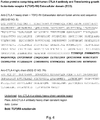
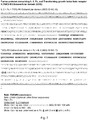
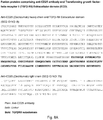
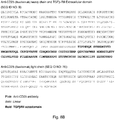


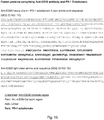
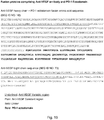
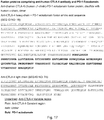

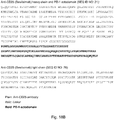



















Classifications
-
- C—CHEMISTRY; METALLURGY
- C07—ORGANIC CHEMISTRY
- C07K—PEPTIDES
- C07K16/00—Immunoglobulins [IG], e.g. monoclonal or polyclonal antibodies
- C07K16/18—Immunoglobulins [IG], e.g. monoclonal or polyclonal antibodies against material from animals or humans
- C07K16/28—Immunoglobulins [IG], e.g. monoclonal or polyclonal antibodies against material from animals or humans against receptors, cell surface antigens or cell surface determinants
- C07K16/2803—Immunoglobulins [IG], e.g. monoclonal or polyclonal antibodies against material from animals or humans against receptors, cell surface antigens or cell surface determinants against the immunoglobulin superfamily
- C07K16/2827—Immunoglobulins [IG], e.g. monoclonal or polyclonal antibodies against material from animals or humans against receptors, cell surface antigens or cell surface determinants against the immunoglobulin superfamily against B7 molecules, e.g. CD80, CD86
-
- A—HUMAN NECESSITIES
- A61—MEDICAL OR VETERINARY SCIENCE; HYGIENE
- A61K—PREPARATIONS FOR MEDICAL, DENTAL OR TOILETRY PURPOSES
- A61K31/00—Medicinal preparations containing organic active ingredients
- A61K31/70—Carbohydrates; Sugars; Derivatives thereof
- A61K31/7028—Compounds having saccharide radicals attached to non-saccharide compounds by glycosidic linkages
- A61K31/7034—Compounds having saccharide radicals attached to non-saccharide compounds by glycosidic linkages attached to a carbocyclic compound, e.g. phloridzin
- A61K31/704—Compounds having saccharide radicals attached to non-saccharide compounds by glycosidic linkages attached to a carbocyclic compound, e.g. phloridzin attached to a condensed carbocyclic ring system, e.g. sennosides, thiocolchicosides, escin, daunorubicin
-
- A—HUMAN NECESSITIES
- A61—MEDICAL OR VETERINARY SCIENCE; HYGIENE
- A61K—PREPARATIONS FOR MEDICAL, DENTAL OR TOILETRY PURPOSES
- A61K38/00—Medicinal preparations containing peptides
- A61K38/16—Peptides having more than 20 amino acids; Gastrins; Somatostatins; Melanotropins; Derivatives thereof
- A61K38/17—Peptides having more than 20 amino acids; Gastrins; Somatostatins; Melanotropins; Derivatives thereof from animals; from humans
- A61K38/177—Receptors; Cell surface antigens; Cell surface determinants
- A61K38/179—Receptors; Cell surface antigens; Cell surface determinants for growth factors; for growth regulators
-
- A—HUMAN NECESSITIES
- A61—MEDICAL OR VETERINARY SCIENCE; HYGIENE
- A61K—PREPARATIONS FOR MEDICAL, DENTAL OR TOILETRY PURPOSES
- A61K39/00—Medicinal preparations containing antigens or antibodies
- A61K39/395—Antibodies; Immunoglobulins; Immune serum, e.g. antilymphocytic serum
- A61K39/39533—Antibodies; Immunoglobulins; Immune serum, e.g. antilymphocytic serum against materials from animals
- A61K39/3955—Antibodies; Immunoglobulins; Immune serum, e.g. antilymphocytic serum against materials from animals against proteinaceous materials, e.g. enzymes, hormones, lymphokines
-
- A—HUMAN NECESSITIES
- A61—MEDICAL OR VETERINARY SCIENCE; HYGIENE
- A61K—PREPARATIONS FOR MEDICAL, DENTAL OR TOILETRY PURPOSES
- A61K39/00—Medicinal preparations containing antigens or antibodies
- A61K39/395—Antibodies; Immunoglobulins; Immune serum, e.g. antilymphocytic serum
- A61K39/39533—Antibodies; Immunoglobulins; Immune serum, e.g. antilymphocytic serum against materials from animals
- A61K39/39558—Antibodies; Immunoglobulins; Immune serum, e.g. antilymphocytic serum against materials from animals against tumor tissues, cells, antigens
-
- A—HUMAN NECESSITIES
- A61—MEDICAL OR VETERINARY SCIENCE; HYGIENE
- A61K—PREPARATIONS FOR MEDICAL, DENTAL OR TOILETRY PURPOSES
- A61K45/00—Medicinal preparations containing active ingredients not provided for in groups A61K31/00 - A61K41/00
- A61K45/06—Mixtures of active ingredients without chemical characterisation, e.g. antiphlogistics and cardiaca
-
- A—HUMAN NECESSITIES
- A61—MEDICAL OR VETERINARY SCIENCE; HYGIENE
- A61K—PREPARATIONS FOR MEDICAL, DENTAL OR TOILETRY PURPOSES
- A61K47/00—Medicinal preparations characterised by the non-active ingredients used, e.g. carriers or inert additives; Targeting or modifying agents chemically bound to the active ingredient
- A61K47/50—Medicinal preparations characterised by the non-active ingredients used, e.g. carriers or inert additives; Targeting or modifying agents chemically bound to the active ingredient the non-active ingredient being chemically bound to the active ingredient, e.g. polymer-drug conjugates
- A61K47/51—Medicinal preparations characterised by the non-active ingredients used, e.g. carriers or inert additives; Targeting or modifying agents chemically bound to the active ingredient the non-active ingredient being chemically bound to the active ingredient, e.g. polymer-drug conjugates the non-active ingredient being a modifying agent
- A61K47/68—Medicinal preparations characterised by the non-active ingredients used, e.g. carriers or inert additives; Targeting or modifying agents chemically bound to the active ingredient the non-active ingredient being chemically bound to the active ingredient, e.g. polymer-drug conjugates the non-active ingredient being a modifying agent the modifying agent being an antibody, an immunoglobulin or a fragment thereof, e.g. an Fc-fragment
- A61K47/6801—Drug-antibody or immunoglobulin conjugates defined by the pharmacologically or therapeutically active agent
- A61K47/6803—Drugs conjugated to an antibody or immunoglobulin, e.g. cisplatin-antibody conjugates
-
- A—HUMAN NECESSITIES
- A61—MEDICAL OR VETERINARY SCIENCE; HYGIENE
- A61P—SPECIFIC THERAPEUTIC ACTIVITY OF CHEMICAL COMPOUNDS OR MEDICINAL PREPARATIONS
- A61P29/00—Non-central analgesic, antipyretic or antiinflammatory agents, e.g. antirheumatic agents; Non-steroidal antiinflammatory drugs [NSAID]
-
- A—HUMAN NECESSITIES
- A61—MEDICAL OR VETERINARY SCIENCE; HYGIENE
- A61P—SPECIFIC THERAPEUTIC ACTIVITY OF CHEMICAL COMPOUNDS OR MEDICINAL PREPARATIONS
- A61P35/00—Antineoplastic agents
-
- A—HUMAN NECESSITIES
- A61—MEDICAL OR VETERINARY SCIENCE; HYGIENE
- A61P—SPECIFIC THERAPEUTIC ACTIVITY OF CHEMICAL COMPOUNDS OR MEDICINAL PREPARATIONS
- A61P37/00—Drugs for immunological or allergic disorders
-
- A—HUMAN NECESSITIES
- A61—MEDICAL OR VETERINARY SCIENCE; HYGIENE
- A61P—SPECIFIC THERAPEUTIC ACTIVITY OF CHEMICAL COMPOUNDS OR MEDICINAL PREPARATIONS
- A61P37/00—Drugs for immunological or allergic disorders
- A61P37/02—Immunomodulators
-
- A—HUMAN NECESSITIES
- A61—MEDICAL OR VETERINARY SCIENCE; HYGIENE
- A61P—SPECIFIC THERAPEUTIC ACTIVITY OF CHEMICAL COMPOUNDS OR MEDICINAL PREPARATIONS
- A61P37/00—Drugs for immunological or allergic disorders
- A61P37/02—Immunomodulators
- A61P37/04—Immunostimulants
-
- A—HUMAN NECESSITIES
- A61—MEDICAL OR VETERINARY SCIENCE; HYGIENE
- A61P—SPECIFIC THERAPEUTIC ACTIVITY OF CHEMICAL COMPOUNDS OR MEDICINAL PREPARATIONS
- A61P37/00—Drugs for immunological or allergic disorders
- A61P37/02—Immunomodulators
- A61P37/06—Immunosuppressants, e.g. drugs for graft rejection
-
- A—HUMAN NECESSITIES
- A61—MEDICAL OR VETERINARY SCIENCE; HYGIENE
- A61P—SPECIFIC THERAPEUTIC ACTIVITY OF CHEMICAL COMPOUNDS OR MEDICINAL PREPARATIONS
- A61P43/00—Drugs for specific purposes, not provided for in groups A61P1/00-A61P41/00
-
- C—CHEMISTRY; METALLURGY
- C07—ORGANIC CHEMISTRY
- C07K—PEPTIDES
- C07K14/00—Peptides having more than 20 amino acids; Gastrins; Somatostatins; Melanotropins; Derivatives thereof
- C07K14/435—Peptides having more than 20 amino acids; Gastrins; Somatostatins; Melanotropins; Derivatives thereof from animals; from humans
- C07K14/475—Growth factors; Growth regulators
- C07K14/495—Transforming growth factor [TGF]
-
- C—CHEMISTRY; METALLURGY
- C07—ORGANIC CHEMISTRY
- C07K—PEPTIDES
- C07K14/00—Peptides having more than 20 amino acids; Gastrins; Somatostatins; Melanotropins; Derivatives thereof
- C07K14/435—Peptides having more than 20 amino acids; Gastrins; Somatostatins; Melanotropins; Derivatives thereof from animals; from humans
- C07K14/705—Receptors; Cell surface antigens; Cell surface determinants
- C07K14/70503—Immunoglobulin superfamily
- C07K14/70532—B7 molecules, e.g. CD80, CD86
-
- C—CHEMISTRY; METALLURGY
- C07—ORGANIC CHEMISTRY
- C07K—PEPTIDES
- C07K14/00—Peptides having more than 20 amino acids; Gastrins; Somatostatins; Melanotropins; Derivatives thereof
- C07K14/435—Peptides having more than 20 amino acids; Gastrins; Somatostatins; Melanotropins; Derivatives thereof from animals; from humans
- C07K14/705—Receptors; Cell surface antigens; Cell surface determinants
- C07K14/70575—NGF/TNF-superfamily, e.g. CD70, CD95L, CD153, CD154
-
- C—CHEMISTRY; METALLURGY
- C07—ORGANIC CHEMISTRY
- C07K—PEPTIDES
- C07K14/00—Peptides having more than 20 amino acids; Gastrins; Somatostatins; Melanotropins; Derivatives thereof
- C07K14/435—Peptides having more than 20 amino acids; Gastrins; Somatostatins; Melanotropins; Derivatives thereof from animals; from humans
- C07K14/705—Receptors; Cell surface antigens; Cell surface determinants
- C07K14/70578—NGF-receptor/TNF-receptor superfamily, e.g. CD27, CD30, CD40, CD95
-
- C—CHEMISTRY; METALLURGY
- C07—ORGANIC CHEMISTRY
- C07K—PEPTIDES
- C07K14/00—Peptides having more than 20 amino acids; Gastrins; Somatostatins; Melanotropins; Derivatives thereof
- C07K14/435—Peptides having more than 20 amino acids; Gastrins; Somatostatins; Melanotropins; Derivatives thereof from animals; from humans
- C07K14/705—Receptors; Cell surface antigens; Cell surface determinants
- C07K14/70596—Molecules with a "CD"-designation not provided for elsewhere
-
- C—CHEMISTRY; METALLURGY
- C07—ORGANIC CHEMISTRY
- C07K—PEPTIDES
- C07K14/00—Peptides having more than 20 amino acids; Gastrins; Somatostatins; Melanotropins; Derivatives thereof
- C07K14/435—Peptides having more than 20 amino acids; Gastrins; Somatostatins; Melanotropins; Derivatives thereof from animals; from humans
- C07K14/705—Receptors; Cell surface antigens; Cell surface determinants
- C07K14/71—Receptors; Cell surface antigens; Cell surface determinants for growth factors; for growth regulators
-
- C—CHEMISTRY; METALLURGY
- C07—ORGANIC CHEMISTRY
- C07K—PEPTIDES
- C07K16/00—Immunoglobulins [IG], e.g. monoclonal or polyclonal antibodies
- C07K16/18—Immunoglobulins [IG], e.g. monoclonal or polyclonal antibodies against material from animals or humans
- C07K16/28—Immunoglobulins [IG], e.g. monoclonal or polyclonal antibodies against material from animals or humans against receptors, cell surface antigens or cell surface determinants
-
- C—CHEMISTRY; METALLURGY
- C07—ORGANIC CHEMISTRY
- C07K—PEPTIDES
- C07K16/00—Immunoglobulins [IG], e.g. monoclonal or polyclonal antibodies
- C07K16/18—Immunoglobulins [IG], e.g. monoclonal or polyclonal antibodies against material from animals or humans
- C07K16/28—Immunoglobulins [IG], e.g. monoclonal or polyclonal antibodies against material from animals or humans against receptors, cell surface antigens or cell surface determinants
- C07K16/2803—Immunoglobulins [IG], e.g. monoclonal or polyclonal antibodies against material from animals or humans against receptors, cell surface antigens or cell surface determinants against the immunoglobulin superfamily
- C07K16/2812—Immunoglobulins [IG], e.g. monoclonal or polyclonal antibodies against material from animals or humans against receptors, cell surface antigens or cell surface determinants against the immunoglobulin superfamily against CD4
-
- C—CHEMISTRY; METALLURGY
- C07—ORGANIC CHEMISTRY
- C07K—PEPTIDES
- C07K16/00—Immunoglobulins [IG], e.g. monoclonal or polyclonal antibodies
- C07K16/18—Immunoglobulins [IG], e.g. monoclonal or polyclonal antibodies against material from animals or humans
- C07K16/28—Immunoglobulins [IG], e.g. monoclonal or polyclonal antibodies against material from animals or humans against receptors, cell surface antigens or cell surface determinants
- C07K16/2803—Immunoglobulins [IG], e.g. monoclonal or polyclonal antibodies against material from animals or humans against receptors, cell surface antigens or cell surface determinants against the immunoglobulin superfamily
- C07K16/2815—Immunoglobulins [IG], e.g. monoclonal or polyclonal antibodies against material from animals or humans against receptors, cell surface antigens or cell surface determinants against the immunoglobulin superfamily against CD8
-
- C—CHEMISTRY; METALLURGY
- C07—ORGANIC CHEMISTRY
- C07K—PEPTIDES
- C07K16/00—Immunoglobulins [IG], e.g. monoclonal or polyclonal antibodies
- C07K16/18—Immunoglobulins [IG], e.g. monoclonal or polyclonal antibodies against material from animals or humans
- C07K16/28—Immunoglobulins [IG], e.g. monoclonal or polyclonal antibodies against material from animals or humans against receptors, cell surface antigens or cell surface determinants
- C07K16/2851—Immunoglobulins [IG], e.g. monoclonal or polyclonal antibodies against material from animals or humans against receptors, cell surface antigens or cell surface determinants against the lectin superfamily, e.g. CD23, CD72
-
- C—CHEMISTRY; METALLURGY
- C07—ORGANIC CHEMISTRY
- C07K—PEPTIDES
- C07K16/00—Immunoglobulins [IG], e.g. monoclonal or polyclonal antibodies
- C07K16/18—Immunoglobulins [IG], e.g. monoclonal or polyclonal antibodies against material from animals or humans
- C07K16/28—Immunoglobulins [IG], e.g. monoclonal or polyclonal antibodies against material from animals or humans against receptors, cell surface antigens or cell surface determinants
- C07K16/2863—Immunoglobulins [IG], e.g. monoclonal or polyclonal antibodies against material from animals or humans against receptors, cell surface antigens or cell surface determinants against receptors for growth factors, growth regulators
-
- C—CHEMISTRY; METALLURGY
- C07—ORGANIC CHEMISTRY
- C07K—PEPTIDES
- C07K16/00—Immunoglobulins [IG], e.g. monoclonal or polyclonal antibodies
- C07K16/18—Immunoglobulins [IG], e.g. monoclonal or polyclonal antibodies against material from animals or humans
- C07K16/28—Immunoglobulins [IG], e.g. monoclonal or polyclonal antibodies against material from animals or humans against receptors, cell surface antigens or cell surface determinants
- C07K16/2866—Immunoglobulins [IG], e.g. monoclonal or polyclonal antibodies against material from animals or humans against receptors, cell surface antigens or cell surface determinants against receptors for cytokines, lymphokines, interferons
-
- C—CHEMISTRY; METALLURGY
- C07—ORGANIC CHEMISTRY
- C07K—PEPTIDES
- C07K16/00—Immunoglobulins [IG], e.g. monoclonal or polyclonal antibodies
- C07K16/18—Immunoglobulins [IG], e.g. monoclonal or polyclonal antibodies against material from animals or humans
- C07K16/28—Immunoglobulins [IG], e.g. monoclonal or polyclonal antibodies against material from animals or humans against receptors, cell surface antigens or cell surface determinants
- C07K16/30—Immunoglobulins [IG], e.g. monoclonal or polyclonal antibodies against material from animals or humans against receptors, cell surface antigens or cell surface determinants from tumour cells
-
- C—CHEMISTRY; METALLURGY
- C07—ORGANIC CHEMISTRY
- C07K—PEPTIDES
- C07K19/00—Hybrid peptides, i.e. peptides covalently bound to nucleic acids, or non-covalently bound protein-protein complexes
-
- A—HUMAN NECESSITIES
- A61—MEDICAL OR VETERINARY SCIENCE; HYGIENE
- A61K—PREPARATIONS FOR MEDICAL, DENTAL OR TOILETRY PURPOSES
- A61K39/00—Medicinal preparations containing antigens or antibodies
- A61K2039/505—Medicinal preparations containing antigens or antibodies comprising antibodies
-
- A—HUMAN NECESSITIES
- A61—MEDICAL OR VETERINARY SCIENCE; HYGIENE
- A61K—PREPARATIONS FOR MEDICAL, DENTAL OR TOILETRY PURPOSES
- A61K39/00—Medicinal preparations containing antigens or antibodies
- A61K2039/57—Medicinal preparations containing antigens or antibodies characterised by the type of response, e.g. Th1, Th2
- A61K2039/572—Medicinal preparations containing antigens or antibodies characterised by the type of response, e.g. Th1, Th2 cytotoxic response
-
- C—CHEMISTRY; METALLURGY
- C07—ORGANIC CHEMISTRY
- C07K—PEPTIDES
- C07K2317/00—Immunoglobulins specific features
- C07K2317/30—Immunoglobulins specific features characterized by aspects of specificity or valency
- C07K2317/33—Crossreactivity, e.g. for species or epitope, or lack of said crossreactivity
-
- C—CHEMISTRY; METALLURGY
- C07—ORGANIC CHEMISTRY
- C07K—PEPTIDES
- C07K2317/00—Immunoglobulins specific features
- C07K2317/50—Immunoglobulins specific features characterized by immunoglobulin fragments
- C07K2317/52—Constant or Fc region; Isotype
- C07K2317/526—CH3 domain
-
- C—CHEMISTRY; METALLURGY
- C07—ORGANIC CHEMISTRY
- C07K—PEPTIDES
- C07K2317/00—Immunoglobulins specific features
- C07K2317/60—Immunoglobulins specific features characterized by non-natural combinations of immunoglobulin fragments
- C07K2317/62—Immunoglobulins specific features characterized by non-natural combinations of immunoglobulin fragments comprising only variable region components
- C07K2317/622—Single chain antibody (scFv)
-
- C—CHEMISTRY; METALLURGY
- C07—ORGANIC CHEMISTRY
- C07K—PEPTIDES
- C07K2317/00—Immunoglobulins specific features
- C07K2317/70—Immunoglobulins specific features characterized by effect upon binding to a cell or to an antigen
- C07K2317/73—Inducing cell death, e.g. apoptosis, necrosis or inhibition of cell proliferation
-
- C—CHEMISTRY; METALLURGY
- C07—ORGANIC CHEMISTRY
- C07K—PEPTIDES
- C07K2317/00—Immunoglobulins specific features
- C07K2317/70—Immunoglobulins specific features characterized by effect upon binding to a cell or to an antigen
- C07K2317/76—Antagonist effect on antigen, e.g. neutralization or inhibition of binding
-
- C—CHEMISTRY; METALLURGY
- C07—ORGANIC CHEMISTRY
- C07K—PEPTIDES
- C07K2319/00—Fusion polypeptide
-
- C—CHEMISTRY; METALLURGY
- C07—ORGANIC CHEMISTRY
- C07K—PEPTIDES
- C07K2319/00—Fusion polypeptide
- C07K2319/70—Fusion polypeptide containing domain for protein-protein interaction
Definitions
- the present invention relates generally to the field of targeted immunomodulatory antibodies and fusion proteins for cancer therapy and more specifically to composition and methods for targeted immunostimulatory or immunosuppressive antibodies and fusion proteins to counteract or induce immune tolerance of cancer cells.
- the immune system provides the human body with a means to recognize and defend itself against microorganisms and substances recognized as foreign or potentially harmful. While passive immunotherapy of cancer with monoclonal antibodies and passive transfer of T cells to attack tumor cells have demonstrated clinical efficacy, the goal of active therapeutic vaccination to induce these immune effectors and establish immunological memory against tumor cells has remained challenging. Several tumor-specific and tumor-associated antigens have been identified, yet these antigens are generally weakly immunogenic and tumors employ diverse mechanisms to create a tolerogenic environment that allows them to evade immunologic attack. Strategies to overcome such immune tolerance and activating robust levels of antibody and/or T cell responses hold the key to effective cancer immunotherapy.
- the targeting moiety includes an antibody, antibody fragment, scFv, or Fc-containing polypeptide that specifically binds a component of a tumor cell, tumor antigen, tumor vasculature, tumor microenvironment, or tumor-infiltrating immune cell.
- the targeting moiety specifically binds epidermal growth factor receptor (EGFR1, Erb-B1), HER2/neu (Erb-B2), CD20, Vascular endothelial growth factor (VEGF), insulin-like growth factor receptor (IGF-1R), TRAIL-receptor, epithelial cell adhesion molecule, carcino-embryonic antigen, Prostate-specific membrane antigen, Mucin-1, CD30, CD33, or CD40.
- the immunomodulatory moiety specifically binds one of the following molecules: (i) Transforming growth factor-beta (TGF- ⁇ ); (ii) Programmed death-1 ligand (PD-L1 or PD-L2); or (iii) Receptor activator of nuclear factor- ⁇ B (RANK) ligand (RANKL).
- TGF- ⁇ Transforming growth factor-beta
- PD-L1 or PD-L2 Programmed death-1 ligand
- RANK Receptor activator of nuclear factor- ⁇ B ligand
- the immunomodulatory moiety includes a molecule that binds TGF- ⁇ .
- the immunomodulatory moiety includes an extracellular ligand-binding domain of Transforming growth factor-beta receptor TGF- ⁇ RII, TGF- ⁇ RIIb, or TGF- ⁇ RIII.
- the immunomodulatory moiety includes an extracellular ligand-binding domain of TGF- ⁇ RII.
- the immunomodulatory moiety inhibits the activity or function of TGF- ⁇ .
- the targeting moiety includes an antibody, antibody fragment, or polypeptide that specifically binds to HER2/neu, EGFR1, CD20, vascular endothelial growth factor (VEGF), cytotoxic T-lymphocyte antigen-4 (CTLA-4), CD25 (IL-2 ⁇ receptor; IL-2 ⁇ R), or CD4.
- VEGF vascular endothelial growth factor
- CTLA-4 cytotoxic T-lymphocyte antigen-4
- CD25 IL-2 ⁇ receptor
- CD4 CD25
- the immunomodulatory moiety includes an extracellular ligand-binding domain of TGF- ⁇ RII.
- the molecule includes an amino acid sequence corresponding to SEQ ID NO: 1, 2, 3, 4, 5, 6, 7, 8, 9 or 10
- the targeting moiety includes an antibody, antibody fragment, or polypeptide that specifically binds to Programmed Death-1 (PD-1), Programmed death-1 ligand 1 (PD-L1), or Programmed death-1 ligand 2 (PD-L2).
- the targeting moiety includes an extracellular ligand-binding domain or ectodomain of Programmed Death-1 (PD-1).
- the immunomodulatory moiety includes an extracellular ligand-binding domain of TGF- ⁇ RII.
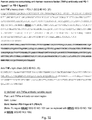
- the molecule includes PD-1 ectodomain, immunoglobulin Fc region, and TGF ⁇ RII ectodomain.
- the molecule includes an amino acid sequence corresponding to SEQ ID NO: 11 or 12.
- the targeting moiety includes an antibody, antibody fragment, or polypeptide that specifically binds to Receptor activator of nuclear factor- ⁇ B (RANK) or Receptor activator of nuclear factor- ⁇ B ligand (RANKL).
- the targeting moiety includes an extracellular ligand-binding domain or ectodomain of Receptor activator of nuclear factor- ⁇ B (RANK).
- the immunomodulatory moiety includes an extracellular ligand-binding domain of TGF- ⁇ RII.
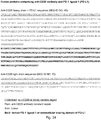
- the molecule includes RANK ectodomain, immunoglobulin Fc region, and TGF ⁇ RII ectodomain.
- the molecule includes an amino acid sequence corresponding to SEQ ID NO: 13 or 14.
- the immunomodulatory moiety includes a molecule that specifically binds to Programmed death-1 ligand 1 (PD-L1) or Programmed death-1 ligand 2 (PD-L2).
- the immunomodulatory moiety includes an extracellular ligand-binding domain or ectodomain of Programmed Death-1 (PD-1).
- the immunomodulatory moiety inhibits the activity or function of Programmed death-1 ligand 1 (PD-L1).
- the targeting moiety includes an antibody, antibody fragment, or polypeptide that specifically binds to HER2/neu, EGFR1, CD20, vascular endothelial growth factor (VEGF), cytotoxic T-lymphocyte antigen-4 (CTLA-4), CD25 (IL-2 ⁇ receptor; IL-2 ⁇ R), or CD4.
- the immunomodulatory moiety includes an extracellular ligand-binding domain or ectodomain of Programmed Death-1 (PD-1).
- the molecule includes an amino acid sequence corresponding to SEQ ID NO: 15, 16, 17, 18, 19, 20, 21, 22, 23, or 24.
- the targeting moiety includes an antibody, antibody fragment, or polypeptide that specifically binds to Receptor activator of nuclear factor- ⁇ B (RANK) or Receptor activator of nuclear factor- ⁇ B ligand (RANKL).
- the targeting moiety includes an extracellular ligand-binding domain or ectodomain of Receptor activator of nuclear factor- ⁇ B (RANK).
- the immunomodulatory moiety includes an extracellular ligand-binding domain of Programmed Death-1 (PD-1).
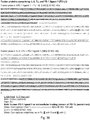
- the molecule includes RANK ectodomain, immunoglobulin Fc region, and PD-1 ectodomain.
- the molecule includes an amino acid sequence corresponding to SEQ ID NO: 25 or 26.
- the immunomodulatory moiety includes a molecule that specifically binds to Receptor activator of nuclear factor- ⁇ B ligand (RANKL).
- the immunomodulatory moiety includes an extracellular ligand-binding domain or ectodomain of Receptor activator of nuclear factor- ⁇ B (RANK).
- the immunomodulatory moiety inhibits the activity or function of Receptor activator of nuclear factor- ⁇ B ligand (RANKL).
- the targeting moiety includes an antibody, antibody fragment, or polypeptide that specifically binds to HER2/neu, EGFR1, CD20, vascular endothelial growth factor (VEGF), cytotoxic T-lymphocyte antigen-4 (CTLA-4), CD25 (IL-2 ⁇ receptor; IL-2 ⁇ R), or CD4.
- the immunomodulatory moiety includes an extracellular ligand-binding domain or ectodomain of Receptor activator of nuclear factor- ⁇ B (RANK).
- the molecule includes an amino acid sequence corresponding to SEQ ID NO: 27, 28, 29, 30, 31, 32, 33, 34, 35, or 36.
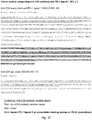
- the immunomodulatory moiety includes a sequence from Programmed death-1 ligand 1 (PD-L1) or Programmed death-1 ligand 2 (PD-L2). In an additional aspect, the immunomodulatory moiety increases the function of PD-1.
- the targeting moiety specifically binds to Tumor Necrosis Factor- ⁇ (TNF- ⁇ ), and the immunomodulatory moiety includes a sequence from Programmed death-1 ligand 1 (PD-L1) or Programmed death-1 ligand 2 (PD-L2).
- the targeting moiety includes an antibody that binds TNF- ⁇
- the immunomodulatory moiety includes a sequence from PD-1 ligand 1 (PD-L1 or B7-H1).
- the molecule includes an amino acid sequence corresponding to SEQ ID NO: 37.
- the targeting moiety includes an extracellular ligand-binding domain of tumor necrosis factor receptor 2 (TNFR2), and the immunomodulatory moiety includes a sequence from PD-1 ligand 1 (PD-L1 or B7-H1).
- TNFR2 Extracellular ligand binding domain, immunoglobulin Fc region, and a sequence from PD-L1.
- the molecule includes an amino acid sequence corresponding to SEQ ID NO: 38 or 39.
- the targeting moiety includes an antibody or antibody fragment that specifically binds to CD20, CD25, or CD4, and the immunomodulatory moiety includes a sequence from Programmed death-1 ligand 1 (PD-L1) or Programmed death-1 ligand 2 (PD-L2).
- the molecule includes an amino acid sequence corresponding to SEQ ID NO: 40, 41, 42, 43, 44, or 45.
- the targeting moiety includes the extracellular domain of CTLA-4 and immunoglobulin Fc region (IgG C ⁇ 1), and the immunomodulatory moiety includes a sequence from Programmed death-1 ligand 1 (PD-L1) or Programmed death-1 ligand 2 (PD-L2).
- the molecule includes an amino acid sequence corresponding to SEQ ID NO: 46 or 47.
- the targeting moiety includes transforming growth factor- ⁇ (TGF- ⁇ ) and immunoglobulin Fc region (IgG C ⁇ 1)
- the immunomodulatory moiety includes a sequence from Programmed death-1 ligand 1 (PD-L1) or Programmed death-1 ligand 2 (PD-L2).
- the molecule includes an amino acid sequence corresponding to SEQ ID NO: 48 or 49.
- the immunomodulatory moiety includes a sequence from transforming growth factor- ⁇ (TGF- ⁇ ). In an additional aspect, the immunomodulatory moiety activates the signaling function of transforming growth factor- ⁇ (TGF- ⁇ ) receptor.
- the targeting moiety includes an antibody, antibody fragment, or polypeptide that specifically binds to Tumor Necrosis Factor- ⁇ (TNF- ⁇ ), and the immunomodulatory moiety includes a sequence from transforming growth factor- ⁇ (TGF- ⁇ ).
- TGF- ⁇ Tumor Necrosis Factor- ⁇
- the targeting moiety includes an antibody that binds TNF- ⁇
- the immunomodulatory moiety includes a sequence from TGF- ⁇ .
- the molecule includes an amino acid sequence corresponding to SEQ ID NO: 50.
- the targeting moiety includes an extracellular ligand-binding domain of tumor necrosis factor receptor 2 (TNFR2).
- the molecule includes TNFR2 Extracellular ligand binding domain, immunoglobulin Fc region, and a sequence from transforming growth factor- ⁇ (TGF- ⁇ ).
- TGF- ⁇ transforming growth factor- ⁇
- the molecule includes an amino acid sequence corresponding to SEQ ID NO: 51 or 52.
- the targeting moiety includes an antibody or antibody fragment that specifically binds to CD20, CD25 (IL-2 ⁇ receptor; IL-2 ⁇ R), or CD4, and the immunomodulatory moiety includes a sequence from transforming growth factor- ⁇ (TGF- ⁇ ).
- TGF- ⁇ transforming growth factor- ⁇
- the molecule includes an amino acid sequence corresponding to SEQ ID NO: 53, 54, 55, 56, 57 or 58.
- the targeting moiety includes an extracellular domain of CTLA-4 and immunoglobulin Fc region (IgG C ⁇ 1), and the immunomodulatory moiety includes a sequence from transforming growth factor- ⁇ (TGF- ⁇ ).
- TGF- ⁇ transforming growth factor- ⁇
- the molecule includes an amino acid sequence corresponding to SEQ ID NO: 59 or 60.
- the targeting moiety includes an antibody, antibody fragment, or polypeptide that specifically binds to Tumor Necrosis Factor- ⁇ (TNF- ⁇ ), and the immunomodulatory moiety includes an extracellular RANKL-binding domain or ectodomain of Receptor activator of nuclear factor- ⁇ B (RANK).
- the targeting moiety includes an antibody that binds TNF- ⁇ , and the immunomodulatory moiety includes a sequence from an extracellular RANKL-binding domain or ectodomain of RANK.
- the molecule includes an amino acid sequence corresponding to SEQ ID NO: 61.
- the targeting moiety includes an extracellular ligand-binding domain of tumor necrosis factor receptor 2 (TNFR2).
- the molecule includes TNFR2 Extracellular ligand binding domain, immunoglobulin Fc region, and a sequence from an extracellular RANK-binding domain or ectodomain of RANK.
- the molecule includes an amino acid sequence corresponding to SEQ ID NO: 62 or 63.
- the targeting moiety includes an extracellular domain of CTLA-4 and immunoglobulin Fc region (IgG C ⁇ 1), and the immunomodulatory moiety includes an extracellular RANKL-binding domain or ectodomain of Receptor activator of nuclear factor- ⁇ B (RANK).
- the molecule includes an amino acid sequence corresponding to SEQ ID NO: 64 or 65.
- the targeting moiety includes includes a sequence from transforming growth factor- ⁇ (TGF- ⁇ ) and immunoglobulin Fc region (IgG C ⁇ 1), and the immunomodulatory moiety includes an extracellular RANKL-binding domain or ectodomain of Receptor activator of nuclear factor- ⁇ B (RANK).
- the molecule includes an amino acid sequence corresponding to SEQ ID NO: 66 or 67.
- the targeting moiety includes a sequence from Programmed death-1 ligand 1 (PD-L1) and immunoglobulin Fc region (IgG C ⁇ 1), and the immunomodulatory moiety includes an extracellular RANKL-binding domain or ectodomain of Receptor activator of nuclear factor- ⁇ B (RANK).
- the molecule includes an amino acid sequence corresponding to SEQ ID NO: 68 or 69.
- the molecule is fused or directly linked to one or more antigen, antigenic determinant, or epitope.
- the present invention provides a composition including the molecule of the invention and a cell, wherein the cell is a tumor cell, immune cell, or dendritic cell.
- the present invention provides a method of counteracting or overcoming immune tolerance.
- the method includes administering to a subject in need thereof one or more molecule of the invention.
- the present invention provides a method of preventing or treating a neoplastic disease.
- the method includes administration to a subject in need thereof one or more molecule of the invention.
- the subject is administered one or more molecule of the invention in combination with another anticancer therapy.
- the anticancer therapy includes a chemotherapeutic molecule, antibody, small molecule kinase inhibitor, hormonal agent or cytotoxic agent.
- the anticancer therapy includes ionizing radiation, ultraviolet radiation, cryoablation, thermal ablation, or radiofrequency ablation.
- the present invention provides a method of preventing or treating a neoplastic disease.
- the method includes administration to a subject in need thereof an antibody that targets and depletes CD4+ regulatory T cells (Tregs) in combination with another cytotoxic anticancer therapy.
- the antibody that targets and depletes Tregs is an anti-CD4 antibody.
- the cytotoxic anticancer therapy includes a chemotherapeutic molecule, tumor-targeted antibody, small molecule kinase inhibitor, hormonal agent or tumor-targeted cytotoxic agent.
- the cytotoxic anticancer therapy includes ionizing radiation, ultraviolet radiation, cryoablation, thermal ablation, or radiofrequency ablation.
- the subject is administered one or more molecule of the invention in combination with any vaccine.
- the vaccine includes a tumor antigen, tumor-associated antigen, tumor epitope, tumor antigen-containing fusion protein, tumor cell, or dendritic cell.
- the vaccine includes a pathogen antigen, pathogen-associated antigen, pathogen epitope, or pathogen antigen-containing fusion protein.
- the present invention provides a method for treating immune cells wherein the cells are contacted ex vivo or in vitro with a molecule of the invention.
- the present invention provides a method of treatment of a neoplastic disease. The method includes administering to a subject in need thereof a composition of immune cells contacted with a molecule of the invention.
- the present invention provides a method of inducing or promoting immune tolerance.
- the method includes administering to a subject in need thereof one or more molecule of the invention.
- the present invention provides a method of preventing or treating an autoimmune or inflammatory disease including administering to a subject in need thereof one or more molecule of the invention.
- the subject is administered one or more molecule of the invention in combination with another anti-inflammatory or immunosuppressive therapy.
- the present invention provides a method of treatment of immune cells wherein the cells are contacted ex vivo or in vitro with a molecule of the invention.
- the present invention provides a method of treating an autoimmune or inflammatory disease or preventing rejection of grafted cells or tissue. The method includes administering to a subject in need thereof a composition of immune cells contacted with a molecule of the invention.
- Chemotherapy is a cornerstone of systemic treatment of patients with most common types of advanced cancers.
- chemotherapeutic agents employ diverse mechanisms to directly kill tumor cells, the present invention provides that these agents have immuno-adjuvant effects which activate innate and adaptive antitumor immune responses that are crucial for their antitumor efficacy in vivo.
- the present invention also provides that antitumor CD8 + T cells play an instrumental role in the in vivo response of tumors to diverse cytotoxic chemotherapeutic agents.
- chemotherapeutic agents can induce "immunogenic" tumor cell death and facilitate cross-presentation of antigens by dendritic cells
- tumors create a tolerogenic environment that allows them to suppress the activation of innate and adaptive immune responses and evade immunologic attack by immune effector cells.
- the present invention provides that strategies to counteract tumor-induced immune tolerance in the tumor microenvironment can enhance the antitumor efficacy of chemotherapy by activating and leveraging T cell-mediated adaptive antitumor immunity against disseminated cancer cells.
- the present invention is based on the seminal discovery that targeted immunomodulatory antibodies and fusion proteins can counteract or reverse immune tolerance of cancer cells. Cancer cells are able to escape elimination by chemotherapeutic agents or tumor-targeted antibodies via specific immunosuppressive mechanisms in the tumor microenvironment and such ability of cancer cells is recognized as immune tolerance. By counteracting tumor-induced immune tolerance, the present invention provides effective compositions and methods for cancer treatment, optional in combination with another existing cancer treatment.
- the present invention provides compositions and methods for targeted immunostimulatory antibodies and fusion proteins that counteract immune tolerance in the tumor microenvironment and promote T cell-mediated adaptive antitumor immunity for maintenance of durable long-term protection against recurrent or disseminated cancers.
- These tumor-targeted immunostimulatory molecules are designed to facilitate effective long term T cell-mediated immune responses against tumor cells by at least one of the following:
- tumor-targeted immunostimulatory antibodies and/or fusion proteins of the invention are designed to overcome such immune tolerance in the tumor microenvironment and activate robust levels of T cell responses for effective cancer immunotherapy or chemo-immunotherapy. Accordingly, the tumor-targeted immunostimulatory antibodies and/or fusion proteins of the invention have broad clinical relevance for advancing the treatment of many types of human cancers.
- the tumor-targeted immunostimulatory mAbs and/or fusion proteins of the invention provide their ability to generate and boost antitumor immunity to multiple cross-presented tumor antigens obtained from endogenous tumor cells during the course of therapy (as an in situ tumor vaccine), while simultaneously leveraging the antitumor immune response to eliminate disseminated cancer cells. Accordingly, the tumor-targeted immunostimulatory antibodies and/or fusion proteins of the invention can integrate the hitherto distinct fields of passive and active immunotherapy and provide a novel platform for simultaneously leveraging the synergistic benefits of these strategies to entrain effective innate and adaptive immune responses against targeted cancers.
- This approach of the present invention is distinguished from and superior to conventional tumor antigen-, allogeneic tumor cell- or DC-based vaccines in at least one of the following aspects: (i) There is no a priori requirement to define, clone and purify individual tumor antigens, since the patient's tumor itself is the in vivo source of antigens; (ii) Multivalent antitumor immune responses that are naturally tailored against antigens from the patient's own tumor are less likely to allow immune escape than a preselected tumor antigen; (iii) The activation of antitumor immune responses by the immuno-adjuvant effects of tumor-targeted immunostimulatory antibodies or fusion proteins occurs in tandem with the sensitization of tumor cells to immune effector-mediated cytotoxicity, thereby establishing a positive feedback loop that augments tumor cytoreduction and reinforces adaptive antitumor immunity; and (iv) The molecules of the invention have broad clinical relevance for advancing the treatment of many types of human cancers.
- the targeted immunostimulatory antibodies and/or fusion proteins of the invention are distinguished from and superior to existing therapeutic molecules in at least one of the following aspects: (i) To counteract immune tolerance in the tumor microenvironment and promote T cell-mediated adaptive antitumor immunity for maintenance of long-term protection against recurrent or disseminated cancers (for prevention or treatment of diverse cancers); (ii) To produce immune cell compositions for adoptive cellular therapy of diverse cancers; and (iii) To serve as immune adjuvants or vaccines for prophylaxis of diverse cancers or infectious diseases.
- the targeted immunostimulatory antibodies and/or fusion proteins of the invention provide the ability to disrupt immunosuppressive networks in the tumor microenvironment.
- Tumors employ a wide array of regulatory mechanisms to avoid or suppress the immune response.
- Cancer cells actively promote immune tolerance in the tumor microenvironment via the expression of cytokines and molecules that inhibit the differentiation and maturation of antigen-presenting dendritic cells.
- the immunosuppressive cytokines and ligands produced by tumor cells include the following: (i) Transforming growth factor-beta (TGF- ⁇ ); (ii) Programmed death-1 ligand 1 (PD-L1; B7-H1); (iii) Vascular endothelial growth factor (VEGF); and (iv) Interleukin-10 (IL-10).
- Treg cells In addition to blocking dendritic cell (DC) maturation, these molecules promote the development of specialized subsets of immunosuppressive CD4 + T cells (regulatory T cells; Treg cells) and myeloid-derived suppressor cells (MDSC). Tregs are a minority sub-population of CD4 + T cells that constitutively express CD25 [the interleukin-2 (IL-2) receptor ⁇ -chain] and the forkhead box P3 (FOXP3) transcription factor.
- IL-2 interleukin-2
- FOXP3 forkhead box P3
- Tregs maintain immune tolerance by restraining the activation, proliferation, and effector functions of a wide range of immune cells, including CD4 + and CD8 + T cells, natural killer (NK) and NKT cells, B cells and antigen presenting cells (APCs) in vitro and in vivo.
- the accumulation of Treg cells in the tumor microenvironment re-inforces tumor immune tolerance and facilitates tumor progression and metastases.
- the increased expression of immunosuppressive cytokines (TGF- ⁇ ; PD-L1) and tumor-infiltrating Tregs is correlated with a reduction of survival of patients with diverse types of cancers.
- CTL-4 Cytotoxic T-lymphocyte associated protein 4
- CD152 Cytotoxic T-lymphocyte associated protein 4
- APC antigen presenting cell
- PD-L1 Programmed death-1 ligand 1
- PD-H1 Programmed death-1 ligand 1
- TGF- ⁇ Transforming growth factor-beta
- a cytokine which regulates immune responses by restricting the maturation and antigen-presenting function of dendritic cells, inhibiting the proliferation and activation of naive T cells, suppressing the expression of cytotoxic molecules (Granzyme A/B, FasL, Apo2L/TRAIL, IFN- ⁇ ) in immune effector cells, and promoting the development and function of Tregs
- cytotoxic molecules Granzyme A/B, FasL, Apo2L/TRAIL, IFN- ⁇
- RNKL Receptor activator of nuclear factor- ⁇ B ligand
- RANK Receptor activator of nuclear factor- ⁇ B ligand
- Tregs express other surface molecules; (v) LAG-3, a CD4-related molecule that binds MHC class II; (vi) glucocorticoid-induced tumor necrosis factor receptor family-related gene (GITR; TNFRSF18); and (vii) IL-10.
- the targeted immunostimulatory antibodies and/or fusion proteins of the invention provide the ability to bind a targeted molecule expressed by Tregs or myeloid suppressor cells while concurrently sequestering and inhibiting one or more immunosuppressive molecule that promotes their development, survival or function.
- the targeted immunostimulatory antibodies and/or fusion proteins directly deplete the number of Tregs.
- the present invention provides a molecule including a targeting moiety fused with an immunomodulatory moiety.
- the targeting moiety specifically binds a target molecule expressed by Treg cells, myeloid suppressor cells (MDSC), or dendritic cells (DC), and the immunomodulatory moiety specifically binds an immunosuppressive molecule that promotes their development, survival or function.
- MDSC myeloid suppressor cells
- DC dendritic cells
- the present invention provides a molecule including a targeting moiety fused with an immunomodulatory moiety.
- the targeting moiety specifically binds a target molecule
- the immunomodulatory moiety specifically binds one of the following molecules: (i) Transforming growth factor-beta (TGF- ⁇ ); (ii) Programmed death-1 ligand 1 (PD-L1) or Programmed death-1 ligand 2 (PD-L2); (iii) Receptor activator of nuclear factor- ⁇ B (RANK) ligand (RANKL); (iv) Vascular endothelial growth factor (VEGF); (v) Transforming growth factor-beta receptor (TGF- ⁇ R); (vi) Programmed death-1 (PD-1); and (vii) Receptor activator of nuclear factor- ⁇ B (RANK).
- TGF- ⁇ Transforming growth factor-beta
- P-L1 Programmed death-1 ligand 1
- PD-L2 Programmed death-1 ligand 2
- RANK Receptor activator of
- the immunomodulatory moiety specifically binds one of the following molecules: (i) Transforming growth factor-beta (TGF- ⁇ ); (ii) Programmed death-1 ligand (PD-L1 or PD-L2); (iii) Receptor activator of nuclear factor- ⁇ B (RANK) ligand (RANKL); or (iv) vascular endothelial growth factor (VEGF).
- TGF- ⁇ Transforming growth factor-beta
- PD-L1 or PD-L2 Programmed death-1 ligand
- RANK nuclear factor- ⁇ B
- VEGF vascular endothelial growth factor
- the targeting moiety includes an antibody, antibody fragment, or polypeptide that specifically binds to Receptor activator of nuclear factor- ⁇ B (RANK) or Receptor activator of nuclear factor- ⁇ B ligand (RANKL).
- the targeting moiety includes an extracellular ligand-binding domain or ectodomain of Receptor activator of nuclear factor- ⁇ B (RANK).
- the immunomodulatory moiety includes an extracellular ligand-binding domain of TGF- ⁇ RII.
- the molecule includes RANK ectodomain, immunoglobulin Fc region, and TGF ⁇ RII ectodomain.
- the molecule includes an amino acid sequence corresponding to SEQ ID NO: 13 or 14.
- the immunomodulatory moiety includes a molecule that specifically binds to Programmed death-1 ligand 1 (PD-L1) or Programmed death-1 ligand 2 (PD-L2).
- the immunomodulatory moiety includes an extracellular ligand-binding domain or ectodomain of Programmed Death-1 (PD-1).
- the molecule includes a PD-L1-binding amino acid sequence corresponding to SEQ ID NO: 92, 93, or 94.
- the immunomodulatory moiety inhibits the activity or function of Programmed death-1 ligand 1 (PD-L1).
- the targeting moiety includes an antibody, antibody fragment, or polypeptide that specifically binds to Receptor activator of nuclear factor- ⁇ B (RANK) or Receptor activator of nuclear factor- ⁇ B ligand (RANKL).
- the targeting moiety includes an extracellular ligand-binding domain or ectodomain of Receptor activator of nuclear factor- ⁇ B (RANK).
- the immunomodulatory moiety includes an extracellular ligand-binding domain of Programmed Death-1 (PD-1).
- the molecule includes RANK ectodomain, immunoglobulin Fc region, and PD-1 ectodomain.
- the molecule includes an amino acid sequence corresponding to SEQ ID NO: 25 or 26.
- the immunomodulatory moiety includes a molecule that specifically binds to Receptor activator of nuclear factor- ⁇ B ligand (RANKL).
- the immunomodulatory moiety includes an extracellular ligand-binding domain or ectodomain of Receptor activator of nuclear factor- ⁇ B (RANK).
- the molecule includes a RANKL-binding amino acid sequence corresponding to SEQ ID NO: 95, 96, 97, or 98.
- the immunomodulatory moiety inhibits the activity or function of Receptor activator of nuclear factor- ⁇ B ligand (RANKL).
- the targeting moiety includes an antibody, antibody fragment, or polypeptide that specifically binds to HER2/neu, EGFR1, CD20, vascular endothelial growth factor (VEGF), cytotoxic T-lymphocyte antigen-4 (CTLA-4), CD25 (IL-2 ⁇ receptor; IL-2 ⁇ R), or CD4.
- the immunomodulatory moiety includes an extracellular ligand-binding domain or ectodomain of Receptor activator of nuclear factor- ⁇ B (RANK).
- the molecule includes an amino acid sequence corresponding to SEQ ID NO: 27, 28, 29, 30, 31, 32, 33, 34, 35, or 36.
- the present invention provides novel targeted immunosuppressive antibodies and fusion proteins that induce or promote immune tolerance by at least one of the following:
- Targeted immunosuppressive antibodies and/or fusion proteins The aberrant activation of self-reactive T cells and/or breakdown of the mechanisms of immune tolerance promotes the development of autoimmunity that results in various diseases including type I diabetes mellitus, multiple sclerosis, systemic lupus erythematosus, inflammatory bowel disease, and rheumatoid arthritis.
- the targeted immunosuppressive antibodies and/or fusion proteins of the invention are designed to suppress unwanted or excessive immune or inflammatory responses and restore or promote immune tolerance. Accordingly, the compositions and methods of the invention have broad clinical relevance for the treatment of diverse autoimmune or inflammatory diseases and preventing the rejection of a transplanted cell, tissue, or organ grafts.
- the molecules of the present invention are distinguished from and superior to existing therapeutic molecules in at least one of the following aspects: (i) The molecules of the invention enable targeted delivery of immunosuppressive molecules to immune cells or pro-inflammatory molecules in the milieu of the affected cell, tissue or organ; (ii) The molecules of the invention can couple the inhibition of the targeted pro-inflammatory molecule or immune cell with the simultaneous delivery of an immunosuppressive molecule that promotes immune tolerance, thereby improving the suppression of immune effector cells; and (iii) The molecules of the invention can provide a mechanism of simultaneously engaging two independent or synergistic mechanisms of immune tolerance or immune suppression.
- the targeted immunosuppressive antibodies and/or fusion proteins of the invention are distinguished from and superior to existing therapeutic molecules in at least one of the following aspects: (i) To suppress unwanted or excessive immune or inflammatory responses in order to treat autoimmune or inflammatory diseases; and (ii) To prevent the rejection of a transplanted cell, tissue, or organ grafts.
- the immunomodulatory moiety includes a sequence from Programmed death-1 ligand 1 (PD-L1) or Programmed death-1 ligand 2 (PD-L2).
- the molecule includes a PD-1-binding amino acid sequence corresponding to SEQ ID NO: 99, 100, or 101.
- the immunomodulatory moiety increases the function of PD-1.
- the targeting moiety specifically binds to Tumor Necrosis Factor- ⁇ (TNF- ⁇ ), and the immunomodulatory moiety includes a sequence from Programmed death-1 ligand 1 (PD-L1) or Programmed death-1 ligand 2 (PD-L2).
- the targeting moiety includes an antibody that binds TNF- ⁇
- the immunomodulatory moiety includes a sequence from PD-1 ligand 1 (PD-L1 or B7-H1).
- the molecule includes an amino acid sequence corresponding to SEQ ID NO: 37.
- the targeting moiety includes an antibody or antibody fragment that specifically binds to CD20, CD25, or CD4, and the immunomodulatory moiety includes a sequence from Programmed death-1 ligand 1 (PD-L1) or Programmed death-1 ligand 2 (PD-L2).
- the molecule includes an amino acid sequence corresponding to SEQ ID NO: 40, 41, 42, 43, 44, or 45.
- the targeting moiety includes the extracellular domain of CTLA-4 and immunoglobulin Fc region (IgG C ⁇ 1), and the immunomodulatory moiety includes a sequence from Programmed death-1 ligand 1 (PD-L1) or Programmed death-1 ligand 2 (PD-L2).
- the molecule includes an amino acid sequence corresponding to SEQ ID NO: 46 or 47.
- the targeting moiety includes transforming growth factor- ⁇ (TGF- ⁇ ) and immunoglobulin Fc region (IgG C ⁇ 1)
- the immunomodulatory moiety includes a sequence from Programmed death-1 ligand 1 (PD-L1) or Programmed death-1 ligand 2 (PD-L2).
- the molecule includes an amino acid sequence corresponding to SEQ ID NO: 48 or 49.
- the immunomodulatory moiety includes a sequence from transforming growth factor- ⁇ (TGF- ⁇ ).
- the molecule includes an amino acid sequence corresponding to SEQ ID NO: 99, 100, or 101.
- the immunomodulatory moiety activates the signaling function of transforming growth factor- ⁇ (TGF- ⁇ ) receptor.
- the targeting moiety includes an antibody, antibody fragment, or polypeptide that specifically binds to Tumor Necrosis Factor- ⁇ (TNF- ⁇ ), and the immunomodulatory moiety includes a sequence from transforming growth factor- ⁇ (TGF- ⁇ ).
- TGF- ⁇ Tumor Necrosis Factor- ⁇
- the targeting moiety includes an antibody that binds TNF- ⁇
- the immunomodulatory moiety includes a sequence from TGF- ⁇ .
- the molecule includes an amino acid sequence corresponding to SEQ ID NO: 50.
- the targeting moiety includes an extracellular ligand-binding domain of tumor necrosis factor receptor 2 (TNFR2).
- the molecule includes TNFR2 Extracellular ligand binding domain, immunoglobulin Fc region, and a sequence from transforming growth factor- ⁇ (TGF- ⁇ ).
- TGF- ⁇ transforming growth factor- ⁇
- the molecule includes an amino acid sequence corresponding to SEQ ID NO: 51 or 52.
- the targeting moiety includes an antibody or antibody fragment that specifically binds to CD20, CD25 (IL-2 ⁇ receptor; IL-2 ⁇ R), or CD4, and the immunomodulatory moiety includes a sequence from transforming growth factor- ⁇ (TGF- ⁇ ).
- TGF- ⁇ transforming growth factor- ⁇
- the molecule includes an amino acid sequence corresponding to SEQ ID NO: 53, 54, 55, 56, 57 or 58.
- the targeting moiety includes an antibody, antibody fragment, or polypeptide that specifically binds to Tumor Necrosis Factor- ⁇ (TNF- ⁇ ), and the immunomodulatory moiety includes an extracellular RANKL-binding domain or ectodomain of Receptor activator of nuclear factor- ⁇ B (RANK) or Osteoprotegerin (OPG).
- the targeting moiety includes an antibody that binds TNF- ⁇ , and the immunomodulatory moiety includes a sequence from an extracellular RANKL-binding domain or ectodomain of RANK.
- the molecule includes an amino acid sequence corresponding to SEQ ID NO: 61.
- the targeting moiety includes an extracellular ligand-binding domain of tumor necrosis factor receptor 2 (TNFR2).
- TNFR2 Extracellular ligand binding domain, immunoglobulin Fc region, and a sequence from an extracellular RANK-binding domain or ectodomain of RANK.
- the molecule includes an amino acid sequence corresponding to SEQ ID NO: 62 or 63.
- the targeting moiety includes an extracellular domain of CTLA-4 and immunoglobulin Fc region (IgG C ⁇ 1), and the immunomodulatory moiety includes an extracellular RANKL-binding domain or ectodomain of Receptor activator of nuclear factor- ⁇ B (RANK) or Osteoprotegerin (OPG).
- the molecule includes an amino acid sequence corresponding to SEQ ID NO: 64 or 65.
- the targeting moiety includes includes a sequence from transforming growth factor- ⁇ (TGF- ⁇ ) and immunoglobulin Fc region (IgG C ⁇ 1), and the immunomodulatory moiety includes an extracellular RANKL-binding domain or ectodomain of Receptor activator of nuclear factor- ⁇ B (RANK).
- the molecule includes an amino acid sequence corresponding to SEQ ID NO: 66 or 67.
- the targeting moiety includes a sequence from Programmed death-1 ligand 1 (PD-L1) and immunoglobulin Fc region (IgG C ⁇ 1), and the immunomodulatory moiety includes an extracellular RANKL-binding domain or ectodomain of Receptor activator of nuclear factor- ⁇ B (RANK).
- the molecule includes an amino acid sequence corresponding to SEQ ID NO: 68 or 69.
- the molecule is fused or directly linked to one or more antigen, antigenic determinant, or epitope.
- the present invention provides a composition including the molecule of the invention and a cell, wherein the cell is a tumor cell, immune cell, or dendritic cell.
- the present invention provides a method of counteracting or overcoming immune tolerance.
- the method includes administering to a subject in need thereof one or more molecule of the invention.
- the present invention provides a method of preventing or treating a neoplastic disease.
- the neoplastic disease is a non-T cell malignancy which does not express CD4 on the tumor cell.
- the method includes administration to a subject in need thereof an antibody that targets and depletes CD4+ regulatory T cells (Tregs) in combination with a cytotoxic anticancer therapy.
- the antibody that targets and depletes Tregs is an anti-CD4 antibody.
- the cytotoxic anticancer therapy includes a chemotherapeutic molecule, tumor-targeted antibody, small molecule kinase inhibitor, hormonal agent, or tumor-targeted cytotoxic agent, anti-angiogenic agent or any combination thereof.
- the cytotoxic anticancer therapy includes ionizing radiation, ultraviolet radiation, cryoablation, thermal ablation, or radiofrequency ablation.
- the method includes administration to a subject in need thereof an antibody or molecule that targets and depletes CD4+ regulatory T cells (Tregs) in combination with an immunostimulatory antibody, fusion protein, peptide or ligand that targets CTLA-4, PD1, PD-1L, RANKL, TGF- ⁇ , GITR, 4-1BB, OX-40, or Toll-like receptors (TLR 1-10).
- the TLR-agonist comprises an activator of TLR-8 or TLR-9.
- the TLR agonist comprises an immunostimulatory nucleic acid sequence containing CpG nucleotides.
- the antibody that targets and depletes Tregs is an anti-CD4 antibody.
- the present invention provides a method of preventing or treating a neoplastic disease.
- the method includes administration to a subject in need thereof one or more molecule of the invention.
- the subject is administered one or more molecule of the invention in combination with another anticancer therapy.
- the anticancer therapy includes a chemotherapeutic molecule, antibody, small molecule kinase inhibitor, hormonal agent, cytotoxic agent, targeted therapeutic agent, or anti-angiogenic agent.
- the anticancer therapy includes ionizing radiation, ultraviolet radiation, cryoablation, thermal ablation, or radiofrequency ablation.
- the subject is administered one or more molecule of the invention in combination with an antibody or molecule that inhibits the production or function of regulatory T cells (Tregs) or depletes the number of Tregs.
- the antibody that targets and depletes Tregs is an anti-CD4 antibody.
- the molecule that counteracts the function of Tregs is an antibody, fusion protein, peptide or ligand that targets CTLA-4, PD1, PD-1L, RANKL, TGF- ⁇ , GITR.
- the molecule that counteracts the function of Tregs is an antibody or fusion protein or ligand that targets 4-1BB or OX-40.
- the molecule that counteracts the function of Tregs is an agonist of Toll-like receptors (TLR 1-10).
- TLR-agonist comprises an activator of TLR-8 or TLR-9.
- TLR agonist is an immunostimulatory nucleic acid sequence containing CpG nucleotides.
- the chemotherapeutic agent is a topoisomerase-interacting agent, anthracycline, doxorubicin, mitoxantrone, camptothecin, camptothecin analogue, irinotecan, epipodophyilotoxin, etoposide, alkylating agent, cyclophosphamide, cisplatin, cisplatin analogue, oxaliplatin, antimetabolite, fluoropyrimidine analogue, 5-fluorouracil, gemcitabine, azacytidine, antimicrotubule agent, taxane, paclitaxel, or docetaxel.
- the subject is administered one or more molecule of the invention in combination with any vaccine.
- the vaccine includes a tumor antigen, tumor-associated antigen, tumor epitope, tumor antigen-containing fusion protein, tumor cell, or dendritic cell.
- the vaccine includes a pathogen antigen, pathogen-associated antigen, pathogen epitope, or pathogen antigen-containing fusion protein.
- the vaccine includes a surrogate CD4+ T cell helper epitope from tetanus toxin.
- the CD4+ T helper sequence contains a domain of tetanus toxin fragment C (pDOM1).
- the pDOM sequence is fused to a cell-permeabilizing cationic polypeptide (e.g. Arginine-9).
- the Arg9-pDOM sequence is fused to a specific antigen comprising the vaccine.
- the present invention provides a method for treating immune cells wherein the cells are contacted ex vivo or in vitro with a molecule of the invention.
- the present invention provides a method of treatment of a neoplastic disease. The method includes administering to a subject in need thereof a composition of immune cells contacted with a molecule of the invention.
- the present invention provides a method of preventing or treating an autoimmune or inflammatory disease including administering to a subject in need thereof one or more molecule of the invention.
- the subject is administered one or more molecule of the invention in combination with another anti-inflammatory or immunosuppressive therapy.
- the present invention provides a method of treatment of immune cells wherein the cells are contacted ex vivo or in vitro with a molecule of the invention.
- the present invention provides a method of treating an autoimmune or inflammatory disease or preventing rejection of grafted cells or tissue. The method includes administering to a subject in need thereof a composition of immune cells contacted with a molecule of the invention.
- immune cells or “immune effector cells” include T lymphocytes, B lymphocytes, natural killer (NK) cells, NKT cells, monocytes, macrophages, dendritic cells (DC), antigen presenting cells (APC).
- NK natural killer
- NKT NKT cells
- monocytes monocytes
- macrophages macrophages
- dendritic cells DC
- APC antigen presenting cells
- neoplasm or “tumor” including grammatical variations thereof, means new and abnormal growth of tissue, which may be benign or cancerous.
- the neoplasm is indicative of a neoplastic disease or disorder, including but not limited, to various cancers.
- cancers can include prostate, pancreatic, biliary, colon, rectal, liver, kidney, lung, testicular, breast, ovarian, pancreatic, brain, and head and neck cancers, melanoma, sarcoma, multiple myeloma, leukemia, lymphoma, and the like.
- subject including grammatical variations thereof, means a human or vertebrate animal including a dog, cat, horse, cow, pig, sheep, goat, chicken, monkey, rat, and mouse.
- targeting moiety refers to a molecule that has the ability to localize and bind to a specific molecule or cellular component.
- the targeting moiety can be an antibody, antibody fragment, scFv, Fc-containing polypeptide, fusion antibody, polypeptide, peptide, aptamer, ligand, nucleic acid, or any combination thereof.
- a targeting moiety can bind to a molecule present in a cell or tissue.
- the targeting moiety can bind a molecule in a diseased cell or tissue, such as a cancer cell or tumor.
- the targeting molecule can bind a normal cell or tissue, such as an immune cell.
- the targeting moiety can bind a cellular or extracellular molecule that modulates the immune response. In another aspect, the targeting moiety binds a growth factor receptor, growth factor, cytokine receptor, cytokine, or cell surface molecule.
- the targeting moiety is a tumor-targeting moiety.
- the tumor-targeting moiety can bind a component of a tumor cell or bind in the vicinity of a tumor cell (e.g., tumor vasculature or tumor microenvironment).
- the tumor targeting moiety binds to a component of a tumor cell, tumor microenvironment, tumor vasculature, tumor-associated lymphocyte, tumor antigen, tumor-associated antigen, tumor cell surface molecule, tumor antigenic determinant, tumor antigen-containing fusion protein, tumor-associated cell, tumor-associated immune cell, or tumor vaccine.
- a targeting moiety is specific for or binds to a molecule or component, which includes but is not limited to, epidermal growth factor receptor (EGFR, EGFR1, ErbB-1, HER1), ErbB-2 (HER2/neu), ErbB-3/HER3, ErbB-4/HER4, EGFR ligand family; insulin-like growth factor receptor (IGFR) family, IGF-binding proteins (IGFBPs), IGFR ligand family (IGF-1R); platelet derived growth factor receptor (PDGFR) family, PDGFR ligand family; fibroblast growth factor receptor (FGFR) family, FGFR ligand family, vascular endothelial growth factor receptor (VEGFR) family, VEGF family; HGF receptor family: TRK receptor family; ephrin (EPH) receptor family; AXL receptor family; leukocyte tyrosine kinase (LTK) receptor family; TIE receptor family, angiopoietin 1, 2
- IGFR insulin-
- the targeting moiety includes an antibody, antibody fragment, scFv, or Fc-containing polypeptide that specifically binds a component of a tumor cell, tumor antigen, tumor vasculature, tumor microenvironment, or tumor-infiltrating immune cell.
- the targeting moiety specifically binds epidermal growth factor receptor (EGFR1, Erb-B1), HER2/neu (Erb-B2), CD20, Vascular endothelial growth factor (VEGF), insulin-like growth factor receptor (IGF-1R), TRAIL-receptor, epithelial cell adhesion molecule, carcino-embryonic antigen, Prostate-specific membrane antigen, Mucin-1, CD30, CD33, CD40, or a combination thereof.
- EGFR1, Erb-B1 epidermal growth factor receptor
- HER2/neu Erb-B2
- CD20 vascular endothelial growth factor
- VEGF Vascular endothelial growth factor
- IGF-1R insulin-like growth factor receptor
- TRAIL-receptor TRAIL-receptor
- epithelial cell adhesion molecule carcino-embryonic antigen
- Mucin-1 CD30, CD33, CD40, or a combination thereof.
- antibodies which can be incorporated into compositions and methods disclosed herein include, but are not limited, to antibodies such as trastuzumab (anti-HER2/neu antibody); Pertuzumab (anti-HER2 mAb); cetuximab (chimeric monoclonal antibody to epidermal growth factor receptor EGFR); panitumumab (anti-EGFR antibody); nimotuzumab (anti-EGFR antibody); Zalutumumab (anti-EGFR mAb); Necitumumab (anti-EGFR mAb); MDX-210 (humanized anti-HER-2 bispecific antibody); MDX-210 (humanized anti-HER-2 bispecific antibody); MDX-447 (humanized anti-EGF receptor bispecific antibody); Rituximab (chimeric murine/human anti-CD20 mAb); Obinutuzumab (anti-CD20 mAb); Ofatumumab (anti-CD20 mAb); Tositumumab-I131 (anti-CD20 m
- PanorexTM (17-1A) murine monoclonal antibody
- Panorex (@ (17-1A) chimeric murine monoclonal antibody
- BEC2 ami-idiotypic mAb, mimics the GD epitope) (with BCG); Oncolym (Lym-1 monoclonal antibody); SMART M195 Ab, humanized 13' 1 LYM-1 (Oncolym), Ovarex (B43.13, anti-idiotypic mouse mAb); 3622W94 mAb that binds to EGP40 (17-1A) pancarcinoma antigen on adenocarcinomas; Zenapax (SMART Anti-Tac (IL-2 receptor); SMART M195 Ab, humanized Ab, humanized); NovoMAb-G2 (pancarcinoma specific Ab); TNT (chimeric mAb to histone antigens); TNT (chimeric mAb to histone antigens); Gliomab-H (Monoclonals-Human
- the targeting moiety binds a specific cytokine, cytokine receptor, co-stimulatory molecule, co-inhibitory molecule, or immunomodulatory receptor that modulates the immune system.
- the targeting moiety specifically binds one of the following molecules: tumor necrosis factor (TNF) superfamily; tumor necrosis factor- ⁇ (TNF- ⁇ ); tumor necrosis factor receptor (TNFR) superfamily; Interleukin-12 (IL-12); IL-12 receptor; 4-1BB (CD137); 4-1BB ligand (4-1BBL; CD137L); OX40 (CD134; TNR4); OX40 ligand (OX40L; CD40; CD40 ligand (CD40L); CTLA-4; Programmed death-1 (PD-1); PD-1 ligand 1 (PD-L1; B7-H1); or PD-1 ligand 2 (PD-L2; B7-DC); B7 family; B7-1 (CD80); B7-2 (CD86); B7-H3;
- TNF tumor
- the targeting moiety includes an antibody, antibody fragment, scFv, Fc-containing polypeptide, or peptide that specifically binds a component of a regulatory T cell, myeloid suppressor cell, or dendritic cell.
- the targeting moiety includes an antibody, antibody fragment, scFv, or Fc-containing polypeptide that specifically binds a cytokine, cytokine receptor, co-stimulatory molecule, or co-inhibitory molecule that modulates the immune system.
- the present invention provides a molecule including a targeting moiety fused with an "immunomodulatory moiety".
- immunomodulatory moiety refers to a ligand, peptide, polypeptide, or Fc-containing polypeptide that binds a specific component of a regulatory T cell, myeloid suppressor cell, or dendritic cell and modulates the number or function of Tregs or myeloid suppressor cells.
- the "immunomodulatory moiety” specifically binds a cytokine, cytokine receptor, co-stimulatory molecule, or co-inhibitory molecule that modulates the immune system.
- the immunomodulatory moiety specifically binds one of the following molecules: Transforming growth factor-beta receptor (TGF- ⁇ R); Transforming growth factor-beta (TGF- ⁇ ); Programmed Death-1 (PD-1); PD-1 ligand 1 (PD-L1; B7-H1); PD-1 ligand 2 (PD-L2; B7-DC); Receptor activator of nuclear factor- ⁇ B (RANK); or Receptor activator of nuclear factor- ⁇ B (RANK) ligand (RANKL); or vascular endothelial growth factor (VEGF).
- TGF- ⁇ R Transforming growth factor-beta receptor
- TGF- ⁇ Transforming growth factor-beta receptor
- TGF- ⁇ Transforming growth factor-beta
- PD-1 PD-1 ligand 1
- PD-L2 PD-1 ligand 2
- RANK Receptor activator of nuclear factor- ⁇ B
- RANKL Receptor activator of nuclear factor- ⁇ B (RANK) lig
- the immunomodulatory moiety specifically binds one of the following molecules: glucocorticoid-induced tumor necrosis factor receptor family-related gene (GITR; AITR; TNFRSF18); GITRL/AITRL; 4-1BB (CD137); 4-1BB ligand (4-1BBL; CD137L); OX40 (CD134; TNR4); OX40 ligand (OX40L); B7-H3; B7-H4; BTLA; CD40; CD40 ligand (CD40L); CD70; CD27; LIGHT; or HVEM.
- GITR glucocorticoid-induced tumor necrosis factor receptor family-related gene
- AITR TNFRSF18
- GITRL/AITRL 4-1BB (CD137); 4-1BB ligand (4-1BBL; CD137L); OX40 (CD134; TNR4); OX40 ligand (OX40L); B7-H3; B7-H4; BTLA; CD40; CD40
- the immunomodulatory moiety specifically binds one of the following molecules: tumor necrosis factor- ⁇ (TNF- ⁇ ); Interleukin-12 (IL-12); IL-12R; Interleukin-10 (IL-10); IL-10R.
- TNF- ⁇ tumor necrosis factor- ⁇
- IL-12 Interleukin-12
- IL-12R Interleukin-12 receptor
- IL-10 Interleukin-10
- the immunoodulatory moiety comprises an extracellular domain of CTLA-4.
- the immunomodulatory moiety is an agonist that increases the function of the bound molecule.
- the immunomodulatory moiety is an antagonist that inhibits the function of the targeted molecule.
- the immunomodulatory moiety comprises an extracellular domain or ligand-binding sequence of one of the following receptors: Transforming growth factor-beta receptor (TGF- ⁇ RII, TGF- ⁇ RIIb, or TGF- ⁇ RIII); Programmed Death-1 (PD-1); Receptor activator of nuclear factor- ⁇ B (RANK); vascular endothelial growth factor receptor (VEGFR1 or VEGFR2); or IL-10R.
- TGF- ⁇ RII, TGF- ⁇ RIIb, or TGF- ⁇ RIII Transforming growth factor-beta receptor
- PD-1 Programmed Death-1
- RANK Receptor activator of nuclear factor- ⁇ B
- VEGFR1 or VEGFR2 vascular endothelial growth factor receptor
- IL-10R IL-10R
- the immunomodulatory moiety comprises an extracellular domain or ligand-binding sequence of one of the following receptors: tumor necrosis factor receptor 2 (TNFR2); 4-1BB (CD137); OX40 (CD134; TNR4); CD40; IL-12R; or glucocorticoid-induced tumor necrosis factor receptor family-related gene (GITR; AITR; TNFRSF18).
- TNFR2 tumor necrosis factor receptor 2
- 4-1BB CD137
- OX40 CD134; TNR4
- CD40 CD40
- IL-12R IL-12R
- glucocorticoid-induced tumor necrosis factor receptor family-related gene GITR; AITR; TNFRSF18.
- the immunomodulatory moiety comprises one or more of the following ligands or active ligand fragments: Transforming growth factor-beta (TGF- ⁇ ); PD-1 ligand 1 (PD-L1); PD-1 ligand 2 (PD-L2); or IL-10.
- TGF- ⁇ Transforming growth factor-beta
- PD-1 ligand 1 PD-L1
- PD-1 ligand 2 PD-L2
- IL-10 Transforming growth factor-beta
- the immunomodulatory moiety comprises one or more of the following ligands or active ligand fragments: 4-1BB ligand (4-1BBL; CD137L); OX40 ligand (OX40L); IL-12; CD40L; or GITRL/AITRL.
- the immunomodulatory moiety is fused to the C-terminus of the targeting moiety. In another aspect, the immunomodulatory moiety is fused to the N-terminus of the targeting moiety. In one aspect, the fusion molecule is represented by X-Fc-Y, wherein X is the targeting moiety, Fc is an immunoglobulin Fc region, and Y is the immunomodulatory moiety. In another aspect, the fusion molecule is represented by Y-Fc-X, wherein X is the targeting moiety, and Y is the immunomodulatory moiety. In one aspect, the targeting moiety may additionally be an immunomodulatory moiety.
- the targeting moiety includes an antibody, antibody fragment, scFv, or Fc-containing polypeptide that specifically binds a component of a tumor cell, tumor antigen, tumor vasculature, tumor microenvironment, or tumor-infiltrating immune cell, and the immunomodulatory moiety comprises an extracellular domain or ligand-binding sequence of one of the following receptors: Transforming growth factor-beta receptor (TGF- ⁇ RII, TGF- ⁇ RIIb, or TGF- ⁇ RIII); Programmed Death-1 (PD-1); Receptor activator of nuclear factor- ⁇ B (RANK); vascular endothelial growth factor receptor (VEGFR1 or VEGFR2); or IL-10R.
- TGF- ⁇ RII Transforming growth factor-beta receptor
- TGF- ⁇ RIIb TGF- ⁇ RIIb
- TGF- ⁇ RIII TGF- ⁇ RIII
- PD-1 Receptor activator of nuclear factor- ⁇ B
- RANK Receptor activator of nuclear factor- ⁇
- the targeting moiety includes an antibody, antibody fragment, scFv, or Fc-containing polypeptide that specifically binds a component of a tumor cell, tumor antigen, tumor vasculature, tumor microenvironment, or tumor-infiltrating immune cell, and the immunomodulatory moiety comprises one or more of the following ligands or active ligand fragments: 4-1BB ligand (4-1BBL; CD137L); OX40 ligand (OX40L); IL-12; CD40L; or GITRL/AITRL.
- the immunomodulatory moiety comprises one or more of the following ligands or active ligand fragments: 4-1BB ligand (4-1BBL; CD137L); OX40 ligand (OX40L); IL-12; CD40L; or GITRL/AITRL.
- the specific targeted component of a regulatory T cell, myeloid suppressor cell, or dendritic cell is one of the following molecules: CD4; CD25 (IL-2 ⁇ receptor; IL-2 ⁇ R); cytotoxic T-lymphocyte antigen-4 (CTLA-4; CD152); Interleukin-10 (IL-10); Transforming growth factor-beta (TGF- ⁇ ); Programmed Death-1 (PD-1); Programmed death-1 ligand (PD-L1 or PD-L2); Receptor activator of nuclear factor- ⁇ B (RANK) ligand (RANKL); LAG-3; glucocorticoid-induced tumor necrosis factor receptor family-related gene (GITR; TNFRSF18); or Interleukin-4 receptor (IL-4R).
- CD4 CD25
- IL-2 ⁇ receptor IL-2 ⁇ receptor
- IL-2 ⁇ R cytotoxic T-lymphocyte antigen-4
- CTLA-4 cytotoxic T-lymphocyte antigen-4
- IL-10 Interleukin-10
- TGF- ⁇
- the targeting moiety includes an antibody, antibody fragment, scFv, Fc-containing polypeptide or ligand that binds one of the following: CTLA-4; 4-1BB (CD137); OX40 (CD134; TNR4); CD40; IL-12R; or glucocorticoid-induced tumor necrosis factor receptor family-related gene (GITR; AITR; TNFRSF18); and the immunomodulatory moiety comprises a differernt molecule selected from the following: (i) an extracellular domain or ligand-binding sequence of one of the following receptors: Transforming growth factor-beta receptor (TGF- ⁇ RII, TGF- ⁇ RIIb, or TGF- ⁇ RIII); Programmed Death-1 (PD-1); Receptor activator of nuclear factor- ⁇ B (RANK); or IL-10R; or (ii) Fc-containing polypeptide or ligand that binds one of the following: CTLA-4; 4-1BB (CD137); OX40 (CD134; TRF14;
- the targeting moiety and immunomodulatory moiety are two different molecules selected from any of the following: an antibody, antibody fragment, scFv, Fc-containing polypeptide or ligand that binds TGF- ⁇ , CTLA-4, PD-1, 4-1BB (CD137), OX40 (CD134; TNR4), CD40; IL-12R, or GITR/AITR (TNFRSF18), or Toll-like receptor (TLR); an extracellular domain or ligand-binding sequence of Transforming growth factor-beta receptor (TGF- ⁇ RII, TGF- ⁇ RIIb, or TGF- ⁇ RIII), Programmed Death-1 (PD-1), Receptor activator of nuclear factor- ⁇ B (RANK), or IL-10R.
- the fusion molecule is represented by X-Fc-Y, wherein X is an immunomodulatory targeting moiety and Y is a different immunomodulatory moiety.
- the targeting moiety includes an antibody, antibody fragment, scFv, Fc-containing polypeptide that binds one of the following molecules: CD4; CD25 (IL-2 ⁇ receptor; IL-2 ⁇ R); or CD20; and the immunomodulatory moiety comprises one of the following ligands or active ligand fragments: Transforming growth factor-beta (TGF- ⁇ ); PD-1 ligand 1 (PD-L1); PD-1 ligand 2 (PD-L2); or IL-10.
- TGF- ⁇ Transforming growth factor-beta
- PD-1 ligand 1 PD-1 ligand 1
- PD-L2 PD-1 ligand 2
- IL-10 Transforming growth factor-beta
- the targeting moiety and immunomodulatory moiety are two different molecules selected from any of the following: an antibody, antibody fragment, scFv, Fc-containing polypeptide that binds tumor necrosis factor- ⁇ (TNF- ⁇ ), Interleukin-12 (IL-12), IL-6R, B-lymphocyte stimulator, CD11a, CD6, or CD22; a ligand-binding fragment of TNFR2, RANK, 4-1BB (CD137), OX40 (CD134; TNR4), CD40, IL-12R or GITR/AITR (TNFRSF18); ligands or active ligand fragments of Transforming growth factor-beta (TGF- ⁇ ), PD-1 ligand 1 (PD-L1), or IL-10; or CTLA-4-Fc.
- the fusion molecule is represented by X-Fc-Y, wherein X is the immunomodulatory targeting moiety and Y is a different immunomodulatory moiety.
- the targeting moiety or fusion protein is an immunoglobulin.
- immunoglobulin includes natural or artificial mono- or polyvalent antibodies including, but not limited to, polyclonal, monoclonal, multispecific, human, humanized or chimeric antibodies, single chain antibodies, Fab fragments. F(ab') fragments, fragments produced by a Fab expression library, anti-idiotypic (anti-Id) antibodies (including, e.g., anti-Id antibodies to antibodies of the invention), and epitope-binding fragments of any of the above.
- antibody refers to immunoglobulin molecules and immunologically active portions of immunoglobulin molecules, i.e., molecules that contain an antigen binding site that immunospecifically binds an antigen.
- the immunoglobulin ion can be of any type (e.g., IgG, IgE, IgM, IgD, IgA, and IgY), class (e.g., IgG1, IgG2, IgG3, IgG4, IgAl, and IgA2) or subclass of immunoglobulin molecule.
- an antibody as disclosed herein includes an antibody fragment, such as, but not limited to, Fab, Fab' and F(ab')2, Fd, single-chain Fvs (scFv), single-chain antibodies, disulfide-linked Fvs (sdfv) and fragments including either a VL or VH domain.
- the targeting moiety is an antibody or scFv.
- An antigen-binding antibody fragment including single-chain antibody, may include the variable region(s) alone or in combination with the entirety or a portion of the following: hinge region, CH1, CH2, and CH3 domains.
- An antigen-binding fragment can also include any combination of variable region(s) with a hinge region, CHI, CH2, and CH3 domains.
- the antibody may be from any animal origin including birds and mammals. In one aspect, the antibody is, or derived from, a human, murine (e.g., mouse and rat), donkey, sheep, rabbit, goat, guinea pig, camel, horse, or chicken. Further, such antibody may be a humanized version of an antibody.
- the antibody may be monospecific, bispecific, trispecific, or of greater multispecificity.
- the antibody herein specifically include a "chimeric" antibody in which a portion of the heavy and/or light chain is identical with or homologous to corresponding sequences in antibodies derived from a particular species or belonging to a particular antibody class or subclass, while the remainder of the chain(s) is identical with or homologous to corresponding sequences in antibodies derived from another species or belonging to another antibody class or subclass, as well as fragments of such antibodies, so long as they exhibit the desired biological activity ( U.S. Pat. No. 4,816,567 ; and Morrison et al (1984) Proc. Natl. Acad. Sci. USA. 81:6851-6855 ).
- a chimeric antibody of interest herein includes "primatized" antibodies including variable domain antigen-binding sequences derived from a non-human primate (e.g., Old World Monkey, Ape etc) and human constant region sequences.
- Hybridoma technology which refers to a cloned cell line that produces a single type of antibody, uses the cells of various species, including mice (murine), hamsters, rats, and humans.
- Another method to prepare an antibody uses genetic engineering including recombinant DNA techniques.
- antibodies made from these techniques include, among others, chimeric antibodies and humanized antibodies.
- a chimeric antibody combines DNA encoding regions from more than one type of species.
- a chimeric antibody may derive the variable region from a mouse and the constant region from a human.
- a humanized antibody comes predominantly from a human, even though it contains nonhuman portions.
- a humanized antibody may contain a completely human constant region.
- variable region may be partially derived from a human.
- the nonhuman, synthetic portions of a humanized antibody often come from CDRs in murine antibodies. In any event, these regions are crucial to allow the antibody to recognize and bind to a specific antigen.
- a hybridoma can produce a targeted fusion protein comprising a targeting moiety and an immunomodulatory moiety.
- a targeting moiety comprising an antibody, antibody fragment, or polypeptide is linked or fused to an immunomodulatory moiety consisting of a polypeptide, with a linker or without a linker.
- the linker can be an amino acid linker.
- a linker is (GGGGS)n wherein n is 1,2,3,4,5,6,7, or 8.
- GGGGSGGGGSGGGGS SEQ ID NO: 104
- a linker is EPKSCDK (SEQ ID NO: 105).
- a linker is IEGRDMD (SEQ. ID.
- the length of the linker may be modified to optimize binding of the target moiety or the function of the immunomodulatory moiety.
- the immunomodulatory moiety is a polypeptide that is fused to the C-terminus of the Fc region of the heavy chain of a targeting antibody or Fc-containing fusion protein.
- the immunomodulatory moiety is a polypeptide that is fused to the C-terminus of the light chain of a targeting antibody.
- the fusion protein comprises an X-Fc-Y sequence, wherein X is a targeting polypeptide and Y is an immunomodulatory polypeptide.
- a hybridoma can produce the polypeptides corresponding to SEQ. ID. NO: 1-69.
- An antibody fragment can include a portion of an intact, antibody, e.g. including the antigen-binding or variable region thereof.
- antibody fragments include Fab, Fab', F(ab')2, and Fv fragments; Fc fragments or Fc-fusion products; diabodies; linear antibodies; single-chain antibody molecules; and multispecific antibodies formed from antibody fragment(s).
- an intact antibody is one which includes an antigen-binding variable region as well as a light chain constant domain (CL) and heavy chain constant domains, CH1, CH2 and CH3.
- the constant domains may be native sequence constant domains (e.g., human native sequence constant domains) or amino acid sequence variant thereof tor any other modified Fc (e.g. glycosylation or other engineered Fc).
- the intact antibody may have one or more "effector functions" which refer to those biological activities attributable to the Fc region (a native sequence Fc region or amino acid sequence variant Fc region or any other modified Fc region) of an antibody.
- effector functions include Clq binding; complement dependent cytotoxicity; Fc receptor binding; antibody-dependent cell-mediated cytotoxicity (ADCC); phagocytosis; down regulation of cell surface receptors (e.g., B cell receptor (BCR); and cross-presentation of antigens by antigen presenting cells or dendritic cells.
- the targeting antibody or Fc-containing fusion protein facilitates focused or preferential delivery of a immunomodulatory moiety to a target cell.
- the targeting moiety or immunomodulatory moiety is a peptide or polypeptide.
- a peptide includes any analog, fragment or chemical derivative of a peptide whose amino acid residue sequence is shown herein. Therefore, a present peptide can be subject to various changes, substitutions, insertions, and deletions where such changes provide for certain advantages in its use.
- a peptide of this invention corresponds to, rather than is identical to, the sequence of a recited peptide where one or more changes are made and it retains the ability to function as the unmodified peptide in one or more of the assays.
- analog includes any peptide having an amino acid residue sequence substantially identical to a sequence specifically shown herein in which one or more residues have been conservatively substituted with a functionally similar residue and which displays the activity as described herein.
- conservative substitutions include the substitution of one non-polar (hydrophobic) residue such as isoleucine, valine, leucine or methionine for another, the substitution of one polar (hydrophilic) residue for another such as between arginine and lysine, between glutamine and asparagine, between glycine and serine, the substitution of one basic residue such as lysine, arginine or histidine for another, or the substitution of one acidic residue, such as aspartic acid or glutamic acid for another.
- fragment refers to any subject polypeptide having an amino acid residue sequence shorter than that of a polypeptide whose amino acid residue sequence is disclosed herein.
- a peptide of the present invention can be synthesized by any of the techniques that are known to those skilled in "the polypeptide art, including recombinant DNA techniques. Synthetic chemistry techniques, such as a solid-phase Merrifield-type synthesis, are preferred for reasons of purity, antigenic specificity, freedom from undesired side products, ease of production and the like. An excellent summary of the many techniques available can be found in Steward et al., “Solid Phase Peptide Synthesis”* W. H. Freeman Co., San Francisco, 1969 ; Bodanszky, et al., “Peptide Synthesis", John Wiley & Sons, Second Edition, 1976 ; J. Meienhofer, "Hormonal Proteins and Peptides”. Vol. 2.
- the targeting moiety is an aptamer.
- an aptamer is specific for a molecule on a tumor cell, tumor vasculature, and/or a tumor microenvironment.
- the term "aptamer” includes DNA, RNA or peptides that are selected based on specific binding properties to a particular molecule.
- an aptamer(s) can be selected for binding a particular gene product in a tumor cell, tumor vasculature, tumor microenvironment, and/or an immune cell, as disclosed herein, where selection is made by methods known in the art and familiar to one of skill in the art. Subsequently, said aptamer(s) can be administered to a subject to modulate or regulate an immune response.
- aptamers having affinity to a specific protein, DNA, amino acid and nucleotides have been described (e.g., K. Y. Wang, et al., Biochemistry 32:1899-1904 (1993 ); Pitner et al., U.S. Pat. No. 5,691,145 : Gold, et al., Ann. Rev. Biochem. 64:763-797 (1995 ); Szostak et al., U.S. Pat. No. 5,631,146 ).
- High affinity and high specificity binding aptamers have been derived from combinatorial libraries (supra, Gold, et al.).
- Aptamers may have high affinities, with equilibrium dissociation constants ranging from micromolar to sub-nanomolar depending on the selection used, aptamers may also exhibit high selectivity, for example, showing a thousand fold, discrimination between 7-methyl G and G ( Haller and Sarnow, Proc. Natl. Acad. Sci. USA 94:8521-8526 (1997 )) or between D and L-tryptophan (supra, Gold et al.).
- An aptamer can be selected based on the particular molecule targeted (e.g., aptamer targeting EGFR or other cancer markers).
- terapéuticaally effective amount means the amount of the subject compound that will elicit the biological or medical response of a tissue, system, animal or human that is being sought by the researcher, veterinarian, medical doctor or other clinician.
- pharmaceutically acceptable it is meant the carrier, diluent or excipient must be compatible with the other ingredients of the formulation and not deleterious to the recipient thereof.
- administration of should be understood to mean providing a composition in a therapeutically effective amount to the individual in need of treatment.
- Administration can be intratumoral or systemic (intravenous) administration.
- pathogen antigen vaccine e.g. tetanus toxoid.
- agent to deplete or inactivate regulatory T cells e.g. cyclophosphamide
- myeloid suppressor cells e.g. gemcitabine.
- Administration can be intradermal or subcutaneous.
- Immunogenic death of tumor cells by chemotherapeutic agents can induce CD8 + T cell-mediated antitumor immunity.
- tumor cells exhibit the rapid translocation of intracellular calreticulin (CRT) to the cell surface where its aggregation provides a signal for the recognition and engulfment of dying tumor cells by antigen presenting dendritic cells (DCs).
- CRT intracellular calreticulin
- DCs antigen presenting dendritic cells
- mice injected with doxorubicin-treated tumor cells exhibited increased production of IFN- ⁇ by draining lymph node (DLN) cells in response to in vitro re-challenge with MB49 cell lysates ( Fig. 1b ).
- Vaccination with doxorubicin-killed MB49 cells generated a tumor-specific immune response since no corresponding increase in IFN- ⁇ secretion by DLN cells was observed following in vitro exposure to an irrelevant peptide (Hemagglutinin-HA).
- Injection of doxorubicin-treated MB49 tumor cells protected mice against tumor growth upon challenge with untreated live MB49 tumor cells injected into the opposite flank. ( Fig. 1c ).
- the protection against tumor growth by vaccination with doxorubicin-treated tumor cells was not observed in mice that were depleted of CD8 + T cells with an anti-CD8 antibody before challenge with live tumor cells ( Fig. 1c ).
- Tumor-induced immune tolerance inhibits activation of CD8 + T cells in response to chemotherapy.
- C57BL/6 mice were injected with live syngeneic MB49 tumor cells and then administered intratumoral doxorubicin at various time points following tumor inoculation.
- Treg Regulatory T cells
- tumor-bearing mice exhibited only a minor increase in the percentage of Tregs among CD4 + T cells in the spleen and DLN at d14 following tumor inoculation, a majority of tumor-infiltrating CD4 + T cells at this time were CD4 + CD25 + FoxP3 + cells ( Fig. 1e ).
- CD4 + CD25 + cells isolated from tumors and DLN of tumor-bearing mice were adoptively transferred into syngeneic C57BL/6 naive mice before vaccination with doxorubicin-killed MB49 cells.
- TGF- ⁇ Inhibition of TGF- ⁇ in the tumor microenvironment reduces tumor-infiltrating FoxP3 + regulatory T cells and enhances the antitumor efficacy chemotherapy.
- TGF- ⁇ induces FoxP3 expression in naive peripheral CD4 + CD25 - FoxP3 - T cells and facilitates their conversion into 'adaptive' FoxP3 + Tregs that share the immunosuppressive ability of natural FoxP3 + Tregs generated in the thymus. Since human cancers frequently become refractory to the growth-inhibitory effect of TGF- ⁇ and acquire an ability to increase expression and secretion of TGF- ⁇ , we investigated whether this switch enables tumor cells to increase the number of adaptive Tregs in the tumor microenvironment.
- T cells from tumor-bearing mice also expressed higher levels of TGF- ⁇ compared to their counterparts from tumor-free mice ( Fig. 2b ).
- TGF ⁇ RII:Fc soluble chimeric protein comprising the extracellular domain of TGF ⁇ RII and the Fc portion of the murine IgG1 heavy chain
- TGF ⁇ RII:Fc resultsed in a significant decline in FoxP3 expression in tumor-infiltrating CD4 + T cells ( Fig.
- Anti-CD4 antibody-mediated depletion of CD4 + regulatory T cells facilitates chemotherapy-induced activation of tumor-reactive CD8 + T cells and enhances the antitumor efficacy of chemotherapy.
- CD4 + regulatory T cells To determine whether depletion of CD4 + regulatory T cells can improve the antitumor efficacy of chemotherapy by enhancing the activity of CD8 + T cells in the tumor microenvironment, immunocompetent mice bearing syngeneic tumors were administered an anti-CD4 antibody (Clone GK1.5) to deplete CD4 + T cells or an anti-CD8 antibody (Clone GK2.43) to deplete CD8 + T cells and then treated with specific chemotherapeutic agents.
- Flow cytometric analyses of peripheral blood mononuclear cells from MB49 tumor-bearing mice at d7 following administration of anti-CD4 antibody or anti-CD8 antibody confirmed the target-specific depletion of either CD4 + T cells or CD8 + T cells, respectively ( Fig. 3a ).
- Mice treated with anti-CD4 antibody showed loss of CD4 + CD25 + FoxP3 + T cells in the peripheral blood as well as among tumor-infiltrating cells ( Fig. 3a, b ).
- CD8 + CD25 + FoxP3 + cells facilitates chemotherapy-induced activation of tumor-reactive CD8 + T cells in the tumor microenvironment.
- doxorubicin with or without anti-CD4 antibody.
- Flow cytometric analyses showed that CD8 + T cells from untreated mice did not express IFN- ⁇ in response to in vitro re-challenge with MB49 cell lysates ( Fig. 3c ).
- CD8 + T cells completely impaired the in vivo antitumor efficacy of doxorubicin
- depletion of CD4 + T cells enhanced the response to doxorubicin and resulted in tumor regression ( Fig. 3d ).
- Anti-CD4 antibody-mediated depletion of CD4 + regulatory T cells augments and sustains the antitumor effect of chemotherapy by enabling activation of adaptive antitumor immunity.
- tumor cells treated with anthracyclins, such as doxorubicin are particularly effective in eliciting an antitumor immune response
- other chemotherapeutic agents are less effective in inducing immunogenic tumor cell death.
- the surface exposure of calreticulin is a key determinant of the immunogenicity of tumor cell death in response to chemotherapeutic agents. Compared to the efficient translocation of CRT to the cell surface in response to treatment with doxorubicin ( Fig.
- NKG2D NK group 2, member D
- NK group 2 is a lectin-like type II transmembrane stimulatory receptor used by NK cells, ⁇ -TC R+ T cells and ⁇ -TC R+ T cells for immune surveillance of tumors.
- Expression of mouse and human ligands for NKG2D is upregulated in transformed epithelial cell lines in response to genotoxic stress or stalled DNA replication, via activation of a DNA damage checkpoint pathway initiated by ATM (ataxia telengiectasia, mutated) or ATR (ATM-and Rad3-related) protein kinases.
- RT-PCR showed that Rae1 mRNA was induced in CT26 cells by 2-4h, reached a plateau after 16-24h, and began to decline after 48h of treatment with either the irinotecan or oxaliplatin ( Fig. 5a ).
- HCT116 human colorectal cancer cells
- CD 4+ T cell depletion was mediated by CD 8+ T cells since antibody-mediated depletion of CD 8+ T cells completely negated the in vivo antitumor effect of chemotherapy in CD 4+ T cell-depleted mice ( Fig. 5f ).
- a targeting moiety including an antibody
- an immunomodulatory moiety including a polypeptide derived from the extracellular domain of TGFBR2.
- Crosslinkers or activating agents for such coupling or conjugation are well known in the art.
- the fusion proteins of the invention can be synthesized using recombination DNA technology well known in the art where the coding sequences of various portions of the fusion proteins can be linked together at the nucleic acid level. Subsequently the fusion proteins of the invention can be produced using a host cell well known in the art. Examples of targeted immunomodulatory antibodies and fusion proteins are shown in Figures 1-33 and briefly described below.
- the present invention provides a molecule including a targeting moiety fused with an immunomodulatory moiety, wherein the targeting moiety specifically binds to a target molecule, and the immunomodulatory moiety specifically binds to Transforming growth factor-beta (TGF- ⁇ ).
- TGF- ⁇ Transforming growth factor-beta
- SEQ ID NO: 1 provides a fusion protein including anti-HER2/neu antibody and Transforming growth factor-beta receptor II (TGF ⁇ -RII) Extracellular domain (ECD) ( Figure 2 ).
- SEQ ID NO: 2 provides a fusion protein including anti-EGFR1 antibody and Transforming growth factor-beta receptor II (TGF ⁇ -RII) Extracellular domain (ECD) ( Figure 3 ).
- SEQ ID NO: 3 provides a fusion protein including anti-CD20 antibody and Transforming growth factor-beta receptor II (TGF ⁇ -RII) Extracellular domain (ECD) ( Figure 4 ).
- SEQ ID NO: 4 provides a fusion protein including anti-VEGF antibody and Transforming growth factor-beta receptor II (TGF ⁇ -RII) Extracellular domain (ECD) ( Figure 5 ).
- SEQ ID NO: 5 provides a fusion protein including anti-human CTLA-4 antibody and Transforming growth factor-beta receptor II (TGF ⁇ -RII) Extracellular domain (ECD) ( Figure 6 ).
- SEQ ID NO: 6 provides a fusion protein including IL-2, Fc, and Transforming growth factor-beta receptor II (TGF ⁇ -RII) Extracellular domain (ECD) ( Figure 7 ).
- SEQ ID NO: 7 provides a fusion protein including Transforming growth factor-beta receptor II (TGF ⁇ -RII) Extracellular domain (ECD), Fc, and IL-2 ( Figure 7 ).
- SEQ ID NO: 8 provides a fusion protein including anti-CD25 antibody and Transforming growth factor-beta receptor II (TGF ⁇ -RII) Extracellular domain (ECD) ( Figure 8A ).
- SEQ ID NO: 9 provides a fusion protein including anti-CD25 antibody and Transforming growth factor-beta receptor II (TGF ⁇ -RII) Extracellular domain (ECD) ( Figure 8B ).
- SEQ ID NO: 10 provides a fusion protein including anti-CD4 antibody and Transforming growth factor-beta receptor II (TGF ⁇ -RII) Extracellular domain (ECD) ( Figure 9 ).
- SEQ ID NO: 11 provides a fusion protein including PD-1 Ectodomain, Fc, and Transforming growth factor-beta receptor II (TGF ⁇ -RII) Extracellular domain (ectodomain) (PD-1 ectodomain + Fc + TGF ⁇ RII ectodomain; Figure 10 ).
- SEQ ID NO: 12 provides a fusion protein including Transforming growth factor-beta receptor II (TGF ⁇ -RII) Extracellular domain (ectodomain), Fc, and PD-1 Ectodomain (TGF ⁇ RII ectodomain + Fc + PD-1 ectodomain; Figure 10 ).
- SEQ ID NO: 13 provides a fusion protein including RANK Ectodomain, Fc, and Transforming growth factor-beta receptor II (TGF ⁇ -RII) Extracellular domain (ectodomain) (RANK ectodomain + Fc + TGF ⁇ RII ectodomain; Figure 11 ).
- SEQ ID NO: 14 provides a fusion protein including Transforming growth factor-beta receptor II (TGF ⁇ -RII) Extracellular domain (ectodomain), Fc, and RANK Ectodomain (TGF ⁇ RII ectodomain + Fc + RANK ectodomain; Figure 11 ).
- TGF ⁇ -RII Transforming growth factor-beta receptor II
- the present invention provides a molecule including a targeting moiety fused with an immunomodulatory moiety, wherein the targeting moiety specifically binds to a target molecule, and the immunomodulatory moiety is a molecule that specifically binds to Programmed Death-1 ligand 1 (PD-L1 or B7-H1) or Programmed Death-1 ligand 2 (PD-L2 or B7-DC).
- SEQ ID NO: 15 provides a fusion protein including anti-HER2/neu antibody and PD-1 Ectodomain ( Figure 13 ).
- SEQ ID NO: 16 provides a fusion protein including anti-EGFR1 antibody and PD-1 Ectodomain ( Figure 14 ).
- SEQ ID NO: 17 provides a fusion protein including anti-CD20 antibody and PD-1 Ectodomain ( Figure 15 ).
- SEQ ID NO: 18 provides a fusion protein including anti-VEGF antibody and PD-1 Ectodomain ( Figure 16 ).
- SEQ ID NO: 19 provides a fusion protein including anti-human CTLA-4 antibody and PD-1 Ectodomain ( Figure 17 ).
- SEQ ID NO: 20 provides a fusion protein including anti-CD25 antibody and PD-1 Ectodomain ( Figure 18A ).
- SEQ ID NO: 21 provides a fusion protein including anti-CD25 antibody and PD-1 Ectodomain ( Figure 18B ).
- SEQ ID NO: 22 provides a fusion protein including IL-2, Fc, and PD-1 ectodomain (IL-2 + Fc + PD-1 ectodomain; Figure 19 ).
- SEQ ID NO: 23 provides a fusion protein including PD-1 ectodomain, Fc, and IL-2 (PD-1 ectodomain + Fc + IL-2; Figure 19 ).
- SEQ ID NO: 24 provides a fusion protein including anti-CD4 antibody and PD-1 Ectodomain ( Figure 20 ).
- SEQ ID NO: 25 provides a fusion protein including RANK Ectodomain, Fc, and PD-1 ectodomain (RANK ectodomain + Fc + PD-1 ectodomain; Figure 21 ).
- SEQ ID NO: 26 provides a fusion protein including PD-1 ectodomain, Fc, and RANK Ectodomain (PD-1 ectodomain + Fc + RANK ectodomain; Figure 21 ).
- the present invention provides a molecule including a targeting moiety fused with an immunomodulatory moiety, wherein the targeting moiety specifically binds to a target molecule, and the immunomodulatory moiety is a molecule that specifically binds to Receptor activator of NF-kB ligand (RANKL).
- SEQ ID NO: 27 provides a fusion protein including anti-HER2/neu antibody and RANK Ectodomain ( Figure 23 ).
- SEQ ID NO: 28 provides a fusion protein including anti-EGFR1 antibody and RANK Ectodomain ( Figure 24 ).
- SEQ ID NO: 29 provides a fusion protein including anti-CD20 antibody and RANK Ectodomain ( Figure 25 ).
- SEQ ID NO: 30 provides a fusion protein including anti-VEGF antibody and RANK Ectodomain ( Figure 26 ).
- SEQ ID NO: 31 provides a fusion protein including anti-human CTLA-4 antibody and RANK Ectodomain ( Figure 27 ).
- SEQ ID NO: 32 provides a fusion protein including anti-CD25 antibody and RANK Ectodomain ( Figure 28A ).
- SEQ ID NO: 33 provides a fusion protein including anti-CD25 antibody and RANK Ectodomain ( Figure 28B ).
- SEQ ID NO: 34 provides a fusion protein including IL-2, Fc, and RANK ectodomain (IL-2 + Fc + RANK ectodomain; Figure 29 ).
- SEQ ID NO: 35 provides a fusion protein including RANK ectodomain, Fc, and IL-2 (RANK ectodomain + Fc + IL-2; Figure 29 ).
- SEQ ID NO: 36 provides a fusion protein including anti-CD4 antibody and RANK Ectodomain ( Figure 30 ).
- the present invention provides a molecule including a targeting moiety fused with an immunomodulatory moiety, wherein the targeting moiety specifically binds to a target molecule, and the immunomodulatory moiety includes a molecule that specifically binds to Programmed death-1 (PD-1).
- SEQ ID NO: 37 provides a fusion protein including anti-tumor necrosis factor (TNF ⁇ ) antibody and PD-1 ligand 1 ( Figure 32 ).
- SEQ ID NO: 38 provides a fusion protein including TNFR2 Extracellular ligand binding domain, Fc, and PD-1 ligand: (TNFR2 ECD + IgG C ⁇ 1 + PD-L1; Figure 33 ).
- SEQ ID NO: 39 provides a fusion protein including PD-1 ligand, Fc, and TNFR2 Extracellular ligand binding domain: (PD-L1 + IgG C ⁇ 1 -TNFR2 ECD; Figure 33 ).
- SEQ ID NO: 40 provides a fusion protein including anti-CD20 antibody and PD-1 ligand 1 (PD-L1) ( Figure 34 ).
- SEQ ID NO: 41 provides a fusion protein including anti-CD25 antibody and PD-1 ligand 1 (PD-L1) ( Figure 35A ).
- SEQ ID NO: 42 provides a fusion protein including anti-CD25 antibody and PD-1 ligand 1 (PD-L1) ( Figure 35B ).
- SEQ ID NO: 43 provides a fusion protein including PD-1 ligand 1 (PD-L1), Fc, and IL-2 (PD-L1 - Fc - IL2; Figure 36 ).
- SEQ ID NO: 44 provides a fusion protein including IL-2, Fc, and PD-1 ligand 1 (PD-L1) (IL-2 - Fc - PD-L1; Figure 36 ).
- SEQ ID NO: 45 provides a fusion protein including anti-CD4 antibody and PD-1 ligand 1 (PD-L1) ( Figure 37 ).
- SEQ ID NO: 46 provides a fusion protein including the extracellular domain of CTLA-4, Immunoglobulin Fc (IgG C ⁇ 1), and a sequence from PD-1 ligand (PD-L1) (Oncostatin M signal peptide + CTLA-4 ECD + IgG C ⁇ 1 + PD-L1; Figure 38 ).
- SEQ ID NO: 47 provides a fusion protein including the extracellular domain of PD-1 ligand (PD-L1), immunoglobulin Fc (IgG C ⁇ 1), and a sequence from the extracellular domain of CTLA-4: (PD-L1 + IgG C ⁇ 1 + CTLA-4 ECD; Figure 38 ).
- SEQ ID NO: 48 provides a fusion protein including Transforming growth factor- ⁇ (TGF- ⁇ ), immunoglobulin Fc (IgG C ⁇ 1), and a sequence from PD-1 ligand 1 (PD-L1) (TGF ⁇ -1 + Fc + PD-L1; Figure 39 ).
- SEQ ID NO: 49 provides a fusion protein including a sequence from PD-1 ligand 1 (PD-L1), immunoglobulin Fc (IgG C ⁇ 1), and Transforming growth factor beta (TGF- ⁇ ) (PD-L1 + Fc + TGF ⁇ -1; Figure 39 ).
- the present invention provides a molecule including a targeting moiety fused with an immunomodulatory moiety, wherein the targeting moiety specifically binds to a target molecule, and the immunomodulatory moiety includes a molecule that specifically binds to Transforming growth factor-beta receptor (TGF- ⁇ R).
- TGF- ⁇ R Transforming growth factor-beta receptor
- SEQ ID NO: 50 provides a fusion protein including an antibody that binds TNF- ⁇ , and a sequence from Transforming growth factor- ⁇ (TGF- ⁇ ) ( Figure 41 ).
- SEQ ID NO: 51 provides a fusion protein including TNFR2 Extracellular ligand binding domain, Fc, and a sequence from Transforming growth factor- ⁇ (TGF- ⁇ ) (TNFR2 ECD + IgG C ⁇ 1 + TGF- ⁇ ; Figure 42 ).
- SEQ ID NO: 52 provides a fusion protein including a sequence from Transforming growth factor- ⁇ (TGF- ⁇ ), Fc, and TNFR2 Extracellular ligand binding domain: (TGF- ⁇ + IgG C ⁇ 1 + TNFR2 ECD; Figure 42 ).
- SEQ ID NO: 53 provides a fusion protein including anti-CD20 antibody and a sequence from Transforming growth factor- ⁇ (TGF- ⁇ ) ( Figure 43 ).
- SEQ ID NO: 54 provides a fusion protein including anti-CD25 antibody and a sequence from transforming growth factor- ⁇ (TGF- ⁇ ) ( Figure 44A ).
- SEQ ID NO: 55 provides a fusion protein including anti-CD25 antibody and a sequence from transforming growth factor- ⁇ (TGF- ⁇ ) ( Figure 44B ).
- SEQ ID NO: 56 provides a fusion protein including a sequence from Transforming growth factor- ⁇ (TGF- ⁇ ), Fc, and IL-2 (TGF- ⁇ + Fc + IL-2; Figure 45 ).
- SEQ ID NO: 57 provides a fusion protein including IL-2, Fc, and Transforming growth factor- ⁇ (TGF- ⁇ )(IL-2 + Fc + TGF- ⁇ ; Figure 45 ).
- SEQ ID NO: 58 provides a fusion protein including anti-CD4 antibody and a sequence from transforming growth factor- ⁇ (TGF- ⁇ ) ( Figure 46 ).
- SEQ ID NO: 59 provides a fusion protein including the extracellular domain of CTLA-4, immunoglobulin Fc (IgG C ⁇ 1), and a sequence from a sequence from transforming growth factor- ⁇ (TGF- ⁇ ) (Oncostatin M signal peptide + CTLA-4 ECD + IgG C ⁇ 1 + TGF- ⁇ 1; Figure 47 ).
- SEQ ID NO: 60 provides a fusion protein including a sequence from Transforming growth factor- ⁇ (TGF- ⁇ ), immunoglobulin Fc (IgG C ⁇ 1), and a sequence from the extracellular domain of CTLA-4: (TGF- ⁇ 1 + IgG C ⁇ 1 + CTLA-4 ECD) ( Figure 47 ).
- TGF- ⁇ Transforming growth factor- ⁇
- IgG C ⁇ 1 immunoglobulin Fc
- CTLA-4 ECD CTLA-4 ECD
- the present invention provides a molecule including a targeting moiety fused with an immunomodulatory moiety, wherein the targeting moiety specifically binds to a target molecule, and the immunomodulatory moiety is a molecule that specifically binds to Receptor activator ofNF-kB ligand (RANKL).
- RTKL Receptor activator ofNF-kB ligand
- SEQ ID NO: 61 provides a fusion protein including an antibody that binds TNF- ⁇ , and a sequence from RANK Ectodomain ( Figure 48 ).
- SEQ ID NO: 62 provides a fusion protein including TNFR2 Extracellular ligand binding domain, Fc, and a sequence from RANK Ectodomain (TNFR2 ECD + IgG C ⁇ 1 + RANK Ectodomain; Figure 49 ).
- SEQ ID NO: 63 provides a fusion protein including a sequence from RANK Ectodomain, Fc, and TNFR2 Extracellular ligand binding domain: (RANK Ectodomain + IgG C ⁇ 1 + TNFR2 ECD; Figure 49 ).
- SEQ ID NO: 64 provides a fusion protein including the extracellular domain of CTLA-4, immunoglobulin Fc (IgG C ⁇ 1), and a sequence from a sequence from RANK Ectodomain (Oncostatin M signal peptide + CTLA-4 ECD + IgG C ⁇ 1 + RANK Ectodomain; Figure 50 ).
- SEQ ID NO: 65 provides a fusion protein including a sequence from RANK Ectodomain, immunoglobulin Fc (IgG C ⁇ 1), and a sequence from the extracellular domain of CTLA-4: (RANK Ectodomain + IgG C ⁇ 1 + CTLA-4 ECD) ( Figure 50 ).
- SEQ ID NO: 66 provides a fusion protein including a sequence from transforming growth factor- ⁇ (TGF- ⁇ ), immunoglobulin Fc region (IgG C ⁇ 1), and an extracellular ligand-binding domain or ectodomain of Receptor activator of nuclear factor- ⁇ B (RANK) (TGF- ⁇ + IgG C ⁇ 1 + RANK Ectodomain; Figure 51 ).
- TGF- ⁇ transforming growth factor- ⁇
- IgG C ⁇ 1 immunoglobulin Fc region
- RANK nuclear factor- ⁇ B
- SEQ ID NO: 69 provides a fusion protein including a sequence from RANK Ectodomain, immunoglobulin Fc (IgG C ⁇ 1), and a sequence from Programmed death-1 ligand 1 (PD-L1): (RANK Ectodomain + IgG C ⁇ 1 + PD-L1) ( Figure 52 ).
Landscapes
- Health & Medical Sciences (AREA)
- Chemical & Material Sciences (AREA)
- Life Sciences & Earth Sciences (AREA)
- Immunology (AREA)
- Organic Chemistry (AREA)
- Medicinal Chemistry (AREA)
- General Health & Medical Sciences (AREA)
- Molecular Biology (AREA)
- Proteomics, Peptides & Aminoacids (AREA)
- Biochemistry (AREA)
- Genetics & Genomics (AREA)
- Biophysics (AREA)
- Engineering & Computer Science (AREA)
- Public Health (AREA)
- Veterinary Medicine (AREA)
- Animal Behavior & Ethology (AREA)
- Pharmacology & Pharmacy (AREA)
- Bioinformatics & Cheminformatics (AREA)
- Zoology (AREA)
- Gastroenterology & Hepatology (AREA)
- Cell Biology (AREA)
- Toxicology (AREA)
- Epidemiology (AREA)
- General Chemical & Material Sciences (AREA)
- Chemical Kinetics & Catalysis (AREA)
- Nuclear Medicine, Radiotherapy & Molecular Imaging (AREA)
- Mycology (AREA)
- Microbiology (AREA)
- Endocrinology (AREA)
- Biomedical Technology (AREA)
- Oncology (AREA)
- Rheumatology (AREA)
- Pain & Pain Management (AREA)
- Transplantation (AREA)
- Peptides Or Proteins (AREA)
- Medicines Containing Antibodies Or Antigens For Use As Internal Diagnostic Agents (AREA)
- Medicines That Contain Protein Lipid Enzymes And Other Medicines (AREA)
- Medicines Containing Material From Animals Or Micro-Organisms (AREA)
- Micro-Organisms Or Cultivation Processes Thereof (AREA)
- Medicinal Preparation (AREA)
Priority Applications (1)
| Application Number | Priority Date | Filing Date | Title |
|---|---|---|---|
| EP20205164.5A EP3798237A1 (en) | 2010-03-05 | 2011-03-04 | Compositions and methods for targeted immunomodulatory antibodies and fusion proteins |
Applications Claiming Priority (3)
| Application Number | Priority Date | Filing Date | Title |
|---|---|---|---|
| US31125510P | 2010-03-05 | 2010-03-05 | |
| US201161435671P | 2011-01-24 | 2011-01-24 | |
| EP11751481.0A EP2542590B2 (en) | 2010-03-05 | 2011-03-04 | Compositions and methods for targeted immunomodulatory antibodies and fusion proteins |
Related Parent Applications (2)
| Application Number | Title | Priority Date | Filing Date |
|---|---|---|---|
| EP11751481.0A Division EP2542590B2 (en) | 2010-03-05 | 2011-03-04 | Compositions and methods for targeted immunomodulatory antibodies and fusion proteins |
| EP11751481.0A Division-Into EP2542590B2 (en) | 2010-03-05 | 2011-03-04 | Compositions and methods for targeted immunomodulatory antibodies and fusion proteins |
Related Child Applications (1)
| Application Number | Title | Priority Date | Filing Date |
|---|---|---|---|
| EP20205164.5A Division EP3798237A1 (en) | 2010-03-05 | 2011-03-04 | Compositions and methods for targeted immunomodulatory antibodies and fusion proteins |
Publications (1)
| Publication Number | Publication Date |
|---|---|
| EP3260470A1 true EP3260470A1 (en) | 2017-12-27 |
Family
ID=44542873
Family Applications (3)
| Application Number | Title | Priority Date | Filing Date |
|---|---|---|---|
| EP17168491.3A Withdrawn EP3260470A1 (en) | 2010-03-05 | 2011-03-04 | Compositions and methods for targeted immunomodulatory antibodies and fusion proteins |
| EP20205164.5A Pending EP3798237A1 (en) | 2010-03-05 | 2011-03-04 | Compositions and methods for targeted immunomodulatory antibodies and fusion proteins |
| EP11751481.0A Active EP2542590B2 (en) | 2010-03-05 | 2011-03-04 | Compositions and methods for targeted immunomodulatory antibodies and fusion proteins |
Family Applications After (2)
| Application Number | Title | Priority Date | Filing Date |
|---|---|---|---|
| EP20205164.5A Pending EP3798237A1 (en) | 2010-03-05 | 2011-03-04 | Compositions and methods for targeted immunomodulatory antibodies and fusion proteins |
| EP11751481.0A Active EP2542590B2 (en) | 2010-03-05 | 2011-03-04 | Compositions and methods for targeted immunomodulatory antibodies and fusion proteins |
Country Status (10)
| Country | Link |
|---|---|
| US (7) | US8993524B2 (https=) |
| EP (3) | EP3260470A1 (https=) |
| JP (4) | JP6066732B2 (https=) |
| CA (3) | CA3083324A1 (https=) |
| DK (1) | DK2542590T4 (https=) |
| ES (1) | ES2638521T5 (https=) |
| IL (5) | IL323000A (https=) |
| PL (1) | PL2542590T5 (https=) |
| PT (1) | PT2542590T (https=) |
| WO (1) | WO2011109789A2 (https=) |
Cited By (2)
| Publication number | Priority date | Publication date | Assignee | Title |
|---|---|---|---|---|
| EP4263591A4 (en) * | 2020-12-15 | 2024-12-18 | Bicara Therapeutics Inc. | PHARMACEUTICAL FORMULATIONS FOR FUSION PROTEINS |
| EP4294422A4 (en) * | 2021-02-17 | 2025-04-02 | Cura Therapeutics, Inc. | ANTI-PATHOGEN INTERLEUKIN-TGF-BETA RECEPTOR FUSION POLYPEPTIDES |
Families Citing this family (254)
| Publication number | Priority date | Publication date | Assignee | Title |
|---|---|---|---|---|
| US7030219B2 (en) | 2000-04-28 | 2006-04-18 | Johns Hopkins University | B7-DC, Dendritic cell co-stimulatory molecules |
| AU2007237096C1 (en) | 2006-04-07 | 2012-12-13 | EyePoint, Inc. | Antibodies that bind human protein tyrosine phosphatase beta (HPTPbeta) and uses thereof |
| DK2257301T3 (da) | 2008-03-03 | 2014-04-28 | Univ Miami | Immunterapi baseret på allogene cancerceller. |
| AU2009333580B2 (en) | 2008-12-09 | 2016-07-07 | Genentech, Inc. | Anti-PD-L1 antibodies and their use to enhance T-cell function |
| EP2473531A4 (en) | 2009-09-03 | 2013-05-01 | Merck Sharp & Dohme | Anti-gitr antibodies |
| WO2011066342A2 (en) * | 2009-11-24 | 2011-06-03 | Amplimmune, Inc. | Simultaneous inhibition of pd-l1/pd-l2 |
| CA3083324A1 (en) * | 2010-03-05 | 2011-09-09 | The Johns Hopkins University | Compositions and methods for targeted immunomodulatory antibodies and fusion proteins |
| DK3252076T3 (da) | 2011-01-14 | 2019-12-02 | Univ California | Diagnostisk anvendelse af antistoffer mod ror-1-protein |
| JP6130307B2 (ja) | 2011-03-17 | 2017-05-17 | ザ ユニバーシティ オブ バーミンガム | 再指向性免疫療法 |
| US9822179B2 (en) * | 2011-04-01 | 2017-11-21 | Universitat Stuttgart | Recombinant TNF ligand family member polypeptides with antibody binding domain and uses therefor |
| CA2777978A1 (en) * | 2011-05-27 | 2012-11-27 | Abbott Biotherapeutics Corp. | Dac hyp compositions and methods |
| AU2012323856B2 (en) | 2011-10-13 | 2017-05-25 | EyePoint, Inc. | Methods for treating Vascular Leak Syndrome and cancer |
| HUE059406T2 (hu) * | 2011-10-17 | 2022-11-28 | Io Biotech Aps | PD-L1 alapú immunterápia |
| EP3575794A1 (en) | 2012-02-10 | 2019-12-04 | Seattle Genetics, Inc. | Detection and treatment of cd30+ cancers |
| CN104540518A (zh) | 2012-04-27 | 2015-04-22 | 西托姆克斯治疗公司 | 结合表皮生长因子受体的可活化的抗体其使用方法 |
| CN110563850A (zh) * | 2012-04-30 | 2019-12-13 | 比奥孔有限公司 | 靶向/免疫调节性融合蛋白及其制造方法 |
| KR102291355B1 (ko) * | 2012-11-30 | 2021-08-19 | 에프. 호프만-라 로슈 아게 | Pd-l1 억제제 공동치료를 필요로 하는 환자의 식별방법 |
| WO2015116178A1 (en) * | 2014-01-31 | 2015-08-06 | Thomas Jefferson University | Fusion proteins for modulating regulatory and effector t cells |
| EP2950814A4 (en) * | 2013-01-31 | 2016-06-08 | Univ Jefferson | FUSION PROTEINS BASED ON PD-L1 AND PD-L2 AND USES THEREOF |
| EP2951199A4 (en) | 2013-01-31 | 2016-07-20 | Univ Jefferson | Fusion proteins for the modulation of regulatory and effector T cells |
| US10533054B2 (en) | 2013-01-31 | 2020-01-14 | Thomas Jefferson University | Agonist fusion protein for CD40 and OX40 and methods of stimulating the immune system |
| PL2953634T3 (pl) | 2013-02-07 | 2021-11-22 | The General Hospital Corporation | Sposoby namnażania lub zubożania limfocytów t-regulatorowych |
| CA3081073C (en) * | 2013-03-12 | 2023-09-12 | Biocon Ltd. | Fusion immunomodulatory proteins and methods for making same |
| CN110538322A (zh) | 2013-03-13 | 2019-12-06 | 豪夫迈·罗氏有限公司 | 抗体配制剂 |
| WO2014168715A1 (en) * | 2013-04-08 | 2014-10-16 | R-Pharm Overseas, Inc. | B7 ligands/cd20 inhibitor composition and use thereof |
| EP2986306A4 (en) | 2013-04-18 | 2016-12-07 | Armo Biosciences Inc | METHOD FOR USE OF INTERLEUKIN-10 FOR THE TREATMENT OF ILLNESSES AND SUFFERING |
| CN105722859B (zh) | 2013-07-25 | 2021-05-07 | 西托姆克斯治疗公司 | 多特异性抗体、多特异性可活化抗体及其使用方法 |
| CA2921805C (en) * | 2013-08-22 | 2023-03-07 | Acceleron Pharma, Inc. | Tgf-beta receptor type ii variants and uses thereof |
| WO2015066279A2 (en) | 2013-10-30 | 2015-05-07 | Cytomx Therapeutics, Inc. | Activatable antibodies that bind epidermal growth factor receptor and methods of use thereof |
| EP3068425B1 (en) * | 2013-11-11 | 2021-01-27 | Armo Biosciences, Inc. | Methods of using interleukin-10 for treating diseases and disorders |
| US9737623B2 (en) | 2013-12-11 | 2017-08-22 | Cytomx Therapeutics, Inc. | Antibodies that bind activatable antibodies and methods of use thereof |
| SG10201900002QA (en) | 2014-01-24 | 2019-02-27 | Dana Farber Cancer Institue Inc | Antibody molecules to pd-1 and uses thereof |
| CA2937035A1 (en) * | 2014-02-05 | 2015-08-13 | Cedars-Sinai Medical Center | Methods and compositions for treating cancer and infectious diseases |
| US9676863B2 (en) * | 2014-02-10 | 2017-06-13 | Merck Patent Gmbh | Targeted TGFβ inhibitors |
| US20170165364A1 (en) * | 2014-02-21 | 2017-06-15 | Idac Theranostics, Inc. | Therapeutic agent for solid cancer |
| JP2017507950A (ja) | 2014-02-27 | 2017-03-23 | リセラ・コーポレイションLycera Corporation | レチノイン酸受容体関連オーファン受容体ガンマのアゴニストを使用する養子細胞療法及び関連治療方法 |
| US20150259420A1 (en) | 2014-03-14 | 2015-09-17 | Novartis Ag | Antibody molecules to lag-3 and uses thereof |
| US20150307620A1 (en) * | 2014-04-16 | 2015-10-29 | University Of Connecticut | Linked immunotherapeutic agonists that costimulate multiple pathways |
| JP6523337B2 (ja) | 2014-05-05 | 2019-05-29 | リセラ・コーポレイションLycera Corporation | RORγのアゴニストとしての使用及び疾患治療のためのベンゼンスルホンアミド及び関連化合物 |
| US9896441B2 (en) | 2014-05-05 | 2018-02-20 | Lycera Corporation | Tetrahydroquinoline sulfonamide and related compounds for use as agonists of RORγ and the treatment of disease |
| CN103965364B (zh) * | 2014-05-19 | 2016-06-08 | 亚飞(上海)生物医药科技有限公司 | 一种人源pdl2hsa系列融合蛋白及其制备与应用 |
| WO2015178746A1 (ko) * | 2014-05-23 | 2015-11-26 | 주식회사 제넥신 | Pd-l1 융합 단백질 및 이의 용도 |
| SG10201912986PA (en) | 2014-05-28 | 2020-02-27 | Agenus Inc | Anti-gitr antibodies and methods of use thereof |
| PT3151921T (pt) | 2014-06-06 | 2019-11-21 | Bristol Myers Squibb Co | Anticorpos contra recetor do fator de necrose tumoral induzido por glicocorticoide e utilizações dos mesmos |
| JP6715491B2 (ja) * | 2014-06-11 | 2020-07-01 | Idacセラノスティクス株式会社 | 免疫チェックポイント制御剤の副作用低減方法 |
| GB2538666A (en) * | 2014-07-21 | 2016-11-23 | Delinia Inc | Molecules that selectively activate regulatory T cells for the treatment of autoimmune diseases |
| JP7020909B2 (ja) | 2014-07-25 | 2022-02-16 | シトムクス セラピューティクス,インコーポレイティド | 抗-cd3抗体、活性化可能抗-cd3抗体、多重特異的抗-cd3抗体、多重特異的活性化可能抗-cd3抗体、及びそれらの使用方法 |
| WO2016025385A1 (en) | 2014-08-11 | 2016-02-18 | Delinia, Inc. | Modified il-2 variants that selectively activate regulatory t cells for the treatment of autoimmune diseases |
| JO3663B1 (ar) | 2014-08-19 | 2020-08-27 | Merck Sharp & Dohme | الأجسام المضادة لمضاد lag3 وأجزاء ربط الأنتيجين |
| JP7072384B2 (ja) | 2014-09-15 | 2022-05-20 | ジェネンテック, インコーポレイテッド | 抗体製剤 |
| MA41044A (fr) | 2014-10-08 | 2017-08-15 | Novartis Ag | Compositions et procédés d'utilisation pour une réponse immunitaire accrue et traitement contre le cancer |
| CR20170194A (es) | 2014-11-14 | 2017-07-10 | Hoffmann La Roche | Moleculas de unión a antígeno que comprenden un trímero de ligando de la familia de tnf |
| WO2016118577A1 (en) * | 2015-01-22 | 2016-07-28 | Medimmune, Llc | Thymosin-beta-four fusion proteins |
| MA41460A (fr) | 2015-02-03 | 2017-12-12 | Oncomed Pharm Inc | Agents de liaison à la tnfrsf et leurs utilisations |
| US11596652B2 (en) | 2015-02-18 | 2023-03-07 | Enlivex Therapeutics R&D Ltd | Early apoptotic cells for use in treating sepsis |
| WO2016170541A1 (en) | 2015-04-21 | 2016-10-27 | Enlivex Therapeutics Ltd. | Therapeutic pooled blood apoptotic cell preparations and uses thereof |
| US11000548B2 (en) | 2015-02-18 | 2021-05-11 | Enlivex Therapeutics Ltd | Combination immune therapy and cytokine control therapy for cancer treatment |
| US11304976B2 (en) | 2015-02-18 | 2022-04-19 | Enlivex Therapeutics Ltd | Combination immune therapy and cytokine control therapy for cancer treatment |
| US11512289B2 (en) | 2015-02-18 | 2022-11-29 | Enlivex Therapeutics Rdo Ltd | Combination immune therapy and cytokine control therapy for cancer treatment |
| US11497767B2 (en) | 2015-02-18 | 2022-11-15 | Enlivex Therapeutics R&D Ltd | Combination immune therapy and cytokine control therapy for cancer treatment |
| US11318163B2 (en) | 2015-02-18 | 2022-05-03 | Enlivex Therapeutics Ltd | Combination immune therapy and cytokine control therapy for cancer treatment |
| KR20170137079A (ko) * | 2015-03-11 | 2017-12-12 | 셀렉티스 | 그것들의 지속을 증가시키기 위한 동종이계 t 세포의 조작 및/또는 환자들 내로 이식 방법들 |
| CN108112254B (zh) | 2015-03-13 | 2022-01-28 | 西托姆克斯治疗公司 | 抗-pdl1抗体、可活化的抗-pdl1抗体、及其使用方法 |
| WO2016156291A1 (en) | 2015-03-31 | 2016-10-06 | F. Hoffmann-La Roche Ag | Antigen binding molecules comprising a trimeric tnf family ligand |
| WO2016164799A1 (en) | 2015-04-10 | 2016-10-13 | The Regents Of The University Of California | Methods of determining patient populations amenable to immunomodulatory treatment of cancer |
| EP3283508B1 (en) | 2015-04-17 | 2021-03-17 | Alpine Immune Sciences, Inc. | Immunomodulatory proteins with tunable affinities |
| KR20170138574A (ko) * | 2015-05-04 | 2017-12-15 | 피어이스 파마슈티컬즈 게엠베하 | 항암 융합 폴리펩타이드 |
| JP2018515491A (ja) | 2015-05-05 | 2018-06-14 | リセラ・コーポレイションLycera Corporation | RORγの作動薬及び疾患の療法として使用するジヒドロ−2H−ベンゾ[b][1,4]オキサジンスルホンアミド及び関連化合物 |
| CA2984794A1 (en) | 2015-05-07 | 2016-11-10 | Agenus Inc. | Anti-ox40 antibodies and methods of use thereof |
| EP3294773A1 (en) | 2015-05-15 | 2018-03-21 | The General Hospital Corporation | Antagonistic anti-tumor necrosis factor receptor superfamily antibodies |
| CA2988115A1 (en) | 2015-06-03 | 2016-12-08 | Bristol-Myers Squibb Company | Anti-gitr antibodies for cancer diagnostics |
| KR20180025894A (ko) | 2015-06-11 | 2018-03-09 | 라이세라 코퍼레이션 | Rory의 작용제로서 사용하기 위한 아릴 디히드로-2h-벤조[b][1,4]옥사진 술폰아미드 및 관련 화합물 및 질환의 치료 |
| CN114591433A (zh) | 2015-07-13 | 2022-06-07 | 西托姆克斯治疗公司 | 抗pd-1抗体、可活化抗pd-1抗体及其使用方法 |
| CN116059219A (zh) | 2015-07-16 | 2023-05-05 | 比奥克斯塞尔医疗股份有限公司 | 一种使用免疫调节治疗癌症的新颖方法 |
| IL274572B2 (en) | 2015-07-16 | 2024-01-01 | Biolinerx Ltd | Compositions and methods for treating cancer |
| US11466093B2 (en) | 2015-07-27 | 2022-10-11 | The General Hospital Corporation | Antibody derivatives with conditionally enabled effector function |
| DK3317301T3 (da) | 2015-07-29 | 2021-06-28 | Immutep Sas | Kombinationsterapier omfattende antistofmolekyler mod lag-3 |
| HK1256638A1 (zh) | 2015-08-04 | 2019-09-27 | Acceleron Pharma Inc. | 用於治疗骨髓增生性病症的方法 |
| US10398761B2 (en) | 2015-08-25 | 2019-09-03 | Armo Biosciences, Inc. | Methods of using combinations of PEG-IL-10 and IL-15 for treating cancers |
| IL319047A (en) | 2015-08-28 | 2025-04-01 | Amunix Operating Inc | Chimeric polypeptide composition and methods for its preparation and use |
| WO2017040312A1 (en) | 2015-08-28 | 2017-03-09 | The General Hospital Corporation | Agonistic anti-tumor necrosis factor receptor 2 antibodies |
| US20200231652A1 (en) | 2015-08-31 | 2020-07-23 | National Research Council Of Canada | Tgf-b-receptor ectodomain fusion molecules and uses thereof |
| EP3349792A1 (en) * | 2015-09-14 | 2018-07-25 | Compass Therapeutics LLC | Compositions and methods for treating cancer via antagonism of the cd155/tigit pathway and tgf- |
| AR106188A1 (es) | 2015-10-01 | 2017-12-20 | Hoffmann La Roche | Anticuerpos anti-cd19 humano humanizados y métodos de utilización |
| RU2766200C1 (ru) * | 2015-10-01 | 2022-02-09 | Хит Байолоджикс, Инк. | Композиции и способы для соединения внеклеточных доменов типа i и типа ii в качестве гетерологичных химерных белков |
| PE20240096A1 (es) | 2015-10-02 | 2024-01-18 | Hoffmann La Roche | Anticuerpos biespecificos especificos para un receptor de tnf coestimulador |
| NZ739090A (en) | 2015-10-02 | 2025-06-27 | Hoffmann La Roche | Bispecific antibodies specific for pd1 and tim3 |
| US20170107510A1 (en) * | 2015-10-14 | 2017-04-20 | Batu Biologics, Inc. | Dna nanoparticle based checkpoint inhibitors |
| KR20180083868A (ko) | 2015-10-30 | 2018-07-23 | 알레타 바이오쎄라퓨틱스, 인크. | 종양 형질도입용 조성물 및 방법 |
| JP7115982B2 (ja) | 2015-10-30 | 2022-08-09 | アレタ・バイオセラピューティクス・インコーポレイテッド | 癌の治療のための組成物及び方法 |
| WO2017087784A1 (en) * | 2015-11-18 | 2017-05-26 | Duke University | Tumor infiltrating lymphocytes for treatment of cancer |
| BR112018010172A2 (pt) | 2015-11-19 | 2018-11-21 | Bristol Myers Squibb Co | anticorpos contra receptor de fator de necrose de tumor induzido por glicocorticoide (gitr) e usos dos mesmos |
| IL299072A (en) | 2015-12-02 | 2023-02-01 | Memorial Sloan Kettering Cancer Center | Antibodies and methods for using them |
| KR20180086502A (ko) | 2015-12-16 | 2018-07-31 | 머크 샤프 앤드 돔 코포레이션 | 항-lag3 항체 및 항원-결합 단편 |
| US20170204154A1 (en) | 2016-01-20 | 2017-07-20 | Delinia, Inc. | Molecules that selectively activate regulatory t cells for the treatment of autoimmune diseases |
| JP6942135B2 (ja) * | 2016-01-25 | 2021-09-29 | サノフイSanofi | 血漿バイオマーカーのレベルを測定することによる、がんに罹患していることが疑われる患者のアフリベルセプトによる治療の転帰を予測するための方法 |
| WO2017134592A1 (en) * | 2016-02-03 | 2017-08-10 | Biocon Limited | Anti-cd20/immunomodulatory fusion proteins and methods for making same |
| CN109069539A (zh) | 2016-02-18 | 2018-12-21 | 恩立夫克治疗有限责任公司 | 用于癌症治疗的联合免疫疗法和细胞因子控制疗法 |
| US11542332B2 (en) | 2016-03-26 | 2023-01-03 | Bioatla, Inc. | Anti-CTLA4 antibodies, antibody fragments, their immunoconjugates and uses thereof |
| EP3231813A1 (en) | 2016-03-29 | 2017-10-18 | F. Hoffmann-La Roche AG | Trimeric costimulatory tnf family ligand-containing antigen binding molecules |
| CA3023930C (en) * | 2016-05-13 | 2025-09-23 | The General Hospital Corporation | TUMOR-ANTAGONISTIC ANTIBODIES OF THE NECROSIS FACTOR RECEPTOR SUPERFAMILY |
| WO2017200796A1 (en) * | 2016-05-17 | 2017-11-23 | Albert Einstein College Of Medicine, Inc. | Engineered pd-1 variants |
| JP7632835B2 (ja) * | 2016-05-20 | 2025-02-19 | プレジデント アンド フェローズ オブ ハーバード カレッジ | 加齢関連疾患及び症状の遺伝子治療法 |
| TWI781934B (zh) | 2016-05-27 | 2022-11-01 | 美商艾吉納斯公司 | 抗-tim-3抗體及其使用方法 |
| JP7267014B2 (ja) | 2016-06-21 | 2023-05-01 | アイオー バイオテック エーピーエス | 癌ワクチンにおける使用のためのpdl1ペプチド |
| KR102726248B1 (ko) | 2016-07-07 | 2024-11-05 | 더 보드 어브 트러스티스 어브 더 리랜드 스탠포드 주니어 유니버시티 | 항체-애쥬번트 접합체 |
| CN118307682A (zh) * | 2016-09-27 | 2024-07-09 | 埃皮辛特瑞柯斯公司 | 免疫调节性融合蛋白 |
| SG10201912663YA (en) | 2016-10-11 | 2020-03-30 | Agenus Inc | Anti-lag-3 antibodies and methods of use thereof |
| WO2018071837A1 (en) * | 2016-10-14 | 2018-04-19 | Baylor College Of Medicine | Radiofrequency field hyperthermia and solid tumor immunomodulation |
| WO2018071911A1 (en) * | 2016-10-14 | 2018-04-19 | Emory University | Nanoparticles having molecules that bind or block pd-l1 and uses in treating cancer |
| US11077172B2 (en) | 2016-11-08 | 2021-08-03 | Delinia, Inc. | IL-2 variants for the treatment of psoriasis |
| MA46770A (fr) | 2016-11-09 | 2019-09-18 | Agenus Inc | Anticorps anti-ox40, anticorps anti-gitr, et leurs procédés d'utilisation |
| EP3544601B1 (en) * | 2016-11-23 | 2024-03-20 | Translational Drug Development, LLC | A composition comprising a benzamide and a tnfrsf agonist binding to 4-1bb or gitr, and the use thereof in the treatment of cancer. |
| CN110662552A (zh) | 2016-11-30 | 2020-01-07 | 昂科梅德制药有限公司 | 包含tigit结合剂的癌症治疗方法 |
| BR112019011065A2 (pt) | 2016-12-03 | 2019-10-01 | Juno Therapeutics Inc | métodos para determinação da dosagem de células t car |
| AU2017370644A1 (en) | 2016-12-05 | 2019-06-13 | Juno Therapeutics, Inc. | Production of engineered cells for adoptive cell therapy |
| LT3565579T (lt) | 2017-01-05 | 2023-09-11 | Kahr Medical Ltd. | Pd1-41bbl sulietas baltymas ir jo panaudojimo būdai |
| US11566060B2 (en) | 2017-01-05 | 2023-01-31 | Kahr Medical Ltd. | PD1-CD70 fusion protein and methods of use thereof |
| PT3565828T (pt) * | 2017-01-05 | 2022-02-08 | Kahr Medical Ltd | Proteína de fusão sirp1 alfa-41bbl e seus métodos de utilização |
| WO2018127918A1 (en) * | 2017-01-05 | 2018-07-12 | Kahr Medical Ltd. | A sirp alpha-cd70 fusion protein and methods of use thereof |
| WO2018129331A1 (en) * | 2017-01-07 | 2018-07-12 | Merck Patent Gmbh | Dosing regimens and dosage forms for targeted tgf-b inhibition |
| TW202506185A (zh) | 2017-01-20 | 2025-02-16 | 法商賽諾菲公司 | 抗TGF-β抗體及其用途 |
| TWI788321B (zh) | 2017-01-20 | 2023-01-01 | 美商健臻公司 | 骨靶向抗體 |
| JP7246617B2 (ja) * | 2017-02-01 | 2023-03-28 | アクセルロン ファーマ インコーポレイテッド | 免疫活性の増加における使用のためのTGFβおよびACTRIIアンタゴニスト |
| EP3577133A1 (en) | 2017-02-06 | 2019-12-11 | Orionis Biosciences NV | Targeted chimeric proteins and uses thereof |
| MX2019009812A (es) | 2017-02-27 | 2019-10-14 | Shattuck Labs Inc | Proteinas quimericas basadas en tigit y light. |
| US11192933B2 (en) | 2017-02-27 | 2021-12-07 | Shattuck Labs, Inc. | VSIG8-based chimeric proteins |
| KR20190124247A (ko) | 2017-02-27 | 2019-11-04 | 샤턱 랩스 인코포레이티드 | Csf1r-기반 키메라 단백질 |
| CN118255902A (zh) | 2017-03-02 | 2024-06-28 | 加拿大国家研究委员会 | TGF-β受体胞外域融合分子及其用途 |
| WO2018167780A1 (en) | 2017-03-12 | 2018-09-20 | Yeda Research And Development Co. Ltd. | Methods of prognosing and treating cancer |
| WO2018167778A1 (en) | 2017-03-12 | 2018-09-20 | Yeda Research And Development Co. Ltd. | Methods of diagnosing and prognosing cancer |
| WO2018175993A1 (en) * | 2017-03-24 | 2018-09-27 | Orpheus Bioscience Inc. | Pantids for treatment of autoimmune disorders |
| CN107082812B (zh) * | 2017-03-29 | 2018-11-13 | 上海科医联创生物科技有限公司 | 一种恢复衰竭性免疫细胞功能的融合蛋白及其应用 |
| RU2761377C2 (ru) | 2017-04-03 | 2021-12-07 | Ф. Хоффманн-Ля Рош Аг | Иммуноконъюгаты антитела к pd-1 с мутантом il-2 или с il-15 |
| TWI690538B (zh) | 2017-04-05 | 2020-04-11 | 瑞士商赫孚孟拉羅股份公司 | 特異性結合至pd1至lag3的雙特異性抗體 |
| US12134654B2 (en) | 2017-04-19 | 2024-11-05 | Marengo Therapeutics, Inc. | Multispecific molecules and uses thereof |
| US11643473B2 (en) * | 2017-04-24 | 2023-05-09 | Alexion Pharmaceuticals, Inc. | Antibody immune cell inhibitor fusion proteins |
| RS64576B1 (sr) | 2017-05-01 | 2023-10-31 | Agenus Inc | Anti-tigit antitela i postupci njihove primene |
| LT3628049T (lt) * | 2017-05-04 | 2023-08-25 | Acceleron Pharma Inc. | Tgf-beta ii tipo receptoriaus sulieti baltymai ir jų panaudojimo būdai |
| MX2019013514A (es) | 2017-05-12 | 2020-01-20 | Crispr Therapeutics Ag | Materiales y metodos para modificar celulas por ingenieria genetica y usos de los mismos en inmunooncologia. |
| US11166985B2 (en) | 2017-05-12 | 2021-11-09 | Crispr Therapeutics Ag | Materials and methods for engineering cells and uses thereof in immuno-oncology |
| AU2018264455B2 (en) * | 2017-05-12 | 2024-12-12 | Jiangsu Hengrui Medicine Co., Ltd. | Fusion protein containing TGF-beta receptor and medicinal uses thereof |
| CN110869392A (zh) | 2017-05-16 | 2020-03-06 | 百时美施贵宝公司 | 用抗gitr激动性抗体治疗癌症 |
| US11643463B2 (en) | 2017-05-19 | 2023-05-09 | Wuxi Biologics (Shanghai) Co., Ltd. | Monoclonal antibodies to cytotoxic T-lymphocyte-associated protein 4 (CTLA-4) |
| WO2018213747A1 (en) * | 2017-05-19 | 2018-11-22 | Merrimack Pharmaceuticals, Inc. | 4-1bb agonist and cd40 agonist bispecific molecules |
| JP2020521759A (ja) * | 2017-05-26 | 2020-07-27 | ザ・ジョンズ・ホプキンス・ユニバーシティ | 免疫トレランスを調節するための多機能性の抗体−リガンド・トラップ |
| JP2020522254A (ja) | 2017-05-31 | 2020-07-30 | エルスター セラピューティクス, インコーポレイテッド | 骨髄増殖性白血病(mpl)タンパク質に結合する多特異性分子およびその使用 |
| JP2020522486A (ja) | 2017-06-01 | 2020-07-30 | サイトメックス セラピューティクス インコーポレイテッド | 活性化可能抗pdl1抗体、およびその使用方法 |
| CN107857819A (zh) * | 2017-07-03 | 2018-03-30 | 江苏西迪尔生物技术有限公司 | 多功能融合蛋白及其应用 |
| DK3661954T3 (da) | 2017-08-03 | 2022-04-19 | Amgen Inc | Interleukin-21-muteiner og fremgangsmåder til behandling |
| SG11202000198QA (en) | 2017-08-04 | 2020-02-27 | Genmab As | Binding agents binding to pd-l1 and cd137 and use thereof |
| CN107602705B (zh) * | 2017-09-13 | 2018-08-31 | 北京鼎成肽源生物技术有限公司 | 一种基于蛋白互作用于检测细胞pd1表达情况的融合蛋白及其应用 |
| JP2020536518A (ja) | 2017-09-27 | 2020-12-17 | エピセントアールエックス,インコーポレイテッド | 免疫調節融合タンパク質 |
| AU2018338786A1 (en) * | 2017-09-29 | 2020-04-16 | Nantcell, Inc. | Antigenic proteins and methods therefor |
| KR102813968B1 (ko) | 2017-10-10 | 2025-05-29 | 알파인 이뮨 사이언시즈, 인코포레이티드 | Ctla-4 변이체 면역조절 단백질 및 이의 용도 |
| CA3287794A1 (en) | 2017-10-14 | 2025-10-27 | Cytomx Therapeutics, Inc. | Antibodies, activatable antibodies, bispecific antibodies, and bispecific activatable antibodies and methods of use thereof |
| EP3697438A4 (en) | 2017-10-18 | 2021-08-18 | Intrexon Corporation | POLYPEPTIDE COMPOSITIONS WITH SPACERS |
| WO2019094574A1 (en) * | 2017-11-09 | 2019-05-16 | Medimmune, Llc | Bispecific fusion polypeptides and methods of use thereof |
| US20210198372A1 (en) | 2017-12-01 | 2021-07-01 | Juno Therapeutics, Inc. | Methods for dosing and for modulation of genetically engineered cells |
| WO2019113123A1 (en) * | 2017-12-04 | 2019-06-13 | Precithera, Inc. | TGF-ß RECEPTOR FUSION PROTEINS AND OTHER TGF-ß ANTAGONISTS FOR REDUCING TGF-ß SIGNALING |
| JP7348899B2 (ja) * | 2017-12-08 | 2023-09-21 | マレンゴ・セラピューティクス,インコーポレーテッド | 多重特異性分子及びその使用 |
| SG11202006148UA (en) | 2018-01-03 | 2020-07-29 | Alpine Immune Sciences Inc | Multi-domain immunomodulatory proteins and methods of use thereof |
| EP3737692A4 (en) | 2018-01-09 | 2021-09-29 | Elstar Therapeutics, Inc. | CALRETICULIN AND MODIFIED T-LYMPHOCYTES BINDING CONSTRUCTIONS FOR THE TREATMENT OF DISEASES |
| TW201930344A (zh) | 2018-01-12 | 2019-08-01 | 美商安進公司 | 抗pd-1抗體及治療方法 |
| CN110151309B (zh) * | 2018-02-14 | 2022-02-15 | 上海美杰医疗科技有限公司 | 多模态消融治疗术前规划方法及其设备 |
| MX2020009272A (es) * | 2018-03-06 | 2021-01-08 | Univ Pennsylvania | Receptores de antígeno quimérico del antígeno de membrana específico de próstata y métodos de uso de los mismos. |
| TWI823906B (zh) | 2018-03-09 | 2023-12-01 | 美商艾吉納斯公司 | 抗-cd73 抗體及其使用方法 |
| WO2019178364A2 (en) | 2018-03-14 | 2019-09-19 | Elstar Therapeutics, Inc. | Multifunctional molecules and uses thereof |
| US12152073B2 (en) | 2018-03-14 | 2024-11-26 | Marengo Therapeutics, Inc. | Multifunctional molecules that bind to calreticulin and uses thereof |
| TW202003011A (zh) | 2018-03-26 | 2020-01-16 | 美商艾爾特生物科技責任有限公司 | 抗PDL1、IL-15及TGF-β受體組合分子 |
| US11459393B2 (en) | 2018-04-17 | 2022-10-04 | Celldex Therapeutics, Inc. | Anti-CD27 and anti-PD-L1 antibodies and bispecific constructs |
| CA3099325A1 (en) | 2018-05-03 | 2019-11-07 | Acceleron Pharma Inc. | Novel binders of tgf.beta.-superfamily ligands and uses thereof |
| WO2019213442A1 (en) | 2018-05-03 | 2019-11-07 | Acceleron Pharma Inc. | MULTISPECIFIC BINDERS OF TGFβ-SUPERFAMILY LIGANDS AND USES THEREOF |
| CN112512576A (zh) * | 2018-05-04 | 2021-03-16 | 默克专利有限公司 | PD-1/PD-L1、TGFβ和DNA-PK联合抑制用于治疗癌症 |
| US12227763B2 (en) | 2018-05-11 | 2025-02-18 | Crispr Therapeutics Ag | Methods and compositions for treating cancer |
| EP3807308A4 (en) * | 2018-06-15 | 2022-03-16 | Acceleron Pharma Inc. | BI AND TRIFUNCTIONAL FUSION PROTEINS AND THEIR USES |
| TWI809130B (zh) | 2018-06-22 | 2023-07-21 | 美商凱特製藥公司 | 嵌合跨膜蛋白及其用途 |
| CN112739717B (zh) * | 2018-06-29 | 2025-02-11 | 璟尚生物制药公司 | 三特异性拮抗剂 |
| EP3818083A2 (en) | 2018-07-03 | 2021-05-12 | Elstar Therapeutics, Inc. | Anti-tcr antibody molecules and uses thereof |
| WO2020014285A2 (en) | 2018-07-09 | 2020-01-16 | Intrexon Corporation | Fusion constructs and methods of using thereof |
| KR20210044221A (ko) * | 2018-07-11 | 2021-04-22 | 카 메디컬 리미티드 | Pd1-4-1bbl 변이체 융합 단백질 및 이의 사용 방법 |
| US12134638B2 (en) | 2018-07-11 | 2024-11-05 | Kahr Medical Ltd. | SIRPalpha-4-1BBL variant fusion protein and methods of use thereof |
| WO2020033646A1 (en) | 2018-08-08 | 2020-02-13 | Orionis Biosciences, Inc. | SIRP1α TARGETED CHIMERIC PROTEINS AND USES THEREOF |
| US10780121B2 (en) | 2018-08-29 | 2020-09-22 | Shattuck Labs, Inc. | FLT3L-based chimeric proteins |
| WO2020047329A1 (en) * | 2018-08-29 | 2020-03-05 | Shattuck Labs, Inc. | Chimeric proteins comprising extracellular domains and uses thereof |
| CN109053895B (zh) | 2018-08-30 | 2020-06-09 | 中山康方生物医药有限公司 | 抗pd-1-抗vegfa的双功能抗体、其药物组合物及其用途 |
| CN120058958A (zh) | 2018-09-24 | 2025-05-30 | 视点制药公司 | 靶向HPTP-β(VE-PTP)和VEGF的多特异性抗体 |
| JP7465272B2 (ja) | 2018-09-27 | 2024-04-10 | マレンゴ・セラピューティクス,インコーポレーテッド | Csf1r/ccr2多特異性抗体 |
| CN113302493A (zh) * | 2018-10-01 | 2021-08-24 | 小利兰·斯坦福大学托管委员会 | 同时解析多种抗体同种型的高特异性和灵敏度免疫吸附诊断测定 |
| WO2020079692A1 (en) | 2018-10-17 | 2020-04-23 | Biolinerx Ltd. | Treatment of metastatic pancreatic adenocarcinoma |
| JP2022512688A (ja) * | 2018-10-24 | 2022-02-07 | シャイア-エヌピーエス ファーマシューティカルズ インコーポレイテッド | Glp-2融合ポリペプチドならびに消化管の状態の処置および予防のための使用 |
| EP3873612A2 (en) | 2018-11-01 | 2021-09-08 | Merck Patent GmbH | Methods of administering anti-tim-3 antibodies |
| CN113272017A (zh) | 2018-11-01 | 2021-08-17 | 默克专利有限公司 | 抗tim-3抗体 |
| US12559539B2 (en) | 2018-11-09 | 2026-02-24 | Jiangsu Hengrui Medicine Co., Ltd. | TGF-beta receptor fusion protein pharmaceutical composition and use thereof |
| CN113302205B (zh) | 2018-11-15 | 2024-12-06 | 综合医院公司 | 激动性肿瘤坏死因子受体超家族多肽 |
| WO2020123477A1 (en) * | 2018-12-10 | 2020-06-18 | Bioxcel Therapeutics, Inc. | Combination therapies for treating disease using an innate immunity modifier and an ox40 agonist |
| BR112021012536A2 (pt) | 2018-12-26 | 2021-09-14 | City Of Hope | Proteínas de ligação anti-ctla4 mascaradas ativáveis |
| AU2020224681A1 (en) | 2019-02-21 | 2021-09-16 | Marengo Therapeutics, Inc. | Antibody molecules that bind to NKp30 and uses thereof |
| EP3927745A1 (en) | 2019-02-21 | 2021-12-29 | Marengo Therapeutics, Inc. | Multifunctional molecules that bind to t cells and uses thereof to treat autoimmune disorders |
| JP7710373B2 (ja) | 2019-02-21 | 2025-07-18 | マレンゴ・セラピューティクス,インコーポレーテッド | T細胞関連のがん細胞に結合する多機能性分子およびその使用 |
| AU2020241686A1 (en) | 2019-03-15 | 2021-11-04 | Bolt Biotherapeutics, Inc. | Immunoconjugates targeting HER2 |
| CA3134144A1 (en) | 2019-03-29 | 2020-10-08 | Myst Therapeutics, Llc | Ex vivo methods for producing a t cell therapeutic and related compositions and methods |
| US20220249558A1 (en) | 2019-04-30 | 2022-08-11 | Crispr Therapeutics Ag | Allogeneic cell therapy of b cell malignancies using genetically engineered t cells targeting cd19 |
| WO2020257823A2 (en) | 2019-06-21 | 2020-12-24 | Kite Pharma, Inc. | TGF-β RECEPTORS AND METHODS OF USE |
| EP4582442A3 (en) | 2019-06-24 | 2025-10-29 | Universität Stuttgart | Tnfr2 agonists with improved stability |
| US10851157B2 (en) | 2019-07-01 | 2020-12-01 | Gensun Biopharma, Inc. | Antagonists targeting the TGF-β pathway |
| WO2021011864A1 (en) * | 2019-07-18 | 2021-01-21 | Memorial Sloan Kettering Cancer Center | METHODS AND COMPOSITIONS FOR TARGETING TGF-β SIGNALING IN CD4+ HELPER T CELLS FOR CANCER IMMUNOTHERAPY |
| EP4011918A4 (en) * | 2019-08-08 | 2023-08-23 | ONO Pharmaceutical Co., Ltd. | DUAL SPECIFIC PROTEIN |
| WO2021041886A1 (en) * | 2019-08-29 | 2021-03-04 | Nantbio, Inc. | Modified n-810 and methods therefor |
| WO2021037184A1 (zh) * | 2019-08-30 | 2021-03-04 | 正大天晴药业集团南京顺欣制药有限公司 | 一种靶向PD-L1和TGF-β的融合蛋白及其用途 |
| KR20210033436A (ko) * | 2019-09-18 | 2021-03-26 | 주식회사 에스엘바이젠 | 신규 키메라 항원 수용체 암호화 유전자가 형질도입된 유전자 변형 nk 세포주 및 그의 용도 |
| CN110734498A (zh) * | 2019-10-15 | 2020-01-31 | 上海科棋药业科技有限公司 | 一种用于解除免疫抑制的融合蛋白及其应用 |
| US11802145B2 (en) | 2019-10-21 | 2023-10-31 | Nanjing Leads Biolabs Co., Ltd. | Recombinant protein targeting PD-1 and TGFß |
| CN114728072A (zh) * | 2019-10-23 | 2022-07-08 | 库尔生物制药有限公司 | TGF-β多肽 |
| WO2021093760A1 (zh) * | 2019-11-12 | 2021-05-20 | 江苏恒瑞医药股份有限公司 | 含有TGF-β受体的融合蛋白及其医药用途 |
| CA3162703A1 (en) | 2019-11-27 | 2021-06-03 | Myst Therapeutics, Llc | Method of producing tumor-reactive t cell composition using modulatory agents |
| WO2021104434A1 (en) * | 2019-11-27 | 2021-06-03 | Shanghai Epimab Biotherapeutics Co., Ltd. | TGFβ/PD-L1 BISPECIFIC BINDING PROTEINS |
| CN113004414B (zh) * | 2019-12-20 | 2022-09-06 | 广东菲鹏制药股份有限公司 | 抗PD1和TGFβ的双功能抗体及其制备方法,以及含有其的药物组合物 |
| CN113121699A (zh) * | 2019-12-30 | 2021-07-16 | 国典(北京)医药科技有限公司 | Pttrap1双特异性融合蛋白及其应用 |
| CN116234829A (zh) | 2020-01-03 | 2023-06-06 | 马伦戈治疗公司 | 抗tcr抗体分子及其用途 |
| WO2021138407A2 (en) | 2020-01-03 | 2021-07-08 | Marengo Therapeutics, Inc. | Multifunctional molecules that bind to cd33 and uses thereof |
| CN115103685B (zh) * | 2020-01-23 | 2025-08-05 | 格纳西尼有限公司 | 包含程序性细胞死亡配体1蛋白的融合蛋白及其用途 |
| US11912751B2 (en) * | 2020-01-31 | 2024-02-27 | Globetek Science Foundation | Bi-functional fusion proteins comprised of TGF-B and immune checkpoint domains |
| JP7817937B2 (ja) | 2020-02-27 | 2026-02-19 | ターンストーン バイオロジクス コーポレイション | 腫瘍反応性t細胞のエクスビボ富化および増大のための方法ならびに関連するその組成物 |
| US20230287081A1 (en) * | 2020-04-16 | 2023-09-14 | Nantong Yichen Biopharma. Co. Ltd. | PD-1 mutant polypeptide and preparation and application thereof |
| GB2612450A (en) | 2020-04-24 | 2023-05-03 | Marengo Therapeutics Inc | Multifunctional molecules that bind to T cell related cancer cells and uses thereof |
| PH12022552826A1 (en) * | 2020-04-28 | 2024-03-11 | Sinocelltech Ltd | Tgfãr2 extracellular domain truncated molecule, fusion protein of tgfãr2 extracellular domain truncated molecule and anti-egfr antibody, and anti-tumor use of fusion protein |
| CN111690070A (zh) * | 2020-05-13 | 2020-09-22 | 深圳市众循精准医学研究院 | 一种sPD-1-Fc-sTGFβRII融合蛋白及其应用 |
| US20230293530A1 (en) | 2020-06-24 | 2023-09-21 | Yeda Research And Development Co. Ltd. | Agents for sensitizing solid tumors to treatment |
| EP4178680A4 (en) * | 2020-07-10 | 2024-07-31 | Precigen, Inc. | FUSION CONSTRUCTS AND THEIR METHODS OF USE |
| KR20230074487A (ko) | 2020-08-26 | 2023-05-30 | 마렝고 테라퓨틱스, 인크. | Trbc1 또는 trbc2를 검출하는 방법 |
| CA3190755A1 (en) | 2020-08-26 | 2022-03-03 | Andreas Loew | Multifunctional molecules that bind to calreticulin and uses thereof |
| AU2021331076A1 (en) | 2020-08-26 | 2023-04-06 | Marengo Therapeutics, Inc. | Antibody molecules that bind to NKp30 and uses thereof |
| WO2022057061A1 (en) * | 2020-09-16 | 2022-03-24 | Suzhou Neologics Bioscience Co., Ltd. | Pd-l1 antibodies, fusion proteins, and uses thereof |
| KR20230112629A (ko) * | 2020-10-23 | 2023-07-27 | 에이치큐 한 | 종양괴사인자-알파 및 형질전환성장인자-베타의 이작용성 길항제 및 이의 용도 |
| CA3197104A1 (en) * | 2020-11-11 | 2022-05-19 | Hq Han | Bifunctional antagonists of activin/tgf-beta and rankl and uses thereof |
| CN114539415B (zh) * | 2020-11-24 | 2024-02-02 | 普米斯生物技术(珠海)有限公司 | 一种抗PD-L1/VEGF/TGF-β多特异性抗体及其用途 |
| AU2021400979A1 (en) * | 2020-12-15 | 2023-06-29 | Bicara Therapeutics Inc. | Combination therapy for the treatment of cancer |
| WO2022192236A1 (en) * | 2021-03-08 | 2022-09-15 | Shattuck Labs, Inc. | Chimeric proteins in autoimmunity |
| AR125753A1 (es) | 2021-05-04 | 2023-08-09 | Agenus Inc | Anticuerpos anti-tigit, anticuerpos anti-cd96 y métodos de uso de estos |
| KR20240017937A (ko) * | 2021-06-07 | 2024-02-08 | 플래그쉽 파이어니어링 이노베이션스 Vii, 엘엘씨 | 치료제의 표적화된 전달을 위한 조성물 및 방법 |
| WO2022261061A1 (en) | 2021-06-08 | 2022-12-15 | Kite Pharma, Inc. | Gpc3 binding molecules |
| US20240382563A1 (en) * | 2021-07-21 | 2024-11-21 | Mayo Foundation For Medical Education And Research | Promoting immune surveillance against cancer cells |
| WO2023027561A1 (ko) * | 2021-08-27 | 2023-03-02 | 세라노틱스(주) | B7-h3 및 tgfβ에 특이적으로 결합하는 이중 특이적 분자 및 이의 용도 |
| KR20230044130A (ko) * | 2021-09-24 | 2023-04-03 | 바이오엔시스템스 주식회사 | Pd-1 및 il-21을 포함하는 융합단백질 이량체 및 이의 용도 |
| WO2023064278A2 (en) | 2021-10-11 | 2023-04-20 | Y-Trap, Inc. | Compositions and methods that inhibit il-23 signaling |
| TW202334223A (zh) * | 2021-11-11 | 2023-09-01 | 美商再生元醫藥公司 | Cd20-pd1結合分子及其使用方法 |
| CN118401564A (zh) * | 2022-01-18 | 2024-07-26 | Fbd生物制品有限公司 | 靶向cd47/pd-l1的蛋白质复合物和其使用方法 |
| JP2025515604A (ja) * | 2022-04-28 | 2025-05-20 | イマティクス ユーエス,アイエヌシー. | ドミナントネガティブTGFβ受容体ポリペプチド、CD8ポリペプチド、細胞、組成物、およびその使用方法 |
| CA3260155A1 (en) * | 2022-06-29 | 2024-01-04 | Cdres Pharma Llc | Immunologically active polypeptide |
| EP4695302A2 (en) * | 2023-04-11 | 2026-02-18 | Flagship Pioneering Innovations VII, LLC | Compositions and methods |
| KR20260019369A (ko) * | 2023-05-31 | 2026-02-10 | 에프비디 바이올로직스 리미티드 | Cd47/pd-l1-표적화 단백질 복합체 및 그의 사용 방법 |
| CN116514913B (zh) * | 2023-06-07 | 2025-03-21 | 澳门大学 | 具有抗肿瘤活性的tnfr2靶向肽及其应用 |
| KR20260030106A (ko) * | 2023-06-26 | 2026-03-05 | 프로텍트 애니멀 헬스 인코포레이티드 | 암 치료를 위한 조성물 및 방법 |
Citations (8)
| Publication number | Priority date | Publication date | Assignee | Title |
|---|---|---|---|---|
| US4244946A (en) | 1979-06-11 | 1981-01-13 | The Salk Institute For Biological Studies | Water-soluble peptides affecting gonadal function |
| US4816567A (en) | 1983-04-08 | 1989-03-28 | Genentech, Inc. | Recombinant immunoglobin preparations |
| US5631146A (en) | 1995-01-19 | 1997-05-20 | The General Hospital Corporation | DNA aptamers and catalysts that bind adenosine or adenosine-5'-phosphates and methods for isolation thereof |
| US5691145A (en) | 1996-08-27 | 1997-11-25 | Becton, Dickinson And Company | Detection of nucleic acids using G-quartets |
| US5736167A (en) | 1997-02-27 | 1998-04-07 | Chang; Hui Hwa | Mold device for making safety shoe |
| US5821337A (en) | 1991-06-14 | 1998-10-13 | Genentech, Inc. | Immunoglobulin variants |
| US20050054832A1 (en) * | 2002-03-01 | 2005-03-10 | Xencor, Inc. | Optimized Fc variants and methods for their generation |
| US7060808B1 (en) | 1995-06-07 | 2006-06-13 | Imclone Systems Incorporated | Humanized anti-EGF receptor monoclonal antibody |
Family Cites Families (25)
| Publication number | Priority date | Publication date | Assignee | Title |
|---|---|---|---|---|
| US20030125251A1 (en) | 2001-06-21 | 2003-07-03 | Wakefield Lalage M. | Transforming growth factor beta (TGF-beta) antagonist selectively neutralizes "pathological" TGF-beta |
| US7033787B2 (en) * | 2001-12-21 | 2006-04-25 | Ludwig Institute For Cancer Research | Isolated cytokine receptor LICR-2 |
| WO2003066002A2 (en) * | 2002-02-08 | 2003-08-14 | University Of Medicine And Dentistry Of New Jersey | IFN-a/b-INDEPENDENT MECHANISM OF ANTIVIRAL PROTECTION |
| FR2850384A1 (fr) * | 2003-01-28 | 2004-07-30 | Centre Nat Rech Scient | Antigenes mimant les domaines extracellulaires de proteines membranaires de type iii issues de microorganismes intracellulaires pathogenes, anticorps conformationnels derives, et leurs applications |
| US20090111146A1 (en) * | 2003-09-02 | 2009-04-30 | National Institute Of Advanced Industrial Science | Antibody Drug |
| US8101720B2 (en) * | 2004-10-21 | 2012-01-24 | Xencor, Inc. | Immunoglobulin insertions, deletions and substitutions |
| US8399618B2 (en) * | 2004-10-21 | 2013-03-19 | Xencor, Inc. | Immunoglobulin insertions, deletions, and substitutions |
| CN1961003B (zh) * | 2004-03-31 | 2013-03-27 | 健泰科生物技术公司 | 人源化抗TGF-β抗体 |
| US7795389B2 (en) * | 2004-09-28 | 2010-09-14 | The Board Of Regents Of The University Of Texas System | Antagonizing TGF-beta activity with various ectodomains TGF-beta receptors used in combination or as fusion proteins |
| EP1809671B1 (en) * | 2004-11-09 | 2014-07-16 | University Of Southern California | CpG/antibody conjugate against cancer |
| CA2593648A1 (en) * | 2005-01-10 | 2006-07-13 | Research Development Foundation | Targeted chimeric molecules for cancer therapy |
| US20060193849A1 (en) * | 2005-02-25 | 2006-08-31 | Antisoma Plc | Biological materials and uses thereof |
| US20090175819A1 (en) * | 2005-11-15 | 2009-07-09 | Apollo Life Sciences Limited | Molecule and chimeric molecules thereof |
| WO2007062037A2 (en) * | 2005-11-21 | 2007-05-31 | Laboratoires Serono Sa | Compositions and methods of producing hybrid antigen binding molecules and uses thereof |
| AU2007211334A1 (en) * | 2006-02-01 | 2007-08-09 | Board Of Supervisors Of Louisiana State University And Agricultural And Mechanical College | Polypeptide-nucleic acid conjugate for immunoprophylaxis or immunotherapy for neoplastic or infectious disorders |
| WO2008073160A2 (en) * | 2006-08-17 | 2008-06-19 | The Trustees Of Columbia University In The City Of New York | Methods for converting or inducing protective immunity |
| EP2203476B1 (en) * | 2007-09-25 | 2016-10-26 | Genzyme Corporation | Compositions and methods for inhibiting interleukin pathways |
| WO2009059450A1 (en) | 2007-11-05 | 2009-05-14 | Shanghai Jiaotong University | Peptide ligand directed drug delivery |
| WO2009114110A1 (en) | 2008-03-08 | 2009-09-17 | Immungene, Inc. | Engineered fusion molecules immunotherapy in cancer and inflammatory diseases |
| WO2009152610A1 (en) * | 2008-06-20 | 2009-12-23 | The Royal Institution For The Advancement Of Learning/Mcgill University | Interleukin-2/soluble tgf-beta type ii receptor b conjugates and methods and uses thereof |
| NZ590667A (en) * | 2008-07-02 | 2013-01-25 | Emergent Product Dev Seattle | Tgf-b antagonist multi-target binding proteins |
| CN102203132A (zh) * | 2008-08-25 | 2011-09-28 | 安普利穆尼股份有限公司 | Pd-1拮抗剂的组合物和使用方法 |
| WO2011066342A2 (en) * | 2009-11-24 | 2011-06-03 | Amplimmune, Inc. | Simultaneous inhibition of pd-l1/pd-l2 |
| CA3083324A1 (en) * | 2010-03-05 | 2011-09-09 | The Johns Hopkins University | Compositions and methods for targeted immunomodulatory antibodies and fusion proteins |
| CN110563850A (zh) * | 2012-04-30 | 2019-12-13 | 比奥孔有限公司 | 靶向/免疫调节性融合蛋白及其制造方法 |
-
2011
- 2011-03-04 CA CA3083324A patent/CA3083324A1/en active Pending
- 2011-03-04 CA CA2791383A patent/CA2791383C/en active Active
- 2011-03-04 US US13/582,717 patent/US8993524B2/en active Active
- 2011-03-04 EP EP17168491.3A patent/EP3260470A1/en not_active Withdrawn
- 2011-03-04 IL IL323000A patent/IL323000A/en unknown
- 2011-03-04 IL IL300733A patent/IL300733B2/en unknown
- 2011-03-04 PT PT117514810T patent/PT2542590T/pt unknown
- 2011-03-04 EP EP20205164.5A patent/EP3798237A1/en active Pending
- 2011-03-04 WO PCT/US2011/027317 patent/WO2011109789A2/en not_active Ceased
- 2011-03-04 EP EP11751481.0A patent/EP2542590B2/en active Active
- 2011-03-04 CA CA3253628A patent/CA3253628A1/en active Pending
- 2011-03-04 JP JP2012556279A patent/JP6066732B2/ja active Active
- 2011-03-04 DK DK11751481.0T patent/DK2542590T4/da active
- 2011-03-04 PL PL11751481T patent/PL2542590T5/pl unknown
- 2011-03-04 ES ES11751481T patent/ES2638521T5/es active Active
-
2012
- 2012-08-23 IL IL221607A patent/IL221607B/en active IP Right Grant
-
2015
- 2015-03-11 US US14/645,282 patent/US9441044B2/en active Active
-
2016
- 2016-07-25 JP JP2016145162A patent/JP6378262B2/ja active Active
- 2016-08-08 US US15/231,309 patent/US9850306B2/en active Active
- 2016-11-28 US US15/362,632 patent/US10442860B2/en active Active
-
2018
- 2018-07-26 JP JP2018140050A patent/JP7212468B2/ja active Active
-
2019
- 2019-05-29 IL IL266971A patent/IL266971B/en unknown
- 2019-10-14 US US16/601,347 patent/US11274156B2/en active Active
-
2021
- 2021-06-04 JP JP2021094042A patent/JP2021143189A/ja active Pending
-
2022
- 2022-03-14 US US17/694,541 patent/US20220204628A1/en not_active Abandoned
- 2022-05-22 IL IL293220A patent/IL293220B2/en unknown
-
2024
- 2024-09-12 US US18/883,719 patent/US12295968B2/en active Active
Patent Citations (8)
| Publication number | Priority date | Publication date | Assignee | Title |
|---|---|---|---|---|
| US4244946A (en) | 1979-06-11 | 1981-01-13 | The Salk Institute For Biological Studies | Water-soluble peptides affecting gonadal function |
| US4816567A (en) | 1983-04-08 | 1989-03-28 | Genentech, Inc. | Recombinant immunoglobin preparations |
| US5821337A (en) | 1991-06-14 | 1998-10-13 | Genentech, Inc. | Immunoglobulin variants |
| US5631146A (en) | 1995-01-19 | 1997-05-20 | The General Hospital Corporation | DNA aptamers and catalysts that bind adenosine or adenosine-5'-phosphates and methods for isolation thereof |
| US7060808B1 (en) | 1995-06-07 | 2006-06-13 | Imclone Systems Incorporated | Humanized anti-EGF receptor monoclonal antibody |
| US5691145A (en) | 1996-08-27 | 1997-11-25 | Becton, Dickinson And Company | Detection of nucleic acids using G-quartets |
| US5736167A (en) | 1997-02-27 | 1998-04-07 | Chang; Hui Hwa | Mold device for making safety shoe |
| US20050054832A1 (en) * | 2002-03-01 | 2005-03-10 | Xencor, Inc. | Optimized Fc variants and methods for their generation |
Non-Patent Citations (13)
| Title |
|---|
| BODANSZKY ET AL.: "Peptide Synthesis", 1976, JOHN WILEY & SONS |
| FIELDS ET AL., INT. J. PEPTIDE PROTEIN RES., vol. 35, 1990, pages 161 - 214 |
| GOLD ET AL., ANN. REV. BIOCHEM., vol. 64, 1995, pages 763 - 797 |
| HALLER; SARNOW, PROC. NATL. ACAD. SCI. USA, vol. 94, 1997, pages 8521 - 8526 |
| J. F. W. MCOMIE: "Protective Groups in Organic Chemistry", 1973, PLENUM PRESS |
| J. MEIENHOFER: "Hormonal Proteins and Peptides", vol. 2, 1983, ACADEMIC PRESS |
| K. Y. WANG ET AL., BIOCHEMISTRY, vol. 32, 1993, pages 1899 - 1904 |
| MERRIFIELD, ADV. ENZYMOL., vol. 32, 1969, pages 221 - 96 |
| MORRISON ET AL., PROC. NATL. ACAD. SCI. USA., vol. 81, 1984, pages 6851 - 6855 |
| NATURE (LONDON, vol. 346, no. 6287, 1990, pages 818 - 822 |
| SCHRODER ET AL.: "The Peptides", vol. 1, 1965, ACADEMIC PRESS |
| SCIENCE, vol. 249, no. 4968, 1990, pages 505 - 510 |
| STEWARD ET AL.: "Solid Phase Peptide Synthesis", 1969, W. H. FREEMAN CO. |
Cited By (3)
| Publication number | Priority date | Publication date | Assignee | Title |
|---|---|---|---|---|
| EP4263591A4 (en) * | 2020-12-15 | 2024-12-18 | Bicara Therapeutics Inc. | PHARMACEUTICAL FORMULATIONS FOR FUSION PROTEINS |
| EP4294422A4 (en) * | 2021-02-17 | 2025-04-02 | Cura Therapeutics, Inc. | ANTI-PATHOGEN INTERLEUKIN-TGF-BETA RECEPTOR FUSION POLYPEPTIDES |
| US12329803B2 (en) | 2021-02-17 | 2025-06-17 | Cura Therapeutics Inc. | Method of reducing or treating fibrosis by administering an interleukin-2/TGF-beta receptor fusion polypeptide |
Also Published As
Similar Documents
| Publication | Publication Date | Title |
|---|---|---|
| US12295968B2 (en) | Compositions and methods for targeted immunomodulatory antibodies and fusion proteins | |
| US20240400683A1 (en) | Multifunctional antibody-ligand traps to counteract immune tolerance | |
| JP2020521759A5 (https=) | ||
| HK40051189A (en) | Compositions and methods for targeted immunomodulatory antibodies and fusion proteins |
Legal Events
| Date | Code | Title | Description |
|---|---|---|---|
| PUAI | Public reference made under article 153(3) epc to a published international application that has entered the european phase |
Free format text: ORIGINAL CODE: 0009012 |
|
| AC | Divisional application: reference to earlier application |
Ref document number: 2542590 Country of ref document: EP Kind code of ref document: P |
|
| AK | Designated contracting states |
Kind code of ref document: A1 Designated state(s): AL AT BE BG CH CY CZ DE DK EE ES FI FR GB GR HR HU IE IS IT LI LT LU LV MC MK MT NL NO PL PT RO RS SE SI SK SM TR |
|
| 17P | Request for examination filed |
Effective date: 20180626 |
|
| RBV | Designated contracting states (corrected) |
Designated state(s): AL AT BE BG CH CY CZ DE DK EE ES FI FR GB GR HR HU IE IS IT LI LT LU LV MC MK MT NL NO PL PT RO RS SE SI SK SM TR |
|
| TPAC | Observations filed by third parties |
Free format text: ORIGINAL CODE: EPIDOSNTIPA |
|
| 17Q | First examination report despatched |
Effective date: 20200421 |
|
| RAP1 | Party data changed (applicant data changed or rights of an application transferred) |
Owner name: THE JOHNS HOPKINS UNIVERSITY |
|
| STAA | Information on the status of an ep patent application or granted ep patent |
Free format text: STATUS: THE APPLICATION IS DEEMED TO BE WITHDRAWN |
|
| 18D | Application deemed to be withdrawn |
Effective date: 20201103 |