EP2626372B1 - Bispecific antibodies and methods for production thereof - Google Patents
Bispecific antibodies and methods for production thereof Download PDFInfo
- Publication number
- EP2626372B1 EP2626372B1 EP12199117.8A EP12199117A EP2626372B1 EP 2626372 B1 EP2626372 B1 EP 2626372B1 EP 12199117 A EP12199117 A EP 12199117A EP 2626372 B1 EP2626372 B1 EP 2626372B1
- Authority
- EP
- European Patent Office
- Prior art keywords
- igg4
- antibody
- igg1
- antibodies
- exchange
- Prior art date
- Legal status (The legal status is an assumption and is not a legal conclusion. Google has not performed a legal analysis and makes no representation as to the accuracy of the status listed.)
- Active
Links
Images











Classifications
-
- C—CHEMISTRY; METALLURGY
- C07—ORGANIC CHEMISTRY
- C07K—PEPTIDES
- C07K16/00—Immunoglobulins [IG], e.g. monoclonal or polyclonal antibodies
- C07K16/46—Hybrid immunoglobulins
- C07K16/468—Immunoglobulins having two or more different antigen binding sites, e.g. multifunctional antibodies
-
- A—HUMAN NECESSITIES
- A61—MEDICAL OR VETERINARY SCIENCE; HYGIENE
- A61P—SPECIFIC THERAPEUTIC ACTIVITY OF CHEMICAL COMPOUNDS OR MEDICINAL PREPARATIONS
- A61P31/00—Antiinfectives, i.e. antibiotics, antiseptics, chemotherapeutics
-
- A—HUMAN NECESSITIES
- A61—MEDICAL OR VETERINARY SCIENCE; HYGIENE
- A61P—SPECIFIC THERAPEUTIC ACTIVITY OF CHEMICAL COMPOUNDS OR MEDICINAL PREPARATIONS
- A61P35/00—Antineoplastic agents
-
- C—CHEMISTRY; METALLURGY
- C07—ORGANIC CHEMISTRY
- C07K—PEPTIDES
- C07K16/00—Immunoglobulins [IG], e.g. monoclonal or polyclonal antibodies
-
- C—CHEMISTRY; METALLURGY
- C07—ORGANIC CHEMISTRY
- C07K—PEPTIDES
- C07K16/00—Immunoglobulins [IG], e.g. monoclonal or polyclonal antibodies
- C07K16/18—Immunoglobulins [IG], e.g. monoclonal or polyclonal antibodies against material from animals or humans
- C07K16/28—Immunoglobulins [IG], e.g. monoclonal or polyclonal antibodies against material from animals or humans against receptors, cell surface antigens or cell surface determinants
- C07K16/2863—Immunoglobulins [IG], e.g. monoclonal or polyclonal antibodies against material from animals or humans against receptors, cell surface antigens or cell surface determinants against receptors for growth factors, growth regulators
-
- C—CHEMISTRY; METALLURGY
- C07—ORGANIC CHEMISTRY
- C07K—PEPTIDES
- C07K16/00—Immunoglobulins [IG], e.g. monoclonal or polyclonal antibodies
- C07K16/18—Immunoglobulins [IG], e.g. monoclonal or polyclonal antibodies against material from animals or humans
- C07K16/28—Immunoglobulins [IG], e.g. monoclonal or polyclonal antibodies against material from animals or humans against receptors, cell surface antigens or cell surface determinants
- C07K16/2887—Immunoglobulins [IG], e.g. monoclonal or polyclonal antibodies against material from animals or humans against receptors, cell surface antigens or cell surface determinants against CD20
-
- C—CHEMISTRY; METALLURGY
- C07—ORGANIC CHEMISTRY
- C07K—PEPTIDES
- C07K2317/00—Immunoglobulins specific features
- C07K2317/20—Immunoglobulins specific features characterized by taxonomic origin
- C07K2317/24—Immunoglobulins specific features characterized by taxonomic origin containing regions, domains or residues from different species, e.g. chimeric, humanized or veneered
-
- C—CHEMISTRY; METALLURGY
- C07—ORGANIC CHEMISTRY
- C07K—PEPTIDES
- C07K2317/00—Immunoglobulins specific features
- C07K2317/30—Immunoglobulins specific features characterized by aspects of specificity or valency
- C07K2317/31—Immunoglobulins specific features characterized by aspects of specificity or valency multispecific
-
- C—CHEMISTRY; METALLURGY
- C07—ORGANIC CHEMISTRY
- C07K—PEPTIDES
- C07K2317/00—Immunoglobulins specific features
- C07K2317/50—Immunoglobulins specific features characterized by immunoglobulin fragments
- C07K2317/52—Constant or Fc region; Isotype
- C07K2317/526—CH3 domain
-
- C—CHEMISTRY; METALLURGY
- C07—ORGANIC CHEMISTRY
- C07K—PEPTIDES
- C07K2317/00—Immunoglobulins specific features
- C07K2317/50—Immunoglobulins specific features characterized by immunoglobulin fragments
- C07K2317/52—Constant or Fc region; Isotype
- C07K2317/53—Hinge
-
- C—CHEMISTRY; METALLURGY
- C07—ORGANIC CHEMISTRY
- C07K—PEPTIDES
- C07K2319/00—Fusion polypeptide
Definitions
- the present invention relates to novel methods for the production of bispecific antibodies and to bispecific antibodies obtainable by these methods.
- IgG antibodies exist in four subclasses with distinct structural and functional properties. IgGs are composed of two heavy chain-light chains pairs (half-molecules), which are connected via inter-heavy chain disulfide bonds situated in the hinge region. Human IgG4 molecules exist in various molecular forms which differ by the absence or presence of the inter-heavy chain disulfide bonds located in the hinge region. IgG4 molecules exist in forms in which either both or none of the inter-heavy chain disulfide bonds have been formed (6, 7).
- human IgG4s exist as tetramers in solution consisting of two Ig heavy and two light chains, as common for immunoglobulin G molecules, due to relatively strong non-covalent interactions between the CH3-domains and between the CH1 and CH2 domains (4). Only upon denaturation under non-reducing conditions, the two non-covalently associated half molecules dissociate as demonstrated by size-determination analysis such as SDS-PAGE (6, 9).
- IgG4 antibodies unlike other IgG subclasses, behave as monovalent molecules in interactions with antigen. It was found that serum-derived human IgG4 cannot precipitate purified antigen, because it cannot crosslink. While such serum-derived IgG4 is functionally monovalent (1, 2), recombinantly produced IgG4, in contrast, is behaving bivalently in interactions with antigens (3). On the basis of these observations, it has been proposed that IgG4 molecules in serum can exchange half-molecules (i.e. a molecule consisting of one heavy chain and one light chain), resulting in the generation of bispecific molecules, which cannot crosslink identical antigens (3-5). This process of half-molecule exchange is also termed "Fab-arm exchange" herein.
- Bispecific antibodies have interesting potential as therapeutic drugs, since they can be used, for example, as mediators to retarget effector mechanisms to disease-associated sites.
- one of the major obstacles in the development of bispecific antibodies has been the difficulty of producing the materials in sufficient quality and quantity by traditional technologies, such as the hybrid hybridoma and chemical conjugation methods (10).
- WO 2005/062916 describes methods for the formation of multimeric molecules on the basis of IgG4 in vivo in mice. Furthermore, WO 2005/062916 describes that co-incubation of two IgG4 antibodies having different antigen-binding specificities in vitro in a saline buffer leads to the formation of products that are capable of reacting with both antigens. However, it has not been demonstrated in WO 2005/062916 whether these products are aggregates or bispecific antibodies, and the yield of the reaction was low under the conditions used.
- EP 1693386 describes methods for producing bispecific IgG antibodies. Amino acids in the CH3 domain of human IgG4 were substituted based on the knob-into-hole techniques used for IgG1. The method of EP 1693386 relates to regulated expression in a single host cell of a first heavy/light chain pair, then turning off the expression of the first pair and inducing expression of a second heavy/light chain pair at a different time to avoid mismatching of heavy and light chains of the first and second pair.
- the invention relates to an ex vivo method for the generation of a bispecific antibody, said method comprising the steps of:
- the ability for half-molecule exchange may be influenced by sequence differences in the core-hinge region of the molecule, since antibodies having a CPSC sequence in the core hinge region, such as IgG4, exchange more readily than antibodies having a CPPC core hinge sequence, such as IgG1.
- the CPSC sequence results in a more flexible core-hinge and the possibility to form intra-chain disulfide bonds.
- the structure of the core hinge is similar to the active domain of protein-disulfide-isomerase (PDI), CXXC. These CXXC motifs of different isoforms of PDI catalyze the formation, reduction and rearrangement of disulfide bonds in proteins.
- PDI protein-disulfide-isomerase
- CXXC motifs of different isoforms of PDI catalyze the formation, reduction and rearrangement of disulfide bonds in proteins.
- antibodies having an IgG4-like core hinge sequence may have an intrinsic activity for rearrangement of dis
- the sequence of the CH3 region should be IgG4-like, i.e. such that it does not form strong inter-half-molecule interactions.
- the invention relates to an isolated bispecific antibody obtained or obtainable by the method of the invention and to a pharmaceutical composition comprising such an antibody.
- the invention relates to an isolated bispecific antibody comprising two IgG4 CH3 regions which CH3 regions is the CH3 region of SEQ ID NO: 22 and a CPPC sequence in both core hinge regions, and to a pharmaceutical composition comprising such an antibody.
- the invention relates to a method for the selection of a bispecific antibody having a desired property, said method comprising the steps of:
- immunoglobulin refers to a class of structurally related glycoproteins consisting of two pairs of polypeptide chains, one pair of light (L) low molecular weight chains and one pair of heavy (H) chains, all four inter-connected by disulfide bonds.
- L light
- H heavy
- each heavy chain typically is comprised of a heavy chain variable region (abbreviated herein as V H or VH) and a heavy chain constant region.
- V H or VH heavy chain variable region
- the heavy chain constant region typically is comprised of three domains, CH1, CH2, and CH3.
- Each light chain typically is comprised of a light chain variable region (abbreviated herein as V L or VL) and a light chain constant region.
- the light chain constant region typically is comprised of one domain, C L .
- the V H and V L regions may be further subdivided into regions of hypervariability (or hypervariable regions which may be hypervariable in sequence and/or form of structurally defined loops), also termed complementarity determining regions (CDRs), interspersed with regions that are more conserved, termed framework regions (FRs).
- CDRs complementarity determining regions
- Each V H and V L is typically composed of three CDRs and four FRs, arranged from amino-terminus to carboxy-terminus in the following order: FR1, CDR1, FR2, CDR2, FR3, CDR3, FR4 (see also (12)).
- FR1, CDR1, FR2, CDR2, FR3, CDR3, FR4 see also (12)
- the numbering of amino acid residues in this region is performed by the method described in Kabat (13). Using this numbering system, the actual linear amino acid sequence of a peptide may contain fewer or additional amino acids corresponding to a shortening of, or insertion into, a FR or CDR of the variable domain.
- a heavy chain variable domain may include a single amino acid insert (residue 52a according to Kabat) after residue 52 of V H CDR2 and inserted residues (for instance residues 82a, 82b, and 82c, etc. according to Kabat) after heavy chain FR residue 82.
- the Kabat numbering of residues may be determined for a given antibody by alignment at regions of homology of the sequence of the antibody with a "standard" Kabat numbered sequence.
- antibody in the context of the present invention refers to an immunoglobulin molecule, a fragment of an immunoglobulin molecule, or a derivative of either thereof, which has the ability to specifically bind to an antigen under typical physiological conditions with a half life of significant periods of time, such as at least about 30 minutes, at least about 45 minutes, at least about one hour, at least about two hours, at least about four hours, at least about 8 hours, at least about 12 hours, about 24 hours or more, about 48 hours or more, about 3, 4, 5, 6, 7 or more days, etc., or any other relevant functionally-defined period (such as a time sufficient to induce, promote, enhance, and/or modulate a physiological response associated with antibody binding to the antigen and/or time sufficient for the antibody to recruit an Fc-mediated effector activity).
- variable regions of the heavy and light chains of the immunoglobulin molecule contain a binding domain that interacts with an antigen.
- the constant regions of the antibodies (Abs) may mediate the binding of the immunoglobulin to host tissues or factors, including various cells of the immune system (such as effector cells) and components of the complement system such as C1q, the first component in the classical pathway of complement activation.
- the term antibody herein unless otherwise stated or clearly contradicted by context, includes fragments of an antibody that comprise a mutated or wildtype core hinge region and retain the ability to specifically bind to the antigen.
- an antibody may be performed by fragments of a full-length antibody.
- binding fragments encompassed within the term "antibody” include, e.g. F(ab') 2 fragments, which are bivalent fragments comprising two Fab fragments linked by a disulfide bridge at the hinge region.
- F(ab') 2 fragments which are bivalent fragments comprising two Fab fragments linked by a disulfide bridge at the hinge region.
- antibody also includes polyclonal antibodies, monoclonal antibodies (mAbs), antibody-like polypeptides, such as chimeric antibodies and humanized antibodies, and antibody fragments retaining the ability to specifically bind to the antigen (antigen-binding fragments) provided by any known technique, such as enzymatic cleavage, peptide synthesis, and recombinant techniques.
- mAbs monoclonal antibodies
- antibody-like polypeptides such as chimeric antibodies and humanized antibodies
- antibody fragments retaining the ability to specifically bind to the antigen (antigen-binding fragments) provided by any known technique, such as enzymatic cleavage, peptide synthesis, and recombinant techniques.
- An antibody as generated can possess any isotype.
- human antibody is intended to include antibodies having variable and constant regions derived from human germline immunoglobulin sequences.
- the human antibodies of the invention may include amino acid residues not encoded by human germline immunoglobulin sequences (e.g ., mutations introduced by random or site-specific mutagenesis in vitro or by somatic mutation in vivo ).
- the term “human antibody”, as used herein is not intended to include antibodies in which CDR sequences derived from the germline of another mammalian species, such as a mouse, have been grafted onto human framework sequences.
- an "isolated antibody,” as used herein, is intended to refer to an antibody which is substantially free of other antibodies having different antigenic specificities.
- An isolated antibody that specifically binds to an epitope, isoform or variant of a particular human target antigen may, however, have cross-reactivity to other related antigens, for instance from other species (such as species homologs).
- an isolated antibody may be substantially free of other cellular material and/or chemicals.
- a combination of "isolated" monoclonal antibodies having different specificities are combined in a well-defined composition.
- monoclonal antibody or “monoclonal antibody composition” as used herein refer to a preparation of antibody molecules of single molecular composition.
- a monoclonal antibody composition displays a single binding specificity and affinity for a particular epitope.
- human monoclonal antibody refers to antibodies displaying a single binding specificity which have variable and constant regions derived from human germline immunoglobulin sequences.
- the human monoclonal antibodies may be generated by a hybridoma which includes a B cell obtained from a transgenic or transchromosomal nonhuman animal, such as a transgenic mouse, having a genome comprising a human heavy chain transgene and a light chain transgene, fused to an immortalized cell.
- binding in the context of the binding of an antibody to a predetermined antigen typically is a binding with an affinity corresponding to a K D of about 10 -7 M or less, such as about 10 -8 M or less, such as about 10 -9 M or less, about 10 -10 M or less, or about 10 -11 M or even less when determined by for instance surface plasmon resonance (SPR) technology in a BIAcore 3000 instrument using the antigen as the ligand and the antibody as the analyte, and binds to the predetermined antigen with an affinity corresponding to a K D that is at least ten-fold lower, such as at least 100 fold lower, for instance at least 1000 fold lower, such as at least 10,000 fold lower, for instance at least 100,000 fold lower than its affinity for binding to a non-specific antigen (e.g., BSA, casein) other than the predetermined antigen or a closely-related antigen.
- a non-specific antigen e.g., BSA, casein
- the amount with which the affinity is lower is dependent on the K D of the antibody, so that when the K D of the antibody is very low (that is, the antibody is highly specific), then the amount with which the affinity for the antigen is lower than the affinity for a non-specific antigen may be at least 10,000 fold.
- k d (sec -1 ), as used herein, refers to the dissociation rate constant of a particular antibody-antigen interaction. Said value is also referred to as the k off value.
- k a (M -1 x sec -1 ), as used herein, refers to the association rate constant of a particular antibody-antigen interaction.
- K D (M), as used herein, refers to the dissociation equilibrium constant of a particular antibody-antigen interaction.
- K A (M -1 ), as used herein, refers to the association equilibrium constant of a particular antibody-antigen interaction and is obtained by dividing the k a by the k d .
- isotype refers to the immunoglobulin class (for instance IgG1, IgG2, IgG3, IgG4, IgD, IgA, IgE, or IgM) that is encoded by heavy chain constant region genes.
- epitope means a protein determinant capable of specific binding to an antibody.
- Epitopes usually consist of surface groupings of molecules such as amino acids or sugar side chains and usually have specific three dimensional structural characteristics, as well as specific charge characteristics. Conformational and nonconformational epitopes are distinguished in that the binding to the former but not the latter is lost in the presence of denaturing solvents.
- the epitope may comprise amino acid residues directly involved in the binding (also called immunodominant component of the epitope) and other amino acid residues, which are not directly involved in the binding, such as amino acid residues which are effectively blocked by the specifically antigen binding peptide (in other words, the amino acid residue is within the footprint of the specifically antigen binding peptide).
- a human antibody is "derived from" a particular germline sequence if the antibody is obtained from a system using human immunoglobulin sequences, for instance by immunizing a transgenic mouse carrying human immunoglobulin genes or by screening a human immunoglobulin gene library, and wherein the selected human antibody is at least 90%, such as at least 95%, for instance at least 96%, such as at least 97%, for instance at least 98%, or such as at least 99% identical in amino acid sequence to the amino acid sequence encoded by the germline immunoglobulin gene.
- a human antibody derived from a particular human germline sequence will display no more than 20 amino acid differences, e.g. no more than 10 amino acid differences, such as no more than 5, for instance no more than 4, 3, 2, or 1 amino acid difference from the amino acid sequence encoded by the germline immunoglobulin gene.
- bispecific antibody is intended to include any antibody, which has two different binding specificities, i.e. the antibody binds two different epitopes, which may be located on the same target antigen or, more commonly, on different target antigens.
- effector cell refers to an immune cell which is involved in the effector phase of an immune response, as opposed to the cognitive and activation phases of an immune response.
- exemplary immune cells include a cell of a myeloid or lymphoid origin, for instance lymphocytes (such as B cells and T cells including cytolytic T cells (CTLs)), killer cells, natural killer cells, macrophages, monocytes, eosinophils, polymorphonuclear cells, such as neutrophils, granulocytes, mast cells, and basophils.
- lymphocytes such as B cells and T cells including cytolytic T cells (CTLs)
- killer cells such as B cells and T cells including cytolytic T cells (CTLs)
- killer cells such as B cells and T cells including cytolytic T cells (CTLs)
- killer cells such as B cells and T cells including cytolytic T cells (CTLs)
- killer cells such as B cells and T cells including cytolytic T cells (CTLs)
- killer cells such as B
- an effector cell is capable of inducing antibody-dependent cellular cytotoxicity (ADCC), such as a natural killer cell, capable of inducing ADCC.
- ADCC antibody-dependent cellular cytotoxicity
- monocytes, macrophages, which express FcR are involved in specific killing of target cells and presenting antigens to other components of the immune system, or binding to cells that present antigens.
- an effector cell may phagocytose a target antigen or target cell.
- the expression of a particular FcR on an effector cell may be regulated by humoral factors such as cytokines.
- Fc ⁇ RI has been found to be up-regulated by interferon ⁇ (IFN- ⁇ ) and/or G-CSF. This enhanced expression increases the cytotoxic activity of FcyRI-bearing cells against targets.
- An effector cell can phagocytose or lyse a target antigen or a target cell.
- Treatment refers to the administration of an effective amount of a therapeutically active compound of the present invention with the purpose of easing, ameliorating, arresting or eradicating (curing) symptoms or disease states.
- an “effective amount” refers to an amount effective, at dosages and for periods of time necessary, to achieve a desired therapeutic result.
- a therapeutically effective amount of an antibody may vary according to factors such as the disease state, age, sex, and weight of the individual, and the ability of the antibody to elicit a desired response in the individual.
- a therapeutically effective amount is also one in which any toxic or detrimental effects of the antibody or antibody portion are outweighed by the therapeutically beneficial effects.
- IgG4-like core hinge region refers to a core hinge region in which the cysteine residues are significantly more susceptible to reduction and/or disulfide bond isomerization than other cysteines/disulfide bridges in the antibody molecule.
- reducing conditions can be found under which the cysteine residues/disulfide bridges in the core region can be reduced and subsequently form a disulfide bridge with core hinge cysteines in another half-molecule, while keeping other disulfide bridges in the antibody and the general antibody structure intact.
- an IgG4-like core hinge region may be an IgG4 core hinge region or a core hinge sequence of an antibody of another isotype in which one of the prolines of the CPPC sequence in the core region has been mutated, e.g. to a serine, such as a mutation of CPPC to CPSC.
- IgG4-like CH3 region in the context of the present application refers to a CH3 region which is identical to the CH3 of IgG4, e.g. human IgG4, or a CH3 region which is functionally equivalent to a IgG4 CH3 region.
- Functionally equivalent in this context, means that the CH3 region, similar to the CH3 region of IgG4, does not form stable inter-half-molecule interactions.
- the formation of stable inter-half-molecules by a given CH3 region can e.g. be tested by replacing the CH3 of an IgG4 with that CH3 region and test for exchange under the conditions given in Examples 31 or 32. If exchange is observed, then no stable inter-half-molecule interactions are formed.
- an IgG4-like CH3 region may be a CH3 region which is equally efficient in allowing half-molecule exchange as a CH3 region from IgG4. Accordingly, an IgG4-like CH3 region may be structurally similar to the CH3 region of IgG4, e.g. more than 75%, such as more than 90% identical to the sequence of the CH3 region of IgG4.
- an IgG4-like CH3 region in the present context may in addition or alternatively be a CH3 region which structurally is not close to the CH3 region of IgG4, but has similar functional characteristics in that it does not comprise any amino acid residues which participate in the formation of disulfide bonds or covalent or stable non-covalent inter-heavy chain bonds, such as salt bridges, with other peptides comprising an identical amino acid sequence of the CH3 region.
- an IgG4-like CH3 region can be a mutated IgG1 CH3 region in which one or more amino acid residues that are involved in inter-half-molecule CH3-CH3 interactions have been changed or deleted.
- reducing conditions or “reducing environment” refers to a condition or an environment in which a substrate, here a cysteine residue in the core-region of an antibody, is more likely to become reduced than oxidized.
- reducing agent refers to a compound which reduces molecules in its environment, i.e., which changes molecules in its environment to become more reduced and more reducing.
- a reducing agent acts by donating electrons, thereby becoming itself oxidized after having reduced a substrate.
- a reducing agent is an agent which donates electrons.
- Examples of reducing agents include dithiothreitol (DTT), mercaptoethanol, cysteine, thioglycolate, cysteamine, glutathione, and sodium borohydride.
- the reducing agent does not comprise an enzyme.
- Disulfide bond formation refers to the process of forming a covalent bond between two cysteines present in one or two polypeptides, which is schematized as "-S--S-".
- Disulfide bond reduction refers to the process of cleaving a disulfide bond, thereby resulting in two thiol groups (-SH groups).
- disulfide bond isomerization refers to an exchange of disulfide bonds between different cysteines, i.e., the shuffling of disulfide bonds.
- Protein disulfide bond isomerases refer to proteins which catalyze the isomerization of disulfide bonds in proteins.
- No significant reduction when used in the context of reduction of disulfide bridges means that generally less than 10%, such as less than 5%, e.g. less than 2% or less than 1% of the specified disulfide bridges in the solution undergo reduction.
- the invention relates to an ex vivo method for the generation of a bispecific antibody, said method comprising the steps of:
- the first and second antibodies used in the methods of the invention are monoclonal antibodies.
- Monoclonal antibodies may e.g. be produced by the hybridoma method first described by Kohler et al. (14), or may be produced by recombinant DNA methods.
- Monoclonal antibodies may also be isolated from phage antibody libraries using the techniques described in, for example, Clackson et al. (15) and Marks et al. (16). Monoclonal antibodies may be obtained from any suitable source.
- monoclonal antibodies may be obtained from hybridomas prepared from murine splenic B cells obtained from mice immunized with an antigen of interest, for instance in form of cells expressing the antigen on the surface, or a nucleic acid encoding an antigen of interest.
- Monoclonal antibodies may also be obtained from hybridomas derived from antibody-expressing cells of immunized humans or non-human mammals such as rats, dogs, primates, etc.
- the antibody of the invention is a human antibody.
- Human monoclonal antibodies directed may be generated using transgenic or transchromosomal mice carrying parts of the human immune system rather than the mouse system.
- transgenic and transchromosomic mice include mice referred to herein as HuMAb mice and KM mice, respectively, and are collectively referred to herein as "transgenic mice”.
- the HuMAb mouse contains a human immunoglobulin gene miniloci that encodes unrearranged human heavy ( ⁇ and ⁇ ) and ⁇ light chain immunoglobulin sequences, together with targeted mutations that inactivate the endogenous ⁇ and ⁇ chain loci (17). Accordingly, the mice exhibit reduced expression of mouse IgM or ⁇ and in response to immunization, the introduced human heavy and light chain transgenes, undergo class switching and somatic mutation to generate high affinity human IgG, ⁇ monoclonal antibodies (17-20).
- the preparation of HuMAb mice is described in detail in ref. 21-25.
- the HCo7 mice have a JKD disruption in their endogenous light chain (kappa) genes (as described in Chen et al. (26)), a CMD disruption in their endogenous heavy chain genes (as described in Example 1 of WO 01/14424 ), a KCo5 human kappa light chain transgene (as described in Fishwild et al. (25)), and a HCo7 human heavy chain transgene (as described in US 5,770,429 ).
- the HCo12 mice have a JKD disruption in their endogenous light chain (kappa) genes (as described in Chen et al. (26)), a CMD disruption in their endogenous heavy chain genes (as described in Example 1 of WO 01/14424 ), a KCo5 human kappa light chain transgene (as described in Fishwild et al. (25)), and a HCo12 human heavy chain transgene (as described in Example 2 of WO 01/14424 ).
- kappa endogenous light chain
- CMD disruption in their endogenous heavy chain genes as described in Example 1 of WO 01/14424
- KCo5 human kappa light chain transgene as described in Fishwild et al. (25)
- HCo12 human heavy chain transgene as described in Example 2 of WO 01/14424 .
- the endogenous mouse kappa light chain gene has been homozygously disrupted as described in Chen et al. (26) and the endogenous mouse heavy chain gene has been homozygously disrupted as described in Example 1 of WO 01/09187 .
- This mouse strain carries a human kappa light chain transgene, KCo5, as described in Fishwild et al. (25).
- This mouse strain also carries a human heavy chain transchromosome composed of chromosome 14 fragment hCF (SC20) as described in WO 02/43478 .
- Splenocytes from these transgenic mice may be used to generate hybridomas that secrete human monoclonal antibodies according to well known techniques.
- Such transgenic non-human animals, non-human animals comprising an operable nucleic acid sequence coding for expression of antibody used in the invention, non-human animals stably transfected with one or more target-encoding nucleic acid sequences, and the like, are additional features of the present invention.
- Human monoclonal or polyclonal antibodies to be used in the present invention, or antibodies used in the present invention originating from other species may also be generated transgenically through the generation of another non-human mammal or plant that is transgenic for the immunoglobulin heavy and light chain sequences of interest and production of the antibody in a recoverable form therefrom.
- antibodies may be produced in, and recovered from, the milk of goats, cows, or other mammals. See for instance US 5,827,690 , US 5,756,687 , US 5,750,172 and US 5,741,957 .
- human or other antibodies to be used in the present invention may be generated through display-type technologies, including, without limitation, phage display, retroviral display, ribosomal display, and other techniques, using techniques well known in the art and the resulting molecules may be subjected to additional maturation, such as affinity maturation, as such techniques are well known in the art (see for instance ref. 27, 28 and 30 (phage display), 29 (ribosomal display), 31-35 and US 5,733,743 ). If display technologies are utilized to produce antibodies that are not human, such antibodies may be humanized.
- the first and/or second antibody used in the method of the invention is an IgG4 antibody.
- the antibody used in the invention may in principle be of any isotype, provided that the sequence in the CH3 region is that of SEQ ID NO: 22. Also disclosed herein are methods where the antibodies used or obtained in the method may comprise any of the constant region sequences shown in SEQ ID NO:19-22 (outside any specified mutated positions).
- the first and second antibody comprises a CPPC sequence in the core hinge region.
- the first and/or second antibody comprises an IgG4-like core hinge region.
- said first and/or second antibody is an antibody which comprises a CX 1 X 2 C sequence in the core hinge region, wherein X 1 and X 2 can be any amino acid, provided that X 1 and X 2 are not both proline.
- said first and/or second antibody is an antibody which comprises a CX 3 PC or CPX 3 C sequence in the core hinge region, wherein X 3 can be any amino acid except for proline.
- said first and/or second antibody is an antibody which comprises a CSPC, CPSC, CRPC, CPRC, CGHC or CPHC sequence in the core hinge region.
- the above-described mutations may for example be introduced by site-directed mutagenesis well known in the art.
- isotype typically will be guided by the desired effector functions, such as CDC induction, or activity in ADCC.
- exemplary isotypes are IgG1, IgG2, IgG3, and IgG4 (see e.g. SEQ ID NO: 19-22).
- Either of the human light chain constant regions, kappa or lambda, may be used.
- the class of an antibody for use in the present invention may be switched by known methods. For example, an antibody to be used in the present invention that was originally IgM, IgG1 or IgG2 may be class switched to an IgG4 antibody of the present invention.
- the effector function of the antibodies of the present invention may be changed by isotype switching to, e.g., an IgG1, IgG2, IgG3, IgG4, IgD, IgA, IgE, or IgM antibody for various therapeutic uses.
- the first and/or second antibody used in the invention is a full-length antibody. In another embodiment, the first and/or second antibody of the invention used is an antibody fragment.
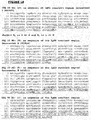
- the first and second antibody comprises an IgG4 CH3 region, such as the IgG4 CH3 region having the sequence shown in Figure 18 (SEQ ID NO:22).
- first and/or second antibody comprises a CH3 region of a non-IgG4 isotype, wherein the CH3 sequence is such, or has been modified such, that it does not comprise any amino acid residues which participate in the formation of disulfide bonds or covalent or stable non-covalent inter-heavy chain bonds with other peptides comprising an identical amino acid sequence of the CH3 region.
- first and/or second antibody comprises a CH3 region having the sequence as shown in Figure 18 (SEQ ID NO: 19), wherein the CH3 region has been modified so that one or more of the following amino acid substitutions have been made: Arg (R) in position 238 has been replaced by Gln (Q); Asp (D) in position 239 has been replaced by Glu (E); Lys (K) in position 292 has been replaced by Arg (R); Gln (Q) in position 302 has been replaced by Glu (E); and Pro (P) in position 328 has been replaced by Leu (L).
- first and/or second antibody comprises a CH3 region having the sequence as shown in Figure 18 (SEQ ID NO: 19), wherein Lys (K) in position 292 has been replaced by Arg (R).
- first and/or second antibody comprises a CH3 region having the sequence as shown in Figure 18 (SEQ ID NO: 19), but wherein the Lys (K) in position 292 has been replaced by Tyr (W) or Phe (F).
- first and/or second antibody comprises a CH3 region having the sequence as shown in Figure 18 (SEQ ID NO: 20), wherein the CH3 region has been modified so that one or more, or all five of the of the following amino acid substitutions have been made: Arg (R) in position 234 has been replaced by Gln (Q); Met (M) in position 276 has been replaced by Val (V); Lys (K) in position 288 has been replaced by Arg (R); Gln (Q) in position 298 has been replaced by Glu (E); and Pro (P) in position 324 has been replaced by Leu (L).
- first and/or second antibody comprises a CH3 region having the sequence as shown in Figure 18 (SEQ ID NO: 20), wherein Arg (R) in position 234 has been replaced by Gln (Q).
- first and/or second antibody comprises a CH3 region having the sequence as shown in Figure 18 (SEQ ID NO: 20), wherein Arg (R) in position 234 has been replaced by Gln (Q); and Pro (P) in position 324 has been replaced by Leu (L).
- the first and/or second antibody comprises a CH3 region having the sequence as shown in Figure 18 (SEQ ID NO: 21), wherein the CH3 region has been modified so that one or more or all 10 of the of the following amino acid substitutions have been made: Arg (R) in position 285 has been replaced by Gln (Q); Ser (S) in position 314 has been replaced by Asn (N); Asn (N) in position 322 has been replaced by Lys (K); Met (M) in position 327 has been replaced by Val (V); Lys (K) in position 339 has been replaced by Arg (R); Gln (Q) in position 349 has been replaced by Glu (E); Ile (I) in position 352 has been replaced by Val (V); Arg (R) in position 365 has been replaced by His (H); Phe (F) in position 366 has been replaced by Tyr (Y); and Pro (P) in position 375 has been replaced by Leu (L).
- SEQ ID NO: 21 CH3 region having the sequence as shown in Figure 18
- first and/or second antibody comprises a CH3 region having the sequence as shown in Figure 18 (SEQ ID NO: 21), wherein Arg (R) in position 285 has been replaced by Gln (Q).
- first and/or second antibody comprises a CH3 region having the sequence as shown in Figure 18 (SEQ ID NO: 21), wherein Arg (R) in position 285 has been replaced by Gln (Q); and Pro (P) in position 375 has been replaced by Leu (L).
- first antibody comprises a CPPC in the core hinge region and comprises an IgG4-like CH3 region
- second antibody comprises an CPPC in the core hinge region and comprises an IgG4-like CH3 region
- the invention relates to an ex vivo method for the generation of a bispecific antibody, said method comprising the steps of:
- the conditions in step c) are chosen such that no significant reduction or isomerization of disulfide bridges outside the core hinge region occurs.
- the reducing conditions in step c) are conditions that stimulate the intrinsic activity of the core hinge region to perform disulfide bond exchange.
- step c) comprises the addition of a reducing agent.
- step c) comprises the addition of an agent selected from the group consisting of: glutathione, L-cysteine, dithiothreitol, beta-mercapto-ethanol and cysteamine.
- the concentration of said reducing agent is such that the redox potential of the solution generated in step c) is equal to, or more reducing than, the redox potential generated by 1 microM of glutathione under the conditions described in Example 31, such as equal to, or more reducing than, the redox potential generated by 10 microM of glutathione, e.g. equal to, or more reducing than, the redox potential generated by 50 microM of glutathione, such as equal to, or more reducing than, the redox potential generated by 0.1 mM of glutathione, under the conditions described in Example 31.
- the concentration of said reducing agent is such that the redox potential of the solution generated in step c) is
- the redox potential of the solution generated in step c) is equal to, or more reducing than, the redox potential generated by 1 mM of glutathione, e.g. equal to, or more reducing than, the redox potential generated by 2 mM of glutathione, such as equal to, or more reducing than, the redox potential generated by 4 mM of glutathione, e.g. equal to, or more reducing than, the redox potential generated by 6 mM of glutathione, such as equal to, or more reducing than, the redox potential generated by 8 mM of glutathione, e.g. equal to, or more reducing than, the redox potential generated by 10 mM of glutathione, under the conditions described in Example 35.
- the concentration of said reducing agent is such that the redox potential of the solution generated in step c) is
- step c) comprises the incubation of said antibodies in the presence of reduced glutathione for at least 1 hours, such as for at least 2 hours, e.g. for at least 5 hours, such as at least 10 hours at a temperature of 20°C or more, such as 37°C.
- the conditions chosen in step c) are such that fewer than 10%, such as fewer than 5%, e.g. fewer than 2%, such as fewer than 1% of the antibody molecules in the resulting composition are in an aggregated state, as determined by size-exclusion chromatography as described herein (wherein a peak eluting earlier than the antibodies of the starting material is indicative of the formation of aggregates).
- the method comprises the addition of a protein having protein disulfide isomerase activity, such as PDI. In another embodiment of the ex vivo method of the invention, the method does not comprise the addition of a protein having protein disulfide isomerase activity, such as PDI.
- the method does not comprise the addition of living cells or cell extracts.
- the first and second antibody used in the method of the invention differ in binding specificity, i.e. bind different epitopes.
- any combination of specificities can be used as starting material in the method of the invention.
- the method of invention is also not limited to having only two different antibodies as starting material.
- the method of the invention may also be performed with three or more antibodies as starting material.
- the composition obtained in step d) of the method of invention will contain a plurality of bispecific antibodies.
- the first antibody has binding specificity for a tumor cell or tumor cell protein, such as erbB1, erbB2, erbB3, erbB4, MUC-1, CD19, CD20, CD4, CD38 or CXCR5 or for the signaling components of the B cell receptor, CD79a or CD79b.
- a tumor cell or tumor cell protein such as erbB1, erbB2, erbB3, erbB4, MUC-1, CD19, CD20, CD4, CD38 or CXCR5 or for the signaling components of the B cell receptor, CD79a or CD79b.
- the first antibody has binding specificity for a tumor cell or tumor cell protein, such as erbB1, erbB2, erbB3, erbB4, MUC-1, CD19, CD20, CD4 or CXCR5, and the second antibody has binding specificity for a tumor cell protein, such as erbB1, erbB2, erbB3, erbB4, MUC-1, CD19, CD20, CD4 or CXCR5.
- a tumor cell or tumor cell protein such as erbB1, erbB2, erbB3, erbB4, MUC-1, CD19, CD20, CD4 or CXCR5.
- the first antibody has a binding specificity for erbB1 and the second antibody has a binding specificity for erbB2.
- the first antibody has a binding specificity for CD19 and the second antibody has a binding specificity for CD20.
- the first antibody has a binding specificity for CD38 and the second antibody has a binding specificity for CD34.
- the first antibody has a binding specificity for CD4 and the second antibody has a binding specificity for CXCR5.
- the first antibody has a binding specificity for a pathogenic microorganism.
- the first antibody has a binding specificity for a pathogenic microorganism and the second antibody has binding specificity for an effector cell protein, such as CD3, CD25, CD28, CD16, CD89, CD32 or CD1.
- a bispecific antibody can also be used to target a chemotherapeutic agent more specifically to the cells on which the agent should act.
- the first antibody has binding specificity for a tumor cell or tumor cell protein, such as erbB1, erbB2, erbB3, erbB4, MUC-1, CD19, CD20, CD4 or CXCR5 and the second antibody has a binding specificity for a chemotherapeutic agent.
- serum half-life of an antibody may be altered by including in a bispecific antibody a binding specificity for a serum protein.
- serum half-life may be prolonged by including in a bispecific antibody, a binding specificity for serum albumin.
- the first antibody has binding specificity for a tumor cell or tumor cell protein, such as erbB1, erbB2, erbB3, erbB4, MUC-1, CD19, CD20, CD4 or CXCR5 and the second antibody has a binding specificity for a blood protein, such as serum albumin
- a second binding specificity can also be used to target an antibody to a specific tissue, such as brain or liver.
- the first antibody has binding specificity for a tumor cell or tumor cell protein, such as erbB1, erbB2, erbB3, erbB4, MUC-1, CD19, CD20, CD4 or CXCR5 and the second antibody has a binding specificity for a brain protein, such as transferrin or a liver protein.
- a second binding specificity can be used to target blood clotting factors to a particular desired site of action.
- a bispecific antibody having a first binding specificity for a tumor cell and a second binding specificity for a blood clotting factor could direct blood clotting to a tumor, and thus stop tumor growth.
- the first antibody has binding specificity for a tumor cell or tumor cell protein, such as erbB1, erbB2, erbB3, erbB4, MUC-1, CD19, CD20, CD4 or CXCR5 and the second antibody has a binding specificity for a protein involved in blood clotting, such as tissue factor.
- the first and/or second antibody is linked to a compound selected from the group consisting of: a cytotoxic agent; a radioisotope; a prodrug or drug, such as a taxane; a cytokine; a chemokine and complement, such as C1q.
- a compound selected from the group consisting of: a cytotoxic agent; a radioisotope; a prodrug or drug, such as a taxane; a cytokine; a chemokine and complement, such as C1q.
- a compound selected from the group consisting of: a cytotoxic agent; a radioisotope; a prodrug or drug, such as a taxane; a cytokine; a chemokine and complement, such as C1q.
- Such compound may make killing of target cells more effective, e.g. in cancer therapy.
- the compound may alternatively be coupled to the resulting bispecific antibody, i.e. after the half-
- the method comprises a further step of bringing the composition obtained in step c) to non-reducing or less-reducing conditions, in order to stop further half-molecule exchange.
- This can be done by various methods known in the art, e.g. dialysis of resulting composition or size-based chromatography to remove a small molecule reducing agent.
- the resulting bispecific antibodies are stabilized by performing a chemical cross-linking of the two half-molecules, thus preventing any further exchange, even when the bispecific antibody is subsequently used under conditions, such as in vivo conditions, where the antibody could otherwise undergo half-molecule exchange.
- the method of the invention comprises the further step of:
- the invention relates to stabilized bispecific antibodies obtained or obtainable by cross-linking methods, e.g. by any of the three cross-linking methods described above.
- the method of the invention may, in some embodiments, comprise a further step of purifying the bispecific antibody.
- Mixtures containing bispecific antibodies can be purified using standard chromatography techniques, such as (but not limited to) standard Protein A chromatography, Protein G, Protein L, cationic/anionic exchange chromatography, size exclusion chromatography, hydrophobic interaction chromatography, thiophilic chromatography or using ligands designed to capture IgG molecules (Protein A mimetics, Llama V HH ligands and the like).
- the IgG mixtures can be precipitated using standard techniques such as salt-induced precipitation (ammonium sulphate), addition of organic solvents (DMSO, ethanol), changing pH or non-ionic polymers (Polyethylene Glycol).
- mixtures can be applied to filtration techniques using membranes allowing concentration of the IgG molecules. Combinations of all these techniques may be required to purify a bispecific antibody to full homogeneity as certain mixtures may still contain the parent IgG molecules next to the bispecific antibody. Additional purification steps may then be required to separate the bispecific antibody from the parent monospecific IgG molecules. This could e.g.
- the purification is done by purification by binding and elution using an affinity column for the first binding specificity followed by binding and elution using an affinity column for the second binding specificity.
- the purification is done under conditions that prevent further half-molecule exchange, such as non-reducing conditions.
- the quantity, quality and purity of (purified) bispecific antibodies can be analyzed using routine biochemical techniques such as absorbance measurements, HP-SEC, SDS-PAGE, native PAGE and RP-HPLC.
- biochemical techniques such as absorbance measurements, HP-SEC, SDS-PAGE, native PAGE and RP-HPLC.
- techniques that can discriminate bispecific antibodies from the parent IgG molecules are (but not limited to) IEF, cIEF, CIEX and Mass spectrometry (ESI, MALDI), allowing highly accurate separation and detection of the molecules on the basis of charge and/or mass.
- Dual binding specificity of the bispecific antibody can be assessed using a variety of different binding assay formats using for instance ELISA, RIA, Surface plasma resonance (SPR), Bio-layer Interferometry, DELFIA, FRET, ECL, Gyros and AlfaScreen.
- half molecule exchange may be performed under conditions that favour formation of bispecific antibodies directed against one of the two antigens of interest. For example, consider antibodies against antigens X and Y. If exchange is performed using an excess of antibody against antigen X, such as a 5 fold excess or 10 fold excess, most or all antibodies against antibody Y will become bispecific (i.e. recognizing antigens X and Y).
- This procedure may be followed by purification of bispecific antibodies on matrix-immobilized antigen Y and affinity column chromatography.
- the bound antibodies are highly enriched for the desired bispecific antibody.
- the unbound antibodies against antigen X may be used to repeat the cycle above.
- the bispecific antibodies can be cross-linked as described above.
- non-stabilized antibodies can be purified from stabilized antibody by performing an additional exchange reaction with an excess of antibody against antigen Z followed by absorption of anti-Z containing antibody against matrix-immobilized antigen Z (such as by affinity columns chromatography). The non-bound fraction then contains the desired stabilized bispecific antibody.
- the method comprises the further step of formulating the resulting bispecific antibodies for therapeutic use.
- This comprises the formulation of a therapeutically effective amount of the bispecific antibody in an aqueous solution that is suitable for human use, in particular suitable for parenteral, such as intravenous administration.
- the invention relates to an ex vivo method for the generation of a bispecific antibody, said method comprising the steps of:
- a reducing agent has been added wherein the concentration of said agent is such that the redox potential of the solution generated in step c) is equal to, or more reducing than, the redox potential generated by 1 mM of glutathione, e.g. equal to, or more reducing than, the redox potential generated by 2 mM of glutathione, such as equal to, or more reducing than, the redox potential generated by 4 mM of glutathione, e.g. equal to, or more reducing than, the redox potential generated by 6 mM of glutathione, such as equal to, or more reducing than, the redox potential generated by 8 mM of glutathione, e.g. equal to, or more reducing than, the redox potential generated by 10 mM of glutathione, under the conditions described in Example 35.
- the invention relates to a composition comprising bispecific antibodies obtained or obtainable by any of the method of the invention as described herein.
- the invention relates to an isolated bispecific antibody comprising two IgG4 CH3 regions which CH3 regions is the CH3 region of SEQ ID NO: 22 and comprising a CPPC sequence in both the core hinge regions.
- antibodies which comprise one or two CX 1 X 2 C sequences in the core hinge region, wherein X 1 and X 2 can be any amino acid, provided that X 1 and X 2 are not both proline.
- antibodies which comprise one or two CX 3 PC or CPX 3 C sequences in the core hinge region, wherein X 3 can be any amino acid except for proline.
- antibodies which comprise one or two CSPC, CPSC, CRPC or CPRC sequences in the core hinge region.
- antibodies wherein the first and/or the second CH3 region is of a non-IgG4 isotype, wherein the CH3 sequence is such, or has been modified such, that it does not comprise any amino acid residues which participate in the formation of disulfide bonds or covalent or stable non-covalent inter-heavy chain bonds with other peptides comprising an identical amino acid sequence of the CH3 region.
- antibodies wherein the first and/or the second CH3 region has the sequence as shown in Figure 18 (SEQ ID NO: 19), wherein the CH3 region has been modified so that one or more of the following amino acid substitutions have been made: Arg (R) in position 238 has been replaced by Gln (Q); Asp (D) in position 239 has been replaced by Glu (E); Lys (K) in position 292 has been replaced by Arg (R); Gln (Q) in position 302 has been replaced by Glu (E); and Pro (P) in position 328 has been replaced by Leu (L).
- antibodies wherein said first and/or the second CH3 region has the sequence as shown in Figure 18 (SEQ ID NO: 20), wherein the CH3 region has been modified so that one or more of the of the following amino acid substitutions have been made: Arg (R) in position 234 has been replaced by Gln (Q); Met (M) in position 276 has been replaced by Val (V); Lys (K) in position 288 has been replaced by Arg (R); Gln (Q) in position 298 has been replaced by Glu (E); and Pro (P) in position 324 has been replaced by Leu (L).
- antibodies wherein said first and/or the second CH3 region has the sequence as shown in Figure 18 (SEQ ID NO: 21), wherein the CH3 region has been modified so that one or more of the of the following amino acid substitutions have been made: Arg (R) in position 285 has been replaced by Gln (Q); Ser (S) in position 314 has been replaced by Asn (N); Asn (N) in position 322 has been replaced by Lys (K); Met (M) in position 327 has been replaced by Val (V); Lys (K) in position 339 has been replaced by Arg (R); Gln (Q) in position 349 has been replaced by Glu (E); Ile (I) in position 352 has been replaced by Val (V); Arg (R) in position 365 has been replaced by His (H); Phe (F) in position 366 has been replaced by Tyr (Y); and Pro (P) in position 375 has been replaced by Leu (L).
- SEQ ID NO: 21 wherein the CH3 region has been modified so that one or more
- the invention relates to a composition, such as a pharmaceutical composition comprising bispecific antibodies of the invention or bispecific antibodies obtained or obtainable by any of the method of the invention as described herein for use as a medicament, such as for use as a medicament for the treatment of cancer or infectious diseases.
- a composition such as a pharmaceutical composition comprising bispecific antibodies of the invention or bispecific antibodies obtained or obtainable by any of the method of the invention as described herein for use as a medicament, such as for use as a medicament for the treatment of cancer or infectious diseases.
- invention relates to the use of a composition comprising bispecific antibodies of the invention or bispecific antibodies obtained or obtainable by any of the method of the invention for the preparation of a medicament for the treatment of cancer or infectious diseases.
- the method of the invention can also be used to select particularly interesting or effective combinations of target binding specificities. For instance, using the method of the invention, a set or "matrix" of different bispecific antibodies can be made from a set of antibodies having different binding specificities. The resulting bispecific antibody set or matrix can then be tested for a desired biological property to select the best combination.
- the invention relates to a method for the selection of a bispecific antibody having a desired property, said method comprising the steps of:
- Step b) in the method above can be performed as previously described above for step c).
- the desired property to be tested is tumor cell killing.
- Example 1 Oligonucleotide primers and PCR amplification
- Oligonucleotide primers were synthesized and quantified by Isogen Bioscience (Maarssen, The Netherlands). Primers were dissolved in H 2 O to 100 pmol/ ⁇ l and stored at -20°C. A summary of all PCR and sequencing primers is given below. For PCR, PfuTurbo® Hotstart DNA polymerase (Stratagene, Amsterdam, The Netherlands) was used according to the manufacturer's instructions.
- Each reaction mix contained 200 ⁇ M mixed dNTPs (Roche Diagnostics, Almere, The Netherlands), 6.7 pmol of both the forward and reverse primer, 100 ng of genomic DNA or 1 ng of plasmid DNA and 1 unit of PfuTurbo® Hotstart DNA polymerase in PCR reaction buffer (supplied with polymerase) in a total volume of 20 ⁇ l.
- PCR reactions were carried out with a TGradient Thermocycler 96 (Whatman Biometra, Goettingen, Germany) using a 32-cycle program: denaturing at 95°C for 2 min; 30 cycles of 95°C for 30 sec, a 60-70°C gradient (or another specific annealing temperature) for 30 sec, and 72°C for 3 min; final extension at 72°C for 10 min. If appropriate, the PCR mixtures were stored at 4°C until further analysis or processing.
- Agarose gel electrophoresis was performed according to Sambrook (37) using gels of 50 ml, in 1 x Tris Acetate EDTA buffer. DNA was visualized by the inclusion of ethidium bromide in the gel and observation under UV light. Gel images were recorded by a CCD camera and an image analysis system (GeneGnome; Syngene, via Westburg B.V., Leusden, The Netherlands).
- Example 3 Analysis and purification of PCR products and enzymatic digestion
- PCR or digestion products were separated by agarose gel electrophoresis (e.g. when multiple fragments were present) using a 1% Tris Acetate EDTA agarose gel.
- the desired fragment was excised from the gel and recovered using the QIAEX II Gel Extraction Kit (Qiagen; product# 20051), according to the manufacturer's instructions.
- DNA 100 ng was digested with 5 units of enzyme(s) in the appropriate buffer in a final volume of 10 ⁇ l (reaction volumes were scaled up as appropriate). Digestions were incubated at the recommended temperature for a minimum of 60 min. For fragments requiring double digestions with restriction enzymes which involve incompatible buffers or temperature requirements, digestions were performed sequentially. If necessary digestion products were purified by agarose gel electrophoresis and gel extraction.
- Ligations of DNA fragments were performed with the Quick Ligation Kit (New England Biolabs) according to the manufacturer's instructions. For each ligation, vector DNA was mixed with approximately three-fold molar excess of insert DNA.
- Plasmid DNA (1-5 ⁇ l of DNA solution, typically 2 ⁇ l of DNA ligation mix) was transformed into One Shot DH5 ⁇ -T1 R or MACH-1 T1 R competent E. coli cells (Invitrogen, Breda, The Netherlands; product# 12297-016) using the heat-shock method, according to the manufacturer's instructions. Next, cells were plated on Luria-Bertani (LB) agar plates containing 50 ⁇ g/ml ampicillin. Plates were incubated for 16-18 h at 37°C until bacterial colonies became evident.
- LB Luria-Bertani
- Example 8 Screening of bacterial colonies by PCR
- Bacterial colonies were screened for the presence of vectors containing the desired sequences via colony PCR using the HotStarTaq Master Mix Kit (Qiagen; product# 203445) and the appropriate forward and reverse primers (Appendix 1). Selected colonies were lightly touched with a 20 ⁇ l pipette tip and touched briefly in 2 ml LB for small scale culture, and then resuspended in the PCR mix. PCR was performed with a TGradient Thermocycler 96 using a 35-cycle program: denaturation at 95°C for 15 min; 35 cycles of 94°C for 30 sec, 55°C for 30 sec and 72°C for 2 min; followed by a final extension step of 10 min at 72°C. If appropriate, the PCR mixtures were stored at 4°C until analysis by agarose gel electrophoresis.
- Example 9 Plasmid DNA isolation from E. coli culture
- Plasmid DNA was isolated from E. coli cultures using the following kits from Qiagen (via Westburg, Leusden, The Netherlands), according to the manufacturer's instructions.
- Qiagen via Westburg, Leusden, The Netherlands
- For bulk plasmid preparation 50-150 ml culture, either a HiSpeed Plasmid Maxi Kit (product# 12663) or a HiSpeed Plasmid Midi Kit (product# 12643) was used.
- For small scale plasmid preparation ( ⁇ 2 ml culture) a Qiaprep Spin Miniprep Kit (product# 27106) was used and DNA was eluted in 50 ⁇ l elution buffer (supplied with kit).
- Plasmid DNA was sequenced using standard procedures known in the art. Sequences were analyzed using Vector NTI software (Informax, Oxford, UK).
- Example 11 Transient expression in HEK-293F cells
- FreestyleTM 293-F (a HEK-293 subclone adapted to suspension growth and chemically defined Freestyle medium, e. g. HEK-293F) cells were obtained from Invitrogen and transfected according to the manufacturer's protocol using 293fectin (Invitrogen).
- Example 12 Construction of pTomG4; A vector for the expression of variable heavy chain regions with the constant region of human IgG4
- Genomic DNA was isolated from a blood sample of a volunteer and used as a template in a PCR with primers IGG4gene2f and IGG4gene2r (see table below), amplifying the complete genomic constant region of the heavy chain of IgG4 and introducing suitable restriction sites for cloning into the mammalian expression vector pEE6.4 (Lonza Biologics).
- the PCR fragment was purified and cloned into pEE6.4. For this the PCR product was digested with HindIII and EcoRI, followed by heat inactivation of the restriction enzymes.
- the pEE6.4 vector was digested HindIII and EcoRI, followed by heat inactivation of the restriction enzymes and dephosphorylation of the vector fragment with shrimp alkaline phosphatase, followed by heat inactivation of the phosphatase.
- the IgG4 fragment and the pEE6.4HindIII/EcoRI dephosphorylated vector were ligated and transformed into competent MACH1-T1 R cells (Invitrogen). Three clones were grown in LB and plasmid DNA was isolated from a small culture (1.5 mL). Restriction digestion revealed a pattern consistent with the cloning of the IgG4 fragment in the pEE6.4 vector.
- Plasmid DNA from two clones was transformed in DH5 ⁇ -T1 R E.coli and plasmid DNA was isolated and the constructs were checked by sequence analysis of the insert and one clone was found to be identical to a genomic IgG4 clone from the Genbank database, apart from some minor differences in introns. These differences are presumably either polymorphisms or sequence faults in the Genbank sequence.
- the plasmid was named pTomG4.
- Example 13 Cloning of the variable regions of the mouse anti-Betv1 and anti-Feld1 antibodies
- RNA was prepared from 0.3x10 5 (Betv1) or 0.9x10 5 (Feld1) mouse hybridoma cells (For Betv1: clone 2H8 from ref. 38 and for Feld1: clone 4F7 from ref. 39 with the RNeasy kit (Qiagen, Westburg, Leusden, Netherlands) according to the manufacturer's protocol.
- RNA 5'-RACE-Complementary DNA (cDNA) of RNA was prepared from approximately 100 ng total RNA, using the SMART RACE cDNA Amplification kit (BD Biosciences Clontech, Mountain View, CA, USA), following the manufacturer's protocol. The VL and VH regions of the Betv1 and Feld1 antibody were amplified by PCR. For this PfuTurbo® Hotstart DNA polymerase (Stratagene) was used according to the manufacturer's instructions.
- SMART RACE cDNA Amplification kit BD Biosciences Clontech, Mountain View, CA, USA
- Each reaction mix contained 200 ⁇ M mixed dNTPs (Roche Diagnostics), 12 pmol of the reverse primer (RACEG1mm1 for the VH region and RACEKmm1 for the VL region), 7.2 pmol UPM-Mix (UPM-Mix: 2 ⁇ M ShortUPMH3 and 0.4 ⁇ M LongUPMH3 oligonucleotide), 0.6 ⁇ l of the 5'RACE cDNA template as described above, and 1.5 unit of PfuTurbo® Hotstart DNA polymerase in PCR reaction buffer (supplied with polymerase) in a total volume of 30 ⁇ l.
- PCR reactions were carried out with a TGradient Thermocycler 96 (Whatman Biometra) using a 35-cycle program: denaturing at 95°C for 2 min; 35 cycles of 95°C for 30 sec, a 55°C for 30 sec, and 72°C for 1.5 min; final extension at 72°C for 10 min.
- the reaction products were separated by agarose gel electrophoresis on a 1 % TAE agarose gel and stained with ethidium bromide. Bands of the correct size were cut from the gels and the DNA was isolated from the agarose using the QiaexII gel extraction kit (Qiagen).
- VH sequence Betv1 (SEQ ID NO:15):
- VL sequence Betv1 (SEQ ID NO:16):
- VH sequence Feld1 (SEQ ID NO:17):
- VL sequence Feld1 (SEQ ID NO:18):
- Example 14 Construction of pConG1fBetV1: A vector for the production of the heavy chain of Betv1-IgG1
- the V H coding region of mouse anti-BetV1 antibody was amplified by PCR from a plasmid containing this region (example 13) using the primers VHexbetvlfor and VHexbetv1rev, introducing suitable restriction sites for cloning into pConG1f0.4 and an ideal Kozak sequence.
- the VH fragment was gel purified and cloned into pConG1f0.4.
- the PCR product and the pConKappa0.4 vector were digested with HindIII and ApaI and purified.
- the V H fragment and the pConG1f0.4HindIII-ApaI digested vector were ligated and transformed into competent DH5 ⁇ -T1 R cells. A clone was selected containing the correct insert size and the correct sequence was confirmed.
- This plasmid was named pConG1fBetv1.
- Example 15 Construction of pConKBetv1: A vector for the production of the light chain of Betv1
- the V L coding region mouse anti-BetV1 antibody was amplified from a plasmid containing this region (example 13) using the primers VLexbetvlfor and VLexbetv1rev, introducing suitable restriction sites for cloning into pConK0.4 and an ideal Kozak sequence.
- the PCR product and the pConKappa0.4 vector were digested with HindIII and BsiWI and purified.
- the V L fragment and the pConKappa0.4HindIII-BsiWI digested vector were ligated and transformed into competent DH5 ⁇ T1 R E. coli. A clone was selected containing the correct insert size and the sequence was confirmed. This plasmid was named pConKBetv1.
- Example 16 Construction of pTomG4Betv1: A vector for the production of the heavy chain of Betv1-IgG4
- pTomG4 and pConG1fBetv1 were digested with HindIII and ApaI and the relevant fragments were isolated.
- the Betv1 V H fragment and the pTomG4HindIII-ApaI digested vector were ligated and transformed into competent DH5 ⁇ -T1 R cells. A clone was selected containing the correct insert size and the sequence was confirmed. This plasmid was named pTomG4Betv1.
- Example 17 Construction of pConG1fFeld1: A vector for the production of the heavy chain of Feld1-IgG1
- the V H coding region of mouse anti-Feld1 antibody was amplified by PCR from a plasmid containing this region (example 13) using the primers VHexfeldlfor and VHexfeld1rev, introducing suitable restriction sites for cloning into pConG1f0.4 and an ideal Kozak sequence.
- the VH fragment was gel purified and cloned into pConG1f0.4.
- the PCR product and the pConKappa0.4 vector were digested with HindIII and ApaI and purified.
- the V H fragment and the pConG1f0.4HindIII-ApaI digested vector were ligated and transformed into competent DH5 ⁇ -T1 R cells. A clone was selected containing the correct insert size and the correct sequence was confirmed.
- This plasmid was named pConG1fFeld1.
- Example 18 Construction of pConKFeld1: A vector for the production of the light chain of Feld1
- the V L coding region mouse anti-'Feld1 antibody was amplified from a plasmid containing this region (example 13) using the primers VLexfeldlfor and VLexfeld1rev, introducing suitable restriction sites for cloning into pConK0.4 and an ideal Kozak sequence.
- the PCR product and the pConKappa0.4 vector were digested with HindIII and BsiWI and purified.
- the V L fragment and the pConKappa0.4HindIII-BsiWI digested vector were ligated and transformed into competent DH5 ⁇ T1 R E. coli. A clone was selected containing the correct insert size and the sequence was confirmed. This plasmid was named pConKFeld1.
- Example 19 Construction of pTomG4Feld1: A vector for the production of the heavy chain of Feld1-IgG4
- pTomG4 and pConGlf Feld1 were digested with HindIII and ApaI and the relevant fragments were isolated.
- the Feld1 V H fragment and the pTomG4HindIII-ApaI digested vector were ligated and transformed into competent DH5 ⁇ -T1 R cells.
- a clone was selected containing the correct insert size and the sequence was confirmed. This plasmid was named pTomG4Feld1.
- Example 20 Construction of antibody expression vectors for the expression of 2F8-IgG4 and 7D8-IgG4
- HuMab 2F8 IgG1-EGFR
- HuMab 7D8 IgG1-CD20
- the VH and VL coding regions of HuMab 2F8 WO 02/100348
- HuMab 7D8 WO 04/035607
- pConGlf Longza Biologics
- VH regions of pConG1f2F8 and pConG1f7D8 were removed from these vectors by a HindIII/ApaI digestion and inserted into a HindIII/ApaI digested pTomG4 vector, resulting in pTomG42F8 and pTomG47D8 respectively.
- Example 21 Production of Betv1-IgG1, Betv1-IgG4, Feld1-IgG1 and Feld1-IgG4 by transient expression in HEK-293F cells
- Antibodies were produced from all constructs by cotransfecting the relevant heavy and light chain vectors in HEK-293F cells using 293fectin according to the manufacturer's instructions.
- Betv1-IgG1 pConG1Betv1 and pConKBetv1 were coexpressed.
- Betv1-IgG4, pTomG4Betv1 and pConKBetv1 were coexpressed.
- Feld1-IgG1 pConG1Feld1 and pConKFeld1 were coexpressed.
- pTomG4Feld1 and pConKFeld1 were coexpressed.
- IgG1-EGFr For IgG1-EGFr, pConG1f2F8 and pConKappa2F8 were coexpressed. For IgG4-EGFr, pTomG42F8 and pConKappa2F8 were coexpressed. For IgG1-CD20, pConG1f7D8 and pConKappa7D8 were coexpressed. For IgG4-CD20, pTomG47D8 and pConkappa7D8 were coexpressed.
- IgG1 and IgG4 antibodies were purified by protein A affinity chromatography.
- the cell culture supernatants were filtered over a 0.20 ⁇ M dead-end filter, followed by loading on a 5 ml Protein A column (rProtein A FF, GE Healthvcare) and elution of the IgG with 0.1 M citric acid-NaOH, pH 3.
- the eluate was immediately neutralized with 2 M Tris-HCl, pH 9 and dialyzed overnight to 12.6 mM sodium phosphate, 140 mM NaCl, pH 7.4 (B. Braun, Oss, The Netherlands).
- samples were sterile filtered over a 0.20 ⁇ M dead-end filter. Concentration of the purified IgGs was determined by nephelometry and absorbance at 280 nm. Purified proteins were analyzed by SDS-PAGE, IEF, Mass spectrometry and Glycoanalysis.
- the Betv1 and Feld1, IgG1 and IgG4 antibodies were analyzed on non-reducing SDS-PAGE.
- the Bis-Tris electrophoresis method used is a modification of the Laemmli method ( Laemmli 1970 Nature 227(5259): 680-5 ), where the samples were run at neutral pH.
- the SDS-PAGE gels were stained with Coomassie and digitally imaged using the GeneGenius (Synoptics, Cambridge, UK).
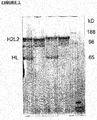
- Betv1 and Feld1 IgG1 showed 1 major band representing the full length tetrameric (2 heavy and two light chains) Feld1 and Betv1 IgG1 molecules.
- Betv1 and Feld1 IgG4 showed to have, besides the major band representing the tetrameric IgG4 molecule, substantial amounts of half-molecules (i.e. one heavy band one light chain).
- mice Five nu/nu Balb/c mice 6-8 weeks of age were used to follow the exchange of IgG4 half molecules.
- the mice were housed in a barrier unit of the Central Laboratory Animal Facility (Utrecht, The Netherlands) and kept in filter-top cages with water and food provided ad libitum. All experiments were approved by the Utrecht University animal ethics committee.
- Chimeric antibodies were administered intraperitoneally. Blood samples (75-100 ⁇ l) were drawn at 4.25 hours, 24 hours, 48 hours and 72 hours after administration. Blood was collected in heparin-containing vials and centrifuged for 5 minutes at 10.000g to separate plasma from cells. Plasma was stored at -20°C for determination of antigen specific antibody and bispecific antibody levels.
- Plasma concentrations of Bet v 1 or Fel d 1 binding antibodies were measured in the antigen binding test. To this end, plasma samples were incubated with 0.75 mg of protein G Sepharose (Amersham Biosciences, Uppsala, Sweden) in 750 ⁇ l PBS-IAT (PBS supplemented with 1 ⁇ g/ml IVIg, 0.3% bovine serum albumin, 0.1% Tween-20 and 0.05% (w/v) NaN 3 ) in the presence of 125 I-labeled Bet v 1 or 125 I-labeled Fel d 1 for 24h.
- protein G Sepharose Amin G Sepharose
- PBS-IAT PBS supplemented with 1 ⁇ g/ml IVIg, 0.3% bovine serum albumin, 0.1% Tween-20 and 0.05% (w/v) NaN 3
- the Sepharose was washed with PBS-T (PBS supplemented with 0.1% Tween-20 and 0.05% (w/v) NaN 3 ) and the amount of radioactivity bound relative to the amount of radioactivity added was measured.
- the concentration of Bet v 1 or Fel d 1 specific IgG was calculated using purified Bet v 1 specific antibodies or Fel d 1 specific antibodies as a standard (range 0-200 ng per test as determined by nephelometer).
- the concentration of bispecific IgG was measured in two variants of the heterologous cross-linking assay. In the first assay, plasma was incubated for 24h with Sepharose-coupled Bet v 1 (0.5 mg) in a total volume of 300 ⁇ l in PBS-IAT.
- the Sepharose was washed with PBS-T and incubated for 24h with 125 I-labeled Fel d 1, after which the Sepharose was washed with PBS-T and the amount of radioactivity bound relative to the amount of radioactivity added was measured.
- the concentration of bispecific IgG (Bet v 1-Fel d 1) was calculated using the calibration curve of the Fel d 1 binding test, which was obtained from purified Fel d 1 binding rIgG.
- Fel d 1-Bet v 1 cross-linking activity was measured in a similar procedure using Sepharose-coupled rFel d 1 (0.5 mg) and 125 I-labeled Bet v 1.
- the concentration of bispecific IgG (Fel d 1-Bet v 1) was calculated using purified Bet v 1 specific rIgG as a standard (same curve as in Bet v 1 binding test).
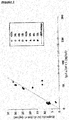
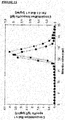
- Size-exclusion chromatography was performed to exclude the possibility that bispecific activity observed in the mice dosed with IgG4 was the result of IgG aggregation (see figure 4 ).
- Fel d 1 binding antibodies eluted in one peak with a retention volume of ⁇ 12.9 ml, which corresponds to the retention volume of monomeric IgG.
- the heterologous Bet v 1-Fel d 1 cross-linking activity was detected in the same fractions indicating that bispecific activity was associated with monomeric IgG.
- no Bet v 1-Fel d 1 cross-linking activity was present before fractionation. Also in the eluted fractions no heterologous cross-linking activity was measured (data not shown).
- Chimeric antibodies were mixed and subsequently incubated with whole blood, blood cells, plasma or serum to investigate the exchange activity of whole blood (components).
- Serum was obtained by incubating whole blood in a glass vacutainer with clot activator for 30 min at 37°C, after which the clotted blood was spinned down.
- the exchange of IgG4 half molecules was evaluated and compared to the exchange of IgG1 half molecules.
- As a control the blood samples were also incubated in the absence of chimeric antibodies.
- the following antibodies mixtures were prepared in PBS:
- Bispecific activity i.e. Fel d 1-Bet v 1 cross-linking activity
- a sample was incubated for 24h with 0.5 mg Sepharose-coupled recombinant Fel d 1 in a total volume of 300 ⁇ l in PBS-IAT (PBS-AT supplemented with 1 ⁇ g/ml IVIg).
- PBS-IAT PBS-AT supplemented with 1 ⁇ g/ml IVIg
- the Sepharose was washed with PBS-T and incubated for 24h with 125 I-labeled Bet v 1, after which the Sepharose was washed with PBS-T and the amount of radioactivity bound relative to the amount of radioactivity added was measured.
- bispecific activity is represented as percentage bound 125 I-labeled Bet v 1, which was determined in the heterologous cross-linking assay.
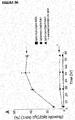
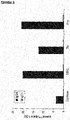
- Bispecific activity is a measure for the exchange of IgG4 half molecules, which was primarily observed in whole blood and the cellular fraction of whole blood ( Fig 5a ). Bispecific levels in the cellular fraction were even higher than in whole blood. This is most likely explained by the fact that in the cellular fraction endogenous IgG4, which can also be exchanged with the added chimeric IgG4 antibodies, is no longer present.
- Some bispecific activity was also observed in plasma and serum, but this activity was much lower than observed in whole blood and only slightly higher than background level, being 1.7%, which was obtained by incubating the IgG4 mixture in Optimem.
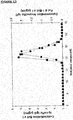
- Fel d 1 binding antibodies eluted in one peak with a retention volume of ⁇ 12.9 ml, which corresponds to the retention volume of monomeric IgG.
- the heterologous Bet v 1-Fel d 1 cross-linking activity was detected in the same fractions indicating that bispecific activity was associated with monomeric IgG (data not shown).
- Example 26 Evaluation of blood cell mediated IgG4 exchange activity
- Chimeric antibodies were mixed and subsequently incubated with three different types of human blood cells (i.e. mononuclear cells (MNC), erythrocytes and platelets) to investigate IgG4 exchange activity.
- MNC mononuclear cells
- erythrocytes erythrocytes and platelets
- the exchange of IgG4 half molecules was evaluated and compared to the exchange of IgG1 half molecules.
- the following antibodies mixtures were prepared in PBS:
- Bispecific activity i.e. Fel d 1-Bet v 1 cross-linking activity
- a sample was incubated for 24h with 0.5 mg Sepharose-coupled recombinant Fel d 1 in a total volume of 300 ⁇ l in PBS-IAT (PBS-AT supplemented with 1 ⁇ g/ml IVIg).
- PBS-IAT PBS-AT supplemented with 1 ⁇ g/ml IVIg
- the Sepharose was washed with PBS-T and incubated for 24h with 125 I-labeled Bet v 1, after which the Sepharose was washed with PBS-T and the amount of radioactivity bound relative to the amount of radioactivity added was measured.
- bispecific activity is shown as percentage bound 125 I-labeled Bet v 1, which was determined in the heterologous cross-linking assay. All three cell types were able to induce bispecific activity. Some bispecific activity was also observed in Optimem serum free medium, but this activity was much lower than observed in the presence of blood cells. None of the tested cells was able to exchange IgG1 half molecules.
- Chimeric IgG4 antibodies were mixed and subsequently incubated with three different cell lines (i.e. Human Embryo Kidney (HEK) cells, murine B cells or hybridomas) to investigate IgG4 exchange activity.
- HEK Human Embryo Kidney
- Cell line J558 (provided by the Antigen Presentation Research Group of Sanquin) was chosen as a source of murine B cells.
- Hybridomas which produce an anti-C1 esterase inhibitor, were obtained from the Autoimmune Research Group of Sanquin.
- Suspension HEK (293F) cells were from Invitrogen, Breda, The Netherlands. All cells were washed three times with PBS, after which the cells were resuspended in PBS.
- IgG4 half molecules The exchange of IgG4 half molecules was evaluated by incubating an IgG4 antibody mixture consisting of Bet v 1 specific IgG4 (2 ⁇ g) and Fel d 1 specific IgG4 (2 ⁇ g) with the aforementioned cells.
- the antibody mixture was incubated with 24x10 5 HEK cells, 25x10 5 murine B cells or 21x10 5 hybridomas in a total volume of 50 ⁇ l (final concentration for each antibody was 80 ⁇ g/ml) on a horizontal orbital shaker (125 rpm) at 37°C.
- Bispecific activity i.e. Fel d 1-Bet v 1 cross-linking activity
- sample dilutions were incubated for 24h with 0.5 mg Sepharose-coupled recombinant Fel d 1 in a total volume of 300 ⁇ l in PBS-IAT (PBS-AT supplemented with 1 ⁇ g/ml IVIg).
- PBS-IAT PBS-AT supplemented with 1 ⁇ g/ml IVIg
- the Sepharose was washed with PBS-T and incubated for 24h with 125 I-labeled Bet v 1, after which the Sepharose was washed with PBS-T and the amount of radioactivity bound relative to the amount of radioactivity added was measured.
- bispecific activity is shown as percentage bound 125 I-labeled Bet v 1, which was determined in the heterologous cross-linking assay. All three cell types were able to exchange IgG4 half molecules.
- Example 28 Evaluation of IgG4 half molecule exchange by erythrocytes.
- Chimeric antibodies were mixed and subsequently incubated with human erythrocytes to investigate the exchange of IgG4 half molecules.
- Erythrocytes were purified from a single donor and stored at 4°C in SAGM (Saline Adenine Glucose Mannitol) buffer. Before use the cells were washed three times with PBS.
- SAGM Seline Adenine Glucose Mannitol
- the concentration of Bet v 1 specific IgG was calculated using purified Bet v 1 specific antibodies as a standard (range 0-200 ng per test as determined by nephelometer). Bispecific activity in experiments using Fel d 1 and Bet v 1 specific antibodies was measured in the Feld1-Betv1 cross-linking assay. In this assay, IgG containing sample was incubated for 24h with Sepharose-coupled cat extract (0.5 mg) in a total volume of 300 ⁇ l in PBS-AT.
- the Sepharose was washed with PBS-T and incubated for 24h with 125 I-labeled Bet v 1, after which the Sepharose was washed with PBS-T and the amount of radioactivity bound relative to the amount of radioactivity added was measured.
- the concentration of bispecific IgG (Feld1-Betv1) was calculated using purified IgG1-Betv1 as a standard (obtained in Bet v 1 binding test using Prot G sepharose).
- Size-exclusion chromatography was performed to exclude the possibility that bispecific activity observed in the IgG4 mix was the result of IgG aggregation.
- Fel d 1 binding antibodies eluted in one peak with a retention volume of ⁇ 12.9 ml, which corresponds to the retention volume of monomeric IgG.
- the heterologous Bet v 1-Fel d 1 cross-linking activity was detected in the same fractions indicating that bispecific activity was associated with monomeric IgG (data not shown).
- Example 29 Evaluation of IgG4 exchange by erythrocyte lysate
- Chimeric IgG4 antibodies were mixed and subsequently incubated with increasing dilutions of erythrocyte lysate.
- Erythrocytes were isolated from a healthy donor and stored at 4°C in SAGM (Saline Adenine Glucose Mannitol) buffer with a hematocrit of 60.7%.
- SAGM Seline Adenine Glucose Mannitol
- hematocrit 60.7%.
- PBS-Azide PBS supplemented with 0.05% (w/v) NaN 3
- undiluted erythrocyte lysate was equivalent to a hematocrit of 30%.
- IgG4 half molecules The exchange of IgG4 half molecules was evaluated by incubating an IgG4 antibody mixture consisting of Bet v 1 specific IgG4 (1 ⁇ g) and Fel d 1 specific IgG4 (1 ⁇ g) with 50 ⁇ l of freshly prepared lysate (supplemented with PBS/Azide to a total volume of 100 ⁇ l) at 37°C. Final concentration of each antibody was 10 ⁇ g/ml. At indicated time points a sample was drawn from the incubation mix in PBS-AT (PBS supplemented with 0.3% bovine serum albumin, 0.1% Tween-20 and 0.05% (w/v) NaN 3 ) to measure bispecific activity. Samples were stored, if necessary, at 4°C.
- PBS-AT PBS supplemented with 0.3% bovine serum albumin, 0.1% Tween-20 and 0.05% (w/v) NaN 3
- Bispecific activity (i.e. Bet v 1-Fel d 1 cross-linking activity) was measured in the heterologous cross-linking assay.
- sample dilutions were incubated for 24h with 0.5 mg Sepharose-coupled birch extract in a total volume of 300 ⁇ l in PBS-IAT (PBS-AT supplemented with 1 ⁇ g/ml IVIg).
- PBS-IAT PBS-AT supplemented with 1 ⁇ g/ml IVIg
- the Sepharose was washed with PBS-T and incubated for 24h with 125 I-labeled Fel d 1, after which the Sepharose was washed with PBS-T and the amount of radioactivity bound relative to the amount of radioactivity added was measured.
- the concentration of bispecific IgG (Bet v 1-Fel d 1) was calculated using the calibration curve of the Fel d 1 binding test, which was obtained from purified Fel d 1 binding rIgG.
- Size-exclusion chromatography was performed to exclude the possibility that bispecific activity induced by erythrocyte lysate was the result of IgG aggregation ( Figure 11 ).
- an incubation mixture was prepared consisting of 10 ⁇ g Bet v 1 binding IgG4, 10 ⁇ g Fel d 1 binding IgG4 and 50 ⁇ l erythrocyte lysate, which was supplemented with PBS/Azide to final volume of 100 ⁇ l. This mixture was incubated at 37°C for 24h, after which 70 ⁇ l was fractionated on a Superdex200 column. In the fractions Bet v 1 binding IgG and Fel d 1-Bet v 1 cross-linking IgG were measured.
- the concentration of Bet v 1 specific IgG was calculated using purified Bet v 1 specific antibodies as a standard (range 0-200 ng per test as determined by nephelometer).
- the concentration of bispecific IgG i.e. Fel d 1-Bet v 1 cross-linking activity
- a sample was incubated for 24h with 0.5 mg Sepharose-coupled cat extract, in which Fel d 1 antigen is present, in a total volume of 300 ⁇ l in PBS-IAT.
- the Sepharose was washed with PBS-T and incubated for 24h with 125 I-labeled Bet v 1, after which the Sepharose was washed with PBS-T and the amount of radioactivity bound relative to the amount of radioactivity added was measured.
- the concentration of bispecific IgG (Fel d 1-Bet v 1) was calculated using the same calibration curve as used in the Bet v 1 binding test, which was obtained from purified Bet v 1 binding rIgG.
- Bet v 1 binding antibodies eluted in one peak with a retention volume of ⁇ 12.6 ml, which corresponds to the retention volume of monomeric IgG ( Fig 11 ).
- the heterologous Fel d 1-Bet v 1 cross-linking activity was detected in the same fractions indicating that bispecific activity was associated with monomeric IgG.
- Example 30 Evaluation of IgG4 exchange activity in dialysed erythrocyte lysate
- Erythrocytes were isolated from a healthy donor and stored at 4°C in SAGM (Saline Adenine Glucose Mannitol) buffer with a hematocrit of 60.7%. To obtain lysate the cells were washed three times with PBS-Azide (PBS supplemented with 0.05% (w/v) NaN 3 ) and resuspended in water with a volume that was two-fold higher than the volume of the storage buffer. Therefore, undiluted erythrocyte lysate was equivalent to a hematocrit of 30%. Part of the lysate was dialysed against PBS-Azide using a dialysis membrane cassette from Pierce (3.5 kD cut-off). Ultrafiltrate was obtained by centrifugation of non-dialysed lysate in an Amicon filter (3.5 kD cut-off).
- IgG4 half molecules The exchange of IgG4 half molecules was evaluated by incubating an IgG4 antibody mixture (Bet v 1 specific IgG4 (0.5 ⁇ g) and Fel d 1 specific IgG4 (0.5 ⁇ g) with freshly prepared erythrocyte lysate (25 ⁇ l) or dialysed lysate (25 ⁇ l) at 37°C. Total volume of each incubation was 50 ⁇ l resulting in a final concentration of 10 ⁇ g/ml for each antibody.
- the following supplements were used: reduced glutathione (GSH) from Sigma, Glucose-6-phospate (G-6-P) and NADPH (both from Roche). These compounds were dissolved in water before use.
- Bispecific activity i.e. Fel d 1-Bet v 1 cross-linking activity
- sample dilutions were incubated for 24h with 0.5 mg Sepharose-coupled cat extract in a total volume of 300 ⁇ l in PBS-IAT (PBS-AT supplemented with 1 ⁇ g/ml IVIg).
- PBS-IAT PBS-AT supplemented with 1 ⁇ g/ml IVIg.
- the Sepharose was washed with PBS-T and incubated for 24h with 125 I-labeled Bet v 1, after which the Sepharose was washed with PBS-T and the amount of radioactivity bound relative to the amount of radioactivity added was measured.
- IgG4 half molecules was evaluated by incubating an IgG4 antibody mixture consisting of Bet v 1 specific IgG4 (1 ⁇ g) and Fel d 1 specific IgG4 (1 ⁇ g) in PBS/Azide containing GSH at 37°C. Total incubation volume was 100 ⁇ l resulting in a final concentration of 10 ⁇ g/ml for each antibody. At indicated time points a sample was drawn from the incubation mixture in PBS-AT (PBS supplemented with 0.3% bovine serum albumin, 0.1% Tween-20 and 0.05% (w/v) NaN 3 ). Samples were stored at 4°C for measuring of antigen binding and bispecific activity
- the concentration of Bet v 1 specific IgG was calculated using purified Bet v 1 specific antibodies as a standard (range 0-200 ng per test as determined by nephelometer).
- the concentration of bispecific IgG i.e. Fel d 1-Bet v 1 cross-linking activity
- a sample was incubated for 24h with 0.5 mg Sepharose-coupled cat extract, in which Fel d 1 antigen is present, in a total volume of 300 ⁇ l in PBS-IAT.
- the Sepharose was washed with PBS-T and incubated for 24h with 125 I-labeled Bet v 1, after which the Sepharose was washed with PBS-T and the amount of radioactivity bound relative to the amount of radioactivity added was measured.
- the concentration of bispecific IgG (Fel d 1-Bet v 1) was calculated using the same calibration curve as used in the Bet v 1 binding test, which was obtained from purified Bet v 1 binding IgG.
- Size-exclusion chromatography was performed to exclude the possibility that bispecific activity observed after GSH mediated exchange of IgG4 was the result of IgG aggregation ( Fig. 13 ).
- a mixture of Bet v 1 binding IgG4 and Fel d 1 binding IgG4 (10 ⁇ g of each antibody) was incubated with 0.5 mM GSH in PBS/Azide. This mixture (final volume 100 ⁇ l) was incubated at 37°C for 24h, after which 70 ⁇ l was fractionated on a Superdex200 column. In the fractions Bet v 1 binding IgG and Fel d 1-Bet v 1 cross-linking IgG were measured.
- Bet v 1 binding antibodies eluted in one peak with a retention volume of ⁇ 12.6 ml, which corresponds to the retention volume of monomeric IgG.
- the heterologous Fel d 1-Bet v 1 cross-linking activity was detected in the same fractions indicating that bispecific activity was associated with monomeric IgG.
- the generation of bispecific IgG4 molecules in the presence of GSH was found to be temperature dependent, as exchange occurred more efficiently at 37°C than at 4°C ( Fig 14 ).
- Example 32 Generation of bispecific IgG in the presence of other agents.
- IgG1-Betv1 and IgG1-Feld1 or IgG4-Betv1 and IgG4-Feld1 were mixed at a final concentration of 10 ⁇ g/ml for antibody and incubated with reducing agents in a total volume of 50 ⁇ l.
- reducing agents in a total volume of 50 ⁇ l.
- L-cysteine was from Sigma (100 ⁇ M)
- dithiothreitol (DTT) was from Biorad (50 ⁇ M)
- ⁇ -mercapto-ethanol (BME) was from Biorad (100 ⁇ M)
- oxidized glutathione GSSG, note that of the panel of agents this agent is not reducing, while all others are
- Example 33 Exchange of fully human IgG4 antibodies using GSH.
- IgG1-CD20, IgG4-CD20, IgG1-EGFr and IgG4-EGFr were mixed and incubated with GSH in a total volume of 1 ml. Final concentration of each antibody was 50 ⁇ g/ml; the final concentration of GSH was 0.5 mM. The mixtures were incubated at 37°C for 24h and samples were drawn in PBS-AT, in which the (bi)specific IgG concentrations were measured.
- Bispecific activity was determined using a sandwich ELISA.
- an ELISA plate (Greiner bio-one, Frickenhausen, Germany) was coated overnight with 1 ⁇ g/ml (100 ⁇ l/well) of recombinant extracellular domain of EGFR in PBS at 4 °C. The plate was washed 3 times with PBS/0.05 % Tween 20 (PBT). Samples were diluted in PBT/0.2 % BSA (PBTB) and transferred to the ELISA plate (100 ⁇ l/well). After incubation on a plate shaker (300 rpm) for 90 minutes at room temperature (RT), samples were discarded and the plate was washed 3 times with PBT.
- PBT PBS/0.05 % Tween 20
- mice anti-idiotypic monoclonal antibody 2F2 SAB1.1 (directed against the anti-CD20 antibody 7D8; Genmab) at 2 ⁇ g/ml in PBTB was added and incubated at RT for 90 minutes at a plate shaker (300 rpm).
- the anti-idiotypic antibody was discarded and the plate was washed 3 times with PBT, followed by the addition of 100 ⁇ l/well of a HRP conjugated goat anti-mouse IgG (Jackson ImmunoResearch Laboratories, Westgrove, PA, USA) at a 1000x dilution in PBTB and incubation at RT for 90 minutes at a plate shaker (300 rpm).
- the detection antibody was discarded and the plate was washed 3 times with PBT.
- a 50 mg ABTS tablet (Roche Diagnostics GmbH, Mannheim, Germany) was dissolved in ABTS buffer (Roche) and added to the ELISA plate (100 ⁇ l/well).
- the ELISA plate was incubated for 30 min (or longer if desired) at RT on a plate shaker (300 rpm) covered with aluminum foil and the reaction was stopped with 100 ⁇ l oxalic acid (Riedel de Haen Seelze, Germany) per well.
- the ELISA plate was left at RT for 10 minutes before reading absorbance at 405 nm in an ELISA plate reader.
- Figure 16A shows that bispecific anti-EGFR/CD20 antibodies formed in time upon incubation of the mixture of IgG4-EGFr and IgG4-CD20 in the presence, but not in the absence, of GSH.
- Fab arm exchange did not occur in a mixture of IgG1 antibodies, neither in the presence or absence of GSH.
- FIG 16B shows a clear GSH-dose dependence of IgG4 half molecule exchange.
- exchange was tested in PBS and serum- and protein free, chemically defined medium (FreeStyle 293 expression medium, GIBCO/Invitrogen Corporation). It was found that in this tissue culture medium, GSH-mediated exchange occurs at lower GSH-concentrations ( Figure 16C ). It was also found that there is an optimum in GSH-mediated IgG4 half molecule exchange, as incubation with 5 mM GSH clearly resulted in lower exchange that with 0.5 mM ( Figure 16D ).
- IgG4-EGFr and IgG4-CD20 were incubated for 24 h in the absence or presence of GSH and evaluated by mass spectrometry (ESI-TOF MS).
- Fifty ⁇ l samples containing 200 ⁇ g/ml of each antibody were deglycosylated overnight with 1 ⁇ l N-glycosidase F (Roche Diagnostics NL BV, Almere, The Netherlands).
- Samples were desalted on an Acquity UPLCTM (Waters, Milford, USA) with a BEH C8, 1.7 ⁇ m, 2.1x 50 mm column at 60 °C. Five ⁇ l was injected and eluted with a gradient from 5% to 95% eluent B.
- Eluent A was MilliQ water (Millipore Synthesis A10 apparatus) and eluent B was LC-MS grade acetonitrile (Biosolve, Valkenswaard, The Netherlands). Both eluents contained 0.05% formic acid as organic modifier (Fluka Riedel-de Ha ⁇ n, Buchs, Germany). Time-of-flight electrospray ionization mass spectra were recorded on-line on a micrOTOFTM mass spectrometer (Bruker, Bremen, Germany) operating in the positive ion mode. In each analysis, a 500-5000 m/z scale was internally calibrated with ES tuning mix (Agilent Technologies, Santa Clara, USA). Mass spectra were deconvoluted by using the Maximum Entropy algorithm, which is provided with DataAnalysisTM software v. 3.3 (Bruker).
- Figure 16E shows that the molecular weights of IgG4-CD20 (145.5 kD) and IgG4-EGFR (145.9 kD) remained unchanged in the absence of GSH. In the presence of GSH ( Fig. 16F ), however, a new peak with a mass corresponding to a Fab arm exchanged molecule appeared (145.7 kD). The novel mass corresponded to the expected mass of the bispecific anti-EGFR/CD20 antibody. Moreover, from the peak heights of the MS spectra it could be estimated that the bispecific antibody represented 50% of the total antibody mass in the mixture indicating a random exchange which reached equilibrium within 24 hours.
- Example 34 Polyclonal immunoglobulins from Rhesus monkey (and other species) participate in Fab arm exchange of recombinant human IgG4 antibodies.
- IgG4-CD20 and IgG4-EGFr were incubated with GSH for 24h at 37°C, in the presence or absence of purified immunoglobulins from rhesus monkeys (6x), chimpanzees (2x), cynomolgous monkeys, Baboons, horse and swine or human IVIg.
- the formation of bispecific antibodies through Fab arm exchange was measured in a sandwich ELISA as described above. Additionally, goat, rabbit and sheep immunoglobulins were tested in this assay.
- Figure 17a shows that rhesus monkey polyclonal immunoglobulins compare to human polyclonal immunoglobulins (IVIg) in their ability to inhibit the exchange of Fab arms of the recombinant antibodies in vitro in the presence of reduced glutathione.
- IVIg human polyclonal immunoglobulins
- Figure 17b shows that polyclonal immunoglobulins from several other rhesus monkeys inhibit the exchange of Fab arms of the recombinant antibodies in vitro in the presence of reduced glutathione with different potencies. This means that the component of rhesus immunoglobulin that participates in Fab arm exchange, is present in different concentrations or that the component is not present in all Rhesus monkeys.
- Figure 17c shows that polyclonal immunoglobulins from several other monkey species (baboon, chimpanzee, cynomolgous) as well as immunoglobulins from horse and swine inhibit the exchange of Fab arms of the recombinant antibodies in vitro in the presence of reduced glutathione with different potencies. This means that the component that participates in Fab arm exchange is present in these species at different concentrations. Goat, rabbit and sheep immunoglobulins had no effect on the exchange of Fab arms of the recombinant antibodies in vitro in the presence of reduced glutathione (data not shown).
- IgG1 mutants were made: an IgG1 with an IgG4 core-hinge (IgG1-CPSC) and two CH3 domain swap mutants (IgG1-CH3(IgG4) and IgG1-CPSC-CH3(IgG4).
- Site directed mutagenesis was used to introduce a P228S mutation in the hinge of IgG1 using pEE-G1-wt a Bet v 1 as a template (228 refers to the EU numbering of antibody amino acid residues. The same position has number 241 in the Kabat numbering, and number 111 in SEQ ID NO:19 (third position in the CPPC core-hinge sequence)).
- PCR polymerase chain reaction
- DNA digesting and ligation was used to create CH3 domain swap mutant constructs IgG1-CH3(IgG4) and IgG1-CPSC-CH3(IgG4).
- Digestion reactions to obtain CH3 domains and vectors without CH3 domains were as follows: ⁇ 1500 ng DNA (pEE-G1-betv1, pEE-G1-CPSC and pEE-G4-betv1), 2 ⁇ l BSA, 2 ⁇ l Neb3 buffer, 1 ⁇ l SalI and H 2 O added to a volume of 20 ⁇ l. Incubation at 37°C for 30'.
- DNA was purified and eluted with 30 ⁇ l H 2 O before 1 ⁇ l SanDI and 3 ⁇ l universal buffer was added and incubated at 37°C for 30'. Fragments were subjected to gel electrophoresis on 1% agarose gels with ethidium bromide. Fragments were cut from the gel under ultraviolet light and dissolved using a DNA purification kit (Amersham).
- the pEE-G4-wt SalI/SanDI (which contained IgG4 CH3 domain) fragment was ligated into pEE-G1-wt and pEE-G1-CPSC using following procedure: 1 ⁇ l template DNA (SalI/SanDI digested pEE-G1-wt and pEE-G1-CPSC), 5 ⁇ l SalI/SanDI insert, 4 ⁇ l Ligate-it buffer, 9 ⁇ l H2O and 1 ⁇ l ligase in a total volume of 20 ⁇ l. Ligation was stopped after 5'.
- IgG4-S228Pnew was made: IgG4-S228Pnew.
- the hinge is stabilized by replacing serine at position 228 (position 111 in SEQ ID NO:19) for a proline (IgG1 core hinge).
- Site-directed mutagenesis was performed using the QuickChange II XL Site-Directed Mutagenesis Kit (Stratagene, Amsterdam, The Netherlands) according to the manufacturer's instructions. This method included the introduction of a silent extra Xma I site to screen for successful mutagenesis.
- PCR mixtures were stored at 4°C until further processing.
- PCR mixtures were incubated with 1 ⁇ l Dpn I for 60 min at 37°C to digest the pTomG42F8HG vector and stored at 4°C until further processing.
- the reaction mixture was precipitated with 5 ⁇ l 3 M NaAc and 125 ⁇ l Ethanol, incubated for 20 minutes at -20°C and spun down for 20 minutes at 4°C at 14000xg.
- the DNA pellet was washed with 70% ethanol, dried and dissolved in 4 ⁇ l water.
- the total 4 ⁇ l reaction volume was transformed in One Shot DNH5 ⁇ T1 R competent E. coli cells (Invitrogen, Breda, The Netherlands) according to the manufacturer's instructions (Invitrogen).
- cells were plated on Luria-Bertani (LB) agar plates containing 50 ⁇ g/ml ampicillin. Plates were incubated for 16-18 hours at 37°C until bacterial colonies became evident.
- Recombinant antibodies from these constructs were transiently expressed in HEK 293 cells in 3 ml, 6-wells plates (NUNC) or in 125 ml erlenmeyers (Corning) with 293 Fectin (Invitrogen) as transfection reagent.
- Size-exclusion chromatography was performed to exclude the possibility that bispecific activity observed after GSH mediated exchange of the appropriate IgG1 mutants was the result of IgG aggregation as described in previous examples.
- the heterologous Fel d 1-Bet v 1 cross-linking activity was detected in the fractions corresponding to the retention volume of monomeric IgG.
- IgG4-like residues were introduced into the CH3 of IgG1 at positions that differ between IgG1 and IgG4.
- R238Q, K292R, Q302E or P328L mutations (numbers refer to SEQ ID NO:19) were introduced in the CH3 domain of IgG1 using pEE-G1-wt a Bet v 1 or pEE-G1-wt a Fel d 1 as a template, basically as described above.
- a K292R mutation was also introduced into the CH3 domain of IgG1 CPSC using the pEE-G1-CPSC betv1 or pEE-G1-CPSC feld1 as a template.
- mutagenic primers forward and reverse, were designed with Vector NTI Advance 10.
- Quickchange site-directed mutagenesis kit (Stratagene) was used to create the constructs.
- Recombinant antibodies from these constructs were transiently expressed in HEK 293 cells in 3 ml, 6-wells plates (NUNC) or in 125 ml erlenmeyers (Corning) with 293 Fectin (Invitrogen) as transfection reagent.
- Example 36 At 0.5 mM GSH, IgG4 molecules with a stabilized, IgG1-like core-hinge do not participate in Fab-arm exchange reaction of recombinant human IgG4 antibodies.
- Figure 20A shows that in the presence of an excess of Tysabri exchange of Fab arms of the recombinant CD20 and EGFr antibodies was inhibited.
- Figure 20B shows that in the presence of an excess of Tysabri, but not Mylotarg, exchange of Fab arms of the recombinant CD20 and EGFr antibodies was inhibited.
- Example 37 Half molecule exchange of IgG1-CPSC constructs with additional mutations at position 292
- IgG1 mutants were made in both pConG1f2F8 (specific for EGFR) and pConG1f7D8 (specific for CD20): an IgG1 with an IgG4 core-hinge (IgG1-CPSC) and two CH3 domain swap mutants (IgG1-CH3(IgG4) and IgG1-CPSC-CH3(IgG4) (i.e. constructs in which the CH3 region of IgG1 was replaced by the CH3 region of IgG4).
- IgG1-CPSC two CH3 domain swap mutants
- IgG1-CH3(IgG4) and IgG1-CPSC-CH3(IgG4) i.e. constructs in which the CH3 region of IgG1 was replaced by the CH3 region of IgG4.
- R238Q, K292R, K292Y, K292F, K292W, Q302E or P328L mutations were introduce in the CH3 domain of both the pG1f-2F8CPSC and pG1f-7D8CPSC constructs, basically as desribed above.
- mutagenic primers, forward and reverse were designed with Vector NTI Advance 10. Quickchange site-directed mutagenesis kit (Stratagene) was used to create the constructs.
- Recombinant antibodies from these constructs were transiently expressed in HEK 293 cells in 3 ml, 6-wells plates (NUNC) or in 125 ml erlenmeyers (Corning) with 293 Fectin (Invitrogen) as transfection reagent.
- the culture supernatants were subsequently dialysed against PBS and concentration was measured by nephelometry (see above).
- the following mixtures of unpurified buffer exchanged antibodies were incubated with 0.5 GSH at 37°C for 24h and samples were drawn in PBS-AT, in which the (bi)specific IgG concentrations were measured as described in previous examples:
- Fig. 21 shows that under the tested in vitro conditions (0.5 mM), half molecule exchange occurs when a CPSC hinge is present and an R at position 292. Additionally, the results show that a Y or F at position 292, but not a W, also facilitates half molecule exchange albeit to a lesser extent.
- An R or Q at position 238, an Q or E at position 302 and a P or L at position 328 do not influence the inability of and IgG1-CPSC to exchange half molecules.
- Example 38 IgG4 molecules with stabilized CPPC hinge can Fab-arm exchange in vitro (with 5 mM GSH), but not in vivo
- IgG4-EGFR-CPPC and IgG4-CD20 were incubated for 24 h in the presence of 5 mM GSH and evaluated by mass spectrometry (ESI-TOF MS).
- Fifty ⁇ l samples containing 200 ⁇ g/ml of each antibody were deglycosylated overnight with 1 ⁇ l N-glycosidase F (Roche Diagnostics NL BV, Almere, The Netherlands). Samples were desalted on an Acquity UPLCTTM (Waters, Milford, USA) with a BEH C8, 1.7 ⁇ m, 2.1x 50 mm column at 60 °C. Five ⁇ l was injected and eluted with a gradient from 5% to 95% eluent B.
- Eluent A was MilliQ water (Millipore Synthesis A10 apparatus) and eluent B was LC-MS grade acetonitrile (Biosolve, Valkenswaard, The Netherlands). Both eluents contained 0.05% formic acid as organic modifier (Fluka Riedel-de Ha ⁇ n, Buchs, Germany). Time-of-flight electrospray ionization mass spectra were recorded on-line on a micrOTOFTM mass spectrometer (Bruker, Bremen, Germany) operating in the positive ion mode. In each analysis, a 500-5000 m/z scale was internally calibrated with ES tuning mix (Agilent Technologies, Santa Clara, USA). Mass spectra were deconvoluted by using the Maximum Entropy algorithm, which is provided with DataAnalysisTM software v. 3.3 (Bruker).
- Figure 22A shows that in the presence of 5 mM GSH a new peak with an intermediate mass corresponding to a Fab-arm exchanged molecule appeared (145.7 kDa).
- the novel mass corresponded to the expected mass of the bispecific anti-EGFR/CD20 antibody.
- Fig. 22B shows that bispecific antibodies appeared in the blood of mice injected with mixtures containing wild-type IgG4 molecules (IgG4-EGFR). Bispecific antibodies were undetectable in mixtures containing hinge-stabilized IgG4 (IgG4-EGFR-CPPC) or IgG1 molecules (IgG1-EGFR) ((symbols not shown in figure)). This indicates that core-hinge stabilization prevents IgG4 Fab-arm exchange in vivo,, but are not able to exchange half molecules in vivo (although we can not rule out that low-level exchange below the level of detection ( ⁇ 8% in 72 hrs) of hinge-stabilized IgG4 does occur).
- bispecific antibodies containing stabilized CPPC hinges can be obtained by Fab-arm exchange in vitro. After subsequent specific purification of these bispecific antibodies, these antibodies will remain stable (i.e will not Fab-arm exchange) upon injection in vivo.
Landscapes
- Health & Medical Sciences (AREA)
- Chemical & Material Sciences (AREA)
- Organic Chemistry (AREA)
- Immunology (AREA)
- Life Sciences & Earth Sciences (AREA)
- Medicinal Chemistry (AREA)
- General Health & Medical Sciences (AREA)
- Genetics & Genomics (AREA)
- Proteomics, Peptides & Aminoacids (AREA)
- Molecular Biology (AREA)
- Biophysics (AREA)
- Biochemistry (AREA)
- Chemical Kinetics & Catalysis (AREA)
- General Chemical & Material Sciences (AREA)
- Public Health (AREA)
- Nuclear Medicine, Radiotherapy & Molecular Imaging (AREA)
- Veterinary Medicine (AREA)
- Animal Behavior & Ethology (AREA)
- Pharmacology & Pharmacy (AREA)
- Communicable Diseases (AREA)
- Oncology (AREA)
- Peptides Or Proteins (AREA)
- Medicines Containing Antibodies Or Antigens For Use As Internal Diagnostic Agents (AREA)
- Measuring Or Testing Involving Enzymes Or Micro-Organisms (AREA)
- Preparation Of Compounds By Using Micro-Organisms (AREA)
Applications Claiming Priority (3)
| Application Number | Priority Date | Filing Date | Title |
|---|---|---|---|
| US92084007P | 2007-03-29 | 2007-03-29 | |
| DKPA200700491 | 2007-03-29 | ||
| EP08715601.4A EP2139924B1 (en) | 2007-03-29 | 2008-03-28 | Bispecific antibodies and methods for production thereof |
Related Parent Applications (3)
| Application Number | Title | Priority Date | Filing Date |
|---|---|---|---|
| EP08715601.4A Division-Into EP2139924B1 (en) | 2007-03-29 | 2008-03-28 | Bispecific antibodies and methods for production thereof |
| EP08715601.4A Division EP2139924B1 (en) | 2007-03-29 | 2008-03-28 | Bispecific antibodies and methods for production thereof |
| EP08715601.4 Division | 2008-03-28 |
Publications (2)
| Publication Number | Publication Date |
|---|---|
| EP2626372A1 EP2626372A1 (en) | 2013-08-14 |
| EP2626372B1 true EP2626372B1 (en) | 2018-03-21 |
Family
ID=39672666
Family Applications (2)
| Application Number | Title | Priority Date | Filing Date |
|---|---|---|---|
| EP12199117.8A Active EP2626372B1 (en) | 2007-03-29 | 2008-03-28 | Bispecific antibodies and methods for production thereof |
| EP08715601.4A Active EP2139924B1 (en) | 2007-03-29 | 2008-03-28 | Bispecific antibodies and methods for production thereof |
Family Applications After (1)
| Application Number | Title | Priority Date | Filing Date |
|---|---|---|---|
| EP08715601.4A Active EP2139924B1 (en) | 2007-03-29 | 2008-03-28 | Bispecific antibodies and methods for production thereof |
Country Status (11)
| Country | Link |
|---|---|
| US (2) | US9212230B2 (cg-RX-API-DMAC7.html) |
| EP (2) | EP2626372B1 (cg-RX-API-DMAC7.html) |
| JP (2) | JP5681482B2 (cg-RX-API-DMAC7.html) |
| CN (2) | CN101802015B (cg-RX-API-DMAC7.html) |
| AU (1) | AU2008234248C1 (cg-RX-API-DMAC7.html) |
| CA (1) | CA2681974C (cg-RX-API-DMAC7.html) |
| ES (2) | ES2667863T3 (cg-RX-API-DMAC7.html) |
| IL (1) | IL201082A (cg-RX-API-DMAC7.html) |
| MX (1) | MX2009010282A (cg-RX-API-DMAC7.html) |
| NZ (1) | NZ614857A (cg-RX-API-DMAC7.html) |
| WO (1) | WO2008119353A1 (cg-RX-API-DMAC7.html) |
Families Citing this family (394)
| Publication number | Priority date | Publication date | Assignee | Title |
|---|---|---|---|---|
| NZ537277A (en) | 2002-07-18 | 2008-04-30 | Crucell Holland Bv | Recombinant production of mixtures of antibodies |
| USRE47770E1 (en) | 2002-07-18 | 2019-12-17 | Merus N.V. | Recombinant production of mixtures of antibodies |
| KR101374454B1 (ko) | 2005-03-31 | 2014-03-17 | 추가이 세이야쿠 가부시키가이샤 | 회합제어에 의한 폴리펩티드 제조방법 |
| EP4793360A2 (en) | 2006-03-31 | 2026-08-19 | Chugai Seiyaku Kabushiki Kaisha | Methods for controlling blood pharmacokinetics of antibodies |
| JP5144499B2 (ja) | 2006-03-31 | 2013-02-13 | 中外製薬株式会社 | 二重特異性抗体を精製するための抗体改変方法 |
| EP2626372B1 (en) * | 2007-03-29 | 2018-03-21 | Genmab A/S | Bispecific antibodies and methods for production thereof |
| ES2687808T3 (es) | 2007-09-26 | 2018-10-29 | Chugai Seiyaku Kabushiki Kaisha | Región constante de anticuerpo modificado |
| EP3127921A1 (en) | 2007-09-26 | 2017-02-08 | Chugai Seiyaku Kabushiki Kaisha | Method of modifying isoelectric point of antibody via amino acid substition in cdr |
| US20110086366A1 (en) * | 2008-02-22 | 2011-04-14 | Genmab A/S | Methods for assessing the risk of adverse events upon treatment with igg4 antibodies |
| CA2745439C (en) | 2008-12-03 | 2019-10-15 | Genmab A/S | Antibody variants having modifications in the constant region |
| TWI544077B (zh) | 2009-03-19 | 2016-08-01 | 中外製藥股份有限公司 | Antibody constant region change body |
| JP5717624B2 (ja) | 2009-03-19 | 2015-05-13 | 中外製薬株式会社 | 抗体定常領域改変体 |
| US10150808B2 (en) | 2009-09-24 | 2018-12-11 | Chugai Seiyaku Kabushiki Kaisha | Modified antibody constant regions |
| EP2543730B1 (en) | 2010-03-04 | 2018-10-31 | Chugai Seiyaku Kabushiki Kaisha | Antibody constant region variant |
| AU2013203221B2 (en) * | 2010-04-20 | 2016-06-02 | Genmab A/S | Heterodimeric antibody FC-containing proteins and methods for production thereof |
| PT2560993T (pt) | 2010-04-20 | 2024-09-16 | Genmab As | Proteínas contendo anticorpo heterodimérico fc e métodos para a produção das mesmas |
| JP2019048814A (ja) * | 2010-04-20 | 2019-03-28 | ゲンマブ エー/エス | ヘテロ二量体抗体Fc含有タンパク質およびその産生方法 |
| WO2011133886A2 (en) | 2010-04-23 | 2011-10-27 | Genentech, Inc. | Production of heteromultimeric proteins |
| WO2011143545A1 (en) * | 2010-05-14 | 2011-11-17 | Rinat Neuroscience Corporation | Heterodimeric proteins and methods for producing and purifying them |
| IL299365A (en) | 2010-05-27 | 2023-02-01 | Genmab As | Monoclonal antibodies against 2HER |
| EP2580243B1 (en) | 2010-06-09 | 2019-10-16 | Genmab A/S | Antibodies against human cd38 |
| WO2012010582A1 (en) | 2010-07-21 | 2012-01-26 | Roche Glycart Ag | Anti-cxcr5 antibodies and methods of use |
| CN103429620B (zh) | 2010-11-05 | 2018-03-06 | 酵活有限公司 | 在Fc结构域中具有突变的稳定异源二聚的抗体设计 |
| CN105859889B (zh) | 2010-11-17 | 2020-01-07 | 中外制药株式会社 | 具有代替凝血因子viii的功能的功能的多特异性抗原结合分子 |
| TWI736437B (zh) | 2010-11-30 | 2021-08-11 | 日商中外製藥股份有限公司 | 細胞傷害誘導治療劑 |
| US20120183527A1 (en) * | 2011-01-18 | 2012-07-19 | Baxter International Inc. | Measurement of anti-amyloid antibodies in human blood |
| US9527925B2 (en) | 2011-04-01 | 2016-12-27 | Boehringer Ingelheim International Gmbh | Bispecific binding molecules binding to VEGF and ANG2 |
| US20130078247A1 (en) * | 2011-04-01 | 2013-03-28 | Boehringer Ingelheim International Gmbh | Bispecific binding molecules binding to dii4 and ang2 |
| CA2832387A1 (en) | 2011-04-20 | 2012-10-26 | Genmab A/S | Bispecifc antibodies against her2 |
| EP2699260B1 (en) | 2011-04-20 | 2024-11-20 | Genmab A/S | Bispecifc antibodies against her2 |
| WO2012143524A2 (en) | 2011-04-20 | 2012-10-26 | Genmab A/S | Bispecific antibodies against her2 and cd3 |
| EP2718325A4 (en) * | 2011-06-13 | 2015-03-11 | ABGENOMICS COöPERATIEF U A | ANTI-PSGL-1 ANTIBODIES AND USES THEREOF |
| UA117901C2 (uk) | 2011-07-06 | 2018-10-25 | Ґенмаб Б.В. | Спосіб посилення ефекторної функції вихідного поліпептиду, його варіанти та їх застосування |
| GB201116092D0 (en) | 2011-09-16 | 2011-11-02 | Bioceros B V | Antibodies and uses thereof |
| SI2766397T1 (sl) | 2011-10-11 | 2018-09-28 | F. Hoffmann-La Roche Ag | Izboljšano sestavljanje bispecifičnih protiteles |
| IN2014CN03887A (cg-RX-API-DMAC7.html) * | 2011-10-27 | 2015-10-16 | Genmab As | |
| BR112014010257A2 (pt) | 2011-10-31 | 2017-04-18 | Chugai Pharmaceutical Co Ltd | molécula de ligação ao antígeno tendo conjugação regulada entre cadeias pesadas e cadeias leves |
| US9574010B2 (en) | 2011-11-04 | 2017-02-21 | Zymeworks Inc. | Stable heterodimeric antibody design with mutations in the Fc domain |
| CN108424456B (zh) | 2011-11-23 | 2022-04-26 | 医学免疫有限责任公司 | 特异于her3的结合分子及其用途 |
| WO2013157953A1 (en) | 2012-04-20 | 2013-10-24 | Merus B.V. | Methods and means for the production of ig-like molecules |
| US9212227B2 (en) | 2012-04-30 | 2015-12-15 | Janssen Biotech, Inc. | ST2L antibody antagonists for the treatment of ST2L-mediated inflammatory pulmonary conditions |
| JO3820B1 (ar) * | 2012-05-03 | 2021-01-31 | Regeneron Pharma | أجسام مضادة بشرية لـ fel d1وطرق لاستخدامها |
| WO2013180200A1 (ja) | 2012-05-30 | 2013-12-05 | 中外製薬株式会社 | 標的組織特異的抗原結合分子 |
| UA113879C2 (xx) * | 2012-06-08 | 2017-03-27 | ГУМАНІЗОВАНЕ АНТИТІЛО ПРОТИ ТrkА З АМІНОКИСЛОТНИМИ ЗАМІЩЕННЯМИ | |
| WO2014004586A1 (en) | 2012-06-25 | 2014-01-03 | Zymeworks Inc. | Process and methods for efficient manufacturing of highly pure asymmetric antibodies in mammalian cells |
| EP2872893B1 (en) | 2012-07-13 | 2017-03-29 | F. Hoffmann-La Roche AG | Method for the detection of a multispecific antibody |
| TWI855488B (zh) | 2012-08-24 | 2024-09-11 | 日商中外製藥股份有限公司 | FcγRIIb特異性Fc區域變異體 |
| BR112015006824A2 (pt) | 2012-09-27 | 2017-07-04 | Merus B V | anticorpo igg biespecífico, método para produzir um anticorpo igg biespecífico, anticorpo, composição farmacêutica e uso de um anticorpo igg biespecífico |
| US9914785B2 (en) | 2012-11-28 | 2018-03-13 | Zymeworks Inc. | Engineered immunoglobulin heavy chain-light chain pairs and uses thereof |
| MX385344B (es) | 2012-11-28 | 2025-03-18 | Zymeworks Bc Inc | Pares de cadena pesada-cadena ligera de inmunoglobulina modificados genéticamente y usos de estos. |
| MX387324B (es) | 2013-01-10 | 2025-03-18 | Genmab Bv | Variantes de regiones fc de igg1 de humano y usos de las mismas. |
| TWI682941B (zh) | 2013-02-01 | 2020-01-21 | 美商再生元醫藥公司 | 含嵌合恆定區之抗體 |
| EP2762496A1 (en) | 2013-02-05 | 2014-08-06 | EngMab AG | Method for the selection of antibodies against BCMA |
| JP6636803B2 (ja) | 2013-02-05 | 2020-01-29 | エンクマフ エスアーエールエル | Bcmaに対する抗体の選択のための方法 |
| CN105358575B (zh) | 2013-03-15 | 2020-09-22 | 詹森生物科技公司 | 干扰素α和ω抗体拮抗剂 |
| US9157910B2 (en) | 2013-03-15 | 2015-10-13 | Abbott Laboratories | Assay with increased dynamic range |
| RS57840B1 (sr) | 2013-03-18 | 2018-12-31 | Biocerox Prod Bv | Humanizovana anti-cd 134 (ox40) antitela i njihove upotrebe |
| SG11201508170TA (en) | 2013-04-02 | 2015-11-27 | Chugai Pharmaceutical Co Ltd | Fc REGION VARIANT |
| EP2789630A1 (en) | 2013-04-09 | 2014-10-15 | EngMab AG | Bispecific antibodies against CD3e and ROR1 |
| CA2911946A1 (en) * | 2013-05-10 | 2014-11-13 | Numab Ag | Bispecific constructs and their use in the treatment of various diseases |
| EP3036543B1 (en) | 2013-08-23 | 2019-06-19 | Regeneron Pharmaceuticals, Inc. | Diagnostic tests and methods for assessing safety, efficacy or outcome of allergen-specific immunotherapy (sit) |
| US11305012B2 (en) | 2013-09-24 | 2022-04-19 | Medimmune, Llc | Binding molecules specific for HER3 and uses thereof |
| CA2925256C (en) | 2013-09-27 | 2023-08-15 | Chugai Seiyaku Kabushiki Kaisha | Method for producing polypeptide heteromultimer |
| MX2016003617A (es) | 2013-09-30 | 2016-07-21 | Chugai Pharmaceutical Co Ltd | Metodo para producir molecula de enlace al antigeno usando fago auxiliar modificado. |
| AP2016009222A0 (en) | 2013-11-04 | 2016-05-31 | Glenmark Pharmaceuticals Sa | Production of t cell retargeting hetero-dimeric immunoglobulins |
| SMT202100473T1 (it) | 2013-11-06 | 2021-09-14 | Janssen Biotech Inc | Anticorpi anti-ccl17 |
| CA2929044A1 (en) | 2013-11-11 | 2015-05-14 | Chugai Seiyaku Kabushiki Kaisha | Antigen-binding molecule containing modified antibody variable region |
| LT3074424T (lt) | 2013-11-27 | 2025-05-26 | Zymeworks Bc Inc. | Bispecifiniai antigeną surišantys konstruktai, nukreipti į her2 |
| TWI702316B (zh) | 2013-12-04 | 2020-08-21 | 日商中外製藥股份有限公司 | 因應化合物濃度使抗原結合能力變化的抗原結合分子及其資料庫 |
| UA122479C2 (uk) | 2014-01-24 | 2020-11-25 | Дана-Фарбер Кенсер Інстітьют, Інк. | Виділена молекула антитіла, яка зв’язується з людським білком програмованої смерті-1 (pd-1) |
| PL3099717T3 (pl) | 2014-01-31 | 2019-10-31 | Novartis Ag | Cząsteczki przeciwciała dla TIM-3 i ich zastosowanie |
| EP3105252B1 (en) | 2014-02-12 | 2019-07-24 | Michael Uhlin | Bispecific antibodies for use in stem cell transplantation |
| CA2941030C (en) | 2014-02-28 | 2025-05-13 | Merus N.V. | ANTIBODIES THAT BIND TO EGFR AND ERBB3 |
| DK3805268T3 (da) | 2014-02-28 | 2025-01-20 | Merus Nv | Antistof, der binder erbb-2 og erbb-3 |
| US9732154B2 (en) | 2014-02-28 | 2017-08-15 | Janssen Biotech, Inc. | Anti-CD38 antibodies for treatment of acute lymphoblastic leukemia |
| EA201691765A1 (ru) | 2014-03-14 | 2016-12-30 | Новартис Аг | Молекулы антител против lag-3 и их применения |
| CN122399016A (zh) | 2014-03-15 | 2026-07-17 | 诺华股份有限公司 | 使用嵌合抗原受体治疗癌症 |
| TWI754319B (zh) | 2014-03-19 | 2022-02-01 | 美商再生元醫藥公司 | 用於腫瘤治療之方法及抗體組成物 |
| MX380176B (es) | 2014-04-07 | 2025-03-12 | Chugai Pharmaceutical Co Ltd | Molecula ligada a antigeno inmunoactivada. |
| US10745490B2 (en) | 2014-04-11 | 2020-08-18 | Celldex Therapeutics, Inc. | Anti-ErbB antibodies and methods of use thereof |
| PL3140392T3 (pl) * | 2014-05-06 | 2023-11-27 | F. Hoffmann-La Roche Ag | Produkcja białek heteromultimerycznych z wykorzystaniem komórek ssaków |
| GB201408135D0 (en) * | 2014-05-08 | 2014-06-25 | Conogenetix Biosciences Gmbh | Kv1.3 potassium channel antagonists |
| KR102460736B1 (ko) * | 2014-05-10 | 2022-10-31 | 소렌토 쎄라퓨틱스, 인코포레이티드 | 화학적으로-로킹된 이중특이적 항체 |
| KR20170017916A (ko) | 2014-05-13 | 2017-02-15 | 추가이 세이야쿠 가부시키가이샤 | 면역 억제 기능을 갖는 세포에 대한 t 세포 리다이렉트 항원 결합 분자 |
| DK3107938T3 (da) | 2014-05-28 | 2022-07-11 | Zymeworks Inc | Modificerede, antigenbindende polypeptidkonstrukter og anvendelser heraf |
| US10647777B2 (en) * | 2014-05-28 | 2020-05-12 | Genzyme Corporation | Methods of controlling the formation of disulfide bonds in protein solutions |
| GB201409558D0 (en) | 2014-05-29 | 2014-07-16 | Ucb Biopharma Sprl | Method |
| TWI713453B (zh) | 2014-06-23 | 2020-12-21 | 美商健生生物科技公司 | 干擾素α及ω抗體拮抗劑 |
| AU2015279321B2 (en) | 2014-06-27 | 2021-03-04 | Innate Pharma, S.A. | Multispecific antigen binding proteins |
| JP6822849B2 (ja) | 2014-06-27 | 2021-01-27 | イナート・ファルマ・ソシエテ・アノニムInnate Pharma Pharma S.A. | 多重特異的NKp46結合タンパク質 |
| GB201412659D0 (en) | 2014-07-16 | 2014-08-27 | Ucb Biopharma Sprl | Molecules |
| GB201412658D0 (en) * | 2014-07-16 | 2014-08-27 | Ucb Biopharma Sprl | Molecules |
| WO2016014553A1 (en) | 2014-07-21 | 2016-01-28 | Novartis Ag | Sortase synthesized chimeric antigen receptors |
| AU2015292744C1 (en) | 2014-07-21 | 2021-01-21 | Novartis Ag | Treatment of cancer using humanized anti-BCMA chimeric antigen receptor |
| JP2017528433A (ja) | 2014-07-21 | 2017-09-28 | ノバルティス アーゲー | 低い免疫増強用量のmTOR阻害剤とCARの組み合わせ |
| JP6831777B2 (ja) | 2014-07-21 | 2021-02-17 | ノバルティス アーゲー | Cd33キメラ抗原受容体を使用する癌の処置 |
| WO2016019300A1 (en) | 2014-07-31 | 2016-02-04 | Novartis Ag | Subset-optimized chimeric antigen receptor-containing t-cells |
| EP3180359A1 (en) | 2014-08-14 | 2017-06-21 | Novartis AG | Treatment of cancer using gfr alpha-4 chimeric antigen receptor |
| EP3712171A1 (en) | 2014-08-19 | 2020-09-23 | Novartis AG | Treatment of cancer using a cd123 chimeric antigen receptor |
| MA40539A (fr) | 2014-09-02 | 2016-03-10 | Immunogen Inc | Procédés de formulation de compositions de conjugués anticorps-médicaments |
| WO2016040294A2 (en) | 2014-09-09 | 2016-03-17 | Janssen Biotech, Inc. | Combination therapies with anti-cd38 antibodies |
| US10577417B2 (en) | 2014-09-17 | 2020-03-03 | Novartis Ag | Targeting cytotoxic cells with chimeric receptors for adoptive immunotherapy |
| MA40764A (fr) | 2014-09-26 | 2017-08-01 | Chugai Pharmaceutical Co Ltd | Agent thérapeutique induisant une cytotoxicité |
| EP3204415B1 (en) | 2014-10-09 | 2020-06-17 | EngMab Sàrl | Bispecific antibodies against cd3epsilon and ror1 |
| SG11201702401RA (en) | 2014-10-14 | 2017-04-27 | Novartis Ag | Antibody molecules to pd-l1 and uses thereof |
| US11773166B2 (en) | 2014-11-04 | 2023-10-03 | Ichnos Sciences SA | CD3/CD38 T cell retargeting hetero-dimeric immunoglobulins and methods of their production |
| US11154615B2 (en) | 2014-11-11 | 2021-10-26 | Chugai Seiyaku Kabushiki Kaisha | Library of antigen-binding molecules including modified antibody variable region |
| ES2809455T3 (es) | 2014-11-17 | 2021-03-04 | Regeneron Pharma | Métodos para tratamiento tumoral usando anticuerpo biespecífico CD3xCD20 |
| US20180334490A1 (en) | 2014-12-03 | 2018-11-22 | Qilong H. Wu | Methods for b cell preconditioning in car therapy |
| PE20171094A1 (es) | 2014-12-04 | 2017-08-07 | Janssen Biotech Inc | Anticuerpos anti-cd38 para el tratamiento de la leucemia linfoblastica aguda |
| EP3229836B1 (en) | 2014-12-09 | 2019-11-13 | Institut National de la Sante et de la Recherche Medicale (INSERM) | Human monoclonal antibodies against axl |
| MX2017005774A (es) | 2014-12-19 | 2017-07-28 | Chugai Pharmaceutical Co Ltd | Anticuerpos antimiostatina, polipeptidos que contienen regiones fc variantes, y metodos de uso. |
| EP3233907B1 (en) | 2014-12-19 | 2021-03-03 | Genmab A/S | Rodent bispecific heterodimeric proteins |
| SMT201900702T1 (it) | 2015-01-08 | 2020-01-14 | Genmab As | Agenti agonistici leganti il recettore del tnf |
| CN107660214B (zh) | 2015-01-08 | 2022-02-08 | 根马布股份公司 | 针对cd3和cd20的双特异性抗体 |
| MA41375A (fr) | 2015-01-22 | 2017-11-28 | Lilly Co Eli | Anticorps igg bispécifiques et leurs procédés de préparation |
| CN104818295A (zh) * | 2015-02-03 | 2015-08-05 | 武汉友芝友生物制药有限公司 | 制备和筛选表达双特异性抗体细胞株的方法 |
| CN114773469B (zh) | 2015-02-05 | 2025-12-19 | 中外制药株式会社 | 包含离子浓度依赖性的抗原结合结构域的抗体,fc区变体,il-8-结合抗体及其应用 |
| EP3056512A1 (en) | 2015-02-10 | 2016-08-17 | Medizinische Universität Wien | Antibody construct |
| CN107922476A (zh) * | 2015-03-13 | 2018-04-17 | 诺夫免疫股份有限公司 | 纯化双特异性抗体的方法 |
| DK3277725T3 (da) | 2015-03-30 | 2021-01-11 | Regeneron Pharma | Konstante tungkædeområder med reduceret binding til FC-gammareceptorer |
| JP7082484B2 (ja) | 2015-04-01 | 2022-06-08 | 中外製薬株式会社 | ポリペプチド異種多量体の製造方法 |
| PL3280729T3 (pl) | 2015-04-08 | 2022-08-22 | Novartis Ag | Terapie cd20, terapie cd22 i terapie skojarzone komórką eksprymującą chimeryczny receptor antygenowy (car) cd19 |
| WO2016172583A1 (en) | 2015-04-23 | 2016-10-27 | Novartis Ag | Treatment of cancer using chimeric antigen receptor and protein kinase a blocker |
| TWI687228B (zh) * | 2015-05-11 | 2020-03-11 | 美商索倫多醫療公司 | 化學鎖固之雙特異性抗體 |
| CR20170526A (es) | 2015-05-20 | 2018-04-03 | Janssen Biotech Inc | ANTICUERPOS ANTI-CD38 PARA EL TRATAMIENTO DE AMILOIDOSIS DE CADENA LIGERA y OTRAS ENFERMEDADES MALIGNAS HEMATOLÓGICAS POSITIVAS PARA CD38 |
| BR112017024770A2 (pt) | 2015-05-21 | 2018-07-31 | Alligator Bioscience Ab | polipeptídeos inovadores |
| CN104865389B (zh) * | 2015-05-28 | 2017-06-06 | 卫生部北京医院 | 一种检测人血清杂合轻链抗体的方法及试剂盒 |
| CN107708734B (zh) | 2015-06-22 | 2022-01-11 | 詹森生物科技公司 | 用抗cd38抗体和生存素抑制剂联合治疗血红素恶性肿瘤 |
| AU2016284871B2 (en) | 2015-06-23 | 2022-09-29 | Innate Pharma | Multispecific NK engager proteins |
| EP3313441B1 (en) | 2015-06-24 | 2024-02-21 | Janssen Biotech, Inc. | Immune modulation and treatment of solid tumors with antibodies that specifically bind cd38 |
| SI3313845T1 (sl) | 2015-06-29 | 2021-01-29 | Immunogen, Inc. | Konjugati spremenjenih protiteles cisteina |
| EP3319996B1 (en) | 2015-07-09 | 2024-01-03 | Genmab A/S | Bispecific and multispecific antibodies and method for isolation of such |
| WO2017010874A1 (en) | 2015-07-10 | 2017-01-19 | Merus N.V. | Human cd3 binding antibody |
| FI3322727T3 (fi) | 2015-07-15 | 2026-03-17 | Genmab As | Humanisoituja tai kimeerisiä CD3-vasta-aineita |
| GB201601077D0 (en) | 2016-01-20 | 2016-03-02 | Ucb Biopharma Sprl | Antibody molecule |
| GB201601073D0 (en) * | 2016-01-20 | 2016-03-02 | Ucb Biopharma Sprl | Antibodies |
| GB201601075D0 (en) | 2016-01-20 | 2016-03-02 | Ucb Biopharma Sprl | Antibodies molecules |
| US20180340025A1 (en) | 2015-07-29 | 2018-11-29 | Novartis Ag | Combination therapies comprising antibody molecules to lag-3 |
| EP3328418A1 (en) | 2015-07-29 | 2018-06-06 | Novartis AG | Combination therapies comprising antibody molecules to pd-1 |
| US20180207273A1 (en) | 2015-07-29 | 2018-07-26 | Novartis Ag | Combination therapies comprising antibody molecules to tim-3 |
| CA2992797A1 (en) | 2015-08-03 | 2017-02-09 | Engmab Sarl | Monoclonal antibodies against bcma |
| MY188405A (en) | 2015-08-05 | 2021-12-08 | Janssen Biotech Inc | Anti-cd154 antibodies and methods of using them |
| PE20181336A1 (es) | 2015-09-18 | 2018-08-21 | Chugai Pharmaceutical Co Ltd | Anticuerpos que se unen a interleucina 8 (il-8) y sus usos |
| CN108283001B (zh) | 2015-10-08 | 2022-08-19 | 酵活有限公司 | 包含κ和λ轻链的抗原结合多肽构建体及其用途 |
| WO2017067944A1 (en) | 2015-10-19 | 2017-04-27 | INSERM (Institut National de la Santé et de la Recherche Médicale) | Methods for predicting the survival time of subjects suffering from triple negative breast cancer |
| JP7296728B2 (ja) | 2015-10-23 | 2023-06-23 | メルス ナムローゼ フェンノートシャップ | 癌の成長を抑制する結合分子 |
| JP7027321B2 (ja) | 2015-11-03 | 2022-03-01 | ヤンセン バイオテツク,インコーポレーテツド | 抗cd38抗体の皮下製剤及びその使用 |
| JP6931329B2 (ja) | 2015-11-18 | 2021-09-01 | 中外製薬株式会社 | 免疫抑制機能を有する細胞に対するt細胞リダイレクト抗原結合分子を用いた併用療法 |
| EP3378488A4 (en) | 2015-11-18 | 2019-10-30 | Chugai Seiyaku Kabushiki Kaisha | Method for enhancing humoral immune response |
| GB201521393D0 (en) | 2015-12-03 | 2016-01-20 | Ucb Biopharma Sprl | Antibodies |
| GB201521383D0 (en) | 2015-12-03 | 2016-01-20 | Ucb Biopharma Sprl And Ucb Celltech | Method |
| GB201521389D0 (en) | 2015-12-03 | 2016-01-20 | Ucb Biopharma Sprl | Method |
| GB201521382D0 (en) | 2015-12-03 | 2016-01-20 | Ucb Biopharma Sprl | Antibodies |
| GB201521391D0 (en) | 2015-12-03 | 2016-01-20 | Ucb Biopharma Sprl | Antibodies |
| CN108697794A (zh) | 2015-12-17 | 2018-10-23 | 诺华股份有限公司 | C-met抑制剂和抗pd-1抗体分子的组合及其用途 |
| CN108495651A (zh) | 2015-12-17 | 2018-09-04 | 诺华股份有限公司 | 抗pd-1的抗体分子及其用途 |
| KR20180087430A (ko) | 2015-12-17 | 2018-08-01 | 얀센 바이오테크 인코포레이티드 | Hla-dr에 특이적으로 결합하는 항체 및 이의 용도 |
| EA201891420A1 (ru) | 2015-12-18 | 2019-02-28 | Чугаи Сейяку Кабусики Кайся | Антитела к миостатину, полипептиды, содержащие варианты fc-областей, и способы их применения |
| PT3393504T (pt) | 2015-12-22 | 2025-12-30 | Novartis Ag | Recetor de antigénio quimérico (car) de mesotelina e anticorpo contra o inibidor de pd-l1 para utilização combinada em terapia anticancerígena |
| SG11201803989WA (en) | 2015-12-28 | 2018-06-28 | Chugai Pharmaceutical Co Ltd | Method for promoting efficiency of purification of fc region-containing polypeptide |
| EP3851457A1 (en) | 2016-01-21 | 2021-07-21 | Novartis AG | Multispecific molecules targeting cll-1 |
| CA3011419A1 (en) | 2016-01-22 | 2017-07-27 | Janssen Biotech, Inc. | Anti-ror1 antibodies, ror1 x cd3 bispecific antibodies, and methods of using the same |
| JP6970099B2 (ja) | 2016-01-28 | 2021-11-24 | アンスティチュ ナショナル ドゥ ラ サンテ エ ドゥ ラ ルシェルシュ メディカル | ガンの処置のための方法及び医薬組成物 |
| CA3013333A1 (en) | 2016-02-26 | 2017-08-31 | Inserm (Institut National De La Sante Et De La Recherche Medicale) | Antibodies having specificity for btla and uses thereof |
| SG11201807489PA (en) | 2016-03-04 | 2018-09-27 | Novartis Ag | Cells expressing multiple chimeric antigen receptor (car) molecules and uses therefore |
| EP3431102A4 (en) | 2016-03-14 | 2019-09-25 | Chugai Seiyaku Kabushiki Kaisha | CELL DAMAGING THERAPEUTIC MEDICAMENT FOR USE IN CANCER THERAPY |
| KR102438140B1 (ko) | 2016-03-22 | 2022-08-31 | 엥스띠뛰 나씨오날 드 라 쌍떼 에 드 라 흐쉐르슈 메디깔 | 인간화 항-클라우딘-1 항체 및 이의 용도 |
| EP3432924A1 (en) | 2016-03-23 | 2019-01-30 | Novartis AG | Cell secreted minibodies and uses thereof |
| US20230071283A1 (en) | 2016-04-15 | 2023-03-09 | Aimee S. Payne | Compositions and methods for selective protein expression |
| US11530277B2 (en) | 2016-04-20 | 2022-12-20 | Regeneron Pharmaceuticals, Inc. | Compositions and methods for making antibodies based on use of an expression-enhancing locus |
| BR112018071283A2 (pt) | 2016-04-20 | 2019-02-12 | Regeneron Pharma | célula, conjunto de vetores para expressar uma proteína de ligação a antígeno biespecífica em uma célula, conjunto de vetores, método, e, método para produção de uma proteína de ligação a antígeno. |
| AU2017255077B2 (en) | 2016-04-28 | 2024-05-16 | Chugai Seiyaku Kabushiki Kaisha | Antibody-containing preparation |
| WO2017202962A1 (en) | 2016-05-24 | 2017-11-30 | INSERM (Institut National de la Santé et de la Recherche Médicale) | Methods and pharmaceutical compositions for the treatment of non small cell lung cancer (nsclc) that coexists with chronic obstructive pulmonary disease (copd) |
| WO2017210617A2 (en) | 2016-06-02 | 2017-12-07 | Porter, David, L. | Therapeutic regimens for chimeric antigen receptor (car)- expressing cells |
| TWI760396B (zh) | 2016-06-17 | 2022-04-11 | 日商中外製藥股份有限公司 | 抗肌抑素抗體及使用方法 |
| WO2018002181A1 (en) | 2016-06-28 | 2018-01-04 | Umc Utrecht Holding B.V. | TREATMENT OF IgE-MEDIATED DISEASES WITH ANTIBODIES THAT SPECIFICALLY BIND CD38 |
| EP3484455A2 (en) | 2016-07-15 | 2019-05-22 | Novartis AG | Treatment and prevention of cytokine release syndrome using a chimeric antigen receptor in combination with a kinase inhibitor |
| KR20230100748A (ko) | 2016-07-28 | 2023-07-05 | 노파르티스 아게 | 키메라 항원 수용체 및 pd-1 억제제의 조합 요법 |
| EP3491022B1 (en) | 2016-07-29 | 2025-09-10 | Institut National de la Santé et de la Recherche Médicale (INSERM) | Antibodies targeting tumor associated macrophages and uses thereof |
| SG11201900885VA (en) | 2016-08-01 | 2019-02-27 | Novartis Ag | Treatment of cancer using a chimeric antigen receptor in combination with an inhibitor of a pro-m2 macrophage molecule |
| AU2017305946B8 (en) * | 2016-08-03 | 2022-05-26 | The Feinstein Institutes For Medical Research | C1q and HMGB1 fusion proteins and uses thereof |
| WO2018036947A1 (en) | 2016-08-22 | 2018-03-01 | INSERM (Institut National de la Santé et de la Recherche Médicale) | Methods of inhibiting biological responses induced by a receptor that uses pi3k to signal in a cell |
| JP7467117B2 (ja) | 2016-10-07 | 2024-04-15 | ノバルティス アーゲー | 癌の治療のためのキメラ抗原受容体 |
| US11124577B2 (en) | 2016-11-02 | 2021-09-21 | Engmab Sàrl | Bispecific antibody against BCMA and CD3 and an immunological drug for combined use in treating multiple myeloma |
| GB201619652D0 (en) | 2016-11-21 | 2017-01-04 | Alligator Bioscience Ab | Novel polypeptides |
| EP3544983A2 (en) | 2016-11-23 | 2019-10-02 | Immunogen, Inc. | Selective sulfonation of benzodiazepine derivatives |
| PL3558347T3 (pl) | 2016-12-22 | 2026-04-20 | Regeneron Pharmaceuticals, Inc. | Sposób leczenia alergii swoistymi dla alergenu przeciwciałami monoklonalnymi |
| US11535662B2 (en) | 2017-01-26 | 2022-12-27 | Novartis Ag | CD28 compositions and methods for chimeric antigen receptor therapy |
| JP7556687B2 (ja) * | 2017-02-24 | 2024-09-26 | 中外製薬株式会社 | 薬学的組成物、抗原結合分子、治療方法、およびスクリーニング方法 |
| WO2018160731A1 (en) | 2017-02-28 | 2018-09-07 | Novartis Ag | Shp inhibitor compositions and uses for chimeric antigen receptor therapy |
| US11274160B2 (en) | 2017-03-02 | 2022-03-15 | INSERM (Institut National de la Santé et de la Recherche Médicale | Antibodies having specificity to Nectin-4 and uses thereof |
| EP3589650A1 (en) | 2017-03-02 | 2020-01-08 | Novartis AG | Engineered heterodimeric proteins |
| LT3592769T (lt) | 2017-03-09 | 2024-08-26 | Genmab A/S | Antikūnai, atpažįstantys pd-l1 |
| JP7737220B2 (ja) | 2017-03-31 | 2025-09-10 | メルス ナムローゼ フェンノートシャップ | NRG1融合遺伝子を有する細胞の処置における使用のためのErbB-2及びErbB3結合二重特異性抗体 |
| JP7209298B2 (ja) | 2017-03-31 | 2023-01-20 | 公立大学法人奈良県立医科大学 | 血液凝固第viii因子の機能を代替する多重特異性抗原結合分子を含有する、血液凝固第ix因子異常症の予防および/または治療に用いられる医薬組成物 |
| CN119285787A (zh) | 2017-03-31 | 2025-01-10 | 健玛保控股有限公司 | 双特异性抗cd37抗体、单克隆抗cd37抗体及其使用方法 |
| KR20200020662A (ko) | 2017-04-03 | 2020-02-26 | 온콜로지, 인크. | 면역-종양학 제제와 함께 ps-표적화 항체를 사용하여 암을 치료하는 방법 |
| WO2018189403A1 (en) | 2017-04-14 | 2018-10-18 | INSERM (Institut National de la Santé et de la Recherche Médicale) | Methods and pharmaceutical compositions for the treatment of cancer |
| EP3615068A1 (en) | 2017-04-28 | 2020-03-04 | Novartis AG | Bcma-targeting agent, and combination therapy with a gamma secretase inhibitor |
| EP3615055A1 (en) | 2017-04-28 | 2020-03-04 | Novartis AG | Cells expressing a bcma-targeting chimeric antigen receptor, and combination therapy with a gamma secretase inhibitor |
| MX2019012953A (es) | 2017-05-02 | 2020-02-12 | Alligator Bioscience Ab | Anticuerpo biespecifico contra ox40 y ctla-4. |
| EP3625264B9 (en) | 2017-05-17 | 2023-10-25 | Merus N.V. | Combination of an erbb-2/erbb-3 bispecific antibody with endocrine therapy for breast cancer |
| UY37758A (es) | 2017-06-12 | 2019-01-31 | Novartis Ag | Método de fabricación de anticuerpos biespecíficos, anticuerpos biespecíficos y uso terapéutico de dichos anticuerpos |
| JP7009517B2 (ja) | 2017-06-21 | 2022-01-25 | ギリアード サイエンシーズ, インコーポレイテッド | Hiv gp120およびcd3を標的とする多重特異性抗体 |
| MX2019015885A (es) | 2017-06-22 | 2020-09-10 | Novartis Ag | Moleculas de anticuerpo que se unen a cd73 y usos de las mismas. |
| CN111050791A (zh) | 2017-06-27 | 2020-04-21 | 诺华股份有限公司 | 用于抗tim-3抗体的给药方案及其用途 |
| SG10201913147WA (en) | 2017-07-11 | 2020-02-27 | Compass Therapeutics Llc | Agonist antibodies that bind human cd137 and uses thereof |
| WO2019018730A1 (en) | 2017-07-20 | 2019-01-24 | Novartis Ag | DOSAGE REGIMES FOR ANTI-LAG3 ANTIBODIES AND USES THEREOF |
| KR20250020679A (ko) | 2017-08-04 | 2025-02-11 | 젠맵 에이/에스 | Pd-l1 및 cd137에 결합하는 결합제 및 그의 용도 |
| RS66708B9 (sr) | 2017-08-09 | 2025-08-29 | Merus Nv | Antitela koja se vezuju za egfr i cmet |
| KR102764182B1 (ko) | 2017-09-21 | 2025-02-07 | 임체크 테라퓨틱스 | Btn2에 대해 특이성을 갖는 항체 및 이의 용도 |
| CN109535257B (zh) * | 2017-09-22 | 2021-05-28 | 同润生物医药(上海)有限公司 | 新型双特异性cd3/cd19多肽复合物 |
| CN117843810A (zh) | 2017-09-22 | 2024-04-09 | 上海药明生物技术有限公司 | 新型双特异性多肽复合物 |
| WO2019077092A1 (en) | 2017-10-20 | 2019-04-25 | F. Hoffmann-La Roche Ag | METHOD FOR GENERATING MULTISPECIFIC ANTIBODIES FROM MONOSPECIFIC ANTIBODIES |
| US11161911B2 (en) | 2017-10-23 | 2021-11-02 | Go Therapeutics, Inc. | Anti-glyco-MUC1 antibodies and their uses |
| IL274071B2 (en) | 2017-10-30 | 2025-10-01 | Hoffmann La Roche | Method for generating in vivo multispecific antibodies from monospecific antibodies |
| US11718679B2 (en) | 2017-10-31 | 2023-08-08 | Compass Therapeutics Llc | CD137 antibodies and PD-1 antagonists and uses thereof |
| US20210179709A1 (en) | 2017-10-31 | 2021-06-17 | Novartis Ag | Anti-car compositions and methods |
| KR20260090008A (ko) | 2017-11-01 | 2026-06-16 | 추가이 세이야쿠 가부시키가이샤 | 생물 활성이 저하된 항체 배리언트 및 아이소폼 |
| MX2020004756A (es) | 2017-11-16 | 2020-08-20 | Novartis Ag | Terapias de combinacion. |
| EP3713961A2 (en) | 2017-11-20 | 2020-09-30 | Compass Therapeutics LLC | Cd137 antibodies and tumor antigen-targeting antibodies and uses thereof |
| WO2019106126A1 (en) | 2017-12-01 | 2019-06-06 | INSERM (Institut National de la Santé et de la Recherche Médicale) | Mdm2 modulators for the diagnosis and treatment of liposarcoma |
| EP3498293A1 (en) | 2017-12-15 | 2019-06-19 | Institut National De La Sante Et De La Recherche Medicale (Inserm) | Treatment of monogenic diseases with an anti-cd45rc antibody |
| CN111448217A (zh) | 2017-12-22 | 2020-07-24 | 阿根思公司 | 双特异性抗原结合构建体 |
| JP7314146B2 (ja) | 2017-12-28 | 2023-07-25 | 中外製薬株式会社 | 細胞傷害誘導治療剤 |
| US12247060B2 (en) | 2018-01-09 | 2025-03-11 | Marengo Therapeutics, Inc. | Calreticulin binding constructs and engineered T cells for the treatment of diseases |
| AU2019215031C1 (en) | 2018-01-31 | 2026-02-26 | Novartis Ag | Combination therapy using a chimeric antigen receptor |
| GB201802487D0 (en) | 2018-02-15 | 2018-04-04 | Argenx Bvba | Cytokine combination therapy |
| MA52152A (fr) | 2018-03-12 | 2021-01-20 | Genmab As | Anticorps |
| EP3765517A1 (en) | 2018-03-14 | 2021-01-20 | Elstar Therapeutics, Inc. | Multifunctional molecules that bind to calreticulin and uses thereof |
| US20210147547A1 (en) | 2018-04-13 | 2021-05-20 | Novartis Ag | Dosage Regimens For Anti-Pd-L1 Antibodies And Uses Thereof |
| EP3775908A1 (en) | 2018-04-13 | 2021-02-17 | INSERM (Institut National de la Santé et de la Recherche Médicale) | Methods for predicting outcome and treatment of patients suffering from prostate cancer or breast cancer |
| WO2019207030A1 (en) | 2018-04-26 | 2019-10-31 | INSERM (Institut National de la Santé et de la Recherche Médicale) | Methods for predicting a response with an immune checkpoint inhibitor in a patient suffering from a lung cancer |
| US20210047405A1 (en) | 2018-04-27 | 2021-02-18 | Novartis Ag | Car t cell therapies with enhanced efficacy |
| WO2019226658A1 (en) | 2018-05-21 | 2019-11-28 | Compass Therapeutics Llc | Multispecific antigen-binding compositions and methods of use |
| CN112384534A (zh) | 2018-05-21 | 2021-02-19 | 指南针制药有限责任公司 | 用于增强nk细胞对靶细胞的杀死的组合物和方法 |
| US20210213063A1 (en) | 2018-05-25 | 2021-07-15 | Novartis Ag | Combination therapy with chimeric antigen receptor (car) therapies |
| CN110540593B (zh) * | 2018-05-29 | 2022-05-17 | 上海药明生物技术有限公司 | 新型的抗cd3/抗cd20双特异性抗体 |
| WO2019232244A2 (en) | 2018-05-31 | 2019-12-05 | Novartis Ag | Antibody molecules to cd73 and uses thereof |
| PE20210320A1 (es) | 2018-06-01 | 2021-02-16 | Novartis Ag | Moleculas de union contra bcma y usos de las mismas |
| IL279367B2 (en) | 2018-06-13 | 2026-05-01 | Novartis Ag | BCMA chimeric antigen receptors and their uses |
| CA3104295A1 (en) | 2018-06-19 | 2019-12-26 | Atarga, Llc | Antibody molecules to complement component 5 and uses thereof |
| JP7541930B2 (ja) | 2018-06-29 | 2024-08-29 | ジーオー セラピューティクス,インコーポレイテッド | 抗グリコmuc1抗体およびその使用 |
| IL317993B2 (en) | 2018-07-03 | 2025-11-01 | Gilead Sciences Inc | Antibodies directed against HIV gp120 and methods of use |
| WO2020010250A2 (en) | 2018-07-03 | 2020-01-09 | Elstar Therapeutics, Inc. | Anti-tcr antibody molecules and uses thereof |
| AR116109A1 (es) | 2018-07-10 | 2021-03-31 | Novartis Ag | Derivados de 3-(5-amino-1-oxoisoindolin-2-il)piperidina-2,6-diona y usos de los mismos |
| JP2021531306A (ja) | 2018-07-25 | 2021-11-18 | アドバンスド アクセラレーター アプリケーションズ エスエー | 神経内分泌腫瘍の処置の方法 |
| ES3009025T3 (en) | 2018-08-31 | 2025-03-25 | Regeneron Pharma | Dosing strategy that mitigates cytokine release syndrome for cd3/cd20 bispecific antibodies |
| EP3856778A1 (en) | 2018-09-24 | 2021-08-04 | The Medical College of Wisconsin, Inc. | System and method for the development of cd30 bispecific antibodies for immunotherapy of cd30+ malignancies |
| KR20210068079A (ko) | 2018-09-28 | 2021-06-08 | 추가이 세이야쿠 가부시키가이샤 | Cd3 및 cd137에 결합할 수 있지만 동시에는 결합하지 않는 항원 결합 분자 |
| WO2020070062A1 (en) | 2018-10-01 | 2020-04-09 | INSERM (Institut National de la Santé et de la Recherche Médicale) | Use of tim-3 inhibitors for the treatment of exacerbations in patients suffering from severe asthma |
| AU2019354105A1 (en) | 2018-10-04 | 2021-04-29 | Genmab Holding B.V. | Pharmaceutical compositions comprising bispecific anti-CD37 antibodies |
| CA3118692A1 (en) | 2018-11-06 | 2020-05-14 | Alsatech, Inc. | Cell-based gene therapy for neurodegenerative diseases |
| CN113454111A (zh) | 2018-11-06 | 2021-09-28 | 健玛保 | 抗体配制剂 |
| US20220025058A1 (en) | 2018-11-06 | 2022-01-27 | INSERM (Institut National de la Santé et de la Recherche Médicale) | Methods and pharmaceutical compositions for the treatment of acute myeloid leukemia by eradicating leukemic stem cells |
| JP7497351B2 (ja) | 2018-11-13 | 2024-06-10 | コンパス セラピューティクス リミテッド ライアビリティ カンパニー | チェックポイント分子に対する多重特異性結合性構築物およびその使用 |
| KR20210099614A (ko) | 2018-12-04 | 2021-08-12 | 노파르티스 아게 | Cd3에 대한 결합 분자 및 이의 용도 |
| TWI874341B (zh) | 2018-12-18 | 2025-03-01 | 美商健生生物科技公司 | 產生異二聚體抗體之方法 |
| US20210386763A1 (en) | 2018-12-20 | 2021-12-16 | Novartis Ag | Pharmaceutical combinations |
| AU2019402189B2 (en) | 2018-12-20 | 2023-04-13 | Novartis Ag | Dosing regimen and pharmaceutical combination comprising 3-(1-oxoisoindolin-2-yl)piperidine-2,6-dione derivatives |
| MX2021008121A (es) | 2019-01-03 | 2021-12-10 | Inst Nat Sante Rech Med | Metodos y composiciones farmaceuticas para mejorar las respuestas inmunitarias dependientes de celulas t cd8+ en sujetos que sufren de cancer. |
| US12077592B2 (en) | 2019-01-18 | 2024-09-03 | Janssen Biotech, Inc. | GPRC5D chimeric antigen receptors and cells expressing the same |
| JP2022519631A (ja) | 2019-02-12 | 2022-03-24 | リジェネロン・ファーマシューティカルズ・インコーポレイテッド | 補体および標的抗原に結合する二重特異性抗体を使用するための組成物および方法 |
| CA3123519A1 (en) | 2019-02-15 | 2020-08-20 | Novartis Ag | Substituted 3-(1-oxoisoindolin-2-yl)piperidine-2,6-dione derivatives and uses thereof |
| EP3924054B1 (en) | 2019-02-15 | 2025-04-02 | Novartis AG | 3-(1-oxo-5-(piperidin-4-yl)isoindolin-2-yl)piperidine-2,6-dione derivatives and uses thereof |
| US10871640B2 (en) | 2019-02-15 | 2020-12-22 | Perkinelmer Cellular Technologies Germany Gmbh | Methods and systems for automated imaging of three-dimensional objects |
| JP7579795B2 (ja) | 2019-02-21 | 2024-11-08 | マレンゴ・セラピューティクス,インコーポレーテッド | NKp30に結合する抗体分子およびその使用 |
| AU2020226893B2 (en) | 2019-02-21 | 2025-02-27 | Marengo Therapeutics, Inc. | Multifunctional molecules that bind to T cell related cancer cells and uses thereof |
| EP3927371A1 (en) | 2019-02-22 | 2021-12-29 | Novartis AG | Combination therapies of egfrviii chimeric antigen receptors and pd-1 inhibitors |
| SG11202109932WA (en) | 2019-03-20 | 2021-10-28 | Imcheck Therapeutics Sas | Antibodies having specificity for btn2 and uses thereof |
| PH12021552414A1 (en) | 2019-03-29 | 2022-07-25 | Atarga Llc | Anti fgf23 antibody |
| US12037378B2 (en) | 2019-05-21 | 2024-07-16 | Novartis Ag | Variant CD58 domains and uses thereof |
| AU2020279224B2 (en) | 2019-05-21 | 2024-12-05 | Novartis Ag | Trispecific binding molecules against BCMA and uses thereof |
| UY38701A (es) | 2019-05-21 | 2020-12-31 | Novartis Ag | Moléculas de unión a cd19, conjugados, composiciones que las comprenden y usos de las mismas |
| AU2020283890A1 (en) | 2019-05-30 | 2021-12-16 | Amgen Inc. | Engineering the hinge region to drive antibody dimerization |
| CN113905757B (zh) | 2019-06-05 | 2026-01-13 | 中外制药株式会社 | 抗体切割位点结合分子 |
| JP7359864B2 (ja) | 2019-07-10 | 2023-10-11 | 中外製薬株式会社 | クローディン6結合分子およびその使用 |
| WO2021009263A1 (en) | 2019-07-16 | 2021-01-21 | INSERM (Institut National de la Santé et de la Recherche Médicale) | Antibodies having specificity for cd38 and uses thereof |
| MX2022001882A (es) | 2019-08-12 | 2022-05-30 | Aptevo Res & Development Llc | Proteinas de union a 4-1bb y ox40 y composiciones y metodos relacionados anticuerpos contra 4-1bb, anticuerpos contra ox40. |
| US12674001B2 (en) | 2019-09-12 | 2026-07-07 | Genmab A/S | Method of treating cancer by administering an antibody which binds to 5T4 |
| WO2021058729A1 (en) | 2019-09-27 | 2021-04-01 | INSERM (Institut National de la Santé et de la Recherche Médicale) | Anti-müllerian inhibiting substance type i receptor antibodies and uses thereof |
| EP3800201A1 (en) | 2019-10-01 | 2021-04-07 | INSERM (Institut National de la Santé et de la Recherche Médicale) | Cd28h stimulation enhances nk cell killing activities |
| WO2021079195A1 (en) | 2019-10-21 | 2021-04-29 | Novartis Ag | Tim-3 inhibitors and uses thereof |
| CN114786679A (zh) | 2019-10-21 | 2022-07-22 | 诺华股份有限公司 | 具有维奈托克和tim-3抑制剂的组合疗法 |
| EP4058150A2 (en) | 2019-11-15 | 2022-09-21 | Genzyme Corporation | Biparatopic cd73 antibodies |
| MX2022005983A (es) | 2019-11-18 | 2022-09-07 | Janssen Biotech Inc | Receptores del antígeno quimérico anti-cd79, células car-t, y usos de estos. |
| WO2021108661A2 (en) | 2019-11-26 | 2021-06-03 | Novartis Ag | Chimeric antigen receptors and uses thereof |
| EP4072682A1 (en) | 2019-12-09 | 2022-10-19 | Institut National de la Santé et de la Recherche Médicale (INSERM) | Antibodies having specificity to her4 and uses thereof |
| US20230057071A1 (en) | 2019-12-20 | 2023-02-23 | Novartis Ag | Combination of anti tim-3 antibody mbg453 and anti tgf-beta antibody nis793, with or without decitabine or the anti pd-1 antibody spartalizumab, for treating myelofibrosis and myelodysplastic syndrome |
| MY202559A (en) | 2019-12-27 | 2024-05-08 | Chugai Pharmaceutical Co Ltd | Anti-ctla-4 antibody and use thereof |
| WO2021138474A2 (en) | 2020-01-03 | 2021-07-08 | Marengo Therapeutics, Inc. | Anti-tcr antibody molecules and uses thereof |
| CN115298322A (zh) | 2020-01-17 | 2022-11-04 | 贝克顿迪金森公司 | 用于单细胞分泌组学的方法和组合物 |
| EP4090335A1 (en) | 2020-01-17 | 2022-11-23 | Novartis AG | Combination comprising a tim-3 inhibitor and a hypomethylating agent for use in treating myelodysplastic syndrome or chronic myelomonocytic leukemia |
| WO2021155916A1 (en) | 2020-02-04 | 2021-08-12 | BioNTech SE | Treatment involving antigen vaccination and binding agents binding to pd-l1 and cd137 |
| IL295878A (en) | 2020-02-27 | 2022-10-01 | Novartis Ag | Methods for producing cells expressing a chimeric antigen receptor |
| JP7715722B2 (ja) | 2020-02-28 | 2025-07-30 | 上海復宏漢霖生物技術股▲フン▼有限公司 | 抗cd137コンストラクト及びその使用 |
| KR20220145859A (ko) | 2020-02-28 | 2022-10-31 | 상하이 헨리우스 바이오테크, 인크. | 항cd137 작제물, 다중 특이적 항체 및 그 용도 |
| WO2021175954A1 (en) | 2020-03-04 | 2021-09-10 | Imcheck Therapeutics Sas | Antibodies having specificity for btnl8 and uses thereof |
| KR20220154757A (ko) | 2020-03-18 | 2022-11-22 | 젠맵 에이/에스 | B7h4에 결합하는 항체 |
| WO2021195513A1 (en) | 2020-03-27 | 2021-09-30 | Novartis Ag | Bispecific combination therapy for treating proliferative diseases and autoimmune disorders |
| JP7736688B2 (ja) | 2020-03-31 | 2025-09-09 | 中外製薬株式会社 | 多重特異性抗原結合分子を製造するための方法 |
| CA3180222A1 (en) | 2020-04-15 | 2021-10-21 | Voyager Therapeutics, Inc. | Tau binding compounds |
| KR20230008775A (ko) | 2020-05-08 | 2023-01-16 | 젠맵 에이/에스 | Cd3 및 cd20에 대한 이중특이적 항체 |
| EP4149558A1 (en) | 2020-05-12 | 2023-03-22 | INSERM (Institut National de la Santé et de la Recherche Médicale) | New method to treat cutaneous t-cell lymphomas and tfh derived lymphomas |
| EP4168007A1 (en) | 2020-06-23 | 2023-04-26 | Novartis AG | Dosing regimen comprising 3-(1-oxoisoindolin-2-yl)piperidine-2,6-dione derivatives |
| CA3176556A1 (en) | 2020-07-16 | 2022-01-20 | Novartis Ag | Anti-betacellulin antibodies, fragments thereof, and multi-specific binding molecules |
| WO2022026592A2 (en) | 2020-07-28 | 2022-02-03 | Celltas Bio, Inc. | Antibody molecules to coronavirus and uses thereof |
| TW202220677A (zh) | 2020-07-31 | 2022-06-01 | 日商中外製藥股份有限公司 | 含有表現嵌合受體之細胞的醫藥組成物 |
| EP4188549A1 (en) | 2020-08-03 | 2023-06-07 | Novartis AG | Heteroaryl substituted 3-(1-oxoisoindolin-2-yl)piperidine-2,6-dione derivatives and uses thereof |
| WO2022029011A1 (en) | 2020-08-06 | 2022-02-10 | BioNTech SE | Binding agents for coronavirus s protein |
| EP4200338A1 (en) | 2020-08-20 | 2023-06-28 | Amgen Inc. | Antigen binding proteins with non-canonical disulfide in fab region |
| US20230416371A1 (en) | 2020-08-28 | 2023-12-28 | Chugai Seiyaku Kabushiki Kaisha | Heterodimer fc polypeptide |
| US20230321285A1 (en) | 2020-08-31 | 2023-10-12 | Advanced Accelerator Applications International Sa | Method of treating psma-expressing cancers |
| WO2022043558A1 (en) | 2020-08-31 | 2022-03-03 | Advanced Accelerator Applications International Sa | Method of treating psma-expressing cancers |
| WO2022053657A1 (en) | 2020-09-10 | 2022-03-17 | Genmab A/S | Bispecific antibody against cd3 and cd20 in combination therapy for treating diffuse large b-cell lymphoma |
| IL301086A (en) | 2020-09-10 | 2023-05-01 | Genmab As | Bispecific antibody against cd3 and cd20 in combination therapy for treating follicular lymphoma |
| WO2022053654A1 (en) | 2020-09-10 | 2022-03-17 | Genmab A/S | Bispecific antibody against cd3 and cd20 in combination therapy for treating diffuse large b-cell lymphoma |
| JP2023542290A (ja) | 2020-09-10 | 2023-10-06 | ジェンマブ エー/エス | 濾胞性リンパ腫を治療するための併用療法におけるcd3及びcd20に対する二重特異性抗体 |
| CN116437956A (zh) | 2020-09-10 | 2023-07-14 | 健玛保 | 用于治疗慢性淋巴细胞白血病的针对cd3和cd20的双特异性抗体 |
| MX2023002191A (es) | 2020-09-18 | 2023-03-03 | Chugai Pharmaceutical Co Ltd | Anticuerpo anti antigenos de leucocitos humanos (hla) isoforma dq2.5 y su uso para el tratamiento de la enfermedad celiaca. |
| EP4225786A2 (en) | 2020-10-07 | 2023-08-16 | Amgen Inc. | Rational selection of building blocks for the assembly of multispecific antibodies |
| CA3198049A1 (en) | 2020-10-15 | 2022-04-21 | UCB Biopharma SRL | Binding molecules that multimerise cd45 |
| US20250215081A1 (en) | 2020-11-06 | 2025-07-03 | Novartis Ag | Anti-cd19 agent and b cell targeting agent combination therapy for treating b cell malignancies |
| WO2022097065A2 (en) | 2020-11-06 | 2022-05-12 | Novartis Ag | ANTIBODY Fc VARIANTS |
| AU2021373366A1 (en) | 2020-11-06 | 2023-06-01 | Novartis Ag | Cd19 binding molecules and uses thereof |
| EP4244246A1 (en) | 2020-11-10 | 2023-09-20 | Amgen Inc. | Novel linkers of multispecific antigen binding domains |
| KR20230107617A (ko) | 2020-11-13 | 2023-07-17 | 노파르티스 아게 | 키메라 항원 수용체(car)-발현 세포를 사용한 병용 요법 |
| CA3201637A1 (en) | 2020-11-18 | 2022-05-27 | Novartis Ag | Bispecific antibodies for use in treatment of nlrc4-gof inflammasomapathy |
| AU2021390501A1 (en) | 2020-12-01 | 2023-06-29 | Aptevo Research And Development Llc | Heterodimeric psma and cd3-binding bispecific antibodies |
| EP4284510A1 (en) | 2021-01-29 | 2023-12-06 | Novartis AG | Dosage regimes for anti-cd73 and anti-entpd2 antibodies and uses thereof |
| CA3211114A1 (en) | 2021-02-16 | 2022-08-25 | Janssen Biotech, Inc. | Materials and methods for enhanced linker targeting |
| WO2022175255A2 (en) | 2021-02-16 | 2022-08-25 | Janssen Pharmaceutica Nv | Trispecific antibody targeting bcma, gprc5d, and cd3 |
| WO2022204267A1 (en) | 2021-03-24 | 2022-09-29 | Alkermes, Inc. | Upar antibodies and fusion proteins with the same |
| TW202304979A (zh) | 2021-04-07 | 2023-02-01 | 瑞士商諾華公司 | 抗TGFβ抗體及其他治療劑用於治療增殖性疾病之用途 |
| US20240190993A1 (en) | 2021-04-14 | 2024-06-13 | INSERM (Institut National de la Santé et de la Recherche Médicale) | New method to improve the anti-tumoral activity of macrophages |
| EP4322938A1 (en) | 2021-04-14 | 2024-02-21 | Institut National de la Santé et de la Recherche Médicale (INSERM) | New method to improve nk cells cytotoxicity |
| KR20240004949A (ko) | 2021-05-07 | 2024-01-11 | 젠맵 에이/에스 | B7h4 및 cd3에 결합하는 이중특이적 항체를 포함하는 제약 조성물 |
| AR125874A1 (es) | 2021-05-18 | 2023-08-23 | Novartis Ag | Terapias de combinación |
| AU2022285741A1 (en) | 2021-06-04 | 2023-12-14 | Amgen Inc. | Anti-ccr8 antibodies and uses thereof |
| CA3218481A1 (en) | 2021-06-14 | 2022-12-22 | argenx BV | Anti-il-9 antibodies and methods of use thereof |
| IL308633B2 (en) | 2021-06-25 | 2025-12-01 | Chugai Pharmaceutical Co Ltd | Use of anti-ctla-4 antibody |
| CN117616123B (zh) | 2021-06-25 | 2024-11-08 | 中外制药株式会社 | 抗ctla-4抗体 |
| WO2023044483A2 (en) | 2021-09-20 | 2023-03-23 | Voyager Therapeutics, Inc. | Compositions and methods for the treatment of her2 positive cancer |
| JPWO2023053282A1 (cg-RX-API-DMAC7.html) | 2021-09-29 | 2023-04-06 | ||
| EP4413998A4 (en) | 2021-10-08 | 2026-02-25 | Chugai Pharmaceutical Co Ltd | METHOD FOR PREPARING A PRE-FILLED SYRINGE FORMULATION |
| AR127298A1 (es) | 2021-10-08 | 2024-01-10 | Genmab As | Anticuerpos que se unen a cd30 y cd3 |
| WO2023092004A1 (en) | 2021-11-17 | 2023-05-25 | Voyager Therapeutics, Inc. | Compositions and methods for the treatment of tau-related disorders |
| TW202342548A (zh) | 2022-02-07 | 2023-11-01 | 美商威特拉公司 | 抗獨特型(anti-idiotype)抗體分子及其用途 |
| WO2023174521A1 (en) | 2022-03-15 | 2023-09-21 | Genmab A/S | Binding agents binding to epcam and cd137 |
| IL316174A (en) | 2022-04-26 | 2024-12-01 | Novartis Ag | Multiple specific antibodies targeting IL-13 and IL-18 |
| WO2023220695A2 (en) | 2022-05-13 | 2023-11-16 | Voyager Therapeutics, Inc. | Compositions and methods for the treatment of her2 positive cancer |
| CA3263767A1 (en) | 2022-08-03 | 2024-02-08 | Voyager Therapeutics, Inc. | COMPOSITIONS AND PROCESSES ALLOWING CROSSING THE BLOOD-BRAIN BARRIER |
| EP4584291A1 (en) | 2022-09-08 | 2025-07-16 | Institut National de la Santé et de la Recherche Médicale | Antibodies having specificity to ltbp2 and uses thereof |
| JP2025535203A (ja) | 2022-09-15 | 2025-10-23 | ボイジャー セラピューティクス インコーポレイテッド | タウ結合化合物 |
| AU2023364731A1 (en) | 2022-10-21 | 2025-04-03 | Diagonal Therapeutics Inc. | Heteromeric agonistic antibodies to il-18 receptor |
| CN120456922A (zh) | 2022-11-25 | 2025-08-08 | 国立大学法人大阪大学 | 针对血液癌的抗体 |
| WO2024111657A1 (ja) | 2022-11-25 | 2024-05-30 | 中外製薬株式会社 | タンパク質の製造方法 |
| US12195546B2 (en) | 2022-12-19 | 2025-01-14 | Sanofi | CD28/OX40 bispecific antibodies |
| WO2024168061A2 (en) | 2023-02-07 | 2024-08-15 | Ayan Therapeutics Inc. | Antibody molecules binding to sars-cov-2 |
| WO2024194686A2 (en) | 2023-03-17 | 2024-09-26 | Oxitope Pharma B.V. | Anti-phosphocholine antibodies and methods of use thereof |
| WO2024194685A2 (en) | 2023-03-17 | 2024-09-26 | Oxitope Pharma B.V. | Anti-phosphocholine antibodies and methods of use thereof |
| TW202506178A (zh) | 2023-04-05 | 2025-02-16 | 丹麥商珍美寶股份有限公司 | 包含與cd30和cd3結合之抗體之醫藥組成物 |
| CN121057752A (zh) | 2023-04-07 | 2025-12-02 | 达科纳治疗有限公司 | 铰链经修饰的双特异性抗体 |
| US20250002588A1 (en) | 2023-04-07 | 2025-01-02 | Diagonal Therapeutics Inc. | Bispecific agonistic antibodies to activin a receptor like type 1 (alk1) |
| WO2024243048A1 (en) | 2023-05-19 | 2024-11-28 | Diagonal Therapeutics Inc. | Bispecific agonistic antibodies to il12 receptor |
| CN121729432A (zh) | 2023-06-23 | 2026-03-24 | 派克西斯肿瘤学公司 | 抗klrg1抗体及其用途 |
| TW202509077A (zh) | 2023-06-30 | 2025-03-01 | 丹麥商珍美寶股份有限公司 | 與纖維母細胞活化蛋白α及死亡受體4結合之抗體 |
| WO2025027529A1 (en) | 2023-07-31 | 2025-02-06 | Advesya | Anti-il-1rap antibody drug conjugates and methods of use thereof |
| AU2024325342A1 (en) | 2023-08-14 | 2026-02-26 | Amgen Inc. | Methods for reducing yellow color |
| WO2025056180A1 (en) | 2023-09-15 | 2025-03-20 | BioNTech SE | Methods of treatment using agents binding to epcam and cd137 in combination with pd-1 axis binding antagonists |
| IL327756A (en) | 2023-10-23 | 2026-06-01 | Diagonal Therapeutics Inc | Heteromeric agonistic antibodies to il-18 receptor |
| WO2025122634A1 (en) | 2023-12-05 | 2025-06-12 | Voyager Therapeutics, Inc. | Compositions and methods for the treatment of tau-related disorders |
| WO2025120015A1 (en) | 2023-12-06 | 2025-06-12 | Institut National de la Santé et de la Recherche Médicale | Cd5 targeting antibodies with depleting and t or b-cell activation effects |
| TW202530255A (zh) | 2023-12-15 | 2025-08-01 | 法商亞維西亞有限公司 | 抗il-1rap結合結構域及其抗體-藥物偶聯物 |
| AU2024403128A1 (en) | 2023-12-19 | 2026-06-25 | Vectory Therapeutics B.V. | Anti-tdp-43 antibodies and uses thereof |
| WO2025213061A2 (en) | 2024-04-04 | 2025-10-09 | Ethyreal Bio, Inc. | Anti-tshr antibodies and uses thereof |
| WO2025224297A1 (en) | 2024-04-26 | 2025-10-30 | Institut National de la Santé et de la Recherche Médicale | Antibodies having specificity to tgfbi and uses thereof |
| WO2025233825A1 (en) | 2024-05-06 | 2025-11-13 | Janssen Pharmaceutica Nv | Enrichment of cells expressing a bird linker |
| WO2025242732A1 (en) | 2024-05-21 | 2025-11-27 | Institut National de la Santé et de la Recherche Médicale | Pan antibodies against sars-cov-2 spike protein and uses thereof for therapeutical purposes |
| TW202617767A (zh) | 2024-06-14 | 2026-05-01 | 法商賽諾菲公司 | 用cd28/ox40雙特異性抗體的實體器官移植受試者的治療 |
| WO2026036047A1 (en) | 2024-08-08 | 2026-02-12 | Altus Enterprises, Inc. | Antibody molecules to fixa and fx and uses thereof |
| WO2026044000A1 (en) | 2024-08-20 | 2026-02-26 | Ethyreal Bio, Inc. | Multispecific antibodies and methods of use thereof |
| WO2026052582A1 (en) | 2024-09-04 | 2026-03-12 | Red Ridge Bio Ag | Biparatopic antibodies that specifically bind fms related receptor tyrosine kinase 3 |
| US20260167709A1 (en) | 2024-09-11 | 2026-06-18 | Novartis Ag | Antibodies targeting il-31 |
| WO2026073816A1 (en) | 2024-09-25 | 2026-04-09 | Centre Hospitalier Universitaire Vaudois | Potency-tuned cd70 ligands, targeted chimeric antigen receptors (cars) and methods for cancer |
| WO2026080757A2 (en) | 2024-10-09 | 2026-04-16 | Diagonal Therapeutics Inc. | Activin receptor type ii a/b (actriia/b) antibodies |
| US20260234273A1 (en) | 2024-10-09 | 2026-08-13 | Diagonal Therapeutics Inc. | Bone morphogenetic protein receptor type 2 (bmprii) antibodies |
| WO2026080752A2 (en) | 2024-10-09 | 2026-04-16 | Diagonal Therapeutics Inc. | De novo antibodies to activin a receptor like type 1 (alk1) |
| WO2026102148A1 (en) | 2024-11-07 | 2026-05-15 | Diagonal Therapeutics Inc. | Alk1 / bmprii bispecific antibodies for treatment of ocular diseases |
| WO2026102093A1 (en) | 2024-11-07 | 2026-05-15 | Voyager Therapeutics, Inc. | Compositions and methods for the treatment of tau-related disorders |
| US20260209367A1 (en) | 2024-11-22 | 2026-07-23 | Gilead Sciences, Inc. | SINGLE IMMUNOGLOBULIN DOMAIN BISPECIFIC ANTIBODIES AGAINST IL 10R alpha AND beta SUBUNITS AND METHODS OF USE |
| WO2026125705A2 (en) | 2024-12-12 | 2026-06-18 | Lead Discovery Center Gmbh | Inhibitory antibodies of cytokine interleukin 11 dependent signaling pathways |
| WO2026151679A1 (en) | 2025-01-07 | 2026-07-16 | Compass Therapeutics, Llc. | Multispecific binding constructs targeting pd-1 and vegf and uses thereof |
Family Cites Families (64)
| Publication number | Priority date | Publication date | Assignee | Title |
|---|---|---|---|---|
| US5292668A (en) * | 1981-12-21 | 1994-03-08 | Boston Biomedical Research Institute, Inc. | Bispecific antibody determinants |
| US5750172A (en) | 1987-06-23 | 1998-05-12 | Pharming B.V. | Transgenic non human mammal milk |
| GB8823869D0 (en) | 1988-10-12 | 1988-11-16 | Medical Res Council | Production of antibodies |
| US5633076A (en) | 1989-12-01 | 1997-05-27 | Pharming Bv | Method of producing a transgenic bovine or transgenic bovine embryo |
| US5877397A (en) | 1990-08-29 | 1999-03-02 | Genpharm International Inc. | Transgenic non-human animals capable of producing heterologous antibodies of various isotypes |
| US6300129B1 (en) | 1990-08-29 | 2001-10-09 | Genpharm International | Transgenic non-human animals for producing heterologous antibodies |
| US5545806A (en) | 1990-08-29 | 1996-08-13 | Genpharm International, Inc. | Ransgenic non-human animals for producing heterologous antibodies |
| US5661016A (en) | 1990-08-29 | 1997-08-26 | Genpharm International Inc. | Transgenic non-human animals capable of producing heterologous antibodies of various isotypes |
| US5633425A (en) | 1990-08-29 | 1997-05-27 | Genpharm International, Inc. | Transgenic non-human animals capable of producing heterologous antibodies |
| US5814318A (en) | 1990-08-29 | 1998-09-29 | Genpharm International Inc. | Transgenic non-human animals for producing heterologous antibodies |
| US5625126A (en) | 1990-08-29 | 1997-04-29 | Genpharm International, Inc. | Transgenic non-human animals for producing heterologous antibodies |
| ES2246502T3 (es) | 1990-08-29 | 2006-02-16 | Genpharm International, Inc. | Animales no humanos transgenicos capaces de producir anticuerpos heterologos. |
| US5789650A (en) | 1990-08-29 | 1998-08-04 | Genpharm International, Inc. | Transgenic non-human animals for producing heterologous antibodies |
| US5770429A (en) | 1990-08-29 | 1998-06-23 | Genpharm International, Inc. | Transgenic non-human animals capable of producing heterologous antibodies |
| US5874299A (en) | 1990-08-29 | 1999-02-23 | Genpharm International, Inc. | Transgenic non-human animals capable of producing heterologous antibodies |
| AU2235992A (en) | 1991-06-14 | 1993-01-12 | Genpharm International, Inc. | Transgenic immunodeficient non-human animals |
| EP0593592B1 (en) | 1991-07-08 | 1998-03-25 | The University Of Massachusetts At Amherst | Thermotropic liquid crystal segmented block copolymer |
| US5733743A (en) | 1992-03-24 | 1998-03-31 | Cambridge Antibody Technology Limited | Methods for producing members of specific binding pairs |
| AU693436B2 (en) | 1993-03-09 | 1998-07-02 | Genzyme Corporation | Isolation of components of interest from milk |
| AU6819494A (en) | 1993-04-26 | 1994-11-21 | Genpharm International, Inc. | Transgenic non-human animals capable of producing heterologous antibodies |
| US5827690A (en) | 1993-12-20 | 1998-10-27 | Genzyme Transgenics Corporatiion | Transgenic production of antibodies in milk |
| US5731168A (en) | 1995-03-01 | 1998-03-24 | Genentech, Inc. | Method for making heteromultimeric polypeptides |
| DE59610754D1 (de) | 1996-07-25 | 2003-11-06 | Gsf Forschungszentrum Umwelt | Vereinfachte herstellung bispezifischer antikörperfragmente |
| US20040038894A1 (en) * | 1996-12-31 | 2004-02-26 | Institut National De La Sante Et De La Recherche Medicale (I.N.S.E.R.M.) | Compounds for modulating cell negative regulations and biological applications thereof |
| EP0979281B1 (en) | 1997-05-02 | 2005-07-20 | Genentech, Inc. | A method for making multispecific antibodies having heteromultimeric and common components |
| WO1999055369A1 (en) | 1998-04-28 | 1999-11-04 | Smithkline Beecham Corporation | Monoclonal antibodies with reduced immunogenicity |
| ATE255420T1 (de) * | 1998-09-25 | 2003-12-15 | Horst Lindhofer | Verwendung von tumorzellen zeitversetzt in kombination mit intakten antikörpern zur immunisierung |
| DE19859110A1 (de) * | 1998-09-25 | 2000-04-13 | Horst Lindhofer | Bispezifische und trispezifische Antikörper, die spezifisch mit induzierbaren Oberflächenantigenen als operationelle Zielstrukturen reagieren |
| US6737056B1 (en) | 1999-01-15 | 2004-05-18 | Genentech, Inc. | Polypeptide variants with altered effector function |
| CN1399645A (zh) | 1999-07-29 | 2003-02-26 | 米德列斯公司 | Her2/neu的人单克隆抗体 |
| NZ517202A (en) | 1999-08-24 | 2004-05-28 | Medarex Inc | Human CTLA-4 antibodies and their uses |
| DE60131456T2 (de) | 2000-11-30 | 2008-07-10 | Medarex, Inc., Milpitas | Transchromosomale transgen-nagetiere zur herstellung von humanen antikörpern |
| KR100945108B1 (ko) | 2001-06-13 | 2010-03-02 | 젠맵 에이/에스 | 표피 성장 인자 수용체 (egfr)에 대한 인간모노클로날 항체 |
| KR100944575B1 (ko) * | 2002-10-17 | 2010-02-25 | 젠맵 에이/에스 | Cd20에 대한 인간 모노클로날 항체 |
| US7355008B2 (en) * | 2003-01-09 | 2008-04-08 | Macrogenics, Inc. | Identification and engineering of antibodies with variant Fc regions and methods of using same |
| US7700097B2 (en) * | 2003-06-27 | 2010-04-20 | Biogen Idec Ma Inc. | Purification and preferential synthesis of binding molecules |
| CN100497390C (zh) * | 2003-06-27 | 2009-06-10 | 比奥根艾迪克Ma公司 | 疏水-相互作用-层析或铰链区修饰对于均质抗体溶液的制备的用途 |
| US20060134105A1 (en) * | 2004-10-21 | 2006-06-22 | Xencor, Inc. | IgG immunoglobulin variants with optimized effector function |
| EP1693386A4 (en) * | 2003-11-04 | 2008-12-31 | Chugai Pharmaceutical Co Ltd | METHOD FOR THE PRODUCTION OF ANTIBODIES |
| WO2005062916A2 (en) * | 2003-12-22 | 2005-07-14 | Centocor, Inc. | Methods for generating multimeric molecules |
| US8772013B2 (en) | 2004-02-02 | 2014-07-08 | Engeneic Molecular Delivery Pty Ltd | Methods for targeted in vitro and in vivo drug delivery to mammalian cells via bacterially derived intact minicells |
| US20050208519A1 (en) * | 2004-03-12 | 2005-09-22 | Genenews Inc. | Biomarkers for diagnosing schizophrenia and bipolar disorder |
| JP4958555B2 (ja) | 2004-09-22 | 2012-06-20 | 協和発酵キリン株式会社 | 安定化されたヒトIgG4抗体 |
| EP1805320B1 (en) * | 2004-10-22 | 2014-09-03 | Amgen Inc. | Methods for refolding of recombinant antibodies |
| KR101374454B1 (ko) | 2005-03-31 | 2014-03-17 | 추가이 세이야쿠 가부시키가이샤 | 회합제어에 의한 폴리펩티드 제조방법 |
| KR101866623B1 (ko) * | 2005-11-28 | 2018-07-04 | 젠맵 에이/에스 | 재조합 1가 항체 및 그의 제조 방법 |
| KR20080104343A (ko) * | 2006-03-03 | 2008-12-02 | 엘란 파마슈티칼스, 인크. | 나탈리주마브로 염증 및 자가면역 질환을 치료하는 방법 |
| DK1999154T3 (da) | 2006-03-24 | 2012-12-03 | Merck Patent Gmbh | Fremstillede heterodimere proteindomæner |
| WO2007147901A1 (en) | 2006-06-22 | 2007-12-27 | Novo Nordisk A/S | Production of bispecific antibodies |
| EP2626372B1 (en) | 2007-03-29 | 2018-03-21 | Genmab A/S | Bispecific antibodies and methods for production thereof |
| EP2615175B1 (en) | 2007-05-31 | 2018-08-08 | Genmab A/S | Monovalent human antibodies |
| AU2008255352B2 (en) | 2007-05-31 | 2014-05-22 | Genmab A/S | Stable IgG4 antibodies |
| EP3663318A1 (en) | 2008-01-07 | 2020-06-10 | Amgen Inc. | Method for making antibody fc-heterodimeric molecules using electrostatic steering effects |
| CA2745439C (en) | 2008-12-03 | 2019-10-15 | Genmab A/S | Antibody variants having modifications in the constant region |
| US9067986B2 (en) | 2009-04-27 | 2015-06-30 | Oncomed Pharmaceuticals, Inc. | Method for making heteromultimeric molecules |
| PT2560993T (pt) | 2010-04-20 | 2024-09-16 | Genmab As | Proteínas contendo anticorpo heterodimérico fc e métodos para a produção das mesmas |
| WO2011133886A2 (en) | 2010-04-23 | 2011-10-27 | Genentech, Inc. | Production of heteromultimeric proteins |
| WO2011143545A1 (en) | 2010-05-14 | 2011-11-17 | Rinat Neuroscience Corporation | Heterodimeric proteins and methods for producing and purifying them |
| CN103429620B (zh) | 2010-11-05 | 2018-03-06 | 酵活有限公司 | 在Fc结构域中具有突变的稳定异源二聚的抗体设计 |
| SG191977A1 (en) * | 2011-02-01 | 2013-08-30 | Genmab As | Human antibodies and antibody-drug conjugates against cd74 |
| AU2012222833B2 (en) | 2011-03-03 | 2017-03-16 | Zymeworks Inc. | Multivalent heteromultimer scaffold design and constructs |
| IN2014CN03887A (cg-RX-API-DMAC7.html) | 2011-10-27 | 2015-10-16 | Genmab As | |
| KR102373193B1 (ko) | 2012-11-21 | 2022-03-10 | 얀센 바이오테크 인코포레이티드 | 이중특이성 EGFR/c-Met 항체 |
| US9595164B2 (en) | 2013-05-16 | 2017-03-14 | Bally Gaming, Inc. | Social gaming website and related in-advertisement gaming |
-
2008
- 2008-03-28 EP EP12199117.8A patent/EP2626372B1/en active Active
- 2008-03-28 CN CN200880018280.1A patent/CN101802015B/zh active Active
- 2008-03-28 EP EP08715601.4A patent/EP2139924B1/en active Active
- 2008-03-28 CA CA2681974A patent/CA2681974C/en active Active
- 2008-03-28 AU AU2008234248A patent/AU2008234248C1/en active Active
- 2008-03-28 WO PCT/DK2008/000124 patent/WO2008119353A1/en not_active Ceased
- 2008-03-28 NZ NZ61485708A patent/NZ614857A/en unknown
- 2008-03-28 ES ES12199117.8T patent/ES2667863T3/es active Active
- 2008-03-28 ES ES08715601.4T patent/ES2593484T3/es active Active
- 2008-03-28 JP JP2010500070A patent/JP5681482B2/ja active Active
- 2008-03-28 US US12/593,759 patent/US9212230B2/en active Active
- 2008-03-28 CN CN201410696516.4A patent/CN104497143B/zh active Active
- 2008-03-28 MX MX2009010282A patent/MX2009010282A/es active IP Right Grant
-
2009
- 2009-09-21 IL IL201082A patent/IL201082A/en active IP Right Grant
-
2014
- 2014-07-25 JP JP2014151756A patent/JP2014239689A/ja not_active Ceased
-
2015
- 2015-11-06 US US14/934,956 patent/US10906991B2/en active Active
Non-Patent Citations (1)
| Title |
|---|
| None * |
Also Published As
| Publication number | Publication date |
|---|---|
| JP2010522701A (ja) | 2010-07-08 |
| IL201082A (en) | 2017-04-30 |
| ES2593484T3 (es) | 2016-12-09 |
| US10906991B2 (en) | 2021-02-02 |
| EP2626372A1 (en) | 2013-08-14 |
| WO2008119353A8 (en) | 2009-07-30 |
| MX2009010282A (es) | 2009-10-12 |
| CA2681974A1 (en) | 2008-10-09 |
| ES2667863T3 (es) | 2018-05-14 |
| EP2139924B1 (en) | 2016-07-06 |
| CA2681974C (en) | 2019-12-31 |
| CN101802015A (zh) | 2010-08-11 |
| EP2139924A1 (en) | 2010-01-06 |
| US20100105874A1 (en) | 2010-04-29 |
| CN104497143B (zh) | 2020-08-25 |
| US9212230B2 (en) | 2015-12-15 |
| US20160159930A1 (en) | 2016-06-09 |
| NZ614857A (en) | 2015-04-24 |
| WO2008119353A1 (en) | 2008-10-09 |
| AU2008234248A1 (en) | 2008-10-09 |
| JP2014239689A (ja) | 2014-12-25 |
| CN101802015B (zh) | 2015-05-06 |
| CN104497143A (zh) | 2015-04-08 |
| JP5681482B2 (ja) | 2015-03-11 |
| IL201082A0 (en) | 2010-05-17 |
| AU2008234248C1 (en) | 2015-01-22 |
| AU2008234248B2 (en) | 2014-07-10 |
Similar Documents
| Publication | Publication Date | Title |
|---|---|---|
| EP2139924B1 (en) | Bispecific antibodies and methods for production thereof | |
| EP2164873B1 (en) | Stable igg4 antibodies | |
| KR20230098221A (ko) | 항-tigit 항체, 약학 조성물 및 이의 용도 | |
| CN107002114A (zh) | 用于确定cdc引发抗体的测定试验和方法 | |
| US20240190985A1 (en) | Therapeutic cd99 antibodies | |
| US11840568B2 (en) | Lymphocyte activation gene-3 (LAG-3) binding antibody and use thereof | |
| HK1188226A (en) | Bispecific antibodies and methods for production thereof | |
| HK1236581A1 (en) | Assay and method for determining cdc eliciting antibodies |
Legal Events
| Date | Code | Title | Description |
|---|---|---|---|
| PUAI | Public reference made under article 153(3) epc to a published international application that has entered the european phase |
Free format text: ORIGINAL CODE: 0009012 |
|
| AC | Divisional application: reference to earlier application |
Ref document number: 2139924 Country of ref document: EP Kind code of ref document: P |
|
| AK | Designated contracting states |
Kind code of ref document: A1 Designated state(s): AT BE BG CH CY CZ DE DK EE ES FI FR GB GR HR HU IE IS IT LI LT LU LV MC MT NL NO PL PT RO SE SI SK TR |
|
| AX | Request for extension of the european patent |
Extension state: AL BA MK RS |
|
| 17P | Request for examination filed |
Effective date: 20140214 |
|
| RAX | Requested extension states of the european patent have changed |
Extension state: AL Payment date: 20140214 Extension state: RS Payment date: 20140214 Extension state: BA Payment date: 20140214 Extension state: MK Payment date: 20140214 |
|
| RBV | Designated contracting states (corrected) |
Designated state(s): AT BE BG CH CY CZ DE DK EE ES FI FR GB GR HR HU IE IS IT LI LT LU LV MC MT NL NO PL PT RO SE SI SK TR |
|
| REG | Reference to a national code |
Ref country code: HK Ref legal event code: DE Ref document number: 1188226 Country of ref document: HK |
|
| 17Q | First examination report despatched |
Effective date: 20150807 |
|
| GRAP | Despatch of communication of intention to grant a patent |
Free format text: ORIGINAL CODE: EPIDOSNIGR1 |
|
| STAA | Information on the status of an ep patent application or granted ep patent |
Free format text: STATUS: GRANT OF PATENT IS INTENDED |
|
| RIC1 | Information provided on ipc code assigned before grant |
Ipc: C07K 16/46 20060101AFI20170828BHEP Ipc: C07K 16/28 20060101ALI20170828BHEP Ipc: C07K 16/00 20060101ALI20170828BHEP |
|
| INTG | Intention to grant announced |
Effective date: 20171004 |
|
| RAP1 | Party data changed (applicant data changed or rights of an application transferred) |
Owner name: GENMAB A/S |
|
| GRAS | Grant fee paid |
Free format text: ORIGINAL CODE: EPIDOSNIGR3 |
|
| GRAA | (expected) grant |
Free format text: ORIGINAL CODE: 0009210 |
|
| STAA | Information on the status of an ep patent application or granted ep patent |
Free format text: STATUS: THE PATENT HAS BEEN GRANTED |
|
| AC | Divisional application: reference to earlier application |
Ref document number: 2139924 Country of ref document: EP Kind code of ref document: P |
|
| AK | Designated contracting states |
Kind code of ref document: B1 Designated state(s): AT BE BG CH CY CZ DE DK EE ES FI FR GB GR HR HU IE IS IT LI LT LU LV MC MT NL NO PL PT RO SE SI SK TR |
|
| AX | Request for extension of the european patent |
Extension state: AL BA MK RS |
|
| REG | Reference to a national code |
Ref country code: GB Ref legal event code: FG4D |
|
| RIN1 | Information on inventor provided before grant (corrected) |
Inventor name: KOLFSCHOTEN, MARIJN VAN DER NEUT Inventor name: SCHUURMAN, JANINE Inventor name: VINK, TOM Inventor name: LABRIJN, ARAN FRANK Inventor name: PARREN, PAUL Inventor name: WINKEL, JAN VAN DE Inventor name: AALBERSE, ROB |
|
| REG | Reference to a national code |
Ref country code: CH Ref legal event code: EP |
|
| REG | Reference to a national code |
Ref country code: AT Ref legal event code: REF Ref document number: 980968 Country of ref document: AT Kind code of ref document: T Effective date: 20180415 |
|
| REG | Reference to a national code |
Ref country code: IE Ref legal event code: FG4D |
|
| REG | Reference to a national code |
Ref country code: DE Ref legal event code: R096 Ref document number: 602008054552 Country of ref document: DE |
|
| REG | Reference to a national code |
Ref country code: FR Ref legal event code: PLFP Year of fee payment: 11 |
|
| REG | Reference to a national code |
Ref country code: ES Ref legal event code: FG2A Ref document number: 2667863 Country of ref document: ES Kind code of ref document: T3 Effective date: 20180514 |
|
| REG | Reference to a national code |
Ref country code: CH Ref legal event code: NV Representative=s name: OFFICE ERNEST T. FREYLINGER S.A., CH |
|
| REG | Reference to a national code |
Ref country code: NL Ref legal event code: MP Effective date: 20180321 |
|
| PG25 | Lapsed in a contracting state [announced via postgrant information from national office to epo] |
Ref country code: CY Free format text: LAPSE BECAUSE OF FAILURE TO SUBMIT A TRANSLATION OF THE DESCRIPTION OR TO PAY THE FEE WITHIN THE PRESCRIBED TIME-LIMIT Effective date: 20180321 Ref country code: LT Free format text: LAPSE BECAUSE OF FAILURE TO SUBMIT A TRANSLATION OF THE DESCRIPTION OR TO PAY THE FEE WITHIN THE PRESCRIBED TIME-LIMIT Effective date: 20180321 Ref country code: HR Free format text: LAPSE BECAUSE OF FAILURE TO SUBMIT A TRANSLATION OF THE DESCRIPTION OR TO PAY THE FEE WITHIN THE PRESCRIBED TIME-LIMIT Effective date: 20180321 Ref country code: FI Free format text: LAPSE BECAUSE OF FAILURE TO SUBMIT A TRANSLATION OF THE DESCRIPTION OR TO PAY THE FEE WITHIN THE PRESCRIBED TIME-LIMIT Effective date: 20180321 Ref country code: NO Free format text: LAPSE BECAUSE OF FAILURE TO SUBMIT A TRANSLATION OF THE DESCRIPTION OR TO PAY THE FEE WITHIN THE PRESCRIBED TIME-LIMIT Effective date: 20180621 |
|
| REG | Reference to a national code |
Ref country code: LT Ref legal event code: MG4D |
|
| PG25 | Lapsed in a contracting state [announced via postgrant information from national office to epo] |
Ref country code: LV Free format text: LAPSE BECAUSE OF FAILURE TO SUBMIT A TRANSLATION OF THE DESCRIPTION OR TO PAY THE FEE WITHIN THE PRESCRIBED TIME-LIMIT Effective date: 20180321 Ref country code: SE Free format text: LAPSE BECAUSE OF FAILURE TO SUBMIT A TRANSLATION OF THE DESCRIPTION OR TO PAY THE FEE WITHIN THE PRESCRIBED TIME-LIMIT Effective date: 20180321 Ref country code: GR Free format text: LAPSE BECAUSE OF FAILURE TO SUBMIT A TRANSLATION OF THE DESCRIPTION OR TO PAY THE FEE WITHIN THE PRESCRIBED TIME-LIMIT Effective date: 20180622 Ref country code: BG Free format text: LAPSE BECAUSE OF FAILURE TO SUBMIT A TRANSLATION OF THE DESCRIPTION OR TO PAY THE FEE WITHIN THE PRESCRIBED TIME-LIMIT Effective date: 20180621 |
|
| PG25 | Lapsed in a contracting state [announced via postgrant information from national office to epo] |
Ref country code: RO Free format text: LAPSE BECAUSE OF FAILURE TO SUBMIT A TRANSLATION OF THE DESCRIPTION OR TO PAY THE FEE WITHIN THE PRESCRIBED TIME-LIMIT Effective date: 20180321 Ref country code: PL Free format text: LAPSE BECAUSE OF FAILURE TO SUBMIT A TRANSLATION OF THE DESCRIPTION OR TO PAY THE FEE WITHIN THE PRESCRIBED TIME-LIMIT Effective date: 20180321 Ref country code: NL Free format text: LAPSE BECAUSE OF FAILURE TO SUBMIT A TRANSLATION OF THE DESCRIPTION OR TO PAY THE FEE WITHIN THE PRESCRIBED TIME-LIMIT Effective date: 20180321 Ref country code: IT Free format text: LAPSE BECAUSE OF FAILURE TO SUBMIT A TRANSLATION OF THE DESCRIPTION OR TO PAY THE FEE WITHIN THE PRESCRIBED TIME-LIMIT Effective date: 20180321 Ref country code: EE Free format text: LAPSE BECAUSE OF FAILURE TO SUBMIT A TRANSLATION OF THE DESCRIPTION OR TO PAY THE FEE WITHIN THE PRESCRIBED TIME-LIMIT Effective date: 20180321 |
|
| PG25 | Lapsed in a contracting state [announced via postgrant information from national office to epo] |
Ref country code: CZ Free format text: LAPSE BECAUSE OF FAILURE TO SUBMIT A TRANSLATION OF THE DESCRIPTION OR TO PAY THE FEE WITHIN THE PRESCRIBED TIME-LIMIT Effective date: 20180321 Ref country code: SK Free format text: LAPSE BECAUSE OF FAILURE TO SUBMIT A TRANSLATION OF THE DESCRIPTION OR TO PAY THE FEE WITHIN THE PRESCRIBED TIME-LIMIT Effective date: 20180321 |
|
| REG | Reference to a national code |
Ref country code: BE Ref legal event code: MM Effective date: 20180331 |
|
| PG25 | Lapsed in a contracting state [announced via postgrant information from national office to epo] |
Ref country code: PT Free format text: LAPSE BECAUSE OF FAILURE TO SUBMIT A TRANSLATION OF THE DESCRIPTION OR TO PAY THE FEE WITHIN THE PRESCRIBED TIME-LIMIT Effective date: 20180723 Ref country code: LU Free format text: LAPSE BECAUSE OF NON-PAYMENT OF DUE FEES Effective date: 20180328 |
|
| REG | Reference to a national code |
Ref country code: DE Ref legal event code: R097 Ref document number: 602008054552 Country of ref document: DE |
|
| PLBE | No opposition filed within time limit |
Free format text: ORIGINAL CODE: 0009261 |
|
| STAA | Information on the status of an ep patent application or granted ep patent |
Free format text: STATUS: NO OPPOSITION FILED WITHIN TIME LIMIT |
|
| PG25 | Lapsed in a contracting state [announced via postgrant information from national office to epo] |
Ref country code: DK Free format text: LAPSE BECAUSE OF FAILURE TO SUBMIT A TRANSLATION OF THE DESCRIPTION OR TO PAY THE FEE WITHIN THE PRESCRIBED TIME-LIMIT Effective date: 20180321 Ref country code: MC Free format text: LAPSE BECAUSE OF FAILURE TO SUBMIT A TRANSLATION OF THE DESCRIPTION OR TO PAY THE FEE WITHIN THE PRESCRIBED TIME-LIMIT Effective date: 20180321 |
|
| 26N | No opposition filed |
Effective date: 20190102 |
|
| PG25 | Lapsed in a contracting state [announced via postgrant information from national office to epo] |
Ref country code: BE Free format text: LAPSE BECAUSE OF NON-PAYMENT OF DUE FEES Effective date: 20180331 |
|
| PG25 | Lapsed in a contracting state [announced via postgrant information from national office to epo] |
Ref country code: SI Free format text: LAPSE BECAUSE OF FAILURE TO SUBMIT A TRANSLATION OF THE DESCRIPTION OR TO PAY THE FEE WITHIN THE PRESCRIBED TIME-LIMIT Effective date: 20180321 |
|
| PG25 | Lapsed in a contracting state [announced via postgrant information from national office to epo] |
Ref country code: MT Free format text: LAPSE BECAUSE OF NON-PAYMENT OF DUE FEES Effective date: 20180328 |
|
| PG25 | Lapsed in a contracting state [announced via postgrant information from national office to epo] |
Ref country code: TR Free format text: LAPSE BECAUSE OF FAILURE TO SUBMIT A TRANSLATION OF THE DESCRIPTION OR TO PAY THE FEE WITHIN THE PRESCRIBED TIME-LIMIT Effective date: 20180321 |
|
| PG25 | Lapsed in a contracting state [announced via postgrant information from national office to epo] |
Ref country code: HU Free format text: LAPSE BECAUSE OF FAILURE TO SUBMIT A TRANSLATION OF THE DESCRIPTION OR TO PAY THE FEE WITHIN THE PRESCRIBED TIME-LIMIT; INVALID AB INITIO Effective date: 20080328 |
|
| PG25 | Lapsed in a contracting state [announced via postgrant information from national office to epo] |
Ref country code: IS Free format text: LAPSE BECAUSE OF FAILURE TO SUBMIT A TRANSLATION OF THE DESCRIPTION OR TO PAY THE FEE WITHIN THE PRESCRIBED TIME-LIMIT Effective date: 20180721 |
|
| REG | Reference to a national code |
Ref country code: HK Ref legal event code: WD Ref document number: 1188226 Country of ref document: HK |
|
| REG | Reference to a national code |
Ref country code: AT Ref legal event code: UEP Ref document number: 980968 Country of ref document: AT Kind code of ref document: T Effective date: 20180321 |
|
| P01 | Opt-out of the competence of the unified patent court (upc) registered |
Effective date: 20230512 |
|
| REG | Reference to a national code |
Ref country code: CH Ref legal event code: R18 Free format text: ST27 STATUS EVENT CODE: U-0-0-R10-R18 (AS PROVIDED BY THE NATIONAL OFFICE) Effective date: 20251001 |
|
| REG | Reference to a national code |
Ref country code: CH Ref legal event code: U11 Free format text: ST27 STATUS EVENT CODE: U-0-0-U10-U11 (AS PROVIDED BY THE NATIONAL OFFICE) Effective date: 20260401 |
|
| PGFP | Annual fee paid to national office [announced via postgrant information from national office to epo] |
Ref country code: GB Payment date: 20260209 Year of fee payment: 19 |
|
| PGFP | Annual fee paid to national office [announced via postgrant information from national office to epo] |
Ref country code: IE Payment date: 20260211 Year of fee payment: 19 Ref country code: DE Payment date: 20260204 Year of fee payment: 19 |
|
| PGFP | Annual fee paid to national office [announced via postgrant information from national office to epo] |
Ref country code: AT Payment date: 20260225 Year of fee payment: 19 |
|
| PGFP | Annual fee paid to national office [announced via postgrant information from national office to epo] |
Ref country code: FR Payment date: 20260209 Year of fee payment: 19 |
|
| PGFP | Annual fee paid to national office [announced via postgrant information from national office to epo] |
Ref country code: ES Payment date: 20260408 Year of fee payment: 19 |
|
| PGFP | Annual fee paid to national office [announced via postgrant information from national office to epo] |
Ref country code: CH Payment date: 20260401 Year of fee payment: 19 |