EP3218380B1 - Preparation of a crystalline form of (s)-n-(5-((r)-2-(2,5-difluorophenyl)-pyrrolidin-1-yl)-pyrazolo[1,5-a]pyrimidin-3-yl)-3-hydroxypyrrolidine-1-carboxamide hydrogen sulfate - Google Patents
Preparation of a crystalline form of (s)-n-(5-((r)-2-(2,5-difluorophenyl)-pyrrolidin-1-yl)-pyrazolo[1,5-a]pyrimidin-3-yl)-3-hydroxypyrrolidine-1-carboxamide hydrogen sulfate Download PDFInfo
- Publication number
- EP3218380B1 EP3218380B1 EP15808300.6A EP15808300A EP3218380B1 EP 3218380 B1 EP3218380 B1 EP 3218380B1 EP 15808300 A EP15808300 A EP 15808300A EP 3218380 B1 EP3218380 B1 EP 3218380B1
- Authority
- EP
- European Patent Office
- Prior art keywords
- crystalline form
- difluorophenyl
- pyrimidin
- pyrazolo
- pyrrolidin
- Prior art date
- Legal status (The legal status is an assumption and is not a legal conclusion. Google has not performed a legal analysis and makes no representation as to the accuracy of the status listed.)
- Active
Links
- NYNZQNWKBKUAII-KBXCAEBGSA-N O[C@@H](CC1)CN1C(Nc(cn[n]1cc2)c1nc2N(CCC1)[C@H]1c(cc(cc1)F)c1F)=O Chemical compound O[C@@H](CC1)CN1C(Nc(cn[n]1cc2)c1nc2N(CCC1)[C@H]1c(cc(cc1)F)c1F)=O NYNZQNWKBKUAII-KBXCAEBGSA-N 0.000 description 2
Images












Classifications
-
- A—HUMAN NECESSITIES
- A61—MEDICAL OR VETERINARY SCIENCE; HYGIENE
- A61K—PREPARATIONS FOR MEDICAL, DENTAL OR TOILETRY PURPOSES
- A61K31/00—Medicinal preparations containing organic active ingredients
- A61K31/33—Heterocyclic compounds
- A61K31/395—Heterocyclic compounds having nitrogen as a ring hetero atom, e.g. guanethidine or rifamycins
- A61K31/495—Heterocyclic compounds having nitrogen as a ring hetero atom, e.g. guanethidine or rifamycins having six-membered rings with two or more nitrogen atoms as the only ring heteroatoms, e.g. piperazine or tetrazines
- A61K31/505—Pyrimidines; Hydrogenated pyrimidines, e.g. trimethoprim
- A61K31/519—Pyrimidines; Hydrogenated pyrimidines, e.g. trimethoprim ortho- or peri-condensed with heterocyclic rings
-
- A—HUMAN NECESSITIES
- A61—MEDICAL OR VETERINARY SCIENCE; HYGIENE
- A61P—SPECIFIC THERAPEUTIC ACTIVITY OF CHEMICAL COMPOUNDS OR MEDICINAL PREPARATIONS
- A61P25/00—Drugs for disorders of the nervous system
- A61P25/04—Centrally acting analgesics, e.g. opioids
-
- A—HUMAN NECESSITIES
- A61—MEDICAL OR VETERINARY SCIENCE; HYGIENE
- A61P—SPECIFIC THERAPEUTIC ACTIVITY OF CHEMICAL COMPOUNDS OR MEDICINAL PREPARATIONS
- A61P25/00—Drugs for disorders of the nervous system
- A61P25/28—Drugs for disorders of the nervous system for treating neurodegenerative disorders of the central nervous system, e.g. nootropic agents, cognition enhancers, drugs for treating Alzheimer's disease or other forms of dementia
-
- A—HUMAN NECESSITIES
- A61—MEDICAL OR VETERINARY SCIENCE; HYGIENE
- A61P—SPECIFIC THERAPEUTIC ACTIVITY OF CHEMICAL COMPOUNDS OR MEDICINAL PREPARATIONS
- A61P29/00—Non-central analgesic, antipyretic or antiinflammatory agents, e.g. antirheumatic agents; Non-steroidal antiinflammatory drugs [NSAID]
-
- A—HUMAN NECESSITIES
- A61—MEDICAL OR VETERINARY SCIENCE; HYGIENE
- A61P—SPECIFIC THERAPEUTIC ACTIVITY OF CHEMICAL COMPOUNDS OR MEDICINAL PREPARATIONS
- A61P31/00—Antiinfectives, i.e. antibiotics, antiseptics, chemotherapeutics
- A61P31/04—Antibacterial agents
-
- A—HUMAN NECESSITIES
- A61—MEDICAL OR VETERINARY SCIENCE; HYGIENE
- A61P—SPECIFIC THERAPEUTIC ACTIVITY OF CHEMICAL COMPOUNDS OR MEDICINAL PREPARATIONS
- A61P35/00—Antineoplastic agents
-
- C—CHEMISTRY; METALLURGY
- C07—ORGANIC CHEMISTRY
- C07D—HETEROCYCLIC COMPOUNDS
- C07D487/00—Heterocyclic compounds containing nitrogen atoms as the only ring hetero atoms in the condensed system, not provided for by groups C07D451/00 - C07D477/00
- C07D487/02—Heterocyclic compounds containing nitrogen atoms as the only ring hetero atoms in the condensed system, not provided for by groups C07D451/00 - C07D477/00 in which the condensed system contains two hetero rings
- C07D487/04—Ortho-condensed systems
-
- C—CHEMISTRY; METALLURGY
- C12—BIOCHEMISTRY; BEER; SPIRITS; WINE; VINEGAR; MICROBIOLOGY; ENZYMOLOGY; MUTATION OR GENETIC ENGINEERING
- C12Q—MEASURING OR TESTING PROCESSES INVOLVING ENZYMES, NUCLEIC ACIDS OR MICROORGANISMS; COMPOSITIONS OR TEST PAPERS THEREFOR; PROCESSES OF PREPARING SUCH COMPOSITIONS; CONDITION-RESPONSIVE CONTROL IN MICROBIOLOGICAL OR ENZYMOLOGICAL PROCESSES
- C12Q1/00—Measuring or testing processes involving enzymes, nucleic acids or microorganisms; Compositions therefor; Processes of preparing such compositions
- C12Q1/48—Measuring or testing processes involving enzymes, nucleic acids or microorganisms; Compositions therefor; Processes of preparing such compositions involving transferase
- C12Q1/485—Measuring or testing processes involving enzymes, nucleic acids or microorganisms; Compositions therefor; Processes of preparing such compositions involving transferase involving kinase
-
- C—CHEMISTRY; METALLURGY
- C12—BIOCHEMISTRY; BEER; SPIRITS; WINE; VINEGAR; MICROBIOLOGY; ENZYMOLOGY; MUTATION OR GENETIC ENGINEERING
- C12Y—ENZYMES
- C12Y207/00—Transferases transferring phosphorus-containing groups (2.7)
- C12Y207/10—Protein-tyrosine kinases (2.7.10)
- C12Y207/10001—Receptor protein-tyrosine kinase (2.7.10.1)
-
- C—CHEMISTRY; METALLURGY
- C07—ORGANIC CHEMISTRY
- C07B—GENERAL METHODS OF ORGANIC CHEMISTRY; APPARATUS THEREFOR
- C07B2200/00—Indexing scheme relating to specific properties of organic compounds
- C07B2200/13—Crystalline forms, e.g. polymorphs
-
- G—PHYSICS
- G01—MEASURING; TESTING
- G01N—INVESTIGATING OR ANALYSING MATERIALS BY DETERMINING THEIR CHEMICAL OR PHYSICAL PROPERTIES
- G01N2333/00—Assays involving biological materials from specific organisms or of a specific nature
- G01N2333/90—Enzymes; Proenzymes
- G01N2333/91—Transferases (2.)
- G01N2333/912—Transferases (2.) transferring phosphorus containing groups, e.g. kinases (2.7)
- G01N2333/91205—Phosphotransferases in general
-
- G—PHYSICS
- G01—MEASURING; TESTING
- G01N—INVESTIGATING OR ANALYSING MATERIALS BY DETERMINING THEIR CHEMICAL OR PHYSICAL PROPERTIES
- G01N2800/00—Detection or diagnosis of diseases
- G01N2800/52—Predicting or monitoring the response to treatment, e.g. for selection of therapy based on assay results in personalised medicine; Prognosis
-
- Y—GENERAL TAGGING OF NEW TECHNOLOGICAL DEVELOPMENTS; GENERAL TAGGING OF CROSS-SECTIONAL TECHNOLOGIES SPANNING OVER SEVERAL SECTIONS OF THE IPC; TECHNICAL SUBJECTS COVERED BY FORMER USPC CROSS-REFERENCE ART COLLECTIONS [XRACs] AND DIGESTS
- Y02—TECHNOLOGIES OR APPLICATIONS FOR MITIGATION OR ADAPTATION AGAINST CLIMATE CHANGE
- Y02A—TECHNOLOGIES FOR ADAPTATION TO CLIMATE CHANGE
- Y02A50/00—TECHNOLOGIES FOR ADAPTATION TO CLIMATE CHANGE in human health protection, e.g. against extreme weather
- Y02A50/30—Against vector-borne diseases, e.g. mosquito-borne, fly-borne, tick-borne or waterborne diseases whose impact is exacerbated by climate change
Definitions
- the present disclosure relates to processes of making a crystalline form of (S)-N-(5-((R)-2-(2,5-difluorophenyl)-pyrrolidin-1-yl)-pyrazolo[1,5-a]pyrimidin-3-yl)-3-hydroxypyrrolidine-1-carboxamide hydrogen sulfate salt, which exhibits Trk family protein tyrosine kinase inhibition.
- Trk's are the high affinity receptor tyrosine kinases activated by a group of soluble growth factors called neurotrophins (NT).
- the Trk receptor family has three members - TrkA, TrkB and TrkC.
- the neurotrophins are (i) nerve growth factor (NGF) which activates TrkA, (ii) brain-derived neurotrophic factor (BDNF) and NT-4/5 which activate TrkB and (iii) NT3 which activates TrkC.
- NGF nerve growth factor
- BDNF brain-derived neurotrophic factor
- Trk-3 which activates TrkC.
- Trk's are widely expressed in neuronal tissue and are implicated in the maintenance, signaling and survival of neuronal cells ( Patapoutian, A. et al., Current Opinion in Neurobiology, 2001, 11, 272-280 ).
- Trk's overexpression, activation, amplification and/or mutation of Trk's are associated with many cancers including neuroblastoma ( Brodeur, G. M., Nat. Rev. Cancer 2003, 3, 203-216 ), ovarian cancer ( Davidson., B. et al., Clin. Cancer Res. 2003, 9, 2248-2259 ), breast cancer ( Kruettgen et al., Brain Pathology 2006, 16: 304-310 ), prostate cancer ( Dionne et al., Clin. Cancer Res.
- pancreatic cancer Dang et al., Journal of Gastroenterology and Hepatology 2006, 21(5): 850-858 ), multiple myeloma ( Hu et al., Cancer Genetics and Cytogenetics 2007, 178: 1-10 ), astrocytoma amd medulloblastoma ( Kruettgen et al., Brain Pathology 2006, 16: 304-310 ), glioma ( Hansen et al., Journal of Neurochemistry 2007, 103: 259-275 ), melanoma 25 , thyroid carcinoma ( Brzezianska et al., Neuroendocrinology Letters 2007, 28(3), 221-229 ), lung adenocarcinoma ( Perez-Pinera et al., Molecular and Cellular Biochemistry 2007, 295(1&2), 19-26 ), large cell neuroendocrine tumors 19 ( Marchetti et al., Human Mutation 2008, 29(5), 6
- Trk inhibitors are efficacious in both inhibiting tumor growth and stopping tumor metastasis.
- non-selective small molecule inhibitors of TrkA, TrkB, TrkC and Trk/Fc chimeras were efficacious in both inhibiting tumor growth and stopping tumor metastasis 25 ( Nakagawara, A. (2001) Cancer Letters 169:107-114 ; Meyer, J. et al. (2007) Leukemia, 1-10 ; Pierottia, M.A. and Greco A., (2006) Cancer Letters 232:90-98 ; Eric Adriaenssens, E. et al. Cancer Res (2008) 68:(2) 346-351 ). Therefore, an inhibitor of the Trk family of kinases is expected to have utility in the treatment of cancer.
- inhibitors of the Trk/neurotrophin pathway have been demonstrated to be effective in numerous pre-clinical animal models of pain.
- antagonistic NGF and TrkA antibodies for example, RN-624 have been shown to be efficacious in inflammatory and neuropathic pain animal models and in human clinical trials ( Woolf, C.J. et al. (1994) Neuroscience 62,327-331 ; Zahn, P.K. et al. (2004) J. Pain 5, 157-163 ; McMahon, S. B. et al., (1995) Nat. Med. 1, 774-780 ; Ma, Q. P. and Woolf, C. J. (1997) Neuroreport 8, 807-810 ; Shelton, D. L.
- NGF secreted by tumor cells and tumor invading macrophages directly stimulates TrkA located on peripheral pain fibers.
- Using various tumor models in both mice and rats it was demonstrated that neutralizing NGF with a monoclonal antibody inhibits cancer related pain to a degree similar or superior to the highest tolerated dose of morphine.
- activation of the BDNF/TrkB pathway has been implicated in numerous studies as a modulator of various types of pain including inflammatory pain ( Matayoshi, S., J. Physiol. 2005, 569:685-95 ), neuropathic pain ( Thompson, S.W., Proc. Natl. Acad. Sci.
- TrkA and TrkB kinases may serve as a mediator of NGF driven biological responses, inhibitors of TrkA and/or other Trk kinases may provide an effective treatment for chronic pain states.
- the current treatment regimes for pain conditions utilize several classes of compounds.
- the opioids such as morphine
- Non-steroidal anti-inflammatory analgesics NSAIDs, such as COX-1 or COX-2 types
- COX-1 inhibitors can cause ulcers of the mucosa. Accordingly, there is a continuing need for new and more effective treatments for the relief of pain, especially chronic pain.
- inhibition of the neurotrophin/Trk pathway has been shown to be effective in treatment of pre-clinical models of inflammatory diseases.
- inhibition of the neurotrophin/Trk pathway has been implicated in preclinical models of inflammatory lung diseases including asthma ( Freund-Michel, V; Frossard, N.; Pharmacology & Therapeutics (2008), 117(1), 52-76 ), interstitial cystitis ( Hu Vivian Y; et. al. The Journal of Urology (2005), 173(3), 1016-21 ), inflammatory bowel diseases including ulcerative colitis and Crohn's disease ( Di Mola, F. F, et.
- the neurotrophin/Trk pathway has also been implicated in the etiology of neurodegenerative diseases including multiple sclerosis, Parkinson's disease and Alzheimer's disease ( Sohrabji, Farida; Lewis, Danielle K. Frontiers in Neuroendocrinology (2006), 27(4), 404-414 ). Modulation of the neutrophin/Trk pathway may have utility in treatment of these and related diseases.
- TrkA receptor is also thought to be critical to the disease process in the infection of the parasitic infection of Trypanosoma cruzi (Chagas disease) in human hosts ( de Melo-Jorge, M. et al. Cell Host & Microbe (2007), 1(4), 251-261 ). Thus, TrkA inhibition may have utility in treating Chagas disease and related protozoan infections.
- Trk inhibitors may also find use in treating disease related to an imbalance of the regulation of bone remodeling, such as osteoporosis, rheumatoid arthritis, and bone metastases.
- Bone metastases are a frequent complication of cancer, occurring in up to 70 percent of patients with advanced breast or prostate cancer(1) and in approximately 15 to 30 percent of patients with carcinoma of the lung, colon, stomach, bladder, uterus, rectum, thyroid, or kidney.
- Osteolytic metastases can cause severe pain, pathologic fractures, life-threatening hypercalcemia, spinal cord compression, and other nerve-compression syndromes. For these reasons, bone metastasis is a serious and costly complication of cancer.
- TrkA and TrkC receptors have been observed in the bone forming area in mouse models of bone fracture ( K. Asaumi, et al., Bone (2000) 26(6) 625-633 ). In addition, localization of NGF was observed in almost all bone forming cells (K. Asaumi, et al.). Recently, it was demonstrated that a pan-Trk inhibitor inhibits the tyrosine signaling activated by neurotrophins binding to all three of the Trk receptors in human hFOB osteoblasts (J. Pinski, et al., (2002) 62, 986-989). These data support the rationale for the use of Trk inhibitors for the treatment of bone remodeling diseases, such as bone metastases in cancer patients.
- Trk kinases Several classes of small molecule inhibitors of Trk kinases said to be useful for treating pain or cancer are known ( Expert Opin. Ther. Patents (2009) 19(3 )).
- Pyrazolo[1,5-a]pyrimidine compounds are known.
- International Patent Application Publication WO 2008/037477 discloses pyrazolo[1,5-a]pyrimidine compounds bearing an alkyl, aryl or heterocyclic group at the 3-position. These compounds are asserted to be PI3K and/or mTOR Lipid Kinase inhibitors.
- PCT Patent Publication No. WO 2008/058126 discloses pyrazolo[1,5-a]pyrimidine compounds bearing a phenyl group at the 3-position. These compounds are asserted to be Pim-kinase inhibitors.
- WO 2010/048314 discloses in Example 14A a hydrogen sulfate salt of (S)-N-(5-((R)-2-(2,5-difluorophenyl)-pyrrolidin-1 -yl)-pyrazolo[1,5-a]pyrimidin-3-yl)-3-hydroxypyrrolidine-1-carboxamide.
- WO 2010/048314 does not disclose the particular form of the hydrogen sulfate salt described herein when prepared according to the method of Example 14A in that document. In particular, WO 2010/048314 does not disclose crystalline form (I-HS) as described below.
- the present invention relates to a process for the preparation of a crystalline compound having the formula: comprising:
- the present disclosure relates to processes for making (S)-N-(5-((R)-2-(2,5-difluorophenyl)-pyrrolidin-1-yl)-pyrazolo[1,5-a]pyrimidin-3-yl)-3-hydroxypyrrolidine-1-carboxamide hydrogen sulfate salt.
- novel crystalline form of the compound of Formula I comprises the hydrogen sulfate salt of the compound of Formula I in a stable polymorph form, hereinafter referred to as crystalline form (I-HS), which may be characterized, for example, by its X-ray diffraction pattern.
- I-HS crystalline form
- the crystalline form (I-HS) can be characterized by its X-ray powder diffraction pattern (XRPD).
- XRPD X-ray powder diffraction pattern
- the XRPD was carried out on a D5000 X-ray diffractometer with a CuK ⁇ 1, 0.1540562 nm long, fine focus sealed tube source from Siemens by scanning samples between 3 and 40 °2-theta at a step size of 0.0200 °2-theta and a time per step of 1 second.
- the effective scan speed was 0.0200 °/s with an instrument voltage 40 kV and a current setting of 40 mA. Samples were analyzed using a divergence slit having a size of 2 mm in reflection mode under the following experimental conditions.
- crystalline form has an XRPD pattern with at least the 20 characteristic peaks (2 ⁇ degrees ⁇ 0.3), as listed in Table 1.
- Table 1. XRPD peaks of crystalline form (I-HS) Position [°2- ⁇ ] FWHM [°2- ⁇ ] d-spacing [ ⁇ ] Relative Intensity [%] 10.63 0.12 8.32 27.44 15.25 0.14 5.81 12.24 16.39 0.13 5.40 13.92 18.37 0.13 4.82 43.65 19.08 0.14 4.65 19.60 19.79 0.11 4.48 9.83 20.15 0.25 4.40 25.09 20.61 0.13 4.31 100.00 21.47 0.21 4.14 24.71 22.01 0.12 4.03 14.45 23.04 0.15 3.86 33.01 23.97 0.12 3.71 38.52 24.35 0.21 3.65 10.05 25.58 0.13 3.48 8.11 26.48 0.17 3.36 9.76 27.50 0.14 3.24 7.70 28.17 0.17 3.16 11.60 28.58 0.19 3.12 10.85 30.77
- the crystalline form (I-HS) has an XRPD pattern with at least the 8 characteristic peaks (2 ⁇ degrees ⁇ 0.3), which comprises peaks having a relative intensity greater than or equal to about 15%, as listed in Table 2.
- Table 2. XRPD peaks of crystalline form (I-HS) Position [°2- ⁇ ] FWHM [°2- ⁇ ] d-spacing [ ⁇ ] Relative Intensity [%] 10.63 0.12 8.32 27.44 18.37 0.13 4.82 43.65 19.08 0.14 4.65 19.60 20.15 0.25 4.40 25.09 20.61 0.13 4.31 100.00 21.47 0.21 4.14 24.71 23.04 0.15 3.86 33.01 23.97 0.12 3.71 38.52
- the crystalline form (I-HS) has an XRPD pattern with at least the 5 characteristic peaks (2 ⁇ degrees ⁇ 0.3), which comprises peaks having a relative intensity greater than or equal to about 25%, as listed in Table 3.
- Table 3. XRPD peaks of crystalline form (I-HS) Position [°2- ⁇ ] FWHM [°2- ⁇ ] d-spacing [ ⁇ ] Relative Intensity [%] 10.63 0.12 8.32 27.44 18.37 0.13 4.82 43.65 20.61 0.13 4.31 100.00 23.04 0.15 3.86 33.01 23.97 0.12 3.71 38.52
- the crystalline form (I-HS) has an XRPD pattern with at least the 4 characteristic peaks (2 ⁇ degrees ⁇ 0.3), which comprises peaks having a relative intensity greater than or equal to about 30%, as listed in Table 4.
- Table 4 XRPD peaks of crystalline form (I-HS) Position [°2- ⁇ ] FWHM [°2- ⁇ ] d-spacing [ ⁇ ] Relative Intensity [%] 18.37 0.13 4.82 43.65 20.61 0.13 4.31 100.00 23.04 0.15 3.86 33.01 23.97 0.12 3.71 38.52
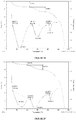
- crystalline form (I-HS) has an XRPD pattern that is substantially the same XRPD pattern as shown in Figure 1 .
- crystalline form (I-HS) is characterized by having XRPD diffraction peaks (2 ⁇ degrees) at about 18.4, 20.6, 23.0, and 24.0.
- crystalline form (I-HS) is characterized by having XRPD diffraction peaks (2 ⁇ degrees) at about 10.6, 18.4, 20.6, 23.0, and 24.0.
- crystalline form (I-HS) is characterized by having XRPD diffraction peaks (2 ⁇ degrees) at about 10.6, 18.4, 19.1, 20.2, 20.6, 21.5, 23.0, and 24.0.
- crystalline form (I-HS) is characterized by having XRPD diffraction peaks (2 ⁇ degrees) at about 10.6, 15.3, 16.4, 18.4, 19.1, 19.8, 20.2, 20.6, 21.5, 22.0, 23.0, 24.0, 24.4, 25.6, 26.5, 27.5, 28.2, 28.6, 30.8, and 38.5.
- crystalline form (I-HS) has an XRPD pattern that is substantially the same XRPD pattern as shown in Figure 29 .
- crystalline form has an XRPD pattern with at least the 20 characteristic peaks (2 ⁇ degrees ⁇ 0.3), as listed in Table 1.
- Table 5. XRPD peaks of crystalline form (I-HS) Position (°2 ⁇ ) Relative Intensity (%) 10.76 29.85 15.38 13.22 16.52 16.46 18.50 48.07 19.22 22.92 19.92 16.05 20.26 30.80 20.74 100.00 21.56 23.78 22.16 15.51 23.16 32.52 24.10 33.89 24.50 12.14 25.72 8.89 26.50 10.88 27.62 8.61 28.32 11.44 28.74 10.73 30.92 8.23 38.60 8.88
- the crystalline form (I-HS) has an XRPD pattern with at least the 8 characteristic peaks (2 ⁇ degrees ⁇ 0.3), which comprises peaks having a relative intensity greater than or equal to about 15%, as listed in Table 6.
- Table 6 XRPD peaks of crystalline form (I-HS) Position (°2 ⁇ ) Relative Intensity (%) 10.76 29.85 18.50 48.07 19.22 22.92 20.26 30.80 20.74 100.00 21.56 23.78 23.16 32.52 24.10 33.89
- the crystalline form (I-HS) has an XRPD pattern with at least the 5 characteristic peaks (2 ⁇ degrees ⁇ 0.3), which comprises peaks having a relative intensity greater than or equal to about 25%, as listed in Table 7.
- Table 7. XRPD peaks of crystalline form (I-HS) Position (°2 ⁇ ) Relative Intensity (%) 10.76 29.85 18.50 48.07 20.74 100.00 23.16 32.52 24.10 33.89
- the crystalline form (I-HS) has an XRPD pattern with at least the 4 characteristic peaks (2 ⁇ degrees ⁇ 0.3), which comprises peaks having a relative intensity greater than or equal to about 30%, as listed in Table 8.
- Table 8. XRPD peaks of crystalline form (I-HS) Position (°2 ⁇ ) Relative Intensity (%) 18.50 48.07 20.74 100.00 23.16 32.52 24.10 33.89
- crystalline form (I-HS) is characterized by having XRPD diffraction peaks (2 ⁇ degrees) at about 18.5, 20.7, 23.2, and 24.1.
- crystalline form (I-HS) is characterized by having XRPD diffraction peaks (2 ⁇ degrees) at about 10.8, 18.5, 20.7, 23.2, and 24.1.
- crystalline form (I-HS) is characterized by having XRPD diffraction peaks (2 ⁇ degrees) at about 10.8, 18.5, 19.2, 20.3, 20.7, 21.6, 23.2, and 24.1.
- crystalline form (I-HS) is characterized by having XRPD diffraction peaks (2 ⁇ degrees) at about 10.8, 15.4, 16.5, 18.5, 19.2, 19.9, 20.3, 20.7, 21.6, 22.2, 23.2, 24.1, 24.5, 25.7, 26.5, 27.6, 28.3, 28.7, 30.9, and 38.6.
- crystalline form (I-HS) is characterized by having XRPD peaks (2 ⁇ degrees) as shown in Table 9.
- Table 9 XRPD peaks of crystalline form (I-HS) FIG. 1 FIG.
- crystalline form (I-HS) is characterized by having XRPD diffraction peaks (2 ⁇ degrees) at 18.4 ⁇ 0.2, 20.7 ⁇ 0.2, 23.1 ⁇ 0.2, and 24.0 ⁇ 0.2.
- crystalline form (I-HS) is characterized by having XRPD diffraction peaks (2 ⁇ degrees) at 10.7 ⁇ 0.2, 18.4 ⁇ 0.2, 20.7 ⁇ 0.2, 23.1 ⁇ 0.2, and 24.0 ⁇ 0.2.
- crystalline form (I-HS) is characterized by having XRPD diffraction peaks (2 ⁇ degrees) at 10.7 ⁇ 0.2, 18.4 ⁇ 0.2, 19.2 ⁇ 0.2, 20.2 ⁇ 0.2, 20.7 ⁇ 0.2, 21.5 ⁇ 0.2, 23.1 ⁇ 0.2, and 24.0 ⁇ 0.2.
- crystalline form (I-HS) is characterized by having XRPD diffraction peaks (2 ⁇ degrees) at 10.7 ⁇ 0.2, 15.3 ⁇ 0.2, 16.5 ⁇ 0.2, 18.4 ⁇ 0.2, 19.2 ⁇ 0.2, 19.9 ⁇ 0.2, 20.2 ⁇ 0.2, 20.7 ⁇ 0.2, 21.5 ⁇ 0.2, 22.1 ⁇ 0.2, 23.1 ⁇ 0.2, 24.0 ⁇ 0.2. 24.4 ⁇ 0.2, 25.6 ⁇ 0.2, 26.5 ⁇ 0.2, 27.6 ⁇ 0.2, 28.2 ⁇ 0.2, 28.7 ⁇ 0.2, 30.8 ⁇ 0.2, and 38.5 ⁇ 0.2.
- the 2-theta values of the X-ray powder diffraction patterns for crystalline form may vary slightly from one instrument to another and also depending on variations in sample preparation and batch to batch variation, and so the values quoted are not to be construed as absolute.
- the relative intensities of peaks may vary depending on orientation effects so that the intensities shown in the XRPD trace included herein are illustrative and not intended to be used for absolute comparison. Accordingly, it is to be understood that the phrase "substantially the same XRPD pattern as shown in Figure 1 or Figure 29 " means that for comparison purposes, at least 90% of the peaks shown in Figure 1 or Figure 29 are present.
- the relative peak positions may vary ⁇ 0.3 degrees from the peak positions shown in Figure 1 or Figure 29 . It is to be further understood that for comparison purposes some variability in peak intensities from those shown in Figure 1 and Figure 29 is allowed.
- FIG. 2 illustrates a simultaneous thermogravimetric/differential thermal analyzer (TG/DTA) profile of crystalline form (I-HS).
- TG/DTA simultaneous thermogravimetric/differential thermal analyzer
- the TG/DAT profile of crystalline form shows an initial weight loss of 0.8% between 27.4° Celsius to 182.4° Celsius, which is followed by 4.9% weight loss in the TG curve between 182.4° Celsius to 225.0° Celsius, also seen as an endotherm in the DTA curve. These weight losses could be decomposition of the material.
- FIG. 3 illustrates a differential scanning calorimetry (DSC) profile of crystalline form (I-HS).
- DSC analysis of the sample was performed using a Seiko DSC6200 differential scanning calorimeter (equipped with a cooler).
- About 5 mg of crystalline form (I-HS) was weighed into an aluminum DSC pan and sealed non-hermetically with a pierced aluminum lid.
- the sample pan was then loaded into a Seiko DSC6200 (equipped with a cooler), cooled, and held at 25° Celsius. Once a stable heat-flow response was obtained, the sample and reference were heated to 270° Celsius at a scan rate of 10° Celsius/min while monitoring the resulting heat flow response.
- crystalline form has a DSC thermogram substantially as shown in Figure 3 .
- substantially as shown in Figure 3 means that the temperatures of the endothermic event shown in Figure 3 can vary by about ⁇ 5°C.
- the DSC thermogram of the crystalline form (I-HS) indicates a small endothermic change in the baseline between 122.9° Celsius to 152.8° Celsius, followed by a sharp endotherm that corresponds to the melting of the crystalline form (I-HS) at an onset temperature of melting of 190.8° Celsius, a peak temperature of melting of 197.9° Celsius and a heat of melting of 2.415 mW.
- the transition following the melting endotherm may be caused by the decomposition of the melted crystalline form (I-HS).
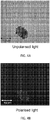
- FIGS. 4A and 4B illustrate polarized light microscopy (PLM) images of crystalline form (I-HS) under (A) unpolarized and (B) unpolarized light.
- the presence of crystallinity (birefringence) was determined using an Olympus BX50 polarizing microscope, equipped with a Motic camera and image capture software (Motic Images Plus 2.0). All images were recorded using the 20x objective.
- the crystalline form (I-HS) exhibits birefringence when examined under polarized light without exhibiting a definite morphology or agglomerates.
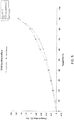
- FIG. 5 illustrates a dynamic vapor sorption (DVS) isotherm profile of crystalline form (I-HS).
- I-HS dynamic vapor sorption
- DVS-1 Dynamic Vapor Sorption System a sample of crystalline form (I-HS) was cycled through changing humidity conditions to determine its hygroscopicity. The sample was analyzed using a Surface Measurement System DVS-1 Dynamic Vapor Sorption System. About 10 mg of crystalline form (I-HS) was placed into a mesh vapor sorption balance pan and loaded into a dynamic vapor sorption balance as part of the Surface Measurement System. Data was collected in 1 minute intervals. Nitrogen was used as the carrier gas.
- the sampled crystalline form (I-HS) was subjected to a ramping profile from 20-90% relative humidity (RH) at 10% increments, maintaining the sample at each step until a stable weight had been achieved (99.5% step completion). After completion of the sorption cycle, the sample was dried using the same procedure, but all the way down to 0% RH and finally taken back to the starting point of 20% RH. The weight change during the sorption/desorption cycles were plotted, allowing for the hygroscopic nature of the sample to be determined.
- RH relative humidity
- crystalline form (I-HS) appears to be non-hygroscopic. A small increase in mass of about 1.7% was observed between 0% and 90% RH during the sorption cycle. In addition, a very small hysteresis was observed between sorption and desorption cycles.
- the XRPD pattern of crystalline form (I-HS) post DVS analysis (not shown) being similar to its pre-DVS XRPD pattern shown in FIG. 1 or FIG. 29 indicates that no change in the crystalline form (I-HS) occurred during DVS.
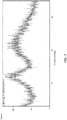
- FIG. 6 illustrates an infrared (IR) spectroscopy profile of crystalline form (I-HS) for the compound of Formula I.
- IR spectroscopy was carried out on a Bruker ALPHA P spectrometer. Sufficient material of crystalline form (I-HS) was placed onto the center of the plate of the spectrometer with a transmittance spectrum being obtained using a resolution of 4 cm -1 , a background scan time of 16 scans, a sample scan time of 16 scans, and collecting data from 4000 cm -1 to 400 cm -1 .
- the observed IR spectrum of crystalline form (I-HS) is shown in FIG. 6 .
- the crystalline form (I-HS) has a number of properties that make it surprisingly superior to the amorphous form of ( S )-N-(5-(( R )-2-(2,5-difluorophenyl)-pyrrolidin-1-yl)-pyrazolo[1,5-a]pyrimidin-3-yl)-3-hydroxypyrrolidine-1-carboxamide hydrogen sulfate (AM(HS)).
- the crystalline form (I-HS) has properties which contribute to its manufacturability and production of a commercial product.
- the crystalline form (I-HS) has better flow properties as compared to the amorphous API (AM(HS)) as evidenced by the Carr's and Hausner Index.
- the crystalline form (I-HS) exhibits a Carr Index value of greater than 20%.
- the crystalline form (I-HS) exhibits a Hausner ratio of less than 1.35 (e.g., a value of between about 1.26 to about 1.34). The differences in flow properties can make the development of a solid oral dosage form more difficult for the amorphous API vs. the crystalline API.
- the crystalline form (I-HS) also evidenced better stability in an accelerated stability study conducted in an LDPE bag at 40 °C/75% RH for five weeks. While neither the AM(HS) or crystalline form (I-HS) exhibited a significant changes in chemical impurity levels over the course of the study, the study did reveal that the crystalline form (I-HS) has stable physicochemical properties.
- the amorphous API on the other hand, converted into a crystalline form substantially similar to the crystalline form (I-HS) by XRPD, DSC, TGA, KF and polarized light microscopy. Additionally, the amorphous API changed to an agglomerated powder with reduced flow properties over the course of the stability testing.
- the crystalline form (I-HS), as noted previously, is non-hygroscopic.
- non-hygroscopic refers to a compound exhibiting less than a 2% weight gain at 25 °C and 80% RH after 24 to 48 hours (see, e.g., Example 10).
- the AM(HS) compound was found to deliquesce upon exposure to humidity. Given this tendency, use of the AM(HS) compound would require significant handling precautions during storage and manufacture to prevent this change in form from occurring whereas the crystalline form (I-HS) requires no such precautions during manufacture of the API. This stability to humidity would also be expected to carry over to any solid oral dosage product prepared using the crystalline form (I-HS).
- the crystalline form (I-HS) provides a significantly improved impurity profile versus the amorphous API.
- the ability to control an impurity profile is important for patient safety, developing a repeatable manufacturing process, and meeting requirements by Regulatory agencies prior to use in humans.
- the compounds provided herein including (S)-N-(5-((R)-2-(2,5-difluorophenyl)-pyrrolidin-1-yl)-pyrazolo[1,5-a]pyrimidin-3-yl)-3-hydroxypyrrolidine-1-carboxamide (Formula I) hydrogen sulfate salt(crystalline form (I-HS)), exhibit Trk family protein tyrosine kinase inhibition, and the compound, hydrogen sulfate salt, and crystalline form thereof can be used in the treatment of pain, inflammation, cancer, and certain infectious diseases.
- TrkA, TrkB and/or TrkC inhibitors may be demonstrated by the assays described in Examples A and B as disclosed in U.S. Patent No. 8,513,263, issued on August 20, 2013 .
- the compounds may accordingly exist as enantiomers. Where the compounds possess two chiral centers, the compounds may additionally exist as diastereomers. That is, the compound of Formula I, in addition to having the desired configuration designated by the nomenclature "(S)-N-(5-((R)-2-(2,5-difluorophenyl)-pyrrolidin-1-yl)-pyrazolo[1,5-a]pyrimidin-3-yl)-3-hydroxypyrrolidine-1-carboxamide hydrogen sulfate" (hereinafter referred to as the (S,R) isomer), it may also be present in minor amounts as the isomer (R)-N-(5-((R)-2-(2,5-difluorophenyl)-pyrrolidin-1-yl)-pyrazolo[1,5-a]pyrimidin-3-yl)-3-hydroxypyrrolidine-1-carboxamide hydrogen sulfate (hereinafter referred to as the (S,R) iso
- the (S,R) isomer is present at an excess of greater than or equal to about 80%, more preferably at an excess of greater than or equal to about 90%, more preferably still at an excess of greater than or equal to about 95%, more preferably still at an excess of greater than or equal to about 98%, more preferably at an excess of greater than or equal to about 99%.
- crystalline form contains two centers of asymmetry and may therefore be prepared and isolated in a mixture of isomers such as a racemic or diastereomeric mixture, or in an enantiomerically pure form.
- stereochemistry is specified by a solid wedge or dashed line representing a particular configuration, then that stereoisomer is so specified and defined.
- isolated form shall mean that the compound is present in a form which is separate from any solid mixture with another compound(s), solvent system or biological environment.
- the crystalline form (I-HS) is present as an isolated form.
- substantially pure form shall mean that the mole percent of impurities in the isolated compound or crystalline form is less than about 5 mole percent, preferably less than about 2 mole percent, more preferably, less than about 0.5 mole percent, most preferably, less than about 0.1 mole percent.
- the crystalline form (I-HS) is present as a substantially pure form.
- the term "substantially free of other amorphous, polymorph or crystalline form(s)" when used to described crystalline form (I-HS) shall mean that mole percent of other amorphous, polymorph or crystalline form(s) of the isolated base of crystalline form (I-HS) is less than about 5 mole percent, preferably less than about 2 mole percent, more preferably, less than about 0.5 mole percent, most preferably less than about 0.1 mole percent.
- the crystalline form (I-HS) is present as a form substantially free of other amorphous, polymorph or crystalline form(s).
- polymorph and “polymorphic form” refer to different crystalline forms of a single compound. That is, polymorphs are distinct solids sharing the same molecular formula, yet each polymorph may have distinct solid state physical properties. Therefore, a single compound may give rise to a variety of polymorphic forms where each form has different and distinct solid state physical properties, such as different solubility profiles, dissolution rates, melting point temperatures, flowability, and/or different X-ray diffraction peaks. The differences in physical properties may affect pharmaceutical parameters such as storage stability, compressibility and density (which can be important in formulation and product manufacturing), and dissolution rate (which can be an important factor in bioavailability).
- Techniques for characterizing polymorphic forms include, but are not limited to, X-ray powder diffractometry (XRPD), differential scanning calorimetry (DSC), thermal gravimetric analysis (TGA), single-crystal X-ray diffractometry (XRD), vibrational spectroscopy, e.g., infrared (IR) and Raman spectroscopy, solid-state and solution nuclear magnetic resonance (NMR) spectroscopy, optical microscopy, hot stage optical microscopy, scanning electron microscopy (SEM), electron crystallography and quantitative analysis, particle size analysis (PSA), surface area analysis, solubility measurements, dissolution measurements, elemental analysis and Karl Fischer analysis.
- XRPD X-ray powder diffractometry
- DSC differential scanning calorimetry
- TGA thermal gravimetric analysis
- XRD single-crystal X-ray diffractometry
- vibrational spectroscopy e.g., infrared (IR) and Raman spectroscopy
- NMR nuclear
- amorphous means a solid in a solid state that is a non-crystalline state. Amorphous solids are disordered arrangements of molecules and therefore possess no distinguishable crystal lattice or unit cell and consequently have no definable long range ordering.
- the solid state form of a solid may be determined by polarized light microscopy, X-ray powder diffraction ("XRPD”), differential scanning calorimetry (“DSC”), or other standard techniques known to those of skill in the art.
- treating shall include the management and care of a subject or patient (preferably mammal, more preferably human) for the purpose of combating a disease, condition, or disorder and includes the administration of a disclosed compound to alleviate the symptoms or complications, or reduce the rate of progression of the disease, condition, or disorder.
- prevention shall include (a) reduction in the frequency of one or more symptoms; (b) reduction in the severity of one or more symptoms; (c) the delay or avoidance of the development of additional symptoms; and/or (d) delay or avoidance of the development of the disorder or condition.
- pain shall be defined to include acute, chronic, inflammatory and neuropathic pain, including diabetic neuropathy.
- the pain may be centrally mediated, peripherally mediated, caused by structural tissue injury, caused by soft tissue injury or caused by progressive disease. Any centrally mediated, peripherally mediated, structural tissue injury, soft tissue injury or progressive disease related pain may be acute or chronic.
- pain shall include inflammatory pain, centrally mediated pain, peripherally mediated pain, visceral pain, structural related pain, cancer pain, soft tissue injury related pain, progressive disease related pain, neuropathic pain, acute pain from acute injury, acute pain from trauma, acute pain from surgery, headache, dental pain, back pain (preferably lower back pain), chronic pain from neuropathic conditions and chronic pain from post-stroke conditions.
- mammal refers to a warm-blooded animal that has or is at risk of developing a disease described herein and includes, but is not limited to, guinea pigs, dogs, cats, rats, mice, hamsters, and primates, including humans.
- the term “about” is used herein to mean approximately, in the region of, roughly, or around.
- the term “about” modifies that range by extending the boundaries above and below the numerical values set forth.
- the term “about” is used herein to modify a numerical value above and below the stated value by a variance of 10%.
- the term "about" preceding one or more peak positions in an X-ray powder diffraction pattern means that all of the peaks of the group which it precedes are reported in terms of angular positions (two theta) with an allowable variability of ⁇ 0.3°.
- the variability of ⁇ 0.3° is intended to be used when comparing two powder X-ray diffraction patterns.
- a diffraction pattern peak from one pattern is assigned a range of angular positions (two theta) which is the measured peak position ⁇ 0.3° and if those ranges of peak positions overlap, then the two peaks are considered to have the same angular position. For example, if a peak from one pattern is determined to have a position of 11.0°, for comparison purposes the allowable variability allows the peak to be assigned a position in the range of 10.7°-11.3°.
- reaction step(s) is performed under suitable conditions, according to known methods, to provide the desired product.
- a reaction step as disclosed herein may be carried out in a variety of solvents or solvent systems, said reaction step may also be carried out in a mixture of the suitable solvents or solvent systems.
- a reagent or reagent class/type e.g. base, solvent, etc.
- the individual reagents are independently selected for each reaction step and may be the same of different from each other.
- the organic or inorganic base selected for the first step may be the same or different than the organic or inorganic base of the second step.
- reaction flasks were typically fitted with rubber septa for the introduction of substrates and reagents via syringe or addition funnel.
- HPLC high performance liquid chromatography
- Amorphous freebase form of compound of Formula I About 1 gram of ( S )-N-(5-(( R )-2-(2,5-difluorophenyl)pyrrolidin-1-yl)-pyrazolo[1,5-a]pyrimidin-3-yl)-3-hydroxypyrrolidine-1-carboxamide is dissolved in minimum amount of water and cooled to a temperature of about -26° Celsius followed by drying in the freeze dryer for 24 hours. About 20 mg of the amorphous material obtained from the freeze dryer was weighed in a vial, to which 5 volume aliquots of an appropriate solvent system was added. The mixture was checked for dissolution and if no dissolution was apparent, the mixture was heated to about 40° Celsius and checked again. This procedure was continued until dissolution was observed or until 100 volumes of solvent had been added. The XRPD pattern of the amorphous material obtained from the freeze drying experiment is shown in FIG. 7 .
- Amorphous hydrogen sulfate salt of compound of Formula I was prepared as described in Example 14A in WO 2010/048314 (see Example 3).
- the XRPD patterns of the two different lots of amorphous material prepared by this method are show in FIG. 28 .
- the process comprises the steps as shown in Scheme 1.
- the above method further comprises: (b1) seeding the solution from step (a) with (S)-N-(5-((R)-2-(2,5-difluorophenyl)pyrrolidin-1-yl)-pyrazolo[1,5-a]pyrimidin-3-yl)-3-hydroxypyrrolidin-1-carboxamide hydrogen sulfate at room temperature and allowing the solution to stir until a slurry forms.
- I-HS crystalline form
- the base is an amine base, such as triethylamine.
- the base is an alkali metal base, such as an alkali metal carbonate, such as potassium carbonate.
- Step A Preparation of sodium pyrazolo[1,5-a]pyrimidin-5-olate: A solution of 1H-pyrazol-5-amine and 1,3-dimethylpyrimidine-2,4(1H,3H)-dione (1.05 equiv.) were charged to a round bottom flask outfitted with a mechanical stirrer, a steam pot, a reflux condenser, a J-Kem temperature probe and an N 2 adaptor for positive N 2 pressure control. Under mechanical stirring the solids were suspended with 4 vol. (4 mL/g) of absolute EtOH under a nitrogen atmosphere, then charged with 2.1 equivalentsof NaOEt (21 wt% solution in EtOH), and followed by line-rinse with 1 vol.
- Step B Preparation of 3-nitropyrazolo[1,5-a]pyrimidin-5(4H)-one: A tared round bottom flask was charged with sodium pyrazolo[1,5-a]pyrimidin-5-olate that was dissolved at 40-45° Celsius in 3.0 vol. (3.0 mL/g) of deionized water, and then concentrated under high vacuum at 65° Celsius in a water-bath on a rotary evaporator until 2.4 x weight of starting material was observed (1.4 vol/1.4 mL/g deionized water content).
- a round bottom vessel outfitted with a mechanical stirrer, a steam pot, a reflux condenser, a J-Kem temperature probe and an N 2 adaptor for positive N 2 pressure control was charged with 3 vol. (3 mL/g, 10 equiv) of >90 wt% HNO 3 and cooled to about 10° Celsius under a nitrogen atmosphere using external ice-water cooling bath under a nitrogen atmosphere.
- the HNO 3 solution was charged with the 1.75-1.95 volumes of a deionized water solution of sodium pyrazolo[1,5-a]pyrimidin-5-olate (1.16-1.4 mL DI water/g of sodium pyrazolo[1,5-a]pyrimidin-5-olate) at a rate to maintain 35-40° Celsius internal temperature under cooling.
- Two azeotropes were observed without any ethyl nitrate fumes.
- the azeotrope flask, the transfer line (if applicable) and the addition funnel were rinsed with 2 x 0.1 vol. (2 x 0.1 mL/g) deionized water added to the reaction mixture.
- Step C Preparation of 5-chloro-3-nitropyrazolo[1,5-a]pyrimidine: 3-nitropyrazolo[1,5-a]pyrimidin-5(4H)-one was charged to a round bottom flask outfitted with a mechanical stirrer, a heating mantle, a reflux condenser, a J-Kem temperature probe and an N 2 adaptor for positive N 2 pressure control. Under mechanical stirring the solids were suspended with 8 volumes (8 mL/g) of CH 3 CN, and then charged with 2,6-lutitine (1.05 equiv) followed by warming the slurry to about 50° Celsius. Using a pressure equalizing addition funnel, the mixture was dropwise charged with 0.33 equivalents of POCl 3 .
- Step A Preparation of tert -butyl (4-(2,5-difluorophenyl)-4-oxobutyl)-carbamate: 2-bromo-1,4-difluorobenzene (1.5 eq.) was dissolved in 4 volumes of THF (based on weight of tert -butyl 2-oxopyrrolidine-1-carboxylate) and cooled to about 5° Celsius. A solution of 2.0 M iPrMgCl in THF (1.4 eq.) was added over 2 hours to the mixture while maintaining a reaction temperature below 25° Celsius. The solution was allowed to cool to about 5° Celsius and stirred for 1 hour (GC analysis confirmed Grignard formation).
- the organic layer was washed with 4 volumes of saturated aqueous NaCl followed by addition of 2 x 1 volume of saturated aqueous NaCl.
- the organic layer was solvent-switched to heptane ( ⁇ 1%wt THF confirmed by GC) at a distillation temperature of 35-55° Celsius and distillation pressure of 100-200 mm Hg for 2 x 4 volumes of heptane being added with a minimum distillation volume of about 7 volumes.
- the mixture was then diluted to 10 volumes with heptane while heating to about 55° Celsius yielded a denser solid with the mixture being allowed to cool to room temperature overnight.
- the slurry was cooled to less than 5° Celsius and filtered through polypropylene filter cloth.
- Step B Preparation of 5-(2,5-difluorophenyl)-3,4-dihydro-2 H -pyrrole: tert -butyl (4-(2,5-difluorophenyl)-4-oxobutyl)-carbamate was dissolved in 5 vol. of toluene with 2.2 eq. of 12M HCl being added observing a mild exotherm and gas evolution. The reaction was heated to 65° Celsius for 12-24 hours and monitored by HPLC. Upon completion the reaction was cooled to less than 15° Celsius with an ice/water bath. The pH was adjusted to about 14 with 3 equivalents of 2M aqueous NaOH (4.7 vol.). The reaction was stirred at room temperature for 1-2 hours.
- the mixture was transferred to a separatory funnel with toluene.
- the aqueous layer was removed and the organic layer was washed with 3 volumes of saturated aqueous NaCl.
- the organic layer was concentrated to an oil and redissolved in 1.5 volumes of heptane.
- the resulting suspension was filtered through a GF/F filter paper and concentrated to a light yellow oil of 5-(2,5-difluorophenyl)-3,4-dihydro-2 H -pyrrole with a 90% to 100% theoretical yield.
- Step C Preparation of ( R )-2-(2,5-difluorophenyl)-pyrrolidine: Chloro-1,5-cyclooctadiene iridium dimer (0.2 mol%) and ( R )-2-(2-(diphenylphosphino)phenyl)-4-isopropyl-4,5-dihydrooxazole (0.4 mol%) were suspended in 5 volumes of MTBE (based on 5-(2,5-difluorophenyl)-3,4-dihydro-2 H -pyrrole) at room temperature. The mixture was stirred for 1 hour and most of the solids dissolved with the solution turning dark red. The catalyst formation was monitored using an HPLC/PDA detector.
- reaction was cooled to less than 5° Celsius and 5-(2,5-difluorophenyl)-3,4-dihydro-2 H -pyrrole (1.0 eq.) was added using a 0.5 volumes of MTBE rinse.
- Diphenylsilane (1.5 eq.) was added over about 20 minutes while maintaining a reaction temperature below 10° Celsius.
- the reaction was stirred for 30 minutes below 10° Celsius and then allowed to warm to room temperature.
- the reaction was stirred overnight at room temperature.
- the completion of the reaction was confirmed by HPLC and then cooled to less than 5° Celsius.
- the reaction was quenched with 5 volumes of 2M aqueous HCl maintaining temperature below 20° Celsius.
- Step D Preparation of ( R )-2-(2,5-difluorophenyl)-pyrrolidine ( R )-2-hydroxy-succinate: ( R )-2-(2,5-difluorophenyl)-pyrrolidine (1.0 eq.) was transferred to a round bottom flask charged with 15 volumes (corrected for potency) of EtOH (200 prf). D-malic acid (1.05 eq.) was added and the mixture was heated to 65° Celsius. The solids all dissolved at about 64° Celsius. The solution was allowed to cool to RT.
- suitable bases include tertiary amine bases, such as triethylamine, and K 2 CO 3 .
- Suitable solvents include ethanol, heptane and tetrahydrofuran (THF). The reaction is conveniently performed at temperatures between 5° Celsius and 50° Celsius. The reaction progress was generally monitored by HPLC TRK1PM1.
- the dried hydrogen sulfate salt (6389 g from 4 combined lots) was added to a 5:95 w/w solution of water/2-butanone (total weight 41652 g).
- the mixture was heated at about 68° Celsius with stirring until the weight percent of ethanol was about 0.5%, during which time a slurry formed.
- the slurry was filtered, and the filter cake was washed with a 5:95 w/w solution of water/2-butanone.
- TrkA and TrkB Enzyme assay
- Trk kinase binding to Trk kinase is measured using Invitrogen's LanthaScreenTM Eu Kinase Binding technology. Briefly, His-tagged recombinant human Trk cytoplasmic domain from Invitrogen (5 nM TRK A - Cat. No. PV3144 or 10 nM TRK B - Cat. No. PV3616) is incubated with 5 nM Alexa-Fluor® Tracer 236 (PR9078A), 2 nM biotinylated anti-His (Cat. No. M4408), and 2 nM europium-labeled Streptavidin (Cat No.
- PV5899 along with test compound in a buffer consisting of 25 mM MOPS, pH 7.5, 5 mM MgCl 2 , 0.005% Triton X-100, and 2% DMSO.
- the compound is typically prepared in a three-fold serial dilution in DMSO and added to the assay to give the appropriate final concentration. After a 60-minute incubation at 22°C, the reaction is measured using a PerkinElmer EnVision multimode plate reader via TR-FRET dual wavelength detection, and the percent of control (POC) calculated using a ratiometric emission factor. 100 POC is determined using no test compound and 0 POC is determined using a concentration of control compound that completely inhibits the enzyme.
- Crystalline form (I-HS) had an averaged IC 50 of 8.4 nM when tested in this assay for TrkA and an averaged IC 50 of 4.2 when tested in this assay for TrkB.
- CUTO-3F cell line a cancer cell line model harboring different Trk gene fusions
- the CUTO-3F cell is derived from a patient with lung adenocarcinoma harboring the MPRIP-NTRK1 gene fusion.
- the KM12 cell line is a colorectal cancer cell line harboring the TPM3-NTRK1 fusion ( Vaishnavi et al., Nature Med. 19:1469-1472, 2013 ).
- the MO-91 cell line is derived from an acute myeloid leukemia patient harboring the ETV6-NTRK3 fusion ( Taipale et al., Nature Biotech. 31:630-637, 2013 ). Measurement of the proliferation of the cells following treatment with the crystalline form (I-HS) demonstrated a dose-dependent inhibition of cell proliferation in all three tested cell lines ( Figures 8-10 ).
- the IC 50 was less than 100 nm for the CUTO-3F cells ( Figure 8 ) and less than 10 nm for the KM12 cells and the MO-91 cells ( Figures 9 and 10 , respectively).
- Trk fusion proteins are constitutively active, and regulate critical downstream signaling pathways, such as MAPK and AKT, and are inhibited by the crystalline form (I-HS).
- the crystalline form (I-HS) can use used to treat different cancers that express a dysregulated Trk (e.g., a constitutively active form of a Trk protein (e.g., a Trk fusion protein or a Trk point mutation)).
- sorafenib administered at 400 mg daily
- the patient received epirubicin at 30 mg/m 2 daily and ifosfamide at 2,500 mg/m 2 daily with mesna for three consecutive days, with continuation of daily sorafenib.
- the tumor became progressively more painful during these five weeks of systemic therapy.
- extension of the tumor was noted cranially within the psoas muscle, precluding the safe administration of effective radiation doses due to predicted bowel toxicity. The patient therefore came off the protocol and proceeded to surgical resection.
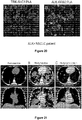
- a restaging chest CT (shown in Figure 21A ) obtained 9 weeks after initial scans snowed worsening metastatic disease, with the largest nodule now measuring at 18 mm.
- the patient's post-operative course was complicated by a polymicrobial wound infection requiring repeated wound debridement and prolonged antibiotic therapy.
- Repeat chest CT was obtained before resumption of chemotherapy and demonstrated dramatic progression over the prior 9 weeks, with multiple pulmonary nodules greater than 3 cm, the largest nearly 7 cm, and a large left pleural effusion.
- the patient received doxorubicin at 75 mg/m 2 once, while awaiting enrollment for treatment with the crystalline form (I-HS).
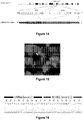
- CGP multi-target comprehensive genomic profiling assay using DNA and RNA sequencing of hundreds of cancer-related genes demonstrated the presence of a gene fusion encoding exons 1-2 of the lamin A/C gene (LMNA) and exons 11-17 of the NTRK1 gene resulting in the LMNA-NTRK1 fusion gene ( Figure 14 ).
- CGP also showed the loss of the tumor suppressor CDKN2A/B (not shown), but no other known oncogenic mutations.
- FISH fluorescence in situ hybridization
- PLAs A novel proximity ligation assay (PLA) was performed using the patient's tumor sample in order to assess both protein expression and functional activity of the fusion oncoprotein.
- PLAs are unique because they can detect functional signaling complexes between a kinase and one of its adaptors in situ.
- TRKA complexed with its preferred adaptor, SHC1 which binds to Y496 in the TRKA kinase domain, was measured ( Figure 17 ).
- SHC1 preferred adaptor
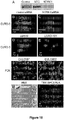
- the assay was validated in both human cell lines and formalin-fixed patient-derived tumor xenografts (PDX) tumor samples ( Figure 18 ).
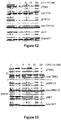
- RNAi knockdown of NTRK1 was discovered to disrupt TRKA-SHC1 complexes in the CUTO-3 cell line harboring the MPRIP-NTRK1 fusion gene ( Figure 18A-C ) as does inhibition with the crystalline form (I-HS) ( Figure 18D and 18E ).
- the TRK PLA detects functional signaling complexes in a FFPE tumor sample from a patient derived xenograft (PDX), CULC001, harboring the MPRIP-NTRK1 gene fusions but not the PDX CULC002, which does not harbor a known oncogenic driver mutation ( Figure 18F and 18G ).
- the TRK-SHC PLA can also detect non-oncogenic signaling complexes as shown by a positive signal in a region of peripheral nerve tissue of the CULC001 PDX, where the TRK family of receptors have high expression an activity mediated by the neurotrophins.
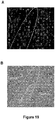
- Application of this assay to the patient's tumor sample demonstrated robust signaling associated with tumor nuclei, but only a weak signal in the blood vessel (human endothelial cells express TRKA, consistent with oncogenic signaling by the LMNA-TRKA oncoprotein ( Figure 19A and B ).
- TRK-SHC1 PLA demonstrated a negative result on a tumor sample from an ALK+ NSCLC patient, whereas the ALK-GRB2 PLA was positive ( Figure 20 ), further demonstrating the ability of this assay to detect oncogenic signaling in human tumor samples.
- a CT was performed prior to the start of cycle 2 day 1, which demonstrated a marked improvement in multiple pulmonary metastases and was deemed a partial response by RECIST 1.1.
- a repeat CT was performed prior to cycle 3 day 1 and demonstrated an ongoing response and thus confirmed a partial response by RECIST 1.1 ( Figure 21C ).
- the patient had significantly improved exertional dyspnea and was no longer requiring supplemental oxygen with an oxygen saturation of 97% on room air.
- the patient did not have any adverse events that were attributed to the crystalline form (I-HS).
- Trk protein e.g., a constitutively active form of a Trk protein, e.g., Trk fusion proteins or Trk point mutations.
- the LMNA-NTRK1 gene fusion has been previously reported in Spitzoid nevi and is constitutively activated when expressed in cells resulting in activation of ERK1/2, AKT and PLC ⁇ demonstrating its oncogenicity ( Taipale et al., Nature Biotech. 31:630-637, 2013 ).
- Foundation Medicine (FM) has previously tested 1272 soft tissue sarcoma samples with the FoundationOneHeme CGP test resulting in the detection of 8 NTRK1 or NTRK3 fusions, including the patient described in this case report (Table 15).
- one of the gene fusions detected combines the majority of the NTRK3 gene (exon 1-17) to the 3' end of the HOMER2 gene (exons 2-9), which contains a dimerization domain (coiled-coil domain), and therefore represents a 3' gene fusion event that has now been described for multiple other RTK-encoding genes such as EGFR, AXL, and FGFR3 ( Sleijfer et al., Eur. J. Cancer 46:72-83, 2010 ; Linch et al., Clin. Oncol. 11:187-202, 2014 ; Rutkowski et al., J. Eur. Acad. Dermatol. Venereol. 25:264-270, 2011 ). Table 15.
- the crystalline form (I-HS) specifically inhibits the activity of a Trk kinase.
- the crystalline form (I-HS) did not inhibit the cellular proliferation of a HCC78 cell line derived from a non-small cell lung cancer that expresses the SLC34A2-ROS1 fusion protein ( Figure 23 ) ( Vaishnavi et al., Nat Med. 19:1469-72, 2013 ).
- NCT02122913 is an ongoing multi-center phase 1 dose-escalation study evaluating the safety and pharmacokinetics of the crystalline form (I-HS), a selective pan-TRK, in unselected patients with metastatic or advanced solid tumors without standard therapy options. The study is approved by Institutional Review Boards at all institutions that that enroll patients, and eligible patients provide written informed consent to participate.
- the crystalline form (I-HS) is provided in 100 mg capsules. Enrolled patients receive escalating doses of the crystalline form (I-HS) according to a modified 3+3 design, and receive the crystalline form (I-HS) daily or twice daily until intolerable toxicity, disease progression, or withdrawal of consent. In patients with measurable disease, efficacy is assessed per RECIST 1.1 criteria.
- DNA and RNA were extracted and adaptor ligated sequencing libraries were captured by solution hybridization using custom bait-sets targeting 405 cancer-related genes and 31 frequently rearranged genes by DNA-seq, and 265 frequently rearranged genes by RNA-seq (FoundationOne Heme). All captured libraries were sequenced to high depth (Illumina HiSeq) in a CLIA-certified CAP-accredited laboratory (Foundation Medicine), averaging >500x for DNA and >6M unique pairs for RNA.
- Sequence data from gDNA and cDNA were mapped to the reference human genome (hg19) and analyzed through a computational analysis pipeline to call genomic alterations present in the sample, including substitutions, short insertions and deletions, rearrangements and copy-number variants.
- FISH Fluorescence in situ hybridization
- NTRK1 break-apart FISH was performed on 4 micron slides from formalin-fixed, paraffin embedded (FFPE) tumor samples as previously described using the Vysis LSI NTRK1 (Cen) SpectrumGreen (Cat # 08N43-030) and Vysis LSI NTRK1 (Tel) SpectrumRed (Abbott Molecular, # 08N43-030 and 08N43-020, respectively) ( Vaishnavi et al., Cancer Discov. 5:25-34, 2015 ).
- RT-PCR Reverse trancriptase polymerase chain reaction
- CUTO-3 cell line and its derivatives were initiated from the malignant pleural effusion of a stage IV lung adenocarcinoma patient harboring the MPRIP-NTRK1 gene fusion as previously described ( Vaishnavi et al., Cancer Discov. 5:25-34, 2015 ; Davies et al., PLoS One 8:e82236, 2013 ).
- KM12 and MO-91 have been previously described ( Vaishnavi et al., Nature Med. 19:1469-1472, 2013 ; Taipale et al., Nat. Biotech. 31:630-637, 2013 ).
- Tumor tissue from an oncogene negative lung adenocarcinoma patient (CULC001) was cut into 3 x 3 x 3 mm pieces that were transferred to DMEM supplemented with 10% fetal bovine serum (FBS) and 200 units/mL penicillin, and 200u g/mL streptomycin. Tumor pieces were dipped in matrigel (Corning) and inserted into incisions on each flank of 5 nude mice.
- FBS fetal bovine serum
- Pleural fluid (CULC002) from a lung adenocarcinoma patient harboring an MRPIP-NTRK1 gene fusion was centrifuged and the resulting cell pellet was suspended in 5 ml ACK buffer (Lonza) for 2 min allowing for the complete lysis of red blood cells. Lysis was halted by the addition of 20 mL PBS and centrifuging the samples. The pellet was washed twice PBS prior to being suspended in DMEM supplemented media as above. 100 ⁇ l of cells (1 x 10 6 per flank) suspended in a 1:1 mix of DMEM and matrigel (BD) were injected subcutaneously into the flanks of 5 nude mice. Propagation and maintenance of resulting xenografts was previously described ( Keysar et al., Mol. Oncol. 7:776-790, 2013 ).
- Cells were seeded onto glass coverslips (in a 48 well plate) or chamber slides at 25-75k cells/well. Cells were treated with the indicated doses and times then fixed for 15 minutes by shaking at room temperature in 4% paraformaldehyde. The cells were rinsed twice in PBS, and then the Duolink® in situ PLA® kit from SigmaAldrich in mouse/rabbit (Red) was used according to the manufacturer's protocol (catalog # DUO92101). The antibody concentrations were optimized using immunofluorescence prior to PLA experiments. The FFPE tissue PLAs from mice or patients were prepared as described in histology.
- samples were treated with 300 mM glycine for 15 minutes prior to the blocking step, otherwise the assay was performed according to the manufacturer's protocol.
- the cells were mounted using Prolong® gold anti-fade reagent (with DAPI) and cured overnight prior to imaging. The images were either taken on a Nikon standard inverted fluorescent microscope at 40x, or on the 31 Marianas spinning disc confocal in the University of Colorado Anschutz Medical Campus Advance Light Microscopy Core at 40x or 100x.
- TRK C17F1
- ALK D5F3 from Cell Signaling
- SHC1 from Novus
- Grb2 610111
- Immunoblotting was performed as previously described ( Vaishnavi et al., Nature Med. 19:1469-1472, 2013 ). Briefly, cells were lysed in RIPA buffer with Halt Protease and Phosphatase Inhibitor Cocktail (Thermo Scientific) and diluted in loading buffer (LI-COR Biosciences). The m embranes were scanned and analyzed using the Odyssey Imaging System and software (LI-COR).
- TRK Y490 rabbit polyclonal antibody was purchased from Santa Cruz Biotechnology.
- GAPDH MAB374
- pTYR 4G10
- PK analysis showed maximum plasma concentrations of crystalline form (I-HS) were reached 30-60 minutes following dosing and exposure increased in approximate proportion with dose.
- the unbound drug levels of crystalline form (I-HS) appear sufficient for approximately 98% inhibition of TRKA/B/C at peak concentrations at all dose levels.
- NTRK-fusions Three of the 23 patients harbored NTRK-fusions and were treated at either 100 or 150 mg BID. These patients achieved a partial response: an undifferentiated sarcoma with an LMNA-NTRK1 fusion (59% decrease; 7 cycles+), a c-kit-negative GI Stromal Tumor (GIST) with an ETV6-NTRK3 fusion (30% decrease; 2 cycles+), and a mammary analogue secretory carcinoma with an ETV6-NTRK3 fusion (64% decrease; 2 cycles+). These data are supported by in vivo tumor growth inhibition and regression in xenograft mouse models of TRK-fusions.
- GIST c-kit-negative GI Stromal Tumor
- Samples were placed in crimped aluminum crucibles with a pin-hole in the lid and subjected to 10 °C/minute to 250 °C under nitrogen.
- Samples were placed on a glass microscope slide, bathed in low-viscosity oil and covered with a glass coverslip. Examined under 20x objective lens with cross-polarized lenses and a 530 nm cut-off filter. Imaging done with a PAX-It camera and processed by PAX-It software.
- AM(HS)1, AM(HS)2, and crystalline form (I-HS) were characterized by appearance, residual solvents, Thermogravimetric Analysis (TGA), Karl Fischer water content (KF), Differential Scanning Calorimetry (DSC), X-Ray Diffraction (XRD), Polarized Light Microscopy (PLM) and hygroscopicity by Dynamic Vapor Sorption (DVS).
- TGA Thermogravimetric Analysis
- KF Karl Fischer water content
- DSC Differential Scanning Calorimetry
- XRD X-Ray Diffraction
- PLM Polarized Light Microscopy
- DFS Dynamic Vapor Sorption
- Residual Solvents Compound Solvents (ppm) Ethanol Methanol Methyl t-butyl ether Heptane Tetrahydrofuran Methyl ethyl ketone AM(HS)1 not detected 1075 not tested not tested not tested not tested AM(HS)2 174 7369 not tested not tested not tested not tested Crystalline I-HS 4783 not tested not detected not detected 3046 Table 18.
- API forms AM(HS)1 and AM(HS)2 are amorphous with no birefringence by polarized light microscopy and the XRPD pattern is also distinctly amorphous for both lots with no discernible x-ray diffraction peaks.
- the TGA for the amorphous compounds shows step-wise weight loss corresponding with endothermic events observed in differential scanning calorimetry. The first two endothermic events are quite broad and may indicate an evaporation and/or de-solvation. The last endothermic event occurs at the approximate temperature of the melt observed in crystalline material. Both amorphous lots are rather hygroscopic with significant hysteresis upon desorption.
- AM(HS)1 gained greater than 13% of its original mass at 80% RH.
- AM(HS)2 gained nearly 12% of its starting mass at 80% RH.
- Post-DVS XRPD indicates that there was no form change during the dynamic vapor sorption however it was observed that the powder deliquesced in the sample holder making removal of the deliquesced powder from the sample holder difficult.
- Crystalline form (I-HS) is crystalline in nature with many diffraction peaks by x-ray diffraction and sincere birefringence by polarized light microscopy in its agglomerate-like morphology. Crystalline form (I-HS) shows a thermogravimetric weight loss of 6% corresponding with an endothermic melt onset occurring at 193.7 °C. Crystalline form (I-HS) is not hygroscopic, and gained only 1% of its starting mass at 80% RH
- Blends were created according to the formulations presented in Tables 20 and 21. These blends are typical of tablet formulations that could be manufactured as a direct compression or roller compaction based tablet or formulated capsule.
- First API i.e. either AM(HS) or crystalline form (I-HS)
- MCC microcrystalline cellulose
- starch or lactose were added to a 30 cc amber glass bottle and blended on the TURBULA® Shaker-mixer at 25 rpm for 3 minutes. Then the remaining excipients were added to the bottle and blended on the TURBULA® at 25 rpm for an additional 3 minutes. Table 20.
- the angle of repose was measured by slowly pouring approximately 1 g of sample through a funnel with a 3/16" inner diameter of the outlet. The powder then fell 1 11/16" to land on the surface of an overturned crystallization dish on which a pile of powder formed. A picture was taken of the pile after addition of all of the material. The angle between the dish surface and the surface of the pile was measure via a protractor on the pictures. Care was taken to replicate the same positions and fall distances in the set up between different samples.
- Compression profiles were generated by creating 5/16" diameter, round tablets at five different compression pressures for each blend.
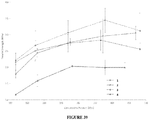
- the press settings were 1 second dwell time and 15% pump speed. Tablets were created for all four powder blends using compression forces of 700 kg, 1000 kg, 1500 kg, and 2000 kg. The highest compression force was selected based on the results of the previous tablets. Tablet mass, dimensions, and rupture force were then measured. These data were plotted using a template resulting in a plot of compression pressure vs. tensile strength ( FIG. 39 ).
- Table 22 Reference values Flow Character Angle of Repose Hausner Ratio Compressibility Index (%) Excellent 25-30° 1.00-1.11 ⁇ 10 Good 31-35° 1.12-1.18 11-15 Fair 36-40° 1.19-1.25 16-20 Passable 41-45° 1.26-1.34 21-25 Poor 46-55° 1.35-1.45 26-31 Very Poor 56-65° 1.46-1.59 32-27 Very, Very Poor ⁇ 66° ⁇ 1.60 ⁇ 38
- Results are presented in Tables 23 and 24 and Figure 39 .
- USP U.S. Pharmacopeial Convention
- all samples fall into the passable or poor category for flow as measured by angle of repose. Larger angles indicate worse flow.
- the Carr's Index (Compressibility Index) and Hausner Ratio fall between passable and very poor according to USP.
- the crystalline API is noticeably different from the amorphous API and these differences are present in all formulation blends irrespective of the content of amorphous or crystalline API.
- the Hausner Ratio and the Carr's Index indicate flow properties are "Passable”.
- the amorphous API has considerably worse flow properties, being categorized as "Very Poor" for both the Hausner ration and Carr's Index. See Table 22 for the relevant USP tables.
- Appearance of Stability Samples Compound Condition Time point (wks.) Appearance Munsell # AM(HS)1 NA 0 Yellow Powder free of aggregates 7.5Y 9/10 AM(HS)1 40 °C/75% RH 5 Orange Powder some aggregates 2.5YR 7/10 Crystalline form (I-HS) NA 0 Orange Powder free of aggregates 2.5YR 7/10 Crystalline form (I-HS) 40 °C/75% RH 5 Orange Powder free of aggregates 2.5YR 7/10 Table 26.
- Amorphous compound AM(HS)1 was not stable in humidified conditions and tended to crystallize over a period of time. This was evidenced by the deliquescence of samples left in humidity chambers and the changed appearance both by the eye and polarized light microscopy (data not shown). The amorphous material goes from a free flowing yellow powder to an orange agglomerated non-free flowing powder. The polarized light microscopy, XRPD, DSC, TGA and KF of the amorphous API also changed significantly over the course of the accelerated stability study to become the same polymorphic form as the crystalline form (I-HS).
- the XRPD pattern of the amorphous compound AM(HS)1 transforms into the XRPD pattern of crystalline form (I-HS) over the course of the accelerated stability study.
- the polarized light microscopy goes from non-birefringent to birefringent under cross-polarized light which is indicative of a change from amorphous to crystalline API.
- Crystalline form (I-HS) exhibited no hygroscopicity nor any change in color, morphology or crystallinity after storage under accelerated conditions.
- the API chemical purity did not change significantly over the course of the stability study for either the AM(HS)1 or crystalline form (I-HS).
- the impurity profiles of the amorphous and crystalline form (I-HS) are, however, significantly different.
- the amorphous material contains significantly higher levels of impurities (Tables 22 and 23) versus the crystalline form (I-HS).
- the CUTO-3F cell line is derived from a patient with lung adenocarcinoma harboring the MPRIP-NTRK1 gene fusion
- the KM12 cell line is a colorectal cancer cell line harboring the TPM3-NTRK1 fusion ( Vaishnavi et al., Nature Med.
- MO-91 cell line is derived from an acute myeloid leukemia patient harboring the ETV6-NTRK3 fusion ( Taipale et al., Nature Biotech. 31:630-637, 2013 ).
- ETV6-NTRK3 fusion Taipale et al., Nature Biotech. 31:630-637, 2013 .
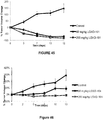
- mice Following implantation of one of these three different xenograph (human) tumors in mice, the change in the volume of each tumor was monitored.
- the resulting mice were left treated with vehicle or were orally administered a daily dose of 60 mg/kg or 200 mg/kg of crystalline form (I-HS) ( Figures 45-47 , respectively) following implantation of the xenograft.
- I-HS crystalline form
Landscapes
- Health & Medical Sciences (AREA)
- Chemical & Material Sciences (AREA)
- Organic Chemistry (AREA)
- Life Sciences & Earth Sciences (AREA)
- General Health & Medical Sciences (AREA)
- Medicinal Chemistry (AREA)
- Pharmacology & Pharmacy (AREA)
- Animal Behavior & Ethology (AREA)
- Public Health (AREA)
- Veterinary Medicine (AREA)
- Engineering & Computer Science (AREA)
- Bioinformatics & Cheminformatics (AREA)
- Chemical Kinetics & Catalysis (AREA)
- Nuclear Medicine, Radiotherapy & Molecular Imaging (AREA)
- General Chemical & Material Sciences (AREA)
- Zoology (AREA)
- Wood Science & Technology (AREA)
- Biochemistry (AREA)
- Genetics & Genomics (AREA)
- General Engineering & Computer Science (AREA)
- Proteomics, Peptides & Aminoacids (AREA)
- Neurology (AREA)
- Biomedical Technology (AREA)
- Neurosurgery (AREA)
- Epidemiology (AREA)
- Pain & Pain Management (AREA)
- Biotechnology (AREA)
- Microbiology (AREA)
- Molecular Biology (AREA)
- Immunology (AREA)
- Physics & Mathematics (AREA)
- Analytical Chemistry (AREA)
- Biophysics (AREA)
- Rheumatology (AREA)
- Psychiatry (AREA)
- Communicable Diseases (AREA)
- Hospice & Palliative Care (AREA)
- Oncology (AREA)
- Pharmaceuticals Containing Other Organic And Inorganic Compounds (AREA)
- Nitrogen Condensed Heterocyclic Rings (AREA)
Priority Applications (2)
| Application Number | Priority Date | Filing Date | Title |
|---|---|---|---|
| DK20169707.5T DK3699181T3 (da) | 2014-11-16 | 2015-11-16 | Krystallinsk form af (s)-n-(5-((r)-2-(2,5-difluorphenyl)-pyrrolidin-1-yl)-pyrazolo[1,5-a]pyrimidin-3-yl)-3-hydroxypyrrolidin-1-carboxamidhydrogensulfat |
| EP20169707.5A EP3699181B1 (en) | 2014-11-16 | 2015-11-16 | Crystalline form of (s)-n-(5-((r)-2-(2,5-difluorophenyl)-pyrrolidin-1-yl)-pyrazolo[1,5-a]pyrimidin-3-yl)-3-hydroxypyrrolidine-1-carboxamide hydrogen sulfate |
Applications Claiming Priority (3)
| Application Number | Priority Date | Filing Date | Title |
|---|---|---|---|
| US201462080374P | 2014-11-16 | 2014-11-16 | |
| US201562169545P | 2015-06-01 | 2015-06-01 | |
| PCT/US2015/060953 WO2016077841A1 (en) | 2014-11-16 | 2015-11-16 | Crystalline form of (s)-n-(5-((r)-2-(2,5-difluorophenyl)-pyrrolidin-1-yl)-pyrazolo[1,5-a]pyrimidin-3-yl)-3-hydroxypyrrolidine-1-carboxamide hydrogen sulfate |
Related Child Applications (2)
| Application Number | Title | Priority Date | Filing Date |
|---|---|---|---|
| EP20169707.5A Division EP3699181B1 (en) | 2014-11-16 | 2015-11-16 | Crystalline form of (s)-n-(5-((r)-2-(2,5-difluorophenyl)-pyrrolidin-1-yl)-pyrazolo[1,5-a]pyrimidin-3-yl)-3-hydroxypyrrolidine-1-carboxamide hydrogen sulfate |
| EP20169707.5A Division-Into EP3699181B1 (en) | 2014-11-16 | 2015-11-16 | Crystalline form of (s)-n-(5-((r)-2-(2,5-difluorophenyl)-pyrrolidin-1-yl)-pyrazolo[1,5-a]pyrimidin-3-yl)-3-hydroxypyrrolidine-1-carboxamide hydrogen sulfate |
Publications (2)
| Publication Number | Publication Date |
|---|---|
| EP3218380A1 EP3218380A1 (en) | 2017-09-20 |
| EP3218380B1 true EP3218380B1 (en) | 2021-03-17 |
Family
ID=54848892
Family Applications (2)
| Application Number | Title | Priority Date | Filing Date |
|---|---|---|---|
| EP15808300.6A Active EP3218380B1 (en) | 2014-11-16 | 2015-11-16 | Preparation of a crystalline form of (s)-n-(5-((r)-2-(2,5-difluorophenyl)-pyrrolidin-1-yl)-pyrazolo[1,5-a]pyrimidin-3-yl)-3-hydroxypyrrolidine-1-carboxamide hydrogen sulfate |
| EP20169707.5A Active EP3699181B1 (en) | 2014-11-16 | 2015-11-16 | Crystalline form of (s)-n-(5-((r)-2-(2,5-difluorophenyl)-pyrrolidin-1-yl)-pyrazolo[1,5-a]pyrimidin-3-yl)-3-hydroxypyrrolidine-1-carboxamide hydrogen sulfate |
Family Applications After (1)
| Application Number | Title | Priority Date | Filing Date |
|---|---|---|---|
| EP20169707.5A Active EP3699181B1 (en) | 2014-11-16 | 2015-11-16 | Crystalline form of (s)-n-(5-((r)-2-(2,5-difluorophenyl)-pyrrolidin-1-yl)-pyrazolo[1,5-a]pyrimidin-3-yl)-3-hydroxypyrrolidine-1-carboxamide hydrogen sulfate |
Country Status (31)
| Country | Link |
|---|---|
| US (5) | US10799505B2 (enExample) |
| EP (2) | EP3218380B1 (enExample) |
| JP (2) | JP6914834B2 (enExample) |
| KR (1) | KR102649887B1 (enExample) |
| CN (2) | CN113354649B (enExample) |
| AU (1) | AU2015346046B2 (enExample) |
| BR (1) | BR112017010141A2 (enExample) |
| CA (1) | CA2967951C (enExample) |
| CL (1) | CL2017001249A1 (enExample) |
| CO (1) | CO2017005483A2 (enExample) |
| CR (1) | CR20170263A (enExample) |
| CY (1) | CY1125935T1 (enExample) |
| DK (1) | DK3699181T3 (enExample) |
| ES (1) | ES2941630T3 (enExample) |
| FI (1) | FI3699181T3 (enExample) |
| HK (1) | HK1244483A1 (enExample) |
| HR (1) | HRP20230271T1 (enExample) |
| HU (1) | HUE061448T2 (enExample) |
| IL (2) | IL290905B2 (enExample) |
| LT (1) | LT3699181T (enExample) |
| MX (2) | MX376478B (enExample) |
| PH (2) | PH12017500900A1 (enExample) |
| PL (1) | PL3699181T3 (enExample) |
| PT (1) | PT3699181T (enExample) |
| RS (1) | RS64122B1 (enExample) |
| SG (1) | SG11201703962XA (enExample) |
| SI (1) | SI3699181T1 (enExample) |
| TW (2) | TWI767858B (enExample) |
| UA (1) | UA123044C2 (enExample) |
| WO (1) | WO2016077841A1 (enExample) |
| ZA (1) | ZA201703501B (enExample) |
Families Citing this family (60)
| Publication number | Priority date | Publication date | Assignee | Title |
|---|---|---|---|---|
| RS53350B (sr) | 2008-09-22 | 2014-10-31 | Array Biopharma, Inc. | Supstituisana jedinjenja imidazo[1,2-b]piridazina kao inhibitori trk kinaze |
| HRP20140309T1 (hr) | 2008-10-22 | 2014-05-09 | Array Biopharma, Inc. | SUPSTITUIRANI SPOJEVI PIRAZOLO[1,5-a]PIRIMIDINA KAO INHIBITORI TRK KINAZE |
| AR077468A1 (es) | 2009-07-09 | 2011-08-31 | Array Biopharma Inc | Compuestos de pirazolo (1,5 -a) pirimidina sustituidos como inhibidores de trk- quinasa |
| KR102015402B1 (ko) | 2010-05-20 | 2019-08-28 | 어레이 바이오파마 인크. | Trk 키나제 저해제로서의 매크로시클릭 화합물 |
| WO2015017533A1 (en) * | 2013-07-30 | 2015-02-05 | Blueprint Medicines Corporation | Ntrk2 fusions |
| US20160053301A1 (en) | 2014-08-22 | 2016-02-25 | Clearfork Bioscience, Inc. | Methods for quantitative genetic analysis of cell free dna |
| JP6914834B2 (ja) | 2014-11-16 | 2021-08-04 | アレイ バイオファーマ インコーポレイテッド | (S)−N−(5−((R)−2−(2,5−ジフルオロフェニル)−ピロリジン−1−イル)−ピラゾロ[1,5−a]ピリミジン−3−イル)−3−ヒドロキシピロリジン−1−カルボキサミド硫酸水素塩の結晶形 |
| KR20180021745A (ko) | 2015-06-01 | 2018-03-05 | 록쏘 온콜로지, 인코포레이티드 | 암을 진단하고 치료하는 방법 |
| HUE053067T2 (hu) | 2015-07-16 | 2021-06-28 | Array Biopharma Inc | Helyettesített pirazolo[1,5-A]piridin vegyületek, mint RET kináz inhibitorok |
| TN2018000138A1 (en) | 2015-10-26 | 2019-10-04 | Array Biopharma Inc | Point mutations in trk inhibitor-resistant cancer and methods relating to the same |
| AU2017246554B2 (en) | 2016-04-04 | 2022-08-18 | Loxo Oncology, Inc. | Liquid formulations of (S)-N-(5-((R)-2-(2,5-difluorophenyl)-pyrrolidin-1-yl)-pyrazolo(1,5-a)pyrimidin-3-yl)-3-hydroxypyrrolidine-1-carboxamide |
| US10045991B2 (en) | 2016-04-04 | 2018-08-14 | Loxo Oncology, Inc. | Methods of treating pediatric cancers |
| ES2987501T3 (es) | 2016-04-04 | 2024-11-15 | Loxo Oncology Inc | Métodos de tratamiento de cánceres pediátricos |
| KR102566858B1 (ko) * | 2016-05-18 | 2023-08-11 | 어레이 바이오파마 인크. | (s)-n-(5-((r)-2-(2,5-디플루오로페닐)피롤리딘-1-일)-피라졸로[1,5-a]피리미딘-3-일)-3-히드록시피롤리딘-1-카르복사미드의 제조 방법 |
| JP7217224B2 (ja) | 2016-08-25 | 2023-02-02 | レゾリューション バイオサイエンス, インコーポレイテッド | Dna試料中のゲノムコピー変化の検出方法 |
| TWI752098B (zh) | 2016-10-10 | 2022-01-11 | 美商亞雷生物製藥股份有限公司 | 作為ret激酶抑制劑之經取代吡唑并[1,5-a]吡啶化合物 |
| TWI704148B (zh) | 2016-10-10 | 2020-09-11 | 美商亞雷生物製藥股份有限公司 | 作為ret激酶抑制劑之經取代吡唑并[1,5-a]吡啶化合物 |
| JOP20190092A1 (ar) | 2016-10-26 | 2019-04-25 | Array Biopharma Inc | عملية لتحضير مركبات بيرازولو[1، 5-a]بيريميدين وأملاح منها |
| US11168090B2 (en) | 2017-01-18 | 2021-11-09 | Array Biopharma Inc. | Substituted pyrazolo[1,5-a]pyrazines as RET kinase inhibitors |
| WO2018136663A1 (en) | 2017-01-18 | 2018-07-26 | Array Biopharma, Inc. | Ret inhibitors |
| JOP20190213A1 (ar) | 2017-03-16 | 2019-09-16 | Array Biopharma Inc | مركبات حلقية ضخمة كمثبطات لكيناز ros1 |
| US10180422B1 (en) | 2017-08-22 | 2019-01-15 | Scripps Health | Methods of treating a neuroendocrine tumor |
| TWI812649B (zh) | 2017-10-10 | 2023-08-21 | 美商絡速藥業公司 | 6-(2-羥基-2-甲基丙氧基)-4-(6-(6-((6-甲氧基吡啶-3-基)甲基)-3,6-二氮雜雙環[3.1.1]庚-3-基)吡啶-3-基)吡唑并[1,5-a]吡啶-3-甲腈之調配物 |
| TWI791053B (zh) | 2017-10-10 | 2023-02-01 | 美商亞雷生物製藥股份有限公司 | 6-(2-羥基-2-甲基丙氧基)-4-(6-(6-((6-甲氧基吡啶-3-基)甲基)-3,6-二氮雜雙環[3.1.1]庚-3-基)吡啶-3-基)吡唑并[1,5-a]吡啶-3-甲腈之結晶形式及其醫藥組合物 |
| WO2019084285A1 (en) | 2017-10-26 | 2019-05-02 | Qian Zhao | FORMULATIONS OF A MACROCYCLIC TRK KINASE INHIBITOR |
| EP3684770B1 (en) | 2017-10-31 | 2025-08-13 | Assia Chemical Industries Ltd. | Salts and solid state forms of larotrectinib |
| CN107987082B (zh) * | 2017-11-14 | 2019-09-20 | 苏州东南药业股份有限公司 | 一种Larotrectinib的制备方法及其中间体 |
| CN109456331B (zh) * | 2017-12-22 | 2020-06-05 | 深圳市塔吉瑞生物医药有限公司 | 一种取代的吡唑并[1,5-a]嘧啶化合物及其药物组合物及用途 |
| EP3740490A1 (en) | 2018-01-18 | 2020-11-25 | Array Biopharma, Inc. | Substituted pyrazolo[3,4-d]pyrimidine compounds as ret kinase inhibitors |
| EP3740491A1 (en) | 2018-01-18 | 2020-11-25 | Array Biopharma, Inc. | Substituted pyrrolo[2,3-d]pyrimidines compounds as ret kinase inhibitors |
| CA3087972C (en) | 2018-01-18 | 2023-01-10 | Array Biopharma Inc. | Substituted pyrazolyl[4,3-c]pyridinecompounds as ret kinase inhibitors |
| US11345703B2 (en) | 2018-01-23 | 2022-05-31 | Shenzhen Targetrx, Inc. | Substituted pyrazolo[1,5-a]pyrimidine macrocyclic compound |
| AU2019217612A1 (en) * | 2018-02-06 | 2020-08-27 | University Of Miami | Inhibitors of the Notch transcriptional activation complex kinase ("NACK") and methods for use of the same |
| CA3095366A1 (en) | 2018-03-29 | 2019-10-03 | Loxo Oncology, Inc. | Treatment of trk-associated cancers |
| WO2019220352A1 (en) * | 2018-05-15 | 2019-11-21 | Dr. Reddy’S Laboratories Limited | Amorphous solid dispersion of larotrectinib sulfate and process thereof |
| CN110294761B (zh) * | 2018-06-08 | 2020-09-08 | 南京雷正医药科技有限公司 | 作为Trk激酶抑制剂的取代的吡唑并[1,5-a]嘧啶化合物 |
| CA3224985C (en) | 2018-07-31 | 2025-11-18 | Loxo Oncology, Inc. | SPRAY-DRIED DISPERSIONS, FORMULATIONS AND POLYMORPHIES OF (S)-5-AMINO-3-(4-((5-FLUORO-2-METHOXYBENZAMIDO)METHYL)PHENYL)(1,1,1-TRIFLUOROPROPANE-2-YL)-1H-PYRAZOLE-4-CARBOXAMIDE |
| CN110857304B (zh) * | 2018-08-24 | 2021-05-18 | 北京富龙康泰生物技术有限公司 | Trk抑制剂、其制备方法和用途 |
| JP2022500383A (ja) | 2018-09-10 | 2022-01-04 | アレイ バイオファーマ インコーポレイテッド | Retキナーゼ阻害剤としての縮合複素環式化合物 |
| CN111138333B (zh) * | 2018-11-02 | 2023-05-23 | 上海复星星泰医药科技有限公司 | 一种(r)-2-(2,5-二氟苯基)-吡咯烷的制备方法 |
| CN109232582B (zh) * | 2018-11-28 | 2021-02-05 | 安礼特(上海)医药科技有限公司 | 拉洛替尼硫酸氢盐晶型及其制备和应用 |
| US11014908B2 (en) | 2018-11-29 | 2021-05-25 | Pfizer Inc. | Chemical compounds |
| CN109608464B (zh) * | 2018-12-12 | 2021-09-24 | 上海健康医学院 | 一种放射性碘标记Larotrectinib化合物及其制备方法和应用 |
| EP3898626A1 (en) | 2018-12-19 | 2021-10-27 | Array Biopharma, Inc. | Substituted pyrazolo[1,5-a]pyridine compounds as inhibitors of fgfr tyrosine kinases |
| CN113474337A (zh) | 2018-12-19 | 2021-10-01 | 奥瑞生物药品公司 | 作为fgfr抑制剂用于治疗癌症的7-((3,5-二甲氧基苯基)氨基)喹喔啉衍生物 |
| CN109593803A (zh) * | 2018-12-24 | 2019-04-09 | 上海健康医学院 | (r)-2-(2,5-二氟苯基)吡咯烷或其盐的制备方法 |
| CN111057729B (zh) * | 2019-06-03 | 2023-08-29 | 弈柯莱生物科技(上海)股份有限公司 | 一种(r)-2-(2,5-二氟苯基)吡咯烷及其制备方法和应用 |
| US20220389019A1 (en) * | 2019-08-08 | 2022-12-08 | Université De Strasbourg | TrkB POSITIVE ALLOSTERIC MODULATORS |
| CN110804059B (zh) * | 2019-09-30 | 2024-03-12 | 郑州泰基鸿诺医药股份有限公司 | 氨基甲酸酯类化合物、药物组合物及其应用 |
| CN110981779B (zh) * | 2019-11-23 | 2021-02-26 | 武汉理工大学 | R-2-(2,5-二氟苯基)吡咯烷的合成方法 |
| CN111087398A (zh) * | 2019-12-24 | 2020-05-01 | 上海万巷制药有限公司 | 一种制备拉罗替尼中间体的清洁工艺 |
| CN111302997B (zh) * | 2020-04-15 | 2022-03-29 | 江苏恒沛药物科技有限公司 | “一锅法”制备拉罗替尼中间体的方法 |
| EP4165021A1 (en) | 2020-06-10 | 2023-04-19 | Epics Therapeutics | Synthesis of (2s,5r)-5-(2-chlorophenyl)-1-(2'-methoxy-[1,1'-biphenyl]-4-carbonyl)pyrrolidine-2-carboxylic acid |
| CN111763211A (zh) * | 2020-08-05 | 2020-10-13 | 安庆多辉生物科技有限公司 | 拉罗替尼盐酸盐、制备方法与应用 |
| RU2760174C1 (ru) * | 2021-01-11 | 2021-11-22 | Федеральное государственное бюджетное научное учреждение "Томский национальный исследовательский медицинский центр" Российской академии наук ("Томский НИМЦ") | Способ комбинированного лечения метастатического колоректального рака у больных с резектабельными метастазами в печени и при наличии мутаций в генах KRAS и BRAF |
| RU2764955C1 (ru) * | 2021-01-11 | 2022-01-24 | Федеральное государственное бюджетное научное учреждение "Томский национальный исследовательский медицинский центр" Российской академии наук ("Томский НИМЦ") | Способ комбинированного лечения метастатического колоректального рака у больных с резектабельными метастазами в печени и при отсутствии мутаций в генах KRAS и BRAF |
| WO2022168115A1 (en) * | 2021-02-05 | 2022-08-11 | Mylan Laboratories Limited | A process for the preparation of larotrectinib or its salts |
| IT202100003887A1 (it) * | 2021-02-19 | 2022-08-19 | Olon Spa | Procedimento per la preparazione di larotrectinib ad elevato grado di purezza |
| CN114478345B (zh) * | 2022-02-10 | 2024-06-14 | 中瀚(齐河县)生物医药科技有限公司 | 一种(r)-2-(2,5-二氟苯基)吡咯烷的制备方法 |
| WO2024023836A1 (en) * | 2022-07-27 | 2024-02-01 | Mylan Laboratories Limited | Polymorphic form of larotrectinib sulfate |
Family Cites Families (198)
| Publication number | Priority date | Publication date | Assignee | Title |
|---|---|---|---|---|
| NZ234143A (en) | 1989-06-28 | 1991-10-25 | Mcneil Ppc Inc | Aqueous pharmaceutical suspension formulation for administering substantially insoluble pharmaceutical agents |
| RO118291B1 (ro) | 1993-11-30 | 2003-04-30 | Searle & Co | Derivati de pirazol 1,3,4,5 - tetrasubstituiti si compozitie farmaceutica care ii contine |
| US5844092A (en) | 1994-03-18 | 1998-12-01 | Genentech, Inc. | Human TRK receptors and neurotrophic factor inhibitors |
| US5877016A (en) | 1994-03-18 | 1999-03-02 | Genentech, Inc. | Human trk receptors and neurotrophic factor inhibitors |
| US5430021A (en) | 1994-03-18 | 1995-07-04 | Pharmavene, Inc. | Hydrophobic drug delivery systems |
| CA2206201A1 (en) | 1996-05-29 | 1997-11-29 | Yoshiaki Isobe | Pyrazole derivatives and their pharmaceutical use |
| JP3898296B2 (ja) | 1996-08-28 | 2007-03-28 | ポーラ化成工業株式会社 | ピロロピラゾロピリミジン化合物及びこれを有効成分とする医薬 |
| EP0979231B1 (en) | 1997-04-25 | 2004-11-24 | Takeda Chemical Industries, Ltd. | Condensed pyridazine derivatives, their production and use |
| UA74546C2 (en) | 1999-04-06 | 2006-01-16 | Boehringer Ingelheim Ca Ltd | Macrocyclic peptides having activity relative to hepatitis c virus, a pharmaceutical composition and use of the pharmaceutical composition |
| US6534085B1 (en) | 1999-09-23 | 2003-03-18 | Bioresponse L.L.C. | Phytochemicals for promoting weight loss |
| IL153375A0 (en) | 2000-06-22 | 2003-07-06 | Genentech Inc | Agonist anti-trk-c monoclonal antibodies |
| TWI312347B (en) | 2001-02-08 | 2009-07-21 | Eisai R&D Man Co Ltd | Bicyclic nitrogen-containing condensed ring compounds |
| EP2340849A1 (en) | 2001-05-30 | 2011-07-06 | Genentech, Inc. | Anti-NGF antibodies for the treatment of various disorders |
| US7101572B2 (en) | 2001-12-07 | 2006-09-05 | Unilab Pharmatech, Ltd. | Taste masked aqueous liquid pharmaceutical composition |
| US20030199525A1 (en) | 2002-03-21 | 2003-10-23 | Hirst Gavin C. | Kinase inhibitors |
| KR20040097375A (ko) | 2002-04-23 | 2004-11-17 | 시오노기 앤드 컴파니, 리미티드 | 피라졸로[1, 5-에이]피리미딘 유도체 및 이를 함유한엔에이디(피)에이취 산화효소 저해제 |
| US7449488B2 (en) | 2002-06-04 | 2008-11-11 | Schering Corporation | Pyrazolopyrimidines as protein kinase inhibitors |
| ITMI20021620A1 (it) | 2002-07-23 | 2004-01-23 | Novuspharma Spa | Composto ad ativita' antitumorale |
| JP4024624B2 (ja) | 2002-08-26 | 2007-12-19 | 富士通株式会社 | 半導体装置の製造方法及び製造装置 |
| US7196078B2 (en) | 2002-09-04 | 2007-03-27 | Schering Corpoartion | Trisubstituted and tetrasubstituted pyrazolopyrimidines as cyclin dependent kinase inhibitors |
| US8580782B2 (en) | 2002-09-04 | 2013-11-12 | Merck Sharp & Dohme Corp. | Substituted pyrazolo[1,5-a]pyrimidines as cyclin dependent kinase inhibitors |
| US7119200B2 (en) | 2002-09-04 | 2006-10-10 | Schering Corporation | Pyrazolopyrimidines as cyclin dependent kinase inhibitors |
| MXPA05002571A (es) | 2002-09-04 | 2005-09-08 | Schering Corp | Pirazolopirimidinas como inhibidores de cinasa dependientes de ciclina. |
| AU2003299651A1 (en) | 2002-12-11 | 2004-06-30 | Merck And Co., Inc. | Tyrosine kinase inhibitors |
| US7262199B2 (en) | 2002-12-11 | 2007-08-28 | Merck & Co., Inc. | Tyrosine kinase inhibitors |
| GB0303910D0 (en) | 2003-02-20 | 2003-03-26 | Merck Sharp & Dohme | Therapeutic agents |
| WO2004082458A2 (en) | 2003-02-21 | 2004-09-30 | The Johns Hopkins University | Tyrosine kinome |
| JP2004277337A (ja) | 2003-03-14 | 2004-10-07 | Sumitomo Pharmaceut Co Ltd | ピラゾロ[1,5−a]ピリミジン誘導体 |
| US20070179161A1 (en) | 2003-03-31 | 2007-08-02 | Vernalis (Cambridge) Limited. | Pyrazolopyrimidine compounds and their use in medicine |
| WO2004089471A2 (en) | 2003-04-11 | 2004-10-21 | Novo Nordisk A/S | NEW PYRAZOLO[1,5-a] PYRIMIDINES DERIVATIVES AND PHARMACEUTICAL USE THEREOF |
| EP1615667A2 (en) | 2003-04-11 | 2006-01-18 | Novo Nordisk A/S | Combinations of an 11-beta-hydroxysteroid dehydrogenase type 1 inhibitor and a glucocorticoid receptor agonist |
| US20060094699A1 (en) | 2003-04-11 | 2006-05-04 | Kampen Gita Camilla T | Combination therapy using an 11beta-hydroxysteroid dehydrogenase type 1 inhibitor and a glucocorticoid receptor agonist to minimize the side effects associated with glucocorticoid receptor agonist therapy |
| EP1619203A1 (en) | 2003-04-28 | 2006-01-25 | Galpharma Co., Ltd. | Galectin 9-inducing factor |
| PA8603801A1 (es) | 2003-05-27 | 2004-12-16 | Janssen Pharmaceutica Nv | Derivados de la quinazolina |
| JP2005008581A (ja) | 2003-06-20 | 2005-01-13 | Kissei Pharmaceut Co Ltd | 新規なピラゾロ[1,5−a]ピリミジン誘導体、それを含有する医薬組成物およびそれらの用途 |
| EA009517B1 (ru) | 2003-06-27 | 2008-02-28 | Байер Кропсайенс Аг | Пиразолопиримидины |
| MEP31508A (hr) | 2003-07-15 | 2010-10-10 | Amgen Inc | Humana anti-ngf neutrališuća antitijela kao selektivni ihibitori ngf signalne kaskade |
| US7491794B2 (en) | 2003-10-14 | 2009-02-17 | Intermune, Inc. | Macrocyclic compounds as inhibitors of viral replication |
| WO2005044835A1 (en) | 2003-10-27 | 2005-05-19 | Genelabs Technologies, Inc. | METHODS FOR PREPARING 7-(2'-SUBSTITUTED-ß-D-RIBOFURANOSYL)-4-(NR2R3)-5-(SUBSTITUTED ETHYN-1-YL)-PYRROLO[2,3-D]PYRIMIDINE DERIVATIVES |
| MY141220A (en) | 2003-11-17 | 2010-03-31 | Astrazeneca Ab | Pyrazole derivatives as inhibitors of receptor tyrosine kinases |
| TW200529849A (en) | 2003-11-28 | 2005-09-16 | Novartis Ag | Diaryl urea derivatives in the treatment of protein kinase dependent diseases |
| DE602004012891T2 (de) | 2003-12-18 | 2009-04-09 | Janssen Pharmaceutica N.V. | Pyrido- und pyrimidopyrimidinderivate als anti-proliferative mittel |
| PL1696920T3 (pl) | 2003-12-19 | 2015-03-31 | Plexxikon Inc | Związki i sposoby opracowywania modulatorów Ret |
| WO2005068424A1 (en) | 2004-01-20 | 2005-07-28 | Cell Therapeutics Europe S.R.L. | Indolinone derivatives as receptor tyrosine kinase ihibitors |
| US20050222171A1 (en) | 2004-01-22 | 2005-10-06 | Guido Bold | Organic compounds |
| WO2005099363A2 (en) | 2004-03-26 | 2005-10-27 | Whitehead Institute For Biomedical Research | Methods of diagnosing, preventing and treating cancer metastasis |
| UA91677C2 (ru) | 2004-03-30 | 2010-08-25 | Интермюн, Инк. | Макроциклические соединения как ингибиторы вирусной репликации |
| PE20060664A1 (es) | 2004-09-15 | 2006-08-04 | Novartis Ag | Amidas biciclicas como inhibidores de cinasa |
| ES2354824T3 (es) | 2004-11-04 | 2011-03-18 | Vertex Pharmaceuticals, Inc. | Pirazolo[1,5-a]pirimidinas útiles como inhibidores de proteínas cinasas. |
| JO3088B1 (ar) | 2004-12-08 | 2017-03-15 | Janssen Pharmaceutica Nv | مشتقات كوينازولين كبيرة الحلقات و استعمالها بصفتها موانع كينيز متعددة الاهداف |
| DE102005003687A1 (de) | 2005-01-26 | 2006-07-27 | Sphingo Tec Gmbh | Immunoassay zur Bestimmung der Freisetzung von Neurotensin in die Zirkulation |
| WO2006087538A1 (en) | 2005-02-16 | 2006-08-24 | Astrazeneca Ab | Chemical compounds |
| CN101119996A (zh) | 2005-02-16 | 2008-02-06 | 阿斯利康(瑞典)有限公司 | 化学化合物 |
| PT1869049E (pt) | 2005-03-21 | 2009-05-26 | Lilly Co Eli | Compostos de imidazopiridazina |
| US20090005396A1 (en) | 2005-04-27 | 2009-01-01 | Astrazeneca Ab | Use of Pyrazolyl-Pyrimidine Derivatives in the Treatment of Pain |
| JP2008540622A (ja) | 2005-05-16 | 2008-11-20 | アストラゼネカ アクチボラグ | 化合物 |
| CN100406650C (zh) | 2005-06-05 | 2008-07-30 | 徐斌 | 一种抗特大变位的模块式梳型桥梁伸缩缝装置 |
| ITRM20050290A1 (it) | 2005-06-07 | 2006-12-08 | Lay Line Genomics Spa | Uso di molecole in grado di inibire il legame tra ngf e il suo recettore trka come analgesici ad effetto prolungato. |
| US20070025540A1 (en) | 2005-07-07 | 2007-02-01 | Roger Travis | Call center routing based on talkativeness |
| JP5249028B2 (ja) | 2005-07-25 | 2013-07-31 | インターミューン・インコーポレーテッド | C型肝炎ウイルス複製の新規大環状阻害剤 |
| JP2009502734A (ja) | 2005-07-29 | 2009-01-29 | アステラス製薬株式会社 | Lck阻害剤としての縮合複素環 |
| US20070184117A1 (en) | 2005-08-03 | 2007-08-09 | Stephen Gregory | Tocopheryl polyethylene glycol succinate powder and process for preparing same |
| WO2007024680A1 (en) | 2005-08-22 | 2007-03-01 | Amgen Inc. | Pyrazolopyridine and pyrazolopyrimidine compounds useful as kinase enzymes modulators |
| HRP20140218T4 (hr) | 2005-08-25 | 2017-06-16 | Creabilis Therapeutics S.P.A. | Polimerni konjugati k-252a i njihovi derivati |
| US20070049591A1 (en) | 2005-08-25 | 2007-03-01 | Kalypsys, Inc. | Inhibitors of MAPK/Erk Kinase |
| DE102005042742A1 (de) | 2005-09-02 | 2007-03-08 | Schering Ag | Substituierte Imidazo[1,2b]pyridazine als Kinase-Inhibitoren, deren Herstellung und Verwendung als Arzneimittel |
| US20070078136A1 (en) | 2005-09-22 | 2007-04-05 | Bristol-Myers Squibb Company | Fused heterocyclic compounds useful as kinase modulators |
| BRPI0616985B1 (pt) | 2005-10-06 | 2021-10-26 | Merck Sharp & Dohme Corp. | Composto de pirazolo[1,5-a]pirimidina, e, uso de um composto |
| CN101316847A (zh) | 2005-10-06 | 2008-12-03 | 先灵公司 | 用作蛋白激酶抑制剂的吡唑并(1,5a)嘧啶化合物 |
| US7880021B2 (en) | 2005-10-11 | 2011-02-01 | Centre National De La Recherche Scientifique (Cnrs) | Compounds and kits for the detection and the quantification of cell apoptosis |
| GEP20104956B (en) | 2005-10-11 | 2010-04-12 | Array Biopharma Inc | Compounds for inhibiting hepatitis c viral replication and use thereof |
| WO2007048064A2 (en) | 2005-10-21 | 2007-04-26 | Exelixis, Inc. | Amino-pyrimidines as casein kinase ii (ck2) modulators |
| WO2007057399A2 (en) | 2005-11-15 | 2007-05-24 | Boehringer Ingelheim International Gmbh | Treatment of cancer with indole derivatives |
| GB0524436D0 (en) | 2005-11-30 | 2006-01-11 | Novartis Ag | Organic compounds |
| WO2007077435A1 (en) | 2005-12-30 | 2007-07-12 | Astex Therapeutics Limited | Pharmaceutical compounds |
| US20080108611A1 (en) | 2006-01-19 | 2008-05-08 | Battista Kathleen A | Substituted thienopyrimidine kinase inhibitors |
| WO2007087245A2 (en) | 2006-01-24 | 2007-08-02 | Merck & Co., Inc. | Ret tyrosine kinase inhibition |
| KR100846988B1 (ko) | 2006-03-06 | 2008-07-16 | 제일약품주식회사 | 신규한 티에노피리미딘 유도체 또는 이의 약학적으로허용가능한 염, 이의 제조방법 및 이를 함유하는 약학조성물 |
| MX2008011220A (es) | 2006-03-07 | 2008-09-11 | Array Biopharma Inc | Compuestos de pirazol heterobiciclicos y metodos de uso. |
| GB0606805D0 (en) | 2006-04-04 | 2006-05-17 | Novartis Ag | Organic compounds |
| RU2439074C2 (ru) | 2006-04-26 | 2012-01-10 | Ф. Хоффманн-Ля Рош Аг | ПРОИЗВОДНОЕ ТИЕНО[3,2-d]ПИРИМИДИНА В КАЧЕСТВЕ ИНГИБИТОРА ФОСФАТИДИЛИНОЗИТОЛ-3-КИНАЗЫ (РI3К) |
| WO2007136103A1 (ja) | 2006-05-18 | 2007-11-29 | Eisai R & D Management Co., Ltd. | 甲状腺癌に対する抗腫瘍剤 |
| EP1873157A1 (en) | 2006-06-21 | 2008-01-02 | Bayer Schering Pharma Aktiengesellschaft | Pyrazolopyrimidines and salts thereof, pharmaceutical compositions comprising same, methods of preparing same and uses of same |
| TWI419889B (zh) | 2006-07-05 | 2013-12-21 | Mitsubishi Tanabe Pharma Corp | 吡唑并〔1,5-a〕嘧啶化合物 |
| US20100029619A1 (en) | 2006-08-04 | 2010-02-04 | Takeda Pharmaceutical Company Limted | Fused heterocyclic compound |
| US7531539B2 (en) | 2006-08-09 | 2009-05-12 | Bristol-Myers Squibb Company | Pyrrolotriazine kinase inhibitors |
| AU2007292924A1 (en) | 2006-09-07 | 2008-03-13 | Biogen Idec Ma Inc. | IRAK modulators for treating an inflammatory condition, cell proliferative disorder, immune disorder |
| EP2067039A2 (en) | 2006-09-12 | 2009-06-10 | Novartis Forschungsstiftung, Zweigniederlassung Friedrich Miescher Institute for Biomedical Research | Non-neuroendocrine cancer therapy |
| KR20090073121A (ko) | 2006-09-29 | 2009-07-02 | 노파르티스 아게 | Pi3k 지질 키나제 억제제로서의 피라졸로피리미딘 |
| KR20090075714A (ko) | 2006-10-30 | 2009-07-08 | 노파르티스 아게 | 소염제로서의 헤테로시클릭 화합물 |
| MY146474A (en) | 2006-11-06 | 2012-08-15 | Supergen Inc | Imidazo[1,2-b]pyridazine and pyrazolo[1,5-a]pyrimidine derivatives and their use as protein kinase inhibitors |
| US20080234267A1 (en) | 2007-03-20 | 2008-09-25 | Karen Elizabeth Lackey | Compounds and Methods of Treatment |
| US20080234262A1 (en) | 2007-03-21 | 2008-09-25 | Wyeth | Pyrazolopyrimidine analogs and their use as mtor kinase and pi3 kinase inhibitors |
| EP2137187A1 (en) | 2007-03-28 | 2009-12-30 | Inovacia AB | Pyrazolo [1,5-a]pyrimidines as inhibitors of stearoyl-coa desaturase |
| NZ580327A (en) | 2007-04-03 | 2012-02-24 | Array Biopharma Inc | IMIDAZO[1,2-a]PYRIDINE COMPOUNDS AS RECEPTOR TYROSINE KINASE INHIBITORS |
| EP2152688A1 (en) | 2007-05-04 | 2010-02-17 | Irm Llc | Compounds and compositions as c-kit and pdgfr kinase inhibitors |
| DK2170827T3 (da) | 2007-06-21 | 2013-11-18 | Janssen Pharmaceutica Nv | Indolin-2-oner og aza-indolin-2-oner |
| US8299057B2 (en) | 2007-07-20 | 2012-10-30 | Nerviano Medical Sciences S.R.L. | Substituted indazole derivatives active as kinase inhibitors |
| WO2009017838A2 (en) | 2007-08-01 | 2009-02-05 | Exelixis, Inc. | Combinations of jak-2 inhibitors and other agents |
| MY161564A (en) | 2007-08-10 | 2017-04-28 | Regeneron Pharma | High affinity human antibodies to human nerve growth factor |
| CA2702838A1 (en) | 2007-10-16 | 2009-04-23 | Wyeth Llc | Thienopyrimidine and pyrazolopyrimidine compounds and their use as mtor kinase and pi3 kinase inhibitors |
| EA201000603A1 (ru) | 2007-10-23 | 2010-12-30 | Новартис Аг | ПРИМЕНЕНИЕ АНТИТЕЛ К TrkB ДЛЯ ЛЕЧЕНИЯ РЕСПИРАТОРНЫХ НАРУШЕНИЙ |
| WO2009060197A1 (en) | 2007-11-08 | 2009-05-14 | Centro Nacional De Investigaciones Oncologicas (Cnio) | Imidazopyridazines for use as protein kinase inhibitors |
| CA2706946A1 (en) | 2007-11-28 | 2009-06-04 | Schering Corporation | 2-fluoropyrazolo[1,5-a]pyrimidines as protein kinase inhibitors |
| CL2009000090A1 (es) | 2008-01-17 | 2009-07-24 | Irm Llc | Anticuerpo que se une al receptor de tirosina quinasa b (trkb); composicion que comprende el anticuerpo; metodo para reducir los niveles de glucosa en la sangre y/o el peso corporal en un individuo. |
| US20090227556A1 (en) | 2008-01-31 | 2009-09-10 | Eisai R&D Management Co., Ltd. | Receptor tyrosine kinase inhibitors comprising pyridine and pyrimidine derivatives |
| EP2300469B1 (en) | 2008-05-13 | 2015-06-24 | Novartis AG | Fused nitrogen containing heterocycles and compositions thereof as kinase inhibitors |
| WO2010012733A1 (en) | 2008-07-29 | 2010-02-04 | Nerviano Medical Sciences S.R.L. | Use of a cdk inhibitor for the treatment of glioma |
| RS53350B (sr) | 2008-09-22 | 2014-10-31 | Array Biopharma, Inc. | Supstituisana jedinjenja imidazo[1,2-b]piridazina kao inhibitori trk kinaze |
| HRP20140309T1 (hr) | 2008-10-22 | 2014-05-09 | Array Biopharma, Inc. | SUPSTITUIRANI SPOJEVI PIRAZOLO[1,5-a]PIRIMIDINA KAO INHIBITORI TRK KINAZE |
| CN102271515B (zh) | 2008-10-31 | 2014-07-02 | 健泰科生物技术公司 | 吡唑并嘧啶jak抑制剂化合物和方法 |
| WO2010058006A1 (en) | 2008-11-24 | 2010-05-27 | Nerviano Medical Sciences S.R.L. | Cdk inhibitor for the treatment of mesothelioma |
| JP5979877B2 (ja) | 2009-02-12 | 2016-08-31 | セル・シグナリング・テクノロジー・インコーポレイテツド | ヒト癌における変異ros発現 |
| AR077468A1 (es) | 2009-07-09 | 2011-08-31 | Array Biopharma Inc | Compuestos de pirazolo (1,5 -a) pirimidina sustituidos como inhibidores de trk- quinasa |
| ES2594927T3 (es) | 2010-02-18 | 2016-12-23 | INSERM (Institut National de la Santé et de la Recherche Médicale) | Métodos para prevenir las metástasis cancerosas |
| WO2011127219A1 (en) | 2010-04-06 | 2011-10-13 | Caris Life Sciences Luxembourg Holdings | Circulating biomarkers for disease |
| US8383793B2 (en) | 2010-04-15 | 2013-02-26 | St. Jude Children's Research Hospital | Methods and compositions for the diagnosis and treatment of cancer resistant to anaplastic lymphoma kinase (ALK) kinase inhibitors |
| TWI619713B (zh) | 2010-04-21 | 2018-04-01 | 普雷辛肯公司 | 用於激酶調節的化合物和方法及其適應症 |
| KR102015402B1 (ko) | 2010-05-20 | 2019-08-28 | 어레이 바이오파마 인크. | Trk 키나제 저해제로서의 매크로시클릭 화합물 |
| WO2012024650A2 (en) | 2010-08-19 | 2012-02-23 | Abbott Laboratories | Anti-ngf antibodies and their use |
| WO2012034095A1 (en) | 2010-09-09 | 2012-03-15 | Irm Llc | Compounds and compositions as trk inhibitors |
| US8637516B2 (en) | 2010-09-09 | 2014-01-28 | Irm Llc | Compounds and compositions as TRK inhibitors |
| JP2014005206A (ja) | 2010-10-22 | 2014-01-16 | Astellas Pharma Inc | アリールアミノヘテロ環カルボキサミド化合物 |
| NZ611076A (en) | 2010-12-01 | 2015-09-25 | Alderbio Holdings Llc | Anti-ngf compositions and use thereof |
| AU2012220572A1 (en) | 2011-02-25 | 2013-08-29 | Irm Llc | Compounds and compositions as trk inhibitors |
| WO2012125667A1 (en) * | 2011-03-17 | 2012-09-20 | Merck Sharp & Dohme Corp. | TrkA KINASE INHIBITORS, COMPOSITIONS AND METHODS THEREOF |
| WO2012125668A1 (en) * | 2011-03-17 | 2012-09-20 | Merck Sharp & Dohme Corp. | TrkA KINASE INHIBITORS, COMPOSITIONS AND METHODS THEREOF |
| KR102001364B1 (ko) | 2011-05-13 | 2019-07-22 | 어레이 바이오파마 인크. | Trka 키나제 저해제로서의 피롤리디닐 유레아 및 피롤리디닐 티오유레아 화합물 |
| US8656365B2 (en) | 2011-09-01 | 2014-02-18 | Infosys Limited | Systems, methods, and computer-readable media for measuring quality of application programming interfaces |
| TW201312526A (zh) | 2011-09-02 | 2013-03-16 | Wintek Corp | 觸控顯示面板 |
| WO2013059740A1 (en) | 2011-10-21 | 2013-04-25 | Foundation Medicine, Inc. | Novel alk and ntrk1 fusion molecules and uses thereof |
| WO2013074518A1 (en) | 2011-11-14 | 2013-05-23 | Tesaro, Inc. | Modulating certain tyrosine kinases |
| BR112014014276A2 (pt) | 2011-12-12 | 2017-06-13 | Dr Reddys Laboratories Ltd | composto, composição farmacêutica, método para inibir uma cinase receptora, e, métodos para tratar condições, doenças e/ou distúrbios, e dor |
| US9242977B2 (en) | 2012-04-26 | 2016-01-26 | Ono Pharmaceutical Co., Ltd. | Trk-inhibiting compound |
| KR102151963B1 (ko) | 2012-05-23 | 2020-09-07 | 네르비아노 메디칼 사이언시스 에스.알.엘. | N-[5-(3,5-디플루오로-벤질)-1h-인다졸-3-일]-4-(4-메틸-피페라진-1-일)-2-(테트라하이드로-피란-4-일아미노)-벤즈아미드의 제조 방법 |
| TWI585088B (zh) | 2012-06-04 | 2017-06-01 | 第一三共股份有限公司 | 作爲激酶抑制劑之咪唑并[1,2-b]嗒衍生物 |
| EP2689778A1 (en) | 2012-07-27 | 2014-01-29 | Pierre Fabre Medicament | Derivatives of azaindoles or diazaindoles for treating pain |
| US20150218652A1 (en) | 2012-08-31 | 2015-08-06 | The Regents Of The Unversity Of Colorado, A Body Corporate | Methods for diagnosis and treatment of cancer |
| EP2892532B1 (en) | 2012-09-07 | 2019-02-13 | Exelixis, Inc. | Inhibitors of met, vegfr and ret for use in the treatment of lung adenocarcinoma |
| US20140084039A1 (en) | 2012-09-24 | 2014-03-27 | Electro Scientific Industries, Inc. | Method and apparatus for separating workpieces |
| JP2014082984A (ja) | 2012-10-23 | 2014-05-12 | Astellas Pharma Inc | 新規ntrk2活性化変異の検出法 |
| WO2014071419A2 (en) | 2012-11-05 | 2014-05-08 | Foundation Medicine, Inc. | Novel fusion molecules and uses thereof |
| ES2755772T3 (es) | 2012-11-07 | 2020-04-23 | Nerviano Medical Sciences Srl | Pirimidinil y piridinilpirrolopiridinonas sustituidas, proceso para su preparación y su uso como inhibidores de cinasas |
| WO2014078325A1 (en) | 2012-11-13 | 2014-05-22 | Array Biopharma Inc. | N-(monocyclic aryl),n'-pyrazolyl-urea, thiourea, guanidine and cyanoguanidine compounds as trka kinase inhibitors |
| US9981959B2 (en) | 2012-11-13 | 2018-05-29 | Array Biopharma Inc. | Thiazolyl and oxazolyl urea, thiourea, guanidine and cyanoguanidine compounds as TrkA kinase inhibitors |
| WO2014078328A1 (en) | 2012-11-13 | 2014-05-22 | Array Biopharma Inc. | N-bicyclic aryl,n'-pyrazolyl urea, thiourea, guanidine and cyanoguanidine compounds as trka kinase inhibitors |
| US9790178B2 (en) | 2012-11-13 | 2017-10-17 | Array Biopharma Inc. | Pyrrolidinyl urea, thiourea, guanidine and cyanoguanidine compounds as TrkA kinase inhibitors |
| US9809578B2 (en) | 2012-11-13 | 2017-11-07 | Array Biopharma Inc. | Pyrazolyl urea, thiourea, guanidine and cyanoguanidine compounds as trkA kinase inhibitors |
| RU2664541C2 (ru) | 2012-11-13 | 2018-08-20 | Эррэй Биофарма Инк. | Бициклические соединения мочевины, тиомочевины, гуанидина и цианогуанидина, пригодные для лечения боли |
| UA116455C2 (uk) | 2012-11-13 | 2018-03-26 | Еррей Біофарма Інк. | Сполуки n-піролідинілсечовини, n'-піразолілсечовини, тіосечовини, гуанідину та ціаногуанідину як інгібітори кінази trka |
| US9822118B2 (en) | 2012-11-13 | 2017-11-21 | Array Biopharma Inc. | Bicyclic heteroaryl urea, thiourea, guanidine and cyanoguanidine compounds as TrkA kinase inhibitors |
| WO2014078331A1 (en) | 2012-11-13 | 2014-05-22 | Array Biopharma Inc. | N-(arylalkyl)-n'-pyrazolyl-urea, thiourea, guanidine and cyanoguanidine compounds as trka kinase inhibitors |
| EP2925359A2 (en) | 2012-11-29 | 2015-10-07 | Yeda Research and Development Co., Ltd. | Methods of preventing tumor metastasis, treating and prognosing cancer and identifying agents which are putative metastasis inhibitors |
| US9127055B2 (en) | 2013-02-08 | 2015-09-08 | Astellas Pharma Inc. | Method of treating pain with anti-human NGF antibody |
| BR122017003188A2 (pt) | 2013-02-19 | 2019-09-10 | Ono Pharmaceutical Co | composto 1-{2-[4-(2-amino-5-cloro-3-piridinil)fenóxi]-5-pirimidinil}-3-[2-(metilsulfonil)-5-(trifluorometil)fenil]ureia, sal deste, composição farmacêutica compreendendo-os e uso destes para o tratamento de câncer |
| EP2981613A4 (en) | 2013-02-22 | 2016-11-02 | Boris C Bastian | FUSION POLYNUCLEOTIDES AND FUSION POLYPEPTIDES RELATED TO CANCER AND IN PARTICULAR TO MELANOMA AND USES THEREOF AS THERAPEUTIC AND DIAGNOSTIC OBJECTIVES |
| US20140243332A1 (en) | 2013-02-27 | 2014-08-28 | Oregon Health & Science University | Methods of treating cancers characterized by aberrent ros1 activity |
| EP2968551B1 (en) | 2013-03-15 | 2021-05-05 | The Trustees of Columbia University in the City of New York | Fusion proteins and methods thereof |
| ES2900301T3 (es) | 2013-03-15 | 2022-03-16 | Novartis Ag | Biomarcadores asociados con la inhibición de BRM |
| WO2014152777A2 (en) | 2013-03-15 | 2014-09-25 | Insight Genetics, Inc. | Methods and compositions for the diagnosis and treatment of cancers resistant to ros1 inhibitors |
| MA38394B1 (fr) | 2013-03-15 | 2018-04-30 | Glaxosmithkline Ip Dev Ltd | Dérivés pyridine utilisés comme inhibiteurs de la kinase réarrangée au cours de la transfection (ret) |
| CN113337604A (zh) | 2013-03-15 | 2021-09-03 | 莱兰斯坦福初级大学评议会 | 循环核酸肿瘤标志物的鉴别和用途 |
| AU2014254394B2 (en) | 2013-04-17 | 2020-06-18 | Life Technologies Corporation | Gene fusions and gene variants associated with cancer |
| US9682083B2 (en) | 2013-05-14 | 2017-06-20 | Nerviano Medical Sciences S.R.L. | Pyrrolo[2,3-D]pyrimidine derivatives, process for their preparation and their use as kinase inhibitors |
| JP6510510B2 (ja) | 2013-07-11 | 2019-05-08 | ベータ ファーマシューティカルズ カンパニー リミテッド | プロテインチロシンキナーゼモジュレーター及び使用方法 |
| WO2015012397A1 (ja) | 2013-07-26 | 2015-01-29 | 公益財団法人がん研究会 | Ntrk3融合体の検出法 |
| WO2015017533A1 (en) | 2013-07-30 | 2015-02-05 | Blueprint Medicines Corporation | Ntrk2 fusions |
| RU2016114498A (ru) | 2013-10-24 | 2017-11-29 | Джорджтаун Юниверсити | Способы и композиции для лечения раковых заболеваний |
| WO2015064621A1 (ja) | 2013-10-29 | 2015-05-07 | 公益財団法人がん研究会 | 新規融合体及びその検出法 |
| AU2015209239C1 (en) | 2014-01-24 | 2026-05-07 | Turning Point Therapeutics, Inc. | Diaryl macrocycles as modulators of protein kinases |
| WO2015120136A1 (en) | 2014-02-05 | 2015-08-13 | VM Oncology LLC | Compositions of compounds and uses thereof |
| TWI672141B (zh) | 2014-02-20 | 2019-09-21 | 美商醫科泰生技 | 投予ros1突變癌細胞之分子 |
| MY191956A (en) | 2014-05-15 | 2022-07-20 | Array Biopharma Inc | 1-((3s,4r)-4-(3-fluorophenyl)-1-(2-methoxyethyl)pyrrolidin-3-yl)-3-(4-methyl-3-(2-methylpyrimidin-5-yl)-1-phenyl-1h-pyrazol-5-yl)urea as a trka kinase inhibitor |
| WO2015183837A1 (en) | 2014-05-27 | 2015-12-03 | Brian Haynes | Compositions, methods, and uses related to ntrk2-tert fusions |
| WO2015184443A1 (en) | 2014-05-30 | 2015-12-03 | The Regents Of The University Of Colorado | Activating ntrk1 gene fusions predictive of kinase inhibitor therapy |
| SG11201700774UA (en) | 2014-08-01 | 2017-02-27 | Pharmacyclics Llc | Biomarkers for predicting response of dlbcl to treatment with a btk inhibitor |
| CN106573913B (zh) | 2014-08-18 | 2019-11-19 | 小野药品工业株式会社 | 抑制Trk的化合物的酸加成盐 |
| WO2016061142A1 (en) | 2014-10-14 | 2016-04-21 | Novartis Ag | Antibody molecules to pd-l1 and uses thereof |
| JP6914834B2 (ja) | 2014-11-16 | 2021-08-04 | アレイ バイオファーマ インコーポレイテッド | (S)−N−(5−((R)−2−(2,5−ジフルオロフェニル)−ピロリジン−1−イル)−ピラゾロ[1,5−a]ピリミジン−3−イル)−3−ヒドロキシピロリジン−1−カルボキサミド硫酸水素塩の結晶形 |
| ES2983908T3 (es) | 2014-12-15 | 2024-10-28 | Cmg Pharmaceutical Co Ltd | Compuestos heteroarílicos de anillo condensado y su uso como inhibidores de TRK |
| CA2986235A1 (en) | 2015-05-20 | 2016-11-24 | The Broad Institute, Inc. | Shared neoantigens |
| AU2016270321B2 (en) | 2015-05-29 | 2020-09-10 | Ignyta, Inc. | Compositions and methods for treating patients with RTK mutant cells |
| KR20180021745A (ko) * | 2015-06-01 | 2018-03-05 | 록쏘 온콜로지, 인코포레이티드 | 암을 진단하고 치료하는 방법 |
| AU2015101722A4 (en) | 2015-06-19 | 2016-05-19 | Macau University Of Science And Technology | Oncogenic ros1 and alk kinase inhibitor |
| US9782400B2 (en) | 2015-06-19 | 2017-10-10 | Macau University Of Science And Technology | Oncogenic ROS1 and ALK kinase inhibitor |
| GB201511546D0 (en) | 2015-07-01 | 2015-08-12 | Immatics Biotechnologies Gmbh | Novel peptides and combination of peptides for use in immunotherapy against ovarian cancer and other cancers |
| MX2017017097A (es) | 2015-07-02 | 2018-05-23 | Tp Therapeutics Inc | Macrociclos diarílicos quirales como moduladores de proteínas quinasas. |
| TN2018000138A1 (en) | 2015-10-26 | 2019-10-04 | Array Biopharma Inc | Point mutations in trk inhibitor-resistant cancer and methods relating to the same |
| US20170224662A1 (en) | 2016-01-22 | 2017-08-10 | The Medicines Company | Aqueous Formulations and Methods of Preparation and Use Thereof |
| WO2017155018A1 (ja) | 2016-03-11 | 2017-09-14 | 小野薬品工業株式会社 | Trk阻害剤抵抗性の癌治療剤 |
| AU2017246554B2 (en) | 2016-04-04 | 2022-08-18 | Loxo Oncology, Inc. | Liquid formulations of (S)-N-(5-((R)-2-(2,5-difluorophenyl)-pyrrolidin-1-yl)-pyrazolo(1,5-a)pyrimidin-3-yl)-3-hydroxypyrrolidine-1-carboxamide |
| US10045991B2 (en) | 2016-04-04 | 2018-08-14 | Loxo Oncology, Inc. | Methods of treating pediatric cancers |
| US20210030737A1 (en) | 2016-04-19 | 2021-02-04 | Exelixis, Inc. | Triple Negative Breast Cancer Treatment Method |
| WO2017201156A1 (en) | 2016-05-18 | 2017-11-23 | Duke University | Method of treating kras wild-type metastatic colorectal cell carcinoma using cabozantinib plus panitumumab |
| KR102566858B1 (ko) | 2016-05-18 | 2023-08-11 | 어레이 바이오파마 인크. | (s)-n-(5-((r)-2-(2,5-디플루오로페닐)피롤리딘-1-일)-피라졸로[1,5-a]피리미딘-3-일)-3-히드록시피롤리딘-1-카르복사미드의 제조 방법 |
| JOP20190092A1 (ar) | 2016-10-26 | 2019-04-25 | Array Biopharma Inc | عملية لتحضير مركبات بيرازولو[1، 5-a]بيريميدين وأملاح منها |
| JOP20190213A1 (ar) | 2017-03-16 | 2019-09-16 | Array Biopharma Inc | مركبات حلقية ضخمة كمثبطات لكيناز ros1 |
| WO2019084285A1 (en) | 2017-10-26 | 2019-05-02 | Qian Zhao | FORMULATIONS OF A MACROCYCLIC TRK KINASE INHIBITOR |
-
2015
- 2015-11-16 JP JP2017526116A patent/JP6914834B2/ja active Active
- 2015-11-16 BR BR112017010141-6A patent/BR112017010141A2/pt not_active Application Discontinuation
- 2015-11-16 WO PCT/US2015/060953 patent/WO2016077841A1/en not_active Ceased
- 2015-11-16 CA CA2967951A patent/CA2967951C/en active Active
- 2015-11-16 HK HK18103883.4A patent/HK1244483A1/zh unknown
- 2015-11-16 MX MX2017006412A patent/MX376478B/es active IP Right Grant
- 2015-11-16 KR KR1020177016115A patent/KR102649887B1/ko active Active
- 2015-11-16 EP EP15808300.6A patent/EP3218380B1/en active Active
- 2015-11-16 IL IL290905A patent/IL290905B2/en unknown
- 2015-11-16 CN CN202110402862.7A patent/CN113354649B/zh active Active
- 2015-11-16 RS RS20230253A patent/RS64122B1/sr unknown
- 2015-11-16 TW TW110139370A patent/TWI767858B/zh active
- 2015-11-16 UA UAA201705913A patent/UA123044C2/uk unknown
- 2015-11-16 AU AU2015346046A patent/AU2015346046B2/en active Active
- 2015-11-16 TW TW104137812A patent/TWI746426B/zh active
- 2015-11-16 FI FIEP20169707.5T patent/FI3699181T3/fi active
- 2015-11-16 LT LTEP20169707.5T patent/LT3699181T/lt unknown
- 2015-11-16 PL PL20169707.5T patent/PL3699181T3/pl unknown
- 2015-11-16 EP EP20169707.5A patent/EP3699181B1/en active Active
- 2015-11-16 SI SI201531931T patent/SI3699181T1/sl unknown
- 2015-11-16 SG SG11201703962XA patent/SG11201703962XA/en unknown
- 2015-11-16 PT PT201697075T patent/PT3699181T/pt unknown
- 2015-11-16 CN CN201580073515.7A patent/CN107428760B/zh active Active
- 2015-11-16 US US14/943,014 patent/US10799505B2/en active Active
- 2015-11-16 CR CR20170263A patent/CR20170263A/es unknown
- 2015-11-16 ES ES20169707T patent/ES2941630T3/es active Active
- 2015-11-16 HR HRP20230271TT patent/HRP20230271T1/hr unknown
- 2015-11-16 HU HUE20169707A patent/HUE061448T2/hu unknown
- 2015-11-16 DK DK20169707.5T patent/DK3699181T3/da active
-
2017
- 2017-01-05 US US15/399,207 patent/US9782414B2/en active Active
- 2017-05-14 IL IL252270A patent/IL252270B/en unknown
- 2017-05-15 PH PH12017500900A patent/PH12017500900A1/en unknown
- 2017-05-16 MX MX2020011079A patent/MX2020011079A/es unknown
- 2017-05-16 CL CL2017001249A patent/CL2017001249A1/es unknown
- 2017-05-22 ZA ZA2017/03501A patent/ZA201703501B/en unknown
- 2017-05-31 CO CONC2017/0005483A patent/CO2017005483A2/es unknown
- 2017-09-15 US US15/706,062 patent/US10285993B2/en active Active
-
2018
- 2018-01-16 US US15/872,769 patent/US10172861B2/en active Active
-
2019
- 2019-03-27 US US16/366,368 patent/US10813936B2/en active Active
-
2021
- 2021-04-12 PH PH12021550809A patent/PH12021550809A1/en unknown
- 2021-07-14 JP JP2021116073A patent/JP2021169496A/ja active Pending
-
2023
- 2023-03-28 CY CY20231100165T patent/CY1125935T1/el unknown
Non-Patent Citations (3)
| Title |
|---|
| CENTER FOR DRUG EVALUATION ANDRESEARCH: "210861Orig1s000", 14 February 2017 (2017-02-14), Retrieved from the Internet <URL:https://www.accessdata.fda.gov/drugsatfda_docs/nda/2018/210861Orig1s000_211710Orig1s000ChemR.pdf> [retrieved on 20190919] * |
| PRODUCT QUALITY REVIEW(S): "APPLICATION NUMBER: 210861Orig1s000 211710Orig1s000", CENTER FOR DRUG EVALUATION AND RESEARCH, 15 October 2017 (2017-10-15), XP055703077, Retrieved from the Internet <URL:https://www.accessdata.fda.gov/drugsatfda_docs/nda/2018/210861Orig1s000_211710Orig1s000ChemR.pdf> [retrieved on 20200609] * |
| VIPPAGUNTA S R ET AL: "Crystalline solids", ADVANCED DRUG DELIVERY REV, ELSEVIER, AMSTERDAM, NL, vol. 48, no. 1, 16 May 2001 (2001-05-16), pages 3 - 26, XP008121199, ISSN: 0169-409X, [retrieved on 20010420], DOI: 10.1016/S0169-409X(01)00097-7 * |
Also Published As
Similar Documents
| Publication | Publication Date | Title |
|---|---|---|
| US10813936B2 (en) | Crystalline form of (S)-N-(5-((R)-2-(2,5-difluorophenyl)-pyrrolidin-1-YL)-pyrazolo[1,5-A]pyrimidin-3-YL)-3-hydroxypyrrolidine-1-carboxamide hydrogen sulfate | |
| JP7086251B2 (ja) | ヘテロ環式化合物およびそれらの使用 | |
| CN108883112A (zh) | 用于癌症患者分级和癌症治疗的化合物、组合物和方法 | |
| EA035680B1 (ru) | Малеатные соли ингибитора braf киназы, кристаллические формы, способы их получения и применения | |
| EP3661935B1 (en) | Substituted pyrazolopyrimidines useful as kinases inhibitors | |
| TWI745400B (zh) | Ttk抑制劑之固體形式 | |
| HK40036794A (en) | Crystalline form of (s)-n-(5-((r)-2-(2,5-difluorophenyl)-pyrrolidin-1-yl)-pyrazolo[1,5-a]pyrimidin-3-yl)-3-hydroxypyrrolidine-1-carboxamide hydrogen sulfate | |
| HK40036794B (en) | Crystalline form of (s)-n-(5-((r)-2-(2,5-difluorophenyl)-pyrrolidin-1-yl)-pyrazolo[1,5-a]pyrimidin-3-yl)-3-hydroxypyrrolidine-1-carboxamide hydrogen sulfate | |
| RU2723990C9 (ru) | Кристаллическая форма (s)-n-(5-((r)-2-(2,5-дифторфенил)-пирролидин-1-ил)-пиразоло[1,5-a]пиримидин-3-ил)-3-гидроксипирролидин-1-карбоксамида гидросульфата | |
| US9718824B2 (en) | Solid forms comprising 7-(6-(2-hydroxypropan-2-yl)pyridin-3-yl)-1-((trans)-4-methoxycyclohexyl)-3,4-dihydropyrazino[2,3-b]pyrazin-2(1H)-one, and a coformer, compositions and methods of use thereof |
Legal Events
| Date | Code | Title | Description |
|---|---|---|---|
| STAA | Information on the status of an ep patent application or granted ep patent |
Free format text: STATUS: THE INTERNATIONAL PUBLICATION HAS BEEN MADE |
|
| PUAI | Public reference made under article 153(3) epc to a published international application that has entered the european phase |
Free format text: ORIGINAL CODE: 0009012 |
|
| STAA | Information on the status of an ep patent application or granted ep patent |
Free format text: STATUS: REQUEST FOR EXAMINATION WAS MADE |
|
| 17P | Request for examination filed |
Effective date: 20170616 |
|
| AK | Designated contracting states |
Kind code of ref document: A1 Designated state(s): AL AT BE BG CH CY CZ DE DK EE ES FI FR GB GR HR HU IE IS IT LI LT LU LV MC MK MT NL NO PL PT RO RS SE SI SK SM TR |
|
| AX | Request for extension of the european patent |
Extension state: BA ME |
|
| REG | Reference to a national code |
Ref country code: HK Ref legal event code: DE Ref document number: 1244483 Country of ref document: HK |
|
| STAA | Information on the status of an ep patent application or granted ep patent |
Free format text: STATUS: EXAMINATION IS IN PROGRESS |
|
| 17Q | First examination report despatched |
Effective date: 20181120 |
|
| TPAC | Observations filed by third parties |
Free format text: ORIGINAL CODE: EPIDOSNTIPA |
|
| GRAP | Despatch of communication of intention to grant a patent |
Free format text: ORIGINAL CODE: EPIDOSNIGR1 |
|
| STAA | Information on the status of an ep patent application or granted ep patent |
Free format text: STATUS: GRANT OF PATENT IS INTENDED |
|
| INTG | Intention to grant announced |
Effective date: 20201014 |
|
| GRAS | Grant fee paid |
Free format text: ORIGINAL CODE: EPIDOSNIGR3 |
|
| GRAA | (expected) grant |
Free format text: ORIGINAL CODE: 0009210 |
|
| STAA | Information on the status of an ep patent application or granted ep patent |
Free format text: STATUS: THE PATENT HAS BEEN GRANTED |
|
| AK | Designated contracting states |
Kind code of ref document: B1 Designated state(s): AL AT BE BG CH CY CZ DE DK EE ES FI FR GB GR HR HU IE IS IT LI LT LU LV MC MK MT NL NO PL PT RO RS SE SI SK SM TR |
|
| AX | Request for extension of the european patent |
Extension state: BA ME |
|
| REG | Reference to a national code |
Ref country code: GB Ref legal event code: FG4D |
|
| REG | Reference to a national code |
Ref country code: CH Ref legal event code: EP |
|
| REG | Reference to a national code |
Ref country code: DE Ref legal event code: R096 Ref document number: 602015067031 Country of ref document: DE |
|
| REG | Reference to a national code |
Ref country code: IE Ref legal event code: FG4D |
|
| REG | Reference to a national code |
Ref country code: AT Ref legal event code: REF Ref document number: 1372146 Country of ref document: AT Kind code of ref document: T Effective date: 20210415 |
|
| REG | Reference to a national code |
Ref country code: LT Ref legal event code: MG9D |
|
| PG25 | Lapsed in a contracting state [announced via postgrant information from national office to epo] |
Ref country code: NO Free format text: LAPSE BECAUSE OF FAILURE TO SUBMIT A TRANSLATION OF THE DESCRIPTION OR TO PAY THE FEE WITHIN THE PRESCRIBED TIME-LIMIT Effective date: 20210617 Ref country code: FI Free format text: LAPSE BECAUSE OF FAILURE TO SUBMIT A TRANSLATION OF THE DESCRIPTION OR TO PAY THE FEE WITHIN THE PRESCRIBED TIME-LIMIT Effective date: 20210317 Ref country code: HR Free format text: LAPSE BECAUSE OF FAILURE TO SUBMIT A TRANSLATION OF THE DESCRIPTION OR TO PAY THE FEE WITHIN THE PRESCRIBED TIME-LIMIT Effective date: 20210317 Ref country code: GR Free format text: LAPSE BECAUSE OF FAILURE TO SUBMIT A TRANSLATION OF THE DESCRIPTION OR TO PAY THE FEE WITHIN THE PRESCRIBED TIME-LIMIT Effective date: 20210618 Ref country code: BG Free format text: LAPSE BECAUSE OF FAILURE TO SUBMIT A TRANSLATION OF THE DESCRIPTION OR TO PAY THE FEE WITHIN THE PRESCRIBED TIME-LIMIT Effective date: 20210617 |
|
| REG | Reference to a national code |
Ref country code: AT Ref legal event code: MK05 Ref document number: 1372146 Country of ref document: AT Kind code of ref document: T Effective date: 20210317 |
|
| REG | Reference to a national code |
Ref country code: NL Ref legal event code: MP Effective date: 20210317 |
|
| PG25 | Lapsed in a contracting state [announced via postgrant information from national office to epo] |
Ref country code: RS Free format text: LAPSE BECAUSE OF FAILURE TO SUBMIT A TRANSLATION OF THE DESCRIPTION OR TO PAY THE FEE WITHIN THE PRESCRIBED TIME-LIMIT Effective date: 20210317 Ref country code: LV Free format text: LAPSE BECAUSE OF FAILURE TO SUBMIT A TRANSLATION OF THE DESCRIPTION OR TO PAY THE FEE WITHIN THE PRESCRIBED TIME-LIMIT Effective date: 20210317 Ref country code: SE Free format text: LAPSE BECAUSE OF FAILURE TO SUBMIT A TRANSLATION OF THE DESCRIPTION OR TO PAY THE FEE WITHIN THE PRESCRIBED TIME-LIMIT Effective date: 20210317 |
|
| PG25 | Lapsed in a contracting state [announced via postgrant information from national office to epo] |
Ref country code: NL Free format text: LAPSE BECAUSE OF FAILURE TO SUBMIT A TRANSLATION OF THE DESCRIPTION OR TO PAY THE FEE WITHIN THE PRESCRIBED TIME-LIMIT Effective date: 20210317 |
|
| PG25 | Lapsed in a contracting state [announced via postgrant information from national office to epo] |
Ref country code: SM Free format text: LAPSE BECAUSE OF FAILURE TO SUBMIT A TRANSLATION OF THE DESCRIPTION OR TO PAY THE FEE WITHIN THE PRESCRIBED TIME-LIMIT Effective date: 20210317 Ref country code: AT Free format text: LAPSE BECAUSE OF FAILURE TO SUBMIT A TRANSLATION OF THE DESCRIPTION OR TO PAY THE FEE WITHIN THE PRESCRIBED TIME-LIMIT Effective date: 20210317 Ref country code: LT Free format text: LAPSE BECAUSE OF FAILURE TO SUBMIT A TRANSLATION OF THE DESCRIPTION OR TO PAY THE FEE WITHIN THE PRESCRIBED TIME-LIMIT Effective date: 20210317 Ref country code: CZ Free format text: LAPSE BECAUSE OF FAILURE TO SUBMIT A TRANSLATION OF THE DESCRIPTION OR TO PAY THE FEE WITHIN THE PRESCRIBED TIME-LIMIT Effective date: 20210317 Ref country code: EE Free format text: LAPSE BECAUSE OF FAILURE TO SUBMIT A TRANSLATION OF THE DESCRIPTION OR TO PAY THE FEE WITHIN THE PRESCRIBED TIME-LIMIT Effective date: 20210317 |
|
| PG25 | Lapsed in a contracting state [announced via postgrant information from national office to epo] |
Ref country code: SK Free format text: LAPSE BECAUSE OF FAILURE TO SUBMIT A TRANSLATION OF THE DESCRIPTION OR TO PAY THE FEE WITHIN THE PRESCRIBED TIME-LIMIT Effective date: 20210317 Ref country code: RO Free format text: LAPSE BECAUSE OF FAILURE TO SUBMIT A TRANSLATION OF THE DESCRIPTION OR TO PAY THE FEE WITHIN THE PRESCRIBED TIME-LIMIT Effective date: 20210317 Ref country code: PT Free format text: LAPSE BECAUSE OF FAILURE TO SUBMIT A TRANSLATION OF THE DESCRIPTION OR TO PAY THE FEE WITHIN THE PRESCRIBED TIME-LIMIT Effective date: 20210719 Ref country code: PL Free format text: LAPSE BECAUSE OF FAILURE TO SUBMIT A TRANSLATION OF THE DESCRIPTION OR TO PAY THE FEE WITHIN THE PRESCRIBED TIME-LIMIT Effective date: 20210317 Ref country code: IS Free format text: LAPSE BECAUSE OF FAILURE TO SUBMIT A TRANSLATION OF THE DESCRIPTION OR TO PAY THE FEE WITHIN THE PRESCRIBED TIME-LIMIT Effective date: 20210717 |
|
| VS25 | Lapsed in a validation state [announced via postgrant information from nat. office to epo] |
Ref country code: MD Free format text: LAPSE BECAUSE OF FAILURE TO SUBMIT A TRANSLATION OF THE DESCRIPTION OR TO PAY THE FEE WITHIN THE PRESCRIBED TIME-LIMIT Effective date: 20210317 |
|
| REG | Reference to a national code |
Ref country code: DE Ref legal event code: R097 Ref document number: 602015067031 Country of ref document: DE |
|
| PLBE | No opposition filed within time limit |
Free format text: ORIGINAL CODE: 0009261 |
|
| STAA | Information on the status of an ep patent application or granted ep patent |
Free format text: STATUS: NO OPPOSITION FILED WITHIN TIME LIMIT |
|
| PG25 | Lapsed in a contracting state [announced via postgrant information from national office to epo] |
Ref country code: ES Free format text: LAPSE BECAUSE OF FAILURE TO SUBMIT A TRANSLATION OF THE DESCRIPTION OR TO PAY THE FEE WITHIN THE PRESCRIBED TIME-LIMIT Effective date: 20210317 Ref country code: AL Free format text: LAPSE BECAUSE OF FAILURE TO SUBMIT A TRANSLATION OF THE DESCRIPTION OR TO PAY THE FEE WITHIN THE PRESCRIBED TIME-LIMIT Effective date: 20210317 Ref country code: DK Free format text: LAPSE BECAUSE OF FAILURE TO SUBMIT A TRANSLATION OF THE DESCRIPTION OR TO PAY THE FEE WITHIN THE PRESCRIBED TIME-LIMIT Effective date: 20210317 |
|
| 26N | No opposition filed |
Effective date: 20211220 |
|
| PG25 | Lapsed in a contracting state [announced via postgrant information from national office to epo] |
Ref country code: SI Free format text: LAPSE BECAUSE OF FAILURE TO SUBMIT A TRANSLATION OF THE DESCRIPTION OR TO PAY THE FEE WITHIN THE PRESCRIBED TIME-LIMIT Effective date: 20210317 |
|
| PG25 | Lapsed in a contracting state [announced via postgrant information from national office to epo] |
Ref country code: IT Free format text: LAPSE BECAUSE OF FAILURE TO SUBMIT A TRANSLATION OF THE DESCRIPTION OR TO PAY THE FEE WITHIN THE PRESCRIBED TIME-LIMIT Effective date: 20210317 |
|
| PG25 | Lapsed in a contracting state [announced via postgrant information from national office to epo] |
Ref country code: IS Free format text: LAPSE BECAUSE OF FAILURE TO SUBMIT A TRANSLATION OF THE DESCRIPTION OR TO PAY THE FEE WITHIN THE PRESCRIBED TIME-LIMIT Effective date: 20210717 |
|
| PG25 | Lapsed in a contracting state [announced via postgrant information from national office to epo] |
Ref country code: MC Free format text: LAPSE BECAUSE OF FAILURE TO SUBMIT A TRANSLATION OF THE DESCRIPTION OR TO PAY THE FEE WITHIN THE PRESCRIBED TIME-LIMIT Effective date: 20210317 |
|
| REG | Reference to a national code |
Ref country code: CH Ref legal event code: PL |
|
| PG25 | Lapsed in a contracting state [announced via postgrant information from national office to epo] |
Ref country code: LU Free format text: LAPSE BECAUSE OF NON-PAYMENT OF DUE FEES Effective date: 20211116 Ref country code: BE Free format text: LAPSE BECAUSE OF NON-PAYMENT OF DUE FEES Effective date: 20211130 |
|
| REG | Reference to a national code |
Ref country code: BE Ref legal event code: MM Effective date: 20211130 |
|
| PG25 | Lapsed in a contracting state [announced via postgrant information from national office to epo] |
Ref country code: LI Free format text: LAPSE BECAUSE OF NON-PAYMENT OF DUE FEES Effective date: 20211130 Ref country code: CH Free format text: LAPSE BECAUSE OF NON-PAYMENT OF DUE FEES Effective date: 20211130 |
|
| PG25 | Lapsed in a contracting state [announced via postgrant information from national office to epo] |
Ref country code: IE Free format text: LAPSE BECAUSE OF NON-PAYMENT OF DUE FEES Effective date: 20211116 |
|
| PG25 | Lapsed in a contracting state [announced via postgrant information from national office to epo] |
Ref country code: HU Free format text: LAPSE BECAUSE OF FAILURE TO SUBMIT A TRANSLATION OF THE DESCRIPTION OR TO PAY THE FEE WITHIN THE PRESCRIBED TIME-LIMIT; INVALID AB INITIO Effective date: 20151116 |
|
| P01 | Opt-out of the competence of the unified patent court (upc) registered |
Effective date: 20230511 |
|
| PG25 | Lapsed in a contracting state [announced via postgrant information from national office to epo] |
Ref country code: CY Free format text: LAPSE BECAUSE OF FAILURE TO SUBMIT A TRANSLATION OF THE DESCRIPTION OR TO PAY THE FEE WITHIN THE PRESCRIBED TIME-LIMIT Effective date: 20210317 |
|
| PG25 | Lapsed in a contracting state [announced via postgrant information from national office to epo] |
Ref country code: MK Free format text: LAPSE BECAUSE OF FAILURE TO SUBMIT A TRANSLATION OF THE DESCRIPTION OR TO PAY THE FEE WITHIN THE PRESCRIBED TIME-LIMIT Effective date: 20210317 |
|
| VS25 | Lapsed in a validation state [announced via postgrant information from nat. office to epo] |
Ref country code: MA Free format text: LAPSE BECAUSE OF FAILURE TO SUBMIT A TRANSLATION OF THE DESCRIPTION OR TO PAY THE FEE WITHIN THE PRESCRIBED TIME-LIMIT Effective date: 20210317 |
|
| REG | Reference to a national code |
Ref country code: HK Ref legal event code: WD Ref document number: 1244483 Country of ref document: HK |
|
| PG25 | Lapsed in a contracting state [announced via postgrant information from national office to epo] |
Ref country code: MT Free format text: LAPSE BECAUSE OF FAILURE TO SUBMIT A TRANSLATION OF THE DESCRIPTION OR TO PAY THE FEE WITHIN THE PRESCRIBED TIME-LIMIT Effective date: 20210317 |
|
| PGFP | Annual fee paid to national office [announced via postgrant information from national office to epo] |
Ref country code: GB Payment date: 20250925 Year of fee payment: 11 |
|
| PGFP | Annual fee paid to national office [announced via postgrant information from national office to epo] |
Ref country code: FR Payment date: 20250908 Year of fee payment: 11 |
|
| PG25 | Lapsed in a contracting state [announced via postgrant information from national office to epo] |
Ref country code: TR Free format text: LAPSE BECAUSE OF FAILURE TO SUBMIT A TRANSLATION OF THE DESCRIPTION OR TO PAY THE FEE WITHIN THE PRESCRIBED TIME-LIMIT Effective date: 20210317 |
|
| PGFP | Annual fee paid to national office [announced via postgrant information from national office to epo] |
Ref country code: DE Payment date: 20250923 Year of fee payment: 11 |