EP3164113B1 - Multivalent delivery of immune modulators by liposomal spherical nucleic acids for prophylactic or therapeutic applications - Google Patents
Multivalent delivery of immune modulators by liposomal spherical nucleic acids for prophylactic or therapeutic applications Download PDFInfo
- Publication number
- EP3164113B1 EP3164113B1 EP15753219.3A EP15753219A EP3164113B1 EP 3164113 B1 EP3164113 B1 EP 3164113B1 EP 15753219 A EP15753219 A EP 15753219A EP 3164113 B1 EP3164113 B1 EP 3164113B1
- Authority
- EP
- European Patent Office
- Prior art keywords
- oligonucleotides
- nanostructure
- lipids
- antigen
- immune
- Prior art date
- Legal status (The legal status is an assumption and is not a legal conclusion. Google has not performed a legal analysis and makes no representation as to the accuracy of the status listed.)
- Active
Links
Images






Classifications
-
- A—HUMAN NECESSITIES
- A61—MEDICAL OR VETERINARY SCIENCE; HYGIENE
- A61K—PREPARATIONS FOR MEDICAL, DENTAL OR TOILETRY PURPOSES
- A61K9/00—Medicinal preparations characterised by special physical form
- A61K9/10—Dispersions; Emulsions
- A61K9/127—Synthetic bilayered vehicles, e.g. liposomes or liposomes with cholesterol as the only non-phosphatidyl surfactant
- A61K9/1271—Non-conventional liposomes, e.g. PEGylated liposomes or liposomes coated or grafted with polymers
-
- A—HUMAN NECESSITIES
- A61—MEDICAL OR VETERINARY SCIENCE; HYGIENE
- A61K—PREPARATIONS FOR MEDICAL, DENTAL OR TOILETRY PURPOSES
- A61K39/00—Medicinal preparations containing antigens or antibodies
-
- A—HUMAN NECESSITIES
- A61—MEDICAL OR VETERINARY SCIENCE; HYGIENE
- A61K—PREPARATIONS FOR MEDICAL, DENTAL OR TOILETRY PURPOSES
- A61K39/00—Medicinal preparations containing antigens or antibodies
- A61K39/0005—Vertebrate antigens
- A61K39/0011—Cancer antigens
-
- A—HUMAN NECESSITIES
- A61—MEDICAL OR VETERINARY SCIENCE; HYGIENE
- A61K—PREPARATIONS FOR MEDICAL, DENTAL OR TOILETRY PURPOSES
- A61K39/00—Medicinal preparations containing antigens or antibodies
- A61K39/02—Bacterial antigens
-
- A—HUMAN NECESSITIES
- A61—MEDICAL OR VETERINARY SCIENCE; HYGIENE
- A61K—PREPARATIONS FOR MEDICAL, DENTAL OR TOILETRY PURPOSES
- A61K39/00—Medicinal preparations containing antigens or antibodies
- A61K39/12—Viral antigens
-
- A—HUMAN NECESSITIES
- A61—MEDICAL OR VETERINARY SCIENCE; HYGIENE
- A61K—PREPARATIONS FOR MEDICAL, DENTAL OR TOILETRY PURPOSES
- A61K39/00—Medicinal preparations containing antigens or antibodies
- A61K39/35—Allergens
-
- A—HUMAN NECESSITIES
- A61—MEDICAL OR VETERINARY SCIENCE; HYGIENE
- A61K—PREPARATIONS FOR MEDICAL, DENTAL OR TOILETRY PURPOSES
- A61K39/00—Medicinal preparations containing antigens or antibodies
- A61K39/385—Haptens or antigens, bound to carriers
-
- A—HUMAN NECESSITIES
- A61—MEDICAL OR VETERINARY SCIENCE; HYGIENE
- A61K—PREPARATIONS FOR MEDICAL, DENTAL OR TOILETRY PURPOSES
- A61K39/00—Medicinal preparations containing antigens or antibodies
- A61K39/39—Medicinal preparations containing antigens or antibodies characterised by the immunostimulating additives, e.g. chemical adjuvants
-
- A—HUMAN NECESSITIES
- A61—MEDICAL OR VETERINARY SCIENCE; HYGIENE
- A61K—PREPARATIONS FOR MEDICAL, DENTAL OR TOILETRY PURPOSES
- A61K47/00—Medicinal preparations characterised by the non-active ingredients used, e.g. carriers or inert additives; Targeting or modifying agents chemically bound to the active ingredient
- A61K47/50—Medicinal preparations characterised by the non-active ingredients used, e.g. carriers or inert additives; Targeting or modifying agents chemically bound to the active ingredient the non-active ingredient being chemically bound to the active ingredient, e.g. polymer-drug conjugates
- A61K47/69—Medicinal preparations characterised by the non-active ingredients used, e.g. carriers or inert additives; Targeting or modifying agents chemically bound to the active ingredient the non-active ingredient being chemically bound to the active ingredient, e.g. polymer-drug conjugates the conjugate being characterised by physical or galenical forms, e.g. emulsion, particle, inclusion complex, stent or kit
- A61K47/6905—Medicinal preparations characterised by the non-active ingredients used, e.g. carriers or inert additives; Targeting or modifying agents chemically bound to the active ingredient the non-active ingredient being chemically bound to the active ingredient, e.g. polymer-drug conjugates the conjugate being characterised by physical or galenical forms, e.g. emulsion, particle, inclusion complex, stent or kit the form being a colloid or an emulsion
- A61K47/6911—Medicinal preparations characterised by the non-active ingredients used, e.g. carriers or inert additives; Targeting or modifying agents chemically bound to the active ingredient the non-active ingredient being chemically bound to the active ingredient, e.g. polymer-drug conjugates the conjugate being characterised by physical or galenical forms, e.g. emulsion, particle, inclusion complex, stent or kit the form being a colloid or an emulsion the form being a liposome
-
- A—HUMAN NECESSITIES
- A61—MEDICAL OR VETERINARY SCIENCE; HYGIENE
- A61K—PREPARATIONS FOR MEDICAL, DENTAL OR TOILETRY PURPOSES
- A61K48/00—Medicinal preparations containing genetic material which is inserted into cells of the living body to treat genetic diseases; Gene therapy
-
- A—HUMAN NECESSITIES
- A61—MEDICAL OR VETERINARY SCIENCE; HYGIENE
- A61P—SPECIFIC THERAPEUTIC ACTIVITY OF CHEMICAL COMPOUNDS OR MEDICINAL PREPARATIONS
- A61P11/00—Drugs for disorders of the respiratory system
- A61P11/06—Antiasthmatics
-
- A—HUMAN NECESSITIES
- A61—MEDICAL OR VETERINARY SCIENCE; HYGIENE
- A61P—SPECIFIC THERAPEUTIC ACTIVITY OF CHEMICAL COMPOUNDS OR MEDICINAL PREPARATIONS
- A61P31/00—Antiinfectives, i.e. antibiotics, antiseptics, chemotherapeutics
-
- A—HUMAN NECESSITIES
- A61—MEDICAL OR VETERINARY SCIENCE; HYGIENE
- A61P—SPECIFIC THERAPEUTIC ACTIVITY OF CHEMICAL COMPOUNDS OR MEDICINAL PREPARATIONS
- A61P31/00—Antiinfectives, i.e. antibiotics, antiseptics, chemotherapeutics
- A61P31/04—Antibacterial agents
-
- A—HUMAN NECESSITIES
- A61—MEDICAL OR VETERINARY SCIENCE; HYGIENE
- A61P—SPECIFIC THERAPEUTIC ACTIVITY OF CHEMICAL COMPOUNDS OR MEDICINAL PREPARATIONS
- A61P31/00—Antiinfectives, i.e. antibiotics, antiseptics, chemotherapeutics
- A61P31/12—Antivirals
-
- A—HUMAN NECESSITIES
- A61—MEDICAL OR VETERINARY SCIENCE; HYGIENE
- A61P—SPECIFIC THERAPEUTIC ACTIVITY OF CHEMICAL COMPOUNDS OR MEDICINAL PREPARATIONS
- A61P35/00—Antineoplastic agents
-
- A—HUMAN NECESSITIES
- A61—MEDICAL OR VETERINARY SCIENCE; HYGIENE
- A61P—SPECIFIC THERAPEUTIC ACTIVITY OF CHEMICAL COMPOUNDS OR MEDICINAL PREPARATIONS
- A61P37/00—Drugs for immunological or allergic disorders
- A61P37/02—Immunomodulators
-
- A—HUMAN NECESSITIES
- A61—MEDICAL OR VETERINARY SCIENCE; HYGIENE
- A61P—SPECIFIC THERAPEUTIC ACTIVITY OF CHEMICAL COMPOUNDS OR MEDICINAL PREPARATIONS
- A61P37/00—Drugs for immunological or allergic disorders
- A61P37/02—Immunomodulators
- A61P37/04—Immunostimulants
-
- A—HUMAN NECESSITIES
- A61—MEDICAL OR VETERINARY SCIENCE; HYGIENE
- A61P—SPECIFIC THERAPEUTIC ACTIVITY OF CHEMICAL COMPOUNDS OR MEDICINAL PREPARATIONS
- A61P37/00—Drugs for immunological or allergic disorders
- A61P37/02—Immunomodulators
- A61P37/06—Immunosuppressants, e.g. drugs for graft rejection
-
- A—HUMAN NECESSITIES
- A61—MEDICAL OR VETERINARY SCIENCE; HYGIENE
- A61P—SPECIFIC THERAPEUTIC ACTIVITY OF CHEMICAL COMPOUNDS OR MEDICINAL PREPARATIONS
- A61P37/00—Drugs for immunological or allergic disorders
- A61P37/08—Antiallergic agents
-
- A—HUMAN NECESSITIES
- A61—MEDICAL OR VETERINARY SCIENCE; HYGIENE
- A61P—SPECIFIC THERAPEUTIC ACTIVITY OF CHEMICAL COMPOUNDS OR MEDICINAL PREPARATIONS
- A61P43/00—Drugs for specific purposes, not provided for in groups A61P1/00-A61P41/00
-
- B—PERFORMING OPERATIONS; TRANSPORTING
- B82—NANOTECHNOLOGY
- B82Y—SPECIFIC USES OR APPLICATIONS OF NANOSTRUCTURES; MEASUREMENT OR ANALYSIS OF NANOSTRUCTURES; MANUFACTURE OR TREATMENT OF NANOSTRUCTURES
- B82Y5/00—Nanobiotechnology or nanomedicine, e.g. protein engineering or drug delivery
-
- A—HUMAN NECESSITIES
- A61—MEDICAL OR VETERINARY SCIENCE; HYGIENE
- A61K—PREPARATIONS FOR MEDICAL, DENTAL OR TOILETRY PURPOSES
- A61K39/00—Medicinal preparations containing antigens or antibodies
- A61K2039/555—Medicinal preparations containing antigens or antibodies characterised by a specific combination antigen/adjuvant
- A61K2039/55511—Organic adjuvants
- A61K2039/55555—Liposomes; Vesicles, e.g. nanoparticles; Spheres, e.g. nanospheres; Polymers
-
- A—HUMAN NECESSITIES
- A61—MEDICAL OR VETERINARY SCIENCE; HYGIENE
- A61K—PREPARATIONS FOR MEDICAL, DENTAL OR TOILETRY PURPOSES
- A61K39/00—Medicinal preparations containing antigens or antibodies
- A61K2039/555—Medicinal preparations containing antigens or antibodies characterised by a specific combination antigen/adjuvant
- A61K2039/55511—Organic adjuvants
- A61K2039/55561—CpG containing adjuvants; Oligonucleotide containing adjuvants
-
- A—HUMAN NECESSITIES
- A61—MEDICAL OR VETERINARY SCIENCE; HYGIENE
- A61K—PREPARATIONS FOR MEDICAL, DENTAL OR TOILETRY PURPOSES
- A61K2121/00—Preparations for use in therapy
Definitions
- the immune system is a complex network of cellular and humoral components that act in concert to recognize foreign and potentially dangerous substances in the body and eliminate them in a highly targeted and controlled fashion. It can generally be divided into the innate and adaptive immune systems.
- the innate immune system is germline encoded and is designed to respond to conserved motifs present on pathogens.
- the adaptive immune system develops its antigen specificity repertoire through controlled somatic recombination processes and can respond with extraordinarily to a wide variety of antigen types. Stimulating innate and adaptive immune responses have been shown to be an effective strategy to treat or prevent a wide variety of diseases in animals, animal disease models, and humans.
- the immune system evolved over millennia to respond to pathogens such as bacteria, viruses, fungi, and helminths. Consequently, most immune cells are optimized to recognize, phagocytose, process, and then respond to motifs present on microorganisms and have receptors that are "tuned" to the ratios typically present on these organisms.
- Liposomal spherical nucleic acids that function as multivalent immune modulators are described herein.
- the invention is based on a nanostructure, comprising a liposomal core having a lipid bilayer, wherein an immune stimulant or an immune suppressor is associated with the lipid bilayer, and oligonucleotides positioned on the exterior of the liposomal core, wherein the oligonucleotides comprise CpG-motif containing oligonucleotides, wherein the oligonucleotides are indirectly linked to the liposomal core through a linker, and wherein all of the oligonucleotides have their 5'-terminus exposed to the outside surface of the nanostructure.
- the nanostructure comprises a liposomal core having a lipid bilayer, wherein an immune stimulant or an immune suppressor is associated with the lipid bilayer, and oligonucleotides positioned on the exterior of the liposomal core, wherein the oligonucleotides form an oligonucleotide shell.
- the nanostructure comprises a liposomal core having a lipid bilayer, wherein an immune stimulant or an immune suppressor is associated with the lipid bilayer, and oligonucleotides positioned on the exterior of the liposomal core, wherein the oligonucleotides form an oligonucleotide shell, wherein the oligonucleotide shell is comprised of at least one pattern recognition receptor modulating oligonucleotide.
- the nanostructure comprises a liposomal core having a lipid bilayer, wherein an immune stimulant or an immune suppressor is associated with the lipid bilayer, and oligonucleotides positioned on the exterior of the liposomal core, wherein the oligonucleotides form an oligonucleotide shell, wherein the oligonucleotide shell is comprised of at least one pattern recognition receptor modulating oligonucleotide, wherein the pattern recognition receptor modulating oligonucleotide is a TLR agonist.
- the nanostructure comprises a liposomal core having a lipid bilayer, wherein an immune stimulant or an immune suppressor is associated with the lipid bilayer, and oligonucleotides positioned on the exterior of the liposomal core, wherein the oligonucleotides form an oligonucleotide shell, wherein the oligonucleotide shell is comprised of at least one pattern recognition receptor modulating oligonucleotide, wherein the pattern recognition receptor modulating oligonucleotide is a TLR antagonist.
- the TLR is selected from the group consisting of TLR3, TLR 7, TLR8, TLR9, and TLR13.
- the nanostructure comprises a liposomal core having a lipid bilayer, wherein an immune stimulant or an immune suppressor is associated with the lipid bilayer, and oligonucleotides positioned on the exterior of the liposomal core, wherein the oligonucleotides form an oligonucleotide shell, wherein the oligonucleotide shell is comprised of at least one pattern recognition receptor modulating oligonucleotide, wherein the pattern recognition receptor modulating oligonucleotide is a RIG-I agonist.
- the nanostructure comprises a liposomal core having a lipid bilayer, wherein an immune stimulant or an immune suppressor is associated with the lipid bilayer, and oligonucleotides positioned on the exterior of the liposomal core, wherein the oligonucleotides form an oligonucleotide shell, wherein the oligonucleotide shell is comprised of at least one pattern recognition receptor modulating oligonucleotide, wherein the pattern recognition receptor modulating oligonucleotide is a RIG-I antagonist.
- the oligonucleotide shell is comprised of oligonucleotides and a carrier molecule.
- oligonucleotide shell is comprised entirely of oligonucleotides.
- the oligonucleotides are comprised of single-stranded or double-stranded DNA oligonucleotides.
- the oligonucleotides are comprised of single-stranded or double-stranded RNA oligonucleotides.
- the oligonucleotides are comprised of chimeric RNA-DNA oligonucleotides.
- oligonucleotides are comprised of combinations of single-stranded or double-stranded DNA, RNA, or chimeric RNA-DNA oligonucleotides.
- the oligonucleotides of the oligonucleotide shell have structurally identical oligonucleotides.
- the oligonucleotides of the oligonucleotide shell have at least two structurally different oligonucleotides.
- the oligonucleotides of the oligonucleotide shell have 2-10 different nucleotide sequences.
- the oligonucleotides have at least one phosphorothioate linkage.
- the oligonucleotides do not have a phosphorothioate linkage.
- the nanostructure comprises a liposomal core having a lipid bilayer, wherein an immune stimulant or an immune suppressor is associated with the lipid bilayer, and oligonucleotides positioned on the exterior of the liposomal core, wherein the oligonucleotides comprise CpG-motif containing oligonucleotides.
- the CpG oligonucleotides are selected from the group consisting of A-class, B-class and C-class CpG oligonucleotides.
- the nanostructure comprises a liposomal core having a lipid bilayer, wherein an immune stimulant or an immune suppressor is associated with the lipid bilayer, and oligonucleotides positioned on the exterior of the liposomal core, wherein the oligonucleotides comprise immunostimulatory single-stranded or double-stranded RNA.
- At least one oligonucleotide has its 5'- terminus exposed to the outside surface of the nanostructure.
- all of the oligonucleotides have their 5'- terminus exposed to the outside surface of the nanostructure.
- oligonucleotides are directly linked to the liposomal core.
- the oligonucleotides are indirectly linked to the liposomal core through a linker.
- the oligonucleotides are indirectly linked to the liposomal core through more than one linker.
- the linker is one or more of the following linkers: tocopherols, sphingolipids such as sphingosine, sphingosine phosphate, methylated sphingosines and sphinganines, ceramides, ceramide phosphates, 1-0 acyl ceramides, dihydroceramides, 2-hydroxy ceramides, sphingomyelin, glycosylated sphingolipids, sulfatides, gangliosides, phosphosphingolipids, and phytosphingosines of various lengths and saturation states and their derivatives, phospholipids such as phosphatidylcholines, lysophosphatidylcholines, phosphatidic acids, lysophosphatidic acids, cyclic LPA, phosphatidylethanolamines, lysophosphatidylethanolamines, phosphatidylglycerols, lysophosphatidylgly,
- oligonucleotides comprise 2-1,000 oligonucleotides.
- the liposomal core is comprised of one or more lipids selected from: sphingolipids such as sphingosine, sphingosine phosphate, methylated sphingosines and sphinganines, ceramides, ceramide phosphates, 1-0 acyl ceramides, dihydroceramides, 2-hydroxy ceramides, sphingomyelin, glycosylated sphingolipids, sulfatides, gangliosides, phosphosphingolipids, and phytosphingosines of various lengths and saturation states and their derivatives, phospholipids such as phosphatidylcholines, lysophosphatidylcholines, phosphatidic acids, lysophosphatidic acids, cyclic LPA, phosphatidylethanolamines, lysophosphatidylethanolamines, phosphatidylglycerols, lysophosphatidylg
- the liposomal core is comprised of one type of lipid.
- the liposomal core is comprised of 2-10 different lipids.
- the immune stimulant is selected from the group consisting of monophosphoryl lipid A, lipid A from bacterial origin, 22:0 trehalose, dimethyldioctadecyl-ammonium, Kdo2 lipid A, inositol phosphates including IP3(1,3,4), IP3(1,3,5), IP3(1,4,5), IPR(1,3,4,5), LPA/S1P receptor selective agonists, PAF and PAF analogs, liponucleotides, cyclic LPA, bioactive ceramides, endocannabinoids, anandamides, lipid oxidation products, diacylglycerol phosphate, bacterial membrane lipids, N-acylglycine lipids, acyl carnitine lipids, mycolic acids, plant lipid extracts, FSL-1, PAM3CSK4, HKLM, LPS, FLA-ST, imiquimod, resiquimod, C12-IE-DAP
- the nanostructure further comprises an antigen.
- the antigen is mixed together with the nanostructure.
- the antigen is linked directly to the oligonucleotide shell.
- the antigen is linked indirectly to the oligonucleotide shell through a linker.
- the antigen is linked directly to the liposomal core.
- the antigen is linked indirectly to the liposomal core through a linker.
- an antigen-oligonucleotide conjugate is linked to the liposomal core through oligonucleotide hybridization.
- the nanostructure comprises a liposomal core having a lipid bilayer, wherein an immune stimulant or an immune suppressor is associated with the lipid bilayer, and oligonucleotides positioned on the exterior of the liposomal core, wherein the immune stimulant is associated with the liposomal core by being embedded within the liposomal core.
- the nanostructure comprises a liposomal core having a lipid bilayer, wherein an immune stimulant or an immune suppressor is associated with the lipid bilayer, and oligonucleotides positioned on the exterior of the liposomal core, wherein the immune stimulant is associated with the liposomal core by being linked indirectly to the liposomal core.
- the nanostructure comprises a liposomal core having a lipid bilayer, wherein an immune stimulant or an immune suppressor is associated with the lipid bilayer, and oligonucleotides positioned on the exterior of the liposomal core, wherein the immune stimulant is associated with the liposomal core by being linked directly to the liposomal core.
- the nanostructure comprises a liposomal core having a lipid bilayer, wherein an immune stimulant or an immune suppressor is associated with the lipid bilayer, and oligonucleotides positioned on the exterior of the liposomal core, wherein the oligonucleotides form an oligonucleotide shell, wherein the oligonucleotides of the oligonucleotide shell are oriented radially outwards.
- the linker is selected from the group consisting of tocopherols, sphingolipids such as sphingosine, sphingosine phosphate, methylated sphingosines and sphinganines, ceramides, ceramide phosphates, 1-0 acyl ceramides, dihydroceramides, 2-hydroxy ceramides, sphingomyelin, glycosylated sphingolipids, sulfatides, gangliosides, phosphosphingolipids, and phytosphingosines of various lengths and saturation states and their derivatives, phospholipids such as phosphatidylcholines, lysophosphatidylcholines, phosphatidic acids, lysophosphatidic acids, cyclic LPA, phosphatidylethanolamines, lysophosphatidylethanolamines, phosphatidylglycerols, lysophosphatidylglycerols,
- the antigen is encapsulated within the liposomal core in an inner aqueous layer.
- the antigen is attached non-covalently to the oligonucleotide of the oligonucleotide shell.
- the antigen is selected from the group consisting of a cancer antigen, a bacterial antigen, a viral antigen, a parasitic antigen, a hapten, and an allergen.
- the nanostructure is a self-assembling nanostructure.
- Another aspect of the invention comprises a nucleic acid nanostructure for use in medicine by administering said nanostructure to a subject in an effective amount to promote an immune response.
- the use in medicine is in treating a subject having a disorder.
- the disorder is cancer.
- the disorder is infectious disease.
- infectious disease is a viral infection.
- the infectious disease is a bacterial infection.
- the disorder is allergy.
- the disorder is asthma.
- the disorder is autoimmune disease.
- the therapeutic protocol is surgery.
- the therapeutic protocol is radiation.
- the therapeutic protocol is a medicament.
- the method further comprises administering an adjuvant.
- the nanostructure is for use in medicine, wherein the nanostructure is associated with a targeting molecule.
- the nanostructure is for use in medicine, wherein the nanostructure is delivered by a route selected from the group consisting of oral, nasal, sublingual, intravenous, subcutaneous, mucosal, respiratory, direct injection, enema, and dermally.
- composition for use in the treatment of disease comprises the nucleic acid nanostructure and embodiments thereof.
- TLRs Toll-like receptors
- PRRs pattern recognition receptors
- TLRs are a family of pattern recognition receptors (PRRs) that trigger activation of innate immune cells, promoting their effector functions and bridging innate and adaptive immunity.
- Agents that stimulate TLRs are being investigated extensively as potential therapeutic and prophylactic compounds due to the central role these receptors play in coordinating immune responses. Similar to the way that multiple TLRs and immune receptors are stimulated when an immune cell processes a pathogen, it has been shown that stimulation of multiple TLRs with multiple compounds can yield greater efficacy.
- TLR agonists in combination can be quite difficult for a number of reasons: (1) synergy is often observed only in a narrow window of fixed concentration ratios between the two compounds, due to their typically different IC50 or EC50 values, (2) different physicochemical properties such as different size, charge, and hydrophobicity can make attaching them to each other difficult or make them have drastically different PK/PD/ADME properties, (3) the toxic levels of the compounds tend to be different, and (4) the target receptors of one or more of the different compounds may be inaccessible, such as the cytosol, or located in a degradative compartment, such as endosomes or lysosomes.
- nanostructures having unexpectedly high immune modulating activity have been developed according to the invention.
- These nanostructures are supra-molecular assemblies, which are immune-modulating liposomal spherical nucleic acids (sometimes referred to as SNAs).
- SNAs immune-modulating liposomal spherical nucleic acids
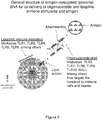
- These nanostructures can deliver combinations of immune modulating materials in a highly spatiotemporally controlled manner to cells (Examples are shown in Figures 1-3 ).
- a distinctive feature of these nanostructures is the incorporation of immune modulating materials both within the external shell as well as within the core, which work in concert to achieve unexpected immune modulating effects in terms of the magnitude and quality of the immune response.
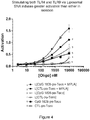
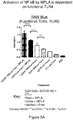
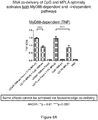
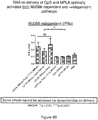
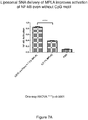
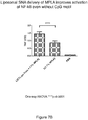
- These immunomodulating effects cannot be achieved by delivering the materials individually or in combination but not physically associated together in the same construct. It has been demonstrated according to the invention that the assembly of all components into a single structure is vital to achieving optimal effects (Data is shown in Figures 6-7 ).
- the nanostructure of the invention include: (1) a liposomal core having a lipid bilayer, which contains an immune stimulant embedded in or attached to the lipid bilayer, and (2) a layer of oligonucleotides, which may be an oligonucleotide shell, and which have dual function in that they help to target the nanostructure to immune cells and also act to stimulate immune receptors that can recognize nucleic acids ( Figure 1 ).
- Antigen may also be coupled to this construct, such that it will be delivered together with the co-stimulatory signals ( Figure 2 ).
- a similar construct to that shown in Figure 1 undergoes an additional modification whereby an antigen-conjugated oligonucleotide is attached to the nanostructure.
- a water-soluble immune stimulant or antigen can be encapsulated in the core.
- the nanostructure of the invention includes a liposomal core.
- a liposomal core refers to a centrally located core compartment formed by a component of the lipids or phospholipids that form a lipid bilayer.
- "Liposomes” are artificial, self closed vesicular structure of various sizes and structures, where one or several membranes encapsulate an aqueous core. Most typically liposome membranes are formed from lipid bilayers membranes, where the hydrophilic head groups are oriented towards the aqueous environment and the lipid chains are embedded in the lipophilic core. Liposomes can be formed as well from other amphiphilic monomeric and polymeric molecules, such as polymers, like block copolymers, or polypeptides.
- Unilamellar vesicles are liposomes defined by a single membrane enclosing an aqueous space.
- oligo- or multilamellar vesicles are built up of several membranes.
- the membranes are roughly 4 nm thick and are composed of amphiphilic lipids, such as phospholipids, of natural or synthetic origin.
- the membrane properties can be modified by the incorporation of other lipids such as sterols or cholic acid derivatives.
- the lipid bilayer is composed of two layers of lipid molecules. Each lipid molecule in a layer is oriented substantially parallel to adjacent lipid bilayers, and two layers that form a bilayer have the polar ends of their molecules exposed to the aqueous phase and the nonpolar ends adjacent to each other, as shown in the diagrams of Figures 1-3 .
- the central aqueous region of the liposomal core may be empty or filled fully or partially with water, an aqueous emulsion, antigen, immune stimulant, immune suppressor or other therapeutic or diagnostic agent.
- Lipid refers to its conventional sense as a generic term encompassing fats, lipids, alcohol-ether-soluble constituents of protoplasm, which are insoluble in water. Lipids usually consist of a hydrophilic and a hydrophobic moiety. In water lipids can self organize to form bilayers membranes, where the hydrophilic moieties (head groups) are oriented towards the aqueous phase, and the lipophilic moieties (acyl chains) are embedded in the bilayers core. Lipids can comprise as well two hydrophilic moieties (bola amphiphiles). In that case, membranes may be formed from a single lipid layer, and not a bilayer.
- lipids in the current context are fats, fatty oils, essential oils, waxes, steroid, sterols, phospholipids, glycolipids, sulpholipids, aminolipids, chromolipids, and fatty acids.
- the term encompasses both naturally occurring and synthetic lipids.
- Preferred lipids in connection with the present invention are: steroids and sterol, particularly cholesterol, phospholipids, including phosphatidyl, phosphatidylcholines and phosphatidylethanolamines and sphingomyelins. Where there are fatty acids, they could be about 12-24 carbon chains in length, containing up to 6 double bonds.
- the fatty acids are linked to the backbone, which may be derived from glycerol.
- the fatty acids within one lipid can be different (asymmetric), or there may be only 1 fatty acid chain present, e.g. lysolecithins.
- Mixed formulations are also possible, particularly when the non-cationic lipids are derived from natural sources, such as lecithins (phosphatidylcholines) purified from egg yolk, bovine heart, brain, liver or soybean.
- the liposomal core can be constructed from one or more lipids known to those in the art including but not limited to: sphingolipids such as sphingosine, sphingosine phosphate, methylated sphingosines and sphinganines, ceramides, ceramide phosphates, 1-0 acyl ceramides, dihydroceramides, 2-hydroxy ceramides, sphingomyelin, glycosylated sphingolipids, sulfatides, gangliosides, phosphosphingolipids, and phytosphingosines of various lengths and saturation states and their derivatives, phospholipids such as phosphatidylcholines, lysophosphatidylcholines, phosphatidic acids, lysophosphatidic acids, cyclic LPA, phosphatidylethanolamines, lysophosphatidylethanolamines, phosphatidylglycerols, lyso
- An immune stimulant is associated with the lipid bilayer of the liposomal core.
- An immune stimulant is a substance that causes stimulation of the immune system such that one or more immune factors, i.e., cytokines, immune cells, antibodies, chemokines are induced or activated.
- the immune response may comprise a cellular and/or a humoral response.
- the immune stimulant can be, for example, a small molecule, a nucleic acid, a protein, or a combination thereof.
- the immune stimulant may also be capable of activating expression of immune stimulatory molecules on cells of a localized microenvironment.
- the immune stimulant incorporated into the bilayer can be a wide variety of molecules including but not limited to: monophosphoryl lipid A, lipid A from bacterial origin, 22:0 trehalose, dimethyldioctadecyl-ammonium, Kdo2 lipid A, inositol phosphates including IP3(1,3,4), IP3(1,3,5), IP3(1,4,5), IPR(1,3,4,5), LPA/S1P receptor selective agonists, PAF and PAF analogs, liponucleotides, cyclic LPA, bioactive ceramides, endocannabinoids, anandamides, lipid oxidation products, diacylglycerol phosphate, bacterial membrane lipids, N-acylglycine lipids, acyl carnitine lipids, mycolic acids, plant lipid extracts, FSL-1, PAM3CSK4, HKLM, LPS, FLA-ST, imiquimod, resiquimod,
- the immune stimulant is associated with the liposomal core. It may be associated with by being embedded within the core or it may be attached or linked, either indirectly (i.e. non-covalently or covalently through other molecules such a linkers) or directly (i.e. covalently).
- the nanostructure of the invention also includes an oligonucleotide which is preferably a therapeutic oligonucleotide.
- An oligonucleotide refers to any nucleic acid containing molecule.
- the nucleic acid may be DNA, RNA, PNA, LNA, ENA or combinations or modifications thereof. It may also be single, double or triple stranded.
- a therapeutic oligonucleotide is an oligonucleotide that can function as a therapeutic and or diagnostic agent.
- the oligonucleotides are positioned on the exterior of the liposomal core. At least one oligonucleotide is on the exterior. In some embodiments at least 25, 50, 75, 100, 200, 300, 400, 500, 600, 700, 800, 900 or 1,000 oligonucleotides or any range combination thereof are on the exterior of the liposomal core. In some embodiments, 1-1000, 10-500, 50-250, or 50-300 oligonucleotides are present on the surface. In some instance the oligonucleotides form an oligonucleotide shell.
- An oligonucleotide shell is formed when at least 50% of the available surface area of the exterior surface of the liposomal includes an oligonucleotide. In some embodiments at least 60%, 70%, 80%, 90%, 95%, 96%, 97% 98% or 99% of the available surface area of the exterior surface of the liposomal includes an oligonucleotide.
- the oligonucleotides of the oligonucleotide shell may be oriented in a variety of directions. In some embodiments the oligonucleotides are oriented radially outwards.
- the oligonucleotides may be linked to the core or to one another and/or to other molecules such an antigens either directly or indirectly through a linker.
- the oligonucleotides may be conjugated to a linker via the 5' end or the 3' end. E.g. [Sequence, 5'-3']-Linker or Linker-[Sequence, 5'-3'].
- Some or all of the oligonucleotides of the nanostructure may be linked to one another either directly or indirectly through a covalent or non-covalent linkage.
- the linkage of one oligonucleotide to another oligonucleotide may be in addition to or alternatively to the linkage of that oligonucleotide to liposomal core.
- One or more of the oligonucleotides may also be linked to other molecules such as an antigen.
- the oligonucleotides may be linked to the antigen of the core either directly or indirectly through a covalent or non-covalent linkage.
- the oligonucleotide shell can be a wide variety of molecules including but not limited to: single-stranded deoxyribonucleotides, ribonucleotides, and other single-stranded oligonucleotides, double-stranded deoxyribonucleotides, ribonucleotides, and other double-stranded oligonucleotides, oligonucleotide triplexes incorporating deoxyribonucleotides, ribonucleotides, or oligonucleotides.
- one or a multiplicity of different oligonucleotides are present on the same surface of a single liposomal nanostructure.
- the oligonucleotide shell may be anchored to the surface of the liposomal core through conjugation to one or a multiplicity of linker molecules including but not limited to: tocopherols, sphingolipids such as sphingosine, sphingosine phosphate, methylated sphingosines and sphinganines, ceramides, ceramide phosphates, 1-0 acyl ceramides, dihydroceramides, 2-hydroxy ceramides, sphingomyelin, glycosylated sphingolipids, sulfatides, gangliosides, phosphosphingolipids, and phytosphingosines of various lengths and saturation states and their derivatives, phospholipids such as phosphatidylcholines, lysophosphatidylcholines, phosphatidic acids, lysophosphatidic acids, cyclic LPA, phosphatidylethanolamines, lysophosphatid
- the molecule or complex of molecules may be a receptor.
- the oligonucleotide may be a pattern recognition receptor (PRR) modulating oligonucleotide.
- PRRs are a primitive part of the immune system composed of proteins expressed by cells of the innate immune system to identify pathogen-associated molecular patterns (PAMPs), which are associated with microbial pathogens or cellular stress, as well as damage-associated molecular patterns (DAMPs), which are associated with cell components released during cell damage.
- PAMPs pathogen-associated molecular patterns
- DAMPs damage-associated molecular patterns
- PRRs include but are not limited to membrane-bound PRRs, such as receptor kinases, toll-like receptors (TLR), and C-type lectin Receptors (CLR) (mannose receptors and asialoglycoprotein receptors); Cytoplasmic PRRs such as RIG-I-like receptors (RLR), RNA Helicases, Plant PRRs, and NonRD kinases; and secreted PRRs.
- PRR modulating oligonucleotides include but are not limited to TLR agonists, agonists or antagonists of RIG-I, transcription factors, cellular translation machinery, cellular transcription machinery, nucleic-acid acting enzymes, and nucleic acid associating autoantigens.
- RNA unmethylated 5'-cytosine-phosphate-guanosine-3' (CpG) motifs.
- CpG unmethylated 5'-cytosine-phosphate-guanosine-3'
- Another is the use of 5'-UUG-3' or 5'-UUA-3' motifs.
- Still another is the use of long double stranded RNA.
- a TLR agonist is a nucleic acid molecule that interacts with and stimulates the activity of a TLR.
- Toll-like receptors TLRs
- TLR1 - TLR10 TLR1 - TLR10
- the cytoplasmic domains of the various TLRs are characterized by a Toll-interleukin 1 (IL-1) receptor (TIR) domain.
- IL-1-1 receptor TIR
- the TIR domain-containing adaptor protein MyD88 has been reported to associate with TLRs and to recruit IL-1 receptor-associated kinase (IRAK) and tumor necrosis factor (TNF) receptor-associated factor 6 (TRAF6) to the TLRs.
- IRAK IL-1 receptor-associated kinase
- TNF tumor necrosis factor receptor-associated factor 6
- the MyD88-dependent signaling pathway is believed to lead to activation of NF-KB transcription factors and c-Jun NH 2 terminal kinase (Jnk) mitogen-activated protein kinases (MAPKs), critical steps in immune activation and production of inflammatory cytokines.
- Jnk c-Jun NH 2 terminal kinase
- MAPKs mitogen-activated protein kinases
- TLRs are believed to be differentially expressed in various tissues and on various types of immune cells.
- human TLR7 has been reported to be expressed in placenta, lung, spleen, lymph nodes, tonsil and on plasmacytoid precursor dendritic cells (pDCs).
- pDCs plasmacytoid precursor dendritic cells
- TLR7 polypeptides include an extracellular domain having a leucine-rich repeat region, a transmembrane domain, and an intracellular domain that includes a TIR domain.
- TLR8 polypeptides include an extracellular domain having a leucine-rich repeat region, a transmembrane domain, and an intracellular domain that includes a TIR domain.
- TLR9 Nucleotide and amino acid sequences of human and murine TLR9 are known. See, for example, GenBank Accession Nos. NM_017442, AF259262, AB045180, AF245704, AB045181, AF348140, AF314224, NM_031178; and NP_059138, AAF72189, BAB19259, AAF78037, BAB19260, AAK29625, AAK28488, and NP_112455, the contents of all of which are incorporated herein by reference.
- Human TLR9 is reported to exist in at least two isoforms, one 1032 amino acids long and the other 1055 amino acids.
- Murine TLR9 is 1032 amino acids long.
- TLR9 polypeptides include an extracellular domain having a leucine-rich repeat region, a transmembrane domain, and an intracellular domain that includes a TIR domain.
- TLR signaling refers to any aspect of intracellular signaling associated with signaling through a TLR.
- TLR-mediated immune response refers to the immune response that is associated with TLR signaling.
- the level of TLR signaling may be enhanced over a pre-existing level of signaling or it may be induced over a background level of signaling.
- TLR3-mediated immune response is a response associated with TLR3 signaling.
- TLR3 agonists include but are not limited to dsRNA such as dsRNA having multiple AU motifs.
- TLR7-mediated immune response is a response associated with TLR7 signaling.
- TLR7-mediated immune response is generally characterized by the induction of IFN- ⁇ and IFN-inducible cytokines such as IP-10 and I-TAC.
- IFN- ⁇ and IFN-inducible cytokines such as IP-10 and I-TAC.
- the levels of cytokines IL-1 ⁇ / ⁇ , IL-6, IL-8, MIP-1 ⁇ / ⁇ and MIP-3 ⁇ / ⁇ induced in a TLR7-mediated immune response are less than those induced in a TLR8-mediated immune response.
- TLR7 ligands include, without limitation, guanosine analogues such as C8-substituted guanosines, mixtures of ribonucleosides consisting essentially of G and U, guanosine ribonucleotides and RNA or RNA-like molecules ( PCT/US03/10406 ), and adenosine-based compounds (e.g., 6-amino-9-benzyl-2-(3-hydroxy-propoxy)-9H-purin-8-ol, and similar compounds made by Sumitomo (e.g., CL-029)).
- guanosine analogues such as C8-substituted guanosines, mixtures of ribonucleosides consisting essentially of G and U, guanosine ribonucleotides and RNA or RNA-like molecules ( PCT/US03/10406 )
- adenosine-based compounds e.g., 6-
- guanosine analogues refers to a guanosine-like nucleotide (excluding guanosine) having a chemical modification involving the guanine base, guanosine nucleoside sugar, or both the guanine base and the guanosine nucleoside sugar. Guanosine analogues specifically include, without limitation, 7-deaza-guanosine.
- Guanosine analogues further include C8-substituted guanosines such as 7-thia-8-oxoguanosine (immunosine), 8-mercaptoguanosine, 8-bromoguanosine, 8-methylguanosine, 8-oxo-7,8-dihydroguanosine, C8-arylamino-2'-deoxyguanosine, C8-propynyl-guanosine, C8- and N7- substituted guanine ribonucleosides such as 7-allyl-8-oxoguanosine (loxoribine) and 7-methyl-8-oxoguanosine, 8-aminoguanosine, 8-hydroxy-2'-deoxyguanosine, 8-hydroxyguanosine, and 7-deaza 8-substituted guanosine.
- C8-substituted guanosines such as 7-thia-8-oxogua
- a TLR8-mediated immune response is a response associated with TLR8 signaling. This response is further characterized by the induction of pro-inflammatory cytokines such as IFN- ⁇ , IL-12p40/70, TNF- ⁇ , IL-1 ⁇ / ⁇ , IL-6, IL-8, MIP-1 ⁇ / ⁇ and MIP-3 ⁇ / ⁇ .
- TLR8 ligands include mixtures of ribonucleosides consisting essentially of G and U, guanosine ribonucleotides and RNA or RNA-like molecules ( PCT/US03/10406 ). Additional TLR8 ligands are also disclosed in Gorden et al. J. Immunol. 2005, 174:1259-1268 ).
- TLR7/8 agonist collectively refers to any nucleic acid that is capable of increasing TLR7 and/or TLR8 signaling (i.e., an agonist of TLR7 and/or TLR8).
- TLR7/8 ligands induce TLR7 signaling alone (e.g., TLR7 specific agonists), some induce TLR8 signaling alone (e.g., TLR8 specific agonists), and others induce both TLR7 and TLR8 signaling.
- TLR9-mediated immune response is a response associated with TLR9 signaling. This response is further characterized at least by the production/secretion of IFN- ⁇ and IL-12, albeit at levels lower than are achieved via a TLR8-mediated immune response.
- TLR9 agonist refers to any agent that is capable of increasing TLR9 signaling (i.e., an agonist of TLR9). TLR9 agonists specifically include, without limitation, immunostimulatory nucleic acids, and in particular CpG immunostimulatory nucleic acids.
- Immunostimulatory CpG nucleic acids refers to any CpG-containing nucleic acid that is capable of activating an immune cell. At least the C of the CpG dinucleotide is typically, but not necessarily, unmethylated. Immunostimulatory CpG nucleic acids are described in a number of issued patents and published patent applications, including U.S. Pat. Nos. 6,194,388 ; 6,207,646 ; 6,218,371 ; 6,239,116 ; 6,339,068 ; 6,406,705 ; and 6,429,199 .
- a TLR13-mediated immune response is a response associated with TLR13 signaling.
- a TLR13 agonist is bacterial 23S rRNA.
- the oligonucleotides may also be retinoic acid inducible gene-I (RIG-I) agonists or antagonists.
- RIG-I corresponds to GenBank Accession No. AF038963.
- RIG-I agonists include but are not limited to dsRNA such as Poly(I:C).
- RIG-I antagonists include short 5'triphosphate DNA or RNA.
- an "immunostimulatory oligonucleotide” is any nucleic acid (DNA or RNA) containing an immunostimulatory motif or backbone that is capable of inducing an immune response.
- An induction of an immune response refers to any increase in number or activity of an immune cell, or an increase in expression or absolute levels of an immune factor, such as a cytokine.
- Immune cells include, but are not limited to, NK cells, CD4+ T lymphocytes, CD8+ T lymphocytes, B cells, dendritic cells, macrophage and other antigen-presenting cells.
- Cytokines include, but are not limited to, interleukins, TNF- ⁇ , IFN- ⁇ , ⁇ and ⁇ , Flt-ligand, and co-stimulatory molecules.
- Immunostimulatory motifs include, but are not limited to CpG motifs and T-rich motifs.
- a non-limiting set of immunostimulatory oligonucleotides includes:
- oligonucleotide and “nucleic acid” are used interchangeably to mean multiple nucleotides (i.e., molecules comprising a sugar (e.g., ribose or deoxyribose) linked to a phosphate group and to an exchangeable organic base, which is either a substituted pyrimidine (e.g., cytosine (C), thymidine (T) or uracil (U)) or a substituted purine (e.g., adenine (A) or guanine (G)).
- a substituted pyrimidine e.g., cytosine (C), thymidine (T) or uracil (U)
- a substituted purine e.g., adenine (A) or guanine (G)
- oligonucleosides i.e., a oligonucleotide minus the phosphate
- Oligonucleotides can be obtained from existing nucleic acid sources (e.g., genomic or cDNA), but are preferably synthetic (e.g., produced by nucleic acid synthesis).
- the oligonucleotides may be single stranded or double stranded.
- a double stranded oligonucleotide is also referred to herein as a duplex.
- Double-stranded oligonucleotides of the invention can comprise two separate complementary nucleic acid strands.
- duplex includes a double-stranded nucleic acid molecule(s) in which complementary sequences or partially complementary sequences are hydrogen bonded to each other.
- the complementary sequences can include a sense strand and an antisense strand.
- the antisense nucleotide sequence can be identical or sufficiently identical to the target gene to mediate effective target gene inhibition (e.g., at least about 98% identical, 96% identical, 94%, 90% identical, 85% identical, or 80% identical) to the target gene sequence.
- a double-stranded oligonucleotide can be double-stranded over its entire length, meaning it has no overhanging single-stranded sequences and is thus blunt-ended.
- the two strands of the double-stranded oligonucleotide can have different lengths producing one or more single-stranded overhangs.
- a double-stranded oligonucleotide of the invention can contain mismatches and/or loops or bulges. In some embodiments, it is double-stranded over at least about 70%, 80%, 90%, 95%, 96%, 97%, 98% or 99% of the length of the oligonucleotide.
- the double-stranded oligonucleotide of the invention contains at least or up to 1, 2, 3, 4, 5, 6, 7, 8, 9, 10, 11, 12, 13, 14, or 15 mismatches.
- Oligonucleotides associated with the invention can be modified such as at the sugar moiety, the phosphodiester linkage, and/or the base.
- sugar moieties includes natural, unmodified sugars, including pentose, ribose and deoxyribose, modified sugars and sugar analogs. Modifications of sugar moieties can include replacement of a hydroxyl group with a halogen, a heteroatom, or an aliphatic group, and can include functionalization of the hydroxyl group as, for example, an ether, amine or thiol.
- Modification of sugar moieties can include 2'-O-methyl nucleotides, which are referred to as "methylated.”
- oligonucleotides associated with the invention may only contain modified or unmodified sugar moieties, while in other instances, oligonucleotides contain some sugar moieties that are modified and some that are not.
- modified nucleomonomers include sugar- or backbone-modified ribonucleotides.
- Modified ribonucleotides can contain a non-naturally occurring base such as uridines or cytidines modified at the 5'-position, e.g., 5'-(2-amino)propyl uridine and 5'-bromo uridine; adenosines and guanosines modified at the 8-position, e.g., 8-bromo guanosine; deaza nucleotides, e.g., 7-deaza-adenosine; and N-alkylated nucleotides, e.g., N6-methyl adenosine.
- sugar-modified ribonucleotides can have the 2'-OH group replaced by an H, alkoxy (or OR), R or alkyl, halogen, SH, SR, amino (such as NH 2 , NHR, NR 2, ), or CN group, wherein R is lower alkyl, alkenyl, or alkynyl.
- modified ribonucleotides can have the phosphodiester group connecting to adjacent ribonucleotides replaced by a modified group, such as a phosphorothioate group.
- 2'-O-methyl modifications can be beneficial for reducing undesirable cellular stress responses, such as the interferon response to double-stranded nucleic acids.
- the sugar moiety can also be a hexose.
- alkyl includes saturated aliphatic groups, including straight-chain alkyl groups (e.g., methyl, ethyl, propyl, butyl, pentyl, hexyl, heptyl, octyl, nonyl, decyl, etc .), branched-chain alkyl groups (isopropyl, tert-butyl, isobutyl, etc .), cycloalkyl (alicyclic) groups (cyclopropyl, cyclopentyl, cyclohexyl, cycloheptyl, cyclooctyl), alkyl substituted cycloalkyl groups, and cycloalkyl substituted alkyl groups.
- straight-chain alkyl groups e.g., methyl, ethyl, propyl, butyl, pentyl, hexyl, heptyl, octyl, nonyl, decy
- a straight chain or branched chain alkyl has 6 or fewer carbon atoms in its backbone (e.g., C 1 -C 6 for straight chain, C 3 -C 6 for branched chain), and more preferably 4 or fewer.
- preferred cycloalkyls have from 3-8 carbon atoms in their ring structure, and more preferably have 5 or 6 carbons in the ring structure.
- the term C 1 -C 6 includes alkyl groups containing 1 to 6 carbon atoms.
- alkyl includes both "unsubstituted alkyls” and “substituted alkyls,” the latter of which refers to alkyl moieties having independently selected substituents replacing a hydrogen on one or more carbons of the hydrocarbon backbone.
- alkenyl includes unsaturated aliphatic groups analogous in length and possible substitution to the alkyls described above, but that contain at least one double bond.
- alkenyl includes both "unsubstituted alkenyls” and “substituted alkenyls,” the latter of which refers to alkenyl moieties having independently selected substituents replacing a hydrogen on one or more carbons of the hydrocarbon backbone.
- base includes the known purine and pyrimidine heterocyclic bases, deazapurines, and analogs (including heterocyclic substituted analogs, e.g., aminoethyoxy phenoxazine), derivatives (e.g., 1-alkyl-, 1-alkenyl-, heteroaromatic- and 1-alkynyl derivatives) and tautomers thereof.
- purines include adenine, guanine, inosine, diaminopurine, and xanthine and analogs ( e.g., 8-oxo-N 6 -methyladenine or 7-diazaxanthine) and derivatives thereof.
- Pyrimidines include, for example, thymine, uracil, and cytosine, and their analogs (e.g., 5-methylcytosine, 5-methyluracil, 5-(1-propynyl)uracil, 5-(1-propynyl)cytosine and 4,4-ethanocytosine).
- suitable bases include non-purinyl and non-pyrimidinyl bases such as 2-aminopyridine and triazines.
- the nucleomonomers of a oligonucleotide of the invention are RNA nucleotides, including modified RNA nucleotides.
- nucleoside includes bases which are covalently attached to a sugar moiety, preferably ribose or deoxyribose.
- examples of preferred nucleosides include ribonucleosides and deoxyribonucleosides.
- Nucleosides also include bases linked to amino acids or amino acid analogs which may comprise free carboxyl groups, free amino groups, or protecting groups. Suitable protecting groups are well known in the art (see P. G. M. Wuts and T. W. Greene, "Protective Groups in Organic Synthesis", 2nd Ed., Wiley-Interscience, New York, 1999 ).
- linkage used in the context of an internucleotide linkage includes a naturally occurring, unmodified phosphodiester moiety (-O-(PO 2- )-O-) that covalently couples adjacent nucleomonomers.
- substitute linkage or “modified linkage” or modified internucleotide linkage” includes any analog or derivative of the native phosphodiester group that covalently couples adjacent nucleomonomers.
- Substitute linkages include phosphodiester analogs, e.g., phosphorothioate, phosphorodithioate, and P-ethyoxyphosphodiester, P-ethoxyphosphodiester, P-alkyloxyphosphotriester, methylphosphonate, and nonphosphorus containing linkages, e.g., acetals and amides.
- Such substitute linkages are known in the art (e.g., Bjergarde et al. 1991. Nucleic Acids Res. 19:5843 ; Caruthers et al. 1991. Nucleosides Nucleotides. 10:47 ).
- non-hydrolizable linkages are preferred, such as phosphorothioate linkages.
- oligonucleotides of the invention comprise 3' and 5' termini (except for circular oligonucleotides).
- the 3' and 5' termini of a oligonucleotide can be substantially protected from nucleases, for example, by modifying the 3' or 5' linkages (e.g., U.S. Pat. No. 5,849,902 and WO 98/13526 ).
- Oligonucleotides can be made resistant by the inclusion of a "blocking group.”
- blocking group refers to substituents (e.g., other than OH groups) that can be attached to oligonucleotides or nucleomonomers, either as protecting groups or coupling groups for synthesis (e.g., FITC, propyl (CH 2 -CH 2 -CH 3 ), glycol (-O-CH 2 -CH 2 -O-) phosphate (PO 3 2- ), hydrogen phosphonate, or phosphoramidite).
- Blocking groups also include “end blocking groups” or “exonuclease blocking groups” which protect the 5' and 3' termini of the oligonucleotide, including modified nucleotides and non-nucleotide exonuclease resistant structures.
- Exemplary end-blocking groups include cap structures (e.g., a 7-methylguanosine cap), inverted nucleomonomers, e.g., with 3'-3' or 5'-5' end inversions (see, e.g., Ortiagao et al. 1992. Antisense Res. Dev. 2:129 ), methylphosphonate, phosphoramidite, non-nucleotide groups (e.g., non-nucleotide linkers, amino linkers, conjugates) and the like.
- the 3' terminal nucleomonomer can comprise a modified sugar moiety.
- the 3' terminal nucleomonomer comprises a 3'-O that can optionally be substituted by a blocking group that prevents 3'-exonuclease degradation of the oligonucleotide.
- the 3'-hydroxyl can be esterified to a nucleotide through a 3' ⁇ 3' internucleotide linkage.
- the alkyloxy radical can be methoxy, ethoxy, or isopropoxy, and preferably, ethoxy.
- the 3' ⁇ 3'linked nucleotide at the 3' terminus can be linked by a substitute linkage.
- the 5' most 3' ⁇ 5' linkage can be a modified linkage, e.g., a phosphorothioate or a P-alkyloxyphosphotriester linkage.
- the two 5' most 3' ⁇ 5' linkages are modified linkages.
- the 5' terminal hydroxy moiety can be esterified with a phosphorus containing moiety, e.g., phosphate, phosphorothioate, or P-ethoxyphosphate.
- oligonucleotides can be chimeric RNA-DNA oligonucleotides which include both DNA and RNA.
- the oligonucleotides are preferably in the range of 6 to 100 bases in length.
- nucleic acids of any size greater than 4 nucleotides are capable of inducing a biological response according to the invention if sufficient stimulatory motifs are present.
- the nucleic acid is in the range of between 8 and 100 and in some embodiments between 8 and 50 or 8 and 30 nucleotides in size.
- the oligonucleotides have a modified backbone such as a phosphorothioate (PS) backbone. In other embodiments the oligonucleotides have a phosphodiester (PO) backbone. In yet other embodiments oligonucleotides have a mixed or chimeric PO and PS backbone.
- PS phosphorothioate
- PO phosphodiester
- the nanostructure may also include an antigen.
- An antigen as used herein is a molecule capable of provoking an immune response in the body, especially the production of antibodies.
- Antigens include but are not limited to cells, cell extracts, proteins, polypeptides, peptides, polysaccharides, polysaccharide conjugates, peptide and non-peptide mimics of polysaccharides and other molecules, small molecules, lipids, glycolipids, carbohydrates, viruses and viral extracts and muticellular organisms such as parasites and allergens.
- the term antigen broadly includes any type of molecule which is recognized by a host immune system as being foreign.
- Antigens include but are not limited to cancer antigens, microbial antigens, and allergens.
- Antigen can be attached to the structures by the externally-facing oligonucleotide through covalent or non-covalent, e.g. Watson/Crick hybridization.
- the antigen may be incorporated into the liposomal bilayer via conjugation to a hydrophobic moiety ( Figures 2-3 ).
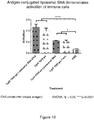
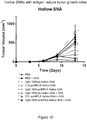
- the data presented herein demonstrates that this form of antigen delivery provokes unexpectedly more potent induction of immune stimulatory effects in vitro ( Figure 10 ) and induces effective antigen processing and presentation, leading to effective induction of an anti-tumor immune response in vivo at highly unexpected levels ( Figure 11-12 ).
- antigen may be incorporated inside the inner aqueous layer of the liposome ( Figure 3 ).
- antigen is conjugated to the liposomal nanostructure via interactions with the oligonucleotide shell ( Figure 2 ).
- the antigen -oligonucleotide conjugate is linked to the liposomal core through oligonucleotide hybridization.
- the oligonucleotide is hybridized to a complementary or partially complementary oligonucleotide to form a duplex or partial duplex.
- One or both of the oligonucleotides of the duplex is linked directly to the liposomal core and the antigen which is external facing (on the outside of the lipid bilayer) or which is internal (in the inner aqueous layer) and not directly linked to the liposomal core is linked to one or both of the oligonucleotides in the duplex.
- antigen is conjugated to the liposomal nanostructure via direct interactions with the liposomal core ( Figure 3 ).
- the antigen can be anchored to the surface of the liposomal core through conjugation to one or a multiplicity of linker molecules including but not limited to: tocopherols, sphingolipids such as sphingosine, sphingosine phosphate, methylated sphingosines and sphinganines, ceramides, ceramide phosphates, 1-0 acyl ceramides, dihydroceramides, 2-hydroxy ceramides, sphingomyelin, glycosylated sphingolipids, sulfatides, gangliosides, phosphosphingolipids, and phytosphingosines of various lengths and saturation states and their derivatives, phospholipids such as phosphatidylcholines, lysophosphatidylcholines, phosphatidic acids, lysophosphatidic acids, cyclic LPA, phosphatidylethanolamines, lysophosphatidylethanolamines,
- a cancer antigen as used herein is a compound, such as a peptide or protein, associated with a tumor or cancer cell surface and which is capable of provoking an immune response when expressed on the surface of an antigen presenting cell in the context of an MHC molecule.
- Cancer antigens can be prepared from cancer cells either by preparing crude extracts of cancer cells, for example, as described in Cohen, et al., 1994, Cancer Research, 54:1055 , by partially purifying the antigens, by recombinant technology, or by de novo synthesis of known antigens.
- Cancer antigens include but are not limited to antigens that are recombinantly expressed, an immunogenic portion of, or a whole tumor or cancer. Such antigens can be isolated or prepared recombinantly or by any other means known in the art.
- a microbial antigen as used herein is an antigen of a microorganism and includes but is not limited to virus, bacteria, parasites, and fungi.
- antigens include the intact microorganism as well as natural isolates and fragments or derivatives thereof and also synthetic compounds which are identical to or similar to natural microorganism antigens and induce an immune response specific for that microorganism.
- a compound is similar to a natural microorganism antigen if it induces an immune response (humoral and/or cellular) to a natural microorganism antigen.
- Such antigens are used routinely in the art and are well known to those of ordinary skill in the art.
- Retroviridae e.g. human immunodeficiency viruses, such as HIV-1 (also referred to as HDTV-III, LAVE or HTLV-III/LAV, or HIV-III; and other isolates, such as HIV-LP; Picornaviridae (e.g. polio viruses, hepatitis A virus; enteroviruses, human Coxsackie viruses, rhinoviruses, echoviruses); Calciviridae (e.g. strains that cause gastroenteritis); Togaviridae (e.g. equine encephalitis viruses, rubella viruses); Flaviridae (e.g.
- Coronoviridae e.g. coronaviruses
- Rhabdoviradae e.g. vesicular stomatitis viruses, rabies viruses
- Filoviridae e.g. ebola viruses
- Paramyxoviridae e.g. parainfluenza viruses, mumps virus, measles virus, respiratory syncytial virus
- Orthomyxoviridae e.g. influenza viruses
- Bungaviridae e.g. Hantaan viruses, bunga viruses, phleboviruses and Nairo viruses
- Arena viridae hemorrhagic fever viruses
- Reoviridae e.g.
- reoviruses reoviruses, orbiviurses and rotaviruses
- Birnaviridae Hepadnaviridae (Hepatitis B virus); Parvovirida (parvoviruses); Papovaviridae (papilloma viruses, polyoma viruses); Adenoviridae (most adenoviruses); Herpesviridae (herpes simplex virus (HSV) 1 and 2, varicella zoster virus, cytomegalovirus (CMV), herpes virus; Poxviridae (variola viruses, vaccinia viruses, pox viruses); and Iridoviridae (e.g. African swine fever virus); and other viruses (e.g. the agent of delta hepatitis (thought to be a defective satellite of hepatitis B virus), Hepatitis C; Norwalk and related viruses, and astroviruses).
- HSV herpesviridae
- HSV herpe
- Both gram negative and gram positive bacteria serve as antigens in vertebrate animals.
- Such gram positive bacteria include, but are not limited to, Pasteurella species, Staphylococci species, and Streptococcus species.
- Gram negative bacteria include, but are not limited to, Escherichia coli, Pseudomonas species, and Salmonella species.
- infectious bacteria include but are not limited to, Helicobacter pyloris, Borelia burgdorferi, Legionella pneumophilia, Mycobacteria sps (e.g. M. tuberculosis, M. avium, M. intracellulare, M. kansaii, M.
- fungi examples include Cryptococcus neoformans, Histoplasma capsulatum, Coccidioides immitis, Blastomyces dermatitidis, Chlamydia trachomatis, Candida albicans.
- Plasmodium spp. such as Plasmodium falciparum, Plasmodium malariae, Plasmodium ovale, and Plasmodium vivax and Toxoplasma gondii.
- Blood-borne and/or tissues parasites include Plasmodium spp., Babesia microti, Babesia divergens, Leishmania tropica, Leishmania spp., Leishmania braziliensis, Leishmania donovani, Trypanosoma gambiense and Trypanosoma rhodesiense (African sleeping sickness), Trypanosoma cruzi (Chagas' disease), and Toxoplasma gondii.
- cancer antigen and “tumor antigen” are used interchangeably to refer to antigens which are differentially expressed by cancer cells and can thereby be exploited in order to target cancer cells.
- Cancer antigens are antigens which can potentially stimulate apparently tumor-specific immune responses. Some of these antigens are encoded, although not necessarily expressed, by normal cells. These antigens can be characterized as those which are normally silent (i.e., not expressed) in normal cells, those that are expressed only at certain stages of differentiation and those that are temporally expressed such as embryonic and fetal antigens.
- cancer antigens are encoded by mutant cellular genes, such as oncogenes (e.g., activated ras oncogene), suppressor genes (e.g., mutant p53), fusion proteins resulting from internal deletions or chromosomal translocations. Still other cancer antigens can be encoded by viral genes such as those carried on RNA and DNA tumor viruses.
- the nanostructures of the invention may be delivered to a subject in vivo or ex vivo for therapeutic and/or diagnostic use or may be used in vitro, ex vivo or in vivo for research purposes. Alternatively the nanostructures may be used for the purpose of provoking an immune response for generating reagents such as antibodies or cytokines which can be harvested.
- the nanostructures may be administered alone or in any appropriate pharmaceutical carrier, such as a liquid, for example saline, or a powder, for administration in vivo. They can also be co-delivered with larger carrier particles or within administration devices.
- the nanostructures may be formulated or unformulated.
- the formulations of the invention can be administered in pharmaceutically acceptable solutions, which may routinely contain pharmaceutically acceptable concentrations of salt, buffering agents, preservatives, compatible carriers, adjuvants, and optionally other therapeutic ingredients.
- nanostructures are mixed with a substance such as a lotion (for example, aquaphor) and are administered to the skin of a subject, whereby the nanostructures are delivered through the skin of the subject. It should be appreciated that any method of delivery of nanoparticles known in the art may be compatible with aspects of the invention.
- the nanostructures may also be sterile.
- an effective amount of the nanostructures can be administered to a subject by any mode that delivers the nanostructures to the desired cell.
- Administering pharmaceutical compositions may be accomplished by any means known to the skilled artisan. Routes of administration include but are not limited to oral, parenteral, intramuscular, intravenous, subcutaneous, mucosal, intranasal, sublingual, intratracheal, inhalation, ocular, vaginal, dermal, rectal, and by direct injection.
- the invention in one aspect involves the finding that the nanostructures of the invention are highly effective in mediating immune stimulatory effects.
- These nanostructures are useful therapeutically and prophylactically for modulating the immune system to treat cancer, infectious diseases, allergy, asthma, autoimmune disease, and other disorders and to help protect against opportunistic infections following cancer chemotherapy.
- the nanostructures of the invention are useful as a vaccine for the treatment of a subject at risk of developing or a subject having allergy or asthma, an infection with an infectious organism or a cancer in which a specific cancer antigen has been identified.
- the nanostructures can also be formulated without an antigen or allergen for protection against infection, allergy or cancer, and in this case repeated doses may allow longer term protection.
- a subject at risk as used herein is a subject who has any risk of exposure to an infection causing pathogen or a cancer or an allergen or a risk of developing cancer.
- a subject at risk may be a subject who is planning to travel to an area where a particular type of infectious agent is found or it may be a subject who through lifestyle or medical procedures is exposed to bodily fluids which may contain infectious organisms or directly to the organism or even any subject living in an area where an infectious organism or an allergen has been identified.
- Subjects at risk of developing infection also include general populations to which a medical agency recommends vaccination with a particular infectious organism antigen. If the antigen is an allergen and the subject develops allergic responses to that particular antigen and the subject may be exposed to the antigen, i.e., during pollen season, then that subject is at risk of exposure to the antigen.
- a subject having an infection is a subject that has been exposed to an infectious pathogen and has acute or chronic detectable levels of the pathogen in the body.
- the nanostructures can be used with or without an antigen to mount an antigen specific systemic or mucosal immune response that is capable of reducing the level of or eradicating the infectious pathogen.
- An infectious disease as used herein, is a disease arising from the presence of a foreign microorganism in the body. It is particularly important to develop effective vaccine strategies and treatments to protect the body's mucosal surfaces, which are the primary site of pathogenic entry.
- a subject having a cancer is a subject that has detectable cancerous cells.
- the cancer may be a malignant or non-malignant cancer.
- Cancers or tumors include but are not limited to biliary tract cancer; brain cancer; breast cancer; cervical cancer; choriocarcinoma; colon cancer; endometrial cancer; esophageal cancer; gastric cancer; intraepithelial neoplasms; lymphomas; liver cancer; lung cancer (e.g. small cell and non-small cell); melanoma; neuroblastomas; oral cancer; ovarian cancer; pancreas cancer; prostate cancer; rectal cancer; sarcomas; skin cancer; testicular cancer; thyroid cancer; and renal cancer, as well as other carcinomas and sarcomas.
- the cancer is hairy cell leukemia, chronic myelogenous leukemia, cutaneous T-cell leukemia, multiple myeloma, follicular lymphoma, malignant melanoma, squamous cell carcinoma, renal cell carcinoma, prostate carcinoma, bladder cell carcinoma, or colon carcinoma.
- a subject shall mean a human or vertebrate animal including but not limited to a dog, cat, horse, cow, pig, sheep, goat, turkey, chicken, primate, e.g., monkey, and fish (aquaculture species), e.g. salmon.
- the invention can also be used to treat cancer and tumors, infections, autoimmune disease and allergy/asthma in non-human subjects.
- treat, treated, or treating when used with respect to an disorder such as an infectious disease, autoimmune disease, cancer, allergy, or asthma refers to a prophylactic treatment which increases the resistance of a subject to development of the disease (e.g., to infection with a pathogen) or, in other words, decreases the likelihood that the subject will develop the disease (e.g., become infected with the pathogen) as well as a treatment after the subject has developed the disease in order to fight the disease (e.g., reduce or eliminate the infection) or prevent the disease from becoming worse.
- a prophylactic treatment which increases the resistance of a subject to development of the disease (e.g., to infection with a pathogen) or, in other words, decreases the likelihood that the subject will develop the disease (e.g., become infected with the pathogen) as well as a treatment after the subject has developed the disease in order to fight the disease (e.g., reduce or eliminate the infection) or prevent the disease from becoming worse.
- the nanostructures of the invention may also be coated with or administered in conjunction with an anti-microbial agent.
- An anti-microbial agent refers to a naturally-occurring or synthetic compound which is capable of killing or inhibiting infectious microorganisms.
- the type of anti-microbial agent useful according to the invention will depend upon the type of microorganism with which the subject is infected or at risk of becoming infected.
- Anti-microbial agents include but are not limited to anti-bacterial agents, anti-viral agents, anti-fungal agents and anti-parasitic agents.
- anti-bacterial agents kill or inhibit bacteria, and include antibiotics as well as other synthetic or natural compounds having similar functions.
- Antibiotics are low molecular weight molecules which are produced as secondary metabolites by cells, such as microorganisms. In general, antibiotics interfere with one or more bacterial functions or structures which are specific for the microorganism and which are not present in host cells.
- Anti-viral agents can be isolated from natural sources or synthesized and are useful for killing or inhibiting viruses.
- Anti-fungal agents are used to treat superficial fungal infections as well as opportunistic and primary systemic fungal infections. Anti-parasite agents kill or inhibit parasites.
- the nanostructures of the invention may also be used for regulating the immune response such that the level of some immune factors are decreased.
- Achieving specific immune downregulation or "tolerance" is a significant challenge, as the prior art, in general, acts by broadly downregulating immune responses. This non-specific approach can lead to a high incidence of side effects, toxicity, and an increased risk of acquiring infectious diseases, among others. No commercially available compounds or structures have demonstrated the ability to induce potent and specific anti-inflammatory effects in the clinic.
- a challenge is delivery of the appropriate signals to immune cells, such as antigen, in the absence of additional co-stimulatory signals.
- an antigen can be delivered intracellularly efficiently via conjugation to a nanostructure of the invention in a manner that achieves or promotes tolerance.
- the methods may involve antagonizing toll-like receptors during the antigen delivery process in order to enhance the ability to induce antigen-specific tolerance.
- the nanostructures used for these embodiments of the invention include a liposomal core which is attached to an immune suppressor, such as a TLR 4 immune suppressor and oligonucleotides positioned on the exterior of the core.
- regulatory nanostructures are useful for downregulating an immune response or anytime it is desirable to induce tolerance. For instance, they are useful for treating and preventing autoimmune disease, allergy, asthma, or other conditions where a component of the pathology involves an overactive immune response, such as liver fibrosis or idiopathic pulmonary fibrosis.
- a subject having an allergy is a subject that has or is at risk of developing an allergic reaction in response to an allergen.
- An allergy refers to acquired hypersensitivity to a substance (allergen). Allergic conditions include but are not limited to eczema, allergic rhinitis or coryza, hay fever, conjunctivitis, bronchial asthma, urticaria (hives) and food allergies, and other atopic conditions.
- An allergen refers to a substance (antigen) that can induce an allergic or asthmatic response in a susceptible subject.
- the list of allergens is enormous and can include pollens, insect venoms, animal dander dust, fungal spores and drugs (e.g. penicillin).
- Examples of natural, animal and plant allergens include but are not limited to proteins specific to the following genuses: Canine (Canis familiaris); Dermatophagoides (e.g. Dermatophagoides farinae ); Felis ( Felis domesticus ); Ambrosia ( Ambrosia artemiisfolia; Lolium (e.g.
- Lolium perenne or Lolium multiflorum Cryptomeria ( Cryptomeria japonica ); Alternaria ( Alternaria alternata ); Alder; Alnus ( Alnus gultinoasa ); Betula ( Betula verrucosa ); Quercus ( Quercus alba ); Olea ( Olea europa ); Artemisia ( Artemisia vulgaris ); Plantago (e.g. Plantago lanceolata ); Parietaria (e.g. Parietaria officinalis or Parietaria judaica ); Blattella (e.g. Blattella germanica ); Apis (e.g. Apis multiflorum ); Cupressus (e.g.
- Juniperus e.g. Juniperus sabinoides, Juniperus virginiana, Juniperus communis and Juniperus ashei ); Thuya (e.g. Thuya orientalis ); Chamaecyparis (e.g. Chamaecyparis obtusa ); Periplaneta (e.g. Periplaneta americana ); Agropyron (e.g. Agropyron repens ); Secale (e.g. Secale cereale ); Triticum (e.g. Triticum aestivum ); Dactylis (e.g. Juniperus sabinoides, Juniperus virginiana, Juniperus communis and Juniperus ashei ); Thuya (e.g. Thuya orientalis ); Chamaecyparis (e.g. Chamaecyparis obtusa ); Periplaneta (e.g. Periplaneta americana
- Avena e.g. Avena sativa
- Holcus e
- Autoimmune disease is a class of diseases in which an subject's own antibodies react with host tissue or in which immune effector T cells are autoreactive to endogenous self peptides and cause destruction of tissue.
- an immune response is mounted against a subject's own antigens, referred to as self antigens.
- Autoimmune diseases include but are not limited to rheumatoid arthritis, Crohn's disease, multiple sclerosis, systemic lupus erythematosus (SLE), autoimmune encephalomyelitis, myasthenia gravis (MG), Hashimoto's thyroiditis, Goodpasture's syndrome, pemphigus (e.g., pemphigus vulgaris), Grave's disease, autoimmune hemolytic anemia, autoimmune thrombocytopenic purpura, scleroderma with anti-collagen antibodies, mixed connective tissue disease, polymyositis, pernicious anemia, idiopathic Addison's disease, autoimmune-associated infertility, glomerulonephritis (e.g., crescentic glomerulonephritis, proliferative glomerulonephritis), bullous pemphigoid, Sjögren's syndrome, insulin resistance, and autoimmune diabetes mellitus.
- SLE
- a "self-antigen” as used herein refers to an antigen of a normal host tissue. Normal host tissue does not include cancer cells. Thus an immune response mounted against a self-antigen, in the context of an autoimmune disease, is an undesirable immune response and contributes to destruction and damage of normal tissue, whereas an immune response mounted against a cancer antigen is a desirable immune response and contributes to the destruction of the tumor or cancer. Thus, in some aspects of the disclosure aimed at treating autoimmune disorders it is not recommended that the nanostructure be formulated with self antigens, particularly those that are the targets of the autoimmune disorder.
- the nanostructures may include small amounts of self-antigens.
- mucosal administration of low doses of antigen can result in a state of immune hyporesponsiveness or "tolerance.”
- the active mechanism appears to be a cytokine-mediated immune deviation away from a Th1 towards a predominantly Th2 and Th3 (i.e., TGF- ⁇ dominated) response.
- the active suppression with low dose antigen delivery can also suppress an unrelated immune response (bystander suppression) which is of considerable interest in the therapy of autoimmune diseases, for example, rheumatoid arthritis and SLE.
- Th1-counter-regulatory, suppressor cytokines in the local environment where proinflammatory and Th1 cytokines are released in either an antigen-specific or antigen-nonspecific manner.
- “Tolerance” as used herein is used to refer to this phenomenon. Indeed, oral tolerance has been effective in the treatment of a number of autoimmune diseases in animals including: experimental autoimmune encephalomyelitis (EAE), experimental autoimmune myasthenia gravis, collagen-induced arthritis (CIA), and insulin-dependent diabetes mellitus. In these models, the prevention and suppression of autoimmune disease is associated with a shift in antigen-specific humoral and cellular responses from a Th1 to Th2/Th3 response.
- kits typically defines a package or an assembly including one or more of the compositions of the invention, and/or other compositions associated with the invention, for example, as previously described.
- kits typically defines a package or an assembly including one or more of the compositions of the invention, and/or other compositions associated with the invention, for example, as previously described.
- Each of the compositions of the kit if present, may be provided in liquid form (e.g., in solution), or in solid form (e.g., a dried powder).
- some of the compositions may be constitutable or otherwise processable (e.g., to an active form), for example, by the addition of a suitable solvent or other species, which may or may not be provided with the kit.
- a kit associated with the invention includes one or more components of the nanostructure.
- the kit may include liposomes for forming a liposome core, an immune stimulant or TLR4 immune suppressor and or oligonucleotides for the exterior of the nanostructure.
- a kit can also include one or more antigens and or other therapeutic agents.
- a kit of the invention may, in some cases, include instructions in any form that are provided in connection with the compositions of the invention in such a manner that one of ordinary skill in the art would recognize that the instructions are to be associated with the compositions of the invention.
- the instructions may include instructions for the use, modification, mixing, diluting, preserving, administering, assembly, storage, packaging, and/or preparation of the compositions and/or other compositions associated with the kit.
- the instructions may also include instructions for the use of the compositions, for example, for a particular use, e.g., to a sample.
- the instructions may be provided in any form recognizable by one of ordinary skill in the art as a suitable vehicle for containing such instructions, for example, written or published, verbal, audible (e.g., telephonic), digital, optical, visual (e.g., videotape, DVD, etc.) or electronic communications (including Internet or web-based communications), provided in any manner.
- verbal e.g., telephonic
- digital e.g., optical, visual
- visual e.g., videotape, DVD, etc.
- electronic communications including Internet or web-based communications
- oligonucleotides of sequence 5'-TCCATGACGTTCCTGACGTT-3' were 3'-modified with alpha-tocopherol and incorporated into small unilamellar vesicles composed of (92% w/w) 1,2-dioleoyl- sn -glycero-3-phosphatidylcholine (DOPC) mixed with (8% w/w) monophosphoryl lipid A ( Figure 1 ).
- these structures were further conjugated with ovalbumin, a model protein antigen via Watson-Crick type hybridization of an ovalbumin-oligo construct, where the oligo portion was complementary to CpG 1826 (5'-AACGTCAGGAACGTCATGGA-3' SEQ ID NO:2) ( Figure 2 ).
- the oligonucleotide here was selected on the basis of its ability to stimulate TLR9, whereas MPLA was selected for its ability to stimulate TLR4.
- DCM dichloromethane
- the lipids were reconstituted in 10 mL of liposome buffer (150 mM NaCl, 20 mM HEPES) by vortex and sonication, then passed through 2-5 freeze thaw cycles prior to serial extrusion through 100 nm, 50 nm, then 30 nm extrusion membranes.
- 1 umol of oligonucleotide (5'-TCCATGACGTTCCTGACGTT-3' SEQ ID NO:1) with a 3'-alpha-tocopherol group covalently attached) was mixed with the 26 mg of lipid and incubated overnight at 4C to form the liposomal SNAs.
- the liposomal SNAs were purified by tangential flow filtration using a 300 kDa membrane cutoff filter using >5 volume exchanges of 1x PBS.
- Some liposomal SNAs were additionally modified to contain ovalbumin by conjugating the ovalbumin first to an oligonucleotide complementary to CpG 1826 (5'-AACGTCAGGAACGTCATGGA-3' SEQ ID NO:2). This ovalbumin-oligonucleotide conjugate was then hybridized to the liposomal SNAs by incubating at a 2-fold excess of ovalbumin-oligonucleotide conjugate relative to oligonucleotide on the liposomal SNA for 3 hours at 37C, followed by overnight incubation at 4C. Excess ovalbumin-oligonucleotide conjugate was removed by tangential flow filtration.
- RAW Blue cells (InVivoGen)
- SEAP alkaline phosphatase
- Ramos Blue cells (InvivoGen)
- Ramos Blue cells a reporter human B cell line derived from Ramos cells containing a NF-kB inducible SEAP were seeded at 306k cells/well in 180 uL per well and added to the test compounds on the 96 well plate.
- Ramos Blue cells do not have functional signaling through TLR4.
- the cells were incubated with the test compound overnight at 37C, 5% CO2 in a humidified chamber. The following day, the supernatants were probed for SEAP activity using the QuantiBlue reagent (InVivoGen) following the manufacturer recommended protocol. The results show that liposomal SNAs which carry agonists of both TLR4 and TLR9 induce greater activation of the RAW Blue cells that either alone in isolation ( Figure 4 ).
- PBMCs peripheral blood mononuclear cells
- the results demonstrate activation of strong cellular responses to antigen in vivo with evidence of significant (95%) reduction of tumor burden ( Figure 12 ).
- the invention encompasses all variations, combinations, and permutations in which one or more limitations, elements, clauses, and descriptive terms from one or more of the listed claims is introduced into another claim.
- any claim that is dependent on another claim can be modified to include one or more limitations found in any other claim that is dependent on the same base claim.
- elements are presented as lists, e.g., in Markush group format, each subgroup of the elements is also disclosed, and any element(s) can be removed from the group. It should it be understood that, in general, where the invention, or aspects of the invention, is/are referred to as comprising particular elements and/or features, certain embodiments of the invention or aspects of the invention consist, or consist essentially of, such elements and/or features.
Landscapes
- Health & Medical Sciences (AREA)
- Life Sciences & Earth Sciences (AREA)
- Chemical & Material Sciences (AREA)
- Medicinal Chemistry (AREA)
- General Health & Medical Sciences (AREA)
- Pharmacology & Pharmacy (AREA)
- Animal Behavior & Ethology (AREA)
- Public Health (AREA)
- Veterinary Medicine (AREA)
- Immunology (AREA)
- Epidemiology (AREA)
- Engineering & Computer Science (AREA)
- Microbiology (AREA)
- Mycology (AREA)
- Bioinformatics & Cheminformatics (AREA)
- General Chemical & Material Sciences (AREA)
- Chemical Kinetics & Catalysis (AREA)
- Nuclear Medicine, Radiotherapy & Molecular Imaging (AREA)
- Organic Chemistry (AREA)
- Dispersion Chemistry (AREA)
- Oncology (AREA)
- Pulmonology (AREA)
- Communicable Diseases (AREA)
- Nanotechnology (AREA)
- Molecular Biology (AREA)
- Biotechnology (AREA)
- Virology (AREA)
- Medical Informatics (AREA)
- General Engineering & Computer Science (AREA)
- Biophysics (AREA)
- Crystallography & Structural Chemistry (AREA)
- Genetics & Genomics (AREA)
- Transplantation (AREA)
- Pharmaceuticals Containing Other Organic And Inorganic Compounds (AREA)
- Medicinal Preparation (AREA)
- Peptides Or Proteins (AREA)
- Medicines That Contain Protein Lipid Enzymes And Other Medicines (AREA)
- Medicines Containing Antibodies Or Antigens For Use As Internal Diagnostic Agents (AREA)
Priority Applications (2)
| Application Number | Priority Date | Filing Date | Title |
|---|---|---|---|
| PL15753219T PL3164113T3 (pl) | 2014-06-04 | 2015-06-04 | Wielowartościowe dostarczanie modulatorów immunologicznych w liposomowych kolistych kwasach nukleinowych do zastosowań profilaktycznych lub terapeutycznych |
| EP19156455.8A EP3508198A1 (en) | 2014-06-04 | 2015-06-04 | Multivalent delivery of immune modulators by liposomal spherical nucleic acids for prophylactic or therapeutic applications |
Applications Claiming Priority (2)
| Application Number | Priority Date | Filing Date | Title |
|---|---|---|---|
| US201462007528P | 2014-06-04 | 2014-06-04 | |
| PCT/US2015/034226 WO2015187966A1 (en) | 2014-06-04 | 2015-06-04 | Multivalent delivery of immune modulators by liposomal spherical nucleic acids for prophylactic or therapeutic applications |
Related Child Applications (2)
| Application Number | Title | Priority Date | Filing Date |
|---|---|---|---|
| EP19156455.8A Division EP3508198A1 (en) | 2014-06-04 | 2015-06-04 | Multivalent delivery of immune modulators by liposomal spherical nucleic acids for prophylactic or therapeutic applications |
| EP19156455.8A Division-Into EP3508198A1 (en) | 2014-06-04 | 2015-06-04 | Multivalent delivery of immune modulators by liposomal spherical nucleic acids for prophylactic or therapeutic applications |
Publications (2)
| Publication Number | Publication Date |
|---|---|
| EP3164113A1 EP3164113A1 (en) | 2017-05-10 |
| EP3164113B1 true EP3164113B1 (en) | 2019-03-27 |
Family
ID=53887176
Family Applications (2)
| Application Number | Title | Priority Date | Filing Date |
|---|---|---|---|
| EP15753219.3A Active EP3164113B1 (en) | 2014-06-04 | 2015-06-04 | Multivalent delivery of immune modulators by liposomal spherical nucleic acids for prophylactic or therapeutic applications |
| EP19156455.8A Withdrawn EP3508198A1 (en) | 2014-06-04 | 2015-06-04 | Multivalent delivery of immune modulators by liposomal spherical nucleic acids for prophylactic or therapeutic applications |
Family Applications After (1)
| Application Number | Title | Priority Date | Filing Date |
|---|---|---|---|
| EP19156455.8A Withdrawn EP3508198A1 (en) | 2014-06-04 | 2015-06-04 | Multivalent delivery of immune modulators by liposomal spherical nucleic acids for prophylactic or therapeutic applications |
Country Status (11)
| Country | Link |
|---|---|
| US (3) | US10434064B2 (enExample) |
| EP (2) | EP3164113B1 (enExample) |
| JP (1) | JP6581604B2 (enExample) |
| KR (1) | KR102290205B1 (enExample) |
| CN (1) | CN106535876B (enExample) |
| AU (1) | AU2015269412B2 (enExample) |
| CA (1) | CA2953216C (enExample) |
| ES (1) | ES2725948T3 (enExample) |
| PL (1) | PL3164113T3 (enExample) |
| TR (1) | TR201908550T4 (enExample) |
| WO (1) | WO2015187966A1 (enExample) |
Families Citing this family (40)
| Publication number | Priority date | Publication date | Assignee | Title |
|---|---|---|---|---|
| US20100233270A1 (en) | 2009-01-08 | 2010-09-16 | Northwestern University | Delivery of Oligonucleotide-Functionalized Nanoparticles |
| CA2919268C (en) | 2013-07-25 | 2023-09-05 | Exicure, Inc. | Spherical nucleic acid-based constructs as immunostimulatory agents for prophylactic and therapeutic use |
| US10568898B2 (en) | 2013-08-13 | 2020-02-25 | Northwestern University | Lipophilic nanoparticles for drug delivery |
| WO2015126502A2 (en) | 2013-12-03 | 2015-08-27 | Northwestern University | Liposomal particles, methods of making same and uses thereof |
| US10413565B2 (en) | 2014-04-30 | 2019-09-17 | Northwestern University | Nanostructures for modulating intercellular communication and uses thereof |
| AU2015269412B2 (en) | 2014-06-04 | 2020-03-12 | Exicure Operating Company | Multivalent delivery of immune modulators by liposomal spherical nucleic acids for prophylactic or therapeutic applications |
| BR112017007012A2 (pt) | 2014-10-06 | 2018-03-06 | Exicure Inc | compostos anti-tnf |
| WO2016081911A2 (en) | 2014-11-21 | 2016-05-26 | Northwestern University | The sequence-specific cellular uptake of spherical nucleic acid nanoparticle conjugates |
| US10517924B2 (en) | 2014-11-24 | 2019-12-31 | Northwestern University | High density lipoprotein nanoparticles for inflammation |
| EP3247796A4 (en) | 2015-01-14 | 2018-07-11 | Exicure, Inc. | Nucleic acid nanostructures with core motifs |
| US20180042848A1 (en) * | 2015-02-18 | 2018-02-15 | Exicure, Inc. | Immuno-regulatory lipid containing spherical nucleic acids |
| US10078092B2 (en) | 2015-03-18 | 2018-09-18 | Northwestern University | Assays for measuring binding kinetics and binding capacity of acceptors for lipophilic or amphiphilic molecules |
| US20200297867A1 (en) * | 2016-02-01 | 2020-09-24 | Exicure, Inc. | Surface functionalization of liposomes and liposomal spherical nucleic acids (snas) |
| WO2017193081A1 (en) * | 2016-05-06 | 2017-11-09 | Exicure, Inc. | Spherical nucleic acid tlr9 agonists |
| CA3023451A1 (en) | 2016-05-06 | 2017-11-09 | Exicure, Inc. | Liposomal spherical nucleic acid (sna) constructs presenting antisense oligonucleotides (aso) for specific knockdown of interleukin 17 receptor mrna |
| WO2017193084A1 (en) * | 2016-05-06 | 2017-11-09 | Exicure, Inc. | Tlr9-targeted spherical nucleic acids having potent antitumor activity |
| WO2018039629A2 (en) | 2016-08-25 | 2018-03-01 | Northwestern University | Micellar spherical nucleic acids from thermoresponsive, traceless templates |
| KR20240161198A (ko) * | 2017-03-29 | 2024-11-12 | 인스티튜트 오브 베이직 메디컬 사이언시즈, 차이니즈 아카데미 오브 메디컬 사이언시즈 | 핵산 전달제 및 그의 관련 제품의 제조에 있어서의 화합물 또는 전통 중국 의약 추출물의 적용 |
| JP7252132B2 (ja) * | 2017-03-29 | 2023-04-04 | インスティテュート オブ ベーシック メディカル サイエンシズ チャイニーズ アカデミー オブ メディカル サイエンシズ | 核酸送達試薬の調製における化合物または伝統的漢方薬抽出物の応用およびその関連生成物 |
| US20200248183A1 (en) * | 2017-04-03 | 2020-08-06 | Subbarao Nallagatla | Tlr9-targeted spherical nucleic acids having potent antitumor activity |
| WO2018201090A1 (en) | 2017-04-28 | 2018-11-01 | Exicure, Inc. | Synthesis of spherical nucleic acids using lipophilic moieties |
| WO2018209270A1 (en) * | 2017-05-11 | 2018-11-15 | Northwestern University | Adoptive cell therapy using spherical nucleic acids (snas) |
| JP2020526558A (ja) | 2017-07-13 | 2020-08-31 | ノースウェスタン ユニバーシティ | オリゴヌクレオチド官能化金属有機構造体ナノ粒子を調製するための一般的かつ直接的な方法 |
| CN111601900A (zh) * | 2017-11-02 | 2020-08-28 | 詹森生物制药有限公司 | 寡核苷酸构建体及其用途 |
| US20200384104A1 (en) * | 2017-12-15 | 2020-12-10 | Northwestern University | Structure-Function Relationships in the Development of Immunotherapeutic Agents |
| US20210100905A1 (en) * | 2018-03-29 | 2021-04-08 | Institute Of Basic Medical Sciences Chinese Academy Of Medicalsciences | Application of compound or traditional chinese medicine extract in preparation of nucleic acid delivery agent, and related products |
| CA3098623A1 (en) | 2018-05-07 | 2019-11-14 | Alnylam Pharmaceuticals, Inc. | Extrahepatic delivery |
| US12642850B2 (en) * | 2019-01-24 | 2026-06-02 | Massachusetts Institute Of Technology | Nucleic acid nanostructure platform for programming immune stimulation |
| US20220088059A1 (en) * | 2019-02-12 | 2022-03-24 | Exicure Operating Company | Combined spherical nucleic acid and checkpoint inhibitor for antitumor therapy |
| US12702719B2 (en) | 2019-03-06 | 2026-08-11 | Northwestern University | Hairpin-like oligonucleotide-conjugated spherical nucleic acid |
| US12319711B2 (en) | 2019-09-20 | 2025-06-03 | Northwestern University | Spherical nucleic acids with tailored and active protein coronae |
| CN110559263B (zh) * | 2019-10-10 | 2021-05-14 | 中国海洋大学 | 一种△5-胆甾硫酸基类化合物脂质体及其制备方法 |
| US12378560B2 (en) | 2019-10-29 | 2025-08-05 | Northwestern University | Sequence multiplicity within spherical nucleic acids |
| US20210220454A1 (en) * | 2020-01-22 | 2021-07-22 | Northwestern University | Design of immunostimulatory protein-core spherical nucleic acids |
| KR20230004563A (ko) * | 2020-04-10 | 2023-01-06 | 노오쓰웨스턴 유니버시티 | 강력한 암 면역치료제로서 리포좀성 구형 핵산 내 캡슐화된 산화된 종양 세포 용해물 |
| EP4304640A1 (en) * | 2021-03-12 | 2024-01-17 | Northwestern University | Antiviral vaccines using spherical nucleic acids |
| EP4547258A4 (en) * | 2022-06-28 | 2026-08-05 | Transcode Therapeutics Inc | Matrix-Directed Rig-I Agonitor Nanoparticles and Precursor Compositions and Their Uses in Cancer Therapy |
| CN118903116B (zh) * | 2023-05-08 | 2025-08-12 | 中山大学 | 溶血磷脂酸抑制剂在制备抑制prrsv复制药物中的应用 |
| WO2025089649A1 (ko) * | 2023-10-26 | 2025-05-01 | 주식회사 차백신연구소 | 양이온성 리포좀을 포함하는 핵산 전달용 조성물 및 그의 용도 |
| CN120168626A (zh) | 2023-12-15 | 2025-06-20 | 远大赛威信生命科学(南京)有限公司 | 免疫佐剂组合物及其制备方法和用途 |
Family Cites Families (486)
| Publication number | Priority date | Publication date | Assignee | Title |
|---|---|---|---|---|
| US4179337A (en) | 1973-07-20 | 1979-12-18 | Davis Frank F | Non-immunogenic polypeptides |
| US4489055A (en) | 1978-07-19 | 1984-12-18 | N.V. Sopar S.A. | Process for preparing biodegradable submicroscopic particles containing a biologically active substance and their use |
| US4289872A (en) | 1979-04-06 | 1981-09-15 | Allied Corporation | Macromolecular highly branched homogeneous compound based on lysine units |
| US4469863A (en) | 1980-11-12 | 1984-09-04 | Ts O Paul O P | Nonionic nucleic acid alkyl and aryl phosphonates and processes for manufacture and use thereof |
| US5023243A (en) | 1981-10-23 | 1991-06-11 | Molecular Biosystems, Inc. | Oligonucleotide therapeutic agent and method of making same |
| US4476301A (en) | 1982-04-29 | 1984-10-09 | Centre National De La Recherche Scientifique | Oligonucleotides, a process for preparing the same and their application as mediators of the action of interferon |
| JPS5927900A (ja) | 1982-08-09 | 1984-02-14 | Wakunaga Seiyaku Kk | 固定化オリゴヌクレオチド |
| FR2540122B1 (fr) | 1983-01-27 | 1985-11-29 | Centre Nat Rech Scient | Nouveaux composes comportant une sequence d'oligonucleotide liee a un agent d'intercalation, leur procede de synthese et leur application |
| US4605735A (en) | 1983-02-14 | 1986-08-12 | Wakunaga Seiyaku Kabushiki Kaisha | Oligonucleotide derivatives |
| US4587044A (en) | 1983-09-01 | 1986-05-06 | The Johns Hopkins University | Linkage of proteins to nucleic acids |
| US5008050A (en) | 1984-06-20 | 1991-04-16 | The Liposome Company, Inc. | Extrusion technique for producing unilamellar vesicles |
| US5550111A (en) | 1984-07-11 | 1996-08-27 | Temple University-Of The Commonwealth System Of Higher Education | Dual action 2',5'-oligoadenylate antiviral derivatives and uses thereof |
| FR2567892B1 (fr) | 1984-07-19 | 1989-02-17 | Centre Nat Rech Scient | Nouveaux oligonucleotides, leur procede de preparation et leurs applications comme mediateurs dans le developpement des effets des interferons |
| US5430136A (en) | 1984-10-16 | 1995-07-04 | Chiron Corporation | Oligonucleotides having selectably cleavable and/or abasic sites |
| US5367066A (en) | 1984-10-16 | 1994-11-22 | Chiron Corporation | Oligonucleotides with selectably cleavable and/or abasic sites |
| US5258506A (en) | 1984-10-16 | 1993-11-02 | Chiron Corporation | Photolabile reagents for incorporation into oligonucleotide chains |
| US4828979A (en) | 1984-11-08 | 1989-05-09 | Life Technologies, Inc. | Nucleotide analogs for nucleic acid labeling and detection |
| FR2575751B1 (fr) | 1985-01-08 | 1987-04-03 | Pasteur Institut | Nouveaux nucleosides de derives de l'adenosine, leur preparation et leurs applications biologiques |
| US5185444A (en) | 1985-03-15 | 1993-02-09 | Anti-Gene Deveopment Group | Uncharged morpolino-based polymers having phosphorous containing chiral intersubunit linkages |
| US5235033A (en) | 1985-03-15 | 1993-08-10 | Anti-Gene Development Group | Alpha-morpholino ribonucleoside derivatives and polymers thereof |
| US5034506A (en) | 1985-03-15 | 1991-07-23 | Anti-Gene Development Group | Uncharged morpholino-based polymers having achiral intersubunit linkages |
| US5317098A (en) | 1986-03-17 | 1994-05-31 | Hiroaki Shizuya | Non-radioisotope tagging of fragments |
| JPS638396A (ja) | 1986-06-30 | 1988-01-14 | Wakunaga Pharmaceut Co Ltd | ポリ標識化オリゴヌクレオチド誘導体 |
| EP0260032B1 (en) | 1986-09-08 | 1994-01-26 | Ajinomoto Co., Inc. | Compounds for the cleavage at a specific position of RNA, oligomers employed for the formation of said compounds, and starting materials for the synthesis of said oligomers |
| US5541308A (en) | 1986-11-24 | 1996-07-30 | Gen-Probe Incorporated | Nucleic acid probes for detection and/or quantitation of non-viral organisms |
| US5264423A (en) | 1987-03-25 | 1993-11-23 | The United States Of America As Represented By The Department Of Health And Human Services | Inhibitors for replication of retroviruses and for the expression of oncogene products |
| US5276019A (en) | 1987-03-25 | 1994-01-04 | The United States Of America As Represented By The Department Of Health And Human Services | Inhibitors for replication of retroviruses and for the expression of oncogene products |
| US5229490A (en) | 1987-05-06 | 1993-07-20 | The Rockefeller University | Multiple antigen peptide system |
| US4904582A (en) | 1987-06-11 | 1990-02-27 | Synthetic Genetics | Novel amphiphilic nucleic acid conjugates |
| EP0366685B1 (en) | 1987-06-24 | 1994-10-19 | Howard Florey Institute Of Experimental Physiology And Medicine | Nucleoside derivatives |
| JP3012244B2 (ja) | 1987-09-21 | 2000-02-21 | ジェン―プローブ インコーポレイテッド | ヌクレオチドプローブ用非ヌクレオチド連結試薬 |
| US4924624A (en) | 1987-10-22 | 1990-05-15 | Temple University-Of The Commonwealth System Of Higher Education | 2,',5'-phosphorothioate oligoadenylates and plant antiviral uses thereof |
| US5188897A (en) | 1987-10-22 | 1993-02-23 | Temple University Of The Commonwealth System Of Higher Education | Encapsulated 2',5'-phosphorothioate oligoadenylates |
| JP3019994B2 (ja) | 1987-11-30 | 2000-03-15 | ユニバーシティ オブ アイオワ リサーチ ファウンデーション | 新規なオリゴデオキシヌクレオチド、それを使用した標的遺伝子の発現をブロックする方法、及び新規なオリゴデオキシヌクレオチド並びにそれを使用した標的遺伝子の発現を阻止する方法 |
| EP0406309A4 (en) | 1988-03-25 | 1992-08-19 | The University Of Virginia Alumni Patents Foundation | Oligonucleotide n-alkylphosphoramidates |
| US5278302A (en) | 1988-05-26 | 1994-01-11 | University Patents, Inc. | Polynucleotide phosphorodithioates |
| US5216141A (en) | 1988-06-06 | 1993-06-01 | Benner Steven A | Oligonucleotide analogs containing sulfur linkages |
| US5262536A (en) | 1988-09-15 | 1993-11-16 | E. I. Du Pont De Nemours And Company | Reagents for the preparation of 5'-tagged oligonucleotides |
| US5194599A (en) | 1988-09-23 | 1993-03-16 | Gilead Sciences, Inc. | Hydrogen phosphonodithioate compositions |
| US5457183A (en) | 1989-03-06 | 1995-10-10 | Board Of Regents, The University Of Texas System | Hydroxylated texaphyrins |
| US5391723A (en) | 1989-05-31 | 1995-02-21 | Neorx Corporation | Oligonucleotide conjugates |
| US5256775A (en) | 1989-06-05 | 1993-10-26 | Gilead Sciences, Inc. | Exonuclease-resistant oligonucleotides |
| US4958013A (en) | 1989-06-06 | 1990-09-18 | Northwestern University | Cholesteryl modified oligonucleotides |
| US5451463A (en) | 1989-08-28 | 1995-09-19 | Clontech Laboratories, Inc. | Non-nucleoside 1,3-diol reagents for labeling synthetic oligonucleotides |
| US5134066A (en) | 1989-08-29 | 1992-07-28 | Monsanto Company | Improved probes using nucleosides containing 3-dezauracil analogs |
| US5591722A (en) | 1989-09-15 | 1997-01-07 | Southern Research Institute | 2'-deoxy-4'-thioribonucleosides and their antiviral activity |
| US5721218A (en) | 1989-10-23 | 1998-02-24 | Gilead Sciences, Inc. | Oligonucleotides with inverted polarity |
| US5399676A (en) | 1989-10-23 | 1995-03-21 | Gilead Sciences | Oligonucleotides with inverted polarity |
| US5264562A (en) | 1989-10-24 | 1993-11-23 | Gilead Sciences, Inc. | Oligonucleotide analogs with novel linkages |
| WO1991006556A1 (en) | 1989-10-24 | 1991-05-16 | Gilead Sciences, Inc. | 2' modified oligonucleotides |
| US5264564A (en) | 1989-10-24 | 1993-11-23 | Gilead Sciences | Oligonucleotide analogs with novel linkages |
| US5177198A (en) | 1989-11-30 | 1993-01-05 | University Of N.C. At Chapel Hill | Process for preparing oligoribonucleoside and oligodeoxyribonucleoside boranophosphates |
| US5130302A (en) | 1989-12-20 | 1992-07-14 | Boron Bilogicals, Inc. | Boronated nucleoside, nucleotide and oligonucleotide compounds, compositions and methods for using same |
| US5486603A (en) | 1990-01-08 | 1996-01-23 | Gilead Sciences, Inc. | Oligonucleotide having enhanced binding affinity |
| US5459255A (en) | 1990-01-11 | 1995-10-17 | Isis Pharmaceuticals, Inc. | N-2 substituted purines |
| US5578718A (en) | 1990-01-11 | 1996-11-26 | Isis Pharmaceuticals, Inc. | Thiol-derivatized nucleosides |
| US5681941A (en) | 1990-01-11 | 1997-10-28 | Isis Pharmaceuticals, Inc. | Substituted purines and oligonucleotide cross-linking |
| US5955589A (en) | 1991-12-24 | 1999-09-21 | Isis Pharmaceuticals Inc. | Gapped 2' modified oligonucleotides |
| US5587470A (en) | 1990-01-11 | 1996-12-24 | Isis Pharmaceuticals, Inc. | 3-deazapurines |
| US5587361A (en) | 1991-10-15 | 1996-12-24 | Isis Pharmaceuticals, Inc. | Oligonucleotides having phosphorothioate linkages of high chiral purity |
| US5670633A (en) | 1990-01-11 | 1997-09-23 | Isis Pharmaceuticals, Inc. | Sugar modified oligonucleotides that detect and modulate gene expression |
| US5149797A (en) | 1990-02-15 | 1992-09-22 | The Worcester Foundation For Experimental Biology | Method of site-specific alteration of rna and production of encoded polypeptides |
| US5220007A (en) | 1990-02-15 | 1993-06-15 | The Worcester Foundation For Experimental Biology | Method of site-specific alteration of RNA and production of encoded polypeptides |
| US5214136A (en) | 1990-02-20 | 1993-05-25 | Gilead Sciences, Inc. | Anthraquinone-derivatives oligonucleotides |
| WO1991013080A1 (en) | 1990-02-20 | 1991-09-05 | Gilead Sciences, Inc. | Pseudonucleosides and pseudonucleotides and their polymers |
| US5321131A (en) | 1990-03-08 | 1994-06-14 | Hybridon, Inc. | Site-specific functionalization of oligodeoxynucleotides for non-radioactive labelling |
| US5470967A (en) | 1990-04-10 | 1995-11-28 | The Dupont Merck Pharmaceutical Company | Oligonucleotide analogs with sulfamate linkages |
| US5264618A (en) | 1990-04-19 | 1993-11-23 | Vical, Inc. | Cationic lipids for intracellular delivery of biologically active molecules |
| US5541307A (en) | 1990-07-27 | 1996-07-30 | Isis Pharmaceuticals, Inc. | Backbone modified oligonucleotide analogs and solid phase synthesis thereof |
| US5688941A (en) | 1990-07-27 | 1997-11-18 | Isis Pharmaceuticals, Inc. | Methods of making conjugated 4' desmethyl nucleoside analog compounds |
| JPH0874B2 (ja) | 1990-07-27 | 1996-01-10 | アイシス・ファーマシューティカルス・インコーポレーテッド | 遺伝子発現を検出および変調するヌクレアーゼ耐性、ピリミジン修飾オリゴヌクレオチド |
| US5489677A (en) | 1990-07-27 | 1996-02-06 | Isis Pharmaceuticals, Inc. | Oligonucleoside linkages containing adjacent oxygen and nitrogen atoms |
| US5138045A (en) | 1990-07-27 | 1992-08-11 | Isis Pharmaceuticals | Polyamine conjugated oligonucleotides |
| US5610289A (en) | 1990-07-27 | 1997-03-11 | Isis Pharmaceuticals, Inc. | Backbone modified oligonucleotide analogues |
| US5623070A (en) | 1990-07-27 | 1997-04-22 | Isis Pharmaceuticals, Inc. | Heteroatomic oligonucleoside linkages |
| US5618704A (en) | 1990-07-27 | 1997-04-08 | Isis Pharmacueticals, Inc. | Backbone-modified oligonucleotide analogs and preparation thereof through radical coupling |
| US5602240A (en) | 1990-07-27 | 1997-02-11 | Ciba Geigy Ag. | Backbone modified oligonucleotide analogs |
| US5677437A (en) | 1990-07-27 | 1997-10-14 | Isis Pharmaceuticals, Inc. | Heteroatomic oligonucleoside linkages |
| US5608046A (en) | 1990-07-27 | 1997-03-04 | Isis Pharmaceuticals, Inc. | Conjugated 4'-desmethyl nucleoside analog compounds |
| JPH06502300A (ja) | 1990-08-03 | 1994-03-17 | サノフィ | 遺伝子発現の抑制のための化合物及び方法 |
| US5245022A (en) | 1990-08-03 | 1993-09-14 | Sterling Drug, Inc. | Exonuclease resistant terminally substituted oligonucleotides |
| US5177196A (en) | 1990-08-16 | 1993-01-05 | Microprobe Corporation | Oligo (α-arabinofuranosyl nucleotides) and α-arabinofuranosyl precursors thereof |
| US5512667A (en) | 1990-08-28 | 1996-04-30 | Reed; Michael W. | Trifunctional intermediates for preparing 3'-tailed oligonucleotides |
| US5214134A (en) | 1990-09-12 | 1993-05-25 | Sterling Winthrop Inc. | Process of linking nucleosides with a siloxane bridge |
| US5561225A (en) | 1990-09-19 | 1996-10-01 | Southern Research Institute | Polynucleotide analogs containing sulfonate and sulfonamide internucleoside linkages |
| WO1992005186A1 (en) | 1990-09-20 | 1992-04-02 | Gilead Sciences | Modified internucleoside linkages |
| US5432272A (en) | 1990-10-09 | 1995-07-11 | Benner; Steven A. | Method for incorporating into a DNA or RNA oligonucleotide using nucleotides bearing heterocyclic bases |
| US5672697A (en) | 1991-02-08 | 1997-09-30 | Gilead Sciences, Inc. | Nucleoside 5'-methylene phosphonates |
| US5539082A (en) | 1993-04-26 | 1996-07-23 | Nielsen; Peter E. | Peptide nucleic acids |
| FR2677272B1 (fr) | 1991-06-05 | 1995-03-03 | Biovecteurs As | Vecteur particulaire a tropisme selectif, procede de preparation et composition pharmaceutique. |
| US5371241A (en) | 1991-07-19 | 1994-12-06 | Pharmacia P-L Biochemicals Inc. | Fluorescein labelled phosphoramidites |
| US5571799A (en) | 1991-08-12 | 1996-11-05 | Basco, Ltd. | (2'-5') oligoadenylate analogues useful as inhibitors of host-v5.-graft response |
| DE59208572D1 (de) | 1991-10-17 | 1997-07-10 | Ciba Geigy Ag | Bicyclische Nukleoside, Oligonukleotide, Verfahren zu deren Herstellung und Zwischenprodukte |
| JP2823959B2 (ja) | 1991-10-24 | 1998-11-11 | アイシス・ファーマシューティカルス・インコーポレーテッド | 改良された取り込みおよびその他の性質を持つ誘導化オリゴヌクレオチド |
| US5594121A (en) | 1991-11-07 | 1997-01-14 | Gilead Sciences, Inc. | Enhanced triple-helix and double-helix formation with oligomers containing modified purines |
| US5484908A (en) | 1991-11-26 | 1996-01-16 | Gilead Sciences, Inc. | Oligonucleotides containing 5-propynyl pyrimidines |
| TW393513B (en) | 1991-11-26 | 2000-06-11 | Isis Pharmaceuticals Inc | Enhanced triple-helix and double-helix formation with oligomers containing modified pyrimidines |
| US5792608A (en) | 1991-12-12 | 1998-08-11 | Gilead Sciences, Inc. | Nuclease stable and binding competent oligomers and methods for their use |
| US5359044A (en) | 1991-12-13 | 1994-10-25 | Isis Pharmaceuticals | Cyclobutyl oligonucleotide surrogates |
| US5700922A (en) | 1991-12-24 | 1997-12-23 | Isis Pharmaceuticals, Inc. | PNA-DNA-PNA chimeric macromolecules |
| FR2687679B1 (fr) | 1992-02-05 | 1994-10-28 | Centre Nat Rech Scient | Oligothionucleotides. |
| US5814666A (en) | 1992-04-13 | 1998-09-29 | The United States As Represented By The Department Of Health And Human Services | Encapsulated and non-encapsulated nitric oxide generators used as antimicrobial agents |
| US5633360A (en) | 1992-04-14 | 1997-05-27 | Gilead Sciences, Inc. | Oligonucleotide analogs capable of passive cell membrane permeation |
| ATE143730T1 (de) | 1992-04-22 | 1996-10-15 | Ecole Polytech | Lipidmembranen fur biosensoranwendungen |
| US5434257A (en) | 1992-06-01 | 1995-07-18 | Gilead Sciences, Inc. | Binding compentent oligomers containing unsaturated 3',5' and 2',5' linkages |
| EP0577558A2 (de) | 1992-07-01 | 1994-01-05 | Ciba-Geigy Ag | Carbocyclische Nukleoside mit bicyclischen Ringen, Oligonukleotide daraus, Verfahren zu deren Herstellung, deren Verwendung und Zwischenproduckte |
| WO1994001550A1 (en) | 1992-07-02 | 1994-01-20 | Hybridon, Inc. | Self-stabilized oligonucleotides as therapeutic agents |
| US5652355A (en) | 1992-07-23 | 1997-07-29 | Worcester Foundation For Experimental Biology | Hybrid oligonucleotide phosphorothioates |
| US5476925A (en) | 1993-02-01 | 1995-12-19 | Northwestern University | Oligodeoxyribonucleotides including 3'-aminonucleoside-phosphoramidate linkages and terminal 3'-amino groups |
| GB9304618D0 (en) | 1993-03-06 | 1993-04-21 | Ciba Geigy Ag | Chemical compounds |
| EP0691968B1 (en) | 1993-03-30 | 1997-07-16 | Sanofi | Acyclic nucleoside analogs and oligonucleotide sequences containing them |
| HU9501974D0 (en) | 1993-03-31 | 1995-09-28 | Sterling Winthrop Inc | Oligonucleotides with amide linkages replacing phosphodiester linkages |
| DE4311944A1 (de) | 1993-04-10 | 1994-10-13 | Degussa | Umhüllte Natriumpercarbonatpartikel, Verfahren zu deren Herstellung und sie enthaltende Wasch-, Reinigungs- und Bleichmittelzusammensetzungen |
| EP1253199A1 (en) | 1993-09-02 | 2002-10-30 | Ribozyme Pharmaceuticals, Inc. | Abasic moieties containing enzymatic nucleic acids |
| US5502177A (en) | 1993-09-17 | 1996-03-26 | Gilead Sciences, Inc. | Pyrimidine derivatives for labeled binding partners |
| US5457187A (en) | 1993-12-08 | 1995-10-10 | Board Of Regents University Of Nebraska | Oligonucleotides containing 5-fluorouracil |
| US5446137B1 (en) | 1993-12-09 | 1998-10-06 | Behringwerke Ag | Oligonucleotides containing 4'-substituted nucleotides |
| DK0733059T3 (da) | 1993-12-09 | 2000-10-16 | Univ Jefferson | Forbindelser og fremgangsmåder til site-rettede mutationer i eukaryote celler |
| US5519134A (en) | 1994-01-11 | 1996-05-21 | Isis Pharmaceuticals, Inc. | Pyrrolidine-containing monomers and oligomers |
| US5596091A (en) | 1994-03-18 | 1997-01-21 | The Regents Of The University Of California | Antisense oligonucleotides comprising 5-aminoalkyl pyrimidine nucleotides |
| US5627053A (en) | 1994-03-29 | 1997-05-06 | Ribozyme Pharmaceuticals, Inc. | 2'deoxy-2'-alkylnucleotide containing nucleic acid |
| US5625050A (en) | 1994-03-31 | 1997-04-29 | Amgen Inc. | Modified oligonucleotides and intermediates useful in nucleic acid therapeutics |
| US5646269A (en) | 1994-04-28 | 1997-07-08 | Gilead Sciences, Inc. | Method for oligonucleotide analog synthesis |
| US5525711A (en) | 1994-05-18 | 1996-06-11 | The United States Of America As Represented By The Secretary Of The Department Of Health And Human Services | Pteridine nucleotide analogs as fluorescent DNA probes |
| US6429199B1 (en) | 1994-07-15 | 2002-08-06 | University Of Iowa Research Foundation | Immunostimulatory nucleic acid molecules for activating dendritic cells |
| US6239116B1 (en) | 1994-07-15 | 2001-05-29 | University Of Iowa Research Foundation | Immunostimulatory nucleic acid molecules |
| US20030026782A1 (en) | 1995-02-07 | 2003-02-06 | Arthur M. Krieg | Immunomodulatory oligonucleotides |
| AU713040B2 (en) | 1994-07-15 | 1999-11-18 | University Of Iowa Research Foundation, The | Immunomodulatory oligonucleotides |
| US6207646B1 (en) | 1994-07-15 | 2001-03-27 | University Of Iowa Research Foundation | Immunostimulatory nucleic acid molecules |
| US5597909A (en) | 1994-08-25 | 1997-01-28 | Chiron Corporation | Polynucleotide reagents containing modified deoxyribose moieties, and associated methods of synthesis and use |
| ES2336857T3 (es) | 1995-05-04 | 2010-04-16 | Gilead Sciences, Inc. | Complejos de ligandos de acido nucleico. |
| US5912340A (en) | 1995-10-04 | 1999-06-15 | Epoch Pharmaceuticals, Inc. | Selective binding complementary oligonucleotides |
| US5780448A (en) | 1995-11-07 | 1998-07-14 | Ottawa Civic Hospital Loeb Research | DNA-based vaccination of fish |
| AU3379597A (en) | 1996-06-19 | 1998-01-07 | Hybridon, Inc. | Modulation of tetraplex formation by chemical modifications of a g4-containing oligonucleotide |
| US6506564B1 (en) | 1996-07-29 | 2003-01-14 | Nanosphere, Inc. | Nanoparticles having oligonucleotides attached thereto and uses therefor |
| US6361944B1 (en) | 1996-07-29 | 2002-03-26 | Nanosphere, Inc. | Nanoparticles having oligonucleotides attached thereto and uses therefor |
| US20020172953A1 (en) | 1996-07-29 | 2002-11-21 | Mirkin Chad A. | Movement of biomolecule-coated nanoparticles in an electric field |
| US7098320B1 (en) | 1996-07-29 | 2006-08-29 | Nanosphere, Inc. | Nanoparticles having oligonucleotides attached thereto and uses therefor |
| US6750016B2 (en) | 1996-07-29 | 2004-06-15 | Nanosphere, Inc. | Nanoparticles having oligonucleotides attached thereto and uses therefor |
| US6582921B2 (en) | 1996-07-29 | 2003-06-24 | Nanosphere, Inc. | Nanoparticles having oligonucleotides attached thereto and uses thereof |
| WO1998004740A1 (en) | 1996-07-29 | 1998-02-05 | Nanosphere Llc | Nanoparticles having oligonucleotides attached thereto and uses therefor |
| US5849902A (en) | 1996-09-26 | 1998-12-15 | Oligos Etc. Inc. | Three component chimeric antisense oligonucleotides |
| US6056973A (en) | 1996-10-11 | 2000-05-02 | Sequus Pharmaceuticals, Inc. | Therapeutic liposome composition and method of preparation |
| US20060002949A1 (en) | 1996-11-14 | 2006-01-05 | Army Govt. Of The Usa, As Rep. By Secretary Of The Office Of The Command Judge Advocate, Hq Usamrmc. | Transcutaneous immunization without heterologous adjuvant |
| EP0856579A1 (en) | 1997-01-31 | 1998-08-05 | BIOGNOSTIK GESELLSCHAFT FÜR BIOMOLEKULARE DIAGNOSTIK mbH | An antisense oligonucleotide preparation method |
| CA2281838A1 (en) | 1997-02-28 | 1998-09-03 | University Of Iowa Research Foundation | Use of nucleic acids containing unmethylated cpg dinucleotide in the treatment of lps-associated disorders |
| JP3756313B2 (ja) | 1997-03-07 | 2006-03-15 | 武 今西 | 新規ビシクロヌクレオシド及びオリゴヌクレオチド類縁体 |
| US6406705B1 (en) | 1997-03-10 | 2002-06-18 | University Of Iowa Research Foundation | Use of nucleic acids containing unmethylated CpG dinucleotide as an adjuvant |
| US6426334B1 (en) | 1997-04-30 | 2002-07-30 | Hybridon, Inc. | Oligonucleotide mediated specific cytokine induction and reduction of tumor growth in a mammal |
| US20030104044A1 (en) | 1997-05-14 | 2003-06-05 | Semple Sean C. | Compositions for stimulating cytokine secretion and inducing an immune response |
| EP1003531B1 (en) | 1997-05-20 | 2007-08-22 | Ottawa Health Research Institute | Processes for preparing nucleic acid constructs |
| EP1015469B2 (en) | 1997-09-12 | 2015-11-18 | Exiqon A/S | Bi- and tri-cyclic nucleoside, nucleotide and oligonucleoide analogues |
| US6218371B1 (en) | 1998-04-03 | 2001-04-17 | University Of Iowa Research Foundation | Methods and products for stimulating the immune system using immunotherapeutic oligonucleotides and cytokines |
| US6271209B1 (en) | 1998-04-03 | 2001-08-07 | Valentis, Inc. | Cationic lipid formulation delivering nucleic acid to peritoneal tumors |
| US6287765B1 (en) | 1998-05-20 | 2001-09-11 | Molecular Machines, Inc. | Methods for detecting and identifying single molecules |
| DK1077722T3 (da) | 1998-05-22 | 2006-11-27 | Ottawa Health Research Inst | Fremgangsmåder og produkter til induktion af mukosaimmunitet |
| US6562798B1 (en) | 1998-06-05 | 2003-05-13 | Dynavax Technologies Corp. | Immunostimulatory oligonucleotides with modified bases and methods of use thereof |
| CA2248592A1 (en) | 1998-08-31 | 2000-02-29 | Christopher D. Batich | Microspheres for use in the treatment of cancer |
| FR2783170B1 (fr) | 1998-09-11 | 2004-07-16 | Pasteur Merieux Serums Vacc | Emulsion immunostimulante |
| US6228642B1 (en) | 1998-10-05 | 2001-05-08 | Isis Pharmaceuticals, Inc. | Antisense oligonucleotide modulation of tumor necrosis factor-(α) (TNF-α) expression |
| US6194328B1 (en) | 1998-12-09 | 2001-02-27 | Advanced Micro Devices, Inc. | H2 diffusion barrier formation by nitrogen incorporation in oxide layer |
| KR20010089764A (ko) | 1999-01-11 | 2001-10-08 | 둘락 노먼 씨. | 인터류킨-17과 관련된 포유류의 사이토카인, 이를코딩하는 폴리뉴클레오티드 및 이의 용도 |
| EP1053751A1 (en) | 1999-05-17 | 2000-11-22 | Institut National De La Sante Et De La Recherche Medicale (Inserm) | Compositions and methods for treating cell proliferation disorders |
| US6656730B1 (en) | 1999-06-15 | 2003-12-02 | Isis Pharmaceuticals, Inc. | Oligonucleotides conjugated to protein-binding drugs |
| ATE502117T1 (de) | 1999-06-25 | 2011-04-15 | Nanosphere Inc | Nanopartikel mit gebundenen oligonukleotiden und deren verwendungen |
| EP1210092B1 (en) | 1999-07-08 | 2009-04-08 | CAP Biotechnology, Inc. | Calcium-containing structures and methods of making and using the same |
| DE19935756A1 (de) | 1999-07-27 | 2001-02-08 | Mologen Forschungs Entwicklung | Kovalent geschlossenes Nukleinsäuremolekül zur Immunstimulation |
| US7479285B1 (en) | 1999-08-19 | 2009-01-20 | Dynavax Technologies Corporation | Methods of modulating an immune response using immunostimulatory sequences and compositions for use therein |
| WO2001022972A2 (en) | 1999-09-25 | 2001-04-05 | University Of Iowa Research Foundation | Immunostimulatory nucleic acids |
| US6949520B1 (en) | 1999-09-27 | 2005-09-27 | Coley Pharmaceutical Group, Inc. | Methods related to immunostimulatory nucleic acid-induced interferon |
| IL148844A0 (en) | 1999-09-27 | 2002-09-12 | Coley Pharm Group Inc | Methods related to immunostimulatory nucleic acid-induced interferon |
| US6585947B1 (en) | 1999-10-22 | 2003-07-01 | The Board Of Trustess Of The University Of Illinois | Method for producing silicon nanoparticles |
| US7223398B1 (en) | 1999-11-15 | 2007-05-29 | Dynavax Technologies Corporation | Immunomodulatory compositions containing an immunostimulatory sequence linked to antigen and methods of use thereof |
| EP1238071B1 (en) | 1999-11-29 | 2008-04-23 | Avi Biopharma, Inc. | Uncharged antisense oligonucleotides targeted to bacterial 16s and 23s rrnas and their uses |
| US20030181412A1 (en) | 1999-12-21 | 2003-09-25 | Ingeneus Corporation | Method for modifying transcription and/or translation in an organism for therapeutic, prophylactic and/or analytic uses |
| IL150476A0 (en) | 1999-12-30 | 2002-12-01 | Aventis Pharma Sa | Compositions comprising nucleic acids incorporated in bilaminar mineral particles |
| CA2396113C (en) | 2000-01-13 | 2009-04-07 | Nanosphere, Inc. | Nanoparticles having oligonucleotides attached thereto and uses therefor |
| AT409085B (de) | 2000-01-28 | 2002-05-27 | Cistem Biotechnologies Gmbh | Pharmazeutische zusammensetzung zur immunmodulation und herstellung von vakzinen |
| US7491805B2 (en) | 2001-05-18 | 2009-02-17 | Sirna Therapeutics, Inc. | Conjugates and compositions for cellular delivery |
| US7833992B2 (en) | 2001-05-18 | 2010-11-16 | Merck Sharpe & Dohme | Conjugates and compositions for cellular delivery |
| US20020156033A1 (en) | 2000-03-03 | 2002-10-24 | Bratzler Robert L. | Immunostimulatory nucleic acids and cancer medicament combination therapy for the treatment of cancer |
| US20040131628A1 (en) | 2000-03-08 | 2004-07-08 | Bratzler Robert L. | Nucleic acids for the treatment of disorders associated with microorganisms |
| US7129222B2 (en) | 2000-03-10 | 2006-10-31 | Dynavax Technologies Corporation | Immunomodulatory formulations and methods for use thereof |
| US20030129251A1 (en) | 2000-03-10 | 2003-07-10 | Gary Van Nest | Biodegradable immunomodulatory formulations and methods for use thereof |
| JP2004515208A (ja) | 2000-03-28 | 2004-05-27 | ナノスフェアー インコーポレイテッド | オリゴヌクレオチドを付着させたナノ粒子とその使用方法 |
| CA2404041A1 (en) | 2000-03-28 | 2001-10-04 | The Regents Of The University Of California | Methods for increasing a cytotoxic t lymphocyte response in vivo |
| EP2292632A3 (en) | 2000-09-26 | 2012-07-25 | Idera Pharmaceuticals, Inc. | Modulation of immunostimulatory activity of immunostimulatory oligonucleotide analogs by positional chemical changes |
| CN1474831A (zh) | 2000-11-20 | 2004-02-11 | ����ŵ˹������ѧ�йܻ� | 膜支架蛋白 |
| US7083958B2 (en) | 2000-11-20 | 2006-08-01 | The Board Of Trustees Of The University Of Illinois | Membrane scaffold proteins |
| CN100523215C (zh) | 2000-12-01 | 2009-08-05 | 马普科技促进协会 | 介导rna干涉的小rna分子 |
| WO2002069369A2 (en) | 2000-12-08 | 2002-09-06 | Coley Pharmaceutical Gmbh | Cpg-like nucleic acids and methods of use thereof |
| DE10065475A1 (de) | 2000-12-28 | 2002-07-18 | Switch Biotech Ag | Verwendung von "intermediate-conductance" Kaliumkanälen und Modulatoren zur Diagnose und Behandlung von Krankheiten mit gestörter Keratinozytenfunktion |
| US7563618B2 (en) | 2001-03-23 | 2009-07-21 | Geron Corporation | Oligonucleotide conjugates |
| US7176296B2 (en) | 2001-04-30 | 2007-02-13 | Idera Pharmaceuticals, Inc. | Modulation of oligonucleotide CpG-mediated immune stimulation by positional modification of nucleosides |
| GB0111279D0 (en) | 2001-05-10 | 2001-06-27 | Nycomed Imaging As | Radiolabelled liposomes |
| US20060019917A1 (en) | 2001-05-18 | 2006-01-26 | Sirna Therapeutics, Inc. | RNA interference mediated inhibition of stromal cell-derived factor-1 (SDF-1) gene expression using short interfering nucleic acid (siNA) |
| AU2002239726A1 (en) | 2001-05-25 | 2002-12-09 | Northwestern University | Non-alloying core shell nanoparticles |
| KR100904954B1 (ko) | 2001-05-30 | 2009-06-26 | 더 스크립스 리서치 인스티튜트 | 핵산용 전달 시스템 |
| KR100985457B1 (ko) | 2001-06-21 | 2010-10-06 | 다이나박스 테크놀로지 코퍼레이션 | 키메라 면역조절 화합물 및 그것들의 사용 방법 |
| JP2005511761A (ja) | 2001-07-10 | 2005-04-28 | ノース・キャロライナ・ステイト・ユニヴァーシティ | ナノ粒子送達ビヒクル |
| US7666674B2 (en) | 2001-07-27 | 2010-02-23 | The United States Of America As Represented By The Secretary Of The Department Of Health And Human Services | Use of sterically stabilized cationic liposomes to efficiently deliver CPG oligonucleotides in vivo |
| AU2002326561B2 (en) | 2001-08-07 | 2008-04-03 | Dynavax Technologies Corporation | Immunomodulatory compositions, formulations, and methods for use thereof |
| EP1450856B1 (en) | 2001-09-14 | 2009-11-11 | Cytos Biotechnology AG | Packaging of immunostimulatory cpg into virus-like particles: method of preparation and use |
| US20030134810A1 (en) | 2001-10-09 | 2003-07-17 | Chris Springate | Methods and compositions comprising biocompatible materials useful for the administration of therapeutic agents |
| US7276489B2 (en) | 2002-10-24 | 2007-10-02 | Idera Pharmaceuticals, Inc. | Modulation of immunostimulatory properties of oligonucleotide-based compounds by optimal presentation of 5′ ends |
| TW200303759A (en) | 2001-11-27 | 2003-09-16 | Schering Corp | Methods for treating cancer |
| EP1478656B1 (en) | 2002-02-01 | 2009-09-16 | Life Technologies Corporation | Oligonucleotide compositions with enhanced efficiency |
| US8088388B2 (en) | 2002-02-14 | 2012-01-03 | United Biomedical, Inc. | Stabilized synthetic immunogen delivery system |
| NZ535952A (en) | 2002-04-04 | 2009-01-31 | Coley Pharm Gmbh | Immunostimulatory G,U-containing oligoribonucleotides |
| US20040038303A1 (en) | 2002-04-08 | 2004-02-26 | Unger Gretchen M. | Biologic modulations with nanoparticles |
| US7528116B2 (en) | 2002-05-30 | 2009-05-05 | Memorial Sloan Kettering Cancer Center | Kinase suppressor of Ras inactivation for therapy of Ras mediated tumorigenesis |
| CA2388049A1 (en) | 2002-05-30 | 2003-11-30 | Immunotech S.A. | Immunostimulatory oligonucleotides and uses thereof |
| US7569553B2 (en) | 2002-07-03 | 2009-08-04 | Coley Pharmaceutical Group, Inc. | Nucleic acid compositions for stimulating immune responses |
| US7884083B2 (en) | 2002-08-12 | 2011-02-08 | Dynavax Technologies Corporation | Immunomodulatory compositions, methods of making, and methods of use thereof |
| AR040996A1 (es) | 2002-08-19 | 2005-04-27 | Coley Pharm Group Inc | Acidos nucleicos inmunoestimuladores |
| NZ540098A (en) | 2002-10-29 | 2008-09-26 | Coley Pharmaceutical Group Ltd | Use of CPG oligonucleotides in the treatment of hepatitis C virus infection |
| GB0227738D0 (en) | 2002-11-28 | 2003-01-08 | Univ Liverpool | Nanoparticle conjugates and method of production thereof |
| DK1992635T3 (da) | 2002-12-23 | 2012-03-05 | Dynavax Tech Corp | Oligonukleotider med immunstimulatorisk sekvens og fremgangsmåder til anvendelse af disse |
| US8158768B2 (en) | 2002-12-23 | 2012-04-17 | Dynavax Technologies Corporation | Immunostimulatory sequence oligonucleotides and methods of using the same |
| US7387271B2 (en) | 2002-12-30 | 2008-06-17 | 3M Innovative Properties Company | Immunostimulatory combinations |
| US20060105343A1 (en) | 2003-01-09 | 2006-05-18 | Children's Medical Center Corporation | Methods for diagnosis and prognosis of cancer |
| JP4726630B2 (ja) | 2003-01-16 | 2011-07-20 | イデラ ファーマシューティカルズ インコーポレイテッド | 修飾された免疫賦活性ジヌクレオチドを用いることによるオリゴヌクレオチドに基づく化合物の免疫賦活特性の調節 |
| US7354907B2 (en) | 2003-02-07 | 2008-04-08 | Idera Pharmaceuticals, Inc. | Short immunomodulatory oligonucleotides |
| JP2004315433A (ja) | 2003-04-16 | 2004-11-11 | Woong-Shick Ahn | 乳頭腫ウィルス抗原蛋白質及びCpG−オリゴデオキシヌクレオチドを含む乳頭腫ウィルス誘発疾患の予防又は治療用薬剤学的組成物 |
| KR20060012622A (ko) | 2003-05-16 | 2006-02-08 | 하이브리돈, 인코포레이티드 | 화학요법제와 함께 이뮤노머를 사용하는 상승적 암 치료방법 |
| US7727969B2 (en) | 2003-06-06 | 2010-06-01 | Massachusetts Institute Of Technology | Controlled release nanoparticle having bound oligonucleotide for targeted delivery |
| JP4874801B2 (ja) | 2003-06-11 | 2012-02-15 | イデラ ファーマシューティカルズ インコーポレイテッド | 安定化免疫調節オリゴヌクレオチド |
| US20050096263A1 (en) | 2003-10-30 | 2005-05-05 | Keay Susan K. | Novel antiproliferative factor and methods of use |
| AU2004255470B2 (en) | 2003-07-10 | 2010-08-19 | Cytos Biotechnology Ag | Packaged virus-like particles |
| MXPA06000619A (es) | 2003-07-15 | 2006-04-11 | Hybridon Inc | Estimulacion sinergistica del sistema inmune usando oligonucleotidos inmunoestimuladores y/o compuestos inmunomeros en conjunto con citocinas y/o agentes quimioterapeuticos o terapia de radiacion. |
| US20080057128A1 (en) | 2003-07-18 | 2008-03-06 | Omeros Corporation | Biodegradable triblock copolymers, synthesis methods therefore, and hydrogels and biomaterials made there from |
| DK3342425T3 (da) | 2003-09-09 | 2020-03-16 | Geron Corp | Modificerede oligonukleotider til inhibering af telomerase |
| JP4989225B2 (ja) | 2003-09-25 | 2012-08-01 | コーリー ファーマシューティカル グループ,インコーポレイテッド | 核酸親油性接合体 |
| US6979738B2 (en) | 2003-10-22 | 2005-12-27 | Academia Sinica | Quadruplex stabilizer |
| NZ546275A (en) | 2003-10-30 | 2009-05-31 | Coley Pharm Gmbh | C-class oligonucleotides analogs with enhanced immunostimulatory potency |
| KR101138131B1 (ko) | 2003-12-08 | 2012-04-23 | 이데라 파마슈티칼즈, 인코포레이티드 | 작은 올리고뉴클레오티드-기초 화합물에 의한 면역자극특성의 조절 |
| US7846412B2 (en) | 2003-12-22 | 2010-12-07 | Emory University | Bioconjugated nanostructures, methods of fabrication thereof, and methods of use thereof |
| EP1547581A1 (en) | 2003-12-23 | 2005-06-29 | Vectron Therapeutics AG | Liposomal vaccine for the treatment of human hematological malignancies |
| EP1550458A1 (en) * | 2003-12-23 | 2005-07-06 | Vectron Therapeutics AG | Synergistic liposomal adjuvants |
| EP1716234B1 (de) | 2004-02-20 | 2013-10-02 | Mologen AG | Substituiertes, nicht-kodierendes nukleinsäuremolekül zur therapeutischen und prophylaktischen immunstimulation in menschen und höheren tieren |
| WO2005082922A1 (en) | 2004-02-26 | 2005-09-09 | Layerlab Aktiebolag | Oligonucleotides related to lipid membrane attachments |
| JP2007531746A (ja) | 2004-04-02 | 2007-11-08 | コーリー ファーマシューティカル グループ,インコーポレイテッド | Il−10応答を誘導するための免疫活性化核酸 |
| WO2005108614A2 (en) | 2004-04-07 | 2005-11-17 | Northwestern University | Reversible and chemically programmable micelle assembly with dna block-copolymer amphiphiles |
| GB0409940D0 (en) | 2004-05-04 | 2004-06-09 | Glaxosmithkline Biolog Sa | Vaccine |
| GB0411537D0 (en) | 2004-05-24 | 2004-06-23 | Midatech Ltd | Nanoparticles comprising rna ligands |
| EP1756289B1 (en) | 2004-05-24 | 2015-01-14 | Midatech Ltd. | Nanoparticles comprising rna ligands |
| US7964196B2 (en) | 2004-05-25 | 2011-06-21 | Chimeros, Inc. | Self-assembling nanoparticle drug delivery system |
| WO2006080946A2 (en) | 2004-06-08 | 2006-08-03 | Coley Pharmaceutical Gmbh | Abasic oligonucleotide as carrier platform for antigen and immunostimulatory agonist and antagonist |
| EP1604669A1 (en) | 2004-06-10 | 2005-12-14 | Institut National De La Sante Et De La Recherche Medicale (Inserm) | Use of ATP analogues for treatment of cardiovascular diseases |
| US7498425B2 (en) | 2004-06-15 | 2009-03-03 | Idera Pharmaceuticals, Inc. | Immunostimulatory oligonucleotide multimers |
| BRPI0512110A (pt) | 2004-06-15 | 2007-10-23 | Idera Pharmaceutical Inc | multìmeros de oligonucleotìdeos imunoestimulatórios |
| WO2006014653A1 (en) | 2004-07-20 | 2006-02-09 | Schering Corporation | Induction of apoptosis in toll-like receptor expressing tumor cells |
| WO2006012695A1 (en) | 2004-08-04 | 2006-02-09 | Panvax Limited | An immunogenic composition |
| WO2006015560A1 (de) | 2004-08-09 | 2006-02-16 | Mologen Ag | Immunmodulierendes mittel in verbindung mit chemotherapeutischen massnahmen |
| WO2006044660A2 (en) | 2004-10-14 | 2006-04-27 | Vanderbilt University | Functionalized solid lipid nanoparticles and methods of making and using same |
| MY159370A (en) | 2004-10-20 | 2016-12-30 | Coley Pharm Group Inc | Semi-soft-class immunostimulatory oligonucleotides |
| KR100721928B1 (ko) | 2004-11-05 | 2007-05-28 | 주식회사 바이오씨에스 | CpG 올리고데옥시뉴클레오티드를 함유하는 피부질환의치료 또는 예방용 약학적 조성물 |
| AU2005304771A1 (en) | 2004-11-09 | 2006-05-18 | University Of Southern California | Targeted innate immunity |
| JP2008521385A (ja) | 2004-11-29 | 2008-06-26 | 長春華普生物技術有限公司 | アジュバントとしてのCpG含有一本鎖デオキシヌクレオチド |
| CN101218254A (zh) | 2005-02-14 | 2008-07-09 | 惠氏公司 | 白介素-17f抗体及其它il-17f信号传递拮抗剂和它们的用途 |
| CA2597724A1 (en) | 2005-02-14 | 2007-08-02 | Sirna Therapeutics, Inc. | Cationic lipids and formulated molecular compositions containing them |
| US7404969B2 (en) | 2005-02-14 | 2008-07-29 | Sirna Therapeutics, Inc. | Lipid nanoparticle based compositions and methods for the delivery of biologically active molecules |
| KR20070110901A (ko) | 2005-03-04 | 2007-11-20 | 다이나박스 테크놀로지 코퍼레이션 | 항원에 콘쥬게이트되고 버퍼 조건 및 추가의 부형제들에의해 안정화된 면역자극성 서열(iss)을 갖는올리고뉴클레오티드를 포함하는 백신 |
| JP2008533157A (ja) | 2005-03-14 | 2008-08-21 | マサチューセッツ・インスティテュート・オブ・テクノロジー | 疾患および障害の診断および処置のためのナノセル |
| JP2008538280A (ja) | 2005-03-29 | 2008-10-23 | ザ・ボード・オブ・トラスティーズ・オブ・ザ・レランド・スタンフォード・ジュニア・ユニバーシティ | 脂質二分子膜の製造方法 |
| DE102005016873A1 (de) | 2005-04-12 | 2006-10-19 | Magforce Nanotechnologies Ag | Nanopartikel-Wirstoff-Konjugate |
| US8246995B2 (en) | 2005-05-10 | 2012-08-21 | The Board Of Trustees Of The Leland Stanford Junior University | Hydrophobic nanotubes and nanoparticles as transporters for the delivery of drugs into cells |
| WO2006124089A1 (en) | 2005-05-12 | 2006-11-23 | The Arizona Board Of Regents, A Body Corporate Acting On Behalf Of Arizona State University | Self-assembled nucleic acid nanoarrays and uses therefor |
| EP2669269B1 (en) | 2005-05-27 | 2019-05-22 | The University of North Carolina At Chapel Hill | Nitric oxide-releasing particles for nitric oxide therapeutics and biomedical applications |
| WO2006138145A1 (en) | 2005-06-14 | 2006-12-28 | Northwestern University | Nucleic acid functionalized nanoparticles for therapeutic applications |
| WO2007008463A2 (en) | 2005-07-07 | 2007-01-18 | Coley Pharmaceutical Group, Inc. | Anti-ctla-4 antibody and cpg-motif-containing synthetic oligodeoxynucleotide combination therapy for cancer treatment |
| US8067571B2 (en) | 2005-07-13 | 2011-11-29 | Avi Biopharma, Inc. | Antibacterial antisense oligonucleotide and method |
| EP1929014B1 (en) | 2005-08-31 | 2014-08-13 | The Government of the United States of America as represented by the Secretary of the Department of Health and Human Services | Methods of altering an immune response induced by d-type cpg oligodeoxynucleotides |
| US20090221095A1 (en) | 2005-10-13 | 2009-09-03 | Northwestern University | Colorimetric Screening of DNA Binding/Intercalating Agents with Gold Nanoparticle Probes |
| US20070093439A1 (en) | 2005-10-25 | 2007-04-26 | Idera Pharmaceuticals, Inc. | Short immunomodulatory oligonucleotides |
| FR2892819B1 (fr) | 2005-10-28 | 2008-02-01 | Centre Nat Rech Scient | Nanoparticules a luminescence persistance pour leur utilisation en tant qu'agent de diagnostic destine a l'imagerie optique in vivo |
| US7470674B2 (en) | 2005-11-07 | 2008-12-30 | Idera Pharmaceuticals, Inc. | Immunostimulatory properties of oligonucleotide-based compounds comprising modified immunostimulatory dinucleotides |
| EP1942945B1 (en) | 2005-11-07 | 2011-10-19 | Idera Pharmaceuticals | Immunostimulatory properties of oligonucleotide-based compounds comprising modified immunostimulatory dinucleotides |
| MX2008006004A (es) | 2005-11-07 | 2008-10-01 | Idera Pharmaceuticals Inc | Propiedades inmunoestimuladoras de compuestos a base de oligonucleotidos que comprenden dinucleotidos inmunoestimuladores modificados. |
| US7776834B2 (en) | 2005-11-07 | 2010-08-17 | Idera Pharmaceuticals, Inc. | Immunostimulatory properties of oligonucleotide-based compounds comprising modified immunostimulatory dinucleotides |
| NZ569086A (en) | 2005-12-01 | 2011-07-29 | Trinity College Dublin | Compositions comprising a Toll-like receptor (TLR) agonist and an immune modulator for treating Th1-mediated conditions, such as cancer and infectious diseases |
| JP5122474B2 (ja) | 2005-12-01 | 2013-01-16 | プロネイ・セラピューティクス・インコーポレイテッド | 両性リポソーム製剤 |
| US20090317802A1 (en) | 2005-12-09 | 2009-12-24 | Bhatia Sangeeta N | Compositions and Methods to Monitor RNA Delivery to Cells |
| AU2006325225B2 (en) | 2005-12-14 | 2013-07-04 | Cytos Biotechnology Ag | Immunostimulatory nucleic acid packaged particles for the treatment of hypersensitivity |
| JP2009520502A (ja) | 2005-12-20 | 2009-05-28 | イデラ ファーマシューティカルズ インコーポレイテッド | Cgジヌクレオチド修飾物を含有するトール様受容体の新規な合成アゴニスト |
| EP1962909A4 (en) | 2005-12-20 | 2012-04-18 | Idera Pharmaceuticals Inc | IMMUNOSTIMULATING ACTIVITY OF PALINDROMIC IMMUNOMODULATORY OLIGONUCLEOTIDES (IMO TM) CONTAINING DIFFERENT LENGTHS OF PALINDROMIC SEGMENTS |
| US20070148251A1 (en) | 2005-12-22 | 2007-06-28 | Hossainy Syed F A | Nanoparticle releasing medical devices |
| US20070243132A1 (en) | 2005-12-22 | 2007-10-18 | Apollo Life Sciences Limited | Transdermal delivery of pharmaceutical agents |
| WO2007120368A2 (en) | 2006-01-09 | 2007-10-25 | The Regents Of The University Of California | Immunostimulatory combinations for vaccine adjuvants |
| AU2007212700A1 (en) | 2006-01-26 | 2007-08-16 | University Of Massachusetts | RNA interference agents for therapeutic use |
| US7723045B2 (en) | 2006-02-10 | 2010-05-25 | The Regents Of The University Of California | Assays to predict atherosclerosis and dysfunctional high-density lipoprotein |
| WO2007095316A2 (en) | 2006-02-15 | 2007-08-23 | Coley Pharmaceutical Gmbh | Compositions and methods for oligonucleotide formulations |
| EP1820804A1 (en) | 2006-02-20 | 2007-08-22 | Humboldt-Universität zu Berlin | Lipidated oligonucleotides |
| US8361494B2 (en) | 2006-03-10 | 2013-01-29 | The Trustees Of The University Of Pennsylvania | Biomimetic iron-oxide-containing lipoprotein and related materials |
| EP2012772A1 (en) | 2006-04-26 | 2009-01-14 | The Uab Research Foundation | Reducing cancer cell invasion using an inhibitor of toll like receptor signaling |
| CN101490257A (zh) | 2006-05-11 | 2009-07-22 | 莫洛根股份公司 | 用于免疫刺激的多聚体 |
| WO2007137117A2 (en) | 2006-05-17 | 2007-11-29 | Massachusetts Institute Of Technology | Aptamer-directed drug delivery |
| US20090280188A1 (en) | 2006-06-23 | 2009-11-12 | Northwestern University | Asymmetric functionalizated nanoparticles and methods of use |
| US8017237B2 (en) | 2006-06-23 | 2011-09-13 | Abbott Cardiovascular Systems, Inc. | Nanoshells on polymers |
| JP2010507361A (ja) * | 2006-07-31 | 2010-03-11 | キュアバック ゲーエムベーハー | 具体的には免疫刺激剤/アジュバントとしての、一般式(I):GlXmGn、または一般式(II):ClXmCnで表される核酸 |
| US20080124366A1 (en) | 2006-08-06 | 2008-05-29 | Ohlfest John R | Methods and Compositions for Treating Tumors |
| CA2664919A1 (en) | 2006-08-08 | 2008-02-21 | Board Of Regents Of The University Of Texas | Multistage delivery of active agents |
| EP2468300B1 (en) | 2006-09-26 | 2017-12-20 | Infectious Disease Research Institute | Vaccine composition containing synthetic adjuvant |
| US20100099858A1 (en) | 2006-09-28 | 2010-04-22 | Mirkin Chad A | Maximizing Oligonucleotide Loading on Gold Nanoparticle |
| EP1914234A1 (en) | 2006-10-16 | 2008-04-23 | GPC Biotech Inc. | Pyrido[2,3-d]pyrimidines and their use as kinase inhibitors |
| US7976743B2 (en) | 2006-10-16 | 2011-07-12 | Northwestern University | Gas-containing liposomes |
| EP2079305A4 (en) | 2006-12-12 | 2010-01-27 | Idera Pharmaceuticals Inc | SYNTHETIC AGONISTS OF TLR9 |
| US20080181928A1 (en) | 2006-12-22 | 2008-07-31 | Miv Therapeutics, Inc. | Coatings for implantable medical devices for liposome delivery |
| US8415461B2 (en) | 2007-01-19 | 2013-04-09 | The Board Of Trustees Of The University Of Illinois | Amphiphilic substances and functionalized lipid vesicles including the same |
| EP2111218B1 (en) | 2007-01-24 | 2014-07-02 | Syddansk Universitet | Dna controlled assembly of lipid membranes |
| AU2008212820B2 (en) | 2007-02-09 | 2014-01-30 | Northwestern University | Particles for detecting intracellular targets |
| CA2679586A1 (en) | 2007-02-27 | 2008-10-23 | Northwestern University | Molecule attachment to nanoparticles |
| AR065865A1 (es) | 2007-03-30 | 2009-07-08 | Hirofumi Takeuchi | Liposoma para la administracion pulmonar para controlar el suministro de la droga |
| US20090074828A1 (en) | 2007-04-04 | 2009-03-19 | Massachusetts Institute Of Technology | Poly(amino acid) targeting moieties |
| JP5479319B2 (ja) | 2007-04-12 | 2014-04-23 | バイオメット・バイオロジックス・リミテッド・ライアビリティ・カンパニー | ブイ式懸濁液分画システム |
| SI2170353T1 (sl) | 2007-05-18 | 2015-09-30 | Adiu Tide Pharmaceuticals Gmbh | Fosfatno modificirani oligonukleotidni analogi z imunostimulatorno aktivnostjo |
| EP2826863B1 (en) | 2007-05-30 | 2017-08-23 | Northwestern University | Nucleic acid functionalized nanoparticles for therapeutic applications |
| WO2008151022A2 (en) | 2007-05-31 | 2008-12-11 | Anterios, Inc. | Nucleic acid nanoparticles and uses therefor |
| WO2008148862A1 (en) | 2007-06-05 | 2008-12-11 | Melica Hb | Methods and materials related to hair pigmentation and cancer |
| KR101343489B1 (ko) | 2007-07-09 | 2013-12-20 | 이데라 파마슈티칼즈, 인코포레이티드 | 안정화된 면역 조절성 rna(simra)화합물 |
| US20100272813A1 (en) | 2007-07-23 | 2010-10-28 | Aarhus Universitet | Nanoparticle-mediated treatment for inflammatory diseases |
| CA2693266C (en) | 2007-08-01 | 2015-06-30 | Idera Pharmaceuticals, Inc. | Novel synthetic agonists of tlr9 |
| KR20100045508A (ko) | 2007-08-13 | 2010-05-03 | 콜리 파마슈티칼 게엠베하 | 특이적 면역 조절 프로필을 유도하는 규정된 뉴클레오티드간 연결의 환경에서의 rna 서열 모티프 |
| JP2010536787A (ja) | 2007-08-15 | 2010-12-02 | イデラ ファーマシューティカルズ インコーポレイテッド | Toll様受容体モジュレータ |
| US8563527B2 (en) | 2007-08-20 | 2013-10-22 | Pharmain Corporation | Oligonucleotide core carrier compositions for delivery of nucleic acid-containing therapeutic agents, methods of making and using the same |
| EP2200639B1 (en) | 2007-09-24 | 2016-03-30 | Government of the USA, as Represented by the Secretary, Department of Health and Human Services | Immunostimulatory combinations of tlr3 ligands with tlr2 and tlr9 agonists and methods of use |
| WO2009049208A1 (en) | 2007-10-12 | 2009-04-16 | The University Of North Carolina At Chapel Hill | Use of nitric oxide to enhance the efficacy of silver and other topical wound care agents |
| CN101980712B (zh) | 2007-10-29 | 2015-02-18 | 雷古拉斯治疗公司 | 用于肝癌治疗的靶向微小rna |
| EP2058397A1 (de) | 2007-11-07 | 2009-05-13 | Mologen AG | Multimeres Assemblat zur Immunstimulation |
| CN101970687A (zh) | 2007-11-09 | 2011-02-09 | 东北大学 | 用于体内基因输送的自组装胶束样纳米颗粒 |
| US20090148384A1 (en) | 2007-12-10 | 2009-06-11 | Fischer Katrin | Functionalized, solid polymer nanoparticles comprising epothilones |
| US20110020242A1 (en) | 2007-12-12 | 2011-01-27 | Gang Zheng | High-density lipoprotein-like peptide-phospholipid scaffold ("hpps") nanoparticles |
| WO2009089117A1 (en) | 2008-01-04 | 2009-07-16 | Hormel Foods Corporation | Encapsulation of oxidatively unstable compounds |
| AU2009215795A1 (en) | 2008-02-21 | 2009-08-27 | University Of Kentucky Research Foundation | Ultra-small RNAs as toll-like receptor-3 antagonists |
| BRPI0910036B8 (pt) | 2008-03-25 | 2021-05-25 | Juvaris Biotherapeutics Inc | kit compreendendo um primeiro administrador para via intra-venosa de um complexo de lipídio catiônico-dna (cldc) e um segundo administrador de uma vacina |
| EP2105145A1 (en) | 2008-03-27 | 2009-09-30 | ETH Zürich | Method for muscle-specific delivery lipid-conjugated oligonucleotides |
| WO2009131931A1 (en) | 2008-04-21 | 2009-10-29 | 3M Innovative Properties Company | Nitric oxide-releasing compositions, devices and methods |
| JP5539962B2 (ja) | 2008-04-25 | 2014-07-02 | ノースウェスタン、ユニバーシティ | コレステロールを隔離するのに適したナノ構造体 |
| EP2288381A2 (en) | 2008-05-02 | 2011-03-02 | Cancer Research Technology Limited | Products and methods for stimulating an immune response |
| US8063131B2 (en) | 2008-06-18 | 2011-11-22 | University Of Washington | Nanoparticle-amphipol complexes for nucleic acid intracellular delivery and imaging |
| US8268796B2 (en) | 2008-06-27 | 2012-09-18 | Children's Hospital & Research Center At Oakland | Lipophilic nucleic acid delivery vehicle and methods of use thereof |
| EP2318425A2 (en) | 2008-07-28 | 2011-05-11 | Idera Pharmaceuticals, Inc. | Modulation of toll-like receptor 9 expression by antisense oligonucleotides |
| JP2011529704A (ja) | 2008-08-04 | 2011-12-15 | イデラ ファーマシューティカルズ インコーポレイテッド | アンチセンスオリゴヌクレオチドによるToll様受容体3発現の調節 |
| US20100047188A1 (en) | 2008-08-04 | 2010-02-25 | Idera Pharmaceuticals, Inc. | Modulation of toll-like receptor 8 expression by antisense oligonucleotides |
| US20100092486A1 (en) | 2008-08-08 | 2010-04-15 | Idera Pharmaceuticals, Inc. | Modulation of myeloid differentation primary response gene 88 (myd88) expression by antisense oligonucleotides |
| WO2010023216A1 (en) | 2008-08-28 | 2010-03-04 | Glaxosmithkline Biologicals S.A. | Vaccine |
| WO2010037402A1 (en) | 2008-10-02 | 2010-04-08 | Dako Denmark A/S | Molecular vaccines for infectious disease |
| AU2009303345B2 (en) | 2008-10-09 | 2015-08-20 | Arbutus Biopharma Corporation | Improved amino lipids and methods for the delivery of nucleic acids |
| US9061001B2 (en) | 2008-10-16 | 2015-06-23 | University Of Saskatchewan | Combination adjuvant formulation |
| US8574582B2 (en) | 2008-10-31 | 2013-11-05 | Janssen Biotech, Inc. | Methods for mediating fibrotic response |
| US20130090457A1 (en) | 2008-10-31 | 2013-04-11 | Janssen Biotech, Inc. | Toll-Like Receptor 3 Antagonists for the Treatment of Metabolic and Cardiovascular Diseases |
| US20110223257A1 (en) | 2008-11-17 | 2011-09-15 | Enzon Pharmaceuticals, Inc. | Releasable fusogenic lipids for nucleic acids delivery systems |
| AU2009316286B2 (en) | 2008-11-24 | 2016-05-26 | Northwestern University | Polyvalent RNA-nanoparticle compositions |
| US20120093914A1 (en) * | 2008-11-24 | 2012-04-19 | Moma Therapeutics | Implantable liposome embedded matrix composition, uses thereof, and polycaprolactone particles as scaffolds for tissue regeneration |
| KR101329374B1 (ko) | 2008-12-09 | 2013-11-14 | 콜레이 파마시티컬 그룹, 인코포레이티드 | 면역자극성 올리고뉴클레오타이드 |
| WO2010078516A2 (en) | 2009-01-01 | 2010-07-08 | Cornell University | Multifunctional nucleic acid nano-structures |
| US20100233270A1 (en) | 2009-01-08 | 2010-09-16 | Northwestern University | Delivery of Oligonucleotide-Functionalized Nanoparticles |
| AU2010203474B2 (en) | 2009-01-08 | 2015-11-19 | Northwestern University | Inhibition of bacterial protein production by polyvalent oligonucleotide modified nanoparticle conjugates |
| WO2010085959A1 (en) | 2009-01-28 | 2010-08-05 | Aarhus Universitet | Treatment of radiation-induced fibrosis |
| JP2012516352A (ja) | 2009-01-30 | 2012-07-19 | イデラ ファーマシューティカルズ インコーポレイテッド | Tlr9の合成アゴニスト |
| WO2010091293A1 (en) | 2009-02-06 | 2010-08-12 | The Regents Of The University Of California | Plasmonic system for detecting binding of biological molecules |
| AR070368A2 (es) | 2009-02-12 | 2010-03-31 | Smithkline Beecham Biolog | Procedimiento para la preparacion de una composicion de vacuna que comprende un inmunoestimulante un antigeno y una sal metalica y uso de dicha composicion para preparar un medicamento.composicion de vacuna |
| CA2754043A1 (en) | 2009-03-12 | 2010-09-16 | Alnylam Pharmaceuticals, Inc. | Lipid formulated compositions and methods for inhibiting expression of eg5 and vegf genes |
| CA2755245A1 (en) | 2009-03-13 | 2010-09-16 | Egen, Inc. | Compositions and methods for the delivery of biologically active rnas |
| KR20170072367A (ko) | 2009-04-15 | 2017-06-26 | 노오쓰웨스턴 유니버시티 | 올리고뉴클레오티드 관능화된 나노입자의 전달 |
| EP2246433A1 (de) | 2009-04-30 | 2010-11-03 | Mologen AG | Concatemere zur Immunmodulation |
| KR101360432B1 (ko) | 2009-06-18 | 2014-02-25 | 한림대학교 산학협력단 | 리포좀에 포집된 올리고뉴클레오타이드를 유효성분으로 하는 면역증강 조성물 |
| EP2453903B1 (en) | 2009-07-17 | 2016-08-17 | Industry Academic Cooperation Foundation, Hallym University | Immunostimulatory compositions comprising liposome-encapsulated oligonucleotides and epitopes |
| WO2011017382A2 (en) * | 2009-08-03 | 2011-02-10 | The Regents Of The University Of California | Nanofibers and morphology shifting micelles |
| US20120277283A1 (en) | 2009-08-04 | 2012-11-01 | Mirkin Chad A | Localized Delivery of Gold Nanoparticles for Therapeutic and Diagnostic Applications |
| WO2011017690A2 (en) | 2009-08-07 | 2011-02-10 | Northwestern University | Intracellular delivery of contrast agents with functionalized nanoparticles |
| HUE026020T2 (en) | 2009-08-27 | 2016-05-30 | Idera Pharmaceuticals Inc | Preparation for inhibiting gene expression and its uses |
| CN102625697A (zh) | 2009-09-01 | 2012-08-01 | 西北大学 | 使用经寡核苷酸修饰的纳米颗粒作为载体来递送治疗剂 |
| WO2011028847A1 (en) | 2009-09-01 | 2011-03-10 | Northwestern University | Polyvalent polynucleotide nanoparticle conjugates as delivery vehicles for a chemotherapeutic agent |
| US20110053829A1 (en) | 2009-09-03 | 2011-03-03 | Curevac Gmbh | Disulfide-linked polyethyleneglycol/peptide conjugates for the transfection of nucleic acids |
| WO2011044545A2 (en) | 2009-10-09 | 2011-04-14 | Sigalov Alexander B | Methods and compositions for targeted imaging |
| KR101132626B1 (ko) | 2009-10-12 | 2012-04-02 | 주식회사 녹십자 | 난용성 약물의 전달을 위한 고밀도지단백 나노입자의 제조방법 |
| US20110111974A1 (en) | 2009-10-23 | 2011-05-12 | Northwestern University | Short Duplex Probes for Enhanced Target Hybridization |
| CN102666879B (zh) | 2009-10-30 | 2016-02-24 | 西北大学 | 模板化的纳米缀合物 |
| SI2506857T1 (en) | 2009-12-01 | 2018-08-31 | Translate Bio, Inc. | Delivery of mRNA for the enrichment of proteins and enzymes in human genetic diseases |
| WO2011072133A1 (en) | 2009-12-09 | 2011-06-16 | William Marsh Rice University | Therapeutic compositions and methods for delivery of active agents cleavably linked to nanoparticles |
| JP2013515697A (ja) | 2009-12-23 | 2013-05-09 | マックスプランク−ゲセルシャフト・ツール・フェーデルング・デル・ヴィッセンシャフテン・エー・ファウ | インフルエンザ標的 |
| US20130178610A1 (en) | 2009-12-24 | 2013-07-11 | Chad A. Mirkin | Oligonucleotide specific uptake of nanoconjugates |
| EP2525780B1 (en) | 2010-01-19 | 2022-09-07 | Northwestern University | Synthetic nanostructures including nucleic acids and/or other entities |
| EP2399608B1 (en) | 2010-03-05 | 2020-07-08 | Sebastian Fuchs | Immunomodulating nanoparticulate composition for use in inhalation therapy |
| US20130101512A1 (en) | 2010-03-12 | 2013-04-25 | Chad A. Mirkin | Crosslinked polynucleotide structure |
| SG184127A1 (en) | 2010-03-19 | 2012-10-30 | Massachusetts Inst Technology | Lipid vesicle compositions and methods of use |
| JP2013525285A (ja) | 2010-04-08 | 2013-06-20 | サンフォード−バーナム メディカル リサーチ インスティテュート | 化合物の送達を増強するための方法および組成物 |
| CA2798074A1 (en) | 2010-04-27 | 2011-11-03 | The Johns Hopkins University | Immunogenic compositions and methods for treating neoplasia |
| EP3023496B1 (en) | 2010-05-13 | 2020-07-29 | Sarepta Therapeutics, Inc. | Compounds which modulate interleukins 17 and 23 signaling activity |
| KR101198715B1 (ko) | 2010-05-14 | 2012-11-13 | 한국생명공학연구원 | 핵산 및 친수성 음이온 화합물의 고효율 포획을 위한 비대칭 리포솜 및 이의 제조방법 |
| CN107029223A (zh) | 2010-05-26 | 2017-08-11 | 西莱克塔生物科技公司 | 合成纳米载体联合疫苗 |
| HRP20181039T1 (hr) | 2010-05-28 | 2018-08-24 | Zoetis Belgium S.A. | Cjepiva koja sadrže kolesterol i cpg kao jedine molekule koje nose adjuvans |
| WO2011156895A2 (en) | 2010-06-14 | 2011-12-22 | National Research Council Of Canada | Magnetic nanoparticles and uses thereof |
| CN103153346A (zh) | 2010-06-16 | 2013-06-12 | 戴纳瓦克斯技术公司 | 使用tlr7和/或tlr9抑制剂的治疗方法 |
| WO2012006634A2 (en) | 2010-07-09 | 2012-01-12 | The Board Of Trustees Of The University Of Illiniois | Prostate specific antigen (psa) peptide therapy |
| EP3269811B1 (en) | 2010-07-28 | 2020-10-07 | Advanced Innovation Development Co. Ltd. | Nucleic acid having adjuvant activity and use thereof |
| EP2449113B8 (en) | 2010-07-30 | 2015-11-25 | CureVac AG | Complexation of nucleic acids with disulfide-crosslinked cationic components for transfection and immunostimulation |
| GB201014026D0 (en) | 2010-08-20 | 2010-10-06 | Ucl Business Plc | Treatment |
| WO2012031205A2 (en) | 2010-09-03 | 2012-03-08 | The Brigham And Women's Hospital, Inc. | Lipid-polymer hybrid particles |
| JP5927194B2 (ja) | 2010-09-24 | 2016-06-01 | マリンクロッド エルエルシー | 治療ナノキャリアおよび/または診断ナノキャリアのターゲティングのためのアプタマーコンジュゲート |
| US20130095039A1 (en) | 2010-09-30 | 2013-04-18 | The Board Of Trustees Of The University Of Illinois | Nucleic acid-mediated shape control of nanoparticles |
| EP2632434B1 (en) | 2010-10-26 | 2025-08-20 | AC Immune S.A. | Liposome-based construct comprising a peptide modified through hydrophobic moieties |
| CN107012149A (zh) | 2010-11-19 | 2017-08-04 | 艾德拉药物股份有限公司 | 调控基于toll‑样受体的免疫应答的免疫调节寡核苷酸(iro)化合物 |
| WO2012084991A1 (en) | 2010-12-21 | 2012-06-28 | Index Pharmaceuticals Ab | Biologically active oligonucleotides capable of modulating the immune system ii |
| GB201021867D0 (en) | 2010-12-23 | 2011-02-02 | Mologen Ag | Non-coding immunomodulatory DNA construct |
| GB201021873D0 (en) | 2010-12-23 | 2011-02-02 | Mologen Ag | DNA expression construct |
| US9999673B2 (en) | 2011-01-11 | 2018-06-19 | Alnylam Pharmaceuticals, Inc. | PEGylated lipids and their use for drug delivery |
| DK2663555T3 (en) | 2011-01-12 | 2017-03-27 | Ventirx Pharmaceuticals Inc | SUBSTITUTED BENZOAZEPINS AS MODULATORS OF TOLL-LIKE RECEPTORS |
| US9675561B2 (en) | 2011-04-28 | 2017-06-13 | President And Fellows Of Harvard College | Injectable cryogel vaccine devices and methods of use thereof |
| AU2012250050B2 (en) | 2011-04-28 | 2017-04-06 | Platform Brightworks Two, Ltd. | Improved parenteral formulations of lipophilic pharmaceutical agents and methods for preparing and using the same |
| EP3494974B1 (en) * | 2011-07-08 | 2023-10-18 | The University of North Carolina at Chapel Hill | Metal bisphosphonate nanoparticles for anti-cancer therapy and imaging and for treating bone disorders |
| US9517277B2 (en) | 2011-07-15 | 2016-12-13 | University Of Georgia Research Foundation, Inc. | Immune-stimulating photoactive hybrid nanoparticles |
| EP2548571A1 (en) | 2011-07-22 | 2013-01-23 | Institut Curie | Compositions having means for targeting at least one antigen to dendritic cells |
| JP2014521687A (ja) | 2011-07-29 | 2014-08-28 | セレクタ バイオサイエンシーズ インコーポレーテッド | 体液性および細胞傷害性tリンパ球(ctl)免疫応答を生成する合成ナノキャリア |
| US9901616B2 (en) | 2011-08-31 | 2018-02-27 | University Of Georgia Research Foundation, Inc. | Apoptosis-targeting nanoparticles |
| CN104024854A (zh) | 2011-09-11 | 2014-09-03 | 奥拉森斯有限责任公司 | 细胞摄取对照系统 |
| CN104023749B (zh) | 2011-09-14 | 2019-12-17 | 西北大学 | 能穿过血脑屏障的纳米缀合物 |
| HK1200484A1 (zh) | 2011-09-14 | 2015-08-07 | Translate Bio Ma, Inc. | 多聚寡核苷酸化合物 |
| WO2013043647A1 (en) | 2011-09-19 | 2013-03-28 | The Johns Hopkins University | Cancer immunotherapy |
| WO2013043569A1 (en) | 2011-09-20 | 2013-03-28 | Vical Incorporated | Synergistic anti-tumor efficacy using alloantigen combination immunotherapy |
| IN2014CN02581A (enExample) | 2011-10-06 | 2015-08-07 | Immunovaccine Technologies Inc | |
| WO2013098813A1 (en) | 2012-01-01 | 2013-07-04 | Qbi Enterprises Ltd. | Endo180-targeted particles for selective delivery of therapeutic and diagnostic agents |
| WO2013113326A1 (en) | 2012-01-31 | 2013-08-08 | Curevac Gmbh | Pharmaceutical composition comprising a polymeric carrier cargo complex and at least one protein or peptide antigen |
| JP6375289B2 (ja) | 2012-04-05 | 2018-08-15 | マサチューセッツ インスティテュート オブ テクノロジー | 免疫刺激組成物およびその使用方法 |
| PL2844282T3 (pl) | 2012-05-04 | 2019-11-29 | Pfizer | Antygeny związane z gruczołem krokowym i schematy immunoterapii oparte na szczepionce |
| WO2013173307A1 (en) | 2012-05-16 | 2013-11-21 | Neil Desai | Multi-target modulation for treating fibrosis and inflammatory conditions |
| CA2874490C (en) | 2012-05-23 | 2021-11-16 | The Ohio State University | Tertiary quaternary amine-based cationic lipid nanoparticle compositions and methods of making and methods of using the same |
| SG11201500243WA (en) | 2012-07-13 | 2015-04-29 | Shin Nippon Biomedical Lab Ltd | Chiral nucleic acid adjuvant |
| CN112587671A (zh) | 2012-07-18 | 2021-04-02 | 博笛生物科技有限公司 | 癌症的靶向免疫治疗 |
| US9931418B2 (en) | 2012-08-07 | 2018-04-03 | Northeastern University | Compositions for the delivery of RNA and drugs into cells |
| US9095625B2 (en) | 2012-08-31 | 2015-08-04 | University Of Massachusetts | Graft-copolymer stabilized metal nanoparticles |
| US9868955B2 (en) | 2012-09-29 | 2018-01-16 | Dynavax Technologies Corporation | Human toll-like receptor inhibitors and methods of use thereof |
| ES2873600T3 (es) | 2013-02-05 | 2021-11-03 | 1Globe Health Inst Llc | Nanopartículas biodegradables y clínicamente compatibles como vehículos de suministro de fármacos. |
| US9968673B2 (en) | 2013-02-26 | 2018-05-15 | Commissariat á l'ènergie atomique et aux ènergies alternatives | Immunogenic composition in emulsion form comprising two dispersed phases, one comprising an antigen and the other comprising an immunostimulating agent |
| CN103212089B (zh) | 2013-04-07 | 2016-08-24 | 中国科学院上海应用物理研究所 | 一种碳纳米材料-免疫刺激序列复合物的制备方法及其应用 |
| US9617544B2 (en) | 2013-04-11 | 2017-04-11 | The Board Of Trustees Of The University Of Illinois | Nanoparticle mediated delivery of siRNA |
| AR095882A1 (es) | 2013-04-22 | 2015-11-18 | Hoffmann La Roche | Terapia de combinación de anticuerpos contra csf-1r humano con un agonista de tlr9 |
| GB2514591A (en) | 2013-05-30 | 2014-12-03 | Mologen Ag | Predictive biomarker for cancer therapy |
| WO2014201245A1 (en) | 2013-06-12 | 2014-12-18 | The United States Of America, As Represented By The Secretary, Department Of Health And Human Services | Tlr-9 agonist with tlr-7 and/or tlr-8 agonist for treating tumors |
| AU2014292928A1 (en) | 2013-07-25 | 2016-03-03 | Exicure, Inc. | Spherical nucleic acid-based constructs as immunoregulatory agents |
| CA2919268C (en) | 2013-07-25 | 2023-09-05 | Exicure, Inc. | Spherical nucleic acid-based constructs as immunostimulatory agents for prophylactic and therapeutic use |
| US20150037374A1 (en) | 2013-07-31 | 2015-02-05 | Csl Limited | Anti-tumor compositions and uses thereof |
| US10568898B2 (en) | 2013-08-13 | 2020-02-25 | Northwestern University | Lipophilic nanoparticles for drug delivery |
| JP2016531570A (ja) | 2013-08-16 | 2016-10-13 | ラナ セラピューティクス インコーポレイテッド | ユークロマチン領域を標的とするオリゴヌクレオチド |
| EP3049521B1 (en) | 2013-09-25 | 2019-03-06 | Cornell University | Compounds for inducing anti-tumor immunity and methods thereof |
| KR101465365B1 (ko) | 2013-10-15 | 2014-11-25 | 성균관대학교산학협력단 | 리포좀 내 고분자 충진된 다중 기능 복합 입자체 및 이의 제조방법 |
| WO2015077657A2 (en) | 2013-11-22 | 2015-05-28 | City Of Hope | Stat3 inhibitors and uses thereof |
| WO2015126502A2 (en) * | 2013-12-03 | 2015-08-27 | Northwestern University | Liposomal particles, methods of making same and uses thereof |
| JP7060324B2 (ja) | 2013-12-20 | 2022-04-26 | ザ・ブロード・インスティテュート・インコーポレイテッド | ネオ抗原ワクチンによる併用療法 |
| WO2015108046A1 (ja) | 2014-01-15 | 2015-07-23 | 株式会社新日本科学 | 抗アレルギー作用を有するキラル核酸アジュバンド及び抗アレルギー剤 |
| EP3095459A4 (en) | 2014-01-15 | 2017-08-23 | Shin Nippon Biomedical Laboratories, Ltd. | Chiral nucleic acid adjuvant having antitumor effect and antitumor agent |
| EP3095461A4 (en) | 2014-01-15 | 2017-08-23 | Shin Nippon Biomedical Laboratories, Ltd. | Chiral nucleic acid adjuvant having immunity induction activity, and immunity induction activator |
| WO2015120382A1 (en) | 2014-02-07 | 2015-08-13 | The Johns Hopkins University | Predicting response to epigenetic drug therapy |
| GB2523187A (en) | 2014-02-18 | 2015-08-19 | Mologen Ag | Covalently closed non-coding immunomodulatory DNA construct |
| CA2940794C (en) | 2014-02-28 | 2022-05-31 | Bayer Animal Health Gmbh | Immunostimulatory plasmids |
| EP3113759B1 (en) | 2014-03-05 | 2021-05-12 | Orbis Health Solutions LLC | Vaccine delivery systems using yeast cell wall particles |
| EP3129391A4 (en) | 2014-04-03 | 2017-12-20 | Exicure, Inc. | Self assembling nucleic acid nanostructures |
| WO2015152693A2 (ko) | 2014-04-04 | 2015-10-08 | (주)바이오니아 | 신규 이중 나선 올리고 rna 및 이를 포함하는 섬유증 또는 호흡기 질환의 예방 또는 치료용 약학조성물 |
| CN107073090A (zh) | 2014-04-30 | 2017-08-18 | 哈佛学院董事会 | 结合的疫苗装置和杀死癌细胞的方法 |
| US10413565B2 (en) | 2014-04-30 | 2019-09-17 | Northwestern University | Nanostructures for modulating intercellular communication and uses thereof |
| US10278984B2 (en) | 2014-05-02 | 2019-05-07 | Nitor Therapeutics | Guanosine as an immune potentiator mediated through toll receptors |
| AU2015269412B2 (en) * | 2014-06-04 | 2020-03-12 | Exicure Operating Company | Multivalent delivery of immune modulators by liposomal spherical nucleic acids for prophylactic or therapeutic applications |
| TW201620526A (zh) | 2014-06-17 | 2016-06-16 | 愛羅海德研究公司 | 用於抑制α-1抗胰蛋白酶基因表現之組合物及方法 |
| US9919058B2 (en) | 2014-07-15 | 2018-03-20 | The United States Of America, As Represented By The Secretary, Department Of Health And Human Services | Polyketal particles including a CpG oligodeoxynucleotide for the treatment of lung cancer |
| KR20170042758A (ko) | 2014-08-20 | 2017-04-19 | 노오쓰웨스턴 유니버시티 | 안티센스 유전자 조절을 위한 생체에 적합한 무한 배위 중합체 나노입자-핵산 컨쥬게이트 |
| BR112017007012A2 (pt) | 2014-10-06 | 2018-03-06 | Exicure Inc | compostos anti-tnf |
| EP3247796A4 (en) | 2015-01-14 | 2018-07-11 | Exicure, Inc. | Nucleic acid nanostructures with core motifs |
| US20180042848A1 (en) | 2015-02-18 | 2018-02-15 | Exicure, Inc. | Immuno-regulatory lipid containing spherical nucleic acids |
| US10078092B2 (en) | 2015-03-18 | 2018-09-18 | Northwestern University | Assays for measuring binding kinetics and binding capacity of acceptors for lipophilic or amphiphilic molecules |
| EP3298140B1 (en) | 2015-05-19 | 2024-04-24 | Yale University | Compositions for treating pathological calcification conditions, and methods using same |
| US20180214376A1 (en) | 2015-07-14 | 2018-08-02 | Exicure, Inc. | Spherical nucleic acid (sna)-mediated delivery of lipid-complexes to cells |
| MX2018002090A (es) | 2015-08-24 | 2018-09-12 | Halo Bio Rnai Therapeutics Inc | Nanoparticulas de polinucleótido para modulación de expresión génica y sus usos. |
| US20200297867A1 (en) | 2016-02-01 | 2020-09-24 | Exicure, Inc. | Surface functionalization of liposomes and liposomal spherical nucleic acids (snas) |
| US20170240960A1 (en) * | 2016-02-24 | 2017-08-24 | Aurasense, Llc | Spherical nucleic acids (sna) flare based fluorescence in situ hybridization |
| WO2017184427A1 (en) | 2016-04-19 | 2017-10-26 | Exicure, Inc. | Topical administration of therapeutic agents and oligonucleotide formulations |
| CA3023451A1 (en) | 2016-05-06 | 2017-11-09 | Exicure, Inc. | Liposomal spherical nucleic acid (sna) constructs presenting antisense oligonucleotides (aso) for specific knockdown of interleukin 17 receptor mrna |
| WO2017193084A1 (en) | 2016-05-06 | 2017-11-09 | Exicure, Inc. | Tlr9-targeted spherical nucleic acids having potent antitumor activity |
| WO2017193081A1 (en) | 2016-05-06 | 2017-11-09 | Exicure, Inc. | Spherical nucleic acid tlr9 agonists |
| WO2018053508A1 (en) | 2016-09-19 | 2018-03-22 | The University Of North Carolina At Chapel Hill | Methods and compositions for inducing an immune response |
| US20200248183A1 (en) | 2017-04-03 | 2020-08-06 | Subbarao Nallagatla | Tlr9-targeted spherical nucleic acids having potent antitumor activity |
| WO2018201090A1 (en) | 2017-04-28 | 2018-11-01 | Exicure, Inc. | Synthesis of spherical nucleic acids using lipophilic moieties |
| US20210002640A1 (en) | 2018-02-28 | 2021-01-07 | Exicure, Inc. | Liposomal spherical nucleic acid (sna) constructs for survival of motor neuron (sma) inhibitors |
| WO2019168558A1 (en) | 2018-02-28 | 2019-09-06 | Exicure, Inc. | Liposomal spherical nucleic acid (sna) constructs for survival of motor neuron (sma) inhibitors |
| US20220088059A1 (en) | 2019-02-12 | 2022-03-24 | Exicure Operating Company | Combined spherical nucleic acid and checkpoint inhibitor for antitumor therapy |
| WO2020219985A1 (en) | 2019-04-26 | 2020-10-29 | Exicure, Inc. | Administration of spherical nucleic acids for ophthalmological uses |
-
2015
- 2015-06-04 AU AU2015269412A patent/AU2015269412B2/en active Active
- 2015-06-04 EP EP15753219.3A patent/EP3164113B1/en active Active
- 2015-06-04 US US15/315,538 patent/US10434064B2/en active Active
- 2015-06-04 CN CN201580038173.5A patent/CN106535876B/zh active Active
- 2015-06-04 PL PL15753219T patent/PL3164113T3/pl unknown
- 2015-06-04 CA CA2953216A patent/CA2953216C/en active Active
- 2015-06-04 EP EP19156455.8A patent/EP3508198A1/en not_active Withdrawn
- 2015-06-04 TR TR2019/08550T patent/TR201908550T4/tr unknown
- 2015-06-04 ES ES15753219T patent/ES2725948T3/es active Active
- 2015-06-04 JP JP2016570952A patent/JP6581604B2/ja active Active
- 2015-06-04 KR KR1020167037023A patent/KR102290205B1/ko active Active
- 2015-06-04 WO PCT/US2015/034226 patent/WO2015187966A1/en not_active Ceased
-
2019
- 2019-09-12 US US16/569,007 patent/US11123294B2/en active Active
-
2021
- 2021-08-18 US US17/405,068 patent/US11957788B2/en active Active
Non-Patent Citations (1)
| Title |
|---|
| None * |
Also Published As
| Publication number | Publication date |
|---|---|
| WO2015187966A1 (en) | 2015-12-10 |
| ES2725948T3 (es) | 2019-09-30 |
| EP3508198A1 (en) | 2019-07-10 |
| JP6581604B2 (ja) | 2019-09-25 |
| JP2017524658A (ja) | 2017-08-31 |
| US10434064B2 (en) | 2019-10-08 |
| EP3164113A1 (en) | 2017-05-10 |
| AU2015269412A1 (en) | 2016-12-22 |
| AU2015269412B2 (en) | 2020-03-12 |
| US11123294B2 (en) | 2021-09-21 |
| US20170157048A1 (en) | 2017-06-08 |
| KR102290205B1 (ko) | 2021-08-20 |
| US11957788B2 (en) | 2024-04-16 |
| CA2953216A1 (en) | 2015-12-10 |
| US20200069587A1 (en) | 2020-03-05 |
| KR20170005499A (ko) | 2017-01-13 |
| CA2953216C (en) | 2020-12-22 |
| PL3164113T3 (pl) | 2019-09-30 |
| TR201908550T4 (tr) | 2019-07-22 |
| CN106535876A (zh) | 2017-03-22 |
| US20220257512A1 (en) | 2022-08-18 |
| CN106535876B (zh) | 2020-09-11 |
Similar Documents
| Publication | Publication Date | Title |
|---|---|---|
| US11957788B2 (en) | Multivalent delivery of immune modulators by liposomal spherical nucleic acids for prophylactic or therapeutic applications | |
| EP3024936B1 (en) | Spherical nucleic acid-based constructs as immunostimulatory agents for prophylactic and therapeutic use | |
| JP5737937B2 (ja) | 安定化免疫調節rna(simra)化合物 | |
| US20170175121A1 (en) | Self assembling nucleic acid nanostructures | |
| ES2486298T3 (es) | Análogos de oligonucleótidos inmunoestimuladores que contienen azúcares modificados | |
| US20160194642A1 (en) | Spherical nucleic acid-based constructs as immunoregulatory agents | |
| JP2012517226A (ja) | Tlr7の合成rnaベースのアゴニスト | |
| ES2544484T3 (es) | Análogos de oligonucleótidos modificados con fosfato con actividad inmunoestimulante | |
| WO2016149323A1 (en) | Immunomodulatory spherical nucleic acids | |
| EP2167662A2 (en) | Pharmaceutical compounds comprising abasic oligonucleotides |
Legal Events
| Date | Code | Title | Description |
|---|---|---|---|
| STAA | Information on the status of an ep patent application or granted ep patent |
Free format text: STATUS: THE INTERNATIONAL PUBLICATION HAS BEEN MADE |
|
| PUAI | Public reference made under article 153(3) epc to a published international application that has entered the european phase |
Free format text: ORIGINAL CODE: 0009012 |
|
| STAA | Information on the status of an ep patent application or granted ep patent |
Free format text: STATUS: REQUEST FOR EXAMINATION WAS MADE |
|
| 17P | Request for examination filed |
Effective date: 20170103 |
|
| AK | Designated contracting states |
Kind code of ref document: A1 Designated state(s): AL AT BE BG CH CY CZ DE DK EE ES FI FR GB GR HR HU IE IS IT LI LT LU LV MC MK MT NL NO PL PT RO RS SE SI SK SM TR |
|
| AX | Request for extension of the european patent |
Extension state: BA ME |
|
| DAV | Request for validation of the european patent (deleted) | ||
| DAX | Request for extension of the european patent (deleted) | ||
| RIC1 | Information provided on ipc code assigned before grant |
Ipc: A61K 39/35 20060101ALI20180109BHEP Ipc: A61K 47/69 20170101ALI20180109BHEP Ipc: A61K 39/385 20060101ALI20180109BHEP Ipc: A61K 39/12 20060101ALI20180109BHEP Ipc: A61K 9/127 20060101AFI20180109BHEP Ipc: B82Y 5/00 20110101ALI20180109BHEP Ipc: A61K 39/02 20060101ALI20180109BHEP Ipc: A61K 39/00 20060101ALI20180109BHEP |
|
| GRAP | Despatch of communication of intention to grant a patent |
Free format text: ORIGINAL CODE: EPIDOSNIGR1 |
|
| STAA | Information on the status of an ep patent application or granted ep patent |
Free format text: STATUS: GRANT OF PATENT IS INTENDED |
|
| INTG | Intention to grant announced |
Effective date: 20180308 |
|
| GRAJ | Information related to disapproval of communication of intention to grant by the applicant or resumption of examination proceedings by the epo deleted |
Free format text: ORIGINAL CODE: EPIDOSDIGR1 |
|
| STAA | Information on the status of an ep patent application or granted ep patent |
Free format text: STATUS: REQUEST FOR EXAMINATION WAS MADE |
|
| INTC | Intention to grant announced (deleted) | ||
| GRAP | Despatch of communication of intention to grant a patent |
Free format text: ORIGINAL CODE: EPIDOSNIGR1 |
|
| STAA | Information on the status of an ep patent application or granted ep patent |
Free format text: STATUS: GRANT OF PATENT IS INTENDED |
|
| INTG | Intention to grant announced |
Effective date: 20181012 |
|
| GRAS | Grant fee paid |
Free format text: ORIGINAL CODE: EPIDOSNIGR3 |
|
| GRAA | (expected) grant |
Free format text: ORIGINAL CODE: 0009210 |
|
| STAA | Information on the status of an ep patent application or granted ep patent |
Free format text: STATUS: THE PATENT HAS BEEN GRANTED |
|
| RIN1 | Information on inventor provided before grant (corrected) |
Inventor name: NALLAGATLA, SUBBARAO Inventor name: KANG, RICHARD Inventor name: MADER, CHRISTOPHER, C. Inventor name: RADOVIC-MORENO, ALEKSANDAR, FILIP Inventor name: GRYAZNOV, SERGEI |
|
| AK | Designated contracting states |
Kind code of ref document: B1 Designated state(s): AL AT BE BG CH CY CZ DE DK EE ES FI FR GB GR HR HU IE IS IT LI LT LU LV MC MK MT NL NO PL PT RO RS SE SI SK SM TR |
|
| REG | Reference to a national code |
Ref country code: GB Ref legal event code: FG4D |
|
| REG | Reference to a national code |
Ref country code: CH Ref legal event code: EP Ref country code: CH Ref legal event code: NV Representative=s name: ISLER AND PEDRAZZINI AG, CH |
|
| REG | Reference to a national code |
Ref country code: AT Ref legal event code: REF Ref document number: 1112179 Country of ref document: AT Kind code of ref document: T Effective date: 20190415 |
|
| REG | Reference to a national code |
Ref country code: IE Ref legal event code: FG4D |
|
| REG | Reference to a national code |
Ref country code: DE Ref legal event code: R096 Ref document number: 602015027199 Country of ref document: DE |
|
| REG | Reference to a national code |
Ref country code: NL Ref legal event code: FP |
|
| REG | Reference to a national code |
Ref country code: SE Ref legal event code: TRGR |
|
| PG25 | Lapsed in a contracting state [announced via postgrant information from national office to epo] |
Ref country code: FI Free format text: LAPSE BECAUSE OF FAILURE TO SUBMIT A TRANSLATION OF THE DESCRIPTION OR TO PAY THE FEE WITHIN THE PRESCRIBED TIME-LIMIT Effective date: 20190327 Ref country code: NO Free format text: LAPSE BECAUSE OF FAILURE TO SUBMIT A TRANSLATION OF THE DESCRIPTION OR TO PAY THE FEE WITHIN THE PRESCRIBED TIME-LIMIT Effective date: 20190627 Ref country code: LT Free format text: LAPSE BECAUSE OF FAILURE TO SUBMIT A TRANSLATION OF THE DESCRIPTION OR TO PAY THE FEE WITHIN THE PRESCRIBED TIME-LIMIT Effective date: 20190327 |
|
| PG25 | Lapsed in a contracting state [announced via postgrant information from national office to epo] |
Ref country code: LV Free format text: LAPSE BECAUSE OF FAILURE TO SUBMIT A TRANSLATION OF THE DESCRIPTION OR TO PAY THE FEE WITHIN THE PRESCRIBED TIME-LIMIT Effective date: 20190327 Ref country code: RS Free format text: LAPSE BECAUSE OF FAILURE TO SUBMIT A TRANSLATION OF THE DESCRIPTION OR TO PAY THE FEE WITHIN THE PRESCRIBED TIME-LIMIT Effective date: 20190327 Ref country code: BG Free format text: LAPSE BECAUSE OF FAILURE TO SUBMIT A TRANSLATION OF THE DESCRIPTION OR TO PAY THE FEE WITHIN THE PRESCRIBED TIME-LIMIT Effective date: 20190627 Ref country code: GR Free format text: LAPSE BECAUSE OF FAILURE TO SUBMIT A TRANSLATION OF THE DESCRIPTION OR TO PAY THE FEE WITHIN THE PRESCRIBED TIME-LIMIT Effective date: 20190628 Ref country code: HR Free format text: LAPSE BECAUSE OF FAILURE TO SUBMIT A TRANSLATION OF THE DESCRIPTION OR TO PAY THE FEE WITHIN THE PRESCRIBED TIME-LIMIT Effective date: 20190327 |
|
| REG | Reference to a national code |
Ref country code: ES Ref legal event code: FG2A Ref document number: 2725948 Country of ref document: ES Kind code of ref document: T3 Effective date: 20190930 |
|
| PG25 | Lapsed in a contracting state [announced via postgrant information from national office to epo] |
Ref country code: EE Free format text: LAPSE BECAUSE OF FAILURE TO SUBMIT A TRANSLATION OF THE DESCRIPTION OR TO PAY THE FEE WITHIN THE PRESCRIBED TIME-LIMIT Effective date: 20190327 Ref country code: PT Free format text: LAPSE BECAUSE OF FAILURE TO SUBMIT A TRANSLATION OF THE DESCRIPTION OR TO PAY THE FEE WITHIN THE PRESCRIBED TIME-LIMIT Effective date: 20190727 Ref country code: SK Free format text: LAPSE BECAUSE OF FAILURE TO SUBMIT A TRANSLATION OF THE DESCRIPTION OR TO PAY THE FEE WITHIN THE PRESCRIBED TIME-LIMIT Effective date: 20190327 Ref country code: AL Free format text: LAPSE BECAUSE OF FAILURE TO SUBMIT A TRANSLATION OF THE DESCRIPTION OR TO PAY THE FEE WITHIN THE PRESCRIBED TIME-LIMIT Effective date: 20190327 Ref country code: CZ Free format text: LAPSE BECAUSE OF FAILURE TO SUBMIT A TRANSLATION OF THE DESCRIPTION OR TO PAY THE FEE WITHIN THE PRESCRIBED TIME-LIMIT Effective date: 20190327 Ref country code: RO Free format text: LAPSE BECAUSE OF FAILURE TO SUBMIT A TRANSLATION OF THE DESCRIPTION OR TO PAY THE FEE WITHIN THE PRESCRIBED TIME-LIMIT Effective date: 20190327 |
|
| PG25 | Lapsed in a contracting state [announced via postgrant information from national office to epo] |
Ref country code: SM Free format text: LAPSE BECAUSE OF FAILURE TO SUBMIT A TRANSLATION OF THE DESCRIPTION OR TO PAY THE FEE WITHIN THE PRESCRIBED TIME-LIMIT Effective date: 20190327 |
|
| PG25 | Lapsed in a contracting state [announced via postgrant information from national office to epo] |
Ref country code: IS Free format text: LAPSE BECAUSE OF FAILURE TO SUBMIT A TRANSLATION OF THE DESCRIPTION OR TO PAY THE FEE WITHIN THE PRESCRIBED TIME-LIMIT Effective date: 20190727 |
|
| REG | Reference to a national code |
Ref country code: DE Ref legal event code: R097 Ref document number: 602015027199 Country of ref document: DE |
|
| PG25 | Lapsed in a contracting state [announced via postgrant information from national office to epo] |
Ref country code: DK Free format text: LAPSE BECAUSE OF FAILURE TO SUBMIT A TRANSLATION OF THE DESCRIPTION OR TO PAY THE FEE WITHIN THE PRESCRIBED TIME-LIMIT Effective date: 20190327 Ref country code: MC Free format text: LAPSE BECAUSE OF FAILURE TO SUBMIT A TRANSLATION OF THE DESCRIPTION OR TO PAY THE FEE WITHIN THE PRESCRIBED TIME-LIMIT Effective date: 20190327 |
|
| PLBE | No opposition filed within time limit |
Free format text: ORIGINAL CODE: 0009261 |
|
| STAA | Information on the status of an ep patent application or granted ep patent |
Free format text: STATUS: NO OPPOSITION FILED WITHIN TIME LIMIT |
|
| PG25 | Lapsed in a contracting state [announced via postgrant information from national office to epo] |
Ref country code: SI Free format text: LAPSE BECAUSE OF FAILURE TO SUBMIT A TRANSLATION OF THE DESCRIPTION OR TO PAY THE FEE WITHIN THE PRESCRIBED TIME-LIMIT Effective date: 20190327 |
|
| 26N | No opposition filed |
Effective date: 20200103 |
|
| PG25 | Lapsed in a contracting state [announced via postgrant information from national office to epo] |
Ref country code: IE Free format text: LAPSE BECAUSE OF NON-PAYMENT OF DUE FEES Effective date: 20190604 |
|
| PG25 | Lapsed in a contracting state [announced via postgrant information from national office to epo] |
Ref country code: LU Free format text: LAPSE BECAUSE OF NON-PAYMENT OF DUE FEES Effective date: 20190604 |
|
| REG | Reference to a national code |
Ref country code: AT Ref legal event code: UEP Ref document number: 1112179 Country of ref document: AT Kind code of ref document: T Effective date: 20190327 |
|
| PG25 | Lapsed in a contracting state [announced via postgrant information from national office to epo] |
Ref country code: CY Free format text: LAPSE BECAUSE OF FAILURE TO SUBMIT A TRANSLATION OF THE DESCRIPTION OR TO PAY THE FEE WITHIN THE PRESCRIBED TIME-LIMIT Effective date: 20190327 |
|
| PG25 | Lapsed in a contracting state [announced via postgrant information from national office to epo] |
Ref country code: HU Free format text: LAPSE BECAUSE OF FAILURE TO SUBMIT A TRANSLATION OF THE DESCRIPTION OR TO PAY THE FEE WITHIN THE PRESCRIBED TIME-LIMIT; INVALID AB INITIO Effective date: 20150604 Ref country code: MT Free format text: LAPSE BECAUSE OF FAILURE TO SUBMIT A TRANSLATION OF THE DESCRIPTION OR TO PAY THE FEE WITHIN THE PRESCRIBED TIME-LIMIT Effective date: 20190327 |
|
| PG25 | Lapsed in a contracting state [announced via postgrant information from national office to epo] |
Ref country code: MK Free format text: LAPSE BECAUSE OF FAILURE TO SUBMIT A TRANSLATION OF THE DESCRIPTION OR TO PAY THE FEE WITHIN THE PRESCRIBED TIME-LIMIT Effective date: 20190327 |
|
| P01 | Opt-out of the competence of the unified patent court (upc) registered |
Effective date: 20230522 |
|
| PGFP | Annual fee paid to national office [announced via postgrant information from national office to epo] |
Ref country code: SE Payment date: 20250627 Year of fee payment: 11 |
|
| PGFP | Annual fee paid to national office [announced via postgrant information from national office to epo] |
Ref country code: ES Payment date: 20250701 Year of fee payment: 11 |
|
| PGFP | Annual fee paid to national office [announced via postgrant information from national office to epo] |
Ref country code: CH Payment date: 20250701 Year of fee payment: 11 |
|
| REG | Reference to a national code |
Ref country code: CH Ref legal event code: U11 Free format text: ST27 STATUS EVENT CODE: U-0-0-U10-U11 (AS PROVIDED BY THE NATIONAL OFFICE) Effective date: 20260701 |
|
| PGFP | Annual fee paid to national office [announced via postgrant information from national office to epo] |
Ref country code: GB Payment date: 20260629 Year of fee payment: 12 Ref country code: PL Payment date: 20260603 Year of fee payment: 12 |
|
| PGFP | Annual fee paid to national office [announced via postgrant information from national office to epo] |
Ref country code: IT Payment date: 20260622 Year of fee payment: 12 |
|
| PGFP | Annual fee paid to national office [announced via postgrant information from national office to epo] |
Ref country code: DE Payment date: 20260629 Year of fee payment: 12 |
|
| PGFP | Annual fee paid to national office [announced via postgrant information from national office to epo] |
Ref country code: AT Payment date: 20260629 Year of fee payment: 12 |
|
| PGFP | Annual fee paid to national office [announced via postgrant information from national office to epo] |
Ref country code: BE Payment date: 20260629 Year of fee payment: 12 |
|
| PGFP | Annual fee paid to national office [announced via postgrant information from national office to epo] |
Ref country code: NL Payment date: 20260627 Year of fee payment: 12 Ref country code: TR Payment date: 20260602 Year of fee payment: 12 |
|
| PGFP | Annual fee paid to national office [announced via postgrant information from national office to epo] |
Ref country code: FR Payment date: 20260625 Year of fee payment: 12 |