EP4069729B1 - Optimierte, manipulierte meganukleasen mit spezifität für eine erkennungssequenz im hepatitis-b-virus-genom - Google Patents
Optimierte, manipulierte meganukleasen mit spezifität für eine erkennungssequenz im hepatitis-b-virus-genom Download PDFInfo
- Publication number
- EP4069729B1 EP4069729B1 EP20829462.9A EP20829462A EP4069729B1 EP 4069729 B1 EP4069729 B1 EP 4069729B1 EP 20829462 A EP20829462 A EP 20829462A EP 4069729 B1 EP4069729 B1 EP 4069729B1
- Authority
- EP
- European Patent Office
- Prior art keywords
- hbv
- seq
- meganuclease
- engineered
- nucleic acid
- Prior art date
- Legal status (The legal status is an assumption and is not a legal conclusion. Google has not performed a legal analysis and makes no representation as to the accuracy of the status listed.)
- Active
Links
Images







Classifications
-
- C—CHEMISTRY; METALLURGY
- C07—ORGANIC CHEMISTRY
- C07K—PEPTIDES
- C07K14/00—Peptides having more than 20 amino acids; Gastrins; Somatostatins; Melanotropins; Derivatives thereof
- C07K14/435—Peptides having more than 20 amino acids; Gastrins; Somatostatins; Melanotropins; Derivatives thereof from animals; from humans
- C07K14/745—Blood coagulation or fibrinolysis factors
- C07K14/755—Factors VIII, e.g. factor VIII C (AHF), factor VIII Ag (VWF)
-
- A—HUMAN NECESSITIES
- A61—MEDICAL OR VETERINARY SCIENCE; HYGIENE
- A61P—SPECIFIC THERAPEUTIC ACTIVITY OF CHEMICAL COMPOUNDS OR MEDICINAL PREPARATIONS
- A61P31/00—Antiinfectives, i.e. antibiotics, antiseptics, chemotherapeutics
- A61P31/12—Antivirals
- A61P31/20—Antivirals for DNA viruses
-
- A—HUMAN NECESSITIES
- A61—MEDICAL OR VETERINARY SCIENCE; HYGIENE
- A61P—SPECIFIC THERAPEUTIC ACTIVITY OF CHEMICAL COMPOUNDS OR MEDICINAL PREPARATIONS
- A61P7/00—Drugs for disorders of the blood or the extracellular fluid
- A61P7/04—Antihaemorrhagics; Procoagulants; Haemostatic agents; Antifibrinolytic agents
-
- C—CHEMISTRY; METALLURGY
- C12—BIOCHEMISTRY; BEER; SPIRITS; WINE; VINEGAR; MICROBIOLOGY; ENZYMOLOGY; MUTATION OR GENETIC ENGINEERING
- C12N—MICROORGANISMS OR ENZYMES; COMPOSITIONS THEREOF; PROPAGATING, PRESERVING, OR MAINTAINING MICROORGANISMS; MUTATION OR GENETIC ENGINEERING; CULTURE MEDIA
- C12N15/00—Mutation or genetic engineering; DNA or RNA concerning genetic engineering, vectors, e.g. plasmids, or their isolation, preparation or purification; Use of hosts therefor
-
- C—CHEMISTRY; METALLURGY
- C12—BIOCHEMISTRY; BEER; SPIRITS; WINE; VINEGAR; MICROBIOLOGY; ENZYMOLOGY; MUTATION OR GENETIC ENGINEERING
- C12N—MICROORGANISMS OR ENZYMES; COMPOSITIONS THEREOF; PROPAGATING, PRESERVING, OR MAINTAINING MICROORGANISMS; MUTATION OR GENETIC ENGINEERING; CULTURE MEDIA
- C12N15/00—Mutation or genetic engineering; DNA or RNA concerning genetic engineering, vectors, e.g. plasmids, or their isolation, preparation or purification; Use of hosts therefor
- C12N15/09—Recombinant DNA-technology
- C12N15/10—Processes for the isolation, preparation or purification of DNA or RNA
- C12N15/102—Mutagenizing nucleic acids
-
- C—CHEMISTRY; METALLURGY
- C12—BIOCHEMISTRY; BEER; SPIRITS; WINE; VINEGAR; MICROBIOLOGY; ENZYMOLOGY; MUTATION OR GENETIC ENGINEERING
- C12N—MICROORGANISMS OR ENZYMES; COMPOSITIONS THEREOF; PROPAGATING, PRESERVING, OR MAINTAINING MICROORGANISMS; MUTATION OR GENETIC ENGINEERING; CULTURE MEDIA
- C12N15/00—Mutation or genetic engineering; DNA or RNA concerning genetic engineering, vectors, e.g. plasmids, or their isolation, preparation or purification; Use of hosts therefor
- C12N15/09—Recombinant DNA-technology
- C12N15/87—Introduction of foreign genetic material using processes not otherwise provided for, e.g. co-transformation
- C12N15/90—Stable introduction of foreign DNA into chromosome
-
- C—CHEMISTRY; METALLURGY
- C12—BIOCHEMISTRY; BEER; SPIRITS; WINE; VINEGAR; MICROBIOLOGY; ENZYMOLOGY; MUTATION OR GENETIC ENGINEERING
- C12N—MICROORGANISMS OR ENZYMES; COMPOSITIONS THEREOF; PROPAGATING, PRESERVING, OR MAINTAINING MICROORGANISMS; MUTATION OR GENETIC ENGINEERING; CULTURE MEDIA
- C12N9/00—Enzymes; Proenzymes; Compositions thereof; Processes for preparing, activating, inhibiting, separating or purifying enzymes
- C12N9/14—Hydrolases (3)
- C12N9/16—Hydrolases (3) acting on ester bonds (3.1)
- C12N9/22—Ribonucleases [RNase]; Deoxyribonucleases [DNase]
-
- C—CHEMISTRY; METALLURGY
- C12—BIOCHEMISTRY; BEER; SPIRITS; WINE; VINEGAR; MICROBIOLOGY; ENZYMOLOGY; MUTATION OR GENETIC ENGINEERING
- C12N—MICROORGANISMS OR ENZYMES; COMPOSITIONS THEREOF; PROPAGATING, PRESERVING, OR MAINTAINING MICROORGANISMS; MUTATION OR GENETIC ENGINEERING; CULTURE MEDIA
- C12N2730/00—Reverse transcribing DNA viruses
- C12N2730/00011—Details
- C12N2730/10011—Hepadnaviridae
- C12N2730/10111—Orthohepadnavirus, e.g. hepatitis B virus
- C12N2730/10121—Viruses as such, e.g. new isolates, mutants or their genomic sequences
-
- C—CHEMISTRY; METALLURGY
- C12—BIOCHEMISTRY; BEER; SPIRITS; WINE; VINEGAR; MICROBIOLOGY; ENZYMOLOGY; MUTATION OR GENETIC ENGINEERING
- C12N—MICROORGANISMS OR ENZYMES; COMPOSITIONS THEREOF; PROPAGATING, PRESERVING, OR MAINTAINING MICROORGANISMS; MUTATION OR GENETIC ENGINEERING; CULTURE MEDIA
- C12N2740/00—Reverse transcribing RNA viruses
- C12N2740/00011—Details
- C12N2740/10011—Retroviridae
- C12N2740/16011—Human Immunodeficiency Virus, HIV
- C12N2740/16041—Use of virus, viral particle or viral elements as a vector
- C12N2740/16043—Use of virus, viral particle or viral elements as a vector viral genome or elements thereof as genetic vector
Definitions
- the invention relates to the field of oncology, molecular biology and recombinant nucleic acid technology.
- the invention relates to optimized engineered meganucleases having specificity for a recognition sequence within the genome of genotypes A-G of the Hepatitis B virus.
- engineered meganucleases are useful in methods for treating Hepatitis B virus infections and hepatocellular carcinoma caused by Hepatitis B virus.
- HBV infection is a serious and common infectious disease of the liver.
- Chronic infection is associated with an increased risk to develop severe liver diseases, including liver cirrhosis and hepatocellular carcinoma (HCC), one of the most common forms of human cancer.
- HCC liver cirrhosis and hepatocellular carcinoma
- the estimated risk of HCC in chronic HBV carriers is approximately 100 times greater than in uninfected individuals.
- About a third of the world population has been infected at one point in their lives, including 240 million to 350 million who have chronic infections.
- Currently available anti-HBV drugs have limitations. For example, interferon alpha administration is associated with severe adverse reactions. Nucleoside analogues are virostatic and require long-term administration.
- the HBV genome exhibits genetic variability with an estimated rate of 1.4-3.2 ⁇ 10 -5 nucleotide substitutions per site per year. A large number of virus variants arise during replication as a result of nucleotide misincorporations in the absence of any proof reading capacity by the viral polymerase. This variability has resulted in well-recognized subtypes of the virus. HBV has been classified into well-defined genotypes on the basis of an inter-group divergence of 8% or more in the complete genomic sequence, each having a distinct geographical distribution.
- Genotype A is widespread in sub-Saharan Africa, Northern Europe, and Western Africa; genotypes B and C are common in Asia; genotype C is primarily observed in Southeast Asia; genotype D is dominant in Africa, Europe, Mediterranean countries, and India; genotype G is reported in France, Germany, and the United States; and genotype H is commonly encountered in Central and South America. Genotype I has recently been reported in Vietnam and Laos. The newest HBV genotype, genotype J, has been identified in the Ryukyu Islands in Japan.
- HBV is an enveloped DNA virus that belongs to the Hepadnaviridae family. It contains a small, partially double-stranded (DS), relaxed-circular DNA (rcDNA) genome that replicates by reverse transcription of an RNA intermediate, the pregenomic RNA (pgRNA).
- DS small, partially double-stranded
- rcDNA relaxed-circular DNA
- pgRNA pregenomic RNA
- the circular DNA genome of HBV is unusual because the DNA is not fully double-stranded.
- One end of the full length strand is linked to the viral DNA polymerase.
- the genome is approximately 3020-3320 nucleotides long (for the full-length strand) and 1700-2800 nucleotides long (for the short length-strand).
- the negative-sense (non-coding) is complementary to the viral mRNA.
- C genes encoded by the genome
- X genes encoded by the genome
- P genes encoded by the genome
- the core protein is coded for by gene C (HBcAg), and its start codon is preceded by an upstream in-frame AUG start codon from which the pre-core protein is produced.
- the HBeAg is produced by proteolytic processing of the pre-core protein.
- the DNA polymerase is encoded by gene P.
- Gene S codes for the surface antigen (HBsAg).
- the HBsAg gene is one long open reading frame but contains three in frame "start" (ATG) codons that divide the gene into three sections: pre-S1, pre-S2, and S.
- the viral DNA is found in the nucleus soon after infection of the cell.
- the partially double-stranded DNA is rendered fully double-stranded by completion of the (+) sense strand and removal of a protein molecule from the (-) sense strand and a short sequence of RNA from the (+) sense strand.
- Non-coding bases are removed from the ends of the (-) sense strand and the ends are rejoined.
- the HBV life cycle begins when the virus attaches to the host cell and is internalized.
- NTCP sodium-taurocholate co-transporting polypeptide
- rcDNA virion relaxed circular DNA
- cccDNA covalently closed-circular DNA
- the episomal cccDNA serves as the template for the transcription of the pregenomic RNA (pgRNA) and the other viral mRNAs by the host RNA polymerase II.
- the transcripts are then exported to the cytoplasm, where translation of the viral proteins occurs.
- Reverse transcriptase binds to pgRNA and triggers assembly of the core proteins into immature, RNA-containing nucleocapsids.
- the immature nucleocapsids then undergo a process of maturation whereby pgRNA is reversed transcribed by RT to make the mature rcDNA.
- a unique feature of hepadnavirus reverse transcription is the RT primed initiation of minus-strand DNA synthesis, which leads to the covalent linkage of RT to the 5' end of the minus-strand DNA.
- rcDNA-containing nucleocapsids are then enveloped by the viral surface proteins and secreted as virions (secretion pathway) or, alternatively, are recycled back to the nucleus to further amplify the pool of cccDNA (recycling pathway).
- Persistence of cccDNA in hepatocytes plays a key role in viral persistence, reactivation of viral replication after cessation of antiviral therapy, and resistance to therapy.
- Homing endonucleases are a group of naturally-occurring nucleases which recognize 15-40 base-pair cleavage sites commonly found in the genomes of plants and fungi. They are frequently associated with parasitic DNA elements, such as group 1 self-splicing introns and inteins. They naturally promote homologous recombination or gene insertion at specific locations in the host genome by producing a double-stranded break in the chromosome, which recruits the cellular DNA-repair machinery ( Stoddard (2006), Q. Rev. Biophys. 38: 49-95 ).
- LAGLIDADG Homing endonucleases are commonly grouped into four families: the LAGLIDADG (SEQ ID NO: 2) family, the GIY-YIG family, the His-Cys box family and the HNH family. These families are characterized by structural motifs, which affect catalytic activity and recognition sequence. For instance, members of the LAGLIDADG (SEQ ID NO: 2) family are characterized by having either one or two copies of the conserved LAGLIDADG (SEQ ID NO: 2) motif (see Chevalier et al. (2001), Nucleic Acids Res. 29(18): 3757-3774 ).
- LAGLIDADG SEQ ID NO: 2
- homing endonucleases with a single copy of the LAGLIDADG (SEQ ID NO: 2) motif form homodimers, whereas members with two copies of the LAGLIDADG (SEQ ID NO: 2) motif are found as monomers.
- Methods for producing homing endonucleases are known in the art.
- I-Crel (SEQ ID NO: 1) is a member of the LAGLIDADG (SEQ ID NO: 2) family of homing endonucleases which recognizes and cuts a 22 basepair recognition sequence in the chloroplast chromosome of the algae Chlamydomonas reinhardtii. Genetic selection techniques have been used to modify the wild-type I-Crel cleavage site preference ( Sussman et al. (2004), J. Mol. Biol. 342: 31-41 ; Chames et al. (2005), Nucleic Acids Res. 33: e178 ; Seligman et al. (2002), Nucleic Acids Res. 30: 3870-9 , Arnould et al. (2006), J.
- I-Crel and its engineered derivatives are normally dimeric but can be fused into a single polypeptide using a short peptide linker that joins the C-terminus of a first subunit to the N-terminus of a second subunit (see also Li et al. (2009), Nucleic Acids Res. 37:1650-62 ; Grizot et al. (2009), Nucleic Acids Res. 37:5405-19 ).
- a functional "single-chain" meganuclease can be expressed from a single transcript.
- engineered meganucleases for treatment of HBV infections has been suggested.
- WO 2010/136841 suggests the use of engineered meganucleases for cleaving the genome of non-genomically integrating viruses.
- Such meganucleases include variants of I-Crel targeting 22 base pair meganuclease recognition sequences which differ from those described herein, and which are only present in a few HBV genotypes.
- WO 2017/192741 WO 2018/071849 , and WO 2019/200247 a number of engineered meganucleases having specificity for recognition sequences present in the HBV genome, including the HBV 11-12 recognition sequence (SEQ ID NO: 10) which is advantageously present in the genome of at least HBV genotypes A-G (SEQ ID NOs: 3-9).
- the present invention improves upon the engineered meganucleases previously described in the art in a number of aspects.
- it is critical that on-target specificity is enhanced (i.e., increased) while reducing or eliminating off-target cutting within the target cell genome.
- Applicants have developed additional engineered meganucleases which target the HBV 11-12 recognition sequence.
- the meganucleases of the present invention have novel and unique sequences which were generated through extensive experimentation. Additionally, the meganucleases described herein have a number of improved and unexpected properties when compared to the previously disclosed engineered meganucleases , including a significant reduction in off-target cutting in the host cell genome.
- the engineered meganucleases described herein demonstrate a significant enhancement in the (i.e., increased) formation of indels (i.e., insertions or deletions within the HBV genome at the cleavage site, indicative of on-target cutting) in cell lines comprising an integrated copy of the HBV genome.
- indels i.e., insertions or deletions within the HBV genome at the cleavage site, indicative of on-target cutting
- the meganucleases of the invention further advance the art in a number of ways that are necessary for development of a clinical product targeting HBV infection and HBV-related hepatocellular carcinoma.
- the present invention provides improved engineered meganucleases that recognize and cleave a recognition sequence conserved across multiple genotypes of Hepatitis B viruses. Cleavage at the recognition sequence by an engineered meganuclease described herein can disrupt expression of one or more viral proteins due to non-homologous end joining (NHEJ) at the cleavage site. NHEJ can result in insertions, deletions, or result in a frameshift mutation that can interfere with gene expression.
- a "suicide gene” can be introduced into a Hepatitis B virus (HBV) genome via homologous recombination.
- HBV genome or cccDNA may be degraded following cleavage at the HBV 11-12 recognition sequence. Accordingly, by interrupting normal gene expression, the infection and proliferation of HBV can be reduced or eliminated according to the methods described herein.
- Such meganucleases are, therefore, useful for treating or reducing the proliferation of HBV in infected individuals worldwide.
- the present invention also provides pharmaceutical compositions and methods for treatment of a subject having HBV or HCC which utilize an engineered meganuclease having specificity for a recognition sequence comprising SEQ ID NO: 10 within a Hepatitis B virus genome.
- the present invention further provides methods of delivering the engineered meganucleases described herein, or a nucleic acid encoding the same, to a subject infected with HBV in order to reduce the level of HBV virus or HBV cccDNA and/or reduce the symptoms associated with an HBV infection.
- the presently disclosed engineered meganucleases exhibit at least one optimized characteristic in comparison to the previously described meganucleases including, inter alia HBV 11-12x.26 or HBV 11-12L.363.
- optimized characteristics include improved (i.e., increased) specificity resulting in reduced off-target cutting, and enhanced (i.e., increased) efficiency of cleavage and indel formation at the HBV 11-12 recognition sequence, for example in cells comprising an integrated copy of the HBV genome.
- the invention provides an engineered meganuclease that binds and cleaves the HBV 11-12 recognition sequence (SEQ ID NO: 10) within a Hepatitis B virus genome.
- the engineered meganuclease comprises a first subunit and a second subunit, wherein the first subunit binds to a first recognition half-site of the recognition sequence and comprises a first hypervariable (HVR1) region and wherein the second subunit binds to a second recognition half-site of the recognition sequence and comprises a second hypervariable
- HVR2 region Said HVR1 region comprises residues corresponding to residues 215, 217, 219, 221, 223, 224, 229, 231, 233, 235, 237, 239, 261, 262, 263, 264, 266, and 268 of SEQ ID NO: 12, and said HVR2 region comprises residues corresponding to residues 24, 26, 28, 30, 32, 33, 38, 40, 42, 44, 46, 51, 68, 70, 75, and 77 of SEQ ID NO: 12.
- Said first subunit has at least 97% sequence identity to residues 198-344 of SEQ ID NO: 12 and said second subunit has at least 97% sequence identity to residues 7-153 of SEQ ID NO: 12.
- the HVR1 region comprises Y, R, K, or D at a residue corresponding to residue 257 of SEQ ID NO: 12.
- the HVR1 region comprises residues 215-270 of SEQ ID NO: 12.
- the first subunit comprises an amino acid sequence having at least 98%, at least 99% or 100%, sequence identity to an amino acid sequence corresponding to residues 198-344 of SEQ ID NO: 12.
- the first subunit comprises G, S, or A at a residue corresponding to residue 210 of SEQ ID NO: 12.
- the first subunit comprises E, Q, or K at a residue corresponding to residue 271 of SEQ ID NO: 12.
- the first subunit comprises a residue corresponding to residue 271 of SEQ ID NO: 12.
- the first subunit comprises residues 198-344 of SEQ ID NO: 12.
- the HVR2 region comprises Y, R, K, or D at a residue corresponding to residue 66 of SEQ ID NO: 12.
- the HVR2 region comprises residues 24-79 of SEQ ID NO: 12.
- the second subunit comprises an amino acid sequence having at least 98%, at least 99% or 100%, sequence identity to an amino acid sequence corresponding to residues 7-153 of SEQ ID NO: 12. In certain embodiments, the second subunit comprises an amino acid sequence having at least 99% sequence identity to an amino acid sequence corresponding to residues 7-153 of SEQ ID NO: 12.
- the second subunit comprises G, S, or A at a residue corresponding to residue 19 of SEQ ID NO: 12.
- the second subunit comprises a residue corresponding to residue 19 of SEQ ID NO: 12.
- the second subunit comprises E, Q, or K at a residue corresponding to residue 80 of SEQ ID NO: 12.
- the second subunit comprises a residue corresponding to residue 80 of SEQ ID NO: 12.
- the second subunit comprises residues 7-153 of SEQ ID NO: 12.
- the engineered meganuclease comprises a linker, wherein the linker covalently joins the first subunit and the second subunit.
- the engineered meganuclease comprises an amino acid sequence having at least 97% sequence identity to the amino acid sequence of SEQ ID NO: 12.
- the engineered meganuclease comprises the amino acid sequence of SEQ ID NO: 12.
- the engineered meganuclease is encoded by a nucleic sequence having at least 80%, 85%, 90%, 91%, 92%, 93%, 94%, 95%, 96%, 97%, 98%, 99% or more sequence identity to a nucleic acid sequence set forth in SEQ ID NO: 45. In some embodiments, the engineered meganuclease is encoded by a nucleic sequence set forth in SEQ ID NOs: 45.
- the engineered meganuclease can comprise a nuclear localization signal.
- the nuclear localization signal is at the N-terminus of the engineered meganuclease.
- the nuclear localization signal comprises an amino acid sequence having at least 80% or at least 90% sequence identity to SEQ ID NO: 51.
- the nuclear localization signal comprises SEQ ID NO: 51.
- the engineered meganuclease described herein exhibit at least one of the following optimized characteristics as compared to the HBV 11-12x.26 meganuclease set forth as SEQ ID NO: 39 or the HBV 11-12L.363 meganuclease set forth in SEQ ID NO: 40: improved specificity, enhanced efficiency of cleavage, and enhanced efficiency of indel formation.
- the engineered meganuclease described herein exhibits improved specificity as compared to the HBV 11-12x.26 meganuclease set forth as SEQ ID NO: 39 or the HBV 11-12L.363 meganuclease set forth in SEQ ID NO: 40.
- the engineered meganuclease described herein exhibits enhanced efficiency of cleavage as compared to the HBV 11-12x.26 meganuclease set forth as SEQ ID NO: 39 or the HBV 11-12L.363 meganuclease set forth in SEQ ID NO: 40. In some embodiments, the engineered meganuclease described herein exhibits enhanced indel formation as compared to the HBV 11-12x.26 meganuclease set forth as SEQ ID NO: 39 or the HBV 11-12L.363 meganuclease set forth in SEQ ID NO: 40.
- the invention provides a polynucleotide comprising a nucleic acid sequence encoding an engineered meganuclease described herein.
- the polynucleotide is an mRNA.
- the mRNA is a polycistronic mRNA encoding one or more engineered meganucleases described herein.
- the polycistronic mRNA encodes at least one of the presently disclosed engineered meganucleases which binds and cleaves a recognition sequence consisting of SEQ ID NO: 10, and a second engineered meganuclease which binds and cleaves a second recognition sequence which is present in a Hepatitis B virus genome but differs from SEQ ID NO: 10.
- the polycistronic mRNA encodes at least one of the presently disclosed engineered meganucleases which binds and cleaves a recognition sequence consisting of SEQ ID NO: 10; and an additional one or more engineered meganucleases which bind and cleave an additional one or more recognition sequences which is present in a Hepatitis B virus genome but differ from SEQ ID NO: 10.
- the second recognition sequence comprises the HBV 5-6 recognition sequence (which is set forth as SEQ ID NO: 30).
- a polycistronic mRNA of the invention encodes one or more engineered meganucleases described herein and one or more additional proteins that induce a therapeutically beneficial effect in an HBV-infected cell and/or HBV-infected subject.
- the invention provides a recombinant DNA construct comprising a polynucleotide comprising a nucleic acid sequence encoding an engineered meganuclease described herein.
- the recombinant DNA construct comprises a cassette comprising a promoter and a nucleic acid sequence encoding an engineered meganuclease described herein.
- the recombinant DNA construct comprises at least a first cassette and a second cassette, wherein the first cassette comprises a promoter and a nucleic acid sequence encoding an engineered meganuclease described herein, and wherein the second cassette comprises a promoter and a nucleic acid sequence encoding a second engineered meganuclease which binds and cleaves a second recognition sequence which is present in a Hepatitis B virus genome but differs from SEQ ID NO: 10.
- the recombinant DNA construct comprises at least a first cassette and one or more additional cassettes, wherein the first cassette comprises a promoter and a nucleic acid sequence encoding an engineered meganuclease described herein, and wherein the one or more additional cassettes comprise a promoter and a nucleic acid sequence encoding an additional one or more engineered meganucleases which bind and cleave an additional one or more recognition sequences which are present in a Hepatitis B virus genome but differ from SEQ ID NO: 10.
- the second recognition sequence comprises SEQ ID NO: 30.
- the recombinant DNA construct comprises a cassette comprising a promoter and a polycistronic nucleic acid sequence, wherein the promoter drives expression of the polycistronic nucleic acid sequence to generate a polycistronic mRNA described herein in a target cell.
- the target cell is a hepatocyte.
- the target cell is a primary human hepatocyte (PHH).
- the promoter is a liver specific promoter.
- the promoter comprises a human thyroxine binding globulin (TBG) promoter, a human alpha-1 antitrypsin promoter, a hybrid liver-specific promoter, or an apolipoprotein A-II promoter.
- TBG human thyroxine binding globulin
- human alpha-1 antitrypsin promoter a human alpha-1 antitrypsin promoter
- hybrid liver-specific promoter apolipoprotein A-II promoter
- the recombinant DNA construct encodes a recombinant virus comprising the polynucleotide comprising a nucleic acid sequence encoding an engineered meganuclease described herein.
- the recombinant virus is a recombinant adenovirus, a recombinant lentivirus, a recombinant retrovirus, or a recombinant adeno-associated virus (AAV).
- the recombinant virus is a recombinant AAV.
- the recombinant AAV has an AAV8 serotype.
- the invention provides a recombinant virus comprising a polynucleotide comprising a nucleic acid sequence encoding an engineered meganuclease described herein.
- the recombinant virus is a recombinant adenovirus, a recombinant lentivirus, a recombinant retrovirus, or a recombinant AAV.
- the recombinant virus comprises a cassette comprising a promoter and a nucleic acid sequence encoding an engineered meganuclease described herein.
- the viral vector comprises at least a first cassette and a second cassette, wherein the first cassette comprises a promoter and a nucleic acid sequence encoding an engineered meganuclease described herein, and wherein the second cassette comprises a promoter and a nucleic acid sequence encoding a second engineered meganuclease which binds and cleaves a second recognition sequence that is present in a Hepatitis B virus genome and differs from SEQ ID NO: 10.
- the recombinant virus comprises at least a first cassette and one or more additional cassettes, wherein the first cassette comprises a promoter and a nucleic acid sequence encoding an engineered meganuclease described herein, and wherein the one or more additional cassettes comprise a promoter and a nucleic acid sequence encoding one or more additional engineered meganucleases which bind and cleave a second recognition sequence that is present in a Hepatitis B virus genome and differs from SEQ ID NO: 10.
- the second recognition sequence comprises SEQ ID NO: 30.
- the recombinant virus comprises one cassette comprising a promoter and a polycistronic nucleic acid sequence, wherein the promoter drives expression of the polycistronic nucleic acid sequence to generate a polycistronic mRNA described herein in a target cell.
- the promoter is a liver specific promoter.
- the promoter comprises a human thyroxine binding globulin (TBG) promoter, a human alpha-1 antitrypsin promoter, a hybrid liver-specific promoter, or an apolipoprotein A-II promoter.
- the polycistronic mRNA is any polycistronic mRNA described herein.
- the invention provides a pharmaceutical composition
- the pharmaceutical composition comprising a pharmaceutically acceptable carrier and: (a) a polynucleotide comprising a nucleic acid sequence encoding an engineered meganuclease described herein; or (b) an engineered meganuclease described herein.
- the pharmaceutical composition is for use in the treatment of a subject having Hepatitis B virus or hepatocellular carcinoma caused by Hepatitis B virus.
- the nucleic acid sequence of the pharmaceutical composition encoding an engineered meganuclease described herein is an mRNA described herein.
- the mRNA is a polycistronic mRNA described herein, such that an engineered meganuclease described herein is expressed in the target cell in vivo, along with a second engineered meganuclease which binds and cleaves a second recognition sequence that is present in a Hepatitis B virus genome and differs from SEQ ID NO: 10.
- the second recognition sequence comprises SEQ ID NO: 30.
- the pharmaceutical composition comprises a recombinant DNA construct described herein comprising a polynucleotide comprising a nucleic acid sequence encoding an engineered meganuclease described herein.
- the recombinant DNA construct comprises a cassette comprising a promoter and a nucleic acid sequence encoding an engineered meganuclease of the invention.
- the recombinant DNA construct of the pharmaceutical composition comprises at least a first cassette and a second cassette, wherein the first cassette comprises a promoter and a nucleic acid sequence encoding an engineered meganuclease described herein, and wherein the second cassette comprises a promoter and a nucleic acid sequence encoding a second engineered meganuclease which binds and cleaves a second recognition sequence that is present in a Hepatitis B virus genome and differs from SEQ ID NO: 10.
- the second recognition sequence comprises SEQ ID NO: 30.
- the recombinant DNA construct of the pharmaceutical composition comprises a cassette comprising a promoter and a polycistronic nucleic acid sequence, wherein the promoter drives expression of the polycistronic nucleic acid sequence to generate a polycistronic mRNA described herein in the target cell in vivo.
- the pharmaceutical composition comprises a recombinant virus comprising a polynucleotide comprising a nucleic acid sequence encoding an engineered meganuclease described herein.
- the recombinant virus is a recombinant adenovirus, a recombinant lentivirus, a recombinant retrovirus, or a recombinant AAV.
- the recombinant virus comprises a cassette comprising a promoter and a nucleic acid sequence encoding an engineered meganuclease described herein.
- the recombinant virus comprises at least a first cassette and a second cassette, wherein the first cassette comprises a promoter and a nucleic acid sequence encoding an engineered meganuclease described herein, and wherein the second cassette comprises a promoter and a nucleic acid sequence encoding a second engineered meganuclease which binds and cleaves a second recognition sequence that is present in a Hepatitis B virus genome and differs from SEQ ID NO: 10.
- the second recognition sequence comprises SEQ ID NO: 30.
- the recombinant virus comprises one cassette comprising a promoter and a polycistronic nucleic acid sequence, wherein the promoter drives expression of the polycistronic nucleic acid sequence to generate a polycistronic mRNA described herein in the target cell in vivo.
- the pharmaceutical composition comprises an engineered meganuclease described herein.
- the pharmaceutical composition comprises an engineered meganuclease described herein and a second engineered meganuclease which binds and cleaves a second recognition sequence which is present in a Hepatitis B virus genome but differs from SEQ ID NO: 10.
- the pharmaceutical composition comprises an engineered meganuclease described herein and an additional one or more engineered meganucleases which bind and cleave an additional one or more recognition sequences which are present in a Hepatitis B virus genome but differ from SEQ ID NO: 10.
- the second recognition sequence comprises SEQ ID NO: 30.
- the pharmaceutical composition comprises a polynucleotide comprising a nucleic acid sequence encoding an engineered meganuclease described herein and a nucleic acid sequence encoding a second engineered meganuclease which binds and cleaves a second recognition sequence that is present in a Hepatitis B virus genome and differs from SEQ ID NO: 10.
- the pharmaceutical composition comprises a polynucleotide comprising a nucleic acid sequence encoding an engineered meganuclease described herein and a nucleic acid sequence encoding an additional one or more engineered meganucleases which bind and cleave a second recognition sequence that is present in a Hepatitis B virus genome and differs from SEQ ID NO: 10.
- the second recognition sequence comprises SEQ ID NO: 30.
- the polynucleotides comprising two nucleic acid sequences may be comprised by mRNAs described herein, the recombinant DNA constructs described herein, and/or the recombinant viruses described herein.
- the pharmaceutical composition comprises one or more mRNAs described herein encapsulated within lipid nanoparticles.
- the lipid nanoparticles of the pharmaceutical composition comprise at least a first mRNA and at least a second mRNA, wherein the first mRNA encodes an engineered meganuclease described herein, and the second mRNA encodes a second engineered meganuclease which binds and cleaves a second recognition sequence which is present in a Hepatitis B virus genome but differs from SEQ ID NO: 10.
- the second recognition sequence comprises SEQ ID NO: 30.
- the lipid nanoparticles of the pharmaceutical composition comprise one or more polycistronic mRNAs described herein, wherein the polycistronic mRNA encodes an engineered meganuclease described herein and a second engineered meganuclease which binds and cleaves a second recognition sequence that is present in a Hepatitis B virus genome and differs from SEQ ID NO: 10.
- the second recognition sequence comprises SEQ ID NO: 30.
- the lipid nanoparticles have a composition which enhances delivery and uptake in the liver, and specifically within hepatocytes.
- the invention provides a lipid nanoparticle, or a lipid nanoparticle formulation, comprising mRNA encoding at least one engineered meganuclease described herein.
- the lipid nanoparticles comprise at least a first mRNA and at least a second mRNA, wherein the first mRNA encodes an engineered meganuclease described herein, and the second mRNA encodes a second engineered meganuclease which binds and cleaves a second recognition sequence that is present in a Hepatitis B virus genome and differs from SEQ ID NO: 10.
- the second recognition sequence comprises SEQ ID NO: 30.
- the lipid nanoparticles of the pharmaceutical composition comprises one or more polycistronic mRNAs described herein, wherein the polycistronic mRNA encodes an engineered meganuclease described herein and a second engineered meganuclease which binds and cleaves a second recognition sequence that is present in a Hepatitis B virus genome and differs from SEQ ID NO: 10.
- the second recognition sequence comprises SEQ ID NO: 30.
- the lipid nanoparticles have a composition which enhances delivery and uptake in the liver, and specifically within hepatocytes.
- references to the methods of treatment by therapy in the following paragraphs [0069]-[0087] are to be interpreted as references to meganucleases, polynucleotides, pharmaceutical compositions, and medicaments of the present invention for use in those methods.
- the invention provides a method for treating a subject having HBV or hepatocellular carcinoma caused by HBV.
- a method for reducing the level and/or proliferation of HBV, or reducing the symptoms associated with HBV comprise delivering to a target cell in the subject: (a) a therapeutically effective amount of a polynucleotide comprising a nucleic acid sequence encoding an engineered meganuclease described herein, wherein the engineered meganuclease is expressed in the target cell in vivo; or (b) a therapeutically effective amount of an engineered meganuclease protein described herein; wherein the engineered meganuclease binds and cleaves a recognition sequence comprising SEQ ID NO: 10 within the HBV genome in the target cell.
- the method can reduce or eliminate the infection and/or proliferation of HBV in the subject.
- the methods reduce circulating HBsAg levels, circulating HBeAg levels, circulating HBV DNA levels, and/or hepatic cccDNA levels.
- the invention provides a method for treating a subject having HCC caused by HBV.
- the methods comprise delivering to a target cell in the subject: (1) (a) a polynucleotide comprising a nucleic acid sequence encoding an engineered meganuclease described herein, wherein the engineered meganuclease is expressed in the target cell in vivo; or (b) an engineered meganuclease protein; and (2) a polynucleotide comprising a nucleic acid sequence encoding a suicide gene and sequences homologous to sequences flanking the meganuclease cleavage site; wherein the engineered meganuclease binds and cleaves a recognition sequence comprising SEQ ID NO: 10 within the Hepatitis B virus genome, thus cleaving the HBV genome in the target cell; wherein the suicide gene is inserted into the cleaved HBV genome by homologous recombination; and wherein expression of
- the suicide gene is directly lethal to the target cell.
- the directly lethal suicide gene encodes a toxic polypeptide or a pro-apoptotic protein.
- the suicide gene is indirectly lethal to the target cell, and directs the subject's own immune system to kill the target cell.
- the indirectly lethal suicide gene encodes a cell surface protein which is recognized as foreign by the subject's immune system and is targeted by a humoral or cellular immune response.
- the indirectly lethal suicide gene encodes a polypeptide which is presented by an MHC Class I molecule, is recognized as foreign by the subject's immune system, and is targeted by a cytotoxic immune response.
- the methods of treatment for HBV infection or HCC comprise administering to the subject any pharmaceutical composition of the invention described herein which comprises, at least, a pharmaceutically acceptable carrier and (a) a polynucleotide comprising a nucleic acid sequence encoding an engineered meganuclease described herein, wherein the engineered meganuclease is expressed in a target cell in vivo; or (b) an engineered meganuclease protein described herein.
- the engineered meganuclease, or a polynucleotide comprising a nucleic acid sequence encoding the engineered meganuclease can be delivered to a target hepatocyte cell.
- an effective amount of the engineered meganuclease, or the polynucleotide comprising a nucleic acid sequence encoding the engineered meganuclease can be delivered to a target hepatocyte cell.
- the method further comprises administering a therapeutically effective amount of a polynucleotide comprising a nucleic acid sequence encoding one or more additional engineered meganucleases or a therapeutically effective amount of one or more additional engineered meganucleases, wherein the one or more additional engineered meganucleases bind and cleave a recognition sequence other than SEQ ID NO: 10.
- the polynucleotide comprising a nucleic acid sequence encoding one or more additional engineered meganucleases or the one or more additional engineered meganucleases are administered concurrently with the administration of the nucleic acid encoding an engineered meganuclease described herein or an engineered meganuclease described herein (e.g., an engineered meganuclease set forth in SEQ ID NOs: 12, 13, 14, 15, 16, or 17).
- the polynucleotide comprising a nucleic acid sequence encoding one or more additional engineered meganucleases or the one or more additional engineered meganucleases are administered separately from the administration of the nucleic acid encoding an engineered meganuclease described herein or an engineered meganuclease described herein (e.g., an engineered meganuclease set forth in SEQ ID NOs: 12, 13, 14, 15, 16, or 17).
- the one or more additional engineered meganucleases are encoded in a polynucleotide that encodes an engineered meganuclease described herein (e.g., an engineered meganuclease set forth in SEQ ID NOs: 12, 13, 14, 15, 16, or 17).
- the one or more additional engineered meganucleases are encoded in a different polynucleotide from a polynucleotide that encodes an engineered meganuclease described herein (e.g., an engineered meganuclease set forth in SEQ ID NOs: 12, 13, 14, 15, 16, or 17).
- the polynucleotide encoding one or more additional engineered meganucleases or the one or more additional engineered meganucleases are administered as a part of a pharmaceutical composition.
- the pharmaceutical composition is different from the pharmaceutical composition including an engineered meganuclease described herein (e.g., an engineered meganuclease set forth in SEQ ID NOs: 12, 13, 14, 15, 16, or 17).
- the polynucleotide administered in the methods described herein is an mRNA.
- the polynucleotide is part of a recombinant DNA construct.
- the recombinant DNA construct encodes a recombinant virus comprising the polynucleotide comprising the nucleic acid sequence encoding an engineered meganuclease described herein.
- the recombinant virus is a recombinant adenovirus, a recombinant lentivirus, a recombinant retrovirus, or a recombinant AAV.
- the methods reduce circulating HBsAg levels, circulating HBeAg levels, circulating HBV DNA levels, and/or hepatic cccDNA levels.
- the methods described herein further comprise administering one or more additional therapeutic agents that are effective in treating an HBV infection.
- delivery to a hepatocyte cell occurs ex vivo, wherein an effective amount of the hepatocyte cells having been delivered the engineered meganuclease, or the nucleic acid encoding the engineered meganuclease, are administered to a subject.
- a hepatotoxic protein or a nucleic acid or AAV encoding a hepatotoxic protein, is administered with the pharmaceutical compositions described herein.
- the engineered meganuclease comprises the amino acid sequence of SEQ ID NO: 12, 13, 14, 15, 16, or 17.
- the subject is a mammal, such as a human.
- the invention provides an engineered meganuclease described herein for use as a medicament.
- the invention provides an isolated polynucleotide for use as a medicament, wherein the isolated polynucleotide comprises a nucleic acid sequence encoding an engineered meganuclease described herein.
- the invention provides a recombinant AAV for use as a medicament, wherein the recombinant AAV comprises a polynucleotide, and wherein the polynucleotide comprises a nucleic acid sequence encoding an engineered meganuclease described herein.
- a can mean one or more than one.
- a cell can mean a single cell or a multiplicity of cells.
- nuclease and “endonuclease” are used interchangeably to refer to naturally-occurring or engineered enzymes, which cleave a phosphodiester bond within a polynucleotide chain.
- cleave or “cleavage” refer to the hydrolysis of phosphodiester bonds within the backbone of a recognition sequence within a target sequence that results in a double-stranded break within the target sequence, referred to herein as a "cleavage site".
- the term "meganuclease” refers to an endonuclease that binds double-stranded DNA at a recognition sequence that is greater than 12 base pairs. In some embodiments, the recognition sequence for a meganuclease of the present disclosure is 22 base pairs.
- a meganuclease can be an endonuclease that is derived from I-Crel (SEQ ID NO: 1), and can refer to an engineered variant of I-Crel that has been modified relative to natural I-Crel with respect to, for example, DNA-binding specificity, DNA cleavage activity, DNA-binding affinity, or dimerization properties.
- a meganuclease as used herein binds to double-stranded DNA as a heterodimer.
- a meganuclease may also be a "single-chain meganuclease" in which a pair of DNA-binding domains is joined into a single polypeptide using a peptide linker.
- homing endonuclease is synonymous with the term “meganuclease.”
- Meganucleases of the present disclosure are substantially non-toxic when expressed in the targeted cells as described herein such that cells can be transfected and maintained at 37°C without observing deleterious effects on cell viability or significant reductions in meganuclease cleavage activity when measured using the methods described herein.
- single-chain meganuclease refers to a polypeptide comprising a pair of nuclease subunits joined by a linker.
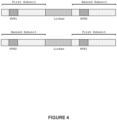
- a single-chain meganuclease has the organization: N-terminal subunit - Linker - C-terminal subunit.
- the two meganuclease subunits will generally be non-identical in amino acid sequence and will bind non-identical DNA sequences.
- single-chain meganucleases typically cleave pseudo-palindromic or non-palindromic recognition sequences.
- a single-chain meganuclease may be referred to as a "single-chain heterodimer” or “single-chain heterodimeric meganuclease” although it is not, in fact, dimeric.
- the term “meganuclease” can refer to a dimeric or single-chain meganuclease.
- linker refers to an exogenous peptide sequence used to join two nuclease subunits into a single polypeptide.
- a linker may have a sequence that is found in natural proteins or may be an artificial sequence that is not found in any natural protein.
- a linker may be flexible and lacking in secondary structure or may have a propensity to form a specific three-dimensional structure under physiological conditions.
- a linker can include, without limitation, those encompassed by U.S. Patent Nos. 8,445,251, 9,340,777, 9,434,931, and 10,041,053 .
- a linker may have at least 80%, at least 85%, at least 90%, at least 91%, at least 92%, at least 93%, at least 94%, at least 95%, at least 96%, at least 97%, at least 98%, at least 99%, or 100% sequence identity to SEQ ID NO: 38, which sets forth residues 154-195 of any one of SEQ ID NOs: 12-17.
- a linker may have an amino acid sequence comprising SEQ ID NO: 38, which sets forth residues 154-195 of any one of SEQ ID NOs: 12-17.
- the terms “recombinant” or “engineered,” with respect to a protein means having an altered amino acid sequence as a result of the application of genetic engineering techniques to nucleic acids that encode the protein and cells or organisms that express the protein.
- the term “recombinant” or “engineered” means having an altered nucleic acid sequence as a result of the application of genetic engineering techniques. Genetic engineering techniques include, but are not limited to, PCR and DNA cloning technologies; transfection, transformation, and other gene transfer technologies; homologous recombination; site-directed mutagenesis; and gene fusion.
- a protein having an amino acid sequence identical to a naturally-occurring protein, but produced by cloning and expression in a heterologous host is not considered recombinant or engineered.
- wild-type refers to the most common naturally occurring allele (i.e., polynucleotide sequence) in the allele population of the same type of gene, wherein a polypeptide encoded by the wild-type allele has its original functions.
- wild-type also refers to a polypeptide encoded by a wild-type allele. Wild-type alleles (i.e., polynucleotides) and polypeptides are distinguishable from mutant or variant alleles and polypeptides, which comprise one or more mutations and/or substitutions relative to the wild-type sequence(s).
- Wild-type nucleases are distinguishable from recombinant or non-naturally-occurring nucleases.
- the term "wild-type" can also refer to a cell, an organism, and/or a subject which possesses a wild-type allele of a particular gene, or a cell, an organism, and/or a subject used for comparative purposes.
- the term “genetically-modified” refers to a cell or organism in which, or in an ancestor of which, a genomic DNA sequence has been deliberately modified by recombinant technology. As used herein, the term “genetically-modified” encompasses the term "transgenic.”
- modification means any insertion, deletion, or substitution of an amino acid residue in the recombinant sequence relative to a reference sequence (e.g., a wild-type or a native sequence).
- a recognition sequence or “recognition site” refers to a DNA sequence that is bound and cleaved by a nuclease.
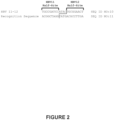
- a recognition sequence comprises a pair of inverted, 9 basepair "half sites" which are separated by four basepairs.
- the N-terminal domain of the protein contacts a first half-site and the C-terminal domain of the protein contacts a second half-site. Cleavage by a meganuclease produces four basepair 3' "overhangs".
- “Overhangs,” or “sticky ends” are short, single-stranded DNA segments that can be produced by endonuclease cleavage of a double-stranded DNA sequence.
- the overhang comprises bases 10-13 of the 22 basepair recognition sequence.
- target site or “target sequence” refers to a region of the chromosomal DNA of a cell comprising a recognition sequence for a nuclease.
- DNA-binding affinity or “binding affinity” means the tendency of a meganuclease to non-covalently associate with a reference DNA molecule (e.g., a recognition sequence or an arbitrary sequence). Binding affinity is measured by a dissociation constant, Kd. As used herein, a nuclease has "altered” binding affinity if the Kd of the nuclease for a reference recognition sequence is increased or decreased by a statistically significant percent change relative to a reference nuclease.
- the term "specificity" refers to the ability of a nuclease to recognize and cleave double-stranded DNA molecules only at a particular sequence of base pairs referred to as the recognition sequence, or only at a particular set of recognition sequences.
- the set of recognition sequences will share certain conserved positions or sequence motifs, but may be degenerate at one or more positions.
- a highly-specific nuclease is capable of cleaving only one or a very few recognition sequences. Specificity can be determined by any method known in the art, such as unbiased identification of DSBs enabled by sequencing (GUIDE-seq), oligonucleotide (oligo) capture assay, whole genome sequencing, and long-range next generation sequencing of the recognition sequence.
- specificity is measured using GUIDE-seq.
- “specificity” is synonymous with a low incidence of cleavage of sequences different from the target sequences (non-target sequences), i.e., off-target cutting.
- a low incidence of off-target cutting may comprise an incidence of cleavage of non-target sequences of less than 25%, less than 20%, less than 18%, less than 15%, less than 12.5%, less than 10%, less than 9%, less than 8%, less than 7%, less than 6%, less than 5%, less than 4%, less than 3%, less than 2.5%, less than 2%, less than 1.5%, less than 1%, less than 0.75%, less than 0.5%, or less than 0.25%.
- a meganuclease has "altered" specificity if it binds to and cleaves a recognition sequence which is not bound to and cleaved by a reference meganuclease (e.g., a wild-type) under physiological conditions, or if the rate of cleavage of a recognition sequence is increased or decreased by a biologically significant amount (e.g., at least 2 ⁇ , or 2 ⁇ -10 ⁇ ) relative to a reference meganuclease.
- a reference meganuclease e.g., a wild-type
- the presently disclosed engineered meganucleases have improved (i.e., increased) specificity for the target recognition sequence that comprises SEQ ID NO: 10 (i.e., HBV 11-12) as compared to the HBV 11-12x.26 meganuclease (the amino acid sequence of which is set forth as SEQ ID NO: 39).
- the presently disclosed engineered meganucleases exhibit reduced off-target cleavage as compared to the HBV 11-12x.26 meganuclease.
- the presently disclosed engineered meganucleases have improved (i.e., increased) specificity for the target recognition sequence that comprises SEQ ID NO: 10 (i.e., HBV 11-12) as compared to the HBV 11-12L.363 meganuclease (the amino acid sequence of which is set forth as SEQ ID NO: 40).
- the presently disclosed engineered meganucleases exhibit reduced off-target cleavage as compared to the HBV 11-12L.363 meganuclease.
- Off-target cleavage by a meganuclease can be measured using any method known in the art, including for example, oligo capture analysis as described here, a T7 endonuclease (T7E) assay as described herein, digital PCR as described herein, targeted sequencing of particular off-target sites, exome sequencing, whole genome sequencing, direct in situ breaks labeling enrichment on streptavidin and next-generation sequencing (BLESS), genome-wide, GUIDE-seq, and linear amplification-mediated high-throughput genome-wide translocation sequencing (LAM-HTGTS) (see, e.g., Zischewski et al. (2017), Biotechnology Advances 35(1):95-104 ).
- T7E T7 endonuclease
- digital PCR digital PCR as described herein
- targeted sequencing of particular off-target sites exome sequencing
- exome sequencing whole genome sequencing
- BLESS next-generation sequencing
- GUIDE-seq linear amplification-mediated high-throughput
- the term "efficiency of cleavage” refers to the incidence by which a meganuclease cleaves a recognition sequence in a double-stranded DNA molecule relative to the incidence of all cleavage events by the meganuclease on the DNA molecule. "Efficiency of cleavage” is synonymous with DNA editing efficiency or on-target editing.
- Efficiency of cleavage and/or indel formation by a meganuclease can be measured using any method known in the art, including T7E assay, digital PCR (ddPCR), mismatch detection assays, mismatch cleavage assay, high-resolution melting analysis (HRMA), heteroduplex mobility assay, sequencing, and fluorescent PCR capillary gel electrophoresis (see, e.g., Zischewski et al. (2017) Biotechnology Advances 35(1):95-104 ).
- efficiency of cleavage is measured by ddPCR.
- the disclosed meganucleases generate efficiencies of cleavage of at least about 35%, 40%, 50%, 60%, 70%, 80%, 85%, 90%, 95%, 98%, or 99% at the recognition sequence.
- an “indel”, as used herein, refers to the insertion or deletion of a nucleobase within a nucleic acid, such as DNA.
- efficiency of indel formation refers to the incidence by which a meganuclease generates one or more indels through cleavage of a recognition sequence relative to the incidence of all cleavage events by the meganuclease on the DNA molecule. In some embodiments, efficiency of indel formation is measured by ddPCR.
- the disclosed meganucleases generate efficiencies of indel formation of at least about 35%, 40%, 50%, 60%, 70%, 80%, 85%, 90%, 95%, 98%, or 99% at the recognition sequence.
- the disclosed meganucleases may generate efficiencies of cleavage and/or efficiencies of indel formation of at least about 60%, 61%, 62%, 63%, 64%, 65%, 66%, 67%, 68%, 69%, 70%, 71%, 72%, 73%, 74%, or 75% at the recognition sequence.
- homologous recombination refers to the natural, cellular process in which a double-stranded DNA-break is repaired using a homologous DNA sequence as the repair template (see, e.g. Cahill et al. (2006), Front. Biosci. 11:1958-1976 ).
- the homologous DNA sequence may be an endogenous chromosomal sequence or an exogenous nucleic acid that was delivered to the cell.
- non-homologous end-joining refers to the natural, cellular process in which a double-stranded DNA-break is repaired by the direct joining of two non-homologous DNA segments (see, e.g. Cahill et al. (2006), Front. Biosci. 11:1958-1976 ).
- DNA repair by non-homologous end-joining is error-prone and frequently results in the untemplated addition or deletion of DNA sequences at the site of repair. In some instances, cleavage at a target recognition sequence results in NHEJ at a target recognition site.
- Nuclease-induced cleavage of a target site in the coding sequence of a gene followed by DNA repair by NHEJ can introduce mutations into the coding sequence, such as frameshift mutations, that disrupt gene function.
- engineered meganucleases can be used to effectively knock-out a gene in a population of cells.
- homology arms or “sequences homologous to sequences flanking a meganuclease cleavage site” refer to sequences flanking the 5' and 3' ends of a nucleic acid molecule which promote insertion of the nucleic acid molecule into a cleavage site generated by a meganuclease.
- homology arms can have a length of at least 50 base pairs, preferably at least 100 base pairs, and up to 2000 base pairs or more, and can have at least 90%, preferably at least 95%, or more, sequence homology to their corresponding sequences in the genome. In some embodiments, the homology arms are about 500 base pairs.
- sequence similarity As used herein with respect to both amino acid sequences and nucleic acid sequences, the terms “percent identity,” “sequence identity,” “percentage similarity,” “sequence similarity” and the like refer to a measure of the degree of similarity of two sequences based upon an alignment of the sequences that maximizes similarity between aligned amino acid residues or nucleotides, and which is a function of the number of identical or similar residues or nucleotides, the number of total residues or nucleotides, and the presence and length of gaps in the sequence alignment. A variety of algorithms and computer programs are available for determining sequence similarity using standard parameters.
- sequence similarity is measured using the BLASTp program for amino acid sequences and the BLASTn program for nucleic acid sequences, both of which are available through the National Center for Biotechnology Information (www.ncbi.nlm.nih.gov/), and are described in, for example, Altschul et al. (1990), J. Mol. Biol. 215:403-410 ; Gish and States (1993), Nature Genet. 3:266-272 ; Madden et al. (1996), Meth. Enzymol.266:131-141 ; Altschul et al. (1997), Nucleic Acids Res. 25:33 89-3402 ); Zhang et al. (2000), J. Comput. Biol.
- the term "corresponding to" with respect to modifications of two proteins or amino acid sequences is used to indicate that a specified modification in the first protein is a substitution of the same amino acid residue as in the modification in the second protein, and that the amino acid position of the modification in the first protein corresponds to or aligns with the amino acid position of the modification in the second protein when the two proteins are subjected to standard sequence alignments (e.g., using the BLASTp program).
- the modification of residue "X" to amino acid "A” in the first protein will correspond to the modification of residue "Y” to amino acid "A” in the second protein if residues X and Y correspond to each other in a sequence alignment, and despite the fact that X and Y may be different numbers.
- the term "recognition half-site,” “recognition sequence half-site,” or simply “half-site” means a nucleic acid sequence in a double-stranded DNA molecule that is recognized and bound by a monomer of a homodimeric or heterodimeric meganuclease or by one subunit of a single-chain meganuclease or by one subunit of a single-chain meganuclease.
- hypervariable region refers to a localized sequence within a meganuclease monomer or subunit that comprises amino acids with relatively high variability.
- a hypervariable region can comprise about 50-60 contiguous residues, about 53-57 contiguous residues, or preferably about 56 residues.
- the residues of a hypervariable region may correspond to positions 24-79 or positions 215-270 of SEQ ID NO: 12.
- a hypervariable region can comprise one or more residues that contact DNA bases in a recognition sequence and can be modified to alter base preference of the monomer or subunit.
- a hypervariable region can also comprise one or more residues that bind to the DNA backbone when the meganuclease associates with a double-stranded DNA recognition sequence. Such residues can be modified to alter the binding affinity of the meganuclease for the DNA backbone and the target recognition sequence.
- a hypervariable region may comprise between 1-20 residues that exhibit variability and can be modified to influence base preference and/or DNA-binding affinity. In particular embodiments, a hypervariable region comprises between about 15-20 residues that exhibit variability and can be modified to influence base preference and/or DNA-binding affinity.
- variable residues within a hypervariable region correspond to one or more of positions 24, 26, 28, 30, 32, 33, 38, 40, 42, 44, 46, 68, 70, 75, and 77 of SEQ ID NO: 12.
- variable residues within a hypervariable region correspond to one or more of positions 215, 217, 219, 221, 223, 224, 229, 231, 233, 235, 237, 259, 261, 266, and 268 of SEQ ID NO: 12. In some embodiments, variable residues within a hypervariable region further correspond to one or more of positions 262, 263, and 264 of SEQ ID NO: 12. In other embodiments, variable residues within a hypervariable region correspond to one or more of positions 215, 217, 219, 221, 223, 224, 229, 231, 233, 235, 237, 239, 241, 259, 261, 262, 263, 264, 266, and 268 of SEQ ID NO: 12.
- a recombinant construct comprises an artificial combination of nucleic acid fragments, including, without limitation, regulatory and coding sequences that are not found together in nature.
- a recombinant DNA construct may comprise regulatory sequences and coding sequences that are derived from different sources, or regulatory sequences and coding sequences derived from the same source and arranged in a manner different than that found in nature.
- Such a construct may be used by itself or may be used in conjunction with a vector.
- a "vector” or “recombinant DNA vector” may be a construct that includes a replication system and sequences that are capable of transcription and translation of a polypeptide-encoding sequence in a given host cell. If a vector is used, then the choice of vector is dependent upon the method that will be used to transform host cells as is well known to those skilled in the art.
- Vectors can include, without limitation, plasmid vectors and recombinant AAV vectors, or any other vector known in the art suitable for delivering a gene to a target cell. The skilled artisan is well aware of the genetic elements that must be present on the vector in order to successfully transform, select and propagate host cells comprising any of the isolated nucleotides or nucleic acid sequences of the invention.
- a "vector” also refers to a viral vector.
- Viral vectors can include, without limitation, retroviral vectors, lentiviral vectors, adenoviral vectors, and adeno-associated viral vectors (AAV).
- a "polycistronic" mRNA refers to a single messenger RNA that comprises two or more coding sequences (i.e., cistrons) and encodes more than one protein.
- a polycistronic mRNA can comprise any element known in the art to allow for the translation of two or more genes from the same mRNA molecule including, but not limited to, an IRES element, a T2A element, a P2A element, an E2A element, and an F2A element.
- operably linked is intended to mean a functional linkage between two or more elements.
- an operable linkage between a nucleic acid sequence encoding a nuclease as described herein and a regulatory sequence is a functional link that allows for expression of the nucleic acid sequence encoding the nuclease.
- Operably linked elements may be contiguous or non-contiguous. When used to refer to the joining of two protein coding regions, by operably linked is intended that the coding regions are in the same reading frame.
- control refers to a cell that provides a reference point for measuring changes in genotype or phenotype of a genetically-modified cell.
- a control cell may comprise, for example: (a) a wild-type cell, i.e., of the same genotype as the starting material for the genetic alteration which resulted in the genetically-modified cell; (b) a cell of the same genotype as the genetically-modified cell but which has been transformed with a null construct (i.e., with a construct which has no known effect on the trait of interest); or, (c) a cell genetically identical to the genetically-modified cell but which is not exposed to conditions or stimuli or further genetic modifications that would induce expression of altered genotype or phenotype.
- a control subject may comprise, for example: a wild-type subject, i.e., a subject not having an HBV infection, which is not exposed to conditions or stimuli or further genetic modifications (e.g., administration of an engineered meganuclease described herein).
- a control subject may comprise, for example: a subject having an HBV infection, which is not exposed to conditions or stimuli or further genetic modifications (e.g., administration of an engineered meganuclease described herein) that can alter the HBV infection status of the subject.
- treatment refers to the administration of an engineered meganuclease of the invention, or a nucleic acid encoding an engineered meganuclease of the invention to a subject infected with HBV for the purpose of slowing or stopping the rate of HBV proliferation of the virus by cleaving the genome of at least one HBV particle.
- Such treatment reduces or prevents transfection and replication of HBV in the subject, and provides either partial or complete relief of one or more symptoms of HBV in the subject.
- Means to assess alleviation of symptoms of HBV infection may include measurement of liver functions by determining levels of the enzyme alanine aminotransferase (ALT) or by measuring sero conversion, namely disappearance and/or reduction of the circulating HBeAg and/or HBsAg levels. Further, alleviation or reduction of symptoms of HBV can be determined by examining liver biopsies and measuring the level of tissue fibrosis by methods well known in the art. The number of circulating viral particles can be determined for example by measuring HBV DNA levels using PCR or by detecting HBsAg levels in the blood.
- ALT enzyme alanine aminotransferase
- treatment can further refer to the administration of a cell (e.g., hepatocyte cell) comprising a nucleic acid encoding an engineered meganuclease, wherein the cell is delivered to a target tissue (e.g., liver) and produces the engineered meganuclease in an amount sufficient to treat an HBV infection in the subject, thereby resulting in either partial or complete relief of one or more symptoms of HBV.
- a cell e.g., hepatocyte cell
- a target tissue e.g., liver
- an engineered meganuclease of the invention, a nucleic acid encoding the same, or a genetically-modified cell or population of genetically-modified cells described herein is administered during treatment in the form of a pharmaceutical composition of the invention.
- Hepatitis B Virus infection refers to any condition related to or resulting from infection with a Hepatitis B virus, such as chronic liver diseases/disorders, inflammations, fibrotic conditions and proliferative disorders, such as liver cancers.
- Chronic persistent HBV infection can cause fatigue, liver damage, cirrhosis of the liver, and hepatocellular carcinoma, a primary liver cancer.
- proliferating and proliferation refer to HBV viruses or HBV covalently closed circular DNA (cccDNA) actively dividing and/or infecting human cells.
- reduction in proliferation refers to any decrease in the proliferation of HBV including reduction of at least 1%, 2%, 3%, 4%, 5%, 10%, 15%, 20%, 25%, 30%, 40%, 50%, 60%, 70%, 80%, 90%, 91%, 92%, 93%, 94%, 95%, 96%, 97%, 98%, 99%, or 100% when compared to an appropriate control not having been administered the engineered meganuclease, or nucleic acid encoding the engineered meganuclease, described herein.
- proliferative disorder refers to any disease/disorder marked by unwanted or aberrant proliferation of cells or tissue.
- proliferative disorder also refers to conditions in which the unregulated and/or abnormal growth of cells can lead to the development of an unwanted condition or disease, which can be cancerous or non-cancerous.
- an effective amount of the engineered meganuclease or pharmaceutical compositions described herein reduces the level or proliferation of HBV or reduces at least one symptom of HBV in a subject with an HBV infection.
- gc/kg or “gene copies/kilogram” refers to the number of copies of a nucleic acid encoding an engineered meganuclease described herein per weight in kilograms of a subject that is administered the nucleic acid encoding the engineered meganuclease.
- lipid nanoparticle refers to a lipid composition having a typically spherical structure with an average diameter between 10 and 1000 nanometers.
- lipid nanoparticles can comprise at least one cationic lipid, at least one non-cationic lipid, and at least one conjugated lipid.
- Lipid nanoparticles known in the art that are suitable for encapsulating nucleic acids, such as mRNA, are contemplated for use in the invention.
- variable As used herein, the recitation of a numerical range for a variable is intended to convey that the present disclosure may be practiced with the variable equal to any of the values within that range. Thus, for a variable which is inherently discrete, the variable can be equal to any integer value within the numerical range, including the end-points of the range. Similarly, for a variable which is inherently continuous, the variable can be equal to any real value within the numerical range, including the end-points of the range.
- a variable which is described as having values between 0 and 2 can take the values 0, 1 or 2 if the variable is inherently discrete, and can take the values 0.0, 0.1, 0.01, 0.001, or any other real values ⁇ 0 and ⁇ 2 if the variable is inherently continuous.
- the present invention is based, in part, on the discovery of HBV 11-12 meganucleases which have improved properties when compared to previously described HBV 11-12 meganucleases, such as improved (i.e., increased) specificity resulting in reduced off-target cutting, and enhanced (i.e., increased) efficiency of cleavage and indel formation at the HBV 11-12 recognition sequence, particularly in cells comprising an integrated copy of the HBV genome.
- the presently disclosed HBV 11-12 meganucleases of the invention recognize the HBV 11-12 recognition sequence (SEQ ID NO: 10) in the P gene of the Hepatitis B virus that encodes the viral DNA polymerase.
- the HBV 11-12 recognition sequence is conserved across at least HBV genotypes A-G (SEQ ID NOs: 3-9), which advantageously allows for the presently disclosed engineered meganucleases to target HBV infections around the globe.
- Cleavage at the HBV 11-12 recognition sequence can allow for non-homologous end joining (NHEJ) at the cleavage site and can disrupt expression of one or more viral proteins (e.g., viral DNA polymerase) due to NHEJ at the cleavage site that results in insertions, deletions, or frameshift mutations.
- NHEJ non-homologous end joining
- cleavage of the HBV genome at the HBV 11-12 recognition sequence may promote degradation of the HBV genome and/or HBV cccDNA. Disruption of the expression of the viral protein(s) can reduce or eliminate the infection and/or proliferation of HBV.
- cleavage at the HBV 11-12 recognition sequence can further allow for homologous recombination of exogenous nucleic acid sequences directly into the HBV genome to disrupt the expression of one or more viral proteins.
- a "suicide gene” can be introduced into a HBV genome via homologous recombination.
- the present invention encompasses engineered meganucleases which recognize and cleave the HBV 11-12 recognition sequence within a HBV genome.
- the present invention also encompasses methods of using such engineered meganucleases in a pharmaceutical composition and such meganucleases for use in methods for treating HBV infection.
- the invention encompasses pharmaceutical compositions comprising engineered meganuclease proteins, or nucleic acids encoding engineered meganucleases, and such compositions for use in the treatment of HBV infection and hepatocellular carcinoma (HCC).
- HCC hepatocellular carcinoma
- the invention can be practiced using engineered meganucleases.
- the nucleases used to practice the invention are single-chain meganucleases.
- a single-chain meganuclease comprises an N-terminal subunit and a C-terminal subunit joined by a linker peptide.
- Each of the two domains recognizes half of the recognition sequence (i.e., a recognition half-site) and the site of DNA cleavage is at the middle of the recognition sequence near the interface of the two subunits.
- DNA strand breaks are offset by four base pairs such that DNA cleavage by a meganuclease generates a pair of four base pair, 3' single-strand overhangs.
- the engineered meganucleases of the invention have been engineered to recognize and cleave the HBV 11-12 recognition sequence (SEQ ID NO: 10).
- the HBV 11-12 recognition sequence is positioned within the P protein ORF of multiple HBV genotypes.
- the HBV 11-12 recognition sequence can at least be found in the genome of multiple HBV genotypes, including genotypes A, B, C, D, E, F, and G (e.g., SEQ ID NOs: 3-9, respectively).
- Engineered meganucleases of the invention comprise a first subunit, comprising a first hypervariable (HVR1) region, and a second subunit, comprising a second hypervariable (HVR2) region. Further, the first subunit binds to a first recognition half-site in the recognition sequence (i.e., the HBV11 half-site), and the second subunit binds to a second recognition half-site in the recognition sequence (i.e., the HBV12 half-site).
- the first and second subunits can be oriented such that the first subunit, which comprises the HVR1 region and binds the first half-site, is positioned as the N-terminal subunit, and the second subunit, which comprises the HVR2 region and binds the second half-site, is positioned as the C-terminal subunit.
- the first and second subunits can be oriented such that the first subunit, which comprises the HVR1 region and binds the first half-site, is positioned as the C-terminal subunit, and the second subunit, which comprises the HVR2 region and binds the second half-site, is positioned as the N-terminal subunit.
- Exemplary engineered meganucleases that recognize and cleave the HBV 11-12 recognition sequence are provided in Tables 1 and 2.
- the meganucleases of SEQ ID NOs: 13-17 do not form part of the invention. Table 1.
- Exemplary engineered meganucleases that bind and cleave the HBV 11-12 recognition sequence SEQ ID NO: 10).
- the presently disclosed engineered meganucleases exhibit at least one optimized characteristic in comparison to the previously described meganuclease HBV 11-12x.26 or HBV 11-12L.363.
- optimized characteristics include improved (i.e. increased) specificity resulting in reduced off-target cutting, and enhanced (i.e., increased) efficiency of cleavage and indel (i.e., insertion or deletion) formation at the HBV 11-12 recognition sequence, particularly in cells comprising an integrated copy of the HBV genome.
- the presently disclosed engineered meganucleases when delivered to a population of HBV-infected target cells, is able to generate a greater percentage of virions or cells with a cleavage and/or an indel in the HBV genome (either incorporated or unincorporated).
- the population of HBV or target cells comprises at least 40%, at least 45%, at least 50%, at least 55%, at least 60%, at least 65%, at least 70%, at least 75%, at least 80%, at least 85%, at least 90%, at least 91%, at least 92%, at least 93%, at least 94%, at least 95%, at least 96%, at least 97%, at least 98%, at least 99% or 100% of HBV or target cells comprising a cleavage and/or an indel in the HBV genome (either incorporated or unincorporated).
- Cleavage and/or indel formation by a meganuclease can be measured using any method known in the art, including T7E assay, digital PCR, mismatch detection assays, mismatch cleavage assay, high-resolution melting analysis (HRMA), heteroduplex mobility assay, sequencing, and fluorescent PCR capillary gel electrophoresis (see, e.g., Zischewski et al. (2017) Biotechnology Advances 35(1):95-104 ).
- the target cell is a hepatocyte. In some embodiments, the target cell is a primary human hepatocyte (PHH). In some embodiments, the target cell is a non-human, mammalian hepatocyte.
- PHL human hepatocyte
- the engineered meganuclease binds and cleaves a recognition sequence comprising SEQ ID NO: 10 (i.e., the HBV 11-12 recognition sequence) within the HBV genome, wherein the engineered meganuclease comprises a first subunit and a second subunit, wherein the first subunit binds to a first recognition half-site of the recognition sequence and comprises a first hypervariable (HVR1) region, and wherein the second subunit binds to a second recognition half-site of the recognition sequence and comprises a second hypervariable (HVR2) region.
- HVR1 hypervariable
- HVR2 hypervariable hypervariable
- Exemplary HBV 11-12 meganucleases are described below.
- HBV 11-12L.1090 (SEQ ID NO: 12)
- the HVR1 region comprises residues corresponding to residues 215, 217, 219, 221, 223, 224, 229, 231, 233, 235, 237, 259, 261, 262, 263, 264, 266, and 268 of SEQ ID NO: 12.
- the HVR1 region comprises Y, R, K, or D at a residue corresponding to residue 257 of SEQ ID NO: 12.
- the HVR1 region comprises residues 215-270 of SEQ ID NO: 12.
- the first subunit comprises an amino acid sequence having at least 97%, 98%, 99% or more sequence identity to residues 198-344 of SEQ ID NO: 12.
- the first subunit comprises G, S, or A at a residue corresponding to residue 210 of SEQ ID NO: 12.
- the first subunit comprises E, Q, or K at a residue corresponding to residue 271 of SEQ ID NO: 12.
- the first subunit comprises a residue corresponding to residue 271 of SEQ ID NO: 12.
- the first subunit comprises residues 198-344 of SEQ ID NO: 12.
- the HVR2 region comprises residues corresponding to residues 24, 26, 28, 30, 32, 33, 38, 40, 42, 44, 46, 51, 68, 70, 75, and 77 of SEQ ID NO: 12.
- the HVR2 region comprises Y, R, K, or D at a residue corresponding to residue 66 of SEQ ID NO: 12.
- the HVR2 region comprises residues 24-79 of SEQ ID NO: 12.
- the second subunit comprises an amino acid sequence having at least 97%, 98%, 99% or more sequence identity to residues 7-153 of SEQ ID NO: 12.
- the second subunit comprises G, S, or A at a residue corresponding to residue 19 of SEQ ID NO: 12.
- the second subunit comprises a residue corresponding to residue 19 of SEQ ID NO: 12.
- the second subunit comprises E, Q, or K at a residue corresponding to residue 80 of SEQ ID NO: 12.
- the second subunit comprises a residue corresponding to residue 80 of SEQ ID NO: 12.
- the second subunit comprises residues 7-153 of SEQ ID NO: 12.
- the engineered meganuclease is a single-chain meganuclease comprising a linker, wherein the linker covalently joins said first subunit and said second subunit.
- the engineered meganuclease comprises an amino acid sequence having at least 97%, 98%, 99% or more sequence identity SEQ ID NO: 12. In some embodiments, the engineered meganuclease comprises an amino acid sequence of SEQ ID NO: 12.
- the engineered meganuclease is encoded by a nucleic sequence having at least 80%, 85%, 90%, 91%, 92%, 93%, 94%, 95%, 96%, 97%, 98%, 99% or more sequence identity to a nucleic acid sequence set forth in SEQ ID NO: 45. In some embodiments, the engineered meganuclease is encoded by a nucleic acid sequence set forth in SEQ ID NO: 45.
- Described herein are methods for treating an HBV infection or HCC in a subject.
- methods are provided for reducing the symptoms of an HBV infection and reducing the amount of HBV, reducing the rate of proliferation of HBV or treating HCC in a subject comprising administering a pharmaceutical composition comprising a pharmaceutically acceptable carrier and an engineered meganuclease described herein (or a nucleic acid encoding the engineered meganuclease or a cell expressing the engineered meganuclease).
- an engineered meganuclease described herein can be delivered to and/or expressed from DNA/RNA in target cells that can provide the engineered meganuclease to the HBV genome.
- Engineered meganuclease proteins described herein, or polynucleotides encoding the same, can be delivered into cells to cleave genomic DNA by a variety of different mechanisms known in the art, including those further detailed herein below.
- Engineered meganucleases described herein can be delivered into a cell in the form of protein or, preferably, as a polynucleotide comprising a nucleic acid sequence encoding the engineered meganuclease.
- Such polynucleotides can be, for example, DNA (e.g., circular or linearized plasmid DNA, PCR products, or viral genomes) or RNA (e.g., mRNA).
- the engineered meganuclease coding sequence is delivered in DNA form, it should be operably linked to a promoter to facilitate transcription of the meganuclease gene.
- Mammalian promoters suitable for the invention include constitutive promoters such as the cytomegalovirus early (CMV) promoter ( Thomsen et al. (1984), Proc Natl Acad Sci USA. 81(3):659-63 ) or the SV40 early promoter ( Benoist and Chambon (1981), Nature. 290(5804):304-10 ) as well as inducible promoters such as the tetracycline-inducible promoter ( 1973), Mol Cell Biol.
- CMV cytomegalovirus early
- SV40 early promoter Benoist and Chambon (1981), Nature. 290(5804):304-10
- inducible promoters such as the tetracycline-inducible promoter ( 1968), Mol Cell Biol.
- An engineered meganuclease of the invention can also be operably linked to a synthetic promoter.
- Synthetic promoters can include, without limitation, the JeT promoter ( WO 2002/012514 ).
- a nucleic acid sequence encoding an engineered meganuclease as described herein can be operably linked to a liver-specific promoter.
- liver-specific promoters include, without limitation, human alpha-1 antitrypsin promoter, hybrid liver-specific promoter (hepatic locus control region from ApoE gene (ApoE-HCR) and a liver-specific alpha1-antitrypsin promoter), human thyroxine binding globulin (TBG) promoter, and apolipoprotein A-II promoter.
- a single polynucleotide comprises two separate nucleic acid sequences each encoding an engineered meganuclease described herein
- the meganuclease genes are operably linked to two separate promoters.
- the two meganuclease genes are operably linked to a single promoter, and in some examples can be separated by an internal-ribosome entry site (IRES) or a 2A peptide sequence ( Szymczak and Vignali (2005) Expert Opin Biol Ther. 5:627-38 ).
- IRS internal-ribosome entry site
- 2A peptide sequences can include, for example, a T2A, P2A, E2A, or F2A sequence.
- a polynucleotide comprising a nucleic acid sequence encoding at least one engineered meganuclease described herein is delivered on a recombinant DNA construct or expression cassette.
- the recombinant DNA construct can comprise an expression cassette (i.e., "cassette") comprising a promoter and a nucleic acid sequence encoding an engineered meganuclease described herein.
- the recombinant DNA construct comprises at least a first cassette and a second cassette, wherein the first cassette comprises a promoter and a nucleic acid sequence encoding an engineered meganuclease described herein, and wherein the second cassette comprises a promoter and a nucleic acid sequence encoding a second engineered meganuclease which binds and cleaves a second recognition sequence which is present in a Hepatitis B virus genome but differs from SEQ ID NO: 10.
- Non-limiting examples of other recognition sequences within the genome of a Hepatitis B virus include the HBV 5-6 recognition sequence (set forth as SEQ ID NO: 30).
- the recombinant DNA construct comprises a cassette comprising a promoter and a polycistronic nucleic acid sequence, wherein the promoter drives expression of the polycistronic nucleic acid sequence to generate a polycistronic mRNA described herein in a target cell.
- a polynucleotide comprising a nucleic acid sequence encoding an engineered meganuclease described herein is introduced into the cell using a single-stranded DNA template.
- the single-stranded DNA can further comprise a 5' and/or a 3' AAV inverted terminal repeat (ITR) upstream and/or downstream of the sequence encoding the engineered nuclease.
- the single-stranded DNA can further comprise a 5' and/or a 3' homology arm upstream and/or downstream of the sequence encoding the engineered meganuclease.
- a polynucleotide comprising a nucleic acid sequence encoding an engineered meganuclease described herein can be introduced into a cell using a linearized DNA template.
- linearized DNA templates can be produced by methods known in the art.
- a plasmid DNA encoding a nuclease can be digested by one or more restriction enzymes such that the circular plasmid DNA is linearized prior to being introduced into a cell.
- mRNA encoding an engineered meganuclease is delivered to a cell because this reduces the likelihood that the gene encoding the engineered meganuclease will integrate into the genome of the cell.
- mRNA can be produced using methods known in the art such as in vitro transcription.
- the mRNA is 5' capped using 7-methyl-guanosine, anti-reverse cap analogs (ARCA) ( US 7,074,596 ), CleanCap ® analogs such as Cap 1 analogs (Trilink, San Diego, CA), or enzymatically capped using vaccinia capping enzyme or similar.
- the mRNA may be polyadenylated.
- the mRNA may contain various 5' and 3' untranslated sequence elements to enhance expression the encoded engineered meganuclease and/or stability of the mRNA itself.
- Such elements can include, for example, posttranslational regulatory elements such as a woodchuck hepatitis virus posttranslational regulatory element.
- the mRNA may contain nucleoside analogs or naturally-occurring nucleosides, such as pseudouridine, 5-methylcytidine, N6-methyladenosine, 5-methyluridine, or 2-thiouridine. Additional nucleoside analogs include, for example, those described in US 8,278,036 .
- an mRNA encoding an engineered nuclease of the invention can be a polycistronic mRNA encoding two or more of the presently disclosed meganucleases which are simultaneously expressed in a cell.
- a polycistronic mRNA can encode at least a first and a second engineered meganuclease, wherein the first engineered meganuclease is an engineered meganuclease described herein, and wherein the second engineered meganuclease binds and cleaves a second recognition sequence in the HBV genome that differs from SEQ ID NO: 10 (e.g., the HBV 5-6 recognition sequence), such that the HBV genome is cleaved at multiple sites.
- SEQ ID NO: 10 e.g., the HBV 5-6 recognition sequence
- a polycistronic mRNA can encode an engineered meganuclease described herein and at least one additional protein which induces a therapeutically beneficial effect in the cell.
- a polycistronic mRNA of the invention can comprise any element known in the art to allow for the translation of two or more genes from the same mRNA molecule including, but not limited to, an IRES element, a T2A element, a P2A element, an E2A element, and an F2A element.
- the methods comprise delivering an engineered meganuclease described herein (or a nucleic acid encoding the same) and a nucleic acid comprising a polynucleotide sequence encoding a suicide gene and sequences homologous to sequences flanking the meganuclease cleavage site, wherein the engineered meganuclease binds and cleaves a recognition sequence comprising SEQ ID NO: 10 within the Hepatitis B virus genome, thus cleaving the HBV genome, wherein the suicide gene is inserted into the cleaved HBV genome by homologous recombination.
- a suicide gene is a nucleic acid that encodes a product that causes cell death by itself or in the presence of other compounds.
- a representative example of such a suicide gene is one that encodes thymidine kinase of herpes simplex virus. Additional examples are genes that encode thymidine kinase of varicella zoster virus and the bacterial gene cytosine deaminase that can convert 5-fluorocytosine to the highly toxic compound 5-fluorouracil.
- Suicide genes also include as non-limiting examples genes that encode caspase-9, caspase-8, or cytosine deaminase. In some examples, caspase-9 can be activated using a specific chemical inducer of dimerization (CID).
- the suicide gene is directly lethal to the HBV or a target cell (e.g., HCC cell).
- the directly lethal suicide gene encodes a toxic polypeptide or a pro-apoptotic protein.
- the suicide gene is indirectly lethal to the target cell, and directs the subject's own immune system to kill the target cell.
- the indirectly lethal suicide gene encodes a cell surface protein which is recognized as foreign by the subject's immune system and is targeted by a humoral or cellular immune response.
- the indirectly lethal suicide gene encodes a polypeptide which is presented by an MHC Class I molecule, is recognized as foreign by the subject's immune system, and is targeted by a cytotoxic immune response.
- Purified meganuclease proteins can be delivered into cells to cleave genomic DNA by a variety of different mechanisms known in the art, including those further detailed herein below.
- the target tissue(s) for delivery of engineered meganucleases of the invention include, without limitation, cells of the liver, such as a hepatocyte cell or preferably a primary hepatocyte, more preferably a human hepatocyte or a human primary hepatocyte, a HepG2.2.15 or a HepG2-hNTCP cell.
- meganucleases of the invention can be delivered as purified protein or as RNA or DNA encoding the meganuclease.
- meganuclease proteins, or mRNA, or DNA vectors encoding meganucleases are supplied to target cells (e.g., cells in the liver) via injection directly to the target tissue.
- meganuclease protein, mRNA, DNA, or cells expressing meganucleases can be delivered systemically via the circulatory system.
- the meganuclease proteins, or DNA/mRNA encoding the meganuclease are coupled to a cell penetrating peptide or targeting ligand to facilitate cellular uptake.
- cell penetrating peptides known in the art include poly-arginine ( Jearawiriyapaisarn, et al. (2008) Mol Ther. 16:1624-9 ), TAT peptide from the HIV virus ( Hudecz et al. (2005), Med. Res. Rev. 25: 679-736 ), MPG ( Simeoni, et al. (2003) Nucleic Acids Res. 31:2717-2724 ), Pep-1 ( Deshayes et al.
- meganuclease proteins are coupled covalently or non-covalently to an antibody that recognizes a specific cell-surface receptor expressed on target cells such that the meganuclease protein/DNA/mRNA binds to and is internalized by the target cells.
- meganuclease protein/DNA/mRNA can be coupled covalently or non-covalently to the natural ligand (or a portion of the natural ligand) for such a cell-surface receptor.
- meganuclease proteins are encapsulated within biodegradable hydrogels for injection or implantation within the desired region of the liver (e.g., in proximity to hepatic sinusoidal endothelial cells or hematopoietic endothelial cells, or progenitor cells which differentiate into the same).
- Hydrogels can provide sustained and tunable release of the therapeutic payload to the desired region of the target tissue without the need for frequent injections, and stimuli-responsive materials (e.g., temperature- and pH-responsive hydrogels) can be designed to release the payload in response to environmental or externally applied cues ( Kang Derwent et al. (2008) Trans Am Ophthalmol Soc. 106:206-214 ).
- meganuclease proteins, or DNA/mRNA encoding meganucleases are coupled covalently or, preferably, non-covalently to a nanoparticle or encapsulated within such a nanoparticle using methods known in the art ( Sharma, et al. (2014) Biomed Res Int. 2014 ).
- a nanoparticle is a nanoscale delivery system whose length scale is ⁇ 1 ⁇ m, preferably ⁇ 100 nm.
- Such nanoparticles may be designed using a core composed of metal, lipid, polymer, or biological macromolecule, and multiple copies of the meganuclease proteins, mRNA, or DNA can be attached to or encapsulated with the nanoparticle core.
- Nanoparticles may be further modified with polymers or lipids (e.g., chitosan, cationic polymers, or cationic lipids) to form a core-shell nanoparticle whose surface confers additional functionalities to enhance cellular delivery and uptake of the payload ( Jian et al. (2012) Biomaterials. 33(30): 7621-30 ). Nanoparticles may additionally be advantageously coupled to targeting molecules to direct the nanoparticle to the appropriate cell type and/or increase the likelihood of cellular uptake. Examples of such targeting molecules include antibodies specific for cell-surface receptors and the natural ligands (or portions of the natural ligands) for cell surface receptors.
- the meganuclease proteins or DNA/mRNA encoding the meganucleases are encapsulated within liposomes or complexed using cationic lipids (see, e.g., LIPOFECTAMINE, Life Technologies Corp., Carlsbad, CA ; Zuris et al. (2015) Nat Biotechnol. 33: 73-80 ; Mishra et al. (2011) J Drug Deliv. 2011:863734 ).
- the liposome and lipoplex formulations can protect the payload from degradation, enhance accumulation and retention at the target site, and facilitate cellular uptake and delivery efficiency through fusion with and/or disruption of the cellular membranes of the target cells.
- meganuclease proteins are encapsulated within polymeric scaffolds (e.g., PLGA) or complexed using cationic polymers (e.g., PEI, PLL) ( Tamboli et al. (2011) Ther Deliv. 2(4): 523-536 ).
- Polymeric carriers can be designed to provide tunable drug release rates through control of polymer erosion and drug diffusion, and high drug encapsulation efficiencies can offer protection of the therapeutic payload until intracellular delivery to the desired target cell population.
- meganuclease proteins are combined with amphiphilic molecules that self-assemble into micelles ( Tong et al. (2007) J Gene Med. 9(11): 956-66 ).
- Polymeric micelles may include a micellar shell formed with a hydrophilic polymer (e.g., polyethyleneglycol) that can prevent aggregation, mask charge interactions, and reduce nonspecific interactions.
- a hydrophilic polymer e.g., polyethyleneglycol
- meganuclease proteins or DNA/mRNA encoding meganucleases, are formulated into an emulsion or a nanoemulsion (i.e., having an average particle diameter of ⁇ 1nm) for administration and/or delivery to the target cell.
- emulsion refers to, without limitation, any oil-in-water, water-in-oil, water-in-oil-in-water, or oil-in-water-in-oil dispersions or droplets, including lipid structures that can form as a result of hydrophobic forces that drive apolar residues (e.g., long hydrocarbon chains) away from water and polar head groups toward water, when a water immiscible phase is mixed with an aqueous phase.
- lipid structures include, but are not limited to, unilamellar, paucilamellar, and multilamellar lipid vesicles, micelles, and lamellar phases.
- Emulsions are composed of an aqueous phase and a lipophilic phase (typically containing an oil and an organic solvent). Emulsions also frequently contain one or more surfactants. Nanoemulsion formulations are well known, e.g., as described in US Pat. Nos. 6,015,832, 6,506,803, 6,635,676, 6,559,189, and 7,767,216 .
- meganuclease proteins are covalently attached to, or non-covalently associated with, multifunctional polymer conjugates, DNA dendrimers, and polymeric dendrimers ( Mastorakos et al. (2015) Nanoscale. 7(9): 3845-56 ; Cheng et al. (2008) J Pharm Sci. 97(1): 123-43 ).
- the dendrimer generation can control the payload capacity and size, and can provide a high drug payload capacity.
- display of multiple surface groups can be leveraged to improve stability, reduce nonspecific interactions, and enhance cell-specific targeting and drug release.
- polynucleotides comprising a nucleic acid sequence encoding an engineered meganuclease described herein are introduced into a cell using a recombinant virus (i.e., a recombinant viral vector).
- a recombinant virus i.e., a recombinant viral vector.
- recombinant viruses include recombinant retroviruses, recombinant lentiviruses, recombinant adenoviruses, and recombinant adeno-associated viruses (AAVs) (reviewed in Vannucci, et al. (2013 New Microbiol. 36:1-22 ).
- Recombinant AAVs useful in the invention can have any serotype that allows for transduction of the virus into a target cell type and expression of the meganuclease gene in the target cell.
- recombinant AAVs have a serotype (i.e. capsid) of AAV1, AAV2, AAV5 AAV6, AAV7, AAV8, AAV9, and AAV12. It is known in the art that different AAVs tend to localize to different tissues ( Wang et al., Expert Opin Drug Deliv 11(3). 2014 ).
- the viral vectors are injected directly into target tissues (e.g., liver tissue).
- the viral vectors are delivered systemically via the circulatory system.
- AAV serotypes 2, 8, and 9 Sands (2011) Methods Mol. Biol. 807:141-157 .
- the AAV serotype is AAV2.
- the AAV serotype is AAV8.
- the AAV serotype is AAV9.
- AAVs can also be self-complementary such that they do not require second-strand DNA synthesis in the host cell ( McCarty, et al. (2001) Gene Ther. 8:1248-54 ).
- Polynucleotides delivered by recombinant AAVs can include left (5') and right (3') inverted terminal repeats as part of the viral genome.
- the recombinant viruses are injected directly into target tissues.
- the recombinant viruses are delivered systemically via the circulatory system.
- a recombinant virus used for meganuclease gene delivery is a self-limiting recombinant virus.
- a self-limiting virus can have limited persistence time in a cell or organism due to the presence of a recognition sequence for an engineered meganuclease within the viral genome.
- a self-limiting recombinant virus can be engineered to provide a coding sequence for a promoter, an engineered meganuclease described herein, and a meganuclease recognition site within the ITRs.
- the self-limiting recombinant virus delivers the meganuclease gene to a cell, tissue, or organism, such that the meganuclease is expressed and able to cut the genome of the cell at an endogenous recognition sequence within the genome.
- the delivered meganuclease will also find its target site within the self-limiting recombinant viral genome, and cut the recombinant viral genome at this target site. Once cut, the 5' and 3' ends of the viral genome will be exposed and degraded by exonucleases, thus killing the virus and ceasing production of the meganuclease.
- a polynucleotide comprising a nucleic acid sequence encoding an engineered meganuclease described herein is delivered to a cell by a recombinant virus (e.g. an AAV)
- the nucleic acid sequence encoding the engineered meganuclease can be operably linked to a promoter.
- this can be a viral promoter such as endogenous promoters from the recombinant virus (e.g. the LTR of a lentivirus) or the well-known cytomegalovirus- or SV40 virus-early promoters.
- the nucleic acid sequence encoding the engineered meganuclease is operably linked to a promoter that drives gene expression preferentially in the target cells.
- liver-specific promoters include, without limitation, human alpha-1 antitrypsin promoter, hybrid liver-specific promoter (hepatic locus control region from ApoE gene (ApoE-HCR) and a liver-specific alpha1-antitrypsin promoter), human thyroxine binding globulin (TBG) promoter, and apolipoprotein A-II promoter.
- the viral vector comprises a cassette comprising a promoter and a nucleic acid sequence encoding an engineered meganuclease described herein.
- the viral vector could also comprise two or more cassettes, wherein at least a first cassette comprises a promoter and a nucleic acid sequence encoding an engineered meganuclease described herein, and wherein at least a second cassette comprises a promoter and a nucleic acid sequence encoding an engineered meganuclease that has specificity for a different HBV recognition sequence other than the HBV 11-12 recognition sequence.
- the viral vector comprises one cassette comprising a promoter and a polycistronic nucleic acid sequence, wherein the promoter drives expression of the polycistronic nucleic acid sequence to generate a polycistronic mRNA, such as polycistronic mRNA encoding an engineered meganuclease, described herein in a target cell.
- native hepatocytes which have been removed from the mammal can be transduced with a vector which encodes the engineered meganuclease.
- native hepatocytes of the HBV-infected subject can be transduced ex vivo with an adenoviral vector (i.e., an AAV vector) which encodes the engineered meganuclease and/or a molecule that stimulates liver regeneration, such as a hepatotoxin.
- an adenoviral vector i.e., an AAV vector
- the hepatotoxin is uPA, and has been modified to inhibit its secretion from the hepatocyte once expressed by the viral vector.
- the vector encodes tPA, which can stimulate hepatocyte regeneration de novo.
- the transduced hepatocytes which have been removed from the mammal can then be returned to the mammal, where conditions are provided which are conducive to expression of the engineered meganuclease.
- the transduced hepatocytes can be returned to the patient by infusion through the spleen or portal vasculature, and administration may be single or multiple over a period of 1 to 5 or more days.
- a retroviral, pseudotype or adenoviral associated virus i.e., an AAV
- AAV adenoviral associated virus
- Administration of a vector encoding the engineered meganuclease can occur with administration of an adenoviral vector that encodes a secretion-impaired hepatotoxin, or encodes tPA, which stimulates hepatocyte regeneration without acting as a hepatotoxin.
- polynucleotides encoding the same, recombinant viruses comprising such polynucleotides, or lipid nanoparticles comprising such polynucleotides can be administered via any suitable route of administration known in the art.
- routes of administration can include, for example, intravenous, intramuscular, intraperitoneal, subcutaneous, intrahepatic, transmucosal, transdermal, intraarterial, and sublingual.
- the engineered meganuclease proteins, polynucleotides encoding the same, recombinant viruses comprising such polynucleotides, or lipid nanoparticles comprising such polynucleotides are supplied to target cells (e.g., liver cells) via injection directly to the target tissue (e.g., liver tissue).
- target cells e.g., liver cells
- Other suitable routes of administration can be readily determined by the treating physician as necessary.
- a therapeutically effective amount of an engineered meganuclease described herein, or a polynucleotide encoding the same is administered to a subject in need thereof for the treatment of a disease. Such administration may be carried out until sAg is no longer detectable in the serum or plasma of the subject.
- polynucleotides encoding such engineered meganucleases, lipid nanoparticles or recombinant viruses comprising one or more polynucleotides encoding such engineered meganucleases, as described herein, optionally with one or more additional therapeutic agents, described herein the subject does not exhibit symptoms of HBV in the absence of antiviral treatment.
- sAg is no longer detectable in the serum or plasma of the subject, in the absence of antiviral treatment.
- a subject is administered a pharmaceutical composition
- a pharmaceutical composition comprising a polynucleotide comprising a nucleic acid sequence encoding an engineered meganuclease described herein, wherein the encoding nucleic acid sequence is administered at a dose of about 1 ⁇ 10 10 gc/kg to about 1 ⁇ 10 14 gc/kg (e.g., about 1 ⁇ 10 10 gc/kg, about 1 ⁇ 10 11 gc/kg, about 1 ⁇ 10 12 gc/kg, about 1 ⁇ 10 13 gc/kg, or about 1 ⁇ 10 14 gc/kg).
- a subject is administered a pharmaceutical composition
- a pharmaceutical composition comprising a polynucleotide comprising a nucleic acid sequence encoding an engineered meganuclease described herein, wherein the encoding nucleic acid sequence is administered at a dose of about 1 ⁇ 10 10 gc/kg, about 1 ⁇ 10 11 gc/kg, about 1 ⁇ 10 12 gc/kg, about 1 ⁇ 10 13 gc/kg, or about 1 ⁇ 10 14 gc/kg.
- a subject is administered a pharmaceutical composition
- a pharmaceutical composition comprising a polynucleotide comprising a nucleic acid sequence encoding an engineered meganuclease described herein, wherein the encoding nucleic acid sequence is administered at a dose of about 1 ⁇ 10 10 gc/kg to about 1 ⁇ 10 11 gc/kg, about 1 ⁇ 10 11 gc/kg to about 1 ⁇ 10 12 gc/kg, about 1 ⁇ 10 12 gc/kg to about 1 ⁇ 10 13 gc/kg, or about 1 ⁇ 10 13 gc/kg to about 1 ⁇ 10 14 gc/kg.
- these doses can relate to the administration of a single polynucleotide comprising a single nucleic acid sequence encoding a single engineered meganuclease described herein or, alternatively, can relate to a single polynucleotide comprising a first nucleic acid sequence encoding a first engineered meganuclease described herein and a second nucleic acid sequence encoding a second engineered meganuclease described herein, wherein each of the two encoding nucleic acid sequences is administered at the indicated dose.
- a subject is administered a lipid nanoparticle formulation comprising an mRNA comprising a nucleic acid sequence encoding an engineered meganuclease described herein, wherein the dose of the mRNA is about 0.1 mg/kg to about 3 mg/kg.
- a subject is administered a lipid nanoparticle formulation comprising an mRNA comprising a nucleic acid sequence encoding an engineered meganuclease described herein, wherein the dose of the mRNA is about 0.1 mg/kg, about 0.25 mg/kg, about 0.5 mg/kg, about 0.75 mg/kg, about 1.0 mg/kg, about 1.5 mg/kg, about 2.0 mg/kg, about 2.5 mg/kg, or about 3.0 mg/kg.
- a subject is administered a lipid nanoparticle formulation comprising an mRNA comprising a nucleic acid sequence encoding an engineered meganuclease described herein, wherein the dose of the mRNA is about 0.1 mg/kg to about 0.25 mg/kg, about 0.25 mg/kg to about 0.5 mg/kg, about 0.5 mg/kg to about 0.75 mg/kg, about 0.75 mg/kg to about 1.0 mg/kg, about 1.0 mg/kg to about 1.5 mg/kg, about 1.5 mg/kg to about 2.0 mg/kg, about 2.0 mg/kg to about 2.5 mg/kg, or about 2.5 mg/kg to about 3.0 mg/kg.
- the dosage or dosing frequency of the engineered meganuclease, or the polynucleotide encoding the same may be adjusted over the course of the treatment, based on the judgment of the administering physician. Appropriate doses will depend, among other factors, on the specifics of any AAV chosen (e.g., serotype, etc.), any lipid nanoparticle chosen, on the route of administration, on the subject being treated (i.e., age, weight, sex, and general condition of the subject), and the mode of administration. Thus, the appropriate dosage may vary from patient to patient. An appropriate effective amount can be readily determined by one of skill in the art or treating physician.
- Dosage treatment may be a single dose schedule or, if multiple doses are required, a multiple dose schedule. Moreover, the subject may be administered as many doses as appropriate. One of skill in the art can readily determine an appropriate number of doses. The dosage may need to be adjusted to take into consideration an alternative route of administration or balance the therapeutic benefit against any side effects.
- the invention provides a pharmaceutical composition
- a pharmaceutical composition comprising a pharmaceutically acceptable carrier and an engineered meganuclease described herein, or a pharmaceutically acceptable carrier and a polynucleotide described herein that comprises a nucleic acid sequence encoding an engineered meganuclease described herein.
- polynucleotides can be, for example, mRNA or DNA as described herein.
- the polynucleotide in the pharmaceutical composition can be comprised by a lipid nanoparticle or can be comprised by a recombinant virus (e.g., a recombinant AAV).
- the disclosure provides a pharmaceutical composition
- a pharmaceutical composition comprising a pharmaceutically acceptable carrier and a genetically-modified cell of the invention, which can be delivered to a target tissue where the cell expresses the engineered meganuclease as described herein.
- Pharmaceutical compositions of the invention can be useful for treating a subject having HBV, reducing the level or proliferation of HBV, reducing at least one symptom of HBV, or treating HCC.
- compositions can be designed or selected according to the genotype of the target HBV strain.
- the meganucleases of the invention have been engineered to recognize and cleave a recognition sequence in specific genotypes of HBV.
- HBV 11-12 meganucleases e.g., SEQ ID NOs: 12
- recognize and cleave the HBV 11-12 recognition sequence that is at least found in the genome of HBV genotypes A, B, C, D, E, F, and G e.g., SEQ ID NOs: 3-9, respectively.
- recognition sequences of the engineered meganucleases described herein can be found in isolates of HBV genotypes A, B, C, D, E, F, and G that do not share 100% sequence identity to the respective genotype examples provided in SEQ ID NOs: 3-9.
- HBV "isolates” can share at least 80%, at least 85%, at least 90%, at least 91%, at least 92%, at least 93%, at least 94%, at least 95%, at least 96%, at least 97%, at least 98%, at least 99% or 100% sequence identity with the corresponding genotype example provided in any of SEQ ID NOs: 3-9.
- the pharmaceutical compositions described herein can be intended to be administered to a subject having any genotype of HBV comprising a recognition sequence set forth in SEQ ID NO: 10.
- Such pharmaceutical compositions can be prepared in accordance with known techniques. See, e.g., Remington, The Science And Practice of Pharmacy (21st ed., Philadelphia, Lippincott, Williams & Wilkins, 2005 ).
- engineered meganucleases described herein polynucleotides encoding the same, or cells expressing the same, are typically admixed with a pharmaceutically acceptable carrier and the resulting composition is administered to a subject.
- the carrier must be acceptable in the sense of being compatible with any other ingredients in the formulation and must not be deleterious to the subject.
- the carrier can be a solid or a liquid, or both, and can be formulated with the compound as a unit-dose formulation.
- compositions of the invention can further comprise one or more additional agents or biological molecules useful in the treatment of a disease in the subject.
- additional agent(s) and/or biological molecule(s) can be co-administered as a separate composition.
- the presently disclosed engineered meganucleases can have improved (i.e., increased) specificity resulting in reduced off-target cutting, and enhanced (i.e., increased) efficiency of cleavage and indel formation, particularly in cells comprising an integrated copy of the HBV genome, as compared to the HBV 11-12x.26 or HBV 11-12L.363 meganuclease
- the presently disclosed pharmaceutical compositions comprising optimized engineered meganucleases, nucleic acid sequences encoding the same, or cells expressing the same also have improved (i.e., increased) efficacy in treating HBV, reducing the level or proliferation of HBV, reducing at least one symptom of HBV, or treating HCC in a subject, when compared to the administration of pharmaceutical compositions comprising the HBV 11-12x.26 or HBV 11-12L.363 meganuclease.
- compositions of the invention can include combinations of the engineered meganucleases described herein (or nucleic acids encoding engineered meganucleases or cells expressing engineered meganucleases).
- pharmaceutical compositions of the invention can include at least two engineered meganucleases (or nucleic acids encoding engineered meganucleases or cells expressing engineered meganucleases), wherein at least a first engineered meganuclease is one described herein that binds and cleaves the HBV 11-12 recognition sequence, and wherein at least a second engineered meganuclease binds and cleaves a second recognition sequence in the HBV genome other than the HBV 11-12 recognition sequence, such that a single pharmaceutical composition is broadly useful for the treatment of a wide array of HBV genotypes and/or genotype isolates in a subject.
- compositions of the invention can include polycistronic mRNAs (or recombinant DNA constructs or viral vectors having cassettes which, when expressed, produce polycistronic mRNAs) that encode multiple engineered meganucleases described herein.
- compositions of the invention can include polycistronic mRNAs (or recombinant DNA constructs or viral vectors having cassettes which, when expressed, produce polycistronic mRNAs) that encode at least two engineered meganucleases, wherein at least a first engineered meganuclease is one described herein that binds and cleaves the HBV 11-12 recognition sequence, and wherein at least a second engineered meganuclease binds and cleaves a second recognition sequence in the HBV genome other than the HBV 11-12 recognition sequence.
- Such pharmaceutical compositions are also broadly useful for the treatment of a wide array of HBV genotypes and/or genotype isolates in a subject. In either case, such pharmaceutical compositions can be useful as a single treatment when the specific HBV genotype or isolate is known or unknown in the subject.
- compositions comprising multiple different engineered meganucleases (including at least one of the engineered meganucleases described herein) or comprising nucleic molecules encoding multiple different engineered meganucleases (including at least one of the engineered meganucleases described herein) that target recognition sequences within the HBV genome, can be administered to a patient infected with multiple genotypes of HBV, or infected with unknown genotypes of HBV. Accordingly, providing pharmaceutical compositions with multiple different engineered meganucleases or comprising nucleic molecules encoding multiple different engineered meganucleases affords a flexible option for treatment and control of HBV infection where resources do not allow for accurate genotyping HBV and where fast and broad treatment solutions are desired.
- compositions described herein can include a therapeutically effective amount of any engineered meganuclease described herein, or any polynucleotide described herein encoding any engineered meganuclease described herein.
- the pharmaceutical composition can include polynucleotides described herein at any of the doses (e.g., gc/kg of an encoding nucleic acid sequence or mg/kg of mRNA) described herein.
- the pharmaceutical composition can comprise one or more polynucleotides (e.g., mRNAs) described herein encapsulated within lipid nanoparticles, which are described elsewhere herein.
- lipid nanoparticles can comprise two or more mRNAs described herein.
- lipid nanoparticles can comprise at least two mRNAs, wherein at least a first mRNA is an mRNA described herein that encodes an engineered meganuclease described herein that binds and cleaves the HBV 11-12 recognition sequence, and wherein at least a second mRNA encodes a second engineered meganuclease that binds and cleaves a recognition sequence within an HBV genome other than the HBV 11-12 recognition sequence.
- lipid nanoparticles can comprise one or more polycistronic mRNAs described herein, wherein each polycistronic mRNA encodes two or more engineered meganucleases, wherein at least one engineered meganuclease is an engineered meganuclease described herein that binds and cleaves the HBV 11-12 recognition sequence, and wherein at least a second engineered meganuclease binds and cleaves a recognition sequence within a HBV genome other than the HBV 11-12 recognition sequence.
- lipid nanoparticles contemplated for use in the invention comprise at least one cationic lipid, at least one non-cationic lipid, and at least one conjugated lipid.
- lipid nanoparticles can comprise from about 50 mol % to about 85 mol % of a cationic lipid, from about 13 mol % to about 49.5 mol % of a non-cationic lipid, and from about 0.5 mol % to about 10 mol % of a lipid conjugate, and are produced in such a manner as to have a non-lamellar (i.e., non-bilayer) morphology.
- lipid nanoparticles can comprise from about 40 mol % to about 85 mol % of a cationic lipid, from about 13 mol % to about 49.5 mol % of a non-cationic lipid, and from about 0.5 mol % to about 10 mol % of a lipid conjugate, and are produced in such a manner as to have a non-lamellar (i.e., non-bilayer) morphology.
- Cationic lipids can include, for example, one or more of the following: palmitoyi-oleoyl-nor-arginine (PONA), MPDACA, GUADACA, ((6Z,9Z,28Z,31Z)-heptatriaconta-6,9,28,31-tetraen-19-yl 4-(dimethylamino)butanoate) (MC3), LenMC3, CP-LenMC3, ⁇ -LenMC3, CP- ⁇ -LenMC3, MC3MC, MC2MC, MC3 Ether, MC4 Ether, MC3 Amide, Pan-MC3, Pan-MC4 and Pan MC5, 1,2-dilinoleyloxy-N,N-dimethylaminopropane (DLinDMA), 1,2-dilinolenyloxy-N,N-dimethylaminopropane (DLenDMA), 2,2-dilinoleyl-4-(2-dimethylaminoe
- the cationic lipid can also be DLinDMA, DLin-K-C2-DMA ("XTC2"), MC3, LenMC3, CP-LenMC3, ⁇ -LenMC3, CP- ⁇ -LenMC3, MC3MC, MC2MC, MC3 Ether, MC4 Ether, MC3 Amide, Pan-MC3, Pan-MC4, Pan MC5, or mixtures thereof.
- XTC2 DLinDMA
- the cationic lipid may comprise from about 50 mol % to about 90 mol %, from about 50 mol % to about 85 mol %, from about 50 mol % to about 80 mol %, from about 50 mol % to about 75 mol %, from about 50 mol % to about 70 mol %, from about 50 mol % to about 65 mol %, or from about 50 mol % to about 60 mol % of the total lipid present in the particle.
- the cationic lipid may comprise from about 40 mol % to about 90 mol %, from about 40 mol % to about 85 mol %, from about 40 mol % to about 80 mol %, from about 40 mol % to about 75 mol %, from about 40 mol % to about 70 mol %, from about 40 mol % to about 65 mol %, or from about 40 mol % to about 60 mol % of the total lipid present in the particle.
- the non-cationic lipid may comprise, e.g., one or more anionic lipids and/or neutral lipids.
- the non-cationic lipid comprises one of the following neutral lipid components: (1) cholesterol or a derivative thereof; (2) a phospholipid; or (3) a mixture of a phospholipid and cholesterol or a derivative thereof.
- Examples of cholesterol derivatives include, but are not limited to, cholestanol, cholestanone, cholestenone, coprostanol, cholesteryl-2'-hydroxyethyl ether, cholesteryl-4'-hydroxybutyl ether, and mixtures thereof.
- the phospholipid may be a neutral lipid including, but not limited to, dipalmitoylphosphatidylcholine (DPPC), distearoylphosphatidylcholine (DSPC), dioleoylphosphatidylethanolamine (DOPE), palmitoyloleoyl-phosphatidylcholine (POPC), palmitoyloleoyl-phosphatidylethanolamine (POPE), palmitoyloleyol-phosphatidylglycerol (POPG), dipalmitoyl-phosphatidylethanolamine (DPPE), dimyristoyl-phosphatidylethanolamine (DMPE), distearoyl-phosphatidylethanolamine (DSPE), monomethyl-phosphatidylethanolamine, dimethyl-phosphatidylethanolamine, dielaidoyl-phosphatidylethanolamine (DEPE), stearoyloleoyl-phosphatidylethanolamine (SOPE), egg phosphatid
- the non-cationic lipid may comprise from about 10 mol % to about 60 mol %, from about 15 mol % to about 60 mol %, from about 20 mol % to about 60 mol %, from about 25 mol % to about 60 mol %, from about 30 mol % to about 60 mol %, from about 10 mol % to about 55 mol %, from about 15 mol % to about 55 mol %, from about 20 mol % to about 55 mol %, from about 25 mol % to about 55 mol %, from about 30 mol % to about 55 mol %, from about 13 mol % to about 50 mol %, from about 15 mol % to about 50 mol % or from about 20 mol % to about 50 mol % of the total lipid present in the particle.
- the non-cationic lipid is a mixture of a phospholipid and
- the conjugated lipid that inhibits aggregation of particles may comprise, e.g., one or more of the following: a polyethyleneglycol (PEG)-lipid conjugate, a polyamide (ATTA)-lipid conjugate, a cationic-polymer-lipid conjugates (CPLs), or mixtures thereof.
- the nucleic acid-lipid particles comprise either a PEG-lipid conjugate or an ATTA-lipid conjugate.
- the PEG-lipid conjugate or ATTA-lipid conjugate is used together with a CPL.
- the conjugated lipid that inhibits aggregation of particles may comprise a PEG-lipid including, e.g., a PEG-diacylglycerol (DAG), a PEG dialkyloxypropyl (DAA), a PEG-phospholipid, a PEG-ceramide (Cer), or mixtures thereof.
- the PEG-DAA conjugate may be PEG-di lauryloxypropyl (C12), a PEG-dimyristyloxypropyl (C14), a PEG-dipalmityloxypropyl (C16), a PEG-distearyloxypropyl (C18), or mixtures thereof.
- Additional PEG-lipid conjugates suitable for use in the invention include, but are not limited to, mPEG2000-1,2-di-O-alkyl-sn3-carbomoylglyceride (PEG-C-DOMG).
- PEG-C-DOMG mPEG2000-1,2-di-O-alkyl-sn3-carbomoylglyceride
- the synthesis of PEG-C-DOMG is described in PCT Application No. PCT/US08/88676 .
- Yet additional PEG-lipid conjugates suitable for use in the invention include, without limitation, 1-[8'-(1,2-dimyristoyl-3-propanoxy)-carboxamido-3',6'-dioxaoctanyl]carbamoyl- ⁇ -methyl-poly(ethylene glycol) (2KPEG-DMG).
- 2KPEG-DMG The synthesis of 2KPEG-DMG is described in U.S. Pat. No
- the conjugated lipid that inhibits aggregation of particles may comprise from about 0.1 mol % to about 2 mol %, from about 0.5 mol % to about 2 mol %, from about 1 mol % to about 2 mol %, from about 0.6 mol % to about 1.9 mol %, from about 0.7 mol % to about 1.8 mol %, from about 0.8 mol % to about 1.7 mol %, from about 1 mol % to about 1.8 mol %, from about 1.2 mol % to about 1.8 mol %, from about 1.2 mol % to about 1.8 mol %, from about 1.2 mol % to about 1.7 mol %, from about 1.3 mol % to about 1.6 mol %, from about 1.4 mol % to about 1.5 mol %, or about 1, 1.1, 1.2, 1.3, 1.4, 1.5, 1.6, 1.7, 1.8, 1.9, or 2 mol % (or any fraction thereof
- the PEG moiety has an average molecular weight of about 2,000 Daltons.
- the conjugated lipid that inhibits aggregation of particles may comprise from about 5.0 mol % to about 10 mol %, from about 5 mol % to about 9 mol %, from about 5 mol % to about 8 mol %, from about 6 mol % to about 9 mol %, from about 6 mol % to about 8 mol %, or about 5 mol %, 6 mol %, 7 mol %, 8 mol %, 9 mol %, or 10 mol % (or any fraction thereof or range therein) of the total lipid present in the particle.
- the PEG moiety has an average molecular weight of about 750 Daltons.
- the composition may comprise amphoteric liposomes, which contain at least one positive and at least one negative charge carrier, which differs from the positive one, the isoelectric point of the liposomes being between 4 and 8. This objective is accomplished owing to the fact that liposomes are prepared with a pH-dependent, changing charge.
- Liposomal structures with the desired properties are formed, for example, when the amount of membrane-forming or membrane-based cationic charge carriers exceeds that of the anionic charge carriers at a low pH and the ratio is reversed at a higher pH. This is always the case when the ionizable components have a pKa value between 4 and 9. As the pH of the medium drops, all cationic charge carriers are charged more and all anionic charge carriers lose their charge.
- Cationic compounds useful for amphoteric liposomes include those cationic compounds previously described herein above.
- strongly cationic compounds can include, for example: DC-Chol 3- ⁇ -[N-(N',N'-dimethylmethane) carbamoyl] cholesterol, TC-Chol 3- ⁇ -[N-(N', N', N'-trimethylaminoethane) carbamoyl cholesterol, BGSC bisguanidinium-spermidine-cholesterol, BGTC bis-guadinium-tren-cholesterol, DOTAP (1,2-dioleoyloxypropyl)-N,N,N-trimethylammonium chloride, DOSPER (1,3-dioleoyloxy-2-(6-carboxy-spermyl)-propylarnide, DOTMA (1,2-dioleoyloxypropyl)-N,N,N-trimethylamronium chloride) (Lipofectin ® ),
- weakly cationic compounds include, without limitation: His-Chol (histaminyl-cholesterol hemisuccinate), Mo-Chol (morpholine-N-ethylamino-cholesterol hemisuccinate), or histidinyl-PE.
- neutral compounds include, without limitation: cholesterol, ceramides, phosphatidyl cholines, phosphatidyl ethanolamines, tetraether lipids, or diacyl glycerols.
- Anionic compounds useful for amphoteric liposomes include those non-cationic compounds previously described herein.
- examples of weakly anionic compounds can include: CHEMS (cholesterol hemisuccinate), alkyl carboxylic acids with 8 to 25 carbon atoms, or diacyl glycerol hemisuccinate.
- Additional weakly anionic compounds can include the amides of aspartic acid, or glutamic acid and PE as well as PS and its amides with glycine, alanine, glutamine, asparagine, serine, cysteine, threonine, tyrosine, glutamic acid, aspartic acid or other amino acids or aminodicarboxylic acids.
- the esters of hydroxycarboxylic acids or hydroxydicarboxylic acids and PS are also weakly anionic compounds.
- amphoteric liposomes may contain a conjugated lipid, such as those described herein above.
- conjugated lipids include, without limitation, PEG-modified phosphatidylethanolamine and phosphatidic acid, PEG-ceramide conjugates (e.g., PEG-CerC14 or PEG-CerC20), PEG-modified dialkylamines and PEG-modified 1,2-diacyloxypropan-3-amines.
- PEG-modified diacylglycerols and dialkylglycerols are particularly.
- the neutral lipids may comprise from about 10 mol % to about 60 mol %, from about 15 mol % to about 60 mol %, from about 20 mol % to about 60 mol %, from about 25 mol % to about 60 mol %, from about 30 mol % to about 60 mol %, from about 10 mol % to about 55 mol %, from about 15 mol % to about 55 mol %, from about 20 mol % to about 55 mol %, from about 25 mol % to about 55 mol %, from about 30 mol % to about 55 mol %, from about 13 mol % to about 50 mol %, from about 15 mol % to about 50 mol % or from about 20 mol % to about 50 mol % of the total lipid present in the particle.
- the conjugated lipid that inhibits aggregation of particles may comprise from about 0.1 mol % to about 2 mol %, from about 0.5 mol % to about 2 mol %, from about 1 mol % to about 2 mol %, from about 0.6 mol % to about 1.9 mol %, from about 0.7 mol % to about 1.8 mol %, from about 0.8 mol % to about 1.7 mol %, from about 1 mol % to about 1.8 mol %, from about 1.2 mol % to about 1.8 mol %, from about 1.2 mol % to about 1.8 mol %, from about 1.2 mol % to about 1.7 mol %, from about 1.3 mol % to about 1.6 mol %, from about 1.4 mol % to about 1.5 mol %, or about 1, 1.1, 1.2, 1.3, 1.4, 1.5, 1.6, 1.7, 1.8, 1.9, or 2 mol % (or any fraction thereof
- the PEG moiety has an average molecular weight of about 2,000 Daltons.
- the conjugated lipid that inhibits aggregation of particles may comprise from about 5.0 mol % to about 10 mol %, from about 5 mol % to about 9 mol %, from about 5 mol % to about 8 mol %, from about 6 mol % to about 9 mol %, from about 6 mol % to about 8 mol %, or about 5 mol %, 6 mol %, 7 mol %, 8 mol %, 9 mol %, or 10 mol % (or any fraction thereof or range therein) of the total lipid present in the particle.
- the PEG moiety has an average molecular weight of about 750 Daltons.
- the remaining balance of the amphoteric liposome can comprise a mixture of cationic compounds and anionic compounds formulated at various ratios.
- the ratio of cationic to anionic lipid may selected in order to achieve the desired properties of nucleic acid encapsulation, zeta potential, pKa, or other physicochemical property that is at least in part dependent on the presence of charged lipid components.
- the lipid nanoparticles have a composition which specifically enhances delivery and uptake in the liver, and specifically within hepatocytes.
- compositions of the invention can further comprise one or more additional agents useful in the treatment of HBV infection or HCC in the subject.
- the present disclosure also provides engineered meganucleases described herein (or nucleic acids encoding the same or cells expressing the engineered meganucleases) for use as a medicament.
- the present disclosure further provides the use of an engineered meganuclease described herein (or a nucleic acid encoding the same or cells expressing an engineered meganuclease) in the manufacture of a medicament for treating HBV, for reducing the level or proliferation of HBV, reducing the symptoms associated with HBV, or treating HCC.
- the invention provides recombinant viruses, such as recombinant AAVs, for use in the methods of the invention.
- Recombinant AAVs are typically produced in mammalian cell lines such as HEK-293. Because the viral cap and rep genes are removed from the recombinant virus to prevent its self-replication to make room for the therapeutic gene(s) to be delivered (e.g. the meganuclease gene), it is necessary to provide these in trans in the packaging cell line. In addition, it is necessary to provide the "helper" (e.g. adenoviral) components necessary to support replication ( Cots D et al., (2013) Curr. Gene Ther. 13(5): 370-81 ).
- helper e.g. adenoviral
- recombinant AAVs are produced using a triple-transfection in which a cell line is transfected with a first plasmid encoding the "helper" components, a second plasmid comprising the cap and rep genes, and a third plasmid comprising the viral ITRs containing the intervening DNA sequence to be packaged into the virus.
- Viral particles comprising a genome (ITRs and intervening gene(s) of interest) encased in a capsid are then isolated from cells by freeze-thaw cycles, sonication, detergent, or other means known in the art. Particles are then purified using cesium-chloride density gradient centrifugation or affinity chromatography and subsequently delivered to the gene(s) of interest to cells, tissues, or an organism such as a human patient.
- any meganuclease expressed in the packaging cell line may be capable of cleaving the viral genome before it can be packaged into viral particles. This will result in reduced packaging efficiency and/or the packaging of fragmented genomes.
- Several approaches can be used to prevent meganuclease expression in the packaging cells, including: The meganuclease can be placed under the control of a tissue-specific promoter that is not active in the packaging cells.
- a muscle-specific promoter can be used.
- muscle-specific promoters include C5-12 ( Liu, et al. (2004) Hum Gene Ther. 15:783-92 ), the muscle-specific creatine kinase (MCK) promoter ( Yuasa, et al. (2002) Gene Ther. 9:1576-88 ), or the smooth muscle 22 (SM22) promoter ( Haase, et al. (2013) BMC Biotechnol. 13:49-54 ).
- CNS-specific promoters examples include the NSE, Synapsin, and MeCP2 promoters ( Lentz, et al. (2012) Neurobiol Dis. 48:179-88 ).
- liver-specific promoters include albumin promoters (such as Palb), human ⁇ 1-antitrypsin (such as Pa1AT), and hemopexin (such as Phpx) ( Kramer et al., (2003) Mol.
- hybrid liver-specific promoter hepatic locus control region from ApoE gene (ApoE-HCR) and a liver-specific alpha1-antitrypsin promoter
- human thyroxine binding globulin (TBG) promoter human thyroxine binding globulin
- apolipoprotein A-II promoter examples include eye-specific promoters include opsin, and corneal epithelium-specific K12 promoters ( Martin et al. (2002) Methods (28): 267-75 ) ( Tong et al., (2007) J Gene Med, 9:956-66 ).
- tissue-specific promoters are not highly-active in HEK-293 cells and, thus, will not be expected to yield significant levels of meganuclease gene expression in packaging cells when incorporated into viral vectors of the present invention.
- the viral vectors of the present invention contemplate the use of other cell lines with the use of incompatible tissue specific promoters (i.e., the well-known HeLa cell line (human epithelial cell) and using the liver-specific hemopexin promoter).
- tissue specific promoters include: synovial sarcomas PDZD4 (cerebellum), C6 (liver), ASB5 (muscle), PPP1R12B (heart), SLC5A12 (kidney), cholesterol regulation APOM (liver), ADPRHL1 (heart), and monogenic malformation syndromes TP73L (muscle).
- synovial sarcomas PDZD4 cerebellum
- the nuclease can be placed under the control of a tissue-specific promoter that is not active in the packaging cells.
- tissue-specific promoter Any tissue specific promoter described herein for expression of the engineered meganuclease or for a nucleic acid sequence of interest can be used.
- a liver-specific promoter can be used. Examples of liver-specific promoters include, without limitation, those liver-specific promoters described elsewhere herein.
- the recombinant virus can be packaged in cells from a different species in which the meganuclease is not likely to be expressed.
- viral particles can be produced in microbial, insect, or plant cells using mammalian promoters, such as the well-known cytomegalovirus- or SV40 virus-early promoters, which are not active in the non-mammalian packaging cells.
- mammalian promoters such as the well-known cytomegalovirus- or SV40 virus-early promoters, which are not active in the non-mammalian packaging cells.
- viral particles are produced in insect cells using the baculovirus system as described by Gao, et al. ( Gao et al. (2007), J. Biotechnol. 131(2):138-43 ).
- a meganuclease under the control of a mammalian promoter is unlikely to be expressed in these cells ( Airenne et al. (2013), Mol. Ther. 21(4):739-49 ).
- insect cells utilize different mRNA splicing motifs than mammalian cells.
- a mammalian intron such as the human growth hormone (HGH) intron or the SV40 large T antigen intron, into the coding sequence of a meganuclease. Because these introns are not spliced efficiently from pre-mRNA transcripts in insect cells, insect cells will not express a functional meganuclease and will package the full-length genome.
- HGH human growth hormone
- mammalian cells to which the resulting recombinant AAV particles are delivered will properly splice the pre-mRNA and will express functional meganuclease protein.
- Haifeng Chen has reported the use of the HGH and SV40 large T antigen introns to attenuate expression of the toxic proteins barnase and diphtheria toxin fragment A in insect packaging cells, enabling the production of recombinant AAV vectors carrying these toxin genes ( Chen, H (2012) Mol Ther Nucleic Acids. 1(11): e57 ).
- the engineered meganuclease gene can be operably linked to an inducible promoter such that a small-molecule inducer is required for meganuclease expression.
- inducible promoters include the Tet-On system (Clontech; Chen et al. (2015), BMC Biotechnol. 15(1):4 )) and the RheoSwitch system (Intrexon; Sowa et al. (2011), Spine, 36(10): E623-8 ).
- Practicing the current invention using such ligand-inducible transcription activators includes: 1) placing the engineered meganuclease gene under the control of a promoter that responds to the corresponding transcription factor, the meganuclease gene having (a) binding site(s) for the transcription factor; and 2) including the gene encoding the transcription factor in the packaged viral genome
- the latter step is necessary because the engineered meganuclease will not be expressed in the target cells or tissues following recombinant AAV delivery if the transcription activator is not also provided to the same cells.
- the transcription activator then induces meganuclease gene expression only in cells or tissues that are treated with the cognate small-molecule activator.
- This approach is advantageous because it enables meganuclease gene expression to be regulated in a spatio-temporal manner by selecting when and to which tissues the small-molecule inducer is delivered.
- the requirement to include the inducer in the viral genome which has significantly limited carrying capacity, creates a drawback to this approach.
- recombinant AAV particles are produced in a mammalian cell line that expresses a transcription repressor that prevents expression of the meganuclease.
- Transcription repressors are known in the art and include the Tet-Repressor, the Lac-Repressor, the Cro repressor, and the Lambda-repressor.
- Many nuclear hormone receptors such as the ecdysone receptor also act as transcription repressors in the absence of their cognate hormone ligand.
- packaging cells are transfected/transduced with a vector encoding a transcription repressor and the meganuclease gene in the viral genome (packaging vector) is operably linked to a promoter that is modified to comprise binding sites for the repressor such that the repressor silences the promoter.
- the gene encoding the transcription repressor can be placed in a variety of positions. It can be encoded on a separate vector; it can be incorporated into the packaging vector outside of the ITR sequences; it can be incorporated into the cap/rep vector or the adenoviral helper vector; or it can be stably integrated into the genome of the packaging cell such that it is expressed constitutively.
- Chang and Roninson modified the strong, constitutive CMV and RSV promoters to comprise operators for the Lac repressor and showed that gene expression from the modified promoters was greatly attenuated in cells expressing the repressor ( Chang and Roninson (1996), Gene 183:137-42 ).
- the use of a non-human transcription repressor ensures that transcription of the meganuclease gene will be repressed only in the packaging cells expressing the repressor and not in target cells or tissues transduced with the resulting recombinant AAV.
- a method for treating or preventing an HBV infection in a human having or at risk of having the infection comprising administering to the human a therapeutically effective amount of an engineered meganuclease described herein, or a nucleic acid encoding the same, in combination with a therapeutically effective amount of one or more (e.g., agents are combined or co-administered with one, two, three, four, one or two, one to three, or one to four) additional therapeutic agents.
- one or more e.g., agents are combined or co-administered with one, two, three, four, one or two, one to three, or one to four
- a method for treating an HBV infection in a human having or at risk of having the infection comprising administering to the human a therapeutically effective amount of an engineered meganuclease described herein, or a nucleic acid encoding the same, in combination with a therapeutically effective amount of one or more (e.g., one, two, three, four, one or two, one to three, or one to four) additional therapeutic agents.
- a therapeutically effective amount of an engineered meganuclease described herein, or a nucleic acid encoding the same in combination with a therapeutically effective amount of one or more (e.g., one, two, three, four, one or two, one to three, or one to four) additional therapeutic agents.
- the present disclosure provides a method for treating an HBV infection, comprising administering to a patient in need thereof a therapeutically effective amount of an engineered meganuclease described herein, or a nucleic acid encoding the same, in combination with a therapeutically effective amount of one or more (e.g., one, two, three, four, one or two, one to three, or one to four) additional therapeutic agents which are suitable for treating an HBV infection.
- one or more e.g., one, two, three, four, one or two, one to three, or one to four
- an engineered meganuclease described herein, or a nucleic acid encoding the same is combined with one, two, three, four, or more additional therapeutic agents. In certain embodiments, an engineered meganuclease described herein, or a nucleic acid encoding the same, is combined with two additional therapeutic agents. In other embodiments, an engineered meganuclease described herein, or a nucleic acid encoding the same, is combined with three additional therapeutic agents. In further embodiments, an engineered meganuclease described herein, or a nucleic acid encoding the same, is combined with four additional therapeutic agents. The one, two, three, four, or more additional therapeutic agents can be different therapeutic agents selected from the same class of therapeutic agents, and/or they can be selected from different classes of therapeutic agents.
- an engineered meganuclease described herein, or a nucleic acid encoding the same is combined with one or more additional therapeutic agents as described above, the components of the composition are administered as a simultaneous or sequential regimen.
- the combination may be administered in two or more administrations.
- Co-administration of an engineered meganuclease described herein, or a nucleic acid encoding the same, with one or more additional therapeutic agents generally refers to simultaneous or sequential administration of an engineered meganuclease described herein, or a nucleic acid encoding the same, and one or more additional therapeutic agents, such that therapeutically effective amounts of each agent are present in the body of the patient.
- Co-administration includes administration of unit dosages of the compounds described herein before or after administration of unit dosages of one or more additional therapeutic agents.
- the engineered meganuclease described herein, or a nucleic acid encoding the same may be administered within seconds, minutes, or hours of the administration of one or more additional therapeutic agents.
- a unit dose of an engineered meganuclease described herein, or a nucleic acid encoding the same is administered first, followed within seconds or minutes by administration of a unit dose of one or more additional therapeutic agents.
- a unit dose of one or more additional therapeutic agents is administered first, followed by administration of a unit dose of an engineered meganuclease described herein, or a nucleic acid encoding the same, within seconds or minutes.
- a unit dose of an engineered meganuclease described herein, or a nucleic acid encoding the same is administered first, followed, after a period of hours (e.g., 1-12 hours), by administration of a unit dose of one or more additional therapeutic agents.
- a unit dose of one or more additional therapeutic agents is administered first, followed, after a period of hours (e.g., 1-12 hours), by administration of a unit dose of an engineered meganuclease described herein, or a nucleic acid encoding the same.
- an engineered meganuclease described herein, or a nucleic acid encoding the same is combined with one or more additional therapeutic agents in a unitary dosage form for simultaneous administration to a patient.
- the engineered meganucleases described herein, or nucleic acids encoding the same may be combined or co-administered with one, two, three, four or more additional therapeutic agents selected from HBV combination drugs, HBV vaccines, HBV DNA polymerase inhibitors, immunomodulators, toll-like receptor (TLR) modulators, interferon alpha receptor ligands, hyaluronidase inhibitors, HBV antigen inhibitors (e.g., HBV core antigen (HBcAg) inhibitors, HBV surface antigen (HBsAg) inhibitors, HBx inhibitors, HBV E antigen inhibitors), anti-HBV antigen antibodies, inhibitory nucleic acids targeting HBV (e.g., antisense oligonucleotide, short interfering RNA (siRNA), DNA-directed RNA interference (ddRNAi)), HBsAg secretion or assembly inhibitors, HBV viral entry inhibitors, immune checkpoint inhibitor, cytotoxic T-lymphocyte-associated
- the engineered meganucleases described herein, or nucleic acids encoding the same may be used or combined with one or more of a chemotherapeutic agent, an immunomodulator, an immunotherapeutic agent, a therapeutic antibody, a therapeutic vaccine, a bispecific antibody and "antibody-like" therapeutic protein (such as DARPins ® , anti-pMHC TCR-like antibodies, DARTs ® , Duobodies ® , Bites ® , XmAbs ® , TandAbs ® , Fab derivatives), an antibody-drug conjugate (ADC), gene modifiers or gene editors targeting HBV (e.g., CRISPR-Cas (e.g., Cas9, Cas12, Cascade, Cas13), zinc finger nucleases, homing endonucleases (e.g., engineered I-Crel variant meganucleases), synthetic nucleases, TALENs, cell therapies (
- an engineered meganuclease described herein is combined with one or more additional engineered nucleases, which bind and cleave a second recognition sequence other than the HBV 11-12 recognition sequence in the HBV genome.
- one, two, three or more additional engineered nucleases e.g., one, two, three or more engineered meganucleases
- the engineered meganucleases according to the invention e.g., SEQ ID NOs: 12, 13, 14, 15, 16 or 17.
- the one or more additional engineered nucleases may bind and cleave a recognition sequence found in any location within the HBV genome including one or more HBV gene coding sequences or non-coding sequences.
- the one or more additional engineered nucleases may bind and cleave a recognition sequence within a HBV genomic sequence including but not limited to, gene S, which encodes the major hepatitis B surface antigen (HBsAg) protein; sequences upstream from gene S, which encode the pre-S domain; gene C, which encodes the hepatitis B core antigen (HBcAg); the P region, which encodes the viral reverse transcriptase; gene X, which encodes the HBx viral protein; and within a pre-core region, which encodes the HBeAg gene.
- gene S which encodes the major hepatitis B surface antigen (HBsAg) protein
- sequences upstream from gene S which encode the pre-S domain
- gene C which encodes the hepatitis B
- the one or more additional engineered nucleases bind and cleave a recognition sequence described in PCT/US2017/056638 .
- the one or more additional nucleases are engineered I-Crel derived meganucleases, such as those described in PCT/US2017/056638 or a variant of the engineered meganucleases described therein, , wherein the one or more additional engineered meganucleases bind and cleave a recognition sequence other than HBV 11-12 (SEQ ID NO: 10).
- the one or more additional engineered nucleases are engineered I-Crel derived meganucleases, which binds and cleaves a recognition sequence comprising SEQ ID NOs: 30, 41, or 43.
- an engineered meganuclease described herein, or a nucleic acid encoding the same are optionally combined or co-administered with one, two, three, four, or more additional therapeutic agents, e.g., 3-dioxygenase (IDO) inhibitors, apolipoprotein A1 modulator, arginase inhibitors, B- and T-lymphocyte attenuator inhibitors, Bruton's tyrosine kinase (BTK) inhibitors, CCR2 chemokine antagonist, CD137 inhibitors, CD160 inhibitors, CD305 inhibitors, CD4 agonist and modulator, compounds targeting hepatitis B core antigen (HBcAg), core protein allosteric modulators, covalently closed circular DNA (cccDNA) inhibitors, cyclophilin inhibitors, cytotoxic T-lymphocyte-associated protein 4 (CTLA4) inhibitors, DNA polymerase inhibitor, endonuclease modulators, epigenetic modifier
- additional therapeutic agents
- an engineered meganuclease described herein, or a nucleic acid encoding the same are combined or co-administered with one or more antiviral agents.
- the one or more antiviral agents are selected from the group consisting of lamivudine (LAM), adefovir dipivoxil (ADV), entecavir (ETV), telbivudine (LdT), tenofovir disoproxil fumarate (TDF), tenofovir disoproxil fumarate and emtricitabine (TRUVADA ® ), tenofovir alafenamide (TAF or VEMLIDY ® ) and ledipasvir and sofosbuvir (HARVONI ® ).
- LAM lamivudine
- ADV adefovir dipivoxil
- ETV entecavir
- LdT telbivudine
- TDF tenofovir diso
- the engineered meganuclease, or nucleic acid encoding the same are combined with long acting forms of anti-HBV drugs.
- Illustrative long acting forms of anti-HBV drugs that can be combined include entecavir (subcutaneous depot), long acting tenofovir (TFD and TAF) implants (devices) or subcutaneous depot.
- entecavir subcutaneous depot
- TAF long acting tenofovir
- An example of long acting entecavir is described in Henry, et al., Eur J Pharm Sci. 2019 Aug 1;136:104958 .
- Examples of other drugs for the treatment of HBV include alpha-hydroxytropolones, amdoxovir, antroquinonol, beta-hydroxycytosine nucleosides, ARB-199, CCC-0975, ccc-R08, elvucitabine, ezetimibe, cyclosporin A, gentiopicrin (gentiopicroside), HH-003, hepalatide, JNJ-56136379, nitazoxanide, birinapant, NJK14047, NOV-205 (molixan, BAM-205), oligotide, mivotilate, feron, GST-HG-131, levamisole, Ka Shu Ning, alloferon, WS-007, Y-101 (Ti Fen Tai), rSIFN-co, PEG-IIFNm, KW-3, BP-Inter-014, oleanolic acid, HepB-nRNA, cTP-5 (r
- HBV vaccines include both prophylactic and therapeutic vaccines.
- HBV prophylactic vaccines include Vaxelis, Hexaxim, Heplisav, Mosquirix, DTwP-HBV vaccine, Bio-Hep-B, D/T/P/HBV/M (LBVP-0101; LBVW-0101), DTwP-Hepb-Hib-IPV vaccine, Heberpenta L, DTwP-HepB-Hib, V-419, CVI-HBV-001, Tetrabhay, hepatitis B prophylactic vaccine (Advax Super D), Hepatrol-07, GSK-223192A, ENGERIX B ® , recombinant hepatitis B vaccine (intramuscular, Kangtai Biological Products), recombinant hepatitis B vaccine (Hansenual polymorpha yeast, intramuscular, Hualan Biological Engineering), recombinant hepatitis B surface antigen vaccine, Bimmugen
- HBV therapeutic vaccines include HBsAG-HBIG complex, ARB-1598, Bio-Hep-B, NASVAC, abi-HB (intravenous), ABX-203, Tetrabhay, GX-110E, GS-4774, peptide vaccine (epsilonPA-44), Hepatrol-07, NASVAC (NASTERAP), IMP-321, BEVAC, Revac B mcf, Revac B+, MGN-1333, KW-2, CVI-HBV-002, AltraHepB, VGX-6200, FP-02, FP-02.2 (HepTcell), NU-500, HBVax, im/TriGrid/antigen vaccine, Mega-CD40L-adjuvanted vaccine, HepB-v, RG7944 (INO-1800), recombinant VLP-based therapeutic vaccine (HBV infection, VLP Biotech), AdTG-17909, AdTG-17910 AdTG-18202, ChronVac-B, TG-10
- HBV DNA polymerase inhibitors examples include adefovir (HEPSERA ® ), emtricitabine (EMTRIVA ® ), tenofovir disoproxil fumarate (VIREAD ® ), tenofovir alafenamide, tenofovir, tenofovir disoproxil, tenofovir alafenamide fumarate, tenofovir alafenamide hemifumarate, tenofovir dipivoxil , tenofovir dipivoxil fumarate, tenofovir octadecyloxyethyl ester, CMX-157, tenofovir exalidex, besifovir, entecavir (BARACLUDE ® ), entecavir maleate, telbivudine (TYZEKA ® ), filocilovir, pradefovir, clevudine, ribavirin, lamivudi
- immunomodulators examples include rintatolimod, imidol hydrochloride, ingaron, dermaVir, plaquenil (hydroxychloroquine), proleukin, hydroxyurea, mycophenolate mofetil (MPA) and its ester derivative mycophenolate mofetil (MMF), JNJ-440,WF-10,AB-452, ribavirin, IL-12, INO-9112, polymer polyethyleneimine (PEl), Gepon, VGV-1, MOR-22, CRV-431, JNJ-0535, TG-1050, ABI-H2158, BMS-936559,GS-9688, RO-7011785, RG-7854, RO-6871765, AIC-649, and IR-103.
- TLR Toll-Like Receptor
- an engineered meganuclease described herein, or a nucleic acid encoding the same is combined with an agonist of a toll-like receptor (TLR), e.g., an agonist of TLR1 (NCBI Gene ID: 7096), TLR2 (NCBI Gene ID: 7097), TLR3 (NCBI Gene ID: 7098), TLR4 (NCBI Gene ID: 7099), TLR5 (NCBI Gene ID: 7100), TLR6 (NCBI Gene ID: 10333), TLR7 (NCBI Gene ID: 51284), TLR8 (NCBI Gene ID: 51311), TLR9 (NCBI Gene ID: 54106), and/or TLR10 (NCBI Gene ID: 81793), TLR11, TLR12 and TLR13.
- TLR toll-like receptor
- TLR3 modulators examples include rintatolimod, poly-ICLC, RIBOXXON ® , Apoxxim, RIBOXXIM ® , IPH-33, MCT-465, MCT-475 and ND-1.1.
- Example TLR7 agonists that can be co-administered include without limitationAL-034, DSP-0509, GS-9620 (vesatolimod), LHC-165, TMX-101 (imiquimod), GSK-2245035, resiquimod, DSR-6434, DSP-3025, IMO-4200, MCT-465, MEDI-9197, 3M-051, SB-9922, 3M-052, Limtop, TMX-30X, TMX-202, RG-7863, RG-7854, RG-7795, and the compounds disclosed in US20100143301 (Gilead Sciences) , US20110098248 (Gilead Sciences) , and US20090047249 (Gilead Sciences) , US20140045849 (Janssen ), US20140073642 (Janssen ), WO2014/056953 (Janssen) , WO2014/076221 (Janssen) , WO2014/128189 (J
- TLR7/TLR8 agonist that can be co-administered is NKTR-262, telratolimod and BDB-001.
- Example TLR8 agonists that can be co-administered include without limitation E-6887, IMO-4200, IMO-8400, IMO-9200, MCT-465, MEDI-9197, motolimod, resiquimod, selgantolimod (GS-9688), VTX-1463, VTX-763, 3M-051, 3M-052, ZG-170607, and the compounds disclosed in US20140045849 (Janssen ), US20140073642 (Janssen ), WO2014/056953 (Janssen ), WO2014/076221 (Janssen) , WO2014/128189 (Janssen) , US20140350031 (Janssen) , WO2014/023813 (Janssen) , US20080234251 (Array Biopharma) , US20080306050 (Array Biopharma) , US20100029585 (Ventirx Pharma) , US20110092485 (Ventirx Pharma)
- Example TLR9 agonists that can be co-administered include without limitation AST-008, cobitolimod, CMP-001, IMO-2055, IMO-2125, IMO-3100, IMO-8400, IR-103, IMO-9200, agatolimod, DIMS-9054, DV-1079, DV-1179, AZD-1419, lefitolimod (MGN-1703), CYT-003, CYT-003-QbG10, tilsotolimod and PUL-042.
- TLR7, TLR8 and TLR9 modulators include the compounds disclosed in WO2017047769 (Teika Seiyaku) , WO2015014815 (Janssen) , WO2018045150 (Gilead Sciences Inc) , WO2018045144 (Gilead Sciences Inc) , WO2015162075 (Roche) , WO2017034986 (University of Kansas ), WO2018095426 (Jiangsu Hengrui Medicine Co Ltd ), WO2016091698 (Roche) , WO2016075661 (GlaxoSmithKline Biologicals) , WO2016180743 (Roche) , WO2018089695 (Dynavax Technologies) , WO2016055553 (Roche) , WO2015168279 (Novartis) , WO2016107536 (Medshine Discovery) , WO2018086593 (Livo (Shanghai) Pharmaceutical) , WO2017106607
- an engineered meganuclease described herein, or a nucleic acid encoding the same is co-administered with a TLR7, TLR8 or TLR9 agonist.
- interferon alpha receptor ligands examples include interferon alpha-2b (INTRON A ® ), pegylated interferon alpha-2a (PEGASYS ® ), PEGylated interferon alpha-1b, interferon alpha 1b (HAPGEN ® ), Veldona, Infradure, Roferon-A, YPEG-interferon alfa-2a (YPEG-rhIFNalpha-2a), P-1101, Algeron, Alfarona, Ingaron (interferon gamma), rSIFN-co (recombinant super compound interferon), Ypeginterferon alfa-2b (YPEG-rhIFNalpha-2b), MOR-22, peginterferon alfa-2b (PEG-INTRON ® ), Bioferon, Novaferon, Inmutag (Inferon), MULTIFERON ® , interferon alfa-n1(HUMOFERON ® ),
- hyaluronidase inhibitors examples include astodrimer.
- HsAg Hepatitis B Surface Antigen
- HBsAg inhibitors examples include AK-074, HBF-0259, PBHBV-001, PBHBV-2-15, PBHBV-2-1, REP-9AC, REP-9C, REP-9, REP-2139, REP-2139-Ca, REP-2055, REP-2163, REP-2165, REP-2053, REP-2031, REP-006, and REP-9AC'.
- HBsAg secretion inhibitors examples include BM601, GST-HG-131, and AB-452.
- Cytotoxic T-lymphocyte-associated protein 4 (ipi4) inhibitors include AGEN-2041, AGEN-1884, ipilumimab, belatacept, PSI-001, PRS-010, Probody mAbs, tremelimumab, and JHL-1155.
- cyclophilin inhibitors include CPI-431-32, EDP-494, OCB-030, SCY-635, NVP-015, NVP-018, NVP-019, STG-175, and the compounds disclosed in US8513184 (Gilead Sciences) , US20140030221 (Gilead Sciences) , US20130344030 (Gilead Sciences) , and US20130344029 (Gilead Sciences) .
- HBV viral entry inhibitors examples include Myrcludex B.
- antisense oligonucleotide targeting viral mRNA examples include ISIS-HBVRx, IONIS-HBVRx, IONIS-HBV-LRx, IONIS-GSK6-LRx, GSK-3389404, and RG-6004.
- Short Interfering RNAs siRNA
- ddRNAi short Interfering RNAs
- siRNA examples include TKM-HBV (TKM-HepB), ALN-HBV, SR-008, HepB-nRNA, ARC-520, ARC-521, ARB-1740, ARB-1467, AB-729, DCR-HBVS, RG-6084 (PD-L1), RG-6217, ALN-HBV-02, JNJ-3989 (ARO-HBV), STSG-0002, ALG-010133, ALG-ASO, LUNAR-HBV and DCR-HBVS (DCR-S219.
- ddRNAi DNA-directed RNA interference
- endonuclease modulators examples include PGN-514.
- inhibitors of ribonucleotide reductase include Trimidox.
- NRTls nonnucleoside reverse transcriptase inhibitors
- Examples of nonnucleoside reverse transcriptase inhibitors include the compounds disclosed in WO2018118826 (Merck ), WO2018080903 (Merck) , WO2018119013 (Merck) , WO2017100108 (Idenix) , WO2017027434 (Merck ), WO2017007701 (Merck) , and WO2008005555 (Gilead) .
- hepatitis B virus replication inhibitors examples include GP-31502, isothiafludine, IQP-HBV, RM-5038, and Xingantie.
- cccDNA inhibitors examples include BSBI-25, ccc-R08, and CHR-101.
- farnesoid x receptor agonists examples include, e.g., EYP-001, GS-9674, EDP-305, MET-409, Tropifexor, AKN-083, RDX-023, BWD-100, LMB-763, INV-3, NTX-023-1, EP-024297 and GS-8670.
- an engineered meganuclease described herein, or a nucleic acid encoding the same is combined or co-administered with one or more antibodies that specifically binds to an HBV antigen, including an HBV peptide presented in a major histocompatibility molecule (MHC) molecule (pMHC).
- MHC major histocompatibility molecule
- pMHC major histocompatibility molecule
- HBV antibodies targeting the surface antigens of the hepatitis B virus that can be combined or co-administered include lenvervimab (GC-1102), XTL-17, XTL-19, KN-003, IV Hepabulin SN, and fully human monoclonal antibody therapy (hepatitis B virus infection, Humabs BioMed).
- HBV X protein HBx
- Antibodies targeting HBV X protein (HBx) that can be combined or co-administered are described, e.g., in Kornyeyev, et al., J Virol. 2019 Jul 30;93(16).pii: e00248-19 .
- HBV antibodies including monoclonal antibodies and polyclonal antibodies, that can be combined or co-administered
- ZBV antibodies include Zutectra, Shang Sheng Gan Di, Uman Big (Hepatitis B Hyperimmune), Omri-Hep-B, Nabi-HB, Hepatect CP, HepaGam B, igantibe, Niuliva, CT-P24, hepatitis B immunoglobulin (intravenous, pH4, HBV infection, Shanghai RAAS Blood Products), and Fovepta (BT-088).
- HBV antibodies examples include HBC-34.
- MHC major histocompatibility complex
- pMHC pMHC
- Antibodies against HBV viral peptide/major histocompatibility complex (MHC) class I (pMHC) complexes that can be combined or co-administered are described, e.g., in Sastry, et al., J Virol. 2011 Mar;85(5):1935-42 and in WO2011062562 .
- CCR2 chemokine antagonists examples include propagermanium.
- thymosin agonists include Thymalfasin and recombinant thymosin alpha 1 (GeneScience).
- cytokines examples include recombinant IL-7, CYT-107, interleukin-2 (IL-2, Immunex), recombinant human interleukin-2 (Shenzhen Neptunus), IL-15, IL-21, IL-24, and celmoleukin.
- an engineered meganuclease described herein, or a nucleic acid encoding the same is combined with an interleukin agonist, such as IL-2, IL-7, IL-15, IL-10, IL-12 agonists.
- interleukin agonists include proleukin (aldesleukin, IL-2); pegylated IL-2 (eg NKTR-214), modified variants of IL-2 (eg THOR-707), bempegaldesleukin, AIC-284, ALKS-4230, CUI-101, and Neo-2/15.
- IL-15 agonists include ALT-803, NKTR-255, hetIL-15, interleukin-15/Fc fusion protein, AM-0015, NIZ-985, SO-C101, IL-15 Synthorin (pegylated II-15), P-22339, and a IL-15 -PD-1 fusion protein N-809.
- IL-7 include CYT-107.
- Nucleoprotein modulators may be either HBV core or capsid protein inhibitors.
- Examples of nucleoprotein modulators include GS-4882, AB-423, AT-130, ALG-001075, ALG-001024, ALG-000184, EDP-514, GLS4, NVR-1221, NVR-3778, AL-3778, BAY 41-4109, morphothiadine mesilate, ARB-168786, ARB-880, ARB-1820, GST-HG-141, JNJ-379, JNJ-632, RG-7907, GST-HG-141, HEC-72702, KL-060332, AB-506, ABI-H0731, ABI-H3733, JNJ-440, ABI-H2158, CB-HBV-001, and DVR-23.
- capsid inhibitors examples include the compounds disclosed in US20140275167 (Novira Therapeutics) , US20130251673 (Novira Therapeutics) , US20140343032 (Roche ), WO2014037480 (Roche) , US20130267517 (Roche ), WO2014131847 (Janssen) , WO2014033176 (Janssen) , WO2014033170 (Janssen) , WO2014033167 (Janssen) , WO2015/059212 (Janssen) , WO2015118057(Janssen) , WO2015011281 (Janssen) , WO2014184365 (Janssen) , WO2014184350 (Janssen) , WO2014161888 (Janssen) , WO2013096744 (Novira) , US20150225355 (Novira) , US20140178337 (Novira) , US20150315159 (Novira) , US
- transcript inhibitors include the compounds disclosed in WO2017013046 (Roche ), WO2017016960 (Roche) , WO2017017042 (Roche) , WO2017017043 (Roche) , WO2017061466 (Toyoma chemicals) , WO2016177655 (Roche) , WO2016161268 (Enanta) .
- WO2017001853 (Redex Pharma) , WO2017211791 (Roche) , WO2017216685 (Novartis) , WO2017216686 (Novartis) , WO2018019297 (Ginkgo Pharma) , WO2018022282 (Newave Pharma) , US20180030053 (Novartis) , WO2018045911 (Zhejiang Pharma) .
- an engineered meganuclease described herein, or a nucleic acid encoding the same is combined or co-administered with one or more innate immune activators.
- the one or more innate immune activators comprises an agonist of a receptor selected from the group consisting of fms related tyrosine kinase 3 (FLT3), stimulator of interferon genes (STING) receptor, DExD/H-box helicase 58 (DDX58; a.k.a., RIG-I), nucleotide binding oligomerization domain containing 2 (NOD2).
- the methods entail co-administering GS-3583 and/or GS-9992.
- an engineered meganuclease described herein, or a nucleic acid encoding the same is combined or co-administered with a stimulator of interferon response cGAMP interactor 1 (STING or STING1; NCBI Gene ID: 340061) agonist.
- a stimulator of interferon response cGAMP interactor 1 STING or STING1; NCBI Gene ID: 340061
- the STING/STING1 agonist or activator is selected from the group consisting of ADU-S100 (MIW-815), SB-11285, MK-1454, SR-8291, AdVCA0848, STINGVAX, GSK-532, SYN-STING, MSA-1, SR-8291, 5,6-dimethylxanthenone-4-acetic acid (DMXAA), cyclic-GAMP (cGAMP) and cyclic-di-AMP.
- STING agonists examples include the compounds disclosed in WO 2018065360 (Biolog Life Science Institute Klaslabor und Biochemica-Vertrieb GmbH, Germany ), WO 2018009466 (Aduro Biotech) , WO 2017186711 (InvivoGen) , WO 2017161349 (Immune Sensor) , WO 2017106740 (Aduro Biotech) , US 20170158724 (Glaxo Smithkline) , WO 2017075477 (Aduro Biotech) , US 20170044206 (Merck) , WO 2014179760 (University of California) , WO2018098203 (Janssen) , WO2018118665 (Merck) , WO2018118664 (Merck) , WO2018100558 (Takeda) , WO2018067423 (Merck) , WO2018060323 (Boehringer) .
- an engineered meganuclease described herein, or a nucleic acid sequence encoding the same is combined or co-administered with a DExD/H-box helicase 58 (DDX58; a.k.a., retinoic acid-inducible gene 1 (RIG-I), RIG1, RIGI, RLR-1, SGMRT2; NCBI Gene ID: 23586).
- DDX58 a.k.a., retinoic acid-inducible gene 1 (RIG-I), RIG1, RIGI, RLR-1, SGMRT2; NCBI Gene ID: 23586.
- Illustrative RIG-I agonists that can be combined or co-administered include inarigivir soproxil (SB-9200, GS-9992), SB-40, SB-44, ORI-7246, ORI-9350, ORI-7537, ORI-9020, ORI-9198, ORI-7170, and RGT-100.
- an engineered meganuclease described herein, or a nucleic acid sequence encoding the same is combined or co-administered with a nucleotide binding oligomerization domain containing 2 (NOD2; NCBI Gene ID: 64127) agonist, such as inarigivir soproxil (SB-9200, GS-9992), and IR-103.
- NOD2 nucleotide binding oligomerization domain containing 2
- SB-9200, GS-9992 inarigivir soproxil
- IR-103 IR-103
- PI3K inhibitors include idelalisib, ACP-319, AZD-8186, AZD-8835, buparlisib, CDZ-173, CLR-457, pictilisib, neratinib, rigosertib, rigosertib sodium, EN-3342, TGR-1202, alpelisib, duvelisib, IPI-549, UCB-5857, taselisib, XL-765, gedatolisib, ME-401, VS-5584, copanlisib, CAI orotate, perifosine, RG-7666, GSK-2636771, DS-7423, panulisib, GSK-2269557, GSK-2126458, CUDC-907, PQR-309, INCB-40093, pilaralisib, BAY-1082439, puquitinib mesylate, SAR-2454
- an engineered meganuclease described herein, or a nucleic acid sequence encoding the same is combined with one or more blockers or inhibitors of inhibitory immune checkpoint proteins or receptors and/or with one or more stimulators, activators or agonists of one or more stimulatory immune checkpoint proteins or receptors.
- Blockade or inhibition of inhibitory immune checkpoints can positively regulate T-cell or NK cell activation and prevent immune escape of infected cells.
- Activation or stimulation of stimulatory immune check points can augment the effect of immune checkpoint inhibitors in infective therapeutics.
- the immune checkpoint proteins or receptors regulate T cell responses (e.g., reviewed in Xu, et al., J Exp Clin Cancer Res.
- the immune checkpoint proteins or receptors regulate NK cell responses (e.g., reviewed in Davis, et al., Semin Immunol. (2017) 31:64-75 and Chiossone, et al., Nat Rev Immunol. (2016) 18(11):671-688 ).
- immune checkpoint proteins or receptors include without limitation CD27 (NCBI Gene ID: 939); CD70 (NCBI Gene ID: 970); CD40 (NCBI Gene ID: 958); CD40LG (NCBI Gene ID: 959); CD47 (NCBI Gene ID: 961); CD48 (SLAMF2; NCBI Gene ID: 962); transmembrane and immunoglobulin domain containing 2 (TMIGD2, CD28H; NCBI Gene ID: 126259); CD84 (LY9B, SLAMF5; NCBI Gene ID: 8832); CD96 (NCBI Gene ID: 10225); CD160 (NCBI Gene ID: 11126); MS4A1 (CD20; NCBI Gene ID: 931); CD244 (SLAMF4; NCBI Gene ID: 51744); CD276 (B7H3; NCBI Gene ID: 80381); V-set domain containing T cell activation inhibitor 1 (VTCN1, B7H4; NCBI Gene ID: 79679); V-set immunoregulatory receptor (VSIR, B7
- an engineered meganuclease described herein, or a nucleic acid sequence encoding the same is combined with one or more blockers or inhibitors of one or more T-cell inhibitory immune checkpoint proteins or receptors.
- T-cell inhibitory immune checkpoint proteins or receptors include without limitation CD274 (CD274, PDL1, PD-L1); programmed cell death 1 ligand 2 (PDCD1LG2, PD-L2, CD273); programmed cell death 1 (PDCD1, PD1, PD-1); cytotoxic T-lymphocyte associated protein 4 (CTLA4, CD152); CD276 (B7H3); V-set domain containing T cell activation inhibitor 1 (VTCN1, B7H4); V-set immunoregulatory receptor (VSIR, B7H5, VISTA); immunoglobulin superfamily member 11 (IGSF11, VSIG3); TNFRSF14 (HVEM, CD270), TNFSF14 (HVEML); CD272 (B and T lymphocyte associated (
- an engineered meganuclease described herein, or a nucleic acid sequence encoding the same is combined with one or more agonist or activators of one or more T-cell stimulatory immune checkpoint proteins or receptors.
- T-cell stimulatory immune checkpoint proteins or receptors include without limitation CD27, CD70; CD40, CD40LG; inducible T cell costimulator (ICOS, CD278); inducible T cell costimulator ligand (ICOSLG, B7H2); TNF receptor superfamily member 4 (TNFRSF4, OX40); TNF superfamily member 4 (TNFSF4, OX40L); TNFRSF9 (CD137), TNFSF9 (CD137L); TNFRSF18 (GITR), TNFSF18 (GITRL); CD80 (B7-1), CD28; nectin cell adhesion molecule 2 (NECTIN2, CD112); CD226 (DNAM-1); CD244 (2B4, SLAMF4); and Poliovirus receptor (P
- an engineered meganuclease described herein, or a nucleic acid sequence encoding the same is combined with one or more blockers or inhibitors of one or more NK-cell inhibitory immune checkpoint proteins or receptors.
- NK-cell inhibitory immune checkpoint proteins or receptors include without limitation killer cell immunoglobulin like receptor, three Ig domains and long cytoplasmic tail 1 (KIR, CD158E1); killer cell immunoglobulin like receptor, two Ig domains and long cytoplasmic tail 1 (KIR2DL1); killer cell immunoglobulin like receptor, two Ig domains and long cytoplasmic tail 2 (KIR2DL2); killer cell immunoglobulin like receptor, two Ig domains and long cytoplasmic tail 3 (KIR2DL3); killer cell immunoglobulin like receptor, three Ig domains and long cytoplasmic tail 1 (KIR3DL1); killer cell lectin like receptor C1 (KLRC1, NKG2A, CD159A); and killer cell
- an engineered meganuclease described herein, or a nucleic acid sequence encoding the same is combined with one or more agonist or activators of one or more NK-cell stimulatory immune checkpoint proteins or receptors.
- NK-cell stimulatory immune checkpoint proteins or receptors include without limitation CD16, CD226 (DNAM-1); CD244 (2B4, SLAMF4); killer cell lectin like receptor K1 (KLRK1, NKG2D, CD314); and SLAM family member 7 (SLAMF7). See, e.g., Davis, et al., Semin Immunol. (2017) 31:64-75 ; Fang, et al., Semin Immunol. (2017) 31:37-54 ; and Chiossone, et al., Nat Rev Immunol. (2016) 18(11):671-688 .
- the one or more immune checkpoint inhibitors comprises a proteinaceous (e.g., antibody or fragment thereof, or antibody mimetic) inhibitor of PD-L1 (CD274), PD-1 (PDCD1) or CTLA4.
- the one or more immune checkpoint inhibitors comprises a small organic molecule inhibitor of PD-L1 (CD274), PD-1 (PDCD1) or CTLA4.
- the small molecule inhibitor of CD274 or PDCD1 is selected from the group consisting of GS-4224, GS-4416, INCB086550 and MAX10181.
- the small molecule inhibitor of CTLA4 comprises BPI-002.
- inhibitors of CTLA4 include without limitation ipilimumab, tremelimumab, BMS-986218, AGEN1181, AGEN1884, BMS-986249, MK-1308, REGN-4659, ADU-1604, CS-1002, BCD-145, APL-509, JS-007, BA-3071, ONC-392, AGEN-2041, JHL-1155, KN-044, CG-0161, ATOR-1144, PBI-5D3H5, BPI-002, as well as multi-specific inhibitors FPT-155 (CTLA4/PD-L1/CD28), PF-06936308 (PD-1/ CTLA4), MGD-019 (PD-1/CTLA4), KN-046 (PD-1/CTLA4), MEDI-5752 (CTLA4/PD-1), XmAb-20717 (PD-1/CTLA4), and AK-104 (CTLA4/PD-1).
- inhibitors of PD-L1 (CD274) or PD-1 (PDCD1) include without limitation pembrolizumab, nivolumab, cemiplimab, pidilizumab, AMP-224, MEDI0680 (AMP-514), spartalizumab, atezolizumab, avelumab, durvalumab, ALN-PDL, BMS-936559, CK-301, PF-06801591, BGB-108, BGB-A317 (tislelizumab), GLS-010 (WBP-3055), AK-103 (HX-008), GB-226, AK-105, CS-1003, HLX-10, MGA-012, BI-754091, PDR-001, AGEN-2034, JS-001 (toripalimab), JNJ-63723283, genolimzumab (CBT-501), LZM-009, BCD-
- Examples of PD-1inhibitors include the compounds disclosed in WO2017112730 (Incyte Corp) , WO2017087777(Incyte Corp) , WO2017017624 , WO2014151634 (BristolMyers Squibb Co) , WO201317322 (BristolMyers Squibb Co) , WO2018119286 (Incyte Corp) , WO2018119266 (Incyte Corp) , WO2018119263(Incyte Corp) , WO2018119236 (Incyte Corp) , WO2018119221(Incyte Corp) , WO2018118848 (BristolMyers Squibb Co) , WO20161266460(BristolMyers Squibb Co) , WO2017087678 (BristolMyers Squibb Co) , WO2016149351 (BristolMyers Squibb Co) , WO2015033299 (A
- an engineered meganuclease described herein, or a nucleic acid sequence encoding the same is combined with anti-TIGIT antibodies, such as BMS-986207, RG-6058, and AGEN-1307.
- TNF Receptor Superfamily (TNFRSF) Member Agonists or Activators
- an engineered meganuclease described herein, or a nucleic acid sequence encoding the same is combined with an agonist of one or more TNF receptor superfamily (TNFRSF) members, e.g., an agonist of one or more of TNFRSF1A (NCBI Gene ID: 7132), TNFRSF1B (NCBI Gene ID: 7133), TNFRSF4 (OX40, CD134; NCBI Gene ID: 7293), TNFRSF5 (CD40; NCBI Gene ID: 958), TNFRSF6 (FAS, NCBI Gene ID: 355), TNFRSF7 (CD27, NCBI Gene ID: 939), TNFRSF8 (CD30, NCBI Gene ID: 943), TNFRSF9 (4-1BB, CD137, NCBI Gene ID: 3604), TNFRSF10A (CD261, DR4, TRAILR1, NCBI Gene ID: 8797), TNFRSF10B (CD262, DR5, TRAILR2, NC
- Example anti-TNFRSF4 (OX40) antibodies that can be co-administered include without limitation, MEDI6469, MEDI6383, MEDI0562 (tavolixizumab), MOXR0916, PF-04518600, RG-7888, GSK-3174998, INCAGN1949, BMS-986178, GBR-8383, ABBV-368, IBI-101 and those described in WO2016179517 , WO2017096179 , WO2017096182 , WO2017096281 , and WO2018089628 .
- Example anti-TNFRSF5 (CD40) antibodies that can be co-administered include without limitation RG7876, SEA-CD40, APX-005M and ABBV-428.
- the anti-TNFRSF7 (CD27) antibody varlilumab (CDX-1127) is co-administered.
- Example anti-TNFRSF9 (4-1BB, CD137) antibodies that can be co-administered include without limitation urelumab, utomilumab (PF-05082566), AGEN2373 and ADG-106.
- Example anti-TNFRSF18 (GITR) antibodies that can be co-administered include without limitation, MEDI1873, FPA-154, INCAGN-1876, TRX-518, BMS-986156, MK-1248, GWN-323, and those described in WO2017096179 , WO2017096276 , WO2017096189 , and WO2018089628 .
- an antibody, or fragment thereof, co-targeting TNFRSF4 (OX40) and TNFRSF18 (GITR) is co-administered.
- Such antibodies are described, e.g. , in WO2017096179 and WO2018089628 .
- an engineered meganuclease described herein, or a nucleic acid sequence encoding the same is combined with an inhibitor of indoleamine 2,3-dioxygenase 1 (IDO1; NCBI Gene ID: 3620).
- IDO1 indoleamine 2,3-dioxygenase 1
- IDO1 inhibitors include without limitation, BLV-0801, epacadostat, resminostat, F-001287, GBV-1012, GBV-1028, GDC-0919, indoximod, NKTR-218, NLG-919-based vaccine, PF-06840003, pyranonaphthoquinone derivatives (SN-35837), SBLK-200802, BMS-986205, and shIDO-ST, EOS-200271, KHK-2455, LY-3381916, and the compounds disclosed in US20100015178 (Incyte) , US2016137652 (Flexus Biosciences, Inc.) , WO2014073738 (Flexus Biosciences, Inc.) , and WO2015188085(Flexus Biosciences, Inc.) .
- an engineered meganuclease described herein, or a nucleic acid sequence encoding the same is combined with an anti-TIM-3 antibody, such as TSR-022, LY-3321367, MBG-453, INCAGN-2390.
- an engineered meganuclease described herein, or a nucleic acid sequence encoding the same is combined with an anti LAG-3 (Lymphocyte-activation) antibody, such as relatlimab (ONO-4482), LAG-525, MK-4280, REGN-3767, INCAGN2385.
- LAG-3 Lymphocyte-activation antibody
- IAPs Apoptosis Proteins Family Proteins
- IAP inhibitors examples include APG-1387.
- recombinant thymosin alpha-1 examples include NL-004 and PEGylated thymosin alpha-1.
- BTK inhibitors examples include ABBV-105, acalabrutinib (ACP-196), ARQ-531, BMS-986142, dasatinib, ibrutinib, GDC-0853, PRN-1008, SNS-062, ONO-4059, BGB-3111, ML-319, MSC-2364447, RDX-022, X-022, AC-058, RG-7845, spebrutinib, TAS-5315, TP-0158, TP-4207, HM-71224, KBP-7536, M-2951, TAK-020, AC-0025, and the compounds disclosed in US20140330015 (Ono Pharmaceutical) , US20130079327 (Ono Pharmaceutical) , and US20130217880 (Ono Pharmaceutical) .
- KDM5 inhibitors include the compounds disclosed in WO2016057924 (Genentech/Constellation Pharmaceuticals) , US20140275092 (Genentech/Constellation Pharmaceuticals) , US20140371195 (Epitherapeutics) and US20140371214 (Epitherapeutics), US20160102096 (Epitherapeutics), US20140194469 (Quanticel) , US20140171432 , US20140213591 (Quanticel) , US20160039808 (Quanticel), US20140275084 (Quanticel) , and WO2014164708 (Quanticel).
- KDM1 inhibitors examples include the compounds disclosed in US9186337B2 (Oryzon Genomics) , GSK-2879552, RG-6016, and ORY-2001.
- Arginase inhibitors include CB-1158, C-201, and resminostat.
- an engineered meganuclease described herein, or a nucleic acid sequence encoding the same is combined with a bi-specific NK-cell engager (BiKE) or a tri-specific NK-cell engager (TriKE) (e.g., not having an Fc) or bi-specific antibody (e.g., having an Fc) against an NK cell activating receptor, e.g., CD16A, C-type lectin receptors (CD94/NKG2C, NKG2D, NKG2E/H and NKG2F), natural cytotoxicity receptors (NKp30, NKp44 and NKp46), killer cell C-type lectin-like receptor (NKp65, NKp80), Fc receptor FcyR (which mediates antibody-dependent cell cytotoxicity), SLAM family receptors (e.g., 2B4, SLAM6 and SLAM7), killer cell immunoglobulin-like receptors (KIR) (KIR-2DS and
- the anti-CD16 binding bi-specific molecules may or may not have an Fc.
- Illustrative bi-specific NK-cell engagers that can be co-administered target CD16 and one or more HBV-associated antigens as described herein.
- BiKEs and TriKEs are described, e.g., in Felices, et al., Methods Mol Biol. (2016) 1441:333-346 ; Fang, et al., Semin Immunol. (2017) 31:37-54 .
- an engineered meganuclease described herein, or a nucleic acid sequence encoding the same is combined with a gene or cell therapy regimen.
- Gene therapy and cell therapy include without limitation the genetic modification to silence a gene; genetic approaches to directly kill the infected cells; the infusion of immune cells designed to replace most of the patient's own immune system to enhance the immune response to infected cells, or activate the patient's own immune system to kill infected cells, or find and kill the infected cells; and/or genetic approaches to modify cellular activity to further alter endogenous immune responsiveness against the infection.
- CAR-T cell therapy includes a population of immune effector cells engineered to express a chimeric antigen receptor (CAR), wherein the CAR includes an HBV antigen-binding domain.
- the antigen-binding domain is a domain described herein.
- the antigen-binding domain is other than a domain described herein.
- the antigen is HBsAg (i.e., HbsAg-CART).
- the immune effector cell is a T-cell or an NK cell.
- the T-cell is a CD4+ T-cell, a CD8+ T-cell, a NK cell, or a combination thereof.
- Cells can be autologous or allogeneic. An example of a CART directed to HBV is described in Cytotherapy. 2018 May;20(5):697-705 doi: 10.1016/j.jcyt.2018.02 .
- TCR-T cell therapy includes T cells expressing HBV-specific T cell receptors.
- TCR-T cells are engineered to target HBV derived peptides presented on the surface of virus-infected cells.
- An example of a TCR directed to HBV is described in Wiss Mein, K. et al. J Clin Invest. 2019;129(7):2932-2945 .
- TCR-T cell therapy includes T-Cells expressing HBV surface antigen (HBsAg)-specific TCR.
- HBV surface antigen HBsAg
- TCR-T cell therapy includes TCR-T therapy directed to treatment of HBV, such as LTCR-H2-1.
- an engineered meganuclease described herein, or a nucleic acid encoding the same is combined with an HBV DNA polymerase inhibitor, one or two additional therapeutic agents selected from the group consisting of immunomodulators, TLR modulators, HBsAg inhibitors, HBsAg secretion or assembly inhibitors, HBV therapeutic vaccines, HBV antibodies including HBV antibodies targeting the surface antigens of the hepatitis B virus and bispecific antibodies and "antibody-like" therapeutic proteins (such as DARTs ® , DUOBODIES ® , BITES ® , XmAbs ® , TandAbs ® , Fab derivatives, or TCR-like antibodies), cyclophilin inhibitors, stimulators of retinoic acid-inducible gene 1, stimulators of RIG-I like receptors, PD-1 inhibitors, PD-L1 inhibitors, Arginase inhibitors, PI3K inhibitors, IDO inhibitors, and stimulators of NOD2,
- an engineered meganuclease described herein, or a nucleic acid encoding the same is combined with at least a second additional therapeutic agent selected from the group consisting of: HBV DNA polymerase inhibitors, immunomodulators, TLR modulators, HBsAg inhibitors, HBV therapeutic vaccines, HBV antibodies including HBV antibodies targeting the surface antigens of the hepatitis B virus and bispecific antibodies and "antibody-like" therapeutic proteins (such as DARPins ® , anti-pMHC TCR-like antibodies, DARTs ® , DUOBODIES ® , BITES ® , XmAbs ® , TandAbs ® , Fab derivatives, or TCR-like antibodies), cyclophilin inhibitors, stimulators of retinoic acid-inducible gene 1, stimulators of RIG-I like receptors, PD-1 inhibitors, PD-L1 inhibitors, Arginase inhibitors, PI3K inhibitors, IDO
- an engineered meganuclease described herein, or a nucleic acid encoding the same is combined with at least a second additional therapeutic agent selected from the group consisting of: HBV DNA polymerase inhibitors, HBV viral entry inhibitors, NTCP inhibitors, HBx inhibitors, cccDNA inhibitors, HBV antibodies targeting the surface antigens of the hepatitis B virus, siRNA, miRNA gene therapy agents, sshRNAs, KDM5 inhibitors, and nucleoprotein modulators (HBV core or capsid protein inhibitors).
- a second additional therapeutic agent selected from the group consisting of: HBV DNA polymerase inhibitors, HBV viral entry inhibitors, NTCP inhibitors, HBx inhibitors, cccDNA inhibitors, HBV antibodies targeting the surface antigens of the hepatitis B virus, siRNA, miRNA gene therapy agents, sshRNAs, KDM5 inhibitors, and nucleoprotein modulators (HBV core or capsid protein inhibitors).
- an engineered meganuclease described herein, or a nucleic acid encoding the same is combined with compounds such as those disclosed in U.S. Publication No. 2010/0143301 (Gilead Sciences ), U.S. Publication No. 2011/0098248 (Gilead Sciences) , U.S. Publication No. 2009/0047249 (Gilead Sciences ), U.S. Patent No. 8722054 (Gilead Sciences) , U.S. Publication No. 2014/0045849 (Janssen ), U.S. Publication No.
- an engineered meganuclease described herein, or a nucleic acid encoding the same is combined with 5-30 mg tenofovir alafenamide fumarate, tenofovir alafenamide hemifumarate, or tenofovir alafenamide. In certain embodiments, an engineered meganuclease described herein, or a nucleic acid encoding the same, is combined with 5-10; 5-15; 5-20; 5-25; 25-30; 20-30; 15-30; or 10-30 mg tenofovir alafenamide fumarate, tenofovir alafenamide hemifumarate, or tenofovir alafenamide.
- an engineered meganuclease described herein, or a nucleic acid encoding the same is combined with 10 mg tenofovir alafenamide fumarate, tenofovir alafenamide hemifumarate, or tenofovir alafenamide. In certain embodiments, an engineered meganuclease described herein, or a nucleic acid encoding the same, is combined with 25 mg tenofovir alafenamide fumarate, tenofovir alafenamide hemifumarate, or tenofovir alafenamide.
- An engineered meganuclease described herein, or a nucleic acid encoding the same may be combined with the agents provided herein in any dosage amount of the compound (e.g., from 50 mg to 500 mg of compound) the same as if each combination of dosages were specifically and individually listed.
- an engineered meganuclease described herein, or a nucleic acid encoding the same is combined with 100-400 mg tenofovir disoproxil fumarate, tenofovir disoproxil hemifumarate, or tenofovir disoproxil.
- an engineered meganuclease described herein, or a nucleic acid encoding the same is combined with 100-150; 100-200, 100-250; 100-300; 100-350; 150-200; 150-250; 150-300; 150-350; 150-400; 200-250; 200-300; 200-350; 200-400; 250-350; 250-400; 350-400 or 300-400 mg tenofovir disoproxil fumarate, tenofovir disoproxil hemifumarate, or tenofovir disoproxil.
- an engineered meganuclease described herein, or a nucleic acid encoding the same is combined with 300 mg tenofovir disoproxil fumarate, tenofovir disoproxil hemifumarate, or tenofovir disoproxil. In certain embodiments, an engineered meganuclease described herein, or a nucleic acid encoding the same, is combined with 250 mg tenofovir disoproxil fumarate, tenofovir disoproxil hemifumarate, or tenofovir disoproxil.
- an engineered meganuclease described herein, or a nucleic acid encoding the same is combined with 150 mg tenofovir disoproxil fumarate, tenofovir disoproxil hemifumarate, or tenofovir disoproxil.
- An engineered meganuclease described herein, or a nucleic acid encoding the same may be combined with the agents provided herein in any dosage amount of the compound (e.g., from 50 mg to 500 mg of compound) the same as if each combination of dosages were specifically and individually listed.
- kits comprising an engineered meganuclease described herein, or a nucleic acid encoding the same, in combination with one or more (e.g., one, two, three, four, one or two, or one to three, or one to four) additional therapeutic agents are provided.
- HBV 11-12 meganucleases were generated to have better on-target activity and improved specificity compared to previously described HBV meganucleases. Studies were conducted to evaluate the efficacy of these HBV 11-12 meganucleases for causing insertions and/or deletions ("indels") at their intended recognition sequence (i.e., the HBV 11-12 recognition sequence). Indel formation was detected in these experiments by digital PCR analysis.
- Hep3B cell line an HCC cell line with multiple hepatitis B integrations.
- 1e6 Hep3B cells were electroporated using the Lonza Amaxa 4D system with 100ng or 10ng of mRNA encoding the HBV 11-12L.638, HBV 11-12L.699, HBV 11-12L.638S19, or HBV 11-12L.520S19 engineered meganucleases (not part of the invention) or GFP.
- previously described meganucleases HBV 11-12x.26 and HBV 11-12L.363 were transfected.
- Genomic DNA was prepared using the Macherey Nagel NucleoSpin Blood QuickPure kit.
- Digital droplet PCR was utilized to determine the frequency of target insertions and deletions (indel%) at the HBV 11-12 binding site using primers P1, F1, and R1 to generate an amplicon surrounding the binding site, as well as primers P2, F2, R2 to generate a reference amplicon.
- Amplifications were multiplexed in a 20 ⁇ L reaction containing 1x ddPCR Supermix for Probes (no dUTP, BioRad), 250nM of each probe, 900nM of each primer, 5U of Hindlll-HF, and ⁇ 50ng cellular gDNA. Droplets were generated using a QX100 droplet generator (BioRad).
- Cycling conditions were as follows: 1 cycle of 95°C (2°C/s ramp) for 10 minutes, 45 cycles of 94°C (2°C/s ramp) for 10 seconds, 61°C (2°C/s ramp) for 30 seconds, 72C (2°C/s ramp) for 2 minutes, 1 cycle of 98°C for 10 minutes, 4°C hold.
- Droplets were analyzed using a QX200 droplet reader (BioRad) and QuantaSoft analysis software (BioRad) was used to acquire and analyze data. Indel frequencies were calculated by dividing the number of positive droplets for the binding site probe by the number of positive droplets for the reference probe. The sequences for the primers and probes used in this study are provided below.
- HBV 11-12L.520S19 showed the highest on-target activity, yielding 82% indels at the 100ng dose.
- HBV 11-12L.638, HBV 11-12L.699, HBV 11-12L.638S19, and HBV 11-12L.520S19 meganucleases demonstrated significantly higher percent indels at each tested dose.
- HBV 11-12 meganucleases according to the invention give rise to higher editing rates of integrated hepatitis B sequence compared to the previously described engineered meganucleases HBV 11-12x.26 and HBV 11-12L.363.
- an oligo capture assay was used to identify off target cutting induced by the HBV 11-12L.520S19, HBV 11-12L638, HBV 11-12L638S19, and HBV 11-12L699 meganucleases.
- Off target cutting was assessed in a lentivirus-modified HepG2 cell line that comprises in its genome a partial HBV genome comprising the HBV 11-12 recognition sequence.
- the oligo capture assay identifies potential off-target sites produced by the HBV 11-12 meganucleases by capturing an oligonucleotide at break sites within the cell's genomic DNA
- GUIDE-seq was developed for CRISPR-Cas9 generated DNA breaks and there are a few key modifications to the chemistry and analysis in order to apply this technique to the present nucleases.
- the engineered meganucleases of the invention generate a four base pair 3' overhang.
- the oligonucleotides used in oligo capture have randomized four base pair overhangs that could be compatible with the overhangs generated with the HBV 11-12 meganuclease. A higher frequency of insertion is observed due to the greater efficiency of ligating sticky ends rather than blunt ends.
- Cells were transfected with mRNA encoding the nuclease and the double stranded DNA oligonucleotides. After two days, the genomic DNA from these cells was isolated and sonicated to shear the DNA to smaller sizes.
- oligonucleotide adapter was ligated to the sheared DNA and PCR was used to amplify any DNA pieces that contain an adapter at one end and the captured oligonucleotide at the other end
- the amplified DNA was purified and sequencing libraries were prepared using standard commercial kits.
- Sequencing libraries were run on an Illumina MiSeq using V2 2x150 kits. The data was filtered and analyzed for valid sites that captured an oligonucleotide and a potential off-target site is predicted.
- the protocol needed to be adjusted from the PAM search used for CRISPR-cas9 to the HBV 11-12 meganuclease search.
- the software developed checks each sequence to make sure there is adapter and captured oligo flanking the sequence to verify that it is a valid read.
- the software also checks for PCR duplicates and removes reads that are identical to help reduce PCR bias.
- the sequence reads are aligned to a reference genome and grouped sequences within thousand base pair windows are scanned for a potential HBV 11-12 meganuclease site.
- Each HBV 11-12 meganuclease is a linked dimer. Each monomer recognizes a nine base pair half site with a four base pair spacer in the center between the two half sites. The software looks for the closest sequence match for each half site with no allowed gaps. The middle four base pairs are not considered in the off-target selection because the HBV 11-12 meganucleases can generally tolerate a higher amount of degeneracy at these positions in the target site. The software outputs a list of potential off-target sites with the number of base mismatches in the combined half sites but not counting the middle four base pair mismatches.
- the software does not eliminate any off-targets based on an arbitrary mismatch filter, unlike CRISPR-Cas9 which eliminates any off-target identified with more than six base pairs mismatched. Instead, background noise generated from random capture of the oligo at fragile spots or hot spots within the genome can be reduced in two ways.
- an untreated mock sample is also run though oligo capture and windows of integration sites without the nuclease present can be subtracted from the nuclease containing samples.
- running the assay in triplicate and eliminating any sites that do not repeat in at least two of the three repeats is a good way to empirically remove random integration noise.
- read count does not directly correlate with cutting frequency at a particular site, it can generally highlight off-targets that are potentially more concerning or more valid because they occur more often.
- One way to graphically visualize the oligo capture data as a measure of number of potentially valid off-target sites is shown in Figure 6 .
- Each off-target generated by a particular nuclease is plotted based on the number of unique sequence reads aligned at that site. The number of base pair mismatches between the putative off-target site and the intended site are indicated by color scale with darker colors indicating sites that are more similar to the intended target site (circled). For a nuclease with high-specificity, the intended site should have the highest read count. Better nucleases remove both the higher count sites (to the right of the graph) and the sites with high similarity (darker colored points).
- HBV 11-12L.520S19, HBV 11-12L638, HBV 11-12L638S19, and HBV 11-12L699 were compared in the HepG2 HepB1 cell line, which comprises a partial HBV genome including the HBV 11-12 recognition sequence (see PCT/US2019/27203 ). While the number of reads aligned at the intended site cannot be compared between samples as a measure of total activity at the intended site, the distance between the points indicating the intended site (circled) and the points indicating off-target sites can be compared.
- HBV 11-12L.638, HBV 11-12L.638S19 and HBV 11-12L.699 indicates a large increase in the specificity of the enzyme and a large decrease in cleavage of off-target sites both in number of sites and percentage cleaved.
- HBV 11-12 meganucleases displayed a range of off-target profiles. In all cases, the intended target site was the most frequently recovered. HBV 11-12L.638 showed no off-targeted above the mock background and HBV 11-12L.520S19 showed the most off-targeting of the four nucleases.
- the primary purpose of this experiment was to evaluate whether meganucleases described herein were capable of inactivating and/or eliminating HBV genomes and reduce viral antigen in mammalian cells.
- meganuclease effectiveness was evaluated in the HepAD38 cell line.
- the HepAD38 cell line is a hepatocellular carcinoma cell line engineered to contain a single promoter-inducible 1.1mer integrant copy of HBV capable of producing all the HBV products ( Ladner et al., Antimicrob Agents Chemother. 1997; 41(8):1715-20 ).
- This cell line was used to assess HBV 11-12L.520S19, HBV 11-12L.638, HBV 11-12L.638S19, and HBV 11-12L.699 efficacy against integrated HBV genomes by INDEL and HBsAg reduction analysis.
- HepAd38 cells were transfected with 4 different mRNA encoding meganuclease HBV 11-12L.520S19, HBV 11-12L.638, HBV 11-12L.638S19, and HBV 11-12L.699 respectively. All engineered meganucleases target a sequence specific to the HBV P gene (polymerase gene) in the HBV genome.
- HBV P gene polymerase gene
- HepAd38 cells were transfected with mRNA coding for the non-targeting meganuclease PCS 7-8L.197 and mRNA encoding for mCherry. Transfection was conducted 24 hours after seeding, using a lipofectamin-based mRNA transfection protocol.
- ddPCR digital droplet PCR
- CLIA data were normalized to the amount of HBsAg in the supernatant of non-targeting meganuclease transfected HepAD38 cells.
- FIG 7 on day 3 post-transfection, cells transfected with HBV 11-12L.520S19 mRNA showed 90% HBsAg reduction in the supernatant compared to non-targeting control.
- Cells transfected with mRNA expressing meganucleases HBV 11-12L.638S19, HBV 11-12L.638 or HBV 11-12L.699 showed HBsAg reduction of 80.6%, 78% and 77.5% respectively ( Figure 7 ).
- Non-targeting control meganuclease and mCherry transfected cells revealed similar HBsAg level on day 3 and 6 post transfection ( Figure 7 ).
- HBsAg levels rebounded on day 6 post-transfection to 76.5%, 63.9%, 60.4% and 61.7% HbsAg reduction for meganucleases HBV 11-12L.520S19, HBV 11-12L.638S19, HBV 11-12L.638 and HBV 11-12L.699, respectively ( Figure 7 ).
- PHH represent the only in vitro culture system that supports the entire replication cycle of HBV, including cccDNA formation and HBV DNA replication. PHH were used to assess HBV 11-12L.520S19, HBV 11-12L.638, HBV 11-12L.638S19, and HBV 11-12L.699 efficacy.
- De novo infected PHH were transfected with four different mRNA encoding engineered meganucleases HBV 11-12L.520S19, HBV 11-12L.638, HBV 11-12L.638S19, and HBV 11-12L.699 at both 3 and 6 days post infection following cccDNA establishment. Briefly, PHH were seeded 24 hours prior to infection with HBV. The following day, the cells were washed and transfected with TranslT-mRNA (Mirus) according to the manufacturer's protocol both on day 3 (single delivery) and 6 (dual delivery) post infection. A non-targeting engineered meganuclease PCS 7-8L.197 was used as control.
- TranslT-mRNA TranslT-mRNA
- Viral DNA was isolated from cells to monitor on-target indel frequency and cccDNA reduction by Southern Blot 3 days post transfection. Cell culture supernatant was collected 3 days post each transfection monitoring secreted HBsAg by chemiluminescence (CLIA) and albumin by ELISA.
- CLIA chemiluminescence
- the non-targeting engineered meganuclease PCS 7-8L.197 showed no effect on HBsAg levels in the supernatant of PHH and all subsequent HBsAg data from targeting engineered meganucleases were normalized to engineered meganuclease PCS 7-8L.197.
- a single mRNA transfection (single delivery) of engineered meganuclease HBV 11-12L.520S19, HBV 11-12L.638, HBV 11-12L.638S19, or HBV 11-12L.699 demonstrated reductions in extracellular HBsAg levels by 43%, 33%, 45% and 34%, respectively ( Figure 9 ).
- HBV 11-12L.638 and HBV 11-12L.699 reduced cccDNA by 2% and 7%, respectively ( Figure 11 ).
- On-target editing of the remaining viral cccDNA showed 15%, 9%, 11%, and 8% indels for HBV 11-12L520S19, HBV 11-12L.638, HBV 11-12L.638S19, and HBV 11-12L.699, respectively as determined by NGS ( Figure 12 ).
- HBV 11-12 meganucleases were generated to improve on-target activity and reduce off-target cutting, yielding two additional HBV nucleases-HBV 11-12L.1036 (not part of the invention) and HBV 11-12L.1090. Studies were conducted to evaluate the efficacy of these optimized HBV 11-12 meganucleases for causing indels at their intended recognition sequence (i.e., the HBV 11-12 recognition sequence). Indel formation was detected in these experiments by digital PCR analysis as described in Example 1.
- HBV 11-12L.1036 and HBV 11-12L.1090 show high levels of on-target editing ( Figure 13 ).
- HBV 11-12L.1036 showed higher editing efficiency than HBV 11-12L.1090, with 88% indels at the 100ng dose.
- Both nucleases resulted in dose-dependent indels in Hep3B cells.
- an oligo capture assay as described in example 2 was used to identify off target cutting induced by the HBV 11-12L.1036 and HBV 11-12L.1090 meganucleases.
- Off target cutting was assessed in a lentivirus-modified HepG2 cell line that comprises in its genome a partial HBV genome comprising the HBV 11-12 recognition sequence.
- HBV 11-12L.1036 and HBV 11-12L.1090 were compared in the HepG2 HepB1 cell line, which comprises a partial HBV genome including the HBV 11-12 recognition sequence. While the number of reads aligned at the intended site cannot be compared between samples as a measure of total activity at the intended site, the distance between the points indicating the intended site (circled) and the points indicating off-target sites can be compared. The far larger distance between the intended site and the off-target sites for HBV 11-12L.1090 than that of HBV 11-12L.1036 indicates a large increase in the specificity of the enzyme and a large decrease in cleavage of off-target sites both in number of sites and percentage cleaved.
- HBV 11-12L.1090 showed only two off-target sites significantly above the mock background. Those same two sites were recovered much more frequently in the HBV 11-12L.1036 sample along with an additional ⁇ 20 off-target sites.
- the primary purpose of this experiment is to evaluate the meganuclease cutting and degradation efficiency of cccDNA and subsequent reduction of viral antigen in PHH.
- the PHH were used to assess HBV 11-12L.520S19, HBV 11-12L.1036, and HBV 11-12L.1090 efficacy.
- De novo infected PHH were transfected with 4 different mRNA encoding engineered meganucleases, PCS 7-8 L.197, HBV 11-12L.520S19, HBV 11-12L.1036, and HBV 11-12L.1090 at both 3 and 6 days post infection following cccDNA establishment. Briefly, PHH were seeded 24 hours prior to infection with HBV. The following day, the cells were washed and transfected with Transit-mRNA (Mires) according to the manufacturer's protocol both on day 3 (first transfection and 6 (second transfection) post infection. A non-targeting engineered meganuclease PCS 7-8 L.197 that targets the PCSK9 gene was used as control.
- Transit-mRNA Transit-mRNA
- Viral DNA was isolated from cells to monitor cccDNA reduction by Southern Blot 3, 6, 9, 12, and 17 days post transfection. Cell culture supernatant was also collected 3, 6, 9, 12, and 17 days post each transfection monitoring secreted HBsAg by chemiluminescence (CLIA).
- the non-targeting engineered meganuclease PCS 7-8 L.197 showed little effect on HBsAg levels in the supernatant of PHH and all subsequent HBsAg data from targeting engineered meganucleases were normalized to PHH transfected with a mock cherry vector. Similarly, there was no effect in the supernatant levels of HBV DNA for the control PCS 7-8 L.197.
- Two mRNA transfections of engineered meganucleases HBV 11-12L.520S19, HBV 11-12L.1036, and HBV 11-12L.1090 demonstrated reductions in extracellular HBsAg levels by approximately 85% after 6 days post the first transfection maintained out to 17 days ( Figure 15 ).
- the primary purpose of this experiment was to evaluate the number and position of HBV integration and translocation events following transfection of the HBV 11-12L520S19, HBV 11-12L.1036, and HBV 11-12L.1090 meganucleases in PHH infected with HBV.
- De novo HBV infected PHH were transfected with different mRNA encoding engineered meganucleases HBV 11-12L.520S19, HBV 11-12L.1036, and HBV 11-12L.1090 or a mock transfection as described in Example 7.
- This integration/translocation assay is accomplished using HBV DNA target enrichment from PHH genomic DNA followed by PacBio long read sequencing to identify chimeric HBV/human DNA junctions. Briefly, PHH genomic DNA was isolated and sheared to a size that is slightly less than 10 kb. DNA libraries were prepared by ligating DNA adapters to the sheared DNA and the DNA library was purified from the ligation reaction mixture using AMpure PB magnetic beads (Beckman Coulter, Indianapolis, IN) and PCR amplified. The HBV target genome was enriched by incubating the sheared and amplified PHH genomic library with 120 bp biotinylated probes (Integrated DNA Technologies, Coralville, IA) complementary to various regions of the HBV genome.
- Figure 18A-18D provides diagrams showing HBV integration events (i.e., chimeric sequence reads between a host genomic fragment and HBV genomic fragment) shown with triangles.
- Figure 18A represents integration and translocation information from infected PHH that were mock transfected.
- Figure 18B , 18C , and 18D shows the integration and translocation events of infected PHH that were transfected with the HBV 11-12L.520S19, HBV 11-12L.1036, and HBV 11-12L.1090 meganucleases, respectively.
- the infected PHH transfected with the HBV 11-12L.520S19 and HBV 11-12L.1036 meganucleases had similarly elevated levels of HBV integrations, whereas the mock control and HBV 11-12L.1090 transfected PHH had lower levels of HBV integrations.
- the HBV 11-12L.520S19 nuclease had substantially more translocation events compared to the HBV 11-12L.1036 meganuclease.
- the HBV 11-12L.1090 meganuclease showed no translocation events identical to the mock control.
- HBV normalization was the number of HBV genomic reads divided by the total number of host reads.
- the second chimeric normalization was the number of chimeric reads (i.e., the number of reads where both an HBV genomic segment and a host cell genomic segment were in a contiguous sequence) divided by the total number of host reads. This normalization procedure takes into account any differences in sample preparation, bead pull down efficiency, or library preparation and amplification between individual samples.
- the data of table 4 quantifies that the HBV 11-12L.1036 and HBV 11-12L.1090 meganucleases had less total translocation events than the HBV 11-12L.520S19 meganuclease with the HBV 11-12L.1090 meganuclease having no detectable translocation events.
- the chimeric normalization column indicates that the HBV 11-12L.1036 and HBV 11-12L.1090 meganucleases had approximately 1.4 and 9.2 fold less HBV integration or integration and translocation events, respectively than the HBV 11-12L.520S19 meganuclease.
Landscapes
- Health & Medical Sciences (AREA)
- Life Sciences & Earth Sciences (AREA)
- Genetics & Genomics (AREA)
- Chemical & Material Sciences (AREA)
- Engineering & Computer Science (AREA)
- Organic Chemistry (AREA)
- Bioinformatics & Cheminformatics (AREA)
- Zoology (AREA)
- Wood Science & Technology (AREA)
- Biotechnology (AREA)
- Molecular Biology (AREA)
- Biomedical Technology (AREA)
- General Engineering & Computer Science (AREA)
- General Health & Medical Sciences (AREA)
- Biochemistry (AREA)
- Microbiology (AREA)
- Biophysics (AREA)
- Plant Pathology (AREA)
- Medicinal Chemistry (AREA)
- Physics & Mathematics (AREA)
- Virology (AREA)
- Crystallography & Structural Chemistry (AREA)
- Mycology (AREA)
- Veterinary Medicine (AREA)
- Public Health (AREA)
- Animal Behavior & Ethology (AREA)
- Pharmacology & Pharmacy (AREA)
- Chemical Kinetics & Catalysis (AREA)
- General Chemical & Material Sciences (AREA)
- Nuclear Medicine, Radiotherapy & Molecular Imaging (AREA)
- Hematology (AREA)
- Communicable Diseases (AREA)
- Oncology (AREA)
- Diabetes (AREA)
- Proteomics, Peptides & Aminoacids (AREA)
- Gastroenterology & Hepatology (AREA)
- Toxicology (AREA)
- Medicines That Contain Protein Lipid Enzymes And Other Medicines (AREA)
- Enzymes And Modification Thereof (AREA)
- Micro-Organisms Or Cultivation Processes Thereof (AREA)
Claims (14)
- Eine künstliche Meganuklease, die eine Erkennungssequenz bestehend aus SEQ ID NO: 10 im einem Hepatitis B-Virusgenom bindet und spaltet, wobei jene künstliche Meganuklease eine erste Untereinheit und eine zweite Untereinheit umfasst, wobei jene erste Untereinheit an eine erste Erkennungshalbstelle jener Erkennungssequenz bindet und eine erste hypervariable (HVR1) Region umfasst, wobei jene HVR1-Region Reste entsprechend Resten 215, 217, 219, 221, 223, 224, 229, 231, 233, 235, 237, 259, 261, 262, 263, 264, 266 und 268 von SEQ ID NO: 12 umfasst, und wobei jene zweite Untereinheit an eine zweite Erkennungshalbstelle jener Erkennungssequenz bindet und eine zweite hypervariable (HVR2) Region umfasst, wobei jene HVR2-Region Reste entsprechend Resten 24, 26, 28, 30, 32, 33, 38, 40, 42, 44, 46, 51, 68, 70, 75 und 77 von SEQ ID NO: 12 umfasst;wobei jene erste Untereinheit mindestens 97% Sequenzidentität zu Resten 198-344 von SEQ ID NO: 12 aufweist; undwobei jene zweite Untereinheit mindestens 97% Sequenzidentität zu Resten 7-153 von SEQ ID NO: 12 aufweist.
- Die künstliche Meganuklease aus Anspruch 1, wobei jene HVR1-Region Reste 215-270 von SEQ ID NO: 12 umfasst, und/oder wobei jene HVR2-Region Reste 24-79 von SEQ ID NO: 12 umfasst.
- Die künstliche Meganuklease aus Anspruch 1 oder Anspruch 2, wobei jene erste Untereinheit einen Rest entsprechend Rest 271 von SEQ ID NO: 12 umfasst, vorzugsweise wobei jene erste Untereinheit Reste 198-344 von SEQ ID NO: 12 umfasst.
- Die künstliche Meganuklease aus irgendeinem der Ansprüche 1-3, wobei jene zweite Untereinheit einen Rest entsprechend Rest 19 von SEQ ID NO: 12 umfasst und/oder wobei jene zweite Untereinheit einen Rest entsprechend Rest 80 von SEQ ID NO: 12 umfasst, vorzugsweise wobei jene zweite Untereinheit Reste 7-153 von SEQ ID NO: 12 umfasst.
- Die künstliche Meganuklease aus irgendeinem der Ansprüche 1-4, wobei jene künstliche Meganuklease einen Linker umfasst, wobei jener Linker jene erste Untereinheit und jene zweite Untereinheit kovalent verknüpft.
- Die künstliche Meganuklease aus irgendeinem der Ansprüche 1-5, wobei jene künstliche Meganuklease eine Aminosäuresequenz gemäß SEQ ID NO: 12 umfasst.
- Ein Polynukleotid umfassend eine Nukleinsäuresequenz, die jene künstliche Meganuklease aus irgendeinem der Ansprüche 1-6 kodiert, vorzugsweise wobei jene Nukleinsäuresequenz mindestens 80% Sequenzidentität zur Nukleinsäuresequenz von SEQ ID NO: 45 aufweist oder die Nukleinsäuresequenz von SEQ ID NO: 45 ist.
- Das Polynukleotid aus Anspruch 7, wobei jenes Polynukleotid eine mRNA ist, optional wobei jene mRNA eine polycistronische mRNA ist, die eine oder mehr jener künstlichen Meganukleasen aus irgendeinem der Ansprüche 1-6 kodiert.
- Ein rekombinantes DNA-Konstrukt umfassend jenes Polynukleotid aus Anspruch 7.
- Ein rekombinantes Virus umfassend ein Polynukleotid umfassend eine Nukleinsäuresequenz, die jene künstliche Meganuklease aus irgendeinem der Ansprüche 1-6 kodiert, wobei jenes rekombinante Virus optional ein rekombinantes AAV ist, wobei jenes rekombinante AAV optional einen AAV8-Serotyp hat.
- Eine pharmazeutische Zusammensetzung umfassend einen pharmazeutisch annehmbaren Träger und:(a) ein Polynukleotid umfassend eine Nukleinsäuresequenz, die jene künstliche Meganuklease aus irgendeinem der Ansprüche 1-6 kodiert; oder(b) jene künstliche Meganuklease aus irgendeinem der Ansprüche 1-6.
- Ein Lipid-Nanopartikel oder eine Lipid-Nanopartikel-Formulierung umfassend jene mRNA aus Anspruch 8.
- Die künstliche Meganuklease aus irgendeinem der Ansprüche 1-6 oder das Polynukleotid aus Anspruch 7 oder Anspruch 8 zur Verwendung in der Medizin.
- Die künstliche Meganuklease aus irgendeinem der Ansprüche 1-6 oder das Polynukleotid aus Anspruch 7 oder Anspruch 8 zur Verwendung in der Behandlung von Hepatitis B-Virus-Infektion oder durch Hepatitis B-Virus-verursachtem hepatozellulärem Karzinom.
Priority Applications (1)
| Application Number | Priority Date | Filing Date | Title |
|---|---|---|---|
| EP25153025.9A EP4567109A3 (de) | 2019-12-06 | 2020-12-04 | Optimierte, manipulierte meganukleasen mit spezifität für eine erkennungssequenz im hepatitis-b-virus-genom |
Applications Claiming Priority (2)
| Application Number | Priority Date | Filing Date | Title |
|---|---|---|---|
| US201962944862P | 2019-12-06 | 2019-12-06 | |
| PCT/US2020/063479 WO2021113765A1 (en) | 2019-12-06 | 2020-12-04 | Optimized engineered meganucleases having specificity for a recognition sequence in the hepatitis b virus genome |
Related Child Applications (1)
| Application Number | Title | Priority Date | Filing Date |
|---|---|---|---|
| EP25153025.9A Division EP4567109A3 (de) | 2019-12-06 | 2020-12-04 | Optimierte, manipulierte meganukleasen mit spezifität für eine erkennungssequenz im hepatitis-b-virus-genom |
Publications (2)
| Publication Number | Publication Date |
|---|---|
| EP4069729A1 EP4069729A1 (de) | 2022-10-12 |
| EP4069729B1 true EP4069729B1 (de) | 2025-01-22 |
Family
ID=74046185
Family Applications (2)
| Application Number | Title | Priority Date | Filing Date |
|---|---|---|---|
| EP25153025.9A Pending EP4567109A3 (de) | 2019-12-06 | 2020-12-04 | Optimierte, manipulierte meganukleasen mit spezifität für eine erkennungssequenz im hepatitis-b-virus-genom |
| EP20829462.9A Active EP4069729B1 (de) | 2019-12-06 | 2020-12-04 | Optimierte, manipulierte meganukleasen mit spezifität für eine erkennungssequenz im hepatitis-b-virus-genom |
Family Applications Before (1)
| Application Number | Title | Priority Date | Filing Date |
|---|---|---|---|
| EP25153025.9A Pending EP4567109A3 (de) | 2019-12-06 | 2020-12-04 | Optimierte, manipulierte meganukleasen mit spezifität für eine erkennungssequenz im hepatitis-b-virus-genom |
Country Status (7)
| Country | Link |
|---|---|
| US (1) | US12410418B2 (de) |
| EP (2) | EP4567109A3 (de) |
| CN (1) | CN116057068A (de) |
| DK (1) | DK4069729T3 (de) |
| ES (1) | ES3022990T3 (de) |
| FI (1) | FI4069729T3 (de) |
| WO (1) | WO2021113765A1 (de) |
Families Citing this family (4)
| Publication number | Priority date | Publication date | Assignee | Title |
|---|---|---|---|---|
| EP4460334A1 (de) | 2022-01-07 | 2024-11-13 | Precision BioSciences, Inc. | Optimierte polynukleotide zur proteinexpression |
| AU2024270764A1 (en) | 2023-05-15 | 2025-12-04 | Nchroma Bio, Inc. | Compositions and methods for epigenetic regulation of hbv gene expression |
| WO2025101962A1 (en) * | 2023-11-08 | 2025-05-15 | Precision Biosciences, Inc. | Engineered meganucleases having specificity for a recognition sequence in the hepatitis b virus genome |
| WO2025101946A1 (en) | 2023-11-08 | 2025-05-15 | Precision Biosciences, Inc. | Polypeptide linkers for use in engineered meganucleases |
Family Cites Families (281)
| Publication number | Priority date | Publication date | Assignee | Title |
|---|---|---|---|---|
| US4873192A (en) | 1987-02-17 | 1989-10-10 | The United States Of America As Represented By The Department Of Health And Human Services | Process for site specific mutagenesis without phenotypic selection |
| CA2124928C (en) | 1991-12-23 | 2003-06-17 | Bruce D. Irvine | Hbv amplifier probes for use in solution phase sandwich hybridization assays |
| US6015832A (en) | 1997-12-31 | 2000-01-18 | The Regents Of The University Of Michigan | Methods of inactivating bacteria including bacterial spores |
| US7767216B2 (en) | 1999-04-28 | 2010-08-03 | The Regents Of The University Of Michigan | Antimicrobial compositions and methods of use |
| US6506803B1 (en) | 1999-04-28 | 2003-01-14 | Regents Of The University Of Michigan | Methods of preventing and treating microbial infections |
| US6559189B2 (en) | 1999-04-28 | 2003-05-06 | Regents Of The University Of Michigan | Non-toxic antimicrobial compositions and methods of use |
| US6635676B2 (en) | 1999-04-28 | 2003-10-21 | Regents Of The University Of Michigan | Non-toxic antimicrobial compositions and methods of use |
| US6555674B2 (en) | 2000-08-09 | 2003-04-29 | Nsgene A/S | JeT promoter |
| US7074596B2 (en) | 2002-03-25 | 2006-07-11 | Board Of Supervisors Of Louisiana State University And Agricultural And Mechanical College | Synthesis and use of anti-reverse mRNA cap analogues |
| US7404969B2 (en) | 2005-02-14 | 2008-07-29 | Sirna Therapeutics, Inc. | Lipid nanoparticle based compositions and methods for the delivery of biologically active molecules |
| TWI404537B (zh) | 2005-08-19 | 2013-08-11 | Array Biopharma Inc | 作為類鐸受體(toll-like receptor)調節劑之8-經取代苯并氮雜呯 |
| TWI382019B (zh) | 2005-08-19 | 2013-01-11 | Array Biopharma Inc | 作為類鐸受體(toll-like receptor)調節劑之胺基二氮雜呯 |
| ES2937245T3 (es) | 2005-08-23 | 2023-03-27 | Univ Pennsylvania | ARN que contiene nucleósidos modificados y métodos de uso del mismo |
| ES2602184T3 (es) | 2005-10-18 | 2017-02-20 | Precision Biosciences | Meganucleasas diseñadas racionalmente con especificidad de secuencia y afinidad de unión a ADN alteradas |
| JP4235837B2 (ja) | 2006-04-04 | 2009-03-11 | セイコーエプソン株式会社 | 粒状性の予測、プロファイルの作成および印刷装置 |
| AU2007269557B2 (en) | 2006-07-07 | 2013-11-07 | Gilead Sciences, Inc. | Modulators of toll-like receptor 7 |
| WO2009001159A1 (en) | 2007-06-25 | 2008-12-31 | Cellectis | Method for enhancing the cleavage activity of i-crei derived meganucleases |
| EA021463B1 (ru) | 2007-06-29 | 2015-06-30 | Джилид Сайэнс, Инк. | Пуриновые производные и их применение в качестве модуляторов толл-подобного рецептора 7 |
| EP2215223B1 (de) | 2007-10-31 | 2013-05-01 | Precision Biosciences, Inc. | Rational konstruierte einzelketten-meganukleasen mit nicht-palindrom-erkennungssequenzen |
| CA2709875C (en) | 2008-01-02 | 2019-07-16 | Tekmira Pharmaceuticals Corporation | Improved compositions and methods for the delivery of nucleic acids |
| SG10201805844QA (en) | 2008-07-08 | 2018-08-30 | Incyte Holdings Corp | 1,2,5-oxadiazoles as inhibitors of indoleamine 2,3-dioxygenase |
| PT2313111E (pt) | 2008-08-01 | 2013-12-05 | Ventirx Pharmaceuticals Inc | Formulações de agonista de receptor do tipo toll e seus usos |
| TW201639852A (zh) | 2008-12-09 | 2016-11-16 | 吉李德科學股份有限公司 | 用於製備可用作類鐸受體調節劑之化合物的中間體化合物 |
| WO2010136841A2 (en) | 2009-05-26 | 2010-12-02 | Cellectis | Meganuclease variants cleaving the genome of a non-genomically integrating virus and uses thereof |
| WO2010136981A2 (en) | 2009-05-26 | 2010-12-02 | Cellectis | Meganuclease variants cleaving the genome of a pathogenic non-integrating virus and uses thereof |
| PL2467377T3 (pl) | 2009-08-18 | 2017-10-31 | Ventirx Pharmaceuticals Inc | Podstawione benzoazepiny jako modulatory receptora toll-podobnego |
| WO2011022509A2 (en) | 2009-08-18 | 2011-02-24 | Ventirx Pharmaceuticals, Inc. | Substituted benzoazepines as toll-like receptor modulators |
| WO2011049825A1 (en) | 2009-10-22 | 2011-04-28 | Gilead Sciences, Inc. | Derivatives of purine or deazapurine useful for the treatment of (inter alia) viral infections |
| SG177025A1 (en) | 2010-06-21 | 2012-01-30 | Agency Science Tech & Res | Hepatitis b virus specific antibody and uses thereof |
| US9186337B2 (en) | 2010-02-24 | 2015-11-17 | Oryzon Genomics S.A. | Lysine demethylase inhibitors for diseases and disorders associated with Hepadnaviridae |
| MY169745A (en) | 2010-05-31 | 2019-05-14 | Ono Pharmaceutical Co | Purinone derivative |
| US8907053B2 (en) | 2010-06-25 | 2014-12-09 | Aurigene Discovery Technologies Limited | Immunosuppression modulating compounds |
| BR112013007678A2 (pt) | 2010-10-01 | 2017-07-04 | Ventirx Pharmaceuticals Inc | método para tratamento de doenças alérgicas |
| MX340290B (es) | 2010-10-01 | 2016-07-04 | Ventirx Pharmaceuticals Inc | Uso terapéutico de un agonista de receptor tipo toll y terapia de combinación. |
| AR084217A1 (es) | 2010-12-10 | 2013-05-02 | Gilead Sciences Inc | Inhibidores macrociclicos de virus flaviviridae |
| US9718796B2 (en) | 2011-01-12 | 2017-08-01 | Ventirx Pharmaceuticals, Inc. | Substituted benzoazepines as toll-like receptor modulators |
| BR112013017947A2 (pt) | 2011-01-12 | 2018-12-18 | Array Biopharma Inc | benzoazepinas substituídas como moduladores de receptor toll-like |
| CN103476426B (zh) | 2011-02-12 | 2021-08-10 | 全球免疫股份有限公司 | 用于慢性乙型肝炎病毒感染的基于酵母的治疗剂 |
| LT3590928T (lt) | 2011-04-08 | 2021-08-25 | Janssen Sciences Ireland Unlimited Company | Pirimidino dariniai, skirti virusinės infekcijos gydymui |
| US8916575B2 (en) | 2011-05-18 | 2014-12-23 | Janssen R&D Ireland | Quinazoline derivatives for the treatment of viral infections and further diseases |
| WO2012167192A2 (en) | 2011-06-01 | 2012-12-06 | Precision Biosciences, Inc. | Methods and products for producing engineered mammalian cell lines with amplified transgenes |
| WO2012168944A1 (en) | 2011-06-08 | 2012-12-13 | Aurigene Discovery Technologies Limited | Therapeutic compounds for immunomodulation |
| DE102011080362A1 (de) | 2011-08-03 | 2013-02-07 | Robert Bosch Gmbh | Elektrisches Kontaktelement mit Rastlanze für ein Steckergehäuse |
| NZ626750A (en) | 2011-11-29 | 2015-08-28 | Ono Pharmaceutical Co | Purinone derivative hydrochloride |
| KR101699822B1 (ko) | 2011-12-21 | 2017-01-25 | 노비라 테라퓨틱스, 인코포레이티드 | B형 간염의 항바이러스성 제제 |
| BR112014019699B1 (pt) | 2012-02-08 | 2021-12-07 | Janssen Sciences Ireland Uc | Derivados de piperidino-pirimidina, seu uso no tratamento de infecções virais e composição farmacêutica que os compreende |
| CN104159911A (zh) | 2012-03-07 | 2014-11-19 | 奥瑞基尼探索技术有限公司 | 作为免疫调节剂的模拟肽化合物 |
| RU2014143443A (ru) | 2012-03-29 | 2016-05-20 | Ориджин Дискавери Текнолоджиз Лимитед | Иммуномодулирующие циклические соединения |
| MX2014011749A (es) | 2012-03-31 | 2015-01-22 | Hoffmann La Roche | 4-metil-dihidropirimidinas novedosas para el tratamiento y la prolifaxis de la infeccion por el virus de la hepatitis b. |
| US20130267517A1 (en) | 2012-03-31 | 2013-10-10 | Hoffmann-La Roche Inc. | Novel 4-methyl-dihydropyrimidines for the treatment and prophylaxis of hepatitis b virus infection |
| WO2013159109A1 (en) | 2012-04-20 | 2013-10-24 | Isis Pharmaceuticals, Inc. | Modulation of hepatitis b virus (hbv) expression |
| KR102702287B1 (ko) | 2012-05-15 | 2024-09-04 | 브리스톨-마이어스 스큅 컴퍼니 | Pd-1/pd-l1 신호전달을 방해하는 것에 의한 암 면역요법 |
| WO2013185103A1 (en) | 2012-06-08 | 2013-12-12 | Gilead Sciences, Inc. | Macrocyclic inhibitors of flaviviridae viruses |
| NZ724616A (en) | 2012-06-08 | 2018-06-29 | Gilead Sciences Inc | Macrocyclic inhibitors of flaviviridae viruses |
| AR091279A1 (es) | 2012-06-08 | 2015-01-21 | Gilead Sciences Inc | Inhibidores macrociclicos de virus flaviviridae |
| BR112015002524B1 (pt) | 2012-08-10 | 2021-11-03 | Janssen Sciences Ireland Uc | Derivados de alquilpirimidina, composição farmacêutica que os compreende e uso dos mesmos |
| CN104797561B (zh) | 2012-08-28 | 2017-03-01 | 爱尔兰詹森科学公司 | 稠合二环的氨磺酰基衍生物及其作为药物用于治疗乙型肝炎的用途 |
| AR092269A1 (es) | 2012-08-28 | 2015-04-08 | Janssen R&D Ireland | Sulfamoilarilamidas y su uso como medicamentos para el tratamiento de la hepatitis b |
| EP2892893B2 (de) | 2012-09-10 | 2019-10-16 | F.Hoffmann-La Roche Ag | 6-aminosäure-heteroaryldihydropyrimidine zur behandlung und prophylaxe der hepatitis-b-virusinfektion |
| KR102160320B1 (ko) | 2012-10-02 | 2020-09-28 | 에피테라퓨틱스 에이피에스 | 히스톤 탈메틸효소의 저해제 |
| SI2906563T1 (en) | 2012-10-10 | 2018-06-29 | Janssen Sciences Ireland Uc | Derivatives of pyrrolo (3,2-d) pyrimidine for the treatment of viral infections and other diseases |
| KR101268466B1 (ko) | 2012-11-12 | 2013-06-04 | 유병수 | 사축형 윈드 터빈 |
| MY171115A (en) | 2012-11-16 | 2019-09-26 | Janssen Sciences Ireland Uc | Heterocyclic substituted 2-amino-quinazoline derivatives for the treatment of viral infections |
| ES2834959T3 (es) | 2012-12-06 | 2021-06-21 | Celgene Quanticel Res Inc | Inhibidores de histona desmetilasa |
| PT2934145T (pt) | 2012-12-19 | 2018-02-13 | Celgene Quanticel Res Inc | Inibidores de histona demetilase |
| PE20151417A1 (es) | 2012-12-21 | 2015-10-10 | Quanticel Pharmaceuticals Inc | Inhibidores de histona desmetilasa |
| UA118751C2 (uk) | 2013-02-21 | 2019-03-11 | ЯНССЕН САЙЄНСІЗ АЙРЛЕНД ЮСі | Похідні 2-амінопіримідину для лікування вірусних інфекцій |
| SI2961736T1 (en) | 2013-02-27 | 2018-06-29 | Gilead Sciences, Inc. | Histone demethylase inhibitors |
| SI2961732T1 (sl) | 2013-02-28 | 2017-07-31 | Janssen Sciences Ireland Uc | Sulfamoil-arilamidi in njihova uporaba kot zdravila za zdravljenje hepatitisa B |
| EP2968282B1 (de) | 2013-03-12 | 2018-05-09 | Celgene Quanticel Research, Inc. | Histondementhylaseinhibitoren |
| US8993771B2 (en) | 2013-03-12 | 2015-03-31 | Novira Therapeutics, Inc. | Hepatitis B antiviral agents |
| US10035801B2 (en) | 2013-03-13 | 2018-07-31 | Genentech, Inc. | Pyrazolo compounds and uses thereof |
| US9133166B2 (en) | 2013-03-14 | 2015-09-15 | Quanticel Pharmaceuticals, Inc. | Histone demethylase inhibitors |
| US9308236B2 (en) | 2013-03-15 | 2016-04-12 | Bristol-Myers Squibb Company | Macrocyclic inhibitors of the PD-1/PD-L1 and CD80(B7-1)/PD-L1 protein/protein interactions |
| SI2970211T1 (sl) | 2013-03-15 | 2017-12-29 | Quanticel Pharmaceuticals Inc. | Inhibitorji histon demetilaze |
| HUE033542T2 (en) | 2013-04-03 | 2017-12-28 | Janssen Sciences Ireland Uc | Their use as medicaments for the treatment of N-phenylcarboxamide derivatives and hepatitis B |
| JP2016518140A (ja) | 2013-05-03 | 2016-06-23 | ザ リージェンツ オブ ザ ユニバーシティ オブ カリフォルニア | I型インターフェロンの環状ジヌクレオチド誘導法 |
| CN105209470B (zh) | 2013-05-17 | 2018-02-06 | 豪夫迈·罗氏有限公司 | 用于治疗和预防乙型肝炎病毒感染的6‑桥连的杂芳基二氢嘧啶 |
| US10160743B2 (en) | 2013-05-17 | 2018-12-25 | Janssen Sciences Ireland Uc | Sulphamoylthiophenamide derivatives and the use thereof as medicaments for the treatment of hepatitis B |
| JO3603B1 (ar) | 2013-05-17 | 2020-07-05 | Janssen Sciences Ireland Uc | مشتقات سلفامويل بيرولاميد واستخدامها كادوية لمعالجة التهاب الكبد نوع بي |
| SG10201805033XA (en) | 2013-07-25 | 2018-07-30 | Janssen Sciences Ireland Uc | Glyoxamide substituted pyrrolamide derivatives and the use thereof as medicaments for the treatment of hepatitis b |
| ES2836881T3 (es) | 2013-07-30 | 2021-06-28 | Janssen Sciences Ireland Unlimited Co | Derivados de tieno[3,2-d]pirimidinas para el tratamiento de infecciones virales |
| JP2016527303A (ja) | 2013-08-05 | 2016-09-08 | ケンブリッジ エンタープライズ リミテッド | がん免疫療法におけるcxcr4シグナル伝達の阻害 |
| WO2015023958A1 (en) | 2013-08-15 | 2015-02-19 | The University Of Kansas | Toll-like receptor agonists |
| AU2014315457B2 (en) | 2013-09-04 | 2018-05-10 | Bristol-Myers Squibb Company | Compounds useful as immunomodulators |
| KR20160075506A (ko) | 2013-09-06 | 2016-06-29 | 오리진 디스커버리 테크놀로지스 리미티드 | 면역조절제로서 사이클릭 펩티도미메틱 화합물 |
| JP6521977B2 (ja) | 2013-09-06 | 2019-05-29 | オーリジーン ディスカバリー テクノロジーズ リミテッドAurigene Discovery Technologies Limited | 免疫調節剤としての1,2,4−オキサジアゾール誘導体 |
| JP2016532711A (ja) | 2013-09-06 | 2016-10-20 | オーリジーン ディスカバリー テクノロジーズ リミテッドAurigene Discovery Technologies Limited | 免疫調節剤としての1,3,4−オキサジアゾール及び1,3,4−チアジアゾールの誘導体 |
| WO2015036927A1 (en) | 2013-09-10 | 2015-03-19 | Aurigene Discovery Technologies Limited | Immunomodulating peptidomimetic derivatives |
| DK3043865T3 (da) | 2013-09-11 | 2021-02-01 | Univ Claude Bernard Lyon | Fremgangsmåder og farmaceutiske sammensætningr til behandlingen af hepatitis b-virusinfektion |
| WO2015044900A1 (en) | 2013-09-27 | 2015-04-02 | Aurigene Discovery Technologies Limited | Therapeutic immunomodulating compounds |
| WO2015057655A1 (en) | 2013-10-14 | 2015-04-23 | Eisai R&D Management Co., Ltd. | Selectively substituted quinoline compounds |
| MD4635C1 (ro) | 2013-10-14 | 2020-01-31 | Eisai R&D Management Co., Ltd. | Compuşi de chinolină substituiţi selectiv |
| JP6452119B2 (ja) | 2013-10-23 | 2019-01-16 | ヤンセン・サイエンシズ・アイルランド・アンリミテッド・カンパニー | カルボキサミド誘導体およびb型肝炎の処置のための医薬品としてのその使用 |
| KR20160127714A (ko) | 2013-11-14 | 2016-11-04 | 노비라 테라퓨틱스, 인코포레이티드 | 아제판 유도체 및 b형 간염 감염의 치료 방법 |
| WO2015088045A1 (en) | 2013-12-13 | 2015-06-18 | Takeda Pharmaceutical Company Limited | Pyrrolo[3,2-c]pyridine derivatives as tlr inhibitors |
| US10654807B2 (en) | 2013-12-20 | 2020-05-19 | The University Of Kansas | Toll-like receptor 8 agonists |
| US9181288B2 (en) | 2014-01-16 | 2015-11-10 | Novira Therapeutics, Inc. | Azepane derivatives and methods of treating hepatitis B infections |
| US9169212B2 (en) | 2014-01-16 | 2015-10-27 | Novira Therapeutics, Inc. | Azepane derivatives and methods of treating hepatitis B infections |
| CA2931329A1 (en) | 2014-01-30 | 2015-08-06 | F. Hoffmann-La Roche Ag | Novel dihydroquinolizinones for the treatment and prophylaxis of hepatitis b virus infection |
| JP2017508785A (ja) | 2014-02-04 | 2017-03-30 | インサイト・コーポレイションIncyte Corporation | 癌を治療するためのpd−1アンタゴニストおよびido1阻害剤の組み合わせ |
| US11078193B2 (en) | 2014-02-06 | 2021-08-03 | Janssen Sciences Ireland Uc | Sulphamoylpyrrolamide derivatives and the use thereof as medicaments for the treatment of hepatitis B |
| KR20220127940A (ko) | 2014-03-05 | 2022-09-20 | 브리스톨-마이어스 스큅 컴퍼니 | 항-pd-1 항체 및 또 다른 항암제의 조합물을 이용한 신장암의 치료 |
| KR101926243B1 (ko) | 2014-03-07 | 2018-12-06 | 에프. 호프만-라 로슈 아게 | B형 간염 바이러스 감염의 치료 및 예방을 위한 6-융합된 헤테로아릴다이하이드로피리미딘 |
| US9400280B2 (en) | 2014-03-27 | 2016-07-26 | Novira Therapeutics, Inc. | Piperidine derivatives and methods of treating hepatitis B infections |
| US9850225B2 (en) | 2014-04-14 | 2017-12-26 | Bristol-Myers Squibb Company | Compounds useful as immunomodulators |
| SI3134402T1 (sl) | 2014-04-22 | 2020-08-31 | F. Hoffmann-La Roche Ag | 4-amino-imidazokinolinske spojine |
| MX362341B (es) | 2014-05-01 | 2019-01-11 | Novartis Ag | Compuestos y composiciones como agonistas del receptor tipo toll 7. |
| AU2015253225B2 (en) | 2014-05-01 | 2017-04-06 | Novartis Ag | Compounds and compositions as Toll-Like Receptor 7 agonists |
| CN106459032B (zh) | 2014-05-13 | 2019-04-05 | 豪夫迈·罗氏有限公司 | 治疗和预防乙型肝炎病毒感染的新的二氢喹嗪酮类 |
| CN106572993B (zh) | 2014-05-23 | 2019-07-16 | 卫材R&D管理有限公司 | Ep4拮抗剂在制备治疗癌症的药物中的应用 |
| AU2015266770A1 (en) | 2014-05-30 | 2016-12-08 | The Board Of Trustees Of The Leland Stanford Junior University | Compositions and methods of delivering treatments for latent viral infections |
| CN106535884A (zh) | 2014-06-06 | 2017-03-22 | 弗雷克萨斯生物科学公司 | 免疫调节剂 |
| WO2016012470A1 (en) | 2014-07-25 | 2016-01-28 | F. Hoffmann-La Roche Ag | New amorphous and crystalline forms of (3s)-4-[[(4r)-4-(2-chloro-4-fluoro-phenyl)-5-methoxycarbonyl-2-thiazol-2-yl-1, 4-dihydropyrimidin-6-yl]methyl]morpholine-3-carboxylic acid |
| AU2015296214B2 (en) | 2014-08-01 | 2019-11-07 | Board Of Regents, The University Of Texas System | Methods and therapeutic combinations for treating tumors |
| JP6506836B2 (ja) | 2014-08-14 | 2019-04-24 | エフ.ホフマン−ラ ロシュ アーゲーF. Hoffmann−La Roche Aktiengesellschaft | B型肝炎ウイルス感染症の処置および予防のための新規ピリダゾンおよびトリアジノン |
| SI3190113T1 (sl) | 2014-08-15 | 2021-09-30 | Chia Tai Tianqing Pharmaceutical Group Co., Ltd. | Pirolopirimidinske spojine, ki se uporabljajo kot agonist TLR7 |
| US20170275287A1 (en) | 2014-08-22 | 2017-09-28 | Janus Biotherapeutics, Inc. | Novel n2, n4, n7, 6-tetrasubstituted pteridine-2,4,7-triamine and 2, 4, 6, 7-tetrasubstituted pteridine compounds and methods of synthesis and use thereof |
| MX2017002451A (es) | 2014-08-27 | 2017-05-23 | Gilead Sciences Inc | Compuestos y metodos para inhibir histona desmetilasas. |
| US9884866B2 (en) | 2014-09-08 | 2018-02-06 | Regents Of The University Of Minnesota | Immunomodulators and immunomodulator conjugates |
| EP3191113B1 (de) | 2014-09-11 | 2019-11-06 | Bristol-Myers Squibb Company | Makrocyclische inhibitoren der pd-1/pd-l1 und cd80(b7-1)/pd-li-protein/protein-interaktionen |
| CN107912040B (zh) | 2014-10-10 | 2021-04-06 | 基因泰克公司 | 作为组蛋白脱甲基酶抑制剂的吡咯烷酰胺化合物 |
| US9732119B2 (en) | 2014-10-10 | 2017-08-15 | Bristol-Myers Squibb Company | Immunomodulators |
| EP3204392A1 (de) | 2014-10-11 | 2017-08-16 | F. Hoffmann-La Roche AG | Verbindungen zur verwendung bei der behandlung von infektionserkrankungen |
| US9637485B2 (en) | 2014-11-03 | 2017-05-02 | Hoffmann-La Roche Inc. | 6,7-dihydrobenzo[a]quinolizin-2-one derivatives for the treatment and prophylaxis of hepatitis B virus infection |
| BR112017008809A2 (pt) | 2014-11-05 | 2017-12-19 | Flexus Biosciences Inc | agentes imunorreguladores |
| UY36390A (es) | 2014-11-05 | 2016-06-01 | Flexus Biosciences Inc | Compuestos moduladores de la enzima indolamina 2,3-dioxigenasa (ido), sus métodos de síntesis y composiciones farmacéuticas que los contienen |
| MX2017006302A (es) | 2014-11-13 | 2018-02-16 | Glaxosmithkline Biologicals Sa | Derivados de adenina que son utiles en el tratamiento de enfermedades alergicas u otras afecciones inflamatorias. |
| US9856292B2 (en) | 2014-11-14 | 2018-01-02 | Bristol-Myers Squibb Company | Immunomodulators |
| SG11201704512PA (en) | 2014-12-08 | 2017-07-28 | Hoffmann La Roche | 3-substituted 5-amino-6h-thiazolo[4,5-d]pyrimidine-2,7-dione compounds for the treatment and prophylaxis of virus infection |
| EP3233835B1 (de) | 2014-12-18 | 2019-01-23 | F.Hoffmann-La Roche Ag | Benzazepinsulfonamidverbindungen |
| US9861680B2 (en) | 2014-12-18 | 2018-01-09 | Bristol-Myers Squibb Company | Immunomodulators |
| US9944678B2 (en) | 2014-12-19 | 2018-04-17 | Bristol-Myers Squibb Company | Immunomodulators |
| US9676793B2 (en) | 2014-12-23 | 2017-06-13 | Hoffmann-Laroche Inc. | Co-crystals of 5-amino-2-oxothiazolo[4,5-d]pyrimidin-3(2H)-yl-5-hydroxymethyl tetrahydrofuran-3-yl acetate and methods for preparing and using the same |
| AR103222A1 (es) | 2014-12-23 | 2017-04-26 | Hoffmann La Roche | Procedimiento para la preparación de análogos de 4-fenil-5-alcoxicarbonil-2-tiazol-2-il-1,4-dihidropirimidina |
| CN105732635A (zh) | 2014-12-29 | 2016-07-06 | 南京明德新药研发股份有限公司 | 一类Toll样受体7激动剂 |
| JP6506845B2 (ja) | 2014-12-30 | 2019-04-24 | エフ.ホフマン−ラ ロシュ アーゲーF. Hoffmann−La Roche Aktiengesellschaft | B型肝炎ウイルス感染症の治療及び予防のための新規テトラヒドロピリドピリミジン類及びテトラヒドロピリドピリジン類 |
| WO2016109684A2 (en) | 2014-12-30 | 2016-07-07 | Novira Therapeutics, Inc. | Derivatives and methods of treating hepatitis b infections |
| JP2018504891A (ja) | 2014-12-31 | 2018-02-22 | エフ.ホフマン−ラ ロシュ アーゲーF. Hoffmann−La Roche Aktiengesellschaft | リアルタイムPCRによる細胞溶解物からのHBV cccDNA定量化のための新規ハイスループット法 |
| MA41338B1 (fr) | 2015-01-16 | 2019-07-31 | Hoffmann La Roche | Composés de pyrazine pour le traitement de maladies infectieuses |
| EP3250685A1 (de) | 2015-01-27 | 2017-12-06 | F. Hoffmann-La Roche AG | Rekombinante hbv-cccdna, verfahren zur erzeugung davon und verwendung davon |
| US20160222060A1 (en) | 2015-02-04 | 2016-08-04 | Bristol-Myers Squibb Company | Immunomodulators |
| WO2016126460A2 (en) | 2015-02-06 | 2016-08-11 | Proteq Technologies Llc | Electrochromic devices |
| HK1244281B (zh) | 2015-02-11 | 2020-02-07 | F. Hoffmann-La Roche Ag | 治疗和预防乙型肝炎病毒感染的2-氧代-6,7-二氢苯并[a]喹嗪-3-甲酸衍生物 |
| EP3722297A1 (de) | 2015-03-04 | 2020-10-14 | Gilead Sciences, Inc. | Toll-like-rezeptor-modulator-verbindungen |
| SI3265458T1 (sl) | 2015-03-06 | 2019-03-29 | F. Hoffmann-La Roche Ag | Benzazepin dikarboksamidne spojine |
| BR112017019305A2 (pt) | 2015-03-10 | 2018-05-08 | Aurigene Discovery Technologies Limited | compostos cíclicos terapêuticos como imunomoduladores |
| SG11201706902SA (en) | 2015-03-10 | 2017-09-28 | Aurigene Discovery Tech Ltd | 3-substituted-1,2,4-oxadiazole and thiadiazole compounds as immunomodulators |
| SMT202200163T1 (it) | 2015-03-10 | 2022-05-12 | Aurigene Discovery Tech Ltd | Composti di 1,2,4-0ssadiazolo e tiadiazolo come immunomodulatori |
| MX2017011611A (es) | 2015-03-10 | 2018-03-23 | Aurigene Discovery Tech Ltd | Compuestos de tiadiazol y 1,3,4-oxadiazol 3-sustituidos como inmunomoduladores. |
| EA201791629A1 (ru) | 2015-03-10 | 2018-02-28 | Ауриджен Дискавери Текнолоджис Лимитед | 1,3,4-оксадиазольные и тиадиазольные соединения в качестве иммуномодуляторов |
| US9809625B2 (en) | 2015-03-18 | 2017-11-07 | Bristol-Myers Squibb Company | Immunomodulators |
| US10442788B2 (en) | 2015-04-01 | 2019-10-15 | Enanta Pharmaceuticals, Inc. | Hepatitis B antiviral agents |
| US10273228B2 (en) | 2015-04-17 | 2019-04-30 | Indiana University Research And Technology Corporation | Hepatitis B viral assembly effectors |
| EP3292120B1 (de) | 2015-05-04 | 2019-06-19 | H. Hoffnabb-La Roche Ag | Tetrahydropyridopyrimidine und tetrahydropyridopyridine als inhibitoren des hbsag (hbv-oberflächenantigen) und der hbv dns-produktion zur behandlung von hepatitis b virus infektionen |
| TWI716405B (zh) | 2015-05-07 | 2021-01-21 | 美商艾吉納斯公司 | 抗ox40抗體及其使用方法 |
| WO2016180743A1 (en) | 2015-05-12 | 2016-11-17 | F. Hoffmann-La Roche Ag | Novel substituted aminothiazolopyrimidinedione for the treatment and prophylaxis of virus infection |
| US10196701B2 (en) | 2015-06-01 | 2019-02-05 | The Penn State Research Foundation | Hepatitis B virus capsid assembly |
| US20160376864A1 (en) | 2015-06-29 | 2016-12-29 | Cameron International Corporation | Apparatus and method for distributing fluids to a wellbore |
| GB201511477D0 (en) | 2015-06-30 | 2015-08-12 | Redx Pharma Plc | Antiviral compounds |
| EP3317289B1 (de) | 2015-06-30 | 2021-10-27 | F. Hoffmann-La Roche AG | Neuartiges substituiertes aminothiazolpyrimidindion zur behandlung und prophylaxe einer virusinfektion |
| US10875876B2 (en) | 2015-07-02 | 2020-12-29 | Janssen Sciences Ireland Uc | Cyclized sulfamoylarylamide derivatives and the use thereof as medicaments for the treatment of hepatitis B |
| WO2017007701A1 (en) | 2015-07-07 | 2017-01-12 | Merck Sharp & Dohme Corp. | Antiviral phosphodiamide compounds |
| JP6598974B2 (ja) | 2015-07-21 | 2019-10-30 | エフ.ホフマン−ラ ロシュ アーゲー | B型肝炎ウイルス感染症の治療および予防のための新規な三環式4−ピリドン−3−カルボン酸誘導体 |
| WO2017016960A1 (en) | 2015-07-24 | 2017-02-02 | F. Hoffmann-La Roche Ag | Process for the preparation of (6s)-6-alkyl-10-alkoxy-9-(substituted alkoxy)-2-oxo-6,7-dihydrobenzo[a]quinolizine-3-carboxylic acid analogues |
| CN107820496B (zh) | 2015-07-27 | 2020-11-03 | 豪夫迈·罗氏有限公司 | 用于治疗和预防乙型肝炎病毒感染的新的四环4-氧代-吡啶-3-甲酸衍生物 |
| CN107835813B (zh) | 2015-07-28 | 2020-04-24 | 豪夫迈·罗氏有限公司 | 用于治疗和预防乙型肝炎病毒感染的6,7-二氢吡啶并[2,1-a]酞嗪-2-酮类化合物 |
| EP3328407A1 (de) | 2015-07-29 | 2018-06-06 | Novartis AG | Kombination aus pd-1 antagonisten mit einem egfr-inhibitoren |
| KR102163611B1 (ko) | 2015-08-10 | 2020-10-08 | 머크 샤프 앤드 돔 코포레이션 | 항바이러스 베타-아미노산 에스테르 포스포디아미드 화합물 |
| CA2995365C (en) | 2015-08-13 | 2021-10-12 | Merck Sharp & Dohme Corp. | Cyclic di-nucleotide compounds as sting agonists |
| US11130736B2 (en) | 2015-08-21 | 2021-09-28 | University Of Kansas | Human TLR8-selective agonists |
| WO2017038909A1 (en) | 2015-08-28 | 2017-03-09 | Takeda Pharmaceutical Company Limited | Heterocyclic compounds |
| US10150768B2 (en) | 2015-08-31 | 2018-12-11 | 3M Innovative Properties Company | Guanidine substituted imidazo[4,5-c] ring compounds |
| TWI786639B (zh) | 2015-09-15 | 2022-12-11 | 美商艾森伯利生物科學公司 | B型肝炎核心蛋白質調節劑 |
| US20180263985A1 (en) | 2015-09-15 | 2018-09-20 | Gilead Sciences, Inc. | Modulators of toll-like receptors for the treatment of hiv |
| EP3350168B1 (de) | 2015-09-17 | 2019-12-18 | H. Hoffnabb-La Roche Ag | Sulfinylphenyl oder sulfonimidoylphenyl benzazepine |
| JP6856900B2 (ja) | 2015-09-17 | 2021-04-14 | 国立大学法人富山大学 | トール様受容体7またはトール様受容体9の活性化阻害剤 |
| CN108135891B (zh) | 2015-10-05 | 2021-07-20 | 富士胶片富山化学株式会社 | 抗乙型肝炎病毒药 |
| CA3001283C (en) | 2015-10-07 | 2023-10-10 | Sumitomo Dainippon Pharma Co., Ltd. | Pyrimidine compound |
| US10745382B2 (en) | 2015-10-15 | 2020-08-18 | Bristol-Myers Squibb Company | Compounds useful as immunomodulators |
| WO2017070089A1 (en) | 2015-10-19 | 2017-04-27 | Incyte Corporation | Heterocyclic compounds as immunomodulators |
| AU2016343993A1 (en) | 2015-10-28 | 2018-05-10 | Aduro Biotech, Inc. | Compositions and methods for activating "stimulator of interferon gene"-dependent signalling |
| SG11201803474UA (en) | 2015-11-04 | 2018-05-30 | Hookipa Biotech Ag | Vaccines against hepatitis b virus |
| CN108472245A (zh) | 2015-11-04 | 2018-08-31 | 因赛特公司 | 用于吲哚胺2,3-双加氧酶抑制及其适应症的药物组合物和方法 |
| UA121345C2 (uk) | 2015-11-05 | 2020-05-12 | Чіа Тай Тяньцин Фармасьютікал Груп Ко., Лтд. | 7-(тіазол-5-іл)піролопіримідин як агоніст рецептора tlr7 |
| DK3377488T3 (da) | 2015-11-19 | 2022-10-03 | Incyte Corp | Heterocykliske forbindelser som immunomodulatorer |
| JP6983776B2 (ja) | 2015-11-19 | 2021-12-17 | ブリストル−マイヤーズ スクイブ カンパニーBristol−Myers Squibb Company | グルココルチコイド誘発腫瘍壊死因子受容体(gitr)に対する抗体およびその使用 |
| WO2017096276A1 (en) | 2015-12-02 | 2017-06-08 | Agenus Inc. | Anti-gitr antibodies and methods of use thereof |
| EP3383430A4 (de) | 2015-12-02 | 2019-12-18 | Agenus Inc. | Antikörper und verfahren zur verwendung davon |
| CA3007022A1 (en) | 2015-12-02 | 2017-06-08 | Agenus Inc. | Anti-gitr antibodies and methods of use thereof |
| MA43389A (fr) | 2015-12-02 | 2021-05-12 | Agenus Inc | Anticorps anti-ox40 et leurs procédés d'utilisation |
| WO2017096182A1 (en) | 2015-12-03 | 2017-06-08 | Agenus Inc. | Anti-ox40 antibodies and methods of use thereof |
| CR20180286A (es) | 2015-12-03 | 2018-07-16 | Glaxosmithkline Ip Dev Ltd | Dinucleotidos de purina cíclicos como moduladores de sting |
| US10745428B2 (en) | 2015-12-10 | 2020-08-18 | Idenix Pharmaceuticals Llc | Antiviral phosphodiamide prodrugs of tenofovir |
| WO2017106740A1 (en) | 2015-12-16 | 2017-06-22 | Aduro Biotech, Inc. | Methods for identifying inhibitors of "stimulator of interferon gene"-dependent interferon production |
| MA44075A (fr) | 2015-12-17 | 2021-05-19 | Incyte Corp | Dérivés de n-phényl-pyridine-2-carboxamide et leur utilisation en tant que modulateurs des interactions protéine/protéine pd-1/pd-l1 |
| SMT202400141T1 (it) | 2015-12-17 | 2024-05-14 | Merck Patent Gmbh | 8-ciano-5-piperidino-chinoline come antagonisti di tlr7/8 e loro usi per trattamento di disturbi immunitari |
| MY199705A (en) | 2015-12-22 | 2023-11-20 | Incyte Corp | Heterocyclic compounds as immunomodulators |
| WO2017112859A1 (en) | 2015-12-23 | 2017-06-29 | Precision Biosciences, Inc. | Engineered meganucleases with recognition sequences found in the human beta-2 microglobulin gene |
| US20200270265A1 (en) | 2016-02-19 | 2020-08-27 | Novartis Ag | Tetracyclic pyridone compounds as antivirals |
| MX390014B (es) | 2016-03-18 | 2025-03-20 | Immune Sensor Llc | Compuestos de dinucleótidos cíclicos y métodos de uso. |
| EP3433249B1 (de) | 2016-03-21 | 2022-11-09 | Council Of Scientific & Industrial Research | Blockierung der toll-ähnlichen rezeptor-9-signalisierung mit niedermolekularen antagonisten |
| US10358463B2 (en) | 2016-04-05 | 2019-07-23 | Bristol-Myers Squibb Company | Immunomodulators |
| WO2017184735A1 (en) | 2016-04-19 | 2017-10-26 | Ifm Therapeutics, Inc | Nlrp3 modulators |
| AU2017252640A1 (en) | 2016-04-19 | 2018-12-06 | Innate Tumor Immunity, Inc. | NLRP3 modulators |
| EP3448393A1 (de) | 2016-04-25 | 2019-03-06 | Invivogen | Neuartige komplexe von immunostimulatorischen verbindungen und verwendungen davon |
| DK3452583T3 (da) | 2016-05-03 | 2022-01-10 | Prec Biosciences Inc | Konstruerede nukleaser, der er nyttige til behandling af hæmofili a |
| TW201808950A (zh) | 2016-05-06 | 2018-03-16 | 英塞特公司 | 作為免疫調節劑之雜環化合物 |
| HRP20220577T1 (hr) | 2016-05-06 | 2022-06-24 | Shanghai De Novo Pharmatech Co., Ltd. | Derivat benzazepina, metoda pripreme, farmaceutski sastav i njegova upotreba |
| IL262963B2 (en) | 2016-05-18 | 2025-01-01 | Hookipa Biotech Gmbh | Trisegmented PICHINDE viruses as vaccine vectors |
| WO2017198744A1 (en) | 2016-05-20 | 2017-11-23 | F. Hoffmann-La Roche Ag | Novel pyrazine compounds with oxygen, sulfur and nitrogen linker for the treatment of infectious diseases |
| WO2017202704A1 (en) | 2016-05-23 | 2017-11-30 | F. Hoffmann-La Roche Ag | Benzazepine dicarboxamide compounds with tertiary amide function |
| CN109311854B (zh) | 2016-05-23 | 2021-08-10 | 豪夫迈·罗氏有限公司 | 具有仲酰胺官能团的苯并氮杂卓二甲酰胺化合物 |
| WO2017202798A1 (en) | 2016-05-26 | 2017-11-30 | F. Hoffmann-La Roche Ag | Xanthone derivatives for the treatment and prophylaxis of hepatitis b virus disease |
| US20170342060A1 (en) | 2016-05-26 | 2017-11-30 | Incyte Corporation | Heterocyclic compounds as immunomodulators |
| WO2017211791A1 (en) | 2016-06-07 | 2017-12-14 | F. Hoffmann-La Roche Ag | Combination therapy of an hbsag inhibitor and a tlr7 agonist |
| EP3468561A4 (de) | 2016-06-10 | 2019-12-04 | Enanta Pharmaceuticals, Inc. | Hepatitis-b-viruzide |
| EP3468963B1 (de) | 2016-06-12 | 2021-10-27 | F. Hoffmann-La Roche AG | Dihydropyrimidinyl-benzazepincarboxamide verbindungen |
| WO2017216686A1 (en) | 2016-06-16 | 2017-12-21 | Novartis Ag | 8,9-fused 2-oxo-6,7-dihydropyrido-isoquinoline compounds as antivirals |
| WO2017216685A1 (en) | 2016-06-16 | 2017-12-21 | Novartis Ag | Pentacyclic pyridone compounds as antivirals |
| SG11201811414TA (en) | 2016-06-20 | 2019-01-30 | Incyte Corp | Heterocyclic compounds as immunomodulators |
| CN108290893B (zh) | 2016-06-22 | 2021-01-05 | 四川科伦博泰生物医药股份有限公司 | 二氢蝶啶酮类衍生物、其制备方法及其用途 |
| WO2018005883A1 (en) | 2016-06-29 | 2018-01-04 | Novira Therapeutics, Inc. | Diazepinone derivatives and their use in the treatment of hepatitis b infections |
| CA3029688A1 (en) | 2016-06-29 | 2018-01-04 | Novira Therapeutics, Inc. | Oxadiazepinone derivatives and their use in the treatment of hepatitis b infections |
| CN109415367B (zh) | 2016-06-29 | 2021-04-16 | 豪夫迈·罗氏有限公司 | 用于治疗和预防乙型肝炎病毒感染的新的二氢吡咯并嘧啶类化合物 |
| JP6742452B2 (ja) | 2016-06-29 | 2020-08-19 | エフ.ホフマン−ラ ロシュ アーゲーF. Hoffmann−La Roche Aktiengesellschaft | Hbv感染の処置および予防のための新規のテトラヒドロピリドピリミジン |
| US10071079B2 (en) | 2016-06-29 | 2018-09-11 | Bristol-Myers Squibb Company | [1,2,4]triazolo[1,5-a]pyridinyl substituted indole compounds |
| KR102468272B1 (ko) | 2016-06-30 | 2022-11-18 | 삼성전자주식회사 | 음향 출력 장치 및 그 제어 방법 |
| JP6301402B2 (ja) | 2016-07-01 | 2018-03-28 | 日新製鋼株式会社 | フェライト系ステンレス鋼板およびその製造方法 |
| CA3027471A1 (en) | 2016-07-01 | 2018-01-04 | Janssen Sciences Ireland Unlimited Company | Dihydropyranopyrimidines for the treatment of viral infections |
| EP3507367A4 (de) | 2016-07-05 | 2020-03-25 | Aduro BioTech, Inc. | Cyclisches dinukleotidverbindungen mit eingeschlossenen nukleinsäuren und verwendungen davon |
| AU2017292758A1 (en) | 2016-07-08 | 2019-02-21 | Bristol-Myers Squibb Company | 1,3-dihydroxy-phenyl derivatives useful as immunomodulators |
| EP3484885B1 (de) | 2016-07-14 | 2020-03-04 | H. Hoffnabb-La Roche Ag | Carboxy-6,7-dihydro-4h-pyrazolo[1,5-a]pyrazin-verbindungen zur behandlung von infektionskrankheiten |
| WO2018011100A1 (en) | 2016-07-14 | 2018-01-18 | F. Hoffmann-La Roche Ag | Novel tetrahydropyrazolopyridine compounds for the treatment of infectious diseases |
| EP3484866B1 (de) | 2016-07-14 | 2022-09-07 | Incyte Corporation | Heterocyclische verbindungen als immunmodulatoren |
| CN109476668B (zh) | 2016-07-14 | 2022-03-22 | 豪夫迈·罗氏有限公司 | 用于治疗感染性疾病的6,7-二氢-4H-吡唑并[1,5-a]吡嗪和6,7-二氢-4H-三唑并[1,5-a]吡嗪化合物 |
| WO2018011160A1 (en) | 2016-07-14 | 2018-01-18 | F. Hoffmann-La Roche Ag | 6,7-dihydro-4h-pyrazolo[1,5-a]pyrazine compounds for the treatment of infectious diseases |
| WO2018019297A1 (zh) | 2016-07-29 | 2018-02-01 | 银杏树药业(苏州)有限公司 | 异喹啉酮类化合物及其制备抗病毒药物的应用 |
| CN109715624B (zh) | 2016-07-29 | 2022-08-16 | 广州麓鹏制药有限公司 | 用于治疗hbv感染的新颖治疗剂 |
| CA3031675A1 (en) | 2016-07-30 | 2018-02-08 | Bristol-Myers Squibb Company | Dimethoxyphenyl substituted indole compounds as tlr7, tlr8 or tlr9 inhibitors |
| EP3493804A1 (de) | 2016-08-03 | 2019-06-12 | Arising International, Inc. | Symmetrische oder semisymmetrische verbindungen als immunmodulatoren |
| JP7125385B2 (ja) | 2016-08-08 | 2022-08-24 | メルク パテント ゲゼルシャフト ミット ベシュレンクテル ハフツング | Tlr7/8アンタゴニストおよびそれらの使用 |
| EP3503894A1 (de) | 2016-08-24 | 2019-07-03 | H. Hoffnabb-La Roche Ag | Kombinationstherapie aus einem hbv-kapsid-assembly-inhibitor und einem nukleos(t)id-analog |
| CN109641920A (zh) | 2016-08-26 | 2019-04-16 | 3M创新有限公司 | 由胍基基团取代的稠合[1,2]咪唑并[4,5-c]环化合物 |
| MA46045A (fr) | 2016-08-29 | 2021-04-28 | Incyte Corp | Composés hétérocycliques utilisés comme immunomodulateurs |
| US10144706B2 (en) | 2016-09-01 | 2018-12-04 | Bristol-Myers Squibb Company | Compounds useful as immunomodulators |
| ES2906581T3 (es) | 2016-09-02 | 2022-04-19 | Gilead Sciences Inc | Compuestos moduladores de los receptores tipo Toll |
| US10640499B2 (en) | 2016-09-02 | 2020-05-05 | Gilead Sciences, Inc. | Toll like receptor modulator compounds |
| WO2018043747A1 (ja) | 2016-09-05 | 2018-03-08 | 国立大学法人京都大学 | 抗b型肝炎ウイルス剤 |
| BE1024865B1 (fr) | 2016-09-07 | 2018-07-31 | Glaxosmithkline Biologicals Sa | Derives d'imidazoquinoleine |
| WO2018049089A1 (en) | 2016-09-09 | 2018-03-15 | Bristol-Myers Squibb Company | Pyridyl substituted indole compounds |
| TWI670266B (zh) | 2016-09-09 | 2019-09-01 | 大陸商浙江海正藥業股份有限公司 | 二氫嘧啶類化合物及其製備方法和用途 |
| NZ750781A (en) | 2016-09-09 | 2025-06-27 | Novartis Ag | Compounds and compositions as inhibitors of endosomal toll-like receptors |
| WO2018051254A1 (en) | 2016-09-14 | 2018-03-22 | Aurigene Discovery Technologies Limited | Cyclic substituted-1,2,4-oxadiazole compounds as immunomodulators |
| WO2018051255A1 (en) | 2016-09-14 | 2018-03-22 | Aurigene Discovery Technologies Limited | Cyclic substituted-1,3,4-oxadiazole and thiadiazole compounds as immunomodulators |
| US10537590B2 (en) | 2016-09-30 | 2020-01-21 | Boehringer Ingelheim International Gmbh | Cyclic dinucleotide compounds |
| CR20190168A (es) | 2016-10-04 | 2019-05-17 | Merck Sharp & Dohme | Compuestos de benzo[b]tiofeno como agonistas de sting |
| US11001605B2 (en) | 2016-10-07 | 2021-05-11 | Biolog Life Science Institute Gmbh & Co. Kg | Cyclic dinucleotides containing benzimidazole, method for the production of same, and use of same to activate stimulator of interferon genes (sting)-dependent signaling pathways |
| BR112019007450A2 (pt) | 2016-10-14 | 2020-07-07 | Precision Biosciences, Inc. | meganucleases modificadas específicas para sequências de reconhecimento no genoma do vírus da hepatite b |
| EA201990997A1 (ru) | 2016-10-20 | 2019-08-30 | Ориджин Дискавери Текнолоджиз Лимитед | Двойные ингибиторы vista и путей pd-1 |
| WO2018080903A1 (en) | 2016-10-26 | 2018-05-03 | Merck Sharp & Dohme Corp. | Antiviral aryl-amide phosphodiamide compounds |
| WO2018078149A1 (en) | 2016-10-31 | 2018-05-03 | F. Hoffmann-La Roche Ag | Novel cyclicsulfonimidoylpurinone compounds and derivatives for the treatment and prophylaxis of virus infection |
| WO2018085750A2 (en) | 2016-11-07 | 2018-05-11 | Bristol-Myers Squibb Company | Immunomodulators |
| WO2018089628A1 (en) | 2016-11-09 | 2018-05-17 | Agenus Inc. | Anti-ox40 antibodies, anti-gitr antibodies, and methods of use thereof |
| EP3538513A1 (de) | 2016-11-11 | 2019-09-18 | Dynavax Technologies Corporation | Toll-like-rezeptor-antagonistenverbindungen und verfahren zur verwendung |
| CN108069969B (zh) | 2016-11-11 | 2020-09-18 | 南京海璞医药科技有限公司 | 含氮杂环化合物、制备方法、中间体、药物组合物和应用 |
| JOP20170188A1 (ar) | 2016-11-25 | 2019-01-30 | Janssen Biotech Inc | ثنائي النوكليوتيدات الحلقية كمنبهات ستينغ (sting) |
| ES2886973T3 (es) | 2016-11-28 | 2021-12-21 | Jiangsu Hengrui Medicine Co | Derivado pirazolo-heteroarilo, método de preparación y uso médico del mismo |
| JOP20170192A1 (ar) | 2016-12-01 | 2019-01-30 | Takeda Pharmaceuticals Co | داي نوكليوتيد حلقي |
| CN110072860B (zh) | 2016-12-20 | 2022-09-02 | 百时美施贵宝公司 | 可用作免疫调节剂的化合物 |
| JP2020503303A (ja) | 2016-12-20 | 2020-01-30 | メルク・シャープ・アンド・ドーム・コーポレーションMerck Sharp & Dohme Corp. | がんの処置のための環状ジヌクレオチドstingアゴニスト |
| JP2020511420A (ja) | 2016-12-20 | 2020-04-16 | メルク・シャープ・アンド・ドーム・コーポレーションMerck Sharp & Dohme Corp. | がんの処置のためのpd−1アンタゴニストと環状ジヌクレオチドstingアゴニストとの組み合わせ |
| US20180177784A1 (en) | 2016-12-22 | 2018-06-28 | Incyte Corporation | Heterocyclic compounds as immunomodulators |
| WO2018119266A1 (en) | 2016-12-22 | 2018-06-28 | Incyte Corporation | Benzooxazole derivatives as immunomodulators |
| WO2018119221A1 (en) | 2016-12-22 | 2018-06-28 | Incyte Corporation | Pyridine derivatives as immunomodulators |
| JP6938637B2 (ja) | 2016-12-22 | 2021-09-22 | メルク・シャープ・アンド・ドーム・コーポレーションMerck Sharp & Dohme Corp. | テノホビルの抗ウイルス性脂肪族エステルプロドラッグ |
| WO2018119236A1 (en) | 2016-12-22 | 2018-06-28 | Incyte Corporation | Triazolo[1,5-a]pyridine derivatives as immunomodulators |
| US20180179202A1 (en) | 2016-12-22 | 2018-06-28 | Incyte Corporation | Heterocyclic compounds as immunomodulators |
| AU2017378893A1 (en) | 2016-12-22 | 2019-05-16 | Idenix Pharmaceuticals Llc | Antiviral benzyl-amine phosphodiamide compounds |
| WO2018199338A1 (ja) | 2017-04-27 | 2018-11-01 | 国立大学法人広島大学 | B型肝炎治療用核酸分子 |
| US11142750B2 (en) * | 2018-04-12 | 2021-10-12 | Precision Biosciences, Inc. | Optimized engineered meganucleases having specificity for a recognition sequence in the Hepatitis B virus genome |
-
2020
- 2020-12-04 ES ES20829462T patent/ES3022990T3/es active Active
- 2020-12-04 FI FIEP20829462.9T patent/FI4069729T3/fi active
- 2020-12-04 EP EP25153025.9A patent/EP4567109A3/de active Pending
- 2020-12-04 EP EP20829462.9A patent/EP4069729B1/de active Active
- 2020-12-04 CN CN202080095703.0A patent/CN116057068A/zh active Pending
- 2020-12-04 US US17/782,610 patent/US12410418B2/en active Active
- 2020-12-04 DK DK20829462.9T patent/DK4069729T3/da active
- 2020-12-04 WO PCT/US2020/063479 patent/WO2021113765A1/en not_active Ceased
Also Published As
| Publication number | Publication date |
|---|---|
| US20230031465A1 (en) | 2023-02-02 |
| EP4069729A1 (de) | 2022-10-12 |
| FI4069729T3 (fi) | 2025-04-01 |
| US12410418B2 (en) | 2025-09-09 |
| CN116057068A (zh) | 2023-05-02 |
| DK4069729T3 (da) | 2025-04-07 |
| ES3022990T3 (en) | 2025-05-29 |
| EP4567109A2 (de) | 2025-06-11 |
| EP4567109A3 (de) | 2025-09-17 |
| WO2021113765A1 (en) | 2021-06-10 |
Similar Documents
| Publication | Publication Date | Title |
|---|---|---|
| US11788077B2 (en) | Polynucleotides encoding optimized engineered meganucleases having specificity for a recognition sequence in the Hepatitis B virus genome | |
| CN115052635B (zh) | 环状rna组合物和方法 | |
| JP6919049B2 (ja) | B型肝炎ウイルスゲノムの認識配列に特異的な遺伝子操作メガヌクレアーゼ | |
| EP4069729B1 (de) | Optimierte, manipulierte meganukleasen mit spezifität für eine erkennungssequenz im hepatitis-b-virus-genom | |
| KR20230069042A (ko) | 원형 rna 조성물 및 방법 | |
| CN116113419A (zh) | 环状rna组合物和方法 | |
| CN116783293A (zh) | 对肌营养不良蛋白基因中的识别序列具有特异性的工程化大范围核酸酶 | |
| US20230255999A1 (en) | Dna compositions and related methods | |
| EP3704238A1 (de) | Gegen humane und canine faktor-viii-gene gerichtete manipulierte nukleasen als behandlung für hämophilie a | |
| US20250346877A1 (en) | Engineered meganucleases having specificity for a recognition sequence in the hepatitis b virus genome | |
| HK40082808A (en) | Optimized engineered meganucleases having specificity for a recognition sequence in the hepatitis b virus genome | |
| HK40082808B (en) | Optimized engineered meganucleases having specificity for a recognition sequence in the hepatitis b virus genome | |
| US20240408235A1 (en) | Gene editing methods for treating alpha-1 antitrypsin (aat) deficiency | |
| WO2024178413A1 (en) | Nanoparticle compositions and uses thereof for reactivation of latent hiv | |
| WO2025230979A1 (en) | Tnfaip3-targeted compositions and related methods | |
| HK40006308A (en) | Engineered meganucleases specific for recognition sequences in the hepatitis b virus genome | |
| HK40006308B (en) | Engineered meganucleases specific for recognition sequences in the hepatitis b virus genome |
Legal Events
| Date | Code | Title | Description |
|---|---|---|---|
| STAA | Information on the status of an ep patent application or granted ep patent |
Free format text: STATUS: UNKNOWN |
|
| STAA | Information on the status of an ep patent application or granted ep patent |
Free format text: STATUS: THE INTERNATIONAL PUBLICATION HAS BEEN MADE |
|
| PUAI | Public reference made under article 153(3) epc to a published international application that has entered the european phase |
Free format text: ORIGINAL CODE: 0009012 |
|
| STAA | Information on the status of an ep patent application or granted ep patent |
Free format text: STATUS: REQUEST FOR EXAMINATION WAS MADE |
|
| 17P | Request for examination filed |
Effective date: 20220610 |
|
| AK | Designated contracting states |
Kind code of ref document: A1 Designated state(s): AL AT BE BG CH CY CZ DE DK EE ES FI FR GB GR HR HU IE IS IT LI LT LU LV MC MK MT NL NO PL PT RO RS SE SI SK SM TR |
|
| DAV | Request for validation of the european patent (deleted) | ||
| DAX | Request for extension of the european patent (deleted) | ||
| REG | Reference to a national code |
Ref country code: HK Ref legal event code: DE Ref document number: 40082808 Country of ref document: HK |
|
| STAA | Information on the status of an ep patent application or granted ep patent |
Free format text: STATUS: EXAMINATION IS IN PROGRESS |
|
| 17Q | First examination report despatched |
Effective date: 20240404 |
|
| GRAP | Despatch of communication of intention to grant a patent |
Free format text: ORIGINAL CODE: EPIDOSNIGR1 |
|
| STAA | Information on the status of an ep patent application or granted ep patent |
Free format text: STATUS: GRANT OF PATENT IS INTENDED |
|
| INTG | Intention to grant announced |
Effective date: 20240719 |
|
| GRAS | Grant fee paid |
Free format text: ORIGINAL CODE: EPIDOSNIGR3 |
|
| GRAA | (expected) grant |
Free format text: ORIGINAL CODE: 0009210 |
|
| STAA | Information on the status of an ep patent application or granted ep patent |
Free format text: STATUS: THE PATENT HAS BEEN GRANTED |
|
| P01 | Opt-out of the competence of the unified patent court (upc) registered |
Free format text: CASE NUMBER: APP_61662/2024 Effective date: 20241118 |
|
| AK | Designated contracting states |
Kind code of ref document: B1 Designated state(s): AL AT BE BG CH CY CZ DE DK EE ES FI FR GB GR HR HU IE IS IT LI LT LU LV MC MK MT NL NO PL PT RO RS SE SI SK SM TR |
|
| REG | Reference to a national code |
Ref country code: GB Ref legal event code: FG4D |
|
| REG | Reference to a national code |
Ref country code: CH Ref legal event code: EP |
|
| REG | Reference to a national code |
Ref country code: IE Ref legal event code: FG4D |
|
| REG | Reference to a national code |
Ref country code: DE Ref legal event code: R096 Ref document number: 602020045264 Country of ref document: DE |
|
| REG | Reference to a national code |
Ref country code: FI Ref legal event code: FGE |
|
| REG | Reference to a national code |
Ref country code: DK Ref legal event code: T3 Effective date: 20250401 |
|
| REG | Reference to a national code |
Ref country code: NL Ref legal event code: FP |
|
| REG | Reference to a national code |
Ref country code: SE Ref legal event code: TRGR |
|
| REG | Reference to a national code |
Ref country code: ES Ref legal event code: FG2A Ref document number: 3022990 Country of ref document: ES Kind code of ref document: T3 Effective date: 20250529 |
|
| PG25 | Lapsed in a contracting state [announced via postgrant information from national office to epo] |
Ref country code: RS Free format text: LAPSE BECAUSE OF FAILURE TO SUBMIT A TRANSLATION OF THE DESCRIPTION OR TO PAY THE FEE WITHIN THE PRESCRIBED TIME-LIMIT Effective date: 20250422 |
|
| PG25 | Lapsed in a contracting state [announced via postgrant information from national office to epo] |
Ref country code: PL Free format text: LAPSE BECAUSE OF FAILURE TO SUBMIT A TRANSLATION OF THE DESCRIPTION OR TO PAY THE FEE WITHIN THE PRESCRIBED TIME-LIMIT Effective date: 20250122 |
|
| REG | Reference to a national code |
Ref country code: LT Ref legal event code: MG9D |
|
| PG25 | Lapsed in a contracting state [announced via postgrant information from national office to epo] |
Ref country code: NO Free format text: LAPSE BECAUSE OF FAILURE TO SUBMIT A TRANSLATION OF THE DESCRIPTION OR TO PAY THE FEE WITHIN THE PRESCRIBED TIME-LIMIT Effective date: 20250422 Ref country code: IS Free format text: LAPSE BECAUSE OF FAILURE TO SUBMIT A TRANSLATION OF THE DESCRIPTION OR TO PAY THE FEE WITHIN THE PRESCRIBED TIME-LIMIT Effective date: 20250522 |
|
| PG25 | Lapsed in a contracting state [announced via postgrant information from national office to epo] |
Ref country code: HR Free format text: LAPSE BECAUSE OF FAILURE TO SUBMIT A TRANSLATION OF THE DESCRIPTION OR TO PAY THE FEE WITHIN THE PRESCRIBED TIME-LIMIT Effective date: 20250122 |
|
| PG25 | Lapsed in a contracting state [announced via postgrant information from national office to epo] |
Ref country code: LV Free format text: LAPSE BECAUSE OF FAILURE TO SUBMIT A TRANSLATION OF THE DESCRIPTION OR TO PAY THE FEE WITHIN THE PRESCRIBED TIME-LIMIT Effective date: 20250122 Ref country code: PT Free format text: LAPSE BECAUSE OF FAILURE TO SUBMIT A TRANSLATION OF THE DESCRIPTION OR TO PAY THE FEE WITHIN THE PRESCRIBED TIME-LIMIT Effective date: 20250522 |
|
| PG25 | Lapsed in a contracting state [announced via postgrant information from national office to epo] |
Ref country code: GR Free format text: LAPSE BECAUSE OF FAILURE TO SUBMIT A TRANSLATION OF THE DESCRIPTION OR TO PAY THE FEE WITHIN THE PRESCRIBED TIME-LIMIT Effective date: 20250423 Ref country code: BG Free format text: LAPSE BECAUSE OF FAILURE TO SUBMIT A TRANSLATION OF THE DESCRIPTION OR TO PAY THE FEE WITHIN THE PRESCRIBED TIME-LIMIT Effective date: 20250122 |
|
| PG25 | Lapsed in a contracting state [announced via postgrant information from national office to epo] |
Ref country code: SM Free format text: LAPSE BECAUSE OF FAILURE TO SUBMIT A TRANSLATION OF THE DESCRIPTION OR TO PAY THE FEE WITHIN THE PRESCRIBED TIME-LIMIT Effective date: 20250122 |
|
| PG25 | Lapsed in a contracting state [announced via postgrant information from national office to epo] |
Ref country code: EE Free format text: LAPSE BECAUSE OF FAILURE TO SUBMIT A TRANSLATION OF THE DESCRIPTION OR TO PAY THE FEE WITHIN THE PRESCRIBED TIME-LIMIT Effective date: 20250122 Ref country code: CZ Free format text: LAPSE BECAUSE OF FAILURE TO SUBMIT A TRANSLATION OF THE DESCRIPTION OR TO PAY THE FEE WITHIN THE PRESCRIBED TIME-LIMIT Effective date: 20250122 |
|
| REG | Reference to a national code |
Ref country code: DE Ref legal event code: R097 Ref document number: 602020045264 Country of ref document: DE |
|
| PG25 | Lapsed in a contracting state [announced via postgrant information from national office to epo] |
Ref country code: RO Free format text: LAPSE BECAUSE OF FAILURE TO SUBMIT A TRANSLATION OF THE DESCRIPTION OR TO PAY THE FEE WITHIN THE PRESCRIBED TIME-LIMIT Effective date: 20250122 |
|
| PG25 | Lapsed in a contracting state [announced via postgrant information from national office to epo] |
Ref country code: SK Free format text: LAPSE BECAUSE OF FAILURE TO SUBMIT A TRANSLATION OF THE DESCRIPTION OR TO PAY THE FEE WITHIN THE PRESCRIBED TIME-LIMIT Effective date: 20250122 |
|
| PLBE | No opposition filed within time limit |
Free format text: ORIGINAL CODE: 0009261 |
|
| STAA | Information on the status of an ep patent application or granted ep patent |
Free format text: STATUS: NO OPPOSITION FILED WITHIN TIME LIMIT |