EP4046655A1 - Antibodies specifically binding pd-1 and their uses - Google Patents
Antibodies specifically binding pd-1 and their uses Download PDFInfo
- Publication number
- EP4046655A1 EP4046655A1 EP22151040.7A EP22151040A EP4046655A1 EP 4046655 A1 EP4046655 A1 EP 4046655A1 EP 22151040 A EP22151040 A EP 22151040A EP 4046655 A1 EP4046655 A1 EP 4046655A1
- Authority
- EP
- European Patent Office
- Prior art keywords
- seq
- antibody
- antigen
- tim
- nos
- Prior art date
- Legal status (The legal status is an assumption and is not a legal conclusion. Google has not performed a legal analysis and makes no representation as to the accuracy of the status listed.)
- Pending
Links
Images












Classifications
-
- C—CHEMISTRY; METALLURGY
- C07—ORGANIC CHEMISTRY
- C07K—PEPTIDES
- C07K16/00—Immunoglobulins [IG], e.g. monoclonal or polyclonal antibodies
- C07K16/18—Immunoglobulins [IG], e.g. monoclonal or polyclonal antibodies against material from animals or humans
- C07K16/28—Immunoglobulins [IG], e.g. monoclonal or polyclonal antibodies against material from animals or humans against receptors, cell surface antigens or cell surface determinants
- C07K16/2803—Immunoglobulins [IG], e.g. monoclonal or polyclonal antibodies against material from animals or humans against receptors, cell surface antigens or cell surface determinants against the immunoglobulin superfamily
- C07K16/2818—Immunoglobulins [IG], e.g. monoclonal or polyclonal antibodies against material from animals or humans against receptors, cell surface antigens or cell surface determinants against the immunoglobulin superfamily against CD28 or CD152
-
- C—CHEMISTRY; METALLURGY
- C07—ORGANIC CHEMISTRY
- C07K—PEPTIDES
- C07K16/00—Immunoglobulins [IG], e.g. monoclonal or polyclonal antibodies
- C07K16/18—Immunoglobulins [IG], e.g. monoclonal or polyclonal antibodies against material from animals or humans
- C07K16/28—Immunoglobulins [IG], e.g. monoclonal or polyclonal antibodies against material from animals or humans against receptors, cell surface antigens or cell surface determinants
- C07K16/2803—Immunoglobulins [IG], e.g. monoclonal or polyclonal antibodies against material from animals or humans against receptors, cell surface antigens or cell surface determinants against the immunoglobulin superfamily
-
- C—CHEMISTRY; METALLURGY
- C07—ORGANIC CHEMISTRY
- C07K—PEPTIDES
- C07K16/00—Immunoglobulins [IG], e.g. monoclonal or polyclonal antibodies
- C07K16/18—Immunoglobulins [IG], e.g. monoclonal or polyclonal antibodies against material from animals or humans
- C07K16/28—Immunoglobulins [IG], e.g. monoclonal or polyclonal antibodies against material from animals or humans against receptors, cell surface antigens or cell surface determinants
-
- A—HUMAN NECESSITIES
- A61—MEDICAL OR VETERINARY SCIENCE; HYGIENE
- A61P—SPECIFIC THERAPEUTIC ACTIVITY OF CHEMICAL COMPOUNDS OR MEDICINAL PREPARATIONS
- A61P35/00—Antineoplastic agents
-
- A—HUMAN NECESSITIES
- A61—MEDICAL OR VETERINARY SCIENCE; HYGIENE
- A61K—PREPARATIONS FOR MEDICAL, DENTAL OR TOILETRY PURPOSES
- A61K39/00—Medicinal preparations containing antigens or antibodies
- A61K39/395—Antibodies; Immunoglobulins; Immune serum, e.g. antilymphocytic serum
- A61K39/39533—Antibodies; Immunoglobulins; Immune serum, e.g. antilymphocytic serum against materials from animals
- A61K39/3955—Antibodies; Immunoglobulins; Immune serum, e.g. antilymphocytic serum against materials from animals against proteinaceous materials, e.g. enzymes, hormones, lymphokines
-
- A—HUMAN NECESSITIES
- A61—MEDICAL OR VETERINARY SCIENCE; HYGIENE
- A61K—PREPARATIONS FOR MEDICAL, DENTAL OR TOILETRY PURPOSES
- A61K45/00—Medicinal preparations containing active ingredients not provided for in groups A61K31/00 - A61K41/00
- A61K45/06—Mixtures of active ingredients without chemical characterisation, e.g. antiphlogistics and cardiaca
-
- C—CHEMISTRY; METALLURGY
- C07—ORGANIC CHEMISTRY
- C07K—PEPTIDES
- C07K16/00—Immunoglobulins [IG], e.g. monoclonal or polyclonal antibodies
- C07K16/08—Immunoglobulins [IG], e.g. monoclonal or polyclonal antibodies against material from viruses
- C07K16/10—RNA viruses
- C07K16/112—Retroviridae (F), e.g. leukemia viruses
- C07K16/114—Lentivirus (G), e.g. human immunodeficiency virus [HIV], feline immunodeficiency virus [FIV] or simian immunodeficiency virus [SIV]
- C07K16/1145—Env proteins, e.g. gp41, gp110/120, gp160, V3, principal neutralising domain [PND] or CD4-binding site
-
- C—CHEMISTRY; METALLURGY
- C07—ORGANIC CHEMISTRY
- C07K—PEPTIDES
- C07K16/00—Immunoglobulins [IG], e.g. monoclonal or polyclonal antibodies
- C07K16/42—Immunoglobulins [IG], e.g. monoclonal or polyclonal antibodies against immunoglobulins
- C07K16/4208—Immunoglobulins [IG], e.g. monoclonal or polyclonal antibodies against immunoglobulins against an idiotypic determinant on Ig
- C07K16/4241—Immunoglobulins [IG], e.g. monoclonal or polyclonal antibodies against immunoglobulins against an idiotypic determinant on Ig against anti-human or anti-animal Ig
- C07K16/4258—Immunoglobulins [IG], e.g. monoclonal or polyclonal antibodies against immunoglobulins against an idiotypic determinant on Ig against anti-human or anti-animal Ig against anti-receptor Ig
-
- G—PHYSICS
- G01—MEASURING; TESTING
- G01N—INVESTIGATING OR ANALYSING MATERIALS BY DETERMINING THEIR CHEMICAL OR PHYSICAL PROPERTIES
- G01N33/00—Investigating or analysing materials by specific methods not covered by groups G01N1/00 - G01N31/00
- G01N33/48—Biological material, e.g. blood, urine; Haemocytometers
- G01N33/50—Chemical analysis of biological material, e.g. blood, urine; Testing involving biospecific ligand binding methods; Immunological testing
- G01N33/53—Immunoassay; Biospecific binding assay; Materials therefor
- G01N33/575—Immunoassay; Biospecific binding assay; Materials therefor for cancer
- G01N33/5758—Immunoassay; Biospecific binding assay; Materials therefor for cancer involving compounds serving as markers for tumours, cancers or neoplasias, e.g. cellular determinants, receptors, heat shock/stress proteins, A-protein, oligosaccharides or metabolites
-
- G—PHYSICS
- G01—MEASURING; TESTING
- G01N—INVESTIGATING OR ANALYSING MATERIALS BY DETERMINING THEIR CHEMICAL OR PHYSICAL PROPERTIES
- G01N33/00—Investigating or analysing materials by specific methods not covered by groups G01N1/00 - G01N31/00
- G01N33/48—Biological material, e.g. blood, urine; Haemocytometers
- G01N33/50—Chemical analysis of biological material, e.g. blood, urine; Testing involving biospecific ligand binding methods; Immunological testing
- G01N33/68—Chemical analysis of biological material, e.g. blood, urine; Testing involving biospecific ligand binding methods; Immunological testing involving proteins, peptides or amino acids
- G01N33/6854—Immunoglobulins
-
- A—HUMAN NECESSITIES
- A61—MEDICAL OR VETERINARY SCIENCE; HYGIENE
- A61K—PREPARATIONS FOR MEDICAL, DENTAL OR TOILETRY PURPOSES
- A61K39/00—Medicinal preparations containing antigens or antibodies
- A61K2039/505—Medicinal preparations containing antigens or antibodies comprising antibodies
-
- C—CHEMISTRY; METALLURGY
- C07—ORGANIC CHEMISTRY
- C07K—PEPTIDES
- C07K2317/00—Immunoglobulins specific features
- C07K2317/20—Immunoglobulins specific features characterized by taxonomic origin
- C07K2317/21—Immunoglobulins specific features characterized by taxonomic origin from primates, e.g. man
-
- C—CHEMISTRY; METALLURGY
- C07—ORGANIC CHEMISTRY
- C07K—PEPTIDES
- C07K2317/00—Immunoglobulins specific features
- C07K2317/20—Immunoglobulins specific features characterized by taxonomic origin
- C07K2317/24—Immunoglobulins specific features characterized by taxonomic origin containing regions, domains or residues from different species, e.g. chimeric, humanized or veneered
-
- C—CHEMISTRY; METALLURGY
- C07—ORGANIC CHEMISTRY
- C07K—PEPTIDES
- C07K2317/00—Immunoglobulins specific features
- C07K2317/30—Immunoglobulins specific features characterized by aspects of specificity or valency
- C07K2317/31—Immunoglobulins specific features characterized by aspects of specificity or valency multispecific
-
- C—CHEMISTRY; METALLURGY
- C07—ORGANIC CHEMISTRY
- C07K—PEPTIDES
- C07K2317/00—Immunoglobulins specific features
- C07K2317/30—Immunoglobulins specific features characterized by aspects of specificity or valency
- C07K2317/33—Crossreactivity, e.g. for species or epitope, or lack of said crossreactivity
-
- C—CHEMISTRY; METALLURGY
- C07—ORGANIC CHEMISTRY
- C07K—PEPTIDES
- C07K2317/00—Immunoglobulins specific features
- C07K2317/30—Immunoglobulins specific features characterized by aspects of specificity or valency
- C07K2317/34—Identification of a linear epitope shorter than 20 amino acid residues or of a conformational epitope defined by amino acid residues
-
- C—CHEMISTRY; METALLURGY
- C07—ORGANIC CHEMISTRY
- C07K—PEPTIDES
- C07K2317/00—Immunoglobulins specific features
- C07K2317/50—Immunoglobulins specific features characterized by immunoglobulin fragments
- C07K2317/52—Constant or Fc region; Isotype
-
- C—CHEMISTRY; METALLURGY
- C07—ORGANIC CHEMISTRY
- C07K—PEPTIDES
- C07K2317/00—Immunoglobulins specific features
- C07K2317/50—Immunoglobulins specific features characterized by immunoglobulin fragments
- C07K2317/55—Fab or Fab'
-
- C—CHEMISTRY; METALLURGY
- C07—ORGANIC CHEMISTRY
- C07K—PEPTIDES
- C07K2317/00—Immunoglobulins specific features
- C07K2317/50—Immunoglobulins specific features characterized by immunoglobulin fragments
- C07K2317/56—Immunoglobulins specific features characterized by immunoglobulin fragments variable (Fv) region, i.e. VH and/or VL
- C07K2317/565—Complementarity determining region [CDR]
-
- C—CHEMISTRY; METALLURGY
- C07—ORGANIC CHEMISTRY
- C07K—PEPTIDES
- C07K2317/00—Immunoglobulins specific features
- C07K2317/70—Immunoglobulins specific features characterized by effect upon binding to a cell or to an antigen
- C07K2317/71—Decreased effector function due to an Fc-modification
-
- C—CHEMISTRY; METALLURGY
- C07—ORGANIC CHEMISTRY
- C07K—PEPTIDES
- C07K2317/00—Immunoglobulins specific features
- C07K2317/70—Immunoglobulins specific features characterized by effect upon binding to a cell or to an antigen
- C07K2317/75—Agonist effect on antigen
-
- C—CHEMISTRY; METALLURGY
- C07—ORGANIC CHEMISTRY
- C07K—PEPTIDES
- C07K2317/00—Immunoglobulins specific features
- C07K2317/70—Immunoglobulins specific features characterized by effect upon binding to a cell or to an antigen
- C07K2317/76—Antagonist effect on antigen, e.g. neutralization or inhibition of binding
-
- C—CHEMISTRY; METALLURGY
- C07—ORGANIC CHEMISTRY
- C07K—PEPTIDES
- C07K2317/00—Immunoglobulins specific features
- C07K2317/90—Immunoglobulins specific features characterized by (pharmaco)kinetic aspects or by stability of the immunoglobulin
- C07K2317/92—Affinity (KD), association rate (Ka), dissociation rate (Kd) or EC50 value
Definitions
- the present invention relates antibodies specifically binding PD-1, polynucleotides encoding the antibodies or fragments, and methods of making and using the foregoing.
- the immune system is tightly controlled by a network of costimulatory and co-inhibitory ligands and receptors. These molecules provide secondary signals for T cell activation and provide a balanced network of positive and negative signals to maximize immune responses against infection and tumors, while limiting immunity to self ( Wang et al., (Epub Mar. 7, 2011) J Exp Med 208(3):577-92 ; Lepenies et al., (2008) Endocr Metab Immune Disord Drug Targets 8:279-288 ).
- Immune checkpoint therapy targeting co-inhibitory pathways in T cells to promote antitumor immune responses, has led to advances in clinical care of cancer patients.
- PD-1 is a negative immune checkpoint molecule that suppresses CD4 + and CD8 + T cell functions in the tumor microenvironment (TME).
- TEM tumor microenvironment
- PD-1 engagement with its ligands (PD-L1 and PD-L2) drives T cell anergy and exhaustion in tumors by inhibiting multiple pathways downstream of the T cell receptor signaling, resulting in decreased T cell survival, growth and proliferation, compromised effector function, and altered metabolism.
- PD-1 pathway blockade can reverse T cell exhaustion and stimulate anti-tumor immunity.
- the PD-1 pathway hence contributes to downregulation of T cell functions in the (TME) and evasion of tumors via immune destruction.
- TME exhausted T cells, in addition to expressing high levels of PD-1, express other inhibitory receptors including CTLA-4, TIM-3, LAG-3, CD244, TIGIT and CD160 (see e.g., Pauken & Wherry; 2015, Trends in Immunology 36(4): 265-276 ).
- TIM-3 is a transmembrane receptor that is expressed on Th1 (T helper 1) CD4 + cells and cytotoxic CD8 + T cells that secrete IFN- ⁇ .
- TIM-3 is generally not expressed on naive T cells but rather upregulated on activated, effector T cells.
- TIM-3 has a role in regulating immunity and tolerance in vivo (see Hastings et al., (2009) Eur J Immunol 39(9):2492-501 ).
- PD-1 antibodies have been described for example in: U.S. Patent Nos. 5,897,862 and 7,488,802 , and in Int. Patent Publ. Nos. WO2004/004771 , WO2004/056875 , WO2006/121168 , WO2008/156712 , WO2010/029435 , WO2010/036959 , WO2011/110604 , WO2012/145493 , WO2014/194302 , WO2014/206107 , WO2015/036394 , WO2015/035606 , WO2015/085847 , WO2015/112900 and WO2015/112805 .
- TIM-3 antibodies have been described for example in: Monney et al., Nature (2002) 415(6871):536-41 , and in Int. Patent Publ. Nos. WO2011/155607 , WO2013/006490 and WO2015/117002 .
- Combinations with TIM-3 antibody and a PD-L1 antibody have been evaluated in for example in Int. Patent Publ. No. WO2011/159877 .
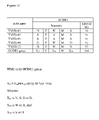
- the invention provides an isolated antagonistic antibody specifically binding PD-1, comprising a heavy chain complementarity determining region 1 (HCDR1), a HCDR2 and a HCDR3 of SEQ ID NOs: 82, 83 and 84, respectively, or SEQ ID NOs: 82, 83 and 85, respectively.
- HCDR1 heavy chain complementarity determining region 1
- HCDR2 heavy chain complementarity determining region 1
- HCDR3 of SEQ ID NOs: 82, 83 and 84, respectively
- SEQ ID NOs: 82, 83 and 85 respectively.
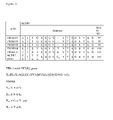
- the invention also provides an isolated antagonistic antibody specifically binding PD-1, comprising a heavy chain complementarity determining region 1 (HCDR1), a HCDR2 and a HCDR3 of SEQ ID NOs: 82, 83 and 84, respectively, and a light chain complementarity determining region 1 (LCDR1), a LCDR2 and a LCDR3 of SEQ ID NOs: 86, 87 and 88, respectively.
- HCDR1 heavy chain complementarity determining region 1
- LCDR2 light chain complementarity determining region 1
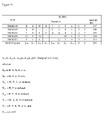
- the invention also provides an isolated antagonistic antibody specifically binding PD-1, comprising a heavy chain complementarity determining region 1 (HCDR1), a HCDR2 and a HCDR3 of SEQ ID NOs: 82, 83 and 85, respectively, and a light chain complementarity determining region 1 (LCDR1), a LCDR2 and a LCDR3 of SEQ ID NOs: 86, 87 and 88, respectively.
- HCDR1 heavy chain complementarity determining region 1
- LCDR2 light chain complementarity determining region 1
- the invention also provides an isolated antagonistic antibody specifically binding PD-1, comprising certain HCDR1, HCDR2, HCDR3, LCDR1, LCDR2 and LCDR3 amino acid sequences as described herein.
- the invention also provides an isolated antagonistic antibody specifically binding PD-1, comprising certain VH and VL amino acid sequences as described herein.
- the invention also provides an immunoconjugate comprising the antibody or antigen-binding portion thereof of the invention linked to a therapeutic agent or to an imaging agent.
- the invention also provides a pharmaceutical composition
- a pharmaceutical composition comprising the antibody of the invention and a pharmaceutically accepted carrier.
- the invention also provides a polynucleotide encoding the antibody VH, the antibody VL or the antibody VH and the antibody VL of the invention.
- the invention also provides a vector comprising the polynucleotide encoding the antibody VH, the antibody VL or the antibody VH and the VL of the invention.
- the invention also provides a host cell comprising the vector of the invention.
- the invention also provides a method of producing the antibody of the invention, comprising culturing the host cell of the invention in conditions that the antibody is expressed, and recovering the antibody produced by the host cell.
- the invention also provides a method of treating a cancer in a subject, comprising administering a therapeutically effective amount of the isolated antibody of the invention to the subject in need thereof for a time sufficient to treat the cancer.
- the invention also provides a method of enhancing an immune response in a subject, comprising administering a therapeutically effective amount of the isolated antibody of the invention to the subject in need thereof for a time sufficient to enhance the immune response.
- the invention also provides an anti-idiotypic antibody binding to the antibody of the invention.
- the invention also provides a kit comprising the antibody of the invention.
- Specific binding or “specifically binds” or “binds” refers to an antibody binding to an antigen or an epitope within the antigen with greater affinity than for other antigens.
- the antibody binds to the antigen or the epitope within the antigen with an equilibrium dissociation constant (K D ) of about 1 ⁇ 10 -8 M or less, for example about 1 ⁇ 10 -9 M or less, about 1 ⁇ 10 -10 M or less, about 1 ⁇ 10 -11 M or less, or about 1 ⁇ 10 -12 M or less, typically with the K D that is at least one hundred fold less than its K D for binding to a nonspecific antigen (e.g., BSA, casein).
- K D equilibrium dissociation constant
- the dissociation constant may be measured using standard procedures.
- Antibodies that specifically bind to the antigen or the epitope within the antigen may, however, have cross-reactivity to other related antigens, for example to the same antigen from other species (homologs), such as human or monkey, for example Macaca fascicularis (cynomolgus, cyno), Pan troglodytes (chimpanzee, chimp) or Callithrix jacchus (common marmoset, marmoset). While a monospecific antibody specifically binds one antigen or one epitope, a bispecific antibody specifically binds two distinct antigens or two distinct epitopes.
- homologs such as human or monkey
- Macaca fascicularis cynomolgus, cyno
- Pan troglodytes chimpanzee, chimp
- Callithrix jacchus common marmoset, marmoset
- Antibodies is meant in a broad sense and includes immunoglobulin molecules including monoclonal antibodies including murine, human, humanized and chimeric monoclonal antibodies, antigen-binding fragments, bispecific or multispecific antibodies, dimeric, tetrameric or multimeric antibodies, single chain antibodies, domain antibodies and any other modified configuration of the immunoglobulin molecule that comprises an antigen binding site of the required specificity.
- “Full length antibodies” are comprised of two heavy (H) chains and two light (L) chains inter-connected by disulfide bonds as well as multimers thereof (for example IgM). Each heavy chain is comprised of a heavy chain variable region (VH) and a heavy chain constant region (comprised of domains CHI, hinge CH2 and CH3).
- Each light chain is comprised of a light chain variable region (VL) and a light chain constant region (CL).
- VL light chain variable region
- CL light chain constant region
- the VH and the VL regions may be further subdivided into regions of hypervariability, termed complementarity determining regions (CDR), interspersed with framework regions (FR).
- CDR complementarity determining regions
- FR framework regions
- Each VH and VL is composed of three CDRs and four FR segments, arranged from amino-terminus to carboxy-terminus in the following order: FR1, CDR1, FR2, CDR2, FR3, CDR3, and FR4.
- CDRs Complementarity determining regions
- CDRs Complementarity Determining Regions
- HCDR1, HCDR2, HCDR3 three in the VH
- LCDR1, LCDR2, LCDR3 three in the VL
- HCDR1, HCDR2, LCDR3 three in the VL
- LCDR1, LCDR2, LCDR3 are based on sequence variability
- Hypervariable regions three in the VH (HI, H2, H3) and three in the VL (L1, L2, L3) refer to the regions of an antibody variable domains which are hypervariable in structure as defined by Chothia and Lesk ( Chothia and Lesk, (1987) Mol Biol 196:901-17 ).
- the International ImMunoGeneTics (IMGT) database http://www_imgt_org) provides a standardized numbering and definition of antigen-binding sites. The correspondence between CDRs, HVs and IMGT delineations is described in Lefranc et al., (2003) Dev Comparat Immunol 27:55-77 .
- CDR CDR
- HCDR1 CDR1
- HCDR2 CDR3
- LCDR1 CDR2
- LCDR3 CDR3
- Immunoglobulins may be assigned to five major classes, IgA, IgD, IgE, IgG and IgM, depending on the heavy chain constant domain amino acid sequence.
- IgA and IgG are further sub-classified as the isotypes IgA1, IgA2, IgG1, IgG2, IgG3 and IgG4.
- Antibody light chains of any vertebrate species may assigned to one of two clearly distinct types, namely kappa ( ⁇ ) and lambda ( ⁇ ), based on the amino acid sequences of their constant domains.
- Antibody fragments or “antigen-binding portion” refers to a portion of an immunoglobulin molecule that retains the antigen binding properties of the parental full length antibody.
- Exemplary antigen-binding portions are heavy chain complementarity determining regions (HCDR) 1, 2 and 3, light chain complementarity determining regions (LCDR) 1, 2 and 3, a heavy chain variable region (VH), a light chain variable region (VL), Fab, F(ab')2, Fd and Fv fragments as well as domain antibodies (dAb) consisting of either one VH or VL domain.
- VH and VL domains may be linked together via a synthetic linker to form various types of single chain antibody designs where the VH/VL domains may pair intramolecularly, or intermolecularly in those cases when the VH and VL domains are expressed by separate single chain antibody constructs, to form a monovalent antigen binding site, such as single chain Fv (scFv) or diabody; described for example in Int. Patent Publ. Nos. WO1998/44001 , WO1988/01649 , WO1994/13804 and WO1992/01047 .
- scFv single chain Fv
- “Monoclonal antibody” refers to an antibody population with single amino acid composition in each heavy and each light chain, except for possible well known alterations such as removal of C-terminal lysine from the antibody heavy chain.
- Monoclonal antibodies typically bind one antigenic epitope, except that multispecific monoclonal antibodies bind two or more distinct antigens or epitopes.
- Bispecific monoclonal antibodies bind two distinct antigenic epitopes.
- Monoclonal antibodies may have heterogeneous glycosylation within the antibody population.
- Monoclonal antibodies may be monospecific or multispecific, or monovalent, bivalent or multivalent. A multispecific antibody, such as a bispecific antibody or a trispecific antibody is included in the term monoclonal antibody.
- isolated antibody refers to an antibody or antibody fragment that is substantially free of other antibodies having different antigenic specificities (e.g., an isolated antibody specifically binding PD-1 is substantially free of antibodies that specifically bind antigens other than PD-1).
- An isolated antibody specifically binding TIM-3 is substantially free of antibodies that specifically bind antigens other than TIM-3.
- the bispecific antibody specifically binds both PD-1 and TIM-3, and is substantially free of antibodies that specifically bind antigens other that PD-1 and TIM-3.
- Isolated antibody encompasses antibodies that are isolated to a higher purity, such as antibodies that are 80%, 81%, 82%, 83%, 84%, 85%, 86%, 87%, 88%, 89%, 90%, 91%, 92%, 93%, 94%, 95%, 96%, 97%, 98%, 99% or 100% pure.
- Humanized antibodies refers to antibodies in which at least one CDR is derived from non-human species and the variable region frameworks are derived from human immunoglobulin sequences. Humanized antibodies may include intentionally introduced mutations in the framework regions so that the framework may not be an exact copy of expressed human immunoglobulin or germline gene sequences.
- Human antibody refers to an antibody having heavy and light chain variable regions in which both the framework and all 6 CDRs are derived from sequences of human origin. If the antibody contains a constant region or a portion of the constant region, the constant region also is derived from sequences of human origin.
- Human antibody comprises heavy or light chain variable regions that are "derived from” sequences of human origin if the variable regions of the antibody are obtained from a system that uses human germline immunoglobulin or rearranged immunoglobulin genes.
- Such exemplary systems are human immunoglobulin gene libraries displayed on phage, and transgenic non-human animals such as mice or rats carrying human immunoglobulin loci as described herein.
- Human antibody may contain amino acid differences when compared to the human germline immunoglobulin or rearranged immunoglobulin genes due to for example naturally occurring somatic mutations or intentional introduction of substitutions into the framework or antigen binding site, or both.
- human antibody is at least about 80%, 81%, 82%, 83%, 84%, 85%, 86%, 87%, 88%, 89%, 90%, 91%, 92%, 93%, 94%, 95%, 96%, 97%, 98%, 99% or 100% identical in amino acid sequence to an amino acid sequence encoded by human germline immunoglobulin or rearranged immunoglobulin genes.
- human antibody may contain consensus framework sequences derived from human framework sequence analyses, for example as described in Knappik et al., (2000) J Mol Biol 296:57-86 , or synthetic HCDR3 incorporated into human immunoglobulin gene libraries displayed on phage, for example as described in Shi et al., (2010) J Mol Biol 397:385-96 , and in Int. Patent Publ. No. WO2009/085462 .
- Human antibodies derived from human immunoglobulin sequences may be generated using systems such as phage display incorporating synthetic CDRs and/or synthetic frameworks, or may be subjected to in vitro mutagenesis to improve antibody properties, resulting in antibodies that are not expressed by the human antibody germline repertoire in vivo.
- Recombinant refers to antibodies and other proteins that are prepared, expressed, created or isolated by recombinant means.
- Epitope refers to a portion of an antigen to which an antibody specifically binds. Epitopes typically consist of chemically active (such as polar, non-polar or hydrophobic) surface groupings of moieties such as amino acids or polysaccharide side chains and may have specific three-dimensional structural characteristics, as well as specific charge characteristics. An epitope may be composed of contiguous and/or discontiguous amino acids that form a conformational spatial unit. For a discontiguous epitope, amino acids from differing portions of the linear sequence of the antigen come in close proximity in 3-dimensional space through the folding of the protein molecule. Antibody "epitope" depends on the methodology used to identify the epitope.
- Multispecific refers to an antibody that specifically binds at least two distinct antigens or two distinct epitopes within the antigens, for example three, four or five distinct antigens or epitopes.
- Bispecific refers to an antibody that specifically binds two distinct antigens or two distinct epitopes within the same antigen.
- the bispecific antibody may have cross-reactivity to other related antigens, for example to the same antigen from other species (homologs), such as human or monkey, for example Macaca fascicularis (cynomolgus, cyno), Pan troglodytes (chimpanzee, chimp) or Callithrix jacchus (common marmoset, marmoset), or may bind an epitope that is shared between two or more distinct antigens.
- homologs such as human or monkey, for example Macaca fascicularis (cynomolgus, cyno), Pan troglodytes (chimpanzee, chimp) or Callithrix jacchus (common marmoset, marmoset), or may bind an epitope that is shared between two or more distinct antigens.
- Variant refers to a polypeptide or a polynucleotide that differs from a reference polypeptide or a reference polynucleotide by one or more modifications for example, substitutions, insertions or deletions.
- Vector refers to a polynucleotide capable of being duplicated within a biological system or that can be moved between such systems.
- Vector polynucleotides typically contain elements, such as origins of replication, polyadenylation signal or selection markers, that function to facilitate the duplication or maintenance of these polynucleotides in a biological system.
- Examples of such biological systems may include a cell, virus, animal, plant, and reconstituted biological systems utilizing biological components capable of duplicating a vector.
- the polynucleotide comprising a vector may be DNA or RNA molecules or a hybrid of these.
- “Expression vector” refers to a vector that can be utilized in a biological system or in a reconstituted biological system to direct the translation of a polypeptide encoded by a polynucleotide sequence present in the expression vector.
- Polynucleotide refers to a synthetic molecule comprising a chain of nucleotides covalently linked by a sugar-phosphate backbone or other equivalent covalent chemistry.
- cDNA is a typical example of a polynucleotide.
- Polypeptide or “protein” refers to a molecule that comprises at least two amino acid residues linked by a peptide bond to form a polypeptide. Small polypeptides of less than 50 amino acids may be referred to as "peptides”.
- PD-1 refers to human programmed cell death protein 1, PD-1.
- PD-1 is also known as CD279 or PDCD1.
- the amino acid sequence of the mature human PD-1 (without signal sequence) is shown in SEQ ID NO: 1.
- the extracellular domain spans residues 1-150, the transmembrane domain spans residues 151-171 and the cytoplasmic domain spans residues 172-268 of SEQ ID NO: 1.
- the extracellular domain of human PD-1 “huPD1-ECD” refers to protein having amino acid sequence of residues 1-149 of SEQ ID NO: 1, and shown in SEQ ID NO:2 .
- PD-1 in the specification refers to human mature PD-1, unless explicitly stated to the contrary.
- TIM-3 refers to human hepatitis A virus cellular receptor 2, also called HAVCR2.
- the amino acid sequence of the mature human TIM-3 (without signal sequence) is shown in SEQ ID NO: 138.
- the extracellular domain spans residues 1-181, the transmembrane domain spans residues 182-202 and the cytoplasmic domain spans residues 203-280 of SEQ ID NO: 138.
- the extracellular domain of human TIM-3 "huTIM-3-ECD” refers to protein having amino acid sequence of residues 1-179 of SEQ ID NO: 138, and shown in SEQ ID NO: 89.
- TIM-3 in the specification refers to human mature TIM-3, unless explicitly stated to the contrary.
- “In combination with” means that two or more therapeutics are administered to a subject together in a mixture, concurrently as single agents or sequentially as single agents in any order.
- “Overexpress”, “overexpressed” and “overexpressing” is used interchangeably and refers to a sample such as a cancer cell, malignant cell or cancer tissue that has measurably higher levels of PD-1, TIM-3, PD-L1, PD-L2 or TIM-3 ligand when compared to a reference sample.
- the overexpression may be caused by gene amplification or by increased transcription or translation.
- Expression and overexpression of protein in the sample may be measured using well know assays using for example ELISA, immunofluorescence, flow cytometry or radioimmunoassay on live or lysed cells.
- Expression and overexpression of a polynucleotide in the sample may be measured for example using fluorescent in situ hybridization, Southern blotting, or PCR techniques.
- a protein or a polynucleotide is overexpressed when the level of the protein or the polynucleotide in the sample at least 1.5-fold higher or statistically significant when compared to the reference sample. Selection of the reference
- Sample refers to a collection of similar fluids, cells, or tissues isolated from a subject, as well as fluids, cells, or tissues present within a subject.
- Exemplary samples are biological fluids such as blood, serum and serosal fluids, plasma, lymph, urine, saliva, cystic fluid, tear drops, feces, sputum, mucosal secretions of the secretory tissues and organs, vaginal secretions, ascites fluids such as those associated with non-solid tumors, fluids of the pleural, pericardial, peritoneal, abdominal and other body cavities, fluids collected by bronchial lavage, liquid solutions contacted with a subject or biological source, for example, cell and organ culture medium including cell or organ conditioned medium, lavage fluids and the like, tissue biopsies, fine needle aspirations or surgically resected tumor tissue.
- biological fluids such as blood, serum and serosal fluids, plasma, lymph, urine, saliva, cystic fluid, tear drops, feces, sput
- a “cancer cell” or a “tumor cell” refers to a cancerous, pre-cancerous or transformed cell, either in vivo, ex vivo, or in tissue culture, that has spontaneous or induced phenotypic changes. These changes do not necessarily involve the uptake of new genetic material. Although transformation may arise from infection with a transforming virus and incorporation of new genomic nucleic acid, uptake of exogenous nucleic acid or it can also arise spontaneously or following exposure to a carcinogen, thereby mutating an endogenous gene.
- Transformation/cancer is exemplified by morphological changes, immortalization of cells, aberrant growth control, foci formation, proliferation, malignancy, modulation of tumor specific marker levels, invasiveness, tumor growth in suitable animal hosts such as nude mice, and the like, in vitro, in vivo, and ex vivo ( Freshney, Culture of Animal Cells: A Manual of Basic Technique (3rd ed. 1994 )).
- Bispecific PD-1/TIM-3 antibody refers to a molecule comprising at least one binding domain specifically binding PD-1 and at least one binding domain specifically binding TIM-3.
- the domains specifically binding PD-1 and TIM-3 are typically VH/VL pairs.
- the bispecific anti-PD-1/TIM-3 antibody may be monovalent in terms of its binding to either PD-1 or TIM-3.
- Valid refers to the presence of a specified number of binding sites specific for an antigen in a molecule.
- the terms “monovalent”, “bivalent”, “tetravalent”, and “hexavalent” refer to the presence of one, two, four and six binding sites, respectively, specific for an antigen in a molecule.
- An antigen specific CD4 + or CD8 + T cell refers to a CD4 + or CD8 + T cell activated by a specific antigen, or immunostimulatory epitope thereof.
- CD137 also called tumor necrosis factor receptor superfamily member 9, TNFRSF9, 4-1BBL refers to a human CD137 molecule having the amino acid sequence shown in SEQ ID NO: 281.
- TIGIT also called T-cell immunoreceptor with Ig and ITIM domains
- TIGIT refers to human TIGIT molecule having the amino acid sequence shown in SEQ ID NO: 301.
- Agonist refers to a molecule that, when bound to a cellular protein, induces at least one reaction or activity that is induced by a natural ligand of the protein.
- the molecule is an agonist when the at least one reaction or activity is induced by at least about 30%, 40%, 45%, 50%, 55%, 60%, 65%, 70%, 75%, 80%, 85%, 90%, 95%, or 100% greater than the at least one reaction or activity induced in the absence of the agonist (e.g., negative control), or when the induction is statistically significant when compared to the induction in the absence of the agonist.
- Agonist may be an antibody, a soluble ligand, or a small molecule.
- An exemplary agonist is an agonistic antibody that specifically binds a T cell activating molecule.
- Antagonist refers to a molecule that, when bound to a cellular protein, suppresses at least one reaction or activity that is induced by a natural ligand of the protein.
- a molecule is an antagonist when the at least one reaction or activity is suppressed by at least about 30%, 40%, 45%, 50%, 55%, 60%, 65%, 70%, 75%, 80%, 85%, 90%, 95%, or 100% more than the at least one reaction or activity suppressed in the absence of the antagonist (e.g ., negative control), or when the suppression is statistically significant when compared to the suppression in the absence of the antagonist.
- Antagonist may be an antibody, a soluble ligand, a small molecule, a DNA or RNA such as siRNA.
- Exemplary antagonists are an antagonistic antibody specifically binding PD-1, an antagonistic antibody specifically binding TIM-3, an antagonistic bispecific PD-1/TIM-3 antibody or an antagonistic antibody specifically binding a T cell inhibitory molecule.
- a typical reaction or activity that is induced by PD-1 binding to its receptor PD-L1 or PD-L2 may be reduced antigen-specific CD4 + or CD8 + cell proliferation or reduced interferon- ⁇ (IFN- ⁇ ) production by T cells, resulting in suppression of immune responses against for example tumor.
- IFN- ⁇ interferon- ⁇
- a typical reaction or activity that is induced by TIM-3 binding to its receptor, such as galectin-9, may be reduced antigen specific CD4 + or CD8 + cell proliferation, reduced IFN- ⁇ production by T cells, or reduced CD137 surface expression on CD4 + or CD8 + cells, resulting in suppression of immune responses against for example tumor.
- a typical reaction or activity that is induced by a T cell inhibitory molecule is immunosuppression.
- an antagonistic PD-1 antibody specifically binding PD-1, an antagonistic antibody specifically binding TIM-3, an antagonistic bispecific PD-1/TIM-3 antibody, or an antagonistic antibody specifically binding a T cell inhibitory molecule induces immune responses by inhibiting the inhibitory pathways.
- Subject includes any human or nonhuman animal.
- Nonhuman animal includes all vertebrates, e.g ., mammals and non-mammals, such as nonhuman primates, sheep, dogs, cats, horses, cows chickens, amphibians, reptiles, etc. Except when noted, the terms “patient” or “subject” are used interchangeably.
- the present invention provides antagonistic antibodies specifically binding PD-1, antagonistic antibodies specifically binding TIM-3, and antagonistic bispecific PD-1/TIM-3 antibodies.
- the present invention provides polypeptides and polynucleotides encoding the antibodies of the invention or complementary nucleic acids thereof, vectors, host cells, and methods of making and using them.
- Antagonistic antibodies specifically binding PD-1
- PD-1 upon ligand engagement, suppresses T cell functions through multiple mechanisms ( Pauken & Wherry (2015) Trends in Immunology 36(4): 265-276 ).
- PD-1 engagement directly inhibits T cell receptor (TCR) signaling through co-localization with the TCR and subsequent induction of dephosphorylation of TCR proximal signaling molecules, inhibition of Ras/MEK/ERK pathway leading to inhibition of the cell cycle progression and T cell proliferation, inhibition of cell growth and survival and reprogramming of T cell metabolism through suppression of PI3K/AKT pathway, leading to the upregulation of the BATF transcription factor, and modulation of development, maintenance and function of regulatory T cells.
- TCR T cell receptor
- PD-1 has also been proposed to increase T cell motility and to limit duration of interaction between T cells and target cells, thereby reducing the extent of T cell activation ( Honda et al., (2014) Immunity 40(2):235-47 ).
- TME tumor microenvironment
- PD-L1 expression occurs on the cancer cells themselves and/or infiltrating immune cells, including tumor associated macrophages, dendritic cells, fibroblasts and activated T cells ( Chen et al., 2012 Clin Cancer Res 18(24):6580-7 ). In this setting, PD-1 engagement is hypothesized to limit anti-tumor T cell responses and lead to immune evasion. Recent studies have shown that a higher frequency and level of PD-1 expression occurs on tumor infiltrating lymphocytes (TILs) in multiple solid tumors.
- TILs tumor infiltrating lymphocytes
- T cell exhaustion in tumors is reversible, at least partially, by PD-1 pathway blockade.
- Anti-PD-1/PD-L1 antibodies have been shown to enhance T cell function and lead to improved anti-tumor immunity in a number of preclinical tumor models.
- PD-1/PD-L1 antibodies have also shown encouraging clinical responses in multiple solid tumors, with 20-40% overall response rate (ORR) in melanoma, 10-24% in non-small cell lung cancer (NSCLC), 12-31% in renal cell carcinoma (RCC), 24-52% in bladder cancer, and 20% in head and neck cancer ( Swaika et al., (2015) Mol Immunol 67(2 Pt A):4-17 ).
- the invention provides an isolated antagonistic antibody specifically binding PD-1 or an antigen-binding portion thereof comprising a heavy chain complementarity determining region 1 (HCDR1), a HCDR2 and a HCDR3 of SEQ ID NOs: 82, 83 and 84, respectively, or SEQ ID NOs: 82, 83 and 85, respectively.
- HCDR1 heavy chain complementarity determining region 1
- HCDR2 a HCDR2
- HCDR3 of SEQ ID NOs: 82, 83 and 84, respectively
- SEQ ID NOs: 82, 83 and 85 respectively.
- the invention also provides an isolated antagonistic antibody specifically binding PD-1 or an antigen-binding portion thereof comprising a light chain complementarity determining region 1 (LCDR1), a LCDR2 and a LCDR3 of SEQ ID NOs: 86, 87 and 88, respectively.
- LCDR1 light chain complementarity determining region 1
- LCDR2 LCDR2
- LCDR3 LCDR3 of SEQ ID NOs: 86, 87 and 88, respectively.
- the invention also provides an isolated antagonistic antibody specifically binding PD-1 or an antigen-binding portion thereof comprising the HCDR1, the HCDR2 and the HCDR3 of SEQ ID NOs: 82, 83 and 84, respectively, and the LCDR1, the LCDR2 and the LCDR3 of SEQ ID NOs: 86, 87 and 88, respectively.
- the invention also provides an isolated antagonistic antibody specifically binding PD-1 or an antigen-binding portion thereof comprising the HCDR1, the HCDR2 and the HCDR3 of SEQ ID NOs: 82, 83 and 85, respectively, and the LCDR1, the LCDR2 and the LCDR3 of SEQ ID NOs: 86, 87 and 88, respectively.
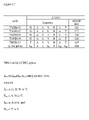
- SEQ ID NOs: 82, 83, 84, 85, 86, 87 and 88 represent the HCDR1, the HCDR2, the HCDR3, the LCDR1, the LCDR2 and the LCDR3 genus sequences of affinity-matured variants of antagonistic antibodies specifically binding PD-1 having similar HCDR1, HCDR2, LCDR1, LCDR2 and LCDR3 sequences, and two similar HCDR3 groups of sequences.
- Antibodies within the genus bind PD-1 with the K D of less than about 1 ⁇ 10 -7 M, such as less than about 1 ⁇ 10 -8 M, for example less than about 1 ⁇ 10 -9 M, or for example less than about 1 ⁇ 10 -10 M.
- Exemplary such antibodies are antibodies having the HCDR1, the HCDR2, the HCDR3, the LCDR1, the LCDR2 and the LCDR3 amino acid sequences of antibodies PD1B114, PD1B149, PD1B160, PD1B162, PD1B164, PD1B11, PD1B183, PD1B184, PD1B185, PD1B187, PDIB71, PD1B177, PDIB70, PD1B175, PD1B194, PD1B195, PD1B196, PD1B197, PD1B198, PD1B199, PD1B200, PD1B201 and PD1B244 as described herein.
- the isolated antagonistic antibody specifically binding PD-1 or the antigen-binding portion thereof has one, two, three, four or five of the following properties:
- Exemplary such antibodies are PD-1 antibodies PD1B114, PD1B149, PD1B160, PD1B162, PD1B164, PD1B11, PD1B183, PD1B184, PD1B185, PD1B187, PD1B71, PD1B177, PD1B70, PD1B175, PD1B194, PD1B195, PD1B196, PD1B197, PD1B198, PD1B199, PD1B200, PD1B201 and PD1B244 as described herein.
- the isolated antagonistic antibody specifically binding PD-1 or the antigen-binding portion thereof enhances an activation of antigen specific CD4 + or CD8 + T cells in a dose dependent manner, wherein the activation is measured using a cytomegalovirus antigen recall assay (CMV assay) as described in Example 1, and binds human PD-1 with an equilibrium dissociation constant (K D ) of less than about 100 nM, wherein the K D is measured using ProteOn XPR36 system at +25°C.
- CMV assay cytomegalovirus antigen recall assay
- the isolated antagonistic antibody specifically binding PD-1 or the antigen-binding portion thereof enhances an activation of antigen specific CD4 + or CD8 + T cells in dose dependent manner, wherein the activation is measured using a cytomegalovirus antigen recall assay (CMV assay) as described in Example 1, and binds human PD-1 with an equilibrium dissociation constant (K D ) of less than about 10 nM, wherein the K D is measured using ProteOn XPR36 system at +25°C.
- CMV assay cytomegalovirus antigen recall assay
- the isolated antagonistic antibody specifically binding PD-1 or the antigen-binding portion thereof enhances an activation of antigen specific CD4 + or CD8 + T cells in dose dependent manner, wherein the activation is measured using a cytomegalovirus antigen recall assay (CMV assay) as described in Example 1, and binds cynomolgus PD-1 with an equilibrium dissociation constant (K D ) of less than about 100 nM, wherein the K D is measured using ProteOn XPR36 system at +25°C.
- CMV assay cytomegalovirus antigen recall assay
- the isolated antagonistic antibody specifically binding PD-1 or the antigen-binding portion thereof enhances an activation of antigen specific CD4 + or CD8 + T cells in dose dependent manner, wherein the activation is measured using a cytomegalovirus antigen recall assay (CMV assay) as described in Example 1, and binds cynomolgus PD-1 with an equilibrium dissociation constant (K D ) of less than about 10 nM, wherein the K D is measured using ProteOn XPR36 system at +25°C.
- CMV assay cytomegalovirus antigen recall assay
- Activation of antigen specific CD4 + or CD8 + T cells may be assessed by measuring increased T cell proliferation in a Mixed Lymphocyte Reaction (MLR) assay, increased interferon- ⁇ (IFN- ⁇ ) secretion in the MLR assay, increased TNF- ⁇ secretion in the MLR assay, increased IFN- ⁇ secretion in a cytomegalovirus antigen assay (CMV assay) or increased TNF- ⁇ secretion in the CMV assay using known protocols and those described in Example 1.
- MLR Mixed Lymphocyte Reaction
- IFN- ⁇ interferon- ⁇ secretion in the MLR assay
- TNF- ⁇ secretion in the MLR assay increased IFN- ⁇ secretion in a cytomegalovirus antigen assay (CMV assay) or increased TNF- ⁇ secretion in the CMV assay using known protocols and those described in Example 1.
- Antibodies of the invention enhance the activation of antigen specific CD4 + or CD8 + T when the measured T cell
- the affinity of an antibody to human or cynomolgus PD-1 may be determined experimentally using any suitable method. Such methods may utilize ProteOn XPR36, Biacore 3000 or KinExA instrumentation, ELISA or competitive binding assays known to those skilled in the art.
- the measured affinity of a particular antibody/ PD-1 interaction may vary if measured under different conditions (e.g., osmolarity, pH).
- affinity and other binding parameters e.g., K D , K on , K off
- K D , K on , K off are typically made with standardized conditions and a standardized buffer, such as the buffer described herein.
- the internal error for affinity measurements for example using Biacore 3000 or ProteOn may typically be within 5-33% for measurements within the typical limits of detection. Therefore the term "about" in the context of K D reflects the typical standard deviation in the assay. For example, the typical SD for a K D of 1 ⁇ 10 -9 M is up to ⁇ 0.33 ⁇ 10 -9 M.
- the antagonistic antibody specifically binding PD-1 or the antigen-binding portion thereof comprises the HCDR1, the HCDR2 and the HCDR3 contained within a heavy chain variable region (VH) of SEQ ID NOs: 41, 42, 43, 44, 45, 46, 47 or 48, wherein the HCDR1, the HCDR2 and the HCDR3 are defined by Chothia, Kabat, or IMGT.
- VH heavy chain variable region
- the antagonistic antibody specifically binding PD-1 or the antigen-binding portion thereof of the invention comprises the LCDR1, the LCDR2 and the LCDR3 contained within a light chain variable region (VL) of SEQ ID NOs: 49, 50, 51, 52, 53, 54, 55, 56, 57, 58, 59, 60, 61 or 62, wherein the LCDR1, the LCDR2 and the LCDR are defined by Chothia, Kabat, or IMGT.
- VL light chain variable region
- the antagonistic antibody specifically binding PD-1 or the antigen-binding portion thereof of the invention comprises
- the antagonistic antibody specifically binding PD-1 or the antigen-binding portion thereof of the invention comprises
- the antagonistic antibody specifically binding PD-1 or the antigen-binding portion thereof of the invention comprises
- the antagonistic antibody specifically binding PD-1 or the antigen-binding portion thereof of the invention comprises the HCDR1, the HCDR2 and the HCDR3 of
- the antagonistic antibody specifically binding PD-1 or the antigen-binding portion thereof of the invention comprises the LCDR1, the LCDR2 and the LCDR3 of
- the invention also provides an antagonistic antibody specifically binding PD-1 or an antigen-binding portion thereof comprising the HCDR1, the HCDR2, the HCDR3, the LCDR1, the LCDR2 and the LCDR3 of SEQ ID NOs: 10, 14, 17, 23, 26 and 32, respectively.
- the antibody or the antigen-binding portion thereof binds human PD-1 with an equilibrium dissociation constant (K D ) of less than about 100 nM, optionally less than about 10 nM, for example less than about 1 nM such as less than about 500 pM, wherein the K D is measured using ProteOn XPR36 system at +25°C.
- K D equilibrium dissociation constant
- the antibody or the antigen-binding portion thereof binds cynomolgous PD-1 with an equilibrium dissociation constant (K D ) of less than about 100 nM, optionally less than about 10 nM, for example less than about 1 nM such as less than about 500 pM, wherein the K D is measured using ProteOn XPR36 system at +25°C.
- K D equilibrium dissociation constant
- the antibody or the antigen-binding portion thereof comprises the VH of SEQ ID NO: 48 and the VL of SEQ ID NO: 56.
- the VH and the VL are encoded by polynucleotide sequences of SEQ ID NOs: 196 and 197, respectively.
- the antibody is an IgG4 isotype, optionally comprising a S228P substitution when compared to the wild type IgG4.
- the antibody is an IgG4/ ⁇ isotype, optionally comprising the S228P substitution when compared to the wild type IgG4.
- the antibody comprises the VH of SEQ ID NO: 48 and the VL of SEQ ID NO: 56 and is an IgG4 isotype, optionally comprising the S228P substitution when compared to the wild type IgG4.
- the antibody comprises the VH of SEQ ID NO: 48 and the VL of SEQ ID NO: 56 and is an IgG4/ ⁇ isotype comprising the S228P substitution when compared to the wild type IgG4.
- the antibody comprises a heavy chain (HC) of SEQ ID NO: 72 and a light chain (LC) of SEQ ID NO: 73.
- the antibody is an IgG2 isotype, optionally comprising V234A, G237A, P238S, H268A, V309L, A330S and P331S substitutions when compared to the wild type IgG2.
- the antibody is an IgG2/ ⁇ isotype, optionally comprising V234A, G237A, P238S, H268A, V309L, A330S and P331S substitutions when compared to the wild type IgG2.
- the antibody comprises the VH of SEQ ID NO: 48 and the VL of SEQ ID NO: 56 and is an IgG2/ ⁇ isotype, optionally comprising V234A, G237A, P238S, H268A, V309L, A330S and P331S substitutions when compared to the wild type IgG2.
- the antibody comprises the VH of SEQ ID NO: 48 and the VL of SEQ ID NO: 56 and is an IgG2/ ⁇ isotype comprising V234A, G237A, P238S, H268A, V309L, A330S and P331S substitutions when compared to the wild type IgG2.
- the antibody is an IgG1 isotype.
- the antibody is an IgG3 isotype.
- the antibody is a bispecific antibody, such as a bispecific PD-1/TIM-3 antibody.
- the antibody is suitable for use in therapy, for example in treating cancer.
- the antibody is suitable for use in therapy, for example in treating a solid tumor.
- the antibody is suitable for use in therapy, for example in treating a melanoma.
- the antibody is suitable for use in therapy, for example in treating a lung cancer.
- the antibody is suitable for use in therapy, for example in treating non-small cell lung cancer (NSCLC).
- NSCLC non-small cell lung cancer
- the antibody is suitable for use in therapy, for example in treating a squamous NSCLC.
- the antibody is suitable for use in therapy, for example in treating a non-squamous NSCLC.
- the antibody is suitable for use in therapy, for example in treating a lung adenocarcinoma.
- the antibody is suitable for use in therapy, for example in treating a renal cell carcinoma (RCC).
- RCC renal cell carcinoma
- the antibody is suitable for use in therapy, for example in treating a mesothelioma.
- the antibody is suitable for use in therapy, for example in treating a nasopharyngeal carcinoma (NPC).
- NPC nasopharyngeal carcinoma
- the antibody is suitable for use in therapy, for example in treating a colorectal cancer.
- the antibody is suitable for use in therapy, for example in treating a prostate cancer.
- the antibody is suitable for use in therapy, for example in treating a castration-resistant prostate cancer.
- the antibody is suitable for use in therapy, for example in treating a stomach cancer.
- the antibody is suitable for use in therapy, for example in treating an ovarian cancer.
- the antibody is suitable for use in therapy, for example in treating a gastric cancer.
- the antibody is suitable for use in therapy, for example in treating a liver cancer.
- the antibody is suitable for use in therapy, for example in treating a pancreatic cancer.
- the antibody is suitable for use in therapy, for example in treating a thyroid cancer.
- the antibody is suitable for use in therapy, for example in treating a squamous cell carcinoma of the head and neck.
- the antibody is suitable for use in therapy, for example in treating a carcinomas of the esophagus or gastrointestinal tract.
- the antibody is suitable for use in therapy, for example in treating a breast cancer.
- the antibody is suitable for use in therapy, for example in treating a fallopian tube cancer.
- the antibody is suitable for use in therapy, for example in treating a brain cancer.
- the antibody is suitable for use in therapy, for example in treating an urethral cancer.
- the antibody is suitable for use in therapy, for example in treating an endometriosis.
- the antibody is suitable for use in therapy, for example in treating a cervical cancer.
- the antibody is suitable for use in therapy, for example in treating a metastatic lesion of the cancer.
- the antibody is suitable for use in therapy, for example in treating a hematological malignancy.
- the antibody is suitable for use in therapy, for example in treating a non-Hodgkin's lymphoma.
- the antibody is suitable for use in therapy, for example in treating a chronic lymphocytic leukemia.
- the antibody is suitable for use in therapy, for example in treating a cancer, in combination with an antagonistic antibody specifically binding TIM-3.
- the antibody is suitable for use in therapy, for example in treating a cancer, in combination with an antagonistic antibody specifically binding TIM-3 comprising the VH of SEQ ID NO: 146 and the VL of SEQ ID NO: 156.
- the antibody is suitable for use in therapy, for example in treating a cancer, in combination with an antagonistic antibody specifically binding TIM-3 comprising the VH of SEQ ID NO: 145 and the VL of SEQ ID NO: 155.
- the antibody is suitable for use in therapy, for example in treating a cancer, in combination with an antagonistic antibody specifically binding TIM-3 comprising the VH of SEQ ID NO: 172 and the VL of SEQ ID NO: 173.
- the antibody is suitable for use in therapy, for example in treating cancer, such as a solid tumor, in combination with a FGFR inhibitor.
- the antibody is suitable for use in therapy, for example in treating cancer, such as a solid tumor, in combination with a vaccine.
- the antibody is suitable for use in therapy, for example in treating cancer, such as a solid tumor, in combination with an agonistic antibody specifically binding GITR (SEQ ID NO: 271).
- the antibody is suitable for use in therapy, for example in treating cancer, such as a solid tumor, in combination with an agonistic antibody specifically binding CD137 (SEQ ID NO: 281).
- the antibody is suitable for use in therapy, for example in treating cancer, such as a solid tumor, in combination with an agonistic antibody specifically binding OX-40 (SEQ ID NO: 279).
- the invention also provides an antagonistic antibody specifically binding PD-1 or an antigen-binding portion thereof, comprising the HCDR1, the HCDR2, the HCDR3, the LCDR1, the LCDR2 and the LCDR3 of SEQ ID NOs: 66, 67, 68, 69, 70 and 71, respectively.
- the antibody comprises the VH of SEQ ID NO: 64 and the VL of SEQ ID NO: 65.
- the VH and the VL are encoded by polynucleotide sequences of SEQ ID NOs: 198 and 199, respectively.
- the antibody comprises the VH of SEQ ID NO: 63 and the VL of SEQ ID NO: 65.
- the antibody or the antigen-binding portion thereof binds human PD-1 with an equilibrium dissociation constant (K D ) of less than about 100 nM, optionally less than about 10 nM, for example less than about 1 nM such as less than about 100 pM, wherein the K D is measured using ProteOn XPR36 system at +25°C.
- K D equilibrium dissociation constant
- the antibody is an IgG4 isotype, optionally comprising a S228P substitution when compared to the wild type IgG4.
- the antibody is an IgG4/ ⁇ isotype, optionally comprising the S228P substitution when compared to the wild type IgG4.
- the antibody comprises the VH of SEQ ID NO: 64 and the VL of SEQ ID NO: 65 and is an IgG4 isotype, optionally comprising the S228P substitution when compared to the wild type IgG4.
- the antibody comprises the VH of SEQ ID NO: 64 and the VL of SEQ ID NO: 65 and is an IgG4 ⁇ isotype, comprising the S228P substitution when compared to the wild type IgG4.
- the antibody comprises the HC of SEQ ID NO: 74 and the LC of SEQ ID NO: 75.
- the antibody is an IgG2 isotype, optionally comprising V234A, G237A, P238S, H268A, V309L, A330S and P331S substitutions when compared to the wild type IgG2.
- the antibody is an IgG2/ ⁇ isotype, optionally comprising V234A, G237A, P238S, H268A, V309L, A330S and P331S substitution when compared to the wild type IgG2.
- the antibody comprises the VH of SEQ ID NO: 64 and the VL of SEQ ID NO: 65 and is an IgG2/ ⁇ isotype, optionally comprising V234A, G237A, P238S, H268A, V309L, A330S and P331S substitution when compared to the wild type IgG2.
- the antibody comprises the VH of SEQ ID NO: 64 and the VL of SEQ ID NO: 65 and is an IgG2/ ⁇ isotype comprising V234A, G237A, P238S, H268A, V309L, A330S and P331S substitution when compared to the wild type IgG2.
- the antibody is an IgG1 isotype.
- the antibody is an IgG3 isotype.
- the antibody is a bispecific antibody, such as a bispecific PD-1/TIM-3 antibody.
- the antibody is suitable for use in therapy, for example in treating a cancer.
- the antibody is suitable for use in therapy, for example in treating a solid tumor.
- the antibody is suitable for use in therapy, for example in treating a melanoma.
- the antibody is suitable for use in therapy, for example in treating a lung cancer.
- the antibody is suitable for use in therapy, for example in treating non-small cell lung cancer (NSCLC).
- NSCLC non-small cell lung cancer
- the antibody is suitable for use in therapy, for example in treating a squamous NSCLC.
- the antibody is suitable for use in therapy, for example in treating a non-squamous NSCLC.
- the antibody is suitable for use in therapy, for example in treating a lung adenocarcinoma.
- the antibody is suitable for use in therapy, for example in treating a renal cell carcinoma (RCC).
- RCC renal cell carcinoma
- the antibody is suitable for use in therapy, for example in treating a mesothelioma.
- the antibody is suitable for use in therapy, for example in treating a nasopharyngeal carcinoma (NPC).
- NPC nasopharyngeal carcinoma
- the antibody is suitable for use in therapy, for example in treating a colorectal cancer.
- the antibody is suitable for use in therapy, for example in treating a prostate cancer.
- the antibody is suitable for use in therapy, for example in treating a castration-resistant prostate cancer.
- the antibody is suitable for use in therapy, for example in treating a stomach cancer.
- the antibody is suitable for use in therapy, for example in treating an ovarian cancer.
- the antibody is suitable for use in therapy, for example in treating a gastric cancer.
- the antibody is suitable for use in therapy, for example in treating a liver cancer.
- the antibody is suitable for use in therapy, for example in treating a pancreatic cancer.
- the antibody is suitable for use in therapy, for example in treating a thyroid cancer.
- the antibody is suitable for use in therapy, for example in treating a squamous cell carcinoma of the head and neck.
- the antibody is suitable for use in therapy, for example in treating a carcinomas of the esophagus or gastrointestinal tract.
- the antibody is suitable for use in therapy, for example in treating a breast cancer.
- the antibody is suitable for use in therapy, for example in treating a fallopian tube cancer.
- the antibody is suitable for use in therapy, for example in treating a brain cancer.
- the antibody is suitable for use in therapy, for example in treating an urethral cancer.
- the antibody is suitable for use in therapy, for example in treating an endometriosis.
- the antibody is suitable for use in therapy, for example in treating a cervical cancer.
- the antibody is suitable for use in therapy, for example in treating a metastatic lesion of the cancer.
- the antibody is suitable for use in therapy, for example in treating a hematological malignancy.
- the antibody is suitable for use in therapy, for example in treating a non-Hodgkin's lymphoma.
- the antibody is suitable for use in therapy, for example in treating a chronic lymphocytic leukemia.
- the antibody is suitable for use in therapy, for example in treating a cancer, in combination with an antagonistic antibody specifically binding TIM-3.
- the antibody is suitable for use in therapy, for example in treating a cancer, in combination with an antagonistic antibody specifically binding TIM-3 comprising the VH of SEQ ID NO: 146 and the VL of SEQ ID NO: 156.
- the antibody is suitable for use in therapy, for example in treating a cancer, in combination with an antagonistic antibody specifically binding TIM-3 comprising the VH of SEQ ID NO: 145 and the VL of SEQ ID NO: 155.
- the antibody is suitable for use in therapy, for example in treating a cancer, in combination with an antagonistic antibody specifically binding TIM-3 comprising the VH of SEQ ID NO: 172 and the VL of SEQ ID NO: 173.
- the antibody is suitable for use in therapy, for example in treating cancer, such as a solid tumor, in combination with a FGFR inhibitor.
- the antibody is suitable for use in therapy, for example in treating cancer, such as a solid tumor, in combination with a vaccine.
- the antibody is suitable for use in therapy, for example in treating cancer, such as a solid tumor, in combination with an agonistic antibody specifically binding GITR (SEQ ID NO: 271).
- the antibody is suitable for use in therapy, for example in treating cancer, such as a solid tumor, in combination with an agonistic antibody specifically binding CD137 (SEQ ID NO: 281).
- the antibody is suitable for use in therapy, for example in treating cancer, such as a solid tumor, in combination with an agonistic antibody specifically binding OX-40 (SEQ ID NO: 279).
- the invention also provides an antagonistic antibody specifically binding PD-1 or an antigen-biding portion thereof, comprising the HCDR1, the HCDR2, the HCDR3, the LCDR1, the LCDR2 and the LCDR3 of SEQ ID NOs: 12, 13, 19, 24, 26 and 38, respectively.
- the antibody or the antigen-biding portion thereof comprises the VH of SEQ ID NO: 47 and the VL of SEQ ID NO: 58.
- the antibody is an IgG1 isotype.
- the antibody is an IgG2 isotype.
- the antibody is an IgG2 isotype comprising V234A, G237A, P238S, H268A, V309L, A330S and P331S substitutions when compared to the wild type IgG2.
- the antibody is an IgG3 isotype.
- the antibody is an IgG4 isotype.
- the antibody is an IgG4 isotype comprising the S228P substitution when compared to the wild type IgG4.
- the antibody is a bispecific antibody, such as a bispecific PD-1/TIM-3 antibody.
- the antibody is suitable for use in therapy, for example in treating a cancer.
- the antibody is suitable for use in therapy, for example in treating a solid tumor.
- the invention also provides an antagonistic antibody specifically binding PD-1 or an antigen-biding portion thereof comprising the HCDR1, the HCDR2, the HCDR3, the LCDR1, the LCDR2 and the LCDR3 of SEQ ID NOs: 11, 15, 18, 20, 30 and 32, respectively.
- the antibody or the antigen-binding portion thereof comprises the VH of SEQ ID NO: 45 and the VL of SEQ ID NO: 60.
- the VH and the VL are encoded by polynucleotide sequences of SEQ ID NOs: 202 and 203, respectively.
- the antibody is an IgG1 isotype.
- the antibody is an IgG2 isotype.
- the antibody is an IgG2 isotype comprising V234A, G237A, P238S, H268A, V309L, A330S and P331S substitutions when compared to the wild type IgG2.
- the antibody is an IgG3 isotype.
- the antibody is an IgG4 isotype.
- the antibody is an IgG4 isotype comprising the S228P substitution when compared to the wild type IgG4.
- the antibody comprises the HC of SEQ ID NO: 76 and the LC of SEQ ID NO: 77.
- the antibody is a bispecific antibody, such as a bispecific PD-1/TIM-3 antibody.
- the antibody is suitable for use in therapy, for example in treating a cancer.
- the antibody is suitable for use in therapy, for example in treating a solid tumor.
- the invention also provides an antagonistic antibody specifically binding PD-1 or an antigen-biding portion thereof, comprising the HCDR1, the HCDR2, the HCDR3, the LCDR1, the LCDR2 and the LCDR3 of SEQ ID NOs: 10, 13, 16, 20, 26 and 31, respectively.
- the antibody or the antigen-biding portion thereof comprises the VH of SEQ ID NO: 41 and the VL of SEQ ID NO: 49.
- the antibody is an IgG1 isotype.
- the antibody is an IgG2 isotype.
- the antibody is an IgG2 isotype comprising V234A, G237A, P238S, H268A, V309L, A330S and P331S substitutions when compared to the wild type IgG2.
- the antibody is an IgG3 isotype.
- the antibody is an IgG4 isotype.
- the antibody is an IgG4 isotype comprising the S228P substitution when compared to the wild type IgG4.
- the antibody comprises the HC of SEQ ID NO: 212 and the LC of SEQ ID NO: 213.
- the antibody is a bispecific antibody, such as a bispecific PD-1/TIM-3 antibody.
- the antibody is suitable for use in therapy, for example in treating a cancer.
- the antibody is suitable for use in therapy, for example in treating a solid tumor.
- the invention also provides an antagonistic antibody specifically binding PD-1 or an antigen-biding portion thereof, comprisingthe HCDR1, the HCDR2, the HCDR3, the LCDR1, the LCDR2 and the LCDR3 of SEQ ID NOs: 10, 13, 16, 21, 26 and 32, respectively.
- the antibody or the antigen-biding portion thereof comprises the VH of SEQ ID NO: 41 and the VL of SEQ ID NO: 50.
- the antibody is an IgG1 isotype.
- the antibody is an IgG2 isotype.
- the antibody is an IgG2 isotype comprising V234A, G237A, P238S, H268A, V309L, A330S and P331S substitutions when compared to the wild type IgG2.
- the antibody is an IgG3 isotype.
- the antibody is an IgG4 isotype.
- the antibody is an IgG4 isotype comprising the S228P substitution when compared to the wild type IgG4.
- the antibody comprises the HC of SEQ ID NO: 214 and the LC of SEQ ID NO: 215.
- the antibody is a bispecific antibody, such as a bispecific PD-1/TIM-3 antibody.
- the antibody is suitable for use in therapy, for example in treating a cancer.
- the antibody is suitable for use in therapy, for example in treating a solid tumor.
- the invention also provides an antagonistic antibody specifically binding PD-1 or an antigen-biding portion thereof, comprising the HCDR1, the HCDR2, the HCDR3, the LCDR1, the LCDR2 and the LCDR3 of SEQ ID NOs: 10, 14, 16, 22, 27 and 33, respectively.
- the antibody or the antigen-binding portion thereof comprises the VH of SEQ ID NO: 42 and the VL of SEQ ID NO: 51.
- the antibody is an IgG1 isotype.
- the antibody is an IgG2 isotype.
- the antibody is an IgG2 isotype comprising V234A, G237A, P238S, H268A, V309L, A330S and P331S substitutions when compared to the wild type IgG2.
- the antibody is an IgG3 isotype.
- the antibody is an IgG4 isotype.
- the antibody is an IgG4 isotype comprising the S228P substitution when compared to the wild type IgG4.
- the antibody comprises the HC of SEQ ID NO: 216 and the LC of SEQ ID NO: 217.
- the antibody is a bispecific antibody, such as a bispecific PD-1/TIM-3 antibody.
- the antibody is suitable for use in therapy, for example in treating a cancer.
- the antibody is suitable for use in therapy, for example in treating a solid tumor.
- the invention also provides an antagonistic antibody specifically binding PD-1 or an antigen-biding portion thereof, comprising the HCDR1, the HCDR2, the HCDR3, the LCDR1, the LCDR2 and the LCDR3 of SEQ ID NOs: 10, 14, 16, 22, 26 and 34, respectively.
- the antibody or the antigen-biding portion thereof comprises the VH of SEQ ID NO: 42 and the VL of SEQ ID NO: 52.
- the antibody is an IgG1 isotype.
- the antibody is an IgG2 isotype.
- the antibody is an IgG2 isotype comprising V234A, G237A, P238S, H268A, V309L, A330S and P331S substitutions when compared to the wild type IgG2.
- the antibody is an IgG3 isotype.
- the antibody is an IgG4 isotype.
- the antibody is an IgG4 isotype comprising the S228P substitution when compared to the wild type IgG4.
- the antibody comprises the HC of SEQ ID NO: 218 and the LC of SEQ ID NO: 219.
- the antibody is a bispecific antibody, such as a bispecific PD-1/TIM-3 antibody.
- the antibody is suitable for use in therapy, for example in treating a cancer.
- the antibody is suitable for use in therapy, for example in treating a solid tumor.
- the invention also provides an antagonistic antibody specifically binding PD-1 or an antigen-binding portion thereof, comprising the HCDR1, the HCDR2, the HCDR3, the LCDR1, the LCDR2 and the LCDR3 of SEQ ID NOs: 10, 14, 16, 23, 28 and 35, respectively.
- the antibody or the antigen-binding portion thereof comprises the VH of SEQ ID NO: 42 and the VL of SEQ ID NO: 53.
- the antibody is an IgG1 isotype.
- the antibody is an IgG2 isotype.
- the antibody is an IgG2 isotype comprising V234A, G237A, P238S, H268A, V309L, A330S and P331S substitutions when compared to the wild type IgG2.
- the antibody is an IgG3 isotype.
- the antibody is an IgG4 isotype.
- the antibody is an IgG4 isotype comprising the S228P substitution when compared to the wild type IgG4.
- the antibody comprises the HC of SEQ ID NO: 220 and the LC of SEQ ID NO: 221.
- the antibody is a bispecific antibody, such as a bispecific PD-1/TIM-3 antibody.
- the antibody is suitable for use in therapy, for example in treating a cancer.
- the antibody is suitable for use in therapy, for example in treating a solid tumor.
- the invention also provides an antagonistic antibody specifically binding PD-1 or an antigen-binding portion thereof, comprising the HCDR1, the HCDR2, the HCDR3, the LCDR1, the LCDR2 and the LCDR3 of SEQ ID NOs: 10, 13, 17, 20, 26 and 31, respectively.
- the antibody or the antigen-binding portion thereof comprises the VH of SEQ ID NO: 43 and the VL of SEQ ID NO: 49.
- the antibody is an IgG1 isotype.
- the antibody is an IgG2 isotype.
- the antibody is an IgG2 isotype comprising V234A, G237A, P238S, H268A, V309L, A330S and P331S substitutions when compared to the wild type IgG2.
- the antibody is an IgG3 isotype.
- the antibody is an IgG4 isotype.
- the antibody is an IgG4 isotype comprising the S228P substitution when compared to the wild type IgG4.
- the antibody is a bispecific antibody, such as a bispecific PD-1/TIM-3 antibody.
- the antibody is suitable for use in therapy, for example in treating a cancer.
- the antibody is suitable for use in therapy, for example in treating a solid tumor.
- the invention also provides an antagonistic antibody specifically binding PD-1 or an antigen-binding portion thereof, comprising the HCDR1, the HCDR2, the HCDR3, the LCDR1, the LCDR2 and the LCDR3 of SEQ ID NOs: 10, 13, 17, 20, 26 and 36, respectively.
- the antibody or the antigen-binding portion thereof comprises the VH of SEQ ID NO: 43 and the VL of SEQ ID NO: 54.
- the antibody is an IgG1 isotype.
- the antibody is an IgG2 isotype.
- the antibody is an IgG2 isotype comprising V234A, G237A, P238S, H268A, V309L, A330S and P331S substitutions when compared to the wild type IgG2.
- the antibody is an IgG3 isotype.
- the antibody is an IgG4 isotype.
- the antibody is an IgG4 isotype comprising the S228P substitution when compared to the wild type IgG4.
- the antibody comprises the HC of SEQ ID NO: 222 and the LC of SEQ ID NO: 223.
- the antibody is a bispecific antibody, such as a bispecific PD-1/TIM-3 antibody.
- the antibody is suitable for use in therapy, for example in treating a cancer.
- the antibody is suitable for use in therapy, for example in treating a solid tumor.
- the invention also provides an antagonistic antibody specifically binding PD-1 or an antigen-binding portion thereof, comprising the HCDR1, the HCDR2, the HCDR3, the LCDR1, the LCDR2 and the LCDR3 of SEQ ID NOs: 10, 13, 17, 21, 26 and 32, respectively.
- the antibody or the antigen-binding portion thereof comprises the VH of SEQ ID NO: 43 and the VL of SEQ ID NO: 50.
- the antibody is an IgG1 isotype.
- the antibody is an IgG2 isotype.
- the antibody is an IgG2 isotype comprising V234A, G237A, P238S, H268A, V309L, A330S and P331S substitutions when compared to the wild type IgG2.
- the antibody is an IgG3 isotype.
- the antibody is an IgG4 isotype.
- the antibody is an IgG4 isotype comprising the S228P substitution when compared to the wild type IgG4.
- the antibody comprises the HC of SEQ ID NO: 224 and the LC of SEQ ID NO: 225.
- the antibody is a bispecific antibody, such as a bispecific PD-1/TIM-3 antibody.
- the antibody is suitable for use in therapy, for example in treating a cancer.
- the antibody is suitable for use in therapy, for example in treating a solid tumor.
- the invention also provides an antagonistic antibody specifically binding PD-1 or an antigen-binding portion thereof, comprising the HCDR1, the HCDR1, the HCDR2, the HCDR3, the LCDR1, the LCDR2 and the LCDR3 of SEQ ID NOs: 10, 13, 17, 21, 27 and 37, respectively.
- the antibody or the antigen-binding portion thereof comprises the VH of SEQ ID NO: 43 and the VL of SEQ ID NO: 55.
- the antibody is an IgG1 isotype.
- the antibody is an IgG2 isotype.
- the antibody is an IgG2 isotype comprising V234A, G237A, P238S, H268A, V309L, A330S and P331S substitutions when compared to the wild type IgG2.
- the antibody is an IgG3 isotype.
- the antibody is an IgG4 isotype.
- the antibody is an IgG4 isotype comprising the S228P substitution when compared to the wild type IgG4.
- the antibody comprises the HC of SEQ ID NO: 226 and the LC of SEQ ID NO: 227.
- the antibody is a bispecific antibody, such as a bispecific PD-1/TIM-3 antibody.
- the antibody is suitable for use in therapy, for example in treating a cancer.
- the antibody is suitable for use in therapy, for example in treating a solid tumor.
- the invention also provides an antagonistic antibody specifically binding PD-1 or an antigen-binding portion thereof, comprising the HCDR1, the HCDR2, the HCDR3, the LCDR1, the LCDR2 and the LCDR3 of SEQ ID NOs: 10, 13, 17, 23, 26 and 32, respectively.
- the antibody or the antigen-binding portion thereof comprises the VH of SEQ ID NO: 43 and the VL of SEQ ID NO: 56.
- the antibody is an IgG1 isotype.
- the antibody is an IgG2 isotype.
- the antibody is an IgG2 isotype comprising V234A, G237A, P238S, H268A, V309L, A330S and P331S substitutions when compared to the wild type IgG2.
- the antibody is an IgG3 isotype.
- the antibody is an IgG4 isotype.
- the antibody is an IgG4 isotype comprising the S228P substitution when compared to the wild type IgG4.
- the antibody is a bispecific antibody, such as a bispecific PD-1/TIM-3 antibody.
- the antibody is suitable for use in therapy, for example in treating a cancer.
- the antibody is suitable for use in therapy, for example in treating a solid tumor.
- the invention also provides an antagonistic antibody specifically binding PD-1 or an antigen-binding portion thereof, comprising the HCDR1, the HCDR2, the HCDR3, the LCDR1, the LCDR2 and the LCDR3 of SEQ ID NOs: 10, 13, 17, 22, 26 and 32, respectively.
- the antibody comprises the VH of SEQ ID NO: 43 and the VL of SEQ ID NO: 57.
- the antibody is an IgG1 isotype.
- the antibody is an IgG2 isotype.
- the antibody is an IgG2 isotype comprising V234A, G237A, P238S, H268A, V309L, A330S and P331S substitutions when compared to the wild type IgG2.
- the antibody is an IgG3 isotype.
- the antibody is an IgG4 isotype.
- the antibody is an IgG4 isotype comprising the S228P substitution when compared to the wild type IgG4.
- the antibody comprises the HC of SEQ ID NO: 228 and the LC of SEQ ID NO: 229.
- the antibody is a bispecific antibody, such as a bispecific PD-1/TIM-3 antibody.
- the antibody is suitable for use in therapy, for example in treating a cancer.
- the antibody is suitable for use in therapy, for example in treating a solid tumor.
- the invention also provides an antagonistic antibody specifically binding PD-1 or an antigen-binding portion thereof, comprising the HCDR1, the HCDR2, the HCDR3, the LCDR1, the LCDR2 and the LCDR3 of SEQ ID NOs: 10, 13, 18, 20, 26 and 31, respectively.
- the antibody or the antigen-binding portion thereof comprises the VH of SEQ ID NO: 44 and the VL of SEQ ID NO: 49.
- the antibody is an IgG1 isotype.
- the antibody is an IgG2 isotype.
- the antibody is an IgG2 isotype comprising V234A, G237A, P238S, H268A, V309L, A330S and P331S substitutions when compared to the wild type IgG2.
- the antibody is an IgG3 isotype.
- the antibody is an IgG4 isotype.
- the antibody is an IgG4 isotype comprising the S228P substitution when compared to the wild type IgG4.
- the antibody is a bispecific antibody, such as a bispecific PD-1/TIM-3 antibody.
- the antibody is suitable for use in therapy, for example in treating a cancer.
- the antibody is suitable for use in therapy, for example in treating a solid tumor.
- the invention also provides an antagonistic antibody specifically binding PD-1 or an antigen-binding portion thereof, comprising the HCDR1, the HCDR2, the HCDR3, the LCDR1, the LCDR2 and the LCDR3 of SEQ ID NOs: 11, 15, 18, 20, 26 and 31, respectively.
- the antibody or the antigen-binding portion thereof comprises the VH of SEQ ID NO: 45 and the VL of SEQ ID NO: 49.
- the antibody is an IgG1 isotype.
- the antibody is an IgG2 isotype.
- the antibody is an IgG2 isotype comprising V234A, G237A, P238S, H268A, V309L, A330S and P331S substitutions when compared to the wild type IgG2.
- the antibody is an IgG3 isotype.
- the antibody is an IgG4 isotype.
- the antibody is an IgG4 isotype comprising the S228P substitution when compared to the wild type IgG4.
- the antibody is a bispecific antibody, such as a bispecific PD-1/TIM-3 antibody.
- the antibody is suitable for use in therapy, for example in treating a cancer.
- the antibody is suitable for use in therapy, for example in treating a solid tumor.
- the invention also provides an antagonistic antibody specifically binding PD-1 or an antigen-binding portion thereof, comprising the HCDR1, the HCDR2, the HCDR3, the LCDR1, the LCDR2 and the LCDR3 of SEQ ID NOs: 10, 13, 19, 20, 26 and 31, respectively.
- the antibody or the antigen-binding portion thereof comprises the VH of SEQ ID NO: 46 and the VL of SEQ ID NO: 49.
- the antibody is an IgG1 isotype.
- the antibody is an IgG2 isotype.
- the antibody is an IgG2 isotype comprising V234A, G237A, P238S, H268A, V309L, A330S and P331S substitutions when compared to the wild type IgG2.
- the antibody is an IgG3 isotype.
- the antibody is an IgG4 isotype.
- the antibody is an IgG4 isotype comprising the S228P substitution when compared to the wild type IgG4.
- the antibody is a bispecific antibody, such as a bispecific PD-1/TIM-3 antibody.
- the antibody is suitable for use in therapy, for example in treating a cancer.
- the antibody is suitable for use in therapy, for example in treating a solid tumor.
- the invention also provides an antagonistic antibody specifically binding PD-1 or an antigen-binding portion thereof, comprising the HCDR1, the HCDR2, the HCDR3, the LCDR1, the LCDR2 and the LCDR3 of SEQ ID NOs: 12, 13, 19, 20, 26 and 31, respectively.
- the antibody or the antigen-binding portion thereof comprises the VH of SEQ ID NO: 47 and the VL of SEQ ID NO: 49.
- the antibody is an IgG1 isotype.
- the antibody is an IgG2 isotype.
- the antibody is an IgG2 isotype comprising V234A, G237A, P238S, H268A, V309L, A330S and P331S substitutions when compared to the wild type IgG2.
- the antibody is an IgG3 isotype.
- the antibody is an IgG4 isotype.
- the antibody is an IgG4 isotype comprising the S228P substitution when compared to the wild type IgG4.
- the antibody is a bispecific antibody, such as a bispecific PD-1/TIM-3 antibody.
- the antibody is suitable for use in therapy, for example in treating a cancer.
- the antibody is suitable for use in therapy, for example in treating a solid tumor.
- the invention also provides an antagonistic antibody specifically binding PD-1 or an antigen-binding portion thereof, comprising the HCDR1, the HCDR2, the HCDR3, the LCDR1, the LCDR2 and the LCDR3 of SEQ ID NOs: 10, 14, 17, 23, 28 and 35, respectively.
- the antibody comprises the VH of SEQ ID NO: 48 and the VL of SEQ ID NO: 53.
- the antibody is an IgG1 isotype.
- the antibody is an IgG2 isotype.
- the antibody is an IgG2 isotype comprising V234A, G237A, P238S, H268A, V309L, A330S and P331S substitutions when compared to the wild type IgG2.
- the antibody is an IgG3 isotype.
- the antibody is an IgG4 isotype.
- the antibody is an IgG4 isotype comprising the S228P substitution when compared to the wild type IgG4.
- the antibody is a bispecific antibody, such as a bispecific PD-1/TIM-3 antibody.
- the antibody is suitable for use in therapy, for example in treating a cancer.
- the antibody is suitable for use in therapy, for example in treating a solid tumor.
- the invention also provides an antagonistic antibody specifically binding PD-1 or an antigen-binding portion thereof, comprising the HCDR1, the HCDR2, the HCDR3, the LCDR1, the LCDR2 and the LCDR3 of SEQ ID NOs: 10, 14, 17, 22, 26 and 34, respectively.
- the antibody or the antigen-binding portion thereof comprises the VH of SEQ ID NO: 48 and the VL of SEQ ID NO: 52.
- the antibody is an IgG1 isotype.
- the antibody is an IgG2 isotype.
- the antibody is an IgG2 isotype comprising V234A, G237A, P238S, H268A, V309L, A330S and P331S substitutions when compared to the wild type IgG2.
- the antibody is an IgG3 isotype.
- the antibody is an IgG4 isotype.
- the antibody is an IgG4 isotype comprising the S228P substitution when compared to the wild type IgG4.
- the antibody is a bispecific antibody, such as a bispecific PD-1/TIM-3 antibody.
- the antibody is suitable for use in therapy, for example in treating a cancer.
- the antibody is suitable for use in therapy, for example in treating a solid tumor.
- the invention also provides an antagonistic antibody specifically binding PD-1 or an antigen-binding portion thereof, comprising the HCDR1, the HCDR2, the HCDR3, the LCDR1, the LCDR2 and the LCDR3 of SEQ ID NOs: 12, 13, 19, 20, 29 and 39, respectively.
- the antibody or the antigen-binding portion thereof comprises the VH of SEQ ID NO: 47 and the VL of SEQ ID NO: 59.
- the antibody is an IgG1 isotype.
- the antibody is an IgG2 isotype.
- the antibody is an IgG2 isotype comprising V234A, G237A, P238S, H268A, V309L, A330S and P331S substitutions when compared to the wild type IgG2.
- the antibody is an IgG3 isotype.
- the antibody is an IgG4 isotype.
- the antibody is an IgG4 isotype comprising the S228P substitution when compared to the wild type IgG4.
- the antibody is a bispecific antibody, such as a bispecific PD-1/TIM-3 antibody.
- the antibody is suitable for use in therapy, for example in treating a cancer.
- the antibody is suitable for use in therapy, for example in treating a solid tumor.
- the invention also provides an antagonistic antibody specifically binding PD-1 or an antigen-binding portion thereof, comprising the HCDR1, the HCDR2, the HCDR3, the LCDR1, the LCDR2 and the LCDR3 of SEQ ID NOs: 11, 15, 18, 25, 26 and 40, respectively.
- the antibody or the antigen-binding portion thereof comprises the VH of SEQ ID NO: 45 and the VL of SEQ ID NO: 61.
- the antibody is an IgG1 isotype.
- the antibody is an IgG2 isotype.
- the antibody is an IgG2 isotype comprising V234A, G237A, P238S, H268A, V309L, A330S and P331S substitutions when compared to the wild type IgG2.
- the antibody is an IgG3 isotype.
- the antibody is an IgG4 isotype.
- the antibody is an IgG4 isotype comprising the S228P substitution when compared to the wild type IgG4.
- the antibody is a bispecific antibody, such as a bispecific PD-1/TIM-3 antibody.
- the antibody is suitable for use in therapy, for example in treating a cancer.
- the antibody is suitable for use in therapy, for example in treating a solid tumor.
- the invention also provides an antagonistic antibody specifically binding PD-1 or an antigen-binding portion thereof, comprising the HCDR1, the HCDR2, the HCDR3, the LCDR1, the LCDR2 and the LCDR3 of SEQ ID NOs: 11, 15, 18, 24, 26 and 32, respectively.
- the antibody of the antigen-binding portion thereof comprises the VH of SEQ ID NO: 45 and the VL of SEQ ID NO: 62.
- the antibody is an IgG1 isotype.
- the antibody is an IgG2 isotype.
- the antibody is an IgG2 isotype comprising V234A, G237A, P238S, H268A, V309L, A330S and P331S substitutions when compared to the wild type IgG2.
- the antibody is an IgG3 isotype.
- the antibody is an IgG4 isotype.
- the antibody is an IgG4 isotype comprising the S228P substitution when compared to the wild type IgG4.
- the antibody is a bispecific antibody, such as a bispecific PD-1/TIM-3 antibody.
- the antibody is suitable for use in therapy, for example in treating a cancer.
- the antibody is suitable for use in therapy, for example in treating a solid tumor.
- the invention also provides an antagonistic antibody specifically binding PD-1 or an antigen-binding portion thereof, comprising the VH of SEQ ID NOs: 41, 42, 43, 44, 45, 46, 47, 48, 63 or 64.
- the invention also provides an antagonistic antibody specifically binding PD-1 or an antigen-binding portion thereof, comprising the VL of SEQ ID NOs: 49, 50, 51, 52, 53, 54, 55, 56, 57, 58, 59, 60, 61, 62 or 65.
- the invention also provides an antagonistic antibody specifically binding PD-1 or an antigen-binding portion thereof, comprising the VH of SEQ ID NOs: 41, 42, 43, 44, 45, 46, 47, 48, 63 or 64 and the VL of SEQ ID NOs: 49, 50, 51, 52, 53, 54, 55, 56, 57, 58, 59, 60, 61, 62 or 65.
- VH, the VL, the HCDR and the LCDR sequences of exemplary antagonistic antibodies specifically binding PD-1 of the invention are shown in Table 2.
- variable regions one from a heavy chain and one from a light chain
- alternative embodiments may comprise single heavy or light chain variable regions.
- the single variable region may be used to screen for variable domains capable of forming a two-domain specific antigen-binding fragment capable of, for example, binding to human PD-1.
- the screening may be accomplished by phage display screening methods using for example hierarchical dual combinatorial approach disclosed in Int. Patent Publ. No. WO1992/01047.
- the antagonistic antibody specifically binding PD-1 is a multispecific antibody.
- the antagonistic antibody specifically binding PD-1 is a bispecific antibody.
- antagonistic bispecific antibody specifically binding PD-1 binds PD-L1 (SEQ ID NO: 5), PD-L2 (SEQ ID NO: 8), LAG-3 (SEQ ID NO: 293), TIM-3 (SEQ ID NO: 138), CEACAM-1 (SEQ ID NO: 296), CEACAM-5 (SEQ ID NO: 307), OX-40 (SEQ ID NO: 279), GITR (SEQ ID NO: 271), CD27 (SEQ ID NO: 280), VISTA (SEQ ID NO: 286), CD137 (SEQ ID NO: 281), TIGIT (SEQ ID NO: 301) or CTLA-4 (SEQ ID NO: 292).
- Bispecific and multispecific antibodies may be generated using methods described herein. Table 2.
- variants of the antagonistic antibodies specifically binding PD-1 or the antigen-binding portion thereof of the invention comprising the VH, the VL or the VH and the VL amino acid sequences shown in Table 2, Table 21 and Table 22 are within the scope of the invention.
- variants may comprise one, two, three, four, five, six, seven, eight, nine, ten, eleven, twelve, thirteen, fourteen or fifteen amino acid substitutions in the VH and/or the VL as long as the homologous antibodies retain or have improved functional properties when compared to the parental antibodies.
- the sequence identity may be about 90%, 91%, 92%, 93%, 94%, 95%, 96%, 97%, 98% or 99% to a VH or the VL amino acid sequence of the invention.
- any variation of the variant compared to the parental antibody is not within the CDRs of the variant.
- the invention also provides an antagonistic antibody specifically binding PD-1or an antigen-binding portion thereof, comprising the VH of SEQ ID NOs: 41, 42, 43, 44, 45, 46, 47, 48, 63 or 64, the VH optionally having one, two, three, four, five, six, seven, eight, nine, ten, eleven, twelve, thirteen, fourteen or fifteen amino acid substitutions. Optionally, any substitutions are not within the CDRs.
- the invention also provides an antagonistic antibody specifically binding PD-1 or an antigen-binding portion thereof, comprising the VL of SEQ ID NOs: 49, 50, 51, 52, 53, 54, 55, 56, 57, 58, 59, 60, 61, 62 or 65, the VL optionally having one, two, three, four, five, six, seven, eight, nine, ten, eleven, twelve, thirteen, fourteen or fifteen amino acid substitutions.
- any substitutions are not within the CDRs.
- the invention also provides an antagonistic antibody specifically binding PD-1 or an antigen-binding portion thereof, comprising the VH of SEQ ID NO: 48 and the VL of SEQ ID NO: 56, wherein the VH, the VL or both the VH and the VL optionally comprise one, two, three, four, five, six, seven, eight, nine, ten, eleven, twelve, thirteen, fourteen or fifteen amino acid substitutions.
- any substitutions are not within the CDRs.
- the invention also provides an antagonistic antibody specifically binding PD-1 or an antigen-binding portion thereof, comprising the VH of SEQ ID NO: 64 and the VL of SEQ ID NO: 65, wherein the VH, the VL or both the VH and the VL optionally comprise one, two, three, four, five, six, seven, eight, nine, ten, eleven, twelve, thirteen, fourteen or fifteen amino acid substitutions.
- any substitutions are not within the CDRs.
- the invention also provides an antagonistic antibody specifically binding PD-1 or an antigen-binding portion thereof, comprising
- the invention also provides an antagonistic antibody specifically binding PD-1 or an antigen-binding portion thereof, comprising the VH having the amino acid sequence at least 90%, 91%, 92%, 93%, 94%, 95%, 96%, 97%, 98% or 99% identical to the VH of SEQ ID NOs: 41, 42, 43, 44, 45, 46, 47, 48, 64 or 65.
- any variation from the sequences of the SEQ ID NOs is not within the CDRs.
- the invention also provides an antagonistic antibody specifically binding PD-1 or an antigen-binding portion thereof, comprising the VL having the amino acid sequence at least 90%, 91%, 92%, 93%, 94%, 95%, 96%, 97%, 98% or 99% identical to the VL of SEQ ID NOs: 49, 50, 51, 52, 53, 54, 55, 56, 57, 58, 59, 60, 61, 62 or 65.
- any variation from the sequences of the SEQ ID NOs is not within the CDRs.
- the invention also provides an antagonistic antibody specifically binding PD-1 or an antigen-binding portion thereof, comprising the VH having the amino acid sequence at least 90%, 91%, 92%, 93%, 94%, 95%, 96%, 97%, 98% or 99% identical to the VH of SEQ ID NOs: 41, 42, 43, 44, 45, 46, 47, 48, 63 or 64 and the VL having the amino acid sequence at least 90%, 91%, 92%, 93%, 94%, 95%, 96%, 97%, 98% or 99% identical to the VL of SEQ ID NOs: 49, 50, 51, 52, 53, 54, 55, 56, 57, 58, 59, 60, 61, 62 or 65.
- any variation from the sequences of the SEQ ID NOs is not within the CDRs.
- the invention also provides an antagonistic antibody specifically binding PD-1 or an antigen-binding portion thereof, comprising the VH and the VL having the amino acid sequences at least 90%, 91%, 92%, 93%, 94%, 95%, 96%, 97%, 98% or 99% identical to the VH of SEQ ID NO: 48 and the VL of SEQ ID NO: 56.
- an antagonistic antibody specifically binding PD-1 or an antigen-binding portion thereof comprising the VH and the VL having the amino acid sequences at least 90%, 91%, 92%, 93%, 94%, 95%, 96%, 97%, 98% or 99% identical to the VH of SEQ ID NO: 48 and the VL of SEQ ID NO: 56.
- any variation from the sequences of the SEQ ID NOs is not within the CDRs.
- the invention also provides an antagonistic antibody specifically binding PD-1 or an antigen-binding portion thereof, comprising the VH and the VL having the amino acid sequences at least 90%, 91%, 92%, 93%, 94%, 95%, 96%, 97%, 98% or 99% identical to the VH of SEQ ID NO: 64 and the VL of SEQ ID NO: 65.
- an antagonistic antibody specifically binding PD-1 or an antigen-binding portion thereof comprising the VH and the VL having the amino acid sequences at least 90%, 91%, 92%, 93%, 94%, 95%, 96%, 97%, 98% or 99% identical to the VH of SEQ ID NO: 64 and the VL of SEQ ID NO: 65.
- any variation from the sequences of the SEQ ID NOs is not within the CDRs.
- the invention also provides an antagonistic antibody specifically binding PD-1 or an antigen-binding portion thereof, comprising the VH and the VL having the amino acid sequences at least 90%, 91%, 92%, 93%, 94%, 95%, 96%, 97%, 98% or 99% identical to the VH and the VL of SEQ ID NOs:
- homologous antagonistic antibodies specifically binding PD-1 or the antigen-binding portions thereof of the invention have one, two, three, four or five of the following properties:
- the antibody enhances activation of antigen specific CD4 + or CD8 + T cells in a dose dependent manner, wherein activation is measured using a cytomegalovirus antigen recall assay (CMV assay) as described in Example 1, and binds human PD-1 with an equilibrium dissociation constant (K D ) of less than about 100 nM, wherein the K D is measured using ProteOn XPR36 system at +25°C.
- CMV assay cytomegalovirus antigen recall assay
- the antibody enhances activation of antigen specific CD4 + or CD8 + T cells in dose dependent manner, wherein activation is measured using a cytomegalovirus antigen recall assay (CMV assay) as described in Example 1, and binds human PD-1 with an equilibrium dissociation constant (K D ) of less than about 10 nM, wherein the K D is measured using ProteOn XPR36 system at +25°C.
- CMV assay cytomegalovirus antigen recall assay
- the percent identity between two amino acid sequences may be determined using the algorithm of E. Meyers and W. Miller (Comput Appl Biosci 4:11-17 (1988 )) which has been incorporated into the ALIGN program (version 2.0), using a PAM120 weight residue table, a gap length penalty of 12 and a gap penalty of 4.
- the percent identity between two amino acid sequences may be determined using the Needleman and Wunsch (J Mol Biol 48:444-453 (1970 )) algorithm which has been incorporated into the GAP program in the GCG software package (available at http://_www_gcg_com), using either a Blossum 62 matrix or a PAM250 matrix, and a gap weight of 16, 14, 12, 10, 8, 6, or 4 and a length weight of 1, 2, 3, 4, 5, or 6.
- the invention also provides antagonistic antibodies specifically binding PD-1 or antigen-binding portions thereof comprising the VH comprising the HCDR1, the HCDR2 and the HCDR3 sequences and the VL comprising the LCDR1, the LCDR2 and the LCDR3 sequences, wherein one or more of the CDR sequences comprise specified amino acid sequences based on the antibodies described herein (e.g., antibodies shown in Table 2, Table 21 and Table 22, or conservative modifications thereof, and wherein the antibodies retain the desired functional properties of the parental antagonistic antibodies specifically binding PD-1 of the invention.
- the antibodies with conservative modifications have one, two, three, four or five of the following properties:
- the antibody enhances activation of antigen specific CD4 + or CD8 + T cells in dose dependent manner, wherein activation is measured using a cytomegalovirus antigen recall assay (CMV assay) as described in Example 1, and binds human PD-1 with an equilibrium dissociation constant (K D ) of less than about 100 nM, wherein the K D is measured using ProteOn XPR36 system at +25°C.
- CMV assay cytomegalovirus antigen recall assay
- the antibody enhances activation of antigen specific CD4 + or CD8 + T cells in dose dependent manner, wherein activation is measured using a cytomegalovirus antigen recall assay (CMV assay) as described in Example 1, and binds human PD-1 with an equilibrium dissociation constant (K D ) of less than about 10 nM, wherein the K D is measured using ProteOn XPR36 system at +25°C.
- CMV assay cytomegalovirus antigen recall assay
- the invention also provides an antagonistic antibody specifically binding PD-1 or an antigen-binding portion thereof, comprising the HCDR1, the HCDR2, the HCDR3, the LCDR1, the LCDR2 and the LCDR3 of SEQ ID NOs: 10, 14, 17, 23, 26 and 32, respectively, and conservative modifications thereof.
- the invention also provides an antagonistic antibody specifically binding PD-1 or an antigen-binding portion thereof, comprising the HCDR1, the HCDR2, the HCDR3, the LCDR1, the LCDR2 and the LCDR3 of SEQ ID NOs: 66, 67, 68, 69, 70 and 71, respectively, and conservative modifications thereof.
- the invention also provides an antagonistic antibody specifically binding PD-1 or an antigen-binding portion thereof, comprising the HCDR1, the HCDR2, the HCDR3, the LCDR1, the LCDR2 and the LCDR3 of
- Constant modification refers to amino acid modifications that do not significantly affect or alter the binding characteristics of the antibody containing the amino acid sequences.
- Conservative modifications include amino acid substitutions, additions and deletions.
- Conservative substitutions are those in which the amino acid is replaced with an amino acid residue having a similar side chain.
- amino acids with acidic side chains for example, aspartic acid, glutamic acid
- basic side chains for example, lysine, arginine, histidine
- nonpolar side chains for example, alanine, valine, leucine, isoleucine, proline, phenylalanine, methionine
- uncharged polar side chains for example, glycine, asparagine, glutamine, cysteine, serine, threonine, tyrosine, tryptophan
- aromatic side chains for example, phenylalanine, tryptophan, histidine, tyrosine
- aliphatic side chains for example, glycine, alanine, valine, leucine, isoleucine, serine, threonine
- amide for example, asparagine, glutamine
- beta-branched side chains for example, threonine, valine, isoleu
- any native residue in the polypeptide may also be substituted with alanine, as has been previously described for alanine scanning mutagenesis ( MacLennan et al., Acta Physiol. Scand. Suppl. 643:55-67, 1998 ; Sasaki et al., Adv. Biophys. 35:1-24, 1998 ).
- Amino acid substitutions to the antibodies of the invention may be made by well-known methods for example by PCR mutagenesis ( US Pat. No. 4,683,195 ).
- libraries of variants may be generated using known methods, for example using random (NNK) or non-random codons, for example DVK codons, which encode 11 amino acids (Ala, Cys, Asp, Glu, Gly, Lys, Asn, Arg, Ser, Tyr, Trp).
- NNK random
- DVK codons which encode 11 amino acids (Ala, Cys, Asp, Glu, Gly, Lys, Asn, Arg, Ser, Tyr, Trp).
- the resulting antibody variants may be tested for their characteristics using assays described herein.
- T-cell immunoglobulin domain and mucin domain 3 (TIM-3, also known as Hepatitis A virus cellular receptor 2 (HAVCR2)) is a co-inhibitory immune checkpoint receptor that has been proposed to negatively regulate both adaptive and innate immune responses.
- TIM-3 is expressed on specific subsets of CD4 + and CD8 + T cells and functions to limit the duration and magnitude of T cell responses.
- Tim-3-deficient mice exhibit defects in the induction of both antigen-specific and transplantation tolerance, consistent with TIM-3 inhibiting effector T cells during normal immune responses ( Sabatos et al., (2003) Nat Immunol 4(11):1102-1110 , Sanchez-Fueyo et al., (2003) Nat Immunol 4(11): 1093-1101 ).
- Anti-TIM-3 antibodies exacerbate experimental autoimmune encephalomyelitis (EAE) in animal models ( Monney et al., (2002) Nature 415(6871):536-541 ).
- TIM-3 has been shown to be a critical driver of the dysfunctional or exhausted T cell state that occurs in chronic infection and cancer ( Sakuishi, K. and A. C. Anderson (2014). Tim-3 Regulation of Cancer Immunity. Tumor-Induced Immune Suppression. D. I. Gabrilovich and A. A. Hurwitz, Springer New York: 239-261 ).
- Blockade of TIM-3 has been shown to restore activity in effector cells, such as cytokine secretion and proliferation.
- effector cells such as cytokine secretion and proliferation.
- TIM-3 + cells express less TNF- ⁇ and IFN- ⁇ cytokines than TIM-3 negative cells in both effector cell populations, CD4 + and CD8 + T cells ( Golden-Mason et al., (2009) J Virol 83:9122 ).
- Blockade of TIM-3 restored proliferation in CD8 + T cells from an HIV patient, or in cells that recapitulated viral exhaustion ( Jones et al., (2008) J Exp Med 205:2763 ), or proliferation and IFN- ⁇ and/or TNF- ⁇ secretion in NY-ESO-1 specific T cells from PBMCs from metastatic patients ( Fourcade et al., (2010) J Exp Med 207:2175 ).
- TIM-3 + T cells have been found to be concentrated in tumors, and contribute to the immunosuppressive tumor environment ( Sakuishi et al., (2013) Oncoimmunology, 2:e23849 ).
- Blockade of TIM-3 (partially alone and additively or synergistically in combination with PD-1 pathway blockade) has shown anti-tumor efficacy in several preclinical cancer models, including CT26 colon carcinoma ( Sakuishi et al., (2010) J Exp Med 207(10):2187-94 ), WT3 sarcoma and TRAMP-C1 prostate carcinoma ( Ngiow et al., (2011) Cancer Res 71(10):3540-3551 ).
- TIM-3 inhibits T cell responses
- the cytoplasmic tail of TIM-3 contains multiple tyrosine residues ( Ferris et al., (2014) J Immunol 193(4): 1525-1530 ) but lacks inhibitory signaling motifs such as ITIMs or ITSMs that are found in the PD-1 intracellular tail.
- the Src family tyrosine kinases Fyn and Lck have been shown to bind to TIM-3, although the exact consequences of these interactions remain to be confirmed in vivo.
- Two opposing models have been proposed for how TIM-3 regulates T cell signaling.
- TIM-3 has been postulated to negatively regulate TCR signaling by recruiting a phosphatase to the immunological synapse, and de-phosphorylating Lck ( Clayton, et al., (2014) J Immunol 192(2):782-791 ). In contrast, TIM-3 has also been proposed to enhance TCR signaling and paradoxically drive T cells towards a more exhausted state, through increased activation of NFAT activity and NF ⁇ B signaling.
- TIM-3 is also expressed on regulatory T cells (T-regs) and has been shown to mark a suppressive T-reg subset in tumors. Analyses using both primary human cells and mouse preclinical models have shown that TIM-3 + T-regs are more effective at inhibiting T helper1 (Th1) and T helper 17 (Th17) T cell responses than TIM-3 - T-regs ( Gautron et al., (2014) Eur J Immunol 44(9): 2703-2711 ; Sakuishi et al., (2013) Oncoimmunology, 2:e23849 ). Since TIM-3 is expressed on highly suppressive Tregs, it can directly inhibit CD4 + and CD8 + T cell responses.
- T-regs regulatory T cells
- TIM-3 + Tregs express high levels of IL-10, which has been proposed to drive exhaustion of effector T cells in the TME as an additional indirect mechanism of suppressing anti-tumor immune responses ( Sakuishi et al., (2013) Oncoimmunology, 2:e23849 ).
- TIM-3 is expressed on several innate immune cell types, including monocytes/macrophages, dendritic cells, and NK cells. Existing data are consistent with a suppressive role for TIM-3 in these different cell types.
- TIM-3 is constitutively expressed by circulating CD14 + monocytes in healthy donors, and its expression on peripheral monocytes is significantly increased in patients with chronic inflammation and cancer ( Rong et al., (2014) Tissue Antigens 83(2):76-81 ). TIM-3 levels are also upregulated on macrophages that infiltrate hepatocellular carcinoma (HCC) tumors, compared to macrophages from adjacent tissues, and is proposed to play a role in driving the polarization of macrophages to an M2 tumor-promoting phenotype.
- HCC hepatocellular carcinoma
- TIM-3 was reported to be expressed on dendritic cells that infiltrate mouse tumors.
- interaction of TIM-3 with HMBG1 was proposed to suppress innate immunity by interfering with the recognition of and response to immunostimulatory nucleic acid ( Chiba et al., (2012) Immunol 13(9): 832-842 ).
- TIM-3 is also constitutively expressed on NK cells in peripheral blood.
- a recent study showed that NK cells from advanced melanoma patients express high levels of TIM-3 on peripheral NK cells.
- TIM-3 + NK cells were functionally exhausted and anti-TIM-3 blockade was able to reverse the exhaustion and enhance NK cell functionality ( da Silva et al., (2014) Cancer Immunol Res 2(5): 410-422 ).
- TIM-3 binds ligands galectin-9 (Gal-9), phosphatidylserine (PtdSer), HMGB1 and CEACAM-1.
- S-type lectin galectin-9 can inhibit TIM-3-associated Th1 effector function and induce apoptosis on TIM-3-expressing T cells in murine models.
- PtdSer usually resides on the intracellular side of the plasma membrane, but is flipped to the extracellular side during apoptosis.
- PtdSer binds a preserved cleft in all three human TIM family members (TIM-1, 3, 4). Inhibition of PtdSer binding to TIM-3 may activate T-cell response.
- Galectin-9 is secreted by tumor cells and can contribute to evasion from anti-tumor immunity.
- DNA alarmin HMGB1, for which TIM-3 may act as a "sink,” can prevent the HMGB1/RAGE interactions that stimulate innate immunity.
- CEACAM-1 can interact with TIM-3 both in cis as a heterodimer on T cells and in trans as a ligand. Interaction between CEACAM-1 and TIM-3 may help mediate block immune response signaling.
- Co-blockade of TIM-3 and CEACAM-1 in CT26 colon carcinoma showed similar efficacy to that seen for co-blockade of PD-L1 and TIM-3.
- blockade of TIM-3 using the antibodies of the invention described herein that inhibit TIM-3 function may improve the immune response against infection and anti-tumor immunity.
- the invention also provides an isolated antagonistic antibody specifically binding TIM-3 or an antigen-binding portion thereof, wherein the antibody inhibits binding of TIM-3 to galectin-9.
- Inhibition of binding of TIM-3 to galectin-9 by the antibodies of the invention may be assessed using competition ELISA.
- 1 ⁇ g/ml recombinant human Fc-TIM-3 is bound on wells of microtiter plates, the wells are washed and blocked, and 10 ⁇ g/ml of the test antibody is added. Without washing, 7.5 ⁇ g/ml galectin-9 is added into the wells and incubated for 30 min, after which 0.5 ⁇ g/ml anti-galectin-9-biotin antibody is added and incubated for 30 min. The plates are washed and 0.5 ⁇ g/mL neutravidin-HRP conjugate polyclonal antibody is added and incubated for 30 minutes.
- Antibodies of the invention inhibit binding of TIM-3 to galectin-9 when the binding of galectin-9 is reduced by at least about 50%, 55%, 60%, 65%, 70%, 75%, 80%, 85%, 90%, 95% or 100% using an assay described herein and in Example 1.
- Exemplary antibodies that inhibit TIM-3 binding to galectin-9 are antibodies TM3B103, TM3B105, TM3B107, TM3B108, TM3B109, TM3B113, TM3B189, TM3B190 and TM3B196.
- the antagonistic antibody specifically binding TIM-3 or the antigen-binding portion thereof enhances activation of antigen specific CD4 + or CD8 + T cells.
- the antagonistic antibody specifically binding TIM-3 or the antigen-binding portion thereof enhances an activation of antigen specific CD4 + or CD8 + T cells, wherein the activation of antigen-specific CD4 + or CD8 + T cells is assessed by measuring a statistically significant enhancement of CD137 surface expression on antigen specific CD4 + or CD8 + T cells according to methods described in Example 14.
- CD137 as a marker of antigen specific CD8 + and CD4 + T cells that expand in response to CMV antigen stimulation allowed the detection of the functional effects of the antagonistic TIM-3 antibodies of the invention.
- the antagonistic antibody specifically binding TIM-3 or the antigen-binding portion thereof binds TIM-3 within TIM-3 residues 32-47 (WGKGACPVFECGNVVL) (SEQ ID NO: 261).
- the antagonistic antibody specifically binding TIM-3 or the antigen-binding portion thereof binds TIM-3 within TIM-3 residues 32-47 (WGKGACPVFECGNVVL) (SEQ ID NO: 261) and residues 50-56 (DERDVNY) (SEQ ID NO: 262).
- the antagonistic antibody specifically binding TIM-3 or the antigen-binding portion thereof binds TIM-3 within TIM-3 residues 90-102 (RIQIPGIMNDEKF) (SEQ ID NO: 263).
- the antagonistic antibody specifically binding TIM-3 or the antigen-binding portion thereof binds TIM-3 within TIM-3 residues 90-102 (RIQIPGIMNDEKF) (SEQ ID NO: 263) and residues 50-56 (DERDVNY) SEQ ID NO: 262.
- “Within” means that 80% or more of the epitope residues the antibody binds to reside within the recited amino acid stretches, and that up to 20% of the epitope residues the antibody binds to reside outside of the recited amino acid stretches.
- the Tim-3 epitope the antibody binds to may be resolved for example using hydrogen/deuterium exchange (H/D exchange) or by analyzing a crystal structure of the antibody in complex with TIM-3.
- the epitope residues are those which are protected by the antibody by at least 5% difference in deuteration levels through H/D exchange or those surface exposed amino acid residues determined to bind the antibody in a crystal structure of a complex of the antibody and TIM-3.
- the epitope residues are those TIM-3 residues that reside within 4 ⁇ distance or less from any of the antibody CDR residues.
- TIM-3 protein is incubated in the presence or absence of the antibody in deuterated water for predetermined times resulting in deuterium incorporation at exchangeable hydrogen atoms which are unprotected by the antibody, followed by protease digestion of the protein and analyses of the peptide fragments using LC-MS.
- 5 ⁇ L of the test antibody (10 ⁇ g) or 5 ⁇ L of the complex of TIM-3 and the test antibody (10 and 7.35 ⁇ g, respectively) is incubated with 120 ⁇ L deuterium oxide labeling buffer (50mM phosphate, 100mM sodium chloride at pH 7.4) for 0 sec, 60 sec, 300 sec, 1800 sec, 7200 sec, and 14400 sec.
- Deuterium exchange is quenched by adding 63 ⁇ L of 5 M guanidine hydrochloride and final pH is 2.5.
- the quenched sample is subjected to on-column pepsin/protease type XIII digestion and LC-MS analysis.
- pepsin/protease type XIII digestion 5 ⁇ g of the samples in 125 ⁇ L control buffer (50mM phosphate, 100mM sodium chloride at pH 7.4) are denatured by adding 63 ⁇ L of 5 M guanidine hydrochloride (final pH is 2.5) and incubating the mixture for 3 min.
- the mixture is subjected to on-column pepsin/protease type XIII digestion and the resultant peptides analyzed using an UPLC-MS system comprised of a Waters Acquity UPLC coupled to a Q Exactive TM Hybrid Quadrupole-Orbitrap Mass Spectrometer (Thermo).
- Raw MS data is processed using HDX WorkBench, software for the analysis of H/D exchange MS data.
- the deuterium levels are calculated using the average mass difference between the deuteriated peptide and its native form (t 0 ).
- Peptide identification is done through searching MS/MS data against the TIM-3 sequence with Mascot.
- the mass tolerance for the precursor and product ions is 20 ppm and 0.05 Da, respectively.
- TIM-3 and the test antibody are expressed and purified using standard protocols.
- the TIM-3/test antibody complex is incubated overnight at 4°C, concentrated, and separated from the uncomplexed species using size-exclusion chromatography.
- the complex is crystallized by the vapor-diffusion method from various known test solutions for example solutions containing PEG3350, ammonium citrate and 2-(N-Morpholino)ethanesulfonic acid (MES).
- MES 2-(N-Morpholino)ethanesulfonic acid
- Antibodies binding within Tim-3 residues 32-47 (WGKGACPVFECGNVVL) (SEQ ID NO: 261), 90-102 (RIQIPGIMNDEKF) (SEQ ID NO: 263) and/or 50-56 (DERDVNY) (SEQ ID NO: 262) may be generated by isolating antibodies binding TIM-3 using phage display libraries, selecting those antibodies that compete with the reference antibody TM3B105 (VH of SEQ ID NO: 146 and VL of SEQ ID NO: 156) or TM3B291 (VH of SEQ ID NO: 172 and VL of SEQ ID NO: 173) for binding to TIM-3 by 100%, and confirming the epitope of the generated antibodies by solving the crystal structure of the antibody/TIM-3 complex.
- mice, rats or rabbits may be immunized using peptides encompassing residues 32-47, 90-102 and/or 50-56 of TIM-3 and the generated antibodies may be evaluated for their binding within the recited region.
- the invention also provides an antagonistic antibody specifically binding TIM-3 or an antigen-binding portion thereof comprising a heavy chain complementarity determining region 1 (HCDR1), a HCDR2 and a HCDR3 of SEQ ID NOs: 164, 165 and 166, respectively.
- HCDR1 heavy chain complementarity determining region 1
- HCDR2 heavy chain complementarity determining region 1
- HCDR3 of SEQ ID NOs: 164, 165 and 166, respectively.
- the invention also provides an antagonistic antibody specifically binding TIM-3 or an antigen-binding portion thereof comprising a light chain complementarity determining region 1 (LCDR1), LCDR2 and LCDR3 of SEQ ID NOs: 167, 168 and 169 respectively.
- LCDR1 light chain complementarity determining region 1
- the invention also provides an antagonistic antibody specifically binding TIM-3 or an antigen-binding portion thereof comprising the HCDR1, the HCDR2 and the HCDR3 of SEQ ID NOs: 164, 165 and 166, respectively, and the LCDR1, the LCDR2 and the LCDR3 of SEQ ID NOs: 167, 168 and 169 respectively.
- SEQ ID NOs: 164, 165, 166, 167, 168 and 169 represent the HCDR1, the HCDR2, the HCDR3, the LCDR1, the LCDR2 and the LCDR3 genus sequences of TIM-3 antagonists derived from phage display libraries.
- the genus sequences were generated based on structural models that resulted in the sequence alignments given in Figure 13 , Figure 14 , Figure 15 , Figure 16 , Figure 17 and Figure 18 and summarized herein.
- the invention also provides an antagonistic antibody specifically binding TIM-3 or an antigen-binding portion thereof comprising the HCDR1, the HCDR2 and the HCDR3 contained within a heavy chain variable region (VH) of SEQ ID NOs: 145, 146, 147, 148 or 149, wherein the HCDR1, the HCDR2 and the HCDR3 are defined by Chothia, Kabat, or IMGT.
- VH heavy chain variable region
- the invention also provides an antagonistic antibody specifically binding TIM-3 or an antigen-binding portion thereof comprising the LCDR1, the LCDR2 and the LCDR3 contained within a light chain variable region (VL) of SEQ ID NOs: 155, 156, 157 or 158, wherein the LCDR1, the LCDR2 and the LCDR3 are defined by Chothia, Kabat, or IMGT.
- VL light chain variable region
- the antagonistic antibody specifically binding TIM-3 or the antigen-binding portion thereof comprises
- the antagonistic antibody specifically binding TIM-3 or the antigen-binding portion thereof of the invention comprises
- the antagonistic antibody specifically binding TIM-3 or the antigen-binding portion thereof comprises
- the antagonistic antibody specifically binding TIM-3 or the antigen-binding portion thereof comprises the HCDR1, the HCDR2 and the HCDR3 of
- the antagonistic antibody specifically binding TIM-3 or the antigen-binding portion thereof comprises the LCDR1, the LCDR2 and the LCDR3 of
- the antagonistic antibody specifically binding TIM-3 or the antigen-binding portion thereof comprises the HCDR1, the HCDR2, the HCDR3, the LCDR1, the LCDR2 and the LCDR3 of
- the invention also provides an isolated antagonistic antibody specifically binding TIM-3 or an antigen-binding portion thereof, comprising the HCDR1, the HCDR2 and, the HCDR3 of SEQ ID NOs: 164, 165 and 108, respectively, and the LCDR1, the LCDR2 and the LCDR3 of SEQ ID NOs: 118, 168 and 169 respectively.
- the invent ion also provides an antagonistic antibody specifically binding TIM-3 or an antigen-binding portion thereof, comprising the HCDR1, the HCDR2, the HCDR3, the LCDR1, the LCDR2 and the LCDR3 of SEQ ID NOs: 91, 99, 108, 118, 127 and 136, respectively.
- the antibody specifically binding TIM-3 or the antigen-binding portion thereof binds TIM-3 within TIM-3 residues 32-47 (WGKGACPVFECGNVVL) (SEQ ID NO: 261).
- the antibody specifically binding TIM-3 or the antigen-binding portion thereof binds TIM-3 within TIM-3 residues 32-47 (WGKGACPVFECGNVVL) (SEQ ID NO: 261) and residues 50-56 (DERDVNY) SEQ ID NO: 262.
- the antibody specifically binding TIM-3 or the antigen-binding portion thereof inhibits binding of TIM-3 to galectin-9.
- the antibody or the antigen-binding portion thereof comprises a heavy chain framework derived from IGHV3-23 (SEQ ID NO: 174) and a light chain framework derived from IGKV3-11 (SEQ ID NO: 171).
- the antibody or the antigen-binding portion thereof comprises the VH of SEQ ID NO: 146 and the VL of SEQ ID NO: 156.
- the VH and the VL are encoded by polynucleotide sequences of SEQ ID NOs: 204 and 205, respectively.
- the antibody or the antigen-binding portion thereof enhances activation of antigen specific CD4 + or CD8 + T cells, wherein activation of antigen-specific CD4 + or CD8 + T cells is assessed by measuring a statistically significant enhancement of CD137 surface expression on antigen specific CD4 + or CD8 + T cells according to methods described in Example 14.
- the antibody is an IgG1 isotype.
- the antibody is an IgG3 isotype.
- the antibody is an IgG4 isotype, optionally comprising a S228P substitution when compared to the wild type IgG4.
- the antibody is an IgG4/ ⁇ isotype, optionally comprising the S228P substitution when compared to the wild type IgG4.
- the antibody comprises the VH of SEQ ID NO: 146 and the VL of SEQ ID NO: 156 and is an IgG4 isotype, optionally comprising the S228P substitution when compared to the wild type IgG4.
- the antibody comprises the VH of SEQ ID NO: 146 and the VL of SEQ ID NO: 156 and is an IgG4 ⁇ isotype comprising the S228P substitution when compared to the wild type IgG4.
- the antibody is an IgG2 isotype, optionally comprising V234A, G237A, P238S, H268A, V309L, A330S and P331S substitutions when compared to the wild type IgG2.
- the antibody is an IgG2/ ⁇ isotype, optionally comprising V234A, G237A, P238S, H268A, V309L, A330S and P331S substitutions when compared to the wild type IgG2.
- the antibody comprises the VH of SEQ ID NO: 146 and the VL of SEQ ID NO: 156 and is an IgG2/ ⁇ isotype, optionally comprising V234A, G237A, P238S, H268A, V309L, A330S and P331S substitutions when compared to the wild type IgG2.
- the antibody comprises the VH of SEQ ID NO: 146 and the VL of SEQ ID NO: 156 and is an IgG2/ ⁇ isotype comprising V234A, G237A, P238S, H268A, V309L, A330S and P331S substitutions when compared to the wild type IgG2.
- the antibody comprises the HC of SEQ ID NO: 78 and the LC of SEQ ID NO: 79.
- the antibody comprises the HC of SEQ ID NO: 240 and the LC of SEQ ID NO: 79.
- the antibody is a bispecific antibody, such as a bispecific PD-1/TIM-3 antibody.
- the antibody is suitable for use in therapy, for example in treating a cancer.
- the antibody is suitable for use in therapy, for example in treating a solid tumor.
- the antibody is suitable for use in therapy, for example in treating a melanoma.
- the antibody is suitable for use in therapy, for example in treating a lung cancer.
- the antibody is suitable for use in therapy, for example in treating non-small cell lung cancer (NSCLC).
- NSCLC non-small cell lung cancer
- the antibody is suitable for use in therapy, for example in treating a squamous NSCLC.
- the antibody is suitable for use in therapy, for example in treating a non-squamous NSCLC.
- the antibody is suitable for use in therapy, for example in treating a lung adenocarcinoma.
- the antibody is suitable for use in therapy, for example in treating a renal cell carcinoma (RCC).
- RCC renal cell carcinoma
- the antibody is suitable for use in therapy, for example in treating a mesothelioma.
- the antibody is suitable for use in therapy, for example in treating a nasopharyngeal carcinoma (NPC).
- NPC nasopharyngeal carcinoma
- the antibody is suitable for use in therapy, for example in treating a colorectal cancer.
- the antibody is suitable for use in therapy, for example in treating a prostate cancer.
- the antibody is suitable for use in therapy, for example in treating a castration-resistant prostate cancer.
- the antibody is suitable for use in therapy, for example in treating a stomach cancer.
- the antibody is suitable for use in therapy, for example in treating an ovarian cancer.
- the antibody is suitable for use in therapy, for example in treating a gastric cancer.
- the antibody is suitable for use in therapy, for example in treating a liver cancer.
- the antibody is suitable for use in therapy, for example in treating a pancreatic cancer.
- the antibody is suitable for use in therapy, for example in treating a thyroid cancer.
- the antibody is suitable for use in therapy, for example in treating a squamous cell carcinoma of the head and neck.
- the antibody is suitable for use in therapy, for example in treating a carcinomas of the esophagus or gastrointestinal tract.
- the antibody is suitable for use in therapy, for example in treating a breast cancer.
- the antibody is suitable for use in therapy, for example in treating a fallopian tube cancer.
- the antibody is suitable for use in therapy, for example in treating a brain cancer.
- the antibody is suitable for use in therapy, for example in treating an urethral cancer.
- the antibody is suitable for use in therapy, for example in treating an endometriosis.
- the antibody is suitable for use in therapy, for example in treating a cervical cancer.
- the antibody is suitable for use in therapy, for example in treating a metastatic lesion of the cancer.
- the antibody is suitable for use in therapy, for example in treating a cancer, in combination with an antagonistic antibody that specifically binds PD-1.
- the antibody is suitable for use in therapy, for example in treating a cancer, in combination with the antagonistic antibody that specifically binds PD-1 comprising the VH of SEQ ID NO: 48 and the VL of SEQ ID NO: 56.
- the antibody is suitable for use in therapy, for example in treating a cancer, in combination with the antagonistic antibody that specifically binds PD-1 comprising the VH of SEQ ID NO: 47 and the VL of SEQ ID NO: 58.
- the antibody is suitable for use in therapy, for example in treating a cancer, in combination with the antagonistic antibody that specifically binds PD-1 comprising the VH of SEQ ID NO: 45 and the VL of SEQ ID NO: 60.
- the antibody is suitable for use in therapy, for example in treating a cancer, in combination with the antagonistic antibody that specifically binds PD-1 comprising the VH of SEQ ID NO: 64 and the VL of SEQ ID NO: 65.
- the antibody is suitable for use in therapy, for example in treating cancer, such as a solid tumor, in combination with an antagonistic antibody specifically binding TIGIT (SEQ ID NO: 301).
- the antibody is suitable for use in therapy, for example in treating cancer, such as a solid tumor, in combination with a FGFR inhibitor.
- the antibody is suitable for use in therapy, for example in treating cancer, such as a solid tumor, in combination with a vaccine.
- the antibody is suitable for use in therapy, for example in treating cancer, such as a solid tumor, in combination with an agonistic antibody specifically binding GITR (SEQ ID NO: 271).
- the antibody is suitable for use in therapy, for example in treating cancer, such as a solid tumor, in combination with an agonistic antibody specifically binding CD137 (SEQ ID NO: 281).
- the antibody is suitable for use in therapy, for example in treating cancer, such as a solid tumor, in combination with an agonistic antibody specifically binding OX-40 (SEQ ID NO: 279).
- the antibody is suitable for use in therapy in a subject who is being treated or who has been treated with an antagonistic antibody specifically binding PD-1 comprising the VH of SEQ ID NO: 230 and the VL of SEQ ID NO: 231.
- an antagonistic antibody specifically binding PD-1 comprising the VH of SEQ ID NO: 230 and the VL of SEQ ID NO: 231.
- KEYTRUDA ® pembrolizumab
- the antibody is suitable for use in therapy in a subject who is being treated or who has been treated with an antagonistic antibody specifically binding PD-1 comprising the VH of SEQ ID NO: 232 and the VL of SEQ ID NO: 233. (e.g. OPDIVO ® (nivolumab)).
- an antagonistic antibody specifically binding PD-1 comprising the VH of SEQ ID NO: 232 and the VL of SEQ ID NO: 233.
- OPDIVO ® nivolumab
- the antibody is suitable for use in therapy in a subject who is refractory to treatment with the antagonistic antibody specifically binding PD-1 comprising the VH of SEQ ID NO: 230 and the VL of SEQ ID NO: 231.
- the antagonistic antibody specifically binding PD-1 comprising the VH of SEQ ID NO: 230 and the VL of SEQ ID NO: 231.
- KEYTRUDA ® pembrolizumab
- the antibody is suitable for use in therapy in a subject who is refractory to treatment with the antagonistic antibody specifically binding PD-1 comprising the VH of SEQ ID NO: 232 and the VL of SEQ ID NO: 233. (e.g. OPDIVO ® (nivolumab)).
- the antibody is suitable for use in therapy in a subject who has a relapsed tumor after treatment with the antagonistic antibody specifically binding PD-1 comprising the VH of SEQ ID NO: 230 and the VL of SEQ ID NO: 231.
- the antagonistic antibody specifically binding PD-1 comprising the VH of SEQ ID NO: 230 and the VL of SEQ ID NO: 231.
- KEYTRUDA ® pembrolizumab
- the antibody is suitable for use in therapy in a subject who has a relapsed tumor after treatment with the antagonistic antibody specifically binding PD-1 comprising the VH of SEQ ID NO: 232 and the VL of SEQ ID NO: 233. (e.g. OPDIVO ® (nivolumab)).
- the invention also provides an antagonistic antibody specifically binding TIM-3 or an antigen-binding portion thereof, comprising the HCDR1, the HCDR2, the HCDR3, the LCDR1, the LCDR2 and the LCDR3 of SEQ ID NOs: 97, 105, 115, 124, 133 and 143, respectively.
- the antibody or the antigen-binding portion thereof comprises a heavy chain framework derived from IGHV5-51 (SEQ ID NO: 179) and a light chain framework derived from IGKV1-39 (SEQ ID NO: 182).
- the antibody comprises the VH of SEQ ID NO: 172 and the VL of SEQ ID NO: 173.
- the VH and the VL are encoded by polynucleotide sequences of SEQ ID NOs: 206 and 207, respectively.
- the antibody or the antigen-binding portion thereof enhances activation of antigen specific CD4 + or CD8 + T cells, wherein the activation of antigen-specific CD4 + or CD8 + T cells is assessed by measuring a statistically significant enhancement of CD137 surface expression on antigen specific CD4 + or CD8 + T cells according to methods described in Example 14.
- the antibody specifically binding TIM-3 or the antigen-binding portion thereof binds TIM-3 within TIM-3 residues 90-102 (RIQIPGIMNDEKF) (SEQ ID NO: 263).
- the antibody specifically binding TIM-3 or the antigen-binding portion thereof binds TIM-3 within TIM-3 residues 90-102 (RIQIPGIMNDEKF) (SEQ ID NO: 263) and residues 50-56 (DERDVNY) SEQ ID NO: 262.
- the antibody specifically binding TIM-3 or the antigen-binding portion thereof inhibits binding of TIM-3 to galectin-9.
- the antibody is an IgG1 isotype.
- the antibody is an IgG3 isotype.
- the antibody is an IgG4 isotype, optionally comprising a S228P substitution when compared to the wild type IgG4.
- the antibody is an IgG4/ ⁇ isotype, optionally comprising the S228P substitution when compared to the wild type IgG4.
- the antibody comprises the VH of SEQ ID NO: 172 and the VL of SEQ ID NO: 173 and is an IgG4 isotype, optionally comprising the S228P substitution when compared to the wild type IgG4.
- the antibody comprises the VH of SEQ ID NO: 172 and the VL of SEQ ID NO: 173 and is an IgG4 ⁇ isotype comprising the S228P substitution when compared to the wild type IgG4.
- the antibody is an IgG2 isotype, optionally comprising V234A, G237A, P238S, H268A, V309L, A330S and P331S substitutions when compared to the wild type IgG2.
- the antibody is an IgG2/ ⁇ isotype, optionally comprising V234A, G237A, P238S, H268A, V309L, A330S and P331S substitutions when compared to the wild type IgG2.
- the antibody comprises the VH of SEQ ID NO: 172 and the VL of SEQ ID NO: 173 and is an IgG2/ ⁇ isotype, optionally comprising V234A, G237A, P238S, H268A, V309L, A330S and P331S substitutions when compared to the wild type IgG2.
- the antibody comprises the VH of SEQ ID NO: 172 and the VL of SEQ ID NO: 173 and is an IgG2/ ⁇ isotype comprising V234A, G237A, P238S, H268A, V309L, A330S and P331S substitutions when compared to the wild type IgG2.
- the antibody comprises the HC of SEQ ID NO: 80 and the LC of SEQ ID NO: 81.
- the antibody is a bispecific antibody, such as a bispecific PD-1/TIM-3 antibody.
- the antibody is suitable for use in therapy, for example in treating a cancer.
- the antibody is suitable for use in therapy, for example in treating a solid tumor.
- the antibody is suitable for use in therapy, for example in treating a melanoma.
- the antibody is suitable for use in therapy, for example in treating a lung cancer.
- the antibody is suitable for use in therapy, for example in treating non-small cell lung cancer (NSCLC).
- NSCLC non-small cell lung cancer
- the antibody is suitable for use in therapy, for example in treating a squamous NSCLC.
- the antibody is suitable for use in therapy, for example in treating a non-squamous NSCLC.
- the antibody is suitable for use in therapy, for example in treating a lung adenocarcinoma.
- the antibody is suitable for use in therapy, for example in treating a renal cell carcinoma (RCC).
- RCC renal cell carcinoma
- the antibody is suitable for use in therapy, for example in treating a mesothelioma.
- the antibody is suitable for use in therapy, for example in treating a nasopharyngeal carcinoma (NPC).
- NPC nasopharyngeal carcinoma
- the antibody is suitable for use in therapy, for example in treating a colorectal cancer.
- the antibody is suitable for use in therapy, for example in treating a prostate cancer.
- the antibody is suitable for use in therapy, for example in treating a castration-resistant prostate cancer.
- the antibody is suitable for use in therapy, for example in treating a stomach cancer.
- the antibody is suitable for use in therapy, for example in treating an ovarian cancer.
- the antibody is suitable for use in therapy, for example in treating a gastric cancer.
- the antibody is suitable for use in therapy, for example in treating a liver cancer.
- the antibody is suitable for use in therapy, for example in treating a pancreatic cancer.
- the antibody is suitable for use in therapy, for example in treating a thyroid cancer.
- the antibody is suitable for use in therapy, for example in treating a squamous cell carcinoma of the head and neck.
- the antibody is suitable for use in therapy, for example in treating a carcinomas of the esophagus or gastrointestinal tract.
- the antibody is suitable for use in therapy, for example in treating a breast cancer.
- the antibody is suitable for use in therapy, for example in treating a fallopian tube cancer.
- the antibody is suitable for use in therapy, for example in treating a brain cancer.
- the antibody is suitable for use in therapy, for example in treating an urethral cancer.
- the antibody is suitable for use in therapy, for example in treating an endometriosis.
- the antibody is suitable for use in therapy, for example in treating a cervical cancer.
- the antibody is suitable for use in therapy, for example in treating a metastatic lesion of the cancer.
- the antibody is suitable for use in therapy, for example in treating a hematological malignancy.
- the antibody is suitable for use in therapy, for example in treating an acute lymphoblastic leukemia (ALL).
- ALL acute lymphoblastic leukemia
- the antibody is suitable for use in therapy, for example in treating a cancer, in combination with an antagonistic antibody that specifically binds PD-1.
- the antibody is suitable for use in therapy, for example in treating a cancer, in combination with the antagonistic antibody that specifically binds PD-1 comprising the VH of SEQ ID NO: 48 and the VL of SEQ ID NO: 56.
- the antibody is suitable for use in therapy, for example in treating a cancer, in combination with the antagonistic antibody that specifically binds PD-1 comprising the VH of SEQ ID NO: 47 and the VL of SEQ ID NO: 58.
- the antibody is suitable for use in therapy, for example in treating a cancer, in combination with the antagonistic antibody that specifically binds PD-1 comprising the VH of SEQ ID NO: 45 and the VL of SEQ ID NO: 60.
- the antibody is suitable for use in therapy, for example in treating a cancer, in combination with the antagonistic antibody that specifically binds PD-1 comprising the VH of SEQ ID NO: 65 and the VL of SEQ ID NO: 65.
- the antibody is suitable for use in therapy, for example in treating cancer, such as a solid tumor, in combination with an antagonistic antibody specifically binding TIGIT (SEQ ID NO: 301).
- the antibody is suitable for use in therapy, for example in treating cancer, such as a solid tumor, in combination with a FGFR inhibitor.
- the antibody is suitable for use in therapy, for example in treating cancer, such as a solid tumor, in combination with a vaccine.
- the antibody is suitable for use in therapy, for example in treating cancer, such as a solid tumor, in combination with an agonistic antibody specifically binding GITR (SEQ ID NO: 271).
- the antibody is suitable for use in therapy, for example in treating cancer, such as a solid tumor, in combination with an agonistic antibody specifically binding CD137 (SEQ ID NO: 281).
- the antibody is suitable for use in therapy, for example in treating cancer, such as a solid tumor, in combination with an agonistic antibody specifically binding OX-40 (SEQ ID NO: 279).
- the antibody is suitable for use in therapy in a subject who is being treated or who has been treated with an antagonistic antibody specifically binding PD-1 comprising the VH of SEQ ID NO: 230 and the VL of SEQ ID NO: 231.
- an antagonistic antibody specifically binding PD-1 comprising the VH of SEQ ID NO: 230 and the VL of SEQ ID NO: 231.
- KEYTRUDA ® pembrolizumab
- the antibody is suitable for use in therapy in a subject who is being treated or who has been treated with an antagonistic antibody specifically binding PD-1 comprising the VH of SEQ ID NO: 232 and the VL of SEQ ID NO: 233. (e.g. OPDIVO ® (nivolumab)).
- an antagonistic antibody specifically binding PD-1 comprising the VH of SEQ ID NO: 232 and the VL of SEQ ID NO: 233.
- OPDIVO ® nivolumab
- the antibody is suitable for use in therapy in a subject who is refractory to treatment with the antagonistic antibody specifically binding PD-1 comprising the VH of SEQ ID NO: 230 and the VL of SEQ ID NO: 231.
- the antagonistic antibody specifically binding PD-1 comprising the VH of SEQ ID NO: 230 and the VL of SEQ ID NO: 231.
- KEYTRUDA ® pembrolizumab
- the antibody is suitable for use in therapy in a subject who is refractory to treatment with the antagonistic antibody specifically binding PD-1 comprising the VH of SEQ ID NO: 232 and the VL of SEQ ID NO: 233. (e.g. OPDIVO ® (nivolumab)).
- the antibody is suitable for use in therapy in a subject who has a relapsed tumor after treatment with the antagonistic antibody specifically binding PD-1 comprising the VH of SEQ ID NO: 230 and the VL of SEQ ID NO: 231.
- the antagonistic antibody specifically binding PD-1 comprising the VH of SEQ ID NO: 230 and the VL of SEQ ID NO: 231.
- KEYTRUDA ® pembrolizumab
- the antibody is suitable for use in therapy in a subject who has a relapsed tumor after treatment with the antagonistic antibody specifically binding PD-1 comprising the VH of SEQ ID NO: 232 and the VL of SEQ ID NO: 233. (e.g. OPDIVO ® (nivolumab)).
- the invention also provides an antagonistic antibody specifically binding TIM-3 or an antigen-binding portion thereof, comprising the HCDR1, the HCDR2, the HCDR3, the LCDR1, the LCDR2 and the LCDR3 of SEQ ID NOs: 90, 99, 107, 117, 126 and 135, respectively.
- the antibody or the antigen-binding portion thereof comprises a heavy chain framework derived from IGHV3-23 (SEQ ID NO: 174) and a light chain framework derived from IGKV3-20 (SEQ ID NO: 180).
- the antibody or the antigen-binding portion thereof comprises the VH of SEQ ID NO: 145 and the VL of SEQ ID NO: 155.
- the VH and the VL are encoded by polynucleotide sequences of SEQ ID NOs: 208 and 209, respectively.
- the invention also provides an antagonistic antibody specifically binding TIM-3 or an antigen-binding portion thereof, comprising the HCDR1, the HCDR2, the HCDR3, the LCDR1, the LCDR2 and the LCDR3 of SEQ ID NOs: 91, 99, 109, 119, 128 and 137,
- the antibody or the antigen-binding portion thereof comprises a heavy chain framework derived from IGHV3-23 (SEQ ID NO: 174) and a light chain framework derived from IGKV4-1 (SEQ ID NO: 181).
- the antibody or the antigen-binding portion thereof comprises the VH of SEQ ID NO: 148 and the VL of SEQ ID NO: 157.
- the invention also provides an antagonistic antibody specifically binding TIM-3 or an antigen-binding portion thereof, comprising the HCDR1, the HCDR2, the HCDR3, the LCDR1, the LCDR2 and the LCDR3 of SEQ ID NOs: 92, 100, 110, 117, 126 and 135, respectively.
- the antibody or the antigen-binding portion thereof comprises a heavy chain framework derived from IGHV3-23 (SEQ ID NO: 174) and a light chain framework derived from IGKV3-20 (SEQ ID NO: 180).
- the antibody or the antigen-binding portion thereof comprises the VH of SEQ ID NO: 147 and the VL of SEQ ID NO: 155.
- the invention also provides an antagonistic antibody specifically binding TIM-3 or an antigen-binding portion thereof, comprising the HCDR1, the HCDR2, the HCDR3, the LCDR1, the LCDR2 and the LCDR3 of SEQ ID NOs: 93, 101, 111, 120, 129 and 139, respectively.
- the antibody or the antigen-binding portion thereof comprises a heavy chain framework derived from IGHV3-23 (SEQ ID NO: 174) and a light chain framework derived from IGKV3-20 (SEQ ID NO: 180).
- the antibody or the antigen-binding portion thereof comprises the VH of SEQ ID NO: 149 and the VL of SEQ ID NO: 158.
- the VH and the VL are encoded by polynucleotide sequences of SEQ ID NOs: 201 and 211, respectively.
- the invention also provides an antagonistic antibody specifically binding TIM-3 or an antigen-binding portion thereof, comprising the HCDR1, the HCDR2, the HCDR3, the LCDR1, the LCDR2 and the LCDR3 of SEQ ID NOs: 94, 102, 112, 121, 130 and 140, respectively.
- the antibody or the antigen-binding portion thereof comprises a heavy chain framework derived from IGHV1-02 (SEQ ID NO: 175) and a light chain framework derived from IGKV4-1 (SEQ ID NO: 181).
- the antibody or the antigen-binding portion thereof comprises the VH of SEQ ID NO: 150 and the VL of SEQ ID NO: 159.
- the invention also provides an antagonistic antibody specifically binding TIM-3 or an antigen-binding portion thereof, comprising the HCDR1, the HCDR2, the HCDR3, the LCDR1, the LCDR2 and the LCDR3 of SEQ ID NOs: 95, 103, 113, 122, 131 and 141, respectively.
- the antibody or the antigen-binding portion thereof comprises a heavy chain framework derived from IGHV4-30-4 (SEQ ID NO: 176) and a light chain framework derived from IGKV1-39 (SEQ ID NO: 182).
- the antibody or the antigen-binding portion thereof comprises the VH of SEQ ID NO: 151 and the VL of SEQ ID NO: 160.
- the invention also provides an antagonistic antibody specifically binding TIM-3 or an antigen-binding portion thereof, comprising the HCDR1, the HCDR2, the HCDR3, the LCDR1, the LCDR2 and the LCDR3 of SEQ ID NOs: 96, 104, 114, 123, 132 and 142, respectively.
- the antibody or the antigen-binding portion thereof comprises a heavy chain framework derived from IGHV1-03 (SEQ ID NO: 177) and a light chain framework derived from IGKV1-33 (SEQ ID NO: 183).
- the antibody or the antigen-binding portion thereof comprises the VH of SEQ ID NO: 152 and the VL of SEQ ID NO: 161.
- the invention also provides an antagonistic antibody specifically binding TIM-3 or an antigen-binding portion thereof, comprising the HCDR1, the HCDR2, the HCDR3, the LCDR1, the LCDR2 and the LCDR3 of SEQ ID NOs: 97, 105, 115, 124, 133 and 143, respectively.
- the antibody or the antigen-binding portion thereof comprises a heavy chain framework derived from IGHV1-03 (SEQ ID NO: 177) and a light chain framework derived from IGKV1-39 (SEQ ID NO: 182).
- the antibody or the antigen-binding portion thereof comprises the VH of SEQ ID NO: 153 and the VL of SEQ ID NO: 162.
- the invention also provides an antagonistic antibody specifically binding TIM-3 or an antigen-binding portion thereof, comprising the HCDR1, the HCDR2, the HCDR3, the LCDR1, the LCDR2 and the LCDR3 of SEQ ID NOs: 98, 106, 116, 125, 134 and 144, respectively.
- the antibody or the antigen-binding portion thereof comprises a heavy chain framework derived from IGHV2-26 (SEQ ID NO: 178) and a light chain framework derived from IGKV4-1 (SEQ ID NO: 181).
- the antibody or the antigen-binding portion thereof comprises the VH of SEQ ID NO: 154 and the VL of SEQ ID NO: 163.
- the antibody or the antigen-binding portion thereof enhances activation of antigen specific CD4 + or CD8 + T cells, wherein activation of antigen-specific CD4 + or CD8 + T cells is assessed by measuring a statistically significant enhancement of CD137 surface expression on antigen specific CD4 + or CD8 + T cells according to methods described in Example 14.
- the antibody is an IgG1 isotype.
- the antibody is an IgG3 isotype.
- the antibody is an IgG4 isotype, optionally comprising a S228P substitution when compared to the wild type IgG4.
- the antibody is an IgG2 isotype, optionally comprising V234A, G237A, P238S, H268A, V309L, A330S and P331S substitutions when compared to the wild type IgG2.
- VH, the VL, the HCDR and the LCDR sequences of exemplary antagonistic antibodies specifically binding TIM-3 of the invention are shown in Table 3.
- variable regions one from a heavy chain and one from a light chain
- alternative embodiments may comprise single heavy or light chain variable regions.
- the single variable region may be used to screen for variable domains capable of forming a two-domain specific antigen-binding fragment capable of, for example, binding to human TIM-3.
- the screening may be accomplished by phage display screening methods similarly as described herein.
- the antagonistic antibody specifically binding TIM-3 is a multispecific antibody.
- the antagonistic antibody specifically binding TIM-3 is a bispecific antibody.
- the bispecific or the multispecific antibody binds PD-1 (SEQ ID NO: 1), PD-L1 (SEQ ID NO: 5), PD-L2 (SEQ ID NO: 8), LAG-3 (SEQ ID NO: 293), CEACAM-1 (SEQ ID NO: 296), CEACAM-5 (SEQ ID NO: 307), NKG2D (SEQ ID NO: 282), or TIGITI (SEQ ID NO: 301).
- Bispecific and multispecific antibodies may be generated using methods described herein. Table 3.
- variants of the antagonistic antibodies specifically binding TIM-3 of the invention comprising VH or VL amino acid sequences shown in Table 3, Table 36 and Table 37 are within the scope of the invention.
- variants may comprise one, two, three, four, five, six, seven, eight, nine, ten, eleven, twelve, thirteen, fourteen or fifteen amino acid substitutions in the VH and/or the VL as long as the homologous antibodies retain or have improved functional properties when compared to the parental antibodies.
- the sequence identity may be about 90%, 91%, 92%, 93%, 94%, 95%, 96%, 97%, 98% or 99% to a VH or the VL amino acid sequence of the invention.
- the invention also provides an antagonistic antibody specifically binding TIM-3 or an antigen-binding portion thereof, comprising the VH of SEQ ID NO: 145 and the VL of SEQ ID NO: 155, wherein the VH, the VL or both the VH and the VL optionally comprise one, two, three, four, five, six, seven, eight, nine, ten, eleven, twelve, thirteen, fourteen or fifteen amino acid substitutions.
- any substitutions are not within the CDRs.
- the invention also provides an antagonistic antibody specifically binding TIM-3 or an antigen-binding portion thereof, comprising the VH of SEQ ID NO: 146 and the VL of SEQ ID NO: 156, wherein the VH, the VL or both the VH and the VL optionally comprise one, two, three, four, five, six, seven, eight, nine, ten, eleven, twelve, thirteen, fourteen or fifteen amino acid substitutions.
- any substitutions are not within the CDRs.
- the invention also provides an antagonistic antibody specifically binding TIM-3 or an antigen-binding portion thereof, comprising the VH of SEQ ID NO: 148 and the VL of SEQ ID NO: 157, wherein the VH, the VL or both the VH and the VL optionally comprise one, two, three, four, five, six, seven, eight, nine, ten, eleven, twelve, thirteen, fourteen or fifteen amino acid substitutions.
- any substitutions are not within the CDRs.
- the invention also provides an antagonistic antibody specifically binding TIM-3 or an antigen-binding portion thereof, comprising the VH of SEQ ID NO: 147 and the VL of SEQ ID NO: 155, wherein the VH, the VL or both the VH and the VL optionally comprise one, two, three, four, five, six, seven, eight, nine, ten, eleven, twelve, thirteen, fourteen or fifteen amino acid substitutions.
- any substitutions are not within the CDRs.
- the invention also provides an antagonistic antibody specifically binding TIM-3 or an antigen-binding portion thereof, comprising the VH of SEQ ID NO: 149 and the VL of SEQ ID NO: 158, wherein the VH, the VL or both the VH and the VL optionally comprise one, two, three, four, five, six, seven, eight, nine, ten, eleven, twelve, thirteen, fourteen or fifteen amino acid substitutions.
- any substitutions are not within the CDRs.
- the invention also provides an antagonistic antibody specifically binding TIM-3 or an antigen-binding portion thereof, comprising the VH of SEQ ID NO: 150 and the VL of SEQ ID NO: 159, wherein the VH, the VL or both the VH and the VL optionally comprise one, two, three, four, five, six, seven, eight, nine, ten, eleven, twelve, thirteen, fourteen or fifteen amino acid substitutions. Optionally, any substitutions are not within the CDRs.
- the invention also provides an antagonistic antibody specifically binding TIM-3 or an antigen-binding portion thereof, comprising the VH of SEQ ID NO: 151 and the VL of SEQ ID NO: 160, wherein the VH, the VL or both the VH and the VL optionally comprise one, two, three, four, five, six, seven, eight, nine, ten, eleven, twelve, thirteen, fourteen or fifteen amino acid substitutions. Optionally, any substitutions are not within the CDRs.
- the invention also provides an antagonistic antibody specifically binding TIM-3 or an antigen-binding portion thereof, comprising the VH of SEQ ID NO: 152 and the VL of SEQ ID NO: 161, wherein the VH, the VL or both the VH and the VL optionally comprise one, two, three, four, five, six, seven, eight, nine, ten, eleven, twelve, thirteen, fourteen or fifteen amino acid substitutions. Optionally, any substitutions are not within the CDRs.
- the invention also provides an antagonistic antibody specifically binding TIM-3 or an antigen-binding portion thereof, comprising the VH of SEQ ID NO: 153 and the VL of SEQ ID NO: 162, wherein the VH, the VL or both the VH and the VL optionally comprise one, two, three, four, five, six, seven, eight, nine, ten, eleven, twelve, thirteen, fourteen or fifteen amino acid substitutions. Optionally, any substitutions are not within the CDRs.
- the invention also provides an antagonistic antibody specifically binding TIM-3 or an antigen-binding portion thereof, comprising the VH of SEQ ID NO: 154 and the VL of SEQ ID NO: 163, wherein the VH, the VL or both the VH and the VL optionally comprise one, two, three, four, five, six, seven, eight, nine, ten, eleven, twelve, thirteen, fourteen or fifteen amino acid substitutions.
- any substitutions are not within the CDRs.
- the invention also provides an antagonistic antibody specifically binding TIM-3 or an antigen-binding portion thereof, comprising the VH of SEQ ID NO: 172 and the VL of SEQ ID NO: 173, wherein the VH, the VL or both the VH and the VL optionally comprise one, two, three, four, five, six, seven, eight, nine, ten, eleven, twelve, thirteen, fourteen or fifteen amino acid substitutions. Optionally, any substitutions are not within the CDRs.
- the invention also provides an antagonistic antibody specifically binding TIM-3 or an antigen-binding portion thereof, comprising the VH having the amino acid sequence at least 90%, 91%, 92%, 93%, 94%, 95%, 96%, 97%, 98% or 99% identical to the VH of SEQ ID NOs: 145, 146, 147, 148, 149, 150, 151, 152, 153, 154 or 172.
- any variation from the sequences of the SEQ ID NOs is not within the CDRs.
- the invention also provides an antagonistic antibody specifically binding TIM-3 or an antigen-binding portion thereof, comprising the VL having the amino acid sequence at least 90%, 91%, 92%, 93%, 94%, 95%, 96%, 97%, 98% or 99% identical to the VL of SEQ IS NOs: 155, 156, 157, 158, 159, 160, 161, 162, 163 or 173.
- any variation from the sequences of the SEQ ID NOs is not within the CDRs.
- the invention also provides an antagonistic antibody specifically binding TIM-3 or an antigen-binding portion thereof, comprising the VH having the amino acid sequence at least 90%, 91%, 92%, 93%, 94%, 95%, 96%, 97%, 98% or 99% identical to the VH of SEQ ID NOs: 145, 146, 147, 148, 149, 150, 151, 152, 153, 154 or 172 and the VL having the amino acid sequence at least 90%, 91%, 92%, 93%, 94%, 95%, 96%, 97%, 98% or 99% identical to the VL of SEQ ID NOs: 155, 156, 157, 158, 159, 160, 161, 162, 163 or 173.
- any variation from the sequences of the SEQ ID NOs is not within the CDRs.
- the invention also provides an antagonistic antibody specifically binding TIM-3 or an antigen-binding portion thereof, comprising the VH and the VL having the amino acid sequences at least 90%, 91%, 92%, 93%, 94%, 95%, 96%, 97%, 98% or 99% identical to the VH of SEQ ID NO: 145 and the VL of SEQ ID NO: 155.
- any variation from the sequences of the SEQ ID NOs is not within the CDRs.
- the invention also provides an antagonistic antibody specifically binding TIM-3 or an antigen-binding portion thereof, comprising the VH and the VL having the amino acid sequences at least 90%, 91%, 92%, 93%, 94%, 95%, 96%, 97%, 98% or 99% identical to the VH of SEQ ID NO: 146 and the VL of SEQ ID NO: 156.
- any variation from the sequences of the SEQ ID NOs is not within the CDRs.
- the invention also provides an antagonistic antibody specifically binding TIM-3 or an antigen-binding portion thereof, comprising the VH and the VL having the amino acid sequences at least 90%, 91%, 92%, 93%, 94%, 95%, 96%, 97%, 98% or 99% identical to the VH of SEQ ID NO: 148 and the VL of SEQ ID NO: 157.
- any variation from the sequences of the SEQ ID NOs is not within the CDRs.
- the invention also provides an antagonistic antibody specifically binding TIM-3 or an antigen-binding portion thereof, comprising the VH and the VL having the amino acid sequences at least 90%, 91%, 92%, 93%, 94%, 95%, 96%, 97%, 98% or 99% identical to the VH of SEQ ID NO: 147 and the VL of SEQ ID NO: 155.
- any variation from the sequences of the SEQ ID NOs is not within the CDRs.
- the invention also provides an antagonistic antibody specifically binding TIM-3 or an antigen-binding portion thereof, comprising the VH and the VL having the amino acid sequences at least 90%, 91%, 92%, 93%, 94%, 95%, 96%, 97%, 98% or 99% identical to the VH of SEQ ID NO: 149 and the VL of SEQ ID NO: 158.
- any variation from the sequences of the SEQ ID NOs is not within the CDRs.
- the invention also provides an antagonistic antibody specifically binding TIM-3 or an antigen-binding portion thereof, comprising the VH and the VL having the amino acid sequences at least 90%, 91%, 92%, 93%, 94%, 95%, 96%, 97%, 98% or 99% identical to the VH of SEQ ID NO: 150 and the VL of SEQ ID NO: 159.
- any variation from the sequences of the SEQ ID NOs is not within the CDRs.
- the invention also provides an antagonistic antibody specifically binding TIM-3 or an antigen-binding portion thereof, comprising the VH and the VL having the amino acid sequences at least 90%, 91%, 92%, 93%, 94%, 95%, 96%, 97%, 98% or 99% identical to the VH of SEQ ID NO: 151 and the VL of SEQ ID NO: 160.
- an antagonistic antibody specifically binding TIM-3 or an antigen-binding portion thereof comprising the VH and the VL having the amino acid sequences at least 90%, 91%, 92%, 93%, 94%, 95%, 96%, 97%, 98% or 99% identical to the VH of SEQ ID NO: 151 and the VL of SEQ ID NO: 160.
- any variation from the sequences of the SEQ ID NOs is not within the CDRs.
- the invention also provides an antagonistic antibody specifically binding TIM-3 or an antigen-binding portion thereof, comprising the VH and the VL having the amino acid sequences at least 90%, 91%, 92%, 93%, 94%, 95%, 96%, 97%, 98% or 99% identical to the VH of SEQ ID NO: 152 and the VL of SEQ ID NO: 161.
- an antagonistic antibody specifically binding TIM-3 or an antigen-binding portion thereof comprising the VH and the VL having the amino acid sequences at least 90%, 91%, 92%, 93%, 94%, 95%, 96%, 97%, 98% or 99% identical to the VH of SEQ ID NO: 152 and the VL of SEQ ID NO: 161.
- any variation from the sequences of the SEQ ID NOs is not within the CDRs.
- the invention also provides an antagonistic antibody specifically binding TIM-3 or an antigen-binding portion thereof, comprising the VH and the VL having the amino acid sequences at least 90%, 91%, 92%, 93%, 94%, 95%, 96%, 97%, 98% or 99% identical to the VH of SEQ ID NO: 153 and the VL of SEQ ID NO: 162.
- an antagonistic antibody specifically binding TIM-3 or an antigen-binding portion thereof comprising the VH and the VL having the amino acid sequences at least 90%, 91%, 92%, 93%, 94%, 95%, 96%, 97%, 98% or 99% identical to the VH of SEQ ID NO: 153 and the VL of SEQ ID NO: 162.
- any variation from the sequences of the SEQ ID NOs is not within the CDRs.
- the invention also provides an antagonistic antibody specifically binding TIM-3 or an antigen-binding portion thereof, comprising the VH and the VL having the amino acid sequences at least 90%, 91%, 92%, 93%, 94%, 95%, 96%, 97%, 98% or 99% identical to the VH of SEQ ID NO: 154 and the VL of SEQ ID NO: 163.
- an antagonistic antibody specifically binding TIM-3 or an antigen-binding portion thereof comprising the VH and the VL having the amino acid sequences at least 90%, 91%, 92%, 93%, 94%, 95%, 96%, 97%, 98% or 99% identical to the VH of SEQ ID NO: 154 and the VL of SEQ ID NO: 163.
- any variation from the sequences of the SEQ ID NOs is not within the CDRs.
- the invention also provides an antagonistic antibody specifically binding TIM-3 or an antigen-binding portion thereof, comprising the VH and the VL having the amino acid sequences at least 90%, 91%, 92%, 93%, 94%, 95%, 96%, 97%, 98% or 99% identical to the VH of SEQ ID NO: 172 and the VL of SEQ ID NO: 173.
- an antagonistic antibody specifically binding TIM-3 or an antigen-binding portion thereof comprising the VH and the VL having the amino acid sequences at least 90%, 91%, 92%, 93%, 94%, 95%, 96%, 97%, 98% or 99% identical to the VH of SEQ ID NO: 172 and the VL of SEQ ID NO: 173.
- any variation from the sequences of the SEQ ID NOs is not within the CDRs.
- the homologous antibodies of the invention described herein have substantially similar functionality when compared to the parental TIM-3 antibodies.
- Antagonistic antibodies specifically binding TIM-3 of the invention with conservative modifications
- the invention also provides an antagonistic antibody specifically binding TIM-3 or an antigen-binding portion thereof, comprising the VH comprising the HCDR1, the HCDR2 and the HCDR3 sequences and the VL comprising the LCDR1, the LCDR2 and the LCDR3 sequences, wherein one or more of the CDR sequences comprise specified amino acid sequences based on the antibodies described herein (e.g., antibodies shown in Table 3, Table 36 or Table 37 or conservative modifications thereof, and wherein the antibodies retain the desired functional properties of the parental antagonistic antibodies specifically binding TIM-3 of the invention.
- an antagonistic antibody specifically binding TIM-3 or an antigen-binding portion thereof comprising the VH comprising the HCDR1, the HCDR2 and the HCDR3 sequences and the VL comprising the LCDR1, the LCDR2 and the LCDR3 sequences, wherein one or more of the CDR sequences comprise specified amino acid sequences based on the antibodies described herein (e.g., antibodies shown in Table 3, Table 36 or Table 37 or conservative modifications thereof,
- the invention also provides an antagonistic antibody specifically binding TIM-3 or an antigen-binding portion thereof, comprising the HCDR1, the HCDR2, the HCDR3, the LCDR1, the LCDR2 and the LCDR3 of SEQ ID NOs: 90, 99, 107, 117, 126 and 135, respectively, and conservative modifications thereof.
- the invention also provides an antagonistic antibody specifically binding TIM-3 or an antigen-binding portion thereof, comprising the HCDR1, the HCDR2, the HCDR3, the LCDR1, the LCDR2 and the LCDR3 of SEQ ID NOs: 91, 99, 108, 118, 127 and 136, respectively, and conservative modifications thereof.
- the invention also provides an antagonistic antibody specifically binding TIM-3 or an antigen-binding portion thereof, comprising the HCDR1, the HCDR2, the HCDR3, the LCDR1, the LCDR2 and the LCDR3 of SEQ ID NOs: 91, 99, 109, 119, 128 and 137, respectively, and conservative modifications thereof.
- the invention also provides an antagonistic antibody specifically binding TIM-3 or an antigen-binding portion thereof, comprising the HCDR1, the HCDR2, the HCDR3, the LCDR1, the LCDR2 and the LCDR3 of SEQ ID NOs: 92, 100, 110, 117, 126 and 135, respectively, and conservative modifications thereof.
- the invention also provides an antagonistic antibody specifically binding TIM-3 or an antigen-binding portion thereof, comprising the HCDR1, the HCDR2, the HCDR3, the LCDR1, the LCDR2 and the LCDR3 of SEQ ID NOs: 93, 101, 111, 120, 129 and 139, respectively, and conservative modifications thereof.
- the invention also provides an antagonistic antibody specifically binding TIM-3 or an antigen-binding portion thereof, comprising the HCDR1, the HCDR2, the HCDR3, the LCDR1, the LCDR2 and the LCDR3 of SEQ ID NOs: 94, 102, 112, 121, 130 and 140, respectively, and conservative modifications thereof.
- the invention also provides an antagonistic antibody specifically binding TIM-3 or an antigen-binding portion thereof, comprising the HCDR1, the HCDR2, the HCDR3, the LCDR1, the LCDR2 and the LCDR3 of SEQ ID NOs: 95, 103, 113, 122, 131 and 141, respectively, and conservative modifications thereof.
- the invention also provides an antagonistic antibody specifically binding TIM-3 or an antigen-binding portion thereof, comprising the HCDR1, the HCDR2, the HCDR3, the LCDR1, the LCDR2 and the LCDR3 of SEQ ID NOs: 96, 104, 114, 123, 132 and 142, respectively, and conservative modifications thereof.
- the invention also provides an antagonistic antibody specifically binding TIM-3 or an antigen-binding portion thereof, comprising the HCDR1, the HCDR2, the HCDR3, the LCDR1, the LCDR2 and the LCDR3 of SEQ ID NOs: 97, 105, 115, 124, 133 and 143, respectively, and conservative modifications thereof.
- the invention also provides an antagonistic antibody specifically binding TIM-3 or an antigen-binding portion thereof, comprising the HCDR1, the HCDR2, the HCDR3, the LCDR1, the LCDR2 and the LCDR3 of SEQ ID NOs: 98, 106, 116, 125, 134 and 144, respectively, and conservative modifications thereof.
- Consative modification refers to modifications as described herein.
- Antagonistic antibodies specifically binding TIM-3 of the invention with specific framework sequences
- the invention also provides an antagonistic antibody specifically binding TIM-3 or an antigen-binding portion thereof, comprising the VH and the VL derived from particular human germline immunoglobulin sequences.
- the invention also provides an antagonistic antibody specifically binding TIM-3 or an antigen-binding portion thereof, comprising the VH framework derived from IGHV3-23 (SEQ ID NO: 174), IGHV1-02 (SEQ ID NO: 175), IGHV4-30-4 (SEQ ID NO: 176), IGHV1-03 (SEQ ID NO: 177), IGHV2-26 (SEQ ID NO: 178) or IGHV5-51 (SEQ ID NO: 179).
- the invention also provides an antagonistic antibody specifically binding TIM-3 or an antigen-binding portion thereof, comprising the VL framework derived from IGKV3-20 (A27) (SEQ ID NO: 180), IGKV3-11 (L6) (SEQ ID NO: 171), IGKV4-1 (B3) (SEQ ID NO: 181), IGKV1-39) (O12) (SEQ ID NO: 182) or IGKV1-33 (O18) (SEQ ID NO: 183).
- VL framework derived from IGKV3-20 (A27) (SEQ ID NO: 180), IGKV3-11 (L6) (SEQ ID NO: 171), IGKV4-1 (B3) (SEQ ID NO: 181), IGKV1-39) (O12) (SEQ ID NO: 182) or IGKV1-33 (O18) (SEQ ID NO: 183).
- the invention also provides an antagonistic antibody specifically binding TIM-3 or an antigen-binding portion thereof, comprising the VH framework derived from IGHV3-23 (SEQ ID NO: 174) and the VL framework derived from IGKV3-20 (SEQ ID NO: 180).
- the invention also provides an antagonistic antibody specifically binding TIM-3 or an antigen-binding portion thereof, comprising the VH framework derived from IGHV3-23 (SEQ ID NO: 174) and the VL framework derived from IGKV3-11 (SEQ ID NO: 171).
- the invention also provides an antagonistic antibody specifically binding TIM-3 or an antigen-binding portion thereof, comprising the VH framework derived from IGHV3-23 (SEQ ID NO: 174) and the VL framework derived from IGKV4-1 (SEQ ID NO: 181).
- the invention also provides an antagonistic antibody specifically binding TIM-3 or an antigen-binding portion thereof, comprising the VH framework derived from IGHV1-02 (SEQ ID NO: 175) and the VL framework derived from IGKV4-1 (SEQ ID NO: 181).
- the invention also provides an antagonistic antibody specifically binding TIM-3 or an antigen-binding portion thereof, comprising the VH framework derived from IGHV4-30-4 (SEQ ID NO: 176) and the VL framework derived from IGKV1-39 (SEQ ID NO: 182).
- the invention also provides an antagonistic antibody specifically binding TIM-3 or an antigen-binding portion thereof, comprising the VH framework derived from IGHV1-03 (SEQ ID NO: 177) and the VL framework derived from IGKV1-33 (SEQ ID NO: 183).
- the invention also provides an antagonistic antibody specifically binding TIM-3 or an antigen-binding portion thereof, comprising the VH framework derived from IGHV1-03 (SEQ ID NO: 177) and the VL framework derived from IGKV1-39 (SEQ ID NO: 182).
- the invention also provides an antagonistic antibody specifically binding TIM-3 or an antigen-binding portion thereof, comprising the VH framework derived from IGHV2-26 (SEQ ID NO: 178) and the VL framework derived from IGKV4-1 (SEQ ID NO: 181).
- the invention also provides an antagonistic antibody specifically binding TIM-3 or an antigen-binding portion thereof, comprising the VH framework derived from IGHV5-51 (SEQ ID NO: 179) and the VL framework derived from IGKV1-39 (SEQ ID NO: 182).
- the antibodies of the invention comprising heavy or light chain variable regions "derived from” a particular framework or germline sequence refer to antibodies obtained from a system that uses human germline immunoglobulin genes, such as from transgenic mice or from phage display libraries as discussed herein.
- An antibody that is "derived from” a particular framework or germline sequence may contain amino acid differences as compared to the sequence it was derived from, due to, for example, naturally-occurring somatic mutations or intentional substitutions.
- Exemplary antagonistic antibodies specifically binding TIM-3 having certain VH and VL framework sequences are shown in Table 38.
- the invention also provides antagonistic bispecific PD-1/TIM-3 antibodies.
- the invention also provides an isolated antagonistic bispecific PD-1/TIM-3 antibody comprising a first domain specifically binding PD-1 and a second domain specifically binding TIM-3.
- the antagonistic bispecific PD-1/TIM-3 antibody of the invention enhances activation of antigen-specific CD4 + or CD8 + T cells.
- the antagonistic bispecific PD-1/TIM-3 antibody of the invention enhances activation of antigen-specific CD4 + or CD8 + T cells, wherein enhanced activation of antigen-specific CD4 + or CD8 + T cells is assessed by measuring a statistically significant increase of CD137 surface expression on antigen-specific CD4 + or CD8 + T cells.
- the antagonistic bispecific PD-1/TIM-3 antibody of the invention inhibits TIM-3 binding to galectin-9.
- the antagonistic bispecific PD-1/TIM-3 antibody of the invention enhances an activation of antigen-specific CD4 + or CD8 + T cells, wherein the activation of antigen-specific CD4 + or CD8 + T cells is assessed by measuring a statistically significant increase of CD137 surface expression on antigen-specific CD4 + or CD8 + T cells and binds human PD-1 with an equilibrium dissociation constant (K D ) of less than about 100 nM, wherein the K D is measured using ProteOn XPR36 system at +25°C.
- K D equilibrium dissociation constant
- the antagonistic bispecific PD-1/TIM-3 antibody of the invention enhances the activation of antigen-specific CD4 + or CD8 + T cells, wherein the activation of antigen-specific CD4 + or CD8 + T cells is assessed by measuring a statistically significant increase of CD137 surface expression on antigen-specific CD4 + or CD8 + T cells, and binds human PD-1 with an equilibrium dissociation constant (K D ) of less than about 1 nM, wherein the K D is measured using ProteOn XPR36 system at +25°C.
- K D equilibrium dissociation constant
- the antagonistic bispecific PD-1/TIM-3 antibody of the invention enhances the activation of antigen-specific CD4 + or CD8 + T cells, wherein the activation of antigen-specific CD4 + or CD8 + T cells is assessed by measuring a statistically significant increase of CD137 surface expression on antigen-specific CD4 + or CD8 + T cells and binds cynomolgus PD-1 with an equilibrium dissociation constant (K D ) of less than about 100 nM, wherein the K D is measured using ProteOn XPR36 system at +25°C.
- K D equilibrium dissociation constant
- the antagonistic bispecific PD-1/TIM-3 antibody of the invention enhances the activation of antigen-specific CD4 + or CD8 + T cells, wherein the activation of antigen-specific CD4 + or CD8 + T cells is assessed by measuring a statistically significant increase of CD137 surface expression on antigen-specific CD4 + or CD8 + T cells, and binds cynomolgus PD-1 with an equilibrium dissociation constant (K D ) of less than about 1 nM, wherein the K D is measured using ProteOn XPR36 system at +25°C.
- K D equilibrium dissociation constant
- the antagonistic bispecific PD-1/TIM-3 antibodies of the invention described herein may be evaluated for their ability to enhance antigen specific CD4 + or CD8 + T cell activation, to inhibit TIM-3 binding to galectin-9, and binding kinetics to human or cynomolgus PD-1 or TIM-3 may be assessed using methods described herein.
- CD137 may be used as a marker for activation of antigen specific CD4 + or CD8 + T cells.
- CD137 surface expression may be measured on T cells cultured in the presence or in the absence of a test antibody, such as the bispecific PD-1/TIM-3 antibody, using anti-CD137 antibody and a secondary antibody conjugated for example to a fluorescent dye. The statistically significant difference in the obtained signal on T cells cultured in the presence or in the absence of the test antibody is evaluated.
- the antagonistic bispecific PD-1/TIM-3 antibody of the invention binds TIM-3 within TIM-3 residues 32-47 (WGKGACPVFECGNVVL) (SEQ ID NO: 261).
- the antagonistic bispecific PD-1/TIM-3 antibody of the invention binds TIM-3 within TIM-3 residues 32-47 (WGKGACPVFECGNVVL) (SEQ ID NO: 261) and residues 50-56 (DERDVNY) SEQ ID NO: 262.
- the antagonistic bispecific PD-1/TIM-3 antibody of the invention binds TIM-3 within TIM-3 residues 90-102 (RIQIPGIMNDEKF) (SEQ ID NO: 263).
- the antagonistic bispecific PD-1/TIM-3 antibody of the invention binds TIM-3 within TIM-3 residues 90-102 (RIQIPGIMNDEKF) (SEQ ID NO: 263) and residues 50-56 (DERDVNY) SEQ ID NO: 262.
- the first domain comprises a heavy chain complementarity determining region (HCDR) 1 a HCDR2 and a HCDR3 of SEQ ID NOs: 82, 83 and 84, respectively.
- HCDR heavy chain complementarity determining region
- the first domain comprises the HCDR1, the HCDR2 and the HCDR3 of SEQ ID NOs: 82, 83 and 85, respectively.
- the first domain comprises a light chain complementarity determining regions (LCDR) 1, a LCDR2 and a LCDR3 of SEQ ID NOs: 86, 87 and 88, respectively.
- LCDR light chain complementarity determining regions
- the first domain comprises the HCDR1, the HCDR2 and the HCDR3 of SEQ ID NOs: 82, 83 and 84, respectively, and the LCDR1, the LCDR2 and the LCDR3 of SEQ ID NOs: 86, 87 and 88, respectively.
- the first domain comprises the HCDR1, the HCDR2 and the HCDR3 of SEQ ID NOs: 82, 83 and 85, respectively, and the LCDR1, the LCDR2 and the LCDR3 of SEQ ID NOs: 86, 87 and 88, respectively.
- the second domain comprises the HCDR1, the HCDR2 and the HCDR3 amino acid sequences of SEQ ID NOs: 164, 165 and 166, respectively.
- the second domain comprises the LCDR1, the LCDR2 and the LCDR3 amino acid sequences of SEQ ID NOs: 167, 168 and 169, respectively.
- the second domain comprises the HCDR1, the HCDR2 and the HCDR3 amino acid sequences of SEQ ID NOs: 164, 165 and 166, respectively, and the LCDR1, the LCDR2 and the LCDR3 amino acid sequences of SEQ ID NOs: 167, 168 and 169 respectively.
- the first domain comprises the HCDR1, the HCDR2, the HCDR3, the LCDR1, the LCDR2 and the LCDR3 of
- the second domain comprises the HCDR1, the HCDR2, the HCDR3, the LCDR1, the LCDR2 and the LCDR3 of
- the first domain comprises the VH of SEQ ID NOs: 41, 42, 43, 44, 45, 46, 47, 48, 63 or 64, the VH optionally having one, two, three, four, five, six, seven, eight, nine, ten, eleven, twelve, thirteen, fourteen or fifteen conservative amino acid substitutions.
- any substitutions are not within the CDRs.
- the first domain comprises the VL of SEQ ID NOs: 49, 50, 51, 52, 53, 54, 55, 56, 57, 58, 59, 60, 61, 62 or 65, the VL optionally having one, two, three, four, five, six, seven, eight, nine, ten, eleven, twelve, thirteen, fourteen or fifteen conservative amino acid substitutions.
- any substitutions are not within the CDRs.
- the first domain comprises the VH of SEQ ID NOs: 41, 42, 43, 44, 45, 46, 47, 48, 63 or 64 and the VL of SEQ ID NOs: 49, 50, 51, 52, 53, 54, 55, 56, 57, 58, 59, 60, 61, 62 and 65, the VH, the VL, or the VH and the VL optionally having one, two, three, four, five, six, seven, eight, nine, ten, eleven, twelve, thirteen, fourteen or fifteen conservative amino acid substitutions.
- any substitutions are not within the CDRs.
- the second domain comprises the VH of SEQ ID NOs: 145, 146, 147, 148, 149, 150, 151, 152, 153, 154 or 172, the VH optionally having one, two, three, four, five, six, seven, eight, nine, ten, eleven, twelve, thirteen, fourteen or fifteen conservative amino acid substitutions.
- any substitutions are not within the CDRs.
- the second domain comprises the VL of SEQ IS NOs: 155, 156, 157, 158, 159, 160, 161, 162, 163 or 173, the VL optionally having one, two, three, four, five, six, seven, eight, nine, ten, eleven, twelve, thirteen, fourteen or fifteen conservative amino acid substitutions.
- any substitutions are not within the CDRs.
- the second domain comprises the VH of SEQ ID NOs: 145, 146, 147, 148, 149, 150, 151, 152, 153, 154 or 172 and the VL of SEQ ID NOs: 155, 156, 157, 158, 159, 160, 161, 162, 163 or 173, the VH and the VL optionally having one, two, three, four, five, six, seven, eight, nine, ten, eleven, twelve, thirteen, fourteen or fifteen conservative amino acid substitutions.
- any substitutions are not within the CDRs.
- the first domain comprises the VH of SEQ ID NO: 41 and the VL of SEQ ID NO: 49.
- the first domain comprises the VH of SEQ ID NO: 41 and the VL of SEQ ID NO: 50.
- the first domain comprises the VH of SEQ ID NO: 42 and the VL of SEQ ID NO: 51.
- the first domain comprises the VH of SEQ ID NO: 42 and the VL of SEQ ID NO: 52.
- the first domain comprises the VH of SEQ ID NO: 42 and the VL of SEQ ID NO: 53.
- the first domain comprises the VH of SEQ ID NO: 43 and the VL of SEQ ID NO: 49.
- the first domain comprises the VH of SEQ ID NO: 43 and the VL of SEQ ID NO: 54.
- the first domain comprises the VH of SEQ ID NO: 43 and the VL of SEQ ID NO: 50.
- the first domain comprises the VH of SEQ ID NO: 43 and the VL of SEQ ID NO: 55.
- the first domain comprises the VH of SEQ ID NO: 43 and the VL of SEQ ID NO: 56.
- the first domain comprises the VH of SEQ ID NO: 43 and the VL of SEQ ID NO: 57.
- the first domain comprises the VH of SEQ ID NO: 44 and the VL of SEQ ID NO: 49.
- the first domain comprises the VH of SEQ ID NO: 45 and the VL of SEQ ID NO: 49.
- the first domain comprises the VH of SEQ ID NO: 46 and the VL of SEQ ID NO: 49.
- the first domain comprises the VH of SEQ ID NO: 47 and the VL of SEQ ID NO: 49.
- the first domain comprises the VH of SEQ ID NO: 48 and the VL of SEQ ID NO: 53.
- the first domain comprises the VH of SEQ ID NO: 48 and the VL of SEQ ID NO: 52.
- the first domain comprises the VH of SEQ ID NO: 48 and the VL of SEQ ID NO: 56.
- the first domain comprises the VH of SEQ ID NO: 47 and the VL of SEQ ID NO: 58.
- the first domain comprises the VH of SEQ ID NO: 47 and the VL of SEQ ID NO: 59.
- the first domain comprises the VH of SEQ ID NO: 45 and the VL of SEQ ID NO: 60.
- the first domain comprises the VH of SEQ ID NO: 45 and the VL of SEQ ID NO: 61.
- the first domain comprises the VH of SEQ ID NO: 45 and the VL of SEQ ID NO: 62.
- the first domain comprises the VH of SEQ ID NO: 63 and the VL of SEQ ID NO: 65.
- the first domain comprises the VH of SEQ ID NO: 64 and the VL of SEQ ID NO: 65.
- the second domain comprises the VH of SEQ ID NO: 145 and the VL of SEQ ID NO: 155.
- the second domain comprises the VH of SEQ ID NO: 146 and the VL of SEQ ID NO: 156.
- the second domain comprises the VH of SEQ ID NO: 148 and the VL of SEQ ID NO: 157.
- the second domain comprises the VH of SEQ ID NO: 147 and the VL of SEQ ID NO: 155.
- the second domain comprises the VH of SEQ ID NO: 149 and the VL of SEQ ID NO: 158.
- the second domain comprises the VH of SEQ ID NO: 150 and the VL of SEQ ID NO: 159.
- the second domain comprises the VH of SEQ ID NO: 151 and the VL of SEQ ID NO: 160.
- the second domain comprises the VH of SEQ ID NO: 152 and the VL of SEQ ID NO: 161.
- the second domain comprises the VH of SEQ ID NO: 153 and the VL of SEQ ID NO: 162.
- the second domain comprises the VH of SEQ ID NO: 154 and the VL of SEQ ID NO: 163.
- the second domain comprises the VH of SEQ ID NO: 172 and the VL of SEQ ID NO: 173.
- the invention also provides an isolated antagonistic bispecific PD-1/TIM-3 antibody comprising a first domain specifically binding PD-1 and a second domain specifically binding TIM-3, wherein the first domain comprises the HCDR1, the HCDR2, the HCDR3, the LCDR1, the LCDR2 and the LCDR3 of SEQ ID NOs: 10, 14, 17, 23, 26 and 32, respectively, and the second domain comprises the HCDR1, the HCDR2, the HCDR3, the LCDR1, the LCDR2 and the LCDR3 of SEQ ID NOs: 91, 99, 108, 118, 127 and 136, respectively.
- the antagonistic bispecific PD-1/TIM-3 antibody binds TIM-3 within TIM-3 residues 32-47 (WGKGACPVFECGNVVL) (SEQ ID NO: 261).
- the antagonistic bispecific PD-1/TIM-3 antibody binds TIM-3 within TIM-3 residues 32-47 (WGKGACPVFECGNVVL) (SEQ ID NO: 261) and residues 50-56 (DERDVNY) SEQ ID NO: 262.
- the antagonistic bispecific PD-1/TIM-3 antibody inhibits TIM-3 binding to galectin-9.
- the first domain comprises the VH of SEQ ID NO: 48 and the VL of SEQ ID NO: 56 and the second domain comprises the VH of SEQ ID NO: 146 and the VL of SEQ ID NO: 156.
- the antibody is an IgG1 isotype.
- the antibody is an IgG2 isotype.
- the antibody is an IgG2 isotype comprising a F405L and/or a K409R substitution.
- the antibody is an IgG2 isotype, optionally comprising V234A, G237A, P238S, H268A, V309L, A330S and P331S substitutions when compared to the wild type IgG2.
- the antibody is an IgG3 isotype.
- the antibody is an IgG4 isotype, optionally comprising a S228P substitution when compared to the wild type IgG4.
- the antibody is an IgG4 isotype comprising a F405L and a K409R substitution.
- the antibody is an IgG4 isotype comprising a heavy chain substitution S228P when compared to the wild type IgG4.
- the isolated antagonistic bispecific PD-1/TIM-3 antibody comprises a first heavy chain (HC1) a first light chain (LC1), a second heavy chain (HC2) and a second light chain (LC2) of SEQ ID NOs: 241, 188, 245 or 194, respectively.
- the isolated antagonistic bispecific PD-1/TIM-3 antibody comprises the HC1, the LC1, the HC2 and the LC2 of SEQ ID NOs: 186, 188, 191 or 194, respectively.
- the isolated antagonistic bispecific PD-1/TIM-3 antibody comprises the HC1, the LC1, the HC2 and the LC2 of SEQ ID NOs: 186, 188, 248 or 194, respectively.
- the isolated antagonistic bispecific PD-1/TIM-3 antibody comprises the HC1, the LC1, the HC2 and the LC2 of SEQ ID NOs: 243, 188, 246 or 194, respectively.
- the antibody is suitable for use in therapy, for example in treating a cancer.
- the antibody is suitable for use in therapy, for example in treating a solid tumor.
- the antibody is suitable for use in therapy, for example in treating a melanoma.
- the antibody is suitable for use in therapy, for example in treating a lung cancer.
- the antibody is suitable for use in therapy, for example in treating a non-small cell lung cancer (NSCLC)
- NSCLC non-small cell lung cancer
- the antibody is suitable for use in therapy, for example in treating a squamous NSCLC.
- the antibody is suitable for use in therapy, for example in treating a non-squamous NSCLC.
- the antibody is suitable for use in therapy, for example in treating a lung adenocarcinoma.
- the antibody is suitable for use in therapy, for example in treating a renal cell carcinoma (RCC).
- RCC renal cell carcinoma
- the antibody is suitable for use in therapy, for example in treating a mesothelioma.
- the antibody is suitable for use in therapy, for example in treating a nasopharyngeal carcinoma (NPC).
- NPC nasopharyngeal carcinoma
- the antibody is suitable for use in therapy, for example in treating a colorectal cancer.
- the antibody is suitable for use in therapy, for example in treating a prostate cancer.
- the antibody is suitable for use in therapy, for example in treating a castration-resistant prostate cancer.
- the antibody is suitable for use in therapy, for example in treating a stomach cancer.
- the antibody is suitable for use in therapy, for example in treating an ovarian cancer.
- the antibody is suitable for use in therapy, for example in treating a gastric cancer.
- the antibody is suitable for use in therapy, for example in treating a liver cancer.
- the antibody is suitable for use in therapy, for example in treating pancreatic cancer.
- the antibody is suitable for use in therapy, for example in treating a thyroid cancer.
- the antibody is suitable for use in therapy, for example in treating a squamous cell carcinoma of the head and neck.
- the antibody is suitable for use in therapy, for example in treating a carcinomas of the esophagus or gastrointestinal tract.
- the antibody is suitable for use in therapy, for example in treating a breast cancer.
- the antibody is suitable for use in therapy, for example in treating a fallopian tube cancer.
- the antibody is suitable for use in therapy, for example in treating a brain cancer.
- the antibody is suitable for use in therapy, for example in treating an urethral cancer.
- the antibody is suitable for use in therapy, for example in treating an endometriosis.
- the antibody is suitable for use in therapy, for example in treating a cervical cancer.
- the antibody is suitable for use in therapy, for example in treating a metastatic lesion of the cancer.
- the antibody is suitable for use in therapy in a subject who is being treated or who has been treated with anti-PD-1 antibody comprising the VH of SEQ ID NO: 230 and the VL of SEQ ID NO: 231.
- anti-PD-1 antibody comprising the VH of SEQ ID NO: 230 and the VL of SEQ ID NO: 231.
- KEYTRUDA ® pembrolizumab
- the antibody is suitable for use in therapy in a subject who is being treated or who has been treated with anti-PD-1 antibody comprising the VH of SEQ ID NO: 232 and the VL of SEQ ID NO: 233. (e.g. OPDIVO ® (nivolumab)).
- the antibody is suitable for use in therapy in a subject who is refractory to treatment with the anti-PD-1 antibody comprising the VH of SEQ ID NO: 230 and the VL of SEQ ID NO: 231.
- the anti-PD-1 antibody comprising the VH of SEQ ID NO: 230 and the VL of SEQ ID NO: 231.
- KEYTRUDA ® pembrolizumab
- the antibody is suitable for use in therapy in a subject who is refractory to treatment with the anti-PD-1 antibody comprising the VH of SEQ ID NO: 232 and the VL of SEQ ID NO: 233. (e.g. OPDIVO ® (nivolumab)).
- the antibody is suitable for use in therapy in a subject who has a relapsed tumor after treatment with the anti-PD-1 antibody comprising the VH of SEQ ID NO: 230 and the VL of SEQ ID NO: 231.
- the anti-PD-1 antibody comprising the VH of SEQ ID NO: 230 and the VL of SEQ ID NO: 231.
- KEYTRUDA ® pembrolizumab
- the antibody is suitable for use in therapy in a subject who has a relapsed tumor after treatment with the anti-PD-1 antibody comprising the VH of SEQ ID NO: 232 and the VL of SEQ ID NO: 233. (e.g. OPDIVO ® (nivolumab)).
- the invention also provides an isolated antagonistic bispecific PD-1/TIM-3 antibody comprising a first domain specifically binding PD-1 and a second domain specifically binding TIM-3, wherein the first domain comprises the HCDR1, the HCDR2, the HCDR3, the LCDR1, the LCDR2 and the LCDR3 of SEQ ID NOs: 66, 67, 68, 69, 70 and 71, respectively, and the second domain comprises the HCDR1, the HCDR2, the HCDR3, the LCDR1, the LCDR2 and the LCDR3 of SEQ ID NOs 97, 105, 115, 124, 133 and 143, respectively.
- the antagonistic bispecific PD-1/TIM-3 antibody binds TIM-3 within TIM-3 residues 90-102 (RIQIPGIMNDEKF) (SEQ ID NO: 263).
- the bispecific PD-1/TIM-3 antibody binds TIM-3 within TIM-3 residues 90-102 (RIQIPGIMNDEKF) (SEQ ID NO: 263) and residues 50-56 (DERDVNY) SEQ ID NO: 262.
- the bispecific PD-1/TIM-3 antibody inhibits binding of TIM-3 to galectin-9.
- the first domain comprises the VH of SEQ ID NO: 64 and the VL of SEQ ID NO: 65 and the second domain comprises the VH of SEQ ID NO: 153 and the VL of SEQ ID NO: 162.
- the antibody is an IgG1 isotype.
- the antibody is an IgG2 isotype.
- the antibody is an IgG2 isotype comprising a F405L and/or a K409R substitution.
- the antibody is an IgG2 isotype, optionally comprising V234A, G237A, P238S, H268A, V309L, A330S and P331S substitutions when compared to the wild type IgG2.
- the antibody is an IgG3 isotype.
- the antibody is an IgG4 isotype, optionally comprising a S228P substitution when compared to the wild type IgG4.
- the antibody is an IgG4 isotype comprising a F405L and a K409R substitution.
- the antibody is an IgG4 isotype comprising a heavy chain substitution S228P when compared to the wild type IgG4.
- the isolated bispecific PD-1/TIM-3 antibody comprises the HC1, the LC1, the HC2 and the LC2 of SEQ ID NOs: 187, 189, 190 and 193, respectively.
- the invention also provides an isolated antagonistic bispecific PD-1/TIM-3 antibody comprising a first domain specifically binding PD-1 and a second domain specifically binding TIM-3, wherein the first domain comprises the HCDR1, the HCDR2, the HCDR3, the LCDR1, the LCDR2 and the LCDR3 of SEQ ID NOs: 66, 67, 68, 69, 70 and 71, respectively, and the second domain comprises the HCDR1, the HCDR2, the HCDR3, the LCDR1, the LCDR2 and the LCDR3 of SEQ ID NOs: 91, 99, 108, 118, 127 and 136, respectively.
- the first domain comprises the VH of SEQ ID NO: 64 and the VL of SEQ ID NO: 65 and the second domain comprises the VH of SEQ ID NO: 146 and the VL of SEQ ID NO: 156.
- the antibody is an IgG1 isotype.
- the antibody is an IgG2 isotype.
- the antibody is an IgG2 isotype comprising a F405L and/or a K409R substitution.
- the antibody is an IgG2 isotype, optionally comprising V234A, G237A, P238S, H268A, V309L, A330S and P331S substitutions when compared to the wild type IgG2.
- the antibody is an IgG3 isotype.
- the antibody is an IgG4 isotype, optionally comprising a S228P substitution when compared to the wild type IgG4.
- the antibody is an IgG4 isotype comprising a F405L and a K409R substitution.
- the antibody is an IgG4 isotype comprising a heavy chain substitution S228P when compared to the wild type IgG4.
- the isolated antagonistic bispecific PD-1/TIM-3 antibody comprises the HC1, the LC1, the HC2 and the LC2 of SEQ ID NOs: 187, 189, 191 and 194, respectively.
- the isolated bispecific PD-1/TIM-3 antibody comprises the HC1, the LC1, the HC2 and the LC2 of SEQ ID NOs: 242, 189, 246 and 194, respectively.
- the invention also provides an isolated antagonistic bispecific PD-1/TIM-3 antibody comprising a first domain specifically binding PD-1 and a second domain specifically binding TIM-3, wherein the first domain comprises the HCDR1, the HCDR2, the HCDR3, the LCDR1, the LCDR2 and the LCDR3 of SEQ ID NOs: 10, 14, 17, 23, 26 and 32, respectively, and the second domain comprises the HCDR1, the HCDR2, the HCDR3, the LCDR1, the LCDR2 and the LCDR3 of SEQ ID NOs: 97, 105, 115, 124, 133 and 143, respectively.
- the first domain comprises the VH of SEQ ID NO: 48 and the VL of SEQ ID NO: 56 and the second domain comprises the VH of SEQ ID NO: 172 and the VL of SEQ ID NO: 173.
- the antibody is an IgG1 isotype.
- the antibody is an IgG2 isotype.
- the antibody is an IgG2 isotype comprising a F405L and/or a K409R substitution.
- the antibody is an IgG2 isotype, optionally comprising V234A, G237A, P238S, H268A, V309L, A330S and P331S substitutions when compared to the wild type IgG2.
- the antibody is an IgG3 isotype.
- the antibody is an IgG4 isotype, optionally comprising a S228P substitution when compared to the wild type IgG4.
- the antibody is an IgG4 isotype comprising a F405L and a K409R substitution.
- the antibody is an IgG4 isotype comprising a heavy chain substitution S228P when compared to the wild type IgG4.
- the isolated antagonistic bispecific PD-1/TIM-3 antibody comprises the HC1, the LC1, the HC2 and the LC2 of SEQ ID NOs: 186, 188, 192 and 195, respectively.
- the isolated antagonistic bispecific PD-1/TIM-3 antibody comprises the HC1, the LC1, the HC2 and the LC2 of SEQ ID NOs: 241, 188, 244 and 195, respectively.
- the isolated antagonistic bispecific PD-1/TIM-3 antibody comprises the HC1, the LC1, the HC2 and the LC2 of SEQ ID NOs: 243, 188, 247 and 195, respectively.
- the antibody enhances activation of antigen specific CD4 + or CD8 + T cells, wherein activation of antigen-specific CD4 + or CD8 + T cells is assessed by measuring a statistically significant enhancement of CD137 surface expression on antigen specific CD4 + or CD8 + T cells according to methods described in Example 14.
- the invention also provides an isolated antagonistic bispecific PD-1/TIM-3 antibody comprising a first domain specifically binding PD-1 and a second domain specifically binding TIM-3, wherein the first domain comprises the HCDR1, the HCDR2, the HCDR3, the LCDR1, the LCDR2 and the LCDR3 of SEQ ID NOs: 10, 14, 17, 23, 26 and 32, respectively, and the second domain comprises the HCDR1, the HCDR2, the HCDR3, the LCDR1, the LCDR2 and the LCDR3 of SEQ ID NOs: 97, 105, 115, 124, 133 and 143, respectively.
- the first domain comprises the VH of SEQ ID NO: 48 and the VL of SEQ ID NO: 56 and the second domain comprises the VH of SEQ ID NO: 153 and the VL of SEQ ID NO: 156.
- the antibody is an IgG1 isotype.
- the antibody is an IgG2 isotype.
- the antibody is an IgG2 isotype comprising a F405L and/or a K409R substitution.
- the antibody is an IgG2 isotype, optionally comprising V234A, G237A, P238S, H268A, V309L, A330S and P331S substitutions when compared to the wild type IgG2.
- the antibody is an IgG3 isotype.
- the antibody is an IgG4 isotype, optionally comprising a S228P substitution when compared to the wild type IgG4.
- the antibody is an IgG4 isotype comprising a F405L and a K409R substitution.
- the antibody is an IgG4 isotype comprising a heavy chain substitution S228P when compared to the wild type IgG4.
- the isolated bispecific PD-1/TIM-3 antibody comprises the HC1, the LC1, the HC2 and the LC2 of SEQ ID NOs: 186, 188, 190 and 193, respectively.
- Exemplary antagonistic bispecific PD-1/TIM-3 antibodies of the invention having certain VH, VL, HCDR and LCDR sequences as shown in Table 4 and Table 5.
- Table 4. mAb PD-1 binding arm SEQ ID NOs: VH VL HCDRs LCDRs 1 2 3 1 2 3 PTBB14 48 56 10 14 17 23 26 32 PTBB15 48 56 10 14 17 23 26 32 PTBB16 64 65 66 67 68 69 70 71 PTBB17 64 65 66 67 68 69 70 71 PTBB24 48 56 10 14 17 23 26 32 PTBB30 48 56 10 14 17 23 26 32 PTBB27 48 56 10 14 17 23 26 32 PTBB28 48 56 10 14 17 23 26 32 PTBB18 64 65 66 67 68 69 70 71 PTBB20 48 56 10 14 17 23 26 32 PTBB21 48 56 10 14 17 23 26 32 Table 5.
- mAb TIM-3 binding arm SEQ ID NOs: VH VL HCDRs LCDR2 1 2 3 1 2 3 PTBB14 153 162 97 105 115 124 133 143 PTBB15 146 156 91 99 108 118 127 136 PTBB16 153 162 97 105 115 124 133 143 PTBB17 146 156 91 99 108 118 127 136 PTBB24 172 173 97 105 115 124 133 143 PTBB30 146 156 91 99 108 118 127 136 PTBB27 172 173 97 105 115 124 133 143 PTBB28 146 156 91 99 108 118 127 136 PTBB18 146 156 91 99 108 118 127 136 PTBB20 146 91 99 108 118 127 136 PTBB21 172 173 97 105 115 124 133 143 143
- the antibodies of the invention may further be engineered to generate modified antibodies with similar or altered properties when compared to the parental antibodies.
- the VH, the VL, the VH and the VL, the constant regions, VH framework, VL framework, or any or all of the six CDRs may be engineered in the antibodies of the invention.
- the antibodies of the invention refers to the antagonistic antibodies specifically binding PD-1, the antagonistic antibodies specifically binding TIM-3, and the antagonistic bispecific PD-1/TIM-3 antibodies comprising a first domain specifically binding PD-1 and a second domain specifically binding TIM-3 (e.g. bispecific PD-1/TIM-3 antibodies) as described herein.
- the antibodies of the invention may be engineered by CDR grafting.
- One or more CDR sequences of the antibodies of the invention described herein may be grafted to a different framework sequence.
- CDR grafting may be done using known methods and methods described herein.
- the antagonistic antibodies specifically binding PD-1 or the bispecific PD-1/TIM-3 antibodies of the invention comprise the VH that comprises the HDCR1 of SEQ ID NOs: 10, 11 or 12, the HCDR2 of SEQ ID NOs: 13, 14 or 15, the HCDR3 of SEQ ID NOs: 16, 17, 18 or 19, and the VL that comprises the LCDR1 of SEQ ID NOs: 20, 21, 22, 23, 24 or 25, the LCDR2 of SEQ ID NOs: 26, 27, 28, 29 or 30, and/or the LCDR3 of SEQ ID NOs: 31, 32, 33, 34, 35, 36, 37, 38, 39 or 40, wherein the VH framework is derived from the VH framework other than VH1-69 (SEQ ID NO: 170) and the VL framework is derived from the VL framework other than IGKV3-11 (SEQ ID NO: 171).
- the antagonistic antibodies specifically binding TIM-3 or the bispecific PD-1/TIM-3 antibodies of the invention comprise the HDCR1 of SEQ ID NOs: 90, 91, 92, 93, 94, 95, 96, 97 or 98, the HCDR2 of SEQ ID NOs: 99, 100, 101, 102, 10, 104, 105 or 106, the HCDR3 of SEQ ID NOs: 107, 108, 109, 110, 111, 112, 113, 114, 115 or 116, and the VL that comprises the LCDR1 of SEQ ID NOs: 117, 118, 119, 120, 121, 122, 123, 124 or 125, the LCDR2 of SEQ ID NOs: 126, 127, 128, 129, 130, 131, 132, 133 or 134, and/or the LCDR3 of SEQ ID NOs: 135, 136, 137, 139, 140, 141, 142, 143 or 144, where
- framework sequences to be used may be obtained from public DNA databases or published references that include germline antibody gene sequences.
- germline DNA and the encoded protein sequences of human heavy and light chain variable region genes may be found at IMGT ® , the international ImMunoGeneTics information system ® (http://_www-imgt_org).
- Framework sequences that may be used to replace the existing framework sequences in the antibodies of the invention may be those that show the highest percent identity to the parental frameworks over the entire length of the VH or the VL, or over the length of the FR1, FR2, FR3 and FR4.
- suitable frameworks may further be selected based on the VH and the VL CDR1 and CDR2 lengths or identical LCDR1, LCDR2, LCDR3, HCDR1 and HCDR2 canonical structure.
- Suitable frameworks may be selected using known methods, such as human framework adaptation described in U.S. Patent No. 8,748,356 or superhumanization described in U.S. Patent No. 7,709 , 226 .
- the framework sequences of the parental and engineered antibodies may further be modified, for example by backmutations to restore and/or improve binding of the generated antibody to the antigen as described for example in U.S. Patent No. 6,180,370 .
- the framework sequences of the parental or engineered antibodies may further be modified by mutating one or more residues within the framework region, or within one or more CDR regions, to remove T-cell epitopes to thereby reduce the potential immunogenicity of the antibody. This approach is also referred to as "deimmunization" and described in further detail in U.S. Patent Publ. No. US20070014796 .
- the CDR residues of the antibodies of the invention may be mutated to improve affinity of the antibodies to PD-1, TIM-3, or PD-1 and TIM-3.
- the CDR residues of the antibodies of the invention may be mutated for example to minimize risk of post-translational modifications.
- Amino acid residues of putative motifs for deamination (NS), acid-catalyzed hydrolysis (DP), isomerization (DS), or oxidation (W) may be substituted with any of the naturally occurring amino acids to mutagenize the motifs, and the resulting antibodies may be tested for their functionality and stability using methods described herein.
- Fc substitutions may be made to the antibodies of the invention to modulate antibody effector functions and pharmacokinetic properties.
- effector functions such as antibody-dependent cytotoxicity, mast cell degranulation, and phagocytosis
- immunomodulatory signals such as regulating lymphocyte proliferation and antibody secretion. All of these interactions are initiated through the binding of the Fc domain of antibodies or immune complexes to specialized cell surface receptors on hematopoietic cells.
- FcyRI CD64
- FcyRII CD32
- FcyRIII CD16
- FcyRI CD64
- FcyRIIA CD32A
- FcyRIII CD16
- FcyRIIB CD32B
- Binding to the FcRn receptor modulates antibody half-life.
- the antagonistic antibodies of the invention comprise at least one substitution in an Fc region
- the antagonistic antibodies of the invention comprise one, two, three, four, five, six, seven, eight, nine, ten, eleven, twelve, thirteen, fourteen or
- Fc positions that may be substituted to modulate antibody half-life are those described for example in Dall'Acqua et al., (2006) J Biol Chem 281:23514-240 , Zalevsky et al., (2010) Nat Biotechnol 28:157-159 , Hinton et al., (2004) J Biol Chem 279(8):6213-6216 , Hinton et al., (2006) J Immunol 176:346-356 , Shields et al.(2001) J Biol Chem 276:6591-6607 , Petkova et al., (2006).
- substitutions that may be made singularly or in combination are substitutions T250Q, M252Y, I253A, S254T, T256E, P257I, T307A, D376V, E380A, M428L, H433K, N434S, N434A, N434H, N434F, H435A and H435R.
- Exemplary singular or combination substitutions that may be made to increase the half-life of the antibody are substitutions M428L/N434S, M252Y/S254T/T256E, T250Q/M428L, N434A and T307A/E380A/N434A.
- the antibodies of the invention comprise at least one substitution in the antibody Fc at amino acid position 250, 252, 253, 254, 256, 257, 307, 376, 380, 428, 434 or 435.
- the antibodies of the invention comprise at least one substitution in the antibody Fc selected from the group consisting of T250Q, M252Y, I253A, S254T, T256E, P257I, T307A, D376V, E380A, M428L, H433K, N434S, N434A, N434H, N434F, H435A and H435R.
- the antibodies of the invention comprise at least one substitution in the antibody Fc selected from the group consisting of M428L/N434S, M252Y/S254T/T256E, T250Q/M428L, N434A, T307A/E380A/N434A, H435A, P257I/N434H, D376V/N434H, M252Y/S254T/T256E/H433K/N434F, T308P/N434A and H435R.
- the antibodies of the invention comprise at least one substitution in the antibody Fc that reduces binding of the antibody to an activating Fc ⁇ receptor (Fc ⁇ R) and/or reduces Fc effector functions such as C1q binding, complement dependent cytotoxicity (CDC), antibody-dependent cell-mediated cytotoxicity (ADCC) or phagocytosis (ADCP).
- Fc ⁇ R activating Fc ⁇ receptor
- Fc effector functions such as C1q binding, complement dependent cytotoxicity (CDC), antibody-dependent cell-mediated cytotoxicity (ADCC) or phagocytosis (ADCP).
- Fc positions that may be substituted to reduce binding of the antibody to the activating Fc ⁇ R and subsequently to reduce effector function are those described for example in Shields et al., (2001) J Biol Chem 276:6591-6604 , Intl. Patent Publ. No. WO2011/066501 , U.S. Patent Nos.
- Exemplary combination substitutions that result in antibodies with reduced ADCC are substitutions L234A/L235A on IgG1, V234A,/G237A/ P238S/H268A/V309L/A330S/P331S on IgG2, F234A/L235A on IgG4, S228P/F234A/ L235A on IgG4, N297A on all Ig isotypes, V234A/G237A on IgG2, K214T/E233P/ L234V/L235A/G236-deleted/A327G/P331A/D365E/L358M on IgG1, H268Q/V309L/ A330S/P331S on IgG2, S267E/L328F on IgG1, L234F/L235E/D265A on IgG1, L234A/L235A/G237A/P238S/H268A/A330
- the antibodies of the invention comprise a substitution in at least one residue position 214, 233, 234, 235, 236, 237, 238, 265, 267, 268, 270, 295, 297, 309, 327, 328, 329, 330, 331 or 365, wherein residue numbering is according to the EU Index.
- the antibodies of the invention comprise at least one substitution selected from the group consisting of K214T, E233P, L234V, L234A, deletion of G236, V234A, F234A, L235A, G237A, P238A, P238S, D265A, S267E, H268A, H268Q, Q268A, N297A, A327Q, P329A, D270A, Q295A, V309L, A327S, L328F, A330S and P331S, wherein residue numbering is according to the EU Index.
- the antibodies of the invention comprise a substitution in at least one residue position 228, 234, 235, 237, 238, 268, 330 or 331, wherein residue numbering is according to the EU Index.
- the antibodies of the invention comprise a S228P substitution, wherein residue numbering is according to the EU Index.
- the antibodies of the invention comprise a V234A substitution, wherein residue numbering is according to the EU Index.
- the antibodies of the invention comprise a F234A substitution, wherein residue numbering is according to the EU Index.
- the antibodies of the invention comprise a G237A substitution, wherein residue numbering is according to the EU Index.
- the antibodies of the invention comprise a P238S substitution, wherein residue numbering is according to the EU Index.
- the antibodies of the invention comprise a H268A substitution, wherein residue numbering is according to the EU Index.
- the antibodies of the invention comprise a Q268A substitution, wherein residue numbering is according to the EU Index.
- the antibodies of the invention comprise an A330S substitution, wherein residue numbering is according to the EU Index.
- the antibodies of the invention comprise a P331S substitution, wherein residue numbering is according to the EU Index.
- the antibodies of the invention comprise L234A, L235A, G237A, P238S, H268A, A330S and P331S substitutions, wherein residue numbering is according to the EU Index.
- the antibodies of the invention comprise V234A, G237A, P238S, H268A, V309L, A330S and P331S substitutions, wherein residue numbering is according to the EU Index.
- the antibodies of the invention comprise F234A, L235A, G237A, P238S and Q268A substitutions, wherein residue numbering is according to the EU Index.
- the antibodies of the invention comprise L234A, L235A or L234A and L235A substitutions, wherein residue numbering is according to the EU Index.
- the antibodies of the invention comprise F234A, L235A or F234A and L235A substitutions, wherein residue numbering is according to the EU Index.
- the antibodies of the invention comprise S228P, F234A and L235A substitutions, wherein residue numbering is according to the EU Index.
- the antibodies of the invention comprise at least one substitution in an antibody Fc that enhances binding of the antibody to an Fc ⁇ receptor (Fc ⁇ R) and/or enhances Fc effector functions such as C1q binding, complement dependent cytotoxicity (CDC), antibody-dependent cell-mediated cytotoxicity (ADCC) or phagocytosis (ADCP).
- Fc ⁇ R Fc ⁇ receptor
- CDC complement dependent cytotoxicity
- ADCC antibody-dependent cell-mediated cytotoxicity
- ADCP phagocytosis
- the PD-1 or the TIM-3 antibodies of the invention may kill tumor cells expressing PD-1 and/or TIM-3 directly via antibody-mediated effector functions, for example by ADCC, ADCP or CDC.
- Fc positions that may be substituted to increase binding of the antibody to the activating Fc ⁇ and/or enhance antibody effector functions are those described for example in U.S. Patent No. 6,737,056 , U.S. Patent Publ. No. 2015/0259434 , Shields et al., (2001) J Biol Chem 276:6591-6604 , Lazar et al., (2006) Proc Natal Acad Sci, 103:4005-4010 , Stavenhagen et al., (2007) Cancer Res 67:8882-8890 , Richards et al., (2008) Mol Cancer Ther 7:2517-2527 , Diebolder et al., Science; published online March 13, 2014; doi: 10.1126/science.
- 1248943 and include positions 236, 239, 243, 256, 290, 292, 298, 300, 305, 312, 326, 330, 332, 333, 334, 345, 360, 339, 378, 396 or 430 (residue numbering according to the EU index).
- Exemplary substitutions that may be made singularly or in combination are G236A, S239D, F243L, T256A, K290A, R292P, S298A, Y300L, V305L, K326A, A330K, I332E, E333A, K334A, A339T and P396L.
- Exemplary combination substitutions that result in antibodies with increased ADCC or ADCP are substitutions S239D/I332E, S298A/E333A/K334A, F243L/R292P/Y300L, F243L/R292P/Y300L/P396L, F243L/R292P/Y300L/V305I/P396L and G236A/S239D/I332E on IgG1.
- Fc positions that may be substituted to enhance CDC of the antibody are those described for example in Int. Patent Appl. WO2014/108198 , Idusogie et al., (2001) J Immunol 166:2571-2575 and Moore et al., (2010) Mabs, 2:181-189 , and include positions 267, 268, 324, 326, 333, 345 and 430.
- Exemplary substitutions that may be made singularly or in combination are substitutions S267E, H268F, S324T, K326A, K326W, E333A, E345K, E345Q, E345R, E345Y, E430S, E430F and E430T.
Landscapes
- Health & Medical Sciences (AREA)
- Chemical & Material Sciences (AREA)
- Immunology (AREA)
- Life Sciences & Earth Sciences (AREA)
- Organic Chemistry (AREA)
- Medicinal Chemistry (AREA)
- General Health & Medical Sciences (AREA)
- Molecular Biology (AREA)
- Biochemistry (AREA)
- Proteomics, Peptides & Aminoacids (AREA)
- Biophysics (AREA)
- Genetics & Genomics (AREA)
- Engineering & Computer Science (AREA)
- Animal Behavior & Ethology (AREA)
- Veterinary Medicine (AREA)
- Public Health (AREA)
- Pharmacology & Pharmacy (AREA)
- Epidemiology (AREA)
- Microbiology (AREA)
- Biomedical Technology (AREA)
- Urology & Nephrology (AREA)
- Hematology (AREA)
- Virology (AREA)
- Chemical Kinetics & Catalysis (AREA)
- Mycology (AREA)
- Bioinformatics & Cheminformatics (AREA)
- Endocrinology (AREA)
- General Chemical & Material Sciences (AREA)
- Nuclear Medicine, Radiotherapy & Molecular Imaging (AREA)
- General Physics & Mathematics (AREA)
- Pathology (AREA)
- Analytical Chemistry (AREA)
- Physics & Mathematics (AREA)
- Food Science & Technology (AREA)
- Cell Biology (AREA)
- Biotechnology (AREA)
- Peptides Or Proteins (AREA)
- Medicines Containing Antibodies Or Antigens For Use As Internal Diagnostic Agents (AREA)
- Preparation Of Compounds By Using Micro-Organisms (AREA)
- Micro-Organisms Or Cultivation Processes Thereof (AREA)
Applications Claiming Priority (3)
| Application Number | Priority Date | Filing Date | Title |
|---|---|---|---|
| US201562250095P | 2015-11-03 | 2015-11-03 | |
| PCT/US2016/059833 WO2017079112A1 (en) | 2015-11-03 | 2016-11-01 | Antibodies specifically binding pd-1 and their uses |
| EP16862773.5A EP3370768B9 (en) | 2015-11-03 | 2016-11-01 | Antibodies specifically binding pd-1 and their uses |
Related Parent Applications (2)
| Application Number | Title | Priority Date | Filing Date |
|---|---|---|---|
| EP16862773.5A Division EP3370768B9 (en) | 2015-11-03 | 2016-11-01 | Antibodies specifically binding pd-1 and their uses |
| EP16862773.5A Division-Into EP3370768B9 (en) | 2015-11-03 | 2016-11-01 | Antibodies specifically binding pd-1 and their uses |
Publications (2)
| Publication Number | Publication Date |
|---|---|
| EP4046655A1 true EP4046655A1 (en) | 2022-08-24 |
| EP4046655A9 EP4046655A9 (en) | 2023-04-12 |
Family
ID=58634582
Family Applications (4)
| Application Number | Title | Priority Date | Filing Date |
|---|---|---|---|
| EP22151040.7A Pending EP4046655A1 (en) | 2015-11-03 | 2016-11-01 | Antibodies specifically binding pd-1 and their uses |
| EP16862773.5A Active EP3370768B9 (en) | 2015-11-03 | 2016-11-01 | Antibodies specifically binding pd-1 and their uses |
| EP16862775.0A Withdrawn EP3370769A4 (en) | 2015-11-03 | 2016-11-01 | SPECIFIC TO TIM-3 BINDING ANTIBODIES AND THEIR USE |
| EP16862776.8A Withdrawn EP3371226A4 (en) | 2015-11-03 | 2016-11-01 | ANTIBODIES THAT SPECIFICALLY BIND PD-1 AND TIM-3 AND THEIR USES |
Family Applications After (3)
| Application Number | Title | Priority Date | Filing Date |
|---|---|---|---|
| EP16862773.5A Active EP3370768B9 (en) | 2015-11-03 | 2016-11-01 | Antibodies specifically binding pd-1 and their uses |
| EP16862775.0A Withdrawn EP3370769A4 (en) | 2015-11-03 | 2016-11-01 | SPECIFIC TO TIM-3 BINDING ANTIBODIES AND THEIR USE |
| EP16862776.8A Withdrawn EP3371226A4 (en) | 2015-11-03 | 2016-11-01 | ANTIBODIES THAT SPECIFICALLY BIND PD-1 AND TIM-3 AND THEIR USES |
Country Status (41)
Families Citing this family (140)
| Publication number | Priority date | Publication date | Assignee | Title |
|---|---|---|---|---|
| US10053513B2 (en) * | 2009-11-30 | 2018-08-21 | Janssen Biotech, Inc. | Antibody Fc mutants with ablated effector functions |
| SI2506871T1 (sl) * | 2009-11-30 | 2016-12-30 | Janssen Biotech, Inc. | Mutanti Fc protitelesa z odstranjenimi efektorskimi funkcijami |
| NZ602892A (en) | 2010-04-13 | 2014-08-29 | Celldex Therapeutics Inc | Antibodies that bind human cd27 and uses thereof |
| PL2686347T3 (pl) | 2011-03-16 | 2018-10-31 | Argenx Bvba | Przeciwciała przeciwko CD70 |
| TWI693232B (zh) | 2014-06-26 | 2020-05-11 | 美商宏觀基因股份有限公司 | 與pd-1和lag-3具有免疫反應性的共價結合的雙抗體和其使用方法 |
| US10391168B1 (en) | 2014-08-22 | 2019-08-27 | University Of Bern | Anti-CD70 combination therapy |
| EP3277321B1 (en) | 2015-04-01 | 2024-08-14 | AnaptysBio, Inc. | Antibodies directed against t cell immunoglobulin and mucin protein 3 (tim-3) |
| TWI773646B (zh) | 2015-06-08 | 2022-08-11 | 美商宏觀基因股份有限公司 | 結合lag-3的分子和其使用方法 |
| CA2991976A1 (en) | 2015-07-13 | 2017-01-19 | Cytomx Therapeutics, Inc. | Anti-pd-1 antibodies, activatable anti-pd-1 antibodies, and methods of use thereof |
| AU2016298227B9 (en) | 2015-07-30 | 2019-10-31 | Macrogenics, Inc. | PD-1-binding molecules and methods of use thereof |
| US11014983B2 (en) | 2015-08-20 | 2021-05-25 | Sutro Biopharma, Inc. | Anti-Tim-3 antibodies, compositions comprising anti-Tim-3 antibodies and methods of making and using anti-Tim-3 antibodies |
| KR20250099459A (ko) | 2015-11-03 | 2025-07-01 | 얀센 바이오테크 인코포레이티드 | Pd-1과 특이적으로 결합하는 항체 및 그의 용도 |
| JP6955507B2 (ja) | 2015-12-14 | 2021-10-27 | マクロジェニクス,インコーポレーテッド | Pd‐1及びctla‐4との免疫応答性を有する二重特異性並びにその使用方法 |
| JP7038064B2 (ja) | 2016-04-18 | 2022-03-17 | セルデックス セラピューティクス インコーポレイテッド | ヒトcd40に結合するアゴニスト抗体およびその使用 |
| TWI794171B (zh) | 2016-05-11 | 2023-03-01 | 美商滬亞生物國際有限公司 | Hdac抑制劑與pd-l1抑制劑之組合治療 |
| TWI808055B (zh) | 2016-05-11 | 2023-07-11 | 美商滬亞生物國際有限公司 | Hdac 抑制劑與 pd-1 抑制劑之組合治療 |
| MX389710B (es) | 2016-05-27 | 2025-03-20 | Agenus Inc | Anticuerpos anti proteina inmunoglobulina de linfocitos t y dominio de mucina 3 (tim-3) y métodos para usarlos. |
| JP7461741B2 (ja) | 2016-06-20 | 2024-04-04 | カイマブ・リミテッド | 抗pd-l1およびil-2サイトカイン |
| SG11201900026TA (en) | 2016-07-14 | 2019-01-30 | Bristol Myers Squibb Co | Antibodies against tim3 and uses thereof |
| SG11201901077RA (en) | 2016-08-17 | 2019-03-28 | Compugen Ltd | Anti-tigit antibodies, anti-pvrig antibodies and combinations thereof |
| SG11201903867YA (en) * | 2016-11-01 | 2019-05-30 | Anaptysbio Inc | Antibodies directed against t cell immunoglobulin and mucin protein 3 (tim-3) |
| JP7118073B2 (ja) | 2017-01-09 | 2022-08-15 | テサロ, インコーポレイテッド | 抗tim-3抗体を用いてがんを処置する方法 |
| EP3585813A1 (en) * | 2017-02-22 | 2020-01-01 | Sutro Biopharma, Inc. | Pd-1/tim-3 bi-specific antibodies, compositions thereof, and methods of making and using the same |
| JP7132232B2 (ja) | 2017-02-24 | 2022-09-06 | マクロジェニクス,インコーポレーテッド | Cd137及び腫瘍抗原に結合できる二重特異性結合分子並びにその使用 |
| TW202428301A (zh) | 2017-02-28 | 2024-07-16 | 法商賽諾菲公司 | 治療性rna |
| MX2019014265A (es) * | 2017-06-01 | 2020-08-03 | Compugen Ltd | Tratamientos conjuntos triples con anticuerpos. |
| WO2018222975A1 (en) * | 2017-06-02 | 2018-12-06 | Rgenix, Inc. | Methods for the treatment of cancer |
| CR20190550A (es) | 2017-06-05 | 2020-04-05 | Janssen Biotech Inc | Anticuerpos que se unen específicamente a pd-1 y métodos de uso |
| GB2567613A (en) * | 2017-06-16 | 2019-04-24 | Argenx Bvba | Treatment for acute myeloid leukaemia |
| MX2020000055A (es) * | 2017-07-06 | 2020-08-06 | Merus Nv | Anticuerpos biespecificos antiproteina 1 de muerte celular programada (pd-1) -anti inmunoglobulina de celulas t y dominio de mucina que contiene -3 (tim-3). |
| EP3658185A4 (en) | 2017-07-28 | 2021-07-14 | Phanes Therapeutics, Inc. | ANTI-TIM-3 ANTIBODIES AND USES THEREOF |
| TWI901940B (zh) | 2017-08-03 | 2025-10-21 | 美商安進公司 | 介白素-21突變蛋白及治療方法 |
| SG11202001211TA (en) | 2017-08-28 | 2020-03-30 | Bristol Myers Squibb Co | Tim-3 antagonists for the treatment and diagnosis of cancers |
| WO2019061324A1 (en) | 2017-09-29 | 2019-04-04 | Curis Inc. | CRYSTALLINE FORMS OF IMMUNOMODULATORS |
| US11136300B2 (en) | 2017-10-11 | 2021-10-05 | Aurigene Discovery Technologies Limited | Crystalline forms of 3-substituted 1,2,4-oxadiazole |
| US10882915B2 (en) | 2017-10-24 | 2021-01-05 | Magenta Therapeutics, Inc. | Compositions and methods for the depletion of CD117+ cells |
| EP3700568A4 (en) | 2017-10-24 | 2021-11-10 | Magenta Therapeutics, Inc. | COMPOSITIONS AND METHODS FOR DEPLOYING CD117 + CELLS |
| EP3706798A1 (en) | 2017-11-06 | 2020-09-16 | Aurigene Discovery Technologies Limited | Conjoint therapies for immunomodulation |
| AU2018366199A1 (en) | 2017-11-08 | 2020-05-28 | Xencor, Inc. | Bispecific and monospecific antibodies using novel anti-PD-1 sequences |
| CN109971713B (zh) * | 2017-12-28 | 2023-06-20 | 上海细胞治疗研究院 | 稳定表达PD-1抗体的Muc1特异性CAR-T细胞及其用途 |
| JP7358361B2 (ja) * | 2018-01-12 | 2023-10-10 | ブリストル-マイヤーズ スクイブ カンパニー | Tim3に対する抗体およびその使用 |
| JP2019122373A (ja) | 2018-01-12 | 2019-07-25 | アムジエン・インコーポレーテツド | 抗pd−1抗体及び治療方法 |
| EP3740506A1 (en) | 2018-01-16 | 2020-11-25 | Bristol-Myers Squibb Company | Methods of treating cancer with antibodies against tim3 |
| GB201800649D0 (en) * | 2018-01-16 | 2018-02-28 | Argenx Bvba | CD70 Combination Therapy |
| US12398209B2 (en) * | 2018-01-22 | 2025-08-26 | Janssen Biotech, Inc. | Methods of treating cancers with antagonistic anti-PD-1 antibodies |
| GB201802201D0 (en) * | 2018-02-09 | 2018-03-28 | Ultrahuman Five Ltd | Binding agents |
| JP2021512624A (ja) | 2018-02-11 | 2021-05-20 | ベイジン・ハンミ・ファーマシューティカル・カンパニー・リミテッドBeijing Hanmi Pharmaceutical Co., Ltd. | 抗pd−1/抗vegf天然抗体構造様ヘテロ二量体型二重特異性抗体及びその製造 |
| CN110144011B (zh) * | 2018-02-14 | 2020-06-23 | 上海洛启生物医药技术有限公司 | 针对t淋巴细胞免疫球蛋白黏蛋白3的单域抗体 |
| CA3090305A1 (en) * | 2018-02-28 | 2019-09-06 | Dana-Farber Cancer Institute, Inc. | Methods for treating cancer using combinations of anti-btnl2 and immune checkpoint blockade agents |
| CA3093407A1 (en) | 2018-03-23 | 2019-09-26 | Bristol-Myers Squibb Company | Antibodies against mica and/or micb and uses thereof |
| WO2019196911A1 (en) | 2018-04-12 | 2019-10-17 | Nanjing Leads Biolabs Co., Ltd. | Antibody binding tim-3 and use thereor |
| WO2019204462A2 (en) | 2018-04-17 | 2019-10-24 | Celldex Therapeutics, Inc. | Anti-cd27 and anti-pd-l1 antibodies and bispecific constructs |
| CN111886023B (zh) * | 2018-04-24 | 2024-09-27 | 安源医药科技(上海)有限公司 | 针对tim-3的抗体及其用途 |
| CR20200564A (es) * | 2018-05-24 | 2021-06-21 | Janssen Biotech Inc | Anticuerpos anti-tmeff2 monoespecificos y multiespecificos y sus usos |
| WO2019227490A1 (en) | 2018-06-01 | 2019-12-05 | Tayu Huaxia Biotech Medical Group Co., Ltd. | Compositions and methods for imaging |
| WO2019228514A1 (en) | 2018-06-01 | 2019-12-05 | Tayu Huaxia Biotech Medical Group Co., Ltd. | Compositions and uses thereof for treating disease or condition |
| AU2019288276B2 (en) | 2018-06-20 | 2026-02-12 | Incyte Corporation | Anti-PD-1 antibodies and uses thereof |
| CN112638415B (zh) * | 2018-07-26 | 2024-07-02 | 大有华夏生物医药集团有限公司 | 用于成像的组合物和方法 |
| JP2021534093A (ja) * | 2018-08-20 | 2021-12-09 | 江蘇恒瑞医薬股▲ふん▼有限公司 | 腫瘍処置用医薬の製造におけるtim−3抗体の使用 |
| BR112021003156A2 (pt) | 2018-08-23 | 2021-05-11 | Seagen, Inc. | composição, anticorpo que se liga ao tigit humano, formulação farmacêutica, polinucleotídeo isolado, vetor, célula hospedeira, métodos para a produção de um anticorpo que se liga ao tigit humano e de anticorpos afucosilados que se ligam a tigit e para o tratamento de um câncer, e, kit. |
| US12331320B2 (en) | 2018-10-10 | 2025-06-17 | The Research Foundation For The State University Of New York | Genome edited cancer cell vaccines |
| JP2022505925A (ja) * | 2018-11-01 | 2022-01-14 | メルク パテント ゲーエムベーハー | 抗tim-3抗体 |
| EP3666905A1 (en) | 2018-12-11 | 2020-06-17 | Sanofi | E. coli positive for pks island as marker of positive response to anti-pd1 therapy in colorectal cancer |
| CN113195538B (zh) * | 2018-12-12 | 2023-03-14 | 上海药明生物技术有限公司 | 抗tim-3抗体及其用途 |
| TWI848030B (zh) | 2018-12-18 | 2024-07-11 | 比利時商阿根思公司 | Cd70組合治療 |
| CN111349162A (zh) * | 2018-12-21 | 2020-06-30 | 神州细胞工程有限公司 | 人源化抗pd-1抗体及其用途 |
| TWI852977B (zh) | 2019-01-10 | 2024-08-21 | 美商健生生物科技公司 | 前列腺新抗原及其用途 |
| CA3126110A1 (en) | 2019-01-21 | 2020-07-30 | Sanofi | Therapeutic rna and anti-pd1 antibodies for advanced stage solid tumor cancers |
| WO2020151572A1 (en) | 2019-01-23 | 2020-07-30 | Tayu Huaxia Biotech Medical Group Co., Ltd. | Anti-pd-l1 diabodies and the use thereof |
| US10442866B1 (en) * | 2019-01-23 | 2019-10-15 | Beijing Mabworks Biotech Co. Ltd | Antibodies binding OX40 and uses thereof |
| CN113272330B (zh) * | 2019-03-02 | 2024-07-26 | 南通壹宸生物医药科技有限公司 | 一种双特异抗体 |
| EP3958899A4 (en) * | 2019-04-24 | 2023-08-02 | Magenta Therapeutics, Inc. | ANTI-CD117 ANTIBODY-DRUG CONJUGATES AND THEIR USES |
| WO2020219775A1 (en) * | 2019-04-24 | 2020-10-29 | Magenta Therapeutics, Inc. | Anti-cd117 antibody-drug conjugates and uses thereof |
| CN114174538A (zh) | 2019-05-30 | 2022-03-11 | 百时美施贵宝公司 | 适合于免疫肿瘤学疗法的多肿瘤基因特征 |
| WO2020243568A1 (en) | 2019-05-30 | 2020-12-03 | Bristol-Myers Squibb Company | Methods of identifying a subject suitable for an immuno-oncology (i-o) therapy |
| CN114174537A (zh) | 2019-05-30 | 2022-03-11 | 百时美施贵宝公司 | 细胞定位特征和组合疗法 |
| AU2020296372A1 (en) * | 2019-06-18 | 2022-02-17 | Janssen Sciences Ireland Unlimited Company | Combination of hepatitis B virus (HBV) vaccines and anti-PD-1 antibody |
| KR20220041080A (ko) | 2019-06-18 | 2022-03-31 | 얀센 사이언시즈 아일랜드 언리미티드 컴퍼니 | B형 간염 바이러스(hbv) 백신 및 항-pd-1 또는 항-pc-l1 항체의 조합 |
| AU2020296124A1 (en) * | 2019-06-21 | 2022-01-27 | Single Cell Technology, Inc. | Anti-TIM-3 antibodies |
| KR20220030956A (ko) | 2019-07-05 | 2022-03-11 | 오노 야꾸힝 고교 가부시키가이샤 | Pd-1/cd3 이중 특이성 단백질에 의한 혈액암 치료 |
| KR20220062503A (ko) * | 2019-08-02 | 2022-05-17 | 씨티티큐-아케소 (상하이) 바이오메드. 테크. 컴퍼니, 리미티드 | 항-pd-1 항체 및 이의 약제학적 용도 |
| TW202120550A (zh) | 2019-08-08 | 2021-06-01 | 日商小野藥品工業股份有限公司 | 雙特異性蛋白質 |
| WO2021041672A1 (en) * | 2019-08-30 | 2021-03-04 | Pelican Therapeutics, Inc. | Methods of treating cancer using tnfrsf25 antibodies |
| CN112587666A (zh) * | 2019-09-17 | 2021-04-02 | 广州再极医药科技有限公司 | 用于治疗癌症的pd-1/pd-l1相互作用的小分子抑制剂和抗pd-1抗体的组合 |
| WO2021052386A1 (en) * | 2019-09-17 | 2021-03-25 | Guangzhou Maxinovel Pharmaceuticals Co., Ltd. | Combination of small molecule inhibitor of the pd-1/pd-l1 interaction and anti-pd-1 antibody for treating cancer |
| EP4051321A4 (en) * | 2019-10-30 | 2023-11-22 | Duke University | IMMUNOTHERAPY WITH COMBINATION THERAPY INCLUDING AN IMMUNOTOXIN |
| WO2021092044A1 (en) * | 2019-11-05 | 2021-05-14 | Bristol-Myers Squibb Company | M-protein assays and uses thereof |
| TWI900527B (zh) | 2020-02-12 | 2025-10-11 | 比利時商健生藥品公司 | 用於治療尿路上皮癌的fgfr酪胺酸激酶抑制劑和抗pd1藥劑 |
| TW202144389A (zh) | 2020-02-14 | 2021-12-01 | 美商健生生物科技公司 | 在多發性骨髓瘤中表現之新抗原及其用途 |
| TW202144388A (zh) | 2020-02-14 | 2021-12-01 | 美商健生生物科技公司 | 在卵巢癌中表現之新抗原及其用途 |
| CA3176606A1 (en) * | 2020-03-26 | 2021-09-30 | Cureimmune Therapeutics Inc. | Anti-pd-1 antibodies and methods of use |
| WO2021219048A1 (zh) * | 2020-04-30 | 2021-11-04 | 迈威(上海)生物科技股份有限公司 | 一种靶向nkg2a和pd-l1的双特异性抗体及应用 |
| BR112022022437A2 (pt) | 2020-05-07 | 2023-01-03 | Adorx Therapeutics Ltd | Antagonistas do receptor a2a de adenosina |
| CN111690070A (zh) * | 2020-05-13 | 2020-09-22 | 深圳市众循精准医学研究院 | 一种sPD-1-Fc-sTGFβRII融合蛋白及其应用 |
| WO2021226984A1 (zh) * | 2020-05-15 | 2021-11-18 | 三生国健药业(上海)股份有限公司 | 一种抗pd-1和pd-l1的四价双特异性抗体 |
| US12240899B2 (en) | 2020-06-22 | 2025-03-04 | Ngm Biopharmaceuticals, Inc. | LAIR-1-binding agents and methods of use thereof |
| WO2022009051A1 (en) | 2020-07-06 | 2022-01-13 | Janssen Biotech, Inc. | A method for determining responsiveness to prostate cancer treatment |
| WO2022009052A2 (en) | 2020-07-06 | 2022-01-13 | Janssen Biotech, Inc. | Prostate neoantigens and their uses |
| CA3191901A1 (en) * | 2020-07-21 | 2022-01-27 | The Scripps Research Institute | Disruption of cd28-sialoside ligand complexes to enhance t cell activation |
| GB202011996D0 (en) | 2020-07-31 | 2020-09-16 | Adorx Therapeutics Ltd | Antagonist compounds |
| CA3190660A1 (en) | 2020-08-31 | 2022-03-03 | George C. Lee | Cell localization signature and immunotherapy |
| CN114349867B (zh) * | 2020-10-14 | 2024-05-28 | 广东菲鹏制药股份有限公司 | 融合蛋白及其应用 |
| WO2022120179A1 (en) | 2020-12-03 | 2022-06-09 | Bristol-Myers Squibb Company | Multi-tumor gene signatures and uses thereof |
| GB202019622D0 (en) | 2020-12-11 | 2021-01-27 | Adorx Therapeutics Ltd | Antagonist compounds |
| WO2022140670A2 (en) * | 2020-12-23 | 2022-06-30 | Phenomic Ai | Anti-activin antibodies and methods of using the same |
| SMT202500208T1 (it) | 2020-12-28 | 2025-07-22 | Bristol Myers Squibb Co | Composizioni anticorpali e metodi per il loro uso |
| JP2024501029A (ja) | 2020-12-28 | 2024-01-10 | ブリストル-マイヤーズ スクイブ カンパニー | Pd1/pd-l1抗体の皮下投与 |
| EP4282413A4 (en) * | 2021-01-21 | 2024-12-25 | Natural Medicine Institute Of Zhejiang Yangshengtang Co., Ltd. | COMPOSITION AND METHOD FOR TREATING TUMORS |
| JP2024509473A (ja) * | 2021-03-08 | 2024-03-01 | シャタック ラボ,インコーポレイテッド | 自己免疫におけるキメラタンパク質 |
| AU2022246842A1 (en) * | 2021-03-31 | 2023-11-02 | Incyte Corporation | Multispecific binding moieties comprising novel pd-1 binding domains |
| EP4314068A1 (en) | 2021-04-02 | 2024-02-07 | The Regents Of The University Of California | Antibodies against cleaved cdcp1 and uses thereof |
| JP2024516616A (ja) * | 2021-04-23 | 2024-04-16 | スゾウ ネオロジクス バイオサイエンス シーオー., エルティーディー. | Tim-3を標的とする抗体及びその使用 |
| EP4331603A4 (en) | 2021-04-25 | 2025-04-02 | Jiangsu Hengrui Pharmaceuticals Co., Ltd. | ANTI-MASP2 ANTIBODY, ANTIGEN-BINDING FRAGMENT THEREOF AND MEDICAL USE THEREOF |
| US20250059267A1 (en) * | 2021-05-14 | 2025-02-20 | Phenomic Ai | Combination therapy for treatment of tumors comprising cancer-associated fibroblasts |
| GB202107994D0 (en) | 2021-06-04 | 2021-07-21 | Kymab Ltd | Treatment of cancer |
| CN117957251A (zh) | 2021-07-09 | 2024-04-30 | 詹森生物科技公司 | 用于制备抗tnf抗体组合物的制造方法 |
| EP4384220A4 (en) * | 2021-08-10 | 2025-06-18 | The Johns Hopkins University | Compositions and methods for treatment of cancer |
| KR20240049342A (ko) * | 2021-08-27 | 2024-04-16 | 얀센 바이오테크 인코포레이티드 | 항-psma 항체 및 이의 용도 |
| CN117940453A (zh) * | 2021-09-15 | 2024-04-26 | 江苏恒瑞医药股份有限公司 | 特异性结合pd-1的蛋白及其医药用途 |
| CA3237808A1 (en) * | 2021-11-09 | 2023-05-19 | Janssen Biotech, Inc. | Microfluidic co-encapsulation device and system and methods for identifying t-cell receptor ligands |
| EP4456907A1 (en) | 2021-12-30 | 2024-11-06 | NeoImmuneTech, Inc. | Method of treating a tumor with a combination of il-7 protein and vegf antagonist |
| US20250101084A1 (en) * | 2022-01-07 | 2025-03-27 | Trustees Of Dartmouth College | Compositions and methods for preventing or ameliorating neonatal hsv infection |
| GB2615307A (en) | 2022-01-28 | 2023-08-09 | Adorx Therapeutics Ltd | Antagonist compounds |
| US20250138018A1 (en) * | 2022-02-10 | 2025-05-01 | Nextpoint Therapeutics, Inc. | T cell and nk cell engagers |
| CN118786148A (zh) * | 2022-03-02 | 2024-10-15 | 诺和诺德医疗保健公司 | 每周一次施用fviii模拟双特异性抗体的方法 |
| JP2025509749A (ja) | 2022-03-18 | 2025-04-11 | ブリストル-マイヤーズ スクイブ カンパニー | ポリペプチドの単離方法 |
| CN119562830A (zh) | 2022-06-02 | 2025-03-04 | 百时美施贵宝公司 | 抗体组合物及其使用方法 |
| KR20250089492A (ko) | 2022-11-07 | 2025-06-18 | 네오이뮨텍, 인코퍼레이티드 | 비메틸화된 mgmt 프로모터를 갖는 종양의 치료 방법 |
| WO2024126750A1 (en) * | 2022-12-15 | 2024-06-20 | F. Hoffmann-La Roche Ag | Methods for treating cancer |
| CN120813375A (zh) | 2023-01-30 | 2025-10-17 | 凯玛布有限公司 | 抗体 |
| WO2024163477A1 (en) | 2023-01-31 | 2024-08-08 | University Of Rochester | Immune checkpoint blockade therapy for treating staphylococcus aureus infections |
| EP4694895A1 (en) | 2023-04-10 | 2026-02-18 | TARIS Biomedical LLC | Gemcitabine for use in methods of treating high-risk non-muscle invasive bladder cancer unresponsive to bacillus calmette-guerin therapy |
| WO2025038763A1 (en) | 2023-08-15 | 2025-02-20 | Bristol-Myers Squibb Company | Ceramic hydroxyapatite chromatography flow through method |
| TW202535406A (zh) | 2023-10-30 | 2025-09-16 | 美商壯生和壯生企業創新公司 | 用於治療肺癌之a2a受體拮抗劑 |
| WO2025098364A1 (zh) * | 2023-11-06 | 2025-05-15 | 南京蓬勃生物科技有限公司 | 靶向人源pd-l1的全人源抗体 |
| WO2025111989A1 (zh) * | 2023-11-30 | 2025-06-05 | 华东师范大学 | 嵌合抗原受体及其应用 |
| WO2025145207A1 (en) | 2023-12-29 | 2025-07-03 | Bristol-Myers Squibb Company | Combination therapy of kras inhibitor and treg-depleting agent |
| WO2025195358A1 (zh) * | 2024-03-19 | 2025-09-25 | 江苏恒瑞医药股份有限公司 | Pd-1结合蛋白及医药用途 |
| WO2026024867A1 (en) * | 2024-07-23 | 2026-01-29 | Board Of Regents, The University Of Texas System | Compositions and methods related to car-t cells |
| WO2026058217A1 (en) | 2024-09-13 | 2026-03-19 | Taris Biomedical Llc | Intravesical gemcitabine for use in treating bacillus calmette-guérin (bcg)-naive high-risk non-muscle invasive bladder cancer (hr-nmibc) |
Citations (165)
| Publication number | Priority date | Publication date | Assignee | Title |
|---|---|---|---|---|
| US226A (en) | 1837-06-03 | Samuel goss | ||
| US7709A (en) | 1850-10-08 | Chas S Gaylord | Improved spring-grapple | |
| US4683195A (en) | 1986-01-30 | 1987-07-28 | Cetus Corporation | Process for amplifying, detecting, and/or-cloning nucleic acid sequences |
| WO1988001649A1 (en) | 1986-09-02 | 1988-03-10 | Genex Corporation | Single polypeptide chain binding molecules |
| WO1990004036A1 (en) | 1988-10-12 | 1990-04-19 | Medical Research Council | Production of antibodies from transgenic animals |
| EP0090505B1 (en) | 1982-03-03 | 1990-08-08 | Genentech, Inc. | Human antithrombin iii, dna sequences therefor, expression vehicles and cloning vectors containing such sequences and cell cultures transformed thereby, a process for expressing human antithrombin iii, and pharmaceutical compositions comprising it |
| WO1992001047A1 (en) | 1990-07-10 | 1992-01-23 | Cambridge Antibody Technology Limited | Methods for producing members of specific binding pairs |
| WO1992022653A1 (en) | 1991-06-14 | 1992-12-23 | Genentech, Inc. | Method for making humanized antibodies |
| US5208020A (en) | 1989-10-25 | 1993-05-04 | Immunogen Inc. | Cytotoxic agents comprising maytansinoids and their therapeutic use |
| US5223409A (en) | 1988-09-02 | 1993-06-29 | Protein Engineering Corp. | Directed evolution of novel binding proteins |
| US5225539A (en) | 1986-03-27 | 1993-07-06 | Medical Research Council | Recombinant altered antibodies and methods of making altered antibodies |
| WO1994011026A2 (en) | 1992-11-13 | 1994-05-26 | Idec Pharmaceuticals Corporation | Therapeutic application of chimeric and radiolabeled antibodies to human b lymphocyte restricted differentiation antigen for treatment of b cell lymphoma |
| WO1994013804A1 (en) | 1992-12-04 | 1994-06-23 | Medical Research Council | Multivalent and multispecific binding proteins, their manufacture and use |
| US5427908A (en) | 1990-05-01 | 1995-06-27 | Affymax Technologies N.V. | Recombinant library screening methods |
| US5624821A (en) | 1987-03-18 | 1997-04-29 | Scotgen Biopharmaceuticals Incorporated | Antibodies with altered effector functions |
| US5635483A (en) | 1992-12-03 | 1997-06-03 | Arizona Board Of Regents Acting On Behalf Of Arizona State University | Tumor inhibiting tetrapeptide bearing modified phenethyl amides |
| US5688690A (en) | 1994-09-16 | 1997-11-18 | The Wistar Institute Of Anatomy And Biology | Human cytotoxic lymphocyte signal transduction surface protein (P38) and monoclonal antibodies thereto |
| US5712374A (en) | 1995-06-07 | 1998-01-27 | American Cyanamid Company | Method for the preparation of substantiallly monomeric calicheamicin derivative/carrier conjugates |
| US5714586A (en) | 1995-06-07 | 1998-02-03 | American Cyanamid Company | Methods for the preparation of monomeric calicheamicin derivative/carrier conjugates |
| US5739116A (en) | 1994-06-03 | 1998-04-14 | American Cyanamid Company | Enediyne derivatives useful for the synthesis of conjugates of methyltrithio antitumor agents |
| US5770701A (en) | 1987-10-30 | 1998-06-23 | American Cyanamid Company | Process for preparing targeted forms of methyltrithio antitumor agents |
| US5770710A (en) | 1987-10-30 | 1998-06-23 | American Cyanamid Company | Antitumor and antibacterial substituted disulfide derivatives prepared from compounds possessing a methlytrithio group |
| US5780588A (en) | 1993-01-26 | 1998-07-14 | Arizona Board Of Regents | Elucidation and synthesis of selected pentapeptides |
| WO1998044001A1 (en) | 1997-03-27 | 1998-10-08 | Commonwealth Scientific And Industrial Research Organisation | High avidity polyvalent and polyspecific reagents |
| US5885793A (en) | 1991-12-02 | 1999-03-23 | Medical Research Council | Production of anti-self antibodies from antibody segment repertoires and displayed on phage |
| US5897862A (en) | 1994-01-31 | 1999-04-27 | Mor Research Applications Ltd. | Immuno-stimulatory monoclonal antibodies |
| WO1999020758A1 (en) | 1997-10-21 | 1999-04-29 | Human Genome Sciences, Inc. | Human tumor necrosis factor receptor-like proteins tr11, tr11sv1, and tr11sv2 |
| WO1999040196A1 (en) | 1998-02-09 | 1999-08-12 | Genentech, Inc. | Novel tumor necrosis factor receptor homolog and nucleic acids encoding the same |
| WO1999045962A1 (en) | 1998-03-13 | 1999-09-16 | Genpharm International, Inc. | Transgenic non-human animals capable of producing heterologous antibodies |
| US6111090A (en) | 1996-08-16 | 2000-08-29 | Schering Corporation | Mammalian cell surface antigens; related reagents |
| US6150584A (en) | 1990-01-12 | 2000-11-21 | Abgenix, Inc. | Human antibodies derived from immunized xenomice |
| US6172197B1 (en) | 1991-07-10 | 2001-01-09 | Medical Research Council | Methods for producing members of specific binding pairs |
| WO2001003720A2 (en) | 1999-07-12 | 2001-01-18 | Genentech, Inc. | Promotion or inhibition of angiogenesis and cardiovascularization by tumor necrosis factor ligand/receptor homologs |
| US6180370B1 (en) | 1988-12-28 | 2001-01-30 | Protein Design Labs, Inc. | Humanized immunoglobulins and methods of making the same |
| WO2001056603A1 (en) | 2000-02-01 | 2001-08-09 | Tanox, Inc. | Cd40-binding apc-activating molecules |
| US6303121B1 (en) | 1992-07-30 | 2001-10-16 | Advanced Research And Technology | Method of using human receptor protein 4-1BB |
| WO2001083755A2 (en) | 2000-04-28 | 2001-11-08 | La Jolla Institute For Allergy And Immunology | Human anti-cd40 antibodies and methods of making and using same |
| WO2002043478A2 (en) | 2000-11-30 | 2002-06-06 | Medarex, Inc. | Transgenic transchromosomal rodents for making human antibodies |
| WO2002066630A1 (en) | 2001-02-16 | 2002-08-29 | Regeneron Pharmaceuticals, Inc. | Methods of modifying eukaryotic cells |
| WO2002066470A1 (en) | 2001-01-12 | 2002-08-29 | Amgen Inc. | Substituted alkylamine derivatives and methods of use |
| US6479638B1 (en) | 1996-12-06 | 2002-11-12 | Schering Corporation | Antibodies that specifically bind DNAX leukocyte associated immunoglobulin-like receptor |
| WO2003064383A2 (en) | 2002-02-01 | 2003-08-07 | Ariad Gene Therapeutics, Inc. | Phosphorus-containing compounds & uses thereof |
| US6630579B2 (en) | 1999-12-29 | 2003-10-07 | Immunogen Inc. | Cytotoxic agents comprising modified doxorubicins and daunorubicins and their therapeutic use |
| WO2004004771A1 (ja) | 2002-07-03 | 2004-01-15 | Ono Pharmaceutical Co., Ltd. | 免疫賦活組成物 |
| US20040047858A1 (en) | 2002-09-11 | 2004-03-11 | Blumberg Richard S. | Therapeutic anti-BGP(C-CAM1) antibodies and uses thereof |
| US6737056B1 (en) | 1999-01-15 | 2004-05-18 | Genentech, Inc. | Polypeptide variants with altered effector function |
| WO2004056875A1 (en) | 2002-12-23 | 2004-07-08 | Wyeth | Antibodies against pd-1 and uses therefor |
| US6818749B1 (en) | 1998-10-31 | 2004-11-16 | The United States Of America As Represented By The Department Of Health And Human Services | Variants of humanized anti carcinoma monoclonal antibody cc49 |
| WO2005007190A1 (en) | 2003-07-11 | 2005-01-27 | Schering Corporation | Agonists or antagonists of the clucocorticoid-induced tumour necrosis factor receptor (gitr) or its ligand for the treatment of immune disorders, infections and cancer |
| WO2005055808A2 (en) | 2003-12-02 | 2005-06-23 | Genzyme Corporation | Compositions and methods to diagnose and treat lung cancer |
| WO2005113556A1 (en) | 2004-05-13 | 2005-12-01 | Icos Corporation | Quinazolinones as inhibitors of human phosphatidylinositol 3-kinase delta |
| WO2005115451A2 (en) | 2004-04-30 | 2005-12-08 | Isis Innovation Limited | Methods for generating improved immune response |
| US6974863B2 (en) | 1988-11-07 | 2005-12-13 | Indiana University Research And Technology Corporation | Antibody for 4-1BB |
| WO2006028936A2 (en) | 2004-09-02 | 2006-03-16 | Genentech, Inc. | Heteromultimeric molecules |
| WO2006083289A2 (en) | 2004-06-04 | 2006-08-10 | Duke University | Methods and compositions for enhancement of immunity by in vivo depletion of immunosuppressive cell activity |
| WO2006121168A1 (en) | 2005-05-09 | 2006-11-16 | Ono Pharmaceutical Co., Ltd. | Human monoclonal antibodies to programmed death 1(pd-1) and methods for treating cancer using anti-pd-1 antibodies alone or in combination with other immunotherapeutics |
| US7138500B1 (en) | 1993-05-07 | 2006-11-21 | Immunex Corporation | Antibodies to human 4-1BB |
| WO2007005874A2 (en) | 2005-07-01 | 2007-01-11 | Medarex, Inc. | Human monoclonal antibodies to programmed death ligand 1 (pd-l1) |
| US20070014796A1 (en) | 1997-05-21 | 2007-01-18 | Biovation Limited | Method for the production of non-immunogenic proteins |
| EP1817055A2 (en) | 2004-11-10 | 2007-08-15 | Diadexus, Inc. | Ovr110 antibody compositions and methods of use |
| US7288638B2 (en) | 2003-10-10 | 2007-10-30 | Bristol-Myers Squibb Company | Fully human antibodies against human 4-1BB |
| US7288251B2 (en) | 2001-11-09 | 2007-10-30 | Abgenix, Inc. | Antibodies to CD40 |
| WO2007133822A1 (en) | 2006-01-19 | 2007-11-22 | Genzyme Corporation | Gitr antibodies for the treatment of cancer |
| US20070287170A1 (en) | 2006-03-24 | 2007-12-13 | Merck Patent Gmbh | Engineered heterodimeric protein domains |
| EP1866339A2 (en) | 2005-03-25 | 2007-12-19 | TolerRx, Inc | Gitr binding molecules and uses therefor |
| WO2008077546A1 (en) | 2006-12-22 | 2008-07-03 | F. Hoffmann-La Roche Ag | Antibodies against insulin-like growth factor i receptor and uses thereof |
| EP1947183A1 (en) | 1996-08-16 | 2008-07-23 | Schering Corporation | Mammalian cell surface antigens; related reagents |
| WO2008132601A1 (en) | 2007-04-30 | 2008-11-06 | Immutep | Cytotoxic anti-lag-3 monoclonal antibody and its use in the treatment or prevention of organ transplant rejection and autoimmune disease |
| WO2008156712A1 (en) | 2007-06-18 | 2008-12-24 | N. V. Organon | Antibodies to human programmed death receptor pd-1 |
| US7479544B2 (en) | 2002-10-25 | 2009-01-20 | Genentech Inc. | Anti-PRO87299 antibodies |
| WO2009018386A1 (en) | 2007-07-31 | 2009-02-05 | Medimmune, Llc | Multispecific epitope binding proteins and uses thereof |
| US7498298B2 (en) | 2003-11-06 | 2009-03-03 | Seattle Genetics, Inc. | Monomethylvaline compounds capable of conjugation to ligands |
| US20090118127A1 (en) | 2007-10-19 | 2009-05-07 | Gopalan Raghunathan | Methods for Use in Human-Adapting Monoclonal Antibodies |
| WO2009080251A1 (en) | 2007-12-21 | 2009-07-02 | F. Hoffmann-La Roche Ag | Bivalent, bispecific antibodies |
| WO2009080254A1 (en) | 2007-12-21 | 2009-07-02 | F. Hoffmann-La Roche Ag | Bivalent, bispecific antibodies |
| WO2009080252A1 (en) | 2007-12-21 | 2009-07-02 | F. Hoffmann-La Roche Ag | Bivalent, bispecific antibodies |
| WO2009085462A1 (en) | 2007-12-19 | 2009-07-09 | Centocor, Inc. | Design and generation of human de novo pix phage display libraries via fusion to pix or pvii, vectors, antibodies and methods |
| US20090182127A1 (en) | 2006-06-22 | 2009-07-16 | Novo Nordisk A/S | Production of Bispecific Antibodies |
| WO2009114870A2 (en) | 2008-03-14 | 2009-09-17 | Intellikine, Inc. | Kinase inhibitors and methods of use |
| US7618632B2 (en) | 2003-05-23 | 2009-11-17 | Wyeth | Method of treating or ameliorating an immune cell associated pathology using GITR ligand antibodies |
| WO2010003118A1 (en) | 2008-07-02 | 2010-01-07 | Trubion Pharmaceuticals, Inc. | Tgf-b antagonist multi-target binding proteins |
| WO2010006086A2 (en) | 2008-07-08 | 2010-01-14 | Intellikine, Inc. | Kinase inhibitors and methods of use |
| US20100015133A1 (en) | 2005-03-31 | 2010-01-21 | Chugai Seiyaku Kabushiki Kaisha | Methods for Producing Polypeptides by Regulating Polypeptide Association |
| US20100028637A1 (en) | 2005-06-22 | 2010-02-04 | Sunjuet Deutschland Gmbh | Multi-Layer Film Comprising a Barrier Layer and an Antistatic Layer |
| WO2010019570A2 (en) | 2008-08-11 | 2010-02-18 | Medarex, Inc. | Human antibodies that bind lymphocyte activation gene-3 (lag-3), and uses thereof |
| WO2010029435A1 (en) | 2008-09-12 | 2010-03-18 | Isis Innovation Limited | Pd-1 specific antibodies and uses thereof |
| WO2010036380A1 (en) | 2008-09-26 | 2010-04-01 | Intellikine, Inc. | Heterocyclic kinase inhibitors |
| WO2010036959A2 (en) | 2008-09-26 | 2010-04-01 | Dana-Farber Cancer Institute | Human anti-pd-1, pd-l1, and pd-l2 antibodies and uses therefor |
| US7709226B2 (en) | 2001-07-12 | 2010-05-04 | Arrowsmith Technology Licensing Llc | Method of humanizing antibodies by matching canonical structure types CDRs |
| US7708996B2 (en) | 1996-03-12 | 2010-05-04 | Human Genome Sciences, Inc. | DR3 antibodies |
| WO2010078580A2 (en) | 2009-01-05 | 2010-07-08 | The Johns Hopkins University | Immunotherapy for contact dermatitis using co-signal regulation |
| WO2010077634A1 (en) | 2008-12-09 | 2010-07-08 | Genentech, Inc. | Anti-pd-l1 antibodies and their use to enhance t-cell function |
| US20100261620A1 (en) | 2008-10-14 | 2010-10-14 | Juan Carlos Almagro | Methods of Humanizing and Affinity-Maturing Antibodies |
| US7888477B2 (en) | 1998-12-17 | 2011-02-15 | Corixa Corporation | Ovarian cancer-associated antibodies and kits |
| WO2011028683A1 (en) | 2009-09-03 | 2011-03-10 | Schering Corporation | Anti-gitr antibodies |
| US7931896B2 (en) | 2006-12-27 | 2011-04-26 | The Johns Hopkins University | Compositions and methods for treating inflammation and auto-immune diseases |
| WO2011051726A2 (en) | 2009-10-30 | 2011-05-05 | Isis Innovation Ltd | Treatment of obesity |
| US20110123532A1 (en) | 2009-04-27 | 2011-05-26 | Oncomed Pharmaceuticals, Inc. | Method for Making Heteromultimeric Molecules |
| WO2011066501A1 (en) | 2009-11-30 | 2011-06-03 | Centocor Ortho Biotech Inc. | Antibody fc mutants with ablated effector functions |
| US7960515B2 (en) | 2007-12-14 | 2011-06-14 | Bristol-Myers Squibb Company | Binding molecules to the human OX40 receptor |
| US20110150870A1 (en) | 2008-08-04 | 2011-06-23 | The United States Of America, As Represented By Th | Fully human anti-human nkg2d monoclonal antibodies |
| WO2011090754A1 (en) | 2009-12-29 | 2011-07-28 | Emergent Product Development Seattle, Llc | Polypeptide heterodimers and uses thereof |
| WO2011110604A1 (en) | 2010-03-11 | 2011-09-15 | Ucb Pharma, S.A. | Pd-1 antibody |
| WO2011131746A2 (en) | 2010-04-20 | 2011-10-27 | Genmab A/S | Heterodimeric antibody fc-containing proteins and methods for production thereof |
| US20110280866A1 (en) | 2009-01-21 | 2011-11-17 | Institut National De La Sante Et De La Recherche Medicale (Inserm) | Anti-cd 160 monoclonal antibodies and uses thereof |
| WO2011155607A1 (ja) | 2010-06-11 | 2011-12-15 | 協和発酵キリン株式会社 | 抗tim-3抗体 |
| US8080636B2 (en) | 2000-06-06 | 2011-12-20 | Bristol-Myers Squibb Company | BSL3 antibodies |
| WO2011159877A2 (en) | 2010-06-18 | 2011-12-22 | The Brigham And Women's Hospital, Inc. | Bi-specific antibodies against tim-3 and pd-1 for immunotherapy in chronic immune conditions |
| US8101719B2 (en) | 2003-11-11 | 2012-01-24 | Chugai Seiyaku Kabushiki Kaisha | Humanized anti-CD47 antibody |
| US20120039906A1 (en) | 2009-02-09 | 2012-02-16 | INSER (Institut National de la Recherche Medicale) | PD-1 Antibodies and PD-L1 Antibodies and Uses Thereof |
| US8133983B2 (en) | 2002-06-13 | 2012-03-13 | Crucell Holland B.V. | Agonistic binding molecules to the human OX40 receptor |
| US20120100158A1 (en) | 2009-04-30 | 2012-04-26 | Ramot At Tel Aviv University Ltd. | Anti ceacam1 antibodies and methods of using same |
| US8188232B1 (en) | 2004-11-15 | 2012-05-29 | Washington University In St. Louis | Compositions and methods for modulating lymphocyte activity |
| US8188238B2 (en) | 2004-11-05 | 2012-05-29 | Mayo Foundation For Medical Education And Research | Recombinantly produced antibody |
| US20120149876A1 (en) | 2010-11-05 | 2012-06-14 | Zymeworks Inc. | Stable Heterodimeric Antibody Design with Mutations in the Fc Domain |
| US8242247B2 (en) | 2007-12-21 | 2012-08-14 | Hoffmann-La Roche Inc. | Bivalent, bispecific antibodies |
| US8247537B2 (en) | 2006-11-15 | 2012-08-21 | Medarex, Inc. | Human monoclonal antibodies to BTLA and methods of use |
| WO2012145493A1 (en) | 2011-04-20 | 2012-10-26 | Amplimmune, Inc. | Antibodies and other molecules that bind b7-h1 and pd-1 |
| US8303955B2 (en) | 2005-05-26 | 2012-11-06 | Seattle Genetics, Inc. | Humanized anti-CD40 antibodies and their methods of use |
| WO2012177624A2 (en) | 2011-06-21 | 2012-12-27 | The Johns Hopkins University | Focused radiation for augmenting immune-based therapies against neoplasms |
| WO2013006490A2 (en) | 2011-07-01 | 2013-01-10 | Cellerant Therapeutics, Inc. | Antibodies that specifically bind to tim3 |
| WO2013028231A1 (en) | 2011-08-23 | 2013-02-28 | Board Of Regents, The University Of Texas System | Anti-ox40 antibodies and methods of using the same |
| WO2013034904A1 (en) | 2011-09-05 | 2013-03-14 | Alligator Bioscience Ab | Anti-cd40 antibodies, uses and methods |
| WO2013039954A1 (en) | 2011-09-14 | 2013-03-21 | Sanofi | Anti-gitr antibodies |
| US20130149301A1 (en) | 2008-05-01 | 2013-06-13 | Gtc Biotherapeutics, Inc. | Anti-cd137 antibody as an agent in the treatment of inflammatory conditions |
| US20130195849A1 (en) | 2011-11-04 | 2013-08-01 | Zymeworks Inc. | Stable Heterodimeric Antibody Design with Mutations in the Fc Domain |
| WO2013132044A1 (en) | 2012-03-08 | 2013-09-12 | F. Hoffmann-La Roche Ag | Combination therapy of antibodies against human csf-1r and uses thereof |
| US8546541B2 (en) | 2002-06-20 | 2013-10-01 | Washington University | Compositions and methods for modulating lymphocyte activity |
| US8563694B2 (en) | 2009-07-31 | 2013-10-22 | Medarex, Inc. | Fully human antibodies to BTLA |
| US20130280275A1 (en) | 2010-08-23 | 2013-10-24 | Board Of Regents, The University Of Texas System | Anti-ox40 antibodies and methods of using the same |
| US8586023B2 (en) | 2008-09-12 | 2013-11-19 | Mie University | Cell capable of expressing exogenous GITR ligand |
| US8591886B2 (en) | 2007-07-12 | 2013-11-26 | Gitr, Inc. | Combination therapies employing GITR binding molecules |
| US8609816B2 (en) | 2005-12-08 | 2013-12-17 | Medarex, L.L.C. | Human monoclonal antibodies to O8E |
| US20130336976A1 (en) | 2006-10-20 | 2013-12-19 | Martin John Glennie | Human immune therapies using a cd27 agonist alone or in combination with other immune modulators |
| US20140029486A1 (en) | 2011-03-31 | 2014-01-30 | Huawei Technologies Co., Ltd. | Method, base station and user equipment for subframe configuration in time division duplex system |
| US20140037551A1 (en) | 2011-04-21 | 2014-02-06 | Sloan-Kettering Institute For Cancer Research | Antibodies to human b7x for treatment of metastatic cancer |
| WO2014022332A1 (en) | 2012-07-31 | 2014-02-06 | The Brigham And Women's Hospital, Inc. | Modulation of the immune response |
| US20140056890A1 (en) | 2012-06-06 | 2014-02-27 | Oncomed Pharmaceuticals, Inc. | Binding Agents That Modulate the Hippo Pathway and Uses Thereof |
| WO2014070934A1 (en) | 2012-10-30 | 2014-05-08 | Apexigen, Inc. | Anti-cd40 antibodies and methods of use |
| US20140141000A1 (en) | 2012-11-21 | 2014-05-22 | Janssen Biotech, Inc. | Bispecific EGFR/C-Met Antibodies |
| WO2014100483A1 (en) | 2012-12-19 | 2014-06-26 | Amplimmune, Inc. | Anti-human b7-h4 antibodies and their uses |
| WO2014108198A1 (en) | 2013-01-10 | 2014-07-17 | Genmab B.V. | Human igg1 fc region variants and uses thereof |
| US8821867B2 (en) | 2010-09-09 | 2014-09-02 | Pfizer Inc | 4-1BB binding molecules |
| US20140271618A1 (en) | 2011-10-11 | 2014-09-18 | Ramot At Tel-Aviv University Ltd. | Antibodies to carcinoembryonic antigen-related cell adhesion molecule (ceacam) |
| US20140273092A1 (en) | 2013-03-15 | 2014-09-18 | Janssen Biologics B.V. | Manufacturing methods to control c-terminal lysine, galactose and sialic acid content in recombinant proteins |
| WO2014148895A1 (en) | 2013-03-18 | 2014-09-25 | Biocerox Products B.V. | Humanized anti-cd134 (ox40) antibodies and uses thereof |
| WO2014159562A1 (en) | 2013-03-14 | 2014-10-02 | Bristol-Myers Squibb Company | Combination of dr5 agonist and anti-pd-1 antagonist and methods of use |
| WO2014159835A1 (en) | 2013-03-14 | 2014-10-02 | Genentech, Inc. | Anti-b7-h4 antibodies and immunoconjugates |
| WO2014179664A2 (en) * | 2013-05-02 | 2014-11-06 | Anaptysbio, Inc. | Antibodies directed against programmed death-1 (pd-1) |
| WO2014184360A1 (en) | 2013-05-17 | 2014-11-20 | INSERM (Institut National de la Santé et de la Recherche Médicale) | Antagonist of the btla/hvem interaction for use in therapy |
| WO2014194302A2 (en) | 2013-05-31 | 2014-12-04 | Sorrento Therapeutics, Inc. | Antigen binding proteins that bind pd-1 |
| WO2014206107A1 (zh) | 2013-06-26 | 2014-12-31 | 上海君实生物医药科技有限公司 | 抗pd-1抗体及其应用 |
| WO2015013389A2 (en) | 2013-07-24 | 2015-01-29 | Dana-Farber Cancer Institute, Inc. | Anti-galectin-1 (gal1) monoclonal antibodies and fragments thereof for neutralizing gal1 |
| WO2015024060A1 (en) | 2013-08-22 | 2015-02-26 | The Council Of The Queensland Institute Of Medical Research | Immunoreceptor modulation for treating cancer and viral infections |
| WO2015035606A1 (en) | 2013-09-13 | 2015-03-19 | Beigene, Ltd. | Anti-pd1 antibodies and their use as therapeutics and diagnostics |
| WO2015036394A1 (en) | 2013-09-10 | 2015-03-19 | Medimmune Limited | Antibodies against pd-1 and uses thereof |
| WO2015085847A1 (zh) | 2013-12-12 | 2015-06-18 | 上海恒瑞医药有限公司 | Pd-1抗体、其抗原结合片段及其医药用途 |
| WO2015112900A1 (en) | 2014-01-24 | 2015-07-30 | Dana-Farber Cancer Institue, Inc. | Antibody molecules to pd-1 and uses thereof |
| WO2015112805A1 (en) | 2014-01-23 | 2015-07-30 | Regeneron Pharmaceuticals, Inc. | Human antibodies to pd-l1 |
| WO2015112800A1 (en) * | 2014-01-23 | 2015-07-30 | Regeneron Pharmaceuticals, Inc. | Human antibodies to pd-1 |
| WO2015117002A1 (en) | 2014-01-31 | 2015-08-06 | Novartis Ag | Antibody molecules to tim-3 and uses thereof |
| US20150216970A1 (en) | 2013-07-16 | 2015-08-06 | Genentech, Inc. | Methods of treating cancer using pd-1 axis binding antagonists and tigit inhibitors |
| US20150259434A1 (en) | 2010-03-04 | 2015-09-17 | Macrogenics, Inc. | Antibodies Reactive with B7-H3, Immunologically Active Fragments Thereof and Uses Thereof |
| WO2016210223A1 (en) * | 2015-06-24 | 2016-12-29 | Janssen Biotech, Inc. | Immune modulation and treatment of solid tumors with antibodies that specifically bind cd38 |
| WO2019007861A1 (de) | 2017-07-04 | 2019-01-10 | Continental Automotive Gmbh | Induktive ladevorrichtung für ein elektrisch antreibbares kraftfahrzeug und betriebsverfahren für die ladevorrichtung |
Family Cites Families (180)
| Publication number | Priority date | Publication date | Assignee | Title |
|---|---|---|---|---|
| US541606A (en) | 1895-06-25 | Sealed package | ||
| US4978672A (en) | 1986-03-07 | 1990-12-18 | Ciba-Geigy Corporation | Alpha-heterocyclc substituted tolunitriles |
| ES2059558T3 (es) | 1987-06-17 | 1994-11-16 | Sandoz Ag | Ciclosporins y su uso como productos farmaceuticos. |
| IL162181A (en) | 1988-12-28 | 2006-04-10 | Pdl Biopharma Inc | A method of producing humanized immunoglubulin, and polynucleotides encoding the same |
| US6582959B2 (en) | 1991-03-29 | 2003-06-24 | Genentech, Inc. | Antibodies to vascular endothelial cell growth factor |
| US20030206899A1 (en) | 1991-03-29 | 2003-11-06 | Genentech, Inc. | Vascular endothelial cell growth factor antagonists |
| WO1994004679A1 (en) | 1991-06-14 | 1994-03-03 | Genentech, Inc. | Method for making humanized antibodies |
| DK1975181T3 (da) | 1992-10-28 | 2011-06-06 | Genentech Inc | Anvendelse af vaskulære endothelcelle-vækstfaktor-antagonister |
| IL117645A (en) | 1995-03-30 | 2005-08-31 | Genentech Inc | Vascular endothelial cell growth factor antagonists for use as medicaments in the treatment of age-related macular degeneration |
| AU690474B2 (en) * | 1995-09-11 | 1998-04-23 | Kyowa Hakko Kirin Co., Ltd. | Antibody againts alpha-chain of human interleukin 5 receptor |
| WO1997011971A1 (en) * | 1995-09-28 | 1997-04-03 | Alexion Pharmaceuticals, Inc. | Porcine cell interaction proteins |
| US20060280140A9 (en) * | 1997-02-06 | 2006-12-14 | Mahany Ronald L | LOWER POWER WIRELESS BEACONING NETWORK SUPPORTING PROXIMAL FORMATION, SEPARATION AND REFORMATION OF WIRELESS LOCAL AREA NETWORKS (LAN's), AS TERMINALS MOVE IN AND OUT RANGE OF ONE ANOTHER |
| US6972323B1 (en) * | 1997-04-01 | 2005-12-06 | Sankyo Company, Limited | Anti-Fas antibodies |
| US6884879B1 (en) | 1997-04-07 | 2005-04-26 | Genentech, Inc. | Anti-VEGF antibodies |
| IL132240A0 (en) | 1997-04-07 | 2001-03-19 | Genentech Inc | Anti-vegf antibodies |
| DE69832970T2 (de) | 1997-04-07 | 2006-08-10 | Genentech, Inc., South San Francisco | Humanisierte antikörper und verfahren zu ihrer herstellung |
| US20020032315A1 (en) | 1997-08-06 | 2002-03-14 | Manuel Baca | Anti-vegf antibodies |
| CO4940418A1 (es) | 1997-07-18 | 2000-07-24 | Novartis Ag | Modificacion de cristal de un derivado de n-fenil-2- pirimidinamina, procesos para su fabricacion y su uso |
| CA2304208A1 (en) | 1997-09-19 | 1999-03-25 | Dana-Farber Cancer Institute, Inc. | Intrabody-mediated control of immune reactions |
| GB9722131D0 (en) | 1997-10-20 | 1997-12-17 | Medical Res Council | Method |
| DE19835635C2 (de) | 1998-08-06 | 2000-05-25 | Knorr Bremse Systeme | Relaisventil für Druckluftbremssysteme von Schienenfahrzeugen |
| US6703020B1 (en) | 1999-04-28 | 2004-03-09 | Board Of Regents, The University Of Texas System | Antibody conjugate methods for selectively inhibiting VEGF |
| PT1210428E (pt) | 1999-08-23 | 2015-07-21 | Genetics Inst Llc | Pd-1, um recetor para b7-4 e suas utilizações |
| GB0018891D0 (en) | 2000-08-01 | 2000-09-20 | Novartis Ag | Organic compounds |
| US6696620B2 (en) * | 2000-05-02 | 2004-02-24 | Epicyte Pharmaceutical, Inc. | Immunoglobulin binding protein arrays in eukaryotic cells |
| IL153375A0 (en) | 2000-06-22 | 2003-07-06 | Genentech Inc | Agonist anti-trk-c monoclonal antibodies |
| US7288390B2 (en) | 2000-08-07 | 2007-10-30 | Centocor, Inc. | Anti-dual integrin antibodies, compositions, methods and uses |
| ATE425187T1 (de) | 2001-01-12 | 2009-03-15 | Molecules Of Man Ab | Materialien und methoden zur behandlung von hepatitis c |
| AR036993A1 (es) | 2001-04-02 | 2004-10-20 | Wyeth Corp | Uso de agentes que modulan la interaccion entre pd-1 y sus ligandos en la submodulacion de respuestas inmunologicas |
| US7667004B2 (en) | 2001-04-17 | 2010-02-23 | Abmaxis, Inc. | Humanized antibodies against vascular endothelial growth factor |
| US20030226155A1 (en) | 2001-08-30 | 2003-12-04 | Biorexis Pharmaceutical Corporation | Modified transferrin-antibody fusion proteins |
| US20040142325A1 (en) | 2001-09-14 | 2004-07-22 | Liat Mintz | Methods and systems for annotating biomolecular sequences |
| IL161156A0 (en) | 2001-10-30 | 2004-08-31 | Novartis Ag | Staurosporine derivatives as inhibitors of flt3 receptor tyrosine kinase activity |
| TWI343377B (en) | 2002-03-13 | 2011-06-11 | Array Biopharma Inc | N3 alkylated benzimidazole derivatives as mek inhibitors |
| GB0215676D0 (en) | 2002-07-05 | 2002-08-14 | Novartis Ag | Organic compounds |
| CN1787837A (zh) | 2002-11-15 | 2006-06-14 | 希龙公司 | 防止和治疗癌转移以及与癌转移相关的骨质损失的方法 |
| SI1611112T1 (sl) | 2003-02-11 | 2012-12-31 | Vernalis (R&D) Limited | Izoksazolne spojine kot inhibitorji vroäśinskih ĺ ok proteinov |
| EP1592713A2 (en) | 2003-02-13 | 2005-11-09 | Pharmacia Corporation | Antibodies to c-met for the treatment of cancers |
| US20070048740A1 (en) * | 2003-02-14 | 2007-03-01 | Research Association For Biotechnology | Full-length cDNA |
| US20050009136A1 (en) | 2003-02-19 | 2005-01-13 | Dyax Corporation | PAPP-A ligands |
| ATE437969T1 (de) * | 2003-04-17 | 2009-08-15 | Cytec Tech Corp | Zusammensetzung und verfahren für die flüssig- extraktion von metallen unter verwendung von aldoxim oder ketoxim enthaltenden extraktionsmitteln |
| US20050025763A1 (en) | 2003-05-08 | 2005-02-03 | Protein Design Laboratories, Inc. | Therapeutic use of anti-CS1 antibodies |
| NZ621449A (en) | 2003-05-30 | 2015-07-31 | Genentech Inc | Treatment with anti-vegf antibodies |
| KR101444717B1 (ko) | 2003-07-02 | 2014-09-26 | 노보 노르디스크 에이/에스 | Nk 세포 활성을 조절하기 위한 조성물 및 방법 |
| US7758859B2 (en) | 2003-08-01 | 2010-07-20 | Genentech, Inc. | Anti-VEGF antibodies |
| WO2005044853A2 (en) | 2003-11-01 | 2005-05-19 | Genentech, Inc. | Anti-vegf antibodies |
| US20050106667A1 (en) | 2003-08-01 | 2005-05-19 | Genentech, Inc | Binding polypeptides with restricted diversity sequences |
| EP1682103A1 (en) | 2003-10-27 | 2006-07-26 | Novartis AG | Indolyl-pyrroledione derivatives for the treatment of neurological and vascular disorders related to beta-amyloid generation and/or aggregation |
| GB2408508A (en) * | 2003-11-28 | 2005-06-01 | Astrazeneca Ab | Apolipoprotein antibodies |
| CA2553433A1 (en) | 2004-01-23 | 2005-08-11 | Amgen Inc. | Quinoline quinazoline pyridine and pyrimidine compounds and their use in the treatment of inflammation angiogenesis and cancer |
| EP1786463A4 (en) | 2004-03-26 | 2009-05-20 | Human Genome Sciences Inc | ANTIBODY AGAINST NOGO RECEPTOR |
| PT2298768E (pt) | 2004-06-11 | 2012-12-05 | Japan Tobacco Inc | Derivados de 5-amino-2,4,7-trioxo-3,4,7,8-tetra-hidro-2hpirido[ 2,3-d]pirimidina e compostos relacionados para o tratamento do cancro |
| US7378423B2 (en) | 2004-06-11 | 2008-05-27 | Japan Tobacco Inc. | Pyrimidine compound and medical use thereof |
| GB0512324D0 (en) | 2005-06-16 | 2005-07-27 | Novartis Ag | Organic compounds |
| US20060009360A1 (en) | 2004-06-25 | 2006-01-12 | Robert Pifer | New adjuvant composition |
| BRPI0606432A2 (pt) * | 2005-01-07 | 2009-06-30 | Lexicon Pharmaceuticals Inc | anticorpos monoclonais contra angptl4 |
| EP1856291A4 (en) | 2005-03-04 | 2009-04-01 | Verenium Corp | NUCLEIC ACIDS AND PROTEINS, AND METHODS OF MAKING AND USING SAME |
| WO2006099747A1 (en) * | 2005-03-25 | 2006-09-28 | National Research Council Of Canada | Method for isolation of soluble polypeptides |
| PL2559690T3 (pl) | 2005-05-10 | 2016-09-30 | Modulatory 2,3-dioksygenazy indoloaminy i sposoby ich zastosowania | |
| GB0510390D0 (en) | 2005-05-20 | 2005-06-29 | Novartis Ag | Organic compounds |
| KR101510065B1 (ko) | 2005-06-08 | 2015-04-07 | 다나-파버 캔서 인스티튜트 인크. | 예정 세포사 1(pd-1) 경로를 억제함으로써 지속 감염 및 암을 치료하기 위한 방법 및 조성물 |
| JP2006345852A (ja) | 2005-06-16 | 2006-12-28 | Virxsys Corp | 抗体複合体 |
| WO2007004415A1 (ja) | 2005-07-01 | 2007-01-11 | Murata Manufacturing Co., Ltd. | 多層セラミック基板およびその製造方法ならびに多層セラミック基板作製用複合グリーンシート |
| DK1915398T3 (en) | 2005-07-18 | 2016-07-04 | Amgen Inc | Humane anti-B7RP1 neutraliserende antistoffer |
| TW200804345A (en) | 2005-08-30 | 2008-01-16 | Novartis Ag | Substituted benzimidazoles and methods of preparation |
| LT1931710T (lt) * | 2005-08-31 | 2017-03-27 | Merck Sharp & Dohme Corp. | Rekombinantiniai anti-il-23 antikūnai |
| CN103214484B (zh) | 2005-12-13 | 2016-07-06 | 因塞特控股公司 | 作为两面神激酶抑制剂的杂芳基取代的吡咯并[2,3-b]吡啶和吡咯并[2,3-b]嘧啶 |
| JO2660B1 (en) | 2006-01-20 | 2012-06-17 | نوفارتيس ايه جي | Pi-3 inhibitors and methods of use |
| EP1987067A4 (en) | 2006-02-15 | 2012-01-25 | Imclone Llc | ANTIBODY FORMULATION |
| UA93548C2 (uk) | 2006-05-05 | 2011-02-25 | Айерем Елелсі | Сполуки та композиції як модулятори хеджхогівського сигнального шляху |
| PE20110218A1 (es) | 2006-08-02 | 2011-04-01 | Novartis Ag | DERIVADOS DE 2-OXO-ETIL-AMINO-PROPIONAMIDA-PIRROLIDIN-2-IL-SUSTITUIDOS COMO INHIBIDORES DEL ENLACE DE LA PROTEINA Smac AL INHIBIDOR DE LA PROTEINA DE APOPTOSIS |
| EP3018144A1 (en) | 2006-08-18 | 2016-05-11 | XOMA Technology Ltd. | Prlr-specific antibody and uses thereof |
| WO2008024725A1 (en) | 2006-08-21 | 2008-02-28 | Genentech, Inc. | Aza-benzofuranyl compounds and methods of use |
| CA2664752A1 (en) * | 2006-09-29 | 2008-04-03 | F. Hoffmann-La Roche Ag | Antibodies against ccr5 and uses thereof |
| WO2008073687A2 (en) | 2006-12-08 | 2008-06-19 | Irm Llc | Compounds and compositions as protein kinase inhibitors |
| WO2009024531A1 (en) | 2007-08-17 | 2009-02-26 | INSERM (Institut National de la Santé et de la Recherche Médicale) | Method for treating and diagnosing hematologic malignancies |
| AU2008317724B2 (en) | 2007-11-02 | 2011-06-02 | Novartis Ag | Improved Nogo-A binding molecules and pharmaceutical use thereof |
| PE20131210A1 (es) | 2007-12-19 | 2013-10-31 | Genentech Inc | Derivados de 5-anilinoimidazopiridina como inhibidores de mek |
| US8168757B2 (en) | 2008-03-12 | 2012-05-01 | Merck Sharp & Dohme Corp. | PD-1 binding proteins |
| PE20091628A1 (es) | 2008-03-19 | 2009-11-19 | Novartis Ag | Formas cristalinas y dos formas solvatadas de sales de acido lactico de 4-amino-5-fluoro-3-[5-(4-metilpiperazin-1-il)-1h-benzimidazol-2-il]quinolin-2(1h)-ona |
| FR2929946B1 (fr) | 2008-04-11 | 2010-05-28 | Pf Medicament | Nouveaux anticorps anti-cd151 et leur utilisation pour le traitement du cancer |
| UY31929A (es) | 2008-06-25 | 2010-01-05 | Irm Llc | Compuestos y composiciones como inhibidores de cinasa |
| US20100041663A1 (en) | 2008-07-18 | 2010-02-18 | Novartis Ag | Organic Compounds as Smo Inhibitors |
| EA019094B1 (ru) | 2008-08-22 | 2014-01-30 | Новартис Аг | Пирролопиримидины и их применение |
| WO2010026124A1 (en) | 2008-09-02 | 2010-03-11 | Novartis Ag | Picolinamide derivatives as kinase inhibitors |
| UA104147C2 (uk) | 2008-09-10 | 2014-01-10 | Новартис Аг | Похідна піролідиндикарбонової кислоти та її застосування у лікуванні проліферативних захворювань |
| JP5794917B2 (ja) | 2008-09-12 | 2015-10-14 | アイシス・イノベーション・リミテッドIsis Innovationlimited | Pd−1特異抗体およびその使用 |
| KR101050829B1 (ko) | 2008-10-02 | 2011-07-20 | 서울대학교산학협력단 | 항 pd-1 항체 또는 항 pd-l1 항체를 포함하는 항암제 |
| JO3096B1 (ar) | 2008-11-07 | 2017-03-15 | Imclone Llc | الأجسام المضادة لمستقبل ii مضاد tgfb |
| ES2621141T3 (es) | 2008-11-28 | 2017-07-03 | Novartis Ag | Combinación farmacéutica que comprende un inhibidor de Hsp 90 y un inhibidor de mTOR |
| WO2010083178A1 (en) | 2009-01-16 | 2010-07-22 | Monsanto Technology Llc | Isolated novel nucleic acid and protein molecules from corn and methods of using those molecules to generate transgenic plants with enhanced agronomic traits |
| UA103918C2 (en) | 2009-03-02 | 2013-12-10 | Айерем Элелси | N-(hetero)aryl, 2-(hetero)aryl-substituted acetamides for use as wnt signaling modulators |
| AR075989A1 (es) | 2009-04-10 | 2011-05-11 | Lilly Co Eli | Anticuerpo dkk -1 (dickkopf-1) humano disenado por ingenieria |
| RU2420587C2 (ru) | 2009-06-25 | 2011-06-10 | Открытое акционерное общество "Всероссийский научный Центр молекулярной диагностики и лечения" (ОАО ВНЦМДЛ) | ГУМАНИЗИРОВАННЫЕ АНТИТЕЛА И Fab, СВЯЗЫВАЮЩИЕСЯ С АНТИГЕНОМ F1 ИЗ Yersinia pestis, И СПОСОБ ИХ ПОЛУЧЕНИЯ С ИСПОЛЬЗОВАНИЕМ ДРОЖЖЕЙ |
| MA33451B1 (fr) | 2009-06-26 | 2012-07-03 | Novartis Ag | Dérivés d'imidazolidin-2-one 1,3-disubstitués en tant qu'inhibiteurs de cyp 17 |
| AR077975A1 (es) | 2009-08-28 | 2011-10-05 | Irm Llc | Derivados de pirazol pirimidina y composiciones como inhibidores de cinasa de proteina |
| NO2504364T3 (enExample) * | 2009-11-24 | 2018-01-06 | ||
| US8440693B2 (en) | 2009-12-22 | 2013-05-14 | Novartis Ag | Substituted isoquinolinones and quinazolinones |
| AU2011217964B2 (en) | 2010-02-19 | 2016-07-14 | The Board Of Regents Of The University Of Oklahoma | Monoclonal antibodies that inhibit the Wnt signaling pathway and methods of production and use thereof |
| UY33227A (es) | 2010-02-19 | 2011-09-30 | Novartis Ag | Compuestos de pirrolopirimidina como inhibidores de la cdk4/6 |
| US20120114652A1 (en) * | 2010-05-03 | 2012-05-10 | Abbott Laboratories | Anti-pai-1 antibodies and methods of use thereof |
| EP4349868A3 (en) * | 2010-05-14 | 2024-08-28 | The Board of Trustees of the Leland Stanford Junior University | Humanized and chimeric monoclonal antibodies to cd47 |
| SG187908A1 (en) | 2010-08-20 | 2013-03-28 | Novartis Ag | Antibodies for epidermal growth factor receptor 3 (her3) |
| EP2621950A4 (en) * | 2010-09-27 | 2015-09-02 | Janssen Biotech Inc | ANTIBODIES FOR BINDING HUMAN COLLAGEN II |
| SG190006A1 (en) * | 2010-11-04 | 2013-06-28 | Boehringer Ingelheim Int | Anti-il-23 antibodies |
| DE102010052101A1 (de) | 2010-11-20 | 2012-05-24 | Schaeffler Technologies Gmbh & Co. Kg | Lagervorrichtung mit einem Fanglager |
| GB201020995D0 (en) | 2010-12-10 | 2011-01-26 | Bioinvent Int Ab | Biological materials and uses thereof |
| MX341076B (es) | 2011-03-31 | 2016-08-04 | Merck Sharp & Dohme | Formulaciones estables de anticuerpos para el receptor humano pd-1 de meurte programada y tratamientos relacionados. |
| WO2012177788A1 (en) * | 2011-06-20 | 2012-12-27 | La Jolla Institute For Allergy And Immunology | Modulators of 4-1bb and immune responses |
| EP2739358B1 (en) | 2011-08-01 | 2018-11-28 | F.Hoffmann-La Roche Ag | Methods of treating cancer using pd-1 axis binding antagonists and mek inhibitors |
| RU2640913C2 (ru) | 2011-09-07 | 2018-01-12 | Дойчес Кребсфоршунгсцентрум | Средства и способы лечения и/или предотвращения рака, зависимого от природного лиганда ahr |
| JO3357B1 (ar) | 2012-01-26 | 2019-03-13 | Novartis Ag | مركبات إيميدازوبيروليدينون |
| UY34632A (es) | 2012-02-24 | 2013-05-31 | Novartis Ag | Compuestos de oxazolidin- 2- ona y usos de los mismos |
| JP6080947B2 (ja) | 2012-05-15 | 2017-02-15 | ノバルティス アーゲー | Abl1、abl2およびbcr−abl1の活性を阻害するための化合物および組成物 |
| US9340537B2 (en) | 2012-05-15 | 2016-05-17 | Novatis Ag | Benzamide derivatives for inhibiting the activity of ABL1, ABL2 and BCR-ABL1 |
| PT2861579T (pt) | 2012-05-15 | 2018-04-27 | Novartis Ag | Derivados de benzamida para inibir a atividade de abl1, abl2 e bcr-abl |
| AU2013263076B2 (en) | 2012-05-15 | 2017-08-31 | Bristol-Myers Squibb Company | Cancer immunotherapy by disrupting PD-1/PD-L1 signaling |
| US9278981B2 (en) | 2012-05-15 | 2016-03-08 | Novartis Ag | Compounds and compositions for inhibiting the activity of ABL1, ABL2 and BCR-ABL1 |
| JO3300B1 (ar) | 2012-06-06 | 2018-09-16 | Novartis Ag | مركبات وتركيبات لتعديل نشاط egfr |
| EP2744830A4 (en) * | 2012-06-21 | 2015-06-17 | Compugen Ltd | LSR ANTIBODIES AND USES THEREOF FOR THE TREATMENT OF CANCER |
| US20140227250A1 (en) | 2012-08-23 | 2014-08-14 | Merck Sharp & Dohme Corp. | Stable formulations of antibodies to tslp |
| US9376489B2 (en) * | 2012-09-07 | 2016-06-28 | Novartis Ag | IL-18 binding molecules |
| RU2015121367A (ru) | 2012-11-08 | 2017-01-10 | Новартис Аг | Фармацевтическая комбинация, содержащая ингибитор b-raf и ингибитор деацетилазы гистонов, и ее применение при лечении пролиферативных заболеваний |
| BR112015012197A8 (pt) | 2012-11-28 | 2019-10-01 | Novartis Ag | usos de inibidores de cdk mtor, e combinação farmacêutica compreendendo os mesmos |
| JO3519B1 (ar) | 2013-01-25 | 2020-07-05 | Amgen Inc | تركيبات أجسام مضادة لأجل cdh19 و cd3 |
| US9498532B2 (en) | 2013-03-13 | 2016-11-22 | Novartis Ag | Antibody drug conjugates |
| US9242969B2 (en) | 2013-03-14 | 2016-01-26 | Novartis Ag | Biaryl amide compounds as kinase inhibitors |
| KR20150131224A (ko) | 2013-03-14 | 2015-11-24 | 노파르티스 아게 | 돌연변이 idh의 억제제로서의 3-피리미딘-4-일-옥사졸리딘-2-온 |
| US20140271629A1 (en) | 2013-03-14 | 2014-09-18 | Amgen Inc. | Chrdl-1 antigen binding proteins and methods of treatment |
| EP2968985A2 (en) * | 2013-03-15 | 2016-01-20 | Amgen, Inc. | Human antigen binding proteins that bind to proprotein convertase subtilisin kexin type 9 |
| EP2994530A4 (en) | 2013-05-10 | 2016-11-16 | Whitehead Biomedical Inst | PROTEIN MODIFYING LIVING CELLS USING SORTASE |
| TWI617309B (zh) * | 2013-10-25 | 2018-03-11 | 製藥公司 | 使用布魯頓氏酪胺酸激酶抑制劑之治療及免疫療法 |
| CN104558177B (zh) | 2013-10-25 | 2020-02-18 | 苏州思坦维生物技术股份有限公司 | 拮抗抑制程序性死亡受体pd-1与其配体结合的单克隆抗体及其编码序列与用途 |
| IL292510A (en) * | 2013-11-05 | 2022-06-01 | Cognate Bioservices Inc | Combinations of checkpoint inhibitors and therapeutics to treat cancer |
| BR112016013741A2 (pt) | 2013-12-17 | 2017-10-03 | Genentech Inc | Usos de antagonistas de ligação de eixo de pd-1 e um anticorpo de anti-cd20, e kit compreendendo os mesmos |
| EP4124624A3 (en) | 2013-12-20 | 2023-05-03 | Intervet International B.V. | Antibodies against canine pd-1 |
| US9456612B2 (en) | 2013-12-26 | 2016-10-04 | Zimplistic Pte. Ltd. | Dry flour dispensing apparatus and using the same for a food preparation appliance |
| CN103721255A (zh) * | 2014-01-07 | 2014-04-16 | 苏州大学 | 共同阻断pd-1和tim-3信号通路在抗胃癌治疗中的用途 |
| CA2936244A1 (en) * | 2014-01-21 | 2015-07-30 | Medimmune, Llc | Compositions and methods for modulating and redirecting immune responses |
| US10392438B2 (en) | 2014-05-16 | 2019-08-27 | Pfizer Inc. | Bispecific antibodies |
| WO2015195163A1 (en) | 2014-06-20 | 2015-12-23 | R-Pharm Overseas, Inc. | Pd-l1 antagonist fully human antibody |
| TWI693232B (zh) | 2014-06-26 | 2020-05-11 | 美商宏觀基因股份有限公司 | 與pd-1和lag-3具有免疫反應性的共價結合的雙抗體和其使用方法 |
| WO2016006241A1 (ja) | 2014-07-09 | 2016-01-14 | 日本全薬工業株式会社 | 抗イヌpd-1抗体又は抗イヌpd-l1抗体 |
| MX388181B (es) | 2014-07-22 | 2025-03-19 | Cb Therapeutics Inc | Anticuerpos anti-pd-1. |
| US9982052B2 (en) | 2014-08-05 | 2018-05-29 | MabQuest, SA | Immunological reagents |
| CA2957258C (en) | 2014-08-05 | 2023-11-07 | MabQuest SA | Immunological reagents |
| GB201419084D0 (en) | 2014-10-27 | 2014-12-10 | Agency Science Tech & Res | Anti-PD-1 antibodies |
| WO2016077397A2 (en) | 2014-11-11 | 2016-05-19 | Sutro Biopharma, Inc. | Anti-pd-1 antibodies, compositions comprising anti-pd-1 antibodies and methods of using anti-pd-1 antibodies |
| TWI595006B (zh) | 2014-12-09 | 2017-08-11 | 禮納特神經系統科學公司 | 抗pd-1抗體類和使用彼等之方法 |
| DK3237446T3 (en) | 2014-12-22 | 2021-07-26 | Pd 1 Acquisition Group Llc | Anti-PD-1-antistoffer |
| CN105061597B (zh) | 2015-06-09 | 2016-04-27 | 北京东方百泰生物科技有限公司 | 一种抗pd-1的单克隆抗体及其获得方法 |
| WO2016210129A1 (en) | 2015-06-23 | 2016-12-29 | Memorial Sloan-Kettering Cancer Center | Novel pd-1 immune modulating agents |
| US20170044265A1 (en) * | 2015-06-24 | 2017-02-16 | Janssen Biotech, Inc. | Immune Modulation and Treatment of Solid Tumors with Antibodies that Specifically Bind CD38 |
| CA2991976A1 (en) | 2015-07-13 | 2017-01-19 | Cytomx Therapeutics, Inc. | Anti-pd-1 antibodies, activatable anti-pd-1 antibodies, and methods of use thereof |
| CN106699888B (zh) | 2015-07-28 | 2020-11-06 | 上海昀怡健康科技发展有限公司 | 一种pd-1抗体及其制备方法和应用 |
| AU2016298227B9 (en) | 2015-07-30 | 2019-10-31 | Macrogenics, Inc. | PD-1-binding molecules and methods of use thereof |
| WO2017024465A1 (en) | 2015-08-10 | 2017-02-16 | Innovent Biologics (Suzhou) Co., Ltd. | Pd-1 antibodies |
| WO2017024515A1 (en) | 2015-08-11 | 2017-02-16 | Wuxi Biologics (Cayman) Inc. | Novel anti-pd-1 antibodies |
| EP3344656A1 (en) | 2015-09-01 | 2018-07-11 | Agenus Inc. | Anti-pd-1 antibodies and methods of use thereof |
| MX395336B (es) | 2015-09-28 | 2025-03-25 | Suzhou Suncadia Biopharmaceuticals Co Ltd | Preparacion farmaceutica de anticuerpo anti-pd-1 estable y aplicacion del mismo en medicina. |
| US10981991B2 (en) | 2015-09-29 | 2021-04-20 | Shanghai Zhangjiang Biotechnology Co., Ltd. | PD-1 antibodies and uses thereof |
| EP3355920A4 (en) | 2015-09-29 | 2019-05-15 | Celgene Corporation | PD-1 BINDING PROTEINS AND METHOD OF USE THEREOF |
| AU2016333517B2 (en) | 2015-10-02 | 2023-09-07 | Les Laboratoires Servier | Anti-PD-1 antibodies and compositions |
| AU2016329251B2 (en) | 2015-10-02 | 2023-02-02 | F. Hoffmann-La Roche Ag | Anti-PD1 antibodies and methods of use |
| DK3356411T3 (da) | 2015-10-02 | 2021-09-06 | Hoffmann La Roche | Bispecifikke antistoffer, der er specifikke for PD1 og TIM3 |
| EP3150636A1 (en) | 2015-10-02 | 2017-04-05 | F. Hoffmann-La Roche AG | Tetravalent multispecific antibodies |
| CN106632674B (zh) | 2015-10-30 | 2018-11-16 | 泽达生物医药有限公司 | 一种抗pd-1单克隆抗体、其药物组合物及其用途 |
| KR20250099459A (ko) | 2015-11-03 | 2025-07-01 | 얀센 바이오테크 인코포레이티드 | Pd-1과 특이적으로 결합하는 항체 및 그의 용도 |
| CN106699889A (zh) | 2015-11-18 | 2017-05-24 | 礼进生物医药科技(上海)有限公司 | 抗pd-1抗体及其治疗用途 |
| CA3003777A1 (en) | 2015-11-18 | 2017-05-26 | Merck Sharp & Dohme Corp. | Pd1/ctla4 binders |
| HK1257518A1 (zh) | 2016-01-11 | 2019-10-25 | Novartis Ag | 针对人白介素-2的免疫刺激性人源化单克隆抗体及其融合蛋白 |
| SG11201809838VA (en) | 2016-05-06 | 2018-12-28 | Taris Biomedical Llc | Method of treating lower tract urothelial cancer |
| WO2017196847A1 (en) | 2016-05-10 | 2017-11-16 | The United States Of America, As Represented By The Secretary, Department Of Health And Human Services | Variable new antigen receptor (vnar) antibodies and antibody conjugates targeting tumor and viral antigens |
| WO2017214182A1 (en) | 2016-06-07 | 2017-12-14 | The United States Of America. As Represented By The Secretary, Department Of Health & Human Services | Fully human antibody targeting pdi for cancer immunotherapy |
| WO2018026248A1 (ko) | 2016-08-05 | 2018-02-08 | 주식회사 와이바이오로직스 | 프로그램화된 세포 사멸 단백질(pd-1)에 대한 신규 항체 및 이의 용도 |
| WO2018027524A1 (en) | 2016-08-09 | 2018-02-15 | Innovent Biologics (Suzhou) Co., Ltd. | Pd-1 antibody formulation |
| CN106977602B (zh) | 2016-08-23 | 2018-09-25 | 中山康方生物医药有限公司 | 一种抗pd1单克隆抗体、其药物组合物及其用途 |
| HRP20201993T1 (hr) | 2016-09-14 | 2021-02-05 | Abbvie Biotherapeutics Inc. | Protutijela protiv pd-1 |
| CA3036912C (en) | 2016-09-14 | 2022-06-07 | Beijing Hanmi Pharm. Co., Ltd. | Antibody specifically binding to pd-1 and functional fragment thereof |
| JP7101169B2 (ja) | 2016-09-21 | 2022-07-14 | シーストーン ファーマシューティカルズ | プログラム死1(pd-1)に対する新規モノクローナル抗体 |
-
2016
- 2016-11-01 KR KR1020257021553A patent/KR20250099459A/ko active Pending
- 2016-11-01 JP JP2018543006A patent/JP7051692B2/ja active Active
- 2016-11-01 CR CR20180234A patent/CR20180234A/es unknown
- 2016-11-01 PT PT168627735T patent/PT3370768T/pt unknown
- 2016-11-01 SM SM20220118T patent/SMT202200118T1/it unknown
- 2016-11-01 MD MDE20180896T patent/MD3370768T2/ro unknown
- 2016-11-01 UA UAA201806065A patent/UA126896C2/uk unknown
- 2016-11-01 AU AU2016348391A patent/AU2016348391A1/en not_active Abandoned
- 2016-11-01 EA EA201891093A patent/EA201891093A1/ru unknown
- 2016-11-01 WO PCT/US2016/059836 patent/WO2017079115A1/en not_active Ceased
- 2016-11-01 MA MA43186A patent/MA43186B1/fr unknown
- 2016-11-01 JP JP2018543007A patent/JP2019500892A/ja not_active Withdrawn
- 2016-11-01 CN CN201680077746.XA patent/CN108473584B/zh active Active
- 2016-11-01 TW TW105135350A patent/TWI772275B/zh active
- 2016-11-01 MX MX2018005546A patent/MX2018005546A/es unknown
- 2016-11-01 CN CN202111588237.2A patent/CN114478790A/zh not_active Withdrawn
- 2016-11-01 EP EP22151040.7A patent/EP4046655A1/en active Pending
- 2016-11-01 CN CN201680077714.XA patent/CN108697791B/zh active Active
- 2016-11-01 KR KR1020187015394A patent/KR20180069071A/ko not_active Withdrawn
- 2016-11-01 CA CA3004117A patent/CA3004117A1/en active Pending
- 2016-11-01 BR BR112018008867A patent/BR112018008867A8/pt active Search and Examination
- 2016-11-01 EP EP16862773.5A patent/EP3370768B9/en active Active
- 2016-11-01 PL PL16862773T patent/PL3370768T3/pl unknown
- 2016-11-01 JP JP2018543008A patent/JP2019500893A/ja not_active Withdrawn
- 2016-11-01 WO PCT/US2016/059837 patent/WO2017079116A2/en not_active Ceased
- 2016-11-01 MX MX2018005550A patent/MX2018005550A/es unknown
- 2016-11-01 PH PH1/2018/500906A patent/PH12018500906B1/en unknown
- 2016-11-01 DK DK16862773.5T patent/DK3370768T3/da active
- 2016-11-01 MX MX2018005551A patent/MX2018005551A/es unknown
- 2016-11-01 SG SG11201803520PA patent/SG11201803520PA/en unknown
- 2016-11-01 BR BR112018008904-4A patent/BR112018008904A2/en not_active IP Right Cessation
- 2016-11-01 KR KR1020187015384A patent/KR20180069070A/ko not_active Withdrawn
- 2016-11-01 ES ES16862773T patent/ES2908376T3/es active Active
- 2016-11-01 KR KR1020187015375A patent/KR102828417B1/ko active Active
- 2016-11-01 CN CN202211005047.8A patent/CN116059344A/zh active Pending
- 2016-11-01 RS RS20220325A patent/RS63125B1/sr unknown
- 2016-11-01 WO PCT/US2016/059833 patent/WO2017079112A1/en not_active Ceased
- 2016-11-01 CA CA3004138A patent/CA3004138A1/en not_active Abandoned
- 2016-11-01 CN CN201680077747.4A patent/CN108430509B/zh active Active
- 2016-11-01 HU HUE16862773A patent/HUE057837T2/hu unknown
- 2016-11-01 AU AU2016350700A patent/AU2016350700A1/en not_active Abandoned
- 2016-11-01 EP EP16862775.0A patent/EP3370769A4/en not_active Withdrawn
- 2016-11-01 EP EP16862776.8A patent/EP3371226A4/en not_active Withdrawn
- 2016-11-01 AU AU2016348388A patent/AU2016348388B2/en active Active
- 2016-11-01 LT LTEPPCT/US2016/059833T patent/LT3370768T/lt unknown
- 2016-11-01 BR BR112018008891A patent/BR112018008891A8/pt not_active IP Right Cessation
- 2016-11-01 SI SI201631497T patent/SI3370768T1/sl unknown
- 2016-11-01 PE PE2018000724A patent/PE20181326A1/es unknown
- 2016-11-01 CA CA3004134A patent/CA3004134A1/en active Pending
- 2016-11-01 MY MYPI2018701715A patent/MY198562A/en unknown
- 2016-11-01 HR HRP20220436TT patent/HRP20220436T1/hr unknown
- 2016-11-01 US US15/340,109 patent/US10894830B2/en active Active
- 2016-11-02 JO JOP/2016/0237A patent/JO3798B1/ar active
- 2016-11-03 AR ARP160103355A patent/AR106583A1/es unknown
-
2018
- 2018-04-24 IL IL258909A patent/IL258909B2/en unknown
- 2018-05-02 GT GT201800090A patent/GT201800090A/es unknown
- 2018-05-02 NI NI201800055A patent/NI201800055A/es unknown
- 2018-05-02 CL CL2018001177A patent/CL2018001177A1/es unknown
- 2018-05-03 SV SV2018005684A patent/SV2018005684A/es unknown
- 2018-05-28 CO CONC2018/0005614A patent/CO2018005614A2/es unknown
- 2018-06-01 ZA ZA2018/03669A patent/ZA201803669B/en unknown
- 2018-06-01 EC ECIEPI201841833A patent/ECSP18041833A/es unknown
-
2020
- 2020-11-06 US US17/090,961 patent/US12173064B2/en active Active
-
2021
- 2021-10-29 JP JP2021177556A patent/JP2022031666A/ja active Pending
- 2021-11-08 JP JP2021181772A patent/JP2022036949A/ja active Pending
-
2022
- 2022-02-16 JP JP2022022000A patent/JP7335374B2/ja active Active
- 2022-04-04 CY CY20221100256T patent/CY1125267T1/el unknown
-
2024
- 2024-11-12 US US18/945,144 patent/US20250215079A1/en active Pending
Patent Citations (191)
| Publication number | Priority date | Publication date | Assignee | Title |
|---|---|---|---|---|
| US7709A (en) | 1850-10-08 | Chas S Gaylord | Improved spring-grapple | |
| US226A (en) | 1837-06-03 | Samuel goss | ||
| EP0090505B1 (en) | 1982-03-03 | 1990-08-08 | Genentech, Inc. | Human antithrombin iii, dna sequences therefor, expression vehicles and cloning vectors containing such sequences and cell cultures transformed thereby, a process for expressing human antithrombin iii, and pharmaceutical compositions comprising it |
| US4683195A (en) | 1986-01-30 | 1987-07-28 | Cetus Corporation | Process for amplifying, detecting, and/or-cloning nucleic acid sequences |
| US4683195B1 (enExample) | 1986-01-30 | 1990-11-27 | Cetus Corp | |
| US5225539A (en) | 1986-03-27 | 1993-07-06 | Medical Research Council | Recombinant altered antibodies and methods of making altered antibodies |
| WO1988001649A1 (en) | 1986-09-02 | 1988-03-10 | Genex Corporation | Single polypeptide chain binding molecules |
| US5624821A (en) | 1987-03-18 | 1997-04-29 | Scotgen Biopharmaceuticals Incorporated | Antibodies with altered effector functions |
| US5770710A (en) | 1987-10-30 | 1998-06-23 | American Cyanamid Company | Antitumor and antibacterial substituted disulfide derivatives prepared from compounds possessing a methlytrithio group |
| US5770701A (en) | 1987-10-30 | 1998-06-23 | American Cyanamid Company | Process for preparing targeted forms of methyltrithio antitumor agents |
| US5223409A (en) | 1988-09-02 | 1993-06-29 | Protein Engineering Corp. | Directed evolution of novel binding proteins |
| US5403484A (en) | 1988-09-02 | 1995-04-04 | Protein Engineering Corporation | Viruses expressing chimeric binding proteins |
| US5571698A (en) | 1988-09-02 | 1996-11-05 | Protein Engineering Corporation | Directed evolution of novel binding proteins |
| WO1990004036A1 (en) | 1988-10-12 | 1990-04-19 | Medical Research Council | Production of antibodies from transgenic animals |
| US6974863B2 (en) | 1988-11-07 | 2005-12-13 | Indiana University Research And Technology Corporation | Antibody for 4-1BB |
| US6180370B1 (en) | 1988-12-28 | 2001-01-30 | Protein Design Labs, Inc. | Humanized immunoglobulins and methods of making the same |
| US5208020A (en) | 1989-10-25 | 1993-05-04 | Immunogen Inc. | Cytotoxic agents comprising maytansinoids and their therapeutic use |
| US6150584A (en) | 1990-01-12 | 2000-11-21 | Abgenix, Inc. | Human antibodies derived from immunized xenomice |
| US5427908A (en) | 1990-05-01 | 1995-06-27 | Affymax Technologies N.V. | Recombinant library screening methods |
| US5580717A (en) | 1990-05-01 | 1996-12-03 | Affymax Technologies N.V. | Recombinant library screening methods |
| WO1992001047A1 (en) | 1990-07-10 | 1992-01-23 | Cambridge Antibody Technology Limited | Methods for producing members of specific binding pairs |
| US5969108A (en) | 1990-07-10 | 1999-10-19 | Medical Research Council | Methods for producing members of specific binding pairs |
| WO1992022653A1 (en) | 1991-06-14 | 1992-12-23 | Genentech, Inc. | Method for making humanized antibodies |
| US6172197B1 (en) | 1991-07-10 | 2001-01-09 | Medical Research Council | Methods for producing members of specific binding pairs |
| US5885793A (en) | 1991-12-02 | 1999-03-23 | Medical Research Council | Production of anti-self antibodies from antibody segment repertoires and displayed on phage |
| US6593081B1 (en) | 1991-12-02 | 2003-07-15 | Medical Research Council | Production of anti-self antibodies from antibody segment repertoires and displayed on phage |
| US6544731B1 (en) | 1991-12-02 | 2003-04-08 | Medical Research Council | Production of anti-self antibodies from antibody segment repertories and displayed on phage |
| US6521404B1 (en) | 1991-12-02 | 2003-02-18 | Medical Research Council | Production of anti-self antibodies from antibody segment repertoires and displayed on phage |
| US6555313B1 (en) | 1991-12-02 | 2003-04-29 | Medical Research Council | Production of anti-self antibodies from antibody segment repertoires and displayed on phage |
| US6582915B1 (en) | 1991-12-02 | 2003-06-24 | Medical Research Council | Production of anti-self bodies from antibody segment repertories and displayed on phage |
| US6303121B1 (en) | 1992-07-30 | 2001-10-16 | Advanced Research And Technology | Method of using human receptor protein 4-1BB |
| WO1994011026A2 (en) | 1992-11-13 | 1994-05-26 | Idec Pharmaceuticals Corporation | Therapeutic application of chimeric and radiolabeled antibodies to human b lymphocyte restricted differentiation antigen for treatment of b cell lymphoma |
| US5635483A (en) | 1992-12-03 | 1997-06-03 | Arizona Board Of Regents Acting On Behalf Of Arizona State University | Tumor inhibiting tetrapeptide bearing modified phenethyl amides |
| WO1994013804A1 (en) | 1992-12-04 | 1994-06-23 | Medical Research Council | Multivalent and multispecific binding proteins, their manufacture and use |
| US5780588A (en) | 1993-01-26 | 1998-07-14 | Arizona Board Of Regents | Elucidation and synthesis of selected pentapeptides |
| US7138500B1 (en) | 1993-05-07 | 2006-11-21 | Immunex Corporation | Antibodies to human 4-1BB |
| US5897862A (en) | 1994-01-31 | 1999-04-27 | Mor Research Applications Ltd. | Immuno-stimulatory monoclonal antibodies |
| US5877296A (en) | 1994-06-03 | 1999-03-02 | American Cyanamid Company | Process for preparing conjugates of methyltrithio antitumor agents |
| US5739116A (en) | 1994-06-03 | 1998-04-14 | American Cyanamid Company | Enediyne derivatives useful for the synthesis of conjugates of methyltrithio antitumor agents |
| US5767285A (en) | 1994-06-03 | 1998-06-16 | American Cyanamid Company | Linkers useful for the synthesis of conjugates of methyltrithio antitumor agents |
| US5773001A (en) | 1994-06-03 | 1998-06-30 | American Cyanamid Company | Conjugates of methyltrithio antitumor agents and intermediates for their synthesis |
| US5688690A (en) | 1994-09-16 | 1997-11-18 | The Wistar Institute Of Anatomy And Biology | Human cytotoxic lymphocyte signal transduction surface protein (P38) and monoclonal antibodies thereto |
| US5714586A (en) | 1995-06-07 | 1998-02-03 | American Cyanamid Company | Methods for the preparation of monomeric calicheamicin derivative/carrier conjugates |
| US5712374A (en) | 1995-06-07 | 1998-01-27 | American Cyanamid Company | Method for the preparation of substantiallly monomeric calicheamicin derivative/carrier conjugates |
| US7708996B2 (en) | 1996-03-12 | 2010-05-04 | Human Genome Sciences, Inc. | DR3 antibodies |
| US6111090A (en) | 1996-08-16 | 2000-08-29 | Schering Corporation | Mammalian cell surface antigens; related reagents |
| EP1947183A1 (en) | 1996-08-16 | 2008-07-23 | Schering Corporation | Mammalian cell surface antigens; related reagents |
| US7025962B1 (en) | 1996-08-16 | 2006-04-11 | Schering Corporation | Mammalian cell surface antigens; related reagents |
| US6479638B1 (en) | 1996-12-06 | 2002-11-12 | Schering Corporation | Antibodies that specifically bind DNAX leukocyte associated immunoglobulin-like receptor |
| WO1998044001A1 (en) | 1997-03-27 | 1998-10-08 | Commonwealth Scientific And Industrial Research Organisation | High avidity polyvalent and polyspecific reagents |
| US20070014796A1 (en) | 1997-05-21 | 2007-01-18 | Biovation Limited | Method for the production of non-immunogenic proteins |
| WO1999020758A1 (en) | 1997-10-21 | 1999-04-29 | Human Genome Sciences, Inc. | Human tumor necrosis factor receptor-like proteins tr11, tr11sv1, and tr11sv2 |
| WO1999040196A1 (en) | 1998-02-09 | 1999-08-12 | Genentech, Inc. | Novel tumor necrosis factor receptor homolog and nucleic acids encoding the same |
| WO1999045962A1 (en) | 1998-03-13 | 1999-09-16 | Genpharm International, Inc. | Transgenic non-human animals capable of producing heterologous antibodies |
| US6818749B1 (en) | 1998-10-31 | 2004-11-16 | The United States Of America As Represented By The Department Of Health And Human Services | Variants of humanized anti carcinoma monoclonal antibody cc49 |
| US7888477B2 (en) | 1998-12-17 | 2011-02-15 | Corixa Corporation | Ovarian cancer-associated antibodies and kits |
| US6737056B1 (en) | 1999-01-15 | 2004-05-18 | Genentech, Inc. | Polypeptide variants with altered effector function |
| WO2001003720A2 (en) | 1999-07-12 | 2001-01-18 | Genentech, Inc. | Promotion or inhibition of angiogenesis and cardiovascularization by tumor necrosis factor ligand/receptor homologs |
| US6630579B2 (en) | 1999-12-29 | 2003-10-07 | Immunogen Inc. | Cytotoxic agents comprising modified doxorubicins and daunorubicins and their therapeutic use |
| WO2001056603A1 (en) | 2000-02-01 | 2001-08-09 | Tanox, Inc. | Cd40-binding apc-activating molecules |
| WO2001083755A2 (en) | 2000-04-28 | 2001-11-08 | La Jolla Institute For Allergy And Immunology | Human anti-cd40 antibodies and methods of making and using same |
| US8080636B2 (en) | 2000-06-06 | 2011-12-20 | Bristol-Myers Squibb Company | BSL3 antibodies |
| WO2002043478A2 (en) | 2000-11-30 | 2002-06-06 | Medarex, Inc. | Transgenic transchromosomal rodents for making human antibodies |
| WO2002066470A1 (en) | 2001-01-12 | 2002-08-29 | Amgen Inc. | Substituted alkylamine derivatives and methods of use |
| WO2002066630A1 (en) | 2001-02-16 | 2002-08-29 | Regeneron Pharmaceuticals, Inc. | Methods of modifying eukaryotic cells |
| US7709226B2 (en) | 2001-07-12 | 2010-05-04 | Arrowsmith Technology Licensing Llc | Method of humanizing antibodies by matching canonical structure types CDRs |
| US7288251B2 (en) | 2001-11-09 | 2007-10-30 | Abgenix, Inc. | Antibodies to CD40 |
| WO2003064383A2 (en) | 2002-02-01 | 2003-08-07 | Ariad Gene Therapeutics, Inc. | Phosphorus-containing compounds & uses thereof |
| US8133983B2 (en) | 2002-06-13 | 2012-03-13 | Crucell Holland B.V. | Agonistic binding molecules to the human OX40 receptor |
| US8546541B2 (en) | 2002-06-20 | 2013-10-01 | Washington University | Compositions and methods for modulating lymphocyte activity |
| WO2004004771A1 (ja) | 2002-07-03 | 2004-01-15 | Ono Pharmaceutical Co., Ltd. | 免疫賦活組成物 |
| US20040047858A1 (en) | 2002-09-11 | 2004-03-11 | Blumberg Richard S. | Therapeutic anti-BGP(C-CAM1) antibodies and uses thereof |
| US7479544B2 (en) | 2002-10-25 | 2009-01-20 | Genentech Inc. | Anti-PRO87299 antibodies |
| WO2004056875A1 (en) | 2002-12-23 | 2004-07-08 | Wyeth | Antibodies against pd-1 and uses therefor |
| US7488802B2 (en) | 2002-12-23 | 2009-02-10 | Wyeth | Antibodies against PD-1 |
| US7618632B2 (en) | 2003-05-23 | 2009-11-17 | Wyeth | Method of treating or ameliorating an immune cell associated pathology using GITR ligand antibodies |
| WO2005007190A1 (en) | 2003-07-11 | 2005-01-27 | Schering Corporation | Agonists or antagonists of the clucocorticoid-induced tumour necrosis factor receptor (gitr) or its ligand for the treatment of immune disorders, infections and cancer |
| US7288638B2 (en) | 2003-10-10 | 2007-10-30 | Bristol-Myers Squibb Company | Fully human antibodies against human 4-1BB |
| US8716452B2 (en) | 2003-10-10 | 2014-05-06 | Bristol-Myers Squibb Company | Fully human antibodies against human 4-1BB |
| US7498298B2 (en) | 2003-11-06 | 2009-03-03 | Seattle Genetics, Inc. | Monomethylvaline compounds capable of conjugation to ligands |
| US8101719B2 (en) | 2003-11-11 | 2012-01-24 | Chugai Seiyaku Kabushiki Kaisha | Humanized anti-CD47 antibody |
| WO2005055808A2 (en) | 2003-12-02 | 2005-06-23 | Genzyme Corporation | Compositions and methods to diagnose and treat lung cancer |
| WO2005115451A2 (en) | 2004-04-30 | 2005-12-08 | Isis Innovation Limited | Methods for generating improved immune response |
| WO2005113556A1 (en) | 2004-05-13 | 2005-12-01 | Icos Corporation | Quinazolinones as inhibitors of human phosphatidylinositol 3-kinase delta |
| WO2006083289A2 (en) | 2004-06-04 | 2006-08-10 | Duke University | Methods and compositions for enhancement of immunity by in vivo depletion of immunosuppressive cell activity |
| WO2006028936A2 (en) | 2004-09-02 | 2006-03-16 | Genentech, Inc. | Heteromultimeric molecules |
| US8188238B2 (en) | 2004-11-05 | 2012-05-29 | Mayo Foundation For Medical Education And Research | Recombinantly produced antibody |
| EP1817055A2 (en) | 2004-11-10 | 2007-08-15 | Diadexus, Inc. | Ovr110 antibody compositions and methods of use |
| US8188232B1 (en) | 2004-11-15 | 2012-05-29 | Washington University In St. Louis | Compositions and methods for modulating lymphocyte activity |
| US8388967B2 (en) | 2005-03-25 | 2013-03-05 | Gitr, Inc. | Methods for inducing or enhancing an immune response by administering agonistic GITR-binding antibodies |
| US7812135B2 (en) | 2005-03-25 | 2010-10-12 | Tolerrx, Inc. | GITR-binding antibodies |
| EP1866339A2 (en) | 2005-03-25 | 2007-12-19 | TolerRx, Inc | Gitr binding molecules and uses therefor |
| US20100015133A1 (en) | 2005-03-31 | 2010-01-21 | Chugai Seiyaku Kabushiki Kaisha | Methods for Producing Polypeptides by Regulating Polypeptide Association |
| US20150165025A1 (en) * | 2005-05-09 | 2015-06-18 | Medarex, L.L.C. | Methods for treating cancer using anti-pd-1 antibodies |
| WO2006121168A1 (en) | 2005-05-09 | 2006-11-16 | Ono Pharmaceutical Co., Ltd. | Human monoclonal antibodies to programmed death 1(pd-1) and methods for treating cancer using anti-pd-1 antibodies alone or in combination with other immunotherapeutics |
| US8303955B2 (en) | 2005-05-26 | 2012-11-06 | Seattle Genetics, Inc. | Humanized anti-CD40 antibodies and their methods of use |
| US20100028637A1 (en) | 2005-06-22 | 2010-02-04 | Sunjuet Deutschland Gmbh | Multi-Layer Film Comprising a Barrier Layer and an Antistatic Layer |
| US7943743B2 (en) | 2005-07-01 | 2011-05-17 | Medarex, Inc. | Human monoclonal antibodies to programmed death ligand 1 (PD-L1) |
| WO2007005874A2 (en) | 2005-07-01 | 2007-01-11 | Medarex, Inc. | Human monoclonal antibodies to programmed death ligand 1 (pd-l1) |
| US8609816B2 (en) | 2005-12-08 | 2013-12-17 | Medarex, L.L.C. | Human monoclonal antibodies to O8E |
| WO2007133822A1 (en) | 2006-01-19 | 2007-11-22 | Genzyme Corporation | Gitr antibodies for the treatment of cancer |
| US20070287170A1 (en) | 2006-03-24 | 2007-12-13 | Merck Patent Gmbh | Engineered heterodimeric protein domains |
| US20090182127A1 (en) | 2006-06-22 | 2009-07-16 | Novo Nordisk A/S | Production of Bispecific Antibodies |
| US20130336976A1 (en) | 2006-10-20 | 2013-12-19 | Martin John Glennie | Human immune therapies using a cd27 agonist alone or in combination with other immune modulators |
| US8247537B2 (en) | 2006-11-15 | 2012-08-21 | Medarex, Inc. | Human monoclonal antibodies to BTLA and methods of use |
| WO2008077546A1 (en) | 2006-12-22 | 2008-07-03 | F. Hoffmann-La Roche Ag | Antibodies against insulin-like growth factor i receptor and uses thereof |
| US7931896B2 (en) | 2006-12-27 | 2011-04-26 | The Johns Hopkins University | Compositions and methods for treating inflammation and auto-immune diseases |
| WO2008132601A1 (en) | 2007-04-30 | 2008-11-06 | Immutep | Cytotoxic anti-lag-3 monoclonal antibody and its use in the treatment or prevention of organ transplant rejection and autoimmune disease |
| WO2008156712A1 (en) | 2007-06-18 | 2008-12-24 | N. V. Organon | Antibodies to human programmed death receptor pd-1 |
| US8591886B2 (en) | 2007-07-12 | 2013-11-26 | Gitr, Inc. | Combination therapies employing GITR binding molecules |
| WO2009018386A1 (en) | 2007-07-31 | 2009-02-05 | Medimmune, Llc | Multispecific epitope binding proteins and uses thereof |
| US8748356B2 (en) | 2007-10-19 | 2014-06-10 | Janssen Biotech, Inc. | Methods for use in human-adapting monoclonal antibodies |
| US20090118127A1 (en) | 2007-10-19 | 2009-05-07 | Gopalan Raghunathan | Methods for Use in Human-Adapting Monoclonal Antibodies |
| US7960515B2 (en) | 2007-12-14 | 2011-06-14 | Bristol-Myers Squibb Company | Binding molecules to the human OX40 receptor |
| US20100021477A1 (en) | 2007-12-19 | 2010-01-28 | Ping Tsui | DESIGN AND GENERATION OF HUMAN DE NOVO pIX PHAGE DISPLAY LIBRARIES |
| WO2009085462A1 (en) | 2007-12-19 | 2009-07-09 | Centocor, Inc. | Design and generation of human de novo pix phage display libraries via fusion to pix or pvii, vectors, antibodies and methods |
| WO2009080252A1 (en) | 2007-12-21 | 2009-07-02 | F. Hoffmann-La Roche Ag | Bivalent, bispecific antibodies |
| US8242247B2 (en) | 2007-12-21 | 2012-08-14 | Hoffmann-La Roche Inc. | Bivalent, bispecific antibodies |
| WO2009080251A1 (en) | 2007-12-21 | 2009-07-02 | F. Hoffmann-La Roche Ag | Bivalent, bispecific antibodies |
| WO2009080254A1 (en) | 2007-12-21 | 2009-07-02 | F. Hoffmann-La Roche Ag | Bivalent, bispecific antibodies |
| WO2009114870A2 (en) | 2008-03-14 | 2009-09-17 | Intellikine, Inc. | Kinase inhibitors and methods of use |
| US20130149301A1 (en) | 2008-05-01 | 2013-06-13 | Gtc Biotherapeutics, Inc. | Anti-cd137 antibody as an agent in the treatment of inflammatory conditions |
| WO2010003118A1 (en) | 2008-07-02 | 2010-01-07 | Trubion Pharmaceuticals, Inc. | Tgf-b antagonist multi-target binding proteins |
| WO2010006086A2 (en) | 2008-07-08 | 2010-01-14 | Intellikine, Inc. | Kinase inhibitors and methods of use |
| US20110150870A1 (en) | 2008-08-04 | 2011-06-23 | The United States Of America, As Represented By Th | Fully human anti-human nkg2d monoclonal antibodies |
| WO2010019570A2 (en) | 2008-08-11 | 2010-02-18 | Medarex, Inc. | Human antibodies that bind lymphocyte activation gene-3 (lag-3), and uses thereof |
| US8586023B2 (en) | 2008-09-12 | 2013-11-19 | Mie University | Cell capable of expressing exogenous GITR ligand |
| WO2010029435A1 (en) | 2008-09-12 | 2010-03-18 | Isis Innovation Limited | Pd-1 specific antibodies and uses thereof |
| WO2010036959A2 (en) | 2008-09-26 | 2010-04-01 | Dana-Farber Cancer Institute | Human anti-pd-1, pd-l1, and pd-l2 antibodies and uses therefor |
| US20110271358A1 (en) | 2008-09-26 | 2011-11-03 | Dana-Farber Cancer Institute, Inc. | Human anti-pd-1, pd-l1, and pd-l2 antibodies and uses therefor |
| WO2010036380A1 (en) | 2008-09-26 | 2010-04-01 | Intellikine, Inc. | Heterocyclic kinase inhibitors |
| US20100261620A1 (en) | 2008-10-14 | 2010-10-14 | Juan Carlos Almagro | Methods of Humanizing and Affinity-Maturing Antibodies |
| WO2010077634A1 (en) | 2008-12-09 | 2010-07-08 | Genentech, Inc. | Anti-pd-l1 antibodies and their use to enhance t-cell function |
| US20130045202A1 (en) | 2008-12-09 | 2013-02-21 | Genentech, Inc. | Anti-pd-l1 antibodies and articles of manufacture |
| WO2010078580A2 (en) | 2009-01-05 | 2010-07-08 | The Johns Hopkins University | Immunotherapy for contact dermatitis using co-signal regulation |
| US20110280866A1 (en) | 2009-01-21 | 2011-11-17 | Institut National De La Sante Et De La Recherche Medicale (Inserm) | Anti-cd 160 monoclonal antibodies and uses thereof |
| US20120039906A1 (en) | 2009-02-09 | 2012-02-16 | INSER (Institut National de la Recherche Medicale) | PD-1 Antibodies and PD-L1 Antibodies and Uses Thereof |
| US20110123532A1 (en) | 2009-04-27 | 2011-05-26 | Oncomed Pharmaceuticals, Inc. | Method for Making Heteromultimeric Molecules |
| US20120100158A1 (en) | 2009-04-30 | 2012-04-26 | Ramot At Tel Aviv University Ltd. | Anti ceacam1 antibodies and methods of using same |
| US8598322B2 (en) | 2009-04-30 | 2013-12-03 | Tel Hashomer Medical Research Infrastucture and Services Ltd. | Anti CEACAM1 antibodies and methods of using same |
| US8563694B2 (en) | 2009-07-31 | 2013-10-22 | Medarex, Inc. | Fully human antibodies to BTLA |
| WO2011028683A1 (en) | 2009-09-03 | 2011-03-10 | Schering Corporation | Anti-gitr antibodies |
| WO2011051726A2 (en) | 2009-10-30 | 2011-05-05 | Isis Innovation Ltd | Treatment of obesity |
| WO2011066501A1 (en) | 2009-11-30 | 2011-06-03 | Centocor Ortho Biotech Inc. | Antibody fc mutants with ablated effector functions |
| US8961967B2 (en) | 2009-11-30 | 2015-02-24 | Janssen Biotech, Inc. | Antibody Fc mutants with ablated effector functions |
| WO2011090754A1 (en) | 2009-12-29 | 2011-07-28 | Emergent Product Development Seattle, Llc | Polypeptide heterodimers and uses thereof |
| US20150259434A1 (en) | 2010-03-04 | 2015-09-17 | Macrogenics, Inc. | Antibodies Reactive with B7-H3, Immunologically Active Fragments Thereof and Uses Thereof |
| WO2011110604A1 (en) | 2010-03-11 | 2011-09-15 | Ucb Pharma, S.A. | Pd-1 antibody |
| WO2011131746A2 (en) | 2010-04-20 | 2011-10-27 | Genmab A/S | Heterodimeric antibody fc-containing proteins and methods for production thereof |
| WO2011155607A1 (ja) | 2010-06-11 | 2011-12-15 | 協和発酵キリン株式会社 | 抗tim-3抗体 |
| WO2011159877A2 (en) | 2010-06-18 | 2011-12-22 | The Brigham And Women's Hospital, Inc. | Bi-specific antibodies against tim-3 and pd-1 for immunotherapy in chronic immune conditions |
| US20130280275A1 (en) | 2010-08-23 | 2013-10-24 | Board Of Regents, The University Of Texas System | Anti-ox40 antibodies and methods of using the same |
| US8821867B2 (en) | 2010-09-09 | 2014-09-02 | Pfizer Inc | 4-1BB binding molecules |
| US20120149876A1 (en) | 2010-11-05 | 2012-06-14 | Zymeworks Inc. | Stable Heterodimeric Antibody Design with Mutations in the Fc Domain |
| US20140029486A1 (en) | 2011-03-31 | 2014-01-30 | Huawei Technologies Co., Ltd. | Method, base station and user equipment for subframe configuration in time division duplex system |
| WO2012145493A1 (en) | 2011-04-20 | 2012-10-26 | Amplimmune, Inc. | Antibodies and other molecules that bind b7-h1 and pd-1 |
| US20140037551A1 (en) | 2011-04-21 | 2014-02-06 | Sloan-Kettering Institute For Cancer Research | Antibodies to human b7x for treatment of metastatic cancer |
| WO2012177624A2 (en) | 2011-06-21 | 2012-12-27 | The Johns Hopkins University | Focused radiation for augmenting immune-based therapies against neoplasms |
| WO2013006490A2 (en) | 2011-07-01 | 2013-01-10 | Cellerant Therapeutics, Inc. | Antibodies that specifically bind to tim3 |
| WO2013028231A1 (en) | 2011-08-23 | 2013-02-28 | Board Of Regents, The University Of Texas System | Anti-ox40 antibodies and methods of using the same |
| WO2013034904A1 (en) | 2011-09-05 | 2013-03-14 | Alligator Bioscience Ab | Anti-cd40 antibodies, uses and methods |
| WO2013039954A1 (en) | 2011-09-14 | 2013-03-21 | Sanofi | Anti-gitr antibodies |
| US20140271618A1 (en) | 2011-10-11 | 2014-09-18 | Ramot At Tel-Aviv University Ltd. | Antibodies to carcinoembryonic antigen-related cell adhesion molecule (ceacam) |
| US20130195849A1 (en) | 2011-11-04 | 2013-08-01 | Zymeworks Inc. | Stable Heterodimeric Antibody Design with Mutations in the Fc Domain |
| WO2013132044A1 (en) | 2012-03-08 | 2013-09-12 | F. Hoffmann-La Roche Ag | Combination therapy of antibodies against human csf-1r and uses thereof |
| US20140056890A1 (en) | 2012-06-06 | 2014-02-27 | Oncomed Pharmaceuticals, Inc. | Binding Agents That Modulate the Hippo Pathway and Uses Thereof |
| WO2014022332A1 (en) | 2012-07-31 | 2014-02-06 | The Brigham And Women's Hospital, Inc. | Modulation of the immune response |
| WO2014070934A1 (en) | 2012-10-30 | 2014-05-08 | Apexigen, Inc. | Anti-cd40 antibodies and methods of use |
| US20140141000A1 (en) | 2012-11-21 | 2014-05-22 | Janssen Biotech, Inc. | Bispecific EGFR/C-Met Antibodies |
| WO2014100483A1 (en) | 2012-12-19 | 2014-06-26 | Amplimmune, Inc. | Anti-human b7-h4 antibodies and their uses |
| WO2014108198A1 (en) | 2013-01-10 | 2014-07-17 | Genmab B.V. | Human igg1 fc region variants and uses thereof |
| WO2014159562A1 (en) | 2013-03-14 | 2014-10-02 | Bristol-Myers Squibb Company | Combination of dr5 agonist and anti-pd-1 antagonist and methods of use |
| WO2014159835A1 (en) | 2013-03-14 | 2014-10-02 | Genentech, Inc. | Anti-b7-h4 antibodies and immunoconjugates |
| US20140273092A1 (en) | 2013-03-15 | 2014-09-18 | Janssen Biologics B.V. | Manufacturing methods to control c-terminal lysine, galactose and sialic acid content in recombinant proteins |
| WO2014148895A1 (en) | 2013-03-18 | 2014-09-25 | Biocerox Products B.V. | Humanized anti-cd134 (ox40) antibodies and uses thereof |
| WO2014179664A2 (en) * | 2013-05-02 | 2014-11-06 | Anaptysbio, Inc. | Antibodies directed against programmed death-1 (pd-1) |
| WO2014184360A1 (en) | 2013-05-17 | 2014-11-20 | INSERM (Institut National de la Santé et de la Recherche Médicale) | Antagonist of the btla/hvem interaction for use in therapy |
| WO2014194302A2 (en) | 2013-05-31 | 2014-12-04 | Sorrento Therapeutics, Inc. | Antigen binding proteins that bind pd-1 |
| WO2014206107A1 (zh) | 2013-06-26 | 2014-12-31 | 上海君实生物医药科技有限公司 | 抗pd-1抗体及其应用 |
| US20150216970A1 (en) | 2013-07-16 | 2015-08-06 | Genentech, Inc. | Methods of treating cancer using pd-1 axis binding antagonists and tigit inhibitors |
| WO2015013389A2 (en) | 2013-07-24 | 2015-01-29 | Dana-Farber Cancer Institute, Inc. | Anti-galectin-1 (gal1) monoclonal antibodies and fragments thereof for neutralizing gal1 |
| WO2015024060A1 (en) | 2013-08-22 | 2015-02-26 | The Council Of The Queensland Institute Of Medical Research | Immunoreceptor modulation for treating cancer and viral infections |
| WO2015036394A1 (en) | 2013-09-10 | 2015-03-19 | Medimmune Limited | Antibodies against pd-1 and uses thereof |
| WO2015035606A1 (en) | 2013-09-13 | 2015-03-19 | Beigene, Ltd. | Anti-pd1 antibodies and their use as therapeutics and diagnostics |
| WO2015085847A1 (zh) | 2013-12-12 | 2015-06-18 | 上海恒瑞医药有限公司 | Pd-1抗体、其抗原结合片段及其医药用途 |
| WO2015112805A1 (en) | 2014-01-23 | 2015-07-30 | Regeneron Pharmaceuticals, Inc. | Human antibodies to pd-l1 |
| WO2015112800A1 (en) * | 2014-01-23 | 2015-07-30 | Regeneron Pharmaceuticals, Inc. | Human antibodies to pd-1 |
| WO2015112900A1 (en) | 2014-01-24 | 2015-07-30 | Dana-Farber Cancer Institue, Inc. | Antibody molecules to pd-1 and uses thereof |
| WO2015117002A1 (en) | 2014-01-31 | 2015-08-06 | Novartis Ag | Antibody molecules to tim-3 and uses thereof |
| WO2016210223A1 (en) * | 2015-06-24 | 2016-12-29 | Janssen Biotech, Inc. | Immune modulation and treatment of solid tumors with antibodies that specifically bind cd38 |
| WO2019007861A1 (de) | 2017-07-04 | 2019-01-10 | Continental Automotive Gmbh | Induktive ladevorrichtung für ein elektrisch antreibbares kraftfahrzeug und betriebsverfahren für die ladevorrichtung |
Non-Patent Citations (150)
| Title |
|---|
| "Remington: The Science and Practice of Pharmacy", 2006, LIPINCOTT WILLIAMS AND WILKINS, article "Pharmaceutical Manufacturing", pages: 691 - 1092 |
| ALEGRE ET AL., TRANSPLANTATION, vol. 57, 1994, pages 1537 - 1543 |
| ALMAGRO, JMOL RECOGNIT, vol. 17, 2004, pages 132 |
| AN ET AL., MABS, vol. 1, 2009, pages 572 - 579 |
| BAERT ET AL., N ENGL J MED, vol. 348, 2003, pages 602 - 08 |
| BEDU-ADDO ET AL., PHARM RES, vol. 21, 2004, pages 1353 - 61 |
| BJ KOBRIN ET AL: "A V region mutation in a phosphocholine-binding monoclonal antibody results in loss of antigen binding", THE JOURNAL OF IMMUNOLOGY, 15 March 1991 (1991-03-15), UNITED STATES, pages 2017, XP055277424, Retrieved from the Internet <URL:http://www.jimmunol.org/content/146/6/2017.full.pdf> * |
| BLANK ET AL., CANCER IMMUNOL IMMUNOTHER, vol. 54, 2005, pages 307 - 314 |
| BOLT ET AL., EURJLMMUNOL, vol. 23, 1993, pages 403 - 411 |
| BORCH TROELS H ET AL: "Reorienting the immune system in the treatment of cancer by using anti-PD-1 and anti-PD-L1 antibodies", DRUG DISCOVERY TODAY, vol. 20, no. 9, September 2015 (2015-09-01), pages 1127 - 1134, XP002791774 * |
| BROWN ET AL., JLMMUNOL, vol. 170, 2003, pages 1257 - 66 |
| BRUGGEMANN ET AL., EUR JLMMUNOL, vol. 21, 1991, pages 1323 - 1326 |
| BRUGGEMANNTAUSSIG, CURR OPIN BIOTECHNOL, vol. 8, 1997, pages 455 - 458 |
| CAI ET AL., BIOTECHNOL BIOENG, vol. 108, 2011, pages 404 - 412 |
| CAS , no. 212141-51-0 |
| CAS, no. 475108-18-0 |
| CAS, no. 857876-30-3 |
| CHARI ET AL., CANCER RES, vol. 52, 1992, pages 127 - 131 |
| CHEN ET AL., CLIN CANCER RES, vol. 18, no. 24, 2012, pages 6580 - 7 |
| CHENMELLMAN, IMMUNITY, vol. 39, 2013, pages 1 - 10 |
| CHIBA ET AL., IMMUNOL, vol. 13, no. 9, 2012, pages 832 - 842 |
| CHIEN N C ET AL: "Significant structural and functional change of an antigen-binding site by a distant amino acid substitution: Proposal of a structural mechanism", PROCEEDINGS OF THE NATIONAL ACADEMY OF SCIENCES OF THE UNITED STATES OF AMERICA, NATIONAL ACADEMY OF SCIENCES, US, vol. 86, no. 14, 1 January 1989 (1989-01-01), pages 5532 - 5536, XP009187738, ISSN: 0027-8424, DOI: 10.1073/PNAS.86.14.5532 * |
| CHOTHIALESK, MOL BIOL, vol. 196, 1987, pages 901 - 17 |
| CLAYTON ET AL., J IMMUNOL, vol. 192, no. 2, 2014, pages 782 - 791 |
| COLE ET AL., TRANSPLANTATION, vol. 68, 1999, pages 563 - 571 |
| COOK, J MANAG CARE PHARM, 2008, pages 19 - 25 |
| DALL'ACQUA ET AL., J BIOL CHEM, vol. 281, 2006, pages 23514 - 240 |
| DATTA-MANNAN ET AL., DRUG METAB DISPOS, vol. 35, 2007, pages 86 - 94 |
| DIEBOLDER ET AL., SCIENCE, 13 March 2014 (2014-03-13) |
| DONG ET AL., JMOLMED, vol. 81, 2003, pages 281 - 7 |
| DONG ET AL., NAT MED, vol. 8, 2002, pages 787 - 9 |
| DRANOFF ET AL., PROC NATL ACAD SCI U.S.A., vol. 90, 1993, pages 3539 - 43 |
| DUBOWCHIK ET AL., BIOORG. & MED. CHEM. LETTERS, vol. 12, 2002, pages 1529 - 1532 |
| E. MEYERSW. MILLER, COMPUT APPL BIOSCI, vol. 4, 1988, pages 11 - 17 |
| FAGHFURI ELNAZ ET AL: "Nivolumab and pembrolizumab as immune-modulating monoclonal antibodies targeting the PD-1 receptor to treat melanoma", EXPERT REVIEW OF ANTICANCER THERAPY, FUTURE DRUGS LTD, UK, vol. 15, no. 9, 1 January 2015 (2015-01-01), pages 981 - 993, XP009194371, ISSN: 1744-8328, DOI: 10.1586/14737140.2015.1074862 * |
| FERRARA ET AL., BIOTECHNOL BIOENG, vol. 93, 2006, pages 851 - 861 |
| FERRARA ET AL., JBIOL CHEM, vol. 281, 2006, pages 5032 - 5036 |
| FERRIS ET AL., JLMMUNOL, vol. 193, no. 4, 2014, pages 1525 - 1530 |
| FISHWILD ET AL., NAT BIOTECHNOL, vol. 14, 1996, pages 845 - 851 |
| FRANSSON ET AL., JMOL BIOL, vol. 398, 2010, pages 214 - 231 |
| GALUTON ET AL., EUR J IMMUNOL, vol. 44, no. 9, 2014, pages 2703 - 2711 |
| GHEVAERT ET AL., J CLIN INVEST, vol. 118, 2008, pages 2929 - 2938 |
| GODING: "Monoclonal Antibodies: Principles and Practice", 1986, ACADEMIC PRESS, pages: 59 - 103 |
| GOLDEN-MASON ET AL., J VIROL, vol. 83, 2009, pages 9122 |
| GREEN ET AL., NATURE GENET, vol. 7, 1994, pages 13 - 21 |
| GREEN, J IMMUNOL METHODS, vol. 231, 1999, pages 11 - 23 |
| GREENJAKOBOVITS, EXP. MED., vol. 188, 1998, pages 483 - 95 |
| GUPTA ET AL., AAPS PHARMSCI, 2003 |
| HALLETT ET AL., J OF AMERICAN SOCIETY FOR BLOOD AND MARROW TRANSPLANTATION, vol. 17, no. 8, 2011, pages 1133 - 145 |
| HAMURO ET AL., BIOMOLECULAR TECHNIQUES, vol. 14, 2003, pages 171 - 182 |
| HASTINGS ET AL., EUR J IMMUNOL, vol. 39, no. 9, 2009, pages 2492 - 501 |
| HINMAN ET AL., CANCER RES, vol. 53, 1993, pages 3336 - 3342 |
| HINTON ET AL., JBIOL CHEM, vol. 279, no. 8, 2004, pages 6213 - 6216 |
| HINTON ET AL., JLMMUNOL, vol. 176, 2006, pages 346 - 356 |
| HOOGENBOOMWINTER, JMOL BIOL, vol. 222, 1991, pages 581 |
| HORN ET AL., BIOCHEMISTRY, vol. 45, 2006, pages 8488 - 8498 |
| IDUSOGIE ET AL., J IMMUNOL, vol. 166, 2001, pages 2571 - 2575 |
| IWAI ET AL., PORCNATL ACAD SCI, vol. 99, 2002, pages 12293 - 7 |
| J. MCDERMOTT ET AL: "Pembrolizumab: PD-1 inhibition as a therapeutic strategy in cancer", DRUGS OF TODAY, vol. 51, no. 1, 1 January 2015 (2015-01-01), ES, pages 7, XP055316850, ISSN: 1699-3993, DOI: 10.1358/dot.2015.51.1.2250387 * |
| JEFFREY ET AL., BIOORGANIC & MED CHEM LETTERS, vol. 16, 2006, pages 358 - 362 |
| JONES ET AL., J EXP MED, vol. 205, 2008, pages 2763 |
| KAAS ET AL., NUCL ACIDS RES, vol. 32, 2004, pages D208 - D210 |
| KIM ET AL., EUR J IMMUNOL, vol. 29, 1999, pages 2819 |
| KIM ET AL., SCIENCE, vol. 266, 1994, pages 2011 - 2013 |
| KING ET AL., J MED CHEM, vol. 45, 2002, pages 4336 - 4343 |
| KLINGER ET AL., PLOS ONE, vol. 8, no. 9, 2013, pages e74231 |
| KNAPPIK ET AL., JMOL BIOL, vol. 296, 2000, pages 57 - 86 |
| KNIGH ET AL., PLATELETS, vol. 15, 2004, pages 409 - 18 |
| KOHLERMILSTEIN, NATURE, vol. 256, 1975, pages 495 |
| KONISHI ET AL., CLIN CANCER RES, vol. 10, 2004, pages 5094 - 100 |
| KONNO ET AL., CYTOTECHNOLOGY, vol. 64, 2012, pages 249 - 65 |
| KRATZ ET AL., CURRENT MED. CHEM, vol. 13, 2006, pages 477 - 523 |
| KREBS ET AL., J IMMUNOL METH, vol. 254, 2001, pages 67 - 84 |
| KUGLER ET AL., NATURE MEDICINE, vol. 6, 2000, pages 332 - 336 |
| LAZAR ET AL., PROC NATAL ACAD SCI, vol. 103, 2006, pages 4005 - 4010 |
| LEFRANC ET AL., DEV COMPARAT, vol. 27, 2003, pages 55 - 77 |
| LEFRANC ET AL., NUCL ACID RES, vol. 33, 2005, pages D593 - D597 |
| LEONG ET AL., CYTOKINE, vol. 16, 2001, pages 106 - 19 |
| LEPENIES ET AL., ENDOCR METAB IMMUNE DISORD DRUG TARGETS, vol. 8, 2008, pages 279 - 288 |
| LI ET AL., BIOPOLYMERS, vol. 87, 2007, pages 225 - 230 |
| LIU ET AL., BIOORGANIC & MEDICINAL CHEMISTRY LETTERS, vol. 17, 2007, pages 617 - 620 |
| LODE ET AL., CANCER RES, vol. 58, 1998, pages 2925 - 2928 |
| LONBERG ET AL., NATURE, vol. 368, 1994, pages 856 - 9 |
| LONBERGHUSZAR, INT REV IMMUNOL, vol. 13, 1995, pages 65 - 93 |
| LOTE HAZEL ET AL: "PD-1 and PD-L1 blockade in gastrointestinal malignancies", CANCER TREATMENT REVIEWS, ELSEVIER, AMSTERDAM, NL, vol. 41, no. 10, 21 September 2015 (2015-09-21), pages 893 - 903, XP029315368, ISSN: 0305-7372, DOI: 10.1016/J.CTRV.2015.09.004 * |
| MAA ET AL., INTJPHARM, vol. 140, 1996, pages 155 - 68 |
| MACLENNAN ET AL., ACTA PHYSIOL. SCAND. SUPPL., vol. 643, 1998, pages 55 - 67 |
| MANONEY ET AL., NATURE REVIEWS, vol. 14, 2015, pages 561 - 584 |
| MENDEZ ET AL., NAT GENET, vol. 15, 1997, pages 146 - 156 |
| MOKYR ET AL., CANCER RESEARCH, vol. 58, 1998, pages 5301 - 5304 |
| MONNEY ET AL., NATURE, vol. 415, no. 6871, 2002, pages 536 - 541 |
| MOORE ET AL., MABS, vol. 2, 2010, pages 181 - 189 |
| MORI ET AL., BIOTECHNOL BIOENG, vol. 88, 2004, pages 901 - 908 |
| NAGY ET AL., PROC NATL ACAD SCI USA, vol. 97, 2000, pages 829 - 834 |
| NEEDLEMANWUNSCH, JMOL BIOL, vol. 48, 1970, pages 444 - 453 |
| NESTLE ET AL., NATURE MEDICINE, vol. 4, 1998, pages 328 - 332 |
| NGIOW ET AL., CANCER RES, vol. 71, no. 10, 2011, pages 3540 - 3551 |
| OLIVIER ET AL., MABS, vol. 2, no. 4, 2010 |
| PADLAN, MOLLMMUNOL, vol. 28, 1991, pages 489 - 499 |
| PANKA D J ET AL: "Defining the structural correlates responsible for loss of arsonate affinity in an Id<CR> antibody isolated from an autoimmune mouse", MOLECULAR IMMUNOLOGY, PERGAMON, GB, vol. 30, no. 11, 1 August 1993 (1993-08-01), pages 1013 - 1020, XP023969623, ISSN: 0161-5890, [retrieved on 19930801], DOI: 10.1016/0161-5890(93)90126-V * |
| PAUKENWHERRY, TRENDS IN IMMUNOLOGY, vol. 36, no. 4, 2015, pages 265 - 276 |
| PETKOVA ET AL., INTLMMUNOL, vol. 18, 2006, pages 1759 - 1769 |
| POL ET AL., ONCOIMMUNOLOGY, vol. 1, no. 3, 2014, pages e28185 |
| R. MOREIRA DA SILVA: "Nivolumab: Anti-PD-1 monoclonal antibody cancer immunotherapy", DRUGS OF THE FUTURE, vol. 39, no. 1, 1 January 2014 (2014-01-01), ES, pages 15 - 24, XP055199597, ISSN: 0377-8282, DOI: 10.1358/dof.2014.039.01.2103754 * |
| REMMELE ET AL., BIOPHARM, vol. 13, 2000, pages 36 - 46 |
| REMMELE ET AL., PHARM RES, vol. 15, 1997, pages 200 - 8 |
| RICHARDS ET AL., MOL CANCER THER, vol. 7, 2008, pages 2517 - 2527 |
| RONG ET AL., TISSUE ANTIGENS, vol. 83, no. 2, 2014, pages 76 - 81 |
| ROTHER ET AL., NAT BIOTECHNOL, vol. 25, 2007, pages 1256 - 1264 |
| RUDIKOFF S ET AL: "Single amino acid substitution altering antigen-binding specificity", PROCEEDINGS OF THE NATIONAL ACADEMY OF SCIENCES OF THE UNITED STATES OF AMERICA, NATIONAL ACADEMY OF SCIENCES, US, vol. 79, 1 March 1982 (1982-03-01), pages 1979 - 1983, XP007901436, ISSN: 0027-8424, DOI: 10.1073/PNAS.79.6.1979 * |
| SABATOS ET AL., NAT IMMUNOL, vol. 4, no. 11, 2003, pages 1102 - 1110 |
| SAKUISHI ET AL., J EXP MED, vol. 207, no. 10, 2010, pages 2187 - 94 |
| SAKUISHI ET AL., ONCOIMMUNOLOGY, vol. 2, 2013, pages e23849 |
| SAKUISHI, K.A. C. ANDERSON: "Tumor-Induced Immune Suppression", 2014, SPRINGER, article "Tim-3 Regulation of Cancer Immunity", pages: 239 - 261 |
| SANCHEZ-FUEYO ET AL., NATLMMUNOL, vol. 4, no. 11, 2003, pages 1093 - 1101 |
| SASAKI ET AL., ADV. BIOPHYS, vol. 35, 1998, pages 1 - 24 |
| SCOPES: "Protein Purification", 1982, SPRINGER- VERLAG |
| SHEETS ET AL., PITAS (USA), vol. 95, 1998, pages 6157 - 6162 |
| SHI ET AL., J MOL BIOL, vol. 397, 2010, pages 385 - 96 |
| SHIELDS ET AL., J BIOL CHEM, vol. 276, 2001, pages 6591 - 6604 |
| SHIELDS ET AL., JBIOL CHEM, vol. 276, 2001, pages 6591 - 6607 |
| SHIELDS ET AL., JBIOL CHEM, vol. 277, 2002, pages 26733 - 26740 |
| SHINKAWA ET AL., J BIOL CHEM, vol. 278, 2003, pages 3466 - 3473 |
| SILVA ET AL., CANCER IMMUNOL RES, vol. 2, no. 5, 2014, pages 410 - 422 |
| STAVENHAGEN ET AL., CANCER RES, vol. 67, 2007, pages 8882 - 8890 |
| STICKLER ET AL., GENES AND IMMUNITY, vol. 12, 2011, pages 213 - 21 |
| SUOTSRIVASTAVA, SCIENCE, vol. 269, 1995, pages 1585 - 1588 |
| SWAIKA ABHISEK ET AL: "Current state of anti-PD-L1 and anti-PD-1 agents in cancer therapy", MOLECULAR IMMUNOLOGY, PERGAMON, GB, vol. 67, no. 2, 5 March 2015 (2015-03-05), pages 4 - 17, XP029246897, ISSN: 0161-5890, DOI: 10.1016/J.MOLIMM.2015.02.009 * |
| SWAIKA ET AL., MOL IMMUNOL., 2015 |
| SWAIKA ET AL., MOL, vol. 67, no. 2, 2015, pages 4 - 17 |
| TAMURA ET AL., SCIENCE, vol. 278, 1997, pages 3023 - 3043 |
| TORGOV ET AL., BIOCONJ CHEM, vol. 16, 2005, pages 717 - 721 |
| VACCARO ET AL., NAT BIOTECHNOL, vol. 23, 2005, pages 1283 - 1288 |
| VAUGHAN ET AL., NATURE BIOTECHNOLOGY, vol. 14, 1996, pages 309 - 314 |
| VITETTA ET AL., SCIENCE, vol. 238, 1987, pages 1098 |
| WANG ET AL., J EXP MED, vol. 208, no. 3, 7 March 2011 (2011-03-07), pages 577 - 92 |
| WINKLER K ET AL: "Changing the antigen binding specificity by single point mutations of an anti-p24 (HIV-1) antibody", THE JOURNAL OF IMMUNOLOGY, THE AMERICAN ASSOCIATION OF IMMUNOLOGISTS, US, vol. 165, no. 8, 15 October 2000 (2000-10-15), pages 4505 - 4514, XP002579393, ISSN: 0022-1767 * |
| WOLF ET AL., BLOOD, vol. 110, no. 1, 2007, pages 201 - 210 |
| WORN ET AL., JMOL BIOL, vol. 305, 2001, pages 989 - 1010 |
| WRANIK ET AL., JBIOL CHEM, vol. 287, no. 52, 2012, pages 42221 - 9 |
| WUKABAT, J EXP MED, vol. 132, 1970, pages 211 - 50 |
| XHOU ET AL., BIOTECHNOL BIOENG, vol. 99, 2008, pages 652 - 65 |
| XU ET AL., CELL IMMUNOL, vol. 200, 2000, pages 16 - 26 |
| YANG ET AL., CANCER RES, vol. 59, 1999, pages 1236 - 1243 |
| YANG ET AL., PROTEIN ENG, vol. 16, 2003, pages 761 - 70 |
| YEUNG ET AL., CANCER RES, vol. 70, 2010, pages 3269 - 3277 |
| YI, CANCER J, vol. 15, no. 6, 2009, pages 502 - 10 |
| ZALEVSKY ET AL., NAT BIOTECHNOL, vol. 28, 2010, pages 157 - 159 |
| ZHANG ET AL., JPHARM SCI, vol. 93, 2004, pages 3076 - 89 |
| ZHUANG ET AL., AM J CLIN PATHOL, vol. 137, no. 6, 2012, pages 978 - 85 |
Also Published As
Similar Documents
| Publication | Publication Date | Title |
|---|---|---|
| US20250215079A1 (en) | Antibodies specifically binding pd-1, tim-3 or pd-1 and tim-3 and their uses | |
| BR122025020609A2 (pt) | Anticorpos antagonistas isolados que se ligam especificamente a pd-1 ou porção de ligação ao antígeno dos mesmos, seus métodos de produção, seus usos, composições farmacêuticas, polinucleotídeos, vetores, células hospedeiras, anticorpo anti-idiotípico e kit | |
| BR122025020631A2 (pt) | Anticorpos antagonistas isolados que se ligam especificamente a pd-1 ou porção de ligação ao antígeno dos mesmos, seus métodos de produção, seus usos, composições farmacêuticas, polinucleotídeos, vetores, células hospedeiras, anticorpo anti-idiotípico e kit | |
| EA045238B1 (ru) | Антитела, специфически связывающие pd-1, и их применение |
Legal Events
| Date | Code | Title | Description |
|---|---|---|---|
| PUAI | Public reference made under article 153(3) epc to a published international application that has entered the european phase |
Free format text: ORIGINAL CODE: 0009012 |
|
| STAA | Information on the status of an ep patent application or granted ep patent |
Free format text: STATUS: THE APPLICATION HAS BEEN PUBLISHED |
|
| AC | Divisional application: reference to earlier application |
Ref document number: 3370768 Country of ref document: EP Kind code of ref document: P |
|
| AK | Designated contracting states |
Kind code of ref document: A1 Designated state(s): AL AT BE BG CH CY CZ DE DK EE ES FI FR GB GR HR HU IE IS IT LI LT LU LV MC MK MT NL NO PL PT RO RS SE SI SK SM TR |
|
| STAA | Information on the status of an ep patent application or granted ep patent |
Free format text: STATUS: REQUEST FOR EXAMINATION WAS MADE |
|
| 17P | Request for examination filed |
Effective date: 20230224 |
|
| RAV | Requested validation state of the european patent: fee paid |
Extension state: MD Effective date: 20230224 Extension state: MA Effective date: 20230224 |
|
| RAX | Requested extension states of the european patent have changed |
Extension state: ME Payment date: 20230224 Extension state: BA Payment date: 20230224 |
|
| RBV | Designated contracting states (corrected) |
Designated state(s): AL AT BE BG CH CY CZ DE DK EE ES FI FR GB GR HR HU IE IS IT LI LT LU LV MC MK MT NL NO PL PT RO RS SE SI SK SM TR |
|
| P01 | Opt-out of the competence of the unified patent court (upc) registered |
Effective date: 20230530 |
|
| STAA | Information on the status of an ep patent application or granted ep patent |
Free format text: STATUS: EXAMINATION IS IN PROGRESS |
|
| 17Q | First examination report despatched |
Effective date: 20260212 |