EP3569298B1 - Sugar cane derived extract - Google Patents
Sugar cane derived extract Download PDFInfo
- Publication number
- EP3569298B1 EP3569298B1 EP19178544.3A EP19178544A EP3569298B1 EP 3569298 B1 EP3569298 B1 EP 3569298B1 EP 19178544 A EP19178544 A EP 19178544A EP 3569298 B1 EP3569298 B1 EP 3569298B1
- Authority
- EP
- European Patent Office
- Prior art keywords
- extract
- ethanol
- food
- sugar cane
- sugar
- Prior art date
- Legal status (The legal status is an assumption and is not a legal conclusion. Google has not performed a legal analysis and makes no representation as to the accuracy of the status listed.)
- Active
Links
Images






Classifications
-
- A—HUMAN NECESSITIES
- A23—FOODS OR FOODSTUFFS; TREATMENT THEREOF, NOT COVERED BY OTHER CLASSES
- A23L—FOODS, FOODSTUFFS OR NON-ALCOHOLIC BEVERAGES, NOT OTHERWISE PROVIDED FOR; PREPARATION OR TREATMENT THEREOF
- A23L27/00—Spices; Flavouring agents or condiments; Artificial sweetening agents; Table salts; Dietetic salt substitutes; Preparation or treatment thereof
- A23L27/30—Artificial sweetening agents
- A23L27/33—Artificial sweetening agents containing sugars or derivatives
-
- A—HUMAN NECESSITIES
- A23—FOODS OR FOODSTUFFS; TREATMENT THEREOF, NOT COVERED BY OTHER CLASSES
- A23L—FOODS, FOODSTUFFS OR NON-ALCOHOLIC BEVERAGES, NOT OTHERWISE PROVIDED FOR; PREPARATION OR TREATMENT THEREOF
- A23L2/00—Non-alcoholic beverages; Dry compositions or concentrates therefor; Preparation or treatment thereof
- A23L2/52—Adding ingredients
- A23L2/60—Sweeteners
-
- A—HUMAN NECESSITIES
- A23—FOODS OR FOODSTUFFS; TREATMENT THEREOF, NOT COVERED BY OTHER CLASSES
- A23L—FOODS, FOODSTUFFS OR NON-ALCOHOLIC BEVERAGES, NOT OTHERWISE PROVIDED FOR; PREPARATION OR TREATMENT THEREOF
- A23L29/00—Foods or foodstuffs containing additives; Preparation or treatment thereof
- A23L29/30—Foods or foodstuffs containing additives; Preparation or treatment thereof containing carbohydrate syrups; containing sugars; containing sugar alcohols, e.g. xylitol; containing starch hydrolysates, e.g. dextrin
-
- A—HUMAN NECESSITIES
- A23—FOODS OR FOODSTUFFS; TREATMENT THEREOF, NOT COVERED BY OTHER CLASSES
- A23L—FOODS, FOODSTUFFS OR NON-ALCOHOLIC BEVERAGES, NOT OTHERWISE PROVIDED FOR; PREPARATION OR TREATMENT THEREOF
- A23L33/00—Modifying nutritive qualities of foods; Dietetic products; Preparation or treatment thereof
- A23L33/10—Modifying nutritive qualities of foods; Dietetic products; Preparation or treatment thereof using additives
-
- A—HUMAN NECESSITIES
- A61—MEDICAL OR VETERINARY SCIENCE; HYGIENE
- A61K—PREPARATIONS FOR MEDICAL, DENTAL OR TOILETRY PURPOSES
- A61K36/00—Medicinal preparations of undetermined constitution containing material from algae, lichens, fungi or plants, or derivatives thereof, e.g. traditional herbal medicines
- A61K36/18—Magnoliophyta (angiosperms)
- A61K36/88—Liliopsida (monocotyledons)
- A61K36/899—Poaceae or Gramineae (Grass family), e.g. bamboo, corn or sugar cane
-
- A—HUMAN NECESSITIES
- A61—MEDICAL OR VETERINARY SCIENCE; HYGIENE
- A61P—SPECIFIC THERAPEUTIC ACTIVITY OF CHEMICAL COMPOUNDS OR MEDICINAL PREPARATIONS
- A61P29/00—Non-central analgesic, antipyretic or antiinflammatory agents, e.g. antirheumatic agents; Non-steroidal antiinflammatory drugs [NSAID]
-
- A—HUMAN NECESSITIES
- A61—MEDICAL OR VETERINARY SCIENCE; HYGIENE
- A61P—SPECIFIC THERAPEUTIC ACTIVITY OF CHEMICAL COMPOUNDS OR MEDICINAL PREPARATIONS
- A61P43/00—Drugs for specific purposes, not provided for in groups A61P1/00-A61P41/00
-
- B—PERFORMING OPERATIONS; TRANSPORTING
- B01—PHYSICAL OR CHEMICAL PROCESSES OR APPARATUS IN GENERAL
- B01D—SEPARATION
- B01D15/00—Separating processes involving the treatment of liquids with solid sorbents; Apparatus therefor
- B01D15/08—Selective adsorption, e.g. chromatography
-
- C—CHEMISTRY; METALLURGY
- C13—SUGAR INDUSTRY
- C13B—PRODUCTION OF SUCROSE; APPARATUS SPECIALLY ADAPTED THEREFOR
- C13B10/00—Production of sugar juices
- C13B10/02—Expressing juice from sugar cane or similar material, e.g. sorghum saccharatum
- C13B10/06—Sugar-cane crushers
-
- C—CHEMISTRY; METALLURGY
- C13—SUGAR INDUSTRY
- C13B—PRODUCTION OF SUCROSE; APPARATUS SPECIALLY ADAPTED THEREFOR
- C13B10/00—Production of sugar juices
- C13B10/14—Production of sugar juices using extracting agents other than water, e.g. alcohol or salt solutions
-
- A—HUMAN NECESSITIES
- A23—FOODS OR FOODSTUFFS; TREATMENT THEREOF, NOT COVERED BY OTHER CLASSES
- A23L—FOODS, FOODSTUFFS OR NON-ALCOHOLIC BEVERAGES, NOT OTHERWISE PROVIDED FOR; PREPARATION OR TREATMENT THEREOF
- A23L21/00—Marmalades, jams, jellies or the like; Products from apiculture; Preparation or treatment thereof
-
- A—HUMAN NECESSITIES
- A23—FOODS OR FOODSTUFFS; TREATMENT THEREOF, NOT COVERED BY OTHER CLASSES
- A23L—FOODS, FOODSTUFFS OR NON-ALCOHOLIC BEVERAGES, NOT OTHERWISE PROVIDED FOR; PREPARATION OR TREATMENT THEREOF
- A23L33/00—Modifying nutritive qualities of foods; Dietetic products; Preparation or treatment thereof
- A23L33/10—Modifying nutritive qualities of foods; Dietetic products; Preparation or treatment thereof using additives
- A23L33/125—Modifying nutritive qualities of foods; Dietetic products; Preparation or treatment thereof using additives containing carbohydrate syrups; containing sugars; containing sugar alcohols; containing starch hydrolysates
-
- A—HUMAN NECESSITIES
- A23—FOODS OR FOODSTUFFS; TREATMENT THEREOF, NOT COVERED BY OTHER CLASSES
- A23L—FOODS, FOODSTUFFS OR NON-ALCOHOLIC BEVERAGES, NOT OTHERWISE PROVIDED FOR; PREPARATION OR TREATMENT THEREOF
- A23L7/00—Cereal-derived products; Malt products; Preparation or treatment thereof
-
- Y—GENERAL TAGGING OF NEW TECHNOLOGICAL DEVELOPMENTS; GENERAL TAGGING OF CROSS-SECTIONAL TECHNOLOGIES SPANNING OVER SEVERAL SECTIONS OF THE IPC; TECHNICAL SUBJECTS COVERED BY FORMER USPC CROSS-REFERENCE ART COLLECTIONS [XRACs] AND DIGESTS
- Y02—TECHNOLOGIES OR APPLICATIONS FOR MITIGATION OR ADAPTATION AGAINST CLIMATE CHANGE
- Y02E—REDUCTION OF GREENHOUSE GAS [GHG] EMISSIONS, RELATED TO ENERGY GENERATION, TRANSMISSION OR DISTRIBUTION
- Y02E50/00—Technologies for the production of fuel of non-fossil origin
- Y02E50/10—Biofuels, e.g. bio-diesel
Definitions
- the present invention relates to extracts derived from sugar cane and the subsequent processing streams (e.g., raw sugar, molasses, bagasse, mill mud and field trash).
- the present invention also relates to processes for producing the extracts.
- the present invention further relates to use of the extracts to reduce the available calorific value and/or glycaemic index of foods and beverages, and to use of the extracts in methods of treating or preventing diseases such as diabetes and metabolic syndrome as well as underlying conditions including but not limited to inflammation.
- sugar cane After being mechanically harvested, sugar cane is transported to a primary mill and crushed between serrated rollers. The crushed sugar cane is then pressed to extract the raw sugar juice, while the bagasse (leftover fibrous material) is used for fuel. The raw juice is then heated to its boiling point to extract any impurities, then lime and bleaching agents are added and mill mud is removed. The raw juice is further heated under vacuum to concentrate and increase Brix value. The concentrated syrup is seeded to produce bulk sugar crystals and a thick syrup known as molasses. The two are separated by a centrifuge and the molasses waste stream is collected for use as a low-grade animal feedstock.
- bagasse leftover fibrous material
- the sugar refining process thus generates a large number of products including raw juice, bagasse, mill mud, clarified juice, molasses, dunder and sugar crystals.
- Dunder is produced when sugar or molasses is fermented under controlled conditions to produce ethanol.
- the bulk sugar crystals from the above process are further refined to produce many commercially available sugar products.
- the further refining may include mixing the bulk sugar crystals with a hot concentrated syrup to soften the outer coating on the crystals.
- the crystals are then recovered by centrifuge and subsequently dissolved in hot water, a step that is sometimes called affination.
- This sugar liquor is then further purified by carbonation or phosfloatation, filtration, decolourisation and then seeded with fine sugar crystals.
- the crystals are separated from the syrup by centrifugation, then dried, graded and packaged. There may be several repetitions of recovering sugar crystals from the sugar liquor.
- the dark sugar syrup which is left after all of the sugar crystals have been recovered is also called refinery molasses.
- Molasses and other products of the sugar refining process are complex mixtures of substances. Typically they are difficult to refine further and there are often substances in the compositions that poison standard separating materials. Molasses and the other thick syrups and juices typically comprise polyphenols, polysaccharides, flavonoids, peptides and proteins, minerals, organic acids, and mono and disaccharides. Complex polymers are also formed during processing (e.g., melanoidins).
- the key consideration with a primary sugar milling operation is to maximise the extract and recovery of sucrose.
- the key consideration for sugar refineries processing primary mill sugar is to improve sucrose purity.
- Ethanol has been used in the recovery of sucrose from waste streams such as molasses ( US 1,730,473 ) and removal of impurities ( US 4,116,712 , US 2,000,202 ).
- Ethanol has also been used in the isolation of individual polyphenols from dunder, including tricin, luteolin or apigenin ( WO 2004/014159 , US 2005/0175674 A1 ).
- ethanol was first used in a crude clean up step to crash out impurities and then as part of a solvent mixture to chromatographically isolate fractions comprising specific polyphenols.
- Ethanol has also been used to deplete metal cations and organic polymers from products rendered from such sugar cane derived products as molasses ( US 5,454,875 A ).
- Molasses, golden syrup and treacle have been used as a health food since the early 20th century and there have been claims that they are good therapies or cures for a wide range of disorders.
- Recent evidence demonstrates that novel sugar cane phytochemicals contained in the products of the sugar cane refining process reduce glycaemic index (GI) and therefore reduce the risk of obesity and diabetes.
- GI glycaemic index
- the strong taste of these sugar cane derived products containing high molecular weight colourants makes them unpalatable to many people and the high viscosity of treacle and molasses makes them difficult to handle and unstable for incorporation into other foodstuffs.
- the other products of cane sugar refining such as bagasse and mill mud are known to include potentially useful substances but their hitherto intractable nature and instability has meant that they are usually thrown away as waste.
- Extracts derived from sugar cane containing isolated polyphenols have been produced previously but are not as effective as complex mixtures of polyphenols and flavonoids derived from sugar cane products. Extracts derived from sugar cane containing mixtures of polyphenols and flavonoids have been produced previously but are dark coloured and bitter tasting, thus reducing the palatability and/or appearance of the finished food or beverage to which they are added. Accordingly, it is desirable to develop an improved extraction method that results in a sugar cane derived extract having an increased concentration of polyphenols, lower colour and decreased bitterness to avoid the palatability problems associated with known extracts. Extracts with these improved properties would find broader use in foods, nutraceuticals and pharmaceuticals compared to current offerings.
- WO 2012/106761 A1 discloses a molasses extract having a high relative abundance of hydrophobic compounds including polyphenols. Methods of producing the extracts, and uses thereof as food ingredients and therapeutic substances are also disclosed.
- the present inventors have developed a process for producing a sugar cane derived extract comprising polyphenols and/or flavonoids in more functionally effective amounts and having improved taste, lower colour and polysaccharide content.
- the extracts of the present invention are believed to provide a synergistic combination of polyphenols and other components that are not contemplated in the prior art. As a consequence, the extract can be added back to foods or beverages in smaller quantities without significantly affecting the palatability and/or colour of the product.
- the present invention provides an extract produced by a process comprising:
- the extract may be a powder, including a freeze dried powder or dehydrated powder.
- the extract is a liquid extract, more preferably an aqueous extract.
- the process may further include:
- the preliminary supernatant may then be subjected to the process of the invention described above.
- isopropanol can be used in place of ethanol.
- any suitable food grade polar solvents could also be used in place of ethanol.
- Suitable food grade polar solvents include butanol, acetone, ethyl acetate and/or propyl acetate.
- a process may further comprise removing water from the extract, preferably by evaporation under vacuum, to produce an aqueous extract having about 65° Bx (Brix).
- the sugar cane derived product is selected from molasses, bagasse, first expressed juice, mill mud, clarified sugar juice, clarified syrup, treacle, golden syrup, field trash and/or cane strippings.
- the sugar cane derived product is molasses
- the sugar cane derived product is mixed with water in order to enable efficient and/or uniform mixing of the sugar cane product with ethanol to form the extraction mixture.
- the sugar cane derived product comprises a mixture of water with a product selected from molasses, bagasse, first expressed juice, mill mud, clarified sugar juice, clarified syrup, treacle, golden syrup, field trash, and/or cane strippings .
- the sugar cane derived product comprises solid components, it may be desirable to first blend or homogenise the sugar cane derived product prior to mixing it with ethanol to form the extraction mixture.
- the sugar cane derived product is bagasse, field trash and/or cane strippings blended or homogenised with water.
- the skilled person can readily determine a suitable period of time for allowing the precipitate to form in the reaction mixture.
- the precipitate is allowed to form for about 10 minutes to about 24 hours prior to removing the precipitate.
- the precipitate is removed from the extraction mixture by filtration, centrifugation, and/or by allowing the precipitate to settle.
- the extraction mixture is maintained at a temperature of about 20°C to about 30°C.
- the ethanol is removed from the supernatant by evaporation under vacuum.
- the process is performed in batch. In an alternative embodiment, the process is performed in continuous flow.
- the process further comprises subjecting the supernatant to membrane filtration and/or ion exchange, hydrophobic or size exclusion chromatography and collecting one or more flavonoid and/or polyphenol containing fractions to produce an extract derived from sugar cane.
- the extract derived from sugar cane comprises a mixture of flavonoids and/or polyphenols. More preferably, the extract further includes components that exist with flavonoids and/or polyphenols in sugar cane including minerals, vitamins, carbohydrates, organic acids and/or fiber. More preferably, the extract comprises a mixture of flavonoids and/or polyphenols as glycones and aglycones.
- the supernatant could be subject to size exclusion membrane filtration or size exclusion chromatography.
- the supernatant could be subject to ion exchange chromatography, hydrophobic interaction chromatography, liquid chromatography-mass spectrometry (LCMS) and/or matrix-assisted laser desorption/ionization-time of flight (MALDI-TOF) to produce the extract, preferably hydrophobic interaction chromatography.
- LCMS liquid chromatography-mass spectrometry
- MALDI-TOF matrix-assisted laser desorption/ionization-time of flight
- Such a process could further comprise subjecting the supernatant to hydrophobic interaction chromatography on food grade resin, preferably FPX66 or similar grades.
- the extraction mixture comprises about 70% to about 85% ethanol.
- the extract comprises one or more of tricin, apigenin, luteolin, caffeic acid, hydroxycinnamic acids, sinapic acid, and derivatives thereof.
- the extract produced by the process of the invention has reduced colour per unit concentration of polyphenols when compared to prior art compositions.
- the colour of the extract may be analysed by measuring the absorbance of the supernatant at 420 nm.
- the supernatant has an absorbance at 420 nm of about 800 to about 140 milliabsorbance (mAU) units.
- the colour of the extract may also be analysed using the ICUMSA protocol.
- the present invention provides an extract produced by the process of the invention.
- the extract produced by the process of the invention comprises at least 25 mg/ml flavonoids and/or at least 25 mg/ml polyphenols.
- the extract produced by the process of the invention comprises one or more of tricin, apigenin, luteolin, caffeic acid, hydroxycinnamic acids, sinapic acid, and derivatives thereof.
- the extract produced by the process of the invention has ⁇ -glucosidase inhibitory activity and/or ⁇ -amylase inhibitory activity.
- the extract produced by the process of the invention has anti-inflammatory activity.
- the extract produced by the process of the invention has calorific value reduction properties and/or activity which slows the flux of carbohydrates, particularly monosaccharides, from the gut into the blood.
- the extract also has glycemix index reduction properties.
- the present invention provides an extract derived from sugar cane, wherein the extract comprises at least 25 mg/ml flavanoids, and/or at least 25 mg/ml polyphenols.
- the extract derived from sugar cane comprises one or more of tricin, apigenin, luteolin, caffeic acid, hydroxycinnamic acids, sinapic acid, and derivatives thereof.
- the extract derived from sugar cane has ⁇ -glucosidase inhibitory activity and/or ⁇ -amylase inhibitory activity.
- the extract derived from sugar cane has anti-inflammatory activity.
- the extract derived from sugar cane has calorific value reduction properties and/or activity which slows the flux of carbohydrates, particularly monosaccharides, from the gut into the blood.
- the extract also has glycemix index reduction properties.
- the extract of the invention may be added to a composition.
- Such a composition may be a nutraceutical, dietary supplement, sports nutrition product, food coating or pharmaceutical composition.
- the composition is a dietary supplement or a pharmaceutical composition.
- composition may include one or more additional active ingredients.
- Active ingredients may include, but are not limited to, fucodian and arcabose. It is believed that such combinations may have a synergistic effect.
- the present invention provides a use of the extract of the invention for addition to a food or beverage
- the food or beverage is selected from a bakery product, crystallised sugar, confectionary, breakfast cereal, naturally derived fiber, chemically derived fiber, dairy product, soft drink, water, coffee, cocoa, tea, or alcoholic beverage.
- the food or beverage is a soft drink selected from a fruit juice containing beverage and a carbonated soft drink.
- the present invention provides a method of lowering the glycaemic index of a food or beverage, the method comprising adding the extract of the invention to the food or beverage.
- the present invention provides a method of reducing the available calorific value of a food or beverage, the method comprising adding the extract of the invention to the food or beverage.
- the method comprises administering the extract of the invention to a subject prior to, in conjunction with, or after consumption of the food or beverage.
- the food or beverage is selected from a bakery product, crystallised sugar, confectionary, breakfast cereal, naturally derived fiber, chemically derived fiber, diary product, soft drink, water, coffee, cocoa, tea, or alcoholic beverage.
- the food is crystallised sugar.
- the present invention provides a method of treating or preventing disease in a subject, the method comprising administering to the subject the extract of the invention
- the disease that is treated or prevented is diabetes and/or metabolic syndrome.
- the diabetes is type II diabetes.
- the diabetes is type I diabetes.
- the present invention provides the extract of the invention for use in the treatment or prevention of disease.
- the extract of the invention may be used in the manufacture of a medicament for the treatment or prevention of disease.
- the recombinant protein, cell culture, and immunological techniques utilized in the present invention are standard procedures, well known to those skilled in the art. Such techniques are described and explained throughout the literature in sources such as, J. Perbal, A Practical Guide to Molecular Cloning, John Wiley and Sons (1984 ), J. Sambrook et al., Molecular Cloning: A Laboratory Manual, 3rd edn, Cold Spring Harbour Laboratory Press (2001 ), R. Scopes, Protein Purification - Principals and Practice, 3rd edn, Springer (1994 ), T.A. Brown (editor), Essential Molecular Biology: A Practical Approach, Volumes 1 and 2, IRL Press (1991 ), D.M. Glover and B.D.
- administering as used herein is to be construed broadly and includes administering an extract or composition comprising the extract as described herein to a subject as well as providing an extract or composition comprising the extract as described herein to a cell.
- treating include administering a therapeutically effective amount of an extract or composition comprising the extract as described herein sufficient to reduce or delay the onset or progression of a specified disease, or to reduce or eliminate at least one symptom of the disease.
- preventing include administering a therapeutically effective amount of an extract or composition comprising the extract sufficient to stop or hinder the development of at least one symptom of the specified condition.
- dietary supplement as used herein is to be construed broadly and means a preparation or formulation which is added to or otherwise included in a subject's normal diet, and is present in addition to the normal diet.
- a dietary supplement may be administered to a subject prior to, in conjunction with, or after consumption of a food or beverage.
- sugar cane After being mechanically harvested, sugar cane is transported to a mill and crushed between serrated rollers. The crushed sugar cane is then pressed to extract the raw sugar juice, while the bagasse (leftover fibrous material) is typically used for fuel. The raw juice is then heated to its boiling point to extract any impurities, then lime and bleaching agents are added and mill mud is removed. The raw juice is further heated under vacuum to concentrate and increase Brix value. The concentrated syrup is seeded to produce bulk sugar crystals and a thick syrup known as molasses. The two are separated by a centrifuge and typically the molasses waste stream is collected for use as a low-grade animal feedstock.
- bagasse leftover fibrous material
- Extracts produced according to the processes such as those described herein can be derived from any sugar cane derived products including those produced during the sugar cane milling process, the sugar cane refining process and other processes using sugar cane products.
- sugar cane derived product refers generally to products of the sugar cane milling and refining processes including molasses, bagasse, first expressed juice, mill mud, clarified sugar juice, clarified syrup, treacle, golden syrup, field trash, cane strippings, growing tips, pulp and dunder.
- the claimed extracts are derived from a sugar cane derived product selected from: molasses, bagasse, first expressed juice, mill mud, clarified sugar juice, clarified syrup, golden syrup, field trash and/or cane strippings.
- sugar cane derived products comprise complex mixtures of substances including flavonoids, flavones, and polyphenols (Duarte-Almeida et al., 2006; Colombo et al., 2006; Payet et al., 2006; US 2012/0115941 ) as well as phytosterols, oligosaccharides, polysaccharides, mono and disaccharides, organic acids (e.g. cis and trans aconitic acid), peptides and proteins.
- the type and amount of these components vary between the different sugar cane derived products. For example, molasses includes mono and disaccharides whereas dunder is almost free of sugar components.
- Extracts that comprise complex mixtures of substances display improved characteristics compared with extracts of isolated components, such as tricin, luteolin or apigenin, or combinations of synthetic compounds.
- Extracts according to the invention therefore can comprise one or more of tricin, apigenin, luteolin, caffeic acid, hydroxycinnamic acids, sinapic acid, and derivatives thereof. It is believed that natural biological mixtures can have a synergistic effect and may be better than synthetic or individually isolated natural products.
- the sugar cane derived product is used as a feedstock and mixed with ethanol to form the extraction mixture.
- Ethanol is used to extract a mixture of flavonoids and/or polyphenols.
- the prior art uses ethanol to crash out impurities either in the extraction of sucrose or during the isolation of individual polyphenols ( WO 2004/014159 ).
- the rate of mixing the feedstock with ethanol may need to be controlled as well as the degree of mixing, ie homogeneity.
- the sugar cane derived product may need to be mixed with a liquid, typically water, and/or heated in order to achieve a desired viscosity.
- molasses is viscous at room temperature and, as a consequence, mixing of molasses and ethanol may be difficult to achieve consistently, efficiently or uniformly unless the viscosity of the molasses is adjusted.
- the molasses may be mixed with water at a ratio of molasses to water of from about 75:25 to about 25:75. In one embodiment, the ratio of molasses to water is about 50:50.
- the sugar cane derived product may be heated to decrease viscosity.
- the sugar cane derived product may be heated to about 25°C to about 60°C, more preferably about 25°C to about 40°C, more preferably about 26°C to about 30°C.
- sugar cane derived products comprising solid material such as bagasse, field trash and cane strippings
- the product is first blended or homogenised with water prior to mixing with ethanol to form the extraction mixture.
- the amount of water with which the sugar cane derived product is blended or homogenised can be readily determined by the skilled person in order to achieve a sugar cane derived product having a suitable viscosity for mixing with ethanol to form an extraction mixture.
- the sugar cane derived product will have a viscosity less than or equal to about 100 mPa.s, more preferably between about 50 to about 100 mPa.s.
- the high viscosity of molasses is as a result of the high total solids (particularly soluble carbohydrates) and this is typically measured by determination of Brix degrees.
- the sugar cane derived product will have about 20° to about 50° Brix.
- Feedstocks with high Brix (>50°) behave differently to lower Brix feedstocks ( ⁇ 30°) with respect to the separation of polyphenols and colour by increasing levels of ethanol. This observation is crucial in both small and large scale separation processes.
- the extraction mixture has a pH of about pH 4 to about pH 7.5.
- the extract derived from the process of the invention may be used without further purification.
- the extract may be subjected to purification, preferably hydrophobic interaction chromatography.
- the purification step removes impurities, such as pigments that contribute to the colour of the extract.
- the prior art uses chromatography to isolate fractions of individual polyphenols ( WO 2004/014159 ).
- the sugar cane derived product is mixed with ethanol to form an extraction mixture.
- the present inventors have found that producing an extraction mixture comprising at least 50% v/v ethanol results in an increase in precipitate formation in the reaction mixture.
- the retained supernatant advantageously has reduced colour and bitterness compared to a supernatant prepared from an extraction mixture comprising less than 50% v/v ethanol.
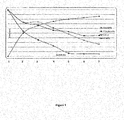
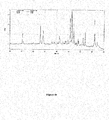
- the present inventors found that increasing the concentration of ethanol in the extraction mixture above 50% v/v resulted in further reduction in the colour of the retained supernatant once the precipitate had been removed ( Figure 1 ).
- the extraction mixture comprises at least 70%, or 75% v/v ethanol, or at least 80%, 81%, 82%, 83%, 84% or 85 ethanol v/v.
- the optimal concentration of ethanol in the extraction mixture for removing colour in the supernatant while minimising reduction in polyphenols is about 75% to about 85% v/v. Accordingly, in one embodiment, the extraction mixture comprises about 75% to about 85% v/v ethanol. In another embodiment, the extraction mixture comprises about 83% v/v ethanol.
- the present inventors also found that while colour removal was substantially achieved with a reaction mixture comprising about 70% v/v ethanol, an extraction mixture comprising about 80% to about 83% v/v ethanol produced an extract that was stable and produced no precipitate over a 6 month period.
- the extraction mixture comprises about 80% to about 83% v/v ethanol.
- the precipitate may be removed from the mixture by any suitable method known in the art.
- the precipitate may be removed by centrifugation and the supernatant obtained.
- the precipitate may be allowed to settle for a time sufficient to allow the supernatant to be obtained while leaving precipitate behind, such as by sedimentation under gravity for example.
- Other techniques such as filtration can be used alone or in combination with centrifugation or sedimentation in order to produce the extract derived from sugar cane.
- the ethanol is removed using techniques known in the art.
- the ethanol may be removed from the supernatant by evaporation, such as by using a rotary evaporator with a heating bath at approximately 45° C or higher.
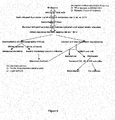
- a process to produce an extract from sugar cane derived products may comprise multiple extractions.
- a sugar cane derived product is mixed with ethanol to produce a preliminary extraction mixture (e.g., comprising at least about 25% v/v ethanol), a precipitate is allowed to form in the preliminary extraction mixture and the precipitate is removed from the preliminary extraction mixture to obtain a preliminary supernatant.
- a preliminary extraction mixture e.g., comprising at least about 25% v/v ethanol
- the preliminary supernatant is mixed with ethanol to produce a further extraction mixture comprising at least about 50% v/v ethanol, a precipitate is allowed to form in the further extraction mixture, the precipitate is removed from the further extraction mixture to obtain a further supernatant and ethanol is removed from the further supernatant to produce an extract derived from sugar cane.
- Further ethanol can be added to a 50% extract supernatant to an ethanol level between 75-83% ethanol.
- a further precipitate forms and can be recovered. The supernatant can become the final extract.
- the supernatant comprising ethanol, or the extract from which ethanol has been removed is fractionated to produce an extract derived from sugar cane.
- the supernatant or extract may be subject to membrane filtration, size exclusion chromatography, ion exchange chromatography, and or hydrophobic interaction chromatography.
- Separation of components in the supernatant or extract may also be achieved using chromatographic techniques or combinations of techniques such as ion exchange chromatography, hydrophobic interaction chromatography, such as for example on XAD or preferably a food grade resin such as FPX66 resin, which may use fractional elution by stepwise increase in pH or with suitable solvents, liquid chromatography-mass spectrometry (LCMS) and/or matrix-assisted laser desorption/ionization-time of flight (MALDI-TOF) to produce the extract.
- LCMS liquid chromatography-mass spectrometry
- MALDI-TOF matrix-assisted laser desorption/ionization-time of flight
- the supernatants or extracts may be further processed by standard techniques such as but not limited to microfiltration, reverse osmosis, gel permeation, vacuum evaporation and freeze drying, spray drying and tunnel drying.
- Sugar cane derived extracts according to the invention may be tested for biological activity using known techniques and assays.
- an extract according to the invention can be tested for enzymatic activity.
- the extracts may be tested for ⁇ -glucosidase inhibitory activity and/or ⁇ -amylase inhibitory activity.
- ⁇ -glucosidase inhibitory activity can be measured as the ability of test samples to prevent the hydrolysis of 4-methylumbelliferyl- ⁇ -D-glucopyranosidase by yeast ( Saccharomyces cerevisiae ) ⁇ -glucosidase using known techniques.
- yeast Saccharomyces cerevisiae
- acarbose can be included in the assay as a positive control.
- ⁇ -amylase inhibitory activity may be measured by the ability of samples to slow the rate at which porcine pancreatic amylase hydrolyses labelled starch (E-11954, Molecular Probes).
- porcine pancreatic amylase hydrolyses labelled starch E-11954, Molecular Probes.
- acarbose may be included in the assay as a positive control.
- an extract according to the invention can also be tested for anti-inflammatory activity.
- the extracts may be tested for prostaglandin E2 (PGE2) activity.
- PGE2 inhibitory activity can be measured by the ability of test samples to inhibit PGE2 production in 3T3 cells when stimulated with calcium ionophore.
- aspirin and ibuprofen may be included in the assay as a positive control.
- the extracts produced according to the process of the invention can be used in a wide variety of economically useful applications.
- an extract produced by the process of the invention is included in a food or beverage product.
- Food or beverages comprising the extract according to the invention can be prepared by the skilled person using known techniques. Non-limiting examples of such food or beverage products are baked goods, dairy type foods and drinks, snacks, etc.
- the amount of the extract to be used in a food or beverage can be variable as the extracts themselves are nutrients.
- the extract may be used in any food or food product such as but not limited to sugar, for example crystallised sugar, confectioneries, snacks (sweet and savoury), cocoa-containing foods, flavours, dairy products including cheeses, butter, ice cream, yoghurt, and other dairy spreads; fat-based products including margarines, spreads, mayonnaise, shortenings, cooking and frying oils, and dressings; cereal-based and bakery products including breads and pastas whether these goods are cooked, baked or otherwise processed; confectioneries including chocolate, candies, chewing gum, desserts, non-dairy toppings, sorbets, icings and other fillings; and other miscellaneous food products including eggs and egg products, processed foods such as soups and pre-prepared pastas.
- sugar for example crystallised sugar, confectioneries, snacks (sweet and savoury), cocoa-containing foods, flavours, dairy products including cheeses, butter, ice cream, yoghurt, and other dairy spreads
- fat-based products including mar
- the extract may be incorporated into or added to processed foods including but not limited to: breads, pastas, biscuits, sauces, soups, bars, dairy products (for example, milk, yoghurts, cheese, ice cream), cakes, ready-to-eat prepared meals, and breakfast cereals.
- processed foods including but not limited to: breads, pastas, biscuits, sauces, soups, bars, dairy products (for example, milk, yoghurts, cheese, ice cream), cakes, ready-to-eat prepared meals, and breakfast cereals.
- the extracts may be used in beverages, whether hot or cold including coffee, tea, cocoa, cereal, chicory and other plant extract based beverages, alcoholic or non-alcoholic beverages and including colas and other carbonated and non-carbonated soft drinks, fruit juices, juice drinks, dairy-based beverages, and meal replacement drinks.
- the extracts may also be added to food grade ingredients such as soluble fiber (e.g. oligofructosaccharide), insoluble fiber (e.g. cocoa bean fiber, sugar cane fiber, oatbran), naturally derived fibers (e.g., hemicelluloses, lignocelluloses), chemically derived fibers (e.g., inulin), flour, starch, modified starch, gelatine, or other food, to produce a unique composition or ingredient with enhanced levels of polyphenols, flavonoids, and/or other phytochemicals derived from sugarcane.
- soluble fiber e.g. oligofructosaccharide
- insoluble fiber e.g. cocoa bean fiber, sugar cane fiber, oatbran
- naturally derived fibers e.g., hemicelluloses, lignocelluloses
- chemically derived fibers e.g., inulin
- flour starch, modified starch, gelatine, or other food, to produce
- the extract according to the invention is particularly useful for increasing the active phytochemical content of coffee products without increasing bitterness.
- Roasting coffee beans causes the development of the myriad desired flavours of coffee.
- the roasting also causes the bitter taste of coffee which is related to an increase in the level of the antioxidants, chlorogenic acid lactones and phenylindanes.
- the extract of the invention can be used to increase the level of active phytochemicals (such as polyphenols) in coffee products.
- the aforementioned food or beverage can include additional ingredients including an orally ingestible diluent or carrier.
- an orally ingestible diluent or carrier are known in the food sciences. These include, but are not limited to, manufactured cereals, fruit or vegetable products, beverages or beverage concentrates, ground meat products or vegetable analogues thereof, and any inert diluent, carrier, or excipient known in the pharmaceutical art.
- the extract produced according to the process of the invention may be added to or included in a nutritional supplement.
- a "nutritional supplement” is an orally ingestible product consumed to improve overall nutrition, health, well-being, or performance of a subject in an activity and/or an orally ingestible product which provides additional perceived nutritional or biological benefit to a subject.
- the nutritional supplement may be provided in a concentrated form, thus allowing for the addition of the nutritional supplement to a food or drink product to allow for the consumption of a desired quantity of an extract of the invention in a reasonable serving size.
- the nutritional supplement is a sports nutrition product.
- the extract may be added to a sports nutrition product including, by way of non-limiting examples, sports powders, sports drinks, energy drinks, pre-mixes, juices, energy bars, energy gels, isotonic drinks and gelatine, starch based or pectin jellies.
- the aforementioned nutritional supplements and sports nutrition products can include additional ingredients.
- more than one of the extracts of the current invention can be included in the same nutritional supplement or sports nutrition formulation.
- Other additional ingredients include any ingestible product.
- Preferred additional ingredients include, but are not limited to, other active food supplement ingredients such as micro-nutrients such as vitamins and minerals or macro-nutrients such as polyunsaturated fatty acids or fiber.
- the food additive may also include acceptable dispersing and suspending agents, and water.
- Other conventional nutritional supplements can also be included if desired.
- the nutritional supplement or sports nutrition product can take many forms including, but not limited to, powders, liquids, tablets, capsules, solutions, concentrates, syrups, suspensions, or dispersions.
- the glycaemic index or GI ranks carbohydrates according to their effect on blood glucose levels. The lower the GI, the slower the rise in blood glucose level will be when the food is consumed. Some research has shown that by eating a diet with a lower GI, people with diabetes, for example, can reduce their average blood glucose levels. This is important in reducing the risk of developing diabetes-related complications.
- GI rating To determine a food's GI rating, measured portions of the food containing 10-50 grams of carbohydrate are fed to at least 10 healthy people after an overnight fast. Finger-prick blood samples are taken at 15-30 minute intervals over the next two hours. These blood samples are used to construct a blood sugar response curve for the two hour period. The area under the curve (AUC) is calculated to reflect the total rise in blood glucose levels after eating the test food. The GI rating (%) is calculated by dividing the AUC for the test food by the AUC for the reference food (usually glucose or white bread) and multiplying by 100. A GI value of 55 or less is considered 'low', 56-69 is considered “medium” and over 70 is "high".
- a lower glycemic index suggests slower rates of digestion and absorption of carbohydrates and is believed to equate to a lower insulin demand, better long-term blood glucose control and a reduction in blood lipids. It has been shown that individuals who followed a low GI diet over many years were at a significantly lower risk for developing both type 2 diabetes and associated conditions such as cataracts as well as coronary heart disease. High blood glucose levels or repeated glycemic "spikes" following a meal may promote these diseases by both increasing oxidative damage to the vasculature and via the direct increase in insulin levels. Postprandial hyperglycemia has been considered a risk factor mainly associated with diabetes but it is now believed that it also presents an increased risk for atherosclerosis and other conditions in the non-diabetic population.
- Low-GI foods by virtue of their slow digestion and absorption, produce gradual rises in blood sugar and insulin levels and have been shown to improve both glucose and lipid levels in people with diabetes (type 1 and type 2) and have benefits for weight control as they help control appetite and delay hunger. Low GI diets also reduce insulin levels and insulin resistance.
- the extracts produced according to the process of the present invention may be used in food or beverages, for example, to lower or reduce the GI of the food or beverage.
- the extracts according to the present invention in the form of a liquid extract can be sprayed onto standard sugar (whether derived from sugar cane or sugar beets) to produce a low GI sugar.
- the extracts according to the present invention in the form of a liquid extract can also be sprayed onto other carriers such as flour, starch, bagasse or fiber thus increasing the levels of polyphenols and/or flavonoids in these food ingredients.
- Endogenous and "adsorbed" polyphenols and other sugarcane phytochemicals use the fibers to protect these compounds from early metabolic changes in the gut and increase delivery to specific sites in the colon where these compounds reduce inflammation and other disease processes including cyclooxygenase enzymes involved with intestinal carcinogenesis or polyp formation (Cai et al.).
- the available calorific value of a food or beverage relates to the amount of energy available from the food or beverage when digested.
- chocolate is a low-GI food, it contains a high number of calories and therefore has a high available calorific value as determined by conventional methods including bomb calorimetry.
- the extracts produced according to the process of the present invention may be used in food or beverages, for example, to lower or reduce the available calorific value of the food or beverage.
- the process of the present invention may be used to lower or reduce the available calorific value of a food or beverage by administering the composition of the invention, including the dietary supplement and/or pharmaceutical composition, to a subject prior to, in conjunction with, or after consumption of the food or beverage. In this way when the food or beverage is digested the amount of carbohydrate absorbed is reduced. This effectively reduces the amount of energy available from the food or beverage when digested.
- the extracts according to the present invention in the form of a liquid extract can be sprayed onto standard sugar (whether derived from sugar cane or sugar beets) to produce a reduced available calorific value sugar (sucrose).
- standard sugar whether derived from sugar cane or sugar beets
- sugar beets a reduced available calorific value sugar
- the extracts according to the present invention in the form of a liquid extract can also be sprayed onto other carriers such as flour, starch or fiber thus increasing the levels of polyphenols and/or flavonoids in these food ingredients.
- a powder such as a freeze dried powder or dehydrated powder, can be used in place of a liquid extract.
- dietary calories are derived from carbohydrate. Approximately half are from simple sugars (glucose, fructose, sucrose, lactose, maltose and trehalose) with the remainder coming from complex carbohydrates (hemicelluloses, galactans, mannans and starch). Complex carbohydrates other than starch are referred to as dietary fiber which is either partly or totally digested in the large intestine.
- the digestion of dietary carbohydrates is a physiologically regulated process in the gastrointestinal tract.
- Important enzymes in this process include salivary and pancreatic ⁇ -amylase and intestinal ⁇ -glucosidase. Beginning in the mouth, food is chewed and mixed with salivary ⁇ -amylase. Starch released begins to break down immediately. This hydrolysis process slows or stops in the stomach because of the change in pH but resumes again in the duodenum where pancreatic ⁇ -amylase is secreted. The result is to produce maltose and maltotriose from amylase and maltose, maltotriose, glucose and dextrin from amylopectin.
- the principal enzymes responsible for the breakdown of carbohydrates in the human body are ⁇ -amylase and ⁇ -glucosidase and so inhibition of one or both of these enzymes can result in the GI of foods being reduced.
- the extracts of the invention which demonstrate inhibition of the activity of ⁇ -glucosidase and ⁇ -amylase in vitro will delay carbohydrate absorption in vivo, thus reducing post-prandial increase in blood glucose.
- the extracts of the invention are able to lower the GI of a food or beverage.
- the extracts produced by the process of the invention are of use in the modulation of biological pathways associated with disease including diabetes and metabolic syndrome.
- the present invention provides extracts for use in methods of treating or preventing disease by administering to a subject an extract of the invention.
- compositions and administration are provided.
- compositions may be prepared comprising an extract of the invention and a suitable carrier or excipient.
- the extract may be included in a pharmaceutical composition comprising a pharmaceutically acceptable carrier.
- the extracts are incorporated into pharmaceutical compositions suitable for administration to a mammalian subject, e.g., a human.
- the extracts may be incorporated into the pharmaceutical compositions by way of coating a dosage form.
- Such compositions typically comprise the "active" compound (i.e. the extract derived from sugar cane) and a "pharmaceutically acceptable carrier".
- pharmaceutically acceptable carrier is intended to include any and all solvents, dispersion media, coatings, antibacterial and antifungal agents, isotonic and absorption delaying agents, and the like, compatible with pharmaceutical administration.
- the use of such media and agents for pharmaceutically active substances is well known in the art. Except insofar as any conventional media or agent is incompatible with the active compound, such media can be used in the compositions of the invention. Supplementary active compounds can also be incorporated into the compositions.
- the current extract is higher in concentration (polyphenols (mg)/ extract (ml)) of polyphenols and lower in colour relative to other extracts from sugar, the extracts are "more effective” in delivering a therapeutic amount of biologically active compounds.
- the lower colour and organoleptic astringency of some syrups prepared according to the present invention broaden their possible use and application in a range of foods and carriers.
- the final volume was 200 ml.
- a 1 ml sample was removed and diluted with 1 ml water, mixed well and then a drop was placed on a Ella refractometer.
- the Brix reading was 48.
- the feedstock (200 ml) was placed in a glass beaker on a magnetic stirrer and adjusted so that a clear vortex was formed, ethanol was slowly added into the vortex to ensure rapid mixing of the feedstock with the ethanol. Over a period of about 30 minutes, 950 ml of ethanol was added. The temperature was maintained at 26-28° C. This resulted in the final ethanol level in the mixture being 83% v/v. The mixture was stirred for another 30 minutes. A number of sub-samples were taken during the addition of the ethanol to support the observations as the solution changed in colour and different coloured precipitates formed as the ethanol % increased.
- the final mixture was turbid and had a coagulated black gelatinous precipitate visibly present in the bottom of the beaker.
- the supernatant was removed and centrifuged at 4000 rpm (2500 ⁇ g), for 5 minutes. The clear yellow supernatant was decanted leaving the black precipitate plug in the centrifuge tube. About 950 ml of the mixture was centrifuged and the final volume of supernatant recovered was 880 ml.
- Ethanol was removed using a Buchi rotary evaporator under vacuum. The bath temperature was 45° C. The final concentrate (free of any ethanol odour) volume was 62 ml and the Brix level was 64-65. Ethanol, its azeotroph and water were all removed during this process.
- the final bioactive extract was a dark/yellow colour, free of any particulate material and with a fresh sweet flavour similar to that of golden syrup or treacle.
- the supernatant was recovered in the same way as described in Example 1.
- the volume was 1050 ml.
- Example 2 Ethanol was removed at 45° C under vacuum as described in Example 1. The final syrup volume was 78 ml and the Brix level was 63-65. It had a similar, almost identical dark/yellow colour and taste to the syrup recovered from Example 1.
- ⁇ -Glucosidase inhibitory activity is measured as the ability of test samples to prevent the hydrolysis of 4-methylumbelliferyl- ⁇ -D-glucopyranosidase by yeast ( Saccharomyces cerevisiae ) ⁇ -glucosidase.
- Table 5 lists the samples tested. Each sample (0.5 mL) was weighed and freeze-dried to determine its % dry matter. The samples were then resuspended in either dimethyl sulfoxide (DMSO) or DMSO:water (1:1) to a concentration of 15 mg/mL, after which the samples were serially diluted. Table 5.
- DMSO dimethyl sulfoxide
- the substrate, 4-methylumbelliferyl- ⁇ -D-glucopyranoside, and enzyme, yeast ⁇ -glucosidase were prepared in the assay buffer, sodium acetate buffer (pH 5.5).
- the substrate final concentration 83 ⁇ M, 45 ⁇ L
- the substrate was added to 96-well plates containing 45 ⁇ L enzyme (final concentration 1.7 mU/mL) and 10 ⁇ L of sample.
- the plate was mixed on an orbital shaker for 30 seconds and incubated for 20 minutes at 37 °C.
- the reaction was stopped by the addition of 100 mM sodium glycine buffer (100 ⁇ L, pH 10.6), the plate was shaken for a further 30 seconds, and the fluorescence intensity was measured at ⁇ ex 355 nm and ⁇ em 460 nm. Fucoidan was used as a positive control and sodium acetate buffer (pH 5.5) was used as a negative control.
- the in vitro production of PEG2 from 3T3 cells was measured using the Cayman Chemical Prostaglandin E2 monoclonal EIA (Enzyme Immuno Assay) kit.
- the cells were exposed to samples 3 and 6 and stimulated with calcium ionophore.
- the cell supernatants were then assayed for PEG2 production.
- the cell cytotoxicity of the samples was tested against 3T3 cells to confirm that the observed PEG2 inhibition was not due to cell cytotoxicity.
- Aspirin and ibuprofen were used as positive controls.
- Ion exchange resins are sometimes used in sugar refineries to remove waste colourants from affination liquor which is produced after the first step towards producing a white sugar.
- These colourants include melanoidins, caramels (these are Maillard reaction products generated by the reaction between sugars and amino acids driven by temperature and alkaline pH), and natural colourants such as polyphenols and flavonoids.
- the affination liquor is treated with a resin and sugars and a minor amount of colourants pass through and then this material is further processed to produce food grade molasses (quite different to primary mill molasses).
- the resin is regenerated with an acid wash and the washings containing some of the colourants and a small amount of polyphenols are discarded.
- the resin is then washed with an alkaline pH 12-13 solution which removes the bound polyphenols and flavonoids, and this effluent is adjusted to pH 6.5 to 7.0 with acid or preferably it is passed through an acidic resin column to "exchange" the alkali for H + ions so the effluent pH is less than 7. This process was reproduced in the laboratory on a small scale.
- Liquid chromatography profiles of polyphenols were monitored initially in the affination liquor (pH 5.0-6.0) and then in the alkaline resin extracts (pH 12-13) and then after adjusting these extracts (pH 6.5-7.0).
- Polyphenols are extremely sensitive to high pH conditions forming flavones. Such changes can modify the bioactivity of these compounds and even reversing the pH from alkaline to neutral does not necessarily return them to their previous bioactive properties.
- Liquid chromatography fingerprints from alkaline pH 12-13 extracts were significantly different to fingerprints from the same extracts but adjusted to pH 6.5-7.0. A number of major peaks in the alkaline extracts seemed to have shifted to lower elution times on the chromatogram, possibly reflecting the structural change to flavones. When the pH of these alkaline extracts was adjusted to neutral pH, the peaks shifted to longer elution times and aligned themselves with peaks obtained from the original liquor feedstock.
- the present inventors have surprisingly found that colour can be removed efficiently without significant loss of polyphenols. When ethanol concentration was increased beyond 40% a more suitable extract was produced.
- Table 6 details the various samples tested. Table 6. Properties of samples tested Sample ICUMSA Colour Total Phenolics (mg CE/100g) 1 32240 808 2 37710 1356 3 65210 1169 4 66030 1797 5 32440 943 6 10960 349
- Sample 1 Townsville Terminal Molasses, which has been clarified by centrifugation.
- the crude molasses (about 75 Brix) was adjusted to 25 Brix with water and centrifuged (4,000 rpm for 10 mins). The precipitate was discarded.
- the initial clarified feedstock was still 25 Brix and used to produce a 75% ethanol supernatant, which is Sample 2. 200 ml of this clarified feedstock was used to make the 75% super extract.
- Total CE/100g 808mg. ICUMSA 32,240.
- Sample 4 This 75% super was made by initially removing the 50% precipitate, recovering the 50% super and then adding more ethanol to 75%. Precipitate removed, 75% super recovered and ethanol removed. The final volume was 80 ml and it was 32 Brix.
- Sample 5 Hydrophobic chromatography extract of Sample 4.
- FPX66 material recovered from 15 ml of Sample 4. The peak removed with 70% ethanol was bulked (aliquots were combined) and the ethanol removed. Final volume was 25 ml.
- Sample 6 Hydrophobic chromatography extract of Sample 2.
- FPX66 material recovered from 15ml of Sample 2. The peak removed with 70% ethanol was bulked (aliquots were combined) and the ethanol removed. Final volume was 40 ml.
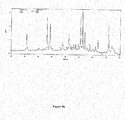
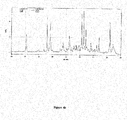
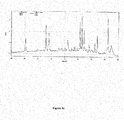
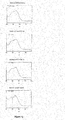
- Figure 4 shows the HPLC fingerprints of the samples as well as some spectra of unidentified phenolics and flavonoids at various retention times.
Landscapes
- Chemical & Material Sciences (AREA)
- Life Sciences & Earth Sciences (AREA)
- Health & Medical Sciences (AREA)
- Engineering & Computer Science (AREA)
- Nutrition Science (AREA)
- Polymers & Plastics (AREA)
- Food Science & Technology (AREA)
- Organic Chemistry (AREA)
- Natural Medicines & Medicinal Plants (AREA)
- Biochemistry (AREA)
- Chemical Kinetics & Catalysis (AREA)
- Mycology (AREA)
- Pharmacology & Pharmacy (AREA)
- Veterinary Medicine (AREA)
- Public Health (AREA)
- General Health & Medical Sciences (AREA)
- Animal Behavior & Ethology (AREA)
- Medicinal Chemistry (AREA)
- Analytical Chemistry (AREA)
- Molecular Biology (AREA)
- Proteomics, Peptides & Aminoacids (AREA)
- General Chemical & Material Sciences (AREA)
- Nuclear Medicine, Radiotherapy & Molecular Imaging (AREA)
- Microbiology (AREA)
- Alternative & Traditional Medicine (AREA)
- Biotechnology (AREA)
- Botany (AREA)
- Medical Informatics (AREA)
- Epidemiology (AREA)
- Rheumatology (AREA)
- Bioinformatics & Cheminformatics (AREA)
- Pain & Pain Management (AREA)
- Coloring Foods And Improving Nutritive Qualities (AREA)
- Medicines Containing Plant Substances (AREA)
- Pharmaceuticals Containing Other Organic And Inorganic Compounds (AREA)
- Acyclic And Carbocyclic Compounds In Medicinal Compositions (AREA)
Applications Claiming Priority (3)
| Application Number | Priority Date | Filing Date | Title |
|---|---|---|---|
| AU2012903726A AU2012903726A0 (en) | 2012-08-28 | Extraction method | |
| EP13833806.6A EP2890467B1 (en) | 2012-08-28 | 2013-08-28 | Extraction method |
| PCT/AU2013/000964 WO2014032100A1 (en) | 2012-08-28 | 2013-08-28 | Extraction method |
Related Parent Applications (2)
| Application Number | Title | Priority Date | Filing Date |
|---|---|---|---|
| EP13833806.6A Division EP2890467B1 (en) | 2012-08-28 | 2013-08-28 | Extraction method |
| EP13833806.6A Division-Into EP2890467B1 (en) | 2012-08-28 | 2013-08-28 | Extraction method |
Publications (2)
| Publication Number | Publication Date |
|---|---|
| EP3569298A1 EP3569298A1 (en) | 2019-11-20 |
| EP3569298B1 true EP3569298B1 (en) | 2021-08-11 |
Family
ID=50182261
Family Applications (2)
| Application Number | Title | Priority Date | Filing Date |
|---|---|---|---|
| EP19178544.3A Active EP3569298B1 (en) | 2012-08-28 | 2013-08-28 | Sugar cane derived extract |
| EP13833806.6A Active EP2890467B1 (en) | 2012-08-28 | 2013-08-28 | Extraction method |
Family Applications After (1)
| Application Number | Title | Priority Date | Filing Date |
|---|---|---|---|
| EP13833806.6A Active EP2890467B1 (en) | 2012-08-28 | 2013-08-28 | Extraction method |
Country Status (11)
| Country | Link |
|---|---|
| US (3) | US20150201660A1 (enExample) |
| EP (2) | EP3569298B1 (enExample) |
| JP (1) | JP6239622B2 (enExample) |
| CN (1) | CN104780987B (enExample) |
| AU (2) | AU2013308395C1 (enExample) |
| BR (1) | BR112015004520B1 (enExample) |
| EA (1) | EA031427B1 (enExample) |
| MY (1) | MY171216A (enExample) |
| PH (2) | PH12015500408B1 (enExample) |
| SG (1) | SG11201501044RA (enExample) |
| WO (1) | WO2014032100A1 (enExample) |
Families Citing this family (23)
| Publication number | Priority date | Publication date | Assignee | Title |
|---|---|---|---|---|
| WO2012106761A1 (en) | 2011-02-08 | 2012-08-16 | Horizon Science Pty Ltd | Sugar extracts |
| CA2947308A1 (en) | 2013-05-09 | 2014-11-13 | Zeenar Enterprises Pty Ltd | Niacin formulation |
| WO2016112134A1 (en) | 2015-01-07 | 2016-07-14 | Virdia, Inc. | Methods for extracting and converting hemicellulose sugars |
| JP6521435B2 (ja) * | 2015-04-03 | 2019-05-29 | 鹿児島県 | 糖蜜に含まれる含酸素化合物と塩類とを分画する方法 |
| EP3491377A4 (en) * | 2016-07-27 | 2020-01-22 | Nutrition Science Design Pte. Ltd | Process for sugar production |
| CN106539088B (zh) * | 2016-10-31 | 2021-01-01 | 华南理工大学 | 一种具有降糖功能的功能性蔗糖的制备方法 |
| WO2019028506A1 (en) * | 2017-08-09 | 2019-02-14 | The Product Makers (Australia) Pty Ltd | USE OF SUGAR CANE EXTRACTS CONTAINING POLYPHENOLS TO PREVENT, IMPROVE OR TREAT SKIN DISEASE |
| WO2019213703A1 (en) * | 2018-05-11 | 2019-11-14 | The Product Makers (Australia) Pty Ltd | Sugar cane extracts for use in animal feeds |
| GB201807968D0 (en) * | 2018-05-16 | 2018-07-04 | Naturex Sa | Eutectic extract formation and purification |
| US12036311B2 (en) | 2018-05-30 | 2024-07-16 | Mitsui Sugar Co., Ltd. | Anti-obesity agent, anti-dementia agent, deodorant, anti-aging agent, anti-glycation agent, anti-type I allergy agent, hypotensive agent, flavor improving agent, muscle enhancing agent, and bone metabolism improving agent |
| US12102709B2 (en) | 2018-05-30 | 2024-10-01 | Mitsui Sugar Co., Ltd. | Anti-obesity agent, anti-dementia agent, deodorant, anti-aging agent, anti-glycation agent, anti-type I allergy agent, hypotensive agent, flavor improving agent, muscle enhancing agent, and bone metabolism improving agent |
| JP7356250B2 (ja) * | 2019-04-01 | 2023-10-04 | Dm三井製糖株式会社 | 筋肉増強剤 |
| JP7356253B2 (ja) * | 2019-04-09 | 2023-10-04 | Dm三井製糖株式会社 | 骨代謝改善剤 |
| CN112512340A (zh) * | 2018-07-30 | 2021-03-16 | 营养科学设计有限公司 | 制糖工艺 |
| WO2020256570A2 (es) * | 2019-02-04 | 2020-12-24 | TRICARICO, Giorgio | Extracto antioxidante y anticancerigeno de la caña de azucar y su manufactura |
| US20240026255A1 (en) * | 2019-05-10 | 2024-01-25 | Yakov Shteyman | Method of removing impurities in design alcoholic beverages |
| US20220264913A1 (en) * | 2019-11-29 | 2022-08-25 | Universidade Católica Portuguesa - Ucp | Multifunctional extracts of sugarcane straw or bagasse and uses thereof |
| EP3827672A1 (en) * | 2019-11-29 | 2021-06-02 | Universidade Católica Portuguesa - UCP | Multifunctional extracts of sugarcane straw or bagasse and uses thereof |
| JP7642212B2 (ja) * | 2020-02-18 | 2025-03-10 | 国立大学法人 筑波大学 | 神経機能調節用組成物 |
| US20230414695A1 (en) * | 2020-11-23 | 2023-12-28 | Poly Gain Pte Ltd | Use of sugar cane extracts in the treatment or prevention of microbial infections and dysbiosis |
| JP2022170854A (ja) * | 2021-04-30 | 2022-11-11 | 大東製糖株式会社 | 低gi砂糖、食品または飲料および低gi砂糖の製造方法 |
| JP2023072208A (ja) * | 2021-11-12 | 2023-05-24 | 大東製糖株式会社 | サトウキビ搾汁液非ショ糖画分のエタノール不溶性画分及び水溶性画分と、これらの製造方法、血糖値上昇抑制剤および血糖値上昇阻害活性を有する食品又は飲料 |
| WO2025144770A1 (en) | 2023-12-29 | 2025-07-03 | Complete Solution For Poultry (Csp), Inc. | High purity betaine products, polyphenol products, and methods of making the same |
Family Cites Families (181)
| Publication number | Priority date | Publication date | Assignee | Title |
|---|---|---|---|---|
| US1730473A (en) | 1925-12-22 | 1929-10-08 | California Packing Corp | Process of recovering sucrose from cane molasses |
| US2000202A (en) | 1932-07-20 | 1935-05-07 | Vasques Eugenio Antonio | Process for the recovery of sugar and salts from sugar cane molasses |
| US2170713A (en) | 1936-11-12 | 1939-08-22 | Fattinger Hans | Stock food and method of producing the same |
| US2342162A (en) | 1940-05-13 | 1944-02-22 | Musher Sidney | Extraction of food and similar antioxygens from cane and beet molasses |
| US3174877A (en) | 1963-05-16 | 1965-03-23 | Sun Oil Co | Decolorizing sugar by extracting coloring matter therefrom with a methanol solution of a hydrocarbon |
| US3325308A (en) | 1963-06-19 | 1967-06-13 | Donald F Othmer | Process for the refining of sugar with two or more solvents |
| US3619293A (en) | 1970-02-18 | 1971-11-09 | Nippon Shiryo Kogyo Kk | Granular sucrose products and process for producing same |
| DE2362211C3 (de) | 1973-12-14 | 1978-05-11 | Sueddeutsche Zucker Ag, 6800 Mannheim | Verfahren zur Aufarbeitung von Melassen |
| CH622004A5 (enExample) | 1975-04-10 | 1981-03-13 | Pfeifer & Langen | |
| US4101338A (en) | 1975-06-02 | 1978-07-18 | Sucrest Corporation | Process for recovering useful products from carbohydrate-containing materials |
| JPS5359044A (en) | 1976-11-06 | 1978-05-27 | Sumitomo Cement Co | Process for refining dilute solution of waste molasses |
| US4102646A (en) | 1977-04-06 | 1978-07-25 | Sleeter Ronald T | Quantitative analysis of carbohydrates by infrared spectroscopy |
| US4116712A (en) | 1977-09-06 | 1978-09-26 | Othmer Donald F | Solvent refining of sugar |
| US4359430A (en) | 1980-02-29 | 1982-11-16 | Suomen Sokeri Osakeyhtio | Betaine recovery process |
| US4333770A (en) | 1980-09-08 | 1982-06-08 | Uop Inc. | Extraction of sucrose from molasses |
| FR2490676B1 (fr) | 1980-09-19 | 1985-07-19 | Rhone Poulenc Spec Chim | Procede d'epuration des jus de canne a sucre |
| JPS58116650A (ja) | 1981-12-28 | 1983-07-11 | Erika Kk | サトウキビを原料とする強壮食品の製造法 |
| JPS58144382A (ja) | 1982-02-19 | 1983-08-27 | Agency Of Ind Science & Technol | トコフエロ−ル及びトコトリエノ−ルの分離方法 |
| JPS5920223A (ja) | 1982-07-24 | 1984-02-01 | Osaka Chem Lab | 肥満防止剤 |
| US4404037A (en) | 1982-08-12 | 1983-09-13 | Uop Inc. | Sucrose extraction from aqueous solutions featuring simulated moving bed |
| US4523999A (en) | 1983-12-16 | 1985-06-18 | Ajinomoto Co., Inc. | Ultrafiltration method |
| JPS6169727A (ja) | 1984-09-14 | 1986-04-10 | Osaka Chem Lab | 蔗糖等糖類吸収抑制剤及び蔗糖糖類吸収抑制剤を含む食品 |
| JPS6183130A (ja) | 1984-10-01 | 1986-04-26 | Hiroshi Hikino | 多糖類,その単離法および用途 |
| JPS61139400A (ja) | 1984-12-11 | 1986-06-26 | 第一製糖株式会社 | 糖蜜の精製方法 |
| JPS61265068A (ja) | 1985-05-20 | 1986-11-22 | Osaka Chem Lab | 抗肥満食品 |
| JPS61268200A (ja) | 1985-05-24 | 1986-11-27 | オルガノ株式会社 | 非糖分と糖分の分離方法 |
| JPS62126951A (ja) | 1985-11-28 | 1987-06-09 | Nippon Beet Sugar Mfg Co Ltd | ビフイズス菌増殖糖質源を含有する甘味料の製造方法 |
| JP2516006B2 (ja) | 1987-02-20 | 1996-07-10 | オリエンタル酵母工業株式会社 | 廃糖蜜の脱色方法 |
| WO1989001295A1 (en) | 1987-08-21 | 1989-02-23 | Fractionated Cane Technology Ltd. | Cholesterol reducing food containing sugar cane parenchyma cell wall |
| JPH0767398B2 (ja) | 1988-01-22 | 1995-07-26 | 三菱化成エンジニアリング株式会社 | 甜菜糖液を処理する方法 |
| JPH0633396B2 (ja) | 1988-04-23 | 1994-05-02 | 第一製糖株式会社 | 甘蔗脂質成分の抽出法 |
| FI86416C (fi) | 1988-06-09 | 1992-08-25 | Suomen Sokeri Oy | Foerfarande foer tillvaratagande av betain ur melass. |
| JPH0220300A (ja) | 1988-07-06 | 1990-01-23 | Sanehisa Nakamura | 甘蔗最終糖蜜からの蔗糖の回収方法 |
| GB8907313D0 (en) | 1989-03-31 | 1989-05-17 | British Sugar Plc | Sweetener composition |
| JP2816725B2 (ja) | 1989-10-31 | 1998-10-27 | 万田発酵株式会社 | 糖類吸収抑制剤 |
| EP0481603A1 (en) | 1990-10-15 | 1992-04-22 | The Dow Chemical Company | Separation of weak organic acids from liquid mixtures |
| US5096594A (en) | 1990-12-20 | 1992-03-17 | Israel Rabinowitz | Chromatographic method of purifying cyclitols |
| JPH04320691A (ja) | 1991-04-22 | 1992-11-11 | Sumitomo Chem Co Ltd | 発酵有機酸の精製方法 |
| US5382294A (en) | 1991-08-26 | 1995-01-17 | Rimedio; Nicholas T. | Chromatographic separation of organic non-sugars, colloidal matterials and inorganic-organic complexes from juices, liquors, syrups and/or molasses |
| JPH074277B2 (ja) | 1991-09-10 | 1995-01-25 | 北海道糖業株式会社 | 甘味料の製造方法 |
| CU22229A1 (es) | 1992-09-29 | 1996-01-31 | Dalmer Lab Sa | Policosanol, una mezcla de alcoholes alifaticos primarios superiores para hipergregabilidad plaquetaria, los accidentes isquemicos, trombosis e incluso efectividad contra ulceras gastricas quimicamente inducidas y su proceso de obtencion de la caña de azucar. el tratamiento de complicaciones ateroscleroticas tales como la |
| JP3581157B2 (ja) | 1992-08-19 | 2004-10-27 | 株式会社ミツカングループ本社 | 低耐糖能者用食品 |
| DE4231149C1 (de) | 1992-09-17 | 1993-12-16 | Amino Gmbh | Verfahren zur Weiterverarbeitung von technischen Restabläufen der melasseverarbeitenden Industrie |
| WO1994012057A1 (fr) | 1992-11-25 | 1994-06-09 | Fujisawa Pharmaceutical Co., Ltd. | Edulcorant de regime |
| FI96225C (fi) | 1993-01-26 | 1996-05-27 | Cultor Oy | Menetelmä melassin fraktioimiseksi |
| CA2139033C (en) | 1993-12-27 | 2004-04-20 | Masatake Tanimura | Method of separation into three components using a simulated moving bed |
| US5454875A (en) * | 1994-07-01 | 1995-10-03 | Board Of Supervisors Of Louisiana State University And Agricultural And Mechanical College | Softening and purification of molasses or syrup |
| JPH0840912A (ja) | 1994-08-03 | 1996-02-13 | Res Inst For Prod Dev | 糖吸収抑制剤 |
| RU2048847C1 (ru) | 1994-08-18 | 1995-11-27 | Татьяна Евгеньевна Митченко | Ионообменный способ комплексной переработки мелассы |
| US5795398A (en) | 1994-09-30 | 1998-08-18 | Cultor Ltd. | Fractionation method of sucrose-containing solutions |
| US5482631A (en) | 1994-10-06 | 1996-01-09 | Board Of Supervisors Of Louisiana State University And Agricultural And Mechanical College | Separation of inositols from sugars and sugar alcohols |
| US5578336A (en) | 1995-06-07 | 1996-11-26 | Monte; Woodrow C. | Confection carrier for vitamins, enzymes, phytochemicals and ailmentary vegetable compositions and method of making |
| JPH0925290A (ja) | 1995-07-13 | 1997-01-28 | Tokiwa Kanpo Seiyaku:Kk | テンサイに含まれる新規化合物、医薬組成物および機能性食品 |
| US6261565B1 (en) | 1996-03-13 | 2001-07-17 | Archer Daniels Midland Company | Method of preparing and using isoflavones |
| US5955269A (en) | 1996-06-20 | 1999-09-21 | Rutgers, The State University Of New Jersey | Methods of screening foods for nutraceuticals |
| DK0912614T3 (da) | 1996-06-24 | 2002-09-09 | Nestle Sa | På pectin baseret geleringsmiddel |
| IL119924A0 (en) | 1996-12-27 | 1997-03-18 | Tate & Lyle Plc | A process for treating a sucrose syrup |
| RU2114177C1 (ru) | 1997-06-02 | 1998-06-27 | Товарищество с ограниченной ответственностью Центр содействия развитию новых технологий "Кантэк" | Способ производства сахарного сиропа из сахаросодержащего сырья |
| AUPO821397A0 (en) | 1997-07-24 | 1997-08-14 | Commonwealth Scientific And Industrial Research Organisation | Process for the purification of nutrients from food process streams |
| JP3383193B2 (ja) | 1997-08-29 | 2003-03-04 | 日本甜菜製糖株式会社 | 液体甘味料及びその製造方法 |
| AUPP115597A0 (en) | 1997-12-23 | 1998-01-29 | Bureau Of Sugar Experiment Stations | On-line measuring system and method |
| JP3539470B2 (ja) | 1997-12-25 | 2004-07-07 | オルガノ株式会社 | ベタインの回収方法 |
| JPH11318405A (ja) | 1998-05-08 | 1999-11-24 | Asama Kasei Kk | 食品用保存剤および食品の保存方法 |
| JP2000032954A (ja) | 1998-07-17 | 2000-02-02 | Gosho:Kk | アントシアニン系赤米抽出液・粉末とその製造法 |
| MY134878A (en) | 1998-09-24 | 2007-12-31 | Palm Oil Res And Dev Board | Treatment of liquors derived from oil-bearing fruit. |
| JP5073884B2 (ja) | 1998-10-09 | 2012-11-14 | 三井製糖株式会社 | 感染予防治療剤、抗エンドトキシン剤、ワクチンアジュバント剤および成長促進剤 |
| IL127371A (en) | 1998-12-02 | 2004-08-31 | Adumin Chemicals Ltd | Method for selectively obtaining antioxidant rich extracts from citrus fruits |
| JP4484267B2 (ja) | 1999-04-12 | 2010-06-16 | 三井製糖株式会社 | ガン免疫賦活剤およびアレルギー免疫抑制剤 |
| US6723369B2 (en) | 1999-05-27 | 2004-04-20 | James M. Burgess | Carbonated beverage for strengthening acid resistancy of teeth |
| EP1767097A3 (en) | 1999-08-16 | 2007-04-04 | DSMIP Assets B.V. | Green tea extracts |
| FR2797688B1 (fr) | 1999-08-19 | 2001-11-02 | Marc Dubernet | Procede et dispositif d'analyse qualitative objective des mouts de raisins et/ou des vins par spectrometrie infrarouge large bande |
| US6174378B1 (en) | 1999-08-19 | 2001-01-16 | Tate Life Industries, Limited | Process for production of extra low color cane sugar |
| US6406548B1 (en) | 2000-07-18 | 2002-06-18 | Tate & Lyle Industries, Limited | Sugar cane membrane filtration process |
| US6406547B1 (en) | 2000-07-18 | 2002-06-18 | Tate & Lyle Industries, Limited | Sugar beet membrane filtration process |
| FI113453B (fi) | 1999-09-17 | 2004-04-30 | Sohkar Oy | Kasvimateriaalin kromatografinen fraktiointi |
| JP3455481B2 (ja) | 1999-10-15 | 2003-10-14 | ラシェル製薬株式会社 | 黒砂糖エキスを配合してなる栄養補助食品 |
| JP4678904B2 (ja) | 1999-11-02 | 2011-04-27 | アサヒビール株式会社 | ホップより得られる体重増加抑制物質 |
| MXPA02004621A (es) | 1999-11-17 | 2004-09-10 | Tate & Lyle Ind Ltd | Proceso para la purificacion de jarabes de azucar de bajo grado usando nanofiltracion. |
| JP4358957B2 (ja) | 2000-01-21 | 2009-11-04 | 三井製糖株式会社 | フリーラジカル又は活性酸素を消去もしくは低減する剤 |
| MXPA02008819A (es) | 2000-03-10 | 2003-02-12 | Yakult Honsha Kk | Inhibidor de actividad de alfa amilasa. |
| US6774111B1 (en) | 2000-03-14 | 2004-08-10 | Abbott Laboratories | Carbohydrate system and a method for providing nutrition to a diabetic |
| KR100350576B1 (ko) | 2000-04-14 | 2002-08-30 | 박 군 | 의료용 가온 장치 및 가온 제어방법 |
| JP4737796B2 (ja) | 2000-04-21 | 2011-08-03 | 三井製糖株式会社 | 肝機能増強剤 |
| JP2002020306A (ja) | 2000-07-03 | 2002-01-23 | Chisso Corp | ラジカル消去物質およびそれを用いたラジカル消去剤 |
| US6932990B2 (en) | 2000-08-01 | 2005-08-23 | Oryza Oil & Fat Chemical Co., Ltd. | Carbohydrate absorption inhibitor and method for manufacturing the same |
| NZ518116A (en) | 2000-08-17 | 2005-06-24 | Sabinsa Corp | Bioavailable composition of natural and synthetic HCA |
| AUPQ987400A0 (en) | 2000-09-04 | 2000-09-28 | Food Ingredients Technologies Intangibles (Bermuda) Limited | Process for selectively extracting bioactive components |
| FI20002149L (fi) | 2000-09-29 | 2002-03-30 | Xyrofin Oy | Sakkaridien puhdistaminen kromatografisella erotuksella |
| FI20002150L (fi) | 2000-09-29 | 2002-03-30 | Finnfeeds Finland Oy | Menetelmä tuotteiden talteenottamiseksi prosessiliuoksista |
| JP3793779B2 (ja) | 2000-11-27 | 2006-07-05 | 沖縄県 | サトウキビポリフェノール含有物の製造方法 |
| JP4756232B2 (ja) | 2000-12-28 | 2011-08-24 | ダニスコ スイートナーズ オイ | 分離プロセス |
| US20030031772A1 (en) | 2001-03-28 | 2003-02-13 | Zehner Lee R. | Mixtures of fructose and lactose as a low-calorie bulk sweetener with reduced glyemic index |
| US20020187219A1 (en) | 2001-03-29 | 2002-12-12 | The Procter & Gamble Co. | Low glycemic response compositions |
| US7022368B2 (en) | 2001-06-26 | 2006-04-04 | Ocean Spray Cranberries, Inc. | Process for producing sugars and acids-rich juice and phytochemical-rich juice |
| JP4475947B2 (ja) | 2001-07-24 | 2010-06-09 | カーギル インコーポレイテッド | フェノール化合物の単離方法 |
| JP2003116486A (ja) | 2001-08-09 | 2003-04-22 | Meiji Milk Prod Co Ltd | 食後の血糖上昇抑制作用を有する食品組成物 |
| JP5002097B2 (ja) | 2001-08-28 | 2012-08-15 | 独立行政法人農業・食品産業技術総合研究機構 | コクシジウムによって引き起こされるヒトまたは動物の病気に対する予防治療剤及びコクシジウムの軽感染に対するヒトまたは動物の免疫のためのアジュバント剤 |
| US6869625B2 (en) | 2001-10-09 | 2005-03-22 | Council Of Scientific And Industrial Research | Method of treating diabetes using plant argyrolobium roseum extract, and a process for the isolation of extract from the said plant |
| JP4199448B2 (ja) | 2001-10-30 | 2008-12-17 | 琉球セメント株式会社 | サトウキビポリフェノール含有物を有効成分とする医薬剤並びにその用途 |
| US6706305B2 (en) | 2001-10-31 | 2004-03-16 | Conagra Foods Inc. | Low glycemic index bread |
| US6899892B2 (en) | 2001-12-19 | 2005-05-31 | Regents Of The University Of Minnesota | Methods to reduce body fat |
| US20030165574A1 (en) | 2002-03-01 | 2003-09-04 | Ward Loren Spencer | Compositions and methods for treatment of body weight conditions |
| GB0205182D0 (en) | 2002-03-06 | 2002-04-17 | Molecularnature Ltd | Process for extracting polar phytochemicals |
| GB0205184D0 (en) | 2002-03-06 | 2002-04-17 | Molecularnature Ltd | Process for scavenging phytochemicals |
| GB0205185D0 (en) | 2002-03-06 | 2002-04-17 | Molecularnature Ltd | Process for extracting non-polar phytochemicals |
| GB0205186D0 (en) | 2002-03-06 | 2002-04-17 | Molecularnature Ltd | Method for monitoring the quality of a herbal medicine |
| EP1489924A2 (en) | 2002-03-12 | 2004-12-29 | Council Of Scientific And Industrial Research | Bioavailability/bioefficacy enhancing activity of cuminum cyminum and extracts and fractions thereof |
| US7524526B2 (en) | 2002-04-10 | 2009-04-28 | Archer-Daniels-Midland Company | Process for producing high purity isoflavones |
| US20030198694A1 (en) | 2002-04-22 | 2003-10-23 | Chou Chung Chi | Preparation antioxidants enriched functional food products from sugar cane and beet |
| CN100544715C (zh) | 2002-04-30 | 2009-09-30 | 尤尼根制药公司 | 作为治疗剂的包含无取代b环类黄酮和黄烷混合物的组合物 |
| US7074440B2 (en) | 2002-05-01 | 2006-07-11 | Rulin Xiu | Compositions and methods for body weight loss |
| US6929817B2 (en) | 2002-05-14 | 2005-08-16 | National Starch & Chemical Investment Holding Corporation | Slowly digestible starch product |
| US6890571B2 (en) | 2002-05-14 | 2005-05-10 | National Starch And Chemical Investment Holding Corporation | Slowly digestible starch product |
| KR100594353B1 (ko) | 2002-05-28 | 2006-07-03 | 주식회사 엠디바이오알파 | 신규한 인삼잎 및 줄기 다당체, 그 제조방법 및 그를활성성분으로 함유하는 항암제 및 항암보조제 조성물 |
| FI20021251A0 (fi) | 2002-06-26 | 2002-06-26 | Finnfeeds Finland Oy | Menetelmä betaiinin talteenottamiseksi |
| JP3644938B2 (ja) | 2002-08-01 | 2005-05-11 | 株式会社東洋新薬 | 健康食品 |
| US8129350B2 (en) * | 2002-08-07 | 2012-03-06 | Queen Bioactives Pty Ltd | Method of lowering Glycaemic Index of foods |
| AU2002950627A0 (en) * | 2002-08-07 | 2002-09-12 | Queen Bioactives Pty Ltd | Method of lowering glycemic index of foods |
| CN1398979A (zh) * | 2002-08-16 | 2003-02-26 | 维京仲华(上海)生物医药科技有限公司 | 灰树花的发酵工艺及其多糖肽的生产方法 |
| JP2004075612A (ja) | 2002-08-19 | 2004-03-11 | National Agriculture & Bio-Oriented Research Organization | 免疫機能増強剤 |
| US20040131749A1 (en) | 2002-08-29 | 2004-07-08 | Archer-Daniels-Midland Company | Phytochemicals from edible bean process streams |
| US20040052915A1 (en) | 2002-09-13 | 2004-03-18 | Carlson Ting L. | Use of low glycemic index sweeteners in food and beverage compositions |
| CN1262201C (zh) | 2002-09-25 | 2006-07-05 | 周重吉 | 由甘蔗及甜菜制备强化抗氧化基之机能性食品之方法 |
| PL377399A1 (pl) | 2002-11-06 | 2006-02-06 | Danisco Sugar Oy | Dodatek jadalny polepszający smakowość, sposób jego wytwarzania i jego zastosowanie |
| US20040097429A1 (en) | 2002-11-18 | 2004-05-20 | Nieuwenhuizen Arie Gijsbert | Method for the reduction of the mammalian appetite |
| EP1447014A1 (en) | 2003-02-14 | 2004-08-18 | Wacker-Chemie GmbH | Method for reducing the glycemic index for food |
| EP1447013A1 (en) | 2003-02-14 | 2004-08-18 | Wacker-Chemie GmbH | Method for reducing the glycemic index of food |
| JP2004331512A (ja) | 2003-04-30 | 2004-11-25 | Rasheru Seiyaku Kk | 化粧料組成物 |
| US20060121158A1 (en) | 2003-06-04 | 2006-06-08 | Mario Ferruzzi | Weight management beverage |
| AU2003903058A0 (en) | 2003-06-18 | 2003-07-03 | Phytopharm Australia Ltd | A process and apparatus for the modification of plant extracts |
| GB0316550D0 (en) | 2003-07-15 | 2003-08-20 | Forum Bioscience Holdings Ltd | Sucrose substitute |
| GB2408262B (en) | 2003-11-24 | 2007-09-12 | British Sugar Plc | A method of preparation of L-arabinose |
| KR100795327B1 (ko) | 2004-02-10 | 2008-01-21 | 아사히비루 가부시키가이샤 | 근장력 증강제 |
| WO2005077384A1 (ja) | 2004-02-17 | 2005-08-25 | Suntory Limited | 高分子ポリフェノール画分を含有するリパーゼ活性阻害剤、茶エキス、およびその製造方法 |
| DE602005011586D1 (de) | 2004-03-04 | 2009-01-22 | Goekhan Cem | Künstliche frucht |
| WO2005089784A1 (ja) | 2004-03-19 | 2005-09-29 | Toyo Shinyaku Co., Ltd. | 口腔用組成物 |
| US20080234361A1 (en) | 2004-03-23 | 2008-09-25 | Rimonest Ltd. | Pharmaceutical Compositions, Methods of Formulation Thereof and Methods of Use Thereof |
| JP4182524B2 (ja) | 2004-03-26 | 2008-11-19 | 北海道糖業株式会社 | ビート含蜜糖の製造方法 |
| US20050214419A1 (en) | 2004-03-29 | 2005-09-29 | Aberle Rick A | Method and apparatus for providing instantaneous, real-time data for extrusion process control |
| WO2005105852A1 (ja) | 2004-04-30 | 2005-11-10 | Fuji-Sangyo Co., Ltd. | 新規アラビノガラクタン及び抗糖尿病作用物質並びにその使用方法 |
| CN102696941A (zh) * | 2004-06-04 | 2012-10-03 | 视界科技有限公司 | 天然甜味剂 |
| JP2005343843A (ja) | 2004-06-04 | 2005-12-15 | Osaka Yakuhin Kenkyusho:Kk | 黒砂糖エキス及びダイズエキスを含有する化粧料組成物 |
| JP2006028020A (ja) | 2004-07-12 | 2006-02-02 | Osaka Yakuhin Kenkyusho:Kk | コラーゲンと黒砂糖エキスとを含有する化粧料組成物 |
| JPWO2006014028A1 (ja) | 2004-08-06 | 2008-05-01 | 持田製薬株式会社 | サツマイモ茎葉抽出物およびその用途 |
| JP5439644B2 (ja) | 2004-11-04 | 2014-03-12 | 国立大学法人 筑波大学 | ウーロン茶又は紅茶から抽出された血糖値上昇抑制剤及びミトコンドリア膜電位上昇剤 |
| JP3671190B1 (ja) | 2004-11-09 | 2005-07-13 | 松浦薬業株式会社 | 蓮植物体から得られた抽出物、該抽出物の製造方法及び肥満防止剤 |
| WO2006052007A1 (ja) | 2004-11-11 | 2006-05-18 | Takeda Pharmaceutical Company Limited | 血糖調節剤 |
| CN1685929A (zh) | 2005-05-08 | 2005-10-26 | 颜怀玮 | 正常能量代谢复合必需维生素微量元素及营养型白糖产品和制造方法 |
| US7943190B2 (en) | 2005-05-13 | 2011-05-17 | Her Majesty the Queen in Right in Canada as Represented by the Minister of Agriculture and Agri-Food Canada | Extraction of phytochemicals |
| JP5340520B2 (ja) | 2005-05-20 | 2013-11-13 | ポッカサッポロフード&ビバレッジ株式会社 | 体重増加抑制剤 |
| CN101237780A (zh) | 2005-06-03 | 2008-08-06 | 视界科技有限公司 | 给药系统 |
| JP5775656B2 (ja) | 2005-06-03 | 2015-09-09 | ホリズン サイエンス ピーティーワイ リミテッド | ボディマス再分布性を有する物質 |
| JP2007043940A (ja) | 2005-08-09 | 2007-02-22 | Hokkaido Univ | イノシトール回収方法 |
| JP5563181B2 (ja) | 2005-09-01 | 2014-07-30 | ポッカサッポロフード&ビバレッジ株式会社 | インスリン抵抗性改善剤及び血糖値低下剤 |
| WO2007041817A1 (en) | 2005-10-07 | 2007-04-19 | Dulcini S/A | Tood composition, use of an effective amount of sugar and biopolymer, and product |
| US8864995B2 (en) | 2006-01-10 | 2014-10-21 | Dupont Nutrition Biosciences Aps | Method for separating betaine |
| NZ570704A (en) | 2006-02-10 | 2011-09-30 | Mannatech Inc | All natural multivitamin and multimineral dietary supplement formulations for enhanced absorption and biological utilization |
| JP2008044872A (ja) | 2006-08-11 | 2008-02-28 | Nippon Supplement Kk | イソラリシレシノールを含有する健康食品、血中コレステロール降下剤および体脂肪低下剤 |
| AU2011204847B2 (en) | 2006-09-19 | 2013-12-19 | Poly Gain Pte Ltd | Extracts derived from sugar cane and a process for their manufacture |
| EP2064352B1 (en) * | 2006-09-19 | 2019-12-04 | The Product Makers (Australia) Pty Ltd | Extracts derived from sugar cane and a process for their manufacture |
| JP2008222656A (ja) | 2007-03-14 | 2008-09-25 | Orient Herb Kk | 肥満改善および予防用組成物ならびに健康食品 |
| GB0719545D0 (en) | 2007-10-08 | 2007-11-14 | Barry Callebaut Ag | Novel use of cocoa extract |
| GB0719542D0 (en) | 2007-10-08 | 2007-11-14 | Barry Callebaut Ag | Use of cocoa extract |
| CA2686419A1 (en) | 2007-05-04 | 2008-11-13 | Nutraceutic Et Business Consulting | Composition having lipolytic activity, production method thereof and use of the composition |
| JPWO2008143182A1 (ja) | 2007-05-17 | 2010-08-05 | 株式会社カネカ | 甘草ポリフェノールを含有する組成物 |
| ES2311401B1 (es) | 2007-05-22 | 2009-12-22 | Ges-Biolives, S.L. | Procedimiento para la obtencion de extractos con alto contenido en hidroxitirosol a partir de productos derivados de la oliva. |
| US8735573B2 (en) | 2007-10-10 | 2014-05-27 | Langtech International Pty Ltd. | Method to recover bioactive compounds |
| CA2738834C (en) | 2007-10-16 | 2015-10-13 | The University Of British Columbia | Alpha-amylase inhibitors: the montbretins and uses thereof |
| KR100954217B1 (ko) | 2007-12-14 | 2010-04-21 | (주)세전 | 유기산을 이용한 l-아라비노스 함유 추출액의 제조 방법 |
| FR2929852B1 (fr) | 2008-04-09 | 2010-08-13 | Alvend | Procede de preparation d'extrait vegetal riche en polyphenols, extrait obtenu a partir du procede, compositions renfermant ledit extrait et installation pour la mise en oeuvre du procede |
| KR101257331B1 (ko) | 2008-05-08 | 2013-04-23 | 인두스 바이오텍 프라이빗 리미티드 | 갈락토만난을 포함하는 조성물 및 그의 제조방법 |
| US8288364B2 (en) | 2008-05-09 | 2012-10-16 | Indus Biotech Private Limited | Botanically derived composition and a process thereof |
| JP2009298769A (ja) | 2008-05-14 | 2009-12-24 | Asahi Breweries Ltd | 脂肪蓄積抑制用組成物 |
| CN101317850B (zh) | 2008-05-20 | 2012-07-04 | 淮北中润生物能源技术开发有限公司 | 蔗糖吸收抑制剂 |
| KR100894911B1 (ko) | 2008-09-12 | 2009-04-30 | (주)세전 | Sbp 추출물을 함유하는 당 함유 식품 조성물 |
| EP2349305A4 (en) | 2008-11-04 | 2012-08-22 | Metaproteomics Llc | PHYTOCHEMICAL COMPOSITIONS AND METHOD FOR AMP-KINASE ACTIVATION |
| US20100196549A1 (en) | 2009-02-03 | 2010-08-05 | Tropicana Products, Inc. | Microencapsulated citrus phytochemicals and application to sports drinks |
| FI20095144A0 (fi) | 2009-02-17 | 2009-02-17 | Danisco Sugar Oy | Elintarvikevalmiste |
| FR2942224B1 (fr) | 2009-02-18 | 2012-11-30 | Centre De Cooperation Internationale En Rech Agronomique Pour Le Developpement Cirad | Procede d'extraction de composes phenoliques a partir d'eau de vegetation de l'olive et preparation d'extrait titre en polyphenols d'olive et de raisin |
| AU2010237612A1 (en) | 2009-04-17 | 2011-11-03 | Sacron Innovations Pty Limited | Compounds affecting glycemic index |
| WO2012106761A1 (en) * | 2011-02-08 | 2012-08-16 | Horizon Science Pty Ltd | Sugar extracts |
-
2013
- 2013-08-28 BR BR112015004520-0A patent/BR112015004520B1/pt active IP Right Grant
- 2013-08-28 EA EA201590458A patent/EA031427B1/ru not_active IP Right Cessation
- 2013-08-28 MY MYPI2015700410A patent/MY171216A/en unknown
- 2013-08-28 AU AU2013308395A patent/AU2013308395C1/en active Active
- 2013-08-28 US US14/423,995 patent/US20150201660A1/en not_active Abandoned
- 2013-08-28 CN CN201380051377.3A patent/CN104780987B/zh active Active
- 2013-08-28 EP EP19178544.3A patent/EP3569298B1/en active Active
- 2013-08-28 JP JP2015528808A patent/JP6239622B2/ja active Active
- 2013-08-28 WO PCT/AU2013/000964 patent/WO2014032100A1/en not_active Ceased
- 2013-08-28 EP EP13833806.6A patent/EP2890467B1/en active Active
- 2013-08-28 SG SG11201501044RA patent/SG11201501044RA/en unknown
-
2015
- 2015-02-25 PH PH12015500408A patent/PH12015500408B1/en unknown
-
2017
- 2017-02-01 AU AU2017200670A patent/AU2017200670A1/en not_active Abandoned
-
2018
- 2018-10-09 PH PH12018502169A patent/PH12018502169A1/en unknown
- 2018-11-21 US US16/197,733 patent/US20190183149A1/en not_active Abandoned
-
2021
- 2021-10-15 US US17/502,784 patent/US11730178B2/en active Active
Non-Patent Citations (1)
| Title |
|---|
| None * |
Also Published As
| Publication number | Publication date |
|---|---|
| JP2015528448A (ja) | 2015-09-28 |
| US20220279820A1 (en) | 2022-09-08 |
| US20190183149A1 (en) | 2019-06-20 |
| EA201590458A8 (ru) | 2018-01-31 |
| AU2013308395A1 (en) | 2015-03-05 |
| PH12018502169A1 (en) | 2019-06-24 |
| AU2013308395C1 (en) | 2018-03-15 |
| US11730178B2 (en) | 2023-08-22 |
| AU2017200670A1 (en) | 2017-02-23 |
| EP3569298A1 (en) | 2019-11-20 |
| AU2013308395B2 (en) | 2016-11-10 |
| MY171216A (en) | 2019-10-02 |
| EA201590458A1 (ru) | 2015-10-30 |
| US20150201660A1 (en) | 2015-07-23 |
| EP2890467A1 (en) | 2015-07-08 |
| PH12015500408A1 (en) | 2015-04-20 |
| BR112015004520A2 (pt) | 2017-07-04 |
| EA031427B1 (ru) | 2018-12-28 |
| JP6239622B2 (ja) | 2017-11-29 |
| SG11201501044RA (en) | 2015-05-28 |
| EP2890467A4 (en) | 2016-05-25 |
| CN104780987A (zh) | 2015-07-15 |
| WO2014032100A1 (en) | 2014-03-06 |
| BR112015004520B1 (pt) | 2021-10-05 |
| CN104780987B (zh) | 2018-10-30 |
| EP2890467B1 (en) | 2019-09-25 |
| PH12015500408B1 (en) | 2019-05-29 |
Similar Documents
| Publication | Publication Date | Title |
|---|---|---|
| US11730178B2 (en) | Extraction method | |
| CN101001539B (zh) | 天然甜味剂 | |
| US20160263177A1 (en) | Extracts derived from sugar cane and a process for their manufacture | |
| EP3035949B1 (en) | Sugar cane derived extracts and uses | |
| WO2009084275A1 (ja) | 経口投与組成物 | |
| US20100247638A1 (en) | organoleptically improved dietary fiber composition and a process thereof (teestar) | |
| JP2023531741A (ja) | 植物繊維加水分解物、および、ヒトおよび動物の食事におけるその使用 | |
| HK1176523A (en) | Natural sweetener |
Legal Events
| Date | Code | Title | Description |
|---|---|---|---|
| PUAI | Public reference made under article 153(3) epc to a published international application that has entered the european phase |
Free format text: ORIGINAL CODE: 0009012 |
|
| STAA | Information on the status of an ep patent application or granted ep patent |
Free format text: STATUS: REQUEST FOR EXAMINATION WAS MADE |
|
| 17P | Request for examination filed |
Effective date: 20190605 |
|
| AC | Divisional application: reference to earlier application |
Ref document number: 2890467 Country of ref document: EP Kind code of ref document: P |
|
| AK | Designated contracting states |
Kind code of ref document: A1 Designated state(s): AL AT BE BG CH CY CZ DE DK EE ES FI FR GB GR HR HU IE IS IT LI LT LU LV MC MK MT NL NO PL PT RO RS SE SI SK SM TR |
|
| STAA | Information on the status of an ep patent application or granted ep patent |
Free format text: STATUS: EXAMINATION IS IN PROGRESS |
|
| 17Q | First examination report despatched |
Effective date: 20200812 |
|
| GRAP | Despatch of communication of intention to grant a patent |
Free format text: ORIGINAL CODE: EPIDOSNIGR1 |
|
| STAA | Information on the status of an ep patent application or granted ep patent |
Free format text: STATUS: GRANT OF PATENT IS INTENDED |
|
| INTG | Intention to grant announced |
Effective date: 20210316 |
|
| GRAS | Grant fee paid |
Free format text: ORIGINAL CODE: EPIDOSNIGR3 |
|
| GRAA | (expected) grant |
Free format text: ORIGINAL CODE: 0009210 |
|
| STAA | Information on the status of an ep patent application or granted ep patent |
Free format text: STATUS: THE PATENT HAS BEEN GRANTED |
|
| AC | Divisional application: reference to earlier application |
Ref document number: 2890467 Country of ref document: EP Kind code of ref document: P |
|
| AK | Designated contracting states |
Kind code of ref document: B1 Designated state(s): AL AT BE BG CH CY CZ DE DK EE ES FI FR GB GR HR HU IE IS IT LI LT LU LV MC MK MT NL NO PL PT RO RS SE SI SK SM TR |
|
| REG | Reference to a national code |
Ref country code: CH Ref legal event code: EP |
|
| REG | Reference to a national code |
Ref country code: DE Ref legal event code: R096 Ref document number: 602013078803 Country of ref document: DE |
|
| REG | Reference to a national code |
Ref country code: IE Ref legal event code: FG4D Ref country code: AT Ref legal event code: REF Ref document number: 1418782 Country of ref document: AT Kind code of ref document: T Effective date: 20210915 |
|
| REG | Reference to a national code |
Ref country code: LT Ref legal event code: MG9D |
|
| REG | Reference to a national code |
Ref country code: NL Ref legal event code: MP Effective date: 20210811 |
|
| REG | Reference to a national code |
Ref country code: AT Ref legal event code: MK05 Ref document number: 1418782 Country of ref document: AT Kind code of ref document: T Effective date: 20210811 |
|
| PG25 | Lapsed in a contracting state [announced via postgrant information from national office to epo] |
Ref country code: PT Free format text: LAPSE BECAUSE OF FAILURE TO SUBMIT A TRANSLATION OF THE DESCRIPTION OR TO PAY THE FEE WITHIN THE PRESCRIBED TIME-LIMIT Effective date: 20211213 Ref country code: NO Free format text: LAPSE BECAUSE OF FAILURE TO SUBMIT A TRANSLATION OF THE DESCRIPTION OR TO PAY THE FEE WITHIN THE PRESCRIBED TIME-LIMIT Effective date: 20211111 Ref country code: HR Free format text: LAPSE BECAUSE OF FAILURE TO SUBMIT A TRANSLATION OF THE DESCRIPTION OR TO PAY THE FEE WITHIN THE PRESCRIBED TIME-LIMIT Effective date: 20210811 Ref country code: AT Free format text: LAPSE BECAUSE OF FAILURE TO SUBMIT A TRANSLATION OF THE DESCRIPTION OR TO PAY THE FEE WITHIN THE PRESCRIBED TIME-LIMIT Effective date: 20210811 Ref country code: BG Free format text: LAPSE BECAUSE OF FAILURE TO SUBMIT A TRANSLATION OF THE DESCRIPTION OR TO PAY THE FEE WITHIN THE PRESCRIBED TIME-LIMIT Effective date: 20211111 Ref country code: LT Free format text: LAPSE BECAUSE OF FAILURE TO SUBMIT A TRANSLATION OF THE DESCRIPTION OR TO PAY THE FEE WITHIN THE PRESCRIBED TIME-LIMIT Effective date: 20210811 Ref country code: ES Free format text: LAPSE BECAUSE OF FAILURE TO SUBMIT A TRANSLATION OF THE DESCRIPTION OR TO PAY THE FEE WITHIN THE PRESCRIBED TIME-LIMIT Effective date: 20210811 Ref country code: FI Free format text: LAPSE BECAUSE OF FAILURE TO SUBMIT A TRANSLATION OF THE DESCRIPTION OR TO PAY THE FEE WITHIN THE PRESCRIBED TIME-LIMIT Effective date: 20210811 Ref country code: SE Free format text: LAPSE BECAUSE OF FAILURE TO SUBMIT A TRANSLATION OF THE DESCRIPTION OR TO PAY THE FEE WITHIN THE PRESCRIBED TIME-LIMIT Effective date: 20210811 Ref country code: RS Free format text: LAPSE BECAUSE OF FAILURE TO SUBMIT A TRANSLATION OF THE DESCRIPTION OR TO PAY THE FEE WITHIN THE PRESCRIBED TIME-LIMIT Effective date: 20210811 |
|
| PG25 | Lapsed in a contracting state [announced via postgrant information from national office to epo] |
Ref country code: PL Free format text: LAPSE BECAUSE OF FAILURE TO SUBMIT A TRANSLATION OF THE DESCRIPTION OR TO PAY THE FEE WITHIN THE PRESCRIBED TIME-LIMIT Effective date: 20210811 Ref country code: LV Free format text: LAPSE BECAUSE OF FAILURE TO SUBMIT A TRANSLATION OF THE DESCRIPTION OR TO PAY THE FEE WITHIN THE PRESCRIBED TIME-LIMIT Effective date: 20210811 Ref country code: GR Free format text: LAPSE BECAUSE OF FAILURE TO SUBMIT A TRANSLATION OF THE DESCRIPTION OR TO PAY THE FEE WITHIN THE PRESCRIBED TIME-LIMIT Effective date: 20211112 |
|
| PG25 | Lapsed in a contracting state [announced via postgrant information from national office to epo] |
Ref country code: NL Free format text: LAPSE BECAUSE OF FAILURE TO SUBMIT A TRANSLATION OF THE DESCRIPTION OR TO PAY THE FEE WITHIN THE PRESCRIBED TIME-LIMIT Effective date: 20210811 |
|
| REG | Reference to a national code |
Ref country code: BE Ref legal event code: MM Effective date: 20210831 |
|
| PG25 | Lapsed in a contracting state [announced via postgrant information from national office to epo] |
Ref country code: DK Free format text: LAPSE BECAUSE OF FAILURE TO SUBMIT A TRANSLATION OF THE DESCRIPTION OR TO PAY THE FEE WITHIN THE PRESCRIBED TIME-LIMIT Effective date: 20210811 |
|
| REG | Reference to a national code |
Ref country code: DE Ref legal event code: R097 Ref document number: 602013078803 Country of ref document: DE |
|
| PG25 | Lapsed in a contracting state [announced via postgrant information from national office to epo] |
Ref country code: SM Free format text: LAPSE BECAUSE OF FAILURE TO SUBMIT A TRANSLATION OF THE DESCRIPTION OR TO PAY THE FEE WITHIN THE PRESCRIBED TIME-LIMIT Effective date: 20210811 Ref country code: SK Free format text: LAPSE BECAUSE OF FAILURE TO SUBMIT A TRANSLATION OF THE DESCRIPTION OR TO PAY THE FEE WITHIN THE PRESCRIBED TIME-LIMIT Effective date: 20210811 Ref country code: RO Free format text: LAPSE BECAUSE OF FAILURE TO SUBMIT A TRANSLATION OF THE DESCRIPTION OR TO PAY THE FEE WITHIN THE PRESCRIBED TIME-LIMIT Effective date: 20210811 Ref country code: MC Free format text: LAPSE BECAUSE OF FAILURE TO SUBMIT A TRANSLATION OF THE DESCRIPTION OR TO PAY THE FEE WITHIN THE PRESCRIBED TIME-LIMIT Effective date: 20210811 Ref country code: LU Free format text: LAPSE BECAUSE OF NON-PAYMENT OF DUE FEES Effective date: 20210828 Ref country code: EE Free format text: LAPSE BECAUSE OF FAILURE TO SUBMIT A TRANSLATION OF THE DESCRIPTION OR TO PAY THE FEE WITHIN THE PRESCRIBED TIME-LIMIT Effective date: 20210811 Ref country code: CZ Free format text: LAPSE BECAUSE OF FAILURE TO SUBMIT A TRANSLATION OF THE DESCRIPTION OR TO PAY THE FEE WITHIN THE PRESCRIBED TIME-LIMIT Effective date: 20210811 Ref country code: AL Free format text: LAPSE BECAUSE OF FAILURE TO SUBMIT A TRANSLATION OF THE DESCRIPTION OR TO PAY THE FEE WITHIN THE PRESCRIBED TIME-LIMIT Effective date: 20210811 |
|
| PLBE | No opposition filed within time limit |
Free format text: ORIGINAL CODE: 0009261 |
|
| STAA | Information on the status of an ep patent application or granted ep patent |
Free format text: STATUS: NO OPPOSITION FILED WITHIN TIME LIMIT |
|
| 26N | No opposition filed |
Effective date: 20220512 |
|
| PG25 | Lapsed in a contracting state [announced via postgrant information from national office to epo] |
Ref country code: IT Free format text: LAPSE BECAUSE OF FAILURE TO SUBMIT A TRANSLATION OF THE DESCRIPTION OR TO PAY THE FEE WITHIN THE PRESCRIBED TIME-LIMIT Effective date: 20210811 Ref country code: IE Free format text: LAPSE BECAUSE OF NON-PAYMENT OF DUE FEES Effective date: 20210828 Ref country code: BE Free format text: LAPSE BECAUSE OF NON-PAYMENT OF DUE FEES Effective date: 20210831 |
|
| PG25 | Lapsed in a contracting state [announced via postgrant information from national office to epo] |
Ref country code: SI Free format text: LAPSE BECAUSE OF FAILURE TO SUBMIT A TRANSLATION OF THE DESCRIPTION OR TO PAY THE FEE WITHIN THE PRESCRIBED TIME-LIMIT Effective date: 20210811 |
|
| PGFP | Annual fee paid to national office [announced via postgrant information from national office to epo] |
Ref country code: GB Payment date: 20220728 Year of fee payment: 10 Ref country code: DE Payment date: 20220726 Year of fee payment: 10 |
|
| PGFP | Annual fee paid to national office [announced via postgrant information from national office to epo] |
Ref country code: FR Payment date: 20220808 Year of fee payment: 10 |
|
| REG | Reference to a national code |
Ref country code: DE Ref legal event code: R081 Ref document number: 602013078803 Country of ref document: DE Owner name: POLY GAIN PTE LTD, SINGAPORE, SG Free format text: FORMER OWNER: THE PRODUCT MAKERS (AUSTRALIA) PTY LTD, KEYSBOROUGH, AU Ref country code: DE Ref legal event code: R082 Ref document number: 602013078803 Country of ref document: DE Representative=s name: MEWBURN ELLIS LLP, DE |
|
| REG | Reference to a national code |
Ref country code: GB Ref legal event code: 732E Free format text: REGISTERED BETWEEN 20230525 AND 20230601 |
|
| PG25 | Lapsed in a contracting state [announced via postgrant information from national office to epo] |
Ref country code: CY Free format text: LAPSE BECAUSE OF FAILURE TO SUBMIT A TRANSLATION OF THE DESCRIPTION OR TO PAY THE FEE WITHIN THE PRESCRIBED TIME-LIMIT Effective date: 20210811 |
|
| P01 | Opt-out of the competence of the unified patent court (upc) registered |
Effective date: 20230606 |
|
| PG25 | Lapsed in a contracting state [announced via postgrant information from national office to epo] |
Ref country code: HU Free format text: LAPSE BECAUSE OF FAILURE TO SUBMIT A TRANSLATION OF THE DESCRIPTION OR TO PAY THE FEE WITHIN THE PRESCRIBED TIME-LIMIT; INVALID AB INITIO Effective date: 20130828 |
|
| REG | Reference to a national code |
Ref country code: DE Ref legal event code: R119 Ref document number: 602013078803 Country of ref document: DE |
|
| GBPC | Gb: european patent ceased through non-payment of renewal fee |
Effective date: 20230828 |
|
| PG25 | Lapsed in a contracting state [announced via postgrant information from national office to epo] |
Ref country code: MK Free format text: LAPSE BECAUSE OF FAILURE TO SUBMIT A TRANSLATION OF THE DESCRIPTION OR TO PAY THE FEE WITHIN THE PRESCRIBED TIME-LIMIT Effective date: 20210811 |
|
| PG25 | Lapsed in a contracting state [announced via postgrant information from national office to epo] |
Ref country code: TR Free format text: LAPSE BECAUSE OF FAILURE TO SUBMIT A TRANSLATION OF THE DESCRIPTION OR TO PAY THE FEE WITHIN THE PRESCRIBED TIME-LIMIT Effective date: 20210811 |
|
| PG25 | Lapsed in a contracting state [announced via postgrant information from national office to epo] |
Ref country code: GB Free format text: LAPSE BECAUSE OF NON-PAYMENT OF DUE FEES Effective date: 20230828 |
|
| PG25 | Lapsed in a contracting state [announced via postgrant information from national office to epo] |
Ref country code: GB Free format text: LAPSE BECAUSE OF NON-PAYMENT OF DUE FEES Effective date: 20230828 Ref country code: FR Free format text: LAPSE BECAUSE OF NON-PAYMENT OF DUE FEES Effective date: 20230831 Ref country code: DE Free format text: LAPSE BECAUSE OF NON-PAYMENT OF DUE FEES Effective date: 20240301 |
|
| PG25 | Lapsed in a contracting state [announced via postgrant information from national office to epo] |
Ref country code: MT Free format text: LAPSE BECAUSE OF FAILURE TO SUBMIT A TRANSLATION OF THE DESCRIPTION OR TO PAY THE FEE WITHIN THE PRESCRIBED TIME-LIMIT Effective date: 20210811 |
|
| PGFP | Annual fee paid to national office [announced via postgrant information from national office to epo] |
Ref country code: CH Payment date: 20250901 Year of fee payment: 13 |