EP3223845B1 - Heterodimeric antibodies that bind cd3 and cd20 - Google Patents
Heterodimeric antibodies that bind cd3 and cd20 Download PDFInfo
- Publication number
- EP3223845B1 EP3223845B1 EP15805722.4A EP15805722A EP3223845B1 EP 3223845 B1 EP3223845 B1 EP 3223845B1 EP 15805722 A EP15805722 A EP 15805722A EP 3223845 B1 EP3223845 B1 EP 3223845B1
- Authority
- EP
- European Patent Office
- Prior art keywords
- domain
- scfv
- antibody
- sequences
- variants
- Prior art date
- Legal status (The legal status is an assumption and is not a legal conclusion. Google has not performed a legal analysis and makes no representation as to the accuracy of the status listed.)
- Active
Links
Images




















































Classifications
-
- C—CHEMISTRY; METALLURGY
- C07—ORGANIC CHEMISTRY
- C07K—PEPTIDES
- C07K16/00—Immunoglobulins [IG], e.g. monoclonal or polyclonal antibodies
- C07K16/18—Immunoglobulins [IG], e.g. monoclonal or polyclonal antibodies against material from animals or humans
- C07K16/28—Immunoglobulins [IG], e.g. monoclonal or polyclonal antibodies against material from animals or humans against receptors, cell surface antigens or cell surface determinants
- C07K16/2803—Immunoglobulins [IG], e.g. monoclonal or polyclonal antibodies against material from animals or humans against receptors, cell surface antigens or cell surface determinants against the immunoglobulin superfamily
-
- C—CHEMISTRY; METALLURGY
- C07—ORGANIC CHEMISTRY
- C07K—PEPTIDES
- C07K16/00—Immunoglobulins [IG], e.g. monoclonal or polyclonal antibodies
- C07K16/46—Hybrid immunoglobulins
- C07K16/468—Immunoglobulins having two or more different antigen binding sites, e.g. multifunctional antibodies
-
- A—HUMAN NECESSITIES
- A61—MEDICAL OR VETERINARY SCIENCE; HYGIENE
- A61P—SPECIFIC THERAPEUTIC ACTIVITY OF CHEMICAL COMPOUNDS OR MEDICINAL PREPARATIONS
- A61P35/00—Antineoplastic agents
-
- C—CHEMISTRY; METALLURGY
- C07—ORGANIC CHEMISTRY
- C07K—PEPTIDES
- C07K16/00—Immunoglobulins [IG], e.g. monoclonal or polyclonal antibodies
- C07K16/18—Immunoglobulins [IG], e.g. monoclonal or polyclonal antibodies against material from animals or humans
- C07K16/28—Immunoglobulins [IG], e.g. monoclonal or polyclonal antibodies against material from animals or humans against receptors, cell surface antigens or cell surface determinants
- C07K16/2803—Immunoglobulins [IG], e.g. monoclonal or polyclonal antibodies against material from animals or humans against receptors, cell surface antigens or cell surface determinants against the immunoglobulin superfamily
- C07K16/2809—Immunoglobulins [IG], e.g. monoclonal or polyclonal antibodies against material from animals or humans against receptors, cell surface antigens or cell surface determinants against the immunoglobulin superfamily against the T-cell receptor (TcR)-CD3 complex
-
- C—CHEMISTRY; METALLURGY
- C07—ORGANIC CHEMISTRY
- C07K—PEPTIDES
- C07K16/00—Immunoglobulins [IG], e.g. monoclonal or polyclonal antibodies
- C07K16/18—Immunoglobulins [IG], e.g. monoclonal or polyclonal antibodies against material from animals or humans
- C07K16/28—Immunoglobulins [IG], e.g. monoclonal or polyclonal antibodies against material from animals or humans against receptors, cell surface antigens or cell surface determinants
- C07K16/2803—Immunoglobulins [IG], e.g. monoclonal or polyclonal antibodies against material from animals or humans against receptors, cell surface antigens or cell surface determinants against the immunoglobulin superfamily
- C07K16/2818—Immunoglobulins [IG], e.g. monoclonal or polyclonal antibodies against material from animals or humans against receptors, cell surface antigens or cell surface determinants against the immunoglobulin superfamily against CD28 or CD152
-
- C—CHEMISTRY; METALLURGY
- C07—ORGANIC CHEMISTRY
- C07K—PEPTIDES
- C07K16/00—Immunoglobulins [IG], e.g. monoclonal or polyclonal antibodies
- C07K16/18—Immunoglobulins [IG], e.g. monoclonal or polyclonal antibodies against material from animals or humans
- C07K16/28—Immunoglobulins [IG], e.g. monoclonal or polyclonal antibodies against material from animals or humans against receptors, cell surface antigens or cell surface determinants
- C07K16/2887—Immunoglobulins [IG], e.g. monoclonal or polyclonal antibodies against material from animals or humans against receptors, cell surface antigens or cell surface determinants against CD20
-
- C—CHEMISTRY; METALLURGY
- C07—ORGANIC CHEMISTRY
- C07K—PEPTIDES
- C07K16/00—Immunoglobulins [IG], e.g. monoclonal or polyclonal antibodies
- C07K16/18—Immunoglobulins [IG], e.g. monoclonal or polyclonal antibodies against material from animals or humans
- C07K16/28—Immunoglobulins [IG], e.g. monoclonal or polyclonal antibodies against material from animals or humans against receptors, cell surface antigens or cell surface determinants
- C07K16/2896—Immunoglobulins [IG], e.g. monoclonal or polyclonal antibodies against material from animals or humans against receptors, cell surface antigens or cell surface determinants against molecules with a "CD"-designation, not provided for elsewhere
-
- C—CHEMISTRY; METALLURGY
- C07—ORGANIC CHEMISTRY
- C07K—PEPTIDES
- C07K16/00—Immunoglobulins [IG], e.g. monoclonal or polyclonal antibodies
- C07K16/18—Immunoglobulins [IG], e.g. monoclonal or polyclonal antibodies against material from animals or humans
- C07K16/28—Immunoglobulins [IG], e.g. monoclonal or polyclonal antibodies against material from animals or humans against receptors, cell surface antigens or cell surface determinants
- C07K16/30—Immunoglobulins [IG], e.g. monoclonal or polyclonal antibodies against material from animals or humans against receptors, cell surface antigens or cell surface determinants from tumour cells
-
- C—CHEMISTRY; METALLURGY
- C07—ORGANIC CHEMISTRY
- C07K—PEPTIDES
- C07K16/00—Immunoglobulins [IG], e.g. monoclonal or polyclonal antibodies
- C07K16/18—Immunoglobulins [IG], e.g. monoclonal or polyclonal antibodies against material from animals or humans
- C07K16/28—Immunoglobulins [IG], e.g. monoclonal or polyclonal antibodies against material from animals or humans against receptors, cell surface antigens or cell surface determinants
- C07K16/30—Immunoglobulins [IG], e.g. monoclonal or polyclonal antibodies against material from animals or humans against receptors, cell surface antigens or cell surface determinants from tumour cells
- C07K16/3061—Blood cells
-
- A—HUMAN NECESSITIES
- A61—MEDICAL OR VETERINARY SCIENCE; HYGIENE
- A61K—PREPARATIONS FOR MEDICAL, DENTAL OR TOILETRY PURPOSES
- A61K39/00—Medicinal preparations containing antigens or antibodies
- A61K2039/505—Medicinal preparations containing antigens or antibodies comprising antibodies
-
- C—CHEMISTRY; METALLURGY
- C07—ORGANIC CHEMISTRY
- C07K—PEPTIDES
- C07K2317/00—Immunoglobulins specific features
- C07K2317/20—Immunoglobulins specific features characterized by taxonomic origin
- C07K2317/24—Immunoglobulins specific features characterized by taxonomic origin containing regions, domains or residues from different species, e.g. chimeric, humanized or veneered
-
- C—CHEMISTRY; METALLURGY
- C07—ORGANIC CHEMISTRY
- C07K—PEPTIDES
- C07K2317/00—Immunoglobulins specific features
- C07K2317/30—Immunoglobulins specific features characterized by aspects of specificity or valency
- C07K2317/31—Immunoglobulins specific features characterized by aspects of specificity or valency multispecific
-
- C—CHEMISTRY; METALLURGY
- C07—ORGANIC CHEMISTRY
- C07K—PEPTIDES
- C07K2317/00—Immunoglobulins specific features
- C07K2317/30—Immunoglobulins specific features characterized by aspects of specificity or valency
- C07K2317/35—Valency
-
- C—CHEMISTRY; METALLURGY
- C07—ORGANIC CHEMISTRY
- C07K—PEPTIDES
- C07K2317/00—Immunoglobulins specific features
- C07K2317/50—Immunoglobulins specific features characterized by immunoglobulin fragments
- C07K2317/515—Complete light chain, i.e. VL + CL
-
- C—CHEMISTRY; METALLURGY
- C07—ORGANIC CHEMISTRY
- C07K—PEPTIDES
- C07K2317/00—Immunoglobulins specific features
- C07K2317/50—Immunoglobulins specific features characterized by immunoglobulin fragments
- C07K2317/52—Constant or Fc region; Isotype
-
- C—CHEMISTRY; METALLURGY
- C07—ORGANIC CHEMISTRY
- C07K—PEPTIDES
- C07K2317/00—Immunoglobulins specific features
- C07K2317/50—Immunoglobulins specific features characterized by immunoglobulin fragments
- C07K2317/52—Constant or Fc region; Isotype
- C07K2317/522—CH1 domain
-
- C—CHEMISTRY; METALLURGY
- C07—ORGANIC CHEMISTRY
- C07K—PEPTIDES
- C07K2317/00—Immunoglobulins specific features
- C07K2317/50—Immunoglobulins specific features characterized by immunoglobulin fragments
- C07K2317/52—Constant or Fc region; Isotype
- C07K2317/526—CH3 domain
-
- C—CHEMISTRY; METALLURGY
- C07—ORGANIC CHEMISTRY
- C07K—PEPTIDES
- C07K2317/00—Immunoglobulins specific features
- C07K2317/50—Immunoglobulins specific features characterized by immunoglobulin fragments
- C07K2317/52—Constant or Fc region; Isotype
- C07K2317/528—CH4 domain
-
- C—CHEMISTRY; METALLURGY
- C07—ORGANIC CHEMISTRY
- C07K—PEPTIDES
- C07K2317/00—Immunoglobulins specific features
- C07K2317/50—Immunoglobulins specific features characterized by immunoglobulin fragments
- C07K2317/55—Fab or Fab'
-
- C—CHEMISTRY; METALLURGY
- C07—ORGANIC CHEMISTRY
- C07K—PEPTIDES
- C07K2317/00—Immunoglobulins specific features
- C07K2317/50—Immunoglobulins specific features characterized by immunoglobulin fragments
- C07K2317/56—Immunoglobulins specific features characterized by immunoglobulin fragments variable (Fv) region, i.e. VH and/or VL
-
- C—CHEMISTRY; METALLURGY
- C07—ORGANIC CHEMISTRY
- C07K—PEPTIDES
- C07K2317/00—Immunoglobulins specific features
- C07K2317/50—Immunoglobulins specific features characterized by immunoglobulin fragments
- C07K2317/56—Immunoglobulins specific features characterized by immunoglobulin fragments variable (Fv) region, i.e. VH and/or VL
- C07K2317/565—Complementarity determining region [CDR]
-
- C—CHEMISTRY; METALLURGY
- C07—ORGANIC CHEMISTRY
- C07K—PEPTIDES
- C07K2317/00—Immunoglobulins specific features
- C07K2317/60—Immunoglobulins specific features characterized by non-natural combinations of immunoglobulin fragments
-
- C—CHEMISTRY; METALLURGY
- C07—ORGANIC CHEMISTRY
- C07K—PEPTIDES
- C07K2317/00—Immunoglobulins specific features
- C07K2317/60—Immunoglobulins specific features characterized by non-natural combinations of immunoglobulin fragments
- C07K2317/62—Immunoglobulins specific features characterized by non-natural combinations of immunoglobulin fragments comprising only variable region components
- C07K2317/622—Single chain antibody (scFv)
-
- C—CHEMISTRY; METALLURGY
- C07—ORGANIC CHEMISTRY
- C07K—PEPTIDES
- C07K2317/00—Immunoglobulins specific features
- C07K2317/60—Immunoglobulins specific features characterized by non-natural combinations of immunoglobulin fragments
- C07K2317/64—Immunoglobulins specific features characterized by non-natural combinations of immunoglobulin fragments comprising a combination of variable region and constant region components
-
- C—CHEMISTRY; METALLURGY
- C07—ORGANIC CHEMISTRY
- C07K—PEPTIDES
- C07K2317/00—Immunoglobulins specific features
- C07K2317/70—Immunoglobulins specific features characterized by effect upon binding to a cell or to an antigen
- C07K2317/73—Inducing cell death, e.g. apoptosis, necrosis or inhibition of cell proliferation
-
- C—CHEMISTRY; METALLURGY
- C07—ORGANIC CHEMISTRY
- C07K—PEPTIDES
- C07K2317/00—Immunoglobulins specific features
- C07K2317/70—Immunoglobulins specific features characterized by effect upon binding to a cell or to an antigen
- C07K2317/73—Inducing cell death, e.g. apoptosis, necrosis or inhibition of cell proliferation
- C07K2317/732—Antibody-dependent cellular cytotoxicity [ADCC]
-
- C—CHEMISTRY; METALLURGY
- C07—ORGANIC CHEMISTRY
- C07K—PEPTIDES
- C07K2317/00—Immunoglobulins specific features
- C07K2317/70—Immunoglobulins specific features characterized by effect upon binding to a cell or to an antigen
- C07K2317/76—Antagonist effect on antigen, e.g. neutralization or inhibition of binding
-
- C—CHEMISTRY; METALLURGY
- C07—ORGANIC CHEMISTRY
- C07K—PEPTIDES
- C07K2317/00—Immunoglobulins specific features
- C07K2317/90—Immunoglobulins specific features characterized by (pharmaco)kinetic aspects or by stability of the immunoglobulin
- C07K2317/92—Affinity (KD), association rate (Ka), dissociation rate (Kd) or EC50 value
-
- C—CHEMISTRY; METALLURGY
- C07—ORGANIC CHEMISTRY
- C07K—PEPTIDES
- C07K2317/00—Immunoglobulins specific features
- C07K2317/90—Immunoglobulins specific features characterized by (pharmaco)kinetic aspects or by stability of the immunoglobulin
- C07K2317/94—Stability, e.g. half-life, pH, temperature or enzyme-resistance
Definitions
- Antibody-based therapeutics have been used successfully to treat a variety of diseases, including cancer and autoimmune/inflammatory disorders. Yet improvements to this class of drugs are still needed, particularly with respect to enhancing their clinical efficacy.
- One avenue being explored is the engineering of additional and novel antigen binding sites into antibody-based drugs such that a single immunoglobulin molecule co-engages two different antigens. Such non-native or alternate antibody formats that engage two different antigens are often referred to as bispecifics. Because the considerable diversity of the antibody variable region (Fv) makes it possible to produce an Fv that recognizes virtually any molecule, the typical approach to bispecific generation is the introduction of new variable regions into the antibody.
- Fv antibody variable region
- bispecific antibodies were made by fusing two cell lines that each produced a single monoclonal antibody ( Milstein et al., 1983, Nature 305:537-540 ). Although the resulting hybrid hybridoma or quadroma did produce bispecific antibodies, they were only a minor population, and extensive purification was required to isolate the desired antibody. An engineering solution to this was the use of antibody fragments to make bispecifics. Because such fragments lack the complex quaternary structure of a full length antibody, variable light and heavy chains can be linked in single genetic constructs.
- Antibody fragments of many different forms have been generated, including diabodies, single chain diabodies, tandem scFv's, and Fab 2 bispecifics ( Chames & Baty, 2009, mAbs 1[6]:1-9 ; Holliger & Hudson, 2005, Nature Biotechnology 23[9]:1126-1136 ).
- antibody fragments typically lack the constant region of the antibody with its associated functional properties, including larger size, high stability, and binding to various Fc receptors and ligands that maintain long half-life in serum (i.e. the neonatal Fc receptor FcRn) or serve as binding sites for purification (i.e. protein A and protein G).
- the desired binding is monovalent rather than bivalent.
- cellular activation is accomplished by cross-linking of a monovalent binding interaction.
- the mechanism of cross-linking is typically mediated by antibody/antigen immune complexes, or via effector cell to target cell engagement.
- FcyRs the low affinity Fc gamma receptors
- Fc ⁇ RIIa, FcyRIIb, and Fc ⁇ RIIIa bind monovalently to the antibody Fc region.
- Monovalent binding does not activate cells expressing these FcyRs; however, upon immune complexation or cell-to-cell contact, receptors are cross-linked and clustered on the cell surface, leading to activation.
- receptors responsible for mediating cellular killing for example Fc ⁇ RIIIa on natural killer (NK) cells
- receptor cross-linking and cellular activation occurs when the effector cell engages the target cell in a highly avid format ( Bowles & Weiner, 2005, J Immunol Methods 304:88-99 ).
- the inhibitory receptor FcyRIIb downregulates B cell activation only when it engages into an immune complex with the cell surface B-cell receptor (BCR), a mechanism that is mediated by immune complexation of soluble IgG's with the same antigen that is recognized by the BCR ( Heyman 2003, Immunol Lett 88[2]:157-161 ; Smith and Clatworthy, 2010, Nature Reviews Immunology 10:328-343 ).
- ADCC antibody dependent cell-mediated cytotoxicity
- the parent polypeptide for example an Fc parent polypeptide
- the protein variant sequence herein will preferably possess at least about 80% identity with a parent protein sequence, and most preferably at least about 90% identity, more preferably at least about 95-98-99% identity .
- Variant protein can refer to the variant protein itself, compositions comprising the protein variant, or the DNA sequence that encodes it.
- antibody variant or “variant antibody” as used herein is meant an antibody that differs from a parent antibody by virtue of at least one amino acid modification
- IgG variant or “variant IgG” as used herein is meant an antibody that differs from a parent IgG (again, in many cases, from a human IgG sequence) by virtue of at least one amino acid modification
- immunoglobulin variant or “variant immunoglobulin” as used herein is meant an immunoglobulin sequence that differs from that of a parent immunoglobulin sequence by virtue of at least one amino acid modification
- Fc variant or “variant Fc” as used herein is meant a protein comprising an amino acid modification in an Fc domain.
- the Fc variants of the present invention are defined according to the amino acid modifications that compose them.
- N434S or 434S is an Fc variant with the substitution serine at position 434 relative to the parent Fc polypeptide, wherein the numbering is according to the EU index.
- M428L/N434S defines an Fc variant with the substitutions M428L and N434S relative to the parent Fc polypeptide.
- the identity of the WT amino acid may be unspecified, in which case the aforementioned variant is referred to as 428L/434S.
- substitutions are provided is arbitrary, that is to say that, for example, 428L/434S is the same Fc variant as M428L/N434S, and so on.
- amino acid position numbering is according to the EU index.
- the EU index or EU index as in Kabat or EU numbering scheme refers to the numbering of the EU antibody ( Edelman et al., 1969, Proc Natl Acad Sci USA 63: 78-85 ).
- the modification can be an addition, deletion, or substitution.
- substitutions can include naturally occurring amino acids and, in some cases, synthetic amino acids. Examples include U.S. Pat. No.
- protein herein is meant at least two covalently attached amino acids, which includes proteins, polypeptides, oligopeptides and peptides.
- the peptidyl group may comprise naturally occurring amino acids and peptide bonds, or synthetic peptidomimetic structures, i.e. "analogs", such as peptoids (see Simon et al., PNAS USA 89(20):9367 (1992 )).
- the amino acids may either be naturally occurring or synthetic (e.g. not an amino acid that is coded for by DNA); as will be appreciated by those in the art.
- homo-phenylalanine, citrulline, ornithine and noreleucine are considered synthetic amino acids for the purposes of the invention, and both D- and L-(R or S) configured amino acids may be utilized.
- the variants of the present invention may comprise modifications that include the use of synthetic amino acids incorporated using, for example, the technologies developed by Schultz and colleagues, including but not limited to methods described by Cropp & Shultz, 2004, Trends Genet.
- IgG subclass modification or "isotype modification” as used herein is meant an amino acid modification that converts one amino acid of one IgG isotype to the corresponding amino acid in a different, aligned IgG isotype.
- IgG1 comprises a tyrosine and IgG2 a phenylalanine at EU position 296, a F296Y substitution in IgG2 is considered an IgG subclass modification.
- amino acid and “amino acid identity” as used herein is meant one of the 20 naturally occurring amino acids that are coded for by DNA and RNA.
- Fc ligands also include Fc receptor homologs (FcRH), which are a family of Fc receptors that are homologous to the Fc ⁇ Rs ( Davis et al., 2002, Immunological Reviews 190:123-136 ). Fc ligands may include undiscovered molecules that bind Fc. Particular IgG Fc ligands are FcRn and Fc gamma receptors.
- Fc ligand as used herein is meant a molecule, preferably a polypeptide, from any organism that binds to the Fc region of an antibody to form an Fc/Fc ligand complex.
- An Fc ⁇ R may be from any organism, including but not limited to humans, mice, rats, rabbits, and monkeys.
- Mouse Fc ⁇ Rs include but are not limited to Fc ⁇ RI (CD64), Fc ⁇ RII (CD32), Fc ⁇ RIII (CD16), and Fc ⁇ RIII-2 (CD16-2), as well as any undiscovered mouse Fc ⁇ Rs or Fc ⁇ R isoforms or allotypes.
- parent polypeptide as used herein is meant a starting polypeptide that is subsequently modified to generate a variant.
- the parent polypeptide may be a naturally occurring polypeptide, or a variant or engineered version of a naturally occurring polypeptide.
- Parent polypeptide may refer to the polypeptide itself, compositions that comprise the parent polypeptide, or the amino acid sequence that encodes it.
- parent immunoglobulin as used herein is meant an unmodified immunoglobulin polypeptide that is modified to generate a variant
- parent antibody as used herein is meant an unmodified antibody that is modified to generate a variant antibody. It should be noted that "parent antibody” includes known commercial, recombinantly produced antibodies as outlined below.
- the human IgG heavy chain Fc region is usually defined to include residues C226 or P230 to its carboxyl-terminus, wherein the numbering is according to the EU index as in Kabat.
- amino acid modifications are made to the Fc region, for example to alter binding to one or more Fc ⁇ R receptors or to the FcRn receptor.
- target antigen as used herein is meant the molecule that is bound specifically by the variable region of a given antibody.
- a target antigen may be a protein, carbohydrate, lipid, or other chemical compound. A wide number of suitable target antigens are described below.
- strandedness in the context of the monomers of the heterodimeric antibodies of the invention herein is meant that, similar to the two strands of DNA that "match”, heterodimerization variants are incorporated into each monomer so as to preserve the ability to "match” to form heterodimers.
- steric variants that are "charge pairs” that can be utilized as well do not interfere with the pI variants, e.g. the charge variants that make a pI higher are put on the same "strand” or "monomer” to preserve both functionalities.
- target cell as used herein is meant a cell that expresses a target antigen.
- the antibodies of the present invention are generally isolated or recombinant.
- isolated when used to describe the various polypeptides disclosed herein, means a polypeptide that has been identified and separated and/or recovered from a cell or cell culture from which it was expressed. Ordinarily, an isolated polypeptide will be prepared by at least one purification step.
- Recombinant means the antibodies are generated using recombinant nucleic acid techniques in exogeneous host cells.
- Specific binding or “specifically binds to” or is “specific for” a particular antigen or an epitope means binding that is measurably different from a non-specific interaction. Specific binding can be measured, for example, by determining binding of a molecule compared to binding of a control molecule, which generally is a molecule of similar structure that does not have binding activity. For example, specific binding can be determined by competition with a control molecule that is similar to the target.
- specific binding for a particular antigen or an epitope can be exhibited, for example, by an antibody having a KA or Ka for an antigen or epitope of at least 20-, 50-, 100-, 500-, 1000-, 5,000-, 10,000- or more times greater for the epitope relative to a control, where KA or Ka refers to an association rate of a particular antibody-antigen interaction.
- CD3-targeting approach has shown considerable promise, a common side effect of such therapies is the associated production of cytokines, often leading to toxic cytokine release syndrome.
- the high cytokine-producing CD4 T cell subset is recruited.
- the CD4 T cell subset includes regulatory T cells, whose recruitment and expansion can potentially lead to immune suppression and have a negative impact on long-term tumor suppression.
- One such possible way to reduce cytokine production and possibly reduce the activation of CD4 T cells is by reducing the affinity of the anti-CD3 domain for CD3.
- variable heavy and light sequences can be used in a variety of heterodimerization formats. While the majority of the disclosure herein uses the "bottle opener" format of heterodimers, these variable heavy and light sequences, as well as the scFv sequences (and Fab sequences comprising these variable heavy and light sequences) can be used in other formats, such as those depicted in Figure 2 of WO Publication No. 2014/145806 .
- the present disclosure provides heterodimeric antibodies that bind to two different antigens, e.g the antibodies are "bispecific", in that they bind two different target antigens, generally target tumor antigens (TTAs) as described below.
- TTAs tumor antigens
- These heterodimeric antibodies can bind these target antigens either monovalently (e.g. there is a single antigen binding domain such as a variable heavy and variable light domain pair) or bivalently (there are two antigen binding domains that each independently bind the antigen).
- Traditional antibody structural units typically comprise a tetramer. Each tetramer is typically composed of two identical pairs of polypeptide chains, each pair having one "light” (typically having a molecular weight of about 25 kDa) and one "heavy” chain (typically having a molecular weight of about 50-70 kDa). Human light chains are classified as kappa and lambda light chains.
- the present disclosure is directed to the IgG class, which has several subclasses, including, but not limited to IgG1, IgG2, IgG3, and IgG4.
- “isotype” as used herein is meant any of the subclasses of immunoglobulins defined by the chemical and antigenic characteristics of their constant regions. It should be understood that therapeutic antibodies can also comprise hybrids of isotypes and/or subclasses. For example, as shown in US Publication 2009/0163699 , the present invention covers pI engineering of IgG1/G2 hybrids.
- each chain includes a variable region of about 100 to 110 or more amino acids primarily responsible for antigen recognition, generally referred to in the art and herein as the "Fv domain” or “Fv region".
- Fv domain or “Fv region”.
- CDR complementarity-determining region
- Variable refers to the fact that certain segments of the variable region differ extensively in sequence among antibodies. Variability within the variable region is not evenly distributed. Instead, the V regions consist of relatively invariant stretches called framework regions (FRs) of 15-30 amino acids separated by shorter regions of extreme variability called “hypervariable regions” that are each 9-15 amino acids long or longer.
- Each VH and VL is composed of three hypervariable regions ("complementary determining regions," "CDRs") and four FRs, arranged from amino-terminus to carboxy-terminus in the following order: FR1-CDR1-FR2-CDR2-FR3-CDR3-FR4.
- the Kabat numbering system is generally used when referring to a residue in the variable domain (approximately, residues 1-107 of the light chain variable region and residues 1-113 of the heavy chain variable region) and the EU numbering system for Fc regions (e.g, Kabat et al., supra (1991)).
- a "full CDR set” comprises the three variable light and three variable heavy CDRs, e.g. a v1CDR1, vlCDR2, vlCDR3, vhCDR1, vhCDR2 and vhCDR3. These can be part of a larger variable light or variable heavy domain, respectfully.
- the variable heavy and variable light domains can be on separate polypeptide chains, when a heavy and light chain is used (for example when Fabs are used), or on a single polypeptide chain in the case of scFv sequences.
- epitope binding site contributes to the formation of the antigen-binding, or more specifically, epitope binding site of antibodies.
- Epitope refers to a determinant that interacts with a specific antigen binding site in the variable region of an antibody molecule known as a paratope. Epitopes are groupings of molecules such as amino acids or sugar side chains and usually have specific structural characteristics, as well as specific charge characteristics. A single antigen may have more than one epitope.
- the epitope may comprise amino acid residues directly involved in the binding (also called immunodominant component of the epitope) and other amino acid residues, which are not directly involved in the binding, such as amino acid residues which are effectively blocked by the specifically antigen binding peptide; in other words, the amino acid residue is within the footprint of the specifically antigen binding peptide.
- Epitopes may be either conformational or linear.
- a conformational epitope is produced by spatially juxtaposed amino acids from different segments of the linear polypeptide chain.
- a linear epitope is one produced by adjacent amino acid residues in a polypeptide chain. Conformational and nonconformational epitopes may be distinguished in that the binding to the former but not the latter is lost in the presence of denaturing solvents.
- An epitope typically includes at least 3, and more usually, at least 5 or 8-10 amino acids in a unique spatial conformation. Antibodies that recognize the same epitope can be verified in a simple immunoassay showing the ability of one antibody to block the binding of another antibody to a target antigen, for example "binning.”
- each chain defines a constant region primarily responsible for effector function.
- Kabat et al. collected numerous primary sequences of the variable regions of heavy chains and light chains. Based on the degree of conservation of the sequences, they classified individual primary sequences into the CDR and the framework and made a list thereof (see SEQUENCES OF IMMUNOLOGICAL INTEREST, 5th edition, NIH publication, No. 91-3242, E.A. Kabat et al.).
- immunoglobulin domains in the heavy chain.
- immunoglobulin (Ig) domain herein is meant a region of an immunoglobulin having a distinct tertiary structure.
- the heavy chain domains including, the constant heavy (CH) domains and the hinge domains.
- the IgG isotypes each have three CH regions. Accordingly, "CH” domains in the context of IgG are as follows: “CH1” refers to positions 118-220 according to the EU index as in Kabat.
- CH2 refers to positions 237-340 according to the EU index as in Kabat
- CH3 refers to positions 341-447 according to the EU index as in Kabat.
- the pI variants can be in one or more of the CH regions, as well as the hinge region, discussed below.
- Ig domain of the heavy chain is the hinge region.
- hinge region or “hinge region” or “antibody hinge region” or “immunoglobulin hinge region” herein is meant the flexible polypeptide comprising the amino acids between the first and second constant domains of an antibody.
- the IgG CH1 domain ends at EU position 220, and the IgG CH2 domain begins at residue EU position 237.
- the antibody hinge is herein defined to include positions 221 (D221 in IgG1) to 236 (G236 in IgG1), wherein the numbering is according to the EU index as in Kabat.
- the lower hinge is included, with the “lower hinge” generally referring to positions 226 or 230.
- pI variants can be made in the hinge region as well.
- the light chain generally comprises two domains, the variable light domain (containing the light chain CDRs and together with the variable heavy domains forming the Fv region), and a constant light chain region (often referred to as CL or C ⁇ ).
- Fc region Another region of interest for additional substitutions, outlined below, is the Fc region.
- the heterodimeric antibodies of the invention comprise different domains within the heavy and light chains, which can be overlapping as well. These domains include, but are not limited to, the Fc domain, the CH1 domain, the CH2 domain, the CH3 domain, the hinge domain, the heavy constant domain (CH1-hinge-Fc domain or CH1-hinge-CH2-CH3), the variable heavy domain, the variable light domain, the light constant domain, FAb domains and scFv domains.
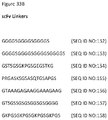
- Useful linkers include glycine-serine polymers, including for example (GS)n, (GSGGS)n, (GGGGS)n, and (GGGS)n, where n is an integer of at least one (and generally from 3 to 4), glycine-alanine polymers, alanine-serine polymers, and other flexible linkers.
- glycine-serine polymers including for example (GS)n, (GSGGS)n, (GGGGS)n, and (GGGS)n, where n is an integer of at least one (and generally from 3 to 4), glycine-alanine polymers, alanine-serine polymers, and other flexible linkers.
- nonproteinaceous polymers including but not limited to polyethylene glycol (PEG), polypropylene glycol, polyoxyalkylenes, or copolymers of polyethylene glycol and polypropylene glycol, may find use as linkers, that is may find use as linkers.
- linker sequences may include any sequence of any length of CL/CH1 domain but not all residues of CL/CH1 domain; for example the first 5-12 amino acid residues of the CL/CH1 domains.
- Linkers can be derived from immunoglobulin light chain, for example C ⁇ or C ⁇ .
- Linkers can be derived from immunoglobulin heavy chains of any isotype, including for example C ⁇ 1, Cy2, Cy3, Cy4, C ⁇ 1, C ⁇ 2, C ⁇ , C ⁇ , and C ⁇ .
- Linker sequences may also be derived from other proteins such as Ig-like proteins (e.g. TCR, FcR, KIR), hinge region-derived sequences, and other natural sequences from other proteins.
- the CDRs are grafted into the beta-sheet framework of a human antibody variable region to create an antibody, the specificity of which is determined by the engrafted CDRs.
- the creation of such antibodies is described in, e.g., WO 92/11018 , Jones, 1986, Nature 321:522-525 , Verhoeyen et al., 1988, Science 239:1534-1536 .
- the humanized antibody optimally also will comprise at least a portion of an immunoglobulin constant region, typically that of a human immunoglobulin, and thus will typically comprise a human Fc region. Humanized antibodies can also be generated using mice with a genetically engineered immune system. Roque et al., 2004, Biotechnol. Prog. 20:639-654 .
- the parent antibody has been affinity matured, as is known in the art.
- Structure-based methods may be employed for humanization and affinity maturation, for example as described in US2006-0008883 .
- Selection based methods may be employed to humanize and/or affinity mature antibody variable regions, including but not limited to methods described in Wu et al., 1999, J. Mol. Biol. 294:151-162 ; Baca et al., 1997, J. Biol. Chem. 272(16):10678-10684 ; Rosok et al., 1996, J. Biol. Chem. 271(37): 22611-22618 ; Rader et al., 1998, Proc. Natl. Acad. Sci.
- the present invention is directed to novel constructs to provide heterodimeric antibodies that allow binding to more than one antigen or ligand, e.g. to allow for bispecific binding.
- the heterodimeric antibody constructs are based on the self-assembling nature of the two Fc domains of the heavy chains of antibodies, e.g. two "monomers” that assemble into a "dimer”.
- Heterodimeric antibodies are made by altering the amino acid sequence of each monomer as more fully discussed below.
- the present invention is generally directed to the creation of heterodimeric antibodies which can co-engage antigens in several ways, relying on amino acid variants in the constant regions that are different on each chain to promote heterodimeric formation and/or allow for ease of purification of heterodimers over the homodimers.
- heterodimerization variants amino acid variants that lead to the production of heterodimers are referred to as “heterodimerization variants”.
- heterodimerization variants can include steric variants (e.g. the "knobs and holes” or “skew” variants described below and the “charge pairs” variants described below) as well as “pI variants", which allows purification of homodimers away from heterodimers.
- WO2014/145806 referred to in the discussion below, describes “heterodimerization variants", useful mechanisms for heterodimerization include “knobs and holes” ("KIH”; sometimes herein as “skew” variants (see discussion in WO2014/145806 ), “electrostatic steering” or “charge pairs” as described in WO2014/145806 , pI variants as described in WO2014/145806 , and general additional Fc variants as outlined in WO2014/145806 and below.
- KH knocks and holes
- skew electrostatic steering
- charge pairs as described in WO2014/145806
- pI variants as described in WO2014/145806
- general additional Fc variants as outlined in WO2014/145806 and below.
- a sufficient change in pI in at least one of the monomers is created such that heterodimers can be separated from homodimers.
- this can be done by using a "wild type" heavy chain constant region and a variant region that has been engineered to either increase or decrease it's pI (wt A-+B or wt A - -B), or by increasing one region and decreasing the other region (A+ -B- or A- B+).
- amino acid variants in the constant regions of antibodies that are directed to altering the isoelectric point (pI) of at least one, if not both, of the monomers of a dimeric protein to form "pI antibodies" by incorporating amino acid substitutions ("pI variants" or "pI substitutions") into one or both of the monomers.
- pI isoelectric point
- the separation of the heterodimers from the two homodimers can be accomplished if the pIs of the two monomers differ by as little as 0.1 pH unit, with 0.2, 0.3, 0.4 and 0.5 or greater all finding use in the present invention.
- the number of pI variants to be included on each or both monomer(s) to get good separation will depend in part on the starting pI of the components, for example in the triple F format, the starting pI of the scFv and Fab of interest. That is, to determine which monomer to engineer or in which "direction" (e.g. more positive or more negative), the Fv sequences of the two target antigens are calculated and a decision is made from there. As is known in the art, different Fvs will have different starting pIs which are exploited in the present invention. In general, as outlined herein, the pIs are engineered to result in a total pI difference of each monomer of at least about 0.1 logs, with 0.2 to 0.5 being preferred as outlined herein.
- heterodimers can be separated from homodimers on the basis of size. As shown in Figures 1 for example, several of the formats allow separation of heterodimers and homodimers on the basis of size.
- heterodimerization variants including skew and purification heterodimerization variants
- the possibility of immunogenicity resulting from the pI variants is significantly reduced by importing pI variants from different IgG isotypes such that pI is changed without introducing significant immunogenicity.
- an additional problem to be solved is the elucidation of low pI constant domains with high human sequence content, e.g. the minimization or avoidance of non-human residues at any particular position.
- a side benefit that can occur with this pI engineering is also the extension of serum half-life and increased FcRn binding. That is, as described in US20120028304 , lowering the pI of antibody constant domains (including those found in antibodies and Fc fusions) can lead to longer serum retention in vivo. These pI variants for increased serum half life also facilitate pI changes for purification.
- heterodimeric proteins including heterodimeric antibodies in a variety of formats, which utilize heterodimeric variants to allow for heterodimeric formation and/or purification away from homodimers.
- these sets do not necessarily behave as "knobs in holes" variants, with a one-to-one correspondence between a residue on one monomer and a residue on the other; that is, these pairs of sets form an interface between the two monomers that encourages heterodimer formation and discourages homodimer formation, allowing the percentage of heterodimers that spontaneously form under biological conditions to be over 90%, rather than the expected 50% (25 % homodimer A/A:50% heterodimer A/B:25% homodimer B/B).
- heterodimers can be facilitated by the addition of steric variants. That is, by changing amino acids in each heavy chain, different heavy chains are more likely to associate to form the heterodimeric structure than to form homodimers with the same Fc amino acid sequences. Suitable steric variants are included in Figure 29 .
- knocks and holes referring to amino acid engineering that creates steric influences to favor heterodimeric formation and disfavor homodimeric formation can also optionally be used; this is sometimes referred to as “knobs and holes”, as described in Ridgway et al., Protein Engineering 9(7):617 (1996 ); Atwell et al., J. Mol. Biol. 1997 270:26 ; US Patent No. 8,216,805 .
- the Figures identify a number of "monomer A - monomer B" pairs that rely on “knobs and holes”.
- these "knobs and hole” mutations can be combined with disulfide bonds to skew formation to heterodimerization.
- D221E/P228E/L368E paired with D221R/P228R/K409R e.g. these are "monomer corresponding sets
- C220E/P228E/368E paired with C220R/E224R/P228R/K409R e.g. these are "monomer corresponding sets
- the steric variants outlined herein can be optionally and independently incorporated with any pI variant (or other variants such as Fc variants, FcRn variants, etc.) into one or both monomers, and can be independently and optionally included or excluded from the proteins of the invention.
- FIG. 29 A list of suitable skew variants is found in Figure 29 , with Figure 34 showing some pairs of particular utility in many embodiments.
- the pairs of sets including, but not limited to, S364K/E357Q : L368D/K370S; L368D/K370S : S364K; L368E/K370S : S364K; T411T/E360E/Q362E : D401K; L368D/K370S : S364K/E357L and K370S : S364K/E357Q.
- pI variants those that increase the pI of the protein (basic changes) and those that decrease the pI of the protein (acidic changes).
- basic changes those that increase the pI of the protein
- acidic changes those that decrease the pI of the protein
- all combinations of these variants can be done: one monomer may be wild type, or a variant that does not display a significantly different pI from wild-type, and the other can be either more basic or more acidic. Alternatively, each monomer is changed, one to more basic and one to more acidic.
- pI variants can also be made in the light chain.
- Amino acid substitutions for lowering the pI of the light chain include, but are not limited to, K126E, K126Q, K145E, K145Q, N152D, S156E, K169E, S202E, K207E and adding peptide DEDE at the c-terminus of the light chain. Changes in this category based on the constant lambda light chain include one or more substitutions at R108Q, Q124E, K126Q, N138D, K145T and Q199E. In addition, increasing the pI of the light chains can also be done.
- IgG1 is a common isotype for therapeutic antibodies for a variety of reasons, including high effector function.
- the heavy constant region of IgG1 has a higher pI than that of IgG2 (8.10 versus 7.31).
- IgG1 has a glycine (pI 5.97) at position 137
- IgG2 has a glutamic acid (pI 3.22); importing the glutamic acid will affect the pI of the resulting protein.
- a number of amino acid substitutions are generally required to significant affect the pI of the variant antibody.
- even changes in IgG2 molecules allow for increased serum half-life.
- non-isotypic amino acid changes are made, either to reduce the overall charge state of the resulting protein (e.g. by changing a higher pI amino acid to a lower pI amino acid), or to allow accommodations in structure for stability, etc. as is more further described below.
- the pI of each monomer can depend on the pI of the variant heavy chain constant domain and the pI of the total monomer, including the variant heavy chain constant domain and the fusion partner.
- the change in pI is calculated on the basis of the variant heavy chain constant domain, using the chart in the Figure 19 of US Pub. 2014/0370013 .
- which monomer to engineer is generally decided by the inherent pI of the Fv and scaffold regions.
- the pI of each monomer can be compared.
- Fc amino acid modification In addition to pI amino acid variants, there are a number of useful Fc amino acid modification that can be made for a variety of reasons, including, but not limited to, altering binding to one or more Fc ⁇ R receptors, altered binding to FcRn receptors, etc.
- the proteins can include amino acid modifications, including the heterodimerization variants outlined herein, which includes the pI variants and steric variants.
- Each set of variants can be independently and optionally included or excluded from any particular heterodimeric protein.
- Fc substitutions that can be made to alter binding to one or more of the Fc ⁇ R receptors.
- Substitutions that result in increased binding as well as decreased binding can be useful.
- ADCC antibody dependent cell-mediated cytotoxicity; the cell-mediated reaction wherein nonspecific cytotoxic cells that express Fc ⁇ Rs recognize bound antibody on a target cell and subsequently cause lysis of the target cell.
- Fc ⁇ RIIb an inhibitory receptor
- Amino acid substitutions that find use in the present invention include those listed in US2006-0024298 (particularly Figure 41 ), US2006-0121032 , US2006-0235208 , US2007-014817 .
- Particular variants that find use include, but are not limited to, 236A, 239D, 239E, 332E, 332D, 239D/332E, 267D, 267E, 328F, 267E/328F, 236A/332E, 239D/332E/330Y, 239D, 332E/330L, 243A, 243L, 264A, 264V and 299T.
- ablation variants are depicted in Figure 31 , and each can be independently and optionally included or excluded, with preferred aspects utilizing ablation variants selected from the group consisting of G236R/L328R, E233P/L234V/L235A/G236del/S239K, E233P/L234V/L235A/G236del/S267K, E233P/L234V/L235A/G236del/S239K/A327G, E233P/L234V/L235A/G236del/S267K/A327G and E233P/L234V/L235A/G236del. It should be noted that the ablation variants referenced herein ablate Fc ⁇ R binding but generally not FcRn binding.
- heterodimerization variants including skew and/or pI variants
- skew and/or pI variants can be optionally and independently combined in any way, as long as they retain their "strandedness" or "monomer partition”.
- all of these variants can be combined into any of the heterodimerization formats.
- any of the heterodimerization variants, skew and pI are also independently and optionally combined with Fc ablation variants, Fc variants, FcRn variants, as generally outlined herein.
- the heterodimeric fusion proteins can take on a wide variety of configurations, as are generally depicted in Figures 1 .
- the present invention is directed to novel immunoglobulin compositions that co-engage a different first and a second antigen.
- heterodimeric antibodies of the invention can be bivalent and bispecific, wherein one target tumor antigen (e.g. CD3) is bound by one binding domain and the other target tumor antigen (e.g. CD20, CD19, CD38, CD123, etc.) is bound by a second binding domain.
- the heterodimeric antibodies can also be trivalent and bispecific, wherein the first antigen is bound by two binding domains and the second antigen by a second binding domain.
- CD3 is one of the target antigens
- anti-CD3 antigen binding domains in combination with anti-target tumor antigen (TTA) antigen binding domains.
- TTA anti-target tumor antigen
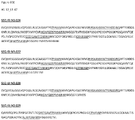
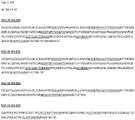
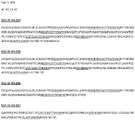
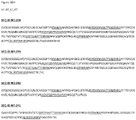
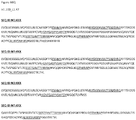
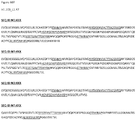
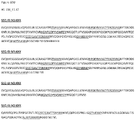
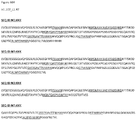
- any collection of anti-CD3 CDRs, anti-CD3 variable light and variable heavy domains, Fabs and scFvs as depicted in any of the Figures (see particularly Figures 2 through 7 , and Figure 68 ) can be used.
- any of the anti-TTA antigen binding domains can be used, e.g.
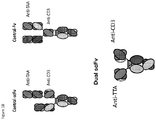
- One heterodimeric scaffold that finds particular use in the present invention is the "triple F” or “bottle opener” scaffold format as shown in Figure 1A , A and B.
- one heavy chain of the antibody contains an single chain Fv ("scFv", as defined below) and the other heavy chain is a "regular" FAb format, comprising a variable heavy chain and a light chain.
- This structure is sometimes referred to herein as “triple F” format (scFv-FAb-Fc) or the "bottle-opener” format, due to a rough visual similarity to a bottle-opener (see Figures 1 ).
- the two chains are brought together by the use of amino acid variants in the constant regions (e.g. the Fc domain, the CH1 domain and/or the hinge region) that promote the formation of heterodimeric antibodies as is described more fully below.
- the scFv is the domain that binds to the CD3, with the Fab of the heavy and light chains binding to the other TTA.
- the Fc domains of the invention generally comprise skew variants (e.g. a set of amino acid substitutions as shown in Figure 29 and Figure 34 , with particularly useful skew variants being selected from the group consisting of S364K/E357Q : L368D/K370S; L368D/K370S : S364K; L368E/K370S : S364K; T411T/E360E/Q362E : D401K; L368D/K370S : S364K/E357L and K370S : S364K/E357Q), optionally ablation variants (including those shown in Figure 31 ), optionally charged scFv linkers (including those shown in Figure 33 ) and the heavy chain comprises pI variants (including those shown in Figure 30 ).
- bottle opener formats with CD38 antigen binding domains wherein the anti-CD38 sequences are as shown in the Figures, including Figures 8 to 10 .
- bottle opener formats with CD19 antigen binding domains wherein the anti-CD19 sequences are as shown in the Figures.
- mAb-Fv formats comprising skew variants as shown in Figures 29 and 34 .
- the format relies on the use of a C-terminal attachment of a scFv to one of the monomers, thus forming a third antigen binding domain, wherein the Fab portions of the two monomers bind a TTA and the "extra" scFv domain binds CD3.
- the first monomer comprises a first heavy chain (comprising a variable heavy domain and a constant domain), with a C-terminally covalently attached scFv comprising a scFv variable light domain, an scFv linker and a scFv variable heavy domain.
- This example further utilizes a common light chain comprising a variable light domain and a constant light domain, that associates with the heavy chains to form two identical Fabs that bind a TTA.
- these constructs include skew variants, pI variants, ablation variants, additional Fc variants, etc. as desired and described herein.
- mAb-Fv formats where the anti-CD3 scFv sequences are as shown in Figure 2 to Figure 7 and Figure 68 .
- mAb-Fv formats comprising ablation variants as shown in Figure 31 .
- mAb-Fv formats comprising skew variants as shown in Figures 29 and 34 .
- one monomer comprises a first heavy chain comprising a first variable heavy domain, a CH1 domain and Fc domain, with a scFv comprising a scFv variable light domain, an scFv linker and a scFv variable heavy domain.
- the scFv is covalently attached between the C-terminus of the CH1 domain of the heavy constant domain and the N-terminus of the first Fc domain using domain linkers.
- This example further utilizes a common light chain comprising a variable light domain and a constant light domain, that associates with the heavy chains to form two identical Fabs that bind a TTA.
- these constructs include skew variants, pI variants, ablation variants, additional Fc variants, etc. as desired and described herein.
- Central-scFv formats where the anti-CD3 scFv sequences are as shown in Figure 2 to Figure 7 and Figure 68 .
- Central-scFv formats with CD19 antigen binding domains wherein the anti-CD19 sequences are as shown in in the Figures.
- Central-scFv formats comprising ablation variants as shown in Figure 31 .
- Central-scFv formats comprising skew variants as shown in Figures 29 and 34 .
- One heterodimeric scaffold that finds particular use is the Central-Fv format shown in Figure 1 .
- the format relies on the use of an inserted scFv domain thus forming a third antigen binding domain, wherein the Fab portions of the two monomers bind a TTA and the "extra" scFv domain binds CD3.
- the scFv domain is inserted between the Fc domain and the CH1-Fv region of the monomers, thus providing a third antigen binding domain, wherein each monomer contains a component of the scFv (e.g. one monomer comprises a variable heavy domain and the other a variable light domain).
- one monomer comprises a first heavy chain comprising a first variable heavy domain, a CH1 domain and Fc domain and an additional variable light domain.
- the light domain is covalently attached between the C-terminus of the CH1 domain of the heavy constant domain and the N-terminus of the first Fc domain using domain linkers.
- the other monomer comprises a first heavy chain comprising a first variable heavy domain, a CH1 domain and Fc domain and an additional variable heavy domain.
- the light domain is covalently attached between the C-terminus of the CH1 domain of the heavy constant domain and the N-terminus of the first Fc domain using domain linkers.
- This example embodiment further utilizes a common light chain comprising a variable light domain and a constant light domain, that associates with the heavy chains to form two identical Fabs that bind a TTA.
- these constructs include skew variants, pI variants, ablation variants, additional Fc variants, etc. as desired and described herein.
- Central-Fv formats where the anti-CD3 scFv sequences are as shown in Figure 2 to Figure 7 and Figure 68 .
- Central-Fv formats wherein the anti-CD38 sequences are as shown in Figures 8 to 10 .
- Central-Fv formats with CD20 antigen binding domains wherein the anti-CD20 sequences are as shown in the Figures.
- Central-Fv formats comprising ablation variants as shown in Figure 31 .
- Central-Fv formats comprising skew variants as shown in Figures 29 and 34 .
- target antigens for which it may be therapeutically beneficial or necessary to co-engage monovalently include but are not limited to immune activating receptors such as CD3, FcyRs, toll-like receptors (TLRs) such as TLR4 and TLR9, cytokine, chemokine, cytokine receptors, and chemokine receptors.
- TLRs toll-like receptors
- cytokine chemokine
- cytokine receptors chemokine receptors
- one of the antigen binding sites binds to CD3, and in some embodiments it is the scFv-containing monomer.
- the invention further provides nucleic acid compositions encoding the bispecific antibodies of the invention.
- the nucleic acid compositions will depend on the format and scaffold of the heterodimeric protein.
- the format requires three amino acid sequences, such as for the triple F format (e.g. a first amino acid monomer comprising an Fc domain and a scFv, a second amino acid monomer comprising a heavy chain and a light chain)
- three nucleic acid sequences can be incorporated into one or more expression vectors for expression.
- some formats e.g. dual scFv formats such as disclosed in Figure 1 ) only two nucleic acids are needed; again, they can be put into one or two expression vectors.
- nucleic acids encoding each monomer and the optional nucleic acid encoding a light chain are each contained within a single expression vector, generally under different or the same promoter controls. In examples of particular use in the present invention, each of these two or three nucleic acids are contained on a different expression vector.
- different vector ratios can be used to drive heterodimer formation. That is, surprisingly, while the proteins comprise first monomer:second monomer:light chains (in the case of many of the embodiments herein that have three polypeptides comprising the heterodimeric antibody) in a 1:1:2 ratio, these are not the ratios that give the best results.
- heterodimeric antibodies of the invention are made by culturing host cells comprising the expression vector(s) as is well known in the art. Once produced, traditional antibody purification steps are done, including an ion exchange chromotography step. As discussed herein, having the pIs of the two monomers differ by at least 0.5 can allow separation by ion exchange chromatography or isoelectric focusing, or other methods sensitive to isoelectric point.
- the compositions find use in a number of applications.
- CD20, CD38 and CD123 are all unregulated in many hematopoeitic malignancies and in cell lines derived from various hematopoietic malignancies, accordingly, the heterodimeric antibodies of the invention find use in treating cancer, including but not limited to, all B cell lymphomas and leukemias, including but not limited to non-Hodgkin's lymphoma (NHL), Burkitt's lymphoma (BL), multiple myeloma (MM), B chronic lymphocytic leukemia (B-CLL), B and T acute lymphocytic leukemia (ALL), T cell lymphoma (TCL), acute myeloid leukemia (AML), hairy cell leukemia (HCL), Hodgkin's Lymphoma (HL), chronic lymphocytic leukemia (CLL), non-Hodgkin's lymphoma, and chronic myeloid leukemia (CML).
- NHL non-
- heterodimeric compositions find use in the treatment of these cancers.
- the formulation herein may also contain more than one active compound as necessary for the particular indication being treated, preferably those with complementary activities that do not adversely affect each other. For example, it may be desirable to provide antibodies with other specifcities.
- the composition may comprise a cytotoxic agent, cytokine, growth inhibitory agent and/or small molecule antagonist. Such molecules are suitably present in combination in amounts that are effective for the purpose intended.
- the active ingredients may also be entrapped in microcapsules prepared, for example, by coacervation techniques or by interfacial polymerization, for example, hydroxymethylcellulose or gelatin-microcapsules and poly-(methylmethacylate) microcapsules, respectively, in colloidal drug delivery systems (for example, liposomes, albumin microspheres, microemulsions, nano-particles and nanocapsules) or in macroemulsions.
- colloidal drug delivery systems for example, liposomes, albumin microspheres, microemulsions, nano-particles and nanocapsules
- Sustained-release preparations may be prepared. Suitable examples of sustained-release preparations include semipermeable matrices of solid hydrophobic polymers containing the antibody, which matrices are in the form of shaped articles, e.g. films, or microcapsules. Examples of sustained-release matrices include polyesters, hydrogels (for example, poly(2-hydroxyethyl-methacrylate), or poly(vinylalcohol)), polylactides ( U.S. Pat. No. 3,773,919 ), copolymers of L-glutamic acid and .gamma.
- sustained-release preparations include polyesters, hydrogels (for example, poly(2-hydroxyethyl-methacrylate), or poly(vinylalcohol)), polylactides ( U.S. Pat. No. 3,773,919 ), copolymers of L-glutamic acid and .gamma.
- An improvement in the disease may be characterized as a complete response.
- complete response is intended an absence of clinically detectable disease with normalization of any previously abnormal radiographic studies, bone marrow, and cerebrospinal fluid (CSF) or abnormal monoclonal protein in the case of myeloma.
- CSF cerebrospinal fluid
- Such a response may persist for at least 4 to 8 weeks, or sometimes 6 to 8 weeks, following treatment according to the methods of the invention.
- an improvement in the disease may be categorized as being a partial response.
- partial response is intended at least about a 50% decrease in all measurable tumor burden (i.e., the number of malignant cells present in the subject, or the measured bulk of tumor masses or the quantity of abnormal monoclonal protein) in the absence of new lesions, which may persist for 4 to 8 weeks, or 6 to 8 weeks.
- Treatment includes a "therapeutically effective amount” of the medicaments used.
- a “therapeutically effective amount” refers to an amount effective, at dosages and for periods of time necessary, to achieve a desired therapeutic result.
- a therapeutically effective amount may vary according to factors such as the disease state, age, sex, and weight of the individual, and the ability of the medicaments to elicit a desired response in the individual.
- a therapeutically effective amount is also one in which any toxic or detrimental effects of the antibody or antibody portion are outweighed by the therapeutically beneficial effects.
- a “therapeutically effective amount” for tumor therapy may also be measured by its ability to stabilize the progression of disease.
- the ability of a compound to inhibit cancer may be evaluated in an animal model system predictive of efficacy in human tumors.
- this property of a composition may be evaluated by examining the ability of the compound to inhibit cell growth or to induce apoptosis by in vitro assays known to the skilled practitioner.
- a therapeutically effective amount of a therapeutic compound may decrease tumor size, or otherwise ameliorate symptoms in a subject.
- One of ordinary skill in the art would be able to determine such amounts based on such factors as the subject's size, the severity of the subject's symptoms, and the particular composition or route of administration selected.
- Dosage regimens are adjusted to provide the optimum desired response (e.g., a therapeutic response). For example, a single bolus may be administered, several divided doses may be administered over time or the dose may be proportionally reduced or increased as indicated by the exigencies of the therapeutic situation.
- Parenteral compositions may be formulated in dosage unit form for ease of administration and uniformity of dosage.
- Dosage unit form as used herein refers to physically discrete units suited as unitary dosages for the subjects to be treated; each unit contains a predetermined quantity of active compound calculated to produce the desired therapeutic effect in association with the required pharmaceutical carrier.
- the efficient dosages and the dosage regimens for the bispecific antibodies depend on the disease or condition to be treated and may be determined by the persons skilled in the art.
- An exemplary, non-limiting range for a therapeutically effective amount of an bispecific antibody used in the present invention is about 0.1-100 mg/kg, such as about 0.1-50 mg/kg, for example about 0.1-20 mg/kg, such as about 0.1-10 mg/kg, for instance about 0.5, about such as 0.3, about 1, or about 3 mg/kg.
- he antibody is administered in a dose of 1 mg/kg or more, such as a dose of from 1 to 20 mg/kg, e.g. a dose of from 5 to 20 mg/kg, e.g. a dose of 8 mg/kg.
- a medical professional having ordinary skill in the art may readily determine and prescribe the effective amount of the pharmaceutical composition required.
- a physician or a veterinarian could start doses of the medicament employed in the pharmaceutical composition at levels lower than that required in order to achieve the desired therapeutic effect and gradually increase the dosage until the desired effect is achieved.
- the bispecific antibody is administered by infusion in a weekly dosage of from 10 to 500 mg/kg such as of from 200 to 400 mg/kg Such administration may be repeated, e.g., 1 to 8 times, such as 3 to 5 times.
- the administration may be performed by continuous infusion over a period of from 2 to 24 hours, such as of from 2 to 12 hours.
- the bispecific antibody is administered in a weekly dosage of from 250 mg to 2000 mg, such as for example 300 mg, 500 mg, 700 mg, 1000 mg, 1500 mg or 2000 mg, for up to 8 times, such as from 4 to 6 times.
- the administration may be performed by continuous infusion over a period of from 2 to 24 hours, such as of from 2 to 12 hours. Such regimen may be repeated one or more times as necessary, for example, after 6 months or 12 months.
- the dosage may be determined or adjusted by measuring the amount of compound of the present invention in the blood upon administration by for instance taking out a biological sample and using anti-idiotypic antibodies which target the antigen binding region of the bispecific antibody.
- the bispecific antibody is administered once weekly for 2 to 12 weeks, such as for 3 to 10 weeks, such as for 4 to 8 weeks.
- the bispecific antibody is administered by maintenance therapy, such as, e.g., once a week for a period of 6 months or more.
- the bispecific antibody is administered by a regimen including one infusion of an bispecific antibody followed by an infusion of an bispecific antibody conjugated to a radioisotope.
- the regimen may be repeated, e.g., 7 to 9 days later.
- treatment according to the present invention may be provided as a daily dosage of an antibody in an amount of about 0.1-100 mg/kg, such as 0.5, 0.9, 1.0, 1.1, 1.5, 2, 3, 4, 5, 6, 7, 8, 9, 10, 11, 12, 13, 14, 15, 16, 17, 18, 19, 20, 21, 22, 23, 24, 25, 26, 27, 28, 29, 30, 40, 45, 50, 60, 70, 80, 90 or 100 mg/kg, per day, on at least one of day 1, 2, 3, 4, 5, 6, 7, 8, 9, 10, 11, 12, 13, 14, 15, 16, 17, 18, 19, 20, 21, 22, 23, 24, 25, 26, 27, 28, 29, 30, 31, 32, 33, 34, 35, 36, 37, 38, 39, or 40, or alternatively, at least one of week 1, 2, 3, 4, 5, 6, 7, 8, 9, 10, 11, 12, 13, 14, 15, 16, 17, 18, 19 or 20 after initiation of treatment, or any combination thereof, using single or divided doses of every 24, 12, 8, 6, 4, or 2 hours, or any combination thereof.
- an antibody in an amount of about 0.1-100 mg/kg, such as 0.5, 0.9, 1.0, 1.1, 1.5, 2, 3, 4, 5, 6,
- Chemotherapeutic agents that disrupt cell replication include: paclitaxel, docetaxel, and related analogs; vincristine, vinblastin, and related analogs; thalidomide, lenalidomide, and related analogs (e.g., CC-5013 and CC-4047); protein tyrosine kinase inhibitors (e.g., imatinib mesylate and gefitinib); proteasome inhibitors (e.g., bortezomib); NF- ⁇ B inhibitors, including inhibitors of IKB kinase; antibodies which bind to proteins overexpressed in cancers and thereby downregulate cell replication (e.g., trastuzumab, rituximab, cetuximab, and bevacizumab); and other inhibitors of proteins or enzymes known to be upregulated, over-expressed or activated in cancers, the inhibition of which downregulates cell replication.
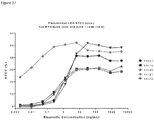
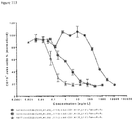
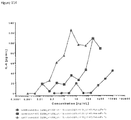
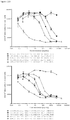
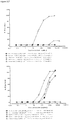
- Anti-CD38 x anti-CD3 bispecifics were characterized in vitro for redirected T cell cytotoxicity (RTCC) of the CD38 + RPMI8266 myeloma cell line. 10k RPMI8266 cells were incubated for 24 h with 500k human PBMCs. RTCC was measured by LDH fluorescence as indicated (see Figure 37 ).
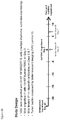
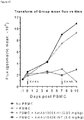
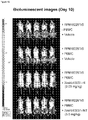
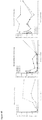
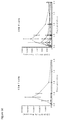
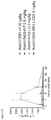
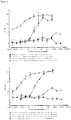
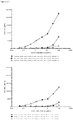
- mice Four groups of five NOD scid gamma (NSG) mice each were engrafted with 5x10⁶ RPMI8226TrS tumor cells (multiple myeloma, luciferase-expressing) by intravenous tail vein injection on Day -23. On Day 0, mice were engrafted intraperitoneally with 10x106 human PBMCs. After PBMC engraftment on Day 0, test articles are dosed weekly (Days 0, 7) by intraperitoneal injection at dose levels indicated in Figure 4 . Study design is further summarized in Figure 46 . Tumor growth was monitored by measuring total flux per mouse using an in vivo imaging system (IVIS®). Both XmAb13551 and XmAb15426 showed substantial anti-tumor effects (see Figure 47 and Figure 48 ).
- IVIS® in vivo imaging system
Landscapes
- Health & Medical Sciences (AREA)
- Chemical & Material Sciences (AREA)
- Immunology (AREA)
- Organic Chemistry (AREA)
- Life Sciences & Earth Sciences (AREA)
- General Health & Medical Sciences (AREA)
- Medicinal Chemistry (AREA)
- Proteomics, Peptides & Aminoacids (AREA)
- Molecular Biology (AREA)
- Genetics & Genomics (AREA)
- Biophysics (AREA)
- Biochemistry (AREA)
- Cell Biology (AREA)
- Pharmacology & Pharmacy (AREA)
- Veterinary Medicine (AREA)
- Public Health (AREA)
- Animal Behavior & Ethology (AREA)
- Nuclear Medicine, Radiotherapy & Molecular Imaging (AREA)
- General Chemical & Material Sciences (AREA)
- Chemical Kinetics & Catalysis (AREA)
- Hematology (AREA)
- Peptides Or Proteins (AREA)
- Medicines Containing Antibodies Or Antigens For Use As Internal Diagnostic Agents (AREA)
- Micro-Organisms Or Cultivation Processes Thereof (AREA)
- Preparation Of Compounds By Using Micro-Organisms (AREA)
- Medicinal Preparation (AREA)
- Medicines Containing Material From Animals Or Micro-Organisms (AREA)
- Medicines That Contain Protein Lipid Enzymes And Other Medicines (AREA)
Priority Applications (6)
| Application Number | Priority Date | Filing Date | Title |
|---|---|---|---|
| SI201531681T SI3223845T1 (sl) | 2014-11-26 | 2015-11-25 | Heterodimerna protitelesa, ki vežejo CD3 in CD20 |
| RS20211005A RS62332B1 (sr) | 2014-11-26 | 2015-11-25 | Heterodimerna antitela koja vezuju cd3 i cd20 |
| PL15805722T PL3223845T3 (pl) | 2014-11-26 | 2015-11-25 | Heterodimeryczne przeciwciała wiążące cd3 i cd20 |
| HRP20211273TT HRP20211273T1 (hr) | 2014-11-26 | 2015-11-25 | Heterodimerna protutijela koja vežu cd3 i cd20 |
| SM20210521T SMT202100521T1 (it) | 2014-11-26 | 2015-11-25 | Anticorpi eterodimerici che legano cd3 e cd20 |
| EP21173790.3A EP3928788A1 (en) | 2014-11-26 | 2015-11-25 | Heterodimeric antibodies that bind cd3 and cd20 |
Applications Claiming Priority (8)
| Application Number | Priority Date | Filing Date | Title |
|---|---|---|---|
| US201462085117P | 2014-11-26 | 2014-11-26 | |
| US201462084908P | 2014-11-26 | 2014-11-26 | |
| US201462085027P | 2014-11-26 | 2014-11-26 | |
| US201462085106P | 2014-11-26 | 2014-11-26 | |
| US201562159111P | 2015-05-08 | 2015-05-08 | |
| US201562251005P | 2015-11-04 | 2015-11-04 | |
| US201562250971P | 2015-11-04 | 2015-11-04 | |
| PCT/US2015/062772 WO2016086189A2 (en) | 2014-11-26 | 2015-11-25 | Heterodimeric antibodies that bind cd3 and tumor antigens |
Related Child Applications (1)
| Application Number | Title | Priority Date | Filing Date |
|---|---|---|---|
| EP21173790.3A Division EP3928788A1 (en) | 2014-11-26 | 2015-11-25 | Heterodimeric antibodies that bind cd3 and cd20 |
Publications (2)
| Publication Number | Publication Date |
|---|---|
| EP3223845A2 EP3223845A2 (en) | 2017-10-04 |
| EP3223845B1 true EP3223845B1 (en) | 2021-05-19 |
Family
ID=54834964
Family Applications (2)
| Application Number | Title | Priority Date | Filing Date |
|---|---|---|---|
| EP15805722.4A Active EP3223845B1 (en) | 2014-11-26 | 2015-11-25 | Heterodimeric antibodies that bind cd3 and cd20 |
| EP21173790.3A Pending EP3928788A1 (en) | 2014-11-26 | 2015-11-25 | Heterodimeric antibodies that bind cd3 and cd20 |
Family Applications After (1)
| Application Number | Title | Priority Date | Filing Date |
|---|---|---|---|
| EP21173790.3A Pending EP3928788A1 (en) | 2014-11-26 | 2015-11-25 | Heterodimeric antibodies that bind cd3 and cd20 |
Country Status (37)
Families Citing this family (126)
| Publication number | Priority date | Publication date | Assignee | Title |
|---|---|---|---|---|
| AU2011283694B2 (en) | 2010-07-29 | 2017-04-13 | Xencor, Inc. | Antibodies with modified isoelectric points |
| US10851178B2 (en) | 2011-10-10 | 2020-12-01 | Xencor, Inc. | Heterodimeric human IgG1 polypeptides with isoelectric point modifications |
| US12466897B2 (en) | 2011-10-10 | 2025-11-11 | Xencor, Inc. | Heterodimeric human IgG1 polypeptides with isoelectric point modifications |
| TWI679212B (zh) | 2011-11-15 | 2019-12-11 | 美商安進股份有限公司 | 針對bcma之e3以及cd3的結合分子 |
| US10131710B2 (en) | 2013-01-14 | 2018-11-20 | Xencor, Inc. | Optimized antibody variable regions |
| US11053316B2 (en) | 2013-01-14 | 2021-07-06 | Xencor, Inc. | Optimized antibody variable regions |
| KR102211837B1 (ko) | 2013-01-14 | 2021-02-03 | 젠코어 인코포레이티드 | 신규한 이형이량체 단백질 |
| US10487155B2 (en) | 2013-01-14 | 2019-11-26 | Xencor, Inc. | Heterodimeric proteins |
| US9701759B2 (en) | 2013-01-14 | 2017-07-11 | Xencor, Inc. | Heterodimeric proteins |
| US10968276B2 (en) | 2013-03-12 | 2021-04-06 | Xencor, Inc. | Optimized anti-CD3 variable regions |
| US9605084B2 (en) | 2013-03-15 | 2017-03-28 | Xencor, Inc. | Heterodimeric proteins |
| WO2014113510A1 (en) | 2013-01-15 | 2014-07-24 | Xencor, Inc. | Rapid clearance of antigen complexes using novel antibodies |
| EP2970486B1 (en) | 2013-03-15 | 2018-05-16 | Xencor, Inc. | Modulation of t cells with bispecific antibodies and fc fusions |
| US10858417B2 (en) | 2013-03-15 | 2020-12-08 | Xencor, Inc. | Heterodimeric proteins |
| US10519242B2 (en) | 2013-03-15 | 2019-12-31 | Xencor, Inc. | Targeting regulatory T cells with heterodimeric proteins |
| US10106624B2 (en) | 2013-03-15 | 2018-10-23 | Xencor, Inc. | Heterodimeric proteins |
| EP3699195A3 (en) | 2014-03-28 | 2020-11-04 | Xencor, Inc. | Bispecific antibodies that bind to cd38 and cd3 |
| PE20171324A1 (es) | 2014-11-26 | 2017-09-11 | Xencor Inc | Anticuerpos heterodimericos que se unen a cd3 y a antigenos tumorales |
| EP3223907A2 (en) | 2014-11-26 | 2017-10-04 | Xencor, Inc. | Heterodimeric antibodies that bind cd3 and cd38 |
| US10259887B2 (en) | 2014-11-26 | 2019-04-16 | Xencor, Inc. | Heterodimeric antibodies that bind CD3 and tumor antigens |
| WO2016105450A2 (en) | 2014-12-22 | 2016-06-30 | Xencor, Inc. | Trispecific antibodies |
| US10227411B2 (en) | 2015-03-05 | 2019-03-12 | Xencor, Inc. | Modulation of T cells with bispecific antibodies and FC fusions |
| BR112017023943A2 (pt) * | 2015-05-08 | 2018-07-31 | Xencor, Inc. | anticorpos heterodimêricos que ligam cd3 e antígenos de tumor |
| HUE057952T2 (hu) | 2015-06-24 | 2022-06-28 | Hoffmann La Roche | Anti-transzferrin receptor antitestek testreszabott affinitással |
| TWI829617B (zh) | 2015-07-31 | 2024-01-21 | 德商安美基研究(慕尼黑)公司 | Flt3及cd3抗體構築體 |
| TWI796283B (zh) | 2015-07-31 | 2023-03-21 | 德商安美基研究(慕尼黑)公司 | Msln及cd3抗體構築體 |
| EA039859B1 (ru) | 2015-07-31 | 2022-03-21 | Эмджен Рисерч (Мюник) Гмбх | Биспецифические конструкты антител, связывающие egfrviii и cd3 |
| TWI744242B (zh) | 2015-07-31 | 2021-11-01 | 德商安美基研究(慕尼黑)公司 | Egfrviii及cd3抗體構築體 |
| AR106189A1 (es) | 2015-10-02 | 2017-12-20 | Hoffmann La Roche | ANTICUERPOS BIESPECÍFICOS CONTRA EL A-b HUMANO Y EL RECEPTOR DE TRANSFERRINA HUMANO Y MÉTODOS DE USO |
| TWI873952B (zh) | 2015-10-02 | 2025-02-21 | 瑞士商赫孚孟拉羅股份公司 | 雙特異性抗‐人類cd20/人類轉鐵蛋白受體抗體及使用方法 |
| CA3007030A1 (en) | 2015-12-07 | 2017-06-15 | Xencor, Inc. | Heterodimeric antibodies that bind cd3 and psma |
| IL313507A (en) | 2016-02-03 | 2024-08-01 | Amgen Res Munich Gmbh | Constructs of bispecific antibodies to BCMA and CD3 that bind to T cells, preparations containing the same and uses thereof |
| EA201891753A1 (ru) | 2016-02-03 | 2019-01-31 | Эмджен Рисерч (Мюник) Гмбх | Биспецифические конструкции антител к psma и cd3, вовлекающие т-клетки |
| WO2017210485A1 (en) * | 2016-06-01 | 2017-12-07 | Xencor, Inc. | Bispecific antibodies that bind cd20 and cd3 for use in the treatment of lymphoma |
| JP7010854B2 (ja) | 2016-06-14 | 2022-01-26 | ゼンコア インコーポレイテッド | 二重特異性チェックポイント阻害剤抗体 |
| CN109715663B (zh) | 2016-06-28 | 2022-11-25 | Xencor股份有限公司 | 结合生长抑素受体2的异源二聚抗体 |
| WO2018014001A1 (en) * | 2016-07-14 | 2018-01-18 | Fred Hutchinson Cancer Research Center | Multiple bi-specific binding domain constructs with different epitope binding to treat cancer |
| TWI790206B (zh) * | 2016-07-18 | 2023-01-21 | 法商賽諾菲公司 | 特異性結合至cd3和cd123的雙特異性抗體樣結合蛋白 |
| EP3489262A4 (en) * | 2016-07-19 | 2020-07-08 | Ibentrus, Inc. | BISPECIFIC PROTEINS AND PROCESSES FOR THEIR PREPARATION |
| WO2018022957A1 (en) * | 2016-07-29 | 2018-02-01 | Tarveda Therapeutics, Inc. | T cell binding conjugates and methods of use |
| US10793632B2 (en) | 2016-08-30 | 2020-10-06 | Xencor, Inc. | Bispecific immunomodulatory antibodies that bind costimulatory and checkpoint receptors |
| MY203000A (en) | 2016-10-14 | 2024-06-01 | Xencor Inc | Il15/il15r� heterodimeric fc-fusion proteins |
| SG11201909160WA (en) * | 2017-04-11 | 2019-10-30 | Inhibrx Inc | Multispecific polypeptide constructs having constrained cd3 binding and methods of using the same |
| US20200179511A1 (en) | 2017-04-28 | 2020-06-11 | Novartis Ag | Bcma-targeting agent, and combination therapy with a gamma secretase inhibitor |
| WO2018223004A1 (en) | 2017-06-01 | 2018-12-06 | Xencor, Inc. | Bispecific antibodies that bind cd20 and cd3 |
| KR20200041834A (ko) | 2017-06-01 | 2020-04-22 | 젠코어 인코포레이티드 | Cd123 및 cd3에 결합하는 이중특이성 항체 |
| UY37758A (es) | 2017-06-12 | 2019-01-31 | Novartis Ag | Método de fabricación de anticuerpos biespecíficos, anticuerpos biespecíficos y uso terapéutico de dichos anticuerpos |
| EP3642240A1 (en) | 2017-06-22 | 2020-04-29 | Novartis AG | Antibody molecules to cd73 and uses thereof |
| CN111093702A (zh) * | 2017-06-22 | 2020-05-01 | 财团法人生物技术开发中心 | 靶细胞依赖性T细胞的接合和活化型不对称异二聚Fc-ScFv融合抗体形式用于癌症治疗 |
| MY204117A (en) | 2017-06-22 | 2024-08-08 | Novartis Ag | Antibody molecules to cd73 and uses thereof |
| WO2019006472A1 (en) | 2017-06-30 | 2019-01-03 | Xencor, Inc. | TARGETED HETETRODIMERIC FUSION PROTEINS CONTAINING IL-15 / IL-15RA AND ANTIGEN-BINDING DOMAINS |
| WO2019023097A1 (en) * | 2017-07-26 | 2019-01-31 | Smet Pharmaceutical Inc | ASYMMETRIC BISPECIFIC ANTIBODIES AND THEIR USE |
| KR102794369B1 (ko) | 2017-08-01 | 2025-04-15 | 에이비 테라퓨틱스 인코퍼레이티드 | 이중특이 항체 및 그의 용도 |
| US12202911B2 (en) * | 2017-10-10 | 2025-01-21 | Numab Therapeutics AG | Multispecific antibody comprising CD137 binding domain and PDL1 binding domain |
| EP3694885A1 (en) | 2017-10-14 | 2020-08-19 | CytomX Therapeutics, Inc. | Antibodies, activatable antibodies, bispecific antibodies, and bispecific activatable antibodies and methods of use thereof |
| US10981992B2 (en) | 2017-11-08 | 2021-04-20 | Xencor, Inc. | Bispecific immunomodulatory antibodies that bind costimulatory and checkpoint receptors |
| JP2021502100A (ja) | 2017-11-08 | 2021-01-28 | ゼンコア インコーポレイテッド | 新規抗pd−1配列を用いた二重特異性および単一特異性抗体 |
| US20200371091A1 (en) | 2017-11-30 | 2020-11-26 | Novartis Ag | Bcma-targeting chimeric antigen receptor, and uses thereof |
| IL275426B2 (en) | 2017-12-19 | 2025-03-01 | Xencor Inc | Engineered il-2 fc fusion proteins |
| AU2018387829B2 (en) * | 2017-12-22 | 2024-12-19 | Argenx Bvba | Bispecific antigen binding construct |
| GB201802487D0 (en) | 2018-02-15 | 2018-04-04 | Argenx Bvba | Cytokine combination therapy |
| JP7337079B2 (ja) | 2018-02-15 | 2023-09-01 | マクロジェニクス,インコーポレーテッド | 変異型cd3結合ドメイン、及び疾患の治療のための併用療法におけるその使用 |
| CA3096052A1 (en) | 2018-04-04 | 2019-10-10 | Xencor, Inc. | Heterodimeric antibodies that bind fibroblast activation protein |
| KR20260046525A (ko) * | 2018-04-11 | 2026-04-07 | 인히브릭스 바이오사이언스, 인크. | 제한된 cd3 결합을 갖는 다중특이적 폴리펩티드 컨스트럭트 및 관련된 방법 및 용도 |
| WO2019204646A1 (en) | 2018-04-18 | 2019-10-24 | Xencor, Inc. | Lag-3 targeted heterodimeric fusion proteins containing il-15/il-15ra fc-fusion proteins and lag-3 antigen binding domains |
| MA52289A (fr) | 2018-04-18 | 2021-02-24 | Xencor Inc | Protéines de fusion fc hétérodimères il-15/il-15ra et leurs utilisations |
| SG11202010163QA (en) | 2018-04-18 | 2020-11-27 | Xencor Inc | Pd-1 targeted heterodimeric fusion proteins containing il-15/il-15ra fc-fusion proteins and pd-1 antigen binding domains and uses thereof |
| EP3781598A1 (en) | 2018-04-18 | 2021-02-24 | Xencor, Inc. | Tim-3 targeted heterodimeric fusion proteins containing il-15/il-15ra fc-fusion proteins and tim-3 antigen binding domains |
| AU2019260717A1 (en) | 2018-04-27 | 2020-11-12 | Novartis Ag | Dosing of a bispecific antibody that bind CD123 and CD3 |
| TWI869346B (zh) | 2018-05-30 | 2025-01-11 | 瑞士商諾華公司 | Entpd2抗體、組合療法、及使用該等抗體和組合療法之方法 |
| WO2019232244A2 (en) | 2018-05-31 | 2019-12-05 | Novartis Ag | Antibody molecules to cd73 and uses thereof |
| KR102870868B1 (ko) | 2018-06-01 | 2025-10-15 | 노파르티스 아게 | Bcma에 대한 결합 분자 및 이의 용도 |
| EP3827019A1 (en) | 2018-07-24 | 2021-06-02 | Inhibrx, Inc. | Multispecific polypeptide constructs containing a constrained cd3 binding domain and a receptor binding region and methods of using the same |
| US20210380684A1 (en) * | 2018-09-28 | 2021-12-09 | Kyowa Kirin Co., Ltd. | Antibody composition |
| JP2022508529A (ja) * | 2018-09-29 | 2022-01-19 | 上海博槿生物科技有限公司 | 二重標的抗原結合分子 |
| AU2019355971B2 (en) * | 2018-10-03 | 2025-05-08 | Xencor, Inc. | IL-12 heterodimeric Fc-fusion proteins |
| JP2022504802A (ja) * | 2018-10-11 | 2022-01-13 | インヒブルクス インコーポレイテッド | 5t4シングルドメイン抗体およびその治療組成物 |
| JP7611820B2 (ja) | 2018-10-11 | 2025-01-10 | インヒブルクス バイオサイエンシズ インコーポレイテッド | Dll3シングルドメイン抗体およびその治療用組成物 |
| CN113166261A (zh) * | 2018-10-11 | 2021-07-23 | 印希比股份有限公司 | B7h3单域抗体及其治疗性组合物 |
| AU2019359475A1 (en) | 2018-10-12 | 2021-05-20 | Xencor, Inc. | PD-1 targeted IL-15/IL-15Ralpha Fc fusion proteins and uses in combination therapies thereof |
| WO2020115115A1 (en) | 2018-12-05 | 2020-06-11 | Morphosys Ag | Multispecific antigen-binding molecules |
| CN113438961A (zh) | 2018-12-20 | 2021-09-24 | Xencor股份有限公司 | 含有IL-15/IL-15Rα和NKG2D抗原结合结构域的靶向异二聚体Fc融合蛋白 |
| US12463463B2 (en) | 2019-01-28 | 2025-11-04 | Ab Therapeutics, Inc. | Bispecific antibodies and uses thereof |
| WO2020168554A1 (zh) * | 2019-02-22 | 2020-08-27 | 武汉友芝友生物制药有限公司 | 改造的Fc片段,包含其的抗体及其应用 |
| CA3132185A1 (en) | 2019-03-01 | 2020-09-10 | Xencor, Inc. | Heterodimeric antibodies that bind enpp3 and cd3 |
| KR102239781B1 (ko) * | 2019-04-08 | 2021-04-13 | 주식회사 녹십자 | Gpnmb 및 cd3에 특이적으로 결합하는 이중특이적 항체 및 이의 용도 |
| US12037378B2 (en) | 2019-05-21 | 2024-07-16 | Novartis Ag | Variant CD58 domains and uses thereof |
| CN118994397A (zh) | 2019-05-21 | 2024-11-22 | 诺华股份有限公司 | 针对bcma的三特异性结合分子及其用途 |
| JP7489407B2 (ja) | 2019-05-21 | 2024-05-23 | ノバルティス アーゲー | Cd19結合分子及びその使用 |
| CN119679936A (zh) * | 2019-06-24 | 2025-03-25 | 诺华股份有限公司 | 针对靶向b细胞成熟抗原的多特异性抗体的给药方案和组合疗法 |
| US20210102002A1 (en) * | 2019-08-06 | 2021-04-08 | Xencor, Inc. | HETERODIMERIC IgG-LIKE BISPECIFIC ANTIBODIES |
| CN114502590A (zh) | 2019-09-18 | 2022-05-13 | 诺华股份有限公司 | Entpd2抗体、组合疗法、以及使用这些抗体和组合疗法的方法 |
| WO2021054885A1 (en) * | 2019-09-19 | 2021-03-25 | Telefonaktiebolaget Lm Ericsson (Publ) | Allowing a matrix based intra prediction block to have multiple transform blocks |
| TWI841790B (zh) * | 2019-09-30 | 2024-05-11 | 大陸商和鉑醫藥(上海)有限責任公司 | 靶向cd3的抗體、雙特異性抗體及其用途 |
| TW202128757A (zh) | 2019-10-11 | 2021-08-01 | 美商建南德克公司 | 具有改善之特性的 PD-1 標靶 IL-15/IL-15Rα FC 融合蛋白 |
| CN113185611A (zh) * | 2019-12-05 | 2021-07-30 | 启愈生物技术(上海)有限公司 | 含有肿瘤相关抗原taa抗体的三功能融合蛋白及其应用 |
| JP7789002B2 (ja) | 2020-01-29 | 2025-12-19 | インヒブルクス バイオサイエンシズ インコーポレイテッド | Cd28シングルドメイン抗体ならびにその多価および多重特異性の構築物 |
| WO2021171264A1 (en) | 2020-02-28 | 2021-09-02 | Novartis Ag | Dosing of a bispecific antibody that binds cd123 and cd3 |
| US11365239B2 (en) | 2020-03-20 | 2022-06-21 | Tsb Therapeutics (Beijing) Co., Ltd. | Anti-SARS-COV-2 antibodies and uses thereof |
| US20230128499A1 (en) | 2020-03-27 | 2023-04-27 | Novartis Ag | Bispecific combination therapy for treating proliferative diseases and autoimmune diseases |
| WO2021231976A1 (en) | 2020-05-14 | 2021-11-18 | Xencor, Inc. | Heterodimeric antibodies that bind prostate specific membrane antigen (psma) and cd3 |
| CA3192204A1 (en) | 2020-08-19 | 2022-02-24 | Xencor, Inc. | Anti-cd28 and/or anti-b7h3 compositions |
| CN112062855B (zh) * | 2020-08-26 | 2024-08-30 | 北京天诺健成医药科技有限公司 | 一种含有衔接器的药物治疗剂的开发和应用 |
| CN114106195B (zh) * | 2020-08-27 | 2024-09-17 | 盛禾(中国)生物制药有限公司 | 一种多功能融合蛋白及其用途 |
| EP4232478A1 (en) * | 2020-10-23 | 2023-08-30 | Xencor, Inc. | Anti-cd20 antibodies and therapeutic uses thereof |
| IL302412A (en) | 2020-11-06 | 2023-06-01 | Novartis Ag | Anti-CD19 and B-cell targeting agent combination therapy for the treatment of B-cell malignancies |
| CA3199095A1 (en) | 2020-11-06 | 2022-05-12 | Novartis Ag | Cd19 binding molecules and uses thereof |
| AU2022214319A1 (en) | 2021-01-28 | 2023-08-03 | Regeneron Pharmaceuticals, Inc. | Compositions and methods for treating cytokine release syndrome |
| US11739144B2 (en) | 2021-03-09 | 2023-08-29 | Xencor, Inc. | Heterodimeric antibodies that bind CD3 and CLDN6 |
| EP4305065A1 (en) * | 2021-03-10 | 2024-01-17 | Xencor, Inc. | Heterodimeric antibodies that bind cd3 and gpc3 |
| WO2022253248A1 (zh) * | 2021-06-02 | 2022-12-08 | 启愈生物技术(上海)有限公司 | 抗cd3抗体变异体、融合蛋白及应用 |
| EP4347042A1 (en) * | 2021-06-04 | 2024-04-10 | Xencor, Inc. | Dosing of a bispecific antibody that binds cd20 and cd3 |
| WO2022262959A1 (en) * | 2021-06-15 | 2022-12-22 | Astellas Pharma Europe Bv | Bispecific binding agents binding to cldn18.2 and cd3 |
| CA3227537A1 (en) * | 2021-07-27 | 2023-02-02 | Morphosys Ag | Combinations of antigen binding molecules |
| WO2023089587A1 (en) * | 2021-11-22 | 2023-05-25 | Janssen Biotech, Inc. | Compositions comprising enhanced multispecific binding agents for an immune response |
| MX2024007473A (es) | 2021-12-14 | 2024-09-10 | Cdr Life Ag | Activador del linfocito t dirigido al mhc doble. |
| EP4507790A1 (en) | 2022-04-11 | 2025-02-19 | Regeneron Pharmaceuticals, Inc. | Compositions and methods for universal tumor cell killing |
| CA3264474A1 (en) | 2022-09-14 | 2024-03-21 | Cdr-Life Ag | MAGE-A4 DOUBLE T LYMPHOCYTE ENGAGEMENT |
| WO2024089551A1 (en) | 2022-10-25 | 2024-05-02 | Janssen Biotech, Inc. | Msln and cd3 binding agents and methods of use thereof |
| CN120857940A (zh) | 2023-02-17 | 2025-10-28 | 瑞泽恩制药公司 | 对cd3/taa双特异性抗体有反应的诱导型nk细胞 |
| AU2024319838A1 (en) | 2023-08-07 | 2025-02-13 | Janssen Biotech, Inc. | Enpp3 and cd3 binding agents and methods of use thereof |
| TW202515907A (zh) * | 2023-08-23 | 2025-04-16 | 日商明治制果藥業股份有限公司 | 新穎抗切斷型突變calr-cd3雙特異性抗體及醫藥組合物 |
| WO2025210181A1 (en) | 2024-04-04 | 2025-10-09 | Cdr-Life Ag | Antigen binding proteins targeting an hla-restricted kk-lc-1 peptide |
| TW202602939A (zh) * | 2024-04-06 | 2026-01-16 | 大陸商華深智藥生物科技(蘇州)有限公司 | 一種多特異性抗體t細胞銜接器 |
| WO2025215160A1 (en) | 2024-04-11 | 2025-10-16 | Cdr-Life Ag | Antigen binding proteins targeting an hla-restricted prame peptide |
| WO2026058155A1 (en) | 2024-09-11 | 2026-03-19 | Novartis Ag | Antibodies targeting il-31 |
Citations (2)
| Publication number | Priority date | Publication date | Assignee | Title |
|---|---|---|---|---|
| WO2014047231A1 (en) * | 2012-09-21 | 2014-03-27 | Regeneron Pharmaceuticals, Inc. | Anti-cd3 antibodies, bispecific antigen-binding molecules that bind cd3 and cd20, and uses thereof |
| WO2016182751A1 (en) * | 2015-05-08 | 2016-11-17 | Xencor, Inc. | Heterodimeric antibodies that bind cd3 and tumor antigens |
Family Cites Families (443)
| Publication number | Priority date | Publication date | Assignee | Title |
|---|---|---|---|---|
| US459007A (en) | 1891-09-08 | Porte | ||
| US3773919A (en) | 1969-10-23 | 1973-11-20 | Du Pont | Polylactide-drug mixtures |
| CU22545A1 (es) | 1994-11-18 | 1999-03-31 | Centro Inmunologia Molecular | Obtención de un anticuerpo quimérico y humanizado contra el receptor del factor de crecimiento epidérmico para uso diagnóstico y terapéutico |
| US4179337A (en) | 1973-07-20 | 1979-12-18 | Davis Frank F | Non-immunogenic polypeptides |
| US4169888A (en) | 1977-10-17 | 1979-10-02 | The Upjohn Company | Composition of matter and process |
| US4307016A (en) | 1978-03-24 | 1981-12-22 | Takeda Chemical Industries, Ltd. | Demethyl maytansinoids |
| US4256746A (en) | 1978-11-14 | 1981-03-17 | Takeda Chemical Industries | Dechloromaytansinoids, their pharmaceutical compositions and method of use |
| JPS55102583A (en) | 1979-01-31 | 1980-08-05 | Takeda Chem Ind Ltd | 20-acyloxy-20-demethylmaytansinoid compound |
| JPS55162791A (en) | 1979-06-05 | 1980-12-18 | Takeda Chem Ind Ltd | Antibiotic c-15003pnd and its preparation |
| JPS6023084B2 (ja) | 1979-07-11 | 1985-06-05 | 味の素株式会社 | 代用血液 |
| JPS5645483A (en) | 1979-09-19 | 1981-04-25 | Takeda Chem Ind Ltd | C-15003phm and its preparation |
| JPS5645485A (en) | 1979-09-21 | 1981-04-25 | Takeda Chem Ind Ltd | Production of c-15003pnd |
| EP0028683A1 (en) | 1979-09-21 | 1981-05-20 | Takeda Chemical Industries, Ltd. | Antibiotic C-15003 PHO and production thereof |
| US4364935A (en) | 1979-12-04 | 1982-12-21 | Ortho Pharmaceutical Corporation | Monoclonal antibody to a human prothymocyte antigen and methods of preparing same |
| WO1982001188A1 (en) | 1980-10-08 | 1982-04-15 | Takeda Chemical Industries Ltd | 4,5-deoxymaytansinoide compounds and process for preparing same |
| US4450254A (en) | 1980-11-03 | 1984-05-22 | Standard Oil Company | Impact improvement of high nitrile resins |
| US4313946A (en) | 1981-01-27 | 1982-02-02 | The United States Of America As Represented By The Secretary Of Agriculture | Chemotherapeutically active maytansinoids from Trewia nudiflora |
| US4315929A (en) | 1981-01-27 | 1982-02-16 | The United States Of America As Represented By The Secretary Of Agriculture | Method of controlling the European corn borer with trewiasine |
| JPS57192389A (en) | 1981-05-20 | 1982-11-26 | Takeda Chem Ind Ltd | Novel maytansinoid |
| US4640835A (en) | 1981-10-30 | 1987-02-03 | Nippon Chemiphar Company, Ltd. | Plasminogen activator derivatives |
| US4496689A (en) | 1983-12-27 | 1985-01-29 | Miles Laboratories, Inc. | Covalently attached complex of alpha-1-proteinase inhibitor with a water soluble polymer |
| US4943533A (en) | 1984-03-01 | 1990-07-24 | The Regents Of The University Of California | Hybrid cell lines that produce monoclonal antibodies to epidermal growth factor receptor |
| US4970198A (en) | 1985-10-17 | 1990-11-13 | American Cyanamid Company | Antitumor antibiotics (LL-E33288 complex) |
| EP0206448B1 (en) | 1985-06-19 | 1990-11-14 | Ajinomoto Co., Inc. | Hemoglobin combined with a poly(alkylene oxide) |
| WO1987005330A1 (en) | 1986-03-07 | 1987-09-11 | Michel Louis Eugene Bergh | Method for enhancing glycoprotein stability |
| JPH0684377B2 (ja) | 1986-04-17 | 1994-10-26 | 協和醗酵工業株式会社 | 新規化合物dc―88a及びdc―89a1 |
| US4791192A (en) | 1986-06-26 | 1988-12-13 | Takeda Chemical Industries, Ltd. | Chemically modified protein with polyethyleneglycol |
| US4880935A (en) | 1986-07-11 | 1989-11-14 | Icrf (Patents) Limited | Heterobifunctional linking agents derived from N-succinimido-dithio-alpha methyl-methylene-benzoates |
| IL85035A0 (en) | 1987-01-08 | 1988-06-30 | Int Genetic Eng | Polynucleotide molecule,a chimeric antibody with specificity for human b cell surface antigen,a process for the preparation and methods utilizing the same |
| US5770701A (en) | 1987-10-30 | 1998-06-23 | American Cyanamid Company | Process for preparing targeted forms of methyltrithio antitumor agents |
| US5606040A (en) | 1987-10-30 | 1997-02-25 | American Cyanamid Company | Antitumor and antibacterial substituted disulfide derivatives prepared from compounds possessing a methyl-trithio group |
| US5053394A (en) | 1988-09-21 | 1991-10-01 | American Cyanamid Company | Targeted forms of methyltrithio antitumor agents |
| JP3040121B2 (ja) | 1988-01-12 | 2000-05-08 | ジェネンテク,インコーポレイテッド | 増殖因子レセプターの機能を阻害することにより腫瘍細胞を処置する方法 |
| IL106992A (en) | 1988-02-11 | 1994-06-24 | Bristol Myers Squibb Co | Acylhydrazone derivatives of anthracycline and methods for their preparation |
| US5084468A (en) | 1988-08-11 | 1992-01-28 | Kyowa Hakko Kogyo Co., Ltd. | Dc-88a derivatives |
| US5530101A (en) | 1988-12-28 | 1996-06-25 | Protein Design Labs, Inc. | Humanized immunoglobulins |
| JP2598116B2 (ja) | 1988-12-28 | 1997-04-09 | 協和醗酵工業株式会社 | 新規物質dc113 |
| JP2510335B2 (ja) | 1989-07-03 | 1996-06-26 | 協和醗酵工業株式会社 | Dc―88a誘導体 |
| US5187186A (en) | 1989-07-03 | 1993-02-16 | Kyowa Hakko Kogyo Co., Ltd. | Pyrroloindole derivatives |
| US5208020A (en) | 1989-10-25 | 1993-05-04 | Immunogen Inc. | Cytotoxic agents comprising maytansinoids and their therapeutic use |
| CA2026147C (en) | 1989-10-25 | 2006-02-07 | Ravi J. Chari | Cytotoxic agents comprising maytansinoids and their therapeutic use |
| US5859205A (en) | 1989-12-21 | 1999-01-12 | Celltech Limited | Humanised antibodies |
| AU652936B2 (en) | 1990-05-07 | 1994-09-15 | Scripps Clinic And Research Foundation | Intermediates in the formation of the calicheamicin and esperamicin oligosaccharides |
| US5968509A (en) | 1990-10-05 | 1999-10-19 | Btp International Limited | Antibodies with binding affinity for the CD3 antigen |
| CA2082160C (en) | 1991-03-06 | 2003-05-06 | Mary M. Bendig | Humanised and chimeric monoclonal antibodies |
| WO1994004679A1 (en) | 1991-06-14 | 1994-03-03 | Genentech, Inc. | Method for making humanized antibodies |
| EP1400536A1 (en) | 1991-06-14 | 2004-03-24 | Genentech Inc. | Method for making humanized antibodies |
| US5264586A (en) | 1991-07-17 | 1993-11-23 | The Scripps Research Institute | Analogs of calicheamicin gamma1I, method of making and using the same |
| US5622929A (en) | 1992-01-23 | 1997-04-22 | Bristol-Myers Squibb Company | Thioether conjugates |
| GB9206422D0 (en) | 1992-03-24 | 1992-05-06 | Bolt Sarah L | Antibody preparation |
| EP0563475B1 (en) | 1992-03-25 | 2000-05-31 | Immunogen Inc | Cell binding agent conjugates of derivatives of CC-1065 |
| ZA932522B (en) | 1992-04-10 | 1993-12-20 | Res Dev Foundation | Immunotoxins directed against c-erbB-2(HER/neu) related surface antigens |
| US6329507B1 (en) | 1992-08-21 | 2001-12-11 | The Dow Chemical Company | Dimer and multimer forms of single chain polypeptides |
| US5736137A (en) | 1992-11-13 | 1998-04-07 | Idec Pharmaceuticals Corporation | Therapeutic application of chimeric and radiolabeled antibodies to human B lymphocyte restricted differentiation antigen for treatment of B cell lymphoma |
| US5635483A (en) | 1992-12-03 | 1997-06-03 | Arizona Board Of Regents Acting On Behalf Of Arizona State University | Tumor inhibiting tetrapeptide bearing modified phenethyl amides |
| ES2156149T3 (es) | 1992-12-04 | 2001-06-16 | Medical Res Council | Proteinas de union multivalente y multiespecificas, su fabricacion y su uso. |
| ATE187494T1 (de) | 1992-12-11 | 1999-12-15 | Dow Chemical Co | Multivalente einkettige antikörper |
| US5780588A (en) | 1993-01-26 | 1998-07-14 | Arizona Board Of Regents | Elucidation and synthesis of selected pentapeptides |
| US6214345B1 (en) | 1993-05-14 | 2001-04-10 | Bristol-Myers Squibb Co. | Lysosomal enzyme-cleavable antitumor drug conjugates |
| EP0731106B1 (en) | 1993-10-01 | 2004-11-17 | Teikoku Hormone Mfg. Co., Ltd. | Dolastatin derivatives |
| GB9401182D0 (en) | 1994-01-21 | 1994-03-16 | Inst Of Cancer The Research | Antibodies to EGF receptor and their antitumour effect |
| US5641780A (en) | 1994-04-22 | 1997-06-24 | Kyowa Hakko Kogyo Co., Ltd. | Pyrrolo-indole derivatives |
| JPH07309761A (ja) | 1994-05-20 | 1995-11-28 | Kyowa Hakko Kogyo Co Ltd | デュオカルマイシン誘導体の安定化法 |
| US5773001A (en) | 1994-06-03 | 1998-06-30 | American Cyanamid Company | Conjugates of methyltrithio antitumor agents and intermediates for their synthesis |
| US5945311A (en) | 1994-06-03 | 1999-08-31 | GSF--Forschungszentrumfur Umweltund Gesundheit | Method for producing heterologous bi-specific antibodies |
| US5550246A (en) | 1994-09-07 | 1996-08-27 | The Scripps Research Institute | Calicheamicin mimics |
| US5541087A (en) | 1994-09-14 | 1996-07-30 | Fuji Immunopharmaceuticals Corporation | Expression and export technology of proteins as immunofusins |
| US5663149A (en) | 1994-12-13 | 1997-09-02 | Arizona Board Of Regents Acting On Behalf Of Arizona State University | Human cancer inhibitory pentapeptide heterocyclic and halophenyl amides |
| US5731168A (en) | 1995-03-01 | 1998-03-24 | Genentech, Inc. | Method for making heteromultimeric polypeptides |
| US5714586A (en) | 1995-06-07 | 1998-02-03 | American Cyanamid Company | Methods for the preparation of monomeric calicheamicin derivative/carrier conjugates |
| US5712374A (en) | 1995-06-07 | 1998-01-27 | American Cyanamid Company | Method for the preparation of substantiallly monomeric calicheamicin derivative/carrier conjugates |
| JPH11507535A (ja) | 1995-06-07 | 1999-07-06 | イムクローン システムズ インコーポレイテッド | 腫瘍の成長を抑制する抗体および抗体フラグメント類 |
| US7696338B2 (en) | 1995-10-30 | 2010-04-13 | The United States Of America As Represented By The Department Of Health And Human Services | Immunotoxin fusion proteins and means for expression thereof |
| DK0871490T3 (da) | 1995-12-22 | 2003-07-07 | Bristol Myers Squibb Co | Forgrenede hydrazonlinkere |
| US6177078B1 (en) | 1995-12-29 | 2001-01-23 | Medvet Science Pty Limited | Monoclonal antibody antagonists to IL-3 |
| US5834597A (en) | 1996-05-20 | 1998-11-10 | Protein Design Labs, Inc. | Mutated nonactivating IgG2 domains and anti CD3 antibodies incorporating the same |
| AUPN999096A0 (en) | 1996-05-22 | 1996-06-13 | Northstar Biologicals Pty Ltd | Peptides, antibodies, vaccines & uses thereof |
| WO1998048032A2 (en) | 1997-04-21 | 1998-10-29 | Donlar Corporation | POLY-(α-L-ASPARTIC ACID), POLY-(α-L-GLUTAMIC ACID) AND COPOLYMERS OF L-ASP AND L-GLU, METHOD FOR THEIR PRODUCTION AND THEIR USE |
| US20020062010A1 (en) | 1997-05-02 | 2002-05-23 | Genentech, Inc. | Method for making multispecific antibodies having heteromultimeric and common components |
| ATE299938T1 (de) | 1997-05-02 | 2005-08-15 | Genentech Inc | Ein verfahren zur herstellung multispezifischer antikörper die heteromultimere und gemeinsame komponenten besitzen |
| US6235883B1 (en) | 1997-05-05 | 2001-05-22 | Abgenix, Inc. | Human monoclonal antibodies to epidermal growth factor receptor |
| PT1049787E (pt) | 1998-01-23 | 2005-04-29 | Vlaams Interuniv Inst Biotech | Derivados de anticorpos multipropositos |
| DK1071700T3 (da) | 1998-04-20 | 2010-06-07 | Glycart Biotechnology Ag | Glykosylerings-modifikation af antistoffer til forbedring af antistofafhængig cellulær cytotoksicitet |
| US7112324B1 (en) | 1998-04-21 | 2006-09-26 | Micromet Ag | CD 19×CD3 specific polypeptides and uses thereof |
| US6455677B1 (en) | 1998-04-30 | 2002-09-24 | Boehringer Ingelheim International Gmbh | FAPα-specific antibody with improved producibility |
| US7074405B1 (en) * | 1998-06-22 | 2006-07-11 | Immunomedics, Inc. | Use of bi-specific antibodies for pre-targeting diagnosis and therapy |
| GB9815909D0 (en) | 1998-07-21 | 1998-09-16 | Btg Int Ltd | Antibody preparation |
| US6723538B2 (en) | 1999-03-11 | 2004-04-20 | Micromet Ag | Bispecific antibody and chemokine receptor constructs |
| CA2704600C (en) | 1999-04-09 | 2016-10-25 | Kyowa Kirin Co., Ltd. | A method for producing antibodies with increased adcc activity |
| US6939545B2 (en) | 1999-04-28 | 2005-09-06 | Genetics Institute, Llc | Composition and method for treating inflammatory disorders |
| EP1212422B1 (en) | 1999-08-24 | 2007-02-21 | Medarex, Inc. | Human ctla-4 antibodies and their uses |
| AU775373B2 (en) | 1999-10-01 | 2004-07-29 | Immunogen, Inc. | Compositions and methods for treating cancer using immunoconjugates and chemotherapeutic agents |
| US7303749B1 (en) | 1999-10-01 | 2007-12-04 | Immunogen Inc. | Compositions and methods for treating cancer using immunoconjugates and chemotherapeutic agents |
| EP1229125A4 (en) | 1999-10-19 | 2005-06-01 | Kyowa Hakko Kogyo Kk | PROCESS FOR PREPARING A POLYPEPTIDE |
| US6716410B1 (en) | 1999-10-26 | 2004-04-06 | The Regents Of The University Of California | Reagents and methods for diagnosing, imaging and treating atherosclerotic disease |
| ATE419354T1 (de) | 2000-02-25 | 2009-01-15 | Us Gov Health & Human Serv | Scfv-moleküle gegen egfrviii mit verbesserter zytotoxizität und ausbeute, darauf basierte immuntoxine, und verfahren zur deren verwendung |
| US7449443B2 (en) | 2000-03-23 | 2008-11-11 | California Institute Of Technology | Method for stabilization of proteins using non-natural amino acids |
| US20010035606A1 (en) | 2000-03-28 | 2001-11-01 | Schoen Alan H. | Set of blocks for packing a cube |
| AU5943201A (en) | 2000-05-03 | 2001-11-12 | Amgen Inc | Modified peptides as therapeutic agents |
| BR0110927A (pt) | 2000-05-19 | 2003-03-11 | Scancell Ltd | Anticorpo, ácido nucléico, vetor, célula, método de fabricar um anticorpo, composição farmacêutica, uso de um anticorpo ou de um ácido nucleico, e, método para o tratamento ou profilaxia do câncer |
| CA2409991A1 (en) | 2000-05-24 | 2001-11-29 | Imclone Systems Incorporated | Bispecific immunoglobulin-like antigen binding proteins and method of production |
| US6586207B2 (en) | 2000-05-26 | 2003-07-01 | California Institute Of Technology | Overexpression of aminoacyl-tRNA synthetases for efficient production of engineered proteins containing amino acid analogues |
| WO2002008293A2 (en) | 2000-07-25 | 2002-01-31 | Immunomedics Inc. | Multivalent target binding protein |
| US6333410B1 (en) | 2000-08-18 | 2001-12-25 | Immunogen, Inc. | Process for the preparation and purification of thiol-containing maytansinoids |
| DE10043437A1 (de) | 2000-09-04 | 2002-03-28 | Horst Lindhofer | Verwendung von trifunktionellen bispezifischen und trispezifischen Antikörpern zur Behandlung von malignem Aszites |
| CA2953239A1 (en) | 2000-10-06 | 2002-04-18 | Kyowa Hakko Kirin Co., Ltd. | Antibody composition-producing cell |
| CA2424977C (en) | 2000-10-06 | 2008-03-18 | Kyowa Hakko Kogyo Co., Ltd. | Process for purifying antibody |
| US20030133939A1 (en) | 2001-01-17 | 2003-07-17 | Genecraft, Inc. | Binding domain-immunoglobulin fusion proteins |
| US20020147312A1 (en) | 2001-02-02 | 2002-10-10 | O'keefe Theresa | Hybrid antibodies and uses thereof |
| EP1243276A1 (en) | 2001-03-23 | 2002-09-25 | Franciscus Marinus Hendrikus De Groot | Elongated and multiple spacers containing activatible prodrugs |
| AU2002307037B2 (en) | 2001-04-02 | 2008-08-07 | Biogen Idec Inc. | Recombinant antibodies coexpressed with GnTIII |
| US6884869B2 (en) | 2001-04-30 | 2005-04-26 | Seattle Genetics, Inc. | Pentapeptide compounds and uses related thereto |
| US6989452B2 (en) | 2001-05-31 | 2006-01-24 | Medarex, Inc. | Disulfide prodrugs and linkers and stabilizers useful therefor |
| US6441163B1 (en) | 2001-05-31 | 2002-08-27 | Immunogen, Inc. | Methods for preparation of cytotoxic conjugates of maytansinoids and cell binding agents |
| CA2450285C (en) | 2001-06-13 | 2016-08-02 | Genmab A/S | Human monoclonal antibodies to epidermal growth factor receptor (egfr) |
| JP2003111595A (ja) * | 2001-06-25 | 2003-04-15 | Kyogo Ito | 腫瘍抗原 |
| JP2005518336A (ja) | 2001-06-26 | 2005-06-23 | イムクローン システムズ インコーポレイティド | Vegf受容体に結合する二重特異性抗体 |
| US6513428B1 (en) | 2001-07-23 | 2003-02-04 | Heidelberger Druckmaschinen Ag | Device and method for attaching a printing web to a webbing sail and device and method for webbing-up a printing machine |
| CA2463879C (en) | 2001-10-25 | 2012-12-04 | Genentech, Inc. | Glycoprotein compositions |
| WO2003068821A2 (en) * | 2002-02-14 | 2003-08-21 | Immunomedics, Inc. | Anti-cd20 antibodies and fusion proteins thereof and methods of use |
| WO2003073238A2 (en) | 2002-02-27 | 2003-09-04 | California Institute Of Technology | Computational method for designing enzymes for incorporation of amino acid analogs into proteins |
| US20080219974A1 (en) | 2002-03-01 | 2008-09-11 | Bernett Matthew J | Optimized antibodies that target hm1.24 |
| US8188231B2 (en) | 2002-09-27 | 2012-05-29 | Xencor, Inc. | Optimized FC variants |
| US7332580B2 (en) | 2002-04-05 | 2008-02-19 | The Regents Of The University Of California | Bispecific single chain Fv antibody molecules and methods of use thereof |
| EP1506286B1 (en) | 2002-05-24 | 2014-03-19 | Merck Sharp & Dohme Corp. | Neutralizing human anti-igfr antibody |
| DK1545613T3 (da) | 2002-07-31 | 2011-11-14 | Seattle Genetics Inc | Auristatinkonjugater og deres anvendelse til behandling af cancer, en autoimmun sygdom eller en infektiøs sygdom |
| US8946387B2 (en) | 2002-08-14 | 2015-02-03 | Macrogenics, Inc. | FcγRIIB specific antibodies and methods of use thereof |
| US20060235208A1 (en) | 2002-09-27 | 2006-10-19 | Xencor, Inc. | Fc variants with optimized properties |
| US7820166B2 (en) | 2002-10-11 | 2010-10-26 | Micromet Ag | Potent T cell modulating molecules |
| WO2004043493A1 (en) | 2002-11-14 | 2004-05-27 | Syntarga B.V. | Prodrugs built as multiple self-elimination-release spacers |
| US7438907B2 (en) | 2002-11-15 | 2008-10-21 | Genmab A/S | Human monoclonal antibodies against CD25 |
| CN101899114A (zh) | 2002-12-23 | 2010-12-01 | 惠氏公司 | 抗pd-1抗体及其用途 |
| US8084582B2 (en) | 2003-03-03 | 2011-12-27 | Xencor, Inc. | Optimized anti-CD20 monoclonal antibodies having Fc variants |
| US7610156B2 (en) | 2003-03-31 | 2009-10-27 | Xencor, Inc. | Methods for rational pegylation of proteins |
| MXPA05011811A (es) | 2003-05-20 | 2006-02-17 | Immunogen Inc | Agentes citotoxicos mejorados que comprenden nuevos maitansinoides. |
| US7276497B2 (en) | 2003-05-20 | 2007-10-02 | Immunogen Inc. | Cytotoxic agents comprising new maytansinoids |
| JP2008501621A (ja) | 2003-05-31 | 2008-01-24 | マイクロメット アクツィエン ゲゼルシャフト | B細胞関連疾患を処置するための二重特異性抗cd3、抗cd19抗体構築物を含む薬学的組成物 |
| RU2005137325A (ru) | 2003-05-31 | 2006-09-10 | Микромет Аг (De) | Фармацевтическая композиция, содержащая конструкт, специфичный к ерсам |
| US7888134B2 (en) | 2003-06-05 | 2011-02-15 | Oakland University | Immunosensors: scFv-linker design for surface immobilization |
| KR20060041205A (ko) | 2003-07-01 | 2006-05-11 | 이뮤노메딕스, 인코오포레이티드 | 양특이성 항체들의 다가 담체들 |
| US20150071948A1 (en) | 2003-09-26 | 2015-03-12 | Gregory Alan Lazar | Novel immunoglobulin variants |
| US20060134105A1 (en) | 2004-10-21 | 2006-06-22 | Xencor, Inc. | IgG immunoglobulin variants with optimized effector function |
| WO2005035727A2 (en) | 2003-10-09 | 2005-04-21 | Ambrx, Inc. | Polymer derivatives |
| US20050176028A1 (en) | 2003-10-16 | 2005-08-11 | Robert Hofmeister | Deimmunized binding molecules to CD3 |
| EP2478912B1 (en) | 2003-11-06 | 2016-08-31 | Seattle Genetics, Inc. | Auristatin conjugates with anti-HER2 or anti-CD22 antibodies and their use in therapy |
| EP1701979A2 (en) | 2003-12-03 | 2006-09-20 | Xencor, Inc. | Optimized antibodies that target the epidermal growth factor receptor |
| AU2004297616B2 (en) | 2003-12-04 | 2008-12-18 | Xencor, Inc. | Methods of generating variant proteins with increased host string content and compositions thereof |
| PT1718677E (pt) | 2003-12-19 | 2012-07-18 | Genentech Inc | Fragmentos de anticorpo monovalentes úteis como agentes terapêuticos |
| US7235641B2 (en) | 2003-12-22 | 2007-06-26 | Micromet Ag | Bispecific antibodies |
| BRPI0507169A (pt) | 2004-02-02 | 2007-06-26 | Ambrx Inc | polipeptìdeos do hormÈnio de crescimento humano modificados e seu usos |
| KR20140066259A (ko) | 2004-02-06 | 2014-05-30 | 모르포시스 아게 | 항-cd38 인간 항체 및 그의 용도 |
| EP1737890A2 (en) | 2004-03-24 | 2007-01-03 | Xencor, Inc. | Immunoglobulin variants outside the fc region |
| CA2563432A1 (en) * | 2004-04-16 | 2005-12-01 | Genentech, Inc. | Method for augmenting b cell depletion |
| US7850962B2 (en) | 2004-04-20 | 2010-12-14 | Genmab A/S | Human monoclonal antibodies against CD20 |
| JP4806680B2 (ja) | 2004-05-19 | 2011-11-02 | メダレックス インコーポレイテッド | 自己犠牲リンカー及び薬剤複合体 |
| US7691962B2 (en) | 2004-05-19 | 2010-04-06 | Medarex, Inc. | Chemical linkers and conjugates thereof |
| CA2569509C (en) | 2004-06-03 | 2014-08-12 | Novimmune S.A. | Anti-cd3 antibodies and methods of use thereof |
| WO2006004910A2 (en) | 2004-06-28 | 2006-01-12 | Transtarget Inc. | Improved bispecific antibodies |
| SI1674111T1 (sl) | 2004-07-09 | 2011-02-28 | Chugai Pharmaceutical Co Ltd | Protitelo proti glipikanu 3 |
| EP1786918A4 (en) | 2004-07-17 | 2009-02-11 | Imclone Systems Inc | NEW BISPECIFIC ANTIBODY TETRAVALENT |
| AU2005282720B2 (en) | 2004-09-02 | 2011-08-04 | Genentech, Inc. | Anti-FC-gamma RIIB receptor antibody and uses therefor |
| DK1791565T3 (en) | 2004-09-23 | 2016-08-01 | Genentech Inc | Cysteingensplejsede antibodies and conjugates |
| WO2006036834A2 (en) | 2004-09-24 | 2006-04-06 | Amgen Inc. | MODIFIED Fc MOLECULES |
| US8546543B2 (en) | 2004-11-12 | 2013-10-01 | Xencor, Inc. | Fc variants that extend antibody half-life |
| US8367805B2 (en) | 2004-11-12 | 2013-02-05 | Xencor, Inc. | Fc variants with altered binding to FcRn |
| US8066989B2 (en) | 2004-11-30 | 2011-11-29 | Trion Pharma Gmbh | Method of treating tumor growth and metastasis by using trifunctional antibodies to reduce the risk for GvHD in allogeneic antitumor cell therapy |
| EP1699826B1 (en) | 2005-01-05 | 2009-03-11 | f-star Biotechnologische Forschungs- und Entwicklungsges.m.b.H. | Synthetic immunoglobulin domains with binding properties engineered in regions of the molecule different from the complementarity determining regions |
| US8716451B2 (en) | 2005-01-12 | 2014-05-06 | Kyowa Hakko Kirin Co., Ltd | Stabilized human IgG2 and IgG3 antibodies |
| AU2006232287B2 (en) | 2005-03-31 | 2011-10-06 | Chugai Seiyaku Kabushiki Kaisha | Methods for producing polypeptides by regulating polypeptide association |
| US7714016B2 (en) | 2005-04-08 | 2010-05-11 | Medarex, Inc. | Cytotoxic compounds and conjugates with cleavable substrates |
| US9284375B2 (en) | 2005-04-15 | 2016-03-15 | Macrogenics, Inc. | Covalent diabodies and uses thereof |
| EP1885758A2 (en) | 2005-05-12 | 2008-02-13 | The Government of the United States of America as Represented by The Department of Health and Human Services | Anti-mesothelin antibodies useful for immunological assays |
| KR101457223B1 (ko) | 2005-06-07 | 2014-11-04 | 에스바테크 - 어 노바티스 컴파니 엘엘씨 | TNFα를 억제하는 안정적이고 가용성인 항체 |
| AU2006265936A1 (en) | 2005-07-01 | 2007-01-11 | Medimmune, Llc | An integrated approach for generating multidomain protein therapeutics |
| DE602006020577D1 (de) | 2005-07-01 | 2011-04-21 | Dako Denmark As | Monomere und polymere linker zur konjugierung von biologischen molekülen und anderen stoffen |
| RU2421242C2 (ru) | 2005-07-25 | 2011-06-20 | Трабьон Фармасьютикалз, Инк. | Применение однократной дозы cd20-специфических связывающих молекул |
| RU2423381C2 (ru) | 2005-07-25 | 2011-07-10 | Трабьон Фармасьютикалз, Инк. | Снижение количества в-клеток с использованием cd37-специфических и cd20-специфических связывающих молекул |
| US8158590B2 (en) | 2005-08-05 | 2012-04-17 | Syntarga B.V. | Triazole-containing releasable linkers, conjugates thereof, and methods of preparation |
| US7612181B2 (en) | 2005-08-19 | 2009-11-03 | Abbott Laboratories | Dual variable domain immunoglobulin and uses thereof |
| CN101309703A (zh) | 2005-09-12 | 2008-11-19 | 诺维莫尼公司 | 抗cd3抗体组合物 |
| WO2007041635A2 (en) | 2005-10-03 | 2007-04-12 | Xencor, Inc. | Fc variants with optimized fc receptor binding properties |
| EP1940881B1 (en) | 2005-10-11 | 2016-11-30 | Amgen Research (Munich) GmbH | Compositions comprising cross-species-specific antibodies and uses thereof |
| CA2625681C (en) | 2005-10-12 | 2016-08-02 | Morphosys Ag | Generation and profiling of fully human hucal gold-derived therapeutic antibodies specific for human cd38 |
| KR20080073293A (ko) | 2005-10-14 | 2008-08-08 | 메디뮨 엘엘씨 | 항체 라이브러리의 세포 디스플레이 |
| WO2007047829A2 (en) | 2005-10-19 | 2007-04-26 | Laboratoires Serono S.A. | Novel heterodimeric proteins and uses thereof |
| EP1777294A1 (en) | 2005-10-20 | 2007-04-25 | Institut National De La Sante Et De La Recherche Medicale (Inserm) | IL-15Ralpha sushi domain as a selective and potent enhancer of IL-15 action through IL-15Rbeta/gamma, and hyperagonist (IL15Ralpha sushi -IL15) fusion proteins |
| TW200732350A (en) | 2005-10-21 | 2007-09-01 | Amgen Inc | Methods for generating monovalent IgG |
| WO2007059404A2 (en) | 2005-11-10 | 2007-05-24 | Medarex, Inc. | Duocarmycin derivatives as novel cytotoxic compounds and conjugates |
| EP1957541A2 (en) | 2005-11-21 | 2008-08-20 | Laboratoires Serono SA | Compositions and methods of producing hybrid antigen binding molecules and uses thereof |
| RU2008129827A (ru) | 2005-12-21 | 2010-01-27 | МЕДИММЬЮН, ЭлЭлСи (US) | МОЛЕКУЛЫ EphA2-BiTE И ИХ ПРИМЕНЕНИЕ |
| NZ569541A (en) | 2006-01-13 | 2012-05-25 | Us Gov Health & Human Serv | Codon optimized IL-15 and IL-15R-alpha genes for expression in mammalian cells |
| US8940784B2 (en) | 2006-02-02 | 2015-01-27 | Syntarga B.V. | Water-soluble CC-1065 analogs and their conjugates |
| EP1820513A1 (en) | 2006-02-15 | 2007-08-22 | Trion Pharma Gmbh | Destruction of tumor cells expressing low to medium levels of tumor associated target antigens by trifunctional bispecific antibodies |
| EP1829895A1 (en) | 2006-03-03 | 2007-09-05 | f-star Biotechnologische Forschungs- und Entwicklungsges.m.b.H. | Bispecific molecule binding TLR9 and CD32 and comprising a T cell epitope for treatment of allergies |
| CA2646508A1 (en) | 2006-03-17 | 2007-09-27 | Biogen Idec Ma Inc. | Stabilized polypeptide compositions |
| PT1999154E (pt) | 2006-03-24 | 2013-01-24 | Merck Patent Gmbh | Domínios proteicos heterodiméricos modificados |
| EP2009101B1 (en) | 2006-03-31 | 2017-10-25 | Chugai Seiyaku Kabushiki Kaisha | Antibody modification method for purifying bispecific antibody |
| CN104761637B (zh) | 2006-03-31 | 2021-10-15 | 中外制药株式会社 | 调控抗体血液动力学的方法 |
| WO2007113648A2 (en) | 2006-04-05 | 2007-10-11 | Pfizer Products Inc. | Ctla4 antibody combination therapy |
| JP2009541275A (ja) | 2006-06-22 | 2009-11-26 | ノボ・ノルデイスク・エー/エス | 二重特異性抗体の生産 |
| AT503889B1 (de) | 2006-07-05 | 2011-12-15 | Star Biotechnologische Forschungs Und Entwicklungsges M B H F | Multivalente immunglobuline |
| AT503861B1 (de) | 2006-07-05 | 2008-06-15 | F Star Biotech Forsch & Entw | Verfahren zur manipulation von t-zell-rezeptoren |
| AT503902B1 (de) | 2006-07-05 | 2008-06-15 | F Star Biotech Forsch & Entw | Verfahren zur manipulation von immunglobulinen |
| EP2069558B1 (en) | 2006-10-02 | 2013-05-01 | Sea Lane Biotechnologies,llc. | Design and construction of diverse synthetic peptide and polypeptide libraries |
| US7795411B2 (en) | 2006-10-05 | 2010-09-14 | Fred Hutchinson Cancer Research Center | Vectors for expressing in vivo biotinylated recombinant proteins |
| EP2383289B1 (en) | 2006-10-16 | 2014-10-08 | The Salk Institute for Biological Studies | Receptor (SSTR2)-selective somatostatin antagonists |
| EP1914242A1 (en) | 2006-10-19 | 2008-04-23 | Sanofi-Aventis | Novel anti-CD38 antibodies for the treatment of cancer |
| GB0624500D0 (en) | 2006-12-07 | 2007-01-17 | Istituto Superiore Di Sanito | A novel passive vaccine for candida infections |
| US7862825B2 (en) | 2007-02-21 | 2011-01-04 | Mladen Vranic | Method of controlling tight blood glucose by somatostatin receptor antagonists |
| CN101679974B (zh) | 2007-03-27 | 2015-09-30 | 航道生物技术有限责任公司 | 包含抗体替代轻链序列的构建体和文库 |
| EP1975178A1 (en) | 2007-03-30 | 2008-10-01 | f-star Biotechnologische Forschungs- und Entwicklungsges.m.b.H. | Transcytotic modular antibody |
| RU2769948C2 (ru) | 2007-04-03 | 2022-04-11 | Эмджен Рисерч (Мьюник) Гмбх | CD3-Эпсилон-связывающий домен с межвидовой специфичностью |
| MX2009010611A (es) | 2007-04-03 | 2010-03-26 | Micromet Ag | Enlazadores biespecificos, especificos para especies. |
| WO2008124858A2 (en) | 2007-04-11 | 2008-10-23 | F-Star Biotechnologische Forschungs- Und Entwicklungsges. M.B.H. | Targeted receptor |
| AU2008247382B2 (en) | 2007-05-07 | 2014-06-05 | Medimmune, Llc | Anti-ICOS antibodies and their use in treatment of oncology, transplantation and autoimmune disease |
| EP2158318A2 (en) | 2007-05-14 | 2010-03-03 | Biogen Idec MA, Inc. | Single-chain fc (scfc) regions, binding polypeptides comprising same, and methods related thereto |
| EP2176298B1 (en) | 2007-05-30 | 2017-11-15 | Xencor, Inc. | Methods and compositions for inhibiting cd32b expressing cells |
| JP6071165B2 (ja) | 2007-05-31 | 2017-02-01 | ゲンマブ エー/エス | 安定なIgG4抗体 |
| JP2010531137A (ja) | 2007-06-12 | 2010-09-24 | ワイス・エルエルシー | 抗cd20治療用組成物および方法 |
| BR122017025062B8 (pt) | 2007-06-18 | 2021-07-27 | Merck Sharp & Dohme | anticorpo monoclonal ou fragmento de anticorpo para o receptor de morte programada humano pd-1, polinucleotídeo e composição compreendendo o referido anticorpo ou fragmento |
| ES2627223T3 (es) | 2007-06-26 | 2017-07-27 | F-Star Biotechnologische Forschungs- Und Entwicklungsges.M.B.H | Presentación de agentes de unión |
| EP2187971A2 (en) | 2007-08-01 | 2010-05-26 | The Government of the United States of America as represented by the Secretary of the Department of Health and Human Services | A fold-back diabody diphtheria toxin immunotoxin and methods of use |
| CA2695297C (en) | 2007-08-01 | 2017-03-21 | Syntarga B.V. | Substituted cc-1065 analogs and their conjugates |
| KR20100052545A (ko) | 2007-08-28 | 2010-05-19 | 바이오겐 아이덱 엠에이 인코포레이티드 | Igf―1r의 다중 에피토프에 결합하는 조성물 |
| EP2033657A1 (de) | 2007-09-04 | 2009-03-11 | Trion Pharma Gmbh | Intraoperative trifunktionale Antikörper-Applikation zur Prophylaxe intraperitonealer Tumorzelldissemination |
| ES3006441T3 (en) | 2007-09-14 | 2025-03-18 | Amgen Inc | Homogeneous antibody populations |
| ES2595638T3 (es) | 2007-09-26 | 2017-01-02 | Chugai Seiyaku Kabushiki Kaisha | Método para modificar el punto isoeléctrico de un anticuerpo mediante la sustitución de aminoácidos en una CDR |
| EP2535349A1 (en) * | 2007-09-26 | 2012-12-19 | UCB Pharma S.A. | Dual specificity antibody fusions |
| KR101680906B1 (ko) | 2007-09-26 | 2016-11-30 | 추가이 세이야쿠 가부시키가이샤 | 항체 정상영역 개변체 |
| HRP20150279T1 (hr) | 2007-12-26 | 2015-05-08 | Xencor, Inc. | Fc inaäśice s promijenjenim vezanjem na fcrn |
| JP6157046B2 (ja) | 2008-01-07 | 2017-07-05 | アムジェン インコーポレイテッド | 静電的ステアリング(electrostaticsteering)効果を用いた抗体Fcヘテロ二量体分子を作製するための方法 |
| WO2009106096A1 (en) | 2008-02-27 | 2009-09-03 | Fresenius Biotech Gmbh | Treatment of resistant tumors with trifunctional antibodies |
| RU2531754C2 (ru) | 2008-04-11 | 2014-10-27 | ЭМЕРДЖЕНТ ПРОДАКТ ДИВЕЛОПМЕНТ СИЭТЛ,ЭлЭлСи,US | Связывающееся с cd37 иммунотерапевтическое средство и его комбинация с бифункциональным химиотерапевтическим средством |
| WO2009129538A2 (en) | 2008-04-18 | 2009-10-22 | Xencor, Inc. | Human equivalent monoclonal antibodies engineered from nonhuman variable regions |
| WO2009135181A2 (en) | 2008-05-02 | 2009-11-05 | Seattle Genetics, Inc. | Methods and compositions for making antibodies and antibody derivatives with reduced core fucosylation |
| CA2726087A1 (en) | 2008-06-03 | 2009-12-10 | Tariq Ghayur | Dual variable domain immunoglobulins and uses thereof |
| CN101628940B (zh) * | 2008-07-15 | 2011-11-23 | 中国科学院生物物理研究所 | 一种单克隆抗体及其应用 |
| RU2011111640A (ru) | 2008-08-29 | 2012-10-10 | Симфоген А/С (Dk) | Антитела против cd5 |
| WO2010028796A1 (en) | 2008-09-10 | 2010-03-18 | F. Hoffmann-La Roche Ag | Trispecific hexavalent antibodies |
| US9181342B2 (en) | 2008-09-12 | 2015-11-10 | Isis Innovation Limited | PD-1 specific antibodies and uses thereof |
| US20170247470A9 (en) | 2008-09-17 | 2017-08-31 | Xencor, Inc. | Rapid clearance of antigen complexes using novel antibodies |
| BRPI0918670B8 (pt) | 2008-09-17 | 2021-05-25 | Xencor Inc | anticorpo |
| CN102164960A (zh) | 2008-09-26 | 2011-08-24 | 罗氏格黎卡特股份公司 | 双特异性抗-egfr/抗-igf-1r抗体 |
| EP2352765B1 (en) | 2008-10-01 | 2018-01-03 | Amgen Research (Munich) GmbH | Cross-species-specific single domain bispecific single chain antibody |
| US20110293619A1 (en) | 2008-10-01 | 2011-12-01 | Micromet Ag | CROSS-SPECIES-SPECIFIC PSMAxCD3 BISPECIFIC SINGLE CHAIN ANTIBODY |
| EP2370467B1 (en) | 2008-10-01 | 2016-09-07 | Amgen Research (Munich) GmbH | Cross-species-specific pscaxcd3, cd19xcd3, c-metxcd3, endosialinxcd3, epcamxc d3, igf-1rxcd3 or fapalpha xcd3 bispecific single chain antibody |
| DK2352763T4 (da) | 2008-10-01 | 2022-10-17 | Amgen Res Munich Gmbh | Bispecifikke enkeltkædede antistoffer med specificitet for højmolekylære målantigener |
| AU2009303318B2 (en) | 2008-10-10 | 2016-06-30 | Aptevo Research And Development Llc | TCR complex immunotherapeutics |
| ES2647317T3 (es) | 2008-11-03 | 2017-12-20 | Syntarga B.V. | Análogos de CC-1065 y sus conjugados |
| JP2012515556A (ja) | 2009-01-23 | 2012-07-12 | バイオジェン・アイデック・エムエイ・インコーポレイテッド | 低下したエフェクタ機能を有する安定化Fcポリペプチドおよび使用方法 |
| JP5844159B2 (ja) | 2009-02-09 | 2016-01-13 | ユニヴェルシテ デクス−マルセイユUniversite D’Aix−Marseille | Pd−1抗体およびpd−l1抗体ならびにその使用 |
| AU2010221156A1 (en) | 2009-03-06 | 2011-09-22 | Genentech, Inc. | Antibody formulation |
| EP2233500A1 (en) | 2009-03-20 | 2010-09-29 | LFB Biotechnologies | Optimized Fc variants |
| CA2756244A1 (en) | 2009-04-02 | 2010-10-07 | Roche Glycart Ag | Multispecific antibodies comprising full length antibodies and single chain fab fragments |
| EP2417164A1 (en) | 2009-04-07 | 2012-02-15 | Roche Glycart AG | Bispecific anti-erbb-2/anti-c-met antibodies |
| SG175077A1 (en) | 2009-04-07 | 2011-11-28 | Roche Glycart Ag | Trivalent, bispecific antibodies |
| MX2011010166A (es) | 2009-04-07 | 2011-10-11 | Roche Glycart Ag | Anticuerpos biespecificos anti-erbb-3/anti-c-met. |
| EP2241576A1 (en) | 2009-04-17 | 2010-10-20 | Trion Pharma Gmbh | Use of trifunctional bispecific antibodies for the treatment of tumors associated with CD133+/EpCAM+ cancer stem cells |
| PE20120540A1 (es) | 2009-05-27 | 2012-05-09 | Hoffmann La Roche | Anticuerpos triespecificos o tetraespecificos |
| CA2764729C (en) | 2009-06-26 | 2019-04-02 | Sea Lane Biotechnologies, Llc | Expression of surrogate light chains |
| MY192182A (en) | 2009-06-26 | 2022-08-04 | Regeneron Pharma | Readily isolated bispecific antibodies with native immunoglobulin format |
| JP2012532608A (ja) | 2009-07-08 | 2012-12-20 | アムジェン インコーポレイテッド | CH3ドメイン界面操作を通じた、安定でそして凝集しない抗体Fc分子の設計 |
| WO2011028952A1 (en) | 2009-09-02 | 2011-03-10 | Xencor, Inc. | Compositions and methods for simultaneous bivalent and monovalent co-engagement of antigens |
| DE102009045006A1 (de) | 2009-09-25 | 2011-04-14 | Technische Universität Dresden | Anti-CD33 Antikörper und ihre Anwendung zum Immunotargeting bei der Behandlung von CD33-assoziierten Erkrankungen |
| RS54655B2 (sr) | 2009-10-27 | 2021-04-29 | Amgen Res Munich Gmbh | Dozni režim za primenu cd19xcd3 bispecifičnog antitela |
| MX340971B (es) | 2009-11-23 | 2016-08-02 | Amgen Inc * | Fragmento cristalizable (fc) de anticuerpo monomerico. |
| WO2011066342A2 (en) | 2009-11-24 | 2011-06-03 | Amplimmune, Inc. | Simultaneous inhibition of pd-l1/pd-l2 |
| US8961967B2 (en) | 2009-11-30 | 2015-02-24 | Janssen Biotech, Inc. | Antibody Fc mutants with ablated effector functions |
| CA2785414C (en) | 2009-12-25 | 2019-01-22 | Tomoyuki Igawa | Polypeptide modification method for purifying polypeptide multimers |
| CA2785907A1 (en) | 2009-12-29 | 2011-07-28 | Emergent Product Development Seattle, Llc | Ron binding constructs and methods of use thereof |
| US20130129723A1 (en) | 2009-12-29 | 2013-05-23 | Emergent Product Development Seattle, Llc | Heterodimer Binding Proteins and Uses Thereof |
| US20110189178A1 (en) | 2010-02-04 | 2011-08-04 | Xencor, Inc. | Immunoprotection of Therapeutic Moieties Using Enhanced Fc Regions |
| SMT202600080T1 (it) | 2010-02-08 | 2026-03-09 | Regeneron Pharma | Topo con catena leggera comune |
| JP2013528357A (ja) | 2010-03-29 | 2013-07-11 | ザイムワークス,インコーポレイテッド | 強化又は抑制されたエフェクター機能を有する抗体 |
| TWI653333B (zh) | 2010-04-01 | 2019-03-11 | 安進研究(慕尼黑)有限責任公司 | 跨物種專一性之PSMAxCD3雙專一性單鏈抗體 |
| HRP20241208T1 (hr) | 2010-04-20 | 2024-11-22 | Genmab A/S | Heterodimerni proteini koji sadrže fc fragment protutijela i postupci za njihovu proizvodnju |
| KR101860963B1 (ko) | 2010-04-23 | 2018-05-24 | 제넨테크, 인크. | 이종다량체 단백질의 생산 |
| US9527926B2 (en) | 2010-05-14 | 2016-12-27 | Rinat Neuroscience Corp. | Heterodimeric proteins and methods for producing and purifying them |
| SMT202000031T1 (it) | 2010-06-09 | 2020-03-13 | Genmab As | Anticorpi contro cd38 umano |
| WO2011159877A2 (en) | 2010-06-18 | 2011-12-22 | The Brigham And Women's Hospital, Inc. | Bi-specific antibodies against tim-3 and pd-1 for immunotherapy in chronic immune conditions |
| AU2011283694B2 (en) | 2010-07-29 | 2017-04-13 | Xencor, Inc. | Antibodies with modified isoelectric points |
| AU2011286024B2 (en) | 2010-08-02 | 2014-08-07 | Macrogenics, Inc. | Covalent diabodies and uses thereof |
| CN103068846B9 (zh) * | 2010-08-24 | 2016-09-28 | 弗·哈夫曼-拉罗切有限公司 | 包含二硫键稳定性Fv片段的双特异性抗体 |
| WO2012032080A1 (en) | 2010-09-07 | 2012-03-15 | F-Star Biotechnologische Forschungs- Und Entwicklungsges.M.B.H | Stabilised human fc |
| ES2758994T3 (es) | 2010-11-05 | 2020-05-07 | Zymeworks Inc | Diseño anticuerpo heterodimérico estable con mutaciones en el dominio Fc |
| EA026075B1 (ru) | 2010-11-10 | 2017-02-28 | Эмджен Рисерч (Мьюник) Гмбх | Предотвращение неблагоприятных эффектов, вызванных cd3-специфическими связывающими доменами |
| US8637024B2 (en) | 2010-11-12 | 2014-01-28 | The Rockefeller University | Fusion antibodies for HIV therapy |
| PT3434767T (pt) | 2010-11-30 | 2026-01-23 | Chugai Pharmaceutical Co Ltd | Agente terapêutico indutor de citotoxicidade |
| SG192673A1 (en) | 2011-02-10 | 2013-09-30 | Roche Glycart Ag | Mutant interleukin-2 polypeptides |
| AU2012222833B2 (en) | 2011-03-03 | 2017-03-16 | Zymeworks Inc. | Multivalent heteromultimer scaffold design and constructs |
| WO2012125495A2 (en) | 2011-03-11 | 2012-09-20 | Amgen Inc. | Method of correlated mutational analysis to improve therapeutic antibodies |
| EP2686345B1 (en) | 2011-03-16 | 2018-04-25 | Amgen Inc. | Fc variants |
| IN2013MN01438A (cg-RX-API-DMAC7.html) | 2011-03-17 | 2015-06-12 | Univ Ramot | |
| BR112013023918A2 (pt) | 2011-03-25 | 2016-12-13 | Glenmark Pharmaceuticals Sa | imunoglobulina hetero-dimérica ou fragmento hetero-dimérico da mesma, método para produzir uma imunoglobulina hetero-dimérica ou fragmento hetero-dimérico da mesma, método para construir uma interface proteína-proteína de um domínio de uma proteína de múltiplos domínios e uso de um domínio doador de um primeiro e de um segundo membro de uma super-família de imunoglobulina de ocorrência natural |
| TWI743461B (zh) | 2011-03-28 | 2021-10-21 | 法商賽諾菲公司 | 具有交叉結合區定向之雙重可變區類抗體結合蛋白 |
| ES2692268T5 (en) | 2011-03-29 | 2025-02-26 | Roche Glycart Ag | Antibody fc variants |
| EP2699603B1 (en) | 2011-04-19 | 2016-03-02 | The United States of America As Represented by the Secretary Department of Health and Human Services | Human monoclonal antibodies specific for glypican-3 and use thereof |
| KR102345943B1 (ko) | 2011-04-28 | 2021-12-31 | 암젠 리서치 (뮌헨) 게엠베하 | 잠재적 유해 효과의 위험에 처한 환자에게 cd19xcd3 이중특이적 항체를 투여하기 위한 투여 요법 |
| EA201892619A1 (ru) | 2011-04-29 | 2019-04-30 | Роше Гликарт Аг | Иммуноконъюгаты, содержащие мутантные полипептиды интерлейкина-2 |
| KR102060389B1 (ko) | 2011-05-21 | 2019-12-31 | 마크로제닉스, 인크. | 사람 및 비-사람 cd3에 결합할 수 있는 cd3-결합 분자 |
| AU2012258907A1 (en) | 2011-05-25 | 2013-11-07 | Merck Sharp & Dohme Corp. | Method for preparing Fc-containing polypeptides having improved properties |
| US20140155581A1 (en) | 2011-07-06 | 2014-06-05 | Medimmune, Llc | Methods For Making Multimeric Polypeptides |
| EP2736928B1 (en) | 2011-07-28 | 2019-01-09 | i2 Pharmaceuticals, Inc. | Sur-binding proteins against erbb3 |
| PL2740793T3 (pl) | 2011-08-04 | 2018-04-30 | Toray Industries, Inc. | Kompozycja leku do leczenia i/lub zapobiegania nowotworowi |
| WO2013022855A1 (en) | 2011-08-05 | 2013-02-14 | Xencor, Inc. | Antibodies with modified isoelectric points and immunofiltering |
| CA2845391C (en) | 2011-08-18 | 2021-01-19 | Affinity Biosciences Pty Ltd | Soluble polypeptides |
| NO2748201T3 (cg-RX-API-DMAC7.html) | 2011-08-23 | 2018-05-12 | ||
| CA2843158A1 (en) | 2011-08-26 | 2013-03-07 | Merrimack Pharmaceuticals, Inc. | Tandem fc bispecific antibodies |
| JP6322411B2 (ja) | 2011-09-30 | 2018-05-09 | 中外製薬株式会社 | 複数の生理活性を有する抗原の消失を促進する抗原結合分子 |
| US10851178B2 (en) * | 2011-10-10 | 2020-12-01 | Xencor, Inc. | Heterodimeric human IgG1 polypeptides with isoelectric point modifications |
| AU2012323287B2 (en) | 2011-10-10 | 2018-02-01 | Xencor, Inc. | A method for purifying antibodies |
| CA2850572A1 (en) | 2011-10-20 | 2013-04-25 | Esbatech, A Novartis Company Llc | Stable multiple antigen-binding antibody |
| EP3559049B1 (en) | 2011-10-28 | 2025-06-11 | Teva Pharmaceuticals Australia Pty Ltd | Polypeptide constructs and uses thereof |
| CN109134658B (zh) | 2011-10-31 | 2022-10-14 | 中外制药株式会社 | 控制了重链与轻链的缔合的抗原结合分子 |
| BR112014010580B1 (pt) | 2011-11-04 | 2021-01-12 | Zymeworks, Inc. | constructo de fc heteromultimérico isolado, composição, uso de um constructo de fc heteromultimérico isolado, composição de ácido nucléico e método para expressar o constructo de fc heteromultimérico isolado |
| US9580509B2 (en) * | 2011-11-07 | 2017-02-28 | Medimmune, Llc | Multispecific and multivalent binding proteins and uses thereof |
| US20140212425A1 (en) * | 2011-12-05 | 2014-07-31 | Immunomedics, Inc. | Therapeutic use of anti-cd22 antibodies for inducing trogocytosis |
| HUE033245T2 (hu) | 2011-12-19 | 2017-11-28 | Synimmune Gmbh | Bispecifikus ellenanyag molekula |
| US9975956B2 (en) | 2011-12-22 | 2018-05-22 | I2 Pharmaceuticals, Inc. | Surrogate binding proteins which bind DR4 and/or DR5 |
| EP3738980A1 (en) | 2012-02-24 | 2020-11-18 | Chugai Seiyaku Kabushiki Kaisha | Antigen-binding molecule for promoting disappearance of antigen via fc gamma riib |
| US9248181B2 (en) | 2012-04-20 | 2016-02-02 | Merus B.V. | Methods and means for the production of Ig-like molecules |
| PL3489254T3 (pl) | 2012-04-30 | 2023-01-30 | Biocon Limited | Ukierunkowujące/immunomodulujące białko fuzyjne i sposoby jego otrzymywania |
| PT2850106T (pt) * | 2012-05-18 | 2022-07-18 | Aptevo Res & Development Llc | Imunofusão biespecífica (bif) de scfv de ligação a cd123 e cd3 |
| EP2857419B1 (en) | 2012-05-30 | 2021-01-13 | Chugai Seiyaku Kabushiki Kaisha | Antigen-binding molecule for eliminating aggregated antigens |
| US9499634B2 (en) | 2012-06-25 | 2016-11-22 | Zymeworks Inc. | Process and methods for efficient manufacturing of highly pure asymmetric antibodies in mammalian cells |
| AU2013289883B2 (en) | 2012-07-13 | 2018-11-01 | Zymeworks Bc Inc. | Bispecific asymmetric heterodimers comprising anti-CD3 constructs |
| IN2015DN01299A (cg-RX-API-DMAC7.html) | 2012-07-23 | 2015-07-03 | Zymeworks Inc | |
| US9682143B2 (en) * | 2012-08-14 | 2017-06-20 | Ibc Pharmaceuticals, Inc. | Combination therapy for inducing immune response to disease |
| BR112015007672A2 (pt) | 2012-10-04 | 2017-08-08 | Dana Farber Cancer Inst Inc | anticorpos anti-pd-l1 monoclonais humanos e métodos de uso |
| RU2015117393A (ru) | 2012-10-08 | 2016-12-10 | Роше Гликарт Аг | Лишенные fc антитела, содержащие два Fab-фрагмента, и способы их применения |
| US20140161790A1 (en) | 2012-11-19 | 2014-06-12 | Xencor, Inc. | Engineered immunoglobulins with extended in vivo half-life |
| US9562110B2 (en) | 2012-11-21 | 2017-02-07 | Wuhan Yzy Biopharma Co., Ltd. | Bispecific antibody |
| JP6385357B2 (ja) * | 2012-11-27 | 2018-09-05 | アジュ ユニバーシティー インダストリー−アカデミック コーオペレイション ファウンデーションAjou University Industry−Academic Cooperation Foundation | 抗体重鎖不変部位の異種二量体、高効率の形成を誘導するch3ドメイン変異体対、その作製方法および用途 |
| EP2934577A1 (en) | 2012-12-19 | 2015-10-28 | Adimab, LLC | Multivalent antibody analogs, and methods of their preparation and use |
| US9701759B2 (en) * | 2013-01-14 | 2017-07-11 | Xencor, Inc. | Heterodimeric proteins |
| KR102211837B1 (ko) * | 2013-01-14 | 2021-02-03 | 젠코어 인코포레이티드 | 신규한 이형이량체 단백질 |
| US10968276B2 (en) * | 2013-03-12 | 2021-04-06 | Xencor, Inc. | Optimized anti-CD3 variable regions |
| US11053316B2 (en) | 2013-01-14 | 2021-07-06 | Xencor, Inc. | Optimized antibody variable regions |
| US9605084B2 (en) * | 2013-03-15 | 2017-03-28 | Xencor, Inc. | Heterodimeric proteins |
| US10131710B2 (en) | 2013-01-14 | 2018-11-20 | Xencor, Inc. | Optimized antibody variable regions |
| US10487155B2 (en) | 2013-01-14 | 2019-11-26 | Xencor, Inc. | Heterodimeric proteins |
| WO2014113510A1 (en) | 2013-01-15 | 2014-07-24 | Xencor, Inc. | Rapid clearance of antigen complexes using novel antibodies |
| EP2762497A1 (en) * | 2013-02-05 | 2014-08-06 | EngMab AG | Bispecific antibodies against CD3epsilon and BCMA |
| HK1220465A1 (zh) | 2013-03-06 | 2017-05-05 | Merrimack Pharmaceuticals, Inc. | 抗c-met串联fc双特异性抗体 |
| KR20150131208A (ko) | 2013-03-13 | 2015-11-24 | 이미지냅 인코포레이티드 | Cd8에의 항원 결합 구조체들 |
| US10106624B2 (en) | 2013-03-15 | 2018-10-23 | Xencor, Inc. | Heterodimeric proteins |
| US10519242B2 (en) | 2013-03-15 | 2019-12-31 | Xencor, Inc. | Targeting regulatory T cells with heterodimeric proteins |
| US10858417B2 (en) | 2013-03-15 | 2020-12-08 | Xencor, Inc. | Heterodimeric proteins |
| JP6594855B2 (ja) * | 2013-03-15 | 2019-10-23 | ゼンコア インコーポレイテッド | ヘテロ二量体タンパク質 |
| EP2970486B1 (en) | 2013-03-15 | 2018-05-16 | Xencor, Inc. | Modulation of t cells with bispecific antibodies and fc fusions |
| US11634502B2 (en) | 2013-03-15 | 2023-04-25 | Amgen Inc. | Heterodimeric bispecific antibodies |
| US20160145355A1 (en) | 2013-06-24 | 2016-05-26 | Biomed Valley Discoveries, Inc. | Bispecific antibodies |
| GB201311487D0 (en) | 2013-06-27 | 2013-08-14 | Alligator Bioscience Ab | Bispecific molecules |
| PT3444271T (pt) | 2013-08-08 | 2022-01-05 | Inst Nat Sante Rech Med | Modulocinas baseadas em il-15 e no domínio sushi de il-15ralfa |
| AR097306A1 (es) | 2013-08-20 | 2016-03-02 | Merck Sharp & Dohme | Modulación de la inmunidad tumoral |
| EP2839842A1 (en) | 2013-08-23 | 2015-02-25 | MacroGenics, Inc. | Bi-specific monovalent diabodies that are capable of binding CD123 and CD3 and uses thereof |
| US10258887B2 (en) | 2013-10-25 | 2019-04-16 | Voyetra Turtle Beach, Inc. | Method and system for a headset with parental control |
| JP2016538275A (ja) | 2013-11-04 | 2016-12-08 | グレンマーク ファーマシューティカルズ, エセ.アー. | T細胞再標的化ヘテロ二量体免疫グロブリン(hetero−dimeric immunoglobulin)の製造 |
| IL263466B2 (en) | 2013-12-17 | 2023-10-01 | Genentech Inc | Anti-CD3 antibodies and methods of using them |
| AU2014364593A1 (en) | 2013-12-17 | 2016-07-07 | Genentech, Inc. | Methods of treating cancer using PD-1 axis binding antagonists and an anti-CD20 antibody |
| WO2015095423A2 (en) | 2013-12-17 | 2015-06-25 | Genentech, Inc. | Combination therapy comprising ox40 binding agonists and pd-1 axis binding antagonists |
| US10519251B2 (en) | 2013-12-30 | 2019-12-31 | Epimab Biotherapeutics, Inc. | Fabs-in-tandem immunoglobulin and uses thereof |
| RU2689717C2 (ru) | 2014-01-08 | 2019-05-28 | Шанхай Хэнжуй Фармасьютикал Ко., Лтд. | Гетеродимерный белок il-15 и его применения |
| PE20170255A1 (es) | 2014-01-24 | 2017-03-22 | Dana Farber Cancer Inst Inc | Moleculas de anticuerpo que se unen a pd-1 y usos de las mismas |
| GB201402631D0 (en) | 2014-02-14 | 2014-04-02 | Alligator Bioscience Ab | Library |
| US9603927B2 (en) | 2014-02-28 | 2017-03-28 | Janssen Biotech, Inc. | Combination therapies with anti-CD38 antibodies |
| TWI701042B (zh) | 2014-03-19 | 2020-08-11 | 美商再生元醫藥公司 | 用於腫瘤治療之方法及抗體組成物 |
| EP3699195A3 (en) | 2014-03-28 | 2020-11-04 | Xencor, Inc. | Bispecific antibodies that bind to cd38 and cd3 |
| RU2577226C2 (ru) | 2014-04-10 | 2016-03-10 | Общество с ограниченной ответственностью, "Международный биотехнологический центр "Генериум" ("МБЦ "Генериум") | Способ получения биспецифических антител против cd3*cd19 формата флексибоди в клетках млекопитающих |
| EP3137105A4 (en) | 2014-04-30 | 2017-12-27 | President and Fellows of Harvard College | Combination vaccine devices and methods of killing cancer cells |
| EA035419B9 (ru) | 2014-05-29 | 2020-08-07 | Мэкроудженикс, Инк. | Триспецифичные связывающие молекулы и способы их применения |
| EP3194449A1 (en) | 2014-07-24 | 2017-07-26 | Xencor, Inc. | Rapid clearance of antigen complexes using novel antibodies |
| KR102357893B1 (ko) | 2014-08-05 | 2022-02-04 | 맵퀘스트 에스아 | Pd-1 에 결합하는 면역학적 시약 |
| JO3663B1 (ar) | 2014-08-19 | 2020-08-27 | Merck Sharp & Dohme | الأجسام المضادة لمضاد lag3 وأجزاء ربط الأنتيجين |
| MX2017002205A (es) | 2014-08-19 | 2017-08-21 | Novartis Ag | Receptor quimerico de antigeno (car) anti-cd123 para uso en el tratamiento de cancer. |
| PH12017500442B1 (en) | 2014-09-09 | 2023-05-24 | Janssen Biotech Inc | Combination therapies with anti-cd38 antibodies |
| MA40764A (fr) | 2014-09-26 | 2017-08-01 | Chugai Pharmaceutical Co Ltd | Agent thérapeutique induisant une cytotoxicité |
| EP4245376A3 (en) | 2014-10-14 | 2023-12-13 | Novartis AG | Antibody molecules to pd-l1 and uses thereof |
| MA40894A (fr) | 2014-11-04 | 2017-09-12 | Glenmark Pharmaceuticals Sa | Immunoglobulines hétéro-dimères reciblant des lymphocytes t cd3/cd38 et leurs procédés de production |
| EP4141032B1 (en) | 2014-11-20 | 2024-05-29 | F. Hoffmann-La Roche AG | Combination therapy of t cell activating bispecific antigen binding molecules and pd-1 axis binding antagonists |
| US20160176969A1 (en) | 2014-11-26 | 2016-06-23 | Xencor, Inc. | Heterodimeric antibodies including binding to cd8 |
| PE20171324A1 (es) | 2014-11-26 | 2017-09-11 | Xencor Inc | Anticuerpos heterodimericos que se unen a cd3 y a antigenos tumorales |
| EP3223907A2 (en) | 2014-11-26 | 2017-10-04 | Xencor, Inc. | Heterodimeric antibodies that bind cd3 and cd38 |
| US10259887B2 (en) | 2014-11-26 | 2019-04-16 | Xencor, Inc. | Heterodimeric antibodies that bind CD3 and tumor antigens |
| CA2874083C (en) | 2014-12-05 | 2024-01-02 | Universite Laval | Tdp-43-binding polypeptides useful for the treatment of neurodegenerative diseases |
| WO2016105450A2 (en) | 2014-12-22 | 2016-06-30 | Xencor, Inc. | Trispecific antibodies |
| SI3242890T1 (sl) | 2015-01-08 | 2020-01-31 | BioNTech SE | Agonistična sredstva, ki vežejo receptorje TNF |
| CA2973720A1 (en) | 2015-01-14 | 2016-07-21 | Compass Therapeutics Llc | Multispecific immunomodulatory antigen-binding constructs |
| MA41414A (fr) | 2015-01-28 | 2017-12-05 | Centre Nat Rech Scient | Protéines de liaison agonistes d' icos |
| US10227411B2 (en) | 2015-03-05 | 2019-03-12 | Xencor, Inc. | Modulation of T cells with bispecific antibodies and FC fusions |
| EA037548B1 (ru) | 2015-06-24 | 2021-04-12 | Янссен Байотек, Инк. | Иммуномодуляция и лечение солидных опухолей антителами, которые специфически связывают cd38 |
| HUE068868T2 (hu) | 2015-07-30 | 2025-02-28 | Macrogenics Inc | PD-1-hez kötõdõ molekulák és alkalmazásukra szolgáló eljárások |
| TWI793062B (zh) | 2015-07-31 | 2023-02-21 | 德商安美基研究(慕尼黑)公司 | Dll3及cd3抗體構築體 |
| JOP20160154B1 (ar) | 2015-07-31 | 2021-08-17 | Regeneron Pharma | أجسام ضادة مضاد لل psma، وجزيئات رابطة لمستضد ثنائي النوعية الذي يربط psma و cd3، واستخداماتها |
| TWI796283B (zh) | 2015-07-31 | 2023-03-21 | 德商安美基研究(慕尼黑)公司 | Msln及cd3抗體構築體 |
| AU2016304794B2 (en) | 2015-08-07 | 2021-07-15 | ALX Oncology Inc. | Constructs having a SIRP-alpha domain or variant thereof |
| WO2017032293A1 (zh) | 2015-08-21 | 2017-03-02 | 科济生物医药(上海)有限公司 | 抗间皮素全人抗体以及靶向间皮素的免疫效应细胞 |
| BR112018006237A2 (pt) | 2015-09-29 | 2018-10-09 | Celgene Corp | proteínas de ligação a pd-1 e métodos de uso das mesmas |
| JP2018536389A (ja) | 2015-10-02 | 2018-12-13 | エフ・ホフマン−ラ・ロシュ・アクチェンゲゼルシャフト | メソテリンとcd3に結合する二重特異性細胞活性化抗原結合分子 |
| US20190112385A1 (en) | 2015-10-30 | 2019-04-18 | Nbe-Therapeutics Ag | Anti-mesothelin antibodies |
| US20180305465A1 (en) | 2015-11-25 | 2018-10-25 | Amgen Inc. | Heterodimeric antibodies that bind cd3 and cd38 |
| CA3007030A1 (en) | 2015-12-07 | 2017-06-15 | Xencor, Inc. | Heterodimeric antibodies that bind cd3 and psma |
| LT3394103T (lt) | 2015-12-22 | 2023-09-11 | Regeneron Pharmaceuticals, Inc. | Antikūnų prieš pd-1 ir bispecifinių antikūnų prieš cd20/cd3 derinys, skirtas vėžiui gydyti |
| EA201891753A1 (ru) | 2016-02-03 | 2019-01-31 | Эмджен Рисерч (Мюник) Гмбх | Биспецифические конструкции антител к psma и cd3, вовлекающие т-клетки |
| EP3464360B1 (en) | 2016-05-27 | 2025-11-12 | Agenus Inc. | Anti-tim-3 antibodies and methods of use thereof |
| WO2017210485A1 (en) | 2016-06-01 | 2017-12-07 | Xencor, Inc. | Bispecific antibodies that bind cd20 and cd3 for use in the treatment of lymphoma |
| WO2017210443A1 (en) | 2016-06-01 | 2017-12-07 | Xencor, Inc. | Bispecific antibodies that bind cd123 and cd3 |
| EP3252078A1 (en) | 2016-06-02 | 2017-12-06 | F. Hoffmann-La Roche AG | Type ii anti-cd20 antibody and anti-cd20/cd3 bispecific antibody for treatment of cancer |
| MX2018014950A (es) | 2016-06-07 | 2019-04-25 | Macrogenics Inc | Terapia de combinacion. |
| JP7010854B2 (ja) | 2016-06-14 | 2022-01-26 | ゼンコア インコーポレイテッド | 二重特異性チェックポイント阻害剤抗体 |
| RU2769282C2 (ru) | 2016-06-20 | 2022-03-30 | Кимаб Лимитед | Анти-PD-L1 и IL-2 цитокины |
| CN109715663B (zh) | 2016-06-28 | 2022-11-25 | Xencor股份有限公司 | 结合生长抑素受体2的异源二聚抗体 |
| TW201815825A (zh) | 2016-07-21 | 2018-05-01 | 財團法人生物技術開發中心 | 經修飾之抗原結合fab片段及包含其之抗原結合分子 |
| IL303187A (en) | 2016-08-29 | 2023-07-01 | Akamis Bio Ltd | Adenovirus with bispecific T cell activator |
| US10793632B2 (en) | 2016-08-30 | 2020-10-06 | Xencor, Inc. | Bispecific immunomodulatory antibodies that bind costimulatory and checkpoint receptors |
| CN107840891A (zh) | 2016-09-19 | 2018-03-27 | 上海吉倍生物技术有限公司 | 高亲和力的抗msln抗体及其应用 |
| MY203000A (en) | 2016-10-14 | 2024-06-01 | Xencor Inc | Il15/il15r� heterodimeric fc-fusion proteins |
| CN110177805B (zh) | 2016-10-19 | 2024-04-02 | 英温拉公司 | 抗体构建体 |
| EP3565833A1 (en) | 2017-01-09 | 2019-11-13 | Torch Therapeutics | Conditionally effective bispecific therapeutics |
| WO2018209304A1 (en) | 2017-05-12 | 2018-11-15 | Harpoon Therapeutics, Inc. | Msln targeting trispecific proteins and methods of use |
| WO2018223004A1 (en) * | 2017-06-01 | 2018-12-06 | Xencor, Inc. | Bispecific antibodies that bind cd20 and cd3 |
| KR20200041834A (ko) * | 2017-06-01 | 2020-04-22 | 젠코어 인코포레이티드 | Cd123 및 cd3에 결합하는 이중특이성 항체 |
| WO2019050521A1 (en) | 2017-09-07 | 2019-03-14 | Macrogenics, Inc. | DOSAGE SCHEMES OF BISPECIFIC DIACORPS CD123 X CD3 IN THE TREATMENT OF HEMATOLOGICAL MALIGNANCIES |
| BR112020007002A2 (pt) | 2017-10-10 | 2020-11-17 | Sanofi | anticorpos anti-cd38 e métodos de uso |
| US10981992B2 (en) | 2017-11-08 | 2021-04-20 | Xencor, Inc. | Bispecific immunomodulatory antibodies that bind costimulatory and checkpoint receptors |
| JP2021502100A (ja) | 2017-11-08 | 2021-01-28 | ゼンコア インコーポレイテッド | 新規抗pd−1配列を用いた二重特異性および単一特異性抗体 |
| JP7542438B2 (ja) | 2017-11-21 | 2024-08-30 | ノバルティス アーゲー | 腫瘍関連抗原に対する三重特異性結合分子及びその使用 |
| MX2020009272A (es) | 2018-03-06 | 2021-01-08 | Univ Pennsylvania | Receptores de antígeno quimérico del antígeno de membrana específico de próstata y métodos de uso de los mismos. |
| CA3096052A1 (en) | 2018-04-04 | 2019-10-10 | Xencor, Inc. | Heterodimeric antibodies that bind fibroblast activation protein |
| US10869888B2 (en) | 2018-04-17 | 2020-12-22 | Innovative Cellular Therapeutics CO., LTD. | Modified cell expansion and uses thereof |
| WO2019204646A1 (en) | 2018-04-18 | 2019-10-24 | Xencor, Inc. | Lag-3 targeted heterodimeric fusion proteins containing il-15/il-15ra fc-fusion proteins and lag-3 antigen binding domains |
| EP3781598A1 (en) | 2018-04-18 | 2021-02-24 | Xencor, Inc. | Tim-3 targeted heterodimeric fusion proteins containing il-15/il-15ra fc-fusion proteins and tim-3 antigen binding domains |
| PE20211916A1 (es) | 2018-05-24 | 2021-09-28 | Janssen Biotech Inc | Agentes aglutinantes del psma y usos de estos |
| TW202519260A (zh) | 2018-07-02 | 2025-05-16 | 美商安進公司 | 抗steap1抗原結合蛋白 |
| EP3827019A1 (en) | 2018-07-24 | 2021-06-02 | Inhibrx, Inc. | Multispecific polypeptide constructs containing a constrained cd3 binding domain and a receptor binding region and methods of using the same |
| JP2021534096A (ja) | 2018-08-08 | 2021-12-09 | ドラゴンフライ セラピューティクス, インコーポレイテッド | Nkg2d、cd16および腫瘍関連抗原に結合するタンパク質 |
| CA3132185A1 (en) | 2019-03-01 | 2020-09-10 | Xencor, Inc. | Heterodimeric antibodies that bind enpp3 and cd3 |
| US12037378B2 (en) | 2019-05-21 | 2024-07-16 | Novartis Ag | Variant CD58 domains and uses thereof |
| US20210102002A1 (en) | 2019-08-06 | 2021-04-08 | Xencor, Inc. | HETERODIMERIC IgG-LIKE BISPECIFIC ANTIBODIES |
| BR112022021956A2 (pt) | 2020-05-13 | 2022-12-13 | Pfizer | Métodos, terapias e usos para o tratamento de câncer |
| CA3192204A1 (en) | 2020-08-19 | 2022-02-24 | Xencor, Inc. | Anti-cd28 and/or anti-b7h3 compositions |
| US12462008B2 (en) | 2021-04-23 | 2025-11-04 | Beijing Boe Technology Development Co., Ltd. | Unlocking control method and device, electronic apparatus, and computer-readable storage medium |
| WO2023196905A1 (en) | 2022-04-07 | 2023-10-12 | Xencor, Inc. | Lag-3 targeted heterodimeric fusion proteins containing il-15/il-15ra fc-fusion proteins and lag-3 antigen binding domains |
-
2015
- 2015-11-25 PE PE2017000927A patent/PE20171324A1/es unknown
- 2015-11-25 CN CN201911081732.7A patent/CN110894240B/zh active Active
- 2015-11-25 MA MA055043A patent/MA55043A/fr unknown
- 2015-11-25 EP EP15805722.4A patent/EP3223845B1/en active Active
- 2015-11-25 TN TN2017000223A patent/TN2017000223A1/en unknown
- 2015-11-25 WO PCT/US2015/062772 patent/WO2016086189A2/en not_active Ceased
- 2015-11-25 IL IL252480A patent/IL252480B2/en unknown
- 2015-11-25 LT LTEP15805722.4T patent/LT3223845T/lt unknown
- 2015-11-25 CN CN202110585492.5A patent/CN113735976A/zh active Pending
- 2015-11-25 BR BR112017011092A patent/BR112017011092A2/pt active Search and Examination
- 2015-11-25 SI SI201531681T patent/SI3223845T1/sl unknown
- 2015-11-25 DK DK15805722.4T patent/DK3223845T3/da active
- 2015-11-25 JP JP2017528148A patent/JP6696982B2/ja active Active
- 2015-11-25 CN CN201580074226.9A patent/CN107207610B/zh active Active
- 2015-11-25 ES ES15805722T patent/ES2886523T3/es active Active
- 2015-11-25 SG SG11201704283PA patent/SG11201704283PA/en unknown
- 2015-11-25 PT PT158057224T patent/PT3223845T/pt unknown
- 2015-11-25 MX MX2017006966A patent/MX384025B/es unknown
- 2015-11-25 CN CN202210922365.4A patent/CN116333153A/zh active Pending
- 2015-11-25 EA EA201791139A patent/EA201791139A1/ru unknown
- 2015-11-25 RS RS20211005A patent/RS62332B1/sr unknown
- 2015-11-25 MY MYPI2017701931A patent/MY184268A/en unknown
- 2015-11-25 US US14/952,714 patent/US10889653B2/en active Active
- 2015-11-25 EP EP21173790.3A patent/EP3928788A1/en active Pending
- 2015-11-25 PL PL15805722T patent/PL3223845T3/pl unknown
- 2015-11-25 MD MDE20170128T patent/MD3223845T2/ro unknown
- 2015-11-25 PH PH1/2017/500968A patent/PH12017500968B1/en unknown
- 2015-11-25 HU HUE15805722A patent/HUE055115T2/hu unknown
- 2015-11-25 SM SM20210521T patent/SMT202100521T1/it unknown
- 2015-11-25 AU AU2015353409A patent/AU2015353409B2/en active Active
- 2015-11-25 KR KR1020247024991A patent/KR20240116967A/ko active Pending
- 2015-11-25 CA CA2967426A patent/CA2967426A1/en active Pending
- 2015-11-25 NZ NZ732144A patent/NZ732144A/en unknown
- 2015-11-25 HR HRP20211273TT patent/HRP20211273T1/hr unknown
- 2015-11-25 KR KR1020177017073A patent/KR102689285B1/ko active Active
- 2015-11-25 CU CU2017000074A patent/CU24597B1/es unknown
-
2016
- 2016-06-17 US US15/185,958 patent/US9850320B2/en active Active
-
2017
- 2017-05-24 CL CL2017001328A patent/CL2017001328A1/es unknown
- 2017-05-25 SA SA517381604A patent/SA517381604B1/ar unknown
- 2017-05-26 CO CONC2017/0005388A patent/CO2017005388A2/es unknown
- 2017-05-26 MX MX2021003704A patent/MX2021003704A/es unknown
- 2017-05-26 GT GT201700112A patent/GT201700112A/es unknown
- 2017-06-26 EC ECIEPI201740521A patent/ECSP17040521A/es unknown
- 2017-08-17 AU AU2017216517A patent/AU2017216517B2/en active Active
-
2018
- 2018-04-04 US US15/945,679 patent/US10913803B2/en active Active
-
2019
- 2019-03-20 AU AU2019201923A patent/AU2019201923B2/en active Active
-
2020
- 2020-04-23 JP JP2020076492A patent/JP7527833B2/ja active Active
- 2020-12-16 US US17/124,371 patent/US11673972B2/en active Active
-
2021
- 2021-04-01 AU AU2021202061A patent/AU2021202061B2/en active Active
- 2021-08-12 CY CY20211100728T patent/CY1124993T1/el unknown
- 2021-09-24 JP JP2021155697A patent/JP7117434B2/ja active Active
- 2021-10-18 US US17/504,452 patent/US11859011B2/en active Active
-
2022
- 2022-08-19 JP JP2022130917A patent/JP2022169664A/ja active Pending
-
2023
- 2023-04-27 US US18/308,623 patent/US12359002B2/en active Active
- 2023-12-08 JP JP2023207767A patent/JP2024028928A/ja active Pending
-
2024
- 2024-07-10 AU AU2024204760A patent/AU2024204760A1/en active Pending
-
2025
- 2025-06-10 US US19/234,097 patent/US20250304724A1/en active Pending
Patent Citations (2)
| Publication number | Priority date | Publication date | Assignee | Title |
|---|---|---|---|---|
| WO2014047231A1 (en) * | 2012-09-21 | 2014-03-27 | Regeneron Pharmaceuticals, Inc. | Anti-cd3 antibodies, bispecific antigen-binding molecules that bind cd3 and cd20, and uses thereof |
| WO2016182751A1 (en) * | 2015-05-08 | 2016-11-17 | Xencor, Inc. | Heterodimeric antibodies that bind cd3 and tumor antigens |
Non-Patent Citations (3)
| Title |
|---|
| BORTOLETTO NICOLA ET AL: "Optimizing anti-CD3 affinity for effective T cell targeting against tumor cells", EUROPEAN JOURNAL OF IMMUNOLOGY,, vol. 32, no. 11, 1 November 2002 (2002-11-01), pages 3102 - 3107, XP002436763, ISSN: 0014-2980, DOI: 10.1002/1521-4141(200211)32:11<3102::AID-IMMU3102>3.0.CO;2-C * |
| L. L. SUN ET AL: "Anti-CD20/CD3 T cell-dependent bispecific antibody for the treatment of B cell malignancies", SCIENCE TRANSLATIONAL MEDICINE, vol. 7, no. 287, 13 May 2015 (2015-05-13), US, pages 287ra70 - 287ra70, XP055241859, ISSN: 1946-6234, DOI: 10.1126/scitranslmed.aaa4802 * |
| SEUNG Y CHU: "Immunotherapy with Long-Lived Anti-CD20 x Anti-CD3 Bispecific Antibodies Stimulates Potent T Cell-Mediated Killing of Human B Cell Lines and of Circulating and Lymphoid B Cells in Monkeys: A Potential Therapy for B Cell Lymphomas and Leukemias", BLOOD, 4 December 2014 (2014-12-04), XP055492901, Retrieved from the Internet <URL:http://investors.xencor.com/static-files/9d596f30-6097-4549-8226-6afa8da3b3a2> [retrieved on 20180716] * |
Also Published As
Similar Documents
| Publication | Publication Date | Title |
|---|---|---|
| US12359002B2 (en) | Heterodimeric antibodies that bind CD3 and tumor antigens | |
| US11945880B2 (en) | Heterodimeric antibodies that bind CD3 and tumor antigens | |
| AU2021203049B2 (en) | Heterodimeric antibodies that bind CD3 and tumor antigens | |
| US20230086017A1 (en) | Trispecific antibodies | |
| US20160176969A1 (en) | Heterodimeric antibodies including binding to cd8 | |
| HK40066082A (en) | Heterodimeric antibodies that bind cd3 and cd20 | |
| HK1242566B (en) | Heterodimeric antibodies that bind cd3 and cd20 | |
| HK1242566A1 (en) | Heterodimeric antibodies that bind cd3 and cd20 | |
| HK1244219B (en) | Heterodimeric antibodies that bind cd3 and tumor antigens |
Legal Events
| Date | Code | Title | Description |
|---|---|---|---|
| STAA | Information on the status of an ep patent application or granted ep patent |
Free format text: STATUS: THE INTERNATIONAL PUBLICATION HAS BEEN MADE |
|
| PUAI | Public reference made under article 153(3) epc to a published international application that has entered the european phase |
Free format text: ORIGINAL CODE: 0009012 |
|
| STAA | Information on the status of an ep patent application or granted ep patent |
Free format text: STATUS: REQUEST FOR EXAMINATION WAS MADE |
|
| 17P | Request for examination filed |
Effective date: 20170623 |
|
| AK | Designated contracting states |
Kind code of ref document: A2 Designated state(s): AL AT BE BG CH CY CZ DE DK EE ES FI FR GB GR HR HU IE IS IT LI LT LU LV MC MK MT NL NO PL PT RO RS SE SI SK SM TR |
|
| AX | Request for extension of the european patent |
Extension state: BA ME |
|
| REG | Reference to a national code |
Ref country code: HK Ref legal event code: DE Ref document number: 1242566 Country of ref document: HK |
|
| PUAG | Search results despatched under rule 164(2) epc together with communication from examining division |
Free format text: ORIGINAL CODE: 0009017 |
|
| STAA | Information on the status of an ep patent application or granted ep patent |
Free format text: STATUS: EXAMINATION IS IN PROGRESS |
|
| 17Q | First examination report despatched |
Effective date: 20180727 |
|
| B565 | Issuance of search results under rule 164(2) epc |
Effective date: 20180727 |
|
| RIC1 | Information provided on ipc code assigned before grant |
Ipc: C07K 16/28 20060101ALI20180724BHEP Ipc: A61K 39/00 20060101AFI20180724BHEP Ipc: C07K 16/46 20060101ALI20180724BHEP Ipc: C07K 16/30 20060101ALI20180724BHEP |
|
| RIC1 | Information provided on ipc code assigned before grant |
Ipc: C07K 16/30 20060101ALI20200923BHEP Ipc: C07K 16/46 20060101ALI20200923BHEP Ipc: C07K 16/28 20060101ALI20200923BHEP Ipc: A61K 39/00 20060101AFI20200923BHEP Ipc: A61P 35/00 20060101ALI20200923BHEP |
|
| GRAP | Despatch of communication of intention to grant a patent |
Free format text: ORIGINAL CODE: EPIDOSNIGR1 |
|
| STAA | Information on the status of an ep patent application or granted ep patent |
Free format text: STATUS: GRANT OF PATENT IS INTENDED |
|
| INTG | Intention to grant announced |
Effective date: 20201201 |
|
| RAP1 | Party data changed (applicant data changed or rights of an application transferred) |
Owner name: XENCOR, INC. |
|
| GRAS | Grant fee paid |
Free format text: ORIGINAL CODE: EPIDOSNIGR3 |
|
| GRAA | (expected) grant |
Free format text: ORIGINAL CODE: 0009210 |
|
| STAA | Information on the status of an ep patent application or granted ep patent |
Free format text: STATUS: THE PATENT HAS BEEN GRANTED |
|
| AK | Designated contracting states |
Kind code of ref document: B1 Designated state(s): AL AT BE BG CH CY CZ DE DK EE ES FI FR GB GR HR HU IE IS IT LI LT LU LV MC MK MT NL NO PL PT RO RS SE SI SK SM TR |
|
| REG | Reference to a national code |
Ref country code: GB Ref legal event code: FG4D |
|
| REG | Reference to a national code |
Ref country code: CH Ref legal event code: EP |
|
| REG | Reference to a national code |
Ref country code: DE Ref legal event code: R096 Ref document number: 602015069498 Country of ref document: DE |
|
| REG | Reference to a national code |
Ref country code: AT Ref legal event code: REF Ref document number: 1393353 Country of ref document: AT Kind code of ref document: T Effective date: 20210615 |
|
| REG | Reference to a national code |
Ref country code: IE Ref legal event code: FG4D |
|
| REG | Reference to a national code |
Ref country code: HR Ref legal event code: TUEP Ref document number: P20211273T Country of ref document: HR |
|
| REG | Reference to a national code |
Ref country code: DK Ref legal event code: T3 Effective date: 20210810 |
|
| REG | Reference to a national code |
Ref country code: RO Ref legal event code: EPE Ref country code: FI Ref legal event code: FGE |
|
| REG | Reference to a national code |
Ref country code: NL Ref legal event code: FP |
|
| REG | Reference to a national code |
Ref country code: PT Ref legal event code: SC4A Ref document number: 3223845 Country of ref document: PT Date of ref document: 20210820 Kind code of ref document: T Free format text: AVAILABILITY OF NATIONAL TRANSLATION Effective date: 20210816 |
|
| REG | Reference to a national code |
Ref country code: SE Ref legal event code: TRGR |
|
| REG | Reference to a national code |
Ref country code: MA Ref legal event code: VAGR Ref document number: 41016 Country of ref document: MA Kind code of ref document: B1 Ref country code: GR Ref legal event code: EP Ref document number: 20210402164 Country of ref document: GR Effective date: 20210915 |
|
| REG | Reference to a national code |
Ref country code: SK Ref legal event code: T3 Ref document number: E 37946 Country of ref document: SK |
|
| REG | Reference to a national code |
Ref country code: EE Ref legal event code: FG4A Ref document number: E021225 Country of ref document: EE Effective date: 20210831 |
|
| REG | Reference to a national code |
Ref country code: NO Ref legal event code: T2 Effective date: 20210519 |
|
| REG | Reference to a national code |
Ref country code: HU Ref legal event code: AG4A Ref document number: E055115 Country of ref document: HU |
|
| REG | Reference to a national code |
Ref country code: HR Ref legal event code: T1PR Ref document number: P20211273 Country of ref document: HR |
|
| REG | Reference to a national code |
Ref country code: MD Ref legal event code: VAGR Ref document number: 3223845 Country of ref document: MD Date of ref document: 20211130 Kind code of ref document: T2 |
|
| REG | Reference to a national code |
Ref country code: HR Ref legal event code: ODRP Ref document number: P20211273 Country of ref document: HR Payment date: 20211108 Year of fee payment: 7 |
|
| REG | Reference to a national code |
Ref country code: ES Ref legal event code: FG2A Ref document number: 2886523 Country of ref document: ES Kind code of ref document: T3 Effective date: 20211220 |
|
| REG | Reference to a national code |
Ref country code: DE Ref legal event code: R097 Ref document number: 602015069498 Country of ref document: DE |
|
| VSFP | Annual fee paid to validation state [announced via postgrant information from national office to epo] |
Ref country code: MD Payment date: 20211103 Year of fee payment: 7 |
|
| PLBE | No opposition filed within time limit |
Free format text: ORIGINAL CODE: 0009261 |
|
| STAA | Information on the status of an ep patent application or granted ep patent |
Free format text: STATUS: NO OPPOSITION FILED WITHIN TIME LIMIT |
|
| 26N | No opposition filed |
Effective date: 20220222 |
|
| REG | Reference to a national code |
Ref country code: HR Ref legal event code: ODRP Ref document number: P20211273 Country of ref document: HR Payment date: 20221103 Year of fee payment: 8 |
|
| VSFP | Annual fee paid to validation state [announced via postgrant information from national office to epo] |
Ref country code: MD Payment date: 20221107 Year of fee payment: 8 |
|
| REG | Reference to a national code |
Ref country code: AT Ref legal event code: UEP Ref document number: 1393353 Country of ref document: AT Kind code of ref document: T Effective date: 20210519 |
|
| P01 | Opt-out of the competence of the unified patent court (upc) registered |
Effective date: 20230411 |
|
| REG | Reference to a national code |
Ref country code: HR Ref legal event code: ODRP Ref document number: P20211273 Country of ref document: HR Payment date: 20231106 Year of fee payment: 9 |
|
| VSFP | Annual fee paid to validation state [announced via postgrant information from national office to epo] |
Ref country code: MD Payment date: 20231101 Year of fee payment: 9 |
|
| REG | Reference to a national code |
Ref country code: EE Ref legal event code: HE1A Ref document number: E021225 Country of ref document: EE |
|
| REG | Reference to a national code |
Ref country code: LU Ref legal event code: HC Owner name: XENCOR, INC.; US Free format text: FORMER OWNER: XENCOR, INC. Effective date: 20240603 |
|
| REG | Reference to a national code |
Ref country code: HR Ref legal event code: ODRP Ref document number: P20211273 Country of ref document: HR Payment date: 20241031 Year of fee payment: 10 |
|
| VSFP | Annual fee paid to validation state [announced via postgrant information from national office to epo] |
Ref country code: MD Payment date: 20241108 Year of fee payment: 10 |
|
| VSFP | Annual fee paid to validation state [announced via postgrant information from national office to epo] |
Ref country code: MA Payment date: 20231115 Year of fee payment: 9 |
|
| VSFP | Annual fee paid to validation state [announced via postgrant information from national office to epo] |
Ref country code: MA Payment date: 20221117 Year of fee payment: 8 Ref country code: MA Payment date: 20211115 Year of fee payment: 7 |
|
| VSFP | Annual fee paid to validation state [announced via postgrant information from national office to epo] |
Ref country code: MA Payment date: 20241122 Year of fee payment: 10 |
|
| REG | Reference to a national code |
Ref country code: CH Ref legal event code: U11 Free format text: ST27 STATUS EVENT CODE: U-0-0-U10-U11 (AS PROVIDED BY THE NATIONAL OFFICE) Effective date: 20251201 |
|
| REG | Reference to a national code |
Ref country code: HR Ref legal event code: ODRP Ref document number: P20211273 Country of ref document: HR Payment date: 20251103 Year of fee payment: 11 |
|
| PGFP | Annual fee paid to national office [announced via postgrant information from national office to epo] |
Ref country code: PT Payment date: 20251110 Year of fee payment: 11 |
|
| PGFP | Annual fee paid to national office [announced via postgrant information from national office to epo] |
Ref country code: HU Payment date: 20251107 Year of fee payment: 11 |
|
| PGFP | Annual fee paid to national office [announced via postgrant information from national office to epo] |
Ref country code: NL Payment date: 20251126 Year of fee payment: 11 Ref country code: LU Payment date: 20251126 Year of fee payment: 11 |
|
| PGFP | Annual fee paid to national office [announced via postgrant information from national office to epo] |
Ref country code: DE Payment date: 20251128 Year of fee payment: 11 Ref country code: IS Payment date: 20251119 Year of fee payment: 11 |
|
| PGFP | Annual fee paid to national office [announced via postgrant information from national office to epo] |
Ref country code: LT Payment date: 20251103 Year of fee payment: 11 Ref country code: GB Payment date: 20251127 Year of fee payment: 11 |
|
| PGFP | Annual fee paid to national office [announced via postgrant information from national office to epo] |
Ref country code: NO Payment date: 20251128 Year of fee payment: 11 Ref country code: MC Payment date: 20251104 Year of fee payment: 11 |
|
| PGFP | Annual fee paid to national office [announced via postgrant information from national office to epo] |
Ref country code: SM Payment date: 20251113 Year of fee payment: 11 Ref country code: MK Payment date: 20251104 Year of fee payment: 11 Ref country code: AT Payment date: 20251128 Year of fee payment: 11 |
|
| PGFP | Annual fee paid to national office [announced via postgrant information from national office to epo] |
Ref country code: IT Payment date: 20251119 Year of fee payment: 11 Ref country code: FI Payment date: 20251125 Year of fee payment: 11 Ref country code: DK Payment date: 20251125 Year of fee payment: 11 |
|
| PGFP | Annual fee paid to national office [announced via postgrant information from national office to epo] |
Ref country code: HR Payment date: 20251103 Year of fee payment: 11 Ref country code: FR Payment date: 20251125 Year of fee payment: 11 |
|
| VSFP | Annual fee paid to validation state [announced via postgrant information from national office to epo] |
Ref country code: MD Payment date: 20251110 Year of fee payment: 11 |
|
| PGFP | Annual fee paid to national office [announced via postgrant information from national office to epo] |
Ref country code: AL Payment date: 20251121 Year of fee payment: 11 Ref country code: GR Payment date: 20251126 Year of fee payment: 11 Ref country code: BE Payment date: 20251127 Year of fee payment: 11 Ref country code: TR Payment date: 20251104 Year of fee payment: 11 |
|
| PGFP | Annual fee paid to national office [announced via postgrant information from national office to epo] |
Ref country code: SE Payment date: 20251127 Year of fee payment: 11 Ref country code: CH Payment date: 20251201 Year of fee payment: 11 |
|
| PGFP | Annual fee paid to national office [announced via postgrant information from national office to epo] |
Ref country code: CY Payment date: 20251105 Year of fee payment: 11 Ref country code: IE Payment date: 20251127 Year of fee payment: 11 Ref country code: CZ Payment date: 20251105 Year of fee payment: 11 |
|
| PGFP | Annual fee paid to national office [announced via postgrant information from national office to epo] |
Ref country code: MT Payment date: 20251031 Year of fee payment: 11 Ref country code: LV Payment date: 20251031 Year of fee payment: 11 |
|
| PGFP | Annual fee paid to national office [announced via postgrant information from national office to epo] |
Ref country code: PL Payment date: 20251030 Year of fee payment: 11 Ref country code: BG Payment date: 20251113 Year of fee payment: 11 |
|
| PGFP | Annual fee paid to national office [announced via postgrant information from national office to epo] |
Ref country code: EE Payment date: 20251105 Year of fee payment: 11 |
|
| PGFP | Annual fee paid to national office [announced via postgrant information from national office to epo] |
Ref country code: RO Payment date: 20251110 Year of fee payment: 11 Ref country code: SK Payment date: 20251031 Year of fee payment: 11 |
|
| PGFP | Annual fee paid to national office [announced via postgrant information from national office to epo] |
Ref country code: RS Payment date: 20251103 Year of fee payment: 11 |
|
| PGFP | Annual fee paid to national office [announced via postgrant information from national office to epo] |
Ref country code: ES Payment date: 20251201 Year of fee payment: 11 Ref country code: SI Payment date: 20251030 Year of fee payment: 11 |
|
| VSFP | Annual fee paid to validation state [announced via postgrant information from national office to epo] |
Ref country code: MA Payment date: 20251203 Year of fee payment: 11 |