EP2571503B1 - Compositions and their use in treating neoplasia, inflammatory disease and other disorders - Google Patents
Compositions and their use in treating neoplasia, inflammatory disease and other disorders Download PDFInfo
- Publication number
- EP2571503B1 EP2571503B1 EP11781422.8A EP11781422A EP2571503B1 EP 2571503 B1 EP2571503 B1 EP 2571503B1 EP 11781422 A EP11781422 A EP 11781422A EP 2571503 B1 EP2571503 B1 EP 2571503B1
- Authority
- EP
- European Patent Office
- Prior art keywords
- compound
- brd4
- cell
- optionally substituted
- aryl
- Prior art date
- Legal status (The legal status is an assumption and is not a legal conclusion. Google has not performed a legal analysis and makes no representation as to the accuracy of the status listed.)
- Active
Links
- 0 Cc1c(C)[s]c-2c1C(c(cc1)ccc1Cl)=N[C@@](CN(C)C(*)=O)c1nnc(C)[n]-21 Chemical compound Cc1c(C)[s]c-2c1C(c(cc1)ccc1Cl)=N[C@@](CN(C)C(*)=O)c1nnc(C)[n]-21 0.000 description 5
- FNBIVZUNPPRATJ-UHFFFAOYSA-N CC(C)(C)OC(CC(c1nnc(C)[n]1-c1c2c(C)c(C)[s]1)N=C2c(cc1)ccc1F)=O Chemical compound CC(C)(C)OC(CC(c1nnc(C)[n]1-c1c2c(C)c(C)[s]1)N=C2c(cc1)ccc1F)=O FNBIVZUNPPRATJ-UHFFFAOYSA-N 0.000 description 1
- OICZVVFWUMVSQT-KRWDZBQOSA-N CC(C)(C)OC(C[C@@H](c1nnc(COC)[n]1-c1c2c(C)c(C)[s]1)N=C2c(cc1)ccc1Cl)=O Chemical compound CC(C)(C)OC(C[C@@H](c1nnc(COC)[n]1-c1c2c(C)c(C)[s]1)N=C2c(cc1)ccc1Cl)=O OICZVVFWUMVSQT-KRWDZBQOSA-N 0.000 description 1
- MJTFOEKZMAXOCL-UHFFFAOYSA-N CC(CC(NCCN1CCN(C)CC1)=O)(C(N(C(C)=N)c1c2c(C)c(C)[s]1)=N)N=C2c(cc1)ccc1Cl Chemical compound CC(CC(NCCN1CCN(C)CC1)=O)(C(N(C(C)=N)c1c2c(C)c(C)[s]1)=N)N=C2c(cc1)ccc1Cl MJTFOEKZMAXOCL-UHFFFAOYSA-N 0.000 description 1
- GFUQTDHOSREFQA-QHCPKHFHSA-N CC(N(c([s]c(C)c1C)c1C(c1ccc(C)cc1)=N[C@H]1CNC(CCCN2CCN(C)CC2)=O)C1=N)=N Chemical compound CC(N(c([s]c(C)c1C)c1C(c1ccc(C)cc1)=N[C@H]1CNC(CCCN2CCN(C)CC2)=O)C1=N)=N GFUQTDHOSREFQA-QHCPKHFHSA-N 0.000 description 1
- IPAXWMGNQRVBJH-QFIPXVFZSA-N CC(N(c([s]c(C)c1C)c1C(c1ccc(C)cc1)=N[C@H]1CNC(OCc2ccccc2)=O)C1=N)=N Chemical compound CC(N(c([s]c(C)c1C)c1C(c1ccc(C)cc1)=N[C@H]1CNC(OCc2ccccc2)=O)C1=N)=N IPAXWMGNQRVBJH-QFIPXVFZSA-N 0.000 description 1
- RKNFUXOOTJJBQX-XMMPIXPASA-N Cc1c(C)[s]c(-[n]2c3nnc2C)c1C(c(cc1)ccc1Cl)=N[C@H]3[IH]NC(CCCN1CCN(C)CC1)=O Chemical compound Cc1c(C)[s]c(-[n]2c3nnc2C)c1C(c(cc1)ccc1Cl)=N[C@H]3[IH]NC(CCCN1CCN(C)CC1)=O RKNFUXOOTJJBQX-XMMPIXPASA-N 0.000 description 1
- WBPOYISTSDAFOO-JOCHJYFZSA-N Cc1c(C)[s]c(-[n]2c3nnc2C)c1C(c(cc1)ccc1Cl)=N[C@H]3[IH]NCCCN1CCOCC1 Chemical compound Cc1c(C)[s]c(-[n]2c3nnc2C)c1C(c(cc1)ccc1Cl)=N[C@H]3[IH]NCCCN1CCOCC1 WBPOYISTSDAFOO-JOCHJYFZSA-N 0.000 description 1
- JWQVJWUBASBXSJ-QFIPXVFZSA-N Cc1c(C)[s]c-2c1C(C(CC1)=CC=C1Cl)=N[C@@H](CC(NCCCN1CCN(C)CC1)=O)c1nnc(C)[n]-21 Chemical compound Cc1c(C)[s]c-2c1C(C(CC1)=CC=C1Cl)=N[C@@H](CC(NCCCN1CCN(C)CC1)=O)c1nnc(C)[n]-21 JWQVJWUBASBXSJ-QFIPXVFZSA-N 0.000 description 1
- UHGDEZOLBNKDHE-UHFFFAOYSA-N Cc1c(C)[s]c-2c1C(c(cc1)ccc1Cl)=NC(CNC(CC[n]1cncc1)=O)c1nnc(C)[n]-21 Chemical compound Cc1c(C)[s]c-2c1C(c(cc1)ccc1Cl)=NC(CNC(CC[n]1cncc1)=O)c1nnc(C)[n]-21 UHGDEZOLBNKDHE-UHFFFAOYSA-N 0.000 description 1
- JNPYLFSDAALNJQ-FQEVSTJZSA-N Cc1c(C)[s]c-2c1C(c(cc1)ccc1Cl)=N[C@@H](CNC(CCN1CCOCC1)=O)c1nnc(C)[n]-21 Chemical compound Cc1c(C)[s]c-2c1C(c(cc1)ccc1Cl)=N[C@@H](CNC(CCN1CCOCC1)=O)c1nnc(C)[n]-21 JNPYLFSDAALNJQ-FQEVSTJZSA-N 0.000 description 1
- ZYGYYQHZSFLXID-HMTLIYDFSA-N Cc1c(C)[s]c-2c1C(c(cc1)ccc1Cl)=N[C@@H](CNC(CCc1cccnc1)O)c1nnc(C)[n]-21 Chemical compound Cc1c(C)[s]c-2c1C(c(cc1)ccc1Cl)=N[C@@H](CNC(CCc1cccnc1)O)c1nnc(C)[n]-21 ZYGYYQHZSFLXID-HMTLIYDFSA-N 0.000 description 1
- VIJVGWUMKHSZHN-FQEVSTJZSA-N Cc1c(C)[s]c-2c1C(c(cc1)ccc1Cl)=N[C@@H](CNC(CN1CCN(C)CC1)=O)c1nnc(C)[n]-21 Chemical compound Cc1c(C)[s]c-2c1C(c(cc1)ccc1Cl)=N[C@@H](CNC(CN1CCN(C)CC1)=O)c1nnc(C)[n]-21 VIJVGWUMKHSZHN-FQEVSTJZSA-N 0.000 description 1
- XWHQQBAKIKLXTD-SSEXGKCCSA-N Cc1c(C)[s]c-2c1C(c(cc1)ccc1Cl)=[N-][C@H](CC(NNC(Nc(cc1)cc(C(O)=O)c1C(c(ccc(O)c1)c1O1)=C(C=C3)C1=CC3=O)=S)=O)c1nnc(C)[n]-21 Chemical compound Cc1c(C)[s]c-2c1C(c(cc1)ccc1Cl)=[N-][C@H](CC(NNC(Nc(cc1)cc(C(O)=O)c1C(c(ccc(O)c1)c1O1)=C(C=C3)C1=CC3=O)=S)=O)c1nnc(C)[n]-21 XWHQQBAKIKLXTD-SSEXGKCCSA-N 0.000 description 1
- JESMYVBKJDIWOY-RPEGWETDSA-N Cc1c(C)[s]c-2c1C(c1ccc(C)cc1)=NC(CNC(CC/C(/C=C)=C/C=C\N)=O)c1nnc(C)[n]-21 Chemical compound Cc1c(C)[s]c-2c1C(c1ccc(C)cc1)=NC(CNC(CC/C(/C=C)=C/C=C\N)=O)c1nnc(C)[n]-21 JESMYVBKJDIWOY-RPEGWETDSA-N 0.000 description 1
- FHUPYGGZKSQRQI-NRFANRHFSA-N Cc1c(C)[s]c-2c1C(c1ccc(C)cc1)=N[C@@H](CNC(CCN1CCOCC1)=O)c1nnc(C)[n]-21 Chemical compound Cc1c(C)[s]c-2c1C(c1ccc(C)cc1)=N[C@@H](CNC(CCN1CCOCC1)=O)c1nnc(C)[n]-21 FHUPYGGZKSQRQI-NRFANRHFSA-N 0.000 description 1
- MRMDTZWPYWWONK-IBGZPJMESA-N Cc1c(C)[s]c-2c1C(c1ccc(C)cc1)=N[C@@H](CNC(CCc1ncc[nH]1)=O)c1nnc(C)[n]-21 Chemical compound Cc1c(C)[s]c-2c1C(c1ccc(C)cc1)=N[C@@H](CNC(CCc1ncc[nH]1)=O)c1nnc(C)[n]-21 MRMDTZWPYWWONK-IBGZPJMESA-N 0.000 description 1
Images





























Classifications
-
- C—CHEMISTRY; METALLURGY
- C07—ORGANIC CHEMISTRY
- C07D—HETEROCYCLIC COMPOUNDS
- C07D487/00—Heterocyclic compounds containing nitrogen atoms as the only ring hetero atoms in the condensed system, not provided for by groups C07D451/00 - C07D477/00
- C07D487/12—Heterocyclic compounds containing nitrogen atoms as the only ring hetero atoms in the condensed system, not provided for by groups C07D451/00 - C07D477/00 in which the condensed system contains three hetero rings
- C07D487/14—Ortho-condensed systems
-
- C—CHEMISTRY; METALLURGY
- C07—ORGANIC CHEMISTRY
- C07D—HETEROCYCLIC COMPOUNDS
- C07D495/00—Heterocyclic compounds containing in the condensed system at least one hetero ring having sulfur atoms as the only ring hetero atoms
- C07D495/12—Heterocyclic compounds containing in the condensed system at least one hetero ring having sulfur atoms as the only ring hetero atoms in which the condensed system contains three hetero rings
- C07D495/14—Ortho-condensed systems
-
- A—HUMAN NECESSITIES
- A61—MEDICAL OR VETERINARY SCIENCE; HYGIENE
- A61K—PREPARATIONS FOR MEDICAL, DENTAL OR TOILETRY PURPOSES
- A61K31/00—Medicinal preparations containing organic active ingredients
- A61K31/33—Heterocyclic compounds
- A61K31/395—Heterocyclic compounds having nitrogen as a ring hetero atom, e.g. guanethidine or rifamycins
- A61K31/55—Heterocyclic compounds having nitrogen as a ring hetero atom, e.g. guanethidine or rifamycins having seven-membered rings, e.g. azelastine, pentylenetetrazole
- A61K31/551—Heterocyclic compounds having nitrogen as a ring hetero atom, e.g. guanethidine or rifamycins having seven-membered rings, e.g. azelastine, pentylenetetrazole having two nitrogen atoms, e.g. dilazep
-
- A—HUMAN NECESSITIES
- A61—MEDICAL OR VETERINARY SCIENCE; HYGIENE
- A61K—PREPARATIONS FOR MEDICAL, DENTAL OR TOILETRY PURPOSES
- A61K31/00—Medicinal preparations containing organic active ingredients
- A61K31/33—Heterocyclic compounds
- A61K31/395—Heterocyclic compounds having nitrogen as a ring hetero atom, e.g. guanethidine or rifamycins
- A61K31/55—Heterocyclic compounds having nitrogen as a ring hetero atom, e.g. guanethidine or rifamycins having seven-membered rings, e.g. azelastine, pentylenetetrazole
- A61K31/551—Heterocyclic compounds having nitrogen as a ring hetero atom, e.g. guanethidine or rifamycins having seven-membered rings, e.g. azelastine, pentylenetetrazole having two nitrogen atoms, e.g. dilazep
- A61K31/5513—1,4-Benzodiazepines, e.g. diazepam or clozapine
- A61K31/5517—1,4-Benzodiazepines, e.g. diazepam or clozapine condensed with five-membered rings having nitrogen as a ring hetero atom, e.g. imidazobenzodiazepines, triazolam
-
- A—HUMAN NECESSITIES
- A61—MEDICAL OR VETERINARY SCIENCE; HYGIENE
- A61K—PREPARATIONS FOR MEDICAL, DENTAL OR TOILETRY PURPOSES
- A61K31/00—Medicinal preparations containing organic active ingredients
- A61K31/33—Heterocyclic compounds
- A61K31/395—Heterocyclic compounds having nitrogen as a ring hetero atom, e.g. guanethidine or rifamycins
- A61K31/55—Heterocyclic compounds having nitrogen as a ring hetero atom, e.g. guanethidine or rifamycins having seven-membered rings, e.g. azelastine, pentylenetetrazole
- A61K31/553—Heterocyclic compounds having nitrogen as a ring hetero atom, e.g. guanethidine or rifamycins having seven-membered rings, e.g. azelastine, pentylenetetrazole having at least one nitrogen and one oxygen as ring hetero atoms, e.g. loxapine, staurosporine
-
- A—HUMAN NECESSITIES
- A61—MEDICAL OR VETERINARY SCIENCE; HYGIENE
- A61K—PREPARATIONS FOR MEDICAL, DENTAL OR TOILETRY PURPOSES
- A61K31/00—Medicinal preparations containing organic active ingredients
- A61K31/33—Heterocyclic compounds
- A61K31/555—Heterocyclic compounds containing heavy metals, e.g. hemin, hematin, melarsoprol
-
- A—HUMAN NECESSITIES
- A61—MEDICAL OR VETERINARY SCIENCE; HYGIENE
- A61P—SPECIFIC THERAPEUTIC ACTIVITY OF CHEMICAL COMPOUNDS OR MEDICINAL PREPARATIONS
- A61P35/00—Antineoplastic agents
-
- C—CHEMISTRY; METALLURGY
- C07—ORGANIC CHEMISTRY
- C07D—HETEROCYCLIC COMPOUNDS
- C07D487/00—Heterocyclic compounds containing nitrogen atoms as the only ring hetero atoms in the condensed system, not provided for by groups C07D451/00 - C07D477/00
- C07D487/02—Heterocyclic compounds containing nitrogen atoms as the only ring hetero atoms in the condensed system, not provided for by groups C07D451/00 - C07D477/00 in which the condensed system contains two hetero rings
- C07D487/04—Ortho-condensed systems
-
- C—CHEMISTRY; METALLURGY
- C07—ORGANIC CHEMISTRY
- C07D—HETEROCYCLIC COMPOUNDS
- C07D495/00—Heterocyclic compounds containing in the condensed system at least one hetero ring having sulfur atoms as the only ring hetero atoms
- C07D495/12—Heterocyclic compounds containing in the condensed system at least one hetero ring having sulfur atoms as the only ring hetero atoms in which the condensed system contains three hetero rings
-
- C—CHEMISTRY; METALLURGY
- C07—ORGANIC CHEMISTRY
- C07D—HETEROCYCLIC COMPOUNDS
- C07D519/00—Heterocyclic compounds containing more than one system of two or more relevant hetero rings condensed among themselves or condensed with a common carbocyclic ring system not provided for in groups C07D453/00 or C07D455/00
-
- Y—GENERAL TAGGING OF NEW TECHNOLOGICAL DEVELOPMENTS; GENERAL TAGGING OF CROSS-SECTIONAL TECHNOLOGIES SPANNING OVER SEVERAL SECTIONS OF THE IPC; TECHNICAL SUBJECTS COVERED BY FORMER USPC CROSS-REFERENCE ART COLLECTIONS [XRACs] AND DIGESTS
- Y02—TECHNOLOGIES OR APPLICATIONS FOR MITIGATION OR ADAPTATION AGAINST CLIMATE CHANGE
- Y02A—TECHNOLOGIES FOR ADAPTATION TO CLIMATE CHANGE
- Y02A50/00—TECHNOLOGIES FOR ADAPTATION TO CLIMATE CHANGE in human health protection, e.g. against extreme weather
- Y02A50/30—Against vector-borne diseases, e.g. mosquito-borne, fly-borne, tick-borne or waterborne diseases whose impact is exacerbated by climate change
Definitions
- Histone N-terminal tails maintain chromatin stability and are subject to modifications associated with transcriptional regulation.
- the best characterized of these modifications are acetylation, methylation and phosphorylation
- enzymes exist that either lay down the appropriate mark or remove it. These modifications must then be interpreted by the transcriptional machinery.
- Acetyl-lysine recognition is principally mediated by bromodomains, which are commonly components of transcription factor complexes.
- the bromodomain and extra-terminal (BET)-family (e.g., BRD2, BRD3, BRD4 and BRDT) share a common domain architecture comprising two N-terminal bromodomains which exhibit a high level of sequence conservation, and a more divergent C-terminal domain which is implicated in protein-protein interactions.
- BET bromodomain and extra-terminal
- BRDT BRDT
- Aberrant regulation of histone modification can affect gene activity and play a role in oncogenesis.
- Lysine sidechain acetylation is an important regulatory event in the function of non-histone proteins, including but not limited to Hsp90, p53, STAT transcription factors, cortactin, beta-catenin and alpha-tubulin.
- compounds of the invention are used to overcome drug resistance in neoplasia (e.g., cancer and non-malignant diseases).
- the compositions disclosed herein are used in organ transplantation, modulation of cell state for regenerative medicine (i.e., by promoting or inhibiting cellular differentiation), and facilitating pluripotency.
- compositions for disrupting the interaction of a BET family polypeptide comprising a bromodomain with acetyl-lysine and/or chromatin (e.g., disrupting a bromodomain interaction with an acetyl-lysine modification present on a histone N-terminal tail) and inhibiting oncogenesis.
- the compounds of the invention can be used to prevent or treat an inflammatory disease.
- R is aryl or heteroaryl, each of which is optionally substituted.
- L is H, -COO-R 3 , -CO-N(R 3 R 4 ), -S(O) 2 -R 3 , -S(O) 2 -N(R 3 R 4 ), N(R 3 R 4 ), N(R 4 )C(O)R 3 or optionally substituted aryl.
- R 1 is -(CH 2 ) n -L, in which n is 1 and L is -CO-N(R 3 R 4 ), and one of R3 and R 4 is H, and the other of R 3 and R 4 is (CH 2 ) p -Y, in which p is 1-3 (e.g., p is 2) and Y is a nitrogen-containing ring (which may be aromatic or non-aromatic).
- R 2 is H, D, halogen or methyl.
- R B is alkyl, hydroxyalkyl, haloalkyl, or alkoxy; each of which is optionally substituted.
- R B is methyl, ethyl, hydroxy methyl, methoxymethyl, trifluoromethyl, COOH, COOMe, COOEt, or COOCH 2 OC(O)CH 3 .
- ring A is a 5 or 6-membered aryl or heteroaryl.
- ring A is thiofuranyl, phenyl, naphthyl, biphenyl, tetrahydronaphthyl, indanyl, pyridyl, furanyl, indolyl, pyrimidinyl, pyridizinyl, pyrazinyl, imidazolyl, oxazolyl, thienyl, thiazolyl, triazolyl, isoxazolyl, quinolinyl, pyrrolyl, pyrazolyl, or 5,6,7,8-tetrahydroisoquinolinyl.
- ring A is phenyl or thienyl.
- n is 1 or 2
- at least one occurrence of R A is methyl
- each R A is independently H, an optionally substituted alkyl, or any two R A together with the atoms to which each is attached, can form an aryl.
- R is aryl or heteroaryl, each of which is optionally substituted.
- R is phenyl or pyridyl, each of which is optionally substituted.
- R is p-Cl-phenyl, o-Cl-phenyl, m-Cl-phenyl, p-F-phenyl, o-F-phenyl, m-F-phenyl or pyridinyl.
- R' 1 is -COO-R 3 , optionally substituted aryl, or optionally substituted heteroaryl; and R 3 is -C 1 -C 8 alkyl, which contains 0, 1, 2, or 3 heteroatoms selected from O, S, or N, and which may be optionally substituted.
- R' 1 is -COO-R 3
- R 3 is methyl, ethyl, propyl, i-propyl, butyl, sec-butyl, or t-butyl; or R' 1 is H or optionally substituted phenyl.
- R B is methyl, ethyl, hydroxy methyl, methoxymethyl, trifluoromethyl, COOH, COOMe, COOEt, COOCH 2 OC(O)CH 3 .
- R B is methyl, ethyl, hydroxy methyl, methoxymethyl, trifluoromethyl, COOH, COOMe, COOEt, or COOCH 2 OC(O)CH 3 .
- each R A is independently an optionally substituted alkyl, or any two R A together with the atoms to which each is attached, can form a fused aryl.
- each R A is methyl.
- R is aryl or heteroaryl, each of which is optionally substituted. In certain examples, R is phenyl or pyridyl, each of which is optionally substituted.
- R is p-Cl-phenyl, o-Cl-phenyl, m-Cl-phenyl, p-F-phenyl, o-F-phenyl, m-F-phenyl or pyridinyl.
- each R 4 is independently H, alkyl, cycloalkyl, heterocycloalkyl, aryl, heteroaryl; each of which is optionally substituted.
- R 6 is alkyl, alkenyl, cycloalkyl, cycloalkenyl, heterocycloalkyl, aryl, or heteroaryl, each of which is optionally substituted.
- one of R 3 and R 4 is H, and the other of R 3 and R 4 is (CH 2 ) p -Y, in which p is 1-3 (e.g., p is 2) and Y is a nitrogen-containing ring (which may be aromatic or non-aromatic).
- R 1 is -(CH 2 ) n -L, in which n is 0-3 and L is -COO-R 3 , optionally substituted aryl, or optionally substituted heteroaryl; and R 3 is -C 1 -C 8 alkyl, which contains 0, 1, 2, or 3 heteroatoms selected from O, S, or N, and which may be optionally substituted.
- n is 1 or 2 and L is alkyl or -COO-R 3
- R 3 is methyl, ethyl, propyl, i-propyl, butyl, sec-butyl, or t-butyl; or n is 1 or 2 and L is H or optionally substituted phenyl.
- R 1 is -(CH 2 ) n -L, in which n is 0 and L is -CO-N(R 3 R 4 ), and one of R 3 and R 4 is H, and the other of R 3 and R 4 is (CH 2 ) p -Y, in which p is 1-3 (e.g., p is 2) and Y is a nitrogen-containing ring (which may be aromatic or non-aromatic).
- R 2 is H or methyl.
- R B is methyl, ethyl, hydroxy methyl, methoxymethyl, trifluoromethyl, COOH, COOMe, COOEt, COOCH 2 OC(O)CH 3 .
- ring A is phenyl, naphthyl, biphenyl, tetrahydronaphthyl, indanyl, pyridyl, furanyl, indolyl, pyrimidinyl, pyridizinyl, pyrazinyl, imidazolyl, oxazolyl, thienyl, thiazolyl, triazolyl, isoxazolyl, quinolinyl, pyrrolyl, pyrazolyl, or 5,6,7,8-tetrahydroisoquinolinyl.
- each R A is independently an optionally substituted alkyl, or any two R A together with the atoms to which each is attached, can form an aryl.
- a method for treating or preventing a neoplasia in a subject comprising administering to the subject an effective amount of a compound of any of Formulae I-XXII, or any compound described herein.
- a compound of any of Formulas I-IV is also disclosed.
- we also disclose a method of inducing cell death in a neoplastic cell the method comprising contacting the cell with a therapeutically effective amount of a compound of any of Formulae I-XXII, or any compound described herein, thereby inducing cell death in the neoplastic cell.
- the methods further comprise selecting the compound for binding to a bromodomain of the BET family.
- the methods further comprise selecting the compound for inhibiting bromodomain binding to chromatin in a cellular environment.
- the methods further comprise selecting the compound for binding specificity using differential scanning fluorimetry (DSF), Isothermal Titration Calorimetry, and/or a luminescence proximity homogeneous assay (ALPHA-screen).
- DSF differential scanning fluorimetry
- APHA-screen a luminescence proximity homogeneous assay
- the compound increases the thermal stability of the bromodomain in said assay.
- the BET family member is BRD2, BRD3, BRD4 or BRDT.
- the cell is in a subject.
- the subject is a mammal. In certain examples, the subject is a human patient.
- the method reduces the growth or proliferation of a neoplasia in a subject.
- the neoplasia is driven by a transcriptional activator.
- the transcriptional activator is myc.
- the subject has a neoplasia selected from the group consisting of Burkitt's lymphoma, small cell lung cancer, breast cancer, colon cancer, neuroblastoma, glial blastoma multiforme, MLL driven leukemia, chronic lymphocytic leukemia, NUT midline carcinoma, squamous cell carcinoma or any other carcinoma associated with a NUT rearrangement.
- a neoplasia selected from the group consisting of Burkitt's lymphoma, small cell lung cancer, breast cancer, colon cancer, neuroblastoma, glial blastoma multiforme, MLL driven leukemia, chronic lymphocytic leukemia, NUT midline carcinoma, squamous cell carcinoma or any other carcinoma associated with a NUT rearrangement.
- the invention provides a composition comprising a therapeutically effective amount of a compound of Claim 1 and a pharmaceutically acceptable excipient or carrier therefor.
- a composition comprising a therapeutically effective amount of any other compound described herein and a pharmaceutically acceptable excipient or carrier therefor.
- a packaged pharmaceutical comprising a therapeutically effective amount of a compound of any of Formulae I-XXII, or any compound described herein, and written instructions for administration of the compound.
- a method of preventing or treating a neoplasia in a subject comprising administering to the subject a therapeutically effective amount of a compound of any of Formulae I-XXII, or any compound described herein, wherein the compound disrupts bromodomain binding to acetyl-lysine or otherwise displaces a BET family member from chromatin, thereby preventing or treating said neoplasia.
- the compound inhibits Histone H4 Kac peptide binding to a BET family member.
- the BET family member is BRD2, BRD3, BRD4 or BRDT.
- the compound binds to a Kac binding site of a BET-family bromodomain.
- a method of identifying a compound for the treatment of a neoplasia comprising contacting a test compound with a BET family member comprising a bromodomain; and detecting specific binding to the bromodomain, thereby identifying the test compound as useful for the treatment of a neoplasia.
- binding specificity is assayed using differential scanning fluorimetry (DSF).
- DSF differential scanning fluorimetry
- binding increases the thermal stability of said bromodomain.
- binding is detected using Isothermal Titration Calorimetry.
- binding is detected using a luminescence proximity homogeneous assay (ALPHA-screen).
- APHA-screen a luminescence proximity homogeneous assay
- the compound inhibits Histone H4 Kac peptide binding to said bromodomain.
- the compound forms a hydrogen bond with an evolutionarily conserved asparagine in said bromodomain.
- said BET family member is BRD4 or BRD2 and the asparagine is Asn140 in BRD4(1) and Asn429 in BRD2(2).
- the compound binds competitively with chromatin in a cellular environment.
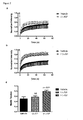
- competitive binding with chromatin is detected using fluorescence recovery after photobleaching (FRAP).
- FRAP fluorescence recovery after photobleaching
- the method is carried out in a neoplastic cell in vitro.
- the method further comprises detecting a decrease in cell proliferation, an increase in cell death, or an increase in cell differentiation.
- cell death is apoptotic cell death.
- cell differentiation is identified by detecting an increase in cytokeratin expression.
- the method further comprises detecting a reduction in transcriptional elongation.
- the method induces cell death or differentiation in a neoplastic cell of said subject.
- compositions for the treatment or prevention of a neoplasia comprising an effective amount of a compound selected from the group consisting of the compound of any of Formulae I-XXII, or any compound described herein, and a pharmaceutically acceptable excipient, wherein said compound inhibits Histone H4 Kac peptide binding to a BET family bromodomain.
- the subject is a mammal. In certain examples, the subject is a human patient.
- the method reduces cytokine level, histamine release, or the biological activity of an immunoresponsive cell.
- agent any small molecule chemical compound, antibody, nucleic acid molecule, or polypeptide, or fragments thereof.
- an "aromatic ring” or “aryl” means a monocyclic or polycyclic-aromatic ring or ring radical comprising carbon and hydrogen atoms.
- suitable aryl groups include, but are not limited to, phenyl, tolyl, anthacenyl, fluorenyl, indenyl, azulenyl, and naphthyl, as well as benzo-fused carbocyclic moieties such as 5,6,7,8-tetrahydronaphthyl.
- an aryl group can be unsubstituted or optionally is substituted with one or more substituents, e.g., substituents as described herein for alkyl groups (including without limitation alkyl (preferably, lower alkyl or alkyl substituted with one or more halo), hydroxy, alkoxy (preferably, lower alkoxy), alkylthio, cyano, halo, amino, boronic acid (-B(OH) 2 , and nitro).
- the aryl group is a monocyclic ring, wherein the ring comprises 6 carbon atoms.
- alkyl means a saturated straight chain or branched non-cyclic hydrocarbon typically having from 1 to 10 carbon atoms.
- Representative saturated straight chain alkyls include methyl, ethyl, n-propyl, n-butyl, n-pentyl, n-hexyl, n-heptyl, n-octyl, n-nonyl and n-decyl; while saturated branched alkyls include isopropyl, sec -butyl, isobutyl, tert -butyl, isopentyl, 2-methylbutyl, 3-methylbutyl, 2-methylpentyl, 3-methylpentyl, 4-methylpentyl, 2-methylhexyl, 3-methylhexyl, 4-methylhexyl, 5-methylhexyl, 2,3-dimethylbutyl, 2,3-dimethylpentyl, 2,4-dimethylpenty
- Alkyl groups included in compounds disclosed herein may be unsubstituted, or optionally substituted with one or more substituents, such as amino, alkylamino, arylamino, heteroarylamino, alkoxy, alkylthio, oxo, halo, acyl, nitro, hydroxyl, cyano, aryl, heteroaryl, alkylaryl, alkylheteroaryl, aryloxy, heteroaryloxy, arylthio, heteroarylthio, arylamino, heteroarylamino, carbocyclyl, carbocyclyloxy, carbocyclylthio, carbocyclylamino, heterocyclyl, heterocyclyloxy, heterocyclylthio, and the like. Lower alkyls are typically preferred for the compounds disclosed herein.
- bromodomain is meant a portion of a polypeptide that recognizes acetylated lysine residues.
- a bromodomain of a BET family member polypeptide comprises approximately 110 amino acids and shares a conserved fold comprising a left-handed bundle of four alpha helices linked by diverse loop regions that interact with chromatin.
- BET family polypeptide is meant a polypeptide comprising two bromodomains and an extraterminal (ET) domain or a fragment thereof having transcriptional regulatory activity or acetylated lysine binding activity.
- Exemplary BET family members include BRD2, BRD3, BRD4 and BRDT.
- BBD2 polypeptide is meant a protein or fragment thereof having at least 85% identity to NP_005095 that is capable of binding chromatin or regulating transcription.
- BRD2 nucleic acid molecule is meant a polynucleotide encoding a BRD2 polypeptide or fragment thereof.
- BBD3 polypeptide is meant a protein or fragment thereof having at least 85% identity to NP_031397.1 that is capable of binding chromatin or regulating transcription.
- Brd3 nucleic acid molecule is meant a polynucleotide encoding a BRD3 polypeptide.
- BBD4 polypeptide is meant a protein or fragment thereof having at least 85% identity to NP_055114 that is capable of binding chromatin or regulating transcription.
- Brd4 nucleic acid molecule is meant a polynucleotide that encodes a BRD4 polypeptide.
- BRDT polypeptide is meant a protein or fragment thereof having at least 85% identity to NP_001717 that is capable of binding chromatin or regulating transcription.
- BRDT nucleic acid molecule is meant a polynucleotide encoding a BRDT polypeptide.
- ameliorate decrease, suppress, attenuate, diminish, arrest, or stabilize the development or progression of a disease.
- alteration is meant a change (increase or decrease) in the expression levels or activity of a gene or polypeptide as detected by standard art known methods such as those described herein.
- an alteration includes a 10% change in expression levels, preferably a 25% change, more preferably a 40% change, and most preferably a 50% or greater change in expression levels.
- an analog is meant a molecule that is not identical, but has analogous functional or structural features.
- a polypeptide analog retains at least some of the biological activity of a corresponding naturally-occurring polypeptide, while having certain biochemical modifications that enhance the analog's function relative to a naturally occurring polypeptide. Such biochemical modifications could increase the analog's protease resistance, membrane permeability, or half-life, without altering, for example, ligand binding.
- An analog may include an unnatural amino acid.
- compound is meant any small molecule chemical compound, antibody, nucleic acid molecule, or polypeptide, or fragments thereof.
- diastereomers refers to stereoisomers with two or more centers of dissymmetry and whose molecules are not mirror images of one another.
- enantiomers refers to two stereoisomers of a compound which are non-superimposable mirror images of one another.
- An equimolar mixture of two enantiomers is called a "racemic mixture” or a "racemate.”
- halogen designates -F, -Cl, -Br or -I.
- haloalkyl is intended to include alkyl groups as defined above that are mono-, di- or polysubstituted by halogen, e.g ., fluoromethyl and trifluoromethyl.
- hydroxyl means -OH.
- heteroatom as used herein means an atom of any element other than carbon or hydrogen. Preferred heteroatoms are nitrogen, oxygen, sulfur and phosphorus.
- heteroaryl refers to an aromatic 5-8 membered monocyclic, 8-12 membered bicyclic, or 11-14 membered tricyclic ring system having 1-4 ring heteroatoms if monocyclic, 1-6 heteroatoms if bicyclic, or 1-9 heteroatoms if tricyclic, said heteroatoms selected from O, N, or S, and the remainder ring atoms being carbon.
- Heteroaryl groups may be optionally substituted with one or more substituents as for aryl groups.
- heteroaryl groups include, but are not limited to, pyridyl, furanyl, benzodioxolyl, thienyl, pyrrolyl, oxazolyl, oxadiazolyl, imidazolyl thiazolyl, isoxazolyl, quinolinyl, pyrazolyl, isothiazolyl, pyridazinyl, pyrimidinyl, pyrazinyl, triazinyl, triazolyl, thiadiazolyl, isoquinolinyl, indazolyl, benzoxazolyl, benzofuryl, indolizinyl, imidazopyridyl, tetrazolyl, benzimidazolyl, benzothiazolyl, benzothiadiazolyl, benzoxadiazolyl, and indolyl.
- heterocyclic refers to organic compounds that contain at least at least one atom other than carbon (e.g., S, O, N) within a ring structure.
- the ring structure in these organic compounds can be either aromatic or non-aromatic.
- heterocyclic moeities include, are not limited to, pyridine, pyrimidine, pyrrolidine, furan, tetrahydrofuran, tetrahydrothiophene, and dioxane.
- isomers or “stereoisomers” refers to compounds which have identical chemical constitution, but differ with regard to the arrangement of the atoms or groups in space.
- isotopic derivatives includes derivatives of compounds in which one or more atoms in the compounds are replaced with corresponding isotopes of the atoms.
- an isotopic derivative of a compound containg a carbon atom (C 12 ) would be one in which the carbon atom of the compound is replaced with the C 13 isotope.
- neoplastic refers to those cells having the capacity for autonomous growth, i.e., an abnormal state or condition characterized by rapidly proliferating cell growth.
- a neoplastic disease state may be categorized as pathologic, i.e., characterizing or constituting a disease state, or may be categorized as non-pathologic, i.e., a deviation from normal but not associated with a disease state.
- pathologic i.e., characterizing or constituting a disease state
- non-pathologic i.e., a deviation from normal but not associated with a disease state.
- the term is meant to include all types of cancerous growths or oncogenic processes, metastatic tissues or malignantly transformed cells, tissues, or organs, irrespective of histopathologic type or stage of invasiveness.
- “Pathologic hyperproliferative" cells occur in disease states characterized by malignant tumor growth. Examples of non-pathologic hyperproliferative cells include proliferation of cells associated with wound repair.
- Illustrative neoplasms amenable to treatment with a compound of the invention include leukemias (e.g., acute leukemia, acute lymphocytic leukemia, acute myelocytic leukemia, acute myeloblastic leukemia, acute promyelocytic leukemia, acute myelomonocytic leukemia, acute monocytic leukemia, acute erythroleukemia, mixed lineage leukemia, chronic leukemia, chronic myelocytic leukemia, chronic lymphocytic leukemia), multiple myeloma, polycythemia vera, cutaneous T-cell lymphoma (CTCL), lymphoma (Hodgkin's disease, non-Hodgkin's disease), Waldenstrom's macroglobulinemia, heavy chain disease, and solid tumors such as sarcomas and carcinomas (e.g., fibrosarcoma, myxosarcoma, liposarcoma, cho
- the neoplasia is driven by a dominant transcriptional activator, such as myc.
- a dominant transcriptional activator such as myc.
- cancers include Burkitt's lymphoma, small cell lung cancer, breast cancer, colon cancer, neuroblastoma, glial blastoma multiforme, MLL driven leukemias, chronic lymphocytic leukemias, squamous cell carcinoma involving a NUT rearrangement, as well as other cancers involving bromodomain-containing proteins or NUT reaarrangements.
- the language "inhibiting the growth" of the neoplasm includes the slowing, interrupting, arresting or stopping its growth and metastases and does not necessarily indicate a total elimination of the neoplastic growth.
- Computer modeling is meant the application of a computational program to determine one or more of the following: the location and binding proximity of a ligand to a binding moiety, the occupied space of a bound ligand, the amount of complementary contact surface between a binding moiety and a ligand, the deformation energy of binding of a given ligand to a binding moiety, and some estimate of hydrogen bonding strength, van der Waals interaction, hydrophobic interaction, and/or electrostatic interaction energies between ligand and binding moiety.
- Computer modeling can also provide comparisons between the features of a model system and a candidate compound. For example, a computer modeling experiment can compare a pharmacophore model with a candidate compound to assess the fit of the candidate compound with the model.
- a “computer system” is meant the hardware means, software means and data storage means used to analyse atomic coordinate data.
- the minimum hardware means of the computer-based systems disclosed herein comprises a central processing unit (CPU), input means, output means and data storage means. Desirably a monitor is provided to visualise structure data.
- the data storage means may be RAM or means for accessing computer readable media disclosed herein. Examples of such systems are microcomputer workstations available from Silicon Graphics Incorporated and Sun Microsystems running Unix based, Windows NT or IBM OS/2 operating systems.
- computer readable media any media which can be read and accessed directly by a computer e.g. so that the media is suitable for use in the above-mentioned computer system.
- the media include, but are not limited to: magnetic storage media such as floppy discs, hard disc storage medium and magnetic tape; optical storage media such as optical discs or CD-ROM; electrical storage media such as RAM and ROM; and hybrids of these categories such as magnetic/optical storage media.
- Detect refers to identifying the presence, absence or amount of the analyte to be detected.
- detectable label is meant a composition that when linked to a molecule of interest renders the latter detectable, via spectroscopic, photochemical, biochemical, immunochemical, or chemical means.
- useful labels include radioactive isotopes, magnetic beads, metallic beads, colloidal particles, fluorescent dyes, electron-dense reagents, enzymes (for example, as commonly used in an ELISA), biotin, digoxigenin, or haptens.
- disease is meant any condition or disorder that damages or interferes with the normal function of a cell, tissue, or organ.
- diseases susceptible to treatment with compounds delineated herein include a neoplasia, inflammatory disease, obesity, fatty liver (NASH or otherwise), diabetes, atherosclerosis, arterial stent occlusion, heart failure, cachexia, graft versus host disease, infection diseases associated with bromodomains, the treatment of parasites, malaria, trypanosomes, and for reducing male fertility.
- Further uses of the compositions disclosed herein include, but are not limited to, use in organ transplantation, modulation of cell state for regenerative medicine (i.e., by promoting or inhibiting cellular differentiation), and facilitating pluripotency.
- an effective amount is meant the amount of an agent required to ameliorate the symptoms of a disease relative to an untreated patient.
- the effective amount of active compound(s) used to practice the present invention for therapeutic treatment of a disease varies depending upon the manner of administration, the age, body weight, and general health of the subject. Ultimately, the attending physician or veterinarian will decide the appropriate amount and dosage regimen. Such amount is referred to as an "effective" amount.
- enantiomers refers to two stereoisomers of a compound which are non-superimposable mirror images of one another.
- An equimolar mixture of two enantiomers is called a “racemic mixture” or a “racemate.”
- halogen designates -F, -Cl, -Br or -I.
- haloalkyl is intended to include alkyl groups as defined above that are mono-, di- or polysubstituted by halogen, e.g., fluoromethyl and trifluoromethyl.
- hydroxyl means -OH.
- heteroatom as used herein means an atom of any element other than carbon or hydrogen. Preferred heteroatoms are nitrogen, oxygen, sulfur and phosphorus.
- heteroaryl refers to an aromatic 5-8 membered monocyclic, 8-12 membered bicyclic, or 11-14 membered tricyclic ring system having 1-4 ring heteroatoms if monocyclic, 1-6 heteroatoms if bicyclic, or 1-9 heteroatoms if tricyclic, said heteroatoms selected from O, N, or S, and the remainder ring atoms being carbon.
- Heteroaryl groups may be optionally substituted with one or more substituents, e.g., substituents as described herein for aryl groups.
- heteroaryl groups include, but are not limited to, pyridyl, furanyl, benzodioxolyl, thienyl, pyrrolyl, oxazolyl, oxadiazolyl, imidazolyl, thiazolyl, isoxazolyl, quinolinyl, pyrazolyl, isothiazolyl, pyridazinyl, pyrimidinyl, pyrazinyl, triazinyl, triazolyl, thiadiazolyl, isoquinolinyl, indazolyl, benzoxazolyl, benzofuryl, indolizinyl, imidazopyridyl, tetrazolyl, benzimidazolyl, benzothiazolyl, benzothiadiazolyl, benzoxadiazolyl, and indolyl.
- heterocyclic refers to organic compounds that contain at least at least one atom other than carbon (e.g., S, O, N) within a ring structure.
- the ring structure in these organic compounds can be either aromatic or, in certain examples, non-aromatic.
- Some examples of heterocyclic moeities include, are not limited to, pyridine, pyrimidine, pyrrolidine, furan, tetrahydrofuran, tetrahydrothiophene, and dioxane.
- isomers or “stereoisomers” refers to compounds which have identical chemical constitution, but differ with regard to the arrangement of the atoms or groups in space.
- isotopic derivatives includes derivatives of compounds in which one or more atoms in the compounds are replaced with corresponding isotopes of the atoms.
- an isotopic derivative of a compound containg a carbon atom (C 12 ) would be one in which the carbon atom of the compound is replaced with the C 13 isotope.
- fitting is meant determining by automatic, or semi-automatic means, interactions between one or more atoms of an agent molecule and one or more atoms or binding sites of a BET family member (e.g., a bromodomain of BRD2, BRD3, BRD4 and BRDT), and determining the extent to which such interactions are stable.
- a BET family member e.g., a bromodomain of BRD2, BRD3, BRD4 and BRDT
- fragment is meant a portion of a polypeptide or nucleic acid molecule. This portion contains, preferably, at least 10%, 20%, 30%, 40%, 50%, 60%, 70%, 80%, or 90% of the entire length of the reference nucleic acid molecule or polypeptide.
- a fragment may contain 10, 20, 30, 40, 50, 60, 70, 80, 90, or 100, 200, 300, 400, 500, 600, 700, 800, 900, or 1000 nucleotides or amino acids.
- Hybridization means hydrogen bonding, which may be Watson-Crick, Hoogsteen or reversed Hoogsteen hydrogen bonding, between complementary nucleobases.
- adenine and thymine are complementary nucleobases that pair through the formation of hydrogen bonds.
- isolated polynucleotide is meant a nucleic acid (e.g., a DNA) that is free of the genes which, in the naturally-occurring genome of the organism from which the nucleic acid molecule disclosed herein is derived, flank the gene.
- the term therefore includes, for example, a recombinant DNA that is incorporated into a vector; into an autonomously replicating plasmid or virus; or into the genomic DNA of a prokaryote or eukaryote; or that exists as a separate molecule (for example, a cDNA or a genomic or cDNA fragment produced by PCR or restriction endonuclease digestion) independent of other sequences.
- the term includes an RNA molecule that is transcribed from a DNA molecule, as well as a recombinant DNA that is part of a hybrid gene encoding additional polypeptide sequence.
- an “isolated polypeptide” is meant a polypeptide as disclosed herein that has been separated from components that naturally accompany it.
- the polypeptide is isolated when it is at least 60%, by weight, free from the proteins and naturally-occurring organic molecules with which it is naturally associated.
- the preparation is at least 75%, more preferably at least 90%, and most preferably at least 99%, by weight, a polypeptide disclosed herein.
- An isolated polypeptide may be obtained, for example, by extraction from a natural source, by expression of a recombinant nucleic acid encoding such a polypeptide; or by chemically synthesizing the protein. Purity can be measured by any appropriate method, for example, column chromatography, polyacrylamide gel electrophoresis, or by HPLC analysis.
- marker any protein or polynucleotide having an alteration in expression level or activity that is associated with a disease or disorder.
- obtaining as in “obtaining an agent” includes synthesizing, purchasing, or otherwise acquiring the agent.
- neoplastic refers to those cells having the capacity for autonomous growth, i.e., an abnormal state or condition characterized by rapidly proliferating cell growth.
- a neoplastic disease state may be categorized as pathologic, i.e., characterizing or constituting a disease state, or may be categorized as non-pathologic, i.e., a deviation from normal but not associated with a disease state.
- pathologic i.e., characterizing or constituting a disease state
- non-pathologic i.e., a deviation from normal but not associated with a disease state.
- the term is meant to include all types of cancerous growths or oncogenic processes, metastatic tissues or malignantly transformed cells, tissues, or organs, irrespective of histopathologic type or stage of invasiveness.
- “Pathologic hyperproliferative" cells occur in disease states characterized by malignant tumor growth. Examples of non-pathologic hyperproliferative cells include proliferation of cells associated with wound repair.
- the language "inhibiting the growth" of the neoplasm includes the slowing, interrupting, arresting or stopping its growth and metastases and does not necessarily indicate a total elimination of the neoplastic growth.
- Neoplasia refers to "new cell growth” that results as a loss of responsiveness to normal growth controls, e.g. to neoplastic cell growth.
- a “hyperplasia” refers to cells undergoing an abnormally high rate of growth.
- the term neoplasia generally refers to cells experiencing abnormal cell growth rates. Neoplasias include “tumors,” which may be either benign, premalignant or malignant.
- obtaining as in “obtaining compound” is intended to include purchasing, synthesizing or otherwise acquiring the compound.
- optical isomers as used herein includes molecules, also known as chiral molecules, that are exact non-superimposable mirror images of one another.
- parenteral administration and “administered parenterally” as used herein means modes of administration other than enteral and topical administration, usually by injection, and includes, without limitation, intravenous, intramuscular, intraarterial, intrathecal, intracapsular, intraorbital, intracardiac, intradermal, intraperitoneal, transtracheal, subcutaneous, subcuticular, intraarticulare, subcapsular, subarachnoid, intraspinal and intrasternal injection and infusion.
- polycyclyl or “polycyclic radical” refer to the radical of two or more cyclic rings (e.g ., cycloalkyls, cycloalkenyls, cycloalkynyls, aryls and/or heterocyclyls) in which two or more carbons are common to two adjoining rings, e.g ., the rings are "fused rings". Rings that are joined through non-adjacent atoms are termed "bridged" rings.
- Each of the rings of the polycycle can be substituted with such substituents as described above, as for example, halogen, hydroxyl, alkylcarbonyloxy, arylcarbonyloxy, alkoxycarbonyloxy, aryloxycarbonyloxy, carboxylate, alkylcarbonyl, alkoxycarbonyl, aminocarbonyl, alkylthiocarbonyl, alkoxyl, phosphate, phosphonato, phosphinato, cyano, amino (including alkyl amino, dialkylamino, arylamino, diarylamino, and alkylarylamino), acylamino (including alkylcarbonylamino, arylcarbonylamino, carbamoyl and ureido), amidino, imino, sulfhydryl, alkylthio, arylthio, thiocarboxylate, sulfates, sulfonato, sulfamoyl,
- polymorph refers to solid crystalline forms of a compound of the present invention or complex thereof. Different polymorphs of the same compound can exhibit different physical, chemical and/or spectroscopic properties. Different physical properties include, but are not limited to stability ( e.g ., to heat or light), compressibility and density (important in formulation and product manufacturing), and dissolution rates (which can affect bioavailability). Differences in stability can result from changes in chemical reactivity ( e.g ., differential oxidation, such that a dosage form discolors more rapidly when comprised of one polymorph than when comprised of another polymorph) or mechanical characteristics (e.g.
- tablets crumble on storage as a kinetically favored polymorph converts to thermodynamically more stable polymorph) or both ( e.g ., tablets of one polymorph are more susceptible to breakdown at high humidity).
- Different physical properties of polymorphs can affect their processing.
- prodrug includes compounds with moieties which can be metabolized in vivo. Generally, the prodrugs are metabolized in vivo by esterases or by other mechanisms to active drugs. Examples of prodrugs and their uses are well known in the art (See, e.g., Berge et al. (1977) "Pharmaceutical Salts", J. Pharm. Sci. 66:1-19 ).
- the prodrugs can be prepared in situ during the final isolation and purification of the compounds, or by separately reacting the purified compound in its free acid form or hydroxyl with a suitable esterifying agent. Hydroxyl groups can be converted into esters via treatment with a carboxylic acid.
- prodrug moieties include substituted and unsubstituted, branch or unbranched lower alkyl ester moieties, (e.g ., propionoic acid esters), lower alkenyl esters, di-lower alkyl-amino lower-alkyl esters ( e.g., dimethylaminoethyl ester), acylamino lower alkyl esters ( e.g., acetyloxymethyl ester), acyloxy lower alkyl esters ( e.g ., pivaloyloxymethyl ester), aryl esters (phenyl ester), aryl-lower alkyl esters (e.g., benzyl ester), substituted ( e.g., with methyl, halo, or methoxy substituents) aryl and aryl-lower alkyl esters, amides, lower-alkyl amides, di-lower alkyl amides, and
- prodrug moieties are propionoic acid esters and acyl esters. Prodrugs which are converted to active forms through other mechanisms in vivo are also included. Furthermore the indication of stereochemistry across a carbon-carbon double bond is also opposite from the general chemical field in that "Z” refers to what is often referred to as a "cis” (same side) conformation whereas “E” refers to what is often referred to as a "trans” (opposite side) conformation. Both configurations, cis/trans and/or Z/E are encompassed by the compounds of the present invention.
- reduces is meant a negative alteration of at least 10%, 25%, 50%, 75%, or 100%.
- reference is meant a standard or control condition.
- a “reference sequence” is a defined sequence used as a basis for sequence comparison.
- a reference sequence may be a subset of or the entirety of a specified sequence; for example, a segment of a full-length cDNA or gene sequence, or the complete cDNA or gene sequence.
- the length of the reference polypeptide sequence will generally be at least about 16 amino acids, preferably at least about 20 amino acids, more preferably at least about 25 amino acids, and even more preferably about 35 amino acids, about 50 amino acids, or about 100 amino acids.
- the length of the reference nucleic acid sequence will generally be at least about 50 nucleotides, preferably at least about 60 nucleotides, more preferably at least about 75 nucleotides, and even more preferably about 100 nucleotides or about 300 nucleotides or any integer thereabout or therebetween.
- telomere binding By “specifically binds” is meant a compound or antibody that recognizes and binds a polypeptide disclosed herein, but which does not substantially recognize and bind other molecules in a sample, for example, a biological sample, which naturally includes a polypeptidedisclosed herein.
- Nucleic acid molecules useful in the methods disclosed herein include any nucleic acid molecule that encodes a polypeptide disclosed herein or a fragment thereof. Such nucleic acid molecules need not be 100% identical with an endogenous nucleic acid sequence, but will typically exhibit substantial identity. Polynucleotides having "substantial identity" to an endogenous sequence are typically capable of hybridizing with at least one strand of a double-stranded nucleic acid molecule. Nucleic acid molecules useful in the methods disclosed herein include any nucleic acid molecule that encodes a polypeptide disclosed herein or a fragment thereof. Such nucleic acid molecules need not be 100% identical with an endogenous nucleic acid sequence, but will typically exhibit substantial identity.
- Polynucleotides having "substantial identity" to an endogenous sequence are typically capable of hybridizing with at least one strand of a double-stranded nucleic acid molecule.
- hybridize is meant pair to form a double-stranded molecule between complementary polynucleotide sequences (e.g., a gene described herein), or portions thereof, under various conditions of stringency.
- complementary polynucleotide sequences e.g., a gene described herein
- stringent salt concentration will ordinarily be less than about 750 mM NaCl and 75 mM trisodium citrate, preferably less than about 500 mM NaCl and 50 mM trisodium citrate, and more preferably less than about 250 mM NaCl and 25 mM trisodium citrate.
- Low stringency hybridization can be obtained in the absence of organic solvent, e.g., formamide, while high stringency hybridization can be obtained in the presence of at least about 35% formamide, and more preferably at least about 50% formamide.
- Stringent temperature conditions will ordinarily include temperatures of at least about 30° C, more preferably of at least about 37° C, and most preferably of at least about 42° C.
- Varying additional parameters, such as hybridization time, the concentration of detergent, e.g., sodium dodecyl sulfate (SDS), and the inclusion or exclusion of carrier DNA, are well known to those skilled in the art.
- concentration of detergent e.g., sodium dodecyl sulfate (SDS)
- SDS sodium dodecyl sulfate
- Various levels of stringency are accomplished by combining these various conditions as needed.
- hybridization will occur at 30° C in 750 mM NaCl, 75 mM trisodium citrate, and 1% SDS.
- hybridization will occur at 37° C in 500 mM NaCl, 50 mM trisodium citrate, 1% SDS, 35% formamide, and 100 ⁇ g/ml denatured salmon sperm DNA (ssDNA).
- hybridization will occur at 42° C in 250 mM NaCl, 25 mM trisodium citrate, 1% SDS, 50% formamide, and 200 ⁇ g/ml ssDNA. Useful variations on these conditions will be readily apparent to those skilled in the art.
- wash stringency conditions can be defined by salt concentration and by temperature. As above, wash stringency can be increased by decreasing salt concentration or by increasing temperature.
- stringent salt concentration for the wash steps will preferably be less than about 30 mM NaCl and 3 mM trisodium citrate, and most preferably less than about 15 mM NaCl and 1.5 mM trisodium citrate.
- Stringent temperature conditions for the wash steps will ordinarily include a temperature of at least about 25° C, more preferably of at least about 42° C, and even more preferably of at least about 68° C.
- wash steps will occur at 25° C in 30 mM NaCl, 3 mM trisodium citrate, and 0.1% SDS. In a more preferred example, wash steps will occur at 42 C in 15 mM NaCl, 1.5 mM trisodium citrate, and 0.1 % SDS. In a more preferred example, wash steps will occur at 68° C in 15 mM NaCl, 1.5 mM trisodium citrate, and 0.1% SDS. Additional variations on these conditions will be readily apparent to those skilled in the art. Hybridization techniques are well known to those skilled in the art and are described, for example, in Benton and Davis (Science 196:180, 1977 ); Grunstein and Hogness (Proc. Natl.
- substantially identical is meant a polypeptide or nucleic acid molecule exhibiting at least 85% identity to a reference amino acid sequence (for example, any one of the amino acid sequences described herein) or nucleic acid sequence (for example, any one of the nucleic acid sequences described herein).
- a reference amino acid sequence for example, any one of the amino acid sequences described herein
- nucleic acid sequence for example, any one of the nucleic acid sequences described herein.
- such a sequence is at least 85%, 90%, 95%, 99% or even 100% identical at the amino acid level or nucleic acid to the sequence used for comparison.
- Sequence identity is typically measured using sequence analysis software (for example, Sequence Analysis Software Package of the Genetics Computer Group, University of Wisconsin Biotechnology Center, 1710 University Avenue, Madison, Wis. 53705, BLAST, BESTFIT, GAP, or PILEUP/PRETTYBOX programs). Such software matches identical or similar sequences by assigning degrees of homology to various substitutions, deletions, and/or other modifications. Conservative substitutions typically include substitutions within the following groups: glycine, alanine; valine, isoleucine, leucine; aspartic acid, glutamic acid, asparagine, glutamine; serine, threonine; lysine, arginine; and phenylalanine, tyrosine. In an exemplary approach to determining the degree of identity, a BLAST program may be used, with a probability score between e.sup.-3 and e.sup.-100 indicating a closely related sequence.
- sequence analysis software for example, Sequence Analysis Software Package of the Genetics Computer
- root mean square deviation is meant the square root of the arithmetic mean of the squares of the deviations from the mean.
- reducing cell survival is meant to inhibit the viability of a cell or to induce cell death relative to a reference cell.
- reference is meant a standard or control condition.
- a “reference sequence” is a defined sequence used as a basis for sequence comparison.
- a reference sequence may be a subset of or the entirety of a specified sequence; for example, a segment of a full-length cDNA or gene sequence, or the complete cDNA or gene sequence.
- the length of the reference polypeptide sequence will generally be at least about 16 amino acids, preferably at least about 20 amino acids, more preferably at least about 25 amino acids, and even more preferably about 35 amino acids, about 50 amino acids, or about 100 amino acids.
- the length of the reference nucleic acid sequence will generally be at least about 50 nucleotides, preferably at least about 60 nucleotides, more preferably at least about 75 nucleotides, and even more preferably about 100 nucleotides or about 300 nucleotides or any integer thereabout or therebetween.
- subject is meant a mammal, including, but not limited to, a human or non-human mammal, such as a bovine, equine, canine, ovine, or feline.
- telomere binding By “specifically binds” is meant a compound or antibody that recognizes and binds a polypeptidedisclosed herein, but which does not substantially recognize and bind other molecules in a sample, for example, a biological sample, which naturally includes a polypeptidedisclosed herein.
- sulfhydryl or "thiol” means -SH.
- tautomers refers to isomers of organic molecules that readily interconvert by tautomerization, in which a hydrogen atom or proton migrates in the reaction, accompanied in some occasions by a switch of a single bond and an adjacent double bond.
- the terms “treat,” treating,” “treatment,” and the like refer to reducing or ameliorating a disorder and/or symptoms associated therewith.
- “ameliorate” is meant decrease, suppress, attenuate, diminish, arrest, or stabilize the development or progression of a disease. It will be appreciated that, although not precluded, treating a disorder or condition does not require that the disorder, condition or symptoms associated therewith be completely eliminated.
- the terms "prevent,” “preventing,” “prevention,” “prophylactic treatment” and the like refer to reducing the probability of developing a disorder or condition in a subject, who does not have, but is at risk of or susceptible to developing a disorder or condition.
- an effective amount refers to an amount of a compound, which confers a therapeutic effect on the treated subject.
- the therapeutic effect may be objective (i.e., measurable by some test or marker) or subjective (i.e., subject gives an indication of or feels an effect).
- An effective amount of a compound described herein may range from about 1 mg/Kg to about 5000 mg/Kg body weight. Effective doses will also vary depending on route of administration, as well as the possibility of co-usage with other agents.
- Ranges provided herein are understood to be shorthand for all of the values within the range.
- a range of 1 to 50 is understood to include any number, combination of numbers, or sub-range from the group consisting of 1, 2, 3, 4, 5, 6, 7, 8, 9, 10, 11, 12, 13, 14, 15, 16, 17, 18, 19, 20, 21, 22, 23, 24, 25, 26, 27, 28, 29, 30, 31, 32, 33, 34, 35, 36, 37, 38, 39, 40, 41, 42, 43, 44, 45, 46, 47, 48, 49, or 50.
- treat refers to reducing or ameliorating a disorder and/or symptoms associated therewith. It will be appreciated that, although not precluded, treating a disorder or condition does not require that the disorder, condition or symptoms associated therewith be completely eliminated.
- the term "about” is understood as within a range of normal tolerance in the art, for example within 2 standard deviations of the mean. About can be understood as within 10%, 9%, 8%, 7%, 6%, 5%, 4%, 3%, 2%, 1%, 0.5%, 0.1%, 0.05%, or 0.01% of the stated value. Unless otherwise clear from context, all numerical values provided herein are modified by the term about.
- the invention features compounds and compositions as defined in the appended claims that are useful for the treatment or prevention of a neoplasia, inflammatory disease, obesity, fatty liver (NASH or otherwise), diabetes, atherosclerosis, arterial stent occlusion, heart failure, cachexia, graft versus host disease, infection diseases associated with bromodomains, the treatment of parasites, malaria, trypanosomes, and for reducing male fertility.
- the compounds and compositions disclosed in the appended claims are used in organ transplantation, modulation of cell state for regenerative medicine (i.e., by promoting or inhibiting cellular differentiation), and facilitating pluripotency.
- the invention is based, at least in part, on the discovery of a cell-permeable, potent small-molecule inhibitor (JQ1) with biochemical selectivity for the BET-family of bromodomains, and related compounds capable of regulating the bromodomain family, which are a family of polypeptides that contain a bromodomain that recognizes acetyl-lysine residues on nuclear chromatin. Lysine acetylation has emerged as a signaling modification of broad relevance to cellular and disease biology. Targeting the enzymes which reversibly mediate side-chain acetylation has been an active area of drug discovery research for many years.
- JQ1 cell-permeable, potent small-molecule inhibitor
- BRD4 Recurrent translocation of BRD4 is observed in an incurable, genetically-defined subtype of human squamous carcinoma.
- Competitive binding of JQ1 to the BRD4 fusion oncoprotein results in immediate squamous differentiation and specific antiproliferative effects in patient-derived cell lines and in a murine model of BRD4-dependent carcinoma.
- Gene regulation is fundamentally governed by reversible, non-covalent assembly of macromolecules.
- Signal transduction to RNA polymerase requires higher-ordered protein complexes, spatially regulated by assembly factors capable of interpreting the post-translational modification states of chromatin.
- Epigenetic readers are structurally diverse proteins each possessing one or more evolutionarily conserved effector modules, which recognize covalent modifications of histone proteins or DNA.
- the ⁇ -N-acetylation of lysine residues (Kac) on histone tails is associated with an open chromatin architecture and transcriptional activation 3 .
- Context-specific molecular recognition of acetyl-lysine is principally mediated by bromodomains.
- Bromodomain-containing proteins are of substantial biological interest, as components of transcription factor complexes (TAF1, PCAF, Gcn5 and CBP) and determinants of epigenetic memory 4 .
- TAF1, PCAF, Gcn5 and CBP transcription factor complexes
- all bromodomains share a conserved fold comprising a left-handed bundle of four alpha helices ( ⁇ Z , ⁇ A , ⁇ B , ⁇ C ), linked by diverse loop regions (ZA and BC loops) that determine substrate specificity.
- BRD4 functions to facilitate cell cycle progression and knock-down in cultured cancer cell lines prompts G1 arrest.
- BRD4 is an important mediator of transcriptional elongation, functioning to recruit the positive transcription elongation factor complex (P-TEFb) 7,8 .
- Cyclin dependent kinase-9 a core component of P-TEFb, is a validated target in chronic lymphocytic leukemia 9 , and has recently been linked to c-Myc dependent transcription 10 . Bromodomains present in BRD4 recruit P-TEFb to mitotic chromosomes resulting in increased expression of growth promoting genes 11 .
- BRD4 remains bound to transcriptional start sites of genes expressed during M/G1 but has not been found present at start sites that are expressed later in the cell cycle. Knockdown of BRD4 in proliferating cells has been shown to lead to G1 arrest and apoptosis 12 by decreasing expression levels of genes important for mitotic progression 13 and survival 14 .
- BRD4 has recently been identified as a component of a recurrent t(15;19) chromosomal translocation in an aggressive form of human squamous carcinoma 15,16 .
- Such translocations express the tandem N-terminal bromodomains of BRD4 as an in-frame chimera with the NUT (nuclear protein in t estis) protein, genetically defining the so-called NUT midline carcinoma (NMC).
- NUT nuclear protein in t estis
- NMC NUT midline carcinoma
- RNA silencing of BRD4-NUT gene expression arrests proliferation and prompts squamous differentiation with a marked increase in cytokeratin expression.
- the invention features compositions that are useful for inhibiting human bromodomain proteins.
- the invention provides compounds according to Claim 1 that bind in the binding pocket of the apo crystal structure of the first bromodomain of a BET family member (e.g., BRD4). These compounds may be particularly effective in inhibiting the growth, proliferation, or survival of proliferating neoplastic cells or of inducing the differentiation of such cells.
- BET family member e.g., BRD4
- compounds useful for the treatment of a neoplasia, inflammatory disease, obesity, fatty liver (NASH or otherwise), diabetes, atherosclerosis, arterial stent occlusion, heart failure, cachexia, graft versus host disease, infection diseases associated with bromodomains, the treatment of parasites, malaria, trypanosomes, and for reducing male fertility or for use in organ transplantation, modulation of cell state for regenerative medicine (i.e., by promoting or inhibiting cellular differentiation), and facilitating pluripotency are selected using a molecular docking program to identify compounds that are expected to bind to a bromodomain structural binding pocket.
- a compound of the invention can bind to a BET family member and reduce the biological activity of the BET family member (e.g., reduce elongation) and/or disrupt the subcellular localization of the BET family member (e.g., reduce chromatin binding).
- a compound of the invention can prevent, inhibit, or disrupt, or reduce by at least 10%, 25%, 50%, 75%, or 100% the biological activity of a BET family member (e.g., BRD2, BRD3, BRD4, BRDT) and/or disrupt the subcellular localization of such proteins, e.g., by binding to a binding site in a bromodomain apo binding pocket.
- a BET family member e.g., BRD2, BRD3, BRD4, BRDT
- a compound of the invention is a compound according to Claim 1 which is a small molecule having a molecular weight less than about 1000 daltons, less than 800, less than 600, less than 500, less than 400, or less than about 300 daltons.
- JQ1 is a novel thieno-triazolo-1,4-diazepine.
- the invention further provides pharmaceutically acceptable salts of the compounds of Claim 1.
- R is aryl or heteroaryl, each of which is optionally substituted.
- L is H, -COO-R 3 , -CO-N(R 3 R 4 ), -S(O) 2 -R 3 , -S(O) 2 -N(R 3 R 4 ), N(R 3 R 4 ), N(R 4 )C(O)R 3 or optionally substituted aryl.
- R 2 is H, D, halogen or methyl.
- R B is alkyl, hydroxyalkyl, haloalkyl, or alkoxy; each of which is optionally substituted.
- R B is methyl, ethyl, hydroxy methyl, methoxymethyl, trifluoromethyl, COOH, COOMe, COOEt, or COOCH 2 OC(O)CH 3 .
- ring A is a 5 or 6-membered aryl or heteroaryl.
- ring A is thiofuranyl, phenyl, naphthyl, biphenyl, tetrahydronaphthyl, indanyl, pyridyl, furanyl, indolyl, pyrimidinyl, pyridizinyl, pyrazinyl, imidazolyl, oxazolyl, thienyl, thiazolyl, triazolyl, isoxazolyl, quinolinyl, pyrrolyl, pyrazolyl, or 5,6,7,8-tetrahydroisoquinolinyl.
- ring A is phenyl or thienyl.
- n is 1 or 2
- at least one occurrence of R A is methyl
- each R A is independently H, an optionally substituted alkyl, or any two R A together with the atoms to which each is attached, can form an aryl.
- R is aryl or heteroaryl, each of which is optionally substituted.
- R is phenyl or pyridyl, each of which is optionally substituted.
- R is p-Cl-phenyl, o-Cl-phenyl, m-Cl-phenyl, p-F-phenyl, o-F-phenyl, m-F-phenyl or pyridinyl.
- R' 1 is -COO-R 3 , optionally substituted aryl, or optionally substituted heteroaryl; and R 3 is -C 1 -C 8 alkyl, which contains 0, 1,2, or 3 heteroatoms selected from O, S, or N, and which may be optionally substituted.
- R' 1 is -COO-R 3
- R 3 is methyl, ethyl, propyl, i-propyl, butyl, sec-butyl, or t-butyl; or R' 1 is H or optionally substituted phenyl.
- R B is methyl, ethyl, hydroxy methyl, methoxymethyl, trifluoromethyl, COOH, COOMe, COOEt, COOCH 2 OC(O)CH 3 .
- R B is methyl, ethyl, hydroxy methyl, methoxymethyl, trifluoromethyl, COOH, COOMe, COOEt, or COOCH 2 OC(O)CH 3 .
- each R A is independently an optionally substituted alkyl, or any two R A together with the atoms to which each is attached, can form a fused aryl.
- each R A is methyl.
- R is aryl or heteroaryl, each of which is optionally substituted. In certain examples, R is phenyl or pyridyl, each of which is optionally substituted.
- R is p-Cl-phenyl, o-Cl-phenyl, m-Cl-phenyl, p-F-phenyl, o-F-phenyl, m-F-phenyl or pyridinyl.
- each R 4 is independently H, alkyl, cycloalkyl, heterocycloalkyl, aryl, heteroaryl; each of which is optionally substituted.
- R 6 is alkyl, alkenyl, cycloalkyl, cycloalkenyl, heterocycloalkyl, aryl, or heteroaryl, each of which is optionally substituted.
- R 1 is is -(CH 2 ) n -L, in which n is 0-3 and L is -COO-R 3 , optionally substituted aryl, or optionally substituted heteroaryl; and R 3 is -C 1 -C 8 alkyl, which contains 0, 1, 2, or 3 heteroatoms selected from O, S, or N, and which may be optionally substituted.
- n is 1 or 2 and L is alkyl or -COO-R 3
- R 3 is methyl, ethyl, propyl, i-propyl, butyl, sec-butyl, or t-butyl; or n is 1 or 2 and L is H or optionally substituted phenyl.
- R 2 is H or methyl.
- R B is methyl, ethyl, hydroxy methyl, methoxymethyl, trifluoromethyl, COOH, COOMe, COOEt, COOCH 2 OC(O)CH 3 .
- ring A is phenyl, naphthyl, biphenyl, tetrahydronaphthyl, indanyl, pyridyl, furanyl, indolyl, pyrimidinyl, pyridizinyl, pyrazinyl, imidazolyl, oxazolyl, thienyl, thiazolyl, triazolyl, isoxazolyl, quinolinyl, pyrrolyl, pyrazolyl, or 5,6,7,8-tetrahydroisoquinolinyl.
- each R A is independently an optionally substituted alkyl, or any two R A together with the atoms to which each is attached, can form an aryl.
- the invention relates to the compounds defined in Claim 1, and pharmaceutically acceptable salts thereof.
- the compound may be (+)-JQ1: a salt, solvate or hydrate thereof.
- the compound is represented by the structure: or a salt thereof.
- R 6 represents the non-carbonyl portion of an aldehyde shown in Table A, below (i.e., for an aldehyde of formula R 6 CHO, R 6 is the non-carbonyl portion of the aldehyde).
- R 4 and R 6 together represent the non-carbonyl portion of a ketone shown in Table A (i.e., for a ketone of formula R 6 C(O)R 4 , R 4 and R 6 are the non-carbonyl portion of the ketone).
- the compound is (racemic) JQ1; in certain examples, the compound is (+)-JQ1. In certain examples, the compound is a compound selected from the group consisting of: and or a salt, solvate, or hydrate thereof.
- Additional examples of compounds include compounds according to any of the following formulae: or a salt, solvate or hydrate thereof.
- R and R' can be, e.g., H, aryl, substituted aryl, heteroaryl, heteroaryl, heterocycloalkyl, -C 1 -C 8 alkyl, -C 2 -C 8 alkenyl, -C 2 -C 8 alkynyl, -C 3 -C 12 cycloalkyl, substituted -C 3 -C 12 cycloalkyl, -C 3 -C 12 cycloalkenyl, or substituted -C 3 -C 12 cycloalkenyl, each of which may be optionally substituted.
- X can be any substituent for an aryl group as described herein.
- Scheme 2 shows the synthesis of further examples of compounds disclosed herein, e.g., of Formula I, in which the fused ring core is modified (e.g., by substitution of a different aromatic ring as Ring A in Formula I).
- Use of aminodiarylketones having appropriate functionality e.g., in place of the aminodiarylketone S2 in Scheme S1, infra ) provides new compounds having a variety of fused ring cores and/or aryl group appendages (corresponding to group R in Formula I).
- Such aminodiarylketones are commercially available or can be prepared by a variety of methods, some of which are known in the art.
- Scheme 3 provides additional exemplary synthetic schemes for preparing further compounds.
- R x can be varied by selection of a suitable hydrazide.
- Amides can be prepared, e.g., by preparation of a corresponding carboxylic acid or ester, followed by amidation with an appropriate amine using standard conditions.
- an amide provides a two-carbon "linker" with a terminal terminal nitrogen-containing ring (e.g., pyridyl, piperidyl, piperazinyl, imidazolyl (including N-methyl-imidazolyl), morpholinyl, and the like.
- Exemplary amide structures include:
- a compound having at least one chiral center is present in racemic form.
- a compound having at least one chiral center is enantiomerically enriched, i.e., has an enantiomeric excess (e.e.) of at least about 10%, 20%, 30%, 40%, 50%, 60%, 70%, 80%, 85%, 90%, 90%, 95%, 99%, 99% or 100%.
- a compound has the same absolute configuration as the compound (+)-JQ1 ((5)- tert -Butyl 2-(4-(4-chlorophenyl)-2,3,9-trimethyl-6H-thieno[3,2-f][1,2,4]triazolo[4,3-a][1,4]diazepin-6-yl)acetate) described herein.
- the compound is not represented by the following structure: in which:
- pharmaceutically acceptable salt refers to a salt prepared from a compound disclosed herein (e.g., JQ1, a compound of Formulas I-XXII) or any other compound delineated herein, having an acidic functional group, such as a carboxylic acid functional group, and a pharmaceutically acceptable inorganic or organic base.
- Suitable bases include, hydroxides of alkali metals such as sodium, potassium, and lithium; hydroxides of alkaline earth metal such as calcium and magnesium; hydroxides of other metals, such as aluminum and zinc; ammonia, and organic amines, such as unsubstituted or hydroxy-substituted mono-, di-, or trialkylamines; dicyclohexylamine; tributyl amine; pyridine; N-methyl,N-ethylamine; diethylamine; triethylamine; mono-, bis-, or tris-(2-hydroxy-lower alkyl amines), such as mono-, bis-, or tris-(2-hydroxyethyl)- amine, 2-hydroxy-tert-butylamine, or tris-(hydroxymethyl)methylamine, N, N,-di-lower alkyl-N-(hydroxy lower alkyl)-amines, such as N,N-dimethyl-N-(2-hydroxyethyl)
- pharmaceutically acceptable salt also refers to a salt prepared from a compound disclosed herein, or any other compound delineated herein, having a basic functional group, such as an amino functional group, and a pharmaceutically acceptable inorganic or organic acid.
- Suitable acids include hydrogen sulfate, citric acid, acetic acid, oxalic acid, hydrochloric acid, hydrogen bromide, hydrogen iodide, nitric acid, phosphoric acid, isonicotinic acid, lactic acid, salicylic acid, tartaric acid, ascorbic acid, succinic acid, maleic acid, besylic acid, fumaric acid, gluconic acid, glucaronic acid, saccharic acid, formic acid, benzoic acid, glutamic acid, methanesulfonic acid, ethanesulfonic acid, benzenesulfonic acid, and p -toluenesulfonic acid.
- a storage medium encoded with these data is capable of displaying a three-dimensional graphical representation of a molecule or molecular complex which comprises such binding sites on a computer screen or similar viewing device.
- Such compounds are expected to be to inhibit the biological activity of a BET family member (e.g., BRD2, BRD3, BRD4, BRDT) and/or to disrupt the subcellular localization of a BET family member (e.g., BRD2, BRD3, BRD4, BRDT).
- BET family member e.g., BRD2, BRD3, BRD4, BRDT
- a computer for producing a) a three-dimensional representation of a molecule or molecular complex, wherein said molecule or molecular complex comprises a binding site; or b) a three-dimensional representation of a homologue of said molecule or molecular complex, wherein said homologue comprises a binding site that has a root mean square deviation from the backbone atoms of said amino acids of not more than about 2.0 (more preferably not more than 1.5) angstroms, wherein said computer comprises:
- the computer produces a three-dimensional graphical structure of a molecule or a molecular complex which comprises a binding site.
- a computer for producing a three-dimensional representation of a molecule or molecular complex defined by structure coordinates of a BET family member (e.g., BRD2, BRD3, BRD4, BRDT) amino acids, or a three-dimensional representation of a homologue of said molecule or molecular complex, wherein said homologue comprises a binding site that has a root mean square deviation from the backbone atoms of said amino acids of not more than 2.0 (more preferably not more than 1.5) angstroms
- BET family member e.g., BRD2, BRD3, BRD4, BRDT
- a computer system can include components that are conventional in the art, e.g., as disclosed in U.S. Patent Nos. 5,978,740 and/or 6,183,121 .
- a computer system can include a computer comprising a central processing unit ("CPU"), a working memory (which may be, e.g., RAM (random-access memory) or “core” memory), a mass storage memory (such as one or more disk drives or CD-ROM drives), one or more cathode-ray tube (CRT) or liquid crystal display (LCD) display terminals, one or more keyboards, one or more input lines, and one or more output lines, all of which are interconnected by a conventional system bus.
- CPU central processing unit
- working memory which may be, e.g., RAM (random-access memory) or "core” memory
- mass storage memory such as one or more disk drives or CD-ROM drives
- CTR cathode-ray tube
- LCD liquid crystal display
- Machine-readable data as disclosed herein may be inputted to the computer via the use of a modem or modems connected by a data line.
- the input hardware may include CD-ROM drives, disk drives or flash memory.
- a keyboard may also be used as an input device.
- Output hardware coupled to the computer by output lines may similarly be implemented by conventional devices.
- output hardware may include a CRT or LCD display terminal for displaying a graphical representation of a binding pocket as disclosed herein using a program such as QUANTA or PYMOL.
- Output hardware might also include a printer, or a disk drive to store system output for later use.
- the CPU coordinates the use of the various input and output devices, coordinates data accesses from the mass storage and accesses to and from working memory, and determines the sequence of data processing steps.
- a number of programs may be used to process the machine-readable data of the sort disclosed herein, including commercially-available software.
- a magnetic storage medium for storing machine-readable data disclosed herein can be conventional.
- a magnetic data storage medium can be encoded with a machine-readable data that can be carried out by a system such as the computer system described above.
- the medium can be a conventional floppy diskette or hard disk, having a suitable substrate which may be conventional, and a suitable coating , which may also be conventional, on one or both sides, containing magnetic domains whose polarity or orientation can be altered magnetically.
- the medium may also have an opening (not shown) for receiving the spindle of a disk drive or other data storage device.
- the magnetic domains of the medium are polarized or oriented so as to encode in a manner which may be conventional, machine readable data such as that described herein, for execution by a system such as the computer system described herein.
- An optically-readable data storage medium also can be encoded with machine-readable data, or a set of instructions, which can be carried out by a computer system.
- the medium can be a conventional compact disk read only memory (CD-ROM) or a rewritable medium such as a magneto-optical disk which is optically readable and magneto-optically writable.
- a disk coating is reflective and is impressed with a plurality of pits to encode the machine-readable data.
- the arrangement of pits is read by reflecting laser light off the surface of the coating.
- a protective coating which preferably is substantially transparent, is provided on top of the reflective coating.
- a data-recording coating has no pits, but has a plurality of magnetic domains whose polarity or orientation can be changed magnetically when heated above a certain temperature, as by a laser.
- the orientation of the domains can be read by measuring the polarization of laser light reflected from the coating.
- the arrangement of the domains encodes the data as described above.
- Structure data when used in conjunction with a computer programmed with software to translate those coordinates into the 3-dimensional structure of a molecule or molecular complex comprising a binding pocket may be used for a variety of purposes, such as drug discovery.
- the structure encoded by the data may be computationally evaluated for its ability to associate with chemical entities.
- Chemical entities that associate with a binding site of a BET family member e.g., BRD2, BRD3, BRD4, BRDT
- BRD2, BRD3, BRD4, BRDT are expected to inhibit the proliferation or induce the differentiation of a neoplastic cell, to inhibit the biological activity of a BET family member (e.g., BRD2, BRD3, BRD4, BRDT), and/or to disrupt subcellular localization.
- BET family member e.g., BRD2, BRD3, BRD4, BRDT
- Such compounds are potential drug candidates.
- the structure encoded by the data may be displayed in a graphical three-dimensional representation on a computer screen. This allows visual inspection of the structure, as well as visual inspection of the structure's association with chemical entities.
- BET family member e.g., BRD2, BRD3, BRD4, BRDT
- This method comprises the steps of:
- chemical entity refers to chemical compounds, complexes of at least two chemical compounds, and fragments of such compounds or complexes.
- the method evaluates the potential of a chemical entity to associate with a molecule or molecular complex defined by structure coordinates of all of the amino acids of a BET family member (e.g., BRD2, BRD3, BRD4, BRDT), as described herein, or a homologue of said molecule or molecular complex having a root mean square deviation from the backbone atoms of said amino acids of not more than 2.0 (more preferably not more than 1.5) angstroms.
- a BET family member e.g., BRD2, BRD3, BRD4, BRDT
- the structural coordinates one of the binding sites described herein can be utilized in a method for identifying an antagonist of a molecule comprising a bromodomain binding site (e.g., a bromodomain structural binding pocket). This method comprises the steps of:
- a potential antagonist of a BET family member e.g., BRD2, BRD3, BRD4, BRDT
- the method comprising the steps of:
- the present inventors' elucidation of heretofore unidentified binding sites of a bromodomain provides the necessary information for designing new chemical entities and compounds that may interact with bromodomains, in whole or in part, and may therefore modulate (e.g., inhibit) the activity of a BET family member (e.g., BRD2, BRD3, BRD4, BRDT).
- a BET family member e.g., BRD2, BRD3, BRD4, BRDT.
- the design of compounds that bind to a BET family member (e.g., BRD2, BRD3, BRD4 and BRDT) structural binding pocket sequence that reduce the biological activity of a bromodomain, or that disrupt the subcellular localization of a BET family member, as described herein generally involves consideration of several factors.
- the compound physically and/or structurally associates with at least a fragment of a BET family member (e.g., BRD2, BRD3, BRD4 and BRDT), such as a binding site within a bromodomain structural binding pocket sequence.
- Non-covalent molecular interactions important in this association include hydrogen bonding, van der Waals interactions, hydrophobic interactions and electrostatic interactions.
- the compound assumes a conformation that allows it to associate with the bromodomain binding site(s) directly. Although certain portions of the compound may not directly participate in these associations, those portions of the entity may still influence the overall conformation of the molecule. This, in turn, may have a significant impact on the compound's potency.
- conformational requirements include the overall three-dimensional structure and orientation of the chemical compound in relation to all or a portion of the binding site, or the spacing between functional groups comprising several chemical compound that directly interact with the binding site or a homologue thereof.
- the potential inhibitory or binding effect of a chemical compound on a bromodomain binding site may be analyzed prior to its actual synthesis and testing by the use of computer modeling techniques. If the theoretical structure of the given compound suggests insufficient interaction and association between it and the target binding site, testing of the compound is obviated.
- the molecule is synthesized and tested for its ability to bind a BET family member (e.g., BRD2, BRD3, BRD4 and BRDT) structural binding pocket sequence or to test its biological activity by assaying for example, cytotoxicity in a neoplastic cell, by assaying a reduction in the biological activity of a BET family member, or by assaying the subcellular localization of a BET family member (e.g., BRD2, BRD3, BRD4 and BRDT).
- BET family member e.g., BRD2, BRD3, BRD4 and BRDT
- Candidate compounds may be computationally evaluated by means of a series of steps in which chemical entities or fragments are screened and selected for their ability to associate with the bromodomain structural binding pocket.
- One skilled in the art may use one of several methods to screen chemical compounds, or fragments for their ability to associate with a bromodomain binding site. This process may begin by visual inspection of, for example, a binding site on the computer screen based on the a BET family member's structure coordinates described herein, or other coordinates which define a similar shape generated from the machine-readable storage medium. Selected fragments or chemical compounds are then positioned in a variety of orientations, or docked, within that binding site as defined supra. Docking may be accomplished using software such as Quanta and DOCK, followed by energy minimization and molecular dynamics with standard molecular mechanics force fields, such as CHARMM and AMBER.
- Specialized computer programs may also assist in the process of selecting fragments or chemical entities.
- inhibitory or other binding compounds may be designed as a whole or "de novo" using either an empty binding site or optionally including some portion(s) of a known inhibitor(s).
- de novo ligand design methods known in the art, some of which are commercially available (e.g., LeapFrog, available from Tripos Associates, St. Louis, Mo.).
- Another technique involves the in silico screening of virtual libraries of compounds, e.g., as described herein (see, e.g., Examples). Many thousands of compounds can be rapidly screened and the best virtual compounds can be selected for further screening (e.g., by synthesis and in vitro or in vivo testing). Small molecule databases can be screened for chemical entities or compounds that can bind, in whole or in part, to a bromodomain binding site of a BET family member (e.g., BRD2, BRD3, BRD4 and BRDT). In this screening, the quality of fit of such entities to the binding site may be judged either by shape complementarity or by estimated interaction energy.
- BET family member e.g., BRD2, BRD3, BRD4 and BRDT
- the invention provides specific examples of chemical compounds as well as other substituted compounds that bind a bromodomain binding pocket and that induce cell differentiation or reduce cell proliferation in a neoplastic cell.
- Such compounds are also expected to be useful for the treatment or prevention of a neoplasia, inflammatory disease, obesity, fatty liver (NASH or otherwise), diabetes, atherosclerosis, arterial stent occlusion, heart failure, cachexia, graft versus host disease, infection diseases associated with bromodomains, the treatment of parasites, malaria, trypanosomes, and for reducing male fertility.
- compositions disclosed herein are used in organ transplantation, modulation of cell state for regenerative medicine (i.e., by promoting or inhibiting cellular differentiation), and facilitating pluripotency.
- certain aspects of the invention are based at least in part on the discovery that agents that reduce the biological activity of a BET family member polypeptide are likely useful as therapeutics for the treatment or prevention of a neoplasia, inflammatory disease, obesity, fatty liver (NASH or otherwise), diabetes, atherosclerosis, arterial stent occlusion, heart failure, cachexia, graft versus host disease, infection diseases associated with bromodomains, the treatment of parasites, malaria, trypanosomes, and for reducing male fertility.
- the compositions disclosed herein are used in organ transplantation, modulation of cell state for regenerative medicine (i.e., by promoting or inhibiting cellular differentiation), and facilitating pluripotency.
- the effect of a compound of the invention or another agent is analyzed by assaying cell proliferation, cell survival or cell death.
- compounds of the invention and other agents are assayed for their effect on transcriptional regulation or elongation.
- Agents and compounds of the invention that reduce the growth, proliferation, or invasiveness of a neoplasia are identified as useful for the treatment or prevention of a neoplasia.
- Compounds of the invention may also be assayed for their effect on an immunoresponsive cell, on cytokine or histamine release, or on any other marker of inflammatory disease.
- Virtually any agent that specifically binds to a BET family member or that reduces the biological activity of a BET family member may be employed in the methods disclosed herein. Methods disclosed herein are useful for the high-throughput low-cost screening of candidate agents that reduce, slow, or stabilize the growth or proliferation of a neoplasia or for the treatment or prevention of inflammatory disease.
- a candidate agent that specifically binds to a bromodomain of a BET family member is then isolated and tested for activity in an in vitro assay or in vivo assay for its ability to reduce neoplastic cell proliferation, induce differentiation, and/or increase neoplastic cell death.
- the effects of a candidate agent on a cell is typically compared to a corresponding control cell not contacted with the candidate agent.
- the screening methods include comparing the proliferation of a neoplastic cell contacted by a candidate agent to the proliferation of an untreated control cell.
- the expression or activity of a BET family member in a cell treated with a candidate agent is compared to untreated control samples to identify a candidate compound that decreases the biological activity of a BET family member in the contacted cell.
- Polypeptide expression or activity can be compared by procedures well known in the art, such as Western blotting, flow cytometry, immunocytochemistry, binding to magnetic and/or a bromodomain -specific antibody-coated beads, in situ hybridization, fluorescence in situ hybridization (FISH), ELISA, microarray analysis, RT-PCR, Northern blotting, or colorimetric assays, such as the Bradford Assay and Lowry Assay.
- one or more candidate agents are added at varying concentrations to the culture medium containing a neoplastic cell.
- An agent that reduces the expression of a BET family member expressed in the cell is considered useful in the invention; such an agent may be used, for example, as a therapeutic to prevent, delay, ameliorate, stabilize, or treat a neoplasia or inflammatory disease.
- agents of the invention may be used to treat a neoplasia, inflammatory disease, obesity, fatty liver (NASH or otherwise), diabetes, atherosclerosis, arterial stent occlusion, heart failure, cachexia, graft versus host disease, infection diseases associated with bromodomains, the treatment of parasites, malaria, trypanosomes, and for reducing male fertility.
- compositions disclosed herein are used in organ transplantation, modulation of cell state for regenerative medicine (i.e., by promoting or inhibiting cellular differentiation), and facilitating pluripotency.
- An agent identified according to a method disclosed herein is locally or systemically delivered to treat neoplasia, inflammatory disease, obesity, fatty liver (NASH or otherwise), diabetes, atherosclerosis, arterial stent occlusion, heart failure, cachexia, graft versus host disease, infection diseases associated with bromodomains, the treatment of parasites, malaria, trypanosomes, and for reducing male fertility or for use in organ transplantation, modulation of cell state for regenerative medicine (i.e., by promoting or inhibiting cellular differentiation), or facilitating pluripotency in situ.
- NASH fatty liver
- the effect of a candidate agent may, in the alternative, be measured at the level of BET family member production using the same general approach and standard immunological techniques, such as Western blotting or immunoprecipitation with an antibody specific for the BET family member.
- immunoassays may be used to detect or monitor the expression of a BET family member in a neoplastic cell.
- a polyclonal or monoclonal antibody produced as described herein may be identified that is capable of binding to and blocking the biological activity or disrupting the subcellular localization of a BET family member.
- a compound that disrupts the subcellular localization, or reduces the biological activity of a BET family member is considered particularly useful.
- such an agent may be used, for example, as a therapeutic to prevent or treat a neoplasia or inflammatory disease.
- candidate compounds may be identified by first assaying those that specifically bind to and antagonize a BET family member (e.g., BRD2, BRD3, BRD4 and BRDT) and subsequently testing their effect on neoplastic cells as described in the Examples.
- a BET family member e.g., BRD2, BRD3, BRD4 and BRDT
- the efficacy of a candidate agent is dependent upon its ability to interact with the BET family member. Such an interaction can be readily assayed using any number of standard binding techniques and functional assays (e.g., those described in Ausubel et al., supra).
- a candidate compound may be tested in vitro for interaction and binding with a polypeptide disclosed herein and its ability to modulate neoplastic cell proliferation may be assayed by any standard assays (e.g., those described herein).
- division of neoplastic cells is determined by assaying BrdU incorporation using flow cytometry analysis.
- the expression of a BET family member is monitored immunohistochemically.
- Potential bromodomain antagonists include organic molecules, peptides, peptide mimetics, polypeptides, nucleic acid ligands, aptamers, and antibodies that bind to a BET family member bromodomain and reduce its activity.
- a candidate compound that binds to a BET family member may be identified using a chromatography-based technique.
- a recombinant BET family member polypeptide as disclosed herein may be purified by standard techniques from cells engineered to express the polypeptide, or may be chemically synthesized, once purified the peptide is immobilized on a column.
- a solution of candidate agents is then passed through the column, and an agent that specifically binds the BET family member polypeptide or a fragment thereof is identified on the basis of its ability to bind to the BET family member polypeptide and to be immobilized on the column.
- agent that specifically binds the BET family member polypeptide or a fragment thereof is identified on the basis of its ability to bind to the BET family member polypeptide and to be immobilized on the column.
- the column is washed to remove non-specifically bound molecules, and the agent of interest is then released from the column and collected.
- Agents isolated by this method may, if desired, be further purified (e.g., by high performance liquid chromatography).
- these candidate agents may be tested for their ability to reduce neoplastic cell proliferation or viability.
- Agents isolated by this approach may also be used, for example, as therapeutics to treat or prevent neoplasia, inflammatory disease, obesity, fatty liver (NASH or otherwise), diabetes, atherosclerosis, arterial stent occlusion, heart failure, cachexia, graft versus host disease, infection diseases associated with bromodomains, the treatment of parasites, malaria, trypanosomes, and for reducing male fertility or for use in organ transplantation, modulation of cell state for regenerative medicine (i.e., by promoting or inhibiting cellular differentiation), and facilitating pluripotency.
- Compounds that are identified as binding to a BET family member with an affinity constant less than or equal to 1 nM, 5 nM, 10 nM, 100 nM, 1 ⁇ M or 10 ⁇ M are considered particularly useful in the invention.
- BET family member antagonists e.g., agents that specifically bind and reduce the activity of a bromodomain
- BET family member antagonists are identified from large libraries of natural product or synthetic (or semi-synthetic) extracts or chemical libraries or from polypeptide or nucleic acid libraries, according to methods known in the art.
- Agents used in screens may include known those known as therapeutics for the treatment of a neoplasia or inflammatory disease.
- virtually any number of unknown chemical extracts or compounds can be screened using the methods described herein. Examples of such extracts or compounds include, but are not limited to, plant-, fungal-, prokaryotic- or animal-based extracts, fermentation broths, and synthetic compounds, as well as the modification of existing polypeptides.
- Numerous methods are also available for generating random or directed synthesis (e.g., semi-synthesis or total synthesis) of any number of polypeptides, chemical compounds, including, but not limited to, saccharide-, lipid-, peptide-, and nucleic acid-based compounds.
- Synthetic compound libraries are commercially available from Brandon Associates (Merrimack, N.H.) and Aldrich Chemical (Milwaukee, Wis.).
- chemical compounds to be used as candidate compounds can be synthesized from readily available starting materials using standard synthetic techniques and methodologies known to those of ordinary skill in the art.
- Synthetic chemistry transformations and protecting group methodologies useful in synthesizing the compounds identified by the methods described herein are known in the art and include, for example, those such as described in R. Larock, Comprehensive Organic Transformations, VCH Publishers (1989 ); T. W. Greene and P. G. M. Wuts, Protective Groups in Organic Synthesis, 2nd ed., John Wiley and Sons (1991 ); L. Fieser and M. Fieser, Fieser and Fieser's Reagents for Organic Synthesis, John Wiley and Sons (1994 ); and L. Paquette, ed., Encyclopedia of Reagents for Organic Synthesis, John Wiley and Sons (1995), and subsequent editions thereof.
- Libraries of compounds may be presented in solution (e.g., Houghten, Biotechniques 13:412-421, 1992 ), or on beads ( Lam, Nature 354:82-84, 1991 ), chips ( Fodor, Nature 364:555-556, 1993 ), bacteria ( Ladner, U.S. Patent No. 5,223,409 ), spores ( Ladner U.S. Patent No. 5,223,409 ), plasmids ( Cull et al., Proc Natl Acad Sci USA 89:1865-1869, 1992 ) or on phage ( Scott and Smith, Science 249:386-390, 1990 ; Devlin, Science 249:404-406, 1990 ; Cwirla et al. Proc. Natl. Acad. Sci. 87:6378-6382, 1990 ; Felici, J. Mol. Biol. 222:301-310, 1991 ; Ladner supra. ).
- one aspect is a method of treating a subject suffering from or susceptible to a neoplastic disease or disorder or symptom thereof.
- the disclosed method includes the step of administering to the mammal a therapeutic amount of an amount of a compound herein sufficient to treat the disease or disorder or symptom thereof, under conditions such that the disease or disorder is treated.
- the disclosed methods herein include administering to the subject (including a subject identified as in need of such treatment) an effective amount of a compound described herein, or a composition described herein to produce such effect. Identifying a subject in need of such treatment can be in the judgment of a subject or a health care professional and can be subjective (e.g. opinion) or objective (e.g. measurable by a test or diagnostic method).
- the therapeutic methods which (which include prophylactic treatment) in general comprise administration of a therapeutically effective amount of the compounds herein, such as a compound of the formulae herein to a subject (e.g., animal, human) in need thereof, including a mammal, particularly a human.
- a subject e.g., animal, human
- Such treatment will be suitably administered to subjects, particularly humans, suffering from, having, susceptible to, or at risk for a disease, disorder, or symptom thereof. Determination of those subjects "at risk” can be made by any objective or subjective determination by a diagnostic test or opinion of a subject or health care provider (e.g., genetic test, enzyme or protein marker, Marker (as defined herein), family history, and the like).
- the compounds of claim 1 may be also used in the treatment of any other disorders in which neoplasia or inflammation may be implicated.
- the method includes the step of determining a level of diagnostic marker (Marker) (e.g., any target delineated herein modulated by a compound herein, a protein or indicator thereof, etc.) or diagnostic measurement (e.g., screen, assay) in a subject suffering from or susceptible to a disorder or symptoms thereof associated with neoplasia, in which the subject has been administered a therapeutic amount of a compound herein sufficient to treat the disease or symptoms thereof.
- the level of Marker determined in the method can be compared to known levels of Marker in either healthy normal controls or in other afflicted patients to establish the subject's disease status.
- a second level of Marker in the subject is determined at a time point later than the determination of the first level, and the two levels are compared to monitor the course of disease or the efficacy of the therapy.
- a pre-treatment level of Marker in the subject is determined prior to beginning treatment; this pre-treatment level of Marker can then be compared to the level of Marker in the subject after the treatment commences, to determine the efficacy of the treatment.
- Agents discovered to have medicinal value are useful as a drug or as information for structural modification of existing compounds, e.g., by rational drug design.
- Such methods are useful for screening agents having an effect on neoplasia, inflammatory disease, obesity, fatty liver (NASH or otherwise), diabetes, atherosclerosis, arterial stent occlusion, heart failure, cachexia, graft versus host disease, infection diseases associated with bromodomains, the treatment of parasites, malaria, trypanosomes, and for reducing male fertility or for use in organ transplantation, modulation of cell state for regenerative medicine (i.e., by promoting or inhibiting cellular differentiation), and facilitating pluripotency.
- NASH fatty liver
- compositions or agents identified using-the methods disclosed herein may be administered systemically, for example, formulated in a pharmaceutically-acceptable buffer such as physiological saline.
- a pharmaceutically-acceptable buffer such as physiological saline.
- routes of administration include, for example, subcutaneous, intravenous, interperitoneally, intramuscular, or intradermal injections that provide continuous, sustained levels of the drug in the patient.
- Treatment of human patients or other animals will be carried out using a therapeutically effective amount of a therapeutic identified herein in a physiologically-acceptable carrier. Suitable carriers and their formulation are described, for example, in Remington's Pharmaceutical Sciences by E. W. Martin.
- the amount of the therapeutic agent to be administered varies depending upon the manner of administration, the age and body weight of the patient, and with the clinical symptoms of the neoplasia, inflammatory disease, obesity, fatty liver (NASH or otherwise), diabetes, atherosclerosis, arterial stent occlusion, heart failure, cachexia, graft versus host disease, infection diseases associated with bromodomains, the treatment of parasites, malaria, trypanosomes, and for reducing male fertility or for use in organ transplantation, modulation of cell state for regenerative medicine (i.e., by promoting or inhibiting cellular differentiation), and facilitating pluripotency.
- NASH fatty liver
- a compound is administered at a dosage that is cytotoxic to a neoplastic cell, that reduces the biological activity of a BET family member, or that reduces the proliferation, survival, or invasiveness of a neoplastic cell as determined by a method known to one skilled in the art, or using any that assay that measures the expression or the biological activity of a BET family member.
- the compound is administered at a dosage that reduces inflammation or a symptom of inflammatory disease.
- compositions and compounds of Claim 1 are useful for reducing inflammation and for the treatment of inflammatory disease.
- Inflammation is the result of a complex series of molecular signals involving the immune system, usually in response to infection or cellular or tissue damage. Inflammation normally constitutes the body's initiation of healing; however when it is not properly regulated inflammation can result in chronic diseases, such as arthritis.
- inflammatory response or “immune response” is meant the reaction of living tissues to injury, infection or irritation characterized by redness, warmth, swelling, pain, and loss of function produced, as the result of increased blood flow and an influx of immune cells and secretions. Inflammation is the body's reaction to invading infectious microorganisms and results in an increase in blood flow to the affected area, the release of chemicals that attract white blood cells, an increased flow of plasma, and the arrival of monocytes to clean up the debris. Anything that stimulates the inflammatory response is said to be inflammatory.
- the innate cascade is the non-specific response mounted by the immune system and is characterized by the infiltration of cells, such as leukocytes, natural killer cells, mast cells, eosinophils and basophils, as well as phagocytes, such as neutrophils, macrophages and dendritic cells in response to chemotatic signaling at the site of injury or infection.
- cells such as leukocytes, natural killer cells, mast cells, eosinophils and basophils, as well as phagocytes, such as neutrophils, macrophages and dendritic cells in response to chemotatic signaling at the site of injury or infection.
- Molecules secreted by the aforementioned cells such as histamine and various cytokines; and the complement system of circulating proteins contribute to inflammation. Diseases characterized by inflammation are significant causes of morbidity and mortality in humans.
- the inflammatory disorder is a rheumatoid disorder.
- Rheumatoid disorders refer to any of a variety of inflammatory disorders characterized by inflammation, and sometimes degeneration and/or metabolic derangement, of the connective tissue structures, especially the joints, ligaments, and tendons. Rheumatoid disorders typically result in pain, stiffness, and/or limitation of motion. The particular tissue or tissues effected depends on the rheumatoid disorder. Exemplary rheumatoid disorders include, but are not limited to, rheumatoid arthritis, juvenile arthritis, bursitis, spondylitis, gout, scleroderma, Still's disease, and vasculitis.
- the rheumatoid disorder is rheumatoid arthritis and "treating" rheumatoid arthritis includes decreasing the severity, frequency, and/or occurrence of one or more of the symptoms of rheumatoid arthritis.
- the rheumatoid disorder is juvenile arthritis, bursitis, spondylitis, gout, scleroderma, Still's disease, or vasculitis. Methods disclosed herein decrease the severity, frequency, and/or occurrence of any one or more of the symptoms of these conditions.
- symptoms of arthritis or other inflammatory diseases include redness, swelling, inflammation, fever, decreased range of motion, and pain.
- Examples of reducing the occurrence or severity of symptoms include, decreasing the number of swollen joints, decreasing the number of painful joints, decreasing the reliance on pain medication, decreasing a patient's self-evaluation of the frequency or severity of their pain, increasing freedom of motion, increasing mobility, decreasing fever, and increasing the ability to perform daily tasks.
- Neuroinflammation characterized by activated microglia and astrocytes and local expression of a wide range of inflammatory mediators, is a fundamental reaction to brain injury, whether by trauma, stroke, infection, or neurodegeneration. This local tissue response is thought to be part of a repair and restorative process. Like many inflammatory conditions in peripheral diseases, neuroinflammation can contribute to the pathophysiology of CNS disorders.
- the inflammatory disorder is an inflammatory skin disorder.
- Inflammatory skin disorders include rosacea, atopic dermatitis, acne, seborrheic dermatitis, and cellulitis.
- the inflammatory disease is an ischemic or inflammatory cardiovascular disease.
- An inflammatory cardiovascular disease or disorder may be an occlusive disease or disorder, atherosclerosis, a cardiac valvular disease, stenosis, restenosis, in-stent-stenosis, myocardial infarction, coronary arterial disease, acute coronary syndromes, congestive heart failure, angina pectoris, myocardial ischemia, or thrombosis.
- the site is a secondary site of ischemic injury, such as the CNS or kidney.
- the inflammatory disease is an ischemic or inflammatory bowel disease.
- IBD Inflammatory bowel disease
- CD Crohn's disease
- UC ulcerative colitis
- Crohn's disease can involve any portion of the intestinal tract but most commonly involves the distal small intestine and/or the colon. Ulcerative colitis involves only the colon, generally limited to the rectum or distal colon.
- Studies of murine models of CD and UC strongly suggest that both of these diseases are due to dysregulation of the mucosal immune response to antigens in the mucosal microflora ( Sartor, R. B. (1995). Gastroenterol Clin North Am 24, 475-507 ) ( Strober W, et al. (2002) Annu. Rev. Immunol. 20:495-549 ).
- Ulcerative colitis or indeterminate colitis refers to a condition of the colon characterized by a state of inflammation in which one or more of the following histological characteristics are detectable: a superficial inflammation characterized by the presence of epithelial cell loss and patchy ulceration, pronounced depletion of mucin producing-goblet cells, and reduction of the density of the tubular glands.
- a mixed inflammatory cell infiltrate consisting of lymphocytes and granulocytes (the latter consisting mostly of neutrophils and, to a lesser extent, eosinophils) associated with an exudation of cells into the bowel lumen is observed.
- the submucosal level can display marked edema with few inflammatory cells, while in the outer muscle layer one of skill in the art would see little or no evidence of inflammation. See e.g. Boirivant et al. Journal of Experimental Medicine 188: 1929-1939 (1998 ).
- Clinical symptoms can include, but are not limited to, diarrhea, rectal prolapse, weight loss, abdominal pain, and dehydration.
- Crohn's disease refers to inflammation affecting any part of the alimentary tract but most often affecting the terminal part of the small bowel and/or the adjacent ascending colon. Frequently, the inflammation is characterized by "skip lesions" consisting of areas of inflammation alternating with areas of normal mucosa.
- the affected area of bowel in Crohn's is marked by erythema, edema and increased friability; at times the bowel is strictured and attached to other abdominal organs or to the bowel wall. Fistulae between the affected bowel and other structures including the skin are not infrequent.
- an inflammatory hepatic disease or disorder is selected from the group consisting of autoimmune hepatitis, hepatic cirrhosis, and biliary cirrhosis.
- the administration of a compound for the treatment of a neoplasia or inflammatory disease may be by any suitable means that results in a concentration of the therapeutic that, combined with other components, is effective in ameliorating, reducing, or stabilizing a neoplasia or inflammatory disease.
- the compound may be contained in any appropriate amount in any suitable carrier substance, and is generally present in an amount of 1-95% by weight of the total weight of the composition.
- the composition may be provided in a dosage form that is suitable for parenteral (e.g., subcutaneously, intravenously, intramuscularly, or intraperitoneally) administration route.
- compositions may be formulated according to conventional pharmaceutical practice (see, e.g., Remington: The Science and Practice of Pharmacy (20th ed.), ed. A. R. Gennaro, Lippincott Williams & Wilkins, 2000 and Encyclopedia of Pharmaceutical Technology, eds. J. Swarbrick and J. C. Boylan, 1988-1999, Marcel Dekker, New York ).
- Human dosage amounts can initially be determined by extrapolating from the amount of compound used in mice, as a skilled artisan recognizes it is routine in the art to modify the dosage for humans compared to animal models.
- the dosage may vary from between about 1 ⁇ g compound/Kg body weight to about 5000 mg compound/Kg body weight; or from about 5 mg/Kg body weight to about 4000 mg/Kg body weight or from about 10 mg/Kg body weight to about 3000 mg/Kg body weight; or from about 50 mg/Kg body weight to about 2000 mg/Kg body weight; or from about 100 mg/Kg body weight to about 1000 mg/Kg body weight; or from about 150 mg/Kg body weight to about 500 mg/Kg body weight.
- this dose may be about 1,5, 10, 25, 50, 75, 100, 150, 200, 250, 300, 350, 400, 450, 500, 550, 600, 650, 700, 750, 800, 850, 900, 950, 1000, 1050, 1100, 1150, 1200, 1250, 1300, 1350, 1400, 1450, 1500, 1600, 1700, 1800, 1900, 2000, 2500, 3000, 3500, 4000, 4500, or 5000 mg/Kg body weight.
- doses may be in the range of about 5 mg compound/Kg body to about 20 mg compound/Kg body.
- the doses may be about 8, 10, 12, 14, 16 or 18 mg/Kg body weight.
- this dosage amount may be adjusted upward or downward, as is routinely done in such treatment protocols, depending on the results of the initial clinical trials and the needs of a particular patient.
- compositions according to the invention may be formulated to release the active compound substantially immediately upon administration or at any predetermined time or time period after administration.
- controlled release formulations which include (i) formulations that create a substantially constant concentration of the drug within the body over an extended period of time; (ii) formulations that after a predetermined lag time create a substantially constant concentration of the drug within the body over an extended period of time; (iii) formulations that sustain action during a predetermined time period by maintaining a relatively, constant, effective level in the body with concomitant minimization of undesirable side effects associated with fluctuations in the plasma level of the active substance (sawtooth kinetic pattern); (iv) formulations that localize action by, e.g., spatial placement of a controlled release composition adjacent to or in contact with the thymus; (v) formulations that allow for convenient dosing, such that doses are administered, for example, once every one or two weeks; and (vi) formulations that target a neoplasia or
- controlled release is obtained by appropriate selection of various formulation parameters and ingredients, including, e.g., various types of controlled release compositions and coatings.
- the therapeutic is formulated with appropriate excipients into a pharmaceutical composition that, upon administration, releases the therapeutic in a controlled manner. Examples include single or multiple unit tablet or capsule compositions, oil solutions, suspensions, emulsions, microcapsules, microspheres, molecular complexes, nanoparticles, patches, and liposomes.
- the pharmaceutical composition may be administered parenterally by injection, infusion or implantation (subcutaneous, intravenous, intramuscular, intraperitoneal, or the like) in dosage forms, formulations, or via suitable delivery devices or implants containing conventional, non-toxic pharmaceutically acceptable carriers and adjuvants.
- injection, infusion or implantation subcutaneous, intravenous, intramuscular, intraperitoneal, or the like
- suitable delivery devices or implants containing conventional, non-toxic pharmaceutically acceptable carriers and adjuvants.
- compositions for parenteral use may be provided in unit dosage forms (e.g., in single-dose ampoules), or in vials containing several doses and in which a suitable preservative may be added (see below).
- the composition may be in the form of a solution, a suspension, an emulsion, an infusion device, or a delivery device for implantation, or it may be presented as a dry powder to be reconstituted with water or another suitable vehicle before use.
- the composition may include suitable parenterally acceptable carriers and/or excipients.
- the active therapeutic agent(s) may be incorporated into microspheres, microcapsules, nanoparticles, liposomes, or the like for controlled release.
- the composition may include suspending, solubilizing, stabilizing, pH-adjusting agents, tonicity adjusting agents, and/or dispersing, agents.
- the pharmaceutical compositions according to the invention may be in the form suitable for sterile injection.
- the suitable active antineoplastic therapeutic(s) are dissolved or suspended in a parenterally acceptable liquid vehicle.
- acceptable vehicles and solvents that may be employed are water, water adjusted to a suitable pH by addition of an appropriate amount of hydrochloric acid, sodium hydroxide or a suitable buffer, 1,3-butanediol, Ringer's solution, and isotonic sodium chloride solution and dextrose solution.
- the aqueous formulation may also contain one or more preservatives (e.g., methyl, ethyl or n-propyl p-hydroxybenzoate).
- a dissolution enhancing or solubilizing agent can be added, or the solvent may include 10-60% w/w of propylene glycol or the like.
- Controlled release parenteral compositions may be in form of aqueous suspensions, microspheres, microcapsules, magnetic microspheres, oil solutions, oil suspensions, or emulsions.
- the active drug may be incorporated in biocompatible carriers, liposomes, nanoparticles, implants, or infusion devices.
- Biodegradable/bioerodible polymers such as polygalactin, poly-(isobutyl cyanoacrylate), poly(2-hydroxyethyl-L-glutaminine) and, poly(lactic acid).
- Biocompatible carriers that may be used when formulating a controlled release parenteral formulation are carbohydrates (e.g., dextrans), proteins (e.g., albumin), lipoproteins, or antibodies.
- Materials for use in implants can be non-biodegradable (e.g., polydimethyl siloxane) or biodegradable (e.g., poly(caprolactone), poly(lactic acid), poly(glycolic acid) or poly(ortho esters) or combinations thereof).
- biodegradable e.g., poly(caprolactone), poly(lactic acid), poly(glycolic acid) or poly(ortho esters) or combinations thereof.
- Formulations for oral use include tablets containing the active ingredient(s) in a mixture with non-toxic pharmaceutically acceptable excipients.
- Excipients may be, for example, inert diluents or fillers (e.g., sucrose, sorbitol, sugar, mannitol, microcrystalline cellulose, starches including potato starch, calcium carbonate, sodium chloride, lactose, calcium phosphate, calcium sulfate, or sodium phosphate); granulating and disintegrating agents (e.g., cellulose derivatives including microcrystalline cellulose, starches including potato starch, croscarmellose sodium, alginates, or alginic acid); binding agents (e.g., sucrose, glucose, sorbitol, acacia, alginic acid, sodium alginate, gelatin, starch, pregelatinized starch, microcrystalline cellulose, magnesium aluminum silicate, carboxymethylcellulose sodium, methylcellulose, hydroxypropyl methyl
- the tablets may be uncoated or they may be coated by known techniques, optionally to delay disintegration and absorption in the gastrointestinal tract and thereby providing a sustained action over a longer period.
- the coating may be adapted to release the active drug in a predetermined pattern (e.g., in order to achieve a controlled release formulation) or it may be adapted not to release the active drug until after passage of the stomach (enteric coating).
- the coating may be a sugar coating, a film coating (e.g., based on hydroxypropyl methylcellulose, methylcellulose, methyl hydroxyethylcellulose, hydroxypropylcellulose, carboxymethylcellulose, acrylate copolymers, polyethylene glycols and/or polyvinylpyrrolidone), or an enteric coating (e.g., based on methacrylic acid copolymer, cellulose acetate phthalate, hydroxypropyl methylcellulose phthalate, hydroxypropyl methylcellulose acetate succinate, polyvinyl acetate phthalate, shellac, and/or ethylcellulose).
- a time delay material such as, e.g., glyceryl monostearate or glyceryl distearate may be employed.
- the solid tablet compositions may include a coating adapted to protect the composition from unwanted chemical changes, (e.g., chemical degradation prior to the release of the active therapeutic substance).
- the coating may be applied on the solid dosage form in a similar manner as that described in Encyclopedia of Pharmaceutical Technology, supra.
- At least two therapeutics may be mixed together in the tablet, or may be partitioned.
- the first active anti-neoplasia therapeutic is contained on the inside of the tablet, and the second active therapeutic is on the outside, such that a substantial portion of the second therapeutic is released prior to the release of the first therapeutic.
- Formulations for oral use may also be presented as chewable tablets, or as hard gelatin capsules wherein the active ingredient is mixed with an inert solid diluent (e.g., potato starch, lactose, microcrystalline cellulose, calcium carbonate, calcium phosphate or kaolin), or as soft gelatin capsules wherein the active ingredient is mixed with water or an oil medium, for example, peanut oil, liquid paraffin, or olive oil.
- an inert solid diluent e.g., potato starch, lactose, microcrystalline cellulose, calcium carbonate, calcium phosphate or kaolin
- water or an oil medium for example, peanut oil, liquid paraffin, or olive oil.
- Powders and granulates may be prepared using the ingredients mentioned above under tablets and capsules in a conventional manner using, e.g., a mixer, a fluid bed apparatus or a spray drying equipment.
- Controlled release compositions for oral use may, e.g., be constructed to release the active anti-neoplasia or anti-inflammatory therapeutic by controlling the dissolution and/or the diffusion of the active substance.
- Dissolution or diffusion controlled release can be achieved by appropriate coating of a tablet, capsule, pellet, or granulate formulation of compounds, or by incorporating the compound into an appropriate matrix.
- a controlled release coating may include one or more of the coating substances mentioned above and/or, e.g., shellac, beeswax, glycowax, castor wax, carnauba wax, stearyl alcohol, glyceryl monostearate, glyceryl distearate, glycerol palmitostearate, ethylcellulose, acrylic resins, dl-polylactic acid, cellulose acetate butyrate, polyvinyl chloride, polyvinyl acetate, vinyl pyrrolidone, polyethylene, polymethacrylate, methylmethacrylate, 2-hydroxymethacrylate, methacrylate hydrogels, 1,3 butylene glycol, ethylene glycol methacrylate, and/or polyethylene glycols.
- shellac beeswax, glycowax, castor wax, carnauba wax, stearyl alcohol, glyceryl monostearate, glyceryl distearate, glyce
- the matrix material may also include, e.g., hydrated metylcellulose, carnauba wax and stearyl alcohol, carbopol 934, silicone, glyceryl tristearate, methyl acrylate-methyl methacrylate, polyvinyl chloride, polyethylene, and/or halogenated fluorocarbon.
- a controlled release composition containing one or more therapeutic compounds may also be in the form of a buoyant tablet or capsule (i.e., a tablet or capsule that, upon oral administration, floats on top of the gastric content for a certain period of time).
- a buoyant tablet formulation of the compound(s) can be prepared by granulating a mixture of the compound(s) with excipients and 20-75% w/w of hydrocolloids, such as hydroxyethylcellulose, hydroxypropylcellulose, or hydroxypropylmethylcellulose. The obtained granules can then be compressed into tablets. On contact with the gastric juice, the tablet forms a substantially water-impermeable gel barrier around its surface. This gel barrier takes part in maintaining a density of less than one, thereby allowing the tablet to remain buoyant in the gastric juice.
- an anti-neoplasia or anti-inflammatory therapeutic may be administered in combination with any other standard anti-neoplasia or anti-inflammatory therapy known in the art; such methods are known to the skilled artisan and described in Remington's Pharmaceutical Sciences by E. W. Martin .
- agents of the invention or other compounds of formulas delineated herein, and derivatives thereof are administered in combination with any conventional anti-neoplastic therapy, surgery, radiation therapy, or chemotherapy.
- a compound of the invention is administered in combination with an epigenetic or transcriptional modulator (e.g., DNA methyltransferase inhibitor, histone deacetylase inhibitor (HDAC inhibitor), lysine methyltransferase inhibitor), with antimitotic drugs (e.g., taxanes, vinca alkaloids), hormone receptor modulators (e.g., estrogen receptor modulators, androgen receptor modulators), cell signaling pathway inhibitors (e.g., tyrosine kinase inhibitors), modulators of protein stability (proteasome inhibitors), hsp90 inhibitors, conventional chemotherapeutics, glucocorticoids, all-trans retinoic acid or other agents that promote differentiation.
- an epigenetic or transcriptional modulator e.g., DNA methyltransferase inhibitor, histone deacetylase inhibitor (HDAC inhibitor), lysine methyltransferase inhibitor
- antimitotic drugs e.g., taxanes, vinca alkaloids
- kits or pharmaceutical systems for use in ameliorating a neoplasia or inflammatory disease.
- Kits or pharmaceutical systems according to this aspect comprise a carrier means, such as a box, carton, tube, having in close confinement therein one or more container means, such as vials, tubes, ampoules, bottles.
- the kits or pharmaceutical systems may also comprise associated instructions for using the agents of the invention.
- the compound JQ1 was prepared according to the scheme shown above.
- Amino ketone ( S4 ) (280 mg, 0.63 mmol) was dissolved in 10 % acetic acid ethanol solution (21 ml, 0.03 M). The reaction mixture was heated to 85 °C. After 30 minutes, all solvents were removed under reduced pressure. The residue was purified by flash column chromatography (Combiflash RF system, 12 gram silica gel, gradient 0 to 100 % ethyl acetate-hexanes) to afford compound S5 (241 mg, 95 %) as white solid. Enantiomeric purity of S5 was 67 % (determined with Berger Supercritical Fluid Chromatography (SFC) using an AS-H column).
- SFC Berger Supercritical Fluid Chromatography
- Phosphorus pentasulfide 222 mg, 1.0 mmol, 2.00 equiv
- sodium bicarbonate 168 mg, 2.0 mmol, 4.00 equiv
- S5 210 mg, 0.5 mmol, 1 equiv
- diglyme 1.25 ml, 0.4M
- brine 20 ml
- ethyl acetate 35 ml
- the two layers were separated, and the aqueous layer was extracted with ethyl acetate (3 ⁇ 30 ml).
- Acetic hydrazide (30 mg, 0.40 mmol, 1.50 equiv) was added to reaction mixture. The reaction mixture was stirred at 23 °C. After 1 h, 1-butanol (2.25 ml) was added to reaction mixture, which was heated to 90 °C. After 1 h, all solvents were removed under reduce pressure.
- Both hydrazide (3) and hydrazone (4) showed activity in at least one biological assay.
- a library of compounds was prepared by reaction of the hydrazide (3) with a variety of carbonyl-containing compounds (see Table A, above).
- Figure 1 shows JQ1 enantiomers.
- Reference Example 2 JQ1 displaces BRD4 from nuclear chromatin in cells.
- JQ1 500 nM markedly accelerated time-to-recovery of fluorescence intensity in photobleached regions of cells transfected with GFP-BRD4-NUT ( Fig. 3C, 3E ). Importantly, no effect was observed on redistribution of GFP-NUT ( Fig. 3D, 3E ). In summary, these data are consistent with competitive binding of JQ1 to BRD4 in cultured cells.
- Reference Example 5 JQ1 induces squamous differentiation and growth arrest in BRD4-dependent carcinoma.
- JQ1 produced an equivalent, dose- and time-dependent differentiation phenotype, characterized by cell spreading and flattening, open chromatin and spindle morphology in NMC 797 and Per403 cells ( Fig. 3g and Fig. 4A, 4B, 4C ). Differentiation was prompt ( ⁇ 24 hours) and characterized by markedly augmented expression of cytokeratin, a hallmark of squamous differentiation ( Fig. 3h ). After seven days in culture with sub-micromolar exposures to JQ1, terminal differentiation was observed.
- non-BRD4-dependent squamous carcinoma cell lines (TE10 and TT) fail to exhibit differentiation effects of JQ1 ( Fig. 4A, 4B, 4C ).
- BRD4-dependent NMC cells differentiation is expectedly accompanied by growth arrest, evidenced by reduced Ki67 staining ( Fig. 3i, j and 4L-a, 4L-b).
- Ki67 staining Fig. 3i, j and 4L-a, 4L-b
- differentiation and growth arrest phenotypes are prompted only by (+)-JQ1, whereas (-)-JQ1 shows no observable effect ( Figure 4E-a-4E-d ).
- JQ1 treatment phenocopies the morphologic changes and increased keratin expression observed with BRD4-NUT silencing by RNA interference ( Figure 4F-a, b ).
- expression analysis of three canonical squamous tissue genes by RT-PCR identified marked (30-fold) induction of Keratin-14 by (+)-JQ1 in NMC 797 cells ( Fig. 3i ).
- the modest induction of Keratin-10 and absent effect on epidermal transglutaminase (TGM1) are consistent with progressive differentiation toward thoracic squamous epithelium, consistent with the mediastinal primary tumor from which NMC 797 cells derive 28 .
- mice were xenograft model of NMC in mice using the NMC 797 cell line.
- Short-term treatment studies were performed with PET imaging as a primary endpoint to explore whether anti-tumor activity of JQ1 could be demonstrated and later followed by non-invasive imaging.
- Matched cohorts of mice with established and comparable burdens of measurable disease were randomized to treatment with JQ1 (50 mg kg -1 ) or vehicle, administered by daily intraperitoneal injection. Prior to randomization and after four days of therapy, mice were evaluated by PET imaging. A marked response on FDG uptake was observed with JQ1 treatment, whereas vehicle-treated animals demonstrated evident, progressive disease ( Fig. 5e ).
- JQ1 treatment resulted in effacement of NUT nuclear speckles, consistent with competitive binding to nuclear chromatin.
- Cell spreading and increased keratin expression confirmed pharmacodynamic squamous differentiation.
- Decreased nuclear staining for Ki67 and increased TUNEL staining in treated animals confirmed an ongoing anti-proliferative, apoptotic effect.
- mice Prior to treatment assignment and after four days of therapy, mice were evaluated by PET imaging. A marked response on FDG uptake was observed with (+)-JQ1 treatment, whereas vehicle-treated animals demonstrated evident, progressive disease ( Fig. 5i ). Again, tumor material was prepared for quantitative IHC analysis, which demonstrated induction of keratin expression following (+)-JQ1 treatment ( Fig. 5j, k , Figure 9 ). Together, these data provide a mechanistic link between BRD4 inhibition and a therapeutic response to JQ1 in vivo.
- BET-family bromodomains contribute to numerous other neoplastic and non-neoplastic diseases.
- BRD4 targets the P-TEFb complex to mitotic chromosomes resulting in expression of growth promoting genes such as c-Myc 119 and the well established cancer target Aurora B 13 .
- BRD4 is amplified in breast cancer 36 and is a predictive marker of survival among breast cancer patients 37 .
- BET family members have been recognized as essential genes for the replication of viruses 38,39 and in mediating inflammatory responses 14 .
- (+)-JQ1 and (-)-JQ1 as paired chemical probes will prompt informative research broadly in transcriptional, developmental and disease biology.
- JQ1 was also found to exhibit few off-target effects on cellular receptors and excellent pharmacokinetic properties including 49% oral bioavailability ( Fig. 10 ), establishing the plausibility of developing drug-like derivatives for therapeutic application.
- Figures 11 and 12 show that JQ1 enantiomers bind and inhibit BRD4.1 and BRD4.2.
- Figure 13 shows a comparison of JQ1S binding and inhibition of BET family members (active) and CBP (inactive).
- Figure 14 shows the results of dose-ranging studies of a focused library of JQ1 derivatives (for compound structures, see Table B, above).
- Figure 15B shows that mice treated with JQ1 showed mild weight loss with rapid recovery after cessation of therapy.
- Figures 16A-16D show that JQ1 and derivatives thereof inhibit Brd4.1 and Brd4.2 binding at 5 ⁇ M JQ1 (for compound structures, see Table A, above).
- Figures 17A-17D show NUT midline carcinoma (NMC) cell viability following treatment with JQ1 and derivatives thereof at 2 ⁇ M compound (for compound structures, see Table A, above).
- Figures 18-55 show dose response viability for a variety of cancer cell lines.
- Bio-assay IC 50 and Cell-assay IC 50 Compound Name Structure Bio-assay IC 50 ( ⁇ M) Cell-assay IC 50 ( ⁇ M) BRD4(1) BRD4(2) 797 cells 10326 cells (S)-JQ1 0.018 0.014 0.0056 0.0015 (R)-JQ1 8,354 52,120 1,543 11.82 JQ6 0.00348 0.00024 0.0010 0.000051 JQ8 0.002189 0.000427 0.6 0.0028 JQ13 0.002493 0.0005843 10,860 0.00000031 JQ33 0.085 0.0295 0.00297 0.0080 JQ35 0.0243 0.00613 0.00609 0.0030
- the binding activity of lead compounds with the BRD4 site 1 was determined by Alpha-assay with a 12-point dose response curve ( Figure 56A ).
- Compound (S)-JQ1 (JQS) was used as a positive control.
- (R)-JQ1 (JQR) was used as a negative control.
- Compounds JQ6, JQ8, JQ13, JQ33 and JQ35 exhibited excellent binding activity.
- the results of binding activity of all lead compounds with the BRD4 site 2 was also determined by Alpha-assay with a 12-point dose response curve ( Figure 56B ).
- Compounds JQ6, JQ8, JQ13, JQ33 and JQ35 exhibited excellent binding activity.
- the activity of the lead compounds was examined in a cell-assay with the 797 cell line (derived from patient) to determine the growth effects of BRD4 inhibition on BRD4-NUTdependent cell lines. Cells were incubated with compounds and monitored for proliferation after 72 hours. Curve fit was calculated by logistical ! regression ( Figure 56C ). All the lead compounds were examined in cell-assays with 10326 cell line that directly derived from a patient to determine the growth effects of BRD4 inhibition on BRD4-NUTdependent cell lines ( Figure 56D ). Cells were incubated with compounds and monitored for proliferation after 72 hours. Curve fit was calculated by logistical regression.
- Endogenous BRD4-NUT-expressing midline carcinoma cell lines, 797 1 and PER-403 2 were described previously.
- the non-NMC human squamous carcinoma cell lines TE10 and TT were obtained from Drs. Anil Rustgi (University of Pennsylvania) and Adam Bass (Dana-Farber Cancer Institute).
- U2OS cells were obtained from the ATCC.
- Mammalian overexpression constructs for GFP-BRD4, GFP-NUT and GFP-BRD4-NUT have been previously described 3 .
- Media, trypsin, and antibiotics for tissue culture were purchased from Mediatech.
- Antibodies and stains for immunohistochemistry and flow cytometry were obtained from Dako (Cytokeratin AE1/AE3 antibody Cat# N1590), Millipore (TUNEL Cat# S7100), Vector (Ki67 Cat# VP-RM04), Cell Signaling Technologies (NUT Cat# 3625), BD Pharmingen (Annexin V-FITC Cat# 556547) and Invitrogen (propidium iodide Cat# P3566).
- Assays were performed as described previously 8 with minor modifications from the manufacturer's protocol (PerkinElmer, USA). All reagents were diluted in 50 mM HEPES, 100 mM NaCl, 0.1 % BSA, pH 7.4 supplemented with 0.05 % CHAPS and allowed to equilibrate to room temperature prior to addition to plates. A 24-point 1:2 serial dilution of the ligands was prepared over the range of 150 - 0 ⁇ M and 4 ⁇ l transferred to low-volume 384-well plates (ProxiPlateTM-384 Plus, PerkinElmer, USA), followed by 4 ⁇ l of HIS-tagged protein (BRD4/1, 250 nM, BRD4/2 and CREBBP, 2000 nM).
- Plates were sealed and incubated for a further 30 minutes, before the addition of 4 ⁇ l of streptavidin-coated donor beads (25 ⁇ g/ml) and 4 ⁇ l nickel chelate acceptor beads (25 ⁇ g/ml) under low light conditions. Plates were foil-sealed to protect from light, incubated at room temperature for 60 minutes and read on a PHERAstar FS plate reader (BMG Labtech, Germany) using an AlphaScreen 680 excitation/570 emission filter set. IC 50 values were calculated in Prism 5 (GraphPad Software, USA) after normalization against corresponding DMSO controls and are given as the final concentration of compound in the 20 ⁇ l reaction volume.
- Amino acid sequences for full length human bromodomains were obtained from the NCBI (BRD2 Acession No. NP_005095, BRD3 Acession No. NP_031397.1, BRD4 Acession No. NP_055114.1, BRD-T Acession No. NP_001717.2). Multiple sequence alignment of individual bromodomains was performed using ClustalW 19 .
- U2OS cells were transfected (lipofectamine; Invitrogen) with mammalian overexpression constructs encoding GFP chimera with BRD4, NUT and BRD4-NUT.
- a 5 ⁇ m 2 nuclear region was bleached with high laser intensity in one cell within each field, and measured for recovery with low laser intensity and a 150 ⁇ m pinhole.
- Images of identical fields were acquired using a Nikon C1 Plus confocal microscope equipped with a 37°C heated chamber and FRAP modules over 90 seconds. Average intensities of the bleached region were measured over time and using MetaMorph v7, and normalized to an independent region of interest before bleaching. Data were then analyzed to assess the time to half-maximal fluorescence recovery in Microsoft Excel Mac 12.2.4.
- Cultured cancer cell lines (797, Per403, TT and TE10) were grown in chamber slides at 1.0 x 10 4 cells per chamber (4-chamber slides) or 5.0 x 10 3 cells per chamber (8-chamber slides). Cells were treated with JQ1-racemic, (+)-JQ1, (-)-JQ1, or vehicle (DMSO) and incubated for various time intervals. Media was then removed and chambers were washed with cold PBS. Cells were then fixed in 4 % formaldehyde for 20 minutes at 4 °C, washed with PBS and transferred to the Dana-Farber/Harvard Cancer Center (DF/HCC) Specialized Histopathology Services Core at Brigham and Women's Hospital for staining, as described below.
- DF/HCC Dana-Farber/Harvard Cancer Center
- Ki67 staining Quantitative analysis of Ki67 staining (cell scoring) was performed by light microscopy using five high-powered (40x) fields-of-view per experiment. All fixed material was embedded, sectioned and stained by the DF/HCC Core Laboratory at Brigham and Women's Hospital, using established optimized protocols. Images were obtained using an Olympus BX40 microscope (Olympus Imaging America, Center Valley, PA) and a Micropublisher 3.3 RTV color camera (QImaging, Surrey, BC).
- Cells were seeded into white, 384-well microtiter plates (Nunc) at 500 cells per well in a total volume of 50 ⁇ L media.
- the 797, TT and TE10 cells were grown in DMEM containing 1 % penicillin/streptomycin and 10 % FBS.
- the Per403 cells were grown in DMEM containing 1 % penicillin/streptomycin and 20 % FBS.
- Compounds were delivered to microtiter assay plates by robotic pin transfer (PerkinElmer JANUS equipped with a V&P Scientific 100 nL pin tool).
- High resolution mass spectra were recorded on a Bruker APEX 4.7 Tesler FTMS spectrometer using eletronspray ion source (ESI) at the Instrumentation Facility of the Department of Chemistry, Massachusetts Institute of Technology.
- the intermediates and final product were purified with a CombiFlash RF system (Teledyne Isco).
- Organic solutions were concentrated on Büchi R-205 rotary evaporators.
- the enantiomeric purities were checked with Berger Supercritical Fluid Chromatography (SFC) and an AS-H column.
- the enantiomeric preparative purification was performed with Agilent High Pressure Liquid Chromatography and an OD-H column (Broad Institute of Harvard and MIT).
Landscapes
- Chemical & Material Sciences (AREA)
- Organic Chemistry (AREA)
- Health & Medical Sciences (AREA)
- Veterinary Medicine (AREA)
- General Health & Medical Sciences (AREA)
- Medicinal Chemistry (AREA)
- Public Health (AREA)
- Pharmacology & Pharmacy (AREA)
- Life Sciences & Earth Sciences (AREA)
- Animal Behavior & Ethology (AREA)
- Epidemiology (AREA)
- General Chemical & Material Sciences (AREA)
- Nuclear Medicine, Radiotherapy & Molecular Imaging (AREA)
- Chemical Kinetics & Catalysis (AREA)
- Pharmaceuticals Containing Other Organic And Inorganic Compounds (AREA)
- Medicines That Contain Protein Lipid Enzymes And Other Medicines (AREA)
- Pyridine Compounds (AREA)
- Peptides Or Proteins (AREA)
Priority Applications (2)
| Application Number | Priority Date | Filing Date | Title |
|---|---|---|---|
| PL11781422T PL2571503T3 (pl) | 2010-05-14 | 2011-05-16 | Kompozycje i sposoby leczenia nowotworu, choroby zapalnej i innych zaburzeń |
| EP14197043.4A EP2902030B1 (en) | 2010-05-14 | 2011-05-16 | Thienotriazolodiazepine compounds for treating neoplasia |
Applications Claiming Priority (5)
| Application Number | Priority Date | Filing Date | Title |
|---|---|---|---|
| US33499110P | 2010-05-14 | 2010-05-14 | |
| US37074510P | 2010-08-04 | 2010-08-04 | |
| US37586310P | 2010-08-22 | 2010-08-22 | |
| US201161467376P | 2011-03-24 | 2011-03-24 | |
| PCT/US2011/036701 WO2011143669A2 (en) | 2010-05-14 | 2011-05-16 | Compositions and methods for treating neoplasia, inflammatory disease and other disorders |
Related Child Applications (1)
| Application Number | Title | Priority Date | Filing Date |
|---|---|---|---|
| EP14197043.4A Division EP2902030B1 (en) | 2010-05-14 | 2011-05-16 | Thienotriazolodiazepine compounds for treating neoplasia |
Publications (3)
| Publication Number | Publication Date |
|---|---|
| EP2571503A2 EP2571503A2 (en) | 2013-03-27 |
| EP2571503A4 EP2571503A4 (en) | 2013-12-25 |
| EP2571503B1 true EP2571503B1 (en) | 2015-01-07 |
Family
ID=44915031
Family Applications (2)
| Application Number | Title | Priority Date | Filing Date |
|---|---|---|---|
| EP11781422.8A Active EP2571503B1 (en) | 2010-05-14 | 2011-05-16 | Compositions and their use in treating neoplasia, inflammatory disease and other disorders |
| EP14197043.4A Active EP2902030B1 (en) | 2010-05-14 | 2011-05-16 | Thienotriazolodiazepine compounds for treating neoplasia |
Family Applications After (1)
| Application Number | Title | Priority Date | Filing Date |
|---|---|---|---|
| EP14197043.4A Active EP2902030B1 (en) | 2010-05-14 | 2011-05-16 | Thienotriazolodiazepine compounds for treating neoplasia |
Country Status (16)
| Country | Link |
|---|---|
| US (5) | US8981083B2 (pl) |
| EP (2) | EP2571503B1 (pl) |
| KR (1) | KR101857599B1 (pl) |
| CN (2) | CN104311562B (pl) |
| AU (1) | AU2011252808B2 (pl) |
| BR (2) | BR112012029005A2 (pl) |
| CA (1) | CA2799420C (pl) |
| DK (1) | DK2571503T3 (pl) |
| ES (2) | ES2534521T3 (pl) |
| HU (1) | HUE031073T2 (pl) |
| IL (3) | IL222993A (pl) |
| MX (3) | MX2012013255A (pl) |
| PL (2) | PL2902030T3 (pl) |
| PT (1) | PT2571503E (pl) |
| SI (1) | SI2902030T1 (pl) |
| WO (1) | WO2011143669A2 (pl) |
Families Citing this family (182)
| Publication number | Priority date | Publication date | Assignee | Title |
|---|---|---|---|---|
| WO2011090738A2 (en) | 2009-12-29 | 2011-07-28 | Dana-Farber Cancer Institute, Inc. | Type ii raf kinase inhibitors |
| MX354217B (es) | 2010-05-14 | 2018-02-19 | Dana Farber Cancer Inst Inc | Composiciones y metodos para el tratamiento de leucemia. |
| EP2571875A4 (en) | 2010-05-14 | 2013-10-30 | Dana Farber Cancer Inst Inc | CONTRACEPTIVE COMPOSITIONS FOR MEN AND METHODS OF USE THEREOF |
| PL2902030T3 (pl) | 2010-05-14 | 2017-07-31 | Dana-Farber Cancer Institute, Inc. | Związki tienotriazolodiazepinowe do leczenia nowotworu |
| WO2012075456A1 (en) | 2010-12-02 | 2012-06-07 | Constellation Pharmaceuticals | Bromodomain inhibitors and uses thereof |
| AR084070A1 (es) | 2010-12-02 | 2013-04-17 | Constellation Pharmaceuticals Inc | Inhibidores del bromodominio y usos de los mismos |
| US9422292B2 (en) | 2011-05-04 | 2016-08-23 | Constellation Pharmaceuticals, Inc. | Bromodomain inhibitors and uses thereof |
| WO2012174487A2 (en) | 2011-06-17 | 2012-12-20 | Constellation Pharmaceuticals, Inc. | Bromodomain inhibitors and uses thereof |
| WO2013027168A1 (en) | 2011-08-22 | 2013-02-28 | Pfizer Inc. | Novel heterocyclic compounds as bromodomain inhibitors |
| WO2013033268A2 (en) * | 2011-08-29 | 2013-03-07 | Coferon, Inc. | Bivalent bromodomain ligands, and methods of using same |
| US9382239B2 (en) | 2011-11-17 | 2016-07-05 | Dana-Farber Cancer Institute, Inc. | Inhibitors of c-Jun-N-terminal kinase (JNK) |
| WO2013097052A1 (en) | 2011-12-30 | 2013-07-04 | Abbott Laboratories | Bromodomain inhibitors |
| KR102668696B1 (ko) | 2012-01-12 | 2024-05-29 | 예일 유니버시티 | E3 유비퀴틴 리가아제에 의한 표적 단백질 및 다른 폴리펩티드의 증진된 분해를 위한 화합물 및 방법 |
| AU2013225592B2 (en) * | 2012-02-27 | 2017-11-09 | British Columbia Cancer Agency Branch | Reprogramming effector protein interactions to correct epigenetic defects in cancer |
| TWI602820B (zh) | 2012-06-06 | 2017-10-21 | 星宿藥物公司 | 溴域抑制劑及其用途 |
| US9624244B2 (en) | 2012-06-06 | 2017-04-18 | Constellation Pharmaceuticals, Inc. | Benzo [B] isoxazoloazepine bromodomain inhibitors and uses thereof |
| CN104769428A (zh) | 2012-06-14 | 2015-07-08 | 怀特海德生物医学研究所 | 评价化学实体与其靶标分子之间的相互作用的全基因组方法 |
| EP2861255B1 (en) | 2012-06-19 | 2019-10-09 | The Broad Institute, Inc. | Diagnostic and treatment methods in subjects having or at risk of developing resistance to cancer therapy |
| AU2013283378B2 (en) * | 2012-06-25 | 2017-07-13 | Oncoethix Gmbh | Method of treating lymphoma using thienotriazolodiazepine compounds |
| US9610332B2 (en) | 2012-07-18 | 2017-04-04 | Massachusetts Institute Of Technology | Compositions and methods for modulating BRD4 bioactivity |
| EP2885286B1 (de) * | 2012-08-16 | 2017-03-22 | Bayer Pharma Aktiengesellschaft | 2,3-benzodiazepine |
| EP2900672B1 (de) | 2012-09-28 | 2017-02-22 | Bayer Pharma Aktiengesellschaft | Bet-proteininhibitorische 5-aryl-triazolo-azepine |
| EP2909194A1 (en) | 2012-10-18 | 2015-08-26 | Dana-Farber Cancer Institute, Inc. | Inhibitors of cyclin-dependent kinase 7 (cdk7) |
| USRE48175E1 (en) | 2012-10-19 | 2020-08-25 | Dana-Farber Cancer Institute, Inc. | Hydrophobically tagged small molecules as inducers of protein degradation |
| WO2014063054A1 (en) | 2012-10-19 | 2014-04-24 | Dana-Farber Cancer Institute, Inc. | Bone marrow on x chromosome kinase (bmx) inhibitors and uses thereof |
| US9765039B2 (en) | 2012-11-21 | 2017-09-19 | Zenith Epigenetics Ltd. | Biaryl derivatives as bromodomain inhibitors |
| US9073878B2 (en) | 2012-11-21 | 2015-07-07 | Zenith Epigenetics Corp. | Cyclic amines as bromodomain inhibitors |
| JP2016507496A (ja) | 2012-12-21 | 2016-03-10 | ゼニス・エピジェネティクス・コーポレイションZenith Epigenetics Corp. | ブロモドメイン阻害剤としての新規複素環式化合物 |
| CA2896053A1 (en) | 2012-12-21 | 2014-06-26 | Ocata Therapeutics, Inc. | Methods for production of platelets from pluripotent stem cells and compositions thereof |
| SG11201505979UA (en) | 2013-02-19 | 2015-09-29 | Bayer Pharma AG | Bicyclo 2,3-benzodiazepines and spirocyclically substituted 2,3-benzodiazepines |
| EP2958922A1 (de) * | 2013-02-22 | 2015-12-30 | Bayer Pharma Aktiengesellschaft | Pyrrolo- und pyrazolo-triazolodiazepine als bet-proteininhibitoren zur behandlung von hyper-proliferativen erkrankungen |
| WO2014128111A1 (de) | 2013-02-22 | 2014-08-28 | Bayer Pharma Aktiengesellschaft | 4-substituierte pyrrolo- und pyrazolo-diazepine |
| JP2016510039A (ja) * | 2013-02-28 | 2016-04-04 | ワシントン・ユニバーシティWashington University | ブロモドメイン阻害剤によるヒトサイトメガロウイルス感染および疾患の治療方法 |
| EP2970312B1 (en) | 2013-03-11 | 2017-11-15 | The Regents of The University of Michigan | Bet bromodomain inhibitors and therapeutic methods using the same |
| WO2014159392A1 (en) | 2013-03-14 | 2014-10-02 | Dana-Farber Cancer Institute, Inc. | Bromodomain binding reagents and uses thereof |
| SG11201506924YA (en) | 2013-03-15 | 2015-09-29 | Incyte Corp | Tricyclic heterocycles as bet protein inhibitors |
| US9393232B2 (en) | 2013-04-26 | 2016-07-19 | Beigene, Ltd. | Substituted 5-(3,5-dimethylisoxazol-4-yl)indoline-2-ones |
| EP3003312A1 (en) * | 2013-05-28 | 2016-04-13 | Dana-Farber Cancer Institute, Inc. | Bet inhibition therapy for heart disease |
| SI3010503T1 (sl) | 2013-06-21 | 2020-07-31 | Zenith Epigenetics Ltd. | Novi biciklični inhibitorji bromodomene |
| JP6461118B2 (ja) | 2013-06-21 | 2019-01-30 | ゼニス・エピジェネティクス・リミテッドZenith Epigenetics Ltd. | ブロモドメイン阻害剤としての新規の置換された二環式化合物 |
| AR096758A1 (es) * | 2013-06-28 | 2016-02-03 | Abbvie Inc | Inhibidores cristalinos de bromodominios |
| WO2014206150A1 (en) * | 2013-06-28 | 2014-12-31 | Abbvie Inc. | Bromodomain inhibitors |
| GB201311891D0 (en) | 2013-07-03 | 2013-08-14 | Glaxosmithkline Ip Dev Ltd | Novel compound |
| GB201311888D0 (en) | 2013-07-03 | 2013-08-14 | Glaxosmithkline Ip Dev Ltd | Novel compounds |
| EP3019502B1 (en) | 2013-07-08 | 2017-05-17 | Incyte Holdings Corporation | Tricyclic heterocycles as bet protein inhibitors |
| US9975896B2 (en) | 2013-07-25 | 2018-05-22 | Dana-Farber Cancer Institute, Inc. | Inhibitors of transcription factors and uses thereof |
| JP6542212B2 (ja) | 2013-07-31 | 2019-07-10 | ゼニス・エピジェネティクス・リミテッドZenith Epigenetics Ltd. | ブロモドメイン阻害剤としての新規キナゾリノン |
| WO2015018523A1 (en) * | 2013-08-06 | 2015-02-12 | Oncoethix Sa | A novel bet-brd inhibitor for treatment of solid tumors |
| WO2015018522A1 (en) * | 2013-08-06 | 2015-02-12 | Oncoethix Sa | Bet-bromodomain inhibitor shows synergism with several anti-cancer agents in pre-clinical models of diffuse large b-cell lymphoma (dlbcl) |
| JP2016529246A (ja) * | 2013-08-06 | 2016-09-23 | オンコエシックス ゲーエムベーハー | Betブロモドメイン阻害剤を用いるびまん性大細胞型b細胞性リンパ腫(dlbcl)の治療方法 |
| US9676790B2 (en) | 2013-08-30 | 2017-06-13 | Concert Pharmaceuticals, Inc. | Substituted thienotriazolodiazapines |
| EP3057956B1 (en) | 2013-10-18 | 2021-05-05 | Dana-Farber Cancer Institute, Inc. | Polycyclic inhibitors of cyclin-dependent kinase 7 (cdk7) |
| WO2015058126A1 (en) | 2013-10-18 | 2015-04-23 | Syros Pharmaceuticals, Inc. | Heteroaromatic compounds useful for the treatment of prolferative diseases |
| RU2016122654A (ru) * | 2013-11-08 | 2017-12-14 | Дана-Фарбер Кэнсер Инститьют, Инк. | Комбинированная терапия злокачественной опухоли с использованием ингибиторов бромодоменового и экстратерминального (вет) белка |
| US9399640B2 (en) | 2013-11-26 | 2016-07-26 | Incyte Corporation | Substituted pyrrolo[2,3-c]pyridines and pyrazolo[3,4-c]pyridines as BET protein inhibitors |
| WO2015081189A1 (en) | 2013-11-26 | 2015-06-04 | Incyte Corporation | Bicyclic heterocycles as bet protein inhibitors |
| EP3074019A1 (en) * | 2013-11-27 | 2016-10-05 | Oncoethix GmbH | Method of treating non-small-cell lung cancer using pharmaceutical formulation containing thienotriazolodiazepine compounds |
| CN105960239A (zh) | 2013-11-27 | 2016-09-21 | 翁科埃斯克斯有限公司 | 利用含有噻吩并三唑并二氮杂*化合物的药物制剂治疗白血病的方法 |
| WO2015078931A1 (en) * | 2013-11-27 | 2015-06-04 | Oncoethix Sa | Method of treating neuroblastomas using thienotriazolodiazepine compounds |
| WO2015095492A1 (en) | 2013-12-19 | 2015-06-25 | Incyte Corporation | Tricyclic heterocycles as bet protein inhibitors |
| WO2015112809A2 (en) * | 2014-01-24 | 2015-07-30 | The Brigham And Women's Hospital, Inc. | Nsd3 inhibitors for treatment of cancers |
| CN105940005A (zh) | 2014-01-31 | 2016-09-14 | 达纳-法伯癌症研究所股份有限公司 | 二氮杂环庚烷衍生物及其用途 |
| EP3099677A4 (en) | 2014-01-31 | 2017-07-26 | Dana-Farber Cancer Institute, Inc. | Diaminopyrimidine benzenesulfone derivatives and uses thereof |
| US10793571B2 (en) | 2014-01-31 | 2020-10-06 | Dana-Farber Cancer Institute, Inc. | Uses of diazepane derivatives |
| EP3105232B1 (en) | 2014-02-10 | 2019-08-28 | Concert Pharmaceuticals Inc. | Substituted triazolobenzodiazepines |
| WO2015131005A1 (en) | 2014-02-28 | 2015-09-03 | The Regents Of The University Of Michigan | 9h-pyrimido[4,5-b]indoles and related analogs as bet bromodomain inhibitors |
| JP2017506666A (ja) | 2014-02-28 | 2017-03-09 | テンシャ セラピューティクス,インコーポレイテッド | 高インスリン血症に関連した症状の処置 |
| WO2015144636A1 (en) | 2014-03-24 | 2015-10-01 | INSERM (Institut National de la Santé et de la Recherche Médicale) | Methods for the treatment of t-cell acute lymphoblastic leukemias |
| WO2015156601A1 (en) | 2014-04-09 | 2015-10-15 | Kainos Medicine, Inc. | Bromodomain-inhibiting compounds and pharmaceutical composition comprising same for preventing or treating a cancer |
| US20160058872A1 (en) * | 2014-04-14 | 2016-03-03 | Arvinas, Inc. | Imide-based modulators of proteolysis and associated methods of use |
| RU2738833C9 (ru) * | 2014-04-14 | 2022-02-28 | Арвинас, Оперэйшнз, Инк. | Имидные модуляторы протеолиза и способы их применения |
| US20180228907A1 (en) | 2014-04-14 | 2018-08-16 | Arvinas, Inc. | Cereblon ligands and bifunctional compounds comprising the same |
| WO2015164614A1 (en) | 2014-04-23 | 2015-10-29 | Dana-Farber Cancer Institute, Inc. | Janus kinase inhibitors and uses thereof |
| US9862688B2 (en) | 2014-04-23 | 2018-01-09 | Dana-Farber Cancer Institute, Inc. | Hydrophobically tagged janus kinase inhibitors and uses thereof |
| PL3134403T3 (pl) | 2014-04-23 | 2020-07-13 | Incyte Corporation | 1H-pirolo[2,3-c]pirydyn-7(6H)-ony i pirazolo[3,4-c]pirydyn-7(6H)-ony jako inhibitory białek BET |
| EP3137085A4 (en) * | 2014-05-02 | 2017-12-27 | Oncoethix GmbH | Method of treating acute myeloid leukemia and/or acute lymphoblastic leukemia using thienotriazolodiazepine compounds |
| US20170095484A1 (en) * | 2014-05-02 | 2017-04-06 | Oncoethix Gmbh | Method of treating resistant non-hodgkin lymphoma, medulloblastoma, and/or alk+non-small cell lung cancer using thienotriazolodiazepine compounds |
| AU2015257658A1 (en) | 2014-05-08 | 2016-11-10 | Oncoethix Gmbh | Method of treating triple-negative breast cancer using thienotriazolodiazepine compounds |
| BR112016029012A2 (pt) * | 2014-06-13 | 2017-08-22 | Oncoethix Gmbh | método de tratamento de câncer de pulmão de células não pequenas e/ou câncer de pulmão de células pequenas usando compostos de tienotriazolodiazepina |
| PL3157928T3 (pl) | 2014-06-20 | 2019-07-31 | Constellation Pharmaceuticals, Inc. | Krystaliczne postacie 2-((4S)-6-(4-chlorofenylo)-1-metylo-4H-benzo[ c]izoksazolo-[4,5-e]azepin-4-ylo)acetamidu |
| CN106715437A (zh) | 2014-08-08 | 2017-05-24 | 达纳-法伯癌症研究所股份有限公司 | 二氮杂环庚烷衍生物及其用途 |
| CN106793775B (zh) | 2014-08-08 | 2020-06-02 | 达纳-法伯癌症研究所股份有限公司 | 二氢碟啶酮衍生物及其用途 |
| US20170281642A1 (en) * | 2014-08-28 | 2017-10-05 | Oncoethix Gmbh | Methods of treating acute myeloid leukemia or acute lymphoid leukemia using pharmaceutical compositions containing thienotriazolodiazepine compounds |
| JP6599979B2 (ja) | 2014-09-15 | 2019-10-30 | インサイト・コーポレイション | Betタンパク質阻害剤として用いるための三環式複素環化合物 |
| KR20170068597A (ko) * | 2014-10-27 | 2017-06-19 | 텐샤 세러퓨틱스 인코포레이티드 | 브로모도메인 저해제 |
| WO2016073956A1 (en) | 2014-11-06 | 2016-05-12 | Dana-Farber Cancer Institute, Inc. | Ezh2 inhibitors and uses thereof |
| JP6938154B2 (ja) * | 2014-11-07 | 2021-09-22 | 国立大学法人大阪大学 | 未分化細胞が除去された分化誘導細胞集団、その利用及びその製造方法 |
| US10179125B2 (en) | 2014-12-01 | 2019-01-15 | Zenith Epigenetics Ltd. | Substituted pyridines as bromodomain inhibitors |
| US10710992B2 (en) | 2014-12-01 | 2020-07-14 | Zenith Epigenetics Ltd. | Substituted pyridinones as bromodomain inhibitors |
| AU2015358334A1 (en) * | 2014-12-05 | 2017-06-08 | Dana-Farber Cancer Institute, Inc. | Bromodomain inhibitor as adjuvant in cancer immunotherapy |
| WO2016092375A1 (en) | 2014-12-11 | 2016-06-16 | Zenith Epigenetics Corp. | Substituted heterocycles as bromodomain inhibitors |
| CA2966450A1 (en) | 2014-12-17 | 2016-06-23 | Olesya KHARENKO | Inhibitors of bromodomains |
| US9694084B2 (en) | 2014-12-23 | 2017-07-04 | Dana-Farber Cancer Institute, Inc. | Methods to induce targeted protein degradation through bifunctional molecules |
| WO2016105518A1 (en) | 2014-12-23 | 2016-06-30 | Dana-Farber Cancer Institute, Inc. | Methods to induce targeted protein degradation through bifunctional molecules |
| JP6854762B2 (ja) | 2014-12-23 | 2021-04-07 | ダナ−ファーバー キャンサー インスティテュート, インコーポレイテッド | サイクリン依存性キナーゼ7(cdk7)の阻害剤 |
| CN104610255B (zh) * | 2015-01-28 | 2017-01-18 | 常州工程职业技术学院 | 含有异噁唑骨架的[1,2‑a]咪唑并吡啶类衍生物的合成方法 |
| EP3262045A1 (en) | 2015-02-27 | 2018-01-03 | The Regents of The University of Michigan | 9h-pyrimido [4,5-b]indoles as bet bromodomain inhibitors |
| EP3270917A4 (en) | 2015-03-18 | 2018-08-08 | Arvinas, Inc. | Compounds and methods for the enhanced degradation of targeted proteins |
| GB201504694D0 (en) | 2015-03-19 | 2015-05-06 | Glaxosmithkline Ip Dev Ltd | Covalent conjugates |
| USRE50776E1 (en) | 2015-03-27 | 2026-02-03 | Dana-Farber Cancer Institute, Inc. | Inhibitors of cyclin-dependent kinases |
| US10683305B2 (en) | 2015-04-27 | 2020-06-16 | Concert Pharmaceuticals, Inc. | Deuterated OTX-015 |
| US20180346988A1 (en) * | 2015-05-04 | 2018-12-06 | The Brigham And Women's Hospital, Inc. | Znf532 for diagnosis and treatment of cancer |
| WO2016196065A1 (en) | 2015-05-29 | 2016-12-08 | Genentech, Inc. | Methods and compositions for assessing responsiveness of cancers to bet inhibitors |
| CA2988414C (en) * | 2015-06-04 | 2023-09-26 | Arvinas, Inc. | Imide-based modulators of proteolysis and associated methods of use |
| WO2016201370A1 (en) | 2015-06-12 | 2016-12-15 | Dana-Farber Cancer Institute, Inc. | Combination therapy of transcription inhibitors and kinase inhibitors |
| WO2016203335A1 (en) | 2015-06-18 | 2016-12-22 | Pfizer Inc. | Novel pyrido[2,3-b]pyrazinones as bet-family bromodomain inhibitors |
| US20180193350A1 (en) * | 2015-06-26 | 2018-07-12 | Tensha Therapeutics, Inc. | Treatment of nut midline carcinoma |
| WO2017007612A1 (en) | 2015-07-07 | 2017-01-12 | Dana-Farber Cancer Institute, Inc. | Methods to induce targeted protein degradation through bifunctional molecules |
| EP3319944A4 (en) | 2015-07-10 | 2019-04-24 | Arvinas, Inc. | MDM2-BASED MODULATORS OF PROTEOLYSIS AND RELATED USE METHODS |
| BR112018002550A2 (en) | 2015-08-10 | 2018-09-18 | Dana-Farber Cancer Institute, Inc. | inhibitor resistance mechanism |
| US10772962B2 (en) | 2015-08-19 | 2020-09-15 | Arvinas Operations, Inc. | Compounds and methods for the targeted degradation of bromodomain-containing proteins |
| WO2017037567A1 (en) * | 2015-09-03 | 2017-03-09 | Pfizer Inc. | Regulators of frataxin |
| AU2016319125B2 (en) | 2015-09-09 | 2021-04-08 | Dana-Farber Cancer Institute, Inc. | Inhibitors of cyclin-dependent kinases |
| RU2018112953A (ru) | 2015-09-11 | 2019-10-14 | Дана-Фарбер Кэнсер Инститьют, Инк. | Ацетамидтиенотриазолодиазепины и пути их применения |
| EP3347021A4 (en) | 2015-09-11 | 2019-07-24 | Dana-Farber Cancer Institute, Inc. | CYANOTHIENOTRIAZOLDIAZEPINE AND USES THEREOF |
| EP3355922A2 (en) * | 2015-10-02 | 2018-08-08 | Dana Farber Cancer Institute, Inc. | Combination therapy of bromodomain inhibitors and checkpoint blockade |
| WO2017075377A1 (en) | 2015-10-29 | 2017-05-04 | Incyte Corporation | Amorphous solid form of a bet protein inhibitor |
| MX2018006499A (es) | 2015-11-25 | 2018-08-01 | Dana Farber Cancer Inst Inc | Inhibidores de bromodominio bivalentes y usos de los mismos. |
| US11548899B2 (en) | 2016-02-15 | 2023-01-10 | The Regents Of The University Of Michigan | Fused 1,4-oxazepines and related analogs as BET bromodomain inhibitors |
| US10517877B2 (en) | 2016-03-30 | 2019-12-31 | Wisconsin Alumni Research Foundation | Compounds and methods for modulating frataxin expression |
| US20170281784A1 (en) | 2016-04-05 | 2017-10-05 | Arvinas, Inc. | Protein-protein interaction inducing technology |
| SG11201808728QA (en) | 2016-04-06 | 2018-11-29 | Univ Michigan Regents | Mdm2 protein degraders |
| US10759808B2 (en) | 2016-04-06 | 2020-09-01 | The Regents Of The University Of Michigan | Monofunctional intermediates for ligand-dependent target protein degradation |
| KR20180132861A (ko) | 2016-04-12 | 2018-12-12 | 더 리젠츠 오브 더 유니버시티 오브 미시간 | Bet 단백질 분해제 |
| PT3442972T (pt) | 2016-04-15 | 2020-05-29 | Abbvie Inc | Inibidores de bromodomínio |
| JP7493304B2 (ja) | 2016-04-22 | 2024-05-31 | ダナ-ファーバー キャンサー インスティテュート, インコーポレイテッド | Ezh2インヒビターおよびそれらの使用 |
| CN109641874A (zh) | 2016-05-10 | 2019-04-16 | C4医药公司 | 用于靶蛋白降解的c3-碳连接的戊二酰亚胺降解决定子体 |
| EP3454856B1 (en) | 2016-05-10 | 2024-09-11 | C4 Therapeutics, Inc. | Heterocyclic degronimers for target protein degradation |
| ES2990061T3 (es) | 2016-05-10 | 2024-11-28 | C4 Therapeutics Inc | Degronímeros espirocíclicos para la degradación de proteínas diana |
| CN109790143A (zh) | 2016-05-10 | 2019-05-21 | C4医药公司 | 用于靶蛋白降解的胺连接的c3-戊二酰亚胺降解决定子体 |
| DE102017005091A1 (de) | 2016-05-30 | 2017-11-30 | Bayer Pharma Aktiengesellschaft | Substituierte 3,4-Dihydropyrido[2,3-b]pyrazin-2(1H)-one |
| DE102017005089A1 (de) | 2016-05-30 | 2017-11-30 | Bayer Pharma Aktiengesellschaft | Substitulerte 3,4-Dihydrochinoxalin-2(1H)-one |
| CA3028689A1 (en) | 2016-06-20 | 2017-12-28 | Incyte Corporation | Crystalline solid forms of a bet inhibitor |
| EP3478824A1 (en) | 2016-07-01 | 2019-05-08 | Centre National de la Recherche Scientifique - CNRS | Amplifying beta cell differentiation with small molecules bet (bromodomain and extraterminal family of bromodomain-containing proteins) inhibitors |
| CA3036841A1 (en) | 2016-09-13 | 2018-03-22 | The Regents Of The University Of Michigan | Fused 1,4-diazepines as bet protein degraders |
| CA3036834A1 (en) | 2016-09-13 | 2018-03-22 | The Regents Of The University Of Michigan | Fused 1,4-oxazepines as bet protein degraders |
| WO2018064589A1 (en) | 2016-09-29 | 2018-04-05 | Dana-Farber Cancer Institute, Inc. | Targeted protein degradation using a mutant e3 ubiquitin ligase |
| CA3041949A1 (en) * | 2016-12-16 | 2018-06-21 | F. Hoffmann-La Roche Ag | Process for the manufacture of diazepine derivatives |
| IL312367A (en) | 2017-01-31 | 2024-06-01 | Arvinas Operations Inc | Cereblon ligands and bifunctional compounds comprising the same |
| WO2018144789A1 (en) | 2017-02-03 | 2018-08-09 | The Regents Of The University Of Michigan | Fused 1,4-diazepines as bet bromodomain inhibitors |
| US11759533B2 (en) | 2017-03-29 | 2023-09-19 | Wisconsin Alumni Research Foundation | Methods and compositions for modulating gene expression |
| CN110769822A (zh) | 2017-06-20 | 2020-02-07 | C4医药公司 | 用于蛋白降解的n/o-连接的降解决定子和降解决定子体 |
| US11098043B2 (en) | 2017-07-14 | 2021-08-24 | University Of Massachusetts | Certain imidazopyridines as cyclic AMP response element binding (CREB) binding protein (CBP) inhibitors and uses thereof |
| JP2020528418A (ja) * | 2017-07-26 | 2020-09-24 | エフ・ホフマン−ラ・ロシュ・アクチェンゲゼルシャフト | BET阻害剤及びBcl−2阻害剤を用いた併用療法 |
| JP2020528061A (ja) | 2017-07-26 | 2020-09-17 | エフ・ホフマン−ラ・ロシュ・アクチェンゲゼルシャフト | BET阻害剤、Bcl−2阻害剤及び抗CD20抗体を用いた併用療法 |
| WO2019043217A1 (en) | 2017-09-04 | 2019-03-07 | F. Hoffmann-La Roche Ag | DIHYDROBENZIMIDAZOLONES |
| CN118108706A (zh) | 2017-09-04 | 2024-05-31 | C4医药公司 | 戊二酰亚胺 |
| WO2019043208A1 (en) | 2017-09-04 | 2019-03-07 | F. Hoffmann-La Roche Ag | DIHYDROQUINOLINONES |
| WO2019055444A1 (en) | 2017-09-13 | 2019-03-21 | The Regents Of The University Of Michigan | DEGRADATION AGENTS OF BROMODOMAIN BET PROTEIN WITH CLEAR BINDERS |
| CN109503618A (zh) * | 2017-09-14 | 2019-03-22 | 成都海创药业有限公司 | 一种brd4抑制剂 |
| CN111372585A (zh) | 2017-11-16 | 2020-07-03 | C4医药公司 | 用于靶蛋白降解的降解剂和降解决定子 |
| CN108129484B (zh) * | 2017-12-19 | 2021-04-27 | 郭守东 | 杂芳环衍生物 |
| CN108084193A (zh) * | 2017-12-19 | 2018-05-29 | 郭守东 | 一种brd4蛋白抑制剂 |
| WO2019148055A1 (en) | 2018-01-26 | 2019-08-01 | Yale University | Imide-based modulators of proteolysis and methods of use |
| EP3773576A4 (en) | 2018-03-26 | 2021-12-29 | C4 Therapeutics, Inc. | Cereblon binders for the degradation of ikaros |
| EP3781156A4 (en) | 2018-04-16 | 2022-05-18 | C4 Therapeutics, Inc. | SPIROCYCLIC COMPOUNDS |
| JP2021521219A (ja) | 2018-04-18 | 2021-08-26 | エフ・ホフマン−ラ・ロシュ・アクチェンゲゼルシャフト | Bet阻害剤およびプロテアソーム阻害剤を用いる併用療法 |
| AU2019284971A1 (en) | 2018-06-13 | 2020-12-03 | Worg Pharmaceuticals (Zhejiang) Co., Ltd. | Preparation of condensed triazepine derivatives and their use as BET inhibitors |
| EP3810132A4 (en) | 2018-06-25 | 2022-06-22 | Dana-Farber Cancer Institute, Inc. | TAIRE FAMILY KINASE INHIBITORS AND RELATED USES |
| CN108743591A (zh) * | 2018-07-17 | 2018-11-06 | 苏州大学 | 用于治疗癌症的药物组合物及其应用 |
| EP3828183A4 (en) | 2018-07-25 | 2022-03-09 | Chia Tai Tianqing Pharmaceutical Group Co., Ltd. | SULFOXIMINE COMPOUND AS BROMO-DOMAIN INHIBITOR AND PHARMACEUTICAL COMPOSITION AND MEDICAL USE THEREOF |
| EP3863642A4 (en) | 2018-10-09 | 2022-06-29 | The Regents of the University of California | Covalent targeting of e3 ligases |
| JP7708662B2 (ja) | 2018-10-24 | 2025-07-15 | エフ・ホフマン-ラ・ロシュ・アクチェンゲゼルシャフト | コンジュゲート化された化学的分解誘導物質および使用方法 |
| CN120698983A (zh) | 2018-12-20 | 2025-09-26 | C4医药公司 | 靶向蛋白降解 |
| US12281126B2 (en) | 2018-12-28 | 2025-04-22 | Dana-Farber Cancer Institute, Inc. | Inhibitors of cyclin-dependent kinase 7 and uses thereof |
| WO2020169698A1 (en) | 2019-02-21 | 2020-08-27 | F. Hoffmann-La Roche Ag | Sensitization of cancer cells to tnf by bet inhibition |
| ES2995214T3 (en) | 2019-03-06 | 2025-02-07 | C4 Therapeutics Inc | Heterocyclic compounds for medical treatment |
| KR102201902B1 (ko) * | 2019-04-22 | 2021-01-11 | 건국대학교 글로컬산학협력단 | 암을 진단하기 위한 마커인 sox9 및 brd4, 및 이들을 이용한 암 예측 방법 |
| WO2020234445A1 (en) | 2019-05-23 | 2020-11-26 | F. Hoffmann-La Roche Ag | Combination therapy with a bet inhibitor and a bcl-2 inhibitor |
| WO2021026349A1 (en) | 2019-08-08 | 2021-02-11 | Institute For Cancer Research D/B/A The Research Institute Of Fox Chase Cancer Center | Combination therapy for treatment of cancer |
| WO2021048852A1 (en) | 2019-09-11 | 2021-03-18 | Yeda Research And Development Co. Ltd. | Methods of treating breast cancer |
| WO2021087096A1 (en) * | 2019-11-01 | 2021-05-06 | The Regents Of The University Of California | P53 modulators and uses thereof |
| AU2020405129A1 (en) | 2019-12-19 | 2022-06-23 | Arvinas Operations, Inc. | Compounds and methods for the targeted degradation of androgen receptor |
| WO2021175432A1 (en) | 2020-03-04 | 2021-09-10 | Boehringer Ingelheim International Gmbh | Method for administration of an anti cancer agent |
| US11833155B2 (en) | 2020-06-03 | 2023-12-05 | Incyte Corporation | Combination therapy for treatment of myeloproliferative neoplasms |
| CN111529533B (zh) * | 2020-06-05 | 2021-06-11 | 南华大学附属第一医院 | 溴结构域蛋白4抑制剂jq1或其衍生物在制备治疗脓毒症肠屏障损伤药物中的应用 |
| IL299163A (en) | 2020-06-23 | 2023-02-01 | Genentech Inc | Macrocyclic compounds and methods of using them |
| US20230310452A1 (en) * | 2020-08-26 | 2023-10-05 | Mdi Biological Laboratory | Bromodomain and extra terminal domain (bet) inhibitor compositions and methods thereof for use as anti-aging agents |
| WO2022236173A1 (en) * | 2021-05-07 | 2022-11-10 | Mayo Foundation For Medical Education And Research | Treating liver disease |
| US20240316061A1 (en) | 2021-09-17 | 2024-09-26 | Institut Curie | Bet inhibitors for treating pab1 deficient cancer |
| WO2023205251A1 (en) | 2022-04-19 | 2023-10-26 | Nuevolution A/S | Compounds active towards bromodomains |
| WO2025053994A1 (en) * | 2023-09-08 | 2025-03-13 | The Regents Of The University Of California | Small molecule enhancers of secreted clusterin (sclu) |
Family Cites Families (132)
| Publication number | Priority date | Publication date | Assignee | Title |
|---|---|---|---|---|
| US3709898A (en) | 1971-02-09 | 1973-01-09 | Upjohn Co | Process for the production of triazolobenzodiazepines and intermediates |
| US3681343A (en) | 1971-05-11 | 1972-08-01 | Upjohn Co | 6-phenyl-s-triazolo{8 4,3-a{9 {8 1,4{9 {0 benzodiazepines |
| US3812259A (en) | 1971-08-09 | 1974-05-21 | Upjohn Co | Animal feed and process |
| CH622019A5 (en) | 1975-10-23 | 1981-03-13 | Upjohn Co | Process for the preparation of aminotriazolobenzodiazepines |
| FR2329668A1 (fr) | 1975-10-27 | 1977-05-27 | Upjohn Co | Procede de preparation d'aminotriazolobenzodiazepines |
| EP0087850A1 (en) | 1982-01-04 | 1983-09-07 | The Upjohn Company | Benzodiazepines for anti-hypertensive use |
| DE3435973A1 (de) | 1984-10-01 | 1986-04-10 | Boehringer Ingelheim KG, 6507 Ingelheim | Diazepine enthaltende pharmazeutische zusammensetzungen mit paf-antagonistischer wirkung |
| DE3724164A1 (de) | 1986-07-25 | 1988-01-28 | Boehringer Ingelheim Kg | Neue 1,4-benzodiazepine, ihre herstellung und verwendung |
| EP0315698B1 (en) | 1987-05-28 | 1993-03-03 | Yoshitomi Pharmaceutical Industries, Ltd. | Thieno(triazolo)diazepine compounds and medicinal application of the same |
| JPH0676326B2 (ja) | 1988-05-24 | 1994-09-28 | 吉富製薬株式会社 | 循環器系疾患治療薬 |
| US5223409A (en) | 1988-09-02 | 1993-06-29 | Protein Engineering Corp. | Directed evolution of novel binding proteins |
| EP0368175A1 (de) | 1988-11-06 | 1990-05-16 | Boehringer Ingelheim Kg | 3S,7S-3-(Morpholinocarbonyl)-5-(2-chlorphenyl)-7,10-dimethyl-3,4-dihydro-2H,7H-cyclopenta[4,5]thieno[3,2-f][1,2,4]triazolo[4,3-a][1,4]diazepin. |
| EP0387613A1 (de) | 1989-03-03 | 1990-09-19 | Boehringer Ingelheim Kg | Neue Thienodiazepine |
| YU133090A (sh) | 1989-07-12 | 1993-10-20 | Boehringer Ingelheim Kg. | Novi heteroazepini s paf-antaganostičnim učinkom in postopek za njihovo pripravo |
| JPH0396299A (ja) | 1989-09-08 | 1991-04-22 | Asahi Tec Corp | ブラウン管等の電磁遮へい装置 |
| DE4010528A1 (de) | 1990-04-02 | 1991-10-17 | Boehringer Ingelheim Kg | Praeparativ chromatographisches trennverfahren zur herstellung enantiomerenreiner hetrazepine |
| EP0638560A4 (en) | 1991-10-11 | 1995-03-29 | Yoshitomi Pharmaceutical | MEDICINE FOR OSTEOPOROSIS AND DIAZEPINE COMPOUND *. |
| WO1994006802A1 (fr) | 1992-09-18 | 1994-03-31 | Yoshitomi Pharmaceutical Industries, Ltd. | Compose de thienodiazepine et son utilisation medicinale |
| EP0692483A1 (en) | 1993-03-30 | 1996-01-17 | Yoshitomi Pharmaceutical Industries, Ltd. | Cell adhesion inhibitor and thienotriazolodiazepine compound |
| WO1995032963A1 (en) | 1994-06-01 | 1995-12-07 | Yoshitomi Pharmaceutical Industries, Ltd. | Thienylazole compound and thienotriazolodiazepine compound |
| DK0801651T3 (da) | 1995-01-06 | 2001-10-22 | Hoffmann La Roche | Hydroxymethyl-imidazodiazepiner og deres estere |
| US5978740A (en) | 1995-08-09 | 1999-11-02 | Vertex Pharmaceuticals Incorporated | Molecules comprising a calcineurin-like binding pocket and encoded data storage medium capable of graphically displaying them |
| BR9610390A (pt) | 1995-09-09 | 1999-07-06 | Hoffmann La Roche | O uso de uma tienotriazolodiazepina para aumentar os níveis da apoliproteína a-i |
| CA2258053A1 (en) | 1996-06-12 | 1997-12-18 | Yoshihisa Yamamoto | Cytokine production inhibitors, triazepine compounds, and intermediates thereof |
| CN1109037C (zh) * | 1996-09-13 | 2003-05-21 | 三菱制药株式会社 | 噻吩并-三唑并二氮杂䓬化合物及其医药用途 |
| US6444664B1 (en) | 1997-04-18 | 2002-09-03 | Nederlandse Organisatie Voor Toegepast - Natuurweten Schappelijk Onderzoek (Tno) | Method for controlling the plasma level of lipoproteins to treat alzheimeris disease |
| US6183121B1 (en) | 1997-08-14 | 2001-02-06 | Vertex Pharmaceuticals Inc. | Hepatitis C virus helicase crystals and coordinates that define helicase binding pockets |
| JPH11228576A (ja) | 1997-12-10 | 1999-08-24 | Japan Tobacco Inc | アポトーシス抑制剤 |
| FR2779652B1 (fr) | 1998-06-15 | 2001-06-08 | Sod Conseils Rech Applic | Utilisation de diazepines pour la preparation de medicaments destines a traiter les etats pathologiques ou les maladies dans lesquels un des recepteurs de la somatostatine est implique |
| KR20000016732A (en) | 1998-12-12 | 2000-03-25 | Japan Tobacco Inc | Cytokine production inhibitors, triazepine compounds, and intermediates thereof |
| CZ20014083A3 (cs) | 1999-05-14 | 2002-08-14 | Imclone Systems Incorporated | Léčivo pro indikaci růstu refrakterních nádorů |
| US7589167B2 (en) * | 2000-02-22 | 2009-09-15 | J. David Gladstone Institutes | ZA loops of bromodomains |
| WO2001095912A1 (fr) | 2000-06-16 | 2001-12-20 | Mitsubishi Pharma Corporation | Compositions permettant de reguler la plage et/ou la vitesse de liberation du ph |
| WO2002002557A2 (en) | 2000-06-30 | 2002-01-10 | Neurogen Corporation | 2-phenylimidazo[1,2-a]pyridine derivatives: a new class of gaba brain receptor ligands |
| US20060142257A1 (en) | 2001-01-19 | 2006-06-29 | Eberhard Nieschlag | Male contraceptive formulation comprising norethisterone |
| US6979682B2 (en) | 2001-02-23 | 2005-12-27 | Board Of Supervisors Of Louisiana State University And Agricultural And Mechanical College | Platelet-activating factor antagonist inhibition of angiogenesis and tumor growth induced by basic fibroblast |
| US20030216758A1 (en) | 2001-12-28 | 2003-11-20 | Angiotech Pharmaceuticals, Inc. | Coated surgical patches |
| GB0206215D0 (en) | 2002-03-15 | 2002-05-01 | Novartis Ag | Organic compounds |
| US6861422B2 (en) | 2003-02-26 | 2005-03-01 | Boehringer Ingelheim Pharma Gmbh & Co. Kg | Dihydropteridinones, processes for preparing them and their use as pharmaceutical compositions |
| CA2515790C (en) | 2003-02-27 | 2012-11-27 | Abbott Laboratories | Heterocyclic kinase inhibitors |
| GB0305929D0 (en) | 2003-03-14 | 2003-04-23 | Novartis Ag | Organic compounds |
| US20070111933A1 (en) | 2003-06-02 | 2007-05-17 | Kopchick John J | Diagnosis and treatment methods related to aging, especially of liver |
| WO2005002526A2 (en) | 2003-07-01 | 2005-01-13 | President And Fellows Of Harvard College | Method and compositions for treatment of viral infections |
| US20070105839A1 (en) | 2003-09-18 | 2007-05-10 | Patricia Imbach | 2, 4-Di (phenylamino) pyrimidines useful in the treatment of proliferative disorders |
| EP1528056A1 (en) | 2003-10-29 | 2005-05-04 | Academisch Ziekenhuis bij de Universiteit van Amsterdam | Deoxynojirimycin analogues and their uses as glucosylceramidase inhibitors |
| US7759485B2 (en) | 2004-08-14 | 2010-07-20 | Boehringer Ingelheim International Gmbh | Process for the manufacture of dihydropteridinones |
| US20060074088A1 (en) | 2004-08-14 | 2006-04-06 | Boehringer Ingelheim International Gmbh | Dihydropteridinones for the treatment of cancer diseases |
| US20060058311A1 (en) | 2004-08-14 | 2006-03-16 | Boehringer Ingelheim International Gmbh | Combinations for the treatment of diseases involving cell proliferation |
| US20060035903A1 (en) | 2004-08-14 | 2006-02-16 | Boehringer Ingelheim International Gmbh | Storage stable perfusion solution for dihydropteridinones |
| CN1759834B (zh) | 2004-09-17 | 2010-06-23 | 中国医学科学院医药生物技术研究所 | 黄连素或其与辛伐他汀联合在制备用于预防或治疗与血脂有关疾病或症状的产品中用途 |
| US8624027B2 (en) | 2005-05-12 | 2014-01-07 | Abbvie Inc. | Combination therapy for treating cancer and diagnostic assays for use therein |
| WO2006129623A1 (ja) * | 2005-05-30 | 2006-12-07 | Mitsubishi Tanabe Pharma Corporation | チエノトリアゾロジアゼピン化合物及びその医薬としての用途 |
| CA2617589A1 (en) | 2005-08-03 | 2007-02-08 | Boehringer Ingelheim International Gmbh | Dihydropteridinones in the treatment of respiratory diseases |
| JP5191391B2 (ja) | 2005-11-01 | 2013-05-08 | ターゲジェン インコーポレーティッド | キナーゼのビ−アリールメタ−ピリミジン阻害剤 |
| US8604042B2 (en) | 2005-11-01 | 2013-12-10 | Targegen, Inc. | Bi-aryl meta-pyrimidine inhibitors of kinases |
| US8133900B2 (en) | 2005-11-01 | 2012-03-13 | Targegen, Inc. | Use of bi-aryl meta-pyrimidine inhibitors of kinases |
| US20070105887A1 (en) | 2005-11-04 | 2007-05-10 | Wyeth | Antineoplastic combinations of temsirolimus and sunitinib malate |
| EA200870117A1 (ru) | 2005-12-23 | 2008-12-30 | Смитклайн Бичам Корпорейшн | Азаиндоловые ингибиторы аурора-киназ |
| JP4913157B2 (ja) | 2006-01-17 | 2012-04-11 | エフ.ホフマン−ラ ロシュ アーゲー | GABAレセプター経由でのアルツハイマー病の処置に有用なアリール−イソオキサゾール−4−イル−イミダゾ[1,2−a]ピリジン誘導体 |
| US7622463B2 (en) | 2006-02-14 | 2009-11-24 | Vertex Pharmaceuticals Incorporated | Dihydrodiazepines useful as inhibitors of protein kinases |
| US20070218135A1 (en) | 2006-03-14 | 2007-09-20 | Glenmark Pharmaceuticals Limited | Sustained release matrix pharmaceutical composition |
| BRPI0711174A2 (pt) | 2006-05-03 | 2011-08-23 | Novartis Ag | uso de compostos orgánicos |
| MX337906B (es) | 2006-10-19 | 2016-03-28 | Signal Pharm Llc | Compuestos de heteroarilo, composiciones de los mismos, y su uso como inhibidores de proteina cinasas. |
| WO2008066887A2 (en) | 2006-11-30 | 2008-06-05 | Albert Einstein College Of Medicine Of Yeshiva University | Small molecule inhibitors of bcl6 |
| ES2405655T3 (es) | 2006-12-26 | 2013-05-31 | Lantheus Medical Imaging, Inc. | N-[3-bromo-4-(3-[18F]fluoropropoxi)-bencil]-guanidina para la formación de imágenes de la inervación cardíaca |
| JP2008156311A (ja) | 2006-12-26 | 2008-07-10 | Institute Of Physical & Chemical Research | Brd2ブロモドメイン結合剤 |
| WO2008137081A1 (en) | 2007-05-02 | 2008-11-13 | The Trustees Of Columbia University In The City Of New York | Substituted ( 5, 6 ) -dihydronaphraalenyl compounds as reversible male contraceptives |
| KR20080107050A (ko) | 2007-06-05 | 2008-12-10 | 울산대학교 산학협력단 | 항-cd137 단일클론 항체를 포함하는 만성이식편대숙주 질환의 예방 또는 치료용 약학적 조성물 |
| CA2710118A1 (en) | 2007-12-20 | 2009-07-02 | Cellzome Limited | Sulfamides as zap-70 inhibitors |
| KR101600634B1 (ko) | 2007-12-28 | 2016-03-07 | 미쓰비시 타나베 파마 코퍼레이션 | 항암제 |
| US20110098288A1 (en) | 2008-03-11 | 2011-04-28 | Jeremy Major | Sulfonamides as zap-70 inhibitors |
| WO2010015340A1 (en) | 2008-08-06 | 2010-02-11 | Bayer Schering Pharma Aktiengesellschaft | Daa-pyridine as peripheral benzodiazepine receptor ligand for diagnostic imaging and pharmaceutical treatment |
| ES2448567T3 (es) | 2008-10-30 | 2014-03-14 | Circomed Llc | Derivados de la tienotriazoldiazepina activos en apo A |
| EP3828185B1 (en) | 2009-01-06 | 2024-11-20 | Dana-Farber Cancer Institute, Inc. | Pyrimido-diazepinone kinase scaffold compounds and methods of treating disorders |
| CN102341394B (zh) | 2009-01-23 | 2015-04-15 | 武田药品工业株式会社 | 聚(adp-核糖)聚合酶(parp)抑制剂 |
| GB0919431D0 (en) | 2009-11-05 | 2009-12-23 | Glaxosmithkline Llc | Novel compounds |
| AU2010314395B2 (en) | 2009-11-05 | 2015-04-09 | Glaxosmithkline Llc | Benzodiazepine bromodomain inhibitor |
| GB0919426D0 (en) | 2009-11-05 | 2009-12-23 | Glaxosmithkline Llc | Novel compounds |
| EP3050885B1 (en) | 2009-11-05 | 2017-10-18 | GlaxoSmithKline LLC | Benzodiazepine bromodomain inhibitor |
| GB0919432D0 (en) | 2009-11-05 | 2009-12-23 | Glaxosmithkline Llc | Use |
| GB0919423D0 (en) | 2009-11-05 | 2009-12-23 | Glaxosmithkline Llc | Novel compounds |
| GB0919434D0 (en) | 2009-11-05 | 2009-12-23 | Glaxosmithkline Llc | Novel compounds |
| JP5841548B2 (ja) | 2010-02-17 | 2016-01-13 | ベーリンガー インゲルハイム インターナショナル ゲゼルシャフト ミット ベシュレンクテル ハフツング | ジヒドロプテリジノン、その製造方法及び使用 |
| MX354217B (es) | 2010-05-14 | 2018-02-19 | Dana Farber Cancer Inst Inc | Composiciones y metodos para el tratamiento de leucemia. |
| EP2571875A4 (en) | 2010-05-14 | 2013-10-30 | Dana Farber Cancer Inst Inc | CONTRACEPTIVE COMPOSITIONS FOR MEN AND METHODS OF USE THEREOF |
| CN103119160B (zh) | 2010-05-14 | 2016-06-01 | 达那-法伯癌症研究所 | 用于调节代谢的组合物和方法 |
| PL2902030T3 (pl) | 2010-05-14 | 2017-07-31 | Dana-Farber Cancer Institute, Inc. | Związki tienotriazolodiazepinowe do leczenia nowotworu |
| JP5715241B2 (ja) | 2010-05-14 | 2015-05-07 | ダナ−ファーバー キャンサー インスティテュート, インコーポレイテッド | 新生物、炎症性疾患、およびその他の障害を治療するための組成物および方法 |
| JP5844358B2 (ja) | 2010-06-22 | 2016-01-13 | グラクソスミスクライン エルエルシー | ベンゾトリアゾロジアゼピン化合物を含むブロモドメイン阻害剤 |
| JP6073783B2 (ja) | 2010-06-25 | 2017-02-01 | シャイアー ヒューマン ジェネティック セラピーズ インコーポレイテッド | ヘパランn−スルファターゼのcns送達のための方法および組成物 |
| US20120014979A1 (en) | 2010-07-16 | 2012-01-19 | Alexander Dent | Use of bcl6 inhibitors for treating autoimmune diseases |
| TWI549955B (zh) | 2010-08-04 | 2016-09-21 | 達納 法柏癌症學院有限公司 | 治療腫瘤形成、發炎疾病及其他病症之組成物及方法 |
| DK2621282T3 (da) | 2010-09-28 | 2020-05-04 | Univ California | Gaba-agonister i behandlingen af forstyrrelser forbundet med metabolisk syndrom og gaba-kombinationer i behandling eller profylakse af type i diabetes |
| WO2012075456A1 (en) | 2010-12-02 | 2012-06-07 | Constellation Pharmaceuticals | Bromodomain inhibitors and uses thereof |
| AR084070A1 (es) | 2010-12-02 | 2013-04-17 | Constellation Pharmaceuticals Inc | Inhibidores del bromodominio y usos de los mismos |
| US20130004481A1 (en) | 2011-01-12 | 2013-01-03 | Boehringer Ingelheim International Gmbh | Anticancer therapy |
| AU2012220620A1 (en) | 2011-02-23 | 2013-10-03 | Icahn School Of Medicine At Mount Sinai | Inhibitors of bromodomains as modulators of gene expression |
| WO2012118812A2 (en) | 2011-02-28 | 2012-09-07 | Epizyme, Inc. | Substituted 6,5-fused bicyclic heteroaryl compounds |
| CA2864394C (en) | 2011-03-02 | 2021-10-19 | Jack Roth | A method of predicting a response to a tusc2 therapy |
| CA2843643A1 (en) | 2011-07-29 | 2013-02-07 | The Children's Hospital Of Philadelphia | Compositions and methods for the treatment of hiv |
| WO2013033269A1 (en) | 2011-08-29 | 2013-03-07 | Coferon, Inc. | Bioorthogonal monomers capable of dimerizing and targeting bromodomains and methods of using same |
| WO2013033268A2 (en) | 2011-08-29 | 2013-03-07 | Coferon, Inc. | Bivalent bromodomain ligands, and methods of using same |
| US10071129B2 (en) | 2011-08-30 | 2018-09-11 | Whitehead Institute For Biomedical Research Dana-Farber Cancer Institute, Inc. | Method for identifying bromodomain inhibitors |
| WO2013097052A1 (en) | 2011-12-30 | 2013-07-04 | Abbott Laboratories | Bromodomain inhibitors |
| WO2013123521A1 (en) | 2012-02-17 | 2013-08-22 | Nexbio, Inc. | Methods, Compounds and Compositions for Treatment of Parainfluenza Virus in Immunocompromised Patients |
| WO2013148197A1 (en) | 2012-03-28 | 2013-10-03 | The J. David Gladstone Institutes | Compositions and methods for reactivating latent immunodeficiency virus |
| EP2861255B1 (en) | 2012-06-19 | 2019-10-09 | The Broad Institute, Inc. | Diagnostic and treatment methods in subjects having or at risk of developing resistance to cancer therapy |
| JP2015531365A (ja) | 2012-09-28 | 2015-11-02 | オンコエシックス エスエー | チエノトリアゾロジアゼピン化合物を含む医薬製剤 |
| EP2917203B1 (en) | 2012-11-02 | 2019-04-03 | Dana-Farber Cancer Institute, Inc. | Method for identifying myc inhibitors |
| EP2958922A1 (de) | 2013-02-22 | 2015-12-30 | Bayer Pharma Aktiengesellschaft | Pyrrolo- und pyrazolo-triazolodiazepine als bet-proteininhibitoren zur behandlung von hyper-proliferativen erkrankungen |
| WO2014128111A1 (de) | 2013-02-22 | 2014-08-28 | Bayer Pharma Aktiengesellschaft | 4-substituierte pyrrolo- und pyrazolo-diazepine |
| JP2016510039A (ja) | 2013-02-28 | 2016-04-04 | ワシントン・ユニバーシティWashington University | ブロモドメイン阻害剤によるヒトサイトメガロウイルス感染および疾患の治療方法 |
| WO2014159392A1 (en) | 2013-03-14 | 2014-10-02 | Dana-Farber Cancer Institute, Inc. | Bromodomain binding reagents and uses thereof |
| JP2016519672A (ja) | 2013-03-15 | 2016-07-07 | ジェネンテック, インコーポレイテッド | ブロモドメイン含有タンパク質brd7およびbrd9の阻害によるth2媒介性疾患の治療 |
| EP3003312A1 (en) | 2013-05-28 | 2016-04-13 | Dana-Farber Cancer Institute, Inc. | Bet inhibition therapy for heart disease |
| DE102013106353B4 (de) | 2013-06-18 | 2018-06-28 | Tdk Corporation | Verfahren zum Aufbringen einer strukturierten Beschichtung auf ein Bauelement |
| US9975896B2 (en) | 2013-07-25 | 2018-05-22 | Dana-Farber Cancer Institute, Inc. | Inhibitors of transcription factors and uses thereof |
| WO2015018522A1 (en) | 2013-08-06 | 2015-02-12 | Oncoethix Sa | Bet-bromodomain inhibitor shows synergism with several anti-cancer agents in pre-clinical models of diffuse large b-cell lymphoma (dlbcl) |
| JP2016529246A (ja) | 2013-08-06 | 2016-09-23 | オンコエシックス ゲーエムベーハー | Betブロモドメイン阻害剤を用いるびまん性大細胞型b細胞性リンパ腫(dlbcl)の治療方法 |
| WO2015023938A1 (en) | 2013-08-16 | 2015-02-19 | Rana Therapeutics, Inc. | Epigenetic regulators of frataxin |
| AU2014323526B2 (en) | 2013-09-19 | 2020-07-23 | Dana-Farber Cancer Institute, Inc. | Methods of BH3 profiling |
| MX2016004570A (es) | 2013-10-11 | 2016-09-08 | Genentech Inc | Uso de inhibidores del bromodominio de cbp/ep300 para la inmunoterapia del cáncer. |
| RU2016122654A (ru) | 2013-11-08 | 2017-12-14 | Дана-Фарбер Кэнсер Инститьют, Инк. | Комбинированная терапия злокачественной опухоли с использованием ингибиторов бромодоменового и экстратерминального (вет) белка |
| WO2015081284A1 (en) | 2013-11-26 | 2015-06-04 | Coferon, Inc. | Bivalent bromodomain ligands, and methods of using same |
| US10793571B2 (en) | 2014-01-31 | 2020-10-06 | Dana-Farber Cancer Institute, Inc. | Uses of diazepane derivatives |
| EP3099677A4 (en) | 2014-01-31 | 2017-07-26 | Dana-Farber Cancer Institute, Inc. | Diaminopyrimidine benzenesulfone derivatives and uses thereof |
| CN105940005A (zh) | 2014-01-31 | 2016-09-14 | 达纳-法伯癌症研究所股份有限公司 | 二氮杂环庚烷衍生物及其用途 |
| JP2017506666A (ja) | 2014-02-28 | 2017-03-09 | テンシャ セラピューティクス,インコーポレイテッド | 高インスリン血症に関連した症状の処置 |
| KR20170068597A (ko) | 2014-10-27 | 2017-06-19 | 텐샤 세러퓨틱스 인코포레이티드 | 브로모도메인 저해제 |
| AU2015358334A1 (en) | 2014-12-05 | 2017-06-08 | Dana-Farber Cancer Institute, Inc. | Bromodomain inhibitor as adjuvant in cancer immunotherapy |
| US20180193350A1 (en) | 2015-06-26 | 2018-07-12 | Tensha Therapeutics, Inc. | Treatment of nut midline carcinoma |
| EP3355922A2 (en) | 2015-10-02 | 2018-08-08 | Dana Farber Cancer Institute, Inc. | Combination therapy of bromodomain inhibitors and checkpoint blockade |
-
2011
- 2011-05-16 PL PL14197043T patent/PL2902030T3/pl unknown
- 2011-05-16 BR BR112012029005A patent/BR112012029005A2/pt active Search and Examination
- 2011-05-16 ES ES11781422.8T patent/ES2534521T3/es active Active
- 2011-05-16 MX MX2012013255A patent/MX2012013255A/es active IP Right Grant
- 2011-05-16 CN CN201410494811.1A patent/CN104311562B/zh active Active
- 2011-05-16 BR BR122014024883-0A patent/BR122014024883A2/pt active Search and Examination
- 2011-05-16 CN CN201180033582.8A patent/CN103037865B/zh active Active
- 2011-05-16 US US13/698,010 patent/US8981083B2/en active Active
- 2011-05-16 MX MX2015008841A patent/MX362384B/es unknown
- 2011-05-16 SI SI201131043A patent/SI2902030T1/sl unknown
- 2011-05-16 HU HUE14197043A patent/HUE031073T2/en unknown
- 2011-05-16 AU AU2011252808A patent/AU2011252808B2/en active Active
- 2011-05-16 PT PT117814228T patent/PT2571503E/pt unknown
- 2011-05-16 KR KR1020127032668A patent/KR101857599B1/ko active Active
- 2011-05-16 CA CA2799420A patent/CA2799420C/en active Active
- 2011-05-16 DK DK11781422.8T patent/DK2571503T3/en active
- 2011-05-16 PL PL11781422T patent/PL2571503T3/pl unknown
- 2011-05-16 EP EP11781422.8A patent/EP2571503B1/en active Active
- 2011-05-16 MX MX2019000599A patent/MX384074B/es unknown
- 2011-05-16 ES ES14197043.4T patent/ES2606958T3/es active Active
- 2011-05-16 WO PCT/US2011/036701 patent/WO2011143669A2/en not_active Ceased
- 2011-05-16 EP EP14197043.4A patent/EP2902030B1/en active Active
-
2012
- 2012-11-12 IL IL222993A patent/IL222993A/en active IP Right Grant
-
2014
- 2014-09-30 US US14/502,840 patent/US9320741B2/en active Active
-
2015
- 2015-05-18 IL IL238869A patent/IL238869A0/en unknown
- 2015-05-18 IL IL238868A patent/IL238868A0/en unknown
-
2016
- 2016-03-04 US US15/061,576 patent/US20170029437A1/en not_active Abandoned
-
2018
- 2018-02-01 US US15/886,559 patent/US10407441B2/en active Active
-
2019
- 2019-07-19 US US16/516,918 patent/US20200148702A1/en not_active Abandoned
Also Published As
Similar Documents
| Publication | Publication Date | Title |
|---|---|---|
| US10407441B2 (en) | Compositions and methods for treating neoplasia, inflammatory disease and other disorders | |
| JP5937247B2 (ja) | 新生物、炎症性疾患、およびその他の障害を治療するための組成物および方法 | |
| CN103119160B (zh) | 用于调节代谢的组合物和方法 | |
| TWI549955B (zh) | 治療腫瘤形成、發炎疾病及其他病症之組成物及方法 | |
| AU2015201727B2 (en) | Compositions and methods for treating neoplasia, inflammatory disease and other disorders | |
| HK1212627B (en) | Thienotriazolodiazepine compounds for treating neoplasia | |
| HK1183620B (en) | Compositions and their use in treating neoplasia, inflammatory disease and other disorders |
Legal Events
| Date | Code | Title | Description |
|---|---|---|---|
| PUAI | Public reference made under article 153(3) epc to a published international application that has entered the european phase |
Free format text: ORIGINAL CODE: 0009012 |
|
| 17P | Request for examination filed |
Effective date: 20121213 |
|
| AK | Designated contracting states |
Kind code of ref document: A2 Designated state(s): AL AT BE BG CH CY CZ DE DK EE ES FI FR GB GR HR HU IE IS IT LI LT LU LV MC MK MT NL NO PL PT RO RS SE SI SK SM TR |
|
| AX | Request for extension of the european patent |
Extension state: BA ME |
|
| REG | Reference to a national code |
Ref country code: DE Ref legal event code: R079 Ref document number: 602011012978 Country of ref document: DE Free format text: PREVIOUS MAIN CLASS: A61K0031553000 Ipc: C07D0495120000 |
|
| A4 | Supplementary search report drawn up and despatched |
Effective date: 20131121 |
|
| RIC1 | Information provided on ipc code assigned before grant |
Ipc: C07D 495/14 20060101ALI20131115BHEP Ipc: A61P 35/00 20060101ALI20131115BHEP Ipc: A61K 31/5517 20060101ALI20131115BHEP Ipc: C07D 487/04 20060101ALI20131115BHEP Ipc: C07D 495/12 20060101AFI20131115BHEP Ipc: A61P 35/02 20060101ALI20131115BHEP Ipc: C07D 519/00 20060101ALI20131115BHEP |
|
| REG | Reference to a national code |
Ref country code: HK Ref legal event code: DE Ref document number: 1183620 Country of ref document: HK |
|
| GRAP | Despatch of communication of intention to grant a patent |
Free format text: ORIGINAL CODE: EPIDOSNIGR1 |
|
| INTG | Intention to grant announced |
Effective date: 20140731 |
|
| GRAS | Grant fee paid |
Free format text: ORIGINAL CODE: EPIDOSNIGR3 |
|
| GRAA | (expected) grant |
Free format text: ORIGINAL CODE: 0009210 |
|
| RIN1 | Information on inventor provided before grant (corrected) |
Inventor name: BRADNER, JAMES, ELLIOTT Inventor name: QI, JUN |
|
| AK | Designated contracting states |
Kind code of ref document: B1 Designated state(s): AL AT BE BG CH CY CZ DE DK EE ES FI FR GB GR HR HU IE IS IT LI LT LU LV MC MK MT NL NO PL PT RO RS SE SI SK SM TR |
|
| AX | Request for extension of the european patent |
Extension state: BA ME |
|
| REG | Reference to a national code |
Ref country code: GB Ref legal event code: FG4D |
|
| REG | Reference to a national code |
Ref country code: CH Ref legal event code: EP |
|
| REG | Reference to a national code |
Ref country code: IE Ref legal event code: FG4D |
|
| REG | Reference to a national code |
Ref country code: AT Ref legal event code: REF Ref document number: 705631 Country of ref document: AT Kind code of ref document: T Effective date: 20150215 |
|
| REG | Reference to a national code |
Ref country code: DE Ref legal event code: R096 Ref document number: 602011012978 Country of ref document: DE Effective date: 20150219 |
|
| REG | Reference to a national code |
Ref country code: NL Ref legal event code: T3 |
|
| REG | Reference to a national code |
Ref country code: SE Ref legal event code: TRGR |
|
| REG | Reference to a national code |
Ref country code: CH Ref legal event code: NV Representative=s name: ISLER AND PEDRAZZINI AG, CH |
|
| REG | Reference to a national code |
Ref country code: DK Ref legal event code: T3 Effective date: 20150414 |
|
| REG | Reference to a national code |
Ref country code: ES Ref legal event code: FG2A Ref document number: 2534521 Country of ref document: ES Kind code of ref document: T3 Effective date: 20150423 |
|
| REG | Reference to a national code |
Ref country code: PT Ref legal event code: SC4A Free format text: AVAILABILITY OF NATIONAL TRANSLATION Effective date: 20150407 |
|
| REG | Reference to a national code |
Ref country code: NO Ref legal event code: T2 Effective date: 20150107 |
|
| REG | Reference to a national code |
Ref country code: LT Ref legal event code: MG4D |
|
| REG | Reference to a national code |
Ref country code: PL Ref legal event code: T3 |
|
| PG25 | Lapsed in a contracting state [announced via postgrant information from national office to epo] |
Ref country code: LT Free format text: LAPSE BECAUSE OF FAILURE TO SUBMIT A TRANSLATION OF THE DESCRIPTION OR TO PAY THE FEE WITHIN THE PRESCRIBED TIME-LIMIT Effective date: 20150107 Ref country code: HR Free format text: LAPSE BECAUSE OF FAILURE TO SUBMIT A TRANSLATION OF THE DESCRIPTION OR TO PAY THE FEE WITHIN THE PRESCRIBED TIME-LIMIT Effective date: 20150107 Ref country code: BG Free format text: LAPSE BECAUSE OF FAILURE TO SUBMIT A TRANSLATION OF THE DESCRIPTION OR TO PAY THE FEE WITHIN THE PRESCRIBED TIME-LIMIT Effective date: 20150407 |
|
| PG25 | Lapsed in a contracting state [announced via postgrant information from national office to epo] |
Ref country code: GR Free format text: LAPSE BECAUSE OF FAILURE TO SUBMIT A TRANSLATION OF THE DESCRIPTION OR TO PAY THE FEE WITHIN THE PRESCRIBED TIME-LIMIT Effective date: 20150408 Ref country code: IS Free format text: LAPSE BECAUSE OF FAILURE TO SUBMIT A TRANSLATION OF THE DESCRIPTION OR TO PAY THE FEE WITHIN THE PRESCRIBED TIME-LIMIT Effective date: 20150507 Ref country code: LV Free format text: LAPSE BECAUSE OF FAILURE TO SUBMIT A TRANSLATION OF THE DESCRIPTION OR TO PAY THE FEE WITHIN THE PRESCRIBED TIME-LIMIT Effective date: 20150107 Ref country code: RS Free format text: LAPSE BECAUSE OF FAILURE TO SUBMIT A TRANSLATION OF THE DESCRIPTION OR TO PAY THE FEE WITHIN THE PRESCRIBED TIME-LIMIT Effective date: 20150107 |
|
| REG | Reference to a national code |
Ref country code: HK Ref legal event code: GR Ref document number: 1183620 Country of ref document: HK |
|
| REG | Reference to a national code |
Ref country code: DE Ref legal event code: R097 Ref document number: 602011012978 Country of ref document: DE |
|
| PG25 | Lapsed in a contracting state [announced via postgrant information from national office to epo] |
Ref country code: EE Free format text: LAPSE BECAUSE OF FAILURE TO SUBMIT A TRANSLATION OF THE DESCRIPTION OR TO PAY THE FEE WITHIN THE PRESCRIBED TIME-LIMIT Effective date: 20150107 Ref country code: SK Free format text: LAPSE BECAUSE OF FAILURE TO SUBMIT A TRANSLATION OF THE DESCRIPTION OR TO PAY THE FEE WITHIN THE PRESCRIBED TIME-LIMIT Effective date: 20150107 Ref country code: RO Free format text: LAPSE BECAUSE OF FAILURE TO SUBMIT A TRANSLATION OF THE DESCRIPTION OR TO PAY THE FEE WITHIN THE PRESCRIBED TIME-LIMIT Effective date: 20150107 |
|
| PLBE | No opposition filed within time limit |
Free format text: ORIGINAL CODE: 0009261 |
|
| STAA | Information on the status of an ep patent application or granted ep patent |
Free format text: STATUS: NO OPPOSITION FILED WITHIN TIME LIMIT |
|
| REG | Reference to a national code |
Ref country code: HU Ref legal event code: AG4A Ref document number: E024502 Country of ref document: HU |
|
| 26N | No opposition filed |
Effective date: 20151008 |
|
| PG25 | Lapsed in a contracting state [announced via postgrant information from national office to epo] |
Ref country code: MC Free format text: LAPSE BECAUSE OF FAILURE TO SUBMIT A TRANSLATION OF THE DESCRIPTION OR TO PAY THE FEE WITHIN THE PRESCRIBED TIME-LIMIT Effective date: 20150107 |
|
| PG25 | Lapsed in a contracting state [announced via postgrant information from national office to epo] |
Ref country code: SI Free format text: LAPSE BECAUSE OF FAILURE TO SUBMIT A TRANSLATION OF THE DESCRIPTION OR TO PAY THE FEE WITHIN THE PRESCRIBED TIME-LIMIT Effective date: 20150107 |
|
| REG | Reference to a national code |
Ref country code: AT Ref legal event code: UEP Ref document number: 705631 Country of ref document: AT Kind code of ref document: T Effective date: 20150107 |
|
| REG | Reference to a national code |
Ref country code: FR Ref legal event code: PLFP Year of fee payment: 6 |
|
| PG25 | Lapsed in a contracting state [announced via postgrant information from national office to epo] |
Ref country code: MT Free format text: LAPSE BECAUSE OF FAILURE TO SUBMIT A TRANSLATION OF THE DESCRIPTION OR TO PAY THE FEE WITHIN THE PRESCRIBED TIME-LIMIT Effective date: 20150107 |
|
| REG | Reference to a national code |
Ref country code: FR Ref legal event code: PLFP Year of fee payment: 7 |
|
| PG25 | Lapsed in a contracting state [announced via postgrant information from national office to epo] |
Ref country code: SM Free format text: LAPSE BECAUSE OF FAILURE TO SUBMIT A TRANSLATION OF THE DESCRIPTION OR TO PAY THE FEE WITHIN THE PRESCRIBED TIME-LIMIT Effective date: 20150107 |
|
| PG25 | Lapsed in a contracting state [announced via postgrant information from national office to epo] |
Ref country code: CY Free format text: LAPSE BECAUSE OF FAILURE TO SUBMIT A TRANSLATION OF THE DESCRIPTION OR TO PAY THE FEE WITHIN THE PRESCRIBED TIME-LIMIT Effective date: 20150107 |
|
| REG | Reference to a national code |
Ref country code: FR Ref legal event code: PLFP Year of fee payment: 8 |
|
| PG25 | Lapsed in a contracting state [announced via postgrant information from national office to epo] |
Ref country code: MK Free format text: LAPSE BECAUSE OF FAILURE TO SUBMIT A TRANSLATION OF THE DESCRIPTION OR TO PAY THE FEE WITHIN THE PRESCRIBED TIME-LIMIT Effective date: 20150107 |
|
| PG25 | Lapsed in a contracting state [announced via postgrant information from national office to epo] |
Ref country code: AL Free format text: LAPSE BECAUSE OF FAILURE TO SUBMIT A TRANSLATION OF THE DESCRIPTION OR TO PAY THE FEE WITHIN THE PRESCRIBED TIME-LIMIT Effective date: 20150107 |
|
| PGFP | Annual fee paid to national office [announced via postgrant information from national office to epo] |
Ref country code: LU Payment date: 20210527 Year of fee payment: 11 |
|
| PGFP | Annual fee paid to national office [announced via postgrant information from national office to epo] |
Ref country code: CZ Payment date: 20210519 Year of fee payment: 11 Ref country code: IT Payment date: 20210524 Year of fee payment: 11 Ref country code: NL Payment date: 20210526 Year of fee payment: 11 Ref country code: NO Payment date: 20210527 Year of fee payment: 11 Ref country code: FI Payment date: 20210527 Year of fee payment: 11 Ref country code: PT Payment date: 20210519 Year of fee payment: 11 |
|
| PGFP | Annual fee paid to national office [announced via postgrant information from national office to epo] |
Ref country code: BE Payment date: 20210527 Year of fee payment: 11 Ref country code: TR Payment date: 20210518 Year of fee payment: 11 Ref country code: PL Payment date: 20210519 Year of fee payment: 11 Ref country code: IE Payment date: 20210527 Year of fee payment: 11 Ref country code: HU Payment date: 20210529 Year of fee payment: 11 Ref country code: SE Payment date: 20210527 Year of fee payment: 11 Ref country code: DK Payment date: 20210527 Year of fee payment: 11 Ref country code: ES Payment date: 20210601 Year of fee payment: 11 |
|
| REG | Reference to a national code |
Ref country code: DK Ref legal event code: EBP Effective date: 20220531 |
|
| REG | Reference to a national code |
Ref country code: NO Ref legal event code: MMEP |
|
| REG | Reference to a national code |
Ref country code: SE Ref legal event code: EUG |
|
| REG | Reference to a national code |
Ref country code: NL Ref legal event code: MM Effective date: 20220601 |
|
| REG | Reference to a national code |
Ref country code: BE Ref legal event code: MM Effective date: 20220531 |
|
| PG25 | Lapsed in a contracting state [announced via postgrant information from national office to epo] |
Ref country code: SE Free format text: LAPSE BECAUSE OF NON-PAYMENT OF DUE FEES Effective date: 20220517 Ref country code: PT Free format text: LAPSE BECAUSE OF NON-PAYMENT OF DUE FEES Effective date: 20221116 Ref country code: NO Free format text: LAPSE BECAUSE OF NON-PAYMENT OF DUE FEES Effective date: 20220531 Ref country code: LU Free format text: LAPSE BECAUSE OF NON-PAYMENT OF DUE FEES Effective date: 20220516 Ref country code: HU Free format text: LAPSE BECAUSE OF NON-PAYMENT OF DUE FEES Effective date: 20220517 Ref country code: FI Free format text: LAPSE BECAUSE OF NON-PAYMENT OF DUE FEES Effective date: 20220516 Ref country code: CZ Free format text: LAPSE BECAUSE OF NON-PAYMENT OF DUE FEES Effective date: 20220516 |
|
| PG25 | Lapsed in a contracting state [announced via postgrant information from national office to epo] |
Ref country code: IE Free format text: LAPSE BECAUSE OF NON-PAYMENT OF DUE FEES Effective date: 20220516 Ref country code: DK Free format text: LAPSE BECAUSE OF NON-PAYMENT OF DUE FEES Effective date: 20220531 |
|
| PG25 | Lapsed in a contracting state [announced via postgrant information from national office to epo] |
Ref country code: BE Free format text: LAPSE BECAUSE OF NON-PAYMENT OF DUE FEES Effective date: 20220531 |
|
| PG25 | Lapsed in a contracting state [announced via postgrant information from national office to epo] |
Ref country code: NL Free format text: LAPSE BECAUSE OF NON-PAYMENT OF DUE FEES Effective date: 20220601 |
|
| REG | Reference to a national code |
Ref country code: ES Ref legal event code: FD2A Effective date: 20230630 |
|
| P01 | Opt-out of the competence of the unified patent court (upc) registered |
Effective date: 20230529 |
|
| PG25 | Lapsed in a contracting state [announced via postgrant information from national office to epo] |
Ref country code: IT Free format text: LAPSE BECAUSE OF NON-PAYMENT OF DUE FEES Effective date: 20220516 Ref country code: ES Free format text: LAPSE BECAUSE OF NON-PAYMENT OF DUE FEES Effective date: 20220517 |
|
| PG25 | Lapsed in a contracting state [announced via postgrant information from national office to epo] |
Ref country code: PL Free format text: LAPSE BECAUSE OF NON-PAYMENT OF DUE FEES Effective date: 20220516 |
|
| PGFP | Annual fee paid to national office [announced via postgrant information from national office to epo] |
Ref country code: DE Payment date: 20250529 Year of fee payment: 15 |
|
| PGFP | Annual fee paid to national office [announced via postgrant information from national office to epo] |
Ref country code: GB Payment date: 20250527 Year of fee payment: 15 |
|
| PGFP | Annual fee paid to national office [announced via postgrant information from national office to epo] |
Ref country code: FR Payment date: 20250526 Year of fee payment: 15 |
|
| PGFP | Annual fee paid to national office [announced via postgrant information from national office to epo] |
Ref country code: CH Payment date: 20250601 Year of fee payment: 15 |
|
| PGFP | Annual fee paid to national office [announced via postgrant information from national office to epo] |
Ref country code: AT Payment date: 20250505 Year of fee payment: 15 |