EP2393362B1 - Novel benzodiazepine derivatives - Google Patents
Novel benzodiazepine derivatives Download PDFInfo
- Publication number
- EP2393362B1 EP2393362B1 EP10739103.9A EP10739103A EP2393362B1 EP 2393362 B1 EP2393362 B1 EP 2393362B1 EP 10739103 A EP10739103 A EP 10739103A EP 2393362 B1 EP2393362 B1 EP 2393362B1
- Authority
- EP
- European Patent Office
- Prior art keywords
- och
- compound
- represented
- carbon atoms
- formula
- Prior art date
- Legal status (The legal status is an assumption and is not a legal conclusion. Google has not performed a legal analysis and makes no representation as to the accuracy of the status listed.)
- Active
Links
- 0 COc1c(*)cc(C/C=C/[C@](Cc2c3c(*)c(*)c(*)c2*)N3C2=O)c2c1 Chemical compound COc1c(*)cc(C/C=C/[C@](Cc2c3c(*)c(*)c(*)c2*)N3C2=O)c2c1 0.000 description 41
- GPJPTUIDUMBQOK-UHFFFAOYSA-N C=Nc1cc(O)ccc1C(N(CC1)c2c1cccc2)=O Chemical compound C=Nc1cc(O)ccc1C(N(CC1)c2c1cccc2)=O GPJPTUIDUMBQOK-UHFFFAOYSA-N 0.000 description 1
- XDJCYKMWJCYQJM-UHFFFAOYSA-N CC(C)(C)OC(NCCCO)=O Chemical compound CC(C)(C)OC(NCCCO)=O XDJCYKMWJCYQJM-UHFFFAOYSA-N 0.000 description 1
- DKBVFZYFAWOJRN-UHFFFAOYSA-N CC(C)(C)OC(Nc1c[n](C)c(C(Nc2c[n](C)c(C(Nc3c[n](C)c(C(Nc4c[n](C)c(C(NCCCCC(OC)=O)=O)c4)=O)c3)=O)n2)=O)c1)=O Chemical compound CC(C)(C)OC(Nc1c[n](C)c(C(Nc2c[n](C)c(C(Nc3c[n](C)c(C(Nc4c[n](C)c(C(NCCCCC(OC)=O)=O)c4)=O)c3)=O)n2)=O)c1)=O DKBVFZYFAWOJRN-UHFFFAOYSA-N 0.000 description 1
- GNPIIJGJVZJQHP-VMPREFPWSA-N CC(C)(CCC(Nc1cc(N([C@@H](C2)C=Nc(c3c4)cc(OCCOc(c(OC)c5)cc(N=C[C@H](C6)N7c8c6cccc8)c5C7=O)c4OC)C3=O)c2cc1)=O)SSC Chemical compound CC(C)(CCC(Nc1cc(N([C@@H](C2)C=Nc(c3c4)cc(OCCOc(c(OC)c5)cc(N=C[C@H](C6)N7c8c6cccc8)c5C7=O)c4OC)C3=O)c2cc1)=O)SSC GNPIIJGJVZJQHP-VMPREFPWSA-N 0.000 description 1
- MIMIJVNCCIZGCI-INIZCTEOSA-N CC(C)(CCC(Nc1cc(N([C@@H](C2)C=Nc(cc3O)c4cc3OC)C4=O)c2cc1)=O)SSC Chemical compound CC(C)(CCC(Nc1cc(N([C@@H](C2)C=Nc(cc3O)c4cc3OC)C4=O)c2cc1)=O)SSC MIMIJVNCCIZGCI-INIZCTEOSA-N 0.000 description 1
- KKENPBZFWKOBDG-MDFBIWTBSA-N CC(CC=C1)C(C[C@H]2C=Nc(cc3OCC(CC(COc(cc(c4c5)N=C[C@H](Cc6ccccc66)N6C4=O)c5OC)=C4)C=C4OCCCC(O)O)c4cc3OC)=C1N2C4=O Chemical compound CC(CC=C1)C(C[C@H]2C=Nc(cc3OCC(CC(COc(cc(c4c5)N=C[C@H](Cc6ccccc66)N6C4=O)c5OC)=C4)C=C4OCCCC(O)O)c4cc3OC)=C1N2C4=O KKENPBZFWKOBDG-MDFBIWTBSA-N 0.000 description 1
- PUZBTHGPBGQFLW-UHFFFAOYSA-N CCOC(c1cc(O)cc(C(OCC)=O)c1)=O Chemical compound CCOC(c1cc(O)cc(C(OCC)=O)c1)=O PUZBTHGPBGQFLW-UHFFFAOYSA-N 0.000 description 1
- GXPZMLABDMYPNS-UHFFFAOYSA-N CN(CC(OC)=O)c1cc(CO)cc(CO)c1 Chemical compound CN(CC(OC)=O)c1cc(CO)cc(CO)c1 GXPZMLABDMYPNS-UHFFFAOYSA-N 0.000 description 1
- OSGNQFWXJUHEIW-LQJZCPKCSA-N CN(CC(OC)=O)c1cc(COc(cc(c2c3)N=C[C@H](Cc4ccccc44)N4C2=O)c3OC)cc(COc(cc(c2c3)N=C[C@H](Cc4c5cccc4)N5C2=O)c3OC)c1 Chemical compound CN(CC(OC)=O)c1cc(COc(cc(c2c3)N=C[C@H](Cc4ccccc44)N4C2=O)c3OC)cc(COc(cc(c2c3)N=C[C@H](Cc4c5cccc4)N5C2=O)c3OC)c1 OSGNQFWXJUHEIW-LQJZCPKCSA-N 0.000 description 1
- NYJMPQHCUVXIEG-HEVIKAOCSA-N CN(CCCC(O)=O)c1cc(COc(c(OC)c2)cc(N=C[C@H](C3)N4c5c3cccc5)c2C4=O)cc(COc(cc(c2c3)NC[C@H](Cc4c5cccc4)N5C2=O)c3OC)c1 Chemical compound CN(CCCC(O)=O)c1cc(COc(c(OC)c2)cc(N=C[C@H](C3)N4c5c3cccc5)c2C4=O)cc(COc(cc(c2c3)NC[C@H](Cc4c5cccc4)N5C2=O)c3OC)c1 NYJMPQHCUVXIEG-HEVIKAOCSA-N 0.000 description 1
- JDLUVESQDJUDNL-UHFFFAOYSA-N CN(CCCC(OC)=O)c1cc(CO)cc(CO)c1 Chemical compound CN(CCCC(OC)=O)c1cc(CO)cc(CO)c1 JDLUVESQDJUDNL-UHFFFAOYSA-N 0.000 description 1
- RGRIISHZPPQVAH-ZPGRZCPFSA-N CN(CCCC(ON(C(CC1)=O)C1=O)=O)c1cc(COc(c(OC)c2)cc(N=C[C@H]3N4c5ccccc5C3)c2C4=O)cc(COc(cc(c2c3)NC[C@H](Cc4c5cccc4)N5C2=O)c3OC)c1 Chemical compound CN(CCCC(ON(C(CC1)=O)C1=O)=O)c1cc(COc(c(OC)c2)cc(N=C[C@H]3N4c5ccccc5C3)c2C4=O)cc(COc(cc(c2c3)NC[C@H](Cc4c5cccc4)N5C2=O)c3OC)c1 RGRIISHZPPQVAH-ZPGRZCPFSA-N 0.000 description 1
- ZCGPEJCFOFHJGL-UHFFFAOYSA-N CN(CCOCCC(OC)=O)c1cc(CO)cc(CO)c1 Chemical compound CN(CCOCCC(OC)=O)c1cc(CO)cc(CO)c1 ZCGPEJCFOFHJGL-UHFFFAOYSA-N 0.000 description 1
- YKTBHFNXVRVMSF-UHFFFAOYSA-N COC(C(CSC1)N1C(c(c([N+]([O-])=O)c1)cc(OC)c1OCc1ccccc1)=O)=O Chemical compound COC(C(CSC1)N1C(c(c([N+]([O-])=O)c1)cc(OC)c1OCc1ccccc1)=O)=O YKTBHFNXVRVMSF-UHFFFAOYSA-N 0.000 description 1
- NHBNAVLHRAPNKY-UHFFFAOYSA-N COC(C1NCSC1)=O Chemical compound COC(C1NCSC1)=O NHBNAVLHRAPNKY-UHFFFAOYSA-N 0.000 description 1
- QAKQVRXBSNXKAZ-AWEZNQCLSA-N COC(CCC(N(C[C@H](C1)N2c3c1cccc3)c(cc(c(OC)c1)O)c1C2=O)=O)=O Chemical compound COC(CCC(N(C[C@H](C1)N2c3c1cccc3)c(cc(c(OC)c1)O)c1C2=O)=O)=O QAKQVRXBSNXKAZ-AWEZNQCLSA-N 0.000 description 1
- AOGIFZNIYDLEAD-NRFANRHFSA-N COC(CCC(N(C[C@H]1N2c3ccccc3C1)c(cc(c(OC)c1)OCc3ccccc3)c1C2=O)=O)=O Chemical compound COC(CCC(N(C[C@H]1N2c3ccccc3C1)c(cc(c(OC)c1)OCc3ccccc3)c1C2=O)=O)=O AOGIFZNIYDLEAD-NRFANRHFSA-N 0.000 description 1
- BNCRZYBCHLPFBC-FVWXCPNNSA-N COC(CCCOC(CC(C1=C2)NC[C@H](Cc3ccccc33)N3C1=O)/C2=[O]\C)=O Chemical compound COC(CCCOC(CC(C1=C2)NC[C@H](Cc3ccccc33)N3C1=O)/C2=[O]\C)=O BNCRZYBCHLPFBC-FVWXCPNNSA-N 0.000 description 1
- RYRRAWAKWBVXAR-UHFFFAOYSA-N COC(CCOCCNc1cc(CO)cc(CO)c1)=O Chemical compound COC(CCOCCNc1cc(CO)cc(CO)c1)=O RYRRAWAKWBVXAR-UHFFFAOYSA-N 0.000 description 1
- VBXJZXGGBLOMLV-UHFFFAOYSA-N COC(CCOCCOCCOCCOc1cc(CO)cc(CO)c1)=O Chemical compound COC(CCOCCOCCOCCOc1cc(CO)cc(CO)c1)=O VBXJZXGGBLOMLV-UHFFFAOYSA-N 0.000 description 1
- XZJZOCOLMWGACD-UHFFFAOYSA-N COC(CNc1cc(CO)cc(CO)c1)=O Chemical compound COC(CNc1cc(CO)cc(CO)c1)=O XZJZOCOLMWGACD-UHFFFAOYSA-N 0.000 description 1
- NGMDZKHQECEZNA-UHFFFAOYSA-N COOCCOCCNc1cc(CO)cc(CO)c1 Chemical compound COOCCOCCNc1cc(CO)cc(CO)c1 NGMDZKHQECEZNA-UHFFFAOYSA-N 0.000 description 1
- HZFRXJFMFNZCDU-FGZHOGPDSA-N COc(c(OCc1cc(COc(cc(c2c3)N=C[C@H](COC4)N4C2=O)c3OC)ccc1)c1)cc2c1N=C[C@H](COC1)N1C2=O Chemical compound COc(c(OCc1cc(COc(cc(c2c3)N=C[C@H](COC4)N4C2=O)c3OC)ccc1)c1)cc2c1N=C[C@H](COC1)N1C2=O HZFRXJFMFNZCDU-FGZHOGPDSA-N 0.000 description 1
- PFUNUAFOXBBLGL-NSHDSACASA-N COc(c(OI)c1)cc2c1N=C[C@H](Cc1ccccc11)N1C2=O Chemical compound COc(c(OI)c1)cc2c1N=C[C@H](Cc1ccccc11)N1C2=O PFUNUAFOXBBLGL-NSHDSACASA-N 0.000 description 1
- VIRHXGVHZZUHMD-UHFFFAOYSA-N COc(cc(C(Cl)=O)c([N+]([O-])=O)c1)c1OCc1ccccc1 Chemical compound COc(cc(C(Cl)=O)c([N+]([O-])=O)c1)c1OCc1ccccc1 VIRHXGVHZZUHMD-UHFFFAOYSA-N 0.000 description 1
- MBOUNAKTOGNNAX-UHFFFAOYSA-N COc(cc(CO)c([N+]([O-])=O)c1)c1OCc1ccccc1 Chemical compound COc(cc(CO)c([N+]([O-])=O)c1)c1OCc1ccccc1 MBOUNAKTOGNNAX-UHFFFAOYSA-N 0.000 description 1
- PDBXFVPMVYQICB-UHFFFAOYSA-N COc(cc(CO)cc1)c1OCc1ccccc1 Chemical compound COc(cc(CO)cc1)c1OCc1ccccc1 PDBXFVPMVYQICB-UHFFFAOYSA-N 0.000 description 1
- KQKFKTKCLVYYBV-INIZCTEOSA-N COc(cc(c(N=C[C@H]1N2c3ccccc3C1)c1)C2=C)c1OCCCC(N)=O Chemical compound COc(cc(c(N=C[C@H]1N2c3ccccc3C1)c1)C2=C)c1OCCCC(N)=O KQKFKTKCLVYYBV-INIZCTEOSA-N 0.000 description 1
- ROVBYDCETXMZLN-NSHDSACASA-N COc(cc(c(N=C[C@H]1N2c3ccccc3C1)c1)C2=O)c1O Chemical compound COc(cc(c(N=C[C@H]1N2c3ccccc3C1)c1)C2=O)c1O ROVBYDCETXMZLN-NSHDSACASA-N 0.000 description 1
- KWNWMHQRYOXZDI-BHVANESWSA-N Cc(cc1C[C@H]2C=Nc(cc3OCc4cc(COc(cc(c(C(N(CC5)c6c5cccc6)=O)c5)N=C)c5OC)cc(N(C)CCCC(OC)=O)c4)c4cc3OC)ccc1N2C4=O Chemical compound Cc(cc1C[C@H]2C=Nc(cc3OCc4cc(COc(cc(c(C(N(CC5)c6c5cccc6)=O)c5)N=C)c5OC)cc(N(C)CCCC(OC)=O)c4)c4cc3OC)ccc1N2C4=O KWNWMHQRYOXZDI-BHVANESWSA-N 0.000 description 1
- DZLNHFMRPBPULJ-UHFFFAOYSA-N OC(C1NCSC1)=O Chemical compound OC(C1NCSC1)=O DZLNHFMRPBPULJ-UHFFFAOYSA-N 0.000 description 1
- NBTFHKUYNXFRIZ-UHFFFAOYSA-N OC(C=C1)N(CCC(O)=O)C1=O Chemical compound OC(C=C1)N(CCC(O)=O)C1=O NBTFHKUYNXFRIZ-UHFFFAOYSA-N 0.000 description 1
- IKFWPXJYAIJZES-UHFFFAOYSA-N OCc1cc(CO)cc(O)c1 Chemical compound OCc1cc(CO)cc(O)c1 IKFWPXJYAIJZES-UHFFFAOYSA-N 0.000 description 1
Images















Classifications
-
- A—HUMAN NECESSITIES
- A61—MEDICAL OR VETERINARY SCIENCE; HYGIENE
- A61K—PREPARATIONS FOR MEDICAL, DENTAL OR TOILETRY PURPOSES
- A61K31/00—Medicinal preparations containing organic active ingredients
- A61K31/33—Heterocyclic compounds
- A61K31/395—Heterocyclic compounds having nitrogen as a ring hetero atom, e.g. guanethidine or rifamycins
- A61K31/55—Heterocyclic compounds having nitrogen as a ring hetero atom, e.g. guanethidine or rifamycins having seven-membered rings, e.g. azelastine, pentylenetetrazole
-
- C—CHEMISTRY; METALLURGY
- C07—ORGANIC CHEMISTRY
- C07D—HETEROCYCLIC COMPOUNDS
- C07D519/00—Heterocyclic compounds containing more than one system of two or more relevant hetero rings condensed among themselves or condensed with a common carbocyclic ring system not provided for in groups C07D453/00 or C07D455/00
- C07D519/04—Dimeric indole alkaloids, e.g. vincaleucoblastine
-
- C—CHEMISTRY; METALLURGY
- C07—ORGANIC CHEMISTRY
- C07K—PEPTIDES
- C07K16/00—Immunoglobulins [IGs], e.g. monoclonal or polyclonal antibodies
- C07K16/18—Immunoglobulins [IGs], e.g. monoclonal or polyclonal antibodies against material from animals or humans
- C07K16/28—Immunoglobulins [IGs], e.g. monoclonal or polyclonal antibodies against material from animals or humans against receptors, cell surface antigens or cell surface determinants
- C07K16/2896—Immunoglobulins [IGs], e.g. monoclonal or polyclonal antibodies against material from animals or humans against receptors, cell surface antigens or cell surface determinants against molecules with a "CD"-designation, not provided for elsewhere
-
- A—HUMAN NECESSITIES
- A61—MEDICAL OR VETERINARY SCIENCE; HYGIENE
- A61K—PREPARATIONS FOR MEDICAL, DENTAL OR TOILETRY PURPOSES
- A61K31/00—Medicinal preparations containing organic active ingredients
- A61K31/33—Heterocyclic compounds
- A61K31/395—Heterocyclic compounds having nitrogen as a ring hetero atom, e.g. guanethidine or rifamycins
- A61K31/55—Heterocyclic compounds having nitrogen as a ring hetero atom, e.g. guanethidine or rifamycins having seven-membered rings, e.g. azelastine, pentylenetetrazole
- A61K31/551—Heterocyclic compounds having nitrogen as a ring hetero atom, e.g. guanethidine or rifamycins having seven-membered rings, e.g. azelastine, pentylenetetrazole having two nitrogen atoms, e.g. dilazep
- A61K31/5513—1,4-Benzodiazepines, e.g. diazepam or clozapine
-
- A—HUMAN NECESSITIES
- A61—MEDICAL OR VETERINARY SCIENCE; HYGIENE
- A61K—PREPARATIONS FOR MEDICAL, DENTAL OR TOILETRY PURPOSES
- A61K31/00—Medicinal preparations containing organic active ingredients
- A61K31/33—Heterocyclic compounds
- A61K31/395—Heterocyclic compounds having nitrogen as a ring hetero atom, e.g. guanethidine or rifamycins
- A61K31/55—Heterocyclic compounds having nitrogen as a ring hetero atom, e.g. guanethidine or rifamycins having seven-membered rings, e.g. azelastine, pentylenetetrazole
- A61K31/551—Heterocyclic compounds having nitrogen as a ring hetero atom, e.g. guanethidine or rifamycins having seven-membered rings, e.g. azelastine, pentylenetetrazole having two nitrogen atoms, e.g. dilazep
- A61K31/5513—1,4-Benzodiazepines, e.g. diazepam or clozapine
- A61K31/5517—1,4-Benzodiazepines, e.g. diazepam or clozapine condensed with five-membered rings having nitrogen as a ring hetero atom, e.g. imidazobenzodiazepines, triazolam
-
- A—HUMAN NECESSITIES
- A61—MEDICAL OR VETERINARY SCIENCE; HYGIENE
- A61K—PREPARATIONS FOR MEDICAL, DENTAL OR TOILETRY PURPOSES
- A61K38/00—Medicinal preparations containing peptides
- A61K38/04—Peptides having up to 20 amino acids in a fully defined sequence; Derivatives thereof
- A61K38/07—Tetrapeptides
-
- A—HUMAN NECESSITIES
- A61—MEDICAL OR VETERINARY SCIENCE; HYGIENE
- A61K—PREPARATIONS FOR MEDICAL, DENTAL OR TOILETRY PURPOSES
- A61K45/00—Medicinal preparations containing active ingredients not provided for in groups A61K31/00 - A61K41/00
- A61K45/06—Mixtures of active ingredients without chemical characterisation, e.g. antiphlogistics and cardiaca
-
- A—HUMAN NECESSITIES
- A61—MEDICAL OR VETERINARY SCIENCE; HYGIENE
- A61K—PREPARATIONS FOR MEDICAL, DENTAL OR TOILETRY PURPOSES
- A61K47/00—Medicinal preparations characterised by the non-active ingredients used, e.g. carriers or inert additives; Targeting or modifying agents chemically bound to the active ingredient
- A61K47/50—Medicinal preparations characterised by the non-active ingredients used, e.g. carriers or inert additives; Targeting or modifying agents chemically bound to the active ingredient the non-active ingredient being chemically bound to the active ingredient, e.g. polymer-drug conjugates
- A61K47/51—Medicinal preparations characterised by the non-active ingredients used, e.g. carriers or inert additives; Targeting or modifying agents chemically bound to the active ingredient the non-active ingredient being chemically bound to the active ingredient, e.g. polymer-drug conjugates the non-active ingredient being a modifying agent
- A61K47/56—Medicinal preparations characterised by the non-active ingredients used, e.g. carriers or inert additives; Targeting or modifying agents chemically bound to the active ingredient the non-active ingredient being chemically bound to the active ingredient, e.g. polymer-drug conjugates the non-active ingredient being a modifying agent the modifying agent being an organic macromolecular compound, e.g. an oligomeric, polymeric or dendrimeric molecule
- A61K47/59—Medicinal preparations characterised by the non-active ingredients used, e.g. carriers or inert additives; Targeting or modifying agents chemically bound to the active ingredient the non-active ingredient being chemically bound to the active ingredient, e.g. polymer-drug conjugates the non-active ingredient being a modifying agent the modifying agent being an organic macromolecular compound, e.g. an oligomeric, polymeric or dendrimeric molecule obtained otherwise than by reactions only involving carbon-to-carbon unsaturated bonds, e.g. polyureas or polyurethanes
- A61K47/60—Medicinal preparations characterised by the non-active ingredients used, e.g. carriers or inert additives; Targeting or modifying agents chemically bound to the active ingredient the non-active ingredient being chemically bound to the active ingredient, e.g. polymer-drug conjugates the non-active ingredient being a modifying agent the modifying agent being an organic macromolecular compound, e.g. an oligomeric, polymeric or dendrimeric molecule obtained otherwise than by reactions only involving carbon-to-carbon unsaturated bonds, e.g. polyureas or polyurethanes the organic macromolecular compound being a polyoxyalkylene oligomer, polymer or dendrimer, e.g. PEG, PPG, PEO or polyglycerol
-
- A—HUMAN NECESSITIES
- A61—MEDICAL OR VETERINARY SCIENCE; HYGIENE
- A61K—PREPARATIONS FOR MEDICAL, DENTAL OR TOILETRY PURPOSES
- A61K47/00—Medicinal preparations characterised by the non-active ingredients used, e.g. carriers or inert additives; Targeting or modifying agents chemically bound to the active ingredient
- A61K47/50—Medicinal preparations characterised by the non-active ingredients used, e.g. carriers or inert additives; Targeting or modifying agents chemically bound to the active ingredient the non-active ingredient being chemically bound to the active ingredient, e.g. polymer-drug conjugates
- A61K47/51—Medicinal preparations characterised by the non-active ingredients used, e.g. carriers or inert additives; Targeting or modifying agents chemically bound to the active ingredient the non-active ingredient being chemically bound to the active ingredient, e.g. polymer-drug conjugates the non-active ingredient being a modifying agent
- A61K47/68—Medicinal preparations characterised by the non-active ingredients used, e.g. carriers or inert additives; Targeting or modifying agents chemically bound to the active ingredient the non-active ingredient being chemically bound to the active ingredient, e.g. polymer-drug conjugates the non-active ingredient being a modifying agent the modifying agent being an antibody, an immunoglobulin or a fragment thereof, e.g. an Fc-fragment
- A61K47/6835—Medicinal preparations characterised by the non-active ingredients used, e.g. carriers or inert additives; Targeting or modifying agents chemically bound to the active ingredient the non-active ingredient being chemically bound to the active ingredient, e.g. polymer-drug conjugates the non-active ingredient being a modifying agent the modifying agent being an antibody, an immunoglobulin or a fragment thereof, e.g. an Fc-fragment the modifying agent being an antibody or an immunoglobulin bearing at least one antigen-binding site
-
- A—HUMAN NECESSITIES
- A61—MEDICAL OR VETERINARY SCIENCE; HYGIENE
- A61K—PREPARATIONS FOR MEDICAL, DENTAL OR TOILETRY PURPOSES
- A61K47/00—Medicinal preparations characterised by the non-active ingredients used, e.g. carriers or inert additives; Targeting or modifying agents chemically bound to the active ingredient
- A61K47/50—Medicinal preparations characterised by the non-active ingredients used, e.g. carriers or inert additives; Targeting or modifying agents chemically bound to the active ingredient the non-active ingredient being chemically bound to the active ingredient, e.g. polymer-drug conjugates
- A61K47/51—Medicinal preparations characterised by the non-active ingredients used, e.g. carriers or inert additives; Targeting or modifying agents chemically bound to the active ingredient the non-active ingredient being chemically bound to the active ingredient, e.g. polymer-drug conjugates the non-active ingredient being a modifying agent
- A61K47/68—Medicinal preparations characterised by the non-active ingredients used, e.g. carriers or inert additives; Targeting or modifying agents chemically bound to the active ingredient the non-active ingredient being chemically bound to the active ingredient, e.g. polymer-drug conjugates the non-active ingredient being a modifying agent the modifying agent being an antibody, an immunoglobulin or a fragment thereof, e.g. an Fc-fragment
- A61K47/6835—Medicinal preparations characterised by the non-active ingredients used, e.g. carriers or inert additives; Targeting or modifying agents chemically bound to the active ingredient the non-active ingredient being chemically bound to the active ingredient, e.g. polymer-drug conjugates the non-active ingredient being a modifying agent the modifying agent being an antibody, an immunoglobulin or a fragment thereof, e.g. an Fc-fragment the modifying agent being an antibody or an immunoglobulin bearing at least one antigen-binding site
- A61K47/6849—Medicinal preparations characterised by the non-active ingredients used, e.g. carriers or inert additives; Targeting or modifying agents chemically bound to the active ingredient the non-active ingredient being chemically bound to the active ingredient, e.g. polymer-drug conjugates the non-active ingredient being a modifying agent the modifying agent being an antibody, an immunoglobulin or a fragment thereof, e.g. an Fc-fragment the modifying agent being an antibody or an immunoglobulin bearing at least one antigen-binding site the antibody targeting a receptor, a cell surface antigen or a cell surface determinant
-
- A—HUMAN NECESSITIES
- A61—MEDICAL OR VETERINARY SCIENCE; HYGIENE
- A61K—PREPARATIONS FOR MEDICAL, DENTAL OR TOILETRY PURPOSES
- A61K47/00—Medicinal preparations characterised by the non-active ingredients used, e.g. carriers or inert additives; Targeting or modifying agents chemically bound to the active ingredient
- A61K47/50—Medicinal preparations characterised by the non-active ingredients used, e.g. carriers or inert additives; Targeting or modifying agents chemically bound to the active ingredient the non-active ingredient being chemically bound to the active ingredient, e.g. polymer-drug conjugates
- A61K47/51—Medicinal preparations characterised by the non-active ingredients used, e.g. carriers or inert additives; Targeting or modifying agents chemically bound to the active ingredient the non-active ingredient being chemically bound to the active ingredient, e.g. polymer-drug conjugates the non-active ingredient being a modifying agent
- A61K47/68—Medicinal preparations characterised by the non-active ingredients used, e.g. carriers or inert additives; Targeting or modifying agents chemically bound to the active ingredient the non-active ingredient being chemically bound to the active ingredient, e.g. polymer-drug conjugates the non-active ingredient being a modifying agent the modifying agent being an antibody, an immunoglobulin or a fragment thereof, e.g. an Fc-fragment
- A61K47/6835—Medicinal preparations characterised by the non-active ingredients used, e.g. carriers or inert additives; Targeting or modifying agents chemically bound to the active ingredient the non-active ingredient being chemically bound to the active ingredient, e.g. polymer-drug conjugates the non-active ingredient being a modifying agent the modifying agent being an antibody, an immunoglobulin or a fragment thereof, e.g. an Fc-fragment the modifying agent being an antibody or an immunoglobulin bearing at least one antigen-binding site
- A61K47/6851—Medicinal preparations characterised by the non-active ingredients used, e.g. carriers or inert additives; Targeting or modifying agents chemically bound to the active ingredient the non-active ingredient being chemically bound to the active ingredient, e.g. polymer-drug conjugates the non-active ingredient being a modifying agent the modifying agent being an antibody, an immunoglobulin or a fragment thereof, e.g. an Fc-fragment the modifying agent being an antibody or an immunoglobulin bearing at least one antigen-binding site the antibody targeting a determinant of a tumour cell
- A61K47/6863—Medicinal preparations characterised by the non-active ingredients used, e.g. carriers or inert additives; Targeting or modifying agents chemically bound to the active ingredient the non-active ingredient being chemically bound to the active ingredient, e.g. polymer-drug conjugates the non-active ingredient being a modifying agent the modifying agent being an antibody, an immunoglobulin or a fragment thereof, e.g. an Fc-fragment the modifying agent being an antibody or an immunoglobulin bearing at least one antigen-binding site the antibody targeting a determinant of a tumour cell the tumour determinant being from stomach or intestines cancer cell
-
- A—HUMAN NECESSITIES
- A61—MEDICAL OR VETERINARY SCIENCE; HYGIENE
- A61P—SPECIFIC THERAPEUTIC ACTIVITY OF CHEMICAL COMPOUNDS OR MEDICINAL PREPARATIONS
- A61P35/00—Antineoplastic agents
-
- C—CHEMISTRY; METALLURGY
- C07—ORGANIC CHEMISTRY
- C07D—HETEROCYCLIC COMPOUNDS
- C07D263/00—Heterocyclic compounds containing 1,3-oxazole or hydrogenated 1,3-oxazole rings
- C07D263/02—Heterocyclic compounds containing 1,3-oxazole or hydrogenated 1,3-oxazole rings not condensed with other rings
- C07D263/04—Heterocyclic compounds containing 1,3-oxazole or hydrogenated 1,3-oxazole rings not condensed with other rings having no double bonds between ring members or between ring members and non-ring members
- C07D263/06—Heterocyclic compounds containing 1,3-oxazole or hydrogenated 1,3-oxazole rings not condensed with other rings having no double bonds between ring members or between ring members and non-ring members with hydrocarbon radicals, substituted by oxygen atoms, attached to ring carbon atoms
-
- C—CHEMISTRY; METALLURGY
- C07—ORGANIC CHEMISTRY
- C07D—HETEROCYCLIC COMPOUNDS
- C07D487/00—Heterocyclic compounds containing nitrogen atoms as the only ring hetero atoms in the condensed system, not provided for by groups C07D451/00 - C07D477/00
- C07D487/02—Heterocyclic compounds containing nitrogen atoms as the only ring hetero atoms in the condensed system, not provided for by groups C07D451/00 - C07D477/00 in which the condensed system contains two hetero rings
- C07D487/04—Ortho-condensed systems
-
- C—CHEMISTRY; METALLURGY
- C07—ORGANIC CHEMISTRY
- C07D—HETEROCYCLIC COMPOUNDS
- C07D487/00—Heterocyclic compounds containing nitrogen atoms as the only ring hetero atoms in the condensed system, not provided for by groups C07D451/00 - C07D477/00
- C07D487/12—Heterocyclic compounds containing nitrogen atoms as the only ring hetero atoms in the condensed system, not provided for by groups C07D451/00 - C07D477/00 in which the condensed system contains three hetero rings
- C07D487/14—Ortho-condensed systems
-
- C—CHEMISTRY; METALLURGY
- C07—ORGANIC CHEMISTRY
- C07D—HETEROCYCLIC COMPOUNDS
- C07D498/00—Heterocyclic compounds containing in the condensed system at least one hetero ring having nitrogen and oxygen atoms as the only ring hetero atoms
- C07D498/02—Heterocyclic compounds containing in the condensed system at least one hetero ring having nitrogen and oxygen atoms as the only ring hetero atoms in which the condensed system contains two hetero rings
- C07D498/04—Ortho-condensed systems
-
- C—CHEMISTRY; METALLURGY
- C07—ORGANIC CHEMISTRY
- C07D—HETEROCYCLIC COMPOUNDS
- C07D519/00—Heterocyclic compounds containing more than one system of two or more relevant hetero rings condensed among themselves or condensed with a common carbocyclic ring system not provided for in groups C07D453/00 or C07D455/00
-
- C—CHEMISTRY; METALLURGY
- C07—ORGANIC CHEMISTRY
- C07K—PEPTIDES
- C07K16/00—Immunoglobulins [IGs], e.g. monoclonal or polyclonal antibodies
- C07K16/18—Immunoglobulins [IGs], e.g. monoclonal or polyclonal antibodies against material from animals or humans
- C07K16/28—Immunoglobulins [IGs], e.g. monoclonal or polyclonal antibodies against material from animals or humans against receptors, cell surface antigens or cell surface determinants
- C07K16/2803—Immunoglobulins [IGs], e.g. monoclonal or polyclonal antibodies against material from animals or humans against receptors, cell surface antigens or cell surface determinants against the immunoglobulin superfamily
-
- C—CHEMISTRY; METALLURGY
- C07—ORGANIC CHEMISTRY
- C07K—PEPTIDES
- C07K16/00—Immunoglobulins [IGs], e.g. monoclonal or polyclonal antibodies
- C07K16/46—Hybrid immunoglobulins
-
- C—CHEMISTRY; METALLURGY
- C07—ORGANIC CHEMISTRY
- C07K—PEPTIDES
- C07K19/00—Hybrid peptides, i.e. peptides covalently bound to nucleic acids, or non-covalently bound protein-protein complexes
-
- C—CHEMISTRY; METALLURGY
- C07—ORGANIC CHEMISTRY
- C07K—PEPTIDES
- C07K5/00—Peptides containing up to four amino acids in a fully defined sequence; Derivatives thereof
- C07K5/02—Peptides containing up to four amino acids in a fully defined sequence; Derivatives thereof containing at least one abnormal peptide link
- C07K5/0202—Peptides containing up to four amino acids in a fully defined sequence; Derivatives thereof containing at least one abnormal peptide link containing the structure -NH-X-X-C(=0)-, X being an optionally substituted carbon atom or a heteroatom, e.g. beta-amino acids
-
- C—CHEMISTRY; METALLURGY
- C07—ORGANIC CHEMISTRY
- C07K—PEPTIDES
- C07K5/00—Peptides containing up to four amino acids in a fully defined sequence; Derivatives thereof
- C07K5/04—Peptides containing up to four amino acids in a fully defined sequence; Derivatives thereof containing only normal peptide links
- C07K5/10—Tetrapeptides
- C07K5/1002—Tetrapeptides with the first amino acid being neutral
- C07K5/1005—Tetrapeptides with the first amino acid being neutral and aliphatic
- C07K5/1008—Tetrapeptides with the first amino acid being neutral and aliphatic the side chain containing 0 or 1 carbon atoms, i.e. Gly, Ala
Definitions
- the present invention relates to novel cytotoxic compounds and cytotoxic conjugates comprising these cytotoxic compounds and cell-binding agents. More specifically, this invention relates to novel benzodiazepine compounds (e.g., indolinobenzodiazepines), derivatives thereof, intermediates thereof, conjugates thereof, and pharmaceutically acceptable salts thereof, which are useful as medicaments, in particular as anti-proliferative agents.
- novel benzodiazepine compounds e.g., indolinobenzodiazepines
- Benzodiazepine derivatives are useful compounds for treating various disorders, and include medicaments such as, antiepileptics (imidazo [2,1-b][1,3,5]benzothiadiazepines, U.S. Pat. No. 4,444,688 ; U.S. Pat. No. 4,062,852 ), antibacterials (pyrimido[1,2-c][1,3,5]benzothiadiazepines, GB 1476684 ), diuretics and hypotensives (pyrrolo(1,2-b)[1,2,5]benzothiadiazepine 5,5 dioxide, U.S. Pat. No. 3,506,646 ), hypolipidemics ( WO 03091232 ), anti-depressants ( U.S. Pat. No. 3,453,266 ); osteoporosis ( JP 2138272 ).
- medicaments such as, antiepileptics (imidazo [2,1-b][1,3,5]benzothiadiazepines, U.S. Pat
- benzodiazepine derivatives such as pyrrolobenzodiazepines (PBDs)
- PBDs pyrrolobenzodiazepines
- PBDs General structure of PBDs is described in US Publication Number 20070072846 .
- the PBDs differ in the number, type and position of substituents, in both their aromatic A rings and pyrrolo C rings, and in the degree of saturation of the C ring. Their ability to form an adduct in the minor groove enables them to interfere with DNA processing, hence their potential for use as antiproliferative agents.
- One aspect of the invention provides novel benzodiazepines of formula (I) and (II), in which the diazepine ring (B) is fused with a heterocyclic ring (CD), wherein the heterocyclic ring is bicyclic, or a pharmaceutically acceptable salt, solvate, hydrate or hydrated salt, optical isomer, racemate, diastereomer, enantiomer or a polymorphic crystalline structure thereof: wherein:
- a second aspect of the invention provides cytotoxic dimers selected from formula (IV) or (V), or a pharmaceutically acceptable salt, solvate, hydrate or hydrated salt, optical isomer, racemate, diastereomer, enantiomer or a polymorphic crystalline structure thereof: wherein:
- a third aspect of the invention provides a compound as defined in claim 10.
- a fourth aspect of the invention provides conjugates of cell binding agents with the novel benzodiazepine compounds or derivatives thereof of the present invention. These conjugates are useful as therapeutic agents, which may be delivered specifically to target cells and are cytotoxic.
- the present invention also provides pharmaceutical composition as defined in claim 16.
- the pharmaceutical composition may further comprise a second therapeutic agent.
- the present compositions are useful for inhibiting abnormal cell growth or treating a proliferative disorder in a mammal (e.g., human).
- the present compositions are also useful for treating depression, anxiety, stress, phobias, panic, dysphoria, psychiatric disorders, pain, and inflammatory diseases in a mammal (e.g., human).
- the present invention also provides a compound of claim 1, 5 or 10 or conjugate of claim 15 for use as a medicament.
- the present invention includes a compound of claim 1, 5 or 10 or conjugate of claim 11 for use in a method of inhibiting abnormal cell growth or treating a proliferative disorder, an autoimmune disorder, destructive bone disorder, infectious disease, viral disease, fribrotic disease, neurodegenerative disorder, pancreatitis or kidney disease in a mammal comprising administering to said mammal a therapeutically effective amount of the compound or the conjugate and, optionally, a chemotherapeutic agent.
- the present invention also provides the use of a compound of any one of claims 1,5 or 10, or conjugate of claim 11 in the manufacture of a medicament for use in a method of inhibiting abnormal cell growth or treating a proliferative disorder, an autoimmune disorder, destructive bone disorder, infectious disease, viral disease, fribrotic disease, neurodegenerative disorder, pancreatitis or kidney disease in a mammal comprising administering to said mammal a therapeutically effective amount of the compound or the conjugate and, optionally, a chemotherapeutic agent.
- the present invention includes processes as defined in claims 21 to 24.
- Also described herein is a method of synthesizing and using novel benzodiazepine compounds, derivatives thereof, and conjugates thereof for in vitro, in situ, and in vivo diagnosis or treatment of mammalian cells, organisms, or associated pathological conditions.
- the compounds of this invention, derivatives thereof, or conjugates thereof, and compositions comprising them, are useful for treating or lessening the severity of disorders, such as, characterized by abnormal growth of cells (e.g., cancer).
- Other applications for compounds and conjugates of this invention include, but are not limited to, treating osteoporosis, depression, anxiety, stress, phobias, panic, dysphoria, psychiatric disorders, and pain or as antiepileptics, antibacterials, diuretics and hypotensives, hypolipidemics, and anti-depressants.
- Linear or branched alkyl refers to a saturated linear or branched-chain monovalent hydrocarbon radical of one to twenty carbon atoms.
- alkyl include, but are not limited to, methyl , ethyl, 1-propyl, 2-propyl, 1-butyl, 2-methyl-1-propyl, --CH 2 CH(CH 3 ) 2 ), 2-butyl , 2-methyl-2-propyl, 1-pentyl , 2-pentyl 3-pentyl, 2-methyl-2-butyl, 3-methyl-2-butyl , 3-methyl-1-butyl, 2-methyl-1-butyl, 1-hexyl), 2-hexyl, 3-hexyl, 2-methyl-2-pentyl" 3-methyl-2-pentyl” 4-methyl-2-pentyl" 3-methyl-3-pentyl" 2-methyl-3-pentyl, 2,3-dimethyl-2-butyl" 3,3-dimethyl-2-butyl, 1-hept
- Linear or branched alkynyl refers to a linear or branched monovalent hydrocarbon radical of two to twenty carbon atoms with at least one site of unsaturation, i.e., a carbon-carbon, triple bond. Examples include, but are not limited to, ethynyl, propynyl, 1-butynyl, 2-butynyl, 1-pentynyl, 2-pentynyl, 3-pentynyl, hexynyl, and the like.
- cyclic alkyl refers to a monovalent non-aromatic, saturated or partially unsaturated ring having 3 to 12 carbon atoms as a monocyclic ring or 7 to 12 carbon atoms as a bicyclic ring.
- Bicyclic carbocycles having 7 to 12 atoms can be arranged, for example, as a bicyclo [4,5], [5,5], [5,6] or [6,6] system, and bicyclic carbocycles having 9 or 10 ring atoms can be arranged as a bicyclo [5,6] or [6,6] system, or as bridged systems such as bicyclo[2.2.1]heptane, bicyclo[2.2.2]octane and bicyclo[3.2.2]nonane.
- monocyclic carbocycles include, but are not limited to, cyclopropyl, cyclobutyl, cyclopentyl, 1-cyclopent-1-enyl, 1-cyclopent-2-enyl, 1-cyclopent-3-enyl, cyclohexyl, 1-cyclohex-1-enyl, 1-cyclohex-2-enyl, 1-cyclohex-3-enyl, cyclohexadienyl, cycloheptyl, cyclooctyl, cyclononyl, cyclodecyl, cycloundecyl, cyclododecyl, and the like.
- Aryl means a monovalent aromatic hydrocarbon radical of 6-18 carbon atoms derived by the removal of one hydrogen atom from a single carbon atom of a parent aromatic ring system. Some aryl groups are represented in the exemplary structures as "Ar”. Aryl includes bicyclic radicals comprising an aromatic ring fused to a saturated, partially unsaturated ring, or aromatic carbocyclic or heterocyclic ring.
- Typical aryl groups include, but are not limited to, radicals derived from benzene (phenyl), substituted benzenes, naphthalene, anthracene, indenyl, indanyl, 1,2-dihydronapthalene, 1,2,3,4-tetrahydronapthyl, and the like.
- heterocycle refers to a saturated or a partially unsaturated (i.e., having one or more double and/or triple bonds within the ring) carbocyclic radical of 3 to 18 ring atoms in which at least one ring atom is a heteroatom selected from nitrogen, oxygen, phosphorus, and sulfur, the remaining ring atoms being C, where one or more ring atoms is optionally substituted independently with one or more substituents described below.
- a heterocycle may be a monocycle having 3 to 7 ring members (2 to 6 carbon atoms and 1 to 4 heteroatoms selected from N, O, P, and S) or a bicycle having 7 to 10 ring members (4 to 9 carbon atoms and 1 to 6 heteroatoms selected from N, O, P, and S), for example: a bicyclo [4,5], [5,5], [5,6], or [6,6] system.
- Heterocycles are described in Paquette, Leo A.; "Principles of Modern Heterocyclic Chemistry" (W. A.
- Heterocyclyl also includes radicals where heterocycle radicals are fused with a saturated, partially unsaturated ring, or aromatic carbocyclic or heterocyclic ring.
- heterocyclic rings include, but are not limited to, pyrrolidinyl, tetrahydrofuranyl, dihydrofuranyl, tetrahydrothienyl, tetrahydropyranyl, dihydropyranyl, tetrahydrothiopyranyl, piperidino, morpholino, thiomorpholino, thioxanyl, piperazinyl, homopiperazinyl, azetidinyl, oxetanyl, thietanyl, homopiperidinyl, oxepanyl, thiepanyl, oxazepinyl, diazepinyl, thiazepinyl, 2-pyrrolinyl, 3-pyrrolinyl, indolinyl, 2H-pyranyl, 4H-pyranyl, dioxanyl, 1,3-dioxolanyl, pyrazolinyl, dithianyl, dithiolan
- Spiro moieties are also included within the scope of this definition.
- heteroaryl refers to a monovalent aromatic radical of 5- or 6-membered rings, and includes fused ring systems (at least one of which is aromatic) of 5-18 atoms, containing one or more heteroatoms independently selected from nitrogen, oxygen, and sulfur.
- heteroaryl groups are pyridinyl (including, for example, 2-hydroxypyridinyl), imidazolyl, imidazopyridinyl, pyrimidinyl (including, for example, 4-hydroxypyrimidinyl), pyrazolyl, triazolyl, pyrazinyl, tetrazolyl, furyl, thienyl, isoxazolyl, thiazolyl, oxazolyl, isothiazolyl, pyrrolyl, quinolinyl, isoquinolinyl, indolyl, benzimidazolyl, benzofuranyl, cinnolinyl, indazolyl, indolizinyl, phthalazinyl, pyridazinyl, triazinyl, isoindolyl, pteridinyl, purinyl, oxadiazolyl, triazolyl, thiadiazolyl, furazanyl,
- the heterocycle or heteroaryl groups may be carbon (carbon-linked) or nitrogen (nitrogen-linked) attached where such is possible.
- carbon bonded heterocycles or heteroaryls are bonded at position 2, 3, 4, 5, or 6 of a pyridine, position 3, 4, 5, or 6 of a pyridazine, position 2, 4, 5, or 6 of a pyrimidine, position 2, 3, 5, or 6 of a pyrazine, position 2, 3, 4, or 5 of a furan, tetrahydrofuran, thiofuran, thiophene, pyrrole or tetrahydropyrrole, position 2, 4, or 5 of an oxazole, imidazole or thiazole, position 3, 4, or 5 of an isoxazole, pyrazole, or isothiazole, position 2 or 3 of an aziridine, position 2, 3, or 4 of an azetidine, position 2, 3, 4, 5, 6, 7, or 8 of a quinoline or position 1, 3, 4, 5, 6, 7,
- nitrogen bonded heterocycles or heteroaryls are bonded at position 1 of an aziridine, azetidine, pyrrole, pyrrolidine, 2-pyrroline, 3-pyrroline, imidazole, imidazolidine, 2-imidazoline, 3-imidazoline, pyrazole, pyrazoline, 2-pyrazoline, 3-pyrazoline, piperidine, piperazine, indole, indoline, 1 H-indazole, position 2 of a isoindole, or isoindoline, position 4 of a morpholine, and position 9 of a carbazole, or O-carboline.
- heteroatoms present in heteroaryl or heterocyclcyl include the oxidized forms such as NO, SO, and SO 2 .
- halo or halogen refers to F, Cl, Br or I.
- compound or "cytotoxic compound” or “cytotoxic agent” as used herein is intended to include compounds for which a structure or formula or any derivative thereof has been disclosed in the present invention or a structure or formula or any derivative thereof that has been incorporated by reference.
- the term also includes, stereoisomers, geometric isomers, tautomers, solvates, metabolites, salts (e.g., pharmaceutically acceptable salts) and prodrugs, and prodrug salts of a compound of all the formulae disclosed in the present invention.
- the term also includes any solvates, hydrates, and polymorphs of any of the foregoing.
- linkable to a cell binding agent referes to the novel benzodiazepine compounds (e.g., indolinobenzodiazepines), derivates thereof or dimers thereof comprising at least one linking group or a precursor thereof suitable to bond these compounds, derivatives thereof or dimers thereof to a cell binding agent.
- novel benzodiazepine compounds e.g., indolinobenzodiazepines
- derivates thereof or dimers thereof comprising at least one linking group or a precursor thereof suitable to bond these compounds, derivatives thereof or dimers thereof to a cell binding agent.
- precursor of a given group refers to any group which may lead to that group by any deprotection, a chemical modification, or a coupling reaction.
- linked to a cell binding agent refers to a conjugate molecule comprising at least one the novel benzodiazepine compounds (e.g., indolinobenzodiazepines), derivates thereof or dimers thereof bound to a cell binding agent via a suitable linking group or a precursor thereof.
- isothiazole position 2 or 3 of an aziridine, position 2, 3, or 4 of an azetidine, position 2, 3, 4, 5, 6, 7, or 8 of a quinoline or position 1, 3, 4, 5, 6, 7, or 8 of an isoquinoline.
- nitrogen bonded heterocycles or heteroaryls are bonded at position 1 of an aziridine, azetidine, pyrrole, pyrrolidine, 2-pyrroline, 3-pyrroline, imidazole, imidazolidine, 2-imidazoline, 3-imidazoline, pyrazole, pyrazoline, 2-pyrazoline, 3-pyrazoline, piperidine, piperazine, indole, indoline, 1H-indazole, position 2 of a isoindole, or isoindoline, position 4 of a morpholine, and position 9 of a carbazole, or O-carboline.
- heteroatoms present in heteroaryl or heterocyclcyl include the oxidized forms such as NO, SO, and SO 2 .
- halo or halogen refers to F, Cl, Br or I.
- compound or "cytotoxic compound” or “cytotoxic agent” as used herein is intended to include compounds for which a structure or formula or any derivative thereof has been disclosed in the present invention or a structure or formula or any derivative thereof that has been incorporated by reference.
- the term also includes, stereoisomers, geometric isomers, tautomers, solvates, metabolites, salts (e.g., pharmaceutically acceptable salts) and prodrugs, and prodrug salts of a compound of all the formulae disclosed in the present invention.
- the term also includes any solvates, hydrates, and polymorphs of any of the foregoing.
- linkable to a cell binding agent referes to the novel benzodiazepine compounds (e.g., indolinobenzodiazepine or oxazolidinobenzodiazepine), derivates thereof or dimers thereof comprising at least one linking group or a precursor thereof suitable to bond these compounds, derivatives thereof or dimers thereof to a cell binding agent.
- novel benzodiazepine compounds e.g., indolinobenzodiazepine or oxazolidinobenzodiazepine
- derivates thereof or dimers thereof comprising at least one linking group or a precursor thereof suitable to bond these compounds, derivatives thereof or dimers thereof to a cell binding agent.
- precursor of a given group refers to any group which may lead to that group by any deprotection, a chemical modification, or a coupling reaction.
- linked to a cell binding agent refers to a conjugate molecule comprising at least one the novel benzodiazepine compounds (e.g., indolinobenzodiazepine or oxazolidinobenzodiazepine), derivates thereof or dimers thereof bound to a cell binding agent via a suitable linking group or a precursor thereof.
- novel benzodiazepine compounds e.g., indolinobenzodiazepine or oxazolidinobenzodiazepine
- chiral refers to molecules which have the property of non-superimposability of the mirror image partner, while the term “achiral” refers to molecules which are superimposable on their mirror image partner.
- stereoisomer refers to compounds which have identical chemical constitution and connectivity, but different orientations of their atoms in space that cannot be interconverted by rotation about single bonds.
- Diastereomer refers to a stereoisomer with two or more centers of chirality and whose molecules are not mirror images of one another. Diastereomers have different physical properties, e.g. melting points, boiling points, spectral properties, and reactivities. Mixtures of diastereomers may separate under high resolution analytical procedures such as crystallization, electrophoresis and chromatography.
- Enantiomers refer to two stereoisomers of a compound which are non-superimposable mirror images of one another.
- the compounds of the invention may contain asymmetric or chiral centers, and therefore exist in different stereoisomeric forms. It is intended that all stereoisomeric forms of the compounds of the invention, including but not limited to, diastereomers, enantiomers and atropisomers, as well as mixtures thereof such as racemic mixtures, form part of the present invention.
- optically active compounds i.e., they have the ability to rotate the plane of plane-polarized light.
- the prefixes D and L, or R and S are used to denote the absolute configuration of the molecule about its chiral center(s).
- the prefixes d and I or (+) and (-) are employed to designate the sign of rotation of plane-polarized light by the compound, with (-) or 1 meaning that the compound is levorotatory.
- a compound prefixed with (+) or d is dextrorotatory. For a given chemical structure, these stereoisomers are identical except that they are mirror images of one another.
- a specific stereoisomer may also be referred to as an enantiomer, and a mixture of such isomers is often called an enantiomeric mixture.
- a 50:50 mixture of enantiomers is referred to as a racemic mixture or a racemate, which may occur where there has been no stereoselection or stereospecificity in a chemical reaction or process.
- the terms “racemic mixture” and “racemate” refer to an equimolar mixture of two enantiomeric species, devoid of optical activity.
- tautomer or “tautomeric form” refers to structural isomers of different energies which are interconvertible via a low energy barrier.
- proton tautomers also known as prototropic tautomers
- Valence tautomers include interconversions by reorganization of some of the bonding electrons.
- a substituent is "substitutable” if it comprises at least one carbon, sulfur, oxygen or nitrogen atom that is bonded to one or more hydrogen atoms.
- hydrogen, halogen, and cyano do not fall within this definition.
- a non-hydrogen substituent is in the place of a hydrogen substituent on a carbon, oxygen, sulfur or nitrogen of the substituent.
- a substituted alkyl substituent is an alkyl substituent wherein at least one non-hydrogen substituent is in the place of a hydrogen substituent on the alkyl substituent.
- monofluoroalkyl is alkyl substituted with a fluoro substituent
- difluoroalkyl is alkyl substituted with two fluoro substituents. It should be recognized that if there is more than one substitution on a substituent, each non-hydrogen substituent may be identical or different (unless otherwise stated).
- substituent may be either (1) not substituted, or (2) substituted. If a carbon of a substituent is described as being optionally substituted with one or more of a list of substituents, one or more of the hydrogens on the carbon (to the extent there are any) may separately and/or together be replaced with an independently selected optional substituent. If a nitrogen of a substituent is described as being optionally substituted with one or more of a list of substituents, one or more of the hydrogens on the nitrogen (to the extent there are any) may each be replaced with an independently selected optional substituent.
- One exemplary substituent may be depicted as --NR'R," wherein R' and R" together with the nitrogen atom to which they are attached, may form a heterocyclic ring.
- the heterocyclic ring formed from R' and R" together with the nitrogen atom to which they are attached may be partially or fully saturated.
- the heterocyclic ring consists of 3 to 7 atoms.
- the heterocyclic ring is selected from the group consisting of pyrrolyl, imidazolyl, pyrazolyl, triazolyl, tetrazolyl, isoxazolyl, pyridyl and thiazolyl.
- a group of substituents are collectively described as being optionally substituted by one or more of a list of substituents, the group may include: (1) unsubstitutable substituents, (2) substitutable substituents that are not substituted by the optional substituents, and/or (3) substitutable substituents that are substituted by one or more of the optional substituents.
- a substituent is described as being optionally substituted with up to a particular number of non-hydrogen substituents, that substituent may be either (1) not substituted; or (2) substituted by up to that particular number of non-hydrogen substituents or by up to the maximum number of substitutable positions on the substituent, whichever is less.
- a substituent is described as a heteroaryl optionally substituted with up to 3 non-hydrogen substituents, then any heteroaryl with less than 3 substitutable positions would be optionally substituted by up to only as many non-hydrogen substituents as the heteroaryl has substitutable positions.
- prodrug refers to a precursor or derivative form of a compound of the invention that is capable of being enzymatically or hydrolytically activated or converted into the more active parent form. See, e.g., Wilman, "Prodrugs in Cancer Chemotherapy” Biochemical Society Transactions, 14, pp. 375-382, 615th Meeting Harbor (1986 ) and Stella et al., “Prodrugs: A Chemical Approach to Targeted Drug Delivery,” Directed Drug Delivery, Borchardt et al., (ed.), pp. 247-267, Humana Press (1985 ).
- the prodrugs of this invention include, but are not limited to, ester-containing prodrugs, phosphate-containing prodrugs, thiophosphate-containing prodrugs, sulfate-containing prodrugs, peptide-containing prodrugs, D-amino acid-modified prodrugs, glycosylated prodrugs, .beta.-lactam-containing prodrugs, optionally substituted phenoxyacetamide-containing prodrugs, optionally substituted phenylacetamide-containing prodrugs, 5-fluorocytosine and other 5-fluorouridine prodrugs which can be converted into the more active cytotoxic free drug.
- cytotoxic drugs that can be derivatized into a prodrug form for use in this invention include, but are not limited to, compounds of the invention and chemotherapeutic agents such as described above.
- prodrug is also meant to include a derivative of a compound that can hydrolyze, oxidize, or otherwise react under biological conditions (in vitro or in vivo) to provide a compound of this invention.
- Prodrugs may only become active upon such reaction under biological conditions, or they may have activity in their unreacted forms.
- Examples of prodrugs contemplated in this invention include, but are not limited to, analogs or derivatives of compounds of any one of the formulae disclosed herein that comprise biohydrolyzable moieties such as biohydrolyzable amides, biohydrolyzable esters, biohydrolyzable carbamates, biohydrolyzable carbonates, biohydrolyzable ureides, and biohydrolyzable phosphate analogues.
- prodrugs include derivatives of compounds of any one of the formulae disclosed herein that comprise --NO,--NO 2 , --ONO, or -ONO 2 moieties.
- Prodrugs can typically be prepared using well-known methods, such as those described by Burger's Medicinal Chemistry and Drug Discovery (1995) 172-178, 949-982 (Manfred E. Wolff ed., 5th ed ); see also Goodman and Gilman's, The Pharmacological basis of Therapeutics, 8th ed., McGraw-Hill, Int. Ed. 1992 , "Biotransformation of Drugs”.
- biohydrolyzable amide means an amide, ester, carbamate, carbonate, ureide, or phosphate analogue, respectively, that either: 1) does not destroy the biological activity of the compound and confers upon that compound advantageous properties in vivo, such as uptake, duration of action, or onset of action; or 2) is itself biologically inactive but is converted in vivo to a biologically active compound.
- biohydrolyzable amides include, but are not limited to, lower alkyl amides, .alpha.-amino acid amides, alkoxyacyl amides, and alkylaminoalkylcarbonyl amides.
- biohydrolyzable esters include, but are not limited to, lower alkyl esters, alkoxyacyloxy esters, alkyl acylamino alkyl esters, and choline esters.
- biohydrolyzable carbamates include, but are not limited to, lower alkylamines, substituted ethylenediamines, amino acids, hydroxyalkylamines, heterocyclic and heteroaromatic amines, and polyether amines.
- Particularly favored prodrugs and prodrug salts are those that increase the bioavailability of the compounds of this invention when such compounds are administered to a mammal.
- phrases "pharmaceutically acceptable salt” as used herein, refers to pharmaceutically acceptable organic or inorganic salts of a compound of the invention.
- Exemplary salts include, but are not limited, to sulfate, citrate, acetate, oxalate, chloride, bromide, iodide, nitrate, bisulfate, phosphate, acid phosphate, isonicotinate, lactate, salicylate, acid citrate, tartrate, oleate, tannate, pantothenate, bitartrate, ascorbate, succinate, maleate, gentisinate, fumarate, gluconate, glucuronate, saccharate, formate, benzoate, glutamate, methanesulfonate "mesylate", ethanesulfonate, benzenesulfonate, p-toluenesulfonate, pamoate (i.e., 1,1'-methylene-bis-(
- a pharmaceutically acceptable salt may involve the inclusion of another molecule such as an acetate ion, a succinate ion or other counter ion.
- the counter ion may be any organic or inorganic moiety that stabilizes the charge on the parent compound.
- a pharmaceutically acceptable salt may have more than one charged atom in its structure. Instances where multiple charged atoms are part of the pharmaceutically acceptable salt can have multiple counter ions. Hence, a pharmaceutically acceptable salt can have one or more charged atoms and/or one or more counter ion.
- the desired pharmaceutically acceptable salt may be prepared by any suitable method available in the art, for example, treatment of the free base with an inorganic acid, such as hydrochloric acid, hydrobromic acid, sulfuric acid, nitric acid, methanesulfonic acid, phosphoric acid and the like, or with an organic acid, such as acetic acid, maleic acid, succinic acid, mandelic acid, fumaric acid, malonic acid, pyruvic acid, oxalic acid, glycolic acid, salicylic acid, a pyranosidyl acid, such as glucuronic acid or galacturonic acid, an alpha hydroxy acid, such as citric acid or tartaric acid, an amino acid, such as aspartic acid or glutamic acid, an aromatic acid, such as benzoic acid or cinnamic acid, a sulfonic acid, such as p-toluenesulfonic acid or ethanesulfonic acid
- an inorganic acid such as hydro
- the desired pharmaceutically acceptable salt may be prepared by any suitable method, for example, treatment of the free acid with an inorganic or organic base, such as an amine (primary, secondary or tertiary), an alkali metal hydroxide or alkaline earth metal hydroxide, or the like.
- suitable salts include, but are not limited to, organic salts derived from amino acids, such as glycine and arginine, ammonia, primary, secondary, and tertiary amines, and cyclic amines, such as piperidine, morpholine and piperazine, and inorganic salts derived from sodium, calcium, potassium, magnesium, manganese, iron, copper, zinc, aluminum and lithium.
- solvate means a compound which further includes a stoichiometric or non-stoichiometric amount of solvent such as water, isopropanol, acetone, ethanol, methanol, DMSO, ethyl acetate, acetic acid, and ethanolamine dichloromethane, 2-propanol, or the like, bound by non-covalent intermolecular forces.
- Solvates or hydrates of the compounds are readily prepared by addition of at least one molar equivalent of a hydroxylic solvent such as methanol, ethanol, 1-propanol, 2-propanol or water to the compound to result in solvation or hydration of the imine moiety.
- abnormal cell growth and “proliferative disorder” are used interchangeably in this application.
- abnormal cell growth refers to cell growth that is independent of normal regulatory mechanisms (e.g., loss of contact inhibition).
- tumor cells tumor cells
- tumors tumor cells
- any tumors that proliferate by receptor tyrosine kinases any tumors that proliferate by aberrant serine/threonine kinase activation
- benign and malignant cells of other proliferative diseases in which aberrant serine/threonine kinase activation benign and malignant cells of other proliferative diseases in which aberrant serine/threonine kinase activation occurs.
- cancer and “cancerous” refer to or describe the physiological condition in mammals that is typically characterized by unregulated cell growth.
- a “tumor” comprises one or more cancerous cells. Examples of cancer include, but are not limited to, carcinoma, lymphoma, blastoma, sarcoma, and leukemia or lymphoid malignancies.
- squamous cell cancer e.g., epithelial squamous cell cancer
- lung cancer including small-cell lung cancer, non-small cell lung cancer ("NSCLC"), adenocarcinoma of the lung and squamous carcinoma of the lung, cancer of the peritoneum, hepatocellular cancer, gastric or stomach cancer including gastrointestinal cancer, pancreatic cancer, glioblastoma, cervical cancer, ovarian cancer, liver cancer, bladder cancer, hepatoma, breast cancer, colon cancer, rectal cancer, colorectal cancer, endometrial or uterine carcinoma, salivary gland carcinoma, kidney or renal cancer, prostate cancer, vulval cancer, thyroid cancer, hepatic carcinoma, anal carcinoma, penile carcinoma, acute leukemia, as well as head/brain and neck cancer.
- NSCLC non-small cell lung cancer
- adenocarcinoma of the lung and squamous carcinoma of the lung cancer of the peritoneum, hepatocellular cancer, gas
- a “therapeutic agent” encompasses both a biological agent such as an antibody, a peptide, a protein, an enzyme or a chemotherapeutic agent.
- a “chemotherapeutic agent” is a chemical compound useful in the treatment of cancer. Examples of chemotherapeutic agents include Erlotinib (TARCEVA®, Genentech/OSI Pharm.), Bortezomib (VELCADE®, Millennium Pharm.), Fulvestrant (FASLODEX®, AstraZeneca), Sutent (SU11248, Pfizer), Letrozole (FEMARA®, Novartis), Imatinib mesylate (GLEEVEC®, Novartis), PTK787/ZK 222584 (Novartis), Oxaliplatin (Eloxatin®, Sanofi), 5-FU (5-fluorouracil), Leucovorin, Rapamycin (Sirolimus, RAPAMUNE®, Wyeth), Lapatinib (TYKERB®, GSK
- dynemicin including dynemicin A; bisphosphonates, such as clodronate; an esperamicin; as well as neocarzinostatin chromophore and related chromoprotein enediyne antibiotic chromophores), aclacinomysins, actinomycin, authramycin, azaserine, bleomycins, cactinomycin, carabicin, caminomycin, carzinophilin, chromomycinis, dactinomycin, daunorubicin, detorubicin, 6-diazo-5-oxo-L-norleucine, ADRIAMYCIN® (doxorubicin), morpholino-doxorubicin, cyanomorpholino-doxorubicin, 2-pyrrolino-doxorubicin and deoxydoxorubicin), epirubicin,
- chemotherapeutic agent include: (i) anti-hormonal agents that act to regulate or inhibit hormone action on tumors such as anti-estrogens and selective estrogen receptor modulators (SERMs), including, for example, tamoxifen (including NOLVADEX®; tamoxifen citrate), raloxifene, droloxifene, 4-hydroxytamoxifen, trioxifene, keoxifene, LY117018, onapristone, and FARESTON® (toremifine citrate); (ii) aromatase inhibitors that inhibit the enzyme aromatase, which regulates estrogen production in the adrenal glands, such as, for example, 4(5)-imidazoles, aminoglutethimide, MEGASE® (megestrol acetate), AROMASIN® (exemestane; Pfizer), formestanie, fadrozole, RIVISOR® (vorozole), FEMARA® (letrozole),
- SERMs
- anti-angiogenic agents include MMP-2 (matrix-metalloproteinase 2) inhibitors, MMP-9 (matrix-metalloproteinase 9) inhibitors, COX-II (cyclooxygenase II) inhibitors, and VEGF receptor tyrosine kinase inhibitors.
- VEGF receptor tyrosine kinase inhibitors include 4-(4-bromo-2-fluoroanilino)-6-methoxy-7-(1-methylpiperidin-4-ylmethoxy)qu- inazoline (ZD6474; Example 2 within WO 01/32651 ), 4-(4-fluoro-2-methylindol-5-yloxy)-6-methoxy-7-(3-pyrrolidin-1-ylpropoxy)- -quinazoline (AZD2171; Example 240 within WO 00/47212 ), vatalanib (PTK787; WO 98/35985 ) and SU11248 (sunitinib; WO 01/60814 ), and compounds such as those disclosed in PCT Publication Nos. WO 97/22596 , WO 97/30035 , WO 97/328
- chemotherapeutic agents that can be used in combination with the present compounds include inhibitors of PI3K (phosphoinositide-3 kinase), such as those reported in Yaguchi et al (2006) Jour. of the Nat. Cancer Inst. 98(8):545-556 ; U.S. Pat. No. 7,173,029 ; U.S. Pat. No. 7,037,915 ; U.S. Pat. No. 6,608,056 ; U.S. Pat. No. 6,608,053 ; U.S. Pat. No. 6,838,457 ; U.S. Pat. No. 6,770,641 ; U.S. Pat. No. 6,653,320 ; U.S. Pat. No.
- PI3K phosphoinositide-3 kinase
- PI3K inhibitors include SF-1126 (PI3K inhibitor, Semafore Pharmaceuticals), BEZ-235 (PI3K inhibitor, Novartis), XL-147 (PI3K inhibitor, Exelixis, Inc.).
- a “metabolite” is a product produced through metabolism in the body of a specified compound, a derivative thereof, or a conjugate thereof, or salt thereof. Metabolites of a compound, a derivative thereof, or a conjugate thereof, may be identified using routine techniques known in the art and their activities determined using tests such as those described herein. Such products may result for example from the oxidation, hydroxylation, reduction, hydrolysis, amidation, deamidation, esterification, deesterification, enzymatic cleavage, and the like, of the administered compound.
- the invention includes metabolites of compounds, a derivative thereof, or a conjugate thereof, of the invention, including compounds, a derivative thereof, or a conjugate thereof, produced by a process comprising contacting a compound, a derivative thereof, or a conjugate thereof, of this invention with a mammal for a period of time sufficient to yield a metabolic product thereof.
- phrases "pharmaceutically acceptable” indicates that the substance or composition must be compatible chemically and/or toxicologically, with the other ingredients comprising a formulation, and/or the mammal being treated therewith.
- protecting group refers to a substituent that is commonly employed to block or protect a particular functionality while reacting other functional groups on the compound, a derivative thereof, or a conjugate thereof.
- an "amino-protecting group” or an “amino-protecting moiety” is a substituent attached to an amino group that blocks or protects the amino functionality in the compound.
- Suitable amino-protecting groups include acetyl, trifluoroacetyl, t-butoxycarbonyl (BOC), benzyloxycarbonyl (CBZ) and 9-fluorenylmethylenoxycarbonyl (Fmoc).
- hydroxy-protecting group refers to a substituent of a hydroxy group that blocks or protects the hydroxy functionality. Suitable protecting groups include acetyl and silyl. A “carboxy-protecting group” refers to a substituent of the carboxy group that blocks or protects the carboxy functionality.
- Common carboxy-protecting groups include phenylsulfonylethyl, cyanoethyl, 2-(trimethylsilyl)ethyl, 2-(trimethylsilyl)ethoxymethyl, 2-(p-toluenesulfonyl)ethyl, 2-(p-nitrophenylsulfenyl)ethyl, 2-(diphenylphosphino)-ethyl, nitroethyl and the like.
- Common thiol-protecting groups include those that convert the thiol into a thioester, such as acetyl, benzoyl or trifluoroacetyl, into a thioether, such as benzyl, t-butyl, triphenylmethyl, 9-fluorenylmetyl, methoxymethyl, 2-tetrahydropyranyl or silyl, into a disulfide, such as methyl, benzyl, t-butyl, pyridyl, nitropyridyl, phenyl, nitrophenyl or dinitrophenyl, into a thiocarbonate, such as t-butoxycarbonyl, into a thiocarbamate, such as N-ethyl.
- a thioester such as acetyl, benzoyl or trifluoroacetyl
- a thioether such as benzyl, t-buty
- compounds of formula (I) and (II) are compounds of formulae (VII), (VIII) or (IX): or a pharmaceutically acceptable salt, solvate, hydrate or hydrated salt, optical isomer, racemate, diastereomer, enantiomer or a polymorphic crystalline structure thereof.
- the compound of formula (IV), (V) or (VI) is represented by compounds of formulae (XII) and (XIII), or a pharmaceutically acceptable salt, solvate, hydrate or hydrated salt, optical isomer, racemate, diastereomer, enantiomer or a polymorphic crystalline structure thereof: wherein:
- the compound of formula (IV) or (V) is represented by compounds of formulae from formulae (XIV) and (XV), or a pharmaceutically acceptable salt, solvate, hydrate or hydrated salt, optical isomer, racemate, diastereomer, enantiomer or a polymorphic crystalline structure thereof: wherein:
- the cytotoxic compound comprises a linking moiety. While a linker that connects two moieties is bifunctional, one end of the linker moiety can be first reacted with the cytotoxic compound to provide the compound bearing a monofunctional linking group, which can then react with a cell binding agent. Alternatively, one end of the linker moiety can be first reacted with the cell binding agent to provide the cell binding agent bearing a monofunctional linking group, which can then react with a cytotoxic compound.
- the linking moiety contains a chemical bond that allows for the release of the cytotoxic moiety at a particular site.
- Suitable chemical bonds are well known in the art and include disulfide bonds, thioether bonds, acid labile bonds, photolabile bonds, peptidase labile bonds and esterase labile bonds (see for example US Patents 5,208,020 ; 5,475,092 ; 6,441,163 ; 6,716,821 ; 6,913,748 ; 7,276,497 ; 7,276,499 ; 7,368,565 ; 7,388,026 and 7,414,073 ).
- Preferred are disulfide bonds, thioether and peptidase labile bonds.
- Other linkers that can be used in the present invention include non-cleavable linkers, such as those described in are described in detail in U.S.
- the compounds of formula (I) and (II) can be linked through R 1 , R 2 , R 3 , R 4 or R 5 .
- preferred linkable groups are R 2 , R 3 , and R 5
- the most preferred linkable group is R 5 .
- suitable substituents at R 1 , R 2 , R 3 , R 4 and R 5 for compounds of formula (I) and (II) include, but are not limited to:
- the compounds of formula (IV), (V), (VII), (XII) and (XIII) can be linked through R 1 , R 2 , R 3 , R 4 , R 1 ', R 2 ', R 3 ', R 4 ', L', L", L"'.
- preferred linkable groups are R 2 ', R 3 ', R 4 ', L', L", L'" and most preferred linkable groups are R 2 ', R 3 ' and L'.
- Examples of linking groups for compounds of formula (IV), (V), (VII), (XII) and (XIII) include, but are not limited to:
- cytotoxic compounds e.g., indolinobenzodiazepines
- derivatives thereof or dimers thereof bearing a linking moiety
- L' in the compound of formula XIII
- R 3 in the compound of formula XII
- the compound of formula (IV), (V) or (VI) is represented by compounds of formulae (XII) and (XIII): wherein the double line -- between N and C represents a single bond or a double bond, provided that when it is a double bond X is absent and Y is H, and when it is a single bond, X is H or an amine protecting group that converts the compound into a prodrug; Y is selected from OH, an ether represented by -OR, NR'R", a sulfite -SO 3 , or a bisulfite -OSO 3 , wherein R, R' and R" are selected from linear, branched or cyclic alkyl, alkenyl or alkynyl having from 1 to 10 carbon atoms; one of R 2 , R 3 , R 2 ' and R 3 ' is a linking group that enables linkage to a cell binding agent via a covalent bond and the others are H, NRCOR' or NO
- the compound of formula (IV), (V) or (VI) is represented by compounds of formulae from formulae (XIV) and (XV): wherein the double line -- between N and C represents a single bond or a double bond, provided that when it is a double bond X is absent and Y is H, and when it is a single bond, X is H or an amine protecting group that converts the compound into a prodrug; Y is selected from OH, an ether represented by -OR, a sulfite -SO 3 , or a bisulfite -OSO 3 , wherein R is selected from linear, branched or cyclic alkyl, alkenyl or alkynyl having from 1 to 10 carbon atoms; nn is 0 or an integer from 1 to 5; One of R 2 , R 3 , R 2 ' and R 3 ' is a linking group that enables linkage to a cell binding agent via a covalent bond and the others are H,
- the cytotoxic compound comprises a linking moiety. While a linker that connects two moieties is bifunctional, one end of the linker moiety can be first reacted with the cytotoxic compound to provide the compound bearing a monofunctional linking group, which can then react with a cell binding agent. Alternatively, one end of the linker moiety can be first reacted with the cell binding agent to provide the cell binding agent bearing a monofunctional linking group, which can then react with a cytotoxic compound.
- a linker that connects two moieties is bifunctional
- one end of the linker moiety can be first reacted with the cytotoxic compound to provide the compound bearing a monofunctional linking group, which can then react with a cell binding agent.
- one end of the linker moiety can be first reacted with the cell binding agent to provide the cell binding agent bearing a monofunctional linking group, which can then react with a cytotoxic compound.
- the linking moiety contains a chemical bond that allows for the release of the cytotoxic moiety at a particular site.
- Suitable chemical bonds are well known in the art and include disulfide bonds, thioether bonds, acid labile bonds, photolabile bonds, peptidase labile bonds and esterase labile bonds (see for example US Patents 5,208,020 ; 5,475,092 ; 6,441,163 ; 6,716,821 ; 6,913,748 ; 7,276,497 ; 7,276,499 ; 7,368,565 ; 7,388,026 and 7,414,073 ).
- Preferred are disulfide bonds, thioether and peptidase labile bonds.
- the compounds of formula (1), (II), and (III) can be linked through R 1 , R 2 , R 3 , R 4 or R 5 .
- preferred linkable groups are R 2 , R 3 , and R 5
- the most preferred linkable group is R 5 .
- suitable substituents at R 1 , R 2 , R 3 , R 4 and R 5 for compounds of formula (I), (II) and (III) include, but are not limited to:
- the compounds of formula (IV), (V), (VI), (VII), (XII) and (XIII) can be linked through R 1 , R 2 , R 3 , R 4 , R 1 ', R 2 ', R 3 ', R 4 ', L', L", L"'.
- preferred linkable groups are R 2 ', R 3 ', R 4 ', L', L", L"' and most preferred linkable groups are R 2 ', R 3 ' and L'.
- Examples of linking groups for compounds of formula (IV), (V), (VI), (VII), (XII) and (XIII) include, but are not limited to:
- cytotoxic compounds e.g., indolinobenzodiazepine or oxazolidinobenzodiazepine
- derivatives thereof, or dimers thereof bearing a linking moiety is described below in terms of an amide, thioether or disulfide bond containing linking moieties at the L' (in the compound of formula XIII) or R 3 (in the compound of formula XII) positions
- linking moieties at other positions and with other chemical bonds, as described above can also be used with the present invention.
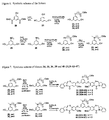
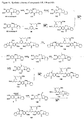
- FIG. 1 The process of preparation of a representative monomer compound of the present invention, exemplified by indolinobenzodiazepine compound 8, is shown in Figure 1 .
- indoline-2-carboxylic acid 1 its methyl ester 2 was prepared in quantitative yield by reaction with thionyl chloride in methanol.
- Methyl indoline-2-carboxylate 2 was coupled with the acid chloride 4, or directly with acid 3, to furnish the amide 5, which was further reduced with diisobutylaluminum hydride (DIBAL) to the aldehyde 6.
- DIBAL diisobutylaluminum hydride
- sodium dithionite was used to conveniently convert to aldehyde 6 to the ring closed compound 7 after further treatment with methanol under acidic conditions.
- the benzyl protecting group was removed to furnish monomer 8.
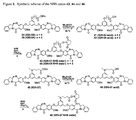
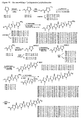
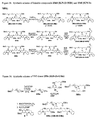
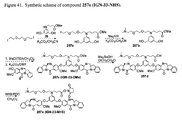
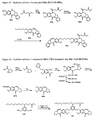
- dimer compounds of the present invention The process of preparation of representative dimer compounds of the present invention is shown in Figures 3, 4 and 7 .
- the dimers were prepared by reacting of the monomers of formula 8 or formula 14 with compounds which possesses two leaving groups such as Br, I, triflate, mesylate or tosylate.
- Dimers which possess linkers that can react with antibodies are prepared by converting the methyl esters to the corresponding reactive esters of a leaving group such as, but not limited to, N-hydroxysuccinimide esters, N-hydroxyphtalimide esters, N-hydroxy sulfo-succinimide esters, para-nitrophenyl esters, dinitrophenyl esters, pentafluorophenyl esters.
- a leaving group such as, but not limited to, N-hydroxysuccinimide esters, N-hydroxyphtalimide esters, N-hydroxy sulfo-succinimide esters, para-nitrophenyl esters, dinitrophenyl esters, pentafluorophenyl esters.
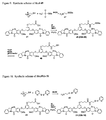
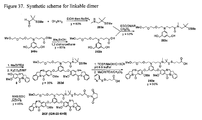
- Representative examples for the synthesis of the linkable dimers are shown in figures 8 .
- Synthesis of dimers that bear a thiol or disulfide moiety to enable linkage to cell binding agents via reducible or non-reducible bonds
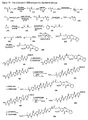
- the B ring modified monomer 58 devoid of a carbonyl group is achieved from the benzyl acohol compound 52 by the steps shown in Figure 11 .
- the isoindolino monomer 66 can be prepared from isoindole 59 as outlined in Figure 12 .
- the linker can also be attached directly to the indolino moiety.
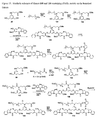
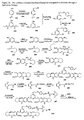
- Methyl indolino-2-carboxylate can be converted into the linkable dimer 82 via the synthetic steps shown in Figure 13 .
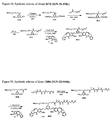
- the synthesis of linkable dimers bearing a PEG moiety is shown in Figures 14 and 15 .
- the invention provides a process for the preparation of the indolinobenzodiazepine (IBD) monomer of formula (I) ( Figure 1 ), the process comprising the steps of:
- Another aspect of the invention provides a process for the preparation of compound of formula (II) comprising the steps of:
- Another aspect of the invention provides a process for the preparation of compound of formula (IV) comprising the steps of:
- Another aspect of the invention provides an alternative process for the preparation of compound of formula (IV) of the present invention comprising steps of:
- Another aspect of the invention provides a process for the preparation of compound of formula (V) comprising the step of coupling compound of formula (13), compound of formula (13)' and compound of formula (12) to give compound of formula (V), wherein LG is a leaving group; R 1 , R 2 , R 3 , R 4 , R 1 ', R 2 ', R 3 ', R 4 ', R 6 , W, X, Y, A, A', D, D', L andhave the same definition as above.
- Another aspect of the invention provides an alternative process for the preparation of compound of formula (V) of the invention comprising the steps of:
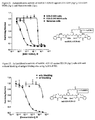
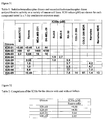
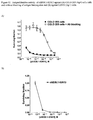
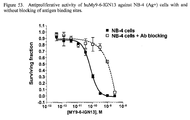
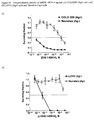
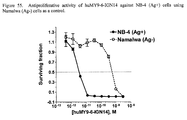
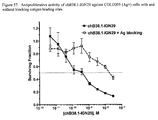
- the in vitro cytotoxicity of the cytotoxic compounds can be evaluated for their ability to suppress proliferation of various cancerous cell lines in vitro (Tables 1, 2 in FIGS. 31, 32 in which IGN-02 is a compound not of the present invention).
- cytotoxic compounds e.g., indolinobenzodiazepines
- derivatives thereof, dimers thereof or conjugates thereof of the present invention can be evaluated for their ability to suppress proliferation of various cancerous cell lines in vitro (Tables 1, 2 in FIGS. 31, 32 in which IGN-02 is a compound not of the present invention).
- cell lines such as the human breast carcinoma line SK-Br-3, or the human epidermoid carcinoma cell line KB, can be used for the assessment of cytotoxicity of these new compounds.
- Cells to be evaluated can be exposed to the compounds for 72 hours and the surviving fractions of cells measured in direct assays by known methods. IC 50 values can then be calculated from the results of the assays.
- Cell-binding agents may be of any kind presently known, or that become known and includes peptides and non-peptides. Generally, these can be antibodies (especially monoclonal antibodies), lymphokines, hormones, growth factors, vitamins, nutrient-transport molecules (such as transferrin), or any other cell-binding molecule or substance.
- cell-binding agents More specific examples of cell-binding agents that can be used include:
- Monoclonal antibody techniques allow for the production of extremely specific cell-binding agents in the form of specific monoclonal antibodies.
- Particularly well known in the art are techniques for creating monoclonal antibodies produced by immunizing mice, rats, hamsters or any other mammal with the antigen of interest such as the intact target cell, antigens isolated from the target cell, whole virus, attenuated whole virus, and viral proteins such as viral coat proteins.
- Sensitized human cells can also be used.
- Another method of creating monoclonal antibodies is the use of phage libraries of scFv (single chain variable region), specifically human scFv (see e.g., Griffiths et al., U.S. Patent Nos.
- resurfaced antibodies disclosed in U.S. Patent No. 5,639,641 may also be used, as may chimeric antiobodies and humanized antibodies. Selection of the appropriate cell-binding agent is a matter of choice that depends upon the particular cell population that is to be targeted, but in general human monoclonal antibodies are preferred if an appropriate one is available.
- the monoclonal antibody MY9 is a murine IgG 1 antibody that binds specifically to the CD33 Antigen ⁇ J.D. Griffin et al 8 Leukemia Res., 521 (1984 ) ⁇ and can be used if the target cells express CD33 as in the disease of acute myelogenous leukemia (AML).
- the monoclonal antibody anti-B4 is a murine IgG 1 , that binds to the CD19 antigen on B cells ⁇ Nadler et al, 131 J. Immunol.
- HuB4 is a resurfaced antibody derived from the murine anti-B4 antibody ( Roguska et al., 1994, Proc. Natl. Acad. Sci., 91, pg 969-973 ).
- HuN901 is a humanized antibody that binds to the CD56 antigen expressed on small cell lung cancer, multiple myeloma, ovarian cancer and other solid tumors including neuroendocrine cancers ( Roguska et al., 1994, Proc. Natl. Acad.
- B38.1 is a chimeric antibody targeting EpCAM.
- Fully human antibodies such as panitumumab targeting the EGF receptor expressed on several solid tumors may also be used ( Van Cutsem et al., J Clin Oncol. 2007;25(13):1658-1664 ).
- the cell-binding agent that comprises the conjugates and the modified cell-binding agents of the present invention may be of any kind presently known, or that become known, and includes peptides and non-peptides.
- the cell-binding agent may be any compound that can bind a cell, either in a specific or non-specific manner. Generally, these can be antibodies (especially monoclonal antibodies and antibody fragments), interferons, lymphokines, hormones, growth factors, vitamins, nutrient-transport molecules (such as transferrin), or any other cell-binding molecule or substance.
- the cell-binding agent binds to an antigen that is a polypeptide and may be a transmembrane molecule (e.g. receptor) or a ligand such as a growth factor.
- antigens include molecules such as renin; a growth hormone, including human growth hormone and bovine growth hormone; growth hormone releasing factor; parathyroid hormone; thyroid stimulating hormone; lipoproteins; alpha-1-antitrypsin; insulin A-chain; insulin B-chain; proinsulin; follicle stimulating hormone; calcitonin; luteinizing hormone; glucagon; clotting factors such as factor vmc, factor IX, tissue factor (TF), and von Willebrands factor; anti-clotting factors such as Protein C; atrial natriuretic factor; lung surfactant; a plasminogen activator, such as urokinase or human urine or tissue-type plasminogen activator (t-PA); bombesin; thrombin; hemo
- GM-CSF which binds to myeloid cells can be used as a cell-binding agent to diseased cells from acute myelogenous leukemia.
- IL-2 which binds to activated T-cells can be used for prevention of transplant graft rejection, for therapy and prevention of graft-versus-host disease, and for treatment of acute T-cell leukemia.
- MSH which binds to melanocytes, can be used for the treatment of melanoma.
- Folic acid can be used to target the folate receptor expressed on ovarian and other tumors.
- Epidermal growth factor can be used to target squamous cancers such as lung and head and neck.
- Somatostatin can be used to target neuroblastomas and other tumor types.
- Cancers of the breast and testes can be successfully targeted with estrogen (or estrogen analogues) or androgen (or androgen analogues) respectively as cell-binding agents.
- the present invention also provides cytotoxic compound-cell-binding agent conjugates comprising a cell binding agent linked to one or more cytotoxic compounds via a variety of linkers, including, but not limited to, disulfide linkers, thioether linkers, amide bonded linkers, peptidase - labile linkers, acid-labile linkers, esterase-labile linkers.
- linkers including, but not limited to, disulfide linkers, thioether linkers, amide bonded linkers, peptidase - labile linkers, acid-labile linkers, esterase-labile linkers.
- Representational cytotoxic conjugates of the invention are antibody/cytotoxic compound, antibody fragment/cytotoxic compound, epidermal growth factor (EGF)/ cytotoxic compound, melanocyte stimulating hormone (MSH)/ cytotoxic compound, thyroid stimulating hormone (TSH)/ cytotoxic compound, somatostatin/cytotoxic compound, folate/cytotoxic compound, estrogen/cytotoxic compound, estrogen analogue/cytotoxic compound, androgen/cytotoxic compound, and androgen analogue/cytotoxic compound.
- EGF epidermal growth factor
- MSH melanocyte stimulating hormone
- TSH thyroid stimulating hormone
- somatostatin/cytotoxic compound folate/cytotoxic compound
- estrogen/cytotoxic compound estrogen analogue/cytotoxic compound
- androgen/cytotoxic compound and androgen analogue/cytotoxic compound.
- the present invention provides an indolinobenzodiazepine dimer-cell-binding agent conjugate comprising the cytotoxic agent and the cell binding agent linked through a covalent bond.
- the linker can be cleaved at the site of the tumor/unwanted proliferating cells to deliver the cytotoxic agent to its target in a number of ways.
- the linker can be cleaved, for tumor-associated antigens or cell-surface receptors disclosed in US Publication No. 20080171040 or US Publication No.
- erythropoietin erythropoietin
- osteoinductive factors immunotoxins
- a bone morphogenetic protein BMP
- an interferon such as interferon-alpha, -beta, and -gamma
- colony stimulating factors CSFs
- ILs interleukins
- superoxide dismutase T-cell receptors
- surface membrane proteins surface membrane proteins
- decay accelerating factor viral antigen such as, for example, a portion of the HIV envelope; transport proteins; homing receptors; addressins; regulatory proteins; integrins, such as CD11 a, CD11 b, CD11 c, CD18, an ICAM, VLA-4 and VCAM; a tumor associated antigen such as HER2, HER3 or HER4 receptor; and fragments of any of the above-listed polypeptides.
- GM-CSF which binds to myeloid cells can be used as a cell-binding agent to diseased cells from acute myelogenous leukemia.
- IL-2 which binds to activated T-cells can be used for prevention of transplant graft rejection, for therapy and prevention of graft-versus-host disease, and for treatment of acute T-cell leukemia.
- MSH which binds to melanocytes, can be used for the treatment of melanoma.
- Folic acid can be used to target the folate receptor expressed on ovarian and other tumors.
- Epidermal growth factor can be used to target squamous cancers such as lung and head and neck.
- Somatostatin can be used to target neuroblastomas and other tumor types.
- Cancers of the breast and testes can be successfully targeted with estrogen (or estrogen analogues) or androgen (or androgen analogues) respectively as cell-binding agents.
- the present invention also provides cytotoxic compound-cell-binding agent conjugates comprising a cell binding agent linked to one or more cytotoxic compounds via a variety of linkers, including, but not limited to, disulfide linkers, thioether linkers, amide bonded linkers, peptidase - labile linkers, acid-labile linkers, esterase-labile linkers.
- linkers including, but not limited to, disulfide linkers, thioether linkers, amide bonded linkers, peptidase - labile linkers, acid-labile linkers, esterase-labile linkers.
- Representational cytotoxic conjugates of the invention are antibody/cytotoxic compound, antibody fragment/cytotoxic compound, epidermal growth factor (EGF)/ cytotoxic compound, melanocyte stimulating hormone (MSH)/ cytotoxic compound, thyroid stimulating hormone (TSH)/ cytotoxic compound, somatostatin/cytotoxic compound, folate/cytotoxic compound, estrogen/cytotoxic compound, estrogen analogue/cytotoxic compound, androgen/cytotoxic compound, and androgen analogue/cytotoxic compound.
- EGF epidermal growth factor
- MSH melanocyte stimulating hormone
- TSH thyroid stimulating hormone
- somatostatin/cytotoxic compound folate/cytotoxic compound
- estrogen/cytotoxic compound estrogen analogue/cytotoxic compound
- androgen/cytotoxic compound and androgen analogue/cytotoxic compound.
- the present invention provides an indolinobenzodiazepine dimer-cell-binding agent conjugate comprising the cytotoxic agent and the cell binding agent linked through a covalent bond.
- the linker can be cleaved at the site of the tumor/unwanted proliferating cells to deliver the cytotoxic agent to its target in a number of ways.
- the linker can be cleaved, for example, by low pH (hydrazone), reductive environment (disulfide), proteolysis (amide/peptide link), or through an enzymatic reaction (esterase/glycosidase).
- representatative cytotoxic conjugates of the invention are antibody/ indolinobenzodiazepine dimer, antibody fragment/indolinobenzodiazepine dimer, epidermal growth factor (EGF)/ indolinobenzodiazepine dimer, melanocyte stimulating hormone (MSH)/ indolinobenzodiazepine dimer, thyroid stimulating hormone (TSH)/ indolinobenzodiazepine dimer, somatostatin/ indolinobenzodiazepine dimer, folate/ indolinobenzodiazepine dimer, estrogen/ indolinobenzodiazepine dimer, estrogen analogue/ indolinobenzodiazepine dimer, prostate specific membrane antigen (PSMA) inhibitor/ indolinobenzodiazepine dimer, matriptase inhibitor/ indolinobenzodiazepine dimer, designed ankyrin repeat proteins (DARPins)/ indolinobenzodiazepine dimer, androgen/ indolinobenzodiaze
- Disulfide containing cytotoxic conjugates can be made by reacting a thiol-containing cytotoxic agent such as 49 with an appropriately modified cell-binding agent. These conjugates may be purified to remove non-linked cytotoxic agent by using gel-filtration, ion exchange chromatography, ceramic hydroxyappetite (CHT) chromatography, hydrophobic interaction chromatography (CHT), tangential flow filtration (TFF), or by HPLC.
- CHT ceramic hydroxyappetite
- CHT hydrophobic interaction chromatography
- THF tangential flow filtration
- a solution of an antibody in aqueous buffer may be incubated with a molar excess of an antibody modifying agent such as N-succinimidyl-3-(2-pyridyldithio)propionate (SPDP) or with N-succinimidyl-4-(2-pyridyldithio)butanoate (SPDB) to introduce dithiopyridyl groups.
- SPDP N-succinimidyl-3-(2-pyridyldithio)propionate
- SPDB N-succinimidyl-4-(2-pyridyldithio)butanoate
- the modified antibody is then reacted with the thiol-containing cytotoxic agent such as compound 49 to produce a disulfide-linked antibody- indolinobenzodiazepine dimer conjugate.
- the cytotoxic-cell binding conjugate may then be purified using any of the above mentioned methods.
- the antibody may be incubated with a molar excess of an antibody modifying agent such as 2-iminothiolane, L-homocysteine thiolactone (or derivatives), or N-Succinimidyl-S-acetylthioacetate (SATA) to introduce sulfhydryl groups.
- an antibody modifying agent such as 2-iminothiolane, L-homocysteine thiolactone (or derivatives), or N-Succinimidyl-S-acetylthioacetate (SATA) to introduce sulfhydryl groups.
- the modified antibody is then reacted with the appropriate disulfide-containing cytotoxic agent, such as, compound 51 to produce a disulfide-linked antibody-cytotoxic agent conjugate.
- the antibody-cytotoxic agent conjugate may then be purified by gel-filtration or other methods mentioned above.
- the number of cytotoxic molecules bound per antibody molecule can be determined spectrophotometrically by measuring the ratio of the absorbance at 280 nm and 330 nm. An average of 1-10 cytotoxic molecules/antibody molecule(s) can be linked by this method. The preferred average number of linked cytotoxic molecules per antibody molecule is 2-5, and the most preferred is 3-4.5.
- a solution of an antibody in aqueous buffer may be incubated with a molar excess of an antibody-modifying agent such as N -succinimidyl-4-(N-maleimidomethyl)-cyclohexane-1-carboxylate to introduce maleimido groups, or with N -succinimidyl-4-(iodoacetyl)-aminobenzoate (SIAB) to introduce iodoacetyl groups.
- the modified antibody is then reacted with the thiol-containing cytotoxic agent to produce a thioether-linked antibody-cytotoxic conjugate.
- the antibody-cytotoxic conjugate may then be purified by gel-filtration or other methods mentioned above or by methods known to one of skill in the art.
- Cytotoxic agents containing linkers terminating in an N-Hydroxy succinimidyl (NHS) ester can be reacted with the antibody to produce direct amide linked conjugates such as huN901-IGN-03 and huN901-IGN-07.
- the antibody-cytotoxic agent conjugate may then be purified by gel-filtration or other methods mentioned above.
- the following cell-binding agent/cytotoxic agent conjugates can be prepared using the appropriate linkers.
- Dimer 1 and 2 with peptide cleavable linkers can be prepared from the corresponding NHS esters
- Dimer 3 can be made by reacting the appropriate thiol-containing cytotoxic agent with SMCC modified cell binding agent
- acid-labile hydrazone Dimer 4 can be prepared through condensation of a cytotoxic agent containing an alkyl, aryl ketone with a hydrazide modified cell binding agent.
- Asymmetric indolinobenzodiazepine dimer conjugates such as Dimers 5-8 can also be prepared using similar methods to those described above.
- Conjugates of cell-binding agents with cytotoxic agents of the invention can be evaluated for their ability to suppress proliferation of various unwanted cell lines in vitro.
- cell lines such as the human colon carcinoma line COLO 205, the rhabdomyosarcoma cell line RH-30, and the multiple myeloma cell line MOLP-8 can be used for the assessment of cytotoxicity of these conjugates.
- Cells to be evaluated can be exposed to the compounds for 1-5 days and the surviving fractions of cells measured in direct assays by known methods. IC 50 values can then be calculated from the results of the assays.
- Fig. 21-26 Examples of in vitro potency and target specificity of antibody-cytotoxic agent conjugates of the present invention are shown in Fig. 21-26 . All of the conjugates with cytotoxic agent/antibody ratios of 1-3 are extremely cytotoxic on the antigen positive cancer cells with an IC 50 in the low picomolar range. Antigen negative cell lines remained viable when exposed to the same conjugates.
- the target specificity of conjugates of the indolinobenzodiazepine dimers are >1000 with the antibodies huN901 (anti-CD56) and muB38.1 (anti-EpCAM).
- the B38.1-IGN-3 conjugate killed antigen positive COLO 205 cells with an IC 50 value of 1.86 pM, while the antigen negative Namalwa cell line was about 200-fold less sensitive with an IC 50 value of 336.3 pM, demonstrating antigen specificity.
- the conjugate is also highly potent towards the multidrug resistant COLO 205 MDR cell line with an IC 50 value of 16 pM.
- the huN901-IGN3 conjugate was highly potent, with an IC 50 value of 15 pM for antigen positive RH30 cells ( Fig. 22 ).
- huN901-IGN-07 Another huN901-IGN conjugate (huN901-IGN-07) also showed high potency towards antigen expressing RH-30 cells, with drug load dependent cytotoxicity and IC 50 values of 16 pm, 3 pM and 2 pM respectively for conjugates bearing 1.2, 2.0 and 3.0 linked drugs per antibody molecule ( Fig. 23 ). Similar results were obtained with huN901 - IGN07 and huN901-IGN03 towards antigen-positive Molp-8 cells.
- Hu901-IGN07 gave IC 50 values of 5 pM, 3 pM and 2 pM respectively for IGN07 loads of 1.2, 2.0 and 3.0 ( Fig. 24 ).
- the huN901-IGN07 and IGN03 conjugates were much less potent towards antigen negative Namalwa cells with IC 50 values ranging from 1000 pM to >3000 pM ( Fig. 25 ).
- the B38.1-IGN10 conjugate was also specifically potent killing antigen positive COLO 205 cells, with an IC 50 of 17 pM, and less potent (170 pM) for antigen-negative Ramos cells ( Fig. 26 ).
- in vivo efficacy of a cell binding agent/cytotoxic agent conjugate was measured.
- Nude mice bearing human MOLP-8 tumors were treated with huN901-IGN-07 conjugate and significant tumor regression was observed compared while untreated mice tumors grew rapidly ( Figure 27 ).
- the indolinobenzodiazepine dimers of the present invention bind and alkylate doublestranded DNA (dsDNA) containing guanine residues on opposite strands spaced 4 base pairs apart.
- Figures 28-30 present data from reverse-phase ion pair chromatography assays showing rate of IGN-01, IGN-02 (not of the present invention), and IGN-09 binding and crosslinking to dsDNA.
- the indolino group (IGN-01) is preferred to the oxazole group (IGN-02) for rapid DNA binding and interstrand crosslinking (ICL).
- ICL interstrand crosslinking
- IC 50 values of various compounds of the present invention (and IGN-02 not of the present invention), towards a panel of cell lines is listed in Fig. 31 .
- Comparative in vitro potency of linkable and non-linkable compounds of the present invention are shown in Fig. 32 . Incorporation of a linker does not significantly affect potency of the parent compounds.
- compositions and methods of use are provided.
- the present invention includes a pharmaceutical composition comprising novel benzodiazepine compounds (e.g., indolinobenzodiazepines), derivatives thereof, or conjugates thereof, (and/or solvates, hydrates and/or salts thereof) and a carrier (a pharmaceutically acceptable carrier).
- novel benzodiazepine compounds e.g., indolinobenzodiazepines
- derivatives thereof, or conjugates thereof e.g., indolinobenzodiazepines
- a carrier a pharmaceutically acceptable carrier
- the present invention also includes a pharmaceutical composition comprising novel benzodiazepine compounds, derivatives thereof, or conjugates thereof, (and/or solvates, hydrates and/or salts thereof) and a carrier (a pharmaceutically acceptable carrier), further comprising a second therapeutic agent.
- the present compositions are useful for inhibiting abnormal cell growth or treating a proliferative disorder in a mammal (e.g., human).
- present compositions are also useful for treating depression, anxiety, stress
- Also described herein is a method of inhibiting abnormal cell growth or treating a proliferative disorder in a mammal (e.g., human) comprising administering to said mammal a therapeutically effective amount of novel benzodiazepine compounds (e.g., indolinobenzodiazepine or oxazolidinobenzodiazepine), derivatives thereof, or conjugates thereof, (and/or solvates and salts thereof) or a composition thereof, alone or in combination with a second therapeutic agent.
- novel benzodiazepine compounds e.g., indolinobenzodiazepine or oxazolidinobenzodiazepine
- derivatives thereof or conjugates thereof, (and/or solvates and salts thereof) or a composition thereof, alone or in combination with a second therapeutic agent.
- Also described herein are methods of treatment comprising administering to a subject in need of treatment an effective amount of any of the conjugates described above.
- the present invention provides a method for inducing cell death in selected cell populations comprising contacting target cells or tissue containing target cells with an effective amount of a cytotoxic agent comprising any of the cytotoxic compound-cell-binding agents (e.g., indolinobenzodiazepine dimer linked to a cell binding agent) of the present invention, a salt or solvate thereof.
- a cytotoxic agent comprising any of the cytotoxic compound-cell-binding agents (e.g., indolinobenzodiazepine dimer linked to a cell binding agent) of the present invention, a salt or solvate thereof.
- the target cells are cells to which the cell-binding agent can bind.
- other active agents such as other anti-tumor agents, may be administered along with the conjugate.
- Suitable pharmaceutically acceptable carriers, diluents, and excipients are well known and can be determined by those of ordinary skill in the art as the clinical situation warrants.
- Suitable carriers, diluents and/or excipients include: (1) Dulbecco's phosphate buffered saline, pH about 7.4, containing or not containing about 1 mg/ml to 25 mg/ml human serum albumin, (2) 0.9% saline (0.9% w/v NaCl), and (3) 5% (w/v) dextrose; and may also contain an antioxidant such as tryptamine and a stabilizing agent such as Tween 20.
- the method for inducing cell death in selected cell populations can be practiced in vitro, in vivo, or ex vivo.
- Examples of in vitro uses include treatments of autologous bone marrow prior to their transplant into the same patient in order to kill diseased or malignant cells: treatments of bone marrow prior to their transplantation in order to kill competent T cells and prevent graft-versus-host-disease (GVHD); treatments of cell cultures in order to kill all cells except for desired variants that do not express the target antigen; or to kill variants that express undesired antigen.
- treatments of autologous bone marrow prior to their transplant into the same patient in order to kill diseased or malignant cells treatments of bone marrow prior to their transplantation in order to kill competent T cells and prevent graft-versus-host-disease (GVHD); treatments of cell cultures in order to kill all cells except for desired variants that do not express the target antigen; or to kill variants that express undesired antigen.
- GVHD graft-versus-host-disease
- Examples of clinical ex vivo use are to remove tumor cells or lymphoid cells from bone marrow prior to autologous transplantation in cancer treatment or in treatment of autoimmune disease, or to remove T cells and other lymphoid cells from autologous or allogenic bone marrow or tissue prior to transplant in order to prevent GVHD.
- Treatment can be carried out as follows. Bone marrow is harvested from the patient or other individual and then incubated in medium containing serum to which is added the cytotoxic agent of the invention, concentrations range from about 10 ⁇ M to 1 pM, for about 30 minutes to about 48 hours at about 37°C. The exact conditions of concentration and time of incubation, i.e., the dose, are readily determined by one of ordinary skill in the art.
- the bone marrow cells After incubation the bone marrow cells are washed with medium containing serum and returned to the patient intravenously according to known methods. In circumstances where the patient receives other treatment such as a course of ablative chemotherapy or total-body irradiation between the time of harvest of the marrow and reinfusion of the treated cells, the treated marrow cells are stored frozen in liquid nitrogen using standard medical equipment.
- the cytotoxic agent of the invention will be supplied as a solution or a lyophilized powder that are tested for sterility and for endotoxin levels.
- suitable protocols of conjugate administration are as follows. Conjugates are given weekly for 4 weeks as an intravenous bolus each week. Bolus doses are given in 50 to 1000 ml of normal saline to which 5 to 10 ml of human serum albumin can be added. Dosages will be 10 ⁇ g to 2000 mg per administration, intravenously (range of 100 ng to 20 mg/kg per day). After four weeks of treatment, the patient can continue to receive treatment on a weekly basis. Specific clinical protocols with regard to route of administration, excipients, diluents, dosages, times, etc., can be determined by one of ordinary skill in the art as the clinical situation warrants.
- Examples of medical conditions that can be treated according to the in vivo or ex vivo methods of inducing cell death in selected cell populations include malignancy of any type including, for example, cancer of the lung, breast, colon, prostate, kidney, pancreas, ovary, and lymphatic organs; autoimmune diseases, such as systemic lupus, rheumatoid arthritis, and multiple sclerosis; graft rejections, such as renal transplant rejection, liver transplant rejection, lung transplant rejection, cardiac transplant rejection, and bone marrow transplant rejection; graft versus host disease; viral infections, such as CMV infection, HIV infection, AIDS, etc.; and parasite infections, such as giardiasis, amoebiasis, schistosomiasis, and others as determined by one of ordinary skill in the art.
- PDR Physician's Desk Reference
- the PDR discloses dosages of the agents that have been used in treatment of various cancers.
- the dosing regimen and dosages of these aforementioned chemotherapeutic drugs that are therapeutically effective will depend on the particular cancer being treated, the extent of the disease and other factors familiar to the physician of skill in the art and can be determined by the physician.
- One of skill in the art can review the PDR, using one or more of the following parameters, to determine dosing regimen and dosages of the chemotherapeutic agents and conjugates that can be used in accordance with the teachings of this invention. These parameters include:
- cytotoxic agents include analogues and derivatives of the compounds described herein.
- IBD Indolinobenzodiazepine (IBD) monomer 8:
- Example 2 (not an example of the present invention)
- Oxazolidinobenzodiazepine (OBD) monomer 14 isobutylene glycol
- Example 5 (not an example of the present invention)
- triol 21 827 mg, 5.37 mmol
- methyl 5-bromovalerate 998 mg, 5.12 mmol
- acetonitrile 40 mL
- potassium carbonate 3.71 g, 26.9 mmol
- the reaction mixture was removed from the oil bath, cooled to room temperature and the solvents were evaporated under reduced pressure (temperature ⁇ 35 °C).
- the residue was diluted with dichloromethane and filtered. The filtrate was washed with brine, dried over anhydrous sodium sulfate and filtered.
- IGN-03 NHS ester and IGN-07 NHS ester are made fresh to a 0.006 M stock based on a molecular weight of 903.93 g/mole (IGN-03 NHS ester) or 902.95 (IGN-07 NHS ester) in dimethylacetamide (DMA).
- Methyl 1-methyl-4-nitro-1H-pyrrole-2-carboxylate (5.0 g, 27.17 mmol) in 120 ml of 1:1 THF/H 2 O was added 8 g of NaOH in 30 ml of water. The mixture was stirred overnight, concentrated, diluted with water, extracted with EtAc/Hexane (1:1). The aqueous solution was adjusted to pH 3 ⁇ 4 with 20% H 3 PO 4 and extracted with EtAc (4 x 60 ml). The organic solutions were combined, dried over MgSO 4 , filtered, evaporated and crystallized with ethanol/EtAc/Hexane to afford 4.06 g (88%) of the title product.
- tert-Butyl 3-hydroxypropylcarbamate (3.22 g, 18.37 mmol) in 100 ml of DCM at 0°C was added thiolacetic acid (2.0 ml, 26.73 mmol) and triphenylphosphine (7.0 g, 26.73 mmol) under Ar. After stirred at 0°C for 15 min, DIAD (6.0 ml, 28.93) was added. The mixture was stirred at 0°C for 2 h then RT overnight. The mixture was concentrated, diluted with 120 ml of EtAc/Hexane (1:2), filtered through celite.
- huN901 antibody that binds to the CD56 antigen was selected for conjugation of IGN derivatives.
- a solution of huN901 antibody at a concentration of 3 mg/mL in an aqueous buffer containing 0.05 M N-(2-hydroxyethyl)-piperazine-N'-2-ethanesulfonic acid (HEPES) and 2 mM ethylenediaminetetra-acetic acid (EDTA), pH 8 was treated with a 20-fold molar excess of a solution of IGN-07 NHS ester in dimethylacetamide (DMA) such that the final concentration of DMA in the buffer was 10% v/v.
- HEPES N-(2-hydroxyethyl)-piperazine-N'-2-ethanesulfonic acid
- EDTA ethylenediaminetetra-acetic acid
- the reaction mixture was stirred at room temperature for 120 min and then loaded onto a Sephadex G25 gel filtration column (HiPrepTM 26/10 Desalting Column GE# 17-5087-01) that has been previously equilibrated into an aqueous buffer containing 0.01 M sodium citrate, 0.135 M sodium chloride, pH 5.5.
- the conjugated antibody-containing fractions are collected and pooled to yield product.
- the pooled sample was dialyzed overnight against the same elution buffer (0.01 M sodium citrate, 0.135 M sodium chloride, pH 5.5) to further purify the product.
- a solution of IGN-10 was made fresh to a 0.004 M stock based on a molecular weight of 975.14 g/mole in dimethylacetamide (DMA).
- muB38.1 antibody that binds to the EpCAM antigen was selected for conjugation of IGN derivatives through a disulfide bond.
- a solution of muB38.1 antibody at a concentration of 2.5 mg/mL in an aqueous buffer containing phosphate buffered saline (PBS) pH 7.4 was treated with 120 molar excess of I-homocysteine thiolactone for 12 hr at 37 °C.
- the reaction mixture was loaded onto a Sephadex G25 gel filtration column (HiPrepTM 26/10 Desalting Column GE# 17-5087-01) that was previously equilibrated in PBS pH 7.4.
- Fractions containing antibody are collected and pooled and assayed for reactive thiol content using the Ellman's assay.
- the modified antibody was then treated with a 4-fold molar excess of IGN-10 (in DMA) per free thiol and allowed to react at room temperature for 8 hr.
- the reaction mixture was loaded onto a Sephadex G25 gel filtration column (HiPrepTM 26/10 Desalting Column GE# 17-5087-01) that has been previously equilibrated into an aqueous buffer containing 0.01 M sodium citrate, 0.135 M sodium chloride, pH 5.5.
- the conjugated antibody-containing fractions are collected and pooled to yield product.
- the pooled sample was dialyzed overnight against the same elution buffer (0.01 M sodium citrate, 0.135 M sodium chloride, pH 5.5) to further purify the product.
- DNA probe assay for measuring IGN dimer binding and alkylation to double stranded DNA dsDNA:
- dsDNA 25 ⁇ M final concentration
- 100 mM TRIS, 1 mM EDTA, pH 8 was mixed with 3.7 molar equivalents of IGN-01 (compound 18), IGN-02 (compound 19), or IGN-09 (compound 15) dissolved in acetonitrile (final acetonitrile concentration ⁇ 2% by volume).
- the reaction was incubated at 15 °C (below TM of the dsDNA) and 10 ⁇ l aliquots are injected on reverse phase-HPLC at various time points after mixing
- HPLC conditions Waters Xbridge C8 2.1 x 50 mm column, Buffer A: 100 mM hexafluoroisopropanol, 16.3 mM triethylamine, in water, Buffer B: Methanol; 98% A ⁇ 100% B over 32 min, 0.25 ml/min flow, 60 °C column heat, 260 nm detection. Areas under the curve (AUC) for the probe DNA peak and the resulting IGN/DNA adduct peak are used to determine the % crosslinking at each time point of incubation.
- AUC Areas under the curve
- DNA annealing single stranded DNA (Invitrogen) was annealed into dsDNA using a Peltier thermal cycler (PTC-200, MJ Research). 1 mM DNA in 100 mM TRIS, 1 mM EDTA pH 8 was heated to 80 °C and then gradually cooled to 4 °C over 90 min in 15 degree steps. The resulting dsDNA was kept at 4 °C until used in the assay. IGN-01, IGN-02, and IGN-09 did not form covalent adducts with single stranded DNA (ssDNA) in control experiments.
- ssDNA single stranded DNA
- TCEP tris(2-carboxyethyl)phosphine hydrochloride
- N-hydroxysuccinimide (NHS, 5.09 mg, 0.044 mmol) and N-(3-dimethylaminopropyl)-N'-ethylcarbodiimide hydrochloride (EDC, 8.48 mg, 0.044 mmol) was added subsequently.
- the mixture was stirred at room temperature overnight and diluted with dichloromethane, washed with brine and dried over anhydrous sodium sulfate. It was filtered, evaporated and the residue was purified by preparative reverse phase HPLC (C18 column, eluted with acetonitrile/water). The product fractions were combined and extracted with dichloromethane.
- N-hydroxysuccinimide (NHS, 9.57 mg, 0.083 mmol)
- N-(3-dimethylaminopropyl)-N'-ethylcarbodiimide hydrochloride (EDC, 15.9 mg, 0.083 mmol)
- DMAP 0.34 mg, 0.0028 mmol
- the mixture was stirred at room temperature overnight and diluted with dichloromethane, washed with saturated ammonium chloride and brine, dried over anhydrous sodium sulfate. It was filtered, evaporated and the residue was purified by preparative reverse phase HPLC (C18 column, eluted with acetonitrile/water).
- Methyl 6-nitroindoline-2-carboxylate (258a) (0.233 g, 1.048 mmol) was dissolved in anhydrous tetrahydrofuran (4 ml) in a separate flask and cooled to 0 °C an ice bath.
- 4-(benzyloxy)-5-methoxy-2-nitrobenzoyl chloride (4) (0.371 g, 1.153 mmol) was dissolved was dissolved in anhydrous tetrahydrofuran (4 ml) and cooled to 0 °C in an ice bath.
- Methyl 1-(4-(benzyloxy)-5-methoxy-2-nitrobenzoyl)-6-nitroindoline-2-carboxylate (258b) (1.023 g, 2.016 mmol) was dissolved in a mixture of anhydrous dichloromethane (2.5 mL) and toluene (7.5 mL) and cooled to -78 °C in a dry ice and acetone bath. After 15 minutes DIBAL-H (1.0M in THF) (4.03 mL, 4.03 mmol) was added via a syringe pump over about a 20 minute period.
- DIBAL-H 1.0M in THF
- the resulting solution was stirred for 2 hrs at -78 °C after which methanol (1ml) was added dropwise to quench the reaction at -78 °C.
- the reaction was then diluted with 5% HCl and ethyl acetate and warmed to room temperature.
- the aqueous layer was washed with additional ethyl acetate and the combined organic layers were washed with brine and dried over anhydrous sodium sulfate.
- the reaction mixture was passed through a layer of celite and concentrated in vacuo.
- Example 27 (not an example of the present invention)
- thiazolidine-4-carboxylic acid 1.3g, 9.59 mmol
- anhydrous methanol (19.18 mL)
- Thionyl chloride (1.40 mL, 19.18 mmol) was added drop wise and the reaction stirred for 30 minutes.
- the ice bath was removed and stirring continued either for 4-5 hours or overnight.
- the solvent was stripped and the product placed on the high vacuum to give 4-(methoxycarbonyl)thiazolidin-3-ium chloride.
- the white residue was placed on the high vacuum for a few hours. It was re-dissolved in methanol:dichloromethane [1:1], filtered through celite, and stripped. The filter step was repeated until dilution in methanol appeared clear with no particles.
- the intermediate was placed on the high vacuum until completely dry then dissolved in anhydrous methanol (50ml). Acetyl chloride (1.9ml, 26.7 mmol) was added drop wise at room temperature, causing a yellow precipitate to form. It stirred at room temperature for 30 minutes and was quenched with saturated sodium bicarbonate. The mixture was diluted with dichloromethane and water (130mL/85mL) and extracted with dichloromethane.
- Example 28 (not an example of the present invention )
- a solution of chB38.1 antibody at a concentration of 2 mg/mL in an aqueous buffer containing 0.05 M N-(2-hydroxyethyl)-piperazine-N'-2-ethanesulfonic acid (HEPES) and 2 mM ethylenediaminetetra-acetic acid (EDTA), pH 8 was treated with a 10-fold molar excess of a solution of IGN14-NHS in dimethylacetamide (DMA) such that the final concentration of DMA in the buffer was 10% v/v.
- HEPES N-(2-hydroxyethyl)-piperazine-N'-2-ethanesulfonic acid
- EDTA ethylenediaminetetra-acetic acid
- the reaction mixture was stirred at room temperature for 120 min and then loaded onto a Sephadex G25 gel filtration column (HiPrepTM 26/10 Desalting Column GE# 17-5087-01) that had been previously equilibrated into an aqueous buffer containing 10 mM histidine, 250 mM glycine, 1% sucrose pH 5.5.
- the conjugated antibody-containing fractions were collected and pooled to yield product.
- the pooled sample was dialyzed overnight against the same elution buffer to further purify the product.
- the reaction mixture was stirred at room temperature for 120 min and then loaded onto a Sephadex G25 gel filtration column (HiPrepTM 26/10 Desalting Column GE# 17-5087-01) that had been previously equilibrated into an aqueous buffer containing 10 mM histidine, 250 mM glycine, 1% sucrose, pH 5.5.
- the conjugated antibody-containing fractions were collected and pooled to yield product.
- the pooled sample was concentrated using Millipore centrifugal filter devices, and then dialyzed overnight against the same elution buffer to further purify the product.
- a solution of chB38.1 antibody at a concentration of 2 mg/mL in an aqueous buffer containing 0.05 M N-(2-hydroxyethyl)-piperazine-N'-2-ethanesulfonic acid (HEPES) and 2 mM ethylenediaminetetra-acetic acid (EDTA), pH 8.5 was treated with a 12-fold molar excess of a solution of IGN27-NHS in dimethylacetamide (DMA, 5 mM stock) such that the final concentration of DMA in the buffer was 15% v/v.
- HEPES N-(2-hydroxyethyl)-piperazine-N'-2-ethanesulfonic acid
- EDTA ethylenediaminetetra-acetic acid
- the reaction mixture was stirred at room temperature for 4 hr and then loaded on to a Sephadex G25 gel filtration column (HiPrepTM 26/10 Desalting Column GE# 17-5087-01) that had been previously equilibrated into an aqueous buffer containing PBS pH. 7.4.
- the conjugated antibody-containing fractions were collected and pooled to yield product.
- the pooled sample was dialyzed overnight against the same elution buffer to further purify the product.
- cytotoxic potencies were then assessed using a WST-based cell viability assay and surviving cells were measured by developing with WST (2-7 hours). The absorbance in each well was measured and the surviving fraction of cells at each concentration was plotted to reveal the cytotoxicity and antigen specificity (of the conjugates).
- the cytotoxicity of the IGN Free Drugs and the potency and specificity of the IGN conjugates were measured against a panel of human cancer cell lines selected from COLO 205, NB-4, LOVO, Namalwa, RH30, Ramos, KB, and/or LOVO. Results are illustrated in Figures 51 -58 .
- Figure 51 Table which demonstrates the high potency (in nM) of the IGN Free Drugs against multiple cell lines. In general the IGN Free Drugs are found to be potent in the low picomolar range against this panel of cell lines.
- FIG. 52 (A) chB38.1-IGN13 conjugate (3.8 IGN/Ab) was found to be potent at sub-picomolar levels against COLO 205 (Ag+) cells and the activity was significantly diminished (0.26 nM) when the antigen binding sites were blocked with 1 ⁇ M unconjugated chB38.1 antibody indicating the high specificity of this conjugate (>260 fold). (B) chB38.1-IGN13 conjugate (3.8 IGN/Ab) was found to be potent picomolar levels (0.002 pM) against LOVO (Ag+) cells in a clonogenic assay.
- huMy9-6-IGN13 conjugate (3.4 IGN/Ab) was found to be potent at picomolar levels against NB-4 (Ag+) cells (0.077 nM) and the activity was significantly diminished (1.0 nM) when the antigen binding sites were blocked with 1 ⁇ M huMy9-6 antibody indicating that this conjugate is specific.
- Figure 54 (A) chB38.1-IGN14 conjugate (3.1 IGN/Ab) was found to be potent at sub-picomolar levels against COLO 205 (Ag+) cells and the activity was significantly less towards Namalwa (Ag-) cells (0.9 nM) indicating the high specificity of this conjugate (>900 fold). (B) chB38.1-IGN14 conjugate (2.6 IGN/Ab) was found to be very potent towards LOVO (Ag+) cells (0.012 nM) and the activity was significantly less towards Namalwa (Ag-) cells (>3.0 nM) indicating the high specificity of this conjugate (>250 fold).
- Figure 55 huMy9-6-IGN14 conjugate (3.3 IGN/Ab) was found to be highly potent against NB-4 (Ag+) cells (0.033 nM) and the activity was significantly less towards Namalwa (Ag-) cells (0.6 nM) indicating the high specificity of this conjugate.
- Figure 56 (A) chB38.1-IGN23 conjugate (2.5 IGN/Ab) was found to be potent at picomolar levels against LOVO (Ag+) cells (0.063 nM) and the activity was significantly less towards Namalwa (Ag-) cells (>3.0 nM) indicating the high specificity of this conjugate. (B) chB38.1-IGN23 conjugate (2.0 IGN/Ab) was found to be potent at picomolar levels against COLO 205 (Ag+) cells (0.006 nM) and the activity was significantly diminished (2.5 nM) when the antigen binding sites were blocked with 1 ⁇ M chB38.1 indicating that this conjugate is specific.
- chB38.1-IGN29 conjugate (2.8 IGN/Ab) was found to be potent at sub-nanomolar levels against COLO 205 (Ag+) cells (0.410 nM) and the activity was significantly diminished (18 nM) when the antigen binding sites were blocked with 1 ⁇ M chB38.1 indicating that this conjugate is specific.
- Treatment was initiated the day of randomization, and groups included a control group dosed with PBS (200 ⁇ L/injection), naked chB38.1 antibody (2.8 mg/kg), non-targeting chKTI-IGN14 (50 ⁇ g/kg) conjugate and chB38.1-IGN14 (50 ⁇ g/kg IGN14 dose; 2.5 mg/kg antibody dose). All treatments were administered twice on a weekly schedule (day 8 and 15, post-cell inoculation). Arrows indicate dosing times post inoculation. All treatments were well tolerated with the mean body weight losses comparable to loss seen in PBS control mice.
- Figure 59 shows the mass spectrum of chB38.1-IGN14 (deglycosylated antibody). Peaks are labeled D1-D7 to indicate the number of IGN14 molecules attached per antibody. The average number of IGN14 molecules per antibody was calculated to be 3.5 (matching drug load calculated by UV-vis).
Landscapes
- Chemical & Material Sciences (AREA)
- Health & Medical Sciences (AREA)
- Organic Chemistry (AREA)
- Life Sciences & Earth Sciences (AREA)
- Medicinal Chemistry (AREA)
- General Health & Medical Sciences (AREA)
- Pharmacology & Pharmacy (AREA)
- Animal Behavior & Ethology (AREA)
- Public Health (AREA)
- Veterinary Medicine (AREA)
- Immunology (AREA)
- Epidemiology (AREA)
- Proteomics, Peptides & Aminoacids (AREA)
- Biochemistry (AREA)
- Engineering & Computer Science (AREA)
- Bioinformatics & Cheminformatics (AREA)
- Molecular Biology (AREA)
- Biophysics (AREA)
- Genetics & Genomics (AREA)
- Cell Biology (AREA)
- Chemical Kinetics & Catalysis (AREA)
- General Chemical & Material Sciences (AREA)
- Nuclear Medicine, Radiotherapy & Molecular Imaging (AREA)
- Gastroenterology & Hepatology (AREA)
- Oncology (AREA)
- Crystallography & Structural Chemistry (AREA)
- Pharmaceuticals Containing Other Organic And Inorganic Compounds (AREA)
- Nitrogen Condensed Heterocyclic Rings (AREA)
- Medicinal Preparation (AREA)
- Medicines That Contain Protein Lipid Enzymes And Other Medicines (AREA)
- Nitrogen And Oxygen Or Sulfur-Condensed Heterocyclic Ring Systems (AREA)
- Medicines Containing Antibodies Or Antigens For Use As Internal Diagnostic Agents (AREA)
- Medicines Containing Material From Animals Or Micro-Organisms (AREA)
Priority Applications (2)
| Application Number | Priority Date | Filing Date | Title |
|---|---|---|---|
| EP18163474.2A EP3360879A1 (en) | 2009-02-05 | 2010-02-04 | Benzodiazepine derivatives as cytotoxic agents |
| EP16176289.3A EP3100745B1 (en) | 2009-02-05 | 2010-02-04 | Novel benzodiazepine derivatives |
Applications Claiming Priority (2)
| Application Number | Priority Date | Filing Date | Title |
|---|---|---|---|
| US15020109P | 2009-02-05 | 2009-02-05 | |
| PCT/US2010/023150 WO2010091150A1 (en) | 2009-02-05 | 2010-02-04 | Novel benzodiazepine derivatives |
Related Child Applications (3)
| Application Number | Title | Priority Date | Filing Date |
|---|---|---|---|
| EP16176289.3A Division EP3100745B1 (en) | 2009-02-05 | 2010-02-04 | Novel benzodiazepine derivatives |
| EP16176289.3A Division-Into EP3100745B1 (en) | 2009-02-05 | 2010-02-04 | Novel benzodiazepine derivatives |
| EP18163474.2A Division EP3360879A1 (en) | 2009-02-05 | 2010-02-04 | Benzodiazepine derivatives as cytotoxic agents |
Publications (3)
| Publication Number | Publication Date |
|---|---|
| EP2393362A1 EP2393362A1 (en) | 2011-12-14 |
| EP2393362A4 EP2393362A4 (en) | 2013-07-24 |
| EP2393362B1 true EP2393362B1 (en) | 2016-08-24 |
Family
ID=42540587
Family Applications (3)
| Application Number | Title | Priority Date | Filing Date |
|---|---|---|---|
| EP18163474.2A Withdrawn EP3360879A1 (en) | 2009-02-05 | 2010-02-04 | Benzodiazepine derivatives as cytotoxic agents |
| EP10739103.9A Active EP2393362B1 (en) | 2009-02-05 | 2010-02-04 | Novel benzodiazepine derivatives |
| EP16176289.3A Not-in-force EP3100745B1 (en) | 2009-02-05 | 2010-02-04 | Novel benzodiazepine derivatives |
Family Applications Before (1)
| Application Number | Title | Priority Date | Filing Date |
|---|---|---|---|
| EP18163474.2A Withdrawn EP3360879A1 (en) | 2009-02-05 | 2010-02-04 | Benzodiazepine derivatives as cytotoxic agents |
Family Applications After (1)
| Application Number | Title | Priority Date | Filing Date |
|---|---|---|---|
| EP16176289.3A Not-in-force EP3100745B1 (en) | 2009-02-05 | 2010-02-04 | Novel benzodiazepine derivatives |
Country Status (16)
| Country | Link |
|---|---|
| US (10) | US8426402B2 (OSRAM) |
| EP (3) | EP3360879A1 (OSRAM) |
| JP (4) | JP5977522B2 (OSRAM) |
| KR (3) | KR102021728B1 (OSRAM) |
| CN (4) | CN102365021B (OSRAM) |
| AU (1) | AU2010210646B2 (OSRAM) |
| BR (1) | BRPI1008749B8 (OSRAM) |
| CA (2) | CA2750519C (OSRAM) |
| ES (1) | ES2604668T3 (OSRAM) |
| IL (6) | IL271761B (OSRAM) |
| MX (2) | MX2011008328A (OSRAM) |
| NZ (2) | NZ620649A (OSRAM) |
| RU (2) | RU2683325C2 (OSRAM) |
| SG (3) | SG173152A1 (OSRAM) |
| WO (1) | WO2010091150A1 (OSRAM) |
| ZA (1) | ZA201105352B (OSRAM) |
Families Citing this family (188)
| Publication number | Priority date | Publication date | Assignee | Title |
|---|---|---|---|---|
| US20100056762A1 (en) | 2001-05-11 | 2010-03-04 | Old Lloyd J | Specific binding proteins and uses thereof |
| ATE446317T1 (de) | 2001-05-11 | 2009-11-15 | Ludwig Inst For Cancer Res Ltd | Spezifische bindungsproteine und ihre verwendung |
| US7742064B2 (en) * | 2001-10-30 | 2010-06-22 | Semiconductor Energy Laboratory Co., Ltd | Signal line driver circuit, light emitting device and driving method thereof |
| US20110166319A1 (en) * | 2005-02-11 | 2011-07-07 | Immunogen, Inc. | Process for preparing purified drug conjugates |
| EP2399609B1 (en) | 2005-08-24 | 2015-03-18 | ImmunoGen, Inc. | Process for preparing maytansinoid antibody conjugates |
| CN101711284A (zh) | 2007-01-25 | 2010-05-19 | 达娜-法勃肿瘤研究所 | 抗egfr抗体在治疗egfr突变体介导的疾病中的用途 |
| ES2542152T3 (es) | 2007-03-15 | 2015-07-31 | Ludwig Institute For Cancer Research Ltd. | Método de tratamiento que emplea anticuerpos de EGFR e inhibidores de Src y formulaciones relacionadas |
| WO2009023265A1 (en) | 2007-08-14 | 2009-02-19 | Ludwig Institute For Cancer Research | Monoclonal antibody 175 targeting the egf receptor and derivatives and uses thereof |
| EP3360879A1 (en) | 2009-02-05 | 2018-08-15 | ImmunoGen, Inc. | Benzodiazepine derivatives as cytotoxic agents |
| IL300840A (en) | 2009-06-03 | 2023-04-01 | Immunogen Inc | coupling methods |
| FR2949469A1 (fr) * | 2009-08-25 | 2011-03-04 | Sanofi Aventis | Derives anticancereux, leur preparation et leur application en therapeutique |
| CN103037900B (zh) | 2010-02-24 | 2016-04-06 | 伊缪诺金公司 | 叶酸受体1抗体与免疫缀合物以及其用途 |
| CN103068405A (zh) | 2010-04-15 | 2013-04-24 | 西雅图基因公司 | 靶向吡咯并苯并二氮杂卓结合物 |
| RS52983B (sr) | 2010-04-15 | 2014-02-28 | Spirogen Sárl | Pirolobenzodiazepini i njihovi konjugati |
| EP2558475A1 (en) | 2010-04-15 | 2013-02-20 | Spirogen Sàrl | Pyrrolobenzodiazepines used to treat proliferative diseases |
| FR2963007B1 (fr) * | 2010-07-26 | 2013-04-05 | Sanofi Aventis | Derives anticancereux, leur preparation et leur application therapeutique |
| TR201819440T4 (tr) | 2010-12-09 | 2019-01-21 | Immunogen Inc | Yüklü çapraz bağlayıcıların hazırlanmasına yönelik yöntemler. |
| RS58620B1 (sr) | 2011-02-15 | 2019-05-31 | Immunogen Inc | Metodi pripremanja konjugata |
| AU2015202826B2 (en) * | 2011-02-15 | 2017-03-30 | Immunogen, Inc. | Cytotoxic benzodiazepine derivatives |
| SI2691155T1 (sl) | 2011-03-29 | 2019-03-29 | Immunogen, Inc. | Priprava majtanzinoidnih konjugatov protiteles v postopku z enim korakom |
| EP2524929A1 (en) * | 2011-05-17 | 2012-11-21 | Sanofi | Use of anti-CD19 maytansinoid immunoconjugate antibody for the treatment of CD19+ B-cell malignancies syptoms |
| TWI603741B (zh) | 2011-06-10 | 2017-11-01 | 梅爾莎納醫療公司 | 蛋白質-聚合物-藥物共軛體 |
| US8815226B2 (en) | 2011-06-10 | 2014-08-26 | Mersana Therapeutics, Inc. | Protein-polymer-drug conjugates |
| CN103987718A (zh) | 2011-09-20 | 2014-08-13 | 斯皮罗根有限公司 | 作为非对称二聚体pbd化合物用于内含在靶向结合物中的吡咯并苯并二氮杂卓 |
| JP6399930B2 (ja) | 2011-10-14 | 2018-10-03 | シアトル ジェネティクス,インコーポレーテッド | ピロロベンゾジアゼピンおよび標的コンジュゲート |
| CA2850373C (en) | 2011-10-14 | 2019-07-16 | Seattle Genetics, Inc. | Pyrrolobenzodiazepines and targeted conjugates |
| BR112014008981A2 (pt) | 2011-10-14 | 2017-05-02 | Spirogen Sàrl | pirrolobenzodiazepinas |
| JP6170497B2 (ja) | 2011-10-14 | 2017-07-26 | メドイミューン・リミテッドMedImmune Limited | ピロロベンゾジアゼピン |
| SI2750713T1 (sl) | 2011-10-14 | 2016-01-29 | Medimmune Limited | Pirolobenzodiazepini in njihovi konjugati |
| EA201491173A1 (ru) * | 2011-12-13 | 2014-11-28 | Иммуноджен, Инк. | Применение n-гидроксисукцинимида для улучшения стабильности конъюгатов |
| US9504756B2 (en) | 2012-05-15 | 2016-11-29 | Seattle Genetics, Inc. | Self-stabilizing linker conjugates |
| MX384366B (es) | 2012-05-15 | 2025-03-14 | Seagen Inc | Conjugados enlazadores auto-estabilizantes. |
| WO2013177481A1 (en) | 2012-05-25 | 2013-11-28 | Immunogen, Inc. | Benzodiazepines and conjugates thereof |
| EP2887965A1 (en) | 2012-08-22 | 2015-07-01 | ImmunoGen, Inc. | Cytotoxic benzodiazepine derivatives |
| MX359599B (es) | 2012-10-04 | 2018-09-12 | Immunogen Inc | Uso de una membrana de pvdf para purificar conjugados de agentes de unión celular y agentes citotóxicos. |
| DK2906298T3 (en) | 2012-10-12 | 2018-12-17 | Adc Therapeutics Sa | Pyrrolobenzodiazepine-antibody conjugates |
| KR101995621B1 (ko) | 2012-10-12 | 2019-07-03 | 에이디씨 테라퓨틱스 에스에이 | 피롤로벤조디아제핀-항-cd22 항체 컨주게이트 |
| AU2013328625B2 (en) | 2012-10-12 | 2016-12-15 | Adc Therapeutics Sa | Pyrrolobenzodiazepine-antibody conjugates |
| RS57694B1 (sr) | 2012-10-12 | 2018-11-30 | Adc Therapeutics Sa | Pirolobenzodiazepin - anti-psma konjugati antitela |
| EP2906297B1 (en) | 2012-10-12 | 2017-12-06 | ADC Therapeutics SA | Pyrrolobenzodiazepine-antibody conjugates |
| EP2839860B1 (en) | 2012-10-12 | 2019-05-01 | MedImmune Limited | Pyrrolobenzodiazepines and conjugates thereof |
| WO2014057114A1 (en) | 2012-10-12 | 2014-04-17 | Adc Therapeutics Sàrl | Pyrrolobenzodiazepine-anti-psma antibody conjugates |
| PT3470086T (pt) | 2012-10-12 | 2021-02-01 | Medimmune Ltd | Pirrolobenzodiazepinas e conjugados das mesmas |
| WO2014057072A1 (en) | 2012-10-12 | 2014-04-17 | Spirogen Sàrl | Synthesis and intermediates of pyrrolobenzodiazepine derivatives for conjugation |
| AU2012395148B2 (en) | 2012-11-24 | 2016-10-27 | Hangzhou Dac Biotech Co., Ltd. | Hydrophilic linkers and their uses for conjugation of drugs to cell binding molecules |
| BR112015014669B1 (pt) | 2012-12-21 | 2023-09-26 | Medimmune Limited | Compostos pirrolobenzodiazepinas, conjugados compreendendo os mesmos e uso destes para tratar uma doença proliferativa |
| AU2013366490B9 (en) | 2012-12-21 | 2018-02-01 | Medimmune Limited | Unsymmetrical pyrrolobenzodiazepines-dimers for use in the treatment of proliferative and autoimmune diseases |
| KR102274714B1 (ko) * | 2013-03-13 | 2021-07-09 | 씨젠 인크. | 사이클로덱스트린 및 항체-약물 포합체 제형 |
| HUE042373T2 (hu) | 2013-03-13 | 2019-06-28 | Seattle Genetics Inc | Aktív szenes szûrés benzodiazepin ADC-k tisztítására |
| US9649390B2 (en) | 2013-03-13 | 2017-05-16 | Medimmune Limited | Pyrrolobenzodiazepines and conjugates thereof |
| BR112015023070B1 (pt) | 2013-03-13 | 2022-06-07 | Genentech, Inc. | Conjugados e compostos de pirrolobenzodiazepinas, composição farmacêutica que compreende os mesmo, bem como seus usos para o tratamento de uma doença proliferativa |
| JP6444902B2 (ja) | 2013-03-13 | 2018-12-26 | メドイミューン・リミテッドMedImmune Limited | ピロロベンゾジアゼピン及びその結合体 |
| US9562099B2 (en) | 2013-03-14 | 2017-02-07 | Genentech, Inc. | Anti-B7-H4 antibodies and immunoconjugates |
| EP2970474B1 (en) | 2013-03-14 | 2017-12-20 | Genentech, Inc. | Anti-b7-h4 antibodies and immunoconjugates |
| EP2976362B1 (en) | 2013-03-19 | 2019-10-23 | Beijing Shenogen Pharma Group Ltd. | Antibodies and methods for treating estrogen receptor-associated diseases |
| US10208125B2 (en) | 2013-07-15 | 2019-02-19 | University of Pittsburgh—of the Commonwealth System of Higher Education | Anti-mucin 1 binding agents and uses thereof |
| CN105636612B (zh) * | 2013-08-12 | 2020-01-14 | 基因泰克公司 | 抗体-药物缀合物及使用和治疗方法 |
| DK3054991T3 (da) | 2013-10-11 | 2019-05-06 | Mersana Therapeutics Inc | Protein-polymer-lægemiddelkonjugater |
| GB201317982D0 (en) | 2013-10-11 | 2013-11-27 | Spirogen Sarl | Pyrrolobenzodiazepines and conjugates thereof |
| GB201317981D0 (en) | 2013-10-11 | 2013-11-27 | Spirogen Sarl | Pyrrolobenzodiazepines and conjugates thereof |
| KR102572149B1 (ko) | 2013-10-11 | 2023-08-30 | 아사나 바이오사이언시스 엘엘씨 | 단백질-폴리머-약물 접합체 |
| EP3054983B1 (en) | 2013-10-11 | 2019-03-20 | Medimmune Limited | Pyrrolobenzodiazepine-antibody conjugates |
| WO2015052535A1 (en) | 2013-10-11 | 2015-04-16 | Spirogen Sàrl | Pyrrolobenzodiazepine-antibody conjugates |
| EP3054985B1 (en) | 2013-10-11 | 2018-12-26 | Medimmune Limited | Pyrrolobenzodiazepine-antibody conjugates |
| KR102356814B1 (ko) | 2013-10-15 | 2022-01-28 | 씨젠 인크. | 개선된 리간드-약물 컨쥬게이트 약물동력학을 위한 peg화된 약물-링커 |
| MA39095A1 (fr) | 2013-12-13 | 2018-08-31 | Genentech Inc | Anticorps et immunoconjugués anti-cd33 |
| CN105828840B (zh) * | 2013-12-16 | 2020-08-04 | 基因泰克公司 | 1-(氯甲基)-2,3-二氢-1H-苯并[e]吲哚二聚体抗体-药物缀合物化合物及使用和治疗方法 |
| KR20240042192A (ko) * | 2013-12-17 | 2024-04-01 | 크링 바이오테라퓨틱스 비.브이. | 골수 증식성 또는 림프 증식성 질환에 대응하는 수단 및 방법 |
| WO2015123265A1 (en) | 2014-02-11 | 2015-08-20 | Seattle Genetics, Inc. | Selective reduction of proteins |
| PT3122757T (pt) | 2014-02-28 | 2023-11-03 | Hangzhou Dac Biotech Co Ltd | Ligantes carregados e as suas utilizações em conjugação |
| WO2015179658A2 (en) | 2014-05-22 | 2015-11-26 | Genentech, Inc. | Anti-gpc3 antibodies and immunoconjugates |
| WO2016008112A1 (en) | 2014-07-16 | 2016-01-21 | Medshine Discovery Inc. | Linkers and application towards adc thereof |
| KR20240023671A (ko) * | 2014-09-03 | 2024-02-22 | 이뮤노젠 아이엔씨 | 세포독성 벤조다이아제핀 유도체 |
| TW201613930A (en) | 2014-09-03 | 2016-04-16 | Immunogen Inc | Cytotoxic benzodiazepine derivatives |
| JP6531166B2 (ja) | 2014-09-10 | 2019-06-12 | メドイミューン・リミテッドMedImmune Limited | ピロロベンゾジアゼピン及びそのコンジュゲート |
| TW201625690A (zh) | 2014-09-12 | 2016-07-16 | 建南德克公司 | 抗-cll-1抗體及免疫結合物 |
| GB201416112D0 (en) | 2014-09-12 | 2014-10-29 | Medimmune Ltd | Pyrrolobenzodiazepines and conjugates thereof |
| KR102508173B1 (ko) | 2014-09-12 | 2023-03-10 | 제넨테크, 인크. | 항-her2 항체 및 면역콘주게이트 |
| EP3191518B1 (en) | 2014-09-12 | 2020-01-15 | Genentech, Inc. | Anti-b7-h4 antibodies and immunoconjugates |
| TW201625688A (zh) | 2014-09-12 | 2016-07-16 | 建南德克公司 | 經半胱胺酸改造之抗體及接合物 |
| US20160074527A1 (en) | 2014-09-17 | 2016-03-17 | Genentech, Inc. | Pyrrolobenzodiazepines and antibody disulfide conjugates thereof |
| RU2727663C2 (ru) | 2014-09-17 | 2020-07-22 | Дженентек, Инк. | Иммуноконъюгаты, содержащие антитела против her2 и пирролбензодиазепины |
| WO2016083468A1 (en) | 2014-11-25 | 2016-06-02 | Adc Therapeutics Sa | Pyrrolobenzodiazepine-antibody conjugates |
| CN107231804B (zh) | 2015-01-14 | 2019-11-26 | 百时美施贵宝公司 | 亚杂芳基桥连苯并二氮杂*二聚体、其缀合物及制备和使用方法 |
| AU2016206798A1 (en) | 2015-01-14 | 2017-08-31 | Bristol-Myers Squibb Company | Benzodiazepine dimers, conjugates thereof, and methods of making and using |
| US9504694B2 (en) | 2015-03-19 | 2016-11-29 | Cellerant Therapeutics, Inc. | Isoquinolidinobenzodiazepines |
| GB201506402D0 (en) | 2015-04-15 | 2015-05-27 | Berkel Patricius H C Van And Howard Philip W | Site-specific antibody-drug conjugates |
| GB201506411D0 (en) | 2015-04-15 | 2015-05-27 | Bergenbio As | Humanized anti-axl antibodies |
| EA039619B1 (ru) * | 2015-05-20 | 2022-02-17 | Иммуноджен, Инк. | Способ получения индолинобензодиазепиновых соединений |
| GB201510010D0 (en) * | 2015-06-09 | 2015-07-22 | King S College London | PDD and BPD compounds |
| NZ737471A (en) | 2015-06-15 | 2022-02-25 | Hangzhou Dac Biotech Co Ltd | Hydrophilic linkers for conjugation |
| BR112017027258A2 (pt) | 2015-06-23 | 2018-08-28 | Bristol-Myers Squibb Company | dímeros de benzodiazepina macrocíclicos, conjugados dos mesmos, preparação e usos |
| KR102793098B1 (ko) * | 2015-06-29 | 2025-04-09 | 이뮤노젠 아이엔씨 | 시스테인 조작된 항체의 콘주게이트 |
| WO2015151081A2 (en) | 2015-07-12 | 2015-10-08 | Suzhou M-Conj Biotech Co., Ltd | Bridge linkers for conjugation of a cell-binding molecule |
| US9839687B2 (en) | 2015-07-15 | 2017-12-12 | Suzhou M-Conj Biotech Co., Ltd. | Acetylenedicarboxyl linkers and their uses in specific conjugation of a cell-binding molecule |
| CN108290895B (zh) * | 2015-07-21 | 2021-03-19 | 伊缪诺金公司 | 制备细胞毒性苯并二氮杂*衍生物的方法 |
| GB201514928D0 (en) * | 2015-08-21 | 2015-10-07 | King S College London | PDD compounds |
| US20180339985A1 (en) | 2015-08-21 | 2018-11-29 | Femtogenix Limited | Pdd compounds |
| CA2996205A1 (en) | 2015-09-20 | 2017-03-23 | The United States Of America, As Represented By The Secretary, Department Of Health And Human Services | Monoclonal antibodies specific for fibroblast growth factor receptor 4 (fgfr4) and methods of their use |
| MA43345A (fr) * | 2015-10-02 | 2018-08-08 | Hoffmann La Roche | Conjugués anticorps-médicaments de pyrrolobenzodiazépine et méthodes d'utilisation |
| MA43354A (fr) | 2015-10-16 | 2018-08-22 | Genentech Inc | Conjugués médicamenteux à pont disulfure encombré |
| DK3380525T3 (da) | 2015-11-25 | 2024-01-29 | Immunogen Inc | Farmaceutiske formuleringer og fremgangsmåder til anvendelse deraf |
| US11793880B2 (en) | 2015-12-04 | 2023-10-24 | Seagen Inc. | Conjugates of quaternized tubulysin compounds |
| AU2016363013B2 (en) | 2015-12-04 | 2022-03-10 | Seagen Inc. | Conjugates of quaternized tubulysin compounds |
| GB201601431D0 (en) | 2016-01-26 | 2016-03-09 | Medimmune Ltd | Pyrrolobenzodiazepines |
| GB201602359D0 (en) | 2016-02-10 | 2016-03-23 | Medimmune Ltd | Pyrrolobenzodiazepine Conjugates |
| GB201602356D0 (en) | 2016-02-10 | 2016-03-23 | Medimmune Ltd | Pyrrolobenzodiazepine Conjugates |
| WO2017165851A1 (en) | 2016-03-25 | 2017-09-28 | Seattle Genetics, Inc. | Process for the preparation of pegylated drug-linkers and intermediates thereof |
| MA45328A (fr) | 2016-04-01 | 2019-02-06 | Avidity Biosciences Llc | Compositions acide nucléique-polypeptide et utilisations de celles-ci |
| FR3049605B1 (fr) * | 2016-04-05 | 2018-03-23 | Arkema France | Procede d'obtention de films fins et articles filmogenes |
| TW201805309A (zh) | 2016-04-21 | 2018-02-16 | 艾伯維史坦森特瑞斯有限責任公司 | 新穎抗-bmpr1b抗體及使用方法 |
| GB201607478D0 (en) | 2016-04-29 | 2016-06-15 | Medimmune Ltd | Pyrrolobenzodiazepine Conjugates |
| WO2017196847A1 (en) | 2016-05-10 | 2017-11-16 | The United States Of America, As Represented By The Secretary, Department Of Health And Human Services | Variable new antigen receptor (vnar) antibodies and antibody conjugates targeting tumor and viral antigens |
| US10143695B2 (en) | 2016-05-18 | 2018-12-04 | Mersana Therapeutics, Inc. | Pyrrolobenzodiazepines and conjugates thereof |
| EP3465221B1 (en) | 2016-05-27 | 2020-07-22 | H. Hoffnabb-La Roche Ag | Bioanalytical method for the characterization of site-specific antibody-drug conjugates |
| WO2017214182A1 (en) | 2016-06-07 | 2017-12-14 | The United States Of America. As Represented By The Secretary, Department Of Health & Human Services | Fully human antibody targeting pdi for cancer immunotherapy |
| US10526294B2 (en) | 2016-06-24 | 2020-01-07 | Mersana Therapeutics, Inc. | Pyrrolobenzodiazepines and conjugates thereof |
| EP3494135A1 (en) | 2016-08-02 | 2019-06-12 | The United States of America, as represented by The Secretary, Department of Health and Human Services | Monoclonal antibodies targeting glypican-2 (gpc2) and use thereof |
| KR20190038579A (ko) | 2016-08-09 | 2019-04-08 | 시애틀 지네틱스, 인크. | 개선된 물리화학적 특성을 갖는 자기 안정화 링커를 구비한 약물 접합체 |
| JP7093767B2 (ja) | 2016-08-11 | 2022-06-30 | ジェネンテック, インコーポレイテッド | ピロロベンゾジアゼピンプロドラッグ及びその抗体コンジュゲート |
| AU2017343565A1 (en) | 2016-10-10 | 2019-05-30 | Cellerant Therapeutics, Inc. | Isoquinolidinobenzodiazepine (IQB)-1(chloromethyl)-2,3-dihydro-1H-benzo[e]indole (CBI) dimers |
| GB201617466D0 (en) | 2016-10-14 | 2016-11-30 | Medimmune Ltd | Pyrrolobenzodiazepine conjugates |
| MA46779A (fr) * | 2016-11-02 | 2019-09-11 | Health Research Inc | Traitement combiné avec des conjugués anticorps-médicament et des inhibiteurs de parp |
| WO2018086139A1 (en) | 2016-11-14 | 2018-05-17 | Hangzhou Dac Biotech Co., Ltd | Conjugation linkers, cell binding molecule-drug conjugates containing the likers, methods of making and uses such conjugates with the linkers |
| CA3036983A1 (en) | 2016-11-21 | 2018-05-24 | Cureab Gmbh | Anti-gp73 antibodies and immunoconjugates |
| CA3044391A1 (en) | 2016-11-23 | 2018-05-31 | Immunogen, Inc. | Selective sulfonation of benzodiazepine derivatives |
| JP7244987B2 (ja) | 2016-12-14 | 2023-03-23 | シージェン インコーポレイテッド | 多剤抗体薬物コンジュゲート |
| CN110234348B (zh) | 2016-12-16 | 2024-06-25 | 蓝鳍生物医药公司 | 抗-含cub结构域蛋白1(cdcp1)抗体、抗体药物缀合物及其使用方法 |
| US11236171B2 (en) | 2016-12-21 | 2022-02-01 | The United States Of America, As Represented By The Secretary, Department Of Health And Human Services | Human monoclonal antibodies specific for FLT3 and uses thereof |
| SMT202200182T1 (it) | 2016-12-23 | 2022-05-12 | Immunogen Inc | Immunoconiugati diretti contro adam9 e metodi di utilizzo degli stessi |
| WO2018129029A1 (en) | 2017-01-04 | 2018-07-12 | Immunogen, Inc. | Met antibodies and immunoconjugates and uses thereof |
| GB201702031D0 (en) | 2017-02-08 | 2017-03-22 | Medlmmune Ltd | Pyrrolobenzodiazepine-antibody conjugates |
| PL3544636T3 (pl) | 2017-02-08 | 2021-12-06 | Adc Therapeutics Sa | Koniugaty pirolobenzodiazepina-przeciwciało |
| US11730822B2 (en) | 2017-03-24 | 2023-08-22 | Seagen Inc. | Process for the preparation of glucuronide drug-linkers and intermediates thereof |
| SMT202200490T1 (it) | 2017-04-18 | 2023-01-13 | Medimmune Ltd | Coniugati di pirrolobenzodiazepina |
| MA51510A (fr) * | 2017-04-20 | 2020-11-11 | Immunogen Inc | Procédés de préparation de dérivés d'indolinobenzodiazépine |
| PL3612234T3 (pl) | 2017-04-20 | 2024-09-02 | Adc Therapeutics Sa | Terapia skojarzona z koniugatem anty-AXL przeciwciało-lek |
| JP7175917B2 (ja) | 2017-04-27 | 2022-11-21 | ザ ブリガム アンド ウィメンズ ホスピタル インコーポレイテッド | 新規のalk2阻害剤及びbmpシグナル伝達の阻害方法 |
| EP3625256A1 (en) | 2017-05-19 | 2020-03-25 | The U.S.A. as represented by the Secretary, Department of Health and Human Services | Human monoclonal antibody targeting tnfr2 for cancer immunotherapy |
| BR112019026564A2 (pt) | 2017-06-14 | 2020-06-30 | Adc Therapeutics Sa | regimes de dosagem para a administração de um adc anti-cd19 |
| WO2019005208A1 (en) | 2017-06-30 | 2019-01-03 | The United States Of America, As Represented By The Secretary, Department Of Health And Human Services | ANTIBODIES TO HUMAN MESOTHELIN AND USES IN ANTICANCER THERAPY |
| CA3066953A1 (en) | 2017-06-30 | 2019-01-03 | Lentigen Technology, Inc. | Human monoclonal antibodies specific for cd33 and methods of their use |
| AU2018308088B2 (en) | 2017-07-25 | 2025-05-29 | Truebinding, Inc. | Treating cancer by blocking the interaction of TIM-3 and its ligand |
| SMT202200225T1 (it) | 2017-08-18 | 2022-07-21 | Medimmune Ltd | Coniugati di pirrolobenzodiazepina |
| CA3126646A1 (en) | 2017-09-29 | 2019-04-04 | Daiichi Sankyo Company, Limited | Antibody-pyrrolobenzodiazepine derivative conjugate |
| WO2019104289A1 (en) | 2017-11-27 | 2019-05-31 | Mersana Therapeutics, Inc. | Pyrrolobenzodiazepine antibody conjugates |
| EP3732178A1 (en) * | 2017-12-28 | 2020-11-04 | ImmunoGen, Inc. | Benzodiazepine derivatives |
| GB201803342D0 (en) | 2018-03-01 | 2018-04-18 | Medimmune Ltd | Methods |
| GB201806022D0 (en) | 2018-04-12 | 2018-05-30 | Medimmune Ltd | Pyrrolobenzodiazepines and conjugates thereof |
| US11084801B2 (en) | 2018-05-29 | 2021-08-10 | Intocell, Inc. | Benzodiazepine derivatives and uses thereof |
| EP3820903A1 (en) | 2018-07-12 | 2021-05-19 | The United States of America, as represented by the Secretary, Department of Health and Human Services | Affinity matured cd22-specific monoclonal antibody and uses thereof |
| WO2020033430A1 (en) | 2018-08-08 | 2020-02-13 | The United States Of America, As Represented By The Secretary, Department Of Health And Human Services | High affinity monoclonal antibodies targeting glypican-2 and uses thereof |
| TWI897855B (zh) | 2018-10-26 | 2025-09-21 | 美商免疫遺傳股份有限公司 | E p C A M 抗體、可活化抗體及免疫偶聯物以及其用途 |
| CN112930350A (zh) | 2018-10-31 | 2021-06-08 | 尹图赛利有限公司 | 稠合杂环苯并二氮杂䓬衍生物及其用途 |
| IL319265A (en) | 2018-12-21 | 2025-04-01 | Avidity Biosciences Inc | Anti-transferrin receptor antibodies and their uses |
| AU2020206308A1 (en) | 2019-01-08 | 2021-07-22 | The United States Of America, As Represented By The Secretary, Department Of Health And Human Services | Cross-species single domain antibodies targeting mesothelin for treating solid tumors |
| CN113784987B (zh) | 2019-01-22 | 2024-09-13 | 美国政府(由卫生和人类服务部的部长所代表) | 靶向磷脂酰肌醇蛋白聚糖-1的高亲和力单克隆抗体和使用方法 |
| CA3127113A1 (en) | 2019-01-30 | 2020-08-06 | Dongxu Sun | Anti-gal3 antibodies and uses thereof |
| AU2020242747B2 (en) | 2019-03-15 | 2025-09-18 | Medimmune Limited | Azetidobenzodiazepine dimers and conjugates comprising them for use in the treatment of cancer |
| EP3947395A1 (en) * | 2019-03-29 | 2022-02-09 | ImmunoGen, Inc. | Cytotoxic bis-benzodiazepine derivatives and conjugates thereof with cell-binding agents for inhibiting abnormal cell growth or for treating proliferative diseases |
| AU2020289360A1 (en) * | 2019-06-04 | 2022-01-20 | Vor Biopharma, Inc. | Methods and compositions for treating autoimmune diseases |
| CN119899265A (zh) | 2019-10-22 | 2025-04-29 | 美国政府(由卫生和人类服务部的部长所代表) | 用于治疗多种实体瘤的靶向b7h3(cd276)的高亲和力纳米抗体 |
| WO2021118968A1 (en) | 2019-12-12 | 2021-06-17 | The United States Of America, As Represented By The Secretary, Department Of Health And Human Services | Antibody-drug conjugates specific for cd276 and uses thereof |
| US11555190B2 (en) | 2020-03-19 | 2023-01-17 | Avidity Biosciences, Inc. | Compositions and methods of treating Facioscapulohumeral muscular dystrophy |
| WO2021195469A1 (en) | 2020-03-27 | 2021-09-30 | Avidity Biosciences, Inc. | Compositions and methods of treating muscle dystrophy |
| US20230173093A1 (en) | 2020-04-10 | 2023-06-08 | Seagen Inc. | Charge variant linkers |
| AU2021278935A1 (en) | 2020-05-26 | 2022-12-08 | Truebinding, Inc. | Methods of treating inflammatory diseases by blocking Galectin-3 |
| CN111646999A (zh) * | 2020-07-30 | 2020-09-11 | 内江师范学院 | 一种吲哚啉羧酸类化合物及其制备方法 |
| WO2022082058A1 (en) * | 2020-10-16 | 2022-04-21 | Eleusis Therapeutics Us, Inc. | Method of treatment by tryptamine alkaloids |
| US20230391852A1 (en) | 2020-10-26 | 2023-12-07 | The U.S.A., As Represented By The Secretary, Department Of Health And Human Services | Single domain antibodies targeting sars coronavirus spike protein and uses thereof |
| WO2022098812A1 (en) | 2020-11-04 | 2022-05-12 | Keros Therapeutics, Inc. | Methods of treating iron overload |
| WO2022198231A1 (en) | 2021-03-18 | 2022-09-22 | Seagen Inc. | Selective drug release from internalized conjugates of biologically active compounds |
| KR20230158006A (ko) | 2021-03-18 | 2023-11-17 | 씨젠 인크. | 생물학적 활성 화합물의 내재화된 접합체로부터의 선택적 약물 방출 |
| WO2022232612A1 (en) | 2021-04-29 | 2022-11-03 | The United States Of America, As Represented By The Secretary, Department Of Health And Human Services | Lassa virus-specific nanobodies and methods of their use |
| US20240270851A1 (en) | 2021-06-09 | 2024-08-15 | The U.S.A., As Represented By The Secretary, Department Of Health And Human Services | Cross species single domain antibodies targeting pd-l1 for treating solid tumors |
| US20250026838A1 (en) | 2021-07-13 | 2025-01-23 | Truebinding, Inc. | Methods of preventing protein aggregation |
| CN117813287A (zh) | 2021-08-13 | 2024-04-02 | 伊缪诺金公司 | 用于制备细胞毒性苯二氮卓衍生物的改进方法 |
| KR20240055874A (ko) | 2021-09-16 | 2024-04-29 | 어비디티 바이오사이언시스 인크. | 안면견갑상완 근이영양증을 치료하는 조성물 및 방법 |
| JP2024541058A (ja) | 2021-11-03 | 2024-11-06 | ハンジョウ ディーエーシー バイオテック シーオー.,エルティディ. | 抗体の特異的共役 |
| AU2022388722A1 (en) | 2021-11-09 | 2024-05-23 | Truebinding, Inc. | Methods of treating or inhibiting cardiovascular diseases |
| TW202406934A (zh) | 2022-05-03 | 2024-02-16 | 美商建南德克公司 | 抗Ly6E抗體、免疫結合物及其用途 |
| AU2023298568A1 (en) | 2022-06-30 | 2025-01-09 | Toray Industries, Inc. | Pharmaceutical composition for cancer treatment and/or prevention |
| WO2024129756A1 (en) | 2022-12-13 | 2024-06-20 | Seagen Inc. | Site-specific engineered cysteine antibody drug conjugates |
| WO2024258995A2 (en) * | 2023-06-13 | 2024-12-19 | Delix Therapeutics, Inc. | Fused tetrahydroazepine psychoplastogens and uses thereof |
| WO2025019228A1 (en) | 2023-07-20 | 2025-01-23 | The United States Of America, As Represented By The Secretary, Department Of Health And Human Services | Fully human monoclonal antibodies and chimeric antigen receptors against cd276 for the treatment of solid tumors |
| EP4509142A1 (en) | 2023-08-16 | 2025-02-19 | Ona Therapeutics S.L. | Fgfr4 as target in cancer treatment |
| WO2025149947A1 (en) | 2024-01-12 | 2025-07-17 | Seagen Inc. | Antibody-drug conjugates |
| WO2025171238A1 (en) | 2024-02-07 | 2025-08-14 | The United States Of America, As Represented By The Secretary, Department Of Health And Human Services | Monoclonal antibodies that bind the juxta-membrane region of mesothelin and uses thereof |
Family Cites Families (108)
| Publication number | Priority date | Publication date | Assignee | Title |
|---|---|---|---|---|
| US860600A (en) * | 1900-05-07 | 1907-07-16 | U S Standard Voting Machine Company | Interlocking mechanism. |
| SU11248A1 (ru) | 1927-03-29 | 1929-09-30 | В.С. Григорьев | Способ очистки антрацена |
| US3453266A (en) | 1966-03-14 | 1969-07-01 | American Home Prod | 1,2,5-benzothiadiazepine 1,1-dioxides |
| US3506646A (en) | 1966-06-27 | 1970-04-14 | American Home Prod | Process for the preparation of 7h-pyrido (1,2-b)(1,2,5)benzothiadiazepine 5,5 - dioxides and pyrrolo(1,2-b)(1,2,5)benzothiadiazepine 5,5-dioxides |
| US3860600A (en) * | 1972-07-10 | 1975-01-14 | Sterling Drug Inc | Octahydropyrrido{8 2,1-c{9 {8 1,4{9 benzodiazepines |
| US3763183A (en) * | 1972-07-10 | 1973-10-02 | Sterling Drug Inc | 1,2,3,10,11,11a-hexahydro-5h-pyrrolo (2,1-c)(1,4)benzodiazepines |
| US3875162A (en) | 1973-07-26 | 1975-04-01 | Squibb & Sons Inc | Certain 6H-pyrimido{8 1,2-c{9 {8 1,3,5{9 benzothiadiaza compounds |
| US4003905A (en) | 1974-12-11 | 1977-01-18 | E. R. Squibb & Sons, Inc. | Diels-alder adducts of benzdiazepines |
| JPS57131791A (en) * | 1980-12-31 | 1982-08-14 | Fujisawa Pharmaceut Co Ltd | Benzodiazepine derivative and its preparation |
| US4444688A (en) | 1981-05-11 | 1984-04-24 | Ciba-Geigy Corporation | Imidazobenzothiadiazepines |
| US4678784A (en) * | 1984-04-11 | 1987-07-07 | Mcneilab, Inc. | Method for the treatment of LHRH diseases and conditions |
| US4928908A (en) | 1987-06-12 | 1990-05-29 | Reiko Co., Ltd. | Balloon made of metal vapor deposited film |
| FR2633167B1 (fr) | 1988-06-27 | 1990-09-21 | Oreal | Ensemble applicateur d'un produit en poudre ou pateux notamment d'un produit cosmetique |
| JP2920385B2 (ja) | 1988-08-18 | 1999-07-19 | 武田薬品工業株式会社 | 1,2,5‐ベンゾチアジアゼピン誘導体,その製造法および用途 |
| GB8827305D0 (en) | 1988-11-23 | 1988-12-29 | British Bio Technology | Compounds |
| US5208020A (en) | 1989-10-25 | 1993-05-04 | Immunogen Inc. | Cytotoxic agents comprising maytansinoids and their therapeutic use |
| GB9015198D0 (en) | 1990-07-10 | 1990-08-29 | Brien Caroline J O | Binding substance |
| DE69233745D1 (de) | 1991-12-02 | 2008-10-23 | Cambridge Antibody Tech | Herstellung von Autoantikörpern auf Phagenoberflächen ausgehend von Antikörpersegmentbibliotheken |
| DK0618968T3 (da) * | 1991-12-06 | 2000-04-10 | Max Planck Gesellschaft | Midler til diagnostisering og behandling af Alzheimer's sygdom |
| GB9205051D0 (en) * | 1992-03-09 | 1992-04-22 | Cancer Res Campaign Tech | Pyrrolobenzodiazepine derivatives,their preparation,and compositions containing them |
| DK0563475T3 (da) | 1992-03-25 | 2000-09-18 | Immunogen Inc | Konjugater af cellebindende midler og derivater af CC-1065 |
| US5639641A (en) | 1992-09-09 | 1997-06-17 | Immunogen Inc. | Resurfacing of rodent antibodies |
| US5455258A (en) | 1993-01-06 | 1995-10-03 | Ciba-Geigy Corporation | Arylsulfonamido-substituted hydroxamic acids |
| JPH08176070A (ja) | 1994-12-19 | 1996-07-09 | Mitsubishi Chem Corp | ジデプシド誘導体及びpi3キナーゼ阻害剤 |
| JPH08175990A (ja) | 1994-12-19 | 1996-07-09 | Mitsubishi Chem Corp | Pi3キナーゼ阻害剤とその製造法 |
| US5863949A (en) | 1995-03-08 | 1999-01-26 | Pfizer Inc | Arylsulfonylamino hydroxamic acid derivatives |
| JP3053222B2 (ja) | 1995-04-20 | 2000-06-19 | ファイザー・インコーポレーテッド | Mmpおよびtnf抑制剤としてのアリールスルホニルヒドロキサム酸誘導体 |
| GB9521987D0 (en) | 1995-10-26 | 1996-01-03 | Ludwig Inst Cancer Res | Phosphoinositide 3-kinase modulators |
| GB9624482D0 (en) | 1995-12-18 | 1997-01-15 | Zeneca Phaema S A | Chemical compounds |
| PT780386E (pt) | 1995-12-20 | 2003-02-28 | Hoffmann La Roche | Inibidores de metaloprotease de matriz |
| JP4471404B2 (ja) | 1996-02-13 | 2010-06-02 | アストラゼネカ ユーケイ リミテッド | Vegfインヒビターとしてのキナゾリン誘導体 |
| KR100489174B1 (ko) | 1996-03-05 | 2005-09-30 | 제네카-파마 소시에떼아노님 | 4-아닐리노퀴나졸린유도체 |
| EP0818442A3 (en) | 1996-07-12 | 1998-12-30 | Pfizer Inc. | Cyclic sulphone derivatives as inhibitors of metalloproteinases and of the production of tumour necrosis factor |
| AU712973B2 (en) | 1996-07-18 | 1999-11-18 | Pfizer Inc. | Phosphinate based inhibitors of matrix metalloproteases |
| AU711585B2 (en) | 1996-08-23 | 1999-10-14 | Pfizer Inc. | Arylsulfonylamino hydroxamic acid derivatives |
| GB9718972D0 (en) | 1996-09-25 | 1997-11-12 | Zeneca Ltd | Chemical compounds |
| AU5131998A (en) | 1997-01-06 | 1998-08-03 | Pfizer Inc. | Cyclic sulfone derivatives |
| PL335027A1 (en) | 1997-02-03 | 2000-03-27 | Pfizer Prod Inc | Derivatives of arylsulphonylamino hydroxamic acid |
| BR9807824A (pt) | 1997-02-07 | 2000-03-08 | Pfizer | Derivados de n-hidróxi-beta-sulfonil-propionamida e seu uso como inibidores de metaloproteinases de matriz |
| JP3710489B2 (ja) | 1997-02-11 | 2005-10-26 | ファイザー・インク | アリールスルホニルヒドロキサム酸誘導体 |
| DK0961780T3 (da) | 1997-02-12 | 2007-08-27 | Electrophoretics Ltd | Proteinmarkörer for lungecancer og anvendelse deraf |
| CA2297070A1 (en) | 1997-08-01 | 1999-02-11 | Morphosys Ag | Novel method and phage for the identification of nucleic acid sequences encoding members of a multimeric (poly)peptide complex |
| DK1003720T3 (da) | 1997-08-08 | 2004-05-10 | Pfizer Prod Inc | Aryloxyarylsulfonylaminohydroxamsyrederivater |
| GB9725782D0 (en) | 1997-12-05 | 1998-02-04 | Pfizer Ltd | Therapeutic agents |
| GB9801690D0 (en) | 1998-01-27 | 1998-03-25 | Pfizer Ltd | Therapeutic agents |
| JP4462654B2 (ja) | 1998-03-26 | 2010-05-12 | ソニー株式会社 | 映像素材選択装置及び映像素材選択方法 |
| PA8469401A1 (es) | 1998-04-10 | 2000-05-24 | Pfizer Prod Inc | Derivados biciclicos del acido hidroxamico |
| PA8469501A1 (es) | 1998-04-10 | 2000-09-29 | Pfizer Prod Inc | Hidroxamidas del acido (4-arilsulfonilamino)-tetrahidropiran-4-carboxilico |
| US6156746A (en) | 1998-08-25 | 2000-12-05 | Bristol-Myers Squibb Company | 1,2,5-benzothiadiazepine-1,1-dioxides with n-2 imidazolylalkyl substituents |
| WO2000012508A2 (en) | 1998-08-27 | 2000-03-09 | Spirogen Limited | Pyrrolbenzodiazepines |
| GB9818731D0 (en) * | 1998-08-27 | 1998-10-21 | Univ Portsmouth | Compounds |
| DK1004578T3 (da) | 1998-11-05 | 2004-06-28 | Pfizer Prod Inc | 5-oxo-pyrrolidin-2-carboxylsyrehydroxamidderivater |
| IL144745A0 (en) | 1999-02-10 | 2002-06-30 | Astrazeneca Ab | Quinazoline derivatives as angiogenesis inhibitors |
| DE60039206D1 (de) | 1999-11-05 | 2008-07-24 | Astrazeneca Ab | Neue Quinazolin-Derivate |
| AU765588C (en) | 1999-11-24 | 2004-12-16 | Immunogen, Inc. | Cytotoxic agents comprising taxanes and their therapeutic use |
| MXPA02008021A (es) | 2000-02-15 | 2004-04-05 | Sugen Inc | Indolinonas sustituidas con pirroles inhibidoras de proteinquinasas. |
| JP2001247477A (ja) | 2000-03-03 | 2001-09-11 | Teikoku Hormone Mfg Co Ltd | 抗腫瘍剤 |
| US6608053B2 (en) | 2000-04-27 | 2003-08-19 | Yamanouchi Pharmaceutical Co., Ltd. | Fused heteroaryl derivatives |
| US6403588B1 (en) | 2000-04-27 | 2002-06-11 | Yamanouchi Pharmaceutical Co., Ltd. | Imidazopyridine derivatives |
| NZ522924A (en) | 2000-05-26 | 2004-12-24 | Ortho Mcneil Pharm Inc | Neuroprotective peptides |
| ES2236481T3 (es) | 2001-01-16 | 2005-07-16 | Glaxo Group Limited | Combinacion farmaceutica que contiene una 4-quinazolinamina y paclitaxel, carboplatino o vinorelbina para el tratamiento de cancer. |
| US6441163B1 (en) | 2001-05-31 | 2002-08-27 | Immunogen, Inc. | Methods for preparation of cytotoxic conjugates of maytansinoids and cell binding agents |
| CA2454976C (en) | 2001-07-26 | 2011-05-10 | Santen Pharmaceutical Co., Ltd. | Therapeutic agent for glaucoma comprising compound having pi3 kinase inhibitory action as active ingredient |
| US6703414B2 (en) | 2001-09-14 | 2004-03-09 | Arizona Board Of Regents On Behalf Of The University Of Arizona | Device and method for treating restenosis |
| AU2002357667A1 (en) | 2001-10-24 | 2003-05-06 | Iconix Pharmaceuticals, Inc. | Modulators of phosphoinositide 3-kinase |
| US6908932B2 (en) | 2001-10-24 | 2005-06-21 | Iconix Pharmaceuticals, Inc. | Modulators of phosphoinositide 3-kinase |
| EP1444010A2 (en) | 2001-10-30 | 2004-08-11 | Pharmacia Corporation | Heteroaromatic carboxamide derivatives for the treatment of inflammation |
| US6716821B2 (en) | 2001-12-21 | 2004-04-06 | Immunogen Inc. | Cytotoxic agents bearing a reactive polyethylene glycol moiety, cytotoxic conjugates comprising polyethylene glycol linking groups, and methods of making and using the same |
| US6756397B2 (en) | 2002-04-05 | 2004-06-29 | Immunogen, Inc. | Prodrugs of CC-1065 analogs |
| GB0209467D0 (en) | 2002-04-25 | 2002-06-05 | Astrazeneca Ab | Chemical compounds |
| US7538195B2 (en) | 2002-06-14 | 2009-05-26 | Immunogen Inc. | Anti-IGF-I receptor antibody |
| US20040092561A1 (en) | 2002-11-07 | 2004-05-13 | Thomas Ruckle | Azolidinone-vinyl fused -benzene derivatives |
| EA011807B1 (ru) | 2002-07-10 | 2009-06-30 | Лаборатуар Сероно Са | Азолидинонвинильные производные конденсированного бензола |
| JP2006500327A (ja) | 2002-07-10 | 2006-01-05 | アプライド リサーチ システムズ エーアールエス ホールディング ナームロゼ フェンノートシャップ | 精子の運動性を増大させるための化合物の使用 |
| BR0313197A (pt) | 2002-08-02 | 2005-08-09 | Immunogen Inc | Agentes citotóxicos contendo potentes taxanos e seu uso terapêutico |
| US6913748B2 (en) | 2002-08-16 | 2005-07-05 | Immunogen, Inc. | Cross-linkers with high reactivity and solubility and their use in the preparation of conjugates for targeted delivery of small molecule drugs |
| AU2003255845A1 (en) | 2002-08-22 | 2004-03-11 | Piramed Limited | Phosphadidylinositol 3,5-biphosphate inhibitors as anti-viral agents |
| FR2850654A1 (fr) | 2003-02-03 | 2004-08-06 | Servier Lab | Nouveaux derives d'azepines tricycliques, leur procede de preparation et les compositions pharmaceutiques qui les contiennent |
| EP1608664B1 (en) * | 2003-03-31 | 2009-01-28 | Council of Scientific and Industrial Research | Non-cross-linking pyrrolo[2,1-c][1,4]benzodiazepines as potential antitumour agents and process thereof |
| ATE413407T1 (de) | 2003-03-31 | 2008-11-15 | Council Scient Ind Res | Pyrrolo(2,1-c)(1,4)benzodiazepin-dimere als antitumormittel und verfahren dafür |
| RU2338747C2 (ru) * | 2003-03-31 | 2008-11-20 | Каунсил Оф Сайентифик Энд Индастриал Рисерч | ДИМЕРЫ ПИРРОЛО [2, 1-c][1, 4] БЕНЗОДИАЗЕПИНА В КАЧЕСТВЕ ПРОТИВООПУХОЛЕВЫХ СРЕДСТВ И СПОСОБ ИХ ПОЛУЧЕНИЯ |
| RU2314309C2 (ru) * | 2003-03-31 | 2008-01-10 | Каунсил Оф Сайентифик Энд Индастриал Рисерч | Пирроло [2.1-c][1.4] бензодиазепины, способ их получения и фармацевтическая композиция на их основе |
| US8088387B2 (en) | 2003-10-10 | 2012-01-03 | Immunogen Inc. | Method of targeting specific cell populations using cell-binding agent maytansinoid conjugates linked via a non-cleavable linker, said conjugates, and methods of making said conjugates |
| US7276497B2 (en) | 2003-05-20 | 2007-10-02 | Immunogen Inc. | Cytotoxic agents comprising new maytansinoids |
| WO2005040170A2 (en) * | 2003-10-22 | 2005-05-06 | Government Of The United States Of America, Represented By The Secretary, Department Of Health And Human Services | Pyrrolobenzodiazepine derivatives, compositions comprising the same and methods related thereto |
| GB0404578D0 (en) * | 2004-03-01 | 2004-04-07 | Spirogen Ltd | Pyrrolobenzodiazepines |
| WO2005085260A1 (en) | 2004-03-09 | 2005-09-15 | Spirogen Limited | Pyrrolobenzodiazepines |
| GB0410725D0 (en) * | 2004-05-13 | 2004-06-16 | Spirogen Ltd | Pyrrolobenzodiazepine therapeutic agents |
| AU2005249490B2 (en) | 2004-06-01 | 2010-07-29 | Genentech, Inc. | Antibody drug conjugates and methods |
| GB0423653D0 (en) | 2004-10-25 | 2004-11-24 | Piramed Ltd | Pharmaceutical compounds |
| EP1817341A2 (en) | 2004-11-29 | 2007-08-15 | Seattle Genetics, Inc. | Engineered antibodies and immunoconjugates |
| ITRM20050416A1 (it) | 2005-08-03 | 2007-02-04 | Uni Degli Studi Di Roma Tor Vergata | Derivati delle benzodiazepine e loro usi in campo medico. |
| DE602006006199D1 (de) * | 2005-10-05 | 2009-05-20 | Spirogen Ltd | 4-ä4-(5-oxo-2,3,5,11a-tetrahydro-5h-pyrrolo ä2, 1-cüä1,4übenzodiazepin-8-yloxy)-butyrylaminoü-1h-pyrrol-2-carbonsäurealkylesterderivate und verwandte verbindung zur behandlung einer proliferativen erkrankung |
| GB0520657D0 (en) | 2005-10-11 | 2005-11-16 | Ludwig Inst Cancer Res | Pharmaceutical compounds |
| ATE527262T1 (de) * | 2006-01-25 | 2011-10-15 | Sanofi Sa | Neue tomaymycin derivate enhaltende zytotoxische mittel |
| WO2007093873A1 (en) * | 2006-02-13 | 2007-08-23 | Council Of Scientific And Industrial Research | Bis-pyrr0l0[2,l-c] [1, 4] benzodiazepine- anthraquinone conjugates as antitumour agents and a process for the preparation thereof |
| EP1864682A1 (en) | 2006-06-09 | 2007-12-12 | Sanofi-Aventis | Leptomycin derivatives |
| PL2019104T3 (pl) * | 2007-07-19 | 2014-03-31 | Sanofi Sa | Środki cytotoksyczne obejmujące nowe pochodne tomaymycyny i ich zastosowanie terapeutyczne |
| EP2188297B1 (en) | 2007-08-01 | 2012-02-01 | Council of Scientific & Industrial Research | Pyrrolo [2,1-c][1, 4] benzodiazepine-glycoside prodrugs useful as a selective anti tumor agent |
| GB0819095D0 (en) | 2008-10-17 | 2008-11-26 | Spirogen Ltd | Pyrrolobenzodiazepines |
| EP3360879A1 (en) | 2009-02-05 | 2018-08-15 | ImmunoGen, Inc. | Benzodiazepine derivatives as cytotoxic agents |
| KR20120080611A (ko) | 2009-10-06 | 2012-07-17 | 이뮤노젠 아이엔씨 | 효능 있는 접합체 및 친수성 링커 |
| CN103037900B (zh) | 2010-02-24 | 2016-04-06 | 伊缪诺金公司 | 叶酸受体1抗体与免疫缀合物以及其用途 |
| CN103068405A (zh) | 2010-04-15 | 2013-04-24 | 西雅图基因公司 | 靶向吡咯并苯并二氮杂卓结合物 |
| RS52983B (sr) | 2010-04-15 | 2014-02-28 | Spirogen Sárl | Pirolobenzodiazepini i njihovi konjugati |
| EP2558475A1 (en) | 2010-04-15 | 2013-02-20 | Spirogen Sàrl | Pyrrolobenzodiazepines used to treat proliferative diseases |
| RS58620B1 (sr) | 2011-02-15 | 2019-05-31 | Immunogen Inc | Metodi pripremanja konjugata |
| EP2887965A1 (en) | 2012-08-22 | 2015-07-01 | ImmunoGen, Inc. | Cytotoxic benzodiazepine derivatives |
-
2010
- 2010-02-04 EP EP18163474.2A patent/EP3360879A1/en not_active Withdrawn
- 2010-02-04 CA CA2750519A patent/CA2750519C/en active Active
- 2010-02-04 CN CN201080014211.0A patent/CN102365021B/zh active Active
- 2010-02-04 JP JP2011549249A patent/JP5977522B2/ja not_active Expired - Fee Related
- 2010-02-04 RU RU2015103852A patent/RU2683325C2/ru active
- 2010-02-04 NZ NZ620649A patent/NZ620649A/en not_active IP Right Cessation
- 2010-02-04 SG SG2011054160A patent/SG173152A1/en unknown
- 2010-02-04 WO PCT/US2010/023150 patent/WO2010091150A1/en not_active Ceased
- 2010-02-04 BR BRPI1008749A patent/BRPI1008749B8/pt not_active IP Right Cessation
- 2010-02-04 IL IL271761A patent/IL271761B/en unknown
- 2010-02-04 NZ NZ594177A patent/NZ594177A/en not_active IP Right Cessation
- 2010-02-04 MX MX2011008328A patent/MX2011008328A/es active IP Right Grant
- 2010-02-04 CA CA3014224A patent/CA3014224C/en active Active
- 2010-02-04 EP EP10739103.9A patent/EP2393362B1/en active Active
- 2010-02-04 KR KR1020197014944A patent/KR102021728B1/ko not_active Expired - Fee Related
- 2010-02-04 KR KR1020187005826A patent/KR101984053B1/ko active Active
- 2010-02-04 MX MX2013014266A patent/MX368362B/es unknown
- 2010-02-04 CN CN201810317830.5A patent/CN108727407B/zh active Active
- 2010-02-04 AU AU2010210646A patent/AU2010210646B2/en not_active Ceased
- 2010-02-04 IL IL295601A patent/IL295601B2/en unknown
- 2010-02-04 EP EP16176289.3A patent/EP3100745B1/en not_active Not-in-force
- 2010-02-04 US US12/700,131 patent/US8426402B2/en active Active
- 2010-02-04 CN CN201510110107.6A patent/CN105175434A/zh active Pending
- 2010-02-04 SG SG10201706294VA patent/SG10201706294VA/en unknown
- 2010-02-04 CN CN201510303327.0A patent/CN105198908B/zh active Active
- 2010-02-04 KR KR1020117020390A patent/KR101835033B1/ko not_active Expired - Fee Related
- 2010-02-04 RU RU2011136686/04A patent/RU2545080C2/ru active
- 2010-02-04 SG SG2014009138A patent/SG2014009138A/en unknown
- 2010-02-04 ES ES10739103.9T patent/ES2604668T3/es active Active
-
2011
- 2011-07-20 ZA ZA2011/05352A patent/ZA201105352B/en unknown
- 2011-08-04 IL IL214475A patent/IL214475A/en active IP Right Grant
-
2013
- 2013-02-22 US US13/774,059 patent/US8809320B2/en active Active
- 2013-03-14 US US13/826,181 patent/US8802667B2/en active Active
-
2014
- 2014-06-26 US US14/316,105 patent/US9265841B2/en active Active
- 2014-08-04 JP JP2014158440A patent/JP6204294B2/ja not_active Expired - Fee Related
-
2015
- 2015-06-05 JP JP2015114886A patent/JP2015187144A/ja active Pending
- 2015-09-16 IL IL241632A patent/IL241632B/en active IP Right Grant
- 2015-09-16 IL IL241633A patent/IL241633A0/en unknown
- 2015-09-16 IL IL241634A patent/IL241634B/en active IP Right Grant
-
2016
- 2016-01-07 US US14/990,569 patent/US9550787B2/en active Active
- 2016-12-07 US US15/371,738 patent/US20170183419A1/en not_active Abandoned
-
2017
- 2017-08-14 US US15/676,316 patent/US20180079823A1/en not_active Abandoned
- 2017-08-31 JP JP2017166412A patent/JP6581630B2/ja not_active Expired - Fee Related
-
2018
- 2018-05-08 US US15/974,089 patent/US10208127B2/en active Active
- 2018-12-21 US US16/229,028 patent/US10947315B2/en active Active
-
2021
- 2021-01-07 US US17/143,738 patent/US11505617B2/en active Active
Non-Patent Citations (1)
| Title |
|---|
| None * |
Also Published As
Similar Documents
| Publication | Publication Date | Title |
|---|---|---|
| US11505617B2 (en) | Benzodiazepine derivatives | |
| AU2019202435B2 (en) | Novel benzodiazepine derivatives | |
| RU2799340C2 (ru) | Новые производные бензодиазепина | |
| HK1231771A (en) | Novel benzodiazepine derivatives | |
| HK1231771A1 (en) | Novel benzodiazepine derivatives | |
| HK1258651A1 (en) | Benzodiazepine derivatives as cytotoxic agents | |
| HK1159421B (en) | Novel benzodiazepine derivatives |
Legal Events
| Date | Code | Title | Description |
|---|---|---|---|
| PUAI | Public reference made under article 153(3) epc to a published international application that has entered the european phase |
Free format text: ORIGINAL CODE: 0009012 |
|
| 17P | Request for examination filed |
Effective date: 20110829 |
|
| AK | Designated contracting states |
Kind code of ref document: A1 Designated state(s): AT BE BG CH CY CZ DE DK EE ES FI FR GB GR HR HU IE IS IT LI LT LU LV MC MK MT NL NO PL PT RO SE SI SK SM TR |
|
| AX | Request for extension of the european patent |
Extension state: AL BA RS |
|
| REG | Reference to a national code |
Ref country code: HK Ref legal event code: DE Ref document number: 1159421 Country of ref document: HK |
|
| REG | Reference to a national code |
Ref country code: DE Ref legal event code: R079 Ref document number: 602010035804 Country of ref document: DE Free format text: PREVIOUS MAIN CLASS: A01N0043620000 Ipc: A61K0047480000 |
|
| RIC1 | Information provided on ipc code assigned before grant |
Ipc: C07D 487/04 20060101ALI20130611BHEP Ipc: A61K 47/48 20060101AFI20130611BHEP Ipc: C07D 498/04 20060101ALI20130611BHEP Ipc: C07D 519/00 20060101ALI20130611BHEP |
|
| A4 | Supplementary search report drawn up and despatched |
Effective date: 20130620 |
|
| 17Q | First examination report despatched |
Effective date: 20150630 |
|
| GRAP | Despatch of communication of intention to grant a patent |
Free format text: ORIGINAL CODE: EPIDOSNIGR1 |
|
| INTG | Intention to grant announced |
Effective date: 20160216 |
|
| GRAS | Grant fee paid |
Free format text: ORIGINAL CODE: EPIDOSNIGR3 |
|
| GRAJ | Information related to disapproval of communication of intention to grant by the applicant or resumption of examination proceedings by the epo deleted |
Free format text: ORIGINAL CODE: EPIDOSDIGR1 |
|
| GRAL | Information related to payment of fee for publishing/printing deleted |
Free format text: ORIGINAL CODE: EPIDOSDIGR3 |
|
| GRAR | Information related to intention to grant a patent recorded |
Free format text: ORIGINAL CODE: EPIDOSNIGR71 |
|
| GRAA | (expected) grant |
Free format text: ORIGINAL CODE: 0009210 |
|
| RIN1 | Information on inventor provided before grant (corrected) |
Inventor name: ZHAO, ROBERT, YONGXIN Inventor name: CHARI, RAVI, V., J. Inventor name: MILLER, MICHAEL, LOUIS Inventor name: FISHKIN, NATHAN, ELLIOTT Inventor name: LI, WEI |
|
| INTC | Intention to grant announced (deleted) | ||
| AK | Designated contracting states |
Kind code of ref document: B1 Designated state(s): AT BE BG CH CY CZ DE DK EE ES FI FR GB GR HR HU IE IS IT LI LT LU LV MC MK MT NL NO PL PT RO SE SI SK SM TR |
|
| AX | Request for extension of the european patent |
Extension state: AL BA RS |
|
| INTG | Intention to grant announced |
Effective date: 20160720 |
|
| REG | Reference to a national code |
Ref country code: GB Ref legal event code: FG4D |
|
| REG | Reference to a national code |
Ref country code: CH Ref legal event code: EP |
|
| REG | Reference to a national code |
Ref country code: AT Ref legal event code: REF Ref document number: 822475 Country of ref document: AT Kind code of ref document: T Effective date: 20160915 |
|
| REG | Reference to a national code |
Ref country code: IE Ref legal event code: FG4D |
|
| REG | Reference to a national code |
Ref country code: DE Ref legal event code: R096 Ref document number: 602010035804 Country of ref document: DE |
|
| REG | Reference to a national code |
Ref country code: DE Ref legal event code: R079 Ref document number: 602010035804 Country of ref document: DE Free format text: PREVIOUS MAIN CLASS: A61K0047480000 Ipc: A61K0047500000 |
|
| REG | Reference to a national code |
Ref country code: CH Ref legal event code: NV Representative=s name: SERVOPATENT GMBH, CH |
|
| REG | Reference to a national code |
Ref country code: LT Ref legal event code: MG4D |
|
| REG | Reference to a national code |
Ref country code: NL Ref legal event code: MP Effective date: 20160824 |
|
| REG | Reference to a national code |
Ref country code: AT Ref legal event code: MK05 Ref document number: 822475 Country of ref document: AT Kind code of ref document: T Effective date: 20160824 |
|
| PG25 | Lapsed in a contracting state [announced via postgrant information from national office to epo] |
Ref country code: LT Free format text: LAPSE BECAUSE OF FAILURE TO SUBMIT A TRANSLATION OF THE DESCRIPTION OR TO PAY THE FEE WITHIN THE PRESCRIBED TIME-LIMIT Effective date: 20160824 Ref country code: FI Free format text: LAPSE BECAUSE OF FAILURE TO SUBMIT A TRANSLATION OF THE DESCRIPTION OR TO PAY THE FEE WITHIN THE PRESCRIBED TIME-LIMIT Effective date: 20160824 Ref country code: HR Free format text: LAPSE BECAUSE OF FAILURE TO SUBMIT A TRANSLATION OF THE DESCRIPTION OR TO PAY THE FEE WITHIN THE PRESCRIBED TIME-LIMIT Effective date: 20160824 Ref country code: NO Free format text: LAPSE BECAUSE OF FAILURE TO SUBMIT A TRANSLATION OF THE DESCRIPTION OR TO PAY THE FEE WITHIN THE PRESCRIBED TIME-LIMIT Effective date: 20161124 Ref country code: NL Free format text: LAPSE BECAUSE OF FAILURE TO SUBMIT A TRANSLATION OF THE DESCRIPTION OR TO PAY THE FEE WITHIN THE PRESCRIBED TIME-LIMIT Effective date: 20160824 |
|
| REG | Reference to a national code |
Ref country code: FR Ref legal event code: PLFP Year of fee payment: 8 |
|
| PG25 | Lapsed in a contracting state [announced via postgrant information from national office to epo] |
Ref country code: SE Free format text: LAPSE BECAUSE OF FAILURE TO SUBMIT A TRANSLATION OF THE DESCRIPTION OR TO PAY THE FEE WITHIN THE PRESCRIBED TIME-LIMIT Effective date: 20160824 Ref country code: PT Free format text: LAPSE BECAUSE OF FAILURE TO SUBMIT A TRANSLATION OF THE DESCRIPTION OR TO PAY THE FEE WITHIN THE PRESCRIBED TIME-LIMIT Effective date: 20161226 Ref country code: GR Free format text: LAPSE BECAUSE OF FAILURE TO SUBMIT A TRANSLATION OF THE DESCRIPTION OR TO PAY THE FEE WITHIN THE PRESCRIBED TIME-LIMIT Effective date: 20161125 Ref country code: LV Free format text: LAPSE BECAUSE OF FAILURE TO SUBMIT A TRANSLATION OF THE DESCRIPTION OR TO PAY THE FEE WITHIN THE PRESCRIBED TIME-LIMIT Effective date: 20160824 Ref country code: AT Free format text: LAPSE BECAUSE OF FAILURE TO SUBMIT A TRANSLATION OF THE DESCRIPTION OR TO PAY THE FEE WITHIN THE PRESCRIBED TIME-LIMIT Effective date: 20160824 |
|
| REG | Reference to a national code |
Ref country code: ES Ref legal event code: FG2A Ref document number: 2604668 Country of ref document: ES Kind code of ref document: T3 Effective date: 20170308 |
|
| PG25 | Lapsed in a contracting state [announced via postgrant information from national office to epo] |
Ref country code: RO Free format text: LAPSE BECAUSE OF FAILURE TO SUBMIT A TRANSLATION OF THE DESCRIPTION OR TO PAY THE FEE WITHIN THE PRESCRIBED TIME-LIMIT Effective date: 20160824 Ref country code: EE Free format text: LAPSE BECAUSE OF FAILURE TO SUBMIT A TRANSLATION OF THE DESCRIPTION OR TO PAY THE FEE WITHIN THE PRESCRIBED TIME-LIMIT Effective date: 20160824 |
|
| REG | Reference to a national code |
Ref country code: DE Ref legal event code: R097 Ref document number: 602010035804 Country of ref document: DE |
|
| PG25 | Lapsed in a contracting state [announced via postgrant information from national office to epo] |
Ref country code: SM Free format text: LAPSE BECAUSE OF FAILURE TO SUBMIT A TRANSLATION OF THE DESCRIPTION OR TO PAY THE FEE WITHIN THE PRESCRIBED TIME-LIMIT Effective date: 20160824 Ref country code: DK Free format text: LAPSE BECAUSE OF FAILURE TO SUBMIT A TRANSLATION OF THE DESCRIPTION OR TO PAY THE FEE WITHIN THE PRESCRIBED TIME-LIMIT Effective date: 20160824 Ref country code: CZ Free format text: LAPSE BECAUSE OF FAILURE TO SUBMIT A TRANSLATION OF THE DESCRIPTION OR TO PAY THE FEE WITHIN THE PRESCRIBED TIME-LIMIT Effective date: 20160824 Ref country code: BG Free format text: LAPSE BECAUSE OF FAILURE TO SUBMIT A TRANSLATION OF THE DESCRIPTION OR TO PAY THE FEE WITHIN THE PRESCRIBED TIME-LIMIT Effective date: 20161124 Ref country code: PL Free format text: LAPSE BECAUSE OF FAILURE TO SUBMIT A TRANSLATION OF THE DESCRIPTION OR TO PAY THE FEE WITHIN THE PRESCRIBED TIME-LIMIT Effective date: 20160824 Ref country code: SK Free format text: LAPSE BECAUSE OF FAILURE TO SUBMIT A TRANSLATION OF THE DESCRIPTION OR TO PAY THE FEE WITHIN THE PRESCRIBED TIME-LIMIT Effective date: 20160824 |
|
| PLBE | No opposition filed within time limit |
Free format text: ORIGINAL CODE: 0009261 |
|
| STAA | Information on the status of an ep patent application or granted ep patent |
Free format text: STATUS: NO OPPOSITION FILED WITHIN TIME LIMIT |
|
| 26N | No opposition filed |
Effective date: 20170526 |
|
| PG25 | Lapsed in a contracting state [announced via postgrant information from national office to epo] |
Ref country code: SI Free format text: LAPSE BECAUSE OF FAILURE TO SUBMIT A TRANSLATION OF THE DESCRIPTION OR TO PAY THE FEE WITHIN THE PRESCRIBED TIME-LIMIT Effective date: 20160824 |
|
| PG25 | Lapsed in a contracting state [announced via postgrant information from national office to epo] |
Ref country code: MC Free format text: LAPSE BECAUSE OF FAILURE TO SUBMIT A TRANSLATION OF THE DESCRIPTION OR TO PAY THE FEE WITHIN THE PRESCRIBED TIME-LIMIT Effective date: 20160824 |
|
| REG | Reference to a national code |
Ref country code: HK Ref legal event code: GR Ref document number: 1159421 Country of ref document: HK |
|
| PG25 | Lapsed in a contracting state [announced via postgrant information from national office to epo] |
Ref country code: LU Free format text: LAPSE BECAUSE OF NON-PAYMENT OF DUE FEES Effective date: 20170204 |
|
| REG | Reference to a national code |
Ref country code: FR Ref legal event code: PLFP Year of fee payment: 9 |
|
| PG25 | Lapsed in a contracting state [announced via postgrant information from national office to epo] |
Ref country code: MT Free format text: LAPSE BECAUSE OF NON-PAYMENT OF DUE FEES Effective date: 20170204 |
|
| PG25 | Lapsed in a contracting state [announced via postgrant information from national office to epo] |
Ref country code: HU Free format text: LAPSE BECAUSE OF FAILURE TO SUBMIT A TRANSLATION OF THE DESCRIPTION OR TO PAY THE FEE WITHIN THE PRESCRIBED TIME-LIMIT; INVALID AB INITIO Effective date: 20100204 |
|
| PG25 | Lapsed in a contracting state [announced via postgrant information from national office to epo] |
Ref country code: CY Free format text: LAPSE BECAUSE OF NON-PAYMENT OF DUE FEES Effective date: 20160824 |
|
| PG25 | Lapsed in a contracting state [announced via postgrant information from national office to epo] |
Ref country code: MK Free format text: LAPSE BECAUSE OF FAILURE TO SUBMIT A TRANSLATION OF THE DESCRIPTION OR TO PAY THE FEE WITHIN THE PRESCRIBED TIME-LIMIT Effective date: 20160824 |
|
| PG25 | Lapsed in a contracting state [announced via postgrant information from national office to epo] |
Ref country code: TR Free format text: LAPSE BECAUSE OF FAILURE TO SUBMIT A TRANSLATION OF THE DESCRIPTION OR TO PAY THE FEE WITHIN THE PRESCRIBED TIME-LIMIT Effective date: 20160824 |
|
| REG | Reference to a national code |
Ref country code: CH Ref legal event code: PCAR Free format text: NEW ADDRESS: WANNERSTRASSE 9/1, 8045 ZUERICH (CH) |
|
| PG25 | Lapsed in a contracting state [announced via postgrant information from national office to epo] |
Ref country code: IS Free format text: LAPSE BECAUSE OF FAILURE TO SUBMIT A TRANSLATION OF THE DESCRIPTION OR TO PAY THE FEE WITHIN THE PRESCRIBED TIME-LIMIT Effective date: 20161224 |
|
| P01 | Opt-out of the competence of the unified patent court (upc) registered |
Effective date: 20230529 |
|
| PGFP | Annual fee paid to national office [announced via postgrant information from national office to epo] |
Ref country code: ES Payment date: 20240301 Year of fee payment: 15 Ref country code: IE Payment date: 20240227 Year of fee payment: 15 |
|
| PGFP | Annual fee paid to national office [announced via postgrant information from national office to epo] |
Ref country code: DE Payment date: 20240228 Year of fee payment: 15 Ref country code: GB Payment date: 20240227 Year of fee payment: 15 Ref country code: CH Payment date: 20240301 Year of fee payment: 15 |
|
| PGFP | Annual fee paid to national office [announced via postgrant information from national office to epo] |
Ref country code: IT Payment date: 20240222 Year of fee payment: 15 Ref country code: FR Payment date: 20240226 Year of fee payment: 15 Ref country code: BE Payment date: 20240227 Year of fee payment: 15 |
|
| REG | Reference to a national code |
Ref country code: DE Ref legal event code: R119 Ref document number: 602010035804 Country of ref document: DE |
|
| REG | Reference to a national code |
Ref country code: CH Ref legal event code: PL |
|
| PG25 | Lapsed in a contracting state [announced via postgrant information from national office to epo] |
Ref country code: CH Free format text: LAPSE BECAUSE OF NON-PAYMENT OF DUE FEES Effective date: 20250228 |
|
| GBPC | Gb: european patent ceased through non-payment of renewal fee |
Effective date: 20250204 |
|
| REG | Reference to a national code |
Ref country code: BE Ref legal event code: MM Effective date: 20250228 |