EP2947099A1 - Anticorps presentant une activite adcc amelioree - Google Patents
Anticorps presentant une activite adcc amelioree Download PDFInfo
- Publication number
- EP2947099A1 EP2947099A1 EP15173391.2A EP15173391A EP2947099A1 EP 2947099 A1 EP2947099 A1 EP 2947099A1 EP 15173391 A EP15173391 A EP 15173391A EP 2947099 A1 EP2947099 A1 EP 2947099A1
- Authority
- EP
- European Patent Office
- Prior art keywords
- antibody
- antibodies
- composition according
- cells
- human
- Prior art date
- Legal status (The legal status is an assumption and is not a legal conclusion. Google has not performed a legal analysis and makes no representation as to the accuracy of the status listed.)
- Withdrawn
Links
Images




Classifications
-
- C—CHEMISTRY; METALLURGY
- C07—ORGANIC CHEMISTRY
- C07K—PEPTIDES
- C07K16/00—Immunoglobulins [IG], e.g. monoclonal or polyclonal antibodies
- C07K16/18—Immunoglobulins [IG], e.g. monoclonal or polyclonal antibodies against material from animals or humans
- C07K16/34—Immunoglobulins [IG], e.g. monoclonal or polyclonal antibodies against material from animals or humans against blood group antigens
-
- A—HUMAN NECESSITIES
- A61—MEDICAL OR VETERINARY SCIENCE; HYGIENE
- A61P—SPECIFIC THERAPEUTIC ACTIVITY OF CHEMICAL COMPOUNDS OR MEDICINAL PREPARATIONS
- A61P15/00—Drugs for genital or sexual disorders; Contraceptives
-
- A—HUMAN NECESSITIES
- A61—MEDICAL OR VETERINARY SCIENCE; HYGIENE
- A61P—SPECIFIC THERAPEUTIC ACTIVITY OF CHEMICAL COMPOUNDS OR MEDICINAL PREPARATIONS
- A61P17/00—Drugs for dermatological disorders
-
- A—HUMAN NECESSITIES
- A61—MEDICAL OR VETERINARY SCIENCE; HYGIENE
- A61P—SPECIFIC THERAPEUTIC ACTIVITY OF CHEMICAL COMPOUNDS OR MEDICINAL PREPARATIONS
- A61P31/00—Antiinfectives, i.e. antibiotics, antiseptics, chemotherapeutics
-
- A—HUMAN NECESSITIES
- A61—MEDICAL OR VETERINARY SCIENCE; HYGIENE
- A61P—SPECIFIC THERAPEUTIC ACTIVITY OF CHEMICAL COMPOUNDS OR MEDICINAL PREPARATIONS
- A61P31/00—Antiinfectives, i.e. antibiotics, antiseptics, chemotherapeutics
- A61P31/04—Antibacterial agents
-
- A—HUMAN NECESSITIES
- A61—MEDICAL OR VETERINARY SCIENCE; HYGIENE
- A61P—SPECIFIC THERAPEUTIC ACTIVITY OF CHEMICAL COMPOUNDS OR MEDICINAL PREPARATIONS
- A61P31/00—Antiinfectives, i.e. antibiotics, antiseptics, chemotherapeutics
- A61P31/12—Antivirals
-
- A—HUMAN NECESSITIES
- A61—MEDICAL OR VETERINARY SCIENCE; HYGIENE
- A61P—SPECIFIC THERAPEUTIC ACTIVITY OF CHEMICAL COMPOUNDS OR MEDICINAL PREPARATIONS
- A61P35/00—Antineoplastic agents
-
- A—HUMAN NECESSITIES
- A61—MEDICAL OR VETERINARY SCIENCE; HYGIENE
- A61P—SPECIFIC THERAPEUTIC ACTIVITY OF CHEMICAL COMPOUNDS OR MEDICINAL PREPARATIONS
- A61P37/00—Drugs for immunological or allergic disorders
- A61P37/02—Immunomodulators
-
- A—HUMAN NECESSITIES
- A61—MEDICAL OR VETERINARY SCIENCE; HYGIENE
- A61P—SPECIFIC THERAPEUTIC ACTIVITY OF CHEMICAL COMPOUNDS OR MEDICINAL PREPARATIONS
- A61P37/00—Drugs for immunological or allergic disorders
- A61P37/02—Immunomodulators
- A61P37/04—Immunostimulants
-
- A—HUMAN NECESSITIES
- A61—MEDICAL OR VETERINARY SCIENCE; HYGIENE
- A61P—SPECIFIC THERAPEUTIC ACTIVITY OF CHEMICAL COMPOUNDS OR MEDICINAL PREPARATIONS
- A61P37/00—Drugs for immunological or allergic disorders
- A61P37/02—Immunomodulators
- A61P37/06—Immunosuppressants, e.g. drugs for graft rejection
-
- A—HUMAN NECESSITIES
- A61—MEDICAL OR VETERINARY SCIENCE; HYGIENE
- A61P—SPECIFIC THERAPEUTIC ACTIVITY OF CHEMICAL COMPOUNDS OR MEDICINAL PREPARATIONS
- A61P7/00—Drugs for disorders of the blood or the extracellular fluid
-
- A—HUMAN NECESSITIES
- A61—MEDICAL OR VETERINARY SCIENCE; HYGIENE
- A61P—SPECIFIC THERAPEUTIC ACTIVITY OF CHEMICAL COMPOUNDS OR MEDICINAL PREPARATIONS
- A61P7/00—Drugs for disorders of the blood or the extracellular fluid
- A61P7/04—Antihaemorrhagics; Procoagulants; Haemostatic agents; Antifibrinolytic agents
-
- A—HUMAN NECESSITIES
- A61—MEDICAL OR VETERINARY SCIENCE; HYGIENE
- A61K—PREPARATIONS FOR MEDICAL, DENTAL OR TOILETRY PURPOSES
- A61K39/00—Medicinal preparations containing antigens or antibodies
- A61K2039/505—Medicinal preparations containing antigens or antibodies comprising antibodies
-
- C—CHEMISTRY; METALLURGY
- C07—ORGANIC CHEMISTRY
- C07K—PEPTIDES
- C07K2317/00—Immunoglobulins specific features
- C07K2317/10—Immunoglobulins specific features characterized by their source of isolation or production
- C07K2317/14—Specific host cells or culture conditions, e.g. components, pH or temperature
-
- C—CHEMISTRY; METALLURGY
- C07—ORGANIC CHEMISTRY
- C07K—PEPTIDES
- C07K2317/00—Immunoglobulins specific features
- C07K2317/20—Immunoglobulins specific features characterized by taxonomic origin
- C07K2317/21—Immunoglobulins specific features characterized by taxonomic origin from primates, e.g. man
-
- C—CHEMISTRY; METALLURGY
- C07—ORGANIC CHEMISTRY
- C07K—PEPTIDES
- C07K2317/00—Immunoglobulins specific features
- C07K2317/40—Immunoglobulins specific features characterized by post-translational modification
- C07K2317/41—Glycosylation, sialylation, or fucosylation
-
- C—CHEMISTRY; METALLURGY
- C07—ORGANIC CHEMISTRY
- C07K—PEPTIDES
- C07K2317/00—Immunoglobulins specific features
- C07K2317/50—Immunoglobulins specific features characterized by immunoglobulin fragments
- C07K2317/52—Constant or Fc region; Isotype
-
- C—CHEMISTRY; METALLURGY
- C07—ORGANIC CHEMISTRY
- C07K—PEPTIDES
- C07K2317/00—Immunoglobulins specific features
- C07K2317/70—Immunoglobulins specific features characterized by effect upon binding to a cell or to an antigen
- C07K2317/73—Inducing cell death, e.g. apoptosis, necrosis or inhibition of cell proliferation
- C07K2317/732—Antibody-dependent cellular cytotoxicity [ADCC]
Definitions
- the present invention relates to a method for obtaining and selecting monoclonal antibodies by an ADCC type test, said antibodies being capable of activating Fc ⁇ type III receptors.
- the invention also relates to monoclonal antibodies having a particular glycan structure, the cells producing said antibodies, methods for preparing the producer cells, as well as pharmaceutical compositions or diagnostic tests comprising said antibodies.
- the anti-D antibodies according to the invention can be used for the prevention of Rh-isofrequency of Rh-negative individuals, in particular of the haemolytic disease of the newborn (MHNN) or in applications such as Idiopathic Thrombocytopenic Purpura (ITP). .
- Monoclonal antibodies have several advantages: they can be obtained in large quantities at reasonable prices, each batch of antibody is homogeneous and the quality of the different batches is reproducible because they are produced by the same cell line which is cryopreserved in nitrogen liquid. Product safety can be ensured regarding the absence of viral contamination.
- the biological activity of certain immunoglobulins G is dependent on the structure of the oligosaccharides present on the molecule, and in particular on its part Fc.
- the IgG molecules of all human and murine subclasses have an N-oligosaccharide attached to the CH 2 domain of each heavy chain (at residue Asn 297 for human IgG).
- the influence of this glycannic residue on the ability of the antibody to interact with effector molecules (Fc receptors and complement) has been demonstrated.
- the inhibition of glycosylation of a human IgG1 by culture in the presence of Tunicamycin, causes for example a 50-fold decrease in the affinity of this antibody for the Fc ⁇ RI receptor present on monocytes and macrophages (Leatherbarrow et al, 1985).
- Fc ⁇ RIII receptor binding is also affected by loss of carbohydrates on IgG, since it has been described that IgG3 not Glycosylated is unable to induce ADCC-type lysis via the Fc ⁇ RIII receptor of NK cells (Lund et al, 1990).
- the IgG protein backbone and in particular the amino acids in contact with the N-acetylglucosamine (GlcNAc) and galactose residues of the ⁇ 1-6 mannose arm (aa 246 and 258 of IgG) can explain the existence of preferential structures (galactosylation). as shown by the study on murine and chimeric IgG of different isotypes (Lund et al, 1993).
- the observed differences also highlight specificities related to the species and cell type used for the production of the molecule.
- the classical structure of the N-glycans of human IgG reveals a significant proportion of biantennary types with a GlcNAc residue in the bisecting position, a structure absent in the antibodies produced by murine cells.
- the sialic acid residues synthesized by the CHO (Chinese Hamster Ovary) line are exclusively of the ⁇ 2-3 type whereas they are of the ⁇ 2-3 type and ⁇ 2-6 with the murine and human cells ( Yu Ip et al, 1994).
- Immunoglobulin production in expression systems other than those derived from mammals can introduce much larger modifications such as the presence of xylose residues made by insect cells or by plants (Ma et al, 1995).
- a biantennate-type structure with short chains, low sialylation, terminal mannoses and / or non-spacer terminal GlcNAc is the common denominator of the glycan structures conferring high activity.
- ADCC to monoclonal antibodies.
- Rh The blood group antigens are classified into several systems depending on the nature of the membrane molecules expressed on the surface of red blood cells.
- the Rh system comprises 5 molecules or antigens: D, C, c, E and e (ISSITT, 1988).
- D antigen is the most important of these molecules because it is the most immunogenic, that is, it can induce the production of anti-D antibodies if Rh D positive red blood cells are transfused to Rh negative subjects.
- D antigen is normally expressed in 85% of Caucasoid subjects, these people are called Rh positive; 25% of these subjects are therefore Rh negative that is to say that their red blood cells do not present antigen D.
- the expression of D antigens has certain variants that can be related to either a low antigenic density, then we speak of weak D antigens, either with a different or partial antigenicity, we will then speak of partial D antigens.
- the weak D character is characterized by the fact that it is a normal antigen but the number of sites per red blood cell is decreased to a greater or lesser extent; this character is transmissible according to the Mendelian laws.
- Partial D phenotypes were found in Rh D positive subjects who possessed serum anti-D antibodies; these partial D antigens can therefore be characterized as possessing only part of the mosaic. Studies carried out with polyclonal and monoclonal antibodies have made it possible to define 7 categories of partial D antigens with the description of at least 8 epitopes constituting the D antigen (LOMAS et al 1989, TIPETT 1988).
- anti-Rh D antibodies arose with the discovery of mechanisms leading to haemolytic disease of the newborn (MHNN). This corresponds to the different pathological conditions observed in certain fetuses or in certain newborns when there is a fetomecoronergic blood group incompatibility which is responsible for the formation of maternal anti-Rh D antibodies capable of crossing the barrier. placenta. Indeed, the passage of Rh positive fetal red blood cells in an Rh negative mother can lead to the formation of anti-D antibodies.
- the anti-D IgG class antibodies are able to cross the placental barrier and bind to the Rh positive fetal red cells. This binding leads to the activation of immunocompetent cells via their surface Fc receptors, thus inducing hemolysis of sensitized fetal red cells. Depending on the intensity of the reaction, several degrees of severity of the NHHN can be observed.
- a diagnosis of the NHHN can be made before and after birth. Prenatal diagnosis is based on changes in maternal anti-D antibody levels using several immunohematological techniques. Postpartum diagnosis can be done from a cord blood sample by analyzing the following parameters: determination of fetal and father blood groups; search for anti-D antibodies; dosages of hemoglobin and bilirubin.
- the invention proposes to provide monoclonal antibodies answering the abovementioned problems, that is to say antibodies selected by a specific ADCC type test and / or antibodies having a glycan structure necessary for obtaining a good efficiency.
- the clones can originate from hetero-hybrid cell lines obtained by fusion of human B lymphocytes (from immunized subjects) with murine, human or heterohybrid myeloma cells, especially K6H6-B5 myeloma (ATCC No.
- polyclonal antibodies can also be used as positive controls and a monoclonal antibody unable to induce in vivo clearance as a negative control.
- this method makes it possible to prepare monoclonal antibodies against Rh (D), as indicated previously. Rhesus D cells are then used as target cells.
- the invention is therefore based on the development of an in vitro biological activity test in which the measured activities correlate with the in vivo biological activity of the monoclonal or polyclonal antibodies already clinically evaluated for their potential to induce clearance of Rh (D) positive red blood cells in Rh (D) negative volunteers.
- ADCC Antibody Dependent Cellular Cytotoxicity
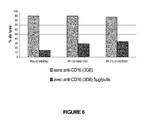
- the Fc ⁇ RIII specificity of this ADCC test was confirmed by inhibition in the presence of anti-Fc ⁇ RIII monoclonal antibody (see figure 6 ).
- Mononuclear cells from healthy subjects are used as effector cells in an effector / target (E / C) ratio close to physiological conditions in vivo. Under these conditions, the lytic activities of the polyclonal immunoglobulins and the ineffective anti-D monoclonal antibodies in vivo (DF5 Goossens et al., 1987 antibody and the AD1 + AD3 antibodies, FR 9207893 LFB / Biotest and FOG-1, GB 2189506 ) are respectively strong and weak.
- the invention relates to the antibodies obtainable from the method described above, said antibodies having Fc ⁇ RIII type ADCC levels greater than 60%, 70%, 80% or preferably greater than 90%. % relative to the reference polyclonal.
- the monoclonal antibodies of the invention directed against a given antigen, activate the effector cells expressing Fc ⁇ RIII causing lysis greater than 60%, 70%, 80%, preferably greater than 90% of the lysis caused by directed polyclonal antibodies. against said antigen.
- said monoclonal antibodies are directed against rhesus D. They can preferably be produced by clones derived from the Vero (ATCC No. CCL 81), YB2 / 0 (ATCC No. CRL 1662) or CHO Lec-1 (ATCC No. CRL 1735) lines and may belong to the IgG1 class. or IgG3.
- the invention also relates to antibodies having a particular glycan structure conferring Fc ⁇ RIII-dependent effector activity.
- Such antibodies can be obtained from a process explained above and have on their glycosylation site (Asn 297) of Fc ⁇ glycan structures of the biantennary type, with short chains and low sialylation.
- their glycan structure has end terminal mannoses and / or GlcNAc non-intercalary terminals.
- Such antibodies are more particularly selected from the forms:
- the invention relates to a monoclonal antibody characterized in that it has at its glycosylation site (Asn 297) of Fc ⁇ glycan structures of biantennary type, with short chains, low sialylation, mannoses and GlcNAc of the d non-spacer terminals.
- Said antibodies directed against a given antigen, activate the effector cells expressing Fc ⁇ RIII causing lysis greater than 60%, 70%, 80%, preferably greater than 90% of the lysis caused by polyclonal antibodies directed against said antigen.
- the invention relates to antibodies and compositions comprising said antibodies as defined above, wherein the sialic acid content is less than 25%, 20%, 15%, or 10%, preferably 5% , 4% 3% or 2%.
- the invention relates to antibodies and compositions comprising said antibodies as defined above, wherein the fucose content is less than 65%, 60%, 50%, 40%, or 30%. Preferably, the fucose content is between 20% and 45% or between 25% and 40%.
- a particularly effective composition according to the invention comprises, for example, a content greater than 60%, preferably greater than 80% for the forms G0 + G1 + G0F + G1F, it being understood that the forms G0F + G1F are less than 50%, preferably less than 30%.
- Fc ⁇ RIII An alternative for specifically targeting Fc ⁇ RIII is the preparation of high mannose type antibodies.
- the invention relates to an antibody-producing cell mentioned above. It may be a hybridoma, especially a hetero-hybridoma obtained with the fusion partner K6H6-B5 (ATCC No. CRL 1823); or an animal or human cell transfected with a vector comprising the gene coding for said antibody, in particular a cell derived from the Vero lines (ATCC No. CCL 81), YB2 / 0 (ATCC No. CRL 1662) or CHO Lec-1 (ATCC No. CRL 1735). These cells correspond to the cell lines selected by the method according to the invention, said cells producing antibodies having the characteristics mentioned above.
- a preferred antibody according to the invention shows a significant biological activity (greater than or equal to that of the reference anti-Rh (D) polyclonal antibody) in the ADCC test using Fc ⁇ RIII positive effector cells. Its ability to activate Fc ⁇ RIII receptors (after binding) is confirmed on in vitro models that highlight the modification of intracellular calcium flow, the phosphorylation of activation signal transduction molecules or the release of chemical mediators. These properties are associated with a particular structure of the oligosaccharides of the N-glycosylation site of the Fc portion of the antibody: presence of short chains, weakly galactosylated, unsilylated, end mannoses terminal and / or GlcNAc non-intercalary for example.
- This antibody has therapeutic applications: prevention of the MHNN, treatment of the ITP in individuals Rh (D) positive, and any other application concerned by the use of anti-D polyclonal immunoglobulins.
- a preferred antibody according to the invention may also have a specificity other than anti-Rh (D) (anti-cancer cell for example). It may possess the properties described above (functional activity dependent on a mechanism of attachment / activation at the Fc ⁇ RIII receptors, particular oligosaccharide structure) and be used in the immunotherapy of cancers or any other pathology for which can be performed a curative or preventive treatment using a monoclonal antibody whose mechanism of action corresponds to a functional activity via the Fc ⁇ RIII receptor.
- Another aspect relates to a pharmaceutical composition
- a pharmaceutical composition comprising an antibody according to the invention and the use of said antibody for the manufacture of a medicament.
- the invention relates to the use of an anti-Rh (D) antibody described above for the manufacture of a medicament intended for the prevention of Rh negative alloimmunization of Rh negative individuals.
- the mode of action of anti-D immunoglobulins in vivo is a specific binding of antibodies to Rh (D) positive red cell D antigen, followed by removal of these red blood cells from the circulation primarily at the spleen level. . This clearance is associated with a dynamic mechanism of suppression of the primary immune response in individuals and thus prevents immunization.
- an antibody of the invention in a prophylactic manner for the prevention of the alloimmunization of a Rh-negative woman, immediately after the birth of a Rh-positive child, and to prevent, during subsequent pregnancies, the hemolytic disease of the newborn (MHNN); during abortions, ectopic pregnancies in a situation of incompatibility Rhesus D or in transplacental hemorrhages resulting from amniocentesis, chorionic biopsies, or traumatic obstetric manipulations in situations of incompatibility Rhesus D.
- an antibody of the invention may be used in the case of Rh transfusions incompatible with blood or labile blood derivatives.
- the invention also relates to the use of an antibody of the invention for the manufacture of a medicament for therapeutic use in Idiopathic Thrombocytopenic Purpura (ITP).
- IDP Idiopathic Thrombocytopenic Purpura
- the antibodies of the invention are also useful for the manufacture of a medicament for the treatment of cancers by immunotherapy or for the treatment of infections caused by viral or bacterial pathogens.
- a complementary aspect of the invention relates to the use of said antibodies, in particular for the diagnosis.
- the invention therefore relates to a kit comprising an antibody described above.
- the B-cell donor is selected from plasmapheresis anti-Rh (D) donors on the activity of its anti-Rh (D) serum antibodies in the ADCC activity test described in ⁇ 33. After a donation of whole blood in 1998, the "buffy coat” fraction (leucocyte concentrate) is recovered.
- Peripheral blood mononuclear cells are separated from other cells by centrifugation on Ficoll Plus (Pharmacia). They are then diluted to 10 6 cells / ml in IMDM containing 20% (v / v) fetal calf serum (FCS), to which 20% culture supernatant of the B95-8 line (ATCC-CRL1612) is added, 0.1 ⁇ g / ml cyclosporin A (Sandoz), 50 ⁇ g / ml gentamycin sulfate (Life Technologies), and divided into 24-well plates (P24 Greiner) or 96-well round-bottom plates.
- FCS fetal calf serum
- the cells from one or more wells of P24 are enriched in specific cells by formation and separation of rosettes with papain-positive Rh (D) red blood cells: 1 volume of red blood cells washed in 0.9% NaCl is incubated for 10 minutes at 37 minutes. ° C with 1 volume papain solution (Merck) 1/1000 (w / v) and then washed 3 times in 0.9% NaCl. The cells are then washed once in Hanks solution, suspended in FCS and mixed with papain erythrocytes in the ratio of 1 cell to 33 RBCs. The mixture is placed in a conical bottom centrifuge tube, centrifuged for 5 minutes at 80 g and incubated for one hour in melting ice.
- D papain-positive Rh
- the mixture is then gently stirred and the Ficoll deposited at the bottom of the tube for separation for 20 minutes at 900 g.
- the pellet containing the rosettes is hemolyzed in NH 4 Cl solution for 5 minutes and the cells cultured in P24 containing irradiated human mononuclear cells.
- the supernatants are evaluated in CELA tests (paragraph 3.2) and ADCC for the presence of anti-Rh (D) antibodies having a good activity.
- a new enrichment cycle is performed if the percentage of rosetting cells increases significantly compared to the previous cycle.
- the RI-enriched cells are divided into 5 and 0.5 cells per well in 96-well round bottom plates containing irradiated human mononuclear cells.
- the supernatants of the wells containing cell clusters are evaluated by ADCC test.
- the cloning wells of the EBV transformed cells exhibiting an interesting ADCC activity are amplified in culture and then fused with the heteromyeloma K6H6-B5 (ATCC CRL-1823) according to the standard PEG technique. After fusion, the cells are distributed at 2 ⁇ 10 4 cells / well in flat-bottomed P96 containing murine intraperitoneal macrophages and in a selective medium containing aminopterin and ouabain (Sigma).
- the supernatants of the wells containing cell clusters are evaluated by ADCC test.
- Limit dilution cloning was performed at 4, 2 and 1 cells / well in flat-bottomed P96s. After 2 weeks, the microscopic appearance of the wells is examined to identify unique clones and then the medium is renewed. After about 2 weeks, the supernatants of the wells containing cell clusters are evaluated by ADCC test.
- an IgG3 producing line was prepared.
- the original cells come from a whole blood donation, from another designated donor, whose "buffy coat” fraction (leukocyte concentrate) was recovered.
- the concentration of the T125 antibody is determined by ELISA technique.
- In vitro biological activity is then measured by the ADCC technique.
- Coating anti-IgG (Calbiochem) at 2 ⁇ g / ml in 0.05M carbonate buffer pH 9.5, overnight at 4 ° C.
- Saturation dilution buffer (PBS + 1% BSA + 0.05% Tween 20, pH 7.2) 1h at room temperature. Washing (to be repeated at each stage): H2O + NaCl 150mM + 0.05% Tween 20.
- Dilution of the samples in dilution buffer at about 100ng / ml and the control range consisting of polyvalent human IgG LFB prediluted at 100ng / ml. Incubation 2h at room temperature.
- Conjugate anti-IgG (Diagnostic Pasteur) diluted 1/5000, 2 hours at room temperature.
- Substrate OPD at 0.5 mg / ml (sigma) in phosphate citrate buffer, Na perborate (Sigma), 10 minutes at oscillation. Stopping the reaction with 1N HCl and reading at 492 nm
- Coating anti-Kappa (Caltag Lab) at 5 ⁇ g / ml in 0.05M carbonate buffer pH 9.5.1 overnight at 4 ° C.
- Saturation dilution buffer (PBS + 1% BSA + 0.05% Tween 20, pH 7.2) 1h at room temperature. Washing (to be repeated at each stage): H2O + NaCl 150mM + 0.05% Tween 20.
- Dilution of the samples in dilution buffer at approximately 100 ng / ml and the control range made from the monoclonal antibody AD3T1 LFB (Kappa / gamma 3) prediluted at 100 ng / ml.
- This method is used for the specific assay of anti-D antibodies especially when it is culture supernatant at culture stages where other non-anti-D immunoglobulins are present in the solution (early steps after EBV transformation) .
- Principle the anti-D antibody is incubated with Rhesus positive red cells and then revealed by an alkaline phosphatase-labeled anti-human Ig. 100 ⁇ l of 10% Rh + red cells diluted in 1% Liss-BSA dilution buffer. Dilution of samples in dilution buffer at about 500 ng / ml and the control range consisting of a purified monoclonal human anti-D IgG (DF5, LFB) prediluted at 500 ng / ml.
- DF5 monoclonal human anti-D IgG
- the Antibody-Dependent Cellular Cytotoxicity (ADCC) technique is used to evaluate the ability of antibodies (anti-D) to induce lysis of Rh-positive red blood cells in the presence of effector cells (mononuclear cells or lymphocytes). Briefly, the red blood cell packed RBC cells are treated with papain (1 mg / ml, 10 min at 37 ° C) and then washed in 0.9% NaCl. The effector cells are isolated from a pool of at least 3 buffy coat, by centrifugation on Ficoll (Pharmacia), followed by an adhesion step in the presence of 25% FCS, so as to obtain a ratio lymphocytes / monocytes of the order of 9.
- ADCC Antibody-Dependent Cellular Cytotoxicity
- a microtiter plate (96 well) was deposited per well: 100 .mu.l of purified anti-D antibody at 200 ng / ml, 25 .mu.l of Rh + papainous red cells (ie 1x10 6 ), 25 ⁇ l of effector cells (ie 2x10 6 ) and 50 ⁇ l of polyvalent IgG (Tegelin LFB for example) at the usual concentrations of 10 and 2 mg / ml. Dilutions are made in IMDM 0.25% FCS.
- the plates After incubation for one night at 37 ° C., the plates are centrifuged and the hemoglobin released into the supernatant is measured in the presence of a substrate specific for peroxidase activity (2.7 diaminofluorene, DAF). The results are expressed as a percentage of lysis, 100% corresponding to the total lysis of the red blood cells to NH4Cl (100% control), and 0% to the reaction mixture without antibodies (control 0%).
- a substrate specific for peroxidase activity 2.7 diaminofluorene, DAF
- Two concentrations of human IgG (Tegelin LFB) are used to show that the inhibition of negative control activity is related to the binding of competing IgG on Fc ⁇ type I receptors.
- Rh + red cell membranes coated microtitration plate the antibody to be tested (anti-D) and then transfected Jurkat cells expressing at their surface the Fc ⁇ RIII receptor. After centrifugation, the "Rh + / anti-D / Jurkat CD16 membrane" interaction is visualized by a homogeneous spread of Jurkat CD16 in the well. In contrast, the cells cluster in the center of the well in the absence of interaction. The intensity of the reaction is expressed in numbers of +.
- Anti-Rh (D) antibodies of IgG1 isotype show a binding index close to that of polyclonal IgG1 (WinRho), whereas the negative control antibodies DF5 and AD1 do not bind.
- the IgG3 isotype antibody F41
- the AD3 antibody has a good binding index, slightly lower than that of IgG3 purified from the Winrho polyclonal and higher than that of the AD3 antibody (another IgG3 tested and ineffective in clinical trial, mixed with AD1 (Biotest / LFB, 1997, unpublished).
- RNAs were extracted from an anti-D (IgG G1 / Kappa) producing clone obtained by EBV transformation: T125 A2 (5/1) A2 (see paragraph 2, example 1).
- the corresponding cDNAs were synthesized by reverse transcription of the total RNAs using oligo dT primers.
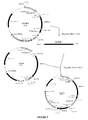
- the Fig. 1 schematizes the heavy and light chain amplification strategies of T125-A2.
- T125-H26 The construction of T125-H26 is summarized Fig. 2 . It is carried out in two stages: firstly the construction of the intermediate vector V51-CH / T125-A2 by insertion of the T125-A2 constant region in the pIC-neo derived V51 expression vector ( Fig. 3 ) and then cloning the variable region into V51-CH / T125-A2.
- the amplified CH / T125-A2 sequence is inserted after phosphorylation at the Eco RI site of the V51 vector ( Fig. 3 ).
- the ligation is carried out after prior treatment with the Klenow polymerase of the Eco RI cohesive ends of V51 in order to make them "free ends”.
- the primer G1 used for the amplification of CH / T125-A2 makes it possible to recreate, after its insertion in V51, a 5 'Eco RI site of CH / T125-A2.
- VH / T125-A2 sequence obtained by amplification is digested with Eco RI and Apa I and then inserted at the Eco RI and Apa I sites of the V51-G1 / T125-A2 vector.
- T125-K47 The construction of T125-K47 is presented Fig.4 .
- the K / T125-A2 sequence obtained by PCR is digested with Eco RI and inserted at the Eco RI site of the pICI-neo-derived V47 expression vector ( Fig. 5 ).
- T125-IG24 2.3- Heavy and light chains sector of T125-A2: T125-IG24
- T125-IG24 is schematized Fig.6 .
- This vector which contains the two T125-A2 heavy and kappa chain transcription units is obtained by insertion of the T125-K47 Sal I-Xho I fragment containing the K / T125-A2 transcription unit at the Xho sites. I and Sal I of T125-H26.
- T125-A2 are expressed under the control of the CMV promoter; other promoters can be used: RSV, IgG heavy chain promoter, MMLV LTR, HIV, ⁇ actin, etc.
- a second T125-A2 expression vector is also constructed in which the consensus leader sequence of the Kappa chain is replaced by the actual sequence of the leader region of T125-A2 previously determined by sequencing "PCR 5'-RACE" products (Rapid Amplification of cDNA 5 'Ends).
- T125-LS4 vector The construction of this T125-LS4 vector is described Fig. 7 . It is carried out in two steps: firstly the construction of a new Kappa chain expression vector of T125-A2, T125-KLS18, then the assembly of the final expression vector, T125-LS4, containing the two modified light chain and heavy chain transcription units.
- the T125-KLS18 vector is then obtained by replacing the T125-K47 Eco RI fragment containing the original K / T125-A2 sequence with the new EcoRI-digested KLS / T125-A2 sequence.
- the Sal I - Xho I fragment of T125-KLS18 containing the modified KLS / T125-A2 sequence is inserted into T125-H26 at the Xho I and Sal I sites.
- T125-IG24 and T125-LS4 expression vectors were used for transfection of cells of the YB2 / 0 line (rat myeloma, ATCC line No. 1662). After transfection by electroporation and selection of transformants in the presence of G418 (neo selection) several clones were isolated. Production in anti-D Ac recombinants is approximately 0.2 ⁇ g / 10 6 cells / 24h ( value obtained for clone 3B2 of R270 ). The ADCC activity of this recombinant Ac is greater than or equal to that of the poly-D controls ( figure 1 ). The products produced using the two expression vectors are not significantly different in terms of production level or ADCC activity.
- the gene amplification system used is based on the selection of transformants resistant to methotrexate (MTX). It requires the prior introduction of a transcription unit coding for the DHFR enzyme (dihydrofolate reductase) in the recombinant Ac expression vector (SHITARI et al., 1994).
- the scheme presented Fig. 8 describes the construction of the T125-A2 expression vector containing the murine dhfr gene.
- the YB2 / 0 cells transfected by electroporation with the T125-dhfr13 vector are selected in the presence of G418.
- Transformants producing recombinant Ac are then subjected to selection in the presence of increasing doses of MTX (from 25nM to 25 ⁇ M).
- the evolution of recombinant Ac production, a control of the gene amplification process, is followed during the selection steps in MTX.
- MTX-resistant transformants are then cloned by limiting dilution.
- the level and stability of recombinant Ac production is evaluated for each clone obtained.
- the Anti-D antibody productivity after gene amplification is about 13 (+/- 7) ⁇ g / 10 6 cells / 24 h.
- YB2 / 0 cells transfected by electroporation with T125-dhfr13 vector are selected in the presence of G418.
- the best transformants producing recombinant Ac are cloned by limiting dilution before selection in the presence of increasing doses of MTX.
- the evolution of the production of each clone, a control of the gene amplification process, is followed during the selection steps in MTX.
- the level and stability of recombinant Ac production is evaluated for each MTX-resistant clone obtained.
- DCM Deoxymannojirimycin
- the different active forms studied are F60 and three recombinant antibodies, R 290, R 297 and R 270, derived from T125 and produced in YB2 / 0.
- the fine characterization of the glycan structures by mass spectrometry shows that these forms are all bianten Frances type.
- R 270 the majority form is of non-fucosylated agalactosylated type (G0, mass exp., 1459.37 Da, fig 1 ).
- the different inactive forms studied are D31 and DF5.
- the quantification of the glycanic structures by the various chromatographic and capillary electrophoresis techniques (Table I) reveals, for these two antibodies, a sialylation rate close to 50%, and a fucosylation rate of 88 and 100% for D31 and DF5, respectively. These levels of sialylation and fucosylation are much higher than those obtained from the active forms.
- the characterization of the glycanic structures shows that the majority form is, for the two antibodies, of the fucosylated bigalactosylated monosialylated biantenea type (G2S1F, Table I). Characterization by mass spectrometry of D31 ( figure 7 ) reveals that the neutral forms are predominantly monogalactosylated fucosylated type (G1F to 1767.43 Da) and fucosylated bigalactosylated (G2F to 1929.66 Da).
- the ADCC activity of D31 after DMM action increases from 10% to 60%.
- the glycanic structures of D31 DMM differ from those of D31 by the presence of oligomannose forms (Man 5, Man 6 and Man 7) (see figure 9 ).
Landscapes
- Health & Medical Sciences (AREA)
- Chemical & Material Sciences (AREA)
- Organic Chemistry (AREA)
- Life Sciences & Earth Sciences (AREA)
- Medicinal Chemistry (AREA)
- General Health & Medical Sciences (AREA)
- Immunology (AREA)
- General Chemical & Material Sciences (AREA)
- Veterinary Medicine (AREA)
- Nuclear Medicine, Radiotherapy & Molecular Imaging (AREA)
- Chemical Kinetics & Catalysis (AREA)
- Pharmacology & Pharmacy (AREA)
- Animal Behavior & Ethology (AREA)
- Public Health (AREA)
- Engineering & Computer Science (AREA)
- Bioinformatics & Cheminformatics (AREA)
- Hematology (AREA)
- Oncology (AREA)
- Communicable Diseases (AREA)
- Genetics & Genomics (AREA)
- Proteomics, Peptides & Aminoacids (AREA)
- Molecular Biology (AREA)
- Biophysics (AREA)
- Biochemistry (AREA)
- Diabetes (AREA)
- Dermatology (AREA)
- Reproductive Health (AREA)
- Endocrinology (AREA)
- Virology (AREA)
- Transplantation (AREA)
- Peptides Or Proteins (AREA)
- Preparation Of Compounds By Using Micro-Organisms (AREA)
- Medicines Containing Antibodies Or Antigens For Use As Internal Diagnostic Agents (AREA)
- Micro-Organisms Or Cultivation Processes Thereof (AREA)
Applications Claiming Priority (4)
| Application Number | Priority Date | Filing Date | Title |
|---|---|---|---|
| FR0004685A FR2807767B1 (fr) | 2000-04-12 | 2000-04-12 | Anticorps monoclonaux anti-d |
| EP10180551.3A EP2341078B1 (fr) | 2000-04-12 | 2001-04-12 | Anticorps présentant une activité ADCC améliorée |
| EP04028814.4A EP1518864B2 (fr) | 2000-04-12 | 2001-04-12 | Composition d'anticorps à haute ADCC |
| EP01927974.4A EP1272527B2 (fr) | 2000-04-12 | 2001-04-12 | Preparation d'anticorps ayant une adcc via le cd16, notamment des anticorps monoclonaux anti rhesus d |
Related Parent Applications (6)
| Application Number | Title | Priority Date | Filing Date |
|---|---|---|---|
| EP10180551.3A Division EP2341078B1 (fr) | 2000-04-12 | 2001-04-12 | Anticorps présentant une activité ADCC améliorée |
| EP10180551.3A Division-Into EP2341078B1 (fr) | 2000-04-12 | 2001-04-12 | Anticorps présentant une activité ADCC améliorée |
| EP01927974.4A Division-Into EP1272527B2 (fr) | 2000-04-12 | 2001-04-12 | Preparation d'anticorps ayant une adcc via le cd16, notamment des anticorps monoclonaux anti rhesus d |
| EP01927974.4A Division EP1272527B2 (fr) | 2000-04-12 | 2001-04-12 | Preparation d'anticorps ayant une adcc via le cd16, notamment des anticorps monoclonaux anti rhesus d |
| EP04028814.4A Division EP1518864B2 (fr) | 2000-04-12 | 2001-04-12 | Composition d'anticorps à haute ADCC |
| EP04028814.4A Division-Into EP1518864B2 (fr) | 2000-04-12 | 2001-04-12 | Composition d'anticorps à haute ADCC |
Publications (1)
| Publication Number | Publication Date |
|---|---|
| EP2947099A1 true EP2947099A1 (fr) | 2015-11-25 |
Family
ID=8849165
Family Applications (4)
| Application Number | Title | Priority Date | Filing Date |
|---|---|---|---|
| EP15173391.2A Withdrawn EP2947099A1 (fr) | 2000-04-12 | 2001-04-12 | Anticorps presentant une activite adcc amelioree |
| EP01927974.4A Expired - Lifetime EP1272527B2 (fr) | 2000-04-12 | 2001-04-12 | Preparation d'anticorps ayant une adcc via le cd16, notamment des anticorps monoclonaux anti rhesus d |
| EP04028814.4A Expired - Lifetime EP1518864B2 (fr) | 2000-04-12 | 2001-04-12 | Composition d'anticorps à haute ADCC |
| EP10180551.3A Revoked EP2341078B1 (fr) | 2000-04-12 | 2001-04-12 | Anticorps présentant une activité ADCC améliorée |
Family Applications After (3)
| Application Number | Title | Priority Date | Filing Date |
|---|---|---|---|
| EP01927974.4A Expired - Lifetime EP1272527B2 (fr) | 2000-04-12 | 2001-04-12 | Preparation d'anticorps ayant une adcc via le cd16, notamment des anticorps monoclonaux anti rhesus d |
| EP04028814.4A Expired - Lifetime EP1518864B2 (fr) | 2000-04-12 | 2001-04-12 | Composition d'anticorps à haute ADCC |
| EP10180551.3A Revoked EP2341078B1 (fr) | 2000-04-12 | 2001-04-12 | Anticorps présentant une activité ADCC améliorée |
Country Status (11)
| Country | Link |
|---|---|
| US (13) | US7579170B2 (https=) |
| EP (4) | EP2947099A1 (https=) |
| JP (9) | JP5192625B2 (https=) |
| AT (1) | ATE419276T2 (https=) |
| AU (3) | AU2001254858B2 (https=) |
| CA (1) | CA2406033C (https=) |
| DE (1) | DE60137210D1 (https=) |
| DK (3) | DK1518864T4 (https=) |
| ES (3) | ES2601241T3 (https=) |
| FR (1) | FR2807767B1 (https=) |
| WO (1) | WO2001077181A2 (https=) |
Families Citing this family (180)
| Publication number | Priority date | Publication date | Assignee | Title |
|---|---|---|---|---|
| US7183387B1 (en) | 1999-01-15 | 2007-02-27 | Genentech, Inc. | Polypeptide variants with altered effector function |
| EP1176195B1 (en) | 1999-04-09 | 2013-05-22 | Kyowa Hakko Kirin Co., Ltd. | Method for controlling the activity of immunologically functional molecule |
| FR2807767B1 (fr) * | 2000-04-12 | 2005-01-14 | Lab Francais Du Fractionnement | Anticorps monoclonaux anti-d |
| US6946292B2 (en) | 2000-10-06 | 2005-09-20 | Kyowa Hakko Kogyo Co., Ltd. | Cells producing antibody compositions with increased antibody dependent cytotoxic activity |
| HUP0600342A3 (en) * | 2001-10-25 | 2011-03-28 | Genentech Inc | Glycoprotein compositions |
| ATE503829T1 (de) * | 2002-04-09 | 2011-04-15 | Kyowa Hakko Kirin Co Ltd | Zelle mit erniedrigter oder deletierter aktivität eines am gdp-fucosetransport beteiligten proteins |
| EP1537419B1 (fr) * | 2002-09-13 | 2011-06-01 | LFB Biotechnologies | Procédé d'évaluation de l'efficacité ADCC médiée par le CD16 d'anticorps monoclonaux ou polyclonaux |
| FR2844455B1 (fr) * | 2002-09-13 | 2007-12-14 | Lab Francais Du Fractionnement | Traitement des pathologies echappant a la reponse immune par des anticorps optimises |
| FR2844513B1 (fr) * | 2002-09-13 | 2007-08-03 | Lab Francais Du Fractionnement | Anticorps pour adcc et induisant la production de cytokines. |
| FR2844521B1 (fr) * | 2002-09-13 | 2004-12-24 | Lab Francais Du Fractionnement | Mesure de la production de cytokines comme marqueur d'activation de cellules effectrices |
| FR2844520B1 (fr) * | 2002-09-13 | 2006-06-09 | Lab Francais Du Fractionnement | Utilisation d'un anticorps induisant la secretion de cytokines en therapie |
| EP1613654A2 (en) * | 2003-04-03 | 2006-01-11 | Laboratoire Français du Fractionnement et des Biotechnologies | Antibodies with enhanced ability to immunomodulate cell functions |
| FR2858235B1 (fr) | 2003-07-31 | 2006-02-17 | Lab Francais Du Fractionnement | Utilisation d'anticorps optimises en adcc pour traiter les patients faibles repondeurs |
| FR2861078B1 (fr) * | 2003-10-16 | 2007-09-21 | Lab Francais Du Fractionnement | NOUVELLES IgG3 UTILES POUR STIMULER LA PHAGOCYTOSE |
| GB0324368D0 (en) * | 2003-10-17 | 2003-11-19 | Univ Cambridge Tech | Polypeptides including modified constant regions |
| FR2861080B1 (fr) * | 2003-10-20 | 2006-02-17 | Lab Francais Du Fractionnement | Anticorps presentant un taux de fucose et de galactose optimise |
| FR2861079B1 (fr) * | 2003-10-20 | 2007-09-28 | Lab Francais Du Fractionnement | Utilisation de cations metalliques divalents pour l'amelioration de l'activite fonctionnelle des anticorps. |
| EP1720570A4 (en) * | 2004-01-26 | 2008-09-03 | Cangene Corp | TREATMENT OF DENGUE H MORRAGIC FIUR |
| EP2458619B1 (en) | 2004-05-24 | 2017-08-02 | Ibis Biosciences, Inc. | Mass spectrometry with selective ion filtration by digital thresholding |
| EP1941275B1 (en) * | 2005-09-29 | 2013-07-24 | Medimmune, Inc. | Method of identifying membrane lg specific antibodies and use thereof for targeting immunoglobulin-producing precursor cells |
| KR20080068089A (ko) * | 2005-10-21 | 2008-07-22 | 지티씨바이오쎄라퓨틱스,인크. | 항체 의존성 세포 독성 활성이 증강된 항체, 그 생산 및사용 방법 |
| ATE536373T1 (de) * | 2005-10-21 | 2011-12-15 | Genzyme Corp | Therapiemittel auf antikörperbasis mit erhöhter adcc-aktivität |
| FR2895086B1 (fr) * | 2005-12-16 | 2012-10-05 | Lab Francais Du Fractionnement | Potentialisation de l'apoptose par des anticorps monoclonaux |
| ES2396569T3 (es) * | 2006-01-17 | 2013-02-22 | Medarex, Inc. | Anticuerpos monoclonales contra CD30 que carecen de restos fucosilo y xilosilo |
| ES2673822T3 (es) | 2006-07-18 | 2018-06-25 | Sanofi | Anticuerpo antagonista contra EphA2 para el tratamiento de cáncer |
| EP1933137A1 (fr) * | 2006-12-15 | 2008-06-18 | Glycode | Méthode d'investigation de la réponse à un traitement par un anticorps monoclonal |
| US20100167315A1 (en) * | 2006-09-13 | 2010-07-01 | Glycode | Method for investigating the response to a treatment with a monoclonal antibody |
| EP1918304A1 (en) * | 2006-11-02 | 2008-05-07 | Institut National De La Sante Et De La Recherche Medicale (Inserm) | Monoclonal antibodies against the human anti-müllerian hormone type II receptor (AMHR-II) |
| FR2915398B1 (fr) * | 2007-04-25 | 2012-12-28 | Lab Francais Du Fractionnement | "ensemble de moyens pour le traitement d'une pathologie maligne, d'une maladie auto-immune ou d'une maladie infectieuse" |
| US20090162359A1 (en) | 2007-12-21 | 2009-06-25 | Christian Klein | Bivalent, bispecific antibodies |
| US9266967B2 (en) | 2007-12-21 | 2016-02-23 | Hoffmann-La Roche, Inc. | Bivalent, bispecific antibodies |
| KR20110047258A (ko) * | 2008-08-26 | 2011-05-06 | 심포젠 에이/에스 | 저혈소판증의 치료 방법 |
| ES2692173T3 (es) | 2008-12-31 | 2018-11-30 | Bharat Serums And Vaccines Ltd. | Anticuerpos monoclonales anti-RHD |
| EP2400984A4 (en) * | 2009-02-25 | 2013-01-23 | Merck Sharp & Dohme | HER2 ANTIBODY COMPOSITIONS |
| FR2942799B1 (fr) * | 2009-03-06 | 2011-02-25 | Lfb Biotechnologies | Anticorps monoclonal anti-rhesus d |
| EP2233500A1 (en) | 2009-03-20 | 2010-09-29 | LFB Biotechnologies | Optimized Fc variants |
| US20100247484A1 (en) | 2009-03-31 | 2010-09-30 | Heinrich Barchet | Combination therapy of an afucosylated antibody and one or more of the cytokines gm csf, m csf and/or il3 |
| PE20120591A1 (es) | 2009-04-02 | 2012-05-23 | Roche Glycart Ag | Anticuerpos multiespecificos que comprenden anticuerpos de longitud completa y fragmentos fab de cadena sencilla |
| JP5616428B2 (ja) | 2009-04-07 | 2014-10-29 | ロシュ グリクアート アクチェンゲゼルシャフト | 三価の二重特異性抗体 |
| MX2011010166A (es) | 2009-04-07 | 2011-10-11 | Roche Glycart Ag | Anticuerpos biespecificos anti-erbb-3/anti-c-met. |
| BRPI1014449A2 (pt) | 2009-04-07 | 2017-06-27 | Roche Glycart Ag | anticorpos biespecíficos anti-erbb-2/ anti-c-met. |
| DK2438171T3 (en) | 2009-06-02 | 2015-01-26 | Regeneron Pharma | Fucosylerings-deficient cells |
| US9676845B2 (en) | 2009-06-16 | 2017-06-13 | Hoffmann-La Roche, Inc. | Bispecific antigen binding proteins |
| TWI409079B (zh) | 2009-08-14 | 2013-09-21 | Roche Glycart Ag | 非典型岩藻醣化cd20抗體與苯達莫斯汀(bendamustine)之組合療法 |
| KR20120054069A (ko) | 2009-08-14 | 2012-05-29 | 로슈 글리카트 아게 | 플루다라빈 및/또는 미토잔트론과 어푸코실화된 cd20 항체의 복합 요법 |
| TWI412375B (zh) | 2009-08-28 | 2013-10-21 | Roche Glycart Ag | 人類化抗cdcp1抗體 |
| TW201113037A (en) | 2009-08-28 | 2011-04-16 | Hoffmann La Roche | Antibodies against CDCP1 for the treatment of cancer |
| KR20120108967A (ko) | 2009-09-16 | 2012-10-05 | 제넨테크, 인크. | 코일드 코일 및/또는 테더 함유 단백질 복합체 및 그의 용도 |
| TW201116297A (en) | 2009-10-02 | 2011-05-16 | Sanofi Aventis | Antibodies that specifically bind to the EphA2 receptor |
| PL3498730T3 (pl) | 2009-12-21 | 2026-04-07 | Regeneron Pharmaceuticals, Inc. | Humanizowane myszy fc gamma r |
| US8883496B2 (en) | 2009-12-21 | 2014-11-11 | Regeneron Phamaceuticals, Inc. | Humanized FcgR mice |
| MA33892B1 (fr) | 2009-12-22 | 2013-01-02 | Roche Glycart Ag | Anticorps anti-her3, et leurs utilisations |
| FR2957598B1 (fr) | 2010-03-17 | 2015-12-04 | Lfb Biotechnologies | Nouveau peptide signal, et son utilisation pour la production de proteines recombinantes |
| TW201138821A (en) | 2010-03-26 | 2011-11-16 | Roche Glycart Ag | Bispecific antibodies |
| EP2563391B1 (en) | 2010-04-27 | 2020-08-26 | Roche Glycart AG | Combination therapy of an afucosylated cd20 antibody with a mtor inhibitor |
| CA2799595C (en) | 2010-05-27 | 2022-08-16 | Merck Sharp & Dohme Corp. | Method for preparing antibodies having improved properties |
| JP2013535198A (ja) | 2010-07-30 | 2013-09-12 | グリコド | 哺乳類のグリコシル化経路を有する酵母人工染色体 |
| AR082693A1 (es) | 2010-08-17 | 2012-12-26 | Roche Glycart Ag | Terapia de combinacion de un anticuerpo anti-cd20 afucosilado con un anticuerpo anti-vegf |
| WO2012025530A1 (en) | 2010-08-24 | 2012-03-01 | F. Hoffmann-La Roche Ag | Bispecific antibodies comprising a disulfide stabilized - fv fragment |
| TW201302793A (zh) | 2010-09-03 | 2013-01-16 | Glaxo Group Ltd | 新穎之抗原結合蛋白 |
| MX2013006739A (es) | 2010-12-16 | 2013-07-17 | Roche Glycart Ag | Terapia combinada de anticuerpo cd20 afucosilado con inhibidor de mdm2. |
| JP5766296B2 (ja) | 2010-12-23 | 2015-08-19 | エフ.ホフマン−ラ ロシュ アーゲーF. Hoffmann−La Roche Aktiengesellschaft | ポリペプチド−ポリヌクレオチド複合体、およびエフェクター成分の標的化された送達におけるその使用 |
| FR2971250A1 (fr) | 2011-02-07 | 2012-08-10 | Univ Nantes | Anticorps anti-gb3 utiles dans le traitement des maladies associees a l'angiogenese |
| CN112812184A (zh) | 2011-02-25 | 2021-05-18 | 中外制药株式会社 | FcγRIIb特异性Fc抗体 |
| WO2012116926A1 (en) | 2011-02-28 | 2012-09-07 | F. Hoffmann-La Roche Ag | Antigen binding proteins |
| JP5768147B2 (ja) | 2011-02-28 | 2015-08-26 | エフ.ホフマン−ラ ロシュ アーゲーF. Hoffmann−La Roche Aktiengesellschaft | 一価抗原結合タンパク質 |
| US9328170B2 (en) | 2011-05-25 | 2016-05-03 | Merck Sharp & Dohme Corp. | Method for preparing Fc containing polypeptides having improved properties |
| FR2976811A1 (fr) | 2011-06-22 | 2012-12-28 | Lfb Biotechnologies | Utilisation d'un anticorps anti-cd20 a haute adcc pour le traitement de la maladie de waldenstrom |
| CN109517059B (zh) | 2011-06-30 | 2023-03-28 | 中外制药株式会社 | 异源二聚化多肽 |
| CN103827134A (zh) | 2011-07-20 | 2014-05-28 | 泽普泰恩股份有限公司 | 多肽分离方法 |
| KR101684750B1 (ko) | 2011-09-23 | 2016-12-08 | 로슈 글리카트 아게 | 이중특이적 항-egfr/항-igf-1r 항체 |
| TW201817744A (zh) | 2011-09-30 | 2018-05-16 | 日商中外製藥股份有限公司 | 具有促進抗原清除之FcRn結合域的治療性抗原結合分子 |
| JP6322411B2 (ja) | 2011-09-30 | 2018-05-09 | 中外製薬株式会社 | 複数の生理活性を有する抗原の消失を促進する抗原結合分子 |
| FR2981946B1 (fr) | 2011-10-28 | 2015-02-20 | Lfb Biotechnologies | Unites de transcription et leur utilisation dans des vecteurs d'expression (yb2/0) |
| US20130302274A1 (en) | 2011-11-25 | 2013-11-14 | Roche Glycart Ag | Combination therapy |
| JP6124800B2 (ja) | 2011-11-30 | 2017-05-10 | 中外製薬株式会社 | 免疫複合体を形成する細胞内への運搬体(キャリア)を含む医薬 |
| WO2013119966A2 (en) | 2012-02-10 | 2013-08-15 | Genentech, Inc. | Single-chain antibodies and other heteromultimers |
| MX354862B (es) | 2012-06-27 | 2018-03-23 | Hoffmann La Roche | Método para la producción de entidades dirigidas altamente selectivas hechas a la medida y biespecíficas que contienen dos entidades de unión diferentes. |
| WO2014001325A1 (en) | 2012-06-27 | 2014-01-03 | F. Hoffmann-La Roche Ag | Method for making antibody fc-region conjugates comprising at least one binding entity that specifically binds to a target and uses thereof |
| LT3495387T (lt) | 2012-07-13 | 2021-11-25 | Roche Glycart Ag | Bispecifiniai anti-vegf / anti-ang-2 antikūnai ir jų panaudojimas akių kraujagyslių ligoms gydyti |
| CN116574185A (zh) | 2012-07-25 | 2023-08-11 | 塞尔德克斯医疗公司 | 抗kit抗体及其用途 |
| TW202237660A (zh) | 2012-08-24 | 2022-10-01 | 日商中外製藥股份有限公司 | FcγRIIb特異性Fc區域變異體 |
| SG11201503393SA (en) | 2012-11-02 | 2015-06-29 | Tg Therapeutics Inc | Combination of anti-cd20 antibody and pi3 kinase selective inhibitor |
| EP3514175A1 (fr) | 2012-12-17 | 2019-07-24 | Laboratoire Français du Fractionnement et des Biotechnologies | Utilisation d'anticorps monoclonaux pour le traitement de l'inflammation et d'infections bacteriennes |
| FR3003172B1 (fr) * | 2013-03-15 | 2017-12-08 | Lab Francais Du Fractionnement | Utilisation d'anticorps monoclonaux pour le traitement de l'inflammation et d'infections bacteriennes |
| US10766960B2 (en) | 2012-12-27 | 2020-09-08 | Chugai Seiyaku Kabushiki Kaisha | Heterodimerized polypeptide |
| US9180185B2 (en) | 2013-01-11 | 2015-11-10 | Hoffman-La Roche Inc. | Combination therapy of anti-HER3 antibodies |
| EP3594231A1 (en) | 2013-02-13 | 2020-01-15 | Laboratoire Français du Fractionnement et des Biotechnologies | Highly galactosylated anti-tnf-alpha antibodies and uses thereof |
| US10034921B2 (en) | 2013-02-13 | 2018-07-31 | Laboratoire Français Du Fractionnement Et Des Biotechnologies | Proteins with modified glycosylation and methods of production thereof |
| FR3003171B1 (fr) * | 2013-03-15 | 2015-04-10 | Lab Francais Du Fractionnement | Nouveaux medicaments comprenant une composition d'anticorps enrichie en isoforme de charge majoritaire |
| KR102216003B1 (ko) | 2013-03-15 | 2021-02-16 | 얀센 바이오테크 인코포레이티드 | 재조합 단백질에서 c-말단 라이신, 갈락토스 및 시알산 함량을 제어하기 위한 제조 방법 |
| AU2014250434B2 (en) | 2013-04-02 | 2019-08-08 | Chugai Seiyaku Kabushiki Kaisha | Fc region variant |
| ES2704909T3 (es) | 2013-08-09 | 2019-03-20 | Toray Industries | Composición farmacéutica para el tratamiento y/o la prevención del cáncer |
| KR20160044060A (ko) | 2013-10-11 | 2016-04-22 | 에프. 호프만-라 로슈 아게 | 다중특이적 도메인 교환된 통상의 가변 경쇄 항체 |
| FR3012453B1 (fr) | 2013-10-31 | 2015-11-13 | Lab Francais Du Fractionnement | Proteine chimerique dans le traitement de l’amylose |
| AU2014348552A1 (en) | 2013-11-13 | 2016-06-02 | Zymeworks Inc. | Monovalent antigen binding constructs targeting EGFR and/or HER2 and uses thereof |
| HRP20250551T1 (hr) | 2013-11-27 | 2025-06-20 | Zymeworks Bc Inc. | Bispecifični antigen-vezujući konstrukti koji ciljaju her2 |
| WO2015082446A1 (en) | 2013-12-02 | 2015-06-11 | F. Hoffmann-La Roche Ag | Treatment of cancer using an anti-cdcp1 antibody and a taxane |
| US9603927B2 (en) | 2014-02-28 | 2017-03-28 | Janssen Biotech, Inc. | Combination therapies with anti-CD38 antibodies |
| US9732154B2 (en) | 2014-02-28 | 2017-08-15 | Janssen Biotech, Inc. | Anti-CD38 antibodies for treatment of acute lymphoblastic leukemia |
| HUE051088T2 (hu) | 2014-04-08 | 2021-03-01 | Regeneron Pharma | Humanizált FC-gamma receptorokkal rendelkezõ nem humán élõlények |
| FR3020063A1 (fr) | 2014-04-16 | 2015-10-23 | Gamamabs Pharma | Anticorps humain anti-her4 |
| KR102366644B1 (ko) | 2014-05-30 | 2022-02-22 | 상하이 헨리우스 바이오테크, 인크. | 항-표피 성장 인자 수용체 (egfr) 항체 |
| CA2956072A1 (en) * | 2014-07-21 | 2016-01-28 | Bloodworks | Antibodies that recognize red blood cell antigens |
| MX386886B (es) | 2014-09-09 | 2025-03-12 | Janssen Biotech Inc | Combinación de anticuerpos anti-cd38 y ácido todo-trans retinoico para usarse en terapias. |
| CA2961950A1 (en) | 2014-09-28 | 2016-03-31 | The Regents Of The University Of California | Modulation of stimulatory and non-stimulatory myeloid cells |
| EP3223848B1 (en) | 2014-11-27 | 2024-11-27 | Zymeworks BC Inc. | Methods of using bispecific antigen-binding constructs targeting her2 |
| CN107001482B (zh) | 2014-12-03 | 2021-06-15 | 豪夫迈·罗氏有限公司 | 多特异性抗体 |
| AU2015358615B2 (en) | 2014-12-04 | 2021-08-05 | Janssen Biotech, Inc. | Anti-CD38 antibodies for treatment of acute myeloid leukemia |
| KR101860280B1 (ko) | 2014-12-19 | 2018-05-21 | 추가이 세이야쿠 가부시키가이샤 | 항-마이오스타틴 항체, 변이체 Fc 영역을 함유하는 폴리펩타이드, 및 사용 방법 |
| CN114773470A (zh) | 2015-02-05 | 2022-07-22 | 中外制药株式会社 | 包含离子浓度依赖性的抗原结合结构域的抗体,fc区变体,il-8-结合抗体及其应用 |
| FR3034420A1 (fr) | 2015-03-31 | 2016-10-07 | Lab Francais Du Fractionnement | Anticorps monoclonaux anti-cd303 |
| EP3091033A1 (en) * | 2015-05-06 | 2016-11-09 | Gamamabs Pharma | Anti-human-her3 antibodies and uses thereof |
| MX389805B (es) | 2015-05-20 | 2025-03-11 | Janssen Biotech Inc | Anticuerpos anti-cd38 para el tratamiento de amiloidosis de cadena ligera y otras enfermedades malignas hematológicas positivas para cd38. |
| AU2016282674B2 (en) | 2015-06-22 | 2022-01-13 | Janssen Biotech, Inc. | Combination therapies for heme malignancies with anti-CD38 antibodies and survivin inhibitors |
| US20170044265A1 (en) | 2015-06-24 | 2017-02-16 | Janssen Biotech, Inc. | Immune Modulation and Treatment of Solid Tumors with Antibodies that Specifically Bind CD38 |
| EP3108897A1 (en) | 2015-06-24 | 2016-12-28 | F. Hoffmann-La Roche AG | Antibodies against human csf-1r for use in inducing lymphocytosis in lymphomas or leukemias |
| FR3038517B1 (fr) | 2015-07-06 | 2020-02-28 | Laboratoire Francais Du Fractionnement Et Des Biotechnologies | Utilisation de fragments fc modifies en immunotherapie |
| DK3827845T3 (da) | 2015-11-03 | 2022-05-23 | Janssen Biotech Inc | Subkutane formuleringer af anti-cd38-antistoffer og anvendelser deraf |
| US10781261B2 (en) | 2015-11-03 | 2020-09-22 | Janssen Biotech, Inc. | Subcutaneous formulations of anti-CD38 antibodies and their uses |
| US11359009B2 (en) | 2015-12-25 | 2022-06-14 | Chugai Seiyaku Kabushiki Kaisha | Anti-myostatin antibodies and methods of use |
| WO2017148880A1 (en) | 2016-03-01 | 2017-09-08 | F. Hoffmann-La Roche Ag | Obinutuzumab variants having altered cell death induction |
| AU2017268839A1 (en) | 2016-05-27 | 2018-11-29 | Laboratoire Francais Du Fractionnement Et Des Biotechnologies | Combination of anti-CD20 antibody, P13 kinase-delta selective inhibitor, and BTK inhibitor to treat B-cell proliferative disorders |
| EP3257866A1 (en) | 2016-06-17 | 2017-12-20 | Academisch Medisch Centrum | Modified anti-tnf antibody and use thereof in the treatment of ibd |
| JP2019527678A (ja) | 2016-06-28 | 2019-10-03 | ユーエムセー・ユトレヒト・ホールディング・ベー・フェー | CD38に特異的に結合する抗体によるIgE媒介疾患の治療 |
| FR3053688A1 (fr) | 2016-07-06 | 2018-01-12 | Laboratoire Francais Du Fractionnement Et Des Biotechnologies | Mutants fc a activite fonctionnelle amelioree |
| TWI693940B (zh) | 2016-08-05 | 2020-05-21 | 日商中外製藥股份有限公司 | Il-8相關疾病之治療用或預防用組成物 |
| CN110191720A (zh) | 2016-09-09 | 2019-08-30 | Tg治疗有限公司 | 用于治疗血液学癌症的抗-CD20抗体、PI 3激酶-δ抑制剂以及抗-PD-1或抗-PD-L1抗体的组合 |
| KR20240005247A (ko) | 2016-10-28 | 2024-01-11 | 도레이 카부시키가이샤 | 암의 치료 및/또는 예방용 의약 조성물 |
| FR3064007A1 (fr) * | 2017-03-20 | 2018-09-21 | Laboratoire Francais Du Fractionnement Et Des Biotechnologies | Anticorps pour le traitement de cancers |
| CN111315776A (zh) * | 2017-03-29 | 2020-06-19 | 葛莱高托普有限公司 | Pd-l1和ta-muc1抗体 |
| JP2021502961A (ja) | 2017-10-31 | 2021-02-04 | ヤンセン バイオテツク,インコーポレーテツド | 高リスク多発性骨髄腫の治療方法 |
| EP3710589A4 (en) | 2017-11-14 | 2021-11-10 | Chugai Seiyaku Kabushiki Kaisha | ANTI-C1S ANTIBODIES AND METHOD OF USING |
| EP3498293A1 (en) | 2017-12-15 | 2019-06-19 | Institut National De La Sante Et De La Recherche Medicale (Inserm) | Treatment of monogenic diseases with an anti-cd45rc antibody |
| ES2958933T3 (es) | 2018-03-13 | 2024-02-16 | Zymeworks Bc Inc | Conjugados de anticuerpo biparatópico anti-HER2-fármaco y métodos de uso |
| KR20250121150A (ko) | 2018-03-26 | 2025-08-11 | 리제너론 파마슈티칼스 인코포레이티드 | 치료제를 시험하기 위한 인간화된 설치류 |
| JP7342701B2 (ja) | 2018-03-30 | 2023-09-12 | 東レ株式会社 | 癌の治療及び/又は予防用医薬組成物 |
| PL237868B1 (pl) | 2018-04-04 | 2021-06-14 | Gdanski Univ Medyczny | Mutanty punktowe czynnika B oraz białka C2 do zastosowania do wzmacniania aktywności cytotoksycznej przeciwciał w leczeniu chorób nowotworowych |
| EP3835321A4 (en) | 2018-08-10 | 2022-11-02 | Chugai Seiyaku Kabushiki Kaisha | ANTI-CD137 ANTIGEN-BINDING MOLECULE AND USE THEREOF |
| JP2021534196A (ja) | 2018-08-23 | 2021-12-09 | シージェン インコーポレイテッド | 抗tigit抗体 |
| EP3626265A1 (en) | 2018-09-21 | 2020-03-25 | INSERM (Institut National de la Santé et de la Recherche Médicale) | Anti-human cd45rc antibodies and uses thereof |
| EP3873519A1 (en) | 2018-10-29 | 2021-09-08 | F. Hoffmann-La Roche AG | Antibody formulation |
| CN113614107A (zh) | 2019-01-23 | 2021-11-05 | Encefa公司 | Cd31竞争剂及其用途 |
| MX2021013441A (es) | 2019-05-15 | 2021-12-10 | Chugai Pharmaceutical Co Ltd | Molecula de union a antigenos, composicion farmaceutica y metodo. |
| CN110320352A (zh) * | 2019-07-25 | 2019-10-11 | 上海轩锋生物科技有限公司 | 基于抗体依赖的细胞介导细胞毒性的抗体效价检测方法 |
| US20230078601A1 (en) | 2020-01-31 | 2023-03-16 | The Cleveland Clinic Foundation | Anti-mullerian hormone receptor 2 antibodies and methods of use |
| BR112022018161A2 (pt) | 2020-03-12 | 2022-10-25 | Toray Industries | Medicamento para o tratamento e/ou prevenção do câncer, agentes que aumentam a eficácia de um fármaco e método para o tratamento e/ou prevenção do câncer |
| KR20220152318A (ko) | 2020-03-12 | 2022-11-15 | 도레이 카부시키가이샤 | 암의 치료 및/또는 예방을 위한 의약품 |
| CA3175127A1 (en) | 2020-03-12 | 2021-09-16 | Toray Industries, Inc. | Medicament for treatment and/or prevention of cancer |
| WO2021182572A1 (ja) | 2020-03-12 | 2021-09-16 | 東レ株式会社 | 癌の治療及び/又は予防のための医薬品 |
| US20230139178A1 (en) | 2020-03-12 | 2023-05-04 | Toray Industries, Inc. | Medicament for treatment and/or prevention of cancer |
| US20220143026A1 (en) | 2020-11-12 | 2022-05-12 | Tg Therapeutics, Inc. | Triple combination to treat b-cell malignancies |
| AU2022294106A1 (en) | 2021-06-18 | 2024-01-25 | Therini Bio, Inc. | ANTIBODIES WHICH BIND HUMAN FIBRIN OR FIBRINOGEN γC DOMAIN AND METHODS OF USE |
| AU2022298240A1 (en) | 2021-06-23 | 2024-01-18 | Toray Industries, Inc. | Medicament for treatment and/or prevention of cancer |
| WO2022270523A1 (ja) | 2021-06-23 | 2022-12-29 | 東レ株式会社 | 癌の治療及び/又は予防のための医薬品 |
| AU2022316644A1 (en) | 2021-07-27 | 2024-02-29 | Toray Industries, Inc. | Medicament for treatment and/or prevention of cancer |
| WO2023008459A1 (ja) | 2021-07-27 | 2023-02-02 | 東レ株式会社 | 癌の治療及び/又は予防のための医薬品 |
| CN117677398A (zh) | 2021-07-27 | 2024-03-08 | 东丽株式会社 | 用于癌的治疗和/或预防的药品 |
| MX2024002571A (es) | 2021-09-03 | 2024-03-20 | Toray Industries | Composicion farmaceutica para tratamiento y/o prevencion de cancer. |
| WO2023041717A1 (en) | 2021-09-16 | 2023-03-23 | Aboleris Pharma | Anti-human cd45rc binding domains and uses thereof |
| US11807689B1 (en) | 2022-06-01 | 2023-11-07 | Tg Therapeutics, Inc. | Anti-CD20 antibody compositions |
| US11965032B1 (en) | 2022-06-01 | 2024-04-23 | Tg Therapeutics, Inc. | Anti-CD20 antibody compositions |
| US11884740B1 (en) | 2022-06-01 | 2024-01-30 | Tg Therapeutics, Inc. | Anti-CD20 antibody compositions |
| US11814439B1 (en) | 2022-06-01 | 2023-11-14 | Tg Therapeutics, Inc. | Anti-CD20 antibody compositions |
| KR20250031149A (ko) | 2022-06-30 | 2025-03-06 | 도레이 카부시키가이샤 | 암의 치료 및/또는 예방용 의약 조성물 |
| AU2023329564A1 (en) | 2022-08-24 | 2025-02-27 | Toray Industries, Inc. | Medicament for treatment and/or prevention of cancer |
| KR20250052364A (ko) | 2022-08-24 | 2025-04-18 | 도레이 카부시키가이샤 | 암의 치료 및/또는 예방을 위한 의약품 |
| EP4578457A1 (en) | 2022-08-24 | 2025-07-02 | Toray Industries, Inc. | Pharmaceutical for treating and/or preventing cancer |
| WO2024048542A1 (ja) | 2022-08-30 | 2024-03-07 | 東レ株式会社 | 癌の治療及び/又は予防のための医薬品 |
| EP4582100A1 (en) | 2022-08-30 | 2025-07-09 | Toray Industries, Inc. | Medicament for treatment and/or prevention of cancer |
| CN120302998A (zh) | 2022-12-23 | 2025-07-11 | 东丽株式会社 | 用于癌的治疗和/或预防的药品 |
| IL322203A (en) | 2023-02-17 | 2025-09-01 | Apogee Therapeutics Inc | Antibodies that bind interleukin 4 receptor alpha and methods of use |
| AU2024246833A1 (en) | 2023-03-31 | 2025-09-25 | Toray Industries, Inc. | Pharmaceutical composition for treating and/or preventing cancer |
| AU2024339683A1 (en) | 2023-09-13 | 2026-03-26 | Toray Industries, Inc. | Pharmaceutical composition for treating, preventing and/or diagnosing cancer |
| WO2025137523A2 (en) | 2023-12-20 | 2025-06-26 | Apogee Therapeutics, Inc. | Pharmaceutical formulations of antibodies that bind interleukin 13 |
| WO2025137410A1 (en) | 2023-12-20 | 2025-06-26 | Apogee Therapeutics, Inc. | Pharmaceutical compositions of anti-il-13 antibodies with and without c-terminal lysine |
| WO2025255353A1 (en) | 2024-06-06 | 2025-12-11 | Apogee Therapeutics, Inc. | Dosage and administration of an anti-ox40l antibody |
| WO2025264960A1 (en) | 2024-06-21 | 2025-12-26 | Apogee Therapeutics, Inc. | Antibodies that bind il-13 and antibodies that bind ox40l |
| WO2025264972A1 (en) | 2024-06-21 | 2025-12-26 | Apogee Therapeutics, Inc. | Antibodies that bind il-4r alpha and antibodies that bind |
| WO2026080829A1 (en) | 2024-10-10 | 2026-04-16 | Apogee Therapeutics, Inc. | Methods of administering antibodies that bind interleukin 13 |
Citations (11)
| Publication number | Priority date | Publication date | Assignee | Title |
|---|---|---|---|---|
| CA406033A (en) | 1942-07-14 | American Can Company | Product packing apparatus | |
| WO1985002413A1 (en) | 1983-11-28 | 1985-06-06 | The Board Of Trustees Of The Leland Stanford Jr. U | HUMAN MONOCLONAL ANTIBODY AGAINST Rh(D) ANTIGEN AND ITS USES |
| GB2189506A (en) | 1986-04-25 | 1987-10-28 | Central Blood Lab Authority | Human anti-rhesus d producing heterohybridomas |
| WO1989002600A1 (en) | 1987-09-18 | 1989-03-23 | Central Blood Laboratories Authority | HUMAN ANTI-Rh(D) MONOCLONAL ANTIBODIES |
| WO1989002442A1 (en) | 1987-09-18 | 1989-03-23 | Central Blood Laboratories Authority | HUMAN ANTI-Rh(D) MONOCLONAL ANTIBODIES |
| WO1989002443A1 (en) | 1987-09-18 | 1989-03-23 | Central Blood Laboratories Authority | HUMAN ANTI-Rh(D) MONOCLONAL ANTIBODIES |
| EP0576093A1 (en) | 1992-06-26 | 1993-12-29 | Association Pour L'essor De La Transfusion Sanguine Dans La Region Du Nord | Human monoclonal anti-Rhesus (D) antibodies and cell lines producing same |
| RU2094462C1 (ru) | 1995-11-14 | 1997-10-27 | Оловникова Наталья Ивановна | Моноклональный иммуноглобулин человека класса iggi против антигена d системы резус |
| WO1999054342A1 (en) * | 1998-04-20 | 1999-10-28 | Pablo Umana | Glycosylation engineering of antibodies for improving antibody-dependent cellular cytotoxicity |
| WO2000061739A1 (fr) * | 1999-04-09 | 2000-10-19 | Kyowa Hakko Kogyo Co., Ltd. | Methode de regulation de l'activite d'une molecule immunologiquement fonctionnelle |
| EP2341078A2 (fr) | 2000-04-12 | 2011-07-06 | LFB Biotechnologies | Anticorps monoclonaux anti-rhesus D |
Family Cites Families (50)
| Publication number | Priority date | Publication date | Assignee | Title |
|---|---|---|---|---|
| GB1382265A (en) | 1971-12-03 | 1975-01-29 | Ml Aviation Co Ltd | Transporters |
| JPS56101171A (en) | 1980-01-16 | 1981-08-13 | Fuji Xerox Co Ltd | Separation failure detector for transfer paper |
| EP0043718B1 (en) | 1980-07-07 | 1984-11-28 | National Research Development Corporation | Improvements in or relating to cell lines |
| US5981216A (en) | 1985-04-01 | 1999-11-09 | Alusuisse Holdings A.G. | Transformed myeloma cell-line and a process for the expression of a gene coding for a eukaryotic polypeptide employing same |
| FR2600076A1 (fr) | 1986-06-12 | 1987-12-18 | Fond Ctre Nal Transfusion | Milieu de culture comportant de l'albumine humaine, procede de preparation d'un produit injectable a partir de ce milieu, produit obtenu et son utilisation, composition obtenue |
| JPS6350710A (ja) | 1986-08-21 | 1988-03-03 | Koputeitsuku:Kk | 光測定装置 |
| US5843708A (en) | 1988-01-05 | 1998-12-01 | Ciba-Geigy Corporation | Chimeric antibodies |
| DK0493446T3 (da) | 1989-09-15 | 1997-08-11 | Tanox Biosystems Inc | Behandling af autoimmunsygdom. |
| FR2653561A1 (fr) * | 1989-10-19 | 1991-04-26 | Fondation Nale Transfusion San | Hetero-anticorps anti-rhd et composition pharmaceutique les contenant. |
| GB8925590D0 (en) | 1989-11-13 | 1990-01-04 | Central Blood Lab Authority | Monoclonal antibodies |
| US5272070A (en) * | 1991-03-08 | 1993-12-21 | Board Of Regents, The University Of Texas System | Method for the preparation of cell lines producing Man3 GlcNac 2 asparagine-linked gylcans and cell lines produced thereby |
| US5558865A (en) | 1991-08-22 | 1996-09-24 | Nissin Shokuhin Kabushiki Kaisha | HIV immunotherapeutics |
| US5773218A (en) | 1992-01-27 | 1998-06-30 | Icos Corporation | Method to identify compounds which modulate ICAM-related protein interactions |
| JP3565572B2 (ja) * | 1992-09-07 | 2004-09-15 | 協和醗酵工業株式会社 | ヒト化抗体 |
| CA2105618C (en) | 1992-09-07 | 2009-11-03 | Kazuyasu Nakamura | Humanized antibodies to ganglioside gm2 |
| DK0678122T3 (da) | 1993-01-12 | 2000-03-06 | Biogen Inc | Rekombinante anti-VLA4 antistofmolekyler |
| KR100304333B1 (ko) | 1993-08-24 | 2001-11-30 | 안도 고끼 | 재조합의사람화된항-사람면역결핍바이러스항체 |
| FR2724182B1 (fr) | 1994-09-02 | 1996-12-13 | Pasteur Institut | Obtention d'un anticorps monoclonal recombinant a partir d'un anticorps monoclonal humain anti-rhesus d, sa production en cellules d'insecte, et ses utilisations |
| CN1241944C (zh) * | 1995-09-11 | 2006-02-15 | 协和发酵工业株式会社 | 抗人白介素-5受体α链的抗体 |
| WO1997030173A1 (en) * | 1996-02-15 | 1997-08-21 | Chugai Seiyaku Kabushiki Kaisha | Monoclonal antibody that recognizes antigens present on the surface of endothelial cell of tumor vessel |
| JPH10212247A (ja) * | 1996-05-31 | 1998-08-11 | Sankyo Co Ltd | 自己免疫疾患治療剤 |
| HUP9903292A3 (en) | 1996-05-31 | 2000-08-28 | Sankyo Co | Use of substances improving insulin resistance for production of remedies for autoimmune diseases |
| AU722127B2 (en) | 1996-06-24 | 2000-07-20 | Zlb Behring Ag | Polypeptides capable of forming antigen binding structures with specificity for the rhesus D antigens, the DNA encoding them and the process for their preparation and use |
| JPH1080276A (ja) * | 1996-07-19 | 1998-03-31 | Mitsui Petrochem Ind Ltd | バイセクト糖鎖調節法 |
| JPH10112531A (ja) | 1996-08-13 | 1998-04-28 | Hitachi Ltd | 半導体集積回路装置の製造方法 |
| JP4550947B2 (ja) * | 1997-03-19 | 2010-09-22 | 協和発酵キリン株式会社 | ガングリオシドgm2に対するヒト型相補性決定領域(cdr)移植抗体 |
| US6682928B2 (en) * | 1997-12-02 | 2004-01-27 | Medarex, Inc. | Cells expressing anti-Fc receptor binding components |
| JP2000005908A (ja) | 1998-06-18 | 2000-01-11 | Sony Corp | 保持具、加工装置および加工方法 |
| CA2388245C (en) | 1999-10-19 | 2012-01-10 | Kyowa Kirin Co., Ltd. | The use of serum-free adapted rat cells for producing heterologous polypeptides |
| ATE478150T1 (de) | 1999-10-26 | 2010-09-15 | Stichting Dienst Landbouwkundi | Säugetierartige glykosylierung in pflanzen |
| CN100455599C (zh) | 2000-03-03 | 2009-01-28 | 协和发酵工业株式会社 | 基因重组抗体及其抗体片段 |
| US6946292B2 (en) * | 2000-10-06 | 2005-09-20 | Kyowa Hakko Kogyo Co., Ltd. | Cells producing antibody compositions with increased antibody dependent cytotoxic activity |
| ES2639222T5 (es) | 2000-10-06 | 2023-11-24 | Kyowa Kirin Co Ltd | Células que producen unas composiciones de anticuerpo |
| CA2424977C (en) | 2000-10-06 | 2008-03-18 | Kyowa Hakko Kogyo Co., Ltd. | Process for purifying antibody |
| US7064191B2 (en) * | 2000-10-06 | 2006-06-20 | Kyowa Hakko Kogyo Co., Ltd. | Process for purifying antibody |
| HUP0600342A3 (en) | 2001-10-25 | 2011-03-28 | Genentech Inc | Glycoprotein compositions |
| US20040093621A1 (en) | 2001-12-25 | 2004-05-13 | Kyowa Hakko Kogyo Co., Ltd | Antibody composition which specifically binds to CD20 |
| US20060034829A1 (en) * | 2001-12-27 | 2006-02-16 | Gerngross Tillman U | Immunoglobulins comprising predominantly a MAN3GLCNAC2 glycoform |
| JP4832719B2 (ja) | 2002-04-09 | 2011-12-07 | 協和発酵キリン株式会社 | FcγRIIIa多型患者に適応する抗体組成物含有医薬 |
| EA200401325A1 (ru) * | 2002-04-09 | 2005-04-28 | Киова Хакко Когио Ко., Лтд. | Клетки с модифицированным геномом |
| CA2481920A1 (en) | 2002-04-09 | 2003-10-16 | Kyowa Hakko Kogyo Co., Ltd. | Antibody composition-containing medicament |
| ATE503829T1 (de) | 2002-04-09 | 2011-04-15 | Kyowa Hakko Kirin Co Ltd | Zelle mit erniedrigter oder deletierter aktivität eines am gdp-fucosetransport beteiligten proteins |
| US20040132140A1 (en) | 2002-04-09 | 2004-07-08 | Kyowa Hakko Kogyo Co., Ltd. | Production process for antibody composition |
| US20040259150A1 (en) | 2002-04-09 | 2004-12-23 | Kyowa Hakko Kogyo Co., Ltd. | Method of enhancing of binding activity of antibody composition to Fcgamma receptor IIIa |
| FR2844513B1 (fr) * | 2002-09-13 | 2007-08-03 | Lab Francais Du Fractionnement | Anticorps pour adcc et induisant la production de cytokines. |
| FR2844455B1 (fr) * | 2002-09-13 | 2007-12-14 | Lab Francais Du Fractionnement | Traitement des pathologies echappant a la reponse immune par des anticorps optimises |
| EP1666501A4 (en) * | 2003-08-11 | 2008-12-24 | Chugai Pharmaceutical Co Ltd | Sugar chain-modified anti-HM1.24 antibody |
| US7150443B2 (en) | 2005-01-18 | 2006-12-19 | Mills Douglas W | Control valve for nitrous oxide injection system |
| WO2007028106A2 (en) * | 2005-08-31 | 2007-03-08 | Centocor, Inc. | Host cell lines for production of antibody constant region with enhanced effector function |
| EP2245734B1 (en) | 2008-02-18 | 2014-07-02 | Freescale Semiconductor, Inc. | Mixer circuit |
-
2000
- 2000-04-12 FR FR0004685A patent/FR2807767B1/fr not_active Expired - Lifetime
-
2001
- 2001-04-12 AU AU2001254858A patent/AU2001254858B2/en not_active Ceased
- 2001-04-12 DK DK04028814.4T patent/DK1518864T4/da active
- 2001-04-12 JP JP2001575651A patent/JP5192625B2/ja not_active Expired - Fee Related
- 2001-04-12 DK DK10180551.3T patent/DK2341078T3/en active
- 2001-04-12 WO PCT/FR2001/001127 patent/WO2001077181A2/fr not_active Ceased
- 2001-04-12 ES ES10180551.3T patent/ES2601241T3/es not_active Expired - Lifetime
- 2001-04-12 ES ES04028814T patent/ES2525762T5/es not_active Expired - Lifetime
- 2001-04-12 CA CA2406033A patent/CA2406033C/fr not_active Expired - Lifetime
- 2001-04-12 US US10/257,477 patent/US7579170B2/en not_active Expired - Fee Related
- 2001-04-12 EP EP15173391.2A patent/EP2947099A1/fr not_active Withdrawn
- 2001-04-12 DE DE60137210T patent/DE60137210D1/de not_active Expired - Lifetime
- 2001-04-12 EP EP01927974.4A patent/EP1272527B2/fr not_active Expired - Lifetime
- 2001-04-12 EP EP04028814.4A patent/EP1518864B2/fr not_active Expired - Lifetime
- 2001-04-12 DK DK01927974.4T patent/DK1272527T4/da active
- 2001-04-12 AT AT01927974T patent/ATE419276T2/de active
- 2001-04-12 EP EP10180551.3A patent/EP2341078B1/fr not_active Revoked
- 2001-04-12 ES ES01927974T patent/ES2320412T5/es not_active Expired - Lifetime
-
2005
- 2005-01-24 US US11/039,877 patent/US7931895B2/en not_active Expired - Fee Related
-
2006
- 2006-09-08 US US11/517,525 patent/US7541029B2/en not_active Expired - Lifetime
-
2007
- 2007-05-08 AU AU2007202060A patent/AU2007202060B2/en not_active Ceased
-
2009
- 2009-07-14 US US12/502,920 patent/US8178093B2/en not_active Expired - Fee Related
- 2009-07-14 US US12/502,915 patent/US8153124B2/en not_active Expired - Fee Related
- 2009-07-14 US US12/502,911 patent/US8124078B2/en not_active Expired - Fee Related
-
2010
- 2010-12-23 AU AU2010257417A patent/AU2010257417B2/en not_active Ceased
-
2011
- 2011-03-31 US US13/077,644 patent/US8685725B2/en not_active Expired - Fee Related
-
2012
- 2012-03-30 US US13/436,114 patent/US8409572B2/en not_active Expired - Fee Related
- 2012-04-10 US US13/443,532 patent/US8357370B2/en not_active Expired - Fee Related
- 2012-06-06 JP JP2012128847A patent/JP5837859B2/ja not_active Expired - Lifetime
- 2012-06-06 JP JP2012128845A patent/JP5722278B2/ja not_active Expired - Lifetime
- 2012-06-06 JP JP2012128846A patent/JP5722279B2/ja not_active Expired - Lifetime
-
2013
- 2013-05-15 JP JP2013103336A patent/JP5788432B2/ja not_active Expired - Lifetime
-
2014
- 2014-01-16 US US14/157,061 patent/US9708409B2/en not_active Expired - Fee Related
-
2015
- 2015-02-09 US US14/617,836 patent/US9718889B2/en not_active Expired - Fee Related
- 2015-04-01 US US14/676,508 patent/US9718890B2/en not_active Expired - Fee Related
- 2015-08-21 JP JP2015163588A patent/JP2015221827A/ja active Pending
- 2015-08-21 JP JP2015163589A patent/JP6124958B2/ja not_active Expired - Lifetime
-
2016
- 2016-10-11 JP JP2016199815A patent/JP2017012199A/ja active Pending
-
2017
- 2017-06-07 US US15/616,596 patent/US10081683B2/en not_active Expired - Fee Related
- 2017-09-11 JP JP2017174012A patent/JP2017214427A/ja active Pending
Patent Citations (13)
| Publication number | Priority date | Publication date | Assignee | Title |
|---|---|---|---|---|
| CA406033A (en) | 1942-07-14 | American Can Company | Product packing apparatus | |
| WO1985002413A1 (en) | 1983-11-28 | 1985-06-06 | The Board Of Trustees Of The Leland Stanford Jr. U | HUMAN MONOCLONAL ANTIBODY AGAINST Rh(D) ANTIGEN AND ITS USES |
| GB2189506A (en) | 1986-04-25 | 1987-10-28 | Central Blood Lab Authority | Human anti-rhesus d producing heterohybridomas |
| EP0251440A2 (en) | 1986-04-25 | 1988-01-07 | Central Blood Laboratories Authority | Human anti-Rhesus D producing heterohybridomas |
| WO1989002600A1 (en) | 1987-09-18 | 1989-03-23 | Central Blood Laboratories Authority | HUMAN ANTI-Rh(D) MONOCLONAL ANTIBODIES |
| WO1989002442A1 (en) | 1987-09-18 | 1989-03-23 | Central Blood Laboratories Authority | HUMAN ANTI-Rh(D) MONOCLONAL ANTIBODIES |
| WO1989002443A1 (en) | 1987-09-18 | 1989-03-23 | Central Blood Laboratories Authority | HUMAN ANTI-Rh(D) MONOCLONAL ANTIBODIES |
| EP0576093A1 (en) | 1992-06-26 | 1993-12-29 | Association Pour L'essor De La Transfusion Sanguine Dans La Region Du Nord | Human monoclonal anti-Rhesus (D) antibodies and cell lines producing same |
| RU2094462C1 (ru) | 1995-11-14 | 1997-10-27 | Оловникова Наталья Ивановна | Моноклональный иммуноглобулин человека класса iggi против антигена d системы резус |
| WO1999054342A1 (en) * | 1998-04-20 | 1999-10-28 | Pablo Umana | Glycosylation engineering of antibodies for improving antibody-dependent cellular cytotoxicity |
| WO2000061739A1 (fr) * | 1999-04-09 | 2000-10-19 | Kyowa Hakko Kogyo Co., Ltd. | Methode de regulation de l'activite d'une molecule immunologiquement fonctionnelle |
| EP1176195A1 (en) * | 1999-04-09 | 2002-01-30 | Kyowa Hakko Kogyo Co., Ltd. | Method for controlling the activity of immunologically functional molecule |
| EP2341078A2 (fr) | 2000-04-12 | 2011-07-06 | LFB Biotechnologies | Anticorps monoclonaux anti-rhesus D |
Non-Patent Citations (36)
| Title |
|---|
| BOYLSTON, J.M.; GARDNER, B.; ANDERSON, R.L; HUGHES-JONES, N.C.: "Production of human IgM anti-D in tissue culture by EB virus-transformed lymphocytes", SCAND. J. IMMUNOL., vol. 12, 1980, pages 355 - 358 |
| BRON, D.; FEINBERG, M.B.; TENG, N.N.H; KAPLAN, H.S.: "Production of Human Monoclonal IgG Antibodies against Rhesus (D) Antigen", PROC. NAT. ACAD. SCI. USA, vol. 81, 1984, pages 3214 - 3217 |
| CHOUCHANE, L.; VAN SPRONSEN, A.; BREYER, J.; GUGLIELMI, P.; STROSBERG, AD: "Molecular characterization of a human anti-Rh(D) antibody with a DH segment encoded by a germ-line sequence", EUR. J. BIOCHEM. 1, vol. 207, no. 3, 1992, pages 1115 - 1121 |
| CRAWFORD, D.H.; BARLOW, M.J.; HARRISON, J.F.; WINGER, L.; HUEHNS, E.R.: "Production of human monoclonal antibody to rhesus D antigen.", LANCET, vol. I, 1983, pages 386 - 388 |
| DOYLE, A.; JONES, T.J.; BIDWELL, J.L.; BRADLEY, B.A.: "In vitro development of human monoclonal antibody secreting plasmacytomas", HUM. IMMUNOL., vol. 13, 1985, pages 199 - 209, XP025475424, DOI: doi:10.1016/0198-8859(85)90012-6 |
| EDELMAN, L.; MARGARITTE, C.; CHAABIHI, H.; MONCHÂTRE, E.; BLANCHARD, D.; CARDONA, A.; MORIN, F.; DUMAS, G.; PETRES, S.; KACZOREK,: "Obtaining a functional recombinant anti-rhesus (D) antibody using the baculovirus-insect cell expression System", IMMUNOLOGY, vol. 91, no. 1, 1997, pages 13 - 19 |
| FOUNG, S.K.H.; BLUNT, J.A.; WU, P.S.; AHEARN, P.; WINN, L.C.; ENGLEMAN, E.G.; GRUMET, F.C: "Human Monoclonal Antibodies to Rho (D", VOX SANG., vol. 53, 1987, pages 44 - 47 |
| GOOSSENS, D.; CHAMPOMIER, F.; ROUGER, P.; SALMON, C.: "Human Monoclonal Antibodies against Blood Group Antigens : Preparation of a series of stable EBV immortalized B clones producing high levels of antibody of different isotypes and specificities", J. IMMUNOL. METHOD, vol. 101, 1987, pages 193 - 200, XP023653676, DOI: doi:10.1016/0022-1759(87)90150-5 |
| HADLEY, A. G. ET AL: "The functional activity of Fc.gamma.RII and Fc.gamma.RIII on subsets of human lymphocytes", IMMUNOLOGY, vol. 76, no. 3, 1992, pages 446 - 451, XP001015733 * |
| ISSITT, P.D: "Genetics ofthe Rh Blood Group System: Some Current Concepts", MED. LAB. SCI., vol. 45, 1988, pages 395 - 404 |
| JEFFERIS R ET AL: "IgG-Fc-mediated effector functions: molecular definition of interaction sites for effector ligands and the role of glycosylation", IMMUNOLOGICAL REVIEWS, vol. 163, 1 January 1998 (1998-01-01), pages 59 - 76 * |
| JEFFERIS, R.; LUND, J.; MIZUTANI, H.; NAKAGAWA, H.; KAWAZOE, Y.; ARATA, Y.; TAKAHASHI, N.: "A comparative study of the N-linked oligosaccharides structure of human IgG Subclass proteins", BIOCHEM. J., vol. 268, 1990, pages 529 - 537 |
| KLEIN PHILIPPE ET AL: "Human recombinant anti-Rh(D) monoclonal antibodies: Improvement of biological properties by in vitro class-switch.", HUMAN ANTIBODIES, vol. 8, no. 1, 1997, pages 17 - 25, XP001015726, ISSN: 1093-2607 * |
| KOSKIMIES, S.: "Human Lymphoblastoid Cell Line Producing Specific Antibody against Rh-Antigen D", SCAND. IMMUNOL., vol. 11, 1980, pages 73 - 77 |
| KUMPEL, B.M.; GOODRICK, M.J.; PAMPHILON, D.H.; FRASER, I.D; POOLE G.D.; MORSE, C.; STANDEN, G.R.; CHAPMAN, G.E.; THOMAS, D.P.; ANS: "Human Rh D monoclonal antibodies (BRAD-3 and BRAD-5) Cause Accelerated Clearance of Rh D + Red blood Cells and Suppression of Rh D Immunization in Rh D Volunteers", BLOOD, vol. 86, no. 5, 1995, pages 1701 - 1709 |
| KUMPEL, B.M.; POOLE, G.D.; BRADLEY, B.A.: "Human Monoclonal Anti-D Antibodies. I. Their Production, Serology, Quantitation and Potential Use as Blood Grouping Reagents", BRIT. J. HAEMAT., vol. 71, 1989, pages 125 - 129 |
| KUMPEL, B.M.; RADEMACHER, T.W.; ROOK, G.A.W.; WILLIAMS, P.J.; WILSON, I.B.M.: "Galacatosylation of human IgG anti-D produced by EBV-transformed B lymphoblastoid cell lines is dependent on culture method and affects Fc receptor mediated functional activity", HUM. ANTIBODIES AND HYBRIDOMAS, vol. 5, 1994, pages 143 - 151, XP008082182 |
| LEATHERBARROW, R.J.; RADEMACHER, T.W.; DWEK, R.A.; WOOF, J.M.; CLARK, A.; BURTON, D.R.; RICHARDSON, N.; FEINSTEIN, A.: "Effector functions of monoclonal aglycosylated mouse IgG2a ; binding and activation of complement component Cl and interaction with human Fc receptor", MOLEC. IMMUN., vol. 22, 1985, pages 407 - 415, XP023852601, Retrieved from the Internet <URL:Molec. Immun.> DOI: doi:10.1016/0161-5890(85)90125-7 |
| LIFELY M R (REPRINT) ET AL: "Glycosylation and biological-activity of CAMPATH-1H expressed in different cell-lines and grown under different culture conditions", GLYCOBIOLOGY, OXFORD UNIVERSITY PRESS, US, vol. 5, no. 8, 1 December 1995 (1995-12-01), pages 813 - 822, XP002096118, ISSN: 0959-6658, DOI: 10.1093/GLYCOB/5.8.813 * |
| LOMAS, C.; TIPPETT, P.; THOMPSON, K.M.; MELAMED, M.D.; HUGHES-JONES, N.C.: "Demonstration of seven epitopes on the Rh antigen D using human monoclonal anti-D antibodies and red cells from D categories", VOX SANG., vol. 57, pages 261 - 264 |
| LUND, J.; TANAKA, T.; TAKAHASHI, N.; SARMAY, G.; ARATA, Y.; JEFFERIS, R.: "A protein structural change in aglycosylated IgG3 correlates with loss of hu Fc|I and hu FcyRIII binding and/or activation.", MOLEC. IMMUN., vol. 27, 1990, pages 1145 - 1153 |
| MA, J.K.; HEIN, M.B: "Immunotherapeutic potential of antibodies produced in plants", TRENDS BIOTECHNOL., vol. 13, 1995, pages 522 - 527, XP004207236, DOI: doi:10.1016/S0167-7799(00)89016-2 |
| MC CANN-CARTER, M.C.; BRUCE, M.; SHAW, E.M.; THORPE, S.J.; SWEENEY, G.M.; ARMSTRONG, S.S.; JAMES, K.: "The production and evaluation of two human monoclonal anti-D antibodies", TRANSF. MED., vol. 3, 1993, pages 187 - 194 |
| MELAMED, M.D.; GORDON, J.; LEY, S.J.; EDGAR, D.; HUGHES-JONES, N.C.: "Senescence of a human lymphoblastoid clone producing anti-Rhesus (D).", EUR. J. IMMUNOL., vol. 115, 1985, pages 742 - 746 |
| MOLEC. IMMUN., vol. 30, no. 8, 1993, pages 741 - 748 |
| PAREKH, R.B.; DWEK, R.A.; SUTTON, B.J.; FERNANDES, D.L.; LEUNG, A.; STANWORTH, D.; RADEMACHER, T.W.; MIZUOCHI, T.; TANIGUCHI, T.;: "Asssociation of rheumatoid arthritis and primary osteoarthritis with changes in the glycosylation pattern of total serum IgG", NATURE, vol. 316, 1985, pages 452 - 457 |
| PATERSON T ET AL: "Variation in IgG1 heavy chain allotype does not contribute to differences in biological activity of two human anti-Rhesus (D) monoclonal antibodies", IMMUNOTECHNOLOGY,NL,ELSEVIER SCIENCE PUBLISHERS BV, vol. 4, no. 1, 1 June 1998 (1998-06-01), pages 37 - 47, XP004127385, ISSN: 1380-2933 * |
| ROTHMAN, R.J.; PERUSSIA, B.; HERLYN, D.; WARREN, L.: "Antibody-dependent cytotoxicity mediated by natural killer cells is enhanced by castanospermine-induced alterations ofIgG glycosylation", MOL. IMMUNOL., vol. 26, no. 12, 1989, pages 1113 - 1123 |
| SHITARA K.; NAKAMURA K.; TOKUTAKE-TANAKA Y.; FUKUSHIMA M.; HANAI N.: "A new vector for the high level expression of chimeric antibodies to myeloma cells", J. IMMUNOL. METHODS, vol. 167, 1994, pages 271 - 278, XP023974389, DOI: doi:10.1016/0022-1759(94)90096-5 |
| THOMPSON, K.M.; HOUGH, D.W.; MADDISON, P.J.; MELAMED, M.D.; HUGHES-JONES, N.C.: "Production of human monoclonal IgG and IgM antibodies with anti-D (rhesus) specificity using heterohybridomas", IMMUNOLOGY, vol. 58, 1986, pages 157 - 160 |
| THOMSON, A.; CONTRERAS, M.; GORICK, B.; KUMPEL, B.; CHAPMAN, G.E; LANE, R.S.; TEESDALE, P; HUGHES-JONES, N.C.; MOLLISON, P.L.: "Clearance of Rh D-positive red cells with monoclonal anti-D", LANCET, vol. 336, 1990, pages 1147 - 1150 |
| TIPPETT, P: "Sub-divisions ofthe Rh (D) antigen", MED. LAB. SCI, vol. 45, 1988, pages 88 - 93 |
| WARE, R.E; ZIMMERMAN, S.A: "Anti-D : Mechanisms of action", SEMINARS IN HEMATOLOGY, vol. 35, no. 1, 1998, pages 14 - 22 |
| WRIGHT A ET AL: "Effect of glycosylation on antibody function: implications for genetic engineering", TRENDS IN BIOTECHNOLOGY, ELSEVIER PUBLICATIONS, CAMBRIDGE, GB, vol. 15, no. 1, 1 January 1997 (1997-01-01), pages 26 - 32, XP004016809, ISSN: 0167-7799 * |
| YU, I.P.C.; MILLER, W.J.; SILBERKLANG, M.; MARK, G.E.; ELLIS, R.W.; HUANG, L.; GLUSHKA, J.; VAN HALBEEK, H.; ZHU, J; ALHADEFF, J.A: "tructural characterization of the N-Glycans of a humanized anti-CD18 murine immunoglobulin G", ARCH. BIOCHEM. BIOPHYS, vol. 308, 1994, pages 387 - 399, XP024752838, DOI: doi:10.1006/abbi.1994.1055 |
| ZUPANSKA, B.; THOMPSON, E.; BROJER, E.; MERRY, A.H.: "Phagocytosis of Erythrocytes Sensitized with Known Amounts ofIgGl and IgG3 anti-Rh antibodies", VOX SANG., vol. 53, 1987, pages 96 - 101 |
Also Published As
Similar Documents
| Publication | Publication Date | Title |
|---|---|---|
| EP1272527B2 (fr) | Preparation d'anticorps ayant une adcc via le cd16, notamment des anticorps monoclonaux anti rhesus d | |
| AU2017200299B2 (en) | Anti-D monoclonal antibodies |
Legal Events
| Date | Code | Title | Description |
|---|---|---|---|
| PUAI | Public reference made under article 153(3) epc to a published international application that has entered the european phase |
Free format text: ORIGINAL CODE: 0009012 |
|
| AC | Divisional application: reference to earlier application |
Ref document number: 2341078 Country of ref document: EP Kind code of ref document: P Ref document number: 1518864 Country of ref document: EP Kind code of ref document: P Ref document number: 1272527 Country of ref document: EP Kind code of ref document: P |
|
| AK | Designated contracting states |
Kind code of ref document: A1 Designated state(s): AT BE CH CY DE DK ES FI FR GB GR IE IT LI LU MC NL PT SE TR |
|
| RIN1 | Information on inventor provided before grant (corrected) |
Inventor name: DE ROMEUF, CHRISTOPHE Inventor name: NONY, EMMANUEL Inventor name: BOUREL, DOMINIQUE Inventor name: BIHOREAU, NICOLAS Inventor name: BELIARD, ROLAND Inventor name: GLACET, ARNAUD |
|
| 17P | Request for examination filed |
Effective date: 20160415 |
|
| RBV | Designated contracting states (corrected) |
Designated state(s): AT BE CH CY DE DK ES FI FR GB GR IE IT LI LU MC NL PT SE TR |
|
| 17Q | First examination report despatched |
Effective date: 20170323 |
|
| TPAC | Observations filed by third parties |
Free format text: ORIGINAL CODE: EPIDOSNTIPA |
|
| GRAP | Despatch of communication of intention to grant a patent |
Free format text: ORIGINAL CODE: EPIDOSNIGR1 |
|
| STAA | Information on the status of an ep patent application or granted ep patent |
Free format text: STATUS: GRANT OF PATENT IS INTENDED |
|
| INTG | Intention to grant announced |
Effective date: 20200721 |
|
| STAA | Information on the status of an ep patent application or granted ep patent |
Free format text: STATUS: THE APPLICATION IS DEEMED TO BE WITHDRAWN |
|
| 18D | Application deemed to be withdrawn |
Effective date: 20201201 |