EP2646468B1 - Anti-ngf compositions and use thereof - Google Patents
Anti-ngf compositions and use thereof Download PDFInfo
- Publication number
- EP2646468B1 EP2646468B1 EP11844615.2A EP11844615A EP2646468B1 EP 2646468 B1 EP2646468 B1 EP 2646468B1 EP 11844615 A EP11844615 A EP 11844615A EP 2646468 B1 EP2646468 B1 EP 2646468B1
- Authority
- EP
- European Patent Office
- Prior art keywords
- ngf
- pain
- seq
- antibody
- disclosure
- Prior art date
- Legal status (The legal status is an assumption and is not a legal conclusion. Google has not performed a legal analysis and makes no representation as to the accuracy of the status listed.)
- Not-in-force
Links
- 239000000203 mixture Substances 0.000 title claims description 38
- 108010025020 Nerve Growth Factor Proteins 0.000 claims description 827
- 239000012634 fragment Substances 0.000 claims description 296
- 102000008394 Immunoglobulin Fragments Human genes 0.000 claims description 291
- 108010021625 Immunoglobulin Fragments Proteins 0.000 claims description 291
- 108090000765 processed proteins & peptides Proteins 0.000 claims description 259
- 229920001184 polypeptide Polymers 0.000 claims description 257
- 102000004196 processed proteins & peptides Human genes 0.000 claims description 257
- 208000002193 Pain Diseases 0.000 claims description 216
- 230000036407 pain Effects 0.000 claims description 210
- 101150111783 NTRK1 gene Proteins 0.000 claims description 138
- 210000004027 cell Anatomy 0.000 claims description 84
- 240000004808 Saccharomyces cerevisiae Species 0.000 claims description 83
- 238000000034 method Methods 0.000 claims description 71
- 230000002401 inhibitory effect Effects 0.000 claims description 62
- 241000235648 Pichia Species 0.000 claims description 59
- 108091033319 polynucleotide Proteins 0.000 claims description 50
- 102000040430 polynucleotide Human genes 0.000 claims description 50
- 239000002157 polynucleotide Substances 0.000 claims description 50
- 230000014509 gene expression Effects 0.000 claims description 48
- 241000282414 Homo sapiens Species 0.000 claims description 44
- 229940021182 non-steroidal anti-inflammatory drug Drugs 0.000 claims description 44
- 239000000041 non-steroidal anti-inflammatory agent Substances 0.000 claims description 41
- 210000005253 yeast cell Anatomy 0.000 claims description 35
- 241001465754 Metazoa Species 0.000 claims description 29
- 241000235058 Komagataella pastoris Species 0.000 claims description 28
- 241000238631 Hexapoda Species 0.000 claims description 27
- 230000001580 bacterial effect Effects 0.000 claims description 24
- 230000002538 fungal effect Effects 0.000 claims description 24
- 239000013598 vector Substances 0.000 claims description 24
- 230000003993 interaction Effects 0.000 claims description 20
- 150000007523 nucleic acids Chemical group 0.000 claims description 20
- 208000037265 diseases, disorders, signs and symptoms Diseases 0.000 claims description 19
- 208000004296 neuralgia Diseases 0.000 claims description 18
- 108010076504 Protein Sorting Signals Proteins 0.000 claims description 17
- 238000011282 treatment Methods 0.000 claims description 17
- 210000000988 bone and bone Anatomy 0.000 claims description 16
- 230000001684 chronic effect Effects 0.000 claims description 13
- 229920001223 polyethylene glycol Polymers 0.000 claims description 13
- 206010005949 Bone cancer Diseases 0.000 claims description 12
- 208000018084 Bone neoplasm Diseases 0.000 claims description 12
- 239000002202 Polyethylene glycol Substances 0.000 claims description 12
- 208000035475 disorder Diseases 0.000 claims description 12
- 125000003275 alpha amino acid group Chemical group 0.000 claims description 10
- 239000013604 expression vector Substances 0.000 claims description 10
- 238000004519 manufacturing process Methods 0.000 claims description 10
- 206010058019 Cancer Pain Diseases 0.000 claims description 9
- 208000004454 Hyperalgesia Diseases 0.000 claims description 9
- 230000001668 ameliorated effect Effects 0.000 claims description 9
- 231100000599 cytotoxic agent Toxicity 0.000 claims description 9
- 230000013011 mating Effects 0.000 claims description 9
- 208000009935 visceral pain Diseases 0.000 claims description 9
- 102000004190 Enzymes Human genes 0.000 claims description 8
- 108090000790 Enzymes Proteins 0.000 claims description 8
- 108091028043 Nucleic acid sequence Proteins 0.000 claims description 8
- 208000004550 Postoperative Pain Diseases 0.000 claims description 8
- 229940127089 cytotoxic agent Drugs 0.000 claims description 8
- 239000003814 drug Substances 0.000 claims description 8
- 238000001727 in vivo Methods 0.000 claims description 8
- 208000021722 neuropathic pain Diseases 0.000 claims description 8
- 208000019695 Migraine disease Diseases 0.000 claims description 7
- 206010028980 Neoplasm Diseases 0.000 claims description 7
- 208000027418 Wounds and injury Diseases 0.000 claims description 7
- 230000000202 analgesic effect Effects 0.000 claims description 7
- 239000002254 cytotoxic agent Substances 0.000 claims description 7
- 201000010099 disease Diseases 0.000 claims description 7
- -1 fofecoxib Chemical compound 0.000 claims description 7
- 206010027599 migraine Diseases 0.000 claims description 7
- 230000035772 mutation Effects 0.000 claims description 7
- 241000894007 species Species 0.000 claims description 7
- YBJHBAHKTGYVGT-ZKWXMUAHSA-N (+)-Biotin Chemical compound N1C(=O)N[C@@H]2[C@H](CCCCC(=O)O)SC[C@@H]21 YBJHBAHKTGYVGT-ZKWXMUAHSA-N 0.000 claims description 6
- 206010006187 Breast cancer Diseases 0.000 claims description 6
- 208000026310 Breast neoplasm Diseases 0.000 claims description 6
- 208000005171 Dysmenorrhea Diseases 0.000 claims description 6
- 201000011510 cancer Diseases 0.000 claims description 6
- 239000012636 effector Substances 0.000 claims description 6
- 208000014674 injury Diseases 0.000 claims description 6
- 239000000463 material Substances 0.000 claims description 6
- 201000008482 osteoarthritis Diseases 0.000 claims description 6
- 239000013612 plasmid Substances 0.000 claims description 6
- 239000012857 radioactive material Substances 0.000 claims description 6
- 230000001225 therapeutic effect Effects 0.000 claims description 6
- 208000008930 Low Back Pain Diseases 0.000 claims description 5
- 206010052428 Wound Diseases 0.000 claims description 5
- 239000003242 anti bacterial agent Substances 0.000 claims description 5
- 230000004927 fusion Effects 0.000 claims description 5
- 239000001963 growth medium Substances 0.000 claims description 5
- 230000000284 resting effect Effects 0.000 claims description 5
- 206010039073 rheumatoid arthritis Diseases 0.000 claims description 5
- 229920003169 water-soluble polymer Polymers 0.000 claims description 5
- 241000271566 Aves Species 0.000 claims description 4
- 208000000094 Chronic Pain Diseases 0.000 claims description 4
- 206010013935 Dysmenorrhoea Diseases 0.000 claims description 4
- 206010019233 Headaches Diseases 0.000 claims description 4
- 208000035154 Hyperesthesia Diseases 0.000 claims description 4
- 206010065390 Inflammatory pain Diseases 0.000 claims description 4
- 241000320412 Ogataea angusta Species 0.000 claims description 4
- 206010053552 allodynia Diseases 0.000 claims description 4
- 229940088710 antibiotic agent Drugs 0.000 claims description 4
- 208000002551 irritable bowel syndrome Diseases 0.000 claims description 4
- 238000001356 surgical procedure Methods 0.000 claims description 4
- 239000003053 toxin Substances 0.000 claims description 4
- 231100000765 toxin Toxicity 0.000 claims description 4
- 108700012359 toxins Proteins 0.000 claims description 4
- 230000009261 transgenic effect Effects 0.000 claims description 4
- 230000008733 trauma Effects 0.000 claims description 4
- 230000009278 visceral effect Effects 0.000 claims description 4
- 108090001008 Avidin Proteins 0.000 claims description 3
- 108020004705 Codon Proteins 0.000 claims description 3
- 206010033645 Pancreatitis Diseases 0.000 claims description 3
- 208000020584 Polyploidy Diseases 0.000 claims description 3
- 108010090804 Streptavidin Proteins 0.000 claims description 3
- 239000000730 antalgic agent Substances 0.000 claims description 3
- 229960002685 biotin Drugs 0.000 claims description 3
- 235000020958 biotin Nutrition 0.000 claims description 3
- 239000011616 biotin Substances 0.000 claims description 3
- 201000006549 dyspepsia Diseases 0.000 claims description 3
- 239000007850 fluorescent dye Substances 0.000 claims description 3
- 230000002496 gastric effect Effects 0.000 claims description 3
- 208000021302 gastroesophageal reflux disease Diseases 0.000 claims description 3
- 201000007094 prostatitis Diseases 0.000 claims description 3
- 239000000758 substrate Substances 0.000 claims description 3
- 229940124597 therapeutic agent Drugs 0.000 claims description 3
- 241001508785 Arxiozyma Species 0.000 claims description 2
- 241000178289 Botryozyma Species 0.000 claims description 2
- 241000722885 Brettanomyces Species 0.000 claims description 2
- 241001508787 Citeromyces Species 0.000 claims description 2
- 101710112752 Cytotoxin Proteins 0.000 claims description 2
- 241000235035 Debaryomyces Species 0.000 claims description 2
- 241001465321 Eremothecium Species 0.000 claims description 2
- 241000235644 Issatchenkia Species 0.000 claims description 2
- 241001233945 Kazachstania Species 0.000 claims description 2
- 241000235649 Kluyveromyces Species 0.000 claims description 2
- 241001302784 Kodamaea Species 0.000 claims description 2
- 241001508815 Lodderomyces Species 0.000 claims description 2
- 206010058467 Lung neoplasm malignant Diseases 0.000 claims description 2
- 241001452677 Ogataea methanolica Species 0.000 claims description 2
- 241000235652 Pachysolen Species 0.000 claims description 2
- 206010060862 Prostate cancer Diseases 0.000 claims description 2
- 208000000236 Prostatic Neoplasms Diseases 0.000 claims description 2
- 241000235070 Saccharomyces Species 0.000 claims description 2
- 241001149673 Saturnispora Species 0.000 claims description 2
- 241000183049 Tetrapisispora Species 0.000 claims description 2
- 241000235006 Torulaspora Species 0.000 claims description 2
- 241000235152 Williopsis Species 0.000 claims description 2
- 241000235017 Zygosaccharomyces Species 0.000 claims description 2
- 230000003187 abdominal effect Effects 0.000 claims description 2
- 229940035676 analgesics Drugs 0.000 claims description 2
- 239000002619 cytotoxin Substances 0.000 claims description 2
- 230000006378 damage Effects 0.000 claims description 2
- 230000013595 glycosylation Effects 0.000 claims description 2
- 238000006206 glycosylation reaction Methods 0.000 claims description 2
- 231100000869 headache Toxicity 0.000 claims description 2
- 238000001990 intravenous administration Methods 0.000 claims description 2
- 201000005202 lung cancer Diseases 0.000 claims description 2
- 208000020816 lung neoplasm Diseases 0.000 claims description 2
- 230000002265 prevention Effects 0.000 claims description 2
- 230000017854 proteolysis Effects 0.000 claims description 2
- 230000000241 respiratory effect Effects 0.000 claims description 2
- 238000007920 subcutaneous administration Methods 0.000 claims description 2
- 208000023890 Complex Regional Pain Syndromes Diseases 0.000 claims 6
- 206010044652 trigeminal neuralgia Diseases 0.000 claims 6
- 208000032131 Diabetic Neuropathies Diseases 0.000 claims 5
- 208000001640 Fibromyalgia Diseases 0.000 claims 5
- 230000002980 postoperative effect Effects 0.000 claims 5
- 208000006820 Arthralgia Diseases 0.000 claims 4
- 208000013586 Complex regional pain syndrome type 1 Diseases 0.000 claims 4
- 206010072132 Fracture pain Diseases 0.000 claims 4
- 201000005569 Gout Diseases 0.000 claims 4
- 208000001132 Osteoporosis Diseases 0.000 claims 4
- 208000001164 Osteoporotic Fractures Diseases 0.000 claims 4
- 208000004983 Phantom Limb Diseases 0.000 claims 4
- 206010056238 Phantom pain Diseases 0.000 claims 4
- 206010036376 Postherpetic Neuralgia Diseases 0.000 claims 4
- 201000001947 Reflex Sympathetic Dystrophy Diseases 0.000 claims 4
- 208000008765 Sciatica Diseases 0.000 claims 4
- 208000019425 cirrhosis of liver Diseases 0.000 claims 4
- 206010073071 hepatocellular carcinoma Diseases 0.000 claims 4
- 231100000844 hepatocellular carcinoma Toxicity 0.000 claims 4
- 230000001394 metastastic effect Effects 0.000 claims 4
- 206010061289 metastatic neoplasm Diseases 0.000 claims 4
- 208000011580 syndromic disease Diseases 0.000 claims 4
- 238000001514 detection method Methods 0.000 claims 3
- 208000030507 AIDS Diseases 0.000 claims 2
- 208000001387 Causalgia Diseases 0.000 claims 2
- 206010016059 Facial pain Diseases 0.000 claims 2
- 208000000450 Pelvic Pain Diseases 0.000 claims 2
- 208000028911 Temporomandibular Joint disease Diseases 0.000 claims 2
- 206010043220 Temporomandibular joint syndrome Diseases 0.000 claims 2
- 230000001387 anti-histamine Effects 0.000 claims 2
- 229940121363 anti-inflammatory agent Drugs 0.000 claims 2
- 239000002260 anti-inflammatory agent Substances 0.000 claims 2
- 239000000739 antihistaminic agent Substances 0.000 claims 2
- 229940125715 antihistaminic agent Drugs 0.000 claims 2
- 208000013507 chronic prostatitis Diseases 0.000 claims 2
- 208000014439 complex regional pain syndrome type 2 Diseases 0.000 claims 2
- 210000005260 human cell Anatomy 0.000 claims 2
- 238000011503 in vivo imaging Methods 0.000 claims 2
- 239000003381 stabilizer Substances 0.000 claims 2
- LOWWSYWGAKCKLG-UHFFFAOYSA-N 2-(6-methoxynaphthalen-1-yl)acetic acid Chemical compound OC(=O)CC1=CC=CC2=CC(OC)=CC=C21 LOWWSYWGAKCKLG-UHFFFAOYSA-N 0.000 claims 1
- XKSAJZSJKURQRX-UHFFFAOYSA-N 2-acetyloxy-5-(4-fluorophenyl)benzoic acid Chemical compound C1=C(C(O)=O)C(OC(=O)C)=CC=C1C1=CC=C(F)C=C1 XKSAJZSJKURQRX-UHFFFAOYSA-N 0.000 claims 1
- SYCHUQUJURZQMO-UHFFFAOYSA-N 4-hydroxy-2-methyl-1,1-dioxo-n-(1,3-thiazol-2-yl)-1$l^{6},2-benzothiazine-3-carboxamide Chemical compound OC=1C2=CC=CC=C2S(=O)(=O)N(C)C=1C(=O)NC1=NC=CS1 SYCHUQUJURZQMO-UHFFFAOYSA-N 0.000 claims 1
- 206010000087 Abdominal pain upper Diseases 0.000 claims 1
- 208000007848 Alcoholism Diseases 0.000 claims 1
- 208000008035 Back Pain Diseases 0.000 claims 1
- 206010005063 Bladder pain Diseases 0.000 claims 1
- 208000014181 Bronchial disease Diseases 0.000 claims 1
- 206010062746 Carditis Diseases 0.000 claims 1
- 206010064012 Central pain syndrome Diseases 0.000 claims 1
- 208000006561 Cluster Headache Diseases 0.000 claims 1
- 208000029147 Collagen-vascular disease Diseases 0.000 claims 1
- 208000016192 Demyelinating disease Diseases 0.000 claims 1
- 201000004624 Dermatitis Diseases 0.000 claims 1
- 206010012434 Dermatitis allergic Diseases 0.000 claims 1
- AJFTZWGGHJXZOB-UHFFFAOYSA-N DuP 697 Chemical compound C1=CC(S(=O)(=O)C)=CC=C1C1=C(C=2C=CC(F)=CC=2)SC(Br)=C1 AJFTZWGGHJXZOB-UHFFFAOYSA-N 0.000 claims 1
- 208000004483 Dyspareunia Diseases 0.000 claims 1
- 208000018522 Gastrointestinal disease Diseases 0.000 claims 1
- 208000009889 Herpes Simplex Diseases 0.000 claims 1
- HEFNNWSXXWATRW-UHFFFAOYSA-N Ibuprofen Chemical compound CC(C)CC1=CC=C(C(C)C(O)=O)C=C1 HEFNNWSXXWATRW-UHFFFAOYSA-N 0.000 claims 1
- 208000008839 Kidney Neoplasms Diseases 0.000 claims 1
- 206010071289 Lower urinary tract symptoms Diseases 0.000 claims 1
- SBDNJUWAMKYJOX-UHFFFAOYSA-N Meclofenamic Acid Chemical compound CC1=CC=C(Cl)C(NC=2C(=CC=CC=2)C(O)=O)=C1Cl SBDNJUWAMKYJOX-UHFFFAOYSA-N 0.000 claims 1
- ZRVUJXDFFKFLMG-UHFFFAOYSA-N Meloxicam Chemical compound OC=1C2=CC=CC=C2S(=O)(=O)N(C)C=1C(=O)NC1=NC=C(C)S1 ZRVUJXDFFKFLMG-UHFFFAOYSA-N 0.000 claims 1
- 208000009525 Myocarditis Diseases 0.000 claims 1
- 201000002481 Myositis Diseases 0.000 claims 1
- KTDZCOWXCWUPEO-UHFFFAOYSA-N NS-398 Chemical compound CS(=O)(=O)NC1=CC=C([N+]([O-])=O)C=C1OC1CCCCC1 KTDZCOWXCWUPEO-UHFFFAOYSA-N 0.000 claims 1
- BLXXJMDCKKHMKV-UHFFFAOYSA-N Nabumetone Chemical compound C1=C(CCC(C)=O)C=CC2=CC(OC)=CC=C21 BLXXJMDCKKHMKV-UHFFFAOYSA-N 0.000 claims 1
- CMWTZPSULFXXJA-UHFFFAOYSA-N Naproxen Natural products C1=C(C(C)C(O)=O)C=CC2=CC(OC)=CC=C21 CMWTZPSULFXXJA-UHFFFAOYSA-N 0.000 claims 1
- 206010028836 Neck pain Diseases 0.000 claims 1
- 206010029240 Neuritis Diseases 0.000 claims 1
- 208000003251 Pruritus Diseases 0.000 claims 1
- 201000004681 Psoriasis Diseases 0.000 claims 1
- 206010037779 Radiculopathy Diseases 0.000 claims 1
- 206010038389 Renal cancer Diseases 0.000 claims 1
- 206010039085 Rhinitis allergic Diseases 0.000 claims 1
- 206010039491 Sarcoma Diseases 0.000 claims 1
- 208000006011 Stroke Diseases 0.000 claims 1
- 206010042496 Sunburn Diseases 0.000 claims 1
- 206010050822 Suprapubic pain Diseases 0.000 claims 1
- 206010043269 Tension headache Diseases 0.000 claims 1
- 208000008548 Tension-Type Headache Diseases 0.000 claims 1
- 208000025865 Ulcer Diseases 0.000 claims 1
- 206010046461 Urethral pain Diseases 0.000 claims 1
- 206010047642 Vitiligo Diseases 0.000 claims 1
- 206010000269 abscess Diseases 0.000 claims 1
- 208000005298 acute pain Diseases 0.000 claims 1
- 201000010105 allergic rhinitis Diseases 0.000 claims 1
- 238000002266 amputation Methods 0.000 claims 1
- 208000006673 asthma Diseases 0.000 claims 1
- RZEKVGVHFLEQIL-UHFFFAOYSA-N celecoxib Chemical compound C1=CC(C)=CC=C1C1=CC(C(F)(F)F)=NN1C1=CC=C(S(N)(=O)=O)C=C1 RZEKVGVHFLEQIL-UHFFFAOYSA-N 0.000 claims 1
- 229960000590 celecoxib Drugs 0.000 claims 1
- 238000002512 chemotherapy Methods 0.000 claims 1
- 208000018912 cluster headache syndrome Diseases 0.000 claims 1
- 206010009887 colitis Diseases 0.000 claims 1
- 206010012601 diabetes mellitus Diseases 0.000 claims 1
- 229960001259 diclofenac Drugs 0.000 claims 1
- DCOPUUMXTXDBNB-UHFFFAOYSA-N diclofenac Chemical compound OC(=O)CC1=CC=CC=C1NC1=C(Cl)C=CC=C1Cl DCOPUUMXTXDBNB-UHFFFAOYSA-N 0.000 claims 1
- HUPFGZXOMWLGNK-UHFFFAOYSA-N diflunisal Chemical compound C1=C(O)C(C(=O)O)=CC(C=2C(=CC(F)=CC=2)F)=C1 HUPFGZXOMWLGNK-UHFFFAOYSA-N 0.000 claims 1
- 229960000616 diflunisal Drugs 0.000 claims 1
- 239000003937 drug carrier Substances 0.000 claims 1
- 208000000718 duodenal ulcer Diseases 0.000 claims 1
- 206010013990 dysuria Diseases 0.000 claims 1
- 210000000981 epithelium Anatomy 0.000 claims 1
- 229950005722 flosulide Drugs 0.000 claims 1
- 229950007979 flufenisal Drugs 0.000 claims 1
- 229960001680 ibuprofen Drugs 0.000 claims 1
- 208000021646 inflammation of heart layer Diseases 0.000 claims 1
- YYUAYBYLJSNDCX-UHFFFAOYSA-N isoxicam Chemical compound OC=1C2=CC=CC=C2S(=O)(=O)N(C)C=1C(=O)NC=1C=C(C)ON=1 YYUAYBYLJSNDCX-UHFFFAOYSA-N 0.000 claims 1
- 229950002252 isoxicam Drugs 0.000 claims 1
- DKYWVDODHFEZIM-UHFFFAOYSA-N ketoprofen Chemical compound OC(=O)C(C)C1=CC=CC(C(=O)C=2C=CC=CC=2)=C1 DKYWVDODHFEZIM-UHFFFAOYSA-N 0.000 claims 1
- 229960000991 ketoprofen Drugs 0.000 claims 1
- 201000010982 kidney cancer Diseases 0.000 claims 1
- 206010025135 lupus erythematosus Diseases 0.000 claims 1
- 229960003803 meclofenamic acid Drugs 0.000 claims 1
- HYYBABOKPJLUIN-UHFFFAOYSA-N mefenamic acid Chemical compound CC1=CC=CC(NC=2C(=CC=CC=2)C(O)=O)=C1C HYYBABOKPJLUIN-UHFFFAOYSA-N 0.000 claims 1
- 229960001929 meloxicam Drugs 0.000 claims 1
- 230000004899 motility Effects 0.000 claims 1
- 210000002346 musculoskeletal system Anatomy 0.000 claims 1
- CXJONBHNIJFARE-UHFFFAOYSA-N n-[6-(2,4-difluorophenoxy)-1-oxo-2,3-dihydroinden-5-yl]methanesulfonamide Chemical compound CS(=O)(=O)NC1=CC=2CCC(=O)C=2C=C1OC1=CC=C(F)C=C1F CXJONBHNIJFARE-UHFFFAOYSA-N 0.000 claims 1
- 229960004270 nabumetone Drugs 0.000 claims 1
- 229960002009 naproxen Drugs 0.000 claims 1
- CMWTZPSULFXXJA-VIFPVBQESA-N naproxen Chemical compound C1=C([C@H](C)C(O)=O)C=CC2=CC(OC)=CC=C21 CMWTZPSULFXXJA-VIFPVBQESA-N 0.000 claims 1
- 229960000965 nimesulide Drugs 0.000 claims 1
- HYWYRSMBCFDLJT-UHFFFAOYSA-N nimesulide Chemical compound CS(=O)(=O)NC1=CC=C([N+]([O-])=O)C=C1OC1=CC=CC=C1 HYWYRSMBCFDLJT-UHFFFAOYSA-N 0.000 claims 1
- 201000008968 osteosarcoma Diseases 0.000 claims 1
- 210000003899 penis Anatomy 0.000 claims 1
- 210000002640 perineum Anatomy 0.000 claims 1
- 229960002702 piroxicam Drugs 0.000 claims 1
- QYSPLQLAKJAUJT-UHFFFAOYSA-N piroxicam Chemical compound OC=1C2=CC=CC=C2S(=O)(=O)N(C)C=1C(=O)NC1=CC=CC=N1 QYSPLQLAKJAUJT-UHFFFAOYSA-N 0.000 claims 1
- RZJQGNCSTQAWON-UHFFFAOYSA-N rofecoxib Chemical compound C1=CC(S(=O)(=O)C)=CC=C1C1=C(C=2C=CC=CC=2)C(=O)OC1 RZJQGNCSTQAWON-UHFFFAOYSA-N 0.000 claims 1
- 210000004706 scrotum Anatomy 0.000 claims 1
- 229950005175 sudoxicam Drugs 0.000 claims 1
- MLKXDPUZXIRXEP-MFOYZWKCSA-N sulindac Chemical compound CC1=C(CC(O)=O)C2=CC(F)=CC=C2\C1=C/C1=CC=C(S(C)=O)C=C1 MLKXDPUZXIRXEP-MFOYZWKCSA-N 0.000 claims 1
- 229960000894 sulindac Drugs 0.000 claims 1
- 210000001550 testis Anatomy 0.000 claims 1
- 238000011285 therapeutic regimen Methods 0.000 claims 1
- 230000000451 tissue damage Effects 0.000 claims 1
- 231100000827 tissue damage Toxicity 0.000 claims 1
- 230000009092 tissue dysfunction Effects 0.000 claims 1
- 229960001017 tolmetin Drugs 0.000 claims 1
- UPSPUYADGBWSHF-UHFFFAOYSA-N tolmetin Chemical compound C1=CC(C)=CC=C1C(=O)C1=CC=C(CC(O)=O)N1C UPSPUYADGBWSHF-UHFFFAOYSA-N 0.000 claims 1
- 230000036269 ulceration Effects 0.000 claims 1
- 230000002792 vascular Effects 0.000 claims 1
- 230000001457 vasomotor Effects 0.000 claims 1
- 208000001319 vasomotor rhinitis Diseases 0.000 claims 1
- 239000013603 viral vector Substances 0.000 claims 1
- 230000029663 wound healing Effects 0.000 claims 1
- 102100023995 Beta-nerve growth factor Human genes 0.000 description 796
- 229940053128 nerve growth factor Drugs 0.000 description 791
- 230000027455 binding Effects 0.000 description 316
- 108010047041 Complementarity Determining Regions Proteins 0.000 description 263
- 101710187830 Tumor necrosis factor receptor superfamily member 1B Proteins 0.000 description 134
- 102100036220 PC4 and SFRS1-interacting protein Human genes 0.000 description 131
- 108010054477 Immunoglobulin Fab Fragments Proteins 0.000 description 79
- 102000001706 Immunoglobulin Fab Fragments Human genes 0.000 description 79
- 239000003795 chemical substances by application Substances 0.000 description 73
- 108090000623 proteins and genes Proteins 0.000 description 60
- 239000005557 antagonist Substances 0.000 description 43
- 239000000014 opioid analgesic Substances 0.000 description 38
- 230000004071 biological effect Effects 0.000 description 34
- 239000000427 antigen Substances 0.000 description 32
- 108091007433 antigens Proteins 0.000 description 32
- 102000036639 antigens Human genes 0.000 description 32
- 102000004169 proteins and genes Human genes 0.000 description 31
- 235000018102 proteins Nutrition 0.000 description 30
- 241000196324 Embryophyta Species 0.000 description 29
- 230000001965 increasing effect Effects 0.000 description 28
- 210000004962 mammalian cell Anatomy 0.000 description 25
- 239000013543 active substance Substances 0.000 description 24
- 238000012217 deletion Methods 0.000 description 24
- 230000037430 deletion Effects 0.000 description 24
- 238000007792 addition Methods 0.000 description 23
- 230000036592 analgesia Effects 0.000 description 23
- 230000005764 inhibitory process Effects 0.000 description 22
- 230000000813 microbial effect Effects 0.000 description 22
- 108020004414 DNA Proteins 0.000 description 21
- 108090000526 Papain Proteins 0.000 description 21
- 239000004365 Protease Substances 0.000 description 21
- 230000006862 enzymatic digestion Effects 0.000 description 21
- 230000014511 neuron projection development Effects 0.000 description 21
- 229940055729 papain Drugs 0.000 description 21
- 235000019834 papain Nutrition 0.000 description 21
- 238000002965 ELISA Methods 0.000 description 17
- 108091026890 Coding region Proteins 0.000 description 15
- 230000004663 cell proliferation Effects 0.000 description 15
- 206010061218 Inflammation Diseases 0.000 description 14
- 230000004054 inflammatory process Effects 0.000 description 14
- 239000008194 pharmaceutical composition Substances 0.000 description 14
- 238000002560 therapeutic procedure Methods 0.000 description 14
- 208000037765 diseases and disorders Diseases 0.000 description 12
- 102000039446 nucleic acids Human genes 0.000 description 12
- 108020004707 nucleic acids Proteins 0.000 description 12
- 238000013518 transcription Methods 0.000 description 12
- 230000035897 transcription Effects 0.000 description 12
- 108060003951 Immunoglobulin Proteins 0.000 description 11
- 102000018358 immunoglobulin Human genes 0.000 description 11
- 239000003550 marker Substances 0.000 description 11
- 230000006798 recombination Effects 0.000 description 11
- 238000005215 recombination Methods 0.000 description 11
- 101100174574 Mus musculus Pikfyve gene Proteins 0.000 description 10
- 241000283973 Oryctolagus cuniculus Species 0.000 description 10
- 150000003384 small molecules Chemical class 0.000 description 10
- 102100024952 Protein CBFA2T1 Human genes 0.000 description 9
- 238000004458 analytical method Methods 0.000 description 9
- 230000004044 response Effects 0.000 description 9
- 108010003723 Single-Domain Antibodies Proteins 0.000 description 8
- 150000001875 compounds Chemical class 0.000 description 8
- 230000005021 gait Effects 0.000 description 8
- 235000001014 amino acid Nutrition 0.000 description 7
- 125000000539 amino acid group Chemical group 0.000 description 7
- 229940088598 enzyme Drugs 0.000 description 7
- 206010027476 Metastases Diseases 0.000 description 6
- NWIBSHFKIJFRCO-WUDYKRTCSA-N Mytomycin Chemical compound C1N2C(C(C(C)=C(N)C3=O)=O)=C3[C@@H](COC(N)=O)[C@@]2(OC)[C@@H]2[C@H]1N2 NWIBSHFKIJFRCO-WUDYKRTCSA-N 0.000 description 6
- 230000001594 aberrant effect Effects 0.000 description 6
- RJURFGZVJUQBHK-UHFFFAOYSA-N actinomycin D Natural products CC1OC(=O)C(C(C)C)N(C)C(=O)CN(C)C(=O)C2CCCN2C(=O)C(C(C)C)NC(=O)C1NC(=O)C1=C(N)C(=O)C(C)=C2OC(C(C)=CC=C3C(=O)NC4C(=O)NC(C(N5CCCC5C(=O)N(C)CC(=O)N(C)C(C(C)C)C(=O)OC4C)=O)C(C)C)=C3N=C21 RJURFGZVJUQBHK-UHFFFAOYSA-N 0.000 description 6
- 238000003745 diagnosis Methods 0.000 description 6
- 210000002865 immune cell Anatomy 0.000 description 6
- 229940072221 immunoglobulins Drugs 0.000 description 6
- 108020004999 messenger RNA Proteins 0.000 description 6
- 230000009401 metastasis Effects 0.000 description 6
- 229920000642 polymer Polymers 0.000 description 6
- 230000001105 regulatory effect Effects 0.000 description 6
- 230000028327 secretion Effects 0.000 description 6
- 230000035945 sensitivity Effects 0.000 description 6
- 239000000126 substance Substances 0.000 description 6
- 238000006467 substitution reaction Methods 0.000 description 6
- LYCAIKOWRPUZTN-UHFFFAOYSA-N Ethylene glycol Chemical compound OCCO LYCAIKOWRPUZTN-UHFFFAOYSA-N 0.000 description 5
- 150000001413 amino acids Chemical class 0.000 description 5
- 210000003719 b-lymphocyte Anatomy 0.000 description 5
- 238000011161 development Methods 0.000 description 5
- 230000018109 developmental process Effects 0.000 description 5
- 230000000694 effects Effects 0.000 description 5
- 230000009466 transformation Effects 0.000 description 5
- FWMNVWWHGCHHJJ-SKKKGAJSSA-N 4-amino-1-[(2r)-6-amino-2-[[(2r)-2-[[(2r)-2-[[(2r)-2-amino-3-phenylpropanoyl]amino]-3-phenylpropanoyl]amino]-4-methylpentanoyl]amino]hexanoyl]piperidine-4-carboxylic acid Chemical compound C([C@H](C(=O)N[C@H](CC(C)C)C(=O)N[C@H](CCCCN)C(=O)N1CCC(N)(CC1)C(O)=O)NC(=O)[C@H](N)CC=1C=CC=CC=1)C1=CC=CC=C1 FWMNVWWHGCHHJJ-SKKKGAJSSA-N 0.000 description 4
- 102000007072 Nerve Growth Factors Human genes 0.000 description 4
- 230000003321 amplification Effects 0.000 description 4
- 230000015572 biosynthetic process Effects 0.000 description 4
- 230000008859 change Effects 0.000 description 4
- DQLATGHUWYMOKM-UHFFFAOYSA-L cisplatin Chemical compound N[Pt](N)(Cl)Cl DQLATGHUWYMOKM-UHFFFAOYSA-L 0.000 description 4
- 239000002299 complementary DNA Substances 0.000 description 4
- 239000003623 enhancer Substances 0.000 description 4
- 230000001404 mediated effect Effects 0.000 description 4
- 230000004048 modification Effects 0.000 description 4
- 238000012986 modification Methods 0.000 description 4
- 238000010172 mouse model Methods 0.000 description 4
- 238000003199 nucleic acid amplification method Methods 0.000 description 4
- 230000009467 reduction Effects 0.000 description 4
- 238000013519 translation Methods 0.000 description 4
- 241000251730 Chondrichthyes Species 0.000 description 3
- 102000004163 DNA-directed RNA polymerases Human genes 0.000 description 3
- 108090000626 DNA-directed RNA polymerases Proteins 0.000 description 3
- 108010092160 Dactinomycin Proteins 0.000 description 3
- 241000283984 Rodentia Species 0.000 description 3
- RJURFGZVJUQBHK-IIXSONLDSA-N actinomycin D Chemical compound C[C@H]1OC(=O)[C@H](C(C)C)N(C)C(=O)CN(C)C(=O)[C@@H]2CCCN2C(=O)[C@@H](C(C)C)NC(=O)[C@H]1NC(=O)C1=C(N)C(=O)C(C)=C2OC(C(C)=CC=C3C(=O)N[C@@H]4C(=O)N[C@@H](C(N5CCC[C@H]5C(=O)N(C)CC(=O)N(C)[C@@H](C(C)C)C(=O)O[C@@H]4C)=O)C(C)C)=C3N=C21 RJURFGZVJUQBHK-IIXSONLDSA-N 0.000 description 3
- 210000000628 antibody-producing cell Anatomy 0.000 description 3
- VSRXQHXAPYXROS-UHFFFAOYSA-N azanide;cyclobutane-1,1-dicarboxylic acid;platinum(2+) Chemical compound [NH2-].[NH2-].[Pt+2].OC(=O)C1(C(O)=O)CCC1 VSRXQHXAPYXROS-UHFFFAOYSA-N 0.000 description 3
- 230000001851 biosynthetic effect Effects 0.000 description 3
- 230000000295 complement effect Effects 0.000 description 3
- 229960000640 dactinomycin Drugs 0.000 description 3
- 229940079593 drug Drugs 0.000 description 3
- 230000002708 enhancing effect Effects 0.000 description 3
- 230000002068 genetic effect Effects 0.000 description 3
- 210000004602 germ cell Anatomy 0.000 description 3
- 230000036541 health Effects 0.000 description 3
- 230000001900 immune effect Effects 0.000 description 3
- 230000001939 inductive effect Effects 0.000 description 3
- 230000028709 inflammatory response Effects 0.000 description 3
- 230000000977 initiatory effect Effects 0.000 description 3
- 230000014759 maintenance of location Effects 0.000 description 3
- 229960004857 mitomycin Drugs 0.000 description 3
- 230000001473 noxious effect Effects 0.000 description 3
- 235000015097 nutrients Nutrition 0.000 description 3
- 230000006320 pegylation Effects 0.000 description 3
- 230000010076 replication Effects 0.000 description 3
- WUAPFZMCVAUBPE-NJFSPNSNSA-N 188Re Chemical compound [188Re] WUAPFZMCVAUBPE-NJFSPNSNSA-N 0.000 description 2
- STQGQHZAVUOBTE-UHFFFAOYSA-N 7-Cyan-hept-2t-en-4,6-diinsaeure Natural products C1=2C(O)=C3C(=O)C=4C(OC)=CC=CC=4C(=O)C3=C(O)C=2CC(O)(C(C)=O)CC1OC1CC(N)C(O)C(C)O1 STQGQHZAVUOBTE-UHFFFAOYSA-N 0.000 description 2
- 108010083359 Antigen Receptors Proteins 0.000 description 2
- 108010006654 Bleomycin Proteins 0.000 description 2
- 241000283690 Bos taurus Species 0.000 description 2
- 102100037597 Brain-derived neurotrophic factor Human genes 0.000 description 2
- 108090000715 Brain-derived neurotrophic factor Proteins 0.000 description 2
- 208000017667 Chronic Disease Diseases 0.000 description 2
- AOJJSUZBOXZQNB-TZSSRYMLSA-N Doxorubicin Chemical compound O([C@H]1C[C@@](O)(CC=2C(O)=C3C(=O)C=4C=CC=C(C=4C(=O)C3=C(O)C=21)OC)C(=O)CO)[C@H]1C[C@H](N)[C@H](O)[C@H](C)O1 AOJJSUZBOXZQNB-TZSSRYMLSA-N 0.000 description 2
- 241000588724 Escherichia coli Species 0.000 description 2
- GHASVSINZRGABV-UHFFFAOYSA-N Fluorouracil Chemical compound FC1=CNC(=O)NC1=O GHASVSINZRGABV-UHFFFAOYSA-N 0.000 description 2
- GYHNNYVSQQEPJS-OIOBTWANSA-N Gallium-67 Chemical compound [67Ga] GYHNNYVSQQEPJS-OIOBTWANSA-N 0.000 description 2
- 101001111439 Homo sapiens Beta-nerve growth factor Proteins 0.000 description 2
- 101100502336 Komagataella pastoris FLD1 gene Proteins 0.000 description 2
- GQYIWUVLTXOXAJ-UHFFFAOYSA-N Lomustine Chemical compound ClCCN(N=O)C(=O)NC1CCCCC1 GQYIWUVLTXOXAJ-UHFFFAOYSA-N 0.000 description 2
- OAICVXFJPJFONN-OUBTZVSYSA-N Phosphorus-32 Chemical compound [32P] OAICVXFJPJFONN-OUBTZVSYSA-N 0.000 description 2
- 108010029485 Protein Isoforms Proteins 0.000 description 2
- 102000001708 Protein Isoforms Human genes 0.000 description 2
- 108010039491 Ricin Proteins 0.000 description 2
- 101100421128 Saccharomyces cerevisiae (strain ATCC 204508 / S288c) SEI1 gene Proteins 0.000 description 2
- 208000035199 Tetraploidy Diseases 0.000 description 2
- VGQOVCHZGQWAOI-UHFFFAOYSA-N UNPD55612 Natural products N1C(O)C2CC(C=CC(N)=O)=CN2C(=O)C2=CC=C(C)C(O)=C12 VGQOVCHZGQWAOI-UHFFFAOYSA-N 0.000 description 2
- VWQVUPCCIRVNHF-OUBTZVSYSA-N Yttrium-90 Chemical compound [90Y] VWQVUPCCIRVNHF-OUBTZVSYSA-N 0.000 description 2
- 230000002159 abnormal effect Effects 0.000 description 2
- 230000002378 acidificating effect Effects 0.000 description 2
- 125000003277 amino group Chemical group 0.000 description 2
- VGQOVCHZGQWAOI-HYUHUPJXSA-N anthramycin Chemical compound N1[C@@H](O)[C@@H]2CC(\C=C\C(N)=O)=CN2C(=O)C2=CC=C(C)C(O)=C12 VGQOVCHZGQWAOI-HYUHUPJXSA-N 0.000 description 2
- 238000003556 assay Methods 0.000 description 2
- 230000003115 biocidal effect Effects 0.000 description 2
- JCXGWMGPZLAOME-AKLPVKDBSA-N bismuth-212 Chemical compound [212Bi] JCXGWMGPZLAOME-AKLPVKDBSA-N 0.000 description 2
- 229960001561 bleomycin Drugs 0.000 description 2
- OYVAGSVQBOHSSS-UAPAGMARSA-O bleomycin A2 Chemical compound N([C@H](C(=O)N[C@H](C)[C@@H](O)[C@H](C)C(=O)N[C@@H]([C@H](O)C)C(=O)NCCC=1SC=C(N=1)C=1SC=C(N=1)C(=O)NCCC[S+](C)C)[C@@H](O[C@H]1[C@H]([C@@H](O)[C@H](O)[C@H](CO)O1)O[C@@H]1[C@H]([C@@H](OC(N)=O)[C@H](O)[C@@H](CO)O1)O)C=1N=CNC=1)C(=O)C1=NC([C@H](CC(N)=O)NC[C@H](N)C(N)=O)=NC(N)=C1C OYVAGSVQBOHSSS-UAPAGMARSA-O 0.000 description 2
- 230000000903 blocking effect Effects 0.000 description 2
- 229940077737 brain-derived neurotrophic factor Drugs 0.000 description 2
- 229930195731 calicheamicin Natural products 0.000 description 2
- HXCHCVDVKSCDHU-LULTVBGHSA-N calicheamicin Chemical compound C1[C@H](OC)[C@@H](NCC)CO[C@H]1O[C@H]1[C@H](O[C@@H]2C\3=C(NC(=O)OC)C(=O)C[C@](C/3=C/CSSSC)(O)C#C\C=C/C#C2)O[C@H](C)[C@@H](NO[C@@H]2O[C@H](C)[C@@H](SC(=O)C=3C(=C(OC)C(O[C@H]4[C@@H]([C@H](OC)[C@@H](O)[C@H](C)O4)O)=C(I)C=3C)OC)[C@@H](O)C2)[C@@H]1O HXCHCVDVKSCDHU-LULTVBGHSA-N 0.000 description 2
- 229960004562 carboplatin Drugs 0.000 description 2
- 125000003178 carboxy group Chemical group [H]OC(*)=O 0.000 description 2
- 229960004316 cisplatin Drugs 0.000 description 2
- 238000003776 cleavage reaction Methods 0.000 description 2
- 125000000151 cysteine group Chemical group N[C@@H](CS)C(=O)* 0.000 description 2
- STQGQHZAVUOBTE-VGBVRHCVSA-N daunorubicin Chemical compound O([C@H]1C[C@@](O)(CC=2C(O)=C3C(=O)C=4C=CC=C(C=4C(=O)C3=C(O)C=21)OC)C(C)=O)[C@H]1C[C@H](N)[C@H](O)[C@H](C)O1 STQGQHZAVUOBTE-VGBVRHCVSA-N 0.000 description 2
- 230000029087 digestion Effects 0.000 description 2
- 230000001079 digestive effect Effects 0.000 description 2
- 210000001840 diploid cell Anatomy 0.000 description 2
- 229960002949 fluorouracil Drugs 0.000 description 2
- 238000009472 formulation Methods 0.000 description 2
- 230000006870 function Effects 0.000 description 2
- SDUQYLNIPVEERB-QPPQHZFASA-N gemcitabine Chemical compound O=C1N=C(N)C=CN1[C@H]1C(F)(F)[C@H](O)[C@@H](CO)O1 SDUQYLNIPVEERB-QPPQHZFASA-N 0.000 description 2
- 229960005277 gemcitabine Drugs 0.000 description 2
- LXJXRIRHZLFYRP-UHFFFAOYSA-N glyceraldehyde 3-phosphate Chemical compound O=CC(O)COP(O)(O)=O LXJXRIRHZLFYRP-UHFFFAOYSA-N 0.000 description 2
- 230000012010 growth Effects 0.000 description 2
- 238000002744 homologous recombination Methods 0.000 description 2
- 230000006801 homologous recombination Effects 0.000 description 2
- 210000004408 hybridoma Anatomy 0.000 description 2
- 230000002163 immunogen Effects 0.000 description 2
- 230000005847 immunogenicity Effects 0.000 description 2
- 238000000338 in vitro Methods 0.000 description 2
- 230000002757 inflammatory effect Effects 0.000 description 2
- 238000003780 insertion Methods 0.000 description 2
- 230000037431 insertion Effects 0.000 description 2
- XMBWDFGMSWQBCA-YPZZEJLDSA-N iodane Chemical compound [125IH] XMBWDFGMSWQBCA-YPZZEJLDSA-N 0.000 description 2
- 229940044173 iodine-125 Drugs 0.000 description 2
- WABPQHHGFIMREM-BKFZFHPZSA-N lead-212 Chemical compound [212Pb] WABPQHHGFIMREM-BKFZFHPZSA-N 0.000 description 2
- OHSVLFRHMCKCQY-NJFSPNSNSA-N lutetium-177 Chemical compound [177Lu] OHSVLFRHMCKCQY-NJFSPNSNSA-N 0.000 description 2
- 125000003588 lysine group Chemical group [H]N([H])C([H])([H])C([H])([H])C([H])([H])C([H])([H])C([H])(N([H])[H])C(*)=O 0.000 description 2
- HAWPXGHAZFHHAD-UHFFFAOYSA-N mechlorethamine Chemical compound ClCCN(C)CCCl HAWPXGHAZFHHAD-UHFFFAOYSA-N 0.000 description 2
- 229960004961 mechlorethamine Drugs 0.000 description 2
- GLVAUDGFNGKCSF-UHFFFAOYSA-N mercaptopurine Chemical compound S=C1NC=NC2=C1NC=N2 GLVAUDGFNGKCSF-UHFFFAOYSA-N 0.000 description 2
- DNIAPMSPPWPWGF-UHFFFAOYSA-N monopropylene glycol Natural products CC(O)CO DNIAPMSPPWPWGF-UHFFFAOYSA-N 0.000 description 2
- 239000004081 narcotic agent Substances 0.000 description 2
- 210000002569 neuron Anatomy 0.000 description 2
- 239000002773 nucleotide Substances 0.000 description 2
- 125000003729 nucleotide group Chemical group 0.000 description 2
- 230000037361 pathway Effects 0.000 description 2
- 230000008447 perception Effects 0.000 description 2
- 229940097886 phosphorus 32 Drugs 0.000 description 2
- 230000008569 process Effects 0.000 description 2
- 239000000047 product Substances 0.000 description 2
- AQHHHDLHHXJYJD-UHFFFAOYSA-N propranolol Chemical compound C1=CC=C2C(OCC(O)CNC(C)C)=CC=CC2=C1 AQHHHDLHHXJYJD-UHFFFAOYSA-N 0.000 description 2
- RXWNCPJZOCPEPQ-NVWDDTSBSA-N puromycin Chemical compound C1=CC(OC)=CC=C1C[C@H](N)C(=O)N[C@H]1[C@@H](O)[C@H](N2C3=NC=NC(=C3N=C2)N(C)C)O[C@@H]1CO RXWNCPJZOCPEPQ-NVWDDTSBSA-N 0.000 description 2
- 238000011160 research Methods 0.000 description 2
- WUAPFZMCVAUBPE-IGMARMGPSA-N rhenium-186 Chemical compound [186Re] WUAPFZMCVAUBPE-IGMARMGPSA-N 0.000 description 2
- KZUNJOHGWZRPMI-AKLPVKDBSA-N samarium-153 Chemical compound [153Sm] KZUNJOHGWZRPMI-AKLPVKDBSA-N 0.000 description 2
- 230000007017 scission Effects 0.000 description 2
- 238000012216 screening Methods 0.000 description 2
- 230000003248 secreting effect Effects 0.000 description 2
- 238000009097 single-agent therapy Methods 0.000 description 2
- 230000004083 survival effect Effects 0.000 description 2
- 238000003786 synthesis reaction Methods 0.000 description 2
- RCINICONZNJXQF-MZXODVADSA-N taxol Chemical compound O([C@@H]1[C@@]2(C[C@@H](C(C)=C(C2(C)C)[C@H](C([C@]2(C)[C@@H](O)C[C@H]3OC[C@]3([C@H]21)OC(C)=O)=O)OC(=O)C)OC(=O)[C@H](O)[C@@H](NC(=O)C=1C=CC=CC=1)C=1C=CC=CC=1)O)C(=O)C1=CC=CC=C1 RCINICONZNJXQF-MZXODVADSA-N 0.000 description 2
- WYWHKKSPHMUBEB-UHFFFAOYSA-N tioguanine Chemical compound N1C(N)=NC(=S)C2=C1N=CN2 WYWHKKSPHMUBEB-UHFFFAOYSA-N 0.000 description 2
- 230000005030 transcription termination Effects 0.000 description 2
- 230000002103 transcriptional effect Effects 0.000 description 2
- 230000000472 traumatic effect Effects 0.000 description 2
- 229960004528 vincristine Drugs 0.000 description 2
- OGWKCGZFUXNPDA-UHFFFAOYSA-N vincristine Natural products C1C(CC)(O)CC(CC2(C(=O)OC)C=3C(=CC4=C(C56C(C(C(OC(C)=O)C7(CC)C=CCN(C67)CC5)(O)C(=O)OC)N4C=O)C=3)OC)CN1CCC1=C2NC2=CC=CC=C12 OGWKCGZFUXNPDA-UHFFFAOYSA-N 0.000 description 2
- OGWKCGZFUXNPDA-XQKSVPLYSA-N vincristine Chemical compound C([N@]1C[C@@H](C[C@]2(C(=O)OC)C=3C(=CC4=C([C@]56[C@H]([C@@]([C@H](OC(C)=O)[C@]7(CC)C=CCN([C@H]67)CC5)(O)C(=O)OC)N4C=O)C=3)OC)C[C@@](C1)(O)CC)CC1=C2NC2=CC=CC=C12 OGWKCGZFUXNPDA-XQKSVPLYSA-N 0.000 description 2
- 230000003612 virological effect Effects 0.000 description 2
- 210000001835 viscera Anatomy 0.000 description 2
- 230000003442 weekly effect Effects 0.000 description 2
- SBKVPJHMSUXZTA-MEJXFZFPSA-N (2S)-2-[[(2S)-2-[[(2S)-1-[(2S)-5-amino-2-[[2-[[(2S)-1-[(2S)-6-amino-2-[[(2S)-2-[[(2S)-5-amino-2-[[(2S)-2-[[(2S)-2-[[(2S)-2-[[(2S)-2-amino-3-(1H-indol-3-yl)propanoyl]amino]-3-(1H-imidazol-4-yl)propanoyl]amino]-3-(1H-indol-3-yl)propanoyl]amino]-4-methylpentanoyl]amino]-5-oxopentanoyl]amino]-4-methylpentanoyl]amino]hexanoyl]pyrrolidine-2-carbonyl]amino]acetyl]amino]-5-oxopentanoyl]pyrrolidine-2-carbonyl]amino]-4-methylsulfanylbutanoyl]amino]-3-(4-hydroxyphenyl)propanoic acid Chemical group C([C@@H](C(=O)N[C@@H](CC=1C2=CC=CC=C2NC=1)C(=O)N[C@@H](CC(C)C)C(=O)N[C@@H](CCC(N)=O)C(=O)N[C@@H](CC(C)C)C(=O)N[C@@H](CCCCN)C(=O)N1CCC[C@H]1C(=O)NCC(=O)N[C@@H](CCC(N)=O)C(=O)N1CCC[C@H]1C(=O)N[C@@H](CCSC)C(=O)N[C@@H](CC=1C=CC(O)=CC=1)C(O)=O)NC(=O)[C@@H](N)CC=1C2=CC=CC=C2NC=1)C1=CNC=N1 SBKVPJHMSUXZTA-MEJXFZFPSA-N 0.000 description 1
- FQVLRGLGWNWPSS-BXBUPLCLSA-N (4r,7s,10s,13s,16r)-16-acetamido-13-(1h-imidazol-5-ylmethyl)-10-methyl-6,9,12,15-tetraoxo-7-propan-2-yl-1,2-dithia-5,8,11,14-tetrazacycloheptadecane-4-carboxamide Chemical compound N1C(=O)[C@@H](NC(C)=O)CSSC[C@@H](C(N)=O)NC(=O)[C@H](C(C)C)NC(=O)[C@H](C)NC(=O)[C@@H]1CC1=CN=CN1 FQVLRGLGWNWPSS-BXBUPLCLSA-N 0.000 description 1
- MWWSFMDVAYGXBV-MYPASOLCSA-N (7r,9s)-7-[(2r,4s,5s,6s)-4-amino-5-hydroxy-6-methyloxan-2-yl]oxy-6,9,11-trihydroxy-9-(2-hydroxyacetyl)-4-methoxy-8,10-dihydro-7h-tetracene-5,12-dione;hydrochloride Chemical compound Cl.O([C@@H]1C[C@@](O)(CC=2C(O)=C3C(=O)C=4C=CC=C(C=4C(=O)C3=C(O)C=21)OC)C(=O)CO)[C@H]1C[C@H](N)[C@H](O)[C@H](C)O1 MWWSFMDVAYGXBV-MYPASOLCSA-N 0.000 description 1
- FDKXTQMXEQVLRF-ZHACJKMWSA-N (E)-dacarbazine Chemical compound CN(C)\N=N\c1[nH]cnc1C(N)=O FDKXTQMXEQVLRF-ZHACJKMWSA-N 0.000 description 1
- IAKHMKGGTNLKSZ-INIZCTEOSA-N (S)-colchicine Chemical compound C1([C@@H](NC(C)=O)CC2)=CC(=O)C(OC)=CC=C1C1=C2C=C(OC)C(OC)=C1OC IAKHMKGGTNLKSZ-INIZCTEOSA-N 0.000 description 1
- 108091032973 (ribonucleotides)n+m Proteins 0.000 description 1
- VSNHCAURESNICA-NJFSPNSNSA-N 1-oxidanylurea Chemical compound N[14C](=O)NO VSNHCAURESNICA-NJFSPNSNSA-N 0.000 description 1
- PNDPGZBMCMUPRI-HVTJNCQCSA-N 10043-66-0 Chemical compound [131I][131I] PNDPGZBMCMUPRI-HVTJNCQCSA-N 0.000 description 1
- CXCHEKCRJQRVNG-UHFFFAOYSA-N 2,2,2-trifluoroethanesulfonyl chloride Chemical compound FC(F)(F)CS(Cl)(=O)=O CXCHEKCRJQRVNG-UHFFFAOYSA-N 0.000 description 1
- AOJJSUZBOXZQNB-VTZDEGQISA-N 4'-epidoxorubicin Chemical compound O([C@H]1C[C@@](O)(CC=2C(O)=C3C(=O)C=4C=CC=C(C=4C(=O)C3=C(O)C=21)OC)C(=O)CO)[C@H]1C[C@H](N)[C@@H](O)[C@H](C)O1 AOJJSUZBOXZQNB-VTZDEGQISA-N 0.000 description 1
- TVZGACDUOSZQKY-LBPRGKRZSA-N 4-aminofolic acid Chemical compound C1=NC2=NC(N)=NC(N)=C2N=C1CNC1=CC=C(C(=O)N[C@@H](CCC(O)=O)C(O)=O)C=C1 TVZGACDUOSZQKY-LBPRGKRZSA-N 0.000 description 1
- CJIJXIFQYOPWTF-UHFFFAOYSA-N 7-hydroxycoumarin Natural products O1C(=O)C=CC2=CC(O)=CC=C21 CJIJXIFQYOPWTF-UHFFFAOYSA-N 0.000 description 1
- 208000004998 Abdominal Pain Diseases 0.000 description 1
- 102000012440 Acetylcholinesterase Human genes 0.000 description 1
- 108010022752 Acetylcholinesterase Proteins 0.000 description 1
- 206010067484 Adverse reaction Diseases 0.000 description 1
- 108010000239 Aequorin Proteins 0.000 description 1
- 102000007698 Alcohol dehydrogenase Human genes 0.000 description 1
- 108010021809 Alcohol dehydrogenase Proteins 0.000 description 1
- 102100034035 Alcohol dehydrogenase 1A Human genes 0.000 description 1
- 102100036826 Aldehyde oxidase Human genes 0.000 description 1
- 102000002260 Alkaline Phosphatase Human genes 0.000 description 1
- 108020004774 Alkaline Phosphatase Proteins 0.000 description 1
- 102000006306 Antigen Receptors Human genes 0.000 description 1
- 108010087765 Antipain Proteins 0.000 description 1
- 108020005544 Antisense RNA Proteins 0.000 description 1
- 102000015790 Asparaginase Human genes 0.000 description 1
- 108010024976 Asparaginase Proteins 0.000 description 1
- 241000894006 Bacteria Species 0.000 description 1
- 102100026189 Beta-galactosidase Human genes 0.000 description 1
- 101710129634 Beta-nerve growth factor Proteins 0.000 description 1
- 241000235172 Bullera Species 0.000 description 1
- COVZYZSDYWQREU-UHFFFAOYSA-N Busulfan Chemical compound CS(=O)(=O)OCCCCOS(C)(=O)=O COVZYZSDYWQREU-UHFFFAOYSA-N 0.000 description 1
- 125000001433 C-terminal amino-acid group Chemical group 0.000 description 1
- 208000004434 Calcinosis Diseases 0.000 description 1
- 241000222120 Candida <Saccharomycetales> Species 0.000 description 1
- OKTJSMMVPCPJKN-NJFSPNSNSA-N Carbon-14 Chemical compound [14C] OKTJSMMVPCPJKN-NJFSPNSNSA-N 0.000 description 1
- 229920002134 Carboxymethyl cellulose Polymers 0.000 description 1
- DLGOEMSEDOSKAD-UHFFFAOYSA-N Carmustine Chemical compound ClCCNC(=O)N(N=O)CCCl DLGOEMSEDOSKAD-UHFFFAOYSA-N 0.000 description 1
- 108050001186 Chaperonin Cpn60 Proteins 0.000 description 1
- 102000052603 Chaperonins Human genes 0.000 description 1
- 208000000668 Chronic Pancreatitis Diseases 0.000 description 1
- 108091062157 Cis-regulatory element Proteins 0.000 description 1
- 108020004635 Complementary DNA Proteins 0.000 description 1
- 206010010774 Constipation Diseases 0.000 description 1
- 102000001493 Cyclophilins Human genes 0.000 description 1
- 108010068682 Cyclophilins Proteins 0.000 description 1
- CMSMOCZEIVJLDB-UHFFFAOYSA-N Cyclophosphamide Chemical compound ClCCN(CCCl)P1(=O)NCCCO1 CMSMOCZEIVJLDB-UHFFFAOYSA-N 0.000 description 1
- UHDGCWIWMRVCDJ-CCXZUQQUSA-N Cytarabine Chemical compound O=C1N=C(N)C=CN1[C@H]1[C@@H](O)[C@H](O)[C@@H](CO)O1 UHDGCWIWMRVCDJ-CCXZUQQUSA-N 0.000 description 1
- IGXWBGJHJZYPQS-SSDOTTSWSA-N D-Luciferin Chemical compound OC(=O)[C@H]1CSC(C=2SC3=CC=C(O)C=C3N=2)=N1 IGXWBGJHJZYPQS-SSDOTTSWSA-N 0.000 description 1
- 102000053602 DNA Human genes 0.000 description 1
- 238000012270 DNA recombination Methods 0.000 description 1
- XPDXVDYUQZHFPV-UHFFFAOYSA-N Dansyl Chloride Chemical compound C1=CC=C2C(N(C)C)=CC=CC2=C1S(Cl)(=O)=O XPDXVDYUQZHFPV-UHFFFAOYSA-N 0.000 description 1
- WEAHRLBPCANXCN-UHFFFAOYSA-N Daunomycin Natural products CCC1(O)CC(OC2CC(N)C(O)C(C)O2)c3cc4C(=O)c5c(OC)cccc5C(=O)c4c(O)c3C1 WEAHRLBPCANXCN-UHFFFAOYSA-N 0.000 description 1
- CYCGRDQQIOGCKX-UHFFFAOYSA-N Dehydro-luciferin Natural products OC(=O)C1=CSC(C=2SC3=CC(O)=CC=C3N=2)=N1 CYCGRDQQIOGCKX-UHFFFAOYSA-N 0.000 description 1
- 206010012335 Dependence Diseases 0.000 description 1
- 229920002307 Dextran Polymers 0.000 description 1
- 206010012735 Diarrhoea Diseases 0.000 description 1
- BWGNESOTFCXPMA-UHFFFAOYSA-N Dihydrogen disulfide Chemical compound SS BWGNESOTFCXPMA-UHFFFAOYSA-N 0.000 description 1
- 102000016607 Diphtheria Toxin Human genes 0.000 description 1
- 108010053187 Diphtheria Toxin Proteins 0.000 description 1
- MBYXEBXZARTUSS-QLWBXOBMSA-N Emetamine Natural products O(C)c1c(OC)cc2c(c(C[C@@H]3[C@H](CC)CN4[C@H](c5c(cc(OC)c(OC)c5)CC4)C3)ncc2)c1 MBYXEBXZARTUSS-QLWBXOBMSA-N 0.000 description 1
- 108700041152 Endoplasmic Reticulum Chaperone BiP Proteins 0.000 description 1
- 102100021451 Endoplasmic reticulum chaperone BiP Human genes 0.000 description 1
- HTIJFSOGRVMCQR-UHFFFAOYSA-N Epirubicin Natural products COc1cccc2C(=O)c3c(O)c4CC(O)(CC(OC5CC(N)C(=O)C(C)O5)c4c(O)c3C(=O)c12)C(=O)CO HTIJFSOGRVMCQR-UHFFFAOYSA-N 0.000 description 1
- 241000701959 Escherichia virus Lambda Species 0.000 description 1
- BJGNCJDXODQBOB-UHFFFAOYSA-N Fivefly Luciferin Natural products OC(=O)C1CSC(C=2SC3=CC(O)=CC=C3N=2)=N1 BJGNCJDXODQBOB-UHFFFAOYSA-N 0.000 description 1
- 102100039556 Galectin-4 Human genes 0.000 description 1
- 241000287828 Gallus gallus Species 0.000 description 1
- 206010017999 Gastrointestinal pain Diseases 0.000 description 1
- 108700028146 Genetic Enhancer Elements Proteins 0.000 description 1
- 101000892220 Geobacillus thermodenitrificans (strain NG80-2) Long-chain-alcohol dehydrogenase 1 Proteins 0.000 description 1
- 108010026389 Gramicidin Proteins 0.000 description 1
- 102000004269 Granulocyte Colony-Stimulating Factor Human genes 0.000 description 1
- 108010017080 Granulocyte Colony-Stimulating Factor Proteins 0.000 description 1
- 108010017213 Granulocyte-Macrophage Colony-Stimulating Factor Proteins 0.000 description 1
- 102100039620 Granulocyte-macrophage colony-stimulating factor Human genes 0.000 description 1
- 102100022087 Granzyme M Human genes 0.000 description 1
- 208000028572 Hereditary chronic pancreatitis Diseases 0.000 description 1
- 101000780443 Homo sapiens Alcohol dehydrogenase 1A Proteins 0.000 description 1
- 101000928314 Homo sapiens Aldehyde oxidase Proteins 0.000 description 1
- 101000897480 Homo sapiens C-C motif chemokine 2 Proteins 0.000 description 1
- 101000608765 Homo sapiens Galectin-4 Proteins 0.000 description 1
- 101000900697 Homo sapiens Granzyme M Proteins 0.000 description 1
- 108010001336 Horseradish Peroxidase Proteins 0.000 description 1
- 108091006905 Human Serum Albumin Proteins 0.000 description 1
- 102000008100 Human Serum Albumin Human genes 0.000 description 1
- 206010020751 Hypersensitivity Diseases 0.000 description 1
- XDXDZDZNSLXDNA-TZNDIEGXSA-N Idarubicin Chemical compound C1[C@H](N)[C@H](O)[C@H](C)O[C@H]1O[C@@H]1C2=C(O)C(C(=O)C3=CC=CC=C3C3=O)=C3C(O)=C2C[C@@](O)(C(C)=O)C1 XDXDZDZNSLXDNA-TZNDIEGXSA-N 0.000 description 1
- XDXDZDZNSLXDNA-UHFFFAOYSA-N Idarubicin Natural products C1C(N)C(O)C(C)OC1OC1C2=C(O)C(C(=O)C3=CC=CC=C3C3=O)=C3C(O)=C2CC(O)(C(C)=O)C1 XDXDZDZNSLXDNA-UHFFFAOYSA-N 0.000 description 1
- 102000012745 Immunoglobulin Subunits Human genes 0.000 description 1
- 108010079585 Immunoglobulin Subunits Proteins 0.000 description 1
- 108010050904 Interferons Proteins 0.000 description 1
- 102000014150 Interferons Human genes 0.000 description 1
- 206010022653 Intestinal haemorrhages Diseases 0.000 description 1
- 108091092195 Intron Proteins 0.000 description 1
- 101710122479 Isocitrate lyase 1 Proteins 0.000 description 1
- 206010023126 Jaundice Diseases 0.000 description 1
- 208000000913 Kidney Calculi Diseases 0.000 description 1
- CKLJMWTZIZZHCS-REOHCLBHSA-N L-aspartic acid Chemical compound OC(=O)[C@@H](N)CC(O)=O CKLJMWTZIZZHCS-REOHCLBHSA-N 0.000 description 1
- WHUUTDBJXJRKMK-VKHMYHEASA-N L-glutamic acid Chemical compound OC(=O)[C@@H](N)CCC(O)=O WHUUTDBJXJRKMK-VKHMYHEASA-N 0.000 description 1
- HNDVDQJCIGZPNO-YFKPBYRVSA-N L-histidine Chemical compound OC(=O)[C@@H](N)CC1=CN=CN1 HNDVDQJCIGZPNO-YFKPBYRVSA-N 0.000 description 1
- KDXKERNSBIXSRK-YFKPBYRVSA-N L-lysine Chemical compound NCCCC[C@H](N)C(O)=O KDXKERNSBIXSRK-YFKPBYRVSA-N 0.000 description 1
- FBOZXECLQNJBKD-ZDUSSCGKSA-N L-methotrexate Chemical compound C=1N=C2N=C(N)N=C(N)C2=NC=1CN(C)C1=CC=C(C(=O)N[C@@H](CCC(O)=O)C(O)=O)C=C1 FBOZXECLQNJBKD-ZDUSSCGKSA-N 0.000 description 1
- 241000270322 Lepidosauria Species 0.000 description 1
- 241000221479 Leucosporidium Species 0.000 description 1
- NNJVILVZKWQKPM-UHFFFAOYSA-N Lidocaine Chemical compound CCN(CC)CC(=O)NC1=C(C)C=CC=C1C NNJVILVZKWQKPM-UHFFFAOYSA-N 0.000 description 1
- 206010024453 Ligament sprain Diseases 0.000 description 1
- 108060001084 Luciferase Proteins 0.000 description 1
- 239000005089 Luciferase Substances 0.000 description 1
- DDWFXDSYGUXRAY-UHFFFAOYSA-N Luciferin Natural products CCc1c(C)c(CC2NC(=O)C(=C2C=C)C)[nH]c1Cc3[nH]c4C(=C5/NC(CC(=O)O)C(C)C5CC(=O)O)CC(=O)c4c3C DDWFXDSYGUXRAY-UHFFFAOYSA-N 0.000 description 1
- KDXKERNSBIXSRK-UHFFFAOYSA-N Lysine Natural products NCCCCC(N)C(O)=O KDXKERNSBIXSRK-UHFFFAOYSA-N 0.000 description 1
- 239000004472 Lysine Substances 0.000 description 1
- 241000124008 Mammalia Species 0.000 description 1
- 108010038049 Mating Factor Proteins 0.000 description 1
- VFKZTMPDYBFSTM-KVTDHHQDSA-N Mitobronitol Chemical compound BrC[C@@H](O)[C@@H](O)[C@H](O)[C@H](O)CBr VFKZTMPDYBFSTM-KVTDHHQDSA-N 0.000 description 1
- 206010028391 Musculoskeletal Pain Diseases 0.000 description 1
- ZRKWMRDKSOPRRS-UHFFFAOYSA-N N-Methyl-N-nitrosourea Chemical compound O=NN(C)C(N)=O ZRKWMRDKSOPRRS-UHFFFAOYSA-N 0.000 description 1
- 125000000729 N-terminal amino-acid group Chemical group 0.000 description 1
- 108091007491 NSP3 Papain-like protease domains Proteins 0.000 description 1
- 206010028813 Nausea Diseases 0.000 description 1
- 206010029148 Nephrolithiasis Diseases 0.000 description 1
- 102000007339 Nerve Growth Factor Receptors Human genes 0.000 description 1
- 108010032605 Nerve Growth Factor Receptors Proteins 0.000 description 1
- 102100029268 Neurotrophin-3 Human genes 0.000 description 1
- 102100033857 Neurotrophin-4 Human genes 0.000 description 1
- 108091034117 Oligonucleotide Proteins 0.000 description 1
- 241000415294 Orectolobidae Species 0.000 description 1
- 238000012408 PCR amplification Methods 0.000 description 1
- 101150012394 PHO5 gene Proteins 0.000 description 1
- 229930012538 Paclitaxel Natural products 0.000 description 1
- 208000000114 Pain Threshold Diseases 0.000 description 1
- 208000035467 Pancreatic insufficiency Diseases 0.000 description 1
- 206010061902 Pancreatic neoplasm Diseases 0.000 description 1
- 206010033649 Pancreatitis chronic Diseases 0.000 description 1
- 241001494479 Pecora Species 0.000 description 1
- 241000009328 Perro Species 0.000 description 1
- 108010004729 Phycoerythrin Proteins 0.000 description 1
- 239000004698 Polyethylene Substances 0.000 description 1
- 239000004372 Polyvinyl alcohol Substances 0.000 description 1
- 206010065016 Post-traumatic pain Diseases 0.000 description 1
- 241000589516 Pseudomonas Species 0.000 description 1
- 101000762949 Pseudomonas aeruginosa (strain ATCC 15692 / DSM 22644 / CIP 104116 / JCM 14847 / LMG 12228 / 1C / PRS 101 / PAO1) Exotoxin A Proteins 0.000 description 1
- 241000700159 Rattus Species 0.000 description 1
- 102000007056 Recombinant Fusion Proteins Human genes 0.000 description 1
- 108010008281 Recombinant Fusion Proteins Proteins 0.000 description 1
- 206010067171 Regurgitation Diseases 0.000 description 1
- 208000001647 Renal Insufficiency Diseases 0.000 description 1
- 241000223252 Rhodotorula Species 0.000 description 1
- 102000006382 Ribonucleases Human genes 0.000 description 1
- 108010083644 Ribonucleases Proteins 0.000 description 1
- AUVVAXYIELKVAI-UHFFFAOYSA-N SJ000285215 Natural products N1CCC2=CC(OC)=C(OC)C=C2C1CC1CC2C3=CC(OC)=C(OC)C=C3CCN2CC1CC AUVVAXYIELKVAI-UHFFFAOYSA-N 0.000 description 1
- 101100289886 Saccharomyces cerevisiae (strain ATCC 204508 / S288c) LYS4 gene Proteins 0.000 description 1
- 101100191147 Saccharomyces cerevisiae (strain ATCC 204508 / S288c) PHO3 gene Proteins 0.000 description 1
- 241000235344 Saccharomycetaceae Species 0.000 description 1
- 208000027520 Somatoform disease Diseases 0.000 description 1
- 241000228389 Sporidiobolus Species 0.000 description 1
- 208000010040 Sprains and Strains Diseases 0.000 description 1
- 108091081024 Start codon Proteins 0.000 description 1
- ZSJLQEPLLKMAKR-UHFFFAOYSA-N Streptozotocin Natural products O=NN(C)C(=O)NC1C(O)OC(CO)C(O)C1O ZSJLQEPLLKMAKR-UHFFFAOYSA-N 0.000 description 1
- NINIDFKCEFEMDL-AKLPVKDBSA-N Sulfur-35 Chemical compound [35S] NINIDFKCEFEMDL-AKLPVKDBSA-N 0.000 description 1
- 241000282898 Sus scrofa Species 0.000 description 1
- 108020005038 Terminator Codon Proteins 0.000 description 1
- 108091023040 Transcription factor Proteins 0.000 description 1
- 102000040945 Transcription factor Human genes 0.000 description 1
- 108700029229 Transcriptional Regulatory Elements Proteins 0.000 description 1
- YZCKVEUIGOORGS-NJFSPNSNSA-N Tritium Chemical compound [3H] YZCKVEUIGOORGS-NJFSPNSNSA-N 0.000 description 1
- GBOGMAARMMDZGR-UHFFFAOYSA-N UNPD149280 Natural products N1C(=O)C23OC(=O)C=CC(O)CCCC(C)CC=CC3C(O)C(=C)C(C)C2C1CC1=CC=CC=C1 GBOGMAARMMDZGR-UHFFFAOYSA-N 0.000 description 1
- 108091023045 Untranslated Region Proteins 0.000 description 1
- 241000251539 Vertebrata <Metazoa> Species 0.000 description 1
- JXLYSJRDGCGARV-WWYNWVTFSA-N Vinblastine Natural products O=C(O[C@H]1[C@](O)(C(=O)OC)[C@@H]2N(C)c3c(cc(c(OC)c3)[C@]3(C(=O)OC)c4[nH]c5c(c4CCN4C[C@](O)(CC)C[C@H](C3)C4)cccc5)[C@@]32[C@H]2[C@@]1(CC)C=CCN2CC3)C JXLYSJRDGCGARV-WWYNWVTFSA-N 0.000 description 1
- 229940122803 Vinca alkaloid Drugs 0.000 description 1
- 108020005202 Viral DNA Proteins 0.000 description 1
- 241000700605 Viruses Species 0.000 description 1
- 206010047700 Vomiting Diseases 0.000 description 1
- IXKSXJFAGXLQOQ-XISFHERQSA-N WHWLQLKPGQPMY Chemical compound C([C@@H](C(=O)N[C@@H](CC=1C2=CC=CC=C2NC=1)C(=O)N[C@@H](CC(C)C)C(=O)N[C@@H](CCC(N)=O)C(=O)N[C@@H](CC(C)C)C(=O)N1CCC[C@H]1C(=O)NCC(=O)N[C@@H](CCC(N)=O)C(=O)N[C@@H](CC(O)=O)C(=O)N1CCC[C@H]1C(=O)N[C@@H](CCSC)C(=O)N[C@@H](CC=1C=CC(O)=CC=1)C(O)=O)NC(=O)[C@@H](N)CC=1C2=CC=CC=C2NC=1)C1=CNC=N1 IXKSXJFAGXLQOQ-XISFHERQSA-N 0.000 description 1
- 241000235013 Yarrowia Species 0.000 description 1
- 108010084455 Zeocin Proteins 0.000 description 1
- XZSRRNFBEIOBDA-CFNBKWCHSA-N [2-[(2s,4s)-4-[(2r,4s,5s,6s)-4-amino-5-hydroxy-6-methyloxan-2-yl]oxy-2,5,12-trihydroxy-7-methoxy-6,11-dioxo-3,4-dihydro-1h-tetracen-2-yl]-2-oxoethyl] 2,2-diethoxyacetate Chemical compound O([C@H]1C[C@](CC2=C(O)C=3C(=O)C4=CC=CC(OC)=C4C(=O)C=3C(O)=C21)(O)C(=O)COC(=O)C(OCC)OCC)[C@H]1C[C@H](N)[C@H](O)[C@H](C)O1 XZSRRNFBEIOBDA-CFNBKWCHSA-N 0.000 description 1
- 229940022698 acetylcholinesterase Drugs 0.000 description 1
- 229940125666 actinium-225 Drugs 0.000 description 1
- QQINRWTZWGJFDB-YPZZEJLDSA-N actinium-225 Chemical compound [225Ac] QQINRWTZWGJFDB-YPZZEJLDSA-N 0.000 description 1
- 230000004913 activation Effects 0.000 description 1
- 239000012190 activator Substances 0.000 description 1
- 230000002411 adverse Effects 0.000 description 1
- 230000006838 adverse reaction Effects 0.000 description 1
- 229940100198 alkylating agent Drugs 0.000 description 1
- 239000002168 alkylating agent Substances 0.000 description 1
- 208000026935 allergic disease Diseases 0.000 description 1
- 230000004075 alteration Effects 0.000 description 1
- 229960003896 aminopterin Drugs 0.000 description 1
- 229960000723 ampicillin Drugs 0.000 description 1
- AVKUERGKIZMTKX-NJBDSQKTSA-N ampicillin Chemical compound C1([C@@H](N)C(=O)N[C@H]2[C@H]3SC([C@@H](N3C2=O)C(O)=O)(C)C)=CC=CC=C1 AVKUERGKIZMTKX-NJBDSQKTSA-N 0.000 description 1
- MWPLVEDNUUSJAV-UHFFFAOYSA-N anthracene Chemical compound C1=CC=CC2=CC3=CC=CC=C3C=C21 MWPLVEDNUUSJAV-UHFFFAOYSA-N 0.000 description 1
- 229940045799 anthracyclines and related substance Drugs 0.000 description 1
- 230000003466 anti-cipated effect Effects 0.000 description 1
- 230000009830 antibody antigen interaction Effects 0.000 description 1
- 239000002246 antineoplastic agent Substances 0.000 description 1
- SDNYTAYICBFYFH-TUFLPTIASA-N antipain Chemical compound NC(N)=NCCC[C@@H](C=O)NC(=O)[C@H](C(C)C)NC(=O)[C@H](CCCN=C(N)N)NC(=O)N[C@H](C(O)=O)CC1=CC=CC=C1 SDNYTAYICBFYFH-TUFLPTIASA-N 0.000 description 1
- 238000002617 apheresis Methods 0.000 description 1
- 230000001174 ascending effect Effects 0.000 description 1
- 229960003272 asparaginase Drugs 0.000 description 1
- DCXYFEDJOCDNAF-UHFFFAOYSA-M asparaginate Chemical compound [O-]C(=O)C(N)CC(N)=O DCXYFEDJOCDNAF-UHFFFAOYSA-M 0.000 description 1
- 235000003704 aspartic acid Nutrition 0.000 description 1
- RYXHOMYVWAEKHL-OUBTZVSYSA-N astatine-211 Chemical compound [211At] RYXHOMYVWAEKHL-OUBTZVSYSA-N 0.000 description 1
- 206010003549 asthenia Diseases 0.000 description 1
- 230000009286 beneficial effect Effects 0.000 description 1
- 230000008901 benefit Effects 0.000 description 1
- 108010051210 beta-Fructofuranosidase Proteins 0.000 description 1
- 108010005774 beta-Galactosidase Proteins 0.000 description 1
- OQFSQFPPLPISGP-UHFFFAOYSA-N beta-carboxyaspartic acid Natural products OC(=O)C(N)C(C(O)=O)C(O)=O OQFSQFPPLPISGP-UHFFFAOYSA-N 0.000 description 1
- 239000011230 binding agent Substances 0.000 description 1
- 229960000074 biopharmaceutical Drugs 0.000 description 1
- 229950008548 bisantrene Drugs 0.000 description 1
- RSIHSRDYCUFFLA-DYKIIFRCSA-N boldenone Chemical compound O=C1C=C[C@]2(C)[C@H]3CC[C@](C)([C@H](CC4)O)[C@@H]4[C@@H]3CCC2=C1 RSIHSRDYCUFFLA-DYKIIFRCSA-N 0.000 description 1
- 238000006664 bond formation reaction Methods 0.000 description 1
- 210000000133 brain stem Anatomy 0.000 description 1
- 229960002092 busulfan Drugs 0.000 description 1
- 210000004899 c-terminal region Anatomy 0.000 description 1
- 230000002308 calcification Effects 0.000 description 1
- 239000001768 carboxy methyl cellulose Substances 0.000 description 1
- 235000010948 carboxy methyl cellulose Nutrition 0.000 description 1
- 239000008112 carboxymethyl-cellulose Substances 0.000 description 1
- XREUEWVEMYWFFA-CSKJXFQVSA-N carminomycin Chemical compound C1[C@H](N)[C@H](O)[C@H](C)O[C@H]1O[C@@H]1C2=C(O)C(C(=O)C3=C(O)C=CC=C3C3=O)=C3C(O)=C2C[C@@](O)(C(C)=O)C1 XREUEWVEMYWFFA-CSKJXFQVSA-N 0.000 description 1
- 229930188550 carminomycin Natural products 0.000 description 1
- XREUEWVEMYWFFA-UHFFFAOYSA-N carminomycin I Natural products C1C(N)C(O)C(C)OC1OC1C2=C(O)C(C(=O)C3=C(O)C=CC=C3C3=O)=C3C(O)=C2CC(O)(C(C)=O)C1 XREUEWVEMYWFFA-UHFFFAOYSA-N 0.000 description 1
- 229960005243 carmustine Drugs 0.000 description 1
- 229950001725 carubicin Drugs 0.000 description 1
- 239000003054 catalyst Substances 0.000 description 1
- 230000003197 catalytic effect Effects 0.000 description 1
- 239000006143 cell culture medium Substances 0.000 description 1
- 230000036755 cellular response Effects 0.000 description 1
- NDAYQJDHGXTBJL-MWWSRJDJSA-N chembl557217 Chemical compound C1=CC=C2C(C[C@H](NC(=O)[C@@H](CC(C)C)NC(=O)[C@H](CC=3C4=CC=CC=C4NC=3)NC(=O)[C@@H](CC(C)C)NC(=O)[C@H](CC=3C4=CC=CC=C4NC=3)NC(=O)[C@@H](CC(C)C)NC(=O)[C@H](CC=3C4=CC=CC=C4NC=3)NC(=O)[C@@H](C(C)C)NC(=O)[C@H](C(C)C)NC(=O)[C@@H](C(C)C)NC(=O)[C@H](C)NC(=O)[C@H](NC(=O)CNC(=O)[C@@H](NC=O)C(C)C)CC(C)C)C(=O)NCCO)=CNC2=C1 NDAYQJDHGXTBJL-MWWSRJDJSA-N 0.000 description 1
- 239000003153 chemical reaction reagent Substances 0.000 description 1
- 229960004630 chlorambucil Drugs 0.000 description 1
- JCKYGMPEJWAADB-UHFFFAOYSA-N chlorambucil Chemical compound OC(=O)CCCC1=CC=C(N(CCCl)CCCl)C=C1 JCKYGMPEJWAADB-UHFFFAOYSA-N 0.000 description 1
- 210000000349 chromosome Anatomy 0.000 description 1
- 230000004186 co-expression Effects 0.000 description 1
- 239000003184 complementary RNA Substances 0.000 description 1
- 230000001268 conjugating effect Effects 0.000 description 1
- 238000010276 construction Methods 0.000 description 1
- 229920001577 copolymer Polymers 0.000 description 1
- RYGMFSIKBFXOCR-AKLPVKDBSA-N copper-67 Chemical compound [67Cu] RYGMFSIKBFXOCR-AKLPVKDBSA-N 0.000 description 1
- 239000003246 corticosteroid Substances 0.000 description 1
- 229960001334 corticosteroids Drugs 0.000 description 1
- 230000008878 coupling Effects 0.000 description 1
- 238000010168 coupling process Methods 0.000 description 1
- 238000005859 coupling reaction Methods 0.000 description 1
- 229960004397 cyclophosphamide Drugs 0.000 description 1
- 235000018417 cysteine Nutrition 0.000 description 1
- XUJNEKJLAYXESH-UHFFFAOYSA-N cysteine Natural products SCC(N)C(O)=O XUJNEKJLAYXESH-UHFFFAOYSA-N 0.000 description 1
- 201000003146 cystitis Diseases 0.000 description 1
- 229960000684 cytarabine Drugs 0.000 description 1
- GBOGMAARMMDZGR-TYHYBEHESA-N cytochalasin B Chemical compound C([C@H]1[C@@H]2[C@@H](C([C@@H](O)[C@@H]3/C=C/C[C@H](C)CCC[C@@H](O)/C=C/C(=O)O[C@@]23C(=O)N1)=C)C)C1=CC=CC=C1 GBOGMAARMMDZGR-TYHYBEHESA-N 0.000 description 1
- GBOGMAARMMDZGR-JREHFAHYSA-N cytochalasin B Natural products C[C@H]1CCC[C@@H](O)C=CC(=O)O[C@@]23[C@H](C=CC1)[C@H](O)C(=C)[C@@H](C)[C@@H]2[C@H](Cc4ccccc4)NC3=O GBOGMAARMMDZGR-JREHFAHYSA-N 0.000 description 1
- 231100000433 cytotoxic Toxicity 0.000 description 1
- 230000001472 cytotoxic effect Effects 0.000 description 1
- 229960000975 daunorubicin Drugs 0.000 description 1
- 230000003247 decreasing effect Effects 0.000 description 1
- 230000007812 deficiency Effects 0.000 description 1
- RSIHSRDYCUFFLA-UHFFFAOYSA-N dehydrotestosterone Natural products O=C1C=CC2(C)C3CCC(C)(C(CC4)O)C4C3CCC2=C1 RSIHSRDYCUFFLA-UHFFFAOYSA-N 0.000 description 1
- CFCUWKMKBJTWLW-UHFFFAOYSA-N deoliosyl-3C-alpha-L-digitoxosyl-MTM Natural products CC=1C(O)=C2C(O)=C3C(=O)C(OC4OC(C)C(O)C(OC5OC(C)C(O)C(OC6OC(C)C(O)C(C)(O)C6)C5)C4)C(C(OC)C(=O)C(O)C(C)O)CC3=CC2=CC=1OC(OC(C)C1O)CC1OC1CC(O)C(O)C(C)O1 CFCUWKMKBJTWLW-UHFFFAOYSA-N 0.000 description 1
- 230000001419 dependent effect Effects 0.000 description 1
- 238000001212 derivatisation Methods 0.000 description 1
- 229950003913 detorubicin Drugs 0.000 description 1
- 229960004679 doxorubicin Drugs 0.000 description 1
- 238000007876 drug discovery Methods 0.000 description 1
- AUVVAXYIELKVAI-CKBKHPSWSA-N emetine Chemical compound N1CCC2=CC(OC)=C(OC)C=C2[C@H]1C[C@H]1C[C@H]2C3=CC(OC)=C(OC)C=C3CCN2C[C@@H]1CC AUVVAXYIELKVAI-CKBKHPSWSA-N 0.000 description 1
- 229960002694 emetine Drugs 0.000 description 1
- AUVVAXYIELKVAI-UWBTVBNJSA-N emetine Natural products N1CCC2=CC(OC)=C(OC)C=C2[C@H]1C[C@H]1C[C@H]2C3=CC(OC)=C(OC)C=C3CCN2C[C@H]1CC AUVVAXYIELKVAI-UWBTVBNJSA-N 0.000 description 1
- 210000000750 endocrine system Anatomy 0.000 description 1
- 238000005516 engineering process Methods 0.000 description 1
- 230000002255 enzymatic effect Effects 0.000 description 1
- 229960001904 epirubicin Drugs 0.000 description 1
- 108010014507 erythroagglutinating phytohemagglutinin Proteins 0.000 description 1
- 210000003238 esophagus Anatomy 0.000 description 1
- 239000003797 essential amino acid Substances 0.000 description 1
- 235000020776 essential amino acid Nutrition 0.000 description 1
- ZMMJGEGLRURXTF-UHFFFAOYSA-N ethidium bromide Chemical compound [Br-].C12=CC(N)=CC=C2C2=CC=C(N)C=C2[N+](CC)=C1C1=CC=CC=C1 ZMMJGEGLRURXTF-UHFFFAOYSA-N 0.000 description 1
- 229960005542 ethidium bromide Drugs 0.000 description 1
- VJJPUSNTGOMMGY-MRVIYFEKSA-N etoposide Chemical compound COC1=C(O)C(OC)=CC([C@@H]2C3=CC=4OCOC=4C=C3[C@@H](O[C@H]3[C@@H]([C@@H](O)[C@@H]4O[C@H](C)OC[C@H]4O3)O)[C@@H]3[C@@H]2C(OC3)=O)=C1 VJJPUSNTGOMMGY-MRVIYFEKSA-N 0.000 description 1
- 229960005420 etoposide Drugs 0.000 description 1
- GNBHRKFJIUUOQI-UHFFFAOYSA-N fluorescein Chemical compound O1C(=O)C2=CC=CC=C2C21C1=CC=C(O)C=C1OC1=CC(O)=CC=C21 GNBHRKFJIUUOQI-UHFFFAOYSA-N 0.000 description 1
- MHMNJMPURVTYEJ-UHFFFAOYSA-N fluorescein-5-isothiocyanate Chemical compound O1C(=O)C2=CC(N=C=S)=CC=C2C21C1=CC=C(O)C=C1OC1=CC(O)=CC=C21 MHMNJMPURVTYEJ-UHFFFAOYSA-N 0.000 description 1
- 108091005749 foldases Proteins 0.000 description 1
- 102000035175 foldases Human genes 0.000 description 1
- 238000002825 functional assay Methods 0.000 description 1
- 210000000232 gallbladder Anatomy 0.000 description 1
- 229940006110 gallium-67 Drugs 0.000 description 1
- 238000001415 gene therapy Methods 0.000 description 1
- 238000010353 genetic engineering Methods 0.000 description 1
- 239000003862 glucocorticoid Substances 0.000 description 1
- 108020004445 glyceraldehyde-3-phosphate dehydrogenase Proteins 0.000 description 1
- 102000006602 glyceraldehyde-3-phosphate dehydrogenase Human genes 0.000 description 1
- 239000003102 growth factor Substances 0.000 description 1
- 210000003783 haploid cell Anatomy 0.000 description 1
- 208000037584 hereditary sensory and autonomic neuropathy Diseases 0.000 description 1
- 201000000887 hereditary sensory and autonomic neuropathy type 5 Diseases 0.000 description 1
- HNDVDQJCIGZPNO-UHFFFAOYSA-N histidine Natural products OC(=O)C(N)CC1=CN=CN1 HNDVDQJCIGZPNO-UHFFFAOYSA-N 0.000 description 1
- 235000014304 histidine Nutrition 0.000 description 1
- 102000046768 human CCL2 Human genes 0.000 description 1
- WGCNASOHLSPBMP-UHFFFAOYSA-N hydroxyacetaldehyde Natural products OCC=O WGCNASOHLSPBMP-UHFFFAOYSA-N 0.000 description 1
- 230000009610 hypersensitivity Effects 0.000 description 1
- 229960000908 idarubicin Drugs 0.000 description 1
- 238000010348 incorporation Methods 0.000 description 1
- 230000010354 integration Effects 0.000 description 1
- 229940047124 interferons Drugs 0.000 description 1
- 239000001573 invertase Substances 0.000 description 1
- 235000011073 invertase Nutrition 0.000 description 1
- 238000002955 isolation Methods 0.000 description 1
- 238000006317 isomerization reaction Methods 0.000 description 1
- 201000006370 kidney failure Diseases 0.000 description 1
- 230000003902 lesion Effects 0.000 description 1
- 229960004194 lidocaine Drugs 0.000 description 1
- 239000003446 ligand Substances 0.000 description 1
- 230000000670 limiting effect Effects 0.000 description 1
- 239000002502 liposome Substances 0.000 description 1
- 208000019423 liver disease Diseases 0.000 description 1
- 230000005976 liver dysfunction Effects 0.000 description 1
- 230000033001 locomotion Effects 0.000 description 1
- 229960002247 lomustine Drugs 0.000 description 1
- 208000020442 loss of weight Diseases 0.000 description 1
- HWYHZTIRURJOHG-UHFFFAOYSA-N luminol Chemical group O=C1NNC(=O)C2=C1C(N)=CC=C2 HWYHZTIRURJOHG-UHFFFAOYSA-N 0.000 description 1
- 101150054280 lys-3 gene Proteins 0.000 description 1
- 235000018977 lysine Nutrition 0.000 description 1
- 208000015486 malignant pancreatic neoplasm Diseases 0.000 description 1
- 235000012054 meals Nutrition 0.000 description 1
- 239000002609 medium Substances 0.000 description 1
- 229960001924 melphalan Drugs 0.000 description 1
- SGDBTWWWUNNDEQ-LBPRGKRZSA-N melphalan Chemical compound OC(=O)[C@@H](N)CC1=CC=C(N(CCCl)CCCl)C=C1 SGDBTWWWUNNDEQ-LBPRGKRZSA-N 0.000 description 1
- 239000012528 membrane Substances 0.000 description 1
- 230000005906 menstruation Effects 0.000 description 1
- 230000003340 mental effect Effects 0.000 description 1
- 229960001428 mercaptopurine Drugs 0.000 description 1
- MYWUZJCMWCOHBA-VIFPVBQESA-N methamphetamine Chemical compound CN[C@@H](C)CC1=CC=CC=C1 MYWUZJCMWCOHBA-VIFPVBQESA-N 0.000 description 1
- 229960000485 methotrexate Drugs 0.000 description 1
- CFCUWKMKBJTWLW-BKHRDMLASA-N mithramycin Chemical compound O([C@@H]1C[C@@H](O[C@H](C)[C@H]1O)OC=1C=C2C=C3C[C@H]([C@@H](C(=O)C3=C(O)C2=C(O)C=1C)O[C@@H]1O[C@H](C)[C@@H](O)[C@H](O[C@@H]2O[C@H](C)[C@H](O)[C@H](O[C@@H]3O[C@H](C)[C@@H](O)[C@@](C)(O)C3)C2)C1)[C@H](OC)C(=O)[C@@H](O)[C@@H](C)O)[C@H]1C[C@@H](O)[C@H](O)[C@@H](C)O1 CFCUWKMKBJTWLW-BKHRDMLASA-N 0.000 description 1
- 229960005485 mitobronitol Drugs 0.000 description 1
- 229960001156 mitoxantrone Drugs 0.000 description 1
- KKZJGLLVHKMTCM-UHFFFAOYSA-N mitoxantrone Chemical compound O=C1C2=C(O)C=CC(O)=C2C(=O)C2=C1C(NCCNCCO)=CC=C2NCCNCCO KKZJGLLVHKMTCM-UHFFFAOYSA-N 0.000 description 1
- 210000003205 muscle Anatomy 0.000 description 1
- 238000002703 mutagenesis Methods 0.000 description 1
- 231100000350 mutagenesis Toxicity 0.000 description 1
- 230000000869 mutational effect Effects 0.000 description 1
- 230000004070 myogenic differentiation Effects 0.000 description 1
- ZTLGJPIZUOVDMT-UHFFFAOYSA-N n,n-dichlorotriazin-4-amine Chemical compound ClN(Cl)C1=CC=NN=N1 ZTLGJPIZUOVDMT-UHFFFAOYSA-N 0.000 description 1
- NJSMWLQOCQIOPE-OCHFTUDZSA-N n-[(e)-[10-[(e)-(4,5-dihydro-1h-imidazol-2-ylhydrazinylidene)methyl]anthracen-9-yl]methylideneamino]-4,5-dihydro-1h-imidazol-2-amine Chemical compound N1CCN=C1N\N=C\C(C1=CC=CC=C11)=C(C=CC=C2)C2=C1\C=N\NC1=NCCN1 NJSMWLQOCQIOPE-OCHFTUDZSA-N 0.000 description 1
- 230000008693 nausea Effects 0.000 description 1
- 210000000653 nervous system Anatomy 0.000 description 1
- 230000002981 neuropathic effect Effects 0.000 description 1
- 239000002858 neurotransmitter agent Substances 0.000 description 1
- 125000003835 nucleoside group Chemical group 0.000 description 1
- 210000000056 organ Anatomy 0.000 description 1
- 208000025661 ovarian cyst Diseases 0.000 description 1
- 230000003647 oxidation Effects 0.000 description 1
- 238000007254 oxidation reaction Methods 0.000 description 1
- 229960001592 paclitaxel Drugs 0.000 description 1
- 208000027753 pain disease Diseases 0.000 description 1
- 230000008050 pain signaling Effects 0.000 description 1
- 230000037040 pain threshold Effects 0.000 description 1
- 210000000496 pancreas Anatomy 0.000 description 1
- 201000002528 pancreatic cancer Diseases 0.000 description 1
- 208000008443 pancreatic carcinoma Diseases 0.000 description 1
- 239000002245 particle Substances 0.000 description 1
- 230000007310 pathophysiology Effects 0.000 description 1
- CWCMIVBLVUHDHK-ZSNHEYEWSA-N phleomycin D1 Chemical compound N([C@H](C(=O)N[C@H](C)[C@@H](O)[C@H](C)C(=O)N[C@@H]([C@H](O)C)C(=O)NCCC=1SC[C@@H](N=1)C=1SC=C(N=1)C(=O)NCCCCNC(N)=N)[C@@H](O[C@H]1[C@H]([C@@H](O)[C@H](O)[C@H](CO)O1)O[C@@H]1[C@H]([C@@H](OC(N)=O)[C@H](O)[C@@H](CO)O1)O)C=1N=CNC=1)C(=O)C1=NC([C@H](CC(N)=O)NC[C@H](N)C(N)=O)=NC(N)=C1C CWCMIVBLVUHDHK-ZSNHEYEWSA-N 0.000 description 1
- 230000000704 physical effect Effects 0.000 description 1
- 230000036417 physical growth Effects 0.000 description 1
- 229960003171 plicamycin Drugs 0.000 description 1
- 230000008488 polyadenylation Effects 0.000 description 1
- 229920000573 polyethylene Polymers 0.000 description 1
- 238000003752 polymerase chain reaction Methods 0.000 description 1
- 229920002451 polyvinyl alcohol Polymers 0.000 description 1
- 238000002360 preparation method Methods 0.000 description 1
- 125000002924 primary amino group Chemical group [H]N([H])* 0.000 description 1
- 229960004919 procaine Drugs 0.000 description 1
- MFDFERRIHVXMIY-UHFFFAOYSA-N procaine Chemical compound CCN(CC)CCOC(=O)C1=CC=C(N)C=C1 MFDFERRIHVXMIY-UHFFFAOYSA-N 0.000 description 1
- 229960000624 procarbazine Drugs 0.000 description 1
- CPTBDICYNRMXFX-UHFFFAOYSA-N procarbazine Chemical compound CNNCC1=CC=C(C(=O)NC(C)C)C=C1 CPTBDICYNRMXFX-UHFFFAOYSA-N 0.000 description 1
- 229960003712 propranolol Drugs 0.000 description 1
- 210000004129 prosencephalon Anatomy 0.000 description 1
- 238000000159 protein binding assay Methods 0.000 description 1
- 230000012846 protein folding Effects 0.000 description 1
- 229950010131 puromycin Drugs 0.000 description 1
- 101150015622 pyk gene Proteins 0.000 description 1
- 229940051022 radioimmunoconjugate Drugs 0.000 description 1
- 230000008707 rearrangement Effects 0.000 description 1
- 102000005962 receptors Human genes 0.000 description 1
- 108020003175 receptors Proteins 0.000 description 1
- 238000011084 recovery Methods 0.000 description 1
- 230000008439 repair process Effects 0.000 description 1
- 230000004043 responsiveness Effects 0.000 description 1
- 108091008146 restriction endonucleases Proteins 0.000 description 1
- 238000012552 review Methods 0.000 description 1
- PYWVYCXTNDRMGF-UHFFFAOYSA-N rhodamine B Chemical compound [Cl-].C=12C=CC(=[N+](CC)CC)C=C2OC2=CC(N(CC)CC)=CC=C2C=1C1=CC=CC=C1C(O)=O PYWVYCXTNDRMGF-UHFFFAOYSA-N 0.000 description 1
- SIXSYDAISGFNSX-NJFSPNSNSA-N scandium-47 Chemical compound [47Sc] SIXSYDAISGFNSX-NJFSPNSNSA-N 0.000 description 1
- 230000035807 sensation Effects 0.000 description 1
- 230000019491 signal transduction Effects 0.000 description 1
- 239000002924 silencing RNA Substances 0.000 description 1
- 230000000392 somatic effect Effects 0.000 description 1
- 230000009870 specific binding Effects 0.000 description 1
- 210000000278 spinal cord Anatomy 0.000 description 1
- 210000000952 spleen Anatomy 0.000 description 1
- 230000000087 stabilizing effect Effects 0.000 description 1
- 239000007858 starting material Substances 0.000 description 1
- 229960001052 streptozocin Drugs 0.000 description 1
- ZSJLQEPLLKMAKR-GKHCUFPYSA-N streptozocin Chemical compound O=NN(C)C(=O)N[C@H]1[C@@H](O)O[C@H](CO)[C@@H](O)[C@@H]1O ZSJLQEPLLKMAKR-GKHCUFPYSA-N 0.000 description 1
- 210000003523 substantia nigra Anatomy 0.000 description 1
- 238000013268 sustained release Methods 0.000 description 1
- 239000012730 sustained-release form Substances 0.000 description 1
- 230000002194 synthesizing effect Effects 0.000 description 1
- 229940037128 systemic glucocorticoids Drugs 0.000 description 1
- 230000008685 targeting Effects 0.000 description 1
- NRUKOCRGYNPUPR-QBPJDGROSA-N teniposide Chemical compound COC1=C(O)C(OC)=CC([C@@H]2C3=CC=4OCOC=4C=C3[C@@H](O[C@H]3[C@@H]([C@@H](O)[C@@H]4O[C@@H](OC[C@H]4O3)C=3SC=CC=3)O)[C@@H]3[C@@H]2C(OC3)=O)=C1 NRUKOCRGYNPUPR-QBPJDGROSA-N 0.000 description 1
- 229960001278 teniposide Drugs 0.000 description 1
- 229960002372 tetracaine Drugs 0.000 description 1
- GKCBAIGFKIBETG-UHFFFAOYSA-N tetracaine Chemical compound CCCCNC1=CC=C(C(=O)OCCN(C)C)C=C1 GKCBAIGFKIBETG-UHFFFAOYSA-N 0.000 description 1
- 125000003396 thiol group Chemical group [H]S* 0.000 description 1
- 229960003087 tioguanine Drugs 0.000 description 1
- 231100000331 toxic Toxicity 0.000 description 1
- 230000002588 toxic effect Effects 0.000 description 1
- 108091006106 transcriptional activators Proteins 0.000 description 1
- 229910052722 tritium Inorganic materials 0.000 description 1
- 102000015533 trkA Receptor Human genes 0.000 description 1
- 108010064884 trkA Receptor Proteins 0.000 description 1
- ORHBXUUXSCNDEV-UHFFFAOYSA-N umbelliferone Chemical compound C1=CC(=O)OC2=CC(O)=CC=C21 ORHBXUUXSCNDEV-UHFFFAOYSA-N 0.000 description 1
- HFTAFOQKODTIJY-UHFFFAOYSA-N umbelliferone Natural products Cc1cc2C=CC(=O)Oc2cc1OCC=CC(C)(C)O HFTAFOQKODTIJY-UHFFFAOYSA-N 0.000 description 1
- 238000011144 upstream manufacturing Methods 0.000 description 1
- MYPYJXKWCTUITO-UHFFFAOYSA-N vancomycin Natural products O1C(C(=C2)Cl)=CC=C2C(O)C(C(NC(C2=CC(O)=CC(O)=C2C=2C(O)=CC=C3C=2)C(O)=O)=O)NC(=O)C3NC(=O)C2NC(=O)C(CC(N)=O)NC(=O)C(NC(=O)C(CC(C)C)NC)C(O)C(C=C3Cl)=CC=C3OC3=CC2=CC1=C3OC1OC(CO)C(O)C(O)C1OC1CC(C)(N)C(O)C(C)O1 MYPYJXKWCTUITO-UHFFFAOYSA-N 0.000 description 1
- 229960003048 vinblastine Drugs 0.000 description 1
- JXLYSJRDGCGARV-XQKSVPLYSA-N vincaleukoblastine Chemical compound C([C@@H](C[C@]1(C(=O)OC)C=2C(=CC3=C([C@]45[C@H]([C@@]([C@H](OC(C)=O)[C@]6(CC)C=CCN([C@H]56)CC4)(O)C(=O)OC)N3C)C=2)OC)C[C@@](C2)(O)CC)N2CCC2=C1NC1=CC=CC=C21 JXLYSJRDGCGARV-XQKSVPLYSA-N 0.000 description 1
- 230000008673 vomiting Effects 0.000 description 1
- VWQVUPCCIRVNHF-BJUDXGSMSA-N yttrium-88 Chemical compound [88Y] VWQVUPCCIRVNHF-BJUDXGSMSA-N 0.000 description 1
Images

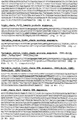
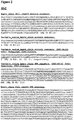

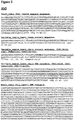
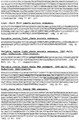

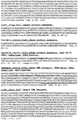

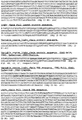
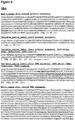

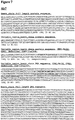
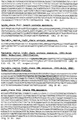

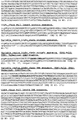

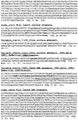

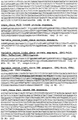


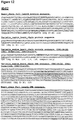


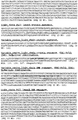
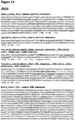

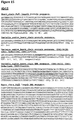

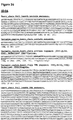
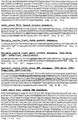
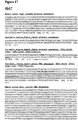

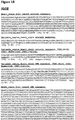



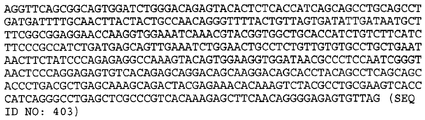
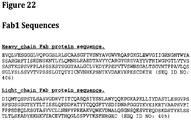
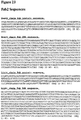

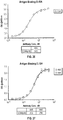

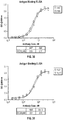
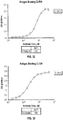


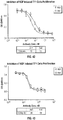
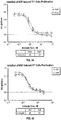
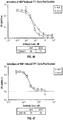

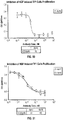
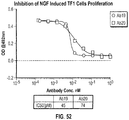
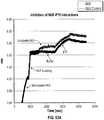
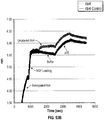
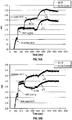


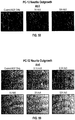
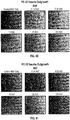


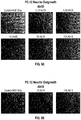
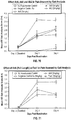


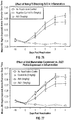

Classifications
-
- C—CHEMISTRY; METALLURGY
- C07—ORGANIC CHEMISTRY
- C07K—PEPTIDES
- C07K16/00—Immunoglobulins [IGs], e.g. monoclonal or polyclonal antibodies
- C07K16/18—Immunoglobulins [IGs], e.g. monoclonal or polyclonal antibodies against material from animals or humans
- C07K16/22—Immunoglobulins [IGs], e.g. monoclonal or polyclonal antibodies against material from animals or humans against growth factors ; against growth regulators
-
- A—HUMAN NECESSITIES
- A61—MEDICAL OR VETERINARY SCIENCE; HYGIENE
- A61P—SPECIFIC THERAPEUTIC ACTIVITY OF CHEMICAL COMPOUNDS OR MEDICINAL PREPARATIONS
- A61P1/00—Drugs for disorders of the alimentary tract or the digestive system
-
- A—HUMAN NECESSITIES
- A61—MEDICAL OR VETERINARY SCIENCE; HYGIENE
- A61K—PREPARATIONS FOR MEDICAL, DENTAL OR TOILETRY PURPOSES
- A61K39/00—Medicinal preparations containing antigens or antibodies
- A61K39/395—Antibodies; Immunoglobulins; Immune serum, e.g. antilymphocytic serum
- A61K39/39533—Antibodies; Immunoglobulins; Immune serum, e.g. antilymphocytic serum against materials from animals
- A61K39/3955—Antibodies; Immunoglobulins; Immune serum, e.g. antilymphocytic serum against materials from animals against proteinaceous materials, e.g. enzymes, hormones, lymphokines
-
- A—HUMAN NECESSITIES
- A61—MEDICAL OR VETERINARY SCIENCE; HYGIENE
- A61K—PREPARATIONS FOR MEDICAL, DENTAL OR TOILETRY PURPOSES
- A61K45/00—Medicinal preparations containing active ingredients not provided for in groups A61K31/00 - A61K41/00
- A61K45/06—Mixtures of active ingredients without chemical characterisation, e.g. antiphlogistics and cardiaca
-
- A—HUMAN NECESSITIES
- A61—MEDICAL OR VETERINARY SCIENCE; HYGIENE
- A61K—PREPARATIONS FOR MEDICAL, DENTAL OR TOILETRY PURPOSES
- A61K51/00—Preparations containing radioactive substances for use in therapy or testing in vivo
- A61K51/02—Preparations containing radioactive substances for use in therapy or testing in vivo characterised by the carrier, i.e. characterised by the agent or material covalently linked or complexing the radioactive nucleus
- A61K51/04—Organic compounds
- A61K51/08—Peptides, e.g. proteins, carriers being peptides, polyamino acids, proteins
- A61K51/10—Antibodies or immunoglobulins; Fragments thereof, the carrier being an antibody, an immunoglobulin or a fragment thereof, e.g. a camelised human single domain antibody or the Fc fragment of an antibody
- A61K51/1021—Antibodies or immunoglobulins; Fragments thereof, the carrier being an antibody, an immunoglobulin or a fragment thereof, e.g. a camelised human single domain antibody or the Fc fragment of an antibody against cytokines, e.g. growth factors, VEGF, TNF, lymphokines or interferons
-
- A—HUMAN NECESSITIES
- A61—MEDICAL OR VETERINARY SCIENCE; HYGIENE
- A61P—SPECIFIC THERAPEUTIC ACTIVITY OF CHEMICAL COMPOUNDS OR MEDICINAL PREPARATIONS
- A61P1/00—Drugs for disorders of the alimentary tract or the digestive system
- A61P1/16—Drugs for disorders of the alimentary tract or the digestive system for liver or gallbladder disorders, e.g. hepatoprotective agents, cholagogues, litholytics
-
- A—HUMAN NECESSITIES
- A61—MEDICAL OR VETERINARY SCIENCE; HYGIENE
- A61P—SPECIFIC THERAPEUTIC ACTIVITY OF CHEMICAL COMPOUNDS OR MEDICINAL PREPARATIONS
- A61P1/00—Drugs for disorders of the alimentary tract or the digestive system
- A61P1/18—Drugs for disorders of the alimentary tract or the digestive system for pancreatic disorders, e.g. pancreatic enzymes
-
- A—HUMAN NECESSITIES
- A61—MEDICAL OR VETERINARY SCIENCE; HYGIENE
- A61P—SPECIFIC THERAPEUTIC ACTIVITY OF CHEMICAL COMPOUNDS OR MEDICINAL PREPARATIONS
- A61P15/00—Drugs for genital or sexual disorders; Contraceptives
-
- A—HUMAN NECESSITIES
- A61—MEDICAL OR VETERINARY SCIENCE; HYGIENE
- A61P—SPECIFIC THERAPEUTIC ACTIVITY OF CHEMICAL COMPOUNDS OR MEDICINAL PREPARATIONS
- A61P17/00—Drugs for dermatological disorders
-
- A—HUMAN NECESSITIES
- A61—MEDICAL OR VETERINARY SCIENCE; HYGIENE
- A61P—SPECIFIC THERAPEUTIC ACTIVITY OF CHEMICAL COMPOUNDS OR MEDICINAL PREPARATIONS
- A61P19/00—Drugs for skeletal disorders
-
- A—HUMAN NECESSITIES
- A61—MEDICAL OR VETERINARY SCIENCE; HYGIENE
- A61P—SPECIFIC THERAPEUTIC ACTIVITY OF CHEMICAL COMPOUNDS OR MEDICINAL PREPARATIONS
- A61P19/00—Drugs for skeletal disorders
- A61P19/02—Drugs for skeletal disorders for joint disorders, e.g. arthritis, arthrosis
-
- A—HUMAN NECESSITIES
- A61—MEDICAL OR VETERINARY SCIENCE; HYGIENE
- A61P—SPECIFIC THERAPEUTIC ACTIVITY OF CHEMICAL COMPOUNDS OR MEDICINAL PREPARATIONS
- A61P19/00—Drugs for skeletal disorders
- A61P19/08—Drugs for skeletal disorders for bone diseases, e.g. rachitism, Paget's disease
- A61P19/10—Drugs for skeletal disorders for bone diseases, e.g. rachitism, Paget's disease for osteoporosis
-
- A—HUMAN NECESSITIES
- A61—MEDICAL OR VETERINARY SCIENCE; HYGIENE
- A61P—SPECIFIC THERAPEUTIC ACTIVITY OF CHEMICAL COMPOUNDS OR MEDICINAL PREPARATIONS
- A61P21/00—Drugs for disorders of the muscular or neuromuscular system
-
- A—HUMAN NECESSITIES
- A61—MEDICAL OR VETERINARY SCIENCE; HYGIENE
- A61P—SPECIFIC THERAPEUTIC ACTIVITY OF CHEMICAL COMPOUNDS OR MEDICINAL PREPARATIONS
- A61P25/00—Drugs for disorders of the nervous system
-
- A—HUMAN NECESSITIES
- A61—MEDICAL OR VETERINARY SCIENCE; HYGIENE
- A61P—SPECIFIC THERAPEUTIC ACTIVITY OF CHEMICAL COMPOUNDS OR MEDICINAL PREPARATIONS
- A61P25/00—Drugs for disorders of the nervous system
- A61P25/04—Centrally acting analgesics, e.g. opioids
-
- A—HUMAN NECESSITIES
- A61—MEDICAL OR VETERINARY SCIENCE; HYGIENE
- A61P—SPECIFIC THERAPEUTIC ACTIVITY OF CHEMICAL COMPOUNDS OR MEDICINAL PREPARATIONS
- A61P25/00—Drugs for disorders of the nervous system
- A61P25/06—Antimigraine agents
-
- A—HUMAN NECESSITIES
- A61—MEDICAL OR VETERINARY SCIENCE; HYGIENE
- A61P—SPECIFIC THERAPEUTIC ACTIVITY OF CHEMICAL COMPOUNDS OR MEDICINAL PREPARATIONS
- A61P27/00—Drugs for disorders of the senses
- A61P27/02—Ophthalmic agents
-
- A—HUMAN NECESSITIES
- A61—MEDICAL OR VETERINARY SCIENCE; HYGIENE
- A61P—SPECIFIC THERAPEUTIC ACTIVITY OF CHEMICAL COMPOUNDS OR MEDICINAL PREPARATIONS
- A61P29/00—Non-central analgesic, antipyretic or antiinflammatory agents, e.g. antirheumatic agents; Non-steroidal antiinflammatory drugs [NSAID]
-
- A—HUMAN NECESSITIES
- A61—MEDICAL OR VETERINARY SCIENCE; HYGIENE
- A61P—SPECIFIC THERAPEUTIC ACTIVITY OF CHEMICAL COMPOUNDS OR MEDICINAL PREPARATIONS
- A61P31/00—Antiinfectives, i.e. antibiotics, antiseptics, chemotherapeutics
- A61P31/04—Antibacterial agents
-
- A—HUMAN NECESSITIES
- A61—MEDICAL OR VETERINARY SCIENCE; HYGIENE
- A61P—SPECIFIC THERAPEUTIC ACTIVITY OF CHEMICAL COMPOUNDS OR MEDICINAL PREPARATIONS
- A61P35/00—Antineoplastic agents
-
- A—HUMAN NECESSITIES
- A61—MEDICAL OR VETERINARY SCIENCE; HYGIENE
- A61P—SPECIFIC THERAPEUTIC ACTIVITY OF CHEMICAL COMPOUNDS OR MEDICINAL PREPARATIONS
- A61P37/00—Drugs for immunological or allergic disorders
- A61P37/08—Antiallergic agents
-
- A—HUMAN NECESSITIES
- A61—MEDICAL OR VETERINARY SCIENCE; HYGIENE
- A61P—SPECIFIC THERAPEUTIC ACTIVITY OF CHEMICAL COMPOUNDS OR MEDICINAL PREPARATIONS
- A61P43/00—Drugs for specific purposes, not provided for in groups A61P1/00-A61P41/00
-
- C—CHEMISTRY; METALLURGY
- C07—ORGANIC CHEMISTRY
- C07K—PEPTIDES
- C07K16/00—Immunoglobulins [IGs], e.g. monoclonal or polyclonal antibodies
- C07K16/18—Immunoglobulins [IGs], e.g. monoclonal or polyclonal antibodies against material from animals or humans
- C07K16/28—Immunoglobulins [IGs], e.g. monoclonal or polyclonal antibodies against material from animals or humans against receptors, cell surface antigens or cell surface determinants
- C07K16/2875—Immunoglobulins [IGs], e.g. monoclonal or polyclonal antibodies against material from animals or humans against receptors, cell surface antigens or cell surface determinants against the NGF/TNF superfamily, e.g. CD70, CD95L, CD153, CD154
-
- A—HUMAN NECESSITIES
- A61—MEDICAL OR VETERINARY SCIENCE; HYGIENE
- A61K—PREPARATIONS FOR MEDICAL, DENTAL OR TOILETRY PURPOSES
- A61K39/00—Medicinal preparations containing antigens or antibodies
- A61K2039/505—Medicinal preparations containing antigens or antibodies comprising antibodies
-
- C—CHEMISTRY; METALLURGY
- C07—ORGANIC CHEMISTRY
- C07K—PEPTIDES
- C07K2317/00—Immunoglobulins specific features
- C07K2317/20—Immunoglobulins specific features characterized by taxonomic origin
- C07K2317/24—Immunoglobulins specific features characterized by taxonomic origin containing regions, domains or residues from different species, e.g. chimeric, humanized or veneered
-
- C—CHEMISTRY; METALLURGY
- C07—ORGANIC CHEMISTRY
- C07K—PEPTIDES
- C07K2317/00—Immunoglobulins specific features
- C07K2317/40—Immunoglobulins specific features characterized by post-translational modification
- C07K2317/41—Glycosylation, sialylation, or fucosylation
-
- C—CHEMISTRY; METALLURGY
- C07—ORGANIC CHEMISTRY
- C07K—PEPTIDES
- C07K2317/00—Immunoglobulins specific features
- C07K2317/50—Immunoglobulins specific features characterized by immunoglobulin fragments
- C07K2317/55—Fab or Fab'
-
- C—CHEMISTRY; METALLURGY
- C07—ORGANIC CHEMISTRY
- C07K—PEPTIDES
- C07K2317/00—Immunoglobulins specific features
- C07K2317/50—Immunoglobulins specific features characterized by immunoglobulin fragments
- C07K2317/56—Immunoglobulins specific features characterized by immunoglobulin fragments variable (Fv) region, i.e. VH and/or VL
- C07K2317/565—Complementarity determining region [CDR]
-
- C—CHEMISTRY; METALLURGY
- C07—ORGANIC CHEMISTRY
- C07K—PEPTIDES
- C07K2317/00—Immunoglobulins specific features
- C07K2317/60—Immunoglobulins specific features characterized by non-natural combinations of immunoglobulin fragments
- C07K2317/62—Immunoglobulins specific features characterized by non-natural combinations of immunoglobulin fragments comprising only variable region components
- C07K2317/622—Single chain antibody (scFv)
-
- C—CHEMISTRY; METALLURGY
- C07—ORGANIC CHEMISTRY
- C07K—PEPTIDES
- C07K2317/00—Immunoglobulins specific features
- C07K2317/70—Immunoglobulins specific features characterized by effect upon binding to a cell or to an antigen
- C07K2317/76—Antagonist effect on antigen, e.g. neutralization or inhibition of binding
-
- C—CHEMISTRY; METALLURGY
- C07—ORGANIC CHEMISTRY
- C07K—PEPTIDES
- C07K2317/00—Immunoglobulins specific features
- C07K2317/90—Immunoglobulins specific features characterized by (pharmaco)kinetic aspects or by stability of the immunoglobulin
- C07K2317/92—Affinity (KD), association rate (Ka), dissociation rate (Kd) or EC50 value
-
- C—CHEMISTRY; METALLURGY
- C07—ORGANIC CHEMISTRY
- C07K—PEPTIDES
- C07K2317/00—Immunoglobulins specific features
- C07K2317/90—Immunoglobulins specific features characterized by (pharmaco)kinetic aspects or by stability of the immunoglobulin
- C07K2317/94—Stability, e.g. half-life, pH, temperature or enzyme-resistance
-
- Y—GENERAL TAGGING OF NEW TECHNOLOGICAL DEVELOPMENTS; GENERAL TAGGING OF CROSS-SECTIONAL TECHNOLOGIES SPANNING OVER SEVERAL SECTIONS OF THE IPC; TECHNICAL SUBJECTS COVERED BY FORMER USPC CROSS-REFERENCE ART COLLECTIONS [XRACs] AND DIGESTS
- Y02—TECHNOLOGIES OR APPLICATIONS FOR MITIGATION OR ADAPTATION AGAINST CLIMATE CHANGE
- Y02A—TECHNOLOGIES FOR ADAPTATION TO CLIMATE CHANGE
- Y02A50/00—TECHNOLOGIES FOR ADAPTATION TO CLIMATE CHANGE in human health protection, e.g. against extreme weather
- Y02A50/30—Against vector-borne diseases, e.g. mosquito-borne, fly-borne, tick-borne or waterborne diseases whose impact is exacerbated by climate change
Definitions
- This invention pertains to antibodies and fragments thereof (including Fab fragments) having binding specificity to human Nerve Growth Factor (hereinafter "NGF").
- NGF Nerve Growth Factor
- the invention also pertains to methods of screening for diseases and disorders associated with NGF, and methods of preventing or treating diseases and disorders associated with NGF by administering said antibodies or fragments thereof.
- This invention also pertains to monovalent agents (including Fab fragments and other monovalent NGF binding agents identified infra) having binding specificity to human Nerve Growth Factor (hereinafter "NGF"), and methods of using one or more of said monovalent agents in methods of treating pain in an individual wherein there is no substantial increase in the inflammatory response of the individual following administration of the one or more monovalent agents.
- NGF Human Nerve Growth Factor
- These monovalent agents optionally may be modified to extend their circulation half-life such as by the addition of polyethylenes glycol (PEG), or other water soluble polymers and the like).
- This invention pertains to anti-pain medicaments comprising at least one NGF antagonist compound that selectively inhibits the association of NGF with TrkA, without appreciably inhibiting the association of NGF with p75
- these NGF antagonist compounds will comprise an antibody or fragment thereof (including Fab fragments and other monovalent agents identified infra) having binding specificity to human Nerve Growth Factor (hereinafter "NGF"), and methods of using one or more of said NGF antagonist compounds, e.g., antibodies and fragments thereof to treat pain in an individual.
- NGF Nerve Growth Factor
- NGF antagonists may be selected using appropriate binding and/or functional assays which possess similar antagonist properties, e.g., polypeptide fragments of NGF or TrkA, small molecules, antisense RNA's and silencing RNA's. and the like that selectively inhibit the association of NGF with TrkA, without appreciably inhibiting the association of NGF with p75
- These compounds e.g., antibodies and antibody fragments may be used as a monotherapy to treat or prevent different types of pain in a subject in need thereof when administered alone or in association with another active agent, e.g., a NSAID or opioid analgesic.
- the invention pertains to anti-human NGF antibodies or fragments thereof including monovalent agents that inhibit the association of NGF with TrkA, without appreciably inhibiting the association of NGF with p75.
- monovalent agents may be modified to affect circulation half-life, such as via the attachment of PEG or other polymers or by attachment of other moieties such as detectable agents or functional agents.
- monovalent agents include by way of example Fab, Fab', Fv, scFv fragments, SMIPs (small molecule immunopharmaceuticals), camelbodies, nanobodies, IgNAR, a monovalent antibody molecule analogous to MetMab, or one or more combinations thereof.
- the invention pertains to novel methods of treating pain or eliciting an analgesic effect in an individual, comprising administering an effective amount of any NGF antagonist compound that selectively inhibits the association of NGF with TrkA, without appreciably inhibiting the association of NGF with p75
- these antagonist compounds will comprise an anti-human NGF antibody or fragment thereof which inhibits the association of NGF with TrkA, without appreciably inhibiting the association of NGF with p75.
- the present invention further optionally includes methods of treating pain further including the administration of a second anti-NGF antibody or fragment that inhibits the association of NGF with p75, that may in addition inhibits the association of NGF with TrkA.
- Nerve Growth Factor (also known as beta nerve growth factor (Beta-NGF)) is produced as a mature protein of 222 amino acids in length, following cleavage of a 18 amino acid signal peptide.
- the gene encoding NGF is located on chromosome 1p13.1.
- a biologically active form of NGF is a secreted protein which homodimerizes and is incorporated into a larger complex.
- NGF is a member of the neurotrophins (NTs), which are a group of structurally-related proteins further including brain-derived neurotrophic factor (BDNF), NT-3, and NT-4/5. ( Wyman et al., Gene Therapy (1999), 6:1648-1660 ).
- NTs support the survival of specific types of neurons and neurotransmitter systems, being produced by cells that are targeted by innervating neurons.
- Basal forebrain, substantia nigra, brain stem, cortex, and spinal cord are nervous system regions having demonstrated responsiveness to NGF. Id.
- NGF neurotrophin receptor
- NGF has also been demonstrated to interact with pain-signalling systems in adult animals, and is responsible for hyperalgesia when administered either locally or systemically in many species. ( Sarchielli et al., Expert Rev. Neurotherapeutics (2004), 4(1):115-127 ). NGF has been shown to induce a pain-like response when infused into the CSF in rats, and has been demonstrated to maintain chronic pain. Furthermore, NGF has been demonstrated to contribute to the development of mechanical allodynia occurring 8-12 hours later, and to the secondary pain response. Id.
- NSAIDs non-steroidal anti-inflammatory drugs
- Pain may often be addressed through the administration of certain narcotics or non-steroidal anti-inflammatory drugs (NSAIDs).
- NSAIDs have the potential to cause kidney failure, intestinal bleeding, and liver dysfunction.
- Narcotics have the potential to cause nausea, vomiting, imparied mental functioning, and addiction. Therefore, it is desirable to identify alternative treatments for pain in order to avoid certain of these negative consequences.
- NGF is believed to play a role in a multitude of diseases and disorders, including but not limited to pain associated with a broad range of diseases and disorders, such as pain associated with cancers, neuropathic pain, and neurogenic pain. Due to the perceived involvement of NGF in a wide range of pain-related diseases and disorders, there remains a need in the art for compositions and methods useful for preventing or treating diseases and disorders associated with NGF, and particularly those associated with pain. Particularly preferred anti-NGF compositions are those having minimal or minimizing adverse reactions, such as inflammation when administered to the patient. Compositions or methods that reduce or inhibit diseases or disorders associated with NGF, such as pain, are beneficial to the patient in need thereof.
- the present invention is directed to specific antibodies and fragments thereof having binding specificity for NGF, in particular antibodies having desired epitopic specificity, high affinity or avidity and/or functional properties.
- Another embodiment of this invention relates to the antibodies described herein, comprising the sequences of the V H , V L and CDR polypeptides described herein, and the polynucleotides encoding them.
- the invention is directed to chimeric or humanized antibodies and fragments thereof capable of binding to NGF and selectively inhibiting the biological activities mediated by the binding of NGF to the TrkA receptor, while not appreciably inhibiting the biological activities mediated by the binding of NGF to the p75 receptor.
- full length antibodies and Fab fragments thereof are capable of significantly reducing pain in vivo in murine models, as measured by Gait analysis (as described in the examples herein).
- a particularly preferred embodiment of the invention is directed to the use of Fab antibody fragments in methods of alleviating or treating pain.
- monovalent agents having binding specificity for NGF such as the Fab fragments of the full length antibodies described herein are useful for alleviating or treating pain in an individual while not substantially increasing inflammation compared to full length antibodies dosed at the same concentration, as demonstrated in vivo in murine models following the Gait analysis.
- chimeric or humanized antibodies and fragments thereof capable of binding to NGF inhibit TF1 cell proliferation.
- chimeric or humanized antibodies and fragments thereof capable of binding to NGF inhibit PC-12 neurite outgrowth.
- these antibodies and humanized versions may be derived from rabbit immune cells (B lymphocytes) and may be selected based on their homology (sequence identity) to human germ line sequences. These antibodies may require minimal or no sequence modifications, thereby facilitating retention of functional properties after humanization.
- a further embodiment of the invention is directed to fragments from anti-NGF antibodies encompassing V H , V L and CDR polypeptides, e.g., derived from rabbit immune cells and the polynucleotides encoding the same, as well as the use of these antibody fragments and the polynucleotides encoding them in the creation of novel antibodies and polypeptide compositions capable of binding to NGF and/or NGF/p75 and NGF/TrkA complexes.
- the invention also contemplates conjugates of anti-NGF antibodies and binding fragments thereof conjugated to one or more functional or detectable moieties.
- the invention also contemplates methods of making said chimeric or humanized anti-NGF, anti-NGF/p75 complex or anti-NGF/TrkA complex antibodies and binding fragments thereof.
- binding fragments include, but are not limited to, Fab, Fab', F(ab') 2 , Fv, scFv fragments.
- Embodiments of the invention pertain to the use of anti-NGF antibodies and binding fragments thereof for the diagnosis, assessment and treatment of diseases and disorders associated with NGF or aberrant expression thereof.
- the invention also contemplates the use of fragments of anti-NGF antibodies for the diagnosis, assessment and treatment of diseases and disorders associated with NGF or aberrant expression thereof.
- Other embodiments of the invention relate to the production of anti-NGF antibodies or fragments thereof in recombinant host cells, for example mammalian cells such as CHO, NSO or HEK 293 cells, plant or yeast cells (for example diploid yeast such as diploid Pichia) and other yeast strains.
- the present invention is also directed to methods of treating pain without substantially increasing the inflammatory response of an individual.
- Another embodiment of the invention contemplates anti-human NGF monovalent agents derived from specific antibodies and fragments thereof and having binding specificity for NGF, in particular monovalent agents having desired epitopic specificity, high affinity or avidity and/or functional properties.
- Another embodiment of this invention relates to anti-human NGF monovalent agents derived from antibodies described herein and having binding specificity for NGF, comprising the sequences of the V H , V L and CDR polypeptides described herein, and the polynucleotides encoding them.
- Such monovalent agents include by way of example Fab, Fab', Fv, scFv fragments, SMIPs (small molecule immunopharmaceuticals), camelbodies, nanobodies, IgNAR, a monovalent antibody molecule analogous to MetMab, or one or more combinations thereof that bind NGF.
- these monovalent agents will block or inhibit the interaction of NGF with TrkA and/or p75. In other embodiments these monovalent agents may be chemically modified to modify circulation half-life such as by PEGylation or by attachment to other water soluble polymers.
- anti-human NGF monovalent agents such as Fab fragments of antibodies described herein are capable of significantly reducing pain in vivo in murine models, as measured by Gait analysis (as described in the examples herein).
- a particularly preferred embodiment of the invention is directed to the use of anti-human NGF monovalent Fab, Fab', Fv, scFv fragments, SMIPs (small molecule immunopharmaceuticals), camelbodies, nanobodies, IgNAR, a monovalent antibody molecule analogous to MetMab, or one or more combinations thereof in methods of alleviating or treating pain.
- monovalent agents having binding specificity for NGF are useful for alleviating or treating pain in an individual, while not substantially increasing inflammation compared to full length antibodies dosed at the same concentration, as demonstrated in vivo in murine models following the Gait analysis.
- these monovalent agents may be derived from parent antibodies and humanized versions which are themselves derived from rabbit immune cells (B lymphocytes) and optionally selected based on their homology (sequence identity) to human germ line sequences.
- B lymphocytes rabbit immune cells
- These parent antibodies may require minimal or no sequence modifications, thereby facilitating retention of functional properties after humanization, prior to their use as a source of monovalent agents.
- a further embodiment of the invention is directed to anti-human NGF monovalent agents derived from anti-human NGF antibodies encompassing V H , V L and CDR polypeptides, e.g., derived from rabbit immune cells and the polynucleotides encoding the same, as well as the use of these antibody and fragments thereof and the polynucleotides encoding them in the creation of novel monovalent agents and compositions comprising said monovalent agents capable of binding to NGF and reducing pain in an individual, while not substantially increasing the inflammatory response of said individual.
- these monovalent agents will block or inhibit the interaction of NGF with TrkA and/or p75.
- These monovalent agents include by way of example Fab, Fab', Fv, scFv fragments, or one or more combinations thereof, having binding specificity for NGF, preferably those containing the CDRs of the antibodies exemplified herein and/or having the same epitopic specificity.
- the invention also contemplates conjugates of monovalent agents conjugated to one or more functional or detectable moieties, e.g., moieties that affect half-life or agents that affect other therapeutic properties of the monovalent agent.
- the invention also contemplates methods of making said chimeric or humanized anti-NGF monovalent agents.
- monovalent agents include, but are not limited to, Fab, Fab', Fv, fragments, SMIPs (small molecule immunopharmaceuticals), MetMab like antibody molecules, camelbodies, nanobodies, and IgNAR.
- Embodiments of the invention pertain to the use of anti-NGF monovalent agents for the diagnosis, assessment and treatment of diseases and disorders associated with NGF or aberrant expression thereof. As noted, in some embodiments these monovalent agents will block or inhibit the interaction of NGF with TrkA and/or p75.
- the invention also contemplates the use of monovalent agents for the diagnosis, assessment and treatment of diseases and disorders associated with NGF or aberrant expression thereof.
- the present disclosure is also directed to methods of treating pain and compositions for use therein including antibodies and fragments thereof having binding specificity for NGF, in particular antibodies having desired epitopic specificity, high affinity or avidity and/or functional properties in the treatment of pain. More specifically the disclosure pertains to NGF antagonists, e.g. small molecules, polypeptides, nucleic acids, and preferably anti-human NGF antibodies or fragments thereof, including monovalent and bivalent antibody fragments that inhibit the association of NGF with TrkA, without appreciably inhibiting the association of NGF with p75.
- NGF antagonists e.g. small molecules, polypeptides, nucleic acids, and preferably anti-human NGF antibodies or fragments thereof, including monovalent and bivalent antibody fragments that inhibit the association of NGF with TrkA, without appreciably inhibiting the association of NGF with p75.
- monovalent agents may be modified to affect circulation half-life, such as via the attachment of PEG or other polymers or by attachment of other moieties such as detectable agents or functional agents.
- monovalent agents include by way of example Fab, Fab', Fv, scFv fragments, SMIPs (small molecule immunopharmaceuticals), camelbodies, nanobodies, IgNAR, a monovalent antibody molecule analogous to MetMab, or one or more combinations thereof.
- the present disclosure is also directed to methods of treating pain and compositions for use therein including antibodies and fragments thereof having binding specificity for NGF, in particular antibodies having desired epitopic specificity, high affinity or avidity and/or functional properties in the treatment of pain. More specifically the disclosure pertains to NGF antagonists, e.g. small molecules, polypeptides, nucleic acids, and preferably anti-human NGF antibodies or fragments thereof, including monovalent and bivalent antibody fragments that inhibit the association of NGF with TrkA, without appreciably inhibiting the association of NGF with p75.
- NGF antagonists e.g. small molecules, polypeptides, nucleic acids, and preferably anti-human NGF antibodies or fragments thereof, including monovalent and bivalent antibody fragments that inhibit the association of NGF with TrkA, without appreciably inhibiting the association of NGF with p75.
- the disclosure pertains to methods of treating pain and compositions for use therein comprising anti-human NGF antibodies or fragments thereof, including monovalent and bivalent antibody fragments that inhibit the association of NGF with TrkA, and the association of NGF with p75.
- anti-human NGF antibodies or fragments thereof including monovalent and bivalent antibody fragments that inhibit the association of NGF with TrkA, and the association of NGF with p75.
- monovalent agents may be modified to affect circulation half-life, such as via the attachment of PEG or other polymers or by attachment of other moieties such as detectable agents or functional agents.
- monovalent agents include by way of example Fab, Fab', Fv, scFv fragments, SMIPs (small molecule immunopharmaceuticals), camelbodies, nanobodies, IgNAR, a monovalent antibody molecule analogous to MetMab, or one or more combinations thereof.
- the present disclosure includes in particular monovalent antibody molecules that bind NGF, which are analogous to MetMab molecules.
- MetMab is a monovalent antibody specific to Met.
- Met is a protein encoded by the nucleotide sequence set forth in Park et al., Proc. Natl. Acad. Sci. 84, 7479--(1987 ), or fragments thereof, as well as related polypeptides, which include, but are not limited to, allelic variants, splice variants, derivative variants, substitution variants, deletion variants, and/or insertion variants, fusion polypeptides, and interspecies homologs).
- the MetMab antibody is a monovalent antibody known by different names including OA-5d5 (Genentech) and is also called One Armed 5d5, 5d5, MetMab, PRO143966, among others).
- Antibody OA-5d5 including its structure and properties, and methods for making and using it, are described in U.S. Publication No. 2007/0092520 ..
- an anti-NGF antibody according to the invention may comprise a single Fab region linked to an Fc region.
- an antibody of the invention may comprise light and heavy chain variable domains as described herein.
- the antibody is monovalent and may comprise an intact Fc region.
- the Fc region may comprise at least one protuberance (knob) and at least one cavity (hole), wherein the presence of the protuberance and cavity enhances formation of a complex between an Fc polypeptide comprising the protuberance and an Fc polypeptide comprising the cavity, for example as described in WO 2005/063816 .
- the Fc region of an antibody of the invention may comprise a first and a second Fc polypeptide, wherein the first and second polypeptide each comprises one or more mutations with respect to wild type human Fc.
- a cavity mutation is T366S, L368A and/or Y407V.
- a protuberance mutation is T366W.
- a monovalent antibody according to the subject invention may comprise a one-armed antibody synthesized as described in WO2005/063816 .
- the one-armed antibody may comprise Fc mutations constituting "knobs" and "holes” as described in WO2005/063816 .
- a hole mutation can be one or more of T366A, L368A and/or Y407V in an Fc polypeptide, and a cavity mutation can be T366W.
- the disclosure is also directed to an anti-human NGF monovalent agent that binds with the same NGF epitope and/or competes with an anti-NGF antibody for binding to NGF as an antibody or antibody fragment disclosed herein, including but not limited to an anti-NGF antibody selected from Ab1, Ab2, Ab3, Ab4, Ab5, Ab6, Ab7, Ab8, Ab9, Ab10, Ab11, Ab12, Ab13, Ab14, Ab15, Ab16, Ab17, Ab18, Ab19, Ab20 or Ab21.
- an anti-NGF antibody selected from Ab1, Ab2, Ab3, Ab4, Ab5, Ab6, Ab7, Ab8, Ab9, Ab10, Ab11, Ab12, Ab13, Ab14, Ab15, Ab16, Ab17, Ab18, Ab19, Ab20 or Ab21.
- the disclosure is directed to novel methods of treating pain or eliciting an analgesic effect in an individual, comprising administering an effective amount of an NGF antagonist, e.g., an anti-human NGF antibody or fragment thereof which inhibits the association of NGF with TrkA, without appreciably inhibiting the association of NGF with p75.
- an NGF antagonist e.g., an anti-human NGF antibody or fragment thereof which inhibits the association of NGF with TrkA, without appreciably inhibiting the association of NGF with p75.
- the subject invention provides a plurality of novel anti-human NGF antibodies and fragments thereof that inhibit the association of NGF with TrkA, without appreciably inhibiting the association of NGF with p75. These antibodies and fragments may be used as a monotherapy or may be used in conjunctions with other actives including other analgesics and other anti-NGF antibodies and antibody fragments including those that inhibit the interaction of NGF with p75.
- the invention provides methods for producing, identifying and isolating other anti-human NGF antibodies or fragments thereof, including bivalent and monovalent fragments such as Fab, Fab', F(ab') 2 , Fv, scFv fragments, which inhibit the association of NGF with TrkA, without appreciably inhibiting the association of NGF with p75.
- Another embodiment of this invention relates to methods of using the antibodies described herein, comprising the sequences of the V H , V L and CDR polypeptides described herein, and the polynucleotides encoding them to treat or prevent pain by selectively inhibiting the association of NGF with TrkA and not its association with p75.
- This invention provides novel human monoclonal antibodies and fragments and conjugates thereof that are therapeutically useful for managing pain.
- the invention in particular provides two types of novel antibodies and antibody fragments, the first type that bind to nerve growth factor (NGF), and which inhibit the association of NGF with TrkA, without appreciably inhibiting the association of NGF with p75.
- Antibodies or antibody fragments are disclosed which bind to nerve growth factor (NGF), and which inhibit the association of NGF with TrkA, and further inhibit the association of NGF with p75. Both of these types of antibodies and antibody fragments are useful in treating or preventing pain, e.g., associated with cancer, migraine, pre or post surgery associated pain and other pain related conditions.
- the monoclonal antibodies or fragments are human or humanized monoclonal antibodies or fragments or conjugates thereof which neutralize biological activities of NGF and are useful for ameliorating the effects of NGF-mediated pain responses, i.e., those involving the TrkA pathway.
- the disclosure features a method for preventing or treating post-surgical pain (referred to interchangeably as "post-incisional” or “post-traumatic pain”) by administering an antibody or antibody fragment specific to NGF or other NGF antagonist according to the invention that binds to nerve growth factor (NGF), which inhibits the association of NGF with TrkA, without appreciably inhibiting the association of NGF with p75.
- NGF antagonists anti-NGF antibodies or fragments according to the invention
- NGF nerve growth factor
- compositions suitable for use in treating or preventing said pain indications comprising an effective amount of at least one an antibody or antibody fragment specific to NGF according to the invention that binds to nerve growth factor (NGF), which inhibits the association of NGF with TrkA, without appreciably inhibiting the association of NGF with p75.
- NGF nerve growth factor
- antibody or antibody fragment specific to NGF wherein an effective amount of at least one that binds to nerve growth factor (NGF), which inhibits the association of NGF with TrkA, and also inhibits the association of NGF with p75.
- these compositions may be administrable by different routes and dosage regimens.
- the disclosure provides methods for reducing incidence of post-surgical pain, ameliorating post-surgical pain, palliating post-surgical pain; and/or delaying the development or progression of post-surgical pain in an individual, said method comprising administering an effective amount of an NGF antagonist according to the disclosure e.g., an anti-NGF antibody or antibody fragment according to the invention that binds to nerve growth factor (NGF), which inhibits the association of NGF with TrkA, without appreciably inhibiting the association of NGF with p75 or at least one an antibody or antibody fragment specific to NGF according to the invention that binds to nerve growth factor (NGF), which inhibits the association of NGF with TrkA, and also inhibits the association of NGF with p75.
- an NGF antagonist according to the disclosure e.g., an anti-NGF antibody or antibody fragment according to the invention that binds to nerve growth factor (NGF), which inhibits the association of NGF with TrkA, without appreciably inhibiting the association of NGF with p75 or at least one
- compositions suitable for use in treating or preventing said pain indications comprising an effective amount of at least one an antibody or antibody fragment specific to NGF according to the invention that binds to nerve growth factor (NGF), which inhibits the association of NGF with TrkA, without appreciably inhibiting the association of NGF with p75 or which contain at least one an antibody or antibody fragment specific to NGF according to the invention that binds to nerve growth factor (NGF), which inhibits the association of NGF with TrkA, and also inhibits the association of NGF with p75.
- NGF nerve growth factor
- antibodies and fragments may be modified to affect circulation half-life, such as via the attachment of PEG or other polymers or by attachment of other moieties such as detectable agents or functional agents.
- monovalent agents include by way of example Fab, Fab', Fv, scFv fragments, or one or more combinations thereof. As discussed infra, these compositions may be administrable by different routes and dosage regimens.
- the disclosure provides methods for increasing pain threshold in an individual comprising administering an effective amount of an NGF antagonist, e.g., an anti-NGF antibody or antibody fragment according to the invention that binds to nerve growth factor (NGF), which inhibits the association of NGF with TrkA, without appreciably inhibiting the association of NGF with p75 or at least one an antibody or antibody fragment specific to NGF according to the invention that binds to nerve growth factor (NGF), which inhibits the association of NGF with TrkA, and also inhibits the association of NGF with p75.
- an NGF antagonist e.g., an anti-NGF antibody or antibody fragment according to the invention that binds to nerve growth factor (NGF), which inhibits the association of NGF with TrkA, without appreciably inhibiting the association of NGF with p75 or at least one an antibody or antibody fragment specific to NGF according to the invention that binds to nerve growth factor (NGF), which inhibits the association of NGF with TrkA, and also inhibits the association of N
- compositions suitable for use in treating or preventing said pain indications comprising an effective amount of at least one an antibody or antibody fragment specific to NGF according to the invention that binds to nerve growth factor (NGF), which inhibits the association of NGF with TrkA, without appreciably inhibiting the association of NGF with p75 or at least one an antibody or antibody fragment specific to NGF according to the invention that binds to nerve growth factor (NGF), which inhibits the association of NGF with TrkA, and also inhibits the association of NGF with p75.
- these compositions may be administrable by different routes and dosage regimens, preferably subcutaneous or intravenous or intranasal or transcutaneous.
- the disclosure provides methods for enhancing recovery from surgery and/or injury-induced traumatic wound in an individual comprising administering an effective amount of an NGF antagonist, e.g., an anti-NGF antibody or antibody fragment according to the invention that binds to nerve growth factor (NGF), which inhibits the association of NGF with TrkA, without appreciably inhibiting the association of NGF with p75 or at least one an antibody or antibody fragment specific to NGF according to the invention that binds to nerve growth factor (NGF), which inhibits the association of NGF with TrkA, and also inhibits the association of NGF with p75.
- an NGF antagonist e.g., an anti-NGF antibody or antibody fragment according to the invention that binds to nerve growth factor (NGF), which inhibits the association of NGF with TrkA, without appreciably inhibiting the association of NGF with p75 or at least one an antibody or antibody fragment specific to NGF according to the invention that binds to nerve growth factor (NGF), which inhibits the association of NGF with Tr
- resting pain is suppressed, ameliorated and/or prevented
- mechanically-induced pain including pain resulting from movement
- thermally-induced pain is suppressed, ameliorated and/or prevented.
- mechanically-induced pain is suppressed, ameliorated and/or prevented by administering an anti-NGF antibody or fragment according to the invention that binds to nerve growth factor (NGF), which inhibits the association of NGF with TrkA, without appreciably inhibiting the association of NGF with p75 or at least one an antibody or antibody fragment specific to NGF according to the invention that binds to nerve growth factor (NGF), which inhibits the association of NGF with TrkA, and also inhibits the association of NGF with p75.
- NGF nerve growth factor
- resting pain is suppressed, ameliorated and/or prevented by administering an NGF antagonist according to the invention, e.g., an anti-NGF antibody or fragment according to the invention that binds to nerve growth factor (NGF), which inhibits the association of NGF with TrkA, without appreciably inhibiting the association of NGF with p75 or at least one an antibody or antibody fragment specific to NGF according to the invention that binds to nerve growth factor (NGF), which inhibits the association of NGF with TrkA, and also inhibits the association of NGF with p75.
- an NGF antagonist according to the invention e.g., an anti-NGF antibody or fragment according to the invention that binds to nerve growth factor (NGF), which inhibits the association of NGF with TrkA, without appreciably inhibiting the association of NGF with p75 or at least one an antibody or antibody fragment specific to NGF according to the invention that binds to nerve growth factor (NGF), which inhibits the association of NGF with TrkA, and also inhibits
- thermally-induced pain is suppressed, ameliorated and/or prevented by administering an NGF antagonist according to the disclosure e.g., an anti-NGF antibody or fragment according to the invention that binds to nerve growth factor (NGF), which inhibits the association of NGF with TrkA, without appreciably inhibiting the association of NGF with p75 or at least one an antibody or antibody fragment specific to NGF according to the invention that binds to nerve growth factor (NGF), which inhibits the association of NGF with TrkA, and also inhibits the association of NGF with p75.
- an NGF antagonist e.g., an anti-NGF antibody or fragment according to the invention that binds to nerve growth factor (NGF), which inhibits the association of NGF with TrkA, without appreciably inhibiting the association of NGF with p75 or at least one an antibody or antibody fragment specific to NGF according to the invention that binds to nerve growth factor (NGF), which inhibits the association of NGF with TrkA, and also inhibits the association of
- allodynia i.e., increased response (i.e., increased noxious sensation) to a normally non-noxious stimulus)
- hyperalgesia i.e., increased response to a normally noxious or unpleasant stimulus
- allodynia and/or hyperalgesia is thermal or mechanical (tactile) in nature, or resting pain.
- the pain is chronic pain.
- the pain is associated with site of incision, wound or trauma, and/or proximal, at or near the site of incision, wound, and/or trauma.
- compositions suitable for use in treating or preventing said pain indications, preferably for human therapy comprising an effective amount of at least one an NGF antagonist according to the inventing, which is an antibody or antibody fragment specific to NGF according to the invention that binds to nerve growth factor (NGF), which inhibits the association of NGF with TrkA, without appreciably inhibiting the association of NGF with p75 or at least one an antibody or antibody fragment specific to NGF according to the invention that binds to nerve growth factor (NGF), which inhibits the association of NGF with TrkA, and also inhibits the association of NGF with p75.
- NGF antagonist is an antibody or antibody fragment specific to NGF according to the invention that binds to nerve growth factor (NGF), which inhibits the association of NGF with TrkA, without appreciably inhibiting the association of NGF with p75 or at least one an antibody or antibody fragment specific to NGF according to the invention that binds to nerve growth factor (NGF), which inhibits the association of NGF with TrkA, and also
- Another aspect of the invention consists in using the capacity of an antibody or antibody fragment according to the invention that binds to nerve growth factor (NGF), or another polypeptide, such as a fragment of NGF or TrkA or a nucleic acid which selectively inhibits the association of NGF with TrkA, without appreciably inhibiting the association of NGF with p75 to bring relief to the patient suffering from chronic visceral pain or by use of at least one an antibody or antibody fragment specific to NGF according to the invention that binds to nerve growth factor (NGF), which inhibits the association of NGF with TrkA, and also inhibits the association of NGF with p75.
- NGF nerve growth factor
- the subject antibodies or antibody fragments are capable of inhibiting or blocking the visceral hypersensitivity present in the pathophysiology of visceral functional disorders, in the case of chronic pain.
- the expression chronic visceral functional disorders is understood to include by way of example disorders of the sensitivity of the viscera having a nervous origin, also known by the name visceralgia.
- the viscera include the digestive, respiratory and urogenital organs and the endocrine systems, as well as the spleen, the heart and the large vessels.
- a chronic visceralgia is characterized by a threshold of sensitivity to pain which is lowered compared with the normal threshold, in response to external mechanical stimuli.
- Chronic visceral pain is in addition characterized by the absence of an inflammatory situation concomitant with the functional disorders. More specifically, chronic visceral pain includes the following chronic disorders: chronic dyspepsia, a functional digestion disorder occurring in the absence of a detectable organic lesion and which may be symptomatic of other diseases or other disorders; chronic dysmenorrhea, characterized by pain associated with menstruation; chronic pancreatitis, which is characterized by rapid loss of weight, asthenia, pain at the pancreatic point, a jaundice with distension of the gall bladder and digestive disorders due to pancreatic insufficiency, including hereditary chronic pancreatitis, a dominant autosomally transmitted disease which manifests itself from childhood by abdominal and recidivous painful attacks and which is characterized in adults by signs of insufficiency as well as by calcifications of the pancreas; chronic gastroesophageal reflux, which is characterized by a return into the esophagus of the acidic gastric content and which causes, generally
- compositions suitable for use in treating or preventing said pain indications comprising an effective amount of at least one an antibody or antibody fragment specific to NGF according to the invention that binds to nerve growth factor (NGF), which inhibits the association of NGF with TrkA, without appreciably inhibiting the association of NGF with p75 or containing at least one an antibody or antibody fragment specific to NGF according to the invention that binds to nerve growth factor (NGF), which inhibits the association of NGF with TrkA, and also inhibits the association of NGF with p75.
- NGF nerve growth factor
- these compositions may be administrable by different routes and dosage regimens.
- Chronic visceral pain in particular gastrointestinal pain, is characterized by an abnormal perception of various external stimuli in the patients or in the animal.
- This abnormal perception of external stimuli may be defined as a decrease in the sensitivity threshold of the patient or of the animal to these external stimuli, compared with a control subject.
- This physiopathological condition in which a stimulus which is not painful under normal conditions is perceived as being painful and which corresponds to a decrease in the sensitivity threshold is called allodynia.
- the administration of a an antibody or antibody fragment according to the invention to a subject suffering from chronic visceral pain made it possible to abolish the lowering of the sensitivity threshold of this subject to external stimuli, with a return to a sensitivity threshold comparable to that observed in a control healthy subject.
- the subject antibodies or fragments according to the invention may be used for the manufacture of a medicament intended for the prevention or treatment of chronic visceral pain.
- the disclosure provides methods for enhancing opioid analgesic pain treatment comprising administering an effective amount of an opioid analgesic in conjunction with an effective amount of an NGF antagonist according to the invention, e.g., an anti-NGF antibody or antibody fragment according to the invention that binds to nerve growth factor (NGF), which inhibits the association of NGF with TrkA, without appreciably inhibiting the association of NGF with p75 or in conjunction with an effective amount of at least one an antibody or antibody fragment specific to NGF according to the invention that binds to nerve growth factor (NGF), which inhibits the association of NGF with TrkA, and also inhibits the association of NGF with p75.
- Administration in conjunction comprises simultaneous administration and/or administration at different times.
- Administration in conjunction also encompasses administration as a co-formulation (i.e., the NGF antibody or fragment according to the invention and opioid analgesic are present (combined) in the same composition) and/or administration as separate compositions.
- NGF nerve growth factor
- TrkA nerve growth factor
- NGF nerve growth factor
- another active e.g. another analgesic agent or biologic
- compositions suitable for use in treating or preventing said pain indications comprising an effective amount of at least one an antibody or antibody fragment specific to NGF according to the invention that binds to nerve growth factor (NGF), which inhibits the association of NGF with TrkA, without appreciably inhibiting the association of NGF with p75 or at least one an antibody or antibody fragment specific to NGF according to the invention that binds to nerve growth factor (NGF), which inhibits the association of NGF with TrkA, and also inhibits the association of NGF with p75.
- NGF nerve growth factor
- these compositions may be administrable by different routes and dosage regimens.
- chimeric or humanized antibodies and fragments thereof are provided which are capable of binding to NGF that inhibit the association of NGF with TrkA, without appreciably inhibiting the association of NGF with p75 or at least one an antibody or antibody fragment specific to NGF according to the invention that binds to nerve growth factor (NGF), which inhibits the association of NGF with TrkA, and also inhibits the association of NGF with p75 and which further inhibit TF1 cell proliferation.
- NGF nerve growth factor
- chimeric or humanized antibodies and fragments thereof capable of binding to NGF, which inhibits the association of NGF with TrkA, without appreciably inhibiting the association of NGF with p75 and which inhibit PC12 neurite outgrowth.
- compositions suitable for use in treating or preventing said pain indications comprising an effective amount of said chimeric or humanized antibodies and fragments thereof (including Fab fragments) are provided which are capable of binding to NGF that inhibit the association of NGF with TrkA, without appreciably inhibiting the association of NGF with p75 or at least one an antibody or antibody fragment specific to NGF according to the invention that binds to nerve growth factor (NGF), which inhibits the association of NGF with TrkA, and also inhibits the association of NGF with p75 and which further inhibit TF1 cell proliferation.
- NGF nerve growth factor
- these compositions may be administrable by different routes and dosage regimens.
- these antibodies and humanized versions may be derived from rabbit immune cells (B lymphocytes) and may be selected based on their homology (sequence identity) to human germ line sequences. These antibodies may require minimal or no sequence modifications, thereby facilitating retention of functional properties after humanization.
- a further embodiment of the invention is directed to fragments from anti-NGF antibodies encompassing V H , V L and CDR polypeptides, e.g., derived from rabbit immune cells and the polynucleotides encoding the same, as well as methods of using these antibody fragments and the polynucleotides encoding them in the creation of novel antibodies and polypeptide compositions capable of binding to NGF and/or NGF/p75 and NGF/TrkA complexes.
- the invention also contemplates conjugates of an anti-NGF antibodies and binding fragments thereof that bind to nerve growth factor, which inhibit the association of NGF with TrkA, without appreciably inhibiting the association of NGF with p75, which are conjugated to one or more functional or detectable moieties.
- these compounds may be attached to moieties that affect (enhance or inhibit) in vivo half-life or which promote targeting to desired cells.
- the invention also contemplates methods of making said chimeric or humanized anti-NGF, anti-NGF/p75 complex or anti-NGF/TrkA complex antibodies and binding fragments thereof.
- binding fragments include, but are not limited to, Fab, Fab', F(ab') 2 , Fv, and scFv fragments.
- the invention provides pharmaceutical compositions suitable for use in treating or preventing said pain indications, preferably for human therapy, comprising an effective amount of said conjugates of anti-NGF antibodies and binding fragments thereof that bind to nerve growth factor, which inhibit the association of NGF with TrkA, without appreciably inhibiting the association of NGF with p75, or at least one an antibody or antibody fragment specific to NGF according to the invention that binds to nerve growth factor (NGF), which inhibits the association of NGF with TrkA, and also inhibits the association of NGF with p75, which are conjugated to one or more functional or detectable moieties.
- NGF nerve growth factor
- Embodiments of the invention pertain to the use of an anti-NGF antibodies and binding fragments thereof which inhibit the association of NGF with TrkA, without appreciably inhibiting the association of NGF with p75, for the diagnosis, assessment and treatment of diseases and disorders associated with NGF or aberrant expression thereof, especially pain associated disorders.
- the invention also contemplates the use of fragments of anti-NGF antibodies which inhibit the association of NGF with TrkA, without appreciably inhibiting the association of NGF with p75, for the diagnosis, assessment and treatment of diseases and disorders associated with NGF or aberrant expression thereof.
- inventions relate to the production of anti-NGF antibodies or fragments thereof and nucleic acids encoding said antibodies or fragments, which antibodies or fragments inhibit the association of NGF with TrkA, without appreciably inhibiting the association of NGF with p75, by the expression of these nucleic acids in recombinant host cells, for example mammalian cells such as CHO, NSO or HEK 293 cells, or yeast cells (for example diploid yeast such as diploid Pichia) and other yeast strains.
- recombinant host cells for example mammalian cells such as CHO, NSO or HEK 293 cells, or yeast cells (for example diploid yeast such as diploid Pichia) and other yeast strains.
- yeast cells for example diploid yeast such as diploid Pichia
- the invention provides pharmaceutically acceptable compositions for use in said methods
- the anti-NGF antibody or fragment according to the invention and other active, e.g., opioid analgesic can be administered at different dosing frequencies and/or intervals.
- an anti-NGF antibody or fragment according to the invention can be administered weekly, while an opioid analgesic can be administered more frequently.
- the NGF antibody or fragment and the opioid analgesic can be administered using the same route of administration or different routes of administration, and that different dosing regimens may change over the course of administration(s). Administration may be before the onset of pain.
- the disclosure provides methods for reducing incidence of pain, ameliorating pain, palliating pain; and/or delaying the development or progression of pain in an individual, said methods comprising administering an effective amount of an opioid analgesic in conjunction with an effective amount of an NGF antagonist according to the disclosure e.g., an NGF antibody or fragment according to the invention that binds to nerve growth factor (NGF), which inhibits the association of NGF with TrkA, without appreciably inhibiting the association of NGF with p75 or at least one an antibody or antibody fragment specific to NGF according to the invention that binds to nerve growth factor (NGF), which inhibits the association of NGF with TrkA, and also inhibits the association of NGF with p75.
- an opioid analgesic in conjunction with an effective amount of an NGF antagonist according to the disclosure e.g., an NGF antibody or fragment according to the invention that binds to nerve growth factor (NGF), which inhibits the association of NGF with TrkA, without appreciably inhibiting the association of NGF
- the methods of the disclosure are suitable for treating or preventing any pain of any etiology, including pain where the use of an opioid analgesic is generally prescribed, for example, pancreatitis, kidney stone, headache, dysmenorrhea, musculoskeletal pain (e.g., lower back pain), sprain, visceral pain, ovarian cysts, prostatitis, cystitis, chemical or thermal bums, or cancer (such as prostate cancer metastasized to bone, breast cancer that has metastasized to bone, lung cancer that has metastasized to bone, pancreatic cancer).
- an opioid analgesic is generally prescribed, for example, pancreatitis, kidney stone, headache, dysmenorrhea, musculoskeletal pain (e.g., lower back pain), sprain, visceral pain, ovarian cysts, prostatitis, cystitis, chemical or thermal bums, or cancer (such as prostate cancer metastasized to bone, breast cancer that has metastasized to bone, lung cancer that has met
- compositions suitable for use in treating or preventing said pain indications comprising an effective amount of at least one an antibody or antibody fragment specific to NGF according to the invention that binds to nerve growth factor (NGF), which inhibits the association of NGF with TrkA, without appreciably inhibiting the association of NGF with p75.
- NGF nerve growth factor
- these compositions may be administrable by different routes and dosage regimens.
- the present disclosure features a method for treating (or, in other embodiments, preventing) pain comprising administering an amount of an NGF antagonist according to the invention, e.g., an anti-NGF antibody or fragment according to the invention in association with another active, e.g., an NSAID in order to provide effective pain relief
- an NGF antagonist according to the invention e.g., an anti-NGF antibody or fragment according to the invention in association with another active, e.g., an NSAID
- the invention provides pharmaceutical compositions suitable for use in treating or preventing said pain indications, preferably for human therapy, comprising an effective amount of at least one an antibody or antibody fragment specific to NGF according to the invention that binds to nerve growth factor (NGF), which inhibits the association of NGF with TrkA, without appreciably inhibiting the association of NGF with p75 or at least one an antibody or antibody fragment specific to NGF according to the invention that binds to nerve growth factor (NGF), which inhibits the association of NGF with TrkA, and
- the disclosure provides methods for enhancing NSAID pain treatment comprising administering an effective amount of an NSAID in conjunction with an effective amount of an NGF antagonist according to the disclosure e.g., an anti-anti-NGF antibody or antibody fragment according to the invention that binds to nerve growth factor (NGF), which inhibits the association of NGF with TrkA, without appreciably inhibiting the association of NGF with p75 or at least one an antibody or antibody fragment specific to NGF according to the invention that binds to nerve growth factor (NGF), which inhibits the association of NGF with TrkA, and also inhibits the association of NGF with p75 or at least one an antibody or antibody fragment specific to NGF according to the invention that binds to nerve growth factor (NGF), which inhibits the association of NGF with TrkA, and also inhibits the association of NGF with p75.
- an NGF antagonist e.g., an anti-anti-NGF antibody or antibody fragment according to the invention that binds to nerve growth factor (NGF), which inhibits the
- Administration in conjunction comprises simultaneous administration and/or administration at different times.
- Administration in conjunction also encompasses administration as a co-formulation (i.e., the NGF antibody and NSAID are present (combined) in the same composition) and/or administration as separate compositions.
- administration in conjunction is meant to encompass any circumstance wherein an NSAID and anti-NGF antibody are administered in an effective amount to an individual.
- the NGF antibody or fragment and NSAID can be administered at different dosing frequencies and/or intervals.
- an NGF antagonist according to the disclosure e.g., an anti-NGF antibody can be administered weekly, while an NSAID can be administered more frequently.
- the NGF antibody and the NSAID can be administered using the same route of administration or different routes of administration, and that different dosing regimens may change over the course of administration(s). Administration may be before the onset of pain.
- the invention provides pharmaceutical compositions suitable for use in treating or preventing said pain indications, preferably for human therapy, comprising an effective amount of at least one NGF antagonist according to the disclosure e.g., an antibody or antibody fragment specific to NGF according to the invention that binds to nerve growth factor (NGF), which inhibits the association of NGF with TrkA, without appreciably inhibiting the association of NGF with p75 or at least one an antibody or antibody fragment specific to NGF according to the invention that binds to nerve growth factor (NGF), which inhibits the association of NGF with TrkA, and also inhibits the association of NGF with p75.
- these compositions may be administrable by different routes and dosage regimens.
- the disclosure provides methods for reducing incidence of pain, ameliorating pain, palliating pain, and/or delaying the development or progression of pain in an individual, said methods comprising administering an effective amount of an NGF antagonist e.g., an NGF antibody or antibody fragment according to the invention that binds to nerve growth factor (NGF), which inhibits the association of NGF with TrkA, without appreciably inhibiting the association of NGF with p75 or at least one an antibody or antibody fragment specific to NGF according to the invention that binds to nerve growth factor (NGF), which inhibits the association of NGF with TrkA, and also inhibits the association of NGF with p75 in conjunction with an effective amount of an NSAID.
- an NGF antagonist e.g., an NGF antibody or antibody fragment according to the invention that binds to nerve growth factor (NGF), which inhibits the association of NGF with TrkA, without appreciably inhibiting the association of NGF with p75 or at least one an antibody or antibody fragment specific to NGF according to the invention
- the methods of the disclosure are suitable for treating or preventing any pain of any etiology, including pain where the use of an NSAID is generally prescribed.
- the pain is post-surgical pain.
- the pain is pain associated with burn.
- the pain is pain associated with rheumatoid arthritis.
- the pain is pain associated with osteoarthritis.
- compositions suitable for use in treating or preventing said pain indications, preferably for human therapy comprising an effective amount of at least one NGF antagonist e.g., an antibody or antibody fragment specific to NGF according to the invention that binds to nerve growth factor (NGF), which inhibits the association of NGF with TrkA, without appreciably inhibiting the association of NGF with p75 or at least one an antibody or antibody fragment specific to NGF according to the invention that binds to nerve growth factor (NGF), which inhibits the association of NGF with TrkA, and also inhibits the association of NGF with p75.
- NGF antagonist e.g., an antibody or antibody fragment specific to NGF according to the invention that binds to nerve growth factor (NGF), which inhibits the association of NGF with TrkA, without appreciably inhibiting the association of NGF with p75 or at least one an antibody or antibody fragment specific to NGF according to the invention that binds to nerve growth factor (NGF), which inhibits the association of NGF with TrkA, and
- the disclosure features a method for preventing or treating bone cancer pain including cancer pain associated with bone metastasis (also termed "bone metastasis pain”) by administering an NGF antagonist e.g., an anti-NGF antibody or antibody fragment according to the invention that binds to nerve growth factor (NGF), which inhibits the association of NGF with TrkA, without appreciably inhibiting the association of NGF with p75 or at least one an antibody or antibody fragment specific to NGF according to the invention that binds to nerve growth factor (NGF), which inhibits the association of NGF with TrkA, and also inhibits the association of NGF with p75.
- an NGF antagonist e.g., an anti-NGF antibody or antibody fragment according to the invention that binds to nerve growth factor (NGF), which inhibits the association of NGF with TrkA, without appreciably inhibiting the association of NGF with p75 or at least one an antibody or antibody fragment specific to NGF according to the invention that binds to nerve growth factor (NGF), which inhibit
- the NGF antagonist according to the disclosure e.g., an NGF antibody or fragment is co-administered with an opioid analgesic.
- the NGF antibody or antibody fragment according to the invention is co-administered with an NSAID.
- the NGF antagonist is co-administered with an opioid analgesic and an NSAID.
- the NGF antagonist is not co-administered with an opioid analgesic.
- the NGF antagonist is not co-administered with an NSAID.
- compositions suitable for use in treating or preventing said pain indications comprising an effective amount of at least one an antibody or antibody fragment specific to NGF according to the invention that binds to nerve growth factor (NGF), which inhibits the association of NGF with TrkA, without appreciably inhibiting the association of NGF with p75 or at least one an antibody or antibody fragment specific to NGF according to the invention that binds to nerve growth factor (NGF), which inhibits the association of NGF with TrkA, and also inhibits the association of NGF with p75.
- NGF nerve growth factor
- these compositions may be administrable by different routes and dosage regimens.
- the disclosure provides methods for reducing incidence of bone cancer pain including cancer pain associated with bone metastasis, ameliorating bone cancer pain including cancer pain associated with bone metastasis, palliating bone cancer pain including cancer pain associated with bone metastasis; and/or delaying the development or progression of bone cancer pain including cancer pain associated with bone metastasis in an individual, said methods comprising administering an effective amount of an NGF antagonist according to the disclosure, e.g., an NGF antibody or fragment according to the invention that binds to nerve growth factor (NGF), which inhibits the association of NGF with TrkA, without appreciably inhibiting the association of NGF with p75 or at least one an antibody or antibody fragment specific to NGF according to the invention that binds to nerve growth factor (NGF), which inhibits the association of NGF with TrkA, and also inhibits the association of NGF with p75.
- an NGF antagonist according to the disclosure e.g., an NGF antibody or fragment according to the invention that binds to nerve growth factor (NGF), which
- the NGF antagonist e.g., an NGF antibody or fragment is co-administered with an opioid analgesic. In some embodiments, the NGF antibody or fragment is co-administered with an NSAID. In some embodiments, the NGF antagonist e.g., an NGF antibody or fragment is co-administered with an opioid analgesic and an NSAID. In some embodiments, the NGF antagonist e.g., an NGF antibody or fragment is not co-administered with an opioid analgesic. In some embodiments, the NGF antagonist e.g., an NGF antibody or fragment is not co-administered with an NSAID.
- compositions suitable for use in treating or preventing said pain indications comprising an effective amount of at least one an antibody or antibody fragment specific to NGF according to the invention that binds to nerve growth factor (NGF), which inhibits the association of NGF with TrkA, without appreciably inhibiting the association of NGF with p75.
- NGF nerve growth factor
- these compositions may be administrable by different routes and dosage regimens.
- vectors containing nucleic acids that encode for such NGF antibodies and fragments and cells containing such as bacterial, yeast, mammalian, insect, or avian cells that express these nucleic acids , and most preferably, secrete into cell culture media the monoclonal antibodies and fragments of the invention.
- the antibodies and antibody fragments and other NGF antagonists of the invention are useful for treating neuropathic and inflammatory pain-related responses that involve the use of NGF antagonists, e.g., antibodies or antibody fragments or other compounds that bind to nerve growth factor (NGF), which inhibit the association of NGF with TrkA, without appreciably inhibiting the association of NGF with p75 or antibodies that bind to nerve growth factor (NGF) which inhibit the association of NGF with TrkA, and further inhibit the association of NGF with p75.
- NGF antagonists e.g., antibodies or antibody fragments or other compounds that bind to nerve growth factor (NGF), which inhibit the association of NGF with TrkA, without appreciably inhibiting the association of NGF with p75 or antibodies that bind to nerve growth factor (NGF) which inhibit the association of NGF with TrkA, and further inhibit the association of NGF with p75.
- NGF nerve growth factor
- these antibodies and fragments may be modified to affect circulation half-life, such as via the attachment of PEG or other polymers or by attachment of other moieties such as detectable agents or functional agents.
- monovalent agents include by way of example Fab, Fab', Fv, scFv fragments, one or more combinations thereof.
- NGF Nerve Growth Factor
- ⁇ -NGF SSSHPIFHRGEFSVCDSVSVWVGDKTTATDIKGKEVMVLGEVNINNSVFKQYFFET KCRDPNPVDSGCRGIDSKHWNSYCTTTHTFVKALTMDGKQAAWRFIRIDTACVC VLSRKAVRRA (SEQ ID NO: 411), but also any pro-, mature, soluble, and/or membrane-bound forms of this NGF amino acid sequence, as well as mutants (mutiens), splice variants, isoforms, orthologues, homologues and variants of this sequence.
- Nebe Growth Factor Anatagonist is a molecule that antagonizes or inhibits at least one biological activity elicited by NGF, preferably an activity involving the interaction of NGF with TrkA and/or p75.
- These antagonists may include polypeptides such as fragments of TrkA, p75, or NGF, nucleic acids or antibodies that bind NGF, TrkA or p75.
- the NGF antagonists are or at least one an antibody or antibody fragment specific to NGF that binds to nerve growth factor (NGF), which inhibits the association of NGF with TrkA, and/or that inhibits the association of NGF with p75.
- NGF nerve growth factor
- Recombinant host typically refers to a cell or non-human organism genetically engineered to produce NGF antagonists according to the invention, e.g., NGF antibodies, NGF antibody fragments, or other NGF antagonists according to the invention.
- These hosts and host cells include mammalian cells, bacterial, yeast, insect cells, plant cells and transgenic plants or animals such as rodents, plants and bovines.
- antibodies or antibody fragments are expressed in mammalian, bacterial and yeast cells.
- the subject antibodies or antibody fragments are expressed in a proprietary secretory expression system that uses diploid Pichia yeast cultures for antibody expression. This expression system is disclosed in US Patent No. 7,927,863, by Cregg, issued April 19, 2011 .
- the NGF antagonists e.g., anti-human NGF antibodies and antibody fragments are expressed in yeast, preferably a mating competent yeast.
- Mating competent yeast species In the present invention this is intended to broadly encompass any diploid or tetraploid yeast which can be grown in culture. Such species of yeast may exist in a haploid, diploid, or other polyploid form. The cells of a given ploidy may, under appropriate conditions, proliferate for an indefinite number of generations in that form. Diploid cells can also sporulate to form haploid cells. Sequential mating can result in tetraploid strains through further mating or fusion of diploid strains. The present invention contemplates the use of haploid yeast, as well as diploid or other polyploid yeast cells produced, for example, by mating or spheroplast fusion.
- Such yeast include members of the Saccharomycetaceae family, which includes the genera Arxiozyma ; Ascobotryozyma ; Citeromyces; Debaryomyces; Dekkera ; Eremothecium; Issatchenkia ; Kazachstania; Kluyveromyces; Kodamaea ; Lodderomyces; Pachysolen; Pichia; Saccharomyces; Saturnispora ; Tetrapisispora ; Torulaspora; Williopsis ; and Zygosaccharomyces.
- Other types of yeast potentially useful in the invention include Yarrowia; Rhodosporidium; Candida; Hansenula; Filobasium; Sporidiobolus; Bullera ; Leucosporidium and Filobasidella.
- the mating competent yeast is a member of the genus Pichia.
- the mating competent yeast of the genus Pichia is one of the following species: Pichia pastoris, Pichia methanolica, and Hansenula polymorpha (Pichia angusta ).
- the mating competent yeast of the genus Pichia is the species Pichia pastoris.
- a selectable marker is a gene or gene fragment that confers a growth phenotype (physical growth characteristic) on a cell receiving that gene as, for example through a transformation event.
- the selectable marker allows that cell to survive and grow in a selective growth medium under conditions in which cells that do not receive that selectable marker gene cannot grow.
- Selectable marker genes generally fall into several types, including positive selectable marker genes such as a gene that confers on a cell resistance to an antibiotic or other drug, temperature when two ts mutants are crossed or a ts mutant is transformed; negative selectable marker genes such as a biosynthetic gene that confers on a cell the ability to grow in a medium without a specific nutrient needed by all cells that do not have that biosynthetic gene, or a mutagenized biosynthetic gene that confers on a cell inability to grow by cells that do not have the wild type gene; and the like. Suitable markers include but are not limited to: ZEO; G418; LYS3; MET1; MET3a; ADE1; ADE3; URA3; and the like.
- Expression Vector These DNA vectors contain elements that facilitate manipulation for the expression of a foreign protein within the target host cell. Often, manipulation of sequences and production of DNA for transformation is first performed in a bacterial host, e.g. E. coli, and usually vectors will include sequences to facilitate such manipulations, including a bacterial origin of replication and appropriate bacterial selection marker. Selection markers encode proteins necessary for the survival or growth of transformed host cells grown in a selective culture medium. Host cells not transformed with the vector containing the selection gene will not survive in the culture medium. Typical selection genes encode proteins that (a) confer resistance to antibiotics or other toxins, (b) complement auxotrophic deficiencies, or (c) supply critical nutrients not available from complex media.
- Exemplary vectors and methods for transformation of yeast are described, for example, in Burke, D., Dawson, D., & Stearns, T. (2000). Methods in yeast genetics: a Cold Spring Harbor Laboratory course manual. Plainview, N.Y.: Cold Spring Harbor Laboratory Press .
- Expression vectors for use in the methods of the invention will further include host cell specific sequences, including a selectable auxotrophic or drug marker for identifying transformed host cells or host strains.
- a drug marker may further be used to amplify copy number of the vector in a host cell or transgenic animal.
- the polypeptide coding sequence of interest is operably linked to transcriptional and translational regulatory sequences that provide for expression of the polypeptide in host cells or a transgenic animal.
- These vector components may include, but are not limited to, one or more of the following: an enhancer element, a promoter, and a transcription termination sequence. Sequences for the secretion of the polypeptide may also be included, e.g. a signal sequence, and the like.
- a host cell origin of replication is optional, as expression vectors are often integrated into the host cell genome.
- the polypeptide of interest is operably linked, or fused, to sequences providing for optimized secretion of the polypeptide from the host cells, e.g., yeast diploid cells.
- Nucleic acids are "operably linked" when placed into a functional relationship with another nucleic acid sequence.
- DNA for a signal sequence is operably linked to DNA for a polypeptide if it is expressed as a preprotein that participates in the secretion of the polypeptide; a promoter or enhancer is operably linked to a coding sequence if it affects the transcription of the sequence.
- "operably linked” means that the DNA sequences being linked are contiguous, and, in the case of a secretory leader, contiguous and in reading frame. However, enhancers do not have to be contiguous.
- Linking is accomplished by ligation at convenient restriction sites or alternatively via a PCR/recombination method familiar to those skilled in the art (Gateway R Technology; Invitrogen, Carlsbad California). If such sites do not exist, the synthetic oligonucleotide adapters or linkers are used in accordance with conventional practice.
- Promoters are untranslated sequences located upstream (5') to the start codon of a structural gene (generally within about 100 to 1000 bp) that control the transcription and translation of particular nucleic acid sequences to which they are operably linked. Such promoters fall into several classes: inducible, constitutive, and repressible promoters (that increase levels of transcription in response to absence of a repressor). Inducible promoters may initiate increased levels of transcription from DNA under their control in response to some change in culture conditions, e.g., the presence or absence of a nutrient or a change in temperature.
- the promoter fragment may also serve as the site for homologous recombination and integration of the expression vector into the same site in the yeast genome; alternatively a selectable marker is used as the site for homologous recombination.
- Pichia transformation is described in Cregg et al. (1985) Mol. Cell. Biol. 5:3376-3385 .
- Suitable promoters from Pichia include the AOX1 and promoter ( Cregg et al. (1989) Mol. Cell. Biol.9:1316-1323 ); ICL1 promoter ( Menendez et al. (2003) Yeast 20(13):1097-108 ); glyceraldehyde-3-phosphate dehydrogenase promoter (GAP) ( Waterham et al. (1997) Gene 186(1):37-44 ); and FLD1 promoter ( Shen et al. (1998) Gene 216(1):93-102 ).
- the GAP promoter is a strong constitutive promoter and the AOX and FLD1 promoters are inducible.
- yeast promoters include ADH1, alcohol dehydrogenase II, GAL4, PHO3, PHO5, Pyk, and chimeric promoters derived therefrom.
- non-yeast promoters may be used in the invention such as mammalian, insect, plant, reptile , plant, amphibian, viral, and avian promoters. Most typically the promoter will comprise a mammalian promoter (potentially endogenous to the expressed genes) or will comprise a yeast or viral promoter that provides for efficient transcription in yeast systems.
- the polypeptides of interest may be produced recombinantly not only directly, but also as a fusion polypeptide with a heterologous polypeptide, e.g. a signal sequence or other polypeptide having a specific cleavage site at the N-terminus of the mature protein or polypeptide.
- a heterologous polypeptide e.g. a signal sequence or other polypeptide having a specific cleavage site at the N-terminus of the mature protein or polypeptide.
- the signal sequence may be a component of the vector, or it may be a part of the polypeptide coding sequence that is inserted into the vector.
- the heterologous signal sequence selected preferably is one that is recognized and processed through one of the standard pathways available within the host cell.
- the S. cerevisiae alpha factor pre-pro signal has proven effective in the secretion of a variety of recombinant proteins from P. pastoris.
- yeast signal sequences include the alpha mating factor signal sequence, the invertase signal sequence, and signal sequences derived from other secreted yeast polypeptides. Additionally, these signal peptide sequences may be engineered to provide for enhanced secretion in the chosen expression systems. Other secretion signals of interest also include mammalian signal sequences, which may be heterologous to the protein being secreted, or may be a native sequence for the protein being secreted. Signal sequences include pre-peptide sequences, and in some instances may include propeptide sequences.
- signal sequences are known in the art, including the signal sequences found on immunoglobulin chains, e.g., K28 preprotoxin sequence, PHA-E, FACE, human MCP-1, human serum albumin signal sequences, human Ig heavy chain, human Ig light chain, and the like.
- signal sequences found on immunoglobulin chains e.g., K28 preprotoxin sequence, PHA-E, FACE, human MCP-1, human serum albumin signal sequences, human Ig heavy chain, human Ig light chain, and the like.
- Transcription may be increased by inserting a transcriptional activator sequence into the vector.
- These activators are cis-acting elements of DNA, usually about from 10 to 300 bp, which act on a promoter to increase its transcription.
- Transcriptional enhancers are relatively orientation and position independent, having been found 5' and 3' to the transcription unit, within an intron, as well as within the coding sequence itself. The enhancer may be spliced into the expression vector at a position 5' or 3' to the coding sequence, but is preferably located at a site 5' from the promoter.
- Expression vectors used in eukaryotic host cells may also contain sequences necessary for the termination of transcription and for stabilizing the mRNA. Such sequences are commonly available from 3' to the translation termination codon, in untranslated regions of eukaryotic or viral DNAs or cDNAs. These regions contain nucleotide segments transcribed as polyadenylated fragments in the untranslated portion of the mRNA.
- Plasmids from the transformants are prepared, analyzed by restriction endonuclease digestion and/or sequenced.
- recombination methods based on att sites and recombination enzymes may be used to insert DNA sequences into a vector. Such methods are described, for example, by Landy (1989) Ann.Rev.Biochem. 58:913-949 ; and are known to those of skill in the art. Such methods utilize intermolecular DNA recombination that is mediated by a mixture of lambda and E.coli -encoded recombination proteins. Recombination occurs between specific attachment ( att ) sites on the interacting DNA molecules.
- Att sites may be introduced into a sequence of interest by ligating the sequence of interest into an appropriate vector; generating a PCR product containing att B sites through the use of specific primers; generating a cDNA library cloned into an appropriate vector containing att sites; and the like.
- Folding refers to the three-dimensional structure of polypeptides and proteins, where interactions between amino acid residues act to stabilize the structure. While non-covalent interactions are important in determining structure, usually the proteins of interest will have intra- and/or intermolecular covalent disulfide bonds formed by two cysteine residues. For naturally occurring proteins and polypeptides or derivatives and variants thereof, the proper folding is typically the arrangement that results in optimal biological activity, and can conveniently be monitored by assays for activity, e.g . ligand binding, enzymatic activity, etc.
- assays based on biological activity will be less meaningful.
- the proper folding of such molecules may be determined on the basis of physical properties, energetic considerations, modeling studies, and the like.
- the expression host may be further modified by the introduction of sequences encoding one or more enzymes that enhance folding and disulfide bond formation, i.e. foldases, chaperonins, etc.
- sequences may be constitutively or inducibly expressed in the yeast host cell, using vectors, markers, etc. as known in the art.
- sequences, including transcriptional regulatory elements sufficient for the desired pattern of expression are stably integrated in the host cell genome through a targeted methodology.
- the eukaryotic PDI is not only an efficient catalyst of protein cysteine oxidation and disulfide bond isomerization, but also exhibits chaperone activity. Co-expression of PDI can facilitate the production of active proteins having multiple disulfide bonds. Also of interest is the expression of BIP (immunoglobulin heavy chain binding protein); cyclophilin; and the like.
- BIP immunoglobulin heavy chain binding protein
- cyclophilin cyclophilin
- each of the haploid parental strains expresses a distinct folding enzyme, e.g. one strain may express BIP, and the other strain may express PDI or combinations thereof.
- the terms “desired protein” or “desired antibody” are used interchangeably and refer generally to a parent antibody specific to a target, i.e., NGF or a chimeric or humanized antibody or a binding portion thereof derived therefrom as described herein.
- the term “antibody” is intended to include any polypeptide chain-containing molecular structure with a specific shape that fits to and recognizes an epitope, where one or more non-covalent binding interactions stabilize the complex between the molecular structure and the epitope.
- the archetypal antibody molecule is the immunoglobulin, and all types of immunoglobulins, IgG, IgM, IgA, IgE, IgD, etc., from all sources, e.g.
- antibodies human, rodent, rabbit, cow, sheep, pig, dog, other mammals, chicken, other avians, etc., are considered to be "antibodies.”
- a preferred source for producing antibodies useful as starting material according to the invention is rabbits. Numerous antibody coding sequences have been described; and others may be raised by methods well-known in the art. Examples thereof include chimeric antibodies, human antibodies and other non-human mammalian antibodies, humanized antibodies, single chain antibodies (such as scFvs), camelbodies, nanobodies, IgNAR (single-chain antibodies derived from sharks), small-modular immunopharmaceuticals (SMIPs), and antibody fragments such as Fabs, Fab', F(ab') 2 and the like.
- antibodies or antigen binding fragments may be produced by genetic engineering.
- antibody-producing cells are sensitized to the desired antigen or immunogen.
- the messenger RNA isolated from antibody producing cells is used as a template to make cDNA using PCR amplification.
- a library of vectors, each containing one heavy chain gene and one light chain gene retaining the initial antigen specificity, is produced by insertion of appropriate sections of the amplified immunoglobulin cDNA into the expression vectors.
- a combinatorial library is constructed by combining the heavy chain gene library with the light chain gene library. This results in a library of clones which co-express a heavy and light chain (resembling the Fab fragment or antigen binding fragment of an antibody molecule).
- the vectors that carry these genes are co-transfected into a host cell. When antibody gene synthesis is induced in the transfected host, the heavy and light chain proteins self-assemble to produce active antibodies that can be detected by screening with the antigen or immunogen.
- Antibody coding sequences of interest include those encoded by native sequences, as well as nucleic acids that, by virtue of the degeneracy of the genetic code, are not identical in sequence to the disclosed nucleic acids, and variants thereof.
- Variant polypeptides can include amino acid (aa) substitutions, additions or deletions. The amino acid substitutions can be conservative amino acid substitutions or substitutions to eliminate non-essential amino acids, such as to alter a glycosylation site, or to minimize misfolding by substitution or deletion of one or more cysteine residues that are not necessary for function.
- Variants can be designed so as to retain or have enhanced biological activity of a particular region of the protein ( e.g., a functional domain, catalytic amino acid residues, etc ) .
- Variants also include fragments of the polypeptides disclosed herein, particularly biologically active fragments and/or fragments corresponding to functional domains. Techniques for in vitro mutagenesis of cloned genes are known. Also included in the subject invention are polypeptides that have been modified using ordinary molecular biological techniques so as to improve their resistance to proteolytic degradation or to optimize solubility properties or to render them more suitable as a therapeutic agent.
- Chimeric antibodies heron include any antibody that is obtained by combining one or more portions of at least 2 different antibodies, which antibodies may be of the same or different species. Generally chimeric antibodies contain portions derived from a human and a non-human antibody. Herein, chimeric antibodies include humanized antibodies as humanized antibodies contain human and non-human antibody derived portions, i.e., typically they comprise human framework residues and non-human antibody CDRs. Thus, in the present application chimeric and humanized antibodies are sometimes referred to interchangeably.
- Chimeric antibodies may be made by recombinant means by combining the variable light and heavy chain regions (V L and V H ), obtained from antibody producing cells of one species with the constant light and heavy chain regions from another.
- V L and V H variable light and heavy chain regions
- chimeric antibodies or chimeric antibody fragments are intended to broadly encompass any antibody or antibody fragment that comprises amino acid residues that originate or are derived from at least 2 different antibodies, which antibodies may be of the same or different species.
- chimeric antibodies combine rodent or rabbit variable regions and human constant regions, in order to produce an antibody with predominantly human domains.
- the production of such chimeric antibodies is well known in the art, and may be achieved by standard means (as described, e.g., in U.S. Patent No. 5,624,659 ).
- the human constant regions of chimeric antibodies of the invention may be selected from IgG1, IgG2, IgG3, IgG4, IgG5, IgG6, IgG7, IgG8, IgG9, IgG10, IgG11, IgG12, IgG13, IgG14, IgG15, IgG16, IgG17, IgG18 or IgG19 constant regions.
- Humanized antibodies according to the invention are typically engineered to contain even more human-like immunoglobulin domains, and may incorporate only (all or most) of the complementarity-determining regions of the animal-derived antibody, however one or more framework residues from the animal-derived antibody may also be present. Preferably, this is minimized to avoid immunogenicity. This is accomplished by carefully examining the sequence of the hyper-variable loops of the variable regions of the monoclonal antibody, and fitting them to the structure of the human antibody chains. Although facially complex, the process is straightforward in practice. See, e.g., U.S. Patent No. 6,187,287 .
- one or more of the CDR residues of the animal-derived antibody may be altered in the humanized antibody, e.g., if the substituted residue is very common at this position in human antibodies and/or if this alteration does not adversely impact antigen binding.
- immunoglobulin fragments comprising the epitope binding site (e.g., Fab', F(ab') 2 , or other fragments) may be synthesized.
- "Fragment,” or minimal immunoglobulins may be designed utilizing recombinant immunoglobulin techniques.
- Fv immunoglobulins for use in the present invention may be produced by synthesizing a fused variable light chain region and a variable heavy chain region. Combinations of antibodies are also of interest, e.g. diabodies, which comprise two distinct Fv specificities.
- SMIPs small molecule immunopharmaceuticals
- camelbodies, nanobodies, and IgNAR are encompassed by immunoglobulin fragments.
- Immunoglobulins and fragments thereof may be modified post-translationally, e.g. to add effector moieties such as chemical linkers, detectable moieties, such as fluorescent dyes, enzymes, toxins, substrates, bioluminescent materials, radioactive materials, chemiluminescent moieties and the like, or specific binding moieties, such as streptavidin, avidin, or biotin, and the like may be utilized in the methods and compositions of the present invention. Examples of additional effector molecules are provided infra.
- heterologous region or domain of a DNA construct is an identifiable segment of DNA within a larger DNA molecule that is not found in association with the larger molecule in nature.
- the heterologous region encodes a mammalian gene
- the gene will usually be flanked by DNA that does not flank the mammalian genomic DNA in the genome of the source organism.
- Another example of a heterologous region is a construct where the coding sequence itself is not found in nature (e.g., a cDNA where the genomic coding sequence contains introns, or synthetic sequences having codons different than the native gene). Allelic variations or naturally-occurring mutational events do not give rise to a heterologous region of DNA as defined herein.
- a "coding sequence” is an in-frame sequence of codons that (in view of the genetic code) correspond to or encode a protein or peptide sequence. Two coding sequences correspond to each other if the sequences or their complementary sequences encode the same amino acid sequences. A coding sequence in association with appropriate regulatory sequences may be transcribed and translated into a polypeptide. A polyadenylation signal and transcription termination sequence will usually be located 3' to the coding sequence.
- a “promoter sequence” is a DNA regulatory region capable of binding RNA polymerase in a cell and initiating transcription of a downstream (3' direction) coding sequence. Promoter sequences typically contain additional sites for binding of regulatory molecules (e.g., transcription factors) which affect the transcription of the coding sequence.
- a coding sequence is "under the control" of the promoter sequence or "operatively linked” to the promoter when RNA polymerase binds the promoter sequence in a cell and transcribes the coding sequence into mRNA, which is then in turn translated into the protein encoded by the coding sequence.
- Vectors are used to introduce a foreign substance, such as DNA, RNA or protein, into an organism or host cell.
- Typical vectors include recombinant viruses (for polynucleotides) and liposomes (for polypeptides).
- a "DNA vector” is a replicon, such as plasmid, phage or cosmid, to which another polynucleotide segment may be attached so as to bring about the replication of the attached segment.
- An “expression vector” is a DNA vector which contains regulatory sequences which will direct polypeptide synthesis by an appropriate host cell.
- Amplification of polynucleotide sequences is the in vitro production of multiple copies of a particular nucleic acid sequence.
- the amplified sequence is usually in the form of DNA.
- a variety of techniques for carrying out such amplification are described in a review article by Van Brunt (1990, Bio/Technol., 8(4):291-294 ).
- Polymerase chain reaction or PCR is a prototype of nucleic acid amplification, and use of PCR herein should be considered exemplary of other suitable amplification techniques.
- Antibodies consist of two identical light polypeptide chains of molecular weight approximately 23,000 daltons (the "light chain”), and two identical heavy chains of molecular weight 53,000-70,000 (the “heavy chain”). The four chains are joined by disulfide bonds in a "Y" configuration wherein the light chains bracket the heavy chains starting at the mouth of the "Y” configuration.
- the "branch” portion of the "Y” configuration is designated the F ab region; the stem portion of the "Y” configuration is designated the F C region.
- the amino acid sequence orientation runs from the N-terminal end at the top of the "Y" configuration to the C-terminal end at the bottom of each chain.
- the N-terminal end possesses the variable region having specificity for the antigen that elicited it, and is approximately 100 amino acids in length, there being slight variations between light and heavy chain and from antibody to antibody.
- variable region is linked in each chain to a constant region that extends the remaining length of the chain and that within a particular class of antibody does not vary with the specificity of the antibody (i.e., the antigen eliciting it).
- constant regions There are five known major classes of constant regions that determine the class of the immunoglobulin molecule (IgG, IgM, IgA, IgD, and IgE corresponding to ⁇ , ⁇ , ⁇ , ⁇ , and ⁇ (gamma, mu, alpha, delta, or epsilon) heavy chain constant regions).
- the constant region or class determines subsequent effector function of the antibody, including activation of complement ( Kabat, E. A., Structural Concepts in Immunology and Immunochemistry, 2nd Ed., p.
- Light chains are classified as either ⁇ (kappa) or ⁇ (lambda). Each heavy chain class can be prepared with either kappa or lambda light chain. The light and heavy chains are covalently bonded to each other, and the "tail" portions of the two heavy chains are bonded to each other by covalent disulfide linkages when the immunoglobulins are generated either by hybridomas or by B cells.
- variable region refers to the domains within each pair of light and heavy chains in an antibody that are involved directly in binding the antibody to the antigen.
- Each heavy chain has at one end a variable domain (V H ) followed by a number of constant domains.
- Each light chain has a variable domain (V L ) at one end and a constant domain at its other end; the constant domain of the light chain is aligned with the first constant domain of the heavy chain, and the light chain variable domain is aligned with the variable domain of the heavy chain.
- CDR complementarity determining region
- hypervariable region refers to one or more of the hyper-variable or complementarity determining regions (CDRs) found in the variable regions of light or heavy chains of an antibody ( See Kabat, E. A. et al., Sequences of Proteins of Immunological Interest, National Institutes of Health, Bethesda, Md., (1987 )). These expressions include the hypervariable regions as defined by Kabat et al. (" Sequences of Proteins of Immunological Interest,” Kabat E., et al., US Dept. of Health and Human Services, 1983 ) or the hypervariable loops in 3-dimensional structures of antibodies ( Chothia and Lesk, J Mol. Biol.
- the CDRs in each chain are held in close proximity by framework regions and, with the CDRs from the other chain, contribute to the formation of the antigen binding site.
- the CDRs there are select amino acids that have been described as the selectivity determining regions (SDRs) which represent the critical contact residues used by the CDR in the antibody-antigen interaction (skyi, S., Methods, 36:25-34 (2005 )).
- framework region refers to one or more of the framework regions within the variable regions of the light and heavy chains of an antibody ( See Kabat, E. A. et al., Sequences of Proteins of Immunological Interest, National Institutes of Health, Bethesda, Md., (1987 )). These expressions include those amino acid sequence regions interposed between the CDRs within the variable regions of the light and heavy chains of an antibody.
- this diclosure provides antibody Ab1 or fragments thereof, or an antibody or antibody fragment that binds to the same or overlapping epitope as Ab1, and the use thereof in treating or preventing pain or analgesia, alone or is association with another active agent, e.g., an NSAID or opioid analgesic or another biologic, wherein said antibody or antibody fragment inhibits the association of NGF with TrkA and the association of NGF with p75 and/or inhibits or prevents pain.
- the disclosure includes chimeric antibodies having binding specificity to NGF and possessing a variable light chain sequence comprising the sequence set forth below:
- the disclosure also includes chimeric antibodies having binding specificity to NGF and possessing a light chain sequence comprising the sequence set forth below:
- the disclosure further includes chimeric antibodies having binding specificity to NGF and possessing a variable heavy chain sequence comprising the sequence set forth below:
- the disclosure also includes chimeric antibodies having binding specificity to NGF and possessing a heavy chain sequence comprising the sequence set forth below:
- the disclosure further contemplates antibodies comprising one or more of the polypeptide sequences of SEQ ID NO: 5; SEQ ID NO: 6; and SEQ ID NO: 7 which correspond to the complementarity-determining regions (CDRs, or hypervariable regions) of the variable light chain sequence of SEQ ID NO: 1 or the light chain sequence of SEQ ID NO: 2, and/or one or more of the polypeptide sequences of SEQ ID NO: 8; SEQ ID NO: 9; and SEQ ID NO: 10 which correspond to the complementarity-determining regions (CDRs, or hypervariable regions) of the variable heavy chain sequence of SEQ ID NO: 3 or the heavy chain sequence of SEQ ID NO: 4, or combinations of these polypeptide sequences.
- the antibodies of the disclosure or fragments thereof comprise, or alternatively consist of, combinations of one or more of the CDRs, the variable heavy and variable light chain sequences, and the heavy and light chain sequences set forth above, including all of them.
- antibody fragments of the disclosure comprise, or alternatively consist of, the polypeptide sequence of SEQ ID NO: 1 or SEQ ID NO: 2. In another embodiment of the disclosure, antibody fragments of the disclosure comprise, or alternatively consist of, the polypeptide sequence of SEQ ID NO: 3 or SEQ ID NO: 4.
- fragments of the antibody having binding specificity to NGF comprise, or alternatively consist of, one or more of the polypeptide sequences of SEQ ID NO: 5; SEQ ID NO: 6; and SEQ ID NO: 7 which correspond to the complementarity-determining regions (CDRs, or hypervariable regions) of the variable light chain sequence of SEQ ID NO: 1 or the light chain sequence of SEQ ID NO: 2.
- fragments of the antibody having binding specificity to NGF comprise, or alternatively consist of, one or more of the polypeptide sequences of SEQ ID NO: 8; SEQ ID NO: 9; and SEQ ID NO: 10 which correspond to the complementarity-determining regions (CDRs, or hypervariable regions) of the variable heavy chain sequence of SEQ ID NO: 3 or the heavy chain sequence of SEQ ID NO: 4.
- CDRs complementarity-determining regions
- fragments of the antibodies having binding specificity to NGF comprise, or alternatively consist of, one, two, three or more, including all of the following antibody fragments: the variable light chain region of SEQ ID NO: 1; the variable heavy chain region of SEQ ID NO: 3; the complementarity-determining regions (SEQ ID NO: 5; SEQ ID NO: 6; and SEQ ID NO: 7) of the variable light chain region of SEQ ID NO: 1; and the complementarity-determining regions (SEQ ID NO: 8; SEQ ID NO: 9; and SEQ ID NO: 10) of the variable heavy chain region of SEQ ID NO: 3.
- the chimeric anti-NGF antibody is Ab1, comprising, or alternatively consisting of, SEQ ID NO: 2 and SEQ ID NO: 4, and having at least one of the biological activities set forth herein.
- antibody fragments comprise, or alternatively consist of, Fab (fragment antigen binding) fragments having binding specificity for NGF or MetMab like monovalent agents described herein.
- the Fab fragment includes the variable light chain sequence of SEQ ID NO: 1 and the variable heavy chain sequence of SEQ ID NO: 3.
- This embodiment of the disclosure further contemplates additions, deletions, and variants of SEQ ID NO: 1 and/or SEQ ID NO: 3 in said Fab while retaining binding specificity for NGF.
- Fab fragments may be produced by enzymatic digestion (e.g., papain) of Ab1.
- anti-NGF antibodies such as Ab1 or Fab fragments thereof may be produced via expression in mammalian cells such as CHO, NSO or HEK 293 cells, fungal, insect, plant, animal or microbial systems such as bacterial or yeast cells (for example diploid yeast such as diploid Pichia) and other yeast strains.
- Suitable Pichia species include, but are not limited to, Pichia pastoris.
- the disclosure provides antibody Ab2 or fragments thereof, or an antibody or antibody fragment that binds to the same or overlapping epitope as Ab2, and the use thereof in treating or preventing pain or analgesia, alone or is association with another active agent, e.g., an NSAID or opioid analgesic or another biologic, wherein said antibody or antibody fragment inhibits the association of NGF with TrkA and also inhibits the association of NGF with p75 and/or inhibits or prevents pain.
- the disclosure includes chimeric or humanized antibodies having binding specificity to NGF and possessing a variable light chain sequence comprising the sequence set forth below:
- the disclosure also includes chimeric or humanized antibodies having binding specificity to NGF and possessing a light chain sequence comprising the sequence set forth below:
- the disclosure further includes chimeric or humanized antibodies having binding specificity to NGF and possessing a variable heavy chain sequence comprising the sequence set forth below:
- the disclosure also includes chimeric or humanized antibodies having binding specificity to NGF and possessing a heavy chain sequence comprising the sequence set forth below:
- the disclosure further contemplates antibodies comprising one or more of the polypeptide sequences of SEQ ID NO: 15; SEQ ID NO: 16; and SEQ ID NO: 17 which correspond to the complementarity-determining regions (CDRs, or hypervariable regions) of the variable light chain sequence of SEQ ID NO: 11 or the light chain sequence of SEQ ID NO: 12, and/or one or more of the polypeptide sequences of SEQ ID NO: 18; SEQ ID NO: 19; and SEQ ID NO: 20 which correspond to the complementarity-determining regions (CDRs, or hypervariable regions) of the variable heavy chain sequence of SEQ ID NO: 13 or the heavy chain sequence of SEQ ID NO: 14, or combinations of these polypeptide sequences.
- the antibodies of the disclosure or fragments thereof comprise, or alternatively consist of, combinations of one or more of the CDRs, the variable heavy and variable light chain sequences, and the heavy and light chain sequences set forth above, including all of them.
- antibody fragments of the disclosure comprise, or alternatively consist of, the polypeptide sequence of SEQ ID NO: 11 or SEQ ID NO: 12. In another embodiment of the disclosure, antibody fragments of the disclosure comprise, or alternatively consist of, the polypeptide sequence of SEQ ID NO: 13 or SEQ ID NO: 14.
- fragments of the antibody having binding specificity to NGF comprise, or alternatively consist of, one or more of the polypeptide sequences of SEQ ID NO: 15; SEQ ID NO: 16; and SEQ ID NO: 17 which correspond to the complementarity-determining regions (CDRs, or hypervariable regions) of the variable light chain sequence of SEQ ID NO: 11 or the light chain sequence of SEQ ID NO: 12.
- fragments of the antibody having binding specificity to NGF comprise, or alternatively consist of, one or more of the polypeptide sequences of SEQ ID NO: 18; SEQ ID NO: 19; and SEQ ID NO: 20 which correspond to the complementarity-determining regions (CDRs, or hypervariable regions) of the variable heavy chain sequence of SEQ ID NO: 13 or the heavy chain sequence of SEQ ID NO: 14.
- fragments of the antibodies having binding specificity to NGF comprise, or alternatively consist of, one, two, three or more, including all of the following antibody fragments: the variable light chain region of SEQ ID NO: 11; the variable heavy chain region of SEQ ID NO: 13; the complementarity-determining regions (SEQ ID NO: 15; SEQ ID NO: 16; and SEQ ID NO: 17) of the variable light chain region of SEQ ID NO: 11; and the complementarity-determining regions (SEQ ID NO: 18; SEQ ID NO: 19; and SEQ ID NO: 20) of the variable heavy chain region of SEQ ID NO: 13.
- the humanized anti-NGF antibody is Ab2, comprising, or alternatively consisting of, SEQ ID NO: 12 and SEQ ID NO: 14, and having at least one of the biological activities set forth herein.
- antibody fragments comprise, or alternatively consist of, Fab (fragment antigen binding) fragments having binding specificity for NGF or MetMab like monovalent agents described herein.
- the Fab fragment includes the variable light chain sequence of SEQ ID NO: 11 and the variable heavy chain sequence of SEQ ID NO: 13.
- This embodiment of the disclosure further contemplates additions, deletions, and variants of SEQ ID NO: 11 and/or SEQ ID NO: 13 in said Fab while retaining binding specificity for NGF.
- anti-NGF antibodies such as Ab2 or Fab fragments thereof may be produced via expression in mammalian cells such as CHO, NSO or HEK 293 cells, fungal, insect, plant or microbial systems such as yeast cells (for example diploid yeast such as diploid Pichia) and other yeast strains.
- mammalian cells such as CHO, NSO or HEK 293 cells
- fungal, insect, plant or microbial systems such as yeast cells (for example diploid yeast such as diploid Pichia) and other yeast strains.
- yeast cells for example diploid yeast such as diploid Pichia
- Suitable Pichia species include, but are not limited to, Pichia pastoris.
- the invention provides antibody Ab3 or fragments thereof, or an antibody or antibody fragment that binds to the same or overlapping epitope as Ab3, and the use thereof in treating or preventing pain or analgesia, alone or is association with another active agent, e.g., an NSAID or opioid analgesic or another biologic, wherein said antibody or antibody fragment inhibits the association of NGF with TrkA without appreciably affecting the association of NGF with p75 and/or inhibits or prevents pain.
- the invention includes chimeric antibodies having binding specificity to NGF and possessing a variable light chain sequence comprising the sequence set forth below:
- the disclosure also includes chimeric antibodies having binding specificity to NGF and possessing a light chain sequence comprising the sequence set forth below:
- the invention further includes chimeric antibodies having binding specificity to NGF and possessing a variable heavy chain sequence comprising the sequence set forth below:
- the disclosure also includes chimeric antibodies having binding specificity to NGF and possessing a heavy chain sequence comprising the sequence set forth below:
- the disclosure further contemplates antibodies comprising one or more of the polypeptide sequences of SEQ ID NO: 25; SEQ ID NO: 26; and SEQ ID NO: 27 which correspond to the complementarity-determining regions (CDRs, or hypervariable regions) of the variable light chain sequence of SEQ ID NO: 21 or the light chain sequence of SEQ ID NO: 22, and/or one or more of the polypeptide sequences of SEQ ID NO: 28; SEQ ID NO: 29; and SEQ ID NO: 30 which correspond to the complementarity-determining regions (CDRs, or hypervariable regions) of the variable heavy chain sequence of SEQ ID NO: 23 or the heavy chain sequence of SEQ ID NO: 24, or combinations of these polypeptide sequences.
- the antibodies of the invention or fragments thereof comprise, or alternatively consist of, combinations of one or more of the CDRs, the variable heavy and variable light chain sequences, and the heavy and light chain sequences set forth above, including all of them.
- antibody fragments of the invention comprise, or alternatively consist of, the polypeptide sequence of SEQ ID NO: 21 or SEQ ID NO: 22. In another embodiment of the invention, antibody fragments of the invention comprise, or alternatively consist of, the polypeptide sequence of SEQ ID NO: 23 or SEQ ID NO: 24.
- fragments of the antibody having binding specificity to NGF comprise, or alternatively consist of, one or more of the polypeptide sequences of SEQ ID NO: 25; SEQ ID NO: 26; and SEQ ID NO: 27 which correspond to the complementarity-determining regions (CDRs, or hypervariable regions) of the variable light chain sequence of SEQ ID NO: 21 or the light chain sequence of SEQ ID NO: 22.
- CDRs complementarity-determining regions
- fragments of the antibody having binding specificity to NGF comprise, or alternatively consist of, one or more of the polypeptide sequences of SEQ ID NO: 28; SEQ ID NO: 29; and SEQ ID NO: 30 which correspond to the complementarity-determining regions (CDRs, or hypervariable regions) of the variable heavy chain sequence of SEQ ID NO: 23 or the heavy chain sequence of SEQ ID NO: 24.
- CDRs complementarity-determining regions
- fragments of the antibodies having binding specificity to NGF comprise, or alternatively consist of, one, two, three or more, including all of the following antibody fragments: the variable light chain region of SEQ ID NO: 21; the variable heavy chain region of SEQ ID NO: 23; the complementarity-determining regions (SEQ ID NO: 25; SEQ ID NO: 26; and SEQ ID NO: 27) of the variable light chain region of SEQ ID NO: 21; and the complementarity-determining regions (SEQ ID NO: 28; SEQ ID NO: 29; and SEQ ID NO: 30) of the variable heavy chain region of SEQ ID NO: 23.
- the chimeric anti-NGF antibody is Ab3, comprising, or alternatively consisting of, SEQ ID NO: 22 and SEQ ID NO: 24, and having at least one of the biological activities set forth herein.
- antibody fragments comprise, or alternatively consist of, Fab (fragment antigen binding) fragments having binding specificity for NGF or MetMab like monovalent agents described herein.
- the Fab fragment includes the variable light chain sequence of SEQ ID NO: 21 and the variable heavy chain sequence of SEQ ID NO: 23.
- This embodiment of the invention further contemplates additions, deletions, and variants of SEQ ID NO: 21 and/or SEQ ID NO: 23 in said Fab while retaining binding specificity for NGF.
- Fab fragments may be produced by enzymatic digestion (e.g., papain) of Ab3.
- anti-NGF antibodies such as Ab3 or Fab fragments thereof may be produced via expression in mammalian cells such as CHO, NSO or HEK 293 cells, fungal, insect, plant, animal or microbial systems such as bacterial or yeast cells (for example diploid yeast such as diploid Pichia) and other yeast strains.
- Suitable Pichia species include, but are not limited to, Pichia pastoris.
- the invention provides antibody Ab4 or fragments thereof, or an antibody or antibody fragment that binds to the same or overlapping epitope as Ab4, and the use thereof in treating or preventing pain or analgesia, alone or is association with another active agent, e.g., an NSAID or opioid analgesic or another biologic, wherein said antibody or antibody fragment inhibits the association of NGF with TrkA and does not appreciably affect the association of NGF with p75 and/or inhibits or prevents pain.
- the invention includes chimeric or humanized antibodies having binding specificity to NGF and possessing a variable light chain sequence comprising the sequence set forth below:
- the disclosure also includes chimeric or humanized antibodies having binding specificity to NGF and possessing a light chain sequence comprising the sequence set forth below:
- the invention further includes chimeric or humanized antibodies having binding specificity to NGF and possessing a variable heavy chain sequence comprising the sequence set forth below:
- the invention also includes chimeric or humanized antibodies having binding specificity to NGF and possessing a heavy chain sequence comprising the sequence set forth below:
- the invention further contemplates antibodies comprising one or more of the polypeptide sequences of SEQ ID NO: 35; SEQ ID NO: 36; and SEQ ID NO: 37 which correspond to the complementarity-determining regions (CDRs, or hypervariable regions) of the variable light chain sequence of SEQ ID NO: 31 or the light chain sequence of SEQ ID NO: 32, and/or one or more of the polypeptide sequences of SEQ ID NO: 38; SEQ ID NO: 39; and SEQ ID NO: 40 which correspond to the complementarity-determining regions (CDRs, or hypervariable regions) of the variable heavy chain sequence of SEQ ID NO: 33 or the heavy chain sequence of SEQ ID NO: 34, or combinations of these polypeptide sequences.
- the antibodies of the invention or fragments thereof comprise, or alternatively consist of, combinations of one or more of the CDRs, the variable heavy and variable light chain sequences, and the heavy and light chain sequences set forth above, including all of them.
- antibody fragments of the invention comprise, or alternatively consist of, the polypeptide sequence of SEQ ID NO: 31 or SEQ ID NO: 32. In another embodiment of the invention, antibody fragments of the invention comprise, or alternatively consist of, the polypeptide sequence of SEQ ID NO: 33 or SEQ ID NO: 34.
- fragments of the antibody having binding specificity to NGF comprise, or alternatively consist of, one or more of the polypeptide sequences of SEQ ID NO: 35; SEQ ID NO: 36; and SEQ ID NO: 37 which correspond to the complementarity-determining regions (CDRs, or hypervariable regions) of the variable light chain sequence of SEQ ID NO: 31 or the light chain sequence of SEQ ID NO: 32.
- CDRs complementarity-determining regions
- fragments of the antibody having binding specificity to NGF comprise, or alternatively consist of, one or more of the polypeptide sequences of SEQ ID NO: 38; SEQ ID NO: 39; and SEQ ID NO: 40 which correspond to the complementarity-determining regions (CDRs, or hypervariable regions) of the variable heavy chain sequence of SEQ ID NO: 33 or the heavy chain sequence of SEQ ID NO: 34.
- CDRs complementarity-determining regions
- fragments of the antibodies having binding specificity to NGF comprise, or alternatively consist of, one, two, three or more, including all of the following antibody fragments: the variable light chain region of SEQ ID NO: 31; the variable heavy chain region of SEQ ID NO: 33; the complementarity-determining regions (SEQ ID NO: 35; SEQ ID NO: 36; and SEQ ID NO: 37) of the variable light chain region of SEQ ID NO: 31; and the complementarity-determining regions (SEQ ID NO: 38; SEQ ID NO: 39; and SEQ ID NO: 40) of the variable heavy chain region of SEQ ID NO: 33.
- the chimeric or humanized anti-NGF antibody is Ab4, comprising, or alternatively consisting of, SEQ ID NO: 32 and SEQ ID NO: 34, and having at least one of the biological activities set forth herein.
- antibody fragments comprise, or alternatively consist of, Fab (fragment antigen binding) fragments having binding specificity for NGF or MetMab like monovalent agents described herein.
- the Fab fragment includes the variable light chain sequence of SEQ ID NO: 31 and the variable heavy chain sequence of SEQ ID NO: 33.
- This embodiment of the invention further contemplates additions, deletions, and variants of SEQ ID NO: 31 and/or SEQ ID NO: 33 in said Fab while retaining binding specificity for NGF.
- Fab fragments may be produced by enzymatic digestion (e.g., papain) of Ab4.
- anti-NGF antibodies such as Ab4 or Fab fragments thereof may be produced via expression in mammalian cells such as CHO, NSO or HEK 293 cells, fungal, insect, plant, animal or microbial systems such as bacterial or yeast cells (for example diploid yeast such as diploid Pichia) and other yeast strains.
- Suitable Pichia species include, but are not limited to, Pichia pastoris.
- the disclosure provides antibody Ab5 or fragments thereof, or an antibody or antibody fragment that binds to the same or overlapping epitope as Ab5, and the use thereof in treating or preventing pain or analgesia, alone or is association with another active agent, e.g., an NSAID or opioid analgesic or another biologic, wherein said antibody or antibody fragment inhibits the association of NGF with TrkA and the association of NGF with p75 and/or inhibits or prevents pain.
- the disclosure includes chimeric antibodies having binding specificity to NGF and possessing a variable light chain sequence comprising the sequence set forth below:
- the disclosure also includes chimeric antibodies having binding specificity to NGF and possessing a light chain sequence comprising the sequence set forth below:
- the disclosure further includes chimeric antibodies having binding specificity to NGF and possessing a variable heavy chain sequence comprising the sequence set forth below:
- the disclosure also includes chimeric antibodies having binding specificity to NGF and possessing a heavy chain sequence comprising the sequence set forth below:
- the disclosure further contemplates antibodies comprising one or more of the polypeptide sequences of SEQ ID NO: 45; SEQ ID NO: 46; and SEQ ID NO: 47 which correspond to the complementarity-determining regions (CDRs, or hypervariable regions) of the variable light chain sequence of SEQ ID NO: 41 or the light chain sequence of SEQ ID NO: 42, and/or one or more of the polypeptide sequences of SEQ ID NO: 48; SEQ ID NO: 49; and SEQ ID NO: 50 which correspond to the complementarity-determining regions (CDRs, or hypervariable regions) of the variable heavy chain sequence of SEQ ID NO: 43 or the heavy chain sequence of SEQ ID NO: 44, or combinations of these polypeptide sequences.
- the antibodies of the disclosure or fragments thereof comprise, or alternatively consist of, combinations of one or more of the CDRs, the variable heavy and variable light chain sequences, and the heavy and light chain sequences set forth above, including all of them.
- antibody fragments of the disclosure comprise, or alternatively consist of, the polypeptide sequence of SEQ ID NO: 41 or SEQ ID NO: 42. In another embodiment of the disclosure, antibody fragments of the disclosure comprise, or alternatively consist of, the polypeptide sequence of SEQ ID NO: 43 or SEQ ID NO: 44.
- fragments of the antibody having binding specificity to NGF comprise, or alternatively consist of, one or more of the polypeptide sequences of SEQ ID NO: 45; SEQ ID NO: 46; and SEQ ID NO: 47 which correspond to the complementarity-determining regions (CDRs, or hypervariable regions) of the variable light chain sequence of SEQ ID NO: 41 or the light chain sequence of SEQ ID NO: 42.
- CDRs complementarity-determining regions
- fragments of the antibody having binding specificity to NGF comprise, or alternatively consist of, one or more of the polypeptide sequences of SEQ ID NO: 48; SEQ ID NO: 49; and SEQ ID NO: 50 which correspond to the complementarity-determining regions (CDRs, or hypervariable regions) of the variable heavy chain sequence of SEQ ID NO: 43 or the heavy chain sequence of SEQ ID NO: 44.
- CDRs complementarity-determining regions
- fragments of the antibodies having binding specificity to NGF comprise, or alternatively consist of, one, two, three or more, including all of the following antibody fragments: the variable light chain region of SEQ ID NO: 41; the variable heavy chain region of SEQ ID NO: 43; the complementarity-determining regions (SEQ ID NO: 45; SEQ ID NO: 46; and SEQ ID NO: 47) of the variable light chain region of SEQ ID NO: 41; and the complementarity-determining regions (SEQ ID NO: 48; SEQ ID NO: 49; and SEQ ID NO: 50) of the variable heavy chain region of SEQ ID NO: 43.
- the chimeric anti-NGF antibody is Ab5, comprising, or alternatively consisting of, SEQ ID NO: 42 and SEQ ID NO: 44, and having at least one of the biological activities set forth herein.
- antibody fragments comprise, or alternatively consist of, Fab (fragment antigen binding) fragments having binding specificity for NGF or MetMab like monovalent agents described herein.
- the Fab fragment includes the variable light chain sequence of SEQ ID NO: 41 and the variable heavy chain sequence of SEQ ID NO: 43.
- This embodiment of the disclosure further contemplates additions, deletions, and variants of SEQ ID NO: 41 and/or SEQ ID NO: 43 in said Fab while retaining binding specificity for NGF.
- Fab fragments may be produced by enzymatic digestion (e.g., papain) of Ab5.
- anti-NGF antibodies such as Ab5 or Fab fragments thereof may be produced via expression in mammalian cells such as CHO, NSO or HEK 293 cells, fungal, insect, plant, animal or microbial systems such as yeast cells (for example diploid yeast such as diploid Pichia) and other yeast strains.
- suitable Pichia species include, but are not limited to, Pichia pastoris.
- the disclosure provides antibody Ab6 or fragments thereof, or an antibody or antibody fragment that binds to the same or overlapping epitope as Ab6, and the use thereof in treating or preventing pain or analgesia, alone or is association with another active agent, e.g., an NSAID or opioid analgesic or another biologic, wherein said antibody or antibody fragment inhibits the association of NGF with TrkA and the association of NGF with p75 and/or inhibits or prevents pain.
- the disclosure includes chimeric or humanized antibodies having binding specificity to NGF and possessing a variable light chain sequence comprising the sequence set forth below:
- the disclosure also includes chimeric or humanized antibodies having binding specificity to NGF and possessing a light chain sequence comprising the sequence set forth below:
- the disclosure further includes chimeric or humanized antibodies having binding specificity to NGF and possessing a variable heavy chain sequence comprising the sequence set forth below:
- the disclosure also includes chimeric or humanized antibodies having binding specificity to NGF and possessing a heavy chain sequence comprising the sequence set forth below:
- the disclosure further contemplates antibodies comprising one or more of the polypeptide sequences of SEQ ID NO: 55; SEQ ID NO: 56; and SEQ ID NO: 57 which correspond to the complementarity-determining regions (CDRs, or hypervariable regions) of the variable light chain sequence of SEQ ID NO: 51 or the light chain sequence of SEQ ID NO: 52, and/or one or more of the polypeptide sequences of SEQ ID NO: 58; SEQ ID NO: 59; and SEQ ID NO: 60 which correspond to the complementarity-determining regions (CDRs, or hypervariable regions) of the variable heavy chain sequence of SEQ ID NO: 53 or the heavy chain sequence of SEQ ID NO: 54, or combinations of these polypeptide sequences.
- the antibodies of the disclosure or fragments thereof comprise, or alternatively consist of, combinations of one or more of the CDRs, the variable heavy and variable light chain sequences, and the heavy and light chain sequences set forth above, including all of them.
- antibody fragments of the disclosure comprise, or alternatively consist of, the polypeptide sequence of SEQ ID NO: 51 or SEQ ID NO: 52. In another embodiment of the disclosure, antibody fragments of the disclosure comprise, or alternatively consist of, the polypeptide sequence of SEQ ID NO: 53 or SEQ ID NO: 54.
- fragments of the antibody having binding specificity to NGF comprise, or alternatively consist of, one or more of the polypeptide sequences of SEQ ID NO: 55; SEQ ID NO: 56; and SEQ ID NO: 57 which correspond to the complementarity-determining regions (CDRs, or hypervariable regions) of the variable light chain sequence of SEQ ID NO: 51 or the light chain sequence of SEQ ID NO: 52.
- CDRs complementarity-determining regions
- fragments of the antibody having binding specificity to NGF comprise, or alternatively consist of, one or more of the polypeptide sequences of SEQ ID NO: 58; SEQ ID NO: 59; and SEQ ID NO: 60 which correspond to the complementarity-determining regions (CDRs, or hypervariable regions) of the variable heavy chain sequence of SEQ ID NO: 53 or the heavy chain sequence of SEQ ID NO: 54.
- CDRs complementarity-determining regions
- fragments of the antibodies having binding specificity to NGF comprise, or alternatively consist of, one, two, three or more, including all of the following antibody fragments: the variable light chain region of SEQ ID NO: 51; the variable heavy chain region of SEQ ID NO: 53; the complementarity-determining regions (SEQ ID NO: 55; SEQ ID NO: 56; and SEQ ID NO: 57) of the variable light chain region of SEQ ID NO: 51; and the complementarity-determining regions (SEQ ID NO: 58; SEQ ID NO: 59; and SEQ ID NO: 60) of the variable heavy chain region of SEQ ID NO: 53.
- the chimeric or humanized anti-NGF antibody is Ab6, comprising, or alternatively consisting of, SEQ ID NO: 52 and SEQ ID NO: 54, and having at least one of the biological activities set forth herein.
- antibody fragments comprise, or alternatively consist of, Fab (fragment antigen binding) fragments having binding specificity for NGF or MetMab like monovalent agents described herein.
- the Fab fragment includes the variable light chain sequence of SEQ ID NO: 51 and the variable heavy chain sequence of SEQ ID NO: 53.
- This embodiment of the disclosure further contemplates additions, deletions, and variants of SEQ ID NO: 51 and/or SEQ ID NO: 53 in said Fab while retaining binding specificity for NGF.
- Fab fragments may be produced by enzymatic digestion (e.g., papain) of Ab6.
- anti-NGF antibodies such as Ab6 or Fab fragments thereof may be produced via expression in mammalian cells such as CHO, NSO or HEK 293 cells, fungal, insect, plant, animal or microbial systems such as bacterial or yeast cells (for example diploid yeast such as diploid Pichia) and other yeast strains.
- Suitable Pichia species include, but are not limited to, Pichia pastoris.
- the disclosure provides antibody Ab7 or fragments thereof, or an antibody or antibody fragment that binds to the same or overlapping epitope as Ab7, and the use thereof in treating or preventing pain or analgesia, alone or is association with another active agent, e.g., an NSAID or opioid analgesic or another biologic, wherein said antibody or antibody fragment inhibits the association of NGF with TrkA and the association of NGF with p75 and/or inhibits or prevents pain.
- the disclosure includes chimeric antibodies having binding specificity to NGF and possessing a variable light chain sequence comprising the sequence set forth below:
- the disclosure also includes chimeric antibodies having binding specificity to NGF and possessing a light chain sequence comprising the sequence set forth below:
- the disclosure further includes chimeric antibodies having binding specificity to NGF and possessing a variable heavy chain sequence comprising the sequence set forth below:
- the disclosure also includes chimeric antibodies having binding specificity to NGF and possessing a heavy chain sequence comprising the sequence set forth below:
- the disclosure further contemplates antibodies comprising one or more of the polypeptide sequences of SEQ ID NO: 65; SEQ ID NO: 66; and SEQ ID NO: 67 which correspond to the complementarity-determining regions (CDRs, or hypervariable regions) of the variable light chain sequence of SEQ ID NO: 61 or the light chain sequence of SEQ ID NO: 62, and/or one or more of the polypeptide sequences of SEQ ID NO: 68; SEQ ID NO: 69; and SEQ ID NO: 70 which correspond to the complementarity-determining regions (CDRs, or hypervariable regions) of the variable heavy chain sequence of SEQ ID NO: 63 or the heavy chain sequence of SEQ ID NO: 64, or combinations of these polypeptide sequences.
- the antibodies of the disclosure or fragments thereof comprise, or alternatively consist of, combinations of one or more of the CDRs, the variable heavy and variable light chain sequences, and the heavy and light chain sequences set forth above, including all of them.
- antibody fragments of the disclosure comprise, or alternatively consist of, the polypeptide sequence of SEQ ID NO: 61 or SEQ ID NO: 62. In another embodiment of the disclosure, antibody fragments of the disclosure comprise, or alternatively consist of, the polypeptide sequence of SEQ ID NO: 63 or SEQ ID NO: 64.
- fragments of the antibody having binding specificity to NGF comprise, or alternatively consist of, one or more of the polypeptide sequences of SEQ ID NO: 65; SEQ ID NO: 66; and SEQ ID NO: 67 which correspond to the complementarity-determining regions (CDRs, or hypervariable regions) of the variable light chain sequence of SEQ ID NO: 61 or the light chain sequence of SEQ ID NO: 62.
- CDRs complementarity-determining regions
- fragments of the antibody having binding specificity to NGF comprise, or alternatively consist of, one or more of the polypeptide sequences of SEQ ID NO: 68; SEQ ID NO: 69; and SEQ ID NO: 70 which correspond to the complementarity-determining regions (CDRs, or hypervariable regions) of the variable heavy chain sequence of SEQ ID NO: 63 or the heavy chain sequence of SEQ ID NO: 64.
- CDRs complementarity-determining regions
- fragments of the antibodies having binding specificity to NGF comprise, or alternatively consist of, one, two, three or more, including all of the following antibody fragments: the variable light chain region of SEQ ID NO: 61; the variable heavy chain region of SEQ ID NO: 63; the complementarity-determining regions (SEQ ID NO: 65; SEQ ID NO: 66; and SEQ ID NO: 67) of the variable light chain region of SEQ ID NO: 61; and the complementarity-determining regions (SEQ ID NO: 68; SEQ ID NO: 69; and SEQ ID NO: 70) of the variable heavy chain region of SEQ ID NO: 63.
- the chimeric anti-NGF antibody is Ab7, comprising, or alternatively consisting of, SEQ ID NO: 62 and SEQ ID NO: 64, and having at least one of the biological activities set forth herein.
- antibody fragments comprise, or alternatively consist of, Fab (fragment antigen binding) fragments having binding specificity for NGF or MetMab like monovalent agents described herein.
- the Fab fragment includes the variable light chain sequence of SEQ ID NO: 61 and the variable heavy chain sequence of SEQ ID NO: 63.
- This embodiment of the disclosure further contemplates additions, deletions, and variants of SEQ ID NO: 61 and/or SEQ ID NO: 63 in said Fab while retaining binding specificity for NGF.
- Fab fragments may be produced by enzymatic digestion (e.g., papain) of Ab7.
- anti-NGF antibodies such as Ab7 or Fab fragments thereof may be produced via expression in mammalian cells such as CHO, NSO or HEK 293 cells, fungal, insect, plant, animal or microbial systems such as yeast cells (for example diploid yeast such as diploid Pichia) and other yeast strains.
- suitable Pichia species include, but are not limited to, Pichia pastoris.
- the disclosure provides antibody Ab8 or fragments thereof, or an antibody or antibody fragment that binds to the same or overlapping epitope as Ab8, and the use thereof in treating or preventing pain or analgesia, alone or is association with another active agent, e.g., an NSAID or opioid analgesic or another biologic, wherein said antibody or antibody fragment inhibits the association of NGF with TrkA and the association of NGF with p75 and/or inhibits or prevents pain.
- the disclosure includes chimeric or humanized antibodies having binding specificity to NGF and possessing a variable light chain sequence comprising the sequence set forth below:
- the disclosure also includes chimeric or humanized antibodies having binding specificity to NGF and possessing a light chain sequence comprising the sequence set forth below:
- the disclosure further includes chimeric or humanized antibodies having binding specificity to NGF and possessing a variable heavy chain sequence comprising the sequence set forth below:
- the disclosure also includes chimeric or humanized antibodies having binding specificity to NGF and possessing a heavy chain sequence comprising the sequence set forth below:
- the disclosure further contemplates antibodies comprising one or more of the polypeptide sequences of SEQ ID NO: 75; SEQ ID NO: 76; and SEQ ID NO: 77 which correspond to the complementarity-determining regions (CDRs, or hypervariable regions) of the variable light chain sequence of SEQ ID NO: 71 or the light chain sequence of SEQ ID NO: 72, and/or one or more of the polypeptide sequences of SEQ ID NO: 78; SEQ ID NO: 79; and SEQ ID NO: 80 which correspond to the complementarity-determining regions (CDRs, or hypervariable regions) of the variable heavy chain sequence of SEQ ID NO: 73 or the heavy chain sequence of SEQ ID NO: 74, or combinations of these polypeptide sequences.
- the antibodies of the disclosure or fragments thereof comprise, or alternatively consist of, combinations of one or more of the CDRs, the variable heavy and variable light chain sequences, and the heavy and light chain sequences set forth above, including all of them.
- antibody fragments of the disclosure comprise, or alternatively consist of, the polypeptide sequence of SEQ ID NO: 71 or SEQ ID NO: 72. In another embodiment of the disclosure, antibody fragments of the disclosure comprise, or alternatively consist of, the polypeptide sequence of SEQ ID NO: 73 or SEQ ID NO: 74.
- fragments of the antibody having binding specificity to NGF comprise, or alternatively consist of, one or more of the polypeptide sequences of SEQ ID NO: 75; SEQ ID NO: 76; and SEQ ID NO: 77 which correspond to the complementarity-determining regions (CDRs, or hypervariable regions) of the variable light chain sequence of SEQ ID NO: 71 or the light chain sequence of SEQ ID NO: 72.
- CDRs complementarity-determining regions
- fragments of the antibody having binding specificity to NGF comprise, or alternatively consist of, one or more of the polypeptide sequences of SEQ ID NO: 78; SEQ ID NO: 79; and SEQ ID NO: 80 which correspond to the complementarity-determining regions (CDRs, or hypervariable regions) of the variable heavy chain sequence of SEQ ID NO: 73 or the heavy chain sequence of SEQ ID NO: 74.
- CDRs complementarity-determining regions
- fragments of the antibodies having binding specificity to NGF comprise, or alternatively consist of, one, two, three or more, including all of the following antibody fragments: the variable light chain region of SEQ ID NO: 71; the variable heavy chain region of SEQ ID NO: 73; the complementarity-determining regions (SEQ ID NO: 75; SEQ ID NO: 76; and SEQ ID NO: 77) of the variable light chain region of SEQ ID NO: 71; and the complementarity-determining regions (SEQ ID NO: 78; SEQ ID NO: 79; and SEQ ID NO: 80) of the variable heavy chain region of SEQ ID NO: 73.
- the chimeric or humanized anti-NGF antibody is Ab8, comprising, or alternatively consisting of, SEQ ID NO: 72 and SEQ ID NO: 74, and having at least one of the biological activities set forth herein.
- antibody fragments comprise, or alternatively consist of, Fab (fragment antigen binding) fragments having binding specificity for NGF or MetMab like monovalent agents described herein.
- the Fab fragment includes the variable light chain sequence of SEQ ID NO: 71 and the variable heavy chain sequence of SEQ ID NO: 73.
- This embodiment of the disclosure further contemplates additions, deletions, and variants of SEQ ID NO: 71 and/or SEQ ID NO: 73 in said Fab while retaining binding specificity for NGF.
- Fab fragments may be produced by enzymatic digestion (e.g., papain) of Ab8.
- anti-NGF antibodies such as Ab8 or Fab fragments thereof may be produced via expression in mammalian cells such as CHO, NSO or HEK 293 cells, fungal, insect, plant, animal or microbial systems such as bacterial or yeast cells (for example diploid yeast such as diploid Pichia) and other yeast strains.
- Suitable Pichia species include, but are not limited to, Pichia pastoris.
- the disclosure provides antibody Ab9 or fragments thereof, or an antibody or antibody fragment that binds to the same or overlapping epitope as Ab9, and the use thereof in treating or preventing pain or analgesia, alone or is association with another active agent, e.g., an NSAID or opioid analgesic or another biologic, wherein said antibody or antibody fragment inhibits the association of NGF with TrkA and the association of NGF with p75 and/or inhibits or prevents pain.
- the disclosure includes chimeric antibodies having binding specificity to NGF and possessing a variable light chain sequence comprising the sequence set forth below:
- the disclosure also includes chimeric antibodies having binding specificity to NGF and possessing a light chain sequence comprising the sequence set forth below:
- the disclosure further includes chimeric antibodies having binding specificity to NGF and possessing a variable heavy chain sequence comprising the sequence set forth below:
- the disclosure also includes chimeric antibodies having binding specificity to NGF and possessing a heavy chain sequence comprising the sequence set forth below:
- the disclosure further contemplates antibodies comprising one or more of the polypeptide sequences of SEQ ID NO: 85; SEQ ID NO: 86; and SEQ ID NO: 87 which correspond to the complementarity-determining regions (CDRs, or hypervariable regions) of the variable light chain sequence of SEQ ID NO: 81 or the light chain sequence of SEQ ID NO: 82, and/or one or more of the polypeptide sequences of SEQ ID NO: 88; SEQ ID NO: 89; and SEQ ID NO: 90 which correspond to the complementarity-determining regions (CDRs, or hypervariable regions) of the variable heavy chain sequence of SEQ ID NO: 83 or the heavy chain sequence of SEQ ID NO: 84, or combinations of these polypeptide sequences.
- the antibodies of the disclosure or fragments thereof comprise, or alternatively consist of, combinations of one or more of the CDRs, the variable heavy and variable light chain sequences, and the heavy and light chain sequences set forth above, including all of them.
- antibody fragments of the disclosure comprise, or alternatively consist of, the polypeptide sequence of SEQ ID NO: 81 or SEQ ID NO: 82. In another embodiment of the disclosure, antibody fragments of the disclosure comprise, or alternatively consist of, the polypeptide sequence of SEQ ID NO: 83 or SEQ ID NO: 84.
- fragments of the antibody having binding specificity to NGF comprise, or alternatively consist of, one or more of the polypeptide sequences of SEQ ID NO: 85; SEQ ID NO: 86; and SEQ ID NO: 87 which correspond to the complementarity-determining regions (CDRs, or hypervariable regions) of the variable light chain sequence of SEQ ID NO: 81 or the light chain sequence of SEQ ID NO: 82.
- CDRs complementarity-determining regions
- fragments of the antibody having binding specificity to NGF comprise, or alternatively consist of, one or more of the polypeptide sequences of SEQ ID NO: 88; SEQ ID NO: 89; and SEQ ID NO: 90 which correspond to the complementarity-determining regions (CDRs, or hypervariable regions) of the variable heavy chain sequence of SEQ ID NO: 83 or the heavy chain sequence of SEQ ID NO: 84.
- CDRs complementarity-determining regions
- fragments of the antibodies having binding specificity to NGF comprise, or alternatively consist of, one, two, three or more, including all of the following antibody fragments: the variable light chain region of SEQ ID NO: 81; the variable heavy chain region of SEQ ID NO: 83; the complementarity-determining regions (SEQ ID NO: 85; SEQ ID NO: 86; and SEQ ID NO: 87) of the variable light chain region of SEQ ID NO: 81; and the complementarity-determining regions (SEQ ID NO: 88; SEQ ID NO: 89; and SEQ ID NO: 90) of the variable heavy chain region of SEQ ID NO: 83.
- the chimeric anti-NGF antibody is Ab9, comprising, or alternatively consisting of, SEQ ID NO: 82 and SEQ ID NO: 84, and having at least one of the biological activities set forth herein.
- antibody fragments comprise, or alternatively consist of, Fab (fragment antigen binding) fragments having binding specificity for NGF or MetMab like monovalent agents described herein.
- the Fab fragment includes the variable light chain sequence of SEQ ID NO: 81 and the variable heavy chain sequence of SEQ ID NO: 83.
- This embodiment of the disclosure further contemplates additions, deletions, and variants of SEQ ID NO: 81 and/or SEQ ID NO: 83 in said Fab while retaining binding specificity for NGF.
- Fab fragments may be produced by enzymatic digestion (e.g., papain) of Ab9.
- anti-NGF antibodies such as Ab9 or Fab fragments thereof may be produced via expression in mammalian cells such as CHO, NSO or HEK 293 cells, fungal, insect, plant, animal or microbial systems such as bacterial or yeast cells (for example diploid yeast such as diploid Pichia) and other yeast strains.
- Suitable Pichia species include, but are not limited to, Pichia pastoris.
- the disclosure provides antibody Ab10 or fragments thereof, or an antibody or antibody fragment that binds to the same or overlapping epitope as Ab10, and the use thereof in treating or preventing pain or analgesia, alone or is association with another active agent, e.g., an NSAID or opioid analgesic or another biologic, wherein said antibody or antibody fragment inhibits the association of NGF with TrkA and the association of NGF with p75 and/or inhibits or prevents pain.
- the disclosure includes chimeric or humanized antibodies having binding specificity to NGF and possessing a variable light chain sequence comprising the sequence set forth below:
- the disclosure also includes chimeric or humanized antibodies having binding specificity to NGF and possessing a light chain sequence comprising the sequence set forth below:
- the disclosure further includes chimeric or humanized antibodies having binding specificity to NGF and possessing a variable heavy chain sequence comprising the sequence set forth below:
- the disclosure also includes chimeric or humanized antibodies having binding specificity to NGF and possessing a heavy chain sequence comprising the sequence set forth below:
- the disclosure further contemplates antibodies comprising one or more of the polypeptide sequences of SEQ ID NO: 95; SEQ ID NO: 96; and SEQ ID NO: 97 which correspond to the complementarity-determining regions (CDRs, or hypervariable regions) of the variable light chain sequence of SEQ ID NO: 91 or the light chain sequence of SEQ ID NO: 92, and/or one or more of the polypeptide sequences of SEQ ID NO: 98; SEQ ID NO: 99; and SEQ ID NO: 100 which correspond to the complementarity-determining regions (CDRs, or hypervariable regions) of the variable heavy chain sequence of SEQ ID NO: 93 or the heavy chain sequence of SEQ ID NO: 94, or combinations of these polypeptide sequences.
- the antibodies of the disclosure or fragments thereof comprise, or alternatively consist of, combinations of one or more of the CDRs, the variable heavy and variable light chain sequences, and the heavy and light chain sequences set forth above, including all of them.
- antibody fragments of the disclosure comprise, or alternatively consist of, the polypeptide sequence of SEQ ID NO: 91 or SEQ ID NO: 92. In another embodiment of the disclosure, antibody fragments of the disclosure comprise, or alternatively consist of, the polypeptide sequence of SEQ ID NO: 93 or SEQ ID NO: 94.
- fragments of the antibody having binding specificity to NGF comprise, or alternatively consist of, one or more of the polypeptide sequences of SEQ ID NO: 95; SEQ ID NO: 96; and SEQ ID NO: 97 which correspond to the complementarity-determining regions (CDRs, or hypervariable regions) of the variable light chain sequence of SEQ ID NO: 91 or the light chain sequence of SEQ ID NO: 92.
- CDRs complementarity-determining regions
- fragments of the antibody having binding specificity to NGF comprise, or alternatively consist of, one or more of the polypeptide sequences of SEQ ID NO: 98; SEQ ID NO: 99; and SEQ ID NO: 100 which correspond to the complementarity-determining regions (CDRs, or hypervariable regions) of the variable heavy chain sequence of SEQ ID NO: 93 or the heavy chain sequence of SEQ ID NO: 94.
- CDRs complementarity-determining regions
- fragments of the antibodies having binding specificity to NGF comprise, or alternatively consist of, one, two, three or more, including all of the following antibody fragments: the variable light chain region of SEQ ID NO: 91; the variable heavy chain region of SEQ ID NO: 93; the complementarity-determining regions (SEQ ID NO: 95; SEQ ID NO: 96; and SEQ ID NO: 97) of the variable light chain region of SEQ ID NO: 91; and the complementarity-determining regions (SEQ ID NO: 98; SEQ ID NO: 99; and SEQ ID NO: 100) of the variable heavy chain region of SEQ ID NO: 93.
- the chimeric or humanized anti-NGF antibody is Ab10, comprising, or alternatively consisting of, SEQ ID NO: 92 and SEQ ID NO: 94, and having at least one of the biological activities set forth herein.
- antibody fragments comprise, or alternatively consist of, Fab (fragment antigen binding) fragments having binding specificity for NGF or MetMab like monovalent agents described herein.
- the Fab fragment includes the variable light chain sequence of SEQ ID NO: 91 and the variable heavy chain sequence of SEQ ID NO: 93.
- This embodiment of the disclosure further contemplates additions, deletions, and variants of SEQ ID NO: 91 and/or SEQ ID NO: 93 in said Fab while retaining binding specificity for NGF.
- Fab fragments may be produced by enzymatic digestion (e.g., papain) of Ab10.
- anti-NGF antibodies such as Ab10 or Fab fragments thereof may be produced via expression in mammalian cells such as CHO, NSO or HEK 293 cells, fungal, insect, plant, animal or microbial systems such as bacterial or yeast cells (for example diploid yeast such as diploid Pichia) and other yeast strains.
- Suitable Pichia species include, but are not limited to, Pichia pastoris.
- the disclosure provides antibody Ab11 or fragments thereof, or an antibody or antibody fragment that binds to the same or overlapping epitope as Ab11, and the use thereof in treating or preventing pain or analgesia, alone or is association with another active agent, e.g., an NSAID or opioid analgesic or another biologic, wherein said antibody or antibody fragment inhibits the association of NGF with TrkA and the association of NGF with p75 and/or inhibits or prevents pain.
- the disclosure includes chimeric antibodies having binding specificity to NGF and possessing a variable light chain sequence comprising the sequence set forth below:
- the disclosure also includes chimeric antibodies having binding specificity to NGF and possessing a light chain sequence comprising the sequence set forth below:
- the disclosure further includes chimeric antibodies having binding specificity to NGF and possessing a variable heavy chain sequence comprising the sequence set forth below:
- the disclosure also includes chimeric antibodies having binding specificity to NGF and possessing a heavy chain sequence comprising the sequence set forth below:
- the disclosure further contemplates antibodies comprising one or more of the polypeptide sequences of SEQ ID NO: 105; SEQ ID NO: 106; and SEQ ID NO: 107 which correspond to the complementarity-determining regions (CDRs, or hypervariable regions) of the variable light chain sequence of SEQ ID NO: 101 or the light chain sequence of SEQ ID NO: 102, and/or one or more of the polypeptide sequences of SEQ ID NO: 108; SEQ ID NO: 109; and SEQ ID NO: 110 which correspond to the complementarity-determining regions (CDRs, or hypervariable regions) of the variable heavy chain sequence of SEQ ID NO: 103 or the heavy chain sequence of SEQ ID NO: 104, or combinations of these polypeptide sequences.
- the antibodies of the disclosure or fragments thereof comprise, or alternatively consist of, combinations of one or more of the CDRs, the variable heavy and variable light chain sequences, and the heavy and light chain sequences set forth above, including all of them.
- antibody fragments of the disclosure comprise, or alternatively consist of, the polypeptide sequence of SEQ ID NO: 101 or SEQ ID NO: 102. In another embodiment of the disclosure, antibody fragments of the disclosure comprise, or alternatively consist of, the polypeptide sequence of SEQ ID NO: 103 or SEQ ID NO: 104.
- fragments of the antibody having binding specificity to NGF comprise, or alternatively consist of, one or more of the polypeptide sequences of SEQ ID NO: 105; SEQ ID NO: 106; and SEQ ID NO: 107 which correspond to the complementarity-determining regions (CDRs, or hypervariable regions) of the variable light chain sequence of SEQ ID NO: 101 or the light chain sequence of SEQ ID NO: 102.
- CDRs complementarity-determining regions
- fragments of the antibody having binding specificity to NGF comprise, or alternatively consist of, one or more of the polypeptide sequences of SEQ ID NO: 108; SEQ ID NO: 109; and SEQ ID NO: 110 which correspond to the complementarity-determining regions (CDRs, or hypervariable regions) of the variable heavy chain sequence of SEQ ID NO: 103 or the heavy chain sequence of SEQ ID NO: 104.
- CDRs complementarity-determining regions
- fragments of the antibodies having binding specificity to NGF comprise, or alternatively consist of, one, two, three or more, including all of the following antibody fragments: the variable light chain region of SEQ ID NO: 101; the variable heavy chain region of SEQ ID NO: 103; the complementarity-determining regions (SEQ ID NO: 105; SEQ ID NO: 106; and SEQ ID NO: 107) of the variable light chain region of SEQ ID NO: 101; and the complementarity-determining regions (SEQ ID NO: 108; SEQ ID NO: 109; and SEQ ID NO: 110) of the variable heavy chain region of SEQ ID NO: 103.
- the chimeric anti-NGF antibody is Ab11, comprising, or alternatively consisting of, SEQ ID NO: 102 and SEQ ID NO: 104, and having at least one of the biological activities set forth herein.
- antibody fragments comprise, or alternatively consist of, Fab (fragment antigen binding) fragments having binding specificity for NGF or MetMab like monovalent agents described herein.
- the Fab fragment includes the variable light chain sequence of SEQ ID NO: 101 and the variable heavy chain sequence of SEQ ID NO: 103.
- This embodiment of the disclosure further contemplates additions, deletions, and variants of SEQ ID NO: 101 and/or SEQ ID NO: 103 in said Fab while retaining binding specificity for NGF.
- Fab fragments may be produced by enzymatic digestion (e.g., papain) of Ab11.
- anti-NGF antibodies such as Ab11 or Fab fragments thereof may be produced via expression in mammalian cells such as CHO, NSO or HEK 293 cells, fungal, insect, plant, animal or microbial systems such as yeast cells (for example diploid yeast such as diploid Pichia) and other yeast strains.
- suitable Pichia species include, but are not limited to, Pichia pastoris.
- the disclosure provides antibody Ab12 or fragments thereof, or an antibody or antibody fragment that binds to the same or overlapping epitope as Ab12, and the use thereof in treating or preventing pain or analgesia, alone or is association with another active agent, e.g., an NSAID or opioid analgesic or another biologic, wherein said antibody or antibody fragment inhibits the association of NGF with TrkA and the association of NGF with p75 and/or inhibits or prevents pain.
- the disclosure includes chimeric or humanized antibodies having binding specificity to NGF and possessing a variable light chain sequence comprising the sequence set forth below:
- the disclosure also includes chimeric or humanized antibodies having binding specificity to NGF and possessing a light chain sequence comprising the sequence set forth below:
- the disclosure further includes chimeric or humanized antibodies having binding specificity to NGF and possessing a variable heavy chain sequence comprising the sequence set forth below:
- the disclosure also includes chimeric or humanized antibodies having binding specificity to NGF and possessing a heavy chain sequence comprising the sequence set forth below:
- the disclosure further contemplates antibodies comprising one or more of the polypeptide sequences of SEQ ID NO: 115; SEQ ID NO: 116; and SEQ ID NO: 117 which correspond to the complementarity-determining regions (CDRs, or hypervariable regions) of the variable light chain sequence of SEQ ID NO: 111 or the light chain sequence of SEQ ID NO: 112, and/or one or more of the polypeptide sequences of SEQ ID NO: 118; SEQ ID NO: 119; and SEQ ID NO: 120 which correspond to the complementarity-determining regions (CDRs, or hypervariable regions) of the variable heavy chain sequence of SEQ ID NO: 113 or the heavy chain sequence of SEQ ID NO: 114, or combinations of these polypeptide sequences.
- the antibodies of the disclosure or fragments thereof comprise, or alternatively consist of, combinations of one or more of the CDRs, the variable heavy and variable light chain sequences, and the heavy and light chain sequences set forth above, including all of them.
- antibody fragments of the disclosure comprise, or alternatively consist of, the polypeptide sequence of SEQ ID NO: 111 or SEQ ID NO: 112. In another embodiment of the disclosure, antibody fragments of the disclosure comprise, or alternatively consist of, the polypeptide sequence of SEQ ID NO: 113 or SEQ ID NO: 114.
- fragments of the antibody having binding specificity to NGF comprise, or alternatively consist of, one or more of the polypeptide sequences of SEQ ID NO: 115; SEQ ID NO: 116; and SEQ ID NO: 117 which correspond to the complementarity-determining regions (CDRs, or hypervariable regions) of the variable light chain sequence of SEQ ID NO: 111 or the light chain sequence of SEQ ID NO: 112.
- fragments of the antibody having binding specificity to NGF comprise, or alternatively consist of, one or more of the polypeptide sequences of SEQ ID NO: 118; SEQ ID NO: 119; and SEQ ID NO: 120 which correspond to the complementarity-determining regions (CDRs, or hypervariable regions) of the variable heavy chain sequence of SEQ ID NO: 113 or the heavy chain sequence of SEQ ID NO: 114.
- CDRs complementarity-determining regions
- fragments of the antibodies having binding specificity to NGF comprise, or alternatively consist of, one, two, three or more, including all of the following antibody fragments: the variable light chain region of SEQ ID NO: 111; the variable heavy chain region of SEQ ID NO: 113; the complementarity-determining regions (SEQ ID NO: 115; SEQ ID NO: 116; and SEQ ID NO: 117) of the variable light chain region of SEQ ID NO: 111; and the complementarity-determining regions (SEQ ID NO: 118; SEQ ID NO: 119; and SEQ ID NO: 120) of the variable heavy chain region of SEQ ID NO: 113.
- the chimeric or humanized anti-NGF antibody is Ab12, comprising, or alternatively consisting of, SEQ ID NO: 112 and SEQ ID NO: 114, and having at least one of the biological activities set forth herein.
- antibody fragments comprise, or alternatively consist of, Fab (fragment antigen binding) fragments having binding specificity for NGF or MetMab like monovalent agents described herein.
- the Fab fragment includes the variable light chain sequence of SEQ ID NO: 111 and the variable heavy chain sequence of SEQ ID NO: 113.
- This embodiment of the disclosure further contemplates additions, deletions, and variants of SEQ ID NO: 111 and/or SEQ ID NO: 113 in said Fab while retaining binding specificity for NGF.
- Fab fragments may be produced by enzymatic digestion (e.g., papain) of Ab12.
- anti-NGF antibodies such as Ab12 or Fab fragments thereof may be produced via expression in mammalian cells such as CHO, NSO or HEK 293 cells, fungal, insect, plant, animal or microbial systems such as bacterial or yeast cells (for example diploid yeast such as diploid Pichia) and other yeast strains.
- Suitable Pichia species include, but are not limited to, Pichia pastoris.
- the disclosure provides antibody Ab13 or fragments thereof, or an antibody or antibody fragment that binds to the same or overlapping epitope as Ab13, and the use thereof in treating or preventing pain or analgesia, alone or is association with another active agent, e.g., an NSAID or opioid analgesic or another biologic, wherein said antibody or antibody fragment inhibits the association of NGF with TrkA and the association of NGF with p75 and/or inhibits or prevents pain.
- the disclosure includes chimeric antibodies having binding specificity to NGF and possessing a variable light chain sequence comprising the sequence set forth below:
- the disclosure also includes chimeric antibodies having binding specificity to NGF and possessing a light chain sequence comprising the sequence set forth below:
- the disclosure further includes chimeric antibodies having binding specificity to NGF and possessing a variable heavy chain sequence comprising the sequence set forth below:
- the disclosure also includes chimeric antibodies having binding specificity to NGF and possessing a heavy chain sequence comprising the sequence set forth below:
- the disclosure further contemplates antibodies comprising one or more of the polypeptide sequences of SEQ ID NO: 125; SEQ ID NO: 126; and SEQ ID NO: 127 which correspond to the complementarity-determining regions (CDRs, or hypervariable regions) of the variable light chain sequence of SEQ ID NO: 121 or the light chain sequence of SEQ ID NO: 122, and/or one or more of the polypeptide sequences of SEQ ID NO: 128; SEQ ID NO: 129; and SEQ ID NO: 130 which correspond to the complementarity-determining regions (CDRs, or hypervariable regions) of the variable heavy chain sequence of SEQ ID NO: 123 or the heavy chain sequence of SEQ ID NO: 124, or combinations of these polypeptide sequences.
- the antibodies of the disclosure or fragments thereof comprise, or alternatively consist of, combinations of one or more of the CDRs, the variable heavy and variable light chain sequences, and the heavy and light chain sequences set forth above, including all of them.
- antibody fragments of the disclosure comprise, or alternatively consist of, the polypeptide sequence of SEQ ID NO: 121 or SEQ ID NO: 122. In another embodiment of the disclosure, antibody fragments of the disclosure comprise, or alternatively consist of, the polypeptide sequence of SEQ ID NO: 123 or SEQ ID NO: 124.
- fragments of the antibody having binding specificity to NGF comprise, or alternatively consist of, one or more of the polypeptide sequences of SEQ ID NO: 125; SEQ ID NO: 126; and SEQ ID NO: 127 which correspond to the complementarity-determining regions (CDRs, or hypervariable regions) of the variable light chain sequence of SEQ ID NO: 121 or the light chain sequence of SEQ ID NO: 122.
- CDRs complementarity-determining regions
- fragments of the antibody having binding specificity to NGF comprise, or alternatively consist of, one or more of the polypeptide sequences of SEQ ID NO: 128; SEQ ID NO: 129; and SEQ ID NO: 130 which correspond to the complementarity-determining regions (CDRs, or hypervariable regions) of the variable heavy chain sequence of SEQ ID NO: 123 or the heavy chain sequence of SEQ ID NO: 124.
- CDRs complementarity-determining regions
- fragments of the antibodies having binding specificity to NGF comprise, or alternatively consist of, one, two, three or more, including all of the following antibody fragments: the variable light chain region of SEQ ID NO: 121; the variable heavy chain region of SEQ ID NO: 123; the complementarity-determining regions (SEQ ID NO: 125; SEQ ID NO: 126; and SEQ ID NO: 127) of the variable light chain region of SEQ ID NO: 121; and the complementarity-determining regions (SEQ ID NO: 128; SEQ ID NO: 129; and SEQ ID NO: 130) of the variable heavy chain region of SEQ ID NO: 123.
- the chimeric anti-NGF antibody is Ab13, comprising, or alternatively consisting of, SEQ ID NO: 122 and SEQ ID NO: 124, and having at least one of the biological activities set forth herein.
- antibody fragments comprise, or alternatively consist of, Fab (fragment antigen binding) fragments having binding specificity for NGF or MetMab like monovalent agents described herein.
- the Fab fragment includes the variable light chain sequence of SEQ ID NO: 121 and the variable heavy chain sequence of SEQ ID NO: 123.
- This embodiment of the disclosure further contemplates additions, deletions, and variants of SEQ ID NO: 121 and/or SEQ ID NO: 123 in said Fab while retaining binding specificity for NGF.
- Fab fragments may be produced by enzymatic digestion (e.g., papain) of Ab13.
- anti-NGF antibodies such as Ab13 or Fab fragments thereof may be produced via expression in mammalian cells such as CHO, NSO or HEK 293 cells, fungal, insect, plant, animal or microbial systems such as bacterial or yeast cells (for example diploid yeast such as diploid Pichia) and other yeast strains.
- Suitable Pichia species include, but are not limited to, Pichia pastoris.
- the disclosure provides antibody Ab14 or fragments thereof, or an antibody or antibody fragment that binds to the same or overlapping epitope as Ab14, and the use thereof in treating or preventing pain or analgesia, alone or is association with another active agent, e.g., an NSAID or opioid analgesic or another biologic, wherein said antibody or antibody fragment inhibits the association of NGF with TrkA and the association of NGF with p75 and/or inhibits or prevents pain.
- the disclosure includes chimeric or humanized antibodies having binding specificity to NGF and possessing a variable light chain sequence comprising the sequence set forth below:
- the disclosure also includes chimeric or humanized antibodies having binding specificity to NGF and possessing a light chain sequence comprising the sequence set forth below:
- the disclosure further includes chimeric or humanized antibodies having binding specificity to NGF and possessing a variable heavy chain sequence comprising the sequence set forth below:
- the disclosure also includes chimeric or humanized antibodies having binding specificity to NGF and possessing a heavy chain sequence comprising the sequence set forth below:
- the disclosure further contemplates antibodies comprising one or more of the polypeptide sequences of SEQ ID NO: 135; SEQ ID NO: 136; and SEQ ID NO: 137 which correspond to the complementarity-determining regions (CDRs, or hypervariable regions) of the variable light chain sequence of SEQ ID NO: 131 or the light chain sequence of SEQ ID NO: 132, and/or one or more of the polypeptide sequences of SEQ ID NO: 138; SEQ ID NO: 139; and SEQ ID NO: 140 which correspond to the complementarity-determining regions (CDRs, or hypervariable regions) of the variable heavy chain sequence of SEQ ID NO: 133 or the heavy chain sequence of SEQ ID NO: 134, or combinations of these polypeptide sequences.
- the antibodies of the disclosure or fragments thereof comprise, or alternatively consist of, combinations of one or more of the CDRs, the variable heavy and variable light chain sequences, and the heavy and light chain sequences set forth above, including all of them.
- antibody fragments of the disclosure comprise, or alternatively consist of, the polypeptide sequence of SEQ ID NO: 131 or SEQ ID NO: 132. In another embodiment of the disclosure, antibody fragments of the disclosure comprise, or alternatively consist of, the polypeptide sequence of SEQ ID NO: 133 or SEQ ID NO: 134.
- fragments of the antibody having binding specificity to NGF comprise, or alternatively consist of, one or more of the polypeptide sequences of SEQ ID NO: 135; SEQ ID NO: 136; and SEQ ID NO: 137 which correspond to the complementarity-determining regions (CDRs, or hypervariable regions) of the variable light chain sequence of SEQ ID NO: 131 or the light chain sequence of SEQ ID NO: 132.
- CDRs complementarity-determining regions
- fragments of the antibody having binding specificity to NGF comprise, or alternatively consist of, one or more of the polypeptide sequences of SEQ ID NO: 138; SEQ ID NO: 139; and SEQ ID NO: 140 which correspond to the complementarity-determining regions (CDRs, or hypervariable regions) of the variable heavy chain sequence of SEQ ID NO: 133 or the heavy chain sequence of SEQ ID NO: 134.
- CDRs complementarity-determining regions
- fragments of the antibodies having binding specificity to NGF comprise, or alternatively consist of, one, two, three or more, including all of the following antibody fragments: the variable light chain region of SEQ ID NO: 131; the variable heavy chain region of SEQ ID NO: 133; the complementarity-determining regions (SEQ ID NO: 135; SEQ ID NO: 136; and SEQ ID NO: 137) of the variable light chain region of SEQ ID NO: 131; and the complementarity-determining regions (SEQ ID NO: 138; SEQ ID NO: 139; and SEQ ID NO: 140) of the variable heavy chain region of SEQ ID NO: 133.
- the chimeric or humanized anti-NGF antibody is Ab14, comprising, or alternatively consisting of, SEQ ID NO: 132 and SEQ ID NO: 134, and having at least one of the biological activities set forth herein.
- antibody fragments comprise, or alternatively consist of, Fab (fragment antigen binding) fragments having binding specificity for NGF or MetMab like monovalent agents described herein.
- the Fab fragment includes the variable light chain sequence of SEQ ID NO: 131 and the variable heavy chain sequence of SEQ ID NO: 133.
- This embodiment of the disclosure further contemplates additions, deletions, and variants of SEQ ID NO: 131 and/or SEQ ID NO: 133 in said Fab while retaining binding specificity for NGF.
- Fab fragments may be produced by enzymatic digestion (e.g., papain) of Ab14.
- anti-NGF antibodies such as Ab14 or Fab fragments thereof may be produced via expression in mammalian cells such as CHO, NSO or HEK 293 cells, fungal, insect, plant, animal or microbial systems such as bacterial or yeast cells (for example diploid yeast such as diploid Pichia) and other yeast strains.
- Suitable Pichia species include, but are not limited to, Pichia pastoris.
- the invention provides antibody Ab15 or fragments thereof, or an antibody or antibody fragment that binds to the same or overlapping epitope as Ab15, and the use thereof in treating or preventing pain or analgesia, alone or is association with another active agent, e.g., an NSAID or opioid analgesic or another biologic, wherein said antibody or antibody fragment inhibits the association of NGF with TrkA and does not appreciably affect the association of NGF with p75 and/or inhibits or prevents pain.
- the invention includes chimeric antibodies having binding specificity to NGF and possessing a variable light chain sequence comprising the sequence set forth below:
- the disclosure also includes chimeric antibodies having binding specificity to NGF and possessing a light chain sequence comprising the sequence set forth below:
- the invention further includes chimeric antibodies having binding specificity to NGF and possessing a variable heavy chain sequence comprising the sequence set forth below:
- the invention also includes chimeric antibodies having binding specificity to NGF and possessing a heavy chain sequence comprising the sequence set forth below:
- the invention further contemplates antibodies comprising one or more of the polypeptide sequences of SEQ ID NO: 145; SEQ ID NO: 146; and SEQ ID NO: 147 which correspond to the complementarity-determining regions (CDRs, or hypervariable regions) of the variable light chain sequence of SEQ ID NO: 141 or the light chain sequence of SEQ ID NO: 142, and/or one or more of the polypeptide sequences of SEQ ID NO: 148; SEQ ID NO: 149; and SEQ ID NO: 150 which correspond to the complementarity-determining regions (CDRs, or hypervariable regions) of the variable heavy chain sequence of SEQ ID NO: 143 or the heavy chain sequence of SEQ ID NO: 144, or combinations of these polypeptide sequences.
- the antibodies of the invention or fragments thereof comprise, or alternatively consist of, combinations of one or more of the CDRs, the variable heavy and variable light chain sequences, and the heavy and light chain sequences set forth above, including all of them.
- antibody fragments of the invention comprise, or alternatively consist of, the polypeptide sequence of SEQ ID NO: 141 or SEQ ID NO: 142. In another embodiment of the invention, antibody fragments of the invention comprise, or alternatively consist of, the polypeptide sequence of SEQ ID NO: 143 or SEQ ID NO: 144.
- fragments of the antibody having binding specificity to NGF comprise, or alternatively consist of, one or more of the polypeptide sequences of SEQ ID NO: 145; SEQ ID NO: 146; and SEQ ID NO: 147 which correspond to the complementarity-determining regions (CDRs, or hypervariable regions) of the variable light chain sequence of SEQ ID NO: 141 or the light chain sequence of SEQ ID NO: 142.
- CDRs complementarity-determining regions
- fragments of the antibody having binding specificity to NGF comprise, or alternatively consist of, one or more of the polypeptide sequences of SEQ ID NO: 148; SEQ ID NO: 149; and SEQ ID NO: 150 which correspond to the complementarity-determining regions (CDRs, or hypervariable regions) of the variable heavy chain sequence of SEQ ID NO: 143 or the heavy chain sequence of SEQ ID NO: 144.
- CDRs complementarity-determining regions
- fragments of the antibodies having binding specificity to NGF comprise, or alternatively consist of, one, two, three or more, including all of the following antibody fragments: the variable light chain region of SEQ ID NO: 141; the variable heavy chain region of SEQ ID NO: 143; the complementarity-determining regions (SEQ ID NO: 145; SEQ ID NO: 146; and SEQ ID NO: 147) of the variable light chain region of SEQ ID NO: 141; and the complementarity-determining regions (SEQ ID NO: 148; SEQ ID NO: 149; and SEQ ID NO: 150) of the variable heavy chain region of SEQ ID NO: 143.
- the chimeric anti-NGF antibody is Ab15, comprising, or alternatively consisting of, SEQ ID NO: 142 and SEQ ID NO: 144, and having at least one of the biological activities set forth herein.
- antibody fragments comprise, or alternatively consist of, Fab (fragment antigen binding) fragments having binding specificity for NGF or MetMab like monovalent agents described herein.
- the Fab fragment includes the variable light chain sequence of SEQ ID NO: 141 and the variable heavy chain sequence of SEQ ID NO: 143.
- This embodiment of the invention further contemplates additions, deletions, and variants of SEQ ID NO: 141 and/or SEQ ID NO: 143 in said Fab while retaining binding specificity for NGF.
- Fab fragments may be produced by enzymatic digestion (e.g., papain) of Ab15.
- anti-NGF antibodies such as Ab15 or Fab fragments thereof may be produced via expression in mammalian cells such as CHO, NSO or HEK 293 cells, fungal, insect, plant, animal or microbial systems such as bacterial or yeast cells (for example diploid yeast such as diploid Pichia) and other yeast strains.
- Suitable Pichia species include, but are not limited to, Pichia pastoris.
- the invention provides antibody Ab16 or fragments thereof, or an antibody or antibody fragment that binds to the same or overlapping epitope as Ab16, and the use thereof in treating or preventing pain or analgesia, alone or is association with another active agent, e.g., an NSAID or opioid analgesic or another biologic, wherein said antibody or antibody fragment inhibits the association of NGF with TrkA and does not appreciably affect the association of NGF with p75 and/or inhibits or prevents pain.
- the invention includes chimeric or humanized antibodies having binding specificity to NGF and possessing a variable light chain sequence comprising the sequence set forth below:
- the disclosure also includes chimeric or humanized antibodies having binding specificity to NGF and possessing a light chain sequence comprising the sequence set forth below:
- the invention further includes chimeric or humanized antibodies having binding specificity to NGF and possessing a variable heavy chain sequence comprising the sequence set forth below:
- the invention also includes chimeric or humanized antibodies having binding specificity to NGF and possessing a heavy chain sequence comprising the sequence set forth below:
- the invention further contemplates antibodies comprising one or more of the polypeptide sequences of SEQ ID NO: 155; SEQ ID NO: 156; and SEQ ID NO: 157 which correspond to the complementarity-determining regions (CDRs, or hypervariable regions) of the variable light chain sequence of SEQ ID NO: 151 or the light chain sequence of SEQ ID NO: 152, and/or one or more of the polypeptide sequences of SEQ ID NO: 158; SEQ ID NO: 159; and SEQ ID NO: 160 which correspond to the complementarity-determining regions (CDRs, or hypervariable regions) of the variable heavy chain sequence of SEQ ID NO: 153 or the heavy chain sequence of SEQ ID NO: 154, or combinations of these polypeptide sequences.
- the antibodies of the invention or fragments thereof comprise, or alternatively consist of, combinations of one or more of the CDRs, the variable heavy and variable light chain sequences, and the heavy and light chain sequences set forth above, including all of them.
- antibody fragments of the invention comprise, or alternatively consist of, the polypeptide sequence of SEQ ID NO: 151 or SEQ ID NO: 152. In another embodiment of the invention, antibody fragments of the invention comprise, or alternatively consist of, the polypeptide sequence of SEQ ID NO: 153 or SEQ ID NO: 154.
- fragments of the antibody having binding specificity to NGF comprise, or alternatively consist of, one or more of the polypeptide sequences of SEQ ID NO: 155; SEQ ID NO: 156; and SEQ ID NO: 157 which correspond to the complementarity-determining regions (CDRs, or hypervariable regions) of the variable light chain sequence of SEQ ID NO: 151 or the light chain sequence of SEQ ID NO: 152.
- CDRs complementarity-determining regions
- fragments of the antibody having binding specificity to NGF comprise, or alternatively consist of, one or more of the polypeptide sequences of SEQ ID NO: 158; SEQ ID NO: 159; and SEQ ID NO: 160 which correspond to the complementarity-determining regions (CDRs, or hypervariable regions) of the variable heavy chain sequence of SEQ ID NO: 153 or the heavy chain sequence of SEQ ID NO: 154.
- CDRs complementarity-determining regions
- fragments of the antibodies having binding specificity to NGF comprise, or alternatively consist of, one, two, three or more, including all of the following antibody fragments: the variable light chain region of SEQ ID NO: 151; the variable heavy chain region of SEQ ID NO: 153; the complementarity-determining regions (SEQ ID NO: 155; SEQ ID NO: 156; and SEQ ID NO: 157) of the variable light chain region of SEQ ID NO: 151; and the complementarity-determining regions (SEQ ID NO: 158; SEQ ID NO: 159; and SEQ ID NO: 160) of the variable heavy chain region of SEQ ID NO: 153.
- the chimeric or humanized anti-NGF antibody is Ab16, comprising, or alternatively consisting of, SEQ ID NO: 152 and SEQ ID NO: 154, and having at least one of the biological activities set forth herein.
- antibody fragments comprise, or alternatively consist of, Fab (fragment antigen binding) fragments having binding specificity for NGF or MetMab like monovalent agents described herein.
- the Fab fragment includes the variable light chain sequence of SEQ ID NO: 151 and the variable heavy chain sequence of SEQ ID NO: 153.
- This embodiment of the invention further contemplates additions, deletions, and variants of SEQ ID NO: 151 and/or SEQ ID NO: 153 in said Fab while retaining binding specificity for NGF.
- Fab fragments may be produced by enzymatic digestion (e.g., papain) of Ab16.
- anti-NGF antibodies such as Ab16 or Fab fragments thereof may be produced via expression in mammalian cells such as CHO, NSO or HEK 293 cells, fungal, insect, plant, animal or microbial systems such as bacterial or yeast cells (for example diploid yeast such as diploid Pichia) and other yeast strains.
- Suitable Pichia species include, but are not limited to, Pichia pastoris.
- the disclosure provides antibody Ab17 or fragments thereof, or an antibody or antibody fragment that binds to the same or overlapping epitope as Ab17, and the use thereof in treating or preventing pain or analgesia, alone or is association with another active agent, e.g., an NSAID or opioid analgesic or another biologic, wherein said antibody or antibody fragment inhibits the association of NGF with TrkA and the association of NGF with p75 and/or inhibits or prevents pain.
- the disclosure includes chimeric antibodies having binding specificity to NGF and possessing a variable light chain sequence comprising the sequence set forth below:
- the disclosure also includes chimeric antibodies having binding specificity to NGF and possessing a light chain sequence comprising the sequence set forth below:
- the disclosure further includes chimeric antibodies having binding specificity to NGF and possessing a variable heavy chain sequence comprising the sequence set forth below:
- the disclosure also includes chimeric antibodies having binding specificity to NGF and possessing a heavy chain sequence comprising the sequence set forth below:
- the disclosure further contemplates antibodies comprising one or more of the polypeptide sequences of SEQ ID NO: 165; SEQ ID NO: 166; and SEQ ID NO: 167 which correspond to the complementarity-determining regions (CDRs, or hypervariable regions) of the variable light chain sequence of SEQ ID NO: 161 or the light chain sequence of SEQ ID NO: 162, and/or one or more of the polypeptide sequences of SEQ ID NO: 168; SEQ ID NO: 169; and SEQ ID NO: 170 which correspond to the complementarity-determining regions (CDRs, or hypervariable regions) of the variable heavy chain sequence of SEQ ID NO: 163 or the heavy chain sequence of SEQ ID NO: 164, or combinations of these polypeptide sequences.
- the antibodies of the disclosure or fragments thereof comprise, or alternatively consist of, combinations of one or more of the CDRs, the variable heavy and variable light chain sequences, and the heavy and light chain sequences set forth above, including all of them.
- antibody fragments of the disclosure comprise, or alternatively consist of, the polypeptide sequence of SEQ ID NO: 161 or SEQ ID NO: 162. In another embodiment of the disclosure, antibody fragments of the disclosure comprise, or alternatively consist of, the polypeptide sequence of SEQ ID NO: 163 or SEQ ID NO: 164.
- fragments of the antibody having binding specificity to NGF comprise, or alternatively consist of, one or more of the polypeptide sequences of SEQ ID NO: 165; SEQ ID NO: 166; and SEQ ID NO: 167 which correspond to the complementarity-determining regions (CDRs, or hypervariable regions) of the variable light chain sequence of SEQ ID NO: 161 or the light chain sequence of SEQ ID NO: 162.
- CDRs complementarity-determining regions
- fragments of the antibody having binding specificity to NGF comprise, or alternatively consist of, one or more of the polypeptide sequences of SEQ ID NO: 168; SEQ ID NO: 169; and SEQ ID NO: 170 which correspond to the complementarity-determining regions (CDRs, or hypervariable regions) of the variable heavy chain sequence of SEQ ID NO: 163 or the heavy chain sequence of SEQ ID NO: 164.
- CDRs complementarity-determining regions
- fragments of the antibodies having binding specificity to NGF comprise, or alternatively consist of, one, two, three or more, including all of the following antibody fragments: the variable light chain region of SEQ ID NO: 161; the variable heavy chain region of SEQ ID NO: 163; the complementarity-determining regions (SEQ ID NO: 165; SEQ ID NO: 166; and SEQ ID NO: 167) of the variable light chain region of SEQ ID NO: 161; and the complementarity-determining regions (SEQ ID NO: 168; SEQ ID NO: 169; and SEQ ID NO: 170) of the variable heavy chain region of SEQ ID NO: 163.
- the chimeric anti-NGF antibody is Ab17, comprising, or alternatively consisting of, SEQ ID NO: 162 and SEQ ID NO: 164, and having at least one of the biological activities set forth herein.
- antibody fragments comprise, or alternatively consist of, Fab (fragment antigen binding) fragments having binding specificity for NGF or MetMab like monovalent agents described herein.
- the Fab fragment includes the variable light chain sequence of SEQ ID NO: 161 and the variable heavy chain sequence of SEQ ID NO: 163.
- This embodiment of the disclosure further contemplates additions, deletions, and variants of SEQ ID NO: 161 and/or SEQ ID NO: 163 in said Fab while retaining binding specificity for NGF.
- Fab fragments may be produced by enzymatic digestion (e.g., papain) of Ab17.
- anti-NGF antibodies such as Ab17 or Fab fragments thereof may be produced via expression in mammalian cells such as CHO, NSO or HEK 293 cells, fungal, insect, plant, animal or microbial systems such as bacterial or yeast cells (for example diploid yeast such as diploid Pichia) and other yeast strains.
- Suitable Pichia species include, but are not limited to, Pichia pastoris.
- the disclosure provides antibody Ab18 or fragments thereof, or an antibody or antibody fragment that binds to the same or overlapping epitope as Ab18, and the use thereof in treating or preventing pain or analgesia, alone or is association with another active agent, e.g., an NSAID or opioid analgesic or another biologic, wherein said antibody or antibody fragment inhibits the association of NGF with TrkA and the association of NGF with p75 and/or inhibits or prevents pain.
- the disclosure includes chimeric or humanized antibodies having binding specificity to NGF and possessing a variable light chain sequence comprising the sequence set forth below:
- the disclosure also includes chimeric or humanized antibodies having binding specificity to NGF and possessing a light chain sequence comprising the sequence set forth below:
- the disclosure further includes chimeric or humanized antibodies having binding specificity to NGF and possessing a variable heavy chain sequence comprising the sequence set forth below:
- the disclosure also includes chimeric or humanized antibodies having binding specificity to NGF and possessing a heavy chain sequence comprising the sequence set forth below:
- the disclosure further contemplates antibodies comprising one or more of the polypeptide sequences of SEQ ID NO: 175; SEQ ID NO: 176; and SEQ ID NO: 177 which correspond to the complementarity-determining regions (CDRs, or hypervariable regions) of the variable light chain sequence of SEQ ID NO: 171 or the light chain sequence of SEQ ID NO: 172, and/or one or more of the polypeptide sequences of SEQ ID NO: 178; SEQ ID NO: 179; and SEQ ID NO: 180 which correspond to the complementarity-determining regions (CDRs, or hypervariable regions) of the variable heavy chain sequence of SEQ ID NO: 173 or the heavy chain sequence of SEQ ID NO: 174, or combinations of these polypeptide sequences.
- the antibodies of the disclosure or fragments thereof comprise, or alternatively consist of, combinations of one or more of the CDRs, the variable heavy and variable light chain sequences, and the heavy and light chain sequences set forth above, including all of them.
- antibody fragments of the disclosure comprise, or alternatively consist of, the polypeptide sequence of SEQ ID NO: 171 or SEQ ID NO: 172. In another embodiment of the disclosure, antibody fragments of the disclosure comprise, or alternatively consist of, the polypeptide sequence of SEQ ID NO: 173 or SEQ ID NO: 174.
- fragments of the antibody having binding specificity to NGF comprise, or alternatively consist of, one or more of the polypeptide sequences of SEQ ID NO: 175; SEQ ID NO: 176; and SEQ ID NO: 177 which correspond to the complementarity-determining regions (CDRs, or hypervariable regions) of the variable light chain sequence of SEQ ID NO: 171 or the light chain sequence of SEQ ID NO: 172.
- CDRs complementarity-determining regions
- fragments of the antibody having binding specificity to NGF comprise, or alternatively consist of, one or more of the polypeptide sequences of SEQ ID NO: 178; SEQ ID NO: 179; and SEQ ID NO: 180 which correspond to the complementarity-determining regions (CDRs, or hypervariable regions) of the variable heavy chain sequence of SEQ ID NO: 173 or the heavy chain sequence of SEQ ID NO: 174.
- CDRs complementarity-determining regions
- fragments of the antibodies having binding specificity to NGF comprise, or alternatively consist of, one, two, three or more, including all of the following antibody fragments: the variable light chain region of SEQ ID NO: 171; the variable heavy chain region of SEQ ID NO: 173; the complementarity-determining regions (SEQ ID NO: 175; SEQ ID NO: 176; and SEQ ID NO: 177) of the variable light chain region of SEQ ID NO: 171; and the complementarity-determining regions (SEQ ID NO: 178; SEQ ID NO: 179; and SEQ ID NO: 180) of the variable heavy chain region of SEQ ID NO: 173.
- the chimeric or humanized anti-NGF antibody is Ab18, comprising, or alternatively consisting of, SEQ ID NO: 172 and SEQ ID NO: 174, and having at least one of the biological activities set forth herein.
- antibody fragments comprise, or alternatively consist of, Fab (fragment antigen binding) fragments having binding specificity for NGF or MetMab like monovalent agents described herein.
- the Fab fragment includes the variable light chain sequence of SEQ ID NO: 171 and the variable heavy chain sequence of SEQ ID NO: 173.
- This embodiment of the disclosure further contemplates additions, deletions, and variants of SEQ ID NO: 171 and/or SEQ ID NO: 173 in said Fab while retaining binding specificity for NGF.
- Fab fragments may be produced by enzymatic digestion (e.g., papain) of Ab18.
- anti-NGF antibodies such as Ab18 or Fab fragments thereof may be produced via expression in mammalian cells such as CHO, NSO or HEK 293 cells, fungal, insect, plant, animal or microbial systems such as bacterial or yeast cells (for example diploid yeast such as diploid Pichia ) and other yeast strains.
- Suitable Pichia species include, but are not limited to, Pichia pastoris.
- the disclosure provides antibody Ab19 or fragments thereof, or an antibody or antibody fragment that binds to the same or overlapping epitope as Ab19, and the use thereof in treating or preventing pain or analgesia, alone or is association with another active agent, e.g., an NSAID or opioid analgesic or another biologic, wherein said antibody or antibody fragment inhibits the association of NGF with TrkA and the association of NGF with p75 and/or inhibits or prevents pain.
- the disclosure includes chimeric antibodies having binding specificity to NGF and possessing a variable light chain sequence comprising the sequence set forth below:
- the disclosure also includes chimeric antibodies having binding specificity to NGF and possessing a light chain sequence comprising the sequence set forth below:
- the disclosure further includes chimeric antibodies having binding specificity to NGF and possessing a variable heavy chain sequence comprising the sequence set forth below:
- the disclosure also includes chimeric antibodies having binding specificity to NGF and possessing a heavy chain sequence comprising the sequence set forth below:
- the disclosure further contemplates antibodies comprising one or more of the polypeptide sequences of SEQ ID NO: 185; SEQ ID NO: 186; and SEQ ID NO: 187 which correspond to the complementarity-determining regions (CDRs, or hypervariable regions) of the variable light chain sequence of SEQ ID NO: 181 or the light chain sequence of SEQ ID NO: 182, and/or one or more of the polypeptide sequences of SEQ ID NO: 188; SEQ ID NO: 189; and SEQ ID NO: 190 which correspond to the complementarity-determining regions (CDRs, or hypervariable regions) of the variable heavy chain sequence of SEQ ID NO: 183 or the heavy chain sequence of SEQ ID NO: 184, or combinations of these polypeptide sequences.
- the antibodies of the disclosure or fragments thereof comprise, or alternatively consist of, combinations of one or more of the CDRs, the variable heavy and variable light chain sequences, and the heavy and light chain sequences set forth above, including all of them.
- antibody fragments of the disclosure comprise, or alternatively consist of, the polypeptide sequence of SEQ ID NO: 181 or SEQ ID NO: 182. In another embodiment of the disclosure, antibody fragments of the disclosure comprise, or alternatively consist of, the polypeptide sequence of SEQ ID NO: 183 or SEQ ID NO: 184.
- fragments of the antibody having binding specificity to NGF comprise, or alternatively consist of, one or more of the polypeptide sequences of SEQ ID NO: 185; SEQ ID NO: 186; and SEQ ID NO: 187 which correspond to the complementarity-determining regions (CDRs, or hypervariable regions) of the variable light chain sequence of SEQ ID NO: 181 or the light chain sequence of SEQ ID NO: 182.
- CDRs complementarity-determining regions
- fragments of the antibody having binding specificity to NGF comprise, or alternatively consist of, one or more of the polypeptide sequences of SEQ ID NO: 188; SEQ ID NO: 189; and SEQ ID NO: 190 which correspond to the complementarity-determining regions (CDRs, or hypervariable regions) of the variable heavy chain sequence of SEQ ID NO: 183 or the heavy chain sequence of SEQ ID NO: 184.
- CDRs complementarity-determining regions
- fragments of the antibodies having binding specificity to NGF comprise, or alternatively consist of, one, two, three or more, including all of the following antibody fragments: the variable light chain region of SEQ ID NO: 181; the variable heavy chain region of SEQ ID NO: 183; the complementarity-determining regions (SEQ ID NO: 185; SEQ ID NO: 186; and SEQ ID NO: 187) of the variable light chain region of SEQ ID NO: 181; and the complementarity-determining regions (SEQ ID NO: 188; SEQ ID NO: 189; and SEQ ID NO: 190) of the variable heavy chain region of SEQ ID NO: 183.
- the chimeric anti-NGF antibody is Ab19, comprising, or alternatively consisting of, SEQ ID NO: 182 and SEQ ID NO: 184, and having at least one of the biological activities set forth herein.
- antibody fragments comprise, or alternatively consist of, Fab (fragment antigen binding) fragments having binding specificity for NGF or MetMab like monovalent agents described herein.
- the Fab fragment includes the variable light chain sequence of SEQ ID NO: 181 and the variable heavy chain sequence of SEQ ID NO: 183.
- This embodiment of the disclosure further contemplates additions, deletions, and variants of SEQ ID NO: 181 and/or SEQ ID NO: 183 in said Fab while retaining binding specificity for NGF.
- Fab fragments may be produced by enzymatic digestion (e.g., papain) of Ab19.
- anti-NGF antibodies such as Ab19 or Fab fragments thereof may be produced via expression in mammalian cells such as CHO, NSO or HEK 293 cells, fungal, insect, plant, animal or microbial systems such as bacterial or yeast cells (for example diploid yeast such as diploid Pichia ) and other yeast strains.
- Suitable Pichia species include, but are not limited to, Pichia pastoris.
- the disclosure provides antibody Ab20 or fragments thereof, or an antibody or antibody fragment that binds to the same or overlapping epitope as Ab20, and the use thereof in treating or preventing pain or analgesia, alone or is association with another active agent, e.g., an NSAID or opioid analgesic or another biologic, wherein said antibody or antibody fragment inhibits the association of NGF with TrkA and the association of NGF with p75 and/or inhibits or prevents pain.
- the disclosure includes chimeric or humanized antibodies having binding specificity to NGF and possessing a variable light chain sequence comprising the sequence set forth below:
- the disclosure also includes chimeric or humanized antibodies having binding specificity to NGF and possessing a light chain sequence comprising the sequence set forth below:
- the disclosure further includes chimeric or humanized antibodies having binding specificity to NGF and possessing a variable heavy chain sequence comprising the sequence set forth below:
- the disclosure also includes chimeric or humanized antibodies having binding specificity to NGF and possessing a heavy chain sequence comprising the sequence set forth below:
- the disclosure further contemplates antibodies comprising one or more of the polypeptide sequences of SEQ ID NO: 195; SEQ ID NO: 196; and SEQ ID NO: 197 which correspond to the complementarity-determining regions (CDRs, or hypervariable regions) of the variable light chain sequence of SEQ ID NO: 191 or the light chain sequence of SEQ ID NO: 192, and/or one or more of the polypeptide sequences of SEQ ID NO: 198; SEQ ID NO: 199; and SEQ ID NO: 200 which correspond to the complementarity-determining regions (CDRs, or hypervariable regions) of the variable heavy chain sequence of SEQ ID NO: 193 or the heavy chain sequence of SEQ ID NO: 194, or combinations of these polypeptide sequences.
- the antibodies of the disclosure or fragments thereof comprise, or alternatively consist of, combinations of one or more of the CDRs, the variable heavy and variable light chain sequences, and the heavy and light chain sequences set forth above, including all of them.
- antibody fragments of the disclosure comprise, or alternatively consist of, the polypeptide sequence of SEQ ID NO: 191 or SEQ ID NO: 192. In another embodiment of the disclosure, antibody fragments of the disclosure comprise, or alternatively consist of, the polypeptide sequence of SEQ ID NO: 193 or SEQ ID NO: 194.
- fragments of the antibody having binding specificity to NGF comprise, or alternatively consist of, one or more of the polypeptide sequences of SEQ ID NO: 195; SEQ ID NO: 196; and SEQ ID NO: 197 which correspond to the complementarity-determining regions (CDRs, or hypervariable regions) of the variable light chain sequence of SEQ ID NO: 191 or the light chain sequence of SEQ ID NO: 192.
- CDRs complementarity-determining regions
- fragments of the antibody having binding specificity to NGF comprise, or alternatively consist of, one or more of the polypeptide sequences of SEQ ID NO: 198; SEQ ID NO: 199; and SEQ ID NO: 200 which correspond to the complementarity-determining regions (CDRs, or hypervariable regions) of the variable heavy chain sequence of SEQ ID NO: 193 or the heavy chain sequence of SEQ ID NO: 194.
- CDRs complementarity-determining regions
- fragments of the antibodies having binding specificity to NGF comprise, or alternatively consist of, one, two, three or more, including all of the following antibody fragments: the variable light chain region of SEQ ID NO: 191; the variable heavy chain region of SEQ ID NO: 193; the complementarity-determining regions (SEQ ID NO: 195; SEQ ID NO: 196; and SEQ ID NO: 197) of the variable light chain region of SEQ ID NO: 191; and the complementarity-determining regions (SEQ ID NO: 198; SEQ ID NO: 199; and SEQ ID NO: 200) of the variable heavy chain region of SEQ ID NO: 193.
- the chimeric or humanized anti-NGF antibody is Ab20, comprising, or alternatively consisting of, SEQ ID NO: 192 and SEQ ID NO: 194, and having at least one of the biological activities set forth herein.
- antibody fragments comprise, or alternatively consist of, Fab (fragment antigen binding) fragments having binding specificity for NGF or MetMab like monovalent agents described herein.
- the Fab fragment includes the variable light chain sequence of SEQ ID NO: 191 and the variable heavy chain sequence of SEQ ID NO: 193.
- This embodiment of the disclosure further contemplates additions, deletions, and variants of SEQ ID NO: 191 and/or SEQ ID NO: 193 in said Fab while retaining binding specificity for NGF.
- Fab fragments may be produced by enzymatic digestion (e.g., papain) of Ab20.
- anti-NGF antibodies such as Ab20 or Fab fragments thereof may be produced via expression in mammalian cells such as CHO, NSO or HEK 293 cells, fungal, insect, plant, animal or microbial systems such as bacterial or yeast cells (for example diploid yeast such as diploid Pichia ) and other yeast strains.
- Suitable Pichia species include, but are not limited to, Pichia pastoris.
- the disclosure provides antibody Ab21 or fragments thereof, or an antibody or antibody fragment that binds to the same or overlapping epitope as Ab21, and the use thereof in treating or preventing pain or analgesia, alone or is association with another active agent, e.g., an NSAID or opioid analgesic or another biologic, wherein said antibody or antibody fragment inhibits the association of NGF with TrkA and the association of NGF with p75 and/or inhibits or prevents pain.
- the disclosure includes chimeric or humanized antibodies having binding specificity to NGF and possessing a variable light chain sequence comprising the sequence set forth below:
- the disclosure also includes chimeric or humanized antibodies having binding specificity to NGF and possessing a light chain sequence comprising the sequence set forth below:
- the disclosure further includes chimeric or humanized antibodies having binding specificity to NGF and possessing a variable heavy chain sequence comprising the sequence set forth below:
- the disclosure also includes chimeric or humanized antibodies having binding specificity to NGF and possessing a heavy chain sequence comprising the sequence set forth below:
- the disclosure further contemplates antibodies comprising one or more of the polypeptide sequences of SEQ ID NO: 55; SEQ ID NO: 56; and SEQ ID NO: 57 which correspond to the complementarity-determining regions (CDRs, or hypervariable regions) of the variable light chain sequence of SEQ ID NO: 51 or the light chain sequence of SEQ ID NO: 401, and/or one or more of the polypeptide sequences of SEQ ID NO: 58; SEQ ID NO: 59; and SEQ ID NO: 60 which correspond to the complementarity-determining regions (CDRs, or hypervariable regions) of the variable heavy chain sequence of SEQ ID NO: 53 or the heavy chain sequence of SEQ ID NO: 402, or combinations of these polypeptide sequences.
- the antibodies of the disclosure or fragments thereof comprise, or alternatively consist of, combinations of one or more of the CDRs, the variable heavy and variable light chain sequences, and the heavy and light chain sequences set forth above, including all of them.
- antibody fragments of the disclosure comprise, or alternatively consist of, the polypeptide sequence of SEQ ID NO: 51 or SEQ ID NO: 401. In another embodiment of the disclosure, antibody fragments of the disclosure comprise, or alternatively consist of, the polypeptide sequence of SEQ ID NO: 53 or SEQ ID NO: 402.
- fragments of the antibody having binding specificity to NGF comprise, or alternatively consist of, one or more of the polypeptide sequences of SEQ ID NO: 55; SEQ ID NO: 56; and SEQ ID NO: 57 which correspond to the complementarity-determining regions (CDRs, or hypervariable regions) of the variable light chain sequence of SEQ ID NO: 51 or the light chain sequence of SEQ ID NO: 401.
- CDRs complementarity-determining regions
- fragments of the antibody having binding specificity to NGF comprise, or alternatively consist of, one or more of the polypeptide sequences of SEQ ID NO: 58; SEQ ID NO: 59; and SEQ ID NO: 60 which correspond to the complementarity-determining regions (CDRs, or hypervariable regions) of the variable heavy chain sequence of SEQ ID NO: 53 or the heavy chain sequence of SEQ ID NO: 402.
- fragments of the antibodies having binding specificity to NGF comprise, or alternatively consist of, one, two, three or more, including all of the following antibody fragments: the variable light chain region of SEQ ID NO: 51; the variable heavy chain region of SEQ ID NO: 53; the complementarity-determining regions (SEQ ID NO: 55; SEQ ID NO: 56; and SEQ ID NO: 57) of the variable light chain region of SEQ ID NO: 51; and the complementarity-determining regions (SEQ ID NO: 58; SEQ ID NO: 59; and SEQ ID NO: 60) of the variable heavy chain region of SEQ ID NO: 53.
- the chimeric or humanized anti-NGF antibody is Ab21, comprising, or alternatively consisting of, SEQ ID NO: 401 and SEQ ID NO: 402, and having at least one of the biological activities set forth herein.
- antibody fragments comprise, or alternatively consist of, Fab (fragment antigen binding) fragments having binding specificity for NGF.
- the Fab fragment includes the variable light chain sequence of SEQ ID NO: 51 and the variable heavy chain sequence of SEQ ID NO: 53.
- This embodiment of the disclosure further contemplates additions, deletions, and variants of SEQ ID NO: 51 and/or SEQ ID NO: 53 in said Fab while retaining binding specificity for NGF.
- Fab fragments may be produced by enzymatic digestion (e.g., papain) of Ab21.
- anti-NGF antibodies such as Ab21 or Fab fragments thereof may be produced via expression in mammalian cells such as CHO, NSO or HEK 293 cells, fungal, insect, plant or microbial systems such as yeast cells (for example diploid yeast such as diploid Pichia ) and other yeast strains.
- suitable Pichia species include, but are not limited to, Pichia pastoris.
- the disclosure provides Fab fragments thereof, or bind to the same or overlapping epitope as Fab1, and the use thereof in treating or preventing pain or analgesia, alone or is association with another active agent, e.g., an NSAID or opioid analgesic or another biologic, wherein said Fab fragment inhibits the association of NGF with TrkA and the association of NGF with p75 and/or inhibits or prevents pain.
- the disclosure includes Fab antibody fragments having binding specificity to NGF and possessing a light chain sequence comprising the sequence set forth below:
- the disclosure further includes Fab antibody fragments having binding specificity to NGF and possessing a heavy chain sequence comprising the sequence set forth below:
- antibody fragments comprising one or more of the polypeptide sequences of SEQ ID NO: 55; SEQ ID NO: 56; and SEQ ID NO: 57 which correspond to the complementarity-determining regions (CDRs, or hypervariable regions) of the variable light chain sequence of SEQ ID NO: 51 or the light chain sequence of SEQ ID NO: 405, and/or one or more of the polypeptide sequences of SEQ ID NO: 58; SEQ ID NO: 59; and SEQ ID NO: 60 which correspond to the complementarity-determining regions (CDRs, or hypervariable regions) of the variable heavy chain sequence of SEQ ID NO: 53 or the heavy chain sequence of SEQ ID NO: 406, or combinations of these polypeptide sequences.
- antibody fragments of the disclosure comprise, or alternatively consist of, combinations of one or more of the CDRs, the variable heavy and variable light chain sequences, and the heavy and light chain sequences set forth above, including all of them.
- antibody fragments of the disclosure comprise, or alternatively consist of, the polypeptide sequence of SEQ ID NO: 51 or SEQ ID NO: 405. In another embodiment of the disclosure, antibody fragments of the disclosure comprise, or alternatively consist of, the polypeptide sequence of SEQ ID NO: 53 or SEQ ID NO: 406.
- antibody fragments having binding specificity to NGF comprise, or alternatively consist of, one or more of the polypeptide sequences of SEQ ID NO: 55; SEQ ID NO: 56; and SEQ ID NO: 57 which correspond to the complementarity-determining regions (CDRs, or hypervariable regions) of the variable light chain sequence of SEQ ID NO: 51 or the light chain sequence of SEQ ID NO: 405.
- CDRs complementarity-determining regions
- antibody fragments having binding specificity to NGF comprise, or alternatively consist of, one or more of the polypeptide sequences of SEQ ID NO: 58; SEQ ID NO: 59; and SEQ ID NO: 60 which correspond to the complementarity-determining regions (CDRs, or hypervariable regions) of the variable heavy chain sequence of SEQ ID NO: 53 or the heavy chain sequence of SEQ ID NO: 406.
- CDRs complementarity-determining regions
- fragments of the antibodies having binding specificity to NGF comprise, or alternatively consist of, one, two, three or more, including all of the following antibody fragments: the variable light chain region of SEQ ID NO: 51; the variable heavy chain region of SEQ ID NO: 53; the complementarity-determining regions (SEQ ID NO: 55; SEQ ID NO: 56; and SEQ ID NO: 57) of the variable light chain region of SEQ ID NO: 51; and the complementarity-determining regions (SEQ ID NO: 58; SEQ ID NO: 59; and SEQ ID NO: 60) of the variable heavy chain region of SEQ ID NO: 53.
- the anti-NGF antibody fragment is Fab1, comprising SEQ ID NO: 405 and SEQ ID NO: 406, and having at least one of the biological activities set forth herein.
- antibody fragment Fab1 may be produced by enzymatic digestion (e.g., papain) of Ab21.
- the disclosure provides Fab fragments that bind to the same or overlapping epitope as Fab2, and the use thereof in treating or preventing pain or analgesia, alone or is association with another active agent, e.g., an NSAID or opioid analgesic or another biologic, wherein said antibody or antibody fragment inhibits the association of NGF with TrkA and the association of NGF with p75 and/or inhibits or prevents pain.
- the disclosure includes Fab antibody fragments having binding specificity to NGF and possessing a light chain sequence comprising the sequence set forth below:
- the disclosure further includes Fab antibody fragments having binding specificity to NGF and possessing a heavy chain sequence comprising the sequence set forth below:
- antibody fragments comprising one or more of the polypeptide sequences of SEQ ID NO: 55; SEQ ID NO: 56; and SEQ ID NO: 57 which correspond to the complementarity-determining regions (CDRs, or hypervariable regions) of the variable light chain sequence of SEQ ID NO: 51 or the light chain sequence of SEQ ID NO: 407, and/or one or more of the polypeptide sequences of SEQ ID NO: 58; SEQ ID NO: 59; and SEQ ID NO: 60 which correspond to the complementarity-determining regions (CDRs, or hypervariable regions) of the variable heavy chain sequence of SEQ ID NO: 53 or the heavy chain sequence of SEQ ID NO: 408, or combinations of these polypeptide sequences.
- antibody fragments of the disclosure comprise, or alternatively consist of, combinations of one or more of the CDRs, the variable heavy and variable light chain sequences, and the heavy and light chain sequences set forth above, including all of them.
- antibody fragments of the disclosure comprise, or alternatively consist of, the polypeptide sequence of SEQ ID NO: 51 or SEQ ID NO: 407. In another embodiment of the disclosure, antibody fragments of the disclosure comprise, or alternatively consist of, the polypeptide sequence of SEQ ID NO: 53 or SEQ ID NO: 408.
- antibody fragments having binding specificity to NGF comprise, or alternatively consist of, one or more of the polypeptide sequences of SEQ ID NO: 55; SEQ ID NO: 56; and SEQ ID NO: 57 which correspond to the complementarity-determining regions (CDRs, or hypervariable regions) of the variable light chain sequence of SEQ ID NO: 51 or the light chain sequence of SEQ ID NO: 407.
- CDRs complementarity-determining regions
- antibody fragments having binding specificity to NGF comprise, or alternatively consist of, one or more of the polypeptide sequences of SEQ ID NO: 58; SEQ ID NO: 59; and SEQ ID NO: 60 which correspond to the complementarity-determining regions (CDRs, or hypervariable regions) of the variable heavy chain sequence of SEQ ID NO: 53 or the heavy chain sequence of SEQ ID NO: 408.
- CDRs complementarity-determining regions
- fragments of the antibodies having binding specificity to NGF comprise, or alternatively consist of, one, two, three or more, including all of the following antibody fragments: the variable light chain region of SEQ ID NO: 51; the variable heavy chain region of SEQ ID NO: 53; the complementarity-determining regions (SEQ ID NO: 55; SEQ ID NO: 56; and SEQ ID NO: 57) of the variable light chain region of SEQ ID NO: 51; and the complementarity-determining regions (SEQ ID NO: 58; SEQ ID NO: 59; and SEQ ID NO: 60) of the variable heavy chain region of SEQ ID NO: 53.
- the anti-NGF antibody fragment is Fab1, comprising SEQ ID NO: 407 and SEQ ID NO: 408, and having at least one of the biological activities set forth herein.
- Fab fragments may be produced via expression in mammalian cells such as CHO, NSO or HEK 293 cells, fungal, insect, plant or microbial systems such as yeast cells (for example diploid yeast such as diploid Pichia ) and other yeast strains.
- mammalian cells such as CHO, NSO or HEK 293 cells
- fungal, insect, plant or microbial systems such as yeast cells (for example diploid yeast such as diploid Pichia ) and other yeast strains.
- yeast cells for example diploid yeast such as diploid Pichia
- Suitable Pichia species include, but are not limited to, Pichia pastoris.
- antibody fragment Fab2 may be produced by expression in Pichia pastoris using protocols set forth herein in the examples.
- antibody fragments may be present in one or more of the following non-limiting forms: Fab, Fab', F(ab') 2 , Fv and single chain Fv antibody forms.
- the anti-NGF antibodies described herein further comprises the kappa constant light chain sequence comprising the sequence set forth below:
- the anti-NGF antibodies described herein further comprises the gamma-1 constant heavy chain polypeptide sequence comprising the sequence set forth below:
- the disclosure contemplates an isolated anti-NGF antibody comprising a V H polypeptide sequence selected from: SEQ ID NO: 3, 13, 23, 33, 43, 53, 63, 73, 83, 93, 103, 113, 123, 133, 143, 153, 163, 173, 183, 193, or 402, or a variant thereof; and further comprising a V L polypeptide sequence selected from: SEQ ID NO: 1, 11, 21, 31, 41, 51, 61, 71, 81, 91, 101, 111, 121, 131, 141, 151, 161, 171, 181, 191, or 401, or a variant thereof, wherein one or more of the framework residues (FR residues) in said V H or V L polypeptide has been substituted with another amino acid residue resulting in an anti-NGF antibody that specifically binds NGF.
- V H polypeptide sequence selected from: SEQ ID NO: 3, 13, 23, 33, 43, 53, 63, 73, 83, 93, 103,
- the disclosure contemplates humanized and chimeric forms of these antibodies.
- the chimeric antibodies may include an Fc derived from IgG1, IgG2, IgG3, IgG4, IgG5, IgG6, IgG7, IgG8, IgG9, IgG10, IgG11, IgG12, IgG13, IgG14, IgG15, IgG16, IgG17, IgG18 or IgG19 constant regions.
- the antibodies or V H or V L polypeptides originate or are selected from one or more rabbit B cell populations prior to initiation of the humanization process referenced herein.
- the anti-NGF antibodies and fragments thereof do not have binding specificity for p75 or TrkA. In a further embodiment of the disclosure, the anti-NGF antibodies and fragments thereof inhibit the association of NGF with p75 and/or TrkA. In another embodiment of the disclosure, the anti-NGF antibodies and fragments thereof inhibit the association of NGF with TrkA and/or multimers thereof and/or antagonizes the biological effects thereof. In another embodiment of the disclosure, the anti-NGF antibodies and fragments thereof inhibit the association of NGF with p75 and/or multimers thereof and the association of NGF with TrkA and/or multimers thereof, and antagonizes the biological effects of p75 and TrkA.
- the anti-NGF antibodies and fragments thereof inhibit the association of NGF with TrkA and/or multimers thereof, and do not appreciably inhibit the interaction of NGF with p75.
- the inventive antibodies and antibody fragments dependent on their binding selectivity, preferably antagonize one or more of the biological effects of p75 and TrkA.
- antibodies and fragments thereof may be modified post-translationally to add effector moieties such as chemical linkers, detectable moieties such as for example fluorescent dyes, enzymes, substrates, bioluminescent materials, radioactive materials, and chemiluminescent moieties, or functional moieties such as for example streptavidin, avidin, biotin, a cytotoxin, a cytotoxic agent, and radioactive materials.
- effector moieties such as chemical linkers, detectable moieties such as for example fluorescent dyes, enzymes, substrates, bioluminescent materials, radioactive materials, and chemiluminescent moieties, or functional moieties such as for example streptavidin, avidin, biotin, a cytotoxin, a cytotoxic agent, and radioactive materials.
- the subject antibodies and antibody fragments may be modified to affect circulation time or half-life, such as by the direct or indirect attachment of a water soluble polymer such as polyethylene glycol (PEG).
- PEG polyethylene
- further exemplary enzymes include, but are not limited to, horseradish peroxidase, acetylcholinesterase, alkaline phosphatase, beta- galactosidase and luciferase.
- Further exemplary fluorescent materials include, but are not limited to, rhodamine, fluorescein, fluorescein isothiocyanate, umbelliferone, dichlorotriazinylamine, phycoerythrin and dansyl chloride.
- Further chemiluminescent moieties include, but are not limited to, luminol.
- Further exemplary bioluminescent materials include, but are not limited to, luciferin and aequorin.
- Further exemplary radioactive materials include, but are not limited to, Iodine 125 ( 125 I), Carbon 14 ( 14 C), Sulfur 35 ( 35 S), Tritium ( 3 H) and Phosphorus 32 ( 32 P).
- exemplary cytotoxic agents include, but are not limited to, methotrexate, aminopterin, 6-mercaptopurine, 6-thioguanine, cytarabine, 5-fluorouracil decarbazine; alkylating agents such as mechlorethamine, thioepa chlorambucil, melphalan, carmustine (BSNU), mitomycin C, lomustine (CCNU), 1-methylnitrosourea, cyclothosphamide, mechlorethamine, busulfan, dibromomannitol, streptozotocin, mitomycin C, cis-dichlorodiamine platinum (II) (DDP) cisplatin and carboplatin (paraplatin); anthracyclines include daunorubicin (formerly daunomycin), doxorubicin (adriamycin), detorubicin, carminomycin, idarubicin, epirubicin, mit
- cytotoxic agents include paclitaxel (taxol), ricin, pseudomonas exotoxin, gemcitabine, cytochalasin B, gramicidin D, ethidium bromide, emetine, etoposide, tenoposide, colchicin, dihydroxy anthracin dione, 1-dehydrotestosterone, glucocorticoids, procaine, tetracaine, lidocaine, propranolol, puromycin, procarbazine, hydroxyurea, asparaginase, corticosteroids, mytotane (O,P'-(DDD)), interferons, and mixtures of these cytotoxic agents.
- taxol taxol
- ricin pseudomonas exotoxin
- gemcitabine cytochalasin B
- gramicidin D ethidium bromide
- emetine emetine
- etoposide tenoposide
- cytotoxic agents include, but are not limited to, chemotherapeutic agents such as carboplatin, cisplatin, paclitaxel, gemcitabine, calicheamicin, doxorubicin, 5-fluorouracil, mitomycin C, actinomycin D, cyclophosphamide, vincristine and bleomycin.
- chemotherapeutic agents such as carboplatin, cisplatin, paclitaxel, gemcitabine, calicheamicin, doxorubicin, 5-fluorouracil, mitomycin C, actinomycin D, cyclophosphamide, vincristine and bleomycin.
- Toxic enzymes from plants and bacteria such as ricin, diphtheria toxin and Pseudomonas toxin may be conjugated to the humanized or chimeric antibodies, or binding fragments thereof, to generate cell-type-specific-killing reagents ( Youle, et al., Proc
- cytotoxic agents include cytotoxic ribonucleases as described by Goldenberg in U.S. Pat. No. 6,653,104 .
- Embodiments of the disclosure also relate to radioimmunoconjugates where a radionuclide that emits alpha or beta particles is stably coupled to the antibody, or binding fragments thereof, with or without the use of a complex-forming agent.
- Such radionuclides include beta-emitters such as Phosphorus-32 ( 32 P), Scandium-47 ( 47 Sc), Copper-67 ( 67 Cu), Gallium-67 ( 67 Ga), Yttrium-88 ( 88 Y), Yttrium-90 ( 90 Y), Iodine-125 ( 125 I), Iodine-131 ( 131 I), Samarium-153 ( 153 Sm), Lutetium-177 ( 177 Lu), Rhenium-186 ( 186 Re) or Rhenium-188 ( 188 Re), and alpha-emitters such as Astatine-211 ( 211 At), Lead-212 ( 212 Pb), Bismuth-212 ( 212 Bi) or -213 ( 213 Bi) or Actinium-225 ( 225 Ac).
- beta-emitters such as Phosphorus-32 ( 32 P), Scandium-47 ( 47 Sc), Copper-67 ( 67 Cu), Gallium-67 ( 67 Ga), Yttrium-88 ( 88 Y
- the antibodies or antibody fragments may be modified to affect half-life or circulation time such as by PEGylation.
- Antibodies or fragments thereof may also be chemically modified to provide additional advantages such as increased solubility, stability and circulating time ( in vivo half-life) of the polypeptide, or decreased immunogenicity ( See U.S. Pat. No. 4,179,337 ).
- the chemical moieties for derivatization may be selected from water soluble polymers such as polyethylene glycol, ethylene glycol/propylene glycol copolymers, carboxymethylcellulose, dextran, polyvinyl alcohol and the like.
- the antibodies and fragments thereof may be modified at random positions within the molecule, or at predetermined positions within the molecule and may include one, two, three or more attached chemical moieties.
- the polymer may be of any molecular weight, and may be branched or unbranched.
- the preferred molecular weight is between about 1 kDa and about 100 kDa (the term "about” indicating that in preparations of polyethylene glycol, some molecules will weigh more, some less, than the stated molecular weight) for ease in handling and manufacturing.
- Other sizes may be used, depending on the desired therapeutic profile (e.g., the duration of sustained release desired, the effects, if any on biological activity, the ease in handling, the degree or lack of antigenicity and other known effects of the polyethylene glycol to a therapeutic protein or analog).
- the polyethylene glycol may have an average molecular weight of about 200, 500, 1000, 1500, 2000, 2500, 3000, 3500, 4000, 4500, 5000, 5500, 6000, 6500, 7000, 7500, 8000, 8500, 9000, 9500, 10,000, 10,500, 11,000, 11,500, 12,000, 12,500, 13,000, 13,500, 14,000, 14,500, 15,000, 15,500, 16,000, 16,500, 17,000, 17,500, 18,000, 18,500, 19,000, 19,500, 20,000, 25,000, 30,000, 35,000, 40,000, 50,000, 55,000, 60,000, 65,000, 70,000, 75,000, 80,000, 85,000, 90,000, 95,000, or 100,000 kDa.
- Branched polyethylene glycols are described, for example, in U.S. Pat. No. 5,643,575 ; Morpurgo et al., Appl. Biochem. Biotechnol. 56:59-72 (1996 ); Vorobjev et al., Nucleosides Nucleotides 18:2745-2750 (1999 ); and Caliceti et al., Bioconjug. Chem. 10:638-646 (1999 ).
- polyethylene glycol may be covalently bound through amino acid residues via a reactive group, such as, a free amino or carboxyl group.
- Reactive groups are those to which an activated polyethylene glycol molecule may be bound.
- the amino acid residues having a free amino group may include lysine residues and the N-terminal amino acid residues; those having a free carboxyl group may include aspartic acid residues glutamic acid residues and the C-terminal amino acid residue.
- Sulfhydryl groups may also be used as a reactive group for attaching the polyethylene glycol molecules. Preferred for therapeutic purposes is attachment at an amino group, such as attachment at the N-terminus or lysine group.
- polyethylene glycol may be attached to proteins via linkage to any of a number of amino acid residues.
- polyethylene glycol can be linked to polypeptides via covalent bonds to lysine, histidine, aspartic acid, glutamic acid, or cysteine residues.
- One or more reaction chemistries may be employed to attach polyethylene glycol to specific amino acid residues (e.g., lysine, histidine, aspartic acid, glutamic acid, or cysteine) or to more than one type of amino acid residue (e.g., lysine, histidine, aspartic acid, glutamic acid, cysteine and combinations thereof).
- antibodies or fragments thereof may have increased in vivo half lives via fusion with albumin (including but not limited to recombinant human serum albumin or fragments or variants thereof (see, e.g., U.S. Pat. No. 5,876,969, issued Mar. 2, 1999 , EP Patent 0 413 622 , and U.S. Pat. No. 5,766,883, issued Jun. 16, 1998 ) or other circulating blood proteins such as transferrin or ferritin.
- polypeptides and/or antibodies of the present disclosure are fused with the mature form of human serum albumin (i.e., amino acids 1-585 of human serum albumin as shown in FIGS. 1 and 2 of EP Patent 0 322 094 ).
- Polynucleotides encoding fusion proteins of the disclosure are also encompassed by the disclosure.
- Embodiments described herein further include variants and equivalents that are substantially homologous to the antibodies, antibody fragments, diabodies, SMIPs, camelbodies, nanobodies, IgNAR, polypeptides, variable regions and CDRs set forth herein.
- These may contain, e.g., conservative substitution mutations, (i.e., the substitution of one or more amino acids by similar amino acids).
- conservative substitution refers to the substitution of an amino acid with another within the same general class, e.g., one acidic amino acid with another acidic amino acid, one basic amino acid with another basic amino acid, or one neutral amino acid by another neutral amino acid. What is intended by a conservative amino acid substitution is well known in the art.
- the disclosure contemplates polypeptide sequences having at least 90% or greater sequence homology to any one or more of the polypeptide sequences of antibody fragments, variable regions and CDRs set forth herein. More preferably, the disclosure contemplates polypeptide sequences having at least 95% or greater sequence homology, even more preferably at least 96%, 97%, or 98% or greater sequence homology, and still more preferably at least 99% or greater sequence homology to any one or more of the polypeptide sequences of antibody fragments, variable regions and CDRs set forth herein. Methods for determining homology between nucleic acid and amino acid sequences are well known to those of ordinary skill in the art.
- the disclosure further contemplates the above-recited polypeptide homologs of the antibody fragments, variable regions and CDRs set forth herein further having anti-NGF activity.
- anti-NGF activity are set forth herein.
- the disclosure further contemplates the generation and use of anti-idiotypic antibodies that bind any of the foregoing sequences.
- an anti-idiotypic antibody could be administered to a subject who has received an anti-NGF antibody to modulate, reduce, or neutralize, the effect of the anti-NGF antibody.
- Such anti-idiotypic antibodies could also be useful for treatment of an autoimmune disease characterized by the presence of anti-NGF antibodies.
- a further exemplary use of such anti-idiotypic antibodies is for detection of the anti-NGF antibodies of the present disclosure, for example to monitor the levels of the anti-NGF antibodies present in a subject's blood or other bodily fluids.
- anti-NGF antibodies comprising any of the polypeptide or polynucleotide sequences described herein substituted for any of the other polynucleotide sequences described herein.
- the present disclosure contemplates antibodies comprising the combination of any of the variable light chain and variable heavy chain sequences described herein, and further contemplates antibodies resulting from substitution of any of the CDR sequences described herein for any of the other CDR sequences described herein.
- the invention contemplates one or more anti-human NGF antibodies or antibody fragments thereof which specifically bind to the same or overlapping linear or conformational epitope(s) and/or competes for binding to the same or overlapping linear or conformational epitope(s) on an intact human NGF polypeptide or fragment thereof as an anti-human NGF antibody selected from Ab1, Ab2, Ab3, Ab4, Ab5, Ab6, Ab7, Ab8, Ab9, Ab10, Ab11, Ab12, Ab13, Ab14, Ab15, Ab16, Ab17, Ab18, Ab19, Ab20, or Ab21.
- the anti-human NGF antibody or fragment thereof specifically binds to the same linear or conformational epitope(s) and/or competes for binding to the same linear or conformational epitope(s) on an intact human NGF polypeptide or a fragment thereof as Ab3, Ab4, Ab5, Ab6, Ab15, or Ab16.
- a preferred embodiment of the invention is directed to chimeric or humanized antibodies and fragments thereof (including Fab fragments) having binding specificity for NGF and inhibiting biological activities mediated by the binding of NGF to the p75 and TrkA receptors.
- the chimeric or humanized anti-NGF antibodies are selected from Ab1, Ab2, Ab5-Ab14, or Ab17-Ab21.
- Another preferred embodiment of the invention is directed to chimeric or humanized antibodies and fragments thereof capable of binding to NGF and selectively inhibiting biological activities mediated by the binding of NGF to the TrkA receptor, while not appreciably inhibiting biological activities mediated by the binding of NGF to the p75 receptor.
- the chimeric or humanized anti-NGF antibodies are selected from Ab3, Ab4, Ab15, or Ab16 or antibodies and antibody fragments that compete with or bind the same or ovelapping epitope as any of the afore-identified antibodies.
- a method of treating diseases or disorders associated with NGF by affecting those biological activities mediated only via TrkA, thereby avoiding the biological activities mediated via binding of NGF to p75.
- the disease or disorder associated with NGF is pain.
- a further listing of diseases and disorders associated with NGF is provided herein.
- one or more of the chimeric or humanized anti-NGF antibodies Ab3, Ab4, Ab15, or Ab16, or fragments thereof are utilized in methods of treating pain associated with pre- and postoperative surgery, and pain associated with trauma or injury to the musculoskeletal system. Because the chimeric or humanized anti-NGF antibodies Ab3, Ab4, Ab15, or Ab16 are not believed to interfere with the NGF/p75 signaling pathway, these antibodies (and fragments thereof) are particularly useful in addressing pain in individuals in need to myogenic differentiation and muscle repair.
- full length antibodies and Fab fragments thereof are capable of significantly reducing pain in vivo in murine models as assessed by using Gait analysis (as described in Example 7 herein), compared to results obtained with controls.
- a particularly preferred embodiment of the invention contemplates the use of Fab polypeptide sequences and other monovalent agents disclosed herein for the treatment of pain in a patient.
- Non-limiting types of pain that may be treated using Fab polypeptide sequences are provided elsewhere in this disclosure.
- the invention contemplates Fab fragments of the full length antibodies described herein that do not substantially increase inflammation in a patient compared to full length antibodies.
- the invention also contemplates a method of treating a patient suffering from pain by administering an Fab fragment of the full length antibodies described herein that do not substantially raise inflammation in a patient compared to full length antibodies dosed at the same concentration.
- the Fab fragment(s) comprise a light chain polypeptide sequence of SEQ ID NO: 405 or SEQ ID NO:407, and a heavy chain polypeptide sequence of SEQ ID NO:406 or SEQ ID NO:408.
- monovalent agents are utilized in methods of treating pain in a patient without substantially increasing inflammation in said patient.
- exemplary monovalent agents include, but are not limited to, Fab, Fab', Fv, scFv fragments, or one or more combinations thereof.
- chimeric or humanized anti-NGF antibodies and fragments thereof having binding specificity for NGF inhibit TF1 cell proliferation.
- chimeric or humanized anti-NGF antibodies and fragments thereof (including Fab fragments) having binding specificity for NGF inhibit PC-12 neurite outgrowth.
- the anti-human NGF antibody is an antibody which specifically binds to the same or overlapping linear or conformational epitopes on an intact NGF polypeptide or fragment thereof that is (are) specifically bound by Ab3, Ab4, Ab15, or Ab16 as ascertained by epitopic mapping using overlapping linear peptide fragments which span the full length of the native human NGF polypeptide.
- the disclosure is also directed to an anti-NGF antibody that binds with the same or overlapping NGF epitope and/or competes with an anti-NGF antibody for binding to NGF as an antibody or antibody fragment disclosed herein, including but not limited to an anti-NGF antibody selected from Ab1, Ab2, Ab3, Ab4, Ab5, Ab6, Ab7, Ab8, Ab9, Ab10, Ab11, Ab12, Ab13, Ab14, Ab15, Ab16, Ab17, AB18, Ab19, Ab20 or Ab21.
- an anti-NGF antibody selected from Ab1, Ab2, Ab3, Ab4, Ab5, Ab6, Ab7, Ab8, Ab9, Ab10, Ab11, Ab12, Ab13, Ab14, Ab15, Ab16, Ab17, AB18, Ab19, Ab20 or Ab21.
- the disclosure is also directed to an isolated anti-NGF antibody or antibody fragment comprising one or more of the CDRs contained in the V H polypeptide sequences selected from: 3, 13, 23, 33, 43, 53, 63, 73, 83, 93, 103, 113, 123, 133, 143, 153, 163, 173, 183, 193, or 402, or a variant thereof, and/or one or more of the CDRs contained in the V L polypeptide sequences selected from: 1, 11, 21, 31, 41, 51, 61, 71, 81, 91, 101, 111, 121, 131, 141, 151, 161, 171, 181, 191, or 401, or a variant thereof.
- the anti-human NGF antibody discussed above comprises at least 2 complementarity determining regions (CDRs) in each the variable light and the variable heavy regions which are identical to those contained in an anti-human NGF antibody selected from the group consisting of Ab1, Ab2, Ab3, Ab4, Ab5, Ab6, Ab7, Ab8, Ab9, Ab10, Ab11, Ab12, Ab13, Ab14, Ab15, Ab16, Ab17, Ab18, Ab19, Ab20 or Ab21.
- CDRs complementarity determining regions
- the anti-human NGF antibody discussed above comprises at least 2 complementarity determining regions (CDRs) in each the variable light and the variable heavy regions which are identical to those contained in Ab3, Ab4, Ab5, or Ab6.
- CDRs complementarity determining regions
- all of the CDRs of the anti-human NGF antibody discussed above are identical to the CDRs contained in an anti-human NGF antibody selected from Ab1, Ab2, Ab3, Ab4, Ab5, Ab6, Ab7, Ab8, Ab9, Ab10, Ab11, Ab12, Ab13, Ab14, Ab15, Ab16, Ab17, Ab18, Ab19, Ab20 or Ab21.
- all of the CDRs of the anti-human NGF antibody discussed above are identical to the CDRs contained in an anti-human NGF antibody selected from Ab3, Ab4, Ab5, or Ab6.
- the invention further contemplates that the one or more anti-human NGF antibodies discussed above are aglycosylated; that contain an Fc region that has been modified to alter effector function, half-life, proteolysis, and/or glycosylation; are human, humanized, single chain or chimeric; and are a humanized antibody derived from a rabbit (parent) anti-human NGF antibody.
- the invention further contemplates one or more anti-human NGF antibodies wherein the framework regions (FRs) in the variable light region and the variable heavy regions of said antibody respectively are human FRs which are unmodified or which have been modified by the substitution of at most 2 or 3 human FR residues in the variable light or heavy chain region with the corresponding FR residues of the parent rabbit antibody, and wherein said human FRs have been derived from human variable heavy and light chain antibody sequences which have been selected from a library of human germline antibody sequences based on their high level of homology to the corresponding rabbit variable heavy or light chain regions relative to other human germline antibody sequences contained in the library.
- the anti-human NGF antibody or fragment specifically binds to NGF expressing human cells and/or to circulating soluble NGF molecules in vivo , including NGF expressed on or by human cells in a patient with a disease associated with cells that express NGF.
- the disease is selected from inflammatory pain, postoperative incision pain, complex regional pain syndrome, cancer pain, primary or metastatic bone cancer pain, fracture pain, osteoporotic fracture pain, pain resulting from burn, osteoporosis, gout joint pain, pain associated with sickle cell crises, and other nociceptic pain, as well as hepatocellular carcinoma, breast cancer, liver cirrhosis, neurogenic pain, neuropathic pain, nociceptic pain, trigeminal neuralgia, post-herpetic neuralgia, phantom limb pain, fibromyalgia, menstrual pain, ovarialgia, reflex sympathetic dystrophy, neurogenic pain, osteoarthritis or rheumatoid arthritis pain, lower back pain, diabetic neuropathy, sciatica, or migraine.
- the invention further contemplates anti-human NGF antibodies or fragments directly or indirectly attached to a detectable label or therapeutic agent.
- the invention also contemplates one or more nucleic acid sequences which result in the expression of an anti-human NGF antibody or antibody fragment as set forth above, including those comprising, or alternatively consisting of, yeast or human preferred codons.
- the invention also contemplates vectors (including plasmids or recombinant viral vectors) comprising said nucleic acid sequence(s).
- the invention also contemplates host cells or recombinant host cells expressing at least one of the antibodies set forth above, including a mammalian, yeast, bacterial, plant, and insect cells.
- the host cell is a yeast cell.
- the yeast cell is a diploidal yeast cell.
- the yeast cell is a Pichia yeast.
- the disclosure also contemplates a method of treatment comprising administering to a patient with a disease or condition associated with NGF expressing cells a therapeutically effective amount of at least one anti-human NGF antibody or fragment described herein.
- the treatment method may involve the administration of two or more anti-NGF antibodies or fragments thereof and disclosed herein. If more than one antibody is administered to the patient, the multiple antibodies may be administered simultaneously or concurrently, or may be staggered in their administration.
- the diseases that may be treated are presented in the non-limiting list set forth above and elsewhere herein.
- the disease is selected from cancer pain or neuropathic pain. In an instance, the disease is cancer pain.
- the treatment further includes the administration of another therapeutic agent or regimen selected from chemotherapy, radiotherapy, cytokine administration or gene therapy.
- another therapeutic agent or regimen includes Taxol (paclitaxel) or its derivatives, platinum compounds such as carboplatin or cisplatin, anthrocyclines such as doxorubicin, alkylating agents such as cyclophosphamide, anti-metabolites such as 5-fluorouracil, or etoposide.
- Taxol paclitaxel
- platinum compounds such as carboplatin or cisplatin
- anthrocyclines such as doxorubicin
- alkylating agents such as cyclophosphamide
- anti-metabolites such as 5-fluorouracil, or etoposide.
- the disclosure further contemplates a method of in vivo imaging which detects the presence of cells which express NGF comprising administering a diagnostically effective amount of at least one anti-human NGF antibody. Said administration further includes the administration of a radionuclide or fluorophore that facilitates detection of the antibody at NGF expressing disease sites.
- the method of in vivo imaging is used to detect NGF expressing tumors or metastases, or tumors or metastases expressing TrkA and/or p75 capable of binding to NGF.
- the results of said in vivo imaging method are used to facilitate the design of an appropriate therapeutic regimen, including therapeutic regimens including radiotherapy, chemotherapy or a combination thereof.
- polynucleotides of the disclosure comprise, or alternatively consist of, the following polynucleotide sequence encoding the variable light chain polypeptide sequence of SEQ ID NO: 1:
- polynucleotides of the disclosure comprise, or alternatively consist of, the following polynucleotide sequence encoding the light chain polypeptide sequence of SEQ ID NO: 2:
- polynucleotides of the disclosure comprise, or alternatively consist of, the following polynucleotide sequence encoding the variable heavy chain polypeptide sequence of SEQ ID NO: 3:
- polynucleotides of the disclosure comprise, or alternatively consist of, the following polynucleotide sequence encoding the heavy chain polypeptide sequence of SEQ ID NO: 4:
- polynucleotides encoding antibody fragments having binding specificity to NGF comprise, or alternatively consist of, one or more of the polynucleotide sequences of SEQ ID NO: 205; SEQ ID NO: 206; and SEQ ID NO: 207 which correspond to polynucleotides encoding the complementarity-determining regions (CDRs, or hypervariable regions) of the light chain variable sequence of SEQ ID NO: 1 or the light chain sequence of SEQ ID NO: 2.
- CDRs complementarity-determining regions
- polynucleotides encoding antibody fragments having binding specificity to NGF comprise, or alternatively consist of, one or more of the polynucleotide sequences of SEQ ID NO: 208; SEQ ID NO: 209; and SEQ ID NO: 210 which correspond to polynucleotides encoding the complementarity-determining regions (CDRs, or hypervariable regions) of the heavy chain variable sequence of SEQ ID NO: 3 or the heavy chain sequence of SEQ ID NO: 4.
- CDRs complementarity-determining regions
- polynucleotide sequences including one or more of the polynucleotide sequences encoding antibody fragments described herein.
- polynucleotides encoding antibody fragments having binding specificity to NGF comprise, or alternatively consist of, one, two, three or more, including all of the following polynucleotides encoding antibody fragments: the polynucleotide SEQ ID NO: 201 encoding the light chain variable sequence of SEQ ID NO: 1; the polynucleotide SEQ ID NO: 202 encoding the light chain sequence of SEQ ID NO: 2; the polynucleotide SEQ ID NO: 203 encoding the heavy chain variable sequence of SEQ ID NO: 3; the polynucleotide SEQ ID NO: 204 encoding the heavy chain sequence of SEQ ID NO: 4; polynucleotides encoding the complementarity-determining regions (SEQ ID NO: 205; SEQ ID NO:
- polynucleotides of the disclosure comprise, or alternatively consist of, polynucleotides encoding Fab (fragment antigen binding) fragments having binding specificity for NGF.
- the polynucleotides encoding the full length Ab1 antibody comprise, or alternatively consist of, the polynucleotide SEQ ID NO: 202 encoding the light chain sequence of SEQ ID NO: 2 and the polynucleotide SEQ ID NO: 204 encoding the heavy chain sequence of SEQ ID NO: 4.
- Fab fragments may be produced by enzymatic digestion (e.g., papain) of Ab1 following expression of the full-length polynucleotides in a suitable host.
- anti-NGF antibodies such as Ab1 or Fab fragments thereof may be produced via expression of Ab1 polynucleotides in mammalian cells such as CHO, NSO or HEK 293 cells, fungal, insect, plant or microbial systems such as yeast cells (for example diploid yeast such as diploid Pichia ) and other yeast strains.
- mammalian cells such as CHO, NSO or HEK 293 cells
- fungal, insect, plant or microbial systems such as yeast cells (for example diploid yeast such as diploid Pichia ) and other yeast strains.
- yeast cells for example diploid yeast such as diploid Pichia
- yeast strains for example diploid yeast such as diploid Pichia
- Suitable Pichia species include, but are not limited to, Pichia pastoris.
- polynucleotides of the disclosure comprise, or alternatively consist of, the following polynucleotide sequence encoding the variable light chain polypeptide sequence of SEQ ID NO: 11:
- polynucleotides of the disclosure comprise, or alternatively consist of, the following polynucleotide sequence encoding the light chain polypeptide sequence of SEQ ID NO: 12:
- polynucleotides of the disclosure comprise, or alternatively consist of, the following polynucleotide sequence encoding the variable heavy chain polypeptide sequence of SEQ ID NO: 13:
- polynucleotides of the disclosure comprise, or alternatively consist of, the following polynucleotide sequence encoding the heavy chain polypeptide sequence of SEQ ID NO: 14:
- polynucleotides encoding antibody fragments having binding specificity to NGF comprise, or alternatively consist of, one or more of the polynucleotide sequences of SEQ ID NO: 215; SEQ ID NO: 216; and SEQ ID NO: 217 which correspond to polynucleotides encoding the complementarity-determining regions (CDRs, or hypervariable regions) of the light chain variable sequence of SEQ ID NO: 11 or the light chain sequence of SEQ ID NO: 12.
- CDRs complementarity-determining regions
- polynucleotides encoding antibody fragments having binding specificity to NGF comprise, or alternatively consist of, one or more of the polynucleotide sequences of SEQ ID NO: 218; SEQ ID NO: 219; and SEQ ID NO: 220 which correspond to polynucleotides encoding the complementarity-determining regions (CDRs, or hypervariable regions) of the heavy chain variable sequence of SEQ ID NO: 13 or the heavy chain sequence of SEQ ID NO: 14.
- CDRs complementarity-determining regions
- polynucleotide sequences including one or more of the polynucleotide sequences encoding antibody fragments described herein.
- polynucleotides encoding antibody fragments having binding specificity to NGF comprise, or alternatively consist of, one, two, three or more, including all of the following polynucleotides encoding antibody fragments: the polynucleotide SEQ ID NO: 211 encoding the light chain variable sequence of SEQ ID NO: 11; the polynucleotide SEQ ID NO: 212 encoding the light chain sequence of SEQ ID NO: 12; the polynucleotide SEQ ID NO: 213 encoding the heavy chain variable sequence of SEQ ID NO: 13; the polynucleotide SEQ ID NO: 214 encoding the heavy chain sequence of SEQ ID NO: 14; polynucleotides encoding the complementarity-determining regions (SEQ ID NO: 215; SEQ ID NO:
- polynucleotides of the disclosure comprise, or alternatively consist of, polynucleotides encoding Fab (fragment antigen binding) fragments having binding specificity for NGF.
- the polynucleotides encoding the full length Ab2 antibody comprise, or alternatively consist of, the polynucleotide SEQ ID NO: 212 encoding the light chain sequence of SEQ ID NO: 12 and the polynucleotide SEQ ID NO: 214 encoding the heavy chain sequence of SEQ ID NO: 14.
- Fab fragments may be produced by enzymatic digestion (e.g., papain) of Ab2 following expression of the full-length polynucleotides in a suitable host.
- anti-NGF antibodies such as Ab2 or Fab fragments thereof may be produced via expression of Ab2 polynucleotides in mammalian cells such as CHO, NSO or HEK 293 cells, fungal, insect, plant or microbial systems such as yeast cells (for example diploid yeast such as diploid Pichia) and other yeast strains.
- mammalian cells such as CHO, NSO or HEK 293 cells
- fungal, insect, plant or microbial systems such as yeast cells (for example diploid yeast such as diploid Pichia) and other yeast strains.
- yeast cells for example diploid yeast such as diploid Pichia
- Suitable Pichia species include, but are not limited to, Pichia pastoris.
- polynucleotides of the invention comprise, or alternatively consist of, the following polynucleotide sequence encoding the variable light chain polypeptide sequence of SEQ ID NO: 21:
- polynucleotides of the disclosure comprise, or alternatively consist of, the following polynucleotide sequence encoding the light chain polypeptide sequence of SEQ ID NO: 22:
- polynucleotides of the invention comprise, or alternatively consist of, the following polynucleotide sequence encoding the variable heavy chain polypeptide sequence of SEQ ID NO: 23:
- polynucleotides of the invention comprise, or alternatively consist of, the following polynucleotide sequence encoding the heavy chain polypeptide sequence of SEQ ID NO: 24:
- polynucleotides encoding antibody fragments having binding specificity to NGF comprise, or alternatively consist of, one or more of the polynucleotide sequences of SEQ ID NO: 225; SEQ ID NO: 226; and SEQ ID NO: 227 which correspond to polynucleotides encoding the complementarity-determining regions (CDRs, or hypervariable regions) of the light chain variable sequence of SEQ ID NO: 21 or the light chain sequence of SEQ ID NO: 22.
- CDRs complementarity-determining regions
- polynucleotides encoding antibody fragments having binding specificity to NGF comprise, or alternatively consist of, one or more of the polynucleotide sequences of SEQ ID NO: 228; SEQ ID NO: 229; and SEQ ID NO: 230 which correspond to polynucleotides encoding the complementarity-determining regions (CDRs, or hypervariable regions) of the heavy chain variable sequence of SEQ ID NO: 23 or the heavy chain sequence of SEQ ID NO: 24.
- CDRs complementarity-determining regions
- polynucleotide sequences including one or more of the polynucleotide sequences encoding antibody fragments described herein.
- polynucleotides encoding antibody fragments having binding specificity to NGF comprise, or alternatively consist of, one, two, three or more, including all of the following polynucleotides encoding antibody fragments: the polynucleotide SEQ ID NO: 221 encoding the light chain variable sequence of SEQ ID NO: 21; the polynucleotide SEQ ID NO: 222 encoding the light chain sequence of SEQ ID NO: 22; the polynucleotide SEQ ID NO: 223 encoding the heavy chain variable sequence of SEQ ID NO: 23; the polynucleotide SEQ ID NO: 224 encoding the heavy chain sequence of SEQ ID NO: 24; polynucleotides encoding the complementarity-determining regions (SEQ ID NO: 225; SEQ ID NO:
- polynucleotides of the invention comprise, or alternatively consist of, polynucleotides encoding Fab (fragment antigen binding) fragments having binding specificity for NGF.
- the polynucleotides encoding the full length Ab3 antibody comprise, or alternatively consist of, the polynucleotide SEQ ID NO: 222 encoding the light chain sequence of SEQ ID NO: 22 and the polynucleotide SEQ ID NO: 224 encoding the heavy chain sequence of SEQ ID NO: 24.
- Another embodiment of the invention contemplates these polynucleotides incorporated into an expression vector for expression in mammalian cells such as CHO, NSO, HEK-293, or in fungal, insect, plant, animal or microbial systems such as bacterial or yeast cells such as the yeast Pichia.
- Suitable Pichia species include, but are not limited to, Pichia pastoris.
- Fab fragments may be produced by enzymatic digestion (e.g., papain) of Ab3 following expression of the full-length polynucleotides in a suitable host.
- anti-NGF antibodies such as Ab3 or Fab fragments thereof may be produced via expression of Ab3 polynucleotides in mammalian cells such as CHO, NSO or HEK 293 cells, fungal, insect, plant or microbial systems such as yeast cells (for example diploid yeast such as diploid Pichia ) and other yeast strains.
- mammalian cells such as CHO, NSO or HEK 293 cells
- fungal, insect, plant or microbial systems such as yeast cells (for example diploid yeast such as diploid Pichia ) and other yeast strains.
- yeast cells for example diploid yeast such as diploid Pichia
- yeast strains for example diploid yeast such as diploid Pichia
- Suitable Pichia species include, but are not limited to, Pichia pastoris.
- polynucleotides of the invention comprise, or alternatively consist of, the following polynucleotide sequence encoding the variable light chain polypeptide sequence of SEQ ID NO: 31:
- polynucleotides of the disclosure comprise, or alternatively consist of, the following polynucleotide sequence encoding the light chain polypeptide sequence of SEQ ID NO: 32:
- polynucleotides of the invention comprise, or alternatively consist of, the following polynucleotide sequence encoding the variable heavy chain polypeptide sequence of SEQ ID NO: 33:
- polynucleotides of the invention comprise, or alternatively consist of, the following polynucleotide sequence encoding the heavy chain polypeptide sequence of SEQ ID NO: 34:
- polynucleotides encoding antibody fragments having binding specificity to NGF comprise, or alternatively consist of, one or more of the polynucleotide sequences of SEQ ID NO: 235; SEQ ID NO: 236; and SEQ ID NO: 237 which correspond to polynucleotides encoding the complementarity-determining regions (CDRs, or hypervariable regions) of the light chain variable sequence of SEQ ID NO: 31 or the light chain sequence of SEQ ID NO: 32.
- CDRs complementarity-determining regions
- polynucleotides encoding antibody fragments having binding specificity to NGF comprise, or alternatively consist of, one or more of the polynucleotide sequences of SEQ ID NO: 238; SEQ ID NO: 239; and SEQ ID NO: 240 which correspond to polynucleotides encoding the complementarity-determining regions (CDRs, or hypervariable regions) of the heavy chain variable sequence of SEQ ID NO: 33 or the heavy chain sequence of SEQ ID NO: 34.
- CDRs complementarity-determining regions
- polynucleotide sequences including one or more of the polynucleotide sequences encoding antibody fragments described herein.
- polynucleotides encoding antibody fragments having binding specificity to NGF comprise, or alternatively consist of, one, two, three or more, including all of the following polynucleotides encoding antibody fragments: the polynucleotide SEQ ID NO: 231 encoding the light chain variable sequence of SEQ ID NO: 31; the polynucleotide SEQ ID NO: 232 encoding the light chain sequence of SEQ ID NO: 32; the polynucleotide SEQ ID NO: 233 encoding the heavy chain variable sequence of SEQ ID NO: 33; the polynucleotide SEQ ID NO: 234 encoding the heavy chain sequence of SEQ ID NO: 34; polynucleotides encoding the complementarity-determining regions (SEQ ID NO: 235; SEQ ID NO:
- polynucleotides of the invention comprise, or alternatively consist of, polynucleotides encoding Fab (fragment antigen binding) fragments having binding specificity for NGF.
- the polynucleotides encoding the full length Ab4 antibody comprise, or alternatively consist of, the polynucleotide SEQ ID NO: 232 encoding the light chain sequence of SEQ ID NO: 32 and the polynucleotide SEQ ID NO: 234 encoding the heavy chain sequence of SEQ ID NO: 34.
- Another embodiment of the invention contemplates these polynucleotides incorporated into an expression vector for expression in mammalian cells such as CHO, NSO, HEK-293, or in fungal, insect, plant, animal or microbial systems such as bacterial or yeast cells such as the yeast Pichia.
- Suitable Pichia species include, but are not limited to, Pichia pastoris.
- Fab fragments may be produced by enzymatic digestion (e.g., papain) of Ab4 following expression of the full-length polynucleotides in a suitable host.
- anti-NGF antibodies such as Ab4 or Fab fragments thereof may be produced via expression of Ab4 polynucleotides in mammalian cells such as CHO, NSO or HEK 293 cells, fungal, insect, plant or microbial systems such as yeast cells (for example diploid yeast such as diploid Pichia ) and other yeast strains.
- mammalian cells such as CHO, NSO or HEK 293 cells
- fungal, insect, plant or microbial systems such as yeast cells (for example diploid yeast such as diploid Pichia ) and other yeast strains.
- yeast cells for example diploid yeast such as diploid Pichia
- yeast strains for example diploid yeast such as diploid Pichia
- Suitable Pichia species include, but are not limited to, Pichia pastoris.
- the disclosure is further directed to polynucleotides encoding anti-NGF antibodies and fragments thereof that inhibit the association of NGF with TrkA and the association of NGF with TrkA.
- the disclosure is further directed to polynucleotides encoding antibody polypeptides having binding specificity to NGF.
- polynucleotides of the disclosure comprise, or alternatively consist of, the following polynucleotide sequence encoding the variable light chain polypeptide sequence of SEQ ID NO: 41:
- polynucleotides of the disclosure comprise, or alternatively consist of, the following polynucleotide sequence encoding the light chain polypeptide sequence of SEQ ID NO: 42:
- polynucleotides of the disclosure comprise, or alternatively consist of, the following polynucleotide sequence encoding the variable heavy chain polypeptide sequence of SEQ ID NO: 43:
- polynucleotides of the disclosure comprise, or alternatively consist of, the following polynucleotide sequence encoding the heavy chain polypeptide sequence of SEQ ID NO: 44:
- polynucleotides encoding antibody fragments having binding specificity to NGF comprise, or alternatively consist of, one or more of the polynucleotide sequences of SEQ ID NO: 245; SEQ ID NO: 246; and SEQ ID NO: 247 which correspond to polynucleotides encoding the complementarity-determining regions (CDRs, or hypervariable regions) of the light chain variable sequence of SEQ ID NO: 41 or the light chain sequence of SEQ ID NO: 42.
- CDRs complementarity-determining regions
- polynucleotides encoding antibody fragments having binding specificity to NGF comprise, or alternatively consist of, one or more of the polynucleotide sequences of SEQ ID NO: 248; SEQ ID NO: 249; and SEQ ID NO: 250 which correspond to polynucleotides encoding the complementarity-determining regions (CDRs, or hypervariable regions) of the heavy chain variable sequence of SEQ ID NO: 43 or the heavy chain sequence of SEQ ID NO: 44.
- CDRs complementarity-determining regions
- polynucleotide sequences including one or more of the polynucleotide sequences encoding antibody fragments described herein.
- polynucleotides encoding antibody fragments having binding specificity to NGF comprise, or alternatively consist of, one, two, three or more, including all of the following polynucleotides encoding antibody fragments: the polynucleotide SEQ ID NO: 241 encoding the light chain variable sequence of SEQ ID NO: 41; the polynucleotide SEQ ID NO: 242 encoding the light chain sequence of SEQ ID NO: 42; the polynucleotide SEQ ID NO: 243 encoding the heavy chain variable sequence of SEQ ID NO: 43; the polynucleotide SEQ ID NO: 244 encoding the heavy chain sequence of SEQ ID NO: 44; polynucleotides encoding the complementarity-determining regions (SEQ ID NO: 245; SEQ ID NO:
- polynucleotides of the disclosure comprise, or alternatively consist of, polynucleotides encoding Fab (fragment antigen binding) fragments having binding specificity for NGF.
- the polynucleotides encoding the full length Ab5 antibody comprise, or alternatively consist of, the polynucleotide SEQ ID NO: 242 encoding the light chain sequence of SEQ ID NO: 42 and the polynucleotide SEQ ID NO: 244 encoding the heavy chain sequence of SEQ ID NO: 44.
- Fab fragments may be produced by enzymatic digestion (e.g., papain) of Ab5 following expression of the full-length polynucleotides in a suitable host.
- anti-NGF antibodies such as Ab5 or Fab fragments thereof may be produced via expression of Ab5 polynucleotides in mammalian cells such as CHO, NSO or HEK 293 cells, fungal, insect, plant, animal or microbial systems such as bacterial or yeast cells (for example diploid yeast such as diploid Pichia ) and other yeast strains.
- mammalian cells such as CHO, NSO or HEK 293 cells
- fungal, insect, plant, animal or microbial systems such as bacterial or yeast cells (for example diploid yeast such as diploid Pichia ) and other yeast strains.
- Suitable Pichia species include, but are not limited to, Pichia pastoris.
- polynucleotides of the disclosure comprise, or alternatively consist of, the following polynucleotide sequence encoding the variable light chain polypeptide sequence of SEQ ID NO: 51:
- polynucleotides of the disclosure comprise, or alternatively consist of, the following polynucleotide sequence encoding the light chain polypeptide sequence of SEQ ID NO: 52:
- polynucleotides of the disclosure comprise, or alternatively consist of, the following polynucleotide sequence encoding the variable heavy chain polypeptide sequence of SEQ ID NO: 53:
- polynucleotides of the disclosure comprise, or alternatively consist of, the following polynucleotide sequence encoding the heavy chain polypeptide sequence of SEQ ID NO: 54:
- polynucleotides encoding antibody fragments having binding specificity to NGF comprise, or alternatively consist of, one or more of the polynucleotide sequences of SEQ ID NO: 255; SEQ ID NO: 256; and SEQ ID NO: 257 which correspond to polynucleotides encoding the complementarity-determining regions (CDRs, or hypervariable regions) of the light chain variable sequence of SEQ ID NO: 51 or the light chain sequence of SEQ ID NO: 52.
- CDRs complementarity-determining regions
- polynucleotides encoding antibody fragments having binding specificity to NGF comprise, or alternatively consist of, one or more of the polynucleotide sequences of SEQ ID NO: 258; SEQ ID NO: 259; and SEQ ID NO: 260 which correspond to polynucleotides encoding the complementarity-determining regions (CDRs, or hypervariable regions) of the heavy chain variable sequence of SEQ ID NO: 53 or the heavy chain sequence of SEQ ID NO: 54.
- CDRs complementarity-determining regions
- polynucleotide sequences including one or more of the polynucleotide sequences encoding antibody fragments described herein.
- polynucleotides encoding antibody fragments having binding specificity to NGF comprise, or alternatively consist of, one, two, three or more, including all of the following polynucleotides encoding antibody fragments: the polynucleotide SEQ ID NO: 251 encoding the light chain variable sequence of SEQ ID NO: 51; the polynucleotide SEQ ID NO: 252 encoding the light chain sequence of SEQ ID NO: 52; the polynucleotide SEQ ID NO: 253 encoding the heavy chain variable sequence of SEQ ID NO: 53; the polynucleotide SEQ ID NO: 254 encoding the heavy chain sequence of SEQ ID NO: 54; polynucleotides encoding the complementarity-determining regions (SEQ ID NO: 255; SEQ ID NO:
- polynucleotides of the disclosure comprise, or alternatively consist of, polynucleotides encoding Fab (fragment antigen binding) fragments having binding specificity for NGF.
- the polynucleotides encoding the full length Ab6 antibody comprise, or alternatively consist of, the polynucleotide SEQ ID NO: 252 encoding the light chain sequence of SEQ ID NO: 52 and the polynucleotide SEQ ID NO: 254 encoding the heavy chain sequence of SEQ ID NO: 54.
- Fab fragments may be produced by enzymatic digestion (e.g., papain) of Ab6 following expression of the full-length polynucleotides in a suitable host.
- anti-NGF antibodies such as Ab6 or Fab fragments thereof may be produced via expression of Ab6 polynucleotides in mammalian cells such as CHO, NSO or HEK 293 cells, fungal, insect, plant or microbial systems such as yeast cells (for example diploid yeast such as diploid Pichia ) and other yeast strains.
- mammalian cells such as CHO, NSO or HEK 293 cells
- fungal, insect, plant or microbial systems such as yeast cells (for example diploid yeast such as diploid Pichia ) and other yeast strains.
- yeast cells for example diploid yeast such as diploid Pichia
- yeast strains for example diploid yeast such as diploid Pichia
- Suitable Pichia species include, but are not limited to, Pichia pastoris.
- polynucleotides of the disclosure comprise, or alternatively consist of, the following polynucleotide sequence encoding the variable light chain polypeptide sequence of SEQ ID NO: 61:
- polynucleotides of the disclosure comprise, or alternatively consist of, the following polynucleotide sequence encoding the light chain polypeptide sequence of SEQ ID NO: 62:
- polynucleotides of the disclosure comprise, or alternatively consist of, the following polynucleotide sequence encoding the variable heavy chain polypeptide sequence of SEQ ID NO: 63:
- polynucleotides of the disclosure comprise, or alternatively consist of, the following polynucleotide sequence encoding the heavy chain polypeptide sequence of SEQ ID NO: 64:
- polynucleotides encoding antibody fragments having binding specificity to NGF comprise, or alternatively consist of, one or more of the polynucleotide sequences of SEQ ID NO: 265; SEQ ID NO: 266; and SEQ ID NO: 267 which correspond to polynucleotides encoding the complementarity-determining regions (CDRs, or hypervariable regions) of the light chain variable sequence of SEQ ID NO: 61 or the light chain sequence of SEQ ID NO: 62.
- CDRs complementarity-determining regions
- polynucleotides encoding antibody fragments having binding specificity to NGF comprise, or alternatively consist of, one or more of the polynucleotide sequences of SEQ ID NO: 268; SEQ ID NO: 269; and SEQ ID NO: 270 which correspond to polynucleotides encoding the complementarity-determining regions (CDRs, or hypervariable regions) of the heavy chain variable sequence of SEQ ID NO: 63 or the heavy chain sequence of SEQ ID NO: 64.
- CDRs complementarity-determining regions
- polynucleotide sequences including one or more of the polynucleotide sequences encoding antibody fragments described herein.
- polynucleotides encoding antibody fragments having binding specificity to NGF comprise, or alternatively consist of, one, two, three or more, including all of the following polynucleotides encoding antibody fragments: the polynucleotide SEQ ID NO: 261 encoding the light chain variable sequence of SEQ ID NO: 61; the polynucleotide SEQ ID NO: 262 encoding the light chain sequence of SEQ ID NO: 62; the polynucleotide SEQ ID NO: 263 encoding the heavy chain variable sequence of SEQ ID NO: 63; the polynucleotide SEQ ID NO: 264 encoding the heavy chain sequence of SEQ ID NO: 64; polynucleotides encoding the complementarity-determining regions (SEQ ID NO: 265; SEQ ID NO: 265; SEQ ID NO
- polynucleotides of the disclosure comprise, or alternatively consist of, polynucleotides encoding Fab (fragment antigen binding) fragments having binding specificity for NGF.
- the polynucleotides encoding the full length Ab7 antibody comprise, or alternatively consist of, the polynucleotide SEQ ID NO: 262 encoding the light chain sequence of SEQ ID NO: 62 and the polynucleotide SEQ ID NO: 264 encoding the heavy chain sequence of SEQ ID NO: 64.
- Fab fragments may be produced by enzymatic digestion (e.g., papain) of Ab7 following expression of the full-length polynucleotides in a suitable host.
- anti-NGF antibodies such as Ab7 or Fab fragments thereof may be produced via expression of Ab7 polynucleotides in mammalian cells such as CHO, NSO or HEK 293 cells, fungal, insect, plant, animal or microbial systems such as bacterial or yeast cells (for example diploid yeast such as diploid Pichia ) and other yeast strains.
- mammalian cells such as CHO, NSO or HEK 293 cells
- fungal, insect, plant, animal or microbial systems such as bacterial or yeast cells (for example diploid yeast such as diploid Pichia ) and other yeast strains.
- Suitable Pichia species include, but are not limited to, Pichia pastoris.
- polynucleotides of the disclosure comprise, or alternatively consist of, the following polynucleotide sequence encoding the variable light chain polypeptide sequence of SEQ ID NO: 71:
- polynucleotides of the disclosure comprise, or alternatively consist of, the following polynucleotide sequence encoding the light chain polypeptide sequence of SEQ ID NO: 72:
- polynucleotides of the disclosure comprise, or alternatively consist of, the following polynucleotide sequence encoding the variable heavy chain polypeptide sequence of SEQ ID NO: 73:
- polynucleotides of the disclosure comprise, or alternatively consist of, the following polynucleotide sequence encoding the heavy chain polypeptide sequence of SEQ ID NO: 74:
- polynucleotides encoding antibody fragments having binding specificity to NGF comprise, or alternatively consist of, one or more of the polynucleotide sequences of SEQ ID NO: 275; SEQ ID NO: 276; and SEQ ID NO: 277 which correspond to polynucleotides encoding the complementarity-determining regions (CDRs, or hypervariable regions) of the light chain variable sequence of SEQ ID NO: 71 or the light chain sequence of SEQ ID NO: 72.
- CDRs complementarity-determining regions
- polynucleotides encoding antibody fragments having binding specificity to NGF comprise, or alternatively consist of, one or more of the polynucleotide sequences of SEQ ID NO: 278; SEQ ID NO: 279; and SEQ ID NO: 280 which correspond to polynucleotides encoding the complementarity-determining regions (CDRs, or hypervariable regions) of the heavy chain variable sequence of SEQ ID NO: 73 or the heavy chain sequence of SEQ ID NO: 74.
- CDRs complementarity-determining regions
- polynucleotide sequences including one or more of the polynucleotide sequences encoding antibody fragments described herein.
- polynucleotides encoding antibody fragments having binding specificity to NGF comprise, or alternatively consist of, one, two, three or more, including all of the following polynucleotides encoding antibody fragments: the polynucleotide SEQ ID NO: 271 encoding the light chain variable sequence of SEQ ID NO: 71; the polynucleotide SEQ ID NO: 272 encoding the light chain sequence of SEQ ID NO: 72; the polynucleotide SEQ ID NO: 273 encoding the heavy chain variable sequence of SEQ ID NO: 73; the polynucleotide SEQ ID NO: 274 encoding the heavy chain sequence of SEQ ID NO: 74; polynucleotides encoding the complementarity-determining regions (SEQ ID NO: 275; SEQ ID NO: 275; SEQ ID NO
- polynucleotides of the disclosure comprise, or alternatively consist of, polynucleotides encoding Fab (fragment antigen binding) fragments having binding specificity for NGF.
- the polynucleotides encoding the full length Ab8 antibody comprise, or alternatively consist of, the polynucleotide SEQ ID NO: 272 encoding the light chain sequence of SEQ ID NO: 72 and the polynucleotide SEQ ID NO: 274 encoding the heavy chain sequence of SEQ ID NO: 74.
- Fab fragments may be produced by enzymatic digestion (e.g., papain) of Ab8 following expression of the full-length polynucleotides in a suitable host.
- anti-NGF antibodies such as Ab8 or Fab fragments thereof may be produced via expression of Ab8 polynucleotides in mammalian cells such as CHO, NSO or HEK 293 cells, fungal, insect, plant or microbial systems such as yeast cells (for example diploid yeast such as diploid Pichia ) and other yeast strains.
- mammalian cells such as CHO, NSO or HEK 293 cells
- fungal, insect, plant or microbial systems such as yeast cells (for example diploid yeast such as diploid Pichia ) and other yeast strains.
- yeast cells for example diploid yeast such as diploid Pichia
- yeast strains for example diploid yeast such as diploid Pichia
- Suitable Pichia species include, but are not limited to, Pichia pastoris.
- polynucleotides of the disclosure comprise, or alternatively consist of, the following polynucleotide sequence encoding the variable light chain polypeptide sequence of SEQ ID NO: 81:
- polynucleotides of the disclosure comprise, or alternatively consist of, the following polynucleotide sequence encoding the light chain polypeptide sequence of SEQ ID NO: 82:
- polynucleotides of the disclosure comprise, or alternatively consist of, the following polynucleotide sequence encoding the variable heavy chain polypeptide sequence of SEQ ID NO: 83:
- polynucleotides of the disclosure comprise, or alternatively consist of, the following polynucleotide sequence encoding the heavy chain polypeptide sequence of SEQ ID NO: 84:
- polynucleotides encoding antibody fragments having binding specificity to NGF comprise, or alternatively consist of, one or more of the polynucleotide sequences of SEQ ID NO: 285; SEQ ID NO: 286; and SEQ ID NO: 287 which correspond to polynucleotides encoding the complementarity-determining regions (CDRs, or hypervariable regions) of the light chain variable sequence of SEQ ID NO: 81 or the light chain sequence of SEQ ID NO: 82.
- CDRs complementarity-determining regions
- polynucleotides encoding antibody fragments having binding specificity to NGF comprise, or alternatively consist of, one or more of the polynucleotide sequences of SEQ ID NO: 288; SEQ ID NO: 289; and SEQ ID NO: 290 which correspond to polynucleotides encoding the complementarity-determining regions (CDRs, or hypervariable regions) of the heavy chain variable sequence of SEQ ID NO: 83 or the heavy chain sequence of SEQ ID NO: 84.
- CDRs complementarity-determining regions
- polynucleotide sequences including one or more of the polynucleotide sequences encoding antibody fragments described herein.
- polynucleotides encoding antibody fragments having binding specificity to NGF comprise, or alternatively consist of, one, two, three or more, including all of the following polynucleotides encoding antibody fragments: the polynucleotide SEQ ID NO: 281 encoding the light chain variable sequence of SEQ ID NO: 81; the polynucleotide SEQ ID NO: 282 encoding the light chain sequence of SEQ ID NO: 82; the polynucleotide SEQ ID NO: 283 encoding the heavy chain variable sequence of SEQ ID NO: 83; the polynucleotide SEQ ID NO: 284 encoding the heavy chain sequence of SEQ ID NO: 84; polynucleotides encoding the complementarity-determining regions (SEQ ID NO: 285; SEQ ID NO: 285; SEQ ID
- polynucleotides of the disclosure comprise, or alternatively consist of, polynucleotides encoding Fab (fragment antigen binding) fragments having binding specificity for NGF.
- the polynucleotides encoding the full length Ab9 antibody comprise, or alternatively consist of, the polynucleotide SEQ ID NO: 282 encoding the light chain sequence of SEQ ID NO: 82 and the polynucleotide SEQ ID NO: 284 encoding the heavy chain sequence of SEQ ID NO: 84.
- Fab fragments may be produced by enzymatic digestion (e.g., papain) of Ab9 following expression of the full-length polynucleotides in a suitable host.
- anti-NGF antibodies such as Ab9 or Fab fragments thereof may be produced via expression of Ab9 polynucleotides in mammalian cells such as CHO, NSO or HEK 293 cells, fungal, insect, plant or microbial systems such as yeast cells (for example diploid yeast such as diploid Pichia ) and other yeast strains.
- mammalian cells such as CHO, NSO or HEK 293 cells
- fungal, insect, plant or microbial systems such as yeast cells (for example diploid yeast such as diploid Pichia ) and other yeast strains.
- yeast cells for example diploid yeast such as diploid Pichia
- yeast strains for example diploid yeast such as diploid Pichia
- Suitable Pichia species include, but are not limited to, Pichia pastoris.
- polynucleotides of the disclosure comprise, or alternatively consist of, the following polynucleotide sequence encoding the variable light chain polypeptide sequence of SEQ ID NO: 91:
- polynucleotides of the disclosure comprise, or alternatively consist of, the following polynucleotide sequence encoding the light chain polypeptide sequence of SEQ ID NO: 92:
- polynucleotides of the disclosure comprise, or alternatively consist of, the following polynucleotide sequence encoding the variable heavy chain polypeptide sequence of SEQ ID NO: 93:
- polynucleotides of the disclosure comprise, or alternatively consist of, the following polynucleotide sequence encoding the heavy chain polypeptide sequence of SEQ ID NO: 94:
- polynucleotides encoding antibody fragments having binding specificity to NGF comprise, or alternatively consist of, one or more of the polynucleotide sequences of SEQ ID NO: 295; SEQ ID NO: 296; and SEQ ID NO: 297 which correspond to polynucleotides encoding the complementarity-determining regions (CDRs, or hypervariable regions) of the light chain variable sequence of SEQ ID NO: 91 or the light chain sequence of SEQ ID NO: 92.
- CDRs complementarity-determining regions
- polynucleotides encoding antibody fragments having binding specificity to NGF comprise, or alternatively consist of, one or more of the polynucleotide sequences of SEQ ID NO: 298; SEQ ID NO: 299; and SEQ ID NO: 300 which correspond to polynucleotides encoding the complementarity-determining regions (CDRs, or hypervariable regions) of the heavy chain variable sequence of SEQ ID NO: 93 or the heavy chain sequence of SEQ ID NO: 94.
- CDRs complementarity-determining regions
- polynucleotide sequences including one or more of the polynucleotide sequences encoding antibody fragments described herein.
- polynucleotides encoding antibody fragments having binding specificity to NGF comprise, or alternatively consist of, one, two, three or more, including all of the following polynucleotides encoding antibody fragments: the polynucleotide SEQ ID NO: 291 encoding the light chain variable sequence of SEQ ID NO: 91; the polynucleotide SEQ ID NO: 292 encoding the light chain sequence of SEQ ID NO: 92; the polynucleotide SEQ ID NO: 293 encoding the heavy chain variable sequence of SEQ ID NO: 93; the polynucleotide SEQ ID NO: 294 encoding the heavy chain sequence of SEQ ID NO: 94; polynucleotides encoding the complementarity-determining regions (SEQ ID NO: 295; SEQ ID NO: 295; SEQ ID
- polynucleotides of the disclosure comprise, or alternatively consist of, polynucleotides encoding Fab (fragment antigen binding) fragments having binding specificity for NGF.
- the polynucleotides encoding the full length Ab10 antibody comprise, or alternatively consist of, the polynucleotide SEQ ID NO: 292 encoding the light chain sequence of SEQ ID NO: 92 and the polynucleotide SEQ ID NO: 294 encoding the heavy chain sequence of SEQ ID NO: 94.
- Fab fragments may be produced by enzymatic digestion (e.g., papain) of Ab10 following expression of the full-length polynucleotides in a suitable host.
- anti-NGF antibodies such as Ab10 or Fab fragments thereof may be produced via expression of Ab10 polynucleotides in mammalian cells such as CHO, NSO or HEK 293 cells, fungal, insect, plant or microbial systems such as yeast cells (for example diploid yeast such as diploid Pichia ) and other yeast strains.
- mammalian cells such as CHO, NSO or HEK 293 cells
- fungal, insect, plant or microbial systems such as yeast cells (for example diploid yeast such as diploid Pichia ) and other yeast strains.
- yeast cells for example diploid yeast such as diploid Pichia
- yeast strains for example diploid yeast such as diploid Pichia
- Suitable Pichia species include, but are not limited to, Pichia pastoris.
- polynucleotides of the disclosure comprise, or alternatively consist of, the following polynucleotide sequence encoding the variable light chain polypeptide sequence of SEQ ID NO: 101:
- polynucleotides of the disclosure comprise, or alternatively consist of, the following polynucleotide sequence encoding the light chain polypeptide sequence of SEQ ID NO: 102:
- polynucleotides of the disclosure comprise, or alternatively consist of, the following polynucleotide sequence encoding the variable heavy chain polypeptide sequence of SEQ ID NO: 103:
- polynucleotides of the disclosure comprise, or alternatively consist of, the following polynucleotide sequence encoding the heavy chain polypeptide sequence of SEQ ID NO: 104:
- polynucleotides encoding antibody fragments having binding specificity to NGF comprise, or alternatively consist of, one or more of the polynucleotide sequences of SEQ ID NO: 305; SEQ ID NO: 306; and SEQ ID NO: 307 which correspond to polynucleotides encoding the complementarity-determining regions (CDRs, or hypervariable regions) of the light chain variable sequence of SEQ ID NO: 101 or the light chain sequence of SEQ ID NO: 102.
- CDRs complementarity-determining regions
- polynucleotides encoding antibody fragments having binding specificity to NGF comprise, or alternatively consist of, one or more of the polynucleotide sequences of SEQ ID NO: 308; SEQ ID NO: 309; and SEQ ID NO: 310 which correspond to polynucleotides encoding the complementarity-determining regions (CDRs, or hypervariable regions) of the heavy chain variable sequence of SEQ ID NO: 103 or the heavy chain sequence of SEQ ID NO: 104.
- CDRs complementarity-determining regions
- polynucleotide sequences including one or more of the polynucleotide sequences encoding antibody fragments described herein.
- polynucleotides encoding antibody fragments having binding specificity to NGF comprise, or alternatively consist of, one, two, three or more, including all of the following polynucleotides encoding antibody fragments: the polynucleotide SEQ ID NO: 301 encoding the light chain variable sequence of SEQ ID NO: 101; the polynucleotide SEQ ID NO: 302 encoding the light chain sequence of SEQ ID NO: 102; the polynucleotide SEQ ID NO: 303 encoding the heavy chain variable sequence of SEQ ID NO: 103; the polynucleotide SEQ ID NO: 304 encoding the heavy chain sequence of SEQ ID NO: 104; polynucleotides encoding the complementarity-determining regions (SEQ ID NO: 305; SEQ ID NO: 305; SEQ ID NO
- polynucleotides of the disclosure comprise, or alternatively consist of, polynucleotides encoding Fab (fragment antigen binding) fragments having binding specificity for NGF.
- the polynucleotides encoding the full length Ab11 antibody comprise, or alternatively consist of, the polynucleotide SEQ ID NO: 302 encoding the light chain sequence of SEQ ID NO: 102 and the polynucleotide SEQ ID NO: 304 encoding the heavy chain sequence of SEQ ID NO: 104.
- Fab fragments may be produced by enzymatic digestion (e.g., papain) of Ab11 following expression of the full-length polynucleotides in a suitable host.
- anti-NGF antibodies such as Ab11 or Fab fragments thereof may be produced via expression of Ab11 polynucleotides in mammalian cells such as CHO, NSO or HEK 293 cells, fungal, insect, plant or microbial systems such as yeast cells (for example diploid yeast such as diploid Pichia ) and other yeast strains.
- mammalian cells such as CHO, NSO or HEK 293 cells
- fungal, insect, plant or microbial systems such as yeast cells (for example diploid yeast such as diploid Pichia ) and other yeast strains.
- yeast cells for example diploid yeast such as diploid Pichia
- yeast strains for example diploid yeast such as diploid Pichia
- Suitable Pichia species include, but are not limited to, Pichia pastoris.
- the disclosure is further directed to polynucleotides encoding anti-NGF antibodies and fragments thereof that inhibit the association of NGF with TrkA and the association of NGF with TrkA.
- the disclosure is further directed to polynucleotides encoding antibody polypeptides having binding specificity to NGF.
- polynucleotides of the disclosure comprise, or alternatively consist of, the following polynucleotide sequence encoding the variable light chain polypeptide sequence of SEQ ID NO: 111:
- polynucleotides of the disclosure comprise, or alternatively consist of, the following polynucleotide sequence encoding the light chain polypeptide sequence of SEQ ID NO: 112:
- polynucleotides of the invention comprise, or alternatively consist of, the following polynucleotide sequence encoding the variable heavy chain polypeptide sequence of SEQ ID NO: 113:
- polynucleotides of the disclosure comprise, or alternatively consist of, the following polynucleotide sequence encoding the heavy chain polypeptide sequence of SEQ ID NO: 114:
- polynucleotides encoding antibody fragments having binding specificity to NGF comprise, or alternatively consist of, one or more of the polynucleotide sequences of SEQ ID NO: 315; SEQ ID NO: 316; and SEQ ID NO: 317 which correspond to polynucleotides encoding the complementarity-determining regions (CDRs, or hypervariable regions) of the light chain variable sequence of SEQ ID NO: 111 or the light chain sequence of SEQ ID NO: 112.
- CDRs complementarity-determining regions
- polynucleotides encoding antibody fragments having binding specificity to NGF comprise, or alternatively consist of, one or more of the polynucleotide sequences of SEQ ID NO: 318; SEQ ID NO: 319; and SEQ ID NO: 320 which correspond to polynucleotides encoding the complementarity-determining regions (CDRs, or hypervariable regions) of the heavy chain variable sequence of SEQ ID NO: 113 or the heavy chain sequence of SEQ ID NO: 114.
- CDRs complementarity-determining regions
- polynucleotide sequences including one or more of the polynucleotide sequences encoding antibody fragments described herein.
- polynucleotides encoding antibody fragments having binding specificity to NGF comprise, or alternatively consist of, one, two, three or more, including all of the following polynucleotides encoding antibody fragments: the polynucleotide SEQ ID NO: 311 encoding the light chain variable sequence of SEQ ID NO: 111; the polynucleotide SEQ ID NO: 312 encoding the light chain sequence of SEQ ID NO: 112; the polynucleotide SEQ ID NO: 313 encoding the heavy chain variable sequence of SEQ ID NO: 113; the polynucleotide SEQ ID NO: 314 encoding the heavy chain sequence of SEQ ID NO: 114; polynucleotides encoding the complementarity-determining regions (SEQ ID NO: 315; SEQ ID NO: 315; SEQ ID
- polynucleotides of the disclosure comprise, or alternatively consist of, polynucleotides encoding Fab (fragment antigen binding) fragments having binding specificity for NGF.
- the polynucleotides encoding the full length Ab12 antibody comprise, or alternatively consist of, the polynucleotide SEQ ID NO: 312 encoding the light chain sequence of SEQ ID NO: 112 and the polynucleotide SEQ ID NO: 314 encoding the heavy chain sequence of SEQ ID NO: 114.
- Fab fragments may be produced by enzymatic digestion (e.g., papain) of Ab12 following expression of the full-length polynucleotides in a suitable host.
- anti-NGF antibodies such as Ab12 or Fab fragments thereof may be produced via expression of Ab12 polynucleotides in mammalian cells such as CHO, NSO or HEK 293 cells, fungal, insect, plant, animal or microbial systems such as yeast or bacterial cells (for example diploid yeast such as diploid Pichia ) and other yeast strains.
- mammalian cells such as CHO, NSO or HEK 293 cells
- fungal, insect, plant, animal or microbial systems such as yeast or bacterial cells (for example diploid yeast such as diploid Pichia ) and other yeast strains.
- yeast or bacterial cells for example diploid yeast such as diploid Pichia
- Suitable Pichia species include, but are not limited to, Pichia pastoris.
- the disclosure is further directed to polynucleotides encoding anti-NGF antibodies and fragments thereof that inhibit the association of NGF with TrkA and the association of NGF with TrkA.
- the disclosuredisclosure is further directed to polynucleotides encoding antibody polypeptides having binding specificity to NGF.
- polynucleotides of the disclosure comprise, or alternatively consist of, the following polynucleotide sequence encoding the variable light chain polypeptide sequence of SEQ ID NO: 121:
- polynucleotides of the disclosure comprise, or alternatively consist of, the following polynucleotide sequence encoding the light chain polypeptide sequence of SEQ ID NO: 122:
- polynucleotides of the disclosure comprise, or alternatively consist of, the following polynucleotide sequence encoding the variable heavy chain polypeptide sequence of SEQ ID NO: 123:
- polynucleotides of the disclosure comprise, or alternatively consist of, the following polynucleotide sequence encoding the heavy chain polypeptide sequence of SEQ ID NO: 124:
- polynucleotides encoding antibody fragments having binding specificity to NGF comprise, or alternatively consist of, one or more of the polynucleotide sequences of SEQ ID NO: 325; SEQ ID NO: 326; and SEQ ID NO: 327 which correspond to polynucleotides encoding the complementarity-determining regions (CDRs, or hypervariable regions) of the light chain variable sequence of SEQ ID NO: 121 or the light chain sequence of SEQ ID NO: 122.
- CDRs complementarity-determining regions
- polynucleotides encoding antibody fragments having binding specificity to NGF comprise, or alternatively consist of, one or more of the polynucleotide sequences of SEQ ID NO: 328; SEQ ID NO: 329; and SEQ ID NO: 330 which correspond to polynucleotides encoding the complementarity-determining regions (CDRs, or hypervariable regions) of the heavy chain variable sequence of SEQ ID NO: 123 or the heavy chain sequence of SEQ ID NO: 124.
- CDRs complementarity-determining regions
- polynucleotide sequences including one or more of the polynucleotide sequences encoding antibody fragments described herein.
- polynucleotides encoding antibody fragments having binding specificity to NGF comprise, or alternatively consist of, one, two, three or more, including all of the following polynucleotides encoding antibody fragments: the polynucleotide SEQ ID NO: 321 encoding the light chain variable sequence of SEQ ID NO: 121; the polynucleotide SEQ ID NO: 322 encoding the light chain sequence of SEQ ID NO: 122; the polynucleotide SEQ ID NO: 323 encoding the heavy chain variable sequence of SEQ ID NO: 123; the polynucleotide SEQ ID NO: 324 encoding the heavy chain sequence of SEQ ID NO: 124; polynucleotides encoding the complementarity-determining regions (SEQ ID NO: 325; SEQ ID NO: 325; SEQ ID
- polynucleotides of the disclosure comprise, or alternatively consist of, polynucleotides encoding Fab (fragment antigen binding) fragments having binding specificity for NGF.
- the polynucleotides encoding the full length Ab13 antibody comprise, or alternatively consist of, the polynucleotide SEQ ID NO: 322 encoding the light chain sequence of SEQ ID NO: 122 and the polynucleotide SEQ ID NO: 324 encoding the heavy chain sequence of SEQ ID NO: 124.
- Fab fragments may be produced by enzymatic digestion (e.g., papain) of Ab13 following expression of the full-length polynucleotides in a suitable host.
- anti-NGF antibodies such as Ab13 or Fab fragments thereof may be produced via expression of Ab13 polynucleotides in mammalian cells such as CHO, NSO or HEK 293 cells, fungal, insect, plant, animal or microbial systems such as bacterial or yeast cells (for example diploid yeast such as diploid Pichia ) and other yeast strains.
- mammalian cells such as CHO, NSO or HEK 293 cells
- fungal, insect, plant, animal or microbial systems such as bacterial or yeast cells (for example diploid yeast such as diploid Pichia ) and other yeast strains.
- Suitable Pichia species include, but are not limited to, Pichia pastoris.
- the disclosure is further directed to polynucleotides encoding anti-NGF antibodies and fragments thereof that inhibit the association of NGF with TrkA and the association of NGF with TrkA.
- the disclosure is further directed to polynucleotides encoding antibody polypeptides having binding specificity to NGF.
- polynucleotides of the disclosure comprise, or alternatively consist of, the following polynucleotide sequence encoding the variable light chain polypeptide sequence of SEQ ID NO: 131:
- polynucleotides of the disclosure comprise, or alternatively consist of, the following polynucleotide sequence encoding the light chain polypeptide sequence of SEQ ID NO: 132:
- polynucleotides of the disclosure comprise, or alternatively consist of, the following polynucleotide sequence encoding the variable heavy chain polypeptide sequence of SEQ ID NO: 133:
- polynucleotides of the disclosure comprise, or alternatively consist of, the following polynucleotide sequence encoding the heavy chain polypeptide sequence of SEQ ID NO: 134:
- polynucleotides encoding antibody fragments having binding specificity to NGF comprise, or alternatively consist of, one or more of the polynucleotide sequences of SEQ ID NO: 335; SEQ ID NO: 336; and SEQ ID NO: 337 which correspond to polynucleotides encoding the complementarity-determining regions (CDRs, or hypervariable regions) of the light chain variable sequence of SEQ ID NO: 131 or the light chain sequence of SEQ ID NO: 132.
- CDRs complementarity-determining regions
- polynucleotides encoding antibody fragments having binding specificity to NGF comprise, or alternatively consist of, one or more of the polynucleotide sequences of SEQ ID NO: 338; SEQ ID NO: 339; and SEQ ID NO: 340 which correspond to polynucleotides encoding the complementarity-determining regions (CDRs, or hypervariable regions) of the heavy chain variable sequence of SEQ ID NO: 133 or the heavy chain sequence of SEQ ID NO: 134.
- CDRs complementarity-determining regions
- polynucleotide sequences including one or more of the polynucleotide sequences encoding antibody fragments described herein.
- polynucleotides encoding antibody fragments having binding specificity to NGF comprise, or alternatively consist of, one, two, three or more, including all of the following polynucleotides encoding antibody fragments: the polynucleotide SEQ ID NO: 331 encoding the light chain variable sequence of SEQ ID NO: 131; the polynucleotide SEQ ID NO: 332 encoding the light chain sequence of SEQ ID NO: 132; the polynucleotide SEQ ID NO: 333 encoding the heavy chain variable sequence of SEQ ID NO: 133; the polynucleotide SEQ ID NO: 334 encoding the heavy chain sequence of SEQ ID NO: 134; polynucleotides encoding the complementarity-determining regions (SEQ ID NO: 335; SEQ ID NO: 335; SEQ ID
- polynucleotides of the disclosure comprise, or alternatively consist of, polynucleotides encoding Fab (fragment antigen binding) fragments having binding specificity for NGF.
- the polynucleotides encoding the full length Ab14 antibody comprise, or alternatively consist of, the polynucleotide SEQ ID NO: 332 encoding the light chain sequence of SEQ ID NO: 132 and the polynucleotide SEQ ID NO: 334 encoding the heavy chain sequence of SEQ ID NO: 134.
- Fab fragments may be produced by enzymatic digestion (e.g., papain) of Ab14 following expression of the full-length polynucleotides in a suitable host.
- anti-NGF antibodies such as Ab14 or Fab fragments thereof may be produced via expression of Ab14 polynucleotides in mammalian cells such as CHO, NSO or HEK 293 cells, fungal, insect, plant or microbial systems such as yeast cells (for example diploid yeast such as diploid Pichia ) and other yeast strains.
- mammalian cells such as CHO, NSO or HEK 293 cells
- fungal, insect, plant or microbial systems such as yeast cells (for example diploid yeast such as diploid Pichia ) and other yeast strains.
- yeast cells for example diploid yeast such as diploid Pichia
- yeast strains for example diploid yeast such as diploid Pichia
- Suitable Pichia species include, but are not limited to, Pichia pastoris.
- polynucleotides of the invention comprise, or alternatively consist of, the following polynucleotide sequence encoding the variable light chain polypeptide sequence of SEQ ID NO: 141:
- polynucleotides of the disclosure comprise, or alternatively consist of, the following polynucleotide sequence encoding the light chain polypeptide sequence of SEQ ID NO: 142:
- polynucleotides of the invention comprise, or alternatively consist of, the following polynucleotide sequence encoding the variable heavy chain polypeptide sequence of SEQ ID NO: 143:
- polynucleotides of the invention comprise, or alternatively consist of, the following polynucleotide sequence encoding the heavy chain polypeptide sequence of SEQ ID NO: 144:
- polynucleotides encoding antibody fragments having binding specificity to NGF comprise, or alternatively consist of, one or more of the polynucleotide sequences of SEQ ID NO: 345; SEQ ID NO: 346; and SEQ ID NO: 347 which correspond to polynucleotides encoding the complementarity-determining regions (CDRs, or hypervariable regions) of the light chain variable sequence of SEQ ID NO: 141 or the light chain sequence of SEQ ID NO: 142.
- CDRs complementarity-determining regions
- polynucleotides encoding antibody fragments having binding specificity to NGF comprise, or alternatively consist of, one or more of the polynucleotide sequences of SEQ ID NO: 348; SEQ ID NO: 349; and SEQ ID NO: 350 which correspond to polynucleotides encoding the complementarity-determining regions (CDRs, or hypervariable regions) of the heavy chain variable sequence of SEQ ID NO: 143 or the heavy chain sequence of SEQ ID NO: 144.
- CDRs complementarity-determining regions
- polynucleotide sequences including one or more of the polynucleotide sequences encoding antibody fragments described herein.
- polynucleotides encoding antibody fragments having binding specificity to NGF comprise, or alternatively consist of, one, two, three or more, including all of the following polynucleotides encoding antibody fragments: the polynucleotide SEQ ID NO: 341 encoding the light chain variable sequence of SEQ ID NO: 141; the polynucleotide SEQ ID NO: 342 encoding the light chain sequence of SEQ ID NO: 142; the polynucleotide SEQ ID NO: 343 encoding the heavy chain variable sequence of SEQ ID NO: 143; the polynucleotide SEQ ID NO: 344 encoding the heavy chain sequence of SEQ ID NO: 144; polynucleotides encoding the complementarity-determining regions (SEQ ID NO: 345; SEQ ID NO: 345; SEQ ID
- polynucleotides of the invention comprise, or alternatively consist of, polynucleotides encoding Fab (fragment antigen binding) fragments having binding specificity for NGF.
- the polynucleotides encoding the full length Ab15 antibody comprise, or alternatively consist of, the polynucleotide SEQ ID NO: 342 encoding the light chain sequence of SEQ ID NO: 142 and the polynucleotide SEQ ID NO: 344 encoding the heavy chain sequence of SEQ ID NO: 144.
- Fab fragments may be produced by enzymatic digestion (e.g., papain) of Ab15 following expression of the full-length polynucleotides in a suitable host.
- anti-NGF antibodies such as Ab15 or Fab fragments thereof may be produced via expression of Ab15 polynucleotides in mammalian cells such as CHO, NSO or HEK 293 cells, fungal, insect, plant, animal or microbial systems such as bacterial or yeast cells (for example diploid yeast such as diploid Pichia ) and other yeast strains.
- mammalian cells such as CHO, NSO or HEK 293 cells
- fungal, insect, plant, animal or microbial systems such as bacterial or yeast cells (for example diploid yeast such as diploid Pichia ) and other yeast strains.
- Suitable Pichia species include, but are not limited to, Pichia pastoris.
- polynucleotides of the invention comprise, or alternatively consist of, the following polynucleotide sequence encoding the variable light chain polypeptide sequence of SEQ ID NO: 151:
- polynucleotides of the disclosure comprise, or alternatively consist of, the following polynucleotide sequence encoding the light chain polypeptide sequence of SEQ ID NO: 152:
- polynucleotides of the invention comprise, or alternatively consist of, the following polynucleotide sequence encoding the variable heavy chain polypeptide sequence of SEQ ID NO: 153:
- polynucleotides of the invention comprise, or alternatively consist of, the following polynucleotide sequence encoding the heavy chain polypeptide sequence of SEQ ID NO: 154:
- polynucleotides encoding antibody fragments having binding specificity to NGF comprise, or alternatively consist of, one or more of the polynucleotide sequences of SEQ ID NO: 355; SEQ ID NO: 356; and SEQ ID NO: 357 which correspond to polynucleotides encoding the complementarity-determining regions (CDRs, or hypervariable regions) of the light chain variable sequence of SEQ ID NO: 151 or the light chain sequence of SEQ ID NO: 152.
- CDRs complementarity-determining regions
- polynucleotides encoding antibody fragments having binding specificity to NGF comprise, or alternatively consist of, one or more of the polynucleotide sequences of SEQ ID NO: 358; SEQ ID NO: 359; and SEQ ID NO: 360 which correspond to polynucleotides encoding the complementarity-determining regions (CDRs, or hypervariable regions) of the heavy chain variable sequence of SEQ ID NO: 153 or the heavy chain sequence of SEQ ID NO: 154.
- CDRs complementarity-determining regions
- polynucleotide sequences including one or more of the polynucleotide sequences encoding antibody fragments described herein.
- polynucleotides encoding antibody fragments having binding specificity to NGF comprise, or alternatively consist of, one, two, three or more, including all of the following polynucleotides encoding antibody fragments: the polynucleotide SEQ ID NO: 351 encoding the light chain variable sequence of SEQ ID NO: 151; the polynucleotide SEQ ID NO: 352 encoding the light chain sequence of SEQ ID NO: 152; the polynucleotide SEQ ID NO: 353 encoding the heavy chain variable sequence of SEQ ID NO: 153; the polynucleotide SEQ ID NO: 354 encoding the heavy chain sequence of SEQ ID NO: 154; polynucleotides encoding the complementarity-determining regions (SEQ ID NO: 355; SEQ ID NO: 355; SEQ ID
- polynucleotides of the invention comprise, or alternatively consist of, polynucleotides encoding Fab (fragment antigen binding) fragments having binding specificity for NGF.
- the polynucleotides encoding the full length Ab16 antibody comprise, or alternatively consist of, the polynucleotide SEQ ID NO: 352 encoding the light chain sequence of SEQ ID NO: 152 and the polynucleotide SEQ ID NO: 354 encoding the heavy chain sequence of SEQ ID NO: 154.
- Fab fragments may be produced by enzymatic digestion (e.g., papain) of Ab16 following expression of the full-length polynucleotides in a suitable host.
- anti-NGF antibodies such as Ab16 or Fab fragments thereof may be produced via expression of Ab16 polynucleotides in mammalian cells such as CHO, NSO or HEK 293 cells, fungal, insect, plant, animal or microbial systems such as bacterial or yeast cells (for example diploid yeast such as diploid Pichia ) and other yeast strains.
- mammalian cells such as CHO, NSO or HEK 293 cells
- fungal, insect, plant, animal or microbial systems such as bacterial or yeast cells (for example diploid yeast such as diploid Pichia ) and other yeast strains.
- Suitable Pichia species include, but are not limited to, Pichia pastoris.
- polynucleotides of the disclosure comprise, or alternatively consist of, the following polynucleotide sequence encoding the variable light chain polypeptide sequence of SEQ ID NO: 161:
- polynucleotides of the disclosure comprise, or alternatively consist of, the following polynucleotide sequence encoding the light chain polypeptide sequence of SEQ ID NO: 162:
- polynucleotides of the disclosure comprise, or alternatively consist of, the following polynucleotide sequence encoding the variable heavy chain polypeptide sequence of SEQ ID NO: 163:
- polynucleotides of the disclosure comprise, or alternatively consist of, the following polynucleotide sequence encoding the heavy chain polypeptide sequence of SEQ ID NO: 164:
- polynucleotides encoding antibody fragments having binding specificity to NGF comprise, or alternatively consist of, one or more of the polynucleotide sequences of SEQ ID NO: 365; SEQ ID NO: 366; and SEQ ID NO: 367 which correspond to polynucleotides encoding the complementarity-determining regions (CDRs, or hypervariable regions) of the light chain variable sequence of SEQ ID NO: 161 or the light chain sequence of SEQ ID NO: 162.
- CDRs complementarity-determining regions
- polynucleotides encoding antibody fragments having binding specificity to NGF comprise, or alternatively consist of, one or more of the polynucleotide sequences of SEQ ID NO: 368; SEQ ID NO: 369; and SEQ ID NO: 370 which correspond to polynucleotides encoding the complementarity-determining regions (CDRs, or hypervariable regions) of the heavy chain variable sequence of SEQ ID NO: 163 or the heavy chain sequence of SEQ ID NO: 164.
- CDRs complementarity-determining regions
- polynucleotide sequences including one or more of the polynucleotide sequences encoding antibody fragments described herein.
- polynucleotides encoding antibody fragments having binding specificity to NGF comprise, or alternatively consist of, one, two, three or more, including all of the following polynucleotides encoding antibody fragments: the polynucleotide SEQ ID NO: 361 encoding the light chain variable sequence of SEQ ID NO: 161; the polynucleotide SEQ ID NO: 362 encoding the light chain sequence of SEQ ID NO: 162; the polynucleotide SEQ ID NO: 363 encoding the heavy chain variable sequence of SEQ ID NO: 163; the polynucleotide SEQ ID NO: 364 encoding the heavy chain sequence of SEQ ID NO: 164; polynucleotides encoding the complementarity-determining regions (SEQ ID NO: 365; SEQ ID NO: 365; SEQ ID
- polynucleotides of the disclosure comprise, or alternatively consist of, polynucleotides encoding Fab (fragment antigen binding) fragments having binding specificity for NGF.
- the polynucleotides encoding the full length Ab17 antibody comprise, or alternatively consist of, the polynucleotide SEQ ID NO: 362 encoding the light chain sequence of SEQ ID NO: 162 and the polynucleotide SEQ ID NO: 364 encoding the heavy chain sequence of SEQ ID NO: 164.
- Fab fragments may be produced by enzymatic digestion (e.g., papain) of Ab17 following expression of the full-length polynucleotides in a suitable host.
- anti-NGF antibodies such as Ab17 or Fab fragments thereof may be produced via expression of Ab17 polynucleotides in mammalian cells such as CHO, NSO or HEK 293 cells, fungal, insect, plant or microbial systems such as yeast cells (for example diploid yeast such as diploid Pichia ) and other yeast strains.
- mammalian cells such as CHO, NSO or HEK 293 cells
- fungal, insect, plant or microbial systems such as yeast cells (for example diploid yeast such as diploid Pichia ) and other yeast strains.
- yeast cells for example diploid yeast such as diploid Pichia
- yeast strains for example diploid yeast such as diploid Pichia
- Suitable Pichia species include, but are not limited to, Pichia pastoris.
- polynucleotides of the disclosure comprise, or alternatively consist of, the following polynucleotide sequence encoding the variable light chain polypeptide sequence of SEQ ID NO: 171:
- polynucleotides of the disclosure comprise, or alternatively consist of, the following polynucleotide sequence encoding the light chain polypeptide sequence of SEQ ID NO: 172:
- polynucleotides of the disclosure comprise, or alternatively consist of, the following polynucleotide sequence encoding the variable heavy chain polypeptide sequence of SEQ ID NO: 173:
- polynucleotides of the disclosure comprise, or alternatively consist of, the following polynucleotide sequence encoding the heavy chain polypeptide sequence of SEQ ID NO: 174:
- polynucleotides encoding antibody fragments having binding specificity to NGF comprise, or alternatively consist of, one or more of the polynucleotide sequences of SEQ ID NO: 375; SEQ ID NO: 376; and SEQ ID NO: 377 which correspond to polynucleotides encoding the complementarity-determining regions (CDRs, or hypervariable regions) of the light chain variable sequence of SEQ ID NO: 171 or the light chain sequence of SEQ ID NO: 172.
- CDRs complementarity-determining regions
- polynucleotides encoding antibody fragments having binding specificity to NGF comprise, or alternatively consist of, one or more of the polynucleotide sequences of SEQ ID NO: 378; SEQ ID NO: 379; and SEQ ID NO: 380 which correspond to polynucleotides encoding the complementarity-determining regions (CDRs, or hypervariable regions) of the heavy chain variable sequence of SEQ ID NO: 173 or the heavy chain sequence of SEQ ID NO: 174.
- CDRs complementarity-determining regions
- polynucleotide sequences including one or more of the polynucleotide sequences encoding antibody fragments described herein.
- polynucleotides encoding antibody fragments having binding specificity to NGF comprise, or alternatively consist of, one, two, three or more, including all of the following polynucleotides encoding antibody fragments: the polynucleotide SEQ ID NO: 371 encoding the light chain variable sequence of SEQ ID NO: 171; the polynucleotide SEQ ID NO: 372 encoding the light chain sequence of SEQ ID NO: 172; the polynucleotide SEQ ID NO: 373 encoding the heavy chain variable sequence of SEQ ID NO: 173; the polynucleotide SEQ ID NO: 374 encoding the heavy chain sequence of SEQ ID NO: 174; polynucleotides encoding the complementarity-determining regions (SEQ ID NO: 375; SEQ ID NO: 371 encoding the
- polynucleotides of the disclosure comprise, or alternatively consist of, polynucleotides encoding Fab (fragment antigen binding) fragments having binding specificity for NGF.
- the polynucleotides encoding the full length Ab18 antibody comprise, or alternatively consist of, the polynucleotide SEQ ID NO: 372 encoding the light chain sequence of SEQ ID NO: 172 and the polynucleotide SEQ ID NO: 374 encoding the heavy chain sequence of SEQ ID NO: 174.
- Fab fragments may be produced by enzymatic digestion (e.g., papain) of Ab18 following expression of the full-length polynucleotides in a suitable host.
- anti-NGF antibodies such as Ab18 or Fab fragments thereof may be produced via expression of Ab18 polynucleotides in mammalian cells such as CHO, NSO or HEK 293 cells, fungal, insect, plant or microbial systems such as yeast cells (for example diploid yeast such as diploid Pichia ) and other yeast strains.
- mammalian cells such as CHO, NSO or HEK 293 cells
- fungal, insect, plant or microbial systems such as yeast cells (for example diploid yeast such as diploid Pichia ) and other yeast strains.
- yeast cells for example diploid yeast such as diploid Pichia
- yeast strains for example diploid yeast such as diploid Pichia
- Suitable Pichia species include, but are not limited to, Pichia pastoris.
- polynucleotides of the disclosure comprise, or alternatively consist of, the following polynucleotide sequence encoding the variable light chain polypeptide sequence of SEQ ID NO: 181:
- polynucleotides of the disclosure comprise, or alternatively consist of, the following polynucleotide sequence encoding the light chain polypeptide sequence of SEQ ID NO: 182:
- polynucleotides of the disclosure comprise, or alternatively consist of, the following polynucleotide sequence encoding the variable heavy chain polypeptide sequence of SEQ ID NO: 183:
- polynucleotides of the disclosure comprise, or alternatively consist of, the following polynucleotide sequence encoding the heavy chain polypeptide sequence of SEQ ID NO: 184:
- polynucleotides encoding antibody fragments having binding specificity to NGF comprise, or alternatively consist of, one or more of the polynucleotide sequences of SEQ ID NO: 385; SEQ ID NO: 386; and SEQ ID NO: 387 which correspond to polynucleotides encoding the complementarity-determining regions (CDRs, or hypervariable regions) of the light chain variable sequence of SEQ ID NO: 181 or the light chain sequence of SEQ ID NO: 182.
- CDRs complementarity-determining regions
- polynucleotides encoding antibody fragments having binding specificity to NGF comprise, or alternatively consist of, one or more of the polynucleotide sequences of SEQ ID NO: 388; SEQ ID NO: 389; and SEQ ID NO: 390 which correspond to polynucleotides encoding the complementarity-determining regions (CDRs, or hypervariable regions) of the heavy chain variable sequence of SEQ ID NO: 183 or the heavy chain sequence of SEQ ID NO: 184.
- CDRs complementarity-determining regions
- polynucleotide sequences including one or more of the polynucleotide sequences encoding antibody fragments described herein.
- polynucleotides encoding antibody fragments having binding specificity to NGF comprise, or alternatively consist of, one, two, three or more, including all of the following polynucleotides encoding antibody fragments: the polynucleotide SEQ ID NO: 381 encoding the light chain variable sequence of SEQ ID NO: 181; the polynucleotide SEQ ID NO: 382 encoding the light chain sequence of SEQ ID NO: 182; the polynucleotide SEQ ID NO: 383 encoding the heavy chain variable sequence of SEQ ID NO: 183; the polynucleotide SEQ ID NO: 384 encoding the heavy chain sequence of SEQ ID NO: 184; polynucleotides encoding the complementarity-determining regions (SEQ ID NO: 385; SEQ ID NO: 385; SEQ ID
- polynucleotides of the disclosure comprise, or alternatively consist of, polynucleotides encoding Fab (fragment antigen binding) fragments having binding specificity for NGF.
- the polynucleotides encoding the full length Ab19 antibody comprise, or alternatively consist of, the polynucleotide SEQ ID NO: 382 encoding the light chain sequence of SEQ ID NO: 182 and the polynucleotide SEQ ID NO: 384 encoding the heavy chain sequence of SEQ ID NO: 184.
- Fab fragments may be produced by enzymatic digestion (e.g., papain) of Ab19 following expression of the full-length polynucleotides in a suitable host.
- anti-NGF antibodies such as Ab19 or Fab fragments thereof may be produced via expression of Ab19 polynucleotides in mammalian cells such as CHO, NSO or HEK 293 cells, fungal, insect, plant, animal or microbial systems such as bacterial or yeast cells (for example diploid yeast such as diploid Pichia) and other yeast strains.
- mammalian cells such as CHO, NSO or HEK 293 cells
- fungal, insect, plant, animal or microbial systems such as bacterial or yeast cells (for example diploid yeast such as diploid Pichia) and other yeast strains.
- Suitable Pichia species include, but are not limited to, Pichia pastoris.
- polynucleotides of the disclosure comprise, or alternatively consist of, the following polynucleotide sequence encoding the variable light chain polypeptide sequence of SEQ ID NO: 191:
- polynucleotides of the disclosure comprise, or alternatively consist of, the following polynucleotide sequence encoding the light chain polypeptide sequence of SEQ ID NO: 192:
- polynucleotides of the disclosure comprise, or alternatively consist of, the following polynucleotide sequence encoding the variable heavy chain polypeptide sequence of SEQ ID NO: 193:
- polynucleotides of the disclosure comprise, or alternatively consist of, the following polynucleotide sequence encoding the heavy chain polypeptide sequence of SEQ ID NO: 194:
- polynucleotides encoding antibody fragments having binding specificity to NGF comprise, or alternatively consist of, one or more of the polynucleotide sequences of SEQ ID NO: 395; SEQ ID NO: 396; and SEQ ID NO: 397 which correspond to polynucleotides encoding the complementarity-determining regions (CDRs, or hypervariable regions) of the light chain variable sequence of SEQ ID NO: 191 or the light chain sequence of SEQ ID NO: 192.
- CDRs complementarity-determining regions
- polynucleotides encoding antibody fragments having binding specificity to NGF comprise, or alternatively consist of, one or more of the polynucleotide sequences of SEQ ID NO: 398; SEQ ID NO: 399; and SEQ ID NO: 400 which correspond to polynucleotides encoding the complementarity-determining regions (CDRs, or hypervariable regions) of the heavy chain variable sequence of SEQ ID NO: 193 or the heavy chain sequence of SEQ ID NO: 194.
- CDRs complementarity-determining regions
- polynucleotide sequences including one or more of the polynucleotide sequences encoding antibody fragments described herein.
- polynucleotides encoding antibody fragments having binding specificity to NGF comprise, or alternatively consist of, one, two, three or more, including all of the following polynucleotides encoding antibody fragments: the polynucleotide SEQ ID NO: 391 encoding the light chain variable sequence of SEQ ID NO: 191; the polynucleotide SEQ ID NO: 392 encoding the light chain sequence of SEQ ID NO: 192; the polynucleotide SEQ ID NO: 393 encoding the heavy chain variable sequence of SEQ ID NO: 193; the polynucleotide SEQ ID NO: 394 encoding the heavy chain sequence of SEQ ID NO: 194; polynucleotides encoding the complementarity-determining regions (SEQ ID NO: 395; SEQ ID NO: 395; SEQ ID
- polynucleotides of the disclosure comprise, or alternatively consist of, polynucleotides encoding Fab (fragment antigen binding) fragments having binding specificity for NGF.
- the polynucleotides encoding the full length Ab20 antibody comprise, or alternatively consist of, the polynucleotide SEQ ID NO: 392 encoding the light chain sequence of SEQ ID NO: 192 and the polynucleotide SEQ ID NO: 394 encoding the heavy chain sequence of SEQ ID NO: 194.
- Fab fragments may be produced by enzymatic digestion (e.g., papain) of Ab20 following expression of the full-length polynucleotides in a suitable host.
- anti-NGF antibodies such as Ab20 or Fab fragments thereof may be produced via expression of Ab20 polynucleotides in mammalian cells such as CHO, NSO or HEK 293 cells, fungal, insect, plant, animal or microbial systems such as bacterial or yeast cells (for example diploid yeast such as diploid Pichia) and other yeast strains.
- mammalian cells such as CHO, NSO or HEK 293 cells
- fungal, insect, plant, animal or microbial systems such as bacterial or yeast cells (for example diploid yeast such as diploid Pichia) and other yeast strains.
- Suitable Pichia species include, but are not limited to, Pichia pastoris.
- polynucleotides of the disclosure comprise, or alternatively consist of, the following polynucleotide sequence encoding the variable light chain polypeptide sequence of SEQ ID NO: 51:
- polynucleotides of the disclosure comprise, or alternatively consist of, the following polynucleotide sequence encoding the light chain polypeptide sequence of SEQ ID NO: 401:
- polynucleotides of the disclosure comprise, or alternatively consist of, the following polynucleotide sequence encoding the variable heavy chain polypeptide sequence of SEQ ID NO: 53:
- polynucleotides of the disclosure comprise, or alternatively consist of, the following polynucleotide sequence encoding the heavy chain polypeptide sequence of SEQ ID NO: 402:
- polynucleotides encoding antibody fragments having binding specificity to NGF comprise, or alternatively consist of, one or more of the polynucleotide sequences of SEQ ID NO: 255; SEQ ID NO: 256; and SEQ ID NO: 257 which correspond to polynucleotides encoding the complementarity-determining regions (CDRs, or hypervariable regions) of the light chain variable sequence of SEQ ID NO: 51 or the light chain sequence of SEQ ID NO: 401.
- CDRs complementarity-determining regions
- polynucleotides encoding antibody fragments having binding specificity to NGF comprise, or alternatively consist of, one or more of the polynucleotide sequences of SEQ ID NO: 258; SEQ ID NO: 259; and SEQ ID NO: 260 which correspond to polynucleotides encoding the complementarity-determining regions (CDRs, or hypervariable regions) of the heavy chain variable sequence of SEQ ID NO: 53 or the heavy chain sequence of SEQ ID NO: 402.
- CDRs complementarity-determining regions
- polynucleotide sequences including one or more of the polynucleotide sequences encoding antibody fragments described herein.
- polynucleotides encoding antibody fragments having binding specificity to NGF comprise, or alternatively consist of, one, two, three or more, including all of the following polynucleotides encoding antibody fragments: the polynucleotide SEQ ID NO: 251 encoding the light chain variable sequence of SEQ ID NO: 51; the polynucleotide SEQ ID NO: 403 encoding the light chain sequence of SEQ ID NO: 401; the polynucleotide SEQ ID NO: 253 encoding the heavy chain variable sequence of SEQ ID NO: 53; the polynucleotide SEQ ID NO: 404 encoding the heavy chain sequence of SEQ ID NO: 402; polynucleotides encoding the complementarity-determining regions (SEQ ID NO: 255; SEQ ID NO: 255; SEQ ID NO:
- polynucleotides of the disclosure comprise, or alternatively consist of, polynucleotides encoding Fab (fragment antigen binding) fragments having binding specificity for NGF.
- the polynucleotides encoding the full length Ab21 antibody comprise, or alternatively consist of, the polynucleotide SEQ ID NO: 403 encoding the light chain sequence of SEQ ID NO: 401 and the polynucleotide SEQ ID NO: 404 encoding the heavy chain sequence of SEQ ID NO: 402.
- Fab fragments may be produced by enzymatic digestion (e.g., papain) of Ab21 following expression of the full-length polynucleotides in a suitable host.
- anti-NGF antibodies such as Ab21 or Fab fragments thereof may be produced via expression of Ab21 polynucleotides in mammalian cells such as CHO, NSO or HEK 293 cells, fungal, insect, plant, animal or microbial systems such as bacterial or yeast cells (for example diploid yeast such as diploid Pichia) and other yeast strains.
- mammalian cells such as CHO, NSO or HEK 293 cells
- fungal, insect, plant, animal or microbial systems such as bacterial or yeast cells (for example diploid yeast such as diploid Pichia) and other yeast strains.
- Suitable Pichia species include, but are not limited to, Pichia pastoris.
- the disclosure is further directed to polynucleotides encoding anti-NGF Fab fragments that inhibit the association of NGF with TrkA and the association of NGF with TrkA.
- the disclosure is further directed to polynucleotides encoding Fab antibody fragment polypeptides having binding specificity to NGF.
- Fab polynucleotides of the disclosure comprise, or alternatively consist of, the following polynucleotide sequence encoding the light chain polypeptide sequence of SEQ ID NO: 407:
- polynucleotides of the disclosure comprise, or alternatively consist of, the following polynucleotide sequence encoding the heavy chain polypeptide sequence of SEQ ID NO: 408:
- polynucleotides encoding Fab antibody fragments having binding specificity to NGF comprise one or more of the polynucleotide sequences of SEQ ID NO: 255; SEQ ID NO: 256; and SEQ ID NO: 257 which correspond to polynucleotides encoding the complementarity-determining regions (CDRs, or hypervariable regions) of the light chain variable sequence of SEQ ID NO: 51 or the light chain sequence of SEQ ID NO: 409.
- CDRs complementarity-determining regions
- polynucleotides encoding Fab antibody fragments having binding specificity to NGF comprise one or more of the polynucleotide sequences of SEQ ID NO: 258; SEQ ID NO: 259; and SEQ ID NO: 260 which correspond to polynucleotides encoding the complementarity-determining regions (CDRs, or hypervariable regions) of the heavy chain variable sequence of SEQ ID NO: 53 or the heavy chain sequence of SEQ ID NO: 410.
- CDRs complementarity-determining regions
- polynucleotide sequences including one or more of the polynucleotide sequences encoding antibody fragments described herein.
- polynucleotides encoding antibody fragments having binding specificity to NGF comprise, or alternatively consist of, one, two, three or more, including all of the following polynucleotides encoding antibody fragments: the polynucleotide SEQ ID NO: 251 encoding the light chain variable sequence of SEQ ID NO: 51; the polynucleotide SEQ ID NO: 409 encoding the light chain sequence of SEQ ID NO: 407; the polynucleotide SEQ ID NO: 253 encoding the heavy chain variable sequence of SEQ ID NO: 53; the polynucleotide SEQ ID NO: 410 encoding the heavy chain sequence of SEQ ID NO: 408; polynucleotides encoding the complementarity-determining regions (SEQ ID NO: 255; SEQ ID NO: 255; SEQ ID NO:
- polynucleotides of the disclosure comprise, or alternatively consist of, polynucleotides encoding Fab (fragment antigen binding) fragments having binding specificity for NGF.
- the polynucleotides encoding the Fab fragment include the polynucleotide SEQ ID NO: 409 encoding the light chain sequence of SEQ ID NO: 407 and the polynucleotide SEQ ID NO: 410 encoding the heavy chain sequence of SEQ ID NO: 408.
- Suitable Pichia species include, but are not limited to, Pichia pastoris.
- Fab fragments may be produced via expression of Fab2 polynucleotides in mammalian cells such as CHO, NSO or HEK 293 cells, fungal, insect, plant or microbial systems such as yeast cells (for example diploid yeast such as diploid Pichia) and other yeast strains.
- Suitable Pichia species include, but are not limited to, Pichia pastoris.
- the disclosure is directed to an isolated polynucleotide comprising a polynucleotide encoding an anti-NGF V H antibody amino acid sequence selected from SEQ ID NO: 3, 13, 23, 33, 43, 53, 63, 73, 83, 93, 103, 113, 123, 133, 143, 153, 163, 173, 183, 193, or 402, or encoding a variant thereof wherein at least one framework residue (FR residue) has been substituted with an amino acid present at the corresponding position in a rabbit anti-NGF antibody V H polypeptide or a conservative amino acid substitution.
- FR residue framework residue
- the disclosure is directed to an isolated polynucleotide comprising the polynucleotide sequence encoding an anti-NGF V L antibody amino acid sequence of 1, 11, 21, 31, 41, 51, 61, 71, 81, 91, 101, 111, 121, 131, 141, 151, 161, 171, 181, 191, or 401, or encoding a variant thereof wherein at least one framework residue (FR residue) has been substituted with an amino acid present at the corresponding position in a rabbit anti-NGF antibody V L polypeptide or a conservative amino acid substitution.
- FR residue framework residue
- the disclosure is directed to one or more heterologous polynucleotides comprising a sequence encoding the polypeptides contained in SEQ ID NO:1 and SEQ ID NO:3; SEQ ID NO:11 and SEQ ID NO:13; SEQ ID NO:21 and SEQ ID NO:23; SEQ ID NO:31 and SEQ ID NO:33; SEQ ID NO:41 and SEQ ID NO:43; SEQ ID NO:51 and SEQ ID NO:53, SEQ ID NO:61 and SEQ ID NO:63; SEQ ID NO:71 and SEQ ID NO:73; SEQ ID NO:81 and SEQ ID NO:83; SEQ ID NO:91 and SEQ ID NO:93; SEQ ID NO:101 and SEQ ID NO:103; SEQ ID NO:111 and SEQ ID NO:113; SEQ ID NO:121 and SEQ ID NO:123; SEQ ID NO:131 and SEQ ID NO:133; SEQ ID NO:141 and SEQ ID NO:143; SEQ ID NO:151 and
- the disclosure is directed to an isolated polynucleotide that expresses a polypeptide containing at least one CDR polypeptide derived from an anti-NGF antibody wherein said expressed polypeptide alone specifically binds NGF or specifically binds NGF when expressed in association with another polynucleotide sequence that expresses a polypeptide containing at least one CDR polypeptide derived from an anti-NGF antibody wherein said at least one CDR is selected from those contained in the V L or V H polypeptides of SEQ ID NO: 1, 3, 11, 13, 21, 23, 31, 33, 41, 43, 51, 53, 61, 63, 71, 73, 81, 83, 91, 93, 101, 103, 111, 113, 121, 123, 131, 133, 141, 143, 151, 153, 161, 163, 171, 173, 181, 183, 191, 193, 401 or SEQ ID NO:403.
- Host cells and vectors comprising said polynucleotides are also contemplated.
- the invention further contemplates vectors comprising the polynucleotide sequences encoding the variable heavy and light chain polypeptide sequences, as well as the individual complementarity-determining regions (CDRs, or hypervariable regions), as set forth herein, as well as host cells comprising said vector sequences.
- the host cell is a yeast cell.
- the yeast host cell belongs to the genus Pichia.
- the anti-NGF activity of the anti-NGF antibodies of the present invention, and fragments thereof having binding specificity to NGF may also be described by their strength of binding or their affinity for NGF.
- the anti-NGF antibodies of the present invention, and fragments thereof having binding specificity to NGF bind to NGF with a dissociation constant (K D ) of less than or equal to 5x10 -7 M, 10 -7 M, 5x10 -8 M, 10 -8 M, 5x10 -9 M, 10 -9 M, 5x10 -10 M, 10 -10 M, 5x10 -11 M, 10 -11 M, 5x10 -12 M, 10 -12 M, 5x10 -13 M, or 10 -13 M.
- K D dissociation constant
- the anti-NGF antibodies and fragments thereof bind NGF with a dissociation constant of less than or equal to 5x10 -10 M.
- the anti-NGF antibodies of the present invention, and fragments thereof having binding specificity to NGF bind to a linear or conformational NGF epitope.
- the anti-NGF activity of the anti-NGF antibodies of the present invention, and fragments thereof having binding specificity to NGF bind to NGF with an off-rate of less than or equal to 10 -4 S -1 , 5x10 -5 S -1 , 10 -5 S -1 , 5x10 -6 S -1 , 10 -6 S -1 , 5x10 -7 S -1 , or 10 -7 S -1 .
- the anti-NGF activity of the anti-NGF antibodies of the present invention, and fragments thereof having binding specificity to NGF exhibit anti-NGF activity by preventing, ameliorating or reducing the symptoms of, or alternatively treating, diseases and disorders associated with NGF.
- diseases and disorders associated with NGF are set forth infra.
- the present invention contemplates the preparation and isolation of a clonal population of antigen-specific B cells that may be used for isolating at least one NGF antigen-specific cell, which can be used to produce a monoclonal antibody against NGF, which is specific to a desired NGF antigen, or a nucleic acid sequence corresponding to such an antibody.
- Methods of preparing and isolating said clonal population of antigen-specific B cells are taught, for example, in U.S. patent publication no. US 2007/0269868 to Carvalho-Jensen et al. Methods of preparing and isolating said clonal population of antigen-specific B cells are also taught herein in the examples. Methods of "enriching" a cell population by size or density are known in the art. See, e.g., U.S. Patent 5,627,052 . These steps can be used in addition to enriching the cell population by antigen-specificity.
- the present invention contemplates methods for humanizing antibody heavy and light chains.
- Methods for humanizing antibody heavy and light chains which may be applied to anti-NGF antibodies are taught, for example, in U.S. patent application publication no. US 2009/0022659 to Olson et al. , and in U.S. patent application publication no. US 2009/0028784 to Garcia-Martinez et al. .
- the present invention contemplates methods for producing anti-NGF antibodies and fragments thereof.
- Methods for producing anti-NGF antibodies and fragments thereof secreted from polyploidal, preferably diploid or tetraploid strains of mating competent yeast are taught, for example, in U.S. patent application publication no. US 2009/0022659 to Olson et al. , and in U.S. patent application publication no. US 2009/0028784 to Garcia-Martinez et al.
- Antibody polypeptides of the invention having NGF binding specificity may also be produced by constructing, using conventional techniques well known to those of ordinary skill in the art, an expression vector containing an operon and a DNA sequence encoding an antibody heavy chain in which the DNA sequence encoding the CDRs required for antibody specificity is derived from a non-human cell source, preferably a rabbit B-cell source, while the DNA sequence encoding the remaining parts of the antibody chain is derived from a human cell source.
- a second expression vector is produced using the same conventional means well known to those of ordinary skill in the art, said expression vector containing an operon and a DNA sequence encoding an antibody light chain in which the DNA sequence encoding the CDRs required for antibody specificity is derived from a non-human cell source, preferably a rabbit B-cell source, while the DNA sequence encoding the remaining parts of the antibody chain is derived from a human cell source.
- the expression vectors are transfected into a host cell by convention techniques well known to those of ordinary skill in the art to produce a transfected host cell, said transfected host cell cultured by conventional techniques well known to those of ordinary skill in the art to produce said antibody polypeptides.
- the host cell may be co-transfected with the two expression vectors described above, the first expression vector containing DNA encoding an operon and a light chain-derived polypeptide and the second vector containing DNA encoding an operon and a heavy chain-derived polypeptide.
- the two vectors contain different selectable markers, but preferably achieve substantially equal expression of the heavy and light chain polypeptides.
- a single vector may be used, the vector including DNA encoding both the heavy and light chain polypeptides.
- the coding sequences for the heavy and light chains may comprise cDNA, genomic DNA, or both.
- the host cells used to express the antibody polypeptides may be either a bacterial cell such as E. coli , or a eukaryotic cell.
- a mammalian cell of a well-defined type for this purpose such as a myeloma cell, a Chinese hamster ovary (CHO) cell line, a NSO cell line, or a HEK293 cell line may be used.
- the general methods by which the vectors may be constructed, transfection methods required to produce the host cell and culturing methods required to produce the antibody polypeptides from said host cells all include conventional techniques.
- the cell line used to produce the antibody is a mammalian cell line, any other suitable cell line, such as a bacterial cell line such as an E. coli-derived bacterial strain, or a yeast cell line, may alternatively be used.
- the antibody polypeptides may be purified according to standard procedures in the art, such as for example cross-flow filtration, ammonium sulphate precipitation, affinity column chromatography and the like.
- the antibody polypeptides described herein may also be used for the design and synthesis of either peptide or non-peptide mimetics that would be useful for the same therapeutic applications as the antibody polypeptides of the invention. See , for example, Saragobi et al, Science, 253:792-795 (1991 ).
- the invention also includes screening assays designed to assist in the identification of diseases and disorders associated with NGF in patients exhibiting symptoms of an NGF associated disease or disorder.
- the anti-NGF antibodies of the invention are used to detect the presence of NGF in a biological sample obtained from a patient exhibiting symptoms of a disease or disorder associated with NGF.
- the presence of NGF, or elevated levels thereof when compared to pre-disease levels of NGF in a comparable biological sample, may be beneficial in diagnosing a disease or disorder associated with NGF.
- Another embodiment of the invention provides a diagnostic or screening assay to assist in diagnosis of diseases or disorders associated with NGF in patients exhibiting symptoms of an NGF associated disease or disorder identified herein, comprising assaying the level of NGF expression in a biological sample from said patient using a post-translationally modified anti-NGF antibody or binding fragment thereof.
- the anti-NGF antibody or binding fragment thereof may be post-translationally modified to include a detectable moiety such as set forth previously in the disclosure.
- the NGF level in the biological sample is determined using a modified anti-NGF antibody or binding fragment thereof as set forth herein, and comparing the level of NGF in the biological sample against a standard level of NGF (e.g., the level in normal biological samples).
- a standard level of NGF e.g., the level in normal biological samples.
- the anti-NGF antibodies of the invention may be used to correlate NGF expression levels with a particular stage of cancerous development.
- One skilled in the art would be able to measure NGF in numerous subjects in order to establish ranges of NGF expression that correspond to clinically defined stages of cancerous development.
- the above-recited assay may also be useful in monitoring a disease or disorder, where the level of NGF obtained in a biological sample from a patient believed to have a NGF associated disease or disorder is compared with the level of NGF in prior biological samples from the same patient, in order to ascertain whether the NGF level in said patient has changed with, for example, a treatment regimen.
- the invention is also directed to a method of in vivo imaging which detects the presence of cells which express NGF comprising administering a diagnostically effective amount of a diagnostic composition.
- Said in vivo imaging is useful for the detection or imaging of NGF expressing tumors or metastases, for example, and can be useful as part of a planning regimen for the design of an effective cancer treatment protocol.
- the treatment protocol may include, for example, one or more of radiation, chemotherapy, cytokine therapy, gene therapy, and antibody therapy, as well as an anti-NGF antibody or fragment thereof.
- the present invention further provides for a kit for detecting binding of an anti-NGF antibody of the invention to NGF.
- the kit may be used to detect the presence of a NGF specifically reactive with an anti-NGF antibody of the invention or an immunoreactive fragment thereof.
- the kit may also include an antibody bound to a substrate, a secondary antibody reactive with the antigen and a reagent for detecting a reaction of the secondary antibody with the antigen.
- Such a kit may be an ELISA kit and can comprise the substrate, primary and secondary antibodies when appropriate, and any other necessary reagents such as detectable moieties, enzyme substrates, and color reagents, for example as described herein.
- the diagnostic kit may also be in the form of an immunoblot kit.
- a biological sample includes, but is not limited to, sera, plasma, urine, saliva, mucous, pleural fluid, synovial fluid and spinal fluid.
- anti-NGF antibodies described herein, or fragments thereof are useful for ameliorating or reducing the symptoms of, or treating, or preventing, diseases and disorders associated with NGF.
- Anti-NGF antibodies described herein, or fragments thereof, as well as combinations, can also be administered in a therapeutically effective amount to patients in need of treatment of diseases and disorders associated with NGF in the form of a pharmaceutical composition as described in greater detail below.
- Fab fragments are utilized for the treatment of pain in a patient.
- one or more anti-NGF monovalent agents are useful in methods of ameliorating or reducing the symptoms of, or treating, or preventing, pain in an individual without substantially raising inflammation in said individual. Exemplary pain is set forth below.
- anti-NGF antibodies described herein, or fragments thereof and/or with a second agent are useful for ameliorating or reducing the symptoms of, or treating, or preventing, the following non-limiting listing of diseases and disorders: inflammatory pain, post-operative incision pain, complex regional pain syndrome, cancer pain (particularly primary or metastatic bone cancer pain), fracture pain, osteoporotic fracture pain, pain resulting from burn, osteoporosis, gout joint pain, pain associated with sickle cell crises, and other nociceptic pain, as well as hepatocellular carcinoma, breast cancer, liver cirrhosis.
- diseases and disorders include inflammatory pain, post-operative incision pain, complex regional pain syndrome, cancer pain (particularly primary or metastatic bone cancer pain), fracture pain, osteoporotic fracture pain, pain resulting from burn, osteoporosis, gout joint pain, pain associated with sickle cell crises, and other nociceptic pain, as well as hepatocellular carcinoma, breast cancer, liver cirrhosis.
- anti-NGF antibodies described herein, or fragments thereof and/or with a second agent are useful for ameliorating or reducing the symptoms of, or treating, or preventing, the following non-limiting listing of diseases and disorders: neurogenic, neuropathic or nociceptic pain.
- Neuropathic pain may include, but is not limited to, trigeminal neuralgia, post-herpetic neuralgia, phantom limb pain, fibromyalgia, menstrual pain, ovarialgia, reflex sympathetic dystrophy and neurogenic pain.
- osteoarthritis or rheumatoid arthritis pain lower back pain, diabetic neuropathy, sciatica, migraine, and other neuropathic pain.
- the subject antibodies and fragments, especially monovalent fragments, including those that do not cause inflammation are useful in methods of ameliorating or reducing the symptoms of, or treating, or preventing, pain in an individual Exemplary pain conditions treatable are set forth below.
- the disclosed NGF antibodies and fragments, especially bivalent and monovalent fragments, including those that do not cause inflammation are useful alone and/or with a second agent, are useful for ameliorating or reducing the symptoms of, or treating, or preventing, the following non-limiting listing of diseases and disorders: inflammatory pain, post-operative incision pain, complex regional pain syndrome, cancer pain (particularly primary or metastatic bone cancer pain), fracture pain, osteoporotic fracture pain, pain resulting from burn, osteoporosis, gout joint pain, pain associated with sickle cell crises, and other nociceptic pain, as well as hepatocellular carcinoma, breast cancer, liver cirrhosis.
- diseases and disorders include inflammatory pain, post-operative incision pain, complex regional pain syndrome, cancer pain (particularly primary or metastatic bone cancer pain), fracture pain, osteoporotic fracture pain, pain resulting from burn, osteoporosis, gout joint pain, pain associated with sickle cell crises, and other nociceptic pain, as well as hepatocellular carcinoma, breast cancer, liver cirr
- the disclosed NGF antibodies and fragments, especially bivalent and monovalent fragments, including those that do not cause inflammation are useful alone or with other actives for ameliorating or reducing the symptoms of, or treating, or preventing, the following non-limiting listing of diseases and disorders: neurogenic, neuropathic or nociceptic pain.
- Neuropathic pain may include, but is not limited to, trigeminal neuralgia, post-herpetic neuralgia, phantom limb pain, fibromyalgia, menstrual pain, ovarialgia, reflex sympathetic dystrophy and neurogenic pain.
- osteoarthritis or rheumatoid arthritis pain lower back pain, diabetic neuropathy, sciatica, migraine, and other neuropathic pain.
- NGF-associated diseases and disorders wherein the condition is acute pain, dental pain, pain from trauma, surgical pain, pain resulting from amputation or abscess, causalgia, demyelinating diseases, trigeminal neuralgia, cancer, chronic alcoholism, stroke, thalamic pain syndrome, diabetes, acquired immune deficiency syndrome ("AIDS"), toxins, chemotherapy, general headache, migraine, cluster headache, mixed-vascular or non-vascular syndromes, tension headache, general inflammation, arthritis, rheumatic diseases, lupus, osteoarthritis, fibromyalgia, inflammatory bowel disorders, irritable bowel syndrome, inflammatory eye disorders, inflammatory or unstable bladder disorders, psoriasis, skin complaints with inflammatory components, sunburn, carditis,
- NGF-mediated disease and "NGF-mediated condition” treatable or preventable with the subject NGF antagonists including the disclosed NGF antibodies and fragments, especially bivalent and monovalent fragments, including those that do not cause inflammation, are useful alone and/or with a second agent, broadly encompass any medical condition or disorder associated with increased levels of NGF or increased sensitivity to NGF including, but not limited to, acute pain, dental pain, pain from trauma, surgical pain, pain resulting from amputation or abscess, causalgia, demyelinating diseases, trigeminal neuralgia, cancer, chronic alcoholism, stroke, thalamic pain syndrome, diabetes, acquired immune deficiency syndrome ("AIDS"), toxins and chemotherapy, general headache, migraine, cluster headache, mixed-vascular and non-vascular syndromes, tension headache, general inflammation, arthritis, rheumatic diseases, lupus, osteoarthritis, inflammatory bowel disorders, irritable bowel syndrome, inflammatory eye disorders, inflammatory or unstable bladder disorders, psoriasis, skin complaints
- the anti-NGF antibodies described herein, or NGF binding fragments thereof, as well as combinations of said antibodies or antibody fragments are administered to a subject at a concentration of between about 0.1 and 100.0 mg/kg of body weight of recipient subject.
- the anti-NGF antibodies described herein, or NGF binding fragments thereof, as well as combinations of said antibodies or antibody fragments are administered to a subject at a concentration of about 0.4 mg/kg of body weight of recipient subject.
- the anti-NGF antibodies described herein, or NGF binding fragments thereof, as well as combinations of said antibodies or antibody fragments are administered to a recipient subject with a frequency of once every twenty-six weeks or less, such as once every sixteen weeks or less, once every eight weeks or less, once every four weeks or less, once every two weeks or less, once every week or less, or once daily or less.
- Fab fragments may be administered every two weeks or less, every week or less, once daily or less, multiple times per day, and/or every few hours.
- a patient receives Fab fragments of 0.01 mg/kg to 40 mg/kg per day given in divided doses of 1 to 6 times a day, or in a sustained release form, effective to obtain desired results.
- concentration of the antibody or Fab administered to a given patient may be greater or lower than the exemplary administration concentrations set forth above.
- the anti-NGF antibodies described herein, or NGF binding fragments thereof, as well as combinations of said antibodies or antibody fragments are administered to a subject in a pharmaceutical formulation.
- a "pharmaceutical composition” refers to a chemical or biological composition suitable for administration to a mammal. Such compositions may be specifically formulated for administration via one or more of a number of routes, including but not limited to buccal, epicutaneous, epidural, inhalation, intraarterial, intracardial, intracerebroventricular, intradermal, intramuscular, intranasal, intraocular, intraperitoneal, intraspinal, intrathecal, intravenous, oral, parenteral, rectally via an enema or suppository, subcutaneous, subdermal, sublingual, transdermal, and transmucosal.
- administration can occur by means of injection, powder, liquid, gel, drops, or other means of administration.
- the anti-NGF antibodies described herein, or NGF binding fragments thereof, as well as combinations of said antibodies or antibody fragments may be optionally administered in combination with one or more active agents.
- active agents include analgesic, anti-histamine, antipyretic, anti-inflammatory, antibiotic, antiviral, and anti-cytokine agents.
- Active agents include agonists, antagonists, and modulators of TNF- ⁇ , IL-2, IL-4, IL-6, IL-10, IL-12, IL-13, IL-18, IFN- ⁇ , IFN- ⁇ , BAFF, CXCL13, IP-10, VEGF, EPO, EGF, HRG, Hepatocyte Growth Factor (HGF), Hepcidin, including antibodies reactive against any of the foregoing, and antibodies reactive against any of their receptors.
- TNF- ⁇ TNF- ⁇
- IL-2, IL-4, IL-6, IL-10, IL-12, IL-13, IL-18 IFN- ⁇ , IFN- ⁇ , BAFF, CXCL13, IP-10, VEGF, EPO, EGF, HRG, Hepatocyte Growth Factor (HGF), Hepcidin, including antibodies reactive against any of the foregoing, and antibodies reactive against any of their receptors.
- HGF Hepatocyte Growth Factor
- Active agents also include but are not limited to 2-Arylpropionic acids, Aceclofenac, Acemetacin, Acetylsalicylic acid (Aspirin), Alclofenac, Alminoprofen, Amoxiprin, Ampyrone, Arylalkanoic acids, Azapropazone, Benorylate/Benorilate, Benoxaprofen, Bromfenac, Carprofen, Celecoxib, Choline magnesium salicylate, Clofezone, COX-2 inhibitors, Dexibuprofen, Dexketoprofen, Diclofenac, Diflunisal, Droxicam, Ethenzamide, Etodolac, Etoricoxib, Faislamine, fenamic acids, Fenbufen, Fenoprofen, Flufenamic acid, Flunoxaprofen, Flurbiprofen, Ibuprofen, Ibuproxam, Indometacin, Indoprofen, Kebuzone, Ketoprofen
- An anti-histamine can be any compound that opposes the action of histamine or its release from cells (e.g., mast cells).
- Anti-histamines include but are not limited to acrivastine, astemizole, azatadine, azelastine, betatastine, brompheniramine, buclizine, cetirizine, cetirizine analogues, chlorpheniramine, clemastine, CS 560, cyproheptadine, desloratadine, dexchlorpheniramine, ebastine, epinastine, fexofenadine, HSR 609, hydroxyzine, levocabastine, loratidine, methscopolamine, mizolastine, norastemizole, phenindamine, promethazine, pyrilamine, terfenadine, and tranilast.
- Antibiotics include but are not limited to Amikacin, Aminoglycosides, Amoxicillin, Ampicillin, Ansamycins, Arsphenamine, Azithromycin, Azlocillin, Aztreonam, Bacitracin, Carbacephem, Carbapenems, Carbenicillin, Cefaclor, Cefadroxil, Cefalexin, Cefalothin, Cefalotin, Cefamandole, Cefazolin, Cefdinir, Cefditoren, Cefepime, Cefixime, Cefoperazone, Cefotaxime, Cefoxitin, Cefpodoxime, Cefprozil, Ceftazidime, Ceftibuten, Ceftizoxime, Ceftobiprole, Ceftriaxone, Cefuroxime, Cephalosporins, Chloramphenicol, Cilastatin, Ciprofloxacin, Clarithromycin, Clindamycin, Cloxaci
- Active agents also include Aldosterone, Beclometasone, Betamethasone, Corticosteroids, Cortisol, Cortisone acetate, Deoxycorticosterone acetate, Dexamethasone, Fludrocortisone acetate, Glucocorticoids, Hydrocortisone, Methylprednisolone, Prednisolone, Prednisone, Steroids, and Triamcinolone. Any suitable combination of these active agents is also contemplated.
- a “pharmaceutical excipient” or a “pharmaceutically acceptable excipient” is a carrier, usually a liquid, in which an active therapeutic agent is formulated.
- the active therapeutic agent is a humanized antibody described herein, or one or more fragments thereof.
- the excipient generally does not provide any pharmacological activity to the formulation, though it may provide chemical and/or biological stability, and release characteristics. Exemplary formulations can be found, for example, in Remington's Pharmaceutical Sciences, 19th Ed., Grennaro, A., Ed., 1995 .
- pharmaceutically acceptable carrier includes any and all solvents, dispersion media, coatings, antibacterial and antifungal agents, isotonic and absorption delaying agents that are physiologically compatible.
- the carrier is suitable for parenteral administration.
- the carrier can be suitable for intravenous, intraperitoneal, intramuscular, or sublingual administration.
- Pharmaceutically acceptable carriers include sterile aqueous solutions or dispersions and sterile powders for the extemporaneous preparation of sterile injectable solutions or dispersions. The use of such media and agents for pharmaceutically active substances is well known in the art. Except insofar as any conventional media or agent is incompatible with the active compound, use thereof in the pharmaceutical compositions of the invention is contemplated. Supplementary active compounds can also be incorporated into the compositions.
- compositions typically must be sterile and stable under the conditions of manufacture and storage.
- the invention contemplates that the pharmaceutical composition is present in lyophilized form.
- the composition can be formulated as a solution, microemulsion, liposome, or other ordered structure suitable to high drug concentration.
- the carrier can be a solvent or dispersion medium containing, for example, water, ethanol, polyol (for example, glycerol, propylene glycol, and liquid polyethylene glycol), and suitable mixtures thereof.
- the invention further contemplates the inclusion of a stabilizer in the pharmaceutical composition.
- the proper fluidity can be maintained, for example, by the use of a coating such as lecithin, by the maintenance of the required particle size in the case of dispersion and by the use of surfactants.
- isotonic agents for example, sugars, polyalcohols such as mannitol, sorbitol, or sodium chloride in the composition.
- Prolonged absorption of the injectable compositions can be brought about by including in the composition an agent which delays absorption, for example, monostearate salts and gelatin.
- the alkaline polypeptide can be formulated in a time release formulation, for example in a composition which includes a slow release polymer.
- the active compounds can be prepared with carriers that will protect the compound against rapid release, such as a controlled release formulation, including implants and microencapsulated delivery systems.
- Biodegradable, biocompatible polymers can be used, such as ethylene vinyl acetate, polyanhydrides, polyglycolic acid, collagen, polyorthoesters, polylactic acid and polylactic, polyglycolic copolymers (PLG). Many methods for the preparation of such formulations are known to those skilled in the art.
- the compounds can be administered by a variety of dosage forms. Any biologically-acceptable dosage form known to persons of ordinary skill in the art, and combinations thereof, are contemplated. Examples of such dosage forms include, without limitation, reconstitutable powders, elixirs, liquids, solutions, suspensions, emulsions, powders, granules, particles, microparticles, dispersible granules, cachets, inhalants, aerosol inhalants, patches, particle inhalants, implants, depot implants, injectables (including subcutaneous, intramuscular, intravenous, and intradermal), infusions, and combinations thereof.
- the recombinant antibodies were then added onto the plates and incubated for 1 hour at room temperature and then washed 3x with PBS/Tween solution.
- an anti-rabbit Fc-HRP (1:5000 dilution in ELISA buffer) was added onto the wells and incubated for 45 min at RT. After a 3x wash step with PBS/Tween solution, the plate was developed using TMB substrate for 3 minutes, stopped using 0.5M HCl and read at 450nm.
- TF-1 cells Chevalier et al. Expression and functionality of the trkA proto-oncogene product/NGF receptor in undifferentiated hematopoietic cells. Blood (1994) vol. 83 (6) pp. 1479-85 ). Briefly, TF-1 cells were maintained in 10%FBS cRPMI media ("complete media") supplemented with rhuGM-CSF. On the day of the assay, the antibodies were serially diluted in complete media in a round bottom 96 well plate. B-NGF (R&D systems) was concomitantly added and the resultant antibody/B-NGF mixture was incubated at 37°C for 1 hr.
- TF-1 cells were washed 3x with complete media, counted and plated in a flat bottom 96 well plate using 25,000 cells per well in a 50 ⁇ L volume. After 1 hour incubation the NGF-Antibody mixtures were added onto the cells and the plates were incubated for 48hrs at 37°C in a humidified 5% CO 2 incubator. Cell proliferation was measured using the "CellTiter" aqueous one solution cell proliferation assay (Promega) according to the manufacturer's instructions. The dependency of the signals on the concentration of antibody was analyzed, and IC50 values were calculated using the GraphPad Prism program.
- Spleen and lymph nodes were processed into a single cell suspension by disassociating the tissue and pushing through sterile wire mesh at 70 ⁇ m (Fisher) with a plunger of a 20 cc syringe.
- Cells were collected in PBS. Cells were washed twice by centrifugation. After the last wash, cell density was determined by trypan blue. Cells were centrifuged at 1500 rpm for 10 minutes; the supernatant was discarded. Cells were resuspended in the appropriate volume of 10% dimethyl sulfoxide (DMSO, Sigma) in FBS (Hyclone) and dispensed at 1 ml/vial. Vials were stored at -70°C in a slow freezing chamber for 24 hours and stored in liquid nitrogen.
- DMSO dimethyl sulfoxide
- PBMCs Peripheral blood mononuclear cells
- PBMC, splenocyte, or lymph node vials were thawed for use. Vials were removed from LN2 tank and placed in a 37°C water bath until thawed. Contents of vials were transferred into 15 ml conical centrifuge tube (Corning) and 10 ml of modified RPMI described above was slowly added to the tube. Cells were centrifuged for 5 minutes at 1.5K rpm, and the supernatant was discarded. Cells were resuspended in 10 ml of fresh media. Cell density and viability was determined by trypan blue. Cells were washed again and resuspended at 1E07 cells/80 ⁇ L medium.
- Biotinylated huNGF (B huNGF) was added to the cell suspension at the final concentration of 3 ug/mL and incubated for 30 minutes at 4°C. Unbound B huNGF was removed with two 10 ml washes of phosphate-buffered (PBF):Ca/Mg free PBS (Hyclone), 2 mM ethylenediamine tetraacetic acid (EDTA), 0.5% bovine serum albumin (BSA) (Sigma-biotin free). After the second wash, cells were resuspended at 1E07 cells/80 ⁇ l PBF. 20 ⁇ l of MACS® streptavidin beads (Milteni)/10E7 cells were added to the cell suspension.
- PPF phosphate-buffered
- EDTA 2 mM ethylenediamine tetraacetic acid
- BSA bovine serum albumin
- a pilot cell screen was established to provide information on seeding levels for the culture. Plates were seeded at 10, 25, 50, 100, or 200 enriched B cells/well. In addition, each well contained 50K cells/well of irradiated EL-4.B5 cells (5,000 Rads) and an appropriate level of activated rabbit T cell supernatant (see U.S. Patent Application Publication No. 20070269868 )(ranging from 1-5% depending on preparation) in high glucose modified RPMI medium at a final volume of 250 ⁇ l/well. Cultures were incubated for 5 to 7 days at 37°C in 4% CO 2 .
- the ELISA format used is as described above except 50 ⁇ l of supernatant from the B cell cultures (BCC) wells was used as the source of the antibody.
- the conditioned medium was transferred to antigen-coated plates. After positive wells were identified, the supernatant was removed and transferred to a 96-well master plate(s).
- the original culture plates were then frozen by removing all the supernatant except 40 ⁇ l/well and adding 60 ⁇ l/well of 16% DMSO in FBS. Plates were wrapped in paper towels to slow freezing and frozen after the addition of 10% DMSO at -70°C.
- TF-1 cells Chevalier et al. Expression and functionality of the trkA proto-oncogene product/NGF receptor in undifferentiated hematopoietic cells. Blood (1994) vol. 83 (6) pp. 1479-85 ). Briefly, TF-1 cells were maintained in 10%FBS cRPMI media ("complete media") supplemented with rhuGM-CSF. On the day of the assay, the antibodies were serially diluted in complete media in a round bottom 96 well plate. B-NGF (R&D systems) was concomitantly added and the resultant antibody/B-NGF mixture was incubated at 37°C for 1 hr.
- TF-1 cells were washed 3x with complete media, counted and plated in a flat bottom 96 well plate using 25,000 cells per well in a 50 ⁇ L volume. After 1 hour incubation the NGF-Antibody mixtures were added onto the cells and the plates were incubated for 48hrs at 37°C in a humidified 5% CO 2 incubator. Cell proliferation was measured using the "CellTiter" aqueous one solution cell proliferation assay (Promega) according to the manufacturer's instructions. The dependency of the signals on the concentration of antibody was analyzed, and IC50 values were calculated using the GraphPad Prism program.
- Plates containing wells of interest were removed from -70 °C, and the cells from each well were recovered with 5-200 ⁇ l washes of medium/well. The washes were pooled in a 1.5 ml sterile centrifuge tube, and cells were pelleted for 2 minutes at 1500 rpm.
- Specific B cells that produce antibody can be identified by the fluorescent ring around them due to antibody secretion, recognition of the bead-associated biotinylated antigen, and subsequent detection by the fluorescent-IgG detection reagent. Once a cell of interest was identified, the cell in the center of the fluorescent ring was recovered via a micromanipulator (Eppendorf). The single cell synthesizing and exporting the antibody was transferred into a 250 ⁇ l microcentrifuge tube and placed in dry ice. After recovering all cells of interest, these were transferred to -70°C for long-term storage.
- Antibody sequences were recovered using a combined RT-PCR based method from a single isolated B-cell or an antigenic specific B cell isolated from the clonal B cell population. Primers are designed to anneal in conserved and constant regions of the target immunoglobulin genes (heavy and light), such as rabbit immunoglobulin sequences, and a two-step nested PCR recovery step is used to obtain the antibody sequence. Amplicons from each well are analyzed for recovery and size integrity. The resulting fragments are then digested with AluI to fingerprint the sequence clonality. Identical sequences display a common fragmentation pattern in their electrophoretic analysis.
- the original heavy and light chain amplicon fragments are then restriction enzyme digested with HindIII and XhoI or HindIII and BsiwI to prepare the respective pieces of DNA for cloning.
- the resulting digestions are then ligated into an expression vector and transformed into bacteria for plasmid propagation and production. Colonies are selected for sequence characterization.
- ELISA antibody- and Fab-containing solutions were tested by ELISA. Briefly, neutravidin coated plates (Thermo Scientific), were blocked with ELISA buffer (0.1mg/mL BSA, 1xPBS pH 7.4, 0.002% Tween 20 and 0.005% sodium azide) for 1hr at room temperature. The plates were then coated with a 1 ⁇ g/mL biotinylated B-NGF solution in ELISA buffer for 1 hour at room temperature. This was followed by a wash step (3x using PBS plus 0.05% Tween 20) and a second block with ELISA buffer.
- ELISA buffer 0.1mg/mL BSA, 1xPBS pH 7.4, 0.002% Tween 20 and 0.005% sodium azide
- the recombinant antibodies or Fabs were then added onto the plates and incubated for 1 hour at room temperature and then washed 3x with PBS/Tween solution.
- an anti-human Fc-HRP or an anti-human Fab-fragment HRP (1:5000 dilution in ELISA buffer) was added onto the wells and incubated for 45 min at RT. After a 3x wash step with PBS/Tween solution, the plate was developed using TMB substrate for 3minutes, stopped using 0.5M HCl, and read at 450nm.
- Figures 24-40 demonstrate that anti-NGF antibodies Ab1-Ab21 bind to NGF. Furthermore, Figures 28 and 29 demonstrate that Fab antibody fragments Fab1 and Fab2 bind to NGF.
- TF-1 cells Chevalier et al. Expression and functionality of the trkA proto-oncogene product/NGF receptor in undifferentiated hematopoietic cells. Blood (1994) vol. 83 (6) pp. 1479-85 ). Briefly, TF-1 cells were maintained in 10%FBS cRPMI media ("complete media") supplemented with rhuGM-CSF. On the day of the assay, the antibodies were serially diluted in complete media in a round bottom 96 well plate.
- B-NGF (R&D systems) was concomitantly added and the resultant antibody/B-NGF mixture was incubated at 37°C for 1 hr. While the Ab and B-NGF mixture was incubating, TF-1 cells were washed 3x with complete media, counted and plated in a flat bottom 96 well plate using 25,000 cells per well in a 50 ⁇ L volume. After 1 hour incubation the NGF-Antibody mixtures were added onto the cells and the plates were incubated for 48hrs at 37°C in a humidified 5% CO 2 incubator. Cell proliferation was measured using the "CellTiter" aqueous one solution cell proliferation assay (Promega) according to the manufacturer's instructions. The dependency of the signals on the concentration of antibody was analyzed, and IC50 values were calculated using the GraphPad Prism program.
- Figures 41-52 demonstrate that anti-NGF antibodies Ab1-Ab20 inhibit the proliferation of TF-1 cells. Furthermore, Figure 44 demonstrates that Fab antibody fragments also inhibit the proliferation of TF-1 cells. These Fab antibody fragments were produced by: 1.) Pichia pastoris expression of Fab2; and 2.) enzymatic digestion of Ab21 produced in Pichia pastoris (Fab1).
- Papain digestions were conducted using immobilized papain (Thermo/Pierce) as per manufacturer's instructions. Briefly, purified antibodies were incubated in a cystein/HCl-containing buffer with immobilized papain at 37°C with gentle rocking. The digestion was monitored by taking an aliquot and analyzing using SDS-PAGE for cleavage of the heavy chain. To stop the reaction, the immobilized papain was spun out and washed using 50 mM Tris pH 7.5 and filtered. Undigested full length antibody and Fc fragments were removed by using a MabSelectSure (GE) column.
- GE MabSelectSure
- Antibody genes Genes were cloned and constructed that directed the synthesis of a chimeric humanized rabbit monoclonal antibody.
- Pichia pastoris expression vectors for heavy and light chain antibodies Construction of Pichia pastoris expression vectors for heavy and light chain antibodies.
- the light and heavy chain fragments were commercially synthesized and subcloned into a pGAP expression vector.
- the pGAP expression vector uses the GAP promoter to drive expression of the immunoglobulin chain and the human serum albumin (HAS) leader sequence for export.
- HAS human serum albumin
- this vector contains common elements such as a bacterial origin of replication, and a copy of the Sh ble gene which confers resistance to the antibiotic ZeocinTM (phleomycin).
- ZeocinTM provides a means of selection for strains that contain the desired expression vector integrated into their genome.
- Haploid strains were mated and selected for their ability to grow in the absence of the auxotroph markers (i.e., Lys and Met). Diploid strains were then selected for their ability to express either full lenth or Fab antibody fragments using a ForteBio Octet system fitted with Protein A biosensors to monitor expression.
- auxotroph markers i.e., Lys and Met.
- haploids strains were created and subsequently mated.
- One haploid strain expressed full length light sequences for Ab21 and another haploid strain expressed either the full length Ab21 or a truncated form of heavy chain to express an Fab fragment (e.g., Fab2).
- Each diploid strain was used to generate a research cell bank and used for expression in a bioreactor.
- an inoculum was expanded using the research cell bank using medium comprised of the following nutrients (%w/v): yeast extract 3%, anhydrous dextrose 4%, YNB 1.34%, 0.004% Biotin with 100 mM potassium phosphate.
- the culture was expanded for approximately 24 hours in a shaking incubator at 30°C and 300 rpm to generate the inoculum for the fermenters.
- a 10% inoculum was then added to Labfors 2.5L working volume vessels containing sterile growth medium.
- the growth medium for the full length Ab21 was comprised of the following nutrients: potassium sulfate 18.2 g/L, ammonium phosphate monobasic 36.4 g/L, potassium phosphate dibasic 12.8 g/L, magnesium sulfate heptahydrate 3.72 g/L, sodium citrate dihydrate 10 g/L, glycerol 40 g/L, yeast extract 30 g/L, PTM1 trace metals 4.35 mL/L, and antifoam 204 1.67 mL/L.
- the PTM1 trace metal solution was comprised of the following components: cupric sulfate pentahydrate 6 g/L, sodium iodide 0.08 g/L, manganese sulfate hydrate 3 g/L, sodium molybdate dihyrate 0.2 g/L, boric acid 0.02 g/L, cobalt chloride 0.5 g/L, zinc chloride 20 g/L, ferrous sulfate heptahydrate 65 g/L, biotin 0.2 g/L, and sulfuric acid 5 mL/L.
- the growth medium for the Fab2 fragment was comprised of the following nutrients: potassium sulfate 10.92 g/L, ammonium phosphate monobasic 21.84 g/L, potassium phosphate dibasic 7.68 g/L, magnesium sulfate heptahydrate 3.72 g/L, sodium citrate dihydrate 10 g/L, glycerol 40 g/L, yeast extract 30 g/L, PTM1 trace metal solution 2.61 mL/L, and antifoam 204 1.67 mL/L.
- the PTM1 trace metal solution was comprised of the following components: cupric sulfate pentahydrate 6 g/L, sodium iodide 0.08 g/L, manganese sulfate hydrate 3 g/L, sodium molybdate dihyrate 0.2 g/L, boric acid 0.02 g/L, cobalt chloride 0.5 g/L, zinc chloride 20 g/L, ferrous sulfate heptahydrate 65 g/L, biotin 0.2 g/L, and sulfuric acid 5 mL/L. Both proteins were expressed under similar conditions. Briefly, the bioreactor process control parameters were set as follows: Agitation 1000 rpm, airflow 1.35 standard liter per minute, temperature 28°C and pH was controlled at six using ammonium hydroxide. No oxygen supplementation was provided.
- the fermentation cultures were grown for approximately 12 to 16 hours until the initial glycerol was consumed as denoted by a dissolved oxygen spike.
- the cultures were starved for approximately three hours after the dissolved oxygen spike. After this starvation period, a bolus addition of ethanol was added to the reactor to reach 1% ethanol (w/v).
- the fermentation cultures were allowed to equilibrate for 15 to 30 minutes. Feed addition was initiated 30 minutes post-ethanol bolus and set at a constant rate of 1 mL/min for 40 minutes, then the feed pump was controlled by an ethanol sensor keeping the concentration of ethanol at 1% for the remainder of the run.
- the feed was comprised of the following components: yeast extract 50 g/L, dextrose 500 g/L, magnesium sulfate heptahydrate 3 g/L, and PTM1 trace metals 12 mL/L.
- yeast extract 50 g/L dextrose 500 g/L
- magnesium sulfate heptahydrate 3 g/L magnesium sulfate heptahydrate 3 g/L
- PTM1 trace metals 12 mL/L For fermentation of the full length Ab21, sodium citrate dihydrate (0.5g/L) was also added to the feed. The total fermentation time was approximately 90 hours.
- NGF is reported to interact with two receptors on the cell surface: TrkA and p75.
- a biolayer interferometry assay via the "Octet” was used to characterize the ability of anti-NGF antibodies to inhibit NGF-p75 interactions.
- streptavidin (SA) sensors were pre-wetted in 1x kinetics buffer (1xPBS ph7.4, 0.002% Tween 20, 0.005% sodium azide and 0.1mg/mL BSA).
- a baseline was obtained using again 1x kinetics buffer, followed by binding of the biotinylated antibody being tested and another short baseline in 1x kinetics buffer.
- NGF (1 ⁇ g/mL) was loaded next and the sensor was then transferred onto 1x kinetics buffer.
- Figures 53 and 54 demonstrates that anti-NGF antibodies Ab3, Ab4, Ab15, and Ab16 do not inhibit binding of NGF to p75, while Figure 55 demonstrates that antibody Ab5 inhibits binding of NGF to p75.
- PC12 cells were maintained in culture using 15% FBS RPMI and grown on a collagen I-coated flask for 48 hours before priming. The cells were then 'primed' for 72 hours by exposing them to 100ng/mL NGF in differentiation media (1% horse serum RPMI). On the day of the assay, the cells were harvested with a cell scraper, resuspended, rinsed in differentiation media (without NGF) and plated onto a collagen I-coated 24-well plate. The final concentration of NGF in the assay was 100ng/mL.
- the antibodies being tested were pre-incubated with the NGF at different molar ratios (from 10x to 0.1x) for 1 hour in differentiation media prior to adding them onto the PC-12 cells. On day 3, the media was gently removed and antibody-NGF mixtures were replaced. On day 10, the wells were observed under a microscope and representative fields were digitized using a 10X magnification lens.
- Figures 56-69 and Figures 78 and 79 demonstrate that anti-NGF antibodies Ab1-Ab3, Ab5-Ab11, Ab13, Ab15, Ab16, and Ab17-Ab19 inhibit the outgrowth of PC-12 neurite cells at increasing concentrations. It can be seen that antibodies Ab3, Ab15 and Ab16, when assayed at the same antibody concentrations as the other tested anti-NGF antibodies, showed significantly less inhibition of the outgrowth of PC-12 neurite cells. This difference is believed to be attributable to the fact that Ab3, Ab15 and Ab16, all inhibit TrkA/NGF interactions and not NGF/p75 interactions, whereas the remaining tested antibodies inhibit the interaction of NGF with both TrkA and p75.
- PGPS peptidoglycan polysaccharide
- Full-length antibodies were dosed once, either 2 hours or the night before reactivation.
- Fab fragments were administered once a day with the first dose administered two hours prior to reactivation.
- Gait analysis was performed by applying ink to the ventral surface of the foot and documenting weight bearing during movement (footprints) across paper. The rear feet of the rats were placed in blue colored ink, and black ink was applied to the dorsal side of the foot on the suspected painful leg. Rats were placed on paper and allowed to walk.
- Figure 70 demonstrates a statistically significant reduction in pain as assessed by Gait analysis following administration of antibodies Ab2, Ab6, and Ab8, when compared with results obtained with the controls.
- Figure 71 demonstrates a statistically significant reduction in pain as assessed by Gait analysis following administration of antibody Ab6 and Fab1, when compared with results obtained with the controls.
- Figure 72 demonstrates a statistically significant reduction in pain as assessed by Gait analysis following administration of antibody Ab3, when compared with results obtained with the controls.
- Figure 73 demonstrates a statistically significant reduction in pain as assessed by Gait analysis following administration of antibody Ab6 and antibody Ab21, when compared with results obtained with the controls.
- the PGPS (peptidoglycan polysaccharide) induced arthritis model used to assess pain also has an associated inflammation response.
- All animals had caliper measurements taken of their ankles prior to reactivation on day 0, and then on days 1, 2, 3 and 4 to determine any anti-inflammatory or pro-inflammatory effects present in treated rats.
- Figure 74 demonstrates an increase in inflammation following administration of each of antibodies Ab2, Ab6, and Ab8, when compared with inflammation results for the controls.
- Figure 75 demonstrates no significant increase in inflammation following administration of the Fab1 antibody fragment, when compared with inflammation results for the control. In contrast, administration of antibody Ab6 resulted in increased inflammation, when compared with inflammation results for the controls.
- Figure 76 demonstrates an increase in inflammation following administration of antibody Ab3, when compared with inflammation results for the controls.
- Figure 77 also demonstrates an increase in inflammation following following administration of antibody Ab6 and antibody Ab21, when compared with inflammation results for the controls.
Landscapes
- Health & Medical Sciences (AREA)
- Chemical & Material Sciences (AREA)
- Life Sciences & Earth Sciences (AREA)
- Medicinal Chemistry (AREA)
- General Health & Medical Sciences (AREA)
- Organic Chemistry (AREA)
- Pharmacology & Pharmacy (AREA)
- Animal Behavior & Ethology (AREA)
- Public Health (AREA)
- Veterinary Medicine (AREA)
- General Chemical & Material Sciences (AREA)
- Nuclear Medicine, Radiotherapy & Molecular Imaging (AREA)
- Chemical Kinetics & Catalysis (AREA)
- Bioinformatics & Cheminformatics (AREA)
- Engineering & Computer Science (AREA)
- Immunology (AREA)
- Proteomics, Peptides & Aminoacids (AREA)
- Physical Education & Sports Medicine (AREA)
- Epidemiology (AREA)
- Biochemistry (AREA)
- Molecular Biology (AREA)
- Genetics & Genomics (AREA)
- Biophysics (AREA)
- Neurology (AREA)
- Biomedical Technology (AREA)
- Neurosurgery (AREA)
- Pain & Pain Management (AREA)
- Orthopedic Medicine & Surgery (AREA)
- Rheumatology (AREA)
- Endocrinology (AREA)
- Optics & Photonics (AREA)
- Physics & Mathematics (AREA)
- Mycology (AREA)
- Microbiology (AREA)
- Ophthalmology & Optometry (AREA)
- Pulmonology (AREA)
- Gastroenterology & Hepatology (AREA)
- Dermatology (AREA)
- Oncology (AREA)
- Reproductive Health (AREA)
Priority Applications (1)
| Application Number | Priority Date | Filing Date | Title |
|---|---|---|---|
| EP18176490.3A EP3434691A1 (en) | 2010-12-01 | 2011-12-01 | Anti-ngf compositions and use thereof |
Applications Claiming Priority (2)
| Application Number | Priority Date | Filing Date | Title |
|---|---|---|---|
| US41883210P | 2010-12-01 | 2010-12-01 | |
| PCT/US2011/062963 WO2012075340A2 (en) | 2010-12-01 | 2011-12-01 | Anti-ngf compositions and use thereof |
Related Child Applications (2)
| Application Number | Title | Priority Date | Filing Date |
|---|---|---|---|
| EP18176490.3A Division-Into EP3434691A1 (en) | 2010-12-01 | 2011-12-01 | Anti-ngf compositions and use thereof |
| EP18176490.3A Division EP3434691A1 (en) | 2010-12-01 | 2011-12-01 | Anti-ngf compositions and use thereof |
Publications (3)
| Publication Number | Publication Date |
|---|---|
| EP2646468A2 EP2646468A2 (en) | 2013-10-09 |
| EP2646468A4 EP2646468A4 (en) | 2014-12-03 |
| EP2646468B1 true EP2646468B1 (en) | 2018-07-25 |
Family
ID=46162451
Family Applications (2)
| Application Number | Title | Priority Date | Filing Date |
|---|---|---|---|
| EP11844615.2A Not-in-force EP2646468B1 (en) | 2010-12-01 | 2011-12-01 | Anti-ngf compositions and use thereof |
| EP18176490.3A Withdrawn EP3434691A1 (en) | 2010-12-01 | 2011-12-01 | Anti-ngf compositions and use thereof |
Family Applications After (1)
| Application Number | Title | Priority Date | Filing Date |
|---|---|---|---|
| EP18176490.3A Withdrawn EP3434691A1 (en) | 2010-12-01 | 2011-12-01 | Anti-ngf compositions and use thereof |
Country Status (10)
| Country | Link |
|---|---|
| US (7) | US9783602B2 (enExample) |
| EP (2) | EP2646468B1 (enExample) |
| JP (2) | JP6190723B2 (enExample) |
| KR (2) | KR102025848B1 (enExample) |
| CN (1) | CN103619879A (enExample) |
| AU (2) | AU2011336470B8 (enExample) |
| CA (1) | CA2821515A1 (enExample) |
| MX (1) | MX359070B (enExample) |
| NZ (1) | NZ611076A (enExample) |
| WO (1) | WO2012075340A2 (enExample) |
Families Citing this family (51)
| Publication number | Priority date | Publication date | Assignee | Title |
|---|---|---|---|---|
| US9498530B2 (en) * | 2002-12-24 | 2016-11-22 | Rinat Neuroscience Corp. | Methods for treating osteoarthritis pain by administering a nerve growth factor antagonist and compositions containing the same |
| SI2263692T1 (sl) * | 2002-12-24 | 2020-10-30 | Rinat Neuroscience Corp. | Anti-NGF protitelesa in postopki, v katerih se le-ta uporabljajo |
| CN102224153B (zh) | 2008-09-22 | 2014-04-30 | 阵列生物制药公司 | 作为trk激酶抑制剂的取代的咪唑并[1,2-b]哒嗪化合物 |
| LT3106463T (lt) | 2008-10-22 | 2018-06-25 | Array Biopharma, Inc. | Pakeistieji pirazolo[1,5-]pirimidino junginiai kaip trk kinazės slopikliai |
| AR077468A1 (es) | 2009-07-09 | 2011-08-31 | Array Biopharma Inc | Compuestos de pirazolo (1,5 -a) pirimidina sustituidos como inhibidores de trk- quinasa |
| PT3205654T (pt) | 2010-05-20 | 2019-04-22 | Array Biopharma Inc | Compostos macrocíclicos como inibidores de cinases trk |
| US9884909B2 (en) | 2010-12-01 | 2018-02-06 | Alderbio Holdings Llc | Anti-NGF compositions and use thereof |
| US9078878B2 (en) | 2010-12-01 | 2015-07-14 | Alderbio Holdings Llc | Anti-NGF antibodies that selectively inhibit the association of NGF with TrkA, without affecting the association of NGF with p75 |
| NZ611076A (en) | 2010-12-01 | 2015-09-25 | Alderbio Holdings Llc | Anti-ngf compositions and use thereof |
| US9539324B2 (en) | 2010-12-01 | 2017-01-10 | Alderbio Holdings, Llc | Methods of preventing inflammation and treating pain using anti-NGF compositions |
| US11214610B2 (en) | 2010-12-01 | 2022-01-04 | H. Lundbeck A/S | High-purity production of multi-subunit proteins such as antibodies in transformed microbes such as Pichia pastoris |
| US9067988B2 (en) | 2010-12-01 | 2015-06-30 | Alderbio Holdings Llc | Methods of preventing or treating pain using anti-NGF antibodies |
| HRP20211873T1 (hr) * | 2011-05-20 | 2022-03-04 | H. Lundbeck A/S | Proizvodnja visoke čistoće proteina s više podjedinica kao što su protutijela u transformiranim mikrobima kao što je pichia pastoris |
| US10150968B2 (en) | 2011-08-19 | 2018-12-11 | Alderbio Holdings Llc | Multi-copy strategy for high-titer and high-purity production of multi-subunit proteins such as antibodies in transformed microbes such as Pichia pastoris |
| US9062104B2 (en) | 2013-03-14 | 2015-06-23 | Alderbio Holdings Llc | Therapeutic use of antibodies to HGF |
| US9732150B2 (en) * | 2013-03-14 | 2017-08-15 | Alderbio Holdings Llc | Therapeutic use of antibodies to HGF |
| JP6557664B2 (ja) * | 2014-01-06 | 2019-08-07 | エフ.ホフマン−ラ ロシュ アーゲーF. Hoffmann−La Roche Aktiengesellschaft | 一価の血液脳関門シャトルモジュール |
| AU2015346046B2 (en) | 2014-11-16 | 2020-06-25 | Array Biopharma, Inc. | Crystalline form of (S)-N-(5-((R)-2-(2,5-difluorophenyl)-pyrrolidin-1-yl)-pyrazolo(1,5-a)pyrimidin-3-yl)-3-hydroxypyrrolidine-1-carboxamide hydrogen sulfate |
| MA41097A (fr) * | 2014-12-05 | 2017-10-10 | Glenmark Pharmaceuticals Sa | Anticorps anti-trka à propriétés inhibitrices améliorées et dérivés desdits anticorps destinés à être utilisés pour traiter les douleurs osseuses |
| WO2016168757A1 (en) | 2015-04-16 | 2016-10-20 | Alder Biopharmaceuticals, Inc. | Use of anti-pacap antibodies and antigen binding fragments thereof for treatment, prevention, or inhibition of photophobia |
| MY193078A (en) | 2015-06-24 | 2022-09-26 | Hoffmann La Roche | Anti-transferrin receptor antibodies with tailored affinity |
| CN108137697A (zh) | 2015-10-02 | 2018-06-08 | 豪夫迈·罗氏有限公司 | 双特异性抗人cd20/人转铁蛋白受体抗体及使用方法 |
| AR106189A1 (es) | 2015-10-02 | 2017-12-20 | Hoffmann La Roche | ANTICUERPOS BIESPECÍFICOS CONTRA EL A-b HUMANO Y EL RECEPTOR DE TRANSFERRINA HUMANO Y MÉTODOS DE USO |
| TN2019000271A1 (en) | 2015-10-26 | 2021-01-07 | Univ Colorado Regents | Point mutations in trk inhibitor-resistant cancer and methods relating to the same |
| CN114671940B (zh) * | 2016-03-18 | 2023-09-26 | 舒泰神(北京)生物制药股份有限公司 | 神经生长因子突变体 |
| TN2018000335A1 (en) | 2016-04-04 | 2020-01-16 | Loxo Oncology Inc | Liquid formulations of (s)-n-(5-((r)-2-(2,5-difluorophenyl)-pyrrolidin-1-yl)-pyrazolo[1,5-a]pyrimidin-3-yl)-3-hydroxypyrrolidine-1-carboxamide |
| US10045991B2 (en) | 2016-04-04 | 2018-08-14 | Loxo Oncology, Inc. | Methods of treating pediatric cancers |
| JP2019515671A (ja) | 2016-04-15 | 2019-06-13 | アルダー バイオファーマシューティカルズ、インコーポレイテッド | 抗pacap抗体及びそれらの使用 |
| SI3800189T1 (sl) | 2016-05-18 | 2023-11-30 | Loxo Oncology, Inc. | Priprava (s)-n-(5-((r)-2-(2,5-difluorofenil)pirolidin-1-il)pirazolo (1,5-a)pirimidin-3-il)-3-hidroksipirolidin-1-karboksamida |
| JOP20190092A1 (ar) | 2016-10-26 | 2019-04-25 | Array Biopharma Inc | عملية لتحضير مركبات بيرازولو[1، 5-a]بيريميدين وأملاح منها |
| JOP20190213A1 (ar) | 2017-03-16 | 2019-09-16 | Array Biopharma Inc | مركبات حلقية ضخمة كمثبطات لكيناز ros1 |
| WO2018237287A1 (en) * | 2017-06-22 | 2018-12-27 | Apexigen, Inc. | Anti-vista antibodies and methods of use |
| JP7356970B2 (ja) * | 2017-06-25 | 2023-10-05 | システィミューン, インク. | 多重特異性抗体とその作製及び使用方法 |
| WO2019005641A1 (en) * | 2017-06-25 | 2019-01-03 | Systimmune, Inc. | GUIDING AND NAVIGATION CONTROL PROTEINS AND METHODS OF PRODUCTION AND USE THEREOF |
| CA3076662A1 (en) * | 2017-09-25 | 2019-03-28 | Ondrej SLABY | Methods for treating degenerative disc disease and chronic lower back pain |
| CN114751982B (zh) * | 2017-12-15 | 2023-06-23 | 安源医药科技(上海)有限公司 | 抗人ngf抗体及其制备方法和用途 |
| AR114110A1 (es) | 2018-02-28 | 2020-07-22 | Lilly Co Eli | Anticuerpo anti-trka |
| WO2019178516A1 (en) | 2018-03-16 | 2019-09-19 | SEN-JAM Pharmaceutical LLC | Methods and compositions to treat enteropathic arthritis |
| WO2019191125A1 (en) * | 2018-03-27 | 2019-10-03 | Systimmune, Inc. | Methods of making and using guidance and navigation control proteins |
| CN108623687A (zh) * | 2018-04-17 | 2018-10-09 | 中山康方生物医药有限公司 | 神经生长因子的单克隆抗体及其编码基因和应用 |
| WO2020248942A1 (zh) * | 2019-06-10 | 2020-12-17 | 山东博安生物技术有限公司 | 抗β-NGF纳米抗体及其应用 |
| CN113527482B (zh) * | 2020-04-17 | 2023-07-21 | 珠海泰诺麦博制药股份有限公司 | 抗人神经生长因子的抗体 |
| CN116178541B (zh) * | 2020-08-06 | 2025-09-30 | 熙源安健医药(北京)有限公司 | 抗ngf抗体及其抗原结合片段、其制备方法和应用 |
| MX2023003599A (es) * | 2020-09-28 | 2023-04-05 | Navrogen Inc | Composicion y uso de anticuerpos anti-mesotelina alternativamente formateados para el tratamiento del cancer. |
| CN115433278A (zh) * | 2021-06-05 | 2022-12-06 | 苏州缔码生物科技有限公司 | 结合cs1蛋白兔重组单克隆抗体及应用 |
| AU2023365813A1 (en) * | 2022-10-18 | 2025-05-22 | Oncoresponse, Inc. | Lilrb2 antibody products and methods |
| AU2024271605A1 (en) * | 2023-05-12 | 2025-11-13 | BioNTech SE | Antibodies capable of binding to ox40, variants thereof and uses thereof |
| WO2024243049A2 (en) * | 2023-05-19 | 2024-11-28 | Ltz Therapeutics Inc. | Antibodies and uses thereof |
| CN119192353B (zh) * | 2024-05-22 | 2025-06-20 | 宁夏大学 | 抗bhv-1的重组兔单克隆抗体及双抗体夹心elisa试剂和应用 |
| CN118465261B (zh) * | 2024-07-09 | 2024-10-15 | 浙江康佰裕生物科技有限公司 | 一种检测逆转录病毒载体物理滴度的elisa试剂盒 |
| CN118702814A (zh) * | 2024-07-12 | 2024-09-27 | 麦里生物科技(上海)有限公司 | 一种抗ngf单克隆抗体及其应用 |
Family Cites Families (353)
| Publication number | Priority date | Publication date | Assignee | Title |
|---|---|---|---|---|
| US4179337A (en) | 1973-07-20 | 1979-12-18 | Davis Frank F | Non-immunogenic polypeptides |
| US4230691A (en) | 1978-05-23 | 1980-10-28 | The Massachusetts General Hospital | Nerve growth factor antibody and process |
| US4816567A (en) | 1983-04-08 | 1989-03-28 | Genentech, Inc. | Recombinant immunoglobin preparations |
| US5225539A (en) | 1986-03-27 | 1993-07-06 | Medical Research Council | Recombinant altered antibodies and methods of making altered antibodies |
| US6548640B1 (en) | 1986-03-27 | 2003-04-15 | Btg International Limited | Altered antibodies |
| GB8725529D0 (en) | 1987-10-30 | 1987-12-02 | Delta Biotechnology Ltd | Polypeptides |
| US5683894A (en) | 1988-04-29 | 1997-11-04 | University Of California | Recombinant nerve growth factor |
| US6440928B1 (en) | 1988-12-06 | 2002-08-27 | Colorado State University Research Foundation | Method for treating diabetic neuropathy with NGF |
| JP2989002B2 (ja) | 1988-12-22 | 1999-12-13 | キリン―アムジエン・インコーポレーテツド | 化学修飾顆粒球コロニー刺激因子 |
| US5530101A (en) | 1988-12-28 | 1996-06-25 | Protein Design Labs, Inc. | Humanized immunoglobulins |
| US5766883A (en) | 1989-04-29 | 1998-06-16 | Delta Biotechnology Limited | Polypeptides |
| US6262239B1 (en) | 1989-05-18 | 2001-07-17 | Yeda Research And Development Co., Ltd. | TNF receptor-specific antibodies |
| FR2650598B1 (fr) | 1989-08-03 | 1994-06-03 | Rhone Poulenc Sante | Derives de l'albumine a fonction therapeutique |
| US5656435A (en) | 1989-08-28 | 1997-08-12 | Takeda Chemical Industries, Ltd. | Antibodies to peptides having NGF-like activity, said antibodies having no substantial cross-reactivity with NGF, and use thereof |
| US5180820A (en) | 1989-08-30 | 1993-01-19 | Barde Yves Alain | Brain-derived neurotrophic factor |
| US5977307A (en) | 1989-09-07 | 1999-11-02 | Alkermes, Inc. | Transferrin receptor specific ligand-neuropharmaceutical agent fusion proteins |
| US5672683A (en) | 1989-09-07 | 1997-09-30 | Alkermes, Inc. | Transferrin neuropharmaceutical agent fusion protein |
| US5859205A (en) | 1989-12-21 | 1999-01-12 | Celltech Limited | Humanised antibodies |
| WO1992002551A1 (en) | 1990-08-02 | 1992-02-20 | B.R. Centre Limited | Methods for the production of proteins with a desired function |
| US6566091B1 (en) | 1990-09-25 | 2003-05-20 | Genentech, Inc. | Neurotrophic factor |
| US6506728B2 (en) | 1990-09-25 | 2003-01-14 | Genentech, Inc. | Methods using a novel neurotrophic factor, NT-4 |
| US5604202A (en) | 1990-11-13 | 1997-02-18 | Albert Einstein College Of Medicine Of Yeshiva University, A Division Of Yeshiva University | Use of NGF growth factors to treat drug-induced neuropathy |
| DK0564531T3 (da) | 1990-12-03 | 1998-09-28 | Genentech Inc | Berigelsesfremgangsmåde for variantproteiner med ændrede bindingsegenskaber |
| CA2103059C (en) | 1991-06-14 | 2005-03-22 | Paul J. Carter | Method for making humanized antibodies |
| WO1994004679A1 (en) | 1991-06-14 | 1994-03-03 | Genentech, Inc. | Method for making humanized antibodies |
| FR2686899B1 (fr) | 1992-01-31 | 1995-09-01 | Rhone Poulenc Rorer Sa | Nouveaux polypeptides biologiquement actifs, leur preparation et compositions pharmaceutiques les contenant. |
| US5869337A (en) | 1993-02-12 | 1999-02-09 | President And Fellows Of Harvard College | Regulated transcription of targeted genes and other biological events |
| US6140120A (en) | 1993-02-12 | 2000-10-31 | Board Of Trustees Of Leland Stanford Jr. University | Regulated transcription of targeted genes and other biological events |
| US5830462A (en) | 1993-02-12 | 1998-11-03 | President & Fellows Of Harvard College | Regulated transcription of targeted genes and other biological events |
| WO1994021293A1 (en) | 1993-03-19 | 1994-09-29 | Duke University | Method of treatment of tumors with an antibody binding to tenascin |
| EP1179350A3 (en) | 1993-08-12 | 2003-01-02 | Cytotherapeutics, Inc. | Encapsulated cell system for implantation into the human CNS |
| US5908623A (en) | 1993-08-12 | 1999-06-01 | Cytotherapeutics, Inc. | Compositions and methods for the delivery of biologically active molecules using genetically altered cells contained in biocompatible immunoisolatory capsules |
| US6562596B1 (en) | 1993-10-06 | 2003-05-13 | Amgen Inc. | Tissue inhibitor of metalloproteinase type three (TIMP-3) composition and methods |
| US5643575A (en) | 1993-10-27 | 1997-07-01 | Enzon, Inc. | Non-antigenic branched polymer conjugates |
| US5753225A (en) | 1993-12-03 | 1998-05-19 | The Regents Of The University Of California | Antibodies that mimic actions of neurotrophins |
| EP0734438A4 (en) | 1993-12-17 | 1998-12-23 | Spinal Cord Society | METHOD FOR INDUCING DNA SYNTHESIS IN NEURONES |
| GB9402331D0 (en) | 1994-02-07 | 1994-03-30 | Univ Mcgill | Nerve growth factor structural analogs and their uses |
| US6551618B2 (en) | 1994-03-15 | 2003-04-22 | University Of Birmingham | Compositions and methods for delivery of agents for neuronal regeneration and survival |
| US5877016A (en) | 1994-03-18 | 1999-03-02 | Genentech, Inc. | Human trk receptors and neurotrophic factor inhibitors |
| US5844092A (en) | 1994-03-18 | 1998-12-01 | Genentech, Inc. | Human TRK receptors and neurotrophic factor inhibitors |
| US6024734A (en) | 1994-03-31 | 2000-02-15 | Brewitt; Barbara A. | Treatment methods using homeopathic preparations of growth factors |
| US6291247B1 (en) | 1994-05-11 | 2001-09-18 | Queen's University At Kingston | Methods of screening for factors that disrupt neurotrophin conformation and reduce neurotrophin biological activity |
| US5728803A (en) | 1994-06-03 | 1998-03-17 | Genentech, Inc. | Pantropic neurotrophic factors |
| US7144983B1 (en) | 1997-02-03 | 2006-12-05 | Genentech, Inc. | Pantropic neurotrophic factors |
| US5840576A (en) | 1994-07-20 | 1998-11-24 | Cytotherapeutics, Inc. | Methods and compositions of growth control for cells encapsulated within bioartificial organs |
| WO1996004925A1 (en) | 1994-08-12 | 1996-02-22 | Immunomedics, Inc. | Immunoconjugates and humanized antibodies specific for b-cell lymphoma and leukemia cells |
| US6271205B1 (en) | 1994-09-21 | 2001-08-07 | University Of Massachusetts Medical Center | Cancer treatment by expression of differentiation factor receptor |
| US5798448A (en) | 1994-10-27 | 1998-08-25 | Genentech, Inc. | AL-1 neurotrophic factor antibodies |
| US6096716A (en) | 1994-12-12 | 2000-08-01 | The Board Of Regents, The University Of Texas System | Liposome-mediated transfection of central nervous system cells |
| US6211142B1 (en) | 1995-03-10 | 2001-04-03 | Genentech, Inc. | Compositions comprising gas6 polypeptides and articles of manufacture comprising the same |
| US5688911A (en) | 1995-05-03 | 1997-11-18 | Schneider; Rainer | Trk neurotrophin binding motifs |
| US6717031B2 (en) | 1995-06-07 | 2004-04-06 | Kate Dora Games | Method for selecting a transgenic mouse model of alzheimer's disease |
| US5731284A (en) | 1995-09-28 | 1998-03-24 | Amgen Inc. | Method for treating Alzheimer's disease using glial line-derived neurotrophic factor (GDNF) protein product |
| US20020090682A1 (en) | 1995-10-23 | 2002-07-11 | Tracy Willson | Novel haemopoietin receptor and genetic sequences encoding same |
| US6610296B2 (en) | 1995-10-26 | 2003-08-26 | Genentech, Inc. | Methods of enhancing cognitive function using an AL-1 neurotrophic factor immunoadhesin |
| GB9525180D0 (en) | 1995-12-08 | 1996-02-07 | Univ Mcgill | Design of hormone-like antibodies with agonistic and antagonistic fuctions |
| US6406710B1 (en) | 1996-01-16 | 2002-06-18 | Nikos Panayotatos | Protein occlusion for delivery of small molecules |
| EP0886649A4 (en) | 1996-01-16 | 2002-11-20 | Nikos Panayotatos | PROTEIN OCCLUSION FOR THE SUPPLY OF SMALL MOLECULES |
| US6299895B1 (en) | 1997-03-24 | 2001-10-09 | Neurotech S.A. | Device and method for treating ophthalmic diseases |
| GB9608335D0 (en) | 1996-04-23 | 1996-06-26 | Univ Kingston | Method of enhancing ngf-mediated neurite growth with low molecular weight analoues of p.75 ngfr 367-379 |
| US6653104B2 (en) | 1996-10-17 | 2003-11-25 | Immunomedics, Inc. | Immunotoxins, comprising an internalizing antibody, directed against malignant and normal cells |
| AU718500B2 (en) | 1997-01-23 | 2000-04-13 | Sumitomo Pharmaceuticals Company, Limited | Remedies for diabetes |
| US6777196B2 (en) | 1997-02-18 | 2004-08-17 | Genentech, Inc. | Neurturin receptor |
| US6365373B2 (en) | 1997-04-25 | 2002-04-02 | Genentech, Inc. | Nucleic acids encoding NGF variants |
| US7452863B1 (en) | 1997-04-29 | 2008-11-18 | Genentech, Inc. | NGF variants |
| BR9810369A (pt) | 1997-06-30 | 2000-09-05 | Rhone Poulenc Rorer Sa | Processo de transferência de ácido nucleico para o interior de um ou mais músculos estriados, in vivo, composição, ácido mucleico e campo elétrico, e, produto de combinação |
| ATE290403T1 (de) | 1997-06-30 | 2005-03-15 | Roussy Inst Gustave | Verbesserung der verabreichung der nukleinsäure in zellen der plurizellulären eukaryotischen organismen und kombination zur durchführung des verfahrens |
| US6063768A (en) | 1997-09-04 | 2000-05-16 | First; Eric R. | Application of botulinum toxin to the management of neurogenic inflammatory disorders |
| US5990129A (en) | 1997-09-23 | 1999-11-23 | Eli Lilly And Company | Methods for regulating trkA expression |
| US5968921A (en) | 1997-10-24 | 1999-10-19 | Orgegon Health Sciences University | Compositions and methods for promoting nerve regeneration |
| US5928174A (en) | 1997-11-14 | 1999-07-27 | Acrymed | Wound dressing device |
| US7282482B2 (en) | 1998-04-08 | 2007-10-16 | The Regents Of The University Of California | NGF for the prevention of demyelination in the nervous system |
| GB9807781D0 (en) | 1998-04-09 | 1998-06-10 | Univ Bristol | Therapeutic agent |
| US20030096753A1 (en) | 1998-04-09 | 2003-05-22 | Robertson Alan George Simpson | Therapeutic agent |
| US6866842B1 (en) | 1998-05-01 | 2005-03-15 | University Of Pittsburgh | Muscle-derived cells (MDCs) for treating muscle-or bone-related injury or dysfunction |
| US6428579B1 (en) | 1998-07-01 | 2002-08-06 | Brown University Research Foundation | Implantable prosthetic devices coated with bioactive molecules |
| WO2000016799A1 (en) | 1998-09-23 | 2000-03-30 | The Government Of The United States Of America, Represented By The Secretary, Department Of Health And Human Services | Methods of treating chronic pain |
| US6506599B1 (en) | 1999-10-15 | 2003-01-14 | Tai-Wook Yoon | Method for culturing langerhans islets and islet autotransplantation islet regeneration |
| US6680292B1 (en) | 1998-11-20 | 2004-01-20 | The Salk Institute For Biological Studies | Pharmaceutical composition comprising ribavirin and growth factors and methods of use |
| US6927024B2 (en) | 1998-11-30 | 2005-08-09 | Genentech, Inc. | PCR assay |
| US6652864B1 (en) | 1998-12-21 | 2003-11-25 | Asilomar Pharmaceuticals, Inc. | Compounds for intracellular delivery of therapeutic moieties to nerve cells |
| ATE412433T1 (de) | 1999-02-12 | 2008-11-15 | Scripps Research Inst | Methoden zur behandlung von tumoren und metastasen unter verwendung einer anti-angiogenen und immun-therapien |
| US6943153B1 (en) | 1999-03-15 | 2005-09-13 | The Regents Of The University Of California | Use of recombinant gene delivery vectors for treating or preventing diseases of the eye |
| US7550143B2 (en) | 2005-04-06 | 2009-06-23 | Ibc Pharmaceuticals, Inc. | Methods for generating stably linked complexes composed of homodimers, homotetramers or dimers of dimers and uses |
| US8119101B2 (en) | 1999-05-10 | 2012-02-21 | The Ohio State University | Anti-CD74 immunoconjugates and methods of use |
| US8383081B2 (en) | 1999-05-10 | 2013-02-26 | Immunomedics, Inc. | Anti-CD74 immunoconjugates and methods of use |
| US7534866B2 (en) | 2005-10-19 | 2009-05-19 | Ibc Pharmaceuticals, Inc. | Methods and compositions for generating bioactive assemblies of increased complexity and uses |
| US7527787B2 (en) | 2005-10-19 | 2009-05-05 | Ibc Pharmaceuticals, Inc. | Multivalent immunoglobulin-based bioactive assemblies |
| IT1306704B1 (it) | 1999-05-26 | 2001-10-02 | Sirs Societa Italiana Per La R | Anticorpi monoclonali e suoi derivati sintetici o biotecnologici ingrado di agire come molecole antagoniste per il ngf. |
| US20020177120A1 (en) | 1999-06-04 | 2002-11-28 | Kathryn J. Elliott | Assays for apotosis modulators |
| US20030152562A1 (en) | 2001-10-23 | 2003-08-14 | Yissum Research Development Company Of The Hebrew University Of Jerusalem | Vitro micro-organs, and uses related thereto |
| US8106098B2 (en) | 1999-08-09 | 2012-01-31 | The General Hospital Corporation | Protein conjugates with a water-soluble biocompatible, biodegradable polymer |
| CA2386239A1 (en) | 1999-10-04 | 2001-04-12 | University Of Medicine And Dentistry Of New Jersey | Methods for identifying rna binding compounds |
| KR100416242B1 (ko) | 1999-12-22 | 2004-01-31 | 주식회사 삼양사 | 약물전달체용 생분해성 블록 공중합체의 액체 조성물 및이의 제조방법 |
| US6548062B2 (en) | 2000-02-29 | 2003-04-15 | Cephalon, Inc. | Method of treating cancer with anti-neurotrophin agents |
| MXPA02010011A (es) | 2000-04-11 | 2003-04-25 | Genentech Inc | Anticuerpos multivalentes y usos para los mismos. |
| FR2807660A1 (fr) | 2000-04-13 | 2001-10-19 | Warner Lambert Co | Utilisation d'antagonistes du ngf pour la prevention ou le traitement de douleurs viscerales chroniques |
| US20040058393A1 (en) | 2000-04-17 | 2004-03-25 | Naoshi Fukishima | Agonist antibodies |
| US7473555B2 (en) | 2000-04-27 | 2009-01-06 | Geron Corporation | Protocols for making hepatocytes from embryonic stem cells |
| US6686196B2 (en) | 2000-05-03 | 2004-02-03 | University Of Washington | Recombinant, modified adenoviral vectors for tumor specific gene expression and uses thereof |
| CA2412494C (en) | 2000-06-22 | 2012-10-23 | Genentech, Inc. | Agonist anti-trk-c monoclonal antibodies |
| ATE499103T1 (de) | 2000-07-07 | 2011-03-15 | Spectrum Pharmaceuticals Inc | Verfahren zur behandlung von arzneimittelinduzierter peripherer neuropathie und verwandten krankheitsformen |
| US6719970B1 (en) | 2000-07-10 | 2004-04-13 | Alkermes Controlled Therapeutics, Inc. | Method of generating cartilage |
| US20020164333A1 (en) | 2000-07-10 | 2002-11-07 | The Scripps Research Institute | Bifunctional molecules and vectors complexed therewith for targeted gene delivery |
| WO2002003922A2 (en) | 2000-07-11 | 2002-01-17 | Lipps Binie V | Synthetic peptide for neurological disorders |
| US20070122904A1 (en) | 2000-09-29 | 2007-05-31 | Unisearch Limited | Method and apparatus for culturing cells |
| EP2351838A1 (en) | 2000-10-20 | 2011-08-03 | Chugai Seiyaku Kabushiki Kaisha | Crosslinking agonistic antibodies |
| US20020128179A1 (en) | 2000-12-01 | 2002-09-12 | Tacon William C. | Shaped microparticles for pulmonary drug delivery |
| US20020115173A1 (en) | 2000-12-11 | 2002-08-22 | Children's Medical Center Corporation | Short peptides from the 'A-region' of protein kinases which selectively modulate protein kinase activity |
| US7169568B2 (en) | 2000-12-18 | 2007-01-30 | New York University | Method for screening molecules that exert a neurotrophic effect through activation of neurotrophin receptors |
| DE10101546B4 (de) | 2001-01-15 | 2005-04-28 | Man Technologie Gmbh | Verfahren zur Herstellung einer hochtemperaturfesten Faserverbundkeramik und so hergestellte Bauteile |
| US6602241B2 (en) | 2001-01-17 | 2003-08-05 | Transvascular, Inc. | Methods and apparatus for acute or chronic delivery of substances or apparatus to extravascular treatment sites |
| US20040115671A1 (en) | 2001-01-18 | 2004-06-17 | Zlokovic Berislav V | Gene expression profiling of endothelium in alzheimer's disease |
| US6596262B2 (en) | 2001-02-15 | 2003-07-22 | Aeropharm Technology Incorporated | Modulated release particles for aerosol delivery |
| US6749845B2 (en) | 2001-02-15 | 2004-06-15 | Aeropharm Technology, Inc. | Modulated release particles for lung delivery |
| US6544497B2 (en) | 2001-02-15 | 2003-04-08 | Aeropharm Technology Incorporated | Modulated release particles for aerosol delivery |
| US6475468B2 (en) | 2001-02-15 | 2002-11-05 | Aeropharm Technology Incorporated | Modulated release particles for aerosol delivery |
| US6485707B2 (en) | 2001-02-15 | 2002-11-26 | Aeropharm Technology Incorporated | Modulated release particles for aerosol delivery |
| US6551578B2 (en) | 2001-02-15 | 2003-04-22 | Aeropharm Technology Incorporated | Modulated release particles for aerosol delivery |
| US7029916B2 (en) | 2001-02-21 | 2006-04-18 | Maxcyte, Inc. | Apparatus and method for flow electroporation of biological samples |
| CA2441588A1 (en) | 2001-03-23 | 2002-10-03 | Biopharm Gesellschaft Zue Biotechnologischen Entwicklung Von Pharmaka Mbh | Use of cytokines of the tgf-.beta. superfamily for the treatment and diagnosis of skin related disorders |
| JP2004531250A (ja) | 2001-04-06 | 2004-10-14 | ビオ・ビジョン・アーゲー | 慢性痴呆疾患の検出方法、関連ペプチドおよび検出試薬 |
| CA2447986A1 (en) | 2001-05-25 | 2002-12-05 | Cornell Research Foundation, Inc. | High affinity ligand for p75 neurotrophin receptor |
| JP2002348234A (ja) | 2001-05-28 | 2002-12-04 | Purotekku:Kk | 薬物封入無機物微粒子、その製造法及び薬物封入無機物微粒子製剤 |
| CN1684708A (zh) | 2001-05-30 | 2005-10-19 | 基因技术股份有限公司 | 抗ngf抗体用于治疗各种疾病 |
| WO2002102232A2 (en) | 2001-06-14 | 2002-12-27 | The Regents Of The University Of California | A novel signaling pathway for the production of inflammatory pain and neuropathy |
| US7063860B2 (en) | 2001-08-13 | 2006-06-20 | University Of Pittsburgh | Application of lipid vehicles and use for drug delivery |
| EP1456345B1 (en) | 2001-08-22 | 2016-07-20 | Maxcyte, Inc. | Apparatus and method for electroporation of biological samples |
| JP2005512592A (ja) | 2001-12-21 | 2005-05-12 | マウント・シナイ・ホスピタル | 細胞性組成物ならびに細胞性組成物の作製法および細胞性組成物の使用法 |
| US20050142539A1 (en) | 2002-01-14 | 2005-06-30 | William Herman | Targeted ligands |
| EP2075256A2 (en) | 2002-01-14 | 2009-07-01 | William Herman | Multispecific binding molecules |
| IL152904A0 (en) | 2002-01-24 | 2003-06-24 | Gamida Cell Ltd | Utilization of retinoid and vitamin d receptor antagonists for expansion of renewable stem cell populations |
| CA2369810C (en) | 2002-01-30 | 2007-08-07 | 1474791 Ontario Limited | Method of treating pain |
| US20030232419A1 (en) | 2002-02-04 | 2003-12-18 | Kolodkin Alex L. | Molecules interacting with CASL (MICAL) polynucleotides, polypeptides, and methods of using the same |
| US8491896B2 (en) | 2002-06-14 | 2013-07-23 | Immunomedics, Inc. | Anti-pancreatic cancer antibodies |
| AU2003213647A1 (en) | 2002-02-27 | 2003-09-09 | Emory University | Multimeric binding complexes |
| US20050220774A1 (en) | 2002-03-18 | 2005-10-06 | Tony Peled | Methods of inducing differentiation in ex vivo expanded stem cells |
| US20040009589A1 (en) | 2002-03-26 | 2004-01-15 | Shulamit Levenberg | Endothelial cells derived from human embryonic stem cells |
| US20060093589A1 (en) | 2004-02-19 | 2006-05-04 | Warrington Kenneth H | Vp2-modified raav vector compositions and uses therefor |
| ATE405295T1 (de) | 2002-05-01 | 2008-09-15 | Univ Florida | Verbesserte raav-expressionssysteme für die genetische modifikation spezifischer capsidproteine |
| AU2003243781A1 (en) | 2002-06-24 | 2004-01-06 | Amniotech, Inc. | Amniotic membrane mediated delivery of bioactive molecules |
| DK1517921T3 (da) | 2002-06-28 | 2006-10-09 | Domantis Ltd | Immunglobulin-enkeltvariable antigen-bindende domæner og dobbeltspecifikke konstruktioner deraf |
| JP2005537244A (ja) | 2002-06-28 | 2005-12-08 | ナステック・ファーマシューティカル・カンパニー・インコーポレーテッド | 療法化合物の粘膜搬送を増進させるための、上皮接合部接着分子の生理機能を調節する組成物および方法 |
| AU2003256613A1 (en) | 2002-07-19 | 2004-02-09 | Amgen Inc. | Protein conjugates with a water-soluble biocompatible, biogradable polymer |
| US8263375B2 (en) | 2002-12-20 | 2012-09-11 | Acea Biosciences | Dynamic monitoring of activation of G-protein coupled receptor (GPCR) and receptor tyrosine kinase (RTK) in living cells using real-time microelectronic cell sensing technology |
| US7745151B2 (en) | 2002-08-02 | 2010-06-29 | Children's Medical Center Corporation | Methods of determining binding between Nogo receptor and p75 neurotrophin receptor |
| US20050074865A1 (en) | 2002-08-27 | 2005-04-07 | Compound Therapeutics, Inc. | Adzymes and uses thereof |
| US6919426B2 (en) | 2002-09-19 | 2005-07-19 | Amgen Inc. | Peptides and related molecules that modulate nerve growth factor activity |
| US20060185025A1 (en) | 2002-10-04 | 2006-08-17 | Kirin Beer Kabushiki Kaisha | Human artificial chromosome (hac) vector |
| WO2004032852A2 (en) | 2002-10-04 | 2004-04-22 | Rinat Neuroscience Corp. | Methods for treating cardiac arrhythmia and preventing death due to cardiac arrhythmia using ngf antagonists |
| ZA200502612B (en) | 2002-10-08 | 2007-07-25 | Rinat Neuroscience Corp | Methods for treating post-surgical pain by administering a nerve crowth factor antagonist and compositions containing the same |
| UA80447C2 (en) | 2002-10-08 | 2007-09-25 | Methods for treating pain by administering nerve growth factor antagonist and opioid analgesic | |
| AU2003304238A1 (en) | 2002-10-08 | 2005-01-13 | Rinat Neuroscience Corp. | Methods for treating post-surgical pain by administering an anti-nerve growth factor antagonist antibody and compositions containing the same |
| US20040209801A1 (en) | 2002-10-22 | 2004-10-21 | Brand Stephen J. | Treatment of diabetes |
| FR2846426B1 (fr) | 2002-10-28 | 2004-12-10 | Bio Merieux | Procede de dosage du ngf pour le diagnostic in vitro du cancer du sein et utilisation en therapie |
| US20050054097A1 (en) | 2002-11-17 | 2005-03-10 | Tony Peled | EX-VIVO expansion of hematopoietic system cell populations in mononuclear cell cultures |
| ES2380055T3 (es) | 2002-12-20 | 2012-05-08 | H. Lundbeck A/S | Modulación de la actividad de neurotrofinas; método de escrutinio |
| US7569364B2 (en) | 2002-12-24 | 2009-08-04 | Pfizer Inc. | Anti-NGF antibodies and methods using same |
| SI2263692T1 (sl) * | 2002-12-24 | 2020-10-30 | Rinat Neuroscience Corp. | Anti-NGF protitelesa in postopki, v katerih se le-ta uporabljajo |
| US9498530B2 (en) | 2002-12-24 | 2016-11-22 | Rinat Neuroscience Corp. | Methods for treating osteoarthritis pain by administering a nerve growth factor antagonist and compositions containing the same |
| US20060147932A1 (en) | 2003-01-18 | 2006-07-06 | Alun Davies | Methods of screening for modulators of nerve growth factor |
| WO2004065417A2 (en) | 2003-01-23 | 2004-08-05 | Genentech, Inc. | Methods for producing humanized antibodies and improving yield of antibodies or antigen binding fragments in cell culture |
| KR20050111598A (ko) | 2003-02-19 | 2005-11-25 | 리나트 뉴로사이언스 코퍼레이션 | 신경 성장 인자 길항제 및 nsaid를 투여함으로써통증을 치료하는 방법 및 그것을 함유하는 조성물 |
| WO2004085712A2 (en) | 2003-03-24 | 2004-10-07 | Penn State Research Foundation | Multi-functional polymeric materials and their uses |
| US20060193825A1 (en) | 2003-04-29 | 2006-08-31 | Praecis Phamaceuticals, Inc. | Pharmaceutical formulations for sustained drug delivery |
| WO2004101017A2 (de) | 2003-05-16 | 2004-11-25 | Blue Membranes Gmbh | Biokompatibel beschichtete medizinische implantate |
| CA2527878A1 (en) | 2003-05-30 | 2005-01-27 | Alexion Pharmaceuticals, Inc. | Antibodies and fusion proteins that include engineered constant regions |
| WO2005005475A2 (en) | 2003-07-10 | 2005-01-20 | MAX-PLANCK-Gesellschaft zur Förderung der Wissenschaften e.V. | Appl proteins as rab5 effectors |
| CN102358903B (zh) * | 2003-07-15 | 2017-04-26 | 安姆根有限公司 | 作为选择性ngf途径抑制剂的人抗ngf中和抗体 |
| US20050027110A1 (en) | 2003-07-24 | 2005-02-03 | Michael Russell | Drug delivery in the nervous system |
| EP1500399A1 (en) | 2003-07-24 | 2005-01-26 | Institut Pasteur | Active or passive immunization against proapoptotic neurotrophins for the treatment or prevention of neurodegenerative deseases |
| US7205387B2 (en) | 2003-08-28 | 2007-04-17 | Agency For Science, Technology And Research | Recombinant polypeptide useful for neurotrophin receptor mediated gene delivery and as neurotrophin agonist |
| US20050085417A1 (en) | 2003-10-16 | 2005-04-21 | Thomas Jefferson University | Compounds and methods for diagnostic imaging and therapy |
| US7846891B2 (en) | 2003-10-17 | 2010-12-07 | Massachusetts Institute Of Technology | Self-assembling peptides for regeneration and repair of neural tissue |
| ES2630224T3 (es) | 2003-10-22 | 2017-08-18 | Keck Graduate Institute | Métodos para sintetizar polipéptidos heteromultiméricos en levadura con el uso de una estrategia de apareamiento haploide |
| US20090123468A1 (en) | 2003-10-24 | 2009-05-14 | Gencia Corporation | Transducible polypeptides for modifying metabolism |
| US8133733B2 (en) | 2003-10-24 | 2012-03-13 | Gencia Corporation | Nonviral vectors for delivering polynucleotides to target tissues |
| JP5039383B2 (ja) | 2003-11-30 | 2012-10-03 | イエダ リサーチ アンド ディベロップメント カンパニー リミテッド | 免疫モジュレーションのための方法および薬剤ならびに免疫モジュレーターの同定方法 |
| US8093205B2 (en) | 2003-12-01 | 2012-01-10 | Medtronic, Inc. | Method for treating a stroke by implanting a first therapy delivery element in the CNS and a second therapy delivery element in a damaged tissue of the CNS to promote neurogenesis |
| US20050123526A1 (en) | 2003-12-01 | 2005-06-09 | Medtronic Inc. | Administration of growth factors for neurogenesis and gliagenesis |
| EP1695061A4 (en) | 2003-12-16 | 2008-02-20 | Childrens Medical Center | METHOD OF TREATING NEUROLOGICAL DISORDERS |
| AU2004309347B2 (en) | 2003-12-19 | 2010-03-04 | Genentech, Inc. | Monovalent antibody fragments useful as therapeutics |
| DE10360483B4 (de) | 2003-12-22 | 2007-11-15 | Scil Proteins Gmbh | Expressionsvektor und dessen Verwendung |
| ITRM20030601A1 (it) | 2003-12-24 | 2005-06-25 | Lay Line Genomics Spa | Metodo per l'umanizzazione di anticorpi e anticorpi umanizzati con esso ottenuti. |
| WO2005065721A2 (en) | 2003-12-30 | 2005-07-21 | Board Of Regents, The University Of Texas System | Use of an anti-inflammatory compound for the reduction of inflammation secondary to the administration of a lipid-nucleic acid complex |
| US8562988B2 (en) | 2005-10-19 | 2013-10-22 | Ibc Pharmaceuticals, Inc. | Strategies for improved cancer vaccines |
| US8883160B2 (en) | 2004-02-13 | 2014-11-11 | Ibc Pharmaceuticals, Inc. | Dock-and-lock (DNL) complexes for therapeutic and diagnostic use |
| US7901680B2 (en) | 2005-10-19 | 2011-03-08 | Ibc Pharmaceuticals, Inc. | Dock-and-lock (DNL) vaccines for cancer therapy |
| US20050260711A1 (en) | 2004-03-30 | 2005-11-24 | Deepshikha Datta | Modulating pH-sensitive binding using non-natural amino acids |
| DK2206728T3 (en) * | 2004-04-07 | 2018-04-23 | Rinat Neuroscience Corp | METHODS OF TREATING BONE CANCER PAIN BY SUBMITTING A NERVOUS FACTOR-ANTAGONISTIC ANTIBODY |
| WO2005100589A2 (en) | 2004-04-19 | 2005-10-27 | Hankins William D | Kinetic process for the detection, diagnosis, processing, and monitoring of clonal cell populations |
| ITRM20040212A1 (it) | 2004-04-30 | 2004-07-30 | Lay Line Genomics Spa | Animale transgenico non umano come modello per malattie neurodegenerative e per la loro diagnosi precoce. |
| CN1997382A (zh) | 2004-05-05 | 2007-07-11 | 梅里麦克制药股份有限公司 | 调节生物活性的双特异性结合剂 |
| JP2008500830A (ja) | 2004-06-01 | 2008-01-17 | ドマンティス リミテッド | 増加した血清半減期を有する二重特異性融合抗体 |
| JP2008501725A (ja) | 2004-06-10 | 2008-01-24 | ザ ウォルター アンド エリザ ホール インスティテュート オブ メディカル リサーチ | グリカンに特異的な受容体として機能するインテグリンを介したグリコシルホスファチジルイノシトールグリカンシグナル伝達 |
| US7740861B2 (en) | 2004-06-16 | 2010-06-22 | University Of Massachusetts | Drug delivery product and methods |
| WO2006001023A2 (en) | 2004-06-28 | 2006-01-05 | Yeda Research And Development Co. Ltd | Chimeric proteins and uses thereof |
| US7514088B2 (en) | 2005-03-15 | 2009-04-07 | Allergan, Inc. | Multivalent Clostridial toxin derivatives and methods of their use |
| ME00226B (me) | 2004-07-15 | 2011-02-10 | Medarex Llc | Humana anti-ngf neutrališuća antitijela kao selektivni inhibitori ngf signalne kaskade |
| AU2005278136A1 (en) | 2004-08-02 | 2006-03-02 | Children's Medical Center Corporation | Platelet biomarkers for cancer |
| PT1773885E (pt) | 2004-08-05 | 2010-07-21 | Genentech Inc | Antagonistas anti-cmet humanizados |
| KR100876771B1 (ko) | 2004-08-17 | 2009-01-07 | 삼성전자주식회사 | 무선 통신 시스템에서 제어 정보 압축 방법과 스캐닝 정보 송수신 방법 및 장치 |
| US20060068469A1 (en) | 2004-08-17 | 2006-03-30 | Research Development Foundation | Bacterial vector systems |
| JP5089388B2 (ja) | 2004-09-01 | 2012-12-05 | アラーガン、インコーポレイテッド | 分解可能なクロストリジウム毒素 |
| MX2007003078A (es) * | 2004-09-14 | 2007-05-16 | Novartis Vaccines & Diagnostic | Compuestos de imidazoquinolina. |
| WO2006036834A2 (en) | 2004-09-24 | 2006-04-06 | Amgen Inc. | MODIFIED Fc MOLECULES |
| US7629325B2 (en) | 2004-10-11 | 2009-12-08 | Technion Research & Development Foundation Ltd. | Human Sef isoforms and methods of using same for cancer diagnosis and gene therapy |
| US20060159666A1 (en) | 2004-10-22 | 2006-07-20 | Willing Alison E | Method of potentiating inflammatory and immune modulation for cell and drug therapy |
| JPWO2006057152A1 (ja) | 2004-11-08 | 2008-06-05 | 小野薬品工業株式会社 | タンパク質分解酵素阻害化合物からなる糖尿病治療剤 |
| WO2006055841A2 (en) | 2004-11-19 | 2006-05-26 | University Of Florida Research Foundation, Inc. | Indefinite culture of human adult glia without immortalization and therapeutic uses thereof |
| WO2006074399A2 (en) | 2005-01-05 | 2006-07-13 | Biogen Idec Ma Inc. | Multispecific binding molecules comprising connecting peptides |
| SI1844337T1 (sl) | 2005-01-24 | 2013-11-29 | Pepscan Systems B.V. | Povezovalne spojine, imunogene spojine in peptidomimetiki |
| RU2406728C2 (ru) * | 2005-01-24 | 2010-12-20 | Медиммун Лимитэд | Партнеры специфического связывания с ngf |
| BRPI0606934A2 (pt) | 2005-01-25 | 2017-07-11 | Cell Therapeutics Inc | Conjugado de proteína biologicamente ativa, composição, molécula de dna quimérica, vetor, célula, e, métodos para preparar conjugado de proteína biologicamente ativa, e para determinar se um dado conjugado de proteína exibe uma meia-vida de plasma modificada comparada com a meia-vida intrínseca do polipeptídeo biologicamente ativo não conjungado |
| WO2006084173A1 (en) | 2005-02-04 | 2006-08-10 | The Johns Hopkins University | Electroporation gene therapy gun system |
| US20060182724A1 (en) | 2005-02-15 | 2006-08-17 | Riordan Neil H | Method for expansion of stem cells |
| US20100172871A1 (en) | 2005-02-17 | 2010-07-08 | Flannery John G | Muller Cell Specific Gene Therapy |
| US20090136505A1 (en) | 2005-02-23 | 2009-05-28 | Johanna Bentz | Intranasal Administration of Active Agents to the Central Nervous System |
| WO2006094192A2 (en) | 2005-03-03 | 2006-09-08 | Immunomedics, Inc. | Humanized l243 antibodies |
| CN101180397A (zh) | 2005-03-09 | 2008-05-14 | 得克萨斯大学体系董事会 | 用于癌症治疗基因的肿瘤选择性和高效率表达的新型hTMC启动子和载体 |
| CA2602951A1 (en) | 2005-03-23 | 2006-09-28 | Bio-Rad Laboratories, Inc. | Diverse chemical libraries bound to small particles with paramagnetic properties |
| US8349332B2 (en) | 2005-04-06 | 2013-01-08 | Ibc Pharmaceuticals, Inc. | Multiple signaling pathways induced by hexavalent, monospecific and bispecific antibodies for enhanced toxicity to B-cell lymphomas and other diseases |
| BRPI0612972A2 (pt) | 2005-04-22 | 2010-12-14 | Genentech Inc | mÉtodo para tratar doenÇa de alzheimer, mÉtodo para tratar demÊncia, artigo de fabricaÇço e usos de um anticorpo cd20 |
| BRPI0611009A2 (pt) | 2005-06-02 | 2010-08-10 | Galaxy Biotech Llc | usos de um anticorpo monoclonal (mab), e, de um anticorpo anti-hgf de neutralização |
| GT200600240A (es) | 2005-06-06 | 2007-03-14 | Anticuerpos monoclonales anti-trkb y usos de los mismos | |
| ITRM20050290A1 (it) | 2005-06-07 | 2006-12-08 | Lay Line Genomics Spa | Uso di molecole in grado di inibire il legame tra ngf e il suo recettore trka come analgesici ad effetto prolungato. |
| DE602005012812D1 (de) | 2005-06-13 | 2009-04-02 | Primm Srl | Heterodimere Peptide mit NGF Aktivität und deren Verwendung zur Behandlung von neurodegenerativen Krankheiten |
| US8877714B2 (en) | 2005-06-14 | 2014-11-04 | Raptor Pharmaceutical Inc. | Compositions comprising receptor-associated protein (RAP) variants specific for LRP2 and uses thereof |
| EP3351269B1 (en) | 2005-06-14 | 2020-01-29 | Amgen Inc. | Self-buffering protein formulations |
| ITRM20050332A1 (it) | 2005-06-24 | 2006-12-25 | Lay Line Genomics Spa | Uso di molecole in grado di bloccare l'attivita' di trka per potenziare gli effetti di analgesici oppiacei sul dolore. |
| US8008453B2 (en) | 2005-08-12 | 2011-08-30 | Amgen Inc. | Modified Fc molecules |
| RU2008110060A (ru) | 2005-08-15 | 2009-09-27 | Арана Терапьютикс Лимитед (Au) | Сконструированные антитела с каркасными участками приматов нового света |
| US7612181B2 (en) | 2005-08-19 | 2009-11-03 | Abbott Laboratories | Dual variable domain immunoglobulin and uses thereof |
| CA2620306A1 (en) | 2005-08-25 | 2007-03-01 | Repair Technologies, Inc. | Devices, compositions and methods for the protection and repair of cells and tissues |
| CA2623648C (en) | 2005-09-21 | 2018-05-22 | The Regents Of The University Of California | Systems, compositions, and methods for local imaging and treatment of pain |
| US8142781B2 (en) | 2005-10-07 | 2012-03-27 | Armagen Technologies, Inc. | Fusion proteins for blood-brain barrier delivery |
| JP2009514904A (ja) | 2005-11-07 | 2009-04-09 | ユニバーシティ オブ コペンハーゲン | ニューロトロフィン由来ペプチド配列 |
| US20090220466A1 (en) | 2005-12-08 | 2009-09-03 | Mariusz Ratajczak | Very small embryonic-like (vsel) stem cells and methods of isolating and using the same |
| WO2007070983A1 (en) | 2005-12-22 | 2007-06-28 | Apollo Life Sciences Limited | Transdermal delivery of pharmaceutical agents |
| WO2007078922A2 (en) | 2005-12-30 | 2007-07-12 | Neurotech Usa Inc. | Micronized device for the delivery of biologically active molecules and methods of use thereof |
| US7342146B2 (en) | 2006-01-11 | 2008-03-11 | Industrial Technology Research Institute | Neurodegenerative non-human transgenic mammal expressing TrkA fusion protein |
| KR100784485B1 (ko) | 2006-01-18 | 2007-12-11 | 한국과학기술연구원 | 생분해성 온도 감응성 폴리포스파젠계 하이드로젤, 그의제조방법 및 그의 용도 |
| US8163018B2 (en) | 2006-02-14 | 2012-04-24 | Warsaw Orthopedic, Inc. | Treatment of the vertebral column |
| PT1988910T (pt) | 2006-02-28 | 2018-02-07 | Kodiak Sciences Inc | Acriloiloxietilfosforilcolina contendo conjugados de polímeros e sua preparação |
| CA2647632C (en) | 2006-03-27 | 2017-06-27 | University Of Maryland Biotechnology Institute | Glycoprotein synthesis and remodeling by enzymatic transglycosylation |
| KR100746962B1 (ko) | 2006-04-04 | 2007-08-07 | 한국과학기술연구원 | 온도 감응성 포스파젠계 고분자-생리 활성 물질 복합체,그의 제조방법 및 그의 용도 |
| WO2007127803A2 (en) | 2006-04-25 | 2007-11-08 | The Regents Of The University Of California | Administration of growth factors for the treatment of cns disorders |
| CA2651285C (en) | 2006-05-15 | 2014-08-19 | Immunomedics, Inc. | Methods and compositions for treatment of human immunodeficiency virus infection with conjugated antibodies or antibody fragments |
| WO2008045140A1 (en) | 2006-05-19 | 2008-04-17 | Alder Biopharmaceuticals, Inc. | Culture method for obtaining a clonal population of antigen-specific b cells |
| US8623610B2 (en) | 2006-05-22 | 2014-01-07 | California Institute Of Technology | Chondroitin sulfate binding proteins and modulators thereof |
| WO2007146811A2 (en) | 2006-06-09 | 2007-12-21 | University Of Miami | Assessment of cellular composition and fractional viability and uses thereof |
| US8475788B2 (en) | 2006-06-14 | 2013-07-02 | Stemnion, Inc. | Methods of treating spinal cord injury and minimizing scarring |
| EP2048229B1 (en) | 2006-07-07 | 2016-02-17 | Kyowa Hakko Kirin Co., Ltd. | Human artificial chromosome (hac) vector, and human cell pharmaceutical comprising human artificial chromosome (hac) vector |
| US20080132427A1 (en) | 2006-07-21 | 2008-06-05 | Yao Zhuang | Cell systems and methods for detecting proliferation acitvity |
| DE602006013809D1 (de) | 2006-07-24 | 2010-06-02 | Facultad De Medicina Universid | Antikörper, Antikörperfragmente und scFv die an posttranslational modifizierte Neurotrophine binden |
| EP2068866A4 (en) | 2006-07-24 | 2010-04-07 | Biogen Idec Inc | METHODS FOR PROMOTING MYELINIZATION, NEURONAL SURVIVAL AND DIFFERENTIATION OF OLIGODENDROCYTES BY ADMINISTERING SP35 OR TRKA ANTAGONISTS |
| WO2008021196A2 (en) | 2006-08-09 | 2008-02-21 | The Mclean Hospital Corporation | Methods and compositions for the treatment of medical disorders |
| JP2010501200A (ja) | 2006-08-25 | 2010-01-21 | デューク・ユニヴァーシティ | microRNAの内在性mRNA標的のインビボでの同定のための方法 |
| US20090004742A1 (en) | 2006-11-01 | 2009-01-01 | Duke University | Selection of antigen-specific t cells |
| GB0622688D0 (en) | 2006-11-14 | 2006-12-27 | Diosamine Dev Corp | Novel compounds |
| JP5576659B2 (ja) | 2006-12-05 | 2014-08-20 | ザ ロイヤル インスティテューション フォー ジ アドバンスメント オブ ラーニング/ マギル ユニバーシティ | Trkレセプター調節因子の使用方法 |
| US20080139790A1 (en) | 2006-12-08 | 2008-06-12 | Jennings Philip A | Chimeric antibodies |
| SI3225251T1 (sl) | 2006-12-21 | 2020-03-31 | H. Lundbeck A/S | Modulacija aktivnosti pronevrotrofinov |
| AR064501A1 (es) | 2006-12-22 | 2009-04-08 | Genentech Inc | Antagonistas del dr6 (receptor de muerte 6) y usos de los mismos en el tratamiento de trastornos neurologicos |
| WO2008086079A2 (en) | 2007-01-03 | 2008-07-17 | Medtronic, Inc. | Compositions comprising rnai and a neurotrophic factor and uses thereof |
| US20100009997A1 (en) | 2007-01-12 | 2010-01-14 | Biomarin Pharmaceutical Inc. | Method of treating a metabolic or neuropsychiarty disorder with a bh4 derivative prodrug |
| NZ578696A (en) | 2007-02-02 | 2012-01-12 | Baylor Res Inst | Vaccines based on targeting antigen to dcir expressed an antigen-presenting cells |
| AU2008218184B2 (en) | 2007-02-02 | 2013-01-10 | Baylor Research Institute | Activation of human antigen-presenting cells through CLEC-6 |
| WO2008097817A2 (en) | 2007-02-02 | 2008-08-14 | Baylor Research Institute | Multivariable antigens complexed with targeting humanized monoclonal antibody |
| WO2008101215A1 (en) | 2007-02-16 | 2008-08-21 | Varian Medical Systems Technologies, Inc. | Preparative regimen for engraftment, growth and differentiation of non-hematopoeitic cells in vivo |
| CA2678451A1 (en) | 2007-02-20 | 2008-08-28 | Robert A. Horlick | Somatic hypermutation systems |
| JP2010519316A (ja) | 2007-02-23 | 2010-06-03 | ベイラー リサーチ インスティテュート | デクチン−1を介したヒト抗原提示細胞の活性化の治療への応用 |
| US20110268776A1 (en) | 2007-04-25 | 2011-11-03 | Schapira Jay N | Programmed-release, nanostructured biological construct for stimulating cellular engraftment for tissue regeneration |
| TWI501976B (zh) | 2007-05-21 | 2015-10-01 | Alder Biopharmaceuticals Inc | 抗TNF-α之抗體及其用途 |
| US9056905B2 (en) | 2007-05-21 | 2015-06-16 | Alderbio Holdings Llc | Antibodies to TNF-α and use thereof |
| KR101829776B1 (ko) | 2007-05-21 | 2018-02-19 | 앨더바이오 홀딩스 엘엘씨 | Il-6에 대한 항체 및 이의 용도 |
| AU2008262490B2 (en) | 2007-05-22 | 2011-11-17 | Amgen Inc. | Compositions and methods for producing bioactive fusion proteins |
| US20090175847A1 (en) | 2007-05-30 | 2009-07-09 | Abbott Laboratories | Humanized antibodies to ab (20-42) globulomer and uses thereof |
| US20090232801A1 (en) | 2007-05-30 | 2009-09-17 | Abbot Laboratories | Humanized Antibodies Which Bind To AB (1-42) Globulomer And Uses Thereof |
| AU2008255352B2 (en) | 2007-05-31 | 2014-05-22 | Genmab A/S | Stable IgG4 antibodies |
| KR100968591B1 (ko) | 2007-06-14 | 2010-07-08 | 한국과학기술연구원 | 약물전달용 폴리포스파젠계 하이드로젤, 그의 제조방법 및그의 용도 |
| US20080318314A1 (en) | 2007-06-20 | 2008-12-25 | Valentin Fulga | Production from blood of cells of neural lineage |
| WO2009003145A1 (en) | 2007-06-26 | 2008-12-31 | University Of Miami | Antibody-endostatin fusion protein and its variants |
| CA3113365A1 (en) | 2007-07-09 | 2009-01-15 | Genentech, Inc. | Prevention of disulfide bond reduction during recombinant production of polypeptides |
| US8309088B2 (en) | 2007-08-10 | 2012-11-13 | Regeneron Pharmaceuticals, Inc. | Method of treating osteoarthritis with an antibody to NGF |
| US7988967B2 (en) | 2007-08-10 | 2011-08-02 | Regeneron Pharmaceuticals, Inc. | High affinity human antibodies to human nerve growth factor |
| WO2009032148A1 (en) | 2007-08-29 | 2009-03-12 | Tufts University | Methods of making and using a cell penetrating peptide for enhanced delivery of nucleic acids, proteins, drugs, and adenovirus to tissues and cells, and compositions and kits |
| PL2202245T3 (pl) * | 2007-09-26 | 2017-02-28 | Chugai Seiyaku Kabushiki Kaisha | Sposób modyfikowania punktu izoelektrycznego przeciwciała poprzez podstawienie aminokwasu w cdr |
| WO2009072005A2 (en) | 2007-10-15 | 2009-06-11 | Centre National De La Recherche Scientifique - C.N.R.S. | Cxcl12 gamma a chemokine and uses thereof |
| US7960145B2 (en) | 2007-11-08 | 2011-06-14 | Cytimmune Sciences, Inc. | Compositions and methods for generating antibodies |
| CA2705542A1 (en) | 2007-11-13 | 2009-05-22 | Sapphire Energy, Inc. | Production of fc-fusion polypeptides in eukaryotic algae |
| BRPI0819932A2 (pt) | 2007-12-13 | 2019-07-30 | Glaxo Group Ltd | composição, uso de uma composição, dispositivo nebulizador, inalador ou intranasal, processos para produzir uma composição farmacêutica e uma composição polipeptídica, e, uso de um tampão fisiologicamente aceitável. |
| AU2008337100B2 (en) | 2007-12-17 | 2013-02-28 | Pfizer Limited | Treatment of interstitial cystitis |
| US20110189206A1 (en) | 2008-01-03 | 2011-08-04 | Barbas Iii Carlos F | Antibody Targeting Through a Modular Recognition Domain |
| WO2009088054A1 (ja) | 2008-01-11 | 2009-07-16 | Astellas Pharma Inc. | 精巣の疼痛又は不快感行動及び頻尿併発モデル動物 |
| EP2249856B1 (en) | 2008-01-30 | 2013-11-06 | Baylor College Of Medicine | Peptides that target dorsal root ganglion neurons |
| CN101939337B (zh) | 2008-02-04 | 2016-03-09 | 雷莱恩基因组有限公司 | 抗trka抗体及其衍生物 |
| JP5634272B2 (ja) | 2008-03-14 | 2014-12-03 | ヒューマンザイム リミテッド | ヒト細胞発現系を用いる真正ヒトタンパク質の組換え生産 |
| WO2009118411A2 (en) | 2008-03-28 | 2009-10-01 | Nerviano Medical Sciences S.R.L. | 3,4-dihydro-2h-pyrazino[1,2-a]indol-1-one derivatives active as kinase inhibitors, process for their preparation and pharmaceutical compositions comprising them |
| JP5715045B2 (ja) | 2008-04-27 | 2015-05-07 | ハー・ルンドベック・アクチエゼルスカベット | ソルチリンに対する特異的リガンドの設計 |
| SG191639A1 (en) | 2008-06-03 | 2013-07-31 | Abbott Lab | Dual variable domain immunoglobulins and uses thereof |
| PE20100054A1 (es) | 2008-06-03 | 2010-03-03 | Abbott Lab | Inmunoglobulina con dominio variable dual |
| WO2009150623A1 (en) | 2008-06-13 | 2009-12-17 | Pfizer Inc | Treatment of chronic prostatitis |
| EP2307042B1 (en) | 2008-06-25 | 2014-03-26 | H. Lundbeck A/S | Modulation of the trpv : vps10p-domain receptor system for the treatment of pain |
| MX2010014574A (es) | 2008-07-08 | 2011-04-27 | Abbott Lab | Inmunoglobulinas de dominio variable dual para prostaglandina e2 y usos de las mismas. |
| CN101633694B (zh) | 2008-07-24 | 2012-08-29 | 厦门北大之路生物工程有限公司 | 抗鼠神经生长因子(ngf)的多克隆抗体的制备方法及其应用 |
| EP2331090B1 (en) | 2008-09-19 | 2018-01-03 | Pfizer Inc. | Stable liquid antibody formulation |
| US8084222B2 (en) | 2008-09-26 | 2011-12-27 | Eureka Therapeutics, Inc. | Methods for generating host cells |
| US9320878B2 (en) | 2008-10-07 | 2016-04-26 | Tuo Jin | Phase-transition polymeric microneedles |
| SG195557A1 (en) | 2008-10-22 | 2013-12-30 | Genentech Inc | Modulation of axon degeneration |
| US20100104652A1 (en) | 2008-10-27 | 2010-04-29 | University Of Arkansas | Use of advanced nanomaterials for increasing sepecific cell functions |
| KR20160132133A (ko) | 2008-10-31 | 2016-11-16 | 신세스 게엠바하 | 줄기 세포를 활성화시키는 방법 및 장치 |
| EP3153524B1 (en) | 2008-12-03 | 2025-04-23 | Genmab A/S | Antibody variants having modifications in the constant region |
| FR2944448B1 (fr) | 2008-12-23 | 2012-01-13 | Adocia | Composition pharmaceutique stable comprenant au moins un anticorps monodonal et au moins un polysacharide amphiphile comprenant des substituants derives d'alcools hydrofobes ou d'amines hydrophobes. |
| KR20110102930A (ko) | 2008-12-31 | 2011-09-19 | 케이씨아이 라이센싱 인코포레이티드 | 신경 조직에 유체 흐름을 제공하기 위한 시스템 |
| CN102361971A (zh) | 2009-01-23 | 2012-02-22 | Ns基因公司 | 改善的细胞系以及在胶囊化细胞生物递送中的用途 |
| NZ596839A (en) * | 2009-05-04 | 2014-01-31 | Abbott Res Bv | Antibodies against nerve growth factor (ngf) with enhanced in vivo stability |
| TW201114436A (en) | 2009-07-02 | 2011-05-01 | Glaxo Group Ltd | Polypeptides and method of treatment |
| US20110033463A1 (en) | 2009-08-06 | 2011-02-10 | Medtronic, Inc. | Apheresis, administration of agent, or combination thereof |
| IL264336B2 (en) | 2009-08-11 | 2024-02-01 | Genentech Inc | Production of proteins in cell culture medium without glutamine |
| JO3246B1 (ar) | 2009-09-09 | 2018-03-08 | Regeneron Pharma | اجسام مضادة بشرية ذات ألفة تفاعل عالية مع مستقبل 2 المفعل بالبروتين البشري |
| EP3009455A1 (en) | 2009-09-16 | 2016-04-20 | Immunomedics Inc. | Class i anti-cea antibodies and uses thereof |
| US9155722B2 (en) | 2009-09-18 | 2015-10-13 | Protherics Salt Lake City, Inc. | Reconstitutable reverse thermal gelling polymers |
| US8753621B2 (en) | 2009-09-18 | 2014-06-17 | Protherics Salt Lake City, Inc. | BAB triblock polymers having improved release characteristics |
| AR078651A1 (es) | 2009-10-15 | 2011-11-23 | Abbott Lab | Inmunoglobulinas con dominio variable dual y usos de las mismas |
| UY32979A (es) | 2009-10-28 | 2011-02-28 | Abbott Lab | Inmunoglobulinas con dominio variable dual y usos de las mismas |
| WO2011085354A1 (en) | 2010-01-11 | 2011-07-14 | Center For Molecular Medicine And Immunology | Enhanced cytotoxicity of anti-cd74 and anti-hla-dr antibodies with interferon-gamma |
| CN105640501A (zh) | 2010-01-26 | 2016-06-08 | 迈克尔·A·埃文斯 | 用于去神经支配的方法、装置以及药剂 |
| US20110250206A1 (en) | 2010-02-11 | 2011-10-13 | Axtell Robert C | Markers for determination of patient responsiveness |
| PH12012501761A1 (en) | 2010-03-17 | 2012-11-12 | Abbott Res Bv | Anti-nerve growth factor (ngf) antibody compositions |
| CA2794499A1 (en) | 2010-04-01 | 2011-10-06 | Immumomedics, Inc. | Antibody-based depletion of antigen-presenting cells and dendritic cells |
| JP2013523153A (ja) | 2010-04-07 | 2013-06-17 | アッヴィ・インコーポレイテッド | TNF−α結合タンパク質 |
| SG184089A1 (en) | 2010-04-12 | 2012-11-29 | Somalogic Inc | APTAMERS TO ß-NGF AND THEIR USE IN TREATING ß-NGF MEDIATED DISEASES AND DISORDERS |
| UY33492A (es) | 2010-07-09 | 2012-01-31 | Abbott Lab | Inmunoglobulinas con dominio variable dual y usos de las mismas |
| JOP20190250A1 (ar) | 2010-07-14 | 2017-06-16 | Regeneron Pharma | صيغ مستقرة تحتوي على الأجسام المضادة لمضاد عامل نمو الأعصاب |
| PT3333188T (pt) | 2010-08-19 | 2022-03-28 | Zoetis Belgium S A | Anticorpos de anti-ngf e a sua utilização |
| CA2809433A1 (en) | 2010-08-26 | 2012-03-01 | Abbvie Inc. | Dual variable domain immunoglobulins and uses thereof |
| US9884909B2 (en) | 2010-12-01 | 2018-02-06 | Alderbio Holdings Llc | Anti-NGF compositions and use thereof |
| US9078878B2 (en) | 2010-12-01 | 2015-07-14 | Alderbio Holdings Llc | Anti-NGF antibodies that selectively inhibit the association of NGF with TrkA, without affecting the association of NGF with p75 |
| US9539324B2 (en) | 2010-12-01 | 2017-01-10 | Alderbio Holdings, Llc | Methods of preventing inflammation and treating pain using anti-NGF compositions |
| NZ611076A (en) | 2010-12-01 | 2015-09-25 | Alderbio Holdings Llc | Anti-ngf compositions and use thereof |
| US9067988B2 (en) | 2010-12-01 | 2015-06-30 | Alderbio Holdings Llc | Methods of preventing or treating pain using anti-NGF antibodies |
| WO2012088302A2 (en) | 2010-12-22 | 2012-06-28 | Abbott Laboratories | Half immunoglobulin binding proteins and uses thereof |
| EP2655415A4 (en) | 2010-12-22 | 2016-03-09 | Abbvie Inc | THREE VARIABLE DOMAIN LINK PROTEINS AND USES THEREOF |
| US8668886B2 (en) | 2011-04-24 | 2014-03-11 | Therapeutic Proteins International, LLC | Separative bioreactor |
| WO2012153123A1 (en) | 2011-05-06 | 2012-11-15 | Nvip Pty Ltd | Anti-nerve growth factor antibodies and methods of preparing and using the same |
| GB2504887B (en) | 2011-05-06 | 2016-02-03 | Nvip Pty Ltd | Anti-Nerve growth factor antibodies and methods of preparing and using the same |
| ES2654111T3 (es) | 2011-08-05 | 2018-02-12 | Bioasis Technologies Inc. | Fragmentos p97 con actividad de transferencia |
| NO2743348T3 (enExample) | 2011-08-11 | 2018-06-09 | ||
| US8926978B2 (en) | 2011-10-25 | 2015-01-06 | Anaptysbio, Inc. | Antibodies directed against nerve growth factor (NGF) |
| AU2013273115B2 (en) | 2012-06-08 | 2018-03-01 | Ichnos Sciences SA | Humanized anti-TrkA antibodies with amino acid substitutions |
| EP2674439B1 (en) | 2012-06-13 | 2017-02-01 | Rottapharm Biotech S.r.l. | Anti-TrkA antibodies, derivatives and uses thereof |
| US9682143B2 (en) | 2012-08-14 | 2017-06-20 | Ibc Pharmaceuticals, Inc. | Combination therapy for inducing immune response to disease |
-
2011
- 2011-12-01 NZ NZ611076A patent/NZ611076A/en not_active IP Right Cessation
- 2011-12-01 EP EP11844615.2A patent/EP2646468B1/en not_active Not-in-force
- 2011-12-01 US US13/309,295 patent/US9783602B2/en not_active Expired - Fee Related
- 2011-12-01 EP EP18176490.3A patent/EP3434691A1/en not_active Withdrawn
- 2011-12-01 JP JP2013542189A patent/JP6190723B2/ja not_active Expired - Fee Related
- 2011-12-01 CA CA2821515A patent/CA2821515A1/en not_active Abandoned
- 2011-12-01 US US13/308,831 patent/US9783601B2/en not_active Expired - Fee Related
- 2011-12-01 MX MX2013006125A patent/MX359070B/es active IP Right Grant
- 2011-12-01 AU AU2011336470A patent/AU2011336470B8/en not_active Ceased
- 2011-12-01 US US13/309,153 patent/US8728473B2/en not_active Expired - Fee Related
- 2011-12-01 KR KR1020137017181A patent/KR102025848B1/ko not_active Expired - Fee Related
- 2011-12-01 US US13/308,665 patent/US8911734B2/en not_active Expired - Fee Related
- 2011-12-01 WO PCT/US2011/062963 patent/WO2012075340A2/en not_active Ceased
- 2011-12-01 CN CN201180066555.0A patent/CN103619879A/zh active Pending
- 2011-12-01 KR KR1020197027515A patent/KR20190112175A/ko not_active Ceased
-
2014
- 2014-11-05 US US14/533,645 patent/US9359432B2/en not_active Expired - Fee Related
-
2016
- 2016-10-14 US US15/294,016 patent/US10344083B2/en not_active Expired - Fee Related
- 2016-12-26 JP JP2016251053A patent/JP2017079779A/ja not_active Abandoned
-
2017
- 2017-07-28 AU AU2017208339A patent/AU2017208339A1/en not_active Abandoned
-
2019
- 2019-07-08 US US16/504,602 patent/US20200062837A1/en not_active Abandoned
Non-Patent Citations (1)
| Title |
|---|
| None * |
Also Published As
Similar Documents
| Publication | Publication Date | Title |
|---|---|---|
| EP2646468B1 (en) | Anti-ngf compositions and use thereof | |
| US9884909B2 (en) | Anti-NGF compositions and use thereof | |
| US10457727B2 (en) | Methods of preventing inflammation and treating pain using anti-NGF compositions | |
| AU2012258980B2 (en) | Use of anti-CGRP antibodies and antibody fragments to prevent or inhibit photophobia or light aversion in subjects in need thereof, especially migraine sufferers | |
| US10227402B2 (en) | Anti-NGF antibodies and anti-NGF antibody fragments | |
| US10221236B2 (en) | Anti-NGF antibodies that selectively inhibit the association of NGF with TRKA without affecting the association of NGF with P75 | |
| HK40011051B (en) | Use of anti-cgrp antibodies and antibody fragments to prevent or inhibit photophobia or light aversion in subjects in need thereof, especially migraine sufferers | |
| NZ618638B2 (en) | Use of anti-cgrp antibodies and antibody fragments to prevent or inhibit photophobia or light aversion in subjects in need thereof, especially migraine sufferers | |
| NZ717700B2 (en) | Use of anti-cgrp antibodies and antibody fragments to prevent or inhibit photophobia or light aversion in subjects in need thereof, especially migraine sufferers |
Legal Events
| Date | Code | Title | Description |
|---|---|---|---|
| PUAI | Public reference made under article 153(3) epc to a published international application that has entered the european phase |
Free format text: ORIGINAL CODE: 0009012 |
|
| 17P | Request for examination filed |
Effective date: 20130617 |
|
| AK | Designated contracting states |
Kind code of ref document: A2 Designated state(s): AL AT BE BG CH CY CZ DE DK EE ES FI FR GB GR HR HU IE IS IT LI LT LU LV MC MK MT NL NO PL PT RO RS SE SI SK SM TR |
|
| RAP1 | Party data changed (applicant data changed or rights of an application transferred) |
Owner name: ALDERBIO HOLDINGS LLC |
|
| DAX | Request for extension of the european patent (deleted) | ||
| REG | Reference to a national code |
Ref country code: HK Ref legal event code: DE Ref document number: 1190409 Country of ref document: HK |
|
| A4 | Supplementary search report drawn up and despatched |
Effective date: 20141104 |
|
| RIC1 | Information provided on ipc code assigned before grant |
Ipc: C12N 15/13 20060101ALI20141029BHEP Ipc: A61P 35/00 20060101ALI20141029BHEP Ipc: G01N 33/53 20060101ALI20141029BHEP Ipc: C07K 16/22 20060101AFI20141029BHEP Ipc: A61K 39/395 20060101ALI20141029BHEP |
|
| 17Q | First examination report despatched |
Effective date: 20170119 |
|
| RIN1 | Information on inventor provided before grant (corrected) |
Inventor name: LATHAM, JOHN A. Inventor name: GARCIA-MARTINEZ, LEON F. Inventor name: STEWART, ERICA A. Inventor name: DUTZAR, BENJAMIN H. Inventor name: SMITH, JEFFREY T.L. Inventor name: MITCHELL, DANIELLE M. Inventor name: CHANG, BETTY YU-CHING Inventor name: AKATSUKA, CORINNE C. Inventor name: KOVACEVICH, BRIAN R. Inventor name: OJALA, ETHAN W. Inventor name: MCNEILL, PATRICIA DIANNE Inventor name: FAN, PEI Inventor name: BILLGREN, JENS |
|
| GRAP | Despatch of communication of intention to grant a patent |
Free format text: ORIGINAL CODE: EPIDOSNIGR1 |
|
| INTG | Intention to grant announced |
Effective date: 20180202 |
|
| GRAS | Grant fee paid |
Free format text: ORIGINAL CODE: EPIDOSNIGR3 |
|
| GRAA | (expected) grant |
Free format text: ORIGINAL CODE: 0009210 |
|
| AK | Designated contracting states |
Kind code of ref document: B1 Designated state(s): AL AT BE BG CH CY CZ DE DK EE ES FI FR GB GR HR HU IE IS IT LI LT LU LV MC MK MT NL NO PL PT RO RS SE SI SK SM TR |
|
| REG | Reference to a national code |
Ref country code: GB Ref legal event code: FG4D |
|
| REG | Reference to a national code |
Ref country code: CH Ref legal event code: EP Ref country code: CH Ref legal event code: NV Representative=s name: KIRKER AND CIE S.A., CH |
|
| REG | Reference to a national code |
Ref country code: AT Ref legal event code: REF Ref document number: 1021664 Country of ref document: AT Kind code of ref document: T Effective date: 20180815 |
|
| REG | Reference to a national code |
Ref country code: IE Ref legal event code: FG4D |
|
| REG | Reference to a national code |
Ref country code: DE Ref legal event code: R096 Ref document number: 602011050444 Country of ref document: DE |
|
| REG | Reference to a national code |
Ref country code: FR Ref legal event code: PLFP Year of fee payment: 8 |
|
| REG | Reference to a national code |
Ref country code: NL Ref legal event code: MP Effective date: 20180725 |
|
| REG | Reference to a national code |
Ref country code: LT Ref legal event code: MG4D |
|
| PG25 | Lapsed in a contracting state [announced via postgrant information from national office to epo] |
Ref country code: NL Free format text: LAPSE BECAUSE OF FAILURE TO SUBMIT A TRANSLATION OF THE DESCRIPTION OR TO PAY THE FEE WITHIN THE PRESCRIBED TIME-LIMIT Effective date: 20180725 |
|
| REG | Reference to a national code |
Ref country code: AT Ref legal event code: MK05 Ref document number: 1021664 Country of ref document: AT Kind code of ref document: T Effective date: 20180725 |
|
| PG25 | Lapsed in a contracting state [announced via postgrant information from national office to epo] |
Ref country code: RS Free format text: LAPSE BECAUSE OF FAILURE TO SUBMIT A TRANSLATION OF THE DESCRIPTION OR TO PAY THE FEE WITHIN THE PRESCRIBED TIME-LIMIT Effective date: 20180725 Ref country code: IS Free format text: LAPSE BECAUSE OF FAILURE TO SUBMIT A TRANSLATION OF THE DESCRIPTION OR TO PAY THE FEE WITHIN THE PRESCRIBED TIME-LIMIT Effective date: 20181125 Ref country code: PL Free format text: LAPSE BECAUSE OF FAILURE TO SUBMIT A TRANSLATION OF THE DESCRIPTION OR TO PAY THE FEE WITHIN THE PRESCRIBED TIME-LIMIT Effective date: 20180725 Ref country code: AT Free format text: LAPSE BECAUSE OF FAILURE TO SUBMIT A TRANSLATION OF THE DESCRIPTION OR TO PAY THE FEE WITHIN THE PRESCRIBED TIME-LIMIT Effective date: 20180725 Ref country code: LT Free format text: LAPSE BECAUSE OF FAILURE TO SUBMIT A TRANSLATION OF THE DESCRIPTION OR TO PAY THE FEE WITHIN THE PRESCRIBED TIME-LIMIT Effective date: 20180725 Ref country code: GR Free format text: LAPSE BECAUSE OF FAILURE TO SUBMIT A TRANSLATION OF THE DESCRIPTION OR TO PAY THE FEE WITHIN THE PRESCRIBED TIME-LIMIT Effective date: 20181026 Ref country code: NO Free format text: LAPSE BECAUSE OF FAILURE TO SUBMIT A TRANSLATION OF THE DESCRIPTION OR TO PAY THE FEE WITHIN THE PRESCRIBED TIME-LIMIT Effective date: 20181025 Ref country code: FI Free format text: LAPSE BECAUSE OF FAILURE TO SUBMIT A TRANSLATION OF THE DESCRIPTION OR TO PAY THE FEE WITHIN THE PRESCRIBED TIME-LIMIT Effective date: 20180725 Ref country code: SE Free format text: LAPSE BECAUSE OF FAILURE TO SUBMIT A TRANSLATION OF THE DESCRIPTION OR TO PAY THE FEE WITHIN THE PRESCRIBED TIME-LIMIT Effective date: 20180725 Ref country code: BG Free format text: LAPSE BECAUSE OF FAILURE TO SUBMIT A TRANSLATION OF THE DESCRIPTION OR TO PAY THE FEE WITHIN THE PRESCRIBED TIME-LIMIT Effective date: 20181025 |
|
| PG25 | Lapsed in a contracting state [announced via postgrant information from national office to epo] |
Ref country code: LV Free format text: LAPSE BECAUSE OF FAILURE TO SUBMIT A TRANSLATION OF THE DESCRIPTION OR TO PAY THE FEE WITHIN THE PRESCRIBED TIME-LIMIT Effective date: 20180725 Ref country code: HR Free format text: LAPSE BECAUSE OF FAILURE TO SUBMIT A TRANSLATION OF THE DESCRIPTION OR TO PAY THE FEE WITHIN THE PRESCRIBED TIME-LIMIT Effective date: 20180725 Ref country code: AL Free format text: LAPSE BECAUSE OF FAILURE TO SUBMIT A TRANSLATION OF THE DESCRIPTION OR TO PAY THE FEE WITHIN THE PRESCRIBED TIME-LIMIT Effective date: 20180725 |
|
| REG | Reference to a national code |
Ref country code: DE Ref legal event code: R097 Ref document number: 602011050444 Country of ref document: DE |
|
| PG25 | Lapsed in a contracting state [announced via postgrant information from national office to epo] |
Ref country code: IT Free format text: LAPSE BECAUSE OF FAILURE TO SUBMIT A TRANSLATION OF THE DESCRIPTION OR TO PAY THE FEE WITHIN THE PRESCRIBED TIME-LIMIT Effective date: 20180725 Ref country code: EE Free format text: LAPSE BECAUSE OF FAILURE TO SUBMIT A TRANSLATION OF THE DESCRIPTION OR TO PAY THE FEE WITHIN THE PRESCRIBED TIME-LIMIT Effective date: 20180725 Ref country code: CZ Free format text: LAPSE BECAUSE OF FAILURE TO SUBMIT A TRANSLATION OF THE DESCRIPTION OR TO PAY THE FEE WITHIN THE PRESCRIBED TIME-LIMIT Effective date: 20180725 Ref country code: RO Free format text: LAPSE BECAUSE OF FAILURE TO SUBMIT A TRANSLATION OF THE DESCRIPTION OR TO PAY THE FEE WITHIN THE PRESCRIBED TIME-LIMIT Effective date: 20180725 Ref country code: ES Free format text: LAPSE BECAUSE OF FAILURE TO SUBMIT A TRANSLATION OF THE DESCRIPTION OR TO PAY THE FEE WITHIN THE PRESCRIBED TIME-LIMIT Effective date: 20180725 |
|
| PG25 | Lapsed in a contracting state [announced via postgrant information from national office to epo] |
Ref country code: SK Free format text: LAPSE BECAUSE OF FAILURE TO SUBMIT A TRANSLATION OF THE DESCRIPTION OR TO PAY THE FEE WITHIN THE PRESCRIBED TIME-LIMIT Effective date: 20180725 Ref country code: SM Free format text: LAPSE BECAUSE OF FAILURE TO SUBMIT A TRANSLATION OF THE DESCRIPTION OR TO PAY THE FEE WITHIN THE PRESCRIBED TIME-LIMIT Effective date: 20180725 Ref country code: DK Free format text: LAPSE BECAUSE OF FAILURE TO SUBMIT A TRANSLATION OF THE DESCRIPTION OR TO PAY THE FEE WITHIN THE PRESCRIBED TIME-LIMIT Effective date: 20180725 |
|
| PLBE | No opposition filed within time limit |
Free format text: ORIGINAL CODE: 0009261 |
|
| STAA | Information on the status of an ep patent application or granted ep patent |
Free format text: STATUS: NO OPPOSITION FILED WITHIN TIME LIMIT |
|
| 26N | No opposition filed |
Effective date: 20190426 |
|
| PG25 | Lapsed in a contracting state [announced via postgrant information from national office to epo] |
Ref country code: SI Free format text: LAPSE BECAUSE OF FAILURE TO SUBMIT A TRANSLATION OF THE DESCRIPTION OR TO PAY THE FEE WITHIN THE PRESCRIBED TIME-LIMIT Effective date: 20180725 Ref country code: LU Free format text: LAPSE BECAUSE OF NON-PAYMENT OF DUE FEES Effective date: 20181201 Ref country code: MC Free format text: LAPSE BECAUSE OF FAILURE TO SUBMIT A TRANSLATION OF THE DESCRIPTION OR TO PAY THE FEE WITHIN THE PRESCRIBED TIME-LIMIT Effective date: 20180725 |
|
| REG | Reference to a national code |
Ref country code: BE Ref legal event code: MM Effective date: 20181231 |
|
| PG25 | Lapsed in a contracting state [announced via postgrant information from national office to epo] |
Ref country code: BE Free format text: LAPSE BECAUSE OF NON-PAYMENT OF DUE FEES Effective date: 20181231 |
|
| PG25 | Lapsed in a contracting state [announced via postgrant information from national office to epo] |
Ref country code: MT Free format text: LAPSE BECAUSE OF NON-PAYMENT OF DUE FEES Effective date: 20181201 |
|
| PGFP | Annual fee paid to national office [announced via postgrant information from national office to epo] |
Ref country code: IE Payment date: 20191209 Year of fee payment: 9 Ref country code: DE Payment date: 20191119 Year of fee payment: 9 |
|
| PGFP | Annual fee paid to national office [announced via postgrant information from national office to epo] |
Ref country code: FR Payment date: 20191014 Year of fee payment: 9 |
|
| PG25 | Lapsed in a contracting state [announced via postgrant information from national office to epo] |
Ref country code: TR Free format text: LAPSE BECAUSE OF FAILURE TO SUBMIT A TRANSLATION OF THE DESCRIPTION OR TO PAY THE FEE WITHIN THE PRESCRIBED TIME-LIMIT Effective date: 20180725 |
|
| PGFP | Annual fee paid to national office [announced via postgrant information from national office to epo] |
Ref country code: CH Payment date: 20191213 Year of fee payment: 9 |
|
| PGFP | Annual fee paid to national office [announced via postgrant information from national office to epo] |
Ref country code: GB Payment date: 20191129 Year of fee payment: 9 |
|
| PG25 | Lapsed in a contracting state [announced via postgrant information from national office to epo] |
Ref country code: PT Free format text: LAPSE BECAUSE OF FAILURE TO SUBMIT A TRANSLATION OF THE DESCRIPTION OR TO PAY THE FEE WITHIN THE PRESCRIBED TIME-LIMIT Effective date: 20180725 |
|
| PG25 | Lapsed in a contracting state [announced via postgrant information from national office to epo] |
Ref country code: MK Free format text: LAPSE BECAUSE OF NON-PAYMENT OF DUE FEES Effective date: 20180725 Ref country code: CY Free format text: LAPSE BECAUSE OF FAILURE TO SUBMIT A TRANSLATION OF THE DESCRIPTION OR TO PAY THE FEE WITHIN THE PRESCRIBED TIME-LIMIT Effective date: 20180725 Ref country code: HU Free format text: LAPSE BECAUSE OF FAILURE TO SUBMIT A TRANSLATION OF THE DESCRIPTION OR TO PAY THE FEE WITHIN THE PRESCRIBED TIME-LIMIT; INVALID AB INITIO Effective date: 20111201 |
|
| REG | Reference to a national code |
Ref country code: DE Ref legal event code: R119 Ref document number: 602011050444 Country of ref document: DE |
|
| REG | Reference to a national code |
Ref country code: HK Ref legal event code: WD Ref document number: 1190409 Country of ref document: HK |
|
| REG | Reference to a national code |
Ref country code: CH Ref legal event code: PL |
|
| GBPC | Gb: european patent ceased through non-payment of renewal fee |
Effective date: 20201201 |
|
| PG25 | Lapsed in a contracting state [announced via postgrant information from national office to epo] |
Ref country code: IE Free format text: LAPSE BECAUSE OF NON-PAYMENT OF DUE FEES Effective date: 20201201 Ref country code: FR Free format text: LAPSE BECAUSE OF NON-PAYMENT OF DUE FEES Effective date: 20201231 |
|
| PG25 | Lapsed in a contracting state [announced via postgrant information from national office to epo] |
Ref country code: LI Free format text: LAPSE BECAUSE OF NON-PAYMENT OF DUE FEES Effective date: 20201231 Ref country code: DE Free format text: LAPSE BECAUSE OF NON-PAYMENT OF DUE FEES Effective date: 20210701 Ref country code: CH Free format text: LAPSE BECAUSE OF NON-PAYMENT OF DUE FEES Effective date: 20201231 Ref country code: GB Free format text: LAPSE BECAUSE OF NON-PAYMENT OF DUE FEES Effective date: 20201201 |