EP0850074B1 - Biomaterials for preventing post-surgical adhesions comprised of hyaluronic acid derivatives - Google Patents
Biomaterials for preventing post-surgical adhesions comprised of hyaluronic acid derivatives Download PDFInfo
- Publication number
- EP0850074B1 EP0850074B1 EP96930132A EP96930132A EP0850074B1 EP 0850074 B1 EP0850074 B1 EP 0850074B1 EP 96930132 A EP96930132 A EP 96930132A EP 96930132 A EP96930132 A EP 96930132A EP 0850074 B1 EP0850074 B1 EP 0850074B1
- Authority
- EP
- European Patent Office
- Prior art keywords
- hyaluronic acid
- hyaff
- esterified
- adhesion
- benzyl
- Prior art date
- Legal status (The legal status is an assumption and is not a legal conclusion. Google has not performed a legal analysis and makes no representation as to the accuracy of the status listed.)
- Expired - Lifetime
Links
Images


Classifications
-
- A—HUMAN NECESSITIES
- A61—MEDICAL OR VETERINARY SCIENCE; HYGIENE
- A61L—METHODS OR APPARATUS FOR STERILISING MATERIALS OR OBJECTS IN GENERAL; DISINFECTION, STERILISATION OR DEODORISATION OF AIR; CHEMICAL ASPECTS OF BANDAGES, DRESSINGS, ABSORBENT PADS OR SURGICAL ARTICLES; MATERIALS FOR BANDAGES, DRESSINGS, ABSORBENT PADS OR SURGICAL ARTICLES
- A61L31/00—Materials for other surgical articles, e.g. stents, stent-grafts, shunts, surgical drapes, guide wires, materials for adhesion prevention, occluding devices, surgical gloves, tissue fixation devices
- A61L31/08—Materials for coatings
- A61L31/10—Macromolecular materials
-
- A—HUMAN NECESSITIES
- A61—MEDICAL OR VETERINARY SCIENCE; HYGIENE
- A61L—METHODS OR APPARATUS FOR STERILISING MATERIALS OR OBJECTS IN GENERAL; DISINFECTION, STERILISATION OR DEODORISATION OF AIR; CHEMICAL ASPECTS OF BANDAGES, DRESSINGS, ABSORBENT PADS OR SURGICAL ARTICLES; MATERIALS FOR BANDAGES, DRESSINGS, ABSORBENT PADS OR SURGICAL ARTICLES
- A61L31/00—Materials for other surgical articles, e.g. stents, stent-grafts, shunts, surgical drapes, guide wires, materials for adhesion prevention, occluding devices, surgical gloves, tissue fixation devices
- A61L31/04—Macromolecular materials
- A61L31/042—Polysaccharides
-
- A—HUMAN NECESSITIES
- A61—MEDICAL OR VETERINARY SCIENCE; HYGIENE
- A61L—METHODS OR APPARATUS FOR STERILISING MATERIALS OR OBJECTS IN GENERAL; DISINFECTION, STERILISATION OR DEODORISATION OF AIR; CHEMICAL ASPECTS OF BANDAGES, DRESSINGS, ABSORBENT PADS OR SURGICAL ARTICLES; MATERIALS FOR BANDAGES, DRESSINGS, ABSORBENT PADS OR SURGICAL ARTICLES
- A61L31/00—Materials for other surgical articles, e.g. stents, stent-grafts, shunts, surgical drapes, guide wires, materials for adhesion prevention, occluding devices, surgical gloves, tissue fixation devices
- A61L31/12—Composite materials, i.e. containing one material dispersed in a matrix of the same or different material
- A61L31/125—Composite materials, i.e. containing one material dispersed in a matrix of the same or different material having a macromolecular matrix
- A61L31/129—Composite materials, i.e. containing one material dispersed in a matrix of the same or different material having a macromolecular matrix containing macromolecular fillers
-
- A—HUMAN NECESSITIES
- A61—MEDICAL OR VETERINARY SCIENCE; HYGIENE
- A61P—SPECIFIC THERAPEUTIC ACTIVITY OF CHEMICAL COMPOUNDS OR MEDICINAL PREPARATIONS
- A61P41/00—Drugs used in surgical methods, e.g. surgery adjuvants for preventing adhesion or for vitreum substitution
Definitions
- the present invention concerns new biomaterials essentially constituted by esterified derivatives of hyaluronic acid or by cross-linked derivatives of hyaluronic acid for use in the prevention of post-surgical adhesions.
- Postoperative adhesion formation is a common complication in abdominal or pelvic surgery which may lead to a substantial morbidity. Many factors may influence the development of adhesions: mechanical trauma, chemical agents, drying of serosa in combination with blood, ischemia, infection and foreign material are all known to increase adhesion formation. Other causes are intraabdominal inflammatory diseases and congrenital abnormalities. The pathophysiological mechanism still remain unclear, but a central common pathway in which peritoneal fibrinolysis plays an important role has been suggested.
- the research has mainly focused on the search for bioabsorbable materials with a short time of in vivo persistence, acting as a barrier to adhesion formation until healing has occurred; in order to obviate the problems caused by non-absorbable materials (infection, calcification of the implants, scar formation, etc.).
- Hyaluronic Acid a component of extracellular matrix ubiquitously found within the human body.
- Hyaluronic Acid solutions have been shown to reduce postoperative adhesion formation after abdominal (Urman, B. et al., Effect of Hyaluronic Acid on Postoperative Intraperitoneal Adhesions Formation in the Rat Model , Fertil. Steril. 1991; 56:563; Shushan A. et al., Hyaluronic Acid for Preventing Experimental Postoperative-intraperitoneal Adhesions, J. Reprod. Med.
- Fidia Advanced Biopolymers has developed chemical derivatives of hyaluronic acid, i.e. internal esters (ACP series) and esters with non-active alcohols (HYAFF series) Rastrelli, A. et al., Hyaluronic Acid Esters, A New Class of Semisynthetic Biopolymers: Chemical and Physico-chemical Properties, Clinical Implant Materials, Advanced in Biomaterials, G. Heinrike, V. Sollz and AJC Lee (Eds), Elsevier, Amsterdam 1990; 9:199-205, which display physico-chemical properties different from that of HA (i.e. higher residence time and ability to be manufactured to produce devices, but possess tolerability and biocompatibility properties typical of the original biological polymer). Moreover, these derivatives are characterized from a chemical and toxicological point of view.
- the aim of the present invention has been to develop batches of ACP gel in an attempt to evaluate the effect in adhesion prevention.
- barriers in the form of defined structures e.g. meshes, membranes
- defined structures e.g. meshes, membranes
- viscous gels Gene U.S. Patent No. 4,937,270 - U.S. Patent 5,017,229
- barrier membranes of e-PTFE or polyethylene or polypropylene involves the implantation of a synthetic material which is foreign to the human body and not biodegradable, and which may require a second surgical operation to remove or reposition the barrier membrane because of undesirable inflammatory-type reactions.
- Hyaluronic acid as such, however, is characterized by very rapid absorption times which are incompatible with the residence time necessary to prevent adhesion.
- natural hyaluronic acid cannot be processed and as such cannot be transformed into biomaterial form. In order to prolong its degradation times and enable it to be processed into various physical forms for use in different surgical sectors, esters of hyaluronic acid and cross-linked derivatives of hyaluronic acid have been developed.
- esters of hyaluronic acid wherein all or part of the carboxy groups are esterified
- preparation of cross-linked derivatives of hyaluronic acid, wherein part of the carboxy groups undergo cross-linking and their uses in the pharmaceutical, cosmetic and surgical sectors and in that of biodegradable plastic materials are described in U.S. Patents Nos. 4,851,521 and 4,965,353, EP 0 216 453 and EP 0 341 745.
- the present invention provides a composite biomaterial for preventing surgical adhesions of tissue comprised of:
- the composite biomaterial comprising an auto-crosslinked derivative of hyaluronic acid wherein 0.5 to 20% of the carboxyl groups of hyaluronic acid are cross-linked to the hydroxyl group of the same or different hyaluronic acid molecule, wherein said biomaterial of (a) and (b) is in the form of a gel, a membrane, a mesh or a woven or non-woven tissue, or combinations thereof is used for the preparation of a composition for preventing post-surgical adhesion of tissue.
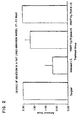
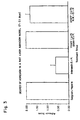
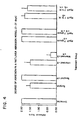
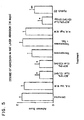
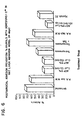
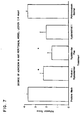
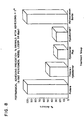
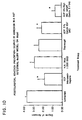
- Figures 1-10 are graphs of the results of adhesion studies in rat animal models.
- the present invention describes the preparation of healthcare and surgical articles based on a benzyl ester of hyaluronic acid or on cross-linked derivatives of hyaluronic acid, used singly or in mixtures with one another, characterized by high biocompatibility and transformable into physical forms which make them suitable for various uses in surgery, including laproscopical surgery.
- the materials are also completely biodegradable and do not need to be removed from the application site, thus avoiding a second surgical operation.
- the cross-linked derivatives present materials with significantly greater viscosity than the unmodified polymer and with variable degradation times.
- both the benzyl ester-based materials and the cross-linked derivative-based materials of the present invention can be in the form of membranes, woven tissues or meshes and nonwoven tissues (prepared according to procedures per se described in U.S. 4,851,521; U.S. 4,956,353,; WO 93/11804; WO 93/11803; WO 94/17837 and EP 0 341 745) and are characterized by the following technical specifications:
- These materials can be used singly or in association with one another or with other materials constituted by synthetic polymers (e.g. gels based on cross-linked hyaluronic acid + polypropylene, or membranes essentially constituted by esterified derivatives of HA + polypropylene or membranes comprised of esterified derivatives of HA, coated with a gel of auto-crosslinked HA).
- synthetic polymers e.g. gels based on cross-linked hyaluronic acid + polypropylene, or membranes essentially constituted by esterified derivatives of HA + polypropylene or membranes comprised of esterified derivatives of HA, coated with a gel of auto-crosslinked HA.
- the present invention also concerns the use of composite materials in the form of gels (for the cross-linked derivatives), membranes, meshes, woven or nonwoven tissues, essentially constituted by the benzyl esters or cross-linked derivatives of hyaluronic acid in association with nonbiodegradable materials in the form of meshes or membranes or nonwoven tissues such as e-PTFE, polyethylene, polypropylene, polyester (Dacron®) .
- the present invention therefore concerns a new class of healthcare and surgical articles to be used in the field of surgery for the preveintion of the formation of post-surgical adherence.
- the present invention is characterized by materials comprised of derivatives of hyaluronic acid, especially benzyl ester derivatives and internally cross-linked derivatives.
- hyaluronic acid also referred to as "HA” hereinafter
- HA hyaluronic acid
- literature to designate an acidic polysaccharide with various molecular weights constituted by resides of D-glucuronic acid and N-acetyl-D-glucosamine, which naturally occur in cellular surfaces, in the basic extracellular substances of the connective tissues of vertebrates, in the synovial fluid of joints, in the vitreous humor of the eye, in the tissue of the human umbilical cord and in cocks' combs.
- Hyaluronic acid plays an important role in the biological organism, firstly as a mechanical support of the cells of many tissues, such as the skin, the tendons, the muscles and cartilage and it is therefore the main component of the extracellular matrix. But hyaluronic acid also performs other functions in the biological processes, such as the hydration of tissues, lubrication, cellular migration, cell function and differentiation. (See for example, A. Balazs et al., cosmetics & Toiletries, No. 5/84, pages 8-17). Hyaluronic acid may be extracted from the above-mentioned natural tissues, such as cocks' combs, or also from certain bacteria. Today, hyaluronic acid may also be prepared by microbiological methods.
- the molecular weight of whole hyaluronic acid obtained by extraction is in the region of 8-13 million.
- the molecular chain of the polysaccharide can be degraded quite easily under the influence of various physical and chemical factors, such as mechanical influences or under the influence of radiation, hydrolyzing, oxidizing or enzymatic agents. For this reason, often in the ordinary purification procedures of original extracts, degraded fractions with a lower molecular weight are obtained. (See Balazs et al., cited above).
- Hyaluronic acid its molecular fractions and the respective salts have been used as medicaments and their use is also proposed in cosmetics (see for example, the above-mentioned article by Balazs et al., and the Preach Patent No. 2478468).
- hyaluronic acid is commonly used in an improper sense, meaning, as can be seen from above, a whole series of polysaccharides with alternations of residues of D-glucuronic acid and N-acetyl-D-glucosamine with varying molecular weights or even degraded fractions of the same, and although the plural form “hyaluronic acids” may seem more appropriate, the discussion herein shall continue to use the singular form to refer to hyaluronic acid in its various forms including its molecular fractions, and the abbreviation "HA" will also often be used to describe this collective term.
- the first preferred material of the invention is based on the benzyl ester of hyaluronic acid as defined in the claims, particularly the 80-99% esters wherein 80% to 99% of the HA carboxyl groups are esterified.
- Those benzyl esters wherein 80-99% of the HA carboxyl groups are esterified with a benzyl group are referred to as "partial esters", because only a portion of the carboxyl groups are esterified and the remaining carboxyl groups are either free or salified with an alkaline or alkaline earth metal, such as sodium, calcium or potassium.
- total benzyl esters wherein all of the HA carboxy groups are esterified.
- a portion (75 to 99%) of the HA carboxy groups is esterified with a benzyl group and all of the remaining carboxyl groups are esterified with the lipid chain/alkyl residue from a C 10-20 aliphatic alcohol to produce what may be referred to as "mixed” esters.
- palmitic alcohol C 16 -hexadecyl
- stearic alcohol C 18 octadecyl
- These mixed esters may also be in the form of partial esters, that is, derivatives wherein a portion (75 to 99%) of the carboxyl groups are esterified with a benzyl group and some, but not all, of the remaining carboxyl groups are esterified with the C 10 -C 20 aliphatic alcohol. Of these, most preferred are those which are at least 75% benzyl esterified and at least 5% esterified with a C 10 -C 20 aliphatic alcohol.
- the benzyl esters of hyaluronic acid according to the invention may be prepared by methods known per se for the esterification of carboxylic acids, for example by treatment of free hyaluronic acid with the alcohol (benzyl and/or C 10 -C 20 alcohol) in the presence of catalyzing substances, such as strong inorganic acids or ionic exchangers of the acid type, or with an etherifying agent capable of introducing the desired alcoholic residue in the presence of inorganic or organic bases.
- catalyzing substances such as strong inorganic acids or ionic exchangers of the acid type
- the benzyl hyaluronic esters may, however, be prepared to advantage according to a particular method described in EP 0 216 453. This method consists of treating a quaternary ammonium salt of hyaluronic acid with an etherifying agent, preferably in an aprotic organic solvent.
- hyaluronic acids of any origin, such as for example, the acids extracted from the above mentioned natural starting materials, for example, from cocks' combs.
- the preparation of such acids is described in literature: preferably, purified hyaluronic acids are used.
- Such fractions may be obtained with various procedures described in literature, such as by hydrolyzing, oxidizing, enzymatic or physical procedures, such as mechanical or radiational procedures. Primordial extracts are therefore often formed during these same purification procedures (for example, see the article by Balazs et al., quoted above in "Cosmetics & Toiletries”).
- the separation and purification of the molecular fractions obtained are brought about by known techniques, for example by molecular filtration.
- One fraction of purified HY suitable for use according to the invention is for example that known as "non-inflammatory-NIF-NaHA sodium hyaluronate described by Balazs in the booklet "Healon” - A guide to its use in Ophthalmic Surgery, D. Miller & R. Stegmann, eds. John wiley & Sons, N.Y., 81983: p 5.
- benzyl ester Particularly important as starting materials for the benzyl ester are two purified fractions obtainable from hyaluronic acid, for example the ones extracted from cocks' combs, known as "Hyalastine” and "Hyalectin".
- the fraction Hyalastine has an average molecular weight of about 50,000 to 100,000 while the fraction Hyalectin has an average molecular weight of between about 500,000 and 730,000.
- a combined fraction of these two fractions has also been isolated and characterized as having an average molecular weight of about 250,000 to about 350,000.
- This combined fraction may be obtained with a yield of 80% of total hyaluronic acid available in the particular starting material, while the fraction Hyalectin may be obtained with a yield of 30% and the fraction Hyalastine with a yield of 50% of the starting HA.
- the preparation of these fractions is described in EP 0 138 572.
- the suspension is kept in agitation for 48 hours at 30°C.
- the resulting mixture is slowly poured into 1,000 ml of ethyl acetate under constant agitation.
- a precipitate is formed which is filtered and washed four times with 150 ml of ethyl acetate and finally vacuum dried for twenty four hours at 30°.
- Example 3 Preparation of a Hyaluronic Acid Derivative With 75% of its Carboxyl Functions Esterified With Benzyl Alcohol and the Remaining 25% Esterified With Octadecyl Alcohol (Stearyl Alcohol, CH 3 -(CH 2 ) 16 -CH 2 -OH)
- This solution is supplemented with 0.89 ml of benzyl bromide (7.5 mEq) and the solution is left to stand at 30°C for 12 hours.
- the solution is then cooled to room temperature and supplemented with 0.83 g of octadecyl bromide (2.5 mEq).
- the solution is heated to 30°C for 24 hours.
- a 2.5% solution (w/w) of NaCl in water is then added and the resulting mixture is poured into 750 ml of acetone, stirring the while.
- a precipitate is formed which is filtered and washed three times in 100 ml of acetone/water 5:1, three times with 100 ml of acetone and then dried in a high vacuum for 24 hours at 30°C.
- Example 4 Preparation of a Hyaluronic Acid Derivative With 75% of its Carboxyl Functions Esterified With Benzyl Alcohol and the Remaining 25% Esterified With Hexadecyl Alcohol (Cetyl Palmityl Alcohol. CH 3 -(CH 2 ) 14 -CH 2 -OH)
- This solution is supplemented with 0.89 ml of benzyl bromide (7.5 mEq) and the solution is left to stand at 30°C for 12 hours.
- the solution is then cooled to room temperature and supplemented with 0.76 g of hexadecyl bromide (2.5 mEq).
- the solution is heated to 30°C for 24 hours.
- a 2.5% solution (w/w) of NaCl in water is then added and the resulting mixture is poured into 750 ml of acetone, stirring the while.
- a precipitate is formed which is filtered and washed three times in 100 ml of acetone/water 5:1, three times with 100 ml of acetone and then dried in a high vacuum for 24 hours at 30°C.
- cross-linked hyaluronic acid derivatives used in the materials of the present invention are described in EP 0 341 745. These cross-linked derivatives are inter and/or intramolecular esters of hyaluronic acid wherein a part of the carboxy groups are esterified with hydroxyl groups of the same molecule and/or of different molecules of hyaluronic acid, thus forming lactone or intermolecular ester bonds. These "inner” esters in which there is no intervention by OH groups of other alcohols, can also be defined as "auto-crosslinked hyaluronic acid” since the formation of a mono- or polymolecular cross-link is the consequence of the above-mentioned internal esterification.
- cross-linked refers to the crosswise connections between the carboxyls and hydroxyls of the hyaluronic acid molecules.
- the auto-crosslinked products are partial inner esters wherein the percentage of "crosslinks" varies between 0.5 to 20%, especially 4.5/5.0 % of the number of carboxy groups in the hyaluronic acid.
- the carboxy groups of the HA molecule are activated by the addition of substances capable of inducing such activation.
- the unstable intermediate products obtained from the activation reaction separate spontaneously, either after the addition of catalysts and/or following a rise in temperature, forming the above mentioned inner ester bonds with hydroxyls of the same or other hyaluronic acid molecule.
- the degree of inner esterification desired either all or an aliquot part of the carboxy functions are activated (the aliquot part being obtained by using an excess of activating substances or by suitable dosing methods).
- the carboxy groups to be converted into inner ester groups can be activated starting from hyaluronic acid containing free carboxy groups, or, preferably, from HA containing salified carboxy groups, for example, metal salts, preferably alkaline or alkaline earth metals, and above all with quaternary ammonium salts, such as those described hereafter. Salts with organic basis such as amines can, however, also be used as starting substances.
- a carboxyl component is activated, that is, a carboxyl component is converted to a reactive form.
- accivation typically involves a reaction between an acid and an activating agent according to the scheme: wherein X is an electron withdrawing moiety.
- Most activated derivatives of carboxylic acids therefore, are mixed anhydrides, including in the broad sense also acid azides and acid chlorides which can be considered mixed anhydrides of hydrazoic acid and HCl as the activating agents.
- activation of a carboxyl component can be accomplished by the formation of intermediate "activated esters".
- activated esters can be of various types, but particularly useful "activated esters” are those prepared by use of dicyclohexylcarbodiimide, p-nitrophenyl esters, trichlorophenyl esters, pentachlorophenyl esters, and O-acyl derivatives of hydroxylamines, particularly esters of N-hydroxysuccinimide.
- the preferred procedure for preparation of cross-linked HA is therefore characterized by treating HA, having free or salified carboxy groups, with an agent which activates the carboxy function, possibly in the presence of an auxiliary agent favoring the formation of intermediate activated derivatives and/or a tertiary organic or inorganic base, exposing the mixture to heating or irradiation (particularly with UV light), and if desired, by salifying free carboxy groups or by freeing salified carboxy groups.
- the conventional ones described in literature can be used, for example, those usually used in the synthesis of peptides, except however those which would have the effect of altering or destroying the molecular structure of the starting HA, such as those used for the formation of carboxyl halides.
- Preferred substances which lead to the formation of activated esters are those, such as, carbodiimides, dicyclohexylcarbodiimide, benzylisopropylcarbodiimide, benzyl-ethyl-carbodiimide; ethoxyacetylene; Woodward's reagent (N-ethyl-5-phenylisoxazolium-3-sulfonate) or halogen derivatives from aliphatic, cycloaliphatic or aromatic hydrocarbons, or from heterocyclic compound with halogen made mobile by the presence of one or more activating groups, such as chloroacetonitryl and especially the salts of 2-chloro-N-alkylpyridine, such as chloride of 2-chloro-N-methyl-pyridine or other alkyl derivatives with inferior alkyl groups, such as those with up to 6 carbon atoms. In the place of chloride derivatives, other halogen derivatives can of course be used, such as bromide
- This activation reaction can be carried out in organic solvents, especially aprotic solvents such as dialkylsulfoxides, dialkylcarboxylamides, such as in particular lower alkyl dialkylsulfoxides, particularly dimethylsulfoxide, polymethylene sulfoxides, such as tetramethylene sulfoxide, dialkyls or polymethylene sulfones, such as tetramethylene sulfone, sulfolane and lower alkyl dialkyamides of lower aliphatic acids in which the alkyl groups have a maximum of six carbon atoms, such as dimethyl or diethyl formamide or dimethyl or diethyl acetamide.
- aprotic solvents such as dialkylsulfoxides, dialkylcarboxylamides, such as in particular lower alkyl dialkylsulfoxides, particularly dimethylsulfoxide, polymethylene sulfoxides, such as tetramethylene sulfoxide
- solvents may also be used, however, and these need not always be aprotic, such as alcohols, ethers, ketones, esters, such as lower aliphatic dialkyloxyhydrocarbides, such as dimethoxyethane and especially aliphatic or heterocyclic alcohols and ketones with a low boiling point, such as lower N-alkyl-pyrrolidones, such as N-methylpyrrolidone or N-ethyl-pyrrolidone, hexafluorisopropanol and trifluoroethanol.
- alcohols such as alcohols, ethers, ketones, esters, such as lower aliphatic dialkyloxyhydrocarbides, such as dimethoxyethane and especially aliphatic or heterocyclic alcohols and ketones with a low boiling point, such as lower N-alkyl-pyrrolidones, such as N-methylpyrrolidone or N-ethyl-pyrrolidone, hexaflu
- halogen derivatives are used as carboxyl-activating substances, especially in the form of salts, such as the above-mentioned 2-chloro-N-methylpyridinium chloride, it is better to use a metal salt or a salt of the organic base of the starting polysaccharide, especially one of the quaternary ammonium salts described hereafter, such as tetrabutyl ammonium salt.
- salts have the special advantage of being very soluble in the abovesaid organic solvents in which the cross-linking reaction is best effected, thus guaranteeing an excellent yield
- a substance capable of subtracting acid such as organic bases, carbonates, bicarbonates or alkaline or alkaline earth acetates, or organic bases and especially tertiary bases such as pyridine and its homologues, such as collidine, or aliphatic amine bases, such as triethylamine or N-methyl-piperazine.
- ammonium salts represent a particularly advantageous procedure.
- Such ammonium salts are well known and are prepared in the same way as other known salts. They derive from alkyls having preferably between 1 and 6 carbon atoms. It is preferable to use tetrabutyl ammonium salts.
- One variation in the procedure in which quaternary ammonium salts are used consists in reacting an alkaline salt, for example, sodium or potassium salt, in the presence of catalyzing quantity of a quaternary ammonium salt, such as tetrabutylammonium iodide.
- the substances which catalyze activation of the carboxy groups to be added to the activating agents are reported in literature and these too are preferably bases such as those mentioned previously.
- bases such as those mentioned previously.
- the carboxy groups are activated with isothiazoline salts it is preferable to add some triethylamine to the reaction mixture.
- the reaction of formation of activated intermediates is carried out at the temperature recommended in literature and this temperature can, however, be varied should circumstances require as can be easily determined by one skilled in the art.
- the formation of inner ester bonds can come about within a fairly wide temperature range, for example between 0° and 150°, preferably room temperature or slightly above, for example between 20° and 75°. Raising the temperature favors the formation of inner ester bonds, as does exposure to radiations of suitable wavelength, such as ultraviolet rays.
- the substrate of hyaluronic acid can be of any origin, and can be of the various types discussed above.
- the preferred HA starting materials are those with an average molecular weight of 150,000 to 730,000, especially 150,000 to 450,000 daltons.
- the amount of internal cross-linking can vary, but preferred materials according to the invention utilize HA cross-linked to a degree of 4.5 to 5.0% of the carboxyl groups.
- HA tetrabutylammonium salt with a molecular weight of 170,000 corresponding to 10 mEq of a monomeric unit are solubilized in 248 ml of DMSO at 25°C, 0.01 g (0.1 mEq) of triethylamine are added.
- HA tetrabutylammonium salt with a molecular weight of 85,000 corresponding to 10 mEq of a monomeric unit are solubilized in 248 ml of DMSO at 25°C, 0.051 gr (0.5 mEq) of triethylamine are added and the resulting solution is agitated for 30 minutes.
- a solution formed by 100 ml of water and 2.5 gr of sodium chloride is then added and the resulting mixture is then poured slowly into 750 ml of acetone, maintaining continual agitation.
- a precipitate is formed which is then filtered and washed three times in 100 ml of acetone water 5:1 and three times with 100 ml of acetone and lastly vacuum-dried for 24 hours at 30°.
- HA tetrabutylammonium salt with a molecular weight of 620,000 corresponding to 10 mEq of a monomeric unit are solubilized in 248 ml of DMSO at 25°C. 0.101 gr (1.0 mEq) of triethylamine is added and the resulting solution is agitated for 30 minutes.
- a solution formed by 100 ml of water and 2.5 gr of sodium chloride is then added and the resulting mixture is then poured slowly into 750 ml of acetone, maintaining continual agitation.
- a precipitate is formed when is then filtered and washed three times in 100 ml of acetone water 5:1 and three times with 100 ml of acetone and lastly vacuum-dried for 24 hours at 30°.
- a solution made up of 100 ml of water and 2.5 of sodium chloride is added and the resulting mixture is slowly poured into 750 ml of acetone, maintaining continual agitation. A precipitate is formed which is then filtered and washed three times with 100 ml of acetone/H 2 O 5:1 and three times with 100 ml of acetone finally vacuum-dried for 24 hours at a temperature of 30°.
- HYAFF 11 (100% benzylester of hyaluronic acid) in DMSO is prepared (110 mg/ml). Once solubilization is complete, the solution is filtered through a 20 ⁇ m filter cloth and degassed by leaving it to stand in a vacuum for 2 hours. 5 ml of the solution are poured out and spread onto a glass plate, after which the polypropylene mesh (6x11 cm) is placed on top and a further 10 ml of the solution is poured over it. This is spread evenly over the mesh and any excess is eliminated.
- the glass plate is immersed in a bath containing ethanol/H 2 O (90:10) for 5 hours to allow the preparation to coagulate and the plate to become detached; the preparation is then immersed in a bath of absolute ethanol for 16 hours. It is then dried on a plate in a vacuum for 30 minutes at 63°C.
- Example 10 Preparation of a Product Based on Woven Tissue of HYAFF 11 Covered With a Film of HYAFF 11
- a solution of HYAFF 11 in DMSO is prepared (110 ⁇ g/ml). Once solubilization is complete, the solution is filtered through a 20 ⁇ m filter cloth and degassed by leaving it to stand in a vacuum for 2 hours. 5 ml of the solution are poured out and spread onto a glass plate, after which the HYAFF 11 gauze (10x20 cm) is placed on top, taking care to make it adhere without any creases or air bubbles, and a further 10 ml of the solution is poured over it. This is spread evenly over the gauze and any excess is eliminated.
- the glass plate is immersed in a bath containing ethanol for 30 minutes to allow the preparation to coagulate and the plate to become detached.
- the preparation is then left in ethanol for 16 hours and dried on a plate in a vacuum at 63°C for 30 minutes.
- a composite membrane comprising the hyaluronic acid benzyl ester HYAFF 11, i.e., hyaluronic acid esterified 100% with benzyl alcohol, with a mesh reinforcement comprising the hyaluronic acid ethyl ester HYAFF 7, i.e., hyaluronic acid esterified 100% with ethanol, basis weight 14 mg/cm 2 , 0.25 mm thick, minimum tensile strength at break and elongation when dry, 400 Kg/cm 2 and 7%, respectively, minimum tensile strength and elongation when wet, 50 Kg/cm 2 and 55%, respectively, tear strength when dry, 90 Kg/cm 2 tear strength when wet, 50 Kg/cm 2 was produced according to the following procedure.
- the HYAFF 7 mesh was obtained starting with a solution of HYAFF 7 dimethylsulfoxide at a concentration of 125 mg/ml.
- the solution is fed by a gear metering pump into a spinneret for wet extrusion composed of 100 holes each measuring 65 microns in diameter.
- the extruded multiple thread is passed into a coagulation bath containing absolute ethanol and is then moved over transporting rollers into three successive rinsing baths, also containing absolute ethanol.
- the ratio between the speed of the third roller (III) and the speed of the first roller (I) is called the drafting ratio, and has a value of 1.05, while the speeds of the single rollers are: 23 rpm (roller I), 24 rpm (rollers II and III), 25 rpm (roller IV).
- the multiple thread is then twisted 135 times per meter and woven on a loom into a smooth knitted fabric with a gauge of 14. From the loom the fabric is fed through a calendar, which thins it down.
- Figure 2 shows the mesh which results from said process.
- the polymeric matrix is applied by two airbrushes which spray a solution of HYAFF 11 in dimethylsulfoxide at a concentration of 40 mg/ml.
- the mesh thus sprayed is passed into a coagulation bath containing absolute ethanol, into a rinsing chamber containing pure, distilled water and into a special drying chamber with a temperature of 50°C (17).
- Example 12 Nonwoven Fabric Comprised of HYAFF 11
- a nonwoven fabric comprising hyaluronic acid benzyl ester HYAFF 11, weighing 40 g/m 2 (gr/mq), 0.5 mm thick, was produced by the following procedure.
- a solution of HYAFF 11 in dimethylsulfoxide at a concentration of 135 mg/ml is prepared in a tank and fed by a gear metering pump into a spinneret for wet extrusion composed of 3000 holes each measuring 65 microns.
- the extruded mass of threads passes into a coagulation bath containing absolute ethanol. It is then moved over transporting rollers into two successive rinsing baths containing absolute ethanol. The drafting ratio of the first roller is set at zero while the drafting ratio between the other rollers is set at 1.05. Once it has been passed through the rinsing baths, the hank of threads is blown dry with hot air at 45°-50°C and cut with a roller cutter into 40 mm fibers.
- the mass of fibers thus obtained is tipped into a chute leading to a carding/cross lapping machine from which it emerges as a web, 1 mm thick and weighing 40 mg/m 2 (mg/mq).
- the web is then sprayed with a solution of HYAFF 11 in dimethylsulfoxide at 80 mg/ml, placed in an ethanol coagulation bath, in a rinsing chamber, and lastly in a drying chamber.
- the final thickness of the material is 0.5 mm.
- Example 13 Nonwoven Fabric Comprised of HYAFF 11 and HYAFF 7
- a nonwoven fabric weighing 200 g/m 2 (gr/mq) and 1.5 mm thick comprising a mixture of the ethyl ester of hyaluronic acid, HYAFF 7, and of hyaluronic acid benzyl ester, HYAFF 11, in equal quantities, was obtained by the following procedure.
- Fibers of HYAFF 7 and HYAFF 11, measuring 3 mm in length, obtained by the spinning process described in Example 10 were thoroughly mixed in a spiral mixer. The mixture of fibers was fed into a carding machine from which it emerged as a 1.8 mm thick web weighing 200 g/m 2 (gr/mq).
- the web was put through a needle punching machine, which transformed it into a 1.5 mm thick unwoven fabric weighing 200 g/m 2 (gr/mq), with the two materials perfectly mixed together.
- a nonwoven fabric weighing 40 g/m 2 (gr/mq) and 0.5 mm thick comprising a mixture of hyaluronic acid benzyl ester, HYAFF 11, and a partial (75%) benzyl ester of hyaluronic acid, HYAFF 11p75, in equal percentages, was produced by the following procedure.
- the mixed fibers were fed into a carding machine from which they emerged as a 1 mm thick web weighing 40 mg/m 2 (mg/mq).
- the web was then sprayed with a solution of HYAFF 11 in dimethylsulfoxide at 80 mg/ml, placed in an ethanol coagulation bath, then in a rinsing chamber containing water or a mixture of water and ethanol in a ratio of from 10 to 95% ethanol, and finally in a drying chamber.
- the material has a final thickness of 0.5 mm, and the fibers of HYAFF 11 and HYAFF 11p75 are perfectly mixed and adhered together.
- the layer which comes into contact with the skin comprises fibers of HYAFF 11 produced by the wet-spinning technique in the form of 30 g/m 2 (g/mq) sheet. Fibers were made into sheets.
- This layer is joined by stitching to a second layer of nonwoven viscose tissue with a basis weight of 30 g/m 2 (g/mq).
- the final nonwoven product thus comprises two perfectly adhered layers with a total basis weight of 80 g/m 2 (g/mq), a thickness of 2 mm, and a water absorption percentage of 560% by weight.
- Example 16 Multilayer Nonwoven Tissue Based on HYAFF 11
- a multilayer nonwoven tissue comprising a mixed layer of hyaluronic acid benzyl ester, HYAFF 11, and calcium alginate in a 1:1 ratio and a reinforcing nonwoven tissue of polypropylene (spunbonded nonwoven base, 50 g/m 2 (g/mq) from NEUBERGER) with a basis weight of 70 g/m 2 (g/mq), a thickness of 1.5 mm, and a water absorption percentage of 450% by weight, was obtained by the following procedure.
- the resulting material comprises two layers of nonwoven tissue with a total basis weight of 70 g/m 2 (g/mq), a thickness of 1.5 mm, and a water absorption percentage of 450% by weight.
- a multilayer nonwoven tissue comprising a layer of hyaluronic acid benzyl ester HYAFF 11 and a layer of polyurethane foam such as LYOBEND (from DELCON) with a basis weight of 100 g/m 2 (g/mq), a thickness of 6 mm, and a water absorption percentage of 860% by weight, was obtained by the following procedure.
- the layer which comes into contact with the skin comprises fibers of HYAFF 11 produced by the wet-spinning technique and made into a 45 g/m 2 (g/mq) sheet which is joined by stitching to a second layer of polyurethane foam.
- the resulting nonwoven product comprises two perfectly adhered layers with a total 'basis weight of 100 g/m 2 (g/mq), a thickness of 6 mm, and a water absorption percentage of 860% by weight.
- Example 18 Preparation of a Membrane Made of a Derivative of Hyaluronic Acid with 80% of the Carboxy Functions Esterified with Benzyl Alcohol (C 6 H 5 CH 2 -OH) , 10% of the Carboxy Functions Involved in the Formation of Inner Ester Bonds and the Remaining 10% Salified with Sodium
- the ester derivative thus prepared is solubilized to a concentration of 150 mg/ml in DMSO at a temperature of 30°C.
- the solubilized derivative is filtered through a 20 micron mesh and placed in an extrusion reactor connected to a film extruder with a thickness of ⁇ 1mm.
- the product is extruded in a coagulation bath containing a solvent which enables the DMSO to be extracted from the product (e.g. ethanol), and the material from the film extruder is wound onto a series of rolls equipped with air fans to dry the membrane.
- Ketamine 100 mg/Kg and Xylazine 11 mg/Kg, prepared in sterile conditions and injected by the intramuscular route.
- the liver was located and exposed; an abrasion was produced on the lower lobe by applying slight pressure with a sterile tampon until blood was drawn. After hemostasis of the injured surface, the laparotomy was closed with a size 3.0 silk suture. The animals were sacrificed after 7 to 21 days.
- Adhesion was assessed according to the ease with which the adjacent surfaces (upper and lower) of the lobe could be separated by surgical pincers, on the basis of the following scale:
- This study illustrates the significant reduction in the formation of adherences when a gel made of cross-linked hyaluronic acid (ACP) is used or a gauze based on HYAFF 11 (benzyl ester of HA) is used alone or in combination with hemostatic SurgicelTM and Heparin 50 IU/ml.
- ACP cross-linked hyaluronic acid
- HYAFF 11 benzyl ester of HA
- Example 1 The surgical protocol described in Example 1 was used as an animal model to induce adhesion formation.
- This example shows the high incidence of surgical adhesion formation observed in a model of surgical lesion induced on the abdominal wall in rat to establish as a positive control and to compare that with the preventive action of healthcare articles comprised of HA derivatives of the invention (HYAFF 11 + a polypropylene mesh) in adherence formation.
- Ketamine 100 mg/kg and xylazine 11 mg/kg prepared in sterile conditions and injected by the intramuscular route.
- the flap to the left of the incision was raised with two surgical pincers in order to expose the abdominal wall.
- An area of 1.5 cm x 1.5 cm of the peritoneal surface was removed with surgical scissors until exudate appeared, without removing the muscle bundle.
- the injured surface had to undergo thorough hemostasis.
- HYAFF 11 material of the invention as a barrier (impermeable to inflammatory cells) between an injured, inside surface (abdominal wall) and the adjacent organs, reduces the formation of adhesions, as compared to 100% of adhesions in the control group treated with only a polypropylene mesh.
- ACP auto-crosslinked hyaluronic acid
- Example 1 Sprague Dawley rats weighing 275-300 gr were used. Each animal underwent laparotomy by abdominal incision after anaesthetic with a dilution of Ketamine, 100 mg/Kg and Xylazine 11 mg/Kg, prepared in sterile conditions and injected by the intramuscular route. The blind intestine was located and exposed. A thermal lesion was induced on the surface of the intestine with a solid body using a copper disc with a diameter of 1 cm connected to a soldering appliance electronically set at a temperature of 69.5°C. This was left in contact with the intestinal surface for 15 seconds. A well-defined lesion with exudate was produced. After washing the injured area with saline and performing hemostasis with SurgicelTM, the laparotomy was closed with a size 3.0 silk suture.
- the abdominal area was thoroughly cleansed with an iodine solution, then a laparotomy of about 3 cm was performed to expose the liver.
- the lower right lobe of the liver was damaged by abrasion and a lesion produced with a sterile wooden spatula until blood was drawn.
- the degree of inflammation was assessed by microscopic observation (tissue reaction to application of the material), staining the histological samples with hematoxylin/eosin and Mallory's triple stain.
- Figure 1 is a graph showing the performance of the biomaterials when used alone. No effect on adhesion prevention was observed in the case of the biomaterials based on HYAFF 11p75 and Interceed®, and even though the trend did seem better, albeit not significantly different, in the latter case, the hepatic lobes were completely adhered and a significant inflammatory reaction could be seen. The same was observed on histological observation of the biopsies, where a notable presence of inflammatory. cells, neutrophils and macrophages, and mature collagenous fibers could be seen.
- the materials based on HYAFF 11p75 cannot be used in the prevention of postsurgical adhesions, as the inflammatory effect is probably due to the release of oligomers of low-molecular-weight hyaluronic acid, in view of the extremely brief degradation times of the products.
- FIG 5 is a graph representation of the adhesion scores obtained in the experiment.
- Hyalobarrier reduces the incidence of adhesion formation compared to the non-treated controls and to the two treatments with high-and low-molecular weight hyaluronic acid. A similar trend was recorded, albeit without any statistically significant differences, in the case of the other HYAFF 11-based material, Transprocess®.
- Macroscopic assessments were made 14 days after surgery by applying adhesion scores running from 0 to 4. A further assessment was made of the percentage of animals with an adhesion score of >2 (significant adhesions).
- the purpose of this study was to evaluate the efficacy of ACP gel-based biomaterials, to reduce or prevent postoperative adhesions formation.
- the performances of the test materials were assessed in comparison to the hyaluronic acid high molecular weight and to the commercially available biomaterials, Oxidized Regenerated Cellulose (TC 7 Interceed*TM) used in abdominopelvic and gynecological surgery to prevent adhesion formation.
- a rat liver lesion model and a rat intestine burn model were used since they are characterized models of experimental adhesion induction.
- the effects of the test and control materials on the prevention of postsurgical adhesion were evaluated by gross observation of the site of lesion applying an adhesion score.
- a rat liver injury model (Experiment 1) and a rat intestine injury model (Experiment 2) were used since they are standardized and reproducible models of experimental adhesion induction.
- ACP based biomaterials were used after injury as a barrier between adjacent surfaces of the hepatic lobe and internal organs.
- ACP gels were suspended in water at the concentration of 60 mg/ml.
- the test materials were supplied sterile by autoclave and in 5 ml syringe and manipulated in sterile conditions.
- the ACP gels were applied as to coat the abraded liver lobe surfaces after hemostasis with Tabotamp®. Each animal received an amount sufficient to completely coat the injured area (about 2 ml) by single administration at time of surgery.
- Interceed® was cut under sterile handling conditions, it was used alone and saturated in Heparin (500 U/ml), then applied so as to keep separated the two adjacent surfaces of the hepatic lobes to a size exceeding the borders of the injured area by several mm.
- HYAL, Hyaluronic Acid High Molecular Weight (solubilized in water at the concentration of 10 mg/ml) and Thermogel® were purchase in sterile syringe.
- Interceed® was applied by direct application without surgical suture.
- HYAL®, Hyaluronic Acid and Thermogel® were applied to the injured surface (coating) with a syringe after hemostasis. Each animal received an amount sufficient to completely coat or cover the injured area by single administration at time of surgery.
- Sprague Dawley rats (275-300 g) were utilized for this experiment. From the experience gained from previous experiments, a period of 14 days was considered an adequate time point to evaluate adhesion formation in these animal models. Given the number of animals required for this study, animals were prepared on successive days.
- a total number of 78 animals were used according to the following scheme: GROUP TREATMENT NUMBER OF ANIMALS Sham Operated Untreated 12 Controls TC7 InterceedTMAlone 12 Controls TC7 InterceedTM+ Heparin 6 Controls HYAL® 12 Controls Thermogel® 12 Treated ACP 5% (batch 101/96) 12 Treated ACP 5% (batch 104/96) 12
- test and control materials were placed between the surfaces of the two lobes so as to cover the entire abraded area and to create a barrier between the lobes.
- the surgical site was closed in two layers with 3.0 silk sutures.
- an antibiotic Procacillina sub-cutaneous 30,000 I.U./rat
- an analgesic Temgesic I.M. 0.05 mg/Kg
- the adhesion grade was evaluated by gross observation. The following adhesion score was applied:
- the resorbability of the materials was evaluated by visual assessment of the presence of the materials; furthermore, the site of treatment was photographed.
- the entire liver was surgically removed and placed in 10% buffered formalin for 48 hours. After fixation, a 2.0 mm cross-section including the abraded area, was removed from the liver by using a dissecting blade. The specimens so obtained were subjected to histological analysis.
- Specimens were fixed in neutral buffered formalin 10% and subsequently dehydrated and embedded in paraffin by standard techniques; 8 ⁇ m section was stained with Masson's Trichnome (for tissue inflammatory reaction) and Toluidine Blue if necessary (for material remnants presence).
- ACP 5% gels High M.W. batch 3/94 was suspended in water at the concentration of 20 mg/ml, ACP 5% batch 101/94 was suspended at the concentration of 50 mg/ml. All the test materials were supplied sterile by autoclave and in 5 ml syringe and manipulated in sterile conditions. ACP gels were applied as to as to coat the burnt intestinal surfaces after hemostasis with Tabotamp®. Each animal received an amount sufficient to completely coat the injured area (about 2 ml) in a single dose administration at time of surgery.
- InterceedTM was cut under sterile handling conditions, it was used alone and saturated in Heparin (500 U/ml), then applied so as to keep separated the two adjacent surfaces of the hepatic lobes to a size exceeding the borders of the injured area by several mm.
- HYAL®, Hyaluronic Acid High Molecular Weight (solubilized in water at the concentration of 10 mg/ml) and Thermogel® were purchased in sterile syringe.
- InterceedTM was applied by direct application without surgical suture.
- Hyaluronic Acid and ThermogelTM were applied to the injured surface (coating) with a syringe after hemostasis. Each animal received an amount sufficient to completely coat or cover the injured area by single dose administration at time of surgery.
- Ketamine Gellini Pharmaceutical
- Xylazine Bayer
- a midline abdominal incision was made through the skin and muscle tissue so as to expose the intestine.
- Burn was produced by application to the cecum surface of an electronically controlled heated copper disk (1 cm diameter) using a standard pressure for 15 sec. at 158°F. (69.3°C).
- test and control materials were placed on the intestine surface without suture so as to cover the entire burned area and to create a barrier between the peritoneum and internal organs.
- the musculo peritoneal layer were closed with continuous 3-0 silk sutures, the cutaneous layer with skin staples and 3-0 silk interrupt suture.
- an antibiotic Procacillina sub-cutaneous 30,000 I.U./rat
- an analgesic Temgesic I.M. 0.05 mg/Kg
- the adhesion grade was evaluated by gross observation. The following adhesion score was applied:
- the resorbability of the materials was evaluated by visual assessment of the presence of the materials; furthermore, the site of treatment was photographed.
- Histomorphological observation At scope observation at 14 days, the ACP treatments showed a low tissue inflammatory reaction, the thickness of granulation tissue was very low and no unfavorable reaction on the intestine as adhesion to the adjacent peritoneal surface were noted. The fibrils collagens begin to organize and healing process was completed. An inflammatory reaction was observed in hyaluronic acid treatments with considerable presence of collagen fibers that induce adhesion; a thick granulation tissue was seen. The same histomorphological appearance was noted in the untreated control.
- Adhesions formation are among the leading cause of postoperative morbidity following abdominopelvic surgery, frequently leading to small bowel obstruction and other important pathologies. When the pelvic viscera are involved, these adhesions have the potential to impair physiologic function and result in infertility. The mechanism of postsurgical adhesion formation and reformation remain poorly understood. The experimental evidence suggest that adhesions form between two surgically traumatized surfaces in natural apposition during the healing process because it is more efficient to combine two site of tissue repair into a single healing site, resulting in coalescing adhesions between two adjacent surfaces.
- HYAFF® 11 biomaterials showed good biocompatibility and very low inflammation.
- the rate of degradation of the FAB biomaterials tested was different and depend from the different physical form of the treatment; HYAFF 11® biomaterials persisted several weeks.
- the range of controlled degradation rates which may be achieved with these Hyaluronic Acid derivatives may be usefully exploited for the prevention of postsurgical adhesions in different anatomical sites and applications, e.g. gynecological or abdominopelvic areas.
- hyaluronic acid derivatives (HYAFF® 11 gauze and membranes) have a role in the prevention of adhesion formation following surgery.
Landscapes
- Health & Medical Sciences (AREA)
- Surgery (AREA)
- Life Sciences & Earth Sciences (AREA)
- Animal Behavior & Ethology (AREA)
- General Health & Medical Sciences (AREA)
- Public Health (AREA)
- Veterinary Medicine (AREA)
- Heart & Thoracic Surgery (AREA)
- Vascular Medicine (AREA)
- Epidemiology (AREA)
- Chemical & Material Sciences (AREA)
- Engineering & Computer Science (AREA)
- Composite Materials (AREA)
- Materials Engineering (AREA)
- Bioinformatics & Cheminformatics (AREA)
- Chemical Kinetics & Catalysis (AREA)
- General Chemical & Material Sciences (AREA)
- Medicinal Chemistry (AREA)
- Nuclear Medicine, Radiotherapy & Molecular Imaging (AREA)
- Organic Chemistry (AREA)
- Pharmacology & Pharmacy (AREA)
- Materials For Medical Uses (AREA)
- Polysaccharides And Polysaccharide Derivatives (AREA)
- Pharmaceuticals Containing Other Organic And Inorganic Compounds (AREA)
- Saccharide Compounds (AREA)
Priority Applications (1)
| Application Number | Priority Date | Filing Date | Title |
|---|---|---|---|
| DK96930132T DK0850074T3 (da) | 1995-08-29 | 1996-08-29 | Biomaterialer omfattende hyaluronsyrederivater til forebyggelse af postoperativ adhæsion |
Applications Claiming Priority (5)
| Application Number | Priority Date | Filing Date | Title |
|---|---|---|---|
| ITPD950166 | 1995-08-29 | ||
| IT95PD000166 IT1284425B1 (it) | 1995-08-29 | 1995-08-29 | Articoli sanitari e chirurgici essenzialmente costituiti da esteri del l'acido ialuroico |
| ITPD950167 | 1995-08-29 | ||
| ITPD950167 IT1284426B1 (it) | 1995-08-29 | 1995-08-29 | Articoli sanitari e chirurgici essenzialmente costituiti da derivati autoreticolati dell'acido ialuronico |
| PCT/EP1996/003805 WO1997007833A2 (en) | 1995-08-29 | 1996-08-29 | Biomaterials for preventing post-surgical adhesions comprised of hyaluronic acid derivatives |
Publications (2)
| Publication Number | Publication Date |
|---|---|
| EP0850074A2 EP0850074A2 (en) | 1998-07-01 |
| EP0850074B1 true EP0850074B1 (en) | 2005-06-08 |
Family
ID=26331832
Family Applications (1)
| Application Number | Title | Priority Date | Filing Date |
|---|---|---|---|
| EP96930132A Expired - Lifetime EP0850074B1 (en) | 1995-08-29 | 1996-08-29 | Biomaterials for preventing post-surgical adhesions comprised of hyaluronic acid derivatives |
Country Status (22)
| Country | Link |
|---|---|
| US (2) | US6723709B1 (enExample) |
| EP (1) | EP0850074B1 (enExample) |
| JP (2) | JPH11511344A (enExample) |
| KR (1) | KR100515314B1 (enExample) |
| CN (1) | CN1301139C (enExample) |
| AT (1) | ATE297230T1 (enExample) |
| AU (1) | AU718484B2 (enExample) |
| BR (1) | BR9610996A (enExample) |
| CA (1) | CA2230530C (enExample) |
| CZ (1) | CZ293968B6 (enExample) |
| DE (1) | DE69634823T2 (enExample) |
| ES (1) | ES2244975T3 (enExample) |
| HU (1) | HU226962B1 (enExample) |
| IL (1) | IL123500A (enExample) |
| NO (1) | NO311605B1 (enExample) |
| NZ (1) | NZ316944A (enExample) |
| PL (1) | PL186859B1 (enExample) |
| PT (1) | PT850074E (enExample) |
| RU (1) | RU2177332C2 (enExample) |
| SI (1) | SI9620106B (enExample) |
| TR (1) | TR199800353T1 (enExample) |
| WO (1) | WO1997007833A2 (enExample) |
Families Citing this family (129)
| Publication number | Priority date | Publication date | Assignee | Title |
|---|---|---|---|---|
| RU2177332C2 (ru) * | 1995-08-29 | 2001-12-27 | Фидиа Адвансд Биополимерз, С.Р.Л. | Биоматериал для предотвращения послеоперационных спаек, включающий производные гиалуроновой кислоты (варианты) и способ предотвращения послеоперационных спаек ткани |
| KR100650295B1 (ko) * | 1996-08-23 | 2006-11-28 | 쿠크 바이오텍, 인코포레이티드 | 조직이식기관, 조직이식물 및 조직이식방법 |
| US6632802B2 (en) * | 1996-08-29 | 2003-10-14 | Fidia Advanced Biopolymers S.R.L. | Hyaluronic acid esters, threads and biomaterials containing them, and their use in surgery |
| IT1287698B1 (it) * | 1996-08-29 | 1998-08-18 | Fidia Advanced Biopolymers Srl | Fili da sutura essenzialmente costituiti da derivati esterei dello acido ialuronico |
| SE9702698D0 (sv) * | 1997-07-14 | 1997-07-14 | Stig Bengmark | Compositions for lubricating and separating tissues and biological membranes |
| IT1294797B1 (it) * | 1997-07-28 | 1999-04-15 | Fidia Advanced Biopolymers Srl | Uso dei derivati dell'acido ialuronico nella preparazione di biomateriali aventi attivita' emostatica fisica e tamponante |
| US6824793B1 (en) | 1998-06-01 | 2004-11-30 | Chiron Corporation | Use of hyaluronic acid polymers for mucosal delivery of vaccine antigens and adjuvants |
| IT1306679B1 (it) | 1999-06-29 | 2001-10-02 | Fidia Advanced Biopolymers Srl | Uso dei derivati dell'acido ialuronico per la preparazione dicomposizoni farmaceutiche e biomateriali per la prevenzione della |
| WO2002009792A1 (en) * | 2000-07-28 | 2002-02-07 | Anika Therapeutics, Inc. | Bioabsorbable composites of derivatized hyaluronic acid |
| WO2002102428A1 (en) * | 2001-06-15 | 2002-12-27 | Gunze Limited | Synechia inhibitory material |
| ITPD20020003A1 (it) * | 2002-01-11 | 2003-07-11 | Fidia Advanced Biopolymers Srl | Biomateriali a base di acido ialuronico come terapia anti-angiogenicanella cura dei tumori. |
| AU2003230948A1 (en) * | 2002-04-17 | 2003-11-03 | Genzyme Corporation | Cross-linked hyaluronate compounds |
| JP2005530768A (ja) | 2002-05-09 | 2005-10-13 | メディジーンズ | 血漿または血清を含有した創傷治療用医薬組成物 |
| US7862831B2 (en) * | 2002-10-09 | 2011-01-04 | Synthasome, Inc. | Method and material for enhanced tissue-biomaterial integration |
| US8673333B2 (en) * | 2002-09-25 | 2014-03-18 | The Johns Hopkins University | Cross-linked polymer matrices, and methods of making and using same |
| US20050069572A1 (en) * | 2002-10-09 | 2005-03-31 | Jennifer Elisseeff | Multi-layered polymerizing hydrogels for tissue regeneration |
| KR100803798B1 (ko) * | 2002-12-16 | 2008-02-14 | 군제 가부시키가이샤 | 의료용 필름 |
| US20050048099A1 (en) * | 2003-01-09 | 2005-03-03 | Allergan, Inc. | Ocular implant made by a double extrusion process |
| MXPA05010628A (es) * | 2003-04-04 | 2006-03-17 | Bayco Tech Ltd | Stent vascular. |
| JP4690892B2 (ja) * | 2003-06-30 | 2011-06-01 | 電気化学工業株式会社 | 脊椎・脊髄手術用癒着防止材 |
| US20060235114A1 (en) * | 2003-07-28 | 2006-10-19 | Teijin Limited | Temperature-responsive hydrogel |
| US20130211320A1 (en) * | 2003-10-07 | 2013-08-15 | Nawar Alkhamesi | System and method for delivering an anti-adhesive substance to a body cavity |
| RU2258517C1 (ru) * | 2003-12-16 | 2005-08-20 | Башкирский Государственный Медицинский Университет Министерства Здравоохранения Российской Федерации (Гоу Впо Бгму Минздрава России) | Способ хирургического лечения травматических повреждений селезенки пленкой на основе гиалуроновой кислоты |
| SE0303588D0 (sv) | 2003-12-30 | 2003-12-30 | Bioactive Polymers Ab C O Lund | Surface protection of exposed biological tissues |
| CA2550872C (en) | 2003-12-30 | 2016-05-03 | Stig Bengmark | Surface protection of exposed biological tissues |
| JP4566189B2 (ja) * | 2004-03-15 | 2010-10-20 | テルモ株式会社 | 癒着防止材 |
| RU2279275C2 (ru) * | 2004-08-05 | 2006-07-10 | Федеральное государственное унитарное предприятие "Научно-исследовательский институт химии и технологии полимеров им. акад. В.А. Каргина с опытным заводом" (ФГУП "НИИ полимеров") | Дезинфицирующее средство |
| US7858107B2 (en) * | 2004-09-10 | 2010-12-28 | Medtronic Xomed, Inc. | Flexible bioresorbable hemostatic packing and stent having a preselectable in-vivo residence time |
| US9801913B2 (en) | 2004-09-28 | 2017-10-31 | Atrium Medical Corporation | Barrier layer |
| US9592324B2 (en) * | 2006-11-06 | 2017-03-14 | Atrium Medical Corporation | Tissue separating device with reinforced support for anchoring mechanisms |
| US9801982B2 (en) | 2004-09-28 | 2017-10-31 | Atrium Medical Corporation | Implantable barrier device |
| US9000040B2 (en) | 2004-09-28 | 2015-04-07 | Atrium Medical Corporation | Cross-linked fatty acid-based biomaterials |
| WO2006036982A2 (en) | 2004-09-28 | 2006-04-06 | Atrium Medical Corporation | Drug delivery coating for use with a stent |
| US8367099B2 (en) | 2004-09-28 | 2013-02-05 | Atrium Medical Corporation | Perforated fatty acid films |
| US8312836B2 (en) | 2004-09-28 | 2012-11-20 | Atrium Medical Corporation | Method and apparatus for application of a fresh coating on a medical device |
| US9012506B2 (en) | 2004-09-28 | 2015-04-21 | Atrium Medical Corporation | Cross-linked fatty acid-based biomaterials |
| ITPD20040245A1 (it) * | 2004-10-08 | 2005-01-08 | Fidia Advanced Biopolymers Srl | Biomateriali costituiti da acido ialuronico solfatato e gellano utilizzabili nella prevenzione delle adesioni spinali |
| RU2271756C1 (ru) * | 2004-10-12 | 2006-03-20 | Государственное учреждение здравоохранения "Свердловская областная клиническая больница №1" (ГУЗ "СОКБ №1") | Способ профилактики образования висцеро-париетальных спаек брюшины |
| RU2282454C2 (ru) * | 2004-10-25 | 2006-08-27 | Ильдар Фанусович Суфияров | Средство для лечения послеоперационных спаек в органах брюшной полости |
| WO2006089119A2 (en) * | 2005-02-18 | 2006-08-24 | Cartilix, Inc. | Biological adhesive |
| US7767656B2 (en) * | 2005-04-25 | 2010-08-03 | Molly S Shoichet | Blends of temperature sensitive and anionic polymers for drug delivery |
| US8414907B2 (en) | 2005-04-28 | 2013-04-09 | Warsaw Orthopedic, Inc. | Coatings on medical implants to guide soft tissue healing |
| US9119901B2 (en) | 2005-04-28 | 2015-09-01 | Warsaw Orthopedic, Inc. | Surface treatments for promoting selective tissue attachment to medical impants |
| US7323184B2 (en) | 2005-08-22 | 2008-01-29 | Healagenics, Inc. | Compositions and methods for the treatment of wounds and the reduction of scar formation |
| KR20080080481A (ko) * | 2005-09-02 | 2008-09-04 | 콜바르 라이프사이언스 리미티드 | 교차-결합된 다당류 및 단백질 매트릭스 및 그의 제조 방법 |
| US7993678B2 (en) * | 2005-09-26 | 2011-08-09 | Novozymes Biopolymer A/S | Hyaluronic acid derivatives |
| US9278161B2 (en) | 2005-09-28 | 2016-03-08 | Atrium Medical Corporation | Tissue-separating fatty acid adhesion barrier |
| US9427423B2 (en) | 2009-03-10 | 2016-08-30 | Atrium Medical Corporation | Fatty-acid based particles |
| EP1933991A4 (en) | 2005-10-15 | 2012-05-02 | Atrium Medical Corp | HYDROPHOBIC NETWORKED GEL FOR BIOABSORBIBLE MEDICINAL CARRIER COVERS |
| US20070110788A1 (en) * | 2005-11-14 | 2007-05-17 | Hissong James B | Injectable formulation capable of forming a drug-releasing device |
| US7993675B2 (en) * | 2006-05-10 | 2011-08-09 | Medtronic Xomed, Inc. | Solvating system and sealant for medical use in the sinuses and nasal passages |
| US7976873B2 (en) | 2006-05-10 | 2011-07-12 | Medtronic Xomed, Inc. | Extracellular polysaccharide solvating system for treatment of bacterial ear conditions |
| US7959943B2 (en) * | 2006-05-10 | 2011-06-14 | Medtronics Xomed, Inc. | Solvating system and sealant for medical use in the middle or inner ear |
| US20070264296A1 (en) * | 2006-05-10 | 2007-11-15 | Myntti Matthew F | Biofilm extracellular polysachharide solvating system |
| US20070287741A1 (en) * | 2006-06-13 | 2007-12-13 | Uri Herzberg | Compositions and methods for preventing or reducing postoperative ileus and gastric stasis in mammals |
| US9289279B2 (en) * | 2006-10-06 | 2016-03-22 | Promethean Surgical Devices, Llc | Apparatus and method for limiting surgical adhesions |
| US9492596B2 (en) | 2006-11-06 | 2016-11-15 | Atrium Medical Corporation | Barrier layer with underlying medical device and one or more reinforcing support structures |
| US8088095B2 (en) | 2007-02-08 | 2012-01-03 | Medtronic Xomed, Inc. | Polymeric sealant for medical use |
| US9693841B2 (en) | 2007-04-02 | 2017-07-04 | Ension, Inc. | Surface treated staples, sutures and dental floss and methods of manufacturing the same |
| US8419763B2 (en) * | 2007-09-13 | 2013-04-16 | Pivot Medical, Inc. | Safety needle for accessing the interior of a hip joint |
| WO2009108760A2 (en) | 2008-02-26 | 2009-09-03 | Board Of Regents, The University Of Texas System | Dendritic macroporous hydrogels prepared by crystal templating |
| CN101998868B (zh) * | 2008-05-01 | 2014-06-04 | 泰尔茂株式会社 | 视认性医用处置材料 |
| CN101318036B (zh) * | 2008-06-10 | 2011-11-23 | 杭州协合医疗用品有限公司 | 一种医用防粘连智能凝胶材料及其制法 |
| WO2009152374A2 (en) | 2008-06-12 | 2009-12-17 | Medtronic Xomed, Inc. | Method for treating chronic wounds |
| CA2735173C (en) | 2008-09-02 | 2017-01-10 | Tautona Group Lp | Threads of hyaluronic acid and/or derivatives thereof, methods of making thereof and uses thereof |
| AU2015201245B2 (en) * | 2008-09-02 | 2016-07-07 | Allergan, Inc. | Threads of hyaluronic acid and/or derivatives thereof, methods of making thereof and uses thereof |
| WO2010040131A2 (en) * | 2008-10-03 | 2010-04-08 | Replication Medical, Inc. | Vessel protection device |
| EP2346324A4 (en) | 2008-10-06 | 2012-10-10 | Microbial Defense Systems Llc | ANTIMICROBIAL COMPOSITION AND METHODS OF MAKING AND USING |
| HUE035598T2 (en) | 2008-12-02 | 2018-05-28 | Allergan Inc | Injection device |
| KR20110110265A (ko) | 2008-12-29 | 2011-10-06 | 신세스 게엠바하 | 수술 부위의 보존을 위한 막 조성물의 형성 방법 및 결과적으로 얻어진 막조성물 |
| ES2400466T3 (es) | 2009-01-13 | 2013-04-10 | Pergamum Ab | Composiciones que contienen ácido hialurónico para el tratamiento de heridas, cicatrices y la formación de adherencias postquirúrgicas |
| US20110038910A1 (en) | 2009-08-11 | 2011-02-17 | Atrium Medical Corporation | Anti-infective antimicrobial-containing biomaterials |
| CZ2009836A3 (cs) | 2009-12-11 | 2011-06-22 | Contipro C A.S. | Derivát kyseliny hyaluronové oxidovaný v poloze 6 glukosaminové cásti polysacharidu selektivne na aldehyd, zpusob jeho prípravy a zpusob jeho modifikace |
| CZ302503B6 (cs) | 2009-12-11 | 2011-06-22 | Contipro C A.S. | Zpusob prípravy derivátu kyseliny hyaluronové oxidovaného v poloze 6 glukosaminové cásti polysacharidu selektivne na aldehyd a zpusob jeho modifikace |
| EP3960215B1 (en) | 2009-12-15 | 2024-10-16 | Incept, LLC | Implants and biodegradable fiducial markers |
| US10322213B2 (en) | 2010-07-16 | 2019-06-18 | Atrium Medical Corporation | Compositions and methods for altering the rate of hydrolysis of cured oil-based materials |
| IT1401498B1 (it) | 2010-07-30 | 2013-07-26 | Mero Srl | Idrogelo a base di acido ialuronico e suo uso in ortopedia |
| US8946194B2 (en) | 2010-10-08 | 2015-02-03 | Board Of Regents, University Of Texas System | One-step processing of hydrogels for mechanically robust and chemically desired features |
| US9095558B2 (en) | 2010-10-08 | 2015-08-04 | Board Of Regents, The University Of Texas System | Anti-adhesive barrier membrane using alginate and hyaluronic acid for biomedical applications |
| US20130274222A1 (en) * | 2010-10-20 | 2013-10-17 | Tautona Group Lp | Threads of cross-linked hyaluronic acid and methods of preparation and use thereof |
| US8617240B2 (en) | 2010-11-17 | 2013-12-31 | Charles D. Hightower | Moldable cushion for implants |
| EP3456200B1 (en) | 2011-05-10 | 2023-05-03 | Next Science IP Holdings Pty Ltd | Article having an antimicrobial solid and use thereof |
| TWI561535B (en) | 2011-10-06 | 2016-12-11 | Bvw Holding Ag | Copolymers of hydrophobic and hydrophilic segments that reduce protein adsorption |
| RU2477138C1 (ru) * | 2011-11-02 | 2013-03-10 | Общество с ограниченной ответственностью Научно-производственное предприятие "Тульская индустрия ЛТД" | Способ получения заполняющего материала для пластической хирургии и инструментальной косметологии, заполняющий материал и способ введения заполняющего материала в проблемную зону |
| CZ303879B6 (cs) | 2012-02-28 | 2013-06-05 | Contipro Biotech S.R.O. | Deriváty na bázi kyseliny hyaluronové schopné tvorit hydrogely, zpusob jejich prípravy, hydrogely na bázi techto derivátu, zpusob jejich prípravy a pouzití |
| US9867880B2 (en) | 2012-06-13 | 2018-01-16 | Atrium Medical Corporation | Cured oil-hydrogel biomaterial compositions for controlled drug delivery |
| CZ304512B6 (cs) | 2012-08-08 | 2014-06-11 | Contipro Biotech S.R.O. | Derivát kyseliny hyaluronové, způsob jeho přípravy, způsob jeho modifikace a použití |
| CZ304266B6 (cs) | 2012-11-27 | 2014-02-05 | Contipro Biotech S.R.O. | Nekonečná vlákna na bázi hyaluronanu selektivně oxidovaného v poloze 6 N-acetyl-D-glukosaminové části, jejich příprava, použití, nitě, střiže, příze, textilie a způsob jejich úpravy |
| CZ2012841A3 (cs) | 2012-11-27 | 2014-02-19 | Contipro Biotech S.R.O. | Vlákna založená na hydrofobizovaném hyaluronanu, způsob jejich přípravy a použití, textilie na jejich bázi a použití |
| CZ304654B6 (cs) | 2012-11-27 | 2014-08-20 | Contipro Biotech S.R.O. | Nanomicelární kompozice na bázi C6-C18-acylovaného hyaluronanu, způsob přípravy C6-C18-acylovaného hyaluronanu, způsob přípravy nanomicelární kompozice a stabilizované nanomicelární kompozice a použití |
| BR112015013774A2 (pt) | 2012-12-11 | 2017-07-11 | Univ Texas | membrana de hidrogel para prevenção de adesão |
| US11565027B2 (en) | 2012-12-11 | 2023-01-31 | Board Of Regents, The University Of Texas System | Hydrogel membrane for adhesion prevention |
| US20140350518A1 (en) | 2013-05-23 | 2014-11-27 | Allergan, Inc. | Syringe extrusion accessory |
| RU2525181C1 (ru) | 2013-07-26 | 2014-08-10 | Федеральное государственное бюджетное учреждение "Научно-исследовательский институт комплексных проблем сердечно-сосудистых заболеваний" Сибирского отделения Российской академии медицинских наук (ФГБУ "НИИ КПССЗ" СО РАМН) | Способ изготовления биодеградируемых мембран для предотвращения образования спаек после кардиохирургических операций |
| US9782345B2 (en) | 2013-10-17 | 2017-10-10 | Jade Therapeutics, Inc. | Ocular composition and method |
| WO2015066505A1 (en) * | 2013-11-01 | 2015-05-07 | Atrium Medical Corporation | Positioning agent and method of using the same |
| CN104666240B (zh) * | 2013-11-26 | 2019-03-22 | 菲迪亚制药股份公司 | 具有水润和润滑活性的药物组合物 |
| CN104725529A (zh) * | 2013-12-19 | 2015-06-24 | 上海建华精细生物制品有限公司 | 一种透明质酸衍生物的合成方法 |
| EP3099253B1 (en) | 2014-01-27 | 2020-04-15 | Allergan Holdings France S.A.S. | Substance delivery device |
| CZ2014150A3 (cs) | 2014-03-11 | 2015-05-20 | Contipro Biotech S.R.O. | Konjugáty oligomeru kyseliny hyaluronové nebo její soli, způsob jejich přípravy a použití |
| US10029048B2 (en) | 2014-05-13 | 2018-07-24 | Allergan, Inc. | High force injection devices |
| CZ2014451A3 (cs) | 2014-06-30 | 2016-01-13 | Contipro Pharma A.S. | Protinádorová kompozice na bázi kyseliny hyaluronové a anorganických nanočástic, způsob její přípravy a použití |
| US10226585B2 (en) | 2014-10-01 | 2019-03-12 | Allergan, Inc. | Devices for injection and dosing |
| CZ309295B6 (cs) | 2015-03-09 | 2022-08-10 | Contipro A.S. | Samonosný, biodegradabilní film na bázi hydrofobizované kyseliny hyaluronové, způsob jeho přípravy a použití |
| KR20170136522A (ko) | 2015-03-10 | 2017-12-11 | 알러간 파마슈티컬스 홀딩스 (아일랜드) 언리미티드 컴파니 | 다중 바늘 주입기 |
| CZ2015398A3 (cs) | 2015-06-15 | 2017-02-08 | Contipro A.S. | Způsob síťování polysacharidů s využitím fotolabilních chránicích skupin |
| CZ306662B6 (cs) | 2015-06-26 | 2017-04-26 | Contipro A.S. | Deriváty sulfatovaných polysacharidů, způsob jejich přípravy, způsob jejich modifikace a použití |
| KR20170014143A (ko) | 2015-07-29 | 2017-02-08 | (주)메디언스 | 유착방지용 조성물 |
| CZ2015710A3 (cs) | 2015-10-09 | 2016-12-14 | Contipro A.S. | Nekonečná vlákna typu jádro-obal zahrnující kombinaci nativního a C11-C18 acylovaného hyaluronanu nebo C11-C18 acylovaných hyaluronanů, způsob jejich přípravy a použití, střiž, příze a textilie z těchto vláken a jejich použití |
| AU2016355653B2 (en) * | 2015-11-18 | 2021-04-01 | Lifecell Corporation | Hydrogel coated mesh |
| KR102288170B1 (ko) | 2016-04-08 | 2021-08-09 | 알레간 인코포레이티드 | 흡인 및 주입 디바이스 |
| ITUA20164153A1 (it) * | 2016-06-07 | 2017-12-07 | Jointherapeutics S R L | Composizioni polisaccaridiche impiegabili nella riparazione tissutale |
| CZ308106B6 (cs) | 2016-06-27 | 2020-01-08 | Contipro A.S. | Nenasycené deriváty polysacharidů, způsob jejich přípravy a jejich použití |
| US10265151B2 (en) | 2017-01-24 | 2019-04-23 | Allergan Industrie Sas | Thread insertion devices |
| US10820900B2 (en) | 2017-01-24 | 2020-11-03 | Allergan Industrie Sas | Thread insertion devices |
| US10258447B2 (en) | 2017-01-24 | 2019-04-16 | Allergan Industrie Sas | Thread insertion devices |
| US10709444B2 (en) | 2017-01-24 | 2020-07-14 | Allergan Industrie Sas | Thread insertion devices |
| US10595977B2 (en) | 2017-01-24 | 2020-03-24 | Allergan Industrie, Sas | Thread insertion devices |
| US11980700B2 (en) | 2017-03-08 | 2024-05-14 | Alafair Biosciences, Inc. | Hydrogel medium for the storage and preservation of tissue |
| USD867582S1 (en) | 2017-03-24 | 2019-11-19 | Allergan, Inc. | Syringe device |
| US10485302B2 (en) * | 2017-07-07 | 2019-11-26 | Reebok International Limited | Method of making an upper |
| US12291945B1 (en) | 2019-03-05 | 2025-05-06 | Swm International, Llc | Downhole perforating gun system |
| US10689955B1 (en) | 2019-03-05 | 2020-06-23 | SWM International Inc. | Intelligent downhole perforating gun tube and components |
| US11078762B2 (en) | 2019-03-05 | 2021-08-03 | Swm International, Llc | Downhole perforating gun tube and components |
| US11268376B1 (en) | 2019-03-27 | 2022-03-08 | Acuity Technical Designs, LLC | Downhole safety switch and communication protocol |
| CN110787325A (zh) * | 2019-09-21 | 2020-02-14 | 常州百瑞吉生物医药有限公司 | 用于预防腹(盆)腔术后组织粘连的二硫键交联透明质酸凝胶及其制备方法 |
| US20210187242A1 (en) * | 2019-12-23 | 2021-06-24 | Ethicon, Inc. | Fluid Delivery System for Creating Separation Between Biological Surfaces |
| US11619119B1 (en) | 2020-04-10 | 2023-04-04 | Integrated Solutions, Inc. | Downhole gun tube extension |
| TWI840941B (zh) | 2022-09-06 | 2024-05-01 | 科妍生物科技股份有限公司 | 製造自體交聯透明質酸凝膠之方法及其產物 |
Family Cites Families (23)
| Publication number | Priority date | Publication date | Assignee | Title |
|---|---|---|---|---|
| SE456346B (sv) * | 1984-07-23 | 1988-09-26 | Pharmacia Ab | Gel for att forhindra adhesion mellan kroppsvevnader och sett for dess framstellning |
| SE8501022L (sv) * | 1985-03-01 | 1986-09-02 | Pharmacia Ab | Format alster och forfarande for dess framstellning |
| US5202431A (en) * | 1985-07-08 | 1993-04-13 | Fidia, S.P.A. | Partial esters of hyaluronic acid |
| US4851521A (en) * | 1985-07-08 | 1989-07-25 | Fidia, S.P.A. | Esters of hyaluronic acid |
| IT1219587B (it) * | 1988-05-13 | 1990-05-18 | Fidia Farmaceutici | Polisaccaridi carbossiilici autoreticolati |
| US5783691A (en) * | 1989-02-08 | 1998-07-21 | Biomatrix, Inc. | Crosslinked hyaluronate gels, their use and method for producing them |
| IT1248934B (it) * | 1990-06-01 | 1995-02-11 | Fidia Spa | Membrane forate biocompatibili,processi per la loro preparazione,loro impiego come supporto per la crescita in vitro di cellule epiteliali, pelli artificiali cosi' ottenute e loro impiego nei trapianti di pelle |
| US5246698A (en) * | 1990-07-09 | 1993-09-21 | Biomatrix, Inc. | Biocompatible viscoelastic gel slurries, their preparation and use |
| US5209776A (en) * | 1990-07-27 | 1993-05-11 | The Trustees Of Columbia University In The City Of New York | Tissue bonding and sealing composition and method of using the same |
| US5292362A (en) * | 1990-07-27 | 1994-03-08 | The Trustees Of Columbia University In The City Of New York | Tissue bonding and sealing composition and method of using the same |
| IT1247157B (it) * | 1991-02-11 | 1994-12-12 | Fidia Spa | Canali di guida biodegradabili e bioassorbibili da impiegare per la rigenerazione nervosa. |
| GR920100122A (el) * | 1991-04-05 | 1993-03-16 | Ethicon Inc | Πολυσακχαρίτες οι οποίοι περιέχουν καρβοξύλιο με σταυροειδείς δεσμούς δια την πρόληψιν της προσφύσεως. |
| SE9101853D0 (sv) * | 1991-06-17 | 1991-06-17 | Jonas Wadstroem | Improved tissue ashesive |
| FR2679558B1 (fr) * | 1991-07-25 | 1993-09-24 | Rhone Poulenc Rorer Sa | Procede de preparation de la cinnamoyl-13alpha baccatine iii ou desacetyl-10 baccatine iii. |
| US5824335A (en) * | 1991-12-18 | 1998-10-20 | Dorigatti; Franco | Non-woven fabric material comprising auto-crosslinked hyaluronic acid derivatives |
| IT1254170B (it) * | 1991-12-18 | 1995-09-11 | Mini Ricerca Scient Tecnolog | Membrane composite per la rigenerazione guidata di tessuti |
| IT1254704B (it) * | 1991-12-18 | 1995-10-09 | Mini Ricerca Scient Tecnolog | Tessuto non tessuto essenzialmente costituito da derivati dell'acido ialuronico |
| JP2855307B2 (ja) * | 1992-02-05 | 1999-02-10 | 生化学工業株式会社 | 光反応性グリコサミノグリカン、架橋グリコサミノグリカン及びそれらの製造方法 |
| IT1260154B (it) * | 1992-07-03 | 1996-03-28 | Lanfranco Callegaro | Acido ialuronico e suoi derivati in polimeri interpenetranti (ipn) |
| IT1259141B (it) * | 1992-08-03 | 1996-03-11 | Fidia Spa | Canali di guida biodegradabili e bioriassorbibili da impiegare per la riparazione tissutale come adiuvante in interventi chirurgici |
| IT1263316B (it) * | 1993-02-12 | 1996-08-05 | Fidia Advanced Biopolymers Srl | Tessuto non tessuto multistrato in cui uno degli strati e' costituito essenzialmente da esteri dell'acido ialuronico |
| JP3404557B2 (ja) * | 1993-09-30 | 2003-05-12 | グンゼ株式会社 | 架橋ヒアルロン酸及びこれらの複合材料 |
| RU2177332C2 (ru) * | 1995-08-29 | 2001-12-27 | Фидиа Адвансд Биополимерз, С.Р.Л. | Биоматериал для предотвращения послеоперационных спаек, включающий производные гиалуроновой кислоты (варианты) и способ предотвращения послеоперационных спаек ткани |
-
1996
- 1996-08-29 RU RU98105612/14A patent/RU2177332C2/ru active
- 1996-08-29 AU AU69300/96A patent/AU718484B2/en not_active Expired
- 1996-08-29 CA CA002230530A patent/CA2230530C/en not_active Expired - Lifetime
- 1996-08-29 KR KR1019980701548A patent/KR100515314B1/ko not_active Expired - Lifetime
- 1996-08-29 CZ CZ1998595A patent/CZ293968B6/cs not_active IP Right Cessation
- 1996-08-29 NZ NZ316944A patent/NZ316944A/xx not_active IP Right Cessation
- 1996-08-29 CN CNB961975229A patent/CN1301139C/zh not_active Expired - Lifetime
- 1996-08-29 JP JP9509858A patent/JPH11511344A/ja not_active Withdrawn
- 1996-08-29 SI SI9620106A patent/SI9620106B/sl active Search and Examination
- 1996-08-29 BR BR9610996A patent/BR9610996A/pt not_active Application Discontinuation
- 1996-08-29 PT PT96930132T patent/PT850074E/pt unknown
- 1996-08-29 ES ES96930132T patent/ES2244975T3/es not_active Expired - Lifetime
- 1996-08-29 DE DE69634823T patent/DE69634823T2/de not_active Expired - Lifetime
- 1996-08-29 TR TR1998/00353T patent/TR199800353T1/xx unknown
- 1996-08-29 EP EP96930132A patent/EP0850074B1/en not_active Expired - Lifetime
- 1996-08-29 IL IL12350096A patent/IL123500A/xx not_active IP Right Cessation
- 1996-08-29 HU HU9903446A patent/HU226962B1/hu not_active IP Right Cessation
- 1996-08-29 PL PL96325240A patent/PL186859B1/pl unknown
- 1996-08-29 WO PCT/EP1996/003805 patent/WO1997007833A2/en not_active Ceased
- 1996-08-29 AT AT96930132T patent/ATE297230T1/de active
-
1998
- 1998-02-27 US US09/031,835 patent/US6723709B1/en not_active Expired - Lifetime
- 1998-02-27 NO NO19980888A patent/NO311605B1/no not_active IP Right Cessation
-
2004
- 2004-03-29 US US10/812,587 patent/US7504386B2/en not_active Expired - Fee Related
-
2008
- 2008-07-15 JP JP2008184052A patent/JP2008302235A/ja active Pending
Also Published As
Similar Documents
| Publication | Publication Date | Title |
|---|---|---|
| AU718484B2 (en) | Biomaterials for preventing post-surgical adhesions comprised of hyaluronic acid derivatives | |
| AU725479B2 (en) | Bioabsorbable medical devices from oxidized polysaccharides | |
| JP3277212B2 (ja) | 組織の誘導的再生のための混成膜 | |
| US20030073663A1 (en) | Bioabsorbable medical devices from oxidized polysaccharides | |
| US20040110439A1 (en) | Native protein mimetic fibers, fiber networks and fabrics for medical use | |
| US20010008937A1 (en) | Threads containing hyaluronic acid esters and their use in surgery | |
| CA2406862A1 (en) | Native protein mimetic fibers, fiber networks and fabrics for medical use | |
| GB2314842A (en) | Protein/oxidised regenerated cellulose complexes | |
| WO2013089493A1 (ko) | 유착방지용 조성물, 이를 포함하는 유착방지기능을 갖는 수술용 메쉬 복합체 및 이의 제조 방법 | |
| PT618817E (pt) | Material de tecido nao entretecido que compreende derivados do acido hialuronico | |
| WO2001034214A1 (en) | Use of soluble cellulose derivative having been made hardly soluble in water and process for producing the same | |
| WO2021177894A1 (en) | Adhesion barrier composition, methods of fabrication and use thereof | |
| JP7385876B2 (ja) | 生体吸収性医療材料 | |
| MXPA98001622A (es) | Biomateriales comprendidos de derivados de acido hialuronico para prevenir las adhesiones post-quirurgicas | |
| JP2003019194A (ja) | ヒアルロン酸とカルボキシメチルセルロースからなる共架橋ゲル組成物 | |
| Nadri et al. | Prevention of peritoneal adhesions formation by core-shell electrospun ibuprofen-loaded PEG/silk | |
| JPWO2001034214A1 (ja) | 水難溶性化した可溶性セルロース誘導体の用途及びその製造方法 |
Legal Events
| Date | Code | Title | Description |
|---|---|---|---|
| PUAI | Public reference made under article 153(3) epc to a published international application that has entered the european phase |
Free format text: ORIGINAL CODE: 0009012 |
|
| 17P | Request for examination filed |
Effective date: 19980330 |
|
| AK | Designated contracting states |
Kind code of ref document: A2 Designated state(s): AT BE CH DE DK ES FI FR GB GR IE IT LI LU MC NL PT SE |
|
| AX | Request for extension of the european patent |
Free format text: AL PAYMENT 980330;LT PAYMENT 980330;LV PAYMENT 980330;SI PAYMENT 980330 |
|
| 17Q | First examination report despatched |
Effective date: 20010315 |
|
| GRAP | Despatch of communication of intention to grant a patent |
Free format text: ORIGINAL CODE: EPIDOSNIGR1 |
|
| GRAS | Grant fee paid |
Free format text: ORIGINAL CODE: EPIDOSNIGR3 |
|
| GRAA | (expected) grant |
Free format text: ORIGINAL CODE: 0009210 |
|
| AK | Designated contracting states |
Kind code of ref document: B1 Designated state(s): AT BE CH DE DK ES FI FR GB GR IE IT LI LU MC NL PT SE |
|
| AX | Request for extension of the european patent |
Extension state: AL LT LV SI |
|
| REG | Reference to a national code |
Ref country code: GB Ref legal event code: FG4D |
|
| REG | Reference to a national code |
Ref country code: CH Ref legal event code: EP |
|
| REF | Corresponds to: |
Ref document number: 69634823 Country of ref document: DE Date of ref document: 20050714 Kind code of ref document: P |
|
| REG | Reference to a national code |
Ref country code: IE Ref legal event code: FG4D |
|
| PG25 | Lapsed in a contracting state [announced via postgrant information from national office to epo] |
Ref country code: MC Free format text: LAPSE BECAUSE OF NON-PAYMENT OF DUE FEES Effective date: 20050831 Ref country code: LU Free format text: LAPSE BECAUSE OF NON-PAYMENT OF DUE FEES Effective date: 20050831 |
|
| REG | Reference to a national code |
Ref country code: SE Ref legal event code: TRGR Ref country code: GR Ref legal event code: EP Ref document number: 20050402309 Country of ref document: GR |
|
| REG | Reference to a national code |
Ref country code: PT Ref legal event code: SC4A Effective date: 20050727 |
|
| REG | Reference to a national code |
Ref country code: DK Ref legal event code: T3 |
|
| REG | Reference to a national code |
Ref country code: CH Ref legal event code: NV Representative=s name: A. BRAUN, BRAUN, HERITIER, ESCHMANN AG PATENTANWAE |
|
| LTIE | Lt: invalidation of european patent or patent extension |
Effective date: 20050608 |
|
| REG | Reference to a national code |
Ref country code: ES Ref legal event code: FG2A Ref document number: 2244975 Country of ref document: ES Kind code of ref document: T3 |
|
| RAP2 | Party data changed (patent owner data changed or rights of a patent transferred) |
Owner name: FIDIA ADVANCED BIOPOLYMERS S.R.L. |
|
| REG | Reference to a national code |
Ref country code: CH Ref legal event code: PFA Owner name: FIDIA ADVANCED BIOPOLYMERS S.R.L. Free format text: FIDIA ADVANCED BIOPOLYMERS S.R.L.#VIA DE'CARPENTIERI, 3#72100 BRINDISI (IT) -TRANSFER TO- FIDIA ADVANCED BIOPOLYMERS S.R.L.#VIA PONTE DELLA FABBRICA 3/B#35031 ABANO TERME (PADOVA) (IT) |
|
| NLT2 | Nl: modifications (of names), taken from the european patent patent bulletin |
Owner name: FIDIA ADVANCED BIOPOLYMERS S.R.L. Effective date: 20060104 |
|
| PLBE | No opposition filed within time limit |
Free format text: ORIGINAL CODE: 0009261 |
|
| STAA | Information on the status of an ep patent application or granted ep patent |
Free format text: STATUS: NO OPPOSITION FILED WITHIN TIME LIMIT |
|
| 26N | No opposition filed |
Effective date: 20060309 |
|
| EN | Fr: translation not filed | ||
| PG25 | Lapsed in a contracting state [announced via postgrant information from national office to epo] |
Ref country code: FR Free format text: LAPSE BECAUSE OF FAILURE TO SUBMIT A TRANSLATION OF THE DESCRIPTION OR TO PAY THE FEE WITHIN THE PRESCRIBED TIME-LIMIT Effective date: 20060804 |
|
| BECA | Be: change of holder's address |
Owner name: *FIDIA ADVANCED BIOPOLYMERS S.R.L.VIA PONTE DELLA Effective date: 20050608 |
|
| REG | Reference to a national code |
Ref country code: CH Ref legal event code: PFA Owner name: FIDIA ADVANCED BIOPOLYMERS S.R.L. Free format text: FIDIA ADVANCED BIOPOLYMERS S.R.L.#VIA PONTE DELLA FABBRICA 3/B#35031 ABANO TERME (PADOVA) (IT) -TRANSFER TO- FIDIA ADVANCED BIOPOLYMERS S.R.L.#VIA PONTE DELLA FABBRICA 3/B#35031 ABANO TERME (PADOVA) (IT) |
|
| PG25 | Lapsed in a contracting state [announced via postgrant information from national office to epo] |
Ref country code: FR Free format text: LAPSE BECAUSE OF FAILURE TO SUBMIT A TRANSLATION OF THE DESCRIPTION OR TO PAY THE FEE WITHIN THE PRESCRIBED TIME-LIMIT Effective date: 20050831 |
|
| PG25 | Lapsed in a contracting state [announced via postgrant information from national office to epo] |
Ref country code: FR Free format text: LAPSE BECAUSE OF FAILURE TO SUBMIT A TRANSLATION OF THE DESCRIPTION OR TO PAY THE FEE WITHIN THE PRESCRIBED TIME-LIMIT Effective date: 20050608 |
|
| PG25 | Lapsed in a contracting state [announced via postgrant information from national office to epo] |
Ref country code: IT Free format text: LAPSE BECAUSE OF NON-PAYMENT OF DUE FEES Effective date: 20080829 |
|
| PGRI | Patent reinstated in contracting state [announced from national office to epo] |
Ref country code: IT Effective date: 20110616 |
|
| REG | Reference to a national code |
Ref country code: CH Ref legal event code: PCAR Free format text: NEW ADDRESS: HOLBEINSTRASSE 36-38, 4051 BASEL (CH) |
|
| PGFP | Annual fee paid to national office [announced via postgrant information from national office to epo] |
Ref country code: NL Payment date: 20150809 Year of fee payment: 20 |
|
| PGFP | Annual fee paid to national office [announced via postgrant information from national office to epo] |
Ref country code: ES Payment date: 20150727 Year of fee payment: 20 Ref country code: CH Payment date: 20150811 Year of fee payment: 20 Ref country code: IE Payment date: 20150810 Year of fee payment: 20 Ref country code: PT Payment date: 20150817 Year of fee payment: 20 Ref country code: DK Payment date: 20150811 Year of fee payment: 20 Ref country code: GB Payment date: 20150826 Year of fee payment: 20 Ref country code: FI Payment date: 20150810 Year of fee payment: 20 Ref country code: DE Payment date: 20150825 Year of fee payment: 20 |
|
| PGFP | Annual fee paid to national office [announced via postgrant information from national office to epo] |
Ref country code: GR Payment date: 20150728 Year of fee payment: 20 Ref country code: AT Payment date: 20150727 Year of fee payment: 20 Ref country code: SE Payment date: 20150811 Year of fee payment: 20 |
|
| PGFP | Annual fee paid to national office [announced via postgrant information from national office to epo] |
Ref country code: IT Payment date: 20150722 Year of fee payment: 20 |
|
| PGFP | Annual fee paid to national office [announced via postgrant information from national office to epo] |
Ref country code: BE Payment date: 20150811 Year of fee payment: 20 |
|
| REG | Reference to a national code |
Ref country code: DE Ref legal event code: R071 Ref document number: 69634823 Country of ref document: DE |
|
| REG | Reference to a national code |
Ref country code: NL Ref legal event code: MK Effective date: 20160828 |
|
| REG | Reference to a national code |
Ref country code: DK Ref legal event code: EUP Effective date: 20160829 |
|
| REG | Reference to a national code |
Ref country code: CH Ref legal event code: PL |
|
| REG | Reference to a national code |
Ref country code: GB Ref legal event code: PE20 Expiry date: 20160828 |
|
| REG | Reference to a national code |
Ref country code: SE Ref legal event code: EUG |
|
| REG | Reference to a national code |
Ref country code: IE Ref legal event code: MK9A |
|
| REG | Reference to a national code |
Ref country code: AT Ref legal event code: MK07 Ref document number: 297230 Country of ref document: AT Kind code of ref document: T Effective date: 20160829 |
|
| PG25 | Lapsed in a contracting state [announced via postgrant information from national office to epo] |
Ref country code: IE Free format text: LAPSE BECAUSE OF EXPIRATION OF PROTECTION Effective date: 20160829 Ref country code: GB Free format text: LAPSE BECAUSE OF EXPIRATION OF PROTECTION Effective date: 20160828 |
|
| PG25 | Lapsed in a contracting state [announced via postgrant information from national office to epo] |
Ref country code: PT Free format text: LAPSE BECAUSE OF EXPIRATION OF PROTECTION Effective date: 20160906 |
|
| REG | Reference to a national code |
Ref country code: ES Ref legal event code: FD2A Effective date: 20161207 |
|
| REG | Reference to a national code |
Ref country code: GR Ref legal event code: MA Ref document number: 20050402309 Country of ref document: GR Effective date: 20160830 |
|
| PG25 | Lapsed in a contracting state [announced via postgrant information from national office to epo] |
Ref country code: ES Free format text: LAPSE BECAUSE OF EXPIRATION OF PROTECTION Effective date: 20160830 |