EP2200606B1 - Process for the preparation of compounds useful as inhibitors of sglt - Google Patents
Process for the preparation of compounds useful as inhibitors of sglt Download PDFInfo
- Publication number
- EP2200606B1 EP2200606B1 EP08831144.4A EP08831144A EP2200606B1 EP 2200606 B1 EP2200606 B1 EP 2200606B1 EP 08831144 A EP08831144 A EP 08831144A EP 2200606 B1 EP2200606 B1 EP 2200606B1
- Authority
- EP
- European Patent Office
- Prior art keywords
- group
- compound
- formula
- ring
- optionally substituted
- Prior art date
- Legal status (The legal status is an assumption and is not a legal conclusion. Google has not performed a legal analysis and makes no representation as to the accuracy of the status listed.)
- Active
Links
- 0 Cc1ccc([C@]([C@](*)C(C2)=*)(O)OC2=C*)cc1Cc1ccc(-c(cc2)ccc2F)[s]1 Chemical compound Cc1ccc([C@]([C@](*)C(C2)=*)(O)OC2=C*)cc1Cc1ccc(-c(cc2)ccc2F)[s]1 0.000 description 5
- XYBGJUIUCFENGS-LYRTVNKPSA-N CC(OCC([C@H]([C@@H]([C@H]1OC(C)=O)OC(C)=O)OC(C)=O)O[C@H]1c1ccc(C)c(Cc2ccc(-c(cc3)ccc3F)[s]2)c1)=O Chemical compound CC(OCC([C@H]([C@@H]([C@H]1OC(C)=O)OC(C)=O)OC(C)=O)O[C@H]1c1ccc(C)c(Cc2ccc(-c(cc3)ccc3F)[s]2)c1)=O XYBGJUIUCFENGS-LYRTVNKPSA-N 0.000 description 1
- MKKYLOOAUOAXPM-PFALQLDZSA-N CC(OC[C@@H]([C@H]([C@@H]([C@H]1OC(C)=O)OC(C)=O)OC(C)=O)OC1c(cc1Cc2ccc(-c(cn3)ccc3F)[s]2)ccc1Cl)=O Chemical compound CC(OC[C@@H]([C@H]([C@@H]([C@H]1OC(C)=O)OC(C)=O)OC(C)=O)OC1c(cc1Cc2ccc(-c(cn3)ccc3F)[s]2)ccc1Cl)=O MKKYLOOAUOAXPM-PFALQLDZSA-N 0.000 description 1
- VYNYSYXVXHGMNP-BGAMUAFESA-N CC([C@@H](C(CO)OC1(c(cc2Cc3ccc(-c(cn4)ccc4F)[s]3)ccc2Cl)O)O)[C@H]1O Chemical compound CC([C@@H](C(CO)OC1(c(cc2Cc3ccc(-c(cn4)ccc4F)[s]3)ccc2Cl)O)O)[C@H]1O VYNYSYXVXHGMNP-BGAMUAFESA-N 0.000 description 1
- MUKAYCWGJLSGOD-UHFFFAOYSA-N Cc(cc1Cc2ccc(-c(cn3)ccc3F)[s]2)ccc1Cl Chemical compound Cc(cc1Cc2ccc(-c(cn3)ccc3F)[s]2)ccc1Cl MUKAYCWGJLSGOD-UHFFFAOYSA-N 0.000 description 1
- XTNGUQKDFGDXSJ-LVCZELDUSA-N Cc1ccc([C@@H]([C@@H]([C@H]2O)O)OC(CO)[C@H]2O)cc1Cc1ccc(-c(cc2)ccc2F)[s]1 Chemical compound Cc1ccc([C@@H]([C@@H]([C@H]2O)O)OC(CO)[C@H]2O)cc1Cc1ccc(-c(cc2)ccc2F)[s]1 XTNGUQKDFGDXSJ-LVCZELDUSA-N 0.000 description 1
- WQWNUPFPUXHKAQ-SQGFOMTPSA-N OC[C@H]([C@H]([C@@H]([C@H]1O)O)O)OC1c(cc1Cc2ccc(-c(cn3)ccc3F)[s]2)ccc1Cl Chemical compound OC[C@H]([C@H]([C@@H]([C@H]1O)O)O)OC1c(cc1Cc2ccc(-c(cn3)ccc3F)[s]2)ccc1Cl WQWNUPFPUXHKAQ-SQGFOMTPSA-N 0.000 description 1
Images

Classifications
-
- C—CHEMISTRY; METALLURGY
- C07—ORGANIC CHEMISTRY
- C07D—HETEROCYCLIC COMPOUNDS
- C07D409/00—Heterocyclic compounds containing two or more hetero rings, at least one ring having sulfur atoms as the only ring hetero atoms
- C07D409/02—Heterocyclic compounds containing two or more hetero rings, at least one ring having sulfur atoms as the only ring hetero atoms containing two hetero rings
- C07D409/10—Heterocyclic compounds containing two or more hetero rings, at least one ring having sulfur atoms as the only ring hetero atoms containing two hetero rings linked by a carbon chain containing aromatic rings
-
- A—HUMAN NECESSITIES
- A61—MEDICAL OR VETERINARY SCIENCE; HYGIENE
- A61P—SPECIFIC THERAPEUTIC ACTIVITY OF CHEMICAL COMPOUNDS OR MEDICINAL PREPARATIONS
- A61P13/00—Drugs for disorders of the urinary system
- A61P13/12—Drugs for disorders of the urinary system of the kidneys
-
- A—HUMAN NECESSITIES
- A61—MEDICAL OR VETERINARY SCIENCE; HYGIENE
- A61P—SPECIFIC THERAPEUTIC ACTIVITY OF CHEMICAL COMPOUNDS OR MEDICINAL PREPARATIONS
- A61P17/00—Drugs for dermatological disorders
- A61P17/02—Drugs for dermatological disorders for treating wounds, ulcers, burns, scars, keloids, or the like
-
- A—HUMAN NECESSITIES
- A61—MEDICAL OR VETERINARY SCIENCE; HYGIENE
- A61P—SPECIFIC THERAPEUTIC ACTIVITY OF CHEMICAL COMPOUNDS OR MEDICINAL PREPARATIONS
- A61P25/00—Drugs for disorders of the nervous system
-
- A—HUMAN NECESSITIES
- A61—MEDICAL OR VETERINARY SCIENCE; HYGIENE
- A61P—SPECIFIC THERAPEUTIC ACTIVITY OF CHEMICAL COMPOUNDS OR MEDICINAL PREPARATIONS
- A61P27/00—Drugs for disorders of the senses
- A61P27/02—Ophthalmic agents
-
- A—HUMAN NECESSITIES
- A61—MEDICAL OR VETERINARY SCIENCE; HYGIENE
- A61P—SPECIFIC THERAPEUTIC ACTIVITY OF CHEMICAL COMPOUNDS OR MEDICINAL PREPARATIONS
- A61P3/00—Drugs for disorders of the metabolism
-
- A—HUMAN NECESSITIES
- A61—MEDICAL OR VETERINARY SCIENCE; HYGIENE
- A61P—SPECIFIC THERAPEUTIC ACTIVITY OF CHEMICAL COMPOUNDS OR MEDICINAL PREPARATIONS
- A61P3/00—Drugs for disorders of the metabolism
- A61P3/04—Anorexiants; Antiobesity agents
-
- A—HUMAN NECESSITIES
- A61—MEDICAL OR VETERINARY SCIENCE; HYGIENE
- A61P—SPECIFIC THERAPEUTIC ACTIVITY OF CHEMICAL COMPOUNDS OR MEDICINAL PREPARATIONS
- A61P3/00—Drugs for disorders of the metabolism
- A61P3/06—Antihyperlipidemics
-
- A—HUMAN NECESSITIES
- A61—MEDICAL OR VETERINARY SCIENCE; HYGIENE
- A61P—SPECIFIC THERAPEUTIC ACTIVITY OF CHEMICAL COMPOUNDS OR MEDICINAL PREPARATIONS
- A61P3/00—Drugs for disorders of the metabolism
- A61P3/08—Drugs for disorders of the metabolism for glucose homeostasis
- A61P3/10—Drugs for disorders of the metabolism for glucose homeostasis for hyperglycaemia, e.g. antidiabetics
-
- A—HUMAN NECESSITIES
- A61—MEDICAL OR VETERINARY SCIENCE; HYGIENE
- A61P—SPECIFIC THERAPEUTIC ACTIVITY OF CHEMICAL COMPOUNDS OR MEDICINAL PREPARATIONS
- A61P43/00—Drugs for specific purposes, not provided for in groups A61P1/00-A61P41/00
-
- A—HUMAN NECESSITIES
- A61—MEDICAL OR VETERINARY SCIENCE; HYGIENE
- A61P—SPECIFIC THERAPEUTIC ACTIVITY OF CHEMICAL COMPOUNDS OR MEDICINAL PREPARATIONS
- A61P9/00—Drugs for disorders of the cardiovascular system
- A61P9/10—Drugs for disorders of the cardiovascular system for treating ischaemic or atherosclerotic diseases, e.g. antianginal drugs, coronary vasodilators, drugs for myocardial infarction, retinopathy, cerebrovascula insufficiency, renal arteriosclerosis
-
- A—HUMAN NECESSITIES
- A61—MEDICAL OR VETERINARY SCIENCE; HYGIENE
- A61P—SPECIFIC THERAPEUTIC ACTIVITY OF CHEMICAL COMPOUNDS OR MEDICINAL PREPARATIONS
- A61P9/00—Drugs for disorders of the cardiovascular system
- A61P9/12—Antihypertensives
-
- C—CHEMISTRY; METALLURGY
- C07—ORGANIC CHEMISTRY
- C07D—HETEROCYCLIC COMPOUNDS
- C07D409/00—Heterocyclic compounds containing two or more hetero rings, at least one ring having sulfur atoms as the only ring hetero atoms
- C07D409/14—Heterocyclic compounds containing two or more hetero rings, at least one ring having sulfur atoms as the only ring hetero atoms containing three or more hetero rings
-
- C—CHEMISTRY; METALLURGY
- C07—ORGANIC CHEMISTRY
- C07D—HETEROCYCLIC COMPOUNDS
- C07D417/00—Heterocyclic compounds containing two or more hetero rings, at least one ring having nitrogen and sulfur atoms as the only ring hetero atoms, not provided for by group C07D415/00
- C07D417/14—Heterocyclic compounds containing two or more hetero rings, at least one ring having nitrogen and sulfur atoms as the only ring hetero atoms, not provided for by group C07D415/00 containing three or more hetero rings
-
- C—CHEMISTRY; METALLURGY
- C07—ORGANIC CHEMISTRY
- C07D—HETEROCYCLIC COMPOUNDS
- C07D309/00—Heterocyclic compounds containing six-membered rings having one oxygen atom as the only ring hetero atom, not condensed with other rings
- C07D309/02—Heterocyclic compounds containing six-membered rings having one oxygen atom as the only ring hetero atom, not condensed with other rings having no double bonds between ring members or between ring members and non-ring members
- C07D309/08—Heterocyclic compounds containing six-membered rings having one oxygen atom as the only ring hetero atom, not condensed with other rings having no double bonds between ring members or between ring members and non-ring members with hetero atoms or with carbon atoms having three bonds to hetero atoms with at the most one bond to halogen, e.g. ester or nitrile radicals, directly attached to ring carbon atoms
- C07D309/10—Oxygen atoms
-
- C—CHEMISTRY; METALLURGY
- C07—ORGANIC CHEMISTRY
- C07D—HETEROCYCLIC COMPOUNDS
- C07D309/00—Heterocyclic compounds containing six-membered rings having one oxygen atom as the only ring hetero atom, not condensed with other rings
- C07D309/02—Heterocyclic compounds containing six-membered rings having one oxygen atom as the only ring hetero atom, not condensed with other rings having no double bonds between ring members or between ring members and non-ring members
- C07D309/08—Heterocyclic compounds containing six-membered rings having one oxygen atom as the only ring hetero atom, not condensed with other rings having no double bonds between ring members or between ring members and non-ring members with hetero atoms or with carbon atoms having three bonds to hetero atoms with at the most one bond to halogen, e.g. ester or nitrile radicals, directly attached to ring carbon atoms
- C07D309/10—Oxygen atoms
- C07D309/12—Oxygen atoms only hydrogen atoms and one oxygen atom directly attached to ring carbon atoms, e.g. tetrahydropyranyl ethers
Definitions
- the present invention is directed to a novel process for the preparation of compounds having inhibitory activity against sodium-dependent glucose transporter (SGLT) being present in the intestine or kidney.
- SGLT sodium-dependent glucose transporter
- Diet therapy and exercise therapy are essential in the treatment of diabetes mellitus.
- insulin or an oral antidiabetic agent is additionally used for the treatment of diabetes.
- biguanide compounds sulfonylurea compounds
- insulin resistance improving agents edema and heart failure
- ⁇ -glucosidase inhibitors cause abdominal bloating and diarrhea. Under such circumstances, it has been desired to develop novel drugs for treatment of diabetes mellitus having no such side effects.
- hyperglycemia participates in the onset and progressive impairment of diabetes mellitus, i.e., glucose toxicity theory. Namely, chronic hyperglycemia leads to decrease of insulin secretion and further to decrease of insulin sensitivity, and as a result, the blood glucose concentration is increased so that diabetes mellitus is self-exacerbated [cf., Diabetologia, vol. 28, p. 119 (1985 ); Diabetes Care, vol. 13, p. 610 (1990 ), etc.]. Therefore, by treating hyperglycemia, the aforementioned self-exacerbating cycle is interrupted so that the prophylaxis or treatment of diabetes mellitus is made possible.
- the methods for treating hyperglycemia it is considered to excrete an excess amount of glucose directly into urine so that the blood glucose concentration is normalized. For example, by inhibiting sodium-dependent glucose transporter being present at the proximal convoluted tubule of kidney, the re-absorption of glucose at the kidney is inhibited, by which the excretion of glucose into urine is promoted so that the blood glucose level is decreased.
- hyperglycemia is normalized and the blood glucose level thereof can be kept normal for a long time so that the insulin secretion and insulin resistance are improved [cf., Journal of Clinical Investigation, vol. 79, p. 1510 (1987 ); ibid., vol. 80, p. 1037 (1987 ); ibid., vol. 87, p. 561 (1991 ), etc.].
- SGLT inhibitors may be expected to improve insulin secretion and insulin resistance by decreasing the blood glucose level in diabetic patients and further prevent the onset and progress of diabetes mellitus and diabetic complications.
- the present invention is directed to a process for the preparation of compounds of formula (I)
- the present invention is directed to a process for the preparation of a compound of formula (I-S) or a pharmaceutically acceptable salt thereof; (also known as 1-( ⁇ -D-glucopyranosyl)-4-methyl-3-[5-(4-fluorophenyl)-2-thienylmethyl]benzene); comprising reacting a compound of formula (V-S), with a compound of formula (VI-S), in the presence of an alkyl lithium selected from the group consisting of (trimethylsilyl) methyl lithium, 2-4-6 trimethylphenyl lithium and (triethylsilyl)methyl lithium, in an organic solvent, at a temperature in the range of from about 0°C to about -78°C, to yield the corresponding compound of formula (VII-S); and wherein the alkyl lithium is added to a mixture of the compound of formula V-S and (VI-S) reacting the compound of formula (VII-S) with BF 3 OEt 2 , in the presence of a
- the compound of formula (I-S) is recrystallized from a mixture of ethyl acetate and water, using heptane as an anti-solvent.
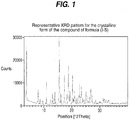
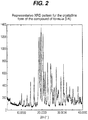
- Described herein is a crystalline form of the compound of formula (I-S) characterized by the powder X-ray diffraction pattern peaks as herein described.
- Disclosed herein is a crystalline form of the compound of formula (I-S) prepared by recrystallizing a compound of formula (I-S) from a mixture of ethyl acetate and water, and using heptane as an anti-solvent.
- the present invention is directed to a process for the preparation of a compound of formula (I-K) or a pharmaceutically acceptable salt thereof; (also known as 1-( ⁇ -D-glucopyranosyl)-4-chloro-3-[5-(6-fluoro-3-pyridyl)-2-thienylmethyl]benzene) comprising reacting a compound of formula (V-K), with a compound of formula (VI-S), in the presence of an alkyl lithium selected from the group consisting of (trimethylsilyl)methyl lithium, 2,4,6-trimethylphenyl lithium and (triethylsilyl)methyl lithium, in an organic solvent, at a temperature in the range of from about 0°C to about -78°C, to yield the corresponding compound of formula (VII-K); and wherein the alkyl lithium is added to a mixture of the compound of formula (V-k) and (VII-k) de-protecting the compound of formula (VII-K), to yield the corresponding compound of
- crystalline form of the compound of formula (I-K) or a pharmaceutically acceptable salt thereof; also known as 1-( ⁇ -D-glucopyranosyl)-4-chloro-3-[5-(6-fluoro-3-pyridyl)-2-thienylmethyl]benzene
- crystalline form may be characterized by its powder X-ray diffraction pattern peaks, as herein described.
- a pharmaceutical composition comprising a pharmaceutically acceptable carrier and the product prepared according to any of the processes described herein may be prepared.
- a pharmaceutical composition made by mixing the product prepared according to any of the processes described herein and a pharmaceutically acceptable carrier may be prepared.
- Described herein is a process for making a pharmaceutical composition comprising mixing the product prepared according to any of the processes described herein and a pharmaceutically acceptable carrier.
- a pharmaceutical composition comprising a pharmaceutically acceptable carrier and a crystalline form of the compound of formula (I-S) or a crystalline form of the compound of formula (I-K) is disclosed herein.
- a pharmaceutical composition made by mixing a crystalline form of the compound of formula (I-S) or a crystalline form of the compound of formula I-K), as described herein and a pharmaceutically acceptable carrier.
- Disclosed herein a process for making a pharmaceutical composition comprising mixing a crystalline form of the compound of formula (I-S) or a crystalline form of the compound of formula (I-K), as described herein and a pharmaceutically acceptable carrier.
- Disclosed herein are methods of treating a disorder mediated by SGLT including treating or delaying the progression or onset of diabetes mellitus, diabetic retinopathy, diabetic neuropathy, diabetic nephropathy, delayed wound healing, insulin resistance, hyperglycemia, hyperinsulinemia, elevated blood levels of fatty acids, elevated blood levels of glycerol, hyperlipidemia, obesity, hypertriglyceridemia, Syndrome X, diabetic complications, atherosclerosis, or hypertension, comprising administering to the subject in need thereof a therapeutically effective amount of any of the compounds, crystalline forms or pharmaceutical compositions described above.
- SGLT including treating or delaying the progression or onset of diabetes mellitus, diabetic retinopathy, diabetic neuropathy, diabetic nephropathy, delayed wound healing, insulin resistance, hyperglycemia, hyperinsulinemia, elevated blood levels of fatty acids, elevated blood levels of glycerol, hyperlipidemia, obesity, hypertriglyceridemia, Syndrome X, diabetic complications,
- exemplifying the disclosure are methods of treating type 1 and type 2 diabetes mellitus, comprising administering to a subject in need of treatment a therapeutically effective amount of any of the compounds, crystalline forms or pharmaceutical compositions described above, alone or in combination with at least one antidiabetic agent, agent for treating diabetic complications, anti-obesity agent, antihypertensive agent, antiplatelet agent, anti-atherosclerotic agent and/or hypolipidemic agent.
- the present invention is directed to a process for the preparation of compound of formula (I) wherein X, Y, Ring A and Ring B are as herein defined.
- the compounds of the formula (I) exhibits an inhibitory activity against sodium-dependent glucose transporter being present in the intestine and the kidney of mammalian species, and is useful in the treatment of diabetes mellitus or diabetic complications such as diabetic retinopathy, diabetic neuropathy, diabetic nephropathy, obesity, and delayed wound healing.
- any of the compounds or crystalline forms described herein may be used, if necessary, in combination with one or more of other anti-diabetic agents, antihyperglycemic agents and/or agents for treatment of other diseases; and may be administered in the same dosage form, or in a separate oral dosage form or by injection.
- PCT Publication WO 2005/012326 discloses a class of compounds that are inhibitors of sodium-dependent glucose transporter (SGLT), including the compound of formula (I-K), also known as 1-( ⁇ -D-glucopyranosyl)-4-chloro-3-[5-(6-fluoro-3-pyridyl)-2-thienylmethyl]benzene, and the compound of formula (I-S), also known as 1-( ⁇ -D-glucopyranosyl)-4-methyl-3-[5-(4-fluorophenyl)-2-thienylmethyl]benzene.
- SGLT sodium-dependent glucose transporter
- the present invention is further directed to processes for the preparation of a compound of formula (I-S) or a pharmaceutically acceptable salt thereof; and a compound of Formula (I-K) or a pharmaceutically acceptable salt thereof.
- Described herein are a novel crystalline form of the compound of formula (I-S) and a novel crystalline form of the compound of formula (I-K), as herein described in more detail. Also described herein are processes for the preparation of the crystalline forms of the compound of formula (I-S) and the compound of formula (I-K) as herein described in more detail.
- halogen atom or “halo” means chlorine, bromine and fluorine, and chlorine and fluorine are preferable.
- alkyl group means a straight or branched saturated monovalent hydrocarbon chain having 1 to 12 carbon atoms.
- the straight chain or branched chain alkyl group having 1 to 6 carbon atoms is preferable, and the straight chain or branched chain alkyl group having 1 to 4 carbon atoms is more preferable.
- alkyl group examples thereof are methyl group, ethyl group, propyl group, isopropyl group, butyl group, t-butyl group, isobutyl group, pentyl group, hexyl group, isohexyl group, heptyl group, 4,4-dimethylpentyl group, octyl group, 2,2,4-trimethylpentyl group, nonyl group, decyl group, and various branched chain isomers thereof.
- the alkyl group may optionally and independently be substituted by 1 to 4 substituents as listed below, if necessary.
- alkylene group or "alkylene” means a straight or branched divalent saturated hydrocarbon chain having 1 to 12 carbon atoms.
- the straight chain or branched chain alkylene group having 1 to 6 carbon atoms is preferable, and the straight chain or branched chain alkylene group having 1 to 4 carbon atoms is more preferable. Examples thereof are methylene group, ethylene group, propylene group, trimethylene group, etc. If necessary, the alkylene group may optionally be substituted in the same manner as the above-mentioned "alkyl group”.
- alkylene groups as defined above attach at two different carbon atoms of the benzene ring, they form an annelated five, six or seven membered carbocycle together with the carbon atoms to which they are attached, and may optionally be substituted by one or more substituents defined below.
- alkenyl group means a straight or branched monovalent hydrocarbon chain having 2 to 12 carbon atoms and having at least one double bond.
- Preferable alkenyl group is a straight chain or branched chain alkenyl group having 2 to 6 carbon atoms, and the straight chain or branched chain alkenyl group having 2 to 4 carbon atoms is more preferable.
- Examples thereof are vinyl group, 2-propenyl group, 3-butenyl group, 2-butenyl group, 4-pentenyl group, 3-pentenyl group, 2-hexenyl group, 3-hexenyl group, 2-heptenyl group, 3-heptenyl group, 4-heptenyl group, 3-octenyl group, 3-nonenyl group, 4-decenyl group, 3-undecenyl group, 4-dodecenyl group, 4,8,12-tetradecatrienyl group, etc.
- the alkenyl group may optionally and independently be substituted by 1 to 4 substituents as mentioned below, if necessary.
- alkenylene group means a straight or branched divalent hydrocarbon chain having 2 to 12 carbon atoms and having at least one double bond.
- the straight chain or branched chain alkenylene group having 2 to 6 carbon atoms is preferable, and the straight chain or branched chain alkenylene group having 2 to 4 carbon atoms is more preferable. Examples thereof are vinylene group, propenylene group, butadienylene group, etc.
- the alkylene group may optionally be substituted by 1 to 4 substituents as mentioned below, if necessary.
- alkenylene groups as defined above attach at two different carbon atoms of the benzene ring, they form an annelated five, six or seven membered carbocycle (e.g., a fused benzene ring) together with the carbon atoms to which they are attached, and may optionally be substituted by one or more substituents defined below.
- alkynyl group means a straight or branched monovalent hydrocarbon chain having at least one triple bond.
- the preferable alkynyl group is a straight chain or branched chain alkynyl group having 2 to 6 carbon atoms, and the straight chain or branched chain alkynyl group having 2 to 4 carbon atoms is more preferable.
- Examples thereof are 2-propynyl group, 3-butynyl group, 2-butynyl group, 4-pentynyl group, 3-pentynyl group, 2-hexynyl group, 3-hexynyl group, 2-heptynyl group, 3-heptynyl group, 4-heptynyl group, 3-octynyl group, 3-nonynyl group, 4-decynyl group, 3-undecynyl group, 4-dodecynyl group, etc.
- the alkynyl group may optionally and independently be substituted by 1 to 4 substituents as mentioned below, if necessary.
- cycloalkyl group means a monocyclic or bicyclic monovalent saturated hydrocarbon ring having 3 to 12 carbon atoms, and the monocyclic saturated hydrocarbon group having 3 to 7 carbon atoms is more preferable.
- examples thereof are a monocyclic alkyl group and a bicyclic alkyl group such as cyclopropyl group, cyclobutyl group, cyclopentyl group, cyclohexyl group, cycloheptyl group, cyclooctyl group, cyclodecyl group, etc.
- These groups may optionally and independently be substituted by 1 to 4 substituents as mentioned below, if necessary.
- the cycloalkyl group may optionally be condensed with a saturated hydrocarbon ring or an unsaturated hydrocarbon ring (said saturated hydrocarbon ring and unsaturated hydrocarbon ring may optionally contain an oxygen atom, a nitrogen atom, a sulfur atom, SO or SO 2 within the ring, if necessary), and the condensed saturated hydrocarbon ring and the condensed unsaturated hydrocarbon ring may be optionally and independently be substituted by 1 to 4 substituents as mentioned below.
- cycloalkylidene group means a monocyclic or bicyclic divalent saturated hydrocarbon ring having 3 to 12 carbon atoms, and the monocyclic saturated hydrocarbon group having 3 to 6 carbon atoms is preferable.
- examples thereof are a monocyclic alkylidene group and a bicyclic alkylidene group such as cyclopropylidene group, cyclobutylidene group, cyclopentylidine group, cyclohexylidene group, etc.
- These groups may optionally and independently be substituted by 1 to 4 substituents as mentioned below, if necessary.
- the cycloalkylidene group may optionally be condensed with a saturated hydrocarbon ring or an unsaturated hydrocarbon ring (said saturated hydrocarbon ring and unsaturated hydrocarbon ring may optionally contain an oxygen atom, a nitrogen atom, a sulfur atom, SO or SO 2 within the ring, if necessary), and the condensed saturated hydrocarbon ring and the unsaturated hydrocarbon ring may be optionally and independently be substituted by 1 to 4 substituents as mentioned below.
- cycloalkenyl group means a monocyclic or bicyclic monovalent unsaturated hydrocarbon ring having 4 to 12 carbon atoms and having at least one double bond.
- the preferable cycloalkenyl group is a monocyclic unsaturated hydrocarbon group having 4 to 7 carbon atoms. Examples thereof are monocyclic alkenyl groups such as cyclopentenyl group, cyclopentadienyl group, cyclohexenyl group, etc. These groups may optionally and independently be substituted by 1 to 4 substituents as mentioned below, if necessary.
- the cycloalkenyl group may optionally be condensed with a saturated hydrocarbon ring or an unsaturated hydrocarbon ring (said saturated hydrocarbon ring and unsaturated hydrocarbon ring may optionally contain an oxygen atom, a nitrogen atom, a sulfur atom, SO or SO 2 within the ring, if necessary), and the condensed saturated hydrocarbon ring and the unsaturated hydrocarbon ring may be optionally and independently be substituted by 1 to 4 substituents as mentioned below.
- cycloalkynyl group means a monocyclic or bicyclic unsaturated hydrocarbon ring having 6 to 12 carbon atoms, and having at least one triple bond.
- the preferable cycloalkynyl group is a monocyclic unsaturated hydrocarbon group having 6 to 8 carbon atoms. Examples thereof are monocyclic alkynyl groups such as cyclooctynyl group, cyclodecynyl group. These groups may optionally be substituted by 1 to 4 substituents as mentioned below, if necessary.
- the cycloalkynyl group may optionally and independently be condensed with a saturated hydrocarbon ring or an unsaturated hydrocarbon ring (said saturated hydrocarbon ring and unsaturated hydrocarbon ring may optionally contain an oxygen atom, a nitrogen atom, a sulfur atom, SO or SO 2 within the ring, if necessary), and the condensed saturated hydrocarbon ring or the unsaturated hydrocarbon ring may be optionally and independently be substituted by 1 to 4 substituents as mentioned below.
- aryl group means a monocyclic or bicyclic monovalent aromatic hydrocarbon group having 6 to 10 carbon atoms. Examples thereof are phenyl group, naphthyl group (including 1-naphthyl group and 2-naphthyl group). These groups may optionally and independently be substituted by 1 to 4 substituents as mentioned below, if necessary.
- the aryl group may optionally be condensed with a saturated hydrocarbon ring or an unsaturated hydrocarbon ring (said saturated hydrocarbon ring and unsaturated hydrocarbon ring may optionally contain an oxygen atom, a nitrogen atom, a sulfur atom, SO or SO 2 within the ring, if necessary), and the condensed saturated hydrocarbon ring or the unsaturated hydrocarbon ring may be optionally and independently be substituted by 1 to 4 substituents as mentioned below.
- saturated monocyclic heterocyclic ring means an unsaturated hydrocarbon ring containing 1-4 heteroatoms independently selected from a nitrogen atom, an oxygen atom and a sulfur atom, and the preferable one is a 4- to 7-membered saturated or unsaturated hydrocarbon ring containing 1-4 heteroatoms independently selected from a nitrogen atom, an oxygen atom and a sulfur atom.
- pyridine, pyrimidine, pyrazine, furan, thiophene, pyrrole, imidazole, oxazole, and thiazole can be preferably used.
- the "unsaturated monocyclic heterocyclic ring" may optionally and independently be substituted by 1-4 substituents as mentioned below, if necessary.
- saturated fused heterobicyclic ring means hydrocarbon ring comprised of a saturated or a unsaturated hydrocarbon ring condensed with the above mentioned unsaturated monocyclic heterocyclic ring where said saturated hydrocarbon ring and said unsaturated hydrocarbon ring may optionally contain an oxygen atom, a nitrogen atom, a sulfur atom, SO, or SO 2 within the ring, if necessary.
- the "unsaturated fused heterobicyclic ring” includes, for example, benzothiophene, indole, tetrahydrobenzothiophene, benzofuran, isoquinoline, thienothiophene, thienopyridine, quinoline, indoline, isoindoline, benzothiazole, benzoxazole, indazole, dihydroisoquinoline, etc. Further, the "heterocyclic ring” also includes possible N- or S-oxides thereof.
- heterocyclyl means a monovalent group of the above-mentioned unsaturated monocyclic heterocyclic ring or unsaturated fused heterobicyclic ring and a monovalent group of the saturated version of the above-mentioned unsaturated monocyclic heterocyclic or unsaturated fused heterobicyclic ring. If necessary, the heterocyclyl may optionally and independently be substituted by 1 to 4 substituents as mentioned below.
- alkanoyl group means a formyl group and ones formed by binding an "alkyl group” to a carbonyl group.
- alkoxy group means ones formed by binding an "alkyl group” to an oxygen atom.
- each group includes, for example, a halogen atom (fluorine, chlorine, bromine), a nitro group, a cyano group, an oxo group, a hydroxy group, a mercapto group, a carboxyl group, a sulfo group, an alkyl group, an alkenyl group, an alkynyl group, a cycloalkyl group, a cycloalkylidenemethyl group, a cycloalkenyl group, a cycloalkynyl group, an aryl group, a heterocyclyl group, an alkoxy group, an alkenyloxy group, an alkynyloxy group, a cycloalkyloxy group, a cycloalkenyloxy group, a cycloalkynyloxy group, an aryloxy group, a heterocyclyloxy group, an alkanoyl group, an alkenylcarbonyl group, an aryloxy group
- haloalkyl group a halo-lower alkyl group, a haloalkoxy group, a halo-lower alkoxy group, a halophenyl group, or a haloheterocyclyl group
- a haloalkyl group a halo-lower alkyl group, a haloalkoxy group, a halo-lower alkoxy group, a halophenyl group, or a haloheterocyclyl group
- an alkyl group an alkoxy group, a lower alkoxy group, a phenyl group or a heterocyclyl group (hereinafter, referred to as an alkyl group, etc.) being substituted by one or more halogen atoms, respectively.
- Preferable ones are an alkyl group, etc.
- hydroxyalkyl group, a hydroxy-lower alkyl group, a hydroxyalkoxy group, a hydroxy-lower alkoxy group and a hydroxyphenyl group mean an alkyl group, etc., being substituted by one or more hydroxy groups.
- Preferable ones are an alkyl group, etc., being substituted by 1 to 4 hydroxy groups, and more preferable ones are an alkyl group, etc., being substituted by 1 to 2 hydroxy groups.
- an alkoxyalkyl group a lower alkoxyalkyl group, an alkoxy-lower alkyl group, a lower alkoxy-lower alkyl group, an alkoxyalkoxy group, a lower alkoxyalkoxy group, an alkoxy-lower alkoxy group, a lower alkoxy-lower alkoxy group, an alkoxyphenyl group, and a lower alkoxyphenyl group means an alkyl group, etc., being substituted by one or more alkoxy groups.
- Preferable ones are an alkyl group, etc., being substituted by 1 to 4 alkoxy groups, and more preferable ones are an alkyl group, etc., being substituted by 1 to 2 alkoxy groups.
- arylakyl and arylalkoxy as used alone or as part of another group refer to alkyl and alkoxy groups as described above having an aryl substituent.
- lower used in the definitions for the formulae in the present specification means a straight or branched carbon chain having 1 to 6 carbon atoms, unless defined otherwise. More preferably, it means a straight or branched carbon chain having 1 to 4 carbon atoms.
- prodrug means an ester or carbonate, which is formed by reacting one or more hydroxy groups of the compound of the formula I with an acylating agent substituted by an alkyl, an alkoxy or an aryl by a conventional method to produce acetate, pivalate, methylcarbonate, benzoate, etc. Further, the prodrug includes also an ester or amide, which is similarly formed by reacting one or more hydroxy groups of the compound of the formula I with an ⁇ -amino acid or a ⁇ -amino acid, etc. using a condensing agent by a conventional method.
- the pharmaceutically acceptable salt of the compound of the formula I includes, for example, a salt with an alkali metal such as lithium, sodium, potassium, etc.; a salt with an alkaline earth metal such as calcium, magnesium, etc.; a salt with zinc or aluminum; a salt with an organic base such as ammonium, choline, diethanolamine, lysine, ethylenediamine, t-butylamine, t-octylamine, tris(hydroxymethyl)aminomethane, N-methyl glucosamine, triethanolamine and dehydroabietylamine; a salt with an inorganic acid such as hydrochloric acid, hydrobromic acid, hydroiodic acid, sulfuric acid, nitric acid, phosphoric acid, etc.; or a salt with an organic acid such as formic acid, acetic acid, propionic acid, oxalic acid, malonic acid, succinic acid, fumaric acid, maleic acid, lactic acid, malic acid, tartaric
- the compound produced by the process of the present invention also includes a mixture of stereoisomers, or each pure or substantially pure isomer.
- the present compound may optionally have one or more asymmetric centers at a carbon atom containing any one of substituents. Therefore, the compound of the formula I may exist in the form of enantiomer or diastereomer, or a mixture thereof.
- the present compound (I) contains a double bond
- the present compound may exist in the form of geometric isomerism (cis-compound, trans-compound)
- the present compound (I) contains an unsaturated bond such as carbonyl
- the present compound may exist in the form of a tautomer, and the present compound also includes these isomers or a mixture thereof.
- the starting compound in the form of a racemic mixture, enantiomer or diastereomer may be used in the processes for preparing the present compound.
- the present compound When the present compound is obtained in the form of a diastereomer or enantiomer, they can be separated by a conventional method such as chromatography or fractional crystallization.
- the present compound (I) includes an intramolecular salt, hydrate, solvate or polymorphism thereof.
- Examples of the optionally substituted unsaturated monocyclic heterocyclic ring of the present invention include an unsaturated monocyclic heterocyclic ring which may optionally be substituted by 1-5 substituents selected from the group consisting of a halogen atom, a nitro group, a cyano group, an oxo group, a hydroxyl group, a mercapto group, a carboxyl group, a sulfo group, an alkyl group, an alkenyl group, an alkynyl group, a cycloalkyl group, a cycloalkylidenemethyl group, a cycloalkenyl group, a cycloalkynyl group, an aryl group, a heterocyclyl group, an alkoxy group, an alkenyloxy group, an alkynyloxy group, a cycloalkyloxy group, a cycloalkenyloxy group, a cycloalkynyloxy group,
- Examples of the optionally substituted unsaturated fused heterobicyclic ring of the present invention include an unsaturated fused heterobicyclic ring which may optionally be substituted by 1-5 substituents selected from the group consisting of a halogen atom, a nitro group, a cyano group, an oxo group, a hydroxy group, a mercapto group, a carboxyl group, a sulfo group, an alkyl group, an alkenyl group, an alkynyl group, a cycloalkyl group, a cycloalkylidene- methyl group, a cycloalkenyl group, a cycloalkynyl group, an aryl group, a heterocyclyl group, an alkoxy group, an alkenyloxy group, an alkynyloxy group, a cycloalkyloxy group, a cycloalkenyloxy group, a cycloalkynyl
- Examples of the optionally substituted benzene ring of the present invention include a benzene ring which may optionally be substituted by 1-5 substituents selected from the group consisting of a halogen atom, a nitro group, a cyano group, a hydroxy group, a mercapto group, a carboxyl group, a sulfo group, an alkyl group, an alkenyl group, an alkynyl group, a cycloalkyl group, a cycloalkylidenemethyl group, a cycloalkenyl group, a cycloalkynyl group, an aryl group, a heterocyclyl group, an alkoxy group, an alkenyloxy group, an alkynyloxy group, a cycloalkyloxy group, a cycloalkenyloxy group, a cycloalkynyloxy group, an aryloxy group, a heterocyclyloxy group, an
- examples of the optionally substituted benzene ring include a benzene ring substituted with an alkylene group to form an annelated carbocycle together with the carbon atoms to which they are attached, and also includes a benzene ring substituted with an alkenylene group to form an annelated carbocycle such as a fused benzene ring together with the carbon atoms to which they are attached.
- the optionally substituted unsaturated monocyclic heterocyclic ring include an unsaturated monocyclic heterocyclic ring which may optionally be substituted by 1-3 substituents selected from the group consisting of a halogen atom, a hydroxy group, an alkoxy group, an alkyl group, a haloalkyl group, a haloalkoxy group, a hydroxyalkyl group, an alkoxyalkyl group, an alkoxyalkoxy group, an alkenyl group, an alkynyl group, a cycloalkyl group, a cycloalkylidenemethyl group, a cycloalkenyl group, a cycloalkyloxy group, an aryl group, an aryloxy group, an arylalkoxy group, a cyano group, a nitro group, an amino group, a mono- or di-alkylamino group, an alkanoylamino group, an alkoxycarbon
- the optionally substituted unsaturated fused heterobicyclic ring include an unsaturated fused heterobicyclic ring which may optionally be substituted by 1-3 substituents independently selected from the group consisting of a halogen atom, a hydroxy group, an alkoxy group, an alkyl group, a haloalkyl group, a haloalkoxy group, a hydroxyalkyl group, an alkoxyalkyl group, an alkoxyalkoxy group, an alkenyl group, an alkynyl group, a cycloalkyl group, a cycloalkylidenemethyl group, a cycloalkenyl group, a cycloalkyloxy group, an aryl group, an aryloxy group, an arylalkoxy group, a cyano group, a nitro group, an amino group, a mono- or di-alkylamino group, an alkanoylamino group, an alkanoyla
- the optionally substituted benzene ring include a benzene ring which may optionally be substituted by 1-3 substituents selected from the group consisting of a halogen atom, a hydroxy group, an alkoxy group, an alkyl group, a haloalkyl group, a haloalkoxy group, a hydroxyalkyl group, an alkoxyalkyl group, an alkoxyalkoxy group, an alkenyl group, an alkynyl group, a cycloalkyl group, a cycloalkylidenemethyl group, a cycloalkenyl group, a cycloalkyloxy group, an aryl group, an aryloxy group, an arylalkoxy group, a cyano group, a nitro group, an amino group, a mono- or di-alkylamino group, an alkanoylamino group, an alkoxycarbonylamino group, a carb
- the optionally substituted unsaturated monocyclic heterocyclic ring is an unsaturated monocyclic heterocyclic ring which may optionally be substituted by 1-3 substituents, independently selected from the group consisting of a halogen atom, a hydroxy group, a cyano group, a nitro group, an alkyl group, an alkenyl group, an alkynyl group, a cycloalkyl group, a cycloalkylidenemethyl group, an alkoxy group, an alkanoyl group, an alkylthio group, an alkylsulfonyl group, an alkylsulfinyl group, an amino group, a mono- or di-alkylamino group, an alkanoylamino group, an alkoxycarbonylamino group, a sulfamoyl group, a mono- or di-alkylsulfamoyl group, a carboxyl group,
- the optionally substituted unsaturated monocyclic heterocyclic ring is an unsaturated monocyclic heterocyclic ring which may optionally be substituted by 1-3 substituents, independently selected from the group consisting of a halogen atom, a cyano group, an alkyl group, an alkoxy group, an alkanoyl group, a mono- or di-alkylamino group, an alkanoylamino group, an alkoxycarbonylamino group, a carboxyl group, an alkoxycarbonyl group, a carbamoyl group, a mono- or di-alkylcarbamoyl group, a phenyl group, a heterocyclyl group, and an oxo group;
- the optionally substituted unsaturated fused heterobicyclic ring is an unsaturated fused heterobicyclic ring which may optionally be substituted by 1-3 substituents independently selected from the group consisting of a halogen atom,
- Ring A and Ring B are identical to Ring A and Ring B.
- Y is -CH 2 - and is linked at the 3-position of Ring A, with respect to X being the 1-position
- Ring A is a benzene ring which is substituted by 1-3 substituents selected from the group consisting of a lower alkyl group, a halo-lower alkyl group, a halogen atom, a lower alkoxy group, a phenyl group, and a lower alkenylene group
- Ring B is an unsaturated monocyclic heterocyclic ring or an unsaturated fused heterobicyclic ring, each of which may be substituted by 1-3 substituents selected from the group consisting of a lower alkyl group, a halo-lower alkyl group, a phenyl-lower alkyl group, a halogen atom, a lower alkoxy group, a halo-lower alkoxy group, a phenyl group, a halophenyl group, a
- Y is -CH 2 - and is linked at the 3-position of Ring A, with respect to X being the 1-position
- Ring A is an unsaturated monocyclic heterocyclic ring which may be substituted by 1-3 substituents selected from the group consisting of a lower alkyl group, a halogen atom, a lower alkoxy group, and an oxo group
- Ring B is a benzene ring which may be substituted by 1-3 substituents selected from the group consisting of a lower alkyl group, a halo-lower alkyl group, a halogen atom, a lower alkoxy group, , a halo-lower alkoxy group, a phenyl group, a halophenyl group, a cyanophenyl group, a lower alkylphenyl group, a halo-lower alkylphenyl group, a lower alkoxyphenyl group, a heterocycly
- Y is -CH 2 - and is linked at the 3-position of Ring A, with respect to X being the 1-position
- Ring A is an unsaturated monocyclic heterocyclic ring which may be substituted by 1-3 substituents selected from the group consisting of a lower alkyl group, a halogen atom, a lower alkoxy group, and an oxo group
- Ring B is an unsaturated monocyclic heterocyclic ring or an unsaturated fused heterobicyclic ring, each of which may be substituted by 1-3 substituents selected from the group consisting of a lower alkyl group, a halo-lower alkyl group, a halogen atom, a lower alkoxy group, a halo-lower alkoxy group, a phenyl group, a halophenyl group, a cyanophenyl group, a lower alkylphenyl group, a halo-lower alkylphen
- X is a carbon atom and Y is -CH 2 -.
- Ring A and Ring B are:
- Ring A is a benzene ring which may optionally be substituted by a halogen atom, a lower alkyl group optionally substituted by a halogen atom, a lower alkoxy group, or a phenyl group
- Ring B is an unsaturated monocyclic heterocyclic ring or an unsaturated fused heterobicyclic ring which may optionally be substituted by 1-3 substituents, independently selected from the group consisting of a halogen atom; a lower alkyl group optionally substituted by a halogen atom or a phenyl group; a lower alkoxy group; a phenyl group optionally substituted by a halogen atom, a cyano group, a lower alkyl group, a halo-lower alkyl group, or a lower alkoxy group; a heterocyclyl
- Y is linked at the 3-position of Ring A, with respect to X being the 1-position
- Ring A is an unsaturated monocyclic heterocyclic ring which may optionally be substituted by a substituent selected from a halogen atom, a lower alkyl group, and an oxo group
- Ring B is a benzene ring which may optionally be substituted by a substituent selected from the group consisting of a halogen atom; a lower alkyl group optionally substituted by a halogen atom or a phenyl group; a lower alkoxy group; a phenyl group optionally substituted by a halogen atom, a cyano group, a lower alkyl group, a halo-lower alkyl group, or a lower alkoxy group; a heterocyclyl group optionally substituted by a halogen atom, a cyano group, a lower alkyl group, a
- unsaturated monocyclic heterocyclic ring include a 5- or 6-membered unsaturated heterocyclic ring containing 1 or 2 hetero atoms independently selected from a nitrogen atom, an oxygen atom, and a sulfur atom. More specifically, preferred are furan, thiophene, oxazole, isoxazole, triazole, tetrazole, pyrazole, pyridine, pyrimidine, pyrazine, dihydroisoxazole, dihydropyridine, and thiazole.
- Preferable unsaturated fused heterobicyclic ring includes a 9- or 10-membered unsaturated fused heterocyclic ring containing 1 to 4 hetero atoms independently selected from a nitrogen atom, an oxygen atom, and a sulfur atom. More specifically, preferred are indoline, isoindoline, benzothiazole, benzoxazole, indole, indazole, quinoline, isoquinoline, benzothiophene, benzofuran, thienothiophene, and dihydroisoquinoline.
- Ring A is a benzene ring which may optionally be substituted by a substituent selected from the group consisting of a halogen atom, a lower alkyl group, a halo-lower alkyl group, a lower alkoxy group, and a phenyl group
- Ring B is a heterocyclic ring selected from the group consisting of thiophene, furan, benzofuran, benzothiophene, and benzothiazole, wherein the heterocyclic ring may optionally be substituted by a substituent selected from the following group: a halogen atom, a cyano group, a lower alkyl group, a halo-lower alkyl group, a phenyl-lower alkyl group, a lower alkoxy group, a halo-lower alkoxy group, a phenyl group, a halophenyl group, a lower alkylpheny
- Y is -CH 2 -
- Ring A is an unsaturated monocyclic heterocyclic ring or an unsaturated fused heterobicyclic ring selected from the group consisting of thiophene, dihydroisoquinoline, dihydroisoxazole, triazole, pyrazole, dihydropyridine, dihydroindole, indole, indazole, pyridine, pyrimidine, pyrazine, quinoline, and a isoindoline, wherein the heterocyclic ring may optionally substituted by a substituent selected from the following group: a halogen atom, a lower alkyl group, and an oxo group, and Ring B is a benzene ring which may optionally be substituted by a substituent selected from the following group: a halogen atom, a lower alkyl group, a halo-lower alkyl group, a lower alkoxy group, and a
- Ring A is a benzene ring which is substituted by a halogen atom or a lower alkyl group
- Ring B is thienyl group which is substituted by phenyl group or a heterocyclyl group in which said phenyl group and heterocyclyl group is substituted by 1-3 substituents selected from a halogen atom, a cyano group, a lower alkyl group, a halo-lower alkyl group, a lower alkoxy group, and a halo-lower alkoxy group.
- preferable examples of the compound of the formula I include a compound wherein Ring A is wherein R 1a , R 2a , R 3a , R 1b , R 2b , and R 3b are each independently a hydrogen atom, a halogen atom, a hydroxy group, an alkoxy group, an alkyl group, a haloalkyl group, a haloalkoxy group, a hydroxyalkyl group, an alkoxyalkyl group, an alkoxyalkoxy group, an alkenyl group, an alkynyl group, a cycloalkyl group, a cycloalkylidenemethyl group, a cycloalkenyl group, a cycloalkyloxy group, a phenyl group, a phenylalkoxy group, a cyano group, a nitro group, an amino group, a mono- or di-alkylamino group, an alkan
- R 1a , R 2a , R 3a , R 1b , R 2b , and R 3b are each independently a hydrogen atom, a halogen atom, a lower alkyl group, a halo-lower alkyl group, a lower alkoxy group, or a phenyl group;
- R 4a and R 5a are each independently a hydrogen atom; a halogen atom; a lower alkyl group; a halo-lower alkyl group; a phenyl-lower alkyl group; a phenyl group optionally substituted by a halogen atom, a cyano group, a lower alkyl group, a halo-lower alkyl group, a lower alkoxy group, a halo-lower alkoxy group, a methylenedioxy group, an ethyleneoxy group, a mono- or di-lower alkylamino group, a carbam
- Ring A is wherein R 1a is a halogen atom, a lower alkyl group, or a lower alkoxy group, and R 2a and R 3a are hydrogen atoms; and Ring B is wherein R 4a is a phenyl group optionally substituted by a substituent selected from the group consisting of a halogen atom, a cyano group, a lower alkyl group, a halo-lower alkyl group, a lower alkoxy group, a halo-lower alkoxy group, a mono- or di-lower alkylamino group, a carbamoyl group, and a mono-or di-lower alkylcarbamoyl group; or a heterocyclyl group optionally substituted by a halogen atom, a cyano group, a lower alkyl group, a lower alkoxy group, a carbamoyl group, or a mono- or di-lowlowlower alkyl group;
- R 4a is a phenyl group optionally substituted by a halogen atom, a cyano group, a lower alkyl group, a halo-lower alkyl group, a lower alkoxy group, or a halo-lower alkoxy group; or a heterocyclyl group optionally substituted by a halogen atom, a cyano group, a lower alkyl group, or a lower alkoxy group.
- a preferable compound in another preferable embodiment of the present invention, can be represented by the following formula IA: wherein R A is a halogen atom, a lower alkyl group or a lower alkoxy group; R B is a phenyl group optionally substituted by 1-3 substituents selected from a halogen atom, a cyano group, a lower alkyl group, a halo-lower alkyl group, a lower alkoxy group, a halo-lower alkoxy group, a methylenedioxy group, an ethyleneoxy group, a mono- or di-lower alkylamino group, a carbamoyl group, and a mono- or di-lower alkylcarbamoyl group; or a heterocyclyl group optionally substituted by 1-3 substituents selected from a halogen atom, a cyano group, a lower alkyl group, a halo-lower alkyl group, a lower al
- R A is a halogen atom or a lower alkyl group
- R C is hydrogen atom
- R B is phenyl group substituted by 1-3 substituents selected from a halogen atom, a cyano group, a lower alkyl group, a halo-lower alkyl group, a lower alkoxy group, a halo-lower alkoxy group, a methylenedioxy group, an ethyleneoxy group, a mono- or di-lower alkylamino group, a carbamoyl group, and a mono- or di-lower alkylcarbamoyl group; or a heterocyclyl group substituted by 1-3 substituents selected from the group consisting of a halogen atom, a cyano group, a lower alkyl group, a halo-lower alkyl group, a lower alkoxy group, a halo-lower alkoxy group, a mono- or
- R A is a halogen atom, or a lower alkyl group
- Ring C is a phenyl group substituted by 1-3 substituents selected from the group consisting of a halogen atom, a cyano group, a lower alkyl group, a halo-lower alkyl group, a lower alkoxy group, a halo-lower alkoxy group, a methylenedioxy group, an ethyleneoxy group, a mono- or di-lower alkylamino group, a carbamoyl group, and a mono- or di-lower alkylcarbamoyl group; or a heterocyclyl group substituted by 1-3 substituents selected from the group consisting of a halogen atom, a cyano group, a lower alkyl group, a halo-lower alkyl group, a lower alkoxy group, a halo
- Ring C is a phenyl group substituted by 1-3 substituents selected from the group consisting of a halogen atom, a cyano group, a lower alkyl group, a halo-lower alkyl group, a lower alkoxy group, a halo-lower alkoxy group, and a mono- or di-lower alkylamino group; or a heterocyclyl group substituted by a substituent selected from the group consisting of a halogen atom, a cyano group, a lower alkyl group, a halo-lower alkyl group, a lower alkoxy group, and a halo-lower alkoxy group.
- Ring C is a phenyl group substituted by a halogen atom, a cyano group, a lower alkyl group, a halo-lower alkyl group, a lower alkoxy group or a halo-lower alkoxy group; or a heterocyclyl group substituted by a halogen atom, a cyano group, a lower alkyl group, or a lower alkoxy group is preferred.
- a preferred heterocyclyl group includes a 5- or 6-membered heterocyclyl group containing 1 or 2 hetero atoms independently selected from the group consisting of a nitrogen atom, an oxygen atom, and a sulfur atom, or a 9- or 10-membered heterocyclyl group containing 1 to 4 hetero atoms independently selected from the group consisting of a nitrogen atom, an oxygen atom, and a sulfur atom.
- a thienyl group a pyridyl group, a pyrimidyl group, a pyrazinyl group, pyrazolyl group, a thiazolyl group, a quinolyl group, a tetrazolyl group and an oxazolyl group are preferred.
- Ring C is a phenyl group substituted by a halogen atom or a cyano group, or a pyridyl group substituted by a halogen atom.
- Ring A is wherein R 1a is a halogen atom, a lower alkyl group, or a lower alkoxy group, and R 2a and R 3a are hydrogen atoms; and Ring B is wherein R 4b and R 5b are each independently a hydrogen atom, a halogen atom, a lower alkyl group, a halo-lower alkyl group, a lower alkoxy group, or a halo-lower alkoxy group.
- preferable examples of the compound I include a compound represented by the following formula IB: wherein R 8 , R 9 and R 10 are each independently a hydrogen atom, a halogen atom, a hydroxy group, an alkoxy group, an alkyl group, a haloalkyl group, a haloalkoxy group, a hydroxyalkyl group, an alkoxyalkyl group, an alkoxyalkoxy group, an alkenyl group, an alkynyl group, a cycloalkyl group, a cycloalkylidenemethyl group, a cycloalkenyl group, a cycloalkyloxy group, an aryloxy group, an arylalkoxy group, a cyano group, a nitro group, an amino group, a mono- or di-alkylamino group, an alkylcarbonylamino group, a carboxyl group, an alkoxycarbonyl group, a
- R 8 , R 9 and R 10 are each independently a hydrogen atom, a halogen atom, a lower alkyl group, a cycloalkyl group, a hydroxy-lower alkyl group, a halo-lower alkyl group, a lower alkoxy-lower alkyl group, a lower alkoxy group, a cycloalkoxy group, a halo-lower alkoxy group, or a lower alkoxy-lower alkoxy group, and a group represented by: is wherein R 6a , R 7a are each independently a hydrogen atom, a halogen atom, a lower alkyl group, a cycloalkyl group, a hydroxy-lower alkyl group, a halo-lower alkyl group, a lower alkoxy-lower alkyl group, a lower alkoxy group, a cycloalk
- preferable examples of the compound I include a compound represented by the following formula IC: wherein Ring B' is an optionally substituted benzene ring, an optionally substituted unsaturated monocyclic heterocyclic ring, or an optionally substituted unsaturated fused heterobicyclic ring.
- Ring B' include a benzene ring and a heterocyclic ring, both of which may have a substituent(s) selected from the group consisting of a halogen atom; a cyano group; a lower alkyl group optionally substituted by a halogen atom; a lower alkoxy group optionally substituted by a halogen atom; a lower alkanoyl group; a mono- or di-lower alkylamino group; a lower alkoxycarbonyl group; a carbamoyl group; a mono-or di-lower alkylcarbamoyl group; a phenyl group optionally substituted by a substituent(s) selected from a halogen atom, a cyano group, a lower alkyl group optionally substituted by a halogen atom, a lower alkoxy group optionally substituted by a halogen atom, a lower alkanoyl group, a mono
- Ring B' include a benzene ring which may be substituted by a substituent selected from the group consisting of a halogen atom; a cyano group; a lower alkyl group optionally substituted by a halogen atom; a lower alkoxy group optionally substituted by a halogen atom; a monoor di-lower alkylamino group; a phenyl group optionally substituted by a halogen atom, a cyano group, a lower alkyl group optionally substituted by a halogen atom, a lower alkoxy group optionally substituted by a halogen atom; a heterocyclyl group optionally substituted by a halogen atom, a cyano group, a lower alkyl group optionally substituted by a halogen atom, a lower alkoxy group optionally substituted by a halogen atom.
- Preferred compound disclosed may be selected from the following group:
- Particularly preferred compounds disclosed include:
- a product exhibit good handling qualities. Additionally, for commercial use, it is preferred that the product is produced in a substantially pure and crystalline form, to enable formulations to meet exacting pharmaceutical requirements and specifications. Further, for commercial scale preparation, it is preferred that the product be in a form that is readily filterable and easily dried. Finally, it is preferred that the product be stable for extended periods of time without the need for specialized storage conditions.
- the term "isolated form” shall mean that the compound is present in a form which is separate from any solid mixture with another compound(s), solvent system or biological environment.
- the compound of formula (I), the compound of formula (I-S), the compound of formula (I-K), the crystalline form of the compound of formula (I-S) and / or the crystalline form of the compound of formula (I-K) is present and / or prepared in an isolated form.
- the term "substantially pure” shall mean that the mole percent of impurities in the isolated compound is less than about 5 mole percent, preferably less than about 2 mole percent, more preferably, less than about 0.5 mole percent, most preferably, less than about 0.1 mole percent.
- the compound of formula (I), the compound of formula (I-S), the compound of formula (I-K), the crystalline form of the compound of formula (I-S) and / or the crystalline form of the compound of formula (I-K) is present and / or prepared in substantially pure form.
- the term "substantially free of a corresponding salt form(s)" when used to described the compound of formula (I) shall mean that mole percent of the corresponding salt form(s) in the isolated base of formula (I) is less than about 5 mole percent, preferably less than about 2 mole percent, more preferably, less than about 0.5 mole percent, most preferably less than about 0.1 mole percent.
- the compound of formula (I), the compound of formula (I-S), the compound of formula (I-K), the crystalline form of the compound of formula (I-S) and / or the crystalline form of the compound of formula (I-K) is present and / or prepared in a form which is substantially free of corresponding salt forms.
- the present invention is directed to a process for the preparation of a compound of formula (I), wherein the compound of formula (I) is substantially pure. In another embodiment, the present invention is directed to a process for the preparation of a compound of formula (I-S), wherein the compound of formula (I-S) is substantially pure. In another embodiment, the present invention is directed to a process for the preparation of a compound of formula (I-K), wherein the compound of formula (I-K) is substantially pure.
- the present invention is directed to a process for the preparation of a compound of formula (I), wherein the compound of formula (I) is substantially free of corresponding salt forms.
- the present invention is directed to a process for the preparation of a compound of formula (I-S), wherein the compound of formula (I-S) is substantially free of corresponding salt forms.
- the present invention is directed to a process for the preparation of a compound of formula (I-K), wherein the compound of formula (I-K) is substantially free of corresponding salt forms.
- subject refers to an animal, preferably a mammal, most preferably a human, who has been the object of treatment, observation or experiment. Preferably, the subject has experienced and / or exhibited at least one symptom of the disease or disorder to be treated and / or prevented.
- terapéuticaally effective amount means that amount of active compound or pharmaceutical agent that elicits the biological or medicinal response in a tissue system, animal or human that is being sought by a researcher, veterinarian, medical doctor or other clinician, which includes alleviation of the symptoms of the disease or disorder being treated.
- composition is intended to encompass a product comprising the specified ingredients in the specified amounts, as well as any product which results, directly or indirectly, from combinations of the specified ingredients in the specified amounts.
- the compound of formula (I) produced by the process of the present invention exhibits an excellent inhibitory activity against sodium-dependent glucose transporter, and an excellent blood glucose lowering effect. Therefore, the compound of the present invention is useful for treating or delaying the progression or onset of diabetes mellitus, diabetic retinopathy, diabetic neuropathy, diabetic nephropathy, delayed wound healing, insulin resistance, hyperglycemia, hyperinsulinemia, elevated blood levels of fatty acids, elevated blood levels of glycerol, hyperlipidemia, obesity, hypertriglyceridemia, Syndrome X, diabetic complications, atherosclerosis, or hypertension.
- the compound of the present invention is useful in the treatment or the prophylaxis of diabetes mellitus (type 1 and type 2 diabetes mellitus, etc.), diabetic complications (such as diabetic retinopathy, diabetic neuropathy, diabetic nephropathy) or obesity, or is useful in the treatment of postprandial hyperglycemia.
- diabetes mellitus type 1 and type 2 diabetes mellitus, etc.
- diabetic complications such as diabetic retinopathy, diabetic neuropathy, diabetic nephropathy
- obesity or is useful in the treatment of postprandial hyperglycemia.
- the compound of formula (I) produced by the process of the present invention or a pharmaceutically acceptable salt thereof may be administered either orally or parenterally, and can be used in the form of a suitable pharmaceutical preparation.
- suitable pharmaceutical preparation for oral administration includes, for example, solid preparation such as tablets, granules, capsules, powders, etc., or solution preparations, suspension preparations, or emulsion preparations, etc.
- Suitable pharmaceutical preparation for parenteral administration includes, for example, suppositories; injection preparations and intravenous drip preparations using distilled water for injection, physiological saline solution or aqueous glucose solution; or inhalant preparations.
- the dosage of the present compound of formula (I) or a pharmaceutically acceptable salt thereof may vary according to the administration routes, ages, body weight, conditions of a patient, or kinds and severity of a disease to be treated, and it is usually in the range of about 0.01 to 300 mg/kg/day, or any range therein, preferably in the range of about 0.1 to 50 mg/kg/day, or any range therein, preferably in the range of about 0.1 to 30 mg/kg/day, or any range therein.
- the compound of the formula I may be used, if necessary, in combination with one or more of other antidiabetic agents, one or more agents for treating diabetic complications, and/or one or more agents for treatment of other diseases.
- the present compound and these other agents may be administered in the same dosage form, or in a separate oral dosage form or by injection.
- the other antidiabetic agents include, for example, antidiabetic or antihyperglycemic agents including insulin, insulin secretagogues, or insulin sensitizers, or other antidiabetic agents having an action mechanism different from SGLT inhibition, and 1, 2, 3 or 4 of these other antidiabetic agents may preferably be used.
- biguanide compounds sulfonylurea compounds, ⁇ -glucosidase inhibitors, PPAR ⁇ agonists (e.g., thiazolidinedione compounds), PPAR ⁇ / ⁇ dual agonists, dipeptidyl peptidase IV (DPP4) inhibitors, mitiglinide compounds, and/or nateglinide compounds, and insulin, glucagon-like peptide-1 (GLP-1), PTP1 B inhibitors, glycogen phosphorylase inhibitors, RXR modulators, and/or glucose 6-phosphatase inhibitors.
- PPAR ⁇ agonists e.g., thiazolidinedione compounds
- DPP4 dipeptidyl peptidase IV
- mitiglinide compounds e.g., g., nateglinide compounds
- insulin glucagon-like peptide-1 (GLP-1)
- GLP-1 glucagon-like peptide-1
- PTP1 B inhibitors glycogen
- the agents for treatment of other diseases include, for example, an anti-obesity agent, an antihypertensive agent, an antiplatelet agent, an anti-atherosclerotic agent and/or a hypolipidemic agent.
- the SGLT inhibitors of the formula I may be used in combination with agents for treatment of diabetic complications, if necessary. These agents include, for example, PKC inhibitors and/or ACE inhibitors.
- the dosage of those agents may vary according to ages, body weight, and conditions of patients, and administration routes, dosage forms, etc.
- compositions may be orally administered to mammalian species including human beings, apes, dogs, etc., for example, in the dosage form of tablet, capsule, granule or powder, or parenterally administered in the form of injection preparation, or intranasally, or in the form of transdermal patch.
- reaction step(s) is performed under suitable conditions, according to known methods, to provide the desired product.
- reagent or reagent class/type e.g. base, solvent, etc.
- the individual reagents are independently selected for each reaction step and may be the same of different from each other.
- the organic or inorganic base selected for the first step may be the same or different than the organic or inorganic base of the second step.
- nitrogen protecting group shall mean a group which may be attached to a nitrogen atom to protect said nitrogen atom from participating in a reaction and which may be readily removed following the reaction.
- reaction step of the present invention may be carried out in a variety of solvents or solvent systems, said reaction step may also be carried out in a mixture of the suitable solvents or solvent systems.
- the processes for the preparation of the compounds according to the invention give rise to mixture of stereoisomers
- these isomers may be separated by conventional techniques such as preparative chromatography.
- the compounds may be prepared in racemic form, or individual enantiomers may be prepared either by enantiospecific synthesis or by resolution.
- the compounds may, for example, be resolved into their component enantiomers by standard techniques, such as the formation of diastereomeric pairs by salt formation with an optically active acid, such as (-)-di-p-toluoyl-D-tartaric acid and/or (+)-di-p-toluoyl-L-tartaric acid followed by fractional crystallization and regeneration of the free base.
- the compounds may also be resolved by formation of diastereomeric esters or amides, followed by chromatographic separation and removal of the chiral auxiliary. Alternatively, the compounds may be resolved using a chiral HPLC column.
- any of the processes for preparation of the compounds of the present invention it may be necessary and/or desirable to protect sensitive or reactive groups on any of the molecules concerned. This may be achieved by means of conventional protecting groups, such as those described in Protective Groups in Organic Chemistry, ed. J.F.W. McOmie, Plenum Press, 1973 ; and T.W. Greene & P.G.M. Wuts, Protective Groups in Organic Synthesis, John Wiley & Sons, 1991 .
- the protecting groups may be removed at a convenient subsequent stage using methods known from the art.
- reactive substituents on the compounds of formula (I), such as hydroxy groups, oxo groups, carboxy groups, and the like, are preferably protected and subsequently de-protected, according to known methods, at suitable points along the synthesis route.
- the present invention is directed to a process for the preparation of compounds of formula (I) as outlined in Scheme 1, below.
- a suitably substituted compound of formula (V), a known compound or compound prepared by known methods is reacted with a compound of formula (VI-S), a known compound or compound prepared by known methods; wherein the compound of formula (VI-S) is preferably present in an amount in the range of from about 1.0 to about 2.0 molar equivalents, or any range therein, more preferably in an amount in the range of from about 1.0 to about 1.25 molar equivalents, or any range therein, most preferably about 1.2 molar equivalents; in the presence of an alkyl lithium selected from the group consisting of trimethylsilylmethyl lithium, mesityl lithium (i.e.
- alkyl lithium is preferably present in an amount in the range of from about 2.0 to about 3.0 molar equivalents, or any range therein, more preferably in an amount in the range of from about 2.0 to about 2.5 molar equivalents, or any range therein, most preferably about 2.0 molar equivalents; in an organic solvent such as THF, hexane, pentane, MTBE, dioxane, and the like, preferably THF; at a temperature in the range of from about 0°C to about -78°C, or any range therein, preferably at about -40°C; to yield the corresponding compound of formula (VII).
- the alkyl lithium is added to a mixture of the compound of formula (V) and the compound of formula (VI-S).
- the compound of formula (V) may alternatively be reacted (as described above) with a compound of formula (VI-S), wherein the trimethylsilyl (TMS) substituents are substituted with one or more suitably selected alternate silyl groups such as triethylsilyl, phenyldimethylsilyl, and the like.
- TMS trimethylsilyl
- the compound of formula (VII) is reacted with BF 3 OEt 2 in the presence of a suitably selected trialkylsilane such as Et 3 SiH, and the like; wherein the BF 3 OEt 2 is preferably present in an amount in the range of from about 2.0 to about 10.0 molar equivalents, or any range therein, more preferably, in an amount in the range of from about 2.0 to about 6.0 molar equivalents, most preferably about 3.0 molar equivalents; and wherein the trialkylsilane is preferably present in an amount in the range of from about 2.0 to about 10.0 molar equivalents, or any range therein, more preferably, in an amount in the range of from about 2.0 to about 6.0 molar equivalents, or any range therein, most preferably about 3.0 molar equivalent; preferably, wherein the ratio of the BF 3 OEt 2 to the trialkylsilane is about 1:1; in an organic solvent such as DCM, DCE, acetonitrile, toluen
- the compound of formula (VII) may alternatively be de-protected according to known methods (for example by reacting with a suitably selected acid such as HCl, and the like), to yield the corresponding compound of formula (X) which is then reacted with BF 3 OEt 2 in the presence of a suitably selected trialkylsilane such as Et 3 SiH, and the like; wherein the BF 3 OEt 2 is preferably present in an amount in the range of from about 2.0 to about 10.0 molar equivalents, or any range therein, more preferably, in an amount in the range of from about 2.0 to about 6.0 molar equivalents, most preferably about 3.0 molar equivalents; and wherein the trialkylsilane is preferably present in an amount in the range of from about 2.0 to about 10.0 molar equivalents, or any range therein, more preferably, in an amount in the range of from about 2.0 to about 6.0 molar equivalents, or any range therein, most preferably about 3.0
- the compound of formula (VIII) is reacted with acetic anhydride or acetyl chloride, preferably acetic anhydride, a known compound; wherein the acetic anhydride is preferably present in an amount in the range of from about 4.0 to about 6.0 molar equivalents, or any range therein, more preferably in an amount in the range of from about 4.5 to about 5.0 molar equivalents, or any range therein, most preferably about 5.0 molar equivalents; in the presence of an organic base such as N-methylmorpholine (NMM), TEA, pyridine, and the like, preferably NMM; wherein the organic base is preferably present in an amount in the range of from about 3.0 to about 6.0 molar equivalents, or any range therein, more preferably about 5.0 molar equivalents; optionally in the presence of a catalyst such as DMAP, and the like; preferably in the presence of a catalytic amount of DMAP; neat or in an organic solvent such as THF,
- the compound of formula (IX) is preferably slurried or dissolved in a solvent, more preferably slurried; and then filtered, preferably filtered at an elevated temperature, to remove impurities and / or byproducts.
- the compound of formula (IX) is de-protected according to known methods.
- the compound of formula (IX) is reacted with a suitably selected base such as LiOH, NaOH, and the like, preferably LiOH; wherein the base is preferably present in an amount in the range of from about 0.1 to about 1.0 molar equivalent, or any range therein, more preferably from about 0.25 to about 0.5 molar equivalents, or any range therein, most preferably about 0.5 molar equivalents, (for example, a catalytic amount); in a mixture of water, THF and methanol, wherein the ratio of water: THF : methanol is preferably about 1:2 :3; preferably at about room temperature; to yield the corresponding compound of formula (I).
- a suitably selected base such as LiOH, NaOH, and the like, preferably LiOH; wherein the base is preferably present in an amount in the range of from about 0.1 to about 1.0 molar equivalent, or any range therein, more preferably
- the compound of formula (I) is preferably isolated and / or recrystallized, according to known methods.
- the present invention is directed to a process for the preparation of a compound of formula (I-S), as outlined in Scheme 2, below.
- a suitably substituted compound of formula (V-S), a known compound or compound prepared by known methods is reacted with a compound of formula (VI-S), a known compound or compound prepared by known methods; wherein the compound of formula (VI-S) is preferably present in an amount in the range of from about 1.0 to about 2.0 molar equivalents, or any range therein, more preferably in an amount in the range of from about 1.0 to about 1.25 molar equivalents, or any range therein, most preferably about 1.2 molar equivalents; in the presence of an alkyl lithium selected from the group consisting of trimethylsilylmethyl lithium, mesityl lithium (i.e.
- alkyl lithium is preferably present in an amount in the range of from about 2.0 to about 3.0 molar equivalents, or any range therein, more preferably in an amount in the range of from about 2.0 to about 2.5 molar equivalents, or any range therein, most preferably about 2.0 molar equivalents; in an organic solvent such as THF, hexane, pentane, MTBE, dioxane, and the like, preferably THF; at a temperature in the range of from about 0°C to about -78°C, or any range therein, preferably at about -40°C; to yield the corresponding compound of formula (VII-S).
- the alkyl lithium is added to a mixture of the compound of formula (V-S) and the compound of formula (VI-S).
- the compound of formula (VII-S) is reacted with BF 3 OEt 2 in the presence of a suitably selected trialkylsilane such as Et 3 SiH, and the like; wherein the BF 3 OEt 2 is preferably present in an amount in the range of from about 2.0 to about 10.0 molar equivalents, or any range therein, more preferably, in an amount in the range of from about 2.0 to about 6.0 molar equivalents, most preferably about 3.0 molar equivalents; and wherein the trialkylsilane is preferably present in an amount in the range of from about 2.0 to about 10.0 molar equivalents, or any range therein, more preferably, in an amount in the range of from about 2.0 to about 6.0 molar equivalents, or any range therein, most preferably about 3.0 molar equivalent; preferably, wherein the ratio of the BF 3 OEt 2 to the trialkylsilane is about 1:1; in an organic solvent such as DCM, DCE, acetonitrile, tol
- the compound of formula (VIII-S) is reacted with acetic anhydride or acetyl chloride, preferably acetic anhydride, a known compound; wherein the acetic anhydride is preferably present in an amount in the range of from about 4.0 to about 6.0 molar equivalents, or any range therein, more preferably in an amount in the range of from about 4.5 to about 5.0 molar equivalents, or any range therein, most preferably about 5.0 molar equivalents; in the presence of an organic base such as N-methylmorpholine (NMM), TEA, pyridine, and the like, preferably NMM; wherein the organic base is preferably present in an amount in the range of from about 3.0 to about 6.0 molar equivalents, or any range therein, more preferably about 5.0 molar equivalents; optionally in the presence of a catalyst such as DMAP, and the like; preferably in the presence of a catalytic amount of DMAP; neat or in an organic solvent such as THF
- the compound of formula (IX-S) is preferably slurried or dissolved in a solvent, more preferably slurried; and then filtered, preferably at an elevated temperature, to remove impurities and / or byproducts.
- a solvent more preferably slurried; and then filtered, preferably at an elevated temperature, to remove impurities and / or byproducts.
- the mixture of the compound of formula (IX-S) in an organic solvent such as methanol, ethanol and the like, preferably methanol is slurried or dissolved, preferably slurried, and then filtered, preferably at an elevated temperature, to remove impurities and / or byproducts.
- the compound of formula (IX-S) is de-protected according to known methods.
- the compound of formula (IX-S) is reacted with a suitably selected base such as LiOH, NaOH, and the like, preferably LiOH; wherein the base is preferably present in an amount in the range of from about 0.1 to about 1.0 molar equivalent, or any range therein, more preferably from about 0.25 to about 0.5 molar equivalents, or any range therein, most preferably about 0.5 molar equivalents, (for example, a catalytic amount); in a mixture of water, THF and methanol, wherein the ratio of water: THF : methanol is preferably about 1:2 :3; preferably at about room temperature; to yield the corresponding compound of formula (I-S).
- a suitably selected base such as LiOH, NaOH, and the like, preferably LiOH; wherein the base is preferably present in an amount in the range of from about 0.1 to about 1.0 molar equivalent, or any range
- the compound of formula (I-S) is preferably recrystallized.
- the compound of formula (I-S) is recrystallized according to the following process:
- the resulting mixture is seeded with the desired polymorph of the compound of formula (I-S).
- Described herein is a novel crystalline form of the compound of formula (I-S). Described herein is a novel crystalline form of the compound of formula (I-K).
- the present disclosure is not intended to be limited by the methods chosen or the instrumentation used in characterizing the compounds described herein.
- the diffraction peak intensities in the experimental patterns can vary, as is known in the art, primarily due to preferred orientation (non-random orientation of the crystals) in the prepared sample.
- the scope of the present disclosure must be considered in light of the variability of characterization that is appreciated by those skilled in the art.
- a crystalline form of the compound of formula (I-S) prepared according to the recrystallization process as herein described.
- the present disclosure is directed to a crystalline form of the compound of formula (I-S), prepared according to the following recrystallization process:
- the Fourier Transform Infra-red (FT-IR) spectrum of the crystalline form of the compound of formula (I-K) in mineral oil was recorded at a resolution of 4cm -1 .
- the IR spectrum as shown in Figure 4 represents the sum of 4 scans.
- the IR spectrum shows the major characteristic absorption bands at 1492, 1463, 1377, 1268, 1065 and 1023 cm -1 , consistent with the functional groups present in the compound (I-K).
- the Fourier Transform IR spectrum of the crystalline form of the compound (I-K) in a KBr pellet was recorded at a resolution of 4cm -1 .
- the IR spectrum as shown in Figure 5 , represents the sum of 64 scans.
- the IR spectrum shows the major characteristic absorption bands at 3431, 3321, 1493, 1269, 1065 and 1024 cm -1 .
- thermogravimetric analysis was completed on a representative sample of the crystalline form of the compound of formula (I-K).
- the methodology of the thermogravimetric analysis performed was as follows: 7.35 mg of the crystalline form of the compound (I-K) was weighed and transferred in an aluminum cell holder for TG-8120(RIGAKU, Japan).
- the thermogravimetric (TG) thermal curve of the crystalline form of the compound of formula (I-K) was then determined at a heat rate of 5°C /minute, with a typical measuring range from ambient temperature to 200°C.
- the crystalline form of the compound of formula (I-K) was not been observed in the thermogravimetric analysis to exist in a hydrate or solvate form.
- the present disclosure is further directed to a process for the preparation of the crystalline form of the compound (I-K) which process comprises forming a solution of the compound of formula (I-K) and precipitating the crystalline form from the solution.
- the crystalline form of the compound of formula (I-K) may be obtained from a solution of the compound of formula (I-K) in an appropriate solvent.
- impurities may act as crystallization inhibitors, and such impurities need to be removed using a conventional manner, such as silica gel column chromatography, as would be readily recognized by one skilled in the art.
- the crystalline of the compound of formula (I-K) may be obtained from compound of formula (I-K) containing some impurities.
- the crystalline form of the compound of formula (I-K) may be prepared from a solution of the compound of formula (I-K) in a suitably selected solvent.
- suitable solvents include, but are not limited to, ketones (e.g., acetone, 2-butanone), esters (e.g., ethyl acetate, methyl acetate), alcohols (e.g., methanol, ethanol, i-propanol), and a mixture of these solvents.
- Particularly preferred solvents include, esters such as ethyl acetate.
- an anti-solvent can be added to the solution of the compound of formula (I-K).
- anti-solvents examples include alkanes (e.g., hexane, heptane), aromatic hydrocarbons (e.g., benzene, toluene), ethers (e.g., diethyl ether, dimethyl ether, diisopropyl ether) and a mixture of these solvents.
- alkanes e.g., hexane, heptane
- aromatic hydrocarbons e.g., benzene, toluene
- ethers e.g., diethyl ether, dimethyl ether, diisopropyl ether
- a preferred process for the preparation of the crystalline form of the compound of formula (I-K) comprises dissolving in a warmed appropriate solvent (e.g., esters) crude or amorphous compound of formula (I-K) (prepared for example in accordance with the procedures described in PCT Publication WO 2005/012326 ), and then adding an anti-solvent, as necessary, to the resulting solution, followed by cooling the resulting solution and filtration.
- a warmed appropriate solvent e.g., esters
- an anti-solvent as necessary, to the resulting solution, followed by cooling the resulting solution and filtration.
- the precise conditions under which the crystalline of the compound (I-K) is formed may be empirically determined.
- the crystalline form of the compound of formula (I-K) is easier to isolate than the corresponding amorphous form of the compound of formula (I-K) and further, can be filtered from the crystallization medium after cooling, and washed and dried.
- compositions comprising the crystalline form of the compound of formula (I-S) or the crystalline form of the compound of formula (I-K) and a pharmaceutically acceptable carrier.
- the crystalline form of the compound of formula (I-S) and the crystalline form of the compound of formula (I-K) of the present invention are further useful as inhibitors of sodium-dependent glucose transporters (SGLT 2 ), and show excellent blood glucose lowering effect.
- the crystalline form of the compound of formula (I-S) and the crystalline form of the compound of formula (I-K) of the present invention are useful in the treatment, prevention or in delaying the progression or onset of diabetes mellitus (type 1 and type 2 diabetes mellitus, etc.), diabetic complications (such as diabetic retinopathy, diabetic neuropathy, diabetic nephropathy), postprandial hyperglycemia, delayed wound healing, insulin resistance, hyperglycemia, hyperinsulinemia, elevated blood levels of fatty acids, elevated blood levels of glycerol, hyperlipidemia, obesity, hypertriglyceridemia, Syndrome X, atherosclerosis, or hypertension.
- diabetes mellitus type 1 and type 2 diabetes mellitus, etc.
- compositions containing a compound prepared according to any of the processes described herein with a pharmaceutically acceptable carrier comprising one or more of the compounds of the invention described herein as the active ingredient can be prepared by intimately mixing the compound or compounds with a pharmaceutical carrier according to conventional pharmaceutical compounding techniques.
- the carrier may take a wide variety of forms depending upon the desired route of administration (e.g., oral, parenteral).
- suitable carriers and additives include water, glycols, oils, alcohols, flavoring agents, preservatives, stabilizers, coloring agents and the like;
- suitable carriers and additives include starches, sugars, diluents, granulating agents, lubricants, binders, disintegrating agents and the like.
- Solid oral preparations may also be coated with substances such as sugars or be enteric-coated so as to modulate major site of absorption.
- the carrier will usually consist of sterile water and other ingredients may be added to increase solubility or preservation.
- injectable suspensions or solutions may also be prepared utilizing aqueous carriers along with appropriate additives.
- compositions disclosed herein one or more compounds of the present invention as the active ingredient is intimately admixed with a pharmaceutical carrier according to conventional pharmaceutical compounding techniques, which carrier may take a wide variety of forms depending of the form of preparation desired for administration, e.g., oral or parenteral such as intramuscular.
- a pharmaceutical carrier may take a wide variety of forms depending of the form of preparation desired for administration, e.g., oral or parenteral such as intramuscular.
- any of the usual pharmaceutical media may be employed.
- suitable carriers and additives include water, glycols, oils, alcohols, flavoring agents, preservatives, coloring agents and the like;
- suitable carriers and additives include starches, sugars, diluents, granulating agents, lubricants, binders, disintegrating agents and the like. Because of their ease in administration, tablets and capsules represent the most advantageous oral dosage unit form, in which case solid pharmaceutical carriers are obviously employed. If desired, tablets may be sugar coated or enteric coated by standard techniques.
- the carrier will usually comprise sterile water, through other ingredients, for example, for purposes such as aiding solubility or for preservation, may be included.
- injectable suspensions may also be prepared, in which case appropriate liquid carriers, suspending agents and the like may be employed.
- the pharmaceutical compositions herein will contain, per dosage unit, e.g., tablet, capsule, powder, injection, teaspoonful and the like, an amount of the active ingredient necessary to deliver an effective dose as described above.
- compositions herein may contain, per unit dosage unit, e.g., tablet, capsule, powder, injection, suppository, teaspoonful and the like, of from about 0.01-1000 mg or any range therein, and may be given at a dosage of from about 0.01-300 mg/kg/day, or any range therein, preferably from about 0.1-50 mg/kg/day, or any range therein.
- the dosages may be varied depending upon the requirement of the patients, the severity of the condition being treated and the compound being employed. The use of either daily administration or post-periodic dosing may be employed.
- compositions are in unit dosage forms from such as tablets, pills, capsules, powders, granules, sterile parenteral solutions or suspensions, metered aerosol or liquid sprays, drops, ampoules, autoinjector devices or suppositories; for oral parenteral, intranasal, sublingual or rectal administration, or for administration by inhalation or insufflation.
- the composition may be presented in a form suitable for once-weekly or once-monthly administration; for example, an insoluble salt of the active compound, such as the decanoate salt, may be adapted to provide a depot preparation for intramuscular injection.
- a pharmaceutical carrier e.g.
- a solid preformulation composition containing a homogeneous mixture of a compound of the present invention, or a pharmaceutically acceptable salt thereof.
- preformulation compositions as homogeneous, it is meant that the active ingredient is dispersed evenly throughout the composition so that the composition may be readily subdivided into equally effective dosage forms such as tablets, pills and capsules.
- This solid preformulation composition is then subdivided into unit dosage forms of the type described above containing from 0.01 to about 1000 mg of the active ingredient of the present invention.
- the tablets or pills of the novel composition can be coated or otherwise compounded to provide a dosage form affording the advantage of prolonged action.
- the tablet or pill can comprise an inner dosage and an outer dosage component, the latter being in the form of an envelope over the former.
- the two components can be separated by an enteric layer which serves to resist disintegration in the stomach and permits the inner component to pass intact into the duodenum or to be delayed in release.
- enteric layers or coatings such materials including a number of polymeric acids with such materials as shellac, cetyl alcohol and cellulose acetate.
- liquid forms in which the novel compositions of the present invention may be incorporated for administration orally or by injection include, aqueous solutions, suitably flavoured syrups, aqueous or oil suspensions, and flavoured emulsions with edible oils such as cottonseed oil, sesame oil, coconut oil or peanut oil, as well as elixirs and similar pharmaceutical vehicles.
- Suitable dispersing or suspending agents for aqueous suspensions include synthetic and natural gums such as tragacanth, acacia, alginate, dextran, sodium carboxymethylcellulose, methylcellulose, polyvinyl-pyrrolidone or gelatin.
- the methods of treating described herein may also be carried out using a pharmaceutical composition
- a pharmaceutical composition comprising any of the compounds as defined herein and a pharmaceutically acceptable carrier.
- the pharmaceutical composition may contain between about 0.01 mg and 1000 mg of the compound, or any range therein; preferably about 10 to 500 mg of the compound, and may be constituted into any form suitable for the mode of administration selected.
- Carriers include necessary and inert pharmaceutical excipients, including, but not limited to, binders, suspending agents, lubricants, flavorants, sweeteners, preservatives, dyes, and coatings.
- compositions suitable for oral administration include solid forms, such as pills, tablets, caplets, capsules (each including immediate release, timed release and sustained release formulations), granules, and powders, and liquid forms, such as solutions, syrups, elixirs, emulsions, and suspensions.
- forms useful for parenteral administration include sterile solutions, emulsions and suspensions.
- compounds produced by the process of the present invention may be administered in a single daily dose, or the total daily dosage may be administered in divided doses of two, three or four times daily.
- compounds for the present invention can be administered in intranasal form via topical use of suitable intranasal vehicles, or via transdermal skin patches well known to those of ordinary skill in that art.
- the dosage administration will, of course, be continuous rather than intermittent throughout the dosage regimen.
- the active drug component can be combined with an oral, non-toxic pharmaceutically acceptable inert carrier such as ethanol, glycerol, water and the like.
- suitable binders include, without limitation, starch, gelatin, natural sugars such as glucose or beta-lactose, corn sweeteners, natural and synthetic gums such as acacia, tragacanth or sodium oleate, sodium stearate, magnesium stearate, sodium benzoate, sodium acetate, sodium chloride and the like.
- Disintegrators include, without limitation, starch, methyl cellulose, agar, bentonite, xanthan gum and the like.
- the liquid forms in suitably flavored suspending or dispersing agents such as the synthetic and natural gums, for example, tragacanth, acacia, methylcellulose and the like.
- suspending or dispersing agents such as the synthetic and natural gums, for example, tragacanth, acacia, methylcellulose and the like.
- sterile suspensions and solutions are desired.
- Isotonic preparations which generally contain suitable preservatives are employed when intravenous administration is desired.
- a compound prepared according to any of the processes described herein as the active ingredient is intimately admixed with a pharmaceutical carrier according to conventional pharmaceutical compounding techniques, which carrier may take a wide variety of forms depending of the form of preparation desired for administration (e.g. oral or parenteral).
- a pharmaceutical carrier may take a wide variety of forms depending of the form of preparation desired for administration (e.g. oral or parenteral).
- Suitable pharmaceutically acceptable carriers are well known in the art. Descriptions of some of these pharmaceutically acceptable carriers may be found in The Handbook of Pharmaceutical Excipients, published by the American Pharmaceutical Association and the Pharmaceutical Society of Great Britain .
- Compounds produced by the process of this invention may be administered in any of the foregoing compositions and according to dosage regimens established in the art whenever treatment of disorders as described herein is required.
- the daily dosage may be varied over a wide range from 0.01 to 1,000 mg per adult human per day, or any range therein.
- the compositions are preferably provided in the form of tablets containing, 0.01, 0.05, 0.1, 0.5, 1.0, 2.5, 5.0, 10.0, 15.0, 25.0, 30.0, 50.0, 75.0, 100.0, 150.0, 200.0, 250.0, 300.0 and 500 milligrams of the active ingredient for the symptomatic adjustment of the dosage to the patient to be treated.
- An effective amount of the drug is ordinarily supplied at a dosage level of from about 0.01 mg/kg to about 300 mg/kg of body weight per day, or any range therein, preferably at a dosage level of from about 0.01 mg/kg to about 100 mg/kg, or any range therein. More preferably, the range is from about 0.01 to about 50.0 mg/kg of body weight per day, or any range therein, more preferably still, from about 0.01 to about 30.0 mg/kg of body weight per day, or any range therein.
- the compounds may be administered on a regimen of 1 to 4 times per day.
- Optimal dosages to be administered may be readily determined by those skilled in the art, and will vary with the particular compound used, the mode of administration, the strength of the preparation, the mode of administration, and the advancement of the disease condition. In addition, factors associated with the particular patient being treated, including patient age, weight, diet and time of administration, will result in the need to adjust dosages.
- synthesis products are listed as having been isolated as a residue. It will be understood by one of ordinary skill in the art that the term “residue” does not limit the physical state in which the product was isolated and may include, for example, a solid, an oil, a foam, a gum, a syrup, and the like.
- the resulting mixture was diluted with 4.0 L of water and 2.5 L of heptane.
- the layers were separated and the organic phase washed with aqueous sodium phosphate monobasic (1.5 L), water (1.0 L) and brine (1.0 L).
- the organic layer was dried over magnesium sulfate then concentrated under vacuum to yield the title compound as a light yellow liquid.
- the resulting mixture was diluted with 10% phosphoric acid ( ⁇ 300 mL), which resulted in the formation of a cream colored precipitate.
- the resulting mixture was dissolved in a mix of ethyl acetate (600-800 mL), THF (200-300 mL) and toluene (200-300 mL). Once complete solution was obtained, the layers were separated and the organic layer washed with saturated bicarbonate solution and brine, then dried and concentrated to yield a thick residue. Methanol was added to the residue causing an off-white solid to precipitate out of solution. The slurry was stirred for 30 minutes, then filtered to yield the title compound as an off-white solid.
- the crystalline form of the compound of formula (I-S) may be characterized by its powder XRD peaks, (preferably, by its powder XRD peaks with a relative intensity of greater than about 10%, more preferably, by its powder XRD peaks with a relative intensity of greater than about 25%, more preferably still, by its powder XRD peaks with a relative intensity of greater than about 35%, more preferably still, by its powder XRD peaks with a relative intensity of greater than about 50%), as listed in Table 1 below.
- the reaction temperature was not allowed to exceed 32°C during the water quench.
- the resulting mixture was stirred at ambient temperature overnight, resulting in the formation of a precipitate.
- the resulting mixture was filtered, washed with water and dried to yield a solid.
- the solid was recrystallized from ethyl acetate to yield the title compound as a gold colored solid.
- the aqueous mixture was stirred at ambient temperature for an hour then diluted with ethyl acetate (500 mL). The layers were separated and the aqueous layer extracted with ethyl acetate (2 x 400 mL). The combined organic was washed with brine, dried and concentrated to yield a light brown solid.
- the solid was dissolved in hot toluene (about 1.5-1.75 L), treated with silica gel (250 g), diluted with heptane (1.0 L), stirred for 30-40 minutes then filtered hot. The volume was reduced and additional heptane added. A solid precipitated out of solution on cooling to room temperature. The resulting mixture was filtered to yield the title compound as a yellow solid.
- the addition funnel was charged with 1.0 M (trimethylsilyl)methyllithium in hexanes (450mL; 450 mmoles), with the internal temperature maintained at less than about -60°C. After addition was complete, the resulting mixture was allowed to warm to -30°C, then quenched into a stirred mixture of NaHCO 3 (400mL, 50% saturated) in a 2L separatory funnel, diluted with heptane (200mL) and the phases separated. The organic phase was washed with water (20mL), brine (50mL) then phase separated and dried (Na 2 SO 4 ), filtered and concentrated to yield the title compound as a thick oil.
- the resulting mixture was worked up by addition via addition funnel of 2M HCl (250 mL; 500.00 mmoles). The resulting mixture was then allowed to warm to room temperature, then transferred to a separatory funnel and extracted with ethyl acetate (2 x 200mL). The organic phase was separated and dried (MgSO 4 ), and the resulting mixture filtrated and concentrated to yield the title compound as a thick oil.
- the compound of formula (I-K), prepared as for example, described in Example 16 above, may be characterized by its powder XRD peaks, (preferably, by its powder XRD peaks with a relative intensity of greater than about 10%, more preferably, by its powder XRD peaks with a relative intensity of greater than about 25%, more preferably still, by its powder XRD peaks with a relative intensity of greater than about 35%, more preferably still, by its powder XRD peaks with a relative intensity of greater than about 50%), as listed in Table 2 below.
- reaction mixture was poured into a saturated aqueous sodium hydrogen carbonate solution, and extracted with ethyl acetate. The organic layer was washed with brine, dried over sodium sulfate, and the solvent was evaporated under reduced pressure. The residue was dissolved in ethyl acetate, and the mixture was treated with activated carbon and filtered through aminosilane-treated silica gel (27 ml) pad.
- 100 mg of the compound prepared as in Example 9 is formulated with sufficient finely divided lactose to provide a total amount of 580 to 590 mg to fill a size O hard gel capsule.
Landscapes
- Health & Medical Sciences (AREA)
- Organic Chemistry (AREA)
- Chemical & Material Sciences (AREA)
- Bioinformatics & Cheminformatics (AREA)
- Engineering & Computer Science (AREA)
- Life Sciences & Earth Sciences (AREA)
- General Health & Medical Sciences (AREA)
- Nuclear Medicine, Radiotherapy & Molecular Imaging (AREA)
- General Chemical & Material Sciences (AREA)
- Pharmacology & Pharmacy (AREA)
- Chemical Kinetics & Catalysis (AREA)
- Animal Behavior & Ethology (AREA)
- Medicinal Chemistry (AREA)
- Public Health (AREA)
- Veterinary Medicine (AREA)
- Diabetes (AREA)
- Obesity (AREA)
- Hematology (AREA)
- Cardiology (AREA)
- Heart & Thoracic Surgery (AREA)
- Urology & Nephrology (AREA)
- Emergency Medicine (AREA)
- Neurosurgery (AREA)
- Vascular Medicine (AREA)
- Child & Adolescent Psychology (AREA)
- Ophthalmology & Optometry (AREA)
- Biomedical Technology (AREA)
- Neurology (AREA)
- Endocrinology (AREA)
- Dermatology (AREA)
- Pharmaceuticals Containing Other Organic And Inorganic Compounds (AREA)
- Acyclic And Carbocyclic Compounds In Medicinal Compositions (AREA)
- Plural Heterocyclic Compounds (AREA)
- Low-Molecular Organic Synthesis Reactions Using Catalysts (AREA)
- Organic Low-Molecular-Weight Compounds And Preparation Thereof (AREA)
- Steroid Compounds (AREA)
- Heterocyclic Carbon Compounds Containing A Hetero Ring Having Oxygen Or Sulfur (AREA)
Priority Applications (5)
| Application Number | Priority Date | Filing Date | Title |
|---|---|---|---|
| RS20171310A RS56990B1 (sr) | 2007-09-10 | 2008-09-09 | Postupak za dobijanje jedinjenja koja su korisna kao inhibitori sglt |
| HRP20171914TT HRP20171914T1 (hr) | 2007-09-10 | 2008-09-09 | Postupak za dobivanje spojeva koji su korisni kao inhibitori sglt |
| SI200831888T SI2200606T1 (sl) | 2007-09-10 | 2008-09-09 | Postopek za pripravo spojin, uporabnih kot inhibitorjev SGLT |
| MEP-2018-23A ME03072B (me) | 2007-09-10 | 2008-09-09 | Postupak za dobijanje jedinjenja која su korisna као inhibiтori sgl т |
| PL08831144T PL2200606T3 (pl) | 2007-09-10 | 2008-09-09 | Sposób wytwarzania związków użytecznych jako inhibitory SGLT2 |
Applications Claiming Priority (3)
| Application Number | Priority Date | Filing Date | Title |
|---|---|---|---|
| US97106707P | 2007-09-10 | 2007-09-10 | |
| US1882208P | 2008-01-03 | 2008-01-03 | |
| PCT/US2008/075700 WO2009035969A1 (en) | 2007-09-10 | 2008-09-09 | Process for the preparation of compounds useful as inhibitors of sglt |
Publications (3)
| Publication Number | Publication Date |
|---|---|
| EP2200606A1 EP2200606A1 (en) | 2010-06-30 |
| EP2200606A4 EP2200606A4 (en) | 2012-04-18 |
| EP2200606B1 true EP2200606B1 (en) | 2017-10-25 |
Family
ID=40452424
Family Applications (1)
| Application Number | Title | Priority Date | Filing Date |
|---|---|---|---|
| EP08831144.4A Active EP2200606B1 (en) | 2007-09-10 | 2008-09-09 | Process for the preparation of compounds useful as inhibitors of sglt |
Country Status (31)
| Country | Link |
|---|---|
| US (1) | US9024009B2 (da) |
| EP (1) | EP2200606B1 (da) |
| JP (2) | JP5596545B2 (da) |
| KR (1) | KR101552187B1 (da) |
| CN (1) | CN101801371B (da) |
| AR (1) | AR071246A1 (da) |
| AU (1) | AU2008299102B2 (da) |
| BR (1) | BRPI0816258B8 (da) |
| CA (1) | CA2699285C (da) |
| CL (1) | CL2008002685A1 (da) |
| CY (1) | CY1119706T1 (da) |
| DK (1) | DK2200606T3 (da) |
| EA (1) | EA020209B1 (da) |
| ES (1) | ES2647504T3 (da) |
| HR (1) | HRP20171914T1 (da) |
| HU (1) | HUE035130T2 (da) |
| IL (1) | IL204145A (da) |
| LT (1) | LT2200606T (da) |
| ME (1) | ME03072B (da) |
| MX (1) | MX2010002695A (da) |
| MY (1) | MY162628A (da) |
| NO (1) | NO2200606T3 (da) |
| NZ (1) | NZ600110A (da) |
| PL (1) | PL2200606T3 (da) |
| PT (1) | PT2200606T (da) |
| RS (1) | RS56990B1 (da) |
| SI (1) | SI2200606T1 (da) |
| TW (2) | TWI533870B (da) |
| UA (1) | UA105480C2 (da) |
| WO (1) | WO2009035969A1 (da) |
| ZA (1) | ZA201002513B (da) |
Families Citing this family (114)
| Publication number | Priority date | Publication date | Assignee | Title |
|---|---|---|---|---|
| US7007443B2 (en) | 2003-06-27 | 2006-03-07 | Forhealth Technologies, Inc. | System and method for bandoliering syringes |
| US7772191B2 (en) | 2005-05-10 | 2010-08-10 | Boehringer Ingelheim International Gmbh | Processes for preparing of glucopyranosyl-substituted benzyl-benzene derivatives and intermediates therein |
| PE20080697A1 (es) | 2006-05-03 | 2008-08-05 | Boehringer Ingelheim Int | Derivados de benzonitrilo sustituidos con glucopiranosilo, composiciones farmaceuticas que contienen compuestos de este tipo, su uso y procedimiento para su fabricacion |
| UY30730A1 (es) † | 2006-12-04 | 2008-07-03 | Mitsubishi Tanabe Pharma Corp | Forma cristalina del hemihidrato de 1-(b (beta)-d-glucopiranosil) -4-metil-3-[5-(4-fluorofenil) -2-tienilmetil]benceno |
| PE20090938A1 (es) | 2007-08-16 | 2009-08-08 | Boehringer Ingelheim Int | Composicion farmaceutica que comprende un derivado de benceno sustituido con glucopiranosilo |
| UY32030A (es) | 2008-08-06 | 2010-03-26 | Boehringer Ingelheim Int | "tratamiento para diabetes en pacientes inapropiados para terapia con metformina" |
| MY164581A (en) | 2008-08-15 | 2018-01-15 | Boehringer Ingelheim Int | Purin derivatives for use in the treatment of fab-related diseases |
| EP2324002B1 (en) | 2008-08-22 | 2016-10-05 | Theracos Sub, LLC | Processes for the preparation of sglt2 inhibitors |
| US9056850B2 (en) * | 2008-10-17 | 2015-06-16 | Janssen Pharmaceutica N.V. | Process for the preparation of compounds useful as inhibitors of SGLT |
| EP2395983B1 (en) | 2009-02-13 | 2020-04-08 | Boehringer Ingelheim International GmbH | Pharmaceutical composition comprisng a sglt2 inhibitor, a dpp-iv inhibitor and optionally a further antidiabetic agent and uses thereof |
| US20110009347A1 (en) * | 2009-07-08 | 2011-01-13 | Yin Liang | Combination therapy for the treatment of diabetes |
| AU2010270202B2 (en) | 2009-07-10 | 2014-04-24 | Janssen Pharmaceutica Nv | Crystallisation process for 1-(beta-D-glucopyranosyl)-4-methyl-3- [5-(4-fluorophenyl)-2-thienylmethyl] benzene |
| EP2483286B1 (en) | 2009-09-30 | 2016-07-13 | Boehringer Ingelheim International GmbH | Method for the preparation of a crystalline form of 1-chloro-4-(beta-d-glucopyranos-1-yl)-2-(4-((s)-tetrahydrofuran-3-yloxy)benzyl)benzene |
| SI2486029T1 (sl) | 2009-09-30 | 2015-10-30 | Boehringer Ingelheim International Gmbh | Postopki za pripravo z glukopiranozilom substituiranih benzil-benzenskih derivatov |
| US10610489B2 (en) | 2009-10-02 | 2020-04-07 | Boehringer Ingelheim International Gmbh | Pharmaceutical composition, pharmaceutical dosage form, process for their preparation, methods for treating and uses thereof |
| PT2482812T (pt) | 2009-10-02 | 2023-01-24 | Boehringer Ingelheim Int | Composições farmacêuticas compreendendo bi-1356 e metformina |
| IN2012DN03299A (da) | 2009-10-14 | 2015-10-23 | Janssen Pharmaceutica Nv | |
| CN102115468B (zh) * | 2009-12-31 | 2014-06-11 | 上海特化医药科技有限公司 | 一种2,5-二取代噻吩化合物的合成方法 |
| US20130109703A1 (en) | 2010-03-18 | 2013-05-02 | Boehringer Ingelheim International Gmbh | Combination of a GPR119 Agonist and the DPP-IV Inhibitor Linagliptin for Use in the Treatment of Diabetes and Related Conditions |
| JP2013523681A (ja) | 2010-03-30 | 2013-06-17 | ベーリンガー インゲルハイム インターナショナル ゲゼルシャフト ミット ベシュレンクテル ハフツング | Sglt2インヒビター及びppar−ガンマアゴニストを含む医薬組成物並びにその使用 |
| SG185525A1 (en) * | 2010-05-11 | 2012-12-28 | Janssen Pharmaceutica Nv | Pharmaceutical formulations comprising 1 - (beta-d-glucopyranosyl) - 2 -thienylmethylbenzene derivatives as inhibitors of sglt |
| WO2011153712A1 (en) | 2010-06-12 | 2011-12-15 | Theracos, Inc. | Crystalline form of benzylbenzene sglt2 inhibitor |
| CN102970981A (zh) * | 2010-07-06 | 2013-03-13 | 詹森药业有限公司 | 糖尿病协同治疗制剂 |
| US20120283169A1 (en) | 2010-11-08 | 2012-11-08 | Boehringer Ingelheim International Gmbh | Pharmaceutical composition, methods for treating and uses thereof |
| US20130035281A1 (en) | 2011-02-09 | 2013-02-07 | Boehringer Ingelheim International Gmbh | Pharmaceutical composition, methods for treating and uses thereof |
| AR085689A1 (es) | 2011-03-07 | 2013-10-23 | Boehringer Ingelheim Int | Composiciones farmaceuticas de metformina, linagliptina y un inhibidor de sglt-2 |
| AU2012241897C1 (en) | 2011-04-13 | 2017-05-11 | Janssen Pharmaceutica Nv | Process for the preparation of compounds useful as inhibitors of SGLT2 |
| US9035044B2 (en) | 2011-05-09 | 2015-05-19 | Janssen Pharmaceutica Nv | L-proline and citric acid co-crystals of (2S, 3R, 4R, 5S,6R)-2-(3-((5-(4-fluorophenyl)thiopen-2-yl)methyl)4-methylphenyl)-6-(hydroxymethyl)tetrahydro-2H-pyran-3,4,5-triol |
| WO2012162113A1 (en) * | 2011-05-20 | 2012-11-29 | Janssen Pharmaceutica Nv | Process for the preparation of compounds useful as inhibittors of sglt-2 |
| MX2013014135A (es) | 2011-06-03 | 2014-01-23 | Boehringer Ingelheim Int | Inhibidores de sglt2 para tratar trastornos metabolicos en pacientes tratados con agentes neurolepticos. |
| CN103889429B (zh) * | 2011-10-31 | 2016-10-19 | 台湾神隆股份有限公司 | Sglt2抑制剂的结晶和非结晶形式 |
| US9555001B2 (en) | 2012-03-07 | 2017-01-31 | Boehringer Ingelheim International Gmbh | Pharmaceutical composition and uses thereof |
| US9192617B2 (en) | 2012-03-20 | 2015-11-24 | Boehringer Ingelheim International Gmbh | Pharmaceutical composition, methods for treating and uses thereof |
| US9193751B2 (en) | 2012-04-10 | 2015-11-24 | Theracos, Inc. | Process for the preparation of benzylbenzene SGLT2 inhibitors |
| PL2981269T3 (pl) | 2013-04-04 | 2024-02-05 | Boehringer Ingelheim Vetmedica Gmbh | Leczenie zaburzeń metabolicznych u zwierząt koniowatych |
| TR201901110T4 (tr) | 2013-04-05 | 2019-02-21 | Boehringer Ingelheim Int | Empagliflozinin terapötik kullanımları. |
| US20140303097A1 (en) | 2013-04-05 | 2014-10-09 | Boehringer Ingelheim International Gmbh | Pharmaceutical composition, methods for treating and uses thereof |
| CA2812519A1 (en) | 2013-04-05 | 2014-10-05 | Boehringer Ingelheim International Gmbh | Pharmaceutical composition, methods for treating and uses thereof |
| US11813275B2 (en) | 2013-04-05 | 2023-11-14 | Boehringer Ingelheim International Gmbh | Pharmaceutical composition, methods for treating and uses thereof |
| CN113181161A (zh) | 2013-04-18 | 2021-07-30 | 勃林格殷格翰国际有限公司 | 药物组合物、治疗方法及其用途 |
| CN105358553A (zh) | 2013-05-08 | 2016-02-24 | 斯洛文尼亚莱柯制药股份有限公司 | 新的结晶的1-(β-D-吡喃葡萄糖基)-4-甲基-3-[5-(4-氟苯基)-2-噻吩基甲基]苯的水合物 |
| CN104151306A (zh) * | 2013-05-13 | 2014-11-19 | 北京新天宇科技开发有限公司 | 一种坎格列净的新的制备方法 |
| WO2015051484A1 (en) | 2013-10-12 | 2015-04-16 | Theracos, Inc. | Preparation of hydroxy-benzylbenzene derivatives |
| CN103641822B (zh) * | 2013-10-21 | 2016-06-08 | 江苏奥赛康药业股份有限公司 | 一种卡格列净化合物及其药物组合物 |
| EP3068779A4 (en) * | 2013-11-11 | 2017-06-28 | Crystal Pharmatech Co. Ltd. | Crystalline forms b, c, and d of canagliflozin |
| CN103588762A (zh) * | 2013-11-27 | 2014-02-19 | 苏州晶云药物科技有限公司 | 坎格列净的新晶型及其制备方法 |
| LT3862003T (lt) | 2013-12-17 | 2023-12-27 | Boehringer Ingelheim Vetmedica Gmbh | Sglt-2 inhibitorius, skirtas naudoti taikant medžagų apykaitos sutrikimo gydymą kačių šeimos gyvūnams |
| EA032558B1 (ru) | 2014-01-23 | 2019-06-28 | Бёрингер Ингельхайм Ветмедика Гмбх | Лечение метаболических расстройств у представителей собачьих |
| US10174010B2 (en) | 2014-03-19 | 2019-01-08 | Hangzhou Pushai Pharmaceutical Technology Co., Ltd. | Canagliflozin monohydrate and its crystalline forms, preparation methods and uses thereof |
| CN103980261B (zh) * | 2014-04-01 | 2016-06-29 | 天津大学 | 卡格列净的a晶型及其结晶制备方法 |
| CN103980262B (zh) * | 2014-04-01 | 2016-06-22 | 天津大学 | 卡格列净的b晶型及其结晶制备方法 |
| CN103936725B (zh) * | 2014-04-01 | 2016-07-27 | 天津大学 | 卡格列净的c晶型及其结晶制备方法 |
| MX376911B (es) | 2014-04-01 | 2025-03-07 | Boehringer Ingelheim Vetmedica Gmbh | Inhibidores de sglt2 para usarse en el tratamiento de trastornos metabolicos en animales equinos. |
| CN103896930B (zh) * | 2014-04-02 | 2016-08-17 | 安徽联创生物医药股份有限公司 | 卡格列净半水合物药用晶型的制备方法 |
| EP2933255A1 (en) | 2014-04-17 | 2015-10-21 | LEK Pharmaceuticals d.d. | Novel crystalline form of 1-(beta-D-glucopyranosyl)-4- methyl-3-[5-(4-fluorophenyl)-2-thienylmethyl]benzene |
| CN103936726B (zh) * | 2014-04-18 | 2016-06-15 | 王军 | 晶体、制备方法及其用途 |
| CN103980328A (zh) * | 2014-04-24 | 2014-08-13 | 广州天科生物科技有限公司 | 一种2-脱氧-d-葡萄糖的制备方法 |
| CN105017237A (zh) * | 2014-04-29 | 2015-11-04 | 嘉实(湖南)医药科技有限公司 | 一种卡格列净的制备工艺 |
| CN104086523A (zh) * | 2014-06-09 | 2014-10-08 | 上海方楠生物科技有限公司 | 一种制备坎格列净中间体2-(4-氟苯基)-5-[(5-卤代-2-甲基苯基)甲基]噻吩的方法 |
| CN105319294B (zh) * | 2014-06-20 | 2021-03-30 | 重庆医药工业研究院有限责任公司 | 一种分离测定卡格列净及其有关物质的方法 |
| CN104761546A (zh) * | 2014-06-21 | 2015-07-08 | 山东富创医药科技有限公司 | 一种新颖的 (1s)-1,5-脱氢-1-[3-[[5-(4-氟苯基)-2-噻吩基]甲基]-4-甲基苯基]-d-葡萄糖醇晶型及其制备方法 |
| CN105272960A (zh) * | 2014-07-18 | 2016-01-27 | 上海科胜药物研发有限公司 | 一种坎格列净中间体2-(2-甲基-5-溴苄基)-5-(4-氟苯)噻吩的制备方法 |
| CN104119324B (zh) * | 2014-07-23 | 2016-03-30 | 齐鲁天和惠世制药有限公司 | 一种卡格列净的制备方法 |
| WO2016016852A1 (en) * | 2014-07-31 | 2016-02-04 | Sun Pharmaceutical Industries Limited | Process for the purification of canagliflozin |
| CN104230907B (zh) * | 2014-08-07 | 2017-05-10 | 王军 | 晶体制备方法及其用途 |
| EP2990029A1 (en) | 2014-08-29 | 2016-03-02 | Sandoz Ag | Pharmaceutical compositions comprising Canagliflozin |
| WO2016035042A1 (en) | 2014-09-05 | 2016-03-10 | Mylan Laboratories Ltd | Process for the preparation of canagliflozin |
| CN104974146B (zh) * | 2014-09-15 | 2018-02-02 | 苏州晶云药物科技有限公司 | 坎格列净的晶型e、晶型f及其制备方法 |
| CZ2014634A3 (cs) | 2014-09-16 | 2016-03-23 | Zentiva, K.S. | Komplexy canagliflozinu a cyklodextrinů |
| EP3197429B1 (en) | 2014-09-25 | 2024-05-22 | Boehringer Ingelheim Vetmedica GmbH | Combination treatment of sglt2 inhibitors and dopamine agonists for preventing metabolic disorders in equine animals |
| CN105440025B (zh) * | 2014-09-25 | 2019-02-12 | 深圳翰宇药业股份有限公司 | 一种制备卡格列净及其中间体的方法及所述中间体 |
| CN104402946B (zh) * | 2014-11-17 | 2018-01-02 | 连云港恒运药业有限公司 | 卡格列净中间体及其无定形的制备方法 |
| WO2016083790A1 (en) | 2014-11-25 | 2016-06-02 | Cipla Limited | Process for the preparation of canagliflozin |
| CN104530023A (zh) * | 2014-12-25 | 2015-04-22 | 重庆医药工业研究院有限责任公司 | 一种卡格列净晶型i及其制备方法 |
| CN104945392A (zh) * | 2015-01-27 | 2015-09-30 | 江苏嘉逸医药有限公司 | 结晶型卡格列净一水合物、制备方法及其应用 |
| CN104530024B (zh) | 2015-02-04 | 2017-08-08 | 上海迪赛诺药业有限公司 | 1‑(β‑D‑吡喃葡糖基)‑4‑甲基‑3‑[5‑(4‑氟苯基)‑2‑噻吩基甲基]苯的晶型及其制备方法 |
| EP3256482B1 (en) | 2015-02-09 | 2019-11-27 | Indoco Remedies Limited | Process for the preparation of sglt inhibitor compounds |
| WO2016135747A2 (en) * | 2015-02-27 | 2016-09-01 | Msn Laboratories Private Limited | Process for the preparation of amorphous (1s)-1,5-anhvdro-1-[3-[[5-(4 fluorophennyl)-2-thienyl]methvl]-4-methylphenyl]-d-glucitol and its polymorphs thereof |
| CN104744449B (zh) * | 2015-03-21 | 2018-02-09 | 北京工业大学 | 一种卡格列净半水合物及其单晶的制备方法 |
| CZ2015435A3 (cs) | 2015-06-25 | 2017-01-04 | Zentiva, K.S. | Pevné formy amorfního canagliflozinu |
| ES2896101T3 (es) | 2015-09-15 | 2022-02-23 | Laurus Labs Ltd | Cocristales de inhibidores de SGLT2, procedimiento para su preparación y composiciones farmacéuticas de los mismos |
| US20170071970A1 (en) | 2015-09-15 | 2017-03-16 | Janssen Pharmaceutica Nv | Co-therapy comprising canagliflozin and phentermine for the treatment of obesity and obesity related disorders |
| WO2017071813A1 (en) * | 2015-10-30 | 2017-05-04 | Zaklady Farmaceutyczne Polpharma Sa | Process for the preparation of a pharmaceutical agent |
| CZ2015824A3 (cs) * | 2015-11-20 | 2017-05-31 | Zentiva, K.S. | Krystalická forma Canagliflozinu a způsob její přípravy |
| CN105503845A (zh) * | 2015-12-01 | 2016-04-20 | 北京普德康利医药科技发展有限公司 | 去氟卡格列净化合物及其制备方法和应用 |
| WO2017093949A1 (en) * | 2015-12-04 | 2017-06-08 | Dr. Reddy's Laboratories Limited | Substantially pure canagliflozin |
| CN105541815B (zh) * | 2015-12-24 | 2018-07-13 | 寿光富康制药有限公司 | 一种卡格列净的制备方法 |
| CN107286143B (zh) * | 2016-03-31 | 2022-03-15 | 中美华世通生物医药科技(武汉)股份有限公司 | 卡格列净药物杂质及其制备方法及用途 |
| CN106117192B (zh) * | 2016-06-23 | 2018-11-23 | 甘肃成纪生物药业有限公司 | 一种恩格列净的合成方法 |
| KR20190070956A (ko) | 2016-10-19 | 2019-06-21 | 베링거 인겔하임 인터내셔날 게엠베하 | Ssao/vap-1 억제제 및 sglt2 억제제를 포함하는 복합제제 및 이의 용도 |
| MA46742A (fr) | 2016-11-10 | 2019-09-18 | Boehringer Ingelheim Int | Composition pharmaceutique, méthodes de traitement et leurs utilisations |
| CN106588898A (zh) | 2017-02-20 | 2017-04-26 | 浙江华海药业股份有限公司 | 一种卡格列净无定型的制备方法 |
| CN106938998B (zh) * | 2017-04-07 | 2018-07-03 | 四川智强医药科技开发有限公司 | 卡格列净有关物质的合成方法 |
| US11312740B2 (en) | 2017-05-09 | 2022-04-26 | Piramal Pharma Limited | Process for the preparation of SGLT2 inhibitors and intermediates thereof |
| CN107311993A (zh) * | 2017-08-09 | 2017-11-03 | 江苏德源药业股份有限公司 | 一种卡格列净的晶型ii及其制备方法 |
| CN109553609B (zh) * | 2017-09-26 | 2020-09-04 | 北大方正集团有限公司 | 一种卡格列净的制备方法 |
| WO2019201752A1 (en) | 2018-04-17 | 2019-10-24 | Boehringer Ingelheim International Gmbh | Pharmaceutical composition, methods for treating and uses thereof |
| WO2020039394A1 (en) | 2018-08-24 | 2020-02-27 | Novartis Ag | New drug combinations |
| WO2020089025A1 (en) | 2018-10-29 | 2020-05-07 | Boehringer Ingelheim International Gmbh | Pyridinyl sulfonamide derivatives, pharmaceutical compositions and uses thereof |
| PE20211467A1 (es) | 2018-10-29 | 2021-08-05 | Boehringer Ingelheim Int | Derivados de piridinil sulfonamida, composiciones farmaceuticas y usos de estos |
| CN110698468B (zh) * | 2019-09-24 | 2020-11-03 | 杭州华东医药集团新药研究院有限公司 | 一种坎格列净的制备方法 |
| WO2021101003A1 (ko) * | 2019-11-22 | 2021-05-27 | 연세대학교 산학협력단 | 연속반응 공정에서의 메탄술포닐화 중간체를 이용한 글리플로진 합성 방법 |
| JP7441946B2 (ja) | 2019-11-28 | 2024-03-01 | ベーリンガー インゲルハイム フェトメディカ ゲーエムベーハー | 非ヒト動物の乾乳におけるsglt-2阻害剤の使用 |
| MX2022010090A (es) | 2020-02-17 | 2022-09-02 | Boehringer Ingelheim Vetmedica Gmbh | Uso de inhibidores de sglt-2 para la prevencion y/o tratamiento de enfermedades cardiacas en felinos. |
| CN117715639A (zh) | 2021-07-28 | 2024-03-15 | 勃林格殷格翰动物保健有限公司 | Sglt-2抑制剂用于预防和/或治疗非人哺乳动物中的肾脏病的用途 |
| KR20240041966A (ko) | 2021-07-28 | 2024-04-01 | 베링거잉겔하임베트메디카게엠베하 | 고양이를 제외한 비인간 포유류, 특히 개에서 심장 질환의 예방 및/또는 치료를 위한 sglt-2 억제제의 용도 |
| EP4376819A1 (en) | 2021-07-28 | 2024-06-05 | Boehringer Ingelheim Vetmedica GmbH | Use of sglt-2 inhibitors for the prevention and/or treatment of hypertension in non-human mammals |
| WO2023129595A1 (en) | 2021-12-30 | 2023-07-06 | Newamsterdam Pharma B.V. | Obicetrapib and sglt2 inhibitor combination |
| TW202412756A (zh) | 2022-05-25 | 2024-04-01 | 德商百靈佳殷格翰維美迪加股份有限公司 | 包含sglt-2抑制劑之水性醫藥組合物 |
| CN115557940B (zh) * | 2022-12-06 | 2023-06-20 | 恒升德康(南京)医药科技有限公司 | 一种利用微通道反应器连续化生产卡格列净的方法 |
| CN120857933A (zh) | 2023-03-06 | 2025-10-28 | 勃林格殷格翰动物保健有限公司 | 用于递送特别包含一或多种sglt-2抑制剂的液体药物组合物的系统 |
| KR20250172894A (ko) | 2023-04-24 | 2025-12-09 | 뉴암스테르담 파마 비.브이. | 비정질 오비세트라피브 및 sglt2 억제제 조합 |
| AU2024277852A1 (en) | 2023-05-24 | 2025-10-16 | Boehringer Ingelheim Vetmedica Gmbh | Combination treatment and/or prevention of renal diseases and/or hypertension in non-human mammals comprising one or more sglt-2 inhibitors and telmisartan |
| TW202508593A (zh) | 2023-05-24 | 2025-03-01 | 德商百靈佳殷格翰維美迪加股份有限公司 | 包含一或多種sglt-2抑制劑及匹莫苯坦(pimobendan)及/或替米沙坦(telmisartan)之非人類哺乳動物心臟病之組合治療及/或預防 |
Family Cites Families (133)
| Publication number | Priority date | Publication date | Assignee | Title |
|---|---|---|---|---|
| US2799241A (en) * | 1949-01-21 | 1957-07-16 | Wisconsin Alumni Res Found | Means for applying coatings to tablets or the like |
| US4160861A (en) * | 1977-10-03 | 1979-07-10 | Merck & Co., Inc. | Method for the separation of antibiotic macrolides |
| US4584369A (en) * | 1981-07-31 | 1986-04-22 | Sloan-Kettering Institute For Cancer Research | Anti-leukemic beta-glycosyl C-nucleosides |
| JPS5939889A (ja) | 1982-08-30 | 1984-03-05 | Noguchi Kenkyusho | 2,4,6↓−トリ↓−0↓−アセチル↓−3↓−デオキシ↓−ヘキソノ↓−1,5↓−ラクトンの製造方法 |
| JP2544609B2 (ja) | 1986-10-07 | 1996-10-16 | 和光純薬工業株式会社 | Tcnq錯体 |
| CA1327013C (en) | 1988-06-23 | 1994-02-15 | Peter Rex Brawn | Cosmetic composition |
| ATE117553T1 (de) | 1988-08-19 | 1995-02-15 | Warner Lambert Co | Substituierte dihydroisochinolinone und verwandte verbindungen als verstärker der letalen effekte von bestrahlung und bestimmten chemotherapeutika; ausgewählte verbindungen, analoga und verfahren. |
| DK0472502T3 (da) * | 1990-08-24 | 1995-10-09 | Spirig Ag | Fremgangsmåde til fremstilling af pellets |
| JPH04253974A (ja) | 1991-02-05 | 1992-09-09 | Ishihara Sangyo Kaisha Ltd | スルホニル尿素系化合物、それらの製造方法及びそれらを含有する除草剤 |
| EP0517969A1 (en) * | 1991-06-10 | 1992-12-16 | AUSIMONT S.p.A. | Process for increasing the bleaching efficiency of an inorganic persalt or of hydrogen peroxide |
| US5149838A (en) * | 1991-09-20 | 1992-09-22 | Merck & Co., Inc. | Intermediates for substituted azetidinones useful as anti-inflammatory and antidegenerative agents |
| US5610294A (en) * | 1991-10-11 | 1997-03-11 | The Du Pont Merck Pharmaceutical Company | Substituted cyclic carbonyls and derivatives thereof useful as retroviral protease inhibitors |
| MX9205392A (es) | 1991-10-29 | 1993-04-01 | Du Pont | Triazolcarbozamidas herbicidas y procedimiento para su obtencion. |
| GB9208161D0 (en) | 1992-04-14 | 1992-05-27 | Pfizer Ltd | Indoles |
| US5334225A (en) | 1992-07-15 | 1994-08-02 | Kao Corporation | Keratinous fiber dye composition containing a 2-substituted amino-5-alkylphenol derivative coupler |
| CA2102591C (en) | 1992-11-12 | 2000-12-26 | Kenji Tsujihara | Hypoglycemic agent |
| US5731292A (en) | 1992-11-12 | 1998-03-24 | Tanabe Seiyaku Co., Ltd. | Dihydrochalcone derivatives which are hypoglycemic agents |
| DE4243279A1 (de) | 1992-12-21 | 1994-06-23 | Bayer Ag | Substituierte Triole |
| US6297363B1 (en) * | 1993-02-12 | 2001-10-02 | Nomura Co., Ltd. | Glycoside indoles |
| JP3342727B2 (ja) | 1993-03-01 | 2002-11-11 | 株式会社小松製作所 | 制振鋼板の曲げ加工方法および曲げ加工装置 |
| JP3187611B2 (ja) | 1993-05-17 | 2001-07-11 | キヤノン株式会社 | 液晶性化合物、これを含む液晶組成物、それを有する液晶素子、それらを用いた表示方法および表示装置 |
| JPH07242526A (ja) | 1994-03-03 | 1995-09-19 | Sogo Yatsukou Kk | 化粧料 |
| US5830873A (en) | 1994-05-11 | 1998-11-03 | Tanabe Seiyaku Co., Ltd. | Propiophenone derivative and a process for preparing the same |
| EP0732921A4 (en) | 1994-09-30 | 1998-09-02 | Ohio State Res Found | C-GLYCOSIDANOLOGIST OF N- (4-HYDROXYPHENYL) RETINAMIDE-O-GLUCURONIDE |
| US5780483A (en) * | 1995-02-17 | 1998-07-14 | Smithkline Beecham Corporation | IL-8 receptor antagonists |
| ATE284690T1 (de) | 1995-10-31 | 2005-01-15 | Lilly Co Eli | Antithrombotische diamine |
| JP3059088B2 (ja) * | 1995-11-07 | 2000-07-04 | 田辺製薬株式会社 | プロピオフェノン誘導体およびその製法 |
| US5723495A (en) | 1995-11-16 | 1998-03-03 | The University Of North Carolina At Chapel Hill | Benzamidoxime prodrugs as antipneumocystic agents |
| JPH09263549A (ja) | 1996-01-25 | 1997-10-07 | Fujisawa Pharmaceut Co Ltd | ベンゼン誘導体の製造法 |
| IL121525A0 (en) * | 1996-08-26 | 1998-02-08 | Tanabe Seiyaku Co | Process for preparing optically active benzothiazepine compound and intermediate therefor |
| JP3190602B2 (ja) * | 1996-08-26 | 2001-07-23 | 田辺製薬株式会社 | 光学活性ベンゾチアゼピン類化合物の製造法およびその中間体 |
| DE69712172T2 (de) * | 1996-12-26 | 2002-10-31 | Tanabe Seiyaku Co., Ltd. | Propiophenonderivate und Verfahren zu ihrer Herstellung |
| US6153632A (en) * | 1997-02-24 | 2000-11-28 | Rieveley; Robert B. | Method and composition for the treatment of diabetes |
| AU6422298A (en) | 1997-03-25 | 1998-10-20 | Takeda Chemical Industries Ltd. | Pharmaceutical composition containing a phosphorylamide and an ayntibiotic |
| CA2320900C (en) * | 1998-03-19 | 2009-10-27 | Bristol-Myers Squibb Company | Biphasic controlled release delivery system for high solubility pharmaceuticals and method |
| FR2780403B3 (fr) * | 1998-06-24 | 2000-07-21 | Sanofi Sa | Nouvelle forme de l'irbesartan, procedes pour obtenir ladite forme et compositions pharmaceutiques en contenant |
| JP2000034239A (ja) | 1998-07-16 | 2000-02-02 | Asahi Glass Co Ltd | トリフルオロメチル化芳香族化合物の製造方法 |
| JP3857429B2 (ja) | 1998-07-17 | 2006-12-13 | ポーラ化成工業株式会社 | 含硫黄抗真菌剤 |
| US6069238A (en) * | 1998-09-30 | 2000-05-30 | Eli Lilly And Company | Spirocyclic C-glycosides |
| EP1178969B1 (en) | 1998-11-09 | 2005-07-13 | James Black Foundation Limited | Gastrin and cholecystokinin receptor ligands |
| IL143002A0 (en) | 1998-11-12 | 2002-04-21 | Smithkline Beecham Plc | Pharmaceutical composition for modified release of an insulin sensitiser and another antidiabetic agent |
| US20020032164A1 (en) * | 1998-12-30 | 2002-03-14 | Dale Roderic M. K. | Antimicrobial compounds and methods for their use |
| GB9912961D0 (en) | 1999-06-03 | 1999-08-04 | Pfizer Ltd | Metalloprotease inhibitors |
| PH12000002657B1 (en) | 1999-10-12 | 2006-02-21 | Bristol Myers Squibb Co | C-aryl glucoside SGLT2 inhibitors |
| US6515117B2 (en) | 1999-10-12 | 2003-02-04 | Bristol-Myers Squibb Company | C-aryl glucoside SGLT2 inhibitors and method |
| IL149139A0 (en) | 1999-11-03 | 2002-11-10 | Bristol Myers Squibb Co | Pharmaceutical compositions containing metformin and glyburide |
| JP3450810B2 (ja) * | 2000-01-31 | 2003-09-29 | キヤノン株式会社 | 脂肪族ポリエステル、脂肪族ポリエステルの製造方法およびセルロースの再資源化方法 |
| JP4456768B2 (ja) | 2000-02-02 | 2010-04-28 | 壽製薬株式会社 | C−配糖体を含有する薬剤 |
| US6627611B2 (en) | 2000-02-02 | 2003-09-30 | Kotobuki Pharmaceutical Co Ltd | C-glycosides and preparation of thereof as antidiabetic agents |
| AU3217501A (en) | 2000-03-03 | 2001-09-12 | Pfizer Prod Inc | Pyrazole ether derivatives as anti-inflammatory/analgesic agents |
| WO2001068660A1 (en) | 2000-03-17 | 2001-09-20 | Kissei Pharmaceutical Co., Ltd. | Glucopyranosyloxy benzylbenzene derivatives, medicinal compositions containing the same and intermediates for the preparation of the derivatives |
| US6555519B2 (en) | 2000-03-30 | 2003-04-29 | Bristol-Myers Squibb Company | O-glucosylated benzamide SGLT2 inhibitors and method |
| US6683056B2 (en) | 2000-03-30 | 2004-01-27 | Bristol-Myers Squibb Company | O-aryl glucoside SGLT2 inhibitors and method |
| GB0011098D0 (en) | 2000-05-08 | 2000-06-28 | Black James Foundation | Pharmaceutical compositions comprising protpn pump inhibitors and gastrin/cholecystokinin receptor ligands |
| EP1172362A1 (de) | 2000-07-11 | 2002-01-16 | Basf Aktiengesellschaft | Azadioxacycloalkene und ihre Verwendung zur Bekämpfung von Schadpilzen und tierischen Schädlingen |
| KR100426030B1 (ko) * | 2000-07-22 | 2004-04-03 | (주) 한켐 | 락톤계 당화합물에서의 키랄성 전환방법 |
| EP1326829A2 (en) | 2000-09-29 | 2003-07-16 | Bayer Pharmaceuticals Corporation | 17-beta-hydroxysteroid dehydrogenase-ii inhibitors |
| AU2002210990A1 (en) | 2000-11-02 | 2002-05-15 | Ajinomoto Co. Inc. | Novel pyrazole derivatives and diabetes remedies containing the same |
| JP2002167430A (ja) | 2000-12-01 | 2002-06-11 | Canon Inc | 脂肪族ポリエステル、脂肪族ポリエステルの製造方法およびデンプンの資源化方法 |
| US6476352B2 (en) * | 2000-12-18 | 2002-11-05 | General Electric Company | Laser beam stop sensor and method for automatically detecting the presence of laser beam stop material using a laser beam stop sensor |
| WO2002053573A1 (en) * | 2000-12-28 | 2002-07-11 | Kissei Pharmaceutical Co., Ltd. | Glucopyranosyloxypyrazole derivatives and use thereof in medicines |
| DE60230591D1 (de) | 2001-02-26 | 2009-02-12 | Kissei Pharmaceutical | Glykopyranosyloxypyrazolderivate und deren medizinische verwendung |
| EP1364958B1 (en) | 2001-02-27 | 2010-09-08 | Kissei Pharmaceutical Co., Ltd. | Glycopyranosyloxypyrazole derivatives and medicinal use thereof |
| CA2709871C (en) | 2001-03-02 | 2013-08-13 | University Of Western Ontario | Polymer precursors of radiolabeled compounds, and methods of making and using the same |
| US6936590B2 (en) * | 2001-03-13 | 2005-08-30 | Bristol Myers Squibb Company | C-aryl glucoside SGLT2 inhibitors and method |
| JP2004536047A (ja) | 2001-04-11 | 2004-12-02 | ブリストル−マイヤーズ スクイブ カンパニー | 糖尿病処置用c−アリールグルコシドのアミノ酸複合体および方法 |
| EP1389621A4 (en) | 2001-04-27 | 2005-05-11 | Ajinomoto Kk | N-SUBSTITUTED PYRAZOLYL-O-GLYCOSIDE DERIVATIVES AND DIABETES CONTAINING THEREOF |
| GB0112122D0 (en) | 2001-05-18 | 2001-07-11 | Lilly Co Eli | Heteroaryloxy 3-substituted propanamines |
| US7105556B2 (en) | 2001-05-30 | 2006-09-12 | Bristol-Myers Squibb Company | Conformationally constrained analogs useful as antidiabetic and antiobesity agents and method |
| EP1405859A4 (en) | 2001-06-20 | 2008-01-23 | Kissei Pharmaceutical | NITROGENIC HETEROCYCLIC DERIVATIVE, MEDICAL COMPOSITION, MEDICAL USE AND INTERMEDIATE PRODUCTS CONTAINING THEREOF |
| WO2003011880A1 (fr) | 2001-07-31 | 2003-02-13 | Kissei Pharmaceutical Co., Ltd. | Derive de glucopyranosyloxybenzylbenzene, composition medicinale contenant ce derive, usage medicinal de cette composition et produit intermediaire pour produire cette composition |
| US20030191121A1 (en) * | 2001-08-09 | 2003-10-09 | Miller Ross A. | Piperazine carboxamide intermediates of HIV protease inhibitors and processes for their preparation |
| WO2003020737A1 (en) | 2001-09-05 | 2003-03-13 | Bristol-Myers Squibb Company | O-pyrazole glucoside sglt2 inhibitors and method of use |
| ATE316148T1 (de) * | 2001-10-24 | 2006-02-15 | Michael Burton | Enzymsubstrate zum nachweis der beta-d- ribofuranosidase aktivität |
| KR100887601B1 (ko) | 2001-11-16 | 2009-03-13 | 큐태닉스 코포레이션 | 옥시 기함유 방향족 알데히드를 함유하는 약학 및화장품 조성물 |
| JP2003238417A (ja) | 2002-02-18 | 2003-08-27 | Nippon Shoyaku Kenkyusho:Kk | フロレチン配糖体の安定化組成物、該安定化組成物を含有する糖尿病予防・治療剤、および保健食品 |
| US6617313B1 (en) * | 2002-03-13 | 2003-09-09 | Council Of Scientific And Industrial Research | Glucopyranoside and process of isolation thereof from pterocarpus marsupium pharmaceutical composition containing the same and use thereof |
| US6562791B1 (en) | 2002-03-29 | 2003-05-13 | Council Of Scientific And Industrial Research | Glucopyranoside, process for isolation thereof, pharmaceutical composition containing same and use thereof |
| MXPA04010190A (es) | 2002-04-18 | 2005-02-03 | Astrazeneca Ab | Compuestos heterociclicos. |
| JP2003313168A (ja) | 2002-04-18 | 2003-11-06 | Kirin Brewery Co Ltd | Bcl−2阻害活性を有する化合物およびその化合物のスクリーニング方法 |
| DE10231370B4 (de) | 2002-07-11 | 2006-04-06 | Sanofi-Aventis Deutschland Gmbh | Thiophenglycosidderivate, diese Verbindungen enthaltende Arzneimittel und Verfahren zur Herstellung dieser Arzneimittel |
| TWI254635B (en) | 2002-08-05 | 2006-05-11 | Yamanouchi Pharma Co Ltd | Azulene derivative and salt thereof |
| US7414072B2 (en) | 2002-08-09 | 2008-08-19 | Taisho Pharmaceutical Co., Ltd. | Aryl 5-thio-β-d-glucopyranoside derivatives and therapeutic agents for diabetes containing the same |
| AU2003262262A1 (en) | 2002-08-27 | 2004-03-19 | Kissei Pharmaceutical Co., Ltd. | Pyrazole derivatives, medicinal composition containing the same, and medicinal use thereof |
| WO2004032845A2 (en) * | 2002-10-07 | 2004-04-22 | Encore Pharmaceuticals, Inc. | R-nsaid esters and their use |
| DE10258008B4 (de) | 2002-12-12 | 2006-02-02 | Sanofi-Aventis Deutschland Gmbh | Heterocyclische Fluorglycosidderivate, diese Verbindungen enthaltende Arzneimittel und Verfahren zur Herstellung dieser Arzneimittel |
| DE10258007B4 (de) | 2002-12-12 | 2006-02-09 | Sanofi-Aventis Deutschland Gmbh | Aromatische Fluorglycosidderivate, diese Verbindungen enthaltende Arzneimittel und Verfahren zur Herstellung dieser Arzneimittel |
| CA2512389A1 (en) * | 2003-01-03 | 2004-07-29 | Bristol-Myers Squibb Company | Methods of producing c-aryl glucoside sglt2 inhibitors |
| EP1597266A4 (en) | 2003-02-27 | 2008-02-20 | Bristol Myers Squibb Co | NON-CRYOGENIC PROCESS FOR THE PRODUCTION OF GLYCOSIDES |
| ES2363941T3 (es) * | 2003-03-14 | 2011-08-19 | Astellas Pharma Inc. | Derivados de c-glucósido para el tratamiento de diabetes. |
| JP2004300102A (ja) * | 2003-03-31 | 2004-10-28 | Kissei Pharmaceut Co Ltd | 縮合複素環誘導体、それを含有する医薬組成物およびその医薬用途 |
| AU2003902263A0 (en) | 2003-05-12 | 2003-05-29 | Fujisawa Pharmaceutical Co., Ltd. | Monosaccharide compounds |
| ES2377741T3 (es) * | 2003-06-20 | 2012-03-30 | Kissei Pharmaceutical Co., Ltd. | Derivados de pirazol, composición farmacológica que los contiene e intermedios de producción de los mismos |
| PT1651232E (pt) | 2003-07-23 | 2011-02-16 | Synta Pharmaceuticals Corp | Compostos para inflamação e utilizações imunorelacionadas |
| UA86042C2 (en) | 2003-08-01 | 2009-03-25 | Янссен Фармацевтика Н.В. | Substituted indazole-o-glucosides |
| CA2549015A1 (en) | 2003-08-01 | 2005-02-10 | Janssen Pharmaceutica N.V. | Substituted fused heterocyclic c-glycosides |
| WO2005012243A2 (en) | 2003-08-01 | 2005-02-10 | Janssen Pharmaceutica N.V. | Substituted indole-o-glucosides |
| AU2004261663A1 (en) | 2003-08-01 | 2005-02-10 | Janssen Pharmaceutica N.V. | Substituted benzimidazole-, benztriazole-, and benzimidazolone-O-glucosides |
| ES2649737T5 (es) * | 2003-08-01 | 2021-07-07 | Mitsubishi Tanabe Pharma Corp | Compuestos novedosos que tienen actividad inhibidora frente a transportador de glucosa dependiente de sodio |
| EA010655B1 (ru) | 2003-08-01 | 2008-10-30 | Янссен Фармацевтика Н.В. | Замещенные индазол-о-глюкозиды |
| WO2005058845A2 (en) | 2003-12-19 | 2005-06-30 | Novo Nordisk A/S | Novel glucagon antagonists/inverse agonists |
| CN103030617A (zh) * | 2004-03-16 | 2013-04-10 | 贝林格尔.英格海姆国际有限公司 | 吡喃葡萄糖基取代的苯基衍生物、含该化合物的药物、其用途及其制造方法 |
| US7393836B2 (en) * | 2004-07-06 | 2008-07-01 | Boehringer Ingelheim International Gmbh | D-xylopyranosyl-substituted phenyl derivatives, medicaments containing such compounds, their use and process for their manufacture |
| EP1773800A1 (de) | 2004-07-27 | 2007-04-18 | Boehringer Ingelheim International GmbH | D-glucopyranosyl-phenyl-substituierte cyclen, diese verbindungen enthaltende arzneimittel, deren verwendung und verfahren zu ihrer herstellung |
| WO2006018150A1 (de) * | 2004-08-11 | 2006-02-23 | Boehringer Ingelheim International Gmbh | D-xylopyranosyl-phenyl-substituierte cyclen, diese verbindungen enthaltende arzneimittel, deren verwendung und verfahren zu ihrer herstellung |
| TW200637839A (en) * | 2005-01-07 | 2006-11-01 | Taisho Pharmaceutical Co Ltd | 1-thio-d-glucitol derivatives |
| US20090124702A1 (en) * | 2005-01-25 | 2009-05-14 | Pechetti Siva Satya Krishna Babu | Pharmaceutical Compositions of Metformin |
| AR053329A1 (es) * | 2005-01-31 | 2007-05-02 | Tanabe Seiyaku Co | Derivados de indol utiles como inhibidores de los transportadores de glucosa dependientes del sodio (sglt) |
| CA2595257A1 (en) * | 2005-02-23 | 2006-08-31 | Boehringer Ingelheim International Gmbh | Glucopyranosyl-substituted ((hetero)arylethynyl-benzyl)-benzene derivatives and use thereof as sodium-dependent glucose cotransporter 2 (sglt2) inhibitors |
| JP5238492B2 (ja) | 2005-04-15 | 2013-07-17 | ベーリンガー インゲルハイム インターナショナル ゲゼルシャフト ミット ベシュレンクテル ハフツング | Sgltインヒビターとしてのグルコピラノシル置換(ヘテロアリールオキシ−ベンジル)−ベンゼン誘導体 |
| US7772191B2 (en) * | 2005-05-10 | 2010-08-10 | Boehringer Ingelheim International Gmbh | Processes for preparing of glucopyranosyl-substituted benzyl-benzene derivatives and intermediates therein |
| EP1910390B1 (en) * | 2005-07-27 | 2010-05-19 | Boehringer Ingelheim International GmbH | Glucopyranosyl-substituted ((hetero)cycloalyklethynyl-benzyl)-benzene derivatives and use thereof as sodium-dependent glucose cotransporter (sglt) inhibitors |
| ATE484499T1 (de) * | 2005-08-30 | 2010-10-15 | Boehringer Ingelheim Int | Glucopyranosyl-substituierte benzyl-derivate, medikamente mit solchen verbindungen, ihre verwendung und herstellungsverfahren dafür |
| AR056195A1 (es) | 2005-09-15 | 2007-09-26 | Boehringer Ingelheim Int | Procedimientos para preparar derivados de (etinil-bencil)-benceno sustituidos de glucopiranosilo y compuestos intermedios de los mismos |
| JP5430943B2 (ja) | 2006-01-25 | 2014-03-05 | シンタ ファーマシューティカルズ コーポレーション | 炎症及び免疫関連用途のための置換芳香族化合物 |
| TWI418556B (zh) | 2006-07-27 | 2013-12-11 | Mitsubishi Tanabe Pharma Corp | 吲哚衍生物 |
| CA2656847A1 (en) | 2006-08-15 | 2008-02-21 | Boehringer Ingelheim International Gmbh | Glucopyranosyl-substituted cyclopropylbenzene derivatives, pharmaceutical compositions containing such compounds, their use as sglt inhibitors and process for their manufacture |
| CA2664095A1 (en) | 2006-09-21 | 2008-03-27 | Boehringer Ingelheim International Gmbh | Glucopyranosyl-substituted difluorobenzyl-benzene derivatives, medicaments containing such compounds, their use and process for their manufacture |
| US7879806B2 (en) | 2006-11-06 | 2011-02-01 | Boehringer Ingelheim International Gmbh | Glucopyranosyl-substituted benzyl-benzonitrile derivates, medicaments containing such compounds, their use and process for their manufacture |
| WO2008055940A2 (en) | 2006-11-09 | 2008-05-15 | Boehringer Ingelheim International Gmbh | Combination therapy with sglt-2 inhibitors and their pharmaceutical compositions |
| CN101611032B (zh) | 2006-12-04 | 2012-07-18 | 詹森药业有限公司 | 作为抗糖尿病药的含噻吩基的吡喃葡糖基衍生物 |
| UY30730A1 (es) * | 2006-12-04 | 2008-07-03 | Mitsubishi Tanabe Pharma Corp | Forma cristalina del hemihidrato de 1-(b (beta)-d-glucopiranosil) -4-metil-3-[5-(4-fluorofenil) -2-tienilmetil]benceno |
| EP1956023A1 (en) | 2007-02-06 | 2008-08-13 | Lonza Ag | Method for lithium exchange reactions |
| PE20090185A1 (es) * | 2007-03-22 | 2009-02-28 | Bristol Myers Squibb Co | Formulaciones farmaceuticas que contienen un inhibidor sglt2 |
| US20090047514A1 (en) | 2007-08-15 | 2009-02-19 | Allen David P | Thermal Activated Pressure Sensitive Adhesive and Method for Producing the Same and Product therewith |
| PE20090603A1 (es) | 2007-08-16 | 2009-06-11 | Boehringer Ingelheim Int | Composicion farmaceutica que comprende un inhibidor de sglt2 y un inhibidor de dpp iv |
| JP4809931B2 (ja) | 2007-08-23 | 2011-11-09 | セラコス・インコーポレイテッド | ベンジルベンゼン誘導体およびその使用方法 |
| CL2008003653A1 (es) | 2008-01-17 | 2010-03-05 | Mitsubishi Tanabe Pharma Corp | Uso de un inhibidor de sglt derivado de glucopiranosilo y un inhibidor de dppiv seleccionado para tratar la diabetes; y composicion farmaceutica. |
| PE20091730A1 (es) | 2008-04-03 | 2009-12-10 | Boehringer Ingelheim Int | Formulaciones que comprenden un inhibidor de dpp4 |
| US9056850B2 (en) * | 2008-10-17 | 2015-06-16 | Janssen Pharmaceutica N.V. | Process for the preparation of compounds useful as inhibitors of SGLT |
| US20110009347A1 (en) * | 2009-07-08 | 2011-01-13 | Yin Liang | Combination therapy for the treatment of diabetes |
| IN2012DN03299A (da) * | 2009-10-14 | 2015-10-23 | Janssen Pharmaceutica Nv | |
| SG185525A1 (en) * | 2010-05-11 | 2012-12-28 | Janssen Pharmaceutica Nv | Pharmaceutical formulations comprising 1 - (beta-d-glucopyranosyl) - 2 -thienylmethylbenzene derivatives as inhibitors of sglt |
-
2008
- 2008-09-09 CA CA2699285A patent/CA2699285C/en active Active
- 2008-09-09 HU HUE08831144A patent/HUE035130T2/en unknown
- 2008-09-09 HR HRP20171914TT patent/HRP20171914T1/hr unknown
- 2008-09-09 PT PT88311444T patent/PT2200606T/pt unknown
- 2008-09-09 LT LTEP08831144.4T patent/LT2200606T/lt unknown
- 2008-09-09 ES ES08831144.4T patent/ES2647504T3/es active Active
- 2008-09-09 SI SI200831888T patent/SI2200606T1/sl unknown
- 2008-09-09 NZ NZ60011008A patent/NZ600110A/xx unknown
- 2008-09-09 UA UAA201004118A patent/UA105480C2/uk unknown
- 2008-09-09 PL PL08831144T patent/PL2200606T3/pl unknown
- 2008-09-09 AU AU2008299102A patent/AU2008299102B2/en active Active
- 2008-09-09 CN CN200880106239XA patent/CN101801371B/zh active Active
- 2008-09-09 MX MX2010002695A patent/MX2010002695A/es active IP Right Grant
- 2008-09-09 KR KR1020107007752A patent/KR101552187B1/ko active Active
- 2008-09-09 ME MEP-2018-23A patent/ME03072B/me unknown
- 2008-09-09 MY MYPI2010000966A patent/MY162628A/en unknown
- 2008-09-09 WO PCT/US2008/075700 patent/WO2009035969A1/en not_active Ceased
- 2008-09-09 EP EP08831144.4A patent/EP2200606B1/en active Active
- 2008-09-09 EA EA201070355A patent/EA020209B1/ru unknown
- 2008-09-09 US US12/207,252 patent/US9024009B2/en active Active
- 2008-09-09 JP JP2010524235A patent/JP5596545B2/ja active Active
- 2008-09-09 BR BRPI0816258A patent/BRPI0816258B8/pt active IP Right Grant
- 2008-09-09 NO NO08831144A patent/NO2200606T3/no unknown
- 2008-09-09 RS RS20171310A patent/RS56990B1/sr unknown
- 2008-09-09 DK DK08831144.4T patent/DK2200606T3/da active
- 2008-09-10 TW TW097134683A patent/TWI533870B/zh active
- 2008-09-10 CL CL2008002685A patent/CL2008002685A1/es unknown
- 2008-09-10 TW TW103125509A patent/TW201517905A/zh unknown
- 2008-09-10 AR ARP080103930 patent/AR071246A1/es active IP Right Grant
-
2010
- 2010-02-24 IL IL204145A patent/IL204145A/en active IP Right Grant
- 2010-04-09 ZA ZA2010/02513A patent/ZA201002513B/en unknown
-
2013
- 2013-11-28 JP JP2013246026A patent/JP2014043464A/ja active Pending
-
2017
- 2017-12-22 CY CY20171101347T patent/CY1119706T1/el unknown
Also Published As
Similar Documents
| Publication | Publication Date | Title |
|---|---|---|
| EP2200606B1 (en) | Process for the preparation of compounds useful as inhibitors of sglt | |
| EP2457908B1 (en) | Process for the Preparation of Compounds useful as inhibitors of SGLT | |
| EP2697218B1 (en) | Process for the preparation of compounds useful as inhibitors of sglt2 | |
| EP2712360B1 (en) | Process for the preparation of compounds useful as inhibittors of sglt-2 | |
| HK1144554B (en) | Process for the preparation of compounds useful as inhibitors of sglt | |
| JP6117186B2 (ja) | Sglt−2の阻害物質として有用な化合物の製造方法 | |
| HK1170241A1 (zh) | 可用作sglt2的抑制剂的化合物的制备方法 |
Legal Events
| Date | Code | Title | Description |
|---|---|---|---|
| PUAI | Public reference made under article 153(3) epc to a published international application that has entered the european phase |
Free format text: ORIGINAL CODE: 0009012 |
|
| 17P | Request for examination filed |
Effective date: 20100408 |
|
| AK | Designated contracting states |
Kind code of ref document: A1 Designated state(s): AT BE BG CH CY CZ DE DK EE ES FI FR GB GR HR HU IE IS IT LI LT LU LV MC MT NL NO PL PT RO SE SI SK TR |
|
| AX | Request for extension of the european patent |
Extension state: AL BA MK RS |
|
| RAP1 | Party data changed (applicant data changed or rights of an application transferred) |
Owner name: MITSUBISHI TANABE PHARMA CORPORATION Owner name: JANSSEN PHARMACEUTICA, N.V. |
|
| REG | Reference to a national code |
Ref country code: DE Ref legal event code: R079 Ref document number: 602008052689 Country of ref document: DE Free format text: PREVIOUS MAIN CLASS: A61K0031381000 Ipc: C07D0409100000 |
|
| RIC1 | Information provided on ipc code assigned before grant |
Ipc: A61P 3/00 20060101ALI20120308BHEP Ipc: A61K 31/381 20060101ALI20120308BHEP Ipc: C07D 417/14 20060101ALI20120308BHEP Ipc: C07D 409/14 20060101ALI20120308BHEP Ipc: C07D 409/10 20060101AFI20120308BHEP |
|
| A4 | Supplementary search report drawn up and despatched |
Effective date: 20120316 |
|
| 17Q | First examination report despatched |
Effective date: 20161012 |
|
| GRAP | Despatch of communication of intention to grant a patent |
Free format text: ORIGINAL CODE: EPIDOSNIGR1 |
|
| INTG | Intention to grant announced |
Effective date: 20170418 |
|
| GRAS | Grant fee paid |
Free format text: ORIGINAL CODE: EPIDOSNIGR3 |
|
| GRAA | (expected) grant |
Free format text: ORIGINAL CODE: 0009210 |
|
| AK | Designated contracting states |
Kind code of ref document: B1 Designated state(s): AT BE BG CH CY CZ DE DK EE ES FI FR GB GR HR HU IE IS IT LI LT LU LV MC MT NL NO PL PT RO SE SI SK TR |
|
| AX | Request for extension of the european patent |
Extension state: AL BA MK RS |
|
| REG | Reference to a national code |
Ref country code: GB Ref legal event code: FG4D |
|
| REG | Reference to a national code |
Ref country code: CH Ref legal event code: NV Representative=s name: E. BLUM AND CO. AG PATENT- UND MARKENANWAELTE , CH Ref country code: CH Ref legal event code: EP |
|
| REG | Reference to a national code |
Ref country code: SE Ref legal event code: TRGR |
|
| REG | Reference to a national code |
Ref country code: AT Ref legal event code: REF Ref document number: 939800 Country of ref document: AT Kind code of ref document: T Effective date: 20171115 |
|
| REG | Reference to a national code |
Ref country code: IE Ref legal event code: FG4D |
|
| REG | Reference to a national code |
Ref country code: DE Ref legal event code: R096 Ref document number: 602008052689 Country of ref document: DE |
|
| REG | Reference to a national code |
Ref country code: DK Ref legal event code: T3 Effective date: 20171127 |
|
| REG | Reference to a national code |
Ref country code: HR Ref legal event code: TUEP Ref document number: P20171914 Country of ref document: HR |
|
| REG | Reference to a national code |
Ref country code: PT Ref legal event code: SC4A Ref document number: 2200606 Country of ref document: PT Date of ref document: 20171213 Kind code of ref document: T Free format text: AVAILABILITY OF NATIONAL TRANSLATION Effective date: 20171204 |
|
| REG | Reference to a national code |
Ref country code: ES Ref legal event code: FG2A Ref document number: 2647504 Country of ref document: ES Kind code of ref document: T3 Effective date: 20171221 |
|
| REG | Reference to a national code |
Ref country code: RO Ref legal event code: EPE |
|
| REG | Reference to a national code |
Ref country code: NL Ref legal event code: FP |
|
| REG | Reference to a national code |
Ref country code: EE Ref legal event code: FG4A Ref document number: E014747 Country of ref document: EE Effective date: 20180102 |
|
| REG | Reference to a national code |
Ref country code: NO Ref legal event code: T2 Effective date: 20171025 |
|
| REG | Reference to a national code |
Ref country code: HR Ref legal event code: T1PR Ref document number: P20171914 Country of ref document: HR |
|
| REG | Reference to a national code |
Ref country code: HU Ref legal event code: AG4A Ref document number: E035130 Country of ref document: HU |
|
| RAP2 | Party data changed (patent owner data changed or rights of a patent transferred) |
Owner name: MITSUBISHI TANABE PHARMA CORPORATION Owner name: JANSSEN PHARMACEUTICA, N.V. |
|
| REG | Reference to a national code |
Ref country code: CH Ref legal event code: PCOW Free format text: NEW ADDRESS: TURNHOUTSEWEG 30, 2340 BEERSE (BE) $ MITSUBISHI TANABE PHARMA CORPORATION, 3-2-10, DOSHO-MACHI CHUO-KU, OSAKA-SHI, OSAKA 541-8505 (JP) |
|
| REG | Reference to a national code |
Ref country code: GR Ref legal event code: EP Ref document number: 20170403604 Country of ref document: GR Effective date: 20180518 |
|
| REG | Reference to a national code |
Ref country code: HU Ref legal event code: HC9C Owner name: JANSSEN PHARMACEUTICA, N.V., BE Free format text: FORMER OWNER(S): MITSUBISHI TANABE PHARMA CORPORATION, JP Ref country code: HU Ref legal event code: HC9C Owner name: MITSUBISHI TANABE PHARMA CORPORATION, JP Free format text: FORMER OWNER(S): MITSUBISHI TANABE PHARMA CORPORATION, JP |
|
| REG | Reference to a national code |
Ref country code: HR Ref legal event code: PNAN Ref document number: P20171914 Country of ref document: HR Owner name: MITSUBISHI TANABE PHARMA CORPORATION, JP |
|
| REG | Reference to a national code |
Ref country code: DE Ref legal event code: R097 Ref document number: 602008052689 Country of ref document: DE |
|
| PG25 | Lapsed in a contracting state [announced via postgrant information from national office to epo] |
Ref country code: CY Free format text: LAPSE BECAUSE OF FAILURE TO SUBMIT A TRANSLATION OF THE DESCRIPTION OR TO PAY THE FEE WITHIN THE PRESCRIBED TIME-LIMIT Effective date: 20171025 |
|
| REG | Reference to a national code |
Ref country code: FR Ref legal event code: PLFP Year of fee payment: 11 |
|
| REG | Reference to a national code |
Ref country code: EE Ref legal event code: HE1A Ref document number: E014747 Country of ref document: EE |
|
| PLBE | No opposition filed within time limit |
Free format text: ORIGINAL CODE: 0009261 |
|
| STAA | Information on the status of an ep patent application or granted ep patent |
Free format text: STATUS: NO OPPOSITION FILED WITHIN TIME LIMIT |
|
| 26N | No opposition filed |
Effective date: 20180726 |
|
| REG | Reference to a national code |
Ref country code: SI Ref legal event code: SP73 Owner name: JANSSEN PHARMACEUTICA N.V.; JP Effective date: 20180904 |
|
| REG | Reference to a national code |
Ref country code: HR Ref legal event code: ODRP Ref document number: P20171914 Country of ref document: HR Payment date: 20190808 Year of fee payment: 12 |
|
| REG | Reference to a national code |
Ref country code: HR Ref legal event code: ODRP Ref document number: P20171914 Country of ref document: HR Payment date: 20200821 Year of fee payment: 13 |
|
| REG | Reference to a national code |
Ref country code: HR Ref legal event code: ODRP Ref document number: P20171914 Country of ref document: HR Payment date: 20210908 Year of fee payment: 14 |
|
| REG | Reference to a national code |
Ref country code: AT Ref legal event code: UEP Ref document number: 939800 Country of ref document: AT Kind code of ref document: T Effective date: 20171025 |
|
| REG | Reference to a national code |
Ref country code: HR Ref legal event code: ODRP Ref document number: P20171914 Country of ref document: HR Payment date: 20220906 Year of fee payment: 15 |
|
| P01 | Opt-out of the competence of the unified patent court (upc) registered |
Effective date: 20230526 |
|
| REG | Reference to a national code |
Ref country code: HR Ref legal event code: ODRP Ref document number: P20171914 Country of ref document: HR Payment date: 20230809 Year of fee payment: 16 |
|
| REG | Reference to a national code |
Ref country code: HR Ref legal event code: ODRP Ref document number: P20171914 Country of ref document: HR Payment date: 20240806 Year of fee payment: 17 |
|
| PGFP | Annual fee paid to national office [announced via postgrant information from national office to epo] |
Ref country code: ES Payment date: 20241004 Year of fee payment: 17 |
|
| PGFP | Annual fee paid to national office [announced via postgrant information from national office to epo] |
Ref country code: CH Payment date: 20241001 Year of fee payment: 17 |
|
| PGFP | Annual fee paid to national office [announced via postgrant information from national office to epo] |
Ref country code: CY Payment date: 20240821 Year of fee payment: 17 |
|
| PGFP | Annual fee paid to national office [announced via postgrant information from national office to epo] |
Ref country code: LU Payment date: 20250829 Year of fee payment: 18 Ref country code: NL Payment date: 20250814 Year of fee payment: 18 |
|
| REG | Reference to a national code |
Ref country code: HR Ref legal event code: ODRP Ref document number: P20171914 Country of ref document: HR Payment date: 20250808 Year of fee payment: 18 |
|
| REG | Reference to a national code |
Ref country code: CH Ref legal event code: U11 Free format text: ST27 STATUS EVENT CODE: U-0-0-U10-U11 (AS PROVIDED BY THE NATIONAL OFFICE) Effective date: 20251001 |
|
| PGFP | Annual fee paid to national office [announced via postgrant information from national office to epo] |
Ref country code: FI Payment date: 20250912 Year of fee payment: 18 Ref country code: PT Payment date: 20250908 Year of fee payment: 18 |
|
| PGFP | Annual fee paid to national office [announced via postgrant information from national office to epo] |
Ref country code: LT Payment date: 20250804 Year of fee payment: 18 Ref country code: DK Payment date: 20250911 Year of fee payment: 18 Ref country code: DE Payment date: 20250730 Year of fee payment: 18 |
|
| PGFP | Annual fee paid to national office [announced via postgrant information from national office to epo] |
Ref country code: GR Payment date: 20250818 Year of fee payment: 18 Ref country code: MC Payment date: 20250828 Year of fee payment: 18 Ref country code: NO Payment date: 20250909 Year of fee payment: 18 |
|
| PGFP | Annual fee paid to national office [announced via postgrant information from national office to epo] |
Ref country code: IT Payment date: 20250825 Year of fee payment: 18 Ref country code: PL Payment date: 20250818 Year of fee payment: 18 Ref country code: TR Payment date: 20250905 Year of fee payment: 18 |
|
| PGFP | Annual fee paid to national office [announced via postgrant information from national office to epo] |
Ref country code: BE Payment date: 20250818 Year of fee payment: 18 Ref country code: BG Payment date: 20250815 Year of fee payment: 18 Ref country code: HU Payment date: 20250828 Year of fee payment: 18 Ref country code: GB Payment date: 20250731 Year of fee payment: 18 |
|
| PGFP | Annual fee paid to national office [announced via postgrant information from national office to epo] |
Ref country code: HR Payment date: 20250808 Year of fee payment: 18 |
|
| PGFP | Annual fee paid to national office [announced via postgrant information from national office to epo] |
Ref country code: FR Payment date: 20250808 Year of fee payment: 18 Ref country code: AT Payment date: 20250827 Year of fee payment: 18 |
|
| PGFP | Annual fee paid to national office [announced via postgrant information from national office to epo] |
Ref country code: SE Payment date: 20250728 Year of fee payment: 18 Ref country code: MT Payment date: 20250918 Year of fee payment: 18 |
|
| PGFP | Annual fee paid to national office [announced via postgrant information from national office to epo] |
Ref country code: EE Payment date: 20250808 Year of fee payment: 18 Ref country code: CZ Payment date: 20250821 Year of fee payment: 18 Ref country code: IE Payment date: 20250812 Year of fee payment: 18 |
|
| PGFP | Annual fee paid to national office [announced via postgrant information from national office to epo] |
Ref country code: RO Payment date: 20250828 Year of fee payment: 18 |
|
| PGFP | Annual fee paid to national office [announced via postgrant information from national office to epo] |
Ref country code: SK Payment date: 20250812 Year of fee payment: 18 |
|
| PGFP | Annual fee paid to national office [announced via postgrant information from national office to epo] |
Ref country code: IS Payment date: 20250909 Year of fee payment: 18 |
|
| PGFP | Annual fee paid to national office [announced via postgrant information from national office to epo] |
Ref country code: LV Payment date: 20250805 Year of fee payment: 18 |
|
| PGFP | Annual fee paid to national office [announced via postgrant information from national office to epo] |
Ref country code: SI Payment date: 20250813 Year of fee payment: 18 |