EP3226891B1 - Treating seizure with recombinant alkaline phosphatase - Google Patents
Treating seizure with recombinant alkaline phosphatase Download PDFInfo
- Publication number
- EP3226891B1 EP3226891B1 EP15825878.0A EP15825878A EP3226891B1 EP 3226891 B1 EP3226891 B1 EP 3226891B1 EP 15825878 A EP15825878 A EP 15825878A EP 3226891 B1 EP3226891 B1 EP 3226891B1
- Authority
- EP
- European Patent Office
- Prior art keywords
- alkaline phosphatase
- composition
- recombinant
- hpp
- day
- Prior art date
- Legal status (The legal status is an assumption and is not a legal conclusion. Google has not performed a legal analysis and makes no representation as to the accuracy of the status listed.)
- Active
Links
Images





Classifications
-
- A—HUMAN NECESSITIES
- A61—MEDICAL OR VETERINARY SCIENCE; HYGIENE
- A61K—PREPARATIONS FOR MEDICAL, DENTAL OR TOILETRY PURPOSES
- A61K38/00—Medicinal preparations containing peptides
- A61K38/16—Peptides having more than 20 amino acids; Gastrins; Somatostatins; Melanotropins; Derivatives thereof
- A61K38/43—Enzymes; Proenzymes; Derivatives thereof
- A61K38/46—Hydrolases (3)
-
- A—HUMAN NECESSITIES
- A61—MEDICAL OR VETERINARY SCIENCE; HYGIENE
- A61K—PREPARATIONS FOR MEDICAL, DENTAL OR TOILETRY PURPOSES
- A61K38/00—Medicinal preparations containing peptides
- A61K38/16—Peptides having more than 20 amino acids; Gastrins; Somatostatins; Melanotropins; Derivatives thereof
- A61K38/43—Enzymes; Proenzymes; Derivatives thereof
- A61K38/46—Hydrolases (3)
- A61K38/465—Hydrolases (3) acting on ester bonds (3.1), e.g. lipases, ribonucleases
-
- A—HUMAN NECESSITIES
- A61—MEDICAL OR VETERINARY SCIENCE; HYGIENE
- A61K—PREPARATIONS FOR MEDICAL, DENTAL OR TOILETRY PURPOSES
- A61K31/00—Medicinal preparations containing organic active ingredients
- A61K31/33—Heterocyclic compounds
- A61K31/395—Heterocyclic compounds having nitrogen as a ring hetero atom, e.g. guanethidine or rifamycins
- A61K31/435—Heterocyclic compounds having nitrogen as a ring hetero atom, e.g. guanethidine or rifamycins having six-membered rings with one nitrogen as the only ring hetero atom
- A61K31/44—Non condensed pyridines; Hydrogenated derivatives thereof
- A61K31/4415—Pyridoxine, i.e. Vitamin B6
-
- A—HUMAN NECESSITIES
- A61—MEDICAL OR VETERINARY SCIENCE; HYGIENE
- A61K—PREPARATIONS FOR MEDICAL, DENTAL OR TOILETRY PURPOSES
- A61K45/00—Medicinal preparations containing active ingredients not provided for in groups A61K31/00 - A61K41/00
- A61K45/06—Mixtures of active ingredients without chemical characterisation, e.g. antiphlogistics and cardiaca
-
- A—HUMAN NECESSITIES
- A61—MEDICAL OR VETERINARY SCIENCE; HYGIENE
- A61P—SPECIFIC THERAPEUTIC ACTIVITY OF CHEMICAL COMPOUNDS OR MEDICINAL PREPARATIONS
- A61P19/00—Drugs for skeletal disorders
-
- A—HUMAN NECESSITIES
- A61—MEDICAL OR VETERINARY SCIENCE; HYGIENE
- A61P—SPECIFIC THERAPEUTIC ACTIVITY OF CHEMICAL COMPOUNDS OR MEDICINAL PREPARATIONS
- A61P19/00—Drugs for skeletal disorders
- A61P19/08—Drugs for skeletal disorders for bone diseases, e.g. rachitism, Paget's disease
-
- A—HUMAN NECESSITIES
- A61—MEDICAL OR VETERINARY SCIENCE; HYGIENE
- A61P—SPECIFIC THERAPEUTIC ACTIVITY OF CHEMICAL COMPOUNDS OR MEDICINAL PREPARATIONS
- A61P25/00—Drugs for disorders of the nervous system
- A61P25/08—Antiepileptics; Anticonvulsants
-
- A—HUMAN NECESSITIES
- A61—MEDICAL OR VETERINARY SCIENCE; HYGIENE
- A61P—SPECIFIC THERAPEUTIC ACTIVITY OF CHEMICAL COMPOUNDS OR MEDICINAL PREPARATIONS
- A61P43/00—Drugs for specific purposes, not provided for in groups A61P1/00-A61P41/00
-
- C—CHEMISTRY; METALLURGY
- C12—BIOCHEMISTRY; BEER; SPIRITS; WINE; VINEGAR; MICROBIOLOGY; ENZYMOLOGY; MUTATION OR GENETIC ENGINEERING
- C12Y—ENZYMES
- C12Y301/00—Hydrolases acting on ester bonds (3.1)
- C12Y301/03—Phosphoric monoester hydrolases (3.1.3)
- C12Y301/03001—Alkaline phosphatase (3.1.3.1)
-
- A—HUMAN NECESSITIES
- A61—MEDICAL OR VETERINARY SCIENCE; HYGIENE
- A61K—PREPARATIONS FOR MEDICAL, DENTAL OR TOILETRY PURPOSES
- A61K2300/00—Mixtures or combinations of active ingredients, wherein at least one active ingredient is fully defined in groups A61K31/00 - A61K41/00
Definitions
- the present disclosure relates to the method of treating seizure in HPP or non-HPP patients. More specifically, the present disclosure relates to identifying a subpopulation of HPP patients or non-HPP patients having aberrant levels and/or functions of at least one of alkaline phosphatase substrates but having normal or unaffected mineralization phenotype and treating such subpopulation of patients with at least one of recombinant alkaline phosphatase.
- Hypophosphatasia is a rare, heritable form of rickets or osteomalacia with an incidence as great as one per 2,500 births in Canadian Mennonites and of one per 100,000 births in the general population for the more severe form of the disease. Milder forms are more prevalent.
- This "inborn error of metabolism” is caused by loss-of-function mutation(s) in the gene ( ALPL ) that encodes the tissue-nonspecific isozyme of alkaline phosphatase (TNALP; a.k.a., liver/bone/kidney type ALP).
- the biochemical hallmark is subnormal ALP activity in serum (hypophosphatasemia), which leads to elevated blood and/or urine levels of three phospho-compound substrates: inorganic pyrophosphate (PPi), phosphoethanolamine (PEA) and pyridoxal 5'-phosphate (PLP).
- PPi inorganic pyrophosphate
- PEA phosphoethanolamine
- PPP pyridoxal 5'-phosphate
- HPP features perinatal, infantile, childhood, adult, and odontohypophosphatasia forms, classified historically according to age at diagnosis. Phenotype ranges from almost complete absence of bone mineralization in utero with stillbirth, to spontaneous fractures and dental disease occurring first in adult life. Perinatal lethal HPP (perinatal HPP, or PL-HPP) is expressed in utero and can cause stillbirth. Some neonates survive several days, but suffer increasing respiratory compromise due to the hypoplastic and rachitic disease of the chest. In infantile HPP, diagnosed before six months of age, postnatal development seems normal until onset of poor feeding, inadequate weight gain, and appearance of rickets.
- perinatal HPP perinatal HPP, or PL-HPP
- Radiological features are characteristic and show impaired skeletal mineralization, sometimes with progressive skeletal demineralization leading to rib fractures and chest deformity.
- Childhood HPP has highly variable clinical expression. Premature loss of deciduous teeth results from aplasia, hypoplasia, or dysplasia of dental cementum that connects the tooth root with the periodontal ligament. Rickets causes short stature and skeletal deformities including, for example, bowed legs, enlargement of the wrists, knees, and ankles as a result of flared metaphysis.
- Adult HPP usually presents during middle age, although frequently there is a history of rickets and/or early loss of teeth followed by good health during adolescence and young adult life.
- Recurrent metatarsal stress fractures are common, and calcium pyrophosphate dihydrate deposition causes attacks of arthritis and pyrophosphate arthropathy. Odontohypophosphatasia is diagnosed when the only clinical abnormality is dental disease and radiological studies and even bone biopsies reveal no signs of rickets or osteomalacia.
- HPP HPP
- the severe clinical forms of HPP are usually inherited as autosomal recessive traits with parents of such patients showing subnormal levels of serum AP activity.
- For the milder forms of HPP e.g., adult and odontohypophosphatasia, an autosomal dominant pattern of inheritance has also been documented.
- HPP hypertension
- ALP alkaline phosphatase
- Other factors that are sometimes used to diagnosis HPP include, for example, low levels of alkaline phosphatase (ALP) in the blood, higher than normal levels of calcium in the blood and urine, bone changes (including bowing (bending) of bones in the arms and legs), poor growth, thick wrists and ankles, loose ligaments, bone pain, fractures, premature tooth loss, family history of HPP, and mutations in the ALPL gene.
- ALP alkaline phosphatase
- HPP patients may develop symptoms (e . g ., mineralization defects) with different severity, there is an unidentified subpopulation of HPP patients with minor to none of the typical HPP symptoms, who have been traditionally mis-diagnosed and/or ignored for treatment (such as enzyme replacement with recombinant TNALP). Moreover, many HPP patients have additional symptoms (such as seizures) in addition to their characteristic mineralization defect(s). Thus, there exists a need to identify such patient populations not only for monitoring (and thus early treatment for) potential health deterioration with HPP symptoms, but also for treating symptoms other than mineralization defects with recombinant TNALP.
- references to methods of treatments by therapy or surgery or in vivo diagnosis methods in the examples of this description are to be interpreted as references to the compounds, pharmaceutical compositions, and medicaments for use in those methods.
- the present invention provides a composition comprising at least one recombinant alkaline phosphatase for use in treating a hypophosphatasia (HPP) related seizure in a human subject, wherein the subject has aberrant levels of at least one alkaline phosphatase substrate selected from pyridoxal 5 '-phosphate (PLP), inorganic pyrophosphate (PPi), and phosphoethanolamine (PEA); wherein the subject has been determined to be nonresponsive to vitamin B6 treatment for the seizure; and wherein the human subject has undetectable bone mineralization defects, wherein the at least one recombinant alkaline phosphatase is fused to a negatively charged peptide.
- HPP hypophosphatasia
- Described herein, but not part of the claimed invention is a method of identifying a population of subjects with alkaline phosphatase (e.g., ALPL in human and Akp2 in mice) gene mutations.
- alkaline phosphatase e.g., ALPL in human and Akp2 in mice
- Such population of subjects may be previously diagnosed or may be not yet diagnosed with HPP.
- Such gene mutations may result in reduced alkaline phosphatase protein levels and/or protein function(s) (e.g., enzymatic functions towards PPi, PLP, and/or PEA, or other substrates such as para -Nitrophenylphosphate (pNPP)).
- pNPP para -Nitrophenylphosphate
- Such gene mutations may be identified by well-known methods in the art. After identifying such a population, close monitoring will follow their disease progression with seizures and/or with other HPP symptoms. Recombinant alkaline phosphatase will be supplied to
- Described herein, but not part of the claimed invention is a method of identifying a population of subjects with alkaline phosphatase gene mutations and at least one symptom.
- subjects in such population have been previously diagnosed with HPP but have minor, unaffected, or undetectable bone and/or teeth mineralization defects.
- subjects in such population have not yet been diagnosed with HPP.
- subjects in such population have not yet been diagnosed with HPP and have no characteristic HPP symptoms (such as bone and/or teeth mineralization defects).
- the at least one non-HPP symptom is seizure. Such seizure may be responsive or nonresponsive to vitamin B6 and/or other traditional anti-seizure drug treatment(s).
- the term "undetectable” in the present disclosure refers to a scenario when a phenotype (e.g., one of bone and/or teeth mineralization phenotypes) on a patient is too minor to be detectable by a person of ordinary skill in the art using common technology known in the art, or a scenario when such person of ordinary skill in the art cannot differentiate the phenotype on that patient from the phenotype of a common healthy person or a common patient without a disease or disorder in which the phenotype is a commonly accepted diagnosis standard (e.g., HPP).
- a phenotype e.g., one of bone and/or teeth mineralization phenotypes
- a phenotype e.g., bone and/or teeth mineralization phenotypes
- a commonly accepted diagnosis standard e.g., HPP
- a method of identifying a subpopulation of subjects having HPP comprising measuring the degree of mineralization of bones and/or teeth of those subjects and comparing such degree with those of normal healthy subjects, wherein such subjects in the subpopulation have minor, unaffected, or undetectable mineralization defects compared to normal healthy subjects.
- such subjects in the subpopulation have seizure symptoms.
- seizure symptoms may be responsive or nonresponsive to vitamin B6 and/or other traditional anti-seizure drug treatment(s).
- Disclosed herein, but not part of the claimed invention is a method of identifying a subpopulation of subjects having not been diagnosed with HPP, comprising measuring alkaline phosphatase levels and/or enzymatic functions in such subpopulation, wherein such subjects in the subpopulation have defective alkaline phosphatase levels and/or enzymatic functions compared to normal healthy subjects.
- such subjects in the subpopulation have seizure symptoms.
- seizure symptoms may be responsive or nonresponsive to vitamin B6 and/or other traditional anti-seizure drug treatment(s).
- Traditional technology in the art can be applied to measure alkaline phosphatase levels in those subjects.
- alkaline phosphatase may be tested by PCR or hybridization (e.g., Southern/Northern blot) methods used in genetic screening.
- the protein levels of alkaline phosphatase may be tested by PAGE/SDS-PAGE, Western blot, ELISA or other immunoassays using anti-alkaline phosphatase antibodies.
- the enzymatic functions of alkaline phosphatase may be tested in vitro or in vivo using alkaline phosphatase substrates PPi, PLP, and/or PEA, or other substrates such as para-Nitrophenylphosphate (pNPP). In one embodiment, such subjects in the subpopulation have minor, unaffected, or undetectable mineralization defects.
- the present disclosure provides a method of treating at least one symptom in those subjects in the identified population or subpopulation with recombinant ALP supplementation.
- at least one symptom is seizure, either responsive or nonresponsive to vitamin B6 and/or other anti-seizure drug treatment(s).
- Aberrant alkaline phosphatase activities may be due to aberrant protein levels and/or function of at least one alkaline phosphatase in the subject.
- the alkaline phosphatase activities disclosed herein can be measured by the enzymatic activity of the at least one recombinant alkaline phosphatase under physiological conditions toward phsphoethanolamine (PEA), inorganic pyrophosphate (PPi), and/or pyridoxal 5'-phosphate (PLP), or other substrates such as para -Nitrophenylphosphate (pNPP).
- PPA phsphoethanolamine
- PPi inorganic pyrophosphate
- PBP pyridoxal 5'-phosphate
- pNPP para -Nitrophenylphosphate
- the at least one alkaline phosphatase substrate is selected from the group consisting of PLP, PPi, and PEA.
- the present disclosure provides a composition comprising at least one recombinant alkaline phosphatase for use according to the present claims in a subject having above-normal levels of at least one alkaline phosphatase substrate, comprising administering a therapeutically effective amount of at least one recombinant alkaline phosphatase to the subject.
- various terms such as “above-normal,” “lower than normal,” “higher than normal,” or similar others refer to levels and/or activities of at least one molecule in a specific subject (e.g., a human) which are above, lower, or higher than the levels and/or activities of said at least one molecule (or its/their endogenous counterpart(s)) in a normal subject (e.g., a normal human).
- a normal human is a human being who has no HPP or HPP symptoms and has no mutations or modifications to ALPL gene and ALP proteins which may result in HPP-related symptoms.
- a "normal" human in the present disclosure may be broadened to include any human beings having no aberrant endogenous alkaline phosphatase activity (which may be tested by, e.g., the substrate (PPi, PEA, PLP, or pNPP) levels and compared to the corresponding activity in other healthy or normal human beings).
- the substrate PPi, PEA, PLP, or pNPP
- the alkaline phosphatase activities disclosed herein can be measured by the enzymatic activity of the at least one recombinant alkaline phosphatase under physiological conditions toward phsphoethanolamine (PEA), inorganic pyrophosphate (PPi) and/or pyridoxal 5'-phosphate (PLP), or other substrates such as para -Nitrophenylphosphate (pNPP).
- PEA phsphoethanolamine
- PPi inorganic pyrophosphate
- PGP pyridoxal 5'-phosphate
- pNPP para -Nitrophenylphosphate
- the present disclosure provides a composition comprising at least one recombinant alkaline phosphatase for use according to the present claims comprising:
- hypophosphatasia HPP patients having non-detectable bone mineralization defects and optionally, subjects who have not been diagnosed with HPP.
- the subjects of the population or subpopulation disclosed herein may have increased serum pyridoxal 5'-phosphate (PLP) and/or reduced intracellular pyridoxal 5'-phosphate (PLP).
- a therapeutically effective amount of at least one additional therapeutic agent is administered to the subject of the population or subpopulation disclosed herein in conjunction to the at least one recombinant alkaline phosphatase described herein.
- such at least one additional therapeutic agent comprises at least one anti-seizure drug.
- conjunction to means that at least two actions (e.g., at least two administrations of any recombinant alkaline phosphatase and/or any additional anti-seizure drug disclosed herein) occur at the same point in time or space, including but not limited to: in the same formulation for administration, in different formulations but administered in the same time, in different formulations and administered one after another with an interval time short enough to be considered by a skilled artisan as being administered in the same time, and in different formulations and administered one after another with an interval time of at least, e.g., 30 mins, one hour, two hours, four hours, six hours, eight hours, twelve hours, eighteen hours, one day, two days, three days, one week, two weeks, or a longer time, given that such interval time is considered by a skilled artisan as being administered at the same point in time or space but not in different administration time points for therapy.
- at least two actions e.g., at least two administrations of any recombinant alkaline phosphatas
- composition comprising at least one recombinant alkaline phosphatase for use according to the present claims, further comprising:
- the at least one recombinant alkaline phosphatase described herein comprises a soluble ALP (sALP) fusion protein comprising a structure of sALP-Fc-D10, or a structure of sALP-Fc, Fc-sALP, Fc-sALP-D10, D10-sALP-Fc, or D10-Fc-sALP.
- the at least one recombinant alkaline phosphatase described herein comprises a structure of sALP-Fc-D10.
- the at least one recombinant alkaline phosphatase comprises an amino acid sequence as listed in SEQ ID NO: 1 or 4.
- the at least one recombinant alkaline phosphatase comprises an amino acid sequence having at least 70%, 75%, 80%, 85%, 90%, 95%, 96%, 97%, 98%, 99%, or higher sequence identity with SEQ ID NO: 1 or 4.
- the at least one recombinant alkaline phosphatase is encoded by a polynucleotide molecule encoding a polypeptide comprises an amino acid sequence having at least 70%, 75%, 80%, 85%, 90%, 95%, 96%, 97%, 98%, 99%, or higher sequence identity with SEQ ID NO: 1 or 4.
- the at least one recombinant alkaline phosphatase described herein can be administered in a dosage from about 0.1 mg/kg/day to about 20 mg/kg/day, from about 0.1 mg/kg/day to about 10 mg/kg/day, from about 0.1 mg/kg/day to about 8 mg/kg/day, from about 0.1 mg/kg/day to about 5 mg/kg/day, from about 0.1 mg/kg/day to about 1 mg/kg/day, from about 0.1 mg/kg/day to about 0.5 mg/kg/day, from about 0.5 mg/kg/day to about 20 mg/kg/day, from about 0.5 mg/kg/day to about 10 mg/kg/day, from about 0.5 mg/kg/day to about 8 mg/kg/day, from about 0.5 mg/kg/day to about 5 mg/kg/day, from about 0.5 mg/kg/day to about 1 mg/kg/day, from about 1 mg/kg/day to about 20 mg/kg/day, from about 1 mg/kg/day/day,
- the at least one recombinant alkaline phosphatase may be administered first intravenously and then, in later dosages, subcutaneously.
- intravenous administration may also be used in later dosages for quick therapeutic responses.
- Choice of routes for multiple dosages may be determined by a skilled artisan to achieve the most efficacy, stability (e.g., half-life of the at least one recombinant alkaline phosphatase and/or the at least one additional anti-seizure drug), efficiency, and/or cost-effective goals. No specific limitation on the choice of administration routes and/or the application of different administration routes in different dosages is intended by the present disclosure.
- the present disclosure provides a composition comprising at least one recombinant alkaline phosphatase for use according to the present claims, comprising administering a therapeutically effective amount of at least one recombinant alkaline phosphatase to said subject, wherein the at least one recombinant alkaline phosphatase comprises a structure of sALP-Fc-D10.
- such at least one recombinant alkaline phosphatase comprises an amino acid sequence having at least 70%, 75%, 80%, 85%, 90%, 95%, 96%, 97%, 98%, 99%, or higher sequence identity with SEQ ID NO: 2.
- such at least one recombinant alkaline phosphatase of the present disclosure is encoded by a polynucleotide molecule encoding a polypeptide comprising an amino acid sequence having at least 70%, 75%, 80%, 85%, 90%, 95%, 96%, 97%, 98%, 99%, or higher sequence identity with SEQ ID NO: 2.
- the at least one recombinant alkaline phosphatase is encoded by a polynucleotide molecule which is hybridizable under high stringency conditions to at least one polynucleotide molecule encoding a polypeptide comprising an amino acid sequence having at least 90%, 95%, or higher sequence identity with SEQ ID NO: 2, wherein the high stringency conditions comprise: pre-hybridization and hybridization in 6 X SSC, 5 X Denhardt's reagent, 0.5% SDS and 100mg/ml of denatured fragmented salmon sperm DNA at 68°C; and washes in 2 X SSC and 0.5% SDS at room temperature for 10 min; in 2 X SSC and 0.1% SDS at room temperature for 10 min; and in 0.1 X SSC and 0.5% SDS at 65°C three times for 5 minutes.
- the high stringency conditions comprise: pre-hybridization and hybridization in 6 X SSC, 5 X Denhardt's
- the present disclosure provides a composition comprising at least one recombinant alkaline phosphatase for use according to the present claims, comprising administering a therapeutically effective amount of at least one recombinant alkaline phosphatase to said subject, wherein the at least one recombinant alkaline phosphatase comprises a structure of sALP-Fc-D10.
- such at least one recombinant alkaline phosphatase comprises an amino acid sequence having at least 70%, 75%, 80%, 85%, 90%, 95%, 96%, 97%, 98%, 99%, or higher sequence identity with SEQ ID NO: 2.
- such at least one recombinant alkaline phosphatase of the present disclosure is encoded by a polynucleotide molecule encoding a polypeptide comprising an amino acid sequence having at least 70%, 75%, 80%, 85%, 90%, 95%, 96%, 97%, 98%, 99%, or higher sequence identity with SEQ ID NO: 2.
- the at least one recombinant alkaline phosphatase is encoded by a polynucleotide molecule which is hybridizable under high stringency conditions to at least one polynucleotide molecule encoding a polypeptide comprising an amino acid sequence having at least 90%, 95%, or higher sequence identity with SEQ ID NO: 2, wherein the high stringency conditions comprise: pre-hybridization and hybridization in 6 X SSC, 5 X Denhardt's reagent, 0.5% SDS and 100mg/ml of denatured fragmented salmon sperm DNA at 68°C; and washes in 2 X SSC and 0.5% SDS at room temperature for 10 min; in 2 X SSC and 0.1% SDS at room temperature for 10 min; and in 0.1 X SSC and 0.5% SDS at 65°C three times for 5 minutes.
- the high stringency conditions comprise: pre-hybridization and hybridization in 6 X SSC, 5 X Denhardt's
- composition comprising at least one recombinant alkaline phosphatase for use according to the present claims comprising:
- HPP patients have seizures as additional symptoms to their characteristic mineralization defect.
- the Akp2 - / - mice also develop seizures which are subsequently fatal. See Waymire et al. 1995 Nature Genetics 11:45-51 .
- vitamin B6 pyridoxine
- many HPP patients having seizures are treated with vitamin B6 as a prophylactic therapy.
- some HPP patients are not responsive to pyridoxine treatment.
- high doses of vitamin B6 can, over time, be toxic, and may result in nerve damage or numbness and tingling in the extremities that may eventually be irreversible.
- vitamin B6 toxicity symptoms include, for example, headache, severe fatigue, mood change, nerve change, etc.
- excess vitamin B6 may cause abnormal heart rhythms, acne, allergic reactions, breast enlargement or soreness, changes in folic acid levels, decreased muscle tone, drowsiness or sedation, feeling of a lump in the throat, feeling of tingling on the skin, headache, heartburn, loss of appetite, nausea, rash, recurrence of ulcerative colitis (an inflammatory bowel disorder), stomach discomfort or pain, sun sensitivity, vomiting, worsened asthma, low blood pressure, blood sugar level change, and increased risk of bleeding.
- Vitamin B6 may also interfere with other medicine treatments. For example, it can reduce the effectiveness of levodopa therapy, which is used to treat Parkinson's disease. People taking penicillamine, used to treat Wilson's disease, lead poisoning, kidney stones and arthritis, should take vitamin B6 only under a physician's direct supervision. Estrogenic herbs and supplements, including birth control pills, may interact with vitamin B6.
- the present disclosure provides a method of identifying a population of subjects who have aberrant (e.g., deficient) alkaline phosphatase (ALP) activity (e . g ., have defective allele(s) of the ALPL gene in humans or of the Akp2 (the ortholog of ALPL ) gene in mice) or aberrant gene and/or protein levels of ALP substrates (e.g., PPi, PEA, and PLP).
- ALP alkaline phosphatase
- the term "aberrant” means the expression levels and/or the enzymatic activity of a protein (e.g., an ALP), or its biologically active fusions or fragments thereof, deviates from the normal, proper, or expected course.
- a subject e.g., a human or a non-human animal, including but not limited to a mouse
- an "aberrant" ALP activity means such subject has an abnormal ALP activity, which may be due to, e.g., deficient or lack of an ALP gene or protein product and/or defective or loss-of-function of an ALP gene or protein product, relative to the level of expression and/or activity of such ALP protein from a healthy subject or a subject without a HPP symptom or a disease or disorder state characterized by aberrant protein levels and/or activity of at least one of ALP substrates (e.g., PPi, PLP, and PEA).
- ALP substrates e.g., PPi, PLP, and PEA
- the protein expression levels or activity of an ALP is deficient, lack of, or defective when such expression levels or activity is lower (such as, less than 95%, 90%, 85%, 80%, 75%, 70%, 65%, 60%, 55%, 50%, 45%, 40%, 35%, 30%, 25%, 20%, 15%, 10%, 5%, 1%, or lower) than the level of expression or activity of such ALP protein from a healthy subject or a subject without a HPP symptom or a disease or disorder state characterized by aberrant protein levels and/or activity of at least one of ALP substrates (e.g., PPi, PLP, and PEA).
- the population of subjects can be identified irrespective of whether they have previously been diagnosed with hypophosphatasia (HPP).
- the population is identified, for example, based on a reduced ALP activity due to, for example, lack or reduced levels of ALP protein(s) and/or defective ALP proteins with reduced or abolished enzymatic activity.
- causes of reduced ALP activity include, for example, mutations in genes that encode ALPs, thereby leading to defective alleles of such genes, defects in signaling molecules that regulate the expression of ALPs, abnormal expression or regulation of co-factors, and/or aberrant expression of upstream or downstream factors that regulate the activity of ALPs.
- Particular alleles of ALPL can result in, for example, reduced alkaline phosphatase protein levels and/or protein function. Such alleles can be identified by methods known in the art.
- HPP disease progression
- other symptoms e.g ., seizures.
- Recombinant alkaline phosphatase for example, can be supplied to the identified population to treat or prevent seizures and/or other symptoms, e.g., symptoms related to HPP or reduced ALP activity.
- an "at-risk” subject is a subject who is identified as having a risk of developing a disease, disorder or symptoms associated with, for example, aberrant ALP activity.
- HPP patients are traditionally identified by their characteristic bone and/or teeth mineralization defects. However, HPP patients vary as to the degree of the mineralization defect, ranging from very severe to undetectable. Obviously, those HPP patients with minor or no mineralization defect are prone to misdiagnosis and delayed, if any, treatment with, for example, recombinant alkaline phosphatase. Described herein are materials and methods for identifying a subpopulation of HPP patients with minor, unaffected, or undetectable bone and/or tooth mineralization defects for alkaline phosphatase replacement treatment. Such patients may have been previously diagnosed with HPP but, due to their minor, unaffected, or undetectable mineralization defects, have not been treated with alkaline phosphatase.
- the present disclosure includes providing materials and methods for treating such subjects in the subpopulation with, for example, alkaline phosphatase or agent(s) that increase the activity of endogenous alkaline phosphatase.
- Such treatment may, for example, treat or prevent symptoms other than mineralization defects and/or prevent future mineralization defects due to disease progression.
- Described herein are methods for identifying a population of ALP-defective subjects who either exhibit HPP and/or HPP-related symptoms, or who are at risk for developing HPP and/or HPP-related symptoms.
- the identified population can include subjects who have previously been identified as having HPP or HPP-related symptoms, or who are asymptomatic without a previous diagnosis.
- a diminished serum ALP activity leads to, for example, increased protein levels and/or functions of at least one of alkaline phosphatase substrates (e.g., pyrophosphate (PPi), pyridoxal 5'-phosphate (PLP) or phosphoethanolamine (PEA)).
- alkaline phosphatase substrates e.g., pyrophosphate (PPi), pyridoxal 5'-phosphate (PLP) or phosphoethanolamine (PEA)
- Methods for identifying the subject population include, for example, the detection of defective alkaline phosphatase alleles (either prenatal are after birth), measurement of in vivo protein expression levels or functional activity, measurement of associated marker analytes in a sample, or other methods known in the art for determining ALP activity.
- the identified population with aberrant ALP activity can have symptoms other than bone and tooth mineralization defects. However, due to their minor or no mineralization defects, such subjects are less likely diagnosed as HPP subjects or treated with, for example, alkaline phosphatase. Described herein, therefore, are materials and methods for identifying and treating subjects who are at risk for developing a disease, disorder or symptoms associated with aberrant ALP activity, especially those who do not exhibit some common HPP symptoms ( e . g ., bone mineralization defects).
- the present disclosure provides a subpopulation of alkaline phosphatase knockout ( Akp2 - / - ) mice which have minor, unaffected, or undetectable mineralization defects but still have a shortened life span.
- alkaline phosphatase deficiency significantly reduced protein levels of gamma-aminobutyric acid (GABA), a chief inhibitory neurotransmitter in the mammalian central nervous system.
- GABA gamma-aminobutyric acid
- Seizure or seizures in the present disclosure can be broadly classified as epileptic seizures, involving a brief episode of signs and/or symptoms due to abnormal excessive or synchronous neuronal activity in the brain, and non-epileptic seizures, which are paroxysmal events that mimic an epileptic seizure but do not involve abnormal, rhythmic discharges of cortical neurons.
- the outward effect of seizures can vary from uncontrolled jerking movement (tonic-clonic seizure (formerly known as grand mal seizures); sometimes referred to as "convulsions”) to as subtle as a momentary loss of awareness (absence seizure).
- seizure or “seizures” refers to any seizure or convulsion event due to any physiological or environmental causes, including, but not limited to, epileptic seizures, non-epileptic seizures, vitamin B6-responsive seizures, B6-non-responsive seizures, etc.
- the term “seizure” is often used interchangeably with “convulsion.” Convulsions occur when a subject's body shakes rapidly and uncontrollably. During convulsions, the person's muscles contract and relax repeatedly. There are many different types of seizures. Some have mild symptoms without shaking.
- mice lacking alkaline phosphatase function develop seizures that are subsequently fatal (Waymire 1995).
- the seizures are caused by a defect in the metabolism of pyridoxal 5'-phosphate (PLP) by alkaline phosphatase, similar to that found in HPP patients.
- PLP pyridoxal 5'-phosphate
- pyridoxine can be absorbed as three different vitamers: PLP, pyridoxamin-P, and pyridoxine-glucoside ( Plecko 2009 Can J Neurol Sci 36:S73-S77 ).
- pyridox(am)ine-5-phosphate oxidase PNPO
- PLP in blood circulation is then dephosphorylated by alkaline phosphatase into pyridoxal (PL), which freely crosses cell membrane and gets re-phosphorylated by pyridoxal kinase into intracellular PLP.
- PLP once inside cells, is a cofactor of various enzymatic reactions in amino acid and neurotransmitter metabolism such as, for example, the conversion of glutamate into gamma-aminobutyric acid (GABA), the glycine cleavage system, dopamine, histamine, D-serine, hydrogen sulfide and the aromatic acid decarboxylase in serotonin and homovanillic acid synthesis.
- GABA gamma-aminobutyric acid
- GABA gamma-aminobutyric acid
- GABA gamma-aminobutyric acid
- GABA gamma-aminobutyric acid
- GABA glutamate decarboxylase
- GABA levels were found to be reduced approximately 50% in Akp2 - / - mice compared to control littermates, which contributes to a shortened life span for the knockout mice (Waymire 1995). Further, by supplementing vitamin B6 (pyridoxal, or PL, but not PN), the seizure phenotype was rescued in about 67% of the Akp2 - / - mice with a hybrid genetic background, although the rescued animals subsequently developed defective dentition. The remaining 33% responded poorly to PL injections or were nonresponsive. On the contrary, Akp2 - / - mice with an inbred genetic background are all poor responders or even nonresponsive to PL supplement.
- vitamin B6 pyridoxal, or PL, but not PN
- Alkaline Phosphatases ALPs
- TAALP tissue non-specific alkaline phosphatase
- POP placental alkaline phosphatase
- GCALP germ cell alkaline phosphatase
- IALP intestinal alkaline phosphatase
- PALP is physiologically active toward PEA, PPi and PLP, which are known natural substrates for TNALP (Whyte, 1995; Zhang, 2004).
- Identification of a population of subjects with reduced or abolished ALP activity can be subsequently treated, for example, with a therapeutically effective amount of recombinant TNALP or other ALP isozymes. Different isozymes can be administered alone interchangeably or in combination. Identified subjects can be treated, for example, by recombinant TNALP, PALP, IALP and/or GCALP.
- These ALPs can be mammalian (such as human) proteins, non-mammalian proteins, or fusion proteins comprising at least part of mammalian portions.
- TNALP is a membrane-bound protein anchored through a glycolipid to its C-terminal (Swiss-Prot, P05186). This glycophosphotidylinositol (GPI) anchor is added post-translationally after removal of a hydrophobic C-terminal end, which serves both as a temporary membrane anchor and as a signal for the addition of the GPI.
- the recombinant TNALP described herein includes, for example, the soluble portion of TNALP.
- a more specific example includes a recombinant TNALP that comprises a human TNALP wherein the first amino acid of the hydrophobic C-terminal sequence, namely alanine, is replaced by a stop codon.
- the soluble TNALP (herein called sTNALP) so formed contains all amino acids of the native anchored form of TNALP necessary for the formation of the catalytic site but lacks the GPI membrane anchor.
- Known TNALPs include, for example, human TNALP [NCBI Reference Sequences NP_000469, AAI10910, AAH90861, AAH66116, AAH21289, and AAI26166]; rhesus TNALP [XP_001109717]; rat TNALP [NP_037191]; dog TNALP [AAF64516]; pig TNALP [AAN64273], mouse [NP_031457], bovine [NP_789828, NP_776412, AAM 8209, AAC33858], and cat [NP_001036028].
- wild-type or wild-type sequence used for TNALP or other genes or proteins in the instant disclosure refers to the typical form of such genes or proteins as it occurs in nature in normal human, non-human mammals, or other living organisms.
- a wild-type sequence may refer to the standard "normal” allele at a locus for a gene or the standard "normal” primary amino acid sequence (optionally with the standard “normal” post-translational modifications to and/or inter-chain bonds and/or interactions among amino acid residues) for a polypeptide or protein, in contrast to that produced by a non-standard, "mutant” allele or amino acid sequence/modification/interaction.
- “Mutant” alleles can vary to a great extent, and even become the wild type if a genetic shift occurs within the population. It is now appreciated that most or all gene loci (and less frequently but still possible for most polypeptide sequences) exist in a variety of allelic forms, which vary in frequency throughout the geographic range of a species, and that a uniform wild type may not necessarily exist. In general, however, the most prevalent allele or amino acid sequence - i.e., the one with the highest frequency among normal individual human or other organisms - is the one deemed as wild type in the instant disclosure.
- a "normal" human in the present disclosure may be broadened to include any human beings having no aberrant endogenous alkaline phosphatase activity (which may be tested by, e.g., the substrate (PPi, PEA and PLP) levels and compared to the corresponding activity in other healthy or normal human beings).
- the substrate PPi, PEA and PLP
- Recombinant TNALPs described herein can include sequences that are substituted, either at the nucleotide or amino acid level, by sequences at one or more positions of the TNALP sequence, at two or more positions of the TNALP sequence, at 3 or more positions of the TNALP sequence, at 5 or more positions of the TNALP sequence, at 10 or more positions of the TNALP sequence, or at 15-20 or more positions of the TNALP sequence.
- Substitutions can include, for example, conservative substitutions, replacement by orthologous sequences, and/or disruptive substitutions.
- TNALP sequences can also have deletions or rearrangements.
- the TNALP sequence and fragments can be wild-type sequences of TNALP, or they can be variant sequences that share a high homology with wild-type sequences.
- the disclosure provides for the use of sequences that at least about 70%, about 71%, about 72%, about 73%, about 74%, about 75%, about 76%, about 77%, about 78%, about 79%, about 80%, about 81%, about 82%, about 83%, about 84%, about 85%, about 86%, about 87%, about 88%, about 89%, about 90%, about 91%, about 92%, about 93%, about 94%, about 95%, about 96%, about 97%, about 98%, about 99%, or about 100% or above identity to desired wild-type sequences.
- the term "about” means plus or minus 10% of the numerical value of the number with which it is being used.
- homology refers to sequence relationships between two sequences and can be determined by comparing a nucleotide position or amino acid position in each sequence when aligned for purposes of comparison.
- homoology refers to the relatedness of two nucleic acid or amino acid sequences.
- identity refers to the degree to which the compared sequences are the same.
- similarity refers to the degree to which the two sequences are the same, but includes neutral degenerate nucleotides that can be substituted within a codon without changing the amino acid identity of the codon.
- substitutions, deletions or additions to a nucleic acid, peptide, polypeptide or protein sequences that alter, add or delete a single amino acid or a small percentage of amino acids in the encoded sequence is a "conservatively modified variant.”
- Such variants can be useful, for example, to alter the physical properties of the peptide, e.g., to increase stability or efficacy of the peptide.
- Conservative substitution tables providing functionally similar amino acids are known to those of ordinary skill in the art.
- conservatively modified variants are in addition to and do not exclude polymorphic variants, interspecies homologs and alternate alleles.
- the following groups provide non-limiting examples of amino acids that can be conservatively substituted for one another: 1) Alanine (A), Glycine (G); 2) Aspartic acid (D), Glutamic acid (E); 3) Asparagine (N), Glutamine (Q); 4) Arginine (R), Lysine (K); 5) Isoleucine (I), Leucine (L), Methionine (M), Valine (V); 6) Phenylalanine (F), Tyrosine (Y), Tryptophan (W); 7) Serine (S), Threonine (T); and 8) Cysteine (C), Methionine (M).
- recombinant ALP described herein encompasses sequences comprising a consensus sequence derived from the ALP extracellular domain of human ALP isozymes and of known functional ALPs (e.g., ALPs originated from human, non-human mammal, mouse, rat, cattle, cat, dog, pig, etc.).
- extracellular domain refers to any functional extracellular portion of the native protein (e.g., without the peptide signal).
- Recombinant sTNALP retaining original amino acids 1 to 501 (18 to 501 when counting the secreting signal peptide) ( Oda et al., J.
- the present disclosure also includes any ALP variants containing at least one substitution, deletion, addition, and/or modification (e.g., glycosylation, PEGylation, glutathionylation, ubiquitination, sialylation acetylation, amidation, blockage, formylation, gamma carboxyglutamic acid hydroxylation, methylation, phosphorylation, pyrrolidone carboxylic acid and/or sulfatation) to amino acid residues of wild-type ALP.
- substitution, deletion, addition, and/or modification e.g., glycosylation, PEGylation, glutathionylation, ubiquitination, sialylation acetylation, amidation, blockage, formylation, gamma carboxyglutamic acid hydroxylation, methylation, phosphorylation, pyrrolidone carboxylic acid and/or sulfatation
- Such variants to be useful for the present disclosure, need only retain some degree ( e .
- Fusion proteins may comprise the full length or fragments of ALP or variants disclosed herein and maintain biological activity.
- fusion proteins may comprise other portions, such as any polypeptides, lipids, nucleotides, or other moieties, to maintain or improve, for example, alkaline phosphatase functions.
- fusion proteins may comprise a fragment crystallizable region (Fc) or other full-length or fragments of immunoglobulins to increase the stability or retention time (e.g ., with a longer half-life) of ALP in vivo.
- albumin fusion technology may be used to improve the half-life of circulating ALP ( Schulte 2011 Thromb Res. 128:S9-12 ).
- fusion proteins may comprise a targeting portion to direct ALP to specific tissue, organ or cells.
- the present disclosure also encompasses fusion proteins comprising post-translationally modified ALP proteins or fragments thereof, which are modified by, e.g., glycosylation, PEGylation, glutathionylation, ubiquitination, sialylation acetylation, amidation, blockage, formylation, gamma-carboxyglutamic acid hydroxylation, methylation, phosphorylation, pyrrolidone carboxylic acid and/or sulfatation.
- recombinant protein or “recombinant polypeptide” refers to a protein encoded by a genetically manipulated nucleic acid.
- the nucleic acid is generally placed within a vector, such as a plasmid or virus, as appropriate for a host cell.
- a vector such as a plasmid or virus
- Chinese Hamster Ovary (CHO) cells have been used as a host for expressing some of the recombinant proteins described herein, a person of ordinary skill in the art will understand that a number of other hosts and expression systems, e .
- modified CHO cells including, but not limited to CHO-DG44 and CHO/dhfr- (also referred to as CHO duk - ), HEK293 cells, PerC ⁇ , baby hamster kidney (BHK) cells, bacterial cells, in vitro systems, L cells, C127 cells, 3T3 cells, COS-7 cells, etc., may be used to produce recombinant proteins.
- "Recombinant cleavable" protein or polypeptide refers to a recombinant protein that can be cleaved by a host cell enzyme so as to produce a modified activity, e.g., rendering the recombinant protein or polypeptide into a secreted or soluble protein.
- Useful Fc fragments for the present disclosure include Fc fragments of IgG that comprise the hinge, the CH 2 and CH 3 domains.
- IgG-1, IgG-2, IgG-3, IgG-3 and IgG-4 for instance can be used.
- An exemplary amino acid sequence for the Fc fragment used in a fusion protein with ALP in the present disclosure is listed in SEQ ID NO: 3.
- other amino acid sequences for the Fc fragment such as an amino acid sequence having at least 70%, 75%, 80%, 85%, 90%, 95%, 96%, 97%, 98%, 99%, or higher sequence identity with SEQ ID NO: 3, are also included in the present disclosure.
- the ALP fusion proteins of the present disclosure comprise a negatively charged peptide.
- the negatively charged peptide may be a poly-aspartate or poly-glutamate selected from the group consisting of D10, D8, D11, D12, D13, D14, D15, D16, E10, E8, E11, E12, E13, E14, E15, and E16, or any other formats known in the art, e.g., as described in PCT publication no. WO 2008/138131 .
- the present disclosure provides a recombinant ALP construct or an ALP fusion protein for treating identified subject populations and subpopulations, e.g., of HPP patients.
- Such recombinant ALP construct or fusion protein can comprise a full-length or fragment of a soluble ALP (sALP, e . g ., sTNALP) isoenzyme and an Fc fragment, further with a negatively charged peptide.
- sALP e . g ., sTNALP
- Exemplary formats of fusion proteins include, without limiting, sALP-Fc-D10, sALP-Fc, D10-Fc-sALP, Fc-sALP, D10-sALP-Fc. Fc-sALP-D10, Fc-D10-sALP, etc.
- D10 can be optionally substituted by any other negatively charged peptide or targeting moiety
- the Fc fragment can be substituted by any functional IgG or immunoglobulin.
- the present disclosure provides a method of treating seizures with recombinant ALP constructs, including sALP with negatively charged peptide tags and optionally a Fc fusion. While it is well known in the art that negatively charged peptide tags (such as D10) can target ALP to bone tissues (see, e.g., PCT publication no. WO 2008/138131 ), it's surprising that a bone-targeted sALP-Fc-D10 construct (a.k.a., asfotase alfa) functions well to improve Akp2 - / - mice survival and ameliorate seizure-related physiological parameters, such as restoring GABA and serine levels and decreasing cystathionine levels in brain.
- negatively charged peptide tags such as D10
- a bone-targeted sALP-Fc-D10 construct a.k.a., asfotase alfa
- an ALP fusion protein can be fused together through a separating linker or spacer.
- the spacer can be a short polypeptide comprising at least 2, 3, 4, 5, 6, 7, 8, 9, 10 or more amino acids.
- the Fc fragment in the sALP (e . g ., sTNALP) fusion protein acts as a spacer that allows the protein to be more efficiently folded. This was confirmed by the discovery that expression of sTNALP-Fc-D10 was higher than that of sTNALP-D10 (Example 2 of PCT publication no. WO 2008/138131 ).
- the Fc fragment could act to alleviate the repulsive forces caused by the presence of the highly negative charges the D10 sequence adds at the C-terminus of the sALP sequence.
- Other useful spacers include, but are not limited to, polypeptides able to alleviate the repulsive forces caused by the presence of the highly negatively charged sequence (e . g ., poly-aspartate such as D10) added to the sALP sequence.
- Conditions suitable for sALP expression or its fusion protein can be optimized as would be recognized by one of skill in the art.
- Such conditions include the use of, for example, a culture medium that enables production of the sALP or its fusion protein.
- a culture medium can be prepared with a buffer comprising, for example, bicarbonate and/or HEPES; ions including, for example, chloride, phosphate, calcium, sodium, potassium and/or magnesium; iron; carbon sources including, for example, simple sugars and/or amino acids; lipids, nucleotides, vitamins and/or growth factors including, for example, insulin.
- bone tissue is used herein to refer to tissue synthesized by osteoblasts composed of an organic matrix containing mostly collagen and mineralized by the deposition of hydroxyapatite crystals.
- the fusion proteins comprised in the bone delivery conjugates of the present disclosure are useful for therapeutic treatment of bone defective conditions by providing an effective amount of the fusion protein to the bone.
- the fusion proteins are provided in the form of pharmaceutical compositions in any standard pharmaceutically acceptable carriers, and are administered by any standard procedure, for example by intravenous injection.
- HPP phenotype is meant to generally, if not specified otherwise, refer to any characteristic phenotype of subjects having HPP, such as, but not limited to, any phenotype related to bone or teeth mineralization defects.
- HPP phenotypes can also include "HPP symptoms" in addition to bone mineralization defects including, but not limited to, for example, rickets (defect in growth plate cartilage), osteomalacia, elevated blood and/or urine levels of inorganic PPi, PEA, or PLP, seizure, bone pains, calcium pyrophosphate dihydrate crystal deposition (CPPD) in joints leading to chondrocalcinosis and premature death.
- an HPP phenotype can be documented by growth retardation with a decrease of long bone length (such as, for example, femur, tibia, humerus, radius, ulna), a decrease of the mean density of total bone and a decrease of bone mineralization in bones such as, for example, femur, tibia, ribs and metatarsi, and phalange, a decrease in teeth mineralization, a premature loss of deciduous teeth ( e . g ., aplasia, hypoplasia or dysplasia of dental cementum).
- long bone length such as, for example, femur, tibia, humerus, radius, ulna
- a decrease of the mean density of total bone and a decrease of bone mineralization in bones such as, for example, femur, tibia, ribs and metatarsi, and phalange
- teeth mineralization e e g ., aplasia, hypoplasi
- a non-HPP subject is meant to refer to any subject who 1) is not yet diagnosed to have HPP and has no HPP phenotype; 2) has been diagnosed to have no HPP; or 3) has no aberrant alkaline phosphatase activity.
- Treatment refers to the administration of a therapeutic agent or the performance of medical procedures with respect to a patient or subject, for either prophylaxis (prevention) or to cure or reduce the symptoms of the infirmity or malady in the instance where the patient is afflicted. Prevention of a disease, disorder or symptoms associated with aberrant ALP activity is included within the scope of treatment.
- the methods and compositions described herein or identified through methods described herein can be used as part of a treatment regimen in therapeutically effective amounts.
- a "therapeutically effective amount” is an amount sufficient to decrease, prevent or ameliorate the symptoms associated with a medical condition.
- Conventional antiepileptic drugs may block sodium channels or enhance GABA function.
- other targets include GABA A receptors, the GAT-1 GABA transporter and GABA transaminase.
- Additional targets include voltage-gated calcium channels, SV2A and ⁇ 2 ⁇ .
- Exemplary anti-seizure drugs include, for example, aldehydes (e.g., paraldehyde), aromatic allylic alcohols ( e.g., stiripentol), barbiturates ( e.g., phenobarbital, methylphenobarbital and barbexaclone), benzodiazepines ( e .
- clobazam clonazepam, clorazepate, diazepam, midazolam, lorazepam, nitrazepam, temazepam and nimetazepam
- bromides e.g., potassium bromide
- carbamates e.g., felbamate
- carboxamides e.g., carbamazepine, oxcarbazepine and eslicarbazepine acetate
- fatty acids e .
- paramethadione, trimethadione and ethadione), propionates e.g., beclamide
- pyrimidinediones e.g., primidone
- pyrrolines e.g., brivaracetam, levetiracetam, and seletracetam
- succinimides e . g ., ethosuximide, phensuximide and mesuximide
- suflonamides e .
- acetazolamide sultiame, methazolamide and zonisamide
- triazines e.g., lamotrigine
- ureas e.g., pheneturide and phenacemide
- valproylamides amide derivatives of valproate
- others e . g ., perampanel
- At least one of the conventional anti-seizure drugs can be is co-administered together with one or more recombinant ALPs described herein to a subject to treat or alleviate seizure symptoms.
- combination therapy(ies) can be used to treat subjects suffering from vitamin B6-resistant seizures, and they can be used to treat a population identified as described herein whose subjects exhibit reduced ALP activity irrespective of whether they have other HPP-like symptoms.
- Such conventional anti-seizure drugs may be administered with the recombinant ALP at the same time (for a pre-determined period of time), or prior to or post ALP administration.
- Therapeutic agents described herein e . g ., recombinant ALPs, can be administered, for example, orally, nasally, intravenously, intramuscularly, subcutaneously, sublingually, intrathecally or intradermally.
- the route of administration can depend on a variety of factors, such as the environment and therapeutic goals.
- composition of the present disclosure can be in the form of a liquid, solution, suspension, pill, capsule, tablet, gelcap, powder, gel, ointment, cream, nebulae, mist, atomized vapor, aerosol, or phytosome.
- Dietary supplements as disclosed herein can contain pharmaceutically acceptable additives such as suspending agents, emulsifying agents, non-aqueous vehicles, preservatives, buffer salts, flavoring, coloring and sweetening agents as appropriate.
- Preparations for oral administration also can be suitably formulated to give controlled release of the active ingredients.
- the specific dosages will depend on many factors including the mode of administration and the age and weight of the subject.
- the amount of bone targeted or untagged ALP contained within a single dose is an amount that effectively prevent, delay or correct seizures without inducing significant toxicity.
- sALPs or its fusion protein in accordance with the present disclosure can be administered to subjects in doses ranging from 0.001 to 500 mg/kg/day and, in a more specific embodiment, about 0.1 to about 100 mg/kg/day, and, in a more specific embodiment, about 0.2 to about 20 mg/kg/day.
- the allometric scaling method Mahmood et al. 2003 Clin. Pharmacol., 43(7):692-7 and Mahmood 2009 J. Pharma. Sci., 98(10):3850-3861 ) can be used to extrapolate the dose from mice to human.
- the dosage can be adapted by the clinician in accordance with conventional factors such as the extent of the disease and different parameters from the patient.
- the optimal daily dose will be determined by methods known in the art and will be influenced by factors such as the age of the patient as indicated above and other clinically relevant factors.
- patients may be taking medications for other diseases or conditions. The other medications may be continued during the time that sALP or its fusion protein is given to the patient, but it is particularly advisable in such cases to begin with low doses to determine if adverse side effects are experienced.
- Preparations containing sALP or its fusion protein may be provided to patients in combination with pharmaceutically acceptable sterile aqueous or non-aqueous solvents, suspensions or emulsions.
- nonaqueous solvents are propylene glycol, polyethylene glycol, vegetable oil, fish oil, and injectable organic esters.
- Aqueous carriers include water, water-alcohol solutions, emulsions or suspensions, including saline and buffered medical parenteral vehicles including sodium chloride solution, Ringer's dextrose solution, dextrose plus sodium chloride solution, Ringer's solution containing lactose, or fixed oils.
- Intravenous vehicles may include fluid and nutrient replenishers, electrolyte replenishers, such as those based upon Ringer's dextrose, and the like.
- compositions described herein can be delivered in a controlled release system.
- polymeric materials including polylactic acid, polyorthoesters, cross-linked amphipathic block copolymers and hydrogels, polyhydroxy butyric acid and polydihydropyrans can be used (see also Smolen and Ball, Controlled Drug Bioavailability, Drug product design and performance, 1984, John Wiley & Sons ; Ranade and Hollinger, Drug Delivery Systems, pharmacology and toxicology series, 2003, 2nd edition, CRRC Press ), in another embodiment, a pump may be used ( Saudek et al., 1989, N. Engl. J. Med. 321: 574 ).
- fusion proteins of the present disclosure could also be advantageously delivered through gene therapy.
- Useful gene therapy methods include those described in PCT publication no. WO 2006/060641 , U.S. Patent no. US 7,179,903 and PCT publication no. WO 2001/036620 using, for example, an adenovirus vector for the therapeutic protein and targeting hepatocytes as protein producing cells.
- a “gene delivery vehicle” is defined as any molecule that can carry inserted polynucleotides into a host cell.
- Examples of gene delivery vehicles are liposomes, biocompatible polymers, including natural polymers and synthetic polymers; lipoproteins; polypeptides; polysaccharides; lipopolysaccharides; artificial viral envelopes; metal particles; and bacteria, or viruses, such as baculovirus, adenovirus and retrovirus, bacteriophage, cosmid, plasmid, fungal vectors and other recombination vehicles typically used in the art that have been described for expression in a variety of eukaryotic and prokaryotic hosts, and may be used for gene therapy as well as for simple protein expression.
- Gene delivery are terms referring to the introduction of an exogenous polynucleotide (sometimes referred to as a "transgene") into a host cell, irrespective of the method used for the introduction.
- exogenous polynucleotide sometimes referred to as a "transgene”
- Such methods include a variety of techniques such as, for example, vector-mediated gene transfer (e . g ., viral infection/transfection, or various other protein-based or lipid-based gene delivery complexes) as well as techniques facilitating the delivery of "naked" polynucleotides (such as electroporation, "gene gun” delivery and various other techniques used for the introduction of polynucleotides).
- the introduced polynucleotide may be stably or transiently maintained in the host cell. Stable maintenance typically requires that the introduced polynucleotide either contains an origin of replication compatible with the host cell or integrates into a replicon of the host cell such as an extrachromosomal replicon (e.g., a plasmid) or a nuclear or mitochondrial chromosome.
- a replicon of the host cell such as an extrachromosomal replicon (e.g., a plasmid) or a nuclear or mitochondrial chromosome.
- a number of vectors are capable of mediating transfer of genes to mammalian cells.
- a "viral vector” is defined as a recombinantly produced virus or viral; particle that comprises a polynucleotide to be delivered into a host cell.
- viral vectors include retroviral vectors, adenovirus vectors, adeno-associated virus vectors (e.g., see PCT publication no. WO 2006/002203 ), alphavirus vectors and the like.
- a vector construct refers to the polynucleotide comprising the viral genome or part thereof, and a transgene.
- Ads are a relatively well characterized, homogenous group of viruses, including over 50 serotypes ( WO 95/27071 ). Ads are easy to grow and do not require integration into the host cell genome.
- Recombinant Ad derived vectors particularly those that reduce the potential for recombination and generation of wild-type virus, have also been constructed ( WO 95/00655 and WO 95/11984 ).
- Vectors that contain both a promoter and a cloning site into which a polynucleotide can be operatively linked are known in the art. Such vectors are capable of transcribing RNA in vitro or in vivo. To optimize expression and/or in vitro transcription, it may be necessary to remove, add or alter 5' and/or 3' untranslated portions of the clones to eliminate extra, potential inappropriate alternative translation initiation codons or other sequences that may interfere with or reduce expression, either at the level of transcription or translation.
- the sALP or its fusion protein of the present disclosure may also be used in combination with at least one other active ingredient to correct a bone mineralization defect or another detrimental symptom of HPP, e.g., seizures. It may also be used in combination with at least one with at least one other active ingredient to correct cementum defect.
- the present disclosure also relates to a kit for identifying a population of subjects who exhibit reduced ALP activity and/or for treating the identified population.
- the kit can identify subjects who do not exhibit bone mineralization defects, and can include, for example, therapeutic agents and formulations for treating seizures (e . g ., B6-resistant seizures treated, for example, by a recombinant ALP, e.g., a recombinant TNALP).
- the kit can further comprise instructions to administer the composition or vector to a subject to correct or prevent a disease, disorder or symptoms associated with reduced ALP activity, e . g ., HPP and HPP-associated symptoms.
- kits may further comprise at least one other active agent able to prevent or correct a phenotype of the subject (such as other anti-seizure drugs).
- a compartmentalized kit in accordance with the present disclosure includes any kit in which reagents are contained in separate containers.
- Such containers include small glass containers, plastic containers or strips of plastic or paper.
- Such containers allow the efficient transfer of reagents from one compartment to another compartment such that the samples and reagents are not cross-contaminated and the agents or solutions of each container can be added in a quantitative fashion from one compartment to another.
- TNALP hydrophobic C-terminal sequence that specifies GPI-anchor attachment in TNALP was eliminated to make it a soluble secreted enzyme ( Di Mauro et al. 2002 Journal of Bone and Mineral Research 17:1383-1391 ).
- the coding sequence of the TNALP ectodomain was also extended with the Fc region of the human IgG1 ( ⁇ 1) (Swiss-Prot P01857). This allowed rapid purification of the recombinant enzyme on Protein A chromatography and surprisingly, its increased expression.
- a deca-aspartate (D10) sequence was attached to the C-terminal of the Fc region.
- This chimeric form of TNALP designated sTNALP-FcD10, retains full enzymatic activity both when assayed at pH 9.8 using the artificial substrate p-nitrophenylphosphate and when assayed at pH 7.4 using inorganic pyrophosphate (PPi), as the physiological substrate.
- PPi inorganic pyrophosphate
- the N-terminal signal peptide is cleaved off during the co-translational translocation of the protein across the rough endoplasmic reticulum. Its design and structure is schematically illustrated in Figure 1 .
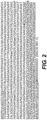
- the amino acid sequence of the fusion protein (including the signal peptide) is shown in Figure 2 .
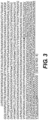
- the amino acid sequence of the fusion protein as secreted (i.e. without the signal peptide) is shown in Figure 3 .
- Figure 2 The amino acid sequence of the fusion protein as secreted (i.e. without the signal peptide) is shown in Figure 3 .
- Akp2 - / - mice generally exhibit physiological manifestations similar to human HPP patients. For example, such mice may 1) have much less (e.g., less than 1%) ALP plasma activity; 2) appear normal at birth but develop apparent skeletal disease at 6 or 11 days of age (depending on the phenotype); 3) have elevated plasma levels of at least one of PPi, PLP and PEA; 4) have progressive rachitic changes, osteopenia, and are prone to fractures; 5) have epileptic seizures and apnea; 6) have poor feeding and/or inadequate weight gain; and/or 7) die by day 21 of age. However, Akp2 - / - mice may have different degrees of phenotypic expression.
- the present disclosure provides a group of Akp2 - / - mice (with the same hybrid genetic background as in Waymire 1995 but from different generations) with varied degrees in mineralization phenotypes, but with similar shortened life span. Interestingly, recombinant TNALP rescued all the KO mice and restored GABA, serine and cystathionine to WT levels without B6 supplement.
- FIG. 4 shows the different mineralization defects of Akp2 -/- mice.
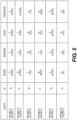
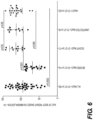
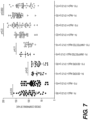
- Figure 5 shows that in various mouse colonies with the same genotype there was a wide distribution of phenotype severity. About 30% of knockout mice in each colony exhibited "unaffected" phenotypes ( e . g ., no significant bone mineralization defects as shown in Figure 4 , no significant body weight defects as shown in Figure 6 , and no significant bone length defects as shown in Figure 8 ).
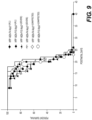
- knockout mice with "unaffected” (mineralization) phenotypes still had a significantly reduced life span comparable to other knockout mice with more severe phenotypes ( Figure 9 ; showing almost all knockout mice (severe and unaffected mice) died around Day 25 after birth).
- PLP is the catalytically active form of vitamin B6 and acts as a cofactor for more than 140 different enzyme reactions involved in amine and amino acid metabolism ( Percudani, R. & Peracchi, A., EMBO Rep., 4:850 4, 2003 ).
- low intracellular PLP may lead to reduced CNS GABA, which may further lead to seizures.
- a high concentration of PPi may result in rickets (osteomalacia), craniosynostosis, respiratory compromise, nephrocalcinosis, or muscle weakness. In severe cases these complications may result in death.
- Abnormal amine and amino acid metabolism due to decreased alkaline phosphatase activity, contributes to the pathogenesis and phenotype characteristic of HPP.
- Amino acid concentrations were quantified by Biochrom 30+ (Biochrom Ltd., UK) amino acid analysis according to a lithium high performance program using L-norleucine (NORL) (Sigma Cat# N8513) as the internal standard (ISTD). Brain extracts were deproteinized by a 1:4 dilution into a master mix containing NORL-ISTD and 5-sulfosalicyclic acid dihydrate (SSA) (Sigma Cat# S7422) at final concentrations of 250 ⁇ mol/L and 2.5%, respectively. Protein precipitates were removed by two successive centrifugations at 10,000 x g, 4°C.
- a standard mix was prepared by adding acid, neutral, and basic amino acid standards (Sigma Cat# A6407 and A6282) as well as NORL-ISTD to the final volume of 250 ⁇ mol/L (with SSA at 2.5%).
- 40 ⁇ L of standard mix and deproteinized samples were injected into the analyzer and amino acids were separated as outlined in the "Accelerated Analysis of Amino Acids in Physiological Samples," Biochrom Application Note: 90 (according to Biochrom Ltd. (Cambridge, UK) manufacturer's instructions).
- Amino acid concentrations ( ⁇ mol/L) were determined using EZChrom software. Final concentrations were expressed as ⁇ mol amino acid/gram wet weight brain.
- sTNALP-FcD10 SEQ ID NO: 1
- brain cystathionine and serine both of which are known to be regulated by PLP for their production
- concentrations were measured and compared between Akp2 - / - mice and wild-type mice.
- Akp2 - / - mice had significantly reduced brain serine level, but significantly elevated brain cystathionine level, compared to those of wild-type mice.
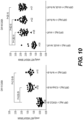
- Continuous treatment with sTNALP-FcD10 however, elevated serine levels and reduced cystathionine levels in those knockout mice to a level comparable to wild-type mice.
- discontinuation of sTNALP-FcD10 treatment after Day 35 reversed the correction by sTNALP-FcD10 (see right panels of Figures 11 and 12 ).
- the bone-target signal D10 in the tested construct did not prevent its functions to improve knockout mice survival and ameliorate seizure-related physiological parameters, such as restoring GABA and serine levels and decreasing cystathionine levels in brain.
- hsTNALP-FcD10 asfotase alfa, SEQ ID NO: 1
- All patients with history of vitamin B6-responsive seizures were very severely affected by HPP, and two of them died after the start of treatment with hsTNALP-FcD10.
- One of the patients had seizures at birth and died after several years on hsTNALP-FcD10 treatment.
- Vitamin B6 was supplied to the patient but was insufficient to prevent seizures. Clonazepam was then administered but the patient died after experiencing seizures along with brain edema, fever, differential ion imbalance, and potential cardiomyopathy.
- Another patient with history of B6-responsive seizures who maintained B6 prophylaxis in conjunction with the treatment with hsTNALP-FcD10, discontinued B6 prophylaxis after one year of co-treatment and maintained hsTNALP-FcD10 treatment only. This patient had no seizure experience after the discontinuation of B6 prophylaxis.
- HPP patients were evaluated in a retrospective natural history study and two Phase II clinical trials with asfotase alfa treatment.
- the clinical data for similar patients e.g., severely affected infants and young children with perinatal or infantile HPP
- HPP perinatal or infantile HPP
- perinatal or infantile HPP matched for their history of rachitic chest, respiratory compromise, and/or vitamin B6-responsive seizures
- asfotase alfa treatment were collected and compared.
- Forty-eight (48) patients were identified from the natural history study and 37 patients were identified from the asfotase alfa treatment studies, with the demographics as shown below in Table 1.
- asfotase alfa treatment helped severely affected patients with perinatal and infantile HPP (which were at high risk of death) to improve both the overall survival rate (89% vs. 27%, P ⁇ 0.0001) and the invasive ventilation-free survival rate.
- a soluble recombinant ALP construct e.g., sTNALP, sTNALP-Fc, sTNALP-FcD10 or other recombinant isozyme constructs. Seizures before and after the treatment are recorded by video camera or other physiological methods. Concentrations of brain GABA, serine, and cystathionine (may also come from serum or urine sources) are tested and compared with known methodology. The therapeutic effect of recombinant ALP is shown by the discovered reduced seizures and/or restored GABA/serine concentration after treatment in Akp2 - / - mice. Different dosage regimens are tested and compared. Vitamin B6 alone or combination therapy is also tested for any potential synergetic effect.
- HPP patients with minor, unaffected, or undetectable mineralization defects and healthy volunteers are treated with a soluble recombinant ALP construct disclosed in the present disclosure. Seizures before and after the treatment are reported and compared. Physiological parameters, such as plasma and/or urine cystathionine (or brain concentrations of GABA, serine and/or cystathionine), are measured and recorded. The therapeutic effect of recombinant ALP is shown by the discovered reduced seizures and/or restored plasma/urine cystathionine concentration after treatment. Vitamin B6 alone or combination therapy is also tested for any potential synergetic effect. Different time lengths for co-therapy are tested to optimize the co-therapy process followed by ALP supplement therapy alone.
- a new subpopulation of patients not previously diagnosed as affected by HPP is also identified by genetic screening or other known methodologies to have defective alkaline phosphatase protein levels and/or function.
- One characteristic symptom such patient subpopulation has is seizures, either vitamin B6-responseve or not.
- Patients in such subpopulation are then treated with recombinant ALP constructs disclosed herein, with or without B6 supplement. If B6 supplement is co-administered, it will be discontinued after a certain time (determined by the physician or drug administrator according to the individual situation of each patient) followed by ALP single therapy.
- a specific subpopulation of patients having seizures is identified by their characteristic above-normal levels of alkaline phosphatase substrates (e.g., PPi, PEA, and PLP). Such abundant DNA, RNA, and/or protein levels of those substrates are detected by regular methodologies known in the art, including, e.g., quantitative PCR, Southern Blot, Northern Blot, PAGE, SDS-PAGE, Western Blot, etc. After identifying this specific patient subpopulation, recombinant ALP constructs disclosed herein will be administered to relieve seizure symptoms.
- one or more other anti-seizure drugs such as vitamin B6 vitamers, may be co-administered for at least a period of time.
- patients are closely monitored for their endogenous biomarkers prior to, during, and post-treatment.
- endogenous biomarkers For example, when vitamin B6 is co-administered, physicians or other drug administers will monitor the levels of biomarkers in the recipient patients to determine, preferably based on the individual situation of each patient, the time point to co-administer vitamin B6, the dosage regimen for B6 and/or recombinant ALP, the length of period for co-administration, and the time point to discontinue vitamin B6 co-administration, etc.
- Biomarkers suitable for monitoring herein include, at least, alkaline phosphatase substrates (PPi, PEA, and/or PLP), or other biomarkers affected by these alkaline phosphatase substrates (e.g., GABA, cystathionine, serine, dopamine, serotonin, histamine, D-serine and hydrogen sulfide, etc.). Such biomarkers may be tested using patient serum or urine or by other standard testing methodology known in the art.
- alkaline phosphatase substrates e.g., GABA, cystathionine, serine, dopamine, serotonin, histamine, D-serine and hydrogen sulfide, etc.
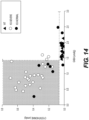
- Vitamin B6 treatment is a standard seizure treatment. However, many HPP patients and Akp2 -l- mice have B6-resistant seizure, which is not correctable by vitamin B6 administration and can lead to death. A further study was carried out to confirm the lack of effect of vitamin B6 on Akp2 -l- mice. In the study, Akp2 -l- mice were treated with 325 ppm dietary vitamin B6 (pyridoxine) supplement. However, seizures were still observed in Akp2 - /- mice with either normal bone mineralization or with severe mineralization defects. None of the knockout mice with either mineralization phenotype survived past 25 days ( Figure 13 ).
- brain amino acid concentrations were measured using the same method as disclosed in Example 3, except that S-(2-Aminoethyl)-L-cysteine (AEC) (Sigma Cat# A2636) (instead of L-norleucine (NORL)), was used as the internal standard (ISTD), and finally 15 ⁇ L, rather than 40 ⁇ L, of standard mix and deproteinized samples were analyzed.
- AEC S-(2-Aminoethyl)-L-cysteine
- NNL L-norleucine
Landscapes
- Health & Medical Sciences (AREA)
- Life Sciences & Earth Sciences (AREA)
- Chemical & Material Sciences (AREA)
- General Health & Medical Sciences (AREA)
- Bioinformatics & Cheminformatics (AREA)
- Engineering & Computer Science (AREA)
- Animal Behavior & Ethology (AREA)
- Veterinary Medicine (AREA)
- Public Health (AREA)
- Medicinal Chemistry (AREA)
- Pharmacology & Pharmacy (AREA)
- Organic Chemistry (AREA)
- Epidemiology (AREA)
- Nuclear Medicine, Radiotherapy & Molecular Imaging (AREA)
- General Chemical & Material Sciences (AREA)
- Chemical Kinetics & Catalysis (AREA)
- Gastroenterology & Hepatology (AREA)
- Proteomics, Peptides & Aminoacids (AREA)
- Immunology (AREA)
- Genetics & Genomics (AREA)
- Zoology (AREA)
- Wood Science & Technology (AREA)
- Biochemistry (AREA)
- General Engineering & Computer Science (AREA)
- Biomedical Technology (AREA)
- Neurology (AREA)
- Neurosurgery (AREA)
- Pain & Pain Management (AREA)
- Physical Education & Sports Medicine (AREA)
- Rheumatology (AREA)
- Orthopedic Medicine & Surgery (AREA)
- Medicines That Contain Protein Lipid Enzymes And Other Medicines (AREA)
- Enzymes And Modification Thereof (AREA)
- Medicinal Preparation (AREA)
- Pharmaceuticals Containing Other Organic And Inorganic Compounds (AREA)
- Peptides Or Proteins (AREA)
- Measuring Or Testing Involving Enzymes Or Micro-Organisms (AREA)
- Acyclic And Carbocyclic Compounds In Medicinal Compositions (AREA)
Applications Claiming Priority (3)
| Application Number | Priority Date | Filing Date | Title |
|---|---|---|---|
| US201462088025P | 2014-12-05 | 2014-12-05 | |
| US201562259307P | 2015-11-24 | 2015-11-24 | |
| PCT/US2015/064003 WO2016090251A1 (en) | 2014-12-05 | 2015-12-04 | Treating seizure with recombinant alkaline phosphatase |
Publications (2)
| Publication Number | Publication Date |
|---|---|
| EP3226891A1 EP3226891A1 (en) | 2017-10-11 |
| EP3226891B1 true EP3226891B1 (en) | 2025-06-25 |
Family
ID=55173939
Family Applications (1)
| Application Number | Title | Priority Date | Filing Date |
|---|---|---|---|
| EP15825878.0A Active EP3226891B1 (en) | 2014-12-05 | 2015-12-04 | Treating seizure with recombinant alkaline phosphatase |
Country Status (13)
| Country | Link |
|---|---|
| US (2) | US10449236B2 (enExample) |
| EP (1) | EP3226891B1 (enExample) |
| JP (1) | JP6787894B2 (enExample) |
| KR (2) | KR20170095278A (enExample) |
| CN (1) | CN107405390A (enExample) |
| AU (1) | AU2015357551B2 (enExample) |
| BR (1) | BR112017011900A2 (enExample) |
| CA (1) | CA2967851C (enExample) |
| CO (1) | CO2017005034A2 (enExample) |
| ES (1) | ES3038086T3 (enExample) |
| MX (1) | MX389350B (enExample) |
| RU (1) | RU2708068C2 (enExample) |
| WO (1) | WO2016090251A1 (enExample) |
Families Citing this family (30)
| Publication number | Priority date | Publication date | Assignee | Title |
|---|---|---|---|---|
| PL1759001T3 (pl) | 2004-04-21 | 2011-09-30 | Alexion Pharma Inc | Koniugaty dostarczane do kości i sposób ich zastosowania do nakierowywania białek do kości |
| WO2016007873A1 (en) | 2014-07-11 | 2016-01-14 | The Regents Of The University Of Michigan | Compositions and methods for treating craniosynostosis |
| JP6787894B2 (ja) | 2014-12-05 | 2020-11-18 | アレクシオン ファーマシューティカルズ, インコーポレイテッド | 組換えアルカリホスファターゼを用いた発作の処置 |
| CA2973883A1 (en) | 2015-01-28 | 2016-08-04 | Alexion Pharmaceuticals, Inc. | Methods of treating a subject with an alkaline phosphatase deficiency |
| JP6993961B2 (ja) | 2015-08-17 | 2022-01-14 | アレクシオン ファーマシューティカルズ, インコーポレイテッド | アルカリホスファターゼの製造 |
| EP3355904A4 (en) | 2015-09-28 | 2019-06-12 | Alexion Pharmaceuticals, Inc. | IDENTIFICATION OF EFFECTIVE DOSE SHEETS FOR TISSUE-SPECIFIC ALKALINE PHOSPHATASE ENZYMERSAT THERAPY OF HYPOPHOSPHATASIA |
| EP3368062A4 (en) | 2015-10-30 | 2019-07-03 | Alexion Pharmaceuticals, Inc. | METHODS OF TREATING CRANIOSYNOSTOSIS IN A PATIENT |
| US11065306B2 (en) | 2016-03-08 | 2021-07-20 | Alexion Pharmaceuticals, Inc. | Methods for treating hypophosphatasia in children |
| KR20180125979A (ko) | 2016-04-01 | 2018-11-26 | 알렉시온 파마슈티칼스, 인코포레이티드 | 알칼리성 포스파타아제로 근육 약화의 치료 |
| US10898549B2 (en) | 2016-04-01 | 2021-01-26 | Alexion Pharmaceuticals, Inc. | Methods for treating hypophosphatasia in adolescents and adults |
| WO2017214130A1 (en) | 2016-06-06 | 2017-12-14 | Alexion Pharmaceuticals, Inc. | Metal impact on manufacturing of alkaline phosphatases |
| JP7018933B2 (ja) | 2016-08-18 | 2022-02-14 | アレクシオン ファーマシューティカルズ, インコーポレイテッド | 気管気管支軟化症の治療方法 |
| CN106591255B (zh) * | 2017-01-13 | 2019-07-02 | 山东省医药生物技术研究中心 | 人碱性磷酸酶糖蛋白的癌细胞高效表达系统及其应用 |
| EP3592372A4 (en) * | 2017-03-09 | 2021-01-13 | Alexion Pharmaceuticals, Inc. | GLYCOPROTEIN MANUFACTURING PROCESS |
| KR20190129058A (ko) * | 2017-03-31 | 2019-11-19 | 알렉시온 파마슈티칼스, 인코포레이티드 | 성인 및 청소년에서 저포스파타제증 (hpp)을 치료하는 방법 |
| AU2019207600B2 (en) | 2018-01-09 | 2025-01-09 | Theriva Biologics, Inc. | Alkaline phosphatase agents for treatment of neurodevelopmental disorders |
| EP3768302B1 (en) | 2018-03-20 | 2025-05-07 | Theriva Biologics, Inc. | Intestinal alkaline phosphatase formulations |
| EP4275761A3 (en) | 2018-03-20 | 2024-02-28 | Theriva Biologics, Inc. | Alkaline phosphatase agents for treatment of radiation disorders |
| WO2019190752A1 (en) | 2018-03-30 | 2019-10-03 | Alexion Pharmaceuticals, Inc. | Manufacturing of glycoproteins |
| CN110499284A (zh) * | 2018-05-17 | 2019-11-26 | 西安组织工程与再生医学研究所 | Wnt信号通路激活剂在制备治疗基因ALPL敲除小鼠牙硬组织矿化异常产品中的应用 |
| WO2020033867A2 (en) | 2018-08-10 | 2020-02-13 | Alexion Pharmaceuticals, Inc. | Methods of treating neurofibromatosis type 1 and related conditions with alkaline phosphatase |
| WO2020227263A1 (en) | 2019-05-06 | 2020-11-12 | Synthetic Biologics, Inc. | Alkaline phosphate-based oncology treatments |
| EP3975999A4 (en) | 2019-06-03 | 2023-07-19 | Theriva Biologics, Inc. | ALKALINE PHOSPHATASE FORMULATIONS AND THEIR USES |
| CA3161266A1 (en) | 2019-12-09 | 2021-06-17 | Alexion Pharmaceuticals, Inc. | Alkaline phosphatase polypeptides and methods of use thereof |
| JP2023540098A (ja) * | 2020-09-03 | 2023-09-21 | チェン アーヴィン エス.ワイ. | 可溶性アルカリホスファターゼ構築物及び可溶性アルカリホスファターゼ構築物をコードするポリヌクレオチドを含む発現ベクター |
| US12611447B2 (en) | 2020-09-04 | 2026-04-28 | Alexion Pharmaceuticals, Inc. | Methods for treating bone mineralization disorders |
| AU2022218782B2 (en) | 2021-02-12 | 2026-06-25 | Alexion Pharmaceuticals, Inc. | Alkaline phosphatase polypeptides and methods of use thereof |
| JP7720105B2 (ja) * | 2021-03-23 | 2025-08-07 | 学校法人日本医科大学 | 組織非特異型アルカリホスファターゼの送達のための遺伝子療法構築物およびその使用方法 |
| CN115575646B (zh) * | 2022-11-21 | 2023-04-28 | 四川大学华西医院 | 一种代谢标志物组在制备预测癫痫发作的试剂盒中的用途 |
| WO2025097067A2 (en) * | 2023-11-02 | 2025-05-08 | Be Biopharma, Inc. | Engineered cell preparations for treatment of hypophosphatasia |
Family Cites Families (192)
| Publication number | Priority date | Publication date | Assignee | Title |
|---|---|---|---|---|
| CA1339210C (en) | 1988-05-31 | 1997-08-05 | John Lewicki | Recombinant techniques for production of novel natriuretic and vasodilator peptides |
| US5225538A (en) | 1989-02-23 | 1993-07-06 | Genentech, Inc. | Lymphocyte homing receptor/immunoglobulin fusion proteins |
| US6406697B1 (en) | 1989-02-23 | 2002-06-18 | Genentech, Inc. | Hybrid immunoglobulins |
| US6541610B1 (en) | 1989-09-05 | 2003-04-01 | Immunex Corporation | Fusion proteins comprising tumor necrosis factor receptor |
| US5352770A (en) | 1990-04-20 | 1994-10-04 | Hisayuki Matsuo | Porcine derived novel physiologically active peptide |
| JP2930380B2 (ja) | 1990-07-13 | 1999-08-03 | 壽之 松尾 | ブタ由来新規生理活性ペプチド(cnp―53) |
| JP3026351B2 (ja) | 1990-07-13 | 2000-03-27 | 壽之 松尾 | ブタcnp遺伝子及び前駆体蛋白 |
| JP2977159B2 (ja) | 1990-09-07 | 1999-11-10 | 壽之 松尾 | カエル由来新規生理活性ペプチド(カエルcnp) |
| JP2977158B2 (ja) | 1990-09-07 | 1999-11-10 | 壽之 松尾 | トリ由来新規生理活性ペプチド(ニワトリcnp) |
| JP3026352B2 (ja) | 1990-09-11 | 2000-03-27 | 壽之 松尾 | ラットCNPcDNA及び前駆体蛋白 |
| JP3026354B2 (ja) | 1990-09-27 | 2000-03-27 | 壽之 松尾 | ヒトcnp遺伝子及び前駆体蛋白 |
| JP2809533B2 (ja) | 1991-01-31 | 1998-10-08 | 壽之 松尾 | Cnp類似体ペプチド |
| WO1992020371A1 (en) | 1991-05-10 | 1992-11-26 | Celtrix Pharmaceuticals, Inc. | Targeted delivery of bone growth factors |
| AU6360394A (en) | 1993-03-03 | 1994-09-26 | Mayo Foundation For Medical Education And Research | Vasonatrin peptide and analogs thereof |
| EP0705344B8 (en) | 1993-06-24 | 2006-05-10 | Advec Inc. | Adenovirus vectors for gene therapy |
| AU4835693A (en) | 1993-08-13 | 1995-03-14 | Rijksuniversiteit Te Groningen | Pharmaceutical composition comprising phosphatase or a derivative thereof |
| DE69435223D1 (de) | 1993-10-25 | 2009-09-03 | Canji Inc | Rekombinanter Adenoviren-Vektor und Verfahren zur Verwendung |
| CA2174517C (en) | 1993-11-12 | 2007-01-02 | David Lowe | Receptor specific atrial natriuretic peptides |
| US6525022B1 (en) | 1993-11-12 | 2003-02-25 | Genentech, Inc. | Receptor specific atrial natriuretic peptides |
| US5846932A (en) | 1993-11-12 | 1998-12-08 | Genentech, Inc. | Receptor specific atrial natriuretic peptides |
| US5665704A (en) | 1993-11-12 | 1997-09-09 | Genentech, Inc. | Receptor specific atrial natriuretic peptides |
| US7252989B1 (en) | 1994-04-04 | 2007-08-07 | Board Of Regents, The University Of Texas System | Adenovirus supervector system |
| WO1995033769A1 (de) | 1994-06-02 | 1995-12-14 | Boehringer Mannheim Gmbh | Verfahren zur herstellung von cardiodilatin-fragmenten, hochgereinigte cardiodilatin-fragmente und zwischenprodukte zu deren herstellung |
| JPH0870875A (ja) | 1994-09-05 | 1996-03-19 | Tosoh Corp | 組換えアルカリフォスファタ−ゼ融合タンパク質 |
| US5863782A (en) | 1995-04-19 | 1999-01-26 | Women's And Children's Hospital | Synthetic mammalian sulphamidase and genetic sequences encoding same |
| US6028055A (en) | 1996-10-22 | 2000-02-22 | Genetech, Inc. | Receptor selective BNP |
| JP2001503256A (ja) | 1996-10-22 | 2001-03-13 | ジェネンテック,インコーポレーテッド | レセプター選択的bnp |
| CA2280957A1 (en) | 1997-02-14 | 1998-08-20 | Leslie Orgel | Methods and compositions for delivery of therapeutic agents to bone tissue employing conjugates of negatively charged peptide oligomers with therapeutic agents |
| AU757658B2 (en) | 1998-03-09 | 2003-02-27 | Zealand Pharma A/S | Pharmacologically active peptide conjugates having a reduced tendency towards enzymatic hydrolysis |
| CA2245903A1 (en) | 1998-09-28 | 2000-03-28 | Mcgill University | Use of pex in the treatment of metabolic bone diseases |
| CA2260376A1 (en) | 1999-02-11 | 2000-08-11 | Universite De Montreal | New metalloproteases of the neprilysin family |
| CA2262056A1 (en) | 1999-02-24 | 2000-08-24 | Guy Boileau | Composition, methods and reagents for the synthesis of a soluble form of human pex |
| AU2495200A (en) | 1999-03-08 | 2000-09-28 | Genentech Inc. | Compositions and methods for the treatment of tumor |
| JP2002542304A (ja) | 1999-04-28 | 2002-12-10 | ベクトレイムド インコーポレイテッド | 酵素的に活性化された重合薬物接合体 |
| US20040266673A1 (en) | 2002-07-31 | 2004-12-30 | Peter Bakis | Long lasting natriuretic peptide derivatives |
| JP2000327583A (ja) | 1999-05-17 | 2000-11-28 | Medei Sci Puraningu:Kk | 骨指向性ホルモン誘導体 |
| US6849714B1 (en) | 1999-05-17 | 2005-02-01 | Conjuchem, Inc. | Protection of endogenous therapeutic peptides from peptidase activity through conjugation to blood components |
| US6887470B1 (en) | 1999-09-10 | 2005-05-03 | Conjuchem, Inc. | Protection of endogenous therapeutic peptides from peptidase activity through conjugation to blood components |
| AU765753B2 (en) | 1999-05-17 | 2003-09-25 | Conjuchem Biotechnologies Inc. | Protection of endogenous therapeutic peptides from peptidase activity through conjugation to blood components |
| DE19942230C2 (de) | 1999-09-03 | 2003-09-25 | Wolf-Georg Forssmann | Verwendung natriuretischer Peptide als antibiotisch wirksame Subsanzen zur Behandlung von bakteriellen Infektionen |
| WO2001036620A2 (en) | 1999-11-16 | 2001-05-25 | Genzyme Corporation | Vectors and transgenies with regulatory elements for gene delivery to the liver |
| AU2277201A (en) | 1999-12-17 | 2001-06-25 | Ariad Pharmaceuticals, Inc. | Novel purines |
| US6407211B1 (en) | 1999-12-17 | 2002-06-18 | Mayo Foundation For Medical Education And Research | Chimeric natriuretic peptides |
| CN1233331C (zh) * | 2000-01-10 | 2005-12-28 | 李世林 | 以头部渗透疗法为主治疗癫痫症的药物 |
| JP4237375B2 (ja) | 2000-03-31 | 2009-03-11 | アスビオファーマ株式会社 | 虚血性疾患の処置又は予防に用いる医薬組成物 |
| US20050142217A1 (en) | 2000-04-26 | 2005-06-30 | Adams Michael A. | Formulations and methods of using nitric oxide mimetics against a malignant cell phenotype |
| EP1502604A1 (en) | 2000-04-26 | 2005-02-02 | Cellegy Pharmaceuticals, Inc | Use of nitric oxide mimetics in cancer treatment |
| JP2003531179A (ja) | 2000-04-26 | 2003-10-21 | クイーンズ ユニバーシティ アット キングストン | 悪性細胞表現型に対し一酸化窒素模倣体を使用する処方および方法 |
| US7678391B2 (en) | 2000-04-26 | 2010-03-16 | Queen's University At Kingston | Formulations and methods of using nitric oxide mimetics against a malignant cell phenotype |
| US6830885B1 (en) | 2000-08-18 | 2004-12-14 | Phenogene Therapeutiques Inc. | Nucleic acid molecule, method and kit for selecting a nucleic acid having a desired feature |
| DE60123635T2 (de) | 2000-08-23 | 2007-08-16 | Enobia Pharma Inc., Montreal | Methode und zusammensetzung zur förderung von osteogenese |
| US6436386B1 (en) | 2000-11-14 | 2002-08-20 | Shearwater Corporation | Hydroxyapatite-targeting poly (ethylene glycol) and related polymers |
| SI1724284T1 (sl) | 2000-12-07 | 2009-12-31 | Lilly Co Eli | Glp-1 fuzijski proteini |
| JP2002178279A (ja) | 2000-12-12 | 2002-06-25 | Ulvac Japan Ltd | 基板搬送方法 |
| WO2002068579A2 (en) | 2001-01-10 | 2002-09-06 | Pe Corporation (Ny) | Kits, such as nucleic acid arrays, comprising a majority of human exons or transcripts, for detecting expression and other uses thereof |
| JP2002246704A (ja) | 2001-02-16 | 2002-08-30 | Philips Japan Ltd | 電子装置及び回路装置 |
| IL142118A0 (en) | 2001-03-20 | 2002-03-10 | Prochon Biotech Ltd | Method and composition for treatment of skeletal dysplasias |
| WO2002092020A2 (en) | 2001-03-23 | 2002-11-21 | The Burnham Institute | Compositions and methods for modulating bone mineral deposition |
| US7888372B2 (en) | 2001-03-23 | 2011-02-15 | National Institutes Of Health (Nih) | Compositions and methods for modulating bone mineral deposition |
| WO2002092134A1 (en) | 2001-05-14 | 2002-11-21 | Cell Genesys, Inc. | Lentiviral vectors encoding clotting factors for gene therapy |
| JP3935487B2 (ja) | 2001-07-16 | 2007-06-20 | フーベルト・ケスター | 捕獲化合物、その収集物、ならびにプロテオームおよび複合組成物の分析方法 |
| BRPI0203172B8 (pt) | 2001-09-28 | 2021-05-25 | Nakao Kazuwa | composição farmacêutica para acondroplasia |
| US20050202442A1 (en) | 2003-12-15 | 2005-09-15 | Morris David W. | Novel therapeutic targets in cancer |
| AU2002356392A1 (en) | 2001-12-20 | 2003-07-09 | Phenogene Therapeutiques Inc. | Bone polypeptide-1 |
| CA2841097A1 (en) | 2001-12-21 | 2003-07-24 | Human Genome Sciences, Inc. | Albumin and g-csf fusion proteins |
| US20080194481A1 (en) | 2001-12-21 | 2008-08-14 | Human Genome Sciences, Inc. | Albumin Fusion Proteins |
| US20030158132A1 (en) | 2002-01-22 | 2003-08-21 | Genvec, Inc. | Method for enhancing bone density or formation |
| JP2005527510A (ja) | 2002-03-06 | 2005-09-15 | セレジー ファーマシューティカルズ インコーポレーティッド | 癌の治療において一酸化窒素模倣体を使用するための製剤および方法 |
| US20050113286A1 (en) | 2002-03-18 | 2005-05-26 | Schreiner George F. | Methods for treating congestive heart failure |
| WO2003079979A2 (en) | 2002-03-18 | 2003-10-02 | Scios Inc. | Method for treating congestive heart failure |
| IL149562A0 (en) | 2002-05-09 | 2002-11-10 | Prochon Ltd | Fgf variants and methods for use thereof |
| CA2433479A1 (en) | 2002-07-22 | 2004-01-22 | F. Hoffmann-La Roche Ag | Conjugate of a tissue non-specific alkaline phosphatase and dextran, process for its production and use thereof |
| EP1530588A2 (en) | 2002-07-31 | 2005-05-18 | Conjuchem, Inc. | Long lasting natriuretic peptide derivatives |
| US20060110359A1 (en) | 2002-09-06 | 2006-05-25 | Juan Sanchez-Ramos | Cellular delivery of natriuretic peptides |
| JP4610025B2 (ja) | 2002-11-18 | 2011-01-12 | シン.クス ファーマ、インコーポレイテッド | NT−proBNP検出用ポリクローナル・モノクローナル・エライサ検定法 |
| US7648962B2 (en) | 2002-11-26 | 2010-01-19 | Biocon Limited | Natriuretic compounds, conjugates, and uses thereof |
| SG159387A1 (en) | 2002-11-26 | 2010-03-30 | Biocon Ltd In | Modified natriuretic compounds, conjugates, and uses thereof |
| EP1572645A2 (en) | 2002-12-03 | 2005-09-14 | Enobia Pharma Inc. | Derivatives of succinic and glutaric acids and analogs thereof useful as inhibitors of phex |
| EP1583554A2 (en) | 2003-01-13 | 2005-10-12 | Gudrun Rappold-Hoerbrand | Use of natriuretic peptides for the treatment of stature disorders related to the shox gene |
| EP2196474A3 (en) | 2003-02-14 | 2010-12-15 | Sagres Discovery, Inc. | Therapeutic targets in cancer |
| US7488713B2 (en) | 2004-03-18 | 2009-02-10 | University Of South Florida | Cancer treatment using C-type natriuretic peptides |
| CA2522709A1 (en) | 2003-04-17 | 2004-11-04 | Ciphergen Biosystems, Inc. | Polypeptides related to natriuretic peptides and methods of their identification and use |
| JP2007501021A (ja) | 2003-05-30 | 2007-01-25 | アレクシオン ファーマシューティカルズ, インコーポレイテッド | 遺伝子操作された定常領域を含む、抗体および融合タンパク質 |
| ATE490469T1 (de) | 2003-06-17 | 2010-12-15 | Otago Innovation Ltd | Beurteilung des skelettwachstums unter verwendung von messungen von nt-cnp-peptiden |
| CN101208353B (zh) | 2003-06-20 | 2011-12-14 | 梅约医学教育与研究基金会 | 脑利尿钠肽的同种型 |
| WO2005052593A1 (en) | 2003-10-29 | 2005-06-09 | The University Of Leicester | Detection |
| US7431915B2 (en) | 2003-10-31 | 2008-10-07 | The Regents Of The University Of California | Peptides whose uptake by cells is controllable |
| US8110665B2 (en) | 2003-11-13 | 2012-02-07 | Hanmi Holdings Co., Ltd. | Pharmaceutical composition comprising an immunoglobulin FC region as a carrier |
| BRPI0406605B8 (pt) | 2003-11-13 | 2021-05-25 | Hanmi Holdings Co Ltd | conjugado de proteína, método para a preparação do mesmo e composição farmacêutica para intensificar a duração e estabilidade in vivo de um polipeptídeo fisiologicamente ativo |
| WO2005070446A1 (en) | 2004-01-15 | 2005-08-04 | Scios Inc. | Method for treating cardiac remodeling following myocardial injury |
| US20080182299A1 (en) | 2004-01-27 | 2008-07-31 | Compugent Ltd. | Novel brain natriuretic peptide variants and methods of use thereof |
| AU2005207886A1 (en) | 2004-01-27 | 2005-08-11 | Compugen Usa, Inc. | Novel brain natriuretic peptide variants and methods of use thereof |
| BRPI0507233B8 (pt) | 2004-03-11 | 2021-05-25 | Genentech Inc | processo para a produção de um polipeptídeo heterólogo em e. coli |
| ES2465141T3 (es) | 2004-03-31 | 2014-06-05 | Kazuwa Nakao | Remedio o medicamento preventivo para la artritis |
| KR20070007842A (ko) | 2004-03-31 | 2007-01-16 | 카즈와 나카오 | 신장증가용 조성물 |
| JP2005292718A (ja) | 2004-04-05 | 2005-10-20 | Furukawa Electric Co Ltd:The | 光導波路、光導波路モジュールおよび光導波路の作成方法 |
| PL1759001T3 (pl) | 2004-04-21 | 2011-09-30 | Alexion Pharma Inc | Koniugaty dostarczane do kości i sposób ich zastosowania do nakierowywania białek do kości |
| US20090298120A1 (en) | 2004-05-04 | 2009-12-03 | National University Of Singapore | Method for expressing sialylated glycoproteins in mammalian cells and cells thereof |
| JP2007537263A (ja) | 2004-05-10 | 2007-12-20 | ノバセア インコーポレイティッド | 活性ビタミンd化合物による動脈再狭窄の予防法 |
| US20070081986A1 (en) | 2005-10-07 | 2007-04-12 | Shunji Tomatsu | Beta-glucuronidase with an attached short peptide of acidic amino acids |
| US7863238B2 (en) | 2004-06-10 | 2011-01-04 | Saint Louis University | Proteins with an attached short peptide of acidic amino acids |
| US20070081984A1 (en) | 2005-10-11 | 2007-04-12 | Shunji Tomatsu | Compositions and methods for treating hypophosphatasia |
| US7972593B2 (en) | 2004-06-10 | 2011-07-05 | Saint Louis University | Delivery of therapeutic agents to the bone |
| BRPI0512496A (pt) | 2004-06-23 | 2008-03-04 | Genzyme Corp | processos e composições para o tratamento de doenças policìsticas |
| WO2006005140A2 (en) | 2004-07-15 | 2006-01-19 | The University Of Queensland | Proteinaceous compounds and uses therefor |
| US20090142347A1 (en) | 2004-09-29 | 2009-06-04 | The Burnham Institute For Medical Research | Tissue-Nonspecific Alkaline Phosphatase (TNAP): a Therapeutic Target for Arterial Calcification |
| BRPI0515819A (pt) | 2004-12-01 | 2008-08-05 | Genzyme Corp | métodos para o fornecimento direcionado de material genético ao fìgado |
| US7732406B2 (en) | 2005-04-07 | 2010-06-08 | Cardiopep Pharma Gmbh | Use of natriuretic peptide for treating heart failure |
| CA2606102C (en) | 2005-04-26 | 2014-09-30 | Medimmune, Inc. | Modulation of antibody effector function by hinge domain engineering |
| US20070042957A1 (en) | 2005-08-19 | 2007-02-22 | Mayo Foundation For Medical Education And Research | Type v phosphodiesterase inhibitors and natriuretic polypeptides |
| US7470668B2 (en) | 2005-08-24 | 2008-12-30 | Enobia Pharma Inc. | Method of use of specific natriuretic peptide receptor c ligands, transgenic non-human mammals expressing specific natriuretic peptide receptor c antagonists and cells thereof |
| CA2621264A1 (en) | 2005-09-06 | 2007-11-15 | Zelos Therapeutics, Inc. | Parathyroid hormone analogues and methods of use |
| WO2007035600A2 (en) | 2005-09-16 | 2007-03-29 | Mayo Foundation For Education And Research | Natriuretic activities |
| WO2007041645A2 (en) | 2005-10-03 | 2007-04-12 | Scios Inc. | Oxidized human bnp |
| RU2316334C2 (ru) | 2005-12-19 | 2008-02-10 | Медитек Индастриз ЛЛС | Способ активации утраченных двигательных функций, а также определения эффективности их восстановления при повреждении центральной нервной системы |
| US7625564B2 (en) | 2006-01-27 | 2009-12-01 | Novagen Holding Corporation | Recombinant human EPO-Fc fusion proteins with prolonged half-life and enhanced erythropoietic activity in vivo |
| DK1987178T3 (en) | 2006-02-20 | 2015-04-20 | Phylogica Ltd | Process for the construction and screening of peptide structure libraries |
| US7787945B2 (en) * | 2006-03-08 | 2010-08-31 | Neuropace, Inc. | Implantable seizure monitor |
| US8784833B2 (en) | 2006-06-27 | 2014-07-22 | Saint Louis University | Prenatal enzyme replacement therapy for hypophosphatasia |
| EP2040758A4 (en) | 2006-06-30 | 2014-09-17 | Interface Biologics Inc | BIORESPONSIVE POLYMERS |
| US7825092B2 (en) | 2006-08-08 | 2010-11-02 | University Of South Florida | Dendroaspis natriuretic peptide for treatment of cancer |
| US8324162B2 (en) | 2006-08-08 | 2012-12-04 | Mayo Foundation For Medical Education And Research | Diuretic and natriuretic polypeptides lacking the blood pressure lowering property |
| JP2010502231A (ja) | 2006-09-08 | 2010-01-28 | メイヨ・ファウンデーション・フォー・メディカル・エデュケーション・アンド・リサーチ | 血管拡張作用を欠く水利尿およびナトリウム利尿ポリペプチド |
| KR20090060294A (ko) | 2006-09-08 | 2009-06-11 | 암브룩스, 인코포레이티드 | 변형된 인간 혈장 폴리펩티드 또는 Fc 스캐폴드 및 그의 용도 |
| PE20081140A1 (es) | 2006-10-25 | 2008-09-22 | Amgen Inc | Agentes terapeuticos a base de peptidos derivados de toxinas |
| US20100168443A1 (en) | 2006-11-02 | 2010-07-01 | University Of Virginia Patent Foundation | Ethoid-Containing Compounds, Methods for Preparing Ethoid-Containing Compounds, and Methods of Use |
| JP5645408B2 (ja) | 2006-11-16 | 2014-12-24 | カイ ファーマシューティカルズ インコーポレーティッド | 副甲状腺機能亢進症および高カルシウム血症性障害の治療のためのポリカチオン性カルシウムモジュレーターペプチド |
| KR100856413B1 (ko) * | 2006-12-06 | 2008-09-04 | 삼성전자주식회사 | 정착기 및 이를 포함하는 화상형성장치 |
| US20080181903A1 (en) | 2006-12-21 | 2008-07-31 | Pdl Biopharma, Inc. | Conjugate of natriuretic peptide and antibody constant region |
| EP2118665B1 (en) | 2007-03-12 | 2012-04-18 | Biomedica Medizinprodukte GmbH & Co KG | Diagnosis of septic complications |
| EP1985697A1 (en) | 2007-04-27 | 2008-10-29 | AM-Pharma B.V. | Modified phosphatases |
| KR20080098216A (ko) | 2007-05-04 | 2008-11-07 | 한미약품 주식회사 | 캐리어 물질을 이용한 나트륨 배설 펩타이드 약물 결합체 |
| DK2662448T3 (en) | 2007-05-11 | 2017-03-20 | Alexion Pharma Inc | Bone-targeted alkaline phosphatase, kits and methods for its use |
| MX2009012343A (es) | 2007-05-14 | 2010-02-10 | Biogen Idec Inc | Regiones fc (sc fc) de cadena sencilla, polipeptidos de enlace que comprenden las mismas, y metodos relacionados con ello. |
| US20100310561A1 (en) | 2007-06-06 | 2010-12-09 | Boehringer Ingelheim International Gmbh | Natriuretic fusion proteins |
| EP2171451A4 (en) | 2007-06-11 | 2011-12-07 | Abbott Biotech Ltd | METHOD FOR TREATING JUVENILIAN IDIOPATHIC ARTHRITIS |
| US20110077383A1 (en) | 2007-07-03 | 2011-03-31 | Medimmune, Llc | Hinge domain engineering |
| AU2008274845A1 (en) | 2007-07-06 | 2009-01-15 | Theratechnologies Inc. | Bifunctional fusion proteins of the alpha-melanocyte stimulating hormone (alpha-MSH) and atrial natriuretic protein (ANP) and uses in hypertension and acute kidney injury |
| EP2171053B1 (en) | 2007-07-20 | 2014-04-23 | Mayo Foundation for Medical Education and Research | Natriuretic polypeptides |
| WO2009042294A2 (en) | 2007-08-10 | 2009-04-02 | Burnham Institute For Medical Research | Tissue-nonspecific alkaline phosphatase (tnap) activators and uses thereof |
| CA2695374A1 (en) | 2007-08-15 | 2009-02-19 | Amunix, Inc. | Compositions and methods for modifying properties of biologically active polypeptides |
| KR20100057063A (ko) | 2007-09-11 | 2010-05-28 | 몬도바이오테크 래보래토리즈 아게 | 치료제로서의 펩티드의 용도 |
| WO2009043468A2 (en) | 2007-09-11 | 2009-04-09 | Mondobiotech Laboratories Ag | Use of corticotropin-releasing factor as a therapeutic agent |
| KR20100059863A (ko) | 2007-09-11 | 2010-06-04 | 몬도바이오테크 래보래토리즈 아게 | 치료제로서의 펩티드 티모신 베타 4 단독 또는 세크로핀 a와의 배합물의 용도 |
| WO2009034134A2 (en) | 2007-09-11 | 2009-03-19 | Pharis Biotec Gmbh | Use of natriuretic peptides for treating angioedema syndromes |
| AU2008303928A1 (en) | 2007-09-11 | 2009-04-02 | Mondobiotech Laboratories Ag | Use of NF-KAPPAB inhibitor SN50 and optionally angiotensin III as therapeutic agents in the treatment of EG HBV infection |
| US20100204107A1 (en) | 2007-09-11 | 2010-08-12 | Dorian Bevec | Use of urodilatin as a therapeutic agent |
| WO2009036448A2 (en) | 2007-09-15 | 2009-03-19 | Mayo Foundation For Medical Education And Research | Natriuretic peptide receptor-c agonists |
| AR069409A1 (es) | 2007-11-21 | 2010-01-20 | Biomarin Pharm Inc | Variantes de peptidos natriureticos de tipo c |
| WO2009086126A2 (en) | 2007-12-21 | 2009-07-09 | Mayo Foundation For Medical Education And Research | Natriuretic polypeptides |
| CN101322866A (zh) * | 2008-01-11 | 2008-12-17 | 梁树立 | 脑深部癫痫放电引导治疗方法与设备 |
| EP2080812A1 (en) | 2008-01-18 | 2009-07-22 | Transmedi SA | Compositions and methods of detecting post-stop peptides |
| PT2277890E (pt) | 2008-05-23 | 2016-03-31 | Daiichi Sankyo Co Ltd | Péptido capaz de prolongar o semi-período de vida do péptido de interesse no plasma |
| US20110152194A1 (en) | 2008-06-06 | 2011-06-23 | Mayo Foundation For Medical Education And Research | Chimeric natriuretic polypeptides and methods for inhibiting cardiac remodeling |
| WO2009156481A1 (en) | 2008-06-25 | 2009-12-30 | Ascendis Pharma As | Pegylated bnp |
| EP2315602A4 (en) | 2008-06-26 | 2011-11-02 | Acceleron Pharma Inc | METHOD OF DOSING AN ACTRIIB ANTAGONIST AND MONITORING TREATED PATIENTS |
| DK2307447T3 (da) | 2008-07-02 | 2016-06-20 | Mayo Foundation | Natriuretiske polypeptider med unikke farmakologiske profiler |
| EP2300501B1 (en) | 2008-07-23 | 2014-08-20 | Hanmi Science Co., Ltd. | A polypeptide complex comprising non-peptidyl polymer having three functional ends |
| US20100093678A1 (en) | 2008-10-10 | 2010-04-15 | The University Of Georgia Research Foundation, Inc | Compositions and methods of the treatment of obesity and osteoporosis |
| US8642550B2 (en) | 2008-10-24 | 2014-02-04 | Mayo Foundation For Medical Education And Research | Chimeric natriuretic peptides without hypotensive inducing capability |
| WO2010078325A2 (en) | 2008-12-29 | 2010-07-08 | Mayo Foundation For Medical Education And Research | Natriuretic polypeptides for reducing or preventing restenosis |
| AR075029A1 (es) | 2009-01-19 | 2011-03-02 | Hanmi Pharm Ind Co Ltd | Metodo para producir una proteina o un peptido fisiologicamente activo usando un fragmento de inmunoglobulina |
| CA2754408A1 (en) | 2009-03-30 | 2010-10-14 | Boehringer Ingelheim International Gmbh | Fusion proteins comprising canine fc portions |
| US20120053123A1 (en) | 2009-05-05 | 2012-03-01 | Mayo Foundation For Medical Education And Research | Natriuretic polypeptides having mutations within their disulfide rings |
| EP2432489B1 (en) | 2009-05-20 | 2016-10-05 | BioMarin Pharmaceutical Inc. | Variants of c-type natriuretic peptide |
| US8685024B2 (en) | 2010-04-14 | 2014-04-01 | Arrowhead Medical Device Technologies, Llc | Intramedullary fixation device and methods for bone fixation and stabilization |
| CN103153344A (zh) * | 2010-04-30 | 2013-06-12 | 阿莱克森国际制药有限公司 | 用于治疗基质矿化障碍的方法、组合物、和试剂盒 |
| JP6055779B2 (ja) | 2010-12-27 | 2016-12-27 | アレクシオン ファーマシューティカルズ, インコーポレイテッド | ナトリウム利尿ペプチドを含む組成物およびその使用方法 |
| KR20140084201A (ko) | 2011-10-19 | 2014-07-04 | 알렉시온 파마 홀딩 | 알칼리성 포스파타제 및/또는 나트륨이뇨 펩티드를 포함하는 조성물 및 그의 사용 방법 |
| MX355063B (es) | 2011-11-10 | 2018-04-04 | Kai Pharmaceuticals Inc | Calcimiméticos y métodos para su uso. |
| US10052366B2 (en) | 2012-05-21 | 2018-08-21 | Alexion Pharmaceuticsl, Inc. | Compositions comprising alkaline phosphatase and/or natriuretic peptide and methods of use thereof |
| BR112015001712A2 (pt) | 2012-07-25 | 2017-07-04 | Psioxus Therapeutics Ltd | uso de s-pindolol para o tratamento da caquexia e sarcopenia |
| US20160097100A1 (en) | 2013-05-17 | 2016-04-07 | Jeffrey Trent | Genetic test to predict patient response to bone morphogenetic protein in arthrodesis |
| DK3461891T3 (da) | 2014-01-24 | 2020-08-10 | Am-Pharma Bv | Nedstrømsbehandling af en alkalisk phosphatase |
| WO2015112017A1 (en) | 2014-01-24 | 2015-07-30 | Am-Pharma B.V. | Chimeric alkaline phosphatase-like proteins |
| DK3845245T3 (da) | 2014-06-09 | 2025-09-15 | Ultragenyx Pharmaceutical Inc | Effektiv og virkningsfuld kontrol af serumphosphat til optimal knogledannelse |
| WO2016007873A1 (en) | 2014-07-11 | 2016-01-14 | The Regents Of The University Of Michigan | Compositions and methods for treating craniosynostosis |
| JP6948942B2 (ja) | 2014-10-15 | 2021-10-13 | アレクシオン ファーマシューティカルズ, インコーポレイテッド | タンパク質産物の等電性プロファイルをシフトさせる方法およびその使用 |
| JP6787894B2 (ja) | 2014-12-05 | 2020-11-18 | アレクシオン ファーマシューティカルズ, インコーポレイテッド | 組換えアルカリホスファターゼを用いた発作の処置 |
| CA2973883A1 (en) | 2015-01-28 | 2016-08-04 | Alexion Pharmaceuticals, Inc. | Methods of treating a subject with an alkaline phosphatase deficiency |
| KR101867134B1 (ko) | 2015-03-23 | 2018-06-12 | 한양대학교 산학협력단 | 포유류 세포를 이용하여 목적 물질을 고효율로 생산하기 위한 세포 배양 배지, 이를 이용한 세포 배양 방법 및 목적 물질의 생산 방법 |
| JP6993961B2 (ja) | 2015-08-17 | 2022-01-14 | アレクシオン ファーマシューティカルズ, インコーポレイテッド | アルカリホスファターゼの製造 |
| EP3355904A4 (en) | 2015-09-28 | 2019-06-12 | Alexion Pharmaceuticals, Inc. | IDENTIFICATION OF EFFECTIVE DOSE SHEETS FOR TISSUE-SPECIFIC ALKALINE PHOSPHATASE ENZYMERSAT THERAPY OF HYPOPHOSPHATASIA |
| EP3368062A4 (en) | 2015-10-30 | 2019-07-03 | Alexion Pharmaceuticals, Inc. | METHODS OF TREATING CRANIOSYNOSTOSIS IN A PATIENT |
| US11065306B2 (en) | 2016-03-08 | 2021-07-20 | Alexion Pharmaceuticals, Inc. | Methods for treating hypophosphatasia in children |
| WO2017171871A1 (en) | 2016-04-01 | 2017-10-05 | Alexion Pharmaceuticals, Inc. | Methods for treating hypophosphatasia in adolescents and adults |
| KR20180125979A (ko) | 2016-04-01 | 2018-11-26 | 알렉시온 파마슈티칼스, 인코포레이티드 | 알칼리성 포스파타아제로 근육 약화의 치료 |
| US10898549B2 (en) | 2016-04-01 | 2021-01-26 | Alexion Pharmaceuticals, Inc. | Methods for treating hypophosphatasia in adolescents and adults |
| WO2017214130A1 (en) | 2016-06-06 | 2017-12-14 | Alexion Pharmaceuticals, Inc. | Metal impact on manufacturing of alkaline phosphatases |
| US20200306350A1 (en) | 2016-06-27 | 2020-10-01 | Alexion Pharmaceuticals, Inc. | Methods for treating hypophosphatasia in children and adolescents |
| JP7018933B2 (ja) | 2016-08-18 | 2022-02-14 | アレクシオン ファーマシューティカルズ, インコーポレイテッド | 気管気管支軟化症の治療方法 |
| EP3592372A4 (en) | 2017-03-09 | 2021-01-13 | Alexion Pharmaceuticals, Inc. | GLYCOPROTEIN MANUFACTURING PROCESS |
-
2015
- 2015-12-04 JP JP2017529820A patent/JP6787894B2/ja active Active
- 2015-12-04 CA CA2967851A patent/CA2967851C/en active Active
- 2015-12-04 MX MX2017007392A patent/MX389350B/es unknown
- 2015-12-04 CN CN201580065875.2A patent/CN107405390A/zh active Pending
- 2015-12-04 KR KR1020177018619A patent/KR20170095278A/ko not_active Ceased
- 2015-12-04 EP EP15825878.0A patent/EP3226891B1/en active Active
- 2015-12-04 KR KR1020247010346A patent/KR20240045379A/ko not_active Ceased
- 2015-12-04 RU RU2017123540A patent/RU2708068C2/ru active
- 2015-12-04 BR BR112017011900A patent/BR112017011900A2/pt not_active Application Discontinuation
- 2015-12-04 US US15/532,203 patent/US10449236B2/en active Active
- 2015-12-04 ES ES15825878T patent/ES3038086T3/es active Active
- 2015-12-04 AU AU2015357551A patent/AU2015357551B2/en active Active
- 2015-12-04 WO PCT/US2015/064003 patent/WO2016090251A1/en not_active Ceased
-
2017
- 2017-05-22 CO CONC2017/0005034A patent/CO2017005034A2/es unknown
-
2019
- 2019-10-18 US US16/657,040 patent/US11224638B2/en active Active
Non-Patent Citations (1)
| Title |
|---|
| DE ROO MARIEKE G A ET AL: "Infantile hypophosphatasia without bone deformities presenting with severe pyridoxine-resistant seizures", MOLECULAR GENETICS AND METABOLISM, ACADEMIC PRESS, AMSTERDAM, NL, vol. 111, no. 3, 26 September 2013 (2013-09-26), pages 404 - 407, XP028661586, ISSN: 1096-7192, DOI: 10.1016/J.YMGME.2013.09.014 * |
Also Published As
| Publication number | Publication date |
|---|---|
| KR20170095278A (ko) | 2017-08-22 |
| RU2017123540A3 (enExample) | 2019-07-17 |
| US10449236B2 (en) | 2019-10-22 |
| RU2017123540A (ru) | 2019-01-10 |
| WO2016090251A1 (en) | 2016-06-09 |
| US20170360899A1 (en) | 2017-12-21 |
| JP6787894B2 (ja) | 2020-11-18 |
| CA2967851C (en) | 2024-02-27 |
| CO2017005034A2 (es) | 2017-08-31 |
| US20200093898A1 (en) | 2020-03-26 |
| CN107405390A (zh) | 2017-11-28 |
| KR20240045379A (ko) | 2024-04-05 |
| RU2708068C2 (ru) | 2019-12-04 |
| ES3038086T3 (en) | 2025-10-09 |
| MX2017007392A (es) | 2019-01-24 |
| US11224638B2 (en) | 2022-01-18 |
| MX389350B (es) | 2025-03-19 |
| CA2967851A1 (en) | 2016-06-09 |
| EP3226891A1 (en) | 2017-10-11 |
| AU2015357551A1 (en) | 2017-05-25 |
| BR112017011900A2 (pt) | 2018-02-27 |
| AU2015357551B2 (en) | 2021-02-25 |
| JP2018502836A (ja) | 2018-02-01 |
Similar Documents
| Publication | Publication Date | Title |
|---|---|---|
| US11224638B2 (en) | Treating seizure with recombinant alkaline phosphatase | |
| EP2662448B1 (en) | Bone targeted alkaline phosphatase, kits and methods of use thereof | |
| JP5986986B2 (ja) | 基質石灰化障害を治療する方法、組成物、およびキット | |
| JP7482914B2 (ja) | ホモシスチン尿症の治療する組成物および方法 | |
| Riillo et al. | c. 376A> G,(p. Ser126Gly) Alpha-Galactosidase A mutation induces ER stress, unfolded protein response and reduced enzyme trafficking to lysosome: Possible relevance in the pathogenesis of late-onset forms of Fabry Disease | |
| BR122024007742A2 (pt) | Uso de fosfatase alcalina recombinante no tratamento de ataques | |
| Mohammad et al. | ENPP1 Deficiency: A Shared Pathway in Hypophosphatemia, Rickets and Autoimmune Rheumatic Diseases | |
| HK1191372B (en) | Bone targeted alkaline phosphatase, kits and methods of use thereof | |
| HK1162589B (en) | Bone targeted alkaline phosphatase, kits and methods of use thereof | |
| HK1141047B (en) | Bone targeted alkaline phosphatase, kits and methods of use thereof |
Legal Events
| Date | Code | Title | Description |
|---|---|---|---|
| STAA | Information on the status of an ep patent application or granted ep patent |
Free format text: STATUS: THE INTERNATIONAL PUBLICATION HAS BEEN MADE |
|
| PUAI | Public reference made under article 153(3) epc to a published international application that has entered the european phase |
Free format text: ORIGINAL CODE: 0009012 |
|
| STAA | Information on the status of an ep patent application or granted ep patent |
Free format text: STATUS: REQUEST FOR EXAMINATION WAS MADE |
|
| 17P | Request for examination filed |
Effective date: 20170630 |
|
| AK | Designated contracting states |
Kind code of ref document: A1 Designated state(s): AL AT BE BG CH CY CZ DE DK EE ES FI FR GB GR HR HU IE IS IT LI LT LU LV MC MK MT NL NO PL PT RO RS SE SI SK SM TR |
|
| AX | Request for extension of the european patent |
Extension state: BA ME |
|
| DAV | Request for validation of the european patent (deleted) | ||
| DAX | Request for extension of the european patent (deleted) | ||
| STAA | Information on the status of an ep patent application or granted ep patent |
Free format text: STATUS: EXAMINATION IS IN PROGRESS |
|
| 17Q | First examination report despatched |
Effective date: 20180430 |
|
| RIN1 | Information on inventor provided before grant (corrected) |
Inventor name: DEVORE, DENISE Inventor name: LIU-CHEN, SUSAN Inventor name: MAROZSAN, ANDRE |
|
| RAP3 | Party data changed (applicant data changed or rights of an application transferred) |
Owner name: ALEXION PHARMACEUTICALS, INC. |
|
| GRAP | Despatch of communication of intention to grant a patent |
Free format text: ORIGINAL CODE: EPIDOSNIGR1 |
|
| STAA | Information on the status of an ep patent application or granted ep patent |
Free format text: STATUS: GRANT OF PATENT IS INTENDED |
|
| INTG | Intention to grant announced |
Effective date: 20250121 |
|
| GRAS | Grant fee paid |
Free format text: ORIGINAL CODE: EPIDOSNIGR3 |
|
| GRAA | (expected) grant |
Free format text: ORIGINAL CODE: 0009210 |
|
| STAA | Information on the status of an ep patent application or granted ep patent |
Free format text: STATUS: THE PATENT HAS BEEN GRANTED |
|
| P01 | Opt-out of the competence of the unified patent court (upc) registered |
Free format text: CASE NUMBER: APP_19565/2025 Effective date: 20250423 |
|
| AK | Designated contracting states |
Kind code of ref document: B1 Designated state(s): AL AT BE BG CH CY CZ DE DK EE ES FI FR GB GR HR HU IE IS IT LI LT LU LV MC MK MT NL NO PL PT RO RS SE SI SK SM TR |
|
| REG | Reference to a national code |
Ref country code: GB Ref legal event code: FG4D |
|
| REG | Reference to a national code |
Ref country code: CH Ref legal event code: EP |
|
| REG | Reference to a national code |
Ref country code: CH Ref legal event code: EP |
|
| REG | Reference to a national code |
Ref country code: IE Ref legal event code: FG4D |
|
| REG | Reference to a national code |
Ref country code: DE Ref legal event code: R096 Ref document number: 602015091890 Country of ref document: DE |
|
| PGFP | Annual fee paid to national office [announced via postgrant information from national office to epo] |
Ref country code: FR Payment date: 20250630 Year of fee payment: 11 |
|
| PG25 | Lapsed in a contracting state [announced via postgrant information from national office to epo] |
Ref country code: FI Free format text: LAPSE BECAUSE OF FAILURE TO SUBMIT A TRANSLATION OF THE DESCRIPTION OR TO PAY THE FEE WITHIN THE PRESCRIBED TIME-LIMIT Effective date: 20250625 |
|
| REG | Reference to a national code |
Ref country code: ES Ref legal event code: FG2A Ref document number: 3038086 Country of ref document: ES Kind code of ref document: T3 Effective date: 20251009 |
|
| REG | Reference to a national code |
Ref country code: LT Ref legal event code: MG9D |
|
| PG25 | Lapsed in a contracting state [announced via postgrant information from national office to epo] |
Ref country code: GR Free format text: LAPSE BECAUSE OF FAILURE TO SUBMIT A TRANSLATION OF THE DESCRIPTION OR TO PAY THE FEE WITHIN THE PRESCRIBED TIME-LIMIT Effective date: 20250926 Ref country code: NO Free format text: LAPSE BECAUSE OF FAILURE TO SUBMIT A TRANSLATION OF THE DESCRIPTION OR TO PAY THE FEE WITHIN THE PRESCRIBED TIME-LIMIT Effective date: 20250925 |
|
| PGFP | Annual fee paid to national office [announced via postgrant information from national office to epo] |
Ref country code: TR Payment date: 20250910 Year of fee payment: 11 |
|
| PG25 | Lapsed in a contracting state [announced via postgrant information from national office to epo] |
Ref country code: BG Free format text: LAPSE BECAUSE OF FAILURE TO SUBMIT A TRANSLATION OF THE DESCRIPTION OR TO PAY THE FEE WITHIN THE PRESCRIBED TIME-LIMIT Effective date: 20250625 |
|
| PG25 | Lapsed in a contracting state [announced via postgrant information from national office to epo] |
Ref country code: HR Free format text: LAPSE BECAUSE OF FAILURE TO SUBMIT A TRANSLATION OF THE DESCRIPTION OR TO PAY THE FEE WITHIN THE PRESCRIBED TIME-LIMIT Effective date: 20250625 |
|
| PG25 | Lapsed in a contracting state [announced via postgrant information from national office to epo] |
Ref country code: RS Free format text: LAPSE BECAUSE OF FAILURE TO SUBMIT A TRANSLATION OF THE DESCRIPTION OR TO PAY THE FEE WITHIN THE PRESCRIBED TIME-LIMIT Effective date: 20250925 |
|
| PG25 | Lapsed in a contracting state [announced via postgrant information from national office to epo] |
Ref country code: LV Free format text: LAPSE BECAUSE OF FAILURE TO SUBMIT A TRANSLATION OF THE DESCRIPTION OR TO PAY THE FEE WITHIN THE PRESCRIBED TIME-LIMIT Effective date: 20250625 |
|
| REG | Reference to a national code |
Ref country code: NL Ref legal event code: MP Effective date: 20250625 |
|
| PG25 | Lapsed in a contracting state [announced via postgrant information from national office to epo] |
Ref country code: NL Free format text: LAPSE BECAUSE OF FAILURE TO SUBMIT A TRANSLATION OF THE DESCRIPTION OR TO PAY THE FEE WITHIN THE PRESCRIBED TIME-LIMIT Effective date: 20250625 |
|
| PG25 | Lapsed in a contracting state [announced via postgrant information from national office to epo] |
Ref country code: PT Free format text: LAPSE BECAUSE OF FAILURE TO SUBMIT A TRANSLATION OF THE DESCRIPTION OR TO PAY THE FEE WITHIN THE PRESCRIBED TIME-LIMIT Effective date: 20251027 |
|
| REG | Reference to a national code |
Ref country code: AT Ref legal event code: MK05 Ref document number: 1805781 Country of ref document: AT Kind code of ref document: T Effective date: 20250625 |
|
| PG25 | Lapsed in a contracting state [announced via postgrant information from national office to epo] |
Ref country code: IS Free format text: LAPSE BECAUSE OF FAILURE TO SUBMIT A TRANSLATION OF THE DESCRIPTION OR TO PAY THE FEE WITHIN THE PRESCRIBED TIME-LIMIT Effective date: 20251025 |
|
| PGFP | Annual fee paid to national office [announced via postgrant information from national office to epo] |
Ref country code: DE Payment date: 20250701 Year of fee payment: 11 |
|
| PGFP | Annual fee paid to national office [announced via postgrant information from national office to epo] |
Ref country code: GB Payment date: 20251006 Year of fee payment: 11 |
|
| PG25 | Lapsed in a contracting state [announced via postgrant information from national office to epo] |
Ref country code: AT Free format text: LAPSE BECAUSE OF FAILURE TO SUBMIT A TRANSLATION OF THE DESCRIPTION OR TO PAY THE FEE WITHIN THE PRESCRIBED TIME-LIMIT Effective date: 20250625 Ref country code: SM Free format text: LAPSE BECAUSE OF FAILURE TO SUBMIT A TRANSLATION OF THE DESCRIPTION OR TO PAY THE FEE WITHIN THE PRESCRIBED TIME-LIMIT Effective date: 20250625 |
|
| PGFP | Annual fee paid to national office [announced via postgrant information from national office to epo] |
Ref country code: IT Payment date: 20251023 Year of fee payment: 11 |
|
| PG25 | Lapsed in a contracting state [announced via postgrant information from national office to epo] |
Ref country code: CZ Free format text: LAPSE BECAUSE OF FAILURE TO SUBMIT A TRANSLATION OF THE DESCRIPTION OR TO PAY THE FEE WITHIN THE PRESCRIBED TIME-LIMIT Effective date: 20250625 |
|
| PG25 | Lapsed in a contracting state [announced via postgrant information from national office to epo] |
Ref country code: PL Free format text: LAPSE BECAUSE OF FAILURE TO SUBMIT A TRANSLATION OF THE DESCRIPTION OR TO PAY THE FEE WITHIN THE PRESCRIBED TIME-LIMIT Effective date: 20250625 |
|
| PG25 | Lapsed in a contracting state [announced via postgrant information from national office to epo] |
Ref country code: EE Free format text: LAPSE BECAUSE OF FAILURE TO SUBMIT A TRANSLATION OF THE DESCRIPTION OR TO PAY THE FEE WITHIN THE PRESCRIBED TIME-LIMIT Effective date: 20250625 |
|
| PG25 | Lapsed in a contracting state [announced via postgrant information from national office to epo] |
Ref country code: SK Free format text: LAPSE BECAUSE OF FAILURE TO SUBMIT A TRANSLATION OF THE DESCRIPTION OR TO PAY THE FEE WITHIN THE PRESCRIBED TIME-LIMIT Effective date: 20250625 Ref country code: RO Free format text: LAPSE BECAUSE OF FAILURE TO SUBMIT A TRANSLATION OF THE DESCRIPTION OR TO PAY THE FEE WITHIN THE PRESCRIBED TIME-LIMIT Effective date: 20250625 |
|
| REG | Reference to a national code |
Ref country code: DE Ref legal event code: R097 Ref document number: 602015091890 Country of ref document: DE |
|
| PGFP | Annual fee paid to national office [announced via postgrant information from national office to epo] |
Ref country code: ES Payment date: 20260105 Year of fee payment: 11 |
|
| PG25 | Lapsed in a contracting state [announced via postgrant information from national office to epo] |
Ref country code: DK Free format text: LAPSE BECAUSE OF FAILURE TO SUBMIT A TRANSLATION OF THE DESCRIPTION OR TO PAY THE FEE WITHIN THE PRESCRIBED TIME-LIMIT Effective date: 20250625 |
|
| PLBE | No opposition filed within time limit |
Free format text: ORIGINAL CODE: 0009261 |
|
| STAA | Information on the status of an ep patent application or granted ep patent |
Free format text: STATUS: NO OPPOSITION FILED WITHIN TIME LIMIT |
|
| REG | Reference to a national code |
Ref country code: CH Ref legal event code: L10 Free format text: ST27 STATUS EVENT CODE: U-0-0-L10-L00 (AS PROVIDED BY THE NATIONAL OFFICE) Effective date: 20260507 |
|
| 26N | No opposition filed |
Effective date: 20260326 |
|
| PG25 | Lapsed in a contracting state [announced via postgrant information from national office to epo] |
Ref country code: LT Free format text: LAPSE BECAUSE OF FAILURE TO SUBMIT A TRANSLATION OF THE DESCRIPTION OR TO PAY THE FEE WITHIN THE PRESCRIBED TIME-LIMIT Effective date: 20250625 |
|
| PG25 | Lapsed in a contracting state [announced via postgrant information from national office to epo] |
Ref country code: MC Free format text: LAPSE BECAUSE OF FAILURE TO SUBMIT A TRANSLATION OF THE DESCRIPTION OR TO PAY THE FEE WITHIN THE PRESCRIBED TIME-LIMIT Effective date: 20250625 |
|
| REG | Reference to a national code |
Ref country code: CH Ref legal event code: H13 Free format text: ST27 STATUS EVENT CODE: U-0-0-H10-H13 (AS PROVIDED BY THE NATIONAL OFFICE) Effective date: 20260723 |
|
| PG25 | Lapsed in a contracting state [announced via postgrant information from national office to epo] |
Ref country code: SE Free format text: LAPSE BECAUSE OF FAILURE TO SUBMIT A TRANSLATION OF THE DESCRIPTION OR TO PAY THE FEE WITHIN THE PRESCRIBED TIME-LIMIT Effective date: 20250625 |