EP3191101B1 - Neuroactive steroids, compositions, and uses thereof - Google Patents
Neuroactive steroids, compositions, and uses thereof Download PDFInfo
- Publication number
- EP3191101B1 EP3191101B1 EP15839264.7A EP15839264A EP3191101B1 EP 3191101 B1 EP3191101 B1 EP 3191101B1 EP 15839264 A EP15839264 A EP 15839264A EP 3191101 B1 EP3191101 B1 EP 3191101B1
- Authority
- EP
- European Patent Office
- Prior art keywords
- allopregnanolone
- cyclodextrin
- infusion
- hour
- dose
- Prior art date
- Legal status (The legal status is an assumption and is not a legal conclusion. Google has not performed a legal analysis and makes no representation as to the accuracy of the status listed.)
- Active
Links
Images




Classifications
-
- A—HUMAN NECESSITIES
- A61—MEDICAL OR VETERINARY SCIENCE; HYGIENE
- A61K—PREPARATIONS FOR MEDICAL, DENTAL OR TOILETRY PURPOSES
- A61K31/00—Medicinal preparations containing organic active ingredients
- A61K31/56—Compounds containing cyclopenta[a]hydrophenanthrene ring systems; Derivatives thereof, e.g. steroids
-
- A—HUMAN NECESSITIES
- A61—MEDICAL OR VETERINARY SCIENCE; HYGIENE
- A61K—PREPARATIONS FOR MEDICAL, DENTAL OR TOILETRY PURPOSES
- A61K31/00—Medicinal preparations containing organic active ingredients
- A61K31/56—Compounds containing cyclopenta[a]hydrophenanthrene ring systems; Derivatives thereof, e.g. steroids
- A61K31/57—Compounds containing cyclopenta[a]hydrophenanthrene ring systems; Derivatives thereof, e.g. steroids substituted in position 17 beta by a chain of two carbon atoms, e.g. pregnane or progesterone
-
- A—HUMAN NECESSITIES
- A61—MEDICAL OR VETERINARY SCIENCE; HYGIENE
- A61K—PREPARATIONS FOR MEDICAL, DENTAL OR TOILETRY PURPOSES
- A61K31/00—Medicinal preparations containing organic active ingredients
- A61K31/56—Compounds containing cyclopenta[a]hydrophenanthrene ring systems; Derivatives thereof, e.g. steroids
- A61K31/57—Compounds containing cyclopenta[a]hydrophenanthrene ring systems; Derivatives thereof, e.g. steroids substituted in position 17 beta by a chain of two carbon atoms, e.g. pregnane or progesterone
- A61K31/573—Compounds containing cyclopenta[a]hydrophenanthrene ring systems; Derivatives thereof, e.g. steroids substituted in position 17 beta by a chain of two carbon atoms, e.g. pregnane or progesterone substituted in position 21, e.g. cortisone, dexamethasone, prednisone or aldosterone
-
- A—HUMAN NECESSITIES
- A61—MEDICAL OR VETERINARY SCIENCE; HYGIENE
- A61K—PREPARATIONS FOR MEDICAL, DENTAL OR TOILETRY PURPOSES
- A61K47/00—Medicinal preparations characterised by the non-active ingredients used, e.g. carriers or inert additives; Targeting or modifying agents chemically bound to the active ingredient
- A61K47/30—Macromolecular organic or inorganic compounds, e.g. inorganic polyphosphates
- A61K47/36—Polysaccharides; Derivatives thereof, e.g. gums, starch, alginate, dextrin, hyaluronic acid, chitosan, inulin, agar or pectin
- A61K47/40—Cyclodextrins; Derivatives thereof
-
- A—HUMAN NECESSITIES
- A61—MEDICAL OR VETERINARY SCIENCE; HYGIENE
- A61K—PREPARATIONS FOR MEDICAL, DENTAL OR TOILETRY PURPOSES
- A61K9/00—Medicinal preparations characterised by special physical form
- A61K9/0012—Galenical forms characterised by the site of application
- A61K9/0019—Injectable compositions; Intramuscular, intravenous, arterial, subcutaneous administration; Compositions to be administered through the skin in an invasive manner
-
- A—HUMAN NECESSITIES
- A61—MEDICAL OR VETERINARY SCIENCE; HYGIENE
- A61K—PREPARATIONS FOR MEDICAL, DENTAL OR TOILETRY PURPOSES
- A61K9/00—Medicinal preparations characterised by special physical form
- A61K9/0012—Galenical forms characterised by the site of application
- A61K9/0053—Mouth and digestive tract, i.e. intraoral and peroral administration
-
- A—HUMAN NECESSITIES
- A61—MEDICAL OR VETERINARY SCIENCE; HYGIENE
- A61P—SPECIFIC THERAPEUTIC ACTIVITY OF CHEMICAL COMPOUNDS OR MEDICINAL PREPARATIONS
- A61P25/00—Drugs for disorders of the nervous system
- A61P25/14—Drugs for disorders of the nervous system for treating abnormal movements, e.g. chorea, dyskinesia
-
- A—HUMAN NECESSITIES
- A61—MEDICAL OR VETERINARY SCIENCE; HYGIENE
- A61P—SPECIFIC THERAPEUTIC ACTIVITY OF CHEMICAL COMPOUNDS OR MEDICINAL PREPARATIONS
- A61P25/00—Drugs for disorders of the nervous system
- A61P25/24—Antidepressants
-
- A—HUMAN NECESSITIES
- A61—MEDICAL OR VETERINARY SCIENCE; HYGIENE
- A61P—SPECIFIC THERAPEUTIC ACTIVITY OF CHEMICAL COMPOUNDS OR MEDICINAL PREPARATIONS
- A61P25/00—Drugs for disorders of the nervous system
- A61P25/28—Drugs for disorders of the nervous system for treating neurodegenerative disorders of the central nervous system, e.g. nootropic agents, cognition enhancers, drugs for treating Alzheimer's disease or other forms of dementia
Definitions
- Brain excitability is defined as the level of arousal of an animal, a continuum that ranges from coma to convulsions, and is regulated by various neurotransmitters.
- neurotransmitters are responsible for regulating the conductance of ions across neuronal membranes. At rest, the neuronal membrane possesses a potential (or membrane voltage) of approximately -70 mV, the cell interior being negative with respect to the cell exterior. The potential (voltage) is the result of ion (K + , Na + , Cl - , organic anions) balance across the neuronal semipermeable membrane.
- Neurotransmitters are stored in presynaptic vesicles and are released under the influence of neuronal action potentials.
- an excitatory chemical transmitter such as acetylcholine will cause membrane depolarization, e.g ., a change of potential from -70 mV to -50 mV.
- membrane depolarization e.g ., a change of potential from -70 mV to -50 mV.
- This effect is mediated by postsynaptic nicotinic receptors which are stimulated by acetylcholine to increase membrane permeability to Na + ions.
- the reduced membrane potential stimulates neuronal excitability in the form of a postsynaptic action potential.
- GABA receptor complex In the case of the GABA receptor complex (GRC), the effect on brain excitability is mediated by GABA, a neurotransmitter. GABA has a profound influence on overall brain excitability because up to 40% of the neurons in the brain utilize GABA as a neurotransmitter. GABA regulates the excitability of individual neurons by regulating the conductance of chloride ions across the neuronal membrane. GABA interacts with its recognition site on the GRC to facilitate the flow of chloride ions down an electrochemical gradient of the GRC into the cell. An intracellular increase in the levels of this anion causes hyperpolarization of the transmembrane potential, rendering the neuron less susceptible to excitatory inputs, i.e., reduced neuron excitability. In other words, the higher the chloride ion concentration in the neuron, the lower the brain excitability and level of arousal.
- Neuroactive steroids can occur endogenously.
- the most potent endogenous neuroactive steroids are 3 ⁇ -hydroxy-5-reduced pregnan-20-one and 3 ⁇ -21-dihydroxy-5-reduced pregnan-20-one, metabolites of hormonal steroids progesterone and deoxycorticosterone, respectively.
- the ability of these steroid metabolites to alter brain excitability was recognized in 1986 ( Majewska, M. D. et al., Science 232: 1004-1007 (1986 ); Harrison, N. L. et al., J Pharmacol. Exp. Ther. 241:346-353 (1987 )).
- the ovarian hormone progesterone and its metabolites have been demonstrated to have profound effects on brain excitability ( Backstrom, T. et al., Acta Obstet. Gynecol. Scand. Suppl. 130: 19-24 (1985 ); Pfaff, D.W and McEwen, B. S., Science 219:808-814 (1983 ); Gyermek et al., J Med Chem. 11: 117 (1968 ); Lambert, J. et al., Trends Pharmacol. Sci. 8:224-227 (1987 )).
- the levels of progesterone and its metabolites vary with the phases of the menstrual cycle.
- PMS premenstrual syndrome
- PND postnatal depression
- PPD postpartum depression
- PND is also associated with severe anxiety and irritability.
- PND-associated depression is not amenable to treatment by classic antidepressants, and women experiencing PND show an increased incidence of PMS ( Dalton, K., Premenstrual Syndrome and Progesterone Therapy, 2nd edition, Chicago Yearbook, Chicago (1984 )).
- positron emission tomography Activation studies with positron emission tomography (PET) indicate abnormally increased regional cerebral blood flow in the cerebellus both at rest and when tremor is provoked by unilateral arm extension (Boechker 1994, Wills 1996).
- Post-mortem analysis revealed a 35% reduction of GABA A receptors and a 22-31% reduction of GABA B receptors in the dentate nucleus of cerebella from ET patients (Paris-Robidas 2012).
- US 2009/0074677 relates to neuroactive steroid compositions for use in treating neuropsychiatric disorders.
- US 2014/0057885 relates to a neuroactive steroid in combination with a compound that induces general anaesthesia, for use in treating seizure-related disorders.
- neuroactive steroids e.g ., progesterone and its metabolites; allopregnanolone, alphadalone, ganoxalone, alphaxolone, in the treatment and prevention of tremor (e.g., essential tremor), depression (e.g., postpartum depression), and anxiety disorder.
- tremor e.g., essential tremor
- depression e.g., postpartum depression
- anxiety disorder e.g., anxiety disorder.
- the disclosure features a neuroactive steroid for use in a method of treating a CNS-related disorder.
- the neuroactive steroid is allopregnanolone.
- the CNS-related disorder is post partum depression.
- the neuroactive steroid is formulated for intravenous delivery (IV).
- the disclosure features a composition for use in a method of treating a subject having a CNS disorder, the method comprising administering to the subject the composition described herein, i.e., the neuroactive steroid allopregnanolone, and optionally a cyclodextrin, e.g., a ⁇ -cyclodextrin, e.g., a sulfo butyl ether ⁇ -cyclodextrin, e.g., a ⁇ -cyclodextrin, e.g., a sulfo butyl ether ⁇ -cyclodextrin, e.g., CAPTISOL ® .
- a cyclodextrin e.g., a ⁇ -cyclodextrin, e.g., a sulfo butyl ether ⁇ -cyclodextrin, e.g., CAPTISOL ® .
- the method does not result in sedation. In some embodiments, the method results in sedation. In some embodiments, the method provides therapeutic effect in the absence of sedative effect.
- the administering is performed by administering an intravenous continuous infusion.
- the administering comprises administering one or more cycles of treatment, wherein a cycle of treatment comprises: administering a first dose of the neuroactive steroid, administering a second dose of the neuroactive steroid, and administering a third dose of the neuroactive steroid, said neuroactive steroid doses being sufficient to treat said subject.
- the administering comprises administering more than one cycle of treatment (e.g., two cycles of treatment, three cycles of treatment).
- a rest period follows ( e.g., immediately follows, is less than 60, 30, 20, 10, 5, 2, or 1 minute after) the first cycle of treatment.
- a rest period precedes the second cycle of treatment.
- a rest period follows the first cycle of treatment and precedes the second cycle of treatment.
- the rest period is 6 to 8 days (e.g., 7 days) in duration.
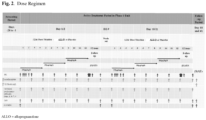
- a cycle of treatment comprises a first (titration) dose, a second (maintenance) dose, and a third (taper) dose.
- the first (titration) dose comprises administering a plurality of step doses (e.g., a first, second, and third step dose), wherein each subsequent step dose delivers a larger amount of neuroactive steroid/unit time than the step dose that precedes it.
- the amount of neuroactive steroid delivered/unit time varies during the first (titration) dose.
- the first step dose delivers a smaller amount of neuroactive steroid/unit time than the second step dose.
- the second step dose begins no longer than 90, 60, 30, 10, or 5 minutes after the beginning or end of the administration of the first step dose.
- the second step dose begins 0 to 90, 0 to 60, 0 to 30, 0 to 10, or 0 to 5 minutes after the beginning or end of the administration of the first step dose. In some embodiments, the second step dose begins no more than 60, 30, 20, 10, 5, 4, 3, 2, 1 minute(s) after the end of administration of the first step dose. In some embodiments, the second step dose begins at the end of administration of the first step dose. In some embodiments, the first step dose and the initiation of the second step dose are performed with the same delivery device, e.g., with the same cannula or reservoir.
- the first (titration) dose comprises administering a plurality of step doses (e.g., a first, second, and third step dose).
- a first (titration) dose can be administered to a subject by increasing the amount of neuroactive steroid alloprgenanolone administered to the subject over a period of time.
- the period of time can be from about 15 minutes to about 6 hours (e.g., from about 60 minutes to about 4 hours).
- the period is a time sufficient for the subject to adjust to the effect of the neuroactive steroid.
- the first (titration) dose is from about 20 to 100 ⁇ g/kg/hr, e.g., from about 20 to about 40 ⁇ g/kg/hr, from about 45 to about 65 ⁇ g/kg/hr, from about 80 to about 100 ⁇ g/kg/hr.
- the first (titration) dose comprises administering a plurality of step doses (e.g., a first, second, and third step dose).
- the first step dose is 20 to 40 ⁇ g/kg/hr ( e.g., about 30 ⁇ g/kg/hr, 29 ⁇ g/kg/hr).
- the second step dose is 45 to 65 ⁇ g/kg/hr ( e.g., about 60 ⁇ g/kg/hr, 58 ⁇ g/kg/hr).
- the third step dose is 80 to 100 ⁇ g/kg/hr ( e.g., about 90 ⁇ g/kg/hr, 86 ⁇ g/kg/hr).
- each of the first, second, and third step doses are 2 to 6 hours ( e.g., 4 hours) in duration. In some embodiments, each of the first, second, and third step doses are 1, 2, 3, 4, 5, or 6 hours in duration. In some embodiments, each of the first, second, and third step doses are administered for equal periods of duration.
- the first (titration) dose is followed by a second (maintenance) dose.
- the second (maintenance) dose is administered within 2 hours after the first (titration) dose, e.g., within 1 hour, 30 minutes, 15 minutes, or less.
- the second (maintenance) dose is from about 70 to 175 ⁇ g/kg/hr, e.g., from about 90 to about 150 ⁇ g/kg/hr.
- the second (maintenance) dose comprises administering a single (constant) dose of neuroactive steroid/unit time.
- the third (taper) dose comprises administering a plurality of step doses (e.g., a first, second, and third step dose), wherein each subsequent step dose delivers a smaller amount of neuroactive steroid/unit time than the step dose that precedes it.
- the amount of neuroactive steroid delivered/unit time varies during the first step dose.
- the first step dose delivers a larger amount of neuroactive steroid/unit time than the second step dose.
- the third (taper) dose comprises administering a plurality of step doses (e.g., a first, second, and third step dose).
- the second step dose begins no longer than 90, 60, 30, 10, or 5 minutes after the beginning or end of the administration of the first step dose.
- the second step dose begins 0 to 90, 0 to 60, 0 to 30, 0 to 10, or 0 to 5 minutes after the beginning or end of the administration of the first step dose.
- the second step dose begins no more than 60, 30, 20, 10, 5, 4, 3, 2, 1 minute(s) after the end of administration of the first step dose.
- the second step dose begins at the end of administration of the first step dose.
- the first step dose and the initiation of the second step dose are performed with the same delivery device, e.g., with the same cannula or reservoir.
- the third (taper) dose comprises administering a plurality of step doses (e.g., a first, second, and third step dose).
- a third (taper) dose can be administered to a subject by decreasing the amount of neuroactive steroid (e.g., alloprgenanolone) administered to the subject over a period of time.
- the period of time can be from about 15 minutes to about 6 hours (e.g., from about 60 minutes to about 4 hours).
- the third (taper) dose is from about 20 to 100 ⁇ g/kg/hr, e.g., from about 20 to about 40 ⁇ g/kg/hr, from about 45 to about 65 ⁇ g/kg/hr, from about 80 to about 100 ⁇ g/kg/hr.
- the third (taper) dose comprises administering a plurality of step doses (e.g., a first, second, and third step dose).
- the first step dose is 80 to 100 ⁇ g/kg/hr ( e.g., about 90 ⁇ g/kg/hr, 86 ⁇ g/kg/hr).
- the second step dose is 45 to 65 ⁇ g/kg/hr ( e.g., about 60 ⁇ g/kg/hr, 58 ⁇ g/kg/hr).
- the third step dose is 20 to 40 ⁇ g/kg/hr ( e.g., about 30 ⁇ g/kg/hr, 29 ⁇ g/kg/hr).
- each of the first, second, and third step doses are 2 to 6 hours ( e.g., 4 hours) in duration. In some embodiments, each of the first, second, and third step doses are 1, 2, 3, 4, 5, or 6 hours in duration. In some embodiments, each of the first, second, and third step doses are administered for equal periods of duration.
- a cycle of treatment comprises a first (titration) dose and a second (maintenance) dose.
- the first (titration) dose comprises administering a plurality of step doses (e.g., a first, second, and third step dose), wherein each subsequent step dose delivers a larger amount of neuroactive steroid/unit time than the step dose that precedes it.
- the amount of neuroactive steroid delivered/unit time varies during the first (titration) dose.
- the first step dose delivers a smaller amount of neuroactive steroid/unit time than the second step dose.
- the second step dose begins no longer than 90, 60, 30, 10, or 5 minutes after the beginning or end of the administration of the first step dose.
- the second step dose begins 0 to 90, 0 to 60, 0 to 30, 0 to 10, or 0 to 5 minutes after the beginning or end of the administration of the first step dose. In some embodiments, the second step dose begins no more than 60, 30, 20, 10, 5, 4, 3, 2, 1 minute(s) after the end of administration of the first step dose. In some embodiments, the second step dose begins at the end of administration of the first step dose. In some embodiments, the first step dose and the initiation of the second step dose are performed with the same delivery device, e.g., with the same cannula or reservoir.
- the first (titration) dose comprises administering a plurality of step doses (e.g., a first, second, and third step dose).
- a first (titration) dose can be administered to a subject by increasing the amount of neuroactive steroid alloprgenanolone administered to the subject over a period of time.
- the period of time can be from about 15 minutes to about 6 hours (e.g., from about 60 minutes to about 4 hours).
- the period is a time sufficient for the subject to adjust to the effect of the neuroactive steroid.
- the first (titration) dose is from about 20 to 100 ⁇ g/kg/hr, e.g., from about 20 to about 40 ⁇ g/kg/hr, from about 45 to about 65 ⁇ g/kg/hr, from about 80 to about 100 ⁇ g/kg/hr.
- the first (titration) dose comprises administering a plurality of step doses (e.g., a first, second, and third step dose).
- the first step dose is 20 to 40 ⁇ g/kg/hr ( e.g., about 30 ⁇ g/kg/hr, 29 ⁇ g/kg/hr).
- the second step dose is 45 to 65 ⁇ g/kg/hr ( e.g., about 60 ⁇ g/kg/hr, 58 ⁇ g/kg/hr).
- the third step dose is 80 to 100 ⁇ g/kg/hr ( e.g., about 90 ⁇ g/kg/hr, 86 ⁇ g/kg/hr).
- each of the first, second, and third step doses are 2 to 6 hours (e.g., 4 hours) in duration. In some embodiments, each of the first, second, and third step doses are 1, 2, 3, 4, 5, or 6 hours in duration. In some embodiments, each of the first, second, and third step doses are administered for equal periods of duration.
- the first (titration) dose is followed by a second (maintenance) dose.
- the second (maintenance) dose is administered within 2 hours after the first (titration) dose, e.g., within 1 hour, 30 minutes, 15 minutes, or less.
- the second (maintenance) dose is from about 70 to 175 ⁇ g/kg/hr, e.g., from about 90 to about 150 ⁇ g/kg/hr.
- the second (maintenance) dose comprises administering a single (constant) dose of neuroactive steroid/unit time.
- the cycle of treatment comprises a maintenance dose and a taper dose (e.g., a maintenance dose administered before a taper dose).
- the maintenance dose is from about 70 to 175 ⁇ g/kg/hr, e.g., from about 90 to about 150 ⁇ g/kg/hr. In some embodiments, the maintenance dose comprises administering a single (constant) dose of neuroactive steroid/unit time.
- the third (taper) dose comprises administering a plurality of step doses (e.g., a first, second, and third step dose), wherein each subsequent step dose delivers a smaller amount of neuroactive steroid/unit time than the step dose that precedes it.
- the amount of neuroactive steroid delivered/unit time varies during the first step dose.
- the first step dose delivers a larger amount of neuroactive steroid/unit time than the second step dose.
- the third (taper) dose comprises administering a plurality of step doses (e.g., a first, second, and third step dose).
- the second step dose begins no longer than 90, 60, 30, 10, or 5 minutes after the beginning or end of the administration of the first step dose.
- the second step dose begins 0 to 90, 0 to 60, 0 to 30, 0 to 10, or 0 to 5 minutes after the beginning or end of the administration of the first step dose.
- the second step dose begins no more than 60, 30, 20, 10, 5, 4, 3, 2, 1 minute(s) after the end of administration of the first step dose.
- the second step dose begins at the end of administration of the first step dose.
- the first step dose and the initiation of the second step dose are performed with the same delivery device, e.g., with the same cannula or reservoir.
- the third (taper) dose comprises administering a plurality of step doses (e.g., a first, second, and third step dose).
- a third (taper) dose can be administered to a subject by decreasing the amount of neuroactive steroid (e.g., alloprgenanolone) administered to the subject over a period of time.
- the period of time can be from about 15 minutes to about 6 hours (e.g., from about 60 minutes to about 4 hours).
- the third (taper) dose is from about 20 to 100 ⁇ g/kg/hr, e.g., from about 20 to about 40 ⁇ g/kg/hr, from about 45 to about 65 ⁇ g/kg/hr, from about 80 to about 100 ⁇ g/kg/hr.
- the third (taper) dose comprises administering a plurality of step doses (e.g., a first, second, and third step dose).
- the first step dose is 80 to 100 ⁇ g/kg/hr ( e.g., about 90 ⁇ g/kg/hr, 86 ⁇ g/kg/hr).
- the second step dose is 45 to 65 ⁇ g/kg/hr ( e.g., about 60 ⁇ g/kg/hr, 58 ⁇ g/kg/hr).
- the third step dose is 20 to 40 ⁇ g/kg/hr ( e.g., about 30 ⁇ g/kg/hr, 29 ⁇ g/kg/hr).
- each of the first, second, and third step doses are 2 to 6 hours ( e.g., 4 hours) in duration. In some embodiments, each of the first, second, and third step doses are 1, 2, 3, 4, 5, or 6 hours in duration. In some embodiments, each of the first, second, and third step doses are administered for equal periods of duration.
- the cycle of treatment comprises a maintenance dose (e.g., a single infusion).
- the second (maintenance) dose is from about 70 to 175 ⁇ g/kg/hr, e.g., from about 90 to about 150 ⁇ g/kg/hr.
- the second (maintenance) dose comprises administering a single (constant) dose of neuroactive steroid/unit time.
- the amount of neuroactive steroid delivered/unit time in the second (maintenance) dose e.g., as measured in ⁇ g/kg/hour
- the amount of neuroactive steroid delivered/unit time in the third (taper) dose e.g., as measured in ⁇ g/kg/hour
- said first (titration) dose results in a plasma concentration of 10 to 100 nM, 25 to 75 nM, 40 to 60, or 50 nM.
- said second (maintenance) dose results in a plasma concentration of 20 to 200 nM, 50 to 150 nM, 80 to 120, or 100 nM.
- said third (taper) dose results in a plasma concentration of 30 to 300 nM, 100 to 200 nM, 120 to 180, or 150 nM.
- said first (titration) dose results in a plasma concentration of 50 +/- 10 nM, 50 +/- 5 nM, 50 +/- 2 nM, or 50 nM.
- said second (maintenance) dose results in a plasma concentration of 100 +/- 20 nM, 100 +/- 10 nM, 100 +/- 5 nM, or 100 nM.
- said third (taper) dose results in a plasma concentration of 150 +/- 30 nM, 150 +/- 20 nM, 150 +/- 10 nM, or 150 nM.
- said first (titration) dose is administered over a period of time that is not longer than 6, 5, 4, or 3 hours. In some embodiments, said first (titration) dose is administered over a period of time that is at least 2, 3, or 4 hours in duration. In some embodiments, the administration of the second (maintenance) dose occurs immediately after administration of the first (titration) dose. In some embodiments, the administration of the third (taper) dose occurs immediately after administration of the second (maintenance) dose.
- the duration of administration is at least 12, 24, 48, 72, 96 hours in duration. In some embodiments, the duration of administration is about 40, 50, 60, or 70 hours.
- the administration is performed continuously.
- the administering (or a course of treatment) comprises administering one or more cycles of treatment, wherein a course of treatment comprises one or more cycles of treatment as described herein.
- a course of treatment comprises a cycle of treatment comprising a first (titration) dose, a second (maintenance) dose, and a third (taper) dose.
- the course of treatment comprises a cycle of treatment comprising administration of a first neuroactive steroid. In some embodiments, the course of treatment comprises a cycle of treatment comprising administration of a second neuroactive steroid. In some embodiments, the course of treatment comprises a cycle of treatment comprising administration of a first neuroactive steroid, and a cycle of treatment comprising administration of a second neuroactive steroid.
- the dose comprises an intravenous infusion.
- the administering (or a course of treatment) comprises administering one or more cycles of treatment, a cycle of treatment comprising: administering a first infusion of the neuroactive steroid; and administering a second infusion of the neuroactive steroid; said neuroactive steroid infusions being sufficient to treat said subject.
- administration of the second infusion occurs immediately after administration of the first infusion.
- the amount of neuroactive steroid delivered/unit time in the second infusion e.g., as measured in ⁇ g/kg/hour, is higher than that of the first infusion.
- the amount of neuroactive steroid delivered/unit time in the second infusion e.g., as measured in ⁇ g/kg/hour, is at least 1 to 2 times higher than that of the first infusion.
- the method comprises administering a plurality of infusions.
- the method comprises administering a first and second infusion.
- the administration of the second infusion begins no longer than 90, 60, 30, 10, or 5 minutes after the beginning or end of the administration of the first infusion.
- the second infusion begins 0 to 90, 0 to 60, 0 to 30, 0 to 10, or 0 to 5 minutes after the beginning or end of the administration of the first infusion.
- the second infusion begins no more than 60, 30, 20, 10, 5, 4, 3, 2, 1 minute(s) after the end of administration of the first infusion.
- the second infusion begins at the end of administration of the first infusion.
- the first infusion and the initiation of the second infusion are performed with the same delivery device, e.g., with the same cannula or reservoir.
- the amount of neuroactive steroid delivered/unit time varies during the first infusion.
- the first infusion delivers a smaller amount of neuroactive steroid/unit time than the second infusion.
- the first infusion comprises administering a plurality of step doses, wherein each subsequent step dose delivers a larger amount of neuroactive steroid/unit time than the step dose that precedes it.
- the amount of neuroactive steroid delivered/unit time varies during the second infusion.
- the second infusion comprises administering a plurality of step doses, wherein each subsequent step dose delivers a smaller amount of neuroactive steroid/unit time than the step dose that precedes it.
- the efficacy is maintained after a single course of treatment (e.g., single dose, multiple doses, or cycle of treatment) of a compound described herein (i.e., allopregnanolone).
- a single course of treatment e.g., single dose, multiple doses, or cycle of treatment
- a compound described herein i.e., allopregnanolone
- the therapeutic effect does not cause an adverse event (e.g., does not cause a severe or moderate adverse event, e.g., during treatment or 3 days, 7 days, 10 days, 20 days, 30 days, 60 days, 90 days, 3 months, 4 months, 5 months, 6 months, 7 months, 8 months, 9 months, 10 months, 11 months, 12 months, or more after treatment).
- an adverse event e.g., does not cause a severe or moderate adverse event, e.g., during treatment or 3 days, 7 days, 10 days, 20 days, 30 days, 60 days, 90 days, 3 months, 4 months, 5 months, 6 months, 7 months, 8 months, 9 months, 10 months, 11 months, 12 months, or more after treatment.
- the method includes a course of treatment with multiple dosages or cycles of treatment (e.g., a first dose or cycle of treatment is a parenteral dose such as an intravenous (IV) dose, and a second dose or cycle of treament is an oral dose).
- a first dose or cycle of treatment includes administering a first compound (e.g., a first compound described herein such as allopregnanolone) and the second dose or cycle of treatment includes administering a second compound that is different from the first compound.
- the administration of the second dose begins no longer than 1, 2, 3, 4, 5, 6, 7, 8, 9, 10, 11, or 12 days after the beginning or end of the administration of the first dose. In some embodiments, the second dose begins 1 to 14, 3 to 12, 5 to 10, or 7 days after the beginning or end of the administration of the first dose. In some embodiments, the second dose begins no more than 14, 12, 10, 9, 8, 7, 6, 5, 3, 2, or 1 day after the end of administration of the first dose. In some embodiments, the first dose and the initiation of the second dose are performed with the same delivery device, e.g., with the same cannula or reservoir.
- the plasma concentration of said third dose is measured at a preselected time, e.g., at 10, 15, 20, 30, 45, 60 minutes, 2, 3, 4, 5, 6, 8, 10, 12, 24 hours, 2, 3, 4 days after the initiation of said third dose.
- said third dose results in a plasma concentration of 150 nM, e.g., as measured at a preselected time, e.g., at 10, 15, 20, 30, 45, 60 minutes, 2, 3, 4, 5, 6, 8, 10, 12, 24 hours, 2, 3, 4 days after the initiation of said third dose.
- the efficacy is maintained after a single course of treatment (e.g., single dose, multiple doses, or cycle of treatment) of a compound described herein (i.e., allopregnanolone).
- a single course of treatment e.g., single dose, multiple doses, or cycle of treatment
- a compound described herein i.e., allopregnanolone
- the disclosure features a neuroactive steroid for use in a method for treating a human subject suffering from postpartum depression, the method comprising administering a therapeutically effective amount of the neuroactive steroid.
- the subject is suffering from postpartum depression.
- the method provides rapid onset of efficacy (e.g., rapid reduction in a symptom of depression; rapidly affective to reduce a symptom of depression, e.g., a subject experiences relief from a symptom of depression described herein within 1 week (e.g., within 6 days, 5 days, 4 days, 3 days, 2 days, 1 day, or 12 hours)).
- rapid onset of efficacy e.g., rapid reduction in a symptom of depression; rapidly affective to reduce a symptom of depression, e.g., a subject experiences relief from a symptom of depression described herein within 1 week (e.g., within 6 days, 5 days, 4 days, 3 days, 2 days, 1 day, or 12 hours)).
- the therapeutic effect is sustained (e.g., effectively treats a symptom of depression and the efficacy is maintained for at least 1 day (e.g., at least 2 days, 3 days, 4 days, 5 days, 6 days, 1 week, 2 weeks, 3 weeks, 1 month, 2 months, 3 months, 4 months, 5 months, or 6 months).
- the efficacy is maintained after a single course of treatment (e.g., single dose, multiple doses, or cycle of treatment) of a compound described herein (i.e., allopregnanolone).
- a single course of treatment e.g., single dose, multiple doses, or cycle of treatment
- a compound described herein i.e., allopregnanolone
- the neuroactive steroid is allopregnanolone.
- the depression is postpartum depression. In some embodiments the depression is perinatal depression.
- the administering is performed intravenously.
- the subject is a female. In some embodiments, the subject is an adult. In some embodiments, the subject is from 18 to 45 years of age.
- the subject is suffering from ( e.g., has been diagnosed with) postpartum depression (e.g., severe postpartum depression). In some embodiments, the subject has experienced a Major Depressive Episode in the postpartum period. In some embodiments, the period begins within the first 4 weeks following delivery of a baby.
- the subject has been identified as being at risk of depression (e.g., postpartum depression), for example by a method of evaluation as described herein.
- the subject is in her third trimester of pregnancy. In some embodiments, the subject is suffering from perinatal depression.
- the subject has reduced levels of allopregnanolone relative to a reference standard (e.g., relative to the level of allopregnanolone in a subject does not later suffer from depression (e.g., postpartum depression, perinatal depression).
- a reference standard e.g., relative to the level of allopregnanolone in a subject does not later suffer from depression (e.g., postpartum depression, perinatal depression).
- the disclosure features a neuroactive steroid for use in a method for treating a human subject suffering from postpartum depression, the method comprising administering to the subject a therapeutically effective amount of the neuroactive steroid (i.e., allopregnanolone).
- the administration is intravenous administration.
- the subject is suffering from postpartum depression.
- the method provides maintenance treatment or preventative treatment.
- the method provides acute treatment of the depression (e.g., within 72 hours, 48 hours, 24 hours, 12 hours, or less). In some embodiments, the method provides acute treatment of the depression (e.g., provides relief from a symptom in less than 1 week (e.g., within 6 days, 5 days, 4 days, 3 days, 2 days, 1 day, or 12 hours).
- the method provides rapid onset of efficacy (e.g., rapid reduction in a symptom of depression; rapidly affective to reduce a symptom of depression, e.g., a subject experiences relief from a symptom of depression described herein within 1 week (e.g., within 6 days, 5 days, 4 days, 3 days, 2 days, 1 day, or 12 hours)).
- rapid onset of efficacy e.g., rapid reduction in a symptom of depression; rapidly affective to reduce a symptom of depression, e.g., a subject experiences relief from a symptom of depression described herein within 1 week (e.g., within 6 days, 5 days, 4 days, 3 days, 2 days, 1 day, or 12 hours)).
- the therapeutic effect is sustained (e.g., effectively treats a symptom of depression and the efficacy is maintained for at least 1 day (e.g., at least 2 days, 3 days, 4 days, 5 days, 6 days, 1 week, 2 weeks, 3 weeks, 1 month, 2 months, 3 months, 4 months, 5 months, or 6 months).
- the efficacy is maintained after a single course of treatment (e.g., single dose, multiple doses, or cycle of treatment) of a compound described herein (i.e., allopregnanolone).
- a single course of treatment e.g., single dose, multiple doses, or cycle of treatment
- a compound described herein i.e., allopregnanolone
- the therapeutic effect is does not cause an adverse event (e.g., does not cause a severe or moderate adverse event, e.g., during treatment or 3 days, 7 days, 10 days, 20 days, 30 days, 60 days, 90 days, 3 months, 4 months, 5 months, 6 months, 7 months, 8 months, 9 months, 10 months, 11 months, 12 months, or more after treatment).
- an adverse event e.g., does not cause a severe or moderate adverse event, e.g., during treatment or 3 days, 7 days, 10 days, 20 days, 30 days, 60 days, 90 days, 3 months, 4 months, 5 months, 6 months, 7 months, 8 months, 9 months, 10 months, 11 months, 12 months, or more after treatment.
- the method includes a course of treatment with multiple dosages or cycles of treatment (treatment is an intravenous (IV) dose).
- treatment is an intravenous (IV) dose.
- the first and second dose or cycle of treatment include the same compound. Described herein but not forming part of the claims, the first dose or cycle of treatment includes a first compound (e.g., a first compound described herein such as allopregnanolone) and the second dose or cycle of treatment includes a second compound that is different from the first compound.
- the method provides therapeutic effect (e.g., as measured by reduction in Hamilton Depression Score (HAM-D)) within 4, 3, 2, 1 days; 96, 84, 48, 24, 20, 16, 12, 10, 8 hours or less.
- the therapeutic effect is a decrease from baseline in HAM-D score at the end of a treatment period (e.g., 12, 24, 48 hours after administration; 24, 48, 72, 96 hours or more).
- the decrease from baseline in HAM-D score is from severe (e.g., HAM-D score of 24 or greater) to symptom-free (e.g., HAM-D score of 7 or lower).
- the baseline score is about 10 to 52 (e.g., more than 10, 15, or 20; 10 to 52, 12 to 52, 15 to 52, 17 to 52, 20 to 52, 22 to 52). In some embodiments, the baseline score is at least 10, 15, or 20. In some embodiments, the HAM-D score at the end of the treatment period is about 0 to 10 (e.g., less than 10; 0 to 10, 0 to 6, 0 to 4, 0 to 3, 0 to 2, 1.8). In some embodiments, the HAM-D score at the end of the treatment period is less than 10, 7, 5, or 3.
- the decrease in HAM-D score is from a baseline score of about 20 to 30 (e.g., 22 to 28, 23 to 27, 24 to 27, 25 to 27, 26 to 27) to a HAM-D score at the end of the treatment period is about 0 to 10 (e.g., less than 10; 0 to 10, 0 to 6, 0 to 4, 0 to 3, 0 to 2, 1.8).
- the decrease in the baseline HAM-D score to HAM-D score at the end of the treatment period is at least 1, 2, 3, 4, 5, 7, 10, 25, 40, 50, or 100 fold).
- the percentage decrease in the baseline HAM-D score to HAM-D score at the end of the treatment period is at least 50% (e.g., 60%, 70%, 80%, 90%).
- assessment e.g., evaluation
- assessment is measured by reduction in HAM-D.
- the method provides therapeutic effect (e.g., as measured by reduction in Edinburgh Postnatal Depression Scale (EPDS)) within 4, 3, 2, 1 days; 24, 20, 16, 12, 10, 8 hours or less.
- the therapeutic effect is an improvement measured by the EPDS.
- assessment e.g., evaluation of therapeutic effect is measured by reduction in EPDS.
- the method provides therapeutic effect (e.g., as measured by reduction in Clinical Global Impression-Improvement Scale (CGI)) within 4, 3, 2, 1 days; 24, 20, 16, 12, 10, 8 hours or less.
- the therapeutic effect is a CGI score of 2 or less.
- assessment e.g., evaluation of therapeutic effect is measured by reduction in CGI.
- the method provides therapeutic effect (e.g., as measured by reduction in Generalized Anxiety Disorder 7-Item Scale (GAD-7)) within 4, 3, 2, 1 days; 24, 20, 16, 12, 10, 8 hours or less.
- assessment e.g., evaluation of therapeutic effect is measured by reduction in GAD-7.
- the subject is substantially relieved of at least one symptom within 3, 2, 1 days; 24, 20, 16, 12, 10, 8 hours or less of said administration. In some embodiments, the subject is substantially relieved of at least one symptom for 1, 2, 3, 4, 5, 6, 7 days; 1, 2, 3, 4 weeks; 1, 2, 3, 4, 5, 6, 7, 8, 9, 10, 11, 12 months or more.
- the symptom is sadness, fatigue, changes in sleeping and eating habits, reduced sexual desire, crying episodes, anxiety, or irritability. In some embodiments, the symptom is suicidity. In some embodiments, the symptom is impaired cognitive function.
- the neuroactive steroid is allopregnanolone. In some embodiments, the neuroactive steroid is deuterated allopregnanolone. In some embodiments, the neuroactive steroid is an estrol.
- the subject is a female. In some embodiments, the female is not breast feeding. In some embodiments, the subject is an adult. In some embodiments, the subject is from 18 to 45 years of age. In some embodiments, the subject is suffering from ( e.g., has been diagnosed with) postpartum depression (e.g., severe postpartum depression). In some embodiments, the subject has experienced a Major Depressive Episode in the postpartum period. In some embodiments, the period begins within the first 4 weeks following delivery of a baby. In some embodiments, the subject has been identified as being at risk of depression (e.g., severe depression, postpartum depression), for example by a method of evaluation as described herein. In some embodiments, the subject is in her third trimester of pregnancy. In some embodiments, the subject is suffering from perinatal depression.
- postpartum depression e.g., severe postpartum depression
- the subject has experienced a Major Depressive Episode in the postpartum period. In some embodiments, the period begins within the first 4 weeks following delivery of
- the infusion occurs over at least 1, 2, 3, 4, 5, 6, or 7 days.
- the infusion occurs over the course of 1, 2, 3, 4, 5, 6, or 7 days.
- the administering occurs by continuous intravenous infusion.
- the infusion occurs over at least 1, 2, 3, 4, 5, 6, or 7 days. In some embodiments, the infusion occurs over the course of 1, 2, 3, 4, 5, 6, or 7 days.
- the administering comprises administering a plurality of infusions.
- the administering comprises administering a first, second, and third infusion.
- the administration of the second infusion begins no longer than 90, 60, 30, 10, or 5 minutes after the beginning or end of the administration of the first infusion.
- the second infusion begins 0 to 90, 0 to 60, 0 to 30, 0 to 10, or 0 to 5 minutes after the beginning or end of the administration of the first infusion.
- the second infusion begins no more than 60, 30, 20, 10, 5, 4, 3, 2, 1 minute after the end of administration of the first infusion.
- the second infusion begins at the end of administration of the first infusion.
- the first infusion and the initiation of the second infusion are performed with the same delivery device, e.g ., with the same cannula or reservoir.
- the amount of neuroactive steroid delivered/unit time varies during the first infusion.
- the first (step-up) infusion delivers a smaller amount of neuroactive steroid/unit time than the second (maintenance) infusion.
- the first (step-up) infusion comprises administering a plurality of step doses, wherein each subsequent step dose delivers a larger amount of neuroactive steroid/unit time than the step dose that precedes it.
- the third infusion is administered for a period of time that is between 5 and 20 hours, 8 and 16 hours, 10 and 15 hours, or 10 and 13 hours. In some embodiments, the first infusion is administered for 12 +/- 2 hours.
- the first infusion is administered for 12 hours.
- the amount of neuroactive steroid delivered/unit time varies during the first infusion.
- administering said step-up dose comprises administering a continuously increasing amount of neuroactive steroid.
- administering said step-up dose comprises administering a continuously increasing amount of neuroactive steroid/unit time.
- the administration comprises a first, second, and third step dose.
- said first step dose is administered at an amount of neuroactive steroid/unit time of 5-50 ⁇ g/kg/hour ( e.g., 21.5 ⁇ g/kg/hour).
- said first step dose is administered at an amount of neuroactive steroid/unit time of 5-50 ⁇ g/kg/hour, 10-40 ⁇ g/kg/hour, 20-30 ⁇ g/kg/hour, 20 ⁇ g/kg/hour, 21 ⁇ g/kg/hour, 22 ⁇ g/kg/hour, or 21.5 ⁇ g/kg/hour
- said second step dose is administered at an amount of neuroactive steroid/unit time of 10-100 ⁇ g/kg/hour ( e.g., 43 ⁇ g/kg/hour).
- said second step dose is administered at an amount of neuroactive steroid/unit time of 10-100 ⁇ g/kg/hour, 20-70 ⁇ g/kg/hour, 30-50 ⁇ g/kg/hour, 42 ⁇ g/kg/hour, 43 ⁇ g/kg/hour, or 44 ⁇ g/kg/hour, In some embodiments, said third step dose is administered at an amount of neuroactive steroid/unit time of 25-150 ⁇ g/kg/hour, In some embodiments, said third step dose is administered at an amount of neuroactive steroid/unit time of 25-150 ⁇ g/kg/hour, 40-100 ⁇ g/kg/hour, 60-70 ⁇ g/kg/hour, 63 ⁇ g/kg/hour, 64 ⁇ g/kg/hour, 65 ⁇ g/kg/hour, or 64.5 ⁇ g/kg/hour, In some embodiments, said first step dose is 10 to 40% ( e.g., 25%) of the second/maintenance infusion; said second step dose is 30 to 70% (
- the amount of neuroactive steroid delivered/unit time in said first step dose is 10 to 40% ( e.g., 25%) of the amount of neuroactive steroid delivered/unit time in said second/maintenance infusion; the amount of neuroactive steroid delivered/unit time in said second step dose is 30 to 70% ( e.g., 50%) of the amount of neuroactive steroid delivered/unit time in said second/maintenance infusion; and the amount of neuroactive steroid delivered/unit time in said third step dose is 60 to 90% ( e.g., 75%) of the amount of neuroactive steroid delivered/unit time in said second/maintenance infusion.
- the third (step-down/downward taper) infusion delivers a smaller amount of neuroactive steroid/unit time than the second (maintenance) infusion.
- the third (step-down/downward taper) infusion comprises administering a plurality of step doses, wherein each subsequent step dose delivers a lower amount of neuroactive steroid/unit time than the step dose that precedes it.
- said third infusion is administered for a period of time that is between 5 and 20 hours, 8 and 16 hours, 10 and 15 hours, or 10 and 13 hours.
- said third infusion is administered for 12 +/- 2 hours.
- said third infusion is administered for 12 hours.
- administering said downward taper dose comprises administering a continuously decreasing amount of neuroactive steroid.
- administering said downward taper dose comprises administering a continuously decreasing amount of neuroactive steroid/unit time.
- the administration comprises a first, second, and third step dose.
- said first step dose is administered at an amount of neuroactive steroid/unit time of 15-150 ⁇ g/kg/hour
- said first step dose is administered at an amount of neuroactive steroid/unit time of 15-150 ⁇ g/kg/hour, 40-100 ⁇ g/kg/hour, 60-70 ⁇ g/kg/hour, 63 ⁇ g/kg/hour, 64 ⁇ g/kg/hour, 65 ⁇ g/kg/hour, or 64.5 ⁇ g/kg/hour
- said second step dose is administered at an amount of neuroactive steroid/unit time of 10-100 ⁇ g/kg/hour( e.g ., 43 ⁇ g/kg/hour).
- said second step dose is administered at an amount of neuroactive steroid/unit time of 10-100 ⁇ g/kg/hour, 20-70 ⁇ g/kg/hour, 30-50 ⁇ g/kg/hour, 42 ⁇ g/kg/hour, 43 ⁇ g/kg/hour, or 44 ⁇ g/kg/hour
- said third step dose is administered at an amount of neuroactive steroid/unit time of 5-50 ⁇ g/kg/hour ( e.g., 21.5 ⁇ g/kg/hour).
- said third step dose is administered at an amount of neuroactive steroid/unit time of 5-50 ⁇ g/kg/hour, 10-40 ⁇ g/kg/hour, 20-30 ⁇ g/kg/hour, 20 ⁇ g/kg/hour, 21 ⁇ g/kg/hour, 22 ⁇ g/kg/hour, or 21.5 ⁇ g/kg/hour,
- said first step dose is 60 to 90% (e.g., 75%) of the second/maintenance infusion; said second step dose is 30 to 70% ( e.g., 50%) of the second/maintenance infusion; and said third step dose is 10 to 40% ( e.g., 25%) of the second/maintenance infusion.
- the amount of neuroactive steroid delivered/unit time in said first step dose is 60 to 90% (e.g., 75%) of the amount of neuroactive steroid delivered/unit time in said second/maintenance infusion; the amount of neuroactive steroid delivered/unit time in said second step dose is 30 to 70% (e.g., 50%) of the amount of neuroactive steroid delivered/unit time in said second/maintenance infusion; and the amount of neuroactive steroid delivered/unit time in said third step dose is 10 to 40% (e.g., 25%) of the amount of neuroactive steroid delivered/unit time in said second/maintenance infusion.
- the method comprises administering a second/maintenance infusion of 50-150 ⁇ g/kg/hour (e.g ., 86 ⁇ g/kg/hour) of the neuroactive steroid.
- the second/maintenance infusion is 50-150 ⁇ g/kg/hour, 60-100 ⁇ g/kg/hour, 70-90 ⁇ g/kg/hour, 85 ⁇ g/kg/hour, 86 ⁇ g/kg/hour, or 87 ⁇ g/kg/hour
- said second/maintenance infusion is administered for a period of time that is between 5 and 80 hours, 10 and 70 hours, 20 and 50 hours, or 30 and 40 hours.
- said second/maintenance infusion is administered for 36+/-5 hours.
- said second/maintenance infusion is administered for 36 hours.
- the plasma concentration of said second/maintenance infusion is measured at a preselected time, e.g., at 10, 15, 20, 30, 45, 60 minutes, 2, 3, 4, 5, 6, 8, 10, 12, 24 hours, 2, 3, 4 days after the initiation of said second/maintenance infusion.
- said second/maintenance infusion results in a plasma concentration of 150 nM, e.g., as measured at a preselected time, e.g., at 10, 15, 20, 30, 45, 60 minutes, 2, 3, 4, 5, 6, 8, 10, 12, 24 hours, 2, 3, 4 days after the initiation of said second/maintenance infusion.
- said second/maintenance infusion is administered at the same amount of neuroactive steroid/unit time over the entire second/maintenance infusion.
- the disclosure features a neuroactive steroid for use in a method for treating a human subject suffering from postpartum depression, the method comprising: administering a first infusion of the neuroactive steroid, wherein said first/step-up infusion is administered for 8-16 hours (e.g., 12 hours); administering a second/maintenance infusion of the neuroactive steroid, wherein said second/maintenance infusion is administered for 24-48 hours ( e.g., 36 hours); and administering a third infusion of the neuroactive steroid, wherein said third/downward taper infusion is administered for 8-16 hours (e.g., 12 hours); said neuroactive steroid doses being sufficient to treat said subject.
- the subject is suffering from postpartum depression.
- the method provides rapid onset of efficacy (e.g., rapid reduction in a symptom of depression; rapidly affective to reduce a symptom of depression, e.g., a subject experiences relief from a symptom of depression described herein within 1 week (e.g., within 6 days, 5 days, 4 days, 3 days, 2 days, 1 day, or 12 hours)).
- rapid onset of efficacy e.g., rapid reduction in a symptom of depression; rapidly affective to reduce a symptom of depression, e.g., a subject experiences relief from a symptom of depression described herein within 1 week (e.g., within 6 days, 5 days, 4 days, 3 days, 2 days, 1 day, or 12 hours)).
- the therapeutic effect is sustained (e.g., effectively treats a symptom of depression and the efficacy is maintained for at least 1 day (e.g., at least 2 days, 3 days, 4 days, 5 days, 6 days, 1 week, 2 weeks, 3 weeks, 1 month, 2 months, 3 months, 4 months, 5 months, or 6 months).
- the efficacy is maintained after a single course of treatment (e.g., single dose, multiple doses, or cycle of treatment) of a compound described herein (e.g., allopregnanolone).
- a single course of treatment e.g., single dose, multiple doses, or cycle of treatment
- a compound described herein e.g., allopregnanolone
- the disclosure features a neuroactive steroid for use in a method for treating a human subject suffering from postpartum depression, the method comprising: administering a first infusion of the neuroactive steroid, said first/step-up infusion comprising administering a continuously increasing amount of neuroactive steroid at an amount of neuroactive steroid/unit time of 5-100 ⁇ g/kg/hour, 10-80 ⁇ g/kg/hour, or 15-70 ⁇ g/kg/hour; administering a second/maintenance infusion of the neuroactive steroid, said second/maintenance infusion comprising administering an amount of neuroactive steroid/unit time of 50-100 ⁇ g/kg/hour, 70-100 ⁇ g/kg/hour, or 86 ⁇ g/kg/hour; and administering a third infusion of the neuroactive steroid, said third/downward taper infusion comprising administering a continuously decreasing amount of neuroactive steroid at an amount of neuroactive steroid/unit time of 5-100 ⁇ g/kg/
- the subject is suffering from postpartum depression.
- the method provides rapid onset of efficacy (e.g., rapid reduction in a symptom of depression; rapidly affective to reduce a symptom of depression, e.g., a subject experiences relief from a symptom of depression described herein within 1 week (e.g., within 6 days, 5 days, 4 days, 3 days, 2 days, 1 day, or 12 hours)).
- rapid onset of efficacy e.g., rapid reduction in a symptom of depression; rapidly affective to reduce a symptom of depression, e.g., a subject experiences relief from a symptom of depression described herein within 1 week (e.g., within 6 days, 5 days, 4 days, 3 days, 2 days, 1 day, or 12 hours)).
- the therapeutic effect is sustained (e.g., effectively treats a symptom of depression and the efficacy is maintained for at least 1 day (e.g., at least 2 days, 3 days, 4 days, 5 days, 6 days, 1 week, 2 weeks, 3 weeks, 1 month, 2 months, 3 months, 4 months, 5 months, or 6 months).
- the efficacy is maintained after a single course of treatment (e.g., single dose, multiple doses, or cycle of treatment) of a compound described herein (e.g., allopregnanolone).
- a single course of treatment e.g., single dose, multiple doses, or cycle of treatment
- a compound described herein e.g., allopregnanolone
- the method provides therapeutic effect (e.g., as measured by reduction in Hamilton Depression Score (HAM-D)) within 4, 3, 2, 1 days; 24, 20, 16, 12, 10, 8 hours or less.
- the therapeutic effect is a decrease from baseline in HAM-D score at the end of a treatment period (e.g., 12, 24, 48 hours after administration; 24, 48, 72, 96 hours or more).
- assessment e.g., evaluation of therapeutic effect is measured by reduction in HAM-D.
- the method provides therapeutic effect (e.g., as measured by reduction in Edinburgh Postnatal Depression Scale (EPDS)) within 4, 3, 2, 1 days; 24, 20, 16, 12, 10, 8 hours or less.
- the therapeutic effect is an improvement measured by the EPDS.
- assessment e.g., evaluation of therapeutic effect is measured by reduction in EPDS.
- the method provides therapeutic effect (e.g., as measured by reduction in Clinical Global Impression-Improvement Scale (CGI)) within 4, 3, 2, 1 days; 24, 20, 16, 12, 10, 8 hours or less.
- the therapeutic effect is a CGI score of 2 or less.
- assessment e.g., evaluation of therapeutic effect is measured by reduction in CGI.
- the neuroactive steroid is allopregnanolone.
- the depression is postpartum depression. In some embodiments the depression is perinatal depression.
- a therapeutic compound for use in a method of treating a subject suffering from depression, comprising the steps of: a) receiving information related to the therapeutic effect of a neuroactive steroid (i.e., allopregnanolone) in reducing the depression (e.g., symptoms of the depression) in a subject treated with the neuroactive steroid (i.e., allopregnanolone); and b) administering to the subject theneuroactive steroid if the information indicates that the depression (e.g., symptoms of the depression) is reduced in the subject as compared to the subject before having received the neuroactive steroid (i.e., allopregnanolone), thereby treating the subject.
- a neuroactive steroid i.e., allopregnanolone
- the subject is suffering from postpartum depression.
- the therapeutic compound administered according to step a) is allopregnanolone.
- the neuroactive steroid of step b) is administered by parenteral administration.
- the therapeutic compound administered according to step b) is a different neuroactive steroid as the neuroactive steroid described in part a).
- the therapeutic compound administered according to step b) is allopregnanolone.
- the neuroactive steroid is deuterated allopregnanolone.
- the information related to therapeutic effect of a neuroactive steroid is measured by reduction in HAM-D, EPDS, CGI, or GAD-7.
- the information related to therapeutic effect of a neuroactive steroid is measured by reduction in HAM-D, EPDS, CGI, or GAD-7.
- a method of evaluating e.g., diagnosing, prognosing, and determining a course of treatment in) a subject suffering from depression, comprising the steps of: a) receiving information related to the therapeutic effect of a neuroactive steroid (allopregnanolone) in reducing depression (e.g., symptoms of the depression) in a subject treated with the neuroactive steroid (i.e., allopregnanolone); and b) determining if the depression (e.g., symptoms of the depression) is reduced in the subject as compared to the subject before receiving the neuroactive steroid (allopregnanolone), thereby evaluating the subject.
- the information is received, e.g., about 1, 2, 3, 4, 5, or 6 days; about 1, 2, or 3 weeks; about 1, 2, or 3 months after administration of the neuroactive steroid (i.e., allopregnanolone).
- the subject is suffering from postpartum depression.
- the subject has been administered the neuroactive steroid less than about 3 months (e.g., less than about 2 or 1 month; 3, 2, or 1 weeks; 6, 5, 4, 3, 2, or 1 days) prior to receiving the information.
- the subject has been administered the neuroactive steroid (i.e., allopregnanolone) by intravenous infusion.
- the information related to therapeutic effect of a neuroactive steroid is measured by reduction in HAM-D, EPDS, CGI, or GAD-7.
- a method of evaluating e.g., diagnosing, prognosing, or determining a course of treatment in) a subject suffering from depression, comprising the steps of: a) administering to the subject a therapeutic compound (i.e., neuroactive steroid); and b) receiving information related to the therapeutic effect of a neuroactive steroid (i.e., allopregnanolone) in reducing the depression (e.g., symptoms of the depression) in a subject treated with the neuroactive steroid (i.e., allopregnanolone), thereby evaluating the subject.
- a therapeutic compound i.e., neuroactive steroid
- receiving information related to the therapeutic effect of a neuroactive steroid i.e., allopregnanolone
- the depression e.g., symptoms of the depression
- a subject treated with the neuroactive steroid i.e., allopregnanolone
- the subject is suffering from postpartum depression.
- the information related to therapeutic effect of the neuroactive steroid is measured by reduction in HAM-D, EPDS, CGI, or GAD-7.
- neuroactive steroid allopregnanolone for use in a method of increasing allopregnanolone levels in a subject (e.g., a subject with low levels of allopregnanolone as compared with a subject with normal levels of allopregnanolone), comprising: intravenously administering to the subject a therapeutically effective amount of a neuroactive steroid (i.e., allopregnanolone), wherein administering occurs by continuous intravenous infusion.
- a neuroactive steroid i.e., allopregnanolone
- a neuroactive steroid for use in a method of prophylactically treating a disease or disorder described herein (i.e., postpartum depression) in a human subject (e.g., as described herein, e.g., a subject identified as a subject at risk of suffering from a disease or disorder as described herein), the method comprising administering a therapeutically effective amount of the neuroactive steroid.
- a disease or disorder described herein i.e., postpartum depression
- a human subject e.g., as described herein, e.g., a subject identified as a subject at risk of suffering from a disease or disorder as described herein
- the subject is suffering from postpartum depression.
- the neuroactive steroid is allopregnanolone. In some embodiments, the neuroactive steroid is deuterated allopregnanolone. In some embodiments, the subject is identified as being at risk of suffering from a disease or disorder as described herein. In some embodiments, the subject has been identified as being at risk of postpartum depression, for example by a method of evaluation as described herein. In some embodiments, the subject is identified based upon information related to therapeutic effect of the neuroactive steroid (i.e., allopregnanolone). In some embodiments, the information is measured by reduction in HAM-D, EPDS, CGI, or GAD-7. In some embodiments, the subject is in her third trimester of pregnancy.
- the subject is suffering from perinatal depression.
- the subject has reduced levels of allopregnanolone relative to a reference standard (e.g., relative to the level of allopregnanolone in a subject does not later suffer from depression (e.g., postpartum depression, perinatal depression).
- the neuroactive steroid is provided in a composition comprising a cyclodextrin, e.g., ⁇ -cyclodextrin, e.g., sulfo butyl ether ⁇ -cyclodextrin, e.g., CAPTISOL.
- the neuroactive steroid is provided at a concentration of 0.1 to 10 mg/mL neuroactive steroid.
- the neuroactive steroid is provided at a concentration of 0.1, 0.5, 1, 1.25, 2.5, 3.75, 5, 6.25, 7.5, 8, 9, or 10 mg/mL neuroactive steroid.
- the neuroactive steroid is provided at a concentration of 1.25 mg/mL neuroactive steroid. In some embodiments, the neuroactive steroid is provided at a concentration of 2.5 mg/mL neuroactive steroid. In some embodiments, the neuroactive steroid is provided at a concentration of 3.75 mg/mL neuroactive steroid. In some embodiments, the neuroactive steroid is provided at a concentration of 5 mg/mL neuroactive steroid. In some embodiments, the cyclodextrin is present in the composition at 1-30%, 2-18%, 10-15% by weight of cyclodextrin per volume of composition.
- the cyclodextrin is present in the composition at 1, 2.5, 5, 10, 12, 13, 15, 30% by weight of cyclodextrin per volume of composition. In some embodiments, the cyclodextrin is present in the composition at 12% by weight of cyclodextrin per volume of composition. In some embodiments, the cyclodextrin is present in the composition at 1-30%, 2-18%, 10-15% by weight of cyclodextrin per volume of composition and the neuroactive steroid is provided at a concentration of 0.1, 0.5, 1, 1.25, 2.5, 3.75, 5, 6.25, 7.5, 8, 9, or 10 mg/mL neuroactive steroid.
- the cyclodextrin is present in the composition at 1, 2.5, 5, 10, 12, 13, 15, 30% by weight of cyclodextrin per volume of composition and the neuroactive steroid is provided at a concentration of 0.1, 0.5, 1, 1.25, 2.5, 3.75, 5, 6.25, 7.5, 8, 9, or 10 mg/mL neuroactive steroid. In some embodiments, the cyclodextrin is present in the composition at 12% by weight of cyclodextrin per volume of composition and the neuroactive steroid is provided at a concentration of 5 mg/mL neuroactive steroid.
- the cyclodextrin is present in the composition at 12% by weight of cyclodextrin per volume of composition and the neuroactive steroid is provided at a concentration of 3.75 mg/mL neuroactive steroid. In some embodiments, the cyclodextrin is present in the composition at 12% by weight of cyclodextrin per volume of composition and the neuroactive steroid is provided at a concentration of 2.5 mg/mL neuroactive steroid. In some embodiments, the cyclodextrin is present in the composition at 12% by weight of cyclodextrin per volume of composition and the neuroactive steroid is provided at a concentration of 1.25 mg/mL neuroactive steroid.
- the disclosure features a composition, the composition comprising allopregnanolone; and cyclodextrin, e.g., allopregnanolone; and optionally a cyclodextrin, e.g., a ⁇ -cyclodextrin, e.g., a sulfo butyl ether ⁇ -cyclodextrin, e.g., a ⁇ -cyclodextrin, e.g., a sulfo butyl ether ⁇ -cyclodextrin, e.g., CAPTISOL ® , complex.
- a cyclodextrin e.g., a ⁇ -cyclodextrin, e.g., a sulfo butyl ether ⁇ -cyclodextrin, e.g., CAPTISOL ®
- complex e.g., CAPTISOL ®
- a ⁇ -cyclodextrin e.g., a sulfo butyl ether ⁇ -cyclodextrin, e.g., a ⁇ -cyclodextrin, e.g., a sulfo butyl ether ⁇ -cyclodextrin, e.g., CAPTISOL ® , complex.
- the neuroactive steroid is a progestin derivative, i.e., allopregnanolone
- the neuroactive steroid is allopregnanolone.
- the cyclodextrin is a ⁇ -cyclodextrin.
- the cyclodextrin is a sulfo butyl ether ⁇ -cyclodextrin, e.g., CAPTISOL ® .
- the cyclodextrin is a ⁇ -cyclodextrin disclosed in U.S. Patent Nos. 5,874,418 ; 6,046,177 ; or 7,635,733 .
- the neuroactive steroid is a progestin derivative, i.e., allopregnanolone, and the cyclodextrin is a ⁇ -cyclodextrin.
- the neuroactive steroid is allopregnanolone and the cyclodextrin is sulfo butyl ether ⁇ -cyclodextrin, e.g., CAPTISOL ® .
- the neuroactive steroid i.e., allopregnanolone; and cyclodextrin, e.g., a ⁇ -cyclodextrin, e.g., a sulfo butyl ether ⁇ -cyclodextrin, e.g., CAPTISOL ® , complex is formulated for parenteral administration.
- cyclodextrin e.g., a ⁇ -cyclodextrin, e.g., a sulfo butyl ether ⁇ -cyclodextrin, e.g., CAPTISOL ®
- the neuroactive steroid i.e., allopregnanolone; and cyclodextrin, e.g., a ⁇ -cyclodextrin, e.g., a sulfo butyl ether ⁇ -cyclodextrin, e.g., CAPTISOL ® , complex is formulated as an aqueous composition.
- cyclodextrin e.g., a ⁇ -cyclodextrin, e.g., a sulfo butyl ether ⁇ -cyclodextrin, e.g., CAPTISOL ®
- the neuroactive steroid i.e., allopregnanolone; and cyclodextrin, e.g., a ⁇ -cyclodextrin, e.g., a sulfo butyl ether ⁇ -cyclodextrin, e.g., CAPTISOL ® , complex is formulated as an aqueous composition comprising the neuroactive steroid at a concentration between 0.25-30mg/mL, 0.5-30mg/mL; 1-30mg/mL; 5-30mg/mL, 10-30mg/mL; 15-30mg/mL, 0.25-20mg/mL; 0.5-20mg/mL; 1-20mg/mL, 0.5-20mg/mL; 1-20mg/mL, 5-20mg/mL, 10-20mg/mL, 0.25-15mg/mL, 0.5-15mg/mL; 0.5-10mg/mL
- the neuroactive steroid i.e., allopregnanolone; and cyclodextrin, e.g., a ⁇ -cyclodextrin, e.g., a sulfo butyl ether ⁇ -cyclodextrin, e.g., CAPTISOL ®
- complex is formulated as an aqueous composition comprising the neuroactive steroid at a concentration of 0.25mg/mL, 0.5mg/mL; 1.0mg/mL; 1.5mg/mL; 2.0mg/mL; 2.5mg/mL; 3.0mg/mL; 3.5mg/mL; 4.0mg/mL; 4.5mg/mL; 5.0mg/mL, 5.5mg/mL, 6.0mg/mL, 6.5mg/mL, 7.0mg/mL, 7.5mg/mL, 8.0mg/mL, 8.5
- the neuroactive steroid i.e., allopregnanolone; and cyclodextrin, e.g., a ⁇ -cyclodextrin, e.g., a sulfo butyl ether ⁇ -cyclodextrin, e.g., CAPTISOL ® , complex is formulated as an aqueous composition comprising the neuroactive steroid at a concentration of 1.5mg/mL.
- cyclodextrin e.g., a ⁇ -cyclodextrin, e.g., a sulfo butyl ether ⁇ -cyclodextrin, e.g., CAPTISOL ®
- the neuroactive steroid i.e., allopregnanolone; and cyclodextrin, e.g., a ⁇ -cyclodextrin, e.g., a sulfo butyl ether ⁇ -cyclodextrin, e.g., CAPTISOL ® , complex is formulated as an aqueous composition comprising the neuroactive steroid at a concentration of 5mg/mL.
- cyclodextrin e.g., a ⁇ -cyclodextrin, e.g., a sulfo butyl ether ⁇ -cyclodextrin, e.g., CAPTISOL ®
- the neuroactive steroid i.e., allopregnanolone; and cyclodextrin, e.g., a ⁇ -cyclodextrin, e.g., a sulfo butyl ether ⁇ -cyclodextrin, e.g., CAPTISOL ® , complex is formulated as an aqueous composition comprising the neuroactive steroid at a concentration of 15mg/mL.
- cyclodextrin e.g., a ⁇ -cyclodextrin, e.g., a sulfo butyl ether ⁇ -cyclodextrin, e.g., CAPTISOL ®
- the neuroactive steroid i.e., allopregnanolone; and cyclodextrin, e.g., a ⁇ -cyclodextrin, e.g., a sulfo butyl ether ⁇ -cyclodextrin, e.g., CAPTISOL ®
- complex is formulated as an aqueous composition comprising the cyclodextrin, e.g., a ⁇ -cyclodextrin, e.g., a sulfo butyl ether ⁇ -cyclodextrin, e.g., CAPTISOL ® , at a concentration between 25-400mg/mL; 25-300mg/mL; 25-200mg/mL; 25-100mg/mL; 25-50mg/mL; 50-400mg/mL; 50-300mg/mL; 60-400mg/mL; 60
- the neuroactive steroid i.e., allopregnanolone; and cyclodextrin, e.g., a ⁇ -cyclodextrin, e.g., a sulfo butyl ether ⁇ -cyclodextrin, e.g., CAPTISOL ®
- complex is formulated as an aqueous composition comprising the cyclodextrin, e.g., a ⁇ -cyclodextrin, e.g., a sulfo butyl ether ⁇ -cyclodextrin, e.g., CAPTISOL ® , at a concentration of 25mg/mL; 30mg/mL; 35mg/mL; 40mg/mL; 45mg/mL; 50mg/mL; 55mg/mL; 60mg/mL; 65mg/mL; 70mg/mL; 75m
- the neuroactive steroid i.e., allopregnanolone; and cyclodextrin, e.g., a ⁇ -cyclodextrin, e.g., a sulfo butyl ether ⁇ -cyclodextrin, e.g., CAPTISOL ®
- complex is formulated as an aqueous composition comprising the cyclodextrin, e.g., a ⁇ -cyclodextrin, e.g., a sulfo butyl ether ⁇ -cyclodextrin, e.g., CAPTISOL ® , at a concentration of 60mg/ml.
- the neuroactive steroid i.e., allopregnanolone; and cyclodextrin, e.g., a ⁇ -cyclodextrin, e.g., a sulfo butyl ether ⁇ -cyclodextrin, e.g., CAPTISOL ®
- complex is formulated as an aqueous composition comprising between 2.5-40%, 2.5-30%, 2.5-20%, 2.5-10%, 5-40%, 5-30%, 5-20%, 5-10%, 6-40%, 6-30%, 6-20%, 6-10%, 10-40%, 10-30%, 10-20%, 20-40%, 20-30%, 25-40%, 25-30%, 3-10%, 4.5-7.5%, 5-7%, 5.5-6.5% of the cyclodextrin, e.g., CAPTISOL ® .
- the neuroactive steroid i.e., allopregnanolone; and cyclodextrin, e.g., a ⁇ -cyclodextrin, e.g., a sulfo butyl ether ⁇ -cyclodextrin, e.g., CAPTISOL ®
- complex is formulated as an aqueous composition comprising 2.5%, 3%, 4%, 4.5%, 5%, 5.5%, 6%, 6.5%, 7%, 7.5%, 8%, 8.5%, 9%, 9.5%, 10%, 15%, 20%, 25%, 30%, 35% or 40% of the cyclodextrin, e.g., CAPTISOL ® .
- the neuroactive steroid i.e., allopregnanolone; and cyclodextrin, e.g., a ⁇ -cyclodextrin, e.g., a sulfo butyl ether ⁇ -cyclodextrin, e.g., CAPTISOL ® , complex is formulated as an aqueous composition comprising 6% of the cyclodextrin.
- the neuroactive steroid i.e., allopregnanolone; and cyclodextrin, e.g., a ⁇ -cyclodextrin, e.g., a sulfo butyl ether ⁇ -cyclodextrin, e.g., CAPTISOL ® , complex is formulated as an aqueous composition comprising 15% of the cyclodextrin.
- the neuroactive steroid i.e., allopregnanolone; and cyclodextrin, e.g., a ⁇ -cyclodextrin, e.g., a sulfo butyl ether ⁇ -cyclodextrin, e.g., CAPTISOL ® , complex is formulated as an aqueous composition comprising 30% of the cyclodextrin.
- the neuroactive steroid i.e., allopregnanolone; and cyclodextrin, e.g., a ⁇ -cyclodextrin, e.g., a sulfo butyl ether ⁇ -cyclodextrin, e.g., CAPTISOL ® , complex is formulated as an aqueous composition comprising the neuroactive steroid, i.e., allopregnanolone; at a concentration between 0.25-30mg/mL, 0.5-30mg/mL; 1-30mg/mL; 5-30mg/mL, 10-30mg/mL; 15-30mg/mL, 0.25-20mg/mL; 0.5-20mg/mL; 1-20mg/mL, 0.5-20mg/mL; 1-20mg/mL, 5-20mg/mL, 10-20mg/mL, 0.25-15mg/mL,
- the neuroactive steroid i.e., allopregnanolone; and cyclodextrin, e.g., a ⁇ -cyclodextrin, e.g., a sulfo butyl ether ⁇ -cyclodextrin, e.g., CAPTISOL ® , complex is formulated as an aqueous composition comprising the neuroactive steroid, i.e., allopregnanolone; at a concentration between 0.25-30mg/mL, 0.5-30mg/mL; 1-30mg/mL; 5-30mg/mL, 10-30mg/mL; 15-30mg/mL, 0.25-20mg/mL; 0.5-20mg/mL; 1-20mg/mL, 0.5-20mg/mL; 1-20mg/mL, 5-20mg/mL, 10-20mg/mL, 0.25-15mg/mL,
- the neuroactive steroid i.e., allopregnanolone; and cyclodextrin, e.g., a ⁇ -cyclodextrin, e.g., a sulfo butyl ether ⁇ -cyclodextrin, e.g., CAPTISOL ® , complex is formulated as an aqueous composition comprising the neuroactive steroid, i.e., allopregnanolone; at a concentration between 0.25-30mg/mL, 0.5-30mg/mL; 1-30mg/mL; 5-30mg/mL, 10-30mg/mL; 15-30mg/mL, 0.25-20mg/mL; 0.5-20mg/mL; 1-20mg/mL, 0.5-20mg/mL; 1-20mg/mL, 5-20mg/mL, 10-20mg/mL, 0.25-15mg/mL,
- the neuroactive steroid i.e., allopregnanolone; and cyclodextrin, e.g., a ⁇ -cyclodextrin, e.g., a sulfo butyl ether ⁇ -cyclodextrin, e.g., CAPTISOL ® , complex is formulated as an aqueous composition comprising the neuroactive steroid, i.e., allopregnanolone; at a concentration between 0.25-30mg/mL, 0.5-30mg/mL; 1-30mg/mL; 5-30mg/mL, 10-30mg/mL; 15-30mg/mL, 0.25-20mg/mL; 0.5-20mg/mL; 1-20mg/mL, 0.5-20mg/mL; 1-20mg/mL, 5-20mg/mL, 10-20mg/mL, 0.25-15mg/mL,
- the neuroactive steroid i.e., allopregnanolone; and cyclodextrin, e.g., a ⁇ -cyclodextrin, e.g., a sulfo butyl ether ⁇ -cyclodextrin, e.g., CAPTISOL ® , complex is formulated as an aqueous composition comprising the neuroactive steroid, i.e., allopregnanolone; at a concentration of 0.25mg/mL, 0.5mg/mL; 1.0mg/mL; 1.5mg/mL; 2.0mg/mL; 2.5mg/mL; 3.0mg/mL; 3.5mg/mL; 4.0mg/mL; 4.5mg/mL; 5.0mg/mL, 5.5mg/mL, 6.0mg/mL, 6.5mg/mL, 7.0mg/mL, 7.5
- the neuroactive steroid i.e., allopregnanolone; and cyclodextrin, e.g., a ⁇ -cyclodextrin, e.g., a sulfo butyl ether ⁇ -cyclodextrin, e.g., CAPTISOL ® , complex is formulated as an aqueous composition comprising the neuroactive steroid, i.e., allopregnanolone; at a concentration of 0.25mg/mL, 0.5mg/mL; 1.0mg/mL; 1.5mg/mL; 2.0mg/mL; 2.5mg/mL; 3.0mg/mL; 3.5mg/mL; 4.0mg/mL; 4.5mg/mL; 5.0mg/mL, 5.5mg/mL, 6.0mg/mL, 6.5mg/mL, 7.0mg/mL, 7.5
- the neuroactive steroid i.e., allopregnanolone; and cyclodextrin, e.g., a ⁇ -cyclodextrin, e.g., a sulfo butyl ether ⁇ -cyclodextrin, e.g., CAPTISOL ® , complex is formulated as an aqueous composition comprising the neuroactive steroid, i.e., allopregnanolone; at a concentration of 0.25mg/mL, 0.5mg/mL; 1.0mg/mL; 1.5mg/mL; 2.0mg/mL; 2.5mg/mL; 3.0mg/mL; 3.5mg/mL; 4.0mg/mL; 4.5mg/mL; 5.0mg/mL, 5.5mg/mL, 6.0mg/mL, 6.5mg/mL, 7.0mg/mL, 7.5
- the neuroactive steroid i.e., allopregnanolone; and cyclodextrin, e.g., a ⁇ -cyclodextrin, e.g., a sulfo butyl ether ⁇ -cyclodextrin, e.g., CAPTISOL ® , complex is formulated as an aqueous composition comprising the neuroactive steroid, i.e., allopregnanolone; at a concentration of 0.25mg/mL, 0.5mg/mL; 1.0mg/mL; 1.5mg/mL; 2.0mg/mL; 2.5mg/mL; 3.0mg/mL; 3.5mg/mL; 4.0mg/mL; 4.5mg/mL; 5.0mg/mL, 5.5mg/mL, 6.0mg/mL, 6.5mg/mL, 7.0mg/mL, 7.5
- the neuroactive steroid i.e., allopregnanolone; and cyclodextrin, e.g., a ⁇ -cyclodextrin, e.g., a sulfo butyl ether ⁇ -cyclodextrin, e.g., CAPTISOL ®
- complex is formulated as an aqueous composition comprising the neuroactive steroid, i.e., allopregnanolone; at a concentration of 1.5mg/mL, and the cyclodextrin, e.g., a ⁇ -cyclodextrin, e.g., a sulfo butyl ether ⁇ -cyclodextrin, e.g., CAPTISOL ® , at a concentration of 6%.
- the neuroactive steroid i.e., allopregnanolone; and cyclodextrin, e.g., a ⁇ -cyclodextrin, e.g., a sulfo butyl ether ⁇ -cyclodextrin, e.g., CAPTISOL ®
- complex is formulated as an aqueous composition comprising the neuroactive steroid, i.e., allopregnanolone; at a concentration of 10mg/mL, and the cyclodextrin, e.g., a ⁇ -cyclodextrin, e.g., a sulfo butyl ether ⁇ -cyclodextrin, e.g., CAPTISOL ® , at a concentration of 6%.
- the neuroactive steroid i.e., allopregnanolone; and cyclodextrin, e.g., a ⁇ -cyclodextrin, e.g., a sulfo butyl ether ⁇ -cyclodextrin, e.g., CAPTISOL ®
- complex is formulated as an aqueous composition comprising the neuroactive steroid, i.e., allopregnanolone; at a concentration of 15mg/mL, and the cyclodextrin, e.g., a ⁇ -cyclodextrin, e.g., a sulfo butyl ether ⁇ -cyclodextrin, e.g., CAPTISOL ® , at a concentration of 6%.
- the neuroactive steroid i.e., allopregnanolone; and cyclodextrin, e.g., a ⁇ -cyclodextrin, e.g., a sulfo butyl ether ⁇ -cyclodextrin, e.g., CAPTISOL ®
- complex is formulated as an aqueous composition comprising the neuroactive steroid, i.e., allopregnanolone; at a concentration of 1.5mg/mL, and the cyclodextrin, e.g., a ⁇ -cyclodextrin, e.g., a sulfo butyl ether ⁇ -cyclodextrin, e.g., CAPTISOL ® , at a concentration of 15%.
- the neuroactive steroid i.e., allopregnanolone; and cyclodextrin, e.g., a ⁇ -cyclodextrin, e.g., a sulfo butyl ether ⁇ -cyclodextrin, e.g., CAPTISOL ®
- complex is formulated as an aqueous composition comprising the neuroactive steroid, i.e., allopregnanolone; at a concentration of 10mg/mL, and the cyclodextrin, e.g., a ⁇ -cyclodextrin, e.g., a sulfo butyl ether ⁇ -cyclodextrin, e.g., CAPTISOL ® , at a concentration of 15%.
- the neuroactive steroid i.e., allopregnanolone; and cyclodextrin, e.g., a ⁇ -cyclodextrin, e.g., a sulfo butyl ether ⁇ -cyclodextrin, e.g., CAPTISOL ®
- complex is formulated as an aqueous composition comprising the neuroactive steroid, i.e., allopregnanolone; at a concentration of 15mg/mL, and the cyclodextrin, e.g., a ⁇ -cyclodextrin, e.g., a sulfo butyl ether ⁇ -cyclodextrin, e.g., CAPTISOL ® , at a concentration of 15%.
- the neuroactive steroid i.e., allopregnanolone; and cyclodextrin, e.g., a ⁇ -cyclodextrin, e.g., a sulfo butyl ether ⁇ -cyclodextrin, e.g., CAPTISOL ®
- complex is formulated as an aqueous composition comprising the neuroactive steroid, i.e., allopregnanolonealphadalone, ganaxolone, alphaxolone; at a concentration of 1.5mg/mL, and the cyclodextrin, e.g., a ⁇ -cyclodextrin, e.g., a sulfo butyl ether ⁇ -cyclodextrin, e.g., CAPTISOL ® , at a concentration of 30%.
- the neuroactive steroid i.e., allopregnano
- the neuroactive steroid i.e., allopregnanolone; and cyclodextrin, e.g., a ⁇ -cyclodextrin, e.g., a sulfo butyl ether ⁇ -cyclodextrin, e.g ., CAPTISOL ®
- complex is formulated as an aqueous composition comprising the neuroactive steroid, i.e., allopregnanolone; at a concentration of 10mg/mL, and the cyclodextrin, e.g., a ⁇ -cyclodextrin, e.g., a sulfo butyl ether ⁇ -cyclodextrin, e.g., CAPTISOL ® , at a concentration of 30%.
- the neuroactive steroid i.e., allopregnanolone; and cyclodextrin, e.g., a ⁇ -cyclodextrin, e.g., a sulfo butyl ether ⁇ -cyclodextrin, e.g., CAPTISOL ®
- complex is formulated as an aqueous composition comprising the neuroactive steroid, i.e., allopregnanolone; at a concentration of 15mg/mL, and the cyclodextrin, e.g., a ⁇ -cyclodextrin, e.g., a sulfo butyl ether ⁇ -cyclodextrin, e.g., CAPTISOL ® , at a concentration of 30%.
- the allopregnanolone; and CAPTISOL ® complex is formulated as an aqueous composition with a pH between 3-10, 4-9, 4-8, 4-7, 4-6, 4-5, 5-9, 5-8, 5-7, 5-6, 4.5-7.5, or 5.5-7.5. In some embodiments, the allopregnanolone; and CAPTISOL ® complex is formulated as an aqueous composition with a pH about 3, 3.5, 4, 4.5, 5, 5.5, 6, 6.5, 7, 7.5, 8, 8.5, or 9. In an embodiment, the allopregnanolone; and CAPTISOL ® complex is formulated as an aqueous composition with a pH about 6.
- the disclosure features a composition, the composition comprising a neuroactive steroid, i.e., allopregnanolone; and cyclodextrin, e.g., a ⁇ -cyclodextrin, e.g., a sulfo butyl ether ⁇ -cyclodextrin, e.g., a ⁇ -cyclodextrin, e.g., a sulfo butyl ether ⁇ -cyclodextrin, e.g., CAPTISOL ® , complex, wherein the composition comprises less than 100ppm of a phosphate, and the cyclodextrin, e.g., a ⁇ -cyclodextrin, e.g., a sulfo butyl ether ⁇ -cyclodextrin, e.g., a ⁇ -cyclodextrin, e.g., a ⁇ -cycl
- a drug-degrading agent as determined by UV/vis spectrophotometry at a wavelength of 245 nm to 270 nm for an aqueous solution comprising 300 mg of the cyclodextrin, e.g., a ⁇ -cyclodextrin, e.g., a sulfo butyl ether ⁇ -cyclodextrin, e.g., a ⁇ -cyclodextrin, e.g., a sulfo butyl ether ⁇ -cyclodextrin, e.g., CAPTISOL ® , per mL of solution in a cell having a 1cm path length.
- a ⁇ -cyclodextrin e.g., a sulfo butyl ether ⁇ -cyclodextrin
- CAPTISOL ® per mL of solution in a cell having a 1cm path length.
- the cyclodextrin e.g., a ⁇ -cyclodextrin, e.g., a sulfo butyl ether ⁇ -cyclodextrin, e.g., a ⁇ -cyclodextrin, e.g., a sulfo butyl ether ⁇ -cyclodextrin, e.g., CAPTISOL ®
- CAPTISOL ® has an absorption of less than 0.2 A.U.
- a color forming agent due to a color forming agent, as determined by UV/vis spectrophotometry at a wavelength of 320 nm to 350 nm for an aqueous solution comprising 500 mg of the cyclodextrin, e.g., a ⁇ -cyclodextrin, e.g., a sulfo butyl ether ⁇ -cyclodextrin, e.g., a ⁇ -cyclodextrin, e.g., a sulfo butyl ether ⁇ -cyclodextrin, e.g., CAPTISOL ® , per mL of solution in a cell having a 1cm path length.
- a ⁇ -cyclodextrin e.g., a sulfo butyl ether ⁇ -cyclodextrin
- CAPTISOL ® per mL of solution in a cell having a 1cm path length
- the cyclodextrin e.g., a ⁇ -cyclodextrin, e.g., a sulfo butyl ether ⁇ -cyclodextrin, e.g., a ⁇ -cyclodextrin, e.g., a sulfo butyl ether ⁇ -cyclodextrin, e.g., CAPTISOL ®
- the cyclodextrin e.g., a ⁇ -cyclodextrin, e.g., a sulfo butyl ether ⁇ -cyclodextrin, e.g., a ⁇ -cyclodextrin, e.g., a sulfo butyl ether ⁇ -cyclodextrin, e.g., CAPTISOL ®
- CAPTISOL ® has an absorption of less than 0.2 A.U.
- a drug-degrading agent as determined by UV/vis spectrophotometry at a wavelength of 245 nm to 270 nm for an aqueous solution comprising 500 mg of the cyclodextrin, e.g., a ⁇ -cyclodextrin, e.g., a sulfo butyl ether ⁇ -cyclodextrin, e.g., a ⁇ -cyclodextrin, e.g., a sulfo butyl ether ⁇ -cyclodextrin, e.g., CAPTISOL ® , per mL of solution in a cell having a 1 cm path length.
- a ⁇ -cyclodextrin e.g., a sulfo butyl ether ⁇ -cyclodextrin
- CAPTISOL ® per mL of solution in a cell having a 1 cm path length.
- the cyclodextrin e.g., a ⁇ -cyclodextrin, e.g., a sulfo butyl ether ⁇ -cyclodextrin, e.g., a ⁇ -cyclodextrin, e.g., a sulfo butyl ether ⁇ -cyclodextrin, e.g., CAPTISOL ®
- cyclodextrin e.g., a ⁇ -cyclodextrin, e.g., a sulfo butyl ether ⁇ -cyclodextrin, e.g., a ⁇ -cyclodextrin, e.g., a sulfo butyl ether ⁇ -cyclodextrin, e.g., CAPTISOL ®
- CAPTISOL ® has an absorption of less than 0.2 A.U.
- aqueous solution comprising 500 mg of the cyclodextrin, e.g., a ⁇ -cyclodextrin, e.g., a sulfo butyl ether ⁇ -cyclodextrin, e.g., a ⁇ -cyclodextrin, e.g., a sulfo butyl ether ⁇ -cyclodextrin, e.g., CAPTISOL ® , per mL of solution in a cell having a 1 cm path length.
- a ⁇ -cyclodextrin e.g., a sulfo butyl ether ⁇ -cyclodextrin
- CAPTISOL ® per mL of solution in a cell having a 1 cm path length.
- the cyclodextrin e.g., a ⁇ -cyclodextrin, e.g., a sulfo butyl ether ⁇ -cyclodextrin, e.g., a ⁇ -cyclodextrin, e.g., a sulfo butyl ether ⁇ -cyclodextrin, e.g., CAPTISOL ®
- cyclodextrin e.g., a ⁇ -cyclodextrin, e.g., a sulfo butyl ether ⁇ -cyclodextrin, e.g., a ⁇ -cyclodextrin, e.g., a sulfo butyl ether ⁇ -cyclodextrin, e.g., CAPTISOL ®
- CAPTISOL ® has an absorption of less than 0.1 A.U.
- aqueous solution comprising 500 mg of the cyclodextrin, e.g., a ⁇ -cyclodextrin, e.g., a sulfo butyl ether ⁇ -cyclodextrin, e.g., a ⁇ -cyclodextrin, e.g., a sulfo butyl ether ⁇ -cyclodextrin, e.g., CAPTISOL ® , per mL of solution in a cell having a 1 cm path length.
- a ⁇ -cyclodextrin e.g., a sulfo butyl ether ⁇ -cyclodextrin
- CAPTISOL ® per mL of solution in a cell having a 1 cm path length.
- the cyclodextrin e.g., a ⁇ -cyclodextrin, e.g., a sulfo butyl ether ⁇ -cyclodextrin, e.g., a ⁇ -cyclodextrin, e.g., a sulfo butyl ether ⁇ -cyclodextrin, e.g., CAPTISOL ®
- the allopregnanolone; and the cyclodextrin e.g., a ⁇ -cyclodextrin, e.g., a sulfo butyl ether ⁇ -cyclodextrin, e.g., a ⁇ -cyclodextrin, e.g., a sulfo butyl ether ⁇ -cyclodextrin, e.g., CAPTISOL ®
- a aqueous composition with a pH between 3-10, 4-9, 4-8, 4-7, 4-6, 4-5, 5-9, 5-8, 5-7, 5-6, 4.5-7.5, or 5.5-7.5.
- the allopregnanolone; and the cyclodextrin e.g., a ⁇ -cyclodextrin, e.g., a sulfo butyl ether ⁇ -cyclodextrin, e.g., a ⁇ -cyclodextrin, e.g., a sulfo butyl ether ⁇ -cyclodextrin, e.g., CAPTISOL ®
- a aqueous composition with a pH about 3, 3.5, 4, 4.5, 5, 5.5, 6, 6.5, 7, 7.5, 8, 8.5, or 9.
- the allopregnanolone; and the cyclodextrin e.g., a ⁇ -cyclodextrin, e.g., a sulfo butyl ether ⁇ -cyclodextrin, e.g., a ⁇ -cyclodextrin, e.g., a sulfo butyl ether ⁇ -cyclodextrin, e.g., CAPTISOL ®
- a ⁇ -cyclodextrin e.g., a sulfo butyl ether ⁇ -cyclodextrin, e.g., CAPTISOL ®
- the disclosure features a kit comprising one or more of: a preparation of neuroactive steroid, e.g., a plurality of preparations of neuroactive steroid at concentrations suitable for use at the first, second, and third infusions; and instructions for use for treating a subject suffering from depression (e.g., postpartum depression).
- a preparation of neuroactive steroid e.g., a plurality of preparations of neuroactive steroid at concentrations suitable for use at the first, second, and third infusions
- instructions for use for treating a subject suffering from depression e.g., postpartum depression
- the subject is suffering from postpartum depression.
- the disclosure features a method of adjusting the amount of diluents and or neuroactive steroid flowing into or out of a delivery device, e.g., a catheter, reservoir, the method comprising altering, e.g., decreasing, the flow rate of neuroactive steroid flowing into the delivery device, so as to release in succession, two or more of a first dose, a second dose and one or more step doses of the third dose.
- a delivery device e.g., a catheter, reservoir
- the subject is suffering from postpartum depression.
- Compounds described herein can comprise one or more asymmetric centers, and thus can exist in various isomeric forms, e.g., enantiomers and/or diastereomers.
- the compounds described herein can be in the form of an individual enantiomer, diastereomer or geometric isomer, or can be in the form of a mixture of stereoisomers, including racemic mixtures and mixtures enriched in one or more stereoisomer.
- Isomers can be isolated from mixtures by methods known to those skilled in the art, including chiral high pressure liquid chromatography (HPLC) and the formation and crystallization of chiral salts; or preferred isomers can be prepared by asymmetric syntheses.
- HPLC high pressure liquid chromatography
- a pure enantiomeric compound is substantially free from other enantiomers or stereoisomers of the compound (i.e., in enantiomeric excess).
- an "S” form of the compound is substantially free from the "R” form of the compound and is, thus, in enantiomeric excess of the "R” form.
- enantiomerically pure or “pure enantiomer” denotes that the compound comprises more than 75% by weight, more than 80% by weight, more than 85% by weight, more than 90% by weight, more than 91% by weight, more than 92% by weight, more than 93% by weight, more than 94% by weight, more than 95% by weight, more than 96% by weight, more than 97% by weight, more than 98% by weight, more than 98.5% by weight, more than 99% by weight, more than 99.2% by weight, more than 99.5% by weight, more than 99.6% by weight, more than 99.7% by weight, more than 99.8% by weight or more than 99.9% by weight, of the enantiomer.
- the weights are based upon total weight of all enantiomers or stereoisomers of the compound.
- an enantiomerically pure compound can be present with other active or inactive ingredients.
- a pharmaceutical composition comprising enantiomerically pure R-compound can comprise, for example, about 90% excipient and about 10% enantiomerically pure R-compound.
- the enantiomerically pure R-compound in such compositions can, for example, comprise, at least about 95% by weight R-compound and at most about 5% by weight S-compound, by total weight of the compound.
- a pharmaceutical composition comprising enantiomerically pure S-compound can comprise, for example, about 90% excipient and about 10% enantiomerically pure S-compound.
- the enantiomerically pure S-compound in such compositions can, for example, comprise, at least about 95% by weight S-compound and at most about 5% by weight R-compound, by total weight of the compound.
- the active ingredient can be formulated with little or no excipient or carrier.
- Compound described herein may also comprise one or more isotopic substitutions.
- H may be in any isotopic form, including 1 H, 2 H (D or deuterium), and 3 H (T or tritium);
- C may be in any isotopic form, including 12 C, 13 C, and 14 C;
- O may be in any isotopic form, including 16 O and 18 O; and the like.
- analogue means one analogue or more than one analogue.
- modulation refers to the inhibition or potentiation of GABA receptor function.
- a “modulator” e.g., a modulator compound
- “Pharmaceutically acceptable” means approved or approvable by a regulatory agency of the Federal or a state government or the corresponding agency in countries other than the United States, or that is listed in the U.S. Pharmacopoeia or other generally recognized pharmacopoeia for use in animals, and more particularly, in humans.
- “Pharmaceutically acceptable salt” refers to a salt of a compound of the invention that is pharmaceutically acceptable and that possesses the desired pharmacological activity of the parent compound.
- such salts are non-toxic may be inorganic or organic acid addition salts and base addition salts.
- such salts include: (1) acid addition salts, formed with inorganic acids such as hydrochloric acid, hydrobromic acid, sulfuric acid, nitric acid, phosphoric acid, and the like; or formed with organic acids such as acetic acid, propionic acid, hexanoic acid, cyclopentanepropionic acid, glycolic acid, pyruvic acid, lactic acid, malonic acid, succinic acid, malic acid, maleic acid, fumaric acid, tartaric acid, citric acid, benzoic acid, 3-(4-hydroxybenzoyl) benzoic acid, cinnamic acid, mandelic acid, methane sulfonic acid, ethanesulfonic acid, 1,2-ethane-disulfonic acid, 2-hydroxyethanesulfonic acid, benzenesulfonic acid, 4-chlorobenzenesulfonic acid, 2-naphthalenesulfonic acid, 4-toluenesulfonic
- Salts further include, by way of example only, sodium, potassium, calcium, magnesium, ammonium, tetraalkylammonium, and the like; and when the compound contains a basic functionality, salts of non-toxic organic or inorganic acids, such as hydrochloride, hydrobromide, tartrate, mesylate, acetate, maleate, oxalate and the like.
- pharmaceutically acceptable cation refers to an acceptable cationic counter-ion of an acidic functional group. Such cations are exemplified by sodium, potassium, calcium, magnesium, ammonium, tetraalkylammonium cations, and the like. See, e.g., Berge, et al., J. Pharm. Sci. (1977) 66(1): 1-79 .
- Solidvate refers to forms of the compound that are associated with a solvent or water (also referred to as "hydrate”), usually by a solvolysis reaction. This physical association includes hydrogen bonding.
- solvents include water, ethanol, acetic acid, and the like.
- the compounds of the invention may be prepared e.g. in crystalline form and may be solvated or hydrated.
- Suitable solvates include pharmaceutically acceptable solvates, such as hydrates, and further include both stoichiometric solvates and non-stoichiometric solvates. In certain instances the solvate will be capable of isolation, for example when one or more solvent molecules are incorporated in the crystal lattice of the crystalline solid.
- “Solvate” encompasses both solution-phase and isolable solvates. Representative solvates include hydrates, ethanolates and methanolates.
- Steps It is also to be understood that compounds that have the same molecular formula but differ in the nature or sequence of bonding of their atoms or the arrangement of their atoms in space are termed “isomers.” Isomers that differ in the arrangement of their atoms in space are termed “stereoisomers.” Stereoisomers that are not mirror images of one another are termed “diastereomers” and those that are non-superimposable mirror images of each other are termed “enantiomers.” When a compound has an asymmetric center, for example, it is bonded to four different groups, a pair of enantiomers is possible.
- An enantiomer can be characterized by the absolute configuration of its asymmetric center and is described by the R- and S-sequencing rules of Cahn and Prelog, or by the manner in which the molecule rotates the plane of polarized light and designated as dextrorotatory or levorotatory ( i.e., as (+) or (-)-isomers respectively).
- a chiral compound can exist as either individual enantiomer or as a mixture thereof. A mixture containing equal proportions of the enantiomers is called a "racemic mixture".
- Tautomers refer to compounds that are interchangeable forms of a particular compound structure, and that vary in the displacement of hydrogen atoms and electrons. Thus, two structures may be in equilibrium through the movement of ⁇ electrons and an atom (usually H). For example, enols and ketones are tautomers because they are rapidly interconverted by treatment with either acid or base. Another example of tautomerism is the aci- and nitro- forms of phenyl nitro methane, that are likewise formed by treatment with acid or base. Tautomeric forms may be relevant to the attainment of the optimal chemical reactivity and biological activity of a compound of interest.
- a "subject" to which administration is contemplated includes, but is not limited to, humans (i.e., a male or female of any age group, e.g., a pediatric subject (e.g, infant, child, adolescent) or adult subject (e.g., young adult, middle-aged adult or senior adult)) and/or a non-human animal, e.g., a mammal such as primates ( e.g., cynomolgus monkeys, rhesus monkeys), cattle, pigs, horses, sheep, goats, rodents, cats, and/or dogs.
- the subject is a human.
- the subject is a non-human animal.
- the terms "human,” “patient,” and “subject” are used interchangeably herein.
- the terms “treat,” “treating” and “treatment” contemplate an action that occurs while a subject is suffering from the specified disease, disorder or condition, which reduces the severity of the disease, disorder or condition, or retards or slows the progression of the disease, disorder or condition ("therapeutic treatment”), and also contemplates an action that occurs before a subject begins to suffer from the specified disease, disorder or condition (“prophylactic treatment").
- a “cycle of treatment” comprises administering a first dose of a neuroactive steroid, administering a second dose of the neuroactive steroid, and administering a third dose of the neuroactive steroid, said neuroactive steroid doses being sufficient to treat said subject.
- the "effective amount" of a compound refers to an amount sufficient to elicit the desired biological response, i.e., to treat postpartum depression.
- the effective amount of a compound of the invention may vary depending on such factors as the desired biological endpoint, the pharmacokinetics of the compound, the disease being treated, the mode of administration, and the age, weight, health, and condition of the subject An effective amount encompasses therapeutic and prophylactic treatment.
- a "therapeutically effective amount" of a compound is an amount sufficient to provide a therapeutic benefit in the treatment of a disease, disorder or condition, or to delay or minimize one or more symptoms associated with the disease, disorder or condition.
- a therapeutically effective amount of a compound means an amount of therapeutic agent, alone or in combination with other therapies, which provides a therapeutic benefit in the treatment of the disease, disorder or condition.
- the term "therapeutically effective amount” can encompass an amount that improves overall therapy, reduces or avoids symptoms or causes of disease or condition, or enhances the therapeutic efficacy of another therapeutic agent.
- a prophylactically effective amount of a compound is an amount sufficient to prevent a disease, disorder or condition, or one or more symptoms associated with the disease, disorder or condition, or prevent its recurrence.
- a prophylactically effective amount of a compound means an amount of a therapeutic agent, alone or in combination with other agents, which provides a prophylactic benefit in the prevention of the disease, disorder or condition.
- the term “prophylactically effective amount” can encompass an amount that improves overall prophylaxis or enhances the prophylactic efficacy of another prophylactic agent.
- the present invention is directed to neuroactive steroids that may act, for example, as GABA modulators.
- such compounds are envisioned to be useful as therapeutic agents for treating a disorder described herein, i . e ., postpartum depression, comprising administering to the subject an effective amount of a compound of the present invention or a composition thereof.
- the compound is administered by intravenous administration.
- a compound disclosed herein i.e., neuroactive steroid allopregnanolone
- a subject described herein has experienced a decrease in a steroid or hormone level prior to treatment with a compound described herein.
- a subject generally experiences a decrease in allopregnanolone subsequent to delivery of an infant.
- a subject can be administered a compound described herein (allopregnanolone) after experiencing a decrease in steroid or hormone level.
- the decrease in hormone or steroid level is at least by a factor of 2 (e.g., at least a factor of 3, 4, 5, 10 or 100).
- Compounds of the present invention can modulate GABA function, and therefore can act as neuroactive steroids for the treatment and prevention of CNS-related conditions in a subject.
- Modulation refers to the inhibition or potentiation of GABA receptor function.
- the compounds and pharmaceutical compositions provided herein find use as therapeutics for preventing and/or treating CNS conditions in mammals including humans and non-human mammals.
- the present invention includes within its scope, and extends to, the compounds for the recited methods of treatment as set out in the claims, and to the use of such compounds for the preparation of medicaments useful for such methods.
- Exemplary CNS conditions related to GABA-modulation include, but are not limited to, sleep disorders [ e.g., insomnia], mood disorders [ e.g., depression such as PND or perinatal depression, dysthymic disorder (e.g., mild depression), bipolar disorder ( e.g., I and/or II), anxiety disorders (e.g., generalized anxiety disorder (GAD), social anxiety disorder), stress, post-traumatic stress disorder (PTSD), compulsive disorders ( e.g., obsessive compulsive disorder (OCD))], schizophrenia spectrum disorders [ e.g., schizophrenia, schizoaffective disorder], convulsive disorders [ e.g., epilepsy ( e.g., status epilepticus (SE)), seizures], disorders of memory and/or cognition [ e.g., attention disorders (e.g., attention deficit hyperactivity disorder (ADHD)), dementia (e.g ., Alzheimer's type dementia, Lewis body type dementia, vascular type dementia], movement disorders
- ADHD
- a combination of a compound of the present invention and another pharmacologically active agent is provided.
- the compounds provided herein can be administered as the sole active agent or they can be administered in combination with other agents. Administration in combination can proceed by any technique apparent to those of skill in the art including, for example, separate, sequential, concurrent and alternating administration.
- a compound for use in a method of treating or preventing brain excitability in a subject susceptible to or afflicted with a condition associated with brain excitability comprising administering to the subject an effective amount of the compound of the present invention to the subject.
- a compound for use in a method of treating or preventing mood disorders in a subject comprising administering to the subject in need of such treatment an effective amount of the compound of the present invention.
- the mood disorder is postpartum depression.
- a compound for use in a method of alleviating or preventing PND or perinatal depression in a subject comprising administering to the subject in need of such treatment an effective amount of the compound of the present invention.
- the method includes a compound for use in an acute treatment of a disorder described herein.
- a method described herein provides relief from a symptom described herein in less than 1 week (e.g., within 6 days, 5 days, 4 days, 3 days, 2 days, 1 day, or 12 horus).
- the subject experiences, upon administration of a compound described herein (e.g., allopregnanolone) rapid onset of efficacy of the compound.
- a subject experiences relief from a symptom of a disorder described herein within 1 week (e.g., within 6 days, 5 days, 4 days, 3 days, 2 days, 1 day, or 12 hours).
- a method described herein provides for sustained efficacy upon treatment with a compound described herein.
- a subject is treated with a compound described herein, wherein the treatment effectively treats a symptom of a disorder described herein and the efficacy is maintained for at least 1 day (e.g., at least 2 days, 3 days, 4 days, 5 days, 6 days, 1 week, 2 weeks, 3 weeks, 1 month, 2 months, 3 months, 4 months, 5 months, or 6 months).
- the efficacy is maintained after a single course of treatment of a compound described herein (e.g., allopregnanolone).
- Course of treatment is a treatment regimen administered to a subject so as to provide efficacy of a symptom of a disorder to the subject.
- a course of treatment is a single dose.
- a course of treatment includes multiple doses of a compound described herein.
- a course of treatment includes a cycle of treatment of a compound described herein.
- a method described herein provides effective treatment without causing a severe adverse event.
- a method descdribed herein provides effective treatment without causing a moderate or severe adverse event.
- a method descdribed herein provides effective treatment without causing an adverse event.
- the compound is administered to the subject chronically. In certain embodiments, the compound is administered to the subject intravenously.
- Mood disorders include, for example, clinical depression, postnatal depression or postpartum depression, perinatal depression, atypical depression, melancholic depression, psychotic major depression, cataonic depression, seasonal affective disorder, dysthymia, double depression, depressive personality disorder, recurrent brief depression, minor depressive disorder, bipolar disorder or manic depressive disorder, depression caused by chronic medical conditions, treatment-resistant depression, refractory depression, suicidality, suicidal ideation, or suicidal behavior.
- Clinical depression is also known as major depression, major depressive disorder (MDD), severe depression, unipolar depression, unipolar disorder, and recurrent depression, and refers to a mental disorder characterized by pervasive and persistent low mood that is accompanied by low self-esteem and loss of interest or pleasure in normally enjoyable activities. Some people with clinical depression have trouble sleeping, lose weight, and generally feel agitated and irritable. Clinical depression affects how an individual feels, thinks, and behaves and may lead to a variety of emotional and physical problems. Individuals with clinical depression may have trouble doing day-to-day activities and make an individual feel as if life is not worth living.
- MDD major depressive disorder
- Postnatal depression is also referred to as postpartum depression (PPD) , and refers to a type of clinical depression that affects women after childbirth. Symptoms can include sadness, fatigue, changes in sleeping and eating habits, reduced sexual desire, crying episodes, anxiety, and irritability.
- the PND is a treatment-resistant depression (e.g., a treatment-resistant depression as described herein).
- the PND is refractory depression (e.g., a refractory depression as described herein).
- a subject having PND also experienced depression, or a symptom of depression during preganancy. This depression is referred to herein as) perinatal depression. In an embodiment, a subject experiencing perinatal depression is at increased risk of experiencing PND.
- AD Atypical depression
- mood reactivity e.g ., paradoxical anhedonia
- positivity significant weight gain or increased appetite.
- Patients suffering from AD also may have excessive sleep or somnolence (hypersomnia), a sensation of limb heaviness, and significant social impairment as a consequence of hypersensitivity to perceived interpersonal rejection.
- Melancholic depression is characterized by loss of pleasure (anhedonia) in most or all activities, failures to react to pleasurable stimuli, depressed mood more pronounced than that of grief or loss, excessive weight loss, or excessive guilt.
- PMD Psychitic major depression
- psychotic depression refers to a major depressive episode, in particular of melancholic nature, where the individual experiences psychotic symptoms such as delusions and hallucinations.
- Catatonic depression refers to major depression involving disturbances of motor behavior and other symptoms. An individual may become mute and stuporose, and either is immobile or exhibits purposeless or playful movements.
- SAD Seasonal affective disorder
- Dysthymia refers to a condition related to unipolar depression, where the same physical and cognitive problems are evident. They are not as severe and tend to last longer (e.g., at least 2 years).
- Double depression refers to fairly depressed mood (dysthymia) that lasts for at least 2 years and is punctuated by periods of major depression.
- DPD Depressive Personality Disorder
- RBD Recurrent Brief Depression
- Minor depressive disorder or minor depression refers to a depression in which at least 2 symptoms are present for 2 weeks.
- Bipolar disorder or manic depressive disorder causes extreme mood swings that include emotional highs (mania or hypomania) and lows (depression).
- emotional highs mania or hypomania
- lows depression
- mania the individual may feel or act abnormally happy, energetic, or irritable. They often make poorly thought out decisions with little regard to the consequnces.
- the need for sleep is usually reduced.
- depression there may be crying, poor eye contact with others, and a negative outlook on life.
- the risk of suicide among those with the disorder is high at greater than 6% over 20 years, while self harm occurs in 30-40%.
- Other mental health issues such as anxiety disorder and substance use disorder are commonly associated with bipolar disorder.
- Depression caused by chronic medical conditions refers to depression caused by chronic medical conditions such as cancer or chronic pain, chemotherapy, chronic stress.
- Treatment-resistant depression refers to a condition where the individuals have been treated for depression, but the symptoms do not improve.
- antidepressants or physchological counseling do not ease depression symptoms for individuals with treatment-resistant depression.
- individuals with treatment-resistant depression improve symptoms, but come back.
- Refractory depression occurs in patients suffering from depression who are resistant to standard pharmacological treatments, including tricyclic antidepressants, MAOIs, SSRIs, and double and triple uptake inhibitors and/or anxiolytic drugs, as well as non-pharmacological treatments (e.g., psychotherapy, electroconvulsive therapy, vagus nerve stimulation and/or transcranial magnetic stimulation).
- Suicidality, suicidal ideation, suicidal behavior refers to the tendency of an individual to commit suicide.
- Suicidal ideation concerns thoughts about or an unusual preoccupation with suicide.
- the range of suicidal ideation varies greatly, from e.g., fleeting thoughts to extensive thoughts, detailed planning, role playing, incomplete attempts. Symptoms include talking about suicide, getting the means to commit suicide, withdrawing from social contact, being preoccupied with death, feeling trapped or hopeless about a situation, increasing use of alcohol or drugs, doing risky or self-destructive things, saying goodbye to people as if they won't be seen again.
- Symptoms of depression include persistent anxious or sad feelings, feelings of helplessness, hopelessness, pessimism, worthlessness, low energy, restlessness, difficulty sleeping, sleeplessness, irritability, fatigue, motor challenges, loss of interest in pleasurable activities or hobbies, loss of concentration, loss of energy, poor self-esteem, absence of positive thoughts or plans, excessive sleeping, overeating, appetite loss, insomnia, self-harm, thoughts of suicide, and suicide attempts.
- the presence, severity, frequency, and duration of symptoms may vary on a case to case basis. Symptoms of depression, and relief of the same, may be ascertained by a physician or psychologist (e.g., by a mental state examination).
- Neuroactive steroids are natural, synthetic, or semi-synthetic steroids that rapidly alter neuronal excitability through interaction with neurotransmitter-gated ion channels. Neuroactive steroids effect binding to membrane-bound receptors such as those for inhibitory and (or) excitatory neurotransmitters including GABA A , NMDA, and sigma receptors.
- the steroids that may be classified into functional groups according to chemical structure and physiological activity and include estrogenic hormones, progestational hormones, and androgenic hormones.
- progestational hormones referred to herein as "progestins” or “progestogens”, and their derivatives and bioactive metabolites.
- progestins e.g ., progesterone
- progestin metabolites such as progesterone.
- progesterone refers to a member of the progestin family and includes a 21 carbon steroid hormone. Progesterone is also known as D4-pregnene-3,20-dione; ⁇ 4-pregnene-3,20-dione; or pregn-4-ene-3,20-dione. As used herein a “synthetic progestin” is a molecule whose structure is related to that of progesterone, is synthetically derived, and retains the biological activity of progesterone.
- Representative synthetic progestins include, but are not limited to, substitutions at the 17-position of the progesterone ring to introduce a hydroxyl, acetyl, hydroxyl acetyl, aliphatic, nitro, or heterocyclic group, modifications to produce 17 ⁇ -OH esters (e.g ., 17 ⁇ -hydroxyprogesterone caproate), as well as modifications that introduce 6-methyl, 6-ene, and 6-chloro substituents onto progesterone (e.g ., medroxyprogesterone acetate, megestrol acetate, and chlomadinone acetate), and which retains the biological activity of progesterone.
- substitutions at the 17-position of the progesterone ring to introduce a hydroxyl, acetyl, hydroxyl acetyl, aliphatic, nitro, or heterocyclic group
- modifications to produce 17 ⁇ -OH esters e.g ., 17 ⁇ -hydroxyprogesterone
- progestin derivatives include 5-dehydroprogesterone, 6-dehydro-retroprogesterone (dydrogesterone), allopregnanolone (allopregnan-3 ⁇ , or 3 ⁇ -ol-20-one), ethynodiol diacetate, hydroxyprogesterone caproate (pregn-4-ene-3,20-dione, 17-(1-oxohexy)oxy); levonorgestrel, norethindrone, norethindrone acetate (19-norpregn-4-en-20-yn-3-one, 17-(acetyloxy)-,(17 ⁇ )-); norethynodrel, norgestrel, pregnenolone, ganaxolone (also referred to as CCD-1042 or INN), and megestrol acetate.
- the neuroactive steroid is ganaxolone.
- Useful progestins also can include allopregnone-3 ⁇ or 3 ⁇ , 20 ⁇ or 20 ⁇ -diol (see Merck Index 258-261); allopregnane-3 ⁇ ,21-diol-11,20-dione; allopregnane-3 ⁇ ,17 ⁇ -diol-20-one; 3,20-allopregnanedione, allopregnane, 3 ⁇ ,11 ⁇ ,17 ⁇ ,20 ⁇ ,21-pentol; allopregnane-3 ⁇ ,17 ⁇ ,20 ⁇ ,21-tetrol; allopregnane-3 ⁇ or 3 ⁇ ,11 ⁇ ,17 ⁇ ,21-tetrol-20-one, allopregnane-3 ⁇ ,17 ⁇ or 20 ⁇ -triol; allopregnane-3 ⁇ ,17 ⁇ ,21-triol-11,20-dione; allopregnane-3 ⁇ ,11 ⁇ ,21-triol-20-one; allopregnane-3 ⁇ ,17 ⁇ ,21-triol-20-one; all
- progestin derivatives include esters with non-toxic organic acids such as acetic acid, benzoic acid, maleic acid, malic acid, caproic acid, and citric acid and inorganic salts such as hydrochloride, sulfate, nitrate, bicarbonate and carbonate salts.
- suitable progestins include alphaxalone (also referred to as INN, alfaxolone, and alphaxolone), alphadolone (also referred to as alfadolone), hydroxydione, and minaxolone.
- the neuroactive steroid is alphaxolone.
- Additional suitable neuroactive steroids are disclosed in WIPO Publication Nos. WO2013/188792 , WO 2013/056181 , WO2015/010054 , WO2014/169832 , WO2014/169836 , WO2014/169833 , WO2014/169831 , WO2015/027227 , WO 2014/100228 , U.S. Patent No. 5,232,917 , US 8,575,375 and US 8,759,330 .
- the steroids are one or more of a series of sedative-hypnotic 3 alpha-hydroxy ring A-reduced pregnane steroids that include the major metabolites of progesterone and deoxycorticosterone, 3 alpha-hydroxy-5 alpha-pregnan-20-one (allopregnanolone) and 3 alpha,21-dihydroxy-5 alpha-pregnan-20-one (allotetrahydroDOC), respectively.
- These 3 alpha-hydroxysteroids do not interact with classical intracellular steroid receptors but bind stereoselectively and with high affinity to receptors for the major inhibitory neurotransmitter in the brain, gamma-amino-butyric acid (GABA).
- the neuroactive steroid is allopregnanolone.
- the neuroactive steroid is allopregnanolone or a derivative thereof.
- the neuroactive steroid is allopregnanolone.
- Exemplary derivatives include, but are not limited to, (20R)-17beta-(1-hydroxy-2,3-butadienyl)-5alpha-androstane-3alpha-ol (HBAO). Additional derivatives are described in WO 2012/127176 .
- the neuroactive steroid is allopregnanolone.
- the neuroactive steroids described herein i.e., "allopregnanolone” also encompasses pharmaceutically acceptable, pharmacologically active derivatives including individual enantiomers (dextrogyral and levrogyral enantiomers) and their pharmaceutically acceptable salts, mixtures of enantiomers and their pharmaceutically acceptable salts, and active metabolites and their pharmaceutically acceptable salts, unless otherwise noted. It is understood that in some cases dosages of enantiomers, derivatives, and metabolites may need to be adjusted based on relative activity of the racemic mixture of the neuroactive steroid, e.g., allopregnanolone.
- the lipophilic nature of the neuroactive steroid can make it different to formulate for in vivo administration.
- the neuroactive steroid i.e., allopregnanolone
- the neuroactive steroid i.e., allopregnanolone
- polar groups can be introduced onto position 16 ⁇ with the goal of increasing water solubility, brain accessibility, and potency of neuroactive steroids as described in Kasal et al., J. Med. Chem., 52(7), 2119-215 (2009 ).
- a variety of methods can be employed to enhance the solubility and bioavailability of neuroactive steroids. See, for example, " Water-Insoluble Drug Formulation", 2nd Edition, edited by Rong Liu (CRC Press, Boca Raton, FL, 2008 ). Using the techniques described below, a solubilized formulation of one or more neuroactive steroids can be prepared.
- the solubility of neuroactive steroids can be improved by inclusion complexation (e.g., host-guest formulations).
- Inclusion complexes are formed when a nonpolar molecule (i.e., the guest, such as a drug with poor aqueous stability) or portion of a molecule inserts into a nonpolar cavity of another molecule or group of molecules (i.e., the host). If the host molecule or molecules exhibit water good solubility, the solubility of the host-guest complex will be greater than the solubility of the guest alone.
- Inclusion complexes containing or comprising one or more neuroactive steroids can be formed using any suitable host molecule or molecules.
- the water solubility of neuroactive steroids can be increased by inclusion complexation with cyclodextrins.
- Steroid-cyclodextrin complexes are known in the art. See, for example, U.S. Patent No. 7,569,557 to Backensfeld, et al. , and U.S. Patent Application Publication No. US 2006/0058262 to Zoppetti, et al.
- Dextrans are soluble polysaccharides produced by bacteria and yeasts. They are characterized by a predominance (>95%) of ⁇ (1-6) backbone linkages and varying proportions of ⁇ (1-2), ⁇ (1- 3) and ⁇ (1-4) linkages typically at branch points 1, 2. Dextrins are partially hydrolyzed glucose homopolymers composed exclusively of ⁇ (1-4) backbone linkages.
- Cyclodextrins are cyclic oligosaccharides containing or comprising six ( ⁇ -cyclodextrin), seven ( ⁇ -cyclodextrin), eight ( ⁇ -cyclodextrin), or more ⁇ -(1,4)- linked glucose residues.
- the hydroxyl groups of the cyclodextrins are oriented to the outside of the ring while the glucosidic oxygen and two rings of the non-exchangeable hydrogen atoms are directed towards the interior of the cavity.
- cyclodextrins possess a hydrophobic inner cavity combined with a hydrophilic exterior which conveys water solubility.
- the neuroactive steroid i.e., the guest
- the hydrophobic interior of the cyclodextrin i.e., the host
- the host-guest complex retains water solubility as a consequence of the hydrophobic exterior of the cyclodextrin ring.
- Neuroactive steroid-cyclodextrin complexes can, as solubility permits, be incorporated into any of the parenteral and non-parenteral formulations described below. If desired, the aqueous solubility of solid neuoractive steroid-cyclodextrin complexes can be further enhanced by isolating the neuoractive steroid-cyclodextrin complex as a solid via lyophilization and/or via micronizing the solid neuoractive steroid-cyclodextrin complex.
- This cyclic orientation provides a truncated cone structure that is hydrophilic on the exterior and lipophilic on the interior. Cyclodextrin complexes are formed when a guest molecule is partially or fully contained in the interior of the cavity.
- the parent ⁇ -, ⁇ -, and ⁇ -cyclodextrins (particularly ⁇ ) have limited aqueous solubility and show toxicity when given parenterally. Therefore, the parent cyclodextrin structure can be chemically modified to generate a parenterally safe CD-derivative. The modifications are typically made at one or more of the 2, 3, or 6 position hydroxyls.
- Neuroactive steroid-cyclodextrin complexes are preferably formed from a cyclodextrin selected from the group consisting of ⁇ -cyclodextrin, ⁇ -cyclodextrin, ⁇ -cyclodextrin, and derivatives thereof.
- the cyclodextrin may be chemically modified such that some or all of the primary or secondary hydroxyl groups of the macrocycle, or both, are functionalized with a pendant group.
- Suitable pendant groups include, but are not limited to, sulfinyl, sulfonyl, phosphate, acyl, and C 1 -C 12 alkyl groups optionally substituted with one or more ( e.g., 1, 2, 3, or 4) hydroxy, carboxy, carbonyl, acyl, oxy, oxo; or a combination thereof.
- Methods of modifying these alcohol residues are known in the art, and many cyclodextrin derivatives are commercially available, including sulfo butyl ether ⁇ -cyclodextrins available under the trade name CAPTISOL ® from Ligand Pharmaceuticals (La Jolla, CA).
- Suitable cyclodextrins for use in neuroactive steroid can include cyclodextrins disclosed in U.S. Patent Nos. 5,874,418 ; 6,046,177 ; and 7,635,733 .
- Suitable cyclodextrins for use in neuroactive steroid formulations non-exclusively include ⁇ -cyclodextrin; ⁇ -cyclodextrin; ⁇ -cyclodextrin; methyl ⁇ -cyclodextrin; methyl ⁇ -cyclodextrin; methyl ⁇ -cyclodextrin; ethyl ⁇ -cyclodextrin; butyl ⁇ -cyclodextrin; butyl ⁇ -cyclodextrin; butyl ⁇ -cyclodextrin; pentyl ⁇ -cyclodextrin; hydroxyethyl ⁇ -cyclodextrin; hydroxyethyl ⁇ -cyclodextrin; 2-hydroxypropyl ⁇ -cyclodextrin; 2-hydroxypropyl ⁇ -cyclodextrin; 2-hydroxypropyl ⁇ -cyclodextrin; 2-hydroxypropyl ⁇ -cyclodextrin; 2-hydroxybut
- Preferred cyclodextrins include, but are not limited to, alkyl cyclodextrins, hydroxy alkyl cyclodextrins, such as hydroxy propyl ⁇ -cyclodextrin, carboxy alkyl cyclodextrins and sulfoalkyl ether cyclodextrins, such as sulfo butyl ether ⁇ -cyclodextrin.
- the cyclodextrin is a alpha, beta, or gamma cyclodextrin having a plurality of charges (e.g., negative or positive) on the surface.
- the cyclodextrin is a ⁇ -cyclodextrin containing or comprising a plurality of functional groups that are negatively charged at physiological pH. Examples of such functional groups include, but are not limited to, carboxylic acid (carboxylate) groups, sulfonate (RSOs), phosphonate groups, phosphinate groups, and amino acids that are negatively charged at physiological pH.
- the charged functional groups can be bound directly to the cyclodextrins or can be linked by a spacer, such as an alkylene chain.
- the number of carbon atoms in the alkylene chain can be varied, but is generally between about 1 and 10 carbons, preferably 1-6 carbons, more preferably 1-4 carbons.
- Highly sulfated cyclodextrins are described in U.S. Patent No. 6,316,613 .
- the cyclodextrins is a ⁇ -cyclodextrin functionalized with a plurality of sulfobutyl ether groups.
- a cyclodextrins is sold under the trade name CAPTISOL ® .
- CAPTISOL ® is a polyanionic beta-cyclodextrin derivative with a sodium sulfonate salt separated from the lipophilic cavity by a butyl ether spacer group, or sulfobutylether (SBE).
- CAPTISOL ® is not a single chemical species, but comprised of a multitude of polymeric structures of varying degrees of substitution and positional/regional isomers dictated and controlled to a uniform pattern by a patented manufacturing process consistently practiced and improved to control impurities.
- CAPTISOL ® contains six to seven sulfobutyl ether groups per cyclodextrin molecule. Because of the very low pKa of the sulfonic acid groups, CAPTISOL ® carries multiple negative charges at physiologically compatible pH values. The four-carbon butyl chain coupled with repulsion of the end group negative charges allows for an "extension" of the cyclodextrin cavity. This often results in stronger binding to drug candidates than can be achieved using other modified cyclodextrins. It also provides a potential for ionic charge interactions between the cyclodextrin and a positively charged drug molecule. In addition, these derivatives impart exceptional solubility and parenteral safety to the molecule. Relative to beta-cyclodextrin, CAPTISOL ® provides higher interaction characteristics and superior water solubility in excess of 100 grams/100 ml, a 50-fold improvement.
- the cyclodextrins has plurality of functional groups that are negatively charged at physiological pH. Suitable positively charged groups include, but are not limited to, quaternary ammonium groups. Exemplary cyclodextrins include, but are not limited to, mono-6(A)-butylammonium-6(A)-deoxy-beta-cyclodextrin tosylate (BuAM-beta-CD) and Amine- and guanidinederivatised ⁇ -cyclodextrin ( ⁇ CD).
- BuAM-beta-CD mono-6(A)-butylammonium-6(A)-deoxy-beta-cyclodextrin tosylate
- ⁇ CD Amine- and guanidinederivatised ⁇ -cyclodextrin
- the cyclodextrin is present in an amount of from about 0.1% to about 40% w/w of the overall formulation, preferably from about 5% to about 40% w/w, more preferably about 10% to about 40% w/w, most preferably about 10% to about 35% w/w.
- the concentration of the cyclodextrins is from about 15% to about 35% w/w, preferably from about 20% to about 35% w/w, more preferably about 30% to about 35% w/w.
- the formulation contains about 1 to about 2, preferably about 1.5 mg neuroactive steroid (e.g., pregnanolone, allopregnanolone, alphadalone, ganaxolone, alphaxolone) per ml of cyclodextrin, e.g ., CAPTISOL ® .
- neuroactive steroid e.g., pregnanolone, allopregnanolone, alphadalone, ganaxolone, alphaxolone
- the invention provides a pharmaceutical composition
- a pharmaceutical composition comprising a compound of the present invention (also referred to as the "active ingredient") and a pharmaceutically acceptable excipient.
- the pharmaceutical composition comprises an effective amount of the active ingredient.
- the pharmaceutical composition comprises a therapeutically effective amount of the active ingredient.
- the pharmaceutical composition comprises a prophylactically effective amount of the active ingredient.
- compositions provided herein can be administered by a variety of routes including, but not limited to, oral (enteral) administration, parenteral (by injection) administration, rectal administration, transdermal administration, intradermal administration, intrathecal administration, subcutaneous (SC) administration, intravenous (IV) administration, intramuscular (IM) administration, and intranasal administration.
- the compounds provided herein are administered in an effective amount.
- the amount of the compound actually administered will typically be determined by a physician, in the light of the relevant circumstances, including the condition to be treated, the chosen route of administration, the actual compound administered, the age, weight, and response of the individual patient, the severity of the patient's symptoms, and the like.
- the compounds provided herein When used to prevent the onset of a CNS-disorder, the compounds provided herein will be administered to a subject at risk for developing the condition, typically on the advice and under the supervision of a physician, at the dosage levels described above.
- Subjects at risk for developing a particular condition generally include those that have a family history of the condition, or those who have been identified by genetic testing or screening to be particularly susceptible to developing the condition.
- the pharmaceutical compositions provided herein can also be administered chronically ("chronic administration").
- Chronic administration refers to administration of a compound or pharmaceutical composition thereof over an extended period of time, e.g., for example, over 3 months, 6 months, 1 year, 2 years, 3 years, 5 years, etc, or may be continued indefinitely, for example, for the rest of the subject's life.
- the chronic administration is intended to provide a constant level of the compound in the blood, e.g., within the therapeutic window over the extended period of time.
- the pharmaceutical composition may be given as a bolus, e.g., in order to raise the concentration of the compound in the blood to an effective level.
- the placement of the bolus dose depends on the systemic levels of the active ingredient desired throughout the body, e.g., an intramuscular or subcutaneous bolus dose allows a slow release of the active ingredient, while a bolus delivered directly to the veins ( e.g., through an IV drip) allows a much faster delivery which quickly raises the concentration of the active ingredient in the blood to an effective level.
- the pharmaceutical composition may be administered as a continuous infusion, e.g., by IV drip, to provide maintenance of a steady-state concentration of the active ingredient in the subject's body.
- the pharmaceutical composition may be administered as first as a bolus dose, followed by continuous infusion.
- compositions for oral administration can take the form of bulk liquid solutions or suspensions, or bulk powders. More commonly, however, the compositions are presented in unit dosage forms to facilitate accurate dosing.
- unit dosage forms refers to physically discrete units suitable as unitary dosages for human subjects and other mammals, each unit containing a predetermined quantity of active material calculated to produce the desired therapeutic effect, in association with a suitable pharmaceutical excipient.
- Typical unit dosage forms include prefilled, premeasured ampules or syringes of the liquid compositions or pills, tablets, capsules or the like in the case of solid compositions.
- the compound is usually a minor component (from about 0.1 to about 50% by weight or preferably from about 1 to about 40% by weight) with the remainder being various vehicles or excipients and processing aids helpful for forming the desired dosing form.
- each dose provides from about 0.01 to about 20 mg/kg of the compound provided herein, with preferred doses each providing from about 0.1 to about 10 mg/kg, and especially about 1 to about 5 mg/kg.
- Transdermal doses are generally selected to provide similar or lower blood levels than are achieved using injection doses, generally in an amount ranging from about 0.01 to about 20% by weight, preferably from about 0.1 to about 20% by weight, preferably from about 0.1 to about 10% by weight, and more preferably from about 0.5 to about 15% by weight.
- Injection dose levels range from about 0.1 mg/kg/hour to at least 20 mg/kg/hour, all for from about 1 to about 120 hours and especially 24 to 96 hours.
- a preloading bolus of from about 0.1 mg/kg to about 10 mg/kg or more may also be administered to achieve adequate steady state levels.
- the maximum total dose is not expected to exceed about 5 g/day for a 40 to 80 kg human patient.
- Liquid forms suitable for oral administration may include a suitable aqueous or nonaqueous vehicle with buffers, suspending and dispensing agents, colorants, flavors and the like.
- Solid forms may include, for example, any of the following ingredients, or compounds of a similar nature: a binder such as microcrystalline cellulose, gum tragacanth or gelatin; an excipient such as starch or lactose, a disintegrating agent such as alginic acid, Primogel, or corn starch; a lubricant such as magnesium stearate; a glidant such as colloidal silicon dioxide; a sweetening agent such as sucrose or saccharin; or a flavoring agent such as peppermint, methyl salicylate, or orange flavoring.
- a binder such as microcrystalline cellulose, gum tragacanth or gelatin
- an excipient such as starch or lactose, a disintegrating agent such as alginic acid, Primogel, or corn starch
- Injectable compositions are typically based upon injectable sterile saline or phosphate-buffered saline or other injectable excipients known in the art.
- the active compound in such compositions is typically a minor component, often being from about 0.05 to 10% by weight with the remainder being the injectable excipient and the like.
- Transdermal compositions are typically formulated as a topical ointment or cream containing the active ingredient(s).
- the active ingredients When formulated as an ointment, the active ingredients will typically be combined with either a paraffinic or a water-miscible ointment base. Alternatively, the active ingredients may be formulated in a cream with, for example an oil-in-water cream base.
- Such transdermal formulations are well-known in the art and generally include additional ingredients to enhance the dermal penetration of stability of the active ingredients or formulation. All such known transdermal formulations and ingredients are included within the scope provided herein.
- transdermal administration can be accomplished using a patch either of the reservoir or porous membrane type, or of a solid matrix variety.
- the compounds of the present invention can also be administered in sustained release forms or from sustained release drug delivery systems.
- sustained release materials can be found in Remington's Pharmaceutical Sciences.
- the present invention also relates to the pharmaceutically acceptable acid addition salt of a compound of the present invention.
- the acid which may be used to prepare the pharmaceutically acceptable salt is that which forms a non-toxic acid addition salt, i.e., a salt containing pharmacologically acceptable anions such as the hydrochloride, hydroiodide, hydrobromide, nitrate, sulfate, bisulfate, phosphate, acetate, lactate, citrate, tartrate, succinate, maleate, fumarate, benzoate, para-toluenesulfonate, and the like.
- a non-toxic acid addition salt i.e., a salt containing pharmacologically acceptable anions such as the hydrochloride, hydroiodide, hydrobromide, nitrate, sulfate, bisulfate, phosphate, acetate, lactate, citrate, tartrate, succinate, maleate, fumarate, benzoate, para-toluen
- the invention provides a pharmaceutical composition
- a pharmaceutical composition comprising a compound of the present invention and a pharmaceutically acceptable excipient, e.g., a composition suitable for injection, such as for intravenous (IV) administration.
- a pharmaceutically acceptable excipient e.g., a composition suitable for injection, such as for intravenous (IV) administration.
- compositions agents include any and all diluents or other liquid vehicles, dispersion or suspension aids, surface active agents, isotonic agents, preservatives, lubricants and the like, as suited to the particular dosage form desired, e.g., injection.
- General considerations in the formulation and/or manufacture of pharmaceutical compositions agents can be found, for example, in Remington's Pharmaceutical Sciences, Sixteenth Edition, E. W. Martin (Mack Publishing Co., Easton, Pa., 1980 ), and Remington: The Science and Practice of Pharmacy, 21st Edition (Lippincott Williams & Wilkins, 2005 ).
- injectable preparations such as sterile injectable aqueous suspensions
- suitable dispersing or wetting agents and suspending agents exemplary excipients that can be employed include, but are not limited to, water, sterile saline or phosphate-buffered saline, or Ringer's solution.
- the pharmaceutical composition further comprises a cyclodextrin derivative.
- the most common cyclodextrins are ⁇ -, ⁇ - and ⁇ - cyclodextrins consisting of 6, 7 and 8 ⁇ -1 ,4-linked glucose units, respectively, optionally comprising one or more substituents on the linked sugar moieties, which include, but are not limited to, substituted or unsubstituted methylated, hydroxyalkylated, acylated, and sulfoalkylether substitution.
- the cyclodextrin is a sulfoalkyl ether ⁇ -cyclodextrin, e.g., for example, sulfobutyl ether ⁇ -cyclodextrin, also known as Captisol ® . See, e.g., U.S. 5,376,645 .
- the composition comprises hexapropyl- ⁇ -cyclodextrin.
- the composition comprises hexapropyl- ⁇ -cyclodextrin (10-50% in water).
- the injectable composition can be sterilized, for example, by filtration through a bacterialretaining filter, or by incorporating sterilizing agents in the form of sterile solid compositions which can be dissolved or dispersed in sterile water or other sterile injectable medium prior to use.
- the compounds provided herein are administered in an effective amount.
- the amount of the compound actually administered will typically be determined by a physician, in the light of the relevant circumstances, including the condition to be treated, the chosen route of administration, the actual compound administered, the age, weight, response of the individual patient, the severity of the patient's symptoms, and the like.
- compositions are presented in unit dosage forms to facilitate accurate dosing.
- unit dosage forms refers to physically discrete units suitable as unitary dosages for human subjects and other mammals, each unit containing a predetermined quantity of active material calculated to produce the desired therapeutic effect, in association with a suitable pharmaceutical excipient.
- Typical unit dosage forms include pre-filled, pre-measured ampules or syringes of the liquid compositions.
- the compound is usually a minor component (from about 0.1% to about 50% by weight or preferably from about 1% to about 40% by weight) with the remainder being various vehicles or carriers and processing aids helpful for forming the desired dosing form.
- the compounds provided herein can be administered as the sole active agent, or they can be administered in combination with other active agents.
- the present invention provides a combination of a compound of the present invention and another pharmacologically active agent. Administration in combination can proceed by any technique apparent to those of skill in the art including, for example, separate, sequential, concurrent, and alternating administration.
- compositions are principally directed to pharmaceutical compositions which are suitable for administration to humans, it will be understood by the skilled artisan that such compositions are generally suitable for administration to animals of all sorts. Modification of pharmaceutical compositions suitable for administration to humans in order to render the compositions suitable for administration to various animals is well understood, and the ordinarily skilled veterinary pharmacologist can design and/or perform such modification with ordinary experimentation. General considerations in the formulation and/or manufacture of pharmaceutical compositions can be found, for example, in Remington: The Science and Practice of Pharmacy 21st ed., Lippincott Williams & Wilkins, 2005 .
- Formulations for Administration e.g., parenteral administration
- the compounds (i.e., allopregnanolone) described herein can be formulated for parenteral administration. Preferred doses, dosage forms, or modes of administration are intravenous.
- the informational material can include instructions to administer the compound described herein to a suitable subject, e.g., a human, e.g., a human having or at risk for a disorder described herein.
- the neuroactive steroid is formulated for parenteral administration.
- Parenteral formulations can be prepared as aqueous compositions using techniques known in the art.
- such compositions can be prepared as injectable formulations, for example, solutions or suspensions; solid forms suitable for using to prepare solutions or suspensions upon the addition of a reconstitution medium prior to injection; emulsions, such as water-in-oil (w/o) emulsions, oil-in-water (o/w) emulsions, and microemulsions thereof, liposomes, or emulsomes.
- injectable formulations for example, solutions or suspensions
- solid forms suitable for using to prepare solutions or suspensions upon the addition of a reconstitution medium prior to injection emulsions, such as water-in-oil (w/o) emulsions, oil-in-water (o/w) emulsions, and microemulsions thereof, liposomes, or emulsomes.
- emulsions such as water-in-oil (w/o) emulsions,
- the parenteral formulations are prepared as an injectable formulation, e.g., for intravenous administration.
- the parenteral formulation comprises a compound (e.g., a neuroactive steroid as described herein, i.e., allopregnanolone), and a cyclodextrin, e.g., a ⁇ -cyclodextrin, e.g., a sulfo butyl ether ⁇ -cyclodextrin, e.g., CAPTISOL ® ).
- the parenteral formulation comprises pregnanolone, allopregnanolone, alphadalone, ganaxolone, or alphaxolone and a sulfo butyl ether ⁇ -cyclodextrin, e.g ., CAPTISOL ® .
- the carrier can be a solvent or dispersion medium containing or comprising, for example, water (e.g., Water for Injection, USP), ethanol, one or more polyols (e.g., glycerol, propylene glycol, and liquid polyethylene glycol), oils, such as vegetable oils (e.g., peanut oil, corn oil, sesame oil, etc.), and combinations thereof.
- water e.g., Water for Injection, USP
- ethanol e.g., ethanol
- polyols e.g., glycerol, propylene glycol, and liquid polyethylene glycol
- oils such as vegetable oils (e.g., peanut oil, corn oil, sesame oil, etc.), and combinations thereof.
- the proper fluidity can be maintained, for example, by the use of a coating, such as lecithin, by the maintenance of the required particle size in the case of dispersion and/or by the use of surfactants.
- a coating such as lecithin
- surfactants for example, sugars or sodium chloride.
- Solutions and dispersions of the active compounds as the free acid or base or pharmacologically acceptable salts thereof can be prepared in water or another solvent or dispersing medium suitably mixed with one or more pharmaceutically acceptable excipients including, but not limited to, surfactants, dispersants, emulsifiers, pH modifying agents, and combination thereof.
- Suitable surfactants may be anionic, cationic, amphoteric or nonionic surface active agents.
- Suitable anionic surfactants include, but are not limited to, those containing or comprising carboxylate, sulfonate and sulfate ions.
- anionic surfactants include sodium, potassium, ammonium of long chain alkyl sulfonates and alkyl aryl sulfonates such as sodium dodecylbenzene sulfonate; dialkyl sodium sulfosuccinates, such as sodium dodecylbenzene sulfonate; dialkyl sodium sulfosuccinates, such as sodium bis-(2-ethylthioxyl)-sulfosuccinate; and alkyl sulfates such as sodium lauryl sulfate.
- Cationic surfactants include, but are not limited to, quaternary ammonium compounds such as benzalkonium chloride, benzethonium chloride, cetrimonium bromide, stearyl dimethylbenzyl ammonium chloride, polyoxyethylene and coconut amine.
- nonionic surfactants include ethylene glycol monostearate, propylene glycol myristate, glyceryl monostearate, glyceryl stearate, polyglyceryl-4-oleate, sorbitan acylate, sucrose acylate, PEG-150 laurate, PEG-400 monolaurate, polyoxyethylene monolaurate, polysorbates, polyoxyethylene octylphenylether, PEG-1000 cetyl ether, polyoxyethylene tridecyl ether, polypropylene glycol butyl ether, Poloxamer ® 401, stearoyl monoisopropanolamide, and polyoxyethylene hydrogenated tallow amide.
- amphoteric surfactants include sodium N-dodecyl- ⁇ -alanine, sodium N-lauryl- ⁇ -iminodipropionate, myristoamphoacetate, lauryl betaine and lauryl sulfobetaine.
- the formulation can contain a preservative to prevent the growth of microorganisms. Suitable preservatives include, but are not limited to, parabens, chlorobutanol, phenol, sorbic acid, and thimerosal.
- the formulation may also contain an antioxidant to prevent degradation of the active agent(s).
- the formulation is typically buffered to a pH of 3-8 for parenteral administration upon reconstitution.
- Suitable buffers include, but are not limited to, phosphate buffers, acetate buffers, and citrate buffers.
- Water soluble polymers are often used in formulations for parenteral administration. Suitable water-soluble polymers include, but are not limited to, polyvinylpyrrolidone, dextran, carboxymethylcellulose, and polyethylene glycol.
- Sterile injectable solutions can be prepared by incorporating the active compounds in the required amount in the appropriate solvent or dispersion medium with one or more of the excipients listed above, as required, followed by filtered sterilization.
- dispersions are prepared by incorporating the various sterilized active ingredients into a sterile vehicle which contains the basic dispersion medium and the required other ingredients from those listed above.
- the preferred methods of preparation are vacuum-drying and freeze-drying techniques which yield a powder of the active ingredient plus any additional desired ingredient from a previously sterile-filtered solution thereof.
- the powders can be prepared in such a manner that the particles are porous in nature, which can increase dissolution of the particles. Methods for making porous particles are well known in the art.
- parenteral formulations described herein can be formulated for controlled release including immediate release, delayed release, extended release, pulsatile release, and combinations thereof.
- compositions described herein include a therapeutically effective amount of the neuroactive steroid allopregnanolone; and a cyclodextrin, e.g., a ⁇ -cyclodextrin, e.g., a sulfo butyl ether ⁇ -cyclodextrin, e.g. , CAPTISOL ® ) provided in a dosage form suitable for parenteral administration.
- a cyclodextrin e.g., a ⁇ -cyclodextrin, e.g., a sulfo butyl ether ⁇ -cyclodextrin, e.g. , CAPTISOL ®
- compositions described herein include a therapeutically effective amount of a neuroactive steroid, such as allopregnanolone; and a cyclodextrin, e.g., a ⁇ -cyclodextrin, e.g., a sulfo butyl ether ⁇ -cyclodextrin, e.g., CAPTISOL ® ) provided in a dosage form suitable for oral administration.
- the neuroactive steroid is allopregnanolone.
- the neuroactive steroid is deuterated allopregnanolone.
- the neuroactive steroid is an estrol.
- the neuroactive steroid is selected from neuroactive steroids that are disclosed in WIPO Publication Nos. WO2013/188792 , WO 2013/056181 , WO2015/010054 , WO2014/169832 , WO2014/169836 , WO2014/169833 , WO2014/169831 , WO2015/027227 , WO 2014/100228 , U.S. Patent No. 5,232,917 , US 8,575,375 and US 8,759,330 .
- AUC Area under the curve
- reference neuroactive steroid refers to the area under the curve that tracks the serum concentration (nmol/L) of neuroactive steroid over a given time following the IV administration of the reference neuroactive steroid standard.
- reference neuroactive steroid is intended the formulation of neuroactive steroid that serves as the basis for determination of the total hourly neuroactive steroid dose to be administered to a human subject with tremor (e.g., essential tremor), depression (e.g., postpartum depression), or an anxiety disorder to achieve the desired positive effect, i.e., a positive therapeutic response that is improved with respect to that observed without administration of neuroactive steroid.
- tremor e.g., essential tremor
- depression e.g., postpartum depression
- an anxiety disorder to achieve the desired positive effect, i.e., a positive therapeutic response that is improved with respect to that observed without administration of neuroactive steroid.
- the dose of neuroactive steroid to be administered provides a final serum level of neuroactive steroid of about 100 ng/mL to about 1000 ng/mL, about 1100 ng/mL to about 1450 ng/mL, 100 ng/mL to about 250 ng/mL, about 200 ng/mL to about 350 ng/mL, about 300 ng/mL to about 450 ng/mL, about 350 ng/mL to about 450 ng/mL, about 400 ng/mL to about 550 ng/mL, about 500 ng/mL to about 650 ng/mL, about 600 ng/mL to about 750 ng/mL, about 700 ng/mL to about 850 ng/mL, about 800 ng/mL to about 950 ng/mL, about 900 ng/mL to about 1050 ng/mL, about 1000 ng/mL to about 1150 ng/mL, about 100 ng/mL to
- the serum level of neuroactive steroid is about 100 ng/mL, 250 ng/mL, 300 ng/mL, 350 ng/mL, 360 ng/mL, 370 ng/mL, 380 ng/mL, 390 ng/mL, 400 ng/mL, 410 ng/mL, 420 ng/mL, 430 ng/mL, 440 ng/mL, 450 ng/mL, 500 ng/mL, 750 ng/mL, 900 ng/mL, 1200 ng/mL, 1400 ng/mL, or 1600 ng/mL.
- the dose of neuroactive steroid to be administered provides a final serum level of neuroactive steroid of about 100 nmoles/L to about 5000 nmoles/L, about 100 nmoles/L to about 2500 nmoles/L, about 100 nmoles/L to about 1000 nmoles/L, 100 nmoles/L to about 500 nmoles/L, about 100 nmoles/L to about 250 nmoles/L, about 100 nmoles/L to about 200 nmoles/L, about 125 nmoles/L to about 175 nmoles/L. or about 140 nmoles/L to about 160 nmoles/L.
- the serum level of neuroactive steroid is about 100 nmoles/L, 125 nmoles/L, 150 nmoles/L, 175 nmoles/L, 200 nmoles/L, 250 nmoles/L, 300 nmoles/L, 350 nmoles/L, 500 nmoles/L, 750 nmoles/L, 1000 nmoles/L, 1500 nmoles/L, 2000 nmoles/L, 2500 nmoles/L, or 5000 nmoles/L.
- the invention encompasses all variations, combinations, and permutations in which one or more limitations, elements, clauses, and descriptive terms from one or more of the listed claims is introduced into another claim.
- any claim that is dependent on another claim can be modified to include one or more limitations found in any other claim that is dependent on the same base claim.
- elements are presented as lists, e.g., in Markush group format, each subgroup of the elements is also disclosed, and any element(s) can be removed from the group. It should it be understood that, in general, where the invention, or aspects of the invention, is/are referred to as comprising particular elements and/or features, certain embodiments of the invention or aspects of the invention consist, or consist essentially of, such elements and/or features.
- Allopregnanolone is provided to the clinical site as 2 types of kits: shelf packs containing multiple vials of allopregnanolone injection and ancillary supply kits containing IV administration bags, solution sets, and IV bag labels.
- Allopregnanolone is provided as a preservative-free, sterile, clear, colorless 5 mg/mL solution of allopregnanolone and 250 mg/mL of beta sulfobutyl-ether sodium, NF (CAPTISOL) for IV injection. All inactive excipients used in the formulation are compendial grade and conform to current USP standards.
- the product is aseptically processed, sterile filtered, and filled into 20 mL Type 1 parenteral glass vials with coated stopper container closure systems. The product is intended to be used as single use vial and stored under refrigerated conditions (2 to 8 °C) before use.
- Each single use vial requires dilution with an appropriate volume of sterile water for injection to render it isotonic.
- the prepared admixture is delivered to the patient area and administered at room temperature.
- the prepared admixture will be assigned a room temperature (20 to 25 °C) storage shelf life of 24 hours from the time of compounding.
- the placebo control sterile normal saline (0.9% NaCl solution), is supplied in the manufacturer's original 150 mL pre-filled bags.
- Example 1 Human Phase 1 Study of Allopregnanolone: A Double-Blind, Placebo-Controlled, Two-Period Crossover, Proof-of-Concept Study Evaluating the Safety, Tolerability, Pharmacokinetics, Efficacy of Allopregnanolone Injection in the Treatment of Patients with Essential Tremor
- Each patient's involvement is up to 72 days, including up to a 28-day Screening Period, 12-hour Treatment Period 1 with 12-hour follow-up, 7-day (+/- 3 days) Washout Period, 12-hour Treatment Period 2 with 12-hour follow-up, a 7-day Follow-up Visit (Day 18 +/- 1 day) plus an additional 23 days of SAE follow-up (with an End-of-Study visit via call on day 41).
- a representation of the Trial Design and activities is shown on Figure 1 .
- the Screening Period begins on any one calendar day during the screening period window from Day -28 to Day -1. Patients undergo preliminary screening to determine eligibility, including completion of the full TETRAS questionnaire to establish severity of disease and upper limb tremor. The end of the Screening Period coincides with the beginning of the Treatment Period 1 in the Inpatient Unit.
- Treatment Period 1 begins on Day 1 and ends on Day 2. Patients can be admitted the afternoon/evening before (check-in/Day -1 Visit) or on the morning of Day 1 (with enough time prior to initiation of dosing to complete all study procedures). Begninning on the morning of dosing (Day 1), patients will be randomized to receive either a 12-hour intravenous (IV) infusion of allopregnanolone (dose titrated up every 4 hours: 0-4 hrs 29 mg/kg/hr; 5-8 hrs 58 mg/kg/hr; 9-12 hrs 86 mg/kg/hr) or a 12-hour IV infusion of placebo. Patients will be admitted and confined to the Inpatient Unit from check-in/Day -1 or Day 1 through the end of the 12-hour follow-up period on Day 2.
- IV intravenous
- Washout Period Patients will be discharged home for 7 full calendar days (+3 days) (Days 2 to 9 [+3 days]) to complete the Washout Period before returning to the clinic for the check-in/Day 9 Visit or Day 10 Visit.
- Treatment Period 2 begins on Day 10 and ends on Day 11. Patients can be admitted the afternoon/evening before (check-in/Day 9 Visit) or on the morning of Day 10 (with enough time prior to initiation of dosing to complete all study procedures). Begninning on the morning of dosing (Day 10), patients will be randomized to receive either a 12-hour intravenous (IV) infusion of allopregnanolone (dose titrated up every 4 hours: 0-4 hrs 29 mg/kg/hr; 5-8 hrs 58 mg/kg/hr; 9-12 hrs 86 mg/kg/hr) or a 12-hour IV infusion of placebo. Patients will be admitted and confined to the Inpatient Unit from check-in through the end of the 12-hour follow-up period on Day 11.
- IV intravenous
- End-of-study Visit 30 days (+/- 1 day) following completion of Treatment Period 2 (Day 41 +/-1 day), or 30 days following premature withdrawal from the study, patients will be contact by phone for a safety follow-up assessment.
- Investigational product will be provided as a preservative-free, sterile, clear, colorless 5 mg/mL solution of allopregnanolone and 250 mg/mL betadex sulfobutyl-ether sodium (e.g., CAPTISOL) intended for injection.
- Table 1 Amount and Duration of Infusions Study Day Duration of Infusion Description Day 1 or 10 12-hour total infusion 4 Hours 29 ⁇ g/kg/hr 4 Hours 58 ⁇ g/kg/hr 4 Hours 86 ⁇ g/kg/hr
- Placebo will be provided at a rate equivalent to that of active (to maintain the blind).
- Patients can be admitted to the inpatient unit on the afternoon/evening before the day of dosing and are confined during the two 24-hour Treatment and follow-up Periods 1 and 2. Allopregnanolone or placebo dosing will occur on Day 1 and Day 10 beginning at 8am (+/- 2hours). Each infusion will be 12 hours in duration. The amount and duration of the doses administered is tabulated on Table 1.
- Each patient's involvement is up to 72 days, including up to a 28-day Screening Period (the Screening Visit is one day of this 28-day window), 12-hours Treatment Period 1 with 12-hour follow-up, 7-day (+3 days) Washout Period, 12-hour Treatment Period 2 with 12-hour follow-up, a 7-day follow-up visit (Day 18 +/- 1day) and an End-of Study visit consisting of safety follow-up via call (Day 41 +/-1day).
- Patients will be randomized to receive either allopregnanolone or placebo in Treatment Period 1. Those patients who receive allopregnanolone in Treatment Period 1 will cross over to receive placebo in Treatment Period 2. Those patients who receive placebo in Treatment Period 1 will cross over to receive allopregnanolone in Treatment Period 2.
- Patients evaluable for safety are defined as patients who have initiated the IV infusion during Treatment Period 1.
- Patients evaluable for efficacy are defined as patients who have completed the IV infusion during Treatment Period 1.
- Patients will receive the Inpatient Unit standard of care for patients diagnosed with essential tremor. Any concomitant medication determined necessary for the welfare of the patient may be given at the discretion of the Investigator at any time during the study under the guidance outlined. All concomitant medications should be documented throughout the study from Screening through the end of study visit (Day 41 (+/- 1 day)) and recorded on the eCRF. Prior medications, i.e., those taken prior to signing of informed consent (including those that required wash out for study entry and those that are continuing during the study) will also be documented.
- C-SSRS Columbia Suicide Severity Rating Scale
- SSS Stanford Sleepiness Scale
- Plasma will be collected to assay for allopregnanolone levels prior to dosing through the treatment period and up to 24-hours post infusion.
- Safety and tolerability will be assessed by AEs, clinical laboratory measures, physical examinations, brief neurological examinations, vital signs, ECGs, and use of concomitant medication. Suicidality will be monitored using the C-SSRS. Sedation will be monitored using the SSS. All safety assessments should be performed per the Inpatient Unit standard of care and will be collected periodically throughout the study according to the Schedule of Events (Table 2). All safety assessments are to be completed within ⁇ 30 minutes of the scheduled time point.
- Adverse events will be collected after the ICF has been signed. Medical conditions that occur after the ICF has been signed will be captured on the AE eCRF.
- Adverse events will be coded using the Medical Dictionary for Regulatory Activities (MedDRA) coding system (version 17.0 or higher).
- MedDRA Medical Dictionary for Regulatory Activities
- Blood samples will be collected for hematology, serum chemistry, and pregnancy tests (females only). Urine samples for urinalysis and pregnancy tests (females only) (after Screening) will also be collected. These assessments should be performed in accordance with the Schedule of Events (Table 2) and as outlined individually below.
- Urine assessment for selected drugs of abuse (including amphetamines, barbiturates, benzodiazepines, cocaine, cannabinoid, methadone, and opiates) and a serum alcohol screen will also be collected at the Screening Visit. Patients will also be screened for hepatitis (HBsAg and anti-HCV) and HIV prior to being enrolled in the trial. Patients who have positive tests for drugs of abuse, hepatitis, or HIV will be withdrawn from the study.
- drugs of abuse including amphetamines, barbiturates, benzodiazepines, cocaine, cannabinoid, methadone, and opiates
- Blood samples for routine hematology and serum chemistry will be collected at Screening Visit, at Check-in or Day 1, at Check-in or Day 10, and at the 7-day follow-up visit. Blood tests will include hematology and clinical chemistry parameters as follows:
- Females of child-bearing potential will be tested for pregnancy by serum pregnancy test at the Screening visit and by urine pregnancy test prior to administration of study drug at Check-in or Day 1, at Check-in or Day 10, and at the 7-day follow-up visit.
- Female patients with a positive pregnancy test prior to administration of study drug in either Treatment Period 1 or 2 will be withdrawn from study participation.
- Urinalysis will include assessment of protein, blood, glucose, ketones, bile, urobilinogen, Hgb, leukocyte esterase, nitrates, color, turbidity, pH, and specific gravity. Urine will be collected for urinalysis at the Screening Visit, at Check-in or Day 1, at Check-in or Day 10, and at the 7-day follow-up visit.
- Body weight and height will be measured at Screening.
- Body mass index (BMI) will be programmatically calculated in the eCRF at Screening. Additionally, weight will be measured at Check-in or Day 1 and Check-in or Day 10 to determine dosing for allopregnanolone.
- body systems e.g. , eyes, ears, nose, and throat; heart; lungs; abdomen; and extremities
- a brief neurological examination will be performed at the Screening Visit, at Check-in or Day 1, Check-in or Day 10, and at the 7-day follow-up visit.
- AE any condition present at the post treatment neurological examination result that was not present at or worsened since the baseline examination is to be documented as an AE (with the exception of upper limb ET).
- Neurological examinations will consist of reviews of mental status, cranial nerves, sensation, strength, deep tendon reflexes, and coordination.
- Vital signs include oral temperature (°C), respiratory rate, heart rate, and blood pressure (supine and standing). A full set of vital signs will be obtained at the Screening Visit, on Days 1 and 10 just prior to beginning the infusion, at the end of each 12-hour infusion, at the end of each 12-hour follow-up, and at the 7-day follow-up visit.
- a baseline 12-lead ECG will be performed at the Screening Visit to assess the presence of any current or historical cardiovascular conditions, and will also be conducted at the 7-day follow-up visit.
- the following ECG parameters will be recorded: heart rate; PR, QRS, and QT intervals; and the corrected QT interval (QTc). Patients with clinically significant abnormalities at the Screening Visit should not be entered into the study.
- C-SSRS Columbia Suicide Severity Rating Scale
- Suicidality will be monitored during the study using the C-SSRS (Posner 2011).
- This scale consists of a baseline evaluation that assesses the lifetime experience of the patient with suicidal ideation and behavior, and a post-baseline evaluation that focuses on suicidality since the last study visit.
- the C-SSRS includes 'yes' or ⁇ no' responses for assessment of suicidal ideation and behavior as well as numeric ratings for severity of ideation, if present (from 1 to 5, with 5 being the most severe).
- the "Baseline” C-SSRS form will be completed on the mornings of Day 1 and Day 10 prior to dosing.
- the "Since Last Visit" C-SSRS form will be completed on Day 2 and Day 11 (12-hours post infusion). If the Investigator thinks the patient is showing any suicidal tendency, no further study medication will be administered and the patient will be referred to a psychologist or psychiatrist for further evaluation.
- the SSS is patient-rated scale designed to quickly assess how alert a patient is feeling. Degrees of sleepiness and alertness are rated on a scale of 1 to 7, where the lowest score of '1' indicates the patient is ⁇ feeling active, vital, alert, or wide awake' and the highest score of '7' indicates the patient is 'no longer fighting sleep, sleep onset soon; having dream-like thoughts'.
- the SSS will be administered at the following time points during Treatment Periods 1 and 2 just prior to the Accelerometer/TETRAS evaluation: pre-dosing, 2hr, 4hr, 6hr, 8hr, 10hr and 12hr (end of infusion), and 24hr (end of 12 hr follow-up period).
- Secondary efficacy assessments include evaluation of patient symptom response by a measurement of tremor amplitude, full TETRAS and TETRAS Performance Subscale (items 4, 6, 7, and 8). All secondary efficacy assessments are to be completed within ⁇ 30 minutes of the scheduled time point.
- a wireless ring motion sensor In order to measure essential tremor amplitude, patients will wear a wireless ring motion sensor.
- the motion sensor measures linear acceleration and angular velocity (the kinesia score). Data are transmitted from the sensor to a computer using Bluetooth technology. Information from the motion sensor data correlates to symptoms of tremor.
- the kinesia score ranges from 0 to 4 in 0.5 step increments. Higher scores indicate more tremor.
- the accelerometer assessment is completed in conjunction with the TETRAS Performance Subscale Item 4.
- TTRAS Essential Tremor Rating Scale
- the full TETRAS questionnaire will be administered at Screening and at Day 18, the 7-day follow-up visit.
- the TETRAS Performance Subscale (items 4, 6, 7, and 8) will be administered at the following time points during Treatment Periods 1 and 2: pre-dosing, 2hr, 4hr, 6hr, 8hr, 10hr and 12hr (end of infusion), and at 24hr (end of the 12hr follow up).
- Item #4 (upper limb tremor) of the TETRAS Performance Subscale will be completed using both the accelerometer and clinician assessment. Testing should be completed within ⁇ 10 minutes of the planned questionnaire time points.
- Patient will complete the TETRAS Performance Subscale, Item #4 (upper limb tremor) while wearing the accelerometer. Simultaneous clinician assessment of item #4 will occur.
- the accelerometer assessment is completed in conjunction with the TETRAS Performance Subscale at the same time points during Treatment Periods 1 and 2: pre-dosing, 2hr, 4hr, 6hr, 8hr, 10hr, 12hr (end of infusion), and 24hr (end of 12hr follow-up), and at the 7-day follow-up visit.
- Plasma will be collected to assay for allopregnanolone levels at pre-infusion (prior to dose level 1); after the start of the infusion at 30 and 45 minutes, and at hours 1, 1.5, 2, 4, 6, 8, 10, 12, 12.5, 12.75, 13, 13.5, 14, 16 and 24 hours.
- Plasma collection times for PK should be adhered to as strictly as possible.
- the 30 and 45-minute time point should be collected within a ⁇ 2 minute window of the scheduled time point.
- the hourly time points should be collected within ⁇ 10 minutes of the scheduled time point.
- the 24-hour post infusion time points should be collected within ⁇ 30 minutes of the scheduled time point.
- PK samples may be obtained outside the planned collection times if issues administering study drug are encountered, such as incorrect infusion rate, interrupted infusion, or other administration deviations where timing of the blood draw for PK assessment may be important in understanding patient state.
- Plasma concentrations of allopregnanolone will be determined using high performance liquid chromatography with tandem mass spectrometry (HPLC MS/MS). The following PK parameters will be calculated where evaluable: area under the concentration-time curve (AUC) from time zero to 12 hours (AUC 0-12 ), AUC from time zero to infinity (AUC inf ), maximum (peak) plasma concentration (C max ), time at maximum (peak) plasma concentration (T max ), steady-state drug concentration in the plasma during constant-rate infusion (C ss ), and average drug concentration in the plasma at steady-state during a dosing interval (C avg ) .
- AUC area under the concentration-time curve
- AUC inf AUC from time zero to infinity
- C max maximum (peak) plasma concentration
- T max time at maximum (peak) plasma concentration
- C ss steady-state drug concentration in the plasma during constant-rate infusion
- C avg average drug concentration in the plasma at steady-state during a dosing interval
- SCID-I Structured Clinical Interview for DSM-V Axis I Disorders
- Each patient's involvement is up to 37 days, including up to a 3-day screening period, 4-day (84-hour) active treatment period, and a 7-day AE follow-up period plus an additional 23 days of SAE follow-up (with a telephone call at day 11 and day 34).
- the Screening Period begins with the signature of the informed consent form (ICF) in the Perinatal Psychiatry Inpatient Unit (PPIU) at the Screening Visit, which can occur on any one calendar day of the 3-day window (from Day -3 through Day -1). Potential patients who may be eligible to participate in the study include adult female patients who have been admitted to the PPIU. Patients will undergo preliminary screening procedures at the Screening Visit to determine eligibility, including completion of the HAM-D-17. The end of the Screening Period coincides with the beginning of the Active Treatment Period in the PPIU.
- ICF informed consent form
- PPIU Perinatal Psychiatry Inpatient Unit
- the Active Treatment Period is the period of Day 1 of allopregnanolone intravenous (IV) infusion through completion of the infusion and taper on Day 3 and a 24 hour follow-up on day 4. Patients will be confined to the PPIU from the Screening Visit until after the 84-hour assessments have been conducted on Day 4. On the morning of dosing (Day 1), patients will begin the 12-hour dose titration phase. Upon completion of titration, patients will begin a maintenance infusion that will continue for 36 hours, targeting a plasma concentration of 150 nM. After constant dose therapy with allopregnanolone, the dose will be tapered and discontinued over the course of 12 hours. Total allopregnanolone dosing will occur over 60 hours (12-hour dose titration followed by a 36-hour maintenance infusion followed by a 12-hour taper).
- the Active Treatment Period will end on Day 4, after completion of the 84-hour assessments per the Schedule of Events.
- the end of the Active Treatment Period coincides with the beginning of the Follow-up Period.
- patients may remain admitted to the PPIU until their clinical condition warrants discharge from the hospital.
- sentinel dosing will be applied to the first two patients enrolled in the trial: relevant safety data collected from Day 1 to Day 4 (adverse events [AEs], clinical laboratory evaluations, vital signs, and electrocardiograms [ECGs]) for the first (and subsequently the second) patient will be reviewed by the Medical Monitor, the Sponsor's Chief Medical Officer, and the Principal Investigator prior to concurrent dosing in subsequent patients.
- AEs adverse events
- ECGs electrocardiograms
- PPIU standard of care data collected prior to obtaining informed consent may also be included as screening data, if appropriate, such as laboratory tests, ECG, physical examination, and vital signs conducted within the preceding 48 hours, as long as the requirement for the screening assessment to be collected retrospectively is met in full.
- any PPIU standard of care data eligible for inclusion as screening data must include the precise nature and timing of data collection.
- the end of the Screening Period coincides with the beginning of the Active Treatment Period in the PPIU.
- the Active Treatment Period is the period of Day 1 of allopregnanolone IV infusion through completion of the infusion and taper on Day 4. Patients will be confined to the PPIU from the Screening Visit until after the 84-hour assessments have been conducted on Day 4. On the morning of dosing (Day 1), patients will begin a 12-hour dose titration period during which doses will be increased (25%, 50%, 75% of target maintenance dose) every 4 hours. Following titration, a maintenance infusion will be administered that will continue for 36 hours, targeting a steady-state plasma concentration of 150 nM.
- the dose After constant-dose therapy with allopregnanolone, the dose will be tapered and discontinued over the course of 12 hours. Total allopregnanolone dosing will occur over 60 hours (12-hour dose titration, 36-hour maintenance infusion followed by a 12-hour taper). If at any time during the study the Investigator and/or patient conclude that allopregnanolone treatment should be terminated, ideally the 12-hour taper should be initiated. The duration of the taper may however be adjusted based on the individual needs of the patient; the decision to initiate as well as the length of the taper will be determined on a case-by-case basis by the Investigator.
- Patient has a negative hepatitis panel (including hepatitis B surface antigen [HBsAg] and anti-hepatitis C virus [HCV]) and human immunodeficiency virus [HIV] antibody at the Screening Visit.
- patients must be willing to consent to allopregnanolone infusion for 60 hours (inclusive of the 12-hour dose-titration and 12-hour taper) and to delay start of other antidepressant or anxiety medications and any new pharmacotherapy regimens until the 60-hour infusion and post-infusion assessments have been completed. If the patient is breastfeeding, the patient must agree to avoid giving breast milk to the infant during the Active Treatment Period and for 48 hours after the taper has been completed.
- the safety and tolerability of allopregnanolone injection will be assessed by AEs, clinical laboratory measures, physical examinations, vital signs, electrocardiograms (ECGs), use of concomitant medication. Suicidality will be monitored using the C-SSRS. All safety assessments should be period per the PPIU standard of care and will be collected periodically throughout the study. All safety assessments are to be completed within +/- 30 minutes of the scheduled time point.
- the Safety Population is defined as all patients who begin infusion with allopregnanolone Injection. AEs will be classified by type, incidence, severity, and causality. The analysis of AEs will be based on the concept of treatment-emergent AEs (TEAEs).
- TEAE treatment-emergent AEs
- a TEAE is defined as an AE with onset after the start of allopregnanolone infusion. TEAEs will be recorded until the end of the 7-day follow-up period (day 11) and SAEs will be recorded until 30 days after the last administration of study drug (day 34).
- the overall incidence of TEAEs will be summarized using the Medical Dictionary for Regulatory Activities (MedDRA TM ) coding system and classified by System Organ Class (SOC), and preferred term. Data from vital signs, clinical laboratory measures, ECG, and concomitant medication usage will also be summarized. Data from the Columbia-Suicide Severity Rating Scale (C-SSRS) will be listed by patient.
- Safety data will be summarized and examined for possible relationships between patient characteristics and plasma allopregnanolone concentrations, as appropriate. Safety assessments will be performed as described in the Safety Assessments section of Example 1.
- the efficacy population will include all SAF patients who complete at least 12 hours of infusion and have efficacy evaluations through the 12 hour time point on Day 1.
- Change from baseline in overall HAM-D-17 score (range 0-52) at the end of the Active Treatment Period (84 hours, 24 hours post-infusion) will be used as the primary assessment of efficacy.
- the CGI-I score (range 1-7) at 84 hours (24 hours post-infusion) will be used to determine physician's assessment of improvement in symptoms.
- a 50% decrease from baseline in HAM-D-17 score and a CGI-I score ⁇ 2 will be considered a relevant clinical signal of efficacy.
- Patient symptom response defined by the HAM-D-17, will be administered at Screening, Day 1 (prior to dosing and at 12 hours), Day 2 (24 hours and 36 hours), Day 3 (48 hours and 60 hours), and on Day 4 (at 84 hours, 24 hours after the end of the infusion taper, hereafter referred to as ⁇ 24 hours post-infusion') prior to study completion.
- the efficacy outcome will be evaluated as a change from baseline in overall HAM-D-17 score at the end of Active Treatment Period (at 84 hours).
- the Clinical Global Impression scales are validated measures often utilized in clinical trials to allow clinicians to integrate several sources of information into a single rating of the patient's condition.
- the CGI-I will be evaluated during infusion with allopregnanolone Injection, as administered by the clinician on Day 1 (at 12 hours), Day 2 (24 hours and 36 hours), Day 3 (48 hours and 60 hours), and on Day 4 (84 hours, 24 hours post-infusion) prior to study completion.
- All CGI-I assessments are evaluated against baseline conditions.
- the efficacy outcome will be evaluated using the CGI-I score at the end of Active Treatment Period (at 84 hours).
- Secondary efficacy assessments include evaluation of patient symptom response defined by the HAM-D-17 and evaluation of patient treatment response by the CGI-I. All secondary efficacy assessments are to be completed within ⁇ 30 minutes of the scheduled time point.
- Exploratory efficacy outcome measures include a patient-rated depressive symptom severity scale specific to the perinatal period (EPDS), a reproductive mood disorders VAS (RMD VAS), two separate patient-rated depressive symptom severity scales (GAD-7 and PHQ-9), and individual HAM-D-17 subcategories. All exploratory outcome assessments are to be completed within ⁇ 30 minutes of the scheduled time point.
- the EPDS is a patient-rated depressive symptom severity scale specific to the perinatal period (Cox 1987).
- the EPDS will be administered at Screening, Day 1 (prior to dosing), Day 2 (24 hours and 36 hours), Day 3 (48 hours and 60 hours), and on Day 4 (84 hours, 24 hours post-infusion) prior to study completion.
- the RMD VAS was developed and tested at the National Institute of Mental Health (NIMH) 20 years ago and has been widely used.
- the VAS provides a measurement instrument for subjective characteristics or attitudes that cannot be directly measured.
- respondents When responding to a VAS item, respondents specify their level of agreement to a statement by indicating a position along a continuous line between two end-points.
- the RMD VAS contains 14 items that assess a range of symptoms specific to reproductive mood disorders (i.e., anxiety, insomnia, mood).
- Patients rate the way they feel right at the time of assessment by drawing a vertical line through the continuous 100 mm horizontal scale line at the point that best describes how they are feeling on that item.
- the far left of the line indicates most severe and the far right indicates the least severe, e.g ., "most anxious ever versus most calm ever”.
- the subject's placement of the vertical line through the standardized 100 mm horizontal line allows for a precise assessment of a data point corresponding on a scale of 1-100 mm.
- the RMD VAS will be administered at Screening, Day 1 (prior to dosing), Day 2 (24 hours and 36 hours), Day 3 (48 hours and 60 hours), and on Day 4 (84 hours, 24 hours post-infusion) prior to study completion.
- GAD-7 Generalized Anxiety Disorder 7-Item Scale
- the Stanford Sleepiness Scale is patient-rated scale designed to quickly assess how alert a patient is feeling. Degrees of sleepiness and alertness are rated on a scale of 1 to 7, where the lowest score of ⁇ 1' indicates the patient is ⁇ feeling active, vital, alert, or wide awake' and the highest score of '7' indicates the patient is 'no longer fighting sleep, sleep onset soon; having dream-like thoughts'. A score above 7 indicates the patient is asleep.
- the SSS will be administered on Day 1 (prior to dosing and at 6 hours and 12 hours), Day 2 (at 24 hours and 36 hours), and Day 3 (at 48 hours and 60 hours).
- HAM-D-17 subcategories related to depression, guilt, suicidal ideation, insomnia, social interactions, anxiety, somatic symptoms, and insight comprise the overall HAM-D-17 and therefore follow the same assessment schedule outlined for the secondary efficacy endpoint HAM-D-17.
- Plasma will be collected to assay for allopregnanolone and metabolite levels at pre-infusion; after the start of the infusion at 30 minutes, and at hours 1, 2, 3, 4, 6, 12, 24, 36, 40, 44, 48 (end of constant infusion); at hour 60 (end of infusion taper); and at hour 72 (12 hours after the end of the infusion taper), or when a patient experiences an SAE considered related to study drug.
- PK collection times should be adhered to as strictly as possible.
- Scheduled time points for PK blood draws after the start of infusion will have a window of ⁇ 2 minutes for samples collected during the first hour (30 minutes, 1 hour) and ⁇ 10 minutes for samples collected after the first hour (beginning with hour 2) and continuing with hours 2, 3, 4, 6, 12, 24, 36, 40, 44, 48, 60 and 72. Additionally, PK samples may be obtained outside the planned collection times if issues administering study drug are encountered, such as incorrect infusion rate, interrupted infusion, or other administration deviations where PK level assessment may be important in understanding patient state.
- Plasma concentrations of allopregnanolone and metabolites will be determined using high performance liquid chromatography tandem mass spectrometry (HPLC MS/MS).
- the following PK parameters will be calculated where evaluable: area under the concentration-time curve (AUC) from time zero to 72 hours (AUC 0-72 ), AUC from time zero to infinity (AUC inf ), maximum (peak) plasma concentration (C max ), time at maximum (peak) plasma concentration (T max ), steady-state drug concentration in the plasma during constant-rate infusion (C ss ), and average drug concentration in the plasma at steady state during a dosing interval (C avg ).
- the plasma samples will be drawn from the arm contralateral to that used for drug administration.
- Patient-specific PK kits for sampling including instructions on collection and processing methods, and storage and shipping conditions, will be provided in the study PK manual.
- Plasma will also be collected acutely to determine levels of allopregnanolone if a serious adverse event (SAE) occurs.
- SAE serious adverse event
- Scores from other depression, mood disorder, and sleepiness rating scales will be summarized by descriptive statistics, including n, mean, SD, median, minimum and maximum values, as change from baseline. These rating scales include: EPDS, RMD VAS, GAD-7, PHQ-9, SSS, and individual HAM-D-17 subcategories related to depression, guilt, suicidal ideation, insomnia, social interactions, anxiety, somatic symptoms, and insight.
- the EPDS, RMD VAS, GAD-7, and PHQ-9 will be administered at Screening, Day 1 (prior to dosing), Day 2 (at 24 hours and 36 hours), Day 3 (at 48 hours and 60 hours), and on Day 4 (at 84 hours, 24 hours post-infusion) prior to study completion.
- the SSS will be administered on Day 1 (prior to dosing and at 6 hours and 12 hours), Day 2 (at 24 hours and 36 hours), and Day 3 (at 48 hours and 60 hours).
- Individual HAM-D-17 subcategories comprise the overall HAM-D-17 and therefore follow the same assessment schedule outlined for the secondary efficacy endpoint HAM-D-17 described above.
- breast milk will be collected pre-infusion (defined as the last breast milk sample collected prior to dosing) and after the start of the allopregnanolone infusion throughout the 60-hour infusion and infusion taper for biobanking and PK analysis purposes.
- Breast milk will be collected and pooled over a period of interest during the Active Treatment Period (e.g., over 0-12, 12-24, and 24-48 hours) including the taper periods (this may also include periods of 48-52, 52-56, 56-60, 60-72, and 72-84 hours).
- the times of the first and last pumping of each collection period will be recorded.
- Breast milk will be pooled within each collection period and the total volume will be measured. Two aliquots of 0.5 mL will be taken from each pooled collection and analyzed for PK.
- Full detailed instructions for breast milk PK sampling, processing and shipping are provided in the study PK manual.
- the Breast Milk Population is defined as all patients who begin receiving allopregnanolone injection and have at least one breast milk sample taken.
- the PK parameters will be summarized by descriptive statistics including n, mean, SD, median, minimum and maximum values, and will be listed by patient.
- baseline is defined as the last pre-dose measurement closest to the start of infusion with allopregnanolone Injection.
- Example 3 A Double-Blind, Placebo-Controlled Study Evaluating the Efficacy, Safety, and Pharmacokinetics of Allopregnanolone Injection in the Treatment of Depression
- Screening Period The Screening Period begins with the signature of the informed consent form (ICF). Eligibility is determined by applying the inclusion/exclusion criteria. The diagnosis of PPD must be by Structured Clinical Interview for DSM-V Axis I Disorders (SCID-I).
- Treatment Period Once subjects are confirmed as qualifying for the study, they will be randomized to one of two treatment groups on a 1:1 basis: one group will receive Allopregnanolone and one group will receive placebo.
- the infusions will be continuous intravenous infusions of blinded study drug, with a new bag and line hung every 24 hours during the 48-hour infusion. Infusion rates will increase with subjects receiving 25 mcg/kg/hour (0-2 hours), then 45 mcg/kg/hour (2-4 hours), then 90 mcg/kg/hour (4-48 hours). Subjects may go home after the +60 hour assessments have been completed (12 hours after completion of the study drug infusion). If their clinical condition does not allow discharge, normal standard of care will be employed in their ongoing management.
- Efficacy and safety assessments will be performed periodically during the study, and blood samples will be collected for analysis of Allopregnanolone, metabolite, and Captisol concentrations, as outlined in the Schedule of Events. Blood samples will be collected, and outcome measures will be obtained at pre-specified times over a 60-hour period during the Treatment Period.
- Subject has no detectable hepatitis B surface antigen [HBsAg], anti-hepatitis C virus [HCV] and human immunodeficiency virus [HIV] antibody at screening
- Allopregnanolone Injection is a sterile clear colorless 5 mg/mL solution of Allopregnanolone (allopregnanolone) and 250 mg/mL betadex sulfobutyl-ether sodium, National Formulary (NF) (Captisol ® ) supplied in single use 20 mL vials for IV administration.
- Allopregnanolone Injection which is hypertonic, requires further dilution with Sterile Water for Injection (SWFI) to render it isotonic for IV infusion.
- SWFI Sterile Water for Injection
- the specific infusion dose of Allopregnanolone Injection will be calculated based on weight for each subject and administered according to the randomization schedule. Infusion bags will be changed every 12 hours. Details about the preparation of the study drug infusions by an unblinded pharmacist will be included in the Pharmacy Manual.
- An identical placebo intravenous infusion will be prepared for intravenous administration according to the randomization schedule.
- Subjects will be randomized into Group A or B (as shown below on Table 5 ); subjects and unit staff and clinicians will be blinded as to treatment allocation. Only the pharmacist who will prepare the infusion bags, according to the randomization schedule, will be unblinded. The infusion rates are the same for all subjects within a particular dosing period (0-12 hours, 12-24 hours, etc).
- the primary endpoint will be the Hamilton Rating Scale for Depression-17 (HAM-D-17).
- Subject symptom response defined by the HAM-D-17, will be administered before, during, and after the infusion of blinded study drug.
- the efficacy outcome will be evaluated as a change from baseline in overall HAM-D-17 score at the end of the treatment period (at +482 hours), comparing the two treatment groups to evaluate the difference between Allopregnanolone and placebo.
- CGI-I Clinical Global Impression-Improvement Scale
- a key safety endpoint will be the assessment of sedation using the Stanford Sleepiness Scale. This will be assessed periodically before, during, and after the infusion of blinded study drug. Changes in score over tme will be representated graphically, and change from baseline will be measured.
- C-SSRS Columbia-Suicide Severity Rating Scale
- EPDS a subject-rated depressive symptom severity scale specific to the perinatal period
- RMD VAS a 14-item subject-rated scale to assess a range of symptoms specific to reproductive mood disorders (i.e., anxiety, insomnia, mood); GAD-7, a subject-rated depressive symptom severity scale.
- PHQ-9 a subject-rated depressive symptom severity scale
- individual HAM-D-17 subcategories related to depression, guilt, suicidal ideation, insomnia, social interactions, anxiety, somatic symptoms, and insight a subject-rated depressive symptom severity scale specific to the perinatal period
- RMD VAS a 14-item subject-rated scale to assess a range of symptoms specific to reproductive mood disorders (i.e., anxiety, insomnia, mood)
- GAD-7 a subject-rated depressive symptom severity scale.
- PHQ-9 a subject-rated depressive symptom severity scale
- Plasma will be collected to assay for concentrations of Allopregnanolone, Allopregnanolone metabolites, and Captisol.
- the following PK parameters will be derived from the plasma concentrations (where evaluable): area under the concentration-time curve (AUC) from time zero to 48 hours (AUC 0-48 ), AUC from time zero to infinity (AUC inf ), maximum (peak) plasma concentration (C max ), time at maximum (peak) plasma concentration (T max ), steady-state drug concentration in the plasma during constant-rate infusion (C ss ), and average drug concentration in the plasma at steady state during a dosing interval (C avg ).
- AUC area under the concentration-time curve
- AUC 0-48 AUC from time zero to infinity
- AUC inf maximum (peak) plasma concentration
- T max time at maximum (peak) plasma concentration
- C ss steady-state drug concentration in the plasma during constant-rate infusion
- C avg average drug concentration in the
- Breast milk may be collected as an optional assessment if consent is received from the subject. Samples will be analyzed for Allopregnanolone concentrations.
- baseline is defined as the last pre-dose measurement closest to the start of blinded study drug infusion.
- a sample size of 10 evaluable patients per group would provide 80% power to detect an effect size of 1.2 between the Allopregnanolone and placebo groups with regard to the primary outcome variable of change from baseline in HAM-D total score.
- An effect size of 12 corresponds to a placebo adjusted difference of 12 points in the change from baseline in HAM-D total score at 48 hours with an assumed standard deviation of 10 points.
- the efficacy population will include all subjects who complete at least 12 hours of infusion and have efficacy evaluations through the 12 hour time point on Day 1. All analyses will be conducted Group A versus Group B. Change from baseline in overall HAM-D-17 score (range 0-52) at +48 hours will be the primary assessment of efficacy. Additional analyses of the HAM-D-17 score will be undertaken comparing across the groups change from baseline to +12h, +24h, +36h, +60h, +84h, +7d, +30d, and +60d.
- the CGI-I score will be used to determine physician's assessment of improvement in symptoms, and will be analysed as a secondary endpoint in the same way as the primary endpoint.
- Scores from other depression and mood disorder rating scales will be summarized by descriptive statistics, including n, mean, SD, median, minimum and maximum values, as change from baseline. These rating scales include: EPDS, RMD VAS, GAD-7, PHQ-9, and individual HAM-D-17 subcategories related to depression, guilt, suicidal ideation, insomnia, social interactions, anxiety, somatic symptoms, and insight.
- the Safety Population is defined as all subjects who begin a study drug infusion. Safety will be assessed using SSS, adverse events, vital signs, ECG, clinical laboratory tests, C-SSRS, and concomitant medication data. Safety data will be listed by individual and summarized by treatment group. In addition, an analysis of SSS data will be performed comparing the treatment groups in the same way as for the primary endpoint.
- FIG. 5 shows the HAM-D-17 for two subjects, Patient 01-001 and Patient 01-002.
- FIG. 6 shows the EPDS for Patient 01-001 and Patient 01-002.
- FIG. 7 shows the CGI-I for Patient 01-001 and Patient 01-002.
- the first subject did not report worsening of symptoms during the taper phase.
- the second subject did report subjective return of mild anxiety during the taper phase (finishing final day).
- allopregnanolone improved four patients' symptoms within one day of treatment (e.g., within 24 hours after treatment, within 12 hours after treatment, about 12 hours after treatment).
- SSRIs Selective Serotonin Reuptake Inhibitors
- the response e.g., relief from symptoms
- allopregnanolone was sustained after treatment with allopregnanolone.
- Example 4 A Double-Blind, Placebo-Controlled, Two-Period Crossover, Proof-of-Concept Study Evaluating the Safety, Tolerability, Pharmacokinetics, and Efficacy of Allopregnanolone Injection in the Treatment of Subjects with Essential Tremor
- Stage One of this trial is a double-blind, placebo-controlled, proof-of-concept study designed to evaluate the safety, tolerability, PK, and efficacy of Allopregnanolone Injection in male or female subjects with essential tremor in the upper limb.
- Each subject's involvement is up to 72 days, including up to a 28-day Screening Period (the Screening Visit is 1 day of this 28-day window), 12-hour Treatment Period 1 with 12-hour follow-up, 7-day (+ 3 days) Washout Period, 12-hour Treatment Period 2 with 12-hour follow-up, and a 7-day Follow-up/End of Study Visit (Day 18, ⁇ 1 day).
- the Screening Period begins on any 1 calendar day during the screening period window from Day -28 through Day -1 and begins with the signing of the ICF at the Screening Visit. Subjects will undergo preliminary screening procedures at the Screening Visit to determine eligibility, including completion of the TETRAS Performance Subscale to establish severity of upper limb tremor. Subjects must score ⁇ 2 for at least one maneuver in the upper limb tremor assessment of the Performance Subscale (forward horizontal reach posture, lateral "wing beating" posture, or finger-nose-finger testing).
- the end of the Screening Period coincides with the beginning of Treatment Period 1 in the Insubject Unit.
- Treatment Period 1 begins on Day 1 and ends on Day 2. Subjects can be admitted to the Insubject Unit the afternoon/evening before (Check-in/Day -1 Visit) or on the morning of Day 1 (with enough time prior to initiation of dosing to complete all pre-dose study procedures).
- subjects will be randomized to receive either a 12-hour IV infusion of allopregnanolone (dose titrated up in 3 dose levels to about 90 ⁇ g/kg/hr (e.g., dose titrated up every 4 hours: 0-4 hours 29 ⁇ g/kg/hr; 5-8 hours 58 ⁇ g/kg/hr; 9-12 hours 86 ⁇ g/kg/hr) or a 12-hour IV infusion of placebo. Subjects will be admitted and confined to the Insubject Unit from Check-in/Day -1 or Day 1 through the end of the 12-hour follow-up period on Day 2.
- Washout Period Subjects will be discharged home for 7 full calendar days (+3 days; Days 2 to 9 [+ 3 days]) to complete the Washout Period before returning to the clinic for the Check-in/Day 9 Visit or Day 10 Visit.
- Treatment Period 2 begins on Day 10 and ends on Day 11. Subjects can be admitted to the Insubject Unit the afternoon/evening before the day of dosing (Check-in/ Day 9 Visit) or on the morning of Day 10 (with enough time prior to initiation of dosing to complete all pre-dose study procedures).
- subjects will receive either a 12-hour IV infusion of allopregnanolone (dose titrated up in 3 dose levels to about 90 ⁇ g/kg/hr (e.g., dose titrated up every 4 hours: 0-4 hours 29 ⁇ g/kg/hr; 5-8 hours 58 ⁇ g/kg/hr; 9-12 hours 86 ⁇ g/kg/hr) or a 12-hour IV infusion of placebo.
- Subjects will receive whichever study drug (allopregnanolone or placebo) they did not receive during Treatment Period 1.
- Subjects will be admitted and confined to the Insubject Unit from check-in through the end of the 12-hour follow-up period on Day 11.
- Stage Two This is an open-label study designed to evaluate the safety, tolerability, PK, and effectiveness of Allopregnanolone Injection at a higher dose than in Stage One in male and female subjects with essential tremor in the upper limb. Subjects recruited for Stage One will be invited to participate in Stage Two. Each subject's involvement in Stage Two will be approximately nine days.
- Stage Two Treatment Period Subjects will have their eligibility confirmed during the screening process for Stage Two. They will check-in to the unit the evening prior or on the morning of Day 1 (with enough time prior to initiation of dosing to complete all study procedures) prior to initiating the 10-hour intravenous (IV) infusion of allopregnanolone will begin [dose titrated up after one (90 mcg/kg/hour) and two (120 mcg/kg/hour) hours to reach a maintenance infusion rate of 150 mcg/kg/hour]. Subjects will be admitted and confined to the Insubject Unit from Check-in on Day 1 through completion of the 24-hour assessments.
- Subjects evaluable for safety are defined as subjects who have initiated the IV infusion during Treatment Period 1.
- Subjects evaluable for efficacy are defined as subjects who have completed the IV infusion during Treatment Period 1.
- Subjects who completed Stage One will be invited to return for Stage Two, with no pre-specified minimum or maximum number of subjects.
- Subjects willing to return for Stage Two will be asked to stop prohibited medications 28 days prior to dosing and to be on a stable dose of permitted medications for their tremor for at least 28 days prior to dosing. They must agree to delay the start of any prohibited medications and not to change their pharmacotherapy regimens for tremor until after the final study visit. Specfically, subject has signed an ICF before any study-specific procedures are performed. Subject is off medication, or on a stable dose of medication for their tremor for at least 28 days prior to the start of the allopregnanolone infusion in Stage Two or must have been off prohibited medication for at least 28 days prior to the start of the allopregnanolone infusion.
- Subject is willing to abstain from alcohol and caffeine for at least 48 hours prior to check-in to the Insubject Unit and throughout the stay.
- Subject is in good health and has no clinically significant findings on physical examination, 12-lead ECG, and clinical laboratory tests (clinical chemistry, liver function tests [LFTs], hematology, urine drug screen, and urinalysis) after signing the ICF but before receiving the IV infusion in Stage Two.
- Subject agrees to adhere to the study requirements. All non-menopausal female subjects must have a negative serum pregnancy test prior to receiving allopregnanolone in Stage Two and agree to use of an effective form of contraception during the study and for 30-days after the last infusion.
- Subjects is willing to washout of or delay of start of prohibited medications and any new pharmacotherapy regimens until after completing the Stage Two End-of study Visit.
- Subjects may not have developed an active clinically significant (in the Investigator's opinion) manifestation of metabolic; hepatic; renal; hematological; pulmonary; cardiovascular; gastrointestinal; musculoskeletal; dermatological; urogenital; eyes, ears, nose, or throat; psychiatric; or neurological (including seizures but except essential tremor) disorders since completion of Stage One.
- Subject has a current history of active alcoholism or drug addiction (including benzodiazepines) since completion of Stage One.
- Subject has been exposed to another investigational medication or device within 30 days.
- Subjects will be excluded if they meet any of the following exclusion criteria prior to enrollment: Subject has a recent history or active clinically significant (in the Investigator's opinion) manifestations of metabolic; hepatic; renal; hematological; pulmonary; cardiovascular; gastrointestinal; musculoskeletal; dermatological; urogenital; eyes, ears, nose, or throat; psychiatric; or neurological (other than essential tremor) disorders. Subject has an acute or chronic condition that, in the Investigator's opinion, would limit the subject's ability to complete or participate in this clinical study. Subject has a known allergy to progesterone, allopregnanolone, or Captisol ® . Subject has a medical history of seizures. Subject has a current history of active alcoholism or drug addiction (including benzodiazepines) at the time of the Screening Visit or during the year before the Screening Visit. Subject has been exposed to another investigational medication or device within 30 days.
- Subject has a recent history or active clinically significant (in the Investigator's opinion) manifestation
- the pharmacy will be responsible for preparing allopregnanolone Injection for subject dosing. Allopregnanolone Injection is not intended to be administered to subjects undiluted. Each single use vial of Allopregnanolone Injection, which is hypertonic, will require dilution with an appropriate volume of Sterile Water for Injection to render it isotonic.
- the prepared admixture will be delivered to the subject area and administered at room temperature.
- the prepared admixture will be assigned a room temperature (20 to 25 °C) storage shelf life of 24 hours from time of compounding.
- the pharmacy will be responsible for preparing placebo for subject dosing.
- Commercially available sterile normal saline (0.9% NaCl Solution) will be used as the reference product in this study.
- Allopregnanolone Injection or matching placebo will be administered by an IV infusion according to the dose regimen shown in Table 7. Total dosing with allopregnanolone will occur in 1 Treatment Period for 12 hours. Total dosing with placebo will occur in 1 Treatment Period for 12 hours.
- Stage Two there will be one treatment period comprising a 10-hour infusion of allopregnanolone (90 mcg/kg/hour for one hour, 120 mcg/kg/hour for one hour, and 150 mcg/kg/hour for eight hours).
- the infusion rate of allopregnanolone to be studied in Stage One of this trial was chosen to achieve a maximum mean exposure of 150 nM. Since pregnant women tolerate this level without apparent AEs (Luisi 2000), 150 nM was selected as the target exposure for this study and 50nM as the starting dose. This level of exposure has already been achieved in the clinic in the 6 subjects treated with continuous infusion allopregnanolone under emergency-use INDs for SRSE, with no drug-related SAEs reported. A similar C max was also achieved in several other studies conducted with intravenous allopregnanolone (Timby 2011b), with excellent tolerability.
- Subjects will be hospitalized and continually monitored for safety; and if any severe tolerability issues arise, the infusion will be terminated.
- the Stanford Sleepiness Scale will be regularly administered to monitor sedation and allow dose adjustment based on tolerability, with a formal dose interruption and reduction scheme implemented for this and other adverse events.
- the plan is to increase the maintenance dose to 150 mcg/kg/hour in Stage Two to seek a higher tolerated dose and determine if there is an effect on measurements of activity in essential tremor.
- a short step up through 90 mcg/kg/hour and 120 mcg/kg/hour will be undertaken, and the same subjects that participated in Stage One will be invited to participate in Stage Two, as they have all tolerated the 86 mcg/kg/hour dose in Stage One.
- the doses have been rounded to comply with updated dosing regimens in other studies with allopregnanolone, so 86 mcg/kg/hour becomes 90 mcg/kg/hour.
- the purpose of the rounding is to make calculation of the dose by weight easier.
- Pharmacokinetic modelling predicts that this will result in a less than 5% increase in average plasma concentrations of allopregnanolone.
- Allopregnanolone Injection clinical supplies will be provided to the site as 2 types of kits: shelf packs containing multiple vials of allopregnanolone Injection and ancillary supply kits containing IV administration bags, solution sets, and IV bag labels.
- Allopregnanolone Injection is a preservative-free, sterile, clear, colorless 5 mg/mL solution of allopregnanolone (allopregnanolone) and 250 mg/mL betadex sulfobutyl-ether sodium, NF (Captisol ® ) intended for IV injection. All inactive excipients used in the formulation are compendial grade and conform to current USP standards. The product is aseptically processed, sterile filtered, and filled into 20 mL Type 1 parenteral glass vials with West FluroTec ® coated stopper container closure systems, under current Good Manufacturing Practice conditions. Allopregnanolone Injection is intended to be used as a single use vial. An appropriate number of single use vials to support the dosing duration of the study are packaged into vial kits and delivered to the site. Allopregnanolone Injection vial kits should be stored under refrigerated conditions (2 to 8 °C).
- the placebo control sterile normal saline (0.9% NaCl Solution), will be supplied in the manufacturer's original 150 mL pre-filled bags.
- Intravenous administration bags 150 mL volume
- solution sets 150 mL volume
- IV bag labels are packaged and provided to the site as ancillary supply kits.
- Ancillary supply kits should be stored at controlled room temperature (20 to 25 °C).
- Plasma will be collected to assay for allopregnanolone levels during both Treatment Period 1 and Treatment Period 2 in Stage One at the following time points during each dose level: pre-infusion at the first dose level (any time within 2 hours of beginning the infusion); after the start of the infusion at 30 and 45 minutes ( ⁇ 2 minutes), and at hours 1, 1.5, 2, 4 ( ⁇ 10 minutes; just prior to infusion rate change), 6 (2h into dose level 2), 8 (just prior to infusion rate change), 10 (2h into dose level 3), 12 (end of infusion), 12.5 (30 min after end of infusion), 12.75 (45 min after end of infusion), 13 (1h after end of infusion), 13.5 (90 min after end of infusion), 14 (2h after end of infusion), 16 (4h after end of infusion) and 24 hours (end of 12hr follow-up).
- samples may be analyzed for allopregnanolone metabolites and Captisol ® concentrations.
- plasma will be collected to assay for allopregnanolone levels at the following time points: pre-infusion (any time within 2 hours of beginning the infusion); after the start of the infusion at 30, 60 (just before the infusion rate change), 90 and 120 (just before the infusion rate change) minutes ( ⁇ 2 minutes), and at hours 2.5, 3, 4, 5, 6, 7, 8, 9 and 10 (just before turning off the infusion) and at 10.5 (30 minutes after end of infusion), 10.75 (45 minutes after end of infusion), 11 (60 minutes after end of infusion), 11.5 (90 minutes after end of infusion), 12 (120 minutes after end of infusion), 14 (4 hours after end of infusion), 16 (6 hours after end of infusion) and 24 hours (22 hours after the end of the infusion).
- samples may be analyzed for allopregnanolone metabolites and Captisol ® concentrations.
- Stage Two all urine voided during the following time periods will be collected, pooled over the collections period, the volume measured, and a 20 ml sample taken before the urine is discarded. All subjects should void to empty their bladders within 30 minutes of the start of the infusion; this urine may be discarded.
- the collection periods are: 0-2 hours; 2-6 hours; 6-10 hours; 10-24 hours.
- Safety and tolerability of allopregnanolone will be evaluated by summarization of AEs, vital signs, clinical laboratory measures, physical examinations, ECGs, and concomitant medication usage. Safety will also be assessed by C-SSRS (treatment emergence of suicidal ideation and/or suicidal behavior).
- the Safety Population is defined as all subjects admitted into the Inpatient Unit for Stage One who meet all eligibility criteria, sign an informed consent, and who begin infusion with allopregnanolone or placebo in Treatment Period 1.
- Adverse Events will be classified by type, incidence, severity, and causality.
- the overall incidence of AEs will be summarized using the Medical Dictionary for Regulatory Activities (MedDRA) coding system and classified by System Organ Class (SOC), and preferred term.
- Data for vital signs, clinical laboratory measurements, ECG, physical examinations, brief neurological examinations, and concomitant medication usage will also be summarized.
- Suicidality data collected from the C-SSRS at baseline and by visit during the active treatment periods will be listed for all subjects.
- the C-SSRS listings will include behavior type and/or category for suicidal ideation and suicidal behavior of the C-SSRS.
- the Stanford Sleepiness Scale will be utilized to evaluate sedation.
- the Bond-Lader Mood Rating Scale and a Drug Effects Questionnaire will be used to assess mood and perception of drug effects.
- SSS Stanford Sleepiness Scale
- the Efficacy Population is defined as all SAF subjects who complete at least 12 hours of infusion in Treatment Period 1 and 2 and have efficacy evaluations through the 12-hour visits. Efficacy will be evaluated by maximum reduction from baseline (pre-dose) tremor, as measured by accelerometer and by maximum change from baseline in TETRAS Performance Subscale. Endpoints will be analyzed using a mixed effects analysis of variance model for crossover design where the fixed effects are sequence, period and treatment while the random effect includes subject within sequence. Due to possible carryover, baseline measures (baseline to the start of each period) will be included as covariates.
- Accelerometer measurements and TETRAS data will be assessed and analyzed by treatment at each evaluation time point.
- the Stage Two Efficacy Population is defined as all subjects who complete the open-label 10-hour infusion of allopregnanolone and have efficacy evaluations through the 24-hour visit. Efficacy will be evaluated by maximum reduction from baseline (pre-dose) tremor, as measured by accelerometer and by maximum change from baseline in TETRAS Performance Subscale. Accelerometer measurements and TETRAS data will be assessed and summarized at each evaluation time point.
- Plasma and urine in Stage Two) concentrations of allopregnanolone at each assessed time point Pharmacokinetic Analysis
- the Stage One PK population will consist of all SAF subjects who complete at least 12 hours of allopregnanolone IV infusion in Treatment Period 1 or Treatment Period 2 with sufficient plasma concentrations for PK evaluations.
- the Stage Two PK population will consist of all subjects who complete the 10-hour allopregnanolone IV infusion with sufficient plasma concentrations for PK evaluations.
- the PK parameters which include area under the concentration-time curve (AUC) from time zero to 12 hours (AUC 0-12 ), AUC from time zero to infinity (AUC inf ), maximum (peak) plasma concentration of the drug (C max ), time to maximum (peak) plasma concentration of the drug (T max ), steady-state drug concentration in the plasma during constant-rate infusion (C ss ), and average drug concentration in the plasma at steady-state during a dosing interval (C avg ), will be summarized (where evaluable) with descriptive statistics and listed by subject.
- Table 8 Schedule of Assessments (Stage One Visit Days Screening Period (Day -28 to Day-1) Treatment Period 1 a (Day 1 to Day 2) Chec k-in/ Visit” (Day 9) Treatment Period 2 a (Day 10 to Day 11)
- Treatment Period 1 a (Day 1 to Day 2)
- Chec k-in/ Visit” (Day 9)
- Treatment Period 2 a Day 10 to Day 11
- Following-up Period Screenin g Visit Check-in/ Visit b Day - 1) Day 1 Day 2 Day 10 Day 11 7-day flu Visit (Day 18 ⁇ 1) n Informed Consent X Inclusion/Exclusion X Criteria Demographics X Medical History X Physical Examination (height measured at Screening only)
- X Brief Neurological Examination c X X (X) X (X) X (X) X Body Weight X X (X) X (X) Vital Signs d X X X X X X X Clinical
- Plasma will be collected to assay for allopregnanolone levels prior to dosing through the treatment period and up to 24-hours post infusion. In addition, samples may be analyzed for allopregnanolone metabolites and Captisol ® concentrations.
- Stage One at the 58 and 86 ⁇ g dose levels resumption of infusion at the next lowest dose level for one hour, followed by re-escalation to the current rate may be considered to address potential recurrence of the AE. If the AE recurs at severe or life-threatening levels, infusion should be definitively discontinued.
- Subjects will receive the Insubject Unit standard of care for subjects diagnosed with essential tremor. Any concomitant medication determined necessary for the welfare of the subject may be given at the discretion of the Investigator at any time during the study. All concomitant medications should be documented throughout the study from Screening through the last visit of the study and recorded on the eCRF. Prior medications, i.e., those taken prior to signing of informed consent (including those that required wash out for study entry and those that are continuing during the study) will also be documented.
- Safety and tolerability will be assessed by AEs, clinical laboratory measures, physical examinations, brief neurological examinations, vital signs, ECGs, and use of concomitant medication. Suicidality will be monitored using the C-SSRS. Sedation will be monitored using the SSS. All safety assessments should be performed per the Insubject Unit standard of care and will be collected periodically throughout the study according to the Schedule of Events. All safety assessments are to be completed within ⁇ 30 minutes of the scheduled time point.
- Adverse events will be collected after the ICF has been signed. Medical conditions that occur after the ICF has been signed will be captured on the AE eCRF.
- Adverse events will be coded using the Medical Dictionary for Regulatory Activities (MedDRA) coding system (version 17.0 or higher).
- MedDRA Medical Dictionary for Regulatory Activities
- Blood samples will be collected for hematology, serum chemistry, and pregnancy tests (females only). Urine samples for urinalysis and pregnancy tests (females only) will also be collected. These assessments should be performed in accordance with the Schedule of Events and as outlined individually below.
- Urine assessment for selected drugs of abuse (including amphetamines, barbiturates, benzodiazepines, cocaine, cannabinoid, methadone, and opiates) and a serum alcohol screen will also be collected at the screening visits. Subjects will also be screened for hepatitis (HBsAg and anti-HCV) and HIV prior to being enrolled in the trial. Subjects who have positive tests for drugs of abuse, hepatitis, or HIV will be withdrawn from the study.
- drugs of abuse including amphetamines, barbiturates, benzodiazepines, cocaine, cannabinoid, methadone, and opiates
- Blood samples for routine hematology and serum chemistry will be collected in Stage One at Screening Visit, at Check-in or Day 1, at Check-in or Day 10, at the end of each 12-hour follow-up, and at the 7-day follow-up visit; and in Stage Two at the Screening Visit and Day 7 visit. Blood tests will include hematology and clinical chemistry parameters as follows:
- Females of child-bearing potential will be tested for pregnancy by serum pregnancy test at the Screening visit and by urine pregnancy test prior to administration of study drug at Check-in or Day 1, at Check-in or Day 10, and at the 7-day follow-up visit in Stage One and at the Screening Visit and Day 7 visit in Stage Two.
- Female subjects with a positive pregnancy test prior to administration of study drug in either Treatment Period 1 or 2 will be withdrawn from study participation.
- Urinalysis will include assessment of protein, blood, glucose, ketones, bile, urobilinogen, Hgb, leukocyte esterase, nitrites, color, turbidity, pH, and specific gravity. Urine will be collected for urinalysis at the Screening Visit, at Check-in or Day 1, at Check-in or Day 10, at the end of each 12-hour follow-up, and at the 7-day follow-up visit in Stage One and at the Screening Visit and Day 7 visit in Stage Two.
- Body weight and height will be measured at Screening.
- Body mass index (BMI) will be programmatically calculated in the eCRF at Screening. Additionally, weight will be measured at Check-in or Day 1 and Check-in or Day 10 in Stage One and at the Screening Visit in Stage Two to determine dosing for allopregnanolone.
- body systems e.g., eyes, ears, nose, and throat; heart; lungs; abdomen; and extremities
- a brief neurological examination will be performed at the Screening Visit, at Check-in or Day 1, Check-in or Day 10, and at the 7-day follow-up visit in Stage one and at the Screening Visit and Day 7 visit in Stage Two.
- AE any condition present at the post treatment neurological examination result that was not present at or worsened since the baseline examination is to be documented as an AE (with the exception of upper limb ET).
- Neurological examinations will consist of reviews of mental status, cranial nerves, sensation, strength, deep tendon reflexes, and coordination.
- Vital signs include oral temperature (°C), respiratory rate, heart rate (supine and standing), and blood pressure (supine and standing). Heart rate and blood pressure measurements should be taken after the subject has been supine for at least 5 minutes and standing for 2 minutes.
- a full set of vital signs will be obtained at the Screening Visit, on Days 1 and 10 just prior to beginning the infusion, at 4 hours and 8 hours after initiating the infusion, at the end of each 12-hour infusion, at the end of each 12-hour follow-up, and at the 7-day follow-up visit in Stage One.
- Stage Two a full set of vital signs will be obtained just prior to beginning the infusion, and at 2, 4, 6, 8, 10, 12, 14, and 24 hours after initiating the infusion, and at the Day 7 visit.
- a baseline 12-lead ECG will be performed at the Screening Visit to assess the presence of any current or historical cardiovascular conditions, on Days 1 and 10 just prior to beginning the infusion, at 4 hours and 8 hours after initiating the infusion, at the end of each 12-hour infusion, and will also be conducted at the 7-day follow-up visit.
- a 12-lead ECG will be performed prior the beginning of the infusion, at the end of the 10-hour infusion, and at the Day 7 visit.
- the following ECG parameters will be recorded: heart rate; PR, QRS, and QT intervals; and the corrected QT interval (QTc). Subjects with clinically significant abnormalities at the Screening Visit should not be entered into the study.
- C-SSRS Columbia Suicide Severity Rating Scale
- Suicidality will be monitored during the study using the C-SSRS (Posner 2011).
- This scale consists of a baseline evaluation that assesses the lifetime experience of the subject with suicidal ideation and behavior, and a post-baseline evaluation that focuses on suicidality since the last study visit.
- the C-SSRS includes 'yes' or 'no' responses for assessment of suicidal ideation and behavior as well as numeric ratings for severity of ideation, if present (from 1 to 5, with 5 being the most severe).
- the "Baseline" C-SSRS form will be completed on the mornings of Day 1 and Day 10 prior to dosing.
- the "Since Last Visit” C-SSRS form will be completed on Day 2 and Day 11 (12-hours post infusion). In Stage Two, the "Baseline" C-SSRS will be completed at the Screening Visit. The "Since Last Visit” C-SSRS form will be completed at the end of the 10-hours infusion of allopregnanolone, and again at Day 7. If the Investigator thinks the subject is showing any suicidal tendency, no further study medication will be administered and the subject will be referred to a psychologist or psychiatrist for further evaluation. Copies of both versions of the C-SSRS are provided in Appendix 2.
- the SSS is subject-rated scale designed to quickly assess how alert a subject is feeling. Degrees of sleepiness and alertness are rated on a scale of 1 to 7, where the lowest score of '1' indicates the subject is 'feeling active, vital, alert, or wide awake' and the highest score of '7' indicates the subject is 'no longer fighting sleep, sleep onset soon; having dream-like thoughts'.
- the SSS will be administered at the following time points during Treatment Periods 1 and 2 just prior to the Accelerometer/TETRAS evaluation: pre-dosing, 2hr, 4hr, 6hr, 8hr, 10hr and 12hr (end of infusion), and 24hr (end of 12 hr follow-up period).
- the SSS will be administered at the following time points (just prior to the Accelerometer/TETRAS evaluation): pre-dose and at 1, 2, 3, 4, 5, 6, 7, 8, 9, 10, 11, 12, 14, and 24 hours after starting the infusion.
- a copy of the SSS is provided in Appendix 4.
- Concomitant medications will be recorded at each study visit for concomitant and restricted medications). Contraceptives will be recorded as concomitant medications.
- the Bond-Lader Mood Rating Scale is designed to assess subjective mood. It is a self-administered visual analogue score that will be administered in Stage Two of the study at the following timepoints: prior to the start of the infusion, at 10 hours after that start of the infusion, and at the Day 7 visit.
- a Drug Effects Questionnaire will be administered in Stage Two of the study at the following timepoints: prior to the start of the infusion, and at 6 and 9 hours after the start of the infusion.
- the questions are as follows:
- Secondary efficacy assessments include evaluation of subject symptom response by a measurement of tremor amplitude, full TETRAS and TETRAS Performance Subscale. All secondary efficacy assessments are to be completed within ⁇ 30 minutes of the scheduled time point.
- a wireless ring motion sensor In order to measure essential tremor amplitude, subjects will wear a wireless ring motion sensor.
- the motion sensor measures linear acceleration and angular velocity (the kinesia score). Data are transmitted from the sensor to a computer using Bluetooth technology. Information from the motion sensor data correlates to symptoms of tremor.
- the kinesia score ranges from 0 to 4 in 0.5 step increments. Higher scores indicate more tremor.
- the accelerometer assessment is completed in conjunction with the TETRAS Performance Subscale Item 4.
- TTRAS Essential Tremor Rating Scale
- the full TETRAS questionnaire will be administered at Screening and at Day 18, the 7-day follow-up visit in Stage One and at the Screening Visit and Day 7 visit in Stage Two.
- the TETRAS Performance Subscale (Items 4, 6, 7, and 8) will be administered at the following time points during Treatment Periods 1 and 2 in Stage One: pre-dosing, 2hr, 4hr, 6hr, 8hr, 10hr and 12hr (end of infusion), and at 24hr (end of the 12hr follow up).
- the TETRAS Performance Subscale (Items 4, 6, 7, and 8) will be administered at the following time points during Stage Two: pre-dose (twice, 30 minutes apart), and at 2 (before the dose change), 3, 4, 6, 8, 10, 12, 14, and 24 hours after starting the infusion.
- Item #4 (upper limb tremor) of the TETRAS Performance Subscale will be completed using both the accelerometer and clinician assessment. Testing should be completed within ⁇ 10 minutes of the planned questionnaire time points. All 3 tests in the upper limb tremor series of assessments (Item 4) will be completed for both arms, first for the RIGHT arm and then for the LEFT. Pre-dose assessments can be done any time within 2 hours prior to the start of infusion. The Day 7 follow up visit assessments can be done at any time during the visit.
- Subjects will complete the TETRAS Performance Subscale, Item #4 (upper limb tremor) while wearing the accelerometer. Simultaneous clinician assessment of item #4 will occur. The accelerometer assessment is completed in conjunction with the TETRAS Performance Subscale at the same time points during the study.
- Plasma collection times for PK should be adhered to as strictly as possible.
- the 30 and 45-minute time point should be collected within a ⁇ 2 minute window of the scheduled time point.
- the hourly time points should be collected within ⁇ 10 minutes of the scheduled time point.
- the 24-hour post infusion time points should be collected within ⁇ 30 minutes of the scheduled time point.
- PK samples may be obtained outside the planned collection times if issues administering study drug are encountered, such as incorrect infusion rate, interrupted infusion, or other administration deviations where timing of the blood draw for PK assessment may be important in understanding subject state.
- plasma will be collected to assay for allopregnanolone levels at the following time points: pre-infusion (any time within 2 hours of beginning the infusion); after the start of the infusion at 30, 60 (just before the infusion rate change), 90 and 120 (just before the infusion rate change) minutes ( ⁇ 2 minutes), and at hours 2.5, 3, 4, 5, 6, 7, 8, 9 and 10 (just before turning off the infusion) and at 10.5 (30 minutes after end of infusion), 10.75 (45 minutes after end of infusion), 11 (60 minutes after end of infusion), 11.5 (90 minutes after end of infusion), 12 (120 minutes after end of infusion), 14 (4 hours after end of infusion), 16 (6 hours after end of infusion) and 24 hours (22 hours after the end of the infusion).
- pre-infusion any time within 2 hours of beginning the infusion
- after the start of the infusion at 30, 60 (just before the infusion rate change), 90 and 120 (just before the infusion rate change) minutes ( ⁇ 2 minutes), and at hours 2.5, 3, 4, 5, 6, 7, 8, 9 and 10
- samples may be analyzed for allopregnanolone metabolites and Captisol ® concentrations.
- Stage Two all urine voided during the following time periods, pooled over the collections period, the volume measured and recorded, and a 20 ml sample taken before the urine is discarded. All subjects should void to empty their bladders within 30 minutes of the start of the infusion; this urine may be discarded.
- the collection periods are: 0-2 hours; 2-6 hours; 6-10 hours; 10-24 hours.
- Plasma concentrations of allopregnanolone will be determined using high performance liquid chromatography with tandem mass spectrometry (HPLC MS/MS). The following PK parameters will be calculated where evaluable: area under the concentration-time curve (AUC) from time zero to 12 hours (AUC 0-12 ), AUC from time zero to infinity (AUC inf ), maximum (peak) plasma concentration (C max ), time at maximum (peak) plasma concentration (T max ), steady-state drug concentration in the plasma during constant-rate infusion (C ss ), and average drug concentration in the plasma at steady-state during a dosing interval (C avg ). In addition, samples may be analyzed for allopregnanolone metabolites and Captisol ® concentrations.
- the plasma samples will be drawn from the arm opposite to that used for drug administration.
- Subject-specific PK kits for sampling including instructions for collection, processing methods, as well as storage and shipping conditions, will be provided.
- Continuous EEG will be recorded in Stage Two from one hour prior to starting the infusion to two hours after the end of the infusion (13 hours of recording in total).
- the data will be subjected to quantitative EEG analysis in order to correlate the degree of sleepiness on the SSS and the depth of sedation on the EEG.
- summary statistics for all study endpoints will be presented as mean, standard deviation (SD), median, ranges (minimum, maximum) for continuous endpoints, and as counts and percentages for categorical endpoints.
- baseline is defined as the last pre-dose measurement closest to the start of infusion. Separate baseline values will be calculated for each Stage of the study (where applicable). All statistical analyses will be conducted using SAS (version 9.1.3, or higher), unless otherwise specified.
- Safety and tolerability are the primary objectives of this protocol. Tolerability will be evaluated by AEs and concomitant medications, while safety will be evaluated by changes from baseline in physical examination, vital signs, hematology, serum chemistry, urinalysis, and 12-lead ECG. Suicidality will be monitored by the C-SSRS. All safety and tolerability summaries will be performed on the SAF population for each Stage. Results will be summarized separately for each Stage; Stage One displays will be summarized by treatment group.
- the Stanford Sleepiness Scale (SSS) will assess the effect on sedation and will be summarized by Stage; Stage One summaries will be displayed by treatment group.
- Efficacy will be evaluated by maximum reduction from baseline (pre-dose) tremor, as measured by accelerometer and by maximum change from baseline in TETRAS Performance Subscale Items 4, 6, 7, and 8.
- Stage One Endpoints will be analyzed using a mixed effects analysis of variance model for crossover design where the fixed effects are sequence, period, and treatment while the random effect includes subject within sequence. Due to possible carryover, baseline measures (baseline to the start of each period) will be included as covariates.
- Symptom responses, accelerometer measurements, and TETRAS will be analyzed and tabulated by treatment group at each evaluation time point and will be listed by subject.
- Stage Two Symptom responses, accelerometer measurements, and TETRAS will be summaried and tabulated at each evaluation time point and will be listed by subject.
- Plasma samples for concentrations of allopregnanolone will be collected as described.
- the PK parameters of AUC 0-12 , AUC inf , C max , T max , C ss , and C avg will be calculated (where evaluable) for all subjects in the PK population for each Stage. These PK parameters will be summarized by Stage using descriptive statistics and listed by subject.
- Plasma concentrations will be listed by subject and summarized by collection period. Pharmacokinetic parameters will be summarized for each subject and overall by Stage. Correlations between concentrations and AEs or tolerability measures will be performed as deemed necessary.
- the kinesia score ranges from 0 to 4 in 0.5 step increments. Higher scores indicate more tremor.
- Allopregnanolone injection was safe and well-tolerated with no serious adverse events observed on therapy or during the 30-day follow-up period. In addition, little sedation was observed in patients on allopregnanolone injection in the placebo-controlled, low-dose portion of the trial.
- the randomized, double-blind, placebo-controlled crossover trial was designed to evaluate the safety, tolerability, pharmacokinetics and efficacy of the GABAA mechanism in patients with essential tremor.
- the exploratory trial consisted of randomized, double-blind, placebo-controlled crossover treatment of 25 patients receiving either allopregnanolone injection or placebo in two crossover treatment periods.
- An open-label, dose-escalation extension of patients returning from the crossover stage was used to explore high-dose administration of allopregnanolone injection to study the range of pharmacodynamics and dose-limiting effect of the GABAA modulator mechanism in conscious patients. Patients were monitored for up to 30 days following treatment.
- the trial was designed as a dose escalation, proof-of-mechanism and methodology trial designed to enroll patients aged 35 to 75 years old, with moderate to severe essential tremor as assessed by a clinician rating scale, TETRAS.
- Tremor was measured during the trial by physical measures of tremor amplitude and frequency using accelerometry. Patients enrolled in the trial were required to have had diagnosed essential tremor for at least two years and to be off medication, or on a stable dose of medication for their tremor, for at least 28 days prior to screening.
- Allopregnanolone injection was safe and well-tolerated with no serious adverse events reported during the treatment and follow-up periods.
- three patients reported at least one adverse event on low-dose allopregnanolone injection, compared to five patients reporting at least one adverse event while on placebo.
- high-dose allopregnanolone injection portion of the study eight patients reported at least one adverse event.
- the only adverse events reported more than once across all allopregnanolone injection treatment priors were five reports each of fatigue and dizziness, one in the low-dose portion and 4 in the higher dose portion of the study. There was one discontinuation in the high-dose allopregnanolone injection extension due to sedation and hypotension, with rapid recovery on drug discontinuation.
- Scoring is 0 - 4. For most items, the scores are defined only by whole numbers, but 0.5 increments may be used if you believe the rating is between two whole number ratings and cannot be reconciled to a whole number. Each 0.5 increment in rating is specifically defined for the assessment of upper limb postural and kinetic tremor and the dot approximation task (items 4 and 8). All items of the examination, except standing tremor, are performed with the patient seated comfortably. For each item, score the highest amplitude seen at any point during the exam. Instruct patients not to attempt to suppress the tremor, but to let it come out.
- C-SSRS COLUMBIA-SUICIDE SEVERITY RATING SCALE
- This scale is intended to be used by individuals who have received training in its administration.
- the questions contained in the Columbia-Suicide Severity Rating Scale are suggested probes.
- the determination of the presence of suicidal ideation or behavior depends on the judgment of the individual administering the scale.
- C-SSRS COLUMBIA-SUICIDE SEVERITY RATING SCALE
- This scale is intended to be used by individuals who have received training in its administration.
- the questions contained in the Columbia-Suicide Severity Rating Scale are suggested probes.
- the determination of the presence of suicidal ideation or behavior depends on the judgment of the individual administering the scale.
- the Stanford Sleepiness Scale (SSS)
Landscapes
- Health & Medical Sciences (AREA)
- Chemical & Material Sciences (AREA)
- Veterinary Medicine (AREA)
- Medicinal Chemistry (AREA)
- Pharmacology & Pharmacy (AREA)
- Life Sciences & Earth Sciences (AREA)
- Animal Behavior & Ethology (AREA)
- General Health & Medical Sciences (AREA)
- Public Health (AREA)
- Epidemiology (AREA)
- Neurology (AREA)
- Engineering & Computer Science (AREA)
- Bioinformatics & Cheminformatics (AREA)
- Biomedical Technology (AREA)
- Neurosurgery (AREA)
- Nuclear Medicine, Radiotherapy & Molecular Imaging (AREA)
- Organic Chemistry (AREA)
- Chemical Kinetics & Catalysis (AREA)
- General Chemical & Material Sciences (AREA)
- Psychiatry (AREA)
- Dermatology (AREA)
- Inorganic Chemistry (AREA)
- Psychology (AREA)
- Pain & Pain Management (AREA)
- Nutrition Science (AREA)
- Physiology (AREA)
- Hospice & Palliative Care (AREA)
- Pharmaceuticals Containing Other Organic And Inorganic Compounds (AREA)
- Steroid Compounds (AREA)
- Medicinal Preparation (AREA)
- Medicines That Contain Protein Lipid Enzymes And Other Medicines (AREA)
- Medicines Containing Antibodies Or Antigens For Use As Internal Diagnostic Agents (AREA)
Applications Claiming Priority (4)
| Application Number | Priority Date | Filing Date | Title |
|---|---|---|---|
| US201462047599P | 2014-09-08 | 2014-09-08 | |
| US201562170596P | 2015-06-03 | 2015-06-03 | |
| US201562213015P | 2015-09-01 | 2015-09-01 | |
| PCT/US2015/048937 WO2016040322A1 (en) | 2014-09-08 | 2015-09-08 | Neuroactive steroids, compositions, and uses thereof |
Publications (3)
| Publication Number | Publication Date |
|---|---|
| EP3191101A1 EP3191101A1 (en) | 2017-07-19 |
| EP3191101A4 EP3191101A4 (en) | 2018-04-11 |
| EP3191101B1 true EP3191101B1 (en) | 2024-11-27 |
Family
ID=55459478
Family Applications (1)
| Application Number | Title | Priority Date | Filing Date |
|---|---|---|---|
| EP15839264.7A Active EP3191101B1 (en) | 2014-09-08 | 2015-09-08 | Neuroactive steroids, compositions, and uses thereof |
Country Status (18)
| Country | Link |
|---|---|
| US (3) | US20170348327A1 (enExample) |
| EP (1) | EP3191101B1 (enExample) |
| JP (3) | JP6837430B2 (enExample) |
| KR (2) | KR20230015518A (enExample) |
| CN (2) | CN117679426A (enExample) |
| AU (3) | AU2015315333A1 (enExample) |
| BR (1) | BR112017004535A2 (enExample) |
| CA (1) | CA2960611C (enExample) |
| CO (1) | CO2017003396A2 (enExample) |
| IL (2) | IL285703B2 (enExample) |
| JO (2) | JOP20200195A1 (enExample) |
| MX (2) | MX382123B (enExample) |
| PE (2) | PE20170904A1 (enExample) |
| PH (1) | PH12017500427A1 (enExample) |
| RU (2) | RU2020127610A (enExample) |
| SG (2) | SG10202107866YA (enExample) |
| TW (3) | TWI784261B (enExample) |
| WO (1) | WO2016040322A1 (enExample) |
Families Citing this family (42)
| Publication number | Priority date | Publication date | Assignee | Title |
|---|---|---|---|---|
| SG10201606063RA (en) | 2012-01-23 | 2016-09-29 | Sage Therapeutics Inc | Neuroactive steroid formulations and methods of treating cns disorders |
| RS62761B1 (sr) | 2012-08-21 | 2022-01-31 | Sage Therapeutics Inc | Alopregnanolon za lečenje refraktornog epileptičkog statusa |
| SMT202100509T1 (it) | 2013-04-17 | 2021-11-12 | Sage Therapeutics Inc | Steroide di c21-n-pirazolile 19-nor c3,3-disostituito per l'uso in terapia |
| US10246482B2 (en) | 2014-06-18 | 2019-04-02 | Sage Therapeutics, Inc. | Neuroactive steroids, compositions, and uses thereof |
| JOP20200195A1 (ar) | 2014-09-08 | 2017-06-16 | Sage Therapeutics Inc | سترويدات وتركيبات نشطة عصبياً، واستخداماتها |
| CA2966962C (en) * | 2014-11-06 | 2023-10-10 | Ieso Digital Health Limited | Computer-based system for providing psychological therapy |
| WO2016082789A1 (en) | 2014-11-27 | 2016-06-02 | Sage Therapeutics, Inc. | Compositions and methods for treating cns disorders |
| JP2018504420A (ja) * | 2015-02-06 | 2018-02-15 | マリナス ファーマシューティカルズ インコーポレイテッド | 静注用ガナキソロン製剤ならびにてんかん重積状態および他の発作性障害の治療におけるその使用 |
| EP3280420B1 (en) * | 2015-04-10 | 2024-03-27 | Sage Therapeutics, Inc. | Compositions and methods for treating cns disorders |
| KR20180082457A (ko) | 2015-10-16 | 2018-07-18 | 마리누스 파마슈티컬스 인코포레이티드 | 나노입자들을 포함하는 주사용 뉴로스테로이드 제제들 |
| PH12018501923B1 (en) | 2016-03-08 | 2024-06-28 | Sage Therapeutics Inc | Neuroactive steroids, compositions, and uses thereof |
| WO2018013613A1 (en) | 2016-07-11 | 2018-01-18 | Sage Therapeutics, Inc. | C17, c20, and c21 substituted neuroactive steroids and their methods of use |
| KR20230050474A (ko) | 2016-08-11 | 2023-04-14 | 오비드 테라퓨틱스 인크. | 간질 장애의 치료를 위한 방법 및 조성물 |
| TW202604538A (zh) | 2016-08-23 | 2026-02-01 | 美商賽吉醫療公司 | 結晶19-去甲c3,3-二取代之c21-n-吡唑類固醇 |
| US10391105B2 (en) | 2016-09-09 | 2019-08-27 | Marinus Pharmaceuticals Inc. | Methods of treating certain depressive disorders and delirium tremens |
| WO2018147791A1 (en) | 2017-02-10 | 2018-08-16 | Asarina Pharma Ab | 3-beta-hydroxy-5-alpha-pregnan-20-one for use in treatment of essential tremor |
| CN110430883A (zh) | 2017-02-10 | 2019-11-08 | 阿沙里那制药公司 | 用于医学治疗的3β-羟基-5α-孕烷-20-酮 |
| US20200291059A1 (en) | 2017-12-08 | 2020-09-17 | Sage Therapeutics, Inc. | Compositions and methods for treating cns disorders |
| WO2019202504A1 (en) * | 2018-04-17 | 2019-10-24 | M et P Pharma AG | Compositions and methods for intranasal delivery of pregnenolone |
| WO2019241442A1 (en) * | 2018-06-12 | 2019-12-19 | Sage Therapeutics, Inc. | A 19-nor c3,3-disubstituted c21 -n-pyrazolyl steroid and methods of use thereof |
| US10562930B1 (en) | 2018-08-31 | 2020-02-18 | Praxis Precision Medicines, Inc. | Salts and crystal forms of GABAA positive allosteric modulator |
| AU2019377074A1 (en) * | 2018-11-05 | 2021-05-13 | Ovid Therapeutics Inc. | Use of gaboxadol, ganaxolone and allopregnanolone to treat movement disorders |
| CN111281877A (zh) * | 2018-11-22 | 2020-06-16 | 南京诺瑞特医药科技有限公司 | 神经活性类固醇的新制剂 |
| US11266662B2 (en) | 2018-12-07 | 2022-03-08 | Marinus Pharmaceuticals, Inc. | Ganaxolone for use in prophylaxis and treatment of postpartum depression |
| JP2022514510A (ja) * | 2018-12-14 | 2022-02-14 | プラクシス プレシジョン メディスンズ,インコーポレイテッド | うつ病の治療方法 |
| WO2020231837A1 (en) | 2019-05-10 | 2020-11-19 | Brii Biosciences, Inc. | Pharmaceutical composition containing brexanolone, ganaxolone, or zuranolone, and use thereof |
| WO2020252384A1 (en) * | 2019-06-14 | 2020-12-17 | Vorsanger Gary | Treatment methods utilizing oxytocin receptor agonists |
| EP4009982A4 (en) | 2019-08-05 | 2023-08-09 | Marinus Pharmaceuticals, Inc. | GANAXOLONE FOR USE IN TREATMENT OF STATUS EPILEPTICUS |
| CN112341511A (zh) * | 2019-08-09 | 2021-02-09 | 南京诺瑞特医药科技有限公司 | 3-羟基-5-孕烷-20-酮衍生物及其用途 |
| US10857163B1 (en) | 2019-09-30 | 2020-12-08 | Athenen Therapeutics, Inc. | Compositions that preferentially potentiate subtypes of GABAA receptors and methods of use thereof |
| AU2020395254B2 (en) | 2019-12-06 | 2026-04-02 | Marinus Pharmaceuticals, Inc. | Ganaxolone for use in treating tuberous sclerosis complex |
| US20230091716A1 (en) * | 2020-02-12 | 2023-03-23 | Glia, Llc | Progesterone Combinations |
| CN115551514A (zh) | 2020-03-25 | 2022-12-30 | 萨奇治疗股份有限公司 | 用于治疗呼吸系统病症的药物的用途 |
| CA3190436A1 (en) * | 2020-08-17 | 2022-02-24 | Brii Biosciences, Inc. | Pharmaceutical composition containing neuroactive steroid and use thereof |
| US11337987B1 (en) | 2021-05-07 | 2022-05-24 | Lipocine Inc. | Compositions and methods for treating central nervous system disorders |
| US12208103B1 (en) | 2021-05-07 | 2025-01-28 | Lipocine Inc. | Compositions and methods for treating CNS disorders |
| US11969434B1 (en) | 2022-08-29 | 2024-04-30 | Lipocine Inc. | Oral allopregnanolone compositions and methods of use |
| CN115487138A (zh) * | 2021-06-18 | 2022-12-20 | 北京万全德众医药生物技术有限公司 | 别孕烯醇酮注射剂及其制备方法 |
| US12186327B2 (en) * | 2022-08-29 | 2025-01-07 | Lipocine Inc. | Oral allopregnanolone compositions and methods of use |
| US20260077018A1 (en) * | 2022-09-07 | 2026-03-19 | Oxeia Biopharmaceuticals, Inc. | Treatment of mild traumatic brain injury |
| WO2025109453A1 (en) * | 2023-11-22 | 2025-05-30 | Emcure Pharmaceuticals Limited | Deuterated dydrogesterone |
| WO2025178616A1 (en) * | 2024-02-21 | 2025-08-28 | Lipocine, Inc. | Oral allopregnanolone compositions and methods of use |
Family Cites Families (186)
| Publication number | Priority date | Publication date | Assignee | Title |
|---|---|---|---|---|
| US3117142A (en) | 1961-03-01 | 1964-01-07 | Roussel Uclaf | Novel preparation of estradiol and estrone |
| US3169134A (en) | 1963-03-21 | 1965-02-09 | Searle & Co | 2, 3-oxygenated-17alpha-methyl-5alpha-androstan-17beta-ols |
| BE754111A (fr) | 1969-07-29 | 1971-01-29 | Upjohn Co | Nouveaux 7alpha- et 7beta-methyl-3alpha,5alpha- cycloandrostanes et composes analogues 19-nor et leur procede de preparation |
| US3943124A (en) | 1970-12-17 | 1976-03-09 | Gordon Hanley Phillipps | Chemical compounds |
| GB1430942A (en) | 1972-05-05 | 1976-04-07 | Glaxo Lab Ltd | 21-substituted 3alpha-hydroxy pregnanes |
| US3983111A (en) | 1972-05-05 | 1976-09-28 | Glaxo Laboratories Limited | Steroidal anaesthetics of the pregnane and 19-norpregnane series |
| US3865939A (en) | 1973-02-23 | 1975-02-11 | Procter & Gamble | Edible oils having hypocholesterolemic properties |
| US4071625A (en) | 1974-05-13 | 1978-01-31 | Richardson-Merrell Inc. | 19-Oxygenated-5α-androstanes for the enhancement of libido |
| US4192871A (en) | 1976-01-06 | 1980-03-11 | Glaxo Laboratories Limited | Chemical compounds |
| GB1570394A (en) | 1976-01-06 | 1980-07-02 | Glaxo Lab Ltd | 11-acyloxy-3-hydroxy steroids |
| GB1581234A (en) | 1976-04-05 | 1980-12-10 | Glaxo Operations Ltd | 11a - amino - 3a - hydroxysteroids |
| SE8600632D0 (sv) | 1986-02-13 | 1986-02-13 | Kabivitrum Ab | Novel pharmaceutical composition |
| US5120723A (en) | 1987-08-25 | 1992-06-09 | University Of Southern California | Method, compositions, and compounds for modulating brain excitability |
| US5232917A (en) | 1987-08-25 | 1993-08-03 | University Of Southern California | Methods, compositions, and compounds for allosteric modulation of the GABA receptor by members of the androstane and pregnane series |
| US5319115A (en) | 1987-08-25 | 1994-06-07 | Cocensys Inc. | Method for making 3α-hydroxy, 3β-substituted-pregnanes |
| US5719197A (en) | 1988-03-04 | 1998-02-17 | Noven Pharmaceuticals, Inc. | Compositions and methods for topical administration of pharmaceutically active agents |
| US5376645A (en) | 1990-01-23 | 1994-12-27 | University Of Kansas | Derivatives of cyclodextrins exhibiting enhanced aqueous solubility and the use thereof |
| KR0166088B1 (ko) | 1990-01-23 | 1999-01-15 | . | 수용해도가 증가된 시클로덱스트린 유도체 및 이의 용도 |
| CA2118938A1 (en) | 1991-09-13 | 1993-04-01 | Kelvin W. Gee | Novel gabaa receptor with steroid binding sites |
| JP4008024B2 (ja) | 1993-05-24 | 2007-11-14 | パーデュー、ファーマ、リミテッド、パートナーシップ | Gabaaレセプター複合体と相互作用させるための化合物 |
| EP0656365B1 (en) | 1993-12-02 | 1997-04-09 | Akzo Nobel N.V. | Substituted 2beta-morpholinoandrostane derivatives |
| DK1038880T3 (da) | 1994-02-14 | 2008-03-03 | Euro Celtique Sa | Androstaner og pregnaner til allosterisk modulering af GABA-receptor |
| US5939545A (en) | 1994-02-14 | 1999-08-17 | Cocensys, Inc. | Method, compositions, and compounds for allosteric modulation of the gaba receptor by members of the androstane and pregnane series |
| KR100477070B1 (ko) | 1994-03-25 | 2006-04-21 | 이소테크니카 인코포레이티드 | 중수소화작용에의한의약품의효능강화법 |
| JP2002500616A (ja) | 1994-07-21 | 2002-01-08 | ファルマシア・アンド・アップジョン・カンパニー | 神経学的に活性なアミノステロイド |
| BR9509764A (pt) | 1994-11-23 | 1998-07-07 | Cocensys Inc | Série androstano e pregnano para modulação alostérica de receptor de gaba |
| PT837874E (pt) | 1995-06-06 | 2005-03-31 | Euro Celtique Sa | Esteroides neuroactivos da serie androstano e pregnano |
| US6780853B1 (en) | 1995-06-06 | 2004-08-24 | Euro-Celtique S.A. | Neuroactive steroids of the androstane and pregnane series |
| JP4313435B2 (ja) | 1995-07-24 | 2009-08-12 | トラスティーズ オブ ボストン ユニバーシティー | プレグネノロンサルフェート誘導体によるnmdaレセプター活性の抑制 |
| AU3967297A (en) | 1996-08-01 | 1998-02-25 | Cocensys, Inc. | Use of gaba and nmda receptor ligands for the treatment of migraine headache |
| US7630757B2 (en) | 1997-01-06 | 2009-12-08 | Flint Hills Scientific Llc | System for the prediction, rapid detection, warning, prevention, or control of changes in activity states in the brain of a subject |
| US6046177A (en) | 1997-05-05 | 2000-04-04 | Cydex, Inc. | Sulfoalkyl ether cyclodextrin based controlled release solid pharmaceutical formulations |
| US5874418A (en) | 1997-05-05 | 1999-02-23 | Cydex, Inc. | Sulfoalkyl ether cyclodextrin based solid pharmaceutical formulations and their use |
| US6316613B1 (en) | 1997-07-25 | 2001-11-13 | Beckman Coulter, Inc. | Chiral separation of pharmaceutical compounds with charged cyclodextrins using capillary electrophoresis |
| US6245757B1 (en) | 1997-10-03 | 2001-06-12 | Research Corporation Technologies, Inc. | Use of progestins to treat ischemic event |
| CN1270718C (zh) | 1998-03-11 | 2006-08-23 | 托布乔恩·贝克斯托罗姆 | 表别孕烷醇酮在制备治疗甾族化合物诱导的疾病的药物中的应用 |
| US20020198174A1 (en) | 2001-05-07 | 2002-12-26 | Allergan Sales, Inc. | Disinfecting and solubilizing steroid compositions |
| US6376531B1 (en) | 1998-11-13 | 2002-04-23 | Rupert Charles Bell | Method of treatment using deuterium compounds |
| US20030236236A1 (en) | 1999-06-30 | 2003-12-25 | Feng-Jing Chen | Pharmaceutical compositions and dosage forms for administration of hydrophobic drugs |
| AU775102B2 (en) * | 1999-09-13 | 2004-07-15 | David M. Swope | Composition and method for decreasing neurologic symptomatology |
| DK1104760T3 (da) | 1999-12-03 | 2003-06-30 | Pfizer Prod Inc | Sulfamoylheteroarylpyrazolforbindelser som anti-inflammatoriske/analgetiske midler |
| US6613308B2 (en) | 2000-09-19 | 2003-09-02 | Advanced Inhalation Research, Inc. | Pulmonary delivery in treating disorders of the central nervous system |
| US20020072509A1 (en) | 2000-10-11 | 2002-06-13 | Stein Donald Gerald | Methods for the treatment of a traumatic central nervous system injury |
| EP1216713A1 (en) | 2000-12-20 | 2002-06-26 | Schering Aktiengesellschaft | Compositions of estrogen-cyclodextrin complexes |
| GR1003861B (el) | 2000-12-29 | 2002-04-11 | Νεα νευροστεροειδη που αλληλεπιδρουν με τον υποδοχεα gabaa. | |
| AU2002250064B2 (en) | 2001-02-13 | 2008-01-17 | University Of Florida Research Foundation, Inc. | A bi-directional dual promoter complex with enhanced promoter activity for transgene expression in eukaryotes |
| US20030055026A1 (en) | 2001-04-17 | 2003-03-20 | Dey L.P. | Formoterol/steroid bronchodilating compositions and methods of use thereof |
| US20030032638A1 (en) | 2001-05-24 | 2003-02-13 | Kim John J. | Delivery of benzodiazepines through an inhalation route |
| US7090830B2 (en) | 2001-05-24 | 2006-08-15 | Alexza Pharmaceuticals, Inc. | Drug condensation aerosols and kits |
| JP4357842B2 (ja) | 2001-05-24 | 2009-11-04 | アレックザ ファーマシューティカルズ, インコーポレイテッド | 所定の吸入ルートによるアルプラゾラム、エスタゾラム、ミダゾラムまたはトリアゾラムの送出 |
| JP2003063965A (ja) | 2001-06-13 | 2003-03-05 | Otsuka Pharmaceut Factory Inc | 注射用シロスタゾール水性製剤 |
| SE0104423D0 (sv) * | 2001-12-27 | 2001-12-27 | Umecrine Ab | Pregnane steroids and their use in the treatment of CNS disorders |
| JP2005519294A (ja) | 2002-01-14 | 2005-06-30 | アンセル・ヘルスケア・プロダクツ・インコーポレーテッド | 磁気検出可能ラテックス物品 |
| WO2004019953A1 (en) | 2002-08-28 | 2004-03-11 | Hollis-Eden Pharmaceuticals, Inc. | Therapeutic treatment methods |
| US20040132826A1 (en) * | 2002-10-25 | 2004-07-08 | Collegium Pharmaceutical, Inc. | Modified release compositions of milnacipran |
| US9339508B2 (en) | 2003-01-17 | 2016-05-17 | Mapreg | Use of 3-methoxy-pregnenolone for the preparation of a drug for treating a traumatic brain injury |
| CA2527019A1 (en) | 2003-05-29 | 2005-01-06 | Washington University | Neuroactive 13,24-cyclo-18,21-dinorcholanes and structurally-related pentacyclic steroids |
| WO2005011612A2 (en) | 2003-07-31 | 2005-02-10 | The Research Foundation Of State University Of New York | Alpha 4 beta 2 delta gaba-a receptors as a strategy for pms and alcoholism |
| GB0321607D0 (en) | 2003-09-15 | 2003-10-15 | Vectura Ltd | Manufacture of pharmaceutical compositions |
| US20070020299A1 (en) | 2003-12-31 | 2007-01-25 | Pipkin James D | Inhalant formulation containing sulfoalkyl ether cyclodextrin and corticosteroid |
| ATE497787T1 (de) | 2004-03-12 | 2011-02-15 | Cipla Ltd | Sterilisationsprozess für steroide |
| WO2005105822A2 (en) | 2004-04-23 | 2005-11-10 | Euro-Celtique S.A. | 3-alpha-hydroxy 21-n- heteroaryl-pregnane derivatives for modulation of brain excitability and a process for the production thereof |
| EP1591455A1 (en) * | 2004-04-29 | 2005-11-02 | Institut National De La Sante Et De La Recherche Medicale (Inserm) | Essential tremor diagnostic and treatment |
| ITMI20041763A1 (it) | 2004-09-16 | 2004-12-16 | Altergon Sa | Nuove formulazioni iniettabili contenenti progesterone |
| US20060063707A1 (en) | 2004-09-17 | 2006-03-23 | Lifelike Biomatic, Inc. | Compositions for enhancing memory and methods therefor |
| WO2006037016A2 (en) * | 2004-09-27 | 2006-04-06 | The Regents Of The University Of California | Novel therapy for treatment of chronic degenerative brain diseases and nervous system injury |
| AU2005330504B2 (en) | 2004-09-29 | 2010-10-28 | Harbor Biosciences, Inc. | Steroid analogs and characterization and treatment methods |
| EP2353590A1 (en) | 2005-02-15 | 2011-08-10 | Elan Pharma International Limited | Aerosol and injectable formulations of nanoparticulate benzodiazepine |
| ATE499104T1 (de) | 2005-03-24 | 2011-03-15 | Univ Emory | Progesterone dosierungsanweisung in der behandlung einer traumatischen verletzung des gehirns |
| EP1868593A2 (en) | 2005-04-07 | 2007-12-26 | Hythiam, Inc. | Improved methods of and compositions for the prevention of anxiety, substance abuse, and dependence |
| US20110319386A1 (en) | 2005-08-26 | 2011-12-29 | Braincells Inc. | Neurogenesis by muscarinic receptor modulation |
| ES2812250T3 (es) | 2005-11-28 | 2021-03-16 | Marinus Pharmaceuticals Inc | Formulaciones de ganaxolona y procedimientos para la preparación y uso de las mismas |
| US20070287931A1 (en) | 2006-02-14 | 2007-12-13 | Dilorenzo Daniel J | Methods and systems for administering an appropriate pharmacological treatment to a patient for managing epilepsy and other neurological disorders |
| WO2008030651A1 (en) | 2006-09-08 | 2008-03-13 | Braincells, Inc. | Combinations containing a 4-acylaminopyridine derivative |
| US20090239942A1 (en) | 2006-09-15 | 2009-09-24 | Cloyd James C | Topiramate Compositions and Methods of Making and Using the Same |
| US20090203658A1 (en) | 2007-01-08 | 2009-08-13 | Duke University | Neuroactive steroid compositions and methods of use therefor |
| US20090074677A1 (en) | 2007-01-08 | 2009-03-19 | Duke University | Neuroactive steroid compositions and methods of use therefor |
| US7813811B2 (en) | 2007-02-08 | 2010-10-12 | Neuropace, Inc. | Refillable reservoir lead systems |
| KR20160065998A (ko) | 2007-04-11 | 2016-06-09 | 바이오마린 파머수티컬 인크. | 테트라하이드로바이오프테린 투여 방법, 관련 조성물 및 측정 방법 |
| US8530463B2 (en) | 2007-05-07 | 2013-09-10 | Hale Biopharma Ventures Llc | Multimodal particulate formulations |
| EP2167098B1 (en) | 2007-06-11 | 2018-09-05 | University Of Southern California | Allopregnanolone in a method for enhancing neurological function (alzheimer disease) |
| CA2698172C (en) | 2007-06-15 | 2014-02-18 | Cook, Kevin M. | Androstane and pregnane steroids with potent allosteric gaba receptor chloride ionophore modulating properties |
| GB0711948D0 (en) | 2007-06-20 | 2007-08-01 | Bionature E A Ltd | Neurosteriod compounds |
| WO2009000038A1 (en) | 2007-06-28 | 2008-12-31 | Cnsbio Pty Ltd | Combination methods and compositions for treatment of neuropathic pain |
| EP2254577A1 (en) | 2007-12-26 | 2010-12-01 | Eisai R&D Management Co., Ltd. | Ampa receptor antagonists for epilepsy, mental disorders or deficits in sensory organ |
| AU2008347005B2 (en) | 2008-01-03 | 2013-10-03 | Biomarin Pharmaceutical Inc. | Pterin analog for treating BH4 responsive condition |
| US20090198145A1 (en) | 2008-02-06 | 2009-08-06 | Chow Harrison | Compositions, methods, and systems for rapid induction and maintenance of continuous rem sleep |
| US8729070B2 (en) | 2008-02-20 | 2014-05-20 | Targia Pharmaceuticals | CNS pharmaceutical compositions and methods of use |
| WO2010063030A2 (en) | 2008-11-30 | 2010-06-03 | Feigelson, Daniel | Dermal application of vasoconstrictors |
| CZ2008434A3 (cs) | 2008-07-10 | 2009-12-09 | Ústav organické chemie a biochemie Akademie ved CR, v. v. i. | Pregnanové anionické slouceniny, zpusob jejich výroby a jejich použití |
| ES2617873T3 (es) | 2008-10-10 | 2017-06-20 | Vm Discovery, Inc. | Composiciones y métodos para tratar trastornos de alcoholismo, dolor y otras enfermedades |
| WO2010088409A2 (en) | 2009-01-30 | 2010-08-05 | Emory University | Methods of neuroprotection using neuroprotective steroids and a vitamin d |
| WO2010107922A1 (en) * | 2009-03-17 | 2010-09-23 | Duke University | Neuroactive steroid compositions and methods of use for lowering cholesterol |
| US20110152840A1 (en) | 2009-12-23 | 2011-06-23 | Drugtech Corporation | Methods for reducing the occurrence of preterm delivery and other pregnancy-related conditions |
| CN102802635B (zh) | 2010-01-21 | 2014-07-30 | 吊桥药业有限公司 | 麻醉药制剂 |
| US8747365B2 (en) | 2010-11-03 | 2014-06-10 | Sanofi-Aventis Deutschland Gmbh | Needle cannula containing medicament |
| US20130309306A1 (en) | 2010-12-01 | 2013-11-21 | The Regents Of The University Of California | Intrapulmonary benzodiazepine for the treatment and prevention of seizures |
| CZ201181A3 (cs) | 2011-02-15 | 2012-09-12 | Ústav organické chemie a biochemie Akademie ved CR, v.v.i. | Deriváty pregnanolonu substituované v poloze 3alfa kationickou skupinou, zpusob jejich výroby, jejich použití a prostredek je obsahující |
| US9388210B2 (en) | 2011-02-25 | 2016-07-12 | Washington University | Neuroactive 17(20)-Z-vinylcyano-substituted steroids, prodrugs thereof, and methods of treatment using same |
| FR2973031B1 (fr) | 2011-03-23 | 2013-11-29 | Univ Strasbourg | Derives de l'allopregnanolone et de l'epiallopregnanolone et leurs utilisations pour traiter un etat neuropathologique |
| US9084797B2 (en) | 2011-05-23 | 2015-07-21 | Besins Healthcare Luxembourg Sarl | Progesterone treatment for improving sleep quality |
| WO2013002584A2 (ko) | 2011-06-28 | 2013-01-03 | 주식회사 비보존 | 다중 타겟팅의 상승 효과를 유발하는 유효물질의 조합 및 그 용도 |
| WO2013019711A2 (en) | 2011-07-29 | 2013-02-07 | The Regents Of The University Of California | NOVEL 17β-HETEROARYL-SUBSTITUTED STEROIDS AS MODULATORS OF GABAA RECEPTORS |
| HUE062616T2 (hu) | 2011-09-08 | 2023-11-28 | Sage Therapeutics Inc | Neuroaktív szteroidok, készítmények és alkalmazásaik |
| US10478505B2 (en) | 2011-09-23 | 2019-11-19 | The Regents Of The University Of California | Edible oils to enhance delivery of orally administered steroids |
| EP4717314A2 (en) | 2011-10-14 | 2026-04-01 | Sage Therapeutics, LLC | 3,3 disubstituted 19-nor pregnane compounds, compositions, and uses thereof |
| US9125926B2 (en) | 2011-11-29 | 2015-09-08 | Amino Up Chemical Co. Ltd | Vicenin 2 and analogues thereof for use as an antispasmodic and/or prokinetic agent |
| SG10201606063RA (en) | 2012-01-23 | 2016-09-29 | Sage Therapeutics Inc | Neuroactive steroid formulations and methods of treating cns disorders |
| US20150175651A1 (en) | 2012-06-15 | 2015-06-25 | Sage Therapeutics, Inc. | Neuroactive steroids, compositions, and uses thereof |
| WO2014028398A2 (en) | 2012-08-13 | 2014-02-20 | The Regents Of The University Of California | Mitigation of epileptic seizures by combination therapy using benzodiazepines and neurosteroids |
| RS62761B1 (sr) | 2012-08-21 | 2022-01-31 | Sage Therapeutics Inc | Alopregnanolon za lečenje refraktornog epileptičkog statusa |
| US9765110B2 (en) | 2012-10-08 | 2017-09-19 | Washington University | Neuroactive 19-alkoxy-17(20)-Z-vinylcyano-substituted steroids, prodrugs thereof, and methods of treatment using same |
| WO2014071449A1 (en) | 2012-11-09 | 2014-05-15 | Goodchild Investments Pty Ltd | Neuroactive steroids and their use to facilitate neuroprotection |
| US20150313915A1 (en) | 2012-11-30 | 2015-11-05 | The Regents Of The University Of California | Anticonvulsant activity of steroids |
| DK2935307T3 (en) | 2012-12-18 | 2018-07-30 | Univ Washington | NEUROACTIVE 19-ALKOXY-17-SUBSTITUTED STEROIDS USED IN METHODS OF TREATMENT |
| WO2014108808A2 (en) | 2013-01-09 | 2014-07-17 | Henry James Lorne | Pharmaceutical formulations for the treatment and prevention of trauma-induced neuropathology and neurodegeneration |
| SMT202100509T1 (it) | 2013-04-17 | 2021-11-12 | Sage Therapeutics Inc | Steroide di c21-n-pirazolile 19-nor c3,3-disostituito per l'uso in terapia |
| US9725481B2 (en) | 2013-04-17 | 2017-08-08 | Sage Therapeutics, Inc. | 19-nor C3, 3-disubstituted C21-C-bound heteroaryl steroids and methods of use thereof |
| CN117304245A (zh) | 2013-04-17 | 2023-12-29 | 萨奇治疗股份有限公司 | 刺激神经活性的19-去甲类固醇及其使用方法 |
| WO2014169836A1 (en) | 2013-04-17 | 2014-10-23 | Sage Therapeutics, Inc. | 19-nor neuroactive steroids and methods of use thereof |
| CA2918735C (en) | 2013-07-19 | 2023-08-01 | Sage Therapeutics, Inc. | Neuroactive steroids, compositions, and uses thereof |
| CN105579043B (zh) | 2013-08-23 | 2021-09-14 | 萨奇治疗股份有限公司 | 神经活性类固醇、组合物和其用途 |
| SI3705488T1 (sl) | 2014-05-29 | 2022-10-28 | Sage Therapeutics, Inc. | Nevroaktivni steroidi, sestavki in uporaba le-teh |
| US10246482B2 (en) | 2014-06-18 | 2019-04-02 | Sage Therapeutics, Inc. | Neuroactive steroids, compositions, and uses thereof |
| JOP20200195A1 (ar) | 2014-09-08 | 2017-06-16 | Sage Therapeutics Inc | سترويدات وتركيبات نشطة عصبياً، واستخداماتها |
| US20170233433A1 (en) | 2014-10-16 | 2017-08-17 | Sage Therapeutics, Inc. | Compositions and methods for treating cns disorders |
| MY190408A (en) | 2014-10-16 | 2022-04-21 | Sage Therapeutics Inc | Compositions and methods for treating cns disorders |
| WO2016082789A1 (en) | 2014-11-27 | 2016-06-02 | Sage Therapeutics, Inc. | Compositions and methods for treating cns disorders |
| LT3250210T (lt) | 2015-01-26 | 2021-04-12 | Sage Therapeutics, Inc. | Kompozicijos ir būdai, skirti gydyti cns sutrikimus |
| JP2018504420A (ja) | 2015-02-06 | 2018-02-15 | マリナス ファーマシューティカルズ インコーポレイテッド | 静注用ガナキソロン製剤ならびにてんかん重積状態および他の発作性障害の治療におけるその使用 |
| DK3258939T3 (da) | 2015-02-20 | 2022-12-12 | Sage Therapeutics Inc | Neuroaktive steroider, sammensætninger og anvendelser heraf |
| EP3280420B1 (en) | 2015-04-10 | 2024-03-27 | Sage Therapeutics, Inc. | Compositions and methods for treating cns disorders |
| AR105044A1 (es) | 2015-06-18 | 2017-08-30 | Sage Therapeutics Inc | Soluciones de esteroides neuroactivos y sus métodos de uso, recipiente |
| GB2541015A (en) | 2015-08-06 | 2017-02-08 | Ge Oil & Gas Uk Ltd | Subsea flying lead |
| AU2016338916B2 (en) | 2015-10-14 | 2021-12-23 | The Regents Of The University Of California | Enhancing beta cell replication and/or survival |
| MA43284A (fr) | 2015-11-20 | 2018-09-26 | Sage Therapeutics Inc | Composés et leurs méthodes d'utilisation |
| PH12018501923B1 (en) | 2016-03-08 | 2024-06-28 | Sage Therapeutics Inc | Neuroactive steroids, compositions, and uses thereof |
| WO2018013613A1 (en) | 2016-07-11 | 2018-01-18 | Sage Therapeutics, Inc. | C17, c20, and c21 substituted neuroactive steroids and their methods of use |
| CA3030420C (en) | 2016-07-11 | 2025-11-18 | Sage Therapeutics, Inc. | C7, C12 AND C16 SUBSTITUTED NEUROACTIVE STEROIDS AND ASSOCIATED METHODS OF USE |
| KR20230050474A (ko) | 2016-08-11 | 2023-04-14 | 오비드 테라퓨틱스 인크. | 간질 장애의 치료를 위한 방법 및 조성물 |
| US20180050005A1 (en) | 2016-08-16 | 2018-02-22 | Janssen Pharmaceutica Nv | Concentrated Solution of 17-Hydroxydocosahexaenoic Acid |
| US20180050107A1 (en) | 2016-08-16 | 2018-02-22 | Janssen Pharmaceutica Nv | Neurosteroid compositions and methods of use thereof |
| TW202604538A (zh) | 2016-08-23 | 2026-02-01 | 美商賽吉醫療公司 | 結晶19-去甲c3,3-二取代之c21-n-吡唑類固醇 |
| EP3509585B1 (en) | 2016-09-07 | 2023-11-01 | Glia, LLC | Treatment of symptoms related to neurodegenerative disorders through pharmacological dermal activation of cranial nerves |
| US10391105B2 (en) | 2016-09-09 | 2019-08-27 | Marinus Pharmaceuticals Inc. | Methods of treating certain depressive disorders and delirium tremens |
| WO2018169798A1 (en) | 2017-03-11 | 2018-09-20 | The Regents Of The University Of California | Mitigation of cns disorders by combination therapy using neurosteroids, and ampa blockers |
| EP3612186A1 (en) | 2017-04-18 | 2020-02-26 | Marinus Pharmaceuticals, Inc. | Sustained release injectable neurosteroid formulations |
| US20180338959A1 (en) | 2017-05-24 | 2018-11-29 | Ovid Therapeutics Inc. | Treatment of depressive disorders |
| US11752115B2 (en) | 2017-06-21 | 2023-09-12 | The Board Of Trustees Of The University Of Illinois | PPAR-alpha agonist treatment of neuropsychiatric disorders |
| AU2018290348B2 (en) | 2017-06-23 | 2024-04-04 | Ayikoe-Guy MENSAH-NYAGAN | Treatment of neuropsychiatric disorders with neurosteroids and analogues thereof |
| EP3642206A4 (en) | 2017-06-23 | 2021-04-07 | The Regents of The University of California | INCREASED GABA ABILITY TO MODULATE IMMUNE REACTIONS |
| EP3678670A1 (en) | 2017-09-07 | 2020-07-15 | Sage Therapeutics, Inc. | Neuroactive steroids and their methods of use |
| WO2019051477A1 (en) | 2017-09-11 | 2019-03-14 | Sage Therapeutics, Inc. | METHODS OF TREATING EPILEPSY OR EPILEPTIC MALE CONDITION |
| US20220110949A1 (en) | 2017-09-14 | 2022-04-14 | Sage Therapeutics, Inc. | A 19-nor c3,3-disubstituted c21-n-pyrazolyl steroid and methods of use thereof |
| SG11202004329TA (en) | 2017-11-10 | 2020-06-29 | Marinus Pharmaceuticals Inc | Ganaxolone for use in treating genetic epileptic disoders |
| US20200291059A1 (en) | 2017-12-08 | 2020-09-17 | Sage Therapeutics, Inc. | Compositions and methods for treating cns disorders |
| EP3728285B1 (en) | 2017-12-22 | 2026-04-08 | Sage Therapeutics, LLC | Compositions and methods for treating cns disorders |
| CA3086299A1 (en) | 2017-12-22 | 2019-06-27 | Sage Therapeutics, Inc. | Compositions and methods for treating cns disorders |
| JP7538040B2 (ja) | 2018-01-12 | 2024-08-21 | セージ セラピューティクス, インコーポレイテッド | CNS障害の処置における使用のためのアザ、オキサ、およびチア-プレグナン-20-オン-3α-オール化合物 |
| UY38213A (es) | 2018-05-04 | 2019-10-31 | Acerus Pharmaceuticals Corp | Derivados de neuroesteroides y usos de estos |
| WO2019241442A1 (en) | 2018-06-12 | 2019-12-19 | Sage Therapeutics, Inc. | A 19-nor c3,3-disubstituted c21 -n-pyrazolyl steroid and methods of use thereof |
| AU2019357040B2 (en) | 2018-10-12 | 2025-03-27 | Sage Therapeutics, Inc. | Neuroactive steroids substituted in position 10 with a cyclic group for use in the treatment of CNS disorders |
| EP4606812A3 (en) | 2018-10-19 | 2025-10-15 | Sage Therapeutics, Inc. | 9(11)-unsaturated neuroactive steroids and their methods of use |
| US11311529B2 (en) | 2018-11-08 | 2022-04-26 | Varsona Therapeutics, Inc. | Topical formulations of 5-α-reductase inhibitors and uses thereof |
| KR20210110585A (ko) | 2018-11-21 | 2021-09-08 | 썰테고 테라퓨틱스 아이엔씨. | 자살의 위험을 감소시키고 우울증의 신속한 완화를 위한 가복사돌 |
| IL312610B2 (en) | 2018-12-05 | 2026-05-01 | Sage Therapeutics Llc | Neuroactive steroids and methods of using them |
| US11266662B2 (en) | 2018-12-07 | 2022-03-08 | Marinus Pharmaceuticals, Inc. | Ganaxolone for use in prophylaxis and treatment of postpartum depression |
| CN113365635A (zh) | 2018-12-14 | 2021-09-07 | 阿克罗斯生物制药公司 | 睾酮的活性酯衍生物、组合物和其用途 |
| TWI848034B (zh) | 2018-12-21 | 2024-07-11 | 美商賽吉醫療公司 | 神經活性類固醇及其組合物 |
| TWI855081B (zh) | 2019-05-24 | 2024-09-11 | 美商賽吉醫療公司 | 化合物、組合物及使用方法 |
| JP7670626B2 (ja) | 2019-05-31 | 2025-04-30 | セージ セラピューティクス, インコーポレイテッド | 神経刺激性ステロイド及びその組成物 |
| BR112021026447A2 (pt) | 2019-06-27 | 2022-04-12 | Sage Therapeutics Inc | Composições e métodos para tratamento de distúrbios de cns |
| JP7787635B2 (ja) | 2019-06-27 | 2025-12-17 | セージ セラピューティクス, エルエルシー | Cns障害を治療するための組成物及び方法 |
| CA3143545A1 (en) | 2019-06-27 | 2020-12-30 | Sage Therapeutics, Inc. | Compounds for treating cns disorders |
| US20230018765A1 (en) | 2019-12-05 | 2023-01-19 | Sage Therapeutics, Inc. | A 19-nor c3,3-disubstituted c21-n-pyrazolyl steroid and methods of use thereof |
| AU2021238346A1 (en) | 2020-03-18 | 2022-09-29 | Sage Therapeutics, Inc. | Neuroactive steroids and their methods of use |
| CN115551514A (zh) | 2020-03-25 | 2022-12-30 | 萨奇治疗股份有限公司 | 用于治疗呼吸系统病症的药物的用途 |
| CN115768781A (zh) | 2020-06-24 | 2023-03-07 | 萨奇治疗股份有限公司 | 3.α.-羟基,17.β.-C(O)-N-芳基取代的神经活性类固醇及其组合物 |
| CA3187178A1 (en) | 2020-07-20 | 2022-01-27 | Sage Therapeutics, Inc. | Formulations of 19-nor c3,3- disubstituted c21-n-pyrazolyl steroid and methods of use thereof |
| EP4251634A1 (en) | 2020-11-25 | 2023-10-04 | Sage Therapeutics, Inc. | Compositions and methods for treating cns disorders |
| WO2022165017A1 (en) | 2021-01-28 | 2022-08-04 | Sage Therapeutics, Inc. | Use of neuroactive steroids for treatment of sexual dysfunction |
| WO2022177718A1 (en) | 2021-02-18 | 2022-08-25 | Sage Therapeutics, Inc. | Use of neuroactive steroid for treatment of sexual dysfunction |
| JP2024510436A (ja) | 2021-03-17 | 2024-03-07 | セージ セラピューティクス, インコーポレイテッド | 大うつ病性障害の処置のための19-ノルc3,3-2置換c21-n-ピラゾリルステロイド |
| CN117897160A (zh) | 2021-04-12 | 2024-04-16 | 萨奇治疗股份有限公司 | 特发性震颤的治疗 |
| MX2023012728A (es) | 2021-04-29 | 2023-11-08 | Sage Therapeutics Inc | Esteroide neuroactivo para el tratamiento del trastorno depresivo mayor y la depresion posparto en una mujer lactante. |
| MX2023012727A (es) | 2021-04-29 | 2023-11-08 | Sage Therapeutics Inc | Esteroide c21 -n-pirazolilo disubstituido 19-nor c3,3 para uso en el tratamiento de principales trastorno depresivo y depresion posparto. |
-
2014
- 2014-09-08 JO JOP/2020/0195A patent/JOP20200195A1/ar unknown
-
2015
- 2015-09-08 CN CN202311453621.0A patent/CN117679426A/zh active Pending
- 2015-09-08 US US15/509,656 patent/US20170348327A1/en not_active Abandoned
- 2015-09-08 IL IL285703A patent/IL285703B2/en unknown
- 2015-09-08 PE PE2017000428A patent/PE20170904A1/es unknown
- 2015-09-08 RU RU2020127610A patent/RU2020127610A/ru unknown
- 2015-09-08 JP JP2017513111A patent/JP6837430B2/ja active Active
- 2015-09-08 EP EP15839264.7A patent/EP3191101B1/en active Active
- 2015-09-08 CN CN201580060650.8A patent/CN107106574A/zh active Pending
- 2015-09-08 PE PE2022000301A patent/PE20221050A1/es unknown
- 2015-09-08 TW TW109112822A patent/TWI784261B/zh not_active IP Right Cessation
- 2015-09-08 MX MX2017003037A patent/MX382123B/es unknown
- 2015-09-08 TW TW111139662A patent/TW202329978A/zh unknown
- 2015-09-08 JO JOP/2015/0218A patent/JO3667B1/ar active
- 2015-09-08 TW TW104129701A patent/TWI688389B/zh not_active IP Right Cessation
- 2015-09-08 WO PCT/US2015/048937 patent/WO2016040322A1/en not_active Ceased
- 2015-09-08 CA CA2960611A patent/CA2960611C/en active Active
- 2015-09-08 BR BR112017004535-4A patent/BR112017004535A2/pt not_active Application Discontinuation
- 2015-09-08 SG SG10202107866YA patent/SG10202107866YA/en unknown
- 2015-09-08 KR KR1020237002066A patent/KR20230015518A/ko not_active Ceased
- 2015-09-08 SG SG11201701815SA patent/SG11201701815SA/en unknown
- 2015-09-08 AU AU2015315333A patent/AU2015315333A1/en not_active Abandoned
- 2015-09-08 KR KR1020177009240A patent/KR102491549B1/ko active Active
- 2015-09-08 RU RU2017111816A patent/RU2731000C2/ru active
-
2017
- 2017-03-05 IL IL250942A patent/IL250942B/en unknown
- 2017-03-07 PH PH12017500427A patent/PH12017500427A1/en unknown
- 2017-03-08 MX MX2020011537A patent/MX2020011537A/es unknown
- 2017-04-07 CO CONC2017/0003396A patent/CO2017003396A2/es unknown
-
2020
- 2020-01-22 JP JP2020008365A patent/JP2020059760A/ja active Pending
- 2020-02-10 US US16/786,160 patent/US12083131B2/en active Active
-
2021
- 2021-04-21 AU AU2021202433A patent/AU2021202433C1/en active Active
-
2022
- 2022-06-17 JP JP2022097944A patent/JP2022113879A/ja active Pending
-
2023
- 2023-10-11 AU AU2023248120A patent/AU2023248120A1/en not_active Abandoned
-
2024
- 2024-08-02 US US18/793,028 patent/US20250213591A1/en active Pending
Also Published As
Similar Documents
| Publication | Publication Date | Title |
|---|---|---|
| US20250213591A1 (en) | Neuroactive steroids, compositions, and uses thereof | |
| US11554125B2 (en) | Neuroactive steroids, compositions, and uses thereof | |
| EP3372229A1 (en) | Methods of increasing tonic inhibition and treating secondary insomnia |
Legal Events
| Date | Code | Title | Description |
|---|---|---|---|
| STAA | Information on the status of an ep patent application or granted ep patent |
Free format text: STATUS: THE INTERNATIONAL PUBLICATION HAS BEEN MADE |
|
| PUAI | Public reference made under article 153(3) epc to a published international application that has entered the european phase |
Free format text: ORIGINAL CODE: 0009012 |
|
| STAA | Information on the status of an ep patent application or granted ep patent |
Free format text: STATUS: REQUEST FOR EXAMINATION WAS MADE |
|
| 17P | Request for examination filed |
Effective date: 20170307 |
|
| AK | Designated contracting states |
Kind code of ref document: A1 Designated state(s): AL AT BE BG CH CY CZ DE DK EE ES FI FR GB GR HR HU IE IS IT LI LT LU LV MC MK MT NL NO PL PT RO RS SE SI SK SM TR |
|
| AX | Request for extension of the european patent |
Extension state: BA ME |
|
| DAV | Request for validation of the european patent (deleted) | ||
| DAX | Request for extension of the european patent (deleted) | ||
| REG | Reference to a national code |
Ref country code: HK Ref legal event code: DE Ref document number: 1235002 Country of ref document: HK |
|
| A4 | Supplementary search report drawn up and despatched |
Effective date: 20180309 |
|
| RIC1 | Information provided on ipc code assigned before grant |
Ipc: A61K 47/40 20060101ALI20180306BHEP Ipc: A61K 31/56 20060101ALI20180306BHEP Ipc: A61P 25/24 20060101ALI20180306BHEP Ipc: C07J 7/00 20060101ALI20180306BHEP Ipc: A61K 31/57 20060101AFI20180306BHEP Ipc: C07J 43/00 20060101ALI20180306BHEP Ipc: A61K 9/00 20060101ALI20180306BHEP Ipc: A61K 31/573 20060101ALI20180306BHEP |
|
| STAA | Information on the status of an ep patent application or granted ep patent |
Free format text: STATUS: EXAMINATION IS IN PROGRESS |
|
| 17Q | First examination report despatched |
Effective date: 20200929 |
|
| TPAC | Observations filed by third parties |
Free format text: ORIGINAL CODE: EPIDOSNTIPA |
|
| GRAP | Despatch of communication of intention to grant a patent |
Free format text: ORIGINAL CODE: EPIDOSNIGR1 |
|
| STAA | Information on the status of an ep patent application or granted ep patent |
Free format text: STATUS: GRANT OF PATENT IS INTENDED |
|
| INTG | Intention to grant announced |
Effective date: 20230125 |
|
| P01 | Opt-out of the competence of the unified patent court (upc) registered |
Effective date: 20230420 |
|
| GRAJ | Information related to disapproval of communication of intention to grant by the applicant or resumption of examination proceedings by the epo deleted |
Free format text: ORIGINAL CODE: EPIDOSDIGR1 |
|
| STAA | Information on the status of an ep patent application or granted ep patent |
Free format text: STATUS: EXAMINATION IS IN PROGRESS |
|
| INTC | Intention to grant announced (deleted) | ||
| GRAP | Despatch of communication of intention to grant a patent |
Free format text: ORIGINAL CODE: EPIDOSNIGR1 |
|
| STAA | Information on the status of an ep patent application or granted ep patent |
Free format text: STATUS: GRANT OF PATENT IS INTENDED |
|
| INTG | Intention to grant announced |
Effective date: 20240625 |
|
| GRAS | Grant fee paid |
Free format text: ORIGINAL CODE: EPIDOSNIGR3 |
|
| GRAA | (expected) grant |
Free format text: ORIGINAL CODE: 0009210 |
|
| STAA | Information on the status of an ep patent application or granted ep patent |
Free format text: STATUS: THE PATENT HAS BEEN GRANTED |
|
| AK | Designated contracting states |
Kind code of ref document: B1 Designated state(s): AL AT BE BG CH CY CZ DE DK EE ES FI FR GB GR HR HU IE IS IT LI LT LU LV MC MK MT NL NO PL PT RO RS SE SI SK SM TR |
|
| REG | Reference to a national code |
Ref country code: GB Ref legal event code: FG4D |
|
| REG | Reference to a national code |
Ref country code: CH Ref legal event code: EP |
|
| REG | Reference to a national code |
Ref country code: IE Ref legal event code: FG4D |
|
| REG | Reference to a national code |
Ref country code: DE Ref legal event code: R096 Ref document number: 602015090517 Country of ref document: DE |
|
| RAP4 | Party data changed (patent owner data changed or rights of a patent transferred) |
Owner name: SAGE THERAPEUTICS, INC. |
|
| REG | Reference to a national code |
Ref country code: LT Ref legal event code: MG9D |
|
| REG | Reference to a national code |
Ref country code: NL Ref legal event code: MP Effective date: 20241127 |
|
| PG25 | Lapsed in a contracting state [announced via postgrant information from national office to epo] |
Ref country code: PT Free format text: LAPSE BECAUSE OF FAILURE TO SUBMIT A TRANSLATION OF THE DESCRIPTION OR TO PAY THE FEE WITHIN THE PRESCRIBED TIME-LIMIT Effective date: 20250327 Ref country code: HR Free format text: LAPSE BECAUSE OF FAILURE TO SUBMIT A TRANSLATION OF THE DESCRIPTION OR TO PAY THE FEE WITHIN THE PRESCRIBED TIME-LIMIT Effective date: 20241127 Ref country code: IS Free format text: LAPSE BECAUSE OF FAILURE TO SUBMIT A TRANSLATION OF THE DESCRIPTION OR TO PAY THE FEE WITHIN THE PRESCRIBED TIME-LIMIT Effective date: 20250327 |
|
| PG25 | Lapsed in a contracting state [announced via postgrant information from national office to epo] |
Ref country code: FI Free format text: LAPSE BECAUSE OF FAILURE TO SUBMIT A TRANSLATION OF THE DESCRIPTION OR TO PAY THE FEE WITHIN THE PRESCRIBED TIME-LIMIT Effective date: 20241127 Ref country code: NL Free format text: LAPSE BECAUSE OF FAILURE TO SUBMIT A TRANSLATION OF THE DESCRIPTION OR TO PAY THE FEE WITHIN THE PRESCRIBED TIME-LIMIT Effective date: 20241127 |
|
| REG | Reference to a national code |
Ref country code: AT Ref legal event code: MK05 Ref document number: 1745073 Country of ref document: AT Kind code of ref document: T Effective date: 20241127 |
|
| PG25 | Lapsed in a contracting state [announced via postgrant information from national office to epo] |
Ref country code: BG Free format text: LAPSE BECAUSE OF FAILURE TO SUBMIT A TRANSLATION OF THE DESCRIPTION OR TO PAY THE FEE WITHIN THE PRESCRIBED TIME-LIMIT Effective date: 20241127 |
|
| PG25 | Lapsed in a contracting state [announced via postgrant information from national office to epo] |
Ref country code: ES Free format text: LAPSE BECAUSE OF FAILURE TO SUBMIT A TRANSLATION OF THE DESCRIPTION OR TO PAY THE FEE WITHIN THE PRESCRIBED TIME-LIMIT Effective date: 20241127 |
|
| PG25 | Lapsed in a contracting state [announced via postgrant information from national office to epo] |
Ref country code: NO Free format text: LAPSE BECAUSE OF FAILURE TO SUBMIT A TRANSLATION OF THE DESCRIPTION OR TO PAY THE FEE WITHIN THE PRESCRIBED TIME-LIMIT Effective date: 20250227 |
|
| PG25 | Lapsed in a contracting state [announced via postgrant information from national office to epo] |
Ref country code: LV Free format text: LAPSE BECAUSE OF FAILURE TO SUBMIT A TRANSLATION OF THE DESCRIPTION OR TO PAY THE FEE WITHIN THE PRESCRIBED TIME-LIMIT Effective date: 20241127 Ref country code: GR Free format text: LAPSE BECAUSE OF FAILURE TO SUBMIT A TRANSLATION OF THE DESCRIPTION OR TO PAY THE FEE WITHIN THE PRESCRIBED TIME-LIMIT Effective date: 20250228 Ref country code: AT Free format text: LAPSE BECAUSE OF FAILURE TO SUBMIT A TRANSLATION OF THE DESCRIPTION OR TO PAY THE FEE WITHIN THE PRESCRIBED TIME-LIMIT Effective date: 20241127 |
|
| PG25 | Lapsed in a contracting state [announced via postgrant information from national office to epo] |
Ref country code: PL Free format text: LAPSE BECAUSE OF FAILURE TO SUBMIT A TRANSLATION OF THE DESCRIPTION OR TO PAY THE FEE WITHIN THE PRESCRIBED TIME-LIMIT Effective date: 20241127 |
|
| PG25 | Lapsed in a contracting state [announced via postgrant information from national office to epo] |
Ref country code: RS Free format text: LAPSE BECAUSE OF FAILURE TO SUBMIT A TRANSLATION OF THE DESCRIPTION OR TO PAY THE FEE WITHIN THE PRESCRIBED TIME-LIMIT Effective date: 20250227 |
|
| PG25 | Lapsed in a contracting state [announced via postgrant information from national office to epo] |
Ref country code: SM Free format text: LAPSE BECAUSE OF FAILURE TO SUBMIT A TRANSLATION OF THE DESCRIPTION OR TO PAY THE FEE WITHIN THE PRESCRIBED TIME-LIMIT Effective date: 20241127 |
|
| PG25 | Lapsed in a contracting state [announced via postgrant information from national office to epo] |
Ref country code: DK Free format text: LAPSE BECAUSE OF FAILURE TO SUBMIT A TRANSLATION OF THE DESCRIPTION OR TO PAY THE FEE WITHIN THE PRESCRIBED TIME-LIMIT Effective date: 20241127 |
|
| PG25 | Lapsed in a contracting state [announced via postgrant information from national office to epo] |
Ref country code: EE Free format text: LAPSE BECAUSE OF FAILURE TO SUBMIT A TRANSLATION OF THE DESCRIPTION OR TO PAY THE FEE WITHIN THE PRESCRIBED TIME-LIMIT Effective date: 20241127 |
|
| PG25 | Lapsed in a contracting state [announced via postgrant information from national office to epo] |
Ref country code: RO Free format text: LAPSE BECAUSE OF FAILURE TO SUBMIT A TRANSLATION OF THE DESCRIPTION OR TO PAY THE FEE WITHIN THE PRESCRIBED TIME-LIMIT Effective date: 20241127 |
|
| PG25 | Lapsed in a contracting state [announced via postgrant information from national office to epo] |
Ref country code: SK Free format text: LAPSE BECAUSE OF FAILURE TO SUBMIT A TRANSLATION OF THE DESCRIPTION OR TO PAY THE FEE WITHIN THE PRESCRIBED TIME-LIMIT Effective date: 20241127 |
|
| PG25 | Lapsed in a contracting state [announced via postgrant information from national office to epo] |
Ref country code: CZ Free format text: LAPSE BECAUSE OF FAILURE TO SUBMIT A TRANSLATION OF THE DESCRIPTION OR TO PAY THE FEE WITHIN THE PRESCRIBED TIME-LIMIT Effective date: 20241127 |
|
| PG25 | Lapsed in a contracting state [announced via postgrant information from national office to epo] |
Ref country code: IT Free format text: LAPSE BECAUSE OF FAILURE TO SUBMIT A TRANSLATION OF THE DESCRIPTION OR TO PAY THE FEE WITHIN THE PRESCRIBED TIME-LIMIT Effective date: 20241127 |
|
| REG | Reference to a national code |
Ref country code: DE Ref legal event code: R097 Ref document number: 602015090517 Country of ref document: DE |
|
| PG25 | Lapsed in a contracting state [announced via postgrant information from national office to epo] |
Ref country code: SE Free format text: LAPSE BECAUSE OF FAILURE TO SUBMIT A TRANSLATION OF THE DESCRIPTION OR TO PAY THE FEE WITHIN THE PRESCRIBED TIME-LIMIT Effective date: 20241127 |
|
| PLBE | No opposition filed within time limit |
Free format text: ORIGINAL CODE: 0009261 |
|
| STAA | Information on the status of an ep patent application or granted ep patent |
Free format text: STATUS: NO OPPOSITION FILED WITHIN TIME LIMIT |
|
| REG | Reference to a national code |
Ref country code: CH Ref legal event code: L10 Free format text: ST27 STATUS EVENT CODE: U-0-0-L10-L00 (AS PROVIDED BY THE NATIONAL OFFICE) Effective date: 20251008 |
|
| 26N | No opposition filed |
Effective date: 20250828 |
|
| REG | Reference to a national code |
Ref country code: DE Ref legal event code: R119 Ref document number: 602015090517 Country of ref document: DE |
|
| REG | Reference to a national code |
Ref country code: CH Ref legal event code: H13 Free format text: ST27 STATUS EVENT CODE: U-0-0-H10-H13 (AS PROVIDED BY THE NATIONAL OFFICE) Effective date: 20260504 |
|
| PG25 | Lapsed in a contracting state [announced via postgrant information from national office to epo] |
Ref country code: LU Free format text: LAPSE BECAUSE OF NON-PAYMENT OF DUE FEES Effective date: 20250908 |
|
| GBPC | Gb: european patent ceased through non-payment of renewal fee |
Effective date: 20250908 |
|
| REG | Reference to a national code |
Ref country code: BE Ref legal event code: MM Effective date: 20250930 |
|
| PG25 | Lapsed in a contracting state [announced via postgrant information from national office to epo] |
Ref country code: LT Free format text: LAPSE BECAUSE OF FAILURE TO SUBMIT A TRANSLATION OF THE DESCRIPTION OR TO PAY THE FEE WITHIN THE PRESCRIBED TIME-LIMIT Effective date: 20241127 |
|
| PG25 | Lapsed in a contracting state [announced via postgrant information from national office to epo] |
Ref country code: MC Free format text: LAPSE BECAUSE OF FAILURE TO SUBMIT A TRANSLATION OF THE DESCRIPTION OR TO PAY THE FEE WITHIN THE PRESCRIBED TIME-LIMIT Effective date: 20241127 |
|
| PG25 | Lapsed in a contracting state [announced via postgrant information from national office to epo] |
Ref country code: GB Free format text: LAPSE BECAUSE OF NON-PAYMENT OF DUE FEES Effective date: 20250908 |
|
| PG25 | Lapsed in a contracting state [announced via postgrant information from national office to epo] |
Ref country code: DE Free format text: LAPSE BECAUSE OF NON-PAYMENT OF DUE FEES Effective date: 20260401 |
|
| PG25 | Lapsed in a contracting state [announced via postgrant information from national office to epo] |
Ref country code: IE Free format text: LAPSE BECAUSE OF NON-PAYMENT OF DUE FEES Effective date: 20250908 Ref country code: BE Free format text: LAPSE BECAUSE OF NON-PAYMENT OF DUE FEES Effective date: 20250930 Ref country code: CH Free format text: LAPSE BECAUSE OF NON-PAYMENT OF DUE FEES Effective date: 20250930 |
|
| PG25 | Lapsed in a contracting state [announced via postgrant information from national office to epo] |
Ref country code: FR Free format text: LAPSE BECAUSE OF NON-PAYMENT OF DUE FEES Effective date: 20250930 |