EP2864478B1 - Purification of virus like particles - Google Patents
Purification of virus like particles Download PDFInfo
- Publication number
- EP2864478B1 EP2864478B1 EP13807804.3A EP13807804A EP2864478B1 EP 2864478 B1 EP2864478 B1 EP 2864478B1 EP 13807804 A EP13807804 A EP 13807804A EP 2864478 B1 EP2864478 B1 EP 2864478B1
- Authority
- EP
- European Patent Office
- Prior art keywords
- vlps
- solution
- norovirus
- less
- vlp
- Prior art date
- Legal status (The legal status is an assumption and is not a legal conclusion. Google has not performed a legal analysis and makes no representation as to the accuracy of the status listed.)
- Active
Links
Images


Classifications
-
- C—CHEMISTRY; METALLURGY
- C07—ORGANIC CHEMISTRY
- C07K—PEPTIDES
- C07K14/00—Peptides having more than 20 amino acids; Gastrins; Somatostatins; Melanotropins; Derivatives thereof
- C07K14/005—Peptides having more than 20 amino acids; Gastrins; Somatostatins; Melanotropins; Derivatives thereof from viruses
-
- A—HUMAN NECESSITIES
- A61—MEDICAL OR VETERINARY SCIENCE; HYGIENE
- A61P—SPECIFIC THERAPEUTIC ACTIVITY OF CHEMICAL COMPOUNDS OR MEDICINAL PREPARATIONS
- A61P31/00—Antiinfectives, i.e. antibiotics, antiseptics, chemotherapeutics
- A61P31/12—Antivirals
-
- A—HUMAN NECESSITIES
- A61—MEDICAL OR VETERINARY SCIENCE; HYGIENE
- A61P—SPECIFIC THERAPEUTIC ACTIVITY OF CHEMICAL COMPOUNDS OR MEDICINAL PREPARATIONS
- A61P31/00—Antiinfectives, i.e. antibiotics, antiseptics, chemotherapeutics
- A61P31/12—Antivirals
- A61P31/20—Antivirals for DNA viruses
-
- C—CHEMISTRY; METALLURGY
- C12—BIOCHEMISTRY; BEER; SPIRITS; WINE; VINEGAR; MICROBIOLOGY; ENZYMOLOGY; MUTATION OR GENETIC ENGINEERING
- C12N—MICROORGANISMS OR ENZYMES; COMPOSITIONS THEREOF; PROPAGATING, PRESERVING, OR MAINTAINING MICROORGANISMS; MUTATION OR GENETIC ENGINEERING; CULTURE MEDIA
- C12N7/00—Viruses; Bacteriophages; Compositions thereof; Preparation or purification thereof
-
- C—CHEMISTRY; METALLURGY
- C12—BIOCHEMISTRY; BEER; SPIRITS; WINE; VINEGAR; MICROBIOLOGY; ENZYMOLOGY; MUTATION OR GENETIC ENGINEERING
- C12N—MICROORGANISMS OR ENZYMES; COMPOSITIONS THEREOF; PROPAGATING, PRESERVING, OR MAINTAINING MICROORGANISMS; MUTATION OR GENETIC ENGINEERING; CULTURE MEDIA
- C12N2710/00—MICROORGANISMS OR ENZYMES; COMPOSITIONS THEREOF; PROPAGATING, PRESERVING, OR MAINTAINING MICROORGANISMS; MUTATION OR GENETIC ENGINEERING; CULTURE MEDIA dsDNA viruses
- C12N2710/00011—Details
- C12N2710/14011—Baculoviridae
- C12N2710/14111—Nucleopolyhedrovirus, e.g. autographa californica nucleopolyhedrovirus
- C12N2710/14141—Use of virus, viral particle or viral elements as a vector
- C12N2710/14143—Use of virus, viral particle or viral elements as a vector viral genome or elements thereof as genetic vector
-
- C—CHEMISTRY; METALLURGY
- C12—BIOCHEMISTRY; BEER; SPIRITS; WINE; VINEGAR; MICROBIOLOGY; ENZYMOLOGY; MUTATION OR GENETIC ENGINEERING
- C12N—MICROORGANISMS OR ENZYMES; COMPOSITIONS THEREOF; PROPAGATING, PRESERVING, OR MAINTAINING MICROORGANISMS; MUTATION OR GENETIC ENGINEERING; CULTURE MEDIA
- C12N2770/00—MICROORGANISMS OR ENZYMES; COMPOSITIONS THEREOF; PROPAGATING, PRESERVING, OR MAINTAINING MICROORGANISMS; MUTATION OR GENETIC ENGINEERING; CULTURE MEDIA ssRNA viruses positive-sense
- C12N2770/00011—Details
- C12N2770/16011—Caliciviridae
- C12N2770/16022—New viral proteins or individual genes, new structural or functional aspects of known viral proteins or genes
-
- C—CHEMISTRY; METALLURGY
- C12—BIOCHEMISTRY; BEER; SPIRITS; WINE; VINEGAR; MICROBIOLOGY; ENZYMOLOGY; MUTATION OR GENETIC ENGINEERING
- C12N—MICROORGANISMS OR ENZYMES; COMPOSITIONS THEREOF; PROPAGATING, PRESERVING, OR MAINTAINING MICROORGANISMS; MUTATION OR GENETIC ENGINEERING; CULTURE MEDIA
- C12N2770/00—MICROORGANISMS OR ENZYMES; COMPOSITIONS THEREOF; PROPAGATING, PRESERVING, OR MAINTAINING MICROORGANISMS; MUTATION OR GENETIC ENGINEERING; CULTURE MEDIA ssRNA viruses positive-sense
- C12N2770/00011—Details
- C12N2770/16011—Caliciviridae
- C12N2770/16023—Virus like particles [VLP]
-
- C—CHEMISTRY; METALLURGY
- C12—BIOCHEMISTRY; BEER; SPIRITS; WINE; VINEGAR; MICROBIOLOGY; ENZYMOLOGY; MUTATION OR GENETIC ENGINEERING
- C12N—MICROORGANISMS OR ENZYMES; COMPOSITIONS THEREOF; PROPAGATING, PRESERVING, OR MAINTAINING MICROORGANISMS; MUTATION OR GENETIC ENGINEERING; CULTURE MEDIA
- C12N2770/00—MICROORGANISMS OR ENZYMES; COMPOSITIONS THEREOF; PROPAGATING, PRESERVING, OR MAINTAINING MICROORGANISMS; MUTATION OR GENETIC ENGINEERING; CULTURE MEDIA ssRNA viruses positive-sense
- C12N2770/00011—Details
- C12N2770/16011—Caliciviridae
- C12N2770/16051—Methods of production or purification of viral material
Definitions
- the invention is in the field of vaccines, including vaccines for noroviruses. Aspects of the invention relate to methods of preparing and purifying vaccine compositions.
- VLPs virus-like particles
- production of virus-like particles typically involves expression and assembly of the VLPs in host cell expression systems.
- virus filtration is commonly used, though other methods such as UV inactivation or chemical inactivation may also used (either alone or in conjunction with filter-based methods).
- UV inactivation or chemical inactivation may also used (either alone or in conjunction with filter-based methods).
- virus filtration is not available as the VLPs are often too close in size to infectious agents (e.g., viruses) to be capable of being separated from such infectious agents by filtration alone.
- the resulting bulk production cultures contain high levels of process contaminants including host cell proteins, nucleic acids and live infectious agents, including baculovirus. While harvest of VLP production culture by low speed centrifugation and filtration generates a clarified sample suitable for downstream purification, these methods are not suitable for removal of host cell protein and live viruses, including baculovirus. Therefore, other methods are needed to inactivate infectious agents and/or clear process contaminants during harvest to facilitate downstream processing when preparing VLPs.
- Huafang Lai et al. Plant Cell reports, vol. 31, no. 3, 2 December 2011, pages 573-584 , concerns bioprocessing of plant-derived virus-like particles of Norwalk virus capsid protein under current Good Manufacture Practice regulations.
- the methods of the description comprise generating or obtaining a cell lysate, culture supernatant, or filtrate containing said VLPs, and adjusting the pH of the lysate, supernatant or filtrate to a pH value less than about 5 to generate a pH-adjusted solution.
- the method further comprises removing non-VLP particulates/aggregates from the pH-adjusted solution to generate a purified solution comprising the VLPs.
- the pH treatment methods of the present description are useful for separating structurally diverse populations of VLPs, where the VLPs comprise at least a first subpopulation and a second subpopulation of the VLPs.
- Separating the non-VLP particulates/aggregates may comprise separating the second subpopulation of VLPs from the pH-adjusted solution to generate the purified solution, wherein the purified solution substantially retains the first subpopulation of VLPs.
- the method may further comprise, after separating the second subpopulation of VLPs from the purified solution, separating the first population of VLPs from the purified solution.
- the VLP is a norovirus VLP, wherein the first subpopulation comprises norovirus VLP with a full length VP1 subunit, and wherein the second subpopulation comprises norovirus VLP with a truncated VP1 subunit.
- the ratio of the first subpopulation of VLPs to residual contaminating protein is increased to at least about 50% following such treatment. In some embodiments, the ratio of the first subpopulation of VLPs to residual contaminating protein is increased to at least about 80% following such treatment.
- separating comprises one or more of the following processes: centrifugation, precipitation, flocculation, settling, and filtration.
- removing the VLPs comprises separating a first subpopulation of VLPs from the purified solution using one or more chromatographic processes.
- a method for purifying VLPs comprises generating or obtaining a cell lysate, culture supernatant, or filtrate containing VLPs, and purifying the VLPs using a multistep chromatographic process to generate a purified solution.
- At least one chromatographic process of the multistep chromatographic process comprises contacting the lysate, supernatant or filtrate with a chromatographic material, wherein the VLPs bind to said chromatographic material; treating the chromatographic material with a solvent and/or detergent; and eluting, after said treating, the VLPs from the chromatographic material.
- Each chromatographic process is independently selected from: hydroxyapatite chromatography, hydrophobic interaction chromotography, size exclusion chromatography, ion exchange chromatography, mixed mode chromatography, membrane-based chromatography, and affinity chromatography.
- a first chromatographic process of the multistep chromatographic process is ion exchange chromatography, wherein the ion exchange chromatography is selected from anion exchange chromatography and cation exchange chromatography.
- a first chromatographic process of the multistep chromatographic process is cation exchange chromatography, and said treating step is performed on a cation exchange column of the cation exchange chromatography process.
- a first chromatographic process of the multistep chromatographic process is hydroxyapatite chromatography, and said treating step is performed on a hydroxyapatite column of the hydroxyapatite chromatography process.
- the first chromatographic process of the multistep chromatographic process is affinity chromatography, and said treating step is performed on an affinity column of the affinity chromatography process.
- the first chromatographic process of the multistep chromatographic process is mixed mode chromatography, and said treating step is performed on a mixed mode column of the mixed mode chromatography process.
- the first chromatographic process of the multistep chromatographic process is hydrophobic interaction chromatography, and said treating step is performed on a hydrophobic interaction column of the hydrophobic interaction chromatography process.
- the method further comprises one or more additional chromatographic processes.
- the solvent and/or detergent comprises one or more of the following: Tributyl phosphate (TnBP), nonionic detergents (including Triton X-100 and polyoxyethylene sorbitan monooleate), zwiterionic detergents (including CHAPS and Zwittergent 3-12) and ionic detergents (including sodium cholate and Dimethyldioctadecylammonium bromide).
- TnBP Tributyl phosphate
- nonionic detergents including Triton X-100 and polyoxyethylene sorbitan monooleate
- zwiterionic detergents including CHAPS and Zwittergent 3-12
- ionic detergents including sodium cholate and Dimethyldioctadecylammonium bromide
- the VLPs are one or more of: norovirus genogroup I VLPs, norovirus genogroup II VLPs, norovirus genogroup IV VLPs, chimeric norovirus VLPs, engineered norovirus VLP variants, and sapovirus VLPs.
- the VLPs are one or more sapovirus VLPs.
- the ratio of the VLPs to residual contaminating protein is increased at least about two-fold.
- the ratio of the VLPs to residual contaminating protein is increased at least about ten-fold as compared to the lysate, supernatant or filtrate. In some embodiments, at least about 50% of residual contaminating protein is removed from the lysate, supernatant or filtrate. In some embodiments, no more than about 50% of the VLPs are lost during said purification.
- the lysate, supernatant or filtrate is generated using recombinant methodologies, and the VLPs are produced in bacterial cells, insect cells, yeast cells, or mammalian cells.
- the VLPs may also be produced in plant cells.
- a method of purifying VLPs comprises generating or obtaining a cell lysate or culture supernatant/filtrate containing VLPs, said VLPs comprising at least a first subpopulation and a second subpopulation of the VLPs.
- the method further comprises adjusting the pH of the lysate, supernatant or filtrate to a pH of less than about 5, and removing the second subpopulation of VLPs from the pH-adjusted solution using a filtration process to generate a filtered solution.
- the filtered solution substantially retains the first subpopulation of VLPs.
- the method additionally comprises separating the first subpopulation of VLPs from the filtered solution using a multistep chromatographic process which incorporates at least one on-column solvent and/or detergent treatment step.
- the ratio of the first population of VLPs to residual contaminating protein is increased at least about two-fold.
- the filtration process includes a depth filtration process.
- the VLPs are one or more of: norovirus genogroup I VLPs and norovirus genogroup II VLPs. In other embodiments, the VLPs are one or more of norovirus genogroup IV VLPs and other norovirus genogroups which are determined to infect humans in the future.
- a method of purifying VLPs comprises generating or obtaining a cell lysate, culture supernatant, or filtrate containing VLPs.
- the method further comprises adjusting the pH of the lysate, supernatant or filtrate to a pH of less than about 5 to generate a pH-adjusted solution.
- the method additionally comprises removing non-VLP particulates/aggregates from the pH-adjusted solution to generate a purified solution, said removing including clarifying the pH-adjusted solution by a depth filtration process to generate a purified, depth-filtered solution.
- the depth filtration process comprises contacting the pH-adjusted solution with one or more depth filters to generate the purified solution.
- at least one of the depth filters is a diatomaceous earth depth filter.
- the one or more depth filters are a plurality of diatomaceous earth depth filters each having a filter capacity independently selected from a range of about 50 liters/m 2 to about 1000 liters/m 2 .
- the one or more depth filters is a single depth filter each having a filter capacity selected from a range of about 150 liters/m 2 to about 400 liters/m 2 .
- At least about 95% of residual contaminating nucleic acid is removed from the pH-adjusted solution as compared to the lysate, supernatant or filtrate. In some embodiments, at least about 75% of the VLPs are recovered from the pH-adjusted solution as compared to the lysate, supernatant or filtrate.
- a solution of the description comprises a purified population of norovirus VLPs, wherein said solution contains no more than 10% residual contaminating protein relative to VLP as measured by size-exclusion chromatography and ELISA.
- the solution is purified from a cell lysate, culture supernatant, or filtrate containing the norovirus VLPs.
- the solution contains no more than 35% residual contaminating nucleic acid relative to the lysate, supernatant or filtrate.
- at least about 50% of the norovirus VLPs in the lysate, supernatant or filtrate are recovered.
- the ratio of the norovirus VLPs to residual contaminating protein is increased at least about ten-fold as compared to the lysate, supernatant or filtrate.
- a solution of the description comprises a purified population of VLPs, wherein said solution contains at least about 50% VLPs with a full length VP1 subunit. In some embodiments, the solution contains up to about 100% VLPs with the full length VP1 subunit. In some embodiments, the solution is substantially free of VLPs with a truncated VP1 subunit. In some embodiments, the solution is generated from a starting material containing at least about 10% VLPs with a truncated VP1 subunit. In some embodiments, the starting material is a cell lysate, culture supernatant, or filtrate containing the VLPs.
- a method of clearing and/or inactivating live virus in a solution containing the live virus and further containing VLPs generated by the live host cell virus comprises adjusting the pH of the solution to a pH value less than about 5 to generate a pH-adjusted solution.
- the level of live virus in the pH-adjusted solution is reduced at least about 10 4 fold.
- the level of live virus in the pH-adjusted solution is reduced at least about 10 5 fold.
- the live virus can include, but is not limited to host cell virus, production virus (e.g. baculovirus), and other contaminating viruses, such as due to human handling.
- the method further comprises removing non-VLP particulates/aggregates from the pH-adjusted solution to generate a purified solution, and purifying the purified solution using at least one chromatographic process.
- the at least one chromatographic process comprises contacting the purified solution with a chromatographic material, wherein the VLPs bind to said chromatographic material and treating the chromatographic material with a solvent and/or detergent.
- the at least one chromatographic process further comprises eluting, after said treating, the VLPs from the chromatographic material to generation an eluate.
- the level of live virus in the eluate is reduced by at least about 10 2 compared to the solution containing the live virus.
- a method of clearing and/or inactivating live virus in a solution containing the live virus and further containing VLPs generated by the live virus comprises purifying the solution containing the live virus using at least one chromatographic process.
- the at least one chromatographic process comprises contacting the solution containing the live virus with a chromatographic material, wherein the VLPs bind to said chromatographic material, and treating the chromatographic material with a solvent and/or detergent.
- the at least one chromatographic process further comprises eluting, after said treating, the VLPs from the chromatographic material to generation an eluate.
- the level of live residual contaminating virus in the eluate is reduced at least about 10 5 compared to the solution containing the live virus.
- the level of live virus in the eluate is reduced at least about 10 7 compared to the solution containing the live virus.
- the present description also comprises the VLP compositions produced by the methods disclosed herein, and vaccine compositions comprising the VLPs in addition to one or more adjuvants and/or excipients.
- the VLP compositions produced herein are advantageous in that they have less process contaminants and are substantially free of aberrant VLP structures formed during production.
- the present description relates to preparation of solutions and/or vaccine compositions, and particularly to methods of purifying VLPs.
- a low pH treatment step of VLP production cultures provides for beneficial clearance of process contaminants such as live host cell virus and residual contaminating protein, as well some variants of the VLP population, while maintaining the immunogenicity and integrity of VLP structure.
- a low pH-treatment step results in substantial removal and/or inactivation of live viruses and norovirus VLPs having a truncated VP1 subunit.
- the VLP is of a virus that belongs to the Caliciviridae family.
- the VLPs are norovirus VLPs, including chimeric or engineered variants.
- the VLPs are sapovirus VLPs.
- the live virus is a non-enveloped virus such as, for example, a parvovirus, a rotavirus, and/or the like.
- the live virus is an enveloped virus such as, for example, a baculovirus, a retrovirus, an errantivirus, an arbovirus, respiratory synctial virus, and/or the like.
- the present inventors have found that a treatment with a solvent and/or detergent is a useful step for inactivating and removing viral contaminants, including remaining baculovirus if VLPs are produced using the baculovirus expression system.
- the methods of the description may additionally or alternatively comprise at least one chromatographic process that involves either treating a chromatographic material (e.g. of a chromatography column) which is in contact with a composition that comprises the VLPs with a solvent and/or detergent, and/or adding the solvent/detergent to the composition that comprises the VLPs prior to contact with the chromatographic material. This is followed by elution of the VLPs from the chromatographic material and applying SDR Hyper-D for removal of residual solvent/detergent.
- a chromatographic material e.g. of a chromatography column
- depth filtration with one or more depth filters is a useful step for removing residual contaminating nucleic acid, including baculovirus nucleic acid if VLPs are produced using the baculovirus expression system.
- the methods of the description may additionally or alternatively comprise clarifying any solution containing VLPs and residual contaminating nucleic acid by a depth filtration process to generate a purified, depth-filtered solution.
- the present inventors have also found that the purified solution(s) generated by one or more of the abovementioned processes beneficially result in reduction of residual contaminating protein relative to VLP in the purified solution, as compared to any pre-purification solution. Accordingly, the solutions of the description may show reduction in residual contaminating protein relative to VLP as a result of the purification.
- the present inventors have also found that the purified solution(s) generated by one or more of the abovementioned processes beneficially result in a relative increase of VLP levels of VLPs with a full length VP1 subunit as compared to any pre-purification solution. Accordingly, the solutions of the description may show increased levels of VLPs with a full length VP1 subunit as a result of the purification.
- a method for purifying virus like particles comprises generating or obtaining acell lysate, culture supernatant, or filtrate containing said VLPs.
- the method also comprises adjusting the pH of the lysate, supernatant or filtrate to a pH value less than about 5 to generate a pH-adjusted solution.
- the method also comprises removing non-VLP particulates/aggregates from the pH-adjusted solution containing the VLPs to generate a purified solution.
- production of VLPs generates a cell lysate, culture supernatant, or filtrate comprising at least a first subpopulation and a second subpopulation of the VLPs as well as other process contaminant materials.
- the lysate, supernatant or filtrate is a bulk production culture, or is generated from a bulk production culture.
- the lysate, supernatant or filtrate is obtained from a culture supernatant that has been pre-cleared by filtration and/or centrifugation.
- the subpopulations of the VLPs are characterized based on their differential response to pH treatment, based on the antigenic response elicited, and/or based on structural differences. Accordingly, it is envisioned that more than two subpopulations of the VLPs may exist, depending on the virus.
- the generated VLP is a norovirus VLP
- the first subpopulation comprises norovirus VLP with a full length VP1 subunit
- the second subpopulation comprises norovirus VLP with a truncated VP1 subunit.
- the norovirus VLPs are one or more of norovirus genogroup I VLPs, norovirus genogroup II VLPs, norovirus genogroup III VLPs, norovirus genogroup IV VLPs, and norovirus genogroup V VLPs.
- the VLPs are acid-stable VLPs.
- Process contaminants may include, but are not limited to, polysaccharides, residual contaminating proteins such as host cell proteins, residual contaminating nucleic acid such as host cell nucleic acid, lipids, media components, live infectious agents such as live host cell viruses (e.g. baculoviruses), and the like, as well as assemblies or aggregates of any of the foregoing contaminants.
- Process contaminants may include, but are not limited to, polysaccharides, residual contaminating proteins such as host cell proteins, residual contaminating nucleic acid such as host cell nucleic acid, lipids, media components, live infectious agents such as live host cell viruses (e.g. baculoviruses), and the like, as well as assemblies or aggregates of any of the foregoing contaminants.
- An aberrantly formed VLP-like structure may be any VLP structure that is distinguishable from a desirable VLP structure based on their differential response to environmental conditions (for example, pH treatment or temperature), the antigenic response elicited, structural differences, separation profiles (for example, chromatographic, sedimentation, or filtration), and/or the like.
- the pH of the lysate, supernatant or filtrate is adjusted to less than about 5 to generate the pH-adjusted solution. In some embodiments, the pH of the lysate, supernatant or filtrate is adjusted to less than about 4.5, to less than about 4, to less than about 3.5, to less than about 3.4, to less than about 3.3, to less than about 3.2, to less than about 3.1, to less than about 3, to less than about 2.9, to less than about 2.8, to less than about 2.7, to less than about 2.6, to less than about 2.5, to less than about 2, to less than about 1.5, to less than about 1, and all ranges/subranges in between.
- the pH of the lysate, supernatant or filtrate may be adjusted by any method known to one of skill in the art.
- the pH is adjusted by addition of one or more reagents to the lysate, supernatant or filtrate that result in acidification.
- exemplary acidification reagents may include: hydrochloric acid, acetic acid, sulfuric acid, and phosphoric acid.
- the pH, volume, and composition of the added reagents(s) may be suitably selected as is known in the art.
- the duration of pH adjustment and/or treatment of the lysate, supernatant or filtrate is about 30 minutes. In some embodiments, the duration of pH adjustment and/or treatment of the lysate, supernatant or filtrate is about 1 hour, is about 2 hours, is about 3 hours, is about 4 hours, is about 5 hours, is about 10 hours, is about 15 hours, is about 20 hours, is about 25 hours, is about 30 hours, is about 35 hours, is about 40 hours, is about 45 hours, is about 46 hours, is about 47 hours, is about 48 hours, and all ranges/subranges in between.
- the lysate, supernatant or filtrate comprises a first subpopulation and a second subpopulation of VLPs as discussed earlier, and adjusting the pH of the lysate, supernatant or filtrate results in a heterogeneous distribution of the first and second subpopulations.
- the pH treatment results in particulate and/or aggregate formation in the pH-adjusted solution
- the second subpopulation of VLPs is substantially found in the resulting particulates/aggregates
- the first subpopulation of VLPs remain in the volume of the pH-adjusted solution.
- the second subpopulation comprises VLPs containing truncated VP1 proteins, in contrast to the first subpopulation which comprises VLPs with full length VP1 proteins.
- the method of purifying VLPs further includes removing the non-VLP particulates/aggregates from the pH-adjusted solution to generate the purified solution.
- removing includes, but is not limited to, one or more of the following processes: centrifugation, precipitation, flocculation, settling, and filtration.
- separation involves at least centrifugation to remove the particulates/aggregates.
- removing the non-VLP particulates/aggregates includes separating the second subpopulation of VLPs from the pH-adjusted solution to generate the purified solution, wherein the purified solution substantially retains the first subpopulation of VLPs.
- the particulates/aggregates comprise the second subpopulation of VLPs.
- the removal/clarification is done by one or more filtration processes.
- Suitable filtration include, but are not limited to, depth-filtration, membrane filtration, chemical filtration, and/or the like.
- at least one filtration process is depth filtration using one or more depth filters.
- Depth filtration can refer to any filtration process that employs a porous filter/filtration medium.
- Suitable depth filters include, but are not limited to, diatomaceous earth depth filters, synthetic depth filters, and/or the like. Benefits of using depth filtration include ease of operation and availability of disposable materials that eliminate the requirement for cleaning validation required for reused equipment.
- one or more additional filtration processes such as using a sub-micron filter, can be optionally employed as well.
- the ratio of the first subpopulation of VLPs to residual contaminating protein is increased at least about two-fold after this step. In some embodiments, the ratio of the first subpopulation of VLPs to residual contaminating protein is increased at least about three-fold, at least about four-fold, at least about five-fold, at least about ten-fold, at least about fifteen-fold, at least about twenty-fold, at least about fifty-fold, at least about seventy-five-fold, at least about one-hundred-fold, and all values in between.
- residual contaminating nucleic acid is removed from the lysate, supernatant or filtrate after filtration.
- the term 'residual contaminating nucleic acid' can include, but is not limited to, host cell nucleic acid, nucleic acid of host cell viruses, nucleic acid of the production virus (i.e. used to produce the VLPs), and/or the like.
- At least about 55% of residual contaminating nucleic acid is removed from the lysate, supernatant or filtrate.
- the extent of purification of the VLPs after the specified processing step may be measured (against the lysate, supernatant or filtrate) by the change in a ratio of the concentration of the VLPs to the concentration of any other component.
- the ratio may be calculated between VLP concentration and infectious agent concentration, between VLP concentration and residual contaminating protein, and/or between VLP concentration and host cell process contaminants.
- purifying the VLPs also encompasses, after removing the second subpopulation of VLPs from the pH-adjusted solution, separating the first population of VLPs from the purified solution.
- separating the first population of VLPs from the purified solution includes any suitable separation process(es) such as, for example, centrifugation (e.g. continuous flow), precipitation, phase-separation, tangential flow filtration, buffer exchange methods, and/or the like.
- separating the first population of VLPs from the purified solution includes using one or more chromatographic processes.
- Each chromatographic process may be independently selected from, but is not limited to, hydroxyapatite chromatography, hydrophobic interaction chromtography, size exclusion chromatography, ion exchange chromatography, mixed mode chromatography and affinity chromatography.
- Ion exchange chromatography can be anion exchange chromatography or cation exchange chromatography.
- the ratio of the first subpopulation of VLPs to residual contaminating protein is increased at least about two-fold after this step. In some embodiments, the ratio of the first subpopulation of VLPs to residual contaminating protein is increased at least about three-fold, at least about four-fold, at least about five-fold, at least about ten-fold, at least about fifteen-fold, at least about twenty-fold, at least about fifty-fold, at least about seventy-five-fold, at least about one-hundred-fold, and all values in between. In some embodiments, at least about 50% of residual contaminating nucleic acid is removed from the lysate, supernatant or filtrate after this step.
- nucleic acid' can include, but is not limited to, host cell nucleic acid, production virus nucleic acid, viral nucleic acid, bacterial nucleic acids, fungal nucleic acids, nucleic acids from other organisms that may or may not be related to the systems and methods described herein, and/or the like.
- At least about 55% of residual contaminating nucleic acid is removed from the lysate, supernatant or filtrate.
- a solvent and/or detergent treatment step is useful for purifying live virus infectious agent (e.g. baculovirus) away from VLP preparations.
- the solvent and/or detergent can be added to the VLP preparation either prior to contact with a chromatography column, and/or can be added to the bulk solutions prior to contact with the chromatography column, and/or can be can be added to the chromatography column after contact with the VLP preparation.
- the inventive methods comprise generating or obtaining a cell lysate, culture supernatant, or filtrate containing VLPs, and purifying the VLPs using a multistep chromatographic process.
- At least one chromatographic process of the multistep chromatographic process comprises contacting the lysate, supernatant or filtrate with a chromatographic material, wherein the VLPs bind to said chromatographic material.
- the at least one chromatographic process also comprises treating the chromatographic material with a solvent and/or detergent.
- the at least one chromatographic process further comprises eluting, after treating, the VLPs from the chromatographic material.
- the at least one chromatographic process also includes treating the chromatographic material with a solvent and/or detergent.
- the chromatographic material is a chromatography column, and treating encompasses on-column treatment or washing with the solvent and/or detergent. Any suitable solvent and/or detergent may be employed.
- the solvent is an organic solvent and includes, but is not limited to, one or more of the following: Tributyl phosphate (TnBP).
- the detergent includes, but is not limited to, one or more of the following: Triton X-100, octylphenol ethyleneoxide condensate, polyoxyethylene sorbitan monooleate, and sodium cholate, and various combinations thereof.
- compositions are: nonionic detergents (including Triton X-100 and polyoxyethylene sorbitan monooleate), zwiterionic detergents (including CHAPS and Zwittergent 3-12) and ionic detergents (including sodium cholate and Dimethyldioctadecylammonium bromide).
- nonionic detergents including Triton X-100 and polyoxyethylene sorbitan monooleate
- zwiterionic detergents including CHAPS and Zwittergent 3-12
- ionic detergents including sodium cholate and Dimethyldioctadecylammonium bromide
- the solvent and/or detergent comprises at least about 0.01% detergent (w/v), at least about 0.1%, at least about 0.2%, at least about 0.3%, at least about 0.4%, at least about 0.5%, at least about 1%, at least about 2%, at least about 3%, at least about 4%, at least about 5%, at least about 10% detergent (w/v), and all values in between.
- the solvent and/or detergent comprises at least about 0.01% solvent (w/v), at least about 0.1%, at least about 0.2%, at least about 0.3%, at least about 0.4%, at least about 0.5%, at least about 1%, at least about 2%, at least about 3%, at least about 4%, at least about 5%, at least about 10% solvent (w/v), and all values in between.
- the solvent and/or detergent additionally contains commonly-used biological buffer(s) (e.g. acetate, citrate, histidine, phosphate, Tris, and/or the like) and/or salt(s) (e.g. sodium chloride, potassium chloride, magnesium chloride, and/or the like).
- the duration of treatment with the solvent and/or detergent is about 10 minutes. In some embodiments, the duration of treatment with the solvent and/or detergent is about 20 minutes, is about 30 minutes, is about 1 hour, is about 2 hours, is about 3 hours, is about 4 hours, is about 5 hours, is about 10 hours, is about 15 hours, is about 20 hours, is about 21 hours, is about 22 hours, is about 23 hours, is about 24 hours, and all ranges/subranges in between.
- the cell lysate or the culture supernatant/filtrate is generated using recombinant methodologies, as discussed earlier.
- the VLPs are produced in one or more of the following: bacterial cells, insect cells, yeast cells, plant or mammalian cells.
- the VLPs are norovirus genogroup I VLPs, norovirus genogroup II VLPs and/or norovirus genogroup IV VLPs.
- purifying the VLPs includes purifying the VLPs using a multistep chromatographic process. Each chromatographic process is independently selected as listed earlier. In some embodiments, a first chromatographic process of the multistep chromatographic process is cation exchange chromatography, and one or more subsequent chromatographic processes may be employed as well.
- At least one chromatographic process involves contacting the lysate, supernatant or filtrate with a chromatographic material, wherein the VLPs bind to said chromatographic material.
- the chromatographic material used depends on the particular chromatographic process being employed and may include, but is not limited to, a cation exchange column, a hydroxyapatite column, a hydrophobic interaction column, a size exclusion column, an anion exchange column, a mixed mode column, or an affinity column, and the like.
- the chromatographic material is a cation exchange column or membrane.
- the at least one chromatographic process also includes eluting, after on-column treatment, the VLPs from the chromatographic material.
- the elution mechanism may depend on experimental factors such as, but not limited to, choice of the chromatographic process, the solvent and/or detergent used, the interaction between the VLPs/chromatographic matrix and the eluent, and so on.
- the elution may be carried out by adjusting the pH and/or ionic strength of the chromatography system with any suitable and commonly-used biological buffer(s) (acetate, citrate, histidine, phosphate, Tris) and salt(s) (sodium chloride, potassium chloride, magnesium chloride) as known in the art.
- the at least one chromatographic process is cation exchange chromatography, and the elution is carried out by washing the cation exchange column with acetate.
- the at least one chromatographic process is hydroxyapatite chromatography, and the elution is carried out by washing the hydroxyapatite column with sodium phosphate.
- the ratio of the VLPs to residual contaminating protein is increased about two-fold as compared to the lysate, supernatant or filtrate after the at least one chromatographic process involving solvent and/or detergent treatment.
- the term 'residual contaminating protein' can include, but is not limited to, host cell protein, protein components from the host cell virus, production virus nucleic acid, viral nucleic acid, bacterial nucleic acids, fungal nucleic acids, nucleic acids from other organisms that may or may not be related to the production systems, and/or the like.
- the ratio of the VLPs to residual contaminating protein is increased at least three-fold, at least four-fold, at least five-fold, at least ten-fold, at least fifteen-fold, at least twenty-fold, at least fifty-fold, at least seventy-five-fold, at least eighty-fold, at least eighty five-fold, at least ninety-fold, at least ninety-five fold, at least one-hundred-fold, and all values in between. In some embodiments, the ratio of the VLPs to residual contaminating protein is increased about two-fold after the multistep chromatographic process.
- the ratio of the VLPs to residual contaminating protein is increased about three-fold, about four-fold, at least about five-fold, at least about ten-fold, at least about fifteen-fold, at least about twenty-fold, at least about fifty-fold, at least about seventy-five-fold, at least about eighty-fold, at least about eighty five-fold, at least about ninety-fold, at least about ninety-five fold, at least about one-hundred-fold, and all values in between.
- At least about 30% of residual contaminating protein is removed from the lysate, supernatant or filtrate after the at least one chromatographic process involving solvent and/or detergent treatment.
- none of the VLPs in the lysate, supernatant or filtrate are lost after the at least one chromatographic process involving solvent and/or detergent treatment.
- about 100% of the VLPs are recovered from the lysate, supernatant or filtrate after the at least one chromatographic process involving solvent and/or detergent treatment.
- the inventive methods described herein also provide for clearing and/or inactivating live virus in a solution containing the live virus and further containing VLPs generated by the live virus, where the method includes adjusting the pH of the solution containing the live virus to a pH value less than about 5 to generate a pH-adjusted solution.
- the live virus can be, but is not limited to, live host cell virus, production virus (baculovirus, for example), contaminating virus that may or may not be related to the production systems, and/or the like.
- the VLPs can be, but are not limited to, genogroup I VLPs and/or genogroup II VLPs.
- the level of live virus in the pH-adjusted solution is at least about 10-fold lower than the solution containing the live virus. In some embodiments, the level of live virus in the pH-adjusted solution is at least about 100-fold, at least about 10 3 -fold, at least about 10 4 -fold, at least about 10 5 -fold, at least about 10 6 -fold, at least about 10 7 -fold, at least about 10 8 -fold, at least about 10 9 -fold, at least about 10 10 -fold, and all values in between, lower than the solution containing the live virus.
- non-VLP particulates/aggregates can be removed from the pH-adjusted solution to generate a purified solution, which can then be treated by at least one chromatographic process.
- the at least one chromatographic process can include contacting the purified solution with a chromatographic material, where the VLPs bind to the chromatographic material, and treating the chromatographic material with a solvent and/or detergent.
- the at least one chromatographic process can also include eluting, after treating, the VLPs from the chromatographic material to generate an eluate.
- the level of live virus in the eluate is reduced by at least about 10 2 -fold compared to the solution containing the live virus.
- the level of live virus in the eluate is reduced by at least about 10 3 -fold, at least about 10 4 -fold, at least about 10 5 -fold, at least about 10 6 -fold, at least about 10 7 -fold, at least about 10 8 -fold, at least about 10 9 -fold, at least about 10 10 -fold, at least about 10 11 -fold, at least about 10 12 -fold, at least about 10 13 -fold, at least about 10 14 -fold, at least about 10 15 -fold, at least about 10 16 -fold, and all values in between, compared to the solution containing the live virus.
- the inventive methods described herein also provide for clearing and/or inactivating live virus in a solution containing the live virus and further containing VLPs generated by the live virus, where the method includes purifying the solution containing the live virus using at least one chromatographic process.
- the at least one chromatographic process can include contacting the solution with a chromatographic material, where the VLPs bind to the chromatographic material, and treating the chromatographic material with a solvent and/or detergent.
- the at least one chromatographic process can also include eluting, after treating, the VLPs from the chromatographic material to generate an eluate.
- the level of live virus in the eluate is reduced by at least about 10-fold compared to the solution containing the live virus.
- the level of live virus in the eluate is reduced by at least about 10 2 -fold, at least about 10 3 -fold, at least about 10 4 -fold, at least about 10 5 -fold, at least about 10 6 -fold, at least about 10 7 -fold, at least about 10 8 -fold, at least about 10 9 -fold, at least about 10 10 -fold, and all values in between, compared to the solution containing the live virus.
- the description is further operable for purifying virus like particles (VLPs) from a lysate, supernatant or filtrate containing the VLPs using a low pH treatment step and a filtration process/step to remove process contaminant and/or a secondary subpopulation of VLPs, as well as at least one chromatographic process involving on-column solvent and/or detergent treatment to inactivate live virus infectious agent.
- VLPs virus like particles
- the first subpopulation includes norovirus VLPs with full length VP1 subunit
- the second subpopulation includes norovirus VLPs with truncated VP1 subunit.
- the lysate, supernatant or filtrate is generated by any suitable means, as described earlier.
- Adjusting the pH of the lysate, supernatant or filtrate is carried out in a manner similar to already described, including conditions of pH value (e.g. less than about 5), duration of treatment (e.g. about 30 minutes) and so on.
- the pH treatment results in particulate and/or aggregate formation which contains the second subpopulation of VLPs, while the first subpopulation of VLPs remain in the volume of the pH-adjusted solution.
- the filtration process is carried out in a manner similar to already described, and can be a depth filtration process.
- the filtration step results in removal of the particulates/aggregates containing the second subpopulation of VLPs as well as process contaminants such as the residual contaminating nucleic acid, to generate a filtered, purified solution, where the first subpopulation of VLPs remain in the volume of the filtered, purified solution.
- the pH treatment and filtration steps are performed before the multistep chromatographic process, and purifying the VLPs includes separating the first subpopulation of VLPs from the filtered, purified solution using a multistep chromatographic process, where each chromatographic process of the multistep chromatographic process is independently selected as described earlier.
- the first subpopulation of VLPs binds to the chromatography material/column, which is treated with a solvent and/or detergent. Any suitable solvent and/or detergent may be employed, as listed earlier.
- the first subpopulation of VLPs is then eluted from the chromatographic material.
- the ratio of the VLPs to residual contaminating protein is increased about two-fold after the low pH treatment and the at least one chromatographic process. In some embodiments, the ratio of the VLPs to residual contaminating protein is increased about three-fold, about four-fold, at least five-fold, at least ten-fold, at least fifteen-fold, at least twenty-fold, at least fifty-fold, at least seventy-five-fold, at least one-hundred-fold, and all values in between. In some embodiments, the ratio of the VLPs to residual contaminating protein is increased about two-fold after the low pH treatment and the multistep chromatographic process. In some embodiments, the ratio of the VLPs to residual contaminating protein is increased about three-fold, about four-fold, at least five-fold, at least ten-fold, at least fifteen-fold, at least twenty-fold, and all values in between.
- the description is further operable for purifying VLPs using a low pH treatment step and a depth filtration process/step to remove process contaminants and/or a undesirable subpopulations of VLPs, such as the second subpopulation of VLPs.
- the pH treatment step can be performed as described earlier.
- the depth filtration process can include contacting the pH-adjusted solution with one or more depth filters to generate the filtered, purified solution.
- the one or more depth filters can be suitably selected for the purification system based on any production factors such as processing volume, particulate load or burden, product recovery, final turbidity, filter capacity, and/or the like.
- at least one of the depth filters is a diatomaceous earth depth filter.
- several of the depth filters are diatomaceous earth depth filters each having a filter capacity independently selected from about 50 liters/m 2 , about 100 liters/m 2 , about 200 liters/m 2 , about 300 liters/m 2 , about 400 liters/m 2 , about 500 liters/m 2 , about 600 liters/m 2 , about 700 liters/m 2 , about 800 liters/m 2 , about 900 liters/m 2 , to about 1000 liters/m 2 , and all values in between.
- a single depth filter having a filter capacity selected from about 150 liters/m 2 , about 200 liters/m 2 , about 250 liters/m 2 , about 300 liters/m 2 , about 350 liters/m 2 , about 400 liters/m 2 , and all values in between.
- An exemplary depth filter that can be used is the Millistak+ HC pod filter.
- At least about 50% of residual contaminating nucleic acid is removed by the depth filtration process from the pH-adjusted solution as compared to the cell lysate or the culture supernatant/filtrate. In some embodiments, at least about 55%, at least about 60%, at least about 65%, at least about 70%, at least about 75%, at least about 80%, at least about 85%, at least about 90%, at least about 91%, at least about 92%, at least about 93%, at least about 94%, at least about 95%, at least about 96%, at least about 97%, at least about 98%, at least about 99%, at least about 100%, and all values in between, of residual contaminating nucleic acid is removed by the depth filtration process from the pH-adjusted solution as compared to the cell lysate or the culture supernatant/filtrate.
- about 100% of the VLPs are recovered by the depth filtration process from the pH-adjusted solution as compared to the cell lysate or the culture supernatant/filtrate.
- at least about 99%, at least about 98%, at least about 97%, at least about 96%, at least about 95%, at least about 94%, at least about 93%, at least about 92%, at least about 91%, at least about 90%, at least about 85%, at least about 80%, at least about 75%, at least about 70%, at least about 65%, at least about 60%, at least about 55%, at least about 50%, at least about 45%, at least about 40%, and all values in between, of the VLPs are recovered by the depth filtration process from the pH-adjusted solution as compared to the cell lysate or the culture supernatant/filtrate.
- the recovered VLPs are the first population of VLPs.
- one or more chromatographic processes can be used to separate the first subpopulation of VLPs from the depth-filtered, purified solution, as described earlier.
- aspects of the description are further operable for providing solutions of a purified population of norovirus VLPs that contains no more than 80% residual contaminating protein relative to VLP as measured by size-exclusion chromatography and ELISA.
- the solution of the purified population of norovirus VLPs can be generated from a cell lysate, culture supernatant, or filtrate described earlier, or from any other solution described previously, such as a pH-adjusted solution, a depth-filtered solution, and so on.
- the solution of the purified population of norovirus VLPs is obtained by purification of a solution of a lysate, supernatant, or filtrate containing the norovirus VLPs.
- the solution of the purified population of norovirus VLPs is generated by one or more of the following processes: pH treatment, centrifugation, precipitation, flocculation, settling, filtration, and chromatography.
- the solution of the purified population of norovirus VLPs is generated from any processed/unprocessed solution, such as by pH treatment and filtration steps followed by a multistep chromatographic process, as described earlier.
- the solution of the purified population of norovirus VLPs contains no residual contaminating nucleic acid relative to the solution of cell lysate or culture supernatant/filtrate. In some embodiments, the solution of the purified population of norovirus VLPs contains no more than about 1%, no more than about 2%, no more than about 3%, no more than about 4%, no more than about 5%, no more than about 10%, no more than about 15%, no more than about 20%, no more than about 25%, no more than about 30%, no more than about 35%, no more than about 40%, no more than about 45%, no more than about 50%, no more than about 55%, no more than about 60%, no more than about 65%, no more than about 70%, no more than about 75%, no more than about 80%, and all values in between, residual contaminating nucleic acid relative to the solution of cell lysate or culture supernatant/filtrate.
- the solution contains about 100% of the norovirus VLPs from the original lysate, supernatant, or filtrate. In some embodiments, the solution contains about 95%, about 90%, about 85%, about 80%, about 75%, about 70%, about 65%, about 60%, about 55%, about 50%, about 45%, about 40%, and all values in between, of the norovirus VLPs from the original lysate, supernatant, or filtrate.
- the ratio of the norovirus VLPs to residual contaminating protein is increased at least about fifty-fold as compared to the original lysate, supernatant, or filtrate. In some embodiments, the ratio of the norovirus VLPs to residual contaminating protein is increased at least about forty five-fold, at least about forty -fold at least about thirty five-fold, at least about thirty-fold, at least about twenty five-fold, at least about fifteen-fold, at least about ten-fold, at least about five-fold, at least about four-fold, at least about three-fold, at least about two-fold, and all values in between, as compared to the original lysate, supernatant, or filtrate.
- the solution of the purified population of norovirus VLPs can be employed for commercial processes, such as for clinical and large-scale manufacturing of vaccines.
- the process volumes associated with the clinical and large-scale manufacturing processes can be as low as 20 liters.
- a vaccine can be prepared from the solution that includes the norovirus VLPs.
- aspects of the description are further operable for providing solutions having a purified population of VLPs, where said solution contains at least about 50% VLPs with a full length VP1 subunit.
- the solution having the purified population of VLPs contains at least about 55%, at least about 60%, at least about 65%, at least about 70%, at least about 75%, at least about 80%, at least about 85%, at least about 90%, at least about 95%, at least about 100%, and all values in between, VLPs with a full length VP1 subunit. Said another way, the solution having the purified population of VLPs can be substantially free of VLPs with a truncated VP1 subunit.
- the solution having the purified population of VLPs contains at most about 5%, at most about 10%, at most about 15%, at most about 20%, at most about 25%, at most about 30%, at most about 35%, at most about 40%, at most about 45%, at most about 50%, and all values in between, VLPs with a truncated VP1 subunit.
- the solutions having the purified population of VLPs can be generated from an unpurified solution containing at least about 5% VLPs with a truncated VP1 subunit.
- the unpurified solution can contain at least about 6%, at least about 7%, at least 8%, at least about 9%, at least about 10%, at least about 15%, at least about 20%, at least about 25%, at least about 30%, at least about 35%, at least about 40%, at least about 45%, at least about 50%, and all values in between, VLPs with a truncated VP1 subunit.
- the unpurified solution can be any processed/unprocessed solution, including a solution of cell lysate, a culture supernatant, a filtrate, a pH-adjusted solution, and/or the like.
- the solution having the purified population of VLPs is generated from the unpurified solution by a pH treatment step and removal of the truncated VP1 subunit from the pH treatment, as described earlier. The removing can be performed by one or more of centrifugation, precipitation, flocculation, settling, filtration, and/or the like.
- a purified population of VLPs with a full length VP1 subunit can be generated by applying one or more chromatographic processes to the solution having the purified population ofVLPs.
- the purified VLPs produced by any of these embodiments are substantially free of live virus infectious agent.
- Free of infectious agents may refer to the absence of active agents that are capable of infection, such as the live host cell virus itself.
- the purified VLPs may contain agents that are inactive and are not capable of infection.
- a sample containing baculovirus that has been treated such that the baculovirus is no longer capable of infection is free of infectious agent even though the sample still contains inactivated baculovirus.
- a sample need not be absolutely free of active agent capable of infection, but rather, the sample need only be sufficiently free of active agent so that the sample may be used for its intended purpose as a human or animal vaccine, as applicable (i.e., it meets any United States federal regulations governing the acceptable levels of infectious agent within a human or animal vaccine, as applicable).
- the methods of the present description are particularly useful as methods for scaling up VLP production for clinical and commercial manufacturing.
- Purification methods incorporating a low pH treatment and/or an on-column solvent and/or detergent treatment step result in at least about 50-250 mg purified VLP/L of starting culture, at least about 200-400 mg purified VLP/L, at least about 350-500 mg purified VLP/L, at least about 400-750 mg purified VLP/L, at least about 700-850 mg purified VLP/L, at least about 800-1000 mg purified VLP/L, and all ranges and subranges in between.
- the VLPs produced are substantially free of process contaminants and aberrant VLP structures.
- substantially free means that, as can be appreciated by one of skill in the art, while it may be intended to remove all process contaminants and aberrant VLP structures, practical aspects associated with procedures described herein may not result in complete elimination of contaminants and aberrant VLP structures from the final composition, yet may be used for its intended purpose.
- Embodiments of the description are further operable to encompass a vaccine that comprises the first subpopulation of VLPs purified by the abovementioned method.
- vaccines are prepared as injectables either as liquid solutions or suspensions; solid forms suitable for solution in, or suspension in, liquid prior to injection may also be prepared.
- Such preparations may also be emulsified or produced as a dry powder.
- the active immunogenic ingredient is often mixed with excipients which are pharmaceutically acceptable and compatible with the active ingredient. Suitable excipients are, for example, water, saline, dextrose, glycerol, ethanol, or the like, and combinations thereof.
- the vaccine may contain auxiliary substances such as wetting or emulsifying agents, pH buffering agents, or adjuvants which enhance the effectiveness of the vaccines.
- the vaccine composition comprises one or more adjuvants in combination with the purified VLPs.
- Most adjuvants contain a substance designed to protect the antigen from rapid catabolism, such as aluminum hydroxide or mineral oil, and a stimulator of immune responses, such as Bordatella pertussis or Mycobacterium tuberculosis derived proteins.
- Suitable adjuvants are commercially available as, for example, Freund's Incomplete Adjuvant and Complete Adjuvant (Pifco Laboratories, Detroit, Mich.); Merck Adjuvant 65 (Merck and Company, Inc., Rahway, N.J.); aluminum salts such as aluminum hydroxide gel (alum) or aluminum phosphate; salts of calcium, iron or zinc; an insoluble suspension of acylated tyrosine acylated sugars; cationically or anionically derivatized polysaccharides; polyphosphazenes; biodegradable microspheres; and Quil A.
- Suitable adjuvants also include, but are not limited to, toll-like receptor (TLR) agonists, particularly toll-like receptor type 4 (TLR-4) agonists (e.g., monophosphoryl lipid A (MPL), synthetic lipid A, lipid A mimetics or analogs), aluminum salts, cytokines, saponins, muramyl dipeptide (MDP) derivatives, CpG oligos, lipopolysaccharide (LPS) of gram-negative bacteria, polyphosphazenes, emulsions, virosomes, cochleates, poly(lactide-co-glycolides) (PLG) microparticles, poloxamer particles, microparticles, liposomes, oil-in-water emulsions, MF59, and squalene.
- the adjuvants are not bacterially-derived exotoxins.
- Preferred adjuvants include adjuvants which stimulate a Th1 type response
- Monophosphoryl Lipid A (MPL), a non-toxic derivative of lipid A from Salmonella, is a potent TLR-4 agonist that has been developed as a vaccine adjuvant (Evans et al. 2003).
- MPL Monophosphoryl Lipid A
- intranasal MPL has been shown to enhance secretory, as well as systemic, humoral responses (Baldridge et al. 2000; Yang et al. 2002). It has also been proven to be safe and effective as a vaccine adjuvant in clinical studies of greater than 120,000 patients (Baldrick et al., 2002; Baldridge et al. 2004).
- MPL stimulates the induction of innate immunity through the TLR-4 receptor and is thus capable of eliciting nonspecific immune responses against a wide range of infectious pathogens, including both gram negative and gram positive bacteria, viruses, and parasites (Baldridge et al. 2004; Persing et al. 2002). Inclusion of MPL in vaccine formulations should provide rapid induction of innate responses, eliciting nonspecific immune responses from viral challenge while enhancing the specific responses generated by the antigenic components of the vaccine.
- the present description provides a vaccine comprising monophosphoryl lipid A (MPL) or 3 De-O-acylated monophosphoryl lipid A (3D-MPL) as an enhancer of adaptive and innate immunity.
- MPL monophosphoryl lipid A
- 3D-MPL 3 De-O-acylated monophosphoryl lipid A
- a preferred form of 3 De-O-acylated monophosphoryl lipid A is disclosed in European Patent 0 689 454 B1 (SmithKline Beecham Biologicals SA).
- the present description provides a vaccine composition comprising synthetic lipid A, lipid A mimetics or analogs, such as BioMira's PET Lipid A, or synthetic derivatives designed to function like TLR-4 agonists.
- the vaccine composition comprises two adjuvants.
- a combination of adjuvants may be selected from those described above.
- the two adjuvants are MPL and aluminum hydroxide (e.g., alum).
- the two adjuvants are MPL and oil.
- an effective adjuvant amount or “effective amount of adjuvant” will be well understood by those skilled in the art, and includes an amount of one or more adjuvants which is capable of stimulating the immune response to an administered antigen, i.e., an amount that increases the immune response of an administered antigen composition, as measured in terms of the IgA levels in the nasal washings, serum IgG or IgM levels, or B and T-Cell proliferation.
- Suitably effective increases in immunoglobulin levels include by more than 5%, preferably by more than 25%, and in particular by more than 50%, as compared to the same antigen composition without any adjuvant.
- the present description provides a vaccine composition formulated for parenteral administration, wherein the composition includes purified VLPs in combination with aluminum hydroxide and a buffer.
- the buffer can be selected from the group consisting of L-histidine, imidazole, succinic acid, tris, citric acid, bis-tris, pipes, mes, hepes, glycine amide, and tricine.
- the buffer is L-histidine or imidazole.
- the buffer is present in a concentration from about 15 mM to about 50 mM, more preferably from about 18 mM to about 40 mM, or most preferably about 20 mM to about 25 mM.
- the pH of the antigenic or vaccine composition is from about 6.0 to about 7.0, or from about 6.2 to about 6.8, or about 6.5.
- the vaccine composition can be an aqueous formulation.
- the vaccine composition further comprises at least one adjuvant in addition to the VLPs, aluminum hydroxide, and a buffer.
- the adjuvant can be a toll-like receptor agonist, such as MPL, flagellin, CpG oligos, synthetic lipid A or lipid A mimetics or analogs.
- the adjuvant is MPL.
- a vaccine of the present description may be formulated as a dry powder containing one or more purified VLP antigen(s) as the immunogen, an adjuvant such as MPL, a biopolymer such as chitosan to promote adhesion to mucosal surfaces, and bulking agents such as mannitol and sucrose.
- an adjuvant such as MPL
- a biopolymer such as chitosan to promote adhesion to mucosal surfaces
- bulking agents such as mannitol and sucrose.
- a norovirus vaccine may be formulated as 10 mg of a dry powder containing one or more norovirus genogroup antigen(s) (e.g., Norwalk virus, Houston virus, Snow Mountain virus), MPL adjuvant, chitosan mucoadhesive, and mannitol and sucrose (or other sugars such as dextrose, lactose, trehalose and glycerol) as bulking agents and to provide proper flow characteristics.
- norovirus genogroup antigen(s) e.g., Norwalk virus, Houston virus, Snow Mountain virus
- MPL adjuvant e.g., MPL adjuvant
- chitosan mucoadhesive e.g., chitosan mucoadhesive
- mannitol and sucrose or other sugars such as dextrose, lactose, trehalose and glycerol
- the formulation may comprise about 7.0 mg (25 to 90% w/w range) chitosan, about 1.5 mg mannitol (0 to 50% w/w range), about 1.5 mg sucrose (0 to 50% w/w range), about 25 ⁇ g MPL (0.1 to 5% w/w range), and about 100 ⁇ g norovirus antigen (0.05 to 5% w/w range).
- the norovirus antigen may be present in the vaccine at a concentration of from about 0.01% (w/w) to about 80% (w/w).
- norovirus antigens can be formulated at dosages of about 5 ⁇ g, about 15 ⁇ g, and about 50 ⁇ g per 10 mg dry powder formulation (0.025, 0.075 and 0.25% w/w) for administration into both nostrils or about 10 ⁇ g, about 30 ⁇ g, and about 100 ⁇ g (0.1, 0.3 and 1.0% w/w) for administration into one nostril.
- the formulation may be given in one or both nostrils during each administration. There may be a booster administration 1 to 12 weeks after the first administration to improve the immune response.
- the content of the norovirus antigens in the vaccine and antigenic formulations may be in the range of 1 ⁇ g to 100 mg, preferably in the range 1-500 ⁇ g, more preferably 5-200 ⁇ g, most typically in the range 10-100 ⁇ g.
- Total norovirus antigen administered at each dose may be about 10 ⁇ g, about 30 ⁇ g, or about 100 ⁇ g in a total of 20 mg dry powder when administered to both nostrils, or 10 mg dry powder when administered to one nostril. Dry powder characteristics are such that less than 10% of the particles are less than 10 ⁇ m in diameter. Mean particle sizes range from 10 to 500 ⁇ m in diameter.
- the vaccine composition is a lyophilized powder and reconstituted to an aqueous formulation.
- the description hence encompasses methods of making purified norovirus compositions comprising (a) preparing a pre-lyophilization solution comprising norovirus antigen, sucrose, and chitosan, wherein the ratios of sucrose to chitosan are from about 0:1 to about 10:1; (b) freezing the solution; and (c) lyophilizing the frozen solution for 30-72 hours, wherein the final lyophilized product contains a percentage of said norovirus antigen in aggregated form.
- the lyophilization may occur at ambient temperature, reduced temperature, or proceed in cycles at various temperatures.
- lyophilization may occur over a series of steps, for instance a cycle starting at -69°C, gradually adjusting to -24°C. over 3 hours, then retaining this temperature for 18 hours, then gradually adjusting to -16°C over 1 hour, then retaining this temperature for 6 hours, then gradually adjusting to +34°C over 3 hours, and finally retaining this temperature over 9 hours.
- lyophilization solution further comprises a bulking agent.
- said bulking agent is mannitol.
- Appropriate ratios of sucrose and chitosan to yield desired percentages of aggregation can be determined by the following guidelines.
- a pre-lyophilization mixture containing mass ratios of sucrose to chitosan in a range from about 2:1 to about 10:1 will yield a range of about 50% to 100% intact viral antigen (i.e. 0% to 50% aggregated antigen) post-lyophilization depending on pre-lyophilization solution concentrations.
- Mass ratios of 0:1 sucrose to chitosan will produce less than 30% of intact norovirus antigen (i.e. greater than 70% aggregated antigen).
- the vaccines may be administered in a manner compatible with the dosage formulation, and in such amount as will be therapeutically effective and immunogenic. Further, various methods of achieving adjuvant effect for vaccines are known and may be used in conjunction with the VLPs disclosed herein.
- a variety of host-expression vector systems may be utilized to express the VLP polypeptides.
- Such host-expression systems represent vehicles by which the VLP polypeptides may be produced to generate VLPs.
- a number of viral-based expression systems may be utilized.
- a host cell strain may be chosen which modulates the expression of the inserted sequences, or modifies and processes the gene product in the specific fashion desired. Such modifications of protein products may be important for the generation of the VLP or function of a VLP polypeptide or additional polypeptide such as an adjuvant or additional antigen.
- Different host cells have characteristic and specific mechanisms for the post-translational processing and modification of proteins and gene products. Appropriate cell lines or host systems can be chosen to ensure the correct modification and processing of the foreign protein expressed.
- eukaryotic host cells which possess the cellular machinery for proper processing of the primary transcript, glycosylation, and phosphorylation of the gene product may be used.
- antigens associated with the VLP preparations can be any substance capable of eliciting an immune response.
- the antigen may be any allergen. Allergens include but are not limited to cells, cell extracts, proteins, polypeptides, peptides, polysaccharides, polysaccharide conjugates, peptide and non-peptide mimics of polysaccharides and other molecules, small molecules, lipids, glycolipids, and carbohydrates.
- processing of VLPs by low pH treatment may be carried out for any process intermediate generated during the vaccine manufacturing process including, but not limited to, bulk production cultures, clarified production cultures, chromatography elution fractions, chromatography flow-through/wash fractions, ultrafiltration/diafiltration retentate fractions, and/or process fraction filtrates.
- Routine culture of Sf9 insect cells was performed in flasks at 27 °C and ambient air saturation. Sf9 cells were cultured over multiple passages for baculovirus expansion and production of VLPs. Routine counting of Sf9 cultures was carried out using an automated cell counter (T4 Cellometer, Nexcelom Bioscience).
- Recombinant baculovirus was generated by co-transfecting transfer vector and linear baculovirus DNA into adherent Sf9 insect cells using Cellfectin according to the manufacturer's instructions, followed by plaque purification and additional rounds of baculovirus expansion. Recombinant baculovirus was then harvested as a supernatant fraction obtained by low-speed centrifugation. The resulting recombinant baculovirus was adjusted to 10% DMSO final (v/v), alliquoted and stored at -80 °C. Expansion of frozen baculovirus for VLP production was performed as outlined above.
- production cultures may be generated by infection with recombinant baculovirus containing a sapovirus VP1 subunit.
- production cultures may be generated by infection with recombinant baculovirus containing a norovirus VP1 subunit that has been engineered to contain foreign amino acids and/or antigens in surface exposed loop regions (chimeric norovirus VLPs).
- bioreactor cultures were adjusted to pH-3.0 by addition of HCl and then incubated for 2 h at ambient temperature with stirring. Cultures were then adjusted to pH-5.0 (Norwalk) or pH-6.0 (Consensus) by addition of imidazole and then clarified by low-speed centrifugation. Final clarification of the bioreactor was carried out by filtration of the post-centrifuge supernatant. The resulting harvest material (conditioned media) was stored at ambient room temperature for ⁇ 24 h or stored at 4°C for ⁇ 1 week prior to the next unit operation.
- Cation-exchange (CE) capture chromatography of norovirus VLPs was carried out using a Sartobind S capsule.
- the capsule was equilibrated with Acetate (pH-5.0) and conditioned media ( ⁇ 15 g VLP total) was loaded.
- the capsule was washed then with acetate (pH-5.0) until the flow-through absorption at 280 nm (A 280 ) was ⁇ 200 mAU.
- the capsule was next saturated with acetate (pH-5.0), 1% Triton X-100, 0.2% tributyl phosphate, and washed.
- the capsule was washed with acetate (pH-5.0) at 100 mL/min until A 280 ⁇ 50 mAU.
- the elution of norovirus VLPs was carried out with acetate (pH-5.0) and NaCl.
- the VLP elution fraction was collected into disposable bottles or bioprocess bags.
- Consensus VLPs Purification of Consensus VLPs by cation-exchange chromatography was carried out as described above, with the exception that citrate (pH-6.0) was used in place of acetate (pH-5.0) for all process buffers.
- HA Hydroxyapatite capture chromatography of Norwalk VLPs was carried out using a 250 mL bed volume CHT ceramic hydroxyapatite column (BioRad).
- the capsule was equilibrated with MES (pH-6.0) and conditioned media ( ⁇ 250 mg VLP total) was loaded.
- the capsule was washed then with MES (pH-6.0) until the flow-through absorption at 280 nm (A 280 ) was ⁇ 200 mAU.
- the capsule was next saturated with MES (pH-6.0), 1% Triton X-100, 0.2% tributyl phosphate, and washed.
- the capsule was washed with MES (pH-6.0) at 70 mL/min until A 280 ⁇ 50 mAU.
- MES pH-6.0
- the elution of norovirus VLPs was carried out by washing with 100 mM sodium phosphate (pH-6.8) and VLP elution with 400 mM sodium phosphate (pH-6.8).
- the VLP elution fraction was collected into disposable bottles or bioprocess bags.
- chromatographic of sapovirus or chimeric norovirus VLPs with on-column solvent/detergent treatment studies will be conducted evaluating buffer conditions (pH and ionic strength) that allow efficient binding and elution of VLPs from chromatographic matrices that include, but are not limited to, a cation exchange column, a hydroxyapatite column, a hydrophobic interaction column, a size exclusion column, an anion exchange column, a mixed mode column, or an affinity column.
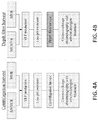
- VLP processing including solvent/detergent treatment
- norovirus VLPs were analyzed for purity by a panel of analytical methods. SDS-PAGE analysis was carried out using NuPAGE gradient gels. The resulting PAGE gels were stained with Imperial Protein Stain or silver stained. Baculovirus inactivation was assessed by standard plaque assays for low pH-treatment of production cultures and on-column solvent/detergent treatment during a capture chromatography step.
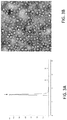
- Norwalk VLP structural integrity was carried out by analysis of purified product using size-exclusion chromatography (SEC) and transmission electron microscopy (EM).
- SEC size-exclusion chromatography
- EM transmission electron microscopy
- purified Norwalk VLPs were diluted and analyzed on a Superose 6 column.
- EM analysis VLPs were diluted in L-histidine (pH-6.5), sodium chloride, spotted on copper mesh grids and stained with 2% uranyl acetate.
- Bioreactor production - To develop a scalable method for production of VLPs, Sf9 cultures were grown in Wave bioreactors for infection with recombinant baculovirus using techniques generally known in the art.
- AcNPV high-level baculovirus
- Table 1 also demonstrates that high-level retrovirus (A-MLuV) inactivation (>7log 10 for the Norwalk VLP process and >6log 10 for the Consensus VLP process) was achieved.
- A-MLuV high-level retrovirus
- analysis of production cultures by SDS-PAGE and size-exclusion chromatography demonstrated that both Norwalk and Consensus VLPs remained soluble and structurally intact following low pH treatment of production culture.
- a N-terminal proteolytic cleavage is commonly observed in the norovirus VP1 subunit.
- FIGS 1A and 1B demonstrates the selective removal of VLPs containing truncated VP1 by low pH treatment of bulk cultures.
- a harvest strategy has been developed by low pH-treatment and primary clarification by low-speed centrifugation.
- the resulting low-speed supernatant/filtrate fraction is passed through a PES capsule filter and then into a sterile bioprocess bag containing a capsule filter.
- This harvest strategy provides efficient recovery of norovirus VLPs that are stable in the resulting conditioned media under the described storage conditions and generates a relatively pure VLP fraction for downstream processing.
- Downstream processing For downstream processing, emphasis has been placed on orthogonal purification methods that are well-suited for scale up cGMP manufacturing. The following procedures were designed to process VLPs from the starting conditioned media.
- Cation-exchange chromatography - Membrane-based chromatography has found utility for purification of large macromolecular complexes due to efficient mass transfer in the large diameter ( ⁇ 1 ⁇ m) membrane pores.
- Sartobind S cation-exchange membranes efficiently bind norovirus VLPs when compared with conventional, bead-based chromatography matrices have been used for capture and purification of VLPs from conditioned media ( Fig 2A ).
- an on-column solvent/detergent treatment step using equilibration buffer containing 1% Triton X-100, tributyl phosphate has been incorporated into the capture step.
- norovirus VLPs are eluted with a step gradient of equilibration buffer containing sodium chloride.
- the current processing scheme specifies a maximum of 1.5 g norovirus VLP in Conditioned Media loaded on the Sartobind S 10" capsule.
- high-level baculovirus (AcNPV) inactivation >4log 10 for the Norwalk VLP process and >4log 10 for the Consensus VLP process
- A-MLuV high-level retrovirus
- Table 2 Inactivation of enveloped viruses by cation-exchange chromatography with on-column solvent/detergent treatment Process step Norwalk VLP process (log 10 reduction) Consensus VLP process (log 10 reduction) A-MuLV AcNPV A-MuLV AcNPV Cation-exchange (S/D treatment) >7.15 >4.48 >6.96 >4.96
- hydroxyapatite capture chromatography with on-column solvent/detergent treatment has also been shown effective for processing of norovirus VLPs ( FIG 2B ).
- Consensus VLP conditioned media was spiked with model viruses and processed by cation exchange chromatography with and without on-column solvent/detergent treatment. As shown in Table 3, minimal reduction of the model viruses was observed by the CE step alone while including the on-column solvent/detergent treatment provided high-level clearance/inactivation. Table 3. Viral inactivation/clearance by solvent/detergent treatment Consensus VLP process step Model Virus (log 10 reduction) A-MuLV 1 AcNPV 2 Cation-exchange 1.18 0.59 Cation-exchange (S/D treatment) >6.96 >4.96 1 Amphotropic Murine Leukemia virus. 2 Baculovirus.
- bioreactor production cultures contain high levels of live baculovirus ( ⁇ 10 8 pfu/mL) following harvest by conventional methods (low speed centrifugation and filtration). Table 4 shows that while low pH treatment alone does not completely inactivate baculovirus at levels found in production cultures. In contrast, the level of baculovirus inactivation by a combination of low pH and solvent/detergent treatment exceeds the ⁇ 10 pfu/mL in production cultures.
- the Consensus VP1 subunit can undergo proteolytic cleavage resulting in an N-terminal truncation production for a certain fraction of the expressed material.
- This proteolytic fragment assembles into VLPs and co-purifies with VLPs composed of the full-length VP1 subunit during downstream processing.
- low pH treatment of bulk bioreactor production cultures selectively removed the population of VLPs containing the N-terminal truncation product providing more homogenous material for downstream processing.
- Consensus VLP Drug Substance by silver stain SDS-PAGE and densitometry demonstrated significant levels of the VP1 N-terminal truncation product for VLPs purified from bioreactor cultures that were not pH treated at harvest (Table 5). In contrast, VLPs purified from pH-treated bioreactor cultures were composed exclusively of the full-length VP1 subunit. Table 5. Removal of the Consensus VP1 proteolytic fragment by low pH treatment. Bioreactor harvest method Full length VP1 (%) N-terminal truncation (%) NopH treatment 1 77 ⁇ 14 23 ⁇ 13 LowpH treatment 1 100 ⁇ 0 0 ⁇ 0 1 Results shown for five individual Consensus VLP lots.
- VLPs are processed by cation-exchange (CE) chromatography with on-column solvent/detergent treatment.
- the VLP and Sf9 host cell protein (HCP) content were evaluated for both bioreactor harvest material (CE load) and the cation-exchange elution fraction (CE elution).
- HCP content was determined by size-exclusion chromatography and HCP content was determined using a commercially-available ELISA kit (Cygnus Technologies, Cat: F020). Table 6 shows data averaged over multiple VLP lots for the HCP content of process fractions, and demonstrates significant HCP reduction by the CE step as determined by the assays described above. Table 6.
- bioreactor production cultures are harvested by low pH treatment and clarification by centrifugation/filtration.
- the low pH treatment step of the current harvest procedure is used for virus inactivation and removal of process contaminants, while centrifugation is used for primary clarification of production cultures.
- centrifugation represents a well-established and scalable method for bioreactor clarification (see FIG. 4A )
- the alternate use of depth filtration for primary clarification offers a number of advantages including ease of operation and availability of disposable materials that eliminate the requirement for cleaning validation.
- Norwalk and Consensus VLP production cultures were generated in shake flasks or stirred tank bioreactors.
- Production cultures were harvested by: low-speed centrifugation and 0.2 ⁇ m filtration; low pH treatment followed by low-speed centrifugation and 0.2 ⁇ m filtration; low pH treatment followed by depth filtration and 0.2 ⁇ m filtration.
- the nucleic acid content of process fractions was evaluated by qPCR and VLP recovery evaluated by size-exclusion chromatography.
- Nucleic acid clearance by low pH treatment and depth filtration Process fraction Baculovirus nucleic acid (pg/mL) Sf9 nucleic acid (pg/mL) Norwalk VLP harvest Starting culture 1 747.7 7420.0 Low pH harvest 2 58.9 156.3 Low pH/depth filter harvest 3 11.5 66.9 Consensus VLP harvest Starting culture 1 1.6 x 10 5 8.3 x 10 5 Low pH harvest 2 5.3 x 10 4 2.9 x 10 5 Low pH/depth filter harvest 3 5.2 x 10 3 1.6 x 10 4 1 Harvest fraction clarified by centrifugation/0.2 ⁇ m filtration (no pH treatment). 2 Harvest fraction following pH treatment and centrifugation/0.2 ⁇ m filtration. 3 Harvest fraction following pH treatment and Millistak+ D0HC depth filtration/0.2 ⁇ m filtration.
Landscapes
- Health & Medical Sciences (AREA)
- Life Sciences & Earth Sciences (AREA)
- Chemical & Material Sciences (AREA)
- Organic Chemistry (AREA)
- Virology (AREA)
- Genetics & Genomics (AREA)
- Medicinal Chemistry (AREA)
- General Health & Medical Sciences (AREA)
- Engineering & Computer Science (AREA)
- Biochemistry (AREA)
- Zoology (AREA)
- Wood Science & Technology (AREA)
- Bioinformatics & Cheminformatics (AREA)
- Molecular Biology (AREA)
- Biotechnology (AREA)
- Biophysics (AREA)
- Proteomics, Peptides & Aminoacids (AREA)
- Gastroenterology & Hepatology (AREA)
- General Engineering & Computer Science (AREA)
- Microbiology (AREA)
- Immunology (AREA)
- Biomedical Technology (AREA)
- Chemical Kinetics & Catalysis (AREA)
- Oncology (AREA)
- Public Health (AREA)
- Animal Behavior & Ethology (AREA)
- Pharmacology & Pharmacy (AREA)
- Nuclear Medicine, Radiotherapy & Molecular Imaging (AREA)
- General Chemical & Material Sciences (AREA)
- Veterinary Medicine (AREA)
- Communicable Diseases (AREA)
- Micro-Organisms Or Cultivation Processes Thereof (AREA)
- Peptides Or Proteins (AREA)
- Medicines Containing Antibodies Or Antigens For Use As Internal Diagnostic Agents (AREA)
- Agricultural Chemicals And Associated Chemicals (AREA)
- Analytical Chemistry (AREA)
- Medicines Containing Material From Animals Or Micro-Organisms (AREA)
Applications Claiming Priority (3)
| Application Number | Priority Date | Filing Date | Title |
|---|---|---|---|
| US201261663218P | 2012-06-22 | 2012-06-22 | |
| US201361794086P | 2013-03-15 | 2013-03-15 | |
| PCT/US2013/047249 WO2013192604A1 (en) | 2012-06-22 | 2013-06-24 | Purification of virus like particles |
Publications (3)
| Publication Number | Publication Date |
|---|---|
| EP2864478A1 EP2864478A1 (en) | 2015-04-29 |
| EP2864478A4 EP2864478A4 (en) | 2015-12-02 |
| EP2864478B1 true EP2864478B1 (en) | 2020-12-09 |
Family
ID=49769461
Family Applications (1)
| Application Number | Title | Priority Date | Filing Date |
|---|---|---|---|
| EP13807804.3A Active EP2864478B1 (en) | 2012-06-22 | 2013-06-24 | Purification of virus like particles |
Country Status (15)
| Country | Link |
|---|---|
| US (3) | US10167320B2 (enExample) |
| EP (1) | EP2864478B1 (enExample) |
| JP (1) | JP6553509B2 (enExample) |
| KR (1) | KR102110876B1 (enExample) |
| CN (2) | CN104583393A (enExample) |
| AR (1) | AR091538A1 (enExample) |
| AU (1) | AU2013277959B2 (enExample) |
| CA (1) | CA2879815A1 (enExample) |
| IN (1) | IN2015DN00089A (enExample) |
| JO (1) | JOP20130186B1 (enExample) |
| MX (1) | MX366234B (enExample) |
| SG (2) | SG11201408459VA (enExample) |
| TW (1) | TWI647310B (enExample) |
| UY (1) | UY34875A (enExample) |
| WO (1) | WO2013192604A1 (enExample) |
Families Citing this family (29)
| Publication number | Priority date | Publication date | Assignee | Title |
|---|---|---|---|---|
| EP2601969B1 (en) | 2006-09-29 | 2016-03-30 | Takeda Vaccines, Inc. | Norovirus vaccine formulations |
| CA2683977C (en) | 2007-03-14 | 2017-04-25 | Ligocyte Pharmaceuticals, Inc. | A method of norovirus virus-like particle purification comprising ion exchange chromatography |
| CN104740624B (zh) | 2007-09-18 | 2018-04-24 | 武田疫苗股份有限公司 | 赋予针对诺如病毒的保护性免疫应答的疫苗 |
| PH12014500093A1 (en) | 2011-07-11 | 2014-03-17 | Takeda Vaccines Inc | Parenteral norovirus vaccine formulations |
| JOP20130186B1 (ar) | 2012-06-22 | 2021-08-17 | Takeda Vaccines Montana Inc | تنقية الجزيئات الشبيهة بالفيروسات |
| RS61387B2 (sr) | 2013-02-15 | 2024-06-28 | Bioverativ Therapeutics Inc | Gen optimizovanog faktora viii |
| KR102069561B1 (ko) * | 2013-07-11 | 2020-01-23 | 다카라 바이오 가부시키가이샤 | 외피 비보유 바이러스의 제조 방법 |
| JP2016533172A (ja) | 2013-10-03 | 2016-10-27 | タケダ ワクチン,インコーポレイテッド | 細胞株からラブドウイルスを検出および除去する方法 |
| CN103981084B (zh) * | 2014-05-29 | 2015-11-18 | 黑龙江省科学院微生物研究所 | 水中病毒分离提取装置及水中札幌病毒的提取方法 |
| CN107109374B (zh) | 2015-01-09 | 2021-04-06 | 宝生物工程株式会社 | 用于生产无包膜病毒颗粒的方法 |
| JP6893174B2 (ja) * | 2015-01-16 | 2021-06-23 | タケダ ワクチン,インコーポレイテッド | 粒子に含まれる逆転写酵素活性の検出 |
| CN105907729B (zh) * | 2015-05-05 | 2019-08-16 | 广东东阳光药业有限公司 | 一种制备人乳头瘤病毒l1蛋白类病毒样颗粒的方法 |
| CN107034198B (zh) * | 2015-07-15 | 2021-03-09 | 长春百克生物科技股份公司 | 一种嵌合诺如病毒p颗粒及其制备和应用 |
| AU2016317661B2 (en) | 2015-08-28 | 2023-05-18 | Ology Bioservices, Inc. | Norovirus vaccine |
| CN105779399A (zh) * | 2016-03-28 | 2016-07-20 | 广西壮族自治区林业科学研究院 | 一种昆虫杆状病毒纯化方法 |
| GB201614050D0 (en) | 2016-08-17 | 2016-09-28 | Glaxosmithkline Ip Dev Ltd | Method for purifying viral vectors |
| US20190194628A1 (en) * | 2016-09-01 | 2019-06-27 | Takeda Vaccines, Inc. | Methods for producing virus for vaccine production |
| EP3420076B1 (en) * | 2017-03-06 | 2024-02-21 | Guangzhou Realbenefitspot Pharmaceutical Co., Ltd. | Methods of producing and characterizing virus vaccine and virus vaccine composition |
| ES2975182T3 (es) | 2017-03-06 | 2024-07-03 | Guangzhou Realbenefitspot Pharmaceutical Co Ltd | Métodos de producción y caracterización de vacunas víricas y composición de vacuna vírica |
| JP2021514391A (ja) | 2018-02-15 | 2021-06-10 | アイコン ジェネティクス ゲーエムベーハー | ノロウイルスに対する免疫応答を生成するための免疫原性組成物及びワクチン |
| CN108676781A (zh) * | 2018-05-18 | 2018-10-19 | 山东信得动物疫苗有限公司 | 一种重组禽流感病毒的工业化纯化方法 |
| CN108776225A (zh) * | 2018-05-23 | 2018-11-09 | 中国农业科学院兰州兽医研究所 | 猪细小病毒VLPs抗体检测试剂盒及其制备方法、应用 |
| US20220152186A1 (en) | 2019-03-12 | 2022-05-19 | Icon Genetics Gmbh | Norovirus-like particles with improved stability |
| JP7803014B2 (ja) | 2019-09-30 | 2026-01-21 | バイオベラティブ セラピューティクス インコーポレイテッド | レンチウイルスベクター製剤 |
| WO2022246323A1 (en) | 2021-05-21 | 2022-11-24 | Takeda Vaccines, Inc. | Solid composition, freeze-drying method and glass vial |
| CA3224156A1 (en) * | 2021-06-28 | 2023-01-05 | VST LLC dba Medgene Labs | Sapovirus vaccines |
| CN116789773B (zh) * | 2022-11-30 | 2024-02-20 | 华北制药金坦生物技术股份有限公司 | 一种胞内表达病毒样颗粒的粗纯方法 |
| WO2025077800A1 (en) * | 2023-10-12 | 2025-04-17 | Chengdu Kanghua Biological Products Co., Ltd. | Purification of norovirus virus-like particles (vlps) |
| CN118126202B (zh) * | 2024-05-07 | 2024-07-30 | 上海瑞宙生物科技有限公司 | 一种诺如病毒类病毒颗粒及其应用 |
Family Cites Families (40)
| Publication number | Priority date | Publication date | Assignee | Title |
|---|---|---|---|---|
| JP2833106B2 (ja) | 1990-02-21 | 1998-12-09 | 株式会社島津製作所 | 液体クロマトグラフ |
| WO1994026087A2 (en) | 1993-05-14 | 1994-11-24 | Connor Kim C O | Recombinant protein production and insect cell culture and process |
| ES2264126T3 (es) | 1994-05-16 | 2006-12-16 | MERCK & CO., INC. | Vacunas contra el papilomavirus. |
| AR004464A1 (es) | 1994-11-14 | 1998-12-16 | Merck Sharp & Dohme | Un metodo para producir una proteina de capside de papilomavirus |
| JP3316325B2 (ja) * | 1994-12-20 | 2002-08-19 | 富士シリシア化学株式会社 | ビール安定化処理用シリカゲル及びその製造方法並びにビールの安定化処理方法 |
| US5641870A (en) | 1995-04-20 | 1997-06-24 | Genentech, Inc. | Low pH hydrophobic interaction chromatography for antibody purification |
| JP4021493B2 (ja) | 1996-11-08 | 2007-12-12 | ザ ガヴァメント オブ ザ ユナイテッド ステイツ オブ アメリカ、レプリゼンテッド バイ ザ セクレタリー、 デパートメント オブ ヘルス アンド ヒューマン サーヴィスィズ | C型肝炎ウイルス様粒子の合成および精製 |
| AU742409B2 (en) | 1997-09-05 | 2002-01-03 | Medimmune, Llc | In vitro method for disassembly/reassembly of papillomavirus virus-like particles (VLPs) |
| DE19823814A1 (de) | 1998-05-27 | 1999-12-02 | Octapharma Ag Ziegelbruecke | Verfahren zur Trennung und/oder Isolierung von Plasmaproteinen mit annularer Chromatographie |
| EP1105466B1 (en) | 1998-08-14 | 2006-04-26 | Merck & Co., Inc. | Process for purifying human papillomavirus virus-like particles |
| ATE413188T1 (de) * | 1999-02-05 | 2008-11-15 | Merck & Co Inc | Menschliche papillomavirus impfstoff- formulierungen |
| US6349843B1 (en) | 1999-04-01 | 2002-02-26 | The Vollrath Company Llc | Pan removal ramp |
| CA2375337C (en) | 1999-06-22 | 2012-09-25 | Naokazu Takeda | Srsv detection kit |
| DE10012732A1 (de) | 2000-03-18 | 2001-09-20 | Aventis Behring Gmbh | Thrombin-Zubereitungen und Verfahren zu ihrer Herstellung |
| JP2003066021A (ja) | 2001-08-28 | 2003-03-05 | Hiroshi Shionoya | 連続分取液体クロマトグラフィー装置とそれを用いる方法 |
| WO2003068804A2 (en) | 2002-02-14 | 2003-08-21 | Novavax, Inc. | Novel insect cell line |
| SI1501369T1 (sl) | 2002-04-26 | 2015-10-30 | Genentech, Inc. | Neafinitetno čiščenje proteinov |
| US20040106184A1 (en) | 2002-08-28 | 2004-06-03 | Introgen Therapeutics Inc. | Chromatographic methods for adenovirus purification |
| US7879338B2 (en) | 2003-07-21 | 2011-02-01 | Boyce Thompson Institute For Plant Research | Vectors and methods for immunization against norovirus using transgenic plants |
| US7481997B1 (en) | 2004-02-12 | 2009-01-27 | Montana State University | Snow mountain virus genome sequence, virus-like particles and methods of use |
| US8277819B2 (en) | 2005-06-16 | 2012-10-02 | Children's Hospital Medical Center | Norovirus particle for use as an antiviral or vaccine |
| EP1736538A1 (en) | 2005-06-21 | 2006-12-27 | Cytos Biotechnology AG | Process for the preparative purification of virus-like-particles (VLPs) |
| WO2007081447A2 (en) | 2005-11-22 | 2007-07-19 | Novartis Vaccines And Diagnostics, Inc. | Norovirus and sapovirus antigens |
| DK2275132T3 (da) | 2005-12-29 | 2021-05-17 | Boehringer Ingelheim Animal Health Usa Inc | Multivalente pcv2-immunogeniske sammensætninger og fremgangsmåder til at fremstille dem |
| EP2044198A4 (en) | 2006-07-27 | 2010-09-08 | Ligocyte Pharmaceuticals Inc | CHIMERIC INFLUENZA VIRUS TYPE PARTICLES |
| EP2601969B1 (en) | 2006-09-29 | 2016-03-30 | Takeda Vaccines, Inc. | Norovirus vaccine formulations |
| US8202967B2 (en) | 2006-10-27 | 2012-06-19 | Boehringer Ingelheim Vetmedica, Inc. | H5 proteins, nucleic acid molecules and vectors encoding for those, and their medicinal use |
| CA2683977C (en) | 2007-03-14 | 2017-04-25 | Ligocyte Pharmaceuticals, Inc. | A method of norovirus virus-like particle purification comprising ion exchange chromatography |
| EP2027875A1 (en) * | 2007-08-23 | 2009-02-25 | Octapharma AG | A Process for Isolation and Purification of a Target Protein free of Prion Protein (PrPSC) |
| CN104740624B (zh) | 2007-09-18 | 2018-04-24 | 武田疫苗股份有限公司 | 赋予针对诺如病毒的保护性免疫应答的疫苗 |
| EP2235165A1 (en) | 2007-12-21 | 2010-10-06 | Cytos Biotechnology AG | Process for clarifying cell homogenates |
| JP5852883B2 (ja) | 2008-08-08 | 2016-02-03 | タケダ ワクチン,インコーポレイテッド | 交差反応性の増強のための複合カプシドアミノ酸配列を含むウイルス様粒子 |
| WO2010062757A1 (en) | 2008-11-03 | 2010-06-03 | Ligocyte Pharmaceuticals, Inc. | Improved methods for isolating enveloped virus-based vlps free of infectious agents |
| US8945895B2 (en) * | 2009-07-31 | 2015-02-03 | Baxter International Inc. | Methods of purifying recombinant ADAMTS13 and other proteins and compositions thereof |
| JP2013517773A (ja) | 2010-01-21 | 2013-05-20 | リゴサイト ファーマスーティカルズ,インコーポレイテッド | カリシウイルスウイルス様粒子上の標的化異種抗原提示 |
| EP2619217B1 (en) | 2010-09-20 | 2016-11-09 | Bio-Rad Laboratories, Inc. | Dissociation of product-complexed contaminants in chromatography |
| FI122520B (fi) | 2010-10-15 | 2012-03-15 | Vesna Blazevic | Noroviruksen kapsidi ja rotaviruksen VP6-proteiini käytettäväksi yhdistelmärokotteena |
| CN102260651A (zh) | 2011-06-24 | 2011-11-30 | 华中科技大学同济医学院附属协和医院 | 一种纯化病毒样颗粒蛋白的方法及其应用 |
| JOP20130186B1 (ar) | 2012-06-22 | 2021-08-17 | Takeda Vaccines Montana Inc | تنقية الجزيئات الشبيهة بالفيروسات |
| JP2015015931A (ja) | 2013-07-12 | 2015-01-29 | 株式会社Umnファーマ | ウイルス様粒子を含む培養物の製造方法 |
-
2013
- 2013-06-19 JO JOP/2013/0186A patent/JOP20130186B1/ar active
- 2013-06-21 TW TW102122276A patent/TWI647310B/zh active
- 2013-06-24 WO PCT/US2013/047249 patent/WO2013192604A1/en not_active Ceased
- 2013-06-24 KR KR1020157001131A patent/KR102110876B1/ko active Active
- 2013-06-24 US US13/925,449 patent/US10167320B2/en active Active
- 2013-06-24 UY UY0001034875A patent/UY34875A/es active IP Right Grant
- 2013-06-24 JP JP2015518633A patent/JP6553509B2/ja active Active
- 2013-06-24 CN CN201380043618.XA patent/CN104583393A/zh active Pending
- 2013-06-24 SG SG11201408459VA patent/SG11201408459VA/en unknown
- 2013-06-24 AU AU2013277959A patent/AU2013277959B2/en active Active
- 2013-06-24 MX MX2014015842A patent/MX366234B/es active IP Right Grant
- 2013-06-24 CA CA2879815A patent/CA2879815A1/en active Pending
- 2013-06-24 SG SG10201610753YA patent/SG10201610753YA/en unknown
- 2013-06-24 CN CN202111173161.7A patent/CN114085273B/zh active Active
- 2013-06-24 EP EP13807804.3A patent/EP2864478B1/en active Active
- 2013-06-24 AR ARP130102218 patent/AR091538A1/es active IP Right Grant
-
2015
- 2015-01-06 IN IN89DEN2015 patent/IN2015DN00089A/en unknown
-
2018
- 2018-11-27 US US16/201,073 patent/US11091519B2/en active Active
-
2021
- 2021-08-11 US US17/399,731 patent/US12286456B2/en active Active
Non-Patent Citations (1)
| Title |
|---|
| None * |
Also Published As
| Publication number | Publication date |
|---|---|
| CN114085273B (zh) | 2024-07-12 |
| KR102110876B1 (ko) | 2020-05-14 |
| SG10201610753YA (en) | 2017-02-27 |
| AU2013277959B2 (en) | 2019-05-16 |
| JP6553509B2 (ja) | 2019-07-31 |
| JP2015521628A (ja) | 2015-07-30 |
| US20220213147A1 (en) | 2022-07-07 |
| WO2013192604A1 (en) | 2013-12-27 |
| IN2015DN00089A (enExample) | 2015-05-29 |
| TWI647310B (zh) | 2019-01-11 |
| EP2864478A4 (en) | 2015-12-02 |
| US20140004145A1 (en) | 2014-01-02 |
| HK1210210A1 (en) | 2016-04-15 |
| MX366234B (es) | 2019-07-03 |
| KR20150051988A (ko) | 2015-05-13 |
| US12286456B2 (en) | 2025-04-29 |
| AR091538A1 (es) | 2015-02-11 |
| US10167320B2 (en) | 2019-01-01 |
| US11091519B2 (en) | 2021-08-17 |
| JOP20130186B1 (ar) | 2021-08-17 |
| US20190169236A1 (en) | 2019-06-06 |
| AU2013277959A1 (en) | 2015-01-22 |
| CA2879815A1 (en) | 2013-12-27 |
| CN114085273A (zh) | 2022-02-25 |
| CN104583393A (zh) | 2015-04-29 |
| TW201406956A (zh) | 2014-02-16 |
| EP2864478A1 (en) | 2015-04-29 |
| MX2014015842A (es) | 2015-09-07 |
| UY34875A (es) | 2013-12-31 |
| SG11201408459VA (en) | 2015-01-29 |
Similar Documents
| Publication | Publication Date | Title |
|---|---|---|
| US12286456B2 (en) | Purification of virus like particles | |
| JP7792339B2 (ja) | コロナウイルスワクチン製剤 | |
| CN105745218B (zh) | 去除残留细胞培养杂质 | |
| US20070128213A1 (en) | Novel plant virus particles and methods of inactivation thereof | |
| WO1991000104A1 (en) | Production of virus and purification of viral envelope proteins for vaccine use | |
| CN105018435A (zh) | 一种病毒样颗粒的纯化方法 | |
| JP4523164B2 (ja) | ワクチン | |
| JP7317796B2 (ja) | 呼吸器疾患を治療するための方法および組成物 | |
| CN117126253B (zh) | Hsv免疫原性重组蛋白、其制备方法和应用、以及用其制备的疫苗 | |
| HK1210210B (en) | Purification of virus like particles | |
| FI97058C (fi) | Menetelmä soluissa tuotettavan HIV:n glykoproteiinin GP 160 eristämiseksi ja puhdistamiseksi | |
| US7344839B2 (en) | Virus preparations and methods | |
| RU2120804C1 (ru) | Способ приготовления вакцины против клещевого или японского энцефалита из вирусной суспензии | |
| TW202330924A (zh) | 新型冠狀病毒mRNA疫苗及其製備方法與用途 | |
| AU732951B2 (en) | Parainfluenza virus glycoproteins and vaccines | |
| AU718025B2 (en) | Parainfluenza virus glycoproteins and vaccines | |
| US20200332264A1 (en) | So3 chromatography for use in a method for virus purification |
Legal Events
| Date | Code | Title | Description |
|---|---|---|---|
| PUAI | Public reference made under article 153(3) epc to a published international application that has entered the european phase |
Free format text: ORIGINAL CODE: 0009012 |
|
| 17P | Request for examination filed |
Effective date: 20141224 |
|
| AK | Designated contracting states |
Kind code of ref document: A1 Designated state(s): AL AT BE BG CH CY CZ DE DK EE ES FI FR GB GR HR HU IE IS IT LI LT LU LV MC MK MT NL NO PL PT RO RS SE SI SK SM TR |
|
| AX | Request for extension of the european patent |
Extension state: BA ME |
|
| DAX | Request for extension of the european patent (deleted) | ||
| RA4 | Supplementary search report drawn up and despatched (corrected) |
Effective date: 20151103 |
|
| RIC1 | Information provided on ipc code assigned before grant |
Ipc: C12N 7/02 20060101AFI20151028BHEP Ipc: A61K 39/125 20060101ALI20151028BHEP |
|
| REG | Reference to a national code |
Ref country code: HK Ref legal event code: DE Ref document number: 1210210 Country of ref document: HK |
|
| STAA | Information on the status of an ep patent application or granted ep patent |
Free format text: STATUS: EXAMINATION IS IN PROGRESS |
|
| 17Q | First examination report despatched |
Effective date: 20180205 |
|
| GRAP | Despatch of communication of intention to grant a patent |
Free format text: ORIGINAL CODE: EPIDOSNIGR1 |
|
| STAA | Information on the status of an ep patent application or granted ep patent |
Free format text: STATUS: GRANT OF PATENT IS INTENDED |
|
| INTG | Intention to grant announced |
Effective date: 20200316 |
|
| GRAJ | Information related to disapproval of communication of intention to grant by the applicant or resumption of examination proceedings by the epo deleted |
Free format text: ORIGINAL CODE: EPIDOSDIGR1 |
|
| STAA | Information on the status of an ep patent application or granted ep patent |
Free format text: STATUS: EXAMINATION IS IN PROGRESS |
|
| GRAP | Despatch of communication of intention to grant a patent |
Free format text: ORIGINAL CODE: EPIDOSNIGR1 |
|
| STAA | Information on the status of an ep patent application or granted ep patent |
Free format text: STATUS: GRANT OF PATENT IS INTENDED |
|
| RIN1 | Information on inventor provided before grant (corrected) |
Inventor name: TAYLOR, ROSS |
|
| RAP1 | Party data changed (applicant data changed or rights of an application transferred) |
Owner name: TAKEDA VACCINES, INC. |
|
| INTC | Intention to grant announced (deleted) | ||
| INTG | Intention to grant announced |
Effective date: 20200703 |
|
| GRAS | Grant fee paid |
Free format text: ORIGINAL CODE: EPIDOSNIGR3 |
|
| GRAA | (expected) grant |
Free format text: ORIGINAL CODE: 0009210 |
|
| STAA | Information on the status of an ep patent application or granted ep patent |
Free format text: STATUS: THE PATENT HAS BEEN GRANTED |
|
| AK | Designated contracting states |
Kind code of ref document: B1 Designated state(s): AL AT BE BG CH CY CZ DE DK EE ES FI FR GB GR HR HU IE IS IT LI LT LU LV MC MK MT NL NO PL PT RO RS SE SI SK SM TR |
|
| REG | Reference to a national code |
Ref country code: GB Ref legal event code: FG4D |
|
| REG | Reference to a national code |
Ref country code: AT Ref legal event code: REF Ref document number: 1343491 Country of ref document: AT Kind code of ref document: T Effective date: 20201215 Ref country code: CH Ref legal event code: EP |
|
| REG | Reference to a national code |
Ref country code: DE Ref legal event code: R096 Ref document number: 602013074652 Country of ref document: DE |
|
| REG | Reference to a national code |
Ref country code: IE Ref legal event code: FG4D |
|
| REG | Reference to a national code |
Ref country code: NL Ref legal event code: FP |
|
| REG | Reference to a national code |
Ref country code: CH Ref legal event code: NV Representative=s name: VALIPAT S.A. C/O BOVARD SA NEUCHATEL, CH |
|
| PG25 | Lapsed in a contracting state [announced via postgrant information from national office to epo] |
Ref country code: GR Free format text: LAPSE BECAUSE OF FAILURE TO SUBMIT A TRANSLATION OF THE DESCRIPTION OR TO PAY THE FEE WITHIN THE PRESCRIBED TIME-LIMIT Effective date: 20210310 Ref country code: NO Free format text: LAPSE BECAUSE OF FAILURE TO SUBMIT A TRANSLATION OF THE DESCRIPTION OR TO PAY THE FEE WITHIN THE PRESCRIBED TIME-LIMIT Effective date: 20210309 Ref country code: RS Free format text: LAPSE BECAUSE OF FAILURE TO SUBMIT A TRANSLATION OF THE DESCRIPTION OR TO PAY THE FEE WITHIN THE PRESCRIBED TIME-LIMIT Effective date: 20201209 Ref country code: FI Free format text: LAPSE BECAUSE OF FAILURE TO SUBMIT A TRANSLATION OF THE DESCRIPTION OR TO PAY THE FEE WITHIN THE PRESCRIBED TIME-LIMIT Effective date: 20201209 |
|
| REG | Reference to a national code |
Ref country code: AT Ref legal event code: MK05 Ref document number: 1343491 Country of ref document: AT Kind code of ref document: T Effective date: 20201209 |
|
| PG25 | Lapsed in a contracting state [announced via postgrant information from national office to epo] |
Ref country code: SE Free format text: LAPSE BECAUSE OF FAILURE TO SUBMIT A TRANSLATION OF THE DESCRIPTION OR TO PAY THE FEE WITHIN THE PRESCRIBED TIME-LIMIT Effective date: 20201209 Ref country code: LV Free format text: LAPSE BECAUSE OF FAILURE TO SUBMIT A TRANSLATION OF THE DESCRIPTION OR TO PAY THE FEE WITHIN THE PRESCRIBED TIME-LIMIT Effective date: 20201209 Ref country code: BG Free format text: LAPSE BECAUSE OF FAILURE TO SUBMIT A TRANSLATION OF THE DESCRIPTION OR TO PAY THE FEE WITHIN THE PRESCRIBED TIME-LIMIT Effective date: 20210309 |
|
| PG25 | Lapsed in a contracting state [announced via postgrant information from national office to epo] |
Ref country code: HR Free format text: LAPSE BECAUSE OF FAILURE TO SUBMIT A TRANSLATION OF THE DESCRIPTION OR TO PAY THE FEE WITHIN THE PRESCRIBED TIME-LIMIT Effective date: 20201209 |
|
| REG | Reference to a national code |
Ref country code: LT Ref legal event code: MG9D |
|
| PG25 | Lapsed in a contracting state [announced via postgrant information from national office to epo] |
Ref country code: SM Free format text: LAPSE BECAUSE OF FAILURE TO SUBMIT A TRANSLATION OF THE DESCRIPTION OR TO PAY THE FEE WITHIN THE PRESCRIBED TIME-LIMIT Effective date: 20201209 Ref country code: LT Free format text: LAPSE BECAUSE OF FAILURE TO SUBMIT A TRANSLATION OF THE DESCRIPTION OR TO PAY THE FEE WITHIN THE PRESCRIBED TIME-LIMIT Effective date: 20201209 Ref country code: SK Free format text: LAPSE BECAUSE OF FAILURE TO SUBMIT A TRANSLATION OF THE DESCRIPTION OR TO PAY THE FEE WITHIN THE PRESCRIBED TIME-LIMIT Effective date: 20201209 Ref country code: PT Free format text: LAPSE BECAUSE OF FAILURE TO SUBMIT A TRANSLATION OF THE DESCRIPTION OR TO PAY THE FEE WITHIN THE PRESCRIBED TIME-LIMIT Effective date: 20210409 Ref country code: RO Free format text: LAPSE BECAUSE OF FAILURE TO SUBMIT A TRANSLATION OF THE DESCRIPTION OR TO PAY THE FEE WITHIN THE PRESCRIBED TIME-LIMIT Effective date: 20201209 Ref country code: EE Free format text: LAPSE BECAUSE OF FAILURE TO SUBMIT A TRANSLATION OF THE DESCRIPTION OR TO PAY THE FEE WITHIN THE PRESCRIBED TIME-LIMIT Effective date: 20201209 |
|
| PG25 | Lapsed in a contracting state [announced via postgrant information from national office to epo] |
Ref country code: AT Free format text: LAPSE BECAUSE OF FAILURE TO SUBMIT A TRANSLATION OF THE DESCRIPTION OR TO PAY THE FEE WITHIN THE PRESCRIBED TIME-LIMIT Effective date: 20201209 Ref country code: PL Free format text: LAPSE BECAUSE OF FAILURE TO SUBMIT A TRANSLATION OF THE DESCRIPTION OR TO PAY THE FEE WITHIN THE PRESCRIBED TIME-LIMIT Effective date: 20201209 |
|
| REG | Reference to a national code |
Ref country code: DE Ref legal event code: R097 Ref document number: 602013074652 Country of ref document: DE |
|
| PG25 | Lapsed in a contracting state [announced via postgrant information from national office to epo] |
Ref country code: IS Free format text: LAPSE BECAUSE OF FAILURE TO SUBMIT A TRANSLATION OF THE DESCRIPTION OR TO PAY THE FEE WITHIN THE PRESCRIBED TIME-LIMIT Effective date: 20210409 |
|
| PLBE | No opposition filed within time limit |
Free format text: ORIGINAL CODE: 0009261 |
|
| STAA | Information on the status of an ep patent application or granted ep patent |
Free format text: STATUS: NO OPPOSITION FILED WITHIN TIME LIMIT |
|
| PG25 | Lapsed in a contracting state [announced via postgrant information from national office to epo] |
Ref country code: AL Free format text: LAPSE BECAUSE OF FAILURE TO SUBMIT A TRANSLATION OF THE DESCRIPTION OR TO PAY THE FEE WITHIN THE PRESCRIBED TIME-LIMIT Effective date: 20201209 Ref country code: IT Free format text: LAPSE BECAUSE OF FAILURE TO SUBMIT A TRANSLATION OF THE DESCRIPTION OR TO PAY THE FEE WITHIN THE PRESCRIBED TIME-LIMIT Effective date: 20201209 |
|
| 26N | No opposition filed |
Effective date: 20210910 |
|
| PG25 | Lapsed in a contracting state [announced via postgrant information from national office to epo] |
Ref country code: DK Free format text: LAPSE BECAUSE OF FAILURE TO SUBMIT A TRANSLATION OF THE DESCRIPTION OR TO PAY THE FEE WITHIN THE PRESCRIBED TIME-LIMIT Effective date: 20201209 Ref country code: ES Free format text: LAPSE BECAUSE OF FAILURE TO SUBMIT A TRANSLATION OF THE DESCRIPTION OR TO PAY THE FEE WITHIN THE PRESCRIBED TIME-LIMIT Effective date: 20201209 Ref country code: SI Free format text: LAPSE BECAUSE OF FAILURE TO SUBMIT A TRANSLATION OF THE DESCRIPTION OR TO PAY THE FEE WITHIN THE PRESCRIBED TIME-LIMIT Effective date: 20201209 |
|
| PG25 | Lapsed in a contracting state [announced via postgrant information from national office to epo] |
Ref country code: MC Free format text: LAPSE BECAUSE OF FAILURE TO SUBMIT A TRANSLATION OF THE DESCRIPTION OR TO PAY THE FEE WITHIN THE PRESCRIBED TIME-LIMIT Effective date: 20201209 |
|
| PG25 | Lapsed in a contracting state [announced via postgrant information from national office to epo] |
Ref country code: LU Free format text: LAPSE BECAUSE OF NON-PAYMENT OF DUE FEES Effective date: 20210624 |
|
| PG25 | Lapsed in a contracting state [announced via postgrant information from national office to epo] |
Ref country code: IS Free format text: LAPSE BECAUSE OF FAILURE TO SUBMIT A TRANSLATION OF THE DESCRIPTION OR TO PAY THE FEE WITHIN THE PRESCRIBED TIME-LIMIT Effective date: 20210409 |
|
| PG25 | Lapsed in a contracting state [announced via postgrant information from national office to epo] |
Ref country code: HU Free format text: LAPSE BECAUSE OF FAILURE TO SUBMIT A TRANSLATION OF THE DESCRIPTION OR TO PAY THE FEE WITHIN THE PRESCRIBED TIME-LIMIT; INVALID AB INITIO Effective date: 20130624 |
|
| P01 | Opt-out of the competence of the unified patent court (upc) registered |
Effective date: 20230428 |
|
| PG25 | Lapsed in a contracting state [announced via postgrant information from national office to epo] |
Ref country code: CY Free format text: LAPSE BECAUSE OF FAILURE TO SUBMIT A TRANSLATION OF THE DESCRIPTION OR TO PAY THE FEE WITHIN THE PRESCRIBED TIME-LIMIT Effective date: 20201209 |
|
| PG25 | Lapsed in a contracting state [announced via postgrant information from national office to epo] |
Ref country code: MK Free format text: LAPSE BECAUSE OF FAILURE TO SUBMIT A TRANSLATION OF THE DESCRIPTION OR TO PAY THE FEE WITHIN THE PRESCRIBED TIME-LIMIT Effective date: 20201209 |
|
| PG25 | Lapsed in a contracting state [announced via postgrant information from national office to epo] |
Ref country code: TR Free format text: LAPSE BECAUSE OF FAILURE TO SUBMIT A TRANSLATION OF THE DESCRIPTION OR TO PAY THE FEE WITHIN THE PRESCRIBED TIME-LIMIT Effective date: 20201209 |
|
| PG25 | Lapsed in a contracting state [announced via postgrant information from national office to epo] |
Ref country code: MT Free format text: LAPSE BECAUSE OF FAILURE TO SUBMIT A TRANSLATION OF THE DESCRIPTION OR TO PAY THE FEE WITHIN THE PRESCRIBED TIME-LIMIT Effective date: 20201209 |
|
| PGFP | Annual fee paid to national office [announced via postgrant information from national office to epo] |
Ref country code: NL Payment date: 20250409 Year of fee payment: 13 |
|
| PGFP | Annual fee paid to national office [announced via postgrant information from national office to epo] |
Ref country code: DE Payment date: 20250402 Year of fee payment: 13 |
|
| PGFP | Annual fee paid to national office [announced via postgrant information from national office to epo] |
Ref country code: GB Payment date: 20250401 Year of fee payment: 13 |
|
| PGFP | Annual fee paid to national office [announced via postgrant information from national office to epo] |
Ref country code: BE Payment date: 20250410 Year of fee payment: 13 |
|
| PGFP | Annual fee paid to national office [announced via postgrant information from national office to epo] |
Ref country code: FR Payment date: 20250508 Year of fee payment: 13 |
|
| PGFP | Annual fee paid to national office [announced via postgrant information from national office to epo] |
Ref country code: CZ Payment date: 20250602 Year of fee payment: 13 |
|
| PGFP | Annual fee paid to national office [announced via postgrant information from national office to epo] |
Ref country code: IE Payment date: 20250402 Year of fee payment: 13 |
|
| PGFP | Annual fee paid to national office [announced via postgrant information from national office to epo] |
Ref country code: CH Payment date: 20250701 Year of fee payment: 13 |