EP2266564B1 - Peroral zu verabreichende Arzneiform enthaltend eine Kombination von einem opioid Agonisten und einem opioid Antagonisten - Google Patents
Peroral zu verabreichende Arzneiform enthaltend eine Kombination von einem opioid Agonisten und einem opioid Antagonisten Download PDFInfo
- Publication number
- EP2266564B1 EP2266564B1 EP10179026A EP10179026A EP2266564B1 EP 2266564 B1 EP2266564 B1 EP 2266564B1 EP 10179026 A EP10179026 A EP 10179026A EP 10179026 A EP10179026 A EP 10179026A EP 2266564 B1 EP2266564 B1 EP 2266564B1
- Authority
- EP
- European Patent Office
- Prior art keywords
- naltrexone
- opioid
- dosage form
- hydrocodone
- ratio
- Prior art date
- Legal status (The legal status is an assumption and is not a legal conclusion. Google has not performed a legal analysis and makes no representation as to the accuracy of the status listed.)
- Revoked
Links
Images





Classifications
-
- A—HUMAN NECESSITIES
- A61—MEDICAL OR VETERINARY SCIENCE; HYGIENE
- A61K—PREPARATIONS FOR MEDICAL, DENTAL OR TOILETRY PURPOSES
- A61K31/00—Medicinal preparations containing organic active ingredients
- A61K31/33—Heterocyclic compounds
- A61K31/395—Heterocyclic compounds having nitrogen as a ring hetero atom, e.g. guanethidine or rifamycins
- A61K31/435—Heterocyclic compounds having nitrogen as a ring hetero atom, e.g. guanethidine or rifamycins having six-membered rings with one nitrogen as the only ring hetero atom
- A61K31/47—Quinolines; Isoquinolines
- A61K31/485—Morphinan derivatives, e.g. morphine, codeine
-
- A—HUMAN NECESSITIES
- A61—MEDICAL OR VETERINARY SCIENCE; HYGIENE
- A61K—PREPARATIONS FOR MEDICAL, DENTAL OR TOILETRY PURPOSES
- A61K31/00—Medicinal preparations containing organic active ingredients
- A61K31/13—Amines
- A61K31/135—Amines having aromatic rings, e.g. ketamine, nortriptyline
- A61K31/137—Arylalkylamines, e.g. amphetamine, epinephrine, salbutamol, ephedrine or methadone
-
- A—HUMAN NECESSITIES
- A61—MEDICAL OR VETERINARY SCIENCE; HYGIENE
- A61K—PREPARATIONS FOR MEDICAL, DENTAL OR TOILETRY PURPOSES
- A61K31/00—Medicinal preparations containing organic active ingredients
- A61K31/16—Amides, e.g. hydroxamic acids
-
- A—HUMAN NECESSITIES
- A61—MEDICAL OR VETERINARY SCIENCE; HYGIENE
- A61K—PREPARATIONS FOR MEDICAL, DENTAL OR TOILETRY PURPOSES
- A61K31/00—Medicinal preparations containing organic active ingredients
- A61K31/33—Heterocyclic compounds
- A61K31/395—Heterocyclic compounds having nitrogen as a ring hetero atom, e.g. guanethidine or rifamycins
- A61K31/435—Heterocyclic compounds having nitrogen as a ring hetero atom, e.g. guanethidine or rifamycins having six-membered rings with one nitrogen as the only ring hetero atom
- A61K31/44—Non condensed pyridines; Hydrogenated derivatives thereof
- A61K31/445—Non condensed piperidines, e.g. piperocaine
- A61K31/451—Non condensed piperidines, e.g. piperocaine having a carbocyclic group directly attached to the heterocyclic ring, e.g. glutethimide, meperidine, loperamide, phencyclidine, piminodine
-
- A—HUMAN NECESSITIES
- A61—MEDICAL OR VETERINARY SCIENCE; HYGIENE
- A61K—PREPARATIONS FOR MEDICAL, DENTAL OR TOILETRY PURPOSES
- A61K31/00—Medicinal preparations containing organic active ingredients
- A61K31/60—Salicylic acid; Derivatives thereof
-
- A—HUMAN NECESSITIES
- A61—MEDICAL OR VETERINARY SCIENCE; HYGIENE
- A61K—PREPARATIONS FOR MEDICAL, DENTAL OR TOILETRY PURPOSES
- A61K45/00—Medicinal preparations containing active ingredients not provided for in groups A61K31/00 - A61K41/00
- A61K45/06—Mixtures of active ingredients without chemical characterisation, e.g. antiphlogistics and cardiaca
-
- A—HUMAN NECESSITIES
- A61—MEDICAL OR VETERINARY SCIENCE; HYGIENE
- A61P—SPECIFIC THERAPEUTIC ACTIVITY OF CHEMICAL COMPOUNDS OR MEDICINAL PREPARATIONS
- A61P25/00—Drugs for disorders of the nervous system
-
- A—HUMAN NECESSITIES
- A61—MEDICAL OR VETERINARY SCIENCE; HYGIENE
- A61P—SPECIFIC THERAPEUTIC ACTIVITY OF CHEMICAL COMPOUNDS OR MEDICINAL PREPARATIONS
- A61P25/00—Drugs for disorders of the nervous system
- A61P25/04—Centrally acting analgesics, e.g. opioids
-
- A—HUMAN NECESSITIES
- A61—MEDICAL OR VETERINARY SCIENCE; HYGIENE
- A61P—SPECIFIC THERAPEUTIC ACTIVITY OF CHEMICAL COMPOUNDS OR MEDICINAL PREPARATIONS
- A61P25/00—Drugs for disorders of the nervous system
- A61P25/20—Hypnotics; Sedatives
-
- A—HUMAN NECESSITIES
- A61—MEDICAL OR VETERINARY SCIENCE; HYGIENE
- A61P—SPECIFIC THERAPEUTIC ACTIVITY OF CHEMICAL COMPOUNDS OR MEDICINAL PREPARATIONS
- A61P25/00—Drugs for disorders of the nervous system
- A61P25/30—Drugs for disorders of the nervous system for treating abuse or dependence
-
- A—HUMAN NECESSITIES
- A61—MEDICAL OR VETERINARY SCIENCE; HYGIENE
- A61P—SPECIFIC THERAPEUTIC ACTIVITY OF CHEMICAL COMPOUNDS OR MEDICINAL PREPARATIONS
- A61P25/00—Drugs for disorders of the nervous system
- A61P25/30—Drugs for disorders of the nervous system for treating abuse or dependence
- A61P25/36—Opioid-abuse
-
- A—HUMAN NECESSITIES
- A61—MEDICAL OR VETERINARY SCIENCE; HYGIENE
- A61P—SPECIFIC THERAPEUTIC ACTIVITY OF CHEMICAL COMPOUNDS OR MEDICINAL PREPARATIONS
- A61P29/00—Non-central analgesic, antipyretic or antiinflammatory agents, e.g. antirheumatic agents; Non-steroidal antiinflammatory drugs [NSAID]
-
- A—HUMAN NECESSITIES
- A61—MEDICAL OR VETERINARY SCIENCE; HYGIENE
- A61P—SPECIFIC THERAPEUTIC ACTIVITY OF CHEMICAL COMPOUNDS OR MEDICINAL PREPARATIONS
- A61P43/00—Drugs for specific purposes, not provided for in groups A61P1/00-A61P41/00
-
- A—HUMAN NECESSITIES
- A61—MEDICAL OR VETERINARY SCIENCE; HYGIENE
- A61K—PREPARATIONS FOR MEDICAL, DENTAL OR TOILETRY PURPOSES
- A61K9/00—Medicinal preparations characterised by special physical form
- A61K9/14—Particulate form, e.g. powders, Processes for size reducing of pure drugs or the resulting products, Pure drug nanoparticles
- A61K9/16—Agglomerates; Granulates; Microbeadlets ; Microspheres; Pellets; Solid products obtained by spray drying, spray freeze drying, spray congealing,(multiple) emulsion solvent evaporation or extraction
- A61K9/1682—Processes
- A61K9/1694—Processes resulting in granules or microspheres of the matrix type containing more than 5% of excipient
Definitions
- Opioids also known as opioid agonists, are a group of drugs that exhibit opium or morphine-like properties.
- the opioids are employed primarily as moderate to strong analgesics, but have many other pharmacological effects as well, including drowsiness, respiratory depression, changes in mood and mental clouding without a resulting loss of consciousness.
- Opioids act as agonists, interacting with stereospecific and saturable binding sites in the brain and other tissues.
- Endogenous opioid-like peptides are present particularly in areas of the central nervous system that are presumed to be related to the perception of pain; to movement, mood and behavior, and to the regulation of neuroendocrinological functions.
- Opium contains more than twenty distinct alkaloids. Morphine, codeine and papaverine are included in this group.
- opioids The potential for the development of tolerance and physical dependence with repeated opioid use is a characteristic feature of all the opioid drugs, and the possibility of developing psychological dependence (i.e., addiction) is one of the major concerns in the use of the treatment of pain with opioids, even though iatrogenic addiction is rare.
- Another major concern associated with the use of opioids is the diversion of these drugs from the patient in pain to another (non-patient) for recreational purposes, e.g., to an addict.
- the overall abuse potential of an opioid is not established by any one single factor. Instead, there is a composite of factors, including, the capacity of the drug to produce the kind of physical dependence in which drug withdrawal causes sufficient distress to bring about drug-seeking behavior; the ability to suppress withdrawal symptoms caused by withdrawal from other agents; the degree to which it induces euphoria similar to that produced by morphine and other opioids; the patterns of toxicity that occur when the drug is dosed above its normal therapeutic range; and physical characteristics of the drugs such as water solubility. Such physical characteristics may determine whether the drug is likely to be abused by the parenteral route.
- the effort to control the compulsive drug user includes efforts to control drug availability by placing restrictions on the use of opioids in the treatment of pain of compulsive drug users.
- the physician is often faced with a choice of administering potent opioid analgesics even to persons who seem predisposed to develop psychological dependence, i.e., addiction, on such drugs.
- potent opioid analgesics even to persons who seem predisposed to develop psychological dependence, i.e., addiction, on such drugs.
- At least three basic patterns of opioid use and dependence have been identified. The first involves individuals whose drug use begins in the context of medical treatment and who obtain their initial supplies through, e.g., physicians. Another pattern begins with experimental or "recreational" drug use and progresses to more intensive use. A third pattern involves users who begin in one or another of the preceding ways but later switch to oral opioids such as methadone, obtained from organized addiction treatment programs.
- Tolerance refers to the need to increase the dose of opioid over a period of time in order to achieve the same level of analgesia or euphoria, or the observation that repeated administration of the same dose results in decreased analgesia, euphoria, or other opioid effects. It has been found that a remarkable degree of tolerance develops to the respiratory depressant, analgesic, sedative, emetic and euphorigenic effects of opioids. However, the rate at which this tolerance may develop in either an addict or in a patient requiring treatment of pain, depends on the pattern of use. If the opioid is used frequently, it may be necessary to increase the dose.
- Tolerance does not develop equally or at the same rate to all the effects of opioids, and even users who are highly tolerant to respiratory depressant effects continue to exhibit miosis and constipation. Tolerance to opioids largely disappears when the withdrawal syndrome has been completed.
- Physical dependence may develop upon repeated administrations or extended use of opioids. Physical dependence is gradually manifested after stopping opioid use or is precipitously manifested (e.g., within 20 minutes) after administration of a narcotic antagonist (referred to "precipitated withdrawal"). Depending upon the drug to which dependence has been established and the duration of use and dose, symptoms of withdrawal vary in number and kind, duration and severity. The most common symptoms of the withdrawal syndrome include anorexia, weight loss, pupillary dilation, chills alternating with excessive sweating, abdominal cramps, nausea, vomiting, muscle spasms, hyperirritability, lachrymation, rinorrhea, goose flesh and increased heart rate. Abstinence syndrome typically begins to occur 24-48 hours after the last dose, and the syndrome reaches its maximum intensity about the third day and may not begin to decrease until the third week.
- Psychological dependence i.e., addiction
- opioids are characterized by drug-seeking behavior directed toward achieving euphoria and escape from, e.g., psychosocioeconomic pressures.
- An addict will continue to administer opioids for non-medicinal purposes and in the face of self-harm.
- opioid antagonists typically block or reverse all of the effect of opioid agonists.
- opioid antagonists are as a once-a-day treatment of naltrexone to block euphoric effects that might be otherwise obtained upon administration of opioids to addicts.
- Small doses of opioid antagonists have been used to determine whether individuals are physically dependent on opioids.
- opioid antagonists are used to reverse the effects of opoids on individuals who have overdosed on opioid agonist drugs.
- opioid analgesics There have previously been attempts in the art to control the abuse potential associated with opioid analgesics. Typically, a particular dose of an opioid analgesic is more potent when administered parenterally as compared to the same dose administered orally. Therefore, one popular mode of abuse of oral medications involves the extraction of the opioid from the dosage form, and the subsequent injection of the opioid (using any "suitable" vehicle for injection) in order to achieve a "high.” Attempts to curtail abuse have therefore typically centered around the inclusion in the oral dosage form of an opioid antagonist which is not orally active but which will substantially block the analgesic effects of the opioid if one attempts to dissolve the opioid and administer it parenterally.
- the combination of pentazocine and naloxone has been utilized in tablets available in the United States, commercially available as Talwin ® Nx from Sanofi-Winthrop.
- Talwin ® Nx contains pentazocine hydrochloride equivalent to 50 mg base and naloxone hydrochloride equivalent to 0.5 mg base.
- Talwin ® Nx is indicated for the relief of moderate to severe pain.
- the amount of naloxone present in this combination has no action when taken orally, and will not interfere with the pharmacologic action of pentazocine.
- this amount of naloxone given by injection has profound antagonistic action to narcotic analgesics.
- naloxone is intended to curb a form of misuse of oral pentazocine which occurs when the dosage form is solubilized and injected. Therefore, this dosage has lower potential for parenteral misuse than previous oral pentazocine formulations. However, it is still subject to patient misuse and abuse by the oral route, for example, by the patient taking multiple doses at once.
- a fixed combination therapy comprising tilidine (50 mg) and naloxone (4 mg) has been available in Germany for the management of severe pain since 1978 (Valoron ® N, Goedecke).
- the rationale for the combination of these drugs is effective pain relief and the prevention of tilidine addiction through naloxone-induced antagonisms at the morphine receptor.
- U.S. Patent No. 4,457,933 (Gordon, et al. ) described a method for decreasing both the oral and parenteral abuse potential of strong analgetic agents such as oxycodone, propoxyphene and pentazocine, by combining an analgesic dose of the opioid with naloxone in a specific, relatively narrow range.
- Oxycodone-naloxone compositions having a ratio of 2.5-5:1 parts by weight and pentazocine-naloxone compositions having a ratio of 16-50:1 parts by weight were preferred.
- the dose of naloxone which was to be combined with the opioid is stated to substantially eliminate the possibility of either oral or parenteral abuse of the opioid without substantially affecting the oral analgesic activity thereof.
- U.S. Patent No. 4,582,835 (Lewis ) describes a method of treating pain by administering a sublingually effective dose of buprenorphine with naloxone.
- Lewis describes dosage ratios of naloxone to buprenorphine from 1:3 to 1:1 for parenteral administration, and from 1:2 to 2:1 for sublingual administration.
- an oral dosage form for use in treating pain while reducing or preventing oral abuse of an oral opioid formulation
- the oral dosage form comprises an orally analgesically effective amount of an opioid agonist
- the opioid agonist is selected from the group consisting of morphine, hydromorphone, hydrocodone, oxycodone, codeine, levorphanol, meperidine, methadone, and mixtures thereof, and an opioid antagonist, wherein the opioid antagonist is naltrexone, the ratio of opioid antagonist to opioid agonist providing a combination product which is analgesically effective when the combination is administered orally, but which is aversive in physically dependent human subjects when administered at the same dose or at a higher dose than the usually prescribed dose of the opioid agonist.
- the present invention is directed in part to an oral dosage form as defined in claim 1 comprising an orally analgesically effective amount of an opioid agonist and an opioid antagonist in a ratio which maintains analgesic efficacy by the opioid analgesic but which may decrease analgesia somewhat as assessed by direct measurement in patients or by the use of one or more surrogate measures of opioid efficacy (analgesia) in human subjects.
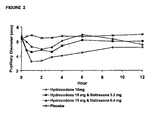
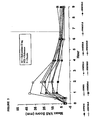
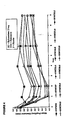
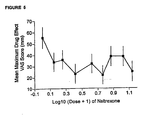
- Surrogate measures of opioid efficacy (analgesia) include sedation, respiratory rate and/or pupil size (via pupillometry), and visual analgue scale ("VAS”) for "drug effect".
- VAS visual analgue scale
- Such surrogate measures are affected in a direction which indicates reduced opioid effect, as compared to the same dose of opioid without the concommitant dose of opioid antagonist.
- the oral dosage form includes hydrocodone in the form of its bitartrate salt and naltrexone in the form of its hydrochloride salt.
- the ratio of naltrexone to hydrocodone is preferably from about 0.03 - 0.27:1 by weight, and more preferably from about 0.05-0.20:1 by weight.
- the phrase "which may decrease analgesia somewhat as assessed by direct measurement in patients or by the use of one or more surrogate measures of opioid analgesic efficacy in human subjects” means that the patient in pain may or may not appreciably notice the difference between the formulation administered in accordance with the invention (i.e., combination of opioid agonist/antagonist) and a similar formulation which includes the same dose of opioid agonist without the opioid antagonist, but will obtain an analgesic effect from the combination.
- the pharmacodynamic effect (analgesia) of the formulations administered in accordance with the invention can be described by means of, for example, scores from an analgesic questionnaire reported by the patients at serial times following administration of the dosage form.
- Summary measures of analgesia include the sum of pain intensity difference (SPID) and total pain relief (TOTPAR).
- the amount of opioid antagonist included in the dosage form may cause a clinically significant reduction in the level of analgesia elicited from the dosage form upon oral administration, e.g., as measured by surrogate measures such as a Visual Analogue Scale ("VAS") for "drug effect".
- the amount of opioid antagonist included in the oral dosage form may cause a noticeable reduction in the level of analgesia elicted from the dosage form upon oral administration, but does not reduce the level of analgesia provided to a subtherapeutic level.
- the amount of antagonist included in the oral dosage form is less positively reinforcing (e.g., less "liked") by a non-physically dependent opioid subject than a comparable oral dosage form without the antagonist included.
- the oral dosage form of an opioid analgesic intended for the treatment of pain in human patients can be prepared in a manner which minimizes the likelihood of oral abuse of the dosage form, combining an orally analgesically effective amount of an opioid agonist together with an opioid antagonist in a ratio which maintains analgesic efficacy by the opioid analgesic but which may decrease analgesia somewhat by direct measurement in patients or by the use of one or more surrogate measures of analgesia in human subjects.
- the combination when orally administered may provide a clinically significant reduction in the level of analgesia elicited from the dosage form upon oral administration (as compared to the same dose of opioid alone), and may provide at least a mildly negative, "aversive" experience in a physically dependent subject (e.g., precipitated abstinence syndrome) when the subject takes more than the usually prescribed or usual dose of opioid.
- the subject may be, for example, an addict who attempts to achieve euphoria (a "high") by taking more than (e.g., at least 2-3 times) the usually prescribed dose at a time.
- the amount of opioid antagonist included in the dosage form may or may not cause a noticeable reduction in the level of analgesia elicited from the dosage form upon oral administration, e.g., as measured by pharmacodynamic parameters such as a Visual Analogue Scale ("VAS") for drug effect, but preferably allows the dosage form to nevertheless provide effective analgesia.
- the dose of opioid antagonist appreciably may affect a surrogate measure of opioid analgesic effect.
- the amount of antagonist included in the oral dosage form may be less positively reinforcing (e.g., less "liked") by a non-physically dependent subject than a comparable oral dosage form without the antagonist included.
- the oral pharmaceutical compositions containing the inventive combination of drugs defined in claim 1 may be in the form of tablets, liquids, troches, lozenges, aqueous or oily suspensions, multiparticulate formulations including dispersable powders, granules, matrix spheroids or coated inert beads, emulsions, hard or soft capsules or syrups or elixirs, microparticles (e.g., microcapsules, microspheres and the like), buccal tablets, etc.
- the dosage forms of the present invention may include any desired pharmaceutically acceptable excipients known to those skilled in the art.
- the dosage forms may further provide an immediate release of the opioid agonist and the opioid antagonist.
- the dosage forms provide a sustained release of the opioid agonist, and provide the part or all of the dose of opioid antagonist in (i) immediate release form, (ii) sustained release form, or (iii) both immediate and sustained release form.
- Such embodiments may further comprise a portion of the opioid agonist in immediate release form.
- Sustained release may be accomplished in accordance with formulations/methods of manufacture known to those skilled in the art of pharmaceutical formulation, e.g., via the incorporation of a sustained release carrier into a matrix containing the opioid agonist and opioid antagonist; or via a sustained release coating of a matrix containing the opioid agonist and opioid antagonist.
- the invention may provide for a safer product (eg, less respiratory depression) as well as one with a slower rate of opioid tolerance and physical dependency development.
- the opioid included in the dosage form is a different orally active opioid agonist than hydrocodone.
- the ratio of naltrexone included in such formulations can be readily determined based on a simple calculation, taking into account the known equianalgesic dosages of various opioid analgesics as compared to hydrocodone.
- Equianalgesic dosages of various opioid analgesics are provided below, and are otherwise known to those skilled in the art, e.g, from Foley, K. "The Treatment of Cancer Pain;” N. Engl. J. Med. 1985;313:84-95 .
- a different opioid antagonist is substituted for naltrexone, using equiantagonistic doses thereof.
- a combination of two opioid analgesics is included in the formulation.
- one or more opioid analgesics is included and a further non-opioid drug is also included, in addition to the opioid antagonist.
- Such non-opioid drugs would preferably provide additional analgesia, and include, for example, aspirin, acetaminophen, non-steroidal antiinflammatory drugs ("NSAIDS"), NMDA antagonists, and cycooxygenase-II inhibitors ("COX-II inhibitors").
- a non-opioid drug can be included which provides a desired effect other than analgesia, e.g., antitussive, expectorant, decongestant, or antihistamine drugs, and the like.
- the dosage form for use according to the present invention further comprises incorporating into said oral dosage form an additional non-opioid drug selected from the group consisting of an NSAID, a COX-2 inhibitor, acetaminophen, aspirin, an NMDA receptor antagonist, a drug that blocks a major intracellular consequence of NMDA-receptor activation, an antitussive, an expectorant, a decongestant, an antihistamine and mixtures thereof.
- an additional non-opioid drug selected from the group consisting of an NSAID, a COX-2 inhibitor, acetaminophen, aspirin, an NMDA receptor antagonist, a drug that blocks a major intracellular consequence of NMDA-receptor activation, an antitussive, an expectorant, a decongestant, an antihistamine and mixtures thereof.
- parenterally includes subcutaneous injections, intravenous, intramuscular, intrasternal injection or infusion techniques.
- analgesia is defined for purposes of the present invention as a satisfactory reduction in or elimination of pain, along with a tolerable level of side effects, as determined by the human patient.
- sustained release is defined for purposes of the present invention as the release of the drug (opioid analgesic) from the oral formulation at such a rate that blood (e.g., plasma) concentrations (levels) are maintained within the therapeutic range (above the minimum effective analgesic concentration or "MEAC") but below toxic levels over a period of time indicative of a twice-a-day or a once-a-day formulation.
- blood e.g., plasma
- concentrations levels
- MEAC minimum effective analgesic concentration
- steady state refers to a time when the rate of elimination of a drug is the same as the rate of absorption of that drug into the body.
- opioid agonist is interchangeable with the term “opioid” or “opioid analgesic” and shall include the base of the opioid, mixed agonist-antagonists, partial agonists, pharmaceutically acceptable salts thereof, stereoisomers thereof, ethers and esters thereof, and mixtures thereof.
- mu mu
- kappa a subspecies of opioid receptors
- delta the mu receptor is considered to be involved in the production of superspinal analgesia, respiratory depression, euphoria, and physical dependence.
- the kappa receptor is considered to be involved in inducing spinal analgesia, miosis and sedation.
- Activation of the gamma receptors causes dysphoria and hallucinations, as well as respiratory and vasomotor stimulatory effects.
- a receptor distinct from the mu receptor and designated gamma has been described in the mouse vas deferens, Lord, et al. Nature, 1977, 267, 495-99 .
- Opioid agonists are thought to exert their agonist actions primarily at the mu receptor and to a lesser degree at the kappa receptor.
- drugs that appear to act as partial agonists at one receptor type or another. Such drugs exhibit a ceiling effect.
- drugs include nalorphine, propiram, and buprenorphine.
- Still other drugs act as competitive antagonists at the mu receptor and block the effects of morphine-like drugs, by exerting agonist actions at the kappa and omega receptors.
- the term "agonist-antagonist” has evolved to describe such mechanism of actions. The concept of antagonism to the actions of opioids is considered to be complex.
- Naloxone is an opioid antagonist which is almost void of agonist effects. Subcutaneous doses of up to 12 mg of naloxone produce no discernable subjective effects, and 24 mg naloxone causes only slight drowsiness. Small doses (0.4-0.8 mg) of naloxone given intramuscularly or intravenously in man prevent or promptly reverse the effects of morphine-like opioid agonist. One mg of naloxone intravenously has been reported to completely block the effect of 25 mg of heroin. The effects of naloxone are seen almost immediately after intravenous administration.
- the drug is absorbed after oral administration, but has been reported to be metabolized into an inactive form rapidly in its first passage through the liver such that it has been reported to be only one fiftieth as potent as when parenterally administered. Oral dosage of more than 1g have been reported to be almost completely metabolized in less than 24 hours.
- opioid antagonists for example, cyclazocine and naltrexone, both of which halve cyclopropylmethyl substitutions on the nitrogen, retain much of their efficacy by the oral route and their durations of action are much longer, approaching 24 hours after oral doses.
- the opioid antagonist is naltrexone.
- naltrexone In the treatment of patients previously addicted to opioids, naltrexone has been used in large oral doses (over 100 mg) to prevent euphorigenic effects of opioid agonists. Naltrexone has been reported to exert strong preferential blocking action against mu over delta sites. Naltrexone is known as a synthetic congener of oxymorphone with no opioid agonist properties, and differs in structure from oxymorphone by the replacement of the methyl group located on the nitrogen atom of oxymorphone with a cyclopropylmethyl group. The hydrochloride salt of naltrexone is soluble in water up to about 100mg/cc. The pharmacological and pharmacokinetic properties of naltrexone have been evaluated in multiple animal and clinical studies.
- Naltrexone A review of its Pharmacodynamic and Pharmacokinetic Properties and Therapeutic Efficacy in the Management of Opioid Dependence. Drugs 1988; 35:192-213 .
- naltrexone is rapidly absorbed (within 1 hour) and has an oral bioavailability ranging from 5-40%.
- Naltrexone's protein binding is approximately 21% and the volume of distribution following single-dose administration is 16.1 L/kg.
- Naltrexone is commercially available in tablet form (Revia ® , DuPont) for the treatment of alcohol dependence and for the blockade of exogenously administered opioids. See , e.g., Revia (naltrexone hydrochloride tablets). Physician's Desk Reference 51st ed., Montvale, NJ. "Medical Economics” 1997; 51:957-959 . A dosage of 50mg ReVia ® blocks the pharmacological effects of 25mg IV administered heroin for up to 24 hours.
- naltrexone blocks the development of physical dependence to opioids. It is believed that the method by which naltrexone blocks the effects of heroin is by competitively binding at the opioid receptors. Naltrexone has been used to treat narcotic addiction by complete blockade of the effects of opioids. It has been found that the most successful use of naltrexone for a narcotic addiction is with good prognosis narcotic addicts as part of a comprehensive occupational or rehabilitative program involving behavioral control or other compliance enhancing methods.
- naltrexone For treatment of narcotic dependence with naltrexone, it is desirable that the patient be opioid-free for at least 7-10 days.
- the initial dosage of naltrexone for such purposes has typically been about 25 mg, and if no withdrawal signs occur, the dosage may be increased to 50 mg per day. A daily dosage of 50 mg is considered to produce adequate clinical blockade of the actions of parenterally administered opioids.
- Naltrexone has also been used for the treatment of alcoholism as an adjunct with social and psychotherapeutic methods.
- the amount of naltrexone included is significantly less than the dosages previously commercially available. This is in part because the use of naltrexone is different in the present invention: the goal is not to block opioid effects, but rather to provide a negative, "aversive" experience when a large amount of the combination product, e.g., about 2-3 times the usually prescribed dose, is taken by or administered to a physically dependent subject.
- the amount of naltrexone hydrochloride included in the formulation is from about 0.5 mg to about 4 mg, and preferably from about 0.75 mg to about 3 mg naltrexone per 15 mg hydrocodone.
- the opioid agonist or analgesic is selected from the group consisting of hydrocodone, morphine, hydromorphone, oxycodone, codeine, levorphanol, meperidine, methadone, and mixtures thereof.
- the opioid agonist is hydrocodone.
- Equianalgesic doses of these opioids, in comparision to a 15 mg dose of hydrocodone, are set forth in Table 1 below: Table 1: Equianalgesic Doses of Opioids Opioid Calculated Dose (mg) Oxycodone 13.5 Codeine 90.0 Hydrocodone 15.0 Hydromorphone 3.375 Levorphanol 1.8 Meperidine 135.0 Methadone 9.0 Morphine 27.0
- Table 2 Weight Ratio of Naltrexone per Dose Opioid Opioid Weight Ratio Naltrexone per 1 mg Opioid Oxycodone 0.037 to 0.296 Codeine 0.005 to 0.044 Hydrocodone 0.033 to 0.267 Hydromorphone 0.148 to 1.185 Levorphanol 0.278 to 2.222 Meperidine 0.0037 to 0.0296 Methadone 0.056 to 0.444 Morphine 0.018 to 0.148
- Table 3 Weight Ratio of Naltrexone per Dose Opioid Opioid Weight Ratio Naltrexone Oxycodone 0.056 to 0.222 Codeine 0.0083 to 0.033 Hydrocodone 0.050 to 0.200 Hydromorphone 0.222 to 0.889 Levorphanol 0.417 to 1.667 Meperidine 0.0056 to 0.022 Methadone 0.083 to 0.333 Morphine 0.028 to 0.111
- hydrocodone is effective in the management of pain, there has been an increase in its abuse by individuals who are psychologically dependent on opioids or who misuse opioids for non-therapeutic reasons.
- Previous experience with other opioids has demonstrated a decreased abuse potential when opioids are administered in combination with a narcotic antagonist especially in patients who are ex-addicts.
- Weinhold LL, et al. Buprenorphine Alone and in Combination with Naltrexone in Non-Dependent Humans, Drug and Alcohol Dependence 1992; 30:263-274 ; Mendelson J., et. al., Buprenorphine and Naloxone Interactions in Opiate-Dependent Volunteers, Clin Pharm Ther 1996; 60:105-114 .
- Hydrocodone is a semisynthetic narcotic analgesic and antitussive with multiple central nervous system and gastrointestinal actions. Chemically, hydrocodone is 4,5-epoxy-3-methoxy-17-methylmorphinan-6-one, and is also known as dihydrocodeinone. Like other opioids, hydrocodone may be habit forming and may produce drug dependence of the morphine type. In excess doses hydrocodone, like other opium derivatives, will depress respiration.
- hydrocodone bitartrate is commercially available in the United States only as a fixed combination with non-opiate drugs (i.e., ibuprofen, acetaminophen, aspirin, etc.) for relief of moderate or moderately severe pain.
- non-opiate drugs i.e., ibuprofen, acetaminophen, aspirin, etc.
- a common dosage form of hydrocodone is in combination with acetaminophen, and is commercially available, e.g., as Lortab® in the U.S. from UCB Pharma, Inc. as 2.5/500 mg, 5/500 mg, 7.5/500 mg and 10/500 mg hydrocodone/acetaminophen tablets. Tablets are also available in the ratio of 7.5mg hydrocodone bitartrate and 650mg acetaminophen; and 7.5mg hydrocodone bitartrate and 750mg acetaminophen. Hydrocodone in combination with aspirin is given in an oral dosage form to adults generally in 1-2 tablets every 4-6 hours as needed to alleviate pain.
- the tablet form is 5mg hydrocodone bitartrate and 224mg aspirin with 32mg caffeine; or 5mg hydrocodone bitartrate and 500mg aspirin.
- a relatively new formulation comprises hydrocodone bitartrate and ibuprofen.
- Vicoprofen® commercially available in the U.S. from Knoll Laboratories, is a tablet containing 7.5 mg hydrocodone bitartrate and 200 mg ibuprofen.
- the present invention is contemplated to encompass all such formulations, with the inclusion of the orally active opioid antagonist naltrexone within the inventive amounts set forth herein.
- opioid analgesics such as hydrocodone
- inventive combinations of the present invention More particularly, it has been discovered that it is possible to combine in a single oral dosage form an opioid analgesic together with a small amount of opioid antagonist, to achieve a product which still provides analgesia but which substantially negates the possibility that a physically dependent human subject will continue to abuse the drug by taking more than one tablet at a time, e.g., 2-3 times more than the usually prescribed dose.
- the oral dosage forms can comprise an orally therapeutically effective amount of an opioid agonist, together with an opioid antagonist such as naltrexone in an amount (i) which does not cause a reduction in the level of analgesia elicited from the dosage form upon oral administration to a non-therapeutic level and (ii) which provides at least a mildly negative, "aversive" experience in physically dependent human subjects, for example, physically dependent addicts (e.g., precipitated abstinence syndrome) when taking more than the usually prescribed dose at a time.
- an opioid antagonist such as naltrexone
- the amount of antagonist included in the oral dosage form can be (iii) less positively reinforcing (e.g., less "liked") by a non-physically dependent human subject, e.g., opioid addict, than a comparable oral dosage form without the antagonist included.
- the amount of antagonist which is useful to achieve parameters (i) - (iii) set forth in the preceding paragraph may be determined at least in part, for example, through the use of "surrogate" tests, such as a VAS scale (where the subject grades his/her perception of the effect of the dosage form) and/or via a measurement such as pupil size (measured by pupillometry).
- surrogate tests such as a VAS scale (where the subject grades his/her perception of the effect of the dosage form) and/or via a measurement such as pupil size (measured by pupillometry).
- Such measurements allow one skilled in the art to determine the dose of antagonist relative to the dose of agonist which causes a diminution in the opiate effects of the agonist.
- one skilled in the art can determine the level of opioid antagonist that causes aversive effects in physically dependent subjects as well as the level of opioid antagonist that minimizes "liking scores" or opioid reinforcing properties in non-physically dependent addicts. Once these levels of opioid antagonist are determined, it is then possible to
- Suitable pharmaceutically acceptable carriers include but are not limited to water, salt solutions, alcohols, gum arabic, vegetable oils, benzyl alcohols, polyethylene glycols, gelate, carbohydrates such as lactose, amylose or starch, magnesium stearate talc, silicic acid, viscous paraffin, perfume oil, fatty acid monoglycerides and diglycerides, pentaerythritol fatty acid esters, hydroxymethylcellulose, polyvinylpyrrolidone, etc.
- the pharmaceutical preparations can be sterilized and if desired mixed with auxiliary agents, e.g., lubricants, preservatives, stabilizers, wetting agents, emulsifiers, salts for influencing osmotic pressure buffers, coloring, flavoring and/or aromatic substances and the like. They can also be combined where desired with other active agents, e.g., other analgesic agents.
- auxiliary agents e.g., lubricants, preservatives, stabilizers, wetting agents, emulsifiers, salts for influencing osmotic pressure buffers, coloring, flavoring and/or aromatic substances and the like.
- auxiliary agents e.g., lubricants, preservatives, stabilizers, wetting agents, emulsifiers, salts for influencing osmotic pressure buffers, coloring, flavoring and/or aromatic substances and the like.
- other active agents e.g., other analgesic agents.
- particularly suitable are tablets, drag
- the compositons intended for oral use may be prepared according to any method known in the art and such compositions may contain one or more agents selected from the group consisting of inert, non-toxic pharmaceutically excipients which are suitable for the manufacture of tablets.
- excipients include, for example an inert diluent such as lactose; granulating and disintegrating agents such as cornstarch; binding agents such as starch; and lubricating agents such as magnesium stearate.
- the tablets may be uncoated or they may be coated by known techniques for elegance or to delay release of the active ingredients.
- Formulations for oral use may also be presented as hard gelatin capsules wherein the active ingredient is mixed with an inert diluent.
- Aqueous suspensions contain the above-identified combination of drugs and that mixture has one or more excipients suitable as suspending agents, for example pharmaceutically acceptable synthetic gums such as hydroxypropylmethylcellulose or natural gums.
- Oily suspensions may be formulated by suspending the above-identified combination of drugs in a vegetable oil or mineral oil.
- the oily suspensions may contain a thickening agent such as beeswax or cetyl alcohol.
- a syrup, elixir, or the like can be used wherein a sweetened vehicle is employed.
- injectable suspensions may also be prepared, in which case appropriate liquid carriers, suspending agents and the like may be employed.
- the pharmaceutical formulations of the present invention may further include one or more drugs in addition to the opioid analgesic and opioid antagonist defined in claim 1, which additional drug(s) may or may not act synergistically therewith.
- additional drug(s) may or may not act synergistically therewith.
- a combination of two opioid analgesics may be included in the formulation, in addition to the opioid antagonist.
- the dosage form may include two opioid analgesics having different properties, such as half-life, solubility, potency, and a combination of any of the foregoing.
- one or more opioid analgesics is included and a further non-opioid drug is also included, in addition to the opioid antagonist.
- non-opioid drugs would preferably provide additional analgesia, and include, for example, aspirin; acetaminophen; non-sterioidal antiinflammatory drugs ("NSAIDS"), e.g., ibuprofen, ketoprofen, etc.; N-methyl-D-aspartate (NMDA) receptor antagonists, e.g., a morphinan such as dextromethorphan or dextrorphan, or ketamine; cycooxygenase-II inhibitors ("COX-II inhibitors"); and/or glycine receptor antagonists.
- NAIDS non-sterioidal antiinflammatory drugs
- NMDA N-methyl-D-aspartate
- COX-II inhibitors cycooxygenase-II inhibitors
- the invention allows for the use of lower doses of the opioid analgesic by virtue of the inclusion of an additional non-opioid agonist, such as an NSAID or a COX-2 inhibitor.
- an additional non-opioid agonist such as an NSAID or a COX-2 inhibitor.
- Suitable non-steroidal anti-inflammatory agents including ibuprofen, diclofenac, naproxen, benoxaprofen, flurbiprofen, fenoprofen, flubufen, ketoprofen, indoprofen, piroprofen, carprofen, oxaprozin, pramoprofen, muroprofen, trioxaprofen, suprofen, aminoprofen, tiaprofenic acid, fluprofen, bucloxic acid, indomethacin, sulindac, tolmetin, zomepirac, tiopinac, zidometacin, acemetacin, fentiazac, clidanac, oxpinac, mefenamic acid, meclofenamic acid, flufenamic acid, niflumic acid, tolfenamic acid, diflurisal, flufenisal, piroxi
- N-methyl-D-aspartate (NMDA) receptor antagonists are well known in the art, and encompass, for example, morphinans such as dextromethorphan or dextrorphan, ketamine, d-methadone or pharmaceutically acceptable salts thereof.
- NMDA antagonist is also deemed to encompass drugs that block a major intracellular consequence of NMDA-receptor activation, e.g. a ganglioside such as GM, or GT 1b a phenothiazine such as trifluoperazine or a naphthalenesulfonamide such as N-(6-aminothexyl)-5-chloro-1-naphthalenesulfonamide.
- narcotic analgesics such as morphine, codeine, etc. in U.S. Pat. Nos. 5,321,012 and 5,556,838 (both to Mayer, et.al. ), and to treat chronic pain in U.S. Pat. No. 5,502,058 (Mayer, et. al. ).
- the NMDA antagonist may be included alone, or in combination with a local anesthetic such as lidocaine, as described in these Mayer, et.al. patents.
- COX-2 inhibitors have been reported in the art and many chemical structures are known to produce inhibition of cyclooxygenase-2. COX-2 inhibitors are described, for example, in U.S. Patent Nos. 5,616,601 ; 5,604,260 ; 5,593,994 ; 5,550,142 ; 5,536,752 ; 5,521,213 ; 5,475,995 ; 5,639,780 ; 5,604,253 ; 5,552,422 ; 5,510,368 ; 5,436,265 ; 5,409,944 ; and 5,130,311 .
- COX-2 inhibitors include celecoxib (SC-58635), DUP-697, flosulide (CGP-28238), meloxicam, 6-methoxy-2 naphthylacetic acid (6-MNA), MK-966, nabumetone (prodrug for 6-MNA), nimesulide, NS-398, SC-5766, SC-58215, T-614; or combinations thereof.
- Dosage levels of COX-2 inhibitor on the order of from about 0.005 mg to about 140 mg per kilogram of body weight per day are therapeutically effective in combination with an opioid analgesic.
- about 0.25 mg to about 7 g per patient per day of a COX-2 inhibitor is administered in combination with an opioid analgesic.
- a non-opioid drug can be included which provides a desired effect other than analgesia, e.g., antitussive, expectorant, decongestant, antihistamine drugs, local anesthetics, and the like.
- An oral dosage form according to the invention may be provided as, for example, granules, spheroids, beads, pellets (hereinafter collectively referred to as "multiparticulates") .
- An amount of the multiparticulates which is effective to provide the desired dose of opioid over time may be placed in a capsule or may be incorporated in any other suitable oral solid form.
- the oral dosage form may be in the form of a tablet.
- the opioid agonist/opioid antagonist combination can be formulated as a controlled or sustained release oral formulation in any suitable tablet, coated tablet or multiparticulate formulation known to those skilled in the art.
- the sustained release dosage form may optionally include a sustained release carrier which is incorporated into a matrix along with the opioid agonist and opioid antagonist, or may be applied as a sustained release coating.
- the sustained release oral dosage forms may include analgesic doses from about 8 mg to about 50 mg of hydrocodone per dosage unit.
- hydromorphone is the therapeutically active opioid
- it is included in an amount from about 2 mg to about 64 mg hydromorphone hydrochloride.
- the opioid analgesic comprises morphine
- the sustained release oral dosage forms of the present invention include from about 2.5 mg to about 800 mg morphine, by weight.
- the opioid analgesic comprises oxycodone and the sustained release oral dosage forms include from about 2.5 mg to about 800 mg oxycodone.
- the dosage form may contain more than one opioid analgesic to provide a substantially equivalent therapeutic effect.
- the dosage form may contain molar equivalent amounts of other salts of the opioids useful in the present invention.
- the sustained release dosage form comprises such particles containing or comprising the active ingredient, wherein the particles have diameter from about 0.1 mm to about 2.5 mm, preferably from about 0.5 mm to about 2 mm.
- the particles are preferably film coated with a material that permits release of the opioid agonist/antagonist combination at a sustained rate in an aqueous medium.
- the film coat is chosen so as to achieve, in combination with the other stated properties, a desired in-vitro release rate.
- the sustained release coating formulations of the present invention should be capable of producing a strong, continuous film that is smooth and elegant, capable of supporting pigments and other coating additives, non-toxic, inert, and tack-free.
- the particles comprise normal release matrixes containing the opioid analgesic with the opioid antagonist.
- the dosage forms of the present invention may optionally be coated with one or more materials suitable for the regulation of release or for the protection of the formulation.
- coatings are provided to permit either pH-dependent or pH-independent release, e.g., when exposed to gastrointestinal fluid.
- a pH-dependent coating serves to release the opioid in desired areas of the gastro-intestinal (GI) tract, e.g., the stomach or small intestine, such that an absorption profile is provided which is capable of providing at least about eight hours and preferably about twelve hours to up to about twenty-four hours of analgesia to a patient.
- the coating is designed to achieve optimal release regardless of pH-changes in the environmental fluid, e.g., the GI tract. It is also possible to formulate compositions which release a portion of the dose in one desired area of the GI tract, e.g., the stomach, and release the remainder of the dose in another area of the GI tract, e.g., the small intestine.
- Formulations according to the invention that utilize pH-dependent coatings to obtain formulations may also impart a repeat-action effect whereby unprotected drug is coated over the enteric coat and is released in the stomach, while the remainder, being protected by the enteric coating, is released further down the gastrointestinal tract.
- Coatings which are pH-dependent may be used in accordance with the present invention include shellac, cellulose acetate phthalate (CAP), polyvinyl acetate phthalate (PVAP), hydroxypropylmethylcellulose phthalate, and methacrylic acid ester copolymers, zein, and the like.
- the substrate e.g., tablet core bead, matrix particle
- the opioid analgesic with or without the COX-2 inhibitor
- a hydrophobic material selected from (i) an alkylcellulose; (ii) an acrylic polymer; or (iii) mixtures thereof.
- the coating may be applied in the form of an organic or aqueous solution or dispersion.
- the coating may be applied to obtain a weight gain from about 2 to about 25% of the substrate in order to obtain a desired sustained release profile. Coatings derived from aqueous dispersions are described, e.g., in detail in U.S. Patent Nos. 5,273,760 and 5,286,493 , assigned to the Assignee of the present invention .
- sustained release formulations and coatings which may be used in accordance with the present invention include Assignee's U.S. Patent Nos. 5,324,351 ; 5,356,467 , and 5,472,712 .
- Cellulosic materials and polymers including alkylcelluloses, provide hydrophobic materials well suited for coating the beads according to the invention.
- one preferred alkylcellulosic polymer is ethylcellulose, although the artisan will appreciate that other cellulose and/or alkylcellulose polymers may be readily employed, singly or in any combination, as all or part of a hydrophobic coating according to the invention.
- Aquacoat ® One commercially-available aqueous dispersion of ethylcellulose is Aquacoat ® (FMC Corp., Philadelphia, Pennsylvania, U.S.A.). Aquacoat ® is prepared by dissolving the ethylcellulose in a water-immiscible organic solvent and then emulsifying the same in water in the presence of a surfactant and a stabilizer. After homogenization to generate submicron droplets, the organic solvent is evaporated under vacuum to form a pseudolatex. The plasticizer is not incorporated in the pseudolatex during the manufacturing phase. Thus, prior to using the same as a coating, it is necessary to intimately mix the Aquacoat ® with a suitable plasticizer prior to use.
- aqueous dispersion of ethylcellulose is commercially available as Surelease ® (Colorcon, Inc., West Point, Pennsylvania, U.S.A.). This product is prepared by incorporating plasticizer into the dispersion during the manufacturing process. A hot melt of a polymer, plasticizer (dibutyl sebacate), and stabilizer (oleic acid) is prepared as a homogeneous mixture, which is then diluted with an alkaline solution to obtain an aqueous dispersion which can be applied directly onto substrates.
- plasticizer dibutyl sebacate
- stabilizer oleic acid
- the hydrophobic material comprising the controlled release coating is a pharmaceutically acceptable acrylic polymer, including but not limited to acrylic acid and methacrylic acid copolymers, methyl methacrylate copolymers, ethoxyethyl methacrylates, cyanoethyl methacrylate, poly(acrylic acid), poly(methacrylic acid), methacrylic acid alkylamide copolymer, poly(methyl methacrylate), polymethacrylate, poly(methyl methacrylate) copolymer, polyacrylamide, aminoalkyl methacrylate copolymer, poly(methacrylic acid anhydride), and glycidyl methacrylate copolymers.
- acrylic acid and methacrylic acid copolymers including but not limited to acrylic acid and methacrylic acid copolymers, methyl methacrylate copolymers, ethoxyethyl methacrylates, cyanoethyl methacrylate, poly(acrylic acid), poly(methacrylic
- the acrylic polymer is comprised of one or more ammonio methacrylate copolymers.
- Ammonio methacrylate copolymers are well known in the art, and are described in NF XVII as fully polymerized copolymers of acrylic and methacrylic acid esters with a low content of quaternary ammonium groups.
- methacrylic acid ester-type polymers are useful for preparing pH-dependent coatings which may be used in accordance with the present invention.
- methacrylic acid copolymer or polymeric methacrylates commercially available as Eudragit ® from Röhm Tech, Inc.
- Eudragit ® E is an example of a methacrylic acid copolymer which swells and dissolves in acidic media.
- Eudragit ® L is a methacrylic acid copolymer which does not swell at about pH ⁇ 5.7 and is soluble at about pH > 6.
- Eudragit ® S does not swell at about pH ⁇ 6.5 and is soluble at about pH > 7.
- Eudragit ® RL and Eudragit ® RS are water swellable, and the amount of water absorbed by these polymers is pH-dependent, however, dosage forms coated with Eudragit ® RL and RS are pH-independent.
- the acrylic coating comprises a mixture of two acrylic resin lacquers commercially available from Rohm Pharma under the Tradenames Eudragit ® RL30D and Eudragit ® RS30D, respectively.
- Eudragit ® RL30D and Eudragit ® RS30D are copolymers of acrylic and methacrylic esters with a low content of quaternary ammonium groups, the molar ratio of ammonium groups to the remaining neutral (meth)acrylic esters being 1:20 in Eudragit ® RL30D and 1:40 in Eudragit ® RS30D.
- the mean molecular weight is about 150,000.
- RL high permeability
- RS low permeability
- Eudragit ® RL/RS mixtures are insoluble in water and in digestive fluids. However, coatings formed from the same are swellable and permeable in aqueous solutions and digestive fluids.
- the Eudragit ® RL/RS dispersions of the present invention may be mixed together in any desired ratio in order to ultimately obtain a sustained release formulation having a desirable dissolution profile. Desirable sustained release formulations may be obtained, for instance, from a retardant coating derived from 100% Eudragit ® RL, 50% Eudragit ® RL and 50% Eudragit ® RS, and 10% Eudragit ® RL:Eudragit ® 90% RS. Of course, one skilled in the art will recognize that other acrylic polymers may also be used, such as, for example, Eudragit ® L.
- the inclusion of an effective amount of a plasticizer in the aqueous dispersion of hydrophobic material will further improve the physical properties of the sustained release coating.
- a plasticizer into an ethylcellulose coating containing sustained release coating before using the same as a coating material.
- the amount of plasticizer included in a coating solution is based on the concentration of the fihn-former, e.g., most often from about 1 to about 50 percent by weight of the film-former. Concentration of the plasticizer, however, can only be properly determined after careful experimentation with the particular coating solution and method of application.
- plasticizers for ethylcellulose include water insoluble plasticizers such as dibutyl sebacate, diethyl phthalate, triethyl citrate, tributyl citrate, and triacetin, although it is possible that other water-insoluble plasticizers (such as acetylated monoglycerides, phthalate esters, castor oil, etc.) may be used.
- Triethyl citrate is an especially preferred plasticizer for the aqueous dispersions of ethyl cellulose of the present invention.
- plasticizers for the acrylic polymers of the present invention include, but are not limited to citric acid esters such as triethyl citrate NF XVI, tributyl citrate, dibutyl phthalate, and possibly 1,2-propylene glycol.
- Other plasticizers which have proved to be suitable for enhancing the elasticity of the films formed from acrylic films such as Eudragit ® RL/RS lacquer solutions include polyethylene glycols, propylene glycol, diethyl phthalate, castor oil, and triacetin.
- Triethyl citrate is an especially preferred plasticizer for the aqueous dispersions of ethyl cellulose of the present invention.
- a plurality of the resultant solid controlled release beads may thereafter be placed in a gelatin capsule in an amount sufficient to provide an effective controlled release dose when ingested and contacted by an environmental fluid, e.g., gastric fluid or dissolution media.
- an environmental fluid e.g., gastric fluid or dissolution media.
- the controlled release bead formulations of the present invention slowly release the therapeutically active agent, e.g., when ingested and exposed to gastric fluids, and then to intestinal fluids.
- the controlled release profile of the formulations of the invention can be altered, for example, by varying the amount of overcoating with the hydrophobic material, altering the manner in which the plasticizer is added to the hydrophobic material, by varying the amount of plasticizer relative to hydrophobic material, by the inclusion of additional ingredients or excipients, by altering the method of manufacture, etc.
- the dissolution profile of the ultimate product may also be modified, for example, by increasing or decreasing the thickness of the retardant coating.
- Spheroids or beads coated with a therapeutically active agent are prepared, e.g., by dissolving the therapeutically active agent in water and then spraying the solution onto a substrate, for example, nu pariel 18/20 beads, using a Wuster insert.
- additional ingredients are also added prior to coating the beads in order to assist the binding of the opioid to the beads, and/or to color the solution, etc.
- a product which includes hydroxypropylmethylcellulose, etc. with or without colorant e.g., Opadry ® , commercially available from Colorcon, Inc.
- the resultant coated substrate in this example beads, may then be optionally overcoated with a barrier agent, to separate the therapeutically active agent from the hydrophobic controlled release coating.
- a barrier agent is one which comprises hydroxypropylmethylcellulose.
- any film-former known in the art may be used. It is preferred that the barrier agent does not affect the dissolution rate of the final product.
- the beads may then be overcoated with an aqueous dispersion of the hydrophobic material.
- the aqueous dispersion of hydrophobic material preferably further includes an effective amount of plasticizer, e.g. triethyl citrate.
- plasticizer e.g. triethyl citrate.
- Pre-formulated aqueous dispersions of ethylcellulose, such as Aquacoat ® or Surelease ® may be used. If Surelease ® is used, it is not necessary to separately add a plasticizer.
- pre-formulated aqueous dispersions of acrylic polymers such as Eudragit ® can be used.
- the coating solutions of the present invention preferably contain, in addition to the film-former, plasticizer, and solvent system (i.e., water), a colorant to provide elegance and product distinction.
- Color may be added to the solution of the therapeutically active agent instead, or in addition to the aqueous dispersion of hydrophobic material.
- color may be added to Aquacoat ® via the use of alcohol or propylene glycol based color dispersions, milled aluminum lakes and opacifiers such as titanium dioxide by adding color with shear to water soluble polymer solution and then using low shear to the plasticized Aquacoat ® .
- any suitable method of providing color to the formulations of the present invention may be used.
- Suitable ingredients for providing color to the formulation when an aqueous dispersion of an acrylic polymer is used include titanium dioxide and color pigments, such as iron oxide pigments. The incorporation of pigments, may, however, increase the retard effect of the coating.
- Plasticized hydrophobic material may be applied onto the substrate comprising the therapeutically active agent by spraying using any suitable spray equipment known in the art.
- a Wurster fluidized-bed system is used in which an air jet, injected from underneath, fluidizes the core material and effects drying while the acrylic polymer coating is sprayed on.
- a further overcoat of a film-former such as Opadry ® is optionally applied to the beads.
- This overcoat is provided, if at all, in order to substantially reduce agglomeration of the beads.
- the release of the therapeutically active agent from the controlled release formulation of the present invention can be further influenced, i.e., adjusted to a desired rate, by the addition of one or more release-modifying agents, or by providing one or more passageways through the coating.
- the ratio of hydrophobic material to water soluble material is determined by, among other factors, the release rate required and the solubility characteristics of the materials selected.
- the release-modifying agents which function as pore-formers may be organic or inorganic, and include materials that can be dissolved, extracted or leached from the coating in the environment of use.
- the pore-formers may comprise one or more hydrophilic materials such as hydroxypropylmethylcellulose.
- the sustained release coatings of the present invention can also include erosion-promoting agents such as starch and gums.
- the sustained release coatings of the present invention can also include materials useful for making microporous lamina in the environment of use, such as polycarbonates comprised of linear polyesters of carbonic acid in which carbonate groups reoccur in the polymer chain.
- the release-modifying agent may also comprise a semi-permeable polymer.
- the release-modifying agent is selected from hydroxypropylmethylcellulose, lactose, metal stearates, and mixtures of any of the foregoing.
- the sustained release coatings of the present invention may also include an exit means comprising at least one passageway, orifice, or the like.
- the passageway may be formed by such methods as those disclosed in U.S. Patent Nos. 3,845,770 ; 3,916,889 ; 4,063,064 ; and 4,088,864 .
- the passageway can have any shape such as round, triangular, square, elliptical, irregular, etc.
- the controlled release formulation is achieved via a matrix having a controlled release coating as set forth above.
- the present invention may also utilize a controlled release matrix that affords in- vitro dissolution rates of the opioid within the preferred ranges and that releases the opioid in a pH-dependent or pH-independent manner.
- the materials suitable for inclusion in a controlled release matrix will depend on the method used to form the matrix.
- a matrix in addition to the opioid analgesic and (optionally) COX-2 may include:
- the oral dosage form may contain between 1% and 80% (by weight) of at least one hydrophilic or hydrophobic material.
- the hydrophobic material is a hydrocarbon
- the hydrocarbon preferably has a melting point of between 25° and 90°C.
- fatty (aliphatic) alcohols are preferred.
- the oral dosage form may contain up to 60% (by weight) of at least one digestible, long chain hydrocarbon.
- the oral dosage form contains up to 60% (by weight) of at least one polyalkylene glycol.
- the hydrophobic material is preferably selected from the group consisting of alkylcelluloses, acrylic and methacrylic acid polymers and copolymers, shellac, zein, hydrogenated castor oil, hydrogenated vegetable oil, or mixtures thereof.
- the hydrophobic material is a pharmaceutically acceptable acrylic polymer, including but not limited to acrylic acid and methacrylic acid copolymers, methyl methacrylate, methyl methacrylate copolymers, ethoxyethyl methacrylates, cyanoethyl methacrylate, aminoalkyl methacrylate copolymer, poly(acrylic acid), poly(methacrylic acid), methacrylic acid alkylamine copolymer, poly(methyl methacrylate), poly(methacrylic acid)(anhydride), polymethacrylate, polyacrylamide, poly(methacrylic acid anhydride), and glycidyl methacrylate copolymers.
- the hydrophobic material is a pharmaceutically acceptable acrylic polymer,
- hydrophobic materials are water-insoluble with more or less pronounced hydrophilic and/or hydrophobic trends.
- the hydrophobic materials useful in the invention have a melting point from about 30° to about 200°C, preferably from about 45° to about 90°C.
- the hydrophobic material may comprise natural or synthetic waxes , fatty alcohols (such as lauryl, myristyl, stearyl, cetyl or preferably cetostearyl alcohol), fatty acids, including but not limited to fatty acid esters, fatty acid glycerides (mono-, di-, and triglycerides), hydrogenated fats, hydrocarbons, normal waxes, stearic aid, stearyl alcohol and hydrophobic and hydrophilic materials having hydrocarbon backbones.
- Suitable waxes include, for example, beeswax, glycowax, castor wax and carnauba wax.
- a wax-like substance is defined as any material which is normally solid at room temperature and has a melting point of from about 30° to about 100°C.
- Suitable hydrophobic materials which may be used in accordance with the present invention include digestible, long chain (C 8 -C 50 , especially C 12 -C 40 ), substituted or unsubstituted hydrocarbons, such as fatty acids, fatty alcohols, glyceryl esters of fatty acids, mineral and vegetable oils and natural and synthetic waxes. Hydrocarbons having a melting point of between 25° and 90°C are preferred. Of the long chain hydrocarbon materials, fatty (aliphatic) alcohols are preferred in certain embodiments.
- the oral dosage form may contain up to 60% (by weight) of at least one digestible, long chain hydrocarbon.
- hydrophobic materials are included in the matrix formulations.
- an additional hydrophobic material is included, it is preferably selected from natural and synthetic waxes, fatty acids, fatty alcohols, and mixtures of the same. Examples include beeswax, carnauba wax, stearic acid and stearyl alcohol. This list is not meant to be exclusive.
- One particular suitable matrix comprises at least one water soluble hydroxyalkyl cellulose, at least one C 12 -C 36 , preferably C 14 -C 22 , aliphatic alcohol and, optionally, at least one polyalkylene glycol.
- the at least one hydroxyalkyl cellulose is preferably a hydroxy (C 1 to C 6 ) alkyl cellulose, such as hydroxypropylcellulose, hydroxypropylmethylcellulose and, especially, hydroxyethylcellulose.
- the amount of the at least one hydroxyalkyl cellulose in the present oral dosage form will be determined, inter alia, by the precise rate of opioid release required.
- the at least one aliphatic alcohol may be, for example, lauryl alcohol, myristyl alcohol or stearyl alcohol.
- the at least one aliphatic alcohol is cetyl alcohol or cetostearyl alcohol.
- the amount of the at least one aliphatic alcohol in the present oral dosage form will be determined, as above, by the precise rate of opioid release required. It will also depend on whether at least one polyalkylene glycol is present in or absent from the oral dosage form. In the absence of at least one polyalkylene glycol, the oral dosage form preferably contains between 20% and 50% (by wt) of the at least one aliphatic alcohol. When at least one polyalkylene glycol is present in the oral dosage form, then the combined weight of the at least one aliphatic alcohol and the at least one polyalkylene glycol preferably constitutes between 20% and 50% (by wt) of the total dosage.
- the ratio of, e.g., the at least one hydroxyalkyl cellulose or acrylic resin to the at least one aliphatic alcohol/ polyalkylene glycol determines, to a considerable extent, the release rate of the opioid from the formulation.
- a ratio of the at least one hydroxyalkyl cellulose to the at least one aliphatic alcohol/polyalkylene glycol of between 1:2 and 1:4 is preferred, with a ratio of between 1:3 and 1:4 being particularly preferred.
- the at least one polyalkylene glycol may be, for example, polypropylene glycol or, which is preferred, polyethylene glycol.
- the number average molecular weight of the at least one polyalkylene glycol is preferred between 1,000 and 15,000 especially between 1,500 and 12,000.
- Another suitable controlled release matrix would comprise an alkylcellulose (especially ethyl cellulose), a C 12 to C 36 aliphatic alcohol and, optionally, a polyalkylene glycol.
- the matrix includes a pharmaceutically acceptable combination of at least two hydrophobic materials.
- a controlled release matrix may also contain suitable quantities of other materials, e.g. diluents, lubricants, binders, granulating aids, colorants, flavorants and glidants that are conventional in the pharmaceutical art.
- any method of preparing a matrix formulation known to those skilled in the art may be used.
- incorporation in the matrix may be effected, for example, by (a) forming granules comprising at least one water soluble hydroxyalkyl cellulose and opioid or an opioid salt; (b) mixing the hydroxyalkyl cellulose containing granules with at least one C 12 - C 36 aliphatic alcohol; and (c) optionally, compressing and shaping the granules.
- the granules are formed by wet granulating the hydroxyalkyl cellulose/opioid with water.
- the amount of water added during the wet granulation step is preferably between 1.5 and 5 times, especially between 1.75 and 3.5 times, the dry weight of the opioid.
- a spheronizing agent together with the active ingredient can be spheronized to form spheroids.
- Microcrystalline cellulose is preferred.
- a suitable microcrystalline cellulose is, for example, the material sold as Avicel PH 101 (Trade Mark, FMC Corporation).
- the spheroids may also contain a binder. Suitable binders, such as low viscosity, water soluble polymers, will be well known to those skilled in the pharmaceutical art. However, water soluble hydroxy lower alkyl cellulose, such as hydroxypropylcellulose, are preferred.
- the spheroids may contain a water insoluble polymer, especially an acrylic polymer, an acrylic copolymer, such as a methacrylic acid-ethyl acrylate copolymer, or ethyl cellulose.
- the sustained release coating will generally include a hydrophobic material such as (a) a wax, either alone or in admixture with a fatty alcohol; or (b) shellac or zein.
- Sustained release matrices can also be prepared via melt-granulation or melt-extrusion techniques.
- melt-granulation techniques involve melting a normally solid hydrophobic material, e.g. a wax, and incorporating a powdered drug therein.
- an additional hydrophobic substance e.g. ethylcellulose or a water-insoluble acrylic polymer, into the molten wax hydrophobic material.
- sustained release formulations prepared via melt-granulation techniques are found in U.S. Patent No. 4,861,598 , assigned to the Assignee of the present invention.
- the additional hydrophobic material may comprise one or more water-insoluble wax-like thermoplastic substances possibly mixed with one or more wax-like thermoplastic substances being less hydrophobic than said one or more water-insoluble wax-like substances.
- the individual wax-like substances in the formulation should be substantially non-degradable and insoluble in gastrointestinal fluids during the initial release phases.
- Useful water-insoluble wax-like substances may be those with a water-solubility that is lower than about 1:5,000 (w/w).
- a sustained release matrix may also contain suitable quantities of other materials, e.g., diluents, lubricants, binders, granulating aids, colorants, flavorants and glidants that are conventional in the pharmaceutical art.
- suitable quantities of these additional materials will be sufficient to provide the desired effect to the desired formulation.
- a sustained release matrix incorporating melt-extruded multiparticulates may also contain suitable quantities of other materials, e.g. diluents, lubricants, binders, granulating aids, colorants, flavorants and glidants that are conventional in the pharmaceutical art in amounts up to about 50% by weight of the particulate if desired.
- suitable quantities of other materials e.g. diluents, lubricants, binders, granulating aids, colorants, flavorants and glidants that are conventional in the pharmaceutical art in amounts up to about 50% by weight of the particulate if desired.
- the preparation of a suitable melt-extruded matrix according to the present invention may, for example, include the steps of blending the opioid analgesic, together with at least one hydrophobic material and preferably the additional hydrophobic material to obtain a homogeneous mixture.
- the homogeneous mixture is then heated to a temperature sufficient to at least soften the mixture sufficiently to extrude the same.
- the resulting homogeneous mixture is then extruded to form strands.
- the extrudate is preferably cooled and cut into multiparticulates by any means known in the art.
- the strands are cooled and cut into multiparticulates.
- the multiparticulates are then divided into unit doses.
- the extrudate preferably has a diameter of from about 0.1 to about 5 mm and provides sustained release of the therapeutically active agent for a time period of from about 8 to about 24 hours.
- An optional process for preparing the melt extrusions of the present invention includes directly metering into an extruder a hydrophobic material, a therapeutically active agent, and an optional binder; heating the homogenous mixture; extruding the homogenous mixture to thereby form strands; cooling the strands containing the homogeneous mixture; cutting the strands into particles having a size from about 0.1 mm to about 12 mm; and dividing said particles into unit doses.
- a relatively continuous manufacturing procedure is realized.
- the diameter of the extruder aperture or exit port can also be adjusted to vary the thickness of the extruded strands.
- the exit part of the extruder need not be round; it can be oblong, rectangular, etc.
- the exiting strands can be reduced to particles using a hot wire cutter, guillotine, etc.
- melt extruded multiparticulate system can be, for example, in the form of granules, spheroids or pellets depending upon the extruder exit orifice.
- melt-extruded multiparticulate(s) and “melt-extruded multiparticulate system(s)” and “melt-extruded particles” shall refer to a plurality of units, preferably within a range of similar size and/or shape and containing one or more active agents and one or more excipients, preferably including a hydrophobic material as described herein.
- melt-extruded multiparticulates will be of a range of from about 0.1 to about 12 mm in length and have a diameter of from about 0.1 to about 5 mm.
- melt-extruded multiparticulates can be any geometrical shape within this size range.
- the extrudate may simply be cut into desired lengths and divided into unit doses of the therapeutically active agent without the need of a spheronization step.
- oral dosage forms are prepared to include an effective amount of melt-extruded multiparticulates within a capsule.
- a plurality of the melt-extruded multiparticulates may be placed in a gelatin capsule in an amount sufficient to provide an effective sustained release dose when ingested and contacted by gastric fluid.
- a suitable amount of the multiparticulate extrudate is compressed into an oral tablet using conventional tableting equipment using standard techniques. Techniques and compositions for making tablets (compressed and molded), capsules (hard and soft gelatin) and pills are also described in Pharmaceutical Sciences, (Arthur Osol, editor), 1553-1593 (1980 ).
- the extrudate can be shaped into tablets as set forth in U.S. Patent No. 4,957,681 (Klimesch, et. al. ), described in additional detail above.
- the sustained release melt-extruded multiparticulate systems or tablets can be coated, or the gelatin capsule can be further coated, with a sustained release coating such as the sustained release coatings described above.
- a sustained release coating such as the sustained release coatings described above.
- Such coatings preferably include a sufficient amount of hydrophobic material to obtain a weight gain level from about 2 to about 30 percent, although the overcoat may be greater depending upon the physical properties of the particular opioid analgesic compound utilized and the desired release rate, among other things.
- the melt-extruded unit dosage forms of the present invention may further include combinations of melt-extruded multiparticulates containing one or more of the therapeutically active agents disclosed above before being encapsulated. Furthermore, the unit dosage forms can also include an amount of an immediate release therapeutically active agent for prompt therapeutic effect.
- the immediate release therapeutically active agent may be incorporated, e.g., as separate pellets within a gelatin capsule, or may be coated on the surface of the multiparticulates after preparation of the dosage forms (e.g., controlled release coating or matrix-based).
- the unit dosage forms of the present invention may also contain a combination of controlled release beads and matrix multiparticulates to achieve a desired effect.
- the sustained release formulations of the present invention preferably slowly release the therapeutically active agent, e.g., when ingested and exposed to gastric fluids, and then to intestinal fluids.
- the sustained release profile of the melt-extruded formulations of the invention can be altered, for example, by varying the amount of retardant, i.e., hydrophobic material, by varying the amount of plasticizer relative to hydrophobic material, by the inclusion of additional ingredients or excipients, by altering the method of manufacture, etc.
- the melt extruded material is prepared without the inclusion of the therapeutically active agent, which is added thereafter to the extrudate.
- Such formulations typically will have the therapeutically active agent blended together with the extruded matrix material, and then the mixture would be tableted in order to provide a slow release formulation.
- Such formulations may be advantageous, for example, when the therapeutically active agent included in the formulation is sensitive to temperatures needed for softening the hydrophobic material and/or the retardant material.
- Example 1 a randomized, single-blind, placebo-controlled, single-dose, four-way crossover study was conducted which assessed whether naltrexone oral solution 6.4 mg would block opioid agonist properties of hydrocodone 15 mg in 6 normal, healthy, female volunteers.
- the study population included only females because previous observations have indicated that females have an increased sensitivity to the opioid agonist effects as compared to males.
- the four treatments were HYIR/APAP (2 tablets of hydrocodone 7.5 and acetaminophen 750 mg, Vicodin ES ® ) and naltrexone oral solution 3.2 mg, HYIR/APAP (2 x 7.5 mg) and naltrexone oral solution 6.4 mg, HYIR comparator tablets (2 x 750 mg Trilisate® tablets) and naltrexone oral solution (placebo), and HYIR/APAP (2 tablets of Vicodin ES ® ) and naltrexone oral solution (placebo). All treatments were administered under fasted conditions. A 48-hour washout period occurred between doses. Subjects were randomly assigned to four treatment sequences of the four treatment groups.
- Vicodin ES ® hydrocodone bitartrate 7.5 mg and acetaminophen 750 mg, Knoll Pharmaceuticals
- Trilisate ® choline magnesium trisalicylate 750 mg, Purdue Frederick
- naltrexone powder was selected as the active treatment since the acetaminophen portion within this product is expected to have no effect on the central nervous system or pupillary measurement.
- Trilisate was selected to be used as the "comparator” since its physical appearance is similar to Vicodin ES ® and it has no effect on the central nervous system or pupillary measurement.
- Naltrexone powder formulation was selected rather than the commercially approved tablet formulation (Revia ® 50 mg tablets, DuPont) to improve the overall precision in the preparation of the oral solution.
- An on-site research pharmacist reconstituted the oral solution from the naltrexone powder in a sterile environment utilizing appropriate pharmaceutical techniques.
- Naltrexone powder (Mallinckrodt Chemical) was used to formulate the naltrexone solution.
- Individual stock solutions of naltrexone were prepared using a modification of the method proposed by Tsang and Holtsman. Tsang BK, Holtsman R. "Room Temperature Stability of Liquid Naltrexone.” Anesthesiology 1995:83:A864 , hereby incorporated by reference.
- a naltrexone stock solution was prepared by weighing out 32 mg and 64 mg of naltrexone powder. Each of these portions was dissolved in 50 mL of distilled water and 50 mL of simple syrup, NF for a vinal volume of 100 mL. The concentration of the final solutions was 0.32 mg/mL (32 mg/100 mL) and 0.64 mg/mL (64 mg/100 mL), respectively. These concentrations allowed the same volume (10 mL) of naltrexone oral solution to be administered during each dosing period.
- the naltrexone oral solution placebo was prepared in the same vehicle as the active solution. The addition of a bittering agent, Bitterguard (denatonium benzoate, NF) powder, was added to provide a taste similar to the active solution.
- Pupillary diameter measurements were made with the Polaroid CU-5 camera with a 75 mm lens and built-in electronic ring flash using Polacolor ER 669 instant pack film. 12. This method has become accepted as a safe and accurate way to study pupils and is commonly regarded as being second only to the infrared television pupillometric technique (a more versatile and sophisticated, but also much more expensive and cumbersome, method).
- the Polaroid CU-5 method is said to be accurate to within 0.1 millimeters. See , Czarnecki JS, Pilley SF, Thompson HS. "The Use of Photography in the Clinical Evaluation of Unequal Pupils.” Canad. J. Ophthal. 1979;14:297-302 ; hereby incorporated by reference.
- Pupil diameters were measured as follows: The camera was modified by covering two small sections of the ring flash at 3 and 9 o'clock so that the corneal reflection of the flash does not obscure the horizontal pupillary margin. The camera was centered in front of the subject's face with 3 inch frame against the lateral orbital rims and the eyes occupying the very top of the field (to minimize upgaze). The subject was asked to look just over the camera body and to fixate on a non-accommodative target in the distance, thereby minimizing the near reflex. With the volunteer fixing in the distance, the photo was taken. All photographs were taken in constant ambient light. The pupillary latency was such that the flash will not affect pupillary diameter.
- the questionnaire is a modification of the 22 item questionnaire used by Jasinski and Preston. See , Jasinski DR. "Assessment of the Abuse Potential of Morphine-Like Drugs (methods used in man).” In: Drug Addiction I (Martin, W.R., ed.), 1997:197-258. Springer-Verlag, New York ; Preson KL, Jasinski DR, Testa M. "Abuse Potential and Pharmacological Comparison of Tramadol and Morphine.” Drug and Alcohol Dependence 199 1;27:7-17 .
- the present questionnaire consisted of 10 items rated by the subject 10 minutes prior to blood sampling. The item is related to signs of opiate agonist drugs and was as follows:
- Figure 1 shows the naltrexone antagonism of hydrocodone-induced VAS (Visual Analog Scale) "drug effect".
- VAS Visual Analog Scale
- the 6.4-mg dose of naltrexone antagonized the effects of a 15-mg dose of hydrocodone to a greater degree than the 3.2-mg naltrexone dose.
- Example 2 a ten period, randomized, crossover, single-blind study evaluating the ratio of oral naltrexone to oral hydrocodone that would nominally minimize the opioid agonist effects was conducted in normal, healthy, female volunteers. Twenty-one subjects enrolled in the study, and 16 completed the study.
- the ten treatments included HYIR/APAP (2 tablets of hydrocodone 7.5 and acetaminophen 750 mg per tablet, Vicodin ES ® with the following doses of naltrexone oral solution: 0.4 mg/10 mL, 0.8 mg/10 mL, 1.6 mg/10 mL, 3.2 mg/10 mL, 4.8 mg/10 mL, 6.4 mg/10 mL, 9.6 mg/10 mL, 12.8 mg/10 mL, and placebo naltrexone oral solution, as well as hydrocodone immediate-release comparator tablets (2 x 750 mg Trilisate ® tablets) with placebo naltrexone oral solution. All treatments were administered under fasted conditions. A 48-hour washout period occurred between doses.
- Subjects were randomly assigned to ten treatment sequences of the ten treatment groups. Subjects reported to the testing facility the evening prior to the first dose and remained confined there until completion of the 24-hour post-dose assessment of the last dose. Safety measurements consisted of reports of adverse events, vital signs, abnormal laboratory values, abnormal physical examination and ECG results. Plasma hydrocodone, naltrexone and 6- ⁇ -naltrexol levels were obtained, and pharmacokinetic values will be calculated and analyzed. Pharmacodynamic parameters (pupil size and Modified Specific Drug Effect Questionnaire) were also assessed.
- the dosing regimen was as follows:
- a baseline blood sample (for Plasma Hydrocodone, Naltrexone and 6- ⁇ -naltrexol) was obtained prior to dosing (within 30 minutes) administration of initial dose (0 hr) and at 0.5, 1, 2, 4, 6 and 9 hours post-dose. All samples were collected within ⁇ 2 minute of the scheduled time. Measurements of the following pharmacodynamic parameters were made just prior to blood sampling at baseline (within 30 minutes prior to dosing), and at 0.5 hr, 1 hr, 2 hr, 4 hr, 6 hr and 9 hr post-dose.
- naltrexone stock solutions were prepared by weighing out 4, 8, 16, 32, 48, 64, 96, and 128 mg of naltrexone powder. Each of these portions were dissolved in 50 ml of distilled water and 50 ml of simple syrup. The final solution was 100 mL at a concentration of 0.04, 0.08, 0.16, 0.32, 0.48, 0.96, and 1.28 mg/mL. These concentrations allowed the same volume (10 ml) of naltrexone solution to be administered during each dosing period.
- the naltrexone placebo solution was be prepared in the same vehicles as the active solution. The addition of a bittering agent, Bitterguard Powder (denatonium benzoate), was added to provide a taste similar to the active solution.
- the mean "drug effect” VAS score and pupil diameter over time for each of the treatments are presented in Figures 3 and 4 , respectively.
- the single-dose administration of hydrocodone immediate release/ acetaminophen ("HYIR/APAP") with increasing doses of naltrexone (range 0 mg - 12.8 mg) resulted in an overall decrease in "drug effect” VAS score and decrease in pupillary constriction.
- Figures 5 and 6 present the corresponding mean maximum "drug effect” VAS score ( ⁇ 95% CI) and mean minimum pupil diameter ( ⁇ 95% CI) versus the log from each of the naltrexone doses. Both figures suggest a dose-response relationship with the pupil effect demonstrating a greater dose-response relationship compared to the "drug effect" VAS response.
- Example 3 presents the results of a study evaluating precipitated withdrawal in morphine dependent volunteers receiving hydrocodone immediate-release tablets and naltrexone oral solution.
- the study was a single-blind, single-dose, placebo-controlled naltrexone dose ascending study in subjects physically dependent on opioids.
- the experimental subjects (5) were opioid-dependent as determined by Narcan challenge, Addiction Severity Index scores, physical examination, observation and urine drug screen results, and were not currently seeking treatment for their addiction.
- the relative analgesic potency of hydrocodone is believed to be similar to that of oxycodone and about two times that of oral morphine.
- the subjects were stabilized for 5 days by administering 15 mg morphine sulphate i.m. at regular intervals: 6 and 10 A.M., and 4 and 10 P.M. daily. Fifteen mg morphine sulphate i.m. is equivalent to 30 mg hydrocodone given orally.
- the study medications were administered after stabilization at 10 AM on study medication dosing days, and observations were made over the next six hours. After six hours, if precipitated withdrawal was not observed, the administration of morphine sulfate 15 mg intramuscularly resumed with the 4 PM dose.
- the subjects were stabilized 48 hours before the next study drug administration. Following each treatment (1-4), if precipitated withdrawal was not observed, the subject received study medication from the next treatment in the following ascending order:
- Blood samples were collected at 0.5 hours pre-dose, and at 0.5, 1, 2, 4 and 6 hours post-dose.
- Pupil diameter measurements were obtained using a Pupilscan pupillometer and recorded in millimeters to the nearest millimeter. There was a 48 hour washout period following each test period. Four subjects completed the study, one subject was terminated. The effect of naltrexone was a slight abstinence (symptoms of withdrawal) at 1 and 2 mg.
- the protocol was amended and twelve experimental subjects participated in the protocol, which was identical to the study outlined above except for the increased ratio of naltrexone.
- Naltrexone doses in the revised protocol were 0, 1, 2, 4 and 8 mg. Eight of the experimental subjects completed the study, while four withdrew.
- Withdrawal signs include stuffiness or running nose, tearing, yawning, sweating, tremors, vomiting, piloerection, mydriasis, irritability and restlessness.
- Withdrawal symptoms include feeling of temperature change, joint, bone or muscle pain, abdominal cramps, skin crawling, nausea, and the subject's reporting the subjective experience of the aforementioned symptoms.
- the subjects answered questionnaires throughout the study period.
- the responses to questions were graded on the Visual Analog Scale as described in Example 1.
- the subjective experiences that were assessed were as follows: like/dislike of the drug, ability to perceive drug effect, sweating, restlessness, shakiness, watery eyes, gooseflesh, stomach upset, nasal congestion, sleepiness, cold, hot, muscle ache, tenseness or relaxation, confusion, fearfulness, irritability, talkativeness, sensations of withdrawal, sensations of sickness.
- the subjects were also observed for the following symptoms: yawning, scratching, relaxed, nasal congestion, irritability, withdrawal.
- blood pressure, pulse rate, respiration rate, pupil size and body temperature were monitored.
- Figures 7A-C illustrate the mean scores for subjective perception of hydrocodone from the questionnaires, plotted as a function of time post administration and as a function of naltrexone dose.
- Figure 7A illustrates the subjects' ability to feel the effect of hydrocodone in the presence of varying amounts of naltrexone.
- Figures 7B and 7C illustrate the subjects' favorable or unfavorable subjective experiences of hydrocodone in the presence of varying amounts of naltrexone, respectively.
- Figures 8A and B illustrate the mean scores for subjective perception of the effects of hydrocodone, plotted as a function of time post administration and as a function of naltrexone dose.
- Figure 8A illustrates the subjects' perception of withdrawal from the effect of hydrocodone in the presence of varying amounts of naltrexone.
- Figure 8B illustrates the subjective experience of illness in the presence of varying amounts of naltrexone.
- Figure 9A illustrates the effect on pupil size of hydrocodone in the presence of varying amounts of naltrexone.
- Figure 9B illustrates the apparent extent of withdrawal from the effect of hydrocodone in the presence of varying amounts of naltrexone, from the perspective of the observer.
- Figures 10A-C present the areas under the curves presented in Figures 7A-C , integrated over the 6 hour observation period, as a function of naltrexone dose, and the 95% confidence levels for the placebo response of naltrexone (30 mg hydrocodone, 0 mg naltrexone).
- Figure 10A illustrates that up to 8 mg naltrexone does not abolish the ability of the subject to perceive the effect of hydrocodone: the experimentally determined AUC (0 to 6 hours) observed for each naltrexone dose lies wholly within the 95% confidence limits for the naltrexone placebo response.
- Figure 10B illustrates the AUC (0 to 6 hours) for the subjects' favorable subjective experience to hydrocodone as a function of naltrexone dose.
- Figure 10B illustrates that the favorable subjective experience is decreased for >1 mg naltrexone, that is, the experimentally determined AUC (0 to 6 hours) decreased below the 95% confidence limits for naltrexone placebo at approximately 1 mg naltrexone.
- Figure 10C illustrates that the unfavorable subjective experience is increased for >1 mg naltrexone, that is, the experimentally determined AUC (0 to 6 hours) increased above the 95% confidence limits for naltrexone placebo at approximately 1 mg naltrexone.
- Figures 11A-C present the areas under the curves presented in Figures 8A-B and Figure 9A , integrated over the 6 hour observation period, as a function of naltrexone dose, and the 95% confidence levels for the placebo response of naltrexone (30 mg hydrocodone, 0 mg naltrexone).
- Figure 11A illustrates the AUC (0 to 6 hours) for the the subjective experience of withdrawal in the presence of varying amounts of naltrexone.
- Figure 11A demonstrates that doses of naltrexone greater than approximately 0.75 mg result in the subjective experience of illness: the experimentally determined AUC (0 to 6 hours) observed in Figure 8A for each naltrexone dose increases above the 95% confidence limits for the naltrexone placebo response at approximately 0.75 mg naltrexone.
- Figure 11B illustrates the AUC (0 to 6 hours) for the subjects'perception of illness in the presence of varying amounts of naltrexone.
- Figure 11B demonstrates that doses of naltrexone greater than approximately 0.75 mg result in the subjective experience of illness: the experimentally determined AUC (0 to 6 hours) observed in Figure 8B for each naltrexone dose increases above the 95% confidence limits for the naltrexone placebo response at approximately 0.75 mg naltrexone.
- Figure 11C illustrates the AUC (0 to 6 hours) of the experimentally determined change in pupil size as a function of naltrexone dose.
- Figure 11C demonstrates that up to 8 mg naltrexone does not abolish the miosis effect of hydrocodone: the experimentally determined AUC (0 to 6 hours) observed in Figure 9A for each naltrexone dose lies wholly within the 95% confidence limits for the naltrexone placebo response.
- hydrocodone in combination with naltrexone, has an onset of ⁇ 0.5 hours, peaks within 0.5 to 1 hour and is markedly diminished within 3 to 4 hours. A shallow dose-response curve was observed.
- naltrexone decreased the favorable subjective experience of hydrocodone, increased the subjective experience of dislike for hydrocodone and increased the subjective experience of sickness and withdrawal from the effects of hydrocodone.
Landscapes
- Health & Medical Sciences (AREA)
- Life Sciences & Earth Sciences (AREA)
- Chemical & Material Sciences (AREA)
- Veterinary Medicine (AREA)
- Public Health (AREA)
- Medicinal Chemistry (AREA)
- General Health & Medical Sciences (AREA)
- Animal Behavior & Ethology (AREA)
- Pharmacology & Pharmacy (AREA)
- Epidemiology (AREA)
- Nuclear Medicine, Radiotherapy & Molecular Imaging (AREA)
- Organic Chemistry (AREA)
- General Chemical & Material Sciences (AREA)
- Chemical Kinetics & Catalysis (AREA)
- Engineering & Computer Science (AREA)
- Bioinformatics & Cheminformatics (AREA)
- Biomedical Technology (AREA)
- Neurology (AREA)
- Neurosurgery (AREA)
- Emergency Medicine (AREA)
- Addiction (AREA)
- Pain & Pain Management (AREA)
- Psychiatry (AREA)
- Rheumatology (AREA)
- Anesthesiology (AREA)
- Pharmaceuticals Containing Other Organic And Inorganic Compounds (AREA)
- Medicines That Contain Protein Lipid Enzymes And Other Medicines (AREA)
- Acyclic And Carbocyclic Compounds In Medicinal Compositions (AREA)
- Medicinal Preparation (AREA)
- Medical Preparation Storing Or Oral Administration Devices (AREA)
- Peptides Or Proteins (AREA)
Claims (8)
- Eine orale Darreichungsform zur Verwendung in der Schmerzbehandlung bei gleichzeitiger Reduktion oder Verhinderung von Missbrauch oraler Opioidformulierungen, umfassend
eine oral analgetisch wirksame Menge eines Opioid-Agonisten, wobei der Opioid-Agonist ausgewählt ist aus der Gruppe bestehend aus Morphin, Hydromorphon, Hydrocodon, Oxycodon, Codein, Levorphanol, Meperidin, Methadon und Mischungen hiervon, und
einen Opioid-Antagonisten, wobei der Opioid-Antagonist Naltrexon ist, und wobei
das Verhältnis von Opioid-Antagonist zu Opioid-Agonist ein Kombinationsprodukt darstellt, das analgetisch wirksam ist wenn die Kombination oral verabreicht wird, das aber einen aversiven Effekt bewirkt, wenn die gleiche Dosierung oder eine höhere Dosierung, als die üblicherweise verordneten Dosierung von Opioid-Agonisten, einem physisch abhängigen Menschen verabreicht wird. - Die Darreichungsform zur Verwendung gemäß Anspruch 1, wobei die in der oralen Darreichungsform enthaltene Menge Antagonist eine aversive Erfahrung bei physisch Abhängigen hervorruft, die die 2- bis 3-fache Menge der üblicherweise verordneten Dosierung zu sich nehmen.
- Die Darreichungsform zur Verwendung gemäß Anspruch 1, wobei der Opioid-Agonist Hydrocodon ist.
- Die Darreichungsform zur Verwendung gemäß Anspruch 3, wobei das Verhältnis von Naltrexon/Hydrocodon 0.03:1 bis 0.27:1 beträgt.
- Die Darreichungsform zur Verwendung gemäß einem der vorhergehenden Ansprüche, wobei die Darreichungsform weiter einen zusätzlichen nichtopioiden Wirkstoff umfasst, der ausgewählt ist aus der Gruppe bestehend aus einem NSAID, einem COX-2-Inhibitor, Acetaminophen, Aspirin, einem NMDA-Rezeptor-Antagonisten, einem Wirkstoff, der wesentliche intrazelluläre Auswirkungen einer NMDA-Rezeptoraktivierung blockiert, einem Antitussivum, einem Expektoranz, einem Decongestanz, einem Antihistaminikum und Mischungen davon.
- Die Darreichungsform zur Verwendung gemäß einem der vorhergehenden Ansprüche, wobei die Darreichungsform weiter einen Träger zur verzögerten Freisetzung umfasst, so dass die Darreichung ein- oder zweimal täglich erfolgen kann.
- Die Darreichungsform zur Verwendung gemäß einem der Ansprüche 1, 2, 5 oder 6, wobei es sich bei dem Opioid-Antagonisten um Naltrexon handelt und der Opioid-Agonist ausgewählt ist aus der Gruppe bestehend aus Hydrocodon mit einem Naltrexon/Hydrocodon-Verhältnis von 0.03:1 bis 0.27:1; Oxycodon mit einem Naltrexon/Oxycodon-Verhältnis von 0.037:1 bis 0.296:1; Codein mit einem Naltrexon/Codein-Verhältnis von 0.005:1 bis 0.044:1; Hydromorphon mit einem Naltrexon/Hydromorphon-Verhältnis von 0.148:1 bis 1.185:1; Levorphanol mit einem Naltrexon/Levorphanol-Verhältnis von 0.278:1 bis 2.222:1; Meperidin mit einem Naltrexon/Meperidin-Verhältnis von 0.0037:1 bis 0.0296:1; Methadon mit einem Naltrexon/Methadon-Verhältnis von 0.056:1 bis 0.444:1; und Morphin mit einem Naltrexon/Morphin-Verhältnis von 0.018:1 bis 0.148:1.
- Die Darreichungsform zur Verwendung gemäß einem Ansprüche 1, 5 oder 6, wobei es sich bei dem Opioid-Antagonisten um Naltrexon handelt und der Opioid-Agonist ausgewählt ist aus der Gruppe bestehend aus Hydrocodon mit einem Naltrexon/Hydrocodon-Verhältnis von 0.05:1 bis 0.20:1; Oxycodon mit einem Naltrexon/Oxycodon-Verhältnis von 0.056:1 bis 0.222:1; Codein mit einem Naltrexon/Codein-Verhältnis von 0.0083:1 bis 0.033:1; Hydromorphon mit einem Naltrexon/Hydromorphon-Verhältnis von 0.222:1 bis 0.899:1; Levorphanol mit einem Naltrexon/Levorphanol-Verhältnis von 0.417:1 bis 1.667:1; Meperidin mit einem Naltrexon/Meperidin-Verhältnis von 0.0056:1 bis 0.022:1; Methadon mit einem Naltrexon/Methadon-Verhältnis von 0.083:1 bis 0.333:1; und Morphin mit einem Naltrexon/Morphin-Verhältnis von 0.028:1 bis 0.111:1.
Priority Applications (2)
| Application Number | Priority Date | Filing Date | Title |
|---|---|---|---|
| SI9830940T SI2266564T1 (sl) | 1997-12-22 | 1998-12-22 | Farmacevtska oralna dozirna oblika, ki vsebuje kombinacijo opioidnega agonista in opioidnega antagonista |
| CY20131100423T CY1114011T1 (el) | 1997-12-22 | 2013-05-29 | Φαρμακευτικη στοματικη δοσολογικη μορφη που περιλαμβανει ενα συνδυασμο ενος οπιοειδους αγωνιστη και ενος οπιοειδους ανταγωνιστη |
Applications Claiming Priority (3)
| Application Number | Priority Date | Filing Date | Title |
|---|---|---|---|
| US6848097P | 1997-12-22 | 1997-12-22 | |
| EP98964853A EP1041987B1 (de) | 1997-12-22 | 1998-12-22 | Peroral zu verabreichende arzneiform enthaltend eine kombination von einem opioid agonisten und naltrexon |
| EP06111805.5A EP1685839B8 (de) | 1997-12-22 | 1998-12-22 | Peroral zu verabreichende Arzneiform enthaltend eine Kombination von einem Opioid-Agonisten und einem Opioid- Antagonisten |
Related Parent Applications (2)
| Application Number | Title | Priority Date | Filing Date |
|---|---|---|---|
| EP98964853.0 Division | 1998-12-22 | ||
| EP06111805.5 Division | 2006-03-28 |
Publications (2)
| Publication Number | Publication Date |
|---|---|
| EP2266564A1 EP2266564A1 (de) | 2010-12-29 |
| EP2266564B1 true EP2266564B1 (de) | 2013-03-13 |
Family
ID=22082853
Family Applications (3)
| Application Number | Title | Priority Date | Filing Date |
|---|---|---|---|
| EP10179026A Revoked EP2266564B1 (de) | 1997-12-22 | 1998-12-22 | Peroral zu verabreichende Arzneiform enthaltend eine Kombination von einem opioid Agonisten und einem opioid Antagonisten |
| EP98964853A Expired - Lifetime EP1041987B1 (de) | 1997-12-22 | 1998-12-22 | Peroral zu verabreichende arzneiform enthaltend eine kombination von einem opioid agonisten und naltrexon |
| EP06111805.5A Revoked EP1685839B8 (de) | 1997-12-22 | 1998-12-22 | Peroral zu verabreichende Arzneiform enthaltend eine Kombination von einem Opioid-Agonisten und einem Opioid- Antagonisten |
Family Applications After (2)
| Application Number | Title | Priority Date | Filing Date |
|---|---|---|---|
| EP98964853A Expired - Lifetime EP1041987B1 (de) | 1997-12-22 | 1998-12-22 | Peroral zu verabreichende arzneiform enthaltend eine kombination von einem opioid agonisten und naltrexon |
| EP06111805.5A Revoked EP1685839B8 (de) | 1997-12-22 | 1998-12-22 | Peroral zu verabreichende Arzneiform enthaltend eine Kombination von einem Opioid-Agonisten und einem Opioid- Antagonisten |
Country Status (28)
| Country | Link |
|---|---|
| US (11) | US6277384B1 (de) |
| EP (3) | EP2266564B1 (de) |
| JP (5) | JP2001526228A (de) |
| KR (1) | KR100417489B1 (de) |
| CN (1) | CN1234362C (de) |
| AT (1) | ATE323491T1 (de) |
| AU (2) | AU773642C (de) |
| BR (1) | BR9813827A (de) |
| CA (1) | CA2314893C (de) |
| CY (4) | CY1106099T1 (de) |
| CZ (1) | CZ299283B6 (de) |
| DE (1) | DE69834268T2 (de) |
| DK (3) | DK1041987T3 (de) |
| ES (3) | ES2412409T3 (de) |
| HU (2) | HU1500214D0 (de) |
| IL (2) | IL136804A (de) |
| LU (1) | LU92292I2 (de) |
| ME (1) | ME00527B (de) |
| NO (1) | NO321625B1 (de) |
| NZ (2) | NZ505193A (de) |
| PL (1) | PL193273B1 (de) |
| PT (3) | PT1041987E (de) |
| RS (1) | RS50070B (de) |
| RU (1) | RU2241458C2 (de) |
| SI (3) | SI2266564T1 (de) |
| TR (1) | TR200001942T2 (de) |
| UA (1) | UA55507C2 (de) |
| WO (1) | WO1999032119A1 (de) |
Families Citing this family (242)
| Publication number | Priority date | Publication date | Assignee | Title |
|---|---|---|---|---|
| US6103258A (en) * | 1996-04-12 | 2000-08-15 | Simon; David Lew | Salts and bases of the 17-(Cyclopropylmethyl)-4,5 alpha-epoxy-6-Methylenemorphinan-3,14 diol molecule for optimizing dopamine homeostasis during administration of opioid analgesics |
| US20030211157A1 (en) * | 1996-05-06 | 2003-11-13 | Simon David Lew | Semi-sol delivery blend for water soluble molecules |
| US20040024006A1 (en) * | 1996-05-06 | 2004-02-05 | Simon David Lew | Opioid pharmaceutical compositions |
| RS49982B (sr) | 1997-09-17 | 2008-09-29 | Euro-Celtique S.A., | Sinergistička analgetička kombinacija analgetičkog opijata i inhibitora ciklooksigenaze-2 |
| US20030158220A1 (en) * | 1997-11-03 | 2003-08-21 | Foss Joseph F. | Use of methylnaltrexone and related compounds to treat chronic opioid use side effects |
| EP2266564B1 (de) * | 1997-12-22 | 2013-03-13 | Euro-Celtique S.A. | Peroral zu verabreichende Arzneiform enthaltend eine Kombination von einem opioid Agonisten und einem opioid Antagonisten |
| BR9813826A (pt) * | 1997-12-22 | 2000-10-10 | Euro Celtique Sa | Potencial de uso abusivo de administração oral de opióide analgésico |
| US6375957B1 (en) * | 1997-12-22 | 2002-04-23 | Euro-Celtique, S.A. | Opioid agonist/opioid antagonist/acetaminophen combinations |
| US8524277B2 (en) * | 1998-03-06 | 2013-09-03 | Alza Corporation | Extended release dosage form |
| JP4806507B2 (ja) | 1999-10-29 | 2011-11-02 | ユーロ−セルティーク エス.エイ. | 制御放出ヒドロコドン処方 |
| US10179130B2 (en) | 1999-10-29 | 2019-01-15 | Purdue Pharma L.P. | Controlled release hydrocodone formulations |
| EP2517710B1 (de) * | 2000-02-08 | 2015-03-25 | Euro-Celtique S.A. | Missbrauchssichere orale Opioidagonisten-Formulierungen |
| US6716449B2 (en) | 2000-02-08 | 2004-04-06 | Euro-Celtique S.A. | Controlled-release compositions containing opioid agonist and antagonist |
| US6458384B2 (en) | 2000-02-23 | 2002-10-01 | Impetus Ag | Pharmaceutical with predetermined activity profile |
| AU2001259458B2 (en) * | 2000-05-05 | 2006-09-14 | Albert Einstein College Of Medicine Of Yeshiva University | Opioid antagonist compositions and dosage forms |
| WO2001085257A2 (en) * | 2000-05-05 | 2001-11-15 | Pain Therapeutics, Inc. | Opioid antagonist compositions and dosage forms |
| US20020013331A1 (en) * | 2000-06-26 | 2002-01-31 | Williams Robert O. | Methods and compositions for treating pain of the mucous membrane |
| US7034036B2 (en) * | 2000-10-30 | 2006-04-25 | Pain Therapeutics, Inc. | Inhibitors of ABC drug transporters at the blood-brain barrier |
| CN101653411A (zh) | 2000-10-30 | 2010-02-24 | 欧罗赛铁克股份有限公司 | 控释氢可酮制剂 |
| ITMI20010907A1 (it) * | 2001-05-02 | 2002-11-02 | Valpharma Sa | Impiego di antagonisti oppioidi per la prevenzione ed il controllo degli effetti collaterali prodotti dagli oppioidi |
| US20110104214A1 (en) | 2004-04-15 | 2011-05-05 | Purdue Pharma L.P. | Once-a-day oxycodone formulations |
| AU2012200034B2 (en) * | 2001-05-11 | 2013-09-12 | Mundipharma Pty Limited | Abuse-Resistant Controlled-Release Opioid Dosage Form |
| AU2015210453C1 (en) * | 2001-05-11 | 2019-05-23 | Mundipharma Pty Limited | Abuse Resistant Controlled Release Opioid Dosage Form |
| JP4522652B2 (ja) * | 2001-05-11 | 2010-08-11 | エンドー ファーマシューティカルズ, インコーポレイティド | 乱用防止制御放出オピオイド投薬形態 |
| CA2778114A1 (en) * | 2001-05-11 | 2002-11-21 | Endo Pharmaceuticals, Inc. | Abuse-resistant opioid dosage form |
| AU2013270469C1 (en) * | 2001-05-11 | 2019-05-23 | Mundipharma Pty Limited | Abuse-Resistant Controlled-Release Opioid Dosage Form |
| AU2002339378A1 (en) * | 2001-05-22 | 2002-12-03 | Euro-Celtique | Compartmentalized dosage form |
| US20030022909A1 (en) | 2001-06-05 | 2003-01-30 | University Of Chicago | Use of methylnaltrexone to treat immune suppression |
| US7968119B2 (en) * | 2001-06-26 | 2011-06-28 | Farrell John J | Tamper-proof narcotic delivery system |
| EP1406629A1 (de) * | 2001-07-02 | 2004-04-14 | Omeros Corporation | Verfahren zur induzierung von analgesie beinhaltend die verabreichung alternativ eines opiat-rezeptoragonists und eines opiat-rezeptor ähnlichen-1 rezeptoragonists und eine implantierbare infusionspumpe |
| US20030040479A1 (en) * | 2001-07-02 | 2003-02-27 | Omeros Corporation | Rotational intrathecal analgesia method and device |
| EP1404333A1 (de) * | 2001-07-06 | 2004-04-07 | Endo Pharmaceuticals Inc. | Kontrolliert freisetzende formulierungen von oxymorphon |
| US8329216B2 (en) | 2001-07-06 | 2012-12-11 | Endo Pharmaceuticals Inc. | Oxymorphone controlled release formulations |
| WO2003004033A1 (en) * | 2001-07-06 | 2003-01-16 | Penwest Pharmaceuticals Company | Sustained release formulations of oxymorphone |
| CA2454328C (en) * | 2001-07-18 | 2008-03-18 | Christopher D. Breder | Pharmaceutical combinations of oxycodone and naloxone |
| US20030044458A1 (en) | 2001-08-06 | 2003-03-06 | Curtis Wright | Oral dosage form comprising a therapeutic agent and an adverse-effect agent |
| US20030157168A1 (en) * | 2001-08-06 | 2003-08-21 | Christopher Breder | Sequestered antagonist formulations |
| US7842307B2 (en) * | 2001-08-06 | 2010-11-30 | Purdue Pharma L.P. | Pharmaceutical formulation containing opioid agonist, opioid antagonist and gelling agent |
| MXPA04001210A (es) * | 2001-08-06 | 2004-07-08 | Euro Celtique Sa | Formulaciones de agonista opioide con antagonista liberable y aislado. |
| US7332182B2 (en) * | 2001-08-06 | 2008-02-19 | Purdue Pharma L.P. | Pharmaceutical formulation containing opioid agonist, opioid antagonist and irritant |
| US7157103B2 (en) | 2001-08-06 | 2007-01-02 | Euro-Celtique S.A. | Pharmaceutical formulation containing irritant |
| WO2003015531A2 (en) | 2001-08-06 | 2003-02-27 | Thomas Gruber | Pharmaceutical formulation containing dye |
| US20030068375A1 (en) | 2001-08-06 | 2003-04-10 | Curtis Wright | Pharmaceutical formulation containing gelling agent |
| US20030049317A1 (en) * | 2001-08-30 | 2003-03-13 | Lindsay David R. | Method and composition for reducing the danger and preventing the abuse of controlled release pharmaceutical formulations |
| DE10142996A1 (de) * | 2001-09-01 | 2003-03-27 | Paz Arzneimittelentwicklung | Verwendung von Wirkstoffen mit mu-Opioid-Rezeptor agonistischer Wirkung als Kombinationsarzneimittel zur Krebsbehandlung |
| EP2957281A1 (de) | 2001-09-21 | 2015-12-23 | Egalet Ltd. | Polymer-freigabe-system |
| WO2003024430A1 (en) | 2001-09-21 | 2003-03-27 | Egalet A/S | Morphine polymer release system |
| CA2459976A1 (en) * | 2001-09-26 | 2003-04-03 | Penwest Pharmaceuticals Company | Opioid formulations having reduced potential for abuse |
| SI2939696T1 (sl) * | 2001-10-18 | 2016-06-30 | Nektar Therapeutics | Polimerni konjugati opioidnih antagonistov |
| WO2003039561A1 (en) * | 2001-11-02 | 2003-05-15 | Elan Corporation, Plc | Pharmaceutical composition |
| US20030165566A1 (en) * | 2002-01-10 | 2003-09-04 | O'toole Edel | Sedative non-benzodiazepine formulations |
| US20060167032A1 (en) * | 2002-01-16 | 2006-07-27 | Galer Bradley S | Pharmaceutical composition and method for treating disorders of the central nervous system |
| IL163637A0 (en) * | 2002-02-19 | 2005-12-18 | Adcock Ingram Ltd | Pharmaceutical combinations of cox-2 inhibitors and opiates |
| JP4683842B2 (ja) * | 2002-03-14 | 2011-05-18 | ユーロ−セルティーク エス.エイ. | 塩酸ナルトレキソン組成物 |
| JP4790219B2 (ja) * | 2002-03-26 | 2011-10-12 | ユーロ−セルティーク エス.エイ. | 徐放性ゲルコーティング組成物 |
| LT2425824T (lt) * | 2002-04-05 | 2017-07-25 | Euro-Celtique S.A. | Farmacinis preparatas, turintis oksikodono ir naloksono |
| US20030199496A1 (en) * | 2002-04-22 | 2003-10-23 | Simon David Lew | Pharmaceutical compositions containing alpha3beta4 nicotinic receptor antagonists and methods of their use |
| WO2003094812A1 (en) * | 2002-05-13 | 2003-11-20 | Endo Pharmaceuticals Inc. | Abuse-resistant opioid solid dosage form |
| US8557291B2 (en) * | 2002-07-05 | 2013-10-15 | Collegium Pharmaceutical, Inc. | Abuse-deterrent pharmaceutical compositions of opioids and other drugs |
| US8840928B2 (en) * | 2002-07-05 | 2014-09-23 | Collegium Pharmaceutical, Inc. | Tamper-resistant pharmaceutical compositions of opioids and other drugs |
| CA2491572C (en) | 2002-07-05 | 2010-03-23 | Collegium Pharmaceutical, Inc. | Abuse-deterrent pharmaceutical compositions of opiods and other drugs |
| US10004729B2 (en) | 2002-07-05 | 2018-06-26 | Collegium Pharmaceutical, Inc. | Tamper-resistant pharmaceutical compositions of opioids and other drugs |
| PT1894562E (pt) * | 2002-08-15 | 2011-01-14 | Euro Celtique Sa | Composições farmacêuticas que compreendem um antagonista opióide |
| WO2004017941A2 (en) * | 2002-08-20 | 2004-03-04 | Euro-Celtique, S.A. | Transdermal dosage form comprising an active agent and a salt and free-baseform of an antagonist |
| US20040109886A1 (en) * | 2002-08-27 | 2004-06-10 | Larry Rigby | Methods and apparatus for transdermal delivery of abusable drugs with a deterrent agent |
| WO2004026256A2 (en) * | 2002-09-20 | 2004-04-01 | Alpharma, Inc. | Sustained-release opioid formulations and methods of use |
| SI1551372T1 (en) | 2002-09-20 | 2018-08-31 | Alpharma Pharmaceuticals Llc | SUBVENCATION DATA AND RELATED CONSTRUCTIONS AND PROCEDURES |
| CA2499994C (en) * | 2002-09-23 | 2012-07-10 | Verion, Inc. | Abuse-resistant pharmaceutical compositions |
| RU2221566C1 (ru) * | 2003-02-17 | 2004-01-20 | Открытое Акционерное Общество "Международная Научно-Технологическая Корпорация" | Лекарственное средство для лечения опийной наркомании |
| US20040235563A1 (en) * | 2003-02-26 | 2004-11-25 | Blackburn Christopher W. | Game update service in a service-oriented gaming network environment |
| DE602004024963D1 (de) * | 2003-03-13 | 2010-02-25 | Controlled Chemicals Inc | Oxycodon- konjugate mit niedrigerem missbrauch- potential und ausgedehnter tätigkeitsdauer |
| US8877241B2 (en) | 2003-03-26 | 2014-11-04 | Egalet Ltd. | Morphine controlled release system |
| ES2528669T3 (es) * | 2003-04-08 | 2015-02-11 | Progenics Pharmaceuticals, Inc. | Formulaciones farmacéuticas que contienen metilnaltrexona |
| US20040202717A1 (en) * | 2003-04-08 | 2004-10-14 | Mehta Atul M. | Abuse-resistant oral dosage forms and method of use thereof |
| MY135852A (en) | 2003-04-21 | 2008-07-31 | Euro Celtique Sa | Pharmaceutical products |
| US9579286B2 (en) * | 2003-04-21 | 2017-02-28 | Purdue Pharma L.P. | Tamper resistant dosage form comprising co-extruded, sequestered adverse agent particles and process of making same |
| AU2004235794B8 (en) * | 2003-04-30 | 2009-07-23 | Purdue Pharma L.P. | Tamper-resistant transdermal dosage form comprising an active agent component and an adverse agent component at the distal site of the active agent layer |
| US8790689B2 (en) * | 2003-04-30 | 2014-07-29 | Purdue Pharma L.P. | Tamper resistant transdermal dosage form |
| US8906413B2 (en) * | 2003-05-12 | 2014-12-09 | Supernus Pharmaceuticals, Inc. | Drug formulations having reduced abuse potential |
| CA2539027C (en) * | 2003-09-25 | 2010-02-23 | Euro-Celtique S.A. | Pharmaceutical combinations of hydrocodone and naltrexone |
| EP2298303A1 (de) * | 2003-09-25 | 2011-03-23 | Euro-Celtique S.A. | Pharmazeutische kombinationen von hydrocodon und naltrexon |
| WO2005034859A2 (en) * | 2003-10-03 | 2005-04-21 | Elite Laboratories Inc. | Extended release formulations of opioids and method of use thereof |
| CA2542395A1 (en) * | 2003-10-15 | 2005-04-28 | Pain Therapeutics, Inc. | Treatment of arthritic conditions, chronic inflammation or pain |
| US20050245557A1 (en) * | 2003-10-15 | 2005-11-03 | Pain Therapeutics, Inc. | Methods and materials useful for the treatment of arthritic conditions, inflammation associated with a chronic condition or chronic pain |
| US20050101621A1 (en) * | 2003-11-12 | 2005-05-12 | Richard Lipsky | Method for rapid detoxification of addiction |
| PT2351555T (pt) * | 2004-02-23 | 2016-11-29 | Euro Celtique Sa | Dispositivo para a administração transdérmica de opióides resistente ao abuso |
| HRP20090203T1 (en) | 2004-03-30 | 2009-05-31 | Euro-Celtique S.A. | Tamper resistant dosage form comprising an adsorbent and an adverse agent |
| US7404970B2 (en) * | 2004-04-13 | 2008-07-29 | Konec, Inc. | Pain relief composition, method to form same, and method to use same |
| US20050251442A1 (en) * | 2004-05-07 | 2005-11-10 | Joseph Ficalora | Consumer incentive system and business method |
| WO2005110412A1 (en) * | 2004-05-14 | 2005-11-24 | Green Cross Corp. | Neuroprotective properties of dextrorotatory morphinans |
| US20050271594A1 (en) * | 2004-06-04 | 2005-12-08 | Groenewoud Pieter J | Abuse resistent pharmaceutical composition |
| EP1604666A1 (de) * | 2004-06-08 | 2005-12-14 | Euro-Celtique S.A. | Opioide zur Behandlung der chronischen obstruktiven Lungenkrankheit |
| EP1604667A1 (de) * | 2004-06-08 | 2005-12-14 | Euro-Celtique S.A. | Opioide zur Behandlung des Restless Leg Syndroms |
| DK1765292T3 (en) * | 2004-06-12 | 2018-01-02 | Collegium Pharmaceutical Inc | ABUSE PREVENTIONAL PHARMACEUTICAL FORMULATIONS |
| WO2006044805A2 (en) * | 2004-10-15 | 2006-04-27 | Supernus Pharmaceuticals, Inc. | Less abusable pharmaceutical preparations |
| WO2006055672A2 (en) * | 2004-11-16 | 2006-05-26 | Limerick Neurosciences, Inc. | Methods and compositions for treating pain |
| US20070087977A1 (en) * | 2004-11-16 | 2007-04-19 | Wendye Robbins | Methods and compositions for treating pain |
| EP3228308A1 (de) * | 2005-01-28 | 2017-10-11 | Euro-Celtique S.A. | Alkoholresistente darreichungsformen |
| EP1695700A1 (de) * | 2005-02-28 | 2006-08-30 | Euro-Celtique S.A. | Darreichungsform enthaltend Oxycodon und Naloxon |
| EP1702558A1 (de) | 2005-02-28 | 2006-09-20 | Euro-Celtique S.A. | Verfahren und Vorrichtung zur Darmtätigkeitserfassung |
| US9662325B2 (en) | 2005-03-07 | 2017-05-30 | The University Of Chicago | Use of opioid antagonists to attenuate endothelial cell proliferation and migration |
| WO2006096626A2 (en) | 2005-03-07 | 2006-09-14 | The University Of Chicago | Use of opioid antagonists to attenuate endothelial cell proliferation and migration |
| US8524731B2 (en) | 2005-03-07 | 2013-09-03 | The University Of Chicago | Use of opioid antagonists to attenuate endothelial cell proliferation and migration |
| US8518962B2 (en) | 2005-03-07 | 2013-08-27 | The University Of Chicago | Use of opioid antagonists |
| AR057035A1 (es) | 2005-05-25 | 2007-11-14 | Progenics Pharm Inc | SíNTESIS DE (R)-N-METILNALTREXONA, COMPOSICIONES FARMACÉUTICAS Y USOS |
| AR057325A1 (es) | 2005-05-25 | 2007-11-28 | Progenics Pharm Inc | Sintesis de (s)-n-metilnaltrexona, composiciones farmaceuticas y usos |
| NZ565840A (en) * | 2005-09-02 | 2011-07-29 | Theravida Inc | Therapy for the treatment of disease |
| US8329744B2 (en) * | 2005-11-02 | 2012-12-11 | Relmada Therapeutics, Inc. | Methods of preventing the serotonin syndrome and compositions for use thereof |
| WO2007056142A2 (en) * | 2005-11-02 | 2007-05-18 | Theraquest Biosciences, Llc | Methods of preventing the serotonin syndrome and compositions for use therefor |
| US20090082466A1 (en) * | 2006-01-27 | 2009-03-26 | Najib Babul | Abuse Resistant and Extended Release Formulations and Method of Use Thereof |
| US9125833B2 (en) * | 2005-11-02 | 2015-09-08 | Relmada Therapeutics, Inc. | Multimodal abuse resistant and extended release opioid formulations |
| AU2006326377B2 (en) * | 2005-12-13 | 2010-10-07 | Biodelivery Sciences International, Inc. | Abuse resistant transmucosal drug delivery device |
| EP1810714A1 (de) * | 2006-01-19 | 2007-07-25 | Holger Lars Hermann | Verwendung einer Kombination von Heroin und Naloxon zur Drogensubstitution |
| EP1810678A1 (de) * | 2006-01-19 | 2007-07-25 | Holger Lars Hermann | Verwendung einer Kombination von Morphin und Naloxon zur Drogensubstitution |
| US20100172989A1 (en) * | 2006-01-21 | 2010-07-08 | Abbott Laboratories | Abuse resistant melt extruded formulation having reduced alcohol interaction |
| US20090317355A1 (en) * | 2006-01-21 | 2009-12-24 | Abbott Gmbh & Co. Kg, | Abuse resistant melt extruded formulation having reduced alcohol interaction |
| US20090022798A1 (en) * | 2007-07-20 | 2009-01-22 | Abbott Gmbh & Co. Kg | Formulations of nonopioid and confined opioid analgesics |
| EP1813276A1 (de) * | 2006-01-27 | 2007-08-01 | Euro-Celtique S.A. | Manipulationssichere Dosierformen |
| US20070212414A1 (en) * | 2006-03-08 | 2007-09-13 | Penwest Pharmaceuticals Co. | Ethanol-resistant sustained release formulations |
| US8916195B2 (en) * | 2006-06-05 | 2014-12-23 | Orexigen Therapeutics, Inc. | Sustained release formulation of naltrexone |
| EP2719378B1 (de) | 2006-06-19 | 2016-08-31 | Alpharma Pharmaceuticals LLC | Pharmazeutische Zusammensetzungen |
| US8765178B2 (en) * | 2006-07-19 | 2014-07-01 | Watson Laboratories, Inc. | Controlled release formulations and associated methods |
| SI2054031T1 (sl) | 2006-07-21 | 2016-09-30 | Biodelivery Sciences International, Inc. | Transmukozne naprave za administracijo z izboljšanim vnosom |
| TWI489984B (zh) | 2006-08-04 | 2015-07-01 | Wyeth Corp | 用於非經腸道傳輸化合物之配方及其用途 |
| SA07280459B1 (ar) | 2006-08-25 | 2011-07-20 | بيورديو فارما إل. بي. | أشكال جرعة صيدلانية للتناول عن طريق الفم مقاومة للعبث تشتمل على مسكن شبه أفيوني |
| DE202006018609U1 (de) * | 2006-08-29 | 2007-05-16 | Euro-Celtique S.A. | Verwendung von Opioidformulierungen in nadellosen Vorrichtungen zur Medikamentenverabreichung |
| EP1897543A1 (de) | 2006-08-30 | 2008-03-12 | Euro-Celtique S.A. | Buprenorphine-Waffel zur Substitutionstherapie |
| EP1897544A1 (de) * | 2006-09-05 | 2008-03-12 | Holger Lars Hermann | Opioid agonist und antagonisten Kombinationen |
| TW200817048A (en) * | 2006-09-08 | 2008-04-16 | Wyeth Corp | Dry powder compound formulations and uses thereof |
| US8187636B2 (en) * | 2006-09-25 | 2012-05-29 | Atlantic Pharmaceuticals, Inc. | Dosage forms for tamper prone therapeutic agents |
| EP2813144A1 (de) | 2006-10-09 | 2014-12-17 | Charleston Laboratories, Inc. | Analgetische Zusammensetzungen enthaltend ein Antihistamin |
| CA2671737A1 (en) * | 2006-12-05 | 2008-06-12 | Neurogesx, Inc. | Prodrugs and methods of making and using the same |
| BRPI0720105A2 (pt) * | 2006-12-11 | 2014-10-07 | Kempharm Inc | Conjugados de aminoácido não padrões de anfetamina e processos para fabricação e uso dos mesmos |
| WO2008076446A1 (en) * | 2006-12-18 | 2008-06-26 | Coleman Peter R | Accelerated opiate dependence detoxification process |
| BRPI0807157A2 (pt) * | 2007-02-08 | 2014-04-29 | Kempharm Inc | Pró-farmacos hidrófilos polares de anfetamina e outros estimulantes e processos para fabricação e uso dos mesmos |
| BRPI0807282A2 (pt) * | 2007-02-12 | 2014-04-29 | Dmi Biosciences Inc | Tratamento de ejaculação precoce e disfunção erétil co-mórbidas |
| NZ579170A (en) | 2007-02-12 | 2012-05-25 | Dmi Biosciences Inc | Reducing side effects of tramadol |
| US20080199407A1 (en) * | 2007-02-15 | 2008-08-21 | Slater Kenneth C | Drug Detoxification Protocol Using Microdosing |
| BRPI0809579B8 (pt) | 2007-03-29 | 2021-05-25 | Progenics Pharm Inc | formas cristalinas e seus usos |
| PL2139890T3 (pl) | 2007-03-29 | 2014-11-28 | Wyeth Llc | Antagoniści obwodowych receptorów opioidowych i ich zastosowania |
| PE20090700A1 (es) | 2007-03-29 | 2009-07-13 | Progenics Pharm Inc | Compuestos heterociclicos como antagonistas del receptor opioide periferico |
| US20080241121A1 (en) * | 2007-04-02 | 2008-10-02 | Daniela Salvemini | Inhibitors of the ceramide metabolic pathway as adjuncts to opiates for pain |
| US20100086543A1 (en) * | 2007-04-02 | 2010-04-08 | Saint Louis University | Compositions and methods for treating conditions associated with ceramide biosynthesis |
| NZ580972A (en) | 2007-06-04 | 2012-02-24 | Egalet Ltd | Controlled release pharmaceutical compositions for prolonged effect |
| US20090124650A1 (en) * | 2007-06-21 | 2009-05-14 | Endo Pharmaceuticals, Inc. | Method of Treating Pain Utilizing Controlled Release Oxymorphone Pharmaceutical Compositions and Instructions on Effects of Alcohol |
| JP5965583B2 (ja) | 2007-08-13 | 2016-08-10 | インスピリオン デリバリー テクノロジーズ エルエルシー | 乱用抵抗性医薬組成物、その使用方法および作製方法 |
| WO2009032246A2 (en) | 2007-09-03 | 2009-03-12 | Nanotherapeutics, Inc. | Particulate compositions for delivery of poorly soluble drugs |
| US8748448B2 (en) | 2007-10-18 | 2014-06-10 | Aiko Biotechnology | Combination analgesic employing opioid agonist and neutral antagonist |
| DE102007000521A1 (de) | 2007-10-18 | 2009-04-23 | Renate Conrad | Hustenpräparat |
| WO2009051824A2 (en) * | 2007-10-18 | 2009-04-23 | Aiko Biotechnology | Combination analgesic employing opioid and neutral antagonist |
| WO2009059307A1 (en) | 2007-11-01 | 2009-05-07 | Washington University In St. Louis | Compositions and methods for treating pruritus |
| US8623418B2 (en) | 2007-12-17 | 2014-01-07 | Alpharma Pharmaceuticals Llc | Pharmaceutical composition |
| US20100151014A1 (en) * | 2008-12-16 | 2010-06-17 | Alpharma Pharmaceuticals, Llc | Pharmaceutical composition |
| EP2224808A4 (de) * | 2007-12-17 | 2013-11-27 | Alpharma Pharmaceuticals Llc | Pharmazeutische zusammensetzung |
| CN101969930A (zh) | 2007-12-17 | 2011-02-09 | 莱博法姆公司 | 防滥用控制释放制剂 |
| EP3090743A1 (de) | 2008-01-09 | 2016-11-09 | Charleston Laboratories, Inc. | Pharmazeutische zusammensetzungen |
| US7841151B2 (en) * | 2008-01-15 | 2010-11-30 | The Matworks Company, LLC | Edge-molding system for floor coverings |
| US9226907B2 (en) | 2008-02-01 | 2016-01-05 | Abbvie Inc. | Extended release hydrocodone acetaminophen and related methods and uses thereof |
| WO2009099411A1 (en) | 2008-02-06 | 2009-08-13 | Progenics Pharmaceuticals, Inc. | Preparation and use of (r),(r)-2,2'-bis-methylnaltrexone |
| US8372432B2 (en) * | 2008-03-11 | 2013-02-12 | Depomed, Inc. | Gastric retentive extended-release dosage forms comprising combinations of a non-opioid analgesic and an opioid analgesic |
| AU2009223061B2 (en) | 2008-03-11 | 2014-10-09 | Depomed Inc. | Gastric retentive extended-release dosage forms comprising combinations of a non-opioid analgesic and an opioid analgesic |
| WO2009151687A2 (en) | 2008-03-12 | 2009-12-17 | The Regents Of The University Of Michigan | Dendrimer conjugates |
| AU2009225434B2 (en) | 2008-03-21 | 2014-05-22 | The University Of Chicago | Treatment with opioid antagonists and mTOR inhibitors |
| EP2116539A1 (de) * | 2008-04-25 | 2009-11-11 | Laboratorios Del. Dr. Esteve, S.A. | 1-Aryl-3-Amino-alkoxy-pyrazole als Sigma-Liganden zur Verbesserung der analgetischen Wirkung von Opioiden und zur Schwächung der Abhängigkeit davon |
| US8691768B2 (en) * | 2008-05-01 | 2014-04-08 | The Regents Of The University Of California | Methods of determining delta opioid receptor subtypes |
| AU2009271271A1 (en) * | 2008-06-23 | 2010-01-21 | Biodelivery Sciences International, Inc. | Multidirectional mucosal delivery devices and methods of use |
| AU2009268011B2 (en) * | 2008-07-07 | 2013-02-28 | Mundipharma Pty Limited | Use of opioid antagonists for treating urinary retention |
| US8163731B2 (en) | 2008-08-20 | 2012-04-24 | Rhodes Technologies | Method and dosage regimens for eliminating a chemical substance in blood |
| CA2676881C (en) | 2008-09-30 | 2017-04-25 | Wyeth | Peripheral opioid receptor antagonists and uses thereof |
| WO2010039861A2 (en) | 2008-09-30 | 2010-04-08 | The Regents Of The University Of Michigan | Dendrimer conjugates |
| NZ592437A (en) | 2008-10-30 | 2013-03-28 | Gruenenthal Chemie | A dosage form comprising tapentadol and an opioid antagonist |
| US9017644B2 (en) | 2008-11-07 | 2015-04-28 | The Regents Of The University Of Michigan | Methods of treating autoimmune disorders and/or inflammatory disorders |
| ES2414856T3 (es) * | 2008-12-12 | 2013-07-23 | Paladin Labs Inc. | Formulaciones de fármaco narcótico con potencial de adicción disminuido |
| EP2367541B1 (de) | 2008-12-16 | 2014-07-16 | Paladin Labs Inc. | Formulierung mit gesteuerter freisetzung und missbrauchsschutz |
| CA2750144C (en) | 2008-12-31 | 2016-10-25 | Upsher-Smith Laboratories, Inc. | Opioid-containing oral pharmaceutical compositions and methods |
| WO2010089132A1 (en) | 2009-02-06 | 2010-08-12 | Egalet A/S | Immediate release composition resistant to abuse by intake of alcohol |
| HUE042105T2 (hu) | 2009-03-10 | 2019-06-28 | Euro Celtique Sa | Oxikodont és naloxont tartalmazó azonnali hatóanyagleadású orális gyógyászati készítmények |
| US20100256175A1 (en) * | 2009-04-03 | 2010-10-07 | Bommannan D Bommi | Treatment for drug addiction |
| US20100286600A1 (en) * | 2009-05-08 | 2010-11-11 | Bommannan D Bommi | Transdermal patch device |
| EP2445487A2 (de) | 2009-06-24 | 2012-05-02 | Egalet Ltd. | Retard-formulierungen |
| CA2767576C (en) | 2009-07-08 | 2020-03-10 | Charleston Laboratories Inc. | Pharmaceutical compositions comprising an antiemetic and an opioid analgesic |
| NZ598922A (en) * | 2009-08-31 | 2014-03-28 | Depomed Inc | Gastric retentive pharmaceutical compositions for immediate and extended release of acetaminophen |
| WO2011034554A1 (en) | 2009-09-17 | 2011-03-24 | Upsher-Smith Laboratories, Inc. | A sustained-release product comprising a combination of a non-opioid amine and a non-steroidal anti -inflammatory drug |
| CA2777682C (en) | 2009-10-13 | 2015-02-24 | The Regents Of The University Of Michigan | Dendrimer compositions and methods of synthesis |
| US8912323B2 (en) | 2009-10-30 | 2014-12-16 | The Regents Of The University Of Michigan | Multifunctional small molecules |
| US20110104272A1 (en) * | 2009-11-05 | 2011-05-05 | Depomed, Inc. | Gastric retentive extended-release dosage forms comprising combinations of acetaminophen and phenylephrine |
| US10668060B2 (en) | 2009-12-10 | 2020-06-02 | Collegium Pharmaceutical, Inc. | Tamper-resistant pharmaceutical compositions of opioids and other drugs |
| US9198861B2 (en) | 2009-12-22 | 2015-12-01 | Mallinckrodt Llc | Methods of producing stabilized solid dosage pharmaceutical compositions containing morphinans |
| US8597681B2 (en) | 2009-12-22 | 2013-12-03 | Mallinckrodt Llc | Methods of producing stabilized solid dosage pharmaceutical compositions containing morphinans |
| SG174658A1 (en) | 2010-04-01 | 2011-10-28 | Theravida Inc | Pharmaceutical formulations for the treatment of overactive bladder |
| BR112012028773A2 (pt) | 2010-05-10 | 2016-07-19 | Euro Celtique Sa | composições farmacêuticas compreendendo hidromorfona e naloxona |
| CA2798885C (en) | 2010-05-10 | 2014-11-18 | Euro-Celtique S.A. | Combination of active loaded granules with additional actives |
| AU2011252040C1 (en) | 2010-05-10 | 2015-04-02 | Euro-Celtique S.A. | Manufacturing of active-free granules and tablets comprising the same |
| CA2991216C (en) | 2010-12-22 | 2020-04-28 | Purdue Pharma L.P. | Encased tamper resistant controlled release dosage forms |
| PH12013501345A1 (en) | 2010-12-23 | 2022-10-24 | Purdue Pharma Lp | Tamper resistant solid oral dosage forms |
| CN102068697B (zh) * | 2010-12-30 | 2013-10-16 | 宜昌人福药业有限责任公司 | 含有阿片类镇痛剂和阿片受体拮抗剂的药用组合物 |
| BR112013028755A2 (pt) | 2011-05-10 | 2017-01-31 | Theravida Inc | combinações de solifenacina e estimulantes salivares para o tratamento de bexiga hiperativa |
| US9050335B1 (en) | 2011-05-17 | 2015-06-09 | Mallinckrodt Llc | Pharmaceutical compositions for extended release of oxycodone and acetaminophen resulting in a quick onset and prolonged period of analgesia |
| US8741885B1 (en) | 2011-05-17 | 2014-06-03 | Mallinckrodt Llc | Gastric retentive extended release pharmaceutical compositions |
| US8858963B1 (en) | 2011-05-17 | 2014-10-14 | Mallinckrodt Llc | Tamper resistant composition comprising hydrocodone and acetaminophen for rapid onset and extended duration of analgesia |
| JP2014515405A (ja) * | 2011-05-31 | 2014-06-30 | キューアールエックスファーマ リミテッド | オピオイド受容体アゴニストの逐次投与のための組成物 |
| EP2726065A4 (de) * | 2011-06-30 | 2014-11-26 | Neos Therapeutics Lp | Missbrauchssichere arzneiformen |
| US8957024B2 (en) | 2011-07-27 | 2015-02-17 | Washington University | Composition and methods for reducing opioid-induced pruritus |
| SG10201610097WA (en) | 2011-08-18 | 2017-01-27 | Biodelivery Sciences Int Inc | Abuse-resistant mucoadhesive devices for delivery of buprenorphine |
| WO2013085718A1 (en) | 2011-12-08 | 2013-06-13 | The Regents Of The University Of Michigan | Multifunctional small molecules |
| US9901539B2 (en) | 2011-12-21 | 2018-02-27 | Biodelivery Sciences International, Inc. | Transmucosal drug delivery devices for use in chronic pain relief |
| MX2014011855A (es) | 2012-04-17 | 2016-09-09 | Purdue Pharma Lp | Sistemas y metodos para tratar una respuesta farmacodinamica adversa inducida por opioides. |
| BR112015000150A2 (pt) | 2012-07-06 | 2017-06-27 | Egalet Ltd | composições farmacêuticas dissuasoras de abuso de liberação controlada |
| AP2015008579A0 (en) | 2013-02-05 | 2015-07-31 | Purdue Pharma Lp | Tamper resistant pharmaceutical formulations |
| AU2014244152A1 (en) * | 2013-03-13 | 2015-10-01 | Allodynic Therapeutics, Llc | Compositions to reduce pain comprising an opioid/toll-like receptor 4 antagonist, dextro enantiomers thereof, and methods of use therefor |
| CA2907428A1 (en) | 2013-03-15 | 2014-09-18 | Inspirion Delivery Technologies, Llc | Abuse deterrent compositions and methods of use |
| US9517208B2 (en) | 2013-03-15 | 2016-12-13 | Purdue Pharma L.P. | Abuse-deterrent dosage forms |
| US10751287B2 (en) | 2013-03-15 | 2020-08-25 | Purdue Pharma L.P. | Tamper resistant pharmaceutical formulations |
| EP3024461B1 (de) | 2013-07-23 | 2020-05-13 | Euro-Celtique S.A. | Kombination aus oxycodon und naloxon für die verwendung bei der behandlung von schmerzen bei patienten mit schmerzen und einer krankheit, die zur intestinaldysbiose und/oder erhöhung der gefahr bakterieller translokation führt |
| CA3042642A1 (en) | 2013-08-12 | 2015-02-19 | Pharmaceutical Manufacturing Research Services, Inc. | Extruded immediate release abuse deterrent pill |
| EP3068397A1 (de) | 2013-11-13 | 2016-09-21 | Euro-Celtique S.A. | Hydromorphon und naloxon zur behandlung von schmerzen und opioid-reizdarm-dysfunktionssyndrom |
| AU2014361813A1 (en) * | 2013-12-13 | 2016-07-28 | Ralph ANKENMAN | Compositions and methods for treating dysregulated systems |
| US10172797B2 (en) | 2013-12-17 | 2019-01-08 | Pharmaceutical Manufacturing Research Services, Inc. | Extruded extended release abuse deterrent pill |
| US9492444B2 (en) | 2013-12-17 | 2016-11-15 | Pharmaceutical Manufacturing Research Services, Inc. | Extruded extended release abuse deterrent pill |
| EP3086793B1 (de) | 2013-12-24 | 2022-05-11 | Virginia Commonwealth University | Verwendung von oxygenierten cholesterinsulfaten (ocs) zur behandlung von nierenstörungen |
| US9421793B2 (en) | 2014-06-26 | 2016-08-23 | Cellresin Technologies, Llc | Electrostatic printing of cyclodextrin compositions |
| CA2910865C (en) | 2014-07-15 | 2016-11-29 | Isa Odidi | Compositions and methods for reducing overdose |
| AU2015290098B2 (en) | 2014-07-17 | 2018-11-01 | Pharmaceutical Manufacturing Research Services, Inc. | Immediate release abuse deterrent liquid fill dosage form |
| US9132096B1 (en) | 2014-09-12 | 2015-09-15 | Alkermes Pharma Ireland Limited | Abuse resistant pharmaceutical compositions |
| US10729685B2 (en) | 2014-09-15 | 2020-08-04 | Ohemo Life Sciences Inc. | Orally administrable compositions and methods of deterring abuse by intranasal administration |
| US9849124B2 (en) | 2014-10-17 | 2017-12-26 | Purdue Pharma L.P. | Systems and methods for treating an opioid-induced adverse pharmacodynamic response |
| EP3206491B1 (de) | 2014-10-17 | 2019-11-27 | Salix Pharmaceuticals, Inc. | Verwendung von methylnaltrexon zur verringerung der tumorprogression |
| US20160106737A1 (en) | 2014-10-20 | 2016-04-21 | Pharmaceutical Manufacturing Research Services, Inc. | Extended Release Abuse Deterrent Liquid Fill Dosage Form |
| WO2016161069A1 (en) | 2015-04-02 | 2016-10-06 | Theravance Biopharma R&D Ip, Llc | Combination dosage form of a mu opioid receptor antagonist and an opioid agent |
| US9943513B1 (en) | 2015-10-07 | 2018-04-17 | Banner Life Sciences Llc | Opioid abuse deterrent dosage forms |
| EP3405191B1 (de) | 2016-01-20 | 2025-02-19 | TheraVida, Inc. | Zusammensetzungen zur anwendung für der behandlung von hyperhidrose |
| EP3423041A4 (de) | 2016-03-04 | 2019-09-11 | Charleston Laboratories, Inc. | Pharmazeutische zusammensetzungen |
| US10839572B2 (en) * | 2016-03-10 | 2020-11-17 | FlyInside, Inc. | Contextual virtual reality interaction |
| US10335405B1 (en) | 2016-05-04 | 2019-07-02 | Patheon Softgels, Inc. | Non-burst releasing pharmaceutical composition |
| US9737530B1 (en) | 2016-06-23 | 2017-08-22 | Collegium Pharmaceutical, Inc. | Process of making stable abuse-deterrent oral formulations |
| US20180147201A1 (en) | 2016-10-31 | 2018-05-31 | Allodynic Therapeutics, Llc | Combinations of opioid/tlr4 antagonists and acetaminophen for use in the treatment of emotional pain and insomnia |
| US10335375B2 (en) | 2017-05-30 | 2019-07-02 | Patheon Softgels, Inc. | Anti-overingestion abuse deterrent compositions |
| JP2020526500A (ja) | 2017-06-30 | 2020-08-31 | パーデュー、ファーマ、リミテッド、パートナーシップ | 治療方法及びその剤形 |
| US12458601B2 (en) | 2018-10-19 | 2025-11-04 | Temple University-Of The Commonwealth System Of Higher Education | Tamper-resistant drug dosage forms and methods of making and use thereof |
| EP3962928A4 (de) * | 2019-05-03 | 2023-05-17 | The Administrators of The Tulane Educational Fund | Verfahren zur behandlung von erkrankungen durch opioidkonsum |
| US11504332B2 (en) | 2021-03-23 | 2022-11-22 | Vk Research Associates Inc. | Phosphodiesterase-4 inhibitor combinations, methods of making, and methods of use thereof |
| US11977085B1 (en) | 2023-09-05 | 2024-05-07 | Elan Ehrlich | Date rape drug detection device and method of using same |
Family Cites Families (269)
| Publication number | Priority date | Publication date | Assignee | Title |
|---|---|---|---|---|
| US2770569A (en) | 1952-08-01 | 1956-11-13 | Hoffmann La Roche | Analgesic compositions |
| US3173877A (en) * | 1957-09-09 | 1965-03-16 | Wyandotte Chemicals Corp | Detergent compositions comprising inorganic esters of epoxyhydrocarbon polymers |
| US3173876A (en) * | 1960-05-27 | 1965-03-16 | John C Zobrist | Cleaning methods and compositions |
| NL271831A (de) * | 1960-11-29 | |||
| US3493657A (en) | 1961-03-14 | 1970-02-03 | Mozes Juda Lewenstein | Therapeutic compositions of n-allyl-14-hydroxy - dihydronormorphinane and morphine |
| US3332950A (en) | 1963-03-23 | 1967-07-25 | Endo Lab | 14-hydroxydihydronormorphinone derivatives |
| US3276586A (en) | 1963-08-30 | 1966-10-04 | Rosaen Filter Co | Indicating means for fluid filters |
| NL6714885A (de) | 1967-11-02 | 1969-05-06 | ||
| US3541006A (en) | 1968-07-03 | 1970-11-17 | Amicon Corp | Ultrafiltration process |
| US3541005A (en) | 1969-02-05 | 1970-11-17 | Amicon Corp | Continuous ultrafiltration of macromolecular solutions |
| US3773955A (en) | 1970-08-03 | 1973-11-20 | Bristol Myers Co | Analgetic compositions |
| US3879555A (en) | 1970-11-16 | 1975-04-22 | Bristol Myers Co | Method of treating drug addicts |
| US3676557A (en) | 1971-03-02 | 1972-07-11 | Endo Lab | Long-acting narcotic antagonist formulations |
| GB1390772A (en) | 1971-05-07 | 1975-04-16 | Endo Lab | Oral narcotic composition |
| FR2183546B1 (de) | 1972-05-10 | 1975-06-20 | Servier Lab | |
| US3965256A (en) | 1972-05-16 | 1976-06-22 | Synergistics | Slow release pharmaceutical compositions |
| US3845770A (en) | 1972-06-05 | 1974-11-05 | Alza Corp | Osmatic dispensing device for releasing beneficial agent |
| US3916899A (en) | 1973-04-25 | 1975-11-04 | Alza Corp | Osmotic dispensing device with maximum and minimum sizes for the passageway |
| US3916889A (en) | 1973-09-28 | 1975-11-04 | Sandoz Ag | Patient ventilator apparatus |
| US3966940A (en) | 1973-11-09 | 1976-06-29 | Bristol-Myers Company | Analgetic compositions |
| GB1478759A (en) | 1974-11-18 | 1977-07-06 | Alza Corp | Process for forming outlet passageways in pills using a laser |
| US4077407A (en) * | 1975-11-24 | 1978-03-07 | Alza Corporation | Osmotic devices having composite walls |
| US4126684A (en) | 1976-02-11 | 1978-11-21 | Ciba-Geigy Corporation | 4-amino-3-p-halophenylbutyric acids and their derivatives used in the control of narcotic abuse |
| US4063064A (en) | 1976-02-23 | 1977-12-13 | Coherent Radiation | Apparatus for tracking moving workpiece by a laser beam |
| US4176186A (en) | 1978-07-28 | 1979-11-27 | Boehringer Ingelheim Gmbh | Quaternary derivatives of noroxymorphone which relieve intestinal immobility |
| US4200098A (en) * | 1978-10-23 | 1980-04-29 | Alza Corporation | Osmotic system with distribution zone for dispensing beneficial agent |
| US4285987A (en) | 1978-10-23 | 1981-08-25 | Alza Corporation | Process for manufacturing device with dispersion zone |
| US4237140A (en) * | 1979-05-18 | 1980-12-02 | E. I. Du Pont De Nemours And Company | Analgesic mixture of nalbuphine and acetaminophen |
| US4293539A (en) | 1979-09-12 | 1981-10-06 | Eli Lilly And Company | Controlled release formulations and method of treatment |
| IE49324B1 (en) | 1979-12-19 | 1985-09-18 | Euro Celtique Sa | Controlled release compositions |
| US4457933A (en) | 1980-01-24 | 1984-07-03 | Bristol-Myers Company | Prevention of analgesic abuse |
| DE3169157D1 (en) | 1980-04-17 | 1985-04-11 | Lucas Ind Plc | A hydraulic system for applying brakes on opposite sides of a vehicle either independently or simultaneously |
| US4464378A (en) | 1981-04-28 | 1984-08-07 | University Of Kentucky Research Foundation | Method of administering narcotic antagonists and analgesics and novel dosage forms containing same |
| US4401672A (en) | 1981-10-13 | 1983-08-30 | Regents Of The University Of Minnesota | Non-addictive narcotic antitussive preparation |
| US4608376A (en) | 1981-10-16 | 1986-08-26 | Carolyn McGinnis | Opiate agonists and antagonists |
| US4987136A (en) | 1982-03-16 | 1991-01-22 | The Rockefeller University | Method for controlling gastrointestinal dysmotility |
| JPS59500418A (ja) | 1982-03-16 | 1984-03-15 | ザ ロツクフエラ− ユニバ−シテイ | 胃腸能動作用障害を回復する方法 |
| US4443428A (en) | 1982-06-21 | 1984-04-17 | Euroceltique, S.A. | Extended action controlled release compositions |
| US4451470A (en) | 1982-07-06 | 1984-05-29 | E. I. Du Pont De Nemours And Company | Analgesic, antagonist, and/or anorectic 14-fluoromorphinans |
| US4803208A (en) | 1982-09-30 | 1989-02-07 | Sloan-Kettering Institute For Cancer Research | Opiate agonists and antagonists |
| GB8332556D0 (en) * | 1983-12-06 | 1984-01-11 | Reckitt & Colmann Prod Ltd | Analgesic compositions |
| US5266574A (en) | 1984-04-09 | 1993-11-30 | Ian S. Zagon | Growth regulation and related applications of opioid antagonists |
| US4668685A (en) | 1984-07-05 | 1987-05-26 | E.I. Du Pont De Nemours And Company | Substituted benzoate ester prodrug derivatives of 3-hydroxymorphinans, which are analgesics or narcotic antagonists |
| DE3434946A1 (de) | 1984-09-22 | 1986-04-03 | Basf Ag, 6700 Ludwigshafen | Diarylacetylene, ihre herstellung und verwendung |
| US4573995A (en) | 1984-10-09 | 1986-03-04 | Alza Corporation | Transdermal therapeutic systems for the administration of naloxone, naltrexone and nalbuphine |
| GB8430346D0 (en) * | 1984-11-30 | 1985-01-09 | Reckitt & Colmann Prod Ltd | Analgesic compositions |
| US4806341A (en) | 1985-02-25 | 1989-02-21 | Rutgers, The State University Of New Jersey | Transdermal absorption dosage unit for narcotic analgesics and antagonists and process for administration |
| CA1267092A (en) * | 1985-02-25 | 1990-03-27 | Martin D. Hynes | Analgesic composition containing codeine |
| GB8514665D0 (en) | 1985-06-11 | 1985-07-10 | Eroceltique Sa | Oral pharmaceutical composition |
| FR2585246A1 (fr) | 1985-07-26 | 1987-01-30 | Cortial | Procede d'obtention de formes pharmaceutiques solides a liberation prolongee |
| GB8521350D0 (en) | 1985-08-28 | 1985-10-02 | Euro Celtique Sa | Analgesic composition |
| ATE84717T1 (de) | 1985-09-06 | 1993-02-15 | Baker Cummins Pharma | Verwendung von 6-methylen-6-desoxy-nus850906 |
| US4760069A (en) | 1985-09-23 | 1988-07-26 | Nova Pharmaceutical Corporation | Oximes of oxymorphone, naltrexone and naloxone as potent, selective opioid receptor agonists and antagonists |
| US4889860A (en) | 1985-09-23 | 1989-12-26 | Nova Pharmaceutical Corporation | Oximes of oxymorphone, naltrexone and naloxone as potent, selective opioid receptor agonists and antagonists |
| US4722928A (en) * | 1985-12-02 | 1988-02-02 | E. I. Du Pont De Nemours And Company | N-oxide prodrug derivatives of 3-hydroxy morphinans and partial morphinans having improved oral bioavailability, pharmaceutical compositions, and processes |
| US4730048A (en) | 1985-12-12 | 1988-03-08 | Regents Of The University Of Minnesota | Gut-selective opiates |
| US4861781A (en) | 1986-03-07 | 1989-08-29 | The University Of Chicago | Quaternary derivatives of noroxymorphone which relieve nausea and emesis |
| US4719215A (en) | 1986-03-07 | 1988-01-12 | University Of Chicago | Quaternary derivatives of noroxymorphone which relieve nausea and emesis |
| US5316759A (en) | 1986-03-17 | 1994-05-31 | Robert J. Schaap | Agonist-antagonist combination to reduce the use of nicotine and other drugs |
| GB8613689D0 (en) | 1986-06-05 | 1986-07-09 | Euro Celtique Sa | Pharmaceutical composition |
| GB8613688D0 (en) | 1986-06-05 | 1986-07-09 | Euro Celtique Sa | Pharmaceutical composition |
| EP0249347B1 (de) | 1986-06-10 | 1994-06-29 | Euroceltique S.A. | Zusammensetzung mit kontrollierter Freisetzung von Dihydrocodein |
| US4785000A (en) | 1986-06-18 | 1988-11-15 | The Rockefeller University | Method of treating patients suffering from chronic pain or chronic cough |
| US4769372A (en) | 1986-06-18 | 1988-09-06 | The Rockefeller University | Method of treating patients suffering from chronic pain or chronic cough |
| US4970075A (en) | 1986-07-18 | 1990-11-13 | Euroceltique, S.A. | Controlled release bases for pharmaceuticals |
| US4861598A (en) * | 1986-07-18 | 1989-08-29 | Euroceltique, S.A. | Controlled release bases for pharmaceuticals |
| US5356900A (en) | 1986-10-07 | 1994-10-18 | Bernard Bihari | Method of treating chronic herpes virus infections using an opiate receptor antagonist |
| GB8626098D0 (en) | 1986-10-31 | 1986-12-03 | Euro Celtique Sa | Controlled release hydromorphone composition |
| US4806543A (en) | 1986-11-25 | 1989-02-21 | Board Of Trustees Of The Leland Stanford Junior University | Method and compositions for reducing neurotoxic injury |
| GB8628728D0 (en) | 1986-12-02 | 1987-01-07 | Euro Celtique Sa | Spheroids |
| GB8705083D0 (en) | 1987-03-04 | 1987-04-08 | Euro Celtique Sa | Spheroids |
| GB8728294D0 (en) | 1987-12-03 | 1988-01-06 | Reckitt & Colmann Prod Ltd | Treatment compositions |
| DE3812567A1 (de) | 1988-04-15 | 1989-10-26 | Basf Ag | Verfahren zur herstellung pharmazeutischer mischungen |
| US4873076A (en) | 1988-04-29 | 1989-10-10 | Baker Cummins Pharmaceuticals, Inc. | Method of safely providing anesthesia or conscious sedation |
| GB8813064D0 (en) | 1988-06-02 | 1988-07-06 | Euro Celtique Sa | Controlled release dosage forms having defined water content |
| US4882335A (en) | 1988-06-13 | 1989-11-21 | Alko Limited | Method for treating alcohol-drinking response |
| EP0352361A1 (de) | 1988-07-29 | 1990-01-31 | The Rockefeller University | Verfahren zur Behandlung von Patienten die an chronischen Schmerzen oder chronischem Husten leiden |
| US5236714A (en) | 1988-11-01 | 1993-08-17 | Alza Corporation | Abusable substance dosage form having reduced abuse potential |
| CA2002492A1 (en) | 1988-11-11 | 1990-05-11 | Sandra T. A. Malkowska | Pharmaceutical ion exchange resin composition |
| CA2007181C (en) * | 1989-01-06 | 1998-11-24 | Angelo Mario Morella | Sustained release pharmaceutical composition |
| US5102887A (en) | 1989-02-17 | 1992-04-07 | Arch Development Corporation | Method for reducing emesis and nausea induced by the administration of an emesis causing agent |
| US5096715A (en) | 1989-11-20 | 1992-03-17 | Alko Ltd. | Method and means for treating alcoholism by extinguishing the alcohol-drinking response using a transdermally administered opiate antagonist |
| US5075341A (en) | 1989-12-01 | 1991-12-24 | The Mclean Hospital Corporation | Treatment for cocaine abuse |
| US5086058A (en) | 1990-06-04 | 1992-02-04 | Alko Ltd. | Method for treating alcoholism with nalmefene |
| FR2669336B1 (fr) | 1990-11-20 | 1993-01-22 | Adir | Nouveaux derives d'oxazolo pyridines, leurs procedes de preparation et les compositions pharmaceutiques qui les contiennent. |
| HU208633B (en) | 1991-02-04 | 1993-12-28 | Alkaloida Vegyeszeti Gyar | Process for production of analgetic compositions as applicable for blocking of opioid-binding spaces /2-receptors/ causing respiration depression |
| US5486362A (en) | 1991-05-07 | 1996-01-23 | Dynagen, Inc. | Controlled, sustained release delivery system for treating drug dependency |
| US5149538A (en) | 1991-06-14 | 1992-09-22 | Warner-Lambert Company | Misuse-resistive transdermal opioid dosage form |
| KR100221695B1 (ko) | 1991-08-12 | 1999-09-15 | 그린 마틴, 브라이언 쥐 테슬리 | 약학적 구상 제형 |
| GB9117361D0 (en) | 1991-08-12 | 1991-09-25 | Euro Celtique Sa | Oral dosage form |
| DE122004000032I2 (de) * | 1991-09-06 | 2006-02-09 | Mcneilab Inc | Zusammensetzung die eine Tramadol-Verbindung und Acetaminophen enth{lt, und ihre Verwendung |
| US5215758A (en) | 1991-09-11 | 1993-06-01 | Euroceltique, S.A. | Controlled release matrix suppository for pharmaceuticals |
| US5225440A (en) | 1991-09-13 | 1993-07-06 | The United States Of America As Represented By The Department Of Health And Human Services | Attenuation of the opioid withdrawal syndrome by inhibitors of nitric oxide synthase |
| US5226331A (en) | 1991-10-03 | 1993-07-13 | General Electric Company | Apparatus and method for measuring the particle number rate and the velocity distribution of a sprayed stream |
| US5656295A (en) | 1991-11-27 | 1997-08-12 | Euro-Celtique, S.A. | Controlled release oxycodone compositions |
| US5266331A (en) | 1991-11-27 | 1993-11-30 | Euroceltique, S.A. | Controlled release oxycodone compositions |
| US5273760A (en) | 1991-12-24 | 1993-12-28 | Euroceltigue, S.A. | Stabilized controlled release substrate having a coating derived from an aqueous dispersion of hydrophobic polymer |
| US5968551A (en) | 1991-12-24 | 1999-10-19 | Purdue Pharma L.P. | Orally administrable opioid formulations having extended duration of effect |
| US5286493A (en) | 1992-01-27 | 1994-02-15 | Euroceltique, S.A. | Stabilized controlled release formulations having acrylic polymer coating |
| US5681585A (en) | 1991-12-24 | 1997-10-28 | Euro-Celtique, S.A. | Stabilized controlled release substrate having a coating derived from an aqueous dispersion of hydrophobic polymer |
| US5472712A (en) | 1991-12-24 | 1995-12-05 | Euroceltique, S.A. | Controlled-release formulations coated with aqueous dispersions of ethylcellulose |
| US5958459A (en) | 1991-12-24 | 1999-09-28 | Purdue Pharma L.P. | Opioid formulations having extended controlled released |
| US5580578A (en) | 1992-01-27 | 1996-12-03 | Euro-Celtique, S.A. | Controlled release formulations coated with aqueous dispersions of acrylic polymers |
| US5478577A (en) | 1993-11-23 | 1995-12-26 | Euroceltique, S.A. | Method of treating pain by administering 24 hour oral opioid formulations exhibiting rapid rate of initial rise of plasma drug level |
| GB9203689D0 (en) | 1992-02-20 | 1992-04-08 | Euro Celtique Sa | Pharmaceutical composition |
| GB9204354D0 (en) | 1992-02-28 | 1992-04-08 | Biokine Tech Ltd | Compounds for medicinal use |
| ES2313714T3 (es) | 1992-06-22 | 2009-03-01 | The Regents Of The University Of California | Antagonistas de receptores de glicina y uso de los mismos. |
| US5352680A (en) | 1992-07-15 | 1994-10-04 | Regents Of The University Of Minnesota | Delta opioid receptor antagonists to block opioid agonist tolerance and dependence |
| US5256669A (en) | 1992-08-07 | 1993-10-26 | Aminotek Sciences, Inc. | Methods and compositions for treating acute or chronic pain and drug addiction |
| US5324351A (en) | 1992-08-13 | 1994-06-28 | Euroceltique | Aqueous dispersions of zein and preparation thereof |
| US5580876A (en) | 1992-09-21 | 1996-12-03 | Albert Einstein College Of Medicine Of Yeshiva University, A Division Of Yeshiva University | Method of simultaneously enhancing analgesic potency and attenuating dependence liability caused by morphine and other bimodally-acting opioid agonists |
| EP0668764A1 (de) | 1992-09-21 | 1995-08-30 | QIN, Bo-yi | Verfahren zur identifikation und verwendung von opioidanalgetika mit niedrigem bzw. ohne abhängigkeitspotential |
| US5633259A (en) | 1992-09-21 | 1997-05-27 | United Biomedical, Inc. | Method for identification of low/non-addictive opioid analgesics and the use of said analgesics for treatment of opioid addiction |
| US5472943A (en) | 1992-09-21 | 1995-12-05 | Albert Einstein College Of Medicine Of Yeshiva University, | Method of simultaneously enhancing analgesic potency and attenuating dependence liability caused by morphine and other opioid agonists |
| US6096756A (en) | 1992-09-21 | 2000-08-01 | Albert Einstein College Of Medicine Of Yeshiva University | Method of simultaneously enhancing analgesic potency and attenuating dependence liability caused by morphine and other bimodally-acting opioid agonists |
| US20010006967A1 (en) * | 1992-09-21 | 2001-07-05 | Stanley M. Crain | Method of simultaneously enhancing analgesic potency and attenuating adverse side effects caused by tramadol and other bimodally-acting opioid agonists |
| US5512578A (en) * | 1992-09-21 | 1996-04-30 | Albert Einstein College Of Medicine Of Yeshiva University, A Division Of Yeshiva University | Method of simultaneously enhancing analgesic potency and attenuating dependence liability caused by exogenous and endogenous opiod agonists |
| US5869097A (en) | 1992-11-02 | 1999-02-09 | Alza Corporation | Method of therapy comprising an osmotic caplet |
| US5604260A (en) | 1992-12-11 | 1997-02-18 | Merck Frosst Canada Inc. | 5-methanesulfonamido-1-indanones as an inhibitor of cyclooxygenase-2 |
| US5321012A (en) | 1993-01-28 | 1994-06-14 | Virginia Commonwealth University Medical College | Inhibiting the development of tolerance to and/or dependence on a narcotic addictive substance |
| US5585348A (en) | 1993-02-10 | 1996-12-17 | Albert Einstein College Of Medicine Of Yeshiva University, A Division Of Yeshiva University | Use of excitatory opioid receptor antagonists to prevent growth factor-induced hyperalgesia |
| US5352683A (en) | 1993-03-05 | 1994-10-04 | Virginia Commonwealth University Medical College Of Virginia | Method for the treatment of chronic pain |
| CA2115792C (en) | 1993-03-05 | 2005-11-01 | David J. Mayer | Method for the treatment of pain |
| US5409944A (en) | 1993-03-12 | 1995-04-25 | Merck Frosst Canada, Inc. | Alkanesulfonamido-1-indanone derivatives as inhibitors of cyclooxygenase |
| NZ260408A (en) | 1993-05-10 | 1996-05-28 | Euro Celtique Sa | Controlled release preparation comprising tramadol |
| IL109770A0 (en) * | 1993-05-29 | 1994-11-28 | Smithkline Beecham Corp | Thermal infusion process for preparing controlled release solid dosage forms of medicaments for oral administration and controlled release solid dosage forms of medicaments prepared thereby |
| US5457208A (en) | 1993-06-21 | 1995-10-10 | Regents Of The University Of Minnesota | Kappa opioid receptor antagonists |
| US5436265A (en) | 1993-11-12 | 1995-07-25 | Merck Frosst Canada, Inc. | 1-aroyl-3-indolyl alkanoic acids and derivatives thereof useful as anti-inflammatory agents |
| US5474995A (en) | 1993-06-24 | 1995-12-12 | Merck Frosst Canada, Inc. | Phenyl heterocycles as cox-2 inhibitors |
| NZ260883A (en) | 1993-07-01 | 1997-06-24 | Euro Celtique Sa | Oral sustained-release medicaments containing morphine |
| IL109944A (en) * | 1993-07-01 | 1998-12-06 | Euro Celtique Sa | Sustained release dosage unit forms containing morphine and a method of preparing these sustained release dosage unit forms |
| IL110014A (en) | 1993-07-01 | 1999-11-30 | Euro Celtique Sa | Solid controlled-release oral dosage forms of opioid analgesics |
| US5879705A (en) | 1993-07-27 | 1999-03-09 | Euro-Celtique S.A. | Sustained release compositions of morphine and a method of preparing pharmaceutical compositions |
| DE4325465B4 (de) | 1993-07-29 | 2004-03-04 | Zenz, Michael, Prof. Dr.med. | Orales pharmazeutisches Präparat für die Schmerztherapie |
| GB9319568D0 (en) | 1993-09-22 | 1993-11-10 | Euro Celtique Sa | Pharmaceutical compositions and usages |
| HU218673B (hu) | 1993-10-07 | 2000-10-28 | Euroceltique S.A. | Opioid analgetikumot tartalmazó elnyújtott hatóanyag-felszabadítású orális gyógyszerkészítmény és eljárás előállítására |
| PT654263E (pt) | 1993-11-23 | 2002-06-28 | Euro Celtique Sa | Metodo para a preparacao de uma composicao de libertyacao prolongada |
| US5500227A (en) | 1993-11-23 | 1996-03-19 | Euro-Celtique, S.A. | Immediate release tablet cores of insoluble drugs having sustained-release coating |
| KR100354702B1 (ko) | 1993-11-23 | 2002-12-28 | 유로-셀티크 소시에떼 아노뉨 | 약학조성물의제조방법및서방형조성물 |
| US6210714B1 (en) | 1993-11-23 | 2001-04-03 | Euro-Celtique S.A. | Immediate release tablet cores of acetaminophen having sustained-release coating |
| US5891471A (en) | 1993-11-23 | 1999-04-06 | Euro-Celtique, S.A. | Pharmaceutical multiparticulates |
| US5834477A (en) | 1993-12-08 | 1998-11-10 | The United States Of America As Represented By The Secretary Of The Army | Opiate analgesic formulation with improved safety |
| US5376662A (en) | 1993-12-08 | 1994-12-27 | Ockert; David M. | Method of attenuating nerve injury induced pain |
| IT1274026B (it) * | 1994-03-01 | 1997-07-14 | Acraf | Composizione antitosse |
| US5550184A (en) | 1994-03-04 | 1996-08-27 | E. I. Du Pont De Nemours & Company | Hydrolyzed silane emulsions and their use as surface coatings |
| US5843480A (en) | 1994-03-14 | 1998-12-01 | Euro-Celtique, S.A. | Controlled release diamorphine formulation |
| US5475995A (en) | 1994-05-16 | 1995-12-19 | Livingston; George G. | Truck spare tire locking rod |
| US6077533A (en) | 1994-05-25 | 2000-06-20 | Purdue Pharma L.P. | Powder-layered oral dosage forms |
| US5411745A (en) | 1994-05-25 | 1995-05-02 | Euro-Celtique, S.A. | Powder-layered morphine sulfate formulations |
| US5460826A (en) | 1994-06-27 | 1995-10-24 | Alza Corporation | Morphine therapy |
| US5616601A (en) | 1994-07-28 | 1997-04-01 | Gd Searle & Co | 1,2-aryl and heteroaryl substituted imidazolyl compounds for the treatment of inflammation |
| US5521213A (en) | 1994-08-29 | 1996-05-28 | Merck Frosst Canada, Inc. | Diaryl bicyclic heterocycles as inhibitors of cyclooxygenase-2 |
| AUPM814994A0 (en) * | 1994-09-14 | 1994-10-06 | Sterling Winthrop Inc. | Codeine-containing formulations |
| US5593994A (en) | 1994-09-29 | 1997-01-14 | The Dupont Merck Pharmaceutical Company | Prostaglandin synthase inhibitors |
| US5866154A (en) | 1994-10-07 | 1999-02-02 | The Dupont Merck Pharmaceutical Company | Stabilized naloxone formulations |
| GB9422154D0 (en) | 1994-11-03 | 1994-12-21 | Euro Celtique Sa | Pharmaceutical compositions and method of producing the same |
| US5965161A (en) | 1994-11-04 | 1999-10-12 | Euro-Celtique, S.A. | Extruded multi-particulates |
| US6103734A (en) | 1994-11-04 | 2000-08-15 | Legarda Ibanez; Juan Jose | Drug combination as a medicament to suppress the dependence of individuals to opiates |
| MX9703988A (es) | 1994-12-12 | 1998-02-28 | Omeros Med Sys Inc | SOLUCIaN Y MÉTODO DE IRRIGACIaN PARA LA INHIBICIaN DEL DOLOR, LA INFLAMACIaN Y ES ESPASMO. |
| GB9426102D0 (en) | 1994-12-23 | 1995-02-22 | Merck Sharp & Dohme | Pharmacuetical compositions |
| US5692500A (en) | 1995-01-09 | 1997-12-02 | Gaston-Johansson; Fannie | Pain measurement and recording tool and method |
| US5552422A (en) | 1995-01-11 | 1996-09-03 | Merck Frosst Canada, Inc. | Aryl substituted 5,5 fused aromatic nitrogen compounds as anti-inflammatory agents |
| US5578725A (en) | 1995-01-30 | 1996-11-26 | Regents Of The University Of Minnesota | Delta opioid receptor antagonists |
| US20020006964A1 (en) | 1995-05-16 | 2002-01-17 | Young James W. | Methods of using and compositions comprising (+) sibutramine optionally in combination with other pharmacologically active compounds |
| US5604253A (en) | 1995-05-22 | 1997-02-18 | Merck Frosst Canada, Inc. | N-benzylindol-3-yl propanoic acid derivatives as cyclooxygenase inhibitors |
| US5510368A (en) | 1995-05-22 | 1996-04-23 | Merck Frosst Canada, Inc. | N-benzyl-3-indoleacetic acids as antiinflammatory drugs |
| US5639780A (en) | 1995-05-22 | 1997-06-17 | Merck Frosst Canada, Inc. | N-benzyl indol-3-yl butanoic acid derivatives as cyclooxygenase inhibitors |
| US5942241A (en) | 1995-06-09 | 1999-08-24 | Euro-Celtique, S.A. | Formulations and methods for providing prolonged local anesthesia |
| US5931809A (en) | 1995-07-14 | 1999-08-03 | Depotech Corporation | Epidural administration of therapeutic compounds with sustained rate of release |
| GB9517883D0 (en) | 1995-09-01 | 1995-11-01 | Euro Celtique Sa | Improved pharmaceutical ion exchange resin composition |
| GB9519363D0 (en) | 1995-09-22 | 1995-11-22 | Euro Celtique Sa | Pharmaceutical formulation |
| US5811126A (en) | 1995-10-02 | 1998-09-22 | Euro-Celtique, S.A. | Controlled release matrix for pharmaceuticals |
| AUPN603895A0 (en) * | 1995-10-19 | 1995-11-09 | University Of Queensland, The | Production of analgesic synergy by co-administration of sub-analgesic doses of two strong opioids |
| CA2239301A1 (en) | 1995-12-06 | 1997-06-12 | Charles Howard Mitch | Composition for treating pain |
| JP3601898B2 (ja) * | 1996-02-14 | 2004-12-15 | 俊隆 鍋島 | 薬物依存形成抑制剤 |
| PT914097E (pt) | 1996-03-12 | 2002-06-28 | Alza Corp | Composicao e forma de dosagem compreendendo antagonista de opioide |
| US6103258A (en) | 1996-04-12 | 2000-08-15 | Simon; David Lew | Salts and bases of the 17-(Cyclopropylmethyl)-4,5 alpha-epoxy-6-Methylenemorphinan-3,14 diol molecule for optimizing dopamine homeostasis during administration of opioid analgesics |
| WO1997045091A2 (en) | 1996-05-31 | 1997-12-04 | Euro-Celtique, S.A. | Sustained release oxycodone formulations with no fed/fast effect |
| DE19651551C2 (de) | 1996-12-11 | 2000-02-03 | Klinge Co Chem Pharm Fab | Opioidantagonisthaltige galenische Formulierung |
| DE29719704U1 (de) | 1997-02-14 | 1998-01-22 | Gödecke AG, 10587 Berlin | Stabile Zubereitungen von Naloxonhydrochlorid |
| ES2141631T3 (es) | 1997-02-14 | 2000-03-16 | Goedecke Ag | Estabilizacion del hidrocloruro de naloxon. |
| US5968547A (en) | 1997-02-24 | 1999-10-19 | Euro-Celtique, S.A. | Method of providing sustained analgesia with buprenorphine |
| DE19710008A1 (de) | 1997-03-12 | 1998-09-17 | Basf Ag | Feste, mindestens zweiphasige Zubereitungsformen eines Opioid-Analgeticums mit verzögerter Freisetzung |
| US5780479A (en) | 1997-04-04 | 1998-07-14 | Regents Of The University Of Minnesota | Use of opioid antagonists to treat impulse-control disorders |
| US6207142B1 (en) | 1997-04-14 | 2001-03-27 | Janssen Pharmaceutica N.V. | Compositions containing an antifungal and a cationic agent |
| AU8293498A (en) | 1997-07-02 | 1999-01-25 | Euro-Celtique S.A. | Stabilized sustained release tramadol formulations |
| AU3690297A (en) | 1997-07-30 | 1999-02-22 | Universite De Montreal | Portable and programmable interactive visual analogue scale data-logger device |
| US5972954A (en) | 1997-11-03 | 1999-10-26 | Arch Development Corporation | Use of methylnaltrexone and related compounds |
| US6274591B1 (en) | 1997-11-03 | 2001-08-14 | Joseph F. Foss | Use of methylnaltrexone and related compounds |
| ATE210983T1 (de) | 1997-11-03 | 2002-01-15 | Stada Arzneimittel Ag | Stabilisiertes kombinationsarzneimittel enthaltend naloxone und ein opiatanalgetikum |
| EP2266564B1 (de) * | 1997-12-22 | 2013-03-13 | Euro-Celtique S.A. | Peroral zu verabreichende Arzneiform enthaltend eine Kombination von einem opioid Agonisten und einem opioid Antagonisten |
| BR9813826A (pt) | 1997-12-22 | 2000-10-10 | Euro Celtique Sa | Potencial de uso abusivo de administração oral de opióide analgésico |
| US6375957B1 (en) | 1997-12-22 | 2002-04-23 | Euro-Celtique, S.A. | Opioid agonist/opioid antagonist/acetaminophen combinations |
| CZ297284B6 (cs) | 1998-03-27 | 2006-10-11 | Pharmacia & Upjohn Company | Farmaceutiký prostredek pro lécbu syndromu neklidných nohou |
| DE19857766A1 (de) | 1998-05-28 | 1999-12-02 | Krewel Meuselbach Gmbh | Retardiertes Schmerzmittel enthaltend Tilidin |
| SE9803760D0 (sv) | 1998-11-04 | 1998-11-04 | Jan Hedner | Sätt att behandla och diagnostisera syndromet restless legs och motsvarande medel |
| FR2787715B1 (fr) | 1998-12-23 | 2002-05-10 | Synthelabo | Composition pharmaceutique comprenant un compose hypnotique ou un de ses sels pharmaceutiquement acceptables |
| DE19859636A1 (de) | 1998-12-23 | 2000-06-29 | Hexal Ag | Kontrolliert freisetzende pharmazeutische Zusammensetzung mit Tilidinmesylat als Wirkstoff |
| DE19901085C2 (de) | 1999-01-14 | 2003-12-18 | Lohmann Therapie Syst Lts | Transdermales therapeutisches System mit einer selbstklebenden Matrix, enthaltend organische Säure-Additionssalze von Alkaloiden des Morphin- bzw. Morphinantyps |
| US6194382B1 (en) | 1999-03-03 | 2001-02-27 | Albert Einstein College Of Medicine Of Yeshiva University | Method and composition for treating irritable bowel syndrome using low doses of opioid receptor antagonists |
| DE19918325A1 (de) | 1999-04-22 | 2000-10-26 | Euro Celtique Sa | Verfahren zur Herstellung von Arzneiformen mit regulierter Wirkstofffreisetzung mittels Extrusion |
| US6765010B2 (en) * | 1999-05-06 | 2004-07-20 | Pain Therapeutics, Inc. | Compositions and methods for enhancing analgesic potency of tramadol and attenuating its adverse side effects |
| US20030178031A1 (en) | 1999-05-07 | 2003-09-25 | Du Pen, Inc. | Method for cancer pain treatment |
| US20030118641A1 (en) | 2000-07-27 | 2003-06-26 | Roxane Laboratories, Inc. | Abuse-resistant sustained-release opioid formulation |
| DE19938823A1 (de) | 1999-08-19 | 2001-02-22 | Boehringer Ingelheim Pharma | Medikamentöse Behandlung des Restless Leg Syndroms |
| US6258042B1 (en) | 1999-09-17 | 2001-07-10 | James S. Factor | Visual analog scale and method of use for the diagnosis and/or treatment of physical pain |
| WO2001032180A2 (en) | 1999-11-01 | 2001-05-10 | Rodeva Limited | Composition for treatment of constipation and irritable bowel syndrome |
| WO2001037785A2 (en) | 1999-11-29 | 2001-05-31 | Adolor Corporation | Novel methods and compositions involving opioids and antagonists thereof |
| WO2001052851A1 (en) | 2000-01-22 | 2001-07-26 | Albert Shulman | Methods for the treatment of substance abuse |
| EP2517710B1 (de) | 2000-02-08 | 2015-03-25 | Euro-Celtique S.A. | Missbrauchssichere orale Opioidagonisten-Formulierungen |
| US6716449B2 (en) | 2000-02-08 | 2004-04-06 | Euro-Celtique S.A. | Controlled-release compositions containing opioid agonist and antagonist |
| DE10006033B4 (de) | 2000-02-10 | 2005-11-10 | Professor Dr. Magnus von Knebel Doeberitz Chirurgische Universitätsklinik Sektion für Molekulare Diagnostik und Therapie | Immunisierung eines Individuums gegen Carcinome und ihre Vorstufen |
| CA2403252A1 (en) | 2000-03-15 | 2001-09-20 | Wolfgang Sadee | Neutral antagonists and use thereof in treating drug abuse |
| AU2001259458B2 (en) | 2000-05-05 | 2006-09-14 | Albert Einstein College Of Medicine Of Yeshiva University | Opioid antagonist compositions and dosage forms |
| WO2001085257A2 (en) | 2000-05-05 | 2001-11-15 | Pain Therapeutics, Inc. | Opioid antagonist compositions and dosage forms |
| US6525062B2 (en) | 2000-06-09 | 2003-02-25 | The Regents Of The University Of California | Method of treating pain using nalbuphine and opioid antagonists |
| US7223421B2 (en) | 2000-06-30 | 2007-05-29 | Mcneil-Ppc, Inc. | Teste masked pharmaceutical particles |
| GB0026137D0 (en) | 2000-10-25 | 2000-12-13 | Euro Celtique Sa | Transdermal dosage form |
| US6365705B1 (en) * | 2000-10-30 | 2002-04-02 | Eastman Kodak Company | Spiro-ammonium ionomer carboxylates |
| AR031152A1 (es) | 2000-10-31 | 2003-09-10 | Upjohn Co | Tratamientos nuevos para el sindrome de piernas inquietas |
| EA006396B1 (ru) | 2001-04-19 | 2005-12-29 | УОРНЕР-ЛАМБЕРТ КОМПАНИ Эл Эл Си | Конденсированные бициклические аминокислоты |
| UA81224C2 (uk) | 2001-05-02 | 2007-12-25 | Euro Celtic S A | Дозована форма оксикодону та її застосування |
| JP4522652B2 (ja) | 2001-05-11 | 2010-08-11 | エンドー ファーマシューティカルズ, インコーポレイティド | 乱用防止制御放出オピオイド投薬形態 |
| CA2778114A1 (en) | 2001-05-11 | 2002-11-21 | Endo Pharmaceuticals, Inc. | Abuse-resistant opioid dosage form |
| DE10131113A1 (de) | 2001-06-28 | 2003-01-23 | Siemens Linear Motor Systems G | Rotations-Elektromotor |
| US20030021841A1 (en) | 2001-07-02 | 2003-01-30 | Matharu Amol Singh | Pharmaceutical composition |
| CA2454328C (en) | 2001-07-18 | 2008-03-18 | Christopher D. Breder | Pharmaceutical combinations of oxycodone and naloxone |
| US7332182B2 (en) | 2001-08-06 | 2008-02-19 | Purdue Pharma L.P. | Pharmaceutical formulation containing opioid agonist, opioid antagonist and irritant |
| MXPA04001210A (es) | 2001-08-06 | 2004-07-08 | Euro Celtique Sa | Formulaciones de agonista opioide con antagonista liberable y aislado. |
| BR0212020A (pt) | 2001-08-06 | 2005-08-16 | Euro Celtique Sa | Formas de dosagem, métodos para impedir o abuso de uma forma de dosagem, métodos para impedir o desvio de uma forma de dosagem, métodos para o tratamento de dor e método de preparação de uma forma de dosagem |
| WO2003013479A1 (en) | 2001-08-06 | 2003-02-20 | Euro-Celtique S.A. | Compositions and methods to prevent abuse of opioids |
| US20030157168A1 (en) | 2001-08-06 | 2003-08-21 | Christopher Breder | Sequestered antagonist formulations |
| US20030044458A1 (en) | 2001-08-06 | 2003-03-06 | Curtis Wright | Oral dosage form comprising a therapeutic agent and an adverse-effect agent |
| JP4452004B2 (ja) * | 2001-08-09 | 2010-04-21 | セイコーエプソン株式会社 | 転写シート |
| EP1427476B1 (de) | 2001-09-06 | 2009-03-25 | Hans Gregersen | Ballonkathetersystem zur stimulation und messung der durch stimuli erzeugten reaktion |
| WO2003024430A1 (en) | 2001-09-21 | 2003-03-27 | Egalet A/S | Morphine polymer release system |
| EP2957281A1 (de) | 2001-09-21 | 2015-12-23 | Egalet Ltd. | Polymer-freigabe-system |
| JP2005512965A (ja) | 2001-09-24 | 2005-05-12 | オーソ−マクニール・フアーマシユーチカル・インコーポレーテツド | 不穏四肢症候群および定期的四肢運動障害の処置に有用な抗痙攣誘導体 |
| WO2003073937A1 (en) | 2002-03-06 | 2003-09-12 | Euro-Celtique S.A. | Analog scale for measuring pain |
| JP4683842B2 (ja) | 2002-03-14 | 2011-05-18 | ユーロ−セルティーク エス.エイ. | 塩酸ナルトレキソン組成物 |
| LT2425824T (lt) | 2002-04-05 | 2017-07-25 | Euro-Celtique S.A. | Farmacinis preparatas, turintis oksikodono ir naloksono |
| US20030191147A1 (en) | 2002-04-09 | 2003-10-09 | Barry Sherman | Opioid antagonist compositions and dosage forms |
| EP1364649A1 (de) | 2002-05-23 | 2003-11-26 | Cilag AG | Topirimat-Tramadol Addukt und seine Verwendung |
| CA2491572C (en) | 2002-07-05 | 2010-03-23 | Collegium Pharmaceutical, Inc. | Abuse-deterrent pharmaceutical compositions of opiods and other drugs |
| RU2222260C1 (ru) | 2002-07-08 | 2004-01-27 | Сибирский государственный медицинский университет | Способ дифференцированной оценки степени функциональной активности тонкой кишки |
| CA2499994C (en) | 2002-09-23 | 2012-07-10 | Verion, Inc. | Abuse-resistant pharmaceutical compositions |
| WO2004064807A1 (en) | 2003-01-23 | 2004-08-05 | Amorepacific Corporation | Sustained-release preparations and method for producing the same |
| ES2528669T3 (es) | 2003-04-08 | 2015-02-11 | Progenics Pharmaceuticals, Inc. | Formulaciones farmacéuticas que contienen metilnaltrexona |
| TWI357815B (en) | 2003-06-27 | 2012-02-11 | Euro Celtique Sa | Multiparticulates |
| US20050053659A1 (en) | 2003-09-10 | 2005-03-10 | Pace Gary W. | Methods and compositions for reducing the risk associated with the administration of opioid analgesics in patients with diagnosed or undiagnosed respiratory illness |
| TWI350762B (en) | 2004-02-12 | 2011-10-21 | Euro Celtique Sa | Particulates |
| US7700626B2 (en) | 2004-06-04 | 2010-04-20 | Adolor Corporation | Compositions containing opioid antagonists |
| EP1604666A1 (de) | 2004-06-08 | 2005-12-14 | Euro-Celtique S.A. | Opioide zur Behandlung der chronischen obstruktiven Lungenkrankheit |
| EP1604667A1 (de) | 2004-06-08 | 2005-12-14 | Euro-Celtique S.A. | Opioide zur Behandlung des Restless Leg Syndroms |
| GB2418854B (en) | 2004-08-31 | 2009-12-23 | Euro Celtique Sa | Multiparticulates |
| EP3228308A1 (de) | 2005-01-28 | 2017-10-11 | Euro-Celtique S.A. | Alkoholresistente darreichungsformen |
| EP1695700A1 (de) | 2005-02-28 | 2006-08-30 | Euro-Celtique S.A. | Darreichungsform enthaltend Oxycodon und Naloxon |
| EP1702558A1 (de) | 2005-02-28 | 2006-09-20 | Euro-Celtique S.A. | Verfahren und Vorrichtung zur Darmtätigkeitserfassung |
| US20070092576A1 (en) | 2005-10-20 | 2007-04-26 | Adolor Corporation | Compositions containing opioid antagonists |
| EP1813276A1 (de) | 2006-01-27 | 2007-08-01 | Euro-Celtique S.A. | Manipulationssichere Dosierformen |
| US20070185145A1 (en) | 2006-02-03 | 2007-08-09 | Royds Robert B | Pharmaceutical composition containing a central opioid agonist, a central opioid antagonist, and a peripheral opioid antagonist, and method for making the same |
| US20090312358A1 (en) | 2006-03-22 | 2009-12-17 | Trustees Of Boston University | Method for management of diarrhea |
| AU2007240873A1 (en) | 2006-04-19 | 2007-11-01 | Jill P. Smith | Treatment of inflammatory and ulcerative diseases of the bowel with opioid antagonists |
| DE202006018609U1 (de) | 2006-08-29 | 2007-05-16 | Euro-Celtique S.A. | Verwendung von Opioidformulierungen in nadellosen Vorrichtungen zur Medikamentenverabreichung |
| TW200817048A (en) | 2006-09-08 | 2008-04-16 | Wyeth Corp | Dry powder compound formulations and uses thereof |
| EP2042176A1 (de) | 2007-09-26 | 2009-04-01 | Euro-Celtique S.A. | Verwendung einer Kombination aus einem Opioidagonisten und Opioidantagonisten für die Behandlung von Morbus Crohn |
| AU2009268011B2 (en) | 2008-07-07 | 2013-02-28 | Mundipharma Pty Limited | Use of opioid antagonists for treating urinary retention |
| HUE042105T2 (hu) | 2009-03-10 | 2019-06-28 | Euro Celtique Sa | Oxikodont és naloxont tartalmazó azonnali hatóanyagleadású orális gyógyászati készítmények |
| PH12013500172A1 (en) | 2010-08-13 | 2022-10-24 | Euro Celtique Sa | Use of binders for manufacturing storage stable formulations |
-
1998
- 1998-12-22 EP EP10179026A patent/EP2266564B1/de not_active Revoked
- 1998-12-22 DK DK98964853T patent/DK1041987T3/da active
- 1998-12-22 JP JP2000525110A patent/JP2001526228A/ja active Pending
- 1998-12-22 HU HUP1500214 patent/HU1500214D0/hu unknown
- 1998-12-22 NZ NZ505193A patent/NZ505193A/xx not_active IP Right Cessation
- 1998-12-22 SI SI9830940T patent/SI2266564T1/sl unknown
- 1998-12-22 US US09/218,662 patent/US6277384B1/en not_active Expired - Lifetime
- 1998-12-22 HU HU0102658A patent/HU226730B1/hu unknown
- 1998-12-22 WO PCT/US1998/027257 patent/WO1999032119A1/en not_active Ceased
- 1998-12-22 CZ CZ20002358A patent/CZ299283B6/cs not_active IP Right Cessation
- 1998-12-22 SI SI9830839T patent/SI1041987T1/sl unknown
- 1998-12-22 DE DE69834268T patent/DE69834268T2/de not_active Expired - Lifetime
- 1998-12-22 ES ES10179026T patent/ES2412409T3/es not_active Expired - Lifetime
- 1998-12-22 CN CNB98813750XA patent/CN1234362C/zh not_active Expired - Lifetime
- 1998-12-22 UA UA2000074419A patent/UA55507C2/uk unknown
- 1998-12-22 BR BR9813827-8A patent/BR9813827A/pt not_active Application Discontinuation
- 1998-12-22 DK DK10179026.9T patent/DK2266564T3/da active
- 1998-12-22 TR TR2000/01942T patent/TR200001942T2/xx unknown
- 1998-12-22 PT PT98964853T patent/PT1041987E/pt unknown
- 1998-12-22 RU RU2000119778/15A patent/RU2241458C2/ru active
- 1998-12-22 AU AU20084/99A patent/AU773642C/en not_active Expired
- 1998-12-22 PL PL342429A patent/PL193273B1/pl unknown
- 1998-12-22 DK DK06111805.5T patent/DK1685839T3/da active
- 1998-12-22 EP EP98964853A patent/EP1041987B1/de not_active Expired - Lifetime
- 1998-12-22 PT PT101790269T patent/PT2266564E/pt unknown
- 1998-12-22 SI SI9830939T patent/SI1685839T1/sl unknown
- 1998-12-22 PT PT61118055T patent/PT1685839E/pt unknown
- 1998-12-22 AT AT98964853T patent/ATE323491T1/de active
- 1998-12-22 EP EP06111805.5A patent/EP1685839B8/de not_active Revoked
- 1998-12-22 CA CA002314893A patent/CA2314893C/en not_active Expired - Lifetime
- 1998-12-22 ME MEP-2008-870A patent/ME00527B/me unknown
- 1998-12-22 RS YUP-394/00A patent/RS50070B/sr unknown
- 1998-12-22 ES ES98964853T patent/ES2264226T3/es not_active Expired - Lifetime
- 1998-12-22 KR KR10-2000-7006854A patent/KR100417489B1/ko not_active Expired - Lifetime
- 1998-12-22 ES ES06111805T patent/ES2415876T3/es not_active Expired - Lifetime
-
2000
- 2000-06-15 IL IL136804A patent/IL136804A/en not_active IP Right Cessation
- 2000-06-22 NO NO20003277A patent/NO321625B1/no not_active IP Right Cessation
-
2001
- 2001-03-22 US US09/815,167 patent/US6475494B2/en not_active Expired - Lifetime
-
2002
- 2002-09-16 US US10/244,783 patent/US6696066B2/en not_active Expired - Lifetime
-
2003
- 2003-02-19 NZ NZ524282A patent/NZ524282A/en not_active IP Right Cessation
- 2003-10-27 US US10/694,559 patent/US7172767B2/en not_active Expired - Lifetime
-
2005
- 2005-03-30 JP JP2005097816A patent/JP2005247859A/ja active Pending
-
2006
- 2006-06-16 CY CY20061100804T patent/CY1106099T1/el unknown
- 2006-12-12 IL IL180014A patent/IL180014A/en not_active IP Right Cessation
- 2006-12-26 US US11/645,401 patent/US7419686B2/en not_active Expired - Fee Related
-
2008
- 2008-07-28 US US12/220,760 patent/US7749542B2/en not_active Expired - Fee Related
-
2009
- 2009-05-29 AU AU2009202152A patent/AU2009202152B2/en not_active Expired
-
2010
- 2010-05-24 US US12/785,957 patent/US8105631B2/en not_active Expired - Fee Related
- 2010-07-23 JP JP2010166429A patent/JP2010280681A/ja not_active Withdrawn
-
2011
- 2011-12-27 US US13/337,898 patent/US8673355B2/en not_active Expired - Fee Related
-
2013
- 2013-04-02 JP JP2013076896A patent/JP2013151541A/ja active Pending
- 2013-05-29 CY CY20131100423T patent/CY1114011T1/el unknown
- 2013-06-19 CY CY20131100501T patent/CY1114066T1/el unknown
- 2013-10-08 LU LU92292C patent/LU92292I2/fr unknown
- 2013-10-10 CY CY2013038C patent/CY2013038I1/el unknown
-
2014
- 2014-03-14 US US14/214,659 patent/US9205082B2/en not_active Expired - Fee Related
- 2014-03-20 JP JP2014057330A patent/JP2014141508A/ja active Pending
- 2014-09-18 US US14/490,470 patent/US8932630B1/en not_active Expired - Fee Related
-
2015
- 2015-11-03 US US14/931,205 patent/US20160051539A1/en not_active Abandoned
Also Published As
Similar Documents
| Publication | Publication Date | Title |
|---|---|---|
| EP2266564B1 (de) | Peroral zu verabreichende Arzneiform enthaltend eine Kombination von einem opioid Agonisten und einem opioid Antagonisten | |
| US8822487B2 (en) | Opioid agonist/opioid antagonist/acetaminophen combinations | |
| AU2004205244B2 (en) | Opioid Agonist/Antagonist Combinations | |
| HK1031692B (en) | Pharmaceutical oral dosage form comprising a combination of an opioid agonist and naltrexone | |
| HK1095518B (en) | Pharmaceutical oral dosage form comprising a combination of an opioid agonist and opioid antagonist |
Legal Events
| Date | Code | Title | Description |
|---|---|---|---|
| PUAI | Public reference made under article 153(3) epc to a published international application that has entered the european phase |
Free format text: ORIGINAL CODE: 0009012 |
|
| 17P | Request for examination filed |
Effective date: 20100923 |
|
| AC | Divisional application: reference to earlier application |
Ref document number: 1041987 Country of ref document: EP Kind code of ref document: P Ref document number: 1685839 Country of ref document: EP Kind code of ref document: P |
|
| AK | Designated contracting states |
Kind code of ref document: A1 Designated state(s): AT BE CH CY DE DK ES FI FR GB GR IE IT LI LU MC NL PT SE |
|
| AX | Request for extension of the european patent |
Extension state: AL LT LV MK RO SI |
|
| RIN1 | Information on inventor provided before grant (corrected) |
Inventor name: COLUCCI, ROBERT, D. Inventor name: KAIKO, ROBERT, F. |
|
| 17Q | First examination report despatched |
Effective date: 20120419 |
|
| RIC1 | Information provided on ipc code assigned before grant |
Ipc: A61K 45/06 20060101ALI20120912BHEP Ipc: A61K 31/485 20060101AFI20120912BHEP Ipc: A61K 31/60 20060101ALI20120912BHEP Ipc: A61K 31/16 20060101ALI20120912BHEP |
|
| GRAP | Despatch of communication of intention to grant a patent |
Free format text: ORIGINAL CODE: EPIDOSNIGR1 |
|
| GRAS | Grant fee paid |
Free format text: ORIGINAL CODE: EPIDOSNIGR3 |
|
| GRAA | (expected) grant |
Free format text: ORIGINAL CODE: 0009210 |
|
| AC | Divisional application: reference to earlier application |
Ref document number: 1685839 Country of ref document: EP Kind code of ref document: P Ref document number: 1041987 Country of ref document: EP Kind code of ref document: P |
|
| AK | Designated contracting states |
Kind code of ref document: B1 Designated state(s): AT BE CH CY DE DK ES FI FR GB GR IE IT LI LU MC NL PT SE |
|
| AX | Request for extension of the european patent |
Extension state: AL LT LV MK RO SI |
|
| REG | Reference to a national code |
Ref country code: GB Ref legal event code: FG4D |
|
| REG | Reference to a national code |
Ref country code: AT Ref legal event code: REF Ref document number: 600381 Country of ref document: AT Kind code of ref document: T Effective date: 20130315 Ref country code: CH Ref legal event code: EP |
|
| REG | Reference to a national code |
Ref country code: IE Ref legal event code: FG4D |
|
| REG | Reference to a national code |
Ref country code: DE Ref legal event code: R096 Ref document number: 69842982 Country of ref document: DE Effective date: 20130508 |
|
| REG | Reference to a national code |
Ref country code: DK Ref legal event code: T3 |
|
| REG | Reference to a national code |
Ref country code: PT Ref legal event code: SC4A Free format text: AVAILABILITY OF NATIONAL TRANSLATION Effective date: 20130611 |
|
| REG | Reference to a national code |
Ref country code: SE Ref legal event code: TRGR |
|
| REG | Reference to a national code |
Ref country code: ES Ref legal event code: FG2A Ref document number: 2412409 Country of ref document: ES Kind code of ref document: T3 Effective date: 20130711 |
|
| REG | Reference to a national code |
Ref country code: NL Ref legal event code: T3 |
|
| REG | Reference to a national code |
Ref country code: GR Ref legal event code: EP Ref document number: 20130401034 Country of ref document: GR Effective date: 20130614 |
|
| PLBI | Opposition filed |
Free format text: ORIGINAL CODE: 0009260 |
|
| 26 | Opposition filed |
Opponent name: WIBBELMANN, JOBST Effective date: 20131211 |
|
| PLAX | Notice of opposition and request to file observation + time limit sent |
Free format text: ORIGINAL CODE: EPIDOSNOBS2 |
|
| REG | Reference to a national code |
Ref country code: DE Ref legal event code: R026 Ref document number: 69842982 Country of ref document: DE Effective date: 20131211 |
|
| PLAF | Information modified related to communication of a notice of opposition and request to file observations + time limit |
Free format text: ORIGINAL CODE: EPIDOSCOBS2 |
|
| PLBB | Reply of patent proprietor to notice(s) of opposition received |
Free format text: ORIGINAL CODE: EPIDOSNOBS3 |
|
| REG | Reference to a national code |
Ref country code: FR Ref legal event code: PLFP Year of fee payment: 18 |
|
| REG | Reference to a national code |
Ref country code: DE Ref legal event code: R103 Ref document number: 69842982 Country of ref document: DE Ref country code: DE Ref legal event code: R064 Ref document number: 69842982 Country of ref document: DE |
|
| RDAF | Communication despatched that patent is revoked |
Free format text: ORIGINAL CODE: EPIDOSNREV1 |
|
| PGFP | Annual fee paid to national office [announced via postgrant information from national office to epo] |
Ref country code: CH Payment date: 20151026 Year of fee payment: 18 Ref country code: IE Payment date: 20151125 Year of fee payment: 18 Ref country code: GB Payment date: 20151125 Year of fee payment: 18 Ref country code: DK Payment date: 20151124 Year of fee payment: 18 Ref country code: GR Payment date: 20151124 Year of fee payment: 18 Ref country code: FI Payment date: 20151209 Year of fee payment: 18 |
|
| PGFP | Annual fee paid to national office [announced via postgrant information from national office to epo] |
Ref country code: MC Payment date: 20151127 Year of fee payment: 18 Ref country code: PT Payment date: 20151126 Year of fee payment: 18 Ref country code: NL Payment date: 20151207 Year of fee payment: 18 Ref country code: ES Payment date: 20151214 Year of fee payment: 18 Ref country code: AT Payment date: 20151124 Year of fee payment: 18 Ref country code: CY Payment date: 20151117 Year of fee payment: 18 Ref country code: SE Payment date: 20151207 Year of fee payment: 18 Ref country code: BE Payment date: 20151209 Year of fee payment: 18 Ref country code: FR Payment date: 20151124 Year of fee payment: 18 |
|
| PGFP | Annual fee paid to national office [announced via postgrant information from national office to epo] |
Ref country code: LU Payment date: 20160104 Year of fee payment: 18 |
|
| RDAG | Patent revoked |
Free format text: ORIGINAL CODE: 0009271 |
|
| STAA | Information on the status of an ep patent application or granted ep patent |
Free format text: STATUS: PATENT REVOKED |
|
| REG | Reference to a national code |
Ref country code: CH Ref legal event code: PLX |
|
| PGFP | Annual fee paid to national office [announced via postgrant information from national office to epo] |
Ref country code: DE Payment date: 20151230 Year of fee payment: 18 Ref country code: IT Payment date: 20151210 Year of fee payment: 18 |
|
| 27W | Patent revoked |
Effective date: 20151127 |
|
| GBPR | Gb: patent revoked under art. 102 of the ep convention designating the uk as contracting state |
Effective date: 20151127 |
|
| REG | Reference to a national code |
Ref country code: PT Ref legal event code: MP4A Effective date: 20160504 |
|
| REG | Reference to a national code |
Ref country code: AT Ref legal event code: MA03 Ref document number: 600381 Country of ref document: AT Kind code of ref document: T Effective date: 20151127 |
|
| PG25 | Lapsed in a contracting state [announced via postgrant information from national office to epo] |
Ref country code: CH Free format text: LAPSE BECAUSE OF THE APPLICANT RENOUNCES Effective date: 20130313 Ref country code: LI Free format text: LAPSE BECAUSE OF THE APPLICANT RENOUNCES Effective date: 20130313 |
|
| REG | Reference to a national code |
Ref country code: GR Ref legal event code: NF Ref document number: 20130401034 Country of ref document: GR Effective date: 20160601 |
|
| REG | Reference to a national code |
Ref country code: SE Ref legal event code: ECNC |
|
| REG | Reference to a national code |
Ref country code: SI Ref legal event code: KO00 Effective date: 20170818 |