EP4501127A2 - Verfahren zur verbesserten aeroben fermentation zur herstellung von essbaren mischfleisch- und fleischersatzzusammensetzungen mit pilzmycel - Google Patents
Verfahren zur verbesserten aeroben fermentation zur herstellung von essbaren mischfleisch- und fleischersatzzusammensetzungen mit pilzmycel Download PDFInfo
- Publication number
- EP4501127A2 EP4501127A2 EP24220540.9A EP24220540A EP4501127A2 EP 4501127 A2 EP4501127 A2 EP 4501127A2 EP 24220540 A EP24220540 A EP 24220540A EP 4501127 A2 EP4501127 A2 EP 4501127A2
- Authority
- EP
- European Patent Office
- Prior art keywords
- meat
- shelf
- biomass
- food
- ingredients
- Prior art date
- Legal status (The legal status is an assumption and is not a legal conclusion. Google has not performed a legal analysis and makes no representation as to the accuracy of the status listed.)
- Pending
Links
Images



Classifications
-
- A—HUMAN NECESSITIES
- A23—FOODS OR FOODSTUFFS; TREATMENT THEREOF, NOT COVERED BY OTHER CLASSES
- A23J—PROTEIN COMPOSITIONS FOR FOODSTUFFS; WORKING-UP PROTEINS FOR FOODSTUFFS; PHOSPHATIDE COMPOSITIONS FOR FOODSTUFFS
- A23J1/00—Obtaining protein compositions for foodstuffs; Bulk opening of eggs and separation of yolks from whites
- A23J1/008—Obtaining protein compositions for foodstuffs; Bulk opening of eggs and separation of yolks from whites from microorganisms
-
- A—HUMAN NECESSITIES
- A23—FOODS OR FOODSTUFFS; TREATMENT THEREOF, NOT COVERED BY OTHER CLASSES
- A23J—PROTEIN COMPOSITIONS FOR FOODSTUFFS; WORKING-UP PROTEINS FOR FOODSTUFFS; PHOSPHATIDE COMPOSITIONS FOR FOODSTUFFS
- A23J3/00—Working-up of proteins for foodstuffs
- A23J3/04—Animal proteins
-
- A—HUMAN NECESSITIES
- A23—FOODS OR FOODSTUFFS; TREATMENT THEREOF, NOT COVERED BY OTHER CLASSES
- A23J—PROTEIN COMPOSITIONS FOR FOODSTUFFS; WORKING-UP PROTEINS FOR FOODSTUFFS; PHOSPHATIDE COMPOSITIONS FOR FOODSTUFFS
- A23J3/00—Working-up of proteins for foodstuffs
- A23J3/14—Vegetable proteins
-
- A—HUMAN NECESSITIES
- A23—FOODS OR FOODSTUFFS; TREATMENT THEREOF, NOT COVERED BY OTHER CLASSES
- A23J—PROTEIN COMPOSITIONS FOR FOODSTUFFS; WORKING-UP PROTEINS FOR FOODSTUFFS; PHOSPHATIDE COMPOSITIONS FOR FOODSTUFFS
- A23J3/00—Working-up of proteins for foodstuffs
- A23J3/20—Proteins from microorganisms or unicellular algae
-
- A—HUMAN NECESSITIES
- A23—FOODS OR FOODSTUFFS; TREATMENT THEREOF, NOT COVERED BY OTHER CLASSES
- A23J—PROTEIN COMPOSITIONS FOR FOODSTUFFS; WORKING-UP PROTEINS FOR FOODSTUFFS; PHOSPHATIDE COMPOSITIONS FOR FOODSTUFFS
- A23J3/00—Working-up of proteins for foodstuffs
- A23J3/22—Working-up of proteins for foodstuffs by texturising
- A23J3/225—Texturised simulated foods with high protein content
- A23J3/227—Meat-like textured foods
-
- A—HUMAN NECESSITIES
- A23—FOODS OR FOODSTUFFS; TREATMENT THEREOF, NOT COVERED BY OTHER CLASSES
- A23K—FODDER
- A23K10/00—Animal feeding-stuffs
- A23K10/10—Animal feeding-stuffs obtained by microbiological or biochemical processes
- A23K10/12—Animal feeding-stuffs obtained by microbiological or biochemical processes by fermentation of natural products, e.g. of vegetable material, animal waste material or biomass
-
- A—HUMAN NECESSITIES
- A23—FOODS OR FOODSTUFFS; TREATMENT THEREOF, NOT COVERED BY OTHER CLASSES
- A23K—FODDER
- A23K10/00—Animal feeding-stuffs
- A23K10/30—Animal feeding-stuffs from material of plant origin, e.g. roots, seeds or hay; from material of fungal origin, e.g. mushrooms
-
- A—HUMAN NECESSITIES
- A23—FOODS OR FOODSTUFFS; TREATMENT THEREOF, NOT COVERED BY OTHER CLASSES
- A23K—FODDER
- A23K50/00—Feeding-stuffs specially adapted for particular animals
- A23K50/40—Feeding-stuffs specially adapted for particular animals for carnivorous animals, e.g. cats or dogs
-
- A—HUMAN NECESSITIES
- A23—FOODS OR FOODSTUFFS; TREATMENT THEREOF, NOT COVERED BY OTHER CLASSES
- A23L—FOODS, FOODSTUFFS OR NON-ALCOHOLIC BEVERAGES, NOT OTHERWISE PROVIDED FOR; PREPARATION OR TREATMENT THEREOF
- A23L13/00—Meat products; Meat meal; Preparation or treatment thereof
- A23L13/40—Meat products; Meat meal; Preparation or treatment thereof containing additives
- A23L13/42—Additives other than enzymes or microorganisms in meat products or meat meals
- A23L13/424—Addition of non-meat animal protein material, e.g. blood, egg, dairy products, fish; Proteins from microorganisms, yeasts or fungi
-
- A—HUMAN NECESSITIES
- A23—FOODS OR FOODSTUFFS; TREATMENT THEREOF, NOT COVERED BY OTHER CLASSES
- A23L—FOODS, FOODSTUFFS OR NON-ALCOHOLIC BEVERAGES, NOT OTHERWISE PROVIDED FOR; PREPARATION OR TREATMENT THEREOF
- A23L13/00—Meat products; Meat meal; Preparation or treatment thereof
- A23L13/40—Meat products; Meat meal; Preparation or treatment thereof containing additives
- A23L13/45—Addition of, or treatment with, microorganisms
- A23L13/46—Addition of, or fermentation with fungi, e.g. yeasts; Enrichment with dried biomass other than starter cultures
-
- A—HUMAN NECESSITIES
- A23—FOODS OR FOODSTUFFS; TREATMENT THEREOF, NOT COVERED BY OTHER CLASSES
- A23L—FOODS, FOODSTUFFS OR NON-ALCOHOLIC BEVERAGES, NOT OTHERWISE PROVIDED FOR; PREPARATION OR TREATMENT THEREOF
- A23L31/00—Edible extracts or preparations of fungi; Preparation or treatment thereof
-
- A—HUMAN NECESSITIES
- A23—FOODS OR FOODSTUFFS; TREATMENT THEREOF, NOT COVERED BY OTHER CLASSES
- A23L—FOODS, FOODSTUFFS OR NON-ALCOHOLIC BEVERAGES, NOT OTHERWISE PROVIDED FOR; PREPARATION OR TREATMENT THEREOF
- A23L33/00—Modifying nutritive qualities of foods; Dietetic products; Preparation or treatment thereof
- A23L33/10—Modifying nutritive qualities of foods; Dietetic products; Preparation or treatment thereof using additives
- A23L33/17—Amino acids, peptides or proteins
- A23L33/195—Proteins from microorganisms
-
- C—CHEMISTRY; METALLURGY
- C12—BIOCHEMISTRY; BEER; SPIRITS; WINE; VINEGAR; MICROBIOLOGY; ENZYMOLOGY; MUTATION OR GENETIC ENGINEERING
- C12N—MICROORGANISMS OR ENZYMES; COMPOSITIONS THEREOF; PROPAGATING, PRESERVING, OR MAINTAINING MICROORGANISMS; MUTATION OR GENETIC ENGINEERING; CULTURE MEDIA
- C12N1/00—Microorganisms; Compositions thereof; Processes of propagating, maintaining or preserving microorganisms or compositions thereof; Processes of preparing or isolating a composition containing a microorganism; Culture media therefor
- C12N1/14—Fungi; Culture media therefor
-
- C—CHEMISTRY; METALLURGY
- C12—BIOCHEMISTRY; BEER; SPIRITS; WINE; VINEGAR; MICROBIOLOGY; ENZYMOLOGY; MUTATION OR GENETIC ENGINEERING
- C12P—FERMENTATION OR ENZYME-USING PROCESSES TO SYNTHESISE A DESIRED CHEMICAL COMPOUND OR COMPOSITION OR TO SEPARATE OPTICAL ISOMERS FROM A RACEMIC MIXTURE
- C12P21/00—Preparation of peptides or proteins
-
- Y—GENERAL TAGGING OF NEW TECHNOLOGICAL DEVELOPMENTS; GENERAL TAGGING OF CROSS-SECTIONAL TECHNOLOGIES SPANNING OVER SEVERAL SECTIONS OF THE IPC; TECHNICAL SUBJECTS COVERED BY FORMER USPC CROSS-REFERENCE ART COLLECTIONS [XRACs] AND DIGESTS
- Y02—TECHNOLOGIES OR APPLICATIONS FOR MITIGATION OR ADAPTATION AGAINST CLIMATE CHANGE
- Y02P—CLIMATE CHANGE MITIGATION TECHNOLOGIES IN THE PRODUCTION OR PROCESSING OF GOODS
- Y02P60/00—Technologies relating to agriculture, livestock or agroalimentary industries
- Y02P60/80—Food processing, e.g. use of renewable energies or variable speed drives in handling, conveying or stacking
- Y02P60/87—Re-use of by-products of food processing for fodder production
Definitions
- shelf-stable protein food ingredients Provided herein are shelf-stable protein food ingredients, food products comprising the shelf-stable protein food ingredients, methods of their production, and methods of their use.
- the food and beverage industries produce high volume food grade waste streams containing quality starches, sugars, nitrogen, fats, vitamins, minerals, and other nutrients. This material often goes to feed animals at an inefficient conversion rate or is treated as a complete waste and sent to landfills or treatment facilities. Leftover material from processing, extraction, and cultivation are available on a consistent basis. These are valuable food grade nutrients that we cannot afford to lose.
- Controlled agriculture is essential; however, it is limited to indoor plant farming reliant on artificial lighting powered primarily by the electric grid and in effect, coal and natural gas.
- TVP texturized vegetable proteins
- shelf-stable protein food ingredients that are versatile in production methods, functionality, and form.
- the ingredients can be completely allergen free and potentially cheaper than texturized pea protein.
- the shelf-stable protein food ingredients can have substantial impacts in the types of alternative protein food ingredients and products in the marketplace.
- fermented shelf-stable protein food ingredients that can be dry, stored, and readily integrated into the food ingredient supply chain. These ingredients are designed to be meat-like, versatile, and cost-effective to produce. They can be readily substituted for plant based protein ingredients and can be produced for a lower cost in many embodiments.
- fermentation processes that harness waste nutrient streams from crop and food processing. Harnessing these streams has a multitude of benefits for society, and our planet as a whole. By utilizing these nutrient streams and converting them into high quality food ingredients and products, we are garnering a quality protein source without requiring significant land and carbon impacts on the planet compared to meat or even plants.
- Fungi are decomposers. They complete degradation of complex organic molecules like lignin and cellulose in nature. By excreting digestive enzymes and acids, fungi are able to convert more complex carbohydrates into simple fermentable sugars. Their enormous efficiency at decomposing and consuming low value waste streams can be utilized to produce high value, quality food for the masses with low-cost, inexpensive inputs.
- shelf-stable protein food ingredients that create a means of reducing and replacing animal meat products.
- These shelf-stable protein food ingredients can provide all essential amino acids (significant amounts of protein), fiber, quality fats, and most essential micronutrients and vitamins.
- the production process is efficient and environmentally sustainable.
- processes for producing these foods are disclosed herein.
- shelf-stable protein food ingredients described herein can be produced in a refined, controlled, environment that mitigates most of the problems associated with traditional agriculture.
- the shelf-stable protein food ingredients can comprise fungi cultivated in optimized fermentation systems with low physical, financial, and environmental footprints. These systems are more typically utilized in the production of penicillin, enzymes, and acids but can be adapted for use in the production of food ingredients.
- Filamentous fungal mycelium has been consumed for centuries in the forms of tempeh, oncom, koji, and other foods, some of which are mentioned below. These products consist of filamentous fungi grown on solid substrates. Soy, rice, and other solid substrates are nutritious; however, these solid substrates remain in the end product and dilute the potential end protein/nutrient content. These ingredients also hold dietary value on their own and do not require the fungi to become valuable to the human diet. They may be enhanced by the fungi; however, the fungal cells play a minor role in the end product.
- the food ingredients and food products provided herein comprise fungal species established in human consumption and have stood the test of time.
- Aspergillus oryzae is the species used to make Koji (a fermented rice used in the production of sake, miso, and soy sauce).
- Rhizopus oryzae is a species used in fermenting tempeh.
- Cordyceps militaris and Cordyceps sinensis are edible fungi used in traditional Chinese Medicine.
- Tuber magnatum, better known as the Black Truffle is an edible fungus known for its array of aromatic compounds that are responsible for its sought after flavor. Fusarium has been utilized as a protein source.
- Penicillium is used in cheese making.
- Neurospora intermedia and Nerospora sitophila are used to ferment oncom (a fermented tempeh-like soy, peanut, or legume food very commonly consumed on the mainland of Indonesia (Java) for centuries).
- Filamentous fungi are known for their rapid cell replication, aggressive digestion, colonization timing, adaptability, and ease of propagation. This makes them well suited for scaled food production.
- Filamentous fungal mycelium maintains a texture similar to ground meat with minimal manipulation.
- Filamentous fungi mycelium described herein comprises groups of connected cells fused end to end in filaments called hyphae. These hyphae typically range from 2-16 microns in diameter and can be centimeters long. These hyphae are typically one single cell thick. These morphologies give the hyphae naturally occurring texture properties similar to muscle fiber as a result of the bundling of the hyphae and the substantial moisture retention capacity of the mycelium. This makes mycelium a perfect candidate for food ingredients and food products.
- the fungal mycelium is processed into a shelf-stable protein food ingredient that can be hydrated and used on its own or, advantageously, in a variety of food products including but not limited to meat extenders, meat analogues, cultured meat cell scaffoldings, and other food products requiring textured proteins.
- these "textured cultured proteins” (hereinafter “TCP") are dry, shelf stable, and easily used as a replacement for lower quality more expensive texturized vegetable proteins (hereinafter "TVP").
- filamentous fungal mycelium described herein comprises significant concentrations of nutrients.
- crude protein accounts for up to 60% of the untreated desiccated biomass.
- Most species contain all of the essential amino acids of the human diet.
- Many species contain all of the necessary B vitamins when un-supplemented (except B 12).
- the mycelium contains many dietary minerals needed in the human diet including but not limited to zinc, iron, manganese, magnesium, potassium, selenium and calcium. All of these minerals except for zinc have been shown to be more bioavailable to the body when sourced from mushrooms and fungi compared to meat and plant sources. The mycelium is naturally high in fiber.
- the fat composition of the mycelium described herein comprises or consists of mostly mono- and polyunsaturated fats and is very low in saturated fats.
- the biomass also may contain omega-6, linoleic acid, and omega-3, linolenic acid.
- the dry shelf-stable ingredients described herein comprise significant fiber. This substantial concentration of dietary fiber in the TCP is beneficial when consuming TCP as a meat alternative, as well as being beneficial in meat/TCP blends.
- the present fiber increases the digestibility and bioavailability of the nutrients in the meats consumed in the blend.
- Phosphates are commonly used in meat products to increase moisture retention by creating space between proteins.
- filamentous mycelium that can retain over 80% water. At levels of 60-85% water content the dry shelf-stable ingredient of the present invention mixes well with meats and acts as a tackifying agent helping to bind the meat while holding moisture in the meat mixture.
- the filamentous nature of the mycelium maintains natural space between proteins. This moisture helps the meat retain its volatile aromatics effectively preventing flavor loss. This may have implications is shelf life extension of some meat products.
- the mycelium described herein can remain shelf stable and retain a similar water content to the fresh material when re-hydrated.
- Filamentous fungi fermentation can be carried out with waste streams as primary sources of nutrients, displacing the need to introduce so many purified nutrients into the growing medium.
- Beet pulp, potato peel and processing water, processed grains, process fruits, rice polishings, and much more are abundant and available and can be used for sourcing of components in fungal fermentation substrate.
- Filamentous fungi effectively convert sugars and starches from these sources into biomass at a high efficiency.
- Cargill uses beet pulp from refining sugar at the Blair plant for their primary carbohydrate source for the production of lactic acid.
- more traditional fermentation substrates are used for producing the TCP described herein.
- the food ingredients described herein provide an alternative to texturized vegetable protein (TVP), the core ingredient in most meat analogues on the market.
- TVP texturized vegetable protein
- shelf-stable protein food ingredients comprise cultured fungal biomass and a limited amount of water.
- the fungal biomass and other ingredients are described in detail herein.
- the shelf-stable food ingredients comprise particles of sizes and forms with properties described herein.
- the shelf-stable protein food ingredients can be stored, transported, and delivered within the food supply. They can be sold or consumed as is, or, preferably, they can be combined with other food ingredients to provide food ingredient compositions and food products.
- the food products comprise one or more of the shelf-stable protein food ingredients and one or more additional food ingredients.
- the additional food ingredients can be meat proteins, plant proteins, combinations thereof, or any additional food ingredient deemed useful by the practitioner of skill in the art.
- the food products can be consumed by animals, for instance mammals. In certain embodiments, the food products are for pet consumption. In certain embodiments, the food products are for human consumption.
- the methods comprise the steps of culturing fungal biomass in a growth medium, harvesting the fungal biomass, optionally processing the fungal biomass, optionally sizing the fungal biomass to form particles, and drying the particles to form the food ingredients.
- kits for producing a meat-textured high protein ingredient from filamentous fungal mycelium produced with plant biomass hydrolysate as the primary growth media comprise the steps of generating plant biomass hydrolysate/extract; enhancing the hydrolysate with supplements to enhance yields, nutritional profile, and morphology; sterilizing said substrate; inoculating substrate with filamentous fungi; propagating the filamentous fungus in optimized aerobic fermentation conditions; harvesting pure fungal mycelium, de-watering, shaping, sizing, drying and pasteurizing; integrating dried and shaped ingredient into blended meat extension ingredients; hydrating and blending hydrated ingredient in ground meats; and utilizing aforementioned ingredients in blended plant and mushroom products.
- kits for producing a shelf-stable protein ingredient from filamentous fungal mycelium with substrates based on glucose, sucrose, sugars, starches, and/or biotin as well as salt forms of nitrogen, phosphorous, potassium and other necessary elements comprise mixing said substrate; sterilizing said substrate; inoculating substrate with filamentous fungi; propagating the filamentous fungi in optimized aerobic fermentation conditions; harvesting pure fungal mycelium, de-watering, shaping, sizing, drying and pasteurizing; integrating dried and shaped ingredient into blended meat extension ingredients; hydrating and blending hydrated ingredient in ground meats; and utilizing aforementioned ingredients in blended plant and mushroom products.
- provided herein are methods for fermenting filamentous fungi with carbohydrate rich and other raw plant biomass to produce meat-textured ingredients. These methods may entail introduction of plant flour, granules, grains, legumes, or combinations thereof or other plant biomass into the fermentation liquid described herein.
- provided herein are methods for converting the harvested fungal mycelium into a meat like particulate dry ingredient.
- the ingredient is combined with other ingredients for functional enhancement; in some embodiments, the ingredient is used as a stand-alone ingredient; in some embodiments, the ingredient is hydrated with water and integrated into meats; in some embodiments, the ingredient is hydrated and integrated into meat analogues including but not limited to burgers, sausages, patties, nuggets, and more.
- compositions comprising a shelf-stable protein food ingredient and one or more meats.
- the food compositions comprise the shelf-stable protein food ingredient in an amount of at least 5% w/w and at least one meat in an amount of at least 10% w/w. Shelf-stable protein food ingredients and useful meats are described in detail in the sections below, along with methods of preparing the food compositions.
- provided herein are methods for processing fungal mycelium described herein into a pasteurized biomass that can be blended into meat to make blended meat products described herein.
- the methods comprise the steps of culturing filamentous fungi in growth medium; harvesting filamentous fungal biomass; optionally, processing the harvested filamentous fungal biomass; optionally, sizing the biomass to form particles; and drying the particles to form the food ingredient.
- the methods comprise the steps of culturing filamentous fungi in growth medium; optionally supplementing the growth medium to form a mixed fungal biomass slurry; harvesting filamentous fungal biomass; optionally, processing the harvested filamentous fungal biomass; optionally supplementing the processed biomass to form a complex ingredient; optionally sizing the biomass to form pieces; and drying the pieces to form the food ingredient.
- the filamentous fungus can be cultured according to standard techniques.
- the culturing typically comprises growing the filamentous fungus in a growth medium.
- the growth medium comprises hydrolyzed plant biomass byproducts and wastewater streams of the food and beverage industries as well as low-cost plant ingredients and other substrates.
- the culture is batch culture, fed-batch culture, or continuous culture.
- the growth medium includes the ingredients described below. Additional additives can be provided according to the judgment of the practitioner in the art. Culture conditions are within the skill of those in the art including culture volume, temperature, agitation, oxygen levels, nitrogen levels, carbon dioxide levels, and any other condition apparent to those of skill.
- pure oxygen is used in the aeration of the fermentation. Injecting O 2 into the downcomer of the reactor can allow maximum interaction with the gas bubbles and substrate while maximizing diffusion of the O 2 .
- Pressure swing adsorption (PSA) oxygen concentration is sometimes used to continuously inject O 2 .
- the fungal fermentation can operate with a wide pH range.
- the pH is between about pH 2.4 and about pH 8.5, between about pH 3 and about pH 7.5, between about pH 3 and about pH 6.5, between about pH 3 and about pH 5.5, or between about pH 3.5 and about pH 4.5.
- the cultured filamentous fungi can be harvested according to any standard technique.
- the methods include any harvesting technique deemed useful to the practitioner in the art.
- Useful techniques include centrifugation, pressing, screening, and filtration.
- the filamentous fungi are de-watered and separated by centrifugation.
- the filamentous fungi are de-watered and separated via screw press.
- fungi are de-watered and separated via de-watering vibratory screen.
- fungi are de-watered via a fluidized bed dryer.
- the filamentous fungi are washed to remove excess growth medium. In certain embodiments, the filamentous fungi are not washed.
- the harvested filamentous fungal biomass is processed for further use.
- the processing technique can be any processing technique apparent to the practitioner of skill.
- hydrolysis and starch conversion process of plant material is accelerated by using a protease, ⁇ -glucanase, xylanase, ⁇ -amylase and/or other enzymes during the hydrolysis step of generating the substrate of the aerobic fermentation.
- an alkali or acid treatment is used in the hydrolysis of the plant material used as substrate.
- the filamentous fungi are sized according to the requirements of the ingredients described herein.
- Biomass released from de-watering processes can be cake-like as it is similar to fruit, paper, or other pulp upon de-watering. This cake can be broken apart, shredded, chopped, sliced, diced, sieved, and further reduced to desired size using conventional sizing equipment before or after de-hydration.
- the biomass can be molded, pressed, rolled, extruded, compacted, or manipulated in other ways known to a person with skill in the art of sizing food materials. This can happen before de-watering, during, de-watering, after de-watering, before de-hydration, during de-hydration, or after de-hydration.
- the biomass is sized to yield particles of sizes described below.
- the biomass slurry comprises highly dispersed filamentous cell structures.
- filamentous cellular strands interlock with each other to form cohesive filamentous mats that maintain consistency and cohesion.
- a belt press can be particularly useful in producing large meaty slabs of dense cohesive biomass. These dense mats can be sliced, diced, chopped, molded, folded, extruded, or otherwise manipulated in a way known to a person with skill in the art to form slices, chunks, shreds, nuggets, or other particles and pieces.
- the biomass described herein is extruded using high temperature twin screw extrusion or other extrusion technology to form a material with a more conventional texture that is similar to TVP.
- the biomass of the fermentation process is de-watered to remove moisture from the biomass.
- the material is optionally pasteurized in the substrate by using steam to heat the biomass slurry to pasteurization temperatures (75-85 °C); the slurry is optionally released into a vibratory screen to de-water the material down to 75-95% water content; the biomass is then optionally pressed with a belt press or screw press or centrifuged to further reduce the water content; the material is then optionally shredded, sized, compacted, molded, otherwise formed, or combinations thereof; the material is then optionally added to a fluidized bed dryer for full dehydration.
- the material is de-watered to yield a water content for the particles as described below.
- the biomass slurry containing 1-8% biomass is released into a belt press system.
- the material is simultaneously drained and pressed bringing the material down to 60-85% water content.
- the machine is adjusted to release a cake/slab at a thickness of 1 inch / 2.54 cm.
- the 1 inch slab is continuously conveyed into a spindle and tine mechanical shredder.
- the shredder releases granular particles in the size range of about 1mm - about 20mm.
- Particles are continuously sieved using 2mm and 12mm sieves. Particles released through the 2mm sieve are saved and de-hydrated separately or re-introduced to the initial slurry.
- Particles released through the 12mm sieve but not through the 2mm sieve are fed directly into a fluidized bed dryer for dehydration and optionally pasteurization. Particles larger than 12 mm are optionally conveyed back through the shredder for further size reduction.
- the dehydrated particles between about 2 and about 12 mm are ready for use as a bare ingredient or to be further processed into ingredients described herein.
- the term "about” indicates a reasonable range above and below a unit value, for instance +/- 10% or +/1 unit, e.g. mm.
- the biomass slurry is de-watered down to 50-75% water content with methods known to a person with skill in the art of de-watering microbial biomass.
- the lower moisture biomass at 50-75% water content is then fed through a dough chopping machine.
- Material is fed through a 1 ⁇ 4 inch die and chopped into small particles intermittently by a rotating shear at the end of the die. This results in chunks of a consistent size of about (1/8 inch to 1 ⁇ 4 inch) by (1/8 inch to 1 ⁇ 4 inch) by (1/8 inch to 1 ⁇ 4 inch).
- plant or mushroom materials are added to the biomass prior to de-hydration. These materials can be added to the fungal biomass slurry, the fungal biomass with a water content of 60-85%, the fungal biomass of a water content of 60-75%, the fungal biomass of a water content of 50-75%, the fungal biomass of a water content of 50-65%, or fungal biomass with other water content. These materials may be blended with the fungal biomass described herein and then further de-watered, de-hydrated, or processed into the dried textured ingredients described herein.
- supernatant of the fermentation process containing high concentrations of digestive enzymes such as alpha amylase, beta amylase, lipase, and others is processed into side streams.
- These enzymes can be extracted, purified, and sold or used in pretreatment of hydrolyzed starch rich substrates or in other applications.
- These enzymes from the supernatant can be integrated into the meat analogues and blends described herein to promote more effective digestion.
- the growth medium can be any growth medium deemed suitable.
- the growth medium comprises plant biomass.
- the plant biomass is a wastewater stream.
- the plant biomass co-products, ingredients, and wastewater streams can be any material stream deemed suitable to the practitioner of skill in the art.
- the plant biomass is from a low-cost source.
- the plant biomass is a waste stream or a co-product from another food, agriculture, or plant processing process.
- the methods provide a second or renewable use of co-products that are conventionally used as farm animal feed, soil enhancement, or discarded entirely.
- the material is selected from ethanol thin stillage, ethanol co-products, rice milling co-products, rice polishings, rice bran, rice process waste water, rice brokens, brewing and distilling spent grains, spent sake rice, spent soy sauce soy, beet pulp, coffee chaff, molasses, sugar refinery waste water, grape pulp, soda production waste water, sugarcane bagasse, sorghum bagasse, or combinations thereof.
- the nutrient streams are potato processing waste-water, ethanol corn stillage,
- the methods comprise fermenting plant ingredients in submerged culture to create cultured plant ingredients that contain a significant concentration of fungal biomass.
- the growth medium comprises one or more plant substrates selected from pea fiber, other plant fibers, gum arabic, natural flavors, texturized pea protein, texturized wheat protein, texturized soy protein, soy protein, wheat starch, wheat protein, pea protein, spices, safflower oil, sunflower oil, olive oil, other oils, oat bran, oat flour, legumes, beans, lentils, lentil powder, bean powder, pea powder, yeast extract, nutritional yeast (immobilized dried yeast), molasses, honey, cane sugar, mushroom powder, white button mushroom powder, shiitake mushroom powder, chickpeas, bamboo fiber, cellulose, isolated oat product, isolated pea product, pea protein, rice protein, fermented rice extract, corn starch, potato starch, kombu extract, algae, potato protein, albumin, pectin, silicone dioxide, food starch, mixed tocopherols (vitamin E), coconut oil, sunflower oil, safflower oil, rapeseed oil, cano
- the growth medium is supplemented with one or more additive components.
- the additive components might facilitate growth of the filamentous fungi, they might add nutrients to the resulting food product, or they might do both.
- the additive components comprise one or more carbohydrates (simple and/or complex), nitrogen, vitamins, minerals, fats, proteins, or a combination thereof.
- the additive components comprise one or more oils.
- the one or more oils are selected from the group consisting of grapeseed oil, safflower oil, sunflower oil, olive oil, coconut oil, flaxseed oil, avocado oil, soybean oil, palm oil, canola oil, and combinations thereof.
- the one or more additives comprise one or more salts.
- the one or more salts consist of elements selected from the group consisting of C, Zn, Co, Mg, K, Fe, Cu, Na, Mo, S, N, P, Ca, Cl, and combinations thereof.
- the salts comprise one or more of the following salts: ammonium nitrate, mono-potassium phosphate, di-potassium phosphate, di-ammonium phosphate, ammonium phosphate, potassium nitrate, magnesium sulfate heptahydrate, calcium chloride dehydrate, zinc sulfate heptahydrate, iron sulfate hexahydrate, copper sulfate pentahydrate, manganese sulfate, and combinations thereof.
- the growth medium comprises one or more carbohydrates.
- the one or more carbohydrates are selected from glucose, sucrose, starch, maltose, and any combination thereof.
- the growth medium comprises plant oils.
- the plant oils can significantly increase yields, fermentation efficiency, and fat content of the end material.
- Non-limiting examples of plant oils can include almond oil, avocado seed oil, cocoa butter, coconut oil, corn oil, cottonseed oil, flax seed oil, grapeseed oil, hemp oil, olive oil, palm kernel oil, peanut oil, pumpkin seed oil, rice bran oil, safflower seed oil, sesame seed oil, sunflower seed oil, soybean oil, or walnut oil.
- the growth medium comprises vitamins.
- Useful vitamins include but are not limited to vitamin A, B1, B2, B3, B5, B6, B7 (vitamin H, or Biotin), B9, B12, C, E, D, and K, for the purpose of integrating the vitamin into the end food product via adsorption and cellular integration in the fermentation.
- vitamin B12 is added to the fermentation.
- vitamin B 12 is added to the substrate.
- the vitamin is accumulated by the fungal cells. It is the only B vitamin essential to the human diet that the fungus does not produce on its own.
- the plant-derived biomass or material is added to the growth medium without hydrolysis.
- the growth medium comprises spent malted barley.
- the spent malted barley can be used as a plant biomass for hydrolysis, filtration and integration into the substrate as a primary source of carbohydrates, fats, proteins, and micronutrients.
- the growth medium comprises potato peel.
- the potato peel can be used as a plant biomass for the hydrolysis, filtration and integration into the substrate as a primary source of carbohydrates, fats, and micronutrients.
- the growth medium comprises potato processing wastewater.
- the potato processing wastewater can be used as a primary nutrient source for the fermentation of the fungi. Blanching, starch extraction and other processing methods used for potato processing produce large volumes of nutritionally consistent waste water that is highly effective as a fermentation feedstock.
- waste-water from potato blanching is used as substrate promptly after blanching.
- the high temperature of the blanching process pasteurizes the substrate, effectively reducing treatment costs in addition to substrate costs.
- other blanche water and other clean potato processing streams are diverted away from field leaching, conventional treatment methods, and other disposal methods towards the platform described herein.
- the growth medium comprises beet pulp.
- the beet pulp can be used as a plant biomass for the hydrolysis, filtration and integration into the substrate as a primary source of carbohydrates, micronutrients, and nitrogen.
- the growth medium comprises thin stillage (a co-product of biofuel production with corn).
- the thin stillage can be used as a complex nutrient source of carbon, nitrogen, micronutrients, and fats.
- the growth medium comprises filtered beet pulp extract.
- the filtered beet pulp extract can be used for the primary carbon source.
- the growth medium comprises potato blanch and processing wastewater.
- the potato blanch and processing wastewater can be used for the primary nutrient source.
- the growth medium comprises rice polishings.
- Rice polishings can be left over from polishing and/or milling rice. They can be used as a plant biomass and added to water, sterilized, and integrated into the reactor as a primary source of carbohydrates, nitrogen, potassium, and other nutrients.
- the growth medium comprises common carbohydrate sources such as sucrose, glucose, and molasses. They can be used with supplementation for the substrate. These ingredients can be blended, sterilized, and integrated into the reactor with filamentous fungi described herein. The produced biomass can be processed into the versatile dried ingredients described herein.
- the filamentous fungi can be any filamentous fungi deemed suitable to the person of skill in the art.
- At least one fungus is from the kingdom of Fungi.
- At least one fungus is from the phylum Basidiomycota, Ascomycota, Glomeromycota, Mucoromycota, or Zoopagomycota.
- At least one fungus is from the division agaricomycotina, ustilagomycotina, pezizomycotina, saccharomycotina, taphrinomycetes, diversisporalis, archaeosporales, paraglomerales, endogonales, mucorales, mortieralles, entomophthoromycotina, asellariales, kickxellales, dimargaritales, harpellales, zoopagomycotina, or combinations thereof.
- At least one fungus is from the class tremellomycetes, dacrymycetes, agaricomycetes, exobasisiomycetes, ustilaginomycetes, malasseziomycetes, moniliellomycetes, arthoniomycetes, coniocybomycetes, dothideomycetes, eurotiomyctes, geoglossomycetes, laboulbeniomycetes, lecanoromycetes, leotiomycetes, lichinomycetes, orbiliomycetes, pezizomycetes, sordariomycetes, xylonomycetes, or combinations thereof.
- At least one fungus is from the order filobasidiales, agaricales, amylocorticiales, atheliales, boletales, jaapiales, lepidostromatales, geastrales, gomphales, hysterangiales, phallales, auriculariales, cantherellales, corticiales, gleophylalles, hymenochaetales, polyporales, russulales, sebacinales, stereopsidales, thelephorales, trechisporales, ceraceosorales, doassansiales, entyomatales, exobasidiales, georgefischeriales, microstromatales, tilletiales, urocystales, ustilaginales, malassezioales, moniliellales, saccharomycetales, coronophorales, glomeralles, Hypocreales, melanosporales, microascales, boliniales,
- At least one fungus is from the family Filobasidium, Dacromycetaceae, Agaricaceae, Amanitaceae, Bolbitiaceae, Broomeiceae, Chromocyphellaceae, Clavariaceae, Cortinariaceae, Cyphellaceae, Enolomataceae, Fistulinaceae, Himigasteraceae, Hydnangiaceae, Hygrophoraceae, Inocybaceae, Limnoperdacea, Lyophyllaceae, Marasmiaceae, Mycenacea, Niaceae, Pellorinaceae, Physalacriaceae, Pleurotacea, Pluteaceae, Porotheleaceae, Psathyrellaceae, Pterulacea, Schizophyllaceae, Stephanosporaceae, Strophariaceae, Tricholomataceae,
- At least one fungus is from the genus Neurospora, Aspergillus, Trichoderma, Pleurotus, Ganoderma, Inonotus, Cordyceps, Ustilago, Rhizopus, Tuber, Fusarium, Pennicillium, Xylaria, Trametes, or combinations thereof.
- At least one fungus is Aspergillus oryzae, Rhizopus oryzae, Fusarium graminareum, Cordyceps militaris, Cordyceps sinensis, Tuber melanosporum, Tuber magnatum, Pennicillium camemberti, Neurospora intermedia, Neurospora sitophila, Xylaria hypoxion, or a combination thereof.
- plant material is soaked in water at 45 °C with 0.75g/kg alpha-amylase, 0.25g/kg beta-amylase, 0.5 g/kg beta-glucanase, 0.3 g/kg protease, and 0.3g/kg xylanase (grams of purified enzyme to kilograms of desiccated substrate).
- the liquid temperature is increased to 78°C over the course of 30-180 minutes to activate the enzymes and their hydrolyzing functions. Once the mixture reaches 78°C, where the enzymes are de-activated, the mixture is rapidly brought to 100°C and maintained there for 10-120 minutes to complete the hydrolysis.
- the quantities of enzymes, their weights, temperatures, interaction times and their ratios can change based on the plant material being hydrolyzed or to optimize the effect of the enzyme.
- the solid plant-based ingredients are blended into room temperature water.
- the slurry is pumped through a continuous steam sterilizer and injected into the fermentation reactor described herein at the desired flow rate for the method of fermentation being run.
- the slurry is pumped at the maximum rate of sterilization to fill a sterile fermenter for the primary initiation of a batch style fermentation.
- the slurry is injected in pulses aligning with the extraction of biomass slurry described herein.
- the slurries are injected continuously.
- the solid plant-based ingredients are sterilized with standard techniques, known to someone with skill in the art of sterile processes, and introduced to the fermentations of the present inventions.
- the material may or may not be pre-heated from the potato processing providing energetic efficiency advantages. This material may constitute 100% of the growth media described herein. This material may constitute less than 100% of growth media.
- the wastewater is supplemented with biotin. In some embodiments this material is supplemented with ammonium gas. In some embodiments this material is supplemented with di-ammonium phosphate. In some embodiments this material is supplemented with ammonium nitrate. In some embodiments this material is supplemented with yeast extract.
- this material is supplemented with potassium nitrate. In some embodiments this material is supplemented with potassium phosphate. In some embodiments this material is supplemented with calcium chloride. In some embodiments this material is supplemented with magnesium sulfate. In some embodiments this material is supplemented with nitrates. In some embodiments this material is supplemented with ammonium salts. In some embodiments this material is supplemented with the aforementioned plant ingredients described herein. In some embodiments the material is supplemented with aforementioned waste streams or co-products described herein.
- the potato processing wastewater chemical oxygen demand (COD) concentration measures between about 500 mg/L and about 300,000 mg/L, between about 2,000 mg/L and about 200,000 mg/L, between about 2,000 mg/L and about 100,000 mg/L, between about 2,000 mg/L and about 50,000 mg/L, between about 2,500 mg/L and about 25,000 mg/L, or between about 2,000 mg/L and about 10,000 mg/L.
- COD chemical oxygen demand
- corn stillage is captured, optionally sterilized, optionally supplemented, and injected into the bioreactors running the fermentations of the present invention.
- Thin stillage that can be used has an average of 85,000 mg/L COD and about 5,000 mg/L of total nitrogen. This material may constitute 100% of the growth media described herein. This material may constitute less than 100% of growth media.
- the wastewater is supplemented with biotin. In some embodiments this material is supplemented with ammonium gas. In some embodiments this material is supplemented with di-ammonium phosphate. In some embodiments this material is supplemented with ammonium nitrate. In some embodiments this material is supplemented with yeast extract.
- this material is supplemented with potassium nitrate. In some embodiments this material is supplemented with potassium phosphate. In some embodiments this material is supplemented with calcium chloride. In some embodiments this material is supplemented with magnesium sulfate. In some embodiments this material is supplemented with nitrates. In some embodiments this material is supplemented with ammonium salts. In some embodiments this material is supplemented with the aforementioned plant ingredients described herein. In some embodiments the material is supplemented with aforementioned waste streams or co-products described herein.
- shelf-stable protein food ingredients comprise cultured fungal biomass and a limited amount of water.
- the shelf-stable protein food ingredients can be prepared according to the methods above.
- the shelf-stable food ingredients are designed to be a versatile, primarily textured, consistent sized material that is dry, storable, and optimized for ease of use in an end product.
- Provided herein are exemplary detailed characterizations of the shelf stable protein food ingredients provided herein.
- Texture of the ingredient is important when being used as a meat analogue or a meat extension agent.
- the filamentous nature of the fungi described herein provides compacted and aligned fibers that mimic muscle in some ways. Texture was analyzed using a rheometer with a 25mm diameter cylinder probe. The TCP was hydrated for 30 mins at a 1/1.75 w/w ratio of TCP/water. The cross head speed was set to 100 mm/min -1 with a max peak stress of 10kg and a distance between the two supports of 13mm. The results were averages of 20 treatments.
- Chewiness was analyzed using the described methods in " Breene WM, Application of texture profile analysis to instrumental food texture evaluation. J Texture Stud 6:53-82 (1975 )" using hydrated TCP of the present invention. Chewiness was typically between about .5 kg and about 15 kg, between about 1kg and about 12 kg, between about 2kg and about 10kg, or between about 4kg and about 8 kg.
- Springiness was analyzed using the described methods in " Breene WM, Application of texture profile analysis to instrumental food texture evaluation. J Texture Stud 6:53-82 (1975 )" using hydrated TCP of the present invention. Springiness was typically between about 15% and about 99%, between about 20% and about 85%, between about 40% and about 70%, or between about 40% and about 60%.
- Cutting strength was determined by using a cutting probe (7.5mm X 38.3mm) with a 2 kg maximum peak stress. Cutting strength helps with determining bite resistance, shear, and texture as it relates to maceration in the human mouth.
- Cutting strength was determined by the same methods used for the transversal cutting strength tests.
- the protein content of the ingredients described herein comprise at least 5% total protein.
- the shelf-stable protein food ingredients comprise protein in an w/w amount of 5-100%, 5-75%, 5-50%, 5-45%, 5-40%, 5-35%, 5-30%, 5-25%, 5-20%, or 5-15%.
- the amino acid profile may comprise of a number of amino acids. Total protein content of an ingredient can be determined by many different methods including but not limited to AOAC International methods 990.03 and 992.15.
- the ingredient contains the amino acids Methionine, Cystine, Lysine, Phenylalanine, Leucine, Isoleucine, Threonine, Valine, Histidine, Arginine, Glycine, Aspartic acid, Serine, Glutamic acid, Proline, Hydroxyproline, Alanine, Tyrosine, and Tryptophan, Taurine, and others.
- the ingredient contains all of the essential amino acids for the human diet.
- the fat composition of the ingredient described herein comprises mostly mono- and polyunsaturated fats and can be very low in saturated fats.
- the total fat content comprises a w/w amount between about 1% and about 80%, between about 1% and about 70%, between about 1% and about 60%, between about 1% and about 50%, between about 2% and about 40%, between about 3% and about 30%, between about 5% and about 30%, between about 6% and about 20%, between about 7% and about 15%, between about 8% and 13%, between about 10% and about 14% by weight of total fat.
- Fats are primarily monounsaturated and polyunsaturated fats.
- saturated fats are between 0% and about 40%, between 0% and about 30%, between about 5% and about 20%, and between about 10% and about 20% of the total fat content. In some embodiments unsaturated fats are between about 10% and about 100%, between about 20% and about 100%, between about 30% and about 100 %, between about 40% and about 100%, between about 60% and about 90%, or between about 70% and about 80% of the total fat content.
- the shelf-stable protein food ingredients described herein are naturally high in fiber. This can be positive aspect of this type of meat like product.
- AOAC method 991.43 can be used to determine the fiber content of the ingredients described herein. In some embodiments, fiber content is between about 5% and about 60%, between about 10% and about 50%, between about 15% and about 40%, between about 20% and about 40%, or between about 30% and about 40%.
- the shelf-stable protein food ingredients comprise a range of water-soluble B vitamins sometimes consisting of thiamin, riboflavin, niacin, pyridoxine, pantothenic acid, folic acid, biotin, and others.
- the shelf-stable protein food ingredients comprise calcium, phosphorous, magnesium, iron, zinc, sodium, manganese and potassium.
- Calcium is typically in an amount of 200 mg/kg or more.
- calcium is between about 500 mg/kg and about 3000 mg/kg, between about 1000 mg/kg and about 2500 mg/kg, between about 1250 mg/kg and about 2000 mg/kg, and between about 1500 mg/kg and 2000 mg/kg.
- Phosphorous is typically in an amount of 200 mg/kg or more
- phosphorous is between about 500 mg/kg and about 2500 mg/kg, between about 500 mg/kg and about 2000 mg/kg, between about 750 mg/kg and about 1500 mg/kg, and between about 800 mg/kg and 1200 mg/kg.
- Potassium is typically in an amount of 100 mg/kg or more.
- potassium is between about 1000 mg/kg and about 8000 mg/kg, between about 2000 mg/kg and about 6000 mg/kg, between about 2500 mg/kg and about 5000 mg/kg, and between about 3000 mg/kg and 4500 mg/kg.
- Sodium is in an amount of 20 mg/kg or more. In some embodiments sodium is between about 20 mg/kg and about 1500 mg/kg, between about 50 mg/kg and about 400 mg/kg, between about 100 mg/kg and about 300 mg/kg, between about 150 mg/kg and about 250 mg/kg, between about 175 mg/kg and about 225 mg/kg.
- Magnesium is in an amount of 200 mg/kg or more.
- magnesium is between about 500 mg/kg and about 3000 mg/kg, between about 1000 mg/kg and about 2500 mg/kg, between about 1250 mg/kg and about 2000 mg/kg, and between about 1500 mg/kg and about 2000 mg/kg.
- Iron is typically in an amount of 1 mg/kg or more. In some embodiments iron is between about 2 mg/kg and about 100 mg/kg, between about 5 mg/kg and about 80 mg/kg, between about 10 mg/kg and about 50 mg/ kg, or between about 20 mg/kg and 40 mg/kg.
- Zinc is in an amount of 20 mg/kg or more.
- zinc is between about 20 mg/kg and about 1500 mg/kg, between about 100 mg/kg and about 600 mg/kg, between about 200 mg/kg and about 500 mg/kg, between about 300 mg/kg and about 500 mg/kg, between about 350 mg/kg and about 450 mg/kg.
- the shelf-stable protein food ingredients described herein has a WHC significantly higher than that of traditional TVP, that of meat, and that of plant ingredients.
- WHC is analyzed by fully removing all moisture from the ingredient, weighing the ingredient, then fully hydrating the ingredient, then removing surface moisture, then weighing again. All samples are analyzed in quadruplicate and the average is taken.
- the WHC of the TCP ingredient is between about 2,000 g/kg and about 7,000 g/kg.
- the WHC is between about 2,000g/kg and about 6,000 g/kg, between about 2,000g/kg and about 5,000 g/kg, between about 3,000g/kg and about 5,000 g/kg, between about 3,500g/kg and about 4,500 g/kg, or between about 4,000g/kg and about 5,000 g/kg.
- the shelf-stable protein food ingredients are manipulated during the processing of the ingredient to have specific particle sizes. Certain particle sizes work best for certain applications. Particle sizes usually range from a fine powder to 1000cm sheets.
- the particle size is between about 2mm and about 40mm, between about 2mm and about 30mm, between about 2mm and about 20mm, between about 2mm and about 15mm, between about 2mm and about 10mm, between about 2mm and about 8mm, between about 2mm and about 6mm, between about 3mm and about 10mm, between about 3mm and about 7mm, between about 4mm and about 6mm, between about 4mm and about 10mm, between about 5mm and about 50mm, between about 5mm and about 40mm, between about 5mm and about 20mm, between about 5mm and about 10mm, between about 6mm and about 50mm, between about 6mm and about 40mm, between about 6mm and about 30mm, between about 6mm and about 20mm, between about 6mm and about 10mm, between 6mm and about 10mm, between about
- the particle size is measured with "D-values".
- D10, D50, and D90 represent the percentage of particles less than a certain sieve size (10%, 50%, and 90% respectively).
- D10 indicates a diameter at which 10% of the mass of a sample is in particles less than the indicated diameter.
- D50 indicates a diameter at which 50% of the mass of a sample is in particles less than the indicated diameter.
- D90 indicates a diameter at which 90% of the mass of a sample is in particles less than the indicated diameter.
- the TCP described herein has a D50 of about 5mm, a D50 of about 6mm, a D50 of about 7mm, a D50 of about 4mm, a D50 of about 8mm, a D50 of about 9mm, a D50 of about 10mm, a D50 of about 11mm, a D50 of about 15mm, a D10 of about 2mm, a D10 of about 3mm, a D 10 of about 4 mm, a D 10 of about 5mm, a D 10 of about 6mm, a D 10 of about 7mm, a D10 of about 8mm, a D10 of about 9m, a D10 of about 10mm, a D10 of about 11mm, a D10 of about 12mm, a D90 of about 2mm, a D90 of about 50 mesh, a D90 of about 70 mesh, a D90 of about 100 mesh, a D90 of about 1mm, a D90 of about 2mm, a D90 of about 3mm,
- the term "about" indicates +/- 1 mm.
- the D 10, D50, and D90 values are exact, or exact within the tolerance range of the measurement technique.
- Particle size can be measured according to standard techniques, for instance sieve analysis.
- the shelf-stable protein food ingredients have a naturally white/off white color. In certain embodiments, the shelf-stable protein food ingredients have an off-white consistent color. In certain embodiments, the shelf-stable protein food ingredients have a tan color. In some embodiments, the material is affected by aforementioned substrate components. Sometimes this color is caramel, red, pink, green, brown, yellow, and other hues. In some embodiments, the color of the shelf-stable protein food ingredients described herein is affected by the plant ingredients that are sometimes combined with the mycelium. Sometimes this color is caramel, red, pink, green, brown, yellow, orange, and other hues.
- additional ingredients are integrated into the fermentation process and some concentrations of these additional ingredients remain in the dehydrated product described herein. These supplementary ingredients may alter the nutritional profile, texture, or other properties of the dry ingredients.
- additional ingredients are combined with the shelf-stable protein food ingredients described herein to form a complex ingredient with enhanced functional properties.
- the ingredients may be selected from the following: pea fiber, other plant fibers, gum arabic, natural flavors, texturized pea protein, texturized wheat protein, texturized soy protein, soy protein, wheat starch, wheat protein, pea protein, spices, safflower oil, sunflower oil, olive oil, other oils, oat bran, oat flour, legumes, beans, lentils, lentil powder, bean powder, pea powder, yeast extract, nutritional yeast (immobilized dried yeast), molasses, honey, cane sugar, mushroom powder, white button mushroom powder, shiitake mushroom powder, chickpeas, bamboo fiber, cellulose, isolated oat product, isolated pea product, pea protein, rice protein, fermented rice extract, corn starch, potato starch, kombu extract, algae, potato protein, albumin, pectin, silicone dioxide, food starch, mixed tocopherols (vitamin
- ingredients described herein is combined with materials known to enhance texture, flavor, palatability, shelf life, stability, and other properties known to people with skill in the art of protein ingredients.
- materials can be but are not limited to albumin, pectin, silicone dioxide, zinc gluconate, vitamin B 12, maltodextrin, niacin, sodium ascorbate, pyridoxine hydrochloride, tetrasodium pyrophosphate, calcium carbonate, sodium alginate, alginate, trisodium phosphate, calcium acetate, methylcellulose, cellulose, bamboo cellulose, annatto, acetic acid, sodium nitrite, sodium benzoate, soy lecithin, or any combination thereof.
- the shelf-stable protein food ingredient described herein is milled into flour using conventional milling equipment.
- This flour provides the same nutritional profile aforementioned here while also having properties including but not limited to, gumming properties, tacking properties, enhanced nutrition, high fiber, dough like properties, and other flour like properties that lend themselves to being an effective flour replacement or enhancer.
- the aforementioned flour is combined with plant based flours such as corn flour, wheat flour, sorghum flour, rye flour, millet flour, quinoa flour, and other flours.
- the aforementioned flour is used in products like a protein bar, bread, pasta, and other flour containing food products .
- plant or mushroom biomass is combined with the shelf-stable protein food ingredients described herein.
- the added properties of the plant/mushroom biomass enhances the product.
- Such enhancements are but are not limited to color, texture, density, flavor, cooking properties, aesthetics, nutrition, etc.
- Such plants and mushrooms can be but are not limited to; beet root ( Beta vulgaris ), king oyster mushroom ( Pleurotus eryngii ), oyster mushroom ( Pleurotus ostreatus ), shiitake mushroom ( Lentinula edodes ), or portabello mushroom ( Agaricus bisporus ).
- shelf-stable protein food ingredients comprising the shelf-stable protein food ingredients.
- the food products comprise the shelf-stable protein food ingredients and one or more additional food ingredients.
- the shelf-stable protein food ingredients are mixed with fat, carbohydrate, meat, plant, or a combination thereof.
- the shelf-stable protein food ingredients are mixed with plant protein to form food products.
- the shelf-stable protein food ingredients are mixed with meat protein to form food products.
- the meat can be any meat deemed suitable by the practitioner of skill.
- the meat is selected from the group consisting of beef, pork, chicken, turkey, lamb, fish, venison, bison, and combinations thereof.
- a shelf-stable protein food ingredient is mixed or layered with beef.
- a shelf-stable protein food ingredient is mixed or layered with pork.
- a shelf-stable protein food ingredient is mixed or layered with chicken.
- a shelf-stable protein food ingredient is mixed or layered with turkey.
- a shelf-stable protein food ingredient is mixed or layered with lamb.
- a shelf-stable protein food ingredient is mixed or layered with fish.
- a shelf-stable protein food ingredient is mixed or layered with crab. In certain embodiments, a shelf-stable protein food ingredient is mixed or layered with lobster. In certain embodiments, a shelf-stable protein food ingredient is mixed or layered with venison. In certain embodiments, a shelf-stable protein food ingredient is mixed or layered with bison.
- the resulting composition is further mixed with any other food ingredient deemed suitable to the person of skill.
- the additional ingredient is selected from the group consisting of starches, oils, fats, grains, isolates, fibers, plants, algae, mushrooms, and combinations thereof.
- the additional ingredient is selected from the group consisting of pea fiber, other plant fibers, gum arabic, natural flavors, texturized pea protein, texturized wheat protein, texturized soy protein, soy protein, wheat starch, wheat protein, pea protein, spices, safflower oil, sunflower oil, olive oil, other oils, oat bran, oat flour, legumes, beans, lentils, lentil powder, bean powder, pea powder, yeast extract, nutritional yeast (immobilized dried yeast), molasses, honey, cane sugar, mushroom powder, white button mushroom powder, shiitake mushroom powder, chickpeas, bamboo fiber, cellulose, isolated oat product, isolated pea product, pea protein, rice protein, fermented rice extract, corn starch, potato starch, kombu extract, algae, potato protein, albumin, pectin, silicone dioxide, food starch, mixed tocopherols (vitamin E), coconut oil, sunflower oil, safflower oil, rapeseed oil, canola
- the food products comprise fungal biomass in an amount of at least 5% w/w.
- the food products further comprise at least one meat in an amount of at least 10% w/w. In certain embodiments, when more than one meat is present the total amount of meat is at least 10% w/w .
- the food products can be prepared according to the methods above.
- the food products comprise at least 5% w/w fungal biomass and at least 10% w/w meat. In certain embodiments, the food products comprise at least 5% w/w fungal biomass and at least 10% w/w meat. In certain embodiments, the food products comprise at least 10% w/w fungal biomass and at least 10% w/w meat. In certain embodiments, the food products comprise at least 15% w/w fungal biomass and at least 10% w/w meat. In certain embodiments, the food products comprise at least 20% w/w fungal biomass and at least 10% w/w meat. In certain embodiments, the food products comprise at least 10% w/w fungal biomass and at least 10% w/w meat.
- the food products comprise at least 25% w/w fungal biomass and at least 10% w/w meat. In certain embodiments, the food products comprise at least 30% w/w fungal biomass and at least 10% w/w meat. In certain embodiments, the food products comprise at least 35% w/w fungal biomass and at least 10% w/w meat. In certain embodiments, the food products comprise at least 40% w/w fungal biomass and at least 10% w/w meat. In certain embodiments, the food products comprise at least 45% w/w fungal biomass and at least 10% w/w meat. In certain embodiments, the food products comprise at least 50% w/w fungal biomass and at least 10% w/w meat.
- the food products comprise at least 5% w/w fungal biomass and at least 20% w/w meat. In certain embodiments, the food products comprise at least 10% w/w fungal biomass and at least 20% w/w meat. In certain embodiments, the food products comprise at least 20% w/w fungal biomass and at least 20% w/w meat. In certain embodiments, the food products comprise at least 15% w/w fungal biomass and at least 20% w/w meat. In certain embodiments, the food products comprise at least 20% w/w fungal biomass and at least 20% w/w meat. In certain embodiments, the food products comprise at least 20% w/w fungal biomass and at least 20% w/w meat. In certain embodiments, the food products comprise at least 20% w/w fungal biomass and at least 20% w/w meat.
- the food products comprise at least 25% w/w fungal biomass and at least 20% w/w meat. In certain embodiments, the food products comprise at least 30% w/w fungal biomass and at least 20% w/w meat. In certain embodiments, the food products comprise at least 35% w/w fungal biomass and at least 20% w/w meat. In certain embodiments, the food products comprise at least 40% w/w fungal biomass and at least 20% w/w meat. In certain embodiments, the food products comprise at least 45% w/w fungal biomass and at least 20% w/w meat. In certain embodiments, the food products comprise at least 50% w/w fungal biomass and at least 20% w/w meat.
- the food products comprise at least 5% w/w fungal biomass and at least 30% w/w meat. In certain embodiments, the food products comprise at least 10% w/w fungal biomass and at least 30% w/w meat. In certain embodiments, the food products comprise at least 20% w/w fungal biomass and at least 30% w/w meat. In certain embodiments, the food products comprise at least 15% w/w fungal biomass and at least 30% w/w meat. In certain embodiments, the food products comprise at least 20% w/w fungal biomass and at least 30% w/w meat. In certain embodiments, the food products comprise at least 20% w/w fungal biomass and at least 30% w/w meat. In certain embodiments, the food products comprise at least 20% w/w fungal biomass and at least 30% w/w meat.
- the food products comprise at least 25% w/w fungal biomass and at least 30% w/w meat. In certain embodiments, the food products comprise at least 30% w/w fungal biomass and at least 30% w/w meat. In certain embodiments, the food products comprise at least 35% w/w fungal biomass and at least 30% w/w meat. In certain embodiments, the food products comprise at least 40% w/w fungal biomass and at least 30% w/w meat. In certain embodiments, the food products comprise at least 45% w/w fungal biomass and at least 30% w/w meat. In certain embodiments, the food products comprise at least 50% w/w fungal biomass and at least 30% w/w meat.
- the food products comprise at least 5% w/w fungal biomass and at least 40% w/w meat. In certain embodiments, the food products comprise at least 10% w/w fungal biomass and at least 40% w/w meat. In certain embodiments, the food products comprise at least 20% w/w fungal biomass and at least 40% w/w meat. In certain embodiments, the food products comprise at least 15% w/w fungal biomass and at least 40% w/w meat. In certain embodiments, the food products comprise at least 20% w/w fungal biomass and at least 40% w/w meat. In certain embodiments, the food products comprise at least 20% w/w fungal biomass and at least 40% w/w meat. In certain embodiments, the food products comprise at least 20% w/w fungal biomass and at least 40% w/w meat.
- the food products comprise at least 25% w/w fungal biomass and at least 40% w/w meat. In certain embodiments, the food products comprise at least 30% w/w fungal biomass and at least 40% w/w meat. In certain embodiments, the food products comprise at least 35% w/w fungal biomass and at least 40% w/w meat. In certain embodiments, the food products comprise at least 40% w/w fungal biomass and at least 40% w/w meat. In certain embodiments, the food products comprise at least 45% w/w fungal biomass and at least 40% w/w meat. In certain embodiments, the food products comprise at least 50% w/w fungal biomass and at least 40% w/w meat.
- a meat analogue from the biomass of Tuber melanosporum as a "truffle burger”.
- the ingredient described herein is combined with seaweed biomass. In certain embodiments the ingredient described herein is combined with algae.
- FIG. 1 provides an overview of an embodiment of the fermentation process used to produce the biomass described herein
- Block 1 describes the substrate feedstock used for the fermentation and the injection of said substrate into the reactor post sterilization.
- the substrate can be a waste stream, plant hydrolysate, plant material, nutrient salts, sugars, starches, fatty acids, proteins, and other nutrients.
- Block 2 describes the introduction of the filamentous fungi described herein into the substrate.
- Block 3 describes the fermentation parameters described herein.
- Blocks 4a. and 5a. describe an optional intermittent substrate introduction and harvesting fermentation operation strategy.
- Blocks 4b. and 5b. describe an optional continuous substrate introduction and harvesting fermentation operation strategy.
- Block 4c describes an optional batch fermentation operation strategy.
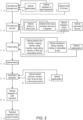
- FIG. 2 provides an overview of some methods for the processing of the fungal biomass slurry into the textured cultured protein (TCP) described herein
- Blocks 1a.-1d. disclose the raw biomass slurry of the fermentations described herein.
- the slurry includes but is not limited to biomass fermented with wastewater, co-products, and/or side streams from food and beverage processing, biomass fermented with conventional fermentation substrates, and biomass fermented with plant based ingredients.
- the biomass may be rinsed to remove residual substrate.
- the biomass may have the aformentioned plant ingredients integrated at this point.
- the material may be pasteurized post-harvest from the fermentation.
- Blocks 2a.-2e disclose the steps of processing the biomass to remove moisture via de-watering methods and the option to integrate the plant-based ingredients described herein.
- the supernatant may optionally be recovered for further purification.
- Blocks 3a.-3d. disclose the steps of sizing the particles described herein. Different isolated particle sizes as well as combinations of particle sizes lend themselves to different applications in food products.
- Blocks 4a.-5c. disclose optional pasteurization steps where particles and pieces are pasteurized prior to, during, or after dehydration.
- Block 4a describes the optional steps of freezing the pieces of TCP.
- Blocks 5a. - 5c.. disclose the dehydration and desiccation steps for the removal of moisture from the biomass to make the dry and shelf stable ingredient described herein.
- Block 6 Discloses the optional combination of other ingredients with the dried pieces to form a composition.
- Block 7. discloses the dry ingredient described herein.
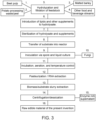
- FIG. 3 provides an overview of one embodiment of the fungal biomass fermentation described herein
- Block 1-4 discloses some possible plant materials to be processed into substrate.
- the plant material can be sourced as waste streams from the food and beverage industries.
- Block 5 discloses the step of processing the plant materials into substrate of the fermentation.
- the plant material is soaked in 100C water and agitated for 10-120 minutes.
- the hydrolyzed plant material is separated from the liquid hydrolysate via filtration.
- Block 6 discloses the addition of supplements to balance the carbon/nitrogen rations and overall nutritional profile of the substrate.
- Supplements can be but are not limited to, ammonium phosphate, potassium nitrate, calcium sulfate, glucose, sucrose, or any combination thereof.
- Block 7 discloses the requirement of the substrate sterility.
- the majority of the substrate is heat sterilized, however select ingredients such as the vitamins (for example, vitamin B12 and vitamin B7; (biotin)) are filtered and injected separately.
- vitamins for example, vitamin B12 and vitamin B7; (biotin)
- Block 8 discloses the transfer of the media into the reactor.
- Block 9 discloses the methods for inoculation. Liquid seed cultures of mycelium may be transferred into the reactor, high loads of spores can be injected into the substrate, or a volume of biomass/substrate can be in the reactor already, propagated as an inoculum.
- fungi of the Phyla Ascomycota and Zygomycota including but not limited to; Aspergillus oryzae, Rhizopus oryzae, Fusarium graminareum, Cordyceps militaris, Cordyceps sinensis, Tuber melanosporum, Tuber magnatum, Pennicillium camemberti, Neurospora intermedia or Xylaria hypoxion.
- Block 10 discloses the addition of a species of fungi as the organism of the fermentation.
- Block 11 discloses the fermentation method. Temperature is maintained at 20-34°C, aeration is increased over time using both ambient gas concentrations as well as pure oxygen ranging from .03 - 2 vvm (volume of air per volume of medium per minute). PH is maintained in a state that is ideal for filamentous fungi. 3 - 8 is the range described herein.
- Block 12 discloses the pasteurization of the mycelium. This destroys the viability of the fungus to continue growing and extracts much of the RNA that in undesirable in cellular protein products.
- Block 13 discloses the extraction of the biomass and substrate mixture from the bioreactor.
- Block 14 discloses the step of de-watering the fungal mycelium.
- the high moisture retention properties of the mycelium make it necessary to remove some liquid for ideal moisture contents that mimic meat.
- Block 15 discloses the remainder of de-watering. This supernatant contains enzymes, acids, lipids, and other valuable extracellular components.
- Block 16 discloses the end multi-use fungal biomass material described herein. This is the material that gets used in the blended meats, the blended plant, and the TCP food products.
- FIG. 4 provides an overview of optional applications of the ingredients described herein
- Block 17 Discloses the raw food material described herein.
- Block 18 disclosed the blending of the fungal biomass into meats to produce hybrid meat/fungi food products.
- Block 19 discloses some but not all of the meats and meat products the material is integrated into.
- Block 20 discloses the addition of plant and mushroom biomass into the blended fungi/meat products as well as into the fungi based meat alternatives.
- Block 21 discloses the use of the material described herein in meat alternative products.
- Block 22 discloses some but not all methods for preparation and texturization of the material described herein.
- Block 23 discloses some ways in which the meat analogue products are further prepared and cooked.
- FIG. 5A provides a close-up photograph on an exemplary TCP provided herein.
- FIG. 5B provides a photograph of an exemplary TCP provided herein on a serving plate.
- Rhizopus oryzae were plated on agar containing vessels consisting of 15g/l sucrose, 3g/l Na3 citrate, 5g/l KH2PO4, 2g/l NH4NO3, 0.2g/l MgSO4, 1g/1 CaSO4, 0.005 g/l Zn SO4, 0.001 g/l Fe(NH4)2(SO4)2, 0.00025 g/l CuSO4, 0.0001 g/l MnSO4, 0.0025g/l biotin, and 15g/l agar.
- the cultures were incubated at 28 °C for 3 days to encourage maximum sporulation.
- the air/agar interface supplies aerial hyphae with nutrients embedded in the substrate while exposing hyphae to oxygen. Generous airflow was provided to the culture vessels.
- the spores were collected in a sterile polypropylene vessel.
- the 17L reactor was prepared by sterilization via 130 °C steam and introducing autoclaved substrate.
- the reactor substrate consisted of 17 liters DI water, 30 g/l light malt extract prepared from the hydrolyzation and filtration of malted barley, 10 g/l glucose, 5 g/l yeast extract, 0.5 g/l NH 4 H 2 NO 3 , 0.2 g/l MgSO 4 , 3 g/l safflower oil, and 0.0025g/l biotin.
- the end substrate/biomass mixture was pressed in a porous cubic frame to de-water the biomass down to 68% for use in aforementioned food products. Samples were taken of the biomass and dried out at 101 °C. It was determined via triplicate sampling that the reactor yielded 17 g/l of dry biomass.
- Aerobic fermentation was carried out in pulse feeding mode. 17 1 DI water, 30 g/l light malt extract prepared from the hydrolyzation of spent malted barley, 10 g/l glucose, 5 g/l yeast extract, 0.5 g/l NH 4 H 2 NO 3 , 0.2 g/l MgSO 4 , 3 g/l safflower oil, and 0.0025g/l biotin was autoclaved and added to the sterile reactor.
- the reactor was maintained at a pH above 4.5 by dripping NaOH and held at 25C with an increasing ambient air aeration starting at 0.1vvm and reaching 0.8 vvm after 24 hours.
- 20 g/l light malt, 10 g/l glucose, and 20 g/l yeast extract was autoclaved and injected into the reactor on hour 48 of the incubation. This substrate supplementation was repeated on hour 96.
- the growth phase ended on hour 143.
- the substrate/biomass mixture was pressed in a porous cubic frame and de-watered down to 65% water content. The supernatant was disposed.
- the pulse feeding strategy yielded 41 g/l of dry biomass.
- Aerobic fermentation was carried out in pulse feeding/pulse harvest mode.
- 17 1 DI water, 30 g/l potato extract prepared from the hydrolyzation of potato skin, 10 g/l glucose, 2 g/l yeast extract, 0.5 g/l NH 4 H 2 NO 3 , 0.2 g/l MgSO 4 , 3 g/l safflower oil, and 0.0025g/l biotin was autoclaved and added to the sterile reactor. 50,000 Aspergillus oryzae spores/l were added to the substrate. The reactor was maintained at a pH of 4.5 by dripping NaOH into the substrate as needed.
- the reactor was maintained at 29C with an increasing ambient air aeration starting at 0.1vvm and reaching 0.8 vvm after 24 hours. After 48 hours 85% of the substrate biomass mixture was removed. A sterile solution of 14l DI water, 30 g/l potato extract, 10 g/l glucose, 2 g/l yeast extract, 0.5 g/l NH 4 H 2 NO 3 , 0.2 g/l MgSO 4 , 3 g/l safflower oil, and 0.0025g/l biotin was added filling the reactor back up to almost 17l. The fermentation continued for another 24 hours before the extraction and re-supplementation process was repeated at hour 72. This was then repeated a third time at hour 96.
- Biomass of Neurospora intermedia 500g at 80% water content cultured for 72 hours at 29C with 0.5 v/v/m of aeration in a 300 1 internal loop bioreactor at a pH > 4.5 on 30 g/l light malt extract, 10 g/l glucose, 20 g/l yeast extract, 0.5 g/l NH 4 H 2 NO 3 , 0.2 g/l MgSO 4 , 3 g/l safflower oil, and 0.0025g/l biotin added to a KitchenAid mixer with 50% (w/w) grass fed ground chuck beef (500g) for a total of 1000g of meat/mycelium mixture. The mixture was blended on low for 8 minutes until homogenous in texture and color.
- Biomass of Aspergillus oryzae (300 g) cultured in supplemented potato hydrolysate was dried in a dehydrator and pulverized into a powder using a mortar and pestle.
- the powder was mixed with mixed with whole wheat flower (50 g).
- the mixture was hydrated with 2 cups of whole milk and combined with 3 eggs.
- the mixture was blended together with 1 ⁇ 2 stick of butter until malleable dough was created.
- the dough was rolled into 2" balls and fried. Powdered sugar was added on top of the balls.
- Asexually sporulating cultures of Neurospora intermedia were used to inoculate 8 baffled shaker flasks with a working volume of 200 ml and a .2 micron filter patch embedded in the cap.
- the media contained in the flasks contained 30g/l sucrose, 3g/l Na3 citrate, 2g/l KH2PO4, 2g/l NH4NO3, .2g/l MgSO4, 1g/l CaSO4, .005 g/l Zn SO4, .001 g/l Fe(NH4)2(SO4)2, .00025 g/l CuSO4, .0001 g/l MnSO4, .0025g/l biotin, and 15g/l agar agar. These flasks were incubated and agitated for 24 hours at 100 rpm and 29°C on a incubated shaker table.
- a 100 liter internal loop airlift bioreactor (ELAB) was filled to an 80L working volume with DI water. Using a magnetically coupled agitator for agitation, 45g/L potato flour, 2 g/L yeast extract, .5 g/L NH 4 H 2 NO 3, , .0025g/l biotin was successively added to the vessel until homogenous. The media was sterilized with steam in place methods (125°C for 20 minutes). The eight 24-hour old baffled flask starter cultures were aseptically injected into the 100L reactor. The reactor was maintained at 31°C. The reactor was maintained at a pH of 4.5 by dripping NaOH into the substrate as needed.
- ELAB internal loop airlift bioreactor
- Compressed air was injected through a sintered steel sparger with a porosity of .2 microns in the riser section of the ILAB at a flow rate of . 1vvm.
- the flow rate was increased to 1.0 vvm over the first 48 hours.
- the biomass slurry was filtered using nylon mesh filter sacks to remove the supernatant leaving a high moisture biomass.
- the high moisture biomass was centrifuged to further reduce the moisture content down to 75%.
- the reduced moisture biomass was shredded into particles less than .25" by using a shaft mounted 5 blade shredder at 500 rpm. Particles were sieved to separate the particle sizes. Particles were dehydrated at 50°C for 120 minutes until bone dry with a moisture content of 4%. The material was packaged and stored.
- the dry TCP described herein was fully characterized in its nutritional profile and texture.
- the TCP was cultivated in a 100L internal loop airlift bioreactor for 3 days at 31C with .7VVM of compressed air and 40g/l sucrose, 3g/L sodium citrate, 3.5g/L ammonium phosphate, 1.3g/l potassium nitrate, .1g/l magnesium sulfate, .05g/l calcium chloride and minor amounts of copper, iron, manganese, and zinc.
- the material was harvested in slurry form, de-watered down to 75% WC using a vibratory screen and screw press, compacted into a dense block, shredded with a spindle and tine shredding device, sized with a 5mm mesh, and dehydrated with a forced air conveyor dryer.
- the material was baked at 83C in a convection oven for 15 minutes for a final pasteurization.
- the material with an ambient hydration of 4.3% water content (WC) was analyzed for a full nutritional profile via triplicate sampling. The following are averages.
- fiber content was determined to be 18.14%.
- Using AOAC method 990.03 total protein was determined to be 53%.
- AOAC method 2012.13 was used to determine the fatty acid profile which was determined to be (relative %): Total omega 3 content 3.3%, total omega 6 content 35.9%, total omega 9 content 38.3%, total saturated 17.8%, total monounsaturated 42.7%, and total polyunsaturated 39.3%.
- the aerobic plate count was determined to be ⁇ 10,000 cfu/g.
- the mold and yeast count was determined to be ⁇ 200 CFU/g.
- AOAC method 991.14 the E. coli levels were determined to be ⁇ 10/g.
- AOAC method 2003.09 the Salmonella spp. Was determined to be negative in 375 grams of TCP.
- TCP was then characterized in its texture and macro-scale characteristics after hydration. Color was visually determined to be an off white/tan. Particle size was determined to be an average of 5mm on the x, y, and z planes. Water absorption capacity (WAC) was determined to be 4624.77 g/kg. The chewiness, cohesiveness, springiness, as well as transversal and longitudinal cutting strength were analyzed to determine "texture". The chewiness was determined to be 3.43kg. The cohesiveness was determined to be 45%. The springiness was determined to be 62%. Transversal cutting strength was determined to be 12,408 kg/ m -2 . Longitudinal cutting strength was determined to be 11,316 kg/m -2 . These numbers were compared to results from beef, chicken, and pork.
- Example 9 Blended Beef / TCP Patties
- Fungal biomass was hydrated and added to the ground beef after the initial course grind. The components were then mixed/blended into the desired consistency for burger patties.
- the ground beef/fungi blend was packed into a circular mold with a diameter of 120 mm.
- the patty was cooked in an oiled pan on medium heat until internal temperature reached 73C.
- Example 10 Blended Chicken / TCP Breaded Nuggets
- Fungal TCP was hydrated and added to shredded chicken breast meat. The mixture was tossed and ground through plates with 1/8 " holes.
- Meat blend was scooped into 10 gram nuggets.
- the nuggets were compressed into a breading consisting of 80% whole wheat flower, 18.3% bread crumbs, .6% salt, .2% paprika, .2% basil, .2% cayenne pepper, .2% garlic powder, .3% ground black pepper by dry weight. Compression was applied to both sides of the nugget, simultaneously covering the entire meat blend and flattening the nugget on two sides.
- Nuggets were fried in 1 ⁇ 4" depth peanut oil until breading was crispy.
- Example 11 Blended Pork / TCP Sausages
- Links were pan seared in a pan on medium heat until center temperature reached 71C.
- Raw mycelium was harvested and de-watered down to 70% water content using a screen and screw press. This material was shredded, sized into 5mm particles, and consecutively dried down to 6% water content. This TCP was then baked in an oven at 85°C for 15 minutes for a final pasteurization. 80g of the TCP was mixed and coated with 10g safflower oil, 5g algae, 5g natural chicken flavoring.
- the composition had particle sizes of 3-10 mm.
- the plant based ingredients adhered evenly to the surfaces of the dehydrated mycelium particles.
- the mixture had a tan color and tasted like dry chicken.
- composition was hydrated at a 1/1.5 ratio of dry material to water by weight. This hydrated material was mixed at a 30/70% ratio of composition to ground chicken in a mixer until texturally homogenous (roughly 30 seconds). The blended chicken was formed into patties and cooked in the same way as chicken patties.
- Raw mycelium was harvested and de-watered down to 70% water content using a screen and screw press. This material was shredded, sized into 5mm particles, and consecutively dried down to 6% water content. This TCP was then baked in an oven at 85°C for 15 minutes for a final pasteurization. 72g of the TCP was mixed and coated with 10g safflower oil, 2g yeast extract, 6g bamboo fiber, 10g natural pork flavoring.
- the composition had particle sizes of 3-10 mm.
- the plant-based ingredients adhered evenly to the surfaces of the dehydrated mycelium particles.
- the mixture had a tan color and tasted like dry pork.
- the composition was hydrated at a 1/1.5 ratio of dry material to water by weight. This hydrated material was mixed at a 30/70% ratio of composition to ground pork in a mixer until texturally homogenous (roughly 30 seconds). The blended pork was formed into sausage links and cooked in the same way as pure pork sausages.
- Raw mycelium was harvested and de-watered down to 70% water content using a screen and screw press. This material was shredded, sized into 5mm particles, and consecutively dried down to 6% water content. This material was then baked in an oven at 85°C for 15 minutes for a final pasteurization. 64g of the material was mixed and coated with 10g safflower oil, 2g yeast extract, 5g psyllium husk, 10g beet pulp powder, 10g natural beef flavoring.
- the composition had particle sizes of 3-10 mm.
- the plant-based ingredients adhered evenly to the surfaces of the TCP particles.
- the mixture had a tan color and tasted like dry beef.
- composition was hydrated at a 1/1.5 ratio of dry material to water by weight. This hydrated material was mixed at a 30/70% ratio of composition to ground beef in a mixer until texturally homogenous (roughly 30 seconds). The blended beef was formed into burger patties and cooked in the same way as pure beef burgers.
- Raw mycelium was harvested and de-watered down to 70% water content using a screen and screw press. This material was shredded and consecutively dried down to 6% water content. This material was then baked in an oven at 85°C for 15 minutes for a final pasteurization. 80g of the TCP was mixed and coated with 10g safflower oil, 5g algae, 5g natural chicken flavoring.
- the composition had particle sizes of 3-10 mm.
- the plant based ingredients adhered evenly to the surfaces of the TCP particles.
- the mixture had a tan color and tasted like dry chicken.
- composition was hydrated at a 1/1.5 ratio of dry material to water by weight. This hydrated material was mixed at a 30/70% ratio of composition to ground chicken in a mixer until texturally homogenous (roughly 30 seconds). The blended chicken was formed into patties and cooked in the same way as chicken patties.
- Example 16 Dry pork extender
- Raw mycelium was harvested and de-watered down to 70% water content using a screen and screw press. This material was shredded and consecutively dried down to 6% water content. This material was then baked in an oven at 85°C for 15 minutes for a final pasteurization. 72g of the TCP was mixed and coated with 10g safflower oil, 2g yeast extract, 6g bamboo fiber, 10g natural pork flavoring.
- the composition had particle sizes of 3-10 mm.
- the plant based ingredients adhered evenly to the surfaces of the TCP particles.
- the mixture had a tan color and tasted like dry pork.
- the composition was hydrated at a 1/1.5 ratio of dry material to water by weight. This hydrated material was mixed at a 30/70% ratio of composition to ground pork in a mixer until texturally homogenous (roughly 30 seconds). The blended pork was formed into sausage links and cooked in the same way as pure pork sausages.
- Raw mycelium was harvested and de-watered down to 70% water content using a screen and screw press. This material was shredded and consecutively dried down to 6% water content. This material was then baked in an oven at 85°C for 15 minutes for a final pasteurization. 64g of the material was mixed and coated with 10g safflower oil, 2g yeast extract, 5g psyllium husk, 10g beet pulp powder, and 10g natural beef flavoring.
- the composition had particle sizes of 3-10 mm.
- the plant-based ingredients adhered evenly to the surfaces of the TCP particles.
- the mixture had a tan color and tasted like dry beef.
- composition was hydrated at a 1/1.5 ratio of dry material to water by weight. This hydrated material was mixed at a 30/70% ratio of composition to ground beef in a mixer until texturally homogenous (roughly 30 seconds). The blended beef was formed into burger patties and cooked in the same way as pure beef burgers.
- the dry shelf-stable ingredient of the present invention with a D-50 of 4mm at 75% w/w was coated in safflower oil at 10% w/w and blended with "brown chicken" natural flavor (Fontana Flavors) at 10% w/w as well as pea fiber at 5% w/w.
- the coated particles were hydrated at a 1 / 2 ratio of particles / water w/w (200% hydration) and left to soak for 25 minutes.
- the hydrated TCP was mixed with ground chicken meat at a 50/50 ratio w/w.
- the blend was formed into 16g nuggets, then breaded in a standard nugget breading consisting of rice flour, wheat flour, cornmeal, and spices.
- Pure ground chicken was formed into 16g nuggets and breaded with the exact same breading formula. Both the pure chicken and the blended nuggets were fried until they floated in the oil and had a golden crispy breading. The products were kept separate, given the respective ID's of 1776 for fully chicken and 1865 for the blended nugget.
- Cultures of Neurospora sitophila were cultured in two 200ml baffled shaker flasks with house media for 30 hours at 100 RPM and 31C. Media was prepared in agitated 100L pressure vessels and steam sterilized to prepare 16L of media.
- the media consisted of potato processing waste water generated from the blanching of potatoes for french fry production.
- the water contained a high COD of 37,304 mg/L COD, 2.34% TSS, 1397 mg/L TN, 3.5% sugars, as well as phosphate and sulphate.
- the media was supplemented with 1g/L yeast extract, .5 g/L ammonium nitrate, and 10ml of vegetable oil based antifoam.
- the media was steam sterilized and injected into the steam sterilized 17L reactor.
- the seed cultures 400ml total) were added to the reactor.
- the fermentation was maintained at 31C, a pH of 4.5 and .8 vvm of compressed air for three days (72 hours).
- the material was harvested and processed as typical with the methods of the present invention.
- the supernatant was analyzed. Remaining COD was 1283 mg/L, TSS was .01%, TN was 188 mg/L and sugars was 0%.
- the treatment was highly effective in reducing COD as well as TSS and TN. In addition to creating a quality TCP from the process, the treatment capacity of the platform proves viable as a treatment to the potato processing waste.
- the present invention relates to the following items:
Landscapes
- Life Sciences & Earth Sciences (AREA)
- Chemical & Material Sciences (AREA)
- Engineering & Computer Science (AREA)
- Health & Medical Sciences (AREA)
- Polymers & Plastics (AREA)
- Food Science & Technology (AREA)
- Microbiology (AREA)
- Nutrition Science (AREA)
- Biotechnology (AREA)
- Biochemistry (AREA)
- Zoology (AREA)
- Mycology (AREA)
- Molecular Biology (AREA)
- Organic Chemistry (AREA)
- Wood Science & Technology (AREA)
- Genetics & Genomics (AREA)
- Bioinformatics & Cheminformatics (AREA)
- Animal Husbandry (AREA)
- Sustainable Development (AREA)
- Biomedical Technology (AREA)
- General Health & Medical Sciences (AREA)
- General Engineering & Computer Science (AREA)
- Botany (AREA)
- Physiology (AREA)
- Virology (AREA)
- Medicinal Chemistry (AREA)
- Tropical Medicine & Parasitology (AREA)
- General Chemical & Material Sciences (AREA)
- Chemical Kinetics & Catalysis (AREA)
- Birds (AREA)
- Cell Biology (AREA)
- Proteomics, Peptides & Aminoacids (AREA)
- Micro-Organisms Or Cultivation Processes Thereof (AREA)
- Meat, Egg Or Seafood Products (AREA)
- Coloring Foods And Improving Nutritive Qualities (AREA)
- Preparation Of Compounds By Using Micro-Organisms (AREA)
Applications Claiming Priority (3)
| Application Number | Priority Date | Filing Date | Title |
|---|---|---|---|
| US201862733925P | 2018-09-20 | 2018-09-20 | |
| EP19782852.8A EP3852543A1 (de) | 2018-09-20 | 2019-09-20 | Verfahren zur verbesserten aeroben fermentation zur herstellung von essbaren mischfleisch- und fleischersatzzusammensetzungen mit pilzmycel |
| PCT/US2019/052236 WO2020061502A1 (en) | 2018-09-20 | 2019-09-20 | Enhanced aerobic fermentation methods for producing edible fungal mycelium blended meats and meat analogue compositions |
Related Parent Applications (1)
| Application Number | Title | Priority Date | Filing Date |
|---|---|---|---|
| EP19782852.8A Division EP3852543A1 (de) | 2018-09-20 | 2019-09-20 | Verfahren zur verbesserten aeroben fermentation zur herstellung von essbaren mischfleisch- und fleischersatzzusammensetzungen mit pilzmycel |
Publications (2)
| Publication Number | Publication Date |
|---|---|
| EP4501127A2 true EP4501127A2 (de) | 2025-02-05 |
| EP4501127A3 EP4501127A3 (de) | 2025-05-14 |
Family
ID=68136564
Family Applications (2)
| Application Number | Title | Priority Date | Filing Date |
|---|---|---|---|
| EP19782852.8A Ceased EP3852543A1 (de) | 2018-09-20 | 2019-09-20 | Verfahren zur verbesserten aeroben fermentation zur herstellung von essbaren mischfleisch- und fleischersatzzusammensetzungen mit pilzmycel |
| EP24220540.9A Pending EP4501127A3 (de) | 2018-09-20 | 2019-09-20 | Verfahren zur verbesserten aeroben fermentation zur herstellung von essbaren mischfleisch- und fleischersatzzusammensetzungen mit pilzmycel |
Family Applications Before (1)
| Application Number | Title | Priority Date | Filing Date |
|---|---|---|---|
| EP19782852.8A Ceased EP3852543A1 (de) | 2018-09-20 | 2019-09-20 | Verfahren zur verbesserten aeroben fermentation zur herstellung von essbaren mischfleisch- und fleischersatzzusammensetzungen mit pilzmycel |
Country Status (4)
| Country | Link |
|---|---|
| US (6) | US11058137B2 (de) |
| EP (2) | EP3852543A1 (de) |
| CN (1) | CN113056202A (de) |
| WO (1) | WO2020061502A1 (de) |
Families Citing this family (54)
| Publication number | Priority date | Publication date | Assignee | Title |
|---|---|---|---|---|
| CN109153964B (zh) | 2016-03-01 | 2023-06-13 | 芬德集团公司 | 丝状真菌生物垫、及其生产方法和使用方法 |
| SG10201911092WA (en) | 2017-08-30 | 2020-01-30 | Sustainable Bioproducts Inc | Edible composition with filamentous fungi and bioreactor system for the cultivation thereof |
| US20240268430A1 (en) * | 2017-08-30 | 2024-08-15 | The Fynder Group, Inc. | Edible foodstuffs and bio reactor design |
| CN108813565A (zh) * | 2018-05-31 | 2018-11-16 | 江苏食品药品职业技术学院 | 食用菌制品及其制造方法 |
| US11751596B2 (en) | 2018-06-08 | 2023-09-12 | Emergy Inc. | Edible compositions including fungal mycelium protein |
| US11058137B2 (en) | 2018-09-20 | 2021-07-13 | The Better Meat Co. | Enhanced aerobic fermentation methods for producing edible fungal mycelium blended meats and meat analogue compositions |
| US12274283B2 (en) | 2018-09-20 | 2025-04-15 | The Better Meat Co. | Enhanced aerobic fermentation methods for producing edible fungal mycelium blended meats and meat analogue compositions |
| US11432575B2 (en) | 2019-02-27 | 2022-09-06 | The Fynder Group, Inc. | Food materials comprising filamentous fungal particles and membrane bioreactor design |
| MX2022008760A (es) * | 2020-01-31 | 2022-08-08 | Nestle Sa | Composicion alimenticia. |
| US20210337827A1 (en) * | 2020-04-29 | 2021-11-04 | Emergy Inc. | Growth of filamentous fungi from pea protein residual waste streams |
| GB2597437B (en) * | 2020-05-22 | 2025-02-12 | Marlow Foods Ltd | Edible fungi |
| SE2150071A1 (en) * | 2021-01-22 | 2022-07-23 | Mycorena Ab | A food product comprising fungi biomass and a food additive |
| US20220000162A1 (en) * | 2020-07-03 | 2022-01-06 | Mycorena Ab | Food Product Comprising a Pure Fungi Biomass |
| JP7850674B2 (ja) * | 2020-11-16 | 2026-04-23 | 天野エンザイム株式会社 | 食品の褐色化剤 |
| JP2024511416A (ja) * | 2021-03-22 | 2024-03-13 | ザ・フィンダー・グループ・インコーポレイテッド | 糸状菌材料を含む食品 |
| SE545255C2 (en) * | 2021-04-27 | 2023-06-07 | Mycorena Ab | A dry food product comprising fungi biomass and methods for manufacturing a dried fungi biomass food product |
| US20220354068A1 (en) * | 2021-05-04 | 2022-11-10 | Ecovative Design Llc | Edible aerial mycelia and methods of making the same |
| WO2022236062A1 (en) * | 2021-05-06 | 2022-11-10 | Current Foods, Inc. | Protein gel composition providing improved texture to a meat analog product |
| CN116456833A (zh) * | 2021-05-07 | 2023-07-18 | 贝特尔肉制品公司 | 用于生产可食用的真菌菌丝体共混肉和肉类似物组合物的增强的好氧发酵方法 |
| US20240000123A1 (en) * | 2021-05-17 | 2024-01-04 | Aquacultured Foods, Inc. | Food product comprising a co-culture of bacteria and fungi |
| BE1029443B1 (nl) * | 2021-05-25 | 2023-01-09 | Bonrill | Werkwijze voor het vervaardigen van een vlees- of visvervanger |
| CN117202790A (zh) * | 2021-06-02 | 2023-12-08 | 雀巢产品有限公司 | 具有肉样颜色外观的基于植物的肉样替代产品 |
| US20240260607A1 (en) * | 2021-06-02 | 2024-08-08 | Societe Des Produits Nestle S.A. | Plant-based meat alternative product with a meat-like color appearance |
| WO2023049392A2 (en) * | 2021-09-23 | 2023-03-30 | Emergy Inc. | Systems and methods for forming compacted mycelium products |
| FR3128355A1 (fr) * | 2021-10-25 | 2023-04-28 | N Conseil | Mêlée de viandes et légumes hachés pour fabrication de steak haché, boulettes et saucisses |
| SE2151489A1 (en) * | 2021-12-07 | 2023-06-08 | Mycorena Ab | A food product or food ingredient comprising fungi biomass with an increased intracellular fat content |
| SE2151533A1 (en) * | 2021-12-15 | 2023-06-16 | Mycorena Ab | Fungal biomass food product |
| EP4451897A1 (de) | 2021-12-23 | 2024-10-30 | The Protein Brewery B.V. | Zusammensetzung mit texturierten pilzproteinstücken |
| CA3242518A1 (en) | 2021-12-27 | 2023-07-06 | Innomy Biotech, S.L | Edible myceliated composition |
| CN118434846A (zh) * | 2021-12-28 | 2024-08-02 | 日本火腿株式会社 | 用于制造培养肉的细胞增殖用培养基 |
| WO2023137192A1 (en) * | 2022-01-15 | 2023-07-20 | The Fynder Group, Inc. | Meat replica fungal food product |
| DE102022201682B4 (de) | 2022-02-17 | 2025-11-06 | Kynda Biotech GmbH | Verfahren zur Herstellung von Lebensmitteln aus fermentierten Nebenströmen der Lebensmittelproduktion |
| KR20250021610A (ko) | 2022-02-24 | 2025-02-13 | 머쉬랩스 게엠베하 | 유색 진균 균사체의 생산 |
| WO2023166019A1 (en) | 2022-03-01 | 2023-09-07 | Tempty Foods Aps | Method of producing food products based on mycelial material, the obtained food products, and related use |
| WO2023215502A1 (en) * | 2022-05-04 | 2023-11-09 | Hyfe Foods, Inc. | Mycelium protein powder from upcycled feedstocks |
| GB2619512A (en) * | 2022-06-06 | 2023-12-13 | Plant Mat Limited | Enhanced fungal material |
| JP2025119071A (ja) * | 2022-06-16 | 2025-08-14 | 株式会社スプレッド | 代替肉、代替肉の製造方法 |
| IL318507A (en) * | 2022-08-14 | 2025-03-01 | Chunk Foods Inc | Protein-based meat substitutes and methods for their production |
| US20240075706A1 (en) * | 2022-09-01 | 2024-03-07 | Mycoworks, Inc. | Durable Mycelium Bonding |
| KR20250061757A (ko) | 2022-09-09 | 2025-05-08 | 더 프로틴 브루어리 비.브이. | 진균 바이오매스의 입자를 포함하는 과립물 |
| WO2024100650A1 (en) * | 2022-11-07 | 2024-05-16 | Mushfoods Ltd | Edible aerial mycelium, methods for their preparation and food products comprising the same |
| CO2023015276A1 (es) | 2022-11-13 | 2024-05-20 | Mushbites Alimentos Ltda | Biomasa micelial, proceso de producción de biomasa micelial, uso de biomasa micelial en la producción de producto alimenticio, producto alimenticio a base de biomasa micelial y su proceso de producción |
| CN116195732A (zh) * | 2022-12-01 | 2023-06-02 | 山东省农业科学院 | 一种食用菌菌丝体发酵素肠及其制备方法 |
| JPWO2024162477A1 (de) * | 2023-02-03 | 2024-08-08 | ||
| DE102023106906A1 (de) | 2023-03-20 | 2024-09-26 | Nosh.Bio Gmbh | Fleischanaloga auf basis von mycoprotein |
| CN116162554B (zh) * | 2023-04-03 | 2023-07-28 | 苏陀科技(北京)有限公司 | 一株间型脉胞菌菌株及其在替代蛋白中的应用 |
| FI20235472A1 (en) * | 2023-04-28 | 2024-10-29 | Teknologian Tutkimuskeskus Vtt Oy | Food mixture, food and its use |
| CN116590159B (zh) * | 2023-07-04 | 2025-04-25 | 中国科学院东北地理与农业生态研究所农业技术中心 | 一种刺盾炱目真菌及其在溶磷和抗菌中的应用 |
| CN116622526B (zh) * | 2023-07-20 | 2023-10-10 | 苏陀科技(北京)有限公司 | 一株米根霉菌株及其在生产菌丝体蛋白中的应用 |
| IL326460A (en) | 2023-08-14 | 2026-04-01 | Chunk Foods Inc | Protein-based meat substitutes and methods for their production |
| WO2025097045A1 (en) * | 2023-11-03 | 2025-05-08 | The Fynder Group, Inc | Colloidal food base compositions comprising mycelial biomass |
| GB202406043D0 (en) * | 2024-04-30 | 2024-06-12 | Marlow Foods Ltd | Foodstuff |
| CN119081893B (zh) * | 2024-11-05 | 2025-03-11 | 苏陀科技(北京)有限公司 | 一种间型脉胞菌高密度培养方法及其应用 |
| CN119867292A (zh) * | 2025-01-15 | 2025-04-25 | 合肥工业大学 | 一种基于菌丝固态发酵肉类似物的构建方法 |
Family Cites Families (193)
| Publication number | Priority date | Publication date | Assignee | Title |
|---|---|---|---|---|
| AT101660B (de) | 1917-10-24 | 1925-11-25 | Robison Foreign Patents Co | Verfahren zur Behandlung von Kaffee. |
| US1822227A (en) | 1927-12-21 | 1931-09-08 | Louise B P Lendrich | Process of improving coffee-beans |
| US2450055A (en) * | 1945-01-06 | 1948-09-28 | Friedrich F Nord | Food composition containing fusaria |
| US2693665A (en) | 1948-01-23 | 1954-11-09 | Humfeld Harry | Production of mushroom mycelium by submerged culture in a liquid medium |
| US2693664A (en) | 1949-08-20 | 1954-11-09 | Szuecs Joseph | Method of enhancing mushroom mycelium flavor |
| US2761246A (en) | 1953-05-19 | 1956-09-04 | Szuecs Joseph | Mushroom culture |
| US2928210A (en) | 1958-01-13 | 1960-03-15 | Anheuser Busch | Fermentation process for producing edible mushroom mycelium |
| US3086320A (en) | 1961-08-08 | 1963-04-23 | Producers Creamery Company | Process and composition for growing mushroom mycelium submerged fermentation |
| DE1683921C3 (de) | 1966-08-27 | 1981-07-30 | Naamloze Vennootschap Philips' Gloeilampenfabrieken, Eindhoven | Verfahren und Vorrichtung zum Herstellen von magnetisierbaren Formlingen aus keramischem Material |
| US3912825A (en) | 1970-02-25 | 1975-10-14 | Ranks Hovis Mcdougall Ltd | Edible fungal protein from non-toxic penicillium |
| US4061781A (en) | 1970-05-14 | 1977-12-06 | Ranks Hovis Mcdougall Limited | Edible protein substances composed of fungal mycellium |
| US3937654A (en) | 1970-05-14 | 1976-02-10 | Ranks Hovis Mcdougall Limited | Production of edible protein substances |
| US3998975A (en) | 1970-08-07 | 1976-12-21 | The Procter & Gamble Company | Potato chip products and process for making same |
| US3885048A (en) | 1971-02-08 | 1975-05-20 | James J Liggett | Method for preparing simulated meat, fish and dairy products |
| US3810997A (en) | 1971-10-07 | 1974-05-14 | Kraftco Corp | Treatment of soybeans with yeast |
| US3969189A (en) | 1971-12-14 | 1976-07-13 | Kumiai Chemical Industry Co., Ltd. | Cell wall-lysing complex enzymes and a process for the production thereof |
| US3749584A (en) | 1972-03-28 | 1973-07-31 | Us Agriculture | Decaffeination of beverages |
| US4071973A (en) | 1975-05-13 | 1978-02-07 | Chiyokichi Iizuka | Method of artificially growing edible fungi |
| CH611133A5 (de) | 1975-05-22 | 1979-05-31 | Dso Hranmash | |
| US4056638A (en) | 1975-06-16 | 1977-11-01 | E. I. Du Pont De Nemours And Company | Dielectric drying of fungal material and resultant textured product |
| US4031265A (en) | 1975-06-18 | 1977-06-21 | The United States Of America As Represented By The Secretary Of Agriculture | Method of reducing bitterness in citrus juices |
| CA1072392A (en) | 1976-04-06 | 1980-02-26 | General Foods Corporation | Fibrous protein materials |
| SE440442B (sv) * | 1977-11-08 | 1985-08-05 | Bioenterprises Pty Ltd | Sett att framstella en protein-innehallande strukturerad produkt innehallande denaturerat svampmycelium samt den dervid framstellda produkten |
| GB2059243B (en) | 1979-09-24 | 1983-06-08 | Anvar | Process for the fermentation of cocoa beans |
| JPS58149697A (ja) | 1982-02-27 | 1983-09-06 | Dainippon Ink & Chem Inc | β−1,3グリコシルステビオシドの製造方法 |
| US4555984A (en) | 1982-05-19 | 1985-12-03 | Tokyo Shibaura Denki Kabushiki Kaisha | Coffee maker |
| DE3239219A1 (de) | 1982-10-22 | 1984-04-26 | Coffex AG, 8201 Schaffhausen | Verfahren zur verminderung des chlorogensaeuregehalts von rohkaffee |
| GB8308162D0 (en) | 1983-03-24 | 1983-05-05 | Ranks Hovis Mcdougall Plc | Edible protein containing substances |
| GB2137226B (en) | 1983-03-24 | 1986-04-09 | Ranks Hovis Mcdougall Plc | Fusarium graminearum |
| JPS61219340A (ja) | 1985-03-27 | 1986-09-29 | Lotte Co Ltd | カカオニブの醗酵処理方法 |
| JPH0679547B2 (ja) | 1985-10-16 | 1994-10-12 | 大日本インキ化学工業株式会社 | ステビア甘味料及びその製造方法 |
| US4800093A (en) * | 1986-02-18 | 1989-01-24 | Ralston Purina Company | High moisture animal food product containing a filamentous fungal biomass |
| US4938972A (en) | 1988-07-08 | 1990-07-03 | Robin Hood Multifoods Inc. | Process for upgrading cereal milling by-products into protein-rich food products |
| US4891220A (en) | 1988-07-14 | 1990-01-02 | Immudyne, Inc. | Method and composition for treating hyperlipidemia |
| US5637618A (en) | 1990-06-01 | 1997-06-10 | Bioresearch, Inc. | Specific eatable taste modifiers |
| CN1072914C (zh) | 1993-04-14 | 2001-10-17 | 长沙市蔬菜科学研究所 | 食用菌蛋白系列饮料 |
| DE4341316A1 (de) | 1993-12-03 | 1995-06-08 | Lehmann Maschf F B | Verfahren zum Entkeimen und Trocknen von rohen Kakaobohnen oder Kakaokernbruch |
| US5934012A (en) | 1994-11-23 | 1999-08-10 | Hps Biotechnologies, Inc. | Process for production of mushroom inoculum |
| US5532148A (en) | 1995-08-30 | 1996-07-02 | Ntec, Inc. | Process for producing of citric acid and monovalent citrate salts |
| US5902628A (en) | 1996-11-14 | 1999-05-11 | Pepsico., Inc. | Beverage with reduction of lingering sweet aftertaste of sucralose |
| JPH10179089A (ja) | 1996-12-27 | 1998-07-07 | Ajinomoto Co Inc | 改質肉およびそれを用いた調味料の製造方法 |
| JP4421777B2 (ja) | 1998-04-17 | 2010-02-24 | オールテック インコーポレイテッド | 飼料の脱マイコトキシン用組成物 |
| JPH11346657A (ja) | 1998-06-04 | 1999-12-21 | Natl Food Res Inst | カカオビンズの殺菌方法 |
| EP0986960A1 (de) * | 1998-09-15 | 2000-03-22 | Dsm N.V. | Mucorales Pilze zur Verwendung bei der Herstellung von texturierten Produkten für Nahrungsmittel |
| WO2000065029A1 (en) | 1999-04-23 | 2000-11-02 | Tsukuba Biosystem, Ltd. | Method for culturing a basidiomycetous fungus in a liquid culture medium |
| JP2000316512A (ja) | 1999-05-12 | 2000-11-21 | Mitakado:Kk | 大豆おから発酵食品の製造方法 |
| US6383799B1 (en) | 1999-10-15 | 2002-05-07 | Medmyco Ltd. | Process for producing, methods and compositions of glucuronoxylomannan as nutriceutical agent from higher basidiomycetes mushroom |
| US6372462B2 (en) | 1999-10-15 | 2002-04-16 | Medmyco Ltd. | Process for producing, methods and compositions of cholesterol lowering agents from higher basidiomycetes mushrooms |
| US6277396B1 (en) | 2000-05-11 | 2001-08-21 | Maximum Human Performance, Inc. | Dietary supplement containing a thermogenic substance and an adrenal support substance |
| JP2002017389A (ja) | 2000-06-30 | 2002-01-22 | Mbiotec Co Ltd | 茸細胞外多糖体の製造方法 |
| US6558943B1 (en) | 2000-09-05 | 2003-05-06 | Sun Ten Pharmaceutical Co., Ltd. | Method for propagating fungi using solid state fermentation |
| US20110008384A1 (en) | 2004-01-06 | 2011-01-13 | Paul Edward Stamets | Antiviral activity from medicinal mushrooms |
| US8765138B2 (en) | 2004-01-06 | 2014-07-01 | Paul Edward Stamets | Antiviral and antibacterial activity from medicinal mushrooms |
| US20140105928A1 (en) | 2004-01-06 | 2014-04-17 | Paul Edward Stamets | Antiviral and antibacterial activity from medicinal mushrooms |
| US6660290B1 (en) | 2000-10-04 | 2003-12-09 | Myco Pesticides Llc | Mycopesticides |
| JP2002191354A (ja) | 2000-10-06 | 2002-07-09 | Kabaiotekku Co Ltd | 茸菌糸体の生産方法およびその用途(Methodforproducingmushroommyceliumandusesthereof) |
| US6569475B2 (en) | 2000-10-06 | 2003-05-27 | Jae-Mahn Song | Process for mycelial culture using grain |
| DE10053051C2 (de) | 2000-10-13 | 2002-10-31 | Coty Bv | Kosmetische Zubereitung mit Pflanzenextrakten |
| US6476003B1 (en) | 2000-11-06 | 2002-11-05 | Immusonic, Inc. | Method for preparing small particle size glucan in a dry material |
| US6956120B2 (en) | 2000-11-09 | 2005-10-18 | Yasushi Onaka | β-1.3-1.6 glucan (Aureobasidium medium) |
| US6555003B2 (en) | 2001-01-19 | 2003-04-29 | Basic American, Inc. | Potato wastewater treatment method |
| AU2002244133A1 (en) | 2001-02-20 | 2002-09-04 | Paul Stamets | Delivery systems for mycotechnologies, mycofiltration and mycoremediation |
| EP2368904A1 (de) | 2001-03-14 | 2011-09-28 | Genencor International, Inc. | Regulierbares Wachstum filamentöser Pilze |
| GB0110954D0 (en) | 2001-05-04 | 2001-06-27 | Marlow Foods Ltd | Edible fungi |
| GB0110953D0 (en) * | 2001-05-04 | 2001-06-27 | Marlow Foods Ltd | Edible fungi |
| US6942874B2 (en) | 2001-05-25 | 2005-09-13 | Linguagen Corp. | Nucleotide compounds that block the bitter taste of oral compositions |
| DE60207434T2 (de) | 2001-10-01 | 2006-07-13 | Novozymes A/S | Fermentationsverfahren mit zyklischer puls-unterbrechungs einspeisung |
| AT413540B (de) | 2001-12-20 | 2006-03-15 | Erber Ag | Mikroorganismus, welcher ochratoxine sowie ochratoxine und zearalenone entgiftet, sowie verfahren und verwendung hiefür |
| JP3691808B2 (ja) | 2002-05-21 | 2005-09-07 | 独立行政法人農業・生物系特定産業技術研究機構 | 糸状菌を使ったサイレージ調製方法 |
| AU2003244258B2 (en) | 2002-06-25 | 2008-04-03 | Adeka Corporation | Beta-glucan-containing fat and oil composition and novel microorganism capable of producing beta-glucan |
| KR100454766B1 (ko) | 2002-08-20 | 2004-11-03 | 주식회사 엔비텍 | 버섯 균사체를 이용한 유가공 폐수의 처리방법 |
| EP1418181A1 (de) | 2002-11-06 | 2004-05-12 | Universiteit Leiden | Verbesserung der Wachstumseigenschaften filamentöser Mikroorganismen |
| JP4529183B2 (ja) | 2003-05-27 | 2010-08-25 | 味の素株式会社 | 飲食品の呈味および/または風味の改善方法 |
| US9289003B2 (en) | 2003-07-02 | 2016-03-22 | Chr. Hansen A/S | Use of compounds involved in biosynthesis of nucleic acids as cryoprotective agents |
| JP2005027540A (ja) | 2003-07-09 | 2005-02-03 | Ikse:Kk | アガリクス飲料 |
| US20050031761A1 (en) | 2003-08-05 | 2005-02-10 | Donald Brucker | Methods of producing a functionalized coffee |
| EP1695631A4 (de) | 2003-09-25 | 2011-09-07 | Suntory Holdings Ltd | Verfahren zur aufbereitung von grünen kaffeebohnen |
| EP1716757B1 (de) | 2004-01-30 | 2009-07-22 | Kao Corporation | Kaffeegetränkzusammensetzung |
| JP4587442B2 (ja) | 2004-02-12 | 2010-11-24 | 株式会社クレハ | 新規な高脂血症治療剤および食品 |
| GB0405637D0 (en) | 2004-03-12 | 2004-04-21 | Danisco | Protein |
| US7652204B2 (en) | 2004-06-08 | 2010-01-26 | Ndsu Research Foundation | Breeding of fusarium resistant tetraploid durum wheat |
| US7407795B2 (en) | 2004-07-15 | 2008-08-05 | John Holliday | Method for growing Cordyceps sinensis on a substrate and novel method for hybridizing different strains of Cordyceps sinensis |
| US7514085B2 (en) | 2004-07-16 | 2009-04-07 | Medimush A/S | Immune modulating compounds from fungi |
| JP4126037B2 (ja) | 2004-09-28 | 2008-07-30 | リンナイ株式会社 | ガスコンロ |
| WO2006063219A2 (en) | 2004-12-09 | 2006-06-15 | Pro-Health, Inc. | Product and method for oral administration of nutraceuticals |
| US20110081448A1 (en) | 2005-01-05 | 2011-04-07 | Firmenich Sa | Process for treating vanilla beans |
| EP1709969A1 (de) | 2005-04-07 | 2006-10-11 | Praktijkonderzoek Plant en Omgeving B.V. | Gesundheitsfördernde Molkereiprodukte und Nahrungsmittel, enthaltend Glucan aus Pilzen hergestellt duch Fermentation von Grifola frondosa |
| BRPI0611411A2 (pt) | 2005-05-25 | 2010-09-08 | Suntory Ltd | método de tratamento de grãos de café verde sob regulação de ph |
| US20060280753A1 (en) | 2005-06-11 | 2006-12-14 | Mcneary Peter | Composition and Method For Obtaining A Nutritional Food Product Using Solid Substrate Fermentation |
| EP2325295A3 (de) | 2005-09-12 | 2013-05-29 | Vrije Universiteit Brussel | Kakao Starterkulturen und Fermentationsverfahren |
| US8715979B2 (en) | 2005-10-05 | 2014-05-06 | Asahi Breweries, Ltd. | Method of producing filamentous fungus culture product |
| KR100747787B1 (ko) | 2006-02-23 | 2007-08-08 | 안영환 | 송이버섯이 포함된 된장의 제조방법 |
| FI20065182A0 (fi) | 2006-03-20 | 2006-03-20 | Elixi Oil Oy | Fermentoitu elintarvike |
| KR100762848B1 (ko) * | 2006-05-25 | 2007-10-04 | 씨제이 주식회사 | 균류 단백질의 제조방법, 이에 의해 제조된 균류 단백질,이 균류 단백질을 포함하는 저칼로리의 인조육 및 천연육고기향 향미제 |
| US9079786B2 (en) | 2006-06-20 | 2015-07-14 | Johannes van Leeuwen | Purification of thin stillage from dry-grind corn milling with fungi |
| EP2068641B1 (de) | 2006-10-05 | 2016-08-10 | Olam International Limited | Verfahren zur herstellung von farbintensivem kakaopulver, und entsprechende zusammensetzungen |
| US20080187574A1 (en) | 2007-02-05 | 2008-08-07 | Holliday John C | Mycellated grain and other myceliated agricultural materials to be used as animal food supplement |
| US7666652B2 (en) | 2007-03-09 | 2010-02-23 | Novozymes A/S | Asparaginases |
| US20080226788A1 (en) | 2007-03-14 | 2008-09-18 | Concentrate Manufacturing Company Of Ireland | Lhg compositions for reducing lingering bitter taste of steviol glycosides |
| BRPI0809856B1 (pt) | 2007-03-30 | 2016-08-23 | Givaudan Sa | composto de bloqueio de nota desagradável (off-note) amarga, composição de sabor, produto consumível e método de bloqueio de notas desagradáveis em produtos consumíveis |
| JP5031508B2 (ja) | 2007-04-19 | 2012-09-19 | ハウス食品株式会社 | 苦味が低減されたフェヌグリーク種子及びその製造方法 |
| EA018424B1 (ru) | 2007-04-20 | 2013-07-30 | ДСМ АйПи АССЕТС Б.В. | Варианты фермента аспарагиназы и их применение |
| US20080274234A1 (en) | 2007-05-01 | 2008-11-06 | Carter Robert Miller | Processing cocoa beans and other seeds |
| US20080296223A1 (en) | 2007-05-30 | 2008-12-04 | Bryan Hiromoto | Bioremediation methods using fungal compositions |
| DE102007027825A1 (de) | 2007-06-13 | 2008-12-18 | C-Lecta Gmbh | Amidohydrolasen zur Aufbereitung von Nahrungs- oder Genussmitteln |
| US8481295B2 (en) | 2007-06-20 | 2013-07-09 | Johannes van Leeuwen | Fungi cultivation on alcohol fermentation stillage for useful products and energy savings |
| KR101558193B1 (ko) | 2007-08-21 | 2015-10-12 | 세노믹스, 인코포레이티드 | 인간 t2r 쓴맛 수용체 및 이의 용도 |
| JP5475945B2 (ja) | 2007-11-20 | 2014-04-16 | 花王株式会社 | 容器詰コーヒー飲料 |
| US20120270302A1 (en) | 2011-04-25 | 2012-10-25 | Eben Bayer | Method for Making Dehydrated Mycelium Elements and Product Made Thereby |
| WO2009108698A2 (en) | 2008-02-25 | 2009-09-03 | University Of Florida Research Foundation, Inc. | Quality enhancement of coffee beans by acid and enzyme treatment |
| BRPI0911979A2 (pt) | 2008-05-15 | 2015-07-28 | Barry Callebaut Ag | Método para processamento de feijões de cacau |
| US9844224B2 (en) | 2008-05-23 | 2017-12-19 | Givaudan Sa | Bitter alkaloid containing consumables comprising bitter blockers |
| EP2316278B1 (de) | 2008-08-29 | 2013-04-10 | Pharvis R&D Korea Co., Ltd. | Verfahren zur herstellung fermentierter essbarer pflanzenprodukte oder essbarer tier-/pflanzenprodukte, in diesem verfahren hergestellte essbare pflanzenprodukte oder tier-/pflanzenprodukte sowie nahrungsmittel damit |
| FR2937866B1 (fr) | 2008-10-30 | 2010-11-26 | Natura Cosmeticos Sa | Complexe antioxydant, compositions cosmetiques et pharmaceutiques contenant ledit complexe et utilisation dudit complexe |
| MY162227A (en) | 2008-11-28 | 2017-05-31 | Olam Int Ltd | Method of washing cocoa beans to improve the quality of the cocoa products obtained from such beans |
| US8580324B2 (en) | 2008-12-12 | 2013-11-12 | Givaudan Sa | Fermentation process |
| US8343741B2 (en) | 2008-12-18 | 2013-01-01 | Washington State University Research Foundation | Pelletization process to control filamentous fungi morphology for enhanced reactor rheology bioproduct formation |
| IT1392414B1 (it) | 2008-12-23 | 2012-03-02 | Giuliani Spa | Procedimento di biotecnologia microbica per la completa degradazione di glutine nelle farine. |
| US8329239B2 (en) | 2009-03-03 | 2012-12-11 | Givandan S.A. | Off-taste masking |
| AU2010224226A1 (en) | 2009-03-11 | 2011-09-22 | Cargill, Incorporated | Process for making a cocoa product |
| US20100239711A1 (en) | 2009-03-23 | 2010-09-23 | Pei-Jung Li | Method for manufacturing coffee by solid state fermentation |
| CN101579103B (zh) | 2009-06-19 | 2012-08-01 | 南昌大学 | 一种利用豆渣发酵生产酱油的方法 |
| CN101899399A (zh) | 2009-07-06 | 2010-12-01 | 南昌大学 | 粗壮脉纹孢菌菌株 |
| EP2459699B1 (de) | 2009-07-29 | 2015-09-23 | Barry Callebaut AG | Mikrobielle zusammensetzung zur fermentation eines kakaostoffes |
| JP2011041540A (ja) | 2009-08-24 | 2011-03-03 | Asahi Breweries Ltd | 廃菌体を用いたβ−グルカナーゼ及びキシラナーゼの製造方法及び液体培地 |
| EP2478769B8 (de) | 2009-09-17 | 2020-08-12 | Blazei Brazil LTDA | Verfahren zur herstellung von mehlen aus mit pilz myzeliertem korn |
| WO2011035314A2 (en) | 2009-09-21 | 2011-03-24 | Total Nutraceutical Solutions, Inc. | Vitamin d2 enriched mushrooms and fungi for treatment of oxidative stress, alzheimer's disease and associated disease states |
| US20120177781A1 (en) | 2009-09-29 | 2012-07-12 | Masahiro Hayashi | Method for softening beans |
| WO2011094579A2 (en) | 2010-01-29 | 2011-08-04 | New Chapter Inc. | Mushroom compositions and methods for making and using |
| US20110206721A1 (en) | 2010-02-19 | 2011-08-25 | Vijaya Nair | Fermented soy nutritional supplements including mushroom components |
| RU2603061C2 (ru) | 2010-03-02 | 2016-11-20 | Ренессанс Байосайенс Корп., | Функциональное улучшение микроорганизмов для минимизации продукции акриламида |
| US20120100249A1 (en) | 2010-04-27 | 2012-04-26 | Dsm Ip Assets B.V. | Novel asparaginase enzyme |
| US20120034344A1 (en) | 2010-05-07 | 2012-02-09 | Menon & Associates, Inc. | Bioreactors comprising fungal strains |
| WO2011151831A1 (en) | 2010-06-03 | 2011-12-08 | Carmel-Haifa University Economic Corporation Ltd | Extracts of cyathus striatus mushrooms, pharmaceutical compositions comprising them and a new cyathus striatus strain |
| US8227224B2 (en) | 2010-06-09 | 2012-07-24 | Ford Global Technologies, Llc | Method of making molded part comprising mycelium coupled to mechanical device |
| US20110306107A1 (en) | 2010-06-09 | 2011-12-15 | Raymond Edward Kalisz | Hardened mycelium structure and method |
| WO2012007192A1 (en) | 2010-07-14 | 2012-01-19 | Nestec S.A. | Asparaginase from basidiomycetes |
| ES2373852B1 (es) | 2010-07-29 | 2012-12-18 | Consejo Superrior De Investigaciones Cientificas (Csic) | Degradación biológica de ocratoxina a en ocratoxina alfa. |
| EP2608682B1 (de) | 2010-08-24 | 2017-12-13 | Danisco US Inc. | Verfahren zur herstellung eines snackriegels mit einem niedrigtemperatur-reisproteinkonzentrat |
| US10000854B2 (en) | 2010-08-24 | 2018-06-19 | Kitz Corporation | Method for preventing elution of Bi from copper alloy |
| WO2012032472A2 (en) | 2010-09-06 | 2012-03-15 | Danisco A/S | Additive |
| EP3447121A1 (de) | 2010-12-10 | 2019-02-27 | DSM IP Assets B.V. | Starterkulturzusammensetzungen |
| JP5574991B2 (ja) | 2011-01-07 | 2014-08-20 | 新潟麦酒株式会社 | トリュフ栽培用の培地、及びトリュフ菌糸体 |
| US20140220217A1 (en) | 2011-07-12 | 2014-08-07 | Maraxi, Inc. | Method and compositions for consumables |
| EP2570035B1 (de) | 2011-09-15 | 2014-06-18 | Symrise AG | Verwendung von Neoflavonoiden zur Geschmacksmodifizierung |
| WO2013087558A1 (en) | 2011-12-12 | 2013-06-20 | Nestec S.A. | Vegetable-based minced meat alternative |
| US10154627B2 (en) | 2012-04-05 | 2018-12-18 | Ecovative Design Llc | Method of growing mycological biomaterials |
| NL2008812C2 (en) | 2012-05-14 | 2013-11-18 | Ssipfeed B V | ANIMAL FEED MATERIAL AND USE OF THE FEED MATERIAL. |
| US9427008B2 (en) | 2012-09-06 | 2016-08-30 | Mycotechnology, Inc. | Method of myceliation of agricultural substates for producing functional foods and nutraceuticals |
| US20140170264A1 (en) | 2012-09-06 | 2014-06-19 | Mycotechnology, Inc. | Improved method for myceliating raw coffee beans including removal of chlorogenic acids |
| US9068171B2 (en) | 2012-09-06 | 2015-06-30 | Mycotechnology, Inc. | Method for myceliating coffee |
| CN102860541B (zh) | 2012-09-07 | 2016-01-13 | 窦桂明 | 一种无膻、无腥味羊肉汤的制备方法 |
| CN103229888B (zh) * | 2013-04-08 | 2014-10-01 | 陕西石羊集团饲料发展有限公司 | 粗糙脉孢菌固态发酵稻草制备蛋白饲料的方法 |
| NL2011277C2 (en) | 2013-08-07 | 2015-02-10 | Stichting Eco Consult | Meat substitute composition and method for providing thereof. |
| CA2933691C (en) * | 2013-12-13 | 2019-03-12 | Lantmannen Energi | Integration of first and second generation bioethanol processes |
| US20160120201A9 (en) | 2014-03-15 | 2016-05-05 | Mycotechnology, Inc. | Myceliated Coffee Products and Methods for Making Myceliated Coffee Products |
| US10231469B2 (en) | 2014-03-15 | 2019-03-19 | Mycotechnology, Inc. | Myceliated products and methods for making myceliated products from cacao and other agricultural substrates |
| US9526267B2 (en) | 2014-04-17 | 2016-12-27 | Savage River, Inc. | Nutrient-dense meat structured protein products |
| US20150296834A1 (en) | 2014-04-17 | 2015-10-22 | Savage River, Inc. dba Beyond Meat, Inc. | Plant based meat structured protein products |
| EP3185700B1 (de) | 2014-08-26 | 2021-07-28 | Mycotechnology, Inc. | Verfahren zur herstellung und verwendung von mizellarer flüssiger gewebekultur |
| US9572364B2 (en) | 2014-08-26 | 2017-02-21 | Mycotechnology, Inc. | Methods for the production and use of mycelial liquid tissue culture |
| BE1024092B1 (nl) * | 2014-09-05 | 2017-11-13 | Syral Belgium Nv | Een eiwitachtige vleesvervanger met een verbeterde structuur en verlengde houdbaarheid. |
| US20160073671A1 (en) | 2014-09-17 | 2016-03-17 | SAVAGE RIVER, INC. dba BEYOND MEAT | Microbial biomass comprising food products |
| US10617697B2 (en) | 2015-01-18 | 2020-04-14 | Gavish-Galilee Bio Applications, Ltd. | Extracts of edible fungi enriched in vitamin D and compostions thereof and their use in the treatment of immune-related disorders |
| GB201501320D0 (en) * | 2015-01-27 | 2015-03-11 | Marlow Foods Ltd | Edible fungi |
| WO2016138476A1 (en) | 2015-02-26 | 2016-09-01 | Mycotechnology, Inc. | Methods for lowering gluten content using fungal cultures |
| CN108026559A (zh) * | 2015-10-21 | 2018-05-11 | 诺维信公司 | 直接接种 |
| CN105330124B (zh) | 2015-11-25 | 2018-04-24 | 东南大学 | 一种用于生物固体物质的微波辐射溶剂萃取联用深度脱水的方法及装置 |
| CN109153964B (zh) | 2016-03-01 | 2023-06-13 | 芬德集团公司 | 丝状真菌生物垫、及其生产方法和使用方法 |
| EP3981260A1 (de) | 2016-04-14 | 2022-04-13 | Mycotechnology, Inc. | Verfahren zur herstellung und verwendung von myceliierten proteinreichen nahrungsmittelzusammensetzungen |
| US10806101B2 (en) | 2016-04-14 | 2020-10-20 | Mycotechnology, Inc. | Methods for the production and use of myceliated high protein food compositions |
| WO2017208255A1 (en) | 2016-05-30 | 2017-12-07 | Nair Ramkumar Balachandran | Process for edible filamentous fungal cultivation and its integration in conventional sugar to ethanol production |
| US10829420B2 (en) | 2016-07-22 | 2020-11-10 | The Regents Of The University Of Colorado, A Body Corporate | Filamentous organism-derived carbon-based materials, and methods of making and using same |
| AT518771B1 (de) | 2016-09-09 | 2018-01-15 | Neuburger Fleischlos Gmbh | Verfahren zur Herstellung von Fleischersatz- bzw. Fleischimitatprodukten |
| SG10201911092WA (en) | 2017-08-30 | 2020-01-30 | Sustainable Bioproducts Inc | Edible composition with filamentous fungi and bioreactor system for the cultivation thereof |
| US20190069575A1 (en) | 2017-09-01 | 2019-03-07 | Wild Earth, Inc. | Food product compositions and methods for producing the same |
| US11266085B2 (en) | 2017-11-14 | 2022-03-08 | Ecovative Design Llc | Increased homogeneity of mycological biopolymer grown into void space |
| WO2019121697A1 (en) | 2017-12-19 | 2019-06-27 | Lantmännen Energi | Process for industrial production of food-graded fungal biomass |
| US11751596B2 (en) | 2018-06-08 | 2023-09-12 | Emergy Inc. | Edible compositions including fungal mycelium protein |
| EP4707378A2 (de) | 2018-07-23 | 2026-03-11 | Ecovative LLC | Verfahren zur herstellung eines mykologischen produkts und dadurch hergestelltes produkt |
| US11058137B2 (en) | 2018-09-20 | 2021-07-13 | The Better Meat Co. | Enhanced aerobic fermentation methods for producing edible fungal mycelium blended meats and meat analogue compositions |
| WO2020074782A1 (en) | 2018-10-11 | 2020-04-16 | Teknologian Tutkimuskeskus Vtt Oy | Food product comprising fungal mycelium material |
| MX2021004440A (es) | 2018-10-18 | 2021-05-12 | Mycoworks Inc | Lecho de crecimiento micelar. |
| WO2020106743A1 (en) | 2018-11-20 | 2020-05-28 | Ecovative Design Llc | Methods of generating mycelial scaffolds and applications thereof |
| CN110106090B (zh) | 2019-01-30 | 2022-12-27 | 龙岩学院 | 一种粗糙脉孢菌株及其应用 |
| US11432575B2 (en) | 2019-02-27 | 2022-09-06 | The Fynder Group, Inc. | Food materials comprising filamentous fungal particles and membrane bioreactor design |
| EP3965584A4 (de) | 2019-05-08 | 2023-01-25 | Mycotechnology, Inc. | Verfahren zur herstellung von myceliierten füllzusammensetzungen |
| KR102198517B1 (ko) | 2019-12-09 | 2021-01-05 | 광주대학교산학협력단 | 버섯활용 약용식물 배양물을 이용한 저체중 개선용 분말 제품 |
| CA3161069A1 (en) | 2019-12-10 | 2021-06-17 | Michael John Harney | Methods for culturing filamentous fungi in fermentation media |
| JP2023513767A (ja) | 2020-02-14 | 2023-04-03 | エマルジー インコーポレイテッド | 指向性菌糸体繊維を形成する方法 |
| WO2021163215A1 (en) | 2020-02-14 | 2021-08-19 | Emergy Inc. | Methods for dehydrating and rehydrating mycelium |
| US20210337827A1 (en) | 2020-04-29 | 2021-11-04 | Emergy Inc. | Growth of filamentous fungi from pea protein residual waste streams |
| US20220000162A1 (en) | 2020-07-03 | 2022-01-06 | Mycorena Ab | Food Product Comprising a Pure Fungi Biomass |
-
2019
- 2019-09-20 US US16/578,099 patent/US11058137B2/en active Active
- 2019-09-20 WO PCT/US2019/052236 patent/WO2020061502A1/en not_active Ceased
- 2019-09-20 EP EP19782852.8A patent/EP3852543A1/de not_active Ceased
- 2019-09-20 EP EP24220540.9A patent/EP4501127A3/de active Pending
- 2019-09-20 CN CN201980076214.8A patent/CN113056202A/zh active Pending
- 2019-09-27 US US16/586,150 patent/US11470871B2/en active Active
-
2021
- 2021-07-09 US US17/371,745 patent/US12127575B2/en active Active
- 2021-12-23 US US17/561,312 patent/US11478006B2/en active Active
- 2021-12-23 US US17/561,322 patent/US11432574B2/en active Active
-
2024
- 2024-08-15 US US18/806,474 patent/US20240407417A1/en active Pending
Non-Patent Citations (1)
| Title |
|---|
| BREENE WM: "Application of texture profile analysis to instrumental food texture evaluation", J TEXTURE STUD, vol. 6, 1975, pages 53 - 82 |
Also Published As
| Publication number | Publication date |
|---|---|
| CN113056202A (zh) | 2021-06-29 |
| US20220117276A1 (en) | 2022-04-21 |
| US20240407417A1 (en) | 2024-12-12 |
| US20200093167A1 (en) | 2020-03-26 |
| US11432574B2 (en) | 2022-09-06 |
| US11478006B2 (en) | 2022-10-25 |
| US12127575B2 (en) | 2024-10-29 |
| EP4501127A3 (de) | 2025-05-14 |
| US20220117282A1 (en) | 2022-04-21 |
| US11058137B2 (en) | 2021-07-13 |
| US20220000159A1 (en) | 2022-01-06 |
| US11470871B2 (en) | 2022-10-18 |
| US20200093155A1 (en) | 2020-03-26 |
| EP3852543A1 (de) | 2021-07-28 |
| WO2020061502A1 (en) | 2020-03-26 |
Similar Documents
| Publication | Publication Date | Title |
|---|---|---|
| US11478006B2 (en) | Enhanced aerobic fermentation methods for producing edible fungal mycelium blended meats and meat analogue compositions | |
| US12274283B2 (en) | Enhanced aerobic fermentation methods for producing edible fungal mycelium blended meats and meat analogue compositions | |
| KR102312454B1 (ko) | 고 품질의 단백질 농축물을 위한 미생물 기반의 공정 | |
| EP4225046A1 (de) | Verbesserte aerobe fermentationsverfahren zur herstellung von essbaren mischfleisch- und fleischersatzzusammensetzungen mit pilzmycel | |
| JP2024086732A (ja) | 真菌の菌糸体を増殖させ、それから可食製品を形成するための方法 | |
| KR20180130572A (ko) | 균사체화된 고단백 식품 조성물의 제조 방법 및 용도 | |
| US20240263129A1 (en) | Methods for the production of mycelial biomass from date extract | |
| CN103349156B (zh) | 一种富寡肽的花鳗鲡粉状配合饲料 | |
| US20250351785A1 (en) | Methods for the production of mycelial biomass | |
| JP2023530926A (ja) | 新規な食物 | |
| JP2018507709A (ja) | ミネラル強化天然サプリメント | |
| CN103988992A (zh) | 一种大黄鱼湿性配合饲料及其制备方法 | |
| CN109221566A (zh) | 一种包含酵素软化蘑菇和功能多糖的压片糖果及制备方法 | |
| EP4617358A1 (de) | Mycelische biomasse, verfahren zur herstellung mycelischer biomasse, verwendung mycelischer biomasse bei der herstellung von nahrungsmitteln, mycelische biomasse enthaltende nahrungsmittel und verfahren zu ihrer herstellung | |
| JP7433800B2 (ja) | 麹菌の液体組織培養物の製造および利用方法 | |
| CN101720905A (zh) | 一种风味酵母蛋白粉及其制备方法 | |
| Chu-Ky et al. | Adding values to agro-industrial byproducts for the bioeconomy in Vietnam | |
| US20260007148A1 (en) | Texturized formed plant protein product and method for manufacturing the same | |
| CN111296689A (zh) | 一种鱼饲料及其制备方法和应用 | |
| JP2026009853A (ja) | 菌糸体食品素材の製造方法、菌糸体食品素材及びこれを含む食品 | |
| Collaço | Food from biomass | |
| CN1911092A (zh) | 全脂大豆豆肴蕃茄酱菜 |
Legal Events
| Date | Code | Title | Description |
|---|---|---|---|
| PUAI | Public reference made under article 153(3) epc to a published international application that has entered the european phase |
Free format text: ORIGINAL CODE: 0009012 |
|
| STAA | Information on the status of an ep patent application or granted ep patent |
Free format text: STATUS: THE APPLICATION HAS BEEN PUBLISHED |
|
| AC | Divisional application: reference to earlier application |
Ref document number: 3852543 Country of ref document: EP Kind code of ref document: P |
|
| AK | Designated contracting states |
Kind code of ref document: A2 Designated state(s): AL AT BE BG CH CY CZ DE DK EE ES FI FR GB GR HR HU IE IS IT LI LT LU LV MC MK MT NL NO PL PT RO RS SE SI SK SM TR |
|
| PUAL | Search report despatched |
Free format text: ORIGINAL CODE: 0009013 |
|
| AK | Designated contracting states |
Kind code of ref document: A3 Designated state(s): AL AT BE BG CH CY CZ DE DK EE ES FI FR GB GR HR HU IE IS IT LI LT LU LV MC MK MT NL NO PL PT RO RS SE SI SK SM TR |
|
| RIC1 | Information provided on ipc code assigned before grant |
Ipc: A23L 33/195 20160101ALI20250407BHEP Ipc: A23L 31/00 20160101ALI20250407BHEP Ipc: A23L 13/40 20230101ALI20250407BHEP Ipc: A23K 10/30 20160101ALI20250407BHEP Ipc: A23J 1/00 20060101AFI20250407BHEP |
|
| STAA | Information on the status of an ep patent application or granted ep patent |
Free format text: STATUS: REQUEST FOR EXAMINATION WAS MADE |
|
| 17P | Request for examination filed |
Effective date: 20251113 |
|
| STAA | Information on the status of an ep patent application or granted ep patent |
Free format text: STATUS: EXAMINATION IS IN PROGRESS |
|
| 17Q | First examination report despatched |
Effective date: 20260227 |