EP0956353B1 - Manipulation of cellulose. - Google Patents
Manipulation of cellulose. Download PDFInfo
- Publication number
- EP0956353B1 EP0956353B1 EP97926920A EP97926920A EP0956353B1 EP 0956353 B1 EP0956353 B1 EP 0956353B1 EP 97926920 A EP97926920 A EP 97926920A EP 97926920 A EP97926920 A EP 97926920A EP 0956353 B1 EP0956353 B1 EP 0956353B1
- Authority
- EP
- European Patent Office
- Prior art keywords
- plant
- cellulose
- nucleic acid
- sequence
- seq
- Prior art date
- Legal status (The legal status is an assumption and is not a legal conclusion. Google has not performed a legal analysis and makes no representation as to the accuracy of the status listed.)
- Expired - Lifetime
Links
Images






Classifications
-
- C—CHEMISTRY; METALLURGY
- C12—BIOCHEMISTRY; BEER; SPIRITS; WINE; VINEGAR; MICROBIOLOGY; ENZYMOLOGY; MUTATION OR GENETIC ENGINEERING
- C12N—MICROORGANISMS OR ENZYMES; COMPOSITIONS THEREOF; PROPAGATING, PRESERVING, OR MAINTAINING MICROORGANISMS; MUTATION OR GENETIC ENGINEERING; CULTURE MEDIA
- C12N9/00—Enzymes; Proenzymes; Compositions thereof; Processes for preparing, activating, inhibiting, separating or purifying enzymes
- C12N9/10—Transferases (2.)
- C12N9/1048—Glycosyltransferases (2.4)
- C12N9/1051—Hexosyltransferases (2.4.1)
- C12N9/1059—Cellulose synthases (2.4.1.12; 2.4.1.29)
-
- C—CHEMISTRY; METALLURGY
- C12—BIOCHEMISTRY; BEER; SPIRITS; WINE; VINEGAR; MICROBIOLOGY; ENZYMOLOGY; MUTATION OR GENETIC ENGINEERING
- C12N—MICROORGANISMS OR ENZYMES; COMPOSITIONS THEREOF; PROPAGATING, PRESERVING, OR MAINTAINING MICROORGANISMS; MUTATION OR GENETIC ENGINEERING; CULTURE MEDIA
- C12N15/00—Mutation or genetic engineering; DNA or RNA concerning genetic engineering, vectors, e.g. plasmids, or their isolation, preparation or purification; Use of hosts therefor
- C12N15/09—Recombinant DNA-technology
- C12N15/63—Introduction of foreign genetic material using vectors; Vectors; Use of hosts therefor; Regulation of expression
- C12N15/79—Vectors or expression systems specially adapted for eukaryotic hosts
- C12N15/82—Vectors or expression systems specially adapted for eukaryotic hosts for plant cells, e.g. plant artificial chromosomes (PACs)
- C12N15/8241—Phenotypically and genetically modified plants via recombinant DNA technology
- C12N15/8242—Phenotypically and genetically modified plants via recombinant DNA technology with non-agronomic quality (output) traits, e.g. for industrial processing; Value added, non-agronomic traits
- C12N15/8243—Phenotypically and genetically modified plants via recombinant DNA technology with non-agronomic quality (output) traits, e.g. for industrial processing; Value added, non-agronomic traits involving biosynthetic or metabolic pathways, i.e. metabolic engineering, e.g. nicotine, caffeine
- C12N15/8245—Phenotypically and genetically modified plants via recombinant DNA technology with non-agronomic quality (output) traits, e.g. for industrial processing; Value added, non-agronomic traits involving biosynthetic or metabolic pathways, i.e. metabolic engineering, e.g. nicotine, caffeine involving modified carbohydrate or sugar alcohol metabolism, e.g. starch biosynthesis
-
- C—CHEMISTRY; METALLURGY
- C12—BIOCHEMISTRY; BEER; SPIRITS; WINE; VINEGAR; MICROBIOLOGY; ENZYMOLOGY; MUTATION OR GENETIC ENGINEERING
- C12N—MICROORGANISMS OR ENZYMES; COMPOSITIONS THEREOF; PROPAGATING, PRESERVING, OR MAINTAINING MICROORGANISMS; MUTATION OR GENETIC ENGINEERING; CULTURE MEDIA
- C12N15/00—Mutation or genetic engineering; DNA or RNA concerning genetic engineering, vectors, e.g. plasmids, or their isolation, preparation or purification; Use of hosts therefor
- C12N15/09—Recombinant DNA-technology
- C12N15/63—Introduction of foreign genetic material using vectors; Vectors; Use of hosts therefor; Regulation of expression
- C12N15/79—Vectors or expression systems specially adapted for eukaryotic hosts
- C12N15/82—Vectors or expression systems specially adapted for eukaryotic hosts for plant cells, e.g. plant artificial chromosomes (PACs)
- C12N15/8241—Phenotypically and genetically modified plants via recombinant DNA technology
- C12N15/8242—Phenotypically and genetically modified plants via recombinant DNA technology with non-agronomic quality (output) traits, e.g. for industrial processing; Value added, non-agronomic traits
- C12N15/8243—Phenotypically and genetically modified plants via recombinant DNA technology with non-agronomic quality (output) traits, e.g. for industrial processing; Value added, non-agronomic traits involving biosynthetic or metabolic pathways, i.e. metabolic engineering, e.g. nicotine, caffeine
- C12N15/8245—Phenotypically and genetically modified plants via recombinant DNA technology with non-agronomic quality (output) traits, e.g. for industrial processing; Value added, non-agronomic traits involving biosynthetic or metabolic pathways, i.e. metabolic engineering, e.g. nicotine, caffeine involving modified carbohydrate or sugar alcohol metabolism, e.g. starch biosynthesis
- C12N15/8246—Non-starch polysaccharides, e.g. cellulose, fructans, levans
-
- C—CHEMISTRY; METALLURGY
- C12—BIOCHEMISTRY; BEER; SPIRITS; WINE; VINEGAR; MICROBIOLOGY; ENZYMOLOGY; MUTATION OR GENETIC ENGINEERING
- C12N—MICROORGANISMS OR ENZYMES; COMPOSITIONS THEREOF; PROPAGATING, PRESERVING, OR MAINTAINING MICROORGANISMS; MUTATION OR GENETIC ENGINEERING; CULTURE MEDIA
- C12N15/00—Mutation or genetic engineering; DNA or RNA concerning genetic engineering, vectors, e.g. plasmids, or their isolation, preparation or purification; Use of hosts therefor
- C12N15/09—Recombinant DNA-technology
- C12N15/63—Introduction of foreign genetic material using vectors; Vectors; Use of hosts therefor; Regulation of expression
- C12N15/79—Vectors or expression systems specially adapted for eukaryotic hosts
- C12N15/82—Vectors or expression systems specially adapted for eukaryotic hosts for plant cells, e.g. plant artificial chromosomes (PACs)
- C12N15/8241—Phenotypically and genetically modified plants via recombinant DNA technology
- C12N15/8261—Phenotypically and genetically modified plants via recombinant DNA technology with agronomic (input) traits, e.g. crop yield
-
- C—CHEMISTRY; METALLURGY
- C12—BIOCHEMISTRY; BEER; SPIRITS; WINE; VINEGAR; MICROBIOLOGY; ENZYMOLOGY; MUTATION OR GENETIC ENGINEERING
- C12N—MICROORGANISMS OR ENZYMES; COMPOSITIONS THEREOF; PROPAGATING, PRESERVING, OR MAINTAINING MICROORGANISMS; MUTATION OR GENETIC ENGINEERING; CULTURE MEDIA
- C12N15/00—Mutation or genetic engineering; DNA or RNA concerning genetic engineering, vectors, e.g. plasmids, or their isolation, preparation or purification; Use of hosts therefor
- C12N15/09—Recombinant DNA-technology
- C12N15/63—Introduction of foreign genetic material using vectors; Vectors; Use of hosts therefor; Regulation of expression
- C12N15/79—Vectors or expression systems specially adapted for eukaryotic hosts
- C12N15/82—Vectors or expression systems specially adapted for eukaryotic hosts for plant cells, e.g. plant artificial chromosomes (PACs)
- C12N15/8241—Phenotypically and genetically modified plants via recombinant DNA technology
- C12N15/8261—Phenotypically and genetically modified plants via recombinant DNA technology with agronomic (input) traits, e.g. crop yield
- C12N15/8287—Phenotypically and genetically modified plants via recombinant DNA technology with agronomic (input) traits, e.g. crop yield for fertility modification, e.g. apomixis
-
- C—CHEMISTRY; METALLURGY
- C12—BIOCHEMISTRY; BEER; SPIRITS; WINE; VINEGAR; MICROBIOLOGY; ENZYMOLOGY; MUTATION OR GENETIC ENGINEERING
- C12P—FERMENTATION OR ENZYME-USING PROCESSES TO SYNTHESISE A DESIRED CHEMICAL COMPOUND OR COMPOSITION OR TO SEPARATE OPTICAL ISOMERS FROM A RACEMIC MIXTURE
- C12P19/00—Preparation of compounds containing saccharide radicals
- C12P19/18—Preparation of compounds containing saccharide radicals produced by the action of a glycosyl transferase, e.g. alpha-, beta- or gamma-cyclodextrins
-
- Y—GENERAL TAGGING OF NEW TECHNOLOGICAL DEVELOPMENTS; GENERAL TAGGING OF CROSS-SECTIONAL TECHNOLOGIES SPANNING OVER SEVERAL SECTIONS OF THE IPC; TECHNICAL SUBJECTS COVERED BY FORMER USPC CROSS-REFERENCE ART COLLECTIONS [XRACs] AND DIGESTS
- Y02—TECHNOLOGIES OR APPLICATIONS FOR MITIGATION OR ADAPTATION AGAINST CLIMATE CHANGE
- Y02A—TECHNOLOGIES FOR ADAPTATION TO CLIMATE CHANGE
- Y02A40/00—Adaptation technologies in agriculture, forestry, livestock or agroalimentary production
- Y02A40/10—Adaptation technologies in agriculture, forestry, livestock or agroalimentary production in agriculture
- Y02A40/146—Genetically Modified [GMO] plants, e.g. transgenic plants
Definitions
- the cellulose synthase enzyme from plants is the same as, or functionally related to, other purified and characterised enzymes involved in polysaccharide biosynthesis.
- the cellulose synthase enzyme has not been isolated from plants and, until the present invention, no nucleic acid molecule has been characterised which functionally-encodes a plant cellulose synthase enzyme.
- the inventors have generated several novel mutant Arabidopsis thaliana plants which are defective in cellulose biosynthesis.
- the inventors have further isolated a cellulose synthase gene designated RSW 1, which is involved in cellulose biosynthesis in Arabidopsis thaliana, and homologous sequences in Oryza sativa, wheat, barley, maize, Brassica ssp. , Gossypium hirsutum and Eucalyptus ssp.
- the isolated nucleic acid molecules of the present invention provide the means by which cellulose content and structure may be modified in plants to produce a range of useful fibres suitable for specific industrial purposes, for example increased decay resistance of timber and altered digestibility of foodstuffs, amongst others.
- one aspect of the present invention provides an isolated nucleic acid molecule comprising a sequence of nucleotides which encodes, or is complementary to a sequence which encodes a cellulose synthase polypeptide of a plant or a catalytic subunit thereof ; having cellulose synthase activity, or a complementary sequence thereto, wherein said nucleotide sequence:
- cellulose production requires not only the presence of a catalytic subunit, but also its activation and organisation into arrays which favour the crystallization of glucan chains.
- This organisation is radically different between bacteria, which possess linear arrays, and higher plants, which possess hexameric clusters or "rosettes", of glucan chains.
- the correct organisation and activation of the bacterial enzyme may require many factors which are either not known, or alternatively, not known to be present in plant cells, for example specific membrane lipids to impart an active conformation on the enzyme complex or protein, or the bacterial c-di-GMP activation system. Accordingly, the use of a plant-derived sequence in eukaryotic cells such as plants provides significant advantages compared to the use of bacterially-derived sequences.
- the present invention does not extend to known genes encoding the catalytic subunit of Agrobacterium tumefaciens or Acetobacter xylinum or Acetobacter pasteurianus cellulose synthase, or the use of such known bacterial genes and polypeptides to manipulate cellulose.
- the invention thus provides an isolated nucleic acid molecule encoding a plant cellulose synthase or a catalytic subunit thereof or a homologue, analogue or derivative having the sequence properties set out above. Other homologues, analogues and derivatives are also described.
- the isolated nucleic acid molecule encodes a plant cellulose synthase polypeptide which is associated with the primary cell wall of a plant cell.
- the nucleic acid molecule of the invention encodes a plant cellulose synthase or catalytic subunit thereof which is normally associated with the secondary cell wall of a plant cell.
- the nucleic acid molecule of the invention is a cDNA molecule, genomic clone, mRNA molecule or a synthetic oligonucleotide molecule.
- the isolated nucleic acid molecule of the invention encodes or is complementary to a nucleic acid molecule which encodes the Arabidopsis thaliana, Gossypium hirsutum (cotton), Oryza sativa (rice), Eucalyptus ssp., Brassica ssp., wheat, barley or maize cellulose synthase enzyme or a catalytic subunit thereof
- the present inventors have identified cellulose biosynthesis genes in maize, wheat, barley, rice, cotton, Brassica ssp. and Eucalyptus ssp., in addition to the specific Arabidopsis thaliana RSW 1 gene sequence which has been shown to be particularly useful for altering cellulose and/or ⁇ -1,4-glucan and/or starch levels in cells.
- related ⁇ -1,4-glucan polymer shall be taken to include any carbohydrate molecule comprised of a primary structure of ⁇ -1,4-linked glucose monomers similar to the structure of the components of the cellulose microfibril, wherein the relative arrangement or relative configuration of the glucan chains may differ from their relative configuration in microfibrils of cellulose.
- Preferred cellulose genes may be derived from a naturally-occurring cellulose gene by standard recombinant techniques. Generally, a cellulose gene may be subjected to mutagenesis to produce single or multiple nucleotide substitutions, deletions and/or additions. Nucleotide insertional derivatives of the cellulose synthase gene of the present invention include 5' and 3' terminal fusions as well as intra-sequence insertions of single or multiple nucleotides. Insertional nucleotide sequence variants are those in which one or more nucleotides are introduced into a predetermined site in the nucleotide sequence although random insertion is also possible with suitable screening of the resulting product.
- the term "derived from” shall be taken to indicate that a particular integer or group of integers has originated from the species specified, but has not necessarily been obtained directly from the specified source.
- nucleotide sequence set forth herein shall be taken to refer to an isolated nucleic acid molecule which is substantially the same as a nucleic acid molecule of the present invention or its complementary nucleotide sequence, notwithstanding the occurrence of any non-nucleotide constituents not normally present in said isolated nucleic acid molecule, for example carbohydrates, radiochemicals including radionucleotides, reporter molecules such as, but not limited to DIG, alkaline phosphatase or horseradish peroxidase, amongst others.
- the nucleic acid sequence of the invention is a sequence of nucleotides corresponding or complementary to any one or more of the sequences set forth in SEQ ID Nos: 1, 5, 7, 9, 11 or 13, or having at least 55%, preferably at least about 65%, still more preferably at least about 75-80% and yet still more preferably at least about 85-95% sequence identity thereof.
- a nucleic acid molecule which is at least 40% related to any one or more of the sequences set forth in SEQ ID Nos:1, 3. 4, 5, 7, 9, 11, or 13 comprises a nucleotide sequence which encodes or is complementary to a sequence which encodes a plant cellulose synthase, more preferably a cellulose synthase which is associated with the primary or the secondary plant cell wall of the species from which it has been derived.
- nucleotide sequence shown in SEQ ID NO:1 relates to a cellulose gene as hereinbefore defined which comprises a cDNA sequence designated T20782 and which is derived from Arabidopsis thaliana.
- amino acid sequence set forth in SEQ ID NO:2 relates to the polypeptide encoded by T20782.
- the nucleotide sequence set forth in SEQ ID NO:3 relates to the nucleotide sequence of the complete Arabidopsis thaliana genomic gene RSW 1, including both intron and exon sequences.
- the nucleotide sequence of SEQ ID NO:3 comprises exons 1-14 of the genomic gene and includes 2295bp of 5'-untranslated sequences, of which approximately the first 1.9kb comprises RSW 1 promoter sequence (there is a putative TATA box motif at positions 1843-1850 of SEQ ID NO:3).
- the nucleotide sequence set forth in SEQ ID NO:3 is derived from the cosmid clone 23H12. This sequence is also the genomic gene equivalent of SEQ ID Nos:1 and 5.
- the nucleotide sequence shown in SEQ ID NO:9 relates to a cellulose gene as hereinbefore defined which comprises a further wild-type variant of the Arabidopsis thaliana RSW1 gene set forth in SEQ ID Nos:3 and 5.
- the nucleotide sequence variant is designated Ath-B.
- the amino acid sequence set forth in SEQ ID N0:10 relates to the polypeptide encoded by the wild-type RSW 1 gene sequence set forth in SEQ ID No:9.
- the nucleotide sequence shown in SEQ ID NO:13 relates to a cellulose gene as hereinbefore defined which comprises a cDNA equivalent of the Oryza sativa RSW 1 or RSW 1-like gene.
- the nucleotide sequence is closely-related to the Arabidopsis thaliana RSW 1 and rsw 1 nucleotide sequences set forth herein (SEQ ID Nos:1 3, 4, 5, 7, 9 and 11).
- the amino acid sequence set forth in SEQ ID NO: 14 relates to the polypeptide encoded by the RSW 1 or RSW 1-like gene sequences set forth in SEQ ID No: 13.
- variants of the Arabidopsis thaliana RSW 1 gene sequence set forth in SEQ ID NO:3, by hybridization under low stringency conditions include related sequences derived from Gossypium hirsutum (cotton), Eucalyptus ssp. and A. thaliana.
- a low stringency is defined herein as being a hybridisation and/or a wash carried out in 6xSSC buffer, 0.1 % (w/v) SDS at 28°C.
- the stringency is increased by reducing the concentration of SSC buffer, and/or increasing the concentration of SDS and/or increasing the temperature of the hybridisation and/or wash.
- a medium stringency comprises a hybridisation and/or a wash carried out in 0.2xSSC-2xSSC buffer, 0.1 % (w/v) SDS at 42°C to 65°C, while a high stringency comprises a hybridisation and/or a wash carried out in 0.1xSSC-0.2xSSC buffer, 0.1 % (w/v) SDS at a temperature of at least 55 °C.
- Conditions for hybridisations and washes are well understood by one normally skilled in the art. For the purposes of further clarification only, reference to the parameters affecting hybridisation between nucleic acid molecules is found in pages 2.10.8 to 2.10.16. of Ausubel et al. (1987), which is herein incorporated by reference.
- the invention further contemplates other sources of cellulose genes such as but not limited to, tissues and cultured cells of plant origin.
- Preferred plant species according to this embodiment include hemp, jute, flax and woody plants including, but not limited to Pinus ssp.. Populus ssp., Picea spp., amongst others.
- the method comprises contacting genomic DNA, or mRNA, or cDNA with a hybridisation effective amount of a first cellulose genetic sequence comprising any one or more of SEQ ID Nos: 1, 3, 4, 5, 7. 9. 11 or 13, or a complementary sequence, homologue, analogue or derivative thereof derived from at least 10 contiguous nucleotides of said first sequence, and then detecting said hybridisation.
- the first genetic sequence comprises at least 50 contiguous nucleotides, even more preferably at least 100 contiguous nucleotides and even more preferably at least 500 contiguous nucleotides, derived from any one or more of SEQ ID Nos:1, 3. 4, 5, 7, 9, 11 or 13, or a complementary strand, homologue, analogue or derivative thereof.
- the related cellulose gene or related cellulose genetic sequence may be in a recombinant form, in a virus particle, bacteriophage particle, yeast cell, animal cell, or a plant cell.
- the related cellulose gene or related cellulose genetic sequence is derived from a plant species, such as a monocotyledonous plant or a dicotyledonous plant selected from the list comprising Arabidopsis thaliana, wheat, barley, maize, Brassica ssp., Gossypium hirsutum (cotton), Oryza sativa (rice), Eucalyptus ssp., hemp, jute, flax, and woody plants including, but not limited to Pinus ssp., Populus ssp., Picea spp., amongst others.
- the first cellulose genetic sequence is labelled with a reporter molecule capable of giving an identifiable signal (e.g. a radioisotope such as 32 P or 35 S or a biotinylated molecule).
- a reporter molecule capable of giving an identifiable signal (e.g. a radioisotope such as 32 P or 35 S or a biotinylated molecule).
- An alternative method involves hybridising two nucleic acid acid "primer molecules” to a nucleic acid "template molecule" which comprises a related cellulose gene or related cellulose genetic sequence or a functional part thereof, wherein the first of said primers comprises contiguous nucleotides derived from any one or more of SEQ ID Nos:1, 3, 4, 5, 7, 9, 11 or 13 or a homologue, analogue or derivative thereof and the second of said primers comprises contiguous nucleotides complementary to any one or more of SEQ ID Nos:1 3, 4, 5, 7, 9, 11 or 13.
- Specific nucleic acid molecule copies of the template molecule are amplified enzymatically in a polymerase chain reaction, a technique that is well known to one skilled in the art.
- Such nucleic acid primer molecules may be at least 10 nucleotides in length, more preferably at least 20 nucleotides in length, even more preferably at least 30 nucleotides in length, still more preferably at least 40 nucleotides in length and even still more preferably at least 50 nucleotides in length.
- nucleic acid primer molecules consists of a combination of any of the nucleotides adenine, cytidine, guanine, thymidine, or inosine, or functional analogues or derivatives thereof which are at least capable of being incorporated into a polynucleotide molecule without having an inhibitory effect on the hybridisation of said primer to the template molecule in the environment in which it is used.
- nucleic acid primer molecules may be contained in an aqueous mixture of other nucleic acid primer molecules, for example a mixture of degenerate primer sequences which vary from each other by one or more nucleotide substitutions or deletions.
- nucleic acid primer molecules may be in a substantially pure form.
- the nucleic acid template molecule may be in a recombinant form, in a virus particle, bacteriophage particle, yeast cell, animal cell, or a plant cell.
- the nucleic acid. template molecule is derived from a plant cell, tissue or organ, in particular a cell, tissue or organ derived from a plant selected from the list comprising Arabidopsis thaliana, Oryza sativa, wheat, barley, maize, Brassica ssp., Gossypium hirsutum and Eucalyptus ssp., hemp, jute, flax, and woody plants including, but not limited to Pinus ssp., Populus ssp., Picea spp.. amongst others.
- the isolated nucleic acid molecule identified according to any of these further methods may be cloned into a plasmid or bacteriophage molecule, for example to facilitate the preparation of primer molecules or hybridisation probes or for the production of recombinant gene products.
- Methods for the production of such recombinant plasmids, cosmids, bacteriophage molecules or other recombinant molecules are well-known to those of ordinary skill in the art and can be accomplished without undue experimentation.
- Recombinant plasmids, bacteriophages, cosmids or other recombinant molecule comprising the nucleotide sequence set forth in any one or more of SEQ ID Nos: 1, 3, 4, 5, 7, 9, 11 or 13, or a complementary sequence, homologue, analogue or derivative thereof can thus be generated.
- the genetic sequences disclosed herein are capable of being used to modify the level of non-crystalline ⁇ -1,4,-glucan, in addition to altering cellulose levels when expressed, particularly when expressed in plants cells.
- the Arabidopsis thaliana rsw 1 mutant has increased levels of non-crystalline ⁇ -1,4,-glucan, when grown at 31 °C, compared to wild-type plants, grown under identical conditions.
- the expression of a genetic sequence described herein in the antisense orientation in transgenic plants grown at only 21 °C is shown to reproduce many aspects of the rsw 1 mutant phenotype.
- the present invention further extends to the production and use of non-crystalline ⁇ -1,4-glucan and to the use of the glucan to modify the properties of plant cell walls or cotton fibres or wood fibres. Such modified properties are described herein (Example 13).
- the inventors have discovered that the rsw 1 mutant has altered carbon partitioning compared to wild-type plants, resulting in significantly higher starch levels therein.
- the isolated nucleic acid molecules provided herein are further useful for altering the carbon partitioning in a cell.
- the present invention contemplates increased starch production in transgenic plants expressing the nucleic acid molecule of the invention in the antisense orientation.
- Alternative methods for achieving this include expressing a ribozyme or co-suppression molecule comprising the nucleic acid sequence of the invention.
- the coding region of the cellulose gene of the invention is placed operably behind a promoter, in the sense orientation, such that a cellulose gene product is capable of being expressed under the control of said promoter sequence.
- the cellulose genetic sequence is a cellulose synthase genomic sequence, cDNA molecule or protein-coding sequence.
- the cellulose genetic sequence comprises a sequence of nucleotides substantially the same as the sequence set forth in any one or more of SEQ ID Nos: 1,5,7,9, 11 or 13.
- an antisense, ribozyme or co-suppression molecule comprising a cellulose gene, in a cell such as a plant cell, fungal cell, insect cell, animal cell, yeast cell or bacterial cell, may also increase the solubility, digestibility or extractability of metabolites from plant tissues or alternatively, or increase the availability of carbon as a precursor for any secondary metabolite other than cellulose (e.g. starch or sucrose).
- a cell such as a plant cell, fungal cell, insect cell, animal cell, yeast cell or bacterial cell
- the content of non-crystalline ⁇ -1,4-glucan is increased in such cells.
- Co-suppression is the reduction in expression of an endogenous gene that occurs when one or more copies of said gene, or one or more copies of a substantially similar gene are introduced into the cell. Co-suppression can thus be used to inhibit the expression of a gene which encodes a cellulose gene product, such as but not limited to cellulose synthase.
- a co-suppression molecule could for example target a plant mRNA molecule which encodes a cellulose synthase enzyme, for example a plant, fungus, or bacterial cellulose synthase mRNA, and more preferably a plant mRNA derived from Arabidopsis thaliana, Oryza sativa, wheat, barley, maize, Brassica ssp.
- the antisense molecule of the present invention targets a plant mRNA molecule which encodes a cellulose gene product, for example cellulose synthase.
- the antisense molecule of the present invention targets a plant mRNA molecule which encodes a cellulose synthase enzyme, for example a plant mRNA derived from Arabidopsis thaliana, Oryza sativa, wheat, barley, maize, Brassica ssp.
- Gossypium hirsutum and Eucalyptus ssp. hemp, jute, flax, or a woody plant such as Pinus ssp., Populus ssp., or Picea spp., amongst others.
- the antisense molecule of the invention targets an mRNA molecule encoded by any one or more of SEQ ID Nos:1, 3, 4, 5, 7, 9, 11 or 13, or a homologue, analogue or derivative thereof.
- Ribozymes are synthetic RNA molecules which comprise a hybridising region complementary to two regions, each of at least 5 contiguous nucleotide bases in the target sense mRNA.
- ribozymes possess highly specific endoribonuclease activity, which autocatalytically cleaves the target sense mRNA.
- the ribozyme molecule targets a plant mRNA molecule which encodes a cellulose synthase enzyme, for example a plant mRNA derived from Arabidopsis thaliana, Gossypium hirsutum (cotton), Oryza-sativa (rice), Eucalyptus ssp., hemp, jute, flax, or a woody plant such as Pinus ssp., Populus ssp., or Picea spp., amongst others.
- a plant mRNA molecule which encodes a cellulose synthase enzyme for example a plant mRNA derived from Arabidopsis thaliana, Gossypium hirsutum (cotton), Oryza-sativa (rice), Eucalyptus ssp., hemp, jute, flax, or a woody plant such as Pinus ssp., Populus ssp., or Picea
- the ribozyme molecule could target an mRNA encoded by any one or more of SEQ ID Nos: 1, 3, 4, 5, 7, 9, 11 or 13, or a homologue, analogue or derivative thereof.
- Suitable ribozymes or antisense molecules comprise at least 5 contiguous nucleotide bases derived from any one or more of SEQ ID Nos: 1, 3, 4, 5, 7, 9, 11 or 13, or a complementary nucleotide sequence or a homologue, analogue or derivative thereof, wherein said antisense or ribozyme molecule is able to form a hydrogen-bonded complex with a sense mRNA encoding a cellulose gene product to reduce translation thereof.
- the antisense or ribozyme molecule comprises at least 10 to 20 contiguous nucleotides derived from any one or more of SEQ ID Nos:1, 3, 4, 5, 7, 9, 11 or 13, or a complementary nucleotide sequence or a homologue, analogue or derivative thereof.
- the preferred antisense and/or ribozyme molecules hybridise to at least about 10 to 20 nucleotides of the target molecule, molecules capable of hybridising to at least about 50-100 nucleotide bases in length, or a molecule capable of hybridising to a full-length or substantially full-length mRNA encoded by a cellulose gene, such as a cellulose synthase gene can be made.
- nucleotide sequence variants, homologues, analogues, or fragments of the said gene encoding same may be made, the only requirement being that said nucleotide sequence variant, when transcribed, produces an antisense and/or ribozyme molecule which is capable of hybridising to a sense mRNA molecule which encodes a cellulose gene product.
- Gene targeting is the replacement of an endogenous gene sequence within a cell by a related DNA sequence to which it hybridises, thereby altering the form and/or function of the endogenous gene and the subsequent phenotype of the cell.
- At least a part of the DNA sequence defined by any one or more of SEQ ID Nos:1, 3, 4, 5, 7, 9. 11 or 13, or a related cellulose genetic sequence may be introduced into target cells containing an endogenous cellulose gene, thereby replacing said endogenous cellulose gene.
- the polypeptide product of said cellulose genetic sequence possesses different catalytic activity and/or expression characteristics, producing in turn modified cellulose deposition in the target cell.
- the endogenous cellulose gene of a plant may therefore be replaced with a gene which is merely capable of producing non-crystalline ⁇ -1,4-glucan polymers or alternatively which is capable of producing a modified cellulose having properties similar to synthetic fibres such as rayon, in which the ⁇ -1,4-glucan polymers are arranged in an antiparallel configuration relative to one another.
- the present invention extends to genetic constructs designed to facilitate expression of the cellulose genetic sequence of the invention, including a genetic construct designed to facilitate expression of a sense molecule or an antisense molecule.
- Constructs designed to facilitate expression of a functional derivative, part, homologue, or analogue thereof, ribozyme molecule, co-suppression molecule, or gene targeting molecule can also be made.
- the above genetic constructs comprise the foregoing sense, antisense, or ribozyme, or co-suppression nucleic acid molecule, or gene-targeting molecule, placed operably under the control of a promoter sequence capable of regulating the expression of the said nucleic acid molecule in a prokaryotic or eukaryotic cell, preferably a plant cell.
- the said genetic construct optionally comprises, in addition to a promoter and sense, or antisense, or ribozyme, or co-suppression, or gene-targeting nucleic acid molecule, a terminator sequence.
- Terminator refers to a DNA sequence at the end of a transcriptional unit which signals termination of transcription. Terminators are 3'-non-translated DNA sequences containing a polyadenylation signal, which facilitates the addition of polyadenylate sequences to the 3'-end of a primary transcript. Terminators active in plant cells are known and described in the literature. They may be isolated from bacteria, fungi, viruses, animals and/or plants. Examples of terminators particularly suitable for use in the genetic constructs of the present invention include the nopaline synthase (NOS) gene terminator of Agrobacterium tumefaciens, the terminator of the Cauliflower mosaic virus (CaMV) 35S gene, and the zein gene terminator from Zea mays.
- NOS nopaline synthase
- CaMV Cauliflower mosaic virus
- promoter includes the transcriptional regulatory sequences of a classical genomic gene, including the TATA box which is required for accurate transcription initiation, with or without a CCAAT box sequence and additional regulatory elements (i.e. upstream activating sequences, enhancers and silencers) which alter gene expression in response to developmental and/or external stimuli, or in a tissue-specific manner.
- a promoter is usually, but not necessarily, positioned upstream or 5', of a structural gene, the expression of which it regulates.
- the regulatory elements comprising a promoter are usually positioned within 2 kb of the start site of transcription of the gene.
- promoter is also used to describe a synthetic or fusion molecule, or derivative which confers, activates or enhances expression of said sense, antisense, or ribozyme, or co-suppression nucleic acid molecule, in a plant cell.
- Preferred promoters may contain additional copies of one or more specific regulatory elements, to further enhance expression of a sense antisense, ribozyme or co-suppression molecule and/or to alter the spatial expression and/or temporal expression of said sense or antisense, or ribozyme, or co-suppression, or gene-targeting molecule.
- regulatory elements which confer copper inducibility may be placed adjacent to a heterologous promoter sequence driving expression of a sense, or antisense, or ribozyme, or co-suppression, or gene-targeting molecule, thereby conferring copper inducibility on the expression of said molecule.
- Placing a sense or ribozyme, or antisense, or co-suppression, or gene-targeting molecule under the regulatory control of a promoter sequence means positioning the said molecule such that expression is controlled by the promoter sequence. Promoters are generally positioned 5' (upstream) to the genes that they control. In the construction of heterologous promoter/structural gene combinations it is generally preferred to position the promoter at a distance from the gene transcription start site that is approximately the same as the distance between that promoter and the gene it controls in its natural setting, i.e., the gene from which the promoter is derived. As is known in the art, some variation in this distance can be accommodated without loss of promoter function.
- the preferred positioning of a regulatory sequence element with respect to a heterologous gene to be placed under its control is defined by the positioning of the element in its natural setting, i.e., the genes from which it is derived. Again, as is known in the art, some variation in this distance can also occur.
- promoters suitable for use in genetic constructs of the present invention include viral, fungal, bacteria!, animal and plant derived promoters capable of functioning in prokaryotic or eukaryotic cells.
- Preferred promoters are those capable of regulating the expression of the subject cellulose genes of the innvention in plants cells, fungal cells, insect cells, yeast cells, animal cells or bacterial cells, amongst others.
- Particularly preferred promoters are capable of regulating expression of the subject nucleic acid molecules in plant cells.
- the promoter may regulate the expression of the said molecule constitutively, or differentially with respect to the tissue in which expression occurs or, with respect to the developmental stage at which expression occurs, or in response to external stimuli such as physiological stresses, or plant pathogens, or metal ions, amongst others.
- the promoter is capable of regulating expression of a sense, or ribozyme, or antisense, or co-suppression molecule or gene targeting, in a plant cell.
- preferred promoters include the CaMV 35S promoter, NOS promoter, octopine synthase (OCS) promoter and the like.
- the promoter is capable of expression in any plant cell, such as, but not limited to a plant selected from the list comprising Arabidopsis thaliana, Oryza sativa, wheat, barley, maize, Brassica ssp., Gossypium hirsutum and Eucalyptus ssp., hemp, jute, flax, and woody plants including, but not limited to Pinus ssp., Populus ssp., Picea spp., amongst others.
- a plant selected from the list comprising Arabidopsis thaliana, Oryza sativa, wheat, barley, maize, Brassica ssp., Gossypium hirsutum and Eucalyptus ssp., hemp, jute, flax, and woody plants including, but not limited to Pinus ssp., Populus ssp., Picea spp., amongst others.
- the promoter may be derived from a genomic clone encoding a cellulose gene product, in particular the promoter contained in the sequence set forth in SEQ ID NO:3 or SEQ ID NO:4.
- the promoter sequence comprises nucleotide 1 to about 1900 of SEQ ID NO:3 or nucleotides 1 to about 700 of SEQ ID NO:4.
- the genetic constructs of the present invention and/or as described herein comprise a terminator sequence.
- a binary genetic construct comprising the isolated nucleotide sequence of nucleotides set forth in SEQ ID NO:3.
- a genetic construct comprising the isolated nucleotide sequence of nucleotides set forth in SEQ ID NO:1. in the antisense orientation, placed operably in connection with the CaMV 35S promoter.
- in operable connection with means that expression of the isolated nucleotide sequence is under the control of the promoter sequence with which it is connected, regardless of the relative physical distance of the sequences from each other or their relative orientation with respect to each other.
- the polypeptide may be a reporter molecule which is encoded by a gene such as the bacterial ⁇ -glucuronidase gene or chloramphenicol acetyltransferase gene or alternatively, the firefly luciferase gene.
- the polypeptide may be encoded by a gene which is capable of producing a modified cellulose in the plant cell when placed in combination with the normal complement of cellulose genes which are expressible therein, for example it may be a cellulose-like gene obtained from a bacterial or fungal source or a cellulose gene obtained from a plant source.
- the benefits to be derived from reducing cellulose content in plants are especially apparent in food and fodder crops such as, but not limited to maize, wheat, barley, rye, rice, barley, millet or sorghum, amongst others where improved digestibility of said crop is desired.
- food and fodder crops such as, but not limited to maize, wheat, barley, rye, rice, barley, millet or sorghum, amongst others where improved digestibility of said crop is desired.
- the foregoing antisense, ribozyme or co-suppression molecules are also useful in producing plants with altered carbon partitioning such that increased carbon is available for growth, rather than deposited in the form of cellulose.
- the introduction to plants of additional copies of a cellulose gene in the 'sense' orientation and under the control of a strong promoter is useful for the production of plants with increased cellulose content or more rapid rates of cellulose biosynthesis.
- such plants may exhibit a range of desired traits including, but not limited to modified strength and/or shape and/or properties of fibres, cell and plants, increased protection against chemical, physical or environmental stresses such as dehydration, heavy metals (e.g. cadmium) cold, heat or wind, increased resistance to attack by pathogens such as insects, nematodes and the like which physically penetrate the cell wall barrier during invasion/infection of the plant.
- plants with altered physical properties are made possible by the introduction thereto of altered cellulose gene(s).
- Such plants may produce ⁇ -1,4-glucan which is either non-crystalline or shows altered crystallinity.
- Such plants may also exhibit a range of desired traits including but not limited to, altered dietary fibre content, altered digestibility and degradability or producing plants with altered extractability properties.
- genetic constructs comprising a plant cellulose gene in the 'sense' orientation may be used to complement the existing range of cellulose genes present in a plant, thereby altering the composition or timing of deposition of cellulose deposited in the cell wall of said plant.
- the cellulose gene from one plant species or a ⁇ -1,4-glucan synthase gene from a non-plant species is used to transform a plant of a different species, thereby introducing novel cellulose biosynthetic metabolism to the second-mentioned plant species.
- the recombinant DNA molecule carrying the sense or antisense molecule of the present invention, or carrying a ribozyme or co-suppression molecule as described herein, and/or genetic construct comprising the same, may be introduced into plant tissue, thereby producing a "transgenic plant", by various techniques known to those skilled in the art.
- the technique used for a given plant species or specific type of plant tissue depends on the known successful techniques.
- Means for introducing recombinant DNA into plant tissue include, but are not limited to, transformation (Paszkowski et al...1984), electroporation (Fromm et al., 1985), or microinjection of the DNA (Crossway et al., 1986), or T-DNA-mediated transfer from Agrobacterium to the plant tissue.
- Representative T-DNA vector systems are described in the following references: An et al .(1985); Herrera-Estrella et al. (1983a,b); Herrera-Estrella et al. (1985).
- the expression of the introduced gene may be assayed in a transient expression system, or it may be determined after selection for stable integration within the plant genome. Techniques are known for the in vitro culture of plant tissue, and in a number of cases, for regeneration into whole plants. Procedures for transferring the introduced gene from the originally transformed plant into commercially useful cultivars are known to those skilled in the art.
- a still further aspect of the present invention extends to a transgenic plant such as a crop plant, carrying genetic constructs comprising the nucleotide molecule of the invention operably connected to a heterologous promoter sequence.
- said promoter sequence is capable of regulating expression in a plant.
- the transgenic plant is one or more of the following: Arabidopsis thaliana, Oryz sativa, wheat, barley, maize, Brassica ssp. , Gossypium hirsutum and Eucalyptus ssp., hemp, jute, flax, Pinus ssp., Populus ssp., or Picea spp. Additional species are not excluded.
- the present invention further extends to the progeny of said transgenic plant.
- Plants can also be made carrying the foregoing sense, antisense, ribozyme, co-suppression, or gene targeting molecules and/or genetic constructs comprising the same.
- the subject genetic sequence may be expressed in a suitable host (e.g. a prokaryote or eukaryote) to produce full length or non-full length recombinant cellulose gene products.
- a suitable host e.g. a prokaryote or eukaryote
- the recombinant cellulose gene product comprises a sequence of amino acids that is at least 40% identical to any one or more of SEQ ID Nos: 2, 6, 8, 10, 12 or 14, or a homologue, analogue or derivative thereof as defined in the claims. Further homologues, analogues and derivatives thereof are also described.
- homologues of an amino acid sequence refer to those polypeptides, enzymes or proteins which have a similar catalytic activity to the amino acid sequences described herein, notwithstanding any amino acid substitutions, additions or deletions thereto.
- a homologue may be isolated or derived from the same or another plant species as the species from which the polypeptides of the invention are derived.
- Analogues encompass polypeptides of the invention notwithstanding the occurrence of any non-naturally occurring amino acid analogues therein.
- “Derivatives” include modified peptides in which ligands are attached to one or more of the amino acid residues contained therein, such as carbohydrates, enzymes, proteins, polypeptides or reporter molecules such as radionuclides or fluorescent compounds. Glycosylated, fluorescent, acylated or alkylated forms of the subject peptides are particularly contemplated by the present invention. Additionally, derivatives of an amino acid sequence described herein which comprises fragments or parts of the subject amino acid sequences are within the scope of the invention, as are homopolymers or heteropolymers comprising two or more copies of the subject polypeptides. Procedures for derivatizing peptides are well-known in the art.
- substitutions encompass amino acid alterations in which an amino acid is replaced with a different naturally-occurring or a non-conventional amino acid residue. Such substitutions may be classified as "conservative", in which an amino acid residue contained in a cellulose gene product is replaced with another naturally-occurring amino acid of similar character, for example Gly ⁇ Ala, Val ⁇ Ile ⁇ Leu. Asp ⁇ Glu, Lys ⁇ Arg, Asn ⁇ Gln or Phe ⁇ Trp ⁇ Tyr.
- substitutions may also be "non-conservative", in which an amino acid residue which is present in a cellulose gene product described herein is substituted with an amino acid with different properties, such as a naturally-occurring amino acid from a different group (eg. substituted a charged or hydrophobic amino acid with alanine), or alternatively, in which a naturally-occurring amino acid is substituted with a non-conventional amino acid.
- non-conservative in which an amino acid residue which is present in a cellulose gene product described herein is substituted with an amino acid with different properties, such as a naturally-occurring amino acid from a different group (eg. substituted a charged or hydrophobic amino acid with alanine), or alternatively, in which a naturally-occurring amino acid is substituted with a non-conventional amino acid.
- Non-conventional amino acids encompassed by the invention include, but are not limited to those listed in Table 2.
- the cellulose gene products described herein may be derivatized further by the inclusion or attachment thereto of a protective group which prevents, inhibits or slows proteolytic or cellular degradative processes. Such derivatization may be useful where the half-life of the subject polypeptide is required to be extended, for ample to increase the amount of cellulose produced in a primary or secondary cell wall of a plant cell or alternatively, to increase the amount of protein produced in a bacterial or eukaryotic expression system.
- Examples of chemical groups suitable for this purpose include, but are not limited to, any of the non-conventional amino acid residues listed in Table 2, in particular a D-stereoisomer or a methylated form of a naturally-occurring amino acid listed in Table 1.
- Additional chemical groups which are useful for this purpose are selected from the list comprising aryl or heterocyclic N-acyl substituents, polyalkylene oxide moieties, desulphatohirudin muteins, alpha-muteins, alpha-aminophosphonic acids, water-soluble polymer groups such as polyethylene glycol attached to sugar residues using hydrazone or oxime groups, benzodiazepine dione derivatives, glycosyl groups such as beta-glycosylamine or a derivative thereof, isocyanate conjugated to a polyol functional group or polyoxyethylene polyol capped with diisocyanate, amongst others.
- a cellulose gene product or a homologue, analogue or derivative thereof may be cross-linked or fused to itself or to a protease inhibitor peptide, to reduce susceptibility of said molecule to proteolysis.
- Non-conventional amino acid Code Non-conventional amino acid Code ⁇ -aminobutyric acid Abu L-N-methylalanine Nmala ⁇ -amino- ⁇ -methylbutyrate Mgabu L-N-methylarginine Nmarg aminocyclopropane- Cpro L-N-methylasparagine Nmasn carboxylate L-N-methylaspartic acid Nmasp aminoisobutyric acid Aib L-N-methylcysteine Nmcys aminonorbornyl- Norb L-N-methylglutamine Nmgln carboxylate L-N-methylglutamic acid Nmglu cyclohexylalanine Chexa L-N-methylhistidine Nmhis cyclopentylalan
- the recombinant cellulose gene product is characterised by at least one functional ⁇ -glycosyl transferase domain contained therein.
- ⁇ -glycosyl transferase domain refers to a sequence of amino acids which is highly conserved in different processive enzymes belonging to the class of glycosyl transferase enzymes (Saxena et al., 1995), for example the bacterial ⁇ -1,4-glycosyl transferase enzymes and plant cellulose synthase enzymes amongst others, wherein said domain possesses a putative function in contributing to or maintaining the overall catalytic activity, substrate specificity or substrate binding of an enzyme in said enzyme class.
- the ⁇ -glycosyl transferase domain is recognisable by the occurrence of certain amino acid residues at particular locations in a polypeptide sequence, however there is no stretch of contiguous amino acid residues comprised therein.
- ⁇ -glycosyl transferase domain As a consequence of the lack of contiguity in a ⁇ -glycosyl transferase domain, it is not a straightforward matter to isolate a cellulose gene by taking advantage of the presence of a ⁇ -glycosyl transferase domain in the polypeptide encoded by said gene.
- the ⁇ -glycosyl transferase domain would not be easily utilisable as a probe to facilitate the rapid isolation of all ⁇ -glycosyl transferase genetic sequences from a particular organism and then to isolate from those genetic sequences a cellulose gene such as cellulose synthase.
- the present invention provides an isolated polypeptide which:
- the present invention provides a "sequencably pure" form of the amino acid sequence described herein.
- "Sequencably pure” is hereinbefore described as substantially homogeneous to facilitate amino acid determination.
- the cellulose synthase polypeptide is described as being in a "substantially homogeneous" form of the subject amino acid sequence, wherein the term "substantially homogeneous" is hereinbefore defined as being in a form suitable for interaction with an immunologically interactive molecule.
- the polypeptide is at least 20% homogeneous, more preferably at least 50% homogeneous, still more preferably at least 75% homogeneous and yet still more preferably at least about 95-100% homogenous, in terms of activity per microgram of total protein in the protein preparation.
- synthetic peptides of at least 5 amino acid residues in length derived from or comprising a part of the amino acid sequence set forth in any one or more of SEQ ID Nos:2, 6, 8, 10, 12 or 14, or having at least 40% similarity thereto.
- the invention further extends to an antibody molecule such as a polyclonal or monoclonal antibody or an immunologically interactive part or fragment thereof which is capable of binding specifically to a cellulose gene product according to any of the foregoing embodiments.
- an antibody molecule such as a polyclonal or monoclonal antibody or an immunologically interactive part or fragment thereof which is capable of binding specifically to a cellulose gene product according to any of the foregoing embodiments.
- antibody as used herein, is intended to include fragments thereof which are also specifically reactive with a polypeptide of the invention.
- Antibodies can be fragmented using conventional techniques and the fragments screened for utility in the same manner as for whole antibodies. For example, F(ab')2 fragments can be generated by treating antibody with pepsin. The resulting F(ab')2 fragment can be treated to reduce disulfide bridges to produce Fab' fragments.
- polypeptide of the present invention polyclonal antisera or monoclonal antibodies can be made using standard methods.
- a mammal e.g., a mouse, hamster, or rabbit
- an immunogenic form of the polypeptide which elicits an antibody response in the mammal.
- Techniques for conferring immunogenicity on a polypeptide include conjugation to carriers or other techniques well known in the art.
- the polypeptide can be administered in the presence of adjuvant. The progress of immunization can be monitored by detection of antibody titers in plasma or serum.
- the immunogenically effective amounts of the polypeptides of the invention must be determined empirically. Factors to be considered include the immunogenicity of the native polypeptide, whether or not the polypeptide will be complexed with or covalently attached to an adjuvant or carrier protein or other carrier and route of administration for the composition, i.e. intravenous, intramuscular, subcutaneous, etc., and the number of immunizing doses to be administered. Such factors are known in the vaccine art and it is well within the skill of immunologists to make such determinations without undue experimentation.
- Second antibodies directed to the first mentioned antibodies discussed above are also disclosed. Both the first and second antibodies may be used in detection assays or a first antibody may be used with a commercially available anti-immunoglobulin antibody.
- the Arabidopsis thaliana rsw 1 mutant was produced in a genetic background comprising the ecotype Columbia.
- the present inventors have shown that the rsw 1 mutant exhibits the surprising phenotype of having reduced inflorescence height when grown at 31°C, compared to wild-type Columbia plants grown under similar conditions. In contrast, when grown at 21 °C, the inflorescence height of rsw 1 is not significantly different from wild type plants grown under similar conditions, indicating that the shoot phenotype of rsw1 is conditional and temperature-dependent.
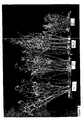
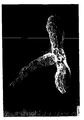
- Rosettes are the putative hexameric cellulose synthase complexes of higher plant plasma membranes (Herth, 1985). Freeze-fractured root cells of Arabidopsis thaliana rsw 1 plants grown at 18°C show cellulose microfibrils and rosettes on the PF face of the plasma membrane that resembles those of wild-type A. thaliana and other angiosperms. Transferring the rsw 1 mutant to 31 °C reduces the number of rosettes in the mutant within 30 min, leading to extensive loss after 3 hours. Plasma membrane particles align in rows on prolonged exposure to the restrictive temperature. In contrast, there is no change in the appearance of cortical microtubules that align cellulose microfibrils, or of Golgi bodies that synthesise other wall polysaccharides and assemble rosettes.
- RSW 1 The effect of mutations in the RSW 1 gene on the synthesis of cellulose and other carbohydrates was assessed by measuring in vivo incorporation of 14 C (supplied as uniformly labelled glucose) into various cell wall fractions.
- Wild type ( RSW 1) and homozygous mutant rsw1 seed were germinated at 21 °C on agar containing Hoagland's nutrients and 1% (w/v) unlabelled glucose. After 5 d, half of the seedlings were transferred to 31 °C for 1 d while the remainder were maintained at 21 °C for the same time. Seedlings were covered with a solution containing Hoagland's nutrients and 14 C-glucose and incubated for a further 3 h at the same temperature.
- Tissue was homogenised in cold, 0.5 M potassium phosphate buffer (0.5M KH 2 PO 4 , pH7.0) and a crude cell wall fraction collected by centrifugation at 2800 rpm.
- the wall fraction was extracted with chloroform/methanol [1:1 (v/v)] at 40°C for 1 hour, followed by a brief incubation at 150°C, to remove lipids.
- the pellet was washed successively with 2ml methanol. 2ml acetone and twice with 2ml of deionised water.
- the pellet was extracted successively with dimethyl sulphoxide under nitrogen to remove starch: 0.5 % ammonium oxalate to remove pectins; 0.1 M KOH and 3 mg/ml NaBH 4 and then with 4 M KOH and 3 mg/ml NaBH 4 to extract hemicelluloses; boiling acetic acid/nitric acid/water [8:1:2 (v/v)], to extract any residual non-cellulosic carbohydrates and leave crystalline cellulose as the final insoluble pellet (Updegraph, 1969). All fractions were analysed by liquid scintillation counting and the counts in each fraction from the mutant were expressed as a percentage of the counts in the wild type under the same conditions.
- the quantity of cellulose and the quantity of a non-crystalline ⁇ -1,4-glucan recovered from the ammonium oxalate fraction were determined for seedlings of wild type Columbia and for backcrossed, homozygous rsw 1 that were grown for either 7 days at 21 °C or alternatively, for 2 days at 21 °C and 5 days at 31°C, on vertical agar plates containing growth medium (Baskin et al., 1992) plus 1% (w/v) glucose, and under continuous light (90 ⁇ mol m -2 s -1 ).
- Roots and shoots were separated from about 150 seedlings, freeze-dried to constant weight and ground in a mortar and pestle with 3 ml of cold 0.5 M potassium phosphate buffer (pH 7.0). The combined homogenate after two buffer rinses (2ml each) was centrifuged at 2800 x g for 10 min. After washing the pellet fraction twice with 2 ml buffer and twice with 2 ml distilled water, the pellet, comprising the crude cell wall fraction, and the pooled supernatants, comprising the phosphate buffer fraction were retained.
- the pellet was successively extracted with: (i)3 ml of DMSO- water 9:1 [v/v], sealed under nitrogen, overnight with shaking, followed by two 2ml extractions using DMSO/water and three 2ml water washes; (ii) 3ml of ammonium oxalate (0.5 %) at 100°C for 1 hour, followed by two water washes; (iii) 3ml of 0.1 M KOH containing lmg/ ml sodium borohydride, for 1 hour at 25 °C (repeated once for root material or twice for shoot material), with a final wash with 2 ml water; (iv) 3 ml of 4 M KOH containing 1 mg/ml sodium borohydride, for 1 hour at 25 °C (repeated once for root material or twice for shoot material). The final pellet was boiled with intermittent stirring in 3 ml of acetic acid-nitric acid-water [8:1:2 (v/v)] (Updegraph 1969), combined
- the insoluble residue of cellulose was solubilised in 67% (v/v) H 2 SO 4 , shown to contain greater than 97% (w/v) glucose using GC/MS (Fisons AS800/MD800) of alditol acetates (verses et al., 1991) and quantified in three independent samples by anthrone/H 2 SO 4 reaction. Results of GC/MS for pooled replica samples are presented in Table 4.
- the non-crystalline ⁇ -1,4-glucan was recovered as the supernatant from the ammonium oxalate fraction when anionic pectins were precipitated by overnight incubation at 37°C with 2% (w/v) cetyltrimethylammonium bromide (CTAB) and collected by centrifugation at 2800 x g for 10 min.
- CTAB cetyltrimethylammonium bromide
- the glucan (250 ⁇ g/ml) or starch (Sigma; 200 ⁇ g/ml) were digested with mixtures of endocellulase (EC 3.2.1.4; Megazyme, Australia) from Trichoderma and almond ⁇ -glucosidase (EC 3.2.1.21; Sigma), or Bacillus sp. ⁇ -amylase (EC 3.2.1.1; Sigma) and rice ⁇ -glucosidase (EC 3.2.1.20; Sigma).
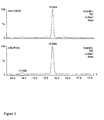
- the material recovered in the supernatant from the ammonium oxalate fraction was shown to contain a pure ⁇ -1,4-glucan by demonstrating that: (i) only glucose was detectable when it was hydrolysed by 2 M TFA in a sealed tube for 1 h at 120°C in an autoclave, the supernatant (2000 g for 5 min) was dried under vacuum at 45 °C to remove TFA and glucose was determined by GC/MS; (ii) methylation (Needs and Selvendran 1993) gave a dominant peak resolved by thin layer chromatography and by GC/MS that was identical to that from a cellulose standard and so indicative of 1,4-linked glucan ( Figure 3); and (iii) the endo-cellulase and ⁇ -1,4-glucosidase mixture released 83 % of the TFA-releasable glucose from the glucan produced by rsw 1 at 31 °C while the ⁇ -amylase/ ⁇ -glucosidas
- the ⁇ -amylase/ ⁇ -glucosidase mixture released 95% of the TFA-releasable glucose from a starch sample, while the endo-cellulase/ ⁇ -1,4-glucosidase mixture released no glucose from starch.
- Extractability of the glucan using ammonium oxalate, and the susceptibility of the glucan to endocellulase/ ⁇ -glucosidase and TFA hydrolysis indicate that the glucan in the rsw 1 mutant is not crystalline, because it is the crystallinity of glucan which makes cellulose resistant to extraction and degradation.
- Table 4 shows the quantity of glucose in cellulose determined by the anthrone/H 2 SO 4 reaction and the quantity in the non-crystalline glucan after TFA hydrolysis, for shoots of wild type and mutant rsw 1 Arabidopsis plants.
- the data indicate that the production of cellulose and of the non-crystalline ⁇ -1,4-glucan can be manipulated by mutational changes in the RSW1 gene.
- the level of starch deposited in the rsw 1 mutant is 4-fold that detectable in the roots of wild-type plants at the restrictive temperature of 31 °C. A similar rise in starch is also seen if the data are expressed as nmol glucose per plant. There is no detectable difference in deposition at starch between rsw 1 plants and wild-type plants at 21°C. TABLE 5 Quantity of starch (nmol glucose per mg dry weight of seedling) extracted from roots of rsw 1 and wild type seedlings Temperature Phenotype Wild-type rsw 1 mutant 21°C 22 18 31°C 37 126
- composition of cell walls in the rsw1 mutant plant compared to wild type plants at the restrictive temperature of 31°C is summarised in Table 6.
- Table 6 Mol% composition of cell walls from shoots of rsw 1 and wild-type seedlings grown at 31°C
- the rsw 1 mutation disassembles cellulose synthase complexes in the plasma membrane, reduces cellulose accumulation and causes ⁇ -1,4-glucan to accumulate in a non-crystalline form.
- the rsw 1 locus in the mutant Arabidopsis thaliana plant described in Example 1 above was mapped to chromosome 4 of A. thaliana using RFLP gene mapping techniques(Chang et al, 1988. Nam et al., 1989) to analyse the F 2 or F 3 progeny derived from a Columbia (Co)/Landsberg (Ler) cross.
- the rsw 1 mutation was shown to be linked genetically to the ga 5 locus, which is a chromosome 4 visual marker in A. thaliana.
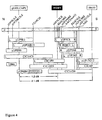
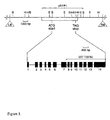
- rsw 1 was localised to an approximately 2.1 cM region between the RFLP markers g8300 and 06455, approximately 1.2cM south of the CAPS (cleaved amplified polymorphic sequence; Konieczny and Ausubel, 1993) version of the g8300 marker ( Figure 4).
- the clones were obtained from Plant Industry, Commonwealth Scientific and Industrial Research Organisation, Canberra, Australia .
- the YACs were positioned in the g8300/06455 interval by hybridisation using known DNA molecular markers (from within the interval) and DNA fragments from the ends of the YACs.
- the length of the interval was estimated to comprise 900kb of DNA.
- Refined gene mapping of recombinants within the region spanned by YAC clones established the genetic distance between the RFLP marker g8300 and the rsw 1 locus.
- the combination of genetic map distance data and the mapping of YAC clones within the region further localised the rsw 1 locus to the YAC clone designated yUP5C8.
- T20782 An Arabidopsis thaliana cDNA clone designated T20782 was obtained from the public Arabidopsis Resource Centre, Ohio State University, 1735 Neil Avenue. Columbus, OH 43210. United States of America.
- the T20782 cDNA clone was localised broadly to the DNA interval on Arabidopsis chromosome 4 between the two markers g8300 and 06455 shown in Figure 4.
- DNA primers (5'-AGAACAGCAGATACACGGA-3' and 5'-CTGAAGAAGGCTGGACAAT-3') designed to the T20782 cDNA nucleotide sequence were used to screen Arabidopsis YAC clone libraries.
- amplification of the YAC clone yUP5C8 using primers derived from T20782 produces a 500bp fragment containing two putative exons identical to part of the T20782 nucleotide sequence, in addition to two intron sequences.
- the cDNA T20782 was considered as a candidate gene involved in cellulose biosynthesis.
- NUCLEOTIDE SEQUENCE ANALYSIS OF THE CDNA CLONE T20782
- the nucleotide sequence of the cDNA clone T20782 is presented in SEQ ID NO: 1.
- the nucleotide sequence was obtained using a Dye Terminator Cycle Sequencing kit (Perkin Elmer cat. #401384) as recommended by the manufacturer.
- Four template clones were used for nucleotide sequencing to generate the sequence listed.
- the first template was the cDNA clone T20782. This template was sequenced using the following sequencing primers:
- the second template clone (T20782 Sph I deletion clone) was constructed by creating a DNA deletion within the T20782 clone.
- the T20782 clone was digested with the restriction enzyme Sph I , the enzyme was heat-killed, the DNA ligated and electroporated into NM522 E. coli host cells.
- the T20782 Sph I deletion clone was then sequenced using a standard M13 forward sequencing primer. Two other deletion clones were made for DNA sequencing in a similar fashion but the restriction enzymes Eco RI and SmaI were used.
- the T20782 EcoRI deletion clone and the T20782 SmaI deletion clone were sequenced using a standard T7 sequencing primer.
- the DNA sequence shown in SEQ ID NO:1 is for one DNA strand only however those skilled in the art will be able to generate the nucleotide sequence of the complementary strand from the data provided.
- amino acid sequence encoded by clone T20782 was derived and is set forth in SEQ ID NO:2.
- the T20782 clone encodes all but the first Aspartate (D) residue of the D, D. D, QXXRW signature conserved in the general architecture of ⁇ -glycosyl transferases.
- T20782 encodes 5 amino acid residues of the D, D, D, QXXRW signature, between amino acid positions 109 and 370 of SEQ ID NO:2.
- the conserved Aspartate. Aspartate, Glutamine. Arginine and Tryptophan amino acid residues are shown below, in bold type, with the local amino acid residues also indicated:
- T20782 clone may encode a ⁇ -glycosyl transferase protein such as the cellulose gene product, cellulose synthase.
- the T20782 potentially codes for a cellulose synthase.
- NUCLEOTIDE SEQUENCE ANALYSIS OF THE GENOMIC CLONE 23H12
- Clone 23H12 contains approximately 21kb of Arabidopsis thaliana genomic DNA in the region between the left border and right border T-DNA sequences, and localises to the RSW 1 candidate YAC yUP5C8.
- Clone 23H12 was isolated by hybridisation using EST20782 insert DNA, from a genomic DNA library made for plant transformation.
- Cosmid 12C4 was also shown to hybridize to the cDNA clone T20782, however this cosmid appears to comprise a partial genomic sequence corresponding to the related Ath- A cDNA sequence set forth in SEQ ID NO:7, for which the corresponding amino acid sequence is set forth in SEQ ID NO:8.
- Nucleotide sequence of 8411bp of genomic DNA in the binary cosmid clone 23H12 was obtained (SEQ ID NO:3) by primer walking along the 23H12 template, using a Dye Terminator Cycle Sequencing kit (Perkin Elmer cat. #401384) as recommended by the manufacturer. The following primers at least, were used for DNA sequencing of the 23H12 clone DNA:
- the structure of the RSW 1 gene contained in cosmid clone 23H12 is also presented in Figure 5. As shown therein, coding sequences in 23H12, from the last 12 bp of exon 7 to the end of exon 14, correspond to the full T20782 cDNA sequence (i.e. SEQ ID NO:1). The nucleotide sequences of the RSW 1 gene comprising exons 1 to 8 were amplified from A.thaliana Columbia double-stranded cDNA, using amplification primers upstream of the RSW 1 start site and a primer internal to the EST clone T20782.
- the RSW 1 transcript comprises a 5'-untranslated sequence of at least 70bp in length, a 3243bp coding region and a 360bp 3'-untranslated region.
- Northern hybridization analyses indicate that the RSW 1 transcript in wild-type A. thaliana roots, leaves and inflorescences is approximately 4.0kb in length, and that a similar transcript size occurs in mutant tissue (data not shown).
- the derived amino acid sequence of the RSW1 polypeptide encoded by the cosmid clone 23H12 is 1081 amino acids in length and contains the entire D, D, D, QXXRW signature characteristic of ⁇ -glycosyl transferase proteins, between amino acid position 395 and amino acid position 822.
- the conserved Aspartate, Glutamine, Arginine and Tryptophan residues are shown below, in bold type, with the local amino acid residues also indicated:
- the 23H12 clone potentially encodes a cellulose synthase.
- the 23H12 construct has an insert of about 21kb in length.
- pRSW1 a genetic construct, designated as pRSW1 comprising the putative RSW1 gene with most of the surrounding DNA deleted, was produced.
- a restriction enzyme (RE) map of the RSW 1 gene insert in pRSW1 is provided in Figure 5.
- the RSW1 gene was subcloned from cosmid 23H12 and cloned into the binary plasmid pBIN 19. Briefly, Escherichia coli cells containing cosmid 23H12 were grown in LB medium supplemented with tetracyclin (3.5 mg/L). Plasmid DNA was prepared by alkaline lysis and digested sequentially with restriction enzymes Pvu II and Sal I . Two co-migrating fragments of 9 kb and 10 kb, respectively, were isolated as a single fraction from a 0.8% (w/v) agarose gel. The RSW1 gene was contained on the 10 kb Pvu II lSal I fragment.
- the 9 kb fragment appeared to be a Pvu II cleavage product not comprising the RSW1 gene.
- the restriction fragments were ligated into pBIN 19 digested with Sma I and Sal I . An aliquot of the ligation mix was introduced by electroporation into E.coli strain XLB1. Colonies resistant to kanamycin (50 mg/L) were selected and subsequently characterised by restriction enzyme analysis to identify those clones which contained only the 10 kb Pvu II/ Sal I fragment comprising the RSW1 gene, in pBIN19.
- Cosmid 23H12 was transferred to Agrobacterium by triparental mating, essentially as described by Ditta et al. (1980). Three bacterial strains as follows were mixed on solid LB medium without antibiotics: Strain I was an E. coli helper strain containing the mobilising plasmid pRK2013, grown to stationary phase; Strain 2 was E.coli containing cosmid 23H12, grown to stationary phase; and Strain 3 was an exponential-phase culture of A. tumefaciens strain AGL1 (Lazo et al., 1991).
- the mixture was allowed to grow over night at 28°C, before an aliquot was streaked out on solid LB medium containing antibiotics (ampicillin 50 mg/L, rifampicin 50 mg/L, tetracyclin 3.5 mg/L) to select for transformed A. tumefaciens AGL1. Resistant colonies appeared after 2-3 days at 28°C and were streaked out once again on selective medium for further purification. Selected colonies were then subcultured in liquid LB medium supplemented with rifampicin (50 mg/L) and tetracyclin (3.5 mg/L) and stored at -80°C.
- antibiotics ampicillin 50 mg/L, rifampicin 50 mg/L, tetracyclin 3.5 mg/L
- Plasmid pRSW1 (initially designated as p2029) was introduced into A. tumefaciens strain AGL1 by electroporation.
- the rsw 1 plant line was transformed with constructs 23H12 and pRSW1 using vacuum infiltration essentially as described by Bechtold et al. (1993).
- rsw radial swelling
- T1 seed transformed rsw 1 seeds obtained as described supra on Hoaglands plates containing 50 ⁇ g/ml kanamycin. Plates containing the transformed seeds were incubated at 21 °C for 10-12 days. Kanamycin-resistant seedlings were transferred to fresh Hoaglands plates containing 50 ⁇ g/ml kanamycin and incubated at 31 °C for 2 days . Following this incubation, the root tip was examined for a radial swelling phenotype.
- the roots of wild-type plants do not show any radial swelling phenotype however, the roots of rsw 1 plants show clear radial swelling at the root tip and also have a short root compared to the wild-type plants.
- determination of the radial swelling phenotype of the transformed plants was indicative of successful complementation of the rsw1 phenotype.
- the cellulose levels have been significantly elevated in the complemented rsw 1 (T2) plants, compared to the cellulose levels measured in the rsw 1 mutant parent plant.
- cellulose levels in the 23H12-transformed plants expressed relative to the fresh weight of plant material or on a per seedling basis, are not significantly different from the cellulose levels of either wild-type Arabidopsis thaliana Columbia plants or A.thaliana Columbia transformed with the binary plasmid pBinl9.
- ⁇ -1,4-glucan levels and starch levels in the 23H12 transformant lines are shown to be similar to the ⁇ -1,4-glucan and starch levels in wild-type plants.
- cDNA clones in an unamplified cDNA library were screened under standard hybridization conditions at 65 °C, using a probe comprising 32 P-labelled DNA amplified from double stranded cDNA.
- hybridization probe the following amplification primers were used:
- Plasmids were rescued from the positively-hybridizing bacteriophage clones, using the Stratagene excision protocol for the ZapExpressTM vector according to the manufacturer's instructions. Colony hybridizations confirmed the identity of the clones.
- Isolated cDNA clones were sequenced by primer walking similar to the method described in Examples 4 and 5 supra.
- a full-length wild-type RSW1 nucleotide sequence was compiled from the nucleotide sequences of two cDNA clones.
- the 3'-end of the cDNA encoding amino acids 453-1081 of RSW1 corresponded to the nucleotide sequence of the EST clone T20782 (SEQ ID NO:1).
- the remaining cDNA sequence, encoding amino acids 1-654 of RSW1 was generated by amplification of the 5'-end from cDNA. using primer 2280-F, which comprises nucleotide sequences approximately 50-70bp upstream of the RSW 1 translation start site in cosmid 23 H12, and primer csp1-R. which comprises nucleotide sequences complementary to nucleotides 588 to 608 of the T20782 clone (SEQ ID NO: 1).
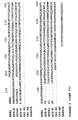
- Figure 10 a schematic representation of the important features of the RSW1 polypeptide which are conserved within A.thaliana and between A.thaliana and other plant species.
- the present inventors have also identified maize, wheat, barley and Brassica ssp. cellulose biosynthetic genes by homology search. Accordingly, the present invention extends to cellulose genes and cellulose biosynthetic polypeptides as hereinbefore defined, derived from any plant species, including A. thaliana, cotton, rice, wheat, barley, maize, Eucalyptus ssp. , Brassica ssp. Pinus ssp., Populus ssp., Picea ssp., hemp, jute and flax, amongst others.
- the full-length rsw1 mutant nucleotide sequence was generated by sequencing two amplified DNA fragments spanning the rsw 1 mutant gene.
- the 5'- end sequence of the cDNA (comprising the 5'-untranslated region and exons 1-11) was amplified using the primer combination 2280-F/csp1-R (Example 7).
- the 3'-end sequence was amplified using the primers EST1-F and cs3-R set forth below:
- the full-length sequence of the mutant rsw 1 transcript is set forth herein as SEQ ID NO: 11.
- a single nucleotide substitution in the rsw 1 mutant nucleotide sequence (nucleotide position 1716 in SEQ ID NO:11), relative to the wild-type RSW 1 nucleotide sequence (nucleotide position 1646 in SEQ ID NO:5), resulting in Ala549 being substituted with Val549 in the mutant polypeptide, may contribute to the altered activity of the RSW1 polypeptide at non-permissive temperatures such as 31°C. Additional amino acid substitutions are also contemplated by the present invention, to alter the activity of the RSW1 polypeptide, or to make the polypeptide temperature-sensitive.
- transgenic plants in which cellulose production is inhibited is provided by the expression of an antisense genetic construct therein.
- Antisense technology is used to target expression of a cellulose gene(s) to reduce the amount of cellulose produced by transgenic plants.
- an antisense plant transformation construct has been engineered to contain the T20782 cDNA insert (or a part thereof) in the antisense orientation and in operable connection with the CaMV 35S promoter present in the binary plasmid pRD410 (Datla et al. 1992). More particularly, the T20782 cDNA clone, which comprises the 3'-end of the wild-type RSW 1 gene, was digested with Xba I and Kpn I and cloned into the kanamycin-resistant derivative of pGEM3zf(-), designated as plasmid, pJKKMf(-).
- the RSW 1 sequence was sub-cloned, in the antisense orientation, into the binary vector pRD410 as a Xba I/ Sac I fragment, thereby replacing the ⁇ -glucuronidase (GUS or uidA) gene. This allows the RSW 1 sequence to be transcribed in the antisense orientation under the control of the CaMV 35S promoter.
- the antisense RSW 1 binary plasmid vector was transferred to Agrobacterium tumefaciens strain AGL1, by triparental mating and selection on rifampicin and kanamycin, as described by Lazo et al. (1991).
- the presence of the RSW1 insert in transformed A.tumefaciens cells was confirmed by Southern hybridization analysis (Southern, 1975). The construct was shown to be free of deletion or rearrangements prior to transformation of plant tissues, by back-transformation into Escherichia coli strain JM101 and restriction digestion analysis.
- T1 seed was screened on MS plates containing 50 ⁇ g/ml kanamycin, to select for plants containing the antisense RSW 1 construct.
- 135 kanamycin-resistant seedlings were identified, of which 91 were transferred into soil and grown at 21 °C under a long-day photoperiod (16hr light; 8hr dark).
- T2 seed from 14 of these 19 lines was plated out onto vertical Hoaglands plates containing kanamycin to determine segregation ratios. Between five and ten seed were plated per transgenic line.
- Control seeds including A. thaliana Columbia containing the binary vector pBIN19 (Bevan, 1984) and segregating 3:1 for kanamycin resistance, and the rsw 1 mutant transformed with the NPT II gene, also segregating 3:1 for kanamycin resistance, were grown under the same conditions. Kanamycin-resistant plants were transferred to soil and grown at 21 °C under long days, until flowering. Untransformed Arabidopsis thaliana Columbia plants were also grown under similar conditions, in the absence of kanamycin.
- a comparison of the morphology of antisense RSW 1 plants grown at 21 °C, to mutant rsw 1 plants grown at the non-permissive temperature (i.e. 31°C) has identified a number of common phenotypes.
- the antisense plants exhibit reduced fertility, inflorescence shortening and have short anthers, compared to wild-type plants, when grown at 21 °C. These phenotypes are also observed in mutant rsw 1 plants grown at 31°C.
- Figure 7 shows the reduced inflorescence (bolt) height in antisense 35S- RSW 1 plants compared to wild-type A. thaliana Columbia plants grown under identical conditions.
- T3 plants which are homozygous for the 35S- RSW 1 antisense construct are generated and the content of cellulose therein is determined as described in Example 1. Plants expressing the antisense construct are shown to have significantly less cellulose in their cell walls, compared to wild-type plants. Additionally, the levels of non-crystalline ⁇ -1,4-glucan and starch are elevated in the cells of antisense plants, compared to otherwise isogenic plant lines which have not been transformed with the antisense genetic construct.
- Total RNA was extracted from 0.2g of leaf tissue derived from 33 kanamycin-resistant T1 plants containing the antisense 35S- RSW 1 genetic construct, essentially according to Longemann et al. (1986).
- Total RNA 25 pg was separated on a 2.2M formaldehyde/agarose gel, blotted onto nylon filters and hybridized to a riboprobe comprising the sense strand sequence of the cDNA clone T20782.
- T7 RNA polymerase was used to transcribe sense RNA from a linearised plasmid template containing T20782, in the presence of [ ⁇ - 32 P]UTP. Hybridizations and subsequent washes were performed as described by Dolferus et al. (1994). Hybridized membranes were exposed to Phosphor screens (Molecular Dynamics, USA).
- the levels of expression of the RSW 1 antisense transcript were determined and compared to the level of fertility observed for the plant lines. As shown in Table 9, the level of antisense gene expression is correlated with the reduced fertility phenotype of the antisense plants. In 13 lines, a very high or high level of expression of the 35S- RSW 1 antisense gene was observed and, in 11 of these lines fertility was reduced. Only lines 2W and 3E which expressed high to very high levels of antisense mRNA, appeared to be fully fertile. In 12 lines which expressed medium levels of antisense mRNA, approximately one-half were fertile and one-half appeared to exhibit reduced fertility.
- the level of cellulose is measured by the 14 C incorporation assay or as acetic/nitric acid insoluble material as described in Example 1 and compared to cellulose production in otherwise isogenic wild-type plants.
- Cellulose production in the transgenic plants is shown to be significantly reduced compared to wild-type plants. The severity of phenotype of the transgenic plants thus produced varies considerably, depending to some extent upon the level of inhibition of cellulose biosynthesis.
- the present inventors have obtained the complete nucleotide sequence of clone S0542 and derived the amino acid sequence encoded therefor.
- the S0542 cDNA is only 1741 bp in length and appears to be a partial cDNA clone because, although it comprises 100bp of 5'-untranslated sequence and contains the ATG start codon, it is truncated at 3'-end and, as a consequence encodes only the first 547 amino acid residues of the rice RSW1 or RSW1-like polypeptide.
- the rice RSW1 sequence set forth in SEQ ID N0:14 appears to contain approximately one-half of the complete amino acid sequence.
- the N-terminal half of the rice RSW1 amino acid sequence is approximately 70% identical to the Arabidopsis thaliana RSW I polypeptide set forth in SEQ ID NO:6, with higher homology (approximately 90%) occurring between amino acid residues 271-547 of the rice sequence.
- S0542 is the rice homologue of the A. thaliana RSW 1 gene. Alignments of rice, A. thaliana and cotton RSW1 amino acid sequences are presented in Figures 9 and 10.
- cDNA and genomic clone libraries are produced using rice mRNA and genomic DNA respectively, and screened by hybridisation using the S0542 or D48636 cDNAs as a probe, essentially as described herein. Positive-hybridising plaques are identified and plaque-purified, during further rounds of screening by hybridisation, to single plaques.
- the rice clones are sequenced as described in the preceding Examples to determine the complete nucleotide sequences of the rice RSW1 genes and derived amino acid sequences therefor. Those skilled in the art will be aware that such gene sequences are useful for the production of transgenic plants, in particular transgenic cereal plants having altered cellulose content and/or quality, using standard techniques. The present invention extends to all such genetic sequences having a sequence as defined in the claims and applications therefor.
- a 32 P-labelled RSW 1 PCR fragment was used to screen approximately 200,000 cDNA clones in a cotton fibre cDNA library.
- the RSW 1 PCR probe was initially amplified from Arabidopsis thaliana wild type cDNA using the primers 2280-F and csp1-R described in the preceding Examples, and then re-amplified using the primer combination 2370-F/csp1-R, also described in the preceding Examples.
- Hybridisations were carried out under low stringency conditions at 55 °C.
- plaques Six putative positive-hybridising plaques were identified in the first screening round. Using two further rounds of screening by hybridisation, four of these plaques were purified to single plaques. Three plaques hybridise very strongly to the RSW1 probe while the fourth plaque hybridises less intensely.
- the positive-hybridising plaques which have been purified are strong candidates for comprising cotton RSW 1 gene sequences or RSW 1-like gene sequences.
- the cotton cDNAs may encode the catalytic subunit of cellulose synthase, because the subunit protein architecture of cellulose synthase appears to be highly conserved among plants as highlighted in the preceding Example.
- cellulose synthase catalytic subunit gene fragments were obtained by amplification using PCR.
- DNA primers were designed to conserved amino acid residues found in the Arabidopsis thaliana RSW 1 and 12C4 amino acid sequences. Three primers were used for PCR. The primers are listed below:
- the primer sets pcsF-I/pcsR-II and pcsF-II/pcsR-11 were used to amplify genetic sequences from pooled Eucalyptus ssp. cDNA.
- primers pcsF-I and pcsR-II were used to generate a fragment approximately 700 bp in length.
- primers pcsF-II and pcsR-II a fragment estimated to 700 bp was obtained.
- the sizes of the PCR fragments are within the size range estimated for the corresponding Arabidopsis thaliana sequences.
- PCR fragments are likely to be related to the Arabidopsis thaliana RSW 1 gene and may encode at least a part of the Eucalyptus ssp. cellulose synthase catalytic subunit.
- the Eucalyptus ssp. PCR clones described herein are sequenced as described in the preceding Examples and used to isolate the corresponding full-length Eucalyptus ssp cDNAs and genomic gene equivalents. Those skilled in the art will be aware that such gene sequences are useful for the production of transgenic plants, in particular transgenic Eucalyptus ssp plants having altered cellulose content and/or quality, using standard techniques. The present invention extends to all such genetic sequences having a sequence as defined in the claims an applications therefor.
- Hemicelluloses such as xyloglucans cross-link cellulose microfibrils by hydrogen bonding to the microfibril surface (Levy et al., 1991). Since the ⁇ -1,4-glucan backbone of xyloglucan is thought to be responsible for hydrogen bonding (with the xylose, galactose and fucose substitutions limiting the capacity to form further hydrogen bonds) we can expect the non-crystalline ⁇ -1,4-glucan also to have a capacity to hydrogen bond and cross link cellulose. The effectiveness of strong alkalis in extracting xyloglucans is thought to relate to their disruption of the hydrogen bonds with cellulose (Hayashi and MacLachlan, 1984).
- the non-crystalline ⁇ -1,4-glucan forms similar associations with the cellulose microfibrils
- the non-crystalline glucan was separated from xyloglucan in the 4 M KOH extract by dialysing the neutralised extract against distilled water and centrifuging at 14000 g for 1 hour.
- the pellet was shown to be a pure ⁇ -1,4-glucan by using the methods for monosaccharide analysis, methylation analysis and enzyme digestion used to characterise the glucan in the ammonium oxalate fraction (see Example 1).
- Table 10 shows the presence of substantial quantities of glucan recovered in pure form in the pellet from 4 M KOH fractions extracted from the overproducing rsw 1 mutant of Arabidopsis thaliana. These data also demonstrate the presence of smaller quantities of non-crystalline ⁇ -1,4-glucan in the 4 M KOH fraction from wild type plants, compared to rsw 1, particularly when grown at 31°C.
- the monosaccharide composition of the supernatant remaining after centrifugation was determined after TFA hydrolysis. These data, and data from methylation analysis, are consistent with the supernatant being a relatively pure xyloglucan. The supernatant was free of glucan, because no glucose could be released by the endocellulase/ ⁇ -glucosidase mixture that released glucose from ⁇ -1,4-glucan.
- the effects on wall mechanical properties of overproducing non-crystalline glucan are shown by transforming plants with the mutant allele of rsw1 (SEQ ID NO:11) operably under the control of either the RSW 1 promoter derived from SEQ ID NO:3 or SEQ ID NO:4 or alternatively, an appropriate constitutive promoter such as the CaMV 35S promoter.
- Production of non-crystalline glucan is quantified by fractionating the cell walls using the methods described above to show in particular that non-crystalline glucan is recovered in the 4 M KOH fraction.
- Mechanical properties of the cell walls are measured using standard methods for fibre analysis to study parameters such as stress-strain curves, and breaking strain, amongst other properties.
- the CaMV 35S promoter sequence is operably connected to the full-length cellulose synthase cDNA which is obtainable by primer extension of SEQ ID NO:1. This is achievable by cloning the full-length cDNA encoding cellulose synthase, in the sense orientation, between the CaMV 35S promoter or other suitable promoter operable in plants and the nopaline synthase terminator sequences of the binary plasmid pBI121.
- the coding part of the genomic gene is cloned, in the sense orientation, between the CaMV 35S promoter and the nopaline synthase terminator sequences of the binary plasmid pBI121.
- the 23H12 binary cosmid clone or the derivative pRSW1, containing the cellulose synthase gene sequence operably under the control of the cellulose synthase gene promoter and terminator sequences is prepared in a form suitable for transformation of plant tissue.
- binary plasmid constructs discussed supra are transformed into Agrobacterium tumefaciens strain AGL1 or other suitable strain.
- the recombinant DNA constructs are then introduced into wild type Arabidopsis thaliana plants (Columbia ecotype), as described in the preceding Examples.
- plant tissue is directly transformed using the vacuum infiltration method described by Beshtold et al. (1993).
- transgenic plants thus produced exhibit a range of phenotypes, partly because of position effects and variable levels of expression of the cellulose synthase transgene.
- Cellulose content in the transgenic plants and isogenic untransformed control plants is determined by the 14 C incorporation assay or as acetic/nitric acid insoluble material as described in Example 1. In general, the level of cellulose deposition and rates of cellulose biosynthesis in the transgenic plants are significantly greater than for untransformed control plants.
- the nucleotide sequence of the RSW1 gene contained in 23H12 is mutated using site-directed mutagenesis, at several positions to alter its catalytic activity or substrate affinity or glucan properties.
- the RSW1 gene is mutated to comprise one or more mutations present in the mutant rsw 1 allele.
- the mutated genetic sequences are cloned into binary plasmid described in the preceding Examples, in place of the wild-type sequences. Plant tissue obtained from both wild-type Arabidopsis thaliana (Columbia) plants and A. thaliana rswl plants is transformed as described herein and whole plants are regenerated.
- Control transformations are performed using the wild-type cellulose synthase gene sequence.
- Plants transformed with genetic constructs described in Example 15 are categorised initially on the basis of number of transgene copies, to eliminate variability arising therefrom. Plants expressing single copies of different transgenes are analysed further for cell wall components, including cellulose non-crystalline ⁇ -1,4-glucan polymer, starch and carbohydrate content.
- Transgenic plants are also analysed to determine the effect of mutagenesis of the RSW 1 gene on the level of starch deposited in their roots.
- the quantity of starch present in material prepared from the crude wall fraction is determined using the anthrone/H 2 SO 4 method described in Example 1.
- the data show that mutating the RSW 1 gene to the mutant rsw 1 allele increases starch deposition. This demonstrates that the gene can be used to alter the partitioning of carbon into carbohydrates other than cellulose.
- the cell wall composition of transgenic plant material is also analysed. Wild type and rsw 1 and transgenic seedlings are grown for 2 d at 21°C and then kept for a further 5 d at either 21°C or 31 °C. With transfer to 31°C when the seed has scarcely germinated, the wall composition at final harvest largely reflects the operation of the mutated rsw 1 gene product at its restrictive temperature.
- Cell wall fractionation is carried out in similar fashion to that described for the 14 C-experiment (Example 1) and the monosaccharide composition of each fraction is quantified by GC/MS after hydrolysis with trifluoroacetic acid or, in the case of crystalline cellulose, H 2 SO 4 .
- the RSW 1 gene is involved in cellulose production and the manipulation of cell wall content.
- the RSW 1 gene is modified in planta, using the chemical mutagen EMS.
- the mutant plants are identified following germination and the modified RSW1 genes are isolated and characterised at the nucleotide sequence level.
- a sequence comparison between the mutant gene sequences and the wild type sequence reveals nucleotides which encode amino acids important to the normal catalytic activity of the cellulose synthase enzyme, at least in Arabidopsis thaliana plants.
- RSW1 therefore qualifies as a member of the large family of Arabidopsis thaliana genes whose members show weak similarities to bacterial cellulose synthase.
- RSW1 is the first member of that family to be rigorously identified as an authentic cellulose synthase.
- A. thaliana At least two genes show very strong sequence similarities to the RSW 1 gene and are most likely members of a highly conserved sub-family involved in cellulose synthesis.
- the closely related sequences come from cosmid 12C4, a partial genomic clone cross-hybridising with EST T20782 designated Ath-A. and from a full length cDNA designated Ath-B.
- Ath-A resembles RSW 1 (SEQ ID NO:5) at its N-terminus whereas Ath- B starts 22 amino acid residues downstream [ Figure 8 and Figure 9(i), (ii) and (iii)].
- Closely related sequences in other angiosperms are the rice EST S0542 [ Figure 9(i), (ii) and (iii)], which resembles the polypeptides encoded by RSW 1 and Ath-A and the cotton cel A1 gene (Pear, 1996) at the N-terminus.
- the Arabidopsis thaliana, rice and cotton genes have regions of very high sequence similarity interspersed with variable regions ( Figures 9 and 10). Most of the highest conservation among those gene products occurs in their central cytoplasmic domain where the weak similarities to the bacterial cellulose synthase occur. The N-terminal region that precedes the first membrane spanning region is probably also cytoplasmic but shows many amino acid substitutions as well as sequences in RSW1 that have no counterpart in some of the other genes as already noted for cel A . An exception to this is a region comprising 7 cysteine residues with highly conserved spacings (Figure 10).
- the monomers seem to remain biosynthetically active but their ⁇ -1,4-glucan products fail to crystallise into microfibrils probably because the chains are growing from dispersed sites. Crystallisation into microfibrils, with all its consequences for wall mechanics and morphogenesis, therefore may depend upon catalytic subunits remaining aggregated as plasma membrane rosettes.
Landscapes
- Health & Medical Sciences (AREA)
- Life Sciences & Earth Sciences (AREA)
- Genetics & Genomics (AREA)
- Engineering & Computer Science (AREA)
- Chemical & Material Sciences (AREA)
- Organic Chemistry (AREA)
- Biotechnology (AREA)
- Wood Science & Technology (AREA)
- Zoology (AREA)
- Molecular Biology (AREA)
- Bioinformatics & Cheminformatics (AREA)
- General Engineering & Computer Science (AREA)
- Biomedical Technology (AREA)
- General Health & Medical Sciences (AREA)
- Biochemistry (AREA)
- Microbiology (AREA)
- Plant Pathology (AREA)
- Biophysics (AREA)
- Cell Biology (AREA)
- Physics & Mathematics (AREA)
- Nutrition Science (AREA)
- Medicinal Chemistry (AREA)
- General Chemical & Material Sciences (AREA)
- Chemical Kinetics & Catalysis (AREA)
- Breeding Of Plants And Reproduction By Means Of Culturing (AREA)
- Micro-Organisms Or Cultivation Processes Thereof (AREA)
- Enzymes And Modification Thereof (AREA)
- Peptides Or Proteins (AREA)
- Polysaccharides And Polysaccharide Derivatives (AREA)
- Medicines Containing Material From Animals Or Micro-Organisms (AREA)
- Medicines That Contain Protein Lipid Enzymes And Other Medicines (AREA)
Applications Claiming Priority (3)
| Application Number | Priority Date | Filing Date | Title |
|---|---|---|---|
| AUPO0699A AUPO069996A0 (en) | 1996-06-27 | 1996-06-27 | Manipulation of plant cellulose |
| AUPO069996 | 1996-06-27 | ||
| PCT/AU1997/000402 WO1998000549A1 (en) | 1996-06-27 | 1997-06-24 | MANIPULATION OF CELLULOSE AND/OR β-1,4-GLUCAN |
Publications (3)
| Publication Number | Publication Date |
|---|---|
| EP0956353A1 EP0956353A1 (en) | 1999-11-17 |
| EP0956353A4 EP0956353A4 (en) | 2002-06-05 |
| EP0956353B1 true EP0956353B1 (en) | 2007-08-22 |
Family
ID=3795015
Family Applications (1)
| Application Number | Title | Priority Date | Filing Date |
|---|---|---|---|
| EP97926920A Expired - Lifetime EP0956353B1 (en) | 1996-06-27 | 1997-06-24 | Manipulation of cellulose. |
Country Status (11)
| Country | Link |
|---|---|
| US (3) | US6495740B1 (https=) |
| EP (1) | EP0956353B1 (https=) |
| JP (1) | JP4068152B2 (https=) |
| AT (1) | ATE371033T1 (https=) |
| AU (1) | AUPO069996A0 (https=) |
| BR (1) | BR9710696B1 (https=) |
| CA (1) | CA2259126C (https=) |
| DE (1) | DE69738049D1 (https=) |
| ES (1) | ES2294797T3 (https=) |
| WO (1) | WO1998000549A1 (https=) |
| ZA (1) | ZA975589B (https=) |
Families Citing this family (206)
| Publication number | Priority date | Publication date | Assignee | Title |
|---|---|---|---|---|
| US6420629B1 (en) * | 1996-09-09 | 2002-07-16 | B.C. Research Inc. | Process of increasing plant growth and yield and modifying cellulose production in plants |
| JP2002510961A (ja) | 1996-10-29 | 2002-04-09 | カルジーン エル エル シー | 植物セルロースシンターゼおよびプロモーター配列 |
| JPH10276782A (ja) * | 1997-04-01 | 1998-10-20 | Nisshinbo Ind Inc | セルロース合成酵素遺伝子 |
| GB9713852D0 (en) * | 1997-06-30 | 1997-09-03 | Univ Cambridge Tech | Plant genes and uses thereof |
| ID24088A (id) * | 1997-07-27 | 2000-07-06 | Yissum Res Dev Co | Tanaman transgenik dengan morfology pengganti dan gen endo-1,4-alpha-glukanasa arabidopsis thaliana terisolasi, a, promoter dan protein |
| DE19752666C2 (de) * | 1997-11-27 | 2002-08-14 | Ipk Inst Fuer Pflanzengenetik | Verfahren zur Herstellung von verändertem Holz und dessen Verwendung |
| WO2000004166A2 (en) * | 1998-07-14 | 2000-01-27 | E.I. Du Pont De Nemours And Company | Plant cellulose synthases |
| US6867352B2 (en) | 1998-07-14 | 2005-03-15 | E. I. Du Pont De Nemours And Company | Plant cellulose synthases |
| EP1847610B1 (en) * | 1998-08-17 | 2012-11-28 | Pioneer Hi-Bred International, Inc. | Maize cellulose synthases and uses thereof |
| US6930225B2 (en) | 1998-08-17 | 2005-08-16 | Pioneer Hi-Bred Int'l Inc. | Maize cellulose synthases and uses thereof |
| US7307149B2 (en) | 1998-08-17 | 2007-12-11 | Pioneer Hi-Bred International, Inc. | Maize cellulose synthases and uses thereof |
| CA2339483C (en) | 1998-08-17 | 2006-01-31 | Pioneer Hi-Bred International, Inc. | Maize cellulose synthases and uses thereof |
| US7179955B2 (en) | 1998-08-17 | 2007-02-20 | Pioneer Hi-Bred International, Inc. | Maize cellulose synthases genes and uses thereof |
| GB9818808D0 (en) * | 1998-08-29 | 1998-10-21 | Cambridge Advanced Tech | Modification of plant fibres |
| GB9911379D0 (en) * | 1999-05-18 | 1999-07-14 | Univ Manchester | Plant cellulose synthase genes |
| NZ515459A (en) * | 1999-05-21 | 2004-09-24 | Univ Michigan Tech | Method for enhancing cellulose and modifying lignin biosynthesis in plants |
| US7049481B1 (en) | 1999-05-21 | 2006-05-23 | Board Of Control Of Michigan Technological University | Cellulose synthase encoding polynucleotides and uses thereof |
| US7674951B1 (en) * | 1999-05-21 | 2010-03-09 | Michigan Technological University | Isolated cellulose synthase promoter regions |
| JP3607919B2 (ja) * | 1999-10-01 | 2005-01-05 | 独立行政法人産業技術総合研究所 | 糸状菌により生産されるセルロース |
| US7241878B1 (en) * | 1999-10-14 | 2007-07-10 | U.S. Department Of Energy | Modified cellulose synthase gene from Arabidopsis thaliana confers herbicide resistance to plants |
| WO2001079516A2 (en) * | 2000-04-14 | 2001-10-25 | Pioneer Hi-Bred International, Inc. | Maize cellulose synthases and uses thereof |
| ATE381575T1 (de) | 2000-08-18 | 2008-01-15 | Univ New York State Res Found | Veränderte borrelia burgdorferi ospa |
| US7067148B2 (en) | 2001-02-15 | 2006-06-27 | King Pharmaceutical Research & Development, Inc. | Stabilized pharmaceutical and thyroid hormone compositions and method of preparation |
| US6555581B1 (en) | 2001-02-15 | 2003-04-29 | Jones Pharma, Inc. | Levothyroxine compositions and methods |
| US7101569B2 (en) | 2001-08-14 | 2006-09-05 | Franz G Andrew | Methods of administering levothyroxine pharmaceutical compositions |
| WO2003026389A2 (en) | 2001-09-27 | 2003-04-03 | Pioneer Hi-Bred International, Inc. | Manipulation of plant polysaccharide synthases |
| NZ535395A (en) | 2002-02-20 | 2009-01-31 | Simplot Co J R | Precise plant breeding using plant DNA border like sequences instead of Agrobacterium borders |
| US7534934B2 (en) * | 2002-02-20 | 2009-05-19 | J.R. Simplot Company | Precise breeding |
| JP2004261015A (ja) * | 2003-02-24 | 2004-09-24 | Oji Paper Co Ltd | 植物細胞壁形成を制御する遺伝子群 |
| US7238512B2 (en) | 2003-10-17 | 2007-07-03 | E. I. Du Pont De Nemours And Company | Method to produce para-hydroxybenzoic acid in the stem tissue of green plants by using a tissue-specific promoter |
| US8129585B2 (en) | 2005-08-03 | 2012-03-06 | Michigan Technological University | Methods for enhancing expression of secondary cell wall cellulose synthases in plants |
| KR100803174B1 (ko) * | 2005-09-05 | 2008-02-14 | 경상대학교산학협력단 | 식물체 스트레스 저항성 부여방법 및 이에 의해 얻어지는 식물체 |
| CL2007003744A1 (es) | 2006-12-22 | 2008-07-11 | Bayer Cropscience Ag | Composicion que comprende un derivado 2-piridilmetilbenzamida y un compuesto insecticida; y metodo para controlar de forma curativa o preventiva hongos fitopatogenos de cultivos e insectos. |
| CL2007003743A1 (es) | 2006-12-22 | 2008-07-11 | Bayer Cropscience Ag | Composicion que comprende fenamidona y un compuesto insecticida; y metodo para controlar de forma curativa o preventiva hongos fitopatogenos de cultivos e insectos. |
| EP1969931A1 (de) | 2007-03-12 | 2008-09-17 | Bayer CropScience Aktiengesellschaft | Fluoalkylphenylamidine und deren Verwendung als Fungizide |
| EP1969929A1 (de) | 2007-03-12 | 2008-09-17 | Bayer CropScience AG | Substituierte Phenylamidine und deren Verwendung als Fungizide |
| BRPI0808846A2 (pt) | 2007-03-12 | 2019-09-24 | Bayer Cropscience Ag | fenoxifenilamidinas 3-substituídas e seu uso como fungicidas |
| WO2008110281A2 (de) * | 2007-03-12 | 2008-09-18 | Bayer Cropscience Ag | 3,4-disubstituierte phenoxyphenylamidine und deren verwendung als fungizide |
| WO2008110279A1 (de) | 2007-03-12 | 2008-09-18 | Bayer Cropscience Ag | Dihalogenphenoxyphenylamidine und deren verwendung als fungizide |
| EP1969930A1 (de) | 2007-03-12 | 2008-09-17 | Bayer CropScience AG | Phenoxyphenylamidine und deren Verwendung als Fungizide |
| EP1969934A1 (de) | 2007-03-12 | 2008-09-17 | Bayer CropScience AG | 4-Cycloalkyl-oder 4-arylsubstituierte Phenoxyphenylamidine und deren Verwendung als Fungizide |
| BRPI0810654B1 (pt) | 2007-04-19 | 2016-10-04 | Bayer Cropscience Ag | tiadiazoliloxifenilamidinas, seu uso e seu método de preparação, composição e método para combate de micro-organismos indesejados, semente resistente a micro-organismo indesejado, bem como método para proteger a dita semente contra micro-organismos |
| DE102007045953B4 (de) | 2007-09-26 | 2018-07-05 | Bayer Intellectual Property Gmbh | Wirkstoffkombinationen mit insektiziden und akariziden Eigenschaften |
| DE102007045922A1 (de) | 2007-09-26 | 2009-04-02 | Bayer Cropscience Ag | Wirkstoffkombinationen mit insektiziden und akariziden Eigenschaften |
| DE102007045956A1 (de) | 2007-09-26 | 2009-04-09 | Bayer Cropscience Ag | Wirkstoffkombination mit insektiziden und akariziden Eigenschaften |
| DE102007045920B4 (de) | 2007-09-26 | 2018-07-05 | Bayer Intellectual Property Gmbh | Synergistische Wirkstoffkombinationen |
| DE102007045919B4 (de) | 2007-09-26 | 2018-07-05 | Bayer Intellectual Property Gmbh | Wirkstoffkombinationen mit insektiziden und akariziden Eigenschaften |
| EP2090168A1 (de) | 2008-02-12 | 2009-08-19 | Bayer CropScience AG | Methode zur Verbesserung des Pflanzenwachstums |
| EP2072506A1 (de) | 2007-12-21 | 2009-06-24 | Bayer CropScience AG | Thiazolyloxyphenylamidine oder Thiadiazolyloxyphenylamidine und deren Verwendung als Fungizide |
| WO2009149094A2 (en) * | 2008-06-02 | 2009-12-10 | University Of Pittsburgh - Of The Commonwealth System Of Higher Education | Cytotoxic t cell defined egfr peptide and an optimized derivative peptide |
| EP2168434A1 (de) | 2008-08-02 | 2010-03-31 | Bayer CropScience AG | Verwendung von Azolen zur Steigerung der Resistenz von Pflanzen oder Pflanzenteilen gegenüber abiotischem Stress |
| MX2011001427A (es) | 2008-08-08 | 2011-06-20 | Bayer Bioscience Nv | Metodos para la caracterizacion e identificacion de fibras vegetales. |
| AU2009281457A1 (en) | 2008-08-14 | 2010-02-18 | Bayer Cropscience Ag | Insecticidal 4-phenyl-1H-pyrazoles |
| DE102008041695A1 (de) | 2008-08-29 | 2010-03-04 | Bayer Cropscience Ag | Methoden zur Verbesserung des Pflanzenwachstums |
| EP2201838A1 (de) | 2008-12-05 | 2010-06-30 | Bayer CropScience AG | Wirkstoff-Nützlings-Kombinationen mit insektiziden und akariziden Eigenschaften |
| EP2198709A1 (de) | 2008-12-19 | 2010-06-23 | Bayer CropScience AG | Verfahren zur Bekämpfung resistenter tierischer Schädlinge |
| US9763451B2 (en) | 2008-12-29 | 2017-09-19 | Bayer Intellectual Property Gmbh | Method for improved use of the production potential of genetically modified plants |
| EP2204094A1 (en) | 2008-12-29 | 2010-07-07 | Bayer CropScience AG | Method for improved utilization of the production potential of transgenic plants Introduction |
| EP2223602A1 (de) | 2009-02-23 | 2010-09-01 | Bayer CropScience AG | Verfahren zur verbesserten Nutzung des Produktionspotentials genetisch modifizierter Pflanzen |
| EP2039770A2 (en) | 2009-01-06 | 2009-03-25 | Bayer CropScience AG | Method for improved utilization of the production potential of transgenic plants |
| EP2039771A2 (en) | 2009-01-06 | 2009-03-25 | Bayer CropScience AG | Method for improved utilization of the production potential of transgenic plants |
| EP2039772A2 (en) | 2009-01-06 | 2009-03-25 | Bayer CropScience AG | Method for improved utilization of the production potential of transgenic plants introduction |
| WO2010081689A2 (en) | 2009-01-19 | 2010-07-22 | Bayer Cropscience Ag | Cyclic diones and their use as insecticides, acaricides and/or fungicides |
| EP2227951A1 (de) | 2009-01-23 | 2010-09-15 | Bayer CropScience AG | Verwendung von Enaminocarbonylverbindungen zur Bekämpfung von durch Insekten übertragenen Viren |
| ES2406131T3 (es) | 2009-01-28 | 2013-06-05 | Bayer Intellectual Property Gmbh | Derivados fungicidas de N-cicloalquil-N-biciclometileno-carboxamina |
| AR075126A1 (es) | 2009-01-29 | 2011-03-09 | Bayer Cropscience Ag | Metodo para el mejor uso del potencial de produccion de plantas transgenicas |
| EP2218717A1 (en) | 2009-02-17 | 2010-08-18 | Bayer CropScience AG | Fungicidal N-((HET)Arylethyl)thiocarboxamide derivatives |
| JP5728735B2 (ja) | 2009-02-17 | 2015-06-03 | バイエル・インテレクチュアル・プロパティ・ゲゼルシャフト・ミット・ベシュレンクテル・ハフツングBayer Intellectual Property GmbH | 殺菌性n−(フェニルシクロアルキル)カルボキサミド、n−(ベンジルシクロアルキル)カルボキサミド及びチオカルボキサミド誘導体 |
| TW201031331A (en) | 2009-02-19 | 2010-09-01 | Bayer Cropscience Ag | Pesticide composition comprising a tetrazolyloxime derivative and a fungicide or an insecticide active substance |
| US8828906B2 (en) | 2009-03-25 | 2014-09-09 | Bayer Cropscience Ag | Active compound combinations having insecticidal and acaricidal properties |
| EP2232995A1 (de) | 2009-03-25 | 2010-09-29 | Bayer CropScience AG | Verfahren zur verbesserten Nutzung des Produktionspotentials transgener Pflanzen |
| CN102448305B (zh) | 2009-03-25 | 2015-04-01 | 拜尔农作物科学股份公司 | 具有杀昆虫和杀螨虫特性的活性成分结合物 |
| CN102395271A (zh) | 2009-03-25 | 2012-03-28 | 拜尔农作物科学股份公司 | 具有杀虫和杀螨特性的活性化合物结合物 |
| MX2011009732A (es) | 2009-03-25 | 2011-09-29 | Bayer Cropscience Ag | Combinaciones de principios activos sinergicas. |
| MA33140B1 (fr) | 2009-03-25 | 2012-03-01 | Bayer Cropscience Ag | Combinaisons d'agents actifs ayant des proprietes insecticides et acaricides |
| JP2010233536A (ja) | 2009-03-31 | 2010-10-21 | Institute Of Physical & Chemical Research | 植物の二次細胞壁形成を促進する方法 |
| EP2239331A1 (en) | 2009-04-07 | 2010-10-13 | Bayer CropScience AG | Method for improved utilization of the production potential of transgenic plants |
| US8835657B2 (en) | 2009-05-06 | 2014-09-16 | Bayer Cropscience Ag | Cyclopentanedione compounds and their use as insecticides, acaricides and/or fungicides |
| EP2251331A1 (en) | 2009-05-15 | 2010-11-17 | Bayer CropScience AG | Fungicide pyrazole carboxamides derivatives |
| AR076839A1 (es) | 2009-05-15 | 2011-07-13 | Bayer Cropscience Ag | Derivados fungicidas de pirazol carboxamidas |
| EP2255626A1 (de) | 2009-05-27 | 2010-12-01 | Bayer CropScience AG | Verwendung von Succinat Dehydrogenase Inhibitoren zur Steigerung der Resistenz von Pflanzen oder Pflanzenteilen gegenüber abiotischem Stress |
| CN102595889A (zh) | 2009-06-02 | 2012-07-18 | 拜耳作物科学公司 | 琥珀酸脱氢酶抑制剂在控制核盘菌属真菌中的应用 |
| KR20120051015A (ko) | 2009-07-16 | 2012-05-21 | 바이엘 크롭사이언스 아게 | 페닐 트리아졸을 함유하는 상승적 활성 물질 배합물 |
| WO2011015524A2 (en) | 2009-08-03 | 2011-02-10 | Bayer Cropscience Ag | Fungicide heterocycles derivatives |
| EP2292094A1 (en) | 2009-09-02 | 2011-03-09 | Bayer CropScience AG | Active compound combinations |
| EP2343280A1 (en) | 2009-12-10 | 2011-07-13 | Bayer CropScience AG | Fungicide quinoline derivatives |
| KR20120102142A (ko) | 2009-12-28 | 2012-09-17 | 바이엘 크롭사이언스 아게 | 살진균제 히드록시모일-헤테로사이클 유도체 |
| CN102725282B (zh) | 2009-12-28 | 2015-12-16 | 拜尔农科股份公司 | 杀真菌剂肟基-四唑衍生物 |
| EP2519103B1 (en) | 2009-12-28 | 2014-08-13 | Bayer Intellectual Property GmbH | Fungicide hydroximoyl-tetrazole derivatives |
| EA022553B1 (ru) | 2010-01-22 | 2016-01-29 | Байер Интеллектуэль Проперти Гмбх | Применение комбинации биологически активных веществ, набор и средство, содержащие комбинацию биологически активных веществ, для борьбы с вредителями животного происхождения и способ улучшения использования продукционного потенциала трансгенного растения |
| ES2523503T3 (es) | 2010-03-04 | 2014-11-26 | Bayer Intellectual Property Gmbh | 2-Amidobencimidazoles sustituidos con fluoroalquilo y su uso para el aumento de la tolerancia al estrés en plantas |
| JP2013523795A (ja) | 2010-04-06 | 2013-06-17 | バイエル・インテレクチユアル・プロパテイー・ゲー・エム・ベー・ハー | 植物のストレス耐性を増強させるための4−フェニル酪酸及び/又はその塩の使用 |
| BR112012025848A2 (pt) | 2010-04-09 | 2015-09-08 | Bayer Ip Gmbh | uso de derivados do ácido (1-cianociclopropil) fenilfosfínico, os ésteres do mesmo e/ou os sais do mesmo para aumentar a tolerância de plantas a estresse abiótico. |
| WO2011134911A2 (en) | 2010-04-28 | 2011-11-03 | Bayer Cropscience Ag | Fungicide hydroximoyl-tetrazole derivatives |
| BR112012027558A2 (pt) | 2010-04-28 | 2015-09-15 | Bayer Cropscience Ag | ''composto da fórmula (i), composição fungicida e método para o controle de fungos fitogênicos de colheitas'' |
| US20130116287A1 (en) | 2010-04-28 | 2013-05-09 | Christian Beier | Fungicide hydroximoyl-heterocycles derivatives |
| WO2011151370A1 (en) | 2010-06-03 | 2011-12-08 | Bayer Cropscience Ag | N-[(het)arylalkyl)] pyrazole (thio)carboxamides and their heterosubstituted analogues |
| UA110703C2 (uk) | 2010-06-03 | 2016-02-10 | Байєр Кропсайнс Аг | Фунгіцидні похідні n-[(тризаміщений силіл)метил]-карбоксаміду |
| AU2011260332B2 (en) | 2010-06-03 | 2014-10-02 | Bayer Cropscience Ag | N-[(het)arylethyl)] pyrazole(thio)carboxamides and their heterosubstituted analogues |
| CN103003246B (zh) | 2010-07-20 | 2015-11-25 | 拜尔农科股份公司 | 作为抗真菌剂的苯并环烯烃 |
| WO2012028578A1 (de) | 2010-09-03 | 2012-03-08 | Bayer Cropscience Ag | Substituierte anellierte pyrimidinone und dihydropyrimidinone |
| BR112013006611B1 (pt) | 2010-09-22 | 2021-01-19 | Bayer Intellectual Property Gmbh | método para o controle do nematoide de cisto de soja (heterodera glycines) infestando uma planta de soja resistente a nematoide compreendendo a aplicação de n- {2- [3-cloro-5- (trifluorometil)-2-piridinil]etil}-2-(trifluorometil) benzamida (fluorpiram |
| EP2460406A1 (en) | 2010-12-01 | 2012-06-06 | Bayer CropScience AG | Use of fluopyram for controlling nematodes in nematode resistant crops |
| US9408391B2 (en) | 2010-10-07 | 2016-08-09 | Bayer Intellectual Property Gmbh | Fungicide composition comprising a tetrazolyloxime derivative and a thiazolylpiperidine derivative |
| BR112013009580B1 (pt) | 2010-10-21 | 2018-06-19 | Bayer Intellectual Property Gmbh | Composto de fómrula (i), composição fungicida e método para controlar fungos fitopatogênicos |
| EP2630135B1 (en) | 2010-10-21 | 2020-03-04 | Bayer Intellectual Property GmbH | 1-(heterocyclic carbonyl) piperidines |
| CA2815117A1 (en) | 2010-11-02 | 2012-05-10 | Bayer Intellectual Property Gmbh | N-hetarylmethyl pyrazolylcarboxamides |
| US20130231303A1 (en) | 2010-11-15 | 2013-09-05 | Bayer Intellectual Property Gmbh | 5-halogenopyrazole(thio)carboxamides |
| CN103391925B (zh) | 2010-11-15 | 2017-06-06 | 拜耳知识产权有限责任公司 | 5‑卤代吡唑甲酰胺 |
| AR083875A1 (es) | 2010-11-15 | 2013-03-27 | Bayer Cropscience Ag | N-aril pirazol(tio)carboxamidas |
| KR20180096815A (ko) | 2010-12-01 | 2018-08-29 | 바이엘 인텔렉쳐 프로퍼티 게엠베하 | 작물에서 선충류를 구제하고 수확량을 증가시키기 위한 플루오피람의 용도 |
| EP2460407A1 (de) | 2010-12-01 | 2012-06-06 | Bayer CropScience AG | Wirkstoffkombinationen umfassend Pyridylethylbenzamide und weitere Wirkstoffe |
| US20130289077A1 (en) | 2010-12-29 | 2013-10-31 | Juergen Benting | Fungicide hydroximoyl-tetrazole derivatives |
| EP2474542A1 (en) | 2010-12-29 | 2012-07-11 | Bayer CropScience AG | Fungicide hydroximoyl-tetrazole derivatives |
| EP2471363A1 (de) | 2010-12-30 | 2012-07-04 | Bayer CropScience AG | Verwendung von Aryl-, Heteroaryl- und Benzylsulfonamidocarbonsäuren, -carbonsäureestern, -carbonsäureamiden und -carbonitrilen oder deren Salze zur Steigerung der Stresstoleranz in Pflanzen |
| EP2494867A1 (de) | 2011-03-01 | 2012-09-05 | Bayer CropScience AG | Halogen-substituierte Verbindungen in Kombination mit Fungiziden |
| BR112013022998A2 (pt) | 2011-03-10 | 2018-07-03 | Bayer Ip Gmbh | método para aprimorar a germinação das sementes. |
| CN103502238A (zh) | 2011-03-14 | 2014-01-08 | 拜耳知识产权有限责任公司 | 杀真菌剂肟基-四唑衍生物 |
| CN103517900A (zh) | 2011-04-08 | 2014-01-15 | 拜耳知识产权有限责任公司 | 杀真菌剂肟基-四唑衍生物 |
| AR090010A1 (es) | 2011-04-15 | 2014-10-15 | Bayer Cropscience Ag | 5-(ciclohex-2-en-1-il)-penta-2,4-dienos y 5-(ciclohex-2-en-1-il)-pent-2-en-4-inos sustituidos como principios activos contra el estres abiotico de las plantas, usos y metodos de tratamiento |
| AR085585A1 (es) | 2011-04-15 | 2013-10-09 | Bayer Cropscience Ag | Vinil- y alquinilciclohexanoles sustituidos como principios activos contra estres abiotico de plantas |
| EP2511255A1 (de) | 2011-04-15 | 2012-10-17 | Bayer CropScience AG | Substituierte Prop-2-in-1-ol- und Prop-2-en-1-ol-Derivate |
| AR085568A1 (es) | 2011-04-15 | 2013-10-09 | Bayer Cropscience Ag | 5-(biciclo[4.1.0]hept-3-en-2-il)-penta-2,4-dienos y 5-(biciclo[4.1.0]hept-3-en-2-il)-pent-2-en-4-inos sustituidos como principios activos contra el estres abiotico de las plantas |
| WO2012143127A1 (en) | 2011-04-22 | 2012-10-26 | Bayer Cropsciences Ag | Active compound combinations comprising a (thio)carboxamide derivative and a fungicidal compound |
| JP2014520776A (ja) | 2011-07-04 | 2014-08-25 | バイエル・インテレクチユアル・プロパテイー・ゲー・エム・ベー・ハー | 植物における非生物的ストレスに対する活性薬剤としての置換されているイソキノリノン類、イソキノリンジオン類、イソキノリントリオン類およびジヒドロイソキノリノン類または各場合でのそれらの塩の使用 |
| IN2014DN00156A (https=) | 2011-08-10 | 2015-05-22 | Bayer Ip Gmbh | |
| BR112014002988A2 (pt) | 2011-08-12 | 2017-03-01 | Bayer Cropscience Nv | expressão específica de célula de proteção de transgenes em algodão |
| WO2013026836A1 (en) | 2011-08-22 | 2013-02-28 | Bayer Intellectual Property Gmbh | Fungicide hydroximoyl-tetrazole derivatives |
| BR112014003919A2 (pt) | 2011-08-22 | 2017-03-14 | Bayer Cropscience Ag | métodos e meios para modificar um genoma de planta |
| EP2561759A1 (en) | 2011-08-26 | 2013-02-27 | Bayer Cropscience AG | Fluoroalkyl-substituted 2-amidobenzimidazoles and their effect on plant growth |
| RU2014113760A (ru) | 2011-09-09 | 2015-10-20 | Байер Интеллекчуал Проперти Гмбх | Ацил-гомосериновые лактоновые производные для повышения урожая растений |
| CN103874681B (zh) | 2011-09-12 | 2017-01-18 | 拜耳知识产权有限责任公司 | 杀真菌性4‑取代的‑3‑{苯基[(杂环基甲氧基)亚氨基]甲基}‑1,2,4‑噁二唑‑5(4h)‑酮衍生物 |
| UA115971C2 (uk) | 2011-09-16 | 2018-01-25 | Байєр Інтеллектуал Проперті Гмбх | Застосування ацилсульфонамідів для покращення врожайності рослин |
| EP2755484A1 (en) | 2011-09-16 | 2014-07-23 | Bayer Intellectual Property GmbH | Use of 5-phenyl- or 5-benzyl-2 isoxazoline-3 carboxylates for improving plant yield |
| AR087873A1 (es) | 2011-09-16 | 2014-04-23 | Bayer Ip Gmbh | Uso de fenilpirazolin-3-carboxilatos para mejorar el rendimiento de las plantas |
| BR112014006940A2 (pt) | 2011-09-23 | 2017-04-04 | Bayer Ip Gmbh | uso de derivados de ácido 1-fenilpirazol-3-carboxílico 4-substituído como agentes contra estresse abiótico em plantas |
| ES2628436T3 (es) | 2011-10-04 | 2017-08-02 | Bayer Intellectual Property Gmbh | ARNi para el control de hongos y oomicetos por la inhibición del gen de sacaropina deshidrogenasa |
| WO2013050324A1 (de) | 2011-10-06 | 2013-04-11 | Bayer Intellectual Property Gmbh | Abiotischen pflanzenstress-reduzierende kombination enthaltend 4- phenylbuttersäure (4-pba) oder eines ihrer salze (komponente (a)) und eine oder mehrere ausgewählte weitere agronomisch wirksame verbindungen (komponente(n) (b) |
| WO2013075817A1 (en) | 2011-11-21 | 2013-05-30 | Bayer Intellectual Property Gmbh | Fungicide n-[(trisubstitutedsilyl)methyl]-carboxamide derivatives |
| US9725414B2 (en) | 2011-11-30 | 2017-08-08 | Bayer Intellectual Property Gmbh | Fungicidal N-bicycloalkyl and N-tricycloalkyl pyrazole-4-(thio)carboxamide derivatives |
| WO2013092519A1 (en) | 2011-12-19 | 2013-06-27 | Bayer Cropscience Ag | Use of anthranilic acid diamide derivatives for pest control in transgenic crops |
| CN104039769B (zh) | 2011-12-29 | 2016-10-19 | 拜耳知识产权有限责任公司 | 杀真菌的3-[(1,3-噻唑-4-基甲氧基亚氨基)(苯基)甲基]-2-取代的-1,2,4-噁二唑-5(2h)-酮衍生物 |
| WO2013098147A1 (en) | 2011-12-29 | 2013-07-04 | Bayer Intellectual Property Gmbh | Fungicidal 3-[(pyridin-2-ylmethoxyimino)(phenyl)methyl]-2-substituted-1,2,4-oxadiazol-5(2h)-one derivatives |
| US9408386B2 (en) | 2012-02-22 | 2016-08-09 | Bayer Intellectual Property Gmbh | Use of succinate dehydrogenase inhibitors (SDHIs) for controlling wood diseases in grape |
| PE20190345A1 (es) | 2012-02-27 | 2019-03-07 | Bayer Ip Gmbh | Combinaciones de compuestos activos |
| WO2013139949A1 (en) | 2012-03-23 | 2013-09-26 | Bayer Intellectual Property Gmbh | Compositions comprising a strigolactame compound for enhanced plant growth and yield |
| US9856512B2 (en) * | 2012-03-26 | 2018-01-02 | The Governing Council Of The University Of Toronto | Compositions, methods, and plant genes for the improved production of fermentable sugars for biofuel production |
| JP2015517996A (ja) | 2012-04-12 | 2015-06-25 | バイエル・クロップサイエンス・アーゲーBayer Cropscience Ag | 殺真菌剤として有用なn−アシル−2−(シクロ)アルキルピロリジンおよびピペリジン |
| AU2013251109B2 (en) | 2012-04-20 | 2017-08-24 | Bayer Cropscience Ag | N-cycloalkyl-N-[(heterocyclylphenyl)methylene]-(thio)carboxamide derivatives |
| EP2838363A1 (en) | 2012-04-20 | 2015-02-25 | Bayer Cropscience AG | N-cycloalkyl-n-[(trisubstitutedsilylphenyl)methylene]-(thio)carboxamide derivatives |
| EP2662362A1 (en) | 2012-05-09 | 2013-11-13 | Bayer CropScience AG | Pyrazole indanyl carboxamides |
| CN104768934B (zh) | 2012-05-09 | 2017-11-28 | 拜耳农作物科学股份公司 | 吡唑茚满基甲酰胺 |
| EP2662363A1 (en) | 2012-05-09 | 2013-11-13 | Bayer CropScience AG | 5-Halogenopyrazole biphenylcarboxamides |
| EP2662364A1 (en) | 2012-05-09 | 2013-11-13 | Bayer CropScience AG | Pyrazole tetrahydronaphthyl carboxamides |
| BR112014027644A2 (pt) | 2012-05-09 | 2017-06-27 | Bayer Cropscience Ag | 5-halogenopirazol-indanil-carboxamidas |
| EP2662360A1 (en) | 2012-05-09 | 2013-11-13 | Bayer CropScience AG | 5-Halogenopyrazole indanyl carboxamides |
| EP2662370A1 (en) | 2012-05-09 | 2013-11-13 | Bayer CropScience AG | 5-Halogenopyrazole benzofuranyl carboxamides |
| EP2662361A1 (en) | 2012-05-09 | 2013-11-13 | Bayer CropScience AG | Pyrazol indanyl carboxamides |
| AR091104A1 (es) | 2012-05-22 | 2015-01-14 | Bayer Cropscience Ag | Combinaciones de compuestos activos que comprenden un derivado lipo-quitooligosacarido y un compuesto nematicida, insecticida o fungicida |
| AU2013289301A1 (en) | 2012-07-11 | 2015-01-22 | Bayer Cropscience Ag | Use of fungicidal combinations for increasing the tolerance of a plant towards abiotic stress |
| US20150216168A1 (en) | 2012-09-05 | 2015-08-06 | Bayer Cropscience Ag | Use of substituted 2-amidobenzimidazoles, 2-amidobenzoxazoles and 2-amidobenzothiazoles or salts thereof as active substances against abiotic plant stress |
| CN105357968A (zh) | 2012-10-19 | 2016-02-24 | 拜尔农科股份公司 | 包含羧酰胺衍生物的活性化合物复配物 |
| PL2908640T3 (pl) | 2012-10-19 | 2020-06-29 | Bayer Cropscience Ag | Sposób stymulowania wzrostu roślin przy pomocy pochodnych karboksamidu |
| CA2888559C (en) | 2012-10-19 | 2021-03-02 | Bayer Cropscience Ag | Method for enhancing tolerance to abiotic stress in plants using carboxamide or thiocarboxamide derivatives |
| ES2665320T3 (es) | 2012-10-19 | 2018-04-25 | Bayer Cropscience Ag | Procedimiento de tratamiento de plantas contra hongos resistentes a fungicidas usando derivados de carboxamida o de tiocarboxamida |
| EP2735231A1 (en) | 2012-11-23 | 2014-05-28 | Bayer CropScience AG | Active compound combinations |
| WO2014079957A1 (de) | 2012-11-23 | 2014-05-30 | Bayer Cropscience Ag | Selektive inhibition der ethylensignaltransduktion |
| BR112015012473A2 (pt) | 2012-11-30 | 2017-07-11 | Bayer Cropscience Ag | misturas binárias pesticidas e fungicidas |
| WO2014083088A2 (en) | 2012-11-30 | 2014-06-05 | Bayer Cropscience Ag | Binary fungicidal mixtures |
| EP2925134B1 (en) | 2012-11-30 | 2019-12-25 | Bayer CropScience AG | Ternary fungicidal mixtures |
| EP2925138A1 (en) | 2012-11-30 | 2015-10-07 | Bayer CropScience AG | Ternary fungicidal and pesticidal mixtures |
| WO2014083033A1 (en) | 2012-11-30 | 2014-06-05 | Bayer Cropsience Ag | Binary fungicidal or pesticidal mixture |
| EP2740356A1 (de) | 2012-12-05 | 2014-06-11 | Bayer CropScience AG | Substituierte (2Z)-5(1-Hydroxycyclohexyl)pent-2-en-4-insäure-Derivate |
| EP2740720A1 (de) | 2012-12-05 | 2014-06-11 | Bayer CropScience AG | Substituierte bicyclische- und tricyclische Pent-2-en-4-insäure -Derivate und ihre Verwendung zur Steigerung der Stresstoleranz in Pflanzen |
| WO2014086751A1 (de) | 2012-12-05 | 2014-06-12 | Bayer Cropscience Ag | Verwendung substituierter 1-(arylethinyl)-, 1-(heteroarylethinyl)-, 1-(heterocyclylethinyl)- und 1-(cyloalkenylethinyl)-cyclohexanole als wirkstoffe gegen abiotischen pflanzenstress |
| AR093909A1 (es) | 2012-12-12 | 2015-06-24 | Bayer Cropscience Ag | Uso de ingredientes activos para controlar nematodos en cultivos resistentes a nematodos |
| AR093996A1 (es) | 2012-12-18 | 2015-07-01 | Bayer Cropscience Ag | Combinaciones bactericidas y fungicidas binarias |
| BR112015014307A2 (pt) | 2012-12-19 | 2017-07-11 | Bayer Cropscience Ag | difluorometil-nicotínico- tetrahidronaftil carboxamidas |
| JP2016515100A (ja) | 2013-03-07 | 2016-05-26 | バイエル・クロップサイエンス・アクチェンゲゼルシャフト | 殺菌性3−{フェニル[(ヘテロシクリルメトキシ)イミノ]メチル}−ヘテロ環誘導体 |
| CA2909213A1 (en) | 2013-04-12 | 2014-10-16 | Bayer Cropscience Aktiengesellschaft | Novel triazole derivatives |
| EP2984080B1 (en) | 2013-04-12 | 2017-08-30 | Bayer CropScience Aktiengesellschaft | Novel triazolinthione derivatives |
| BR112015026235A2 (pt) | 2013-04-19 | 2017-10-10 | Bayer Cropscience Ag | método para melhorar a utilização do potencial de produção de plantas transgênicas envolvendo a aplicação de um derivado de ftaldiamida |
| US9554573B2 (en) | 2013-04-19 | 2017-01-31 | Bayer Cropscience Aktiengesellschaft | Binary insecticidal or pesticidal mixture |
| TW201507722A (zh) | 2013-04-30 | 2015-03-01 | Bayer Cropscience Ag | 做為殺線蟲劑及殺體內寄生蟲劑的n-(2-鹵素-2-苯乙基)-羧醯胺類 |
| WO2014177514A1 (en) | 2013-04-30 | 2014-11-06 | Bayer Cropscience Ag | Nematicidal n-substituted phenethylcarboxamides |
| WO2014184196A1 (en) | 2013-05-14 | 2014-11-20 | Bayer Cropscience Nv | Enhanced selective expression of transgenes in fiber producing plants |
| US9770022B2 (en) | 2013-06-26 | 2017-09-26 | Bayer Cropscience Ag | N-cycloalkyl-N-[(bicyclylphenyl)methylene]-(thio)carboxamide derivatives |
| WO2015004040A1 (de) | 2013-07-09 | 2015-01-15 | Bayer Cropscience Ag | Verwendung ausgewählter pyridoncarboxamide oder deren salzen als wirkstoffe gegen abiotischen pflanzenstress |
| MX380499B (es) | 2013-09-24 | 2025-03-12 | Bayer Cropscience Nv | Hetero-transglicosilasa novedosa y usos de la misma. |
| CN105793243A (zh) | 2013-12-05 | 2016-07-20 | 拜耳作物科学股份公司 | N-环烷基-n-{[2-(1-取代的环烷基)苯基]亚甲基}-(硫代)甲酰胺衍生物 |
| US10071967B2 (en) | 2013-12-05 | 2018-09-11 | Bayer Cropscience Aktiengesellschaft | N-cycloalkyl-N-{[2-(1-substitutedcycloalkyl)phenyl]methylene}-(thio)carboxamide derivatives |
| EP2936983A1 (de) | 2014-04-25 | 2015-10-28 | Bayer CropScience AG | Wirkstoffe zur Ertragssteigerung in Baumwollkulturen |
| AR101214A1 (es) | 2014-07-22 | 2016-11-30 | Bayer Cropscience Ag | Ciano-cicloalquilpenta-2,4-dienos, ciano-cicloalquilpent-2-en-4-inas, ciano-heterociclilpenta-2,4-dienos y ciano-heterociclilpent-2-en-4-inas sustituidos como principios activos contra el estrés abiótico de plantas |
| AR103024A1 (es) | 2014-12-18 | 2017-04-12 | Bayer Cropscience Ag | Piridoncarboxamidas seleccionadas o sus sales como sustancias activas contra estrés abiótico de las plantas |
| EP3283476B1 (en) | 2015-04-13 | 2019-08-14 | Bayer Cropscience AG | N-cycloalkyl-n-(biheterocyclyethylene)-(thio)carboxamide derivatives |
| WO2017068544A1 (en) * | 2015-10-22 | 2017-04-27 | Basf Se | Plants having increased tolerance to herbicides |
| RU2612210C1 (ru) * | 2016-02-10 | 2017-03-03 | Федеральное государственное бюджетное научное учреждение "Донской зональный научно-исследовательский институт сельского хозяйства" (ФГБНУ "ДЗНИИСХ") | Способ получения жидкого гуминового препарата |
| BR112019001764A2 (pt) | 2016-07-29 | 2019-05-07 | Bayer Cropscience Ag | combinações de compostos ativos e métodos para proteção de material de propagação de plantas |
| CN109715621A (zh) | 2016-09-22 | 2019-05-03 | 拜耳作物科学股份公司 | 新的三唑衍生物 |
| US20190281828A1 (en) | 2016-09-22 | 2019-09-19 | Bayer Cropscience Aktiengesellschaft | Novel triazole derivatives |
| WO2018077711A2 (en) | 2016-10-26 | 2018-05-03 | Bayer Cropscience Aktiengesellschaft | Use of pyraziflumid for controlling sclerotinia spp in seed treatment applications |
| RU2755433C2 (ru) | 2016-12-08 | 2021-09-16 | Байер Кропсайенс Акциенгезельшафт | Применение инсектицидов для борьбы с проволочниками |
| WO2018108627A1 (de) | 2016-12-12 | 2018-06-21 | Bayer Cropscience Aktiengesellschaft | Verwendung substituierter indolinylmethylsulfonamide oder deren salze zur steigerung der stresstoleranz in pflanzen |
| EP3332645A1 (de) | 2016-12-12 | 2018-06-13 | Bayer Cropscience AG | Verwendung substituierter pyrimidindione oder jeweils deren salze als wirkstoffe gegen abiotischen pflanzenstress |
| WO2019025153A1 (de) | 2017-07-31 | 2019-02-07 | Bayer Cropscience Aktiengesellschaft | Verwendung von substituierten n-sulfonyl-n'-aryldiaminoalkanen und n-sulfonyl-n'-heteroaryldiaminoalkanen oder deren salzen zur steigerung der stresstoleranz in pflanzen |
| EP3802521A1 (de) | 2018-06-04 | 2021-04-14 | Bayer Aktiengesellschaft | Herbizid wirksame bizyklische benzoylpyrazole |
Family Cites Families (14)
| Publication number | Priority date | Publication date | Assignee | Title |
|---|---|---|---|---|
| US562836A (en) * | 1896-06-30 | Voting-machine | ||
| US875575A (en) * | 1907-01-11 | 1907-12-31 | Simeon G Gay | Wagon tongue or pole. |
| US5268274A (en) * | 1989-04-12 | 1993-12-07 | Cetus Corporation | Methods and nucleic acid sequences for the expression of the cellulose synthase operon |
| WO1990012098A2 (en) * | 1989-04-12 | 1990-10-18 | Cetus Corporation | Methods and nucleic acid sequences for the expression of the cellulose synthase operon |
| WO1991013988A1 (en) * | 1990-03-15 | 1991-09-19 | The Board Of Regents, The University Of Texas System | RECOMBINANT β-1,4 GLUCAN SYNTHASE PROTEINS |
| JP2898499B2 (ja) | 1992-03-26 | 1999-06-02 | 寳酒造株式会社 | エンド型キシログルカン転移酵素遺伝子 |
| US5712107A (en) | 1995-06-07 | 1998-01-27 | Pioneer Hi-Bred International, Inc. | Substitutes for modified starch and latexes in paper manufacture |
| US5723764A (en) | 1995-06-07 | 1998-03-03 | Pioneer Hi-Bred International, Inc. | Cellulose synthesis in the storage tissue of transgenic plants |
| GB9605274D0 (en) | 1996-03-13 | 1996-05-15 | Danisco | An enzyme |
| JP2002510961A (ja) | 1996-10-29 | 2002-04-09 | カルジーン エル エル シー | 植物セルロースシンターゼおよびプロモーター配列 |
| JP2001511007A (ja) | 1997-02-10 | 2001-08-07 | カナダ国 | 低温誘発性甘味増加の減少を伴うαグルカンL−タイプまたはH−タイプ塊茎ホスホリラーゼのレベルの低下したトランスジェニックポテト |
| JPH10276782A (ja) | 1997-04-01 | 1998-10-20 | Nisshinbo Ind Inc | セルロース合成酵素遺伝子 |
| CA2283719A1 (en) | 1997-04-04 | 1998-10-15 | Exseed Genetics, Llc | Plant like starches and the method of making them in hosts |
| JP4817403B2 (ja) * | 1999-12-20 | 2011-11-16 | ローム アンド ハース カンパニー | 肥大化ラテックスの製造方法 |
-
1996
- 1996-06-27 AU AUPO0699A patent/AUPO069996A0/en not_active Abandoned
-
1997
- 1997-06-24 ES ES97926920T patent/ES2294797T3/es not_active Expired - Lifetime
- 1997-06-24 EP EP97926920A patent/EP0956353B1/en not_active Expired - Lifetime
- 1997-06-24 DE DE69738049T patent/DE69738049D1/de not_active Expired - Lifetime
- 1997-06-24 AT AT97926920T patent/ATE371033T1/de not_active IP Right Cessation
- 1997-06-24 ZA ZA9705589A patent/ZA975589B/xx unknown
- 1997-06-24 WO PCT/AU1997/000402 patent/WO1998000549A1/en not_active Ceased
- 1997-06-24 JP JP50366598A patent/JP4068152B2/ja not_active Expired - Fee Related
- 1997-06-24 BR BRPI9710696-8A patent/BR9710696B1/pt not_active IP Right Cessation
- 1997-06-24 CA CA002259126A patent/CA2259126C/en not_active Expired - Fee Related
-
1998
- 1998-12-23 US US09/221,013 patent/US6495740B1/en not_active Expired - Fee Related
-
2002
- 2002-08-26 US US10/229,193 patent/US7154026B2/en not_active Expired - Fee Related
-
2006
- 2006-05-10 US US11/433,916 patent/US20060236428A1/en not_active Abandoned
Non-Patent Citations (1)
| Title |
|---|
| None * |
Also Published As
| Publication number | Publication date |
|---|---|
| US7154026B2 (en) | 2006-12-26 |
| EP0956353A1 (en) | 1999-11-17 |
| JP2001510326A (ja) | 2001-07-31 |
| BR9710696B1 (pt) | 2011-03-09 |
| ATE371033T1 (de) | 2007-09-15 |
| AUPO069996A0 (en) | 1996-07-18 |
| CA2259126C (en) | 2009-03-03 |
| US20030126643A1 (en) | 2003-07-03 |
| DE69738049D1 (de) | 2007-10-04 |
| JP4068152B2 (ja) | 2008-03-26 |
| EP0956353A4 (en) | 2002-06-05 |
| CA2259126A1 (en) | 1998-01-08 |
| BR9710696C1 (pt) | 2000-06-06 |
| US6495740B1 (en) | 2002-12-17 |
| US20060236428A1 (en) | 2006-10-19 |
| WO1998000549A1 (en) | 1998-01-08 |
| BR9710696A (pt) | 1999-08-17 |
| ZA975589B (en) | 1998-06-10 |
| ES2294797T3 (es) | 2008-04-01 |
Similar Documents
| Publication | Publication Date | Title |
|---|---|---|
| EP0956353B1 (en) | Manipulation of cellulose. | |
| US7001771B1 (en) | Genes encoding wheat starch synthases and uses thereof | |
| US10597669B2 (en) | Method of reducing acetylation in plants to improve biofuel production | |
| US8173866B1 (en) | Modulation of plant xylan synthases | |
| EP0975765B1 (en) | Plant fatty acid epoxygenase genes and uses therefor | |
| HUT70977A (en) | Dna sequences waich lead to the formation of polyfructans (levans) plasmids containing these sequences as' wells as a process for preparing transgenic plants | |
| PL170467B1 (pl) | Sposób wytwarzania polihydroksyalkanonianów PL | |
| WO1999012950A9 (en) | Improvements in or relating to stability of plant starches | |
| CN103237895A (zh) | 具有提高的糖化产率的转基因植物以及产生其的方法 | |
| WO2011163659A2 (en) | Plants with altered levels of vegetative starch | |
| AU720423B2 (en) | Manipulation of cellulose and/or beta-1,4-glucan | |
| WO1998055596A1 (en) | Use of genes encoding xylan synthase to modify plant cell wall composition | |
| US9932601B2 (en) | Inhibition of Snl6 expression for biofuel production | |
| WO1998045412A1 (en) | Fructokinase genes and their use in metabolic engineering of fruit sweetness | |
| WO2000016609A9 (en) | Novel method of regulating seed development in plants and genetic sequences therefor | |
| AU780523B2 (en) | Novel genes encoding wheat starch synthases and uses therefor | |
| US20020026658A1 (en) | Genes encoding sinapoylglucose: malate sinapoyltransferase and methods of use | |
| AU2011270679B2 (en) | Plants with altered levels of vegetative starch | |
| WO2000003006A1 (en) | Sucrose biosynthesis genes and uses therefor | |
| AU4762499A (en) | Sucrose biosynthesis genes and uses therefor |
Legal Events
| Date | Code | Title | Description |
|---|---|---|---|
| PUAI | Public reference made under article 153(3) epc to a published international application that has entered the european phase |
Free format text: ORIGINAL CODE: 0009012 |
|
| 17P | Request for examination filed |
Effective date: 19990126 |
|
| AK | Designated contracting states |
Kind code of ref document: A1 Designated state(s): AT BE CH DE DK ES FI FR GB GR IE IT LI LU MC NL PT SE |
|
| RTI1 | Title (correction) |
Free format text: MANIPULATION OF CELLULOSE AND/OR BETA-1,4-GLUCAN |
|
| RIC1 | Information provided on ipc code assigned before grant |
Free format text: 7C 12N 15/54 A, 7C 12N 15/82 B, 7C 12N 15/11 B, 7C 12N 15/29 B, 7C 12P 19/18 B, 7C 07K 16/40 B, 7A 01H 5/00 B |
|
| A4 | Supplementary search report drawn up and despatched |
Effective date: 20020418 |
|
| AK | Designated contracting states |
Kind code of ref document: A4 Designated state(s): AT BE CH DE DK ES FI FR GB GR IE IT LI LU MC NL PT SE |
|
| 17Q | First examination report despatched |
Effective date: 20030626 |
|
| GRAP | Despatch of communication of intention to grant a patent |
Free format text: ORIGINAL CODE: EPIDOSNIGR1 |
|
| RIC1 | Information provided on ipc code assigned before grant |
Ipc: A01H 5/00 20060101ALI20070117BHEP Ipc: C07K 16/40 20060101ALI20070117BHEP Ipc: C12P 19/18 20060101ALI20070117BHEP Ipc: C12N 15/11 20060101ALI20070117BHEP Ipc: C12N 15/82 20060101AFI20070117BHEP |
|
| RTI1 | Title (correction) |
Free format text: MANIPULATION OF CELLULOSE. |
|
| GRAS | Grant fee paid |
Free format text: ORIGINAL CODE: EPIDOSNIGR3 |
|
| GRAA | (expected) grant |
Free format text: ORIGINAL CODE: 0009210 |
|
| AK | Designated contracting states |
Kind code of ref document: B1 Designated state(s): AT BE CH DE DK ES FI FR GB GR IE IT LI LU MC NL PT SE |
|
| REG | Reference to a national code |
Ref country code: GB Ref legal event code: FG4D |
|
| REG | Reference to a national code |
Ref country code: CH Ref legal event code: EP |
|
| REG | Reference to a national code |
Ref country code: IE Ref legal event code: FG4D |
|
| REF | Corresponds to: |
Ref document number: 69738049 Country of ref document: DE Date of ref document: 20071004 Kind code of ref document: P |
|
| REG | Reference to a national code |
Ref country code: GR Ref legal event code: EP Ref document number: 20070403513 Country of ref document: GR |
|
| PG25 | Lapsed in a contracting state [announced via postgrant information from national office to epo] |
Ref country code: NL Free format text: LAPSE BECAUSE OF FAILURE TO SUBMIT A TRANSLATION OF THE DESCRIPTION OR TO PAY THE FEE WITHIN THE PRESCRIBED TIME-LIMIT Effective date: 20070822 Ref country code: FI Free format text: LAPSE BECAUSE OF FAILURE TO SUBMIT A TRANSLATION OF THE DESCRIPTION OR TO PAY THE FEE WITHIN THE PRESCRIBED TIME-LIMIT Effective date: 20070822 |
|
| NLV1 | Nl: lapsed or annulled due to failure to fulfill the requirements of art. 29p and 29m of the patents act | ||
| PG25 | Lapsed in a contracting state [announced via postgrant information from national office to epo] |
Ref country code: AT Free format text: LAPSE BECAUSE OF FAILURE TO SUBMIT A TRANSLATION OF THE DESCRIPTION OR TO PAY THE FEE WITHIN THE PRESCRIBED TIME-LIMIT Effective date: 20070822 Ref country code: CH Free format text: LAPSE BECAUSE OF FAILURE TO SUBMIT A TRANSLATION OF THE DESCRIPTION OR TO PAY THE FEE WITHIN THE PRESCRIBED TIME-LIMIT Effective date: 20070822 Ref country code: LI Free format text: LAPSE BECAUSE OF FAILURE TO SUBMIT A TRANSLATION OF THE DESCRIPTION OR TO PAY THE FEE WITHIN THE PRESCRIBED TIME-LIMIT Effective date: 20070822 |
|
| REG | Reference to a national code |
Ref country code: CH Ref legal event code: PL |
|
| PG25 | Lapsed in a contracting state [announced via postgrant information from national office to epo] |
Ref country code: BE Free format text: LAPSE BECAUSE OF FAILURE TO SUBMIT A TRANSLATION OF THE DESCRIPTION OR TO PAY THE FEE WITHIN THE PRESCRIBED TIME-LIMIT Effective date: 20070822 |
|
| REG | Reference to a national code |
Ref country code: ES Ref legal event code: FG2A Ref document number: 2294797 Country of ref document: ES Kind code of ref document: T3 |
|
| EN | Fr: translation not filed | ||
| PG25 | Lapsed in a contracting state [announced via postgrant information from national office to epo] |
Ref country code: DK Free format text: LAPSE BECAUSE OF FAILURE TO SUBMIT A TRANSLATION OF THE DESCRIPTION OR TO PAY THE FEE WITHIN THE PRESCRIBED TIME-LIMIT Effective date: 20070822 |
|
| PG25 | Lapsed in a contracting state [announced via postgrant information from national office to epo] |
Ref country code: PT Free format text: LAPSE BECAUSE OF FAILURE TO SUBMIT A TRANSLATION OF THE DESCRIPTION OR TO PAY THE FEE WITHIN THE PRESCRIBED TIME-LIMIT Effective date: 20080122 |
|
| PLBE | No opposition filed within time limit |
Free format text: ORIGINAL CODE: 0009261 |
|
| STAA | Information on the status of an ep patent application or granted ep patent |
Free format text: STATUS: NO OPPOSITION FILED WITHIN TIME LIMIT |
|
| PG25 | Lapsed in a contracting state [announced via postgrant information from national office to epo] |
Ref country code: SE Free format text: LAPSE BECAUSE OF FAILURE TO SUBMIT A TRANSLATION OF THE DESCRIPTION OR TO PAY THE FEE WITHIN THE PRESCRIBED TIME-LIMIT Effective date: 20071122 |
|
| 26N | No opposition filed |
Effective date: 20080526 |
|
| PG25 | Lapsed in a contracting state [announced via postgrant information from national office to epo] |
Ref country code: DE Free format text: LAPSE BECAUSE OF FAILURE TO SUBMIT A TRANSLATION OF THE DESCRIPTION OR TO PAY THE FEE WITHIN THE PRESCRIBED TIME-LIMIT Effective date: 20071123 |
|
| PG25 | Lapsed in a contracting state [announced via postgrant information from national office to epo] |
Ref country code: MC Free format text: LAPSE BECAUSE OF NON-PAYMENT OF DUE FEES Effective date: 20080630 |
|
| GBPC | Gb: european patent ceased through non-payment of renewal fee |
Effective date: 20080624 |
|
| PG25 | Lapsed in a contracting state [announced via postgrant information from national office to epo] |
Ref country code: IE Free format text: LAPSE BECAUSE OF NON-PAYMENT OF DUE FEES Effective date: 20080624 |
|
| PG25 | Lapsed in a contracting state [announced via postgrant information from national office to epo] |
Ref country code: GB Free format text: LAPSE BECAUSE OF NON-PAYMENT OF DUE FEES Effective date: 20080624 |
|
| PG25 | Lapsed in a contracting state [announced via postgrant information from national office to epo] |
Ref country code: LU Free format text: LAPSE BECAUSE OF NON-PAYMENT OF DUE FEES Effective date: 20080624 |
|
| PG25 | Lapsed in a contracting state [announced via postgrant information from national office to epo] |
Ref country code: IT Free format text: LAPSE BECAUSE OF NON-PAYMENT OF DUE FEES Effective date: 20080630 |
|
| PG25 | Lapsed in a contracting state [announced via postgrant information from national office to epo] |
Ref country code: FR Free format text: LAPSE BECAUSE OF FAILURE TO SUBMIT A TRANSLATION OF THE DESCRIPTION OR TO PAY THE FEE WITHIN THE PRESCRIBED TIME-LIMIT Effective date: 20080418 |
|
| PGFP | Annual fee paid to national office [announced via postgrant information from national office to epo] |
Ref country code: ES Payment date: 20120726 Year of fee payment: 16 |
|
| PGFP | Annual fee paid to national office [announced via postgrant information from national office to epo] |
Ref country code: GR Payment date: 20130514 Year of fee payment: 17 |
|
| REG | Reference to a national code |
Ref country code: GR Ref legal event code: ML Ref document number: 20070403513 Country of ref document: GR Effective date: 20150105 |
|
| PG25 | Lapsed in a contracting state [announced via postgrant information from national office to epo] |
Ref country code: GR Free format text: LAPSE BECAUSE OF NON-PAYMENT OF DUE FEES Effective date: 20150105 |
|
| REG | Reference to a national code |
Ref country code: ES Ref legal event code: FD2A Effective date: 20150728 |
|
| PG25 | Lapsed in a contracting state [announced via postgrant information from national office to epo] |
Ref country code: ES Free format text: LAPSE BECAUSE OF NON-PAYMENT OF DUE FEES Effective date: 20140625 |