EP3798237A1 - Compositions and methods for targeted immunomodulatory antibodies and fusion proteins - Google Patents
Compositions and methods for targeted immunomodulatory antibodies and fusion proteins Download PDFInfo
- Publication number
- EP3798237A1 EP3798237A1 EP20205164.5A EP20205164A EP3798237A1 EP 3798237 A1 EP3798237 A1 EP 3798237A1 EP 20205164 A EP20205164 A EP 20205164A EP 3798237 A1 EP3798237 A1 EP 3798237A1
- Authority
- EP
- European Patent Office
- Prior art keywords
- tumor
- molecule
- cells
- antibody
- seq
- Prior art date
- Legal status (The legal status is an assumption and is not a legal conclusion. Google has not performed a legal analysis and makes no representation as to the accuracy of the status listed.)
- Pending
Links
Images
























Classifications
-
- C—CHEMISTRY; METALLURGY
- C07—ORGANIC CHEMISTRY
- C07K—PEPTIDES
- C07K16/00—Immunoglobulins [IG], e.g. monoclonal or polyclonal antibodies
- C07K16/18—Immunoglobulins [IG], e.g. monoclonal or polyclonal antibodies against material from animals or humans
- C07K16/28—Immunoglobulins [IG], e.g. monoclonal or polyclonal antibodies against material from animals or humans against receptors, cell surface antigens or cell surface determinants
- C07K16/2803—Immunoglobulins [IG], e.g. monoclonal or polyclonal antibodies against material from animals or humans against receptors, cell surface antigens or cell surface determinants against the immunoglobulin superfamily
- C07K16/2827—Immunoglobulins [IG], e.g. monoclonal or polyclonal antibodies against material from animals or humans against receptors, cell surface antigens or cell surface determinants against the immunoglobulin superfamily against B7 molecules, e.g. CD80, CD86
-
- A—HUMAN NECESSITIES
- A61—MEDICAL OR VETERINARY SCIENCE; HYGIENE
- A61K—PREPARATIONS FOR MEDICAL, DENTAL OR TOILETRY PURPOSES
- A61K31/00—Medicinal preparations containing organic active ingredients
- A61K31/70—Carbohydrates; Sugars; Derivatives thereof
- A61K31/7028—Compounds having saccharide radicals attached to non-saccharide compounds by glycosidic linkages
- A61K31/7034—Compounds having saccharide radicals attached to non-saccharide compounds by glycosidic linkages attached to a carbocyclic compound, e.g. phloridzin
- A61K31/704—Compounds having saccharide radicals attached to non-saccharide compounds by glycosidic linkages attached to a carbocyclic compound, e.g. phloridzin attached to a condensed carbocyclic ring system, e.g. sennosides, thiocolchicosides, escin, daunorubicin
-
- A—HUMAN NECESSITIES
- A61—MEDICAL OR VETERINARY SCIENCE; HYGIENE
- A61K—PREPARATIONS FOR MEDICAL, DENTAL OR TOILETRY PURPOSES
- A61K38/00—Medicinal preparations containing peptides
- A61K38/16—Peptides having more than 20 amino acids; Gastrins; Somatostatins; Melanotropins; Derivatives thereof
- A61K38/17—Peptides having more than 20 amino acids; Gastrins; Somatostatins; Melanotropins; Derivatives thereof from animals; from humans
- A61K38/177—Receptors; Cell surface antigens; Cell surface determinants
- A61K38/179—Receptors; Cell surface antigens; Cell surface determinants for growth factors; for growth regulators
-
- A—HUMAN NECESSITIES
- A61—MEDICAL OR VETERINARY SCIENCE; HYGIENE
- A61K—PREPARATIONS FOR MEDICAL, DENTAL OR TOILETRY PURPOSES
- A61K39/00—Medicinal preparations containing antigens or antibodies
- A61K39/395—Antibodies; Immunoglobulins; Immune serum, e.g. antilymphocytic serum
- A61K39/39533—Antibodies; Immunoglobulins; Immune serum, e.g. antilymphocytic serum against materials from animals
- A61K39/3955—Antibodies; Immunoglobulins; Immune serum, e.g. antilymphocytic serum against materials from animals against proteinaceous materials, e.g. enzymes, hormones, lymphokines
-
- A—HUMAN NECESSITIES
- A61—MEDICAL OR VETERINARY SCIENCE; HYGIENE
- A61K—PREPARATIONS FOR MEDICAL, DENTAL OR TOILETRY PURPOSES
- A61K39/00—Medicinal preparations containing antigens or antibodies
- A61K39/395—Antibodies; Immunoglobulins; Immune serum, e.g. antilymphocytic serum
- A61K39/39533—Antibodies; Immunoglobulins; Immune serum, e.g. antilymphocytic serum against materials from animals
- A61K39/39558—Antibodies; Immunoglobulins; Immune serum, e.g. antilymphocytic serum against materials from animals against tumor tissues, cells, antigens
-
- A—HUMAN NECESSITIES
- A61—MEDICAL OR VETERINARY SCIENCE; HYGIENE
- A61K—PREPARATIONS FOR MEDICAL, DENTAL OR TOILETRY PURPOSES
- A61K45/00—Medicinal preparations containing active ingredients not provided for in groups A61K31/00 - A61K41/00
- A61K45/06—Mixtures of active ingredients without chemical characterisation, e.g. antiphlogistics and cardiaca
-
- A—HUMAN NECESSITIES
- A61—MEDICAL OR VETERINARY SCIENCE; HYGIENE
- A61K—PREPARATIONS FOR MEDICAL, DENTAL OR TOILETRY PURPOSES
- A61K47/00—Medicinal preparations characterised by the non-active ingredients used, e.g. carriers or inert additives; Targeting or modifying agents chemically bound to the active ingredient
- A61K47/50—Medicinal preparations characterised by the non-active ingredients used, e.g. carriers or inert additives; Targeting or modifying agents chemically bound to the active ingredient the non-active ingredient being chemically bound to the active ingredient, e.g. polymer-drug conjugates
- A61K47/51—Medicinal preparations characterised by the non-active ingredients used, e.g. carriers or inert additives; Targeting or modifying agents chemically bound to the active ingredient the non-active ingredient being chemically bound to the active ingredient, e.g. polymer-drug conjugates the non-active ingredient being a modifying agent
- A61K47/68—Medicinal preparations characterised by the non-active ingredients used, e.g. carriers or inert additives; Targeting or modifying agents chemically bound to the active ingredient the non-active ingredient being chemically bound to the active ingredient, e.g. polymer-drug conjugates the non-active ingredient being a modifying agent the modifying agent being an antibody, an immunoglobulin or a fragment thereof, e.g. an Fc-fragment
- A61K47/6801—Drug-antibody or immunoglobulin conjugates defined by the pharmacologically or therapeutically active agent
- A61K47/6803—Drugs conjugated to an antibody or immunoglobulin, e.g. cisplatin-antibody conjugates
-
- A—HUMAN NECESSITIES
- A61—MEDICAL OR VETERINARY SCIENCE; HYGIENE
- A61P—SPECIFIC THERAPEUTIC ACTIVITY OF CHEMICAL COMPOUNDS OR MEDICINAL PREPARATIONS
- A61P29/00—Non-central analgesic, antipyretic or antiinflammatory agents, e.g. antirheumatic agents; Non-steroidal antiinflammatory drugs [NSAID]
-
- A—HUMAN NECESSITIES
- A61—MEDICAL OR VETERINARY SCIENCE; HYGIENE
- A61P—SPECIFIC THERAPEUTIC ACTIVITY OF CHEMICAL COMPOUNDS OR MEDICINAL PREPARATIONS
- A61P35/00—Antineoplastic agents
-
- A—HUMAN NECESSITIES
- A61—MEDICAL OR VETERINARY SCIENCE; HYGIENE
- A61P—SPECIFIC THERAPEUTIC ACTIVITY OF CHEMICAL COMPOUNDS OR MEDICINAL PREPARATIONS
- A61P37/00—Drugs for immunological or allergic disorders
-
- A—HUMAN NECESSITIES
- A61—MEDICAL OR VETERINARY SCIENCE; HYGIENE
- A61P—SPECIFIC THERAPEUTIC ACTIVITY OF CHEMICAL COMPOUNDS OR MEDICINAL PREPARATIONS
- A61P37/00—Drugs for immunological or allergic disorders
- A61P37/02—Immunomodulators
-
- A—HUMAN NECESSITIES
- A61—MEDICAL OR VETERINARY SCIENCE; HYGIENE
- A61P—SPECIFIC THERAPEUTIC ACTIVITY OF CHEMICAL COMPOUNDS OR MEDICINAL PREPARATIONS
- A61P37/00—Drugs for immunological or allergic disorders
- A61P37/02—Immunomodulators
- A61P37/04—Immunostimulants
-
- A—HUMAN NECESSITIES
- A61—MEDICAL OR VETERINARY SCIENCE; HYGIENE
- A61P—SPECIFIC THERAPEUTIC ACTIVITY OF CHEMICAL COMPOUNDS OR MEDICINAL PREPARATIONS
- A61P37/00—Drugs for immunological or allergic disorders
- A61P37/02—Immunomodulators
- A61P37/06—Immunosuppressants, e.g. drugs for graft rejection
-
- A—HUMAN NECESSITIES
- A61—MEDICAL OR VETERINARY SCIENCE; HYGIENE
- A61P—SPECIFIC THERAPEUTIC ACTIVITY OF CHEMICAL COMPOUNDS OR MEDICINAL PREPARATIONS
- A61P43/00—Drugs for specific purposes, not provided for in groups A61P1/00-A61P41/00
-
- C—CHEMISTRY; METALLURGY
- C07—ORGANIC CHEMISTRY
- C07K—PEPTIDES
- C07K14/00—Peptides having more than 20 amino acids; Gastrins; Somatostatins; Melanotropins; Derivatives thereof
- C07K14/435—Peptides having more than 20 amino acids; Gastrins; Somatostatins; Melanotropins; Derivatives thereof from animals; from humans
- C07K14/475—Growth factors; Growth regulators
- C07K14/495—Transforming growth factor [TGF]
-
- C—CHEMISTRY; METALLURGY
- C07—ORGANIC CHEMISTRY
- C07K—PEPTIDES
- C07K14/00—Peptides having more than 20 amino acids; Gastrins; Somatostatins; Melanotropins; Derivatives thereof
- C07K14/435—Peptides having more than 20 amino acids; Gastrins; Somatostatins; Melanotropins; Derivatives thereof from animals; from humans
- C07K14/705—Receptors; Cell surface antigens; Cell surface determinants
- C07K14/70503—Immunoglobulin superfamily
- C07K14/70532—B7 molecules, e.g. CD80, CD86
-
- C—CHEMISTRY; METALLURGY
- C07—ORGANIC CHEMISTRY
- C07K—PEPTIDES
- C07K14/00—Peptides having more than 20 amino acids; Gastrins; Somatostatins; Melanotropins; Derivatives thereof
- C07K14/435—Peptides having more than 20 amino acids; Gastrins; Somatostatins; Melanotropins; Derivatives thereof from animals; from humans
- C07K14/705—Receptors; Cell surface antigens; Cell surface determinants
- C07K14/70575—NGF/TNF-superfamily, e.g. CD70, CD95L, CD153, CD154
-
- C—CHEMISTRY; METALLURGY
- C07—ORGANIC CHEMISTRY
- C07K—PEPTIDES
- C07K14/00—Peptides having more than 20 amino acids; Gastrins; Somatostatins; Melanotropins; Derivatives thereof
- C07K14/435—Peptides having more than 20 amino acids; Gastrins; Somatostatins; Melanotropins; Derivatives thereof from animals; from humans
- C07K14/705—Receptors; Cell surface antigens; Cell surface determinants
- C07K14/70578—NGF-receptor/TNF-receptor superfamily, e.g. CD27, CD30, CD40, CD95
-
- C—CHEMISTRY; METALLURGY
- C07—ORGANIC CHEMISTRY
- C07K—PEPTIDES
- C07K14/00—Peptides having more than 20 amino acids; Gastrins; Somatostatins; Melanotropins; Derivatives thereof
- C07K14/435—Peptides having more than 20 amino acids; Gastrins; Somatostatins; Melanotropins; Derivatives thereof from animals; from humans
- C07K14/705—Receptors; Cell surface antigens; Cell surface determinants
- C07K14/70596—Molecules with a "CD"-designation not provided for elsewhere
-
- C—CHEMISTRY; METALLURGY
- C07—ORGANIC CHEMISTRY
- C07K—PEPTIDES
- C07K14/00—Peptides having more than 20 amino acids; Gastrins; Somatostatins; Melanotropins; Derivatives thereof
- C07K14/435—Peptides having more than 20 amino acids; Gastrins; Somatostatins; Melanotropins; Derivatives thereof from animals; from humans
- C07K14/705—Receptors; Cell surface antigens; Cell surface determinants
- C07K14/71—Receptors; Cell surface antigens; Cell surface determinants for growth factors; for growth regulators
-
- C—CHEMISTRY; METALLURGY
- C07—ORGANIC CHEMISTRY
- C07K—PEPTIDES
- C07K16/00—Immunoglobulins [IG], e.g. monoclonal or polyclonal antibodies
- C07K16/18—Immunoglobulins [IG], e.g. monoclonal or polyclonal antibodies against material from animals or humans
- C07K16/28—Immunoglobulins [IG], e.g. monoclonal or polyclonal antibodies against material from animals or humans against receptors, cell surface antigens or cell surface determinants
- C07K16/2803—Immunoglobulins [IG], e.g. monoclonal or polyclonal antibodies against material from animals or humans against receptors, cell surface antigens or cell surface determinants against the immunoglobulin superfamily
- C07K16/2812—Immunoglobulins [IG], e.g. monoclonal or polyclonal antibodies against material from animals or humans against receptors, cell surface antigens or cell surface determinants against the immunoglobulin superfamily against CD4
-
- C—CHEMISTRY; METALLURGY
- C07—ORGANIC CHEMISTRY
- C07K—PEPTIDES
- C07K16/00—Immunoglobulins [IG], e.g. monoclonal or polyclonal antibodies
- C07K16/18—Immunoglobulins [IG], e.g. monoclonal or polyclonal antibodies against material from animals or humans
- C07K16/28—Immunoglobulins [IG], e.g. monoclonal or polyclonal antibodies against material from animals or humans against receptors, cell surface antigens or cell surface determinants
- C07K16/2803—Immunoglobulins [IG], e.g. monoclonal or polyclonal antibodies against material from animals or humans against receptors, cell surface antigens or cell surface determinants against the immunoglobulin superfamily
- C07K16/2815—Immunoglobulins [IG], e.g. monoclonal or polyclonal antibodies against material from animals or humans against receptors, cell surface antigens or cell surface determinants against the immunoglobulin superfamily against CD8
-
- C—CHEMISTRY; METALLURGY
- C07—ORGANIC CHEMISTRY
- C07K—PEPTIDES
- C07K16/00—Immunoglobulins [IG], e.g. monoclonal or polyclonal antibodies
- C07K16/18—Immunoglobulins [IG], e.g. monoclonal or polyclonal antibodies against material from animals or humans
- C07K16/28—Immunoglobulins [IG], e.g. monoclonal or polyclonal antibodies against material from animals or humans against receptors, cell surface antigens or cell surface determinants
- C07K16/2851—Immunoglobulins [IG], e.g. monoclonal or polyclonal antibodies against material from animals or humans against receptors, cell surface antigens or cell surface determinants against the lectin superfamily, e.g. CD23, CD72
-
- C—CHEMISTRY; METALLURGY
- C07—ORGANIC CHEMISTRY
- C07K—PEPTIDES
- C07K16/00—Immunoglobulins [IG], e.g. monoclonal or polyclonal antibodies
- C07K16/18—Immunoglobulins [IG], e.g. monoclonal or polyclonal antibodies against material from animals or humans
- C07K16/28—Immunoglobulins [IG], e.g. monoclonal or polyclonal antibodies against material from animals or humans against receptors, cell surface antigens or cell surface determinants
- C07K16/2863—Immunoglobulins [IG], e.g. monoclonal or polyclonal antibodies against material from animals or humans against receptors, cell surface antigens or cell surface determinants against receptors for growth factors, growth regulators
-
- C—CHEMISTRY; METALLURGY
- C07—ORGANIC CHEMISTRY
- C07K—PEPTIDES
- C07K16/00—Immunoglobulins [IG], e.g. monoclonal or polyclonal antibodies
- C07K16/18—Immunoglobulins [IG], e.g. monoclonal or polyclonal antibodies against material from animals or humans
- C07K16/28—Immunoglobulins [IG], e.g. monoclonal or polyclonal antibodies against material from animals or humans against receptors, cell surface antigens or cell surface determinants
- C07K16/2866—Immunoglobulins [IG], e.g. monoclonal or polyclonal antibodies against material from animals or humans against receptors, cell surface antigens or cell surface determinants against receptors for cytokines, lymphokines, interferons
-
- C—CHEMISTRY; METALLURGY
- C07—ORGANIC CHEMISTRY
- C07K—PEPTIDES
- C07K16/00—Immunoglobulins [IG], e.g. monoclonal or polyclonal antibodies
- C07K16/18—Immunoglobulins [IG], e.g. monoclonal or polyclonal antibodies against material from animals or humans
- C07K16/28—Immunoglobulins [IG], e.g. monoclonal or polyclonal antibodies against material from animals or humans against receptors, cell surface antigens or cell surface determinants
- C07K16/30—Immunoglobulins [IG], e.g. monoclonal or polyclonal antibodies against material from animals or humans against receptors, cell surface antigens or cell surface determinants from tumour cells
-
- C—CHEMISTRY; METALLURGY
- C07—ORGANIC CHEMISTRY
- C07K—PEPTIDES
- C07K19/00—Hybrid peptides, i.e. peptides covalently bound to nucleic acids, or non-covalently bound protein-protein complexes
-
- A—HUMAN NECESSITIES
- A61—MEDICAL OR VETERINARY SCIENCE; HYGIENE
- A61K—PREPARATIONS FOR MEDICAL, DENTAL OR TOILETRY PURPOSES
- A61K39/00—Medicinal preparations containing antigens or antibodies
- A61K2039/505—Medicinal preparations containing antigens or antibodies comprising antibodies
-
- A—HUMAN NECESSITIES
- A61—MEDICAL OR VETERINARY SCIENCE; HYGIENE
- A61K—PREPARATIONS FOR MEDICAL, DENTAL OR TOILETRY PURPOSES
- A61K39/00—Medicinal preparations containing antigens or antibodies
- A61K2039/57—Medicinal preparations containing antigens or antibodies characterised by the type of response, e.g. Th1, Th2
- A61K2039/572—Medicinal preparations containing antigens or antibodies characterised by the type of response, e.g. Th1, Th2 cytotoxic response
-
- C—CHEMISTRY; METALLURGY
- C07—ORGANIC CHEMISTRY
- C07K—PEPTIDES
- C07K2317/00—Immunoglobulins specific features
- C07K2317/30—Immunoglobulins specific features characterized by aspects of specificity or valency
- C07K2317/33—Crossreactivity, e.g. for species or epitope, or lack of said crossreactivity
-
- C—CHEMISTRY; METALLURGY
- C07—ORGANIC CHEMISTRY
- C07K—PEPTIDES
- C07K2317/00—Immunoglobulins specific features
- C07K2317/50—Immunoglobulins specific features characterized by immunoglobulin fragments
- C07K2317/52—Constant or Fc region; Isotype
- C07K2317/526—CH3 domain
-
- C—CHEMISTRY; METALLURGY
- C07—ORGANIC CHEMISTRY
- C07K—PEPTIDES
- C07K2317/00—Immunoglobulins specific features
- C07K2317/60—Immunoglobulins specific features characterized by non-natural combinations of immunoglobulin fragments
- C07K2317/62—Immunoglobulins specific features characterized by non-natural combinations of immunoglobulin fragments comprising only variable region components
- C07K2317/622—Single chain antibody (scFv)
-
- C—CHEMISTRY; METALLURGY
- C07—ORGANIC CHEMISTRY
- C07K—PEPTIDES
- C07K2317/00—Immunoglobulins specific features
- C07K2317/70—Immunoglobulins specific features characterized by effect upon binding to a cell or to an antigen
- C07K2317/73—Inducing cell death, e.g. apoptosis, necrosis or inhibition of cell proliferation
-
- C—CHEMISTRY; METALLURGY
- C07—ORGANIC CHEMISTRY
- C07K—PEPTIDES
- C07K2317/00—Immunoglobulins specific features
- C07K2317/70—Immunoglobulins specific features characterized by effect upon binding to a cell or to an antigen
- C07K2317/76—Antagonist effect on antigen, e.g. neutralization or inhibition of binding
-
- C—CHEMISTRY; METALLURGY
- C07—ORGANIC CHEMISTRY
- C07K—PEPTIDES
- C07K2319/00—Fusion polypeptide
-
- C—CHEMISTRY; METALLURGY
- C07—ORGANIC CHEMISTRY
- C07K—PEPTIDES
- C07K2319/00—Fusion polypeptide
- C07K2319/70—Fusion polypeptide containing domain for protein-protein interaction
Definitions
- the present invention relates generally to the field of targeted immunomodulatory antibodies and fusion proteins for cancer therapy and more specifically to composition and methods for targeted immunostimulatory or immunosuppressive antibodies and fusion proteins to counteract or induce immune tolerance of cancer cells.
- the immune system provides the human body with a means to recognize and defend itself against microorganisms and substances recognized as foreign or potentially harmful. While passive immunotherapy of cancer with monoclonal antibodies and passive transfer of T cells to attack tumor cells have demonstrated clinical efficacy, the goal of active therapeutic vaccination to induce these immune effectors and establish immunological memory against tumor cells has remained challenging. Several tumor-specific and tumor-associated antigens have been identified, yet these antigens are generally weakly immunogenic and tumors employ diverse mechanisms to create a tolerogenic environment that allows them to evade immunologic attack. Strategies to overcome such immune tolerance and activating robust levels of antibody and/or T cell responses hold the key to effective cancer immunotherapy.
- the present invention is based on the seminal discovery that targeted immunomodulatory antibodies and fusion proteins can counteract or reverse immune tolerance of cancer cells.
- Cancer cells are able to escape elimination by chemotherapeutic agents or tumor-targeted antibodies via specific immunosuppressive mechanisms in the tumor microenvironment and such ability of cancer cells is recognized as immune tolerance.
- immunosuppressive mechanisms include immunosuppressive cytokines (for example, Transforming growth factor beta (TGF- ⁇ )) and regulatory T cells and/or immunosuppressive myeloid dendritic cells (DCs).
- TGF- ⁇ Transforming growth factor beta
- DCs immunosuppressive myeloid dendritic cells
- the present invention provides effective compositions and methods for cancer treatment, optional in combination with another existing cancer treatment.
- the present invention provides strategies to counteract tumor-induced immune tolerance and enhance the antitumor efficacy of chemotherapy by activating and leveraging T cell-mediated adaptive antitumor immunity against resistant or disseminated cancer cells.
- the present invention provides a molecule including a targeting moiety fused with an immunomodulatory moiety.
- the targeting moiety specifically binds a target molecule
- the immunomodulatory moiety specifically binds one of the following molecules: (i) Transforming growth factor-beta (TGF- ⁇ ); (ii) Programmed death-1 ligand 1 (PD-L1) or Programmed death-1 ligand 2 (PD-L2); (iii) Receptor activator of nuclear factor- ⁇ B (RANK) ligand (RANKL); (iv) Transforming growth factor-beta receptor (TGF- ⁇ R); (v) Programmed death-1 (PD-1); and (vi) Receptor activator of nuclear factor- ⁇ B (RANK).
- the targeting moiety includes an antibody, antibody fragment, scFv, or Fc-containing polypeptide that specifically binds a component of a tumor cell, tumor antigen, tumor vasculature, tumor microenvironment, or tumor-infiltrating immune cell.
- the targeting moiety specifically binds epidermal growth factor receptor (EGFR1, Erb-B1), HER2/neu (Erb-B2), CD20, Vascular endothelial growth factor (VEGF), insulin-like growth factor receptor (IGF-1R), TRAIL-receptor, epithelial cell adhesion molecule, carcino-embryonic antigen, Prostate-specific membrane antigen, Mucin-1, CD30, CD33, or CD40.
- the targeting moiety specifically binds a component of a regulatory T cell, myeloid suppressor cell, or dendritic cell.
- the targeting moiety specifically binds one of the following molecules: (i) CD4; (ii) CD25 (IL-2 ⁇ receptor; IL-2 ⁇ R); (iii) cytotoxic T-lymphocyte antigen-4 (CTLA-4; CD152); (iv) Interleukin-10 (IL-10); (v) Transforming growth factor-beta receptor (TGF- ⁇ R); (vi) Transforming growth factor-beta (TGF- ⁇ ); (vii) Programmed Death-1 (PD-1); (viii) Programmed death-1 ligand (PD-L1 or PD-L2); (ix) Receptor activator of nuclear factor- ⁇ B (RANK); or (x) Receptor activator of nuclear factor- ⁇ B (RANK) ligand (RANKL).
- the immunomodulatory moiety specifically binds one of the following molecules: (i) Transforming growth factor-beta (TGF- ⁇ ); (ii) Programmed death-1 ligand (PD-L1 or PD-L2); or (iii) Receptor activator of nuclear factor- ⁇ B (RANK) ligand (RANKL).
- TGF- ⁇ Transforming growth factor-beta
- PD-L1 or PD-L2 Programmed death-1 ligand
- RANK Receptor activator of nuclear factor- ⁇ B ligand
- the immunomodulatory moiety includes a molecule that binds TGF- ⁇ .
- the immunomodulatory moiety includes an extracellular ligand-binding domain of Transforming growth factor-beta receptor TGF- ⁇ RII, TGF- ⁇ RIIb, or TGF- ⁇ RIII.
- the immunomodulatory moiety includes an extracellular ligand-binding domain of TGF- ⁇ RII.
- the immunomodulatory moiety inhibits the activity or function of TGF- ⁇ .
- the targeting moiety includes an antibody, antibody fragment, or polypeptide that specifically binds to HER2/neu, EGFR1, CD20, vascular endothelial growth factor (VEGF), cytotoxic T-lymphocyte antigen-4 (CTLA-4), CD25 (IL-2 ⁇ receptor; IL-2 ⁇ R), or CD4.
- VEGF vascular endothelial growth factor
- CTLA-4 cytotoxic T-lymphocyte antigen-4
- CD25 IL-2 ⁇ receptor
- CD4 CD25
- the immunomodulatory moiety includes an extracellular ligand-binding domain of TGF- ⁇ RII.
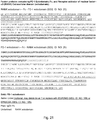
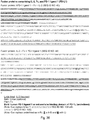
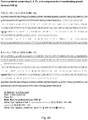
- the molecule includes an amino acid sequence corresponding to SEQ ID NO: 1, 2, 3, 4, 5, 6, 7, 8, 9 or 10
- the targeting moiety includes an antibody, antibody fragment, or polypeptide that specifically binds to Programmed Death-1 (PD-1), Programmed death-1 ligand 1 (PD-L1), or Programmed death-1 ligand 2 (PD-L2).
- the targeting moiety includes an extracellular ligand-binding domain or ectodomain of Programmed Death-1 (PD-1).
- the immunomodulatory moiety includes an extracellular ligand-binding domain of TGF- ⁇ RII.
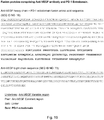
- the molecule includes PD-1 ectodomain, immunoglobulin Fc region, and TGF ⁇ RII ectodomain.
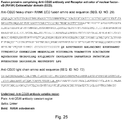
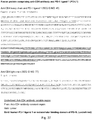
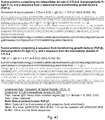
- the molecule includes an amino acid sequence corresponding to SEQ ID NO: 11 or 12.
- the targeting moiety includes an antibody, antibody fragment, or polypeptide that specifically binds to Receptor activator of nuclear factor- ⁇ B (RANK) or Receptor activator of nuclear factor- ⁇ B ligand (RANKL).
- the targeting moiety includes an extracellular ligand-binding domain or ectodomain of Receptor activator of nuclear factor- ⁇ B (RANK).
- the immunomodulatory moiety includes an extracellular ligand-binding domain of TGF- ⁇ RII.
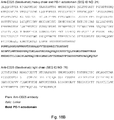
- the molecule includes RANK ectodomain, immunoglobulin Fc region, and TGF ⁇ RII ectodomain.
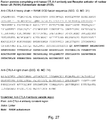
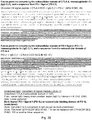
- the molecule includes an amino acid sequence corresponding to SEQ ID NO: 13 or 14.
- the immunomodulatory moiety includes a molecule that specifically binds to Programmed death-1 ligand 1 (PD-L1) or Programmed death-1 ligand 2 (PD-L2).
- the immunomodulatory moiety includes an extracellular ligand-binding domain or ectodomain of Programmed Death-1 (PD-1).
- the immunomodulatory moiety inhibits the activity or function of Programmed death-1 ligand 1 (PD-L1).
- the targeting moiety includes an antibody, antibody fragment, or polypeptide that specifically binds to HER2/neu, EGFR1, CD20, vascular endothelial growth factor (VEGF), cytotoxic T-lymphocyte antigen-4 (CTLA-4), CD25 (IL-2 ⁇ receptor; IL-2 ⁇ R), or CD4.
- the immunomodulatory moiety includes an extracellular ligand-binding domain or ectodomain of Programmed Death-1 (PD-1).
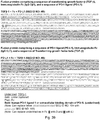
- the molecule includes an amino acid sequence corresponding to SEQ ID NO: 15, 16, 17, 18, 19, 20, 21, 22, 23, or 24.
- the targeting moiety includes an antibody, antibody fragment, or polypeptide that specifically binds to Receptor activator of nuclear factor- ⁇ B (RANK) or Receptor activator of nuclear factor- ⁇ B ligand (RANKL).
- the targeting moiety includes an extracellular ligand-binding domain or ectodomain of Receptor activator of nuclear factor- ⁇ B (RANK).
- the immunomodulatory moiety includes an extracellular ligand-binding domain of Programmed Death-1 (PD-1).
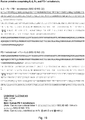
- the molecule includes RANK ectodomain, immunoglobulin Fc region, and PD-1 ectodomain.
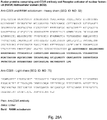
- the molecule includes an amino acid sequence corresponding to SEQ ID NO: 25 or 26.
- the immunomodulatory moiety includes a molecule that specifically binds to Receptor activator of nuclear factor- ⁇ B ligand (RANKL).
- the immunomodulatory moiety includes an extracellular ligand-binding domain or ectodomain of Receptor activator of nuclear factor- ⁇ B (RANK).
- the immunomodulatory moiety inhibits the activity or function of Receptor activator of nuclear factor- ⁇ B ligand (RANKL).
- the targeting moiety includes an antibody, antibody fragment, or polypeptide that specifically binds to HER2/neu, EGFR1, CD20, vascular endothelial growth factor (VEGF), cytotoxic T-lymphocyte antigen-4 (CTLA-4), CD25 (IL-2 ⁇ receptor; IL-2 ⁇ R), or CD4.
- the immunomodulatory moiety includes an extracellular ligand-binding domain or ectodomain of Receptor activator of nuclear factor- ⁇ B (RANK).
- the molecule includes an amino acid sequence corresponding to SEQ ID NO: 27, 28, 29, 30, 31, 32, 33, 34, 35, or 36.
- the immunomodulatory moiety includes a sequence from Programmed death-1 ligand 1 (PD-L1) or Programmed death-1 ligand 2 (PD-L2). In an additional aspect, the immunomodulatory moiety increases the function of PD-1.
- the targeting moiety specifically binds to Tumor Necrosis Factor-a (TNF-a), and the immunomodulatory moiety includes a sequence from Programmed death-1 ligand 1 (PD-L1) or Programmed death-1 ligand 2 (PD-L2).
- the targeting moiety includes an antibody that binds TNF- ⁇ , and the immunomodulatory moiety includes a sequence from PD-1 ligand 1 (PD-L1 or B7-H1).
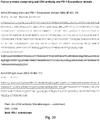
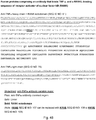
- the molecule includes an amino acid sequence corresponding to SEQ ID NO: 37.
- the targeting moiety includes an extracellular ligand-binding domain of tumor necrosis factor receptor 2 (TNFR2), and the immunomodulatory moiety includes a sequence from PD-1 ligand 1 (PD-L1 or B7-H1).
- TNFR2 Extracellular ligand binding domain, immunoglobulin Fc region, and a sequence from PD-L1.
- the molecule includes an amino acid sequence corresponding to SEQ ID NO: 38 or 39.
- the targeting moiety includes an antibody or antibody fragment that specifically binds to CD20, CD25, or CD4, and the immunomodulatory moiety includes a sequence from Programmed death-1 ligand 1 (PD-L1) or Programmed death-1 ligand 2 (PD-L2).
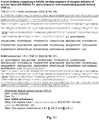
- the molecule includes an amino acid sequence corresponding to SEQ ID NO: 40, 41, 42, 43, 44, or 45.
- the targeting moiety includes the extracellular domain of CTLA-4 and immunoglobulin Fc region (IgG C ⁇ 1), and the immunomodulatory moiety includes a sequence from Programmed death-1 ligand 1 (PD-L1) or Programmed death-1 ligand 2 (PD-L2).
- the molecule includes an amino acid sequence corresponding to SEQ ID NO: 46 or 47.
- the targeting moiety includes transforming growth factor- ⁇ (TGF- ⁇ ) and immunoglobulin Fc region (IgG C ⁇ 1)
- the immunomodulatory moiety includes a sequence from Programmed death-1 ligand 1 (PD-L1) or Programmed death-1 ligand 2 (PD-L2).
- the molecule includes an amino acid sequence corresponding to SEQ ID NO: 48 or 49.
- the immunomodulatory moiety includes a sequence from transforming growth factor- ⁇ (TGF- ⁇ ). In an additional aspect, the immunomodulatory moiety activates the signaling function of transforming growth factor- ⁇ (TGF- ⁇ ) receptor.
- the targeting moiety includes an antibody, antibody fragment, or polypeptide that specifically binds to Tumor Necrosis Factor-a (TNF-a), and the immunomodulatory moiety includes a sequence from transforming growth factor- ⁇ (TGF- ⁇ ).
- TGF-a Tumor Necrosis Factor-a
- the targeting moiety includes an antibody that binds TNF- ⁇
- the immunomodulatory moiety includes a sequence from TGF- ⁇ .
- the molecule includes an amino acid sequence corresponding to SEQ ID NO: 50.
- the targeting moiety includes an extracellular ligand-binding domain of tumor necrosis factor receptor 2 (TNFR2).
- the molecule includes TNFR2 Extracellular ligand binding domain, immunoglobulin Fc region, and a sequence from transforming growth factor- ⁇ (TGF- ⁇ ).
- TGF- ⁇ transforming growth factor- ⁇
- the molecule includes an amino acid sequence corresponding to SEQ ID NO: 51 or 52.
- the targeting moiety includes an antibody or antibody fragment that specifically binds to CD20, CD25 (IL-2 ⁇ receptor; IL-2 ⁇ R), or CD4, and the immunomodulatory moiety includes a sequence from transforming growth factor- ⁇ (TGF- ⁇ ).
- TGF- ⁇ transforming growth factor- ⁇
- the molecule includes an amino acid sequence corresponding to SEQ ID NO: 53, 54, 55, 56, 57 or 58.
- the targeting moiety includes an extracellular domain of CTLA-4 and immunoglobulin Fc region (IgG C ⁇ 1), and the immunomodulatory moiety includes an extracellular RANKL-binding domain or ectodomain of Receptor activator of nuclear factor- ⁇ B (RANK).
- the molecule includes an amino acid sequence corresponding to SEQ ID NO: 64 or 65.
- the present invention provides a method of counteracting or overcoming immune tolerance.
- the method includes administering to a subject in need thereof one or more molecule of the invention.
- the present invention provides a method of preventing or treating a neoplastic disease.
- the method includes administration to a subject in need thereof one or more molecule of the invention.
- the subject is administered one or more molecule of the invention in combination with another anticancer therapy.
- the anticancer therapy includes a chemotherapeutic molecule, antibody, small molecule kinase inhibitor, hormonal agent or cytotoxic agent.
- the anticancer therapy includes ionizing radiation, ultraviolet radiation, cryoablation, thermal ablation, or radiofrequency ablation.
- the present invention provides a method of preventing or treating a neoplastic disease.
- the method includes administration to a subject in need thereof an antibody that targets and depletes CD4+ regulatory T cells (Tregs) in combination with another cytotoxic anticancer therapy.
- the antibody that targets and depletes Tregs is an anti-CD4 antibody.
- the cytotoxic anticancer therapy includes a chemotherapeutic molecule, tumor-targeted antibody, small molecule kinase inhibitor, hormonal agent or tumor-targeted cytotoxic agent.
- the cytotoxic anticancer therapy includes ionizing radiation, ultraviolet radiation, cryoablation, thermal ablation, or radiofrequency ablation.
- the subject is administered one or more molecule of the invention in combination with any vaccine.
- the vaccine includes a tumor antigen, tumor-associated antigen, tumor epitope, tumor antigen-containing fusion protein, tumor cell, or dendritic cell.
- the vaccine includes a pathogen antigen, pathogen-associated antigen, pathogen epitope, or pathogen antigen-containing fusion protein.
- the present invention provides a method for treating immune cells wherein the cells are contacted ex vivo or in vitro with a molecule of the invention.
- the present invention provides a method of treatment of a neoplastic disease. The method includes administering to a subject in need thereof a composition of immune cells contacted with a molecule of the invention.
- the present invention provides a method of inducing or promoting immune tolerance.
- the method includes administering to a subject in need thereof one or more molecule of the invention.
- the present invention provides a method of preventing or treating an autoimmune or inflammatory disease including administering to a subject in need thereof one or more molecule of the invention.
- the subject is administered one or more molecule of the invention in combination with another anti-inflammatory or immunosuppressive therapy.
- the present invention provides a method of treatment of immune cells wherein the cells are contacted ex vivo or in vitro with a molecule of the invention.
- the present invention provides a method of treating an autoimmune or inflammatory disease or preventing rejection of grafted cells or tissue. The method includes administering to a subject in need thereof a composition of immune cells contacted with a molecule of the invention.
- Chemotherapy is a cornerstone of systemic treatment of patients with most common types of advanced cancers.
- chemotherapeutic agents employ diverse mechanisms to directly kill tumor cells, the present invention provides that these agents have immuno-adjuvant effects which activate innate and adaptive antitumor immune responses that are crucial for their antitumor efficacy in vivo.
- the present invention also provides that antitumor CD8 + T cells play an instrumental role in the in vivo response of tumors to diverse cytotoxic chemotherapeutic agents.
- chemotherapeutic agents can induce "immunogenic" tumor cell death and facilitate cross-presentation of antigens by dendritic cells
- tumors create a tolerogenic environment that allows them to suppress the activation of innate and adaptive immune responses and evade immunologic attack by immune effector cells.
- the present invention provides that strategies to counteract tumor-induced immune tolerance in the tumor microenvironment can enhance the antitumor efficacy of chemotherapy by activating and leveraging T cell-mediated adaptive antitumor immunity against disseminated cancer cells.
- the present invention is based on the seminal discovery that targeted immunomodulatory antibodies and fusion proteins can counteract or reverse immune tolerance of cancer cells. Cancer cells are able to escape elimination by chemotherapeutic agents or tumor-targeted antibodies via specific immunosuppressive mechanisms in the tumor microenvironment and such ability of cancer cells is recognized as immune tolerance. By counteracting tumor-induced immune tolerance, the present invention provides effective compositions and methods for cancer treatment, optional in combination with another existing cancer treatment.
- the present invention provides compositions and methods for targeted immunostimulatory antibodies and fusion proteins that counteract immune tolerance in the tumor microenvironment and promote T cell-mediated adaptive antitumor immunity for maintenance of durable long-term protection against recurrent or disseminated cancers.
- These tumor-targeted immunostimulatory molecules are designed to facilitate effective long term T cell-mediated immune responses against tumor cells by at least one of the following:
- tumor-targeted immunostimulatory antibodies and/or fusion proteins of the invention are designed to overcome such immune tolerance in the tumor microenvironment and activate robust levels of T cell responses for effective cancer immunotherapy or chemo-immunotherapy. Accordingly, the tumor-targeted immunostimulatory antibodies and/or fusion proteins of the invention have broad clinical relevance for advancing the treatment of many types of human cancers.
- This approach of the present invention is distinguished from and superior to conventional tumor antigen-, allogeneic tumor cell- or DC-based vaccines in at least one of the following aspects: (i) There is no a priori requirement to define, clone and purify individual tumor antigens, since the patient's tumor itself is the in vivo source of antigens; (ii) Multivalent antitumor immune responses that are naturally tailored against antigens from the patient's own tumor are less likely to allow immune escape than a preselected tumor antigen; (iii) The activation of antitumor immune responses by the immuno-adjuvant effects of tumor-targeted immunostimulatory antibodies or fusion proteins occurs in tandem with the sensitization of tumor cells to immune effector-mediated cytotoxicity, thereby establishing a positive feedback loop that augments tumor cytoreduction and reinforces adaptive antitumor immunity; and (iv) The molecules of the invention have broad clinical relevance for advancing the treatment of many types of human cancers.
- the targeted immunostimulatory antibodies and/or fusion proteins of the invention are distinguished from and superior to existing therapeutic molecules in at least one of the following aspects: (i) To counteract immune tolerance in the tumor microenvironment and promote T cell-mediated adaptive antitumor immunity for maintenance of long-term protection against recurrent or disseminated cancers (for prevention or treatment of diverse cancers); (ii) To produce immune cell compositions for adoptive cellular therapy of diverse cancers; and (iii) To serve as immune adjuvants or vaccines for prophylaxis of diverse cancers or infectious diseases.
- the targeted immunostimulatory antibodies and/or fusion proteins of the invention provide the ability to disrupt immunosuppressive networks in the tumor microenvironment.
- Tumors employ a wide array of regulatory mechanisms to avoid or suppress the immune response.
- Cancer cells actively promote immune tolerance in the tumor microenvironment via the expression of cytokines and molecules that inhibit the differentiation and maturation of antigen-presenting dendritic cells.
- the immunosuppressive cytokines and ligands produced by tumor cells include the following: (i) Transforming growth factor-beta (TGF- ⁇ ); (ii) Programmed death-1 ligand 1 (PD-L1; B7-H1); (iii) Vascular endothelial growth factor (VEGF); and (iv) Interleukin-10 (IL-10).
- Treg cells In addition to blocking dendritic cell (DC) maturation, these molecules promote the development of specialized subsets of immunosuppressive CD4 + T cells (regulatory T cells; Treg cells) and myeloid-derived suppressor cells (MDSC). Tregs are a minority sub-population of CD4 + T cells that constitutively express CD25 [the interleukin-2 (IL-2) receptor ⁇ -chain] and the forkhead box P3 (FOXP3) transcription factor.
- IL-2 interleukin-2
- FOXP3 forkhead box P3
- Tregs maintain immune tolerance by restraining the activation, proliferation, and effector functions of a wide range of immune cells, including CD4 + and CD8 + T cells, natural killer (NK) and NKT cells, B cells and antigen presenting cells (APCs) in vitro and in vivo.
- the accumulation of Treg cells in the tumor microenvironment re-inforces tumor immune tolerance and facilitates tumor progression and metastases.
- the increased expression of immunosuppressive cytokines (TGF- ⁇ ; PD-L1) and tumor-infiltrating Tregs is correlated with a reduction of survival of patients with diverse types of cancers.
- the present invention provides that tumor-induced immune tolerance mediated via Tregs is a crucial determinant of the resistance of cancers to cytotoxic chemotherapeutic agents and tumor-targeted antibodies.
- the targeted immunostimulatory antibodies and/or fusion proteins of the invention inhibit key immunosuppressive molecules expressed by the targeted tumor cell or tumor-infiltrating Treg cells and myeloid suppressor cells (DCs or MDSC). As such, they provide the targeted ability to inhibit the development or function of Tregs within the tumor microenvironment. In another aspect, they provide the ability to counteract Treg-induced immune suppression in the tumor microenvironment.
- the targeted immunostimulatory antibodies and/or fusion proteins of the invention provide the ability to inhibit the development or function of Tregs and myeloid suppressor cells (DCs or MDSC) within the tumor microenvironment.
- Tregs CD4+CD25+FoxP3+ cells
- CTL-4 Cytotoxic T-lymphocyte associated protein 4
- CD 152 Cytotoxic T-lymphocyte associated protein 4
- APC antigen presenting cell
- PD-L1 Programmed death-1 ligand 1
- PD-H1 Programmed death-1 ligand 1
- TGF- ⁇ Transforming growth factor-beta
- a cytokine which regulates immune responses by restricting the maturation and antigen-presenting function of dendritic cells, inhibiting the proliferation and activation of naive T cells, suppressing the expression of cytotoxic molecules (Granzyme A/B, FasL, Apo2L/TRAIL, IFN- ⁇ ) in immune effector cells, and promoting the development and function of Tregs
- cytotoxic molecules Granzyme A/B, FasL, Apo2L/TRAIL, IFN- ⁇
- RNKL Receptor activator of nuclear factor- ⁇ B ligand
- RANK Receptor activator of nuclear factor- ⁇ B ligand
- Tregs express other surface molecules; (v) LAG-3, a CD4-related molecule that binds MHC class II; (vi) glucocorticoid-induced tumor necrosis factor receptor family-related gene (GITR; TNFRSF18); and (vii) IL-10.
- the targeted immunostimulatory antibodies and/or fusion proteins of the invention provide the ability to bind a targeted molecule expressed by Tregs or myeloid suppressor cells while concurrently sequestering and inhibiting one or more immunosuppressive molecule that promotes their development, survival or function.
- the targeted immunostimulatory antibodies and/or fusion proteins directly deplete the number of Tregs.
- the present invention provides a molecule including a targeting moiety fused with an immunomodulatory moiety.
- the targeting moiety specifically binds a target molecule on the tumor cell or tumor microenvironment (tumor stroma, tumor vasculature, or tumor infiltrating immune cell), and the immunomodulatory moiety specifically binds an immunosuppressive molecule expressed by the targeted tumor cell or tumor-infiltrating Treg cells and myeloid suppressor cells (DC or MDSC).
- the present invention provides a molecule including a targeting moiety fused with an immunomodulatory moiety.
- the targeting moiety specifically binds a target molecule
- the immunomodulatory moiety specifically binds one of the following molecules: (i) Transforming growth factor-beta (TGF- ⁇ ); (ii) Programmed death-1 ligand 1 (PD-L1) or Programmed death-1 ligand 2 (PD-L2); (iii) Receptor activator of nuclear factor- ⁇ B (RANK) ligand (RANKL); (iv) Vascular endothelial growth factor (VEGF); (v) Transforming growth factor-beta receptor (TGF- ⁇ R); (vi) Programmed death-1 (PD-1); and (vii) Receptor activator of nuclear factor- ⁇ B (RANK).
- TGF- ⁇ Transforming growth factor-beta
- P-L1 Programmed death-1 ligand 1
- PD-L2 Programmed death-1 ligand 2
- RANK Receptor activator of
- the targeting moiety includes an antibody, antibody fragment, scFv, or Fc-containing polypeptide that specifically binds a component of a tumor cell, tumor antigen, tumor vasculature, tumor microenvironment, or tumor-infiltrating immune cell.
- the targeting moiety specifically binds epidermal growth factor receptor (EGFR1, Erb-B1), HER2/neu (Erb-B2), CD20, Vascular endothelial growth factor (VEGF), insulin-like growth factor receptor (IGF-1R), TRAIL-receptor, epithelial cell adhesion molecule, carcino-embryonic antigen, Prostate-specific membrane antigen, Mucin-1, CD30, CD33, or CD40.
- the targeting moiety specifically binds a component of a regulatory T cell, myeloid suppressor cell, or dendritic cell.
- the targeting moiety specifically binds one of the following molecules: (i) CD4; (ii) CD25 (IL-2 ⁇ receptor; IL-2 ⁇ R); (iii) cytotoxic T-lymphocyte antigen-4 (CTLA-4; CD152); (iv) Interleukin-10 (IL-10); (v) Transforming growth factor-beta receptor (TGF- ⁇ R); (vi) Transforming growth factor-beta (TGF- ⁇ ); (vii) Programmed Death-1 (PD-1); (viii) Programmed death-1 ligand (PD-L1 or PD-L2); (ix) Receptor activator of nuclear factor- ⁇ B (RANK); (x) Receptor activator of nuclear factor- ⁇ B (RANK) ligand (RANKL); (xi) LAG-3; or (xii) glucocorticoid-induced tumor nec
- the targeting moiety includes an antibody, antibody fragment, or polypeptide that specifically binds to HER2/neu, EGFR1, CD20, vascular endothelial growth factor (VEGF), cytotoxic T-lymphocyte antigen-4 (CTLA-4), CD25 (IL-2 ⁇ receptor; IL-2 ⁇ R), or CD4.
- VEGF vascular endothelial growth factor
- CTLA-4 cytotoxic T-lymphocyte antigen-4
- CD25 IL-2 ⁇ receptor
- CD4 CD25
- the immunomodulatory moiety includes an extracellular ligand-binding domain of TGF- ⁇ RII.
- the molecule includes an amino acid sequence corresponding to SEQ ID NO: 1, 2, 3, 4, 5, 6, 7, 8, 9 or 10.
- the targeting moiety includes an antibody, antibody fragment, or polypeptide that specifically binds to Programmed Death-1 (PD-1), Programmed death-1 ligand 1 (PD-L1), or Programmed death-1 ligand 2 (PD-L2).
- the targeting moiety includes an extracellular ligand-binding domain or ectodomain of Programmed Death-1 (PD-1).
- the immunomodulatory moiety includes an extracellular ligand-binding domain of TGF- ⁇ RII.
- the molecule includes PD-1 ectodomain, immunoglobulin Fc region, and TGF ⁇ RII ectodomain.
- the molecule includes an amino acid sequence corresponding to SEQ ID NO: 11 or 12.
- the immunomodulatory moiety includes a molecule that specifically binds to Programmed death-1 ligand 1 (PD-L1) or Programmed death-1 ligand 2 (PD-L2).
- the immunomodulatory moiety includes an extracellular ligand-binding domain or ectodomain of Programmed Death-1 (PD-1).
- the molecule includes a PD-L1-binding amino acid sequence corresponding to SEQ ID NO: 92, 93, or 94.
- the immunomodulatory moiety inhibits the activity or function of Programmed death-1 ligand 1 (PD-L1).
- the targeting moiety includes an antibody, antibody fragment, or polypeptide that specifically binds to HER2/neu, EGFR1, CD20, vascular endothelial growth factor (VEGF), cytotoxic T-lymphocyte antigen-4 (CTLA-4), CD25 (IL-2 ⁇ receptor; IL-2 ⁇ R), or CD4.
- the immunomodulatory moiety includes an extracellular ligand-binding domain or ectodomain of Programmed Death-1 (PD-1).
- the molecule includes an amino acid sequence corresponding to SEQ ID NO: 15, 16, 17, 18, 19, 20, 21, 22, 23, or 24.
- the targeting moiety includes an antibody, antibody fragment, or polypeptide that specifically binds to Receptor activator of nuclear factor- ⁇ B (RANK) or Receptor activator of nuclear factor- ⁇ B ligand (RANKL).
- the targeting moiety includes an extracellular ligand-binding domain or ectodomain of Receptor activator of nuclear factor- ⁇ B (RANK).
- the immunomodulatory moiety includes an extracellular ligand-binding domain of Programmed Death-1 (PD-1).
- the molecule includes RANK ectodomain, immunoglobulin Fc region, and PD-1 ectodomain.
- the molecule includes an amino acid sequence corresponding to SEQ ID NO: 25 or 26.
- the targeting moiety includes an antibody, antibody fragment, or polypeptide that specifically binds to HER2/neu, EGFR1, CD20, vascular endothelial growth factor (VEGF), cytotoxic T-lymphocyte antigen-4 (CTLA-4), CD25 (IL-2 ⁇ receptor; IL-2 ⁇ R), or CD4.
- the immunomodulatory moiety includes an extracellular ligand-binding domain or ectodomain of Receptor activator of nuclear factor- ⁇ B (RANK).
- the molecule includes an amino acid sequence corresponding to SEQ ID NO: 27, 28, 29, 30, 31, 32, 33, 34, 35, or 36.
- the present invention provides novel targeted immunosuppressive antibodies and fusion proteins that induce or promote immune tolerance by at least one of the following:
- Targeted immunosuppressive antibodies and/or fusion proteins The aberrant activation of self-reactive T cells and/or breakdown of the mechanisms of immune tolerance promotes the development of autoimmunity that results in various diseases including type I diabetes mellitus, multiple sclerosis, systemic lupus erythematosus, inflammatory bowel disease, and rheumatoid arthritis.
- the targeted immunosuppressive antibodies and/or fusion proteins of the invention are designed to suppress unwanted or excessive immune or inflammatory responses and restore or promote immune tolerance. Accordingly, the compositions and methods of the invention have broad clinical relevance for the treatment of diverse autoimmune or inflammatory diseases and preventing the rejection of a transplanted cell, tissue, or organ grafts.
- the targeted immunosuppressive antibodies and/or fusion proteins of the invention provides their ability to inhibit the activity of targeted pro-inflammatory cytokines or immune cells while simultaneously promoting immune tolerance via the targeted delivery of immunosuppressive molecules that facilitate the development and/or function of regulatory T cells.
- the molecules of the present invention are distinguished from and superior to existing therapeutic molecules in at least one of the following aspects: (i) The molecules of the invention enable targeted delivery of immunosuppressive molecules to immune cells or pro-inflammatory molecules in the milieu of the affected cell, tissue or organ; (ii) The molecules of the invention can couple the inhibition of the targeted pro-inflammatory molecule or immune cell with the simultaneous delivery of an immunosuppressive molecule that promotes immune tolerance, thereby improving the suppression of immune effector cells; and (iii) The molecules of the invention can provide a mechanism of simultaneously engaging two independent or synergistic mechanisms of immune tolerance or immune suppression.
- the targeted immunosuppressive antibodies and/or fusion proteins of the invention are distinguished from and superior to existing therapeutic molecules in at least one of the following aspects: (i) To suppress unwanted or excessive immune or inflammatory responses in order to treat autoimmune or inflammatory diseases; and (ii) To prevent the rejection of a transplanted cell, tissue, or organ grafts.
- the immunomodulatory moiety includes a sequence from Programmed death-1 ligand 1 (PD-L1) or Programmed death-1 ligand 2 (PD-L2).
- the molecule includes a PD-1-binding amino acid sequence corresponding to SEQ ID NO: 99, 100, or 101.
- the immunomodulatory moiety increases the function of PD-1.
- the targeting moiety specifically binds to Tumor Necrosis Factor-a (TNF-a), and the immunomodulatory moiety includes a sequence from Programmed death-1 ligand 1 (PD-L1) or Programmed death-1 ligand 2 (PD-L2).
- the targeting moiety includes an antibody that binds TNF- ⁇ , and the immunomodulatory moiety includes a sequence from PD-1 ligand 1 (PD-L1 or B7-H1).
- the molecule includes an amino acid sequence corresponding to SEQ ID NO: 37.
- the targeting moiety includes an extracellular ligand-binding domain of tumor necrosis factor receptor 2 (TNFR2), and the immunomodulatory moiety includes a sequence from PD-1 ligand 1 (PD-L1 or B7-H1).
- TNFR2 Extracellular ligand binding domain, immunoglobulin Fc region, and a sequence from PD-L1.
- the molecule includes an amino acid sequence corresponding to SEQ ID NO: 38 or 39.
- the targeting moiety includes an antibody or antibody fragment that specifically binds to CD20, CD25, or CD4, and the immunomodulatory moiety includes a sequence from Programmed death-1 ligand 1 (PD-L1) or Programmed death-1 ligand 2 (PD-L2).
- the molecule includes an amino acid sequence corresponding to SEQ ID NO: 40, 41, 42, 43, 44, or 45.
- the targeting moiety includes the extracellular domain of CTLA-4 and immunoglobulin Fc region (IgG C ⁇ 1), and the immunomodulatory moiety includes a sequence from Programmed death-1 ligand 1 (PD-L1) or Programmed death-1 ligand 2 (PD-L2).
- the molecule includes an amino acid sequence corresponding to SEQ ID NO: 46 or 47.
- the targeting moiety includes transforming growth factor- ⁇ (TGF- ⁇ ) and immunoglobulin Fc region (IgG C ⁇ 1)
- the immunomodulatory moiety includes a sequence from Programmed death-1 ligand 1 (PD-L1) or Programmed death-1 ligand 2 (PD-L2).
- the molecule includes an amino acid sequence corresponding to SEQ ID NO: 48 or 49.
- the immunomodulatory moiety includes a sequence from transforming growth factor- ⁇ (TGF- ⁇ ).
- the molecule includes an amino acid sequence corresponding to SEQ ID NO: 99, 100, or 101.
- the immunomodulatory moiety activates the signaling function of transforming growth factor- ⁇ (TGF- ⁇ ) receptor.
- the targeting moiety includes an antibody, antibody fragment, or polypeptide that specifically binds to Tumor Necrosis Factor-a (TNF-a), and the immunomodulatory moiety includes a sequence from transforming growth factor- ⁇ (TGF- ⁇ ).
- TGF-a Tumor Necrosis Factor-a
- the targeting moiety includes an antibody that binds TNF- ⁇
- the immunomodulatory moiety includes a sequence from TGF- ⁇ .
- the molecule includes an amino acid sequence corresponding to SEQ ID NO: 50.
- the targeting moiety includes an extracellular ligand-binding domain of tumor necrosis factor receptor 2 (TNFR2).
- the molecule includes TNFR2 Extracellular ligand binding domain, immunoglobulin Fc region, and a sequence from transforming growth factor- ⁇ (TGF- ⁇ ).
- TGF- ⁇ transforming growth factor- ⁇
- the molecule includes an amino acid sequence corresponding to SEQ ID NO: 51 or 52.
- the targeting moiety includes an antibody or antibody fragment that specifically binds to CD20, CD25 (IL-2 ⁇ receptor; IL-2 ⁇ R), or CD4, and the immunomodulatory moiety includes a sequence from transforming growth factor- ⁇ (TGF- ⁇ ).
- TGF- ⁇ transforming growth factor- ⁇
- the molecule includes an amino acid sequence corresponding to SEQ ID NO: 53, 54, 55, 56, 57 or 58.
- the targeting moiety includes an extracellular domain of CTLA-4 and immunoglobulin Fc region (IgG C ⁇ 1), and the immunomodulatory moiety includes a sequence from transforming growth factor- ⁇ (TGF- ⁇ ).
- TGF- ⁇ transforming growth factor- ⁇
- the molecule includes an amino acid sequence corresponding to SEQ ID NO: 59 or 60.
- immune cells or “immune effector cells” include T lymphocytes, B lymphocytes, natural killer (NK) cells, NKT cells, monocytes, macrophages, dendritic cells (DC), antigen presenting cells (APC).
- NK natural killer
- NKT NKT cells
- monocytes monocytes
- macrophages macrophages
- dendritic cells DC
- APC antigen presenting cells
- neoplasm or “tumor” including grammatical variations thereof, means new and abnormal growth of tissue, which may be benign or cancerous.
- the neoplasm is indicative of a neoplastic disease or disorder, including but not limited, to various cancers.
- cancers can include prostate, pancreatic, biliary, colon, rectal, liver, kidney, lung, testicular, breast, ovarian, pancreatic, brain, and head and neck cancers, melanoma, sarcoma, multiple myeloma, leukemia, lymphoma, and the like.
- subject including grammatical variations thereof, means a human or vertebrate animal including a dog, cat, horse, cow, pig, sheep, goat, chicken, monkey, rat, and mouse.
- targeting moiety refers to a molecule that has the ability to localize and bind to a specific molecule or cellular component.
- the targeting moiety can be an antibody, antibody fragment, scFv, Fc-containing polypeptide, fusion antibody, polypeptide, peptide, aptamer, ligand, nucleic acid, or any combination thereof.
- a targeting moiety can bind to a molecule present in a cell or tissue.
- the targeting moiety can bind a molecule in a diseased cell or tissue, such as a cancer cell or tumor.
- the targeting molecule can bind a normal cell or tissue, such as an immune cell.
- the targeting moiety can bind a cellular or extracellular molecule that modulates the immune response. In another aspect, the targeting moiety binds a growth factor receptor, growth factor, cytokine receptor, cytokine, or cell surface molecule.
- the targeting moiety is a tumor-targeting moiety.
- the tumor-targeting moiety can bind a component of a tumor cell or bind in the vicinity of a tumor cell (e.g., tumor vasculature or tumor microenvironment).
- the tumor targeting moiety binds to a component of a tumor cell, tumor microenvironment, tumor vasculature, tumor-associated lymphocyte, tumor antigen, tumor-associated antigen, tumor cell surface molecule, tumor antigenic determinant, tumor antigen-containing fusion protein, tumor-associated cell, tumor-associated immune cell, or tumor vaccine.
- a targeting moiety is specific for or binds to a molecule or component, which includes but is not limited to, epidermal growth factor receptor (EGFR, EGFR1, ErbB-1, HER1), ErbB-2 (HER2/neu), ErbB-3/HER3, ErbB-4/HER4, EGFR ligand family; insulin-like growth factor receptor (IGFR) family, IGF-binding proteins (IGFBPs), IGFR ligand family (IGF-1R); platelet derived growth factor receptor (PDGFR) family, PDGFR ligand family; fibroblast growth factor receptor (FGFR) family, FGFR ligand family, vascular endothelial growth factor receptor (VEGFR) family, VEGF family; HGF receptor family: TRK receptor family; ephrin (EPH) receptor family; AXL receptor family; leukocyte tyrosine kinase (LTK) receptor family; TIE receptor family, angiopoietin 1, 2
- IGFR insulin-
- the targeting moiety includes an antibody, antibody fragment, scFv, or Fc-containing polypeptide that specifically binds a component of a tumor cell, tumor antigen, tumor vasculature, tumor microenvironment, or tumor-infiltrating immune cell.
- the targeting moiety specifically binds epidermal growth factor receptor (EGFR1, Erb-B1), HER2/neu (Erb-B2), CD20, Vascular endothelial growth factor (VEGF), insulin-like growth factor receptor (IGF-1R), TRAIL-receptor, epithelial cell adhesion molecule, carcino-embryonic antigen, Prostate-specific membrane antigen, Mucin-1, CD30, CD33, CD40, or a combination thereof.
- EGFR1, Erb-B1 epidermal growth factor receptor
- HER2/neu Erb-B2
- CD20 vascular endothelial growth factor
- VEGF Vascular endothelial growth factor
- IGF-1R insulin-like growth factor receptor
- TRAIL-receptor TRAIL-receptor
- epithelial cell adhesion molecule carcino-embryonic antigen
- Mucin-1 CD30, CD33, CD40, or a combination thereof.
- antibodies which can be incorporated into compositions and methods disclosed herein include, but are not limited, to antibodies such as trastuzumab (anti-HER2/neu antibody); Pertuzumab (anti-HER2 mAb); cetuximab (chimeric monoclonal antibody to epidermal growth factor receptor EGFR); panitumumab (anti-EGFR antibody); nimotuzumab (anti-EGFR antibody); Zalutumumab (anti-EGFR mAb); Necitumumab (anti-EGFR mAb); MDX-210 (humanized anti-HER-2 bispecific antibody); MDX-210 (humanized anti-HER-2 bispecific antibody); MDX-447 (humanized anti-EGF receptor bispecific antibody); Rituximab (chimeric murine/human anti-CD20 mAb); Obinutuzumab (anti-CD20 mAb); Ofatumumab (anti-CD20 mAb); Tositumumab-I131 (anti-CD20 m
- PanorexTM (17-1A) murine monoclonal antibody
- Panorex (@ (17-1A) chimeric murine monoclonal antibody
- BEC2 ami-idiotypic mAb, mimics the GD epitope) (with BCG); Oncolym (Lym-1 monoclonal antibody); SMART M195 Ab, humanized 13' 1 LYM-1 (Oncolym), Ovarex (B43.13, anti-idiotypic mouse mAb); 3622W94 mAb that binds to EGP40 (17-1A) pancarcinoma antigen on adenocarcinomas; Zenapax (SMART Anti-Tac (IL-2 receptor); SMART M195 Ab, humanized Ab, humanized); NovoMAb-G2 (pancarcinoma specific Ab); TNT (chimeric mAb to histone antigens); TNT (chimeric mAb to histone antigens); Gliomab-H (Monoclonals-Human
- the targeting moiety specifically binds a component of a regulatory T cell, myeloid suppressor cell, or dendritic cell.
- the targeting moiety specifically binds one of the following molecules: CD4; CD25 (IL-2 ⁇ receptor; IL-2 ⁇ R); cytotoxic T-lymphocyte antigen-4 (CTLA-4; CD152); Interleukin-10 (IL-10); Transforming growth factor-beta receptor (TGF- ⁇ R); Transforming growth factor-beta (TGF- ⁇ ); Programmed Death-1 (PD-1); Programmed death-1 ligand (PD-L1 or PD-L2); Receptor activator of nuclear factor- ⁇ B (RANK); Receptor activator of nuclear factor- ⁇ B (RANK) ligand (RANKL); LAG-3; glucocorticoid-induced tumor necrosis factor receptor family-related gene (GITR; TNFRSF18); or Interleukin-4 receptor (IL-4R).
- the targeting moiety is an agonist that increases the targeting moiety.
- the targeting moiety binds a specific cytokine, cytokine receptor, co-stimulatory molecule, co-inhibitory molecule, or immunomodulatory receptor that modulates the immune system.
- the targeting moiety specifically binds one of the following molecules: tumor necrosis factor (TNF) superfamily; tumor necrosis factor- ⁇ (TNF- ⁇ ); tumor necrosis factor receptor (TNFR) superfamily; Interleukin-12 (IL-12); IL-12 receptor; 4-1BB (CD137); 4-1BB ligand (4-1BBL; CD137L); OX40 (CD134; TNR4); OX40 ligand (OX40L; CD40; CD40 ligand (CD40L); CTLA-4; Programmed death-1 (PD-1); PD-1 ligand 1 (PD-L1; B7-H1); or PD-1 ligand 2 (PD-L2; B7-DC); B7 family; B7-1 (CD80); B7-2 (CD86); B7-H3;
- TNF tumor
- the targeting moiety includes an antibody, antibody fragment, scFv, Fc-containing polypeptide, or peptide that specifically binds a component of a regulatory T cell, myeloid suppressor cell, or dendritic cell.
- the targeting moiety includes an antibody, antibody fragment, scFv, or Fc-containing polypeptide that specifically binds a cytokine, cytokine receptor, co-stimulatory molecule, or co-inhibitory molecule that modulates the immune system.
- the targeting moiety specifically binds one of the following molecules: CD4; CD25 (IL-2 ⁇ receptor; IL-2 ⁇ R); cytotoxic T-lymphocyte antigen-4 (CTLA-4; CD152); Interleukin-10 (IL-10); Transforming growth factor-beta receptor (TGF- ⁇ R); Transforming growth factor-beta (TGF- ⁇ ); Programmed Death-1 (PD-1); PD-1 ligand 1 (PD-L1; B7-H1); PD-1 ligand 2 (PD-L2; B7-DC); Receptor activator of nuclear factor- ⁇ B (RANK); Receptor activator of nuclear factor- ⁇ B (RANK) ligand (RANKL); LAG-3; glucocorticoid-induced tumor necrosis factor receptor family-related gene (GITR; TNFRSF18); Interleukin-4 receptor (IL-4R); tumor necrosis factor (TNF) superfamily; tumor necrosis factor- ⁇ (TNF- ⁇ ); tumor necrosis factor receptor (TNFR), tumor nec
- the immunomodulatory moiety comprises an extracellular domain or ligand-binding sequence of one of the following receptors: tumor necrosis factor receptor 2 (TNFR2); 4-1BB (CD137); OX40 (CD134; TNR4); CD40; IL-12R; or glucocorticoid-induced tumor necrosis factor receptor family-related gene (GITR; AITR; TNFRSF18).
- TNFR2 tumor necrosis factor receptor 2
- 4-1BB CD137
- OX40 CD134; TNR4
- CD40 CD40
- IL-12R IL-12R
- glucocorticoid-induced tumor necrosis factor receptor family-related gene GITR; AITR; TNFRSF18.
- the immunomodulatory moiety comprises one or more of the following ligands or active ligand fragments: Transforming growth factor-beta (TGF- ⁇ ); PD-1 ligand 1 (PD-L1); PD-1 ligand 2 (PD-L2); or IL-10.
- TGF- ⁇ Transforming growth factor-beta
- PD-1 ligand 1 PD-L1
- PD-1 ligand 2 PD-L2
- IL-10 Transforming growth factor-beta
- the immunomodulatory moiety comprises one or more of the following ligands or active ligand fragments: 4-1BB ligand (4-1BBL; CD137L); OX40 ligand (OX40L); IL-12; CD40L; or GITRL/AITRL.
- the immunomodulatory moiety is fused to the C-terminus of the targeting moiety. In another aspect, the immunomodulatory moiety is fused to the N-terminus of the targeting moiety. In one aspect, the fusion molecule is represented by X-Fc-Y, wherein X is the targeting moiety, Fc is an immunoglobulin Fc region, and Y is the immunomodulatory moiety. In another aspect, the fusion molecule is represented by Y-Fc-X, wherein X is the targeting moiety, and Y is the immunomodulatory moiety. In one aspect, the targeting moiety may additionally be an immunomodulatory moiety.
- the targeting moiety includes an antibody, antibody fragment, scFv, Fc-containing polypeptide or ligand that binds one of the following: CTLA-4; 4-1BB (CD137); OX40 (CD134; TNR4); CD40; IL-12R; or glucocorticoid-induced tumor necrosis factor receptor family-related gene (GITR; AITR; TNFRSF18); and the immunomodulatory moiety comprises a differernt molecule selected from the following: (i) an extracellular domain or ligand-binding sequence of one of the following receptors: Transforming growth factor-beta receptor (TGF- ⁇ RII, TGF- ⁇ RIIb, or TGF- ⁇ RIII); Programmed Death-1 (PD-1); Receptor activator of nuclear factor- ⁇ B (RANK); or IL-10R; or (ii) Fc-containing polypeptide or ligand that binds one of the following: CTLA-4; 4-1BB (CD137); OX40 (CD134; TRF14;
- the targeting moiety includes an antibody, antibody fragment, scFv, Fc-containing polypeptide that binds one of the following molecules: CD4; CD25 (IL-2 ⁇ receptor; IL-2 ⁇ R); or CD20; and the immunomodulatory moiety comprises one of the following ligands or active ligand fragments: Transforming growth factor-beta (TGF- ⁇ ); PD-1 ligand 1 (PD-L1); PD-1 ligand 2 (PD-L2); or IL-10.
- TGF- ⁇ Transforming growth factor-beta
- PD-1 ligand 1 PD-1 ligand 1
- PD-L2 PD-1 ligand 2
- IL-10 Transforming growth factor-beta
- the targeting moiety includes an antibody, antibody fragment, scFv, Fc-containing polypeptide that binds tumor necrosis factor- ⁇ (TNF- ⁇ ), Interleukin-12 (IL-12), IL-6R, B-lymphocyte stimulator, CD11a, CD6, or CD22; and the immunomodulatory moiety comprises one of the following: (i) ligands or active ligand fragments of Transforming growth factor-beta (TGF- ⁇ ), PD-1 ligand 1 (PD-L1), or IL-10; or (ii) an extracellular domain or ligand-binding fragment of RANK, 4-1BB (CD137), OX40 (CD134; TNR4), CD40, IL-12R or GITR/AITR (TNFRSF18).
- TGF- ⁇ Transforming growth factor-beta
- PD-1 ligand 1 PD-1 ligand 1
- IL-10 IL-10
- the targeting moiety comprises the extracellular domain of CTLA-4 fused to immunoglobulin Fc
- the immunomodulatory moiety comprises one of the following: (i) ligands or active ligand fragments of Transforming growth factor-beta (TGF- ⁇ ), PD-1 ligand 1 (PD-L1), or IL-10; or (ii) ligand-binding fragment of TNFR2, RANK, 4-1BB (CD137), OX40 (CD134; TNR4), CD40, IL-12R or GITR/AITR (TNFRSF18).
- the targeting moiety and immunomodulatory moiety are two different molecules selected from any of the following: an antibody, antibody fragment, scFv, Fc-containing polypeptide that binds tumor necrosis factor- ⁇ (TNF- ⁇ ), Interleukin-12 (IL-12), IL-6R, B-lymphocyte stimulator, CD11a, CD6, or CD22; a ligand-binding fragment of TNFR2, RANK, 4-1BB (CD137), OX40 (CD134; TNR4), CD40, IL-12R or GITR/AITR (TNFRSF18); ligands or active ligand fragments of Transforming growth factor-beta (TGF- ⁇ ), PD-1 ligand 1 (PD-L1), or IL-10; or CTLA-4-Fc.
- the fusion molecule is represented by X-Fc-Y, wherein X is the immunomodulatory targeting moiety and Y is a different immunomodulatory moiety.
- the targeting moiety or fusion protein is an immunoglobulin.
- immunoglobulin includes natural or artificial mono- or polyvalent antibodies including, but not limited to, polyclonal, monoclonal, multispecific, human, humanized or chimeric antibodies, single chain antibodies, Fab fragments. F(ab') fragments, fragments produced by a Fab expression library, anti-idiotypic (anti-Id) antibodies (including, e.g., anti-Id antibodies to antibodies of the invention), and epitope-binding fragments of any of the above.
- antibody refers to immunoglobulin molecules and immunologically active portions of immunoglobulin molecules, i.e., molecules that contain an antigen binding site that immunospecifically binds an antigen.
- the immunoglobulin ion can be of any type (e.g., IgG, IgE, IgM, IgD, IgA, and IgY), class (e.g., IgG1, IgG2, IgG3, IgG4, IgA1, and IgA2) or subclass of immunoglobulin molecule.
- an antibody as disclosed herein includes an antibody fragment, such as, but not limited to, Fab, Fab' and F(ab')2, Fd, single-chain Fvs (scFv), single-chain antibodies, disulfide-linked Fvs (sdfv) and fragments including either a VL or VH domain.
- the targeting moiety is an antibody or scFv.
- Hybridoma technology which refers to a cloned cell line that produces a single type of antibody, uses the cells of various species, including mice (murine), hamsters, rats, and humans.
- Another method to prepare an antibody uses genetic engineering including recombinant DNA techniques.
- antibodies made from these techniques include, among others, chimeric antibodies and humanized antibodies.
- a chimeric antibody combines DNA encoding regions from more than one type of species.
- a chimeric antibody may derive the variable region from a mouse and the constant region from a human.
- a humanized antibody comes predominantly from a human, even though it contains nonhuman portions.
- a humanized antibody may contain a completely human constant region.
- variable region may be partially derived from a human.
- the nonhuman, synthetic portions of a humanized antibody often come from CDRs in murine antibodies. In any event, these regions are crucial to allow the antibody to recognize and bind to a specific antigen.
- the length of the linker may be modified to optimize binding of the target moiety or the function of the immunomodulatory moiety.
- the immunomodulatory moiety is a polypeptide that is fused to the C-terminus of the Fc region of the heavy chain of a targeting antibody or Fc-containing fusion protein.
- the immunomodulatory moiety is a polypeptide that is fused to the C-terminus of the light chain of a targeting antibody.
- the fusion protein comprises an X-Fc-Y sequence, wherein X is a targeting polypeptide and Y is an immunomodulatory polypeptide.
- a hybridoma can produce the polypeptides corresponding to SEQ. ID. NO: 1-69.
- an intact antibody is one which includes an antigen-binding variable region as well as a light chain constant domain (CL) and heavy chain constant domains, CH1, CH2 and CH3.
- the constant domains may be native sequence constant domains (e.g., human native sequence constant domains) or amino acid sequence variant thereof tor any other modified Fc (e.g. glycosylation or other engineered Fc).
- the intact antibody may have one or more "effector functions" which refer to those biological activities attributable to the Fc region (a native sequence Fc region or amino acid sequence variant Fc region or any other modified Fc region) of an antibody.
- effector functions include Clq binding; complement dependent cytotoxicity; Fc receptor binding; antibody-dependent cell-mediated cytotoxicity (ADCC); phagocytosis; down regulation of cell surface receptors (e.g., B cell receptor (BCR); and cross-presentation of antigens by antigen presenting cells or dendritic cells.
- the targeting antibody or Fc-containing fusion protein facilitates focused or preferential delivery of a immunomodulatory moiety to a target cell.
- a targeting antibody can induce death of the targeted cell or sensitize it to immune cell-mediated cytotoxicity.
- the Fc-fusion protein or antibody can facilitate delivery of the immunomodulatory moiety or immunogenic apoptotic material from antibody-bound tumor targets, or both, to an antigen presenting cells (APC) via interactions between their Fc and Fc receptors (on APC).
- APC antigen presenting cells
- intact antibodies can be assigned to different "classes.” There arc five major classes of intact antibodies: IgA, IgD, IgE, IgG, and IgM, and several of these may be further divided into “subclasses” (isotypes), e.g., IgG1, IgG2, IgC3, IgG4, IgA, and IgA2.
- the heavy-chain constant domains (hat correspond to the different classes of antibodies are called alpha ( ⁇ ), delta ( ⁇ ), epsilon ( ⁇ ), gamma ( ⁇ ), and mu ( ⁇ ) respectively.
- the subunit structures and three-dimensional configurations of different classes of immunoglobulins are well known.
- the targeting moiety or immunomodulatory moiety is a peptide or polypeptide.
- a peptide includes any analog, fragment or chemical derivative of a peptide whose amino acid residue sequence is shown herein. Therefore, a present peptide can be subject to various changes, substitutions, insertions, and deletions where such changes provide for certain advantages in its use.
- a peptide of this invention corresponds to, rather than is identical to, the sequence of a recited peptide where one or more changes are made and it retains the ability to function as the unmodified peptide in one or more of the assays.
- analog includes any peptide having an amino acid residue sequence substantially identical to a sequence specifically shown herein in which one or more residues have been conservatively substituted with a functionally similar residue and which displays the activity as described herein.
- conservative substitutions include the substitution of one non-polar (hydrophobic) residue such as isoleucine, valine, leucine or methionine for another, the substitution of one polar (hydrophilic) residue for another such as between arginine and lysine, between glutamine and asparagine, between glycine and serine, the substitution of one basic residue such as lysine, arginine or histidine for another, or the substitution of one acidic residue, such as aspartic acid or glutamic acid for another.
- fragment refers to any subject polypeptide having an amino acid residue sequence shorter than that of a polypeptide whose amino acid residue sequence is disclosed herein.
- a peptide of the present invention can be synthesized by any of the techniques that are known to those skilled in "the polypeptide art, including recombinant DNA techniques. Synthetic chemistry techniques, such as a solid-phase Merrifield-type synthesis, are preferred for reasons of purity, antigenic specificity, freedom from undesired side products, ease of production and the like. An excellent summary of the many techniques available can be found in Steward et al., “Solid Phase Peptide Synthesis”* W. H. Freeman Co., San Francisco, 1969 ; Bodanszky, et al., “Peptide Synthesis", John Wiley & Sons, Second Edition, 1976 ; J. Meienhofer, "Hormonal Proteins and Peptides”. Vol. 2.
- the targeting moiety is an aptamer.
- an aptamer is specific for a molecule on a tumor cell, tumor vasculature, and/or a tumor microenvironment.
- the term "aptamer” includes DNA, RNA or peptides that are selected based on specific binding properties to a particular molecule.
- an aptamer(s) can be selected for binding a particular gene product in a tumor cell, tumor vasculature, tumor microenvironment, and/or an immune cell, as disclosed herein, where selection is made by methods known in the art and familiar to one of skill in the art. Subsequently, said aptamer(s) can be administered to a subject to modulate or regulate an immune response.
- aptamers having affinity to a specific protein, DNA, amino acid and nucleotides have been described (e.g., K. Y. Wang, et al., Biochemistry 32:1899-1904 (1993 ); Pitner et al., U.S. Pat. No. 5,691,145 : Gold, et al., Ann. Rev. Biochem. 64:763-797 (1995 ); Szostak et al., U.S. Pat. No. 5,631,146 ).
- High affinity and high specificity binding aptamers have been derived from combinatorial libraries (supra, Gold, et al.).
- Aptamers may have high affinities, with equilibrium dissociation constants ranging from micromolar to sub-nanomolar depending on the selection used, aptamers may also exhibit high selectivity, for example, showing a thousand fold, discrimination between 7-methyl G and G ( Haller and Sarnow, Proc. Natl. Acad. Sci. USA 94:8521-8526 (1997 )) or between D and L-tryptophan (supra, Gold et al.).
- An aptamer can be selected based on the particular molecule targeted (e.g., aptamer targeting EGFR or other cancer markers).
- terapéuticaally effective amount means the amount of the subject compound that will elicit the biological or medical response of a tissue, system, animal or human that is being sought by the researcher, veterinarian, medical doctor or other clinician.
- pharmaceutically acceptable it is meant the carrier, diluent or excipient must be compatible with the other ingredients of the formulation and not deleterious to the recipient thereof.
- administration of should be understood to mean providing a composition in a therapeutically effective amount to the individual in need of treatment.
- Administration can be intratumoral or systemic (intravenous) administration.
- pathogen antigen vaccine e.g. tetanus toxoid.
- agent to deplete or inactivate regulatory T cells e.g. cyclophosphamide
- myeloid suppressor cells e.g. gemcitabine.
- Administration can be intradermal or subcutaneous.
- administration can be in combination with one or more additional therapeutic agents deplete or inactivate regulatory T cells (cyclophosphamide) or myeloid suppressor cells (e.g. gemcitabine).
- cyclophosphamide deplete or inactivate regulatory T cells
- myeloid suppressor cells e.g. gemcitabine
- the pharmaceutical compositions of the invention identified herein are useful for parenteral, topical, oral, nasal (or otherwise inhaled), rectal, or local administration, such as by aerosol or transdermally, for prophylactic and/or therapeutic treatment of one or more of the pathologies/indications described herein (e.g., cancer, pathogenic infectious agents, associated conditions thereof).
- the pharmaceutical compositions can be administered in a variety of unit dosage forms depending upon the method of administration. Suitable unit dosage forms, include, but are not limited to powders, tablets, pills, capsules, lozenges, suppositories, patches, nasal sprays, injectables, implantable sustained-release formulations, lipid complexes,
- Immunogenic death of tumor cells by chemotherapeutic agents can induce CD8 + T cell-mediated antitumor immunity.
- tumor cells exhibit the rapid translocation of intracellular calreticulin (CRT) to the cell surface where its aggregation provides a signal for the recognition and engulfment of dying tumor cells by antigen presenting dendritic cells (DCs).
- CRT intracellular calreticulin
- DCs antigen presenting dendritic cells
- Tumor-induced immune tolerance inhibits activation of CD8 + T cells in response to chemotherapy.
- C57BL/6 mice were injected with live syngeneic MB49 tumor cells and then administered intratumoral doxorubicin at various time points following tumor inoculation.
- Treg Regulatory T cells
- TGF- ⁇ Inhibition of TGF- ⁇ in the tumor microenvironment reduces tumor-infiltrating FoxP3 + regulatory T cells and enhances the antitumor efficacy chemotherapy.
- TGF- ⁇ induces FoxP3 expression in naive peripheral CD4 + CD25 - FoxP3 - T cells and facilitates their conversion into 'adaptive' FoxP3 + Tregs that share the immunosuppressive ability of natural FoxP3 + Tregs generated in the thymus. Since human cancers frequently become refractory to the growth-inhibitory effect of TGF- ⁇ and acquire an ability to increase expression and secretion of TGF- ⁇ , we investigated whether this switch enables tumor cells to increase the number of adaptive Tregs in the tumor microenvironment.
- Anti-CD4 antibody-mediated depletion of CD4 + regulatory T cells facilitates chemotherapy-induced activation of tumor-reactive CD8 + T cells and enhances the antitumor efficacy of chemotherapy.
- CD4 + regulatory T cells To determine whether depletion of CD4 + regulatory T cells can improve the antitumor efficacy of chemotherapy by enhancing the activity of CD8 + T cells in the tumor microenvironment, immunocompetent mice bearing syngeneic tumors were administered an anti-CD4 antibody (Clone GK1.5) to deplete CD4 + T cells or an anti-CD8 antibody (Clone GK2.43) to deplete CD8 + T cells and then treated with specific chemotherapeutic agents.
- Flow cytometric analyses of peripheral blood mononuclear cells from MB49 tumor-bearing mice at d7 following administration of anti-CD4 antibody or anti-CD8 antibody confirmed the target-specific depletion of either CD4 + T cells or CD8 + T cells, respectively (Fig. 3a).
- Mice treated with anti-CD4 antibody showed loss of CD4 + CD25 + FoxP3 + T cells in the peripheral blood as well as among tumor-infiltrating cells (Fig. 3a, b).
- mice depletion of CD4 + T cells enhanced the response to cisplatin and arrested tumor growth (Fig. 4d).
- treatment of tumor-bearing mice with the combination of cisplatin and gemcitabine was also able to arrest tumor growth, tumor growth rapidly resumed following termination of therapy with none of the animals (0/8) being tumor-free at d50 following tumor inoculation (Fig. 4e).
- mice depleted of CD4 + T cells exhibited a more sustained response to either single agent or combination chemotherapy, with 7/16 mice exhibiting complete tumor regression. The complete regression of tumors was attended with establishment of adaptive antitumor immunity since none of the cured mice (7/7) developed tumors when re-challenged with live MB49 tumor cells in the opposite flank.
- NKG2D NK group 2, member D
- NK group 2 is a lectin-like type II transmembrane stimulatory receptor used by NK cells, ⁇ -TC R+ T cells and ⁇ -TC R+ T cells for immune surveillance of tumors.
- Expression of mouse and human ligands for NKG2D is upregulated in transformed epithelial cell lines in response to genotoxic stress or stalled DNA replication, via activation of a DNA damage checkpoint pathway initiated by ATM (ataxia telengiectasia, mutated) or ATR (ATM- and Rad3-related) protein kinases.
- HCT116 human colorectal cancer cells
- CD 4+ T cell depletion was mediated by CD 8+ T cells since antibody-mediated depletion of CD 8+ T cells completely negated the in vivo antitumor effect of chemotherapy in CD 4+ T cell-depleted mice (Fig. 5f).
- a targeting moiety including an antibody
- an immunomodulatory moiety including a polypeptide derived from the extracellular domain of TGFBR2.
- Crosslinkers or activating agents for such coupling or conjugation are well known in the art.
- the fusion proteins of the invention can be synthesized using recombination DNA technology well known in the art where the coding sequences of various portions of the fusion proteins can be linked together at the nucleic acid level. Subsequently the fusion proteins of the invention can be produced using a host cell well known in the art. Examples of targeted immunomodulatory antibodies and fusion proteins are shown in Figures 1-33 and briefly described below.
- the present invention provides a molecule including a targeting moiety fused with an immunomodulatory moiety, wherein the targeting moiety specifically binds to a target molecule, and the immunomodulatory moiety specifically binds to Transforming growth factor-beta (TGF- ⁇ ).
- TGF- ⁇ Transforming growth factor-beta
- SEQ ID NO: 1 provides a fusion protein including anti-HER2/neu antibody and Transforming growth factor-beta receptor II (TGF ⁇ -RII) Extracellular domain (ECD) ( Figure 2 ).
- SEQ ID NO: 2 provides a fusion protein including anti-EGFR1 antibody and Transforming growth factor-beta receptor II (TGF ⁇ -RII) Extracellular domain (ECD) ( Figure 3 ).
- SEQ ID NO: 3 provides a fusion protein including anti-CD20 antibody and Transforming growth factor-beta receptor II (TGF ⁇ -RII) Extracellular domain (ECD) ( Figure 4 ).
- SEQ ID NO: 4 provides a fusion protein including anti-VEGF antibody and Transforming growth factor-beta receptor II (TGF ⁇ -RII) Extracellular domain (ECD) ( Figure 5 ).
- SEQ ID NO: 5 provides a fusion protein including anti-human CTLA-4 antibody and Transforming growth factor-beta receptor II (TGF ⁇ -RII) Extracellular domain (ECD) ( Figure 6 ).
- SEQ ID NO: 6 provides a fusion protein including IL-2, Fc, and Transforming growth factor-beta receptor II (TGF ⁇ -RII) Extracellular domain (ECD) ( Figure 7 ).
- SEQ ID NO: 7 provides a fusion protein including Transforming growth factor-beta receptor II (TGF ⁇ -RII) Extracellular domain (ECD), Fc, and IL-2 ( Figure 7 ).
- SEQ ID NO: 8 provides a fusion protein including anti-CD25 antibody and Transforming growth factor-beta receptor II (TGF ⁇ -RII) Extracellular domain (ECD) ( Figure 8A ).
- SEQ ID NO: 9 provides a fusion protein including anti-CD25 antibody and Transforming growth factor-beta receptor II (TGF ⁇ -RII) Extracellular domain (ECD) ( Figure 8B ).
- SEQ ID NO: 10 provides a fusion protein including anti-CD4 antibody and Transforming growth factor-beta receptor II (TGF ⁇ -RII) Extracellular domain (ECD) ( Figure 9 ).
- SEQ ID NO: 11 provides a fusion protein including PD-1 Ectodomain, Fc, and Transforming growth factor-beta receptor II (TGF ⁇ -RII) Extracellular domain (ectodomain) (PD-1 ectodomain + Fc + TGF ⁇ RII ectodomain; Figure 10 ).
- SEQ ID NO: 12 provides a fusion protein including Transforming growth factor-beta receptor II (TGF ⁇ -RII) Extracellular domain (ectodomain), Fc, and PD-1 Ectodomain (TGF ⁇ RII ectodomain + Fc + PD-1 ectodomain; Figure 10 ).
- SEQ ID NO: 13 provides a fusion protein including RANK Ectodomain, Fc, and Transforming growth factor-beta receptor II (TGF ⁇ -RII) Extracellular domain (ectodomain) (RANK ectodomain + Fc + TGF ⁇ RII ectodomain; Figure 11 ).
- SEQ ID NO: 14 provides a fusion protein including Transforming growth factor-beta receptor II (TGF ⁇ -RII) Extracellular domain (ectodomain), Fc, and RANK Ectodomain (TGF ⁇ RII ectodomain + Fc + RANK ectodomain; Figure 11 ).
- TGF ⁇ -RII Transforming growth factor-beta receptor II
- the present invention provides a molecule including a targeting moiety fused with an immunomodulatory moiety, wherein the targeting moiety specifically binds to a target molecule, and the immunomodulatory moiety is a molecule that specifically binds to Programmed Death-1 ligand 1 (PD-L1 or B7-H1) or Programmed Death-1 ligand 2 (PD-L2 or B7-DC).
- SEQ ID NO: 15 provides a fusion protein including anti-HER2/neu antibody and PD-1 Ectodomain ( Figure 13 ).
- SEQ ID NO: 16 provides a fusion protein including anti-EGFR1 antibody and PD-1 Ectodomain ( Figure 14 ).
- SEQ ID NO: 17 provides a fusion protein including anti-CD20 antibody and PD-1 Ectodomain ( Figure 15 ).
- SEQ ID NO: 18 provides a fusion protein including anti-VEGF antibody and PD-1 Ectodomain ( Figure 16 ).
- SEQ ID NO: 19 provides a fusion protein including anti-human CTLA-4 antibody and PD-1 Ectodomain ( Figure 17 ).
- SEQ ID NO: 20 provides a fusion protein including anti-CD25 antibody and PD-1 Ectodomain ( Figure 18A ).
- SEQ ID NO: 21 provides a fusion protein including anti-CD25 antibody and PD-1 Ectodomain ( Figure 18B ).
- SEQ ID NO: 22 provides a fusion protein including IL-2, Fc, and PD-1 ectodomain (IL-2 + Fc + PD-1 ectodomain; Figure 19 ).
- SEQ ID NO: 23 provides a fusion protein including PD-1 ectodomain, Fc, and IL-2 (PD-1 ectodomain + Fc + IL-2; Figure 19 ).
- SEQ ID NO: 24 provides a fusion protein including anti-CD4 antibody and PD-1 Ectodomain ( Figure 20 ).
- SEQ ID NO: 25 provides a fusion protein including RANK Ectodomain, Fc, and PD-1 ectodomain (RANK ectodomain + Fc + PD-1 ectodomain; Figure 21 ).
- SEQ ID NO: 26 provides a fusion protein including PD-1 ectodomain, Fc, and RANK Ectodomain (PD-1 ectodomain + Fc + RANK ectodomain; Figure 21 ).
- the present invention provides a molecule including a targeting moiety fused with an immunomodulatory moiety, wherein the targeting moiety specifically binds to a target molecule, and the immunomodulatory moiety is a molecule that specifically binds to Receptor activator of NF-kB ligand (RANKL).
- SEQ ID NO: 27 provides a fusion protein including anti-HER2/neu antibody and RANK Ectodomain ( Figure 23 ).
- SEQ ID NO: 28 provides a fusion protein including anti-EGFR1 antibody and RANK Ectodomain ( Figure 24 ).
- SEQ ID NO: 29 provides a fusion protein including anti-CD20 antibody and RANK Ectodomain ( Figure 25 ).
- SEQ ID NO: 35 provides a fusion protein including RANK ectodomain, Fc, and IL-2 (RANK ectodomain + Fc + IL-2; Figure 29 ).
- SEQ ID NO: 36 provides a fusion protein including anti-CD4 antibody and RANK Ectodomain ( Figure 30 ).
- SEQ ID NO: 39 provides a fusion protein including PD-1 ligand, Fc, and TNFR2 Extracellular ligand binding domain: (PD-L1 + IgG C ⁇ 1 -TNFR2 ECD; Figure 33 ).
- SEQ ID NO: 40 provides a fusion protein including anti-CD20 antibody and PD-1 ligand 1 (PD-L1) ( Figure 34 ).
- SEQ ID NO: 41 provides a fusion protein including anti-CD25 antibody and PD-1 ligand 1 (PD-L1) ( Figure 35A ).
- SEQ ID NO: 42 provides a fusion protein including anti-CD25 antibody and PD-1 ligand 1 (PD-L1) ( Figure 35B ).
- SEQ ID NO: 43 provides a fusion protein including PD-1 ligand 1 (PD-L1), Fc, and IL-2 (PD-L1 - Fc - IL2; Figure 36 ).
- SEQ ID NO: 44 provides a fusion protein including IL-2, Fc, and PD-1 ligand 1 (PD-L1) (IL-2 - Fc - PD-L1; Figure 36 ).
- SEQ ID NO: 45 provides a fusion protein including anti-CD4 antibody and PD-1 ligand 1 (PD-L1) ( Figure 37 ).
- the present invention provides a molecule including a targeting moiety fused with an immunomodulatory moiety, wherein the targeting moiety specifically binds to a target molecule, and the immunomodulatory moiety includes a molecule that specifically binds to Transforming growth factor-beta receptor (TGF- ⁇ R).
- TGF- ⁇ R Transforming growth factor-beta receptor
- SEQ ID NO: 50 provides a fusion protein including an antibody that binds TNF- ⁇ , and a sequence from Transforming growth factor- ⁇ (TGF- ⁇ ) ( Figure 41 ).
- SEQ ID NO: 54 provides a fusion protein including anti-CD25 antibody and a sequence from transforming growth factor- ⁇ (TGF- ⁇ ) ( Figure 44A ).
- SEQ ID NO: 55 provides a fusion protein including anti-CD25 antibody and a sequence from transforming growth factor- ⁇ (TGF- ⁇ ) ( Figure 44B ).
- SEQ ID NO: 56 provides a fusion protein including a sequence from Transforming growth factor- ⁇ (TGF- ⁇ ), Fc, and IL-2 (TGF- ⁇ + Fc + IL-2; Figure 45 ).
- SEQ ID NO: 57 provides a fusion protein including IL-2, Fc, and Transforming growth factor- ⁇ (TGF- ⁇ )(IL-2 + Fc + TGF- ⁇ ; Figure 45 ).
- SEQ ID NO: 58 provides a fusion protein including anti-CD4 antibody and a sequence from transforming growth factor- ⁇ (TGF- ⁇ ) ( Figure 46 ).
- SEQ ID NO: 59 provides a fusion protein including the extracellular domain of CTLA-4, immunoglobulin Fc (IgG C ⁇ 1), and a sequence from a sequence from transforming growth factor- ⁇ (TGF- ⁇ ) (Oncostatin M signal peptide + CTLA-4 ECD + IgG C ⁇ 1 + TGF- ⁇ 1; Figure 47 ).
- SEQ ID NO: 60 provides a fusion protein including a sequence from Transforming growth factor- ⁇ (TGF- ⁇ ), immunoglobulin Fc (IgG C ⁇ 1), and a sequence from the extracellular domain of CTLA-4: (TGF- ⁇ 1 + IgG C ⁇ 1 + CTLA-4 ECD) ( Figure 47 ).
- TGF- ⁇ Transforming growth factor- ⁇
- IgG C ⁇ 1 immunoglobulin Fc
- CTLA-4 ECD CTLA-4 ECD
Landscapes
- Health & Medical Sciences (AREA)
- Chemical & Material Sciences (AREA)
- Life Sciences & Earth Sciences (AREA)
- Immunology (AREA)
- Organic Chemistry (AREA)
- Medicinal Chemistry (AREA)
- General Health & Medical Sciences (AREA)
- Molecular Biology (AREA)
- Proteomics, Peptides & Aminoacids (AREA)
- Biochemistry (AREA)
- Genetics & Genomics (AREA)
- Biophysics (AREA)
- Engineering & Computer Science (AREA)
- Pharmacology & Pharmacy (AREA)
- Animal Behavior & Ethology (AREA)
- Public Health (AREA)
- Veterinary Medicine (AREA)
- Bioinformatics & Cheminformatics (AREA)
- Zoology (AREA)
- Gastroenterology & Hepatology (AREA)
- Cell Biology (AREA)
- Toxicology (AREA)
- Epidemiology (AREA)
- Nuclear Medicine, Radiotherapy & Molecular Imaging (AREA)
- General Chemical & Material Sciences (AREA)
- Chemical Kinetics & Catalysis (AREA)
- Mycology (AREA)
- Microbiology (AREA)
- Endocrinology (AREA)
- Biomedical Technology (AREA)
- Oncology (AREA)
- Transplantation (AREA)
- Pain & Pain Management (AREA)
- Rheumatology (AREA)
- Peptides Or Proteins (AREA)
- Medicines Containing Antibodies Or Antigens For Use As Internal Diagnostic Agents (AREA)
- Medicines That Contain Protein Lipid Enzymes And Other Medicines (AREA)
- Medicines Containing Material From Animals Or Micro-Organisms (AREA)
- Micro-Organisms Or Cultivation Processes Thereof (AREA)
- Medicinal Preparation (AREA)
Applications Claiming Priority (5)
| Application Number | Priority Date | Filing Date | Title |
|---|---|---|---|
| US31125510P | 2010-03-05 | 2010-03-05 | |
| US201161435671P | 2011-01-24 | 2011-01-24 | |
| EP11751481.0A EP2542590B2 (en) | 2010-03-05 | 2011-03-04 | Compositions and methods for targeted immunomodulatory antibodies and fusion proteins |
| PCT/US2011/027317 WO2011109789A2 (en) | 2010-03-05 | 2011-03-04 | Compositions and methods for targeted immunomodulatory antibodies and fusion proteins |
| EP17168491.3A EP3260470A1 (en) | 2010-03-05 | 2011-03-04 | Compositions and methods for targeted immunomodulatory antibodies and fusion proteins |
Related Parent Applications (2)
| Application Number | Title | Priority Date | Filing Date |
|---|---|---|---|
| EP17168491.3A Division EP3260470A1 (en) | 2010-03-05 | 2011-03-04 | Compositions and methods for targeted immunomodulatory antibodies and fusion proteins |
| EP11751481.0A Division EP2542590B2 (en) | 2010-03-05 | 2011-03-04 | Compositions and methods for targeted immunomodulatory antibodies and fusion proteins |
Publications (1)
| Publication Number | Publication Date |
|---|---|
| EP3798237A1 true EP3798237A1 (en) | 2021-03-31 |
Family
ID=44542873
Family Applications (3)
| Application Number | Title | Priority Date | Filing Date |
|---|---|---|---|
| EP20205164.5A Pending EP3798237A1 (en) | 2010-03-05 | 2011-03-04 | Compositions and methods for targeted immunomodulatory antibodies and fusion proteins |
| EP11751481.0A Active EP2542590B2 (en) | 2010-03-05 | 2011-03-04 | Compositions and methods for targeted immunomodulatory antibodies and fusion proteins |
| EP17168491.3A Withdrawn EP3260470A1 (en) | 2010-03-05 | 2011-03-04 | Compositions and methods for targeted immunomodulatory antibodies and fusion proteins |
Family Applications After (2)
| Application Number | Title | Priority Date | Filing Date |
|---|---|---|---|
| EP11751481.0A Active EP2542590B2 (en) | 2010-03-05 | 2011-03-04 | Compositions and methods for targeted immunomodulatory antibodies and fusion proteins |
| EP17168491.3A Withdrawn EP3260470A1 (en) | 2010-03-05 | 2011-03-04 | Compositions and methods for targeted immunomodulatory antibodies and fusion proteins |
Country Status (10)
| Country | Link |
|---|---|
| US (8) | US8993524B2 (enExample) |
| EP (3) | EP3798237A1 (enExample) |
| JP (4) | JP6066732B2 (enExample) |
| CA (3) | CA3083324A1 (enExample) |
| DK (1) | DK2542590T4 (enExample) |
| ES (1) | ES2638521T5 (enExample) |
| IL (5) | IL323000A (enExample) |
| PL (1) | PL2542590T5 (enExample) |
| PT (1) | PT2542590T (enExample) |
| WO (1) | WO2011109789A2 (enExample) |
Families Citing this family (266)
| Publication number | Priority date | Publication date | Assignee | Title |
|---|---|---|---|---|
| US7030219B2 (en) | 2000-04-28 | 2006-04-18 | Johns Hopkins University | B7-DC, Dendritic cell co-stimulatory molecules |
| ES2828739T3 (es) | 2006-04-07 | 2021-05-27 | Aerpio Pharmaceuticals Inc | Anticuerpos que se unen a la proteína tirosina fosfatasa beta humana (HPTP-beta) y sus usos |
| WO2009114085A2 (en) | 2008-03-03 | 2009-09-17 | The University Of Miami | Allogeneic cancer cell-based immunotherapy |
| MX356367B (es) | 2008-12-09 | 2018-05-25 | Genentech Inc | Anticuerpos anti-pd-l1 y su uso para mejorar la funcion de celulas t. |
| IN2015DN02826A (enExample) | 2009-09-03 | 2015-09-11 | Merck Sharp & Dohme | |
| EP2504028A4 (en) * | 2009-11-24 | 2014-04-09 | Amplimmune Inc | SIMULTANEOUS INHIBITION OF PD-L1 / PD-L2 |
| US8993524B2 (en) | 2010-03-05 | 2015-03-31 | The Johns Hopkins University | Compositions and methods for targeted immunomodulatory antibodies and fusion proteins |
| EP3252076B1 (en) | 2011-01-14 | 2019-09-04 | The Regents Of The University Of California | Diagnostic use of antibodies against ror-1 protein |
| WO2012123755A1 (en) | 2011-03-17 | 2012-09-20 | The University Of Birmingham | Re-directed immunotherapy |
| JP6047142B2 (ja) * | 2011-04-01 | 2016-12-21 | ウニヴェルズィテート シュトゥットガルト | 抗体結合ドメインを有する組換えtnfリガンドファミリーメンバーポリペプチドおよびそれらの使用 |
| RU2661764C2 (ru) | 2011-05-27 | 2018-07-19 | Эббви Байотекнолоджи Лтд., | Композиции и способы на основе dac hyp |
| MX363351B (es) | 2011-10-13 | 2019-03-20 | Aerpio Therapeutics Inc | Un agente de unión a hptp?-ecd para usarse en el tratamiento de síndrome de fuga vascular. |
| ES2918580T3 (es) * | 2011-10-17 | 2022-07-19 | Io Biotech Aps | Inmunoterapia basada en PD-L1 |
| AU2013216863B2 (en) * | 2012-02-10 | 2018-09-06 | Seagen Inc. | Detection and treatment of CD30+ cancers |
| PE20150605A1 (es) | 2012-04-27 | 2015-05-28 | Cytomx Therapeutics Inc | Anticuerpos activables que se unen al receptor del factor de crecimiento epidermico |
| PL3489254T3 (pl) * | 2012-04-30 | 2023-01-30 | Biocon Limited | Ukierunkowujące/immunomodulujące białko fuzyjne i sposoby jego otrzymywania |
| RU2692773C2 (ru) | 2012-11-30 | 2019-06-27 | Ф.Хоффманн-Ля Рош Аг | Идентификация пациентов, нуждающихся в совместной терапии с использованием ингибитора pd-l1 |
| WO2015116178A1 (en) * | 2014-01-31 | 2015-08-06 | Thomas Jefferson University | Fusion proteins for modulating regulatory and effector t cells |
| EP2951199A4 (en) | 2013-01-31 | 2016-07-20 | Univ Jefferson | Fusion proteins for the modulation of regulatory and effector T cells |
| EP2951209A4 (en) | 2013-01-31 | 2016-06-22 | Univ Jefferson | CD40 OX40 AGONIST FUSION PROTEIN AND USES THEREOF |
| EP2950814A4 (en) | 2013-01-31 | 2016-06-08 | Univ Jefferson | FUSION PROTEINS BASED ON PD-L1 AND PD-L2 AND USES THEREOF |
| JP6367836B2 (ja) | 2013-02-07 | 2018-08-01 | ザ ジェネラル ホスピタル コーポレイション | T制御性細胞の増殖または枯渇方法 |
| MY186864A (en) * | 2013-03-12 | 2021-08-26 | Biocon Ltd | Fusion immunomodulatory proteins and methods for making same |
| MX365567B (es) | 2013-03-13 | 2019-06-07 | Genentech Inc | Formulaciones de anticuerpo. |
| WO2014168715A1 (en) * | 2013-04-08 | 2014-10-16 | R-Pharm Overseas, Inc. | B7 ligands/cd20 inhibitor composition and use thereof |
| EP2986306A4 (en) | 2013-04-18 | 2016-12-07 | Armo Biosciences Inc | METHOD FOR USE OF INTERLEUKIN-10 FOR THE TREATMENT OF ILLNESSES AND SUFFERING |
| JP6693872B2 (ja) | 2013-07-25 | 2020-05-13 | シトムクス セラピューティクス,インコーポレイティド | 多重特異性抗体、多重特異性活性化可能抗体、及びそれらの使用方法 |
| HK1225742A1 (zh) * | 2013-08-22 | 2017-09-15 | Acceleron Pharma, Inc. | TGF-β受体II型变体及其用途 |
| US9540440B2 (en) | 2013-10-30 | 2017-01-10 | Cytomx Therapeutics, Inc. | Activatable antibodies that bind epidermal growth factor receptor and methods of use thereof |
| KR20160079114A (ko) * | 2013-11-11 | 2016-07-05 | 아르모 바이오사이언시스 인코포레이티드 | 질환 및 장애를 치료하기 위한 인터류킨-10을 사용하는 방법 |
| WO2015089283A1 (en) | 2013-12-11 | 2015-06-18 | Cytomx Therapeutics, Inc. | Antibodies that bind activatable antibodies and methods of use thereof |
| UA122479C2 (uk) | 2014-01-24 | 2020-11-25 | Дана-Фарбер Кенсер Інстітьют, Інк. | Виділена молекула антитіла, яка зв’язується з людським білком програмованої смерті-1 (pd-1) |
| US11213583B2 (en) * | 2014-02-05 | 2022-01-04 | Cedars-Sinai Medical Center | Methods and compositions for treating cancer and infectious diseases |
| HRP20210977T1 (hr) | 2014-02-10 | 2021-09-17 | Merck Patent Gmbh | Ciljano inhibiranje tgf beta |
| US20170165364A1 (en) * | 2014-02-21 | 2017-06-15 | Idac Theranostics, Inc. | Therapeutic agent for solid cancer |
| AU2015222917A1 (en) | 2014-02-27 | 2016-09-15 | Lycera Corporation | Adoptive cellular therapy using an agonist of retinoic acid receptor-related orphan receptor gamma and related therapeutic methods |
| EA201691765A1 (ru) | 2014-03-14 | 2016-12-30 | Новартис Аг | Молекулы антител против lag-3 и их применения |
| US20150307620A1 (en) * | 2014-04-16 | 2015-10-29 | University Of Connecticut | Linked immunotherapeutic agonists that costimulate multiple pathways |
| WO2015171558A2 (en) | 2014-05-05 | 2015-11-12 | Lycera Corporation | BENZENESULFONAMIDO AND RELATED COMPOUNDS FOR USE AS AGONISTS OF RORγ AND THE TREATEMENT OF DISEASE |
| EP3140291A4 (en) | 2014-05-05 | 2018-01-10 | Lycera Corporation | Tetrahydroquinoline sulfonamide and related compounds for use as agonists of rory and the treatment of disease |
| CN103965364B (zh) * | 2014-05-19 | 2016-06-08 | 亚飞(上海)生物医药科技有限公司 | 一种人源pdl2hsa系列融合蛋白及其制备与应用 |
| WO2015178746A1 (ko) * | 2014-05-23 | 2015-11-26 | 주식회사 제넥신 | Pd-l1 융합 단백질 및 이의 용도 |
| LT3148579T (lt) | 2014-05-28 | 2021-05-25 | Agenus Inc. | Anti-gitr antikūnai ir jų panaudojimo būdai |
| PL3151921T3 (pl) | 2014-06-06 | 2020-02-28 | Bristol-Myers Squibb Company | Przeciwciała przeciwko receptorowi indukowanego glukokortykoidami czynnika martwicy nowotworu (gitr) i ich zastosowania |
| ES2818800T3 (es) * | 2014-06-11 | 2021-04-14 | Idac Theranostics Inc | Método para reducir los efectos secundarios de un agente de control del punto de control inmunitario |
| KR102493543B1 (ko) * | 2014-07-21 | 2023-01-30 | 데리니아, 인크. | 자가면역 질환의 치료를 위한 조절 t 세포를 선택적으로 활성화시키는 분자 |
| CA2955947A1 (en) | 2014-07-25 | 2016-01-28 | Cytomx Therapeutics, Inc. | Anti-cd3 antibodies, activatable anti-cd3 antibodies, multispecific anti-cd3 antibodies, multispecific activatable anti-cd3 antibodies, and methods of using the same |
| JP6640834B2 (ja) | 2014-08-11 | 2020-02-05 | デリニア, インコーポレイテッド | 自己免疫疾患の処置のために調節性t細胞を選択的に活性化させる改変il−2変異体 |
| JO3663B1 (ar) | 2014-08-19 | 2020-08-27 | Merck Sharp & Dohme | الأجسام المضادة لمضاد lag3 وأجزاء ربط الأنتيجين |
| ES2949173T3 (es) | 2014-09-15 | 2023-09-26 | Hoffmann La Roche | Formulaciones de anticuerpo |
| MA41044A (fr) | 2014-10-08 | 2017-08-15 | Novartis Ag | Compositions et procédés d'utilisation pour une réponse immunitaire accrue et traitement contre le cancer |
| ES2788979T3 (es) | 2014-11-14 | 2020-10-23 | Hoffmann La Roche | Moléculas de unión a antígeno que comprenden un trímero de ligando de la familia de TNF |
| WO2016118577A1 (en) * | 2015-01-22 | 2016-07-28 | Medimmune, Llc | Thymosin-beta-four fusion proteins |
| MA41460A (fr) | 2015-02-03 | 2017-12-12 | Oncomed Pharm Inc | Agents de liaison à la tnfrsf et leurs utilisations |
| US11318163B2 (en) | 2015-02-18 | 2022-05-03 | Enlivex Therapeutics Ltd | Combination immune therapy and cytokine control therapy for cancer treatment |
| US11596652B2 (en) | 2015-02-18 | 2023-03-07 | Enlivex Therapeutics R&D Ltd | Early apoptotic cells for use in treating sepsis |
| US11497767B2 (en) | 2015-02-18 | 2022-11-15 | Enlivex Therapeutics R&D Ltd | Combination immune therapy and cytokine control therapy for cancer treatment |
| US11000548B2 (en) | 2015-02-18 | 2021-05-11 | Enlivex Therapeutics Ltd | Combination immune therapy and cytokine control therapy for cancer treatment |
| US11304976B2 (en) | 2015-02-18 | 2022-04-19 | Enlivex Therapeutics Ltd | Combination immune therapy and cytokine control therapy for cancer treatment |
| US11512289B2 (en) | 2015-02-18 | 2022-11-29 | Enlivex Therapeutics Rdo Ltd | Combination immune therapy and cytokine control therapy for cancer treatment |
| WO2016142532A1 (en) * | 2015-03-11 | 2016-09-15 | Cellectis | Methods for engineering allogeneic t cell to increase their persistence and/or engraftment into patients |
| MA42971A (fr) | 2015-03-13 | 2018-08-15 | Cytomx Therapeutics Inc | Anticorps anti-pdl1, anticorps anti-pld1 activables, et leurs procédés d'utilisation |
| JP6996979B2 (ja) | 2015-03-31 | 2022-02-04 | エフ・ホフマン-ラ・ロシュ・アクチェンゲゼルシャフト | 三量体tnfファミリーリガンドを含む抗原結合分子 |
| US11215616B2 (en) | 2015-04-10 | 2022-01-04 | National Institutes Of Health (Nih), (Dhhs), U.S. Government | Methods of determining patient populations amenable to immunomodulatory treatment of cancer |
| SMT202100467T1 (it) | 2015-04-17 | 2021-09-14 | Alpine Immune Sciences Inc | Proteine immunomodulatorie con affinità regolabili |
| JP6803339B2 (ja) | 2015-04-21 | 2020-12-23 | エンリヴェックス セラピューティクス リミテッド | 治療用のプールされた血液アポトーシス細胞調製物及びそれらの使用 |
| RU2727165C2 (ru) * | 2015-05-04 | 2020-07-21 | ПИЕРИС ФАРМАСЬЮТИКАЛС ГмбХ | Слитый полипептид с противораковой активностью |
| WO2016179343A1 (en) | 2015-05-05 | 2016-11-10 | Lycera Corporation | DIHYDRO-2H-BENZO[b][1,4]OXAZINE SULFONAMIDE AND RELATED COMPOUNDS FOR USE AS AGONISTS OF RORy AND THE TREATMENT OF DISEASE |
| EP3292152A1 (en) | 2015-05-07 | 2018-03-14 | Agenus Inc. | Anti-ox40 antibodies and methods of use thereof |
| DK3447075T3 (da) | 2015-05-15 | 2023-11-13 | Massachusetts Gen Hospital | Antagonistiske antistoffer af antitumornekrosefaktorreceptor-superfamilien |
| EP3304079B1 (en) | 2015-06-03 | 2020-06-03 | Bristol-Myers Squibb Company | Anti-gitr antibodies for cancer diagnostics |
| CN107980042B (zh) | 2015-06-11 | 2021-10-08 | 莱斯拉公司 | 用作RORγ激动剂和用于治疗疾病的芳基二氢-2H-苯并[b][1,4]噁嗪磺酰胺和相关化合物 |
| MX383464B (es) | 2015-07-13 | 2025-03-14 | Cytomx Therapeutics Inc | Anticuerpos anti-pd-1, anticuerpos anti-pd-1 activables, y métodos de uso de los mismos. |
| CA2991628C (en) | 2015-07-16 | 2020-04-07 | Bioxcel Therapeutics, Inc. | A novel approach for treatment of cancer using immunomodulation |
| MX2017016844A (es) | 2015-07-16 | 2018-08-15 | Biokine Therapeutics Ltd | Composiciones y procedimientos para tratar cancer. |
| US11466093B2 (en) | 2015-07-27 | 2022-10-11 | The General Hospital Corporation | Antibody derivatives with conditionally enabled effector function |
| US20180340025A1 (en) | 2015-07-29 | 2018-11-29 | Novartis Ag | Combination therapies comprising antibody molecules to lag-3 |
| WO2017024171A1 (en) | 2015-08-04 | 2017-02-09 | Acceleron Pharma Inc. | Methods for treating myeloproliferative disorders |
| CA2995120A1 (en) | 2015-08-25 | 2017-03-02 | Armo Biosciences, Inc. | Methods of using interleukin-10 for treating diseases and disorders |
| WO2017040312A1 (en) | 2015-08-28 | 2017-03-09 | The General Hospital Corporation | Agonistic anti-tumor necrosis factor receptor 2 antibodies |
| IL319047A (en) | 2015-08-28 | 2025-04-01 | Amunix Operating Inc | Chimeric polypeptide composition and methods for its preparation and use |
| US20200231652A1 (en) | 2015-08-31 | 2020-07-23 | National Research Council Of Canada | Tgf-b-receptor ectodomain fusion molecules and uses thereof |
| CA2998589A1 (en) * | 2015-09-14 | 2017-03-23 | Compass Therapeutics Llc | Compositions and methods for treating cancer via antagonism of the cd155/tigit pathway and tgf-.beta. |
| SG10201913573UA (en) | 2015-10-01 | 2020-03-30 | Heat Biologics Inc | Compositions and methods for adjoining type i and type ii extracellular domains as heterologous chimeric proteins |
| AR106188A1 (es) | 2015-10-01 | 2017-12-20 | Hoffmann La Roche | Anticuerpos anti-cd19 humano humanizados y métodos de utilización |
| MY206406A (en) | 2015-10-02 | 2024-12-16 | Hoffmann La Roche | Bispecific antibodies specific for a costimulatory tnf receptor |
| MA43028B1 (fr) | 2015-10-02 | 2021-09-30 | Hoffmann La Roche | Anticorps bispécifiques pour pd1 et tim3 |
| US20170107510A1 (en) * | 2015-10-14 | 2017-04-20 | Batu Biologics, Inc. | Dna nanoparticle based checkpoint inhibitors |
| WO2017075537A1 (en) | 2015-10-30 | 2017-05-04 | Aleta Biotherapeutics Inc. | Compositions and methods for treatment of cancer |
| MA43134A (fr) | 2015-10-30 | 2018-09-05 | Aleta Biotherapeutics Inc | Compositions et méthodes de transduction tumorale |
| WO2017087784A1 (en) * | 2015-11-18 | 2017-05-26 | Duke University | Tumor infiltrating lymphocytes for treatment of cancer |
| MX2018006072A (es) | 2015-11-19 | 2018-08-01 | Squibb Bristol Myers Co | Anticuerpos contra receptor de factor de necrosis de tumor inducido por glucocorticoides (gitr) y usos de los mismos. |
| WO2017096179A1 (en) | 2015-12-02 | 2017-06-08 | Agenus Inc. | Antibodies and methods of use thereof |
| BR112018012352A2 (pt) | 2015-12-16 | 2018-12-11 | Merck Sharp & Dohme Corp. | anticorpos anti-lag3 e fragmentos de ligação ao antígeno |
| CN108495651A (zh) | 2015-12-17 | 2018-09-04 | 诺华股份有限公司 | 抗pd-1的抗体分子及其用途 |
| US20170204154A1 (en) | 2016-01-20 | 2017-07-20 | Delinia, Inc. | Molecules that selectively activate regulatory t cells for the treatment of autoimmune diseases |
| AU2017211247B2 (en) * | 2016-01-25 | 2023-03-09 | Sanofi | Method for predicting the outcome of a treatment with aflibercept of a patient suspected to suffer from a cancer by measuring the level of a plasma biomarker |
| WO2017134592A1 (en) * | 2016-02-03 | 2017-08-10 | Biocon Limited | Anti-cd20/immunomodulatory fusion proteins and methods for making same |
| JP6884155B2 (ja) | 2016-02-18 | 2021-06-09 | エンリヴェックス セラピューティクス リミテッド | 癌治療のための併用免疫療法及びサイトカイン制御療法 |
| US11542332B2 (en) | 2016-03-26 | 2023-01-03 | Bioatla, Inc. | Anti-CTLA4 antibodies, antibody fragments, their immunoconjugates and uses thereof |
| EP3231813A1 (en) | 2016-03-29 | 2017-10-18 | F. Hoffmann-La Roche AG | Trimeric costimulatory tnf family ligand-containing antigen binding molecules |
| AU2017248830B2 (en) | 2016-04-15 | 2023-03-09 | Alpine Immune Sciences, Inc. | CD80 variant immunomodulatory proteins and uses thereof |
| KR20250007678A (ko) * | 2016-05-13 | 2025-01-14 | 더 제너럴 하스피탈 코포레이션 | 길항성 항-종양 괴사 인자 수용체 슈퍼패밀리 항체 |
| US11352413B2 (en) | 2016-05-17 | 2022-06-07 | Albert Einstein College Of Medicine | Engineered PD-1 variants |
| CN109844124B (zh) * | 2016-05-20 | 2023-10-03 | 哈佛学院董事及会员团体 | 年龄相关疾病和病症的基因治疗方法 |
| KR102543118B1 (ko) | 2016-05-27 | 2023-06-14 | 아게누스 인코포레이티드 | 항-tim-3 항체 및 이의 사용 방법 |
| JP7267014B2 (ja) | 2016-06-21 | 2023-05-01 | アイオー バイオテック エーピーエス | 癌ワクチンにおける使用のためのpdl1ペプチド |
| BR112019000071A2 (pt) | 2016-07-07 | 2019-07-02 | Bolt Biotherapeutics Inc | conjugados adjuvantes de anticorpo |
| EP3491013A1 (en) | 2016-07-28 | 2019-06-05 | Alpine Immune Sciences, Inc. | Cd155 variant immunomodulatory proteins and uses thereof |
| US10906957B2 (en) * | 2016-09-27 | 2021-02-02 | Epicentrx, Inc. | Immunomodulatory fusion proteins |
| KR20230133934A (ko) | 2016-10-11 | 2023-09-19 | 아게누스 인코포레이티드 | 항-lag-3 항체 및 이의 사용 방법 |
| WO2018071837A1 (en) * | 2016-10-14 | 2018-04-19 | Baylor College Of Medicine | Radiofrequency field hyperthermia and solid tumor immunomodulation |
| US20190256573A1 (en) * | 2016-10-14 | 2019-08-22 | Emory University | Nanoparticles Having Molecules That Bind or Block PD-L1 and Uses In Treating Cancer |
| EP3538548A4 (en) | 2016-11-08 | 2020-08-19 | Delinia, Inc. | IL-2 VARIANTS FOR THE TREATMENT OF AUTOIMMUNE DISEASES |
| CA3041340A1 (en) | 2016-11-09 | 2018-05-17 | Agenus Inc. | Anti-ox40 antibodies, anti-gitr antibodies, and methods of use thereof |
| US10780080B2 (en) | 2016-11-23 | 2020-09-22 | Translational Drug Development, Llc | Benzamide and active compound compositions and methods of use |
| MX2019006072A (es) | 2016-11-30 | 2019-08-14 | Oncomed Pharm Inc | Metodos para tratamiento de cancer que comprenden agentes de enlace al inmunoreceptor de celulas t con dominios ige itim (tigit). |
| US20200078400A1 (en) | 2016-12-03 | 2020-03-12 | Juno Therapeutics, Inc. | Methods for determining car-t cells dosing |
| WO2018106732A1 (en) | 2016-12-05 | 2018-06-14 | Juno Therapeutics, Inc. | Production of engineered cells for adoptive cell therapy |
| US11566060B2 (en) | 2017-01-05 | 2023-01-31 | Kahr Medical Ltd. | PD1-CD70 fusion protein and methods of use thereof |
| ES2916217T3 (es) | 2017-01-05 | 2022-06-29 | Kahr Medical Ltd | Una proteína de fusión SIRP1 ALPHA-41BBL y métodos de uso de la misma |
| DK3565579T3 (da) * | 2017-01-05 | 2023-09-04 | Kahr Medical Ltd | Pd1-41bbl-fusionsprotein og fremgangsmåder til anvendelse deraf |
| US11299530B2 (en) | 2017-01-05 | 2022-04-12 | Kahr Medical Ltd. | SIRP alpha-CD70 fusion protein and methods of use thereof |
| CN110198738A (zh) * | 2017-01-07 | 2019-09-03 | 默克专利有限公司 | 用于靶向的TGF-β抑制的给药方案和剂型 |
| AR110755A1 (es) | 2017-01-20 | 2019-05-02 | Genzyme Corp | Anticuerpos dirigidos a hueso |
| TW202506185A (zh) | 2017-01-20 | 2025-02-16 | 法商賽諾菲公司 | 抗TGF-β抗體及其用途 |
| WO2018144542A1 (en) * | 2017-02-01 | 2018-08-09 | Acceleron Pharma Inc. | TGFβ AND ACTRII ANTAGONISTS FOR USE IN INCREASING IMMUNE ACTIVITY |
| KR102642385B1 (ko) | 2017-02-06 | 2024-03-04 | 오리오니스 바이오사이언시스 엔브이 | 표적화된 키메라 단백질 및 이의 용도 |
| JP7244428B2 (ja) | 2017-02-27 | 2023-03-22 | シャタック ラボ,インコーポレイテッド | Vsig8ベースのキメラタンパク質 |
| IL268198B2 (en) * | 2017-02-27 | 2024-10-01 | Shattuck Labs Inc | Tigit- and light-based chimeric proteins |
| US11267856B2 (en) | 2017-02-27 | 2022-03-08 | Shattuck Labs, Inc. | CSF1R-CD40L chimeric proteins |
| IL268995B2 (en) | 2017-03-02 | 2024-02-01 | Nat Res Council Canada | TGF-B receptor ectodomain fusion compounds and their uses |
| WO2018167778A1 (en) | 2017-03-12 | 2018-09-20 | Yeda Research And Development Co. Ltd. | Methods of diagnosing and prognosing cancer |
| WO2018167780A1 (en) | 2017-03-12 | 2018-09-20 | Yeda Research And Development Co. Ltd. | Methods of prognosing and treating cancer |
| BR112019019973A2 (pt) * | 2017-03-24 | 2020-04-28 | Orpheus Bioscience Inc | pantlds para tratamento de transtornos autoimunes |
| CN107082812B (zh) * | 2017-03-29 | 2018-11-13 | 上海科医联创生物科技有限公司 | 一种恢复衰竭性免疫细胞功能的融合蛋白及其应用 |
| KR102461885B1 (ko) | 2017-04-03 | 2022-11-03 | 에프. 호프만-라 로슈 아게 | 항-pd-1 항체와 돌연변이 il-2 또는 il-15의 면역접합체 |
| CA3052532A1 (en) | 2017-04-05 | 2018-10-11 | F. Hoffmann-La Roche Ag | Bispecific antibodies specifically binding to pd1 and lag3 |
| EP3612563A1 (en) | 2017-04-19 | 2020-02-26 | Elstar Therapeutics, Inc. | Multispecific molecules and uses thereof |
| EP3615564A1 (en) * | 2017-04-24 | 2020-03-04 | Alexion Pharmaceuticals, Inc. | Antibody immune cell inhibitor fusion proteins |
| LT3618863T (lt) | 2017-05-01 | 2023-10-10 | Agenus Inc. | Anti-tigit antikūnai ir jų panaudojimo būdai |
| LT3628049T (lt) | 2017-05-04 | 2023-08-25 | Acceleron Pharma Inc. | Tgf-beta ii tipo receptoriaus sulieti baltymai ir jų panaudojimo būdai |
| BR112019023608A2 (pt) | 2017-05-12 | 2020-05-26 | Crispr Therapeutics Ag | Materiais e métodos para células manipuladas e seus usos em imuno-oncologia |
| US11166985B2 (en) | 2017-05-12 | 2021-11-09 | Crispr Therapeutics Ag | Materials and methods for engineering cells and uses thereof in immuno-oncology |
| CN110050000B (zh) * | 2017-05-12 | 2022-07-26 | 苏州盛迪亚生物医药有限公司 | 含有TGF-β受体的融合蛋白及其医药用途 |
| WO2018213297A1 (en) | 2017-05-16 | 2018-11-22 | Bristol-Myers Squibb Company | Treatment of cancer with anti-gitr agonist antibodies |
| WO2018213747A1 (en) * | 2017-05-19 | 2018-11-22 | Merrimack Pharmaceuticals, Inc. | 4-1bb agonist and cd40 agonist bispecific molecules |
| IL270743B2 (en) | 2017-05-19 | 2024-09-01 | Wuxi Biologics Shanghai Co Ltd | Monoclonal antibodies to cytotoxic t-lymphocyte-associated protein 4 (ctla-4), compositions containing same and uses thereof |
| US20200140547A1 (en) * | 2017-05-26 | 2020-05-07 | The Johns Hopkins University | Multifunctional antibody-ligand traps to modulate immune tolerance |
| EP3630836A1 (en) | 2017-05-31 | 2020-04-08 | Elstar Therapeutics, Inc. | Multispecific molecules that bind to myeloproliferative leukemia (mpl) protein and uses thereof |
| CN110914302A (zh) | 2017-06-01 | 2020-03-24 | 赛托姆克斯治疗学股份有限公司 | 可活化抗pdl1抗体及其使用方法 |
| CN107857819A (zh) * | 2017-07-03 | 2018-03-30 | 江苏西迪尔生物技术有限公司 | 多功能融合蛋白及其应用 |
| CN118126157A (zh) | 2017-08-03 | 2024-06-04 | 美国安进公司 | 白介素-21突变蛋白和治疗方法 |
| KR20250020679A (ko) | 2017-08-04 | 2025-02-11 | 젠맵 에이/에스 | Pd-l1 및 cd137에 결합하는 결합제 및 그의 용도 |
| CN107602705B (zh) * | 2017-09-13 | 2018-08-31 | 北京鼎成肽源生物技术有限公司 | 一种基于蛋白互作用于检测细胞pd1表达情况的融合蛋白及其应用 |
| KR102757384B1 (ko) | 2017-09-27 | 2025-01-20 | 에피센트알엑스, 인코포레이티드 | 면역조절 융합 단백질 |
| AU2018338786A1 (en) * | 2017-09-29 | 2020-04-16 | Nantcell, Inc. | Antigenic proteins and methods therefor |
| EP3694870A1 (en) * | 2017-10-10 | 2020-08-19 | Alpine Immune Sciences, Inc. | Ctla-4 variant immunomodulatory proteins and uses thereof |
| CN111247171A (zh) | 2017-10-14 | 2020-06-05 | 西托姆克斯治疗公司 | 抗体、可活化抗体、双特异性抗体和双特异性可活化抗体及其使用方法 |
| KR102742741B1 (ko) | 2017-10-18 | 2024-12-16 | 프레시전 인코포레이티드 | 스페이서를 포함하는 폴리펩타이드 조성물 |
| CN111315405A (zh) * | 2017-11-09 | 2020-06-19 | 免疫医疗有限责任公司 | 双特异性融合多肽及其使用方法 |
| MA51210A (fr) | 2017-12-01 | 2020-10-07 | Juno Therapeutics Inc | Procédés de dosage et de modulation de cellules génétiquement modifiées |
| WO2019113123A1 (en) * | 2017-12-04 | 2019-06-13 | Precithera, Inc. | TGF-ß RECEPTOR FUSION PROTEINS AND OTHER TGF-ß ANTAGONISTS FOR REDUCING TGF-ß SIGNALING |
| JP7348899B2 (ja) * | 2017-12-08 | 2023-09-21 | マレンゴ・セラピューティクス,インコーポレーテッド | 多重特異性分子及びその使用 |
| SG11202006148UA (en) | 2018-01-03 | 2020-07-29 | Alpine Immune Sciences Inc | Multi-domain immunomodulatory proteins and methods of use thereof |
| US12247060B2 (en) | 2018-01-09 | 2025-03-11 | Marengo Therapeutics, Inc. | Calreticulin binding constructs and engineered T cells for the treatment of diseases |
| MX2020007291A (es) | 2018-01-12 | 2020-09-10 | Amgen Inc | Anticuerpos anti-pd-1 y metodos de tratamiento. |
| CN110151309B (zh) * | 2018-02-14 | 2022-02-15 | 上海美杰医疗科技有限公司 | 多模态消融治疗术前规划方法及其设备 |
| KR20200130709A (ko) | 2018-03-06 | 2020-11-19 | 더 트러스티스 오브 더 유니버시티 오브 펜실바니아 | 전립선-특이 막 항원 car 및 이의 사용 방법 |
| CN119431579A (zh) | 2018-03-09 | 2025-02-14 | 艾吉纳斯公司 | 抗cd73抗体及其使用方法 |
| EP3765516A2 (en) | 2018-03-14 | 2021-01-20 | Elstar Therapeutics, Inc. | Multifunctional molecules and uses thereof |
| EP3765517A1 (en) | 2018-03-14 | 2021-01-20 | Elstar Therapeutics, Inc. | Multifunctional molecules that bind to calreticulin and uses thereof |
| US11168138B2 (en) * | 2018-03-26 | 2021-11-09 | Altor Bioscience, Llc | Anti-PDL1, IL-15 and TGF-beta receptor combination molecules |
| KR20210011919A (ko) | 2018-04-17 | 2021-02-02 | 셀덱스 쎄라퓨틱스, 인크. | 항-cd27 항체 및 항-pd-l1 항체 및 이중특이적 작제물 |
| AU2019262139A1 (en) * | 2018-05-03 | 2020-11-26 | Acceleron Pharma Inc. | Multispecific binders of TGFβ-superfamily ligands and uses thereof |
| EP3788067A4 (en) | 2018-05-03 | 2022-01-19 | Acceleron Pharma Inc. | NOVEL BINDERS OF TGFBETA SUPERFAMILY LIGANDS AND THEIR USES |
| BR112020022145A2 (pt) * | 2018-05-04 | 2021-01-26 | Merck Patent Gmbh | inibição combinada de pd-1/pd-l1, tgfbeta e dna-pk para o tratamento de câncer |
| US20200063100A1 (en) | 2018-05-11 | 2020-02-27 | Crispr Therapeutics Ag | Methods and compositions for treating cancer |
| US20220089683A1 (en) * | 2018-06-15 | 2022-03-24 | Acceleron Pharma Inc. | Bi-and tri-functional fusion proteins and uses thereof |
| CN112368298A (zh) | 2018-06-22 | 2021-02-12 | 凯德药业股份有限公司 | 嵌合跨膜蛋白及其用途 |
| JP2021529557A (ja) * | 2018-06-29 | 2021-11-04 | ジェンサン バイオファーマ、 インコーポレイテッドGensun Biopharma, Inc. | 抗腫瘍免疫チェックポイント調節因子アンタゴニスト |
| WO2020010250A2 (en) | 2018-07-03 | 2020-01-09 | Elstar Therapeutics, Inc. | Anti-tcr antibody molecules and uses thereof |
| CN112672753B (zh) * | 2018-07-09 | 2025-07-08 | 普瑞赛格恩公司 | 融合构建体及其使用方法 |
| CA3104780A1 (en) | 2018-07-11 | 2020-01-16 | Kahr Medical Ltd. | Sirpalpha-4-1bbl variant fusion protein and methods of use thereof |
| IL280102B1 (en) * | 2018-07-11 | 2026-07-01 | Kahr Medical Ltd | Fusion protein containing PD1-4-1BBL and methods of using the same |
| EP3833391A4 (en) | 2018-08-08 | 2022-08-10 | Orionis Biosciences, Inc. | ANTI-SIRP1ALPHA CHIMERIC PROTEINS AND USES THEREOF |
| WO2020041361A1 (en) | 2018-08-20 | 2020-02-27 | The General Hospital Corporation | Antagonistic anti-tumor necrosis factor receptor superfamily polypeptides |
| WO2020047329A1 (en) * | 2018-08-29 | 2020-03-05 | Shattuck Labs, Inc. | Chimeric proteins comprising extracellular domains and uses thereof |
| JP2022512540A (ja) | 2018-08-29 | 2022-02-07 | シャタック ラボ,インコーポレイテッド | Flt3l系キメラタンパク質 |
| CN109053895B (zh) | 2018-08-30 | 2020-06-09 | 中山康方生物医药有限公司 | 抗pd-1-抗vegfa的双功能抗体、其药物组合物及其用途 |
| EP3856245A4 (en) | 2018-09-24 | 2022-10-26 | EyePoint Pharmaceuticals, Inc. | MULTISPECIFIC ANTIBODIES AGAINST HPTP - BETA (VE-PTP) AND VEGF |
| JP7465272B2 (ja) | 2018-09-27 | 2024-04-10 | マレンゴ・セラピューティクス,インコーポレーテッド | Csf1r/ccr2多特異性抗体 |
| CN113302493A (zh) * | 2018-10-01 | 2021-08-24 | 小利兰·斯坦福大学托管委员会 | 同时解析多种抗体同种型的高特异性和灵敏度免疫吸附诊断测定 |
| WO2020079692A1 (en) | 2018-10-17 | 2020-04-23 | Biolinerx Ltd. | Treatment of metastatic pancreatic adenocarcinoma |
| WO2020086741A1 (en) * | 2018-10-24 | 2020-04-30 | Shire-Nps Pharmaceuticals, Inc. | Glp-2 fusion polypeptides and uses for treating and preventing gastrointestinal conditions |
| MX2021005048A (es) | 2018-10-31 | 2021-09-08 | Bioatla Inc | Anticuerpos anti-ctla4, fragmentos de anticuerpos, sus inmunoconjugados y usos. |
| CA3117429A1 (en) | 2018-11-01 | 2020-05-07 | Merck Patent Gmbh | Anti-tim-3 antibodies |
| AU2019372436A1 (en) | 2018-11-01 | 2021-05-20 | Merck Patent Gmbh | Methods of administering anti-TIM-3 antibodies |
| CA3118415A1 (en) | 2018-11-09 | 2020-05-14 | Jiangsu Hengrui Medicine Co., Ltd. | Tgf-.beta. receptor fusion protein pharmaceutical composition and use thereof |
| EP3880711A4 (en) | 2018-11-15 | 2022-12-28 | The General Hospital Corporation | Agonistic tumor necrosis factor receptor superfamily polypeptides |
| TWI812820B (zh) * | 2018-12-10 | 2023-08-21 | 美商百歐克斯賽爾治療公司 | 使用先天性免疫修飾劑及ox40促效劑治療疾病之組合療法 |
| BR112021012631A2 (pt) | 2018-12-26 | 2021-12-14 | Xilio Dev Inc | Anticorpos anti-ctla4 e métodos de uso dos mesmos |
| AU2020226893B2 (en) | 2019-02-21 | 2025-02-27 | Marengo Therapeutics, Inc. | Multifunctional molecules that bind to T cell related cancer cells and uses thereof |
| WO2020172598A1 (en) | 2019-02-21 | 2020-08-27 | Elstar Therapeutics, Inc. | Multifunctional molecules that bind to t cells and uses thereof to treat autoimmune disorders |
| JP7579795B2 (ja) | 2019-02-21 | 2024-11-08 | マレンゴ・セラピューティクス,インコーポレーテッド | NKp30に結合する抗体分子およびその使用 |
| EP3937984A1 (en) | 2019-03-15 | 2022-01-19 | Bolt Biotherapeutics, Inc. | Immunoconjugates targeting her2 |
| CN114269370A (zh) | 2019-03-29 | 2022-04-01 | 迈斯特治疗公司 | 离体产生t细胞治疗剂的方法以及相关的组合物和方法 |
| CA3138633A1 (en) | 2019-04-30 | 2020-11-05 | Crispr Therapeutics Ag | Allogeneic cell therapy of b cell malignancies using genetically engineered t cells targeting cd19 |
| CN114391021B (zh) * | 2019-06-21 | 2026-01-16 | 凯德药业股份有限公司 | TGF-β受体和使用方法 |
| ES3031566T3 (en) | 2019-06-24 | 2025-07-09 | Univ Stuttgart | Tnfr2 agonists with improved stability |
| EP3990116A1 (en) | 2019-06-28 | 2022-05-04 | Gensun Biopharma Inc. | ANTITUMOR ANTAGONIST CONSISTING OF A MUTATED TGFß1 - RII EXTRACELLULAR DOMAIN AND AN IMMUNOGLOBULIN SCAFFOLD |
| BR112022000319A2 (pt) * | 2019-07-11 | 2022-03-15 | Kahr Medical Ltd | Heterodímeros e métodos de uso dos mesmos |
| EP3999527A4 (en) * | 2019-07-18 | 2024-04-17 | Memorial Sloan Kettering Cancer Center | METHODS AND COMPOSITIONS FOR TARGETING TGF-BETA SIGNALIZING IN CD4+ HELPER T CELLS FOR CANCER IMMUNOTHERAPY |
| WO2021025140A1 (ja) * | 2019-08-08 | 2021-02-11 | 小野薬品工業株式会社 | 二重特異性タンパク質 |
| WO2021041886A1 (en) * | 2019-08-29 | 2021-03-04 | Nantbio, Inc. | Modified n-810 and methods therefor |
| CN114072428B (zh) * | 2019-08-30 | 2024-02-13 | 正大天晴药业集团南京顺欣制药有限公司 | 一种靶向PD-L1和TGF-β的融合蛋白及其用途 |
| KR20210033436A (ko) * | 2019-09-18 | 2021-03-26 | 주식회사 에스엘바이젠 | 신규 키메라 항원 수용체 암호화 유전자가 형질도입된 유전자 변형 nk 세포주 및 그의 용도 |
| CN110734498A (zh) * | 2019-10-15 | 2020-01-31 | 上海科棋药业科技有限公司 | 一种用于解除免疫抑制的融合蛋白及其应用 |
| JP7495489B2 (ja) * | 2019-10-21 | 2024-06-04 | ナンチン リーズ バイオラブス カンパニー,リミティド | PD-1およびTGFβを標的化する組換えタンパク質 |
| FI4034170T3 (fi) | 2019-10-23 | 2026-04-16 | Cue Biopharma Inc | Tgf-beta-polypeptidejä |
| TW202128763A (zh) * | 2019-11-12 | 2021-08-01 | 大陸商江蘇恆瑞醫藥股份有限公司 | 含有TGF-β受體的融合蛋白及其醫藥用途 |
| AU2020382219A1 (en) | 2019-11-13 | 2022-05-12 | Crispr Therapeutics Ag | Manufacturing process for making T cells expressing chimeric antigen receptors |
| IL293350A (en) | 2019-11-27 | 2022-07-01 | Myst Therapeutics Llc | Method of producing tumor-reactive t cell composition using modulatory agents |
| US12516133B2 (en) | 2019-11-27 | 2026-01-06 | Shanghai Epimab Biotherapeutics Co., Ltd | TGFβ/PD-L1 bispecific binding proteins |
| CN113004414B (zh) * | 2019-12-20 | 2022-09-06 | 广东菲鹏制药股份有限公司 | 抗PD1和TGFβ的双功能抗体及其制备方法,以及含有其的药物组合物 |
| CN113121699A (zh) * | 2019-12-30 | 2021-07-16 | 国典(北京)医药科技有限公司 | Pttrap1双特异性融合蛋白及其应用 |
| EP4084821A4 (en) | 2020-01-03 | 2024-04-24 | Marengo Therapeutics, Inc. | Multifunctional molecules that bind to cd33 and uses thereof |
| WO2021138474A2 (en) | 2020-01-03 | 2021-07-08 | Marengo Therapeutics, Inc. | Anti-tcr antibody molecules and uses thereof |
| US20230123454A1 (en) * | 2020-01-23 | 2023-04-20 | Genexine, Inc. | Fusion protein comprising pd-l1 protein and use thereof |
| US11912751B2 (en) * | 2020-01-31 | 2024-02-27 | Globetek Science Foundation | Bi-functional fusion proteins comprised of TGF-B and immune checkpoint domains |
| CA3170828A1 (en) | 2020-02-13 | 2021-08-19 | Lawrence Livermore National Security, Llc | Methods of sequestering target elements |
| EP4110799B1 (en) | 2020-02-27 | 2024-11-06 | Turnstone Biologics Corp. | Methods for ex vivo enrichment and expansion of tumor reactive t cells and related compositions thereof |
| CN115708411A (zh) * | 2020-04-16 | 2023-02-21 | 南通壹宸生物医药科技有限公司 | 一种pd-1突变体多肽及其制备和用途 |
| AU2021261420A1 (en) | 2020-04-24 | 2022-12-01 | Marengo Therapeutics, Inc. | Multifunctional molecules that bind to T cell related cancer cells and uses thereof |
| WO2021218883A1 (zh) * | 2020-04-28 | 2021-11-04 | 神州细胞工程有限公司 | 一种TGFβR2胞外区截短分子、其与抗EGFR抗体的融合蛋白及其抗肿瘤用途 |
| US12202882B2 (en) | 2020-05-08 | 2025-01-21 | Alpine Immune Sciences, Inc. | APRIL and BAFF inhibitory immunomodulatory proteins and methods of use thereof |
| CN111690070A (zh) * | 2020-05-13 | 2020-09-22 | 深圳市众循精准医学研究院 | 一种sPD-1-Fc-sTGFβRII融合蛋白及其应用 |
| US20230293530A1 (en) | 2020-06-24 | 2023-09-21 | Yeda Research And Development Co. Ltd. | Agents for sensitizing solid tumors to treatment |
| US12194094B2 (en) | 2020-07-10 | 2025-01-14 | Precigen, Inc. | Fusion constructs and methods of using thereof |
| AU2021331075A1 (en) | 2020-08-26 | 2023-04-06 | Marengo Therapeutics, Inc. | Multifunctional molecules that bind to calreticulin and uses thereof |
| CA3190573A1 (en) | 2020-08-26 | 2022-03-03 | Andreas Loew | Methods of detecting trbc1 or trbc2 |
| JP2023539645A (ja) | 2020-08-26 | 2023-09-15 | マレンゴ・セラピューティクス,インコーポレーテッド | Nkp30に結合する抗体分子およびその使用 |
| WO2022057061A1 (en) * | 2020-09-16 | 2022-03-24 | Suzhou Neologics Bioscience Co., Ltd. | Pd-l1 antibodies, fusion proteins, and uses thereof |
| AU2021365528A1 (en) * | 2020-10-23 | 2023-06-15 | Hq Han | Bifunctional antagonists of tumor necrosis factor-alpha and transforming growth factor-beta and uses thereof |
| CA3197104A1 (en) * | 2020-11-11 | 2022-05-19 | Hq Han | Bifunctional antagonists of activin/tgf-beta and rankl and uses thereof |
| CN114539415B (zh) * | 2020-11-24 | 2024-02-02 | 普米斯生物技术(珠海)有限公司 | 一种抗PD-L1/VEGF/TGF-β多特异性抗体及其用途 |
| CA3202867A1 (en) * | 2020-12-15 | 2022-06-23 | Bicara Therapeutics Inc. | Pharmaceutical formulations for fusion proteins |
| CN116940592A (zh) * | 2020-12-15 | 2023-10-24 | 比卡拉治疗股份有限公司 | 用于治疗癌症的组合疗法 |
| CN117120075A (zh) * | 2021-02-17 | 2023-11-24 | 库拉治疗股份有限公司 | 抗病原体白细胞介素-TGF-β受体融合多肽 |
| WO2022192236A1 (en) * | 2021-03-08 | 2022-09-15 | Shattuck Labs, Inc. | Chimeric proteins in autoimmunity |
| CA3217279A1 (en) | 2021-05-04 | 2022-11-10 | Olga Ignatovich | Anti-tigit antibodies and methods of use thereof |
| AR125753A1 (es) | 2021-05-04 | 2023-08-09 | Agenus Inc | Anticuerpos anti-tigit, anticuerpos anti-cd96 y métodos de uso de estos |
| KR20240017937A (ko) * | 2021-06-07 | 2024-02-08 | 플래그쉽 파이어니어링 이노베이션스 Vii, 엘엘씨 | 치료제의 표적화된 전달을 위한 조성물 및 방법 |
| WO2022261061A1 (en) | 2021-06-08 | 2022-12-15 | Kite Pharma, Inc. | Gpc3 binding molecules |
| US20240382563A1 (en) * | 2021-07-21 | 2024-11-21 | Mayo Foundation For Medical Education And Research | Promoting immune surveillance against cancer cells |
| CA3230292A1 (en) * | 2021-08-27 | 2023-03-02 | Theranotics Co., Ltd. | Bispecific molecule specifically binding to b7-h3 and tgfb and uses thereof |
| KR20230044130A (ko) * | 2021-09-24 | 2023-04-03 | 바이오엔시스템스 주식회사 | Pd-1 및 il-21을 포함하는 융합단백질 이량체 및 이의 용도 |
| CN118574847A (zh) | 2021-10-11 | 2024-08-30 | Y-Trap 公司 | 抑制il-23信号传导的组合物和方法 |
| US12559576B2 (en) * | 2021-11-11 | 2026-02-24 | Regeneron Pharmaceuticals, Inc. | CD20-PD1 binding molecules and methods of use thereof |
| AU2022435471A1 (en) * | 2022-01-18 | 2024-05-30 | Fbd Biologics Limited | Cd47/pd-l1-targeting protein complex and methods of use thereof |
| US20230348561A1 (en) * | 2022-04-28 | 2023-11-02 | Immatics US, Inc. | Dominant negative tgfbeta receptor polypeptides, cd8 polypeptides, cells, compositions, and methods of using thereof |
| CA3260155A1 (en) * | 2022-06-29 | 2024-01-04 | Cdres Pharma Llc | Immunologically active polypeptide |
| EP4695302A2 (en) * | 2023-04-11 | 2026-02-18 | Flagship Pioneering Innovations VII, LLC | Compositions and methods |
| WO2024245380A1 (en) * | 2023-05-31 | 2024-12-05 | Fbd Biologics Limited | Cd47/pd-l1-targeting protein complex and methods of use thereof |
| CN116514913B (zh) * | 2023-06-07 | 2025-03-21 | 澳门大学 | 具有抗肿瘤活性的tnfr2靶向肽及其应用 |
| WO2025006456A2 (en) * | 2023-06-26 | 2025-01-02 | Protect Biotech Incorporation | Compositions and methods for treating cancer |
Citations (11)
| Publication number | Priority date | Publication date | Assignee | Title |
|---|---|---|---|---|
| US4244946A (en) | 1979-06-11 | 1981-01-13 | The Salk Institute For Biological Studies | Water-soluble peptides affecting gonadal function |
| US4816567A (en) | 1983-04-08 | 1989-03-28 | Genentech, Inc. | Recombinant immunoglobin preparations |
| US5631146A (en) | 1995-01-19 | 1997-05-20 | The General Hospital Corporation | DNA aptamers and catalysts that bind adenosine or adenosine-5'-phosphates and methods for isolation thereof |
| US5691145A (en) | 1996-08-27 | 1997-11-25 | Becton, Dickinson And Company | Detection of nucleic acids using G-quartets |
| US5736167A (en) | 1997-02-27 | 1998-04-07 | Chang; Hui Hwa | Mold device for making safety shoe |
| US5821337A (en) | 1991-06-14 | 1998-10-13 | Genentech, Inc. | Immunoglobulin variants |
| US20050054832A1 (en) * | 2002-03-01 | 2005-03-10 | Xencor, Inc. | Optimized Fc variants and methods for their generation |
| US7060808B1 (en) | 1995-06-07 | 2006-06-13 | Imclone Systems Incorporated | Humanized anti-EGF receptor monoclonal antibody |
| US20070244042A1 (en) * | 2004-09-28 | 2007-10-18 | The Board Of Regents Of The University Of Texas System | Antagonizing TGF-beta activity with various ectodomains of TGF-beta receptors used in combination or as fusion proteins |
| WO2009152610A1 (en) * | 2008-06-20 | 2009-12-23 | The Royal Institution For The Advancement Of Learning/Mcgill University | Interleukin-2/soluble tgf-beta type ii receptor b conjugates and methods and uses thereof |
| WO2010003118A1 (en) * | 2008-07-02 | 2010-01-07 | Trubion Pharmaceuticals, Inc. | Tgf-b antagonist multi-target binding proteins |
Family Cites Families (22)
| Publication number | Priority date | Publication date | Assignee | Title |
|---|---|---|---|---|
| US20030125251A1 (en) | 2001-06-21 | 2003-07-03 | Wakefield Lalage M. | Transforming growth factor beta (TGF-beta) antagonist selectively neutralizes "pathological" TGF-beta |
| US7033787B2 (en) * | 2001-12-21 | 2006-04-25 | Ludwig Institute For Cancer Research | Isolated cytokine receptor LICR-2 |
| WO2003066002A2 (en) * | 2002-02-08 | 2003-08-14 | University Of Medicine And Dentistry Of New Jersey | IFN-a/b-INDEPENDENT MECHANISM OF ANTIVIRAL PROTECTION |
| FR2850384A1 (fr) * | 2003-01-28 | 2004-07-30 | Centre Nat Rech Scient | Antigenes mimant les domaines extracellulaires de proteines membranaires de type iii issues de microorganismes intracellulaires pathogenes, anticorps conformationnels derives, et leurs applications |
| WO2005024027A1 (ja) * | 2003-09-02 | 2005-03-17 | National Institute Of Advanced Industrial Science And Technology | 抗体医薬 |
| US8399618B2 (en) * | 2004-10-21 | 2013-03-19 | Xencor, Inc. | Immunoglobulin insertions, deletions, and substitutions |
| US8101720B2 (en) * | 2004-10-21 | 2012-01-24 | Xencor, Inc. | Immunoglobulin insertions, deletions and substitutions |
| CN1961003B (zh) * | 2004-03-31 | 2013-03-27 | 健泰科生物技术公司 | 人源化抗TGF-β抗体 |
| AU2005304771A1 (en) * | 2004-11-09 | 2006-05-18 | University Of Southern California | Targeted innate immunity |
| US20060263368A1 (en) * | 2005-01-10 | 2006-11-23 | Research Development Foundation | Targeted chimeric molecules for cancer therapy |
| US20060193849A1 (en) * | 2005-02-25 | 2006-08-31 | Antisoma Plc | Biological materials and uses thereof |
| US20090175819A1 (en) * | 2005-11-15 | 2009-07-09 | Apollo Life Sciences Limited | Molecule and chimeric molecules thereof |
| WO2007062037A2 (en) * | 2005-11-21 | 2007-05-31 | Laboratoires Serono Sa | Compositions and methods of producing hybrid antigen binding molecules and uses thereof |
| MX2008009970A (es) | 2006-02-01 | 2008-11-19 | Univ Johns Hopkins | Conjugados de polipeptido-acido nucleico para inmunoprofilaxis o inmunoterapia para desordenes neoplasicos o infecciosos. |
| WO2008073160A2 (en) | 2006-08-17 | 2008-06-19 | The Trustees Of Columbia University In The City Of New York | Methods for converting or inducing protective immunity |
| EP2203476B1 (en) * | 2007-09-25 | 2016-10-26 | Genzyme Corporation | Compositions and methods for inhibiting interleukin pathways |
| WO2009059450A1 (en) | 2007-11-05 | 2009-05-14 | Shanghai Jiaotong University | Peptide ligand directed drug delivery |
| US20090226435A1 (en) * | 2008-03-08 | 2009-09-10 | Sanjay Khare | Engineered fusion molecules immunotherapy in cancer and inflammatory diseases |
| EA201500417A1 (ru) * | 2008-08-25 | 2015-11-30 | Эмплиммьюн, Инк. | Композиции антагонистов pd-1 и способы применения |
| EP2504028A4 (en) * | 2009-11-24 | 2014-04-09 | Amplimmune Inc | SIMULTANEOUS INHIBITION OF PD-L1 / PD-L2 |
| US8993524B2 (en) | 2010-03-05 | 2015-03-31 | The Johns Hopkins University | Compositions and methods for targeted immunomodulatory antibodies and fusion proteins |
| PL3489254T3 (pl) * | 2012-04-30 | 2023-01-30 | Biocon Limited | Ukierunkowujące/immunomodulujące białko fuzyjne i sposoby jego otrzymywania |
-
2011
- 2011-03-04 US US13/582,717 patent/US8993524B2/en active Active
- 2011-03-04 CA CA3083324A patent/CA3083324A1/en active Pending
- 2011-03-04 JP JP2012556279A patent/JP6066732B2/ja active Active
- 2011-03-04 EP EP20205164.5A patent/EP3798237A1/en active Pending
- 2011-03-04 IL IL323000A patent/IL323000A/en unknown
- 2011-03-04 PT PT117514810T patent/PT2542590T/pt unknown
- 2011-03-04 ES ES11751481T patent/ES2638521T5/es active Active
- 2011-03-04 WO PCT/US2011/027317 patent/WO2011109789A2/en not_active Ceased
- 2011-03-04 CA CA3253628A patent/CA3253628A1/en active Pending
- 2011-03-04 IL IL300733A patent/IL300733B2/en unknown
- 2011-03-04 EP EP11751481.0A patent/EP2542590B2/en active Active
- 2011-03-04 CA CA2791383A patent/CA2791383C/en active Active
- 2011-03-04 PL PL11751481T patent/PL2542590T5/pl unknown
- 2011-03-04 DK DK11751481.0T patent/DK2542590T4/da active
- 2011-03-04 EP EP17168491.3A patent/EP3260470A1/en not_active Withdrawn
-
2012
- 2012-08-23 IL IL221607A patent/IL221607B/en active IP Right Grant
-
2015
- 2015-03-11 US US14/645,282 patent/US9441044B2/en active Active
-
2016
- 2016-07-25 JP JP2016145162A patent/JP6378262B2/ja active Active
- 2016-08-08 US US15/231,309 patent/US9850306B2/en active Active
- 2016-11-28 US US15/362,632 patent/US10442860B2/en active Active
-
2018
- 2018-07-26 JP JP2018140050A patent/JP7212468B2/ja active Active
-
2019
- 2019-05-29 IL IL266971A patent/IL266971B/en unknown
- 2019-10-14 US US16/601,347 patent/US11274156B2/en active Active
-
2021
- 2021-06-04 JP JP2021094042A patent/JP2021143189A/ja active Pending
-
2022
- 2022-03-14 US US17/694,541 patent/US20220204628A1/en not_active Abandoned
- 2022-05-22 IL IL293220A patent/IL293220B2/en unknown
-
2024
- 2024-09-12 US US18/883,719 patent/US12295968B2/en active Active
-
2025
- 2025-08-12 US US19/298,018 patent/US20260199381A1/en active Pending
Patent Citations (11)
| Publication number | Priority date | Publication date | Assignee | Title |
|---|---|---|---|---|
| US4244946A (en) | 1979-06-11 | 1981-01-13 | The Salk Institute For Biological Studies | Water-soluble peptides affecting gonadal function |
| US4816567A (en) | 1983-04-08 | 1989-03-28 | Genentech, Inc. | Recombinant immunoglobin preparations |
| US5821337A (en) | 1991-06-14 | 1998-10-13 | Genentech, Inc. | Immunoglobulin variants |
| US5631146A (en) | 1995-01-19 | 1997-05-20 | The General Hospital Corporation | DNA aptamers and catalysts that bind adenosine or adenosine-5'-phosphates and methods for isolation thereof |
| US7060808B1 (en) | 1995-06-07 | 2006-06-13 | Imclone Systems Incorporated | Humanized anti-EGF receptor monoclonal antibody |
| US5691145A (en) | 1996-08-27 | 1997-11-25 | Becton, Dickinson And Company | Detection of nucleic acids using G-quartets |
| US5736167A (en) | 1997-02-27 | 1998-04-07 | Chang; Hui Hwa | Mold device for making safety shoe |
| US20050054832A1 (en) * | 2002-03-01 | 2005-03-10 | Xencor, Inc. | Optimized Fc variants and methods for their generation |
| US20070244042A1 (en) * | 2004-09-28 | 2007-10-18 | The Board Of Regents Of The University Of Texas System | Antagonizing TGF-beta activity with various ectodomains of TGF-beta receptors used in combination or as fusion proteins |
| WO2009152610A1 (en) * | 2008-06-20 | 2009-12-23 | The Royal Institution For The Advancement Of Learning/Mcgill University | Interleukin-2/soluble tgf-beta type ii receptor b conjugates and methods and uses thereof |
| WO2010003118A1 (en) * | 2008-07-02 | 2010-01-07 | Trubion Pharmaceuticals, Inc. | Tgf-b antagonist multi-target binding proteins |
Non-Patent Citations (15)
| Title |
|---|
| BODANSZKY ET AL.: "Peptide Synthesis", 1976, JOHN WILEY & SONS |
| CARTER PAUL ET AL: "IDENTIFICATION AND VALIDATION OF CELL SURFACE ANTIGENS FOR ANTIBODY TARGETING IN ONCOLOGY", ENDOCRINE RELATED CANCER, BIOSCIENTIFICA LTD, GB, vol. 11, no. 4, 1 January 2004 (2004-01-01), pages 659 - 687, XP009078100, ISSN: 1351-0088, DOI: 10.1677/ERC.1.00766 * |
| CARTER PAUL; SMITH LEIA; RYAN MAUREEN: "IDENTIFICATION AND VALIDATION OF CELL SURFACE ANTIGENS FOR ANTIBODY TARGETING IN ONCOLOGY", ENDOCRINE RELATED CANCER, BIOSCIENTIFICA LTD., GB, vol. 11, no. 4, 1 January 2004 (2004-01-01), GB , pages 659 - 687, XP009078100, ISSN: 1351-0088, DOI: 10.1677/erc.1.00766 |
| GOLD ET AL., ANN. REV. BIOCHEM., vol. 64, 1995, pages 763 - 797 |
| HAIER JÖRG, NASRALLA MARWAN, NICOLSON GARTH L: "Cell Surface Molecules and Their Prognostic Values in Assessing Colorectal Carcinomas", ANNALS OF SURGERY, vol. 231, no. 1, 1 January 2000 (2000-01-01), pages 11 - 24, XP055913683 |
| HALLERSARNOW, PROC. NATL. ACAD. SCI. USA, vol. 94, 1997, pages 8521 - 8526 |
| J. F. W. MCOMIE: "Protective Groups in Organic Chemistry", 1973, PLENUM PRESS |
| J. MEIENHOFER: "Hormonal Proteins and Peptides", vol. 2, 1983, ACADEMIC PRESS, pages: 46 |
| J�RG HAIER: "Cell Surface Molecules and Their Prognostic Values in Assessing Colorectal Carcinomas", ANNALS OF SURGERY, 1 January 2000 (2000-01-01), pages 11 - 24, XP093164120, Retrieved from the Internet <URL:https://www.ncbi.nlm.nih.gov/pmc/articles/PMC1420960/pdf/20000100s00003p11.pdf> * |
| K. Y. WANG ET AL., BIOCHEMISTRY, vol. 32, 1993, pages 1899 - 1904 |
| MERRIFIELD, ADV. ENZYMOL., vol. 32, 1969, pages 221 - 96 |
| MORRISON ET AL., PROC. NATL. ACAD. SCI. USA., vol. 81, 1984, pages 6851 - 6855 |
| NATURE (LONDON, vol. 346, no. 6287, 1990, pages 818 - 822 |
| SCHRODER ET AL.: "The Peptides", vol. 1, 1965, ACADEMIC PRESS |
| SCIENCE, vol. 249, no. 4968, 1990, pages 505 - 510 |
Also Published As
Similar Documents
| Publication | Publication Date | Title |
|---|---|---|
| US12295968B2 (en) | Compositions and methods for targeted immunomodulatory antibodies and fusion proteins | |
| US20240400683A1 (en) | Multifunctional antibody-ligand traps to counteract immune tolerance | |
| JP2020521759A5 (enExample) | ||
| HK40051189A (en) | Compositions and methods for targeted immunomodulatory antibodies and fusion proteins | |
| Crowther et al. | T Cell Immunity to Lymphoma Following |
Legal Events
| Date | Code | Title | Description |
|---|---|---|---|
| PUAI | Public reference made under article 153(3) epc to a published international application that has entered the european phase |
Free format text: ORIGINAL CODE: 0009012 |
|
| STAA | Information on the status of an ep patent application or granted ep patent |
Free format text: STATUS: THE APPLICATION HAS BEEN PUBLISHED |
|
| AC | Divisional application: reference to earlier application |
Ref document number: 3260470 Country of ref document: EP Kind code of ref document: P Ref document number: 2542590 Country of ref document: EP Kind code of ref document: P |
|
| AK | Designated contracting states |
Kind code of ref document: A1 Designated state(s): AL AT BE BG CH CY CZ DE DK EE ES FI FR GB GR HR HU IE IS IT LI LT LU LV MC MK MT NL NO PL PT RO RS SE SI SK SM TR |
|
| STAA | Information on the status of an ep patent application or granted ep patent |
Free format text: STATUS: REQUEST FOR EXAMINATION WAS MADE |
|
| 17P | Request for examination filed |
Effective date: 20210930 |
|
| RBV | Designated contracting states (corrected) |
Designated state(s): AL AT BE BG CH CY CZ DE DK EE ES FI FR GB GR HR HU IE IS IT LI LT LU LV MC MK MT NL NO PL PT RO RS SE SI SK SM TR |
|
| REG | Reference to a national code |
Ref country code: HK Ref legal event code: DE Ref document number: 40051189 Country of ref document: HK |
|
| TPAC | Observations filed by third parties |
Free format text: ORIGINAL CODE: EPIDOSNTIPA |
|
| STAA | Information on the status of an ep patent application or granted ep patent |
Free format text: STATUS: EXAMINATION IS IN PROGRESS |
|
| 17Q | First examination report despatched |
Effective date: 20240524 |