EP3246039A1 - Bacterial cell membrane formulation - Google Patents
Bacterial cell membrane formulation Download PDFInfo
- Publication number
- EP3246039A1 EP3246039A1 EP17167269.4A EP17167269A EP3246039A1 EP 3246039 A1 EP3246039 A1 EP 3246039A1 EP 17167269 A EP17167269 A EP 17167269A EP 3246039 A1 EP3246039 A1 EP 3246039A1
- Authority
- EP
- European Patent Office
- Prior art keywords
- bacillus coagulans
- composition
- cells
- supernatant
- cell
- Prior art date
- Legal status (The legal status is an assumption and is not a legal conclusion. Google has not performed a legal analysis and makes no representation as to the accuracy of the status listed.)
- Withdrawn
Links
Images







Classifications
-
- A—HUMAN NECESSITIES
- A61—MEDICAL OR VETERINARY SCIENCE; HYGIENE
- A61K—PREPARATIONS FOR MEDICAL, DENTAL OR TOILETRY PURPOSES
- A61K39/00—Medicinal preparations containing antigens or antibodies
- A61K39/02—Bacterial antigens
- A61K39/07—Bacillus
-
- A—HUMAN NECESSITIES
- A61—MEDICAL OR VETERINARY SCIENCE; HYGIENE
- A61K—PREPARATIONS FOR MEDICAL, DENTAL OR TOILETRY PURPOSES
- A61K35/00—Medicinal preparations containing materials or reaction products thereof with undetermined constitution
- A61K35/66—Microorganisms or materials therefrom
- A61K35/74—Bacteria
-
- A—HUMAN NECESSITIES
- A61—MEDICAL OR VETERINARY SCIENCE; HYGIENE
- A61K—PREPARATIONS FOR MEDICAL, DENTAL OR TOILETRY PURPOSES
- A61K35/00—Medicinal preparations containing materials or reaction products thereof with undetermined constitution
- A61K35/66—Microorganisms or materials therefrom
- A61K35/74—Bacteria
- A61K35/741—Probiotics
- A61K35/742—Spore-forming bacteria, e.g. Bacillus coagulans, Bacillus subtilis, clostridium or Lactobacillus sporogenes
-
- A—HUMAN NECESSITIES
- A61—MEDICAL OR VETERINARY SCIENCE; HYGIENE
- A61P—SPECIFIC THERAPEUTIC ACTIVITY OF CHEMICAL COMPOUNDS OR MEDICINAL PREPARATIONS
- A61P11/00—Drugs for disorders of the respiratory system
-
- A—HUMAN NECESSITIES
- A61—MEDICAL OR VETERINARY SCIENCE; HYGIENE
- A61P—SPECIFIC THERAPEUTIC ACTIVITY OF CHEMICAL COMPOUNDS OR MEDICINAL PREPARATIONS
- A61P29/00—Non-central analgesic, antipyretic or antiinflammatory agents, e.g. antirheumatic agents; Non-steroidal antiinflammatory drugs [NSAID]
-
- A—HUMAN NECESSITIES
- A61—MEDICAL OR VETERINARY SCIENCE; HYGIENE
- A61P—SPECIFIC THERAPEUTIC ACTIVITY OF CHEMICAL COMPOUNDS OR MEDICINAL PREPARATIONS
- A61P31/00—Antiinfectives, i.e. antibiotics, antiseptics, chemotherapeutics
- A61P31/04—Antibacterial agents
-
- A—HUMAN NECESSITIES
- A61—MEDICAL OR VETERINARY SCIENCE; HYGIENE
- A61P—SPECIFIC THERAPEUTIC ACTIVITY OF CHEMICAL COMPOUNDS OR MEDICINAL PREPARATIONS
- A61P31/00—Antiinfectives, i.e. antibiotics, antiseptics, chemotherapeutics
- A61P31/12—Antivirals
-
- A—HUMAN NECESSITIES
- A61—MEDICAL OR VETERINARY SCIENCE; HYGIENE
- A61P—SPECIFIC THERAPEUTIC ACTIVITY OF CHEMICAL COMPOUNDS OR MEDICINAL PREPARATIONS
- A61P31/00—Antiinfectives, i.e. antibiotics, antiseptics, chemotherapeutics
- A61P31/12—Antivirals
- A61P31/14—Antivirals for RNA viruses
- A61P31/16—Antivirals for RNA viruses for influenza or rhinoviruses
-
- A—HUMAN NECESSITIES
- A61—MEDICAL OR VETERINARY SCIENCE; HYGIENE
- A61P—SPECIFIC THERAPEUTIC ACTIVITY OF CHEMICAL COMPOUNDS OR MEDICINAL PREPARATIONS
- A61P31/00—Antiinfectives, i.e. antibiotics, antiseptics, chemotherapeutics
- A61P31/12—Antivirals
- A61P31/20—Antivirals for DNA viruses
-
- A—HUMAN NECESSITIES
- A61—MEDICAL OR VETERINARY SCIENCE; HYGIENE
- A61P—SPECIFIC THERAPEUTIC ACTIVITY OF CHEMICAL COMPOUNDS OR MEDICINAL PREPARATIONS
- A61P35/00—Antineoplastic agents
-
- A—HUMAN NECESSITIES
- A61—MEDICAL OR VETERINARY SCIENCE; HYGIENE
- A61P—SPECIFIC THERAPEUTIC ACTIVITY OF CHEMICAL COMPOUNDS OR MEDICINAL PREPARATIONS
- A61P37/00—Drugs for immunological or allergic disorders
- A61P37/02—Immunomodulators
- A61P37/04—Immunostimulants
-
- A—HUMAN NECESSITIES
- A61—MEDICAL OR VETERINARY SCIENCE; HYGIENE
- A61K—PREPARATIONS FOR MEDICAL, DENTAL OR TOILETRY PURPOSES
- A61K39/00—Medicinal preparations containing antigens or antibodies
- A61K2039/51—Medicinal preparations containing antigens or antibodies comprising whole cells, viruses or DNA/RNA
- A61K2039/52—Bacterial cells; Fungal cells; Protozoal cells
- A61K2039/521—Bacterial cells; Fungal cells; Protozoal cells inactivated (killed)
-
- A—HUMAN NECESSITIES
- A61—MEDICAL OR VETERINARY SCIENCE; HYGIENE
- A61K—PREPARATIONS FOR MEDICAL, DENTAL OR TOILETRY PURPOSES
- A61K39/00—Medicinal preparations containing antigens or antibodies
- A61K2039/54—Medicinal preparations containing antigens or antibodies characterised by the route of administration
- A61K2039/541—Mucosal route
- A61K2039/542—Mucosal route oral/gastrointestinal
-
- A—HUMAN NECESSITIES
- A61—MEDICAL OR VETERINARY SCIENCE; HYGIENE
- A61K—PREPARATIONS FOR MEDICAL, DENTAL OR TOILETRY PURPOSES
- A61K39/00—Medicinal preparations containing antigens or antibodies
- A61K2039/57—Medicinal preparations containing antigens or antibodies characterised by the type of response, e.g. Th1, Th2
- A61K2039/572—Medicinal preparations containing antigens or antibodies characterised by the type of response, e.g. Th1, Th2 cytotoxic response
Definitions
- the invention relates to the use of viable and non-viable bacteria to boost the immune system.
- the gastrointestinal microflora plays a number of vital roles in maintaining gastrointestinal tract function and overall physiological health.
- the growth and metabolism of the many individual bacterial species inhabiting the gastrointestinal tract depend primarily upon the substrates available to them, most of which are derived from the diet. See, e.g., Gibson G.R. et al., 1995 Gastroenterology 106: 975-982 ; Christl, S.U. et al., 1992 Gut 33: 1234-1238 .
- These findings have led to attempts to modify the composition and metabolic activities of the bacterial community through diet, primarily with probiotics, which are live microbial food supplements.
- Probiotic organisms are non-pathogenic, non-toxigenic, retain viability during storage, and typically survive passage through the stomach and small intestine. Since probiotics do not generally permanently colonize the host, they need to be ingested regularly for any health promoting properties to persist.
- the invention describes the use of lactic acid-producing bacteria or non-viable fragments or products thereof to boost the immune system.
- the administration of Bacillus coagulans , purified cell wall components of Bacillus coagulans , or culture supernatants of Bacillus coagulans increases the immune system's ability to fight pathogens.
- Cell wall components and/or culture supernatants are useful in products where conditions are not optimal for long-term vegetative cell viability, e.g., shelf stable beverages or food compositions.
- inactivated/dead Bacillus coagulans e.g., heat killed Bacillus coagulans is administered to boost the immune system.
- the methods optionally include administration of purified viable Bacillus coagulans vegetative cells and/or spores to boost the immune system.
- a method of enhancing or boosting an immune response to a microbial pathogen is carried out by identifying a subject infected with a microbial pathogen and administering to the subject a composition comprising a viable Bacillus coagulans bacterium, a non-viable fragment of the bacterium, or a non-viable extracellular product of the bacterium.
- the bacteria, fragments, or products are administered in an amount that enhances the immune response of the subject to the pathogen with which the subject is infected.
- the bacteria, fragments, or products are purified or fractionated from other bacteria or other components of the bacteria (in the case of fragments, e.g., cell wall fragments or secreted products).
- Purified and/or isolated Bacillus coagulans is particularly useful as a probiotic in the methods and compositions described herein.
- purified or “substantially purified” is meant a Bacillus coagulans bacterium, a non-viable fragment of the bacterium, or a non-viable extracellular product of the bacterium that is substantially free of contaminating microorganisms or other macromolecules, e.g., polysaccharides, nucleic acids, or proteins.
- a purified preparation contains at least 75%, 85%, 95% or 100% of the desired composition and is substantially free of other sub-cellular components such as cytoplasmic organelles.
- a bacterial cell wall fraction is at least 75%, 80%, 85%, 90%, 95%, 98%, 99%, or 100% cell wall fragments.
- Such a preparation is sustainably free of cytoplasm intracellular organelles and secreted bacterial products.
- the microbial pathogen is a bacterium or virus such as a pathogen that causes a respiratory infection.
- the pathogen comprises an influenza virus such as a human, avian, or swine influenza virus or combination thereof.
- influenza virus such as a human, avian, or swine influenza virus or combination thereof.
- Other viral pathogens include adenovirus.
- compositions of the invention comprise an immune-enhancing amount of a viable Bacillus coagulans bacterium, a non-viable fragment of Bacillus coagulans bacterium, or a non-viable extracellular product of Bacillus coagulans bacterium (e.g., a supernatant of a Bacillus coagulans bacterium).
- Enhancement of the immune response comprises an increase in cytokine (e.g., interleukin-2 (IL-2), IL-4, IL-6, IL-10, tumor necrosis factor- ⁇ (TNF- ⁇ ), and interferon- ⁇ (IFN- ⁇ ) production or an increase in immune cell migration to an infection site.
- cytokine e.g., interleukin-2 (IL-2), IL-4, IL-6, IL-10, tumor necrosis factor- ⁇ (TNF- ⁇ ), and interferon- ⁇ (IFN- ⁇ ) production or an increase in immune cell migration to an infection site.
- IL-2 interleuk
- Immune enhancement also includes boosting the immune system by increasing cytokine production, activating the immune surveillance aspect of polymorphonuclear leukocytes (PMN), increasing immune cell chemotaxis, activating NK cells, and/or increasing monocyte phagocytosis.
- PMN polymorphonuclear leukocytes
- the compositions of the invention increase the chemotactic abilities and phagocytic abilities of PMNs.
- the compositions of the invention also increase the expression of CD69 on NK cells.
- an immune-enhancing amount of Bacillus coagulans , Bacillus coagulans supernatant, or Bacillus coagulans cell wall components is about 0.1 mg to about 10 grams, e.g., about 1 mg to about 10 grams, about 10 mg to about 5 grams; about 100 mg to about 1 gram; or about 200 mg to about 1 gram.
- compositions suitable for human ingestion such as a composition comprising a purified cell wall of a Bacillus coagulans bacterium or a composition comprising a dried or lyophilized secreted product or mixture of secreted products of Bacillus coagulans.
- exemplary formulations include a pill, capsule, or suspension.
- Exemplary bacterial species for the compositions and methods described herein include Bacillus coagulans , e.g., Bacillus coagulans hammer, preferably Bacillus coagulans hammer strain Accession No. ATCC 31284, or one or more strains derived from Bacillus coagulans hammer strain Accession No. ATCC 31284 ( e.g., ATCC Numbers: GBI-20 (GB-20), ATCC Designation Number PTA-6085; GBI-30 (GB-30/Ganeden BC 30 TM/BC 30 ), ATCC Designation Number PTA-6086; and GBI-40 (GB-40), ATCC Designation Number PTA-6087; see, U.S. Patent No. 6,849,256 to Farmer ).
- the Bacillus coagulans comprises GBI-30 (BC 30 ), or any strain of the organism described in U.S.S.N. 11/706,642 , hereby incorporated by reference.
- the Bacillus coagulans Hammer strains of the invention are non-pathogenic and generally regarded as safe for use in human nutrition (i.e., GRAS classification) by the U.S. Federal Drug Administration (FDA) and the U.S. Department of Agriculture (USDA), and by those skilled in the art. Furthermore, the Bacillus coagulans Hammer strains of the invention germinate at or below human body temperature, rendering them useful as probiotics. Many Bacillus coagulans strains outside the Hammer group have mostly industrial applications, little or no nutritional benefit, and environmental contaminants that have not been evaluated for safety. Moreover, many other non-Hammer strains of Bacillus coagulans grow optimally at temperatures that exceed human body temperature and, thus, do not germinate efficiently in the human body. Such strains are less or not suitable as probiotics for human consumption.
- the present invention is directed to the discovery that non-pathogenic lactic acid-producing bacteria (i. e., "lactic acid bacteria"), such as Bacillus coagulans , are useful in boosting the immune system, i.e., increasing the level of activation of immune cells.
- Bacillus coagulans vegetative cells and/or spores are used or inactivated/dead Bacillus coagulans are used, e.g., heat killed Bacillus coagulans.
- the administration of cell wall components or culture supernatants of Bacillus coagulans boosts the immune system by increasing cytokine production, activating the immune surveillance aspect of polymorphonuclear leukocytes (PMN), increasing immune cell chemotaxis, activating natural killer (NK) cells, and increasing monocyte phagocytosis.
- PMN polymorphonuclear leukocytes
- NK natural killer
- Bacterial species include Bacillus coagulans , e.g., Bacillus coagulans hammer, preferably Bacillus coagulans hammer strain Accession No. ATCC 31284, or one or more strains derived from Bacillus coagulans hammer strain Accession No. ATCC 31284 ( e.g., ATCC Numbers: GBI-20, ATCC Designation Number PTA-6085; GBI-30 or BC 30 , ATCC Designation Number PTA-6086; and GBI-40, ATCC Designation Number PTA-6087; see U.S. Patent No. 6,849,256 to Farmer ).
- Bacillus coagulans e.g., Bacillus coagulans hammer, preferably Bacillus coagulans hammer strain Accession No. ATCC 31284, or one or more strains derived from Bacillus coagulans hammer strain Accession No. ATCC 31284 ( e.g., ATCC Numbers: GBI-20, ATCC Designation Number PTA-6085
- Bacillus coagulans vegetative cells or spores, Bacillus coagulans supernatant, and Bacillus coagulans cell wall components are useful in the present invention.
- Purified and/or isolated Bacillus coagulans vegetative cells or spores, Bacillus coagulans supernatant or Bacillus coagulans cell wall components are particularly useful as a probiotic in the compositions described herein.
- purified or substantially purified is meant Bacillus coagulans vegetative cells or spores, Bacillus coagulans supernatant, or Bacillus coagulans cell well components that are substantially free of contaminating microorganisms or other macromolecules, e.g.
- a purified preparation contains at least 75%, 85%, 95% or about 100% of the desired composition and is substantially free of other sub-cellular components such as cytoplasmic organelles.
- a bacterial cell wall fraction is at least 75%, 80%, 85%, 90%, 95%, 98%, 99%, or about 100% cell wall components.
- Such a preparation is sustainably free of cytoplasm intracellular organelles and secreted bacterial products.
- compositions include Bacillus coagulans vegetative cells or spores, Bacillus coagulans supernatant, or Bacillus coagulans cell wall components in the form of a powder, a dried cell mass, a stabilized paste, or a stabilized gel.
- Bacillus coagulans vegetative cells or spores, Bacillus coagulans cell wall and/or Bacillus coagulans culture supernatant is used in the methods described herein for boosting the immune system.
- the Bacillus coagulans cell wall and/or Bacillus coagulans culture supernatant is dried and reconstituted in water or other aqueous solution before use.
- Bacillus spores are heat and pressure-resistant and can be stored as a dry powder, they are particularly useful for formulation into and manufacture of products such as the various compositions described herein.
- a Bacillus species is well suited for the present invention, particularly species having the ability to form spores which are relatively resistant to heat and other conditions, making them ideal for storage (shelf- life) in product formulations.
- the compositions comprise Bacillus coagulans vegetative cells and/or spores.
- the cells/spores are formulated in a variety of compositions suited for use in an immune-boosting composition.
- the bacterium is present as a mixture of spores and vegetative cells.
- the bacterium is present as at least 90% spores, e.g ., 95%, 98%, or 99% spores.
- the Bacillus coagulans cells are cultured in liquid in the absence of or with limited quantities of a food source to induce sporulation.
- heat gun spray drying kills about 50%, about 75%, about 90%, about 95%, or about 99% of vegetative cells prior to addition to the compositions of the invention.
- at least about 5%-25% of the bacteria in the composition are viable, e.g., at least about 25%-50%; at least about 50%-75%; or at least about 75%-99% of the bacteria are viable.
- the composition comprises at least about 1 x 10 6 to 1 x 10 7 ; at least about 1 x 10 7 to 1 x 10 8 ; or at least about 1 x 10 8 to 1 x 10 9 viable bacteria.
- the invention also provides Bacillus coagulans cell wall and/or Bacillus coagulans culture supernatant for use in the methods described herein for boosting the immune system.
- Bacillus coagulans bacteria, cell wall components, or culture supernatant in the form of a spray-dried powder is included in or on the surface of the composition described herein.
- the isolated Bacillus coagulans is in the form of a spore.
- the isolated Bacillus coagulans are at least 85%, at least 90%, at least 95%, or at least 99% pure spores.
- the isolated Bacillus coagulans is in the form of a vegetative cell.
- the isolated Bacillus coagulans are at least 85%, at least 90%, or at least 95% pure vegetative cells.
- the isolated Bacillus coagulans is in the form of a mixture of vegetative cells and spores.
- the Bacillus coagulans mixture is 90% spores, 10% vegetative cells; 75% spores, 25% vegetative cells; 60% spores, 40% vegetative cells; 50% spores, 50% vegetative cells; 60% vegetative cells, 40% spores; 75% vegetative cells; 25% spores; or 90% vegetative cells, 10% spores.
- the Bacillus and/or Bacillus coagulans isolated active agent e.g., Bacillus coagulans cell wall and/or Bacillus coagulans culture supernatant is applied using any of a variety of known methods including, for example, applying a powder, spray-drying the probiotic onto the composition, or soaking the composition in a solution containing the probiotic.
- the Bacillus coagulans cell wall and/or Bacillus coagulans culture supernatant is dried and reconstituted in water before use.
- Bacillus coagulans bacteria in the form of spray-dried powder administered directly.
- the composition comprises about 5 x 10 7 CFU Bacillus coagulans bacteria (per gram of composition) in the form of spray-dried powder.
- any of a variety of methods for placing the bacterial composition into a composition can be used.
- preferred methods include a "spray-dry" method in which the compositions are exposed in a low humidity chamber to an atomized mix containing a liquid composition, where the chamber is subsequently exposed to approximately 80-110°F to dry the liquid, thereby impregnating the material of composition with the components.
- a typical concentration is from approximately 1x10 7 to 1x10 12 CFU; 1x10 8 to 1x10 11 CFU; or 1x10 9 to 1x10 10 CFU of viable bacterium or spores/g of composition. Following drying, the composition is ready for immediate use or for storage in a sterile package.
- the active ingredients i.e., live bacteria, extracellular components, or cell wall components
- the isolated Bacillus coagulans comprise about 1 mg to about 10 g; about 10 mg to about 1 g; or about 25 mg to about 75 mg by weight of the composition.
- the amount of Bacillus coagulans bacteria is about 5 x 10 7 colony forming units (CFU) of bacteria per gram of composition.
- the amount of bacteria is about 10 4 to 10 14 colony forming units (CFU) of bacteria per gram of probiotic composition (i.e ., vegetative cells and/or bacterial spores), preferably 10 5 to 10 13 CFU/g of composition.
- the concentrations are 10 8 to 10 13 CFU/g; 10 9 to 10 12 CFU/g; or 10 10 to 10 11 CFU/g of composition.
- the amount of bacteria is about 1 x 10 6 CFU per gram of composition. The actual amount in a composition will vary depending upon the amounts of composition to be dispersed into the composition and upon routes of dispersal.
- the invention provides for storing the composition in a sterile package at room temperature prior to consumption. Alternatively, the composition is used immediately. In another aspect, the composition comprises at least 85%, at least 90%, at least 95% or 100% isolated Bacillus coagulans spores.
- Bacillus coagulans spores may be incorporated into any type of dry or lyophilized product which is dissolved or mixed with hot water, so long as the temperature of the Bacillus coagulans mixture is raised to the required heat-shock temperature (i.e., 80°C for 5 minutes) necessary for germination of the spores.
- the Bacillus coagulans spores may be incorporated into the dry or lyophilized product by the manufacturer.
- the Bacillus coagulans spores survive storage (shelf-life), i.e., retain viability or the ability to germinate at physiological conditions (e.g., ingestion), from about 12 days to about 2 years; from about 1 month to about 18 months; from about 3 months to about 1 year; or from about 6 months to about 9 months.
- compositions of the invention also include known antimicrobial agents, known antiviral agents, known antifungal agents.
- the other agents in the compositions can be either synergists or active agents.
- the known antimicrobial, antiviral and/or antifungal agents are probiotic agents compatible with Bacillus coagulans.
- the compositions may also include known antioxidants, buffering agents, and other agents such as coloring agents, flavorings, vitamins or minerals. Thickening agents may be added to the compositions such as polyvinylpyrrolidone, polyethylene glycol or carboxymethylcellulose.
- the active agents are combined with a carrier that is physiologically compatible with the dermal or epithelial tissue of a human or animal to which it is administered. That is, the carrier is preferably substantially inactive except for surfactant properties used in making a suspension of the active ingredients.
- the compositions may include other physiologically active constituents that do not interfere with the efficacy of the active agents in the composition.
- a formulated composition of this invention may be completed in weight using any of a variety of carriers and/or binders.
- carriers are solid-based dry materials for formulations in tablet, granule or powdered form, and can be liquid or gel-based materials for formulations in liquid or gel forms.
- Typical carriers for dry formulations include trehalose, malto-dextrin, rice flour, micro-crystalline cellulose (MCC) magnesium stearate, inositol, FOS, gluco-oligosaccharides (GOS), dextrose, sucrose, and the like carriers.
- Other exemplary composition formulations include a pill, a capsule, or a suspension.
- Chemicals used in the present compositions can be obtained from a variety of commercial sources, including Spectrum Quality Products, Inc (Gardena, CA), Seltzer Chemicals, Inc., (Carlsbad, CA) and Jarchem Industries, Inc., (Newark, NJ).
- the Bacillus coagulans vegetative cells or spores, Bacillus coagulans supernatant, and Bacillus coagulans cell wall components of the invention are useful in enhancement of the immune response.
- Enhancement of the immune response comprises an increase in cytokine (e.g., IL-2, IL-4, IL-6, IL-10, TNF- ⁇ , or IFN- ⁇ ) production or an increase in immune cell migration to an infection site.
- Immune enhancement also includes boosting the immune system by increasing cytokine production, activating the immune surveillance aspect of polymorphonuclear leukocytes (PMN), increasing immune cell chemotaxis, activating NK cells, and/or increasing monocyte phagocytosis.
- PMN polymorphonuclear leukocytes
- Bacillus coagulans Hammer bacteria (ATCC Accession No. 31284) was inoculated and grown to a cell density of about 10 8 to 10 9 cells/ml in nutrient broth containing 5 g Peptone, 3 g Meat extract, 10-30 mg MnSO 4 , and 1,000 ml distilled water, adjusted to pH 7.0, using a standard airlift fermentation vessel at 30°C.
- the range of MnSO 4 acceptable for sporulation is 1 mg/l to 1 g/l.
- the vegetative cells can actively reproduce up to 45°C, and the spores are stable up to 90°C. After fermentation, the B.
- coagulans bacterial cells or spores are collected using standard methods (e.g., filtration, centrifugation) and the collected cells and spores can be lyophilized, spray-dried, air-dried or frozen. As described herein, the supernatant from the cell culture is collected and used as source of extracellular agents secreted by B. coagulans.
- a typical yield from the above culture is in the range of about 10 9 to 10 10 viable spores and more typically about 100 to 150 billion cells/spores per gram before drying. Spores maintain at least 90% viability after drying when stored at room temperature for up to ten years, and thus the effective shelf life of a composition containing B. coagulans Hammer spores at room temperature is about 10 years.
- a culture of dried B. coagulans spores was prepared as follows. Ten million spores were inoculated into a one liter culture containing 24 g potato dextrose broth, 10 g of enzymic-digest of poultry and fish tissue, 5 g ofFOS and 10 g MnSO 4 . The culture was maintained for 72 hours under a high oxygen environment at 37°C to produce culture having about 150 billion cells per gram of culture. Thereafter, the culture was filtered to remove culture medium liquid, and the bacterial pellet was re-suspended in water and freeze-dried. The freeze-dried powder is then ground to a fine powder using standard good manufacturing practice (GMP).
- GMP standard good manufacturing practice
- Bacillus coagulans is a gram-positive rod that forms heat-resistant and acid-resistant spores. Oral consumption of spores or encapsulated spores allows transient colonization of the intestines with BC cultures. The spores germinate and the bacterial cultures grow and ferment the food in the intestinal lumen.
- Immune activation was induced in cultures of human immune cells when exposed to a) purified Bacillus coagulans culture supernatant (BC1), or b) purified Bacillus coagulans cell wall components (BC2). These two fractions were utilized to characterize the interactions between Bacillus coagulans and immune cells in vivo, e.g., the Lamina Propria or Peyer's Patches located in the lumen of the intestines. Bacillus coagulans supernatant (BC1) and Bacillus coagulans cell wall components (BC2) were tested in parallel using a panel of cell-based assays in vitro.
- BC1 Bacillus coagulans culture supernatant
- BC2 Bacillus coagulans cell wall components
- BC cell walls contain unique components that interact with immune cells in such a way as to activate or boost the immune system. BC also secretes metabolites and/or other factors that are produced when BC is growing in the environment of the small intestine. Such metabolites/factors include, but are not limited to antioxidant and anti-inflammatory compounds.
- a sample of Bacillus coagulans spores was heat-activated at 50°C and inoculated in liquid medium. The sample was incubated at 37°C for 24 hours. This time period allows the formation of a log-phase bacterial culture where death and bacterial breakdown is not prominent. After the incubation, the two fractions ( Bacillus coagulans supernatant (BC1) and Bacillus coagulans cell wall components (BC2)) were prepared. The initial separation occurred by decanting the entire culture into a 50mL vial followed by centrifugation at 2400 rpm. This resulted in the bacteria forming a pellet. The supernatant was gently decanted into a new vial.
- BC1 Bacillus coagulans supernatant
- BC2 Bacillus coagulans cell wall components
- the original pellet from the initial centrifugation was used to prepare the cell wall fraction.
- the wet pellet was frozen and thawed several times to break open the bacterial walls so that the intracellular compounds could be removed by washing.
- the thawed slush was transferred to an Eppendorf vial and washed twice in physiological saline using high speed centrifugation. Then the pellet was transferred to a glass vial and subjected to bead milling using low-protein-binding Zirconium beads with a diameter of 200 micrometer. The milling was performed by repeated 'pulsing' using a Vortex mixer. This method is effective to break up cell walls.
- the beads were removed and the slush containing the broken cell wall fragments were sterile-filtered into multiple aliquots that were frozen immediately and stored at -20°C. For later assays, one aliquot was thawed on each testing day.
- PBMC peripheral blood mononuclear cells
- PMN polymorphonuclear
- phagocytic activity was performed using human PMN cells.
- the choice of particles for phagocytosis was carboxylated Fluorospheres (Molecular Probes, Eugene OR).
- An aliquot of 0.05 mL Fluorobeads was removed from the stock bottle into a 1.5 mL microcentrifuge tube and washed twice in PBS. Fluorobeads were then re-suspended in 7.5 mL RPMI 1640.
- PMN cells were plated into 96-well plates in RPMI-1640 at a concentration of 2 x 10 6 cells/mL.
- Samples were acquired by flow cytometry immediately (FacsCalibur, Becton-Dickinson San Jose, CA). The analysis was performed using the FlowJo software (TreeStar Inc., Ashland OR). During analysis, electronic gating for the PMN population was performed using the forward and side scatter properties. The relative amount of phagocytosis within the PMN population in each sample was evaluated by the mean fluorescence intensity (MFI) for the green fluorescence. The MFI (green) for the untreated samples showed the relative amount of phagocytosis in the absence of BC1 and BC2. The MFI (green) for the BC1 and BC2 treated samples were compared to untreated samples.
- MFI mean fluorescence intensity
- ROS Reactive oxygen species
- the PMN cell is a highly active and migratory cell type ( Figure 3 ).
- the following experimental model was performed in quadruplicate in order to obtain data significance. Cells were incubated with 10-fold serial dilutions of GBI-30 (GanedenBC 30TM ) supernatant or cell wall fractions for 10 minutes in a polystyrene round-bottom tube before plating commenced.
- the Millipore trans-well (3.0 ⁇ m pore size) migration plate was coated with 50 ⁇ g/mL Fibronectin for a period of 30 minutes.
- Chemoattractants and RPMI 1640 were then added to the appropriate bottom chamber wells of the trans-well migration plate in a volume of 150 ⁇ L: f-MLP (10 nM), Interleukin-8 (10 ⁇ g/mL), and Leukotriene B4 (10 nM). Fibronectin was removed from the top wells by aspiration before plating of cells.
- PBMC peripheral blood mononuclear cells
- the two cell types were loosely pelleted by a brief 30-second centrifugation at 2400 rpm followed by incubation at 37°C for 45 minutes. Cells were transferred to V-bottom microtiter plates for processing and staining. Cells were stained with CD3-PerCP, CD56-PE and CD107a-FITC. The expression of CD107a on the NK cells was determined by flow cytometry. The CD3 negative, CD56 positive NK cells were differentiated from the K562 cells based on forward and side scatter properties, and from other lymphocytes by electronic gating on CD3 - , CD56 + cells, followed by evaluation of fluorescence intensity for CD107a.
- PBMC freshly isolated PBMC were plated in a sterile U-bottom 96-well culture plates (NUNC, Denmark) and treated with serial dilutions of test products. For activation of natural killer (NK) and natural killer T (NKT) cells the incubation time was 18 hours. Cells were transferred to V-bottom 96-well plates (NUNC Denmark) and washed in IF buffer (PBS containing 1% bovine serum albumin and 0.02% sodium azide).
- IF buffer PBS containing 1% bovine serum albumin and 0.02% sodium azide
- Cells were re-suspended in 0.05 mL IF buffer and monoclonal antibodies were added in previously established optimal quantities (CD3-PerCP, CD56-PE, CD69-FITC, and CD25-FITC: 8 ⁇ L/sample), and incubated in the dark at room temperature for 10 minutes. The cells were washed twice with an additional 0.15 mL of PBS with 0.02% azide. Following centrifugation and aspiration of the supernatant, the cells were re-suspended in 0.05 mL PBS with 0.02% azide and transferred to 5 mL polystyrene round-bottom tubes each containing 0.4 mL of 1% formalin.
- Mitogens were added at a concentration of 5 ⁇ L of PWM (200 ⁇ g/mL) and 4 ⁇ L of PHA (2 ⁇ g/mL) to initiate proliferation.
- the plate was sealed with parafilm and was incubated at 37°C, 5% CO 2 for 5 days. After 5 days the cells were transferred to a flat-bottom black 96-well plate and the relative cell numbers in each culture well quantified by CyQuant® staining and a Tecan Spectrafluor fluorescence plate reader.
- Bacillus coagulans supernatant induced phagocytosis at the highest dose tested, in both PMN (polymorphonuclear-white blood cell (WBC)) cells and monocytes ( Figures 34-35).
- PMN polymorphonuclear-white blood cell
- BC1 Bacillus coagulans supernatant
- BC2 Bacillus coagulans cell wall components
- NK cells are important in the defense against cancer cells and viruses. Both Bacillus coagulans supernatant (BC1) and Bacillus coagulans cell wall components (BC2) activated Natural Killer (NK) cells. Both fractions enhanced the aggressive secretion of killer substances from NK cells when the NK cells subsequently were contacted with tumor cells.
- BC1 Bacillus coagulans supernatant
- BC2 Bacillus coagulans cell wall components
- NK Natural Killer
- Bacillus coagulans supernatant (BC1) and Bacillus coagulans cell wall components (BC2) have anti-inflammatory effects.
- Bacillus coagulans GBI-30 (GanedenBC30TM) fractions were introduced to PMN cells at very low doses. The PMN cells were then coached to migrate towards an inflammatory mediator, Leukotriene B4. This assay mimics the PMN cell's role in maintaining an inflammatory cascade.
- Ganeden BC30TM supports or inhibits the migration of the inflammatory PMN cells, depending on whether the PMN cell is engaged in normal immune surveillance or is engaged in an inflammatory response.
- the dilutions on the X-axis refers to the tested dilution of each Bacillus coagulans (BC) fraction.
- a 1:100 dilution is 100-fold dilution of the initial frozen stock solution.
- ROS Reactive Oxygen Species
- ROS reactive oxygen species
- Freshly purified PMN were exposed to serial dilutions of the two test products, Bacillus coagulans supernatant (BC1) and Bacillus coagulans cell wall components (BC2) in parallel. During the incubation with test products, any antioxidant compounds able to cross the cell membrane can enter the interior of the PMN cells.
- the cells were washed and loaded with the DCF-DA dye, which fluoresces upon exposure to reactive oxygen species. Oxidation was triggered by addition of H 2 O 2 .
- the fluorescence intensity of the PMN cells was evaluated by flow cytometry. The low fluorescence intensity of untreated control cells served as a baseline, while PMN cells treated with H 2 O 2 alone served as a positive control.
- test product has anti-inflammatory effects.
- fluorescence intensity of PMN cells exposed to Bacillus coagulans is reduced compared to exposure to H 2 O 2 alone, the test product has anti-inflammatory effects.
- fluorescence intensity of PMN cells exposed to a test product is increased compared to H 2 O 2 alone, a test product has pro-inflammatory effects.
- the PMN cell is capable of signaling by both anti- and pro-inflammatory mechanisms, which can lead to either enhancement or reduction of the production of reactive oxygen species (ROS).
- ROS reactive oxygen species
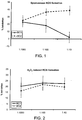
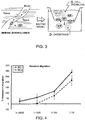
- Both BC1 and BC2 showed a clear inhibition of the spontaneous formation of reactive oxygen species in PMN cells.
- the effect of BC2 showed a dose-dependent inhibition of ROS formation, whereas the effect of BC1 showed stronger anti-inflammatory effect at the lowest doses tested.
- BC1 and BC2 presented roughly a 25% inhibition of baseline ROS formation at the highest dilution of 1:1000.
- the presence of BC1 (1:1000) reduced spontaneous ROS formation by 22% ( P ⁇ 0.003).
- BC2 (1:1000) showed a similar effect on lowering ROS formation ( P ⁇ 0.004).
- chemo-attractants f-MLP, IL-8, and Leukotriene B4 (LTB-4)
- the PMN cell is a highly active and migratory cell type that plays a major role in immune surveillance.
- the migratory behavior of PMN is divided into at least two types:
- test products may specifically reduce directed PMN migration towards the inflammatory mediators IL-8 and/or LTB4, while allowing PMN migration toward bacterial peptides as part of the normal anti-bacterial immune defense.
- the testing of migration towards several inflammatory chemo-attractants helps identify selective responses in this in vitro system, which closely mimics the rat paw edema in vivo model of inflammation.
- the assay allows for the differentiation between antibacterial immune defense mechanisms and inflammation response mechanisms.
- Freshly purified PMN cells were cultured in double-chamber migration plates, the bottom chamber mimicking tissue, and the top chamber mimicking the blood stream ( Figure 3 ). Cells were plated in the top chambers with or without test products, while different chemoattractants were placed in the bottom chambers. For control wells, cells were placed in the top chamber without a test product and chemo-attractant was not placed in the bottom wells. In this manner, evaluation of baseline random migration was determined. All assays were performed in triplicate, and repeated at least 3 times with consistent results using freshly isolated cells from three different healthy human donors.
- BC1 Bacillus coagulans supernatant
- BC2 Bacillus coagulans cell wall components
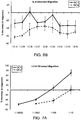
- BC1 and BC2 Bacillus coagulans supernatant (BC1) and Bacillus coagulans cell wall components (BC2) induced anti-bacterial defense mechanisms ( Figure 5 ).
- BC1 and BC2 decreased the amount of f-MLP directed migration, indicating that different levels of Bacillus coagulans have different effects on immune cells in the gut.
- BC1 (1:10,000) decreased f-MLP directed migration by 11%; however, this was not statistically significant, andBC (1:1000) decreased f-MLP directed migration by 46% ( P ⁇ 0.005).
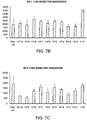
- both BC1 and BC2 fractions also had a dual effect on LTB4 directed PMN migration.
- both BC1 and BC2 demonstrated a dose-dependent reduction in PMN migration towards LTB4 ( Figure 7 ).
- the 1:1000 dilution of BC2 inhibited migration by 52% ( p ⁇ 0.002).
- Cells treated with 1:1000 ( p ⁇ 0.008) and 1:10000 ( p ⁇ 0.002) dilutions of BC1 also showed anti-inflammatory effect that were highly statistically significant.
- the 1:10 dilution of BC1 resulted in a significant increase in PMN migration towards LTB4 ( p ⁇ 0.003).
- the BC fractions were added to the bottom chambers and direct chemoattractant properties of the BC fractions were measured.
- the BC fractions were placed in the bottom chambers in combination with each of the following chemoattractants: bacterial f-MLP, IL-8 and Leukotriene B4 in order to examine the synergistic affects on PMN migration in the presence of both the BC fractions and a known chemoattractant.
- the two Bacillus coagulans fractions had very different effects on the f-MLP directed migration.
- Higher doses of BC1 enhanced the f-MLP directed migratory activity.
- the chemoattractant effect of BC1 (1:10) increased migration by 55% (P ⁇ 0.01). With the exception of the highest dose of BC2, this fraction reduced migration towards f-MLP.
- the interaction of PMN cells with BC2 made the cells much less responsive to f-MLP.
- BC2 (1:1000) treated cells inhibited migration by 52% (P ⁇ 0.001).
- the two Bacillus coagulans fractions also had very different effects on the IL-8 directed migration.
- All doses of BC1 enhanced the IL-8 directed migratory activity.
- the chemoattractant effect of BC1 (1:10) was statistically significant (P ⁇ 0.00001).
- BC2 had a dual effect.
- BC2 enhanced IL-8 induced migration.
- this fraction reduced migration towards IL-8.
- the interaction of PMN cells with BC2 made the cells much less responsive to IL-8.
- BC2 had a dual effect. At the higher dose, it enhanced LTB4 induced migration. However, at the 1:100 dose, this fraction reduced migration towards LTB4. The interaction of PMN cells with BC2 made the cells less responsive to LTB4. BC2 (1:100) treated cells inhibited migration by 11% (P ⁇ 0.01).
- Phagocytosis of microbial particles is an important part of the innate immune response. It is a rapid process, and the effect of a test product on enhancing this cellular function can be almost immediate. Phagocytosis was measured by how well PMN cells engulfed green fluorescent carboxylated fluorospheres. The mean fluorescence intensity (MFI) of phagocytic cells was then evaluated by flow cytometry. Freshly purified peripheral blood mononuclear cells were pretreated with either Bacillus coagulans supernatant (BC1) or Bacillus coagulans cell wall components (BC2) for 3 minutes, and then introduced to fluorescent micro-particles mimicking bacteria.
- BC1 Bacillus coagulans supernatant
- BC2 Bacillus coagulans cell wall components
- the cells were allowed to ingest particles for 2 minutes, after which free micro-particles were removed by centrifugation.
- the fluorescence intensity of the phagocytes was then evaluated by flow cytometry. Electronic gating was performed on the monocyte population, and the analysis was performed by measuring the mean fluorescence intensity (MFI FL3). A faster or stronger rate of phagocytosis results in a higher number of fluorescent micro-particles per cell.
- BC1 at the dilution of 1:10 increased monocyte phagocytosis. This increase of 28% was highly significant (P ⁇ 0.01).
- BC1 and BC2 increased phagocytosis in PMN cells compared to the negative controls. Exposure of PMN cells to BC1 at the 1:10 dilution increased phagocytosis by 40% ( p ⁇ 0.02). Exposure of PMN cells to BC2 at the 1:10 dilution increased phagocytosis by 25% ( p ⁇ 0.008). Further dilutions of both products resulted in reduced PMN phagocytosis ( p ⁇ 0.05).
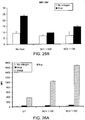
- FIGs 30A and 30B represent photographs taken from a fluorescence microscope.
- the control shows an untreated PMN cell that has engaged in phagocytosis ( Figure 30A ).
- the green beads are carboxylated fluorospheres that mimic bacterial particles.
- Figure 30B shows a PMN cell that has been treated with BC2. This cell has ingested many more fluorospheres than the untreated cell in Figure 30A .
- This figure in combination with the data above, indicates that Bacillus coagulans increases the capacity of phagocytes for engulfing foreign material.
- Natural Killer (NK) cells are involved in the primary defense mechanisms against transformed cells and viruses. These cells travel in the blood stream in a state of rest, but can be immediately activated to a) kill cancer cells by either cell contact or secretion of cytotoxic compounds such as perforin and granzyme, b) proliferate, and c) secrete substances that attract other cells into the site.
- cytotoxic compounds such as perforin and granzyme
- BC1 and BC2 the changes in expression of the NK activation cell surface marker CD69 were examined. The increased expression of this marker has been associated with an increased cytotoxic activity ofNK cells ( Clausen et al, 2003 Immunobiol, 207(2):85-93 ).
- Freshly purified human peripheral blood mononuclear cells were used for these assays.
- the cells were plated in 96-well micro-assay plates in triplicate. Negative control wells in triplicate were left untreated. Positive controls were treated with IL-2 at a dose of 100 international units per mL (IU/mL).
- IU/mL international units per mL
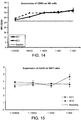
- Figure 14 depicts the change in mean fluorescence intensity of the NK activation marker CD69, following exposure of NK cells to either Bacillus coagulans supernatant (BC1) or Bacillus coagulans cell wall components (BC2). Both BC1 and BC2 showed a clear dose-dependent induction of the expression of CD69 on NK cells. The effect reached high statistical significance for both BC1 and BC2 at a 1:400 dilution, where CD69 expression was increased by 32% ( p ⁇ 0.01) for BC1, and by 36% for BC2 ( p ⁇ 0.003).
- BC1 and BC2 showed a clear dose-dependent induction of the expression of CD69 on NK cells.
- the effect reached high statistical significance for both BC1 and BC2 at a 1:400 dilution, where CD69 expression was increased by 32% ( p ⁇ 0.01) for BC1, and by 36% for BC2 ( p ⁇ 0.003).
- Figure 15 shows the expression of CD25 on NKT cells. For both BC1 and BC2, there was not a large difference in CD25 expression compared to baseline levels. While the 1:100 dilution of BC1 resulted in an increase in expression, this change did not reach statistical significance. No changes in CD25 expression on T cells were observed when comparing untreated cells to those treated with either BC1 or BC2.
- NK cells One of the functions of NK cells is to kill tumor cells and virus-infected cells via cell-cell contact and by secretion of substances such as Perforin.
- the CD107a receptor expressed on the interior of granules in the cytoplasm of NK cells is transiently brought to the cell surface.
- CD107a expression on NK cells is a measure of their cytotoxic activity by secretion of cytotoxic substances.
- Freshly-purified human peripheral blood mononuclear cells were used for this assay.
- the cells were plated in round-bottom 96-well micro-assay plates, and treated with serial dilutions of the test products in triplicate. Negative control wells in triplicate were left untreated. All other wells were used for addition of the NK-cell sensitive K562 tumor cell line, widely used in NK cell cytotoxicity assays. Positive control wells were left without adding test products. All remaining wells were treated with serial dilutions of test products. The two cell types were brought physically together by a brief 15-seconds centrifugation, and incubated for 45 minutes at 37°C. Cells were transferred to V-bottom microtiter plates for processing and staining.
- CD107a on the NK cells was analyzed by flow cytometry, where the NK cells were differentiated from the other lymphocytes based on positive staining for CD3 and CD56, and from the K562 cells based on size. Cytotoxic activity of NK cells in vitro was measured. The response in this assay predicts a similar response to non-malignant, virally infected cells.
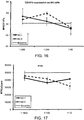
- Figure 16 shows the change in mean fluorescence intensity (MFI) of CD107a expression on natural killer cells that have been exposed to tumor cells, with or without the addition of BC1 or BC2.
- MFI mean fluorescence intensity
- Example 6 Support of adaptive immune function: Modulation of lymphocyte proliferation and cytokine production in response to two known mitogens.
- test products were examined for mitogenic potential, that is, whether they induce cell division in healthy human lymphocytes. Simultaneous to the test of mitogenic potential, the test products were examined for their effect on cells responsible for the adaptive immune defense, that is, T and B lymphocytes.
- the lymphocyte proliferation assay offers a simple method to assess whether the compositions alter lymphocyte responsiveness to known signals. A change in the proliferative response to known mitogens in the presence of a composition indicates an immunomodulatory effect, such as T and B lymphocyte signaling and activation.
- compositions were tested in serial dilutions in the presence and absence of mitogens. Two mitogens were tested in parallel: Phytohemagglutinin (PHA), which is a T cell mitogen that will induce T cell proliferation, and Pokeweed Mitogen (PWM), which is a mitogen that requires the collaboration of T cells, B cells and monocytes in the culture.
- PHA Phytohemagglutinin
- PWM Pokeweed Mitogen
- PBMC peripheral blood mononuclear cells
- BC1 nor BC2 had a mitogenic effect on lymphocyte proliferation following five days incubation at 37°C with product and culture media.
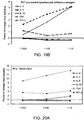
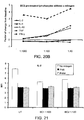
- BC1 and BC2 showed a reduction in lymphocyte proliferation in the presence of PHA and PWM ( Figures 17 and 18 ). This reduction was significant at all doses of BC1 in the presence of both PHA and PWM ( p ⁇ 0.02) and was significant for the two highest concentrations of BC2 ( p ⁇ 0.02). Additionally, high statistical significance was reached for BC1 at the 1:10 ( p ⁇ 0.003) and 1:100 ( p ⁇ 0.002) doses and BC2 at the 1:10 ( p ⁇ 0.004) dose in the presence of PHA and BC1 at the 1:100 ( p ⁇ 0.005) dose and BC2 at the 1:10 ( p ⁇ 0.002) and 1:100 ( p ⁇ 0.006) doses in the presence of PWM.
- a flow cytometry-based Thl/Th2 cytokine bead array (CBA) for the 6 cytokines IL-2, IL-4, IL-6, IL-10, TNF- ⁇ and INF- ⁇ was used to evaluate the levels of cytokines present in the supernatants from 5-day lymphocyte cultures.
- CBA flow cytometry-based Thl/Th2 cytokine bead array
- IL-2, IL-4, IL-6, IL-10, TNF- ⁇ and INF- ⁇ was used to evaluate the levels of cytokines present in the supernatants from 5-day lymphocyte cultures.
- FIGs 19-20 relative changes in cytokine concentrations are first presented in overview graphs showing changes in all 6 cytokines across the 3 product dilutions. There are separate graphs for BC1 and BC2 and changes are represented as factor of change from baseline (lymphocytes cultured without product).
- Lymphocytes were also cultured (with or without product) in the presence of 2 different mitogens.
- Phytohemagglutinin (PHA) was used to induce T cell proliferation
- PWM Pokeweed Mitogen
- Comparisons were made between lymphocytes cultured in the presence of no product and lymphocytes cultured in the presence of 1:100 dilutions of either BC1 or BC2. This data is presented in separate graphs for each individual cytokine and also compares changes in cytokine levels in lymphocytes that were cultured without mitogens either without product or with the 1:100 dilutions of BC1 and BC2.
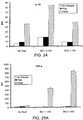
- TNF- ⁇ production was slightly lower than untreated PBMC in the presence of both BC1 and BC2 ( Figure 25A and 25B ). This mild reduction was not statistically significant for either BC1 or BC2.
- Treatment of PBMC with either BC1 or BC2 in the presence of PHA resulted in 2-fold decreases in TNF- ⁇ expression that were statistically significant for both BC1 ( P ⁇ 0.002) and BC2 ( P ⁇ 0.006).
- treatment of PBMC with BC1 and BC2 in the presence of PWM resulted in strong increases in TNF- ⁇ levels.
- BC1 treatment produced an 11-fold increase ( P ⁇ 0.003) and BC2 treatment a 22-fold increase ( P ⁇ 0.001).
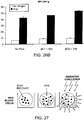
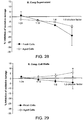
- the culture supernatant and cell wall fractions were tested in the Cell-based Antioxidant Protection in Erythrocytes (CAP-e) assay, a bioassay for antioxidants test ( Figures 27-29 ).
- This assay allows assessment of antioxidant potential in a method that is comparable to the oxygen radical absorbance capacity (ORAC) test, but only allows measurement of anti-oxidants that are able to cross the lipid bilayer cell membrane.
- ORAC oxygen radical absorbance capacity
- red blood cells RBC
- This assay is particularly useful to assess antioxidants from complex natural products in a cell-based system.
- Freshly purified human RBC were washed repeatedly in physiological saline, and then exposed to the test compositions. During the incubation with a test product, any antioxidant compounds able to cross the cell membrane can enter the interior of the RBC. RBC were then washed to remove compounds that were not absorbed by the cells, and loaded with the DCF-DA dye, which turns fluorescent upon exposure to reactive oxygen species. Oxidation was triggered by addition of the peroxyl free radical generator AAPH. The fluorescence intensity was evaluated. The low fluorescence intensity of untreated control cells serve as a baseline, and RBC treated with AAPH alone serve as a positive control for maximum oxidative damage. An observation of a reduced fluorescence intensity of RBC exposed to a test product and subsequently exposed to AAPH, indicates that the test product contains antioxidants available to penetrate into the cells and protect these from oxidative damage.
- BC-1 cell-free BC supernatants
- BC-2 cell-free cell wall fractions
- both BC1 and BC2 inhibited spontaneous ROS formation and reduced ROS formation when oxidative stress had been applied to PMN's.
- both BC1 and BC2 increased the migration of PMN cells towards a bacterial peptide, indicating an enhancement of the immune surveillance function of PMN in detecting bacteria.
- both BC1 and BC2 decreased the migration of PMN cells towards a bacterial peptide, indicating that at low concentrations, the compounds present in the supernatant and cell wall preparations of Bacillus coagulans had an immunomodulatory effect on the ability of the PMN to respond to the bacterial peptide signal. This effect underlies processes that dictate how the immune system responds to a bacterial infection vs.
- BC1 resident (beneficial) commensal bacteria in the gut.
- the highest dose of BC1 increased monocyte phagocytosis.
- BC2 did not increase monocyte phagocytosis.
- BC1 and BC2 at the strongest dose increased PMN phagocytosis.
- NK expression (CD69) was increased in all dilutions of BC1 and BC2 tested.
- BC1 and BC2 both deceased lymphocyte proliferation at all doses.
- Both Bacillus coagulans fractions reduced IL-2 and TNF.
- These cytokines are known TH1 cytokines which is directed at macrophage activation. However, a mild increase was noticed for IFN- ⁇ production for both Bacillus coagulans fractions.
- Bacillus coagulans fractions increased the production of IL-4, IL-6, and IL-10. These cytokines are more directly linked to TH2 production which is used to help signal and activate B-cells, which are antigen presenting cells for the adaptive immune system. BC1 and BC2 were both capable at hindering the migration of PMN cells when directed towards the known chemoattractant IL-8. This strong anti-inflammatory effect was significant across a wide range of dilutions. Bacillus coagulans cell wall inhibited the migration of PMN cells when directed towards the inflammatory chemoattractant LTB4.
- Example 9 Fractionation of Bacillus coagulans supernatant and cell wall components
- a sample of BC spores was heat-activated and inoculated in a liquid culture medium. Sample is incubated at 37°C for 24 hours. This time period allows the formation of a log-phase bacterial culture where death and bacterial breakdown is not prominent. After the incubation, the two fractions (cell wall and supernatant) are prepared. The initial separation is accomplished by decanting the entire culture into a 50mL vial and centrifugation at 2400 rpm. Bacterial aggregates form a pellet. The supernatant is gently be decanted into a new vial.
- the pellet is transferred to a glass vial and subjected to bead milling using low-protein-binding Zirconium beads with a diameter of 100 micrometer.
- the milling is performed by repeated 'pulsing' using a Vortex mixer.
- the beads are removed and the slush containing the broken cell wall fragments are sterile-filtered into multiple aliquots that will be frozen immediately at -80°C.
- Electrophoresis is used to understand the protein and polysaccharide makeup of Bacillus coagulans fractions and spores.
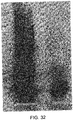
- a typical protein gel electrophoresis method is shown in Figure 31 . This process separates the proteins and polysaccharides by molecular weight and gives a valuable fingerprint for each of the BC fractions. Electrophoretic separation provides information about the relative quantity of specific proteins and polysaccaharides in the product.
- Size fractionation by molecular weight ( ⁇ 3, 3-30, 30-200 kDa) of both supernatant and cell wall fractions is performed to further characterize the three main identified biological activities: a) Anti-inflammatory effect, as measured by inhibition of cell migration in response to inflammatory mediators; b) Effect on NK cell activation; and c) Effect on cytokine production.
- the PMN cell is a highly active and migratory cell type. Bacillus coagulans fractions have strong anti-inflammatory effects when exposed to the known inflammatory cytokine LTB4. Crude BC cell wall and BC supernatant are fractionated into the following molecular weight ranges: a) ⁇ 3kDa, b) 3-30 kDa, and c) 30-200kDa. Similar volumes of Bacillus coagulans cell wall and supernatant are placed into centrifugation columns that filter out specific molecular weight fractions. After centrifugation the remaining volumes are serial diluted and placed in with the PMN's before plating into the top chamber.
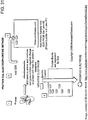
- Freshly purified PMN cells cultures are set up in double-chamber migration plates, where the bottom chamber mimics tissue, and the top chamber mimics the blood stream as described in Figure 33 .
- Cells are plated in the top chambers with and without test products, and the different chemo-attractant (LTB4) is present in the bottom chambers. All assays are performed in triplicates, and repeated at least 3 times with consistent results.
- the testing of migration towards the inflammatory chemo-attractant LTB4 identifies selective responses in this in vitro system, which closely mimics some in vivo models of inflammation, such as rat paw edema.
- the assay allows a distinction between normal PMN defense mechanisms versus response to inflammation.
- the anti-inflammatory activity of Bacillus coagulans spores is also examined. These assays identify which molecular weight compounds are responsible for the anti-inflammatory effects of BC supernatant and cell wall fractions.
- Bioactivity of Bacillus coagulans supernatant and cell wall components is also assessed after drying and reconstitution to determine if bioactivity is preserved after drying.
- This assay identifies which molecular weight compounds are responsible for the NK cell activating effects of BC supernatant and cell wall fractions. The ability of Bacillus coagulans spores to activate NK cells is also examined.
- GanedenBC 30 Bacillus coagulans GBI-30, ATCC Designation Number PTA-6086
- the beneficial effect of GanedenBC 30 was evaluated when challenged with the adenovirus and influenza. Studies were also carried out to determine the beneficial effect of GanedenBC 30 ( Bacillus coagulans GBI-30, ATCC Designation Number PTA-6086) in health individuals on %CD3CD69 cells- a marker for T-lymphocyte activity.
- Blood samples were taken and stimulated with either the adenovirus or influenza A and incubated for 24 hours and then vortexed. 100 microliters of the sample was drawn off and of that 20 microliters were used for the %CD3CD69 testing. 900 microliters from the remaining samples were drawn and centrifuged and the plasma removed. Samples of the plasma were taken and used in the cytokine testing. Various cytokines were tested, and ones with statistically changes are noted below.
Landscapes
- Health & Medical Sciences (AREA)
- Life Sciences & Earth Sciences (AREA)
- Veterinary Medicine (AREA)
- Chemical & Material Sciences (AREA)
- Public Health (AREA)
- General Health & Medical Sciences (AREA)
- Medicinal Chemistry (AREA)
- Animal Behavior & Ethology (AREA)
- Pharmacology & Pharmacy (AREA)
- Mycology (AREA)
- Microbiology (AREA)
- Nuclear Medicine, Radiotherapy & Molecular Imaging (AREA)
- General Chemical & Material Sciences (AREA)
- Chemical Kinetics & Catalysis (AREA)
- Organic Chemistry (AREA)
- Epidemiology (AREA)
- Molecular Biology (AREA)
- Virology (AREA)
- Immunology (AREA)
- Communicable Diseases (AREA)
- Oncology (AREA)
- Engineering & Computer Science (AREA)
- Zoology (AREA)
- Pulmonology (AREA)
- Bioinformatics & Cheminformatics (AREA)
- Rheumatology (AREA)
- Pain & Pain Management (AREA)
- Biotechnology (AREA)
- Medicines Containing Material From Animals Or Micro-Organisms (AREA)
- Medicinal Preparation (AREA)
- Medicines Containing Antibodies Or Antigens For Use As Internal Diagnostic Agents (AREA)
- Coloring Foods And Improving Nutritive Qualities (AREA)
- Non-Alcoholic Beverages (AREA)
Applications Claiming Priority (3)
| Application Number | Priority Date | Filing Date | Title |
|---|---|---|---|
| US21487609P | 2009-04-29 | 2009-04-29 | |
| US28525509P | 2009-12-10 | 2009-12-10 | |
| EP10717388.2A EP2424550B1 (en) | 2009-04-29 | 2010-04-29 | Bacterial cell membrane formulation |
Related Parent Applications (2)
| Application Number | Title | Priority Date | Filing Date |
|---|---|---|---|
| EP10717388.2A Division-Into EP2424550B1 (en) | 2009-04-29 | 2010-04-29 | Bacterial cell membrane formulation |
| EP10717388.2A Division EP2424550B1 (en) | 2009-04-29 | 2010-04-29 | Bacterial cell membrane formulation |
Publications (1)
| Publication Number | Publication Date |
|---|---|
| EP3246039A1 true EP3246039A1 (en) | 2017-11-22 |
Family
ID=42697453
Family Applications (2)
| Application Number | Title | Priority Date | Filing Date |
|---|---|---|---|
| EP17167269.4A Withdrawn EP3246039A1 (en) | 2009-04-29 | 2010-04-29 | Bacterial cell membrane formulation |
| EP10717388.2A Not-in-force EP2424550B1 (en) | 2009-04-29 | 2010-04-29 | Bacterial cell membrane formulation |
Family Applications After (1)
| Application Number | Title | Priority Date | Filing Date |
|---|---|---|---|
| EP10717388.2A Not-in-force EP2424550B1 (en) | 2009-04-29 | 2010-04-29 | Bacterial cell membrane formulation |
Country Status (9)
| Country | Link |
|---|---|
| US (6) | US8568743B2 (enExample) |
| EP (2) | EP3246039A1 (enExample) |
| JP (3) | JP5836264B2 (enExample) |
| AU (1) | AU2010242955B2 (enExample) |
| CA (1) | CA2760325A1 (enExample) |
| DK (1) | DK2424550T3 (enExample) |
| ES (1) | ES2639364T3 (enExample) |
| HK (1) | HK1247086A1 (enExample) |
| WO (1) | WO2010127132A1 (enExample) |
Cited By (1)
| Publication number | Priority date | Publication date | Assignee | Title |
|---|---|---|---|---|
| EP3927356A2 (en) * | 2019-02-22 | 2021-12-29 | Evelo Biosciences, Inc. | Bacterial membrane preparations |
Families Citing this family (17)
| Publication number | Priority date | Publication date | Assignee | Title |
|---|---|---|---|---|
| JP2851563B2 (ja) | 1995-05-10 | 1999-01-27 | 株式会社栗本鐵工所 | 水路内面のライニング用補修ユニット及びそのライニング工法 |
| JP2984214B2 (ja) | 1995-09-05 | 1999-11-29 | 株式会社栗本鐵工所 | 既設水路の補修ユニット及びその補修工法 |
| US7767203B2 (en) | 1998-08-07 | 2010-08-03 | Ganeden Biotech, Inc. | Methods for the dietary management of irritable bowel syndrome and carbohydrate malabsorption |
| WO2009029267A1 (en) | 2007-08-29 | 2009-03-05 | Ganeden Biotech, Inc. | Baked goods |
| US9622502B2 (en) | 2008-10-16 | 2017-04-18 | Ganeden Biotech, Inc. | Probiotic Bacillus pasta compositions |
| AU2010242955B2 (en) * | 2009-04-29 | 2016-02-04 | Ganeden Biotech, Inc. | Inactivated bacterial cell formulation |
| US9301982B2 (en) | 2010-04-14 | 2016-04-05 | Ganeden Biotech, Inc. | Probiotic confection and lipid compositions |
| WO2012135499A1 (en) | 2011-03-31 | 2012-10-04 | Ganeden Biotech, Inc. | Probiotic sports nutrition compositions |
| US20130251695A1 (en) * | 2012-02-28 | 2013-09-26 | Ganeden Biotech, Inc. | Cosmetic Compositions |
| US20150313951A1 (en) * | 2014-05-01 | 2015-11-05 | Ganeden Biotech, Inc. | Functional foods containing bacillus coagulans and non-dairy milk-like compositions |
| DE102017108278B4 (de) * | 2017-04-19 | 2019-03-07 | Bruker Daltonik Gmbh | Mikrobieller Teststandard für die Verwendung in der Infrarot-Spektrometrie |
| US11364268B2 (en) * | 2017-06-21 | 2022-06-21 | Ganeden Biotech, Inc. | Inactivated Bacillus coagulans and uses thereof for increasing physical performance |
| WO2019060501A1 (en) * | 2017-09-21 | 2019-03-28 | Muhammed Majeed | ALCOHOLIC BEVERAGE COMPOSITION CONTAINING BACILLUS COAGULANS |
| WO2019160116A1 (ja) * | 2018-02-16 | 2019-08-22 | イチビキ株式会社 | バチルス属細菌、インターロイキン-22産生誘導剤、皮膚バリア機能増強剤 |
| CA3098584A1 (en) * | 2018-04-30 | 2019-11-07 | Sami Labs Limited | Modulation of immune function by bacillus coagulans |
| EP3890759B1 (en) | 2018-12-04 | 2023-08-23 | Sabiotec Spin-Off, S.L. | Immunostimulant for use against pathogens |
| JP2024175157A (ja) * | 2021-11-12 | 2024-12-18 | 三菱ケミカル株式会社 | 風邪様症状の改善のための組成物 |
Citations (3)
| Publication number | Priority date | Publication date | Assignee | Title |
|---|---|---|---|---|
| US6849256B1 (en) | 1999-11-08 | 2005-02-01 | Ganeden Biotech Incorporated | Inhibition of pathogens by probiotic bacteria |
| US20080206212A1 (en) * | 2007-02-28 | 2008-08-28 | Bristol-Myers Squibb Company | Method for the utilization of and product containing inactivated probiotic |
| WO2009032121A1 (en) * | 2007-08-29 | 2009-03-12 | Ganeden Biotech, Inc. | Compositions and methods for enhancing paper product degradation |
Family Cites Families (153)
| Publication number | Priority date | Publication date | Assignee | Title |
|---|---|---|---|---|
| US3091572A (en) | 1962-07-16 | 1963-05-28 | Schering Corp | Gentamycin and method of production |
| GB1040278A (en) | 1963-10-15 | 1966-08-24 | Analyses Et De Rech S Biolog M | Bacterial compositions for the regeneration of the intestinal microflora |
| US3629073A (en) | 1969-04-01 | 1971-12-21 | Baxter Laboratories Inc | Acid-active lactose |
| US3840684A (en) | 1970-03-13 | 1974-10-08 | Gen Foods Corp | Decaffeinated coffee |
| US3718739A (en) | 1971-06-15 | 1973-02-27 | Baxter Laboratories Inc | Treating lactase deficiency with an active lactase |
| US3919049A (en) | 1974-06-27 | 1975-11-11 | Tokyo Tanabe Co | Process for preparing {62 -galactosidase |
| US4179335A (en) | 1974-12-04 | 1979-12-18 | R. J. Reynolds Tobacco Company | Thermostable lactase derived from Bacillus coagulans |
| US4323651A (en) | 1974-12-04 | 1982-04-06 | R. J. Reynolds Tobacco Company | Thermostable lactase derived from bacillus |
| JPS51150381A (en) | 1975-06-18 | 1976-12-23 | Toshiba Corp | Scanning device for paper-like substance |
| US4210672A (en) | 1976-04-02 | 1980-07-01 | Seikenkai | Preparation of yogurt |
| US4144346A (en) | 1977-01-31 | 1979-03-13 | Janssen Pharmaceutica N.V. | Novel 1-(1,3-dioxolan-2-ylmethyl)-1H-imidazoles |
| US4110477A (en) | 1977-05-13 | 1978-08-29 | Kabushiki Kaisha Naruse Fermentation Laboratory | Method for producing natto containing lactic acid bacteria |
| JPS562908A (en) | 1979-06-20 | 1981-01-13 | Nikken Kagaku Kk | Preparation of stable live bacterial pharmaceutical remedy |
| US4321258A (en) | 1980-08-13 | 1982-03-23 | Dunlap Dorsey S | Non-toxic insecticide |
| CA1206108A (en) | 1981-03-06 | 1986-06-17 | Shuichi Aiba | Process for transforming microorganism by means of plasmid introduction |
| US4751085A (en) | 1984-08-29 | 1988-06-14 | Gaull Gerald E | Human nutritional compositions containing taurine and vitamins and/or minerals |
| FR2569723B1 (fr) | 1984-08-31 | 1986-09-19 | Centre Nat Rech Scient | Application des antibiotiques de la famille des phleomycines a titre d'agent de selection dans le domaine du genie genetique |
| JPH0441434Y2 (enExample) | 1984-09-12 | 1992-09-29 | ||
| JPS61144787A (ja) | 1984-12-17 | 1986-07-02 | Victor Co Of Japan Ltd | 磁気記録再生装置 |
| JPS6261572A (ja) | 1985-09-12 | 1987-03-18 | Nippon Oil & Fats Co Ltd | スプレツドおよびその製法 |
| US4756913A (en) | 1985-09-30 | 1988-07-12 | Khorkova Evgenia A | Sour milk product |
| US4956177A (en) | 1985-11-04 | 1990-09-11 | Microlife Technics, Inc. | Method for inhibiting fungi |
| US5413960A (en) | 1987-05-01 | 1995-05-09 | Biogaia Ab | Antibiotic reuterin |
| JP2806522B2 (ja) | 1987-09-04 | 1998-09-30 | 日本食品化工株式会社 | 分岐フラクトオリゴ糖の製造方法 |
| US4806368A (en) | 1987-09-16 | 1989-02-21 | Reddy Malireddy S | Shelf life and subsequent growth of lactobacillus acidophilus, propionibacterium shermanii and leuconostoc citrovorum in dietary fiber based supplement preparation |
| JPS6483025A (en) | 1987-09-24 | 1989-03-28 | Fujio Hayashi | Blended preparation of drug-resistant live bacterium agent for controlling intestinal function and antibacterial agent |
| DK686187D0 (da) | 1987-12-23 | 1987-12-23 | Hansens Chr Bio Syst | Veterinaert praeparat |
| JPH01199575A (ja) | 1988-02-04 | 1989-08-10 | Rikagaku Kenkyusho | 新規なサイクロマルトデキストリン・グルカノトランスフェラーゼ及びその製造法 |
| US5443826A (en) | 1988-08-02 | 1995-08-22 | Borody; Thomas J. | Treatment of gastro-intestinal disorders with a fecal composition or a composition of bacteroides and E. Coli |
| IT1227154B (it) | 1988-08-05 | 1991-03-19 | A Tosi Farmaceutici S R L Nova | Composizioni farmaceutiche per uso ginecologico a base di lattobacilli |
| AT391323B (de) | 1989-03-10 | 1990-09-25 | Jungbunzlauer Ag | Mikroorganismus der species bacillus coagulans sowie ein verfahren zur herstellung von optisch reiner l(+)-milchsaeure |
| FR2656314B1 (fr) | 1989-12-22 | 1992-04-17 | Bp Chemicals Snc | Catalyseur a base de zirconium supporte sur du chlorure de magnesium, procede de preparation et utilisation du catalyseur dans la polymerisation des olefines. |
| DE4001611C1 (enExample) | 1990-01-20 | 1991-02-28 | Skw Trostberg Ag, 8223 Trostberg, De | |
| US5266315A (en) | 1990-05-07 | 1993-11-30 | Kabushiki Kaisha Miyarisan Seibutsu Igaku Kenkyusho | Composite for Clostridium difficile diarrhea and pseudomembranous colitis |
| JPH0678367B2 (ja) | 1990-05-15 | 1994-10-05 | 呉羽化学工業株式会社 | 食物繊維、その製造法及びその食物繊維を含有する生理活性剤 |
| US5200336A (en) | 1990-07-02 | 1993-04-06 | New England Biolabs, Inc. | Restriction endonuclease obtainable foam bacillus coagulans and a process for producing the same |
| FR2677038B1 (fr) | 1991-06-03 | 1994-08-12 | Bel Fromageries | Additif alimentaire pour l'alimentation humaine et animale et aliments le contenant. |
| DE4132296C1 (en) | 1991-09-27 | 1992-12-17 | Karl Heinz 8081 Schoengeising De Hoelzel | Enzymic metabolic prod. prepn. for intestinal disorders etc. - obtd. from pathogenic lacto- and bifido- bacteria from the gut |
| GB2261372A (en) | 1991-11-15 | 1993-05-19 | Gregor Reid | Lactobacillus and skim milk compositions for prevention of urogenital infection |
| IT1262927B (it) | 1992-01-14 | 1996-07-22 | Consiglio Nazionale Ricerche | Batteri sporgenti e loro impiego come probiotici |
| CA2063499C (en) | 1992-03-19 | 1996-06-18 | Leon Edward St. Pierre | Ingestible polymeric phosphonium salts for the lowering of blood cholesterol |
| JP3459837B2 (ja) | 1992-05-12 | 2003-10-27 | 太陽化学株式会社 | 生菌粉末 |
| US5902617A (en) | 1992-05-19 | 1999-05-11 | Pabst; Patrea L. | Enzyme supplemented baby formula |
| WO1994011492A1 (en) | 1992-11-12 | 1994-05-26 | Chr. Hansen's Laboratory, Inc. | Method of favorably modifying poultry intestinal microflora |
| GB9223709D0 (en) | 1992-11-12 | 1992-12-23 | Ici Plc | Process for the separation of protein from microorganisms |
| US5449523A (en) | 1993-04-20 | 1995-09-12 | The Ohio State University Research Foundation | Process for the manufacture of a calcium fortified yogurt with improved heat stability |
| US5607669A (en) | 1994-06-10 | 1997-03-04 | Geltex Pharmaceuticals, Inc. | Amine polymer sequestrant and method of cholesterol depletion |
| US6103246A (en) | 1993-06-03 | 2000-08-15 | Tisdale; Carrie J. | Creams and lotions containing emu oil |
| JP2510943B2 (ja) | 1993-06-07 | 1996-06-26 | 株式会社ドクターマインツ | 痩身用食品 |
| US6428786B1 (en) | 1993-09-28 | 2002-08-06 | Mcneil-Ppc, Inc. | Composition and method for lactose hydrolysis |
| DE4336050C2 (de) | 1993-10-22 | 1995-11-16 | Onken Gmbh | Tierfutter, insbesondere Alleinfutter für Katzen und Hunde |
| JP3381010B2 (ja) | 1994-05-10 | 2003-02-24 | 株式会社林原生物化学研究所 | プロポリスエキスを含有する発酵物とその製造方法並びに用途 |
| US5589381A (en) | 1994-06-30 | 1996-12-31 | Rutgers, The State University Of New Jersey | Bacillus licheniformis producing antifungal agents and uses thereof for control of phytopathogenic fungi |
| AUPM864894A0 (en) | 1994-10-07 | 1994-11-03 | Borody, Thomas Julius | Treatment of bowel-dependent neurological disorders |
| US5531989A (en) | 1994-10-28 | 1996-07-02 | Metagenics, Inc. | Immunoglobulin and fiber-containing composition for human gastrointestinal health |
| US5531988A (en) | 1994-10-28 | 1996-07-02 | Metagenics, Inc. | Bacteria and immunoglobulin-containing composition for human gastrointestinal health |
| JPH08175921A (ja) | 1994-12-22 | 1996-07-09 | Idemitsu Kosan Co Ltd | 農園芸用殺菌剤組成物 |
| US5534253A (en) | 1995-06-07 | 1996-07-09 | Biogaia Ab | Method of treating enteropathogenic bacterial infections in poultry |
| US5785990A (en) | 1995-07-10 | 1998-07-28 | Merrick's, Inc. | Feed fortifier and enhancer for preruminant calves and method of using same |
| JPH09194384A (ja) | 1996-01-19 | 1997-07-29 | Snow Brand Milk Prod Co Ltd | ミネラル吸収促進剤 |
| JPH11504048A (ja) | 1996-02-14 | 1999-04-06 | ザ、プロクター、エンド、ギャンブル、カンパニー | 泌尿生殖器および腸用の組成物 |
| AUPN881396A0 (en) | 1996-03-20 | 1996-04-18 | Arnott's Biscuits Limited | Enhancement of microbial colonization of the gastrointestinal tract |
| JP3658883B2 (ja) | 1996-09-06 | 2005-06-08 | 株式会社ニコン | レンズ鏡筒とその取付部材 |
| DE29724815U1 (de) | 1997-01-09 | 2004-07-22 | Société des Produits Nestlé S.A. | Probiotik enthaltendes Getreideprodukt |
| US6132710A (en) | 1997-03-17 | 2000-10-17 | Probiotix, Inc. | Preventing/treating neonatal NEC by administering lactobacillus salivarius and lactobacillus plantarum or a combination thereof |
| US6716435B1 (en) | 1997-04-18 | 2004-04-06 | Ganeden Biotech, Inc. | Absorbent product containing absorbent structure and Bacillus coagulans |
| DE69832267T2 (de) | 1997-04-18 | 2006-08-10 | Ganeden Biotech, Inc., La Jolla | Oberflächige verwendung von probiotischen bacillussporen zur verhinderung oder bekämpfung von mikrobiellen infektionen |
| US6645506B1 (en) | 1997-04-18 | 2003-11-11 | Ganeden Biotech, Inc. | Topical compositions containing extracellular products of Pseudomonas lindbergii and Emu oil |
| US7507402B1 (en) * | 1997-04-18 | 2009-03-24 | Ganeden Biotech, Inc. | Topical use of probiotic Bacillus spores to prevent or control microbial infections |
| JPH10306028A (ja) | 1997-05-06 | 1998-11-17 | Koji Haraguchi | 脂質消化吸収阻害整腸剤 |
| EP0986314B1 (en) | 1997-06-03 | 2008-09-10 | Ganeden Biotech, Inc. | Probiotic lactic acid bacterium to treat bacterial infections associated with sids |
| US7374753B1 (en) * | 1997-06-03 | 2008-05-20 | Ganeden Biotech, Inc. | Probiotic lactic acid bacterium to treat bacterial infections associated with SIDS |
| US20010006644A1 (en) | 1997-07-31 | 2001-07-05 | David J. Bova | Combinations of hmg-coa reductase inhibitors and nicotinic acid and methods for treating hyperlipidemia once a day at night |
| JP3768694B2 (ja) | 1997-08-18 | 2006-04-19 | コーア株式会社 | Bacillussp代謝物含有材の製造方法 |
| GB9721139D0 (en) | 1997-10-07 | 1997-12-03 | Glaxo Group Ltd | Medicaments |
| JP3652866B2 (ja) | 1997-12-18 | 2005-05-25 | 花王株式会社 | 有胞子乳酸菌を含有する飲料 |
| US6107291A (en) | 1997-12-19 | 2000-08-22 | Amgen Inc. | Azepine or larger medium ring derivatives and methods of use |
| US5895672A (en) | 1998-01-13 | 1999-04-20 | Cooper; Barry Patrick Wesley | Product and process for preparing a tea extract |
| US5928664A (en) | 1998-02-11 | 1999-07-27 | Fuisz Technologies Ltd. | Consumable gummy delivery system |
| JP3324979B2 (ja) | 1998-02-17 | 2002-09-17 | 浅田商事株式会社 | 芝草の刈りかすおよびサッチを分解するバチルス、そのバチルスを含有する微生物資材 |
| JP3052131U (ja) | 1998-03-10 | 1998-09-14 | 株式会社クレッセンドコーポレーション | ビフィズス菌とオリゴ糖の組合せによるスティック包装袋 |
| US6811786B1 (en) | 1999-04-01 | 2004-11-02 | Ganeden Biotech, Inc. | Methods for reducing cholesterol using Bacillus coagulans spores, systems and compositions |
| DE69929321T2 (de) | 1998-04-01 | 2006-09-14 | Ganeden Biotech, Inc., San Diego | Erfahren zür verringerung von cholesterin mit bacillus coagulans sporen, systeme un zusammensetzungen |
| JPH11335285A (ja) | 1998-05-25 | 1999-12-07 | Toyotama Koryo Kk | 整腸・便秘改善剤およびこれを含有する飲食物並びに動物用飼料 |
| EP1102595A2 (en) | 1998-08-07 | 2001-05-30 | Ganeden Biotech, Inc. | Methods for increasing the solubility of nutritional materials using probiotic lactic acid-producing bacteria |
| US7767203B2 (en) | 1998-08-07 | 2010-08-03 | Ganeden Biotech, Inc. | Methods for the dietary management of irritable bowel syndrome and carbohydrate malabsorption |
| US6461607B1 (en) | 1998-08-24 | 2002-10-08 | Ganeden Biotech, Inc. | Probiotic, lactic acid-producing bacteria and uses thereof |
| JP2000093162A (ja) | 1998-09-24 | 2000-04-04 | Kao Corp | 有胞子乳酸菌の培養方法 |
| US6080401A (en) | 1998-11-19 | 2000-06-27 | Reddy; Malireddy S. | Herbal and pharmaceutical drugs enhanced with probiotics |
| IT1306201B1 (it) | 1999-01-14 | 2001-05-30 | Giuliani Spa | Composizione adatta quale integratore alimentare e per il trattamentoterapeutico di disturbi intestinali e di alterazioni della flora |
| EP1020123A1 (en) | 1999-01-18 | 2000-07-19 | Sitia-Yomo S.p.A. | Beverages containing live lactic bacteria |
| WO2000061201A1 (en) | 1999-04-14 | 2000-10-19 | Ganeden Biotech, Inc. | Methods for inhibiting microbial infections associated with sanitary products |
| US20040161422A1 (en) | 1999-04-30 | 2004-08-19 | Natarajan Ranganathan | Nutritional compositions comprising probiotics |
| JP2003507437A (ja) | 1999-08-26 | 2003-02-25 | ガネデン バイオテック, インコーポレイテッド | 抗真菌薬剤、抗細菌薬剤、および抗ウイルス薬剤のためのキャリアであるエミュー油の使用 |
| JP4082827B2 (ja) | 1999-09-13 | 2008-04-30 | 日東電工株式会社 | 基板の異物除去装置 |
| CA2389982C (en) * | 1999-11-08 | 2015-06-16 | Ganeden Biotech, Inc. | Inhibition of pathogens by bacillus coagulans strains |
| ATE320724T1 (de) | 1999-12-30 | 2006-04-15 | Kerry Group Services Ltd | Aufbaupräparat, das kohlenhydrat- und peptidmaterial enthält und sein gebrauch als energieergänzung nach oder während körperlicher übung oder als metabolischer nährstoff für die orale verabreichung |
| JP2001252012A (ja) | 2000-03-15 | 2001-09-18 | Otsuka Shokuhin Kk | 長期間チルド保存可能な乳酸菌飲料およびその製造方法 |
| JP3363438B2 (ja) | 2000-05-02 | 2003-01-08 | ビオフェルミン製薬株式会社 | 噴霧乾燥による菌体乾燥物 |
| US20020037524A1 (en) | 2000-06-22 | 2002-03-28 | Eugene Medlock | IL-17 like molecules and uses thereof |
| US20020150594A1 (en) | 2000-06-26 | 2002-10-17 | Maxygen, Inc. | Methods and compositions for developing spore display systems for medicinal and industrial applications |
| US20030045688A1 (en) | 2000-08-25 | 2003-03-06 | Chu Charles Chiyuan | Human interleukin-four induced protein |
| US7024497B1 (en) | 2000-09-07 | 2006-04-04 | Adaptec, Inc. | Methods for accessing remotely located devices |
| US9292516B2 (en) | 2005-02-16 | 2016-03-22 | Sonic Solutions Llc | Generation, organization and/or playing back of content based on incorporated parameter identifiers |
| JP2002085009A (ja) | 2000-09-14 | 2002-03-26 | Unicafe Inc | 納豆末を用いた腸内活性化食品 |
| JP2002114671A (ja) | 2000-10-04 | 2002-04-16 | Taisho Pharmaceut Co Ltd | サイトカイン産生抑制剤 |
| US20030185811A1 (en) | 2001-02-06 | 2003-10-02 | Steve Teasdale | Herbal extract and preparation thereof |
| US20030068320A1 (en) | 2001-03-02 | 2003-04-10 | Christine Dingivan | Methods of administering/dosing CD2 antagonists for the prevention and treatment of autoimmune disorders or inflammatory disorders |
| US6599555B2 (en) | 2001-03-08 | 2003-07-29 | Bocabear Foods, Inc. | Process for making a reduced-calorie fruit and/or vegetable spread |
| US20030124104A1 (en) | 2001-11-05 | 2003-07-03 | Sean Farmer | Probiotic compositions |
| CA2466083A1 (en) | 2001-11-06 | 2003-05-15 | Maxim Pharmaceuticals, Inc. | Compositions for the treatment of infectious diseases |
| EP1344458A1 (en) | 2002-03-12 | 2003-09-17 | Société des Produits Nestlé S.A. | Probiotic delivery system |
| WO2004004747A1 (ja) | 2002-07-09 | 2004-01-15 | Decentwork Inc. | 整腸性組成物及び整腸健康飲料並びに大腸内洗浄液 |
| US20040010510A1 (en) | 2002-07-10 | 2004-01-15 | Timo Hotti | Method and system for database synchronization |
| CN1668205A (zh) | 2002-07-19 | 2005-09-14 | 曼海姆/奥克森富特希德楚格股份公司 | 含异麦芽糖速溶饮料粉 |
| TWI228974B (en) | 2002-09-04 | 2005-03-11 | Genmont Biotech Inc | Beverage containing lactobacillus and the manufacturing method thereof |
| US20040071685A1 (en) | 2002-10-09 | 2004-04-15 | Devin Houston | Compositions and methods for increasing the bioavailability of plant polyphenols |
| CN1221187C (zh) | 2002-12-13 | 2005-10-05 | 景岳生物科技股份有限公司 | 含乳酸菌的饮用品及其制造方法 |
| US20040175459A1 (en) | 2003-03-06 | 2004-09-09 | Te-Chih Ting | Method for producing an aqueous beverage containing sporogenous lactic bacteria |
| JPWO2004096246A1 (ja) | 2003-03-13 | 2006-07-13 | 麒麟麦酒株式会社 | 抗アレルギー用組成物 |
| JP2004337125A (ja) | 2003-05-19 | 2004-12-02 | Ajinomoto Co Inc | 有胞子乳酸菌胞子を含有するインスタントスープ |
| AU2003255142A1 (en) | 2003-07-18 | 2005-02-04 | Japan Allergy Applied Institute Co., Ltd. | Composition containing ground lotus and/or lotus extract and lactic acid bacterium |
| MXPA06001722A (es) | 2003-08-14 | 2006-05-19 | Bio Balance Corp | Cepas de bacterias, composiciones que las incluyen y el uso de probioticos de las mismas. |
| EP1679974A4 (en) | 2003-11-07 | 2008-07-30 | Mgp Ingredients Inc | COMPOSITION AND METHOD FOR PRODUCING FOOD PRODUCTS HAVING HIGH PROTEIN AND LOW CARBOHYDRATE CONTENT |
| WO2005050907A1 (en) | 2003-11-14 | 2005-06-02 | Sonic Solutions | Secure transfer of content to writable media |
| JP2007082403A (ja) | 2004-03-26 | 2007-04-05 | Nippon Medicine:Kk | ユッカ抽出物、キラヤ抽出物及び乳酸菌の複合組成物を含有する飲食品及びその製造法 |
| US7854927B2 (en) | 2004-05-11 | 2010-12-21 | Ganeden Biotech, Inc. | Methods and compositions for the dietary management of autoimmune disorders |
| JP2007308373A (ja) | 2004-06-03 | 2007-11-29 | Toyo Shinyaku:Kk | 腸内菌叢改善剤 |
| JP4296133B2 (ja) | 2004-07-12 | 2009-07-15 | カゴメ株式会社 | チルド飲料およびその製造方法 |
| BRPI0516649A (pt) | 2004-11-29 | 2008-09-16 | Aloecorp Inc | desidratação de produtos alimentìcios |
| AU2006216275B2 (en) | 2005-02-23 | 2010-12-02 | Otsuka Pharmaceutical Co., Ltd. | Fermented tea beverage and tea beverage |
| JP4158774B2 (ja) | 2005-03-07 | 2008-10-01 | 株式会社日立製作所 | 再生方法 |
| JP2006254837A (ja) | 2005-03-18 | 2006-09-28 | Kyoto Institute Of Technology | 乳酸菌機能茶、乳酸菌機能茶抽出物、乳酸菌機能茶葉乾燥物 |
| JP2007000140A (ja) | 2005-05-25 | 2007-01-11 | Suntory Ltd | 乳酸菌を用いたコーヒー生豆の処理方法 |
| JP4332743B2 (ja) | 2005-08-12 | 2009-09-16 | 天野実業株式会社 | 発酵食品由来の有胞子性乳酸菌を含有する乾燥食品 |
| US7555715B2 (en) | 2005-10-25 | 2009-06-30 | Sonic Solutions | Methods and systems for use in maintaining media data quality upon conversion to a different data format |
| US20090257995A1 (en) | 2005-11-18 | 2009-10-15 | Idemitsu Kosan Co., Ltd. | Harmful bacterium control agent containing bacillus thuringiensis |
| US7758906B2 (en) | 2006-01-20 | 2010-07-20 | Kraft Foods Global Brands Llc | Thickening system for products prepared with milk |
| JP5232404B2 (ja) * | 2006-06-07 | 2013-07-10 | 第一三共ヘルスケア株式会社 | 有胞子性乳酸菌含有抗感冒ウイルス又は抗インフルエンザウイルス用組成物 |
| US7553486B2 (en) | 2006-11-13 | 2009-06-30 | Paul Theodore Finger | Anti-VEGF treatment for radiation-induced vasculopathy |
| US20080166449A1 (en) | 2006-11-29 | 2008-07-10 | Cadbury Adams Usa Llc | Confectionery compositions including an elastomeric component and a saccharide component |
| US20100098806A1 (en) | 2007-03-13 | 2010-04-22 | Vdf Futureceuticals, Inc. | Compositions and Methods of Dehydrated Food Fortification |
| US20080305096A1 (en) | 2007-06-07 | 2008-12-11 | Unicity International, Inc. | Method and composition for providing controlled delivery of biologically active substances |
| WO2009029267A1 (en) | 2007-08-29 | 2009-03-05 | Ganeden Biotech, Inc. | Baked goods |
| ES2868135T3 (es) | 2007-10-16 | 2021-10-21 | Ganeden Biotech Inc | Composiciones de bebidas |
| US20090202683A1 (en) | 2008-02-11 | 2009-08-13 | Jennyfer Reed Matteson | Confections with chewy, sour and creamy attributes, and methods to make and use the same |
| US9622502B2 (en) | 2008-10-16 | 2017-04-18 | Ganeden Biotech, Inc. | Probiotic Bacillus pasta compositions |
| AU2010242955B2 (en) * | 2009-04-29 | 2016-02-04 | Ganeden Biotech, Inc. | Inactivated bacterial cell formulation |
| US9301982B2 (en) | 2010-04-14 | 2016-04-05 | Ganeden Biotech, Inc. | Probiotic confection and lipid compositions |
| WO2012135499A1 (en) | 2011-03-31 | 2012-10-04 | Ganeden Biotech, Inc. | Probiotic sports nutrition compositions |
| US20150044317A1 (en) | 2012-02-28 | 2015-02-12 | Ganeden Biotech, Inc. | Topical Compositions for Reducing Visible Signs of Aging and Methods of Use Thereof |
| US20130251695A1 (en) | 2012-02-28 | 2013-09-26 | Ganeden Biotech, Inc. | Cosmetic Compositions |
| US20150313951A1 (en) | 2014-05-01 | 2015-11-05 | Ganeden Biotech, Inc. | Functional foods containing bacillus coagulans and non-dairy milk-like compositions |
-
2010
- 2010-04-29 AU AU2010242955A patent/AU2010242955B2/en not_active Ceased
- 2010-04-29 US US12/770,457 patent/US8568743B2/en not_active Expired - Fee Related
- 2010-04-29 DK DK10717388.2T patent/DK2424550T3/en active
- 2010-04-29 JP JP2012508737A patent/JP5836264B2/ja not_active Expired - Fee Related
- 2010-04-29 EP EP17167269.4A patent/EP3246039A1/en not_active Withdrawn
- 2010-04-29 EP EP10717388.2A patent/EP2424550B1/en not_active Not-in-force
- 2010-04-29 WO PCT/US2010/032993 patent/WO2010127132A1/en not_active Ceased
- 2010-04-29 ES ES10717388.2T patent/ES2639364T3/es active Active
- 2010-04-29 CA CA2760325A patent/CA2760325A1/en not_active Abandoned
-
2012
- 2012-09-13 US US13/613,316 patent/US8568744B2/en not_active Expired - Fee Related
-
2013
- 2013-10-28 US US14/064,863 patent/US9192659B2/en active Active
-
2015
- 2015-07-06 JP JP2015134864A patent/JP6133937B2/ja not_active Expired - Fee Related
- 2015-11-23 US US14/949,362 patent/US9446111B2/en active Active
-
2016
- 2016-09-16 US US15/268,276 patent/US9757442B2/en not_active Expired - Fee Related
-
2017
- 2017-04-20 JP JP2017083493A patent/JP6419253B2/ja not_active Expired - Fee Related
- 2017-09-11 US US15/700,925 patent/US20180153980A1/en not_active Abandoned
-
2018
- 2018-05-21 HK HK18106537.7A patent/HK1247086A1/en unknown
Patent Citations (3)
| Publication number | Priority date | Publication date | Assignee | Title |
|---|---|---|---|---|
| US6849256B1 (en) | 1999-11-08 | 2005-02-01 | Ganeden Biotech Incorporated | Inhibition of pathogens by probiotic bacteria |
| US20080206212A1 (en) * | 2007-02-28 | 2008-08-28 | Bristol-Myers Squibb Company | Method for the utilization of and product containing inactivated probiotic |
| WO2009032121A1 (en) * | 2007-08-29 | 2009-03-12 | Ganeden Biotech, Inc. | Compositions and methods for enhancing paper product degradation |
Non-Patent Citations (4)
| Title |
|---|
| CHRISTL, S.U. ET AL., GUT, vol. 33, 1992, pages 1234 - 1238 |
| CLAUSEN ET AL., IMMUNOBIOL, vol. 207, no. 2, 2003, pages 85 - 93 |
| GIBSON G.R. ET AL., GASTROENTEROLOGY, vol. 106, 1995, pages 975 - 982 |
| XUXIA ZHOU ET AL: "Effect of treatment with probiotics as water additives on tilapia (Oreochromis niloticus) growth performance and immune response", FISH PHYSIOLOGY AND BIOCHEMIS, KUGLER PUBLICATIONS, AMSTERDAM, NL, vol. 36, no. 3, 11 April 2009 (2009-04-11), pages 501 - 509, XP009138637, ISSN: 0920-1742, DOI: 10.1007/S10695-009-9320-Z * |
Cited By (1)
| Publication number | Priority date | Publication date | Assignee | Title |
|---|---|---|---|---|
| EP3927356A2 (en) * | 2019-02-22 | 2021-12-29 | Evelo Biosciences, Inc. | Bacterial membrane preparations |
Also Published As
| Publication number | Publication date |
|---|---|
| US8568743B2 (en) | 2013-10-29 |
| US20100297092A1 (en) | 2010-11-25 |
| EP2424550B1 (en) | 2017-06-07 |
| DK2424550T3 (en) | 2017-08-28 |
| US9192659B2 (en) | 2015-11-24 |
| JP2012525428A (ja) | 2012-10-22 |
| US20180153980A1 (en) | 2018-06-07 |
| JP6133937B2 (ja) | 2017-05-24 |
| AU2010242955B2 (en) | 2016-02-04 |
| US20140050764A1 (en) | 2014-02-20 |
| AU2010242955A1 (en) | 2011-11-24 |
| EP2424550A1 (en) | 2012-03-07 |
| HK1247086A1 (en) | 2018-09-21 |
| JP6419253B2 (ja) | 2018-11-07 |
| JP2015212289A (ja) | 2015-11-26 |
| US20170000872A1 (en) | 2017-01-05 |
| US8568744B2 (en) | 2013-10-29 |
| US20160074495A1 (en) | 2016-03-17 |
| ES2639364T3 (es) | 2017-10-26 |
| US9757442B2 (en) | 2017-09-12 |
| CA2760325A1 (en) | 2010-11-04 |
| WO2010127132A1 (en) | 2010-11-04 |
| US20130011439A1 (en) | 2013-01-10 |
| US9446111B2 (en) | 2016-09-20 |
| JP5836264B2 (ja) | 2015-12-24 |
| JP2017125064A (ja) | 2017-07-20 |
Similar Documents
| Publication | Publication Date | Title |
|---|---|---|
| US9757442B2 (en) | Inactivated bacterial cell formulation | |
| Adel et al. | Effects of dietary Spirulina platensis on growth performance, humoral and mucosal immune responses and disease resistance in juvenile great sturgeon (Huso huso Linnaeus, 1754) | |
| Meidong et al. | Evaluation of probiotic Bacillus aerius B81e isolated from healthy hybrid catfish on growth, disease resistance and innate immunity of Pla-mong Pangasius bocourti | |
| Jensen et al. | GanedenBC30™ cell wall and metabolites: anti-inflammatory and immune modulating effects in vitro | |
| Jensen et al. | Yeast culture has anti-inflammatory effects and specifically activates NK cells | |
| Nantz et al. | Supplementation with aged garlic extract improves both NK and γδ-T cell function and reduces the severity of cold and flu symptoms: a randomized, double-blind, placebo-controlled nutrition intervention | |
| Chalamaiah et al. | Immunomodulatory effects of protein hydrolysates from rohu (Labeo rohita) egg (roe) in BALB/c mice | |
| Giri et al. | Effects of dietary heat-killed Pseudomonas aeruginosa strain VSG2 on immune functions, antioxidant efficacy, and disease resistance in Cyprinus carpio | |
| CN101171019A (zh) | 免疫功能调节剂 | |
| JP2020529828A (ja) | 抗ウイルス効果及び免疫調節効能を有するラクトバチルス・プランタルムcjlp475菌株及びそれを含む組成物 | |
| EP2220210B1 (en) | Strains of lactobacillus plantarum as probiotics with immunomodulatory specific effect | |
| Rodrı́guez et al. | The effect of dietary administration of the fungus Mucor circinelloides on non-specific immune responses of gilthead seabream | |
| KR102525173B1 (ko) | 바실루스속 세균, 인터류킨-22 산생 유도제, 피부 장벽 기능 증강제 | |
| US20180280450A1 (en) | Method of promoting immune health using the water-soluble component from genus euglena organism | |
| Zimmermann et al. | Macroencapsulation of Limosilactobacillus reuteri DSPV002C as nutritional supplement for piglets: Storage stability and survival in gastrointestinal conditions | |
| El-Ashram et al. | Assessment of dietary bovine Lactoferrin in enhancement of immune function and disease resistance in Nile Tilapia (Oreochromis niloticus) | |
| JP6935866B2 (ja) | 食品組成物 | |
| Park et al. | Limosilactobacillus fermentum ATG-V5 stimulates the immune response by enhancing gut microbiome and metabolite in a cyclophosphamide-induced immunosuppression mouse model | |
| Rizea et al. | In vitro evaluation of Enterococcus faecium as probiotic potential in poultry production. | |
| CN118524845A (zh) | T细胞的分化调节剂和组合物 | |
| Garcia-Garbi | Interaction of immunostimulants and stress on innate defence mechanisms of rainbow trout, Oncorhynchus mykiss |
Legal Events
| Date | Code | Title | Description |
|---|---|---|---|
| PUAI | Public reference made under article 153(3) epc to a published international application that has entered the european phase |
Free format text: ORIGINAL CODE: 0009012 |
|
| STAA | Information on the status of an ep patent application or granted ep patent |
Free format text: STATUS: THE APPLICATION HAS BEEN PUBLISHED |
|
| AC | Divisional application: reference to earlier application |
Ref document number: 2424550 Country of ref document: EP Kind code of ref document: P |
|
| AK | Designated contracting states |
Kind code of ref document: A1 Designated state(s): AT BE BG CH CY CZ DE DK EE ES FI FR GB GR HR HU IE IS IT LI LT LU LV MC MK MT NL NO PL PT RO SE SI SK SM TR |
|
| STAA | Information on the status of an ep patent application or granted ep patent |
Free format text: STATUS: REQUEST FOR EXAMINATION WAS MADE |
|
| 17P | Request for examination filed |
Effective date: 20180522 |
|
| RBV | Designated contracting states (corrected) |
Designated state(s): AT BE BG CH CY CZ DE DK EE ES FI FR GB GR HR HU IE IS IT LI LT LU LV MC MK MT NL NO PL PT RO SE SI SK SM TR |
|
| REG | Reference to a national code |
Ref country code: HK Ref legal event code: DE Ref document number: 1247086 Country of ref document: HK |
|
| STAA | Information on the status of an ep patent application or granted ep patent |
Free format text: STATUS: EXAMINATION IS IN PROGRESS |
|
| 17Q | First examination report despatched |
Effective date: 20200415 |
|
| STAA | Information on the status of an ep patent application or granted ep patent |
Free format text: STATUS: THE APPLICATION IS DEEMED TO BE WITHDRAWN |
|
| 18D | Application deemed to be withdrawn |
Effective date: 20221101 |