EP2519235B1 - Heteroaryl compounds and uses thereof - Google Patents
Heteroaryl compounds and uses thereof Download PDFInfo
- Publication number
- EP2519235B1 EP2519235B1 EP10844293.0A EP10844293A EP2519235B1 EP 2519235 B1 EP2519235 B1 EP 2519235B1 EP 10844293 A EP10844293 A EP 10844293A EP 2519235 B1 EP2519235 B1 EP 2519235B1
- Authority
- EP
- European Patent Office
- Prior art keywords
- ring
- compound
- disease
- moiety
- mmol
- Prior art date
- Legal status (The legal status is an assumption and is not a legal conclusion. Google has not performed a legal analysis and makes no representation as to the accuracy of the status listed.)
- Active
Links
- 125000001072 heteroaryl group Chemical group 0.000 title description 23
- 150000001875 compounds Chemical class 0.000 claims description 294
- 208000037265 diseases, disorders, signs and symptoms Diseases 0.000 claims description 117
- 239000000203 mixture Substances 0.000 claims description 102
- -1 carrier Substances 0.000 claims description 99
- 201000010099 disease Diseases 0.000 claims description 77
- 238000011282 treatment Methods 0.000 claims description 68
- 239000007787 solid Substances 0.000 claims description 41
- 206010028980 Neoplasm Diseases 0.000 claims description 40
- 208000035475 disorder Diseases 0.000 claims description 40
- 230000001404 mediated effect Effects 0.000 claims description 36
- 239000003814 drug Substances 0.000 claims description 29
- 150000003839 salts Chemical class 0.000 claims description 25
- 201000011510 cancer Diseases 0.000 claims description 21
- 229940124597 therapeutic agent Drugs 0.000 claims description 20
- 206010012601 diabetes mellitus Diseases 0.000 claims description 18
- 201000006417 multiple sclerosis Diseases 0.000 claims description 15
- 208000003019 Neurofibromatosis 1 Diseases 0.000 claims description 14
- 206010039073 rheumatoid arthritis Diseases 0.000 claims description 14
- 210000004116 schwann cell Anatomy 0.000 claims description 12
- 208000023275 Autoimmune disease Diseases 0.000 claims description 10
- 206010006187 Breast cancer Diseases 0.000 claims description 10
- 208000026310 Breast neoplasm Diseases 0.000 claims description 10
- 210000000988 bone and bone Anatomy 0.000 claims description 10
- 208000029974 neurofibrosarcoma Diseases 0.000 claims description 10
- 208000007538 neurilemmoma Diseases 0.000 claims description 8
- 208000002761 neurofibromatosis 2 Diseases 0.000 claims description 8
- 239000002671 adjuvant Substances 0.000 claims description 7
- 208000027866 inflammatory disease Diseases 0.000 claims description 7
- 208000011231 Crohn disease Diseases 0.000 claims description 6
- 206010061902 Pancreatic neoplasm Diseases 0.000 claims description 6
- 230000002062 proliferating effect Effects 0.000 claims description 6
- 201000000596 systemic lupus erythematosus Diseases 0.000 claims description 6
- 206010005949 Bone cancer Diseases 0.000 claims description 5
- 208000018084 Bone neoplasm Diseases 0.000 claims description 5
- 208000015486 malignant pancreatic neoplasm Diseases 0.000 claims description 5
- 201000009020 malignant peripheral nerve sheath tumor Diseases 0.000 claims description 5
- 208000015122 neurodegenerative disease Diseases 0.000 claims description 5
- 201000002528 pancreatic cancer Diseases 0.000 claims description 5
- 208000008443 pancreatic carcinoma Diseases 0.000 claims description 5
- 208000031422 Lymphocytic Chronic B-Cell Leukemia Diseases 0.000 claims description 4
- 206010027476 Metastases Diseases 0.000 claims description 4
- 208000034578 Multiple myelomas Diseases 0.000 claims description 4
- 208000001132 Osteoporosis Diseases 0.000 claims description 4
- 206010035226 Plasma cell myeloma Diseases 0.000 claims description 4
- 239000002246 antineoplastic agent Substances 0.000 claims description 4
- 229940127089 cytotoxic agent Drugs 0.000 claims description 4
- 230000009401 metastasis Effects 0.000 claims description 4
- 206010039667 schwannoma Diseases 0.000 claims description 4
- 208000024893 Acute lymphoblastic leukemia Diseases 0.000 claims description 3
- 208000014697 Acute lymphocytic leukaemia Diseases 0.000 claims description 3
- 208000010839 B-cell chronic lymphocytic leukemia Diseases 0.000 claims description 3
- 206010009944 Colon cancer Diseases 0.000 claims description 3
- 208000001333 Colorectal Neoplasms Diseases 0.000 claims description 3
- 208000002250 Hematologic Neoplasms Diseases 0.000 claims description 3
- 208000017604 Hodgkin disease Diseases 0.000 claims description 3
- 208000021519 Hodgkin lymphoma Diseases 0.000 claims description 3
- 208000010747 Hodgkins lymphoma Diseases 0.000 claims description 3
- 208000015914 Non-Hodgkin lymphomas Diseases 0.000 claims description 3
- 206010033128 Ovarian cancer Diseases 0.000 claims description 3
- 208000006664 Precursor Cell Lymphoblastic Leukemia-Lymphoma Diseases 0.000 claims description 3
- 206010061934 Salivary gland cancer Diseases 0.000 claims description 3
- 208000007097 Urinary Bladder Neoplasms Diseases 0.000 claims description 3
- 208000032852 chronic lymphocytic leukemia Diseases 0.000 claims description 3
- 208000005017 glioblastoma Diseases 0.000 claims description 3
- 230000003463 hyperproliferative effect Effects 0.000 claims description 3
- 208000002551 irritable bowel syndrome Diseases 0.000 claims description 3
- 208000002154 non-small cell lung carcinoma Diseases 0.000 claims description 3
- 201000003804 salivary gland carcinoma Diseases 0.000 claims description 3
- 206010041823 squamous cell carcinoma Diseases 0.000 claims description 3
- 208000029729 tumor suppressor gene on chromosome 11 Diseases 0.000 claims description 3
- 206010005003 Bladder cancer Diseases 0.000 claims description 2
- 206010058467 Lung neoplasm malignant Diseases 0.000 claims description 2
- 201000009277 hairy cell leukemia Diseases 0.000 claims description 2
- 201000010536 head and neck cancer Diseases 0.000 claims description 2
- 208000014829 head and neck neoplasm Diseases 0.000 claims description 2
- 230000001900 immune effect Effects 0.000 claims description 2
- 201000005202 lung cancer Diseases 0.000 claims description 2
- 208000020816 lung neoplasm Diseases 0.000 claims description 2
- 210000002345 respiratory system Anatomy 0.000 claims description 2
- 230000009885 systemic effect Effects 0.000 claims description 2
- 230000009424 thromboembolic effect Effects 0.000 claims description 2
- 201000005112 urinary bladder cancer Diseases 0.000 claims description 2
- 201000009030 Carcinoma Diseases 0.000 claims 1
- 208000018522 Gastrointestinal disease Diseases 0.000 claims 1
- 208000010643 digestive system disease Diseases 0.000 claims 1
- 208000018685 gastrointestinal system disease Diseases 0.000 claims 1
- 201000005787 hematologic cancer Diseases 0.000 claims 1
- 208000024200 hematopoietic and lymphoid system neoplasm Diseases 0.000 claims 1
- 208000017520 skin disease Diseases 0.000 claims 1
- IJGRMHOSHXDMSA-UHFFFAOYSA-N nitrogen Substances N#N IJGRMHOSHXDMSA-UHFFFAOYSA-N 0.000 description 131
- 229910052757 nitrogen Inorganic materials 0.000 description 105
- 125000005842 heteroatom Chemical group 0.000 description 97
- QVGXLLKOCUKJST-UHFFFAOYSA-N atomic oxygen Chemical group [O] QVGXLLKOCUKJST-UHFFFAOYSA-N 0.000 description 94
- 229910052760 oxygen Inorganic materials 0.000 description 94
- 239000001301 oxygen Chemical group 0.000 description 94
- QJGQUHMNIGDVPM-UHFFFAOYSA-N nitrogen group Chemical group [N] QJGQUHMNIGDVPM-UHFFFAOYSA-N 0.000 description 86
- 229920006395 saturated elastomer Polymers 0.000 description 86
- NINIDFKCEFEMDL-UHFFFAOYSA-N Sulfur Chemical group [S] NINIDFKCEFEMDL-UHFFFAOYSA-N 0.000 description 83
- 229910052717 sulfur Chemical group 0.000 description 83
- 239000011593 sulfur Chemical group 0.000 description 83
- OKKJLVBELUTLKV-UHFFFAOYSA-N Methanol Chemical compound OC OKKJLVBELUTLKV-UHFFFAOYSA-N 0.000 description 81
- XEKOWRVHYACXOJ-UHFFFAOYSA-N Ethyl acetate Chemical compound CCOC(C)=O XEKOWRVHYACXOJ-UHFFFAOYSA-N 0.000 description 76
- 229910052736 halogen Inorganic materials 0.000 description 75
- 150000002367 halogens Chemical group 0.000 description 72
- 239000000243 solution Substances 0.000 description 62
- 125000001931 aliphatic group Chemical group 0.000 description 57
- 239000003112 inhibitor Substances 0.000 description 57
- HEDRZPFGACZZDS-UHFFFAOYSA-N Chloroform Chemical compound ClC(Cl)Cl HEDRZPFGACZZDS-UHFFFAOYSA-N 0.000 description 56
- 102000001253 Protein Kinase Human genes 0.000 description 55
- VYPSYNLAJGMNEJ-UHFFFAOYSA-N Silicium dioxide Chemical compound O=[Si]=O VYPSYNLAJGMNEJ-UHFFFAOYSA-N 0.000 description 55
- 125000003118 aryl group Chemical group 0.000 description 55
- 108060006633 protein kinase Proteins 0.000 description 55
- XLYOFNOQVPJJNP-UHFFFAOYSA-N water Substances O XLYOFNOQVPJJNP-UHFFFAOYSA-N 0.000 description 55
- 125000000325 methylidene group Chemical group [H]C([H])=* 0.000 description 53
- 230000002829 reductive effect Effects 0.000 description 49
- JGFZNNIVVJXRND-UHFFFAOYSA-N N,N-Diisopropylethylamine (DIPEA) Chemical compound CCN(C(C)C)C(C)C JGFZNNIVVJXRND-UHFFFAOYSA-N 0.000 description 46
- 210000004027 cell Anatomy 0.000 description 44
- 239000000523 sample Substances 0.000 description 44
- 108010029445 Agammaglobulinaemia Tyrosine Kinase Proteins 0.000 description 42
- 108010009978 Tec protein-tyrosine kinase Proteins 0.000 description 42
- 102100029823 Tyrosine-protein kinase BTK Human genes 0.000 description 42
- 229910052739 hydrogen Inorganic materials 0.000 description 41
- 239000001257 hydrogen Substances 0.000 description 41
- 229940121358 tyrosine kinase inhibitor Drugs 0.000 description 39
- 239000011541 reaction mixture Substances 0.000 description 37
- 101001050476 Homo sapiens Tyrosine-protein kinase ITK/TSK Proteins 0.000 description 36
- 102100023345 Tyrosine-protein kinase ITK/TSK Human genes 0.000 description 36
- LRHPLDYGYMQRHN-UHFFFAOYSA-N N-Butanol Chemical compound CCCCO LRHPLDYGYMQRHN-UHFFFAOYSA-N 0.000 description 34
- 125000000623 heterocyclic group Chemical group 0.000 description 34
- 150000002430 hydrocarbons Chemical group 0.000 description 34
- 235000019439 ethyl acetate Nutrition 0.000 description 33
- 125000002619 bicyclic group Chemical group 0.000 description 32
- 239000012267 brine Substances 0.000 description 29
- 239000003795 chemical substances by application Substances 0.000 description 29
- 235000002639 sodium chloride Nutrition 0.000 description 29
- HPALAKNZSZLMCH-UHFFFAOYSA-M sodium;chloride;hydrate Chemical compound O.[Na+].[Cl-] HPALAKNZSZLMCH-UHFFFAOYSA-M 0.000 description 29
- 125000001424 substituent group Chemical group 0.000 description 29
- 238000004440 column chromatography Methods 0.000 description 28
- 125000004429 atom Chemical group 0.000 description 27
- 230000000694 effects Effects 0.000 description 27
- 102000001301 EGF receptor Human genes 0.000 description 26
- LFQSCWFLJHTTHZ-UHFFFAOYSA-N Ethanol Chemical compound CCO LFQSCWFLJHTTHZ-UHFFFAOYSA-N 0.000 description 26
- 229910052681 coesite Inorganic materials 0.000 description 26
- 229910052906 cristobalite Inorganic materials 0.000 description 26
- 238000000034 method Methods 0.000 description 26
- 239000000377 silicon dioxide Substances 0.000 description 26
- 229910052682 stishovite Inorganic materials 0.000 description 26
- 229910052905 tridymite Inorganic materials 0.000 description 26
- 108090000623 proteins and genes Proteins 0.000 description 25
- 230000005764 inhibitory process Effects 0.000 description 24
- 108060006698 EGF receptor Proteins 0.000 description 23
- IAZDPXIOMUYVGZ-WFGJKAKNSA-N Dimethyl sulfoxide Chemical compound [2H]C([2H])([2H])S(=O)C([2H])([2H])[2H] IAZDPXIOMUYVGZ-WFGJKAKNSA-N 0.000 description 22
- 102000052116 epidermal growth factor receptor activity proteins Human genes 0.000 description 21
- 108700015053 epidermal growth factor receptor activity proteins Proteins 0.000 description 21
- 102000004169 proteins and genes Human genes 0.000 description 21
- 210000001744 T-lymphocyte Anatomy 0.000 description 20
- 230000004913 activation Effects 0.000 description 20
- 125000004435 hydrogen atom Chemical group [H]* 0.000 description 20
- YOHYSYJDKVYCJI-UHFFFAOYSA-N n-[3-[[6-[3-(trifluoromethyl)anilino]pyrimidin-4-yl]amino]phenyl]cyclopropanecarboxamide Chemical compound FC(F)(F)C1=CC=CC(NC=2N=CN=C(NC=3C=C(NC(=O)C4CC4)C=CC=3)C=2)=C1 YOHYSYJDKVYCJI-UHFFFAOYSA-N 0.000 description 20
- 125000001997 phenyl group Chemical group [H]C1=C([H])C([H])=C(*)C([H])=C1[H] 0.000 description 20
- YXFVVABEGXRONW-UHFFFAOYSA-N Toluene Chemical compound CC1=CC=CC=C1 YXFVVABEGXRONW-UHFFFAOYSA-N 0.000 description 18
- 125000000151 cysteine group Chemical group N[C@@H](CS)C(=O)* 0.000 description 18
- 229940088598 enzyme Drugs 0.000 description 18
- 210000003630 histaminocyte Anatomy 0.000 description 18
- 125000004093 cyano group Chemical group *C#N 0.000 description 17
- 230000002401 inhibitory effect Effects 0.000 description 17
- 239000013038 irreversible inhibitor Substances 0.000 description 17
- 229920001223 polyethylene glycol Polymers 0.000 description 17
- 229920000642 polymer Polymers 0.000 description 17
- 238000002360 preparation method Methods 0.000 description 17
- YMWUJEATGCHHMB-UHFFFAOYSA-N Dichloromethane Chemical compound ClCCl YMWUJEATGCHHMB-UHFFFAOYSA-N 0.000 description 16
- 102000004190 Enzymes Human genes 0.000 description 16
- 108090000790 Enzymes Proteins 0.000 description 16
- UIIMBOGNXHQVGW-UHFFFAOYSA-M Sodium bicarbonate Chemical compound [Na+].OC([O-])=O UIIMBOGNXHQVGW-UHFFFAOYSA-M 0.000 description 16
- 125000000217 alkyl group Chemical group 0.000 description 16
- 108091000080 Phosphotransferase Proteins 0.000 description 15
- 208000006673 asthma Diseases 0.000 description 15
- 239000000543 intermediate Substances 0.000 description 15
- 125000002950 monocyclic group Chemical group 0.000 description 15
- 102000020233 phosphotransferase Human genes 0.000 description 15
- 235000018102 proteins Nutrition 0.000 description 15
- YBJHBAHKTGYVGT-ZKWXMUAHSA-N (+)-Biotin Chemical compound N1C(=O)N[C@@H]2[C@H](CCCCC(=O)O)SC[C@@H]21 YBJHBAHKTGYVGT-ZKWXMUAHSA-N 0.000 description 14
- 108091008874 T cell receptors Proteins 0.000 description 14
- 102000016266 T-Cell Antigen Receptors Human genes 0.000 description 14
- HFBMWMNUJJDEQZ-UHFFFAOYSA-N acryloyl chloride Chemical compound ClC(=O)C=C HFBMWMNUJJDEQZ-UHFFFAOYSA-N 0.000 description 14
- 239000002552 dosage form Substances 0.000 description 14
- 239000002024 ethyl acetate extract Substances 0.000 description 14
- 150000002431 hydrogen Chemical group 0.000 description 14
- HRPVXLWXLXDGHG-UHFFFAOYSA-N Acrylamide Chemical compound NC(=O)C=C HRPVXLWXLXDGHG-UHFFFAOYSA-N 0.000 description 13
- 241000124008 Mammalia Species 0.000 description 13
- 125000004980 cyclopropylene group Chemical group 0.000 description 13
- 206010039083 rhinitis Diseases 0.000 description 13
- 210000001519 tissue Anatomy 0.000 description 13
- 108010002350 Interleukin-2 Proteins 0.000 description 12
- 102000000588 Interleukin-2 Human genes 0.000 description 12
- 125000002947 alkylene group Chemical group 0.000 description 12
- 238000004895 liquid chromatography mass spectrometry Methods 0.000 description 12
- 102000005962 receptors Human genes 0.000 description 12
- 108020003175 receptors Proteins 0.000 description 12
- 238000005160 1H NMR spectroscopy Methods 0.000 description 11
- 206010020751 Hypersensitivity Diseases 0.000 description 11
- 210000003719 b-lymphocyte Anatomy 0.000 description 11
- 231100000673 dose–response relationship Toxicity 0.000 description 11
- 230000002427 irreversible effect Effects 0.000 description 11
- 230000011664 signaling Effects 0.000 description 11
- 102000004127 Cytokines Human genes 0.000 description 10
- 108090000695 Cytokines Proteins 0.000 description 10
- AOJJSUZBOXZQNB-TZSSRYMLSA-N Doxorubicin Chemical compound O([C@H]1C[C@@](O)(CC=2C(O)=C3C(=O)C=4C=CC=C(C=4C(=O)C3=C(O)C=21)OC)C(=O)CO)[C@H]1C[C@H](N)[C@H](O)[C@H](C)O1 AOJJSUZBOXZQNB-TZSSRYMLSA-N 0.000 description 10
- VEXZGXHMUGYJMC-UHFFFAOYSA-N Hydrochloric acid Chemical compound Cl VEXZGXHMUGYJMC-UHFFFAOYSA-N 0.000 description 10
- 108010024121 Janus Kinases Proteins 0.000 description 10
- 102000015617 Janus Kinases Human genes 0.000 description 10
- GUBGYTABKSRVRQ-QKKXKWKRSA-N Lactose Natural products OC[C@H]1O[C@@H](O[C@H]2[C@H](O)[C@@H](O)C(O)O[C@@H]2CO)[C@H](O)[C@@H](O)[C@H]1O GUBGYTABKSRVRQ-QKKXKWKRSA-N 0.000 description 10
- ZMANZCXQSJIPKH-UHFFFAOYSA-N Triethylamine Chemical compound CCN(CC)CC ZMANZCXQSJIPKH-UHFFFAOYSA-N 0.000 description 10
- 239000012472 biological sample Substances 0.000 description 10
- 239000006166 lysate Substances 0.000 description 10
- 238000006366 phosphorylation reaction Methods 0.000 description 10
- 230000004044 response Effects 0.000 description 10
- 239000002904 solvent Substances 0.000 description 10
- 239000000126 substance Substances 0.000 description 10
- WVDDGKGOMKODPV-UHFFFAOYSA-N Benzyl alcohol Chemical compound OCC1=CC=CC=C1 WVDDGKGOMKODPV-UHFFFAOYSA-N 0.000 description 9
- 101000606067 Homo sapiens Tyrosine-protein kinase TXK Proteins 0.000 description 9
- UFHFLCQGNIYNRP-UHFFFAOYSA-N Hydrogen Chemical compound [H][H] UFHFLCQGNIYNRP-UHFFFAOYSA-N 0.000 description 9
- 102000004388 Interleukin-4 Human genes 0.000 description 9
- 108090000978 Interleukin-4 Proteins 0.000 description 9
- DNIAPMSPPWPWGF-UHFFFAOYSA-N Propylene glycol Chemical compound CC(O)CO DNIAPMSPPWPWGF-UHFFFAOYSA-N 0.000 description 9
- 206010067584 Type 1 diabetes mellitus Diseases 0.000 description 9
- 102100039079 Tyrosine-protein kinase TXK Human genes 0.000 description 9
- 230000007815 allergy Effects 0.000 description 9
- 229940079593 drug Drugs 0.000 description 9
- 238000002474 experimental method Methods 0.000 description 9
- 238000000338 in vitro Methods 0.000 description 9
- 230000026731 phosphorylation Effects 0.000 description 9
- 230000004083 survival effect Effects 0.000 description 9
- 239000000725 suspension Substances 0.000 description 9
- QHBQTYVTHVMJKQ-IZZDOVSWSA-N (e)-4-(dimethylamino)-n-[3-[[5-fluoro-4-(3-methylanilino)pyrimidin-2-yl]amino]phenyl]but-2-enamide Chemical compound CN(C)C\C=C\C(=O)NC1=CC=CC(NC=2N=C(NC=3C=C(C)C=CC=3)C(F)=CN=2)=C1 QHBQTYVTHVMJKQ-IZZDOVSWSA-N 0.000 description 8
- 241000282414 Homo sapiens Species 0.000 description 8
- 101000889732 Homo sapiens Tyrosine-protein kinase Tec Proteins 0.000 description 8
- 102000009438 IgE Receptors Human genes 0.000 description 8
- 108010073816 IgE Receptors Proteins 0.000 description 8
- WYURNTSHIVDZCO-UHFFFAOYSA-N Tetrahydrofuran Chemical group C1CCOC1 WYURNTSHIVDZCO-UHFFFAOYSA-N 0.000 description 8
- 102100040177 Tyrosine-protein kinase Tec Human genes 0.000 description 8
- 208000010668 atopic eczema Diseases 0.000 description 8
- 230000001363 autoimmune Effects 0.000 description 8
- 230000015572 biosynthetic process Effects 0.000 description 8
- 239000011616 biotin Substances 0.000 description 8
- 229960002685 biotin Drugs 0.000 description 8
- 125000000524 functional group Chemical group 0.000 description 8
- 239000005090 green fluorescent protein Substances 0.000 description 8
- 230000028993 immune response Effects 0.000 description 8
- 238000004519 manufacturing process Methods 0.000 description 8
- 210000000056 organ Anatomy 0.000 description 8
- 238000000746 purification Methods 0.000 description 8
- 229910000030 sodium bicarbonate Inorganic materials 0.000 description 8
- 208000024891 symptom Diseases 0.000 description 8
- ABZLKHKQJHEPAX-UHFFFAOYSA-N tetramethylrhodamine Chemical compound C=12C=CC(N(C)C)=CC2=[O+]C2=CC(N(C)C)=CC=C2C=1C1=CC=CC=C1C([O-])=O ABZLKHKQJHEPAX-UHFFFAOYSA-N 0.000 description 8
- 239000003981 vehicle Substances 0.000 description 8
- 125000006163 5-membered heteroaryl group Chemical group 0.000 description 7
- 125000000882 C2-C6 alkenyl group Chemical group 0.000 description 7
- 102100027907 Cytoplasmic tyrosine-protein kinase BMX Human genes 0.000 description 7
- 101000935548 Homo sapiens Cytoplasmic tyrosine-protein kinase BMX Proteins 0.000 description 7
- 241001465754 Metazoa Species 0.000 description 7
- 241000699670 Mus sp. Species 0.000 description 7
- FAPWRFPIFSIZLT-UHFFFAOYSA-M Sodium chloride Chemical compound [Na+].[Cl-] FAPWRFPIFSIZLT-UHFFFAOYSA-M 0.000 description 7
- 239000013543 active substance Substances 0.000 description 7
- 230000000172 allergic effect Effects 0.000 description 7
- PNEYBMLMFCGWSK-UHFFFAOYSA-N aluminium oxide Inorganic materials [O-2].[O-2].[O-2].[Al+3].[Al+3] PNEYBMLMFCGWSK-UHFFFAOYSA-N 0.000 description 7
- 150000001413 amino acids Chemical class 0.000 description 7
- 235000020958 biotin Nutrition 0.000 description 7
- 239000002775 capsule Substances 0.000 description 7
- 229910052799 carbon Inorganic materials 0.000 description 7
- 238000000576 coating method Methods 0.000 description 7
- 239000003937 drug carrier Substances 0.000 description 7
- 239000000975 dye Substances 0.000 description 7
- 238000001914 filtration Methods 0.000 description 7
- 230000014509 gene expression Effects 0.000 description 7
- 125000005843 halogen group Chemical group 0.000 description 7
- 239000003446 ligand Substances 0.000 description 7
- 230000004048 modification Effects 0.000 description 7
- 238000012986 modification Methods 0.000 description 7
- 230000037361 pathway Effects 0.000 description 7
- 230000035755 proliferation Effects 0.000 description 7
- 230000002441 reversible effect Effects 0.000 description 7
- 230000019491 signal transduction Effects 0.000 description 7
- 230000000638 stimulation Effects 0.000 description 7
- 239000003826 tablet Substances 0.000 description 7
- 238000012546 transfer Methods 0.000 description 7
- 229920003169 water-soluble polymer Polymers 0.000 description 7
- PUPZLCDOIYMWBV-UHFFFAOYSA-N (+/-)-1,3-Butanediol Chemical compound CC(O)CCO PUPZLCDOIYMWBV-UHFFFAOYSA-N 0.000 description 6
- 125000004169 (C1-C6) alkyl group Chemical group 0.000 description 6
- 125000006569 (C5-C6) heterocyclic group Chemical group 0.000 description 6
- 208000030507 AIDS Diseases 0.000 description 6
- GUBGYTABKSRVRQ-XLOQQCSPSA-N Alpha-Lactose Chemical compound O[C@@H]1[C@@H](O)[C@@H](O)[C@@H](CO)O[C@H]1O[C@@H]1[C@@H](CO)O[C@H](O)[C@H](O)[C@H]1O GUBGYTABKSRVRQ-XLOQQCSPSA-N 0.000 description 6
- 125000003601 C2-C6 alkynyl group Chemical group 0.000 description 6
- 201000004624 Dermatitis Diseases 0.000 description 6
- PEDCQBHIVMGVHV-UHFFFAOYSA-N Glycerine Chemical compound OCC(O)CO PEDCQBHIVMGVHV-UHFFFAOYSA-N 0.000 description 6
- 108010043121 Green Fluorescent Proteins Proteins 0.000 description 6
- 102000004144 Green Fluorescent Proteins Human genes 0.000 description 6
- 102000004022 Protein-Tyrosine Kinases Human genes 0.000 description 6
- 108090000412 Protein-Tyrosine Kinases Proteins 0.000 description 6
- RWRDLPDLKQPQOW-UHFFFAOYSA-N Pyrrolidine Chemical compound C1CCNC1 RWRDLPDLKQPQOW-UHFFFAOYSA-N 0.000 description 6
- GRRMZXFOOGQMFA-UHFFFAOYSA-J YoYo-1 Chemical compound [I-].[I-].[I-].[I-].C12=CC=CC=C2C(C=C2N(C3=CC=CC=C3O2)C)=CC=[N+]1CCC[N+](C)(C)CCC[N+](C)(C)CCC[N+](C1=CC=CC=C11)=CC=C1C=C1N(C)C2=CC=CC=C2O1 GRRMZXFOOGQMFA-UHFFFAOYSA-J 0.000 description 6
- 108091007433 antigens Proteins 0.000 description 6
- 102000036639 antigens Human genes 0.000 description 6
- 230000008901 benefit Effects 0.000 description 6
- 230000037396 body weight Effects 0.000 description 6
- 125000002837 carbocyclic group Chemical group 0.000 description 6
- 238000006243 chemical reaction Methods 0.000 description 6
- KRKNYBCHXYNGOX-UHFFFAOYSA-N citric acid Chemical compound OC(=O)CC(O)(C(O)=O)CC(O)=O KRKNYBCHXYNGOX-UHFFFAOYSA-N 0.000 description 6
- 238000011161 development Methods 0.000 description 6
- 230000018109 developmental process Effects 0.000 description 6
- 208000019995 familial amyotrophic lateral sclerosis Diseases 0.000 description 6
- 238000009472 formulation Methods 0.000 description 6
- 210000001035 gastrointestinal tract Anatomy 0.000 description 6
- 239000008101 lactose Substances 0.000 description 6
- HQKMJHAJHXVSDF-UHFFFAOYSA-L magnesium stearate Chemical compound [Mg+2].CCCCCCCCCCCCCCCCCC([O-])=O.CCCCCCCCCCCCCCCCCC([O-])=O HQKMJHAJHXVSDF-UHFFFAOYSA-L 0.000 description 6
- 125000002496 methyl group Chemical group [H]C([H])([H])* 0.000 description 6
- 230000035772 mutation Effects 0.000 description 6
- VLKZOEOYAKHREP-UHFFFAOYSA-N n-Hexane Chemical compound CCCCCC VLKZOEOYAKHREP-UHFFFAOYSA-N 0.000 description 6
- 231100000252 nontoxic Toxicity 0.000 description 6
- 230000003000 nontoxic effect Effects 0.000 description 6
- 239000000546 pharmaceutical excipient Substances 0.000 description 6
- PYWVYCXTNDRMGF-UHFFFAOYSA-N rhodamine B Chemical compound [Cl-].C=12C=CC(=[N+](CC)CC)C=C2OC2=CC(N(CC)CC)=CC=C2C=1C1=CC=CC=C1C(O)=O PYWVYCXTNDRMGF-UHFFFAOYSA-N 0.000 description 6
- 210000003491 skin Anatomy 0.000 description 6
- 150000003384 small molecules Chemical class 0.000 description 6
- 238000003756 stirring Methods 0.000 description 6
- 125000002023 trifluoromethyl group Chemical group FC(F)(F)* 0.000 description 6
- RTZKZFJDLAIYFH-UHFFFAOYSA-N Diethyl ether Chemical compound CCOCC RTZKZFJDLAIYFH-UHFFFAOYSA-N 0.000 description 5
- 206010059866 Drug resistance Diseases 0.000 description 5
- 102000009024 Epidermal Growth Factor Human genes 0.000 description 5
- LYCAIKOWRPUZTN-UHFFFAOYSA-N Ethylene glycol Chemical compound OCCO LYCAIKOWRPUZTN-UHFFFAOYSA-N 0.000 description 5
- 102000042838 JAK family Human genes 0.000 description 5
- 108091082332 JAK family Proteins 0.000 description 5
- XUJNEKJLAYXESH-REOHCLBHSA-N L-Cysteine Chemical compound SC[C@H](N)C(O)=O XUJNEKJLAYXESH-REOHCLBHSA-N 0.000 description 5
- 102400000058 Neuregulin-1 Human genes 0.000 description 5
- 108090000556 Neuregulin-1 Proteins 0.000 description 5
- 108700020796 Oncogene Proteins 0.000 description 5
- 208000026935 allergic disease Diseases 0.000 description 5
- 238000004458 analytical method Methods 0.000 description 5
- 239000000427 antigen Substances 0.000 description 5
- 201000003710 autoimmune thrombocytopenic purpura Diseases 0.000 description 5
- 239000002585 base Substances 0.000 description 5
- 239000000969 carrier Substances 0.000 description 5
- 230000001684 chronic effect Effects 0.000 description 5
- 230000002950 deficient Effects 0.000 description 5
- 230000002939 deleterious effect Effects 0.000 description 5
- 238000012217 deletion Methods 0.000 description 5
- 230000037430 deletion Effects 0.000 description 5
- 239000002270 dispersing agent Substances 0.000 description 5
- 235000019441 ethanol Nutrition 0.000 description 5
- 239000000284 extract Substances 0.000 description 5
- 238000001727 in vivo Methods 0.000 description 5
- 229940043355 kinase inhibitor Drugs 0.000 description 5
- 238000011813 knockout mouse model Methods 0.000 description 5
- 230000007935 neutral effect Effects 0.000 description 5
- 239000003921 oil Substances 0.000 description 5
- 235000019198 oils Nutrition 0.000 description 5
- 239000006187 pill Substances 0.000 description 5
- 238000010992 reflux Methods 0.000 description 5
- 239000007909 solid dosage form Substances 0.000 description 5
- 230000008685 targeting Effects 0.000 description 5
- 230000001225 therapeutic effect Effects 0.000 description 5
- 239000005483 tyrosine kinase inhibitor Substances 0.000 description 5
- 238000001262 western blot Methods 0.000 description 5
- VFNKZQNIXUFLBC-UHFFFAOYSA-N 2',7'-dichlorofluorescein Chemical compound O1C(=O)C2=CC=CC=C2C21C1=CC(Cl)=C(O)C=C1OC1=C2C=C(Cl)C(O)=C1 VFNKZQNIXUFLBC-UHFFFAOYSA-N 0.000 description 4
- VGIRNWJSIRVFRT-UHFFFAOYSA-N 2',7'-difluorofluorescein Chemical compound OC(=O)C1=CC=CC=C1C1=C2C=C(F)C(=O)C=C2OC2=CC(O)=C(F)C=C21 VGIRNWJSIRVFRT-UHFFFAOYSA-N 0.000 description 4
- MJKVTPMWOKAVMS-UHFFFAOYSA-N 3-hydroxy-1-benzopyran-2-one Chemical compound C1=CC=C2OC(=O)C(O)=CC2=C1 MJKVTPMWOKAVMS-UHFFFAOYSA-N 0.000 description 4
- VHYFNPMBLIVWCW-UHFFFAOYSA-N 4-Dimethylaminopyridine Chemical compound CN(C)C1=CC=NC=C1 VHYFNPMBLIVWCW-UHFFFAOYSA-N 0.000 description 4
- IKYJCHYORFJFRR-UHFFFAOYSA-N Alexa Fluor 350 Chemical compound O=C1OC=2C=C(N)C(S(O)(=O)=O)=CC=2C(C)=C1CC(=O)ON1C(=O)CCC1=O IKYJCHYORFJFRR-UHFFFAOYSA-N 0.000 description 4
- WHVNXSBKJGAXKU-UHFFFAOYSA-N Alexa Fluor 532 Chemical compound [H+].[H+].CC1(C)C(C)NC(C(=C2OC3=C(C=4C(C(C(C)N=4)(C)C)=CC3=3)S([O-])(=O)=O)S([O-])(=O)=O)=C1C=C2C=3C(C=C1)=CC=C1C(=O)ON1C(=O)CCC1=O WHVNXSBKJGAXKU-UHFFFAOYSA-N 0.000 description 4
- ZAINTDRBUHCDPZ-UHFFFAOYSA-M Alexa Fluor 546 Chemical compound [H+].[Na+].CC1CC(C)(C)NC(C(=C2OC3=C(C4=NC(C)(C)CC(C)C4=CC3=3)S([O-])(=O)=O)S([O-])(=O)=O)=C1C=C2C=3C(C(=C(Cl)C=1Cl)C(O)=O)=C(Cl)C=1SCC(=O)NCCCCCC(=O)ON1C(=O)CCC1=O ZAINTDRBUHCDPZ-UHFFFAOYSA-M 0.000 description 4
- 208000009137 Behcet syndrome Diseases 0.000 description 4
- 239000004215 Carbon black (E152) Substances 0.000 description 4
- 206010009900 Colitis ulcerative Diseases 0.000 description 4
- CMSMOCZEIVJLDB-UHFFFAOYSA-N Cyclophosphamide Chemical compound ClCCN(CCCl)P1(=O)NCCCO1 CMSMOCZEIVJLDB-UHFFFAOYSA-N 0.000 description 4
- 108020004414 DNA Proteins 0.000 description 4
- 102000053602 DNA Human genes 0.000 description 4
- 206010012438 Dermatitis atopic Diseases 0.000 description 4
- 208000009329 Graft vs Host Disease Diseases 0.000 description 4
- 208000030836 Hashimoto thyroiditis Diseases 0.000 description 4
- 206010021245 Idiopathic thrombocytopenic purpura Diseases 0.000 description 4
- 108010050904 Interferons Proteins 0.000 description 4
- 102000014150 Interferons Human genes 0.000 description 4
- MUBZPKHOEPUJKR-UHFFFAOYSA-N Oxalic acid Chemical compound OC(=O)C(O)=O MUBZPKHOEPUJKR-UHFFFAOYSA-N 0.000 description 4
- 102000004422 Phospholipase C gamma Human genes 0.000 description 4
- 108010056751 Phospholipase C gamma Proteins 0.000 description 4
- NQRYJNQNLNOLGT-UHFFFAOYSA-N Piperidine Chemical compound C1CCNCC1 NQRYJNQNLNOLGT-UHFFFAOYSA-N 0.000 description 4
- 206010035664 Pneumonia Diseases 0.000 description 4
- 229920003171 Poly (ethylene oxide) Polymers 0.000 description 4
- 239000002202 Polyethylene glycol Substances 0.000 description 4
- 201000004681 Psoriasis Diseases 0.000 description 4
- 201000001263 Psoriatic Arthritis Diseases 0.000 description 4
- 208000036824 Psoriatic arthropathy Diseases 0.000 description 4
- 208000021386 Sjogren Syndrome Diseases 0.000 description 4
- CDBYLPFSWZWCQE-UHFFFAOYSA-L Sodium Carbonate Chemical compound [Na+].[Na+].[O-]C([O-])=O CDBYLPFSWZWCQE-UHFFFAOYSA-L 0.000 description 4
- 229920002472 Starch Polymers 0.000 description 4
- 201000009594 Systemic Scleroderma Diseases 0.000 description 4
- 206010042953 Systemic sclerosis Diseases 0.000 description 4
- 230000006044 T cell activation Effects 0.000 description 4
- 208000031981 Thrombocytopenic Idiopathic Purpura Diseases 0.000 description 4
- 206010052779 Transplant rejections Diseases 0.000 description 4
- 201000006704 Ulcerative Colitis Diseases 0.000 description 4
- 206010047115 Vasculitis Diseases 0.000 description 4
- 238000010521 absorption reaction Methods 0.000 description 4
- RJURFGZVJUQBHK-UHFFFAOYSA-N actinomycin D Natural products CC1OC(=O)C(C(C)C)N(C)C(=O)CN(C)C(=O)C2CCCN2C(=O)C(C(C)C)NC(=O)C1NC(=O)C1=C(N)C(=O)C(C)=C2OC(C(C)=CC=C3C(=O)NC4C(=O)NC(C(N5CCCC5C(=O)N(C)CC(=O)N(C)C(C(C)C)C(=O)OC4C)=O)C(C)C)=C3N=C21 RJURFGZVJUQBHK-UHFFFAOYSA-N 0.000 description 4
- 235000010443 alginic acid Nutrition 0.000 description 4
- 229920000615 alginic acid Polymers 0.000 description 4
- 201000008937 atopic dermatitis Diseases 0.000 description 4
- 125000001797 benzyl group Chemical group [H]C1=C([H])C([H])=C(C([H])=C1[H])C([H])([H])* 0.000 description 4
- 210000004369 blood Anatomy 0.000 description 4
- 239000008280 blood Substances 0.000 description 4
- 150000001721 carbon Chemical group 0.000 description 4
- 239000001768 carboxy methyl cellulose Substances 0.000 description 4
- 230000010261 cell growth Effects 0.000 description 4
- 230000036755 cellular response Effects 0.000 description 4
- 239000003246 corticosteroid Substances 0.000 description 4
- 229960001334 corticosteroids Drugs 0.000 description 4
- 229910052593 corundum Inorganic materials 0.000 description 4
- 125000000753 cycloalkyl group Chemical group 0.000 description 4
- 229960004397 cyclophosphamide Drugs 0.000 description 4
- 125000001559 cyclopropyl group Chemical group [H]C1([H])C([H])([H])C1([H])* 0.000 description 4
- 230000003111 delayed effect Effects 0.000 description 4
- 235000014113 dietary fatty acids Nutrition 0.000 description 4
- 239000003085 diluting agent Substances 0.000 description 4
- 229960004679 doxorubicin Drugs 0.000 description 4
- 238000001035 drying Methods 0.000 description 4
- 239000012636 effector Substances 0.000 description 4
- 239000003995 emulsifying agent Substances 0.000 description 4
- 108010048367 enhanced green fluorescent protein Proteins 0.000 description 4
- 239000000194 fatty acid Substances 0.000 description 4
- 229930195729 fatty acid Natural products 0.000 description 4
- 238000002866 fluorescence resonance energy transfer Methods 0.000 description 4
- 239000007850 fluorescent dye Substances 0.000 description 4
- 230000006870 function Effects 0.000 description 4
- XGALLCVXEZPNRQ-UHFFFAOYSA-N gefitinib Chemical compound C=12C=C(OCCCN3CCOCC3)C(OC)=CC2=NC=NC=1NC1=CC=C(F)C(Cl)=C1 XGALLCVXEZPNRQ-UHFFFAOYSA-N 0.000 description 4
- 208000024908 graft versus host disease Diseases 0.000 description 4
- 210000003958 hematopoietic stem cell Anatomy 0.000 description 4
- 229930195733 hydrocarbon Natural products 0.000 description 4
- 239000003701 inert diluent Substances 0.000 description 4
- 229940047124 interferons Drugs 0.000 description 4
- 230000003834 intracellular effect Effects 0.000 description 4
- 150000002500 ions Chemical class 0.000 description 4
- 208000032839 leukemia Diseases 0.000 description 4
- 239000007788 liquid Substances 0.000 description 4
- 239000000463 material Substances 0.000 description 4
- 239000002609 medium Substances 0.000 description 4
- 239000012528 membrane Substances 0.000 description 4
- HQCYVSPJIOJEGA-UHFFFAOYSA-N methoxycoumarin Chemical compound C1=CC=C2OC(=O)C(OC)=CC2=C1 HQCYVSPJIOJEGA-UHFFFAOYSA-N 0.000 description 4
- 201000005962 mycosis fungoides Diseases 0.000 description 4
- 239000000346 nonvolatile oil Substances 0.000 description 4
- 239000002674 ointment Substances 0.000 description 4
- 230000002018 overexpression Effects 0.000 description 4
- CTSLXHKWHWQRSH-UHFFFAOYSA-N oxalyl chloride Chemical compound ClC(=O)C(Cl)=O CTSLXHKWHWQRSH-UHFFFAOYSA-N 0.000 description 4
- 239000002245 particle Substances 0.000 description 4
- 230000000770 proinflammatory effect Effects 0.000 description 4
- BBEAQIROQSPTKN-UHFFFAOYSA-N pyrene Chemical compound C1=CC=C2C=CC3=CC=CC4=CC=C1C2=C43 BBEAQIROQSPTKN-UHFFFAOYSA-N 0.000 description 4
- 230000005855 radiation Effects 0.000 description 4
- 230000027425 release of sequestered calcium ion into cytosol Effects 0.000 description 4
- 208000037803 restenosis Diseases 0.000 description 4
- 125000006413 ring segment Chemical group 0.000 description 4
- 239000011780 sodium chloride Substances 0.000 description 4
- 235000019698 starch Nutrition 0.000 description 4
- 239000000375 suspending agent Substances 0.000 description 4
- 230000000699 topical effect Effects 0.000 description 4
- 239000001993 wax Substances 0.000 description 4
- 239000000080 wetting agent Substances 0.000 description 4
- 229910001845 yogo sapphire Inorganic materials 0.000 description 4
- LJKOQMVQRHCBML-UHFFFAOYSA-N 3-[[4-[(2-cyclopropylsulfonyl-3,4-dihydro-1h-isoquinolin-6-yl)amino]-5-methylpyrimidin-2-yl]amino]benzenesulfonamide Chemical compound N1=C(NC=2C=C3CCN(CC3=CC=2)S(=O)(=O)C2CC2)C(C)=CN=C1NC1=CC=CC(S(N)(=O)=O)=C1 LJKOQMVQRHCBML-UHFFFAOYSA-N 0.000 description 3
- PLUJQIOUOXACEJ-UHFFFAOYSA-N 3-[[4-[[2-(2-chloroacetyl)-3,4-dihydro-1h-isoquinolin-6-yl]amino]-5-methylpyrimidin-2-yl]amino]benzenesulfonamide Chemical compound N1=C(NC=2C=C3CCN(CC3=CC=2)C(=O)CCl)C(C)=CN=C1NC1=CC=CC(S(N)(=O)=O)=C1 PLUJQIOUOXACEJ-UHFFFAOYSA-N 0.000 description 3
- QTBSBXVTEAMEQO-UHFFFAOYSA-N Acetic acid Chemical compound CC(O)=O QTBSBXVTEAMEQO-UHFFFAOYSA-N 0.000 description 3
- 208000024827 Alzheimer disease Diseases 0.000 description 3
- 108091008875 B cell receptors Proteins 0.000 description 3
- OKTJSMMVPCPJKN-UHFFFAOYSA-N Carbon Chemical compound [C] OKTJSMMVPCPJKN-UHFFFAOYSA-N 0.000 description 3
- 229920002134 Carboxymethyl cellulose Polymers 0.000 description 3
- 241000272186 Falco columbarius Species 0.000 description 3
- GHASVSINZRGABV-UHFFFAOYSA-N Fluorouracil Chemical compound FC1=CNC(=O)NC1=O GHASVSINZRGABV-UHFFFAOYSA-N 0.000 description 3
- 102100039620 Granulocyte-macrophage colony-stimulating factor Human genes 0.000 description 3
- 208000035895 Guillain-Barré syndrome Diseases 0.000 description 3
- 101000851181 Homo sapiens Epidermal growth factor receptor Proteins 0.000 description 3
- 101001012157 Homo sapiens Receptor tyrosine-protein kinase erbB-2 Proteins 0.000 description 3
- MHAJPDPJQMAIIY-UHFFFAOYSA-N Hydrogen peroxide Chemical compound OO MHAJPDPJQMAIIY-UHFFFAOYSA-N 0.000 description 3
- 102000000589 Interleukin-1 Human genes 0.000 description 3
- 108010002352 Interleukin-1 Proteins 0.000 description 3
- 108010002616 Interleukin-5 Proteins 0.000 description 3
- KFZMGEQAYNKOFK-UHFFFAOYSA-N Isopropanol Chemical compound CC(C)O KFZMGEQAYNKOFK-UHFFFAOYSA-N 0.000 description 3
- 206010059176 Juvenile idiopathic arthritis Diseases 0.000 description 3
- 206010025323 Lymphomas Diseases 0.000 description 3
- 108091054455 MAP kinase family Proteins 0.000 description 3
- 102000043136 MAP kinase family Human genes 0.000 description 3
- 206010049567 Miller Fisher syndrome Diseases 0.000 description 3
- ZMXDDKWLCZADIW-UHFFFAOYSA-N N,N-Dimethylformamide Chemical compound CN(C)C=O ZMXDDKWLCZADIW-UHFFFAOYSA-N 0.000 description 3
- 102000014413 Neuregulin Human genes 0.000 description 3
- 108050003475 Neuregulin Proteins 0.000 description 3
- 201000004404 Neurofibroma Diseases 0.000 description 3
- 229910019142 PO4 Inorganic materials 0.000 description 3
- 229930012538 Paclitaxel Natural products 0.000 description 3
- 206010033645 Pancreatitis Diseases 0.000 description 3
- GLUUGHFHXGJENI-UHFFFAOYSA-N Piperazine Chemical compound C1CNCCN1 GLUUGHFHXGJENI-UHFFFAOYSA-N 0.000 description 3
- OFOBLEOULBTSOW-UHFFFAOYSA-N Propanedioic acid Natural products OC(=O)CC(O)=O OFOBLEOULBTSOW-UHFFFAOYSA-N 0.000 description 3
- 102100030086 Receptor tyrosine-protein kinase erbB-2 Human genes 0.000 description 3
- 208000033464 Reiter syndrome Diseases 0.000 description 3
- 206010039710 Scleroderma Diseases 0.000 description 3
- XUIMIQQOPSSXEZ-UHFFFAOYSA-N Silicon Chemical compound [Si] XUIMIQQOPSSXEZ-UHFFFAOYSA-N 0.000 description 3
- CZMRCDWAGMRECN-UGDNZRGBSA-N Sucrose Chemical compound O[C@H]1[C@H](O)[C@@H](CO)O[C@@]1(CO)O[C@@H]1[C@H](O)[C@@H](O)[C@H](O)[C@@H](CO)O1 CZMRCDWAGMRECN-UGDNZRGBSA-N 0.000 description 3
- 229930006000 Sucrose Natural products 0.000 description 3
- 102000042834 TEC family Human genes 0.000 description 3
- 108091082333 TEC family Proteins 0.000 description 3
- MMWCIQZXVOZEGG-HOZKJCLWSA-N [(1S,2R,3S,4S,5R,6S)-2,3,5-trihydroxy-4,6-diphosphonooxycyclohexyl] dihydrogen phosphate Chemical compound O[C@H]1[C@@H](O)[C@H](OP(O)(O)=O)[C@@H](OP(O)(O)=O)[C@H](O)[C@H]1OP(O)(O)=O MMWCIQZXVOZEGG-HOZKJCLWSA-N 0.000 description 3
- SORGEQQSQGNZFI-UHFFFAOYSA-N [azido(phenoxy)phosphoryl]oxybenzene Chemical compound C=1C=CC=CC=1OP(=O)(N=[N+]=[N-])OC1=CC=CC=C1 SORGEQQSQGNZFI-UHFFFAOYSA-N 0.000 description 3
- 230000002159 abnormal effect Effects 0.000 description 3
- 239000004480 active ingredient Substances 0.000 description 3
- 229910052784 alkaline earth metal Inorganic materials 0.000 description 3
- 125000003342 alkenyl group Chemical group 0.000 description 3
- 125000004450 alkenylene group Chemical group 0.000 description 3
- 125000003545 alkoxy group Chemical group 0.000 description 3
- VZTDIZULWFCMLS-UHFFFAOYSA-N ammonium formate Chemical compound [NH4+].[O-]C=O VZTDIZULWFCMLS-UHFFFAOYSA-N 0.000 description 3
- 230000003321 amplification Effects 0.000 description 3
- 206010002026 amyotrophic lateral sclerosis Diseases 0.000 description 3
- 208000003455 anaphylaxis Diseases 0.000 description 3
- 238000002399 angioplasty Methods 0.000 description 3
- 230000000259 anti-tumor effect Effects 0.000 description 3
- 238000003556 assay Methods 0.000 description 3
- 208000010216 atopic IgE responsiveness Diseases 0.000 description 3
- 150000001540 azides Chemical class 0.000 description 3
- 235000019445 benzyl alcohol Nutrition 0.000 description 3
- KCSKCIQYNAOBNQ-YBSFLMRUSA-N biotin sulfoxide Chemical compound N1C(=O)N[C@H]2CS(=O)[C@@H](CCCCC(=O)O)[C@H]21 KCSKCIQYNAOBNQ-YBSFLMRUSA-N 0.000 description 3
- 235000019437 butane-1,3-diol Nutrition 0.000 description 3
- 235000010948 carboxy methyl cellulose Nutrition 0.000 description 3
- 239000008112 carboxymethyl-cellulose Substances 0.000 description 3
- 230000003197 catalytic effect Effects 0.000 description 3
- 230000020411 cell activation Effects 0.000 description 3
- 230000004663 cell proliferation Effects 0.000 description 3
- 239000003153 chemical reaction reagent Substances 0.000 description 3
- 229920001577 copolymer Polymers 0.000 description 3
- 239000006071 cream Substances 0.000 description 3
- 238000006471 dimerization reaction Methods 0.000 description 3
- 208000037765 diseases and disorders Diseases 0.000 description 3
- 239000003596 drug target Substances 0.000 description 3
- 239000000839 emulsion Substances 0.000 description 3
- 150000002148 esters Chemical class 0.000 description 3
- 150000004665 fatty acids Chemical class 0.000 description 3
- 239000000945 filler Substances 0.000 description 3
- 125000001153 fluoro group Chemical group F* 0.000 description 3
- 229960002949 fluorouracil Drugs 0.000 description 3
- 239000008187 granular material Substances 0.000 description 3
- 230000012010 growth Effects 0.000 description 3
- 239000003102 growth factor Substances 0.000 description 3
- 238000005286 illumination Methods 0.000 description 3
- RAXXELZNTBOGNW-UHFFFAOYSA-N imidazole Chemical group C1=CNC=N1 RAXXELZNTBOGNW-UHFFFAOYSA-N 0.000 description 3
- 125000002883 imidazolyl group Chemical group 0.000 description 3
- 230000036039 immunity Effects 0.000 description 3
- 208000015181 infectious disease Diseases 0.000 description 3
- 230000004054 inflammatory process Effects 0.000 description 3
- 230000004068 intracellular signaling Effects 0.000 description 3
- 238000002372 labelling Methods 0.000 description 3
- 239000000314 lubricant Substances 0.000 description 3
- 210000004072 lung Anatomy 0.000 description 3
- 206010025135 lupus erythematosus Diseases 0.000 description 3
- 235000019359 magnesium stearate Nutrition 0.000 description 3
- 230000005291 magnetic effect Effects 0.000 description 3
- 238000004949 mass spectrometry Methods 0.000 description 3
- 239000002207 metabolite Substances 0.000 description 3
- 229910052751 metal Inorganic materials 0.000 description 3
- 239000002184 metal Substances 0.000 description 3
- 125000000956 methoxy group Chemical group [H]C([H])([H])O* 0.000 description 3
- 206010028417 myasthenia gravis Diseases 0.000 description 3
- FHSNRCNZHKJTOQ-UHFFFAOYSA-N n-[4-methyl-3-[[5-methyl-4-(3-methylanilino)pyrimidin-2-yl]amino]phenyl]prop-2-enamide Chemical compound CC1=CC=CC(NC=2C(=CN=C(NC=3C(=CC=C(NC(=O)C=C)C=3)C)N=2)C)=C1 FHSNRCNZHKJTOQ-UHFFFAOYSA-N 0.000 description 3
- 125000001624 naphthyl group Chemical group 0.000 description 3
- 239000012299 nitrogen atmosphere Substances 0.000 description 3
- 238000003199 nucleic acid amplification method Methods 0.000 description 3
- ZQPPMHVWECSIRJ-KTKRTIGZSA-N oleic acid Chemical compound CCCCCCCC\C=C/CCCCCCCC(O)=O ZQPPMHVWECSIRJ-KTKRTIGZSA-N 0.000 description 3
- 201000008482 osteoarthritis Diseases 0.000 description 3
- 229960001592 paclitaxel Drugs 0.000 description 3
- 229960001972 panitumumab Drugs 0.000 description 3
- 230000002093 peripheral effect Effects 0.000 description 3
- 235000019271 petrolatum Nutrition 0.000 description 3
- WVDDGKGOMKODPV-ZQBYOMGUSA-N phenyl(114C)methanol Chemical compound O[14CH2]C1=CC=CC=C1 WVDDGKGOMKODPV-ZQBYOMGUSA-N 0.000 description 3
- 235000021317 phosphate Nutrition 0.000 description 3
- 239000003757 phosphotransferase inhibitor Substances 0.000 description 3
- 239000007856 photoaffinity label Substances 0.000 description 3
- 239000000843 powder Substances 0.000 description 3
- 239000003755 preservative agent Substances 0.000 description 3
- RZWZRACFZGVKFM-UHFFFAOYSA-N propanoyl chloride Chemical compound CCC(Cl)=O RZWZRACFZGVKFM-UHFFFAOYSA-N 0.000 description 3
- 229960004063 propylene glycol Drugs 0.000 description 3
- 239000003909 protein kinase inhibitor Substances 0.000 description 3
- 238000001243 protein synthesis Methods 0.000 description 3
- 125000004076 pyridyl group Chemical group 0.000 description 3
- 125000000714 pyrimidinyl group Chemical group 0.000 description 3
- 125000000719 pyrrolidinyl group Chemical group 0.000 description 3
- 239000002096 quantum dot Substances 0.000 description 3
- 230000002285 radioactive effect Effects 0.000 description 3
- 208000002574 reactive arthritis Diseases 0.000 description 3
- 229910052710 silicon Inorganic materials 0.000 description 3
- 239000010703 silicon Substances 0.000 description 3
- 239000008247 solid mixture Substances 0.000 description 3
- 241000894007 species Species 0.000 description 3
- 239000000758 substrate Substances 0.000 description 3
- 239000005720 sucrose Substances 0.000 description 3
- 239000000829 suppository Substances 0.000 description 3
- RCINICONZNJXQF-MZXODVADSA-N taxol Chemical compound O([C@@H]1[C@@]2(C[C@@H](C(C)=C(C2(C)C)[C@H](C([C@]2(C)[C@@H](O)C[C@H]3OC[C@]3([C@H]21)OC(C)=O)=O)OC(=O)C)OC(=O)[C@H](O)[C@@H](NC(=O)C=1C=CC=CC=1)C=1C=CC=CC=1)O)C(=O)C1=CC=CC=C1 RCINICONZNJXQF-MZXODVADSA-N 0.000 description 3
- NRUKOCRGYNPUPR-QBPJDGROSA-N teniposide Chemical compound COC1=C(O)C(OC)=CC([C@@H]2C3=CC=4OCOC=4C=C3[C@@H](O[C@H]3[C@@H]([C@@H](O)[C@@H]4O[C@@H](OC[C@H]4O3)C=3SC=CC=3)O)[C@@H]3[C@@H]2C(OC3)=O)=C1 NRUKOCRGYNPUPR-QBPJDGROSA-N 0.000 description 3
- YLQBMQCUIZJEEH-UHFFFAOYSA-N tetrahydrofuran Chemical group C=1C=COC=1 YLQBMQCUIZJEEH-UHFFFAOYSA-N 0.000 description 3
- 125000000147 tetrahydroquinolinyl group Chemical group N1(CCCC2=CC=CC=C12)* 0.000 description 3
- 238000002560 therapeutic procedure Methods 0.000 description 3
- WYWHKKSPHMUBEB-UHFFFAOYSA-N tioguanine Chemical compound N1C(N)=NC(=S)C2=C1N=CN2 WYWHKKSPHMUBEB-UHFFFAOYSA-N 0.000 description 3
- VZCYOOQTPOCHFL-UHFFFAOYSA-N trans-butenedioic acid Natural products OC(=O)C=CC(O)=O VZCYOOQTPOCHFL-UHFFFAOYSA-N 0.000 description 3
- 230000014616 translation Effects 0.000 description 3
- 238000002054 transplantation Methods 0.000 description 3
- 230000001960 triggered effect Effects 0.000 description 3
- 230000004614 tumor growth Effects 0.000 description 3
- OQANPHBRHBJGNZ-FYJGNVAPSA-N (3e)-6-oxo-3-[[4-(pyridin-2-ylsulfamoyl)phenyl]hydrazinylidene]cyclohexa-1,4-diene-1-carboxylic acid Chemical compound C1=CC(=O)C(C(=O)O)=C\C1=N\NC1=CC=C(S(=O)(=O)NC=2N=CC=CC=2)C=C1 OQANPHBRHBJGNZ-FYJGNVAPSA-N 0.000 description 2
- QGKMIGUHVLGJBR-UHFFFAOYSA-M (4z)-1-(3-methylbutyl)-4-[[1-(3-methylbutyl)quinolin-1-ium-4-yl]methylidene]quinoline;iodide Chemical compound [I-].C12=CC=CC=C2N(CCC(C)C)C=CC1=CC1=CC=[N+](CCC(C)C)C2=CC=CC=C12 QGKMIGUHVLGJBR-UHFFFAOYSA-M 0.000 description 2
- WRIDQFICGBMAFQ-UHFFFAOYSA-N (E)-8-Octadecenoic acid Natural products CCCCCCCCCC=CCCCCCCC(O)=O WRIDQFICGBMAFQ-UHFFFAOYSA-N 0.000 description 2
- IAKHMKGGTNLKSZ-INIZCTEOSA-N (S)-colchicine Chemical compound C1([C@@H](NC(C)=O)CC2)=CC(=O)C(OC)=CC=C1C1=C2C=C(OC)C(OC)=C1OC IAKHMKGGTNLKSZ-INIZCTEOSA-N 0.000 description 2
- VBICKXHEKHSIBG-UHFFFAOYSA-N 1-monostearoylglycerol Chemical compound CCCCCCCCCCCCCCCCCC(=O)OCC(O)CO VBICKXHEKHSIBG-UHFFFAOYSA-N 0.000 description 2
- JNGRENQDBKMCCR-UHFFFAOYSA-N 2-(3-amino-6-iminoxanthen-9-yl)benzoic acid;hydrochloride Chemical compound [Cl-].C=12C=CC(=[NH2+])C=C2OC2=CC(N)=CC=C2C=1C1=CC=CC=C1C(O)=O JNGRENQDBKMCCR-UHFFFAOYSA-N 0.000 description 2
- RUVJFMSQTCEAAB-UHFFFAOYSA-M 2-[3-[5,6-dichloro-1,3-bis[[4-(chloromethyl)phenyl]methyl]benzimidazol-2-ylidene]prop-1-enyl]-3-methyl-1,3-benzoxazol-3-ium;chloride Chemical compound [Cl-].O1C2=CC=CC=C2[N+](C)=C1C=CC=C(N(C1=CC(Cl)=C(Cl)C=C11)CC=2C=CC(CCl)=CC=2)N1CC1=CC=C(CCl)C=C1 RUVJFMSQTCEAAB-UHFFFAOYSA-M 0.000 description 2
- IOOMXAQUNPWDLL-UHFFFAOYSA-N 2-[6-(diethylamino)-3-(diethyliminiumyl)-3h-xanthen-9-yl]-5-sulfobenzene-1-sulfonate Chemical compound C=12C=CC(=[N+](CC)CC)C=C2OC2=CC(N(CC)CC)=CC=C2C=1C1=CC=C(S(O)(=O)=O)C=C1S([O-])(=O)=O IOOMXAQUNPWDLL-UHFFFAOYSA-N 0.000 description 2
- LQJBNNIYVWPHFW-UHFFFAOYSA-N 20:1omega9c fatty acid Natural products CCCCCCCCCCC=CCCCCCCCC(O)=O LQJBNNIYVWPHFW-UHFFFAOYSA-N 0.000 description 2
- JJYPMNFTHPTTDI-UHFFFAOYSA-N 3-methylaniline Chemical compound CC1=CC=CC(N)=C1 JJYPMNFTHPTTDI-UHFFFAOYSA-N 0.000 description 2
- 229960000549 4-dimethylaminophenol Drugs 0.000 description 2
- NJYVEMPWNAYQQN-UHFFFAOYSA-N 5-carboxyfluorescein Chemical compound C12=CC=C(O)C=C2OC2=CC(O)=CC=C2C21OC(=O)C1=CC(C(=O)O)=CC=C21 NJYVEMPWNAYQQN-UHFFFAOYSA-N 0.000 description 2
- BZTDTCNHAFUJOG-UHFFFAOYSA-N 6-carboxyfluorescein Chemical compound C12=CC=C(O)C=C2OC2=CC(O)=CC=C2C11OC(=O)C2=CC=C(C(=O)O)C=C21 BZTDTCNHAFUJOG-UHFFFAOYSA-N 0.000 description 2
- STQGQHZAVUOBTE-UHFFFAOYSA-N 7-Cyan-hept-2t-en-4,6-diinsaeure Natural products C1=2C(O)=C3C(=O)C=4C(OC)=CC=CC=4C(=O)C3=C(O)C=2CC(O)(C(C)=O)CC1OC1CC(N)C(O)C(C)O1 STQGQHZAVUOBTE-UHFFFAOYSA-N 0.000 description 2
- GZFKJMWBKTUNJS-UHFFFAOYSA-N 7-benzylamino-4-nitrobenz-2-oxa-1,3-diazole Chemical compound C12=NON=C2C([N+](=O)[O-])=CC=C1NCC1=CC=CC=C1 GZFKJMWBKTUNJS-UHFFFAOYSA-N 0.000 description 2
- DJFNQJJTTPMBIL-UHFFFAOYSA-N 7-nitrobenzoxadiazole-6-aminohexanoic acid Chemical compound OC(=O)CCCCCNC1=CC=C([N+]([O-])=O)C2=NON=C12 DJFNQJJTTPMBIL-UHFFFAOYSA-N 0.000 description 2
- QSBYPNXLFMSGKH-UHFFFAOYSA-N 9-Heptadecensaeure Natural products CCCCCCCC=CCCCCCCCC(O)=O QSBYPNXLFMSGKH-UHFFFAOYSA-N 0.000 description 2
- WEVYAHXRMPXWCK-UHFFFAOYSA-N Acetonitrile Chemical compound CC#N WEVYAHXRMPXWCK-UHFFFAOYSA-N 0.000 description 2
- 208000026872 Addison Disease Diseases 0.000 description 2
- 239000012103 Alexa Fluor 488 Substances 0.000 description 2
- 239000012104 Alexa Fluor 500 Substances 0.000 description 2
- 239000012109 Alexa Fluor 568 Substances 0.000 description 2
- 239000012110 Alexa Fluor 594 Substances 0.000 description 2
- 239000012112 Alexa Fluor 633 Substances 0.000 description 2
- 239000012115 Alexa Fluor 660 Substances 0.000 description 2
- 239000012116 Alexa Fluor 680 Substances 0.000 description 2
- 239000012099 Alexa Fluor family Substances 0.000 description 2
- 201000004384 Alopecia Diseases 0.000 description 2
- QGZKDVFQNNGYKY-UHFFFAOYSA-O Ammonium Chemical compound [NH4+] QGZKDVFQNNGYKY-UHFFFAOYSA-O 0.000 description 2
- 206010002198 Anaphylactic reaction Diseases 0.000 description 2
- 206010002556 Ankylosing Spondylitis Diseases 0.000 description 2
- 102000006306 Antigen Receptors Human genes 0.000 description 2
- 108010083359 Antigen Receptors Proteins 0.000 description 2
- 206010003011 Appendicitis Diseases 0.000 description 2
- CIWBSHSKHKDKBQ-JLAZNSOCSA-N Ascorbic acid Chemical compound OC[C@H](O)[C@H]1OC(=O)C(O)=C1O CIWBSHSKHKDKBQ-JLAZNSOCSA-N 0.000 description 2
- 108090001008 Avidin Proteins 0.000 description 2
- 208000023328 Basedow disease Diseases 0.000 description 2
- 206010048396 Bone marrow transplant rejection Diseases 0.000 description 2
- 208000011691 Burkitt lymphomas Diseases 0.000 description 2
- MWNLTKCQHFZFHN-UHFFFAOYSA-N CBQCA reagent Chemical compound C1=CC(C(=O)O)=CC=C1C(=O)C1=CC2=CC=CC=C2N=C1C=O MWNLTKCQHFZFHN-UHFFFAOYSA-N 0.000 description 2
- OYPRJOBELJOOCE-UHFFFAOYSA-N Calcium Chemical compound [Ca] OYPRJOBELJOOCE-UHFFFAOYSA-N 0.000 description 2
- VTYYLEPIZMXCLO-UHFFFAOYSA-L Calcium carbonate Chemical compound [Ca+2].[O-]C([O-])=O VTYYLEPIZMXCLO-UHFFFAOYSA-L 0.000 description 2
- 208000024172 Cardiovascular disease Diseases 0.000 description 2
- 229920001661 Chitosan Polymers 0.000 description 2
- 208000006545 Chronic Obstructive Pulmonary Disease Diseases 0.000 description 2
- 208000015943 Coeliac disease Diseases 0.000 description 2
- 206010010744 Conjunctivitis allergic Diseases 0.000 description 2
- 229920002261 Corn starch Polymers 0.000 description 2
- PMATZTZNYRCHOR-CGLBZJNRSA-N Cyclosporin A Chemical compound CC[C@@H]1NC(=O)[C@H]([C@H](O)[C@H](C)C\C=C\C)N(C)C(=O)[C@H](C(C)C)N(C)C(=O)[C@H](CC(C)C)N(C)C(=O)[C@H](CC(C)C)N(C)C(=O)[C@@H](C)NC(=O)[C@H](C)NC(=O)[C@H](CC(C)C)N(C)C(=O)[C@H](C(C)C)NC(=O)[C@H](CC(C)C)N(C)C(=O)CN(C)C1=O PMATZTZNYRCHOR-CGLBZJNRSA-N 0.000 description 2
- 108010036949 Cyclosporine Proteins 0.000 description 2
- PDKDKIZVZVKGTP-UHFFFAOYSA-N DY-485XL Chemical compound O=C1OC2=CC(N(CCCCCC(O)=O)CC)=CC=C2C=C1C1=CC=[N+](CCCS([O-])(=O)=O)C=C1 PDKDKIZVZVKGTP-UHFFFAOYSA-N 0.000 description 2
- 108010092160 Dactinomycin Proteins 0.000 description 2
- 241000252212 Danio rerio Species 0.000 description 2
- 206010012442 Dermatitis contact Diseases 0.000 description 2
- 229920002307 Dextran Polymers 0.000 description 2
- FEWJPZIEWOKRBE-JCYAYHJZSA-N Dextrotartaric acid Chemical compound OC(=O)[C@H](O)[C@@H](O)C(O)=O FEWJPZIEWOKRBE-JCYAYHJZSA-N 0.000 description 2
- 238000004435 EPR spectroscopy Methods 0.000 description 2
- 208000004232 Enteritis Diseases 0.000 description 2
- 206010014950 Eosinophilia Diseases 0.000 description 2
- 206010016228 Fasciitis Diseases 0.000 description 2
- 102000018233 Fibroblast Growth Factor Human genes 0.000 description 2
- 108050007372 Fibroblast Growth Factor Proteins 0.000 description 2
- OZLGRUXZXMRXGP-UHFFFAOYSA-N Fluo-3 Chemical compound CC1=CC=C(N(CC(O)=O)CC(O)=O)C(OCCOC=2C(=CC=C(C=2)C2=C3C=C(Cl)C(=O)C=C3OC3=CC(O)=C(Cl)C=C32)N(CC(O)=O)CC(O)=O)=C1 OZLGRUXZXMRXGP-UHFFFAOYSA-N 0.000 description 2
- OUVXYXNWSVIOSJ-UHFFFAOYSA-N Fluo-4 Chemical compound CC1=CC=C(N(CC(O)=O)CC(O)=O)C(OCCOC=2C(=CC=C(C=2)C2=C3C=C(F)C(=O)C=C3OC3=CC(O)=C(F)C=C32)N(CC(O)=O)CC(O)=O)=C1 OUVXYXNWSVIOSJ-UHFFFAOYSA-N 0.000 description 2
- 208000007882 Gastritis Diseases 0.000 description 2
- 108010072051 Glatiramer Acetate Proteins 0.000 description 2
- DHMQDGOQFOQNFH-UHFFFAOYSA-N Glycine Chemical compound NCC(O)=O DHMQDGOQFOQNFH-UHFFFAOYSA-N 0.000 description 2
- 208000024869 Goodpasture syndrome Diseases 0.000 description 2
- 108010017213 Granulocyte-Macrophage Colony-Stimulating Factor Proteins 0.000 description 2
- 208000015023 Graves' disease Diseases 0.000 description 2
- NTYJJOPFIAHURM-UHFFFAOYSA-N Histamine Chemical compound NCCC1=CN=CN1 NTYJJOPFIAHURM-UHFFFAOYSA-N 0.000 description 2
- 241000282412 Homo Species 0.000 description 2
- 101000844245 Homo sapiens Non-receptor tyrosine-protein kinase TYK2 Proteins 0.000 description 2
- 101000997835 Homo sapiens Tyrosine-protein kinase JAK1 Proteins 0.000 description 2
- 101000997832 Homo sapiens Tyrosine-protein kinase JAK2 Proteins 0.000 description 2
- DGAQECJNVWCQMB-PUAWFVPOSA-M Ilexoside XXIX Chemical compound C[C@@H]1CC[C@@]2(CC[C@@]3(C(=CC[C@H]4[C@]3(CC[C@@H]5[C@@]4(CC[C@@H](C5(C)C)OS(=O)(=O)[O-])C)C)[C@@H]2[C@]1(C)O)C)C(=O)O[C@H]6[C@@H]([C@H]([C@@H]([C@H](O6)CO)O)O)O.[Na+] DGAQECJNVWCQMB-PUAWFVPOSA-M 0.000 description 2
- 108010021625 Immunoglobulin Fragments Proteins 0.000 description 2
- 102000008394 Immunoglobulin Fragments Human genes 0.000 description 2
- 206010061218 Inflammation Diseases 0.000 description 2
- 208000022559 Inflammatory bowel disease Diseases 0.000 description 2
- 108010078049 Interferon alpha-2 Proteins 0.000 description 2
- 108010005716 Interferon beta-1a Proteins 0.000 description 2
- 102000000743 Interleukin-5 Human genes 0.000 description 2
- 108010002335 Interleukin-9 Proteins 0.000 description 2
- 102000000585 Interleukin-9 Human genes 0.000 description 2
- UETNIIAIRMUTSM-UHFFFAOYSA-N Jacareubin Natural products CC1(C)OC2=CC3Oc4c(O)c(O)ccc4C(=O)C3C(=C2C=C1)O UETNIIAIRMUTSM-UHFFFAOYSA-N 0.000 description 2
- 229940123241 Janus kinase 3 inhibitor Drugs 0.000 description 2
- 208000003456 Juvenile Arthritis Diseases 0.000 description 2
- FBOZXECLQNJBKD-ZDUSSCGKSA-N L-methotrexate Chemical compound C=1N=C2N=C(N)N=C(N)C2=NC=1CN(C)C1=CC=C(C(=O)N[C@@H](CCC(O)=O)C(O)=O)C=C1 FBOZXECLQNJBKD-ZDUSSCGKSA-N 0.000 description 2
- OUYCCCASQSFEME-QMMMGPOBSA-N L-tyrosine Chemical compound OC(=O)[C@@H](N)CC1=CC=C(O)C=C1 OUYCCCASQSFEME-QMMMGPOBSA-N 0.000 description 2
- 239000005411 L01XE02 - Gefitinib Substances 0.000 description 2
- WLLGXSLBOPFWQV-UHFFFAOYSA-N MGK 264 Chemical compound C1=CC2CC1C1C2C(=O)N(CC(CC)CCCC)C1=O WLLGXSLBOPFWQV-UHFFFAOYSA-N 0.000 description 2
- 201000009906 Meningitis Diseases 0.000 description 2
- UCHDWCPVSPXUMX-TZIWLTJVSA-N Montelukast Chemical compound CC(C)(O)C1=CC=CC=C1CC[C@H](C=1C=C(\C=C\C=2N=C3C=C(Cl)C=CC3=CC=2)C=CC=1)SCC1(CC(O)=O)CC1 UCHDWCPVSPXUMX-TZIWLTJVSA-N 0.000 description 2
- 241001529936 Murinae Species 0.000 description 2
- 208000009525 Myocarditis Diseases 0.000 description 2
- 201000002481 Myositis Diseases 0.000 description 2
- NWIBSHFKIJFRCO-WUDYKRTCSA-N Mytomycin Chemical compound C1N2C(C(C(C)=C(N)C3=O)=O)=C3[C@@H](COC(N)=O)[C@@]2(OC)[C@@H]2[C@H]1N2 NWIBSHFKIJFRCO-WUDYKRTCSA-N 0.000 description 2
- 229910002651 NO3 Inorganic materials 0.000 description 2
- IXQIUDNVFVTQLJ-UHFFFAOYSA-N Naphthofluorescein Chemical compound O1C(=O)C2=CC=CC=C2C21C(C=CC=1C3=CC=C(O)C=1)=C3OC1=C2C=CC2=CC(O)=CC=C21 IXQIUDNVFVTQLJ-UHFFFAOYSA-N 0.000 description 2
- 208000012902 Nervous system disease Diseases 0.000 description 2
- NHNBFGGVMKEFGY-UHFFFAOYSA-N Nitrate Chemical compound [O-][N+]([O-])=O NHNBFGGVMKEFGY-UHFFFAOYSA-N 0.000 description 2
- 102100032028 Non-receptor tyrosine-protein kinase TYK2 Human genes 0.000 description 2
- AWZJFZMWSUBJAJ-UHFFFAOYSA-N OG-514 dye Chemical compound OC(=O)CSC1=C(F)C(F)=C(C(O)=O)C(C2=C3C=C(F)C(=O)C=C3OC3=CC(O)=C(F)C=C32)=C1F AWZJFZMWSUBJAJ-UHFFFAOYSA-N 0.000 description 2
- 239000005642 Oleic acid Substances 0.000 description 2
- ZQPPMHVWECSIRJ-UHFFFAOYSA-N Oleic acid Natural products CCCCCCCCC=CCCCCCCCC(O)=O ZQPPMHVWECSIRJ-UHFFFAOYSA-N 0.000 description 2
- 102000038030 PI3Ks Human genes 0.000 description 2
- 108091007960 PI3Ks Proteins 0.000 description 2
- 208000018737 Parkinson disease Diseases 0.000 description 2
- 241000721454 Pemphigus Species 0.000 description 2
- 208000031845 Pernicious anaemia Diseases 0.000 description 2
- 239000004264 Petrolatum Substances 0.000 description 2
- 108090000430 Phosphatidylinositol 3-kinases Proteins 0.000 description 2
- NBIIXXVUZAFLBC-UHFFFAOYSA-N Phosphoric acid Chemical compound OP(O)(O)=O NBIIXXVUZAFLBC-UHFFFAOYSA-N 0.000 description 2
- OAICVXFJPJFONN-UHFFFAOYSA-N Phosphorus Chemical compound [P] OAICVXFJPJFONN-UHFFFAOYSA-N 0.000 description 2
- 206010035742 Pneumonitis Diseases 0.000 description 2
- 206010036774 Proctitis Diseases 0.000 description 2
- 208000000236 Prostatic Neoplasms Diseases 0.000 description 2
- 239000004373 Pullulan Substances 0.000 description 2
- 229920001218 Pullulan Polymers 0.000 description 2
- KYQCOXFCLRTKLS-UHFFFAOYSA-N Pyrazine Chemical compound C1=CN=CC=N1 KYQCOXFCLRTKLS-UHFFFAOYSA-N 0.000 description 2
- JUJWROOIHBZHMG-UHFFFAOYSA-N Pyridine Chemical group C1=CC=NC=C1 JUJWROOIHBZHMG-UHFFFAOYSA-N 0.000 description 2
- KAESVJOAVNADME-UHFFFAOYSA-N Pyrrole Chemical group C=1C=CNC=1 KAESVJOAVNADME-UHFFFAOYSA-N 0.000 description 2
- 102100029981 Receptor tyrosine-protein kinase erbB-4 Human genes 0.000 description 2
- 101710100963 Receptor tyrosine-protein kinase erbB-4 Proteins 0.000 description 2
- 206010038563 Reocclusion Diseases 0.000 description 2
- 206010039085 Rhinitis allergic Diseases 0.000 description 2
- XSVMFMHYUFZWBK-NSHDSACASA-N Rivastigmine Chemical compound CCN(C)C(=O)OC1=CC=CC([C@H](C)N(C)C)=C1 XSVMFMHYUFZWBK-NSHDSACASA-N 0.000 description 2
- 108010017324 STAT3 Transcription Factor Proteins 0.000 description 2
- CGNLCCVKSWNSDG-UHFFFAOYSA-N SYBR Green I Chemical compound CN(C)CCCN(CCC)C1=CC(C=C2N(C3=CC=CC=C3S2)C)=C2C=CC=CC2=[N+]1C1=CC=CC=C1 CGNLCCVKSWNSDG-UHFFFAOYSA-N 0.000 description 2
- 102100024040 Signal transducer and activator of transcription 3 Human genes 0.000 description 2
- QAOWNCQODCNURD-UHFFFAOYSA-L Sulfate Chemical compound [O-]S([O-])(=O)=O QAOWNCQODCNURD-UHFFFAOYSA-L 0.000 description 2
- QAOWNCQODCNURD-UHFFFAOYSA-N Sulfuric acid Chemical compound OS(O)(=O)=O QAOWNCQODCNURD-UHFFFAOYSA-N 0.000 description 2
- 230000006052 T cell proliferation Effects 0.000 description 2
- NKANXQFJJICGDU-QPLCGJKRSA-N Tamoxifen Chemical compound C=1C=CC=CC=1C(/CC)=C(C=1C=CC(OCCN(C)C)=CC=1)/C1=CC=CC=C1 NKANXQFJJICGDU-QPLCGJKRSA-N 0.000 description 2
- YTPLMLYBLZKORZ-UHFFFAOYSA-N Thiophene Chemical group C=1C=CSC=1 YTPLMLYBLZKORZ-UHFFFAOYSA-N 0.000 description 2
- 102000002689 Toll-like receptor Human genes 0.000 description 2
- 108020000411 Toll-like receptor Proteins 0.000 description 2
- GYDJEQRTZSCIOI-UHFFFAOYSA-N Tranexamic acid Chemical compound NCC1CCC(C(O)=O)CC1 GYDJEQRTZSCIOI-UHFFFAOYSA-N 0.000 description 2
- 102000040945 Transcription factor Human genes 0.000 description 2
- 108091023040 Transcription factor Proteins 0.000 description 2
- YZCKVEUIGOORGS-NJFSPNSNSA-N Tritium Chemical compound [3H] YZCKVEUIGOORGS-NJFSPNSNSA-N 0.000 description 2
- 108060008682 Tumor Necrosis Factor Proteins 0.000 description 2
- 102000000852 Tumor Necrosis Factor-alpha Human genes 0.000 description 2
- 102100033438 Tyrosine-protein kinase JAK1 Human genes 0.000 description 2
- 102100033444 Tyrosine-protein kinase JAK2 Human genes 0.000 description 2
- 206010046851 Uveitis Diseases 0.000 description 2
- JXLYSJRDGCGARV-WWYNWVTFSA-N Vinblastine Natural products O=C(O[C@H]1[C@](O)(C(=O)OC)[C@@H]2N(C)c3c(cc(c(OC)c3)[C@]3(C(=O)OC)c4[nH]c5c(c4CCN4C[C@](O)(CC)C[C@H](C3)C4)cccc5)[C@@]32[C@H]2[C@@]1(CC)C=CCN2CC3)C JXLYSJRDGCGARV-WWYNWVTFSA-N 0.000 description 2
- 208000016025 Waldenstroem macroglobulinemia Diseases 0.000 description 2
- 208000033559 Waldenström macroglobulinemia Diseases 0.000 description 2
- ULHRKLSNHXXJLO-UHFFFAOYSA-L Yo-Pro-1 Chemical compound [I-].[I-].C1=CC=C2C(C=C3N(C4=CC=CC=C4O3)C)=CC=[N+](CCC[N+](C)(C)C)C2=C1 ULHRKLSNHXXJLO-UHFFFAOYSA-L 0.000 description 2
- 230000001594 aberrant effect Effects 0.000 description 2
- 239000002253 acid Substances 0.000 description 2
- 150000003926 acrylamides Chemical class 0.000 description 2
- RJURFGZVJUQBHK-IIXSONLDSA-N actinomycin D Chemical compound C[C@H]1OC(=O)[C@H](C(C)C)N(C)C(=O)CN(C)C(=O)[C@@H]2CCCN2C(=O)[C@@H](C(C)C)NC(=O)[C@H]1NC(=O)C1=C(N)C(=O)C(C)=C2OC(C(C)=CC=C3C(=O)N[C@@H]4C(=O)N[C@@H](C(N5CCC[C@H]5C(=O)N(C)CC(=O)N(C)[C@@H](C(C)C)C(=O)O[C@@H]4C)=O)C(C)C)=C3N=C21 RJURFGZVJUQBHK-IIXSONLDSA-N 0.000 description 2
- 230000003213 activating effect Effects 0.000 description 2
- 239000012190 activator Substances 0.000 description 2
- 230000001154 acute effect Effects 0.000 description 2
- 239000007801 affinity label Substances 0.000 description 2
- 150000001345 alkine derivatives Chemical class 0.000 description 2
- 125000005083 alkoxyalkoxy group Chemical group 0.000 description 2
- 125000001118 alkylidene group Chemical group 0.000 description 2
- SHGAZHPCJJPHSC-YCNIQYBTSA-N all-trans-retinoic acid Chemical compound OC(=O)\C=C(/C)\C=C\C=C(/C)\C=C\C1=C(C)CCCC1(C)C SHGAZHPCJJPHSC-YCNIQYBTSA-N 0.000 description 2
- 208000002205 allergic conjunctivitis Diseases 0.000 description 2
- 201000010105 allergic rhinitis Diseases 0.000 description 2
- 231100000360 alopecia Toxicity 0.000 description 2
- 230000036783 anaphylactic response Effects 0.000 description 2
- 238000013459 approach Methods 0.000 description 2
- 239000007864 aqueous solution Substances 0.000 description 2
- 239000007900 aqueous suspension Substances 0.000 description 2
- 229960002170 azathioprine Drugs 0.000 description 2
- LMEKQMALGUDUQG-UHFFFAOYSA-N azathioprine Chemical compound CN1C=NC([N+]([O-])=O)=C1SC1=NC=NC2=C1NC=N2 LMEKQMALGUDUQG-UHFFFAOYSA-N 0.000 description 2
- 210000003651 basophil Anatomy 0.000 description 2
- SESFRYSPDFLNCH-UHFFFAOYSA-N benzyl benzoate Chemical compound C=1C=CC=CC=1C(=O)OCC1=CC=CC=C1 SESFRYSPDFLNCH-UHFFFAOYSA-N 0.000 description 2
- MUALRAIOVNYAIW-UHFFFAOYSA-N binap Chemical compound C1=CC=CC=C1P(C=1C(=C2C=CC=CC2=CC=1)C=1C2=CC=CC=C2C=CC=1P(C=1C=CC=CC=1)C=1C=CC=CC=1)C1=CC=CC=C1 MUALRAIOVNYAIW-UHFFFAOYSA-N 0.000 description 2
- 238000004166 bioassay Methods 0.000 description 2
- 229920002988 biodegradable polymer Polymers 0.000 description 2
- 239000004621 biodegradable polymer Substances 0.000 description 2
- 239000012620 biological material Substances 0.000 description 2
- 230000033228 biological regulation Effects 0.000 description 2
- 150000001615 biotins Chemical class 0.000 description 2
- 229910052794 bromium Inorganic materials 0.000 description 2
- 206010006451 bronchitis Diseases 0.000 description 2
- 239000000872 buffer Substances 0.000 description 2
- 239000006172 buffering agent Substances 0.000 description 2
- OKIIEJOIXGHUKX-UHFFFAOYSA-L cadmium iodide Chemical compound [Cd+2].[I-].[I-] OKIIEJOIXGHUKX-UHFFFAOYSA-L 0.000 description 2
- 239000011575 calcium Substances 0.000 description 2
- 229910052791 calcium Inorganic materials 0.000 description 2
- 125000004432 carbon atom Chemical group C* 0.000 description 2
- 150000007942 carboxylates Chemical class 0.000 description 2
- 239000012876 carrier material Substances 0.000 description 2
- 239000004359 castor oil Substances 0.000 description 2
- 239000003054 catalyst Substances 0.000 description 2
- 230000011712 cell development Effects 0.000 description 2
- 229920002678 cellulose Polymers 0.000 description 2
- 239000001913 cellulose Substances 0.000 description 2
- 235000010980 cellulose Nutrition 0.000 description 2
- 210000003169 central nervous system Anatomy 0.000 description 2
- 229960005395 cetuximab Drugs 0.000 description 2
- 230000008859 change Effects 0.000 description 2
- VYXSBFYARXAAKO-WTKGSRSZSA-N chembl402140 Chemical compound Cl.C1=2C=C(C)C(NCC)=CC=2OC2=C\C(=N/CC)C(C)=CC2=C1C1=CC=CC=C1C(=O)OCC VYXSBFYARXAAKO-WTKGSRSZSA-N 0.000 description 2
- JCKYGMPEJWAADB-UHFFFAOYSA-N chlorambucil Chemical compound OC(=O)CCCC1=CC=C(N(CCCl)CCCl)C=C1 JCKYGMPEJWAADB-UHFFFAOYSA-N 0.000 description 2
- 229960004630 chlorambucil Drugs 0.000 description 2
- 229910052801 chlorine Inorganic materials 0.000 description 2
- 125000001309 chloro group Chemical group Cl* 0.000 description 2
- 208000025302 chronic primary adrenal insufficiency Diseases 0.000 description 2
- 229960001265 ciclosporin Drugs 0.000 description 2
- 229960004316 cisplatin Drugs 0.000 description 2
- DQLATGHUWYMOKM-UHFFFAOYSA-L cisplatin Chemical compound N[Pt](N)(Cl)Cl DQLATGHUWYMOKM-UHFFFAOYSA-L 0.000 description 2
- 239000011248 coating agent Substances 0.000 description 2
- 229940110456 cocoa butter Drugs 0.000 description 2
- 235000019868 cocoa butter Nutrition 0.000 description 2
- 208000010247 contact dermatitis Diseases 0.000 description 2
- 230000001276 controlling effect Effects 0.000 description 2
- 239000008120 corn starch Substances 0.000 description 2
- 229940099112 cornstarch Drugs 0.000 description 2
- KCDCNGXPPGQERR-UHFFFAOYSA-N coumarin 343 Chemical compound C1CCC2=C(OC(C(C(=O)O)=C3)=O)C3=CC3=C2N1CCC3 KCDCNGXPPGQERR-UHFFFAOYSA-N 0.000 description 2
- 238000004132 cross linking Methods 0.000 description 2
- PFWWSGFPICCWGU-UHFFFAOYSA-N cyclopropanesulfonyl chloride Chemical compound ClS(=O)(=O)C1CC1 PFWWSGFPICCWGU-UHFFFAOYSA-N 0.000 description 2
- 229930182912 cyclosporin Natural products 0.000 description 2
- XUJNEKJLAYXESH-UHFFFAOYSA-N cysteine Natural products SCC(N)C(O)=O XUJNEKJLAYXESH-UHFFFAOYSA-N 0.000 description 2
- 235000018417 cysteine Nutrition 0.000 description 2
- 230000016396 cytokine production Effects 0.000 description 2
- 108010057085 cytokine receptors Proteins 0.000 description 2
- 102000003675 cytokine receptors Human genes 0.000 description 2
- 231100000433 cytotoxic Toxicity 0.000 description 2
- 230000001472 cytotoxic effect Effects 0.000 description 2
- 229960000640 dactinomycin Drugs 0.000 description 2
- 125000001295 dansyl group Chemical group [H]C1=C([H])C(N(C([H])([H])[H])C([H])([H])[H])=C2C([H])=C([H])C([H])=C(C2=C1[H])S(*)(=O)=O 0.000 description 2
- STQGQHZAVUOBTE-VGBVRHCVSA-N daunorubicin Chemical compound O([C@H]1C[C@@](O)(CC=2C(O)=C3C(=O)C=4C=CC=C(C=4C(=O)C3=C(O)C=21)OC)C(C)=O)[C@H]1C[C@H](N)[C@H](O)[C@H](C)O1 STQGQHZAVUOBTE-VGBVRHCVSA-N 0.000 description 2
- 229960000975 daunorubicin Drugs 0.000 description 2
- 230000007423 decrease Effects 0.000 description 2
- 230000003247 decreasing effect Effects 0.000 description 2
- 230000001419 dependent effect Effects 0.000 description 2
- 201000001981 dermatomyositis Diseases 0.000 description 2
- 238000001514 detection method Methods 0.000 description 2
- 235000005911 diet Nutrition 0.000 description 2
- 230000037213 diet Effects 0.000 description 2
- 230000004069 differentiation Effects 0.000 description 2
- 206010012818 diffuse large B-cell lymphoma Diseases 0.000 description 2
- ZUOUZKKEUPVFJK-UHFFFAOYSA-N diphenyl Chemical compound C1=CC=CC=C1C1=CC=CC=C1 ZUOUZKKEUPVFJK-UHFFFAOYSA-N 0.000 description 2
- MOTZDAYCYVMXPC-UHFFFAOYSA-N dodecyl hydrogen sulfate Chemical compound CCCCCCCCCCCCOS(O)(=O)=O MOTZDAYCYVMXPC-UHFFFAOYSA-N 0.000 description 2
- 229940043264 dodecyl sulfate Drugs 0.000 description 2
- XWAIAVWHZJNZQQ-UHFFFAOYSA-N donepezil hydrochloride Chemical compound [H+].[Cl-].O=C1C=2C=C(OC)C(OC)=CC=2CC1CC(CC1)CCN1CC1=CC=CC=C1 XWAIAVWHZJNZQQ-UHFFFAOYSA-N 0.000 description 2
- 239000008298 dragée Substances 0.000 description 2
- 239000006196 drop Substances 0.000 description 2
- 239000000428 dust Substances 0.000 description 2
- 229910052876 emerald Inorganic materials 0.000 description 2
- 239000010976 emerald Substances 0.000 description 2
- 230000001804 emulsifying effect Effects 0.000 description 2
- 206010014599 encephalitis Diseases 0.000 description 2
- 239000003623 enhancer Substances 0.000 description 2
- 239000002702 enteric coating Substances 0.000 description 2
- 238000009505 enteric coating Methods 0.000 description 2
- YQGOJNYOYNNSMM-UHFFFAOYSA-N eosin Chemical compound [Na+].OC(=O)C1=CC=CC=C1C1=C2C=C(Br)C(=O)C(Br)=C2OC2=C(Br)C(O)=C(Br)C=C21 YQGOJNYOYNNSMM-UHFFFAOYSA-N 0.000 description 2
- 229940082789 erbitux Drugs 0.000 description 2
- AAKJLRGGTJKAMG-UHFFFAOYSA-N erlotinib Chemical compound C=12C=C(OCCOC)C(OCCOC)=CC2=NC=NC=1NC1=CC=CC(C#C)=C1 AAKJLRGGTJKAMG-UHFFFAOYSA-N 0.000 description 2
- WTOSNONTQZJEBC-UHFFFAOYSA-N erythrosin Chemical compound OC(=O)C1=CC=CC=C1C(C1C(C(=C(O)C(I)=C1)I)O1)=C2C1=C(I)C(=O)C(I)=C2 WTOSNONTQZJEBC-UHFFFAOYSA-N 0.000 description 2
- 150000002170 ethers Chemical class 0.000 description 2
- 229940052303 ethers for general anesthesia Drugs 0.000 description 2
- VYXSBFYARXAAKO-UHFFFAOYSA-N ethyl 2-[3-(ethylamino)-6-ethylimino-2,7-dimethylxanthen-9-yl]benzoate;hydron;chloride Chemical compound [Cl-].C1=2C=C(C)C(NCC)=CC=2OC2=CC(=[NH+]CC)C(C)=CC2=C1C1=CC=CC=C1C(=O)OCC VYXSBFYARXAAKO-UHFFFAOYSA-N 0.000 description 2
- UKZQEOHHLOYJLY-UHFFFAOYSA-M ethyl eosin Chemical compound [K+].CCOC(=O)C1=CC=CC=C1C1=C2C=C(Br)C(=O)C(Br)=C2OC2=C(Br)C([O-])=C(Br)C=C21 UKZQEOHHLOYJLY-UHFFFAOYSA-M 0.000 description 2
- VJJPUSNTGOMMGY-MRVIYFEKSA-N etoposide Chemical compound COC1=C(O)C(OC)=CC([C@@H]2C3=CC=4OCOC=4C=C3[C@@H](O[C@H]3[C@@H]([C@@H](O)[C@@H]4O[C@H](C)OC[C@H]4O3)O)[C@@H]3[C@@H]2C(OC3)=O)=C1 VJJPUSNTGOMMGY-MRVIYFEKSA-N 0.000 description 2
- 229960005420 etoposide Drugs 0.000 description 2
- 230000005281 excited state Effects 0.000 description 2
- 230000029142 excretion Effects 0.000 description 2
- 229940126864 fibroblast growth factor Drugs 0.000 description 2
- 239000000706 filtrate Substances 0.000 description 2
- 239000000796 flavoring agent Substances 0.000 description 2
- 238000000684 flow cytometry Methods 0.000 description 2
- GVEPBJHOBDJJJI-UHFFFAOYSA-N fluoranthrene Natural products C1=CC(C2=CC=CC=C22)=C3C2=CC=CC3=C1 GVEPBJHOBDJJJI-UHFFFAOYSA-N 0.000 description 2
- GNBHRKFJIUUOQI-UHFFFAOYSA-N fluorescein Chemical compound O1C(=O)C2=CC=CC=C2C21C1=CC=C(O)C=C1OC1=CC(O)=CC=C21 GNBHRKFJIUUOQI-UHFFFAOYSA-N 0.000 description 2
- MHMNJMPURVTYEJ-UHFFFAOYSA-N fluorescein-5-isothiocyanate Chemical compound O1C(=O)C2=CC(N=C=S)=CC=C2C21C1=CC=C(O)C=C1OC1=CC(O)=CC=C21 MHMNJMPURVTYEJ-UHFFFAOYSA-N 0.000 description 2
- 229910052731 fluorine Inorganic materials 0.000 description 2
- 235000013305 food Nutrition 0.000 description 2
- 125000002541 furyl group Chemical group 0.000 description 2
- 229960002584 gefitinib Drugs 0.000 description 2
- 239000000499 gel Substances 0.000 description 2
- 239000007903 gelatin capsule Substances 0.000 description 2
- 238000007429 general method Methods 0.000 description 2
- 230000002068 genetic effect Effects 0.000 description 2
- 125000005456 glyceride group Chemical group 0.000 description 2
- 229940093915 gynecological organic acid Drugs 0.000 description 2
- 125000001188 haloalkyl group Chemical group 0.000 description 2
- LNEPOXFFQSENCJ-UHFFFAOYSA-N haloperidol Chemical compound C1CC(O)(C=2C=CC(Cl)=CC=2)CCN1CCCC(=O)C1=CC=C(F)C=C1 LNEPOXFFQSENCJ-UHFFFAOYSA-N 0.000 description 2
- 230000036541 health Effects 0.000 description 2
- 210000002216 heart Anatomy 0.000 description 2
- 208000006454 hepatitis Diseases 0.000 description 2
- 231100000283 hepatitis Toxicity 0.000 description 2
- 229940022353 herceptin Drugs 0.000 description 2
- 125000004404 heteroalkyl group Chemical group 0.000 description 2
- 125000004475 heteroaralkyl group Chemical group 0.000 description 2
- 125000000592 heterocycloalkyl group Chemical group 0.000 description 2
- 125000005885 heterocycloalkylalkyl group Chemical group 0.000 description 2
- VKYKSIONXSXAKP-UHFFFAOYSA-N hexamethylenetetramine Chemical compound C1N(C2)CN3CN1CN2C3 VKYKSIONXSXAKP-UHFFFAOYSA-N 0.000 description 2
- 229940088597 hormone Drugs 0.000 description 2
- 239000005556 hormone Substances 0.000 description 2
- BRWIZMBXBAOCCF-UHFFFAOYSA-N hydrazinecarbothioamide Chemical compound NNC(N)=S BRWIZMBXBAOCCF-UHFFFAOYSA-N 0.000 description 2
- WGCNASOHLSPBMP-UHFFFAOYSA-N hydroxyacetaldehyde Natural products OCC=O WGCNASOHLSPBMP-UHFFFAOYSA-N 0.000 description 2
- YLMAHDNUQAMNNX-UHFFFAOYSA-N imatinib methanesulfonate Chemical compound CS(O)(=O)=O.C1CN(C)CCN1CC1=CC=C(C(=O)NC=2C=C(NC=3N=C(C=CN=3)C=3C=NC=CC=3)C(C)=CC=2)C=C1 YLMAHDNUQAMNNX-UHFFFAOYSA-N 0.000 description 2
- 230000002519 immonomodulatory effect Effects 0.000 description 2
- 208000026278 immune system disease Diseases 0.000 description 2
- 238000000099 in vitro assay Methods 0.000 description 2
- 125000003453 indazolyl group Chemical group N1N=C(C2=C1C=CC=C2)* 0.000 description 2
- PSCMQHVBLHHWTO-UHFFFAOYSA-K indium(iii) chloride Chemical compound Cl[In](Cl)Cl PSCMQHVBLHHWTO-UHFFFAOYSA-K 0.000 description 2
- 125000003387 indolinyl group Chemical group N1(CCC2=CC=CC=C12)* 0.000 description 2
- 230000002757 inflammatory effect Effects 0.000 description 2
- 239000007972 injectable composition Substances 0.000 description 2
- 229940102223 injectable solution Drugs 0.000 description 2
- 229940102213 injectable suspension Drugs 0.000 description 2
- NOESYZHRGYRDHS-UHFFFAOYSA-N insulin Chemical compound N1C(=O)C(NC(=O)C(CCC(N)=O)NC(=O)C(CCC(O)=O)NC(=O)C(C(C)C)NC(=O)C(NC(=O)CN)C(C)CC)CSSCC(C(NC(CO)C(=O)NC(CC(C)C)C(=O)NC(CC=2C=CC(O)=CC=2)C(=O)NC(CCC(N)=O)C(=O)NC(CC(C)C)C(=O)NC(CCC(O)=O)C(=O)NC(CC(N)=O)C(=O)NC(CC=2C=CC(O)=CC=2)C(=O)NC(CSSCC(NC(=O)C(C(C)C)NC(=O)C(CC(C)C)NC(=O)C(CC=2C=CC(O)=CC=2)NC(=O)C(CC(C)C)NC(=O)C(C)NC(=O)C(CCC(O)=O)NC(=O)C(C(C)C)NC(=O)C(CC(C)C)NC(=O)C(CC=2NC=NC=2)NC(=O)C(CO)NC(=O)CNC2=O)C(=O)NCC(=O)NC(CCC(O)=O)C(=O)NC(CCCNC(N)=N)C(=O)NCC(=O)NC(CC=3C=CC=CC=3)C(=O)NC(CC=3C=CC=CC=3)C(=O)NC(CC=3C=CC(O)=CC=3)C(=O)NC(C(C)O)C(=O)N3C(CCC3)C(=O)NC(CCCCN)C(=O)NC(C)C(O)=O)C(=O)NC(CC(N)=O)C(O)=O)=O)NC(=O)C(C(C)CC)NC(=O)C(CO)NC(=O)C(C(C)O)NC(=O)C1CSSCC2NC(=O)C(CC(C)C)NC(=O)C(NC(=O)C(CCC(N)=O)NC(=O)C(CC(N)=O)NC(=O)C(NC(=O)C(N)CC=1C=CC=CC=1)C(C)C)CC1=CN=CN1 NOESYZHRGYRDHS-UHFFFAOYSA-N 0.000 description 2
- 230000003993 interaction Effects 0.000 description 2
- 238000009830 intercalation Methods 0.000 description 2
- 208000028867 ischemia Diseases 0.000 description 2
- QXJSBBXBKPUZAA-UHFFFAOYSA-N isooleic acid Natural products CCCCCCCC=CCCCCCCCCC(O)=O QXJSBBXBKPUZAA-UHFFFAOYSA-N 0.000 description 2
- 125000001449 isopropyl group Chemical group [H]C([H])([H])C([H])(*)C([H])([H])[H] 0.000 description 2
- 125000000842 isoxazolyl group Chemical group 0.000 description 2
- 239000010410 layer Substances 0.000 description 2
- 210000000265 leukocyte Anatomy 0.000 description 2
- 230000021633 leukocyte mediated immunity Effects 0.000 description 2
- 239000008297 liquid dosage form Substances 0.000 description 2
- 208000019423 liver disease Diseases 0.000 description 2
- 239000006210 lotion Substances 0.000 description 2
- HWYHZTIRURJOHG-UHFFFAOYSA-N luminol Chemical compound O=C1NNC(=O)C2=C1C(N)=CC=C2 HWYHZTIRURJOHG-UHFFFAOYSA-N 0.000 description 2
- VZCYOOQTPOCHFL-UPHRSURJSA-N maleic acid Chemical compound OC(=O)\C=C/C(O)=O VZCYOOQTPOCHFL-UPHRSURJSA-N 0.000 description 2
- 230000007246 mechanism Effects 0.000 description 2
- 210000003071 memory t lymphocyte Anatomy 0.000 description 2
- GLVAUDGFNGKCSF-UHFFFAOYSA-N mercaptopurine Chemical compound S=C1NC=NC2=C1NC=N2 GLVAUDGFNGKCSF-UHFFFAOYSA-N 0.000 description 2
- 229960000485 methotrexate Drugs 0.000 description 2
- 239000004530 micro-emulsion Substances 0.000 description 2
- 239000002480 mineral oil Substances 0.000 description 2
- 235000010446 mineral oil Nutrition 0.000 description 2
- 150000007522 mineralic acids Chemical class 0.000 description 2
- KKZJGLLVHKMTCM-UHFFFAOYSA-N mitoxantrone Chemical compound O=C1C2=C(O)C=CC(O)=C2C(=O)C2=C1C(NCCNCCO)=CC=C2NCCNCCO KKZJGLLVHKMTCM-UHFFFAOYSA-N 0.000 description 2
- 229960001156 mitoxantrone Drugs 0.000 description 2
- 238000002156 mixing Methods 0.000 description 2
- 229960005127 montelukast Drugs 0.000 description 2
- 230000003843 mucus production Effects 0.000 description 2
- ZKGDYELRUUQVJF-UHFFFAOYSA-N n-[3-[(2-anilino-5-methylpyrimidin-4-yl)amino]phenyl]prop-2-enamide Chemical compound N1=C(NC=2C=C(NC(=O)C=C)C=CC=2)C(C)=CN=C1NC1=CC=CC=C1 ZKGDYELRUUQVJF-UHFFFAOYSA-N 0.000 description 2
- GBBOTMNQSLLOPI-UHFFFAOYSA-N n-[3-[[5-methyl-2-(3-sulfamoylanilino)pyrimidin-4-yl]amino]phenyl]prop-2-enamide Chemical compound N1=C(NC=2C=C(NC(=O)C=C)C=CC=2)C(C)=CN=C1NC1=CC=CC(S(N)(=O)=O)=C1 GBBOTMNQSLLOPI-UHFFFAOYSA-N 0.000 description 2
- 239000002105 nanoparticle Substances 0.000 description 2
- 239000007922 nasal spray Substances 0.000 description 2
- 210000000822 natural killer cell Anatomy 0.000 description 2
- 201000008383 nephritis Diseases 0.000 description 2
- 231100000344 non-irritating Toxicity 0.000 description 2
- 239000004006 olive oil Substances 0.000 description 2
- 150000007524 organic acids Chemical class 0.000 description 2
- 235000005985 organic acids Nutrition 0.000 description 2
- 150000002918 oxazolines Chemical class 0.000 description 2
- 125000002971 oxazolyl group Chemical group 0.000 description 2
- VYNDHICBIRRPFP-UHFFFAOYSA-N pacific blue Chemical compound FC1=C(O)C(F)=C2OC(=O)C(C(=O)O)=CC2=C1 VYNDHICBIRRPFP-UHFFFAOYSA-N 0.000 description 2
- KDLHZDBZIXYQEI-UHFFFAOYSA-N palladium Substances [Pd] KDLHZDBZIXYQEI-UHFFFAOYSA-N 0.000 description 2
- YJVFFLUZDVXJQI-UHFFFAOYSA-L palladium(ii) acetate Chemical compound [Pd+2].CC([O-])=O.CC([O-])=O YJVFFLUZDVXJQI-UHFFFAOYSA-L 0.000 description 2
- 230000008506 pathogenesis Effects 0.000 description 2
- VLTRZXGMWDSKGL-UHFFFAOYSA-N perchloric acid Chemical compound OCl(=O)(=O)=O VLTRZXGMWDSKGL-UHFFFAOYSA-N 0.000 description 2
- 210000001428 peripheral nervous system Anatomy 0.000 description 2
- 229940066842 petrolatum Drugs 0.000 description 2
- 239000008194 pharmaceutical composition Substances 0.000 description 2
- 230000003285 pharmacodynamic effect Effects 0.000 description 2
- 125000004934 phenanthridinyl group Chemical group C1(=CC=CC2=NC=C3C=CC=CC3=C12)* 0.000 description 2
- 239000010452 phosphate Substances 0.000 description 2
- NBIIXXVUZAFLBC-UHFFFAOYSA-K phosphate Chemical compound [O-]P([O-])([O-])=O NBIIXXVUZAFLBC-UHFFFAOYSA-K 0.000 description 2
- 229910052698 phosphorus Inorganic materials 0.000 description 2
- 239000011574 phosphorus Substances 0.000 description 2
- 125000004193 piperazinyl group Chemical group 0.000 description 2
- 229920000036 polyvinylpyrrolidone Polymers 0.000 description 2
- 235000013855 polyvinylpyrrolidone Nutrition 0.000 description 2
- 230000003389 potentiating effect Effects 0.000 description 2
- 230000008569 process Effects 0.000 description 2
- 239000000047 product Substances 0.000 description 2
- KRIOVPPHQSLHCZ-UHFFFAOYSA-N propiophenone Chemical compound CCC(=O)C1=CC=CC=C1 KRIOVPPHQSLHCZ-UHFFFAOYSA-N 0.000 description 2
- 235000019423 pullulan Nutrition 0.000 description 2
- KXXXUIKPSVVSAW-UHFFFAOYSA-K pyranine Chemical compound [Na+].[Na+].[Na+].C1=C2C(O)=CC(S([O-])(=O)=O)=C(C=C3)C2=C2C3=C(S([O-])(=O)=O)C=C(S([O-])(=O)=O)C2=C1 KXXXUIKPSVVSAW-UHFFFAOYSA-K 0.000 description 2
- 125000003373 pyrazinyl group Chemical group 0.000 description 2
- 125000003226 pyrazolyl group Chemical group 0.000 description 2
- 125000000168 pyrrolyl group Chemical group 0.000 description 2
- 150000003254 radicals Chemical class 0.000 description 2
- ZAHRKKWIAAJSAO-UHFFFAOYSA-N rapamycin Natural products COCC(O)C(=C/C(C)C(=O)CC(OC(=O)C1CCCCN1C(=O)C(=O)C2(O)OC(CC(OC)C(=CC=CC=CC(C)CC(C)C(=O)C)C)CCC2C)C(C)CC3CCC(O)C(C3)OC)C ZAHRKKWIAAJSAO-UHFFFAOYSA-N 0.000 description 2
- 102000027426 receptor tyrosine kinases Human genes 0.000 description 2
- 108091008598 receptor tyrosine kinases Proteins 0.000 description 2
- 210000000664 rectum Anatomy 0.000 description 2
- 230000001105 regulatory effect Effects 0.000 description 2
- MYFATKRONKHHQL-UHFFFAOYSA-N rhodamine 123 Chemical compound [Cl-].COC(=O)C1=CC=CC=C1C1=C2C=CC(=[NH2+])C=C2OC2=CC(N)=CC=C21 MYFATKRONKHHQL-UHFFFAOYSA-N 0.000 description 2
- 229940043267 rhodamine b Drugs 0.000 description 2
- 201000000980 schizophrenia Diseases 0.000 description 2
- 230000028327 secretion Effects 0.000 description 2
- 230000035939 shock Effects 0.000 description 2
- SQGYOTSLMSWVJD-UHFFFAOYSA-N silver(1+) nitrate Chemical compound [Ag+].[O-]N(=O)=O SQGYOTSLMSWVJD-UHFFFAOYSA-N 0.000 description 2
- 201000009890 sinusitis Diseases 0.000 description 2
- QFJCIRLUMZQUOT-HPLJOQBZSA-N sirolimus Chemical compound C1C[C@@H](O)[C@H](OC)C[C@@H]1C[C@@H](C)[C@H]1OC(=O)[C@@H]2CCCCN2C(=O)C(=O)[C@](O)(O2)[C@H](C)CC[C@H]2C[C@H](OC)/C(C)=C/C=C/C=C/[C@@H](C)C[C@@H](C)C(=O)[C@H](OC)[C@H](O)/C(C)=C/[C@@H](C)C(=O)C1 QFJCIRLUMZQUOT-HPLJOQBZSA-N 0.000 description 2
- 229960002930 sirolimus Drugs 0.000 description 2
- 239000011734 sodium Substances 0.000 description 2
- 229910052708 sodium Inorganic materials 0.000 description 2
- 229910000029 sodium carbonate Inorganic materials 0.000 description 2
- ZSOMPVKQDGLTOT-UHFFFAOYSA-J sodium green Chemical compound C[N+](C)(C)C.C[N+](C)(C)C.C[N+](C)(C)C.C[N+](C)(C)C.COC=1C=C(NC(=O)C=2C=C(C(=CC=2)C2=C3C=C(Cl)C(=O)C=C3OC3=CC([O-])=C(Cl)C=C32)C([O-])=O)C(OC)=CC=1N(CCOCC1)CCOCCOCCN1C(C(=C1)OC)=CC(OC)=C1NC(=O)C1=CC=C(C2=C3C=C(Cl)C(=O)C=C3OC3=CC([O-])=C(Cl)C=C32)C(C([O-])=O)=C1 ZSOMPVKQDGLTOT-UHFFFAOYSA-J 0.000 description 2
- 238000001228 spectrum Methods 0.000 description 2
- 210000004988 splenocyte Anatomy 0.000 description 2
- 201000005671 spondyloarthropathy Diseases 0.000 description 2
- 239000007921 spray Substances 0.000 description 2
- 239000008107 starch Substances 0.000 description 2
- 125000000547 substituted alkyl group Chemical group 0.000 description 2
- 125000003107 substituted aryl group Chemical group 0.000 description 2
- 125000005346 substituted cycloalkyl group Chemical group 0.000 description 2
- KDYFGRWQOYBRFD-UHFFFAOYSA-N succinic acid Chemical compound OC(=O)CCC(O)=O KDYFGRWQOYBRFD-UHFFFAOYSA-N 0.000 description 2
- 229960001940 sulfasalazine Drugs 0.000 description 2
- NCEXYHBECQHGNR-UHFFFAOYSA-N sulfasalazine Natural products C1=C(O)C(C(=O)O)=CC(N=NC=2C=CC(=CC=2)S(=O)(=O)NC=2N=CC=CC=2)=C1 NCEXYHBECQHGNR-UHFFFAOYSA-N 0.000 description 2
- 239000003765 sweetening agent Substances 0.000 description 2
- 210000001258 synovial membrane Anatomy 0.000 description 2
- 238000003786 synthesis reaction Methods 0.000 description 2
- 239000000454 talc Substances 0.000 description 2
- 229910052623 talc Inorganic materials 0.000 description 2
- 229940033134 talc Drugs 0.000 description 2
- 235000012222 talc Nutrition 0.000 description 2
- 229960001278 teniposide Drugs 0.000 description 2
- 125000003039 tetrahydroisoquinolinyl group Chemical group C1(NCCC2=CC=CC=C12)* 0.000 description 2
- MPLHNVLQVRSVEE-UHFFFAOYSA-N texas red Chemical compound [O-]S(=O)(=O)C1=CC(S(Cl)(=O)=O)=CC=C1C(C1=CC=2CCCN3CCCC(C=23)=C1O1)=C2C1=C(CCC1)C3=[N+]1CCCC3=C2 MPLHNVLQVRSVEE-UHFFFAOYSA-N 0.000 description 2
- QOFZZTBWWJNFCA-UHFFFAOYSA-N texas red-X Chemical compound [O-]S(=O)(=O)C1=CC(S(=O)(=O)NCCCCCC(=O)O)=CC=C1C(C1=CC=2CCCN3CCCC(C=23)=C1O1)=C2C1=C(CCC1)C3=[N+]1CCCC3=C2 QOFZZTBWWJNFCA-UHFFFAOYSA-N 0.000 description 2
- 125000000335 thiazolyl group Chemical group 0.000 description 2
- 125000001544 thienyl group Chemical group 0.000 description 2
- 150000003573 thiols Chemical group 0.000 description 2
- UCFGDBYHRUNTLO-QHCPKHFHSA-N topotecan Chemical compound C1=C(O)C(CN(C)C)=C2C=C(CN3C4=CC5=C(C3=O)COC(=O)[C@]5(O)CC)C4=NC2=C1 UCFGDBYHRUNTLO-QHCPKHFHSA-N 0.000 description 2
- 229960000303 topotecan Drugs 0.000 description 2
- 238000013518 transcription Methods 0.000 description 2
- 230000035897 transcription Effects 0.000 description 2
- 229960000575 trastuzumab Drugs 0.000 description 2
- 150000003852 triazoles Chemical class 0.000 description 2
- DTQVDTLACAAQTR-UHFFFAOYSA-N trifluoroacetic acid Substances OC(=O)C(F)(F)F DTQVDTLACAAQTR-UHFFFAOYSA-N 0.000 description 2
- 229910052722 tritium Inorganic materials 0.000 description 2
- 210000004881 tumor cell Anatomy 0.000 description 2
- 229910052721 tungsten Inorganic materials 0.000 description 2
- OUYCCCASQSFEME-UHFFFAOYSA-N tyrosine Natural products OC(=O)C(N)CC1=CC=C(O)C=C1 OUYCCCASQSFEME-UHFFFAOYSA-N 0.000 description 2
- 230000003827 upregulation Effects 0.000 description 2
- 230000002792 vascular Effects 0.000 description 2
- 229960003048 vinblastine Drugs 0.000 description 2
- JXLYSJRDGCGARV-XQKSVPLYSA-N vincaleukoblastine Chemical compound C([C@@H](C[C@]1(C(=O)OC)C=2C(=CC3=C([C@]45[C@H]([C@@]([C@H](OC(C)=O)[C@]6(CC)C=CCN([C@H]56)CC4)(O)C(=O)OC)N3C)C=2)OC)C[C@@](C2)(O)CC)N2CCC2=C1NC1=CC=CC=C21 JXLYSJRDGCGARV-XQKSVPLYSA-N 0.000 description 2
- 229960004528 vincristine Drugs 0.000 description 2
- OGWKCGZFUXNPDA-XQKSVPLYSA-N vincristine Chemical compound C([N@]1C[C@@H](C[C@]2(C(=O)OC)C=3C(=CC4=C([C@]56[C@H]([C@@]([C@H](OC(C)=O)[C@]7(CC)C=CCN([C@H]67)CC5)(O)C(=O)OC)N4C=O)C=3)OC)C[C@@](C1)(O)CC)CC1=C2NC2=CC=CC=C12 OGWKCGZFUXNPDA-XQKSVPLYSA-N 0.000 description 2
- OGWKCGZFUXNPDA-UHFFFAOYSA-N vincristine Natural products C1C(CC)(O)CC(CC2(C(=O)OC)C=3C(=CC4=C(C56C(C(C(OC(C)=O)C7(CC)C=CCN(C67)CC5)(O)C(=O)OC)N4C=O)C=3)OC)CN1CCC1=C2NC2=CC=CC=C12 OGWKCGZFUXNPDA-UHFFFAOYSA-N 0.000 description 2
- XRASPMIURGNCCH-UHFFFAOYSA-N zoledronic acid Chemical compound OP(=O)(O)C(P(O)(O)=O)(O)CN1C=CN=C1 XRASPMIURGNCCH-UHFFFAOYSA-N 0.000 description 2
- 229960004276 zoledronic acid Drugs 0.000 description 2
- BMKDZUISNHGIBY-ZETCQYMHSA-N (+)-dexrazoxane Chemical compound C([C@H](C)N1CC(=O)NC(=O)C1)N1CC(=O)NC(=O)C1 BMKDZUISNHGIBY-ZETCQYMHSA-N 0.000 description 1
- LSPHULWDVZXLIL-UHFFFAOYSA-N (+/-)-Camphoric acid Chemical compound CC1(C)C(C(O)=O)CCC1(C)C(O)=O LSPHULWDVZXLIL-UHFFFAOYSA-N 0.000 description 1
- FTYUGLBWKRXQBD-UHFFFAOYSA-N (2,5-dioxopyrrolidin-1-yl) 3-[2-[2-[2-[2-[3-(2,5-dioxopyrrolidin-1-yl)oxy-3-oxopropoxy]ethoxy]ethoxy]ethoxy]ethoxy]propanoate Chemical compound O=C1CCC(=O)N1OC(=O)CCOCCOCCOCCOCCOCCC(=O)ON1C(=O)CCC1=O FTYUGLBWKRXQBD-UHFFFAOYSA-N 0.000 description 1
- DTLVBHCSSNJCMJ-UHFFFAOYSA-N (2,5-dioxopyrrolidin-1-yl) 3-[2-[2-[2-[2-[5-(2-oxo-1,3,3a,4,6,6a-hexahydrothieno[3,4-d]imidazol-4-yl)pentanoylamino]ethoxy]ethoxy]ethoxy]ethoxy]propanoate Chemical compound S1CC2NC(=O)NC2C1CCCCC(=O)NCCOCCOCCOCCOCCC(=O)ON1C(=O)CCC1=O DTLVBHCSSNJCMJ-UHFFFAOYSA-N 0.000 description 1
- LNNDRFNNTDYHIO-OMYILHBOSA-N (2S)-1-[(2S)-2-[[(2S)-2-[2-[(3R,6S)-6-[[(2S)-2-[[(2R)-2-[[(2R)-2-[[(2R)-2-acetamido-3-naphthalen-2-ylpropanoyl]amino]-3-(4-chlorophenyl)propanoyl]amino]-3-pyridin-3-ylpropanoyl]amino]-3-hydroxypropanoyl]-methylamino]-1-amino-7-(4-hydroxyphenyl)-1,4,5-trioxoheptan-3-yl]hydrazinyl]-4-methylpentanoyl]amino]-6-(propan-2-ylamino)hexanoyl]-N-[(2R)-1-amino-1-oxopropan-2-yl]pyrrolidine-2-carboxamide Chemical compound CC(C)C[C@H](NN[C@H](CC(N)=O)C(=O)C(=O)[C@H](Cc1ccc(O)cc1)N(C)C(=O)[C@H](CO)NC(=O)[C@@H](Cc1cccnc1)NC(=O)[C@@H](Cc1ccc(Cl)cc1)NC(=O)[C@@H](Cc1ccc2ccccc2c1)NC(C)=O)C(=O)N[C@@H](CCCCNC(C)C)C(=O)N1CCC[C@H]1C(=O)N[C@H](C)C(N)=O LNNDRFNNTDYHIO-OMYILHBOSA-N 0.000 description 1
- KIUKXJAPPMFGSW-DNGZLQJQSA-N (2S,3S,4S,5R,6R)-6-[(2S,3R,4R,5S,6R)-3-Acetamido-2-[(2S,3S,4R,5R,6R)-6-[(2R,3R,4R,5S,6R)-3-acetamido-2,5-dihydroxy-6-(hydroxymethyl)oxan-4-yl]oxy-2-carboxy-4,5-dihydroxyoxan-3-yl]oxy-5-hydroxy-6-(hydroxymethyl)oxan-4-yl]oxy-3,4,5-trihydroxyoxane-2-carboxylic acid Chemical compound CC(=O)N[C@H]1[C@H](O)O[C@H](CO)[C@@H](O)[C@@H]1O[C@H]1[C@H](O)[C@@H](O)[C@H](O[C@H]2[C@@H]([C@@H](O[C@H]3[C@@H]([C@@H](O)[C@H](O)[C@H](O3)C(O)=O)O)[C@H](O)[C@@H](CO)O2)NC(C)=O)[C@@H](C(O)=O)O1 KIUKXJAPPMFGSW-DNGZLQJQSA-N 0.000 description 1
- JNYAEWCLZODPBN-JGWLITMVSA-N (2r,3r,4s)-2-[(1r)-1,2-dihydroxyethyl]oxolane-3,4-diol Chemical compound OC[C@@H](O)[C@H]1OC[C@H](O)[C@H]1O JNYAEWCLZODPBN-JGWLITMVSA-N 0.000 description 1
- MZOFCQQQCNRIBI-VMXHOPILSA-N (3s)-4-[[(2s)-1-[[(2s)-1-[[(1s)-1-carboxy-2-hydroxyethyl]amino]-4-methyl-1-oxopentan-2-yl]amino]-5-(diaminomethylideneamino)-1-oxopentan-2-yl]amino]-3-[[2-[[(2s)-2,6-diaminohexanoyl]amino]acetyl]amino]-4-oxobutanoic acid Chemical compound OC[C@@H](C(O)=O)NC(=O)[C@H](CC(C)C)NC(=O)[C@H](CCCN=C(N)N)NC(=O)[C@H](CC(O)=O)NC(=O)CNC(=O)[C@@H](N)CCCCN MZOFCQQQCNRIBI-VMXHOPILSA-N 0.000 description 1
- FPVKHBSQESCIEP-UHFFFAOYSA-N (8S)-3-(2-deoxy-beta-D-erythro-pentofuranosyl)-3,6,7,8-tetrahydroimidazo[4,5-d][1,3]diazepin-8-ol Natural products C1C(O)C(CO)OC1N1C(NC=NCC2O)=C2N=C1 FPVKHBSQESCIEP-UHFFFAOYSA-N 0.000 description 1
- 125000004178 (C1-C4) alkyl group Chemical group 0.000 description 1
- 125000006650 (C2-C4) alkynyl group Chemical group 0.000 description 1
- IZOQLNVGRPSGOU-MDWZMJQESA-N (e)-n-[3-[(2-anilino-5-methylpyrimidin-4-yl)amino]phenyl]-4-(dimethylamino)but-2-enamide Chemical compound CN(C)C\C=C\C(=O)NC1=CC=CC(NC=2C(=CN=C(NC=3C=CC=CC=3)N=2)C)=C1 IZOQLNVGRPSGOU-MDWZMJQESA-N 0.000 description 1
- XGQXULJHBWKUJY-LYIKAWCPSA-N (z)-but-2-enedioic acid;n-[2-(diethylamino)ethyl]-5-[(z)-(5-fluoro-2-oxo-1h-indol-3-ylidene)methyl]-2,4-dimethyl-1h-pyrrole-3-carboxamide Chemical compound OC(=O)\C=C/C(O)=O.CCN(CC)CCNC(=O)C1=C(C)NC(\C=C/2C3=CC(F)=CC=C3NC\2=O)=C1C XGQXULJHBWKUJY-LYIKAWCPSA-N 0.000 description 1
- CXWGKAYMVASWDQ-UHFFFAOYSA-N 1,2-dithiane Chemical compound C1CCSSC1 CXWGKAYMVASWDQ-UHFFFAOYSA-N 0.000 description 1
- 229940058015 1,3-butylene glycol Drugs 0.000 description 1
- IMLSAISZLJGWPP-UHFFFAOYSA-N 1,3-dithiolane Chemical group C1CSCS1 IMLSAISZLJGWPP-UHFFFAOYSA-N 0.000 description 1
- WZCQRUWWHSTZEM-UHFFFAOYSA-N 1,3-phenylenediamine Chemical compound NC1=CC=CC(N)=C1 WZCQRUWWHSTZEM-UHFFFAOYSA-N 0.000 description 1
- RYHBNJHYFVUHQT-UHFFFAOYSA-N 1,4-Dioxane Chemical compound C1COCCO1 RYHBNJHYFVUHQT-UHFFFAOYSA-N 0.000 description 1
- HJTAZXHBEBIQQX-UHFFFAOYSA-N 1,5-bis(chloromethyl)naphthalene Chemical compound C1=CC=C2C(CCl)=CC=CC2=C1CCl HJTAZXHBEBIQQX-UHFFFAOYSA-N 0.000 description 1
- VSNHCAURESNICA-NJFSPNSNSA-N 1-oxidanylurea Chemical compound N[14C](=O)NO VSNHCAURESNICA-NJFSPNSNSA-N 0.000 description 1
- IIZPXYDJLKNOIY-JXPKJXOSSA-N 1-palmitoyl-2-arachidonoyl-sn-glycero-3-phosphocholine Chemical compound CCCCCCCCCCCCCCCC(=O)OC[C@H](COP([O-])(=O)OCC[N+](C)(C)C)OC(=O)CCC\C=C/C\C=C/C\C=C/C\C=C/CCCCC IIZPXYDJLKNOIY-JXPKJXOSSA-N 0.000 description 1
- JLQSRMIXXTWQJH-UHFFFAOYSA-N 2,3-dihydro-1,2-benzothiazole Chemical compound C1=CC=C2CNSC2=C1 JLQSRMIXXTWQJH-UHFFFAOYSA-N 0.000 description 1
- CHHHXKFHOYLYRE-UHFFFAOYSA-M 2,4-Hexadienoic acid, potassium salt (1:1), (2E,4E)- Chemical compound [K+].CC=CC=CC([O-])=O CHHHXKFHOYLYRE-UHFFFAOYSA-M 0.000 description 1
- QXLQZLBNPTZMRK-UHFFFAOYSA-N 2-[(dimethylamino)methyl]-1-(2,4-dimethylphenyl)prop-2-en-1-one Chemical compound CN(C)CC(=C)C(=O)C1=CC=C(C)C=C1C QXLQZLBNPTZMRK-UHFFFAOYSA-N 0.000 description 1
- GMPMGSCJCDAUMP-UHFFFAOYSA-H 2-hydroxypropane-1,2,3-tricarboxylate;lead(2+);trihydrate Chemical compound O.O.O.[Pb+2].[Pb+2].[Pb+2].[O-]C(=O)CC(O)(CC([O-])=O)C([O-])=O.[O-]C(=O)CC(O)(CC([O-])=O)C([O-])=O GMPMGSCJCDAUMP-UHFFFAOYSA-H 0.000 description 1
- 229940080296 2-naphthalenesulfonate Drugs 0.000 description 1
- LEACJMVNYZDSKR-UHFFFAOYSA-N 2-octyldodecan-1-ol Chemical compound CCCCCCCCCCC(CO)CCCCCCCC LEACJMVNYZDSKR-UHFFFAOYSA-N 0.000 description 1
- RSEBUVRVKCANEP-UHFFFAOYSA-N 2-pyrroline Chemical group C1CC=CN1 RSEBUVRVKCANEP-UHFFFAOYSA-N 0.000 description 1
- MGADZUXDNSDTHW-UHFFFAOYSA-N 2H-pyran Chemical group C1OC=CC=C1 MGADZUXDNSDTHW-UHFFFAOYSA-N 0.000 description 1
- BCHZICNRHXRCHY-UHFFFAOYSA-N 2h-oxazine Chemical compound N1OC=CC=C1 BCHZICNRHXRCHY-UHFFFAOYSA-N 0.000 description 1
- AGIJRRREJXSQJR-UHFFFAOYSA-N 2h-thiazine Chemical compound N1SC=CC=C1 AGIJRRREJXSQJR-UHFFFAOYSA-N 0.000 description 1
- PYSRRFNXTXNWCD-UHFFFAOYSA-N 3-(2-phenylethenyl)furan-2,5-dione Chemical compound O=C1OC(=O)C(C=CC=2C=CC=CC=2)=C1 PYSRRFNXTXNWCD-UHFFFAOYSA-N 0.000 description 1
- UZFPOOOQHWICKY-UHFFFAOYSA-N 3-[13-[1-[1-[8,12-bis(2-carboxyethyl)-17-(1-hydroxyethyl)-3,7,13,18-tetramethyl-21,24-dihydroporphyrin-2-yl]ethoxy]ethyl]-18-(2-carboxyethyl)-8-(1-hydroxyethyl)-3,7,12,17-tetramethyl-22,23-dihydroporphyrin-2-yl]propanoic acid Chemical compound N1C(C=C2C(=C(CCC(O)=O)C(C=C3C(=C(C)C(C=C4N5)=N3)CCC(O)=O)=N2)C)=C(C)C(C(C)O)=C1C=C5C(C)=C4C(C)OC(C)C1=C(N2)C=C(N3)C(C)=C(C(O)C)C3=CC(C(C)=C3CCC(O)=O)=NC3=CC(C(CCC(O)=O)=C3C)=NC3=CC2=C1C UZFPOOOQHWICKY-UHFFFAOYSA-N 0.000 description 1
- WGLQHUKCXBXUDV-UHFFFAOYSA-L 3-aminophthalate Chemical compound NC1=CC=CC(C([O-])=O)=C1C([O-])=O WGLQHUKCXBXUDV-UHFFFAOYSA-L 0.000 description 1
- BMYNFMYTOJXKLE-UHFFFAOYSA-N 3-azaniumyl-2-hydroxypropanoate Chemical compound NCC(O)C(O)=O BMYNFMYTOJXKLE-UHFFFAOYSA-N 0.000 description 1
- 125000004080 3-carboxypropanoyl group Chemical group O=C([*])C([H])([H])C([H])([H])C(O[H])=O 0.000 description 1
- ZRPLANDPDWYOMZ-UHFFFAOYSA-N 3-cyclopentylpropionic acid Chemical compound OC(=O)CCC1CCCC1 ZRPLANDPDWYOMZ-UHFFFAOYSA-N 0.000 description 1
- XMIIGOLPHOKFCH-UHFFFAOYSA-M 3-phenylpropionate Chemical compound [O-]C(=O)CCC1=CC=CC=C1 XMIIGOLPHOKFCH-UHFFFAOYSA-M 0.000 description 1
- ZOXZWYWOECCBSH-UHFFFAOYSA-N 4 Methyl N-ethylcathinone Chemical compound CCNC(C)C(=O)C1=CC=C(C)C=C1 ZOXZWYWOECCBSH-UHFFFAOYSA-N 0.000 description 1
- AOJJSUZBOXZQNB-VTZDEGQISA-N 4'-epidoxorubicin Chemical compound O([C@H]1C[C@@](O)(CC=2C(O)=C3C(=O)C=4C=CC=C(C=4C(=O)C3=C(O)C=21)OC)C(=O)CO)[C@H]1C[C@H](N)[C@@H](O)[C@H](C)O1 AOJJSUZBOXZQNB-VTZDEGQISA-N 0.000 description 1
- 125000002471 4H-quinolizinyl group Chemical group C=1(C=CCN2C=CC=CC12)* 0.000 description 1
- IDPUKCWIGUEADI-UHFFFAOYSA-N 5-[bis(2-chloroethyl)amino]uracil Chemical compound ClCCN(CCCl)C1=CNC(=O)NC1=O IDPUKCWIGUEADI-UHFFFAOYSA-N 0.000 description 1
- NMUSYJAQQFHJEW-KVTDHHQDSA-N 5-azacytidine Chemical compound O=C1N=C(N)N=CN1[C@H]1[C@H](O)[C@H](O)[C@@H](CO)O1 NMUSYJAQQFHJEW-KVTDHHQDSA-N 0.000 description 1
- SQDAZGGFXASXDW-UHFFFAOYSA-N 5-bromo-2-(trifluoromethoxy)pyridine Chemical compound FC(F)(F)OC1=CC=C(Br)C=N1 SQDAZGGFXASXDW-UHFFFAOYSA-N 0.000 description 1
- FHVDTGUDJYJELY-UHFFFAOYSA-N 6-{[2-carboxy-4,5-dihydroxy-6-(phosphanyloxy)oxan-3-yl]oxy}-4,5-dihydroxy-3-phosphanyloxane-2-carboxylic acid Chemical compound O1C(C(O)=O)C(P)C(O)C(O)C1OC1C(C(O)=O)OC(OP)C(O)C1O FHVDTGUDJYJELY-UHFFFAOYSA-N 0.000 description 1
- VVIAGPKUTFNRDU-UHFFFAOYSA-N 6S-folinic acid Natural products C1NC=2NC(N)=NC(=O)C=2N(C=O)C1CNC1=CC=C(C(=O)NC(CCC(O)=O)C(O)=O)C=C1 VVIAGPKUTFNRDU-UHFFFAOYSA-N 0.000 description 1
- SHGAZHPCJJPHSC-ZVCIMWCZSA-N 9-cis-retinoic acid Chemical compound OC(=O)/C=C(\C)/C=C/C=C(/C)\C=C\C1=C(C)CCCC1(C)C SHGAZHPCJJPHSC-ZVCIMWCZSA-N 0.000 description 1
- 239000005541 ACE inhibitor Substances 0.000 description 1
- 108091006112 ATPases Proteins 0.000 description 1
- 241000238876 Acari Species 0.000 description 1
- 206010001052 Acute respiratory distress syndrome Diseases 0.000 description 1
- 102000057290 Adenosine Triphosphatases Human genes 0.000 description 1
- 208000008190 Agammaglobulinemia Diseases 0.000 description 1
- 229920001817 Agar Polymers 0.000 description 1
- 108010088751 Albumins Proteins 0.000 description 1
- 102000009027 Albumins Human genes 0.000 description 1
- 208000035285 Allergic Seasonal Rhinitis Diseases 0.000 description 1
- 206010001767 Alopecia universalis Diseases 0.000 description 1
- 239000005995 Aluminium silicate Substances 0.000 description 1
- 208000035939 Alveolitis allergic Diseases 0.000 description 1
- 229930183010 Amphotericin Natural products 0.000 description 1
- QGGFZZLFKABGNL-UHFFFAOYSA-N Amphotericin A Natural products OC1C(N)C(O)C(C)OC1OC1C=CC=CC=CC=CCCC=CC=CC(C)C(O)C(C)C(C)OC(=O)CC(O)CC(O)CCC(O)C(O)CC(O)CC(O)(CC(O)C2C(O)=O)OC2C1 QGGFZZLFKABGNL-UHFFFAOYSA-N 0.000 description 1
- 206010002383 Angina Pectoris Diseases 0.000 description 1
- 206010002412 Angiocentric lymphomas Diseases 0.000 description 1
- 208000003343 Antiphospholipid Syndrome Diseases 0.000 description 1
- 235000003276 Apios tuberosa Nutrition 0.000 description 1
- 208000032467 Aplastic anaemia Diseases 0.000 description 1
- 101100404726 Arabidopsis thaliana NHX7 gene Proteins 0.000 description 1
- 244000105624 Arachis hypogaea Species 0.000 description 1
- 235000010777 Arachis hypogaea Nutrition 0.000 description 1
- 235000010744 Arachis villosulicarpa Nutrition 0.000 description 1
- BFYIZQONLCFLEV-DAELLWKTSA-N Aromasine Chemical compound O=C1C=C[C@]2(C)[C@H]3CC[C@](C)(C(CC4)=O)[C@@H]4[C@@H]3CC(=C)C2=C1 BFYIZQONLCFLEV-DAELLWKTSA-N 0.000 description 1
- 108010024976 Asparaginase Proteins 0.000 description 1
- 102000015790 Asparaginase Human genes 0.000 description 1
- 201000001320 Atherosclerosis Diseases 0.000 description 1
- 201000008283 Atrophic Rhinitis Diseases 0.000 description 1
- 206010003827 Autoimmune hepatitis Diseases 0.000 description 1
- 208000031212 Autoimmune polyendocrinopathy Diseases 0.000 description 1
- 206010003840 Autonomic nervous system imbalance Diseases 0.000 description 1
- 208000032568 B-cell prolymphocytic leukaemia Diseases 0.000 description 1
- MLDQJTXFUGDVEO-UHFFFAOYSA-N BAY-43-9006 Chemical compound C1=NC(C(=O)NC)=CC(OC=2C=CC(NC(=O)NC=3C=C(C(Cl)=CC=3)C(F)(F)F)=CC=2)=C1 MLDQJTXFUGDVEO-UHFFFAOYSA-N 0.000 description 1
- 101800001382 Betacellulin Proteins 0.000 description 1
- 208000008439 Biliary Liver Cirrhosis Diseases 0.000 description 1
- 208000033222 Biliary cirrhosis primary Diseases 0.000 description 1
- HWSISDHAHRVNMT-UHFFFAOYSA-N Bismuth subnitrate Chemical compound O[NH+]([O-])O[Bi](O[N+]([O-])=O)O[N+]([O-])=O HWSISDHAHRVNMT-UHFFFAOYSA-N 0.000 description 1
- 241001674044 Blattodea Species 0.000 description 1
- 108010006654 Bleomycin Proteins 0.000 description 1
- 102000004506 Blood Proteins Human genes 0.000 description 1
- 108010017384 Blood Proteins Proteins 0.000 description 1
- 208000019838 Blood disease Diseases 0.000 description 1
- 208000020084 Bone disease Diseases 0.000 description 1
- BTBUEUYNUDRHOZ-UHFFFAOYSA-N Borate Chemical compound [O-]B([O-])[O-] BTBUEUYNUDRHOZ-UHFFFAOYSA-N 0.000 description 1
- 206010006448 Bronchiolitis Diseases 0.000 description 1
- 206010006482 Bronchospasm Diseases 0.000 description 1
- 201000010717 Bruton-type agammaglobulinemia Diseases 0.000 description 1
- 208000023611 Burkitt leukaemia Diseases 0.000 description 1
- 206010006811 Bursitis Diseases 0.000 description 1
- COVZYZSDYWQREU-UHFFFAOYSA-N Busulfan Chemical compound CS(=O)(=O)OCCCCOS(C)(=O)=O COVZYZSDYWQREU-UHFFFAOYSA-N 0.000 description 1
- FERIUCNNQQJTOY-UHFFFAOYSA-M Butyrate Chemical compound CCCC([O-])=O FERIUCNNQQJTOY-UHFFFAOYSA-M 0.000 description 1
- FERIUCNNQQJTOY-UHFFFAOYSA-N Butyric acid Natural products CCCC(O)=O FERIUCNNQQJTOY-UHFFFAOYSA-N 0.000 description 1
- 125000006519 CCH3 Chemical group 0.000 description 1
- 229940127291 Calcium channel antagonist Drugs 0.000 description 1
- 241001164374 Calyx Species 0.000 description 1
- KLWPJMFMVPTNCC-UHFFFAOYSA-N Camptothecin Natural products CCC1(O)C(=O)OCC2=C1C=C3C4Nc5ccccc5C=C4CN3C2=O KLWPJMFMVPTNCC-UHFFFAOYSA-N 0.000 description 1
- GAGWJHPBXLXJQN-UORFTKCHSA-N Capecitabine Chemical compound C1=C(F)C(NC(=O)OCCCCC)=NC(=O)N1[C@H]1[C@H](O)[C@H](O)[C@@H](C)O1 GAGWJHPBXLXJQN-UORFTKCHSA-N 0.000 description 1
- GAGWJHPBXLXJQN-UHFFFAOYSA-N Capecitabine Natural products C1=C(F)C(NC(=O)OCCCCC)=NC(=O)N1C1C(O)C(O)C(C)O1 GAGWJHPBXLXJQN-UHFFFAOYSA-N 0.000 description 1
- KXDHJXZQYSOELW-UHFFFAOYSA-N Carbamic acid Chemical group NC(O)=O KXDHJXZQYSOELW-UHFFFAOYSA-N 0.000 description 1
- 208000005623 Carcinogenesis Diseases 0.000 description 1
- 208000020446 Cardiac disease Diseases 0.000 description 1
- DLGOEMSEDOSKAD-UHFFFAOYSA-N Carmustine Chemical compound ClCCNC(=O)N(N=O)CCCl DLGOEMSEDOSKAD-UHFFFAOYSA-N 0.000 description 1
- 229920002101 Chitin Polymers 0.000 description 1
- JWBOIMRXGHLCPP-UHFFFAOYSA-N Chloditan Chemical compound C=1C=CC=C(Cl)C=1C(C(Cl)Cl)C1=CC=C(Cl)C=C1 JWBOIMRXGHLCPP-UHFFFAOYSA-N 0.000 description 1
- VEXZGXHMUGYJMC-UHFFFAOYSA-M Chloride anion Chemical compound [Cl-] VEXZGXHMUGYJMC-UHFFFAOYSA-M 0.000 description 1
- VGCXGMAHQTYDJK-UHFFFAOYSA-N Chloroacetyl chloride Chemical compound ClCC(Cl)=O VGCXGMAHQTYDJK-UHFFFAOYSA-N 0.000 description 1
- 229920001268 Cholestyramine Polymers 0.000 description 1
- 229920001287 Chondroitin sulfate Polymers 0.000 description 1
- 208000000668 Chronic Pancreatitis Diseases 0.000 description 1
- KRKNYBCHXYNGOX-UHFFFAOYSA-K Citrate Chemical compound [O-]C(=O)CC(O)(CC([O-])=O)C([O-])=O KRKNYBCHXYNGOX-UHFFFAOYSA-K 0.000 description 1
- PTOAARAWEBMLNO-KVQBGUIXSA-N Cladribine Chemical compound C1=NC=2C(N)=NC(Cl)=NC=2N1[C@H]1C[C@H](O)[C@@H](CO)O1 PTOAARAWEBMLNO-KVQBGUIXSA-N 0.000 description 1
- 102000008186 Collagen Human genes 0.000 description 1
- 108010035532 Collagen Proteins 0.000 description 1
- 108010062580 Concanavalin A Proteins 0.000 description 1
- 206010010741 Conjunctivitis Diseases 0.000 description 1
- RYGMFSIKBFXOCR-UHFFFAOYSA-N Copper Chemical compound [Cu] RYGMFSIKBFXOCR-UHFFFAOYSA-N 0.000 description 1
- 108010058546 Cyclin D1 Proteins 0.000 description 1
- 229930105110 Cyclosporin A Natural products 0.000 description 1
- UHDGCWIWMRVCDJ-CCXZUQQUSA-N Cytarabine Chemical compound O=C1N=C(N)C=CN1[C@H]1[C@@H](O)[C@H](O)[C@@H](CO)O1 UHDGCWIWMRVCDJ-CCXZUQQUSA-N 0.000 description 1
- FBPFZTCFMRRESA-KVTDHHQDSA-N D-Mannitol Chemical compound OC[C@@H](O)[C@@H](O)[C@H](O)[C@H](O)CO FBPFZTCFMRRESA-KVTDHHQDSA-N 0.000 description 1
- RGHNJXZEOKUKBD-SQOUGZDYSA-M D-gluconate Chemical compound OC[C@@H](O)[C@@H](O)[C@H](O)[C@@H](O)C([O-])=O RGHNJXZEOKUKBD-SQOUGZDYSA-M 0.000 description 1
- 230000006820 DNA synthesis Effects 0.000 description 1
- 206010011841 Dacryoadenitis acquired Diseases 0.000 description 1
- 108010019673 Darbepoetin alfa Proteins 0.000 description 1
- 206010011878 Deafness Diseases 0.000 description 1
- 206010051055 Deep vein thrombosis Diseases 0.000 description 1
- YZCKVEUIGOORGS-OUBTZVSYSA-N Deuterium Chemical compound [2H] YZCKVEUIGOORGS-OUBTZVSYSA-N 0.000 description 1
- 235000019739 Dicalciumphosphate Nutrition 0.000 description 1
- 101000876610 Dictyostelium discoideum Extracellular signal-regulated kinase 2 Proteins 0.000 description 1
- OFDNQWIFNXBECV-UHFFFAOYSA-N Dolastatin 10 Natural products CC(C)C(N(C)C)C(=O)NC(C(C)C)C(=O)N(C)C(C(C)CC)C(OC)CC(=O)N1CCCC1C(OC)C(C)C(=O)NC(C=1SC=CN=1)CC1=CC=CC=C1 OFDNQWIFNXBECV-UHFFFAOYSA-N 0.000 description 1
- MWWSFMDVAYGXBV-RUELKSSGSA-N Doxorubicin hydrochloride Chemical compound Cl.O([C@H]1C[C@@](O)(CC=2C(O)=C3C(=O)C=4C=CC=C(C=4C(=O)C3=C(O)C=21)OC)C(=O)CO)[C@H]1C[C@H](N)[C@H](O)[C@H](C)O1 MWWSFMDVAYGXBV-RUELKSSGSA-N 0.000 description 1
- 241000255581 Drosophila <fruit fly, genus> Species 0.000 description 1
- 241000255601 Drosophila melanogaster Species 0.000 description 1
- 101100015729 Drosophila melanogaster drk gene Proteins 0.000 description 1
- 238000002965 ELISA Methods 0.000 description 1
- 101150029707 ERBB2 gene Proteins 0.000 description 1
- 241000257465 Echinoidea Species 0.000 description 1
- 101150039808 Egfr gene Proteins 0.000 description 1
- 241000196324 Embryophyta Species 0.000 description 1
- MBYXEBXZARTUSS-QLWBXOBMSA-N Emetamine Natural products O(C)c1c(OC)cc2c(c(C[C@@H]3[C@H](CC)CN4[C@H](c5c(cc(OC)c(OC)c5)CC4)C3)ncc2)c1 MBYXEBXZARTUSS-QLWBXOBMSA-N 0.000 description 1
- 201000009273 Endometriosis Diseases 0.000 description 1
- 208000004145 Endometritis Diseases 0.000 description 1
- 241000792859 Enema Species 0.000 description 1
- 201000011275 Epicondylitis Diseases 0.000 description 1
- 206010014989 Epidermolysis bullosa Diseases 0.000 description 1
- 102400001329 Epiregulin Human genes 0.000 description 1
- 101800000155 Epiregulin Proteins 0.000 description 1
- HTIJFSOGRVMCQR-UHFFFAOYSA-N Epirubicin Natural products COc1cccc2C(=O)c3c(O)c4CC(O)(CC(OC5CC(N)C(=O)C(C)O5)c4c(O)c3C(=O)c12)C(=O)CO HTIJFSOGRVMCQR-UHFFFAOYSA-N 0.000 description 1
- 108010074604 Epoetin Alfa Proteins 0.000 description 1
- 206010015150 Erythema Diseases 0.000 description 1
- 102000007594 Estrogen Receptor alpha Human genes 0.000 description 1
- 108010007005 Estrogen Receptor alpha Proteins 0.000 description 1
- IAYPIBMASNFSPL-UHFFFAOYSA-N Ethylene oxide Chemical group C1CO1 IAYPIBMASNFSPL-UHFFFAOYSA-N 0.000 description 1
- 208000027445 Farmer Lung Diseases 0.000 description 1
- 108010039471 Fas Ligand Protein Proteins 0.000 description 1
- 108010087819 Fc receptors Proteins 0.000 description 1
- 102000009109 Fc receptors Human genes 0.000 description 1
- 102000003972 Fibroblast growth factor 7 Human genes 0.000 description 1
- 108090000385 Fibroblast growth factor 7 Proteins 0.000 description 1
- 208000001640 Fibromyalgia Diseases 0.000 description 1
- 108010029961 Filgrastim Proteins 0.000 description 1
- 239000004606 Fillers/Extenders Substances 0.000 description 1
- 102100035427 Forkhead box protein O1 Human genes 0.000 description 1
- BDAGIHXWWSANSR-UHFFFAOYSA-M Formate Chemical compound [O-]C=O BDAGIHXWWSANSR-UHFFFAOYSA-M 0.000 description 1
- VWUXBMIQPBEWFH-WCCTWKNTSA-N Fulvestrant Chemical compound OC1=CC=C2[C@H]3CC[C@](C)([C@H](CC4)O)[C@@H]4[C@@H]3[C@H](CCCCCCCCCS(=O)CCCC(F)(F)C(F)(F)F)CC2=C1 VWUXBMIQPBEWFH-WCCTWKNTSA-N 0.000 description 1
- VZCYOOQTPOCHFL-OWOJBTEDSA-N Fumaric acid Chemical compound OC(=O)\C=C\C(O)=O VZCYOOQTPOCHFL-OWOJBTEDSA-N 0.000 description 1
- 102100024165 G1/S-specific cyclin-D1 Human genes 0.000 description 1
- 208000005577 Gastroenteritis Diseases 0.000 description 1
- 108010010803 Gelatin Proteins 0.000 description 1
- 241000206672 Gelidium Species 0.000 description 1
- 208000007465 Giant cell arteritis Diseases 0.000 description 1
- 206010018338 Glioma Diseases 0.000 description 1
- 206010018364 Glomerulonephritis Diseases 0.000 description 1
- WQZGKKKJIJFFOK-GASJEMHNSA-N Glucose Natural products OC[C@H]1OC(O)[C@H](O)[C@@H](O)[C@@H]1O WQZGKKKJIJFFOK-GASJEMHNSA-N 0.000 description 1
- 239000004471 Glycine Substances 0.000 description 1
- 102000002254 Glycogen Synthase Kinase 3 Human genes 0.000 description 1
- 108010014905 Glycogen Synthase Kinase 3 Proteins 0.000 description 1
- AEMRFAOFKBGASW-UHFFFAOYSA-N Glycolic acid Polymers OCC(O)=O AEMRFAOFKBGASW-UHFFFAOYSA-N 0.000 description 1
- 108010069236 Goserelin Proteins 0.000 description 1
- 102100039619 Granulocyte colony-stimulating factor Human genes 0.000 description 1
- 206010072579 Granulomatosis with polyangiitis Diseases 0.000 description 1
- 208000017891 HER2 positive breast carcinoma Diseases 0.000 description 1
- 229940121710 HMGCoA reductase inhibitor Drugs 0.000 description 1
- 241001298668 Heliocidaris crassispina Species 0.000 description 1
- 208000035186 Hemolytic Autoimmune Anemia Diseases 0.000 description 1
- 201000004331 Henoch-Schoenlein purpura Diseases 0.000 description 1
- 206010019617 Henoch-Schonlein purpura Diseases 0.000 description 1
- 101800001649 Heparin-binding EGF-like growth factor Proteins 0.000 description 1
- 102400001369 Heparin-binding EGF-like growth factor Human genes 0.000 description 1
- 241000238631 Hexapoda Species 0.000 description 1
- 239000004705 High-molecular-weight polyethylene Substances 0.000 description 1
- 101000877727 Homo sapiens Forkhead box protein O1 Proteins 0.000 description 1
- 101001052493 Homo sapiens Mitogen-activated protein kinase 1 Proteins 0.000 description 1
- 101000692455 Homo sapiens Platelet-derived growth factor receptor beta Proteins 0.000 description 1
- 101000611023 Homo sapiens Tumor necrosis factor receptor superfamily member 6 Proteins 0.000 description 1
- 238000006736 Huisgen cycloaddition reaction Methods 0.000 description 1
- 108091006905 Human Serum Albumin Proteins 0.000 description 1
- 102000008100 Human Serum Albumin Human genes 0.000 description 1
- 206010020983 Hypogammaglobulinaemia Diseases 0.000 description 1
- 206010021067 Hypopituitarism Diseases 0.000 description 1
- XDXDZDZNSLXDNA-TZNDIEGXSA-N Idarubicin Chemical compound C1[C@H](N)[C@H](O)[C@H](C)O[C@H]1O[C@@H]1C2=C(O)C(C(=O)C3=CC=CC=C3C3=O)=C3C(O)=C2C[C@@](O)(C(C)=O)C1 XDXDZDZNSLXDNA-TZNDIEGXSA-N 0.000 description 1
- XDXDZDZNSLXDNA-UHFFFAOYSA-N Idarubicin Natural products C1C(N)C(O)C(C)OC1OC1C2=C(O)C(C(=O)C3=CC=CC=C3C3=O)=C3C(O)=C2CC(O)(C(C)=O)C1 XDXDZDZNSLXDNA-UHFFFAOYSA-N 0.000 description 1
- 201000003838 Idiopathic interstitial pneumonia Diseases 0.000 description 1
- 208000031814 IgA Vasculitis Diseases 0.000 description 1
- 208000010159 IgA glomerulonephritis Diseases 0.000 description 1
- 208000001718 Immediate Hypersensitivity Diseases 0.000 description 1
- 208000029462 Immunodeficiency disease Diseases 0.000 description 1
- 108060003951 Immunoglobulin Proteins 0.000 description 1
- 206010062016 Immunosuppression Diseases 0.000 description 1
- 102000004877 Insulin Human genes 0.000 description 1
- 108090001061 Insulin Proteins 0.000 description 1
- 108090000467 Interferon-beta Proteins 0.000 description 1
- 102000003996 Interferon-beta Human genes 0.000 description 1
- 102000003814 Interleukin-10 Human genes 0.000 description 1
- 108090000174 Interleukin-10 Proteins 0.000 description 1
- 102100030694 Interleukin-11 Human genes 0.000 description 1
- 108090000176 Interleukin-13 Proteins 0.000 description 1
- 102000003812 Interleukin-15 Human genes 0.000 description 1
- 108090000172 Interleukin-15 Proteins 0.000 description 1
- 108010002586 Interleukin-7 Proteins 0.000 description 1
- 102000000704 Interleukin-7 Human genes 0.000 description 1
- 208000005615 Interstitial Cystitis Diseases 0.000 description 1
- 208000029523 Interstitial Lung disease Diseases 0.000 description 1
- 108090000862 Ion Channels Proteins 0.000 description 1
- 102000004310 Ion Channels Human genes 0.000 description 1
- 208000000209 Isaacs syndrome Diseases 0.000 description 1
- 230000004163 JAK-STAT signaling pathway Effects 0.000 description 1
- 208000009388 Job Syndrome Diseases 0.000 description 1
- WTDRDQBEARUVNC-LURJTMIESA-N L-DOPA Chemical compound OC(=O)[C@@H](N)CC1=CC=C(O)C(O)=C1 WTDRDQBEARUVNC-LURJTMIESA-N 0.000 description 1
- WTDRDQBEARUVNC-UHFFFAOYSA-N L-Dopa Natural products OC(=O)C(N)CC1=CC=C(O)C(O)=C1 WTDRDQBEARUVNC-UHFFFAOYSA-N 0.000 description 1
- CKLJMWTZIZZHCS-REOHCLBHSA-N L-aspartic acid Chemical compound OC(=O)[C@@H](N)CC(O)=O CKLJMWTZIZZHCS-REOHCLBHSA-N 0.000 description 1
- HNDVDQJCIGZPNO-YFKPBYRVSA-N L-histidine Chemical compound OC(=O)[C@@H](N)CC1=CN=CN1 HNDVDQJCIGZPNO-YFKPBYRVSA-N 0.000 description 1
- KDXKERNSBIXSRK-YFKPBYRVSA-N L-lysine Chemical compound NCCCC[C@H](N)C(O)=O KDXKERNSBIXSRK-YFKPBYRVSA-N 0.000 description 1
- AYFVYJQAPQTCCC-GBXIJSLDSA-N L-threonine Chemical compound C[C@@H](O)[C@H](N)C(O)=O AYFVYJQAPQTCCC-GBXIJSLDSA-N 0.000 description 1
- 239000005517 L01XE01 - Imatinib Substances 0.000 description 1
- 239000005551 L01XE03 - Erlotinib Substances 0.000 description 1
- 239000005511 L01XE05 - Sorafenib Substances 0.000 description 1
- JVTAAEKCZFNVCJ-UHFFFAOYSA-M Lactate Chemical compound CC(O)C([O-])=O JVTAAEKCZFNVCJ-UHFFFAOYSA-M 0.000 description 1
- 208000031671 Large B-Cell Diffuse Lymphoma Diseases 0.000 description 1
- 201000008197 Laryngitis Diseases 0.000 description 1
- 206010024227 Lepromatous leprosy Diseases 0.000 description 1
- 240000007472 Leucaena leucocephala Species 0.000 description 1
- 235000010643 Leucaena leucocephala Nutrition 0.000 description 1
- 108010000817 Leuprolide Proteins 0.000 description 1
- HLFSDGLLUJUHTE-SNVBAGLBSA-N Levamisole Chemical compound C1([C@H]2CN3CCSC3=N2)=CC=CC=C1 HLFSDGLLUJUHTE-SNVBAGLBSA-N 0.000 description 1
- WHXSMMKQMYFTQS-UHFFFAOYSA-N Lithium Chemical compound [Li] WHXSMMKQMYFTQS-UHFFFAOYSA-N 0.000 description 1
- GQYIWUVLTXOXAJ-UHFFFAOYSA-N Lomustine Chemical compound ClCCN(N=O)C(=O)NC1CCCCC1 GQYIWUVLTXOXAJ-UHFFFAOYSA-N 0.000 description 1
- 208000008551 Lyme Neuroborreliosis Diseases 0.000 description 1
- 208000016604 Lyme disease Diseases 0.000 description 1
- 206010052178 Lymphocytic lymphoma Diseases 0.000 description 1
- 239000004472 Lysine Substances 0.000 description 1
- KDXKERNSBIXSRK-UHFFFAOYSA-N Lysine Natural products NCCCCC(N)C(O)=O KDXKERNSBIXSRK-UHFFFAOYSA-N 0.000 description 1
- 201000003791 MALT lymphoma Diseases 0.000 description 1
- 108040008097 MAP kinase activity proteins Proteins 0.000 description 1
- 102000019149 MAP kinase activity proteins Human genes 0.000 description 1
- FYYHWMGAXLPEAU-UHFFFAOYSA-N Magnesium Chemical compound [Mg] FYYHWMGAXLPEAU-UHFFFAOYSA-N 0.000 description 1
- 206010064912 Malignant transformation Diseases 0.000 description 1
- OFOBLEOULBTSOW-UHFFFAOYSA-L Malonate Chemical compound [O-]C(=O)CC([O-])=O OFOBLEOULBTSOW-UHFFFAOYSA-L 0.000 description 1
- 240000003183 Manihot esculenta Species 0.000 description 1
- 235000016735 Manihot esculenta subsp esculenta Nutrition 0.000 description 1
- 229930195725 Mannitol Natural products 0.000 description 1
- 208000025205 Mantle-Cell Lymphoma Diseases 0.000 description 1
- XOGTZOOQQBDUSI-UHFFFAOYSA-M Mesna Chemical compound [Na+].[O-]S(=O)(=O)CCS XOGTZOOQQBDUSI-UHFFFAOYSA-M 0.000 description 1
- AFVFQIVMOAPDHO-UHFFFAOYSA-N Methanesulfonic acid Chemical compound CS(O)(=O)=O AFVFQIVMOAPDHO-UHFFFAOYSA-N 0.000 description 1
- QXKHYNVANLEOEG-UHFFFAOYSA-N Methoxsalen Chemical compound C1=CC(=O)OC2=C1C=C1C=COC1=C2OC QXKHYNVANLEOEG-UHFFFAOYSA-N 0.000 description 1
- 229920000168 Microcrystalline cellulose Polymers 0.000 description 1
- 208000019695 Migraine disease Diseases 0.000 description 1
- 102100024193 Mitogen-activated protein kinase 1 Human genes 0.000 description 1
- 241000699666 Mus <mouse, genus> Species 0.000 description 1
- 101100365690 Mus musculus Shc1 gene Proteins 0.000 description 1
- 101100268066 Mus musculus Zap70 gene Proteins 0.000 description 1
- 208000003926 Myelitis Diseases 0.000 description 1
- ZDZOTLJHXYCWBA-VCVYQWHSSA-N N-debenzoyl-N-(tert-butoxycarbonyl)-10-deacetyltaxol Chemical compound O([C@H]1[C@H]2[C@@](C([C@H](O)C3=C(C)[C@@H](OC(=O)[C@H](O)[C@@H](NC(=O)OC(C)(C)C)C=4C=CC=CC=4)C[C@]1(O)C3(C)C)=O)(C)[C@@H](O)C[C@H]1OC[C@]12OC(=O)C)C(=O)C1=CC=CC=C1 ZDZOTLJHXYCWBA-VCVYQWHSSA-N 0.000 description 1
- 238000005481 NMR spectroscopy Methods 0.000 description 1
- 206010028735 Nasal congestion Diseases 0.000 description 1
- 206010029164 Nephrotic syndrome Diseases 0.000 description 1
- 108010025020 Nerve Growth Factor Proteins 0.000 description 1
- 102000007072 Nerve Growth Factors Human genes 0.000 description 1
- 102400000057 Neuregulin-2 Human genes 0.000 description 1
- 101800000675 Neuregulin-2 Proteins 0.000 description 1
- 102400000054 Neuregulin-3 Human genes 0.000 description 1
- 101800000673 Neuregulin-3 Proteins 0.000 description 1
- 102400000055 Neuregulin-4 Human genes 0.000 description 1
- 101800002641 Neuregulin-4 Proteins 0.000 description 1
- 208000025966 Neurological disease Diseases 0.000 description 1
- 206010072359 Neuromyotonia Diseases 0.000 description 1
- PVNIIMVLHYAWGP-UHFFFAOYSA-N Niacin Chemical compound OC(=O)C1=CC=CN=C1 PVNIIMVLHYAWGP-UHFFFAOYSA-N 0.000 description 1
- 206010029461 Nodal marginal zone B-cell lymphomas Diseases 0.000 description 1
- 102000007399 Nuclear hormone receptor Human genes 0.000 description 1
- 108091028043 Nucleic acid sequence Proteins 0.000 description 1
- 229910004749 OS(O)2 Inorganic materials 0.000 description 1
- 208000027771 Obstructive airways disease Diseases 0.000 description 1
- 240000007817 Olea europaea Species 0.000 description 1
- 108091034117 Oligonucleotide Proteins 0.000 description 1
- 108010038807 Oligopeptides Proteins 0.000 description 1
- 102000015636 Oligopeptides Human genes 0.000 description 1
- 102000043276 Oncogene Human genes 0.000 description 1
- 208000005225 Opsoclonus-Myoclonus Syndrome Diseases 0.000 description 1
- 208000003435 Optic Neuritis Diseases 0.000 description 1
- 206010031149 Osteitis Diseases 0.000 description 1
- 206010031252 Osteomyelitis Diseases 0.000 description 1
- 208000005141 Otitis Diseases 0.000 description 1
- ZCQWOFVYLHDMMC-UHFFFAOYSA-N Oxazole Chemical group C1=COC=N1 ZCQWOFVYLHDMMC-UHFFFAOYSA-N 0.000 description 1
- 206010033649 Pancreatitis chronic Diseases 0.000 description 1
- 206010034038 Parotitis Diseases 0.000 description 1
- 208000029082 Pelvic Inflammatory Disease Diseases 0.000 description 1
- 206010034277 Pemphigoid Diseases 0.000 description 1
- 201000011152 Pemphigus Diseases 0.000 description 1
- 102000035195 Peptidases Human genes 0.000 description 1
- 108091005804 Peptidases Proteins 0.000 description 1
- 208000027190 Peripheral T-cell lymphomas Diseases 0.000 description 1
- 201000007100 Pharyngitis Diseases 0.000 description 1
- PCNDJXKNXGMECE-UHFFFAOYSA-N Phenazine Natural products C1=CC=CC2=NC3=CC=CC=C3N=C21 PCNDJXKNXGMECE-UHFFFAOYSA-N 0.000 description 1
- 208000007452 Plasmacytoma Diseases 0.000 description 1
- 229920002732 Polyanhydride Polymers 0.000 description 1
- 229920000805 Polyaspartic acid Polymers 0.000 description 1
- 208000020424 Polyglandular disease Diseases 0.000 description 1
- 229920000954 Polyglycolide Polymers 0.000 description 1
- 229920001710 Polyorthoester Polymers 0.000 description 1
- 229920001214 Polysorbate 60 Polymers 0.000 description 1
- ZLMJMSJWJFRBEC-UHFFFAOYSA-N Potassium Chemical compound [K] ZLMJMSJWJFRBEC-UHFFFAOYSA-N 0.000 description 1
- 206010065857 Primary Effusion Lymphoma Diseases 0.000 description 1
- 208000012654 Primary biliary cholangitis Diseases 0.000 description 1
- 206010036711 Primary mediastinal large B-cell lymphomas Diseases 0.000 description 1
- 102100029837 Probetacellulin Human genes 0.000 description 1
- 208000035416 Prolymphocytic B-Cell Leukemia Diseases 0.000 description 1
- XBDQKXXYIPTUBI-UHFFFAOYSA-M Propionate Chemical compound CCC([O-])=O XBDQKXXYIPTUBI-UHFFFAOYSA-M 0.000 description 1
- 206010060862 Prostate cancer Diseases 0.000 description 1
- 102000007327 Protamines Human genes 0.000 description 1
- 108010007568 Protamines Proteins 0.000 description 1
- 239000004365 Protease Substances 0.000 description 1
- 108091008611 Protein Kinase B Proteins 0.000 description 1
- 102000003923 Protein Kinase C Human genes 0.000 description 1
- 108090000315 Protein Kinase C Proteins 0.000 description 1
- 108010076504 Protein Sorting Signals Proteins 0.000 description 1
- 102100028588 Protein ZNRD2 Human genes 0.000 description 1
- 208000010378 Pulmonary Embolism Diseases 0.000 description 1
- 206010037596 Pyelonephritis Diseases 0.000 description 1
- WTKZEGDFNFYCGP-UHFFFAOYSA-N Pyrazole Chemical group C=1C=NNC=1 WTKZEGDFNFYCGP-UHFFFAOYSA-N 0.000 description 1
- CZPWVGJYEJSRLH-UHFFFAOYSA-N Pyrimidine Chemical compound C1=CN=CN=C1 CZPWVGJYEJSRLH-UHFFFAOYSA-N 0.000 description 1
- 102100033479 RAF proto-oncogene serine/threonine-protein kinase Human genes 0.000 description 1
- 101150101372 RAF1 gene Proteins 0.000 description 1
- 241001466115 Raja eglanteria Species 0.000 description 1
- 230000010799 Receptor Interactions Effects 0.000 description 1
- 102100029986 Receptor tyrosine-protein kinase erbB-3 Human genes 0.000 description 1
- 101710100969 Receptor tyrosine-protein kinase erbB-3 Proteins 0.000 description 1
- 206010063837 Reperfusion injury Diseases 0.000 description 1
- 208000013616 Respiratory Distress Syndrome Diseases 0.000 description 1
- 206010039088 Rhinitis atrophic Diseases 0.000 description 1
- 208000036284 Rhinitis seasonal Diseases 0.000 description 1
- 235000004443 Ricinus communis Nutrition 0.000 description 1
- FTALBRSUTCGOEG-UHFFFAOYSA-N Riluzole Chemical compound C1=C(OC(F)(F)F)C=C2SC(N)=NC2=C1 FTALBRSUTCGOEG-UHFFFAOYSA-N 0.000 description 1
- AUVVAXYIELKVAI-UHFFFAOYSA-N SJ000285215 Natural products N1CCC2=CC(OC)=C(OC)C=C2C1CC1CC2C3=CC(OC)=C(OC)C=C3CCN2CC1CC AUVVAXYIELKVAI-UHFFFAOYSA-N 0.000 description 1
- 108700022176 SOS1 Proteins 0.000 description 1
- 101100197320 Saccharomyces cerevisiae (strain ATCC 204508 / S288c) RPL35A gene Proteins 0.000 description 1
- 208000007893 Salpingitis Diseases 0.000 description 1
- 206010040070 Septic Shock Diseases 0.000 description 1
- 208000009359 Sezary Syndrome Diseases 0.000 description 1
- 208000021388 Sezary disease Diseases 0.000 description 1
- 108010082714 Silver Proteins Proteins 0.000 description 1
- 108020004459 Small interfering RNA Proteins 0.000 description 1
- DBMJMQXJHONAFJ-UHFFFAOYSA-M Sodium laurylsulphate Chemical compound [Na+].CCCCCCCCCCCCOS([O-])(=O)=O DBMJMQXJHONAFJ-UHFFFAOYSA-M 0.000 description 1
- 244000061456 Solanum tuberosum Species 0.000 description 1
- 235000002595 Solanum tuberosum Nutrition 0.000 description 1
- 102100032929 Son of sevenless homolog 1 Human genes 0.000 description 1
- HVUMOYIDDBPOLL-XWVZOOPGSA-N Sorbitan monostearate Chemical compound CCCCCCCCCCCCCCCCCC(=O)OC[C@@H](O)[C@H]1OC[C@H](O)[C@H]1O HVUMOYIDDBPOLL-XWVZOOPGSA-N 0.000 description 1
- 101150100839 Sos1 gene Proteins 0.000 description 1
- 206010041591 Spinal osteoarthritis Diseases 0.000 description 1
- SSZBUIDZHHWXNJ-UHFFFAOYSA-N Stearinsaeure-hexadecylester Natural products CCCCCCCCCCCCCCCCCC(=O)OCCCCCCCCCCCCCCCC SSZBUIDZHHWXNJ-UHFFFAOYSA-N 0.000 description 1
- 108010090804 Streptavidin Proteins 0.000 description 1
- 229920000147 Styrene maleic anhydride Polymers 0.000 description 1
- 206010042496 Sunburn Diseases 0.000 description 1
- 201000008736 Systemic mastocytosis Diseases 0.000 description 1
- 208000031673 T-Cell Cutaneous Lymphoma Diseases 0.000 description 1
- 208000031672 T-Cell Peripheral Lymphoma Diseases 0.000 description 1
- 108010065917 TOR Serine-Threonine Kinases Proteins 0.000 description 1
- 102000013530 TOR Serine-Threonine Kinases Human genes 0.000 description 1
- QJJXYPPXXYFBGM-LFZNUXCKSA-N Tacrolimus Chemical compound C1C[C@@H](O)[C@H](OC)C[C@@H]1\C=C(/C)[C@@H]1[C@H](C)[C@@H](O)CC(=O)[C@H](CC=C)/C=C(C)/C[C@H](C)C[C@H](OC)[C@H]([C@H](C[C@H]2C)OC)O[C@@]2(O)C(=O)C(=O)N2CCCC[C@H]2C(=O)O1 QJJXYPPXXYFBGM-LFZNUXCKSA-N 0.000 description 1
- 208000001106 Takayasu Arteritis Diseases 0.000 description 1
- NAVMQTYZDKMPEU-UHFFFAOYSA-N Targretin Chemical compound CC1=CC(C(CCC2(C)C)(C)C)=C2C=C1C(=C)C1=CC=C(C(O)=O)C=C1 NAVMQTYZDKMPEU-UHFFFAOYSA-N 0.000 description 1
- FEWJPZIEWOKRBE-UHFFFAOYSA-N Tartaric acid Natural products [H+].[H+].[O-]C(=O)C(O)C(O)C([O-])=O FEWJPZIEWOKRBE-UHFFFAOYSA-N 0.000 description 1
- 229940123237 Taxane Drugs 0.000 description 1
- BPEGJWRSRHCHSN-UHFFFAOYSA-N Temozolomide Chemical compound O=C1N(C)N=NC2=C(C(N)=O)N=CN21 BPEGJWRSRHCHSN-UHFFFAOYSA-N 0.000 description 1
- 208000000491 Tendinopathy Diseases 0.000 description 1
- 206010043255 Tendonitis Diseases 0.000 description 1
- DHXVGJBLRPWPCS-UHFFFAOYSA-N Tetrahydropyran Chemical group C1CCOCC1 DHXVGJBLRPWPCS-UHFFFAOYSA-N 0.000 description 1
- YPWFISCTZQNZAU-UHFFFAOYSA-N Thiane Chemical group C1CCSCC1 YPWFISCTZQNZAU-UHFFFAOYSA-N 0.000 description 1
- FZWLAAWBMGSTSO-UHFFFAOYSA-N Thiazole Chemical group C1=CSC=N1 FZWLAAWBMGSTSO-UHFFFAOYSA-N 0.000 description 1
- ZMZDMBWJUHKJPS-UHFFFAOYSA-M Thiocyanate anion Chemical compound [S-]C#N ZMZDMBWJUHKJPS-UHFFFAOYSA-M 0.000 description 1
- FOCVUCIESVLUNU-UHFFFAOYSA-N Thiotepa Chemical compound C1CN1P(N1CC1)(=S)N1CC1 FOCVUCIESVLUNU-UHFFFAOYSA-N 0.000 description 1
- AYFVYJQAPQTCCC-UHFFFAOYSA-N Threonine Natural products CC(O)C(N)C(O)=O AYFVYJQAPQTCCC-UHFFFAOYSA-N 0.000 description 1
- 239000004473 Threonine Substances 0.000 description 1
- 241000223997 Toxoplasma gondii Species 0.000 description 1
- 102000006747 Transforming Growth Factor alpha Human genes 0.000 description 1
- 101800004564 Transforming growth factor alpha Proteins 0.000 description 1
- 108050008367 Transmembrane emp24 domain-containing protein 7 Proteins 0.000 description 1
- 102000044209 Tumor Suppressor Genes Human genes 0.000 description 1
- 108700025716 Tumor Suppressor Genes Proteins 0.000 description 1
- 102000001742 Tumor Suppressor Proteins Human genes 0.000 description 1
- 108010040002 Tumor Suppressor Proteins Proteins 0.000 description 1
- 102100040247 Tumor necrosis factor Human genes 0.000 description 1
- 102100031988 Tumor necrosis factor ligand superfamily member 6 Human genes 0.000 description 1
- 102100040403 Tumor necrosis factor receptor superfamily member 6 Human genes 0.000 description 1
- 206010045240 Type I hypersensitivity Diseases 0.000 description 1
- 102100025387 Tyrosine-protein kinase JAK3 Human genes 0.000 description 1
- 101710112792 Tyrosine-protein kinase JAK3 Proteins 0.000 description 1
- 229910052770 Uranium Chemical group 0.000 description 1
- COQLPRJCUIATTQ-UHFFFAOYSA-N Uranyl acetate Chemical compound O.O.O=[U]=O.CC(O)=O.CC(O)=O COQLPRJCUIATTQ-UHFFFAOYSA-N 0.000 description 1
- 208000024780 Urticaria Diseases 0.000 description 1
- 208000006374 Uterine Cervicitis Diseases 0.000 description 1
- 206010046914 Vaginal infection Diseases 0.000 description 1
- 201000008100 Vaginitis Diseases 0.000 description 1
- 206010047112 Vasculitides Diseases 0.000 description 1
- 206010047249 Venous thrombosis Diseases 0.000 description 1
- 229940122803 Vinca alkaloid Drugs 0.000 description 1
- 206010047642 Vitiligo Diseases 0.000 description 1
- 208000003728 Vulvodynia Diseases 0.000 description 1
- 206010069055 Vulvovaginal pain Diseases 0.000 description 1
- 208000027418 Wounds and injury Diseases 0.000 description 1
- 208000016349 X-linked agammaglobulinemia Diseases 0.000 description 1
- PCWZKQSKUXXDDJ-UHFFFAOYSA-N Xanthotoxin Natural products COCc1c2OC(=O)C=Cc2cc3ccoc13 PCWZKQSKUXXDDJ-UHFFFAOYSA-N 0.000 description 1
- 240000008042 Zea mays Species 0.000 description 1
- 235000005824 Zea mays ssp. parviglumis Nutrition 0.000 description 1
- 235000002017 Zea mays subsp mays Nutrition 0.000 description 1
- 239000001089 [(2R)-oxolan-2-yl]methanol Substances 0.000 description 1
- YQYBUJYBXOVWQW-UHFFFAOYSA-N [3-[4-(aminomethyl)-6-(trifluoromethyl)pyridin-2-yl]oxyphenyl]-(3,4-dihydro-1H-isoquinolin-2-yl)methanone Chemical compound NCC1=CC(=NC(=C1)C(F)(F)F)OC=1C=C(C=CC=1)C(=O)N1CC2=CC=CC=C2CC1 YQYBUJYBXOVWQW-UHFFFAOYSA-N 0.000 description 1
- JLCPHMBAVCMARE-UHFFFAOYSA-N [3-[[3-[[3-[[3-[[3-[[3-[[3-[[3-[[3-[[3-[[3-[[5-(2-amino-6-oxo-1H-purin-9-yl)-3-[[3-[[3-[[3-[[3-[[3-[[5-(2-amino-6-oxo-1H-purin-9-yl)-3-[[5-(2-amino-6-oxo-1H-purin-9-yl)-3-hydroxyoxolan-2-yl]methoxy-hydroxyphosphoryl]oxyoxolan-2-yl]methoxy-hydroxyphosphoryl]oxy-5-(5-methyl-2,4-dioxopyrimidin-1-yl)oxolan-2-yl]methoxy-hydroxyphosphoryl]oxy-5-(6-aminopurin-9-yl)oxolan-2-yl]methoxy-hydroxyphosphoryl]oxy-5-(6-aminopurin-9-yl)oxolan-2-yl]methoxy-hydroxyphosphoryl]oxy-5-(6-aminopurin-9-yl)oxolan-2-yl]methoxy-hydroxyphosphoryl]oxy-5-(6-aminopurin-9-yl)oxolan-2-yl]methoxy-hydroxyphosphoryl]oxyoxolan-2-yl]methoxy-hydroxyphosphoryl]oxy-5-(5-methyl-2,4-dioxopyrimidin-1-yl)oxolan-2-yl]methoxy-hydroxyphosphoryl]oxy-5-(4-amino-2-oxopyrimidin-1-yl)oxolan-2-yl]methoxy-hydroxyphosphoryl]oxy-5-(5-methyl-2,4-dioxopyrimidin-1-yl)oxolan-2-yl]methoxy-hydroxyphosphoryl]oxy-5-(5-methyl-2,4-dioxopyrimidin-1-yl)oxolan-2-yl]methoxy-hydroxyphosphoryl]oxy-5-(6-aminopurin-9-yl)oxolan-2-yl]methoxy-hydroxyphosphoryl]oxy-5-(6-aminopurin-9-yl)oxolan-2-yl]methoxy-hydroxyphosphoryl]oxy-5-(4-amino-2-oxopyrimidin-1-yl)oxolan-2-yl]methoxy-hydroxyphosphoryl]oxy-5-(4-amino-2-oxopyrimidin-1-yl)oxolan-2-yl]methoxy-hydroxyphosphoryl]oxy-5-(4-amino-2-oxopyrimidin-1-yl)oxolan-2-yl]methoxy-hydroxyphosphoryl]oxy-5-(6-aminopurin-9-yl)oxolan-2-yl]methoxy-hydroxyphosphoryl]oxy-5-(4-amino-2-oxopyrimidin-1-yl)oxolan-2-yl]methyl [5-(6-aminopurin-9-yl)-2-(hydroxymethyl)oxolan-3-yl] hydrogen phosphate Polymers Cc1cn(C2CC(OP(O)(=O)OCC3OC(CC3OP(O)(=O)OCC3OC(CC3O)n3cnc4c3nc(N)[nH]c4=O)n3cnc4c3nc(N)[nH]c4=O)C(COP(O)(=O)OC3CC(OC3COP(O)(=O)OC3CC(OC3COP(O)(=O)OC3CC(OC3COP(O)(=O)OC3CC(OC3COP(O)(=O)OC3CC(OC3COP(O)(=O)OC3CC(OC3COP(O)(=O)OC3CC(OC3COP(O)(=O)OC3CC(OC3COP(O)(=O)OC3CC(OC3COP(O)(=O)OC3CC(OC3COP(O)(=O)OC3CC(OC3COP(O)(=O)OC3CC(OC3COP(O)(=O)OC3CC(OC3COP(O)(=O)OC3CC(OC3COP(O)(=O)OC3CC(OC3COP(O)(=O)OC3CC(OC3COP(O)(=O)OC3CC(OC3CO)n3cnc4c(N)ncnc34)n3ccc(N)nc3=O)n3cnc4c(N)ncnc34)n3ccc(N)nc3=O)n3ccc(N)nc3=O)n3ccc(N)nc3=O)n3cnc4c(N)ncnc34)n3cnc4c(N)ncnc34)n3cc(C)c(=O)[nH]c3=O)n3cc(C)c(=O)[nH]c3=O)n3ccc(N)nc3=O)n3cc(C)c(=O)[nH]c3=O)n3cnc4c3nc(N)[nH]c4=O)n3cnc4c(N)ncnc34)n3cnc4c(N)ncnc34)n3cnc4c(N)ncnc34)n3cnc4c(N)ncnc34)O2)c(=O)[nH]c1=O JLCPHMBAVCMARE-UHFFFAOYSA-N 0.000 description 1
- HGMCCUMQECCTMA-UHFFFAOYSA-N [Ag].C1(=CC=CC=C1)C1=C2C=CC(C(=C3C=CC(=C(C=4C=CC(=C(C5=CC=C1N5)C5=CC=CC=C5)N4)C4=CC=CC=C4)N3)C3=CC=CC=C3)=N2 Chemical compound [Ag].C1(=CC=CC=C1)C1=C2C=CC(C(=C3C=CC(=C(C=4C=CC(=C(C5=CC=C1N5)C5=CC=CC=C5)N4)C4=CC=CC=C4)N3)C3=CC=CC=C3)=N2 HGMCCUMQECCTMA-UHFFFAOYSA-N 0.000 description 1
- 229960002184 abarelix Drugs 0.000 description 1
- 108010023617 abarelix Proteins 0.000 description 1
- 238000002835 absorbance Methods 0.000 description 1
- 239000002250 absorbent Substances 0.000 description 1
- 230000002745 absorbent Effects 0.000 description 1
- 239000003655 absorption accelerator Substances 0.000 description 1
- 229940124532 absorption promoter Drugs 0.000 description 1
- 229960000583 acetic acid Drugs 0.000 description 1
- FHEAIOHRHQGZPC-KIWGSFCNSA-N acetic acid;(2s)-2-amino-3-(4-hydroxyphenyl)propanoic acid;(2s)-2-aminopentanedioic acid;(2s)-2-aminopropanoic acid;(2s)-2,6-diaminohexanoic acid Chemical compound CC(O)=O.C[C@H](N)C(O)=O.NCCCC[C@H](N)C(O)=O.OC(=O)[C@@H](N)CCC(O)=O.OC(=O)[C@@H](N)CC1=CC=C(O)C=C1 FHEAIOHRHQGZPC-KIWGSFCNSA-N 0.000 description 1
- DPXJVFZANSGRMM-UHFFFAOYSA-N acetic acid;2,3,4,5,6-pentahydroxyhexanal;sodium Chemical compound [Na].CC(O)=O.OCC(O)C(O)C(O)C(O)C=O DPXJVFZANSGRMM-UHFFFAOYSA-N 0.000 description 1
- KQNKJJBFUFKYFX-UHFFFAOYSA-N acetic acid;trihydrate Chemical compound O.O.O.CC(O)=O KQNKJJBFUFKYFX-UHFFFAOYSA-N 0.000 description 1
- 150000007513 acids Chemical class 0.000 description 1
- 208000004064 acoustic neuroma Diseases 0.000 description 1
- 125000000641 acridinyl group Chemical group C1(=CC=CC2=NC3=CC=CC=C3C=C12)* 0.000 description 1
- 150000001252 acrylic acid derivatives Chemical class 0.000 description 1
- 208000002552 acute disseminated encephalomyelitis Diseases 0.000 description 1
- 208000038016 acute inflammation Diseases 0.000 description 1
- 230000006022 acute inflammation Effects 0.000 description 1
- 230000010398 acute inflammatory response Effects 0.000 description 1
- 125000002252 acyl group Chemical group 0.000 description 1
- 102000035181 adaptor proteins Human genes 0.000 description 1
- 108091005764 adaptor proteins Proteins 0.000 description 1
- WNLRTRBMVRJNCN-UHFFFAOYSA-L adipate(2-) Chemical compound [O-]C(=O)CCCCC([O-])=O WNLRTRBMVRJNCN-UHFFFAOYSA-L 0.000 description 1
- 229940009456 adriamycin Drugs 0.000 description 1
- 201000000028 adult respiratory distress syndrome Diseases 0.000 description 1
- 235000010419 agar Nutrition 0.000 description 1
- 230000002776 aggregation Effects 0.000 description 1
- 238000004220 aggregation Methods 0.000 description 1
- NDAUXUAQIAJITI-UHFFFAOYSA-N albuterol Chemical compound CC(C)(C)NCC(O)C1=CC=C(O)C(CO)=C1 NDAUXUAQIAJITI-UHFFFAOYSA-N 0.000 description 1
- 229960005310 aldesleukin Drugs 0.000 description 1
- 108700025316 aldesleukin Proteins 0.000 description 1
- 229960000548 alemtuzumab Drugs 0.000 description 1
- 229940072056 alginate Drugs 0.000 description 1
- 239000000783 alginic acid Substances 0.000 description 1
- 229960001126 alginic acid Drugs 0.000 description 1
- 150000004781 alginic acids Chemical class 0.000 description 1
- 229960001445 alitretinoin Drugs 0.000 description 1
- 239000003513 alkali Substances 0.000 description 1
- 229910052783 alkali metal Inorganic materials 0.000 description 1
- 150000001340 alkali metals Chemical class 0.000 description 1
- 150000001342 alkaline earth metals Chemical class 0.000 description 1
- 125000005278 alkyl sulfonyloxy group Chemical group 0.000 description 1
- 229940100198 alkylating agent Drugs 0.000 description 1
- 239000002168 alkylating agent Substances 0.000 description 1
- 125000000304 alkynyl group Chemical group 0.000 description 1
- 125000004419 alkynylene group Chemical group 0.000 description 1
- 239000013566 allergen Substances 0.000 description 1
- 201000009961 allergic asthma Diseases 0.000 description 1
- OFCNXPDARWKPPY-UHFFFAOYSA-N allopurinol Chemical compound OC1=NC=NC2=C1C=NN2 OFCNXPDARWKPPY-UHFFFAOYSA-N 0.000 description 1
- 229960003459 allopurinol Drugs 0.000 description 1
- 208000032775 alopecia universalis congenita Diseases 0.000 description 1
- AWUCVROLDVIAJX-UHFFFAOYSA-N alpha-glycerophosphate Natural products OCC(O)COP(O)(O)=O AWUCVROLDVIAJX-UHFFFAOYSA-N 0.000 description 1
- 229960000473 altretamine Drugs 0.000 description 1
- 229910000147 aluminium phosphate Inorganic materials 0.000 description 1
- 235000012211 aluminium silicate Nutrition 0.000 description 1
- CEGOLXSVJUTHNZ-UHFFFAOYSA-K aluminium tristearate Chemical compound [Al+3].CCCCCCCCCCCCCCCCCC([O-])=O.CCCCCCCCCCCCCCCCCC([O-])=O.CCCCCCCCCCCCCCCCCC([O-])=O CEGOLXSVJUTHNZ-UHFFFAOYSA-K 0.000 description 1
- 229940063655 aluminum stearate Drugs 0.000 description 1
- DKNWSYNQZKUICI-UHFFFAOYSA-N amantadine Chemical compound C1C(C2)CC3CC2CC1(N)C3 DKNWSYNQZKUICI-UHFFFAOYSA-N 0.000 description 1
- 229960003805 amantadine Drugs 0.000 description 1
- 150000001408 amides Chemical group 0.000 description 1
- JKOQGQFVAUAYPM-UHFFFAOYSA-N amifostine Chemical compound NCCCNCCSP(O)(O)=O JKOQGQFVAUAYPM-UHFFFAOYSA-N 0.000 description 1
- 229960001097 amifostine Drugs 0.000 description 1
- 235000001014 amino acid Nutrition 0.000 description 1
- 229940024606 amino acid Drugs 0.000 description 1
- 125000000539 amino acid group Chemical group 0.000 description 1
- 125000003277 amino group Chemical group 0.000 description 1
- APUPEJJSWDHEBO-UHFFFAOYSA-P ammonium molybdate Chemical compound [NH4+].[NH4+].[O-][Mo]([O-])(=O)=O APUPEJJSWDHEBO-UHFFFAOYSA-P 0.000 description 1
- 239000011609 ammonium molybdate Substances 0.000 description 1
- 235000018660 ammonium molybdate Nutrition 0.000 description 1
- 229940010552 ammonium molybdate Drugs 0.000 description 1
- 229940009444 amphotericin Drugs 0.000 description 1
- APKFDSVGJQXUKY-INPOYWNPSA-N amphotericin B Chemical compound O[C@H]1[C@@H](N)[C@H](O)[C@@H](C)O[C@H]1O[C@H]1/C=C/C=C/C=C/C=C/C=C/C=C/C=C/[C@H](C)[C@@H](O)[C@@H](C)[C@H](C)OC(=O)C[C@H](O)C[C@H](O)CC[C@@H](O)[C@H](O)C[C@H](O)C[C@](O)(C[C@H](O)[C@H]2C(O)=O)O[C@H]2C1 APKFDSVGJQXUKY-INPOYWNPSA-N 0.000 description 1
- 229960002932 anastrozole Drugs 0.000 description 1
- YBBLVLTVTVSKRW-UHFFFAOYSA-N anastrozole Chemical compound N#CC(C)(C)C1=CC(C(C)(C#N)C)=CC(CN2N=CN=C2)=C1 YBBLVLTVTVSKRW-UHFFFAOYSA-N 0.000 description 1
- 230000033115 angiogenesis Effects 0.000 description 1
- 229940044094 angiotensin-converting-enzyme inhibitor Drugs 0.000 description 1
- 238000010171 animal model Methods 0.000 description 1
- 229940045799 anthracyclines and related substance Drugs 0.000 description 1
- 229940121363 anti-inflammatory agent Drugs 0.000 description 1
- 239000002260 anti-inflammatory agent Substances 0.000 description 1
- 230000003110 anti-inflammatory effect Effects 0.000 description 1
- 230000001028 anti-proliverative effect Effects 0.000 description 1
- 239000000043 antiallergic agent Substances 0.000 description 1
- 229940125681 anticonvulsant agent Drugs 0.000 description 1
- 239000001961 anticonvulsive agent Substances 0.000 description 1
- 229940082992 antihypertensives mao inhibitors Drugs 0.000 description 1
- 239000000063 antileukemic agent Substances 0.000 description 1
- 229940045988 antineoplastic drug protein kinase inhibitors Drugs 0.000 description 1
- 239000000939 antiparkinson agent Substances 0.000 description 1
- 239000003443 antiviral agent Substances 0.000 description 1
- 230000005756 apoptotic signaling Effects 0.000 description 1
- 229940039856 aricept Drugs 0.000 description 1
- GOLCXWYRSKYTSP-UHFFFAOYSA-N arsenic trioxide Inorganic materials O1[As]2O[As]1O2 GOLCXWYRSKYTSP-UHFFFAOYSA-N 0.000 description 1
- 229960002594 arsenic trioxide Drugs 0.000 description 1
- 206010003246 arthritis Diseases 0.000 description 1
- 125000003710 aryl alkyl group Chemical group 0.000 description 1
- 125000005160 aryl oxy alkyl group Chemical group 0.000 description 1
- 125000005228 aryl sulfonate group Chemical group 0.000 description 1
- 125000005279 aryl sulfonyloxy group Chemical group 0.000 description 1
- 229940072107 ascorbate Drugs 0.000 description 1
- 235000010323 ascorbic acid Nutrition 0.000 description 1
- 239000011668 ascorbic acid Substances 0.000 description 1
- 229960003272 asparaginase Drugs 0.000 description 1
- DCXYFEDJOCDNAF-UHFFFAOYSA-M asparaginate Chemical compound [O-]C(=O)C(N)CC(N)=O DCXYFEDJOCDNAF-UHFFFAOYSA-M 0.000 description 1
- 229940009098 aspartate Drugs 0.000 description 1
- 208000024998 atopic conjunctivitis Diseases 0.000 description 1
- 230000002238 attenuated effect Effects 0.000 description 1
- 201000005000 autoimmune gastritis Diseases 0.000 description 1
- 201000000448 autoimmune hemolytic anemia Diseases 0.000 description 1
- 238000000376 autoradiography Methods 0.000 description 1
- 229940120638 avastin Drugs 0.000 description 1
- 229940003504 avonex Drugs 0.000 description 1
- 229960002756 azacitidine Drugs 0.000 description 1
- GOOXRYWLNNXLFL-UHFFFAOYSA-H azane oxygen(2-) ruthenium(3+) ruthenium(4+) hexachloride Chemical compound N.N.N.N.N.N.N.N.N.N.N.N.N.N.[O--].[O--].[Cl-].[Cl-].[Cl-].[Cl-].[Cl-].[Cl-].[Ru+3].[Ru+3].[Ru+4] GOOXRYWLNNXLFL-UHFFFAOYSA-H 0.000 description 1
- VSRXQHXAPYXROS-UHFFFAOYSA-N azanide;cyclobutane-1,1-dicarboxylic acid;platinum(2+) Chemical compound [NH2-].[NH2-].[Pt+2].OC(=O)C1(C(O)=O)CCC1 VSRXQHXAPYXROS-UHFFFAOYSA-N 0.000 description 1
- HONIICLYMWZJFZ-UHFFFAOYSA-N azetidine Chemical group C1CNC1 HONIICLYMWZJFZ-UHFFFAOYSA-N 0.000 description 1
- 125000004069 aziridinyl group Chemical group 0.000 description 1
- 235000013871 bee wax Nutrition 0.000 description 1
- 239000012166 beeswax Substances 0.000 description 1
- 239000000440 bentonite Substances 0.000 description 1
- 229910000278 bentonite Inorganic materials 0.000 description 1
- SVPXDRXYRYOSEX-UHFFFAOYSA-N bentoquatam Chemical compound O.O=[Si]=O.O=[Al]O[Al]=O SVPXDRXYRYOSEX-UHFFFAOYSA-N 0.000 description 1
- 229940077388 benzenesulfonate Drugs 0.000 description 1
- SRSXLGNVWSONIS-UHFFFAOYSA-M benzenesulfonate Chemical compound [O-]S(=O)(=O)C1=CC=CC=C1 SRSXLGNVWSONIS-UHFFFAOYSA-M 0.000 description 1
- 125000003785 benzimidazolyl group Chemical group N1=C(NC2=C1C=CC=C2)* 0.000 description 1
- 229940050390 benzoate Drugs 0.000 description 1
- 125000000499 benzofuranyl group Chemical group O1C(=CC2=C1C=CC=C2)* 0.000 description 1
- WPYMKLBDIGXBTP-UHFFFAOYSA-N benzoic acid Chemical compound OC(=O)C1=CC=CC=C1 WPYMKLBDIGXBTP-UHFFFAOYSA-N 0.000 description 1
- 125000001164 benzothiazolyl group Chemical group S1C(=NC2=C1C=CC=C2)* 0.000 description 1
- 125000004196 benzothienyl group Chemical group S1C(=CC2=C1C=CC=C2)* 0.000 description 1
- 229960002903 benzyl benzoate Drugs 0.000 description 1
- WGQKYBSKWIADBV-UHFFFAOYSA-N benzylamine Chemical compound NCC1=CC=CC=C1 WGQKYBSKWIADBV-UHFFFAOYSA-N 0.000 description 1
- 125000000649 benzylidene group Chemical group [H]C(=[*])C1=C([H])C([H])=C([H])C([H])=C1[H] 0.000 description 1
- 239000002876 beta blocker Substances 0.000 description 1
- 229940097320 beta blocking agent Drugs 0.000 description 1
- WQZGKKKJIJFFOK-VFUOTHLCSA-N beta-D-glucose Chemical compound OC[C@H]1O[C@@H](O)[C@H](O)[C@@H](O)[C@@H]1O WQZGKKKJIJFFOK-VFUOTHLCSA-N 0.000 description 1
- XMIIGOLPHOKFCH-UHFFFAOYSA-N beta-phenylpropanoic acid Natural products OC(=O)CCC1=CC=CC=C1 XMIIGOLPHOKFCH-UHFFFAOYSA-N 0.000 description 1
- 229960002938 bexarotene Drugs 0.000 description 1
- 125000002618 bicyclic heterocycle group Chemical group 0.000 description 1
- 230000002146 bilateral effect Effects 0.000 description 1
- 239000011230 binding agent Substances 0.000 description 1
- 239000003124 biologic agent Substances 0.000 description 1
- 230000008827 biological function Effects 0.000 description 1
- 239000004305 biphenyl Substances 0.000 description 1
- 235000010290 biphenyl Nutrition 0.000 description 1
- 229960001482 bismuth subnitrate Drugs 0.000 description 1
- 229960001561 bleomycin Drugs 0.000 description 1
- OYVAGSVQBOHSSS-UAPAGMARSA-O bleomycin A2 Chemical compound N([C@H](C(=O)N[C@H](C)[C@@H](O)[C@H](C)C(=O)N[C@@H]([C@H](O)C)C(=O)NCCC=1SC=C(N=1)C=1SC=C(N=1)C(=O)NCCC[S+](C)C)[C@@H](O[C@H]1[C@H]([C@@H](O)[C@H](O)[C@H](CO)O1)O[C@@H]1[C@H]([C@@H](OC(N)=O)[C@H](O)[C@@H](CO)O1)O)C=1N=CNC=1)C(=O)C1=NC([C@H](CC(N)=O)NC[C@H](N)C(N)=O)=NC(N)=C1C OYVAGSVQBOHSSS-UAPAGMARSA-O 0.000 description 1
- 208000010217 blepharitis Diseases 0.000 description 1
- 210000001124 body fluid Anatomy 0.000 description 1
- 239000010839 body fluid Substances 0.000 description 1
- 230000036760 body temperature Effects 0.000 description 1
- 238000006664 bond formation reaction Methods 0.000 description 1
- 208000018339 bone inflammation disease Diseases 0.000 description 1
- 210000001185 bone marrow Anatomy 0.000 description 1
- GXJABQQUPOEUTA-RDJZCZTQSA-N bortezomib Chemical compound C([C@@H](C(=O)N[C@@H](CC(C)C)B(O)O)NC(=O)C=1N=CC=NC=1)C1=CC=CC=C1 GXJABQQUPOEUTA-RDJZCZTQSA-N 0.000 description 1
- 229960001467 bortezomib Drugs 0.000 description 1
- 210000000481 breast Anatomy 0.000 description 1
- OZVBMTJYIDMWIL-AYFBDAFISA-N bromocriptine Chemical compound C1=CC(C=2[C@H](N(C)C[C@@H](C=2)C(=O)N[C@]2(C(=O)N3[C@H](C(N4CCC[C@H]4[C@]3(O)O2)=O)CC(C)C)C(C)C)C2)=C3C2=C(Br)NC3=C1 OZVBMTJYIDMWIL-AYFBDAFISA-N 0.000 description 1
- 229960002802 bromocriptine Drugs 0.000 description 1
- 230000007885 bronchoconstriction Effects 0.000 description 1
- 208000000594 bullous pemphigoid Diseases 0.000 description 1
- 229960002092 busulfan Drugs 0.000 description 1
- 125000000484 butyl group Chemical group [H]C([*])([H])C([H])([H])C([H])([H])C([H])([H])[H] 0.000 description 1
- 229940075417 cadmium iodide Drugs 0.000 description 1
- 229910000019 calcium carbonate Inorganic materials 0.000 description 1
- 235000010216 calcium carbonate Nutrition 0.000 description 1
- 239000000480 calcium channel blocker Substances 0.000 description 1
- FATUQANACHZLRT-KMRXSBRUSA-L calcium glucoheptonate Chemical compound [Ca+2].OC[C@@H](O)[C@@H](O)[C@H](O)[C@@H](O)C(O)C([O-])=O.OC[C@@H](O)[C@@H](O)[C@H](O)[C@@H](O)C(O)C([O-])=O FATUQANACHZLRT-KMRXSBRUSA-L 0.000 description 1
- 239000001506 calcium phosphate Substances 0.000 description 1
- CJZGTCYPCWQAJB-UHFFFAOYSA-L calcium stearate Chemical compound [Ca+2].CCCCCCCCCCCCCCCCCC([O-])=O.CCCCCCCCCCCCCCCCCC([O-])=O CJZGTCYPCWQAJB-UHFFFAOYSA-L 0.000 description 1
- 239000008116 calcium stearate Substances 0.000 description 1
- 235000013539 calcium stearate Nutrition 0.000 description 1
- IVFYLRMMHVYGJH-PVPPCFLZSA-N calusterone Chemical compound C1C[C@]2(C)[C@](O)(C)CC[C@H]2[C@@H]2[C@@H](C)CC3=CC(=O)CC[C@]3(C)[C@H]21 IVFYLRMMHVYGJH-PVPPCFLZSA-N 0.000 description 1
- 229950009823 calusterone Drugs 0.000 description 1
- MIOPJNTWMNEORI-UHFFFAOYSA-N camphorsulfonic acid Chemical compound C1CC2(CS(O)(=O)=O)C(=O)CC1C2(C)C MIOPJNTWMNEORI-UHFFFAOYSA-N 0.000 description 1
- VSJKWCGYPAHWDS-FQEVSTJZSA-N camptothecin Chemical compound C1=CC=C2C=C(CN3C4=CC5=C(C3=O)COC(=O)[C@]5(O)CC)C4=NC2=C1 VSJKWCGYPAHWDS-FQEVSTJZSA-N 0.000 description 1
- 229940127093 camptothecin Drugs 0.000 description 1
- 230000036952 cancer formation Effects 0.000 description 1
- OMZCMEYTWSXEPZ-UHFFFAOYSA-N canertinib Chemical compound C1=C(Cl)C(F)=CC=C1NC1=NC=NC2=CC(OCCCN3CCOCC3)=C(NC(=O)C=C)C=C12 OMZCMEYTWSXEPZ-UHFFFAOYSA-N 0.000 description 1
- 229960004117 capecitabine Drugs 0.000 description 1
- 108010043595 captavidin Proteins 0.000 description 1
- 125000000609 carbazolyl group Chemical group C1(=CC=CC=2C3=CC=CC=C3NC12)* 0.000 description 1
- QTAOMKOIBXZKND-PPHPATTJSA-N carbidopa Chemical compound O.NN[C@@](C(O)=O)(C)CC1=CC=C(O)C(O)=C1 QTAOMKOIBXZKND-PPHPATTJSA-N 0.000 description 1
- 229960004205 carbidopa Drugs 0.000 description 1
- 230000025938 carbohydrate utilization Effects 0.000 description 1
- XEVRDFDBXJMZFG-UHFFFAOYSA-N carbonyl dihydrazine Chemical compound NNC(=O)NN XEVRDFDBXJMZFG-UHFFFAOYSA-N 0.000 description 1
- 229960004562 carboplatin Drugs 0.000 description 1
- 125000002057 carboxymethyl group Chemical group [H]OC(=O)C([H])([H])[*] 0.000 description 1
- 231100000504 carcinogenesis Toxicity 0.000 description 1
- 229960005243 carmustine Drugs 0.000 description 1
- 235000019438 castor oil Nutrition 0.000 description 1
- RZEKVGVHFLEQIL-UHFFFAOYSA-N celecoxib Chemical compound C1=CC(C)=CC=C1C1=CC(C(F)(F)F)=NN1C1=CC=C(S(N)(=O)=O)C=C1 RZEKVGVHFLEQIL-UHFFFAOYSA-N 0.000 description 1
- 229960000590 celecoxib Drugs 0.000 description 1
- 238000004113 cell culture Methods 0.000 description 1
- 230000022131 cell cycle Effects 0.000 description 1
- 230000024245 cell differentiation Effects 0.000 description 1
- 239000013592 cell lysate Substances 0.000 description 1
- 230000010307 cell transformation Effects 0.000 description 1
- 230000033077 cellular process Effects 0.000 description 1
- 230000005754 cellular signaling Effects 0.000 description 1
- 206010008323 cervicitis Diseases 0.000 description 1
- 229940081733 cetearyl alcohol Drugs 0.000 description 1
- 229960000541 cetyl alcohol Drugs 0.000 description 1
- 229910052729 chemical element Inorganic materials 0.000 description 1
- 125000003636 chemical group Chemical group 0.000 description 1
- 230000002113 chemopreventative effect Effects 0.000 description 1
- 230000000973 chemotherapeutic effect Effects 0.000 description 1
- WBLIXGSTEMXDSM-UHFFFAOYSA-N chloromethane Chemical compound Cl[CH2] WBLIXGSTEMXDSM-UHFFFAOYSA-N 0.000 description 1
- 208000003167 cholangitis Diseases 0.000 description 1
- 201000001352 cholecystitis Diseases 0.000 description 1
- 239000000544 cholinesterase inhibitor Substances 0.000 description 1
- 229940059329 chondroitin sulfate Drugs 0.000 description 1
- 125000003016 chromanyl group Chemical group O1C(CCC2=CC=CC=C12)* 0.000 description 1
- 208000017760 chronic graft versus host disease Diseases 0.000 description 1
- 208000037976 chronic inflammation Diseases 0.000 description 1
- 230000006020 chronic inflammation Effects 0.000 description 1
- 201000009151 chronic rhinitis Diseases 0.000 description 1
- 125000000259 cinnolinyl group Chemical group N1=NC(=CC2=CC=CC=C12)* 0.000 description 1
- 229960002436 cladribine Drugs 0.000 description 1
- 239000004927 clay Substances 0.000 description 1
- 229940121657 clinical drug Drugs 0.000 description 1
- WDDPHFBMKLOVOX-AYQXTPAHSA-N clofarabine Chemical compound C1=NC=2C(N)=NC(Cl)=NC=2N1[C@@H]1O[C@H](CO)[C@@H](O)[C@@H]1F WDDPHFBMKLOVOX-AYQXTPAHSA-N 0.000 description 1
- 229960000928 clofarabine Drugs 0.000 description 1
- 230000003021 clonogenic effect Effects 0.000 description 1
- 230000035602 clotting Effects 0.000 description 1
- 229960001338 colchicine Drugs 0.000 description 1
- 206010009887 colitis Diseases 0.000 description 1
- 229920001436 collagen Polymers 0.000 description 1
- 239000008119 colloidal silica Substances 0.000 description 1
- 239000003086 colorant Substances 0.000 description 1
- 238000004040 coloring Methods 0.000 description 1
- 238000010835 comparative analysis Methods 0.000 description 1
- 229940038717 copaxone Drugs 0.000 description 1
- 229910052802 copper Inorganic materials 0.000 description 1
- 239000010949 copper Substances 0.000 description 1
- 235000005822 corn Nutrition 0.000 description 1
- 210000004087 cornea Anatomy 0.000 description 1
- 235000012343 cottonseed oil Nutrition 0.000 description 1
- 238000010168 coupling process Methods 0.000 description 1
- 229940125808 covalent inhibitor Drugs 0.000 description 1
- 239000013078 crystal Substances 0.000 description 1
- 201000007241 cutaneous T cell lymphoma Diseases 0.000 description 1
- 125000004122 cyclic group Chemical group 0.000 description 1
- 238000006352 cycloaddition reaction Methods 0.000 description 1
- 125000000392 cycloalkenyl group Chemical group 0.000 description 1
- 125000001047 cyclobutenyl group Chemical group C1(=CCC1)* 0.000 description 1
- 125000001995 cyclobutyl group Chemical group [H]C1([H])C([H])([H])C([H])(*)C1([H])[H] 0.000 description 1
- 125000000596 cyclohexenyl group Chemical group C1(=CCCCC1)* 0.000 description 1
- 125000000113 cyclohexyl group Chemical group [H]C1([H])C([H])([H])C([H])([H])C([H])(*)C([H])([H])C1([H])[H] 0.000 description 1
- ZPWOOKQUDFIEIX-UHFFFAOYSA-N cyclooctyne Chemical compound C1CCCC#CCC1 ZPWOOKQUDFIEIX-UHFFFAOYSA-N 0.000 description 1
- 125000002433 cyclopentenyl group Chemical group C1(=CCCC1)* 0.000 description 1
- 125000001511 cyclopentyl group Chemical group [H]C1([H])C([H])([H])C([H])([H])C([H])(*)C1([H])[H] 0.000 description 1
- 125000000298 cyclopropenyl group Chemical group [H]C1=C([H])C1([H])* 0.000 description 1
- 201000003146 cystitis Diseases 0.000 description 1
- 229960000684 cytarabine Drugs 0.000 description 1
- 210000004292 cytoskeleton Anatomy 0.000 description 1
- 201000004400 dacryoadenitis Diseases 0.000 description 1
- 230000006378 damage Effects 0.000 description 1
- 229960005029 darbepoetin alfa Drugs 0.000 description 1
- 231100000895 deafness Toxicity 0.000 description 1
- 125000004856 decahydroquinolinyl group Chemical group N1(CCCC2CCCCC12)* 0.000 description 1
- 238000010908 decantation Methods 0.000 description 1
- 230000007547 defect Effects 0.000 description 1
- 230000007812 deficiency Effects 0.000 description 1
- 230000003831 deregulation Effects 0.000 description 1
- 229910052805 deuterium Inorganic materials 0.000 description 1
- UREBDLICKHMUKA-CXSFZGCWSA-N dexamethasone Chemical compound C1CC2=CC(=O)C=C[C@]2(C)[C@]2(F)[C@@H]1[C@@H]1C[C@@H](C)[C@@](C(=O)CO)(O)[C@@]1(C)C[C@@H]2O UREBDLICKHMUKA-CXSFZGCWSA-N 0.000 description 1
- 229960003957 dexamethasone Drugs 0.000 description 1
- 229960000605 dexrazoxane Drugs 0.000 description 1
- 150000001982 diacylglycerols Chemical class 0.000 description 1
- 238000002059 diagnostic imaging Methods 0.000 description 1
- 125000002576 diazepinyl group Chemical group N1N=C(C=CC=C1)* 0.000 description 1
- IJGRMHOSHXDMSA-UHFFFAOYSA-O diazynium Chemical group [NH+]#N IJGRMHOSHXDMSA-UHFFFAOYSA-O 0.000 description 1
- NEFBYIFKOOEVPA-UHFFFAOYSA-K dicalcium phosphate Chemical compound [Ca+2].[Ca+2].[O-]P([O-])([O-])=O NEFBYIFKOOEVPA-UHFFFAOYSA-K 0.000 description 1
- 229940038472 dicalcium phosphate Drugs 0.000 description 1
- 229910000390 dicalcium phosphate Inorganic materials 0.000 description 1
- 239000005546 dideoxynucleotide Substances 0.000 description 1
- 229960004132 diethyl ether Drugs 0.000 description 1
- FSBVERYRVPGNGG-UHFFFAOYSA-N dimagnesium dioxido-bis[[oxido(oxo)silyl]oxy]silane hydrate Chemical compound O.[Mg+2].[Mg+2].[O-][Si](=O)O[Si]([O-])([O-])O[Si]([O-])=O FSBVERYRVPGNGG-UHFFFAOYSA-N 0.000 description 1
- 239000000539 dimer Substances 0.000 description 1
- 230000003292 diminished effect Effects 0.000 description 1
- 125000000532 dioxanyl group Chemical group 0.000 description 1
- 125000005879 dioxolanyl group Chemical group 0.000 description 1
- ZPWVASYFFYYZEW-UHFFFAOYSA-L dipotassium hydrogen phosphate Chemical compound [K+].[K+].OP([O-])([O-])=O ZPWVASYFFYYZEW-UHFFFAOYSA-L 0.000 description 1
- 229910000396 dipotassium phosphate Inorganic materials 0.000 description 1
- 235000019797 dipotassium phosphate Nutrition 0.000 description 1
- BNIILDVGGAEEIG-UHFFFAOYSA-L disodium hydrogen phosphate Chemical compound [Na+].[Na+].OP([O-])([O-])=O BNIILDVGGAEEIG-UHFFFAOYSA-L 0.000 description 1
- NYDXNILOWQXUOF-UHFFFAOYSA-L disodium;2-[[4-[2-(2-amino-4-oxo-1,7-dihydropyrrolo[2,3-d]pyrimidin-5-yl)ethyl]benzoyl]amino]pentanedioate Chemical compound [Na+].[Na+].C=1NC=2NC(N)=NC(=O)C=2C=1CCC1=CC=C(C(=O)NC(CCC([O-])=O)C([O-])=O)C=C1 NYDXNILOWQXUOF-UHFFFAOYSA-L 0.000 description 1
- 238000006073 displacement reaction Methods 0.000 description 1
- 238000004090 dissolution Methods 0.000 description 1
- 125000002228 disulfide group Chemical group 0.000 description 1
- LOZWAPSEEHRYPG-UHFFFAOYSA-N dithiane Natural products C1CSCCS1 LOZWAPSEEHRYPG-UHFFFAOYSA-N 0.000 description 1
- 239000002934 diuretic Substances 0.000 description 1
- 229940030606 diuretics Drugs 0.000 description 1
- VSJKWCGYPAHWDS-UHFFFAOYSA-N dl-camptothecin Natural products C1=CC=C2C=C(CN3C4=CC5=C(C3=O)COC(=O)C5(O)CC)C4=NC2=C1 VSJKWCGYPAHWDS-UHFFFAOYSA-N 0.000 description 1
- 229960003668 docetaxel Drugs 0.000 description 1
- POULHZVOKOAJMA-UHFFFAOYSA-M dodecanoate Chemical compound CCCCCCCCCCCC([O-])=O POULHZVOKOAJMA-UHFFFAOYSA-M 0.000 description 1
- OFDNQWIFNXBECV-VFSYNPLYSA-N dolastatin 10 Chemical compound CC(C)[C@H](N(C)C)C(=O)N[C@@H](C(C)C)C(=O)N(C)[C@@H]([C@@H](C)CC)[C@H](OC)CC(=O)N1CCC[C@H]1[C@H](OC)[C@@H](C)C(=O)N[C@H](C=1SC=CN=1)CC1=CC=CC=C1 OFDNQWIFNXBECV-VFSYNPLYSA-N 0.000 description 1
- 108010045524 dolastatin 10 Proteins 0.000 description 1
- ADEBPBSSDYVVLD-UHFFFAOYSA-N donepezil Natural products O=C1C=2C=C(OC)C(OC)=CC=2CC1CC(CC1)CCN1CC1=CC=CC=C1 ADEBPBSSDYVVLD-UHFFFAOYSA-N 0.000 description 1
- 229960003135 donepezil hydrochloride Drugs 0.000 description 1
- 229960002918 doxorubicin hydrochloride Drugs 0.000 description 1
- NOTIQUSPUUHHEH-UXOVVSIBSA-N dromostanolone propionate Chemical compound C([C@@H]1CC2)C(=O)[C@H](C)C[C@]1(C)[C@@H]1[C@@H]2[C@@H]2CC[C@H](OC(=O)CC)[C@@]2(C)CC1 NOTIQUSPUUHHEH-UXOVVSIBSA-N 0.000 description 1
- 229950004683 drostanolone propionate Drugs 0.000 description 1
- 239000000890 drug combination Substances 0.000 description 1
- 230000009977 dual effect Effects 0.000 description 1
- 208000019479 dysautonomia Diseases 0.000 description 1
- 239000003221 ear drop Substances 0.000 description 1
- 229940047652 ear drops Drugs 0.000 description 1
- 208000019258 ear infection Diseases 0.000 description 1
- 229940121647 egfr inhibitor Drugs 0.000 description 1
- 238000002848 electrochemical method Methods 0.000 description 1
- 239000003792 electrolyte Substances 0.000 description 1
- 238000010894 electron beam technology Methods 0.000 description 1
- 238000000804 electron spin resonance spectroscopy Methods 0.000 description 1
- 238000001962 electrophoresis Methods 0.000 description 1
- AUVVAXYIELKVAI-CKBKHPSWSA-N emetine Chemical compound N1CCC2=CC(OC)=C(OC)C=C2[C@H]1C[C@H]1C[C@H]2C3=CC(OC)=C(OC)C=C3CCN2C[C@@H]1CC AUVVAXYIELKVAI-CKBKHPSWSA-N 0.000 description 1
- 229960002694 emetine Drugs 0.000 description 1
- AUVVAXYIELKVAI-UWBTVBNJSA-N emetine Natural products N1CCC2=CC(OC)=C(OC)C=C2[C@H]1C[C@H]1C[C@H]2C3=CC(OC)=C(OC)C=C3CCN2C[C@H]1CC AUVVAXYIELKVAI-UWBTVBNJSA-N 0.000 description 1
- 239000008387 emulsifying waxe Substances 0.000 description 1
- 206010014665 endocarditis Diseases 0.000 description 1
- 239000002158 endotoxin Substances 0.000 description 1
- 239000007920 enema Substances 0.000 description 1
- 229940095399 enema Drugs 0.000 description 1
- JRURYQJSLYLRLN-BJMVGYQFSA-N entacapone Chemical compound CCN(CC)C(=O)C(\C#N)=C\C1=CC(O)=C(O)C([N+]([O-])=O)=C1 JRURYQJSLYLRLN-BJMVGYQFSA-N 0.000 description 1
- 229960003337 entacapone Drugs 0.000 description 1
- 208000010227 enterocolitis Diseases 0.000 description 1
- 230000007613 environmental effect Effects 0.000 description 1
- 210000003979 eosinophil Anatomy 0.000 description 1
- 201000001564 eosinophilic gastroenteritis Diseases 0.000 description 1
- 201000010063 epididymitis Diseases 0.000 description 1
- 229960001904 epirubicin Drugs 0.000 description 1
- 210000000981 epithelium Anatomy 0.000 description 1
- 229960003388 epoetin alfa Drugs 0.000 description 1
- 229960001433 erlotinib Drugs 0.000 description 1
- 231100000321 erythema Toxicity 0.000 description 1
- FRPJXPJMRWBBIH-RBRWEJTLSA-N estramustine Chemical compound ClCCN(CCCl)C(=O)OC1=CC=C2[C@H]3CC[C@](C)([C@H](CC4)O)[C@@H]4[C@@H]3CCC2=C1 FRPJXPJMRWBBIH-RBRWEJTLSA-N 0.000 description 1
- 229960001842 estramustine Drugs 0.000 description 1
- CCIVGXIOQKPBKL-UHFFFAOYSA-M ethanesulfonate Chemical compound CCS([O-])(=O)=O CCIVGXIOQKPBKL-UHFFFAOYSA-M 0.000 description 1
- BEFDCLMNVWHSGT-UHFFFAOYSA-N ethenylcyclopentane Chemical compound C=CC1CCCC1 BEFDCLMNVWHSGT-UHFFFAOYSA-N 0.000 description 1
- 125000001033 ether group Chemical group 0.000 description 1
- 229940093499 ethyl acetate Drugs 0.000 description 1
- 125000001495 ethyl group Chemical group [H]C([H])([H])C([H])([H])* 0.000 description 1
- LIQODXNTTZAGID-OCBXBXKTSA-N etoposide phosphate Chemical compound COC1=C(OP(O)(O)=O)C(OC)=CC([C@@H]2C3=CC=4OCOC=4C=C3[C@@H](O[C@H]3[C@@H]([C@@H](O)[C@@H]4O[C@H](C)OC[C@H]4O3)O)[C@@H]3[C@@H]2C(OC3)=O)=C1 LIQODXNTTZAGID-OCBXBXKTSA-N 0.000 description 1
- 229960000752 etoposide phosphate Drugs 0.000 description 1
- 230000005284 excitation Effects 0.000 description 1
- 229940108366 exelon Drugs 0.000 description 1
- 229960000255 exemestane Drugs 0.000 description 1
- 230000001747 exhibiting effect Effects 0.000 description 1
- 230000010222 extracellular calcium influx Effects 0.000 description 1
- 239000003889 eye drop Substances 0.000 description 1
- 229940012356 eye drops Drugs 0.000 description 1
- 208000022195 farmer lung disease Diseases 0.000 description 1
- 206010016256 fatigue Diseases 0.000 description 1
- 235000019197 fats Nutrition 0.000 description 1
- 210000003608 fece Anatomy 0.000 description 1
- 229940044631 ferric chloride hexahydrate Drugs 0.000 description 1
- 210000002950 fibroblast Anatomy 0.000 description 1
- 229960004177 filgrastim Drugs 0.000 description 1
- 229960000961 floxuridine Drugs 0.000 description 1
- ODKNJVUHOIMIIZ-RRKCRQDMSA-N floxuridine Chemical compound C1[C@H](O)[C@@H](CO)O[C@H]1N1C(=O)NC(=O)C(F)=C1 ODKNJVUHOIMIIZ-RRKCRQDMSA-N 0.000 description 1
- 229960000390 fludarabine Drugs 0.000 description 1
- GIUYCYHIANZCFB-FJFJXFQQSA-N fludarabine phosphate Chemical compound C1=NC=2C(N)=NC(F)=NC=2N1[C@@H]1O[C@H](COP(O)(O)=O)[C@@H](O)[C@@H]1O GIUYCYHIANZCFB-FJFJXFQQSA-N 0.000 description 1
- 239000011737 fluorine Substances 0.000 description 1
- VUWZPRWSIVNGKG-UHFFFAOYSA-N fluoromethane Chemical compound F[CH2] VUWZPRWSIVNGKG-UHFFFAOYSA-N 0.000 description 1
- 125000004785 fluoromethoxy group Chemical group [H]C([H])(F)O* 0.000 description 1
- 125000001207 fluorophenyl group Chemical group 0.000 description 1
- 230000004907 flux Effects 0.000 description 1
- VVIAGPKUTFNRDU-ABLWVSNPSA-N folinic acid Chemical compound C1NC=2NC(N)=NC(=O)C=2N(C=O)C1CNC1=CC=C(C(=O)N[C@@H](CCC(O)=O)C(O)=O)C=C1 VVIAGPKUTFNRDU-ABLWVSNPSA-N 0.000 description 1
- 235000008191 folinic acid Nutrition 0.000 description 1
- 239000011672 folinic acid Substances 0.000 description 1
- 201000003444 follicular lymphoma Diseases 0.000 description 1
- 229960002258 fulvestrant Drugs 0.000 description 1
- 108010074605 gamma-Globulins Proteins 0.000 description 1
- 229920000159 gelatin Polymers 0.000 description 1
- 239000008273 gelatin Substances 0.000 description 1
- 235000019322 gelatine Nutrition 0.000 description 1
- 235000011852 gelatine desserts Nutrition 0.000 description 1
- SDUQYLNIPVEERB-QPPQHZFASA-N gemcitabine Chemical compound O=C1N=C(N)C=CN1[C@H]1C(F)(F)[C@H](O)[C@@H](CO)O1 SDUQYLNIPVEERB-QPPQHZFASA-N 0.000 description 1
- 229960005277 gemcitabine Drugs 0.000 description 1
- 229960000578 gemtuzumab Drugs 0.000 description 1
- 208000007565 gingivitis Diseases 0.000 description 1
- 229960003776 glatiramer acetate Drugs 0.000 description 1
- 229940080856 gleevec Drugs 0.000 description 1
- 229940050410 gluconate Drugs 0.000 description 1
- 239000008103 glucose Substances 0.000 description 1
- 235000001727 glucose Nutrition 0.000 description 1
- 230000004153 glucose metabolism Effects 0.000 description 1
- YQEMORVAKMFKLG-UHFFFAOYSA-N glycerine monostearate Natural products CCCCCCCCCCCCCCCCCC(=O)OC(CO)CO YQEMORVAKMFKLG-UHFFFAOYSA-N 0.000 description 1
- SVUQHVRAGMNPLW-UHFFFAOYSA-N glycerol monostearate Natural products CCCCCCCCCCCCCCCCC(=O)OCC(O)CO SVUQHVRAGMNPLW-UHFFFAOYSA-N 0.000 description 1
- ZEMPKEQAKRGZGQ-XOQCFJPHSA-N glycerol triricinoleate Natural products CCCCCC[C@@H](O)CC=CCCCCCCCC(=O)OC[C@@H](COC(=O)CCCCCCCC=CC[C@@H](O)CCCCCC)OC(=O)CCCCCCCC=CC[C@H](O)CCCCCC ZEMPKEQAKRGZGQ-XOQCFJPHSA-N 0.000 description 1
- 229960002449 glycine Drugs 0.000 description 1
- 150000002334 glycols Chemical class 0.000 description 1
- PCHJSUWPFVWCPO-UHFFFAOYSA-N gold Chemical group [Au] PCHJSUWPFVWCPO-UHFFFAOYSA-N 0.000 description 1
- 229910052737 gold Inorganic materials 0.000 description 1
- 239000010931 gold Chemical group 0.000 description 1
- 229960003690 goserelin acetate Drugs 0.000 description 1
- 101150098203 grb2 gene Proteins 0.000 description 1
- 210000004209 hair Anatomy 0.000 description 1
- 150000004820 halides Chemical class 0.000 description 1
- 229960003878 haloperidol Drugs 0.000 description 1
- 210000003128 head Anatomy 0.000 description 1
- 208000016354 hearing loss disease Diseases 0.000 description 1
- 208000019622 heart disease Diseases 0.000 description 1
- 239000001307 helium Substances 0.000 description 1
- 229910052734 helium Inorganic materials 0.000 description 1
- SWQJXJOGLNCZEY-UHFFFAOYSA-N helium atom Chemical compound [He] SWQJXJOGLNCZEY-UHFFFAOYSA-N 0.000 description 1
- 208000014951 hematologic disease Diseases 0.000 description 1
- 208000018706 hematopoietic system disease Diseases 0.000 description 1
- 230000002949 hemolytic effect Effects 0.000 description 1
- MNWFXJYAOYHMED-UHFFFAOYSA-N heptanoic acid Chemical compound CCCCCCC(O)=O MNWFXJYAOYHMED-UHFFFAOYSA-N 0.000 description 1
- 125000004415 heterocyclylalkyl group Chemical group 0.000 description 1
- 238000005734 heterodimerization reaction Methods 0.000 description 1
- BXWNKGSJHAJOGX-UHFFFAOYSA-N hexadecan-1-ol Chemical compound CCCCCCCCCCCCCCCCO BXWNKGSJHAJOGX-UHFFFAOYSA-N 0.000 description 1
- UBHWBODXJBSFLH-UHFFFAOYSA-N hexadecan-1-ol;octadecan-1-ol Chemical compound CCCCCCCCCCCCCCCCO.CCCCCCCCCCCCCCCCCCO UBHWBODXJBSFLH-UHFFFAOYSA-N 0.000 description 1
- IPCSVZSSVZVIGE-UHFFFAOYSA-M hexadecanoate Chemical compound CCCCCCCCCCCCCCCC([O-])=O IPCSVZSSVZVIGE-UHFFFAOYSA-M 0.000 description 1
- 239000004312 hexamethylene tetramine Substances 0.000 description 1
- 235000010299 hexamethylene tetramine Nutrition 0.000 description 1
- UUVWYPNAQBNQJQ-UHFFFAOYSA-N hexamethylmelamine Chemical compound CN(C)C1=NC(N(C)C)=NC(N(C)C)=N1 UUVWYPNAQBNQJQ-UHFFFAOYSA-N 0.000 description 1
- FUZZWVXGSFPDMH-UHFFFAOYSA-N hexanoic acid Chemical compound CCCCCC(O)=O FUZZWVXGSFPDMH-UHFFFAOYSA-N 0.000 description 1
- 208000002557 hidradenitis Diseases 0.000 description 1
- 201000007162 hidradenitis suppurativa Diseases 0.000 description 1
- 229960001340 histamine Drugs 0.000 description 1
- HNDVDQJCIGZPNO-UHFFFAOYSA-N histidine Natural products OC(=O)C(N)CC1=CN=CN1 HNDVDQJCIGZPNO-UHFFFAOYSA-N 0.000 description 1
- BKEMVGVBBDMHKL-VYFXDUNUSA-N histrelin acetate Chemical compound CC(O)=O.CC(O)=O.CCNC(=O)[C@@H]1CCCN1C(=O)[C@H](CCCNC(N)=N)NC(=O)[C@H](CC(C)C)NC(=O)[C@H](NC(=O)[C@H](CC=1C=CC(O)=CC=1)NC(=O)[C@H](CO)NC(=O)[C@H](CC=1C2=CC=CC=C2NC=1)NC(=O)[C@H](CC=1N=CNC=1)NC(=O)[C@H]1NC(=O)CC1)CC(N=C1)=CN1CC1=CC=CC=C1 BKEMVGVBBDMHKL-VYFXDUNUSA-N 0.000 description 1
- 229960003911 histrelin acetate Drugs 0.000 description 1
- 239000003906 humectant Substances 0.000 description 1
- 230000008348 humoral response Effects 0.000 description 1
- 229920002674 hyaluronan Polymers 0.000 description 1
- 229960003160 hyaluronic acid Drugs 0.000 description 1
- 150000002429 hydrazines Chemical group 0.000 description 1
- 125000005597 hydrazone group Chemical group 0.000 description 1
- XMBWDFGMSWQBCA-UHFFFAOYSA-N hydrogen iodide Chemical compound I XMBWDFGMSWQBCA-UHFFFAOYSA-N 0.000 description 1
- ZMZDMBWJUHKJPS-UHFFFAOYSA-N hydrogen thiocyanate Natural products SC#N ZMZDMBWJUHKJPS-UHFFFAOYSA-N 0.000 description 1
- QAOWNCQODCNURD-UHFFFAOYSA-M hydrogensulfate Chemical compound OS([O-])(=O)=O QAOWNCQODCNURD-UHFFFAOYSA-M 0.000 description 1
- 229920001477 hydrophilic polymer Polymers 0.000 description 1
- XLYOFNOQVPJJNP-UHFFFAOYSA-M hydroxide Chemical compound [OH-] XLYOFNOQVPJJNP-UHFFFAOYSA-M 0.000 description 1
- 229920013821 hydroxy alkyl cellulose Polymers 0.000 description 1
- 125000002887 hydroxy group Chemical group [H]O* 0.000 description 1
- 239000002471 hydroxymethylglutaryl coenzyme A reductase inhibitor Substances 0.000 description 1
- 206010051040 hyper-IgE syndrome Diseases 0.000 description 1
- 230000004047 hyperresponsiveness Effects 0.000 description 1
- 230000001969 hypertrophic effect Effects 0.000 description 1
- 229960000908 idarubicin Drugs 0.000 description 1
- 229960001101 ifosfamide Drugs 0.000 description 1
- HOMGKSMUEGBAAB-UHFFFAOYSA-N ifosfamide Chemical compound ClCCNP1(=O)OCCCN1CCCl HOMGKSMUEGBAAB-UHFFFAOYSA-N 0.000 description 1
- 229960003685 imatinib mesylate Drugs 0.000 description 1
- 150000002466 imines Chemical group 0.000 description 1
- 230000008629 immune suppression Effects 0.000 description 1
- 102000018358 immunoglobulin Human genes 0.000 description 1
- 208000015446 immunoglobulin a vasculitis Diseases 0.000 description 1
- 230000001506 immunosuppresive effect Effects 0.000 description 1
- 239000003018 immunosuppressive agent Substances 0.000 description 1
- 229940125721 immunosuppressive agent Drugs 0.000 description 1
- 230000001771 impaired effect Effects 0.000 description 1
- 230000006872 improvement Effects 0.000 description 1
- 125000003392 indanyl group Chemical group C1(CCC2=CC=CC=C12)* 0.000 description 1
- 125000003406 indolizinyl group Chemical group C=1(C=CN2C=CC=CC12)* 0.000 description 1
- 125000001041 indolyl group Chemical group 0.000 description 1
- 230000001939 inductive effect Effects 0.000 description 1
- 230000002458 infectious effect Effects 0.000 description 1
- 230000008595 infiltration Effects 0.000 description 1
- 238000001764 infiltration Methods 0.000 description 1
- 230000004941 influx Effects 0.000 description 1
- 238000001802 infusion Methods 0.000 description 1
- 230000000977 initiatory effect Effects 0.000 description 1
- 238000002347 injection Methods 0.000 description 1
- 239000007924 injection Substances 0.000 description 1
- 208000014674 injury Diseases 0.000 description 1
- 229940125396 insulin Drugs 0.000 description 1
- 229960003521 interferon alfa-2a Drugs 0.000 description 1
- 229960003507 interferon alfa-2b Drugs 0.000 description 1
- 230000000968 intestinal effect Effects 0.000 description 1
- 244000000056 intracellular parasite Species 0.000 description 1
- 230000031146 intracellular signal transduction Effects 0.000 description 1
- 238000007917 intracranial administration Methods 0.000 description 1
- 238000007918 intramuscular administration Methods 0.000 description 1
- 238000010255 intramuscular injection Methods 0.000 description 1
- 239000007927 intramuscular injection Substances 0.000 description 1
- 238000007919 intrasynovial administration Methods 0.000 description 1
- 238000007913 intrathecal administration Methods 0.000 description 1
- 208000026876 intravascular large B-cell lymphoma Diseases 0.000 description 1
- 238000001990 intravenous administration Methods 0.000 description 1
- 229910052740 iodine Inorganic materials 0.000 description 1
- 238000005342 ion exchange Methods 0.000 description 1
- 229940084651 iressa Drugs 0.000 description 1
- 229960004768 irinotecan Drugs 0.000 description 1
- UWKQSNNFCGGAFS-XIFFEERXSA-N irinotecan Chemical compound C1=C2C(CC)=C3CN(C(C4=C([C@@](C(=O)OC4)(O)CC)C=4)=O)C=4C3=NC2=CC=C1OC(=O)N(CC1)CCC1N1CCCCC1 UWKQSNNFCGGAFS-XIFFEERXSA-N 0.000 description 1
- 210000000554 iris Anatomy 0.000 description 1
- NQXWGWZJXJUMQB-UHFFFAOYSA-K iron trichloride hexahydrate Chemical compound O.O.O.O.O.O.[Cl-].Cl[Fe+]Cl NQXWGWZJXJUMQB-UHFFFAOYSA-K 0.000 description 1
- 230000007794 irritation Effects 0.000 description 1
- SUMDYPCJJOFFON-UHFFFAOYSA-N isethionic acid Chemical compound OCCS(O)(=O)=O SUMDYPCJJOFFON-UHFFFAOYSA-N 0.000 description 1
- 210000004153 islets of langerhan Anatomy 0.000 description 1
- 125000000959 isobutyl group Chemical group [H]C([H])([H])C([H])(C([H])([H])[H])C([H])([H])* 0.000 description 1
- 125000004594 isoindolinyl group Chemical group C1(NCC2=CC=CC=C12)* 0.000 description 1
- 125000000904 isoindolyl group Chemical group C=1(NC=C2C=CC=CC12)* 0.000 description 1
- SRJOCJYGOFTFLH-UHFFFAOYSA-N isonipecotic acid Chemical compound OC(=O)C1CCNCC1 SRJOCJYGOFTFLH-UHFFFAOYSA-N 0.000 description 1
- 125000005956 isoquinolyl group Chemical group 0.000 description 1
- ZLTPDFXIESTBQG-UHFFFAOYSA-N isothiazole Chemical group C=1C=NSC=1 ZLTPDFXIESTBQG-UHFFFAOYSA-N 0.000 description 1
- 125000001786 isothiazolyl group Chemical group 0.000 description 1
- CTAPFRYPJLPFDF-UHFFFAOYSA-N isoxazole Chemical group C=1C=NOC=1 CTAPFRYPJLPFDF-UHFFFAOYSA-N 0.000 description 1
- 201000002215 juvenile rheumatoid arthritis Diseases 0.000 description 1
- NLYAJNPCOHFWQQ-UHFFFAOYSA-N kaolin Chemical compound O.O.O=[Al]O[Si](=O)O[Si](=O)O[Al]=O NLYAJNPCOHFWQQ-UHFFFAOYSA-N 0.000 description 1
- 150000002576 ketones Chemical group 0.000 description 1
- 210000003734 kidney Anatomy 0.000 description 1
- 238000012933 kinetic analysis Methods 0.000 description 1
- 229940001447 lactate Drugs 0.000 description 1
- 229940099584 lactobionate Drugs 0.000 description 1
- JYTUSYBCFIZPBE-AMTLMPIISA-N lactobionic acid Chemical compound OC(=O)[C@H](O)[C@@H](O)[C@@H]([C@H](O)CO)O[C@@H]1O[C@H](CO)[C@H](O)[C@H](O)[C@H]1O JYTUSYBCFIZPBE-AMTLMPIISA-N 0.000 description 1
- FYDKNKUEBJQCCN-UHFFFAOYSA-N lanthanum(3+);trinitrate Chemical compound [La+3].[O-][N+]([O-])=O.[O-][N+]([O-])=O.[O-][N+]([O-])=O FYDKNKUEBJQCCN-UHFFFAOYSA-N 0.000 description 1
- 239000004816 latex Substances 0.000 description 1
- 229920000126 latex Polymers 0.000 description 1
- 229940070765 laurate Drugs 0.000 description 1
- 239000011133 lead Chemical group 0.000 description 1
- 229940046892 lead acetate Drugs 0.000 description 1
- RLJMLMKIBZAXJO-UHFFFAOYSA-N lead nitrate Chemical compound [O-][N+](=O)O[Pb]O[N+]([O-])=O RLJMLMKIBZAXJO-UHFFFAOYSA-N 0.000 description 1
- 201000003723 learning disability Diseases 0.000 description 1
- 239000000787 lecithin Substances 0.000 description 1
- 235000010445 lecithin Nutrition 0.000 description 1
- 229940067606 lecithin Drugs 0.000 description 1
- 201000010260 leiomyoma Diseases 0.000 description 1
- 229960004942 lenalidomide Drugs 0.000 description 1
- GOTYRUGSSMKFNF-UHFFFAOYSA-N lenalidomide Chemical compound C1C=2C(N)=CC=CC=2C(=O)N1C1CCC(=O)NC1=O GOTYRUGSSMKFNF-UHFFFAOYSA-N 0.000 description 1
- HPJKCIUCZWXJDR-UHFFFAOYSA-N letrozole Chemical compound C1=CC(C#N)=CC=C1C(N1N=CN=C1)C1=CC=C(C#N)C=C1 HPJKCIUCZWXJDR-UHFFFAOYSA-N 0.000 description 1
- 229960003881 letrozole Drugs 0.000 description 1
- 229960001691 leucovorin Drugs 0.000 description 1
- 150000002617 leukotrienes Chemical class 0.000 description 1
- GFIJNRVAKGFPGQ-LIJARHBVSA-N leuprolide Chemical compound CCNC(=O)[C@@H]1CCCN1C(=O)[C@H](CCCNC(N)=N)NC(=O)[C@H](CC(C)C)NC(=O)[C@@H](CC(C)C)NC(=O)[C@@H](NC(=O)[C@H](CO)NC(=O)[C@H](CC=1C2=CC=CC=C2NC=1)NC(=O)[C@H](CC=1N=CNC=1)NC(=O)[C@H]1NC(=O)CC1)CC1=CC=C(O)C=C1 GFIJNRVAKGFPGQ-LIJARHBVSA-N 0.000 description 1
- 229960004338 leuprorelin Drugs 0.000 description 1
- 229960001614 levamisole Drugs 0.000 description 1
- 201000011486 lichen planus Diseases 0.000 description 1
- 108020001756 ligand binding domains Proteins 0.000 description 1
- 150000002632 lipids Chemical class 0.000 description 1
- 239000002502 liposome Substances 0.000 description 1
- 238000001294 liquid chromatography-tandem mass spectrometry Methods 0.000 description 1
- 239000006194 liquid suspension Substances 0.000 description 1
- 229910052744 lithium Inorganic materials 0.000 description 1
- 210000004185 liver Anatomy 0.000 description 1
- 229960002247 lomustine Drugs 0.000 description 1
- 210000001165 lymph node Anatomy 0.000 description 1
- 210000004698 lymphocyte Anatomy 0.000 description 1
- 208000006116 lymphomatoid granulomatosis Diseases 0.000 description 1
- 201000007919 lymphoplasmacytic lymphoma Diseases 0.000 description 1
- NCBZRJODKRCREW-UHFFFAOYSA-N m-anisidine Chemical compound COC1=CC=CC(N)=C1 NCBZRJODKRCREW-UHFFFAOYSA-N 0.000 description 1
- 229940124302 mTOR inhibitor Drugs 0.000 description 1
- 210000002540 macrophage Anatomy 0.000 description 1
- 239000011777 magnesium Substances 0.000 description 1
- 229910052749 magnesium Inorganic materials 0.000 description 1
- 239000000391 magnesium silicate Substances 0.000 description 1
- 229910000386 magnesium trisilicate Inorganic materials 0.000 description 1
- 235000019793 magnesium trisilicate Nutrition 0.000 description 1
- 229940099273 magnesium trisilicate Drugs 0.000 description 1
- 229940049920 malate Drugs 0.000 description 1
- 239000011976 maleic acid Substances 0.000 description 1
- BJEPYKJPYRNKOW-UHFFFAOYSA-N malic acid Chemical compound OC(=O)C(O)CC(O)=O BJEPYKJPYRNKOW-UHFFFAOYSA-N 0.000 description 1
- 230000036212 malign transformation Effects 0.000 description 1
- 230000036210 malignancy Effects 0.000 description 1
- 239000003628 mammalian target of rapamycin inhibitor Substances 0.000 description 1
- 239000000594 mannitol Substances 0.000 description 1
- 235000010355 mannitol Nutrition 0.000 description 1
- 201000006512 mast cell neoplasm Diseases 0.000 description 1
- 208000000516 mast-cell leukemia Diseases 0.000 description 1
- 201000008749 mast-cell sarcoma Diseases 0.000 description 1
- 208000004396 mastitis Diseases 0.000 description 1
- 208000006971 mastocytoma Diseases 0.000 description 1
- 208000008585 mastocytosis Diseases 0.000 description 1
- 239000011159 matrix material Substances 0.000 description 1
- 210000003519 mature b lymphocyte Anatomy 0.000 description 1
- RQZAXGRLVPAYTJ-GQFGMJRRSA-N megestrol acetate Chemical compound C1=C(C)C2=CC(=O)CC[C@]2(C)[C@@H]2[C@@H]1[C@@H]1CC[C@@](C(C)=O)(OC(=O)C)[C@@]1(C)CC2 RQZAXGRLVPAYTJ-GQFGMJRRSA-N 0.000 description 1
- 229960004296 megestrol acetate Drugs 0.000 description 1
- 229960001924 melphalan Drugs 0.000 description 1
- SGDBTWWWUNNDEQ-LBPRGKRZSA-N melphalan Chemical compound OC(=O)[C@@H](N)CC1=CC=C(N(CCCl)CCCl)C=C1 SGDBTWWWUNNDEQ-LBPRGKRZSA-N 0.000 description 1
- 201000008350 membranous glomerulonephritis Diseases 0.000 description 1
- 229960000901 mepacrine Drugs 0.000 description 1
- 229960001428 mercaptopurine Drugs 0.000 description 1
- 229960004635 mesna Drugs 0.000 description 1
- 125000005905 mesyloxy group Chemical group 0.000 description 1
- 208000030159 metabolic disease Diseases 0.000 description 1
- 230000001394 metastastic effect Effects 0.000 description 1
- 206010061289 metastatic neoplasm Diseases 0.000 description 1
- OKKJLVBELUTLKV-VMNATFBRSA-N methanol-d1 Chemical compound [2H]OC OKKJLVBELUTLKV-VMNATFBRSA-N 0.000 description 1
- 229960004011 methenamine Drugs 0.000 description 1
- 229960004469 methoxsalen Drugs 0.000 description 1
- VQJHOPSWBGJHQS-UHFFFAOYSA-N metoprine, methodichlorophen Chemical compound CC1=NC(N)=NC(N)=C1C1=CC=C(Cl)C(Cl)=C1 VQJHOPSWBGJHQS-UHFFFAOYSA-N 0.000 description 1
- VAOCPAMSLUNLGC-UHFFFAOYSA-N metronidazole Chemical compound CC1=NC=C([N+]([O-])=O)N1CCO VAOCPAMSLUNLGC-UHFFFAOYSA-N 0.000 description 1
- 229960000282 metronidazole Drugs 0.000 description 1
- 229940016286 microcrystalline cellulose Drugs 0.000 description 1
- 235000019813 microcrystalline cellulose Nutrition 0.000 description 1
- 239000008108 microcrystalline cellulose Substances 0.000 description 1
- 206010027599 migraine Diseases 0.000 description 1
- 230000005012 migration Effects 0.000 description 1
- 238000013508 migration Methods 0.000 description 1
- 208000037852 mild atopic dermatitis Diseases 0.000 description 1
- 229940042472 mineral oil Drugs 0.000 description 1
- CFCUWKMKBJTWLW-BKHRDMLASA-N mithramycin Chemical compound O([C@@H]1C[C@@H](O[C@H](C)[C@H]1O)OC=1C=C2C=C3C[C@H]([C@@H](C(=O)C3=C(O)C2=C(O)C=1C)O[C@@H]1O[C@H](C)[C@@H](O)[C@H](O[C@@H]2O[C@H](C)[C@H](O)[C@H](O[C@@H]3O[C@H](C)[C@@H](O)[C@@](C)(O)C3)C2)C1)[C@H](OC)C(=O)[C@@H](O)[C@@H](C)O)[C@H]1C[C@@H](O)[C@H](O)[C@@H](C)O1 CFCUWKMKBJTWLW-BKHRDMLASA-N 0.000 description 1
- 229960004857 mitomycin Drugs 0.000 description 1
- 229960000350 mitotane Drugs 0.000 description 1
- 238000007799 mixed lymphocyte reaction assay Methods 0.000 description 1
- 238000003032 molecular docking Methods 0.000 description 1
- 239000002899 monoamine oxidase inhibitor Substances 0.000 description 1
- CQDGTJPVBWZJAZ-UHFFFAOYSA-N monoethyl carbonate Chemical compound CCOC(O)=O CQDGTJPVBWZJAZ-UHFFFAOYSA-N 0.000 description 1
- 239000000178 monomer Substances 0.000 description 1
- 125000002757 morpholinyl group Chemical group 0.000 description 1
- 238000010172 mouse model Methods 0.000 description 1
- 210000003097 mucus Anatomy 0.000 description 1
- 230000004118 muscle contraction Effects 0.000 description 1
- RTGDFNSFWBGLEC-SYZQJQIISA-N mycophenolate mofetil Chemical compound COC1=C(C)C=2COC(=O)C=2C(O)=C1C\C=C(/C)CCC(=O)OCCN1CCOCC1 RTGDFNSFWBGLEC-SYZQJQIISA-N 0.000 description 1
- 229960004866 mycophenolate mofetil Drugs 0.000 description 1
- 208000010125 myocardial infarction Diseases 0.000 description 1
- BLCLNMBMMGCOAS-UHFFFAOYSA-N n-[1-[[1-[[1-[[1-[[1-[[1-[[1-[2-[(carbamoylamino)carbamoyl]pyrrolidin-1-yl]-5-(diaminomethylideneamino)-1-oxopentan-2-yl]amino]-4-methyl-1-oxopentan-2-yl]amino]-3-[(2-methylpropan-2-yl)oxy]-1-oxopropan-2-yl]amino]-3-(4-hydroxyphenyl)-1-oxopropan-2-yl]amin Chemical compound C1CCC(C(=O)NNC(N)=O)N1C(=O)C(CCCN=C(N)N)NC(=O)C(CC(C)C)NC(=O)C(COC(C)(C)C)NC(=O)C(NC(=O)C(CO)NC(=O)C(CC=1C2=CC=CC=C2NC=1)NC(=O)C(CC=1NC=NC=1)NC(=O)C1NC(=O)CC1)CC1=CC=C(O)C=C1 BLCLNMBMMGCOAS-UHFFFAOYSA-N 0.000 description 1
- SBOPEFHTOFMNSD-ILIMAQKSSA-N n-[3-[2-[2-[3-[5-[(3ar,4r,6as)-2-oxo-1,3,3a,4,6,6a-hexahydrothieno[3,4-d]imidazol-4-yl]pentanoylamino]propoxy]ethoxy]ethoxy]propyl]-n'-[3-[3-[[5-methyl-4-[3-(prop-2-enoylamino)anilino]pyrimidin-2-yl]amino]phenoxy]propyl]pentanediamide Chemical compound CC1=CN=C(NC=2C=C(OCCCNC(=O)CCCC(=O)NCCCOCCOCCOCCCNC(=O)CCCC[C@@H]3[C@@H]4NC(=O)N[C@@H]4CS3)C=CC=2)N=C1NC1=CC=CC(NC(=O)C=C)=C1 SBOPEFHTOFMNSD-ILIMAQKSSA-N 0.000 description 1
- UXHFWCLHWKJMNI-UHFFFAOYSA-N n-[3-[[5-methyl-2-(3-prop-2-ynoxyanilino)pyrimidin-4-yl]amino]phenyl]prop-2-enamide Chemical compound N1=C(NC=2C=C(NC(=O)C=C)C=CC=2)C(C)=CN=C1NC1=CC=CC(OCC#C)=C1 UXHFWCLHWKJMNI-UHFFFAOYSA-N 0.000 description 1
- NPAGDVCDWIYMMC-IZPLOLCNSA-N nandrolone Chemical compound O=C1CC[C@@H]2[C@H]3CC[C@](C)([C@H](CC4)O)[C@@H]4[C@@H]3CCC2=C1 NPAGDVCDWIYMMC-IZPLOLCNSA-N 0.000 description 1
- 229960004719 nandrolone Drugs 0.000 description 1
- KVBGVZZKJNLNJU-UHFFFAOYSA-M naphthalene-2-sulfonate Chemical compound C1=CC=CC2=CC(S(=O)(=O)[O-])=CC=C21 KVBGVZZKJNLNJU-UHFFFAOYSA-M 0.000 description 1
- 125000004593 naphthyridinyl group Chemical group N1=C(C=CC2=CC=CN=C12)* 0.000 description 1
- 229940097496 nasal spray Drugs 0.000 description 1
- 201000009240 nasopharyngitis Diseases 0.000 description 1
- 210000003739 neck Anatomy 0.000 description 1
- IXOXBSCIXZEQEQ-UHTZMRCNSA-N nelarabine Chemical compound C1=NC=2C(OC)=NC(N)=NC=2N1[C@@H]1O[C@H](CO)[C@@H](O)[C@@H]1O IXOXBSCIXZEQEQ-UHTZMRCNSA-N 0.000 description 1
- 229960000801 nelarabine Drugs 0.000 description 1
- 230000001613 neoplastic effect Effects 0.000 description 1
- 229950008835 neratinib Drugs 0.000 description 1
- JWNPDZNEKVCWMY-VQHVLOKHSA-N neratinib Chemical group C=12C=C(NC(=O)\C=C\CN(C)C)C(OCC)=CC2=NC=C(C#N)C=1NC(C=C1Cl)=CC=C1OCC1=CC=CC=N1 JWNPDZNEKVCWMY-VQHVLOKHSA-N 0.000 description 1
- 210000000653 nervous system Anatomy 0.000 description 1
- 230000004770 neurodegeneration Effects 0.000 description 1
- 230000000626 neurodegenerative effect Effects 0.000 description 1
- 230000000926 neurological effect Effects 0.000 description 1
- 210000002569 neuron Anatomy 0.000 description 1
- 239000003900 neurotrophic factor Substances 0.000 description 1
- 108010087904 neutravidin Proteins 0.000 description 1
- 235000001968 nicotinic acid Nutrition 0.000 description 1
- 239000011664 nicotinic acid Substances 0.000 description 1
- 150000002823 nitrates Chemical class 0.000 description 1
- 150000002829 nitrogen Chemical class 0.000 description 1
- FYWSTUCDSVYLPV-UHFFFAOYSA-N nitrooxythallium Chemical compound [Tl+].[O-][N+]([O-])=O FYWSTUCDSVYLPV-UHFFFAOYSA-N 0.000 description 1
- 125000006574 non-aromatic ring group Chemical group 0.000 description 1
- 102000037979 non-receptor tyrosine kinases Human genes 0.000 description 1
- 108091008046 non-receptor tyrosine kinases Proteins 0.000 description 1
- 150000007523 nucleic acids Chemical group 0.000 description 1
- 230000000269 nucleophilic effect Effects 0.000 description 1
- 239000002777 nucleoside Substances 0.000 description 1
- 239000002773 nucleotide Substances 0.000 description 1
- 125000003729 nucleotide group Chemical group 0.000 description 1
- 230000000414 obstructive effect Effects 0.000 description 1
- QIQXTHQIDYTFRH-UHFFFAOYSA-N octadecanoic acid Chemical compound CCCCCCCCCCCCCCCCCC(O)=O QIQXTHQIDYTFRH-UHFFFAOYSA-N 0.000 description 1
- KVWDHTXUZHCGIO-UHFFFAOYSA-N olanzapine Chemical compound C1CN(C)CCN1C1=NC2=CC=CC=C2NC2=C1C=C(C)S2 KVWDHTXUZHCGIO-UHFFFAOYSA-N 0.000 description 1
- 229940049964 oleate Drugs 0.000 description 1
- 229920001542 oligosaccharide Polymers 0.000 description 1
- 150000002482 oligosaccharides Chemical class 0.000 description 1
- 235000008390 olive oil Nutrition 0.000 description 1
- 238000011275 oncology therapy Methods 0.000 description 1
- 208000005963 oophoritis Diseases 0.000 description 1
- 229960001840 oprelvekin Drugs 0.000 description 1
- 108010046821 oprelvekin Proteins 0.000 description 1
- 229940041678 oral spray Drugs 0.000 description 1
- 239000000668 oral spray Substances 0.000 description 1
- 201000005737 orchitis Diseases 0.000 description 1
- 210000004789 organ system Anatomy 0.000 description 1
- 150000002894 organic compounds Chemical class 0.000 description 1
- 230000003204 osmotic effect Effects 0.000 description 1
- WCPAKWJPBJAGKN-UHFFFAOYSA-N oxadiazole Chemical compound C1=CON=N1 WCPAKWJPBJAGKN-UHFFFAOYSA-N 0.000 description 1
- 125000001715 oxadiazolyl group Chemical group 0.000 description 1
- 235000006408 oxalic acid Nutrition 0.000 description 1
- 229960001756 oxaliplatin Drugs 0.000 description 1
- DWAFYCQODLXJNR-BNTLRKBRSA-L oxaliplatin Chemical compound O1C(=O)C(=O)O[Pt]11N[C@@H]2CCCC[C@H]2N1 DWAFYCQODLXJNR-BNTLRKBRSA-L 0.000 description 1
- 125000000160 oxazolidinyl group Chemical group 0.000 description 1
- AHHWIHXENZJRFG-UHFFFAOYSA-N oxetane Chemical group C1COC1 AHHWIHXENZJRFG-UHFFFAOYSA-N 0.000 description 1
- 125000003566 oxetanyl group Chemical group 0.000 description 1
- 239000007800 oxidant agent Substances 0.000 description 1
- 150000002923 oximes Chemical group 0.000 description 1
- 150000002924 oxiranes Chemical class 0.000 description 1
- 229960002404 palifermin Drugs 0.000 description 1
- 229940046231 pamidronate Drugs 0.000 description 1
- WRUUGTRCQOWXEG-UHFFFAOYSA-N pamidronate Chemical compound NCCC(O)(P(O)(O)=O)P(O)(O)=O WRUUGTRCQOWXEG-UHFFFAOYSA-N 0.000 description 1
- 210000000496 pancreas Anatomy 0.000 description 1
- 239000012188 paraffin wax Substances 0.000 description 1
- 230000005298 paramagnetic effect Effects 0.000 description 1
- 230000036961 partial effect Effects 0.000 description 1
- 239000006072 paste Substances 0.000 description 1
- 230000001575 pathological effect Effects 0.000 description 1
- HQQSBEDKMRHYME-UHFFFAOYSA-N pefloxacin mesylate Chemical compound [H+].CS([O-])(=O)=O.C1=C2N(CC)C=C(C(O)=O)C(=O)C2=CC(F)=C1N1CCN(C)CC1 HQQSBEDKMRHYME-UHFFFAOYSA-N 0.000 description 1
- 229960001218 pegademase Drugs 0.000 description 1
- 108010027841 pegademase bovine Proteins 0.000 description 1
- 229960001744 pegaspargase Drugs 0.000 description 1
- 108010001564 pegaspargase Proteins 0.000 description 1
- 229960001373 pegfilgrastim Drugs 0.000 description 1
- 108010044644 pegfilgrastim Proteins 0.000 description 1
- 229960003349 pemetrexed disodium Drugs 0.000 description 1
- 201000001976 pemphigus vulgaris Diseases 0.000 description 1
- 229960002340 pentostatin Drugs 0.000 description 1
- FPVKHBSQESCIEP-JQCXWYLXSA-N pentostatin Chemical compound C1[C@H](O)[C@@H](CO)O[C@H]1N1C(N=CNC[C@H]2O)=C2N=C1 FPVKHBSQESCIEP-JQCXWYLXSA-N 0.000 description 1
- 239000002304 perfume Substances 0.000 description 1
- YEHCICAEULNIGD-MZMPZRCHSA-N pergolide Chemical compound C1=CC([C@H]2C[C@@H](CSC)CN([C@@H]2C2)CCC)=C3C2=CNC3=C1 YEHCICAEULNIGD-MZMPZRCHSA-N 0.000 description 1
- 229960004851 pergolide Drugs 0.000 description 1
- 208000008494 pericarditis Diseases 0.000 description 1
- KHIWWQKSHDUIBK-UHFFFAOYSA-N periodic acid Chemical compound OI(=O)(=O)=O KHIWWQKSHDUIBK-UHFFFAOYSA-N 0.000 description 1
- 230000000737 periodic effect Effects 0.000 description 1
- 210000005259 peripheral blood Anatomy 0.000 description 1
- 239000011886 peripheral blood Substances 0.000 description 1
- 201000005528 peripheral nervous system neoplasm Diseases 0.000 description 1
- 206010034674 peritonitis Diseases 0.000 description 1
- JRKICGRDRMAZLK-UHFFFAOYSA-L peroxydisulfate Chemical compound [O-]S(=O)(=O)OOS([O-])(=O)=O JRKICGRDRMAZLK-UHFFFAOYSA-L 0.000 description 1
- 230000000144 pharmacologic effect Effects 0.000 description 1
- 125000001791 phenazinyl group Chemical group C1(=CC=CC2=NC3=CC=CC=C3N=C12)* 0.000 description 1
- 125000001484 phenothiazinyl group Chemical group C1(=CC=CC=2SC3=CC=CC=C3NC12)* 0.000 description 1
- 125000001644 phenoxazinyl group Chemical group C1(=CC=CC=2OC3=CC=CC=C3NC12)* 0.000 description 1
- 208000001297 phlebitis Diseases 0.000 description 1
- 125000002467 phosphate group Chemical group [H]OP(=O)(O[H])O[*] 0.000 description 1
- 150000003013 phosphoric acid derivatives Chemical class 0.000 description 1
- DHRLEVQXOMLTIM-UHFFFAOYSA-N phosphoric acid;trioxomolybdenum Chemical compound O=[Mo](=O)=O.O=[Mo](=O)=O.O=[Mo](=O)=O.O=[Mo](=O)=O.O=[Mo](=O)=O.O=[Mo](=O)=O.O=[Mo](=O)=O.O=[Mo](=O)=O.O=[Mo](=O)=O.O=[Mo](=O)=O.O=[Mo](=O)=O.O=[Mo](=O)=O.OP(O)(O)=O DHRLEVQXOMLTIM-UHFFFAOYSA-N 0.000 description 1
- IYDGMDWEHDFVQI-UHFFFAOYSA-N phosphoric acid;trioxotungsten Chemical compound O=[W](=O)=O.O=[W](=O)=O.O=[W](=O)=O.O=[W](=O)=O.O=[W](=O)=O.O=[W](=O)=O.O=[W](=O)=O.O=[W](=O)=O.O=[W](=O)=O.O=[W](=O)=O.O=[W](=O)=O.O=[W](=O)=O.OP(O)(O)=O IYDGMDWEHDFVQI-UHFFFAOYSA-N 0.000 description 1
- LFGREXWGYUGZLY-UHFFFAOYSA-N phosphoryl Chemical group [P]=O LFGREXWGYUGZLY-UHFFFAOYSA-N 0.000 description 1
- 125000004592 phthalazinyl group Chemical group C1(=NN=CC2=CC=CC=C12)* 0.000 description 1
- 125000005545 phthalimidyl group Chemical group 0.000 description 1
- 125000003386 piperidinyl group Chemical group 0.000 description 1
- 229960000952 pipobroman Drugs 0.000 description 1
- NJBFOOCLYDNZJN-UHFFFAOYSA-N pipobroman Chemical compound BrCCC(=O)N1CCN(C(=O)CCBr)CC1 NJBFOOCLYDNZJN-UHFFFAOYSA-N 0.000 description 1
- 229950010765 pivalate Drugs 0.000 description 1
- IUGYQRQAERSCNH-UHFFFAOYSA-N pivalic acid Chemical compound CC(C)(C)C(O)=O IUGYQRQAERSCNH-UHFFFAOYSA-N 0.000 description 1
- 210000004180 plasmocyte Anatomy 0.000 description 1
- 230000010118 platelet activation Effects 0.000 description 1
- 150000003057 platinum Chemical class 0.000 description 1
- 208000008423 pleurisy Diseases 0.000 description 1
- 229960003171 plicamycin Drugs 0.000 description 1
- 239000002574 poison Substances 0.000 description 1
- 231100000614 poison Toxicity 0.000 description 1
- 229920000765 poly(2-oxazolines) Polymers 0.000 description 1
- 229920001308 poly(aminoacid) Polymers 0.000 description 1
- 229920002401 polyacrylamide Polymers 0.000 description 1
- 229920000058 polyacrylate Polymers 0.000 description 1
- 229920002643 polyglutamic acid Polymers 0.000 description 1
- 229920000656 polylysine Polymers 0.000 description 1
- 208000005987 polymyositis Diseases 0.000 description 1
- 239000001818 polyoxyethylene sorbitan monostearate Substances 0.000 description 1
- 235000010989 polyoxyethylene sorbitan monostearate Nutrition 0.000 description 1
- 229920001451 polypropylene glycol Polymers 0.000 description 1
- 229920001282 polysaccharide Polymers 0.000 description 1
- 239000005017 polysaccharide Substances 0.000 description 1
- 150000004804 polysaccharides Chemical class 0.000 description 1
- 229920000136 polysorbate Polymers 0.000 description 1
- 229940113124 polysorbate 60 Drugs 0.000 description 1
- 229920002451 polyvinyl alcohol Polymers 0.000 description 1
- 235000019422 polyvinyl alcohol Nutrition 0.000 description 1
- 239000001267 polyvinylpyrrolidone Substances 0.000 description 1
- 229960004293 porfimer sodium Drugs 0.000 description 1
- 238000002600 positron emission tomography Methods 0.000 description 1
- 229910052700 potassium Inorganic materials 0.000 description 1
- 239000011591 potassium Substances 0.000 description 1
- 239000000276 potassium ferrocyanide Substances 0.000 description 1
- 239000004302 potassium sorbate Substances 0.000 description 1
- 235000010241 potassium sorbate Nutrition 0.000 description 1
- 229940069338 potassium sorbate Drugs 0.000 description 1
- 229960003089 pramipexole Drugs 0.000 description 1
- FASDKYOPVNHBLU-ZETCQYMHSA-N pramipexole Chemical compound C1[C@@H](NCCC)CCC2=C1SC(N)=N2 FASDKYOPVNHBLU-ZETCQYMHSA-N 0.000 description 1
- 239000002243 precursor Substances 0.000 description 1
- 230000002335 preservative effect Effects 0.000 description 1
- 230000002265 prevention Effects 0.000 description 1
- 125000002924 primary amino group Chemical group [H]N([H])* 0.000 description 1
- 208000025638 primary cutaneous T-cell non-Hodgkin lymphoma Diseases 0.000 description 1
- 208000018290 primary dysautonomia Diseases 0.000 description 1
- 230000037452 priming Effects 0.000 description 1
- 229960000624 procarbazine Drugs 0.000 description 1
- CPTBDICYNRMXFX-UHFFFAOYSA-N procarbazine Chemical compound CNNCC1=CC=C(C(=O)NC(C)C)C=C1 CPTBDICYNRMXFX-UHFFFAOYSA-N 0.000 description 1
- 108090000765 processed proteins & peptides Proteins 0.000 description 1
- 238000004393 prognosis Methods 0.000 description 1
- 230000000750 progressive effect Effects 0.000 description 1
- 230000009696 proliferative response Effects 0.000 description 1
- 238000011321 prophylaxis Methods 0.000 description 1
- 125000001436 propyl group Chemical group [H]C([*])([H])C([H])([H])C([H])([H])[H] 0.000 description 1
- 235000013772 propylene glycol Nutrition 0.000 description 1
- 201000007094 prostatitis Diseases 0.000 description 1
- 229950008679 protamine sulfate Drugs 0.000 description 1
- 125000001042 pteridinyl group Chemical group N1=C(N=CC2=NC=CN=C12)* 0.000 description 1
- 125000000561 purinyl group Chemical group N1=C(N=C2N=CNC2=C1)* 0.000 description 1
- PBMFSQRYOILNGV-UHFFFAOYSA-N pyridazine Chemical compound C1=CC=NN=C1 PBMFSQRYOILNGV-UHFFFAOYSA-N 0.000 description 1
- 125000002098 pyridazinyl group Chemical group 0.000 description 1
- UMJSCPRVCHMLSP-UHFFFAOYSA-N pyridine Chemical group COC1=CC=CN=C1 UMJSCPRVCHMLSP-UHFFFAOYSA-N 0.000 description 1
- HAMAGKWXRRTWCJ-UHFFFAOYSA-N pyrido[2,3-b][1,4]oxazin-3-one Chemical compound C1=CN=C2OC(=O)C=NC2=C1 HAMAGKWXRRTWCJ-UHFFFAOYSA-N 0.000 description 1
- ZVJHJDDKYZXRJI-UHFFFAOYSA-N pyrroline Chemical group C1CC=NC1 ZVJHJDDKYZXRJI-UHFFFAOYSA-N 0.000 description 1
- 125000001422 pyrrolinyl group Chemical group 0.000 description 1
- 238000006862 quantum yield reaction Methods 0.000 description 1
- 150000003856 quaternary ammonium compounds Chemical class 0.000 description 1
- 125000001453 quaternary ammonium group Chemical group 0.000 description 1
- ZTHJULTYCAQOIJ-WXXKFALUSA-N quetiapine fumarate Chemical compound [H+].[H+].[O-]C(=O)\C=C\C([O-])=O.C1CN(CCOCCO)CCN1C1=NC2=CC=CC=C2SC2=CC=CC=C12.C1CN(CCOCCO)CCN1C1=NC2=CC=CC=C2SC2=CC=CC=C12 ZTHJULTYCAQOIJ-WXXKFALUSA-N 0.000 description 1
- GPKJTRJOBQGKQK-UHFFFAOYSA-N quinacrine Chemical compound C1=C(OC)C=C2C(NC(C)CCCN(CC)CC)=C(C=CC(Cl)=C3)C3=NC2=C1 GPKJTRJOBQGKQK-UHFFFAOYSA-N 0.000 description 1
- 125000002294 quinazolinyl group Chemical group N1=C(N=CC2=CC=CC=C12)* 0.000 description 1
- 125000005493 quinolyl group Chemical group 0.000 description 1
- 125000001567 quinoxalinyl group Chemical group N1=C(C=NC2=CC=CC=C12)* 0.000 description 1
- 125000004621 quinuclidinyl group Chemical group N12C(CC(CC1)CC2)* 0.000 description 1
- 238000000163 radioactive labelling Methods 0.000 description 1
- 239000002287 radioligand Substances 0.000 description 1
- 102000016914 ras Proteins Human genes 0.000 description 1
- 108010014186 ras Proteins Proteins 0.000 description 1
- 229960000424 rasburicase Drugs 0.000 description 1
- 108010084837 rasburicase Proteins 0.000 description 1
- 229940038850 rebif Drugs 0.000 description 1
- 229940124617 receptor tyrosine kinase inhibitor Drugs 0.000 description 1
- 238000011084 recovery Methods 0.000 description 1
- 229940100618 rectal suppository Drugs 0.000 description 1
- 239000006215 rectal suppository Substances 0.000 description 1
- 230000027174 regulation of B cell differentiation Effects 0.000 description 1
- 125000006853 reporter group Chemical group 0.000 description 1
- 208000023504 respiratory system disease Diseases 0.000 description 1
- 230000000452 restraining effect Effects 0.000 description 1
- 239000003340 retarding agent Substances 0.000 description 1
- 239000013037 reversible inhibitor Substances 0.000 description 1
- 238000012552 review Methods 0.000 description 1
- 229960004181 riluzole Drugs 0.000 description 1
- 229940106887 risperdal Drugs 0.000 description 1
- RAPZEAPATHNIPO-UHFFFAOYSA-N risperidone Chemical compound FC1=CC=C2C(C3CCN(CC3)CCC=3C(=O)N4CCCCC4=NC=3C)=NOC2=C1 RAPZEAPATHNIPO-UHFFFAOYSA-N 0.000 description 1
- 229960004641 rituximab Drugs 0.000 description 1
- 229960004136 rivastigmine Drugs 0.000 description 1
- 229960002052 salbutamol Drugs 0.000 description 1
- 210000003296 saliva Anatomy 0.000 description 1
- 201000000306 sarcoidosis Diseases 0.000 description 1
- 229960002530 sargramostim Drugs 0.000 description 1
- 108010038379 sargramostim Proteins 0.000 description 1
- 229930195734 saturated hydrocarbon Natural products 0.000 description 1
- 238000003345 scintillation counting Methods 0.000 description 1
- 210000000582 semen Anatomy 0.000 description 1
- 239000004054 semiconductor nanocrystal Substances 0.000 description 1
- 238000000926 separation method Methods 0.000 description 1
- 230000036303 septic shock Effects 0.000 description 1
- 229940035004 seroquel Drugs 0.000 description 1
- 210000002966 serum Anatomy 0.000 description 1
- 239000008159 sesame oil Substances 0.000 description 1
- 235000011803 sesame oil Nutrition 0.000 description 1
- 208000037851 severe atopic dermatitis Diseases 0.000 description 1
- 101150012554 shc gene Proteins 0.000 description 1
- 230000007781 signaling event Effects 0.000 description 1
- 150000004760 silicates Chemical class 0.000 description 1
- RMAQACBXLXPBSY-UHFFFAOYSA-N silicic acid Chemical compound O[Si](O)(O)O RMAQACBXLXPBSY-UHFFFAOYSA-N 0.000 description 1
- 235000012239 silicon dioxide Nutrition 0.000 description 1
- 229910001961 silver nitrate Inorganic materials 0.000 description 1
- 238000009097 single-agent therapy Methods 0.000 description 1
- 238000002603 single-photon emission computed tomography Methods 0.000 description 1
- AWUCVROLDVIAJX-GSVOUGTGSA-N sn-glycerol 3-phosphate Chemical compound OC[C@@H](O)COP(O)(O)=O AWUCVROLDVIAJX-GSVOUGTGSA-N 0.000 description 1
- 235000017557 sodium bicarbonate Nutrition 0.000 description 1
- 235000019812 sodium carboxymethyl cellulose Nutrition 0.000 description 1
- 229920001027 sodium carboxymethylcellulose Polymers 0.000 description 1
- 239000001509 sodium citrate Substances 0.000 description 1
- NLJMYIDDQXHKNR-UHFFFAOYSA-K sodium citrate Chemical compound O.O.[Na+].[Na+].[Na+].[O-]C(=O)CC(O)(CC([O-])=O)C([O-])=O NLJMYIDDQXHKNR-UHFFFAOYSA-K 0.000 description 1
- 235000019333 sodium laurylsulphate Nutrition 0.000 description 1
- XMVONEAAOPAGAO-UHFFFAOYSA-N sodium tungstate Chemical compound [Na+].[Na+].[O-][W]([O-])(=O)=O XMVONEAAOPAGAO-UHFFFAOYSA-N 0.000 description 1
- MIXCUJKCXRNYFM-UHFFFAOYSA-M sodium;diiodomethanesulfonate;n-propyl-n-[2-(2,4,6-trichlorophenoxy)ethyl]imidazole-1-carboxamide Chemical compound [Na+].[O-]S(=O)(=O)C(I)I.C1=CN=CN1C(=O)N(CCC)CCOC1=C(Cl)C=C(Cl)C=C1Cl MIXCUJKCXRNYFM-UHFFFAOYSA-M 0.000 description 1
- 230000003381 solubilizing effect Effects 0.000 description 1
- 229960003787 sorafenib Drugs 0.000 description 1
- 235000010199 sorbic acid Nutrition 0.000 description 1
- 239000004334 sorbic acid Substances 0.000 description 1
- 229940075582 sorbic acid Drugs 0.000 description 1
- 239000001587 sorbitan monostearate Substances 0.000 description 1
- 235000011076 sorbitan monostearate Nutrition 0.000 description 1
- 229940035048 sorbitan monostearate Drugs 0.000 description 1
- 125000006850 spacer group Chemical group 0.000 description 1
- 238000004611 spectroscopical analysis Methods 0.000 description 1
- 206010062113 splenic marginal zone lymphoma Diseases 0.000 description 1
- 208000005801 spondylosis Diseases 0.000 description 1
- 208000010110 spontaneous platelet aggregation Diseases 0.000 description 1
- 108010087686 src-Family Kinases Proteins 0.000 description 1
- 102000009076 src-Family Kinases Human genes 0.000 description 1
- 239000008223 sterile water Substances 0.000 description 1
- 239000003206 sterilizing agent Substances 0.000 description 1
- 208000003265 stomatitis Diseases 0.000 description 1
- 238000003860 storage Methods 0.000 description 1
- ZSJLQEPLLKMAKR-GKHCUFPYSA-N streptozocin Chemical compound O=NN(C)C(=O)N[C@H]1[C@@H](O)O[C@H](CO)[C@@H](O)[C@@H]1O ZSJLQEPLLKMAKR-GKHCUFPYSA-N 0.000 description 1
- 229960001052 streptozocin Drugs 0.000 description 1
- 230000035882 stress Effects 0.000 description 1
- 238000007920 subcutaneous administration Methods 0.000 description 1
- 238000010254 subcutaneous injection Methods 0.000 description 1
- 239000007929 subcutaneous injection Substances 0.000 description 1
- KDYFGRWQOYBRFD-UHFFFAOYSA-L succinate(2-) Chemical compound [O-]C(=O)CCC([O-])=O KDYFGRWQOYBRFD-UHFFFAOYSA-L 0.000 description 1
- 239000001384 succinic acid Substances 0.000 description 1
- 150000003456 sulfonamides Chemical group 0.000 description 1
- BDHFUVZGWQCTTF-UHFFFAOYSA-M sulfonate Chemical compound [O-]S(=O)=O BDHFUVZGWQCTTF-UHFFFAOYSA-M 0.000 description 1
- 150000003457 sulfones Chemical group 0.000 description 1
- 150000003462 sulfoxides Chemical group 0.000 description 1
- 210000000242 supportive cell Anatomy 0.000 description 1
- 239000004094 surface-active agent Substances 0.000 description 1
- 238000001356 surgical procedure Methods 0.000 description 1
- 208000011580 syndromic disease Diseases 0.000 description 1
- 210000001179 synovial fluid Anatomy 0.000 description 1
- 201000004595 synovitis Diseases 0.000 description 1
- 230000002194 synthesizing effect Effects 0.000 description 1
- 229920001059 synthetic polymer Polymers 0.000 description 1
- 239000006188 syrup Substances 0.000 description 1
- 235000020357 syrup Nutrition 0.000 description 1
- 229960001967 tacrolimus Drugs 0.000 description 1
- QJJXYPPXXYFBGM-SHYZHZOCSA-N tacrolimus Natural products CO[C@H]1C[C@H](CC[C@@H]1O)C=C(C)[C@H]2OC(=O)[C@H]3CCCCN3C(=O)C(=O)[C@@]4(O)O[C@@H]([C@H](C[C@H]4C)OC)[C@@H](C[C@H](C)CC(=C[C@@H](CC=C)C(=O)C[C@H](O)[C@H]2C)C)OC QJJXYPPXXYFBGM-SHYZHZOCSA-N 0.000 description 1
- 229960001603 tamoxifen Drugs 0.000 description 1
- 238000002626 targeted therapy Methods 0.000 description 1
- 239000011975 tartaric acid Substances 0.000 description 1
- 235000002906 tartaric acid Nutrition 0.000 description 1
- 229940095064 tartrate Drugs 0.000 description 1
- DKPFODGZWDEEBT-QFIAKTPHSA-N taxane Chemical class C([C@]1(C)CCC[C@@H](C)[C@H]1C1)C[C@H]2[C@H](C)CC[C@@H]1C2(C)C DKPFODGZWDEEBT-QFIAKTPHSA-N 0.000 description 1
- 210000001138 tear Anatomy 0.000 description 1
- 229960004964 temozolomide Drugs 0.000 description 1
- 206010043207 temporal arteritis Diseases 0.000 description 1
- 201000004415 tendinitis Diseases 0.000 description 1
- 229920001897 terpolymer Polymers 0.000 description 1
- 125000000999 tert-butyl group Chemical group [H]C([H])([H])C(*)(C([H])([H])[H])C([H])([H])[H] 0.000 description 1
- BPEWUONYVDABNZ-DZBHQSCQSA-N testolactone Chemical compound O=C1C=C[C@]2(C)[C@H]3CC[C@](C)(OC(=O)CC4)[C@@H]4[C@@H]3CCC2=C1 BPEWUONYVDABNZ-DZBHQSCQSA-N 0.000 description 1
- 229960005353 testolactone Drugs 0.000 description 1
- MHXBHWLGRWOABW-UHFFFAOYSA-N tetradecyl octadecanoate Chemical compound CCCCCCCCCCCCCCCCCC(=O)OCCCCCCCCCCCCCC MHXBHWLGRWOABW-UHFFFAOYSA-N 0.000 description 1
- 125000003718 tetrahydrofuranyl group Chemical group 0.000 description 1
- BSYVTEYKTMYBMK-UHFFFAOYSA-N tetrahydrofurfuryl alcohol Chemical compound OCC1CCCO1 BSYVTEYKTMYBMK-UHFFFAOYSA-N 0.000 description 1
- 125000001712 tetrahydronaphthyl group Chemical group C1(CCCC2=CC=CC=C12)* 0.000 description 1
- RAOIDOHSFRTOEL-UHFFFAOYSA-N tetrahydrothiophene Chemical group C1CCSC1 RAOIDOHSFRTOEL-UHFFFAOYSA-N 0.000 description 1
- XOGGUFAVLNCTRS-UHFFFAOYSA-N tetrapotassium;iron(2+);hexacyanide Chemical compound [K+].[K+].[K+].[K+].[Fe+2].N#[C-].N#[C-].N#[C-].N#[C-].N#[C-].N#[C-] XOGGUFAVLNCTRS-UHFFFAOYSA-N 0.000 description 1
- 150000003536 tetrazoles Chemical group 0.000 description 1
- 125000003831 tetrazolyl group Chemical group 0.000 description 1
- VLLMWSRANPNYQX-UHFFFAOYSA-N thiadiazole Chemical compound C1=CSN=N1.C1=CSN=N1 VLLMWSRANPNYQX-UHFFFAOYSA-N 0.000 description 1
- 125000001113 thiadiazolyl group Chemical group 0.000 description 1
- 125000005308 thiazepinyl group Chemical group S1N=C(C=CC=C1)* 0.000 description 1
- 150000003568 thioethers Chemical group 0.000 description 1
- 229930192474 thiophene Chemical group 0.000 description 1
- 229960001196 thiotepa Drugs 0.000 description 1
- 230000003582 thrombocytopenic effect Effects 0.000 description 1
- 210000001541 thymus gland Anatomy 0.000 description 1
- 206010043778 thyroiditis Diseases 0.000 description 1
- 229960003087 tioguanine Drugs 0.000 description 1
- 230000008354 tissue degradation Effects 0.000 description 1
- JOXIMZWYDAKGHI-UHFFFAOYSA-N toluene-4-sulfonic acid Chemical compound CC1=CC=C(S(O)(=O)=O)C=C1 JOXIMZWYDAKGHI-UHFFFAOYSA-N 0.000 description 1
- 206010044008 tonsillitis Diseases 0.000 description 1
- 238000011200 topical administration Methods 0.000 description 1
- 239000012049 topical pharmaceutical composition Substances 0.000 description 1
- XFCLJVABOIYOMF-QPLCGJKRSA-N toremifene Chemical compound C1=CC(OCCN(C)C)=CC=C1C(\C=1C=CC=CC=1)=C(\CCCl)C1=CC=CC=C1 XFCLJVABOIYOMF-QPLCGJKRSA-N 0.000 description 1
- 229960005026 toremifene Drugs 0.000 description 1
- 229960005267 tositumomab Drugs 0.000 description 1
- 125000005424 tosyloxy group Chemical group S(=O)(=O)(C1=CC=C(C)C=C1)O* 0.000 description 1
- 230000001988 toxicity Effects 0.000 description 1
- 231100000419 toxicity Toxicity 0.000 description 1
- 230000001131 transforming effect Effects 0.000 description 1
- 238000011269 treatment regimen Methods 0.000 description 1
- 229960001727 tretinoin Drugs 0.000 description 1
- 125000001425 triazolyl group Chemical group 0.000 description 1
- 229960001099 trimetrexate Drugs 0.000 description 1
- NOYPYLRCIDNJJB-UHFFFAOYSA-N trimetrexate Chemical compound COC1=C(OC)C(OC)=CC(NCC=2C(=C3C(N)=NC(N)=NC3=CC=2)C)=C1 NOYPYLRCIDNJJB-UHFFFAOYSA-N 0.000 description 1
- 239000001226 triphosphate Substances 0.000 description 1
- 235000011178 triphosphate Nutrition 0.000 description 1
- 230000005748 tumor development Effects 0.000 description 1
- 230000006433 tumor necrosis factor production Effects 0.000 description 1
- 231100000588 tumorigenic Toxicity 0.000 description 1
- 230000000381 tumorigenic effect Effects 0.000 description 1
- WFKWXMTUELFFGS-UHFFFAOYSA-N tungsten Chemical group [W] WFKWXMTUELFFGS-UHFFFAOYSA-N 0.000 description 1
- 239000010937 tungsten Chemical group 0.000 description 1
- 230000009959 type I hypersensitivity Effects 0.000 description 1
- 125000001493 tyrosinyl group Chemical group [H]OC1=C([H])C([H])=C(C([H])=C1[H])C([H])([H])C([H])(N([H])[H])C(*)=O 0.000 description 1
- ZDPHROOEEOARMN-UHFFFAOYSA-N undecanoic acid Chemical compound CCCCCCCCCCC(O)=O ZDPHROOEEOARMN-UHFFFAOYSA-N 0.000 description 1
- 229930195735 unsaturated hydrocarbon Natural products 0.000 description 1
- 229960001055 uracil mustard Drugs 0.000 description 1
- DNYWZCXLKNTFFI-UHFFFAOYSA-N uranium Chemical group [U][U][U][U][U][U][U][U][U][U][U][U][U][U][U][U][U][U][U][U][U][U][U][U][U][U][U][U][U][U][U][U][U][U][U][U][U][U][U][U][U][U][U][U][U][U][U][U][U][U][U][U][U][U][U][U][U][U][U][U][U][U][U][U][U][U][U][U][U][U][U][U][U][U][U][U][U][U][U][U][U][U][U][U][U][U][U][U][U][U][U][U][U][U][U][U][U][U][U][U][U][U][U][U][U][U][U][U][U][U][U][U][U][U] DNYWZCXLKNTFFI-UHFFFAOYSA-N 0.000 description 1
- 229910002007 uranyl nitrate Inorganic materials 0.000 description 1
- 208000000143 urethritis Diseases 0.000 description 1
- 210000002700 urine Anatomy 0.000 description 1
- 238000002255 vaccination Methods 0.000 description 1
- NQPDZGIKBAWPEJ-UHFFFAOYSA-N valeric acid Chemical class CCCCC(O)=O NQPDZGIKBAWPEJ-UHFFFAOYSA-N 0.000 description 1
- 229960000653 valrubicin Drugs 0.000 description 1
- ZOCKGBMQLCSHFP-KQRAQHLDSA-N valrubicin Chemical compound O([C@H]1C[C@](CC2=C(O)C=3C(=O)C4=CC=CC(OC)=C4C(=O)C=3C(O)=C21)(O)C(=O)COC(=O)CCCC)[C@H]1C[C@H](NC(=O)C(F)(F)F)[C@H](O)[C@H](C)O1 ZOCKGBMQLCSHFP-KQRAQHLDSA-N 0.000 description 1
- UUUGYDOQQLOJQA-UHFFFAOYSA-L vanadyl sulfate Chemical compound [V+2]=O.[O-]S([O-])(=O)=O UUUGYDOQQLOJQA-UHFFFAOYSA-L 0.000 description 1
- 229940041260 vanadyl sulfate Drugs 0.000 description 1
- 229910000352 vanadyl sulfate Inorganic materials 0.000 description 1
- 230000008728 vascular permeability Effects 0.000 description 1
- 230000002227 vasoactive effect Effects 0.000 description 1
- 208000001319 vasomotor rhinitis Diseases 0.000 description 1
- 235000013311 vegetables Nutrition 0.000 description 1
- 201000005539 vernal conjunctivitis Diseases 0.000 description 1
- GBABOYUKABKIAF-GHYRFKGUSA-N vinorelbine Chemical compound C1N(CC=2C3=CC=CC=C3NC=22)CC(CC)=C[C@H]1C[C@]2(C(=O)OC)C1=CC([C@]23[C@H]([C@]([C@H](OC(C)=O)[C@]4(CC)C=CCN([C@H]34)CC2)(O)C(=O)OC)N2C)=C2C=C1OC GBABOYUKABKIAF-GHYRFKGUSA-N 0.000 description 1
- 229960002066 vinorelbine Drugs 0.000 description 1
- 230000009278 visceral effect Effects 0.000 description 1
- 208000002003 vulvitis Diseases 0.000 description 1
- 239000003871 white petrolatum Substances 0.000 description 1
- 210000002268 wool Anatomy 0.000 description 1
- 150000003751 zinc Chemical class 0.000 description 1
- 229940039925 zyprexa Drugs 0.000 description 1
Images
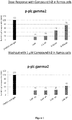

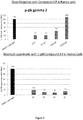
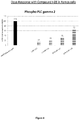
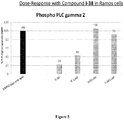
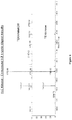


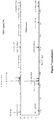


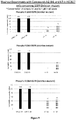
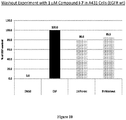
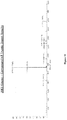
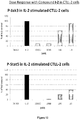


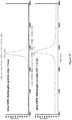
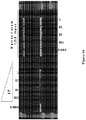

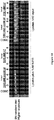

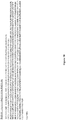
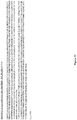
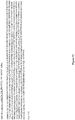

Classifications
-
- C—CHEMISTRY; METALLURGY
- C07—ORGANIC CHEMISTRY
- C07D—HETEROCYCLIC COMPOUNDS
- C07D405/00—Heterocyclic compounds containing both one or more hetero rings having oxygen atoms as the only ring hetero atoms, and one or more rings having nitrogen as the only ring hetero atom
- C07D405/02—Heterocyclic compounds containing both one or more hetero rings having oxygen atoms as the only ring hetero atoms, and one or more rings having nitrogen as the only ring hetero atom containing two hetero rings
- C07D405/12—Heterocyclic compounds containing both one or more hetero rings having oxygen atoms as the only ring hetero atoms, and one or more rings having nitrogen as the only ring hetero atom containing two hetero rings linked by a chain containing hetero atoms as chain links
-
- A—HUMAN NECESSITIES
- A61—MEDICAL OR VETERINARY SCIENCE; HYGIENE
- A61K—PREPARATIONS FOR MEDICAL, DENTAL OR TOILETRY PURPOSES
- A61K31/00—Medicinal preparations containing organic active ingredients
- A61K31/33—Heterocyclic compounds
- A61K31/395—Heterocyclic compounds having nitrogen as a ring hetero atom, e.g. guanethidine or rifamycins
- A61K31/495—Heterocyclic compounds having nitrogen as a ring hetero atom, e.g. guanethidine or rifamycins having six-membered rings with two or more nitrogen atoms as the only ring heteroatoms, e.g. piperazine or tetrazines
- A61K31/505—Pyrimidines; Hydrogenated pyrimidines, e.g. trimethoprim
- A61K31/506—Pyrimidines; Hydrogenated pyrimidines, e.g. trimethoprim not condensed and containing further heterocyclic rings
-
- A—HUMAN NECESSITIES
- A61—MEDICAL OR VETERINARY SCIENCE; HYGIENE
- A61K—PREPARATIONS FOR MEDICAL, DENTAL OR TOILETRY PURPOSES
- A61K31/00—Medicinal preparations containing organic active ingredients
- A61K31/33—Heterocyclic compounds
- A61K31/395—Heterocyclic compounds having nitrogen as a ring hetero atom, e.g. guanethidine or rifamycins
- A61K31/495—Heterocyclic compounds having nitrogen as a ring hetero atom, e.g. guanethidine or rifamycins having six-membered rings with two or more nitrogen atoms as the only ring heteroatoms, e.g. piperazine or tetrazines
- A61K31/505—Pyrimidines; Hydrogenated pyrimidines, e.g. trimethoprim
- A61K31/519—Pyrimidines; Hydrogenated pyrimidines, e.g. trimethoprim ortho- or peri-condensed with heterocyclic rings
-
- A—HUMAN NECESSITIES
- A61—MEDICAL OR VETERINARY SCIENCE; HYGIENE
- A61K—PREPARATIONS FOR MEDICAL, DENTAL OR TOILETRY PURPOSES
- A61K31/00—Medicinal preparations containing organic active ingredients
- A61K31/33—Heterocyclic compounds
- A61K31/395—Heterocyclic compounds having nitrogen as a ring hetero atom, e.g. guanethidine or rifamycins
- A61K31/535—Heterocyclic compounds having nitrogen as a ring hetero atom, e.g. guanethidine or rifamycins having six-membered rings with at least one nitrogen and one oxygen as the ring hetero atoms, e.g. 1,2-oxazines
- A61K31/5375—1,4-Oxazines, e.g. morpholine
- A61K31/5377—1,4-Oxazines, e.g. morpholine not condensed and containing further heterocyclic rings, e.g. timolol
-
- A—HUMAN NECESSITIES
- A61—MEDICAL OR VETERINARY SCIENCE; HYGIENE
- A61K—PREPARATIONS FOR MEDICAL, DENTAL OR TOILETRY PURPOSES
- A61K31/00—Medicinal preparations containing organic active ingredients
- A61K31/33—Heterocyclic compounds
- A61K31/395—Heterocyclic compounds having nitrogen as a ring hetero atom, e.g. guanethidine or rifamycins
- A61K31/535—Heterocyclic compounds having nitrogen as a ring hetero atom, e.g. guanethidine or rifamycins having six-membered rings with at least one nitrogen and one oxygen as the ring hetero atoms, e.g. 1,2-oxazines
- A61K31/5375—1,4-Oxazines, e.g. morpholine
- A61K31/538—1,4-Oxazines, e.g. morpholine ortho- or peri-condensed with carbocyclic ring systems
-
- A—HUMAN NECESSITIES
- A61—MEDICAL OR VETERINARY SCIENCE; HYGIENE
- A61K—PREPARATIONS FOR MEDICAL, DENTAL OR TOILETRY PURPOSES
- A61K31/00—Medicinal preparations containing organic active ingredients
- A61K31/33—Heterocyclic compounds
- A61K31/395—Heterocyclic compounds having nitrogen as a ring hetero atom, e.g. guanethidine or rifamycins
- A61K31/54—Heterocyclic compounds having nitrogen as a ring hetero atom, e.g. guanethidine or rifamycins having six-membered rings with at least one nitrogen and one sulfur as the ring hetero atoms, e.g. sulthiame
- A61K31/541—Non-condensed thiazines containing further heterocyclic rings
-
- A—HUMAN NECESSITIES
- A61—MEDICAL OR VETERINARY SCIENCE; HYGIENE
- A61K—PREPARATIONS FOR MEDICAL, DENTAL OR TOILETRY PURPOSES
- A61K45/00—Medicinal preparations containing active ingredients not provided for in groups A61K31/00 - A61K41/00
- A61K45/06—Mixtures of active ingredients without chemical characterisation, e.g. antiphlogistics and cardiaca
-
- A—HUMAN NECESSITIES
- A61—MEDICAL OR VETERINARY SCIENCE; HYGIENE
- A61P—SPECIFIC THERAPEUTIC ACTIVITY OF CHEMICAL COMPOUNDS OR MEDICINAL PREPARATIONS
- A61P1/00—Drugs for disorders of the alimentary tract or the digestive system
-
- A—HUMAN NECESSITIES
- A61—MEDICAL OR VETERINARY SCIENCE; HYGIENE
- A61P—SPECIFIC THERAPEUTIC ACTIVITY OF CHEMICAL COMPOUNDS OR MEDICINAL PREPARATIONS
- A61P1/00—Drugs for disorders of the alimentary tract or the digestive system
- A61P1/04—Drugs for disorders of the alimentary tract or the digestive system for ulcers, gastritis or reflux esophagitis, e.g. antacids, inhibitors of acid secretion, mucosal protectants
-
- A—HUMAN NECESSITIES
- A61—MEDICAL OR VETERINARY SCIENCE; HYGIENE
- A61P—SPECIFIC THERAPEUTIC ACTIVITY OF CHEMICAL COMPOUNDS OR MEDICINAL PREPARATIONS
- A61P1/00—Drugs for disorders of the alimentary tract or the digestive system
- A61P1/16—Drugs for disorders of the alimentary tract or the digestive system for liver or gallbladder disorders, e.g. hepatoprotective agents, cholagogues, litholytics
-
- A—HUMAN NECESSITIES
- A61—MEDICAL OR VETERINARY SCIENCE; HYGIENE
- A61P—SPECIFIC THERAPEUTIC ACTIVITY OF CHEMICAL COMPOUNDS OR MEDICINAL PREPARATIONS
- A61P1/00—Drugs for disorders of the alimentary tract or the digestive system
- A61P1/18—Drugs for disorders of the alimentary tract or the digestive system for pancreatic disorders, e.g. pancreatic enzymes
-
- A—HUMAN NECESSITIES
- A61—MEDICAL OR VETERINARY SCIENCE; HYGIENE
- A61P—SPECIFIC THERAPEUTIC ACTIVITY OF CHEMICAL COMPOUNDS OR MEDICINAL PREPARATIONS
- A61P11/00—Drugs for disorders of the respiratory system
-
- A—HUMAN NECESSITIES
- A61—MEDICAL OR VETERINARY SCIENCE; HYGIENE
- A61P—SPECIFIC THERAPEUTIC ACTIVITY OF CHEMICAL COMPOUNDS OR MEDICINAL PREPARATIONS
- A61P11/00—Drugs for disorders of the respiratory system
- A61P11/02—Nasal agents, e.g. decongestants
-
- A—HUMAN NECESSITIES
- A61—MEDICAL OR VETERINARY SCIENCE; HYGIENE
- A61P—SPECIFIC THERAPEUTIC ACTIVITY OF CHEMICAL COMPOUNDS OR MEDICINAL PREPARATIONS
- A61P11/00—Drugs for disorders of the respiratory system
- A61P11/06—Antiasthmatics
-
- A—HUMAN NECESSITIES
- A61—MEDICAL OR VETERINARY SCIENCE; HYGIENE
- A61P—SPECIFIC THERAPEUTIC ACTIVITY OF CHEMICAL COMPOUNDS OR MEDICINAL PREPARATIONS
- A61P13/00—Drugs for disorders of the urinary system
- A61P13/12—Drugs for disorders of the urinary system of the kidneys
-
- A—HUMAN NECESSITIES
- A61—MEDICAL OR VETERINARY SCIENCE; HYGIENE
- A61P—SPECIFIC THERAPEUTIC ACTIVITY OF CHEMICAL COMPOUNDS OR MEDICINAL PREPARATIONS
- A61P15/00—Drugs for genital or sexual disorders; Contraceptives
-
- A—HUMAN NECESSITIES
- A61—MEDICAL OR VETERINARY SCIENCE; HYGIENE
- A61P—SPECIFIC THERAPEUTIC ACTIVITY OF CHEMICAL COMPOUNDS OR MEDICINAL PREPARATIONS
- A61P17/00—Drugs for dermatological disorders
-
- A—HUMAN NECESSITIES
- A61—MEDICAL OR VETERINARY SCIENCE; HYGIENE
- A61P—SPECIFIC THERAPEUTIC ACTIVITY OF CHEMICAL COMPOUNDS OR MEDICINAL PREPARATIONS
- A61P17/00—Drugs for dermatological disorders
- A61P17/06—Antipsoriatics
-
- A—HUMAN NECESSITIES
- A61—MEDICAL OR VETERINARY SCIENCE; HYGIENE
- A61P—SPECIFIC THERAPEUTIC ACTIVITY OF CHEMICAL COMPOUNDS OR MEDICINAL PREPARATIONS
- A61P19/00—Drugs for skeletal disorders
-
- A—HUMAN NECESSITIES
- A61—MEDICAL OR VETERINARY SCIENCE; HYGIENE
- A61P—SPECIFIC THERAPEUTIC ACTIVITY OF CHEMICAL COMPOUNDS OR MEDICINAL PREPARATIONS
- A61P19/00—Drugs for skeletal disorders
- A61P19/02—Drugs for skeletal disorders for joint disorders, e.g. arthritis, arthrosis
-
- A—HUMAN NECESSITIES
- A61—MEDICAL OR VETERINARY SCIENCE; HYGIENE
- A61P—SPECIFIC THERAPEUTIC ACTIVITY OF CHEMICAL COMPOUNDS OR MEDICINAL PREPARATIONS
- A61P19/00—Drugs for skeletal disorders
- A61P19/08—Drugs for skeletal disorders for bone diseases, e.g. rachitism, Paget's disease
-
- A—HUMAN NECESSITIES
- A61—MEDICAL OR VETERINARY SCIENCE; HYGIENE
- A61P—SPECIFIC THERAPEUTIC ACTIVITY OF CHEMICAL COMPOUNDS OR MEDICINAL PREPARATIONS
- A61P19/00—Drugs for skeletal disorders
- A61P19/08—Drugs for skeletal disorders for bone diseases, e.g. rachitism, Paget's disease
- A61P19/10—Drugs for skeletal disorders for bone diseases, e.g. rachitism, Paget's disease for osteoporosis
-
- A—HUMAN NECESSITIES
- A61—MEDICAL OR VETERINARY SCIENCE; HYGIENE
- A61P—SPECIFIC THERAPEUTIC ACTIVITY OF CHEMICAL COMPOUNDS OR MEDICINAL PREPARATIONS
- A61P21/00—Drugs for disorders of the muscular or neuromuscular system
- A61P21/04—Drugs for disorders of the muscular or neuromuscular system for myasthenia gravis
-
- A—HUMAN NECESSITIES
- A61—MEDICAL OR VETERINARY SCIENCE; HYGIENE
- A61P—SPECIFIC THERAPEUTIC ACTIVITY OF CHEMICAL COMPOUNDS OR MEDICINAL PREPARATIONS
- A61P25/00—Drugs for disorders of the nervous system
-
- A—HUMAN NECESSITIES
- A61—MEDICAL OR VETERINARY SCIENCE; HYGIENE
- A61P—SPECIFIC THERAPEUTIC ACTIVITY OF CHEMICAL COMPOUNDS OR MEDICINAL PREPARATIONS
- A61P25/00—Drugs for disorders of the nervous system
- A61P25/28—Drugs for disorders of the nervous system for treating neurodegenerative disorders of the central nervous system, e.g. nootropic agents, cognition enhancers, drugs for treating Alzheimer's disease or other forms of dementia
-
- A—HUMAN NECESSITIES
- A61—MEDICAL OR VETERINARY SCIENCE; HYGIENE
- A61P—SPECIFIC THERAPEUTIC ACTIVITY OF CHEMICAL COMPOUNDS OR MEDICINAL PREPARATIONS
- A61P27/00—Drugs for disorders of the senses
- A61P27/02—Ophthalmic agents
-
- A—HUMAN NECESSITIES
- A61—MEDICAL OR VETERINARY SCIENCE; HYGIENE
- A61P—SPECIFIC THERAPEUTIC ACTIVITY OF CHEMICAL COMPOUNDS OR MEDICINAL PREPARATIONS
- A61P29/00—Non-central analgesic, antipyretic or antiinflammatory agents, e.g. antirheumatic agents; Non-steroidal antiinflammatory drugs [NSAID]
-
- A—HUMAN NECESSITIES
- A61—MEDICAL OR VETERINARY SCIENCE; HYGIENE
- A61P—SPECIFIC THERAPEUTIC ACTIVITY OF CHEMICAL COMPOUNDS OR MEDICINAL PREPARATIONS
- A61P3/00—Drugs for disorders of the metabolism
- A61P3/08—Drugs for disorders of the metabolism for glucose homeostasis
- A61P3/10—Drugs for disorders of the metabolism for glucose homeostasis for hyperglycaemia, e.g. antidiabetics
-
- A—HUMAN NECESSITIES
- A61—MEDICAL OR VETERINARY SCIENCE; HYGIENE
- A61P—SPECIFIC THERAPEUTIC ACTIVITY OF CHEMICAL COMPOUNDS OR MEDICINAL PREPARATIONS
- A61P35/00—Antineoplastic agents
-
- A—HUMAN NECESSITIES
- A61—MEDICAL OR VETERINARY SCIENCE; HYGIENE
- A61P—SPECIFIC THERAPEUTIC ACTIVITY OF CHEMICAL COMPOUNDS OR MEDICINAL PREPARATIONS
- A61P35/00—Antineoplastic agents
- A61P35/02—Antineoplastic agents specific for leukemia
-
- A—HUMAN NECESSITIES
- A61—MEDICAL OR VETERINARY SCIENCE; HYGIENE
- A61P—SPECIFIC THERAPEUTIC ACTIVITY OF CHEMICAL COMPOUNDS OR MEDICINAL PREPARATIONS
- A61P35/00—Antineoplastic agents
- A61P35/04—Antineoplastic agents specific for metastasis
-
- A—HUMAN NECESSITIES
- A61—MEDICAL OR VETERINARY SCIENCE; HYGIENE
- A61P—SPECIFIC THERAPEUTIC ACTIVITY OF CHEMICAL COMPOUNDS OR MEDICINAL PREPARATIONS
- A61P37/00—Drugs for immunological or allergic disorders
-
- A—HUMAN NECESSITIES
- A61—MEDICAL OR VETERINARY SCIENCE; HYGIENE
- A61P—SPECIFIC THERAPEUTIC ACTIVITY OF CHEMICAL COMPOUNDS OR MEDICINAL PREPARATIONS
- A61P37/00—Drugs for immunological or allergic disorders
- A61P37/02—Immunomodulators
-
- A—HUMAN NECESSITIES
- A61—MEDICAL OR VETERINARY SCIENCE; HYGIENE
- A61P—SPECIFIC THERAPEUTIC ACTIVITY OF CHEMICAL COMPOUNDS OR MEDICINAL PREPARATIONS
- A61P37/00—Drugs for immunological or allergic disorders
- A61P37/02—Immunomodulators
- A61P37/06—Immunosuppressants, e.g. drugs for graft rejection
-
- A—HUMAN NECESSITIES
- A61—MEDICAL OR VETERINARY SCIENCE; HYGIENE
- A61P—SPECIFIC THERAPEUTIC ACTIVITY OF CHEMICAL COMPOUNDS OR MEDICINAL PREPARATIONS
- A61P37/00—Drugs for immunological or allergic disorders
- A61P37/08—Antiallergic agents
-
- A—HUMAN NECESSITIES
- A61—MEDICAL OR VETERINARY SCIENCE; HYGIENE
- A61P—SPECIFIC THERAPEUTIC ACTIVITY OF CHEMICAL COMPOUNDS OR MEDICINAL PREPARATIONS
- A61P43/00—Drugs for specific purposes, not provided for in groups A61P1/00-A61P41/00
-
- A—HUMAN NECESSITIES
- A61—MEDICAL OR VETERINARY SCIENCE; HYGIENE
- A61P—SPECIFIC THERAPEUTIC ACTIVITY OF CHEMICAL COMPOUNDS OR MEDICINAL PREPARATIONS
- A61P7/00—Drugs for disorders of the blood or the extracellular fluid
- A61P7/02—Antithrombotic agents; Anticoagulants; Platelet aggregation inhibitors
-
- A—HUMAN NECESSITIES
- A61—MEDICAL OR VETERINARY SCIENCE; HYGIENE
- A61P—SPECIFIC THERAPEUTIC ACTIVITY OF CHEMICAL COMPOUNDS OR MEDICINAL PREPARATIONS
- A61P7/00—Drugs for disorders of the blood or the extracellular fluid
- A61P7/06—Antianaemics
-
- A—HUMAN NECESSITIES
- A61—MEDICAL OR VETERINARY SCIENCE; HYGIENE
- A61P—SPECIFIC THERAPEUTIC ACTIVITY OF CHEMICAL COMPOUNDS OR MEDICINAL PREPARATIONS
- A61P9/00—Drugs for disorders of the cardiovascular system
- A61P9/10—Drugs for disorders of the cardiovascular system for treating ischaemic or atherosclerotic diseases, e.g. antianginal drugs, coronary vasodilators, drugs for myocardial infarction, retinopathy, cerebrovascula insufficiency, renal arteriosclerosis
-
- C—CHEMISTRY; METALLURGY
- C07—ORGANIC CHEMISTRY
- C07D—HETEROCYCLIC COMPOUNDS
- C07D239/00—Heterocyclic compounds containing 1,3-diazine or hydrogenated 1,3-diazine rings
- C07D239/02—Heterocyclic compounds containing 1,3-diazine or hydrogenated 1,3-diazine rings not condensed with other rings
- C07D239/24—Heterocyclic compounds containing 1,3-diazine or hydrogenated 1,3-diazine rings not condensed with other rings having three or more double bonds between ring members or between ring members and non-ring members
- C07D239/28—Heterocyclic compounds containing 1,3-diazine or hydrogenated 1,3-diazine rings not condensed with other rings having three or more double bonds between ring members or between ring members and non-ring members with hetero atoms or with carbon atoms having three bonds to hetero atoms with at the most one bond to halogen, directly attached to ring carbon atoms
- C07D239/46—Two or more oxygen, sulphur or nitrogen atoms
- C07D239/47—One nitrogen atom and one oxygen or sulfur atom, e.g. cytosine
-
- C—CHEMISTRY; METALLURGY
- C07—ORGANIC CHEMISTRY
- C07D—HETEROCYCLIC COMPOUNDS
- C07D239/00—Heterocyclic compounds containing 1,3-diazine or hydrogenated 1,3-diazine rings
- C07D239/02—Heterocyclic compounds containing 1,3-diazine or hydrogenated 1,3-diazine rings not condensed with other rings
- C07D239/24—Heterocyclic compounds containing 1,3-diazine or hydrogenated 1,3-diazine rings not condensed with other rings having three or more double bonds between ring members or between ring members and non-ring members
- C07D239/28—Heterocyclic compounds containing 1,3-diazine or hydrogenated 1,3-diazine rings not condensed with other rings having three or more double bonds between ring members or between ring members and non-ring members with hetero atoms or with carbon atoms having three bonds to hetero atoms with at the most one bond to halogen, directly attached to ring carbon atoms
- C07D239/46—Two or more oxygen, sulphur or nitrogen atoms
- C07D239/48—Two nitrogen atoms
-
- C—CHEMISTRY; METALLURGY
- C07—ORGANIC CHEMISTRY
- C07D—HETEROCYCLIC COMPOUNDS
- C07D401/00—Heterocyclic compounds containing two or more hetero rings, having nitrogen atoms as the only ring hetero atoms, at least one ring being a six-membered ring with only one nitrogen atom
- C07D401/02—Heterocyclic compounds containing two or more hetero rings, having nitrogen atoms as the only ring hetero atoms, at least one ring being a six-membered ring with only one nitrogen atom containing two hetero rings
- C07D401/04—Heterocyclic compounds containing two or more hetero rings, having nitrogen atoms as the only ring hetero atoms, at least one ring being a six-membered ring with only one nitrogen atom containing two hetero rings directly linked by a ring-member-to-ring-member bond
-
- C—CHEMISTRY; METALLURGY
- C07—ORGANIC CHEMISTRY
- C07D—HETEROCYCLIC COMPOUNDS
- C07D401/00—Heterocyclic compounds containing two or more hetero rings, having nitrogen atoms as the only ring hetero atoms, at least one ring being a six-membered ring with only one nitrogen atom
- C07D401/02—Heterocyclic compounds containing two or more hetero rings, having nitrogen atoms as the only ring hetero atoms, at least one ring being a six-membered ring with only one nitrogen atom containing two hetero rings
- C07D401/12—Heterocyclic compounds containing two or more hetero rings, having nitrogen atoms as the only ring hetero atoms, at least one ring being a six-membered ring with only one nitrogen atom containing two hetero rings linked by a chain containing hetero atoms as chain links
-
- C—CHEMISTRY; METALLURGY
- C07—ORGANIC CHEMISTRY
- C07D—HETEROCYCLIC COMPOUNDS
- C07D401/00—Heterocyclic compounds containing two or more hetero rings, having nitrogen atoms as the only ring hetero atoms, at least one ring being a six-membered ring with only one nitrogen atom
- C07D401/14—Heterocyclic compounds containing two or more hetero rings, having nitrogen atoms as the only ring hetero atoms, at least one ring being a six-membered ring with only one nitrogen atom containing three or more hetero rings
-
- C—CHEMISTRY; METALLURGY
- C07—ORGANIC CHEMISTRY
- C07D—HETEROCYCLIC COMPOUNDS
- C07D403/00—Heterocyclic compounds containing two or more hetero rings, having nitrogen atoms as the only ring hetero atoms, not provided for by group C07D401/00
- C07D403/02—Heterocyclic compounds containing two or more hetero rings, having nitrogen atoms as the only ring hetero atoms, not provided for by group C07D401/00 containing two hetero rings
- C07D403/12—Heterocyclic compounds containing two or more hetero rings, having nitrogen atoms as the only ring hetero atoms, not provided for by group C07D401/00 containing two hetero rings linked by a chain containing hetero atoms as chain links
-
- C—CHEMISTRY; METALLURGY
- C07—ORGANIC CHEMISTRY
- C07D—HETEROCYCLIC COMPOUNDS
- C07D405/00—Heterocyclic compounds containing both one or more hetero rings having oxygen atoms as the only ring hetero atoms, and one or more rings having nitrogen as the only ring hetero atom
- C07D405/14—Heterocyclic compounds containing both one or more hetero rings having oxygen atoms as the only ring hetero atoms, and one or more rings having nitrogen as the only ring hetero atom containing three or more hetero rings
-
- C—CHEMISTRY; METALLURGY
- C07—ORGANIC CHEMISTRY
- C07D—HETEROCYCLIC COMPOUNDS
- C07D407/00—Heterocyclic compounds containing two or more hetero rings, at least one ring having oxygen atoms as the only ring hetero atoms, not provided for by group C07D405/00
- C07D407/02—Heterocyclic compounds containing two or more hetero rings, at least one ring having oxygen atoms as the only ring hetero atoms, not provided for by group C07D405/00 containing two hetero rings
- C07D407/12—Heterocyclic compounds containing two or more hetero rings, at least one ring having oxygen atoms as the only ring hetero atoms, not provided for by group C07D405/00 containing two hetero rings linked by a chain containing hetero atoms as chain links
-
- C—CHEMISTRY; METALLURGY
- C07—ORGANIC CHEMISTRY
- C07D—HETEROCYCLIC COMPOUNDS
- C07D413/00—Heterocyclic compounds containing two or more hetero rings, at least one ring having nitrogen and oxygen atoms as the only ring hetero atoms
- C07D413/02—Heterocyclic compounds containing two or more hetero rings, at least one ring having nitrogen and oxygen atoms as the only ring hetero atoms containing two hetero rings
- C07D413/12—Heterocyclic compounds containing two or more hetero rings, at least one ring having nitrogen and oxygen atoms as the only ring hetero atoms containing two hetero rings linked by a chain containing hetero atoms as chain links
-
- C—CHEMISTRY; METALLURGY
- C07—ORGANIC CHEMISTRY
- C07D—HETEROCYCLIC COMPOUNDS
- C07D413/00—Heterocyclic compounds containing two or more hetero rings, at least one ring having nitrogen and oxygen atoms as the only ring hetero atoms
- C07D413/14—Heterocyclic compounds containing two or more hetero rings, at least one ring having nitrogen and oxygen atoms as the only ring hetero atoms containing three or more hetero rings
-
- C—CHEMISTRY; METALLURGY
- C07—ORGANIC CHEMISTRY
- C07D—HETEROCYCLIC COMPOUNDS
- C07D453/00—Heterocyclic compounds containing quinuclidine or iso-quinuclidine ring systems, e.g. quinine alkaloids
- C07D453/02—Heterocyclic compounds containing quinuclidine or iso-quinuclidine ring systems, e.g. quinine alkaloids containing not further condensed quinuclidine ring systems
-
- C—CHEMISTRY; METALLURGY
- C07—ORGANIC CHEMISTRY
- C07D—HETEROCYCLIC COMPOUNDS
- C07D471/00—Heterocyclic compounds containing nitrogen atoms as the only ring hetero atoms in the condensed system, at least one ring being a six-membered ring with one nitrogen atom, not provided for by groups C07D451/00 - C07D463/00
- C07D471/02—Heterocyclic compounds containing nitrogen atoms as the only ring hetero atoms in the condensed system, at least one ring being a six-membered ring with one nitrogen atom, not provided for by groups C07D451/00 - C07D463/00 in which the condensed system contains two hetero rings
- C07D471/04—Ortho-condensed systems
-
- C—CHEMISTRY; METALLURGY
- C07—ORGANIC CHEMISTRY
- C07D—HETEROCYCLIC COMPOUNDS
- C07D487/00—Heterocyclic compounds containing nitrogen atoms as the only ring hetero atoms in the condensed system, not provided for by groups C07D451/00 - C07D477/00
- C07D487/02—Heterocyclic compounds containing nitrogen atoms as the only ring hetero atoms in the condensed system, not provided for by groups C07D451/00 - C07D477/00 in which the condensed system contains two hetero rings
- C07D487/04—Ortho-condensed systems
-
- C—CHEMISTRY; METALLURGY
- C07—ORGANIC CHEMISTRY
- C07D—HETEROCYCLIC COMPOUNDS
- C07D487/00—Heterocyclic compounds containing nitrogen atoms as the only ring hetero atoms in the condensed system, not provided for by groups C07D451/00 - C07D477/00
- C07D487/02—Heterocyclic compounds containing nitrogen atoms as the only ring hetero atoms in the condensed system, not provided for by groups C07D451/00 - C07D477/00 in which the condensed system contains two hetero rings
- C07D487/08—Bridged systems
-
- C—CHEMISTRY; METALLURGY
- C07—ORGANIC CHEMISTRY
- C07D—HETEROCYCLIC COMPOUNDS
- C07D487/00—Heterocyclic compounds containing nitrogen atoms as the only ring hetero atoms in the condensed system, not provided for by groups C07D451/00 - C07D477/00
- C07D487/12—Heterocyclic compounds containing nitrogen atoms as the only ring hetero atoms in the condensed system, not provided for by groups C07D451/00 - C07D477/00 in which the condensed system contains three hetero rings
- C07D487/18—Bridged systems
-
- C—CHEMISTRY; METALLURGY
- C07—ORGANIC CHEMISTRY
- C07D—HETEROCYCLIC COMPOUNDS
- C07D495/00—Heterocyclic compounds containing in the condensed system at least one hetero ring having sulfur atoms as the only ring hetero atoms
- C07D495/02—Heterocyclic compounds containing in the condensed system at least one hetero ring having sulfur atoms as the only ring hetero atoms in which the condensed system contains two hetero rings
- C07D495/04—Ortho-condensed systems
-
- A—HUMAN NECESSITIES
- A61—MEDICAL OR VETERINARY SCIENCE; HYGIENE
- A61K—PREPARATIONS FOR MEDICAL, DENTAL OR TOILETRY PURPOSES
- A61K2300/00—Mixtures or combinations of active ingredients, wherein at least one active ingredient is fully defined in groups A61K31/00 - A61K41/00
Definitions
- the present invention relates to compounds useful as inhibitors of protein kinases in accordance with claim 1.
- the invention also provides pharmaceutically acceptable compositions comprising compounds of the present invention and uses of said compositions in the treatment of various disorders.
- Protein kinases constitute a large family of structurally related enzymes that are responsible for the control of a variety of signal transduction processes within the cell. Protein kinases are thought to have evolved from a common ancestral gene due to the conservation of their structure and catalytic function. Almost all kinases contain a similar 250-300 amino acid catalytic domain. The kinases may be categorized into families by the substrates they phosphorylate (e.g., protein-tyrosine, protein-serine/threonine, lipids, etc.).
- protein kinases mediate intracellular signaling by effecting a phosphoryl transfer from a nucleoside triphosphate to a protein acceptor that is involved in a signaling pathway. These phosphorylation events act as molecular on/off switches that can modulate or regulate the target protein biological function. These phosphorylation events are ultimately triggered in response to a variety of extracellular and other stimuli.
- Examples of such stimuli include environmental and chemical stress signals (e.g., osmotic shock, heat shock, ultraviolet radiation, bacterial endotoxin, and H 2 O 2 ), cytokines (e.g., interleukin-1 (IL-1) and tumor necrosis factor ⁇ (TNF- ⁇ )), and growth factors (e.g., granulocyte macrophage-colony-stimulating factor (GM-CSF), and fibroblast growth factor (FGF)).
- IL-1 interleukin-1
- TNF- ⁇ tumor necrosis factor ⁇
- growth factors e.g., granulocyte macrophage-colony-stimulating factor (GM-CSF), and fibroblast growth factor (FGF)
- An extracellular stimulus may affect one or more cellular responses related to cell growth, migration, differentiation, secretion of hormones, activation of transcription factors, muscle contraction, glucose metabolism, control of protein synthesis, and regulation of the cell cycle.
- autoimmune diseases include, but are not limited to, autoimmune diseases, inflammatory diseases, bone diseases, metabolic diseases, neurological and neurodegenerative diseases, cancer, cardiovascular diseases, allergies and asthma, Alzheimer's disease, and hormone-related diseases. Accordingly, there remains a need to find protein kinase inhibitors useful as therapeutic agents.
- US 20060293311 discloses compounds and compositions, and methods using these compounds in the treatment of conditions in which modulation of the JAK pathway or inhibition of JAK kinases, particularly JAK3, may be therapeutically useful.
- WO 2008079719 relates to organic compounds useful for therapy and/or prophylaxis in a mammal, and in particular to inhibitors of kinases useful for treating cancers.
- compounds of this invention in accordance with claim 1, and pharmaceutically acceptable compositions thereof, are effective as inhibitors of one or more protein kinases.
- Exemplary compounds of the present disclosure have general formulae I-a and I-b: or a pharmaceutically acceptable salt thereof, wherein Ring A, Ring B, m, p, R x , R y , R v , W 1 , W 2 , and R 1 are as defined herein.
- Compounds provided by this invention are also useful for the study of kinases in biological and pathological phenomena; the study of intracellular signal transduction pathways mediated by such kinases; and the comparative evaluation of new kinase inhibitors.
- aliphatic or "aliphatic group”, as used herein, means a straight-chain (i.e., unbranched) or branched, substituted or unsubstituted hydrocarbon chain that is completely saturated or that contains one or more units of unsaturation, or a monocyclic hydrocarbon or bicyclic hydrocarbon that is completely saturated or that contains one or more units of unsaturation, but which is not aromatic (also referred to herein as “carbocycle” "cycloaliphatic” or “cycloalkyl”), that has a single point of attachment to the rest of the molecule.
- aliphatic groups contain 1-6 aliphatic carbon atoms.
- aliphatic groups contain 1-5 aliphatic carbon atoms. In other embodiments, aliphatic groups contain 1-4 aliphatic carbon atoms. In still other embodiments, aliphatic groups contain 1-3 aliphatic carbon atoms, and in yet other embodiments, aliphatic groups contain 1-2 aliphatic carbon atoms.
- cycloaliphatic (or “carbocycle” or “cycloalkyl”) refers to a monocyclic C 3 -C 6 hydrocarbon that is completely saturated or that contains one or more units of unsaturation, but which is not aromatic, that has a single point of attachment to the rest of the molecule.
- Suitable aliphatic groups include, but are not limited to, linear or branched, substituted or unsubstituted alkyl, alkenyl, alkynyl groups and hybrids thereof such as (cycloalkyl)alkyl, (cycloalkenyl)alkyl or (cycloalkyl)alkenyl.
- lower alkyl refers to a C 1-4 straight or branched alkyl group.
- exemplary lower alkyl groups are methyl, ethyl, propyl, isopropyl, butyl, isobutyl, and tert-butyl.
- lower haloalkyl refers to a C 1-4 straight or branched alkyl group that is substituted with one or more halogen atoms.
- heteroatom means one or more of oxygen, sulfur, nitrogen, phosphorus, or silicon (including, any oxidized form of nitrogen, sulfur, phosphorus, or silicon; the quaternized form of any basic nitrogen or; a substitutable nitrogen of a heterocyclic ring, for example N (as in 3,4-dihydro-2 H -pyrrolyl), NH (as in pyrrolidinyl) or NR + (as in N-substituted pyrrolidinyl)).
- unsaturated means that a moiety has one or more units of unsaturation.
- bivalent C 1-8 (or C 1-6 ) saturated or unsaturated, straight or branched, hydrocarbon chain refers to bivalent alkylene, alkenylene, and alkynylene chains that are straight or branched as defined herein.
- alkylene refers to a bivalent alkyl group.
- An "alkylene chain” is a polymethylene group, i.e., -(CH 2 ) n -, wherein n is a positive integer, preferably from 1 to 6, from 1 to 4, from 1 to 3, from 1 to 2, or from 2 to 3.
- a substituted alkylene chain is a polymethylene group in which one or more methylene hydrogen atoms are replaced with a substituent. Suitable substituents include those described below for a substituted aliphatic group.
- alkenylene refers to a bivalent alkenyl group.
- a substituted alkenylene chain is a polymethylene group containing at least one double bond in which one or more hydrogen atoms are replaced with a substituent. Suitable substituents include those described below for a substituted aliphatic group.
- cyclopropylenyl refers to a bivalent cyclopropyl group of the following structure:
- halogen means F, Cl, Br, or I.
- aryl used alone or as part of a larger moiety as in “aralkyl”, “aralkoxy”, or “aryloxyalkyl”, refers to monocyclic and bicyclic ring systems having a total of five to fourteen ring members, wherein at least one ring in the system is aromatic and wherein each ring in the system contains three to seven ring members.
- aryl may be used interchangeably with the term “aryl ring”.
- aryl refers to an aromatic ring system which includes, but not limited to, phenyl, biphenyl, naphthyl, anthracyl and the like, which may bear one or more substituents.
- aryl is a group in which an aromatic ring is fused to one or more non-aromatic rings, such as indanyl, phthalimidyl, naphthimidyl, phenanthridinyl, or tetrahydronaphthyl, and the like.
- heteroaryl and “heteroar-”, used alone or as part of a larger moiety refer to groups having 5 to 10 ring atoms, preferably 5, 6, or 9 ring atoms; having 6, 10, or 14 ⁇ electrons shared in a cyclic array; and having, in addition to carbon atoms, from one to five heteroatoms.
- heteroatom refers to nitrogen, oxygen, or sulfur, and includes any oxidized form of nitrogen or sulfur, and any quaternized form of a basic nitrogen.
- Heteroaryl groups include, without limitation, thienyl, furanyl, pyrrolyl, imidazolyl, pyrazolyl, triazolyl, tetrazolyl, oxazolyl, isoxazolyl, oxadiazolyl, thiazolyl, isothiazolyl, thiadiazolyl, pyridyl, pyridazinyl, pyrimidinyl, pyrazinyl, indolizinyl, purinyl, naphthyridinyl, and pteridinyl.
- heteroaryl and “heteroar-”, as used herein, also include groups in which a heteroaromatic ring is fused to one or more aryl, cycloaliphatic, or heterocyclyl rings, where the radical or point of attachment is on the heteroaromatic ring.
- Nonlimiting examples include indolyl, isoindolyl, benzothienyl, benzofuranyl, dibenzofuranyl, indazolyl, benzimidazolyl, benzthiazolyl, quinolyl, isoquinolyl, cinnolinyl, phthalazinyl, quinazolinyl, quinoxalinyl, 4 H -quinolizinyl, carbazolyl, acridinyl, phenazinyl, phenothiazinyl, phenoxazinyl, tetrahydroquinolinyl, tetrahydroisoquinolinyl, and pyrido[2,3-b]-1,4-oxazin-3(4H)-one.
- heteroaryl group may be mono- or bicyclic.
- heteroaryl may be used interchangeably with the terms “heteroaryl ring”, “heteroaryl group”, or “heteroaromatic”, any of which terms include rings that are optionally substituted.
- heteroarylkyl refers to an alkyl group substituted by a heteroaryl, wherein the alkyl and heteroaryl portions independently are optionally substituted.
- heterocycle As used herein, the terms “heterocycle”, “heterocyclyl”, “heterocyclic radical”, and “heterocyclic ring” are used interchangeably and refer to a stable 5- to 7-membered monocyclic or 7-10-membered bicyclic heterocyclic moiety that is either saturated or partially unsaturated, and having, in addition to carbon atoms, one or more, preferably one to four, heteroatoms, as defined above.
- nitrogen includes a substituted nitrogen.
- the nitrogen may be N (as in 3,4-dihydro-2 H -pyrrolyl), NH (as in pyrrolidinyl), or + NR (as in N -substituted pyrrolidinyl).
- a heterocyclic ring can be attached to its pendant group at any heteroatom or carbon atom that results in a stable structure and any of the ring atoms can be optionally substituted.
- saturated or partially unsaturated heterocyclic radicals include, without limitation, tetrahydrofuranyl, tetrahydrothiophenyl pyrrolidinyl, piperidinyl, pyrrolinyl, tetrahydroquinolinyl, tetrahydroisoquinolinyl, decahydroquinolinyl, oxazolidinyl, piperazinyl, dioxanyl, dioxolanyl, diazepinyl, oxazepinyl, thiazepinyl, morpholinyl, and quinuclidinyl.
- heterocycle refers to an alkyl group substituted by a heterocyclyl, wherein the alkyl and heterocyclyl portions independently are optionally substituted.
- partially unsaturated refers to a ring moiety that includes at least one double or triple bond.
- partially unsaturated is intended to encompass rings having multiple sites of unsaturation, but is not intended to include aryl or heteroaryl moieties, as herein defined.
- compounds disclosed herein may contain “optionally substituted” moieties.
- substituted whether preceded by the term “optionally” or not, means that one or more hydrogens of the designated moiety are replaced with a suitable substituent.
- an “optionally substituted” group may have a suitable substituent at each substitutable position of the group, and when more than one position in any given structure may be substituted with more than one substituent selected from a specified group, the substituent may be either the same or different at every position.
- Combinations of substituents envisioned by this disclosure are preferably those that result in the formation of stable or chemically feasible compounds.
- stable refers to compounds that are not substantially altered when subjected to conditions to allow for their production, detection, and, in certain embodiments, their recovery, purification, and use for one or more of the purposes disclosed herein.
- Suitable monovalent substituents on R ⁇ are independently halogen, -(CH 2 ) 0-2 R • , -(haloR • ), -(CH 2 ) 0-2 OH, -(CH 2 ) 0-2 OR • , (CH 2 ) 0-2 CH(OR • ) 2 ; -O(haloR • ), -CN, -N 3 , -(CH 2 ) 0-2 C(O)R • , -(CH 2 ) 0-2 C(O)OH, -(CH 2 ) 0-2 C(O)OR • , -(CH 2 ) 0-2 SR • , -(CH 2 ) 0-2 SH, -(CH 2 ) 0-2 NH 2 , -(CH 2 ) 0-2 NHR • , -(CH 2 ) 0-2 NR • 2 ,
- Suitable divalent substituents that are bound to vicinal substitutable carbons of an "optionally substituted” group include: -O(CR * 2 ) 2-3 O-, wherein each independent occurrence of R * is selected from hydrogen, C 1-6 aliphatic which may be substituted as defined below, or an unsubstituted 5-6-membered saturated, partially unsaturated, or aryl ring having 0-4 heteroatoms independently selected from nitrogen, oxygen, or sulfur.
- Suitable substituents on the aliphatic group of R * include halogen, -R • , -(haloR • ), -OH, -OR • , -O(haloR • ), -CN, -C(O)OH, -C(O)OR • , -NH 2 , -NHR • , -NR • 2 , or -NO 2 , wherein each R • is unsubstituted or where preceded by "halo" is substituted only with one or more halogens, and is independently C 1-4 aliphatic, -CH 2 Ph, -O(CH 2 ) 0-1 Ph, or a 5-6-membered saturated, partially unsaturated, or aryl ring having 0-4 heteroatoms independently selected from nitrogen, oxygen, or sulfur.
- Suitable substituents on a substitutable nitrogen of an "optionally substituted" group include -R ⁇ , -NR ⁇ 2 , -C(O)R ⁇ , -C(O)OR ⁇ , -C(O)C(O)R ⁇ , -C(O)CH 2 C(O)R ⁇ , -S(O) 2 R ⁇ , -S(O) 2 NR ⁇ 2 , -C(S)NR ⁇ 2 , -C(NH)NR ⁇ 2 , or -N(R ⁇ )S(O) 2 R ⁇ ; wherein each R ⁇ is independently hydrogen, C 1-6 aliphatic which may be substituted as defined below, unsubstituted -OPh, or an unsubstituted 5-6-membered saturated, partially unsaturated, or aryl ring having 0-4 heteroatoms independently selected from nitrogen, oxygen, or sulfur, or, notwithstanding the definition above, two independent occurrence
- Suitable substituents on the aliphatic group of R ⁇ are independently halogen, -R • , -(haloR • ), -OH, -OR • , -O(haloR • ), -CN, -C(O)OH, -C(O)OR • , -NH 2 , -NHR • , -NR • 2 , or -NO 2 , wherein each R • is unsubstituted or where preceded by "halo" is substituted only with one or more halogens, and is independently C 1-4 aliphatic, -CH 2 Ph, -O(CH 2 ) 0-1 Ph, or a 5-6-membered saturated, partially unsaturated, or aryl ring having 0-4 heteroatoms independently selected from nitrogen, oxygen, or sulfur.
- the term "pharmaceutically acceptable salt” refers to those salts which are, within the scope of sound medical judgment, suitable for use in contact with the tissues of humans and lower animals without undue toxicity, irritation, allergic response and the like, and are commensurate with a reasonable benefit/risk ratio.
- Pharmaceutically acceptable salts are well known in the art. For example, S. M. Berge et al., describe pharmaceutically acceptable salts in detail in J. Pharmaceutical Sciences, 1977, 66, 1-19 .
- Pharmaceutically acceptable salts of the compounds of this invention include those derived from suitable inorganic and organic acids and bases.
- Examples of pharmaceutically acceptable, nontoxic acid addition salts are salts of an amino group formed with inorganic acids such as hydrochloric acid, hydrobromic acid, phosphoric acid, sulfuric acid and perchloric acid or with organic acids such as acetic acid, oxalic acid, maleic acid, tartaric acid, citric acid, succinic acid or malonic acid or by using other methods used in the art such as ion exchange.
- inorganic acids such as hydrochloric acid, hydrobromic acid, phosphoric acid, sulfuric acid and perchloric acid
- organic acids such as acetic acid, oxalic acid, maleic acid, tartaric acid, citric acid, succinic acid or malonic acid or by using other methods used in the art such as ion exchange.
- salts include adipate, alginate, ascorbate, aspartate, benzenesulfonate, benzoate, bisulfate, borate, butyrate, camphorate, camphorsulfonate, citrate, cyclopentanepropionate, digluconate, dodecylsulfate, ethanesulfonate, formate, fumarate, glucoheptonate, glycerophosphate, gluconate, hemisulfate, heptanoate, hexanoate, hydroiodide, 2-hydroxy-ethanesulfonate, lactobionate, lactate, laurate, lauryl sulfate, malate, maleate, malonate, methanesulfonate, 2-naphthalenesulfonate, nicotinate, nitrate, oleate, oxalate, palmitate, pamoate, pectinate,
- Salts derived from appropriate bases include alkali metal, alkaline earth metal, ammonium and N + (C 1-4 alkyl) 4 salts.
- Representative alkali or alkaline earth metal salts include sodium, lithium, potassium, calcium, magnesium, and the like.
- Further pharmaceutically acceptable salts include, when appropriate, nontoxic ammonium, quaternary ammonium, and amine cations formed using counterions such as halide, hydroxide, carboxylate, sulfate, phosphate, nitrate, loweralkyl sulfonate and aryl sulfonate.
- structures depicted herein are also meant to include all isomeric (e.g., enantiomeric, diastereomeric, and geometric (or conformational)) forms of the structure; for example, the R and S configurations for each asymmetric center, Z and E double bond isomers, and Z and E conformational isomers. Therefore, single stereochemical isomers as well as enantiomeric, diastereomeric, and geometric (or conformational) mixtures of the present compounds are within the scope of the invention. Unless otherwise stated, all tautomeric forms of the compounds of the invention are within the scope of the invention.
- structures depicted herein are also meant to include compounds that differ only in the presence of one or more isotopically enriched atoms.
- compounds having the present structures including the replacement of hydrogen by deuterium or tritium, or the replacement of a carbon by a 13 C- or 14 C-enriched carbon are within the scope of this invention.
- Such compounds are useful, for example, as analytical tools, as probes in biological assays, or as therapeutic agents in accordance with the present invention.
- the term "irreversible” or “irreversible inhibitor” refers to an inhibitor (i.e. a compound) that is able to be covalently bonded to a target protein kinase in a substantially non-reversible manner. That is, whereas a reversible inhibitor is able to bind to (but is generally unable to form a covalent bond) the target protein kinase, and therefore can become dissociated from the target protein kinase, an irreversible inhibitor will remain substantially bound to the target protein kinase once covalent bond formation has occurred. Irreversible inhibitors usually display time dependency, whereby the degree of inhibition increases with the time with which the inhibitor is in contact with the enzyme.
- Such methods include, but are not limited to, enzyme kinetic analysis of the inhibition profile of the compound with the protein kinase target, the use of mass spectrometry of the protein drug target modified in the presence of the inhibitor compound, discontinuous exposure, also known as "washout," experiments, and the use of labeling, such as radiolabelled inhibitor, to show covalent modification of the enzyme, as well as other methods known to one of skill in the art.
- warheads refers to a functional group present on a compound wherein that functional group is capable of covalently binding to an amino acid residue (such as cysteine, lysine, histidine, or other residues capable of being covalently modified) present in the binding pocket of the target protein, thereby irreversibly inhibiting the protein.
- an amino acid residue such as cysteine, lysine, histidine, or other residues capable of being covalently modified
- an inhibitor is defined as a compound that binds to and /or inhibits the target protein kinase with measurable affinity.
- an inhibitor has an IC 50 and/or binding constant of less about 50 ⁇ M, less than about 1 ⁇ M, less than about 500 nM, less than about 100 nM, or less than about 10 nM.
- measurable affinity means a measurable change in at least one of ErbB1, ErbB2, ErbB3, ErbB4, a TEC-kinase, and/or JAK3 activity between a sample comprising a compound of the present invention, or composition thereof, and at least one of ErbB1, ErbB2, ErbB3, ErbB4, a TEC-kinase, and/or JAK3, and an equivalent sample comprising at least one of ErbB1, ErbB2, ErbB3, ErbB4, a TEC-kinase, and/or JAK3, in the absence of said compound, or composition thereof.
- Ring A is an optionally substituted group selected from phenyl, a 3-7 membered saturated or partially unsaturated carbocyclic ring, an 8-10 membered bicyclic saturated, partially unsaturated or aryl ring, a 5-6 membered monocyclic heteroaryl ring having 1-4 heteroatoms independently selected from nitrogen, oxygen, or sulfur, a 4-7 membered saturated or partially unsaturated heterocyclic ring having 1-3 heteroatoms independently selected from nitrogen, oxygen, or sulfur, a 7-10 membered bicyclic saturated or partially unsaturated heterocyclic ring having 1-5 heteroatoms independently selected from nitrogen, oxygen, or sulfur, or an 8-10 membered bicyclic heteroaryl ring having 1-5 heteroatoms independently selected from nitrogen, oxygen, or sulfur.
- Ring A is an optionally substituted phenyl group. In some embodiments, Ring A is an optionally substituted naphthyl ring or a bicyclic 8-10 membered heteroaryl ring having 1-4 heteroatoms independently selected from nitrogen, oxygen, or sulfur. In certain other embodiments, Ring A is an optionally substituted 3-7 membered carbocyclic ring. In yet other embodiments, Ring A is an optionally substituted 4-7 membered heterocyclic ring having 1-3 heteroatoms independently selected from nitrogen, oxygen, or sulfur.
- Ring A is substituted as defined herein.
- Ring A is substituted with one, two, or three groups independently selected from halogen, R ⁇ , or -(CH 2 ) 0-4 OR ⁇ , or -O(CH 2 ) 0-4 R ⁇ , wherein each R ⁇ is as defined herein.
- substituents on Ring A include Br, I, Cl, methyl, -CF 3 , -C ⁇ CH, -OCH 2 phenyl, -OCH 2 (fluorophenyl), or -OCH 2 pyridyl.
- Exemplary Ring A groups are set forth in Table 1. wherein each R ⁇ , R ⁇ , and R 1 is as defined above and described in classes and subclasses herein.
- Ring A is selected from i, ii, iv, v, vi, vii, ix, xiv, xvi, lii, lxiii, lxxi, lxxiv, lxxvi, lxxviii, and lxxxi.
- Ring B is an optionally substituted group selected from phenyl, a 3-7 membered saturated or partially unsaturated carbocyclic ring, an 8-10 membered bicyclic saturated, partially unsaturated or aryl ring, a 5-6 membered monocyclic heteroaryl ring having 1-4 heteroatoms independently selected from nitrogen, oxygen, or sulfur, a 4-7 membered saturated or partially unsaturated heterocyclic ring having 1-3 heteroatoms independently selected from nitrogen, oxygen, or sulfur, a 7-10 membered bicyclic saturated or partially unsaturated heterocyclic ring having 1-5 heteroatoms independently selected from nitrogen, oxygen, or sulfur, or an 8-10 membered bicyclic heteroaryl ring having 1-5 heteroatoms independently selected from nitrogen, oxygen, or sulfur.
- Ring B is an optionally substituted phenyl group. In some embodiments, Ring B is an optionally substituted naphthyl ring or a bicyclic 8-10 membered heteroaryl ring having 1-4 heteroatoms independently selected from nitrogen, oxygen, or sulfur. In certain other embodiments, Ring B is an optionally substituted 3-7 membered carbocyclic ring. In yet other embodiments, Ring B is an optionally substituted 4-7 membered heterocyclic ring having 1-3 heteroatoms independently selected from nitrogen, oxygen, or sulfur.
- Ring B is phenyl. In some embodiments, Ring B is a 6-membered heteroaryl ring having 1-3 nitrogens. In some embodiments, Ring B is a 5-membered heteroaryl ring having 1 or 2 or 3 heteroatoms independently selected from nitrogen, oxygen, or sulfur.
- Ring B is a 5-6 membered saturated heterocyclic ring having 1 nitrogen. In some embodiments, Ring B is a 9-10 membered bicyclic partially saturated heteroaryl ring having 1-3 nitrogens. In some embodiments, Ring B is a 9-10 membered bicyclic partially saturated heteroaryl ring having 1 nitrogen. In some embodiments, Ring B is a 9-10 membered bicyclic partially saturated heteroaryl ring having 1 nitrogen and 1 oxygen.
- Ring B is an optionally substituted group selected from phenyl, pyridyl, pyrazinyl, pyrimidinyl, imidazolyl, pyrrolidinyl, piperdinyl, indolinyl, indazolyl, and isoindolinyl.
- Ring B groups are set forth in Table 2. wherein each R 1 and R x is as defined above and described in classes and subclasses herein.
- Ring B is selected from i, ii, iii, iv, v, ix, x, xi, xiii, xvi, xvii, xix, xx, xxv, xxvi, xxxii, xxxiv, xxxv , xxxviii, xlii, xlvi, xlviii, / , lviii, lxiv, lxxviii, lxxxiii, lxxxvi, xciv, c, ci, cii, ciii, civ, and cv .
- the m moiety of formula I is 1, 2, 3 or 4. In some embodiments, m is 1. In other embodiments, m is 0.
- the p moiety of formula I is 1, 2, 3 or 4. In some embodiments, p is 1. In other embodiments, p is 0.
- each R x group of formula I is independently selected from -R, halogen, -OR, -O(CH 2 ) q OR, -CN, -NO 2 , -SO 2 R, -SO 2 N(R) 2 , -SOR, -C(O)R, -CO 2 R,-C(O)N(R) 2 , -NRC(O)R, -NRC(O)NR 2 , -NRSO 2 R, or -N(R) 2 , wherein q is 1-4, or R x and R 1 when concurrently present on Ring B are taken together with their intervening atoms to form a 5-7 membered saturated, partially unsaturated, or aryl ring having 0-3 heteroatoms independently selected from nitrogen, oxygen, or sulfur, wherein said ring is substituted with a warhead group and 0-3 groups independently selected from oxo, halogen, CN, or C 1-6 aliphatic.
- each instance of R x is independently selected from -R, -OR,-O(CH 2 ) q OR, or halogen.
- R x is lower alkyl, lower alkoxy, lower alkoxyalkoxy, or halogen.
- Exemplary R x groups include methyl, methoxy, methoxyethoxy and fluoro.
- R x is hydrogen.
- each R v group of formula I is independently selected from -R, halogen, -OR, -O(CH 2 ) q OR, -CN, -NO 2 , -SO 2 R, -SO 2 N(R) 2 , -SOR, -C(O)R, -CO 2 R,-C(O)N(R) 2 , -NRC(O)R, -NRC(O)NR 2 , -NRSO 2 R, or -N(R) 2 , wherein q is 1-4, or R v and R 1 when concurrently present on Ring A are taken together with their intervening atoms to form a 5-7 membered saturated, partially unsaturated, or aryl ring having 0-3 heteroatoms independently selected from nitrogen, oxygen, or sulfur, wherein said ring is substituted with a warhead group and 0-3 groups independently selected from oxo, halogen, CN, or C 1-6 aliphatic.
- each instance of R v is independently selected from -R, -OR,-O(CH 2 ) q OR, or halogen.
- R v is lower alkyl, lower alkoxy, lower alkoxyalkoxy, or halogen.
- Exemplary R v groups include methyl, methoxy, trifluoromethyl, methoxyethoxy, and chloro.
- R v is hydrogen.
- the q moiety is 1, 2, 3, or 4. In certain embodiments, q is 1. In certain other embodiments, q is 2.
- R y is hydrogen, halogen, -CN, -CF 3 , C 1-4 aliphatic, C 1-4 haloaliphatic, -OR, -C(O)R, or -C(O)N(R) 2 , where R is as defined above and described herein.
- R y is hydrogen, halogen, -CN, -CF 3 , lower alkyl or lower haloalkyl,-C ⁇ CR and cyclopropyl.
- R y is -OR, -C(O)R, or -C(O)N(R) 2 .
- R y is -OCH 3 .
- R y is -C(O)CH 3 . In yet other embodiments, R y is -C(O)NHR. In some embodiments, R y is hydrogen. In certain embodiments, R y is fluorine. In certain other embodiments, R y is methyl.
- W 1 and W 2 are each independently a covalent bond or a bivalent C 1-3 alkylene chain wherein one methylene unit of W 1 or W 2 is optionally replaced by -NR 2 -, -N(R 2 )C(O)-, -C(O)N(R 2 )-, -N(R 2 )SO 2 -, -SO 2 N(R 2 )-, -O-, -C(O)-, -OC(O)-, -C(O)O-, -S-, -SO- or -SO 2 -.
- W 1 and W 2 are the same. In some embodiments, W 1 and W 2 are different.
- W 1 is a covalent bond.
- W 1 is a bivalent C 1-3 alkylene chain wherein one methylene unit of W 1 is optionally replaced by -NR 2 -, -N(R 2 )C(O)-, -C(O)N(R 2 )-, -N(R 2 )SO 2 -, -SO 2 N(R 2 )-, -O-, -C(O)-, -OC(O)-, -C(O)O-, -S-, -SO-or -SO 2 -.
- W 1 is -NR 2 -. In other embodiments, W 1 is -O-. In certain embodiments, W 1 is -NH-, -S-, or -O-. In some embodiments, W 1 is -CH 2 O-, -CH 2 S-, or -CH 2 NH-. In some aspects, W 1 is -OCH 2 -, -SCH 2 -, -NHCH 2 -, or -CH 2 CH 2 -.
- W 2 is a covalent bond.
- W 2 is a bivalent C 1-3 alkylene chain wherein one methylene unit of W 2 is optionally replaced by -NR 2 -, -N(R 2 )C(O)-, -C(O)N(R 2 )-, -N(R 2 )SO 2 -, -SO 2 N(R 2 )-, -O-, -C(O)-, -OC(O)-, -C(O)O-, -S-, -SO- or -SO 2 -.
- W 2 is -NR 2 -. In other embodiments, W 2 is -O-. In certain embodiments, W 2 is -NH-, -S-, or -O-. In some embodiments, W 2 is -CH 2 O-, -CH 2 S-, or -CH 2 NH-. In some aspects, W 2 is -OCH 2 -, -SCH 2 -, -NHCH 2 -, or -CH 2 CH 2 -.
- Ring B is phenyl, thus forming a compound of formula II-a or II-b: or a pharmaceutically acceptable salt thereof, wherein each of Ring A, m, p, R x , R y , R v , W 1 , W 2 , and R 1 is as defined above and described in classes and subclasses above and herein.
- Ring A is phenyl, thus forming a compound of formula III-a or III-b: or a pharmaceutically acceptable salt thereof, wherein each of Ring B, m, p, R x , R y , R v , W 1 , W 2 , and R 1 is as defined above and described in classes and subclasses above and herein.
- Ring A is phenyl and Ring B is phenyl, thus forming a compound of formula IV-a or IV-b: or a pharmaceutically acceptable salt thereof, wherein each of m, p, R x , R y , R v , W 1 , W 2 , and R 1 is as defined above and described in classes and subclasses above and herein.
- each R 2 is independently hydrogen, optionally substituted C 1-6 aliphatic, or -C(O)R, or R 2 and a substituent on Ring A are taken together with their intervening atoms to form a 4-6 membered partially unsaturated or aromatic fused ring, or R 2 and R y are taken together with their intervening atoms to form a 4-6 membered saturated, partially unsaturated, or aromatic fused ring.
- R 2 is hydrogen.
- R 2 is -C(O)R, wherein R is an optionally substituted C 1-6 aliphatic group.
- R 2 and a substituent on Ring A are taken together with their intervening atoms to form a 4-7 membered saturated or partially unsaturated ring, thus forming a compound of formula I-a- i or I-b- i : or a pharmaceutically acceptable salt thereof, wherein each of Ring A, R 1 , R x , and m are as defined above and described in classes and subclasses above and herein.
- R 2 and R y are taken together with their intervening atoms to form a 4-7 partially unsaturated ring, thus forming a compound of formula I-a- ii or I-b- ii : or a pharmaceutically acceptable salt thereof, wherein each of Ring A, R 1 , R x , and m are as defined above and described in classes and subclasses above and herein.
- R 1 group of formulae I and II is -L-Y, wherein:
- L is a covalent bond
- L is a bivalent C 1-8 saturated or unsaturated, straight or branched, hydrocarbon chain. In certain embodiments, L is -CH 2 -.
- L is a covalent bond, -CH 2 -, -NH-, -CH 2 NH-, -NHCH 2 -, -NHC(O)-, -NHC(O)CH 2 OC(O)-, -CH 2 NHC(O)-, -NHSO 2 -, -NHSO 2 CH 2 -, -NHC(O)CH 2 OC(O)-, or -SO 2 NH-.
- L is a bivalent C 2-8 straight or branched, hydrocarbon chain wherein L has at least one double bond and one or two additional methylene units of L are optionally and independently replaced by -NRC(O)-, -C(O)NR-, -N(R)SO 2 -, -SO 2 N(R)-, -S-, -S(O)-, -SO 2 -, -OC(O)-, -C(O)O-, cyclopropylene, -O-, -N(R)-, or -C(O)-.
- L is a bivalent C 2-8 straight or branched, hydrocarbon chain wherein L has at least one double bond and at least one methylene unit of L is replaced by -C(O)-, -NRC(O)-, -C(O)NR-, -N(R)SO 2 -, -SO 2 N(R)-, -S-, -S(O)-, -SO 2 -, -OC(O)-, or -C(O)O-, and one or two additional methylene units of L are optionally and independently replaced by cyclopropylene, -O-, -N(R)-, or -C(O)-.
- L is a bivalent C 2-8 straight or branched, hydrocarbon chain wherein L has at least one double bond and at least one methylene unit of L is replaced by -C(O)-, and one or two additional methylene units of L are optionally and independently replaced by cyclopropylene, -O-, -N(R)-, or -C(O)-.
- L is a bivalent C 2-8 straight or branched, hydrocarbon chain wherein L has at least one double bond.
- a double bond may exist within the hydrocarbon chain backbone or may be "exo" to the backbone chain and thus forming an alkylidene group.
- L is a bivalent C 2-8 straight or branched, hydrocarbon chain wherein L has at least one alkylidenyl double bond.
- L is a bivalent C 2-8 straight or branched, hydrocarbon chain wherein L has at least one double bond and at least one methylene unit of L is replaced by -C(O)-.
- L is a bivalent C 2-8 straight or branched, hydrocarbon chain wherein L has at least one double bond and at least one methylene unit of L is replaced by -OC(O)-.
- L is a bivalent C 2-8 straight or branched, hydrocarbon chain wherein L has at least one double bond and at least one methylene unit of L is replaced by -NRC(O)-, -C(O)NR-, -N(R)SO 2 -, -SO 2 N(R)-, -S-, -S(O)-, -SO 2 -, -OC(O)-, or -C(O)O-, and one or two additional methylene units of L are optionally and independently replaced by cyclopropylene, -O-, -N(R)-, or -C(O)-.
- L is a bivalent C 2-8 straight or branched, hydrocarbon chain wherein L has at least one triple bond.
- L has at least one triple bond and at least one methylene unit of L is replaced by -N(R)-, -N(R)C(O)-, -C(O)-, -C(O)O-, or -OC(O)-, or -0-.
- L is a bivalent C 2-8 straight or branched, hydrocarbon chain wherein one methylene unit of L is replaced by cyclopropylene and one or two additional methylene units of L are independently replaced by -C(O)-, -NRC(O)-, -C(O)NR-, -N(R)SO 2 -, or -SO 2 N(R)-.
- Exemplary L groups include -NHC(O)-cyclopropylene-SO 2 - and -NHC(O)-cyclopropylene-.
- Y is hydrogen, C 1-6 aliphatic optionally substituted with oxo, halogen, NO 2 , or CN, or a 3-10 membered monocyclic or bicyclic, saturated, partially unsaturated, or aryl ring having 0-3 heteroatoms independently selected from nitrogen, oxygen, or sulfur, and wherein said ring is substituted with at 1-4 R e groups, each R e is independently selected from -Q-Z, oxo, NO 2 , halogen, CN, a suitable leaving group, or C 1-6 aliphatic, wherein Q is a covalent bond or a bivalent C 1-6 saturated or unsaturated, straight or branched, hydrocarbon chain, wherein one or two methylene units of Q are optionally and independently replaced by -N(R)-, -S-, -O-, -C(O)-, -OC(O)-, -C(O)O-, -SO-, or -SO 2 -,
- Y is hydrogen
- Y is C 1-6 aliphatic optionally substituted with oxo, halogen, NO 2 , or CN. In some embodiments, Y is C 2-6 alkenyl optionally substituted with oxo, halogen, NO 2 , or CN. In other embodiments, Y is C 2-6 alkynyl optionally substituted with oxo, halogen, NO 2 , or CN. In some embodiments, Y is C 2-6 alkenyl. In other embodiments, Y is C 2-4 alkynyl.
- Y is C 1-6 alkyl substituted with oxo, halogen, NO 2 , or CN.
- Y groups include -CH 2 F, -CH 2 Cl, -CH 2 CN, and -CH 2 NO 2 .
- Y is a saturated 3-6 membered monocyclic ring having 0-3 heteroatoms independently selected from nitrogen, oxygen, or sulfur, wherein Y is substituted with 1-4 R e groups, wherein each R e is as defined above and described herein.
- Y is a saturated 3-4 membered heterocyclic ring having 1 heteroatom selected from oxygen or nitrogen wherein said ring is substituted with 1-2 R e groups, wherein each R e is as defined above and described herein.
- exemplary such rings are epoxide and oxetane rings, wherein each ring is substituted with 1-2 R e groups, wherein each R e is as defined above and described herein.
- Y is a saturated 5-6 membered heterocyclic ring having 1-2 heteroatom selected from oxygen or nitrogen wherein said ring is substituted with 1-4 R e groups, wherein each R e is as defined above and described herein.
- Such rings include piperidine and pyrrolidine, wherein each ring is substituted with 1-4 R e groups, wherein each R e is as defined above and described herein.
- Y is or wherein each R, Q, Z, and R e is as defined above and described herein.
- Y is a saturated 3-6 membered carbocyclic ring, wherein said ring is substituted with 1-4 R e groups, wherein each R e is as defined above and described herein.
- Y is cyclopropyl, cyclobutyl, cyclopentyl, or cyclohexyl, wherein each ring is substituted with 1-4 R e groups, wherein each R e is as defined above and described herein..
- Y is wherein R e is as defined above and described herein.
- Y is cyclopropyl optionally substituted with halogen, CN or NO 2 .
- Y is a partially unsaturated 3-6 membered monocyclic ring having 0-3 heteroatoms independently selected from nitrogen, oxygen, or sulfur, wherein said ring is substituted with 1-4 R e groups, wherein each R e is as defined above and described herein.
- Y is a partially unsaturated 3-6 membered carbocyclic ring, wherein said ring is substituted with 1-4 R e groups, wherein each R e is as defined above and described herein.
- Y is cyclopropenyl, cyclobutenyl, cyclopentenyl, or cyclohexenyl wherein each ring is substituted with 1-4 R e groups, wherein each R e is as defined above and described herein.
- Y is wherein each R e is as defined above and described herein.
- Y is a partially unsaturated 4-6 membered heterocyclic ring having 1-2 heteroatoms independently selected from nitrogen, oxygen, or sulfur, wherein said ring is substituted with 1-4 R e groups, wherein each R e is as defined above and described herein. In certain embodiments, Y is selected from: wherein each R and R e is as defined above and described herein.
- Y is a 6-membered aromatic ring having 0-2 nitrogens wherein said ring is substituted with 1-4 R e groups, wherein each R e group is as defined above and described herein.
- Y is phenyl, pyridyl, or pyrimidinyl, wherein each ring is substituted with 1-4 R e groups, wherein each R e is as defined above and described herein.
- Y is selected from: wherein each R e is as defined above and described herein.
- Y is a 5-membered heteroaryl ring having 1-3 heteroatoms independently selected from nitrogen, oxygen, or sulfur, wherein said ring is substituted with 1-3 R e groups, wherein each R e group is as defined above and described herein.
- Y is a 5 membered partially unsaturated or aryl ring having 1-3 heteroatoms independently selected from nitrogen, oxygen, and sulfur, wherein said ring is substituted with 1-4 R e groups, wherein each R e group is as defined above and described herein.
- Exemplary such rings are isoxazolyl, oxazolyl, thiazolyl, imidazolyl, pyrazolyl, pyrrolyl, furanyl, thienyl, triazole, thiadiazole, and oxadiazole, wherein each ring is substituted with 1-3 R e groups, wherein each R e group is as defined above and described herein.
- Y is selected from: wherein each R and R e is as defined above and described herein.
- Y is an 8-10 membered bicyclic, saturated, partially unsaturated, or aryl ring having 0-3 heteroatoms independently selected from nitrogen, oxygen, or sulfur, wherein said ring is substituted with 1-4 R e groups, wherein R e is as defined above and described herein.
- Y is a 9-10 membered bicyclic, partially unsaturated, or aryl ring having 1-3 heteroatoms independently selected from nitrogen, oxygen, or sulfur, wherein said ring is substituted with 1-4 R e groups, wherein R e is as defined above and described herein.
- Exemplary such bicyclic rings include 2,3-dihydrobenzo[d]isothiazole, wherein said ring is substituted with 1-4 R e groups, wherein R e is as defined above and described herein.
- each R e group is independently selected from -Q-Z, oxo, NO 2 , halogen, CN, a suitable leaving group, or C 1-6 aliphatic optionally substituted with oxo, halogen, NO 2 , or CN, wherein Q is a covalent bond or a bivalent C 1-6 saturated or unsaturated, straight or branched, hydrocarbon chain, wherein one or two methylene units of Q are optionally and independently replaced by -N(R)-, -S-, -O-, -C(O)-, -OC(O)-, -C(O)O-, -SO-, or -SO 2 -,-N(R)C(O)-, -C(O)N(R)-, -N(R)SO 2 -, or -SO 2 N(R)-; and Z is hydrogen or C 1-6 aliphatic optionally substituted with oxo, halogen, NO 2 , or
- R e is C 1-6 aliphatic optionally substituted with oxo, halogen, NO 2 , or CN. In other embodiments, R e is oxo, NO 2 , halogen, or CN.
- R e is -Q-Z, wherein Q is a covalent bond and Z is hydrogen (i.e., R e is hydrogen).
- R e is -Q-Z, wherein Q is a bivalent C 1-6 saturated or unsaturated, straight or branched, hydrocarbon chain, wherein one or two methylene units of Q are optionally and independently replaced by -NR-, -NRC(O)-, -C(O)NR-, -S-, -O-, -C(O)-, -SO-, or -SO 2 -.
- Q is a bivalent C 2-6 straight or branched, hydrocarbon chain having at least one double bond, wherein one or two methylene units of Q are optionally and independently replaced by -NR-, -NRC(O)-, -C(O)NR-, -S-, -O-, -C(O)-, -SO-, or -SO 2 -.
- the Z moiety of the R e group is hydrogen.
- R e is a suitable leaving group, ie a group that is subject to nucleophilic displacement.
- a "suitable leaving” is a chemical group that is readily displaced by a desired incoming chemical moiety such as the thiol moiety of a cysteine of interest. Suitable leaving groups are well known in the art, e.g., see, “ Advanced Organic Chemistry,” Jerry March, 5th Ed., pp. 351-357, John Wiley and Sons, N.Y .
- Such leaving groups include, but are not limited to, halogen, alkoxy, sulphonyloxy, optionally substituted alkylsulphonyloxy, optionally substituted alkenylsulfonyloxy, optionally substituted arylsulfonyloxy, acyl, and diazonium moieties.
- suitable leaving groups include chloro, iodo, bromo, fluoro, acetoxy, methanesulfonyloxy (mesyloxy), tosyloxy, triflyloxy, nitro-phenylsulfonyloxy (nosyloxy), and bromo-phenylsulfonyloxy (brosyloxy).
- the Y group of formula Ia or Ib is selected from those set forth in Table 3, below, wherein each wavy line indicates the point of attachment to the rest of the molecule.
- each R e is independently a suitable leaving group, NO 2 , CN, or oxo.
- R 1 is selected from those set forth in Table 4, below, wherein each wavy line indicates the point of attachment to the rest of the molecule. wherein each R e is independently a suitable leaving group, NO 2 , CN, or oxo.
- R 1 is a warhead group, or, when R 1 and R x form a ring, then -Q-Z is a warhead group.
- R 1 groups i.e. warhead groups
- proteins kinases having a cysteine residue in the binding domain are known to one of ordinary skill in the art and include ErbB1, ErbB2, and ErbB4, or a mutant thereof.
- compounds of the present invention have a warhead group characterized in that inventive compounds target one or more of the following cysteine residues: ERBB1 ITQLMPFG C LLDYVREH ERBB2 VTQLMPYG C LLDHVREN ERBB4 VTQLMPHG C LLEYVHEH
- R 1 is characterized in that the -L-Y moiety is capable of covalently binding to a cysteine residue thereby irreversibly inhibiting the enzyme.
- the cysteine residue is Cys797 of ErbB1, Cys805 of ErbB2 and Cys803 of ErbB4, or a mutant thereof, where the provided residue numbering is in accordance with Uniprot (code P00533 for ErbB1; code P04626 for ErbB2, and Q15303 for ErbB4).
- the Cys of ErbB1 (EGFR) is variably called 773 or 797 depending on whether the parent sequence contains the signal peptide or not.
- the relevant cysteine residue of ErbB1 may be described as Cys 773 or Cys 797 and these terms are used interchangeably.
- warhead groups as defined herein, are suitable for such covalent bonding.
- R 1 groups include, but are not limited to, those described herein and depicted in Table 4, infra.
- the R 1 warhead group can be in an ortho-, meta-, or para-position. In certain embodiments, the R 1 warhead group is in a meta-position of the phenyl ring relative to the rest of the molecule.
- R 1 is characterized in that the -L-Y moiety is capable of covalently binding to a cysteine residue of TEC, thereby irreversibly inhibiting the enzyme.
- the cysteine residue is Cys 449.
- R 1 is characterized in that the -L-Y moiety is capable of covalently binding to a cysteine residue of BTK, thereby irreversibly inhibiting the enzyme.
- the cysteine residue is Cys 481.
- R 1 is characterized in that the -L-Y moiety is capable of covalently binding to a cysteine residue of ITK, thereby irreversibly inhibiting the enzyme.
- the cysteine residue is Cys 442.
- R 1 is characterized in that the -L-Y moiety is capable of covalently binding to a cysteine residue of BMX, thereby irreversibly inhibiting the enzyme.
- the cysteine residue is Cys 496.
- R 1 is characterized in that the -L-Y moiety is capable of covalently binding to a cysteine residue of JAK3, thereby irreversibly inhibiting the enzyme.
- the cysteine residue is Cys 909.
- R 1 is characterized in that the -L-Y moiety is capable of covalently binding to a cysteine residue of TXK, thereby irreversibly inhibiting the enzyme.
- the cysteine residue is Cys 350.
- warhead groups as defined herein, are suitable for such covalent bonding.
- R 1 groups include, but are not limited to, those described herein and depicted in Table 3, infra.
- Exemplary compounds of the present disclosure and the present invention are set forth in Table 5 below. Compounds according to the invention are marked with an asterisk (*). Compounds not according to the invention are not marked and are reference compounds.
- the present invention provides any compound marked with an asterisk (*) depicted in Table 5, above, or a pharmaceutically acceptable salt thereof.
- the present disclosure provides a compound selected from: or a pharmaceutically acceptable salt thereof.
- compounds of the present invention are irreversible inhibitors of at least one of ErbB1, ErbB2, ErbB3 and ErbB4, or a mutant thereof.
- provided compounds are irreversible inhibitors of a TEC-kinase (e.g. BTK) and JAK3.
- BTK TEC-kinase
- JAK3 JAK3
- An exemplary reversible compound of the present disclosure has the following structure. or a pharmaceutically acceptable salt thereof.
- the invention provides a composition comprising a compound of this invention and a pharmaceutically acceptable carrier, adjuvant, or vehicle.
- the amount of compound in compositions of this invention is such that is effective to measurably inhibit a protein kinase, particularly at least one of ErbB1, ErbB2, ErbB3, ErbB4, a TEC-kinase, and/or JAK3, or a mutant thereof, in a biological sample or in a patient.
- the amount of compound in compositions of this invention is such that is effective to measurably inhibit at least one of ErbB1, ErbB2, ErbB3, ErbB4, a TEC-kinase, and/or JAK3, or a mutant thereof, in a biological sample or in a patient.
- a composition of this invention is formulated for administration to a patient in need of such composition.
- a composition of this invention is formulated for oral administration to a patient.
- patient means an animal, preferably a mammal, and most preferably a human.
- compositions of this invention refers to a non-toxic carrier, adjuvant, or vehicle that does not destroy the pharmacological activity of the compound with which it is formulated.
- Pharmaceutically acceptable carriers, adjuvants or vehicles that may be used in the compositions of this invention include, but are not limited to, ion exchangers, alumina, aluminum stearate, lecithin, serum proteins, such as human serum albumin, buffer substances such as phosphates, glycine, sorbic acid, potassium sorbate, partial glyceride mixtures of saturated vegetable fatty acids, water, salts or electrolytes, such as protamine sulfate, disodium hydrogen phosphate, potassium hydrogen phosphate, sodium chloride, zinc salts, colloidal silica, magnesium trisilicate, polyvinyl pyrrolidone, cellulose-based substances, polyethylene glycol, sodium carboxymethylcellulose, polyacrylates, waxes, polyethylene-polyoxypropylene-block
- a “pharmaceutically acceptable derivative” means any non-toxic salt, ester, salt of an ester or other derivative of a compound of this invention that, upon administration to a recipient, is capable of providing, either directly or indirectly, a compound of this invention or an inhibitorily active metabolite or residue thereof.
- the term "inhibitorily active metabolite or residue thereof' means that a metabolite or residue thereof is also an inhibitor of at least one of ErbB1, ErbB2, ErbB3, ErbB4, a TEC-kinase, and/or JAK3, or a mutant thereof.
- compositions of the present invention may be administered orally, parenterally, by inhalation spray, topically, rectally, nasally, buccally, vaginally or via an implanted reservoir.
- parenteral as used herein includes subcutaneous, intravenous, intramuscular, intra-articular, intra-synovial, intrasternal, intrathecal, intrahepatic, intralesional and intracranial injection or infusion techniques.
- the compositions are administered orally, intraperitoneally or intravenously.
- Sterile injectable forms of the compositions of this invention may be aqueous or oleaginous suspension. These suspensions may be formulated according to techniques known in the art using suitable dispersing or wetting agents and suspending agents.
- the sterile injectable preparation may also be a sterile injectable solution or suspension in a non-toxic parenterally acceptable diluent or solvent, for example as a solution in 1,3-butanediol.
- a non-toxic parenterally acceptable diluent or solvent for example as a solution in 1,3-butanediol.
- acceptable vehicles and solvents that may be employed are water, Ringer's solution and isotonic sodium chloride solution.
- sterile, fixed oils are conventionally employed as a solvent or suspending medium.
- any bland fixed oil may be employed including synthetic mono- or di-glycerides.
- Fatty acids such as oleic acid and its glyceride derivatives are useful in the preparation of injectables, as are natural pharmaceutically-acceptable oils, such as olive oil or castor oil, especially in their polyoxyethylated versions.
- These oil solutions or suspensions may also contain a long-chain alcohol diluent or dispersant, such as carboxymethyl cellulose or similar dispersing agents that are commonly used in the formulation of pharmaceutically acceptable dosage forms including emulsions and suspensions.
- Other commonly used surfactants such as Tweens, Spans and other emulsifying agents or bioavailability enhancers which are commonly used in the manufacture of pharmaceutically acceptable solid, liquid, or other dosage forms may also be used for the purposes of formulation.
- compositions of this invention may be orally administered in any orally acceptable dosage form including, but not limited to, capsules, tablets, aqueous suspensions or solutions.
- carriers commonly used include lactose and corn starch.
- Lubricating agents such as magnesium stearate, are also typically added.
- useful diluents include lactose and dried cornstarch.
- aqueous suspensions are required for oral use, the active ingredient is combined with emulsifying and suspending agents. If desired, certain sweetening, flavoring or coloring agents may also be added.
- compositions of this invention may be administered in the form of suppositories for rectal administration.
- suppositories for rectal administration.
- suppositories can be prepared by mixing the agent with a suitable non-irritating excipient that is solid at room temperature but liquid at rectal temperature and therefore will melt in the rectum to release the drug.
- suitable non-irritating excipient include cocoa butter, beeswax and polyethylene glycols.
- compositions of this invention may also be administered topically, especially when the target of treatment includes areas or organs readily accessible by topical application, including diseases of the eye, the skin, or the lower intestinal tract. Suitable topical formulations are readily prepared for each of these areas or organs.
- Topical application for the lower intestinal tract can be effected in a rectal suppository formulation (see above) or in a suitable enema formulation. Topically-transdermal patches may also be used.
- compositions may be formulated in a suitable ointment containing the active component suspended or dissolved in one or more carriers.
- Carriers for topical administration of compounds of this invention include, but are not limited to, mineral oil, liquid petrolatum, white petrolatum, propylene glycol, polyoxyethylene, polyoxypropylene compound, emulsifying wax and water.
- provided pharmaceutically acceptable compositions can be formulated in a suitable lotion or cream containing the active components suspended or dissolved in one or more pharmaceutically acceptable carriers.
- Suitable carriers include, but are not limited to, mineral oil, sorbitan monostearate, polysorbate 60, cetyl esters wax, cetearyl alcohol, 2-octyldodecanol, benzyl alcohol and water.
- compositions may be formulated as micronized suspensions in isotonic, pH adjusted sterile saline, or, preferably, as solutions in isotonic, pH adjusted sterile saline, either with or without a preservative such as benzylalkonium chloride.
- the pharmaceutically acceptable compositions may be formulated in an ointment such as petrolatum.
- compositions of this invention may also be administered by nasal aerosol or inhalation.
- Such compositions are prepared according to techniques well-known in the art of pharmaceutical formulation and may be prepared as solutions in saline, employing benzyl alcohol or other suitable preservatives, absorption promoters to enhance bioavailability, fluorocarbons, and/or other conventional solubilizing or dispersing agents.
- compositions of this invention are formulated for oral administration.
- compositions in a single dosage form will vary depending upon the host treated, the particular mode of administration.
- provided compositions should be formulated so that a dosage of between 0.01 - 100 mg/kg body weight/day of the inhibitor can be administered to a patient receiving these compositions.
- a specific dosage and treatment regimen for any particular patient will depend upon a variety of factors, including the activity of the specific compound employed, the age, body weight, general health, sex, diet, time of administration, rate of excretion, drug combination, and the judgment of the treating physician and the severity of the particular disease being treated.
- the amount of a compound of the present invention in the composition will also depend upon the particular compound in the composition.
- Compounds and compositions described herein are generally useful for the inhibition of protein kinase activity of one or more enzymes.
- Drug resistance is emerging as a significant challenge for targeted therapies.
- drug resistance has been reported for Gleevec® and Iressa®, as well as several other kinase inhibitors in development.
- drug resistance has been reported for the cKit and PDGFR receptors. It has been reported that irreversible inhibitors may be effective against drug resistant forms of protein kinases ( Yamak, E. L., R. Sordella, et al. (2005).
- clinical drug resistance refers to the loss of susceptibility of a drug target to drug treatment as a consequence of mutations in the drug target.
- the term “resistance” refers to changes in the wild-type nucleic acid sequence coding a target protein, and/or the protein sequence of the target, which changes decrease or abolish the inhibitory effect of the inhibitor on the target protein.
- ErbB1, ErbB2, ErbB3, ErbB4 a TEC-kinase (including BTK, ITK, TEC, BMX and RLK), and/or JAK3, or a mutant thereof.
- the activity of a compound utilized in this invention as an inhibitor of ErbB1, ErbB2, ErbB3, ErbB4, a TEC-kinase, and/or JAK3, or a mutant thereof may be assayed in vitro, in vivo or in a cell line.
- In vitro assays include assays that determine inhibition of either the phosphorylation activity and/or the subsequent functional consequences, or ATPase activity of activated ErbB1, ErbB2, ErbB3, ErbB4, a TEC-kinase, and/or JAK3, or a mutant thereof.
- Alternate in vitro assays quantitate the ability of the inhibitor to bind to ErbB1, ErbB2, ErbB3, ErbB4, a TEC-kinase, and/or JAK3.
- Inhibitor binding may be measured by radiolabeling the inhibitor prior to binding, isolating the inhibitor/ErbB1, inhibitor/ErbB2, inhibitor/ErbB3, inhibitor/ErbB4, inhibitor/TEC-kinase (i.e., TEC, BTK, ITK, RLK and BMX), or inhibitor/JAK3 complex and determining the amount of radiolabel bound.
- inhibitor binding may be determined by running a competition experiment where new inhibitors are incubated with ErbB1, ErbB2, ErbB3, ErbB4, a TEC-kinase, and/or JAK3 bound to known radioligands.
- a competition experiment where new inhibitors are incubated with ErbB1, ErbB2, ErbB3, ErbB4, a TEC-kinase, and/or JAK3 bound to known radioligands.
- TEC-kinase TEC-kinase
- JAK3 JAK3
- Protein tyrosine kinases are a class of enzymes that catalyze the transfer of a phosphate group from ATP or GTP to a tyrosine residue located on a protein substrate. Receptor tyrosine kinases act to transmit signals from the outside of a cell to the inside by activating secondary messaging effectors via a phosphorylation event. A variety of cellular processes are promoted by these signals, including proliferation, carbohydrate utilization, protein synthesis, angiogenesis, cell growth, and cell survival.
- ErbB receptors a major family of receptor tyrosine kinases, are composed of an extracellular ligand binding domain, a single transmembrane domain, and an intracellular domain with tyrosine kinase activity.
- the ErbB family comprises ErbB1 (commonly known as EGFR), ErbB2 (commonly known as HER2 or neu ), ErbB3 (commonly known as HER3), and ErbB4 (commonly known as HER4). More than 10 ligands (including EGF, TGF ⁇ , AR, BTC, EPR, HB-EGF, NRG-1, NRG-2, NRG-3, NRG-4) have been identified for the various receptor family members.
- PI3K phosphatidyl-inositol 3-kinase
- mitogen-activated protein kinase pathways occur, leading to cell proliferation and survival ( Lin, N. U.; Winer, E. P., Breast Cancer Res 6: 204-210, 2004 ).
- ErbB2 which has no known ligand
- ErbB3 which is kinase dead.
- EGFR, ErbB3, and ErbB4 bind ligand to induce ErbB receptor homodimerization or heterodimerization, whereas ErbB2 functions as the preferred dimerization partner.
- the composition of the pairwise combinations is important for signal diversification, as dimer identity determines which downstream pathways are activated.
- Representative downstream gene products in the ErbB signal transduction pathway include Shc, Grb2, SOS1, Ras, Raf1, Mek, ERK1, ERK2, ER ⁇ , Akt, mTOR, FKHR, p27, Cyclin D1, FasL, GSK-3, Bad, and STAT3.
- ErbB1 and/or ErbB2 amplification has also been implicated in squamous cell carcinomas, salivary gland carcinomas, ovarian carcinomas, and pancreatic cancers ( Cooper, G.C. Oncogenes. 2nd ed. Sudbury: Jones and Barlett, 1995 ; Zhang, Y., et al., Cancer Res 66 : 1025-32, 2006 ).
- Overexpression of ErbB2 has potent transforming activity, likely due to its ability to cooperate with other ErbB receptors ( Sherman, L., et al., Oncogene 18: 6692-99, 1999 ). In fact, some human cancers that overexpress both EGFR and ErbB2 have a poorer prognosis than cancers that overexpress either receptor alone.
- ErbB signaling network is often a key component in the pathogenesis of breast cancer.
- Amplification of ErbB2 is associated with an aggressive tumor phenotype that is characterized by relatively rapid tumor growth, metastatic spread to visceral sites, and drug resistance.
- ErbB2 has been shown to be amplified in 20% of axillary node-negative ("ANN") breast cancer cases, and this amplification has been identified as an independent prognostic factor for risk of recurrence in ANN breast cancer. ( Andrulis, I.L., et al., J Clin Oncol 16: 1340-9, 1998 ).
- trastuzumab Herceptin
- a monoclonal antibody directed at ErbB2 has been shown to improve survival in women with ErbB2-positive, advanced breast cancer.
- Other monoclonal antibodies directed against ErbB receptors include cetuximab (Erbitux) and panitumumab (Vectibix).
- TKIs small molecule tyrosine kinase inhibitors
- Iressa gefitinib
- Tarceva erlotinib
- TKIs have several advantages in that they are orally bioavailable, well-tolerated, and appear to be active against truncated forms of ErbB2 and EGFR receptors (e.g., EGFR vIII) in vitro.
- the small size of small molecule TKIs may allow them to penetrate sanctuary sites such as the central nervous system.
- the homology between kinase domains of ErbB receptors allows for development of TKIs that target more than one member of the ErbB family simultaneously, the advantages of which are described herein.
- pan-ErbB regulators Agents that target two or more ErbB receptors are called pan-ErbB regulators.
- ERRP is a pan-ErbB negative regulator that is expressed in most benign pancreatic ductal epithelium and islet cells. Tumors have been found to experience a progressive loss in ERRP expression. That Erbitux and Herceptin show success in a limited patient base (tumors having increased expression of EGFR or ErbB2) could be partly due to coexpression of multiple ErbB family members.
- provided compounds inhibit one or more of ErbB1, ErbB2, ErbB3, and ErbB4. In some embodiments, provided compounds inhibit two or more of ErbB1, ErbB2, ErbB3, and ErbB4, or a mutant thereof, and are therefore pan-ErbB inhibitors.
- pan-ErbB ErbB
- Possible pan-ErbB approaches with small molecules include using combinations of agents that target individual ErbB receptors, using single agents that target multiple ErbB receptors, or using agents that interfere with ErbB receptor interactions (e.g., dimerization). Additional strategies include therapies utilizing a small molecule in combination with antibodies, or chemoprevention therapies ( Lin, N. U.; Winer, E. P., Breast Cancer Res 6: 204-210, 2004 ).
- pan-ErbB inhibition is CI-1033, an irreversible pan-ErbB inhibitor that covalently binds to the ATP binding site of the intracellular kinase domain.
- Another irreversible pan-ErbB receptor tyrosine kinase inhibitor is HKI-272, which inhibits the growth of tumor cells that express ErbB-1 (EGFR) and ErbB-2 (HER-2) in culture and xenografts, and has antitumor activity in HER-2-positive breast cancer ( Andrulis, I.L., et al., J Clin Oncol 16: 1340-9, 1998 ). Irreversible inhibitors have demonstrated superior antitumor activity in comparison with reversible inhibitors.
- Neurofibromatosis type I is a dominantly inherited human disease affecting one in 2500-3500 individuals.
- organ systems are affected, including bones, skin, iris, and the central nervous system, as manifested in learning disabilities and gliomas.
- a hallmark of NF1 is the development of benign tumors of the peripheral nervous system (neurofibromas), which vary greatly in both number and size among patients.
- Neurofibromas are heterogeneous tumors composed of Schwann cells, neurons, fibroblasts and other cells, w/ Schwann cells being the major (60-80%) cell type.
- EGFR expression affects the growth of tumor cell lines derived from NF1 patients under conditions where EGF is not the primary factor driving growth of the cells. These data suggest that EGFR may play an important role in NF1 tumorigenesis and Schwann cell transformation ( DeClue, J. E., et al., J Clin Invest 105: 1233-41, 2000 ).
- NF1 malignant peripheral nerve sheath tumors
- Schwann cells are the major supportive cell population in the peripheral nervous system.
- Neoplastic Schwann cells within these neoplasms variably express the ErbB tyrosine kinases mediating NRG-1 responses (ErbB2, ErbB3, ErbB4).
- Neuregulin-1 (NRG-1) proteins promote the differentiation, survival, and/or proliferation of many cell types in the developing nervous system, and overexpression of NRG-1 in myelinating Schwann cells induces the formation of malignant peripheral nerve sheath tumors (MPNSTs) ( Fallon, K. B., et al., J Neuro Oncol 66: 273-84, 2004 ).
- Schwannomas are peripheral nerve tumors comprised almost entirely of Schwann-like cells, and typically have mutations in the neurofibromatosis type II (NF2) tumor suppressor gene.
- NF2 neurofibromatosis type II
- schwannoma cells Both normal human Schwann cells and schwannoma cells express neuregulin receptors (i.e., ErbB receptors), and schwannoma cells proliferate in response to neuregulin. It is possible that aberrant neuregulin production or response contributes to aberrant schwannoma cell proliferation ( Pelton, P. D., et al., Oncogene 17: 2195-2209, 1998 ).
- the NF2 tumor suppressor, Merlin is a membrane/cytoskeleton-associated protein implicated in the regulation of tyrosine kinase activity. Genetic interactions between a Merlin mutation and EGFR pathway mutations have been documented in Drosophila ( LaJeunesse, D. R., et al., Genetics 158: 667-79, 2001 ). Other evidence suggests Merlin can inhibit EGFR internalization and signaling upon cell-cell contact by restraining the EGFR into a membrane compartment from which it can neither signal nor be internalized ( McClatchey, A. I., et al., Genes and Development 19: 2265-77, 2005 ; Curto, M. C., et al., J Cell Biol 177: 893-903, 2007 ).
- treatment refers to reversing, alleviating, delaying the onset of, or inhibiting the progress of a disease or disorder, or one or more symptoms thereof, as described herein.
- treatment may be administered after one or more symptoms have developed.
- treatment may be administered in the absence of symptoms.
- treatment may be administered to a susceptible individual prior to the onset of symptoms (e.g., in light of a history of symptoms and/or in light of genetic or other susceptibility factors). Treatment may also be continued after symptoms have resolved, for example to prevent or delay their recurrence.
- the present invention provides compounds for use in the treatment of an ErbB1-mediated, an ErbB2-mediated, an ErbB3-mediated, and/or ErbB4-mediated disorder, the treatment comprising the step of administering to a patient in need thereof a compound of the present invention, or pharmaceutically acceptable composition thereof.
- ErbB 1 -mediated means any disease or other deleterious condition in which one or more of ErbB1, ErbB2, ErbB3, and/or ErbB4, or a mutant thereof, are known to play a role.
- another embodiment of the present invention relates to treating or lessening the severity of one or more diseases in which one or more of ErbB1, ErbB2, ErbB3, and/or ErbB4, or a mutant thereof, are known to play a role.
- the present invention relates to compounds for use in the treatment of or in the lessening of the severity of a disease or condition selected from a proliferative disorder, wherein said treatment comprises administering to a patient in need thereof a compound or composition according to the present invention.
- the present invention provides compounds for use in the treatment of or the lessening of the severity of one or more disorders selected from a cancer.
- the cancer is associated with a solid tumor.
- the cancer is breast cancer, glioblastoma, lung cancer, cancer of the head and neck, colorectal cancer, bladder cancer, or non-small cell lung cancer.
- the present invention provides compounds for use in the treatment of or the lessening of the severity of one or more disorders selected from squamous cell carcinoma, salivary gland carcinoma, ovarian carcinoma, or pancreatic cancer.
- the present invention provides compounds for use in the treatment of or the lessening of the severity of neurofibromatosis type I (NF1), neurofibromatosis type II (NF2) Schwann cell neoplasms (e.g. MPNST's), or Schwannomas.
- NF1 neurofibromatosis type I
- NF2 neurofibromatosis type II
- MPNST's Schwann cell neoplasms
- Schwannomas e.g. MPNST's
- TEC-kinases The TEC family of non-receptor tyrosine kinases, referred to herein as "TEC-kinases,” plays a central role in signaling through antigen-receptors such as the TCR, BCR and Fc receptors (reviewed in Miller A, et al. Current Opinion in Immunology 14; 331-340 (2002 ). TEC-kinases are essential for T cell activation. Three members of the family, Itk, Rlk and, are activated downstream of antigen receptor engagement in T cells and transmit signals to downstream effectors, including PLC- ⁇ .
- TCR responses including proliferation, cytokine production and immune responses to an intracellular parasite (Toxoplasma gondii) ( Schaeffer et al., Science 284; 638-641 (1999 )).
- Intracellular signalling following TCR engagement is effected in ITK/RLK deficient T cells; inositol triphosphate production, calcium mobilization and MAP kinase activation are all reduced.
- Tec-kinases are also essential for B cell development and activation.
- TEC-kinases include five family members, which are expressed primarily in hematopoietic cells: TEC, BTK, ITK (also known as TSK and EMT), RLK (also known as TXK), and BMX (also known as ETK). Additional related TEC-kinases have been found in Drosophila melanogaster, zebrafish (Danio rerio), skate (Raja eglanteria), and sea urchin (Anthocidaris crassispina).
- the present invention provides compounds for use in the treatment of a TEC-mediated disorder, the treatment comprising the step of administering to a patient in need thereof a compound of the present invention, or pharmaceutically acceptable composition thereof.
- TEC-mediated condition means any disease or other deleterious condition in which TEC-kinases are known to play a role. Such conditions include those described herein and in Melcher, M et al., "The Role of TEC Family Kinases in Inflammatory Processes", Anti-Inflammatory & Anti-Allergy Agents in Medicinal Chemistry, Vol. 6, No. 1, pp. 61-69 (Feb. 2007 ). Accordingly, another embodiment of the present invention relates to treating or lessening the severity of one or more diseases in which TEC-kinases are known to play a role.
- the present invention relates to compounds for use in the treatment of or the lessening of the severity of a disease or condition selected from autoimmune, inflammatory, proliferative, and hyperproliferative diseases and immunologically-mediated diseases including rejection of transplanted organs or tissues and Acquired Immunodeficiency Syndrome (AIDS)(also known as HIV), wherein said treatment comprises administering to a patient in need thereof a composition of the present invention.
- a disease or condition selected from autoimmune, inflammatory, proliferative, and hyperproliferative diseases and immunologically-mediated diseases including rejection of transplanted organs or tissues and Acquired Immunodeficiency Syndrome (AIDS)(also known as HIV)
- AIDS Acquired Immunodeficiency Syndrome
- the present invention provides a compounds for use in the treatment of or the lessening of the severity of one or more diseases and conditions associated with TEC-kinases including diseases of the respiratory tract including, without limitation, reversible obstructive airways diseases including asthma, such as bronchial, allergic, intrinsic, extrinsic and dust asthma, particularly chronic or inveterate asthma (e.g., late asthma airways hyper-responsiveness) and bronchitis.
- diseases of the respiratory tract including, without limitation, reversible obstructive airways diseases including asthma, such as bronchial, allergic, intrinsic, extrinsic and dust asthma, particularly chronic or inveterate asthma (e.g., late asthma airways hyper-responsiveness) and bronchitis.
- the present invention provides compounds for use in the treatment of or the lessening of the severity of one or more diseases and conditions associated with TEC-kinases including those conditions characterized by inflammation of the nasal mucus membrane, including acute rhinitis, allergic, atrophic rhinitis and chronic rhinitis including rhinitis caseosa, hypertrophic rhinitis, rhinitis purulenta, rhinitis sicca and rhinitis medicamentosa; membranous rhinitis including croupous, fibrinous and pseudomembranous rhinitis and scrofoulous rhinitis, seasonal rhinitis including rhinitis nervosa (hay fever) and vasomotor rhinitis, sarcoidosis, farmer's lung and related diseases, fibroid lung, and idiopathic interstitial pneumonia.
- TEC-kinases including those conditions characterized by inflammation of the nasal mucus membrane, including acute rhin
- the present invention provides compounds for use in the treatment of or the lessening of the severity of one or more diseases and conditions associated with TEC-kinases including diseases of the bone and joints including, without limitation, rheumatoid arthritis, seronegative spondyloarthropathies (including ankylosing spondylitis, psoriatic arthritis and Reiter's disease), Behcet's disease, Sjogren's syndrome, systemic sclerosis, osteoporosis, bone cancer, and bone metastasis.
- diseases of the bone and joints including, without limitation, rheumatoid arthritis, seronegative spondyloarthropathies (including ankylosing spondylitis, psoriatic arthritis and Reiter's disease), Behcet's disease, Sjogren's syndrome, systemic sclerosis, osteoporosis, bone cancer, and bone metastasis.
- the present invention provides compounds for use in the treatment of or the lessening of the severity of one or more diseases and conditions associated with TEC-kinases including diseases and disorders of the skin, including, without limitation, psoriasis, systemic sclerosis, atopical dermatitis, contact dermatitis and other eczematous dermatitis, seborrhoetic dermatitis, Lichen planus, pemphigus, bullous pemphigus, epidermolysis bullosa, urticaria, angiodermas, vasculitides, erythemas, cutaneous eosinophilias, uveitis, alopecia, areata and vernal conjunctivitis.
- diseases and disorders of the skin including, without limitation, psoriasis, systemic sclerosis, atopical dermatitis, contact dermatitis and other eczematous dermatitis, seborrhoetic dermatitis, Lichen plan
- the present invention provides compounds for use in the treatment of or the lessening of the severity of one or more diseases and conditions associated with TEC-kinases including diseases and disorders of the gastrointestinal tract, including, without limitation, celiac disease, proctitis, eosinophilic gastro-enteritis, mastocytosis, pancreatitis, Crohn's disease, ulcerative colitis, food-related allergies which have effects remote from the gut, e. g. migraine, rhinitis and eczema.
- the present invention provides compounds for use in the treatment of or the lessening of the severity of one or more diseases and conditions associated with TEC-kinases including those diseases and disorders of other tissues and systemic disease, including, without limitation, multiple sclerosis, artherosclerosis, lupus erythematosus, systemic lupus erythematosus, Hashimoto's thyroiditis, myasthenia gravis, diabetes, nephrotic syndrome, eosinophilia fascitis, hyper IgE syndrome, lepromatous leprosy, sezary syndrome and idiopathic thrombocytopenia purpura, restenosis following angioplasty, tumours (for example leukemia, lymphomas, and prostate cancers), and artherosclerosis.
- the diabetes is type I diabetes.
- the present invention provides compounds for use in the treatment of or the lessening of the severity of one or more diseases and conditions associated with TEC-kinases including allograft rejection including, without limitation, acute and chronic allograft rejection following for example transplantation of kidney, heart, liver, lung, bone marrow, skin and cornea; and chronic graft versus host disease.
- allograft rejection including, without limitation, acute and chronic allograft rejection following for example transplantation of kidney, heart, liver, lung, bone marrow, skin and cornea; and chronic graft versus host disease.
- the present invention relates to compounds for use in the treatment of or the lessening of the severity of one or more of the diseases or conditions associated with TEC-kinases, as recited above, wherein said treatment comprises administering to a patient in need thereof a compound or composition according to the present invention.
- BTK Bruton's tyrosine kinase
- BCR cell surface B-cell receptor
- BTK is a key regulator of B-cell development, activation, signaling, and survival ( Kurosaki, Curr Op Imm, 2000, 276-281 ; Schaeffer and Schwartzberg, Curr Op Imm 2000, 282-288 ).
- BTK plays a role in a number of other hematopoietic cell signaling pathways, e.g., Toll like receptor (TLR) and cytokine receptor-mediated TNF- ⁇ production in macrophages, IgE receptor (Fc_epsilon_RI) signaling in mast cells, inhibition of Fas/APO-1 apoptotic signaling in B-lineage lymphoid cells, and collagen-stimulated platelet aggregation.
- TLR Toll like receptor
- Fc_epsilon_RI IgE receptor
- BTK also plays a crucial role in mast cell activation through the high-affinity IgE receptor (Fc_epsilon_RI).
- Fc_epsilon_RI high-affinity IgE receptor
- BTK deficient murine mast cells have reduced degranulation and decreased production of proinflammatory cytokines following Fc_epsilon_RI cross-linking ( Kawakami et al. Journal of Leukocyte Biology 65: 286-290 ).
- BTK has been implicated in diabetes.
- BTK deficiency in non-obese diabetic mice dramatically protects against diabetes and improves B cell-related tolerance, as indicated by failure to generate autoantibodies to insulin ( Kendall, et al. J. Immunol. 183: 6403-6412 (2009 )).
- Modulation of BTK and improvement of B cell-related tolerance can therefore be used in treatment of diabetes, particularly T cell-mediated autoimmune diabetes, e.g. type I diabetes.
- BTK is also implicated in various cancers.
- BTK is upregulated in pancreatic cancer cells compared with normal pancreas cells, and BTK is also upregulated in chronic pancreatitis cells, which is sometimes a precursor to pancreatic cancer ( Crnogorac-Jurcevic, et al. Gastroenterology 129: 1454-1463 (2005 )). Due to the key role of BTK in regulation of B-cell development, activation, signaling, and survival, BTK is involved in many B cell-related cancers.
- the present invention provides compounds for use in the treatment of a BTK-mediated disorder, the treatment comprising the step of administering to a patient in need thereof a compound of the present invention, or pharmaceutically acceptable composition thereof.
- BTK-mediated disorders or conditions means any disease or other deleterious condition in which BTK, or a mutant thereof, is known to play a role.
- another embodiment of the present invention relates to treating or lessening the severity of one or more diseases in which BTK, or a mutant thereof, is known to play a role.
- the present invention relates to compounds for use in the treatment of or the lessening of the severity of a disease or condition selected from a proliferative disorder or an autoimmune disorder, wherein said treatment comprises administering to a patient in need thereof a compound or composition according to the present invention.
- the present invention provides compounds for use in the treatment of or the lessening of the severity of one or more diseases and conditions associated with BTK.
- the disease or condition is an autoimmune disease, e.g., inflammatory bowel disease, arthritis, systemic lupus erythematosus (SLE), vasculitis, idiopathic thrombocytopenic purpura (ITP), rheumatoid arthritis, psoriatic arthritis, osteoarthritis, Still's disease, juvenile arthritis, diabetes, myasthenia gravis, Hashimoto's thyroiditis, Ord's thyroiditis, Graves' disease, autoimmune thyroiditis, Sjogren's syndrome, multiple sclerosis, systemic sclerosis, Lyme neuroborreliosis, Guillain-Barre syndrome, acute disseminated encephalomyelitis, Addison's disease, opsoclonus-myoclonus syndrome, ankylosing spondylosis
- ITP id
- the disease or condition is a hyperproliferative disease or immunologically-mediated diseases including rejection of transplanted organs or tissues and Acquired Immunodeficiency Syndrome (AIDS, also known as HIV).
- AIDS Acquired Immunodeficiency Syndrome
- the diabetes is type I diabetes.
- the present invention provides compounds for use in the treatment of or the lessening of the severity of one or more diseases and conditions associated with BTK, wherein the disease or condition is selected from heteroimmune conditions or diseases, which include, but are not limited to graft versus host disease, transplantation, transfusion, anaphylaxis, allergies (e.g., allergies to plant pollens, latex, drugs, foods, insect poisons, animal hair, animal dander, dust mites, or cockroach calyx), type I hypersensitivity, allergic conjunctivitis, allergic rhinitis, and atopic dermatitis.
- heteroimmune conditions or diseases include, but are not limited to graft versus host disease, transplantation, transfusion, anaphylaxis, allergies (e.g., allergies to plant pollens, latex, drugs, foods, insect poisons, animal hair, animal dander, dust mites, or cockroach calyx), type I hypersensitivity, allergic conjunctivitis, allergic rhinitis
- the present invention provides compounds for use in the treatment of or the lessening of the severity of one or more diseases and conditions associated with BTK, wherein the disease or condition is selected from an inflammatory disease, e.g., asthma, appendicitis, atopic dermatitis, asthma, allergy, blepharitis, bronchiolitis, bronchitis, bursitis, cervicitis, cholangitis, cholecystitis, chronic graft rejection, colitis, conjunctivitis, Crohn's disease, cystitis, dacryoadenitis, dermatitis, dermatomyositis, encephalitis, endocarditis, endometritis, enteritis, enterocolitis, epicondylitis, epididymitis, fasciitis, fibrositis, gastritis, gastroenteritis, Henoch-Schonlein purpura, hepatitis, hidradenitis suppurativ
- the present invention provides compounds for use in the treatment of or the lessening of the severity of one or more diseases and conditions associated with BTK, wherein the disease or condition is selected from a cancer.
- the cancer is a B-cell proliferative disorder, e.g., diffuse large B cell lymphoma, follicular lymphoma, chronic lymphocytic lymphoma, chronic lymphocytic leukemia, acute lymphocytic leukemia, B-cell prolymphocytic leukemia, lymphoplasmacytic lymphoma/Waldenstrom macroglobulinemia, splenic marginal zone lymphoma, multiple myeloma (also known as plasma cell myeloma), non-Hodgkin's lymphoma, Hodgkin's lymphoma, plasmacytoma, extranodal marginal zone B cell lymphoma, nodal marginal zone B cell lymphoma, mantle cell lymphoma, mediastinal (
- the cancer is breast cancer, prostate cancer, or cancer of the mast cells (e.g., mastocytoma, mast cell leukemia, mast cell sarcoma, systemic mastocytosis).
- the cancer is bone cancer.
- the cancer is of other primary origin and metastasizes to the bone.
- the cancer is colorectal cancer or pancreatic cancer.
- the present invention provides compounds for use in the treatment of or the lessening of the severity of one or more diseases or conditions associated with BTK including diseases of the bone and joints including, without limitation, rheumatoid arthritis, seronegative spondyloarthropathies (including ankylosing spondylitis, psoriatic arthritis and Reiter's disease), Behcet's disease, Sjogren's syndrome, systemic sclerosis, osteoporosis, bone cancer, and bone metastasis.
- diseases of the bone and joints including, without limitation, rheumatoid arthritis, seronegative spondyloarthropathies (including ankylosing spondylitis, psoriatic arthritis and Reiter's disease), Behcet's disease, Sjogren's syndrome, systemic sclerosis, osteoporosis, bone cancer, and bone metastasis.
- the present invention provides compounds for use in the treatment of or the lessening of the severity of one or more diseases and conditions associated with BTK, wherein the disease or condition is selected from a thromboembolic disorder, e.g., myocardial infarct, angina pectoris, reocclusion after angioplasty, restenosis after angioplasty, reocclusion after aortocoronary bypass, restenosis after aortocoronary bypass, stroke, transitory ischemia, a peripheral arterial occlusive disorder, pulmonary embolism, or deep venous thrombosis.
- a thromboembolic disorder e.g., myocardial infarct, angina pectoris, reocclusion after angioplasty, restenosis after angioplasty, reocclusion after aortocoronary bypass, restenosis after aortocoronary bypass, stroke, transitory ischemia, a peripheral arterial occlusive disorder,
- the present invention provides compounds for use in the treatment of or the lessening of the severity of one or more diseases and conditions associated with BTK, including infectious and noninfectious inflammatory events and autoimmune and other inflammatory diseases.
- autoimmune and inflammatory diseases, disorders, and syndromes include inflammatory pelvic disease, urethritis, skin sunburn, sinusitis, pneumonitis, encephalitis, meningitis, myocarditis, nephritis, osteomyelitis, myositis, hepatitis, gastritis, enteritis, dermatitis, gingivitis, appendicitis, pancreatitis, cholocystitus, agammaglobulinemia, psoriasis, allergy, Crohn's disease, irritable bowel syndrome, ulcerative colitis, Sjogren's disease, tissue graft rejection, hyperacute rejection of transplanted organs, asthma, allergic rhinitis, chronic obstructive pulmonary disease (COP
- the present invention provides compounds for use in the treatment of or the lessening of the severity of one or more diseases and conditions associated with BTK, selected from rheumatoid arthritis, multiple sclerosis, B-cell chronic lymphocytic leukemia, acute lymphocytic leukemia, hairy cell leukemia, non-Hodgkin's lymphoma, Hodgkin's lymphoma, multiple myeloma, bone cancer, bone metastasis, osteoporosis, diabetes (e.g. type I diabetes), irritable bowel syndrome, Crohn's disease, lupus and renal transplant.
- BTK diseases and conditions associated with BTK
- Interleukin-2 inducible T-cell kinase is expressed in T cells, mast cells and natural killer cells. It is activated in T cells upon stimulation of the T cell receptor (TCR), and in mast cells upon activation of the high affinity IgE receptor. Following receptor stimulation in T cells, Lck, a Src tyrosine kinase family member, phosphorylates Y511 in the kinase domain activation loop of ITK ( S. D. Heyeck et al., 1997, J. Biol. Chem, 272, 25401-25408 ). Activated ITK, together with Zap-70 is required for phosphorylation and activation of PLC-gamma ( S. C.
- PLC-gamma catalyzes the formation of inositol 1,4,5-triphosphate and diacylglycerol, leading to calcium mobilization and PKC activation, respectively. These events activate numerous downstream pathways and lead ultimately to degranulation (mast cells) and cytokine gene expression (T cells) ( Y. Kawakami et al., 1999, J. Leukocyte Biol., 65, 286-290 ).
- ITK knockout mice The role of ITK in T cell activation has been confirmed in ITK knockout mice.
- CD4 + T cells from ITK knockout mice have a diminished proliferative response in a mixed lymphocyte reaction or upon Con A or anti-CD3 stimulation.
- T cells from ITK knockout mice produced little IL-2 upon TCR stimulation resulting in reduced proliferation of these cells.
- ITK deficient CD4 + T cells produced reduced levels of cytokines including IL-4, IL-5 and IL-13 upon stimulation of the TCR, even after priming with inducing conditions ( D. J. Fowell, 1999, Immunity, 11, 399-409 ).
- T cells play an important role in regulating the immune response ( Powrie and Coffman, 1993, Immunology Today, 14, 270-274 ). Indeed, activation of T cells is often the initiating event in immunological disorders. Following activation of the TCR, there is an influx of calcium that is required for T cell activation. Upon activation, T cells produce cytokines, including IL-2, 4, 5, 9, 10, and 13 leading to T cell proliferation, differentiation, and effector function. Clinical studies with inhibitors of IL-2 have shown that interference with T cell activation and proliferation effectively suppresses immune response in vivo ( Waldmann, 1993, Immunology Today, 14, 264-270 ). Accordingly, agents that inhibit T lymphocyte activation and subsequent cytokine production, are therapeutically useful for selectively suppressing the immune response in a patient in need of such immunosuppression.
- ITK knockout mice suggests that in the absence of ITK function, increased numbers of memory T cells are generated ( A. T. Miller et al., 2002 The Journal of Immunology, 168, 2163-2172 ).
- One strategy to improve vaccination methods is to increase the number of memory T cells generated ( S. M. Kaech et al., Nature Reviews Immunology, 2,251-262 ).
- mice results in reduced T cell receptor (TCR)-induced proliferation and secretion of the cytokines IL-2, IL-4, IL-5, IL-10 and IFN-y ( Schaeffer et al, Science 284; 638-641 (1999 )), Fowell et al, Immunity 11, 399-409 (1999 ), Schaeffer et al, Nature Immunology 2 (12): 1183-1188 (2001 ))).
- TCR T cell receptor
- ITK Lung inflammation, eosinophil infiltration and mucus production are drastically reduced in ITK-/-mice in response to challenge with the allergen OVA ( Mueller et al, Journal of Immunology 170: 5056-5063 (2003 )). ITK has also been implicated in atopic dermatitis. This gene has been reported to be more highly expressed in peripheral blood T cells from patients with moderate and/or severe atopic dermatitis than in controls or patients with mild atopic dermatitis ( Matsumoto et al, International Archives of Allergy and Immunology 129: 327-340 (2002 )).
- Splenocytes from RLK-/-mice secrete half the IL-2 produced by wild type animals in response to TCR engagement ( Schaeffer et al, Science 284: 638-641 (1999 )), while combined deletion of ITK and RLK in mice leads to a profound inhibition of TCR-induced responses including proliferation and production of the cytokines IL-2, IL-4, IL-5 and IFN-y ( Schaeffer et al, Nature Immunology 2 (12): 1183-1188 (2001 ), Schaeffer et al, Science 284: 638-641 (1999 )).
- Intracellular signalling following TCR engagement is effected in ITK/RLK deficient T cells; inositol triphosphate production, calcium mobilization, MAP kinase activation, and activation of the transcription factors NFAT and AP-1 are all reduced ( Schaeffer et al, Science 284: 638-641 (1999 ), Schaeffer et al, Nature Immunology 2 (12): 1183-1188 (2001 )).
- the present invention provides compounds for use in the treatment of an ITK-mediated disorder, the treatment comprising the step of administering to a patient in need thereof a compound of the present invention, or pharmaceutically acceptable composition thereof.
- the term "ITK-mediated" disorders or conditions as used herein means any disease or other deleterious condition in which ITK, or a mutant thereof, is known to play a role. Accordingly, another embodiment of the present invention relates to treating or lessening the severity of one or more diseases in which ITK, or a mutant thereof, is known to play a role. Specifically, the present invention relates to compounds for use in the treatment of or the lessening of the severity of a disease or condition selected from a mast cell-mediated condition, a basophil-mediated disorder, an immune or allergic disorder, wherein said treatment comprises administering to a patient in need thereof a compound or composition according to the present invention.
- the present invention provides compounds for use in the treatment of or the lessening of the severity of one or more diseases and conditions associated with ITK, wherein the disease or condition is an immune disorder, including inflammatory diseases, autoimmune diseases, organ and bone marrow transplant rejection and other disorders associated with T cell-mediated immune response or mast cell-mediated immune response.
- an immune disorder including inflammatory diseases, autoimmune diseases, organ and bone marrow transplant rejection and other disorders associated with T cell-mediated immune response or mast cell-mediated immune response.
- the present invention provides compounds for use in the treatment of or the lessening of the severity of one or more diseases and conditions associated with ITK, wherein the disease or condition is acute or chronic inflammation, an allergy, contact dermatitis, psoriasis, rheumatoid arthritis, multiple sclerosis, diabetes (e.g. type 1 diabetes), inflammatory bowel disease, Guillain-Barre syndrome, Crohn's disease, ulcerative colitis, cancer, graft versus host disease (and other forms of organ or bone marrow transplant rejection) or lupus erythematosus.
- the disease or condition is acute or chronic inflammation, an allergy, contact dermatitis, psoriasis, rheumatoid arthritis, multiple sclerosis, diabetes (e.g. type 1 diabetes), inflammatory bowel disease, Guillain-Barre syndrome, Crohn's disease, ulcerative colitis, cancer, graft versus host disease (and other forms of organ or bone marrow transplant rejection) or lup
- the present invention provides compounds for use in the treatment of or the lessening of the severity of one or more diseases and conditions associated with ITK, wherein the disease or condition is a mast cell driven conditions, a basophil-mediated disorder, reversible obstructive airway disease, asthma, rhinitis, chronic obstructive pulmonary disease (COPD), peripheral T-cell lymphomas or HIV [also known as Acquired Immunodeficiency Syndrome (AIDS)].
- AIDS Acquired Immunodeficiency Syndrome
- Such conditions include those described in Readinger, et al., PNAS 105: 6684-6689 (2008 ).
- the Janus kinases are a family of tyrosine kinases consisting of JAK1, JAK2, JAK3 and TYK2.
- the JAKs play a critical role in cytokine signaling.
- the down-stream substrates of the JAK family of kinases include the signal transducer and activator of transcription (STAT) proteins.
- STAT signal transducer and activator of transcription
- JAK/STAT signaling has been implicated in the mediation of many abnormal immune responses such as allergies, asthma, autoimmune diseases such as transplant rejection, rheumatoid arthritis, amyotrophic lateral sclerosis and multiple sclerosis as well as in solid and hematologic malignancies such as leukemias and lymphomas.
- the pharmaceutical intervention in the JAK/STAT pathway has been reviewed [ Frank, Mol. Med. 5 : 432-456 (1999 ) & Seidel, et al, Oncogene 19 : 2645-2656 (2000 )].
- JAK1, JAK2, and TYK2 are ubiquitously expressed, while JAK3 is predominantly expressed in hematopoietic cells. JAK3 binds exclusively to the common cytokine receptor gamma chain (yc) and is activated by IL-2, IL-4, IL-7, IL-9, and IL-15.
- yc common cytokine receptor gamma chain
- IL-4-mediated STAT-phosphorylation has been implicated as the mechanism involved in early and late stages of rheumatoid arthritis (RA).
- RA rheumatoid arthritis
- Up-regulation of proinflammatory cytokines in RA synovium and synovial fluid is a characteristic of the disease. It has been demostrated that IL-4-mediated activation of IL-4/STAT pathway is mediated through the Janus kinases (JAK 1 & 3) and that IL-4-associated JAK kinases are expressed in the RA synovium [ Muller-Ladner, et al, J. Immunol. 164 : 3894-3901 (2000 )].
- Familial amyotrophic lateral sclerosis is a fatal neurodegenerative disorder affecting about 10% of ALS patients.
- the survival rates of FALS mice were increased upon treatment with a JAK3 specific inhibitor. This confirmed that JAK3 plays a role in FALS [ Trieu, et al, Biochem. Biophys. Res. Commun. 267 : 22-25 (2000 )].
- JAK3 has also been implicated in diabetes.
- a JAK3 inhibitor exhibited potent immunomodulatory activity and delayed the onset of diabetes in the NOD mouse model of autoimmune type 1 diabetes ( Cetkovic-Cvrlje, et al. Clin. Immunol. 106: 213-225 (2003 )).
- the invention provides compounds for use in the treatment of or the lessening of the severity of a JAK3-mediated disease or condition in a patient, the treatment comprising the step of administering to said patient a composition according to the present invention.
- JAK3-mediated disease means any disease or other deleterious condition in which a JAK3 kinase is known to play a role.
- another embodiment of the present invention relates to treating or lessening the severity of one or more diseases in which JAK3 is known to play a role.
- the present invention relates to compounds for use in the treatment of or the lessening of the severity of a disease or condition selected from immune responses such as allergic or type I hypersensitivity reactions, asthma, autoimmune diseases such as transplant rejection, graft versus host disease, rheumatoid arthritis, diabetes (e.g.
- amyotrophic lateral sclerosis amyotrophic lateral sclerosis
- multiple sclerosis neurodegenerative disorders such as familial amyotrophic lateral sclerosis (FALS), as well as in solid and hematologic malignancies such as leukemias and lymphomas
- FALS familial amyotrophic lateral sclerosis
- solid and hematologic malignancies such as leukemias and lymphomas
- the compounds and compositions, according to the present invention may be administered using any amount and any route of administration effective for treating or lessening the severity of cancer, an autoimmune disorder, a neurodegenerative or neurological disorder, schizophrenia, a bone-related disorder, liver disease, or a cardiac disorder.
- the exact amount required will vary from subject to subject, depending on the species, age, and general condition of the subject, the severity of the infection, the particular agent, its mode of administration, and the like.
- Compounds of the invention are preferably formulated in dosage unit form for ease of administration and uniformity of dosage.
- dosage unit form refers to a physically discrete unit of agent appropriate for the patient to be treated.
- the specific effective dose level for any particular patient or organism will depend upon a variety of factors including the disorder being treated and the severity of the disorder; the activity of the specific compound employed; the specific composition employed; the age, body weight, general health, sex and diet of the patient; the time of administration, route of administration, and rate of excretion of the specific compound employed; the duration of the treatment; drugs used in combination or coincidental with the specific compound employed, and like factors well known in the medical arts.
- patient means an animal, preferably a mammal, and most preferably a human.
- compositions of this invention can be administered to humans and other animals orally, rectally, parenterally, intracisternally, intravaginally, intraperitoneally, topically (as by powders, ointments, or drops), bucally, as an oral or nasal spray, or the like, depending on the severity of the infection being treated.
- the compounds of the invention may be administered orally or parenterally at dosage levels of about 0.01 mg/kg to about 50 mg/kg and preferably from about 1 mg/kg to about 25 mg/kg, of subject body weight per day, one or more times a day, to obtain the desired therapeutic effect.
- Liquid dosage forms for oral administration include, but are not limited to, pharmaceutically acceptable emulsions, microemulsions, solutions, suspensions, syrups and elixirs.
- the liquid dosage forms may contain inert diluents commonly used in the art such as, for example, water or other solvents, solubilizing agents and emulsifiers such as ethyl alcohol, isopropyl alcohol, ethyl carbonate, ethyl acetate, benzyl alcohol, benzyl benzoate, propylene glycol, 1,3-butylene glycol, dimethylformamide, oils (in particular, cottonseed, groundnut, corn, germ, olive, castor, and sesame oils), glycerol, tetrahydrofurfuryl alcohol, polyethylene glycols and fatty acid esters of sorbitan, and mixtures thereof.
- the oral compositions can also include adjuvants such as, for example, water or other solvents, solubil
- sterile injectable aqueous or oleaginous suspensions may be formulated according to the known art using suitable dispersing or wetting agents and suspending agents.
- the sterile injectable preparation may also be a sterile injectable solution, suspension or emulsion in a nontoxic parenterally acceptable diluent or solvent, for example, as a solution in 1,3-butanediol.
- acceptable vehicles and solvents that may be employed are water, Ringer's solution, U.S.P. and isotonic sodium chloride solution.
- sterile, fixed oils are conventionally employed as a solvent or suspending medium.
- any bland fixed oil can be employed including synthetic mono- or diglycerides.
- fatty acids such as oleic acid are used in the preparation of injectables.
- Injectable formulations can be sterilized, for example, by filtration through a bacterial-retaining filter, or by incorporating sterilizing agents in the form of sterile solid compositions which can be dissolved or dispersed in sterile water or other sterile injectable medium prior to use.
- the rate of compound release can be controlled.
- biodegradable polymers include poly(orthoesters) and poly(anhydrides).
- Depot injectable formulations are also prepared by entrapping the compound in liposomes or microemulsions that are compatible with body tissues.
- compositions for rectal or vaginal administration are preferably suppositories which can be prepared by mixing the compounds of this invention with suitable non-irritating excipients or carriers such as cocoa butter, polyethylene glycol or a suppository wax which are solid at ambient temperature but liquid at body temperature and therefore melt in the rectum or vaginal cavity and release the active compound.
- suitable non-irritating excipients or carriers such as cocoa butter, polyethylene glycol or a suppository wax which are solid at ambient temperature but liquid at body temperature and therefore melt in the rectum or vaginal cavity and release the active compound.
- Solid dosage forms for oral administration include capsules, tablets, pills, powders, and granules.
- the active compound is mixed with at least one inert, pharmaceutically acceptable excipient or carrier such as sodium citrate or dicalcium phosphate and/or a) fillers or extenders such as starches, lactose, sucrose, glucose, mannitol, and silicic acid, b) binders such as, for example, carboxymethylcellulose, alginates, gelatin, polyvinylpyrrolidinone, sucrose, and acacia, c) humectants such as glycerol, d) disintegrating agents such as agar--agar, calcium carbonate, potato or tapioca starch, alginic acid, certain silicates, and sodium carbonate, e) solution retarding agents such as paraffin, f) absorption accelerators such as quaternary ammonium compounds, g) wetting agents such as, for example, cetyl alcohol and g
- Solid compositions of a similar type may also be employed as fillers in soft and hard-filled gelatin capsules using such excipients as lactose or milk sugar as well as high molecular weight polyethylene glycols and the like.
- the solid dosage forms of tablets, dragees, capsules, pills, and granules can be prepared with coatings and shells such as enteric coatings and other coatings well known in the pharmaceutical formulating art. They may optionally contain opacifying agents and can also be of a composition that they release the active ingredient(s) only, or preferentially, in a certain part of the intestinal tract, optionally, in a delayed manner. Examples of embedding compositions that can be used include polymeric substances and waxes. Solid compositions of a similar type may also be employed as fillers in soft and hard-filled gelatin capsules using such excipients as lactose or milk sugar as well as high molecular weight polethylene glycols and the like.
- the active compounds can also be in micro-encapsulated form with one or more excipients as noted above.
- the solid dosage forms of tablets, dragees, capsules, pills, and granules can be prepared with coatings and shells such as enteric coatings, release controlling coatings and other coatings well known in the pharmaceutical formulating art.
- the active compound may be admixed with at least one inert diluent such as sucrose, lactose or starch.
- Such dosage forms may also comprise, as is normal practice, additional substances other than inert diluents, e.g., tableting lubricants and other tableting aids such a magnesium stearate and microcrystalline cellulose.
- the dosage forms may also comprise buffering agents. They may optionally contain opacifying agents and can also be of a composition that they release the active ingredient(s) only, or preferentially, in a certain part of the intestinal tract, optionally, in a delayed manner.
- buffering agents include polymeric substances and waxes.
- Dosage forms for topical or transdermal administration of a compound of this invention include ointments, pastes, creams, lotions, gels, powders, solutions, sprays, inhalants or patches.
- the active component is admixed under sterile conditions with a pharmaceutically acceptable carrier and any needed preservatives or buffers as may be required.
- Ophthalmic formulation, ear drops, and eye drops are also contemplated as being within the scope of this invention.
- the present invention contemplates the use of transdermal patches, which have the added advantage of providing controlled delivery of a compound to the body.
- Such dosage forms can be made by dissolving or dispensing the compound in the proper medium.
- Absorption enhancers can also be used to increase the flux of the compound across the skin. The rate can be controlled by either providing a rate controlling membrane or by dispersing the compound in a polymer matrix or gel.
- the invention relates to compounds for use in inhibiting protein kinase activity in a biological sample, the use comprising the step of contacting said biological sample with a compound of this invention, or a composition comprising said compound.
- the invention relates to compounds for use in inhibiting ErbB1, ErbB2, ErbB3, ErbB4, a TEC-kinase, and/or JAK3, or a mutant thereof, activity in a biological sample, the use comprising the step of contacting said biological sample with a compound of this invention, or a composition comprising said compound.
- the invention relates to compounds for use in irreversibly inhibiting ErbB1, ErbB2, ErbB3, ErbB4, a TEC-kinase, and/or JAK3, or a mutant thereof, activity in a biological sample, the use comprising the step of contacting said biological sample with a compound of this invention, or a composition comprising said compound.
- biological sample includes, without limitation, cell cultures or extracts thereof; biopsied material obtained from a mammal or extracts thereof; and blood, saliva, urine, feces, semen, tears, or other body fluids or extracts thereof.
- Inhibition of protein kinase, or a protein kinase selected from ErbB1, ErbB2, ErbB3, ErbB4, a TEC-kinase, and/or JAK3, or a mutant thereof, activity in a biological sample is useful for a variety of purposes that are known to one of skill in the art. Examples of such purposes include, but are not limited to, blood transfusion, organ transplantation, biological specimen storage, and biological assays.
- Another embodiment of the present invention relates to compounds for use in inhibiting protein kinase activity in a patient, the use comprising the step of administering to said patient a compound of the present invention, or a composition comprising said compound.
- the invention relates to compounds for use in inhibiting one or more of ErbB1, ErbB2, ErbB3, ErbB4, a TEC-kinase, and/or JAK3,, or a mutant thereof, activity in a patient, the use comprising the step of administering to said patient a compound of the present invention, or a composition comprising said compound.
- the invention relates to compounds for use in irreversibly inhibiting one or more of ErbB1, ErbB2, ErbB3, ErbB4, a TEC-kinase, and/or JAK3,, or a mutant thereof, activity in a patient, the use comprising the step of administering to said patient a compound of the present invention, or a composition comprising said compound.
- the present invention provides compounds for use in the treatment of a disorder mediated by one or more of ErbB1, ErbB2, ErbB3, ErbB4, a TEC-kinase, and/or JAK3, or a mutant thereof, in a patient in need thereof, the treatment comprising the step of administering to said patient a compound according to the present invention or pharmaceutically acceptable composition thereof.
- a disorder mediated by one or more of ErbB1, ErbB2, ErbB3, ErbB4, a TEC-kinase, and/or JAK3, or a mutant thereof.
- additional therapeutic agents which are normally administered to treat that condition, may also be present in the compositions of this invention.
- additional therapeutic agents that are normally administered to treat a particular disease, or condition are known as "appropriate for the disease, or condition, being treated.”
- compounds of the present invention are administered in combination with chemotherapeutic agents to treat proliferative diseases and cancer.
- chemotherapeutic agents include, but are not limited to, Adriamycin, dexamethasone, vincristine, cyclophosphamide, fluorouracil, topotecan, taxol, interferons, platinum derivatives, taxane (e.g., paclitaxel), vinca alkaloids (e.g., vinblastine), anthracyclines (e.g., doxorubicin), epipodophyllotoxins (e.g., etoposide), cisplatin, an mTOR inhibitor (e.g., a rapamycin), methotrexate, actinomycin D, dolastatin 10, colchicine, emetine, trimetrexate, metoprine, cyclosporine, daunorubicin, teniposide, amphoterici
- mTOR inhibitor e.g.,
- compounds of the present invention are administered in combination with an antiproliferative or chemotherapeutic agent selected from any one or more of abarelix, aldesleukin, alemtuzumab, alitretinoin, allopurinol, altretamine, amifostine, anastrozole, arsenic trioxide, asparaginase, azacitidine, BCG Live, bevacuzimab, fluorouracil, bexarotene, bleomycin, bortezomib, busulfan, calusterone, capecitabine, camptothecin, carboplatin, carmustine, celecoxib, cetuximab, chlorambucil, cladribine, clofarabine, cyclophosphamide, cytarabine, dactinomycin, darbepoetin alfa, daunorubicin, denileukin,
- agents the inhibitors of this invention may also be combined with include, without limitation: treatments for Alzheimer's Disease such as donepezil hydrochloride (Aricept®) and rivastigmine (Exelon®); treatments for Parkinson's Disease such as L-DOPA/carbidopa, entacapone, ropinrole, pramipexole, bromocriptine, pergolide, trihexephendyl, and amantadine; agents for treating Multiple Sclerosis (MS) such as beta interferon (e.g., Avonex® and Rebif®), glatiramer acetate (Copaxone®), and mitoxantrone; treatments for asthma such as albuterol and montelukast (Singulair®); agents for treating schizophrenia such as zyprexa, risperdal, seroquel, and haloperidol; anti-inflammatory agents such as corticosteroids, TNF blockers, IL-1 RA, azathioprine,
- compounds of the present invention are administered in combination with a monoclonal antibody or an siRNA therapeutic.
- Those additional agents may be administered separately from an inventive compound-containing composition, as part of a multiple dosage regimen.
- those agents may be part of a single dosage form, mixed together with a compound of this invention in a single composition. If administered as part of a multiple dosage regime, the two active agents may be submitted simultaneously, sequentially or within a period of time from one another normally within five hours from one another.
- the term “combination,” “combined,” and related terms refers to the simultaneous or sequential administration of therapeutic agents in accordance with this invention.
- a compound of the present invention may be administered with another therapeutic agent simultaneously or sequentially in separate unit dosage forms or together in a single unit dosage form.
- the present invention provides a single unit dosage form comprising a provided compound, an additional therapeutic agent, and a pharmaceutically acceptable carrier, adjuvant, or vehicle.
- compositions of this invention should be formulated so that a dosage of between 0.01 - 100 mg/kg body weight/day of an inventive can be administered.
- compositions which comprise an additional therapeutic agent that additional therapeutic agent and the compound of this invention may act synergistically. Therefore, the amount of additional therapeutic agent in such compositions will be less than that required in a monotherapy utilizing only that therapeutic agent. In such compositions a dosage of between 0.01 - 1,000 ⁇ g/kg body weight/day of the additional therapeutic agent can be administered.
- the amount of additional therapeutic agent present in the compositions of this invention will be no more than the amount that would normally be administered in a composition comprising that therapeutic agent as the only active agent.
- the amount of additional therapeutic agent in the presently disclosed compositions will range from about 50% to 100% of the amount normally present in a composition comprising that agent as the only therapeutically active agent.
- the compounds of this invention, or pharmaceutical compositions thereof, may also be incorporated into compositions for coating an implantable medical device, such as prostheses, artificial valves, vascular grafts, stents and catheters.
- an implantable medical device such as prostheses, artificial valves, vascular grafts, stents and catheters.
- Vascular stents for example, have been used to overcome restenosis (re-narrowing of the vessel wall after injury).
- patients using stents or other implantable devices risk clot formation or platelet activation. These unwanted effects may be prevented or mitigated by pre-coating the device with a pharmaceutically acceptable composition comprising a kinase inhibitor.
- Implantable devices coated with a compound of this invention are another embodiment of the present invention.
- a compound of the present disclosure may be tethered to a detectable moiety to form a probe compound.
- a probe compound of the disclosure comprises an irreversible protein kinase inhibitor of formula I-a or I-b , as described herein, a detectable moiety, and a tethering moiety that attaches the inhibitor to the detectable moiety.
- such probe compounds of the present disclosure comprise a provided compound of formula I-a or I-b tethered to a detectable moiety, R t , by a bivalent tethering moiety, -T-.
- the tethering moiety may be attached to a compound of formula I-a or I-b via Ring A, Ring B, or R 1 .
- R 1 is a bivalent warhead group denoted as R 1' .
- a provided probe compound is selected from any of formula V-a , V-b , VI-a , VI-b , VII-a , or VII-b: wherein each of Ring A, Ring B, R 1 , m, p, R x , R y , R v , W 1 , and W 2 is as defined above with respect to formulae I-a and I-b , and described in classes and subclasses herein, R 1' is a bivalent warhead group, T is a bivalent tethering moiety; and R t is a detectable moiety.
- R t is a detectable moiety selected from a primary label or a secondary label.
- R t is a detectable moiety selected from a fluorescent label (e.g., a fluorescent dye or a fluorophore), a mass-tag, a chemiluminescent group, a chromophore, an electron dense group, or an energy transfer agent.
- a fluorescent label e.g., a fluorescent dye or a fluorophore
- mass-tag e.g., a chemiluminescent group, a chromophore, an electron dense group, or an energy transfer agent.
- detectable moiety is used interchangeably with the term “label” and “reporter” and relates to any moiety capable of being detected, e.g., primary labels and secondary labels.
- a presence of a detectable moiety can be measured using methods for quantifying (in absolute, approximate or relative terms) the detectable moiety in a system under study.
- such methods are well known to one of ordinary skill in the art and include any methods that quantify a reporter moiety (e.g., a label, a dye, a photocrosslinker, a cytotoxic compound, a drug, an affinity label, a photoaffinity label, a reactive compound, an antibody or antibody fragment, a biomaterial, a nanoparticle, a spin label, a fluorophore, a metal-containing moiety, a radioactive moiety, quantum dot(s), a novel functional group, a group that covalently or noncovalently interacts with other molecules, a photocaged moiety, an actinic radiation excitable moiety, a ligand, a photoisomerizable moiety, biotin, a biotin analog (e.g., biotin sulfoxide), a moiety incorporating a heavy atom, a chemically cleavable group, a photocleavable group, a redox-active agent, an is
- Radioisotopes e.g., tritium, 32 P, 33 P, 35 S , 14 C, 123 I, 124 I, 125 I, or 131 I
- mass-tags including, but not limited to, stable isotopes (e.g., 13 C, 2 H, 17 O, 18 O, 15 N, 19 F, and 127 I), positron emitting isotopes (e.g., 11 C, 18 F, 13 N, 124 I, and 15 O)
- fluorescent labels are signal generating reporter groups which can be detected without further modifications.
- Detectable moities may be analyzed by methods including, but not limited to fluorescence, positron emission tomography, SPECT medical imaging, chemiluminescence, electron-spin resonance, ultraviolet/visible absorbance spectroscopy, mass spectrometry, nuclear magnetic resonance, magnetic resonance, flow cytometry, autoradiography, scintillation counting, phosphoimaging, and electrochemical methods.
- secondary label refers to moieties such as biotin and various protein antigens that require the presence of a second intermediate for production of a detectable signal.
- the secondary intermediate may include streptavidin-enzyme conjugates.
- antigen labels secondary intermediates may include antibody-enzyme conjugates.
- fluorescent label refers to moieties that absorb light energy at a defined excitation wavelength and emit light energy at a different wavelength.
- fluorescent labels include, but are not limited to: Alexa Fluor dyes (Alexa Fluor 350, Alexa Fluor 488, Alexa Fluor 532, Alexa Fluor 546, Alexa Fluor 568, Alexa Fluor 594, Alexa Fluor 633, Alexa Fluor 660 and Alexa Fluor 680), AMCA, AMCA-S, BODIPY dyes (BODIPY FL, BODIPY R6G, BODIPY TMR, BODIPY TR, BODIPY 493/503, BODIPY 530/550, BODIPY 558/568, BODIPY 564/570, BODIPY 576/589, BODIPY 581/591, BODIPY 630/650, BODIPY 650/665), Carboxyrhodamine 6
- mass-tag refers to any moiety that is capable of being uniquely detected by virtue of its mass using mass spectrometry (MS) detection techniques.
- mass-tags include electrophore release tags such as N-[3-[4'-[(p-Methoxytetrafluorobenzyl)oxy]phenyl]-3-methylglyceronyl]isonipecotic Acid, 4'-[2,3,5,6-Tetrafluoro-4-(pentafluorophenoxyl)]methyl acetophenone, and their derivatives.
- mass-tags include, but are not limited to, nucleotides, dideoxynucleotides, oligonucleotides of varying length and base composition, oligopeptides, oligosaccharides, and other synthetic polymers of varying length and monomer composition.
- a large variety of organic molecules, both neutral and charged (biomolecules or synthetic compounds) of an appropriate mass range (100-2000 Daltons) may also be used as mass-tags.
- Stable isotopes e.g., 13 C, 2 H, 17 O, 18 O, and 15 N may also be used as mass-tags.
- chemiluminescent group refers to a group which emits light as a result of a chemical reaction without the addition of heat.
- luminol 5-amino-2,3-dihydro-1,4-phthalazinedione
- oxidants like hydrogen peroxide (H 2 O 2 ) in the presence of a base and a metal catalyst to produce an excited state product (3-aminophthalate, 3-APA).
- chromophore refers to a molecule which absorbs light of visible wavelengths, UV wavelengths or IR wavelengths.
- die refers to a soluble, coloring substance which contains a chromophore.
- electro dense group refers to a group which scatters electrons when irradiated with an electron beam.
- groups include, but are not limited to, ammonium molybdate, bismuth subnitrate, cadmium iodide, carbohydrazide, ferric chloride hexahydrate, hexamethylene tetramine, indium trichloride anhydrous, lanthanum nitrate, lead acetate trihydrate, lead citrate trihydrate, lead nitrate, periodic acid, phosphomolybdic acid, phosphotungstic acid, potassium ferricyanide, potassium ferrocyanide, ruthenium red, silver nitrate, silver proteinate (Ag Assay: 8.0-8.5%) "Strong", silver tetraphenylporphin (S-TPPS), sodium chloroaurate, sodium tungstate, thallium nitrate, thiosemicarbazide (TSC), uranyl acetate
- FRET fluorescence resonance energy transfer
- molecular incorporating a heavy atom refers to a group which incorporates an ion of atom which is usually heavier than carbon.
- ions or atoms include, but are not limited to, silicon, tungsten, gold, lead, and uranium.
- photoaffinity label refers to a label with a group, which, upon exposure to light, forms a linkage with a molecule for which the label has an affinity.
- photocaged moiety refers to a group which, upon illumination at certain wavelengths, covalently or non-covalently binds other ions or molecules.
- photoisomerizable moiety refers to a group wherein upon illumination with light changes from one isomeric form to another.
- radioactive moiety refers to a group whose nuclei spontaneously give off nuclear radiation, such as alpha, beta, or gamma particles; wherein, alpha particles are helium nuclei, beta particles are electrons, and gamma particles are high energy photons.
- spin label refers to molecules which contain an atom or a group of atoms exhibiting an unpaired electron spin (i.e. a stable paramagnetic group) that in some embodiments are detected by electron spin resonance spectroscopy and in other embodiments are attached to another molecule.
- spin-label molecules include, but are not limited to, nitryl radicals and nitroxides, and in some embodiments are single spin-labels or double spin-labels.
- quantum dots refers to colloidal semiconductor nanocrystals that in some embodiments are detected in the near-infrared and have extremely high quantum yields (i.e., very bright upon modest illumination).
- a detectable moiety may be attached to a provided compound via a suitable substituent.
- suitable substituent refers to a moiety that is capable of covalent attachment to a detectable moiety.
- moieties are well known to one of ordinary skill in the art and include groups containing, e.g., a carboxylate moiety, an amino moiety, a thiol moiety, or a hydroxyl moiety, to name but a few. It will be appreciated that such moieties may be directly attached to a provided compound or via a tethering moiety, such as a bivalent saturated or unsaturated hydrocarbon chain.
- detectable moieties are attached to a provided compound via click chemistry.
- such moieties are attached via a 1,3-cycloaddition of an azide with an alkyne, optionally in the presence of a copper catalyst.
- Methods of using click chemistry are known in the art and include those described by Rostovtsev et al., Angew. Chem. Int. Ed. 2002, 41, 2596-99 and Sun et al., Bioconjugate Chem., 2006, 17, 52-57 .
- a click ready inhibitor moiety is provided and reacted with a click ready -T-R t moiety.
- click ready refers to a moiety containing an azide or alkyne for use in a click chemistry reaction.
- the click ready inhibitor moiety comprises an azide.
- the click ready -T-R t moiety comprises a strained cyclooctyne for use in a copper-free click chemistry reaction (for example, using methods described in Baskin et al., Proc. Natl. Acad. Sci. USA 2007, 104, 16793-16797 ).
- the click ready inhibitor moiety is of one of the following formulae: wherein Ring A, Ring B, W 1 , W 2 , R y , R v , p, R x , and m are as defined above with respect to Formula I and described herein, and q is 1, 2, or 3.
- Exemplary click ready inhibitors include: and
- the click ready -T-R t moiety is of formula:
- the detectable moiety, R t is selected from a label, a dye, a photocrosslinker, a cytotoxic compound, a drug, an affinity label, a photoaffinity label, a reactive compound, an antibody or antibody fragment, a biomaterial, a nanoparticle, a spin label, a fluorophore, a metal-containing moiety, a radioactive moiety, quantum dot(s), a novel functional group, a group that covalently or noncovalently interacts with other molecules, a photocaged moiety, an actinic radiation excitable moiety, a ligand, a photoisomerizable moiety, biotin, a biotin analog (e.g., biotin sulfoxide), a moiety incorporating a heavy atom, a chemically cleavable group, a photocleavable group, a redox-active agent, an isotopically labeled moiety, a biophysical probe,
- R t is biotin or an analog thereof. In certain embodiments, R t is biotin. In certain other embodiments, R t is biotin sulfoxide.
- R t is a fluorophore.
- the fluorophore is selected from Alexa Fluor dyes (Alexa Fluor 350, Alexa Fluor 488, Alexa Fluor 532, Alexa Fluor 546, Alexa Fluor 568, Alexa Fluor 594, Alexa Fluor 633, Alexa Fluor 660 and Alexa Fluor 680), AMCA, AMCA-S, BODIPY dyes (BODIPY FL, BODIPY R6G, BODIPY TMR, BODIPY TR, BODIPY 493/503, BODIPY 530/550, BODIPY 558/568, BODIPY 564/570, BODIPY 576/589, BODIPY 581/591, BODIPY 630/650, BODIPY 650/665), Carboxyrhodamine 6G, carboxy-X-rhodamine (ROX), Cascade Blue, Cascade Yellow, Coumarin 343, Cyanine
- a provided probe compound comprises a tethering moiety, -T-, that attaches the irreversible inhibitor to the detectable moiety.
- tether or “tethering moiety” refers to any bivalent chemical spacer including, but not limited to, a covalent bond, a polymer, a water soluble polymer, optionally substituted alkyl, optionally substituted heteroalkyl, optionally substituted heterocycloalkyl, optionally substituted cycloalkyl, optionally substituted heterocyclyl, optionally substituted heterocycloalkylalkyl, optionally substituted heterocycloalkylalkenyl, optionally substituted aryl, optionally substituted heteroaryl, optionally substituted heterocycloalkylalkenylalkyl, an optionally substituted amide moiety, an ether moiety, an ketone moiety, an ester moiety, an optionally substituted carbamate moiety, an optionally substituted hydrazone
- the tethering moiety, -T- is selected from a covalent bond, a polymer, a water soluble polymer, optionally substituted alkyl, optionally substituted heteroalkyl, optionally substituted heterocycloalkyl, optionally substituted cycloalkyl, optionally substituted heterocycloalkylalkyl, optionally substituted heterocycloalkylalkenyl, optionally substituted aryl, optionally substituted heteroaryl, and optionally substituted heterocycloalkylalkenylalkyl.
- the tethering moiety is an optionally substituted heterocycle.
- the heterocycle is selected from aziridine, oxirane, episulfide, azetidine, oxetane, pyrroline, tetrahydrofuran, tetrahydrothiophene, pyrrolidine, pyrazole, pyrrole, imidazole, triazole, tetrazole, oxazole, isoxazole, oxirene, thiazole, isothiazole, dithiolane, furan, thiophene, piperidine, tetrahydropyran, thiane, pyridine, pyran, thiapyrane, pyridazine, pyrimidine, pyrazine, piperazine, oxazine, thiazine, dithiane, and dioxane.
- the heterocycle is piperazine.
- the tethering moiety is optionally substituted with halogen, -CN, -OH, -NO 2 , alkyl, S(O), and S(O) 2 .
- the water soluble polymer is a PEG group.
- the tethering moiety provides sufficient spatial separation between the detectable moiety and the protein kinase inhibitor moiety. In further embodiments, the tethering moiety is stable. In yet a further embodiment, the tethering moiety does not substantially affect the response of the detectable moiety. In other embodiments, the tethering moiety provides chemical stability to the probe compound. In further embodiments, the tethering moiety provides sufficient solubility to the probe compound.
- a tethering moiety, -T- such as a water soluble polymer is coupled at one end to a provided irreversible inhibitor and to a detectable moiety, R t , at the other end.
- a water soluble polymer is coupled via a functional group or substituent of the provided irreversible inhibitor.
- a water soluble polymer is coupled via a functional group or substituent of the reporter moiety.
- examples of hydrophilic polymers for use in tethering moiety -T-, include, but are not limited to: polyalkyl ethers and alkoxy-capped analogs thereof (e.g., polyoxyethylene glycol, polyoxyethylene/propylene glycol, and methoxy or ethoxy-capped analogs thereof, polyoxyethylene glycol, the latter is also known as polyethylene glycol or PEG); polyvinylpyrrolidones; polyvinylalkyl ethers; polyoxazolines, polyalkyl oxazolines and polyhydroxyalkyl oxazolines; polyacrylamides, polyalkyl acrylamides, and polyhydroxyalkyl acrylamides (e.g., polyhydroxypropylmethacrylamide and derivatives thereof); polyhydroxyalkyl acrylates; polysialic acids and analogs thereof, hydrophilic peptide sequences; polysaccharides and their derivatives, including dextran and dextran derivatives, e.g
- a water soluble polymer is any structural form including but not limited to linear, forked or branched.
- multifunctional polymer derivatives include, but are not limited to, linear polymers having two termini, each terminus being bonded to a functional group which is the same or different.
- a water polymer comprises a poly(ethylene glycol) moiety.
- the molecular weight of the polymer is of a wide range, including but not limited to, between about 100 Da and about 100,000 Da or more. In yet further embodiments, the molecular weight of the polymer is between about 100 Da and about 100,000 Da, including but not limited to, about 100,000 Da, about 95,000 Da, about 90,000 Da, about 85,000 Da, about 80,000 Da, about 75,000 Da, about 70,000 Da, about 65,000 Da, about 60,000 Da, about 55,000 Da, about 50,000 Da, about 45,000 Da, about 40,000 Da, about 35,000 Da, 30,000 Da, about 25,000 Da, about 20,000 Da, about 15,000 Da, about 10,000 Da, about 9,000 Da, about 8,000 Da, about 7,000 Da, about 6,000 Da, about 5,000 Da, about 4,000 Da, about 3,000 Da, about 2,000 Da, about 1,000 Da, about 900 Da, about 800 Da, about 700 Da, about 600 Da, about 500 Da, about 400 Da, about 300 Da, about 300 Da, 300
- the molecular weight of the polymer is between about 100 Da and 50,000 Da. In some embodiments, the molecular weight of the polymer is between about 100 Da and 40,000 Da. In some embodiments, the molecular weight of the polymer is between about 1,000 Da and 40,000 Da. In some embodiments, the molecular weight of the polymer is between about 5,000 Da and 40,000 Da. In some embodiments, the molecular weight of the polymer is between about 10,000 Da and 40,000 Da. In some embodiments, the poly(ethylene glycol) molecule is a branched polymer.
- the molecular weight of the branched chain PEG is between about 1,000 Da and about 100,000 Da, including but not limited to, about 100,000 Da, about 95,000 Da, about 90,000 Da, about 85,000 Da, about 80,000 Da, about 75,000 Da, about 70,000 Da, about 65,000 Da, about 60,000 Da, about 55,000 Da, about 50,000 Da, about 45,000 Da, about 40,000 Da, about 35,000 Da, about 30,000 Da, about 25,000 Da, about 20,000 Da, about 15,000 Da, about 10,000 Da, about 9,000 Da, about 8,000 Da, about 7,000 Da, about 6,000 Da, about 5,000 Da, about 4,000 Da, about 3,000 Da, about 2,000 Da, and about 1,000 Da.
- the molecular weight of a branched chain PEG is between about 1,000 Da and about 50,000 Da. In some embodiments, the molecular weight of a branched chain PEG is between about 1,000 Da and about 40,000 Da. In some embodiments, the molecular weight of a branched chain PEG is between about 5,000 Da and about 40,000 Da. In some embodiments, the molecular weight of a branched chain PEG is between about 5,000 Da and about 20,000 Da.
- the foregoing list for substantially water soluble backbones is by no means exhaustive and is merely illustrative, and in some embodiments, polymeric materials having the qualities described above are suitable for use in methods and compositions described herein.
- the resulting tethering moiety comprises the R 1 warhead group.
- the phrase "comprises a warhead group” means that the tethering moiety formed by -R 1' -T- of formula V-a or V-b is either substituted with a warhead group or has such a warhead group incorporated within the tethering moiety.
- the tethering moiety formed by -R 1' -T- may be substituted with an -L-Y warhead group, wherein such groups are as described herein.
- the tethering moiety formed by -R 1' -T- has the appropriate features of a warhead group incorporated within the tethering moiety.
- the tethering moiety formed by -R 1' -T- may include one or more units of unsaturation and optional substituents and/or heteroatoms which, in combination, result in a moiety that is capable of covalently modifying a protein kinase in accordance with the present disclosure.
- Such -R 1 -T- tethering moiety are depicted below.
- a methylene unit of an -R 1' -T- tethering moiety is replaced by a bivalent -L-Y'- moiety to provide a compound of formula V-a- iii or V-b-iii: wherein each of Ring A, Ring B, m, p, R x , R y , R v , W 1 , W 2 , T, L, Y', and R t is as defined above and described in classes and subclasses herein and Y' is a bivalent version of the Y group defined above and described in classes and subclasses herein.
- a methylene unit of an -R 1' -T- tethering moiety is replaced by an -L(Y)- moiety to provide a compound of formula V-a- iv or V-b-iv: wherein each of Ring A, Ring B, m, p, R x , R y , R v , W 1 , W 2 , T, L, Y, and R t is as defined above and described in classes and subclasses herein.
- a tethering moiety is substituted with an L-Y moiety to provide a compound of formula V-a- v or V-b- v : wherein each of Ring A, Ring B, m, p, R x , R y , R v , W 1 , W 2 , T, L, Y, and R t is as defined above and described in classes and subclasses herein.
- the tethering moiety, -T- has one of the following structures:
- the tethering moiety, -T- has the following structure:
- the tethering moiety, -T- has the following structure:
- the tethering moiety, -T- has the following structure:
- the tethering moiety, -T- has the following structure:
- the tethering moiety, -T- has the following structure:
- -T-R t is of the following structure:
- -T-R t is of the following structure:
- -T-R t is of the following structure:
- a probe compound of formula V-a, V-b, VI-a, VI-b, VII-a, or VII-b is derived from any compound of Table 5.
- the probe compound is one of the following structures:
- -T-R t reagents are commercially available.
- biotinylating reagents are available from, e.g., Thermo Scientific having varying tether lengths.
- Such reagents include NHS-PEG 4 -Biotin and NHS-PEG 12 -Biotin.
- analogous probe structures to the ones exemplified above are prepared using click-ready inhibitor moieties and click-ready -T-R t moieties, as described herein.
- a provided probe compound covalently modifies a phosphorylated conformation of a protein kinase.
- the phosphorylated conformation of the protein kinase is either an active or inactive form of the protein kinase.
- the phosphorylated conformation of the protein kinase is an active form of said kinase.
- the probe compound is cell permeable.
- the present disclosure provides compounds for use in determining occupancy of a protein kinase by a provided irreversible inhibitor (i.e., a compound of formula I-a or I-b ) in a patient, the use comprising providing one or more tissues, cell types, or a lysate thereof, obtained from a patient administered at least one dose of a compound of said irreversible inhibitor, contacting said tissue, cell type or lysate thereof with a probe compound (i.e., a compound of formula V-a, V-b, VI-a, VI-b, VII-a, or VII-b ) to covalent modify at least one protein kinase present in said lysate, and measuring the amount of said protein kinase covalently modified by the probe compound to determine occupancy of said protein kinase by said compound of formula I-a or I-b as compared to occupancy of said protein kinase by said probe compound.
- a probe compound i.e., a compound of formula V-a,
- the use further comprises the step of adjusting the dose of the compound of formula I-a or I-b to increase occupancy of the protein kinase. In certain other embodiments, the use further comprises the step of adjusting the dose of the compound of formula I-a or I-b to decrease occupancy of the protein kinase.
- occupancy refers to the extent to which a protein kinase is modified by a provided covalent inhibitor compound.
- a protein kinase is modified by a provided covalent inhibitor compound.
- One of ordinary skill in the art would appreciate that it is desirable to administer the lowest dose possible to achieve the desired efficacious occupancy of the protein kinase.
- the protein kinase to be modified is BTK. In other embodiments, the protein kinase to be modified is EGFR. In certain embodiments, the protein kinase is JAK. In certain other embodiments, the protein kinase is one or more of ErbB1, ErbB2, or ErbB4. In yet other embodiments, the protein kinase is TEC, ITK, or BMX.
- the probe compound comprises the irreversible inhibitor for which occupancy is being determined.
- the present invention provides compounds for use in assessing the efficacy of a provided irreversible inhibitor in a mammal, the use comprising administering a provided irreversible inhibitor to the mammal, administering a provided probe compound to tissues or cells isolated from the mammal, or a lysate thereof, measuring the activity of the detectable moiety of the probe compound, and comparing the activity of the detectable moiety to a standard.
- the present invention provides compounds for use in assessing the pharmacodynamics of a provided irreversible inhibitor in a mammal, comprising administering a provided irreversible inhibitor to the mammal, administering a probe compound presented herein to one or more cell types, or a lysate thereof, isolated from the mammal, and measuring the activity of the detectable moiety of the probe compound at different time points following the administration of the inhibitor.
- the present invention provides a method for in vitro labeling of a protein kinase comprising contacting said protein kinase with a probe compound described herein.
- the contacting step comprises incubating the protein kinase with a probe compound presented herein.
- the present invention provides a method for in vitro labeling of a protein kinase comprising contacting one or more cells or tissues, or a lysate thereof, expressing the protein kinase with a probe compound described herein.
- the present invention provides a method for detecting a labeled protein kinase comprising separating proteins, the proteins comprising a protein kinase labeled by probe compound described herein, by electrophoresis and detecting the probe compound by fluorescence.
- the present invention provides a method for assessing the pharmacodynamics of a provided irreversible inhibitor in vitro, comprising incubating the provided irreversible inhibitor with the target protein kinase, adding the probe compound presented herein to the target protein kinase, and determining the amount of target modified by the probe compound.
- the probe compound is detected by binding to avidin, streptavidin, neutravidin, or captavidin.
- the probe is detected by Western blot. In other embodiments, the probe is detected by ELISA. In certain embodiments, the probe is detected by flow cytometry.
- the present invention provides compounds for use in probing the kinome with irreversible inhibitors the use comprising incubating one or more cell types, or a lysate thereof, with a biotinylated probe compound to generate proteins modified with a biotin moiety, digesting the proteins, capturing with avidin or an analog thereof, and performing multidimensional LC-MS-MS to identify protein kinases modified by the probe compound and the adduction sites of said kinases.
- the present invention provides compounds for use in measuring protein synthesis in cells comprising incubating cells with an irreversible inhibitor of the target protein, forming lysates of the cells at specific time points, and incubating said cell lysates with an inventive probe compound to measure the appearance of free protein over an extended period of time.
- the present disclosure provides compounds for use in determining a dosing schedule in a mammal for maximizing occupancy of a target protein kinase comprising assaying a one or more cell types, or a lysate thereof, isolated from the mammal, (derived from, e.g., splenocytes, peripheral B cells, whole blood, lymph nodes, intestinal tissue, or other tissues) from a mammal administered a provided irreversible inhibitor of formula I-a or I-b , wherein the assaying step comprises contacting said one or more tissues, cell types, or a lysate thereof, with a provided probe compound and measuring the amount of protein kinase covalently modified by the probe compound.
- the title compound was prepared according to the schemes, steps and intermediates described below.
- the title compound was prepared according to the schemes, steps and intermediates described below.
- the title compound was prepared according to the schemes, steps and intermediates described below.
- the title compound was prepared according to the schemes, steps and intermediates described below.
- the title compound was prepared according to the schemes, steps and intermediates described below.
- the title compound was prepared according to the schemes, steps and intermediates described below.
- Steps 1-4 The procedure for synthesizing scaffold 7 is described in the experimental for Compound 1-11 herein.
- the title compound was prepared according to the schemes, steps and intermediates described below.
- the title compound was prepared according to the schemes, steps and intermediates described below.
- Compounds 1 and 2 are coupled in the presence of triethylamine to yield compound 3.
- Compound 3 is treated with analine at elevated temperature to yield compound 4 .
- Saponification of Compound 4 with potassium hydroxide yields acid compound 5 , which is coupled to N-O-dimethylhydroxylamine using EDC to yield compound 6 .
- Treatment of Compound 6 at low temperature yields exemplary compound I-47.
- the reaction mixture was stirred at 0 °C for 2 hours.
- the reaction mixture was diluted with ethyl acetate (150 mL) and washed with water (50 mL) and then brine (50 mL).
- the organic layer was dried over sodium sulphate, filtered and concentrated in vacuo.
- the crude product was washed with CH 2 Cl 2 :hexane (1:9) to afford the title compound 3 as a white solid (2.43 g, 70%).
- reaction mixture was cooled to room temperature and diluted with ethyl acetate/hexane (1:1, 20 mL) and the resulting precipitate filtered and washed with ethyl acetate/hexane (1:1, 10 mL1) to afford the desired product 9 as a white solid (0.40 g, 75% yield).
- Step 1 was carried out in a manner similar to Step 1 in Example 57.
- Acid 4 was directly mixed with 4-methoxybenzylamine (1.55 g, 11.3 mmol), TBTU (5.4 g, 16.8 mmol) and DIEA (2.4 mL, 13.4 mmol) in 100 mL MeCN at room temperature. The reaction mixture was run overnight to give 6 as a white solid (4.2 g, 8.5 mmol) after flash chromatography (EtOAc-hexane).
- Step 4 was run in a manner similar to Step 4 in Example 57 with CHCl 3 being substituted for CH 2 Cl 2 as the solvent.
- the 2-methylsulfone of 7 (1.0 g, 1.9 mmol) was mixed with 3-methoxyaniline (420 mg, 3.4 mmol) in DMA and the mixture was heated at 90 °C for 24 hours. Workup was done in a manner similar to that for Step-5 in Example 57 to give 9 (300 mg, 0.52 mmol).
- the Boc group was removed from 9 by treatment with 4 N HCl in dioxane.
- the product 300 mg, 0.52 mmol
- the product was treated immediately with acryloyl chloride (43 ⁇ L, 0.52 mmol) in 15 mL DCM at -40 °C.
- This intermediate was purified by flash chromatography (MeOH-DCM) and was reacted with triflic acid and TFA in DCM to provide the crude benzylamine 11 (120 mg, 0.228 mmol).
- a pressure tube was charged with 2 (10.0 g, 0.072 mol), 1 (24.1 g, 0.145 mol), n-BuOH (100 mL) and DIPEA (13.9 g, 0.108 mol), and the contents were stirred at 120 °C for 2 h.
- the reaction mixture was cooled, and the precipitated solid was isolated by filtration through a Buchner funnel, washed with cold hexane and dried to give 3 (12.5 g, 64%) as a yellow solid.
- Compound 3 was used in the next step without further purifications.
Landscapes
- Chemical & Material Sciences (AREA)
- Organic Chemistry (AREA)
- Health & Medical Sciences (AREA)
- Animal Behavior & Ethology (AREA)
- Veterinary Medicine (AREA)
- Public Health (AREA)
- Medicinal Chemistry (AREA)
- General Health & Medical Sciences (AREA)
- Pharmacology & Pharmacy (AREA)
- Life Sciences & Earth Sciences (AREA)
- Nuclear Medicine, Radiotherapy & Molecular Imaging (AREA)
- General Chemical & Material Sciences (AREA)
- Chemical Kinetics & Catalysis (AREA)
- Engineering & Computer Science (AREA)
- Bioinformatics & Cheminformatics (AREA)
- Epidemiology (AREA)
- Physical Education & Sports Medicine (AREA)
- Immunology (AREA)
- Orthopedic Medicine & Surgery (AREA)
- Diabetes (AREA)
- Rheumatology (AREA)
- Pulmonology (AREA)
- Hematology (AREA)
- Neurology (AREA)
- Neurosurgery (AREA)
- Biomedical Technology (AREA)
- Endocrinology (AREA)
- Dermatology (AREA)
- Oncology (AREA)
- Urology & Nephrology (AREA)
- Pain & Pain Management (AREA)
- Reproductive Health (AREA)
- Transplantation (AREA)
- Cardiology (AREA)
- Hospice & Palliative Care (AREA)
- Psychiatry (AREA)
- Emergency Medicine (AREA)
- Vascular Medicine (AREA)
- Obesity (AREA)
- Heart & Thoracic Surgery (AREA)
Applications Claiming Priority (2)
| Application Number | Priority Date | Filing Date | Title |
|---|---|---|---|
| US12/648,693 US8338439B2 (en) | 2008-06-27 | 2009-12-29 | 2,4-disubstituted pyrimidines useful as kinase inhibitors |
| PCT/US2010/062432 WO2011090760A1 (en) | 2009-12-29 | 2010-12-29 | Heteroaryl compounds and uses thereof |
Publications (3)
| Publication Number | Publication Date |
|---|---|
| EP2519235A1 EP2519235A1 (en) | 2012-11-07 |
| EP2519235A4 EP2519235A4 (en) | 2013-07-31 |
| EP2519235B1 true EP2519235B1 (en) | 2018-11-21 |
Family
ID=44307129
Family Applications (1)
| Application Number | Title | Priority Date | Filing Date |
|---|---|---|---|
| EP10844293.0A Active EP2519235B1 (en) | 2009-12-29 | 2010-12-29 | Heteroaryl compounds and uses thereof |
Country Status (16)
| Country | Link |
|---|---|
| US (5) | US8338439B2 (enExample) |
| EP (1) | EP2519235B1 (enExample) |
| JP (2) | JP5879270B2 (enExample) |
| KR (2) | KR20170086547A (enExample) |
| CN (2) | CN106146407A (enExample) |
| AU (2) | AU2010343055B2 (enExample) |
| BR (1) | BR112012018345B1 (enExample) |
| CA (1) | CA2783624C (enExample) |
| IL (2) | IL220155B (enExample) |
| MX (2) | MX341825B (enExample) |
| NZ (2) | NZ600631A (enExample) |
| PH (1) | PH12012501346A1 (enExample) |
| RU (1) | RU2636584C2 (enExample) |
| SG (1) | SG181962A1 (enExample) |
| TW (1) | TWI592405B (enExample) |
| WO (1) | WO2011090760A1 (enExample) |
Families Citing this family (332)
| Publication number | Priority date | Publication date | Assignee | Title |
|---|---|---|---|---|
| WO2009051822A1 (en) | 2007-10-19 | 2009-04-23 | Avila Therapeutics, Inc. | Heteroaryl compounds and uses thereof |
| US7989465B2 (en) | 2007-10-19 | 2011-08-02 | Avila Therapeutics, Inc. | 4,6-disubstituted pyrimidines useful as kinase inhibitors |
| US9273077B2 (en) | 2008-05-21 | 2016-03-01 | Ariad Pharmaceuticals, Inc. | Phosphorus derivatives as kinase inhibitors |
| SI2300013T2 (sl) | 2008-05-21 | 2025-05-30 | Takeda Pharmaceutical Company Limited | Fosforni derivati kot kinazni inhibitorji |
| US8338439B2 (en) | 2008-06-27 | 2012-12-25 | Celgene Avilomics Research, Inc. | 2,4-disubstituted pyrimidines useful as kinase inhibitors |
| US11351168B1 (en) | 2008-06-27 | 2022-06-07 | Celgene Car Llc | 2,4-disubstituted pyrimidines useful as kinase inhibitors |
| KR101955914B1 (ko) | 2008-06-27 | 2019-03-11 | 셀젠 카르 엘엘씨 | 헤테로아릴 화합물 및 이의 용도 |
| CN102482277B (zh) | 2009-05-05 | 2017-09-19 | 达纳-法伯癌症研究所有限公司 | 表皮生长因子受体抑制剂及治疗障碍的方法 |
| TW201040162A (en) * | 2009-05-06 | 2010-11-16 | Portola Pharm Inc | Inhibitors of JAK |
| WO2010144647A1 (en) | 2009-06-12 | 2010-12-16 | Bristol-Myers Squibb Company | Nicotinamide compounds useful as kinase modulators |
| BR112012005962A8 (pt) | 2009-09-16 | 2018-01-02 | Avila Therapeutics Inc | Conjugados de proteína quinase, compostos e composição farmacêutica compreendendo os referidos compostos |
| US8466155B2 (en) * | 2009-10-02 | 2013-06-18 | Boehringer Ingelheim International Gmbh | Pyrimidines |
| US20110269244A1 (en) | 2009-12-30 | 2011-11-03 | Petter Russell C | Ligand-directed covalent modification of protein |
| US9290499B2 (en) | 2010-05-19 | 2016-03-22 | The University Of North Carolina At Chapel Hill | Pyrazolopyrimidine compounds for the treatment of cancer |
| WO2011144742A1 (en) | 2010-05-21 | 2011-11-24 | Chemilia Ab | Novel pyrimidine derivatives |
| ES2577829T3 (es) | 2010-06-04 | 2016-07-19 | F. Hoffmann-La Roche Ag | Derivados de aminopirimidina como moduladores de la LRRK2 |
| JP6068340B2 (ja) | 2010-08-10 | 2017-01-25 | セルジーン アヴィロミクス リサーチ, インコーポレイテッド | Btk阻害剤のベシル酸塩 |
| NZ609957A (en) | 2010-11-01 | 2015-08-28 | Celgene Avilomics Res Inc | Heterocyclic compounds and uses thereof |
| WO2012061303A1 (en) | 2010-11-01 | 2012-05-10 | Avila Therapeutics, Inc. | Heteroaryl compounds and uses thereof |
| PT2638031T (pt) | 2010-11-10 | 2018-01-03 | Genentech Inc | Derivados de pirazol aminopirimidina como moduladores de lrrk2 |
| EP2637502B1 (en) | 2010-11-10 | 2018-01-10 | Celgene CAR LLC | Mutant-selective egfr inhibitors and uses thereof |
| WO2012088266A2 (en) | 2010-12-22 | 2012-06-28 | Incyte Corporation | Substituted imidazopyridazines and benzimidazoles as inhibitors of fgfr3 |
| RU2013147417A (ru) | 2011-03-24 | 2015-04-27 | Кемилиа Аб | Новые производные пиримидина |
| WO2012135801A1 (en) | 2011-04-01 | 2012-10-04 | University Of Utah Research Foundation | Substituted n-(3-(pyrimidin-4-yl)phenyl)acrylamide analogs as tyrosine receptor kinase btk inhibitors |
| PT2693881T (pt) | 2011-04-01 | 2019-12-09 | Univ Utah Res Found | Análogos de n-fenilpirimidin-2-amina substituídos como inibidores da axl cinase |
| FI2699553T3 (fi) | 2011-04-22 | 2024-01-24 | Signal Pharm Llc | Substituoituja diaminokarboksamidi- ja diaminokarbonitriilipyrimidiinejä, niiden koostumuksia ja niitä käyttäviä hoitomenetelmiä |
| ES2625534T3 (es) | 2011-04-25 | 2017-07-19 | Usher Iii Initiative | Pirazolopiridazinas y métodos para el tratamiento de enfermedades degenerativas de la retina y pérdida de la audición asociadas con el síndrome de Usher |
| JP5999177B2 (ja) | 2011-05-04 | 2016-09-28 | アリアド・ファーマシューティカルズ・インコーポレイテッド | Egfr発動性がんの細胞増殖阻害用化合物 |
| PL3686194T3 (pl) | 2011-07-27 | 2022-01-17 | Astrazeneca Ab | Związki 2-(2,4,5-podstawione-anilino)pirymidynowe |
| BR112014007788A2 (pt) | 2011-10-03 | 2017-04-18 | Univ North Carolina Chapel Hill | compostos de pirrolopirimidina para tratamento do câncer |
| AR088570A1 (es) | 2011-10-28 | 2014-06-18 | Celgene Avilomics Res Inc | Metodos para tratar una enfermedad o trastorno relacionado con la tirosina quinasa de bruton |
| AU2013207712B2 (en) | 2012-01-13 | 2017-08-31 | Acea Biosciences Inc. | Heterocyclic compounds and uses as anticancer agents. |
| US9034885B2 (en) | 2012-01-13 | 2015-05-19 | Acea Biosciences Inc. | EGFR modulators and uses thereof |
| US9464089B2 (en) | 2012-01-13 | 2016-10-11 | Acea Biosciences Inc. | Heterocyclic compounds and uses thereof |
| US9586965B2 (en) | 2012-01-13 | 2017-03-07 | Acea Biosciences Inc. | Pyrrolo[2,3-d]pyrimidine compounds as inhibitors of protein kinases |
| HUE033177T2 (en) | 2012-01-17 | 2017-11-28 | Astellas Pharma Inc | Pyrazine carboxamide compound |
| EP2825042B1 (en) | 2012-03-15 | 2018-08-01 | Celgene CAR LLC | Salts of an epidermal growth factor receptor kinase inhibitor |
| CN108658873B (zh) | 2012-03-15 | 2021-09-14 | 西建卡尔有限责任公司 | 表皮生长因子受体激酶抑制剂的固体形式 |
| WO2013169401A1 (en) * | 2012-05-05 | 2013-11-14 | Ariad Pharmaceuticals, Inc. | Compounds for inhibiting cell proliferation in egfr-driven cancers |
| US9133134B2 (en) | 2012-05-16 | 2015-09-15 | Pharmacyclics Llc | Inhibitors of bruton's tyrosine kinase |
| AU2013266438B2 (en) * | 2012-05-22 | 2017-09-07 | The University Of North Carolina At Chapel Hill | Pyrimidine compounds for the treatment of cancer |
| EP3176170B1 (en) | 2012-06-13 | 2018-11-14 | Incyte Holdings Corporation | Substituted tricyclic compounds as fgfr inhibitors |
| US9388185B2 (en) | 2012-08-10 | 2016-07-12 | Incyte Holdings Corporation | Substituted pyrrolo[2,3-b]pyrazines as FGFR inhibitors |
| US20150216865A1 (en) * | 2012-09-04 | 2015-08-06 | Celgene Avilomics Research, Inc. | Methods of treating a bruton's tyrosine kinase disease or disorder |
| EP2903972B1 (en) * | 2012-10-04 | 2019-12-04 | University of Utah Research Foundation | Substituted n-(3-(pyrimidin-4-yl)phenyl)acrylamide analogs as tyrosine receptor kinase btk inhibitors |
| WO2014055934A2 (en) | 2012-10-04 | 2014-04-10 | University Of Utah Research Foundation | Substituted n-(3-(pyrimidin-4-yl)phenyl)acrylamide analogs as tyrosine receptor kinase btk inhibitors |
| US9562047B2 (en) | 2012-10-17 | 2017-02-07 | The University Of North Carolina At Chapel Hill | Pyrazolopyrimidine compounds for the treatment of cancer |
| US8765762B2 (en) | 2012-10-25 | 2014-07-01 | Usher III, Initiative, Inc. | Pyrazolopyridazines and methods for treating retinal-degerative diseases and hearing loss associated with usher syndrome |
| US9227976B2 (en) | 2012-10-25 | 2016-01-05 | Usher Iii Initiative, Inc. | Pyrazolopyridazines and methods for treating retinal-degenerative diseases and hearing loss associated with usher syndrome |
| TW201427668A (zh) * | 2012-11-20 | 2014-07-16 | Celgene Avilomics Res Inc | 治療和布魯頓(bruton’s)酪胺酸激酶相關之疾病或失調的方法 |
| US20140142128A1 (en) * | 2012-11-20 | 2014-05-22 | Celgene Avilomics Research, Inc. | Methods of treating a disease or disorder associated with bruton's tyrosine kinase |
| WO2014081709A2 (en) * | 2012-11-20 | 2014-05-30 | Celgene Avilomics Research, Inc. | Methods of treating a disease or disorder associated with bruton's tyrosine kinase |
| EP2922827A4 (en) * | 2012-11-20 | 2016-06-08 | Celgene Avilomics Res Inc | METHOD FOR THE TREATMENT OF A DISEASE OR DISEASE RELATED TO BRUTON TYROSINE KINASE |
| EP2925752A4 (en) | 2012-11-27 | 2016-06-01 | Univ North Carolina | PYRIMIDINE COMPOUNDS FOR CANCER TREATMENT |
| US9266892B2 (en) | 2012-12-19 | 2016-02-23 | Incyte Holdings Corporation | Fused pyrazoles as FGFR inhibitors |
| EP2935226A4 (en) | 2012-12-21 | 2016-11-02 | Celgene Avilomics Res Inc | HETEROARYL COMPOUNDS AND USES THEREOF |
| US20140213555A1 (en) | 2013-01-25 | 2014-07-31 | Rigel Pharmaceuticals, Inc. | Compounds and method for treating autoimmune diseases |
| CA2900012A1 (en) | 2013-02-08 | 2014-08-14 | Celgene Avilomics Research, Inc. | Erk inhibitors and uses thereof |
| WO2014130856A2 (en) * | 2013-02-21 | 2014-08-28 | Wayne Rothbaum | Treatment of skeletal-related disorders |
| AR094929A1 (es) | 2013-02-28 | 2015-09-09 | Bristol Myers Squibb Co | Derivados de fenilpirazol como inhibidores potentes de rock1 y rock2 |
| WO2014134391A1 (en) | 2013-02-28 | 2014-09-04 | Bristol-Myers Squibb Company | Phenylpyrazole derivatives as potent rock1 and rock2 inhibitors |
| WO2014140582A1 (en) | 2013-03-14 | 2014-09-18 | Respivert Limited | Kinase inhibitors |
| EP3590932B1 (en) | 2013-03-14 | 2023-05-03 | Sumitomo Pharma Oncology, Inc. | Jak2 and alk2 inhibitors and methods for their use |
| US9611283B1 (en) | 2013-04-10 | 2017-04-04 | Ariad Pharmaceuticals, Inc. | Methods for inhibiting cell proliferation in ALK-driven cancers |
| TWI715901B (zh) | 2013-04-19 | 2021-01-11 | 美商英塞特控股公司 | 作為fgfr抑制劑之雙環雜環 |
| CA2902686C (en) | 2013-04-25 | 2017-01-24 | Beigene, Ltd. | Fused heterocyclic compounds as protein kinase inhibitors |
| EP2994456A4 (en) * | 2013-05-06 | 2017-01-04 | Clovis Oncology, Inc. | Salts of an epidermal growth factor receptor kinase inhibitor |
| GB201309085D0 (en) | 2013-05-20 | 2013-07-03 | Redx Pharma Ltd | Compounds |
| US9567339B2 (en) | 2013-06-26 | 2017-02-14 | Abbvie Inc. | Primary carboxamides as BTK inhibitors |
| JP6510510B2 (ja) * | 2013-07-11 | 2019-05-08 | ベータ ファーマシューティカルズ カンパニー リミテッド | プロテインチロシンキナーゼモジュレーター及び使用方法 |
| AU2014287016B2 (en) | 2013-07-11 | 2018-11-01 | Acea Biosciences Inc. | Pyrimidine derivatives as kinase inhibitors |
| DK2947086T3 (en) | 2013-08-12 | 2018-03-19 | Taiho Pharmaceutical Co Ltd | UNKNOWN CONDENSED PYRIMIDINE COMPOUND OR SALT THEREOF |
| US9492471B2 (en) | 2013-08-27 | 2016-11-15 | Celgene Avilomics Research, Inc. | Methods of treating a disease or disorder associated with Bruton'S Tyrosine Kinase |
| EA034666B1 (ru) | 2013-09-13 | 2020-03-04 | Бейджин Свитзерланд Гмбх | Антитело против pd-1 и его применение для лечения рака или вирусной инфекции и фрагмент антитела |
| CN104262328B (zh) * | 2013-09-18 | 2016-09-07 | 北京韩美药品有限公司 | 抑制btk和/或jak3激酶活性的化合物 |
| PL3060550T3 (pl) | 2013-10-21 | 2019-10-31 | Merck Patent Gmbh | Związki heteroarylowe jako inhibitory btk i ich zastosowanie |
| CA2928721C (en) | 2013-10-25 | 2020-12-22 | Pharmacyclics Llc | Use of ibrutinib for treating and preventing chronic graft versus host disease |
| US9415049B2 (en) | 2013-12-20 | 2016-08-16 | Celgene Avilomics Research, Inc. | Heteroaryl compounds and uses thereof |
| NZ715903A (en) | 2014-01-30 | 2017-06-30 | Signal Pharm Llc | Solid forms of 2-(tert-butylamino)-4-((1r,3r,4r)-3-hydroxy-4-methylcyclohexylamino)-pyrimidine-5-carboxamide, compositions thereof and methods of their use |
| US11039620B2 (en) | 2014-02-19 | 2021-06-22 | Corning Incorporated | Antimicrobial glass compositions, glasses and polymeric articles incorporating the same |
| US11039621B2 (en) | 2014-02-19 | 2021-06-22 | Corning Incorporated | Antimicrobial glass compositions, glasses and polymeric articles incorporating the same |
| US9622483B2 (en) | 2014-02-19 | 2017-04-18 | Corning Incorporated | Antimicrobial glass compositions, glasses and polymeric articles incorporating the same |
| CN104860941B (zh) * | 2014-02-25 | 2017-03-22 | 上海海雁医药科技有限公司 | 2,4‑二取代苯‑1,5‑二胺衍生物及其应用以及由其制备的药物组合物和药用组合物 |
| US9340540B2 (en) | 2014-02-28 | 2016-05-17 | Nimbus Lakshmi, Inc. | TYK2 inhibitors and uses thereof |
| EP3113779A4 (en) * | 2014-03-07 | 2017-09-20 | Celgene Avilomics Research, Inc. | Methods of treating a bruton's tyrosine kinase disease or disorder |
| US20150291609A1 (en) | 2014-04-11 | 2015-10-15 | The University Of North Carolina At Chapel Hill | Mertk-specific pyrimidine compounds |
| JP6321821B2 (ja) | 2014-04-14 | 2018-05-09 | シャンハイ ハイヤン ファーマシューティカル テクノロジー カンパニー リミテッドShanghai Haiyan Pharmaceutical Technology Co., Ltd. | 2,3,4,6−4置換ベンゼン−1,5−ジアミン誘導体、その製造方法および医薬品における使用 |
| EP3131550B1 (en) * | 2014-04-16 | 2021-05-26 | Signal Pharmaceuticals, LLC | Methods for treating cancer using tor kinase inhibitor combination therapy with a histone deacetylase inhibitor |
| WO2015158310A1 (zh) * | 2014-04-18 | 2015-10-22 | 山东轩竹医药科技有限公司 | 一种酪氨酸激酶抑制剂及其用途 |
| CN104130265B (zh) * | 2014-04-29 | 2017-01-25 | 苏州景泓生物技术有限公司 | 一种含有螺环或桥环的嘧啶类化合物 |
| GB201410430D0 (en) | 2014-06-11 | 2014-07-23 | Redx Pharma Ltd | Compounds |
| TWI687438B (zh) | 2014-07-03 | 2020-03-11 | 英屬開曼群島商百濟神州生物科技有限公司 | 抗pd-l1抗體及其作為治療及診斷之用途 |
| CN105315285B (zh) * | 2014-07-25 | 2017-12-08 | 上海海雁医药科技有限公司 | 2,4‑二取代7H‑吡咯并[2,3‑d]嘧啶衍生物、其制法与医药上的用途 |
| KR102538658B1 (ko) | 2014-08-04 | 2023-05-31 | 누에볼루션 에이/에스 | 염증성, 대사성, 종양성 및 자가면역성 질환의 치료에 유용한 피리미딘의 임의적 융합 헤테로시클릴-치환 유도체 |
| WO2016023082A1 (en) | 2014-08-12 | 2016-02-18 | Monash University | Lymph directing prodrugs |
| ES2741785T3 (es) | 2014-08-13 | 2020-02-12 | Celgene Car Llc | Formas y composiciones de un inhibidor de ERK |
| WO2016033100A1 (en) * | 2014-08-25 | 2016-03-03 | Salk Institute For Biological Studies | Novel ulk1 inhibitors and methods using same |
| CN105399686B (zh) * | 2014-09-16 | 2018-05-22 | 深圳微芯生物科技有限责任公司 | 嘧啶衍生物、其制备方法及其应用 |
| CN105399685B (zh) * | 2014-09-16 | 2018-05-22 | 深圳微芯生物科技有限责任公司 | 作为选择性jak3和/或jak1激酶抑制剂的芳杂环化合物的制备方法及其应用 |
| CN105481778B (zh) * | 2014-09-16 | 2019-06-04 | 深圳微芯生物科技股份有限公司 | 嘧啶衍生物、其制备方法及其应用 |
| RS62017B1 (sr) | 2014-09-17 | 2021-07-30 | Celgene Car Llc | Mk2 inhibitori i njihova upotreba |
| JP6691281B2 (ja) * | 2014-10-11 | 2020-04-28 | シャンハイ ハンソウ バイメディカル カンパニー リミテッド | Egfr阻害薬、およびそれらの製造および応用 |
| EP3206691B1 (en) | 2014-10-14 | 2018-09-19 | Sunshine Lake Pharma Co., Ltd. | Substituted heteroaryl compounds and methods of use |
| US10851105B2 (en) | 2014-10-22 | 2020-12-01 | Incyte Corporation | Bicyclic heterocycles as FGFR4 inhibitors |
| WO2016067035A1 (en) | 2014-10-29 | 2016-05-06 | Bicycle Therapeutics Limited | Bicyclic peptide ligands specific for mt1-mmp |
| CN105601573B (zh) * | 2014-11-24 | 2021-07-02 | 中国科学院上海药物研究所 | 2-氨基嘧啶类化合物及其药物组合物和应用 |
| WO2016094628A1 (en) * | 2014-12-11 | 2016-06-16 | Merck Patent Gmbh | Assays for btk inhibitors |
| WO2016100310A1 (en) | 2014-12-16 | 2016-06-23 | Signal Pharmaceuticals, Llc | Formulations of 2-(tert-butylamino)-4-((1r,3r,4r)-3-hydroxy-4-methycyclohexylamino)-pyrimidine-5-carboxamide |
| EP3233808B1 (en) | 2014-12-16 | 2021-07-14 | Signal Pharmaceuticals, LLC | Medical uses comprising methods for measurement of inhibition of c-jun n-terminal kinase in skin |
| WO2016123291A1 (en) | 2015-01-29 | 2016-08-04 | Signal Pharmaceuticals, Llc | Isotopologues of 2-(tert-butylamino)-4-((1r,3r,4r)-3-hydroxy-4-methylcyclohexylamino)-pyrimidine-5-carboxamide |
| MX381234B (es) * | 2015-01-30 | 2025-03-12 | Taiho Pharmaceutical Co Ltd | Agente preventivo y/o terapéutico de enfermedad inmune. |
| MX372496B (es) | 2015-01-30 | 2025-03-03 | Taiho Pharmaceutical Co Ltd | Sal novedosa de compuesto de pirimidina fusionado y cristal del mismo. |
| PE20171514A1 (es) | 2015-02-20 | 2017-10-20 | Incyte Corp | Heterociclos biciclicos como inhibidores de fgfr |
| US9580423B2 (en) | 2015-02-20 | 2017-02-28 | Incyte Corporation | Bicyclic heterocycles as FGFR4 inhibitors |
| MA41551A (fr) | 2015-02-20 | 2017-12-26 | Incyte Corp | Hétérocycles bicycliques utilisés en tant qu'inhibiteurs de fgfr4 |
| WO2016138352A1 (en) | 2015-02-27 | 2016-09-01 | Nimbus Lakshmi, Inc. | Tyk2 inhibitors and uses thereof |
| WO2017004134A1 (en) | 2015-06-29 | 2017-01-05 | Nimbus Iris, Inc. | Irak inhibitors and uses thereof |
| EP3319960B1 (en) * | 2015-07-09 | 2020-11-18 | Merck Patent GmbH | Pyrimidine derivatives as btk inhibitors and uses thereof |
| MX385379B (es) | 2015-07-24 | 2025-03-18 | Celgene Corp | Metodos de sintesis de clorhidrato de (1r,2r,5r)-5-amino-2-metilciclohexanol e intermedios utiles en este. |
| CN108135904A (zh) | 2015-08-31 | 2018-06-08 | 药品循环有限责任公司 | 用于治疗多发性骨髓瘤的btk抑制剂组合 |
| JP6802263B2 (ja) | 2015-09-02 | 2020-12-16 | ニンバス ラクシュミ, インコーポレイテッド | Tyk2阻害剤およびその使用 |
| WO2017041139A1 (en) | 2015-09-08 | 2017-03-16 | Monash University | Lymph directing prodrugs |
| WO2017044720A1 (en) | 2015-09-11 | 2017-03-16 | Navitor Pharmaceuticals, Inc. | Rapamycin analogs and uses thereof |
| EA201890730A1 (ru) | 2015-09-16 | 2018-10-31 | Локсо Онколоджи, Инк. | Производные пиразолопиримидина в качестве ингибиторов btk для лечения злокачественного новообразования |
| CN106554347B (zh) * | 2015-09-25 | 2020-10-30 | 浙江博生医药有限公司 | Egfr激酶抑制剂及其制备方法和应用 |
| AU2016334141B2 (en) | 2015-10-09 | 2019-12-19 | ACEA Therapeutics, Inc. | Pharmaceutical salts, physical forms, and compositions of pyrrolopyrimidine kinase inhibitors, and methods of making same |
| MX382927B (es) | 2015-10-21 | 2025-03-13 | Otsuka Pharma Co Ltd | Compuestos de benzolactama como inhibidores de la proteína cinasa. |
| HUE061437T2 (hu) | 2015-10-23 | 2023-06-28 | Navitor Pharm Inc | A Sestrin-GATOR2 kölcsönhatás modulátorai és ezek alkalmazásai |
| WO2017106352A1 (en) | 2015-12-14 | 2017-06-22 | Raze Therapeutics, Inc. | Caffeine inhibitors of mthfd2 and uses thereof |
| KR102215792B1 (ko) | 2015-12-16 | 2021-02-16 | 록쏘 온콜로지, 인코포레이티드 | 키나제 억제제로서 유용한 화합물 |
| CN107021963A (zh) | 2016-01-29 | 2017-08-08 | 北京诺诚健华医药科技有限公司 | 吡唑稠环类衍生物、其制备方法及其在治疗癌症、炎症和免疫性疾病上的应用 |
| PL3426244T3 (pl) | 2016-03-09 | 2023-09-25 | Raze Therapeutics, Inc. | Inhibitory dehydrogenazy 3-fosfoglicerynianowej i ich zastosowania |
| PT3426243T (pt) | 2016-03-09 | 2021-08-19 | Raze Therapeutics Inc | Inibidores de 3-fosfoglicerato desidrogenase e utilizações dos mesmos |
| US10709708B2 (en) | 2016-03-17 | 2020-07-14 | The University Of North Carolina At Chapel Hill | Method of treating cancer with a combination of MER tyrosine kinase inhibitor and an epidermal growth factor receptor (EGFR) inhibitor |
| US11337969B2 (en) | 2016-04-08 | 2022-05-24 | X4 Pharmaceuticals, Inc. | Methods for treating cancer |
| CN105968056A (zh) * | 2016-05-28 | 2016-09-28 | 大连医科大学 | 二芳基嘧啶类化合物,组合物及用途 |
| JP6994767B2 (ja) | 2016-06-21 | 2022-01-14 | エックス4 ファーマシューティカルズ, インコーポレイテッド | Cxcr4阻害剤およびその使用 |
| JP7054529B2 (ja) | 2016-06-21 | 2022-04-14 | エックス4 ファーマシューティカルズ, インコーポレイテッド | Cxcr4阻害剤およびその使用 |
| JP7084624B2 (ja) | 2016-06-21 | 2022-06-15 | エックス4 ファーマシューティカルズ, インコーポレイテッド | Cxcr4阻害剤およびその使用 |
| MX2018016330A (es) | 2016-06-27 | 2020-02-17 | Univ California | Combinaciones para tratamiento del cáncer. |
| CN109475536B (zh) | 2016-07-05 | 2022-05-27 | 百济神州有限公司 | 用于治疗癌症的PD-l拮抗剂和RAF抑制剂的组合 |
| EP3500575B8 (en) | 2016-08-16 | 2026-02-25 | BeOne Medicines I GmbH | Crystalline form of (s)-7-(1-acryloylpiperidin-4-yl)-2-(4-phenoxyphenyl)-4,5,6,7-tetra-hydropyrazolo[1,5-a]pyrimidine-3-carboxamide, preparation, and uses thereof |
| AU2017313085B2 (en) | 2016-08-19 | 2024-06-20 | Beone Medicines I Gmbh | Use of a combination comprising a Btk inhibitor for treating cancers |
| CN106316886A (zh) * | 2016-08-24 | 2017-01-11 | 泰州精英化成医药科技有限公司 | 顺式‑3‑(叔丁氧羰基氨基)环己烷甲酸的制备方法 |
| MA46285A (fr) | 2016-09-19 | 2019-07-31 | Mei Pharma Inc | Polythérapie |
| IL265922B2 (en) | 2016-10-14 | 2025-02-01 | Nimbus Lakshmi Inc | TYK2 inhibitors and their uses |
| EP3528816A4 (en) | 2016-10-21 | 2020-04-08 | Nimbus Lakshmi, Inc. | TYK2 INHIBITORS AND USES THEREOF |
| CN107973754B (zh) * | 2016-10-25 | 2020-04-14 | 清华大学 | 一种小分子抑制剂及其制备方法与其在多发性骨髓瘤治疗中的应用 |
| JP2020023441A (ja) * | 2016-11-02 | 2020-02-13 | 国立大学法人九州大学 | Egfr阻害及び腫瘍治療に有用な新規化合物 |
| MA46783A (fr) | 2016-11-03 | 2019-09-11 | Juno Therapeutics Inc | Polythérapie de type thérapie cellulaire t et inhibiteur de btk |
| US10414727B2 (en) | 2016-11-08 | 2019-09-17 | Navitor Pharmaceuticals, Inc. | Phenyl amino piperidine mTORC inhibitors and uses thereof |
| EP3548005A4 (en) | 2016-11-29 | 2020-06-17 | Puretech Health LLC | Exosomes for delivery of therapeutic agents |
| US11091451B2 (en) | 2016-12-05 | 2021-08-17 | Raze Therapeutics, Inc. | SHMT inhibitors and uses thereof |
| JP2020502238A (ja) | 2016-12-23 | 2020-01-23 | バイスクルアールディー・リミテッド | 新規連結構造を有するペプチド誘導体 |
| CN106632273A (zh) * | 2016-12-29 | 2017-05-10 | 大连医科大学 | 含唑杂环的嘧啶类化合物,组合物及其用途 |
| US10624968B2 (en) | 2017-01-06 | 2020-04-21 | Bicyclerd Limited | Compounds for treating cancer |
| CN108329274B (zh) * | 2017-01-13 | 2021-09-03 | 正大天晴药业集团股份有限公司 | 布鲁顿酪氨酸激酶抑制剂 |
| CN110461847B (zh) | 2017-01-25 | 2022-06-07 | 百济神州有限公司 | (S)-7-(1-(丁-2-炔酰基)哌啶-4-基)-2-(4-苯氧基苯基)-4,5,6,7-四氢吡唑并[1,5-a]嘧啶-3-甲酰胺的结晶形式、其制备及用途 |
| CN108498477A (zh) * | 2017-02-27 | 2018-09-07 | 江苏奥赛康药业股份有限公司 | 一种2-氨基嘧啶类化合物的药用组合物及其制备方法 |
| TWI868528B (zh) | 2017-03-08 | 2025-01-01 | 日商武田藥品工業股份有限公司 | Tyk2抑制劑之生產方法 |
| EP3375784A1 (en) | 2017-03-14 | 2018-09-19 | Artax Biopharma Inc. | Aza-dihydro-acridone derivatives |
| EP3375778A1 (en) | 2017-03-14 | 2018-09-19 | Artax Biopharma Inc. | Aryl-piperidine derivatives |
| WO2018184206A1 (en) | 2017-04-07 | 2018-10-11 | ACEA Therapeutics, Inc. | Pharmaceutical salts, physical forms, and compositions of pyrrolopyrimidine kinase inhibitors, and methods of making same |
| CR20190517A (es) | 2017-04-14 | 2020-02-13 | Biogen Ma Inc | Análogos de benzoazepina como agentes inhibidores de la tirosina cinasa de bruton |
| GB201706327D0 (en) | 2017-04-20 | 2017-06-07 | Otsuka Pharma Co Ltd | A pharmaceutical compound |
| US10857196B2 (en) | 2017-04-27 | 2020-12-08 | Bicycletx Limited | Bicyclic peptide ligands and uses thereof |
| AR111960A1 (es) | 2017-05-26 | 2019-09-04 | Incyte Corp | Formas cristalinas de un inhibidor de fgfr y procesos para su preparación |
| WO2018237114A1 (en) | 2017-06-22 | 2018-12-27 | Celgene Corporation | Treatment of hepatocellular carcinoma characterized by hepatitis b virus infection |
| CN110799543A (zh) | 2017-06-26 | 2020-02-14 | 百济神州有限公司 | 肝细胞癌的免疫治疗 |
| US10899798B2 (en) | 2017-06-26 | 2021-01-26 | Bicyclerd Limited | Bicyclic peptide ligands with detectable moieties and uses thereof |
| CN117946114A (zh) | 2017-07-28 | 2024-04-30 | 武田药品工业株式会社 | Tyk2抑制剂与其用途 |
| JP7670481B2 (ja) | 2017-08-04 | 2025-04-30 | バイスクルテクス・リミテッド | Cd137に対して特異的な二環式ペプチドリガンド |
| CN110997677A (zh) | 2017-08-12 | 2020-04-10 | 百济神州有限公司 | 具有改进的双重选择性的Btk抑制剂 |
| EP3668887A1 (en) | 2017-08-14 | 2020-06-24 | Bicyclerd Limited | Bicyclic peptide ligand sting conjugates and uses thereof |
| US20200283482A1 (en) | 2017-08-14 | 2020-09-10 | Bicyclerd Limited | Bicyclic peptide ligand prr-a conjugates and uses thereof |
| KR20200041954A (ko) * | 2017-08-18 | 2020-04-22 | 북경한미약품 유한공사 | 화합물, 이의 약제학적 조성물, 및 이의 용도 및 응용 |
| US11883497B2 (en) | 2017-08-29 | 2024-01-30 | Puretech Lyt, Inc. | Lymphatic system-directing lipid prodrugs |
| EP3675838A4 (en) | 2017-08-29 | 2021-04-21 | PureTech LYT, Inc. | LIPID PRODRUGS DIRECTED TO THE LYMPHATIC SYSTEM |
| KR102383561B1 (ko) * | 2017-09-07 | 2022-04-06 | 한국화학연구원 | 테트라히드로이소퀴놀린기로 치환된 피리미딘 유도체 화합물, 이의 광학이성질체, 또는 이의 약학적으로 허용 가능한 염, 및 이를 유효성분으로 포함하는 암 예방 또는 치료용 조성물 |
| AU2018338314B2 (en) | 2017-09-22 | 2024-12-12 | Kymera Therapeutics, Inc | Protein degraders and uses thereof |
| US11358948B2 (en) | 2017-09-22 | 2022-06-14 | Kymera Therapeutics, Inc. | CRBN ligands and uses thereof |
| KR102808367B1 (ko) | 2017-11-06 | 2025-05-14 | 브리스톨-마이어스 스큅 컴퍼니 | Hpk1 억제제로서 유용한 이소푸라논 화합물 |
| WO2019099311A1 (en) | 2017-11-19 | 2019-05-23 | Sunshine Lake Pharma Co., Ltd. | Substituted heteroaryl compounds and methods of use |
| WO2019108795A1 (en) | 2017-11-29 | 2019-06-06 | Beigene Switzerland Gmbh | Treatment of indolent or aggressive b-cell lymphomas using a combination comprising btk inhibitors |
| GB201721265D0 (en) | 2017-12-19 | 2018-01-31 | Bicyclerd Ltd | Bicyclic peptide ligands specific for EphA2 |
| TWI825046B (zh) | 2017-12-19 | 2023-12-11 | 英商拜西可泰克斯有限公司 | Epha2特用之雙環胜肽配位基 |
| US11304954B2 (en) | 2017-12-19 | 2022-04-19 | Puretech Lyt, Inc. | Lipid prodrugs of mycophenolic acid and uses thereof |
| EP3727362A4 (en) | 2017-12-19 | 2021-10-06 | PureTech LYT, Inc. | MYCOPHENOLIC ACID LIPID PRODRUGS AND THEIR USES |
| US11608345B1 (en) | 2017-12-19 | 2023-03-21 | Puretech Lyt, Inc. | Lipid prodrugs of rapamycin and its analogs and uses thereof |
| IL315310A (en) | 2017-12-26 | 2024-10-01 | Kymera Therapeutics Inc | Irak degraders and uses thereof |
| WO2019140387A1 (en) | 2018-01-12 | 2019-07-18 | Kymera Therapeutics, Inc. | Crbn ligands and uses thereof |
| EP3737666A4 (en) | 2018-01-12 | 2022-01-05 | Kymera Therapeutics, Inc. | PROTEIN DEGRADATION AGENTS AND ASSOCIATED USES |
| WO2019148132A1 (en) | 2018-01-29 | 2019-08-01 | Merck Patent Gmbh | Gcn2 inhibitors and uses thereof |
| SG11202006832YA (en) | 2018-01-29 | 2020-08-28 | Merck Patent Gmbh | Gcn2 inhibitors and uses thereof |
| TWI798334B (zh) | 2018-01-31 | 2023-04-11 | 大陸商迪哲(江蘇)醫藥股份有限公司 | Erbb/btk抑制劑 |
| SG11202007678QA (en) | 2018-02-23 | 2020-09-29 | Bicycletx Ltd | Multimeric bicyclic peptide ligands |
| WO2019169001A1 (en) | 2018-02-27 | 2019-09-06 | Artax Biopharma Inc. | Chromene derivatives as inhibitors of tcr-nck interaction |
| CA3096984A1 (en) | 2018-04-05 | 2019-10-10 | Sumitomo Dainippon Pharma Oncology, Inc. | Axl kinase inhibitors and use of the same |
| TWI884914B (zh) | 2018-04-24 | 2025-06-01 | 美商維泰克斯製藥公司 | 喋啶酮化合物及其用途 |
| PT4043460T (pt) | 2018-04-24 | 2024-09-10 | Merck Patent Gmbh | Compostos antiproliferação e utilizações dos mesmos |
| PL3784664T3 (pl) | 2018-04-26 | 2025-05-12 | Pfizer Inc. | Pochodne 2-aminopirydyny lub 2-aminopirymidyny jako inhibitory kinaz zależnych od cyklin |
| KR20210044736A (ko) | 2018-05-03 | 2021-04-23 | 주노 쎄러퓨티크스 인코퍼레이티드 | 키메라 항원 수용체(car) t세포 요법과 키나제 억제제의 조합요법 |
| CN119241541A (zh) | 2018-05-04 | 2025-01-03 | 因赛特公司 | Fgfr抑制剂的固体形式和其制备方法 |
| WO2019213506A1 (en) | 2018-05-04 | 2019-11-07 | Incyte Corporation | Salts of an fgfr inhibitor |
| IL314362A (en) | 2018-06-15 | 2024-09-01 | Janssen Pharmaceutica Nv | Rapamycin analogs and their uses |
| US11180531B2 (en) | 2018-06-22 | 2021-11-23 | Bicycletx Limited | Bicyclic peptide ligands specific for Nectin-4 |
| GB201810316D0 (en) | 2018-06-22 | 2018-08-08 | Bicyclerd Ltd | Peptide ligands for binding to EphA2 |
| EP3817748A4 (en) | 2018-07-06 | 2022-08-24 | Kymera Therapeutics, Inc. | TRICYCLIC CRBN LIGANDS AND USES THEREOF |
| US12454520B2 (en) | 2018-07-06 | 2025-10-28 | Kymera Therapeutics, Inc. | Protein degraders and uses thereof |
| JP2021530554A (ja) | 2018-07-26 | 2021-11-11 | スミトモ ダイニッポン ファーマ オンコロジー, インコーポレイテッド | 異常なacvr1発現を伴う疾患を処置するための方法およびそこで使用するためのacvr1阻害剤 |
| US10548889B1 (en) | 2018-08-31 | 2020-02-04 | X4 Pharmaceuticals, Inc. | Compositions of CXCR4 inhibitors and methods of preparation and use |
| EP3846793B1 (en) | 2018-09-07 | 2024-01-24 | PIC Therapeutics, Inc. | Eif4e inhibitors and uses thereof |
| US11066404B2 (en) | 2018-10-11 | 2021-07-20 | Incyte Corporation | Dihydropyrido[2,3-d]pyrimidinone compounds as CDK2 inhibitors |
| CN113271940B (zh) | 2018-10-15 | 2026-08-07 | 武田药品工业株式会社 | Tyk2抑制剂和其用途 |
| US10919937B2 (en) | 2018-10-23 | 2021-02-16 | Bicycletx Limited | Bicyclic peptide ligands and uses thereof |
| CN109608444B (zh) * | 2018-11-27 | 2022-02-11 | 中国药科大学 | 含异吲哚啉酮的erk抑制剂及其制备方法与用途 |
| KR102891608B1 (ko) | 2018-11-30 | 2025-11-28 | 카이메라 쎄라퓨틱스 인코포레이티드 | Irak 분해제 및 이의 용도 |
| WO2020112937A1 (en) | 2018-11-30 | 2020-06-04 | Nimbus Lakshmi, Inc. | Tyk2 inhibitors and uses thereof |
| GB201820288D0 (en) | 2018-12-13 | 2019-01-30 | Bicycle Tx Ltd | Bicycle peptide ligaands specific for MT1-MMP |
| GB201820325D0 (en) | 2018-12-13 | 2019-01-30 | Bicyclerd Ltd | Bicyclic peptide ligands specific for psma |
| GB201820295D0 (en) | 2018-12-13 | 2019-01-30 | Bicyclerd Ltd | Bicyclic peptide ligands specific for MT1-MMP |
| EP3670659A1 (en) | 2018-12-20 | 2020-06-24 | Abivax | Biomarkers, and uses in treatment of viral infections, inflammations, or cancer |
| CN113474045A (zh) | 2018-12-21 | 2021-10-01 | 拜斯科技术开发有限公司 | Pd-l1特异性的双环肽配体 |
| JP7658902B2 (ja) | 2018-12-21 | 2025-04-08 | バイスクルアールディー・リミテッド | Pd-l1に特異的な二環式ペプチドリガンド |
| IL330306A (en) | 2019-01-23 | 2026-08-01 | Takeda Pharmaceutical Co Limited | TYK2 inhibitors and their uses |
| CN109776495A (zh) * | 2019-01-31 | 2019-05-21 | 李佳睿 | 抗肿瘤化合物及其制备方法与用途 |
| WO2020165600A1 (en) | 2019-02-14 | 2020-08-20 | Bicycletx Limited | Bicyclic peptide ligand sting conjugates and uses thereof |
| US11384083B2 (en) | 2019-02-15 | 2022-07-12 | Incyte Corporation | Substituted spiro[cyclopropane-1,5′-pyrrolo[2,3-d]pyrimidin]-6′(7′h)-ones as CDK2 inhibitors |
| US11472791B2 (en) | 2019-03-05 | 2022-10-18 | Incyte Corporation | Pyrazolyl pyrimidinylamine compounds as CDK2 inhibitors |
| US11628162B2 (en) | 2019-03-08 | 2023-04-18 | Incyte Corporation | Methods of treating cancer with an FGFR inhibitor |
| MA55508A (fr) | 2019-03-29 | 2022-02-09 | Astrazeneca Ab | Osimertinib destiné à être utilisé dans le traitement du cancer du poumon non à petites cellules |
| US11919904B2 (en) | 2019-03-29 | 2024-03-05 | Incyte Corporation | Sulfonylamide compounds as CDK2 inhibitors |
| WO2020201753A1 (en) | 2019-04-02 | 2020-10-08 | Bicycletx Limited | Bicycle toxin conjugates and uses thereof |
| TWI875749B (zh) | 2019-04-05 | 2025-03-11 | 美商凱麥拉醫療公司 | Stat降解劑及其用途 |
| WO2020223469A1 (en) | 2019-05-01 | 2020-11-05 | Incyte Corporation | N-(1-(methylsulfonyl)piperidin-4-yl)-4,5-di hydro-1h-imidazo[4,5-h]quinazolin-8-amine derivatives and related compounds as cyclin-dependent kinase 2 (cdk2) inhibitors for treating cancer |
| US11447494B2 (en) | 2019-05-01 | 2022-09-20 | Incyte Corporation | Tricyclic amine compounds as CDK2 inhibitors |
| FI3966206T3 (fi) | 2019-05-10 | 2023-10-20 | Deciphera Pharmaceuticals Llc | Heteroaryyliaminopyrimidiiniamidi-autofagiaestäjiä ja niiden käyttömenetelmiä |
| TWI865526B (zh) | 2019-05-10 | 2024-12-11 | 美商迪賽孚爾製藥有限公司 | 苯基胺基嘧啶醯胺自噬抑制劑及其使用方法 |
| BR112021024224A2 (pt) | 2019-05-31 | 2022-04-26 | Ikena Oncology Inc | Inibidores de tead e usos dos mesmos |
| TW202446397A (zh) | 2019-06-10 | 2024-12-01 | 瑞士商百濟神州瑞士有限責任公司 | 一種含有布魯頓氏酪胺酸激酶抑制劑的口服固體錠劑及其製備方法 |
| US12521438B2 (en) | 2019-06-10 | 2026-01-13 | Kymera Therapeutics, Inc. | SMARCA degraders and uses thereof |
| WO2020251971A1 (en) | 2019-06-10 | 2020-12-17 | Kymera Therapeutics, Inc. | Smarca degraders and uses thereof |
| WO2020257180A1 (en) | 2019-06-17 | 2020-12-24 | Deciphera Pharmaceuticals, Llc | Aminopyrimidine amide autophagy inhibitors and methods of use thereof |
| US12473264B2 (en) | 2019-06-18 | 2025-11-18 | Purdue Research Foundation | Inhibitors of erythrocyte band 3 tyrosine phosphorylation and uses thereof |
| JP7687970B2 (ja) | 2019-06-28 | 2025-06-03 | カイメラ セラピューティクス, インコーポレイテッド | Irak分解剤およびその使用 |
| US11591329B2 (en) | 2019-07-09 | 2023-02-28 | Incyte Corporation | Bicyclic heterocycles as FGFR inhibitors |
| WO2021011868A1 (en) | 2019-07-17 | 2021-01-21 | Kymera Therapeutics, Inc. | Irak degraders and uses thereof |
| TWI862640B (zh) | 2019-07-30 | 2024-11-21 | 英商拜西可泰克斯有限公司 | 異質雙環肽複合物 |
| CN110305140B (zh) * | 2019-07-30 | 2020-08-04 | 上海勋和医药科技有限公司 | 二氢吡咯并嘧啶类选择性jak2抑制剂 |
| MX2022001940A (es) | 2019-08-14 | 2022-05-10 | Incyte Corp | Compuestos de imidazolil pirimidinilamina como inhibidores de cdk2. |
| CN115038688A (zh) | 2019-09-11 | 2022-09-09 | 文森雷生物科学股份有限公司 | Usp30抑制剂及其用途 |
| US12215105B2 (en) | 2019-09-13 | 2025-02-04 | Nimbus Saturn, Inc. | HPK1 antagonists and uses thereof |
| CN112574207B (zh) * | 2019-09-30 | 2023-04-11 | 南京药石科技股份有限公司 | Erk1/2蛋白激酶抑制剂及其用途 |
| WO2021067374A1 (en) | 2019-10-01 | 2021-04-08 | Incyte Corporation | Bicyclic heterocycles as fgfr inhibitors |
| WO2021072232A1 (en) | 2019-10-11 | 2021-04-15 | Incyte Corporation | Bicyclic amines as cdk2 inhibitors |
| MX2022004513A (es) | 2019-10-14 | 2022-07-19 | Incyte Corp | Heterociclos biciclicos como inhibidores de los receptores del factor de crecimiento de fibroblastos (fgfr). |
| WO2021076728A1 (en) | 2019-10-16 | 2021-04-22 | Incyte Corporation | Bicyclic heterocycles as fgfr inhibitors |
| KR20220121793A (ko) * | 2019-11-08 | 2022-09-01 | 쉔젠 칩스크린 바이오사이언스 씨오., 엘티디. | 이식편대숙주 질환의 예방 또는 치료에 있어서의 화합물의 용도 |
| BR112022010203A2 (pt) * | 2019-11-26 | 2022-09-06 | Shenzhen Chipscreen Biosciences Co Ltd | Composição, métodos para preparar a composição, composição farmacêutica e uso da composição |
| US11897891B2 (en) | 2019-12-04 | 2024-02-13 | Incyte Corporation | Tricyclic heterocycles as FGFR inhibitors |
| KR20220131900A (ko) | 2019-12-04 | 2022-09-29 | 인사이트 코포레이션 | Fgfr 억제제의 유도체 |
| WO2021113665A1 (en) | 2019-12-05 | 2021-06-10 | Navitor Pharmaceuticals, Inc. | Rapamycin analogs and uses thereof |
| EP4072591A4 (en) | 2019-12-10 | 2024-06-05 | Kymera Therapeutics, Inc. | IRAQ DEGRADER AND USES THEREOF |
| WO2021127283A2 (en) | 2019-12-17 | 2021-06-24 | Kymera Therapeutics, Inc. | Irak degraders and uses thereof |
| KR20220145325A (ko) | 2019-12-17 | 2022-10-28 | 카이메라 쎄라퓨틱스 인코포레이티드 | Irak 분해제 및 이의 용도 |
| EP4076657A1 (en) | 2019-12-20 | 2022-10-26 | Nuevolution A/S | Compounds active towards nuclear receptors |
| EP4076661A1 (en) | 2019-12-20 | 2022-10-26 | Nuevolution A/S | Compounds active towards nuclear receptors |
| IL294150A (en) | 2019-12-23 | 2022-08-01 | Kymera Therapeutics Inc | Smarca joints and their uses |
| US12569485B2 (en) | 2019-12-23 | 2026-03-10 | Kymera Therapeutics, Inc. | SMARCA inhibitors and uses thereof |
| WO2021138391A1 (en) | 2019-12-30 | 2021-07-08 | Tyra Biosciences, Inc. | Indazole compounds |
| WO2021146424A1 (en) | 2020-01-15 | 2021-07-22 | Incyte Corporation | Bicyclic heterocycles as fgfr inhibitors |
| CN111620852B (zh) * | 2020-01-19 | 2023-05-09 | 镇江植生源农业科技有限公司 | 一种5-氯-嘧啶-2,4-二胺类化合物及其制备方法和应用 |
| IL326763A (en) | 2020-02-05 | 2026-04-01 | Univ Monash | Lipid prodrugs of neurosteroids |
| US12594277B2 (en) | 2020-02-14 | 2026-04-07 | Salk Institute For Biological Studies | Macrocyclic ULK1/2 inhibitors |
| AU2021230289A1 (en) | 2020-03-03 | 2022-09-29 | PIC Therapeutics, Inc. | eIF4E inhibitors and uses thereof |
| BR112022018678A2 (pt) | 2020-03-19 | 2022-11-01 | Kymera Therapeutics Inc | Degradadores de mdm2 e usos dos mesmos |
| JP7713954B2 (ja) | 2020-03-31 | 2025-07-28 | ヌエヴォリューション・アクティーゼルスカブ | 核内受容体に対して活性な化合物 |
| WO2021198955A1 (en) | 2020-03-31 | 2021-10-07 | Nuevolution A/S | Compounds active towards nuclear receptors |
| KR20230051425A (ko) | 2020-04-07 | 2023-04-18 | 미토브리지, 인크. | Cd38 억제제 |
| US12655159B2 (en) | 2020-06-03 | 2026-06-16 | Kymera Therapeutics, Inc. | Deuterated IRAK degraders and uses thereof |
| TW202210483A (zh) | 2020-06-03 | 2022-03-16 | 美商凱麥拉醫療公司 | Irak降解劑之結晶型 |
| CN111646978B (zh) * | 2020-06-11 | 2021-12-21 | 浙江大学 | N2-取代烷氧芳环-2-氨基嘧啶类衍生物及应用 |
| US20230257350A1 (en) * | 2020-07-02 | 2023-08-17 | The Cleveland Clinic Foundation | Compounds and methods of promoting oligodendrocyte precursor differentiation |
| EP4178580B1 (en) | 2020-07-09 | 2025-11-05 | Usher III Initiative, Inc. | Bf 844 for use in the treatment of cancer |
| IL300248A (en) | 2020-08-03 | 2023-03-01 | Bicycletx Ltd | peptide-based linkers |
| DK4196792T3 (da) | 2020-08-17 | 2026-07-27 | Bicycletx Ltd | Udvælgelse af en patient med forhøjet nectin-4 |
| WO2022063106A1 (en) * | 2020-09-22 | 2022-03-31 | Beigene, Ltd. | Indoline compounds and derivatives as egfr inhibitors |
| WO2022072632A1 (en) * | 2020-09-30 | 2022-04-07 | Scorpion Therapeutics, Inc. | Bicyclic compounds for use in the treatment cancer |
| US12331046B2 (en) | 2020-10-23 | 2025-06-17 | Nimbus Clotho, Inc. | CTPS1 inhibitors and uses thereof |
| WO2022120353A1 (en) | 2020-12-02 | 2022-06-09 | Ikena Oncology, Inc. | Tead inhibitors and uses thereof |
| EP4255895A1 (en) | 2020-12-02 | 2023-10-11 | Ikena Oncology, Inc. | Tead inhibitors and uses thereof |
| WO2022125804A1 (en) | 2020-12-09 | 2022-06-16 | Kymera Therapeutics, Inc. | Smarca degraders and uses thereof |
| JP7873243B2 (ja) | 2020-12-30 | 2026-06-11 | カイメラ セラピューティクス, インコーポレイテッド | Irak分解剤およびそれらの使用 |
| KR20230152692A (ko) * | 2021-02-02 | 2023-11-03 | 리미널 바이오사이언시스 리미티드 | Gpr84 길항제 및 이의 용도 |
| US12617777B2 (en) | 2021-02-02 | 2026-05-05 | Liminal Biosciences Limited | GPR84 antagonists and uses thereof |
| EP4291235A4 (en) | 2021-02-12 | 2025-01-08 | Nimbus Saturn, Inc. | HPK1 ANTAGONISTS AND USES THEREOF |
| WO2022174268A1 (en) | 2021-02-15 | 2022-08-18 | Kymera Therapeutics, Inc. | Irak4 degraders and uses thereof |
| US11773103B2 (en) | 2021-02-15 | 2023-10-03 | Kymera Therapeutics, Inc. | IRAK4 degraders and uses thereof |
| EP4301756A4 (en) | 2021-03-05 | 2025-02-26 | Nimbus Saturn, Inc. | Hpk1 antagonists and uses thereof |
| JP2024513011A (ja) | 2021-03-29 | 2024-03-21 | ニンバス サターン, インコーポレイテッド | Hpk1アンタゴニスト及びその使用 |
| CN115160319B (zh) * | 2021-04-01 | 2023-12-26 | 西安新通药物研究股份有限公司 | 含1,3-苯并二氧戊环结构的化合物及其制备方法与用途 |
| EP4313023A1 (en) | 2021-04-02 | 2024-02-07 | Biogen MA Inc. | Combination treatment methods of multiple sclerosis |
| IL307479A (en) | 2021-04-09 | 2023-12-01 | Nimbus Clio Inc | Modulators of CBL-B and their uses |
| WO2022221170A1 (en) | 2021-04-12 | 2022-10-20 | Incyte Corporation | Combination therapy comprising an fgfr inhibitor and a nectin-4 targeting agent |
| EP4323066A1 (en) | 2021-04-16 | 2024-02-21 | Ikena Oncology, Inc. | Mek inhibitors and uses thereof |
| MX2023013173A (es) | 2021-05-07 | 2023-11-30 | Kymera Therapeutics Inc | Degradadores de cinasa 2 dependiente de ciclina (cdk2) y sus usos. |
| JP2024522188A (ja) | 2021-06-09 | 2024-06-11 | インサイト・コーポレイション | Fgfr阻害剤としての三環式ヘテロ環 |
| CA3220274A1 (en) | 2021-06-09 | 2022-12-15 | Incyte Corporation | Tricyclic heterocycles as fgfr inhibitors |
| US11981671B2 (en) | 2021-06-21 | 2024-05-14 | Incyte Corporation | Bicyclic pyrazolyl amines as CDK2 inhibitors |
| TW202315621A (zh) | 2021-08-25 | 2023-04-16 | 美商皮克醫療公司 | Eif4e抑制劑及其用途 |
| JP2024532276A (ja) | 2021-08-25 | 2024-09-05 | ピク セラピューティクス, インコーポレイテッド | eIF4E阻害剤及びその使用 |
| JP2024540080A (ja) | 2021-10-29 | 2024-10-31 | カイメラ セラピューティクス, インコーポレイテッド | Irak4分解剤およびその合成 |
| US11976073B2 (en) | 2021-12-10 | 2024-05-07 | Incyte Corporation | Bicyclic amines as CDK2 inhibitors |
| CN117043151B (zh) * | 2021-12-13 | 2026-08-04 | 希格生科(深圳)有限公司 | 嘧啶或吡啶类衍生物及其医药用途 |
| WO2023114984A1 (en) | 2021-12-17 | 2023-06-22 | Ikena Oncology, Inc. | Tead inhibitors and uses thereof |
| JP2025504059A (ja) | 2022-01-31 | 2025-02-06 | カイメラ セラピューティクス, インコーポレイテッド | Irakデグレーダー及びその使用 |
| WO2023173057A1 (en) | 2022-03-10 | 2023-09-14 | Ikena Oncology, Inc. | Mek inhibitors and uses thereof |
| WO2023173053A1 (en) | 2022-03-10 | 2023-09-14 | Ikena Oncology, Inc. | Mek inhibitors and uses thereof |
| US12233056B2 (en) | 2022-04-06 | 2025-02-25 | Syntara Limited | Lysyl oxidase inhibitors for treating myeloid malignancies |
| WO2023211889A1 (en) | 2022-04-25 | 2023-11-02 | Ikena Oncology, Inc. | Polymorphic compounds and uses thereof |
| WO2023220655A1 (en) | 2022-05-11 | 2023-11-16 | Celgene Corporation | Methods to overcome drug resistance by re-sensitizing cancer cells to treatment with a prior therapy via treatment with a t cell therapy |
| TW202404581A (zh) | 2022-05-25 | 2024-02-01 | 美商醫肯納腫瘤學公司 | Mek抑制劑及其用途 |
| US11786531B1 (en) | 2022-06-08 | 2023-10-17 | Beigene Switzerland Gmbh | Methods of treating B-cell proliferative disorder |
| US20260055117A1 (en) | 2022-08-02 | 2026-02-26 | Liminal Biosciences Limited | Substituted pyridone gpr84 antagonists and uses thereof |
| CN119894873A (zh) | 2022-08-02 | 2025-04-25 | 里米诺生物科学有限公司 | 芳基三唑基和相关gpr84拮抗剂及其用途 |
| US20260028330A1 (en) | 2022-08-02 | 2026-01-29 | Liminal Biosciences Limited | Heteroaryl carboxamide and related gpr84 antagonists and uses thereof |
| CN115448906B (zh) * | 2022-09-26 | 2024-04-02 | 深圳大学 | 一种2-苯胺基嘧啶类衍生物及其制备方法与应用 |
| AR131141A1 (es) | 2022-11-22 | 2025-02-19 | Pic Therapeutics Inc | Inhibidores de eif4e y usos de los mismos |
| JP2026517329A (ja) | 2023-06-23 | 2026-05-29 | カイメラ セラピューティクス, インコーポレイテッド | Irakデグレーダー及びその使用 |
| KR20260074677A (ko) | 2023-09-21 | 2026-05-26 | 다케다 야쿠힌 고교 가부시키가이샤 | 염증성 장 질환 치료용 tyk2 억제제 |
| KR20260077711A (ko) * | 2023-09-22 | 2026-05-28 | 지앙수 헨그루이 파마슈티컬스 컴퍼니 리미티드 | 헤테로아릴 화합물, 이의 제조 방법 및 이의 의학적 응용 |
| CN119707835A (zh) * | 2024-11-25 | 2025-03-28 | 沈阳药科大学 | 2-氨基嘧啶-5-甲酰胺类化合物及用于制备治疗和/或预防癌症药物中的用途 |
Family Cites Families (174)
| Publication number | Priority date | Publication date | Assignee | Title |
|---|---|---|---|---|
| US4032637A (en) | 1972-09-26 | 1977-06-28 | Sandoz Ltd. | Method of promoting sleep |
| US4709016A (en) | 1982-02-01 | 1987-11-24 | Northeastern University | Molecular analytical release tags and their use in chemical analysis |
| US5650270A (en) | 1982-02-01 | 1997-07-22 | Northeastern University | Molecular analytical release tags and their use in chemical analysis |
| US5516931A (en) | 1982-02-01 | 1996-05-14 | Northeastern University | Release tag compounds producing ketone signal groups |
| US4650750A (en) | 1982-02-01 | 1987-03-17 | Giese Roger W | Method of chemical analysis employing molecular release tag compounds |
| GB8608335D0 (en) | 1986-04-04 | 1986-05-08 | Pfizer Ltd | Pharmaceutically acceptable salts |
| US5453510A (en) | 1990-07-13 | 1995-09-26 | Burroughs Wellcome Co. | Neuromuscular blocking agents |
| JPH0741461A (ja) | 1993-05-27 | 1995-02-10 | Eisai Co Ltd | スルホン酸エステル誘導体 |
| DE69630214T2 (de) | 1995-03-10 | 2004-07-15 | Berlex Laboratories, Inc., Richmond | Benzamidin-derivate, deren herstellung und deren verwendung als anti-koagulantien |
| GB9523675D0 (en) * | 1995-11-20 | 1996-01-24 | Celltech Therapeutics Ltd | Chemical compounds |
| GB9619284D0 (en) | 1996-09-16 | 1996-10-30 | Celltech Therapeutics Ltd | Chemical compounds |
| GB9622363D0 (en) | 1996-10-28 | 1997-01-08 | Celltech Therapeutics Ltd | Chemical compounds |
| ES2308821T3 (es) | 1997-12-15 | 2008-12-01 | Astellas Pharma Inc. | Nuevos derivados de pirimidin-5-carboxamida. |
| US6303652B1 (en) | 1998-08-21 | 2001-10-16 | Hughes Institute | BTK inhibitors and methods for their identification and use |
| ES2274634T3 (es) | 1998-08-29 | 2007-05-16 | Astrazeneca Ab | Compuestos de pirimidina. |
| HU227453B1 (en) | 1998-11-10 | 2011-06-28 | Janssen Pharmaceutica Nv | Hiv replication inhibiting pyrimidines, and pharmaceutical compositions containing them |
| US6262088B1 (en) | 1998-11-19 | 2001-07-17 | Berlex Laboratories, Inc. | Polyhydroxylated monocyclic N-heterocyclic derivatives as anti-coagulants |
| US6127376A (en) | 1998-12-04 | 2000-10-03 | Berlex Laboratories, Inc. | Aryl and heterocyclyl substituted pyrimidine derivatives as anti-coagulants |
| GB9828511D0 (en) | 1998-12-24 | 1999-02-17 | Zeneca Ltd | Chemical compounds |
| US6495558B1 (en) | 1999-01-22 | 2002-12-17 | Amgen Inc. | Kinase inhibitors |
| WO2000046203A2 (en) | 1999-02-04 | 2000-08-10 | Millennium Pharmaceuticals, Inc. | G-protein coupled heptahelical receptor binding compounds and methods of use thereof |
| GB9914258D0 (en) | 1999-06-18 | 1999-08-18 | Celltech Therapeutics Ltd | Chemical compounds |
| HRP20010969B1 (en) | 1999-06-29 | 2005-04-30 | Egis Gy�Gyszergy�R Rt. | Novel piperazinylalkylthiopyrimidine derivatives, |
| JP2003519143A (ja) | 1999-12-28 | 2003-06-17 | ファーマコピーア,インコーポレーティッド | ピリミジン及びトリアジン系キナーゼ阻害剤 |
| KR20030024659A (ko) * | 2000-02-17 | 2003-03-26 | 암겐 인코포레이티드 | 키나제 억제제 |
| GB0004888D0 (en) * | 2000-03-01 | 2000-04-19 | Astrazeneca Uk Ltd | Chemical compounds |
| GB0004890D0 (en) | 2000-03-01 | 2000-04-19 | Astrazeneca Uk Ltd | Chemical compounds |
| GB0004887D0 (en) | 2000-03-01 | 2000-04-19 | Astrazeneca Uk Ltd | Chemical compounds |
| DK1282607T3 (en) | 2000-05-08 | 2016-02-01 | Janssen Pharmaceutica Nv | Prodrugs of HIV replication inhibiting pyrimidines |
| GB0016877D0 (en) * | 2000-07-11 | 2000-08-30 | Astrazeneca Ab | Chemical compounds |
| CA2417500C (en) | 2000-07-28 | 2008-11-18 | Georgetown University Medical Center | Erbb-2 selective small molecule kinase inhibitors |
| US6881737B2 (en) | 2001-04-11 | 2005-04-19 | Amgen Inc. | Substituted triazinyl acrylamide derivatives and methods of use |
| JO3429B1 (ar) | 2001-08-13 | 2019-10-20 | Janssen Pharmaceutica Nv | مشتقات برميدينات مثبطة فيروس الايدز |
| US6939874B2 (en) | 2001-08-22 | 2005-09-06 | Amgen Inc. | Substituted pyrimidinyl derivatives and methods of use |
| WO2003030909A1 (en) | 2001-09-25 | 2003-04-17 | Bayer Pharmaceuticals Corporation | 2- and 4-aminopyrimidines n-substtituded by a bicyclic ring for use as kinase inhibitors in the treatment of cancer |
| AU2002363176B2 (en) | 2001-11-01 | 2008-09-25 | Janssen Pharmaceutica N.V. | Heteroaryl amines as glycogen synthase kinase 3Beta inhibitors (GSK3 inhibitors) |
| TWI329105B (en) | 2002-02-01 | 2010-08-21 | Rigel Pharmaceuticals Inc | 2,4-pyrimidinediamine compounds and their uses |
| EP1472233A1 (en) | 2002-02-08 | 2004-11-03 | SmithKline Beecham Corporation | Pyrimidine compounds |
| GB0206215D0 (en) | 2002-03-15 | 2002-05-01 | Novartis Ag | Organic compounds |
| WO2003081210A2 (en) | 2002-03-21 | 2003-10-02 | Sunesis Pharmaceuticals, Inc. | Identification of kinase inhibitors |
| US20040002395A1 (en) * | 2002-06-27 | 2004-01-01 | Poynor Raymond L. | Bridge weight for metal wood golf club |
| RS51752B (sr) | 2002-07-29 | 2011-12-31 | Rigel Pharmaceuticals | Metode tretiranja i prevencije autoimunih oboljenja jedinjenjima 2,4-pirimidindiamina |
| CA2439440A1 (en) | 2002-09-05 | 2004-03-05 | Emory University | Treatment of tuberous sclerosis associated neoplasms |
| AU2002951853A0 (en) | 2002-10-04 | 2002-10-24 | Commonwealth Scientific And Industrial Research Organisation | Crystal structure of erbb2 and uses thereof |
| WO2004050068A1 (en) | 2002-11-29 | 2004-06-17 | Janssen Pharmaceutica N.V. | Pharmaceutical compositions comprising a basic respectively acidic drug compound, a surfactant and a physiologically tolerable water-soluble acid respectively base |
| UA80767C2 (en) | 2002-12-20 | 2007-10-25 | Pfizer Prod Inc | Pyrimidine derivatives for the treatment of abnormal cell growth |
| ES2598404T3 (es) | 2003-02-07 | 2017-01-27 | Janssen Pharmaceutica Nv | Derivados de pirimidina para la prevención de infección por el VIH |
| ES2325440T3 (es) * | 2003-02-20 | 2009-09-04 | Smithkline Beecham Corporation | Compuestos de pirimidina. |
| GB0305929D0 (en) | 2003-03-14 | 2003-04-23 | Novartis Ag | Organic compounds |
| US20050014753A1 (en) | 2003-04-04 | 2005-01-20 | Irm Llc | Novel compounds and compositions as protein kinase inhibitors |
| US20050043233A1 (en) | 2003-04-29 | 2005-02-24 | Boehringer Ingelheim International Gmbh | Combinations for the treatment of diseases involving cell proliferation, migration or apoptosis of myeloma cells or angiogenesis |
| US7504396B2 (en) | 2003-06-24 | 2009-03-17 | Amgen Inc. | Substituted heterocyclic compounds and methods of use |
| US7122542B2 (en) | 2003-07-30 | 2006-10-17 | Rigel Pharmaceuticals, Inc. | Methods of treating or preventing autoimmune diseases with 2,4-pyrimidinediamine compounds |
| DK1663242T3 (da) | 2003-08-07 | 2011-08-01 | Rigel Pharmaceuticals Inc | 2,4-Pyrimidindiamin-forbindelser og anvendelse som antiproliferative midler |
| JP4607879B2 (ja) | 2003-08-15 | 2011-01-05 | ノバルティス アーゲー | 新生物疾患、炎症および免疫障害の処置に有用な2,4−ピリミジンジアミン |
| GB0321710D0 (en) | 2003-09-16 | 2003-10-15 | Novartis Ag | Organic compounds |
| CN100584832C (zh) | 2003-09-18 | 2010-01-27 | 诺瓦提斯公司 | 可用于治疗增殖性病症的2,4-二(苯基氨基)嘧啶类 |
| JP2007514775A (ja) | 2003-12-19 | 2007-06-07 | ライジェル ファーマシューティカルズ, インコーポレイテッド | 1−(2,4−ピリミジンジアミノ)−2−シクロペンタンカルボキサイミド合成中間体の立体異性体および立体異性体混合物 |
| GB2432834A (en) | 2004-01-12 | 2007-06-06 | Cytopia Res Pty Ltd | Selective Kinase Inhibitors |
| AU2005206541A1 (en) | 2004-01-16 | 2005-08-04 | Wyeth | Quinoline intermediates of receptor tyrosine kinase inhibitors and the synthesis thereof |
| ES2379362T3 (es) | 2004-03-15 | 2012-04-25 | Eli Lilly And Company | Antagonistas del receptor opioide |
| WO2005105988A2 (en) | 2004-04-28 | 2005-11-10 | Vertex Pharmaceuticals Incorporated | Crystal structure of human jak3 kinase domain complex and binding pockets thereof |
| EP1763514A2 (en) | 2004-05-18 | 2007-03-21 | Rigel Pharmaceuticals, Inc. | Cycloalkyl substituted pyrimidinediamine compounds and their uses |
| EP1598343A1 (de) | 2004-05-19 | 2005-11-23 | Boehringer Ingelheim International GmbH | 2-Arylaminopyrimidine als PLK Inhibitoren |
| EP1766068A4 (en) | 2004-06-04 | 2010-03-03 | Genentech Inc | EGFR Mutations |
| US7521457B2 (en) | 2004-08-20 | 2009-04-21 | Boehringer Ingelheim International Gmbh | Pyrimidines as PLK inhibitors |
| GB0419161D0 (en) | 2004-08-27 | 2004-09-29 | Novartis Ag | Organic compounds |
| WO2006034474A2 (en) | 2004-09-23 | 2006-03-30 | Reddy Us Therapeutics, Inc. | Novel pyridine compounds, process for their preparation and compositions containing them |
| CN101031550B (zh) | 2004-09-30 | 2015-05-27 | 泰博特克药品有限公司 | 抑制hiv的5-碳环-或杂环取代的嘧啶类 |
| RU2007114080A (ru) | 2004-10-13 | 2008-11-27 | Вайет (Us) | N-бензилсульфонил-замещенные аналоги анилинопиримидина |
| US20060088471A1 (en) | 2004-10-20 | 2006-04-27 | Proteolix, Inc. | Compounds for enzyme inhibition |
| WO2006053109A1 (en) | 2004-11-10 | 2006-05-18 | Synta Pharmaceuticals Corp. | Heteroaryl compounds |
| GB2420559B (en) | 2004-11-15 | 2008-08-06 | Rigel Pharmaceuticals Inc | Stereoisomerically enriched 3-aminocarbonyl bicycloheptene pyrimidinediamine compounds and their uses |
| EP1814878B1 (en) | 2004-11-24 | 2012-01-04 | Rigel Pharmaceuticals, Inc. | Spiro-2, 4-pyrimidinediamine compounds and their uses |
| MY169441A (en) | 2004-12-08 | 2019-04-11 | Janssen Pharmaceutica Nv | 2,4, (4,6) pyrimidine derivatives |
| CA2590110C (en) * | 2004-12-30 | 2014-06-03 | Exelixis, Inc. | Kinase modulators and method of use |
| CA2594860A1 (en) | 2005-01-14 | 2006-07-20 | Millennium Pharmaceuticals, Inc. | Cinnamide and hydrocinnamide derivatives with raf-kinase inhibitory activity |
| EP2161275A1 (en) | 2005-01-19 | 2010-03-10 | Rigel Pharmaceuticals, Inc. | Prodrugs of 2,4-pyrimidinediamine compounds and their uses |
| JP4898710B2 (ja) | 2005-02-11 | 2012-03-21 | メモリアル スローン−ケタリング キャンサー センター | 薬剤耐性egfr突然変異体を検出するための方法および組成物 |
| MX2007011500A (es) * | 2005-03-16 | 2007-11-21 | Targegen Inc | Compuestos pirimidina y metodos de uso. |
| DE102005016634A1 (de) * | 2005-04-12 | 2006-10-19 | Merck Patent Gmbh | Neuartige Aza-Hetercyclen als Kinase-Inhibitoren |
| EP1883302A4 (en) | 2005-05-03 | 2009-05-20 | Rigel Pharmaceuticals Inc | JAK KINASE HEMMER AND ITS USE |
| WO2006124874A2 (en) | 2005-05-12 | 2006-11-23 | Kalypsys, Inc. | Inhibitors of b-raf kinase |
| WO2006128129A2 (en) | 2005-05-26 | 2006-11-30 | Synta Pharmaceuticals Corp. | Method for treating cancer |
| US20070032493A1 (en) | 2005-05-26 | 2007-02-08 | Synta Pharmaceuticals Corp. | Method for treating B cell regulated autoimmune disorders |
| WO2006129100A1 (en) | 2005-06-03 | 2006-12-07 | Glaxo Group Limited | Novel compounds |
| US20070203161A1 (en) | 2006-02-24 | 2007-08-30 | Rigel Pharmaceuticals, Inc. | Compositions and methods for inhibition of the jak pathway |
| WO2006133426A2 (en) | 2005-06-08 | 2006-12-14 | Rigel Pharmaceuticals, Inc. | Compositions and methods for inhibition of the jak pathway |
| UA96265C2 (ru) * | 2005-06-08 | 2011-10-25 | Райджел Фармасьютикалс, Инк. | Композиция и способ ингибирования jak пути передачи сигнала |
| EP1926734A1 (en) | 2005-08-22 | 2008-06-04 | Amgen Inc. | Pyrazolopyridine and pyrazolopyrimidine compounds useful as kinase enzymes modulators |
| CA2626789A1 (en) | 2005-10-21 | 2007-04-26 | Exelixis, Inc. | Pyrimidinones as casein kinase ii (ck2) modulators |
| PT1951684T (pt) * | 2005-11-01 | 2016-10-13 | Targegen Inc | Inibidores de cinases de tipo biaril-meta-pirimidina |
| AU2006311910A1 (en) * | 2005-11-03 | 2007-05-18 | Irm Llc | Protein kinase inhibitors |
| US7713987B2 (en) | 2005-12-06 | 2010-05-11 | Rigel Pharmaceuticals, Inc. | Pyrimidine-2,4-diamines and their uses |
| EP1968950A4 (en) | 2005-12-19 | 2010-04-28 | Genentech Inc | PYRIMIDINKINASEINHIBITOREN |
| TW200736232A (en) * | 2006-01-26 | 2007-10-01 | Astrazeneca Ab | Pyrimidine derivatives |
| BRPI0706747A2 (pt) | 2006-01-30 | 2011-04-05 | Exelixis Inc | 4-aril-2-amino-pirimidinas ou 4-aril-2-aminoalquil-pirimidinas como moduladores jak-2 e composições farmacêuticas que os contenham |
| KR101411695B1 (ko) | 2006-02-17 | 2014-07-03 | 리겔 파마슈티칼스, 인크. | 자가면역 질환의 치료 또는 예방을 위한 2,4-피리미딘디아민 화합물 |
| EP1991532B1 (en) | 2006-02-24 | 2017-01-11 | Rigel Pharmaceuticals, Inc. | Compositions and methods for inhibition of the jak pathway |
| DE602007009508D1 (de) | 2006-03-30 | 2010-11-11 | Little Island Co Cork | Hiv-inhibierende 5-(hydroxymethylen- und aminomethylen) substituierte pyrimidine |
| WO2007113254A1 (en) | 2006-03-30 | 2007-10-11 | Tibotec Pharmaceuticals Ltd. | Hiv inhibiting 5-amido substituted pyrimidines |
| GB0608386D0 (en) | 2006-04-27 | 2006-06-07 | Senexis Ltd | Compounds |
| AU2007254179B2 (en) | 2006-05-18 | 2013-03-21 | Pharmacyclics Llc | Intracellular kinase inhibitors |
| DE102006027156A1 (de) | 2006-06-08 | 2007-12-13 | Bayer Schering Pharma Ag | Sulfimide als Proteinkinaseinhibitoren |
| US8222256B2 (en) | 2006-07-05 | 2012-07-17 | Exelixis, Inc. | Methods of using IGFIR and ABL kinase modulators |
| RU2009105826A (ru) | 2006-07-21 | 2010-08-27 | Новартис АГ (CH) | 2,4-ди(ариламино)питимидин-5-карбоксамидные соединения в качестве ингибиторов jak-киназ |
| DE102006041382A1 (de) | 2006-08-29 | 2008-03-20 | Bayer Schering Pharma Ag | Carbamoyl-Sulfoximide als Proteinkinaseinhibitoren |
| PT2526933E (pt) | 2006-09-22 | 2015-06-23 | Pharmacyclics Inc | Inibidores da tirosina-quinase de bruton |
| DE602007012363D1 (de) | 2006-10-19 | 2011-03-17 | Rigel Pharmaceuticals Inc | 2,4-pyridimediamon-derivate als hemmer von jak-kinasen zur behandlung von autoimmunerkrankungen |
| WO2008054827A2 (en) | 2006-11-03 | 2008-05-08 | Pharmacyclics, Inc. | Bruton's tyrosine kinase activity probe and method of using |
| ES2380551T3 (es) | 2006-11-21 | 2012-05-16 | Rigel Pharmaceuticals, Inc. | Sales de profármaco de compuestos de 2,4-pirimidindiamina y sus usos |
| PT2091918E (pt) * | 2006-12-08 | 2014-11-24 | Irm Llc | Compostos e composições como inibidores de proteína cinase |
| EP2099771A1 (en) | 2006-12-19 | 2009-09-16 | Genentech, Inc. | Pyrimidine kinase inhibitors |
| EP1939185A1 (de) | 2006-12-20 | 2008-07-02 | Bayer Schering Pharma Aktiengesellschaft | Neuartige Hetaryl-Phenylendiamin-Pyrimidine als Proteinkinaseinhibitoren zur Behandlung von Krebs |
| BRPI0720858B8 (pt) | 2006-12-29 | 2021-05-25 | Janssen R & D Ireland | pirimidinas 6-substituídas inibidoras de hiv e composição farmacêutica que as compreende |
| EP2114902B1 (en) | 2006-12-29 | 2014-09-17 | Janssen R&D Ireland | Hiv inhibiting 5,6-substituted pyrimidines |
| PE20081636A1 (es) | 2007-01-26 | 2009-01-10 | Smithkline Beecham Corp | Inhibidores de antranilamida para aurora quinasa |
| PT2114900T (pt) | 2007-01-31 | 2019-01-17 | Ym Biosciences Australia Pty | Compostos à base de tiopirimidina e as suas utilizações |
| DE102007010801A1 (de) | 2007-03-02 | 2008-09-04 | Bayer Cropscience Ag | Diaminopyrimidine als Fungizide |
| MX2009010047A (es) | 2007-03-20 | 2009-12-04 | Smithkline Beecham Corp | Compuestos quimicos. |
| KR20090122300A (ko) | 2007-03-20 | 2009-11-26 | 스미스클라인 비참 코포레이션 | 화합물 |
| US7947698B2 (en) | 2007-03-23 | 2011-05-24 | Rigel Pharmaceuticals, Inc. | Compositions and methods for inhibition of the JAK pathway |
| US7834024B2 (en) | 2007-03-26 | 2010-11-16 | Rigel Pharmaceuticals, Inc. | Compositions and methods for inhibition of the JAK pathway |
| US20120101114A1 (en) | 2007-03-28 | 2012-04-26 | Pharmacyclics, Inc. | Inhibitors of bruton's tyrosine kinase |
| US20120065201A1 (en) | 2007-03-28 | 2012-03-15 | Pharmacyclics, Inc. | Inhibitors of bruton's tyrosine kinase |
| CA2689989A1 (en) | 2007-06-04 | 2008-12-11 | Avila Therapeutics, Inc. | Heterocyclic compounds and uses thereof |
| WO2009012421A1 (en) * | 2007-07-17 | 2009-01-22 | Rigel Pharmaceuticals, Inc. | Cyclic amine substituted pyrimidinediamines as pkc inhibitors |
| WO2009017838A2 (en) * | 2007-08-01 | 2009-02-05 | Exelixis, Inc. | Combinations of jak-2 inhibitors and other agents |
| AU2008296479A1 (en) | 2007-08-28 | 2009-03-12 | Dana Farber Cancer Institute | Amino substituted pyrimidine, pyrollopyridine and pyrazolopyrimidine derivatives useful as kinase inhibitors and in treating proliferative disorders and diseases associated with angiogenesis |
| AU2008296545B2 (en) | 2007-08-28 | 2011-09-29 | Irm Llc | 2 -biphenylamino-4 -aminopyrimidine derivatives as kinase inhibitors |
| US20090088371A1 (en) | 2007-08-28 | 2009-04-02 | Rigel Pharmaceuticals, Inc. | Combination therapy with syk kinase inhibitor |
| US7989465B2 (en) | 2007-10-19 | 2011-08-02 | Avila Therapeutics, Inc. | 4,6-disubstituted pyrimidines useful as kinase inhibitors |
| WO2009051822A1 (en) | 2007-10-19 | 2009-04-23 | Avila Therapeutics, Inc. | Heteroaryl compounds and uses thereof |
| EP2234986A2 (en) | 2007-12-20 | 2010-10-06 | Cellzome Limited | Sulfamides as zap-70 inhibitors |
| SI2252300T1 (sl) | 2008-02-22 | 2017-04-26 | Rigel Pharmaceuticals, Inc. | Uporaba 2,4-pirimidindiaminov za zdravljenje ateroskleroze |
| CA2717529A1 (en) | 2008-03-11 | 2009-09-17 | Cellzome Limited | Sulfonamides as zap-70 inhibitors |
| US8205348B2 (en) | 2008-03-19 | 2012-06-26 | Zashiki-Warashi Manufacturing Inc. | Tile spacer and holder therefor |
| CL2009000600A1 (es) | 2008-03-20 | 2010-05-07 | Bayer Cropscience Ag | Uso de compuestos de diaminopirimidina como agentes fitosanitarios; compuestos de diaminopirimidina; su procedimiento de preparacion; agente que los contiene; procedimiento para la preparacion de dicho agente; y procedimiento para combatir plagas de animales y/u hongos dañinos patogenos de plantas. |
| DE102008018910A1 (de) * | 2008-04-14 | 2009-12-31 | Basf Coatings Ag | Verfahren zur Herstellung effektpigmenthaltiger Farbrezepturen |
| WO2009127642A2 (en) | 2008-04-15 | 2009-10-22 | Cellzome Limited | Use of lrrk2 inhibitors for neurodegenerative diseases |
| US8138339B2 (en) * | 2008-04-16 | 2012-03-20 | Portola Pharmaceuticals, Inc. | Inhibitors of protein kinases |
| WO2009136995A2 (en) * | 2008-04-16 | 2009-11-12 | Portola Pharmaceuticals, Inc. | Inhibitors of syk protein kinase |
| LT2321283T (lt) | 2008-04-16 | 2016-12-12 | Portola Pharmaceuticals, Inc. | 2,6-diamino-pirimidin-5-il-karboksamidai kaip syk arba jak kinazės inhibitoriai |
| US8871753B2 (en) | 2008-04-24 | 2014-10-28 | Incyte Corporation | Macrocyclic compounds and their use as kinase inhibitors |
| SI2300013T2 (sl) | 2008-05-21 | 2025-05-30 | Takeda Pharmaceutical Company Limited | Fosforni derivati kot kinazni inhibitorji |
| US8338439B2 (en) | 2008-06-27 | 2012-12-25 | Celgene Avilomics Research, Inc. | 2,4-disubstituted pyrimidines useful as kinase inhibitors |
| KR101955914B1 (ko) | 2008-06-27 | 2019-03-11 | 셀젠 카르 엘엘씨 | 헤테로아릴 화합물 및 이의 용도 |
| JP5369183B2 (ja) | 2008-07-16 | 2013-12-18 | ファーマサイクリックス,インク. | 固形腫瘍の治療用のブルートンのチロシンキナーゼの阻害剤 |
| CN102203070A (zh) | 2008-09-03 | 2011-09-28 | 拜尔农作物科学股份公司 | 烷氧基-和烷硫基-取代的苯胺基嘧啶类化合物 |
| WO2010077740A2 (en) | 2008-12-09 | 2010-07-08 | Cytokine Pharmasciences, Inc. | Novel antiviral compounds, compositions, and methods of use |
| CA2748758C (en) | 2009-01-15 | 2017-06-13 | F. Hoffmann-La Roche Ag | Antibodies against phosphorylated tyrosines on erythropoietin receptor (epor) |
| WO2010112210A1 (en) | 2009-04-03 | 2010-10-07 | Cellzome Ag | Methods for the identification of kinase interacting molecules and for the purification of kinase proteins |
| CN102482277B (zh) * | 2009-05-05 | 2017-09-19 | 达纳-法伯癌症研究所有限公司 | 表皮生长因子受体抑制剂及治疗障碍的方法 |
| MX2011011875A (es) | 2009-05-08 | 2011-12-08 | Astellas Pharma Inc | Compuesto de carboxamida heterociclica diamino. |
| US20120165332A1 (en) | 2009-06-18 | 2012-06-28 | Cellzome Limited | Sulfonamides and sulfamides as zap-70 inhibitors |
| US7741330B1 (en) | 2009-10-12 | 2010-06-22 | Pharmacyclics, Inc. | Pyrazolo-pyrimidine inhibitors of Bruton's tyrosine kinase |
| US20110207736A1 (en) | 2009-12-23 | 2011-08-25 | Gatekeeper Pharmaceuticals, Inc. | Compounds that modulate egfr activity and methods for treating or preventing conditions therewith |
| US20130137709A1 (en) | 2010-05-05 | 2013-05-30 | Nathanael S. Gray | Compounds that modulate EGFR activity and methods for treating or preventing conditions therewith |
| JP5841998B2 (ja) | 2010-06-03 | 2016-01-13 | ファーマサイクリックス,インク. | ブルトン型チロシンキナーゼ(Btk)の阻害剤の使用 |
| US20120071497A1 (en) | 2010-06-03 | 2012-03-22 | Pharmacyclics, Inc. | Methods of treating abc-dlbcl using inhibitors of bruton's tyrosine kinase |
| WO2011153553A2 (en) | 2010-06-04 | 2011-12-08 | The Regents Of The University Of California | Methods and compositions for kinase inhibition |
| JP6068340B2 (ja) | 2010-08-10 | 2017-01-25 | セルジーン アヴィロミクス リサーチ, インコーポレイテッド | Btk阻害剤のベシル酸塩 |
| US20130317029A1 (en) | 2010-11-01 | 2013-11-28 | Portola Pharmaceuticals, Inc. | Oxypyrimidines as syk modulators |
| NZ609957A (en) | 2010-11-01 | 2015-08-28 | Celgene Avilomics Res Inc | Heterocyclic compounds and uses thereof |
| WO2012061303A1 (en) | 2010-11-01 | 2012-05-10 | Avila Therapeutics, Inc. | Heteroaryl compounds and uses thereof |
| EP2637502B1 (en) | 2010-11-10 | 2018-01-10 | Celgene CAR LLC | Mutant-selective egfr inhibitors and uses thereof |
| CN102558149A (zh) | 2010-12-29 | 2012-07-11 | 中国医学科学院药物研究所 | 嘧啶衍生物、及其制法和药物组合物与用途 |
| JP5999177B2 (ja) | 2011-05-04 | 2016-09-28 | アリアド・ファーマシューティカルズ・インコーポレイテッド | Egfr発動性がんの細胞増殖阻害用化合物 |
| DK2710007T3 (da) | 2011-05-17 | 2020-01-27 | Principia Biopharma Inc | Kinasehæmmere |
| BR112014009276A8 (pt) | 2011-10-19 | 2017-06-20 | Pharmacyclics Inc | uso de inibidores de tirosina quinase de bruton (btk) |
| CN103159742B (zh) | 2011-12-16 | 2015-08-12 | 北京韩美药品有限公司 | 5-氯嘧啶类化合物及其作为egfr酪氨酸激酶抑制剂的应用 |
| CN108658873B (zh) | 2012-03-15 | 2021-09-14 | 西建卡尔有限责任公司 | 表皮生长因子受体激酶抑制剂的固体形式 |
| HK1214508A1 (zh) | 2012-11-02 | 2016-07-29 | 药品循环有限责任公司 | Tec家族激酶抑制剂辅助疗法 |
| EP3027192A4 (en) | 2013-08-02 | 2017-03-22 | Pharmacyclics, LLC | Methods for the treatment of solid tumors |
-
2009
- 2009-12-29 US US12/648,693 patent/US8338439B2/en active Active
-
2010
- 2010-12-27 TW TW099146076A patent/TWI592405B/zh not_active IP Right Cessation
- 2010-12-29 JP JP2012547280A patent/JP5879270B2/ja not_active Expired - Fee Related
- 2010-12-29 MX MX2014015883A patent/MX341825B/es unknown
- 2010-12-29 KR KR1020177015594A patent/KR20170086547A/ko not_active Withdrawn
- 2010-12-29 PH PH1/2012/501346A patent/PH12012501346A1/en unknown
- 2010-12-29 CN CN201610394109.7A patent/CN106146407A/zh not_active Withdrawn
- 2010-12-29 AU AU2010343055A patent/AU2010343055B2/en not_active Ceased
- 2010-12-29 NZ NZ600631A patent/NZ600631A/en not_active IP Right Cessation
- 2010-12-29 SG SG2012047619A patent/SG181962A1/en unknown
- 2010-12-29 MX MX2012007507A patent/MX2012007507A/es active IP Right Grant
- 2010-12-29 WO PCT/US2010/062432 patent/WO2011090760A1/en not_active Ceased
- 2010-12-29 RU RU2012123546A patent/RU2636584C2/ru active
- 2010-12-29 KR KR1020127019713A patent/KR101747159B1/ko not_active Expired - Fee Related
- 2010-12-29 CA CA2783624A patent/CA2783624C/en active Active
- 2010-12-29 NZ NZ700236A patent/NZ700236A/en not_active IP Right Cessation
- 2010-12-29 CN CN201080060197.8A patent/CN102740847B/zh not_active Expired - Fee Related
- 2010-12-29 EP EP10844293.0A patent/EP2519235B1/en active Active
- 2010-12-29 BR BR112012018345-1A patent/BR112012018345B1/pt not_active IP Right Cessation
-
2012
- 2012-06-04 IL IL220155A patent/IL220155B/en active IP Right Grant
- 2012-11-02 US US13/667,396 patent/US8710222B2/en active Active
-
2014
- 2014-04-16 US US14/253,903 patent/US9409921B2/en active Active
- 2014-11-11 IL IL235621A patent/IL235621A0/en unknown
-
2016
- 2016-02-01 JP JP2016017045A patent/JP2016117749A/ja not_active Ceased
- 2016-07-27 US US15/221,421 patent/US10010548B2/en active Active
-
2017
- 2017-02-02 AU AU2017200697A patent/AU2017200697A1/en not_active Abandoned
-
2018
- 2018-06-29 US US16/024,514 patent/US10596172B2/en active Active
Non-Patent Citations (1)
| Title |
|---|
| None * |
Also Published As
Similar Documents
| Publication | Publication Date | Title |
|---|---|---|
| EP2361248B1 (en) | Heteroaryl compounds and uses thereof | |
| US10596172B2 (en) | 2,4-disubstituted pyrimidines useful as kinase inhibitors | |
| US11351168B1 (en) | 2,4-disubstituted pyrimidines useful as kinase inhibitors | |
| AU2016253570A1 (en) | Heteroaryl compounds and uses thereof | |
| HK1178448B (en) | Heteroaryl compounds and uses thereof | |
| HK1158181B (en) | Heteroaryl compounds and uses thereof | |
| HK1158181A (en) | Heteroaryl compounds and uses thereof |
Legal Events
| Date | Code | Title | Description |
|---|---|---|---|
| PUAI | Public reference made under article 153(3) epc to a published international application that has entered the european phase |
Free format text: ORIGINAL CODE: 0009012 |
|
| 17P | Request for examination filed |
Effective date: 20120727 |
|
| AK | Designated contracting states |
Kind code of ref document: A1 Designated state(s): AL AT BE BG CH CY CZ DE DK EE ES FI FR GB GR HR HU IE IS IT LI LT LU LV MC MK MT NL NO PL PT RO RS SE SI SK SM TR |
|
| AX | Request for extension of the european patent |
Extension state: BA ME |
|
| A4 | Supplementary search report drawn up and despatched |
Effective date: 20130627 |
|
| RIC1 | Information provided on ipc code assigned before grant |
Ipc: A61K 31/33 20060101AFI20130621BHEP |
|
| REG | Reference to a national code |
Ref country code: HK Ref legal event code: DE Ref document number: 1178448 Country of ref document: HK |
|
| RAP1 | Party data changed (applicant data changed or rights of an application transferred) |
Owner name: CELGENE AVILOMICS RESEARCH, INC. |
|
| RAP1 | Party data changed (applicant data changed or rights of an application transferred) |
Owner name: CELGENE AVILOMICS RESEARCH, INC. |
|
| 17Q | First examination report despatched |
Effective date: 20160517 |
|
| STAA | Information on the status of an ep patent application or granted ep patent |
Free format text: STATUS: EXAMINATION IS IN PROGRESS |
|
| RAP1 | Party data changed (applicant data changed or rights of an application transferred) |
Owner name: CELGENE CAR LLC |
|
| GRAP | Despatch of communication of intention to grant a patent |
Free format text: ORIGINAL CODE: EPIDOSNIGR1 |
|
| STAA | Information on the status of an ep patent application or granted ep patent |
Free format text: STATUS: GRANT OF PATENT IS INTENDED |
|
| INTG | Intention to grant announced |
Effective date: 20180606 |
|
| GRAS | Grant fee paid |
Free format text: ORIGINAL CODE: EPIDOSNIGR3 |
|
| GRAA | (expected) grant |
Free format text: ORIGINAL CODE: 0009210 |
|
| STAA | Information on the status of an ep patent application or granted ep patent |
Free format text: STATUS: THE PATENT HAS BEEN GRANTED |
|
| AK | Designated contracting states |
Kind code of ref document: B1 Designated state(s): AL AT BE BG CH CY CZ DE DK EE ES FI FR GB GR HR HU IE IS IT LI LT LU LV MC MK MT NL NO PL PT RO RS SE SI SK SM TR |
|
| AX | Request for extension of the european patent |
Extension state: BA ME |
|
| REG | Reference to a national code |
Ref country code: CH Ref legal event code: EP |
|
| REG | Reference to a national code |
Ref country code: IE Ref legal event code: FG4D |
|
| REG | Reference to a national code |
Ref country code: DE Ref legal event code: R096 Ref document number: 602010055370 Country of ref document: DE |
|
| REG | Reference to a national code |
Ref country code: AT Ref legal event code: REF Ref document number: 1066735 Country of ref document: AT Kind code of ref document: T Effective date: 20181215 |
|
| REG | Reference to a national code |
Ref country code: CH Ref legal event code: NV Representative=s name: CRONIN INTELLECTUAL PROPERTY, CH |
|
| REG | Reference to a national code |
Ref country code: NL Ref legal event code: MP Effective date: 20181121 |
|
| REG | Reference to a national code |
Ref country code: AT Ref legal event code: MK05 Ref document number: 1066735 Country of ref document: AT Kind code of ref document: T Effective date: 20181121 |
|
| PG25 | Lapsed in a contracting state [announced via postgrant information from national office to epo] |
Ref country code: BG Free format text: LAPSE BECAUSE OF FAILURE TO SUBMIT A TRANSLATION OF THE DESCRIPTION OR TO PAY THE FEE WITHIN THE PRESCRIBED TIME-LIMIT Effective date: 20190221 Ref country code: NO Free format text: LAPSE BECAUSE OF FAILURE TO SUBMIT A TRANSLATION OF THE DESCRIPTION OR TO PAY THE FEE WITHIN THE PRESCRIBED TIME-LIMIT Effective date: 20190221 Ref country code: IS Free format text: LAPSE BECAUSE OF FAILURE TO SUBMIT A TRANSLATION OF THE DESCRIPTION OR TO PAY THE FEE WITHIN THE PRESCRIBED TIME-LIMIT Effective date: 20190321 Ref country code: FI Free format text: LAPSE BECAUSE OF FAILURE TO SUBMIT A TRANSLATION OF THE DESCRIPTION OR TO PAY THE FEE WITHIN THE PRESCRIBED TIME-LIMIT Effective date: 20181121 Ref country code: LT Free format text: LAPSE BECAUSE OF FAILURE TO SUBMIT A TRANSLATION OF THE DESCRIPTION OR TO PAY THE FEE WITHIN THE PRESCRIBED TIME-LIMIT Effective date: 20181121 Ref country code: LV Free format text: LAPSE BECAUSE OF FAILURE TO SUBMIT A TRANSLATION OF THE DESCRIPTION OR TO PAY THE FEE WITHIN THE PRESCRIBED TIME-LIMIT Effective date: 20181121 Ref country code: HR Free format text: LAPSE BECAUSE OF FAILURE TO SUBMIT A TRANSLATION OF THE DESCRIPTION OR TO PAY THE FEE WITHIN THE PRESCRIBED TIME-LIMIT Effective date: 20181121 Ref country code: ES Free format text: LAPSE BECAUSE OF FAILURE TO SUBMIT A TRANSLATION OF THE DESCRIPTION OR TO PAY THE FEE WITHIN THE PRESCRIBED TIME-LIMIT Effective date: 20181121 Ref country code: AT Free format text: LAPSE BECAUSE OF FAILURE TO SUBMIT A TRANSLATION OF THE DESCRIPTION OR TO PAY THE FEE WITHIN THE PRESCRIBED TIME-LIMIT Effective date: 20181121 |
|
| PG25 | Lapsed in a contracting state [announced via postgrant information from national office to epo] |
Ref country code: PT Free format text: LAPSE BECAUSE OF FAILURE TO SUBMIT A TRANSLATION OF THE DESCRIPTION OR TO PAY THE FEE WITHIN THE PRESCRIBED TIME-LIMIT Effective date: 20190321 Ref country code: GR Free format text: LAPSE BECAUSE OF FAILURE TO SUBMIT A TRANSLATION OF THE DESCRIPTION OR TO PAY THE FEE WITHIN THE PRESCRIBED TIME-LIMIT Effective date: 20190222 Ref country code: NL Free format text: LAPSE BECAUSE OF FAILURE TO SUBMIT A TRANSLATION OF THE DESCRIPTION OR TO PAY THE FEE WITHIN THE PRESCRIBED TIME-LIMIT Effective date: 20181121 Ref country code: SE Free format text: LAPSE BECAUSE OF FAILURE TO SUBMIT A TRANSLATION OF THE DESCRIPTION OR TO PAY THE FEE WITHIN THE PRESCRIBED TIME-LIMIT Effective date: 20181121 Ref country code: RS Free format text: LAPSE BECAUSE OF FAILURE TO SUBMIT A TRANSLATION OF THE DESCRIPTION OR TO PAY THE FEE WITHIN THE PRESCRIBED TIME-LIMIT Effective date: 20181121 Ref country code: AL Free format text: LAPSE BECAUSE OF FAILURE TO SUBMIT A TRANSLATION OF THE DESCRIPTION OR TO PAY THE FEE WITHIN THE PRESCRIBED TIME-LIMIT Effective date: 20181121 |
|
| PG25 | Lapsed in a contracting state [announced via postgrant information from national office to epo] |
Ref country code: CZ Free format text: LAPSE BECAUSE OF FAILURE TO SUBMIT A TRANSLATION OF THE DESCRIPTION OR TO PAY THE FEE WITHIN THE PRESCRIBED TIME-LIMIT Effective date: 20181121 Ref country code: DK Free format text: LAPSE BECAUSE OF FAILURE TO SUBMIT A TRANSLATION OF THE DESCRIPTION OR TO PAY THE FEE WITHIN THE PRESCRIBED TIME-LIMIT Effective date: 20181121 Ref country code: IT Free format text: LAPSE BECAUSE OF FAILURE TO SUBMIT A TRANSLATION OF THE DESCRIPTION OR TO PAY THE FEE WITHIN THE PRESCRIBED TIME-LIMIT Effective date: 20181121 Ref country code: PL Free format text: LAPSE BECAUSE OF FAILURE TO SUBMIT A TRANSLATION OF THE DESCRIPTION OR TO PAY THE FEE WITHIN THE PRESCRIBED TIME-LIMIT Effective date: 20181121 |
|
| REG | Reference to a national code |
Ref country code: DE Ref legal event code: R097 Ref document number: 602010055370 Country of ref document: DE |
|
| PG25 | Lapsed in a contracting state [announced via postgrant information from national office to epo] |
Ref country code: MC Free format text: LAPSE BECAUSE OF FAILURE TO SUBMIT A TRANSLATION OF THE DESCRIPTION OR TO PAY THE FEE WITHIN THE PRESCRIBED TIME-LIMIT Effective date: 20181121 Ref country code: SK Free format text: LAPSE BECAUSE OF FAILURE TO SUBMIT A TRANSLATION OF THE DESCRIPTION OR TO PAY THE FEE WITHIN THE PRESCRIBED TIME-LIMIT Effective date: 20181121 Ref country code: EE Free format text: LAPSE BECAUSE OF FAILURE TO SUBMIT A TRANSLATION OF THE DESCRIPTION OR TO PAY THE FEE WITHIN THE PRESCRIBED TIME-LIMIT Effective date: 20181121 Ref country code: SM Free format text: LAPSE BECAUSE OF FAILURE TO SUBMIT A TRANSLATION OF THE DESCRIPTION OR TO PAY THE FEE WITHIN THE PRESCRIBED TIME-LIMIT Effective date: 20181121 Ref country code: RO Free format text: LAPSE BECAUSE OF FAILURE TO SUBMIT A TRANSLATION OF THE DESCRIPTION OR TO PAY THE FEE WITHIN THE PRESCRIBED TIME-LIMIT Effective date: 20181121 Ref country code: LU Free format text: LAPSE BECAUSE OF NON-PAYMENT OF DUE FEES Effective date: 20181229 |
|
| PLBE | No opposition filed within time limit |
Free format text: ORIGINAL CODE: 0009261 |
|
| STAA | Information on the status of an ep patent application or granted ep patent |
Free format text: STATUS: NO OPPOSITION FILED WITHIN TIME LIMIT |
|
| 26N | No opposition filed |
Effective date: 20190822 |
|
| PG25 | Lapsed in a contracting state [announced via postgrant information from national office to epo] |
Ref country code: SI Free format text: LAPSE BECAUSE OF FAILURE TO SUBMIT A TRANSLATION OF THE DESCRIPTION OR TO PAY THE FEE WITHIN THE PRESCRIBED TIME-LIMIT Effective date: 20181121 |
|
| PG25 | Lapsed in a contracting state [announced via postgrant information from national office to epo] |
Ref country code: MT Free format text: LAPSE BECAUSE OF NON-PAYMENT OF DUE FEES Effective date: 20181229 |
|
| PG25 | Lapsed in a contracting state [announced via postgrant information from national office to epo] |
Ref country code: TR Free format text: LAPSE BECAUSE OF FAILURE TO SUBMIT A TRANSLATION OF THE DESCRIPTION OR TO PAY THE FEE WITHIN THE PRESCRIBED TIME-LIMIT Effective date: 20181121 |
|
| PG25 | Lapsed in a contracting state [announced via postgrant information from national office to epo] |
Ref country code: HU Free format text: LAPSE BECAUSE OF FAILURE TO SUBMIT A TRANSLATION OF THE DESCRIPTION OR TO PAY THE FEE WITHIN THE PRESCRIBED TIME-LIMIT; INVALID AB INITIO Effective date: 20101229 Ref country code: MK Free format text: LAPSE BECAUSE OF NON-PAYMENT OF DUE FEES Effective date: 20181121 Ref country code: CY Free format text: LAPSE BECAUSE OF FAILURE TO SUBMIT A TRANSLATION OF THE DESCRIPTION OR TO PAY THE FEE WITHIN THE PRESCRIBED TIME-LIMIT Effective date: 20181121 |
|
| PGFP | Annual fee paid to national office [announced via postgrant information from national office to epo] |
Ref country code: IE Payment date: 20221109 Year of fee payment: 13 Ref country code: GB Payment date: 20221110 Year of fee payment: 13 Ref country code: FR Payment date: 20221110 Year of fee payment: 13 Ref country code: DE Payment date: 20221102 Year of fee payment: 13 |
|
| PGFP | Annual fee paid to national office [announced via postgrant information from national office to epo] |
Ref country code: BE Payment date: 20221118 Year of fee payment: 13 |
|
| PGFP | Annual fee paid to national office [announced via postgrant information from national office to epo] |
Ref country code: CH Payment date: 20230101 Year of fee payment: 13 |
|
| REG | Reference to a national code |
Ref country code: GB Ref legal event code: 732E Free format text: REGISTERED BETWEEN 20230504 AND 20230510 |
|
| P01 | Opt-out of the competence of the unified patent court (upc) registered |
Effective date: 20230517 |
|
| REG | Reference to a national code |
Ref country code: DE Ref legal event code: R119 Ref document number: 602010055370 Country of ref document: DE |
|
| REG | Reference to a national code |
Ref country code: CH Ref legal event code: PL |
|
| GBPC | Gb: european patent ceased through non-payment of renewal fee |
Effective date: 20231229 |
|
| REG | Reference to a national code |
Ref country code: BE Ref legal event code: MM Effective date: 20231231 |
|
| REG | Reference to a national code |
Ref country code: IE Ref legal event code: MM4A |
|
| PG25 | Lapsed in a contracting state [announced via postgrant information from national office to epo] |
Ref country code: IE Free format text: LAPSE BECAUSE OF NON-PAYMENT OF DUE FEES Effective date: 20231229 Ref country code: DE Free format text: LAPSE BECAUSE OF NON-PAYMENT OF DUE FEES Effective date: 20240702 |
|
| PG25 | Lapsed in a contracting state [announced via postgrant information from national office to epo] |
Ref country code: GB Free format text: LAPSE BECAUSE OF NON-PAYMENT OF DUE FEES Effective date: 20231229 |
|
| PG25 | Lapsed in a contracting state [announced via postgrant information from national office to epo] |
Ref country code: BE Free format text: LAPSE BECAUSE OF NON-PAYMENT OF DUE FEES Effective date: 20231231 |
|
| PG25 | Lapsed in a contracting state [announced via postgrant information from national office to epo] |
Ref country code: FR Free format text: LAPSE BECAUSE OF NON-PAYMENT OF DUE FEES Effective date: 20231231 |
|
| PG25 | Lapsed in a contracting state [announced via postgrant information from national office to epo] |
Ref country code: CH Free format text: LAPSE BECAUSE OF NON-PAYMENT OF DUE FEES Effective date: 20231231 |
|
| PG25 | Lapsed in a contracting state [announced via postgrant information from national office to epo] |
Ref country code: IE Free format text: LAPSE BECAUSE OF NON-PAYMENT OF DUE FEES Effective date: 20231229 Ref country code: GB Free format text: LAPSE BECAUSE OF NON-PAYMENT OF DUE FEES Effective date: 20231229 Ref country code: FR Free format text: LAPSE BECAUSE OF NON-PAYMENT OF DUE FEES Effective date: 20231231 Ref country code: DE Free format text: LAPSE BECAUSE OF NON-PAYMENT OF DUE FEES Effective date: 20240702 Ref country code: CH Free format text: LAPSE BECAUSE OF NON-PAYMENT OF DUE FEES Effective date: 20231231 Ref country code: BE Free format text: LAPSE BECAUSE OF NON-PAYMENT OF DUE FEES Effective date: 20231231 |