EP2288692B1 - Method of efficiently establishing induced pluripotent stem cells - Google Patents
Method of efficiently establishing induced pluripotent stem cells Download PDFInfo
- Publication number
- EP2288692B1 EP2288692B1 EP09770303.7A EP09770303A EP2288692B1 EP 2288692 B1 EP2288692 B1 EP 2288692B1 EP 09770303 A EP09770303 A EP 09770303A EP 2288692 B1 EP2288692 B1 EP 2288692B1
- Authority
- EP
- European Patent Office
- Prior art keywords
- cells
- cell
- nucleic acid
- ips
- factors
- Prior art date
- Legal status (The legal status is an assumption and is not a legal conclusion. Google has not performed a legal analysis and makes no representation as to the accuracy of the status listed.)
- Active
Links
Images





Classifications
-
- C—CHEMISTRY; METALLURGY
- C12—BIOCHEMISTRY; BEER; SPIRITS; WINE; VINEGAR; MICROBIOLOGY; ENZYMOLOGY; MUTATION OR GENETIC ENGINEERING
- C12N—MICROORGANISMS OR ENZYMES; COMPOSITIONS THEREOF; PROPAGATING, PRESERVING, OR MAINTAINING MICROORGANISMS; MUTATION OR GENETIC ENGINEERING; CULTURE MEDIA
- C12N5/00—Undifferentiated human, animal or plant cells, e.g. cell lines; Tissues; Cultivation or maintenance thereof; Culture media therefor
- C12N5/06—Animal cells or tissues; Human cells or tissues
- C12N5/0602—Vertebrate cells
- C12N5/0696—Artificially induced pluripotent stem cells, e.g. iPS
-
- A—HUMAN NECESSITIES
- A61—MEDICAL OR VETERINARY SCIENCE; HYGIENE
- A61P—SPECIFIC THERAPEUTIC ACTIVITY OF CHEMICAL COMPOUNDS OR MEDICINAL PREPARATIONS
- A61P37/00—Drugs for immunological or allergic disorders
- A61P37/02—Immunomodulators
-
- A—HUMAN NECESSITIES
- A61—MEDICAL OR VETERINARY SCIENCE; HYGIENE
- A61P—SPECIFIC THERAPEUTIC ACTIVITY OF CHEMICAL COMPOUNDS OR MEDICINAL PREPARATIONS
- A61P43/00—Drugs for specific purposes, not provided for in groups A61P1/00-A61P41/00
-
- C—CHEMISTRY; METALLURGY
- C12—BIOCHEMISTRY; BEER; SPIRITS; WINE; VINEGAR; MICROBIOLOGY; ENZYMOLOGY; MUTATION OR GENETIC ENGINEERING
- C12N—MICROORGANISMS OR ENZYMES; COMPOSITIONS THEREOF; PROPAGATING, PRESERVING, OR MAINTAINING MICROORGANISMS; MUTATION OR GENETIC ENGINEERING; CULTURE MEDIA
- C12N15/00—Mutation or genetic engineering; DNA or RNA concerning genetic engineering, vectors, e.g. plasmids, or their isolation, preparation or purification; Use of hosts therefor
- C12N15/09—Recombinant DNA-technology
- C12N15/63—Introduction of foreign genetic material using vectors; Vectors; Use of hosts therefor; Regulation of expression
- C12N15/79—Vectors or expression systems specially adapted for eukaryotic hosts
- C12N15/85—Vectors or expression systems specially adapted for eukaryotic hosts for animal cells
-
- C—CHEMISTRY; METALLURGY
- C12—BIOCHEMISTRY; BEER; SPIRITS; WINE; VINEGAR; MICROBIOLOGY; ENZYMOLOGY; MUTATION OR GENETIC ENGINEERING
- C12N—MICROORGANISMS OR ENZYMES; COMPOSITIONS THEREOF; PROPAGATING, PRESERVING, OR MAINTAINING MICROORGANISMS; MUTATION OR GENETIC ENGINEERING; CULTURE MEDIA
- C12N2501/00—Active agents used in cell culture processes, e.g. differentation
- C12N2501/60—Transcription factors
-
- C—CHEMISTRY; METALLURGY
- C12—BIOCHEMISTRY; BEER; SPIRITS; WINE; VINEGAR; MICROBIOLOGY; ENZYMOLOGY; MUTATION OR GENETIC ENGINEERING
- C12N—MICROORGANISMS OR ENZYMES; COMPOSITIONS THEREOF; PROPAGATING, PRESERVING, OR MAINTAINING MICROORGANISMS; MUTATION OR GENETIC ENGINEERING; CULTURE MEDIA
- C12N2501/00—Active agents used in cell culture processes, e.g. differentation
- C12N2501/60—Transcription factors
- C12N2501/602—Sox-2
-
- C—CHEMISTRY; METALLURGY
- C12—BIOCHEMISTRY; BEER; SPIRITS; WINE; VINEGAR; MICROBIOLOGY; ENZYMOLOGY; MUTATION OR GENETIC ENGINEERING
- C12N—MICROORGANISMS OR ENZYMES; COMPOSITIONS THEREOF; PROPAGATING, PRESERVING, OR MAINTAINING MICROORGANISMS; MUTATION OR GENETIC ENGINEERING; CULTURE MEDIA
- C12N2501/00—Active agents used in cell culture processes, e.g. differentation
- C12N2501/60—Transcription factors
- C12N2501/603—Oct-3/4
-
- C—CHEMISTRY; METALLURGY
- C12—BIOCHEMISTRY; BEER; SPIRITS; WINE; VINEGAR; MICROBIOLOGY; ENZYMOLOGY; MUTATION OR GENETIC ENGINEERING
- C12N—MICROORGANISMS OR ENZYMES; COMPOSITIONS THEREOF; PROPAGATING, PRESERVING, OR MAINTAINING MICROORGANISMS; MUTATION OR GENETIC ENGINEERING; CULTURE MEDIA
- C12N2501/00—Active agents used in cell culture processes, e.g. differentation
- C12N2501/60—Transcription factors
- C12N2501/604—Klf-4
-
- C—CHEMISTRY; METALLURGY
- C12—BIOCHEMISTRY; BEER; SPIRITS; WINE; VINEGAR; MICROBIOLOGY; ENZYMOLOGY; MUTATION OR GENETIC ENGINEERING
- C12N—MICROORGANISMS OR ENZYMES; COMPOSITIONS THEREOF; PROPAGATING, PRESERVING, OR MAINTAINING MICROORGANISMS; MUTATION OR GENETIC ENGINEERING; CULTURE MEDIA
- C12N2501/00—Active agents used in cell culture processes, e.g. differentation
- C12N2501/60—Transcription factors
- C12N2501/606—Transcription factors c-Myc
-
- C—CHEMISTRY; METALLURGY
- C12—BIOCHEMISTRY; BEER; SPIRITS; WINE; VINEGAR; MICROBIOLOGY; ENZYMOLOGY; MUTATION OR GENETIC ENGINEERING
- C12N—MICROORGANISMS OR ENZYMES; COMPOSITIONS THEREOF; PROPAGATING, PRESERVING, OR MAINTAINING MICROORGANISMS; MUTATION OR GENETIC ENGINEERING; CULTURE MEDIA
- C12N2506/00—Differentiation of animal cells from one lineage to another; Differentiation of pluripotent cells
- C12N2506/11—Differentiation of animal cells from one lineage to another; Differentiation of pluripotent cells from blood or immune system cells
-
- C—CHEMISTRY; METALLURGY
- C12—BIOCHEMISTRY; BEER; SPIRITS; WINE; VINEGAR; MICROBIOLOGY; ENZYMOLOGY; MUTATION OR GENETIC ENGINEERING
- C12N—MICROORGANISMS OR ENZYMES; COMPOSITIONS THEREOF; PROPAGATING, PRESERVING, OR MAINTAINING MICROORGANISMS; MUTATION OR GENETIC ENGINEERING; CULTURE MEDIA
- C12N2510/00—Genetically modified cells
Definitions
- the present invention relates to a method of improving the efficiency of establishment of induced pluripotent stem (hereinafter referred to as iPS) cells as defined by the claims. More specifically, said method of improving the efficiency of establishment of iPS cells comprises inhibiting the p53 function in the step of somatic cell nuclear reprogramming, and an agent for improving the efficiency of establishment of iPS cells with an inhibitor of p53 function as an active ingredient.
- iPS induced pluripotent stem
- Yamanaka et al. induced iPS cells by introducing the Oct3/4, Sox2, Klf4 and c-Myc genes into fibroblasts derived from a reporter mouse wherein the neomycin resistance gene is knocked-in into the Fbx15 locus, and forcing the cells to express the genes (1,2).
- Okita et al. induced iPS cells by introducing the Oct3/4, Sox2, Klf4 and c-Myc genes into fibroblasts derived from a reporter mouse wherein the neomycin resistance gene is knocked-in into the Fbx15 locus, and forcing the cells to express the genes (1,2).
- iPS cells that show almost the same gene expression and epigenetic modification as those in embryonic stem (ES) cells by producing a transgenic mouse wherein the green fluorescent protein (GFP) and puromycin-resistance genes are integrated into the locus of Nanog, whose expression is more localized in pluripotent cells than Fbx15 expression, forcing the fibroblasts derived from the mouse to express the above-mentioned 4 genes, and selecting puromycin-resistant and GFP-positive cells. Similar results were confirmed by other groups (4,5). Thereafter, it was revealed that iPS cells could also be produced with 3 factors other than the c-Myc gene (6).
- GFP green fluorescent protein
- Yamanaka et al. succeeded in establishing iPS cells by introducing the same 4 genes as those used in the mouse into human skin fibroblasts (1,7).
- a group of Thomson et al. produced human iPS cells using Nanog and Lin28 in place of Klf4 and c-Myc (8,9).
- Park et al. (10) produced human iPS cells using TERT, which is known as the human cell immortalizing gene, and the SV40 large T antigen, in addition to the 4 factors Oct3/4, Sox2, Klf4 and c-Myc.
- TERT which is known as the human cell immortalizing gene
- SV40 large T antigen in addition to the 4 factors Oct3/4, Sox2, Klf4 and c-Myc.
- the present invention is defined by the claims. It was an object of the present invention to provide a means of improving the efficiency of establishment of iPS cells; another object of the present invention was to provide a method of efficiently producing iPS cells using the means.
- the present inventors conducted extensive investigations with the aim of accomplishing the above-described objects, and found that by inhibiting the p53 function in the step of somatic cell nuclear reprogramming, the efficiency of establishment of iPS cells can be remarkably increased. The effect was particularly remarkable in human cells. Also, by inhibiting the p53 function, even with 3 factors, an establishment efficiency closer to the efficiency with 4 factors was obtained, than by a conventional method. Furthermore, the present inventors succeeded in establishing iPS cells with ease by deleting the p53 function even for T lymphocytes, for which it has conventionally been thought to be difficult to establish iPS cells, and have developed the present invention.
- the present invention provides:
- inhibitors of p53 function make it possible to remarkably increase the efficiency of establishment of iPS cells, the same are particularly useful in the induction of iPS cells by means of 3 factors except c-Myc, for which the efficiency of establishment has conventionally been very low. Because c-Myc is feared to cause tumorigenesis when reactivated, the improvement in the efficiency of establishment of iPS cells using the 3 factors is of paramount utility in applying iPS cells to regenerative medicine.
- the iPS cells derived from a finally differentiated T cell have TCR already rearranged therein, the iPS cells are useful as a T cell immunotherapeutic agent, provided that the iPS cells are induced from a T cell that recognizes a cell that presents a particular antigen (e.g., cancer cells, infected cells and the like), amplified in large amounts, and allowed to re-differentiate into cytotoxic T cells (CTLs).
- a particular antigen e.g., cancer cells, infected cells and the like
- the present invention provides a method of improving the efficiency of establishment of iPS cells by inhibiting the p53 function in the step of somatic cell nuclear reprogramming as defined by the claims.
- the choice of means of inhibiting the p53 function as described herein is not particularly limited; for example, a method wherein an inhibitor of p53 function is brought into contact with a somatic cell can be mentioned.
- an inhibitor of p53 function may be any substance, as far as it is capable of inhibiting either (a) the function of the p53 protein or (b) the expression of the p53 gene. That is, not only substances that act directly on the p53 protein to inhibit the function thereof and substances that act directly on the p53 gene to inhibit the expression thereof, but also substances that act on a factor involved in p53 signal transduction to result in inhibition of the function of the p53 protein or the expression of the p53 gene, are also included in the scope of "an inhibitor of p53 function" as mentioned herein.
- substances that inhibit the function of the p53 protein include, but are not limited to, a chemical inhibitor of p53, a dominant negative mutant of p53 or a nucleic acid that encodes the same, an anti-p53 antagonist antibody or a nucleic acid that encodes the same, a decoy nucleic acid comprising a consensus sequence of a p53-responsive element, a substance that inhibits the p53 pathway, and the like.
- a chemical inhibitor of p53, a dominant negative mutant of p53 or a nucleic acid that encodes the same, and a p53 pathway inhibitor can be mentioned.
- Examples of chemical inhibitors of p53 include, but are not limited to, p53 inhibitors typified by pifithrin (PFT)- ⁇ and - ⁇ , which are disclosed in WO 00/44364 , PFT- ⁇ disclosed in Storm et al. (Nat. Chem. Biol. 2, 474 (2006 )), analogue thereof and salts thereof (for example, acid addition salts such as hydrochlorides and hydrobromides, and the like) and the like.
- PFT pifithrin
- PFT- ⁇ and analogues thereof [2-(2-Imino-4,5,6,7-tetrahydrobenzothiazol-3-yl)-1- p -tolylethanone, HBr (product name: Pifithrin- ⁇ ) and 1-(4-Nitrophenyl)-2-(4,5,6,7-tetrahydro-2-imino-3(2H)-benzothiazolyl)ethanone, HBr (product name: Pifithrin- ⁇ , p-Nitro)], PFT- ⁇ and analogues thereof [2-(4-Methylphenyl)imidazo[2,1-b]-5,6,7,8-tetrahydrobenzothiazole, HBr (product name: Pifithrin- ⁇ , Cyclic) and 2-(4-Nitrophenyl)imidazo[2,1-b]-5,6,7,8-tetrahydrobenzothiazole(product name: Pifith
- Contact of a chemical inhibitor of p53 with a somatic cell can be performed by dissolving the inhibitor at an appropriate concentration in an aqueous or non-aqueous solvent, adding the solution of the inhibitor to a medium suitable for cultivation of somatic cells isolated from a human or mouse (for example, minimal essential medium (MEM), Dulbecco's modified Eagle medium (DMEM), RPMI1640 medium, 199 medium, F12 medium and the like supplemented with about 5 to 20% fetal bovine serum) so that the inhibitor concentration will fall in a range that fully inhibits the p53 function and does not cause cytotoxicity, and culturing the cells for a given period.
- MEM minimal essential medium
- DMEM Dulbecco's modified Eagle medium
- RPMI1640 medium 199 medium, F12 medium and the like supplemented with about 5 to 20% fetal bovine serum
- the inhibitor concentration varies depending on the kind of inhibitor used, and is chosen as appropriate over the range of about 0.1 nM to about 100 nM. Duration of contact is not particularly limited, as far as it is sufficient to achieve nuclear reprogramming of the cells; usually, the inhibitor may be allowed to co-present in the medium until a pluripotent marker positive colony emerges.
- the p53 gene is known as a tumor suppressor gene; permanent inhibition of p53 function potentially increases the risk of carcinogenesis.
- Chemical inhibitors of p53 are extremely useful, not only because of the advantage of permitting introduction into cells simply by the addition to the medium, but also because of the ability to terminate the inhibition of p53 function, easily and quickly, by removing the medium containing the inhibitor after induction of iPS cells.
- the choice of dominant negative mutant of p53 is not particularly limited, as far as the mutant is capable of competitively acting against the wild-type p53 protein endogenously expressed in somatic cells to inhibit the function thereof; for example, p53P275S, resulting from point mutation of the proline at the position 275 (in the case of humans, position 278) located in the DNA-binding region of mouse p53 to serine ( de Vries, A., Proc. Natl. Acad. Sci.
- mutants include, for example, p53S58A, resulting from point mutation of the serine at the position 58 of mouse p53 (in the case of humans, position 61) to alanine; p53C135Y, resulting from point mutation of the cysteine at the position 135 of human p53 (in the case of mice, position 132) to tyrosine; p53A135V, resulting from point mutation of the alanine at the position 135 of mouse p53 (in the case of humans, position 138) to valine; p53R172H, resulting from point mutation of the arginine at the position 172 (in the case of humans, position 175) to histidine; p53R270H, resulting from point mutation of the arginine at the position 270 (in the case of humans, position 273) to histidine; p53D278N, resulting from point mutation of the aspartic acid at the position 278 of mouse p53 (in the case of humans, position 28
- a dominant negative mutant of p53 can be obtained by for example, the technique described below.
- an appropriate oligonucleotide is synthesized as a probe or primer on the basis of the mouse or human p53 cDNA sequence information shown by SEQ ID NO:1 or 3, and a mouse or human p53 cDNA is cloned from a mRNA, cDNA or cDNA library derived from a mouse or human cell or tissue, using the hybridization method or the (RT-)PCR method, and is subcloned into an appropriate plasmid.
- a codon of the site into which a mutation is to be introduced (for example, in the case of p53P275S, cct, which is shown by nucleotide numbers 951-953 in the nucleotide sequence shown by SEQ ID NO:1) is replaced with a codon that encodes another desired amino acid (for example, in the case of p53P275S, t ct), a primer comprising the site is synthesized, and inverse PCR is performed using this primer with the plasmid incorporating the p53 cDNA as a template, whereby a nucleic acid that encodes the desired dominant negative mutant is acquired.
- a primer may be designed outside the site to be deleted, and inverse PCR may be performed as described above.
- Contact of a dominant negative mutant with a somatic cell can be achieved using a method known per se for protein transfer into a cell.
- Such methods include, for example, the method using a protein transfer reagent, the method using a protein transfer domain (PTD)- or cell penetrating peptide (CPP)-fusion protein, the microinjection method and the like.
- PTD protein transfer domain
- CPP cell penetrating peptide
- Protein transfer reagents are commercially available, including BioPOTER Protein Delivery Reagent (Gene Therapy Systems), Pro-Ject TM Protein Transfection Reagent (PIERCE) and ProVectin (IMGENEX), which are based on a cationic lipid; Profect-1 (Targeting Systems), which is based on a lipid; Penetrain Peptide (Q biogene) and Chariot Kit (Active Motif), which are based on a membrane-permeable peptide, and GenomONE (Ishihara Sangyo), which is based on HVJ envelop (inactivated Sendai virus), and the like.
- the transfer can be achieved per the protocols attached to these reagents, a common procedure being as described below.
- a dominant negative mutant of p53 is diluted in an appropriate solvent (for example, a buffer solution such as PBS or HEPES), a transfer reagent is added, the mixture is incubated at room temperature for about 5 to 15 minutes to form a complex, this complex is added to the cells after medium exchange with a serum-free medium, and the cells are incubated at 37°C for one to several hours. Thereafter, the medium is removed and replaced with a serum-containing medium.
- an appropriate solvent for example, a buffer solution such as PBS or HEPES
- Developed PTDs include those using the cell penetrating domain of a protein, such as drosophila-derived AntP, HIV-derived TAT ( Frankel, A. et al, Cell 55,1189-93 (1988 ) or Green, M. & Loewenstein, P. M. Cell 55, 1179-88 (1988 )), Penetratin ( Derossi, D. et al, J. Biol. Chem. 269, 10444-50 (1994 )), Buforin II ( Park, C. B. et al. Proc. Natl Acad. Sci. USA 97, 8245-50 (2000 )), Transportan ( Pooga, M. et al. FASEB J.
- a protein such as drosophila-derived AntP, HIV-derived TAT ( Frankel, A. et al, Cell 55,1189-93 (1988 ) or Green, M. & Loewenstein, P. M. Cell 55, 1179-88 (1988
- MAP model amphipathic peptide
- K-FGF Lin, Y. Z. et al. J. Biol. Chem. 270, 14255-14258 (1995 )
- Ku70 Sawada, M. et al. Nature Cell Biol. 5, 352-7 (2003 )
- Prion Lundberg, P. et al. Biochem. Biophys. Res. Commun. 299, 85-90 (2002 )
- pVEC Elmquist, A. et al. Exp. Cell Res.
- CPPs derived from the PTDs include polyarginines such as 11R ( Cell Stem Cell, 4:381-384(2009 )) and 9R ( Cell Stem Cell, doi:10.1016/j.stem.2009.05.005 (2009 )).
- a fusion protein expression vector incorporating a cDNA of a dominant negative mutant of p53 and a PTD or CPP sequence is prepared to allow recombinant expression of the fusion protein, and the fusion protein is recovered for use in the transfer. This transfer can be achieved as described above, except that no protein transfer reagent is added.
- Microinjection a method of placing a protein solution in a glass needle having a tip diameter of about 1 ⁇ m, and injecting the solution into a cell, ensures the transfer of the protein into the cell.
- mutant protein can be suitable in cases where high safety is required as in the case where the iPS cells obtained are utilized for therapeutic purposes.
- a dominant negative mutant of p53 may be used in the form of a nucleic acid that encodes a protein, rather than of the protein itself. Therefore, the inhibitor of p53 function may be a nucleic acid that encodes a dominant negative mutant of p53.
- the nucleic acid may be a DNA or an RNA, or a DNA/RNA chimera, and particularly a DNA.
- the nucleic acid may be double-stranded or single-stranded.
- a cDNA that encodes a dominant negative mutant of p53 can be cloned by the technique described above with respect to preparation of the mutant protein.
- the cDNA isolated is inserted into an appropriate expression vector comprising a promoter capable of functioning in a target somatic cell.
- Useful expression vectors include, for example, viral vectors such as retrovirus, lentivirus, adenovirus, adeno-associated virus, herpesvirus and Sendai virus, plasmids for the expression in animal cells (e.g., pA1-11, pXT1, pRc/CMV, pRc/RSV, pcDNAI/Neo) and the like.
- a kind of vector used can be chosen as appropriate according to the intended use of the iPS cells obtained.
- Useful promoters used in the expression vector include, for example, SR ⁇ promoter, SV40 promoter, LTR promoter, CMV (cytomegalovirus) promoter, RSV (Rous sarcoma virus) promoter, MoMuLV (Moloney mouse leukemia virus) LTR, HSV-TK (herpes simplex virus thymidine kinase) promoter, EF-alpha promoter, CAG promoter and the like and particularly MoMuLV LTR, CMV promoter, SR ⁇ promoter, EF-alpha promoter, CAG promoter and the like.
- the expression vector may harbor, as desired, in addition to a promoter, an enhancer, a polyadenylation signal, a selectable marker gene, an SV40 replication origin and the like.
- selectable marker gene include the dihydrofolate reductase gene, the neomycin resistance gene, the puromycin resistance gene and the like.
- An expression vector harboring a nucleic acid encoding a dominant negative mutant of p53 can be introduced into a cell by a technique known per se according to the kind of the vector.
- a viral vector for example, a plasmid containing the nucleic acid encoding a dominant negative mutant of p53 is introduced into an appropriate packaging cell (e.g., Plat-E cells) or a complementary cell line (e.g., 293-cells), the viral vector produced in the culture supernatant is recovered, and the vector is infected to the cell by a method suitable for the viral vector.
- an adenoviral vector whose integration into chromosome is rare, may be contemplated.
- Specific means using an adenoviral vector is disclosed in Science, 322, 945-949 (2008 ).
- adeno-associated virus is also low in the frequency of integration into chromosome, and is lower than adenoviral vectors in terms of cytotoxicity and inflammation-causing activity, it can be mentioned as another vector.
- persistent expression type Sendai viral vector is capable of being stably present outside the chromosome, and can be degraded and removed using an siRNA as required, it may be utilized as well.
- persistent expression type Sendai viral vector one described in J. Biol. Chem., 282, 27383-27391 (2007 ) can be used.
- a retroviral vector or a lentiviral vector When a retroviral vector or a lentiviral vector is used, even if silencing of the transgene has occurred, it possibly becomes reactivated; therefore, for example, a method can be used wherein a nucleic acid that encodes a dominant negative mutant of p53 is cut out using the Cre/loxP system, when becoming unnecessary. That is, with a loxP sequence arranged on both ends of the nucleic acid in advance, iPS cells are induced, thereafter the Cre recombinase is allowed to act on the cells using a plasmid vector or adenoviral vector, and the region sandwiched by the loxP sequences can be cut out.
- the enhancer-promoter sequence of the LTR U3 region possibly upregulates a host gene in the vicinity thereof by insertion mutation, it may be contemplated to avoid the expression regulation of the endogenous gene by the LTR outside of the loxP sequence remaining in the genome without being cut out, using a 3'-self-inactivated (SIN) LTR prepared by deleting the sequence, or substituting the sequence with a polyadenylation sequence such as of SV40.
- SIN 3'-self-inactivated
- a plasmid vector which is a non-viral vector
- the vector can be introduced into a cell using the lipofection method, liposome method, electroporation method, calcium phosphate co-precipitation method, DEAE dextran method, microinjection method, gene gun method and the like.
- a plasmid vector when used, its integration into chromosome is rare, the transgene is degraded and removed by DNase in the cells; therefore, when iPS cells are utilized for therapeutic purposes, use of a plasmid vector can be a mode.
- a specific means using a plasmid as a vector is described in, for example, Science, 322, 949-953 (2008 ) and the like.
- Another non-integration type vector is an episomal vector, which is autonomously replicable outside chromosome. Specific means using an episomal vector is disclosed in Science, 324, 797-801(2009 ).
- the transgene can get integrated into chromosome; therefore, it is eventually necessary to confirm the absence of insertion of the gene into chromosome by Southern blotting or PCR. For this reason, like the aforementioned Cre-loxP system, it can be advantageous to use a means wherein the transgene is integrated into chromosome, thereafter the gene is removed.
- a method can be used wherein the transgene is integrated into chromosome using a transposon, thereafter a transferase is allowed to act on the cell using a plasmid vector or adenoviral vector so as to completely eliminate the transgene from the chromosome.
- transposons piggyBac, a transposon derived from a lepidopterous insect, and the like can be mentioned.
- Specific means using the piggyBac transposon is disclosed in Kaji et al., Nature advance online publication 1 March 2009 (doi:10.1038/nature07864), Woltjen et al., Nature advance online publication 1 March 2009 (doi:10.1038/nature07863).
- tetracycline responsive element in promoter region Tet-OnR & Tet-Off R Gene Expression Systems, Clontech
- Tet-OnR & Tet-Off R Gene Expression Systems Clontech
- p53 pathway inhibitors include all substances that inhibit any one of the aforementioned signal transduction pathways, for example in one mode, the p53 pathway inhibitor is a substance that inhibits the expression or function (Myc inhibitory activity) of p21, whose transcription is activated by p53; for example, siRNA, shRNA, antisense nucleic acids, ribozymes against p21 and the like can be mentioned.
- nucleic acids that inhibit the expression of p21 can be designed and synthesized in the same manner as the method for siRNA, shRNA, antisense nucleic acids, and ribozymes against p53 described below, and can be introduced into a somatic cell.
- the nucleic acids may be provided in the form of a vector that expresses them, the vector can be constructed in the same manner as the method for a vector that expresses an siRNA, shRNA, antisense nucleic acid, or ribozyme against p53 described below, and introduced into a somatic cell.
- the p53 pathway inhibitor is a substance that inhibits the ARF-MDM2-p53 pathway; for example, as ARF-MDM2-p53 pathway inhibitors, MDM2, which binds directly to p53 to promote the extranuclear transportation or ubiquitination thereof or a nucleic acid that encodes the same, p19 ARF , which inhibits the action of MDM2 on p53, a substance that inhibits the expression or function of ATM (ataxia-telangiectasia mutated) (for example, siRNAs and shRNAs against these factors) and the like can be mentioned.
- ATM ataxia-telangiectasia mutated
- anti-p53 antagonist antibody As examples of other substances that inhibit the function of the p53 protein, anti-p53 antagonist antibody or a nucleic acid that encodes the same can be mentioned.
- the anti-p53 antagonist antibody may be a polyclonal antibody or a monoclonal antibody.
- the isotype of the antibody is not particularly limited, and may be IgG, IgM or IgA, particularly IgG.
- the antibody may be, in addition to a complete antibody molecule, for example, a fragment such as Fab, Fab', or F(ab') 2 , a conjugate molecule prepared by a gene engineering technique, such as scFv, scFv-Fc, minibody, or diabody, or a derivative thereof modified with a molecule having protein-stabilizing action, such as polyethylene glycol (PEG).
- An anti-p53 antagonist antibody can be produced using p53 or a partial peptide thereof as an antigen, by a method of antibody or anti-serum production known per se.
- PAb1801 Oncogene Science Ab-2
- DO-1 Oncogene Science Ab-6
- a nucleic acid that encodes an anti-p53 antagonist antibody can be isolated from a hybridoma that produces an anti-p53 monoclonal antibody by a conventional method.
- the H-chain and L-chain genes obtained may be joined together to prepare a nucleic acid that encodes a single-chain antibody.
- these antibodies are fused with aforementioned PTD or CPP.
- an anti-p21 antagonist antibody or a nucleic acid that encodes the same can be mentioned.
- An anti-p21 antagonist antibody and a nucleic acid that encodes the same can also be prepared as with the aforementioned anti-p53 antagonist antibody and nucleic acid that encodes the same.
- Still another substance that inhibits the function of the p53 protein is a decoy nucleic acid comprising a consensus sequence of p53-responsive element (e.g., Pu-Pu-Pu-G-A/T-T/A-C-Py-Py-Py (Pu: purine base, Py: pyrimidine base); SEQ ID NO:27).
- a nucleic acid can be synthesized on the basis of the aforementioned nucleotide sequence information using an automated DNA/RNA synthesizer.
- a decoy nucleic acid is commercially available (e.g., p53 transcription factor decoy (GeneDetect.com)).
- An anti-p53 antagonist antibody and an anti-p21 antagonist antibody, or a nucleic acid that encodes the antibody can be introduced into a cell with the method described in the statement of a dominant negative mutant of p53 or a nucleic acid that encodes the mutant, respectively.
- the aforementioned decoy nucleic acid can be introduced into a cell by lipofection method and the like.
- siRNAs or shRNAs against p53 examples of substances that inhibit the expression of the p53 gene, siRNAs or shRNAs against p53, vectors that express an siRNA or shRNA against p53, antisense nucleic acids against p53 and ribozymes against p53, and the like can be mentioned, and particularly siRNAs and shRNAs against p53 and vectors that express an siRNA or an shRNA.
- siRNA against p53 can be designed on the basis of the mouse or human p53 cDNA sequence information shown by SEQ ID NO:1 or 3, in accordance with, for example, the rules proposed by Elbashir et al. (Genes Dev., 15, 188-200 (2001 )).
- the target sequence for the siRNA is, as a general rule, AA+(N) 19 , but may be AA+ (N) 21 or NA+ (N) 21 .
- the 5' end of the sense strand need not to be AA.
- the position of the target sequence is not particularly limited, it is desirable that the target sequence be selected between 5'-UTR and about 50 bases from the start codon, as well as from a region other than 3'-UTR.
- the GC content of the target sequence is also not particularly limited, but the content may be about 30 to about 50%; a sequence with no irregularity in GC distribution and with only a few repeats is desirable.
- a polIII promoter is used as a promoter in designing a vector that expresses an siRNA or shRNA of (b2) below, a sequence of 4 or more T or A bases in succession should not be chosen, so as to prevent polymerase transcription from ceasing.
- the target sequence candidates selected on the basis of the above-described rules are examined for homology to sequences of 16-17 bases in succession in mRNAs other than the target, using a homology search software program such as BLAST (http://www.ncbi.nlm.nih.gov/BLAST/), so as to confirm the specificity of the target sequences selected.
- BLAST http://www.ncbi.nlm.nih.gov/BLAST/
- a double-stranded RNA consisting of a sense strand having a 3'-terminal overhang of TT or UU in 19-21 bases after AA (or NA) and a sequence complementary to the 19-21 bases, and an antisense strand having a 3'-terminal overhang of TT or UU, is designed as an siRNA.
- an shRNA can be designed by choosing as appropriate an optionally chosen linker sequence capable of forming a loop structure (for example, about 8-25 bases), and ligating the aforementioned sense strand and anti
- siRNAs and/or shRNAs can be searched for using search software programs available at no cost on various websites.
- examples of such sites include, but are not limited to, the siRNA Target Finder (http://www.ambion.com/jp/techlib/misc/siRNA_finder.html) and insert design tool for p Silencer TM Expression Vector (http://www.ambion.com/jp/techlib/misc/psilencer_converter.htm 1), both provided by Ambion, and GeneSeer (http://codex.cshl.edu/scripts/newsearchhairpin.cgi), provided by RNAi Codex; and similar search is possible on the websites of QIAGEN, Takara Bio, SiSearch, Dharmacon, Whitehead Institute, Invitrogen, Promega and the like.
- RNAi Codex Shown below are the sequences of shRNAs against mouse p53 designed using software programs available on the websites of Ambion (SEQ ID NO:5-24) and RNAi Codex (SEQ ID NO:25 and 26).
- the underlined sequences are sense strands (bald letters) and antisense strands of dsRNAs resulting after cleavage with a dicer (not containing the 3'-overhang "TT"). Small letters indicate a mismatch or a loop.
- An siRNA against p53 can be prepared by synthesizing a sense strand oligonucleotide and antisense strand oligonucleotide designed as described above using an automated DNA/RNA synthesizer, respectively, and, for example, denaturing the oligonucleotides in an appropriate annealing buffer solution at about 90 to about 95°C for about 1 minute, thereafter annealing the same at about 30 to about 70°C for about 1 to about 8 hours.
- An shRNA against p53 can be prepared by synthesizing oligonucleotides having an shRNA sequence, designed as described above, using an automated DNA/RNA synthesizer, and allowing the same to self-anneal as described above.
- nucleotide molecules that constitute the siRNA and shRNA may be naturally occurring RNAs, the molecules can comprise various chemical modifications in order to increase the stability (chemical and/or to-enzyme) or specific activity (affinity for mRNA).
- the phosphoric acid residue (phosphate) of each nucleotide that constitutes the siRNA or shRNA can be substituted with, for example, a chemically modified phosphoric acid residue such as phosphorothioate (PS), methylphosphonate, or phosphorodithionate.
- PS phosphorothioate
- methylphosphonate methylphosphonate
- phosphorodithionate phosphorodithionate
- hydroxyl group at the 2'-position of the sugar (ribose) of each nucleotide may be replaced with -H or -OR (R represents, for example, CH 3 (2'-O-Me), CH 2 CH 2 OCH 3 (2'-O-MOE), CH 2 CH 2 NHC (NH) NH 2 , CH 2 CONHCH 3 , CH 2 CH 2 CN or the like).
- R represents, for example, CH 3 (2'-O-Me), CH 2 CH 2 OCH 3 (2'-O-MOE), CH 2 CH 2 NHC (NH) NH 2 , CH 2 CONHCH 3 , CH 2 CH 2 CN or the like.
- a base moiety pyrimidine, purine
- pyrimidine, purine may be chemically modified; for example, introduction of a methyl group or a cationic functional group into the 5-position of the pyrimidine base, substitution of the 2-position carbonyl group with thiocarbonyl and the like can be mentioned.
- RNA Ribonucleic acid
- S type C2'-endo
- N type C3'-endo
- S type C2'-endo
- S type C2'-endo
- N type C3'-endo
- BNA LNA
- ENA ENA
- siRNA against p53 can also be purchased from, for example, Ambion (e.g., Ambion Cat# AM16708, an siRNA ID# 69659, 69753, 69843, 187424, 187425, 187426), Santa Cruz (e.g., Santa Cruz Cat# sc-29436, 44219) and the like.
- Ambion e.g., Ambion Cat# AM16708, an siRNA ID# 69659, 69753, 69843, 187424, 187425, 187426
- Santa Cruz e.g., Santa Cruz Cat# sc-29436, 44219
- siRNA and shRNA against human p53 can also be designed and synthesized using one of the aforementioned search software programs, by inputting the sequence of human p53 cDNA shown by SEQ ID NO:3 or Refseq. No. (NM_000546) and the like as a query, or can also be purchased from Ambion and the like.
- an shRNA against human p53 having the sequence 5'- GACTCCAGTGGTAATCTACTG CTCGAG CAGTAGATTACCACTGGAGTC -3' (SEQ ID NO: 28; the bald letters indicate the target sequence for p53; underlined are the portions where a dsRNA is formed), the shRNA against p53 described in Science, 296, 550-553 (2002 ), and the like can be mentioned.
- contact of an siRNA or shRNA against p53 with a somatic cell can be achieved by, as in the case of plasmid DNA, introducing the nucleic acid into the cell using the liposome method, polyamine method, electroporation method, beads method and the like.
- the method using a cationic liposome is the most common and offers high transfer efficiency.
- transfer reagents suitable for introduction of an siRNA such as the GeneEraser TM siRNA transfection reagent (Stratagene), are also commercially available.
- Vectors that express an siRNA are available in the tandem type and the stem loop (hairpin) type.
- the former is the type in which an expression cassette for a sense strand of an siRNA and an expression cassette for an antisense strand are ligated tandem, each strand being expressed in the cell and undergoing annealing to form a double-stranded siRNA (dsRNA).
- dsRNA double-stranded siRNA
- the latter is the type in which an expression cassette for an shRNA is inserted into a vector, the shRNA being expressed in the cell and undergoing processing by a dicer to form a dsRNA.
- a polII promoter for example, immediate-early promoter of CMV
- a polIII promoter in order to allow the accurate transcription of short RNA.
- the polIII promoter mouse and human U6-snRNA promoters, human H1-RNase P RNA promoter, human valine-tRNA promoter and the like can be mentioned.
- a transcription termination signal a sequence of 4 or more T residues in succession is used.
- the siRNA or shRNA expression cassette thus constructed is then inserted into a plasmid vector or a viral vector.
- vectors the same as those described with respect to a nucleic acid that encodes a dominant negative mutant of p53 can be utilized (viral vectors such as retrovirus, lentivirus, adenovirus, adeno-associated virus, herpesvirus, and Sendai virus; animal cell expression plasmids and the like).
- the vector used can be chosen as appropriate according to the intended use of the iPS cell obtained, as in the case of a dominant negative mutant.
- a viral vector such as retrovirus, prepared on the basis of a commercially available plasmid (for example, pMK0.1-puro p53 shRNA2: #10672, commercially available from Addgene, and the like) or the like can also be used.
- a commercially available plasmid for example, pMK0.1-puro p53 shRNA2: #10672, commercially available from Addgene, and the like
- the aforementioned Cre-loxP system or piggyBac transposon system can also be utilized as required.
- Contact of a vector that expresses an siRNA or shRNA against p53 with a somatic cell is achieved by introducing a plasmid vector or viral vector prepared as described above into the cell. Transfer of these genes can be achieved by the same technique as that described with respect to a nucleic acid that encodes a dominant negative mutant of p53.
- antisense nucleic acids against p53 and ribozymes can be mentioned.
- the antisense nucleic acid may be a DNA or an RNA, or a DNA/RNA chimera.
- the antisense nucleic acid is a DNA
- an RNA:DNA hybrid formed by a target RNA and the antisense DNA is capable of being recognized by endogenous RNase H to cause selective degradation of the target RNA. Therefore, in the case of an antisense DNA to be degraded with RNase H, the target sequence may be not only a sequence in p53 mRNA, but also a sequence in the intron region of the primary transcript of the p53 gene.
- the length of the target region for the antisense nucleic acid is not particularly limited, as far as hybridization of the antisense nucleic acid results in an inhibition of the translation into the p53 protein; the target region may be the entire sequence or a partial sequence of p53 mRNA, and may be a sequence of about 15 bases for the shortest, or of the entire sequence of the mRNA or primary transcript for the longest. Considering the ease of synthesis, antigenicity, transferability in cells and other issues, an oligonucleotide may consist of about 15 to about 40 bases, particularly about 18 to about 30 bases. Positions of the target sequence include, but are not limited to, 5'- and 3'-UTR, vicinities of the start codon and the like.
- a ribozyme refers to an RNA possessing an enzyme activity to cleave a nucleic acid in the narrow sense, and is herein understood to be used as a concept encompassing a DNA, as far as the ribozyme possesses sequence-specific nucleic acid cleavage activity.
- One of the most versatile ribozymes is a self-splicing RNA found in infectious RNAs such as viroid and virusoid, and the hammerhead type, the hairpin type and the like are known.
- the hammerhead type exhibits enzyme activity with about 40 bases in length, and it is possible to specifically cleave the target mRNA by making several bases at both ends adjoining to the hammerhead structure portion (about 10 bases in total) be a sequence complementary to the desired cleavage site of the mRNA.
- An antisense nucleic acid or a ribozyme can be synthesized using an automated DNA/RNA synthesizer.
- the nucleotide molecules that constitute them may also have the same modifications as those for siRNA, so as to increase the stability, specific activity and the like.
- the antisense nucleic acid or ribozyme can also be used in the form of a nucleic acid that encodes the same, as in the case of siRNA.
- the aforementioned inhibitor of p53 function needs to be brought into contact with a somatic cell in a way sufficient to inhibit the p53 function in the step of somatic cell nuclear reprogramming.
- nuclear reprogramming of the somatic cell can be achieved by bringing a nuclear reprogramming substance into contact with the somatic cell.
- a nuclear reprogramming substance refers to any substance capable of inducing an iPS cell from a somatic cell, such as a proteinous factor or a nucleic acid that encodes the same (including forms incorporated in a vector), or a low-molecular compound.
- a proteinous factor or a nucleic acid that encodes the same the following combinations can be mentioned as examples (hereinafter, only the names for proteinous factors are shown).
- a combination that does not fall in (1)-(24) above, but contains all the constituents in any one thereof and further comprises an optionally chosen other substance, can also be included in the scope of "nuclear reprogramming substances" in the present invention.
- the somatic being the subject of nuclear reprogramming is endogenously expressing one or more of the constituents in any one of (1)-(24) above at a level sufficient to secure nuclear reprogramming
- a combination of the remaining constituents excluding the one or more constituents can also be included in the scope of "nuclear reprogramming substances" in the present invention.
- nuclear reprogramming substances at least one, such as two or more, or 3 or more selected from Oct3/4, Sox2, Klf4, c-Myc, Nanog, Lin28 and SV40LT can be mentioned.
- iPS cells obtained for therapeutic purposes in mind, of these combinations, the combination of the 3 factors Oct3/4, Sox2 and Klf4 (that is, (9) above) may be contemplated.
- the aforementioned 3 factors only iPS cells can be obtained at sufficiently high efficiency. That is, even with the 3 factors only, iPS cells can be established at an efficiency closer to the efficiency with 4 factors (Oct3/4, Sox2, Klf4 and c-Myc).
- the use of the iPS cells for therapeutic purposes is not in mind (for example, used as an investigational tool for drug discovery screening and the like), as well as the aforementioned 4 factors, the 5 factors Oct3/4, Klf4, c-Myc, Sox2 and Lin28, or the 6 factors including the 5 factors plus Nanog (that is, (12) above), may be contemplated.
- L-Myc can also be used in place of c-Myc.
- Mouse and human cDNA sequence information on the aforementioned proteinous factors can be acquired by referring to the NCBI accession numbers mentioned in WO 2007/069666 (in the publication, Nanog is mentioned with the designation "ECAT4"; mouse and human cDNA sequence information on Lin28, Lin28b, Esrrb, and Esrrgd can be acquired by referring to the following NCBI accession numbers, respectively); those skilled in the art are easily able to isolate these cDNAs. Name of gene Mouse Human Lin28 NM_145833 NM_024674 Lin28b NM_001031772 NM_001004317 Esrrb NM_011934 NM_004452 Esrrg NM_011935 NM_001438
- the factor can be prepared by inserting the cDNA obtained into an appropriate expression vector, introducing the vector into a host cell, culturing the cell, and recovering the recombinant proteinous factor from the culture obtained.
- the cDNA obtained is inserted into a viral vector or a plasmid vector to construct an expression vector as in the aforementioned case of a nucleic acid that encodes a dominant negative mutant of p53, and the vector is subjected to the step of nuclear reprogramming.
- nucleic acids that encode 2 or more proteinous factors are introduced into a cell as nuclear reprogramming substances
- the nucleic acids may be carried by separate vectors, and a plurality of nucleic acids may be joined tandem to obtain a polycistronic vector.
- a polycistronic vector it is desirable that the 2A self-cleaving peptide of foot-and-mouth disease virus (see Science, 322, 949-953, 2008 and the like), IRES sequence and the like, such as the 2A sequence be ligated between the individual nucleic acids.
- transgenes integrated into chromosomes via retoroviral or lentiviral vectors tend to resistant to gene silencing. Therefore, use of a plasmid vector is advantageous for preventing unnecessary persistent expression of exogenous nuclear reprogramming substances.
- Contact of a nuclear reprogramming substance with a somatic cell can be achieved as with the aforementioned dominant negative mutant of p53 (a) when the substance is a proteinous factor; as with the aforementioned nucleic acid that encodes a dominant negative mutant of p53 (b) when the substance is a nucleic acid that encodes the proteinous factor (a); and as with the aforementioned chemical inhibitor of p53 (c) when the substance is a low-molecular compound.
- an inhibitor of p53 function needs to be brought into contact with a somatic cell in a way sufficient to inhibit the p53 function in the step of somatic cell nuclear reprogramming.
- the nuclear reprogramming substance and the inhibitor of p53 function may be brought into contact with the somatic cell simultaneously, or either one may be brought into contact in advance.
- the nuclear reprogramming substance is a nucleic acid that encodes a proteinous factor
- the inhibitor of p53 function is a chemical inhibitor
- the former involves a given length of time lag from the transfection treatment to the mass-expression of the proteinous factor
- the latter is capable of rapidly inhibiting the p53 function, so that after the cell is cultured for a given length of time after the transfection treatment, the chemical inhibitor of p53 can be added to the medium.
- the nuclear reprogramming substance and the inhibitor of p53 function are used in the form of viral vectors or plasmid vectors, both may be simultaneously introduced into the cell.
- the number of repeats of the manipulation to introduce an adenoviral or non-viral expression vector into a somatic cell is not particularly limited, the transfection can be performed once or more optionally chosen times (e.g., once to 10 times, once to 5 times or the like).
- the transfection can be performed once or more optionally chosen times (e.g., once to 10 times, once to 5 times or the like), particularly the transfection can be repeatedly performed twice or more (e.g., 3 times or 4 times).
- iPS cell establishment efficiency improvers include, but are not limited to, histone deacetylase (HDAC) inhibitors [e.g., valproic acid (VPA) ( Nat.
- low-molecular inhibitors such as trichostatin A, sodium butyrate, MC 1293, and M344, nucleic acid-based expression inhibitors such as siRNAs and shRNAs against HDAC (e.g., HDAC1 siRNA Smartpool ® (Millipore), HuSH 29mer shRNA Constructs against HDAC1 (OriGene) and the like), and the like], G9a histone methyltransferase inhibitors [for example, low-molecular inhibitors such as BIX-01294 ( Cell Stem Cell, 2: 525-528 (2008 )), nucleic acid-based expression inhibitors such as siRNAs and shRNAs against G9a (e.g., G9a siRNA (human) (Santa Cruz Biotechnology) and the like) and the like], L-channel calcium agonists (for example, Bayk8644) ( Cell Stem Cell, 3, 568-574 (2008 )), UTF1
- siRNAs and shRNAs against HDAC e.g.,
- SV40 large T can also be included in the scope of iPS cell establishment efficiency improvers because they are auxiliary factors unessential for the nuclear reprogramming of somatic cells. While the mechanism of nuclear reprogramming remains unclear, it does not matter whether auxiliary factors, other than the factors essential for nuclear reprogramming, are deemed nuclear reprogramming substances, or deemed iPS cell establishment efficiency improvers. Hence, because the somatic cell nuclear reprogramming process is visualized as an overall event resulting from contact of nuclear reprogramming substances and an iPS cell establishment efficiency improver with somatic cells, it does not always seem necessary for those skilled in the art to distinguish both.
- the somatic cells that can be used as a starting material for the preparation of iPS cells in the present invention may be any cells, other than germ cells, derived from a mammal (for example, mouse or human); for example, keratinizing epithelial cells (e.g., keratinized epidermal cells), mucosal epithelial cells (e.g., epithelial cells of the superficial layer of tongue), exocrine gland epithelial cells (e.g., mammary gland cells), hormone-secreting cells (e.g., adrenomedullary cells), cells for metabolism or storage (e.g., liver cells), intimal epithelial cells constituting interfaces (e.g., type I alveolar cells), intimal epithelial cells of the obturator canal (e.g., vascular endothelial cells), cells having cilia with transporting capability (e.g., airway epithelial cells), cells for extracellular matrix secretion (e.
- tissue stem cells such as nerve stem cells, hematopoietic stem cells, mesenchymal stem cells, and dental pulp stem cells can be mentioned.
- iPS cells can be efficiently obtained even from finally differentiated somatic cells, for which iPS cells are reportedly generally difficult to establish.
- a T cell may be used as a somatic cell.
- the T cell may be CD4-positive or CD8-positive, and may be a cell in a CD4/CD8 double-positive differentiation stage.
- T cells can be isolated from the spleen, lymph node, peripheral blood, cord blood and the like by a method known per se, for example flow cytometry using an antibody against a cell surface marker such as CD4, CD8, or CD3, and a cell sorter.
- a somatic cell be collected from the spleen or lymph node, in which the content ratio of T cells is high; however, in the case of humans, it is desirable, from the viewpoint of the low invasiveness and the ease of preparation, that a T cell be prepared from peripheral blood, cord blood or the like.
- the choice of mammal serving as a source of somatic cells collected is not particularly limited; however, when the iPS cells obtained are used for regenerative medicine in humans, it is particularly preferable, from the viewpoint of non-occurrence of graft rejection, that a somatic cell be collected from a patient or another person of the same HLA type.
- a somatic cell be collected from a patient or another person of the same HLA type.
- the IPS cells are not administered (transplanted) to a human, but used as, for example, a source of cells for screening for evaluating a patient's drug susceptibility or the presence or absence of an adverse reaction, it is likewise necessary to collect a somatic cell from a patient or another person with the same genetic polymorphism correlating to the drug susceptibility or adverse reaction.
- Somatic cells separated from a mouse or a human can be pre-cultured using a medium known per se suitable for the cultivation thereof depending on the kind of the cells.
- a medium known per se suitable for the cultivation thereof include, but are not limited to, a minimal essential medium (MEM) containing about 5 to 20% fetal calf serum, Dulbecco's modified Eagle medium (DMEM), RPMI1640 medium, 199 medium, F12 medium and the like. Reports are available that by conducting pre-culture at a low serum concentration of 5% or less, the efficiency of establishment of iPS cells was improved (for example, WO 2009/006997 ).
- MEM minimal essential medium
- DMEM Dulbecco's modified Eagle medium
- the cell When a T cell is used as the somatic cell, it is desirable that the cell be pre-cultured using a medium containing a cytokine such as interleukin (IL)-2, IL-7, stem cell factor (SCF), or Flt3 ligand.
- a cytokine such as interleukin (IL)-2, IL-7, stem cell factor (SCF), or Flt3 ligand.
- a transfection reagent such as a cationic liposome in the contact with a nuclear reprogramming substance and an inhibitor of p53 function (and another substance that improves the efficiency of establishment of iPS cells
- the medium be previously replaced with a serum-free medium to prevent a reduction in the transfer efficiency.
- the cell After the nuclear reprogramming substance is brought into contact, the cell can be cultured under conditions suitable for cultivation of, for example, ES cells.
- the culture be carried out with the addition of Leukemia Inhibitory Factor (LIF) as a differentiation suppression factor to an ordinary medium.
- LIF Leukemia Inhibitory Factor
- bFGF basic fibroblast growth factor
- SCF stem cell factor
- the cell is cultured in the co-presence of fetal-mouse-derived fibroblasts (MEF) treated with radiation or an antibiotic to terminate the cell division, as feeder cells.
- MEF usually STO cells and the like are commonly used, but for inducing iPS cells, SNL cells ( McMahon, A. P. & Bradley, A. Cell 62, 1073-1085 (1990 )) and the like are commonly used.
- Co-culture with feeder cells may be started before contact of the nuclear reprogramming substance, at the time of the contact, or after the contact (for example, 1-10 days later).
- a candidate colony of iPS cells can be selected by a method with drug resistance and reporter activity as indicators, and also by a method based on macroscopic examination of morphology.
- a colony positive for drug resistance and/or reporter activity is selected using a recombinant cell wherein a drug resistance gene and/or a reporter gene is targeted to the locus of a gene highly expressed specifically in pluripotent cells (for example, Fbx15, Nanog, Oct3/4 and the like, in particular Nanog or Oct3/4).
- a mouse-derived MEF wherein the ⁇ geo (which encodes a fusion protein of ⁇ -galactosidase and neomycin phosphotransferase) gene is knocked-in to the Fbx15 gene locus ( Takahashi & Yamanaka, Cell, 126, 663-676 (2006 )), or a transgenic mouse-derived MEF wherein green the fluorescent protein (GFP) gene and the puromycin resistance gene are integrated in the Nanog gene locus ( Okita et al., Nature, 448, 313-317 (2007 )) and the like can be mentioned.
- GFP green the fluorescent protein
- methods of macroscopic examination of morphology include, for example, the method described by Takahashi et al. in Cell, 131, 861-872 (2007 ).
- methods using reporter cells are convenient and efficient, colony selection by macroscopic examination is desirable from the viewpoint of safety when iPS cells are prepared for the purpose of human treatment.
- the 3 factors Oct3/4, Klf4 and Sox2 are used as nuclear reprogramming substances, the number of clones established sometimes decreases, but the resulting colonies are for the most part iPS cells whose quality is as high as that of ES cells; therefore, it is possible to efficiently establish iPS cells even without using reporter cells.
- the identity of the cells of the selected colony as iPS cells can be confirmed by positive responses to Nanog (or Oct3/4, Fbx15) reporters (GFP positivity, ⁇ -galactosidase positivity and the like) and positive responses to selection markers (puromycin resistance, G418 resistance and the like), as well as by the formation of a visible ES cell-like colony, as described above; however, to increase the accuracy, it is possible to perform tests such as analyzing the expression of various ES-cell-specific genes, and transplanting the cells selected to a mouse and confirming teratoma formation. These test methods are obvious to those skilled in the art, representative confirmatory tests being described in Examples below.
- the iPS cells thus established can be used for various purposes. For example, by utilizing a method of differentiation induction reported with respect to ES cells, differentiation into various cells (e.g., myocardial cells, blood cells, nerve cells, vascular endothelial cells, insulin-secreting cells and the like) from iPS cells can be induced. Therefore, inducing iPS cells using a somatic cell collected from a patient or another person of the same HLA type would enable stem cell therapy by autogeneic or allogeneic transplantation, wherein the iPS cells are differentiated into desired cells (that is, cells of an affected organ of the patient, cells that have a therapeutic effect on disease, and the like), which are transplanted to the patient.
- desired cells that is, cells of an affected organ of the patient, cells that have a therapeutic effect on disease, and the like
- the iPS cell obtained is a novel cell distinct from conventionally known iPS cells because of the containment of the exogenous nucleic acid.
- the exogenous nucleic acid is introduced into the somatic cell using a retrovirus, lentivirus or the like, the exogenous nucleic acid is usually integrated in the genome of the iPS cell obtained, so that the phenotype of containing the exogenous nucleic acid is stably retained.
- the exogenous nucleic acid When the exogenous nucleic acid is introduced into the somatic cell using a persistent Sendai viral vector, the exogenous nucleic acid can occur stably in the cytoplasm of the iPS cell obtained, so that the phenotype of containing the exogenous nucleic acid is likewise stably retained.
- the present invention also provides an iPS cell wherein the TCR gene has been rearranged, the cell obtained by reprogramming a T cell according to the method as defined by the claims.
- a method of T cell reprogramming a method wherein a T cell is brought into contact with a nuclear reprogramming substance under conditions for inhibiting the p53 function as defined by the claims can be mentioned.
- T-iPS cell the iPS cell induced from a T cell
- the TCR rearrangement in the T cell from which it is derived is conserved.
- T cells capable of specifically injuring cells that present one of the above-described peptides can be produced in large amounts by, for example, establishing a T-iPS cell from a T cell clone capable of specifically recognizing antigen-presenting cells (e.g., macrophages, dendritic cells and the like) pulsated with a cancer antigen peptide or with a peptide derived from a cell surface antigen of a pathogen such as a virus, amplifying the iPS cell to large amounts in vitro using the method as defined by the claims, then inducing their differentiation into T cells, and can be prepared as a T cell immunotherapeutic agent as with conventional T cell immunotherapy.
- antigen-presenting cells e.g., macrophages, dendritic cells and the like
- amplifying the iPS cell to large amounts in vitro using the method as defined by the claims amplifying the iPS cell to large amounts in vitro using the method as defined by the claims, then inducing their differentiation
- a p53 homo-deficient mouse or hetero-deficient mouse having a Nanog reporter was used as an experimental system.
- p53 is a gene that is expressed in almost all cells and controls cell cycle termination or apoptosis induction during repair of damaged cells. These mice have been deprived of the function of the p53 gene by replacing the exon 5 with the neomycin resistance gene ( Lawrence A. Donehower (1992). Nature 356, 215-221 ). It has been reported that p53 homo-deficient mice are born normally but frequently suffer from tumorigenesis.
- the Nanog reporter was prepared by inserting green fluorescent protein (EGFP) and the puromycin resistance gene into the Nanog locus of a BAC (bacterial artificial chromosome) purchased from BACPAC Resources ( Okita K.
- the mouse Nanog gene is a gene expressed specifically in pluripotent cells such as ES cells and early embryos.
- the mouse iPS cells that have become positive for this reporter are known to have a potential for differentiation nearly equivalent to that of ES cells.
- the retroviruses used for reprogramming were prepared by introducing respective retrovirus expression vectors (pMXs-Oct3/4, pMXs-Sox2, pMXs-Klf4, pMXs-cMyc: Cell, 126, 663-676 (2006 )) into Plat-E cells ( Morita, S. et al., Gene Ther. 7, 1063-1066 ) that had been sown to 6-well culture plates (Falcon) at 0.6 x 10 6 cells per well on the day before.
- the culture broth used was DMEM/10% FCS (DMEM (Nacalai tesque) supplemented with 10% fetal bovine serum), and the cells were cultured at 37°C and 5% CO 2 .
- the Plat-E supernatant was replaced with a fresh supply of the medium; on day 3, the culture supernatant was recovered and filtered through a 0.45 ⁇ m sterile filter (Whatman), polybrene (Nacalai) was added to obtain a concentration of 4 ⁇ g/mL, and this was used as the viral liquid.
- MEFs Fibroblasts
- MEFs were isolated from a fetal p53 homo-deficient mouse having the mouse Nanog reporter (13.5 days after fertilization). Because of the absence of expression of the Nanog gene, MEFs do not express EGFP and do not emit green fluorescence. Because of the absence of expression of the puromycin resistance gene as well, MEFs are susceptible to puromycin, an antibiotic. As such, the MEFs were sown to a 6-well culture plate (Falcon) coated with 0.1% gelatin (Sigma) at 1 x 10 5 per well. The culture broth used was DMEM/10% FCS, and the cells were cultured at 37°C and 5% CO 2 . The following day, the retrovirus liquid was added to cause overnight infection to introduce the gene.
- the cells were cultured using an LIF-supplemented ES cell culture medium (one prepared by adding to DMEM (Nacarai tesque) 15% fetal bovine serum, 2 mM L-glutamine (Invitrogen), 100 ⁇ M non-essential amino acids (Invitrogen), 100 ⁇ M 2-mercaptoethanol (Invitrogen), 50 U/mL penicillin (Invitrogen) and 50 ⁇ g/mL streptomycin (Invitrogen)).
- DMEM Nacarai tesque
- Invitrogen 2 mM L-glutamine
- Invitrogen 100 ⁇ M non-essential amino acids
- 100 ⁇ M 2-mercaptoethanol Invitrogen
- 50 U/mL penicillin Invitrogen
- streptomycin Invitrogen
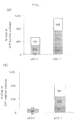
- GFP-positive colonies were counted on day 21 for the 4 factors, and on day 28 for the 3 factors.
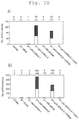
- the total results of three experiments are shown in FIG. 1 .
- GFP-positive colonies increased about 2 times for the 4 factors, and about 9 times for the 3 factors.
- the function of endogenous p53 was inhibited using a dominant negative mutant of p53, and its influence on the efficiency of establishment of iPS cells was investigated.
- the dominant negative mutant used was p53P275S, prepared by causing a point mutation of the proline at the position 275 located in the genome-binding region of p53 to serine ( Annemieke de Vries (2002). PNAS 99, 2948-2953 ).
- the retrovirus used for reprogramming was prepared by introducing retrovirus expression vector (pMXs-Oct3/4, pMXs-Sox2, pMXs-Klf4, pMXs-cMyc, pMXs-p53P275S) into Plat-E cells that had been sown to a 6-well culture plate (Falcon) at 0.6 x 10 6 cells per well on the previous day (for how to prepare pMXs-p53P275S, see Example 6 below).
- the culture broth used was DMEM/10% FCS (DMEM (Nacalai tesque) supplemented with 10% fetal bovine serum), and cultured at 37°C and 5% CO 2 .
- the Plat-E supernatant was exchanged with a fresh supply of the medium; on day 3, the culture supernatant was recovered and filtered through a 0.45 ⁇ m sterile filter (Whatman), polybrene (Nacalai) was added to obtain a concentration of 4 ⁇ g/mL, and this was used as the viral liquid.
- Fibroblasts were isolated from a fetal p53 hetero-deficient mouse having a Nanog reporter (13.5 days after fertilization).
- the feeder cells used were SNL cells that had been treated with mitomycin C to termiriate the cell division.
- the culture broth used was DMEM/10% FCS, and were cultured at 37°C and 5% CO 2 . The following day, the cells were cultured in a viral liquid recovered from Plat-E overnight to introduce the gene.
- the cells were cultured using an LIF-supplemented ES cell culture medium. Subsequently, the ES cell culture medium was exchanged with a fresh supply every two days until a colony was visible. Selection with puromycin (1.5 ⁇ g/mL) was performed starting on day 13 after the infection for the cells infected with both 4 factors (Oct3/4, Sox2, Klf4, c-Myc) and P275S, and on day 19 for the cells infected with both 3 factors (Oct3/4, Sox2, Klf4) and P275S. Colonies were visible about on day 10 for the 4 factors, and about on day 20 for the 3 factors, and became GFP-positive gradually.
- 4 factors Oct3/4, Sox2, Klf4, c-Myc
- Colonies were visible about on day 10 for the 4 factors, and about on day 20 for the 3 factors, and became GFP-positive gradually.
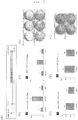
- FIGS. 3(A) An outline of the experimental procedure is shown in FIG. 3(A) , and experimental results are shown in FIGS. 3(B) to (D) .
- the number of GFP-positive colonies increased about 4 times for the 4 factors, and about 3 times for the 3 factors.
- the results for introduction of both the above-described 3 factors or 4 factors and p53 or DsRedExpress into the MEFs isolated from a fetal p53 homo-deficient mouse are shown in FIGS. 3(E) to (G) .
- the number of GFP-positive colonies decreased.
- the retrovirus used for reprogramming was prepared by introducing a retrovirus expression vector (pMXs-Oct3/4, pMXs-Sox2, pMXs-Klf4, pMXs-cMyc) into Plat-E cells that had been sown to a 6-well culture plate (Falcon) at 0.6 x 10 6 cells per well on the previous day.
- the culture broth used was DMEM/10% FCS (DMEM (Nacalai tesque) supplemented with 10% fetal bovine serum), and cultured at 37°C and 5% CO 2 .
- the Plat-E supernatant was exchanged with a fresh supply of the medium; on day 3, the culture supernatant was recovered and filtered through a 0.45 ⁇ m sterile filter (Whatman), polybrene (Nacalai) was added to obtain a concentration of 4 ⁇ g/mL, and this was used as the viral liquid.
- Fibroblasts were isolated from a fetal p53 hetero-deficient mouse having the Nanog reporter (13.5 days after fertilization). These MEFs were sown to a 6-well culture plate (Falcon) coated with 0.1% gelatin (Sigma) at 1 x 10 5 cells per well. The culture broth used was DMEM/10% FCS, and the cells were cultured at 37°C and 5% CO 2 . The following day, the cells were infected with the viral liquid recovered from Plat-E overnight to introduce the gene. Starting on day 3 after the infection, the cells were cultured using an LIF-supplemented ES cell culture medium.
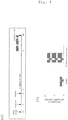
- the medium for MEF was removed, and the cells were washed by the addition of 1 mL of PBS. After the PBS was removed, 0.25% Trypsin/1 mM EDTA (Invitrogen) was added, and a reaction was allowed to proceed at 37°C for about 5 minutes. After the cells floated up, the cells were suspended by the addition of ES cell culture medium, and 8 x 10 2 cells were sown to a 6-well culture plate with feeder cells sown thereto previously. Starting on day 6, Pifithrin ⁇ , p-Nitro, Cyclic (MERCK), 6 nM, was added to the medium, and the cultivation was continued. Pifithrin was used in solution in DMSO.
- Nanog reporter mouse hereinafter, Nanog-GFP Tg mouse: 17-week-old male
- a p53 homo-deficient mouse having a Nanog reporter hereinafter, Nanog-GFP/Trp53 -/- mouse: 24-week-old female
- CD90-positive cells were obtained using CD90 microbeads (Miltenyi biotec) and the MACS system.
- T cell culture medium DMEM, 10% FBS, 10 ⁇ l/1x10 6 cells CD3/CD28 T cell expander (Invitrogen), 10 units/ml IL-2) and sown to a 24-well plate coated with retronectin (50 ⁇ g/ml, Takara) (1x10 6 cells/well).
- the medium was replaced with 1 ml of a medium containing a retrovirus harboring 4 factors (Oct3/4, Sox2, Klf4, c-Myc) (prepared in the same manner as Example 1, virus-containing supernatant supplemented with 8 ⁇ g/ml polybrene and 10 units/ml IL-2), centrifugation was performed at 3000 rpm for 30 minutes (spin infection method), and the cells were cultured at 37°C overnight. The following day, the medium was exchanged with a T cell culture medium, and thereafter medium exchange was performed every two days.
- a retrovirus harboring 4 factors (Oct3/4, Sox2, Klf4, c-Myc)
- the cells were re-sown onto mitomycin-treated SNL-PH cells (5 x 10 4 cells/100-mm dish). Starting on the following day, the cells were cultured with an ES medium supplemented with 1.5 ⁇ g/ml puromycin.
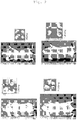
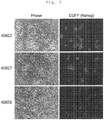
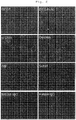
- DNA microarray analysis was performed. The analysis was performed using total RNA derived from MEFs isolated from each mouse, by the technique described in Cell, 131, 861-872(2007 ). The results are shown in FIG. 9 . An attempt was made to detect genes expressed specifically in ES cells (genes expressed at levels 10 times or more higher in the ES cells than in the fibroblasts); in the MEFs derived from the p53-deficient mouse, compared with the wild-type MEFs, these genes expressed specifically in the ES cells were expressed much more ( FIG. 9(B) ).
- Nanog-GFP or Oct3/4-GFP reporter system for sensitive and specific identification of iPS cells ( Okita K. et al. Nature 448, 313 (2007 )).
- Wild type, p53 +/- , or p53 -/- MEFs which also contain the Nanog-GFP reporter, were seeded at 1x 10 5 cells per well of 6 well plates. The cells were infected next day (day 0) with retrovirus made from Plat-E. On day 5, cells were reseeded either at one cell per well of 96-plates by a cell sorter (FACS Aria, Beckton Dekinson) or 5000 cells per 100 mm-dish.
- FACS Aria Beckton Dekinson
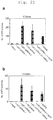
- Puromycin selection (1.5 ⁇ g/ml) was initiated on day 13 in the four-factor protocol and on day 19 in the three factor protocol. Numbers of GFP positive colonies were determined on day 21 for the four-factor protocol and on day 28 in the three factor protocol. The results are shown in Fig. 12 .
- Nanog-GFP cell p53 wild-type, heterozygous mutant, or homozygous mutant
- Retroviral vectors for p53 mutants were generated by two step PCR.
- the first PCR was performed with two primer sets, p53-P275S-S (tgt ttg tgc ctg ctc tgg gag aga ccg c; SEQ ID NO:33) and p53-1223AS, and p53-P275S-AS (gcg gtc tct ccc aga gca ggc aca aac a; SEQ ID NO:34) and p53-1S.
- the first PCR was performed with two primer sets, p53-D278N-S (tgc cct ggg aga aac cgc cgt aca gaa; SEQ ID NO:35) and p53-1223AS, and p53-D278N-AS (ttc tgt acg gcg gtt tct ccc agg gca; SEQ ID NO:36) and p53-1S.
- S58A mutant Cecchinelli B. et al.
- the first PCR was performed with two primer sets, p53-S58A-S (ttt gaa ggc cca GCt gaa gcc ctc cga; SEQ ID NO:37) and p53-1223AS, and p53-S58A-AS (tcg gag ggc ttc aGC tgg gcc ttc aaa; SEQ ID NO:38) and p53-1S.
- the two PCR products of each first PCR were mixed and used as a template for the secondary PCR with the primer set, p53-1S and p53-1223AS.
- mutants were cloned into pENTR-D-TOPO, and then transferred to pMXs-gw by Gateway cloning technology.
- the retroviruses expressing p53 mutants obtained were co-transduced with the three factors into Oct4-GFP, p53 +/- or p53 -/- MEFs. The results are shown in Fig. 13 .
- iPS cells generated by the four factors including c-Myc also showed a morphology indistinguishable from that of ES cells ( Fig. 14 , right). However, the expressions of ES-cell markers were lower in these cells than in ES cells ( Fig. 15 , right). In addition, transgene expression of the four factors remained active in these cells. Consistent with this observation, tumors derived from these cells in nude mice largely consist of undifferentiated cells, with only small areas of differentiated tissues ( Fig. 16b ). Thus c-Myc, in the p53-null background, suppresses retroviral silencing and inhibits differentiation.
- MDM2 co-introduction of MDM2 gene improved the establishment efficiency of iPS cells ( Fig. 21 ). While MDM2 also interacts with and inhibits another tumor suppressor, Retinoblastoma (Rb), suppression of Rb by shRNA did not increase the efficiency of iPS cell generation.
- Rb Retinoblastoma
- Example 7(B) the present inventors confirmed whether the cells generated with the three reprogramming factors and the p53 shRNA in Example 7(B) were pluripotent by in vitro differentiation.
- the cells were harvested and transferred to poly-hydroxyethyl methacrylate (HEMA)-coated dishes and incubated for 8 days. After floating culture, the embryoid bodies formed were plated onto gelatin-coated plates and incubated for another 6 days. After incubation, the cells were fixed with 4% paraformaldehyde and permeabilized and blocked with PBS containing 5% normal goat serum, 1% BSA and 0.2% TritonX-100.
- the expression of differentiation markers (AFP, ⁇ -SMA, ⁇ III-tubulin) was examined by immunocytochemistry.
- AFP anti- ⁇ -fetoprotein
- ⁇ -SMA anti- ⁇ -smooth muscle actin
- DAKO anti- ⁇ III-tubulin
- Cy3-labeled anti-mouse IgG (1:500, Chemicon) was used as secondary antibody.
- Nuclei were stained with Hoechst 33342 (Invitrogen). The results are shown in FIG. 22 .
- the iPS cells differentiated into three germ layers such as endoderm (AFP), mesoderm ( ⁇ -SMA) and ectoderm ( ⁇ III-tubulin). No significant difference in differentiation potentials was found between the iPS clones.
- stem cell markers Oct3/4, Sox2, Nanog
- differentiation markers FoxA2 and Sox17 (endoderm), Msx1 (mesoderm), Map2 and Pax6 (ectoderm)
- the p21 protein binds to Myc and suppresses its transcriptional activity ( Kitaura, H. et al., J Biol. Chem., 275(14), 10477-10483 (2000 )). This might contribute to the increased efficiency of iPS cell generation by p53-p21 suppression.
- Fig. 24c Myc responsive element
- Expression vector pCX-2A-Ms-OKS that expresses mouse Oct3/4, Klf4 and Sox2, and expression vector pCX-Ms-cMyc that expresses mouse c-Myc were both prepared according to Science, 322, pp. 949-953 (2008 ).
- MEFs Fibroblasts
- the MEFs were isolated from a fetal p53 homo-deficient mouse having the mouse Nanog reporter (13.5 days after fertilization) and wild-type mouse fetus (13.5 days after fertilization).
- the MEFs were sown to a 6-well culture plate (Falcon) coated with 0.1% gelatin (Sigma) at 1.3 x 10 5 per well.
- the culture broth used was DMEM/10% FBS (DMEM (Nacalai tesque) supplemented with 10% fetal bovine serum), and the cells were cultured at 37°C and 5% CO 2 .
- the medium was changed to an LIF-supplemented ES cell culture medium (prepared by adding 15% fetal bovine serum, 2 mM L-glutamine (Invitrogen), 100 ⁇ M non-essential amino acids (Invitrogen), 100 ⁇ M 2-mercaptoethanol (Invitrogen), 50 U/mL penicillin (Invitrogen) and 50 ⁇ g/mL streptomycin (Invitrogen) to DMEM (Nacarai Tesque)). Subsequently, the LIF-supplemented ES cell culture medium was exchanged with a fresh supply every two days until a colony was observable.
- LIF-supplemented ES cell culture medium prepared by adding 15% fetal bovine serum, 2 mM L-glutamine (Invitrogen), 100 ⁇ M non-essential amino acids (Invitrogen), 100 ⁇ M 2-mercaptoethanol (Invitrogen), 50 U/mL penicillin (Invitrogen) and 50 ⁇ g/mL streptomycin
- PCR primers capable of amplifying each part of the plasmid were designed (see Science, 322, pp. 949-953 (2008 ), Fig. 2A ), and 11 kinds of primers therefrom were used for Genomic PCR.
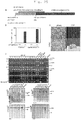
- the results are shown in Fig. 25c .
- Amplification of exogenous DNA was not observed in 6 clones out of the obtained 12 GFP-positive clones ( Fig. 25c : upper panel).
- By Southern blot analysis using Oct3/4, Sox2, Klf4 and c-Myc as probes moreover, integration of exogenous gene was not detected in those clones ( Fig. 25c : lower panel).
- the above results reveal that these iPS cells do not integrate pCX-2AMs-OKS and pCX-Ms-cMyc plasmids into the host genome.
- Fig. 25d The photographs of the obtained cells are shown in Fig. 25d (upper left: phase-contrast image, upper right: GFP-positive colony image, lower left: merge of phase-contrast image and GFP-positive colony image). Since the cells had a form morphologically indistinguishable from that of mouse ES cells, and were GFP-positive, establishment of iPS cells was confirmed. Moreover, iPS clones free of plasmid integration were injected to ICR-mouse-derived blastocysts. The results are shown in Fig. 25d , lower right panel. Judging from the hair color, adult chimera could be produced from iPS clone. The results confirm that iPS cells free of plasmid integration have pluripotency.
Landscapes
- Health & Medical Sciences (AREA)
- Engineering & Computer Science (AREA)
- Life Sciences & Earth Sciences (AREA)
- Genetics & Genomics (AREA)
- Biomedical Technology (AREA)
- Bioinformatics & Cheminformatics (AREA)
- Organic Chemistry (AREA)
- Chemical & Material Sciences (AREA)
- Wood Science & Technology (AREA)
- Biotechnology (AREA)
- Zoology (AREA)
- General Health & Medical Sciences (AREA)
- General Engineering & Computer Science (AREA)
- Microbiology (AREA)
- Biochemistry (AREA)
- Cell Biology (AREA)
- Transplantation (AREA)
- Developmental Biology & Embryology (AREA)
- General Chemical & Material Sciences (AREA)
- Pharmacology & Pharmacy (AREA)
- Nuclear Medicine, Radiotherapy & Molecular Imaging (AREA)
- Medicinal Chemistry (AREA)
- Veterinary Medicine (AREA)
- Animal Behavior & Ethology (AREA)
- Public Health (AREA)
- Chemical Kinetics & Catalysis (AREA)
- Immunology (AREA)
- Plant Pathology (AREA)
- Physics & Mathematics (AREA)
- Biophysics (AREA)
- Molecular Biology (AREA)
- Micro-Organisms Or Cultivation Processes Thereof (AREA)
- Materials For Medical Uses (AREA)
- Medicines Containing Material From Animals Or Micro-Organisms (AREA)
- Peptides Or Proteins (AREA)
Applications Claiming Priority (6)
| Application Number | Priority Date | Filing Date | Title |
|---|---|---|---|
| US7648708P | 2008-06-27 | 2008-06-27 | |
| US9557308P | 2008-09-09 | 2008-09-09 | |
| US19470008P | 2008-09-30 | 2008-09-30 | |
| US20030708P | 2008-11-25 | 2008-11-25 | |
| US20968609P | 2009-03-10 | 2009-03-10 | |
| PCT/JP2009/062173 WO2009157593A1 (en) | 2008-06-27 | 2009-06-26 | Method of efficiently establishing induced pluripotent stem cells |
Publications (3)
| Publication Number | Publication Date |
|---|---|
| EP2288692A1 EP2288692A1 (en) | 2011-03-02 |
| EP2288692A4 EP2288692A4 (en) | 2013-01-16 |
| EP2288692B1 true EP2288692B1 (en) | 2017-08-02 |
Family
ID=41444650
Family Applications (1)
| Application Number | Title | Priority Date | Filing Date |
|---|---|---|---|
| EP09770303.7A Active EP2288692B1 (en) | 2008-06-27 | 2009-06-26 | Method of efficiently establishing induced pluripotent stem cells |
Country Status (8)
| Country | Link |
|---|---|
| US (3) | US8530238B2 (enExample) |
| EP (1) | EP2288692B1 (enExample) |
| JP (1) | JP5340265B2 (enExample) |
| KR (1) | KR101606943B1 (enExample) |
| CN (1) | CN101835890B (enExample) |
| CA (1) | CA2695590C (enExample) |
| SG (1) | SG10201402428WA (enExample) |
| WO (1) | WO2009157593A1 (enExample) |
Families Citing this family (116)
| Publication number | Priority date | Publication date | Assignee | Title |
|---|---|---|---|---|
| WO2005047266A1 (en) | 2003-11-14 | 2005-05-26 | Lorus Therapeutics Inc. | Aryl imidazoles and their use as anti-cancer agents |
| ES2836764T3 (es) * | 2005-08-03 | 2021-06-28 | Astellas Inst For Regenerative Medicine | Métodos mejorados de reprogramación de células somáticas animales |
| WO2009136867A1 (en) * | 2008-05-06 | 2009-11-12 | Agency For Science, Technology And Research | Method of effecting de-differentiation of a cell |
| JP5340265B2 (ja) * | 2008-06-27 | 2013-11-13 | 国立大学法人京都大学 | 効率的な人工多能性幹細胞の樹立方法 |
| WO2010013845A1 (en) * | 2008-07-30 | 2010-02-04 | Kyoto University | Method of efficiently establishing induced pluripotent stem cells |
| EP2376626A4 (en) | 2008-12-13 | 2012-10-17 | Dna Microarray | MICRO-ENVIRONMENTAL NICHE ASSAY FOR SCREENING OF INDUCED PLURIPOTENT STEM CELLS (CIPS) |
| US8470308B2 (en) * | 2009-01-03 | 2013-06-25 | Ray C. Wasielewski | Enhanced medical implant comprising disrupted tooth pulp and tooth particles |
| US10328103B2 (en) | 2009-01-03 | 2019-06-25 | Ray C. Wasielewski | Medical treatment composition comprising mammalian dental pulp stem cells |
| JP5637354B2 (ja) * | 2009-03-30 | 2014-12-10 | 独立行政法人産業技術総合研究所 | 精製転写因子の調製法と細胞導入技術 |
| AU2010254811B2 (en) | 2009-06-05 | 2015-02-19 | FUJIFILM Cellular Dynamics, Inc. | Reprogramming T cells and hematopoietic cells |
| AU2015200413B2 (en) * | 2009-06-05 | 2017-08-24 | FUJIFILM Cellular Dynamics, Inc. | Reprogramming t cells and hematopoietic cells |
| SG10201608797WA (en) | 2009-08-07 | 2016-12-29 | Univ Kyoto | Method of efficiently establishing induced pluripotent stem cells |
| JP2013503198A (ja) | 2009-08-27 | 2013-01-31 | シナプティック リサーチ,リミテッド ライアビリティ カンパニー | 人工多能性幹(iPS)細胞または組織特異的細胞を誘導するための新規タンパク質送達系 |
| US9206394B2 (en) | 2010-02-03 | 2015-12-08 | The University Of Tokyo | Method for reconstructing immune function using pluripotent stem cells |
| JPWO2011096482A1 (ja) * | 2010-02-03 | 2013-06-13 | 国立大学法人 東京大学 | 多能性幹細胞を用いた免疫機能再建法 |
| ES2893699T3 (es) * | 2010-03-31 | 2022-02-09 | Scripps Research Inst | Reprogramación de células |
| CN103097521A (zh) | 2010-04-16 | 2013-05-08 | 学校法人庆应义塾 | 人工多能性干细胞的制造方法 |
| JP5794588B2 (ja) * | 2010-09-14 | 2015-10-14 | 国立大学法人京都大学 | 効率的な人工多能性幹細胞の樹立方法 |
| AU2011308567B2 (en) * | 2010-10-01 | 2015-09-03 | Fundacion Centro Nacional De Investigaciones Oncologicas, Carlos Iii | Manipulation of stem cell function by p53 isoforms |
| WO2012060473A1 (en) * | 2010-11-04 | 2012-05-10 | Kyoto University | Method of efficiently establishing induced pluripotent stem cells |
| EP2647699B1 (en) * | 2010-12-03 | 2020-04-01 | Kyoto University | Efficient method for establishing induced pluripotent stem cells |
| US9404082B2 (en) | 2010-12-03 | 2016-08-02 | Kyoto University | Method for production of eosinophil from pluripotent stem cell |
| CN102559587A (zh) * | 2010-12-16 | 2012-07-11 | 中国科学院上海药物研究所 | 诱导性多能干细胞的制备方法以及用于制备诱导性多能干细胞的培养基 |
| EA028902B1 (ru) | 2010-12-31 | 2018-01-31 | Университет Фюр Боденкультур Вена | Способ получения индуцированных плюрипотентных стволовых клеток и дифференцированных клеток |
| EP3777538B1 (en) | 2011-05-02 | 2023-06-28 | Wayne State University | A protein-induced pluripotent cell technology and uses thereof |
| WO2013010045A1 (en) | 2011-07-12 | 2013-01-17 | Biotime Inc. | Novel methods and formulations for orthopedic cell therapy |
| KR101791926B1 (ko) | 2011-07-25 | 2017-11-20 | 고쿠리츠 다이가쿠 호진 교토 다이가쿠 | 유도 만능 줄기 세포 스크리닝 방법 |
| WO2013031826A1 (ja) * | 2011-08-29 | 2013-03-07 | 国立大学法人京都大学 | 核初期化物質 |
| WO2013058403A1 (ja) | 2011-10-21 | 2013-04-25 | 国立大学法人京都大学 | 層流による多能性維持単一分散細胞培養法 |
| CN103131671B (zh) * | 2011-11-23 | 2017-06-06 | 北京大学 | 一种新的诱导体细胞重编程的方法,试剂盒及用途 |
| WO2013077423A1 (ja) | 2011-11-25 | 2013-05-30 | 国立大学法人京都大学 | 多能性幹細胞の培養方法 |
| CA2874259C (en) | 2012-05-23 | 2021-02-09 | Kyoto University | Highly efficient method for establishing induced pluripotent stem cell |
| US9175263B2 (en) * | 2012-08-22 | 2015-11-03 | Biotime, Inc. | Methods and compositions for targeting progenitor cell lines |
| JP6183879B2 (ja) * | 2012-08-31 | 2017-08-23 | 国立大学法人弘前大学 | 新規ペプチドおよびその医薬用途 |
| JP6366582B2 (ja) | 2012-10-23 | 2018-08-01 | 国立大学法人京都大学 | 効率的に人工多能性幹細胞を樹立する方法 |
| JP6495658B2 (ja) | 2013-02-08 | 2019-04-03 | 国立大学法人京都大学 | 巨核球及び血小板の製造方法 |
| WO2014136581A1 (ja) | 2013-03-06 | 2014-09-12 | 国立大学法人京都大学 | 多能性幹細胞の培養システム及び多能性幹細胞の継代方法 |
| JP6473077B2 (ja) | 2013-03-21 | 2019-02-20 | 国立大学法人京都大学 | 神経分化誘導用の多能性幹細胞 |
| WO2014157257A1 (ja) | 2013-03-25 | 2014-10-02 | 公益財団法人先端医療振興財団 | 細胞の選別方法 |
| EP2985344B1 (en) | 2013-04-12 | 2018-07-18 | Kyoto University | Method for inducing alveolar epithelium progenitor cells |
| EP2998391B1 (en) | 2013-05-14 | 2020-02-19 | Kyoto University | Efficient myocardial cell induction method |
| KR101870174B1 (ko) | 2013-05-31 | 2018-06-22 | 아이하트 재팬 가부시키가이샤 | 하이드로겔을 포함하는 적층화된 세포 시트 |
| EP3888640B1 (en) | 2013-06-05 | 2025-09-17 | Reverse Bioengineering, Inc. | Compositions and methods for induced tissue regeneration in mammalian species |
| BR112015030918A2 (pt) | 2013-06-11 | 2017-12-05 | Astellas Pharma Inc | método para produção de células progenitoras renais, e fármacos contendo células progenitoras renais |
| CN103571794B (zh) * | 2013-07-19 | 2016-01-20 | 中国医学科学院血液病医院(血液学研究所) | 一种抑制PUMA功能改善iPS细胞建立功效的方法 |
| EP3024926B1 (en) * | 2013-07-26 | 2021-03-03 | The J. David Gladstone Institutes, A Testamentary Trust Established under The Will of J. David Gladstone | Generating definitive endoderm and pancreatic progenitor cells |
| EP3031905A4 (en) | 2013-08-07 | 2017-04-26 | Kyoto University | Method for producing pancreatic hormone-producing cell |
| MY184219A (en) | 2013-09-05 | 2021-03-26 | Univ Kyoto | New method for inducing dopamine-producing neural precursor cells |
| CN104419683A (zh) * | 2013-09-10 | 2015-03-18 | 中国科学院生物物理研究所 | 制备范可尼贫血症患者自体诱导多能干细胞的方法及其应用 |
| WO2015051302A1 (en) | 2013-10-04 | 2015-04-09 | Aptose Biosciences Inc. | Compositions and methods for treating cancers |
| WO2015064754A1 (ja) | 2013-11-01 | 2015-05-07 | 国立大学法人京都大学 | 新規軟骨細胞誘導方法 |
| US11078462B2 (en) | 2014-02-18 | 2021-08-03 | ReCyte Therapeutics, Inc. | Perivascular stromal cells from primate pluripotent stem cells |
| US10240127B2 (en) | 2014-07-03 | 2019-03-26 | ReCyte Therapeutics, Inc. | Exosomes from clonal progenitor cells |
| JP7012432B2 (ja) | 2014-07-14 | 2022-01-28 | 中外製薬株式会社 | タンパク質のエピトープを同定するための方法 |
| SG11201701191WA (en) | 2014-07-18 | 2017-03-30 | Univ Kyoto | Method for inducing t cells for cell-based immunotherapy from pluripotent stem cells |
| US20180230436A1 (en) * | 2014-10-10 | 2018-08-16 | Garrett VYGANTAS | Methods of manufacturing keratin products and uses thereof |
| US11633355B2 (en) | 2014-12-12 | 2023-04-25 | Clemson University Research Foundation | Multi-functional particles and methods of using the same |
| US10232050B1 (en) | 2014-12-12 | 2019-03-19 | Clemson University | Multi-functional particles and methods of using the same |
| US10711249B2 (en) | 2014-12-26 | 2020-07-14 | Kyoto University | Method for inducing hepatocytes |
| WO2016120493A1 (en) * | 2015-01-30 | 2016-08-04 | Centre National De La Recherche Scientifique (Cnrs) | Reprogramming method for producing induced pluripotent stem cells (ipsc) |
| EP3280803B1 (en) | 2015-04-06 | 2021-05-26 | The Board of Trustees of the Leland Stanford Junior University | Chemically modified guide rnas for crispr/cas-mediated gene regulation |
| JP2016202172A (ja) | 2015-04-16 | 2016-12-08 | 国立大学法人京都大学 | 疑似膵島の製造方法 |
| IL256384B2 (en) * | 2015-07-10 | 2023-12-01 | Heartseed Inc | Production method for high quality iPS cells |
| US10842822B2 (en) | 2015-10-05 | 2020-11-24 | Orig3N, Inc. | Diagnosis and treatment of parkinson's disease based on identification and amelioration of liver dysfunction |
| CA3202332A1 (en) | 2015-12-07 | 2017-06-15 | Agex Therapeutics, Inc. | Methods for the re-derivation of diverse pluripotent stem cell-derived brown fat cells |
| US20190153387A1 (en) * | 2016-02-16 | 2019-05-23 | Keio University | Culture medium for use in differentiation of pluripotent stem cell into neural stem cell, and use thereof |
| HUE056387T2 (hu) | 2016-04-15 | 2022-02-28 | Univ Kyoto | Eljárás antigénspecifikus CD8-pozitív T-sejtek indukálására |
| WO2017183736A1 (ja) | 2016-04-22 | 2017-10-26 | 国立大学法人京都大学 | ドーパミン産生神経前駆細胞の製造方法 |
| JP7215994B2 (ja) | 2016-09-06 | 2023-01-31 | ザ チルドレンズ メディカル センター コーポレーション | 人工多能性幹細胞由来の免疫細胞 |
| ES2985812T3 (es) | 2016-09-09 | 2024-11-07 | The Board Of Trustees Of The Leland Stanfordjunior Univ | Edición genómica de precisión de alto rendimiento |
| CN110114470A (zh) | 2016-12-27 | 2019-08-09 | 住友化学株式会社 | 诱导的多能性干细胞的评价方法及选择方法、以及诱导的多能性干细胞的制备方法 |
| EP3572502B1 (en) | 2017-01-20 | 2023-01-11 | Kyoto University | Method for producing cd8alpha +beta + cytotoxic t cells |
| WO2018139548A1 (ja) | 2017-01-26 | 2018-08-02 | 国立大学法人大阪大学 | 幹細胞の中胚葉系細胞への分化誘導用培地および中胚葉系細胞の製造方法 |
| CN110546267B (zh) * | 2017-02-01 | 2024-09-13 | 哈佛学院董事及会员团体 | 提高细胞基因编辑效率的方法 |
| EP3597734A4 (en) | 2017-03-14 | 2021-03-03 | Kyoto University | METHOD FOR PRODUCING HELPER T-CELLS FROM PLURIPOTENT STEM CELLS |
| CN107290543A (zh) * | 2017-05-02 | 2017-10-24 | 南方医科大学 | 一种检测细胞内与p53转录激活域相互作用蛋白的方法 |
| KR102594102B1 (ko) | 2017-05-25 | 2023-10-25 | 고쿠리츠 다이가쿠 호진 교토 다이가쿠 | 중간 중배엽 세포로부터 신장 전구 세포로의 분화 유도 방법 및 다능성 줄기세포로부터 신장 전구 세포로의 분화 유도 방법 |
| CN111164209A (zh) | 2017-06-19 | 2020-05-15 | 公益财团法人神户医疗产业都市推进机构 | 多能干细胞的分化能力的预测方法和用于该预测方法的试剂 |
| US20210363496A1 (en) | 2017-10-17 | 2021-11-25 | Kyoto University | Method for obtaining artificial neuromuscular junction from pluripotent stem cells |
| CN111417395A (zh) | 2017-10-30 | 2020-07-14 | 艾普托斯生物科学公司 | 用于治疗癌症的芳基咪唑 |
| WO2020000453A1 (zh) * | 2018-06-29 | 2020-01-02 | 深圳市博奥康生物科技有限公司 | 一种靶向人 INDO 基因的新型 RNAi 干扰片段、 RNAi 载体及其制备方法和其应用 |
| SG11202100260QA (en) | 2018-07-13 | 2021-02-25 | Univ Kyoto | METHOD FOR PRODUCING γδ T CELLS |
| US20210299331A1 (en) | 2018-07-19 | 2021-09-30 | Kyoto University | Pluripotent stem cell-derived plate-shaped cartilage and method for producing the same |
| WO2020022261A1 (ja) | 2018-07-23 | 2020-01-30 | 国立大学法人京都大学 | 新規腎前駆細胞マーカーおよびそれを利用した腎前駆細胞の濃縮方法 |
| US12168781B2 (en) | 2018-12-06 | 2024-12-17 | Kirin Holdings Kabushiki Kaisha | Production method for T cells or NK cells, medium for culturing T cells or NK cells, method for culturing T cells or NK cells, method for maintaining undifferentiated state of undifferentiated T cells, and growth-accelerating agent for T cells or NK cells |
| WO2020130147A1 (ja) | 2018-12-21 | 2020-06-25 | 国立大学法人京都大学 | ルブリシン局在軟骨様組織、その製造方法及びそれを含む関節軟骨損傷治療用組成物 |
| WO2020138371A1 (ja) | 2018-12-26 | 2020-07-02 | キリンホールディングス株式会社 | 改変tcr及びその製造方法 |
| WO2020213725A1 (ja) | 2019-04-17 | 2020-10-22 | 学校法人慶應義塾 | 誘導多能性幹細胞の製造方法及びキット |
| JP2022535192A (ja) | 2019-05-14 | 2022-08-05 | アレフ ファームス リミテッド | 多能性細胞凝集体およびそれらの使用 |
| CN113811316A (zh) | 2019-05-15 | 2021-12-17 | 味之素株式会社 | 神经嵴细胞或角膜上皮细胞的纯化方法 |
| CA3141455A1 (en) | 2019-05-20 | 2020-11-26 | Ajinomoto Co., Inc. | Expansion culture method for cartilage or bone precursor cells |
| JP2022534927A (ja) * | 2019-05-29 | 2022-08-04 | インスティテュート オブ ズーオロジー、チャイニーズ アカデミー オブ サイエンシーズ | 操作された筋原性細胞の組成物および使用 |
| US20230030814A1 (en) | 2019-12-12 | 2023-02-02 | National University Corporation Chiba University | Freeze-Dried Preparations Comprising Megakaryocytes and Platelets |
| EP4093857A4 (en) | 2020-01-23 | 2024-02-21 | The Children's Medical Center Corporation | DIFFERENTIATION OF STROMA-FREE T CELLS FROM HUMAN PLURIPOTENT STEM CELLS |
| TWI886220B (zh) | 2020-02-28 | 2025-06-11 | 美商千禧製藥公司 | 用於自富潛能幹細胞生產自然殺手細胞之方法 |
| EP4170020A4 (en) | 2020-06-17 | 2025-01-22 | Kyoto University | IMMUNOCOMPETENT CELLS WITH CHIMERIC ANTIGEN RECEPTOR EXPRESSION |
| EP4180516A4 (en) | 2020-07-13 | 2024-01-17 | Kyoto University | SKELETON MUSCLE PRECURSOR CELLS AND METHOD FOR PURIFICATION THEREOF, COMPOSITION FOR THE TREATMENT OF MYOGENIC DISEASES AND METHOD FOR PRODUCING SKELETON MUSCLE PRECURSOR CELLS CONTAINING CELL GROUPS |
| JPWO2022019152A1 (enExample) | 2020-07-20 | 2022-01-27 | ||
| CN116323917A (zh) | 2020-08-18 | 2023-06-23 | 国立大学法人京都大学 | 人原始生殖细胞/人原始生殖细胞样细胞的维持扩增方法 |
| CN116348592A (zh) * | 2020-10-02 | 2023-06-27 | 菲特治疗公司 | 诱导性多能干细胞的改善的重编程、维持和保存 |
| EP4310176A4 (en) | 2021-03-17 | 2025-03-26 | Astellas Pharma Inc. | Pericyte with basic fibroblast growth factor (BFGF) gene inserted into it |
| JPWO2022230977A1 (enExample) | 2021-04-30 | 2022-11-03 | ||
| US20240254441A1 (en) | 2021-06-04 | 2024-08-01 | Kirin Holdings Kabushiki Kaisha | Cell composition, method for producing cell composition, and pharmaceutical composition containing cell composition |
| WO2022259721A1 (ja) | 2021-06-10 | 2022-12-15 | 味の素株式会社 | 間葉系幹細胞の製造方法 |
| KR20240021878A (ko) | 2021-06-15 | 2024-02-19 | 다케다 야쿠힌 고교 가부시키가이샤 | 다능성 줄기 세포로부터 자연 살해 세포를 생산하기 위한 방법 |
| US20240316115A1 (en) | 2021-07-15 | 2024-09-26 | Astellas Pharma Inc. | Method for producing vascular endothelial growth factor (vegf)- highly expressing pericyte-like cell |
| JPWO2023286834A1 (enExample) | 2021-07-15 | 2023-01-19 | ||
| WO2023017848A1 (ja) | 2021-08-11 | 2023-02-16 | 国立大学法人京都大学 | 腎間質前駆細胞の製造方法並びにエリスロポエチン産生細胞、およびレニン産生細胞の製造方法 |
| KR20240055811A (ko) | 2021-09-10 | 2024-04-29 | 애질런트 테크놀로지스, 인크. | 프라임 편집을 위한 화학적 변형을 갖는 가이드 rna |
| EP4431605A4 (en) | 2021-11-11 | 2025-12-10 | Healios Kk | Genetically modified pluripotent stem cell, derived immunocompetent cell, method for producing these cells and associated uses |
| CN114540309A (zh) * | 2022-01-17 | 2022-05-27 | 安徽大学 | 一种用于高效扩增rna病毒的重组细胞及其扩增方法和应用 |
| WO2023153464A1 (ja) | 2022-02-09 | 2023-08-17 | 住友ファーマ株式会社 | 多能性幹細胞から中脳底板領域の神経系細胞への分化における、培養液中の細胞の分化能を判定する方法 |
| JPWO2023210713A1 (enExample) | 2022-04-27 | 2023-11-02 | ||
| EP4538384A1 (en) | 2022-06-10 | 2025-04-16 | Kyoto University | Detection method and detection reagent for undifferentiated pluripotent stem cells |
| CN119731309A (zh) | 2023-01-23 | 2025-03-28 | 宝丽化学工业有限公司 | 利用上皮系细胞制造人工多能性干细胞的制造方法 |
| WO2024248017A1 (ja) | 2023-05-29 | 2024-12-05 | 国立研究開発法人理化学研究所 | 心筋細胞を成熟させる方法及び成熟した心筋細胞の製造方法 |
Family Cites Families (13)
| Publication number | Priority date | Publication date | Assignee | Title |
|---|---|---|---|---|
| CA2360671A1 (en) * | 1999-01-29 | 2000-08-03 | The Board Of Trustees Of The University Of Illinois | P53 inhibitors and therapeutic use of the same |
| WO2004085632A1 (ja) * | 2003-03-25 | 2004-10-07 | Japan Science And Technology Agency | 幹細胞の分化誘導および分化能の制御 |
| US7695426B2 (en) * | 2003-08-20 | 2010-04-13 | Biological Resources Pty Ltd | Methods for enhancing viability |
| JP4314372B2 (ja) | 2004-03-30 | 2009-08-12 | 国立大学法人京都大学 | 精巣細胞由来多能性幹細胞の製造方法 |
| US20090029461A1 (en) * | 2005-02-23 | 2009-01-29 | Agency For Science Technology And Research | Immortalised Feeder Cells |
| EP1872230B1 (en) * | 2005-04-18 | 2011-01-05 | Research In Motion Limited | Centralized memory management in wireless terminal devices |
| EP4223769A3 (en) * | 2005-12-13 | 2023-11-01 | Kyoto University | Nuclear reprogramming factor |
| US8278104B2 (en) | 2005-12-13 | 2012-10-02 | Kyoto University | Induced pluripotent stem cells produced with Oct3/4, Klf4 and Sox2 |
| US20070254309A1 (en) * | 2006-04-20 | 2007-11-01 | Northern Sydney And Central Coast Area Health Service | Methods for Assessing Embryo Viability |
| CN101743306A (zh) | 2007-03-23 | 2010-06-16 | 威斯康星校友研究基金会 | 体细胞重编程 |
| CN101550406B (zh) | 2008-04-03 | 2016-02-10 | 北京大学 | 制备多潜能干细胞的方法,试剂盒及用途 |
| JP5340265B2 (ja) | 2008-06-27 | 2013-11-13 | 国立大学法人京都大学 | 効率的な人工多能性幹細胞の樹立方法 |
| SG10201608797WA (en) | 2009-08-07 | 2016-12-29 | Univ Kyoto | Method of efficiently establishing induced pluripotent stem cells |
-
2009
- 2009-06-26 JP JP2010506749A patent/JP5340265B2/ja active Active
- 2009-06-26 KR KR1020107002640A patent/KR101606943B1/ko active Active
- 2009-06-26 CA CA2695590A patent/CA2695590C/en active Active
- 2009-06-26 EP EP09770303.7A patent/EP2288692B1/en active Active
- 2009-06-26 SG SG10201402428WA patent/SG10201402428WA/en unknown
- 2009-06-26 WO PCT/JP2009/062173 patent/WO2009157593A1/en not_active Ceased
- 2009-06-26 US US12/672,042 patent/US8530238B2/en active Active
- 2009-06-26 CN CN2009801000970A patent/CN101835890B/zh active Active
-
2013
- 2013-07-15 US US13/942,208 patent/US20140011279A1/en not_active Abandoned
-
2018
- 2018-11-19 US US16/195,054 patent/US12012615B2/en active Active
Non-Patent Citations (3)
| Title |
|---|
| R. WADHWA ET AL: "Use of a Randomized Hybrid Ribozyme Library for Identification of Genes Involved in Muscle Differentiation", JOURNAL OF BIOLOGICAL CHEMISTRY, vol. 279, no. 49, 24 September 2004 (2004-09-24), pages 51622 - 51629, XP055124036, ISSN: 0021-9258, DOI: 10.1074/jbc.M407428200 * |
| VAN DONGEN J ET AL: "Design and standardization of PCR primers and protocols for detection of clonal immunoglobuline and T-cell receptor gene recombinations is suspect lymphoproliferations: report of the BIOMED-2 concerted action BMH4-CT98-3936", LEUKEMIA, MACMILLAN PRESS LTD, US, vol. 17, no. 12, 1 December 2000 (2000-12-01), pages 2257 - 2317, XP008093070, ISSN: 0887-6924 * |
| ZHONGHAN LI ET AL: "Small RNA-mediated regulation of iPS cell generation", EMBO JOURNAL, vol. 30, 1 February 2011 (2011-02-01), pages 823 - 834, XP055124015, DOI: 10.1038/emboj.2011.2 * |
Also Published As
| Publication number | Publication date |
|---|---|
| WO2009157593A1 (en) | 2009-12-30 |
| KR101606943B1 (ko) | 2016-03-28 |
| US20140011279A1 (en) | 2014-01-09 |
| KR20110041430A (ko) | 2011-04-21 |
| US12012615B2 (en) | 2024-06-18 |
| US20190309263A1 (en) | 2019-10-10 |
| JP5340265B2 (ja) | 2013-11-13 |
| CA2695590A1 (en) | 2009-12-30 |
| JP2011525793A (ja) | 2011-09-29 |
| CN101835890B (zh) | 2013-07-24 |
| SG10201402428WA (en) | 2014-07-30 |
| US20110223669A1 (en) | 2011-09-15 |
| CA2695590C (en) | 2018-01-09 |
| EP2288692A1 (en) | 2011-03-02 |
| CN101835890A (zh) | 2010-09-15 |
| US8530238B2 (en) | 2013-09-10 |
| EP2288692A4 (en) | 2013-01-16 |
Similar Documents
| Publication | Publication Date | Title |
|---|---|---|
| US12012615B2 (en) | Method of making induced pluripotent stem cells using p53 inhibitors | |
| AU2010279913B2 (en) | Method of efficiently establishing induced pluripotent stem cells | |
| CA2697621C (en) | Method of efficiently establishing induced pluripotent stem cells | |
| US9447408B2 (en) | Method of efficiently establishing induced pluripotent stem cells | |
| US10077429B2 (en) | Method of efficiently establishing induced pluripotent stem cells | |
| US8871504B2 (en) | Method of selecting safe pluripotent stem cells | |
| JPWO2015056804A1 (ja) | 効率的な人工多能性幹細胞の樹立方法 |
Legal Events
| Date | Code | Title | Description |
|---|---|---|---|
| PUAI | Public reference made under article 153(3) epc to a published international application that has entered the european phase |
Free format text: ORIGINAL CODE: 0009012 |
|
| 17P | Request for examination filed |
Effective date: 20100211 |
|
| AK | Designated contracting states |
Kind code of ref document: A1 Designated state(s): AT BE BG CH CY CZ DE DK EE ES FI FR GB GR HR HU IE IS IT LI LT LU LV MC MK MT NL NO PL PT RO SE SI SK TR |
|
| AX | Request for extension of the european patent |
Extension state: AL BA RS |
|
| DAX | Request for extension of the european patent (deleted) | ||
| A4 | Supplementary search report drawn up and despatched |
Effective date: 20121213 |
|
| RIC1 | Information provided on ipc code assigned before grant |
Ipc: C12N 5/074 20100101AFI20121207BHEP |
|
| 17Q | First examination report despatched |
Effective date: 20140625 |
|
| REG | Reference to a national code |
Ref country code: DE Ref legal event code: R079 Ref document number: 602009047526 Country of ref document: DE Free format text: PREVIOUS MAIN CLASS: C12N0005000000 Ipc: C12N0005074000 |
|
| RIC1 | Information provided on ipc code assigned before grant |
Ipc: C12N 15/85 20060101ALI20160928BHEP Ipc: C12N 5/074 20100101AFI20160928BHEP |
|
| GRAP | Despatch of communication of intention to grant a patent |
Free format text: ORIGINAL CODE: EPIDOSNIGR1 |
|
| RIN1 | Information on inventor provided before grant (corrected) |
Inventor name: OKITA, KEISUKE Inventor name: YAMANAKA, SHINYA Inventor name: TAKAHASHI, KAZUTOSHI |
|
| INTG | Intention to grant announced |
Effective date: 20161219 |
|
| GRAS | Grant fee paid |
Free format text: ORIGINAL CODE: EPIDOSNIGR3 |
|
| GRAJ | Information related to disapproval of communication of intention to grant by the applicant or resumption of examination proceedings by the epo deleted |
Free format text: ORIGINAL CODE: EPIDOSDIGR1 |
|
| GRAL | Information related to payment of fee for publishing/printing deleted |
Free format text: ORIGINAL CODE: EPIDOSDIGR3 |
|
| GRAR | Information related to intention to grant a patent recorded |
Free format text: ORIGINAL CODE: EPIDOSNIGR71 |
|
| INTC | Intention to grant announced (deleted) | ||
| INTG | Intention to grant announced |
Effective date: 20170523 |
|
| GRAA | (expected) grant |
Free format text: ORIGINAL CODE: 0009210 |
|
| AK | Designated contracting states |
Kind code of ref document: B1 Designated state(s): AT BE BG CH CY CZ DE DK EE ES FI FR GB GR HR HU IE IS IT LI LT LU LV MC MK MT NL NO PL PT RO SE SI SK TR |
|
| REG | Reference to a national code |
Ref country code: GB Ref legal event code: FG4D |
|
| REG | Reference to a national code |
Ref country code: CH Ref legal event code: EP Ref country code: AT Ref legal event code: REF Ref document number: 914504 Country of ref document: AT Kind code of ref document: T Effective date: 20170815 |
|
| REG | Reference to a national code |
Ref country code: IE Ref legal event code: FG4D |
|
| REG | Reference to a national code |
Ref country code: DE Ref legal event code: R096 Ref document number: 602009047526 Country of ref document: DE |
|
| REG | Reference to a national code |
Ref country code: NL Ref legal event code: MP Effective date: 20170802 |
|
| REG | Reference to a national code |
Ref country code: AT Ref legal event code: MK05 Ref document number: 914504 Country of ref document: AT Kind code of ref document: T Effective date: 20170802 |
|
| REG | Reference to a national code |
Ref country code: LT Ref legal event code: MG4D |
|
| PG25 | Lapsed in a contracting state [announced via postgrant information from national office to epo] |
Ref country code: NO Free format text: LAPSE BECAUSE OF FAILURE TO SUBMIT A TRANSLATION OF THE DESCRIPTION OR TO PAY THE FEE WITHIN THE PRESCRIBED TIME-LIMIT Effective date: 20171102 Ref country code: NL Free format text: LAPSE BECAUSE OF FAILURE TO SUBMIT A TRANSLATION OF THE DESCRIPTION OR TO PAY THE FEE WITHIN THE PRESCRIBED TIME-LIMIT Effective date: 20170802 Ref country code: HR Free format text: LAPSE BECAUSE OF FAILURE TO SUBMIT A TRANSLATION OF THE DESCRIPTION OR TO PAY THE FEE WITHIN THE PRESCRIBED TIME-LIMIT Effective date: 20170802 Ref country code: FI Free format text: LAPSE BECAUSE OF FAILURE TO SUBMIT A TRANSLATION OF THE DESCRIPTION OR TO PAY THE FEE WITHIN THE PRESCRIBED TIME-LIMIT Effective date: 20170802 Ref country code: SE Free format text: LAPSE BECAUSE OF FAILURE TO SUBMIT A TRANSLATION OF THE DESCRIPTION OR TO PAY THE FEE WITHIN THE PRESCRIBED TIME-LIMIT Effective date: 20170802 Ref country code: AT Free format text: LAPSE BECAUSE OF FAILURE TO SUBMIT A TRANSLATION OF THE DESCRIPTION OR TO PAY THE FEE WITHIN THE PRESCRIBED TIME-LIMIT Effective date: 20170802 Ref country code: LT Free format text: LAPSE BECAUSE OF FAILURE TO SUBMIT A TRANSLATION OF THE DESCRIPTION OR TO PAY THE FEE WITHIN THE PRESCRIBED TIME-LIMIT Effective date: 20170802 |
|
| PG25 | Lapsed in a contracting state [announced via postgrant information from national office to epo] |
Ref country code: ES Free format text: LAPSE BECAUSE OF FAILURE TO SUBMIT A TRANSLATION OF THE DESCRIPTION OR TO PAY THE FEE WITHIN THE PRESCRIBED TIME-LIMIT Effective date: 20170802 Ref country code: BG Free format text: LAPSE BECAUSE OF FAILURE TO SUBMIT A TRANSLATION OF THE DESCRIPTION OR TO PAY THE FEE WITHIN THE PRESCRIBED TIME-LIMIT Effective date: 20171102 Ref country code: IS Free format text: LAPSE BECAUSE OF FAILURE TO SUBMIT A TRANSLATION OF THE DESCRIPTION OR TO PAY THE FEE WITHIN THE PRESCRIBED TIME-LIMIT Effective date: 20171202 Ref country code: PL Free format text: LAPSE BECAUSE OF FAILURE TO SUBMIT A TRANSLATION OF THE DESCRIPTION OR TO PAY THE FEE WITHIN THE PRESCRIBED TIME-LIMIT Effective date: 20170802 Ref country code: LV Free format text: LAPSE BECAUSE OF FAILURE TO SUBMIT A TRANSLATION OF THE DESCRIPTION OR TO PAY THE FEE WITHIN THE PRESCRIBED TIME-LIMIT Effective date: 20170802 Ref country code: GR Free format text: LAPSE BECAUSE OF FAILURE TO SUBMIT A TRANSLATION OF THE DESCRIPTION OR TO PAY THE FEE WITHIN THE PRESCRIBED TIME-LIMIT Effective date: 20171103 |
|
| PG25 | Lapsed in a contracting state [announced via postgrant information from national office to epo] |
Ref country code: CZ Free format text: LAPSE BECAUSE OF FAILURE TO SUBMIT A TRANSLATION OF THE DESCRIPTION OR TO PAY THE FEE WITHIN THE PRESCRIBED TIME-LIMIT Effective date: 20170802 Ref country code: RO Free format text: LAPSE BECAUSE OF FAILURE TO SUBMIT A TRANSLATION OF THE DESCRIPTION OR TO PAY THE FEE WITHIN THE PRESCRIBED TIME-LIMIT Effective date: 20170802 Ref country code: DK Free format text: LAPSE BECAUSE OF FAILURE TO SUBMIT A TRANSLATION OF THE DESCRIPTION OR TO PAY THE FEE WITHIN THE PRESCRIBED TIME-LIMIT Effective date: 20170802 |
|
| REG | Reference to a national code |
Ref country code: DE Ref legal event code: R097 Ref document number: 602009047526 Country of ref document: DE |
|
| PG25 | Lapsed in a contracting state [announced via postgrant information from national office to epo] |
Ref country code: IT Free format text: LAPSE BECAUSE OF FAILURE TO SUBMIT A TRANSLATION OF THE DESCRIPTION OR TO PAY THE FEE WITHIN THE PRESCRIBED TIME-LIMIT Effective date: 20170802 Ref country code: EE Free format text: LAPSE BECAUSE OF FAILURE TO SUBMIT A TRANSLATION OF THE DESCRIPTION OR TO PAY THE FEE WITHIN THE PRESCRIBED TIME-LIMIT Effective date: 20170802 Ref country code: SK Free format text: LAPSE BECAUSE OF FAILURE TO SUBMIT A TRANSLATION OF THE DESCRIPTION OR TO PAY THE FEE WITHIN THE PRESCRIBED TIME-LIMIT Effective date: 20170802 |
|
| PLBE | No opposition filed within time limit |
Free format text: ORIGINAL CODE: 0009261 |
|
| STAA | Information on the status of an ep patent application or granted ep patent |
Free format text: STATUS: NO OPPOSITION FILED WITHIN TIME LIMIT |
|
| REG | Reference to a national code |
Ref country code: FR Ref legal event code: PLFP Year of fee payment: 10 |
|
| 26N | No opposition filed |
Effective date: 20180503 |
|
| PG25 | Lapsed in a contracting state [announced via postgrant information from national office to epo] |
Ref country code: SI Free format text: LAPSE BECAUSE OF FAILURE TO SUBMIT A TRANSLATION OF THE DESCRIPTION OR TO PAY THE FEE WITHIN THE PRESCRIBED TIME-LIMIT Effective date: 20170802 |
|
| REG | Reference to a national code |
Ref country code: CH Ref legal event code: PL |
|
| REG | Reference to a national code |
Ref country code: BE Ref legal event code: MM Effective date: 20180630 |
|
| REG | Reference to a national code |
Ref country code: IE Ref legal event code: MM4A |
|
| PG25 | Lapsed in a contracting state [announced via postgrant information from national office to epo] |
Ref country code: LU Free format text: LAPSE BECAUSE OF NON-PAYMENT OF DUE FEES Effective date: 20180626 Ref country code: MC Free format text: LAPSE BECAUSE OF FAILURE TO SUBMIT A TRANSLATION OF THE DESCRIPTION OR TO PAY THE FEE WITHIN THE PRESCRIBED TIME-LIMIT Effective date: 20170802 |
|
| PG25 | Lapsed in a contracting state [announced via postgrant information from national office to epo] |
Ref country code: CH Free format text: LAPSE BECAUSE OF NON-PAYMENT OF DUE FEES Effective date: 20180630 Ref country code: LI Free format text: LAPSE BECAUSE OF NON-PAYMENT OF DUE FEES Effective date: 20180630 Ref country code: IE Free format text: LAPSE BECAUSE OF NON-PAYMENT OF DUE FEES Effective date: 20180626 |
|
| PG25 | Lapsed in a contracting state [announced via postgrant information from national office to epo] |
Ref country code: BE Free format text: LAPSE BECAUSE OF NON-PAYMENT OF DUE FEES Effective date: 20180630 |
|
| PG25 | Lapsed in a contracting state [announced via postgrant information from national office to epo] |
Ref country code: MT Free format text: LAPSE BECAUSE OF NON-PAYMENT OF DUE FEES Effective date: 20180626 |
|
| PG25 | Lapsed in a contracting state [announced via postgrant information from national office to epo] |
Ref country code: TR Free format text: LAPSE BECAUSE OF FAILURE TO SUBMIT A TRANSLATION OF THE DESCRIPTION OR TO PAY THE FEE WITHIN THE PRESCRIBED TIME-LIMIT Effective date: 20170802 |
|
| PG25 | Lapsed in a contracting state [announced via postgrant information from national office to epo] |
Ref country code: HU Free format text: LAPSE BECAUSE OF FAILURE TO SUBMIT A TRANSLATION OF THE DESCRIPTION OR TO PAY THE FEE WITHIN THE PRESCRIBED TIME-LIMIT; INVALID AB INITIO Effective date: 20090626 Ref country code: PT Free format text: LAPSE BECAUSE OF FAILURE TO SUBMIT A TRANSLATION OF THE DESCRIPTION OR TO PAY THE FEE WITHIN THE PRESCRIBED TIME-LIMIT Effective date: 20170802 |
|
| PG25 | Lapsed in a contracting state [announced via postgrant information from national office to epo] |
Ref country code: CY Free format text: LAPSE BECAUSE OF FAILURE TO SUBMIT A TRANSLATION OF THE DESCRIPTION OR TO PAY THE FEE WITHIN THE PRESCRIBED TIME-LIMIT Effective date: 20170802 Ref country code: MK Free format text: LAPSE BECAUSE OF NON-PAYMENT OF DUE FEES Effective date: 20170802 |
|
| P01 | Opt-out of the competence of the unified patent court (upc) registered |
Effective date: 20230508 |
|
| PGFP | Annual fee paid to national office [announced via postgrant information from national office to epo] |
Ref country code: DE Payment date: 20250618 Year of fee payment: 17 |
|
| PGFP | Annual fee paid to national office [announced via postgrant information from national office to epo] |
Ref country code: GB Payment date: 20250620 Year of fee payment: 17 |
|
| PGFP | Annual fee paid to national office [announced via postgrant information from national office to epo] |
Ref country code: FR Payment date: 20250613 Year of fee payment: 17 |