WO2010098337A1 - グリース組成物、グリース封入軸受、プロペラシャフト用自在継手、潤滑油組成物、および焼結含油軸受 - Google Patents
グリース組成物、グリース封入軸受、プロペラシャフト用自在継手、潤滑油組成物、および焼結含油軸受 Download PDFInfo
- Publication number
- WO2010098337A1 WO2010098337A1 PCT/JP2010/052822 JP2010052822W WO2010098337A1 WO 2010098337 A1 WO2010098337 A1 WO 2010098337A1 JP 2010052822 W JP2010052822 W JP 2010052822W WO 2010098337 A1 WO2010098337 A1 WO 2010098337A1
- Authority
- WO
- WIPO (PCT)
- Prior art keywords
- grease
- bearing
- oil
- composition according
- compound
- Prior art date
- Legal status (The legal status is an assumption and is not a legal conclusion. Google has not performed a legal analysis and makes no representation as to the accuracy of the status listed.)
- Ceased
Links
Images


Classifications
-
- C—CHEMISTRY; METALLURGY
- C10—PETROLEUM, GAS OR COKE INDUSTRIES; TECHNICAL GASES CONTAINING CARBON MONOXIDE; FUELS; LUBRICANTS; PEAT
- C10M—LUBRICATING COMPOSITIONS; USE OF CHEMICAL SUBSTANCES EITHER ALONE OR AS LUBRICATING INGREDIENTS IN A LUBRICATING COMPOSITION
- C10M169/00—Lubricating compositions characterised by containing as components a mixture of at least two types of ingredient selected from base-materials, thickeners or additives, covered by the preceding groups, each of these compounds being essential
- C10M169/06—Mixtures of thickeners and additives
-
- C—CHEMISTRY; METALLURGY
- C10—PETROLEUM, GAS OR COKE INDUSTRIES; TECHNICAL GASES CONTAINING CARBON MONOXIDE; FUELS; LUBRICANTS; PEAT
- C10M—LUBRICATING COMPOSITIONS; USE OF CHEMICAL SUBSTANCES EITHER ALONE OR AS LUBRICATING INGREDIENTS IN A LUBRICATING COMPOSITION
- C10M129/00—Lubricating compositions characterised by the additive being an organic non-macromolecular compound containing oxygen
- C10M129/02—Lubricating compositions characterised by the additive being an organic non-macromolecular compound containing oxygen having a carbon chain of less than 30 atoms
- C10M129/04—Hydroxy compounds
- C10M129/10—Hydroxy compounds having hydroxy groups bound to a carbon atom of a six-membered aromatic ring
- C10M129/14—Hydroxy compounds having hydroxy groups bound to a carbon atom of a six-membered aromatic ring containing at least 2 hydroxy groups
-
- C—CHEMISTRY; METALLURGY
- C10—PETROLEUM, GAS OR COKE INDUSTRIES; TECHNICAL GASES CONTAINING CARBON MONOXIDE; FUELS; LUBRICANTS; PEAT
- C10M—LUBRICATING COMPOSITIONS; USE OF CHEMICAL SUBSTANCES EITHER ALONE OR AS LUBRICATING INGREDIENTS IN A LUBRICATING COMPOSITION
- C10M159/00—Lubricating compositions characterised by the additive being of unknown or incompletely defined constitution
- C10M159/02—Natural products
-
- C—CHEMISTRY; METALLURGY
- C10—PETROLEUM, GAS OR COKE INDUSTRIES; TECHNICAL GASES CONTAINING CARBON MONOXIDE; FUELS; LUBRICANTS; PEAT
- C10M—LUBRICATING COMPOSITIONS; USE OF CHEMICAL SUBSTANCES EITHER ALONE OR AS LUBRICATING INGREDIENTS IN A LUBRICATING COMPOSITION
- C10M169/00—Lubricating compositions characterised by containing as components a mixture of at least two types of ingredient selected from base-materials, thickeners or additives, covered by the preceding groups, each of these compounds being essential
-
- F—MECHANICAL ENGINEERING; LIGHTING; HEATING; WEAPONS; BLASTING
- F16—ENGINEERING ELEMENTS AND UNITS; GENERAL MEASURES FOR PRODUCING AND MAINTAINING EFFECTIVE FUNCTIONING OF MACHINES OR INSTALLATIONS; THERMAL INSULATION IN GENERAL
- F16C—SHAFTS; FLEXIBLE SHAFTS; ELEMENTS OR CRANKSHAFT MECHANISMS; ROTARY BODIES OTHER THAN GEARING ELEMENTS; BEARINGS
- F16C33/00—Parts of bearings; Special methods for making bearings or parts thereof
- F16C33/02—Parts of sliding-contact bearings
- F16C33/04—Brasses; Bushes; Linings
- F16C33/06—Sliding surface mainly made of metal
- F16C33/10—Construction relative to lubrication
-
- F—MECHANICAL ENGINEERING; LIGHTING; HEATING; WEAPONS; BLASTING
- F16—ENGINEERING ELEMENTS AND UNITS; GENERAL MEASURES FOR PRODUCING AND MAINTAINING EFFECTIVE FUNCTIONING OF MACHINES OR INSTALLATIONS; THERMAL INSULATION IN GENERAL
- F16C—SHAFTS; FLEXIBLE SHAFTS; ELEMENTS OR CRANKSHAFT MECHANISMS; ROTARY BODIES OTHER THAN GEARING ELEMENTS; BEARINGS
- F16C33/00—Parts of bearings; Special methods for making bearings or parts thereof
- F16C33/02—Parts of sliding-contact bearings
- F16C33/04—Brasses; Bushes; Linings
- F16C33/06—Sliding surface mainly made of metal
- F16C33/10—Construction relative to lubrication
- F16C33/1025—Construction relative to lubrication with liquid, e.g. oil, as lubricant
- F16C33/103—Construction relative to lubrication with liquid, e.g. oil, as lubricant retained in or near the bearing
- F16C33/104—Construction relative to lubrication with liquid, e.g. oil, as lubricant retained in or near the bearing in a porous body, e.g. oil impregnated sintered sleeve
-
- F—MECHANICAL ENGINEERING; LIGHTING; HEATING; WEAPONS; BLASTING
- F16—ENGINEERING ELEMENTS AND UNITS; GENERAL MEASURES FOR PRODUCING AND MAINTAINING EFFECTIVE FUNCTIONING OF MACHINES OR INSTALLATIONS; THERMAL INSULATION IN GENERAL
- F16C—SHAFTS; FLEXIBLE SHAFTS; ELEMENTS OR CRANKSHAFT MECHANISMS; ROTARY BODIES OTHER THAN GEARING ELEMENTS; BEARINGS
- F16C33/00—Parts of bearings; Special methods for making bearings or parts thereof
- F16C33/30—Parts of ball or roller bearings
- F16C33/66—Special parts or details in view of lubrication
- F16C33/6603—Special parts or details in view of lubrication with grease as lubricant
- F16C33/6633—Grease properties or compositions, e.g. rheological properties
-
- F—MECHANICAL ENGINEERING; LIGHTING; HEATING; WEAPONS; BLASTING
- F16—ENGINEERING ELEMENTS AND UNITS; GENERAL MEASURES FOR PRODUCING AND MAINTAINING EFFECTIVE FUNCTIONING OF MACHINES OR INSTALLATIONS; THERMAL INSULATION IN GENERAL
- F16D—COUPLINGS FOR TRANSMITTING ROTATION; CLUTCHES; BRAKES
- F16D3/00—Yielding couplings, i.e. with means permitting movement between the connected parts during the drive
- F16D3/16—Universal joints in which flexibility is produced by means of pivots or sliding or rolling connecting parts
- F16D3/20—Universal joints in which flexibility is produced by means of pivots or sliding or rolling connecting parts one coupling part entering a sleeve of the other coupling part and connected thereto by sliding or rolling members
- F16D3/22—Universal joints in which flexibility is produced by means of pivots or sliding or rolling connecting parts one coupling part entering a sleeve of the other coupling part and connected thereto by sliding or rolling members the rolling members being balls, rollers, or the like, guided in grooves or sockets in both coupling parts
- F16D3/223—Universal joints in which flexibility is produced by means of pivots or sliding or rolling connecting parts one coupling part entering a sleeve of the other coupling part and connected thereto by sliding or rolling members the rolling members being balls, rollers, or the like, guided in grooves or sockets in both coupling parts the rolling members being guided in grooves in both coupling parts
- F16D3/226—Universal joints in which flexibility is produced by means of pivots or sliding or rolling connecting parts one coupling part entering a sleeve of the other coupling part and connected thereto by sliding or rolling members the rolling members being balls, rollers, or the like, guided in grooves or sockets in both coupling parts the rolling members being guided in grooves in both coupling parts the groove centre-lines in each coupling part lying on a cylinder co-axial with the respective coupling part
- F16D3/227—Universal joints in which flexibility is produced by means of pivots or sliding or rolling connecting parts one coupling part entering a sleeve of the other coupling part and connected thereto by sliding or rolling members the rolling members being balls, rollers, or the like, guided in grooves or sockets in both coupling parts the rolling members being guided in grooves in both coupling parts the groove centre-lines in each coupling part lying on a cylinder co-axial with the respective coupling part the joints being telescopic
-
- C—CHEMISTRY; METALLURGY
- C10—PETROLEUM, GAS OR COKE INDUSTRIES; TECHNICAL GASES CONTAINING CARBON MONOXIDE; FUELS; LUBRICANTS; PEAT
- C10M—LUBRICATING COMPOSITIONS; USE OF CHEMICAL SUBSTANCES EITHER ALONE OR AS LUBRICATING INGREDIENTS IN A LUBRICATING COMPOSITION
- C10M129/00—Lubricating compositions characterised by the additive being an organic non-macromolecular compound containing oxygen
- C10M129/02—Lubricating compositions characterised by the additive being an organic non-macromolecular compound containing oxygen having a carbon chain of less than 30 atoms
-
- C—CHEMISTRY; METALLURGY
- C10—PETROLEUM, GAS OR COKE INDUSTRIES; TECHNICAL GASES CONTAINING CARBON MONOXIDE; FUELS; LUBRICANTS; PEAT
- C10M—LUBRICATING COMPOSITIONS; USE OF CHEMICAL SUBSTANCES EITHER ALONE OR AS LUBRICATING INGREDIENTS IN A LUBRICATING COMPOSITION
- C10M129/00—Lubricating compositions characterised by the additive being an organic non-macromolecular compound containing oxygen
- C10M129/02—Lubricating compositions characterised by the additive being an organic non-macromolecular compound containing oxygen having a carbon chain of less than 30 atoms
- C10M129/04—Hydroxy compounds
-
- C—CHEMISTRY; METALLURGY
- C10—PETROLEUM, GAS OR COKE INDUSTRIES; TECHNICAL GASES CONTAINING CARBON MONOXIDE; FUELS; LUBRICANTS; PEAT
- C10M—LUBRICATING COMPOSITIONS; USE OF CHEMICAL SUBSTANCES EITHER ALONE OR AS LUBRICATING INGREDIENTS IN A LUBRICATING COMPOSITION
- C10M129/00—Lubricating compositions characterised by the additive being an organic non-macromolecular compound containing oxygen
- C10M129/02—Lubricating compositions characterised by the additive being an organic non-macromolecular compound containing oxygen having a carbon chain of less than 30 atoms
- C10M129/04—Hydroxy compounds
- C10M129/06—Hydroxy compounds having hydroxy groups bound to acyclic or cycloaliphatic carbon atoms
-
- C—CHEMISTRY; METALLURGY
- C10—PETROLEUM, GAS OR COKE INDUSTRIES; TECHNICAL GASES CONTAINING CARBON MONOXIDE; FUELS; LUBRICANTS; PEAT
- C10M—LUBRICATING COMPOSITIONS; USE OF CHEMICAL SUBSTANCES EITHER ALONE OR AS LUBRICATING INGREDIENTS IN A LUBRICATING COMPOSITION
- C10M129/00—Lubricating compositions characterised by the additive being an organic non-macromolecular compound containing oxygen
- C10M129/02—Lubricating compositions characterised by the additive being an organic non-macromolecular compound containing oxygen having a carbon chain of less than 30 atoms
- C10M129/04—Hydroxy compounds
- C10M129/06—Hydroxy compounds having hydroxy groups bound to acyclic or cycloaliphatic carbon atoms
- C10M129/08—Hydroxy compounds having hydroxy groups bound to acyclic or cycloaliphatic carbon atoms containing at least 2 hydroxy groups
-
- C—CHEMISTRY; METALLURGY
- C10—PETROLEUM, GAS OR COKE INDUSTRIES; TECHNICAL GASES CONTAINING CARBON MONOXIDE; FUELS; LUBRICANTS; PEAT
- C10M—LUBRICATING COMPOSITIONS; USE OF CHEMICAL SUBSTANCES EITHER ALONE OR AS LUBRICATING INGREDIENTS IN A LUBRICATING COMPOSITION
- C10M129/00—Lubricating compositions characterised by the additive being an organic non-macromolecular compound containing oxygen
- C10M129/02—Lubricating compositions characterised by the additive being an organic non-macromolecular compound containing oxygen having a carbon chain of less than 30 atoms
- C10M129/04—Hydroxy compounds
- C10M129/10—Hydroxy compounds having hydroxy groups bound to a carbon atom of a six-membered aromatic ring
- C10M129/12—Hydroxy compounds having hydroxy groups bound to a carbon atom of a six-membered aromatic ring with condensed rings
-
- C—CHEMISTRY; METALLURGY
- C10—PETROLEUM, GAS OR COKE INDUSTRIES; TECHNICAL GASES CONTAINING CARBON MONOXIDE; FUELS; LUBRICANTS; PEAT
- C10M—LUBRICATING COMPOSITIONS; USE OF CHEMICAL SUBSTANCES EITHER ALONE OR AS LUBRICATING INGREDIENTS IN A LUBRICATING COMPOSITION
- C10M129/00—Lubricating compositions characterised by the additive being an organic non-macromolecular compound containing oxygen
- C10M129/02—Lubricating compositions characterised by the additive being an organic non-macromolecular compound containing oxygen having a carbon chain of less than 30 atoms
- C10M129/16—Ethers
-
- C—CHEMISTRY; METALLURGY
- C10—PETROLEUM, GAS OR COKE INDUSTRIES; TECHNICAL GASES CONTAINING CARBON MONOXIDE; FUELS; LUBRICANTS; PEAT
- C10M—LUBRICATING COMPOSITIONS; USE OF CHEMICAL SUBSTANCES EITHER ALONE OR AS LUBRICATING INGREDIENTS IN A LUBRICATING COMPOSITION
- C10M129/00—Lubricating compositions characterised by the additive being an organic non-macromolecular compound containing oxygen
- C10M129/02—Lubricating compositions characterised by the additive being an organic non-macromolecular compound containing oxygen having a carbon chain of less than 30 atoms
- C10M129/16—Ethers
- C10M129/18—Epoxides
-
- C—CHEMISTRY; METALLURGY
- C10—PETROLEUM, GAS OR COKE INDUSTRIES; TECHNICAL GASES CONTAINING CARBON MONOXIDE; FUELS; LUBRICANTS; PEAT
- C10M—LUBRICATING COMPOSITIONS; USE OF CHEMICAL SUBSTANCES EITHER ALONE OR AS LUBRICATING INGREDIENTS IN A LUBRICATING COMPOSITION
- C10M129/00—Lubricating compositions characterised by the additive being an organic non-macromolecular compound containing oxygen
- C10M129/02—Lubricating compositions characterised by the additive being an organic non-macromolecular compound containing oxygen having a carbon chain of less than 30 atoms
- C10M129/16—Ethers
- C10M129/20—Cyclic ethers having 4 or more ring atoms, e.g. furans, dioxolanes
-
- C—CHEMISTRY; METALLURGY
- C10—PETROLEUM, GAS OR COKE INDUSTRIES; TECHNICAL GASES CONTAINING CARBON MONOXIDE; FUELS; LUBRICANTS; PEAT
- C10M—LUBRICATING COMPOSITIONS; USE OF CHEMICAL SUBSTANCES EITHER ALONE OR AS LUBRICATING INGREDIENTS IN A LUBRICATING COMPOSITION
- C10M129/00—Lubricating compositions characterised by the additive being an organic non-macromolecular compound containing oxygen
- C10M129/02—Lubricating compositions characterised by the additive being an organic non-macromolecular compound containing oxygen having a carbon chain of less than 30 atoms
- C10M129/24—Aldehydes; Ketones
-
- C—CHEMISTRY; METALLURGY
- C10—PETROLEUM, GAS OR COKE INDUSTRIES; TECHNICAL GASES CONTAINING CARBON MONOXIDE; FUELS; LUBRICANTS; PEAT
- C10M—LUBRICATING COMPOSITIONS; USE OF CHEMICAL SUBSTANCES EITHER ALONE OR AS LUBRICATING INGREDIENTS IN A LUBRICATING COMPOSITION
- C10M129/00—Lubricating compositions characterised by the additive being an organic non-macromolecular compound containing oxygen
- C10M129/02—Lubricating compositions characterised by the additive being an organic non-macromolecular compound containing oxygen having a carbon chain of less than 30 atoms
- C10M129/68—Esters
-
- C—CHEMISTRY; METALLURGY
- C10—PETROLEUM, GAS OR COKE INDUSTRIES; TECHNICAL GASES CONTAINING CARBON MONOXIDE; FUELS; LUBRICANTS; PEAT
- C10M—LUBRICATING COMPOSITIONS; USE OF CHEMICAL SUBSTANCES EITHER ALONE OR AS LUBRICATING INGREDIENTS IN A LUBRICATING COMPOSITION
- C10M129/00—Lubricating compositions characterised by the additive being an organic non-macromolecular compound containing oxygen
- C10M129/86—Lubricating compositions characterised by the additive being an organic non-macromolecular compound containing oxygen having a carbon chain of 30 or more atoms
- C10M129/92—Carboxylic acids
-
- C—CHEMISTRY; METALLURGY
- C10—PETROLEUM, GAS OR COKE INDUSTRIES; TECHNICAL GASES CONTAINING CARBON MONOXIDE; FUELS; LUBRICANTS; PEAT
- C10M—LUBRICATING COMPOSITIONS; USE OF CHEMICAL SUBSTANCES EITHER ALONE OR AS LUBRICATING INGREDIENTS IN A LUBRICATING COMPOSITION
- C10M129/00—Lubricating compositions characterised by the additive being an organic non-macromolecular compound containing oxygen
- C10M129/86—Lubricating compositions characterised by the additive being an organic non-macromolecular compound containing oxygen having a carbon chain of 30 or more atoms
- C10M129/92—Carboxylic acids
- C10M129/93—Carboxylic acids having carboxyl groups bound to acyclic or cycloaliphatic carbon atoms
-
- C—CHEMISTRY; METALLURGY
- C10—PETROLEUM, GAS OR COKE INDUSTRIES; TECHNICAL GASES CONTAINING CARBON MONOXIDE; FUELS; LUBRICANTS; PEAT
- C10M—LUBRICATING COMPOSITIONS; USE OF CHEMICAL SUBSTANCES EITHER ALONE OR AS LUBRICATING INGREDIENTS IN A LUBRICATING COMPOSITION
- C10M129/00—Lubricating compositions characterised by the additive being an organic non-macromolecular compound containing oxygen
- C10M129/86—Lubricating compositions characterised by the additive being an organic non-macromolecular compound containing oxygen having a carbon chain of 30 or more atoms
- C10M129/92—Carboxylic acids
- C10M129/94—Carboxylic acids having carboxyl groups bound to a carbon atom of a six-membered aromatic ring
-
- C—CHEMISTRY; METALLURGY
- C10—PETROLEUM, GAS OR COKE INDUSTRIES; TECHNICAL GASES CONTAINING CARBON MONOXIDE; FUELS; LUBRICANTS; PEAT
- C10M—LUBRICATING COMPOSITIONS; USE OF CHEMICAL SUBSTANCES EITHER ALONE OR AS LUBRICATING INGREDIENTS IN A LUBRICATING COMPOSITION
- C10M2203/00—Organic non-macromolecular hydrocarbon compounds and hydrocarbon fractions as ingredients in lubricant compositions
- C10M2203/10—Petroleum or coal fractions, e.g. tars, solvents, bitumen
- C10M2203/1006—Petroleum or coal fractions, e.g. tars, solvents, bitumen used as base material
-
- C—CHEMISTRY; METALLURGY
- C10—PETROLEUM, GAS OR COKE INDUSTRIES; TECHNICAL GASES CONTAINING CARBON MONOXIDE; FUELS; LUBRICANTS; PEAT
- C10M—LUBRICATING COMPOSITIONS; USE OF CHEMICAL SUBSTANCES EITHER ALONE OR AS LUBRICATING INGREDIENTS IN A LUBRICATING COMPOSITION
- C10M2205/00—Organic macromolecular hydrocarbon compounds or fractions, whether or not modified by oxidation as ingredients in lubricant compositions
- C10M2205/02—Organic macromolecular hydrocarbon compounds or fractions, whether or not modified by oxidation as ingredients in lubricant compositions containing acyclic monomers
- C10M2205/028—Organic macromolecular hydrocarbon compounds or fractions, whether or not modified by oxidation as ingredients in lubricant compositions containing acyclic monomers containing aliphatic monomers having more than four carbon atoms
- C10M2205/0285—Organic macromolecular hydrocarbon compounds or fractions, whether or not modified by oxidation as ingredients in lubricant compositions containing acyclic monomers containing aliphatic monomers having more than four carbon atoms used as base material
-
- C—CHEMISTRY; METALLURGY
- C10—PETROLEUM, GAS OR COKE INDUSTRIES; TECHNICAL GASES CONTAINING CARBON MONOXIDE; FUELS; LUBRICANTS; PEAT
- C10M—LUBRICATING COMPOSITIONS; USE OF CHEMICAL SUBSTANCES EITHER ALONE OR AS LUBRICATING INGREDIENTS IN A LUBRICATING COMPOSITION
- C10M2207/00—Organic non-macromolecular hydrocarbon compounds containing hydrogen, carbon and oxygen as ingredients in lubricant compositions
- C10M2207/02—Hydroxy compounds
- C10M2207/023—Hydroxy compounds having hydroxy groups bound to carbon atoms of six-membered aromatic rings
- C10M2207/024—Hydroxy compounds having hydroxy groups bound to carbon atoms of six-membered aromatic rings having at least two phenol groups but no condensed ring
-
- C—CHEMISTRY; METALLURGY
- C10—PETROLEUM, GAS OR COKE INDUSTRIES; TECHNICAL GASES CONTAINING CARBON MONOXIDE; FUELS; LUBRICANTS; PEAT
- C10M—LUBRICATING COMPOSITIONS; USE OF CHEMICAL SUBSTANCES EITHER ALONE OR AS LUBRICATING INGREDIENTS IN A LUBRICATING COMPOSITION
- C10M2207/00—Organic non-macromolecular hydrocarbon compounds containing hydrogen, carbon and oxygen as ingredients in lubricant compositions
- C10M2207/02—Hydroxy compounds
- C10M2207/023—Hydroxy compounds having hydroxy groups bound to carbon atoms of six-membered aromatic rings
- C10M2207/026—Hydroxy compounds having hydroxy groups bound to carbon atoms of six-membered aromatic rings with tertiary alkyl groups
-
- C—CHEMISTRY; METALLURGY
- C10—PETROLEUM, GAS OR COKE INDUSTRIES; TECHNICAL GASES CONTAINING CARBON MONOXIDE; FUELS; LUBRICANTS; PEAT
- C10M—LUBRICATING COMPOSITIONS; USE OF CHEMICAL SUBSTANCES EITHER ALONE OR AS LUBRICATING INGREDIENTS IN A LUBRICATING COMPOSITION
- C10M2207/00—Organic non-macromolecular hydrocarbon compounds containing hydrogen, carbon and oxygen as ingredients in lubricant compositions
- C10M2207/04—Ethers; Acetals; Ortho-esters; Ortho-carbonates
- C10M2207/0406—Ethers; Acetals; Ortho-esters; Ortho-carbonates used as base material
-
- C—CHEMISTRY; METALLURGY
- C10—PETROLEUM, GAS OR COKE INDUSTRIES; TECHNICAL GASES CONTAINING CARBON MONOXIDE; FUELS; LUBRICANTS; PEAT
- C10M—LUBRICATING COMPOSITIONS; USE OF CHEMICAL SUBSTANCES EITHER ALONE OR AS LUBRICATING INGREDIENTS IN A LUBRICATING COMPOSITION
- C10M2207/00—Organic non-macromolecular hydrocarbon compounds containing hydrogen, carbon and oxygen as ingredients in lubricant compositions
- C10M2207/08—Aldehydes; Ketones
-
- C—CHEMISTRY; METALLURGY
- C10—PETROLEUM, GAS OR COKE INDUSTRIES; TECHNICAL GASES CONTAINING CARBON MONOXIDE; FUELS; LUBRICANTS; PEAT
- C10M—LUBRICATING COMPOSITIONS; USE OF CHEMICAL SUBSTANCES EITHER ALONE OR AS LUBRICATING INGREDIENTS IN A LUBRICATING COMPOSITION
- C10M2207/00—Organic non-macromolecular hydrocarbon compounds containing hydrogen, carbon and oxygen as ingredients in lubricant compositions
- C10M2207/10—Carboxylix acids; Neutral salts thereof
- C10M2207/106—Carboxylix acids; Neutral salts thereof used as thickening agents
-
- C—CHEMISTRY; METALLURGY
- C10—PETROLEUM, GAS OR COKE INDUSTRIES; TECHNICAL GASES CONTAINING CARBON MONOXIDE; FUELS; LUBRICANTS; PEAT
- C10M—LUBRICATING COMPOSITIONS; USE OF CHEMICAL SUBSTANCES EITHER ALONE OR AS LUBRICATING INGREDIENTS IN A LUBRICATING COMPOSITION
- C10M2207/00—Organic non-macromolecular hydrocarbon compounds containing hydrogen, carbon and oxygen as ingredients in lubricant compositions
- C10M2207/10—Carboxylix acids; Neutral salts thereof
- C10M2207/12—Carboxylix acids; Neutral salts thereof having carboxyl groups bound to acyclic or cycloaliphatic carbon atoms
- C10M2207/121—Carboxylix acids; Neutral salts thereof having carboxyl groups bound to acyclic or cycloaliphatic carbon atoms having hydrocarbon chains of seven or less carbon atoms
- C10M2207/124—Carboxylix acids; Neutral salts thereof having carboxyl groups bound to acyclic or cycloaliphatic carbon atoms having hydrocarbon chains of seven or less carbon atoms containing hydroxy groups; Ethers thereof
-
- C—CHEMISTRY; METALLURGY
- C10—PETROLEUM, GAS OR COKE INDUSTRIES; TECHNICAL GASES CONTAINING CARBON MONOXIDE; FUELS; LUBRICANTS; PEAT
- C10M—LUBRICATING COMPOSITIONS; USE OF CHEMICAL SUBSTANCES EITHER ALONE OR AS LUBRICATING INGREDIENTS IN A LUBRICATING COMPOSITION
- C10M2207/00—Organic non-macromolecular hydrocarbon compounds containing hydrogen, carbon and oxygen as ingredients in lubricant compositions
- C10M2207/10—Carboxylix acids; Neutral salts thereof
- C10M2207/12—Carboxylix acids; Neutral salts thereof having carboxyl groups bound to acyclic or cycloaliphatic carbon atoms
- C10M2207/125—Carboxylix acids; Neutral salts thereof having carboxyl groups bound to acyclic or cycloaliphatic carbon atoms having hydrocarbon chains of eight up to twenty-nine carbon atoms, i.e. fatty acids
- C10M2207/1256—Carboxylix acids; Neutral salts thereof having carboxyl groups bound to acyclic or cycloaliphatic carbon atoms having hydrocarbon chains of eight up to twenty-nine carbon atoms, i.e. fatty acids used as thickening agent
-
- C—CHEMISTRY; METALLURGY
- C10—PETROLEUM, GAS OR COKE INDUSTRIES; TECHNICAL GASES CONTAINING CARBON MONOXIDE; FUELS; LUBRICANTS; PEAT
- C10M—LUBRICATING COMPOSITIONS; USE OF CHEMICAL SUBSTANCES EITHER ALONE OR AS LUBRICATING INGREDIENTS IN A LUBRICATING COMPOSITION
- C10M2207/00—Organic non-macromolecular hydrocarbon compounds containing hydrogen, carbon and oxygen as ingredients in lubricant compositions
- C10M2207/10—Carboxylix acids; Neutral salts thereof
- C10M2207/12—Carboxylix acids; Neutral salts thereof having carboxyl groups bound to acyclic or cycloaliphatic carbon atoms
- C10M2207/125—Carboxylix acids; Neutral salts thereof having carboxyl groups bound to acyclic or cycloaliphatic carbon atoms having hydrocarbon chains of eight up to twenty-nine carbon atoms, i.e. fatty acids
- C10M2207/128—Carboxylix acids; Neutral salts thereof having carboxyl groups bound to acyclic or cycloaliphatic carbon atoms having hydrocarbon chains of eight up to twenty-nine carbon atoms, i.e. fatty acids containing hydroxy groups; Ethers thereof
-
- C—CHEMISTRY; METALLURGY
- C10—PETROLEUM, GAS OR COKE INDUSTRIES; TECHNICAL GASES CONTAINING CARBON MONOXIDE; FUELS; LUBRICANTS; PEAT
- C10M—LUBRICATING COMPOSITIONS; USE OF CHEMICAL SUBSTANCES EITHER ALONE OR AS LUBRICATING INGREDIENTS IN A LUBRICATING COMPOSITION
- C10M2207/00—Organic non-macromolecular hydrocarbon compounds containing hydrogen, carbon and oxygen as ingredients in lubricant compositions
- C10M2207/10—Carboxylix acids; Neutral salts thereof
- C10M2207/12—Carboxylix acids; Neutral salts thereof having carboxyl groups bound to acyclic or cycloaliphatic carbon atoms
- C10M2207/125—Carboxylix acids; Neutral salts thereof having carboxyl groups bound to acyclic or cycloaliphatic carbon atoms having hydrocarbon chains of eight up to twenty-nine carbon atoms, i.e. fatty acids
- C10M2207/128—Carboxylix acids; Neutral salts thereof having carboxyl groups bound to acyclic or cycloaliphatic carbon atoms having hydrocarbon chains of eight up to twenty-nine carbon atoms, i.e. fatty acids containing hydroxy groups; Ethers thereof
- C10M2207/1285—Carboxylix acids; Neutral salts thereof having carboxyl groups bound to acyclic or cycloaliphatic carbon atoms having hydrocarbon chains of eight up to twenty-nine carbon atoms, i.e. fatty acids containing hydroxy groups; Ethers thereof used as thickening agents
-
- C—CHEMISTRY; METALLURGY
- C10—PETROLEUM, GAS OR COKE INDUSTRIES; TECHNICAL GASES CONTAINING CARBON MONOXIDE; FUELS; LUBRICANTS; PEAT
- C10M—LUBRICATING COMPOSITIONS; USE OF CHEMICAL SUBSTANCES EITHER ALONE OR AS LUBRICATING INGREDIENTS IN A LUBRICATING COMPOSITION
- C10M2207/00—Organic non-macromolecular hydrocarbon compounds containing hydrogen, carbon and oxygen as ingredients in lubricant compositions
- C10M2207/10—Carboxylix acids; Neutral salts thereof
- C10M2207/14—Carboxylix acids; Neutral salts thereof having carboxyl groups bound to carbon atoms of six-membered aromatic rings
- C10M2207/144—Carboxylix acids; Neutral salts thereof having carboxyl groups bound to carbon atoms of six-membered aromatic rings containing hydroxy groups
-
- C—CHEMISTRY; METALLURGY
- C10—PETROLEUM, GAS OR COKE INDUSTRIES; TECHNICAL GASES CONTAINING CARBON MONOXIDE; FUELS; LUBRICANTS; PEAT
- C10M—LUBRICATING COMPOSITIONS; USE OF CHEMICAL SUBSTANCES EITHER ALONE OR AS LUBRICATING INGREDIENTS IN A LUBRICATING COMPOSITION
- C10M2207/00—Organic non-macromolecular hydrocarbon compounds containing hydrogen, carbon and oxygen as ingredients in lubricant compositions
- C10M2207/28—Esters
- C10M2207/2805—Esters used as base material
-
- C—CHEMISTRY; METALLURGY
- C10—PETROLEUM, GAS OR COKE INDUSTRIES; TECHNICAL GASES CONTAINING CARBON MONOXIDE; FUELS; LUBRICANTS; PEAT
- C10M—LUBRICATING COMPOSITIONS; USE OF CHEMICAL SUBSTANCES EITHER ALONE OR AS LUBRICATING INGREDIENTS IN A LUBRICATING COMPOSITION
- C10M2207/00—Organic non-macromolecular hydrocarbon compounds containing hydrogen, carbon and oxygen as ingredients in lubricant compositions
- C10M2207/28—Esters
- C10M2207/283—Esters of polyhydroxy compounds
- C10M2207/2835—Esters of polyhydroxy compounds used as base material
-
- C—CHEMISTRY; METALLURGY
- C10—PETROLEUM, GAS OR COKE INDUSTRIES; TECHNICAL GASES CONTAINING CARBON MONOXIDE; FUELS; LUBRICANTS; PEAT
- C10M—LUBRICATING COMPOSITIONS; USE OF CHEMICAL SUBSTANCES EITHER ALONE OR AS LUBRICATING INGREDIENTS IN A LUBRICATING COMPOSITION
- C10M2207/00—Organic non-macromolecular hydrocarbon compounds containing hydrogen, carbon and oxygen as ingredients in lubricant compositions
- C10M2207/28—Esters
- C10M2207/287—Partial esters
- C10M2207/289—Partial esters containing free hydroxy groups
-
- C—CHEMISTRY; METALLURGY
- C10—PETROLEUM, GAS OR COKE INDUSTRIES; TECHNICAL GASES CONTAINING CARBON MONOXIDE; FUELS; LUBRICANTS; PEAT
- C10M—LUBRICATING COMPOSITIONS; USE OF CHEMICAL SUBSTANCES EITHER ALONE OR AS LUBRICATING INGREDIENTS IN A LUBRICATING COMPOSITION
- C10M2211/00—Organic non-macromolecular compounds containing halogen as ingredients in lubricant compositions
- C10M2211/06—Perfluorinated compounds
- C10M2211/063—Perfluorinated compounds used as base material
-
- C—CHEMISTRY; METALLURGY
- C10—PETROLEUM, GAS OR COKE INDUSTRIES; TECHNICAL GASES CONTAINING CARBON MONOXIDE; FUELS; LUBRICANTS; PEAT
- C10M—LUBRICATING COMPOSITIONS; USE OF CHEMICAL SUBSTANCES EITHER ALONE OR AS LUBRICATING INGREDIENTS IN A LUBRICATING COMPOSITION
- C10M2213/00—Organic macromolecular compounds containing halogen as ingredients in lubricant compositions
- C10M2213/04—Organic macromolecular compounds containing halogen as ingredients in lubricant compositions obtained from monomers containing carbon, hydrogen, halogen and oxygen
- C10M2213/043—Organic macromolecular compounds containing halogen as ingredients in lubricant compositions obtained from monomers containing carbon, hydrogen, halogen and oxygen used as base material
-
- C—CHEMISTRY; METALLURGY
- C10—PETROLEUM, GAS OR COKE INDUSTRIES; TECHNICAL GASES CONTAINING CARBON MONOXIDE; FUELS; LUBRICANTS; PEAT
- C10M—LUBRICATING COMPOSITIONS; USE OF CHEMICAL SUBSTANCES EITHER ALONE OR AS LUBRICATING INGREDIENTS IN A LUBRICATING COMPOSITION
- C10M2213/00—Organic macromolecular compounds containing halogen as ingredients in lubricant compositions
- C10M2213/06—Perfluoro polymers
- C10M2213/0606—Perfluoro polymers used as base material
-
- C—CHEMISTRY; METALLURGY
- C10—PETROLEUM, GAS OR COKE INDUSTRIES; TECHNICAL GASES CONTAINING CARBON MONOXIDE; FUELS; LUBRICANTS; PEAT
- C10M—LUBRICATING COMPOSITIONS; USE OF CHEMICAL SUBSTANCES EITHER ALONE OR AS LUBRICATING INGREDIENTS IN A LUBRICATING COMPOSITION
- C10M2213/00—Organic macromolecular compounds containing halogen as ingredients in lubricant compositions
- C10M2213/06—Perfluoro polymers
- C10M2213/0613—Perfluoro polymers used as thickening agents
-
- C—CHEMISTRY; METALLURGY
- C10—PETROLEUM, GAS OR COKE INDUSTRIES; TECHNICAL GASES CONTAINING CARBON MONOXIDE; FUELS; LUBRICANTS; PEAT
- C10M—LUBRICATING COMPOSITIONS; USE OF CHEMICAL SUBSTANCES EITHER ALONE OR AS LUBRICATING INGREDIENTS IN A LUBRICATING COMPOSITION
- C10M2213/00—Organic macromolecular compounds containing halogen as ingredients in lubricant compositions
- C10M2213/06—Perfluoro polymers
- C10M2213/062—Polytetrafluoroethylene [PTFE]
- C10M2213/0626—Polytetrafluoroethylene [PTFE] used as thickening agents
-
- C—CHEMISTRY; METALLURGY
- C10—PETROLEUM, GAS OR COKE INDUSTRIES; TECHNICAL GASES CONTAINING CARBON MONOXIDE; FUELS; LUBRICANTS; PEAT
- C10M—LUBRICATING COMPOSITIONS; USE OF CHEMICAL SUBSTANCES EITHER ALONE OR AS LUBRICATING INGREDIENTS IN A LUBRICATING COMPOSITION
- C10M2215/00—Organic non-macromolecular compounds containing nitrogen as ingredients in lubricant Compositions
- C10M2215/02—Amines, e.g. polyalkylene polyamines; Quaternary amines
- C10M2215/06—Amines, e.g. polyalkylene polyamines; Quaternary amines having amino groups bound to carbon atoms of six-membered aromatic rings
- C10M2215/064—Di- and triaryl amines
-
- C—CHEMISTRY; METALLURGY
- C10—PETROLEUM, GAS OR COKE INDUSTRIES; TECHNICAL GASES CONTAINING CARBON MONOXIDE; FUELS; LUBRICANTS; PEAT
- C10M—LUBRICATING COMPOSITIONS; USE OF CHEMICAL SUBSTANCES EITHER ALONE OR AS LUBRICATING INGREDIENTS IN A LUBRICATING COMPOSITION
- C10M2215/00—Organic non-macromolecular compounds containing nitrogen as ingredients in lubricant Compositions
- C10M2215/10—Amides of carbonic or haloformic acids
- C10M2215/102—Ureas; Semicarbazides; Allophanates
- C10M2215/1026—Ureas; Semicarbazides; Allophanates used as thickening material
-
- C—CHEMISTRY; METALLURGY
- C10—PETROLEUM, GAS OR COKE INDUSTRIES; TECHNICAL GASES CONTAINING CARBON MONOXIDE; FUELS; LUBRICANTS; PEAT
- C10M—LUBRICATING COMPOSITIONS; USE OF CHEMICAL SUBSTANCES EITHER ALONE OR AS LUBRICATING INGREDIENTS IN A LUBRICATING COMPOSITION
- C10M2215/00—Organic non-macromolecular compounds containing nitrogen as ingredients in lubricant Compositions
- C10M2215/22—Heterocyclic nitrogen compounds
- C10M2215/223—Five-membered rings containing nitrogen and carbon only
- C10M2215/224—Imidazoles
-
- C—CHEMISTRY; METALLURGY
- C10—PETROLEUM, GAS OR COKE INDUSTRIES; TECHNICAL GASES CONTAINING CARBON MONOXIDE; FUELS; LUBRICANTS; PEAT
- C10M—LUBRICATING COMPOSITIONS; USE OF CHEMICAL SUBSTANCES EITHER ALONE OR AS LUBRICATING INGREDIENTS IN A LUBRICATING COMPOSITION
- C10M2215/00—Organic non-macromolecular compounds containing nitrogen as ingredients in lubricant Compositions
- C10M2215/22—Heterocyclic nitrogen compounds
- C10M2215/223—Five-membered rings containing nitrogen and carbon only
- C10M2215/224—Imidazoles
- C10M2215/2245—Imidazoles used as base material
-
- C—CHEMISTRY; METALLURGY
- C10—PETROLEUM, GAS OR COKE INDUSTRIES; TECHNICAL GASES CONTAINING CARBON MONOXIDE; FUELS; LUBRICANTS; PEAT
- C10M—LUBRICATING COMPOSITIONS; USE OF CHEMICAL SUBSTANCES EITHER ALONE OR AS LUBRICATING INGREDIENTS IN A LUBRICATING COMPOSITION
- C10M2219/00—Organic non-macromolecular compounds containing sulfur, selenium or tellurium as ingredients in lubricant compositions
- C10M2219/04—Organic non-macromolecular compounds containing sulfur, selenium or tellurium as ingredients in lubricant compositions containing sulfur-to-oxygen bonds, i.e. sulfones, sulfoxides
- C10M2219/0406—Organic non-macromolecular compounds containing sulfur, selenium or tellurium as ingredients in lubricant compositions containing sulfur-to-oxygen bonds, i.e. sulfones, sulfoxides used as base material
-
- C—CHEMISTRY; METALLURGY
- C10—PETROLEUM, GAS OR COKE INDUSTRIES; TECHNICAL GASES CONTAINING CARBON MONOXIDE; FUELS; LUBRICANTS; PEAT
- C10M—LUBRICATING COMPOSITIONS; USE OF CHEMICAL SUBSTANCES EITHER ALONE OR AS LUBRICATING INGREDIENTS IN A LUBRICATING COMPOSITION
- C10M2219/00—Organic non-macromolecular compounds containing sulfur, selenium or tellurium as ingredients in lubricant compositions
- C10M2219/04—Organic non-macromolecular compounds containing sulfur, selenium or tellurium as ingredients in lubricant compositions containing sulfur-to-oxygen bonds, i.e. sulfones, sulfoxides
- C10M2219/044—Sulfonic acids, Derivatives thereof, e.g. neutral salts
-
- C—CHEMISTRY; METALLURGY
- C10—PETROLEUM, GAS OR COKE INDUSTRIES; TECHNICAL GASES CONTAINING CARBON MONOXIDE; FUELS; LUBRICANTS; PEAT
- C10M—LUBRICATING COMPOSITIONS; USE OF CHEMICAL SUBSTANCES EITHER ALONE OR AS LUBRICATING INGREDIENTS IN A LUBRICATING COMPOSITION
- C10M2223/00—Organic non-macromolecular compounds containing phosphorus as ingredients in lubricant compositions
- C10M2223/02—Organic non-macromolecular compounds containing phosphorus as ingredients in lubricant compositions having no phosphorus-to-carbon bonds
- C10M2223/04—Phosphate esters
- C10M2223/045—Metal containing thio derivatives
-
- C—CHEMISTRY; METALLURGY
- C10—PETROLEUM, GAS OR COKE INDUSTRIES; TECHNICAL GASES CONTAINING CARBON MONOXIDE; FUELS; LUBRICANTS; PEAT
- C10N—INDEXING SCHEME ASSOCIATED WITH SUBCLASS C10M RELATING TO LUBRICATING COMPOSITIONS
- C10N2020/00—Specified physical or chemical properties or characteristics, i.e. function, of component of lubricating compositions
- C10N2020/01—Physico-chemical properties
- C10N2020/02—Viscosity; Viscosity index
-
- C—CHEMISTRY; METALLURGY
- C10—PETROLEUM, GAS OR COKE INDUSTRIES; TECHNICAL GASES CONTAINING CARBON MONOXIDE; FUELS; LUBRICANTS; PEAT
- C10N—INDEXING SCHEME ASSOCIATED WITH SUBCLASS C10M RELATING TO LUBRICATING COMPOSITIONS
- C10N2020/00—Specified physical or chemical properties or characteristics, i.e. function, of component of lubricating compositions
- C10N2020/01—Physico-chemical properties
- C10N2020/077—Ionic Liquids
-
- C—CHEMISTRY; METALLURGY
- C10—PETROLEUM, GAS OR COKE INDUSTRIES; TECHNICAL GASES CONTAINING CARBON MONOXIDE; FUELS; LUBRICANTS; PEAT
- C10N—INDEXING SCHEME ASSOCIATED WITH SUBCLASS C10M RELATING TO LUBRICATING COMPOSITIONS
- C10N2030/00—Specified physical or chemical properties which is improved by the additive characterising the lubricating composition, e.g. multifunctional additives
- C10N2030/02—Pour-point; Viscosity index
-
- C—CHEMISTRY; METALLURGY
- C10—PETROLEUM, GAS OR COKE INDUSTRIES; TECHNICAL GASES CONTAINING CARBON MONOXIDE; FUELS; LUBRICANTS; PEAT
- C10N—INDEXING SCHEME ASSOCIATED WITH SUBCLASS C10M RELATING TO LUBRICATING COMPOSITIONS
- C10N2030/00—Specified physical or chemical properties which is improved by the additive characterising the lubricating composition, e.g. multifunctional additives
- C10N2030/06—Oiliness; Film-strength; Anti-wear; Resistance to extreme pressure
-
- C—CHEMISTRY; METALLURGY
- C10—PETROLEUM, GAS OR COKE INDUSTRIES; TECHNICAL GASES CONTAINING CARBON MONOXIDE; FUELS; LUBRICANTS; PEAT
- C10N—INDEXING SCHEME ASSOCIATED WITH SUBCLASS C10M RELATING TO LUBRICATING COMPOSITIONS
- C10N2030/00—Specified physical or chemical properties which is improved by the additive characterising the lubricating composition, e.g. multifunctional additives
- C10N2030/08—Resistance to extreme temperature
-
- C—CHEMISTRY; METALLURGY
- C10—PETROLEUM, GAS OR COKE INDUSTRIES; TECHNICAL GASES CONTAINING CARBON MONOXIDE; FUELS; LUBRICANTS; PEAT
- C10N—INDEXING SCHEME ASSOCIATED WITH SUBCLASS C10M RELATING TO LUBRICATING COMPOSITIONS
- C10N2030/00—Specified physical or chemical properties which is improved by the additive characterising the lubricating composition, e.g. multifunctional additives
- C10N2030/12—Inhibition of corrosion, e.g. anti-rust agents or anti-corrosives
-
- C—CHEMISTRY; METALLURGY
- C10—PETROLEUM, GAS OR COKE INDUSTRIES; TECHNICAL GASES CONTAINING CARBON MONOXIDE; FUELS; LUBRICANTS; PEAT
- C10N—INDEXING SCHEME ASSOCIATED WITH SUBCLASS C10M RELATING TO LUBRICATING COMPOSITIONS
- C10N2040/00—Specified use or application for which the lubricating composition is intended
- C10N2040/02—Bearings
-
- C—CHEMISTRY; METALLURGY
- C10—PETROLEUM, GAS OR COKE INDUSTRIES; TECHNICAL GASES CONTAINING CARBON MONOXIDE; FUELS; LUBRICANTS; PEAT
- C10N—INDEXING SCHEME ASSOCIATED WITH SUBCLASS C10M RELATING TO LUBRICATING COMPOSITIONS
- C10N2040/00—Specified use or application for which the lubricating composition is intended
- C10N2040/30—Refrigerators lubricants or compressors lubricants
-
- C—CHEMISTRY; METALLURGY
- C10—PETROLEUM, GAS OR COKE INDUSTRIES; TECHNICAL GASES CONTAINING CARBON MONOXIDE; FUELS; LUBRICANTS; PEAT
- C10N—INDEXING SCHEME ASSOCIATED WITH SUBCLASS C10M RELATING TO LUBRICATING COMPOSITIONS
- C10N2050/00—Form in which the lubricant is applied to the material being lubricated
- C10N2050/10—Form in which the lubricant is applied to the material being lubricated semi-solid; greasy
-
- F—MECHANICAL ENGINEERING; LIGHTING; HEATING; WEAPONS; BLASTING
- F16—ENGINEERING ELEMENTS AND UNITS; GENERAL MEASURES FOR PRODUCING AND MAINTAINING EFFECTIVE FUNCTIONING OF MACHINES OR INSTALLATIONS; THERMAL INSULATION IN GENERAL
- F16C—SHAFTS; FLEXIBLE SHAFTS; ELEMENTS OR CRANKSHAFT MECHANISMS; ROTARY BODIES OTHER THAN GEARING ELEMENTS; BEARINGS
- F16C19/00—Bearings with rolling contact, for exclusively rotary movement
- F16C19/02—Bearings with rolling contact, for exclusively rotary movement with bearing balls essentially of the same size in one or more circular rows
- F16C19/04—Bearings with rolling contact, for exclusively rotary movement with bearing balls essentially of the same size in one or more circular rows for radial load mainly
- F16C19/06—Bearings with rolling contact, for exclusively rotary movement with bearing balls essentially of the same size in one or more circular rows for radial load mainly with a single row or balls
-
- F—MECHANICAL ENGINEERING; LIGHTING; HEATING; WEAPONS; BLASTING
- F16—ENGINEERING ELEMENTS AND UNITS; GENERAL MEASURES FOR PRODUCING AND MAINTAINING EFFECTIVE FUNCTIONING OF MACHINES OR INSTALLATIONS; THERMAL INSULATION IN GENERAL
- F16C—SHAFTS; FLEXIBLE SHAFTS; ELEMENTS OR CRANKSHAFT MECHANISMS; ROTARY BODIES OTHER THAN GEARING ELEMENTS; BEARINGS
- F16C2361/00—Apparatus or articles in engineering in general
- F16C2361/41—Couplings
-
- F—MECHANICAL ENGINEERING; LIGHTING; HEATING; WEAPONS; BLASTING
- F16—ENGINEERING ELEMENTS AND UNITS; GENERAL MEASURES FOR PRODUCING AND MAINTAINING EFFECTIVE FUNCTIONING OF MACHINES OR INSTALLATIONS; THERMAL INSULATION IN GENERAL
- F16C—SHAFTS; FLEXIBLE SHAFTS; ELEMENTS OR CRANKSHAFT MECHANISMS; ROTARY BODIES OTHER THAN GEARING ELEMENTS; BEARINGS
- F16C2361/00—Apparatus or articles in engineering in general
- F16C2361/63—Gears with belts and pulleys
-
- F—MECHANICAL ENGINEERING; LIGHTING; HEATING; WEAPONS; BLASTING
- F16—ENGINEERING ELEMENTS AND UNITS; GENERAL MEASURES FOR PRODUCING AND MAINTAINING EFFECTIVE FUNCTIONING OF MACHINES OR INSTALLATIONS; THERMAL INSULATION IN GENERAL
- F16C—SHAFTS; FLEXIBLE SHAFTS; ELEMENTS OR CRANKSHAFT MECHANISMS; ROTARY BODIES OTHER THAN GEARING ELEMENTS; BEARINGS
- F16C2370/00—Apparatus relating to physics, e.g. instruments
- F16C2370/38—Electrographic apparatus
-
- F—MECHANICAL ENGINEERING; LIGHTING; HEATING; WEAPONS; BLASTING
- F16—ENGINEERING ELEMENTS AND UNITS; GENERAL MEASURES FOR PRODUCING AND MAINTAINING EFFECTIVE FUNCTIONING OF MACHINES OR INSTALLATIONS; THERMAL INSULATION IN GENERAL
- F16C—SHAFTS; FLEXIBLE SHAFTS; ELEMENTS OR CRANKSHAFT MECHANISMS; ROTARY BODIES OTHER THAN GEARING ELEMENTS; BEARINGS
- F16C2380/00—Electrical apparatus
- F16C2380/26—Dynamo-electric machines or combinations therewith, e.g. electro-motors and generators
-
- F—MECHANICAL ENGINEERING; LIGHTING; HEATING; WEAPONS; BLASTING
- F16—ENGINEERING ELEMENTS AND UNITS; GENERAL MEASURES FOR PRODUCING AND MAINTAINING EFFECTIVE FUNCTIONING OF MACHINES OR INSTALLATIONS; THERMAL INSULATION IN GENERAL
- F16D—COUPLINGS FOR TRANSMITTING ROTATION; CLUTCHES; BRAKES
- F16D2300/00—Special features for couplings or clutches
- F16D2300/06—Lubrication details not provided for in group F16D13/74
Definitions
- the present invention relates to a grease composition and a lubricating oil composition used for lubrication, and particularly to a grease composition containing a plant-derived polyphenol compound as an additive, and a lubricating oil composition.
- the present invention also relates to a grease-filled bearing using the grease composition and a universal joint for a propeller shaft.
- rolling bearings used in automotive electrical equipment and accessories such as alternators, compressors, electromagnetic clutches for car air conditioners, intermediate pulleys, electric fan motors, rolling bearings used for various motors, rolling bearings used for fixing rollers of copying machines
- the present invention relates to a constant velocity joint for a propeller shaft of an automobile, a cardan joint for a propeller shaft, and the like.
- the present invention also relates to a sintered oil-impregnated bearing obtained by impregnating a sintered bearing molded product with the lubricating oil composition.
- This specific delamination is a fracture phenomenon that occurs from a relatively shallow part of the surface of the rolling surface, unlike the delamination from the inside of the rolling surface caused by normal metal fatigue. This is considered to be peeling due to hydrogen embrittlement caused by hydrogen generated by decomposition of the grease composition.
- a method for preventing such a specific peeling phenomenon accompanied by a white tissue change that occurs at an early stage for example, a method of adding a passivating agent to a grease composition is known (see Patent Document 1). Further, a method of adding bismuth dithiocarbamate to a grease composition is known (see Patent Document 2).
- a grease composition in order to provide lubricity.
- This grease composition is obtained by kneading a base oil and a thickener and, if necessary, an additive.
- base oils synthetic lubricating oils such as mineral oils, ester oils, silicone oils and ether oils are generally used.
- the thickener metal soap such as lithium soap or urea compound is generally used.
- various additives such as antioxidant, a rust inhibitor, a metal deactivator, a viscosity index improver, are mix
- Lubricating oils and grease compositions used for bearings, etc. as above-mentioned antioxidants for improving high temperature durability, organic zinc compounds such as alkyl dithiophosphate zinc, amine compounds such as alkylated diphenylamine, etc. are used alone or in combination.
- Motor bearings used in home appliances and industrial equipment are used at high temperature and high speed rotation, and are required to have excellent silence and high temperature and high speed durability.
- base oils composed of synthetic hydrocarbon oils and ester oils
- blended is known (refer patent document 3 and patent document 4).
- a lubricating composition having a long seizure life under high-temperature and high-speed rotation conditions a composition containing 3 to 30% by weight of a thickener containing an ester oil as a base oil and an aliphatic diurea compound as an essential component is known (See Patent Document 5).
- the propeller shaft used in the FR vehicle and the 4WD vehicle is a shaft connecting the transmission side and the differential gear side, and a universal joint is appropriately provided in the middle.
- grease for wheel bearings and general-purpose grease (multipurpose grease) have been widely used as lubricants for this universal joint.
- Electromagnetic clutches, alternators and flywheel dampers that are electrical equipment and auxiliary equipment become hot. For this reason, urea-based grease is generally used for the grease composition sealed in the rolling bearing used for electrical equipment and auxiliary equipment.
- the grease composition enclosed in the rolling bearing used for the fan clutch that reaches an extremely high temperature of around 200 ° C. has a heat resistance that uses fluororesin particles as a thickener and perfluoropolyether oil as the base oil. Excellent fluorine grease is used.
- the heat roller of the copying machine heats and melts a toner composed of a thermoplastic resin and a colorant and fixes the toner on the paper surface by pressure.
- the heater is inserted in the roller shaft center, and the rolling bearing which supports this heat roller becomes a super high temperature of about 200 ° C. Therefore, the above-mentioned fluorine grease is sealed in the rolling bearing that supports the heat roller.
- Patent Document 6 a ball bearing in which a grease composition containing a base oil having a specific gravity smaller than that of fluorine oil and fluorine oil and not mixed with fluorine oil is known (see Patent Document 6).
- aromatic esters, polyphenyl ethers, alkylated polyphenyl ethers, ester oils and perfluoro-polyalkyl ether oils are used for the base oil
- dicarbamide is used for the thickener
- other solid lubricants such as PTFE and polyimide
- a lubricating oil composition or a grease composition is frequently used as a bearing lubricant.
- Base oils that are the main components of these lubricating oil compositions or grease compositions include mineral oils, poly- ⁇ -olefin (hereinafter referred to as PAO) oils, ester oils, silicone oils, fluorine oils, and other synthetic oils. in use.
- PAO poly- ⁇ -olefin
- ester oils ester oils
- silicone oils silicone oils
- fluorine oils fluorine oils
- a hydrodynamic bearing device using a lubricant added with an ionic liquid as a conductivity imparting agent is known.
- a grease composition (see Patent Document 9) comprising a base oil containing an ionic liquid and a thickener is known.
- Copiers and printers (printers) using electrophotographic devices often use bearings to rotatably support rotating parts such as photosensitive drums and various rollers.
- the photosensitive drum forms an electrostatic charge latent image on the surface, and transfers toner by charging and adhering thereto.
- rolling bearings have been used because of the high rotational accuracy required.
- rolling bearings have a large number of parts, and an inexpensive sliding bearing has been tried for economic reasons.
- An example of such a sliding bearing is a sintered oil-impregnated bearing.
- sintered oil-impregnated bearings are designed to obtain stable friction characteristics for a long period of time by impregnating and retaining lubricating oil in the pores of the sintered bearing molded product and leaching the lubricating oil to the sliding surface during use. It is a thing.
- Molded products of such sintered bearings are usually subjected to processing such as mixing, compression molding, firing, and sizing of fine particles made of iron, copper, zinc, tin, graphite, nickel, etc., or an alloy that combines these. This has a uniform porous structure.
- synthetic lubricants such as mineral oil, diester oil, PAO oil, and ether oil (see Patent Document 10) are known as the lubricating oil impregnated into the sintered bearing molded product.
- ⁇ Sintered oil-impregnated bearings composed of such materials are generally less expensive to manufacture than rolling bearings. For this reason, in the use of copying machines and printing machines, the range of use is expanding as bearings that can be used in high-temperature atmospheres inside equipment accompanying recent downsizing and high performance such as high-speed printing.
- JP-A-3-210394 JP-A-2005-42102 Japanese Patent Laid-Open No. 9-208982 JP-A-11-270566 JP 2001-107073 A JP 2002-21859 A Special Table 2000-514105 JP 2004-183868 A JP 2006-249368 A JP-A-5-209623 JP 2002-327759 A Japanese Patent Laid-Open No. 09-118824
- Patent Document 8 discloses that the lubricant contains an ionic liquid that is a conductivity-imparting additive, so that static electricity does not accumulate in the rotating part and realizes stable and low torque loss even under use conditions such as high-speed rotation. It describes what you can do. However, the effect of reducing the viscosity of the lubricant and improving the high temperature durability due to the inclusion of the ionic liquid is unclear. Also, in Patent Document 9, although the ionic liquid is used to reduce the viscosity of the lubricant, it is expected that the corrosion of the bearing steel by the ionic liquid is likely to proceed, and the bearing using this lubricant is used. It is not enough to further improve the high temperature durability.
- an object of the present invention is to provide a grease composition that can effectively prevent peeling on the rolling surface of a rolling bearing or the like due to hydrogen embrittlement, and has excellent high-temperature and high-speed durability and can be used for a long time.
- Another object of the grease composition is to achieve low friction, low viscosity, and cost reduction.
- the grease composition of the present invention is a grease composition obtained by adding an additive to a base grease consisting of a base oil and a thickener, the additive comprising (1) a plant-derived polyphenol compound, and (2) It contains at least one compound selected from (2) decomposition compounds of plant-derived polyphenol compounds.
- the plant-derived polyphenol compound is tannin.
- the plant-derived polyphenol compound is characterized by being gallic acid, ellagic acid, chlorogenic acid, caffeic acid, curcumin, quercetin, or any one of these derivatives.
- the gallic acid derivative is ethyl gallate.
- the plant-derived polyphenol compound decomposition compound is characterized by having a plurality of hydroxyl groups in one molecule.
- the degradation compound of the plant-derived polyphenol compound is quinic acid or a derivative thereof.
- the compounding ratio of the above compound is characterized by being 0.05 to 10 parts by weight with respect to 100 parts by weight of the base grease.
- the base oil has a kinematic viscosity at 40 ° C. of 10 to 100 mm 2 / sec.
- the base oil is characterized in that it is at least one oil selected from mineral oil, alkyl diphenyl ether oil, ester oil and poly- ⁇ -olefin (hereinafter referred to as PAO) oil.
- PAO poly- ⁇ -olefin
- the above thickener is a urea compound.
- the thickener is a metal soap.
- the base oil contains an ionic liquid composed of a cation component and an anion component.
- the cation component is an imidazolium cation
- the anion component is a bis-trifluoromethylsulfonyl-imide anion.
- the said thickener is a fluororesin particle, It is characterized by the above-mentioned.
- the base oil is perfluoropolyether (hereinafter referred to as PFPE) oil
- the thickener is fluororesin particles.
- the fluororesin particles are polytetrafluoroethylene (hereinafter referred to as PTFE) resin particles.
- the grease-enclosed bearing of the present invention is characterized in that the above grease composition is encapsulated.
- the grease-filled bearing includes an inner ring and an outer ring, and a plurality of rolling elements interposed between the inner ring and the outer ring, and a seal member for sealing the grease composition around the rolling element is provided in the inner ring. And provided in openings at both axial ends of the outer ring.
- the grease-filled bearing is a deep groove ball bearing.
- the grease-filled bearing is used for a motor of an industrial machine or an electrical equipment, and is a rolling bearing that supports a rotor of the motor.
- the grease-enclosed bearing is a rolling bearing used for automobile electrical equipment and auxiliary equipment.
- the grease-filled bearing is a rolling bearing used for a fixing roller of a copying machine.
- the propeller shaft universal joint of the present invention is a propeller shaft universal joint that transmits rotational torque from a transmission to the propeller shaft, and the universal joint is formed by sealing the above grease composition.
- the lubricating oil composition of the present invention is a lubricating oil composition that is used to obtain a sintered oil-impregnated bearing by impregnating a sintered bearing molded product.
- the additive is added to the lubricating oil.
- the plant-derived polyphenol compound decomposition compound has a plurality of hydroxyl groups in one molecule.
- the plant-derived polyphenol compound is tannin.
- the plant-derived polyphenol compound is characterized by being gallic acid, chlorogenic acid, caffeic acid, curcumin, quercetin, or a derivative thereof.
- the gallic acid derivative is ethyl gallate.
- the compounding ratio of the above compound is characterized by being 0.05 to 10% by weight with respect to the whole lubricating oil composition.
- the lubricating oil is at least one oil selected from ester oil and PAO oil.
- the sintered oil-impregnated bearing of the present invention is characterized in that a sintered bearing molded product is impregnated with the lubricating oil composition.
- the grease composition of the present invention is selected from (1) a plant-derived polyphenol compound and (2) a plant-derived polyphenol compound decomposition compound as a base grease comprising a base oil and a thickener. And an additive containing at least one compound.
- the grease-enclosed bearing of the present invention encapsulates the above grease composition, it is possible to effectively prevent specific peeling accompanied with a white structure change occurring on the rolling surface, and the grease composition is resistant to oxidation deterioration.
- the bearing life at high temperature and high speed is long. For this reason, it can be suitably used as a bearing used for high-temperature and high-speed rotation used in automobile electrical equipment / auxiliary machines, fixing rollers of copying machines, home appliances, industrial equipment and the like.
- alternators for car air conditioners, intermediate pulleys, rolling bearings for automotive electrical equipment and accessories
- electric fan motors motors for ventilation fans, blower motors for fuel cells, cleaner motors, fan motors, servo motors, stepping motors Bearings for motors used in high-temperature and high-speed rotation such as motors for industrial machines such as motors for automobiles, starter motors for automobiles, electric power steering motors, tilt motors for steering adjustment, motors for electrical equipment such as wiper motors, power window motors, etc.
- motors for industrial machines such as motors for automobiles, starter motors for automobiles, electric power steering motors, tilt motors for steering adjustment, motors for electrical equipment such as wiper motors, power window motors, etc.
- motors for industrial machines such as motors for automobiles, starter motors for automobiles, electric power steering motors, tilt motors for steering adjustment
- motors for electrical equipment such as wiper motors, power window motors, etc.
- the universal joint for propeller shafts of the present invention encloses the above grease composition, so that it is difficult to seize in a sealed environment subjected to high-temperature and high-speed centrifugal force, has excellent high-temperature and high-speed durability, and has a long life.
- the life of the bearing can be further extended at high temperature and high speed by using PFPE oil as the base oil and fluororesin particles as the thickener.
- the cost can be reduced by extending the life of the bearing.
- the base oil contains an ionic liquid composed of a cation component and an anion component, whereby low friction and low viscosity can be achieved.
- the torque of the bearing can be reduced and the high temperature durability of the bearing can be improved.
- the base oil containing the ionic liquid is excellent in the thickening property, and the high-temperature durability can be further improved.
- the lubricating oil composition of the present invention contains at least one selected from (1) a plant-derived polyphenol compound and (2) a plant-derived polyphenol compound decomposition compound as an additive to the lubricant. A compound is blended. For this reason, even with a high temperature atmosphere, changes with time such as oxidative deterioration of the lubricating oil composition are unlikely to occur.
- the sintered oil-impregnated bearing of the present invention is formed by impregnating the above-mentioned lubricating oil composition into a bearing molded product, it has long stable friction characteristics even under severe conditions such as simultaneous thrust and radial loads in a high temperature atmosphere. Can maintain time.
- FIG. 3 is a cross-sectional view showing an example of a grease-filled bearing for a fixing roller of a copying machine. It is sectional drawing which shows the bearing apparatus using the sintered oil impregnation bearing of this invention. It is a measurement result of the weight decreasing rate when the lubricating oil composition is left at high temperature.
- a grease composition containing at least one compound selected from (1) a plant-derived polyphenol compound and (2) a plant-derived polyphenol compound decomposition compound is sealed, and a rapid acceleration / deceleration test is performed.
- a high temperature durability test showed that the bearing life could be extended. This is because the compound is easily attached to the metal surface of the bearing rolling surface by the action of the polar group (A), and the substance reacts on the frictional wear surface or the newly formed metal surface exposed by wear, causing the oxide film to roll on the bearing.
- A the polar group
- the above compound prevents oxidation of the grease composition. This is considered to be because it acts as an agent and can suppress oxidative deterioration.
- the present invention is based on these findings.
- the polyphenol compound that can be used in the present invention is an aromatic hydroxy compound having a plurality of hydroxyl groups in one molecule in which hydrogen atoms of the aromatic hydrocarbon ring are substituted with hydroxyl groups (hydroxy groups). Polyphenol compounds are contained in most plants and can be produced by photosynthesis.
- the polyphenol compound used in the present invention is derived from a plant.
- the plant-derived polyphenol compound decomposition compound is an aromatic or alicyclic hydroxy compound produced by hydrolysis of the polyphenol compound.
- the decomposition compound also preferably has a plurality of hydroxyl groups in one molecule.
- plant-derived polyphenol compounds or degradation compounds examples include tannin, gallic acid, ellagic acid, chlorogenic acid, caffeic acid, quinic acid, curcumin, quercetin, pyrogallol, theaflavin, anthocyanin, rutin, lignan, Catechin etc. are mentioned.
- polyphenol compounds obtained from plant-derived sesamin, isoflavones, coumarins and the like can also be used.
- the above polyphenol compounds or their decomposition compounds may be used alone or in combination of two or more.
- chlorogenic acid or a derivative thereof particularly for use under high temperature conditions, it is preferable to use chlorogenic acid or a derivative thereof, curcumin or a derivative thereof, quercetin or a derivative thereof.
- Tannin used in the present invention is a polyphenol compound containing many phenolic hydroxyl groups in the molecule and having a relatively large molecular weight as an acidic organic substance.
- the tannin is an astringent plant component present in oak peels, fushi (eating), cocoons and the like.
- the tannins are roughly classified into hydrolyzable tannins and condensed tannins depending on the difference in chemical structure.
- Hydrolyzable tannin is hydrolyzed to polyhydric phenolic acid and polyhydric alcohol by acid, alkali and enzyme.
- the polyhydric phenol obtained there are mainly two types of gallic acid and its dimer (in the free state, dehydration cyclization becomes tetracyclic ellagic acid).
- the polyhydric alcohol obtained include pyrogallol.
- Condensed tannin is a product in which multiple molecules of catechin are condensed at a carbon-carbon bond.
- Gallic acid and ellagic acid used in the present invention are polyhydric phenol acids (polyphenol compounds) obtained by hydrolyzing hydrolyzable tannin as described above.
- Gallic acid has a structure shown in the following formula (1)
- ellagic acid has a structure shown in the following formula (2).
- gallic acid esters such as methyl gallate, ethyl gallate, propyl gallate, butyl gallate, pentyl gallate, hexyl gallate, heptyl gallate, octyl gallate, and gallic acid.
- examples thereof include gallates such as bismuth.
- ethyl gallate is more preferred because of its excellent solubility in lubricating oil.
- the same derivative can be used also about ellagic acid.
- Chlorogenic acid used in the present invention is a polyphenol compound contained in coffee beans and the like, and has a structure represented by the following formula (3).
- the caffeic acid used in the present invention is a hydrolyzate of chlorogenic acid, and is an aromatic hydroxy compound having three hydroxyl groups in the molecule in which a hydrogen atom of an aromatic hydrocarbon ring is substituted with a hydroxyl group. ).
- the quinic acid used in the present invention is a hydrolyzate of chlorogenic acid, and is an alicyclic hydroxy compound having five hydroxyl groups in the molecule in which the hydrogen atom of the alicyclic hydrocarbon ring is substituted with a hydroxyl group, and the following formula It has the structure shown in (5).
- Curcumin used in the present invention is a polyphenol compound contained in turmeric and the like, and has a structure represented by the following formula (6).
- Quercetin used in the present invention is a polyphenol compound contained in citrus fruits and has a structure represented by the following formula (7).
- the blending ratio of at least one compound selected from a plant-derived polyphenol compound and its decomposition compound is preferably 0.05 to 10 parts by weight with respect to 100 parts by weight of the base grease.
- the compounding ratio of the above compound is less than 0.05 parts by weight, it is not possible to effectively prevent peeling on a rolling surface such as a rolling bearing due to hydrogen embrittlement.
- the grease cannot be effectively prevented from being deteriorated by oxidation.
- a more preferable range of the blending ratio is 0.1 to 5 parts by weight with respect to 100 parts by weight of the base grease. By setting it within this range, grease oxidation deterioration can be effectively prevented even in applications under high temperature conditions.
- Base oils that can be used in the grease composition of the present invention include spindle oil, refrigerator oil, turbine oil, machine oil, dynamo oil and other mineral oils, highly refined mineral oil, liquid paraffin oil, polybutene oil, and Fischer-Tropsch process.
- Non-hydrocarbon synthetic oils such as ester oils such as diester oils and polyglycol oils, silicone oils, polyphenyl ether oils, alkyl diphenyl ether oils, alkylbenzene oils, and fluorinated oils. These may be used alone or in combination of two or more.
- PAO oil is usually an ⁇ -olefin or a mixture of isomerized ⁇ -olefin oligomers or polymers.
- ⁇ -olefins include 1-octene, 1-nonene, 1-decene, 1-dodecene, 1-tridecene, 1-tetradecene, 1-pentadecene, 1-hexadecene, 1-heptadecene, 1-octadecene, -Nonadecene, 1-eicosene, 1-docosene, 1-tetradocosene and the like can be mentioned, and usually a mixture thereof is used.
- the base oil of the grease composition of the present invention it is preferable to use at least one oil selected from alkyl diphenyl ether oil, ester oil, and PAO oil because it is excellent in heat resistance and lubricity among the above base oils.
- Alkyl diphenyl ether oil and ester oil are more preferably used in combination with PAO oil.
- the kinematic viscosity at 40 ° C. of the base oil is preferably 10 to 100 mm 2 / sec. More preferably, it is 10 to 70 mm 2 / sec. If the kinematic viscosity is less than 10 mm 2 / sec, the base oil will deteriorate in a short time, and the deteriorated product will accelerate the deterioration of the entire base oil. It becomes. In addition, when the speed exceeds 100 mm 2 / sec, the temperature rise of the bearings and the like increases due to the increase in rotational torque, and particularly at high speed rotation, the temperature rises greatly. Even if the polyphenol compound is added, the grease composition is oxidized and deteriorated. There is a risk that it cannot be adequately prevented.
- Thickeners that can be used in the grease composition of the present invention include: Benton, silica gel, fluorine compound, lithium soap, lithium complex soap, strong lucium soap, calcium complex soap, aluminum soap, aluminum complex soap and other metal soaps, diurea compounds Urea compounds such as polyurea compounds, PTFE resins, tetrafluoroethylene-perfluoroalkyl vinyl ether copolymer (hereinafter referred to as PFA) resins, tetrafluoroethylene-hexafluoropropylene copolymer (hereinafter referred to as FEP) resins, etc.
- PFA tetrafluoroethylene-perfluoroalkyl vinyl ether copolymer
- FEP tetrafluoroethylene-hexafluoropropylene copolymer
- the urea compound is obtained by reacting an isocyanate compound with an amine compound.
- the isocyanate group of the isocyanate compound and the amino group of the amine compound are preferably blended so as to be approximately equivalent.
- the diurea compound can be obtained, for example, by a reaction between diisocyanate and monoamine.
- diisocyanate include phenylene diisocyanate, tolylene diisocyanate, diphenyl diisocyanate, diphenylmethane diisocyanate, octadecane diisocyanate, decane diisocyanate, hexane diisocyanate, etc.
- monoamines include octylamine, dodecylamine, hexadecylamine, stearylamine, And oleylamine, aniline, p-toluidine, cyclohexylamine and the like.
- the polyurea compound can be obtained, for example, by reacting diisocyanate with a monoamine or diamine.
- diisocyanate and monoamine include those similar to those used for the production of the diurea compound.
- diamine include ethylenediamine, propanediamine, butanediamine, hexanediamine, octanediamine, phenylenediamine, tolylenediamine, xylenediamine, And diaminodiphenylmethane.
- Base grease for blending the above-mentioned polyphenol compound and the like by blending a thickener with the base oil can be obtained.
- a base grease using a urea compound as a thickener is prepared by reacting an isocyanate compound and an amine compound in a base oil.
- the blending ratio of the thickener in 100 parts by weight of the base grease is 1 to 40 parts by weight, preferably 3 to 25 parts by weight. If the content of the thickener is less than 1 part by weight, the thickening effect is reduced and it becomes difficult to form a grease. If the amount exceeds 40 parts by weight, the obtained base grease becomes too hard and the desired effect is difficult to obtain.
- the grease composition of the present invention include those using PFPE oil as a base oil and fluororesin particles as a thickener. This embodiment is particularly preferred for applications under high temperature conditions.
- PFPE oil can be used as long as it is a compound in which a hydrogen atom of an aliphatic hydrocarbon polyether is substituted with a fluorine atom.
- PFPE oil examples include PFPE oils having side chains represented by the following chemical formulas 8 and 9, and linear PFPE oils represented by chemical formulas 10 to 12. These can be used alone or in combination. m and n are integers.
- Fomblin Y (trade name of Solvay Solexis Co., Ltd.) as a commercial product of Chemical Formula 8, and Krytox (trade name of DuPont Co., Ltd.), Varielta J Oil (trade name of NOK Kluber Co., Ltd.)
- Fomblin Z (trade name of Solvay Sorexis Co., Ltd.) as a product
- Fomblin M (trade name of Solvay Sorexis Co., Ltd.) as a commercial product of Chemical Formula 11, Demnam (trade name of Daikin Co., Ltd.), etc. .
- the fluororesin particles used as a thickener can be a powder having high affinity with the PFPE oil and having high temperature stability and chemical resistance.
- the fluororesin the above-mentioned perfluoro fluororesins such as PTFE resin, PFA resin and FEP resin are preferable.
- PTFE resin particles are preferred because of their high temperature stability and chemical resistance.
- the base grease preferably contains PFPE oil in an amount of 50 to 90% by weight and fluororesin particles in an amount of 50 to 10% by weight.
- Another preferred embodiment of the grease composition of the present invention includes a base oil containing an ionic liquid. This aspect is particularly preferable when achieving low friction and low viscosity.
- An ionic liquid means a substance that becomes a liquid near room temperature despite being an ion-binding compound composed of a cation component and an anion component.
- the ionic liquid and other oil are used in combination as the base oil, it is preferable that the ionic liquid is 50% by weight or more based on the entire base oil in order to maintain heat resistance.
- Examples of the cation component of the ionic liquid that can be used in the present invention include an aliphatic amine cation (see the following chemical formula 13), an alicyclic amine cation (see the chemical formula 14 below), an imidazolium cation (see the chemical formula 15 below), Examples thereof include a pyridine cation (see chemical formula 16 below).
- R represents an alkyl group or an alkoxy group.
- the anion component (X ⁇ ) includes halide ions, SCN ⁇ , BF 4 ⁇ , ClO 4 ⁇ , PF 6 ⁇ , (CF 3 SO 2 ) 2 N ⁇ , (CF 3 CF 2 SO 2 ) 2 N ⁇ , CF 3 SO 3 ⁇ , CF 3 COO ⁇ , Ph 4 B ⁇ , (CF 3 SO 2 ) 3 C ⁇ , PF 3 (C 2 F 5 ) 3 — and the like.
- the base oil preferably has a kinematic viscosity at 40 ° C. of 100 mm 2 / sec or less. If it exceeds 100 mm 2 / sec, the viscosity of the grease cannot be reduced sufficiently.
- the ionic liquid can be adjusted to the above range alone or in combination of two or more.
- examples of the thickener include metal soaps, urea compounds, and fluororesins described above.
- fluororesin particles having good heat resistance in order to suppress a change in the properties of the grease at high temperatures.
- fluororesins it is particularly preferable to use PTFE resin particles excellent in the thickening property of an ionic liquid which is a base oil.
- the thickener is preferably contained in an amount of 3 to 70% by weight based on the entire grease composition. More preferably, it is 5 to 60% by weight. If the content of the thickener is less than 3% by weight, the thickening effect is reduced, making it difficult to form a grease. If it exceeds 70% by weight, the obtained grease becomes too hard, and it becomes difficult to obtain a predetermined effect.
- the grease composition of the present invention can contain a known grease additive together with a plant-derived polyphenol compound, if necessary.
- the additives include antioxidants such as organic zinc compounds and amine compounds, metal deactivators such as benzotriazole, viscosity index improvers such as polymethacrylate and polystyrene, and solid lubricants such as molybdenum disulfide and graphite.
- Rust preventives such as metal sulfonates and polyalcohol esters, friction reducing agents such as organic molybdenum, oily agents such as esters and alcohols, and antiwear agents such as phosphorus compounds. These can be added alone or in combination of two or more.
- the grease composition of the present invention can improve the life of a grease-sealed bearing by suppressing the occurrence of peculiar delamination due to hydrogen embrittlement and improving the oxidation resistance of grease under high temperature and high speed. For this reason, ball bearings, cylindrical roller bearings, tapered roller bearings, spherical roller bearings, needle roller bearings, thrust cylindrical roller bearings, thrust tapered roller bearings, thrust needle roller bearings, thrust spherical roller bearings, etc. Can be used as grease.
- FIG. 1 is a sectional view of a deep groove ball bearing which is an example of a grease-filled bearing of the present invention.
- an inner ring 2 having an inner ring rolling surface 2a on the outer peripheral surface and an outer ring 3 having an outer ring rolling surface 3a on the inner peripheral surface are arranged concentrically, and the inner ring rolling surface 2a and the outer ring rolling surface 3a are arranged.
- a plurality of rolling elements 4 are arranged between the two.
- a cage 5 that holds the plurality of rolling elements 4 is provided.
- seal members 6 fixed to the outer ring 3 and the like are provided in the axially opposite end openings 8a and 8b of the inner ring 2 and the outer ring 3, respectively.
- a grease composition 7 is enclosed at least around the rolling element 4.
- an additive containing at least one selected from the above-mentioned plant-derived polyphenol compounds and their decomposition compounds is blended in a base grease composed of a base oil and a thickener.
- FIG. 2 is a sectional view of the motor showing the grease-filled bearing for the motor of the present invention.
- the motor includes a stator 10 made of a magnet for a motor disposed on the inner peripheral wall of the jacket 9, a rotor 13 around which a winding 12 fixed to the rotating shaft 11 is wound, and a commutator fixed to the rotating shaft 11. 14, a brush holder 15 disposed on an end frame 17 supported by the jacket 9, and a brush 16 accommodated in the brush holder 15.
- the rotating shaft 11 is rotatably supported by the jacket 9 by a grease-filled bearing 1 and a support structure for the bearing 1.
- the grease-filled bearing 1 is the grease-filled bearing of the present invention.
- FIG. 3 is a sectional view of the structure of the alternator.
- a pair of frames 18 and 19 forming a housing which is a stationary member, a rotor rotating shaft 21 having a rotor 20 mounted thereon is rotatably supported by a pair of grease-filled bearings 1 and 1.
- a rotor coil 22 is attached to the rotor 20, and a stator coil 24 wound by 3 with a phase of 120 ° is attached to the stator 23 arranged on the outer periphery of the rotor 20.
- the rotor rotating shaft 21 is rotationally driven with a rotational torque transmitted by a belt (not shown) to a pulley 25 attached to the tip of the rotor rotating shaft 21. Since the pulley 25 is attached to the rotor rotating shaft 21 in a cantilever state, and vibration is also generated as the rotor rotating shaft 21 rotates at high speed, the grease-filled bearing 1 that supports the pulley 25 side in particular has a severe load. receive.
- the grease-filled bearing 1 is the grease-filled bearing of the present invention. In this application, it is preferable to use a grease composition sealed in the grease-sealed bearing 1 with PFPE oil as a base oil and fluororesin particles as a thickener.
- FIG. 4 is a partially cutaway sectional view of a double offset constant velocity joint for a propeller shaft.
- the constant velocity joint 26 for the propeller shaft includes an inner ring 27, an outer ring 28, a cage 29 and six steel balls 30.
- the inner ring 27 and the outer ring 28 have an axis line that houses the steel balls. With parallel tracks.
- the cage 29 plays a role of controlling the movement of the steel ball 30, but a cylindrical portion is provided on the inner surface as shown in FIG. 4 in order to make the steel ball 30 easy to roll.
- outer periphery of the outer ring 28 and the outer periphery of the shaft 31 are covered with a boot 32, and the space surrounded by the outer ring 28, the inner ring 27, the steel ball 30, the cage 29, the shaft 31, and the boot 32 is described above.
- the grease composition 33 of the present invention is enclosed.
- FIG. 5 shows a cardan joint for a propeller shaft.
- FIG. 5A is a plan view and FIG. 5B is a front view.
- the propeller shaft cardan joint 34 includes a first yoke 35 that is connected to the transmission and rotates, a second yoke 37 that transmits the rotational torque of the first yoke 35 to the propeller shaft 38, and these A cross-shaped cross is connected to the through hole provided in the bifurcated end portions 35a and 35a of the first yoke 35 and the through hole provided in the bifurcated end portions 37a and 37a of the second yoke 37.
- the cross joint member 36 has short shafts 36a and 36b that cross in a cross shape, and the tip of the short shaft 36a is inserted into the through holes of the end portions 37a and 37a of the second yoke, and a needle bearing (not shown) is provided.
- a needle bearing (not shown) is provided.
- the tip of the short shaft 36b is inserted into the through hole of the first yoke ends 35a, 35a, is rotatably supported via a needle bearing (not shown), and is engaged via the cap 35b of the first yoke.
- the nut 35c is connected and fixed to the end portions 35a and 35a of the first yoke.
- the above-described grease composition of the present invention is enclosed in a needle bearing that rotatably supports the distal ends of the short shafts 36a and 36b of the cross joint member.
- FIG. 6 shows the fixing roller 39 of the fixing device in which the shaft portion 39 a is supported by the rolling bearing 41.
- This fixing roller 39 is made of aluminum and is heated to about 200 ° C. by a halogen heater 40 disposed in the hollow portion.
- the shaft portions 39a at both ends of the fixing roller 39 are fitted to the inner surface of the inner ring 42 by clearance fitting, and the outer ring 43 is fixed to the frame 48 of the fixing device.
- a plurality of rolling elements 44 are disposed between the inner ring 42 and the outer ring 43, and a cage 45 that holds the plurality of rolling elements 44 is provided.
- a seal member 46 that is fixed to the outer ring 43 is provided.
- the grease composition 47 of the present invention described above is enclosed at least around the rolling element 44.
- the lubricating oil composition of the present invention will be described.
- a lubricating oil composition that is used to obtain a sintered oil-impregnated bearing by impregnating a sintered bearing molded product, and that is severely subjected to a thrust load and a radial load at the same time in a high-temperature atmosphere.
- this lubricating oil composition can be obtained by blending at least one compound selected from (1) plant-derived polyphenol compounds and (2) decomposition compounds of plant-derived polyphenol compounds with the lubricating oil. It was found that the high temperature durability of the sintered oil-impregnated bearing using the oil composition can be greatly improved.
- the lubricating oil composition of the present invention is obtained by adding at least one compound selected from (1) plant-derived polyphenol compounds and (2) decomposition compounds of plant-derived polyphenol compounds to the lubricating oil.
- the plant-derived polyphenol compound that can be used in the lubricating oil composition and the decomposition compound thereof are the same as those added to the above-described grease composition.
- the blending ratio of at least one compound selected from a plant-derived polyphenol compound and its decomposition compound is preferably 0.05 to 10% by weight based on the whole lubricating oil composition. More preferably, it is 0.1 to 5% by weight.
- the compounding ratio of the above compound is less than 0.05% by weight, depending on the use conditions, the oxidation deterioration of the lubricating oil composition may not be sufficiently prevented. Further, even if the compounding ratio of the above compound exceeds 10% by weight, the effect of preventing the oxidative deterioration of the lubricant is hardly improved.
- the lubricating oil that can be used in the lubricating oil composition is the same as the base oil in the grease composition described above.
- these lubricating oils it is preferable to use at least one oil selected from ester oils and PAO oils because of excellent heat resistance and lubricity.
- ester oil it is preferable to use ester oil.
- the lubricating oil preferably has a kinematic viscosity at 40 ° C. of 10 to 100 mm 2 / sec. More preferably, it is 10 to 70 mm 2 / sec. If the kinematic viscosity is less than 10 mm 2 / sec, the lubricating oil will deteriorate in a short time, and the resulting deterioration will promote the deterioration of the entire lubricating oil. There is a risk. In addition, when the speed exceeds 100 mm 2 / sec, the temperature rise of the bearing increases due to the increase in rotational torque, especially at a high speed rotation, and the temperature rise is large. Even if the polyphenol compound is added, the lubricating oil composition is deteriorated by oxidation. There is a risk that it cannot be adequately prevented.
- additives such as an antioxidant, a viscosity index improver, and an oil improver can be blended in the lubricating oil used in the present invention as long as the effects of the invention are not impaired.
- FIG. 7 is a sectional view showing a bearing device using the sintered oil-impregnated bearing of the present invention.
- the bearing device 53 regulates the movement in the thrust direction of the shaft 52, the sintered oil-impregnated bearing 51 in which a cylindrical inner peripheral surface 51 a is fitted to the outer peripheral surface 52 a of the shaft 52, and the sintered oil-impregnated bearing 51. It consists of a thrust receiver (not shown).
- the sintered oil-impregnated bearing 51 was selected from (1) a plant-derived polyphenol compound and (2) a decomposition compound of a plant-derived polyphenol compound as a lubricating oil, which will be described later, in a sintered cylindrical bearing molded product. It is impregnated with a lubricating oil composition containing at least one compound.
- the sintered bearing molded product used in the present invention is not particularly limited in its material, and the required metal material is molded through a compression molding process, a sintering process, and a compression shaping process in the same manner as in the conventional case. It may be a thing.
- Example 1-1 to Example 1-10 In half of the base oil shown in Table 1, 4,4-diphenylmethane diisocyanate (trade name Millionate MT, hereinafter referred to as MDI) manufactured by Nippon Polyurethane Industry Co., Ltd. was dissolved in the proportion shown in Table 1, and the remaining half Monoamine that is twice the equivalent of MDI was dissolved in this base oil. The respective blending ratios and types are shown in Table 1. A solution in which monoamine was dissolved was added while stirring the solution in which MDI was dissolved, and then the reaction was continued for 30 minutes at 100 ° C. to 120 ° C. to produce a diurea compound in the base oil.
- MDI 4,4-diphenylmethane diisocyanate
- ⁇ Rapid acceleration / deceleration test> An alternator, which is an example of an electrical accessory, was simulated, and the grease composition was sealed in a rolling bearing for rotating an inner ring that supports a rotating shaft, and a rapid acceleration / deceleration test was performed.
- the rapid acceleration / deceleration test conditions are as follows: the load applied to the pulley attached to the tip of the rotating shaft is set to 1960 N, the operating speed is set to 0 rpm to 18000 rpm, and a current of 0.1 A flows through the test bearing. The test was conducted. Then, abnormal peeling occurred in the bearing, and the time when the vibration of the vibration detector exceeded the set value and the generator stopped (peeling life time, h) was measured. The test was terminated after 500 hours.
- Comparative Example 1-1 to Comparative Example 1-3 A base grease was prepared by selecting a thickener and a base oil in the blending ratio shown in Table 1 by a method according to Example 1-1, and further blended with additives to obtain a grease composition. The obtained grease composition was evaluated by conducting the same test as in Example 1-1. The results are shown in Table 1.
- Example 1-11 to Example 1-17 In half of the base oil shown in Table 2, MDI was dissolved in the proportion shown in Table 2, and in the remaining half of the base oil, monoamine that was twice the equivalent of MDI was dissolved. The blending ratio and type of each are shown in Table 2. A solution in which monoamine was dissolved was added while stirring the solution in which MDI was dissolved, and then the reaction was continued at 100 ° C. to 120 ° C. for 30 minutes to produce a diurea compound in the base oil. To this, a plant-derived polyphenol compound and the like were added at a blending ratio shown in Table 2, and the mixture was further stirred at 100 to 120 ° C. for 10 minutes. Thereafter, the mixture was cooled and homogenized with three rolls to obtain a grease composition. The obtained grease composition was subjected to high temperature durability test 1. Test methods and test conditions are shown below. The results are also shown in Table 2.
- Rolling bearing (bearing dimensions: inner diameter 20 mm, outer diameter 47 mm, width 14 mm) is filled with 0.7 g of grease composition, bearing outer ring outer diameter temperature 150 ° C, radial load 67 N, axial load 67 N It was rotated at a rotational speed of 10000 rpm, and the time until seizure (high temperature high speed life (150 ° C.), h) was measured.
- Comparative Example 1-4 and Comparative Example 1-5 A base grease was prepared by selecting a thickener and a base oil in the blending ratio shown in Table 2 by the method according to Example 1-11, and an additive was further blended to obtain a grease composition. The obtained grease composition was evaluated by conducting the same test as in Example 1-11. The results are also shown in Table 2.
- Example 1-18 Lithium 12-hydroxystearate was added to mineral oil at the blending ratio shown in Table 2, and dissolved by heating with stirring. Thereafter, the mixture was cooled, and a plant-derived polyphenol compound and the like were added thereto at a blending ratio shown in Table 2 and further stirred at 100 to 120 ° C. for 10 minutes. Thereafter, the mixture was cooled and homogenized with three rolls to obtain a grease composition. The obtained grease composition was subjected to high temperature durability test 2. Test methods and test conditions are shown below. The results are also shown in Table 2.
- Rolling bearings (bearing dimensions: inner diameter 20 mm, outer diameter 47 mm, width 14 mm) are filled with 0.7 g of grease composition, bearing outer ring outer diameter temperature 120 ° C, radial load 67 N, axial load 67 N It was rotated at a rotational speed of 10000 rpm, and the time until seizure (high temperature high speed life (120 ° C.), h) was measured.
- Comparative Example 1-6 The base grease used in Example 1-18 was blended with the additives shown in Table 2 to obtain a grease composition. The obtained grease composition was evaluated by conducting the same test as in Example 1-18. The results are also shown in Table 2.
- Examples 1-11 to 1-17 showed excellent high temperature durability with a lifetime of 1400 hours or more in the high temperature durability test 1. This is considered to be because the plant-derived polyphenol compound blended as an additive of the grease composition was able to suppress oxidative deterioration of the grease composition.
- Comparative Example 1-4 the same base oil as in Examples 1-11 to 1-17 was used and two kinds of antioxidants were used in combination, but compared with Examples 1-11 to 1-17. As a result, the lifetime was significantly shorter. Even when a mineral oil / Li soap base grease is used, Example 1-18, to which a plant-derived polyphenol compound is added, has a higher temperature durability test 2 than Comparative Example 1-6, to which other antioxidants are added. High temperature durability over 1.5 was shown.
- Example 2-1 to Example 2-3 To a commercially available fluorine grease (NOX LUBE BF 2420 (base oil: PFPE oil thickener: PTFE resin particles) made by NOK Kluber), a polyphenol compound was added at a blending ratio shown in Table 3 and further at 100 ° C to 120 ° C. Stir for 10 minutes. Thereafter, the mixture was cooled and homogenized with three rolls to obtain a grease composition. The obtained grease composition was subjected to a high temperature durability test. Test methods and test conditions are shown below. The results are also shown in Table 3. Note that the cost relative ratio of the grease-filled bearing was calculated from the high-temperature and high-speed life time based on the case of Comparative Example 2-1.
- NOX LUBE BF 2420 base oil: PFPE oil thickener: PTFE resin particles
- Comparative Example 2-1 A commercially available grease (NOX LUBE BF 2420, manufactured by NOK Kluber Co., Ltd.) was evaluated by performing the same test as in the example. The results are also shown in Table 3.
- Comparative Example 2-2 BHT (dibutylhydroxytoluene), which is a phenolic antioxidant, was added to a commercially available grease (NOXLUBE BF 2420, manufactured by NOK Kluber) at a blending ratio shown in Table 3.
- NOXLUBE BF 2420 manufactured by NOK Kluber
- Table 3 The obtained grease composition was evaluated by performing the same tests as in the examples. The results are also shown in Table 3.
- Examples 2-1 to 2-3 all showed excellent high temperature durability with a lifetime of 800 hours or more in the high temperature durability test. This is considered to be because, in addition to using a specific fluorine grease, the polyphenol compound blended as an additive could suppress the oxidative deterioration of the grease composition. On the other hand, in Comparative Example 2-1 and Comparative Example 2-2, the life was shorter than in each Example.
- Example 3-1 to Example 3-4 A grease composition was obtained using a base oil, a thickener, and a polyphenol compound at the blending ratio shown in Table 4.
- the ionic liquid which is a base oil, is a 1-octyl-3-methylimidazolium cation component made by Merck with a cation component of 1-octyl-3-methylimidazolium cation and an anion component of bis-trifluoromethylsulfonyl-imide anion.
- Bis-trifluoromethylsulfonyl-imide shown in Chemical Formula 17 below; OMI-TFSI in Table 4
- the obtained grease composition was subjected to the following high-temperature high-speed grease life test as a test grease, and the high-temperature high-speed grease life time was measured. The results are also shown in Table 4.
- Example 3-5 A grease composition was obtained using a base oil, a thickener, and a polyphenol compound at the blending ratio shown in Table 4.
- the ionic liquid which is a base oil, is a 1-hexyl-3-methylimidazolium cation manufactured by Merck with a cation component of 1-hexyl-3-methylimidazolium cation and an anion component of bis-trifluoromethylsulfonyl-imide anion.
- Bis-trifluoromethylsulfonyl-imide shown in chemical formula 18 below; shown as HMI-TFSI in Table 4
- the obtained grease composition was subjected to the above-described high-temperature high-speed grease life test as a test grease, and the high-temperature high-speed grease life time was measured. The results are also shown in Table 4.
- Comparative Example 3-1 A grease composition was obtained in the same manner as in Examples 3-1 to 3-4 except that no polyphenol was used. The obtained grease composition was subjected to the above-described high-temperature high-speed grease life test as a test grease, and the high-temperature high-speed grease life time was measured. The results are also shown in Table 4.
- Comparative Example 3-2 A grease composition was obtained in the same manner as in Example 3-5 except that no polyphenol was used. The obtained grease composition was subjected to the above-described high-temperature high-speed grease life test as a test grease, and the high-temperature high-speed grease life time was measured. The results are also shown in Table 4.
- Comparative Examples 3-3 to 3-5 A grease composition was obtained using a base oil, a thickener, and a commercially available antioxidant at the blending ratio shown in Table 4.
- the ionic liquid which is a base oil, is a 1-octyl-3-methylimidazolium cation component made by Merck with a cation component of 1-octyl-3-methylimidazolium cation and an anion component of bis-trifluoromethylsulfonyl-imide anion.
- Bis-trifluoromethylsulfonyl-imide shown in Chemical Formula 17 above; referred to as OMI-TFSI in Table 4
- the obtained grease composition was subjected to the above-described high-temperature high-speed grease life test as a test grease, and the high-temperature high-speed grease life time was measured. The results are also shown in Table 4.
- Examples 3-1 to 3-5 are found to be useful for lubricants such as bearings with high temperature and high speed rotation.
- Example 4-1 to Example 4-5, Comparative Example 4-1 and Comparative Example 4-2 A lubricating oil composition is obtained by adding a predetermined amount of additives shown in Table 5 to this lubricating oil using ester oil (Kao Corporation: Kao Lub 268, kinematic viscosity at 40 ° C. as 30 mm 2 / sec) as a lubricating oil. It was.
- the high temperature durability of the obtained lubricating oil composition was evaluated by measuring the weight loss rate when left at high temperature.
- the test lubricant composition is left in a thermostatic chamber at 150 ° C in an air atmosphere and removed from the thermostatic chamber when the heating time reaches 500, 1000, 1500, 2000, 2500, and 3000 hours. The rate was measured. The results are shown in FIG.
- Weight reduction rate 100 ⁇ (weight of lubricating oil composition before standing in constant temperature bath (g) ⁇ weight of lubricating oil composition after standing in constant temperature bath (g)) / weight of lubricating oil composition before standing in constant temperature bath ( g)
- the lubricating oil composition containing the plant-derived polyphenol compound has a small weight reduction rate and is excellent in high temperature durability as compared with each comparative example.
- the grease-enclosed bearing in which the grease composition of the present invention is encapsulated is used as a rolling bearing for automobile electrical equipment / auxiliary machines, copying machines, home appliances, industrial equipment, etc.
- Rolling bearings for automotive electrical equipment and accessories such as motors, motors for ventilation fans, blower motors for fuel cells, cleaner motors, fan motors, servo motors, stepping motors and other industrial machine motors, automotive starter motors, electric power steering motors, It can be suitably used as a motor bearing for motors for electrical equipment such as a steering adjustment tilt motor, a wiper motor, and a power window motor.
- the universal joint which encloses this grease composition can be suitably used as a universal joint for a propeller shaft used for a propeller shaft of an automobile.
- the sintered oil-impregnated bearing impregnated with the lubricating oil composition of the present invention can be suitably used as a bearing for supporting the rotating shaft of a rotating part such as a copying machine or a printing machine.
Landscapes
- Chemical & Material Sciences (AREA)
- Engineering & Computer Science (AREA)
- General Engineering & Computer Science (AREA)
- Oil, Petroleum & Natural Gas (AREA)
- Mechanical Engineering (AREA)
- Chemical Kinetics & Catalysis (AREA)
- General Chemical & Material Sciences (AREA)
- Organic Chemistry (AREA)
- Lubricants (AREA)
- Rolling Contact Bearings (AREA)
Abstract
Description
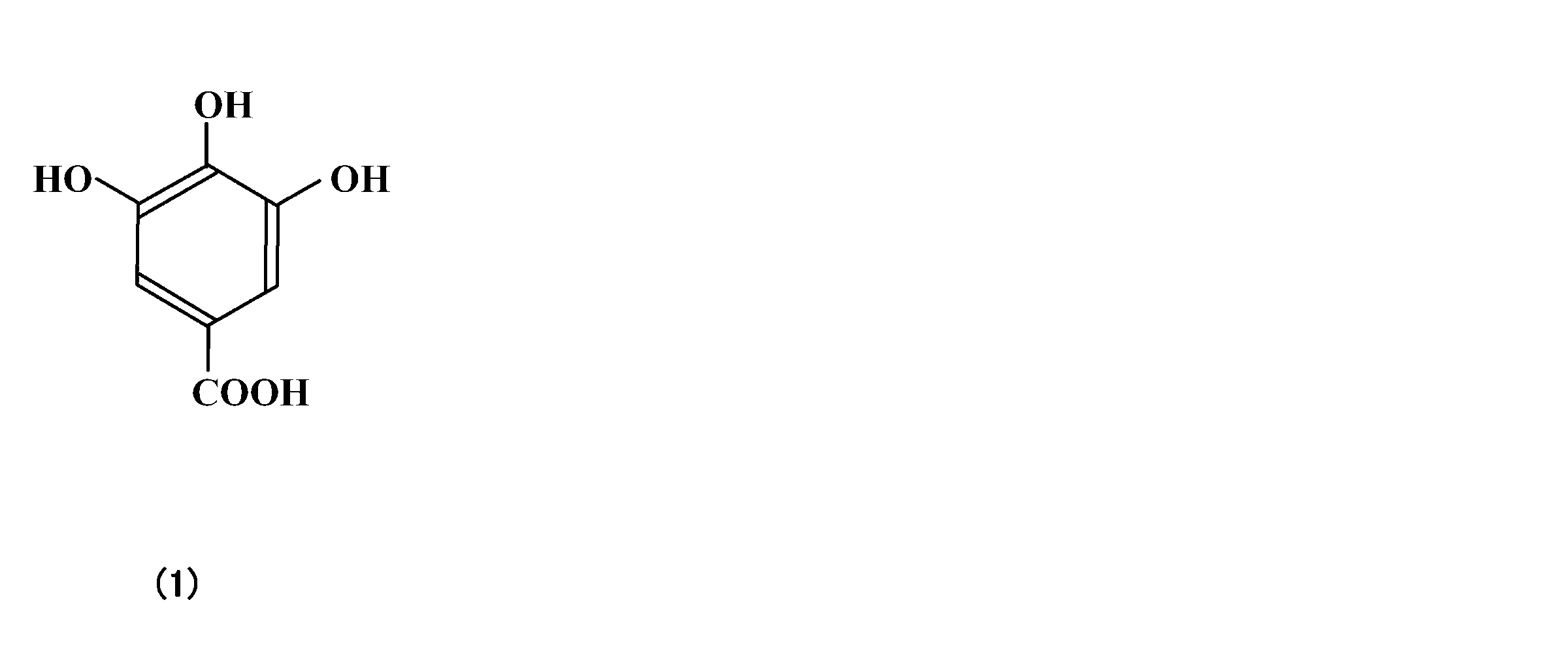
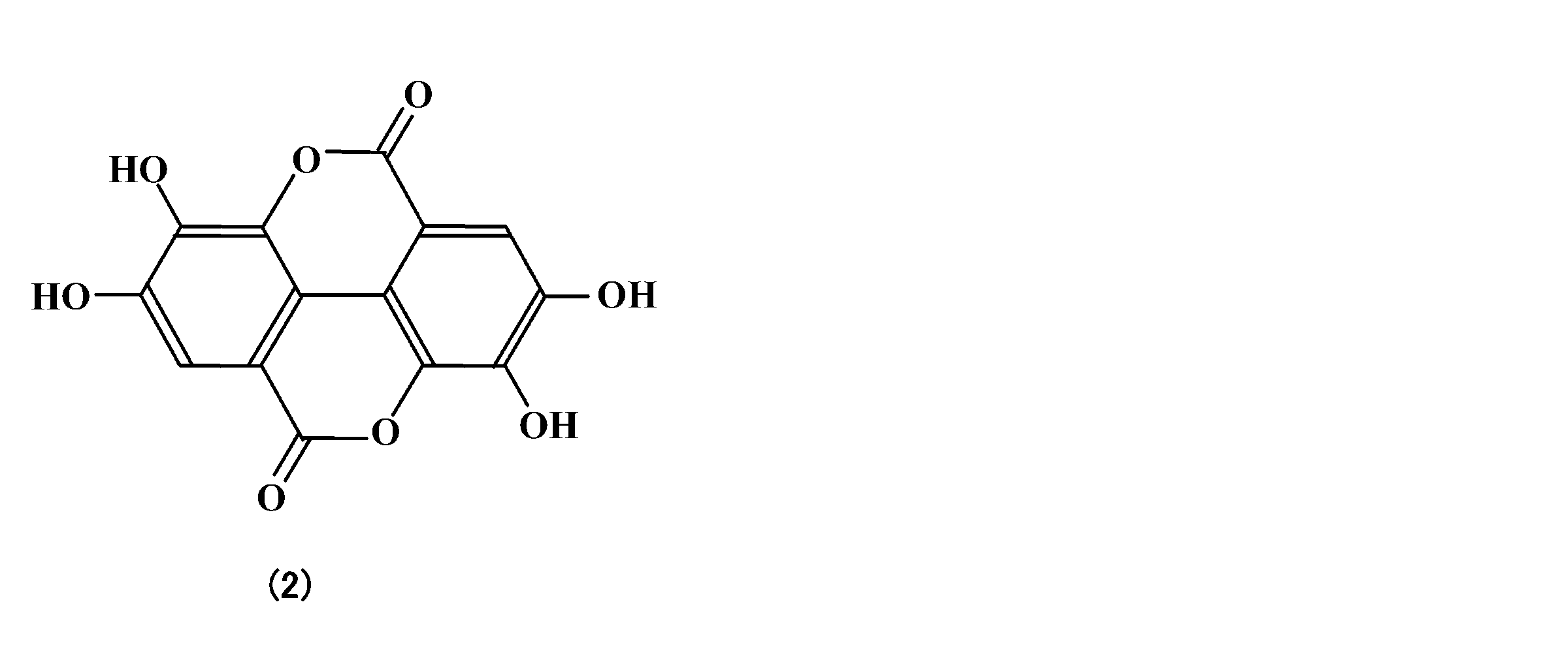
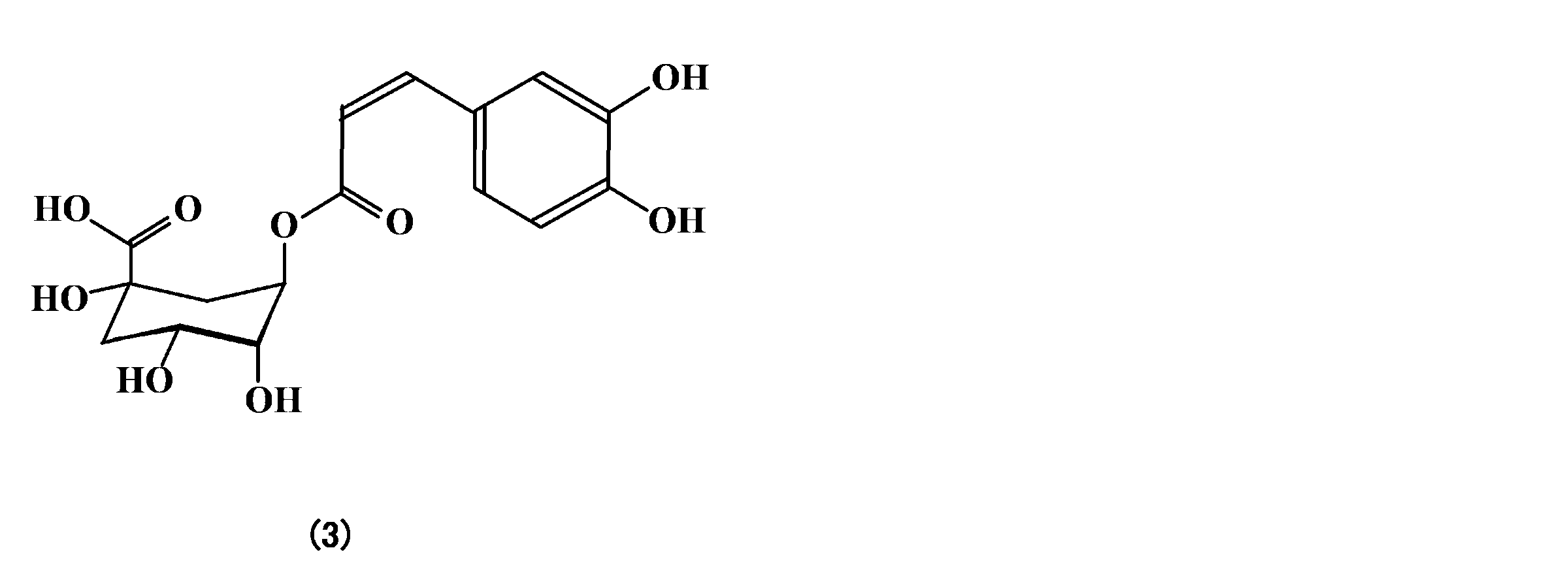
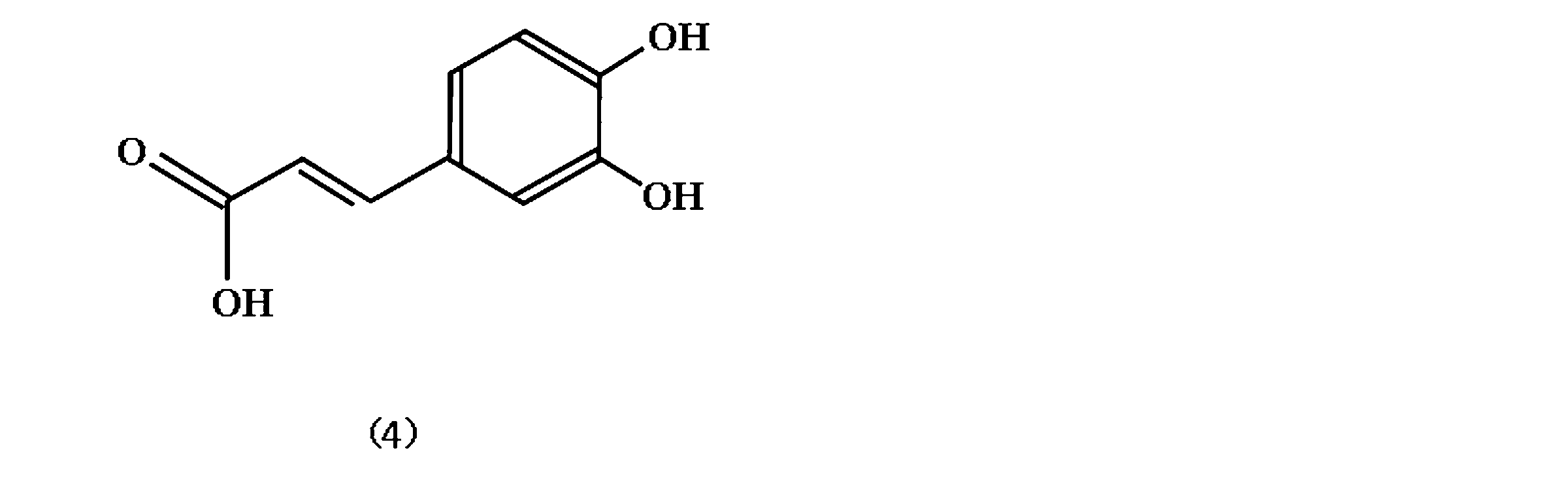
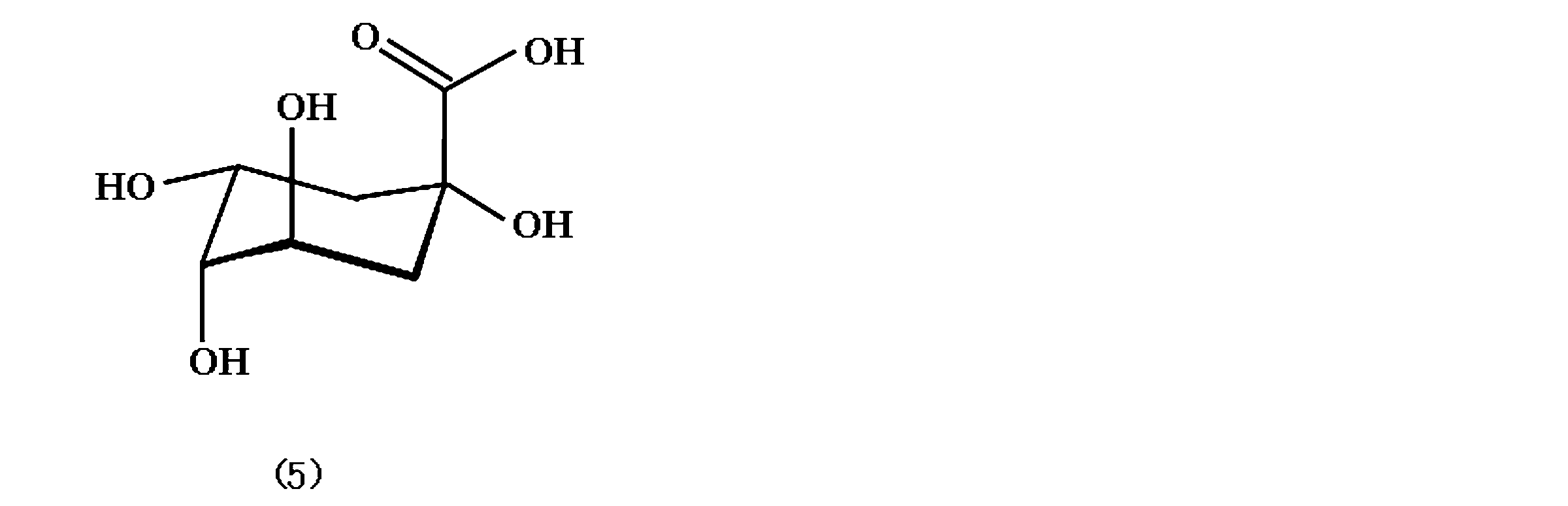
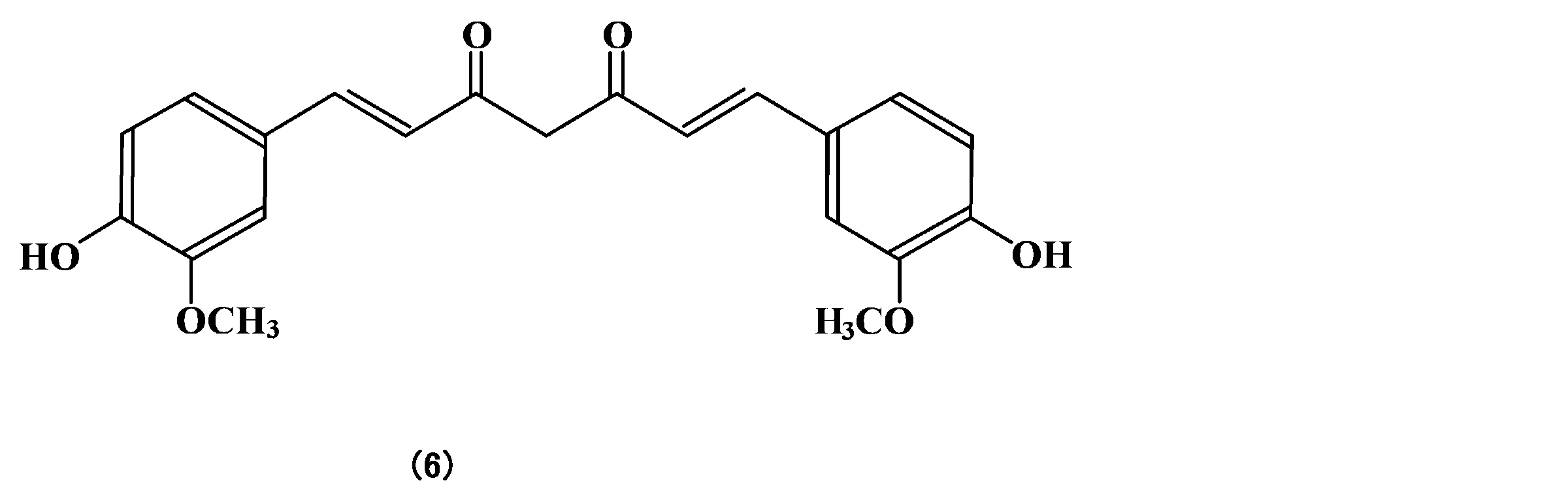







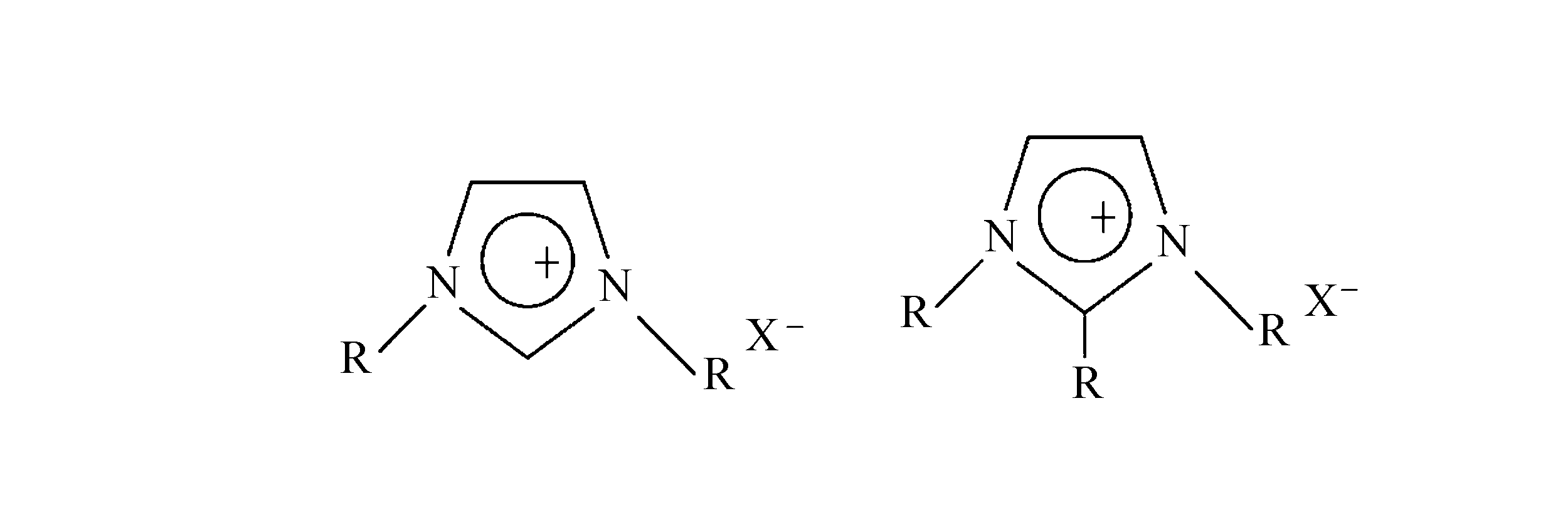

表1に示した基油の半量に、4,4-ジフェニルメタンジイソシアナート(日本ポリウレタン工業社製商品名のミリオネートMT、以下、MDIと記す)を表1に示す割合で溶解し、残りの半量の基油にMDIの2倍当量となるモノアミンを溶解した。それぞれの配合割合および種類は表1のとおりである。MDIを溶解した溶液を撹拌しながらモノアミンを溶解した溶液を加えた後、100℃~120℃で 30 分間撹拌を続けて反応させて、ジウレア化合物を基油中に生成させた。これに、植物由来のポリフェノール化合物等および酸化防止剤を表1に示す配合割合で加えて、さらに 100℃~120℃で 10 分間撹拌した。その後冷却し、三本ロールで均質化し、グリース組成物を得た。得られたグリース組成物の急加減速試験を行なった。試験方法および試験条件を以下に示す。また、結果を表1に示す。
電装補機の一例であるオルタネータを模擬し、回転軸を支持する内輪回転の転がり軸受に上記グリース組成物を封入し、急加減速試験を行なった。急加減速試験条件は、回転軸先端に取り付けたプーリに対する負荷荷重を 1960 N 、回転速度は 0 rpm~18000 rpm で運転条件を設定し、さらに、試験軸受内に 0.1 A の電流が流れる状態で試験を実施した。そして、軸受内に異常剥離が発生し、振動検出器の振動が設定値以上になって発電機が停止する時間(剥離発生寿命時間、h)を計測した。なお、試験は、500 時間で打ち切った。
実施例1-1に準じる方法で、表1に示す配合割合で、増ちょう剤、基油を選択してベースグリースを調製し、さらに添加剤を配合してグリース組成物を得た。得られたグリース組成物を実施例1-1と同様の試験を行なって評価した。結果を表1に示す。

表2に示した基油の半量に、MDIを表2に示す割合で溶解し、残りの半量の基油にMDIの2倍当量となるモノアミンを溶解した。それぞれの配合割合および種類は表2のとおりである。MDIを溶解した溶液を撹拌しながらモノアミンを溶解した溶液を加えた後、100℃~120℃で 30 分間撹拌を続けて反応させて、ジウレア化合物を基油中に生成させた。これに、植物由来のポリフェノール化合物等を表2に示す配合割合で加えて、さらに 100℃~120℃で 10 分間撹拌した。その後冷却し、三本ロールで均質化し、グリース組成物を得た。得られたグリース組成物について、高温耐久性試験1を行なった。試験方法および試験条件を以下に示す。また、結果を表2に併記する。
転がり軸受(軸受寸法:内径 20 mm、外径 47 mm、幅 14 mm)にグリース組成物を 0.7 g 封入し、軸受外輪外径部温度 150℃、ラジアル荷重 67 N 、アキシアル荷重 67 N の下で 10000 rpm の回転数で回転させ、焼き付きに至るまでの時間(高温高速寿命(150℃)、h)を測定した。
実施例1-11に準じる方法で、表2に示す配合割合で、増ちょう剤、基油を選択してベースグリースを調整し、さらに添加剤を配合してグリース組成物を得た。得られたグリース組成物を実施例1-11と同様の試験を行なって評価した。結果を表2に併記する。
表2に示した配合割合にて鉱油に12-ヒドロキシステアリン酸リチウムを投入し、撹拌しながら加熱溶解した。その後冷却し、これに、植物由来のポリフェノール化合物等を表2に示す配合割合で加えて、さらに 100℃~120℃で 10 分間撹拌した。その後冷却し、三本ロールで均質化し、グリース組成物を得た。得られたグリース組成物について、高温耐久性試験2を行なった。試験方法および試験条件を以下に示す。また、結果を表2に併記する。
転がり軸受(軸受寸法:内径 20 mm、外径 47 mm、幅 14 mm)にグリース組成物を 0.7 g 封入し、軸受外輪外径部温度 120℃、ラジアル荷重 67 N 、アキシアル荷重 67 N の下で 10000 rpm の回転数で回転させ、焼き付きに至るまでの時間(高温高速寿命(120℃)、h)を測定した。
実施例1-18に用いたベースグリースに、表2に示す添加剤を配合してグリース組成物を得た。得られたグリース組成物について実施例1-18と同様の試験を行なって評価した。結果を表2に併記する。

市販のフッ素グリース(NOKクリューバー社製、NOXLUBE BF 2420(基油:PFPE油 増ちょう剤:PTFE樹脂粒子))に、ポリフェノール化合物を表3に示す配合割合で加えてさらに 100℃~120℃で 10 分間撹拌した。その後冷却し、三本ロールで均質化し、グリース組成物を得た。得られたグリース組成物の高温耐久性試験を行なった。試験方法および試験条件を以下に示す。また、結果を表3に併記する。なお、グリース封入軸受のコスト相対比については、比較例2-1の場合を基準として、高温高速寿命時間から算出した。
石油ベンジンでよく洗浄した軸受6204ZZ(軸受寸法:内径 20 mm、外径 47 mm、幅 14 mm)に、得られたグリース組成物を 0.7 g 封入し、軸受外輪外径部温度 200℃、ラジアル荷重 67 N 、アキシアル荷重 67 N の下で 10000 rpm の回転数で回転させ、焼き付きに至るまでの時間を測定した。
市販のグリース(NOKクリューバー社製、NOXLUBE BF 2420)を実施例と同様の試験を行なって評価した。結果を表3に併記する。
市販のグリース(NOKクリューバー社製、NOXLUBE BF 2420)にフェノール系酸化防止剤であるBHT(ジブチルヒドロキシトルエン)を表3の配合割合で加えた。得られたグリース組成物を実施例と同様の試験を行なって評価した。結果を表3に併記する。

表4に示す配合割合で、基油と、増ちょう剤と、ポリフェノール化合物とを用いてグリース組成物を得た。基油であるイオン性液体はカチオン成分を1-オクチル-3-メチルイミダゾリウムカチオン、アニオン成分をビス-トリフルオロメチルスルホニル-イミドアニオンとするメルク社製:1-オクチル-3-メチルイミダゾリウム-ビス-トリフルオロメチルスルホニル-イミド(下記の化17に示すもの;表4にはOMI-TFSIと記す)を用いた。得られたグリース組成物を供試グリースとして以下に示す高温高速グリース寿命試験に供し、高温高速グリース寿命時間を測定した。結果を表4に併記する。
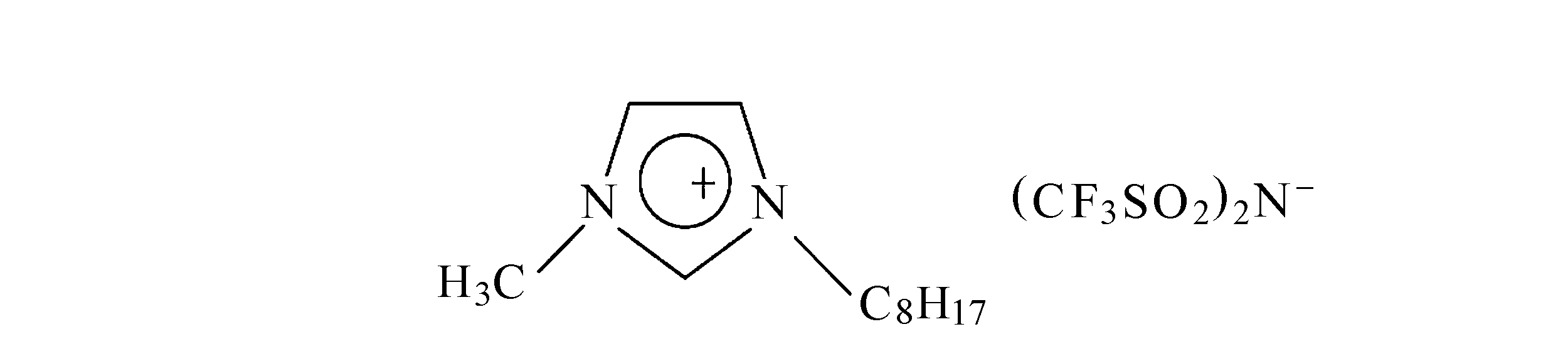
得られた供試グリースを転がり軸受6204(内径 20 mm×外径 47 mm×厚さ 14 mm )に全空間容積の 38%封入し、アキシアル荷重 67 N とラジアル荷重 67 N の下で、軸受温度 180℃、10000 rpm の回転速度で回転させ、焼き付きに至るまでの時間を高温高速グリース寿命時間として測定した。
表4に示す配合割合で、基油と、増ちょう剤と、ポリフェノール化合物とを用いてグリース組成物を得た。基油であるイオン性液体はカチオン成分を1-ヘキシル-3-メチルイミダゾリウムカチオン、アニオン成分をビス-トリフルオロメチルスルホニル-イミドアニオンとするメルク社製:1-ヘキシル-3-メチルイミダゾリウム-ビス-トリフルオロメチルスルホニル-イミド(下記の化18に示すもの;表4にはHMI-TFSIと記す)を用いた。得られたグリース組成物を供試グリースとして上述の高温高速グリース寿命試験に供し、高温高速グリース寿命時間を測定した。結果を表4に併記する。

ポリフェノールを用いなかったこと以外は、実施例3-1~実施例3-4と同様に処理して、グリース組成物を得た。得られたグリース組成物を供試グリースとして上述の高温高速グリース寿命試験に供し、高温高速グリース寿命時間を測定した。結果を表4に併記する。
ポリフェノールを用いなかったこと以外は、実施例3-5と同様に処理して、グリース組成物を得た。得られたグリース組成物を供試グリースとして上述の高温高速グリース寿命試験に供し、高温高速グリース寿命時間を測定した。結果を表4に併記する。
表4に示す配合割合で、基油と、増ちょう剤と、市販の酸化防止剤を用いてグリース組成物を得た。基油であるイオン性液体はカチオン成分を1-オクチル-3-メチルイミダゾリウムカチオン、アニオン成分をビス-トリフルオロメチルスルホニル-イミドアニオンとするメルク社製:1-オクチル-3-メチルイミダゾリウム-ビス-トリフルオロメチルスルホニル-イミド(上記の化17に示すもの;表4にはOMI-TFSIと記す)を用いた。得られたグリース組成物を供試グリースとして上述の高温高速グリース寿命試験に供し、高温高速グリース寿命時間を測定した。結果を表4に併記する。

エステル油(花王社製:カオルーブ268 40℃における動粘度が 30 mm2/sec)を潤滑油として、この潤滑油に表5に示す種類の添加剤を所定量添加して潤滑油組成物を得た。得られた潤滑油組成物の高温耐久性を高温放置時の重量減少率の測定により評価した。供試潤滑油組成物を 150 ℃の恒温槽中に空気雰囲気で放置して、加熱時間が 500、1000、1500、2000、2500、3000 時間となった時点で恒温槽より取り出し、それぞれの重量減少率を測定した。結果を図8および表5に示した。
重量減少率=100×(恒温槽放置前の潤滑油組成物の重量(g)-恒温槽放置後の潤滑油組成物の重量(g))/恒温槽放置前の潤滑油組成物の重量(g)

2 内輪
3 外輪
4 転動体
5 保持器
6 シール部材
7 グリース組成物
8a 両端開口部
8b 両端開口部
9 ジャケット
10 固定子
11 回転軸
12 巻線
13 回転子
14 整流子
15 ブラシホルダ
16 ブラシ
17 エンドフレーム
18 フレーム
19 フレーム
20 ロータ
21 ロータ回転軸
22 ロータコイル
23 ステータ
24 ステータコイル
25 プーリ
26 プロペラシャフト用等速ジョイント
27 内輪
28 外輪
29 ケージ
30 鋼球
31 シャフト
32 ブーツ
33 グリース組成物
34 プロペラシャフト用カルダンジョイント
35 第1ヨーク
36 十字型継手部材
37 第2ヨーク
38 プロペラシャフト
39 定着ローラ
39a 軸部
40 ハロゲンヒータ
41 転がり軸受(深溝玉軸受)
42 内輪
43 外輪
44 転動体
45 保持器
46 シール部材
47 グリース組成物
48 フレーム
51 焼結含油軸受(試験片含む)
52 軸
53 軸受装置
Claims (31)
- 基油と、増ちょう剤とからなるベースグリースに添加剤を配合してなるグリース組成物であって、
前記添加剤は、植物由来のポリフェノール化合物およびその分解化合物から選ばれた少なくとも一つの化合物を含有することを特徴とするグリース組成物。 - 前記植物由来のポリフェノール化合物は、タンニンであることを特徴とする請求項1記載のグリース組成物。
- 前記植物由来のポリフェノール化合物は、没食子酸、エラグ酸、クロロゲン酸、コーヒー酸、クルクミン、ケルセチン、または、これらいずれかの誘導体であることを特徴とする請求項1記載のグリース組成物。
- 前記没食子酸の誘導体は、没食子酸エチルであることを特徴とする請求項3記載のグリース組成物。
- 前記植物由来のポリフェノール化合物の分解化合物は、1分子内に複数の水酸基を有することを特徴とする請求項1記載のグリース組成物。
- 前記植物由来のポリフェノール化合物の分解化合物は、キナ酸またはその誘導体であることを特徴とする請求項5記載のグリース組成物。
- 前記化合物の配合割合は、ベースグリース 100 重量部に対して 0.05~10 重量部であることを特徴とする請求項1記載のグリース組成物。
- 前記基油は、40℃における動粘度が 10~100 mm2/sec であることを特徴とする請求項1記載のグリース組成物。
- 前記基油は、鉱油、アルキルジフェニルエーテル油、エステル油およびポリ-α-オレフィン油から選ばれた少なくとも一つの油であることを特徴とする請求項1記載のグリース組成物。
- 前記増ちょう剤は、ウレア系化合物であることを特徴とする請求項1記載のグリース組成物。
- 前記増ちょう剤は、金属石けんであることを特徴とする請求項1記載のグリース組成物。
- 前記基油は、カチオン成分とアニオン成分とからなるイオン性液体を含んでなることを特徴とする請求項1記載のグリース組成物。
- 前記カチオン成分はイミダゾリウムカチオンであり、前記アニオン成分はビス-トリフルオロメチルスルホニル-イミドアニオンであることを特徴とする請求項12記載のグリース組成物。
- 前記増ちょう剤は、フッ素樹脂粒子であることを特徴とする請求項12記載のグリース組成物。
- 前記基油は、パーフルオロポリエーテル油であり、前記増ちょう剤は、フッ素樹脂粒子であることを特徴とする請求項1記載のグリース組成物。
- 前記フッ素樹脂粒子は、ポリテトラフルオロエチレン樹脂粒子であることを特徴とする請求項14または請求項15記載のグリース組成物。
- グリース組成物が封入されてなるグリース封入軸受であって、前記グリース組成物が請求項1記載のグリース組成物であることを特徴とするグリース封入軸受。
- 前記グリース封入軸受は、内輪および外輪と、この内輪および外輪間に介在する複数の転動体とを備え、この転動体の周囲に前記グリース組成物を封止するためのシール部材を前記内輪および外輪の軸方向両端開口部に設けてなることを特徴とする請求項17記載のグリース封入軸受。
- 前記グリース封入軸受は、深溝玉軸受であることを特徴とする請求項18記載のグリース封入軸受。
- 前記グリース封入軸受は、産業機械または電装機器のモータに用いられる転がり軸受であることを特徴とする請求項17記載のグリース封入軸受。
- 前記グリース封入軸受は、自動車電装・補機に用いられる転がり軸受であることを特徴とする請求項17記載のグリース封入軸受。
- 前記グリース封入軸受は、複写機の定着ローラに用いられる転がり軸受であることを特徴とする請求項17記載のグリース封入軸受。
- トランスミッションからの回転トルクをプロペラシャフトに伝達するプロペラシャフト用自在継手であって、
該自在継手は請求項1記載のグリース組成物を封入してなることを特徴とするプロペラシャフト用自在継手。 - 焼結した軸受成形品に含浸して焼結含油軸受を得るために用いられる潤滑油組成物であって、
該潤滑油組成物は、潤滑油に添加剤を配合してなり、
該添加剤は、植物由来のポリフェノール化合物およびその分解化合物から選ばれた少なくとも一つの化合物を含有することを特徴とする潤滑油組成物。 - 前記植物由来のポリフェノール化合物の分解化合物は、1分子内に複数の水酸基を有することを特徴とする請求項24記載の潤滑油組成物。
- 前記植物由来のポリフェノール化合物は、タンニンであることを特徴とする請求項24記載の潤滑油組成物。
- 前記植物由来のポリフェノール化合物は、没食子酸、クロロゲン酸、コーヒー酸、クルクミン、ケルセチン、または、これらいずれかの誘導体であることを特徴とする請求項24記載の潤滑油組成物。
- 前記没食子酸の誘導体は、没食子酸エチルであることを特徴とする請求項27記載の潤滑油組成物。
- 前記化合物の配合割合は、潤滑油組成物全体に対して 0.05~10 重量%であることを特徴とする請求項24記載の潤滑油組成物。
- 前記潤滑油は、エステル油およびポリ-α-オレフィン油から選ばれた少なくとも一つの油であることを特徴とする請求項24記載の潤滑油組成物。
- 焼結した軸受成形品に潤滑油組成物を含浸してなる焼結含油軸受であって、
前記潤滑油組成物は、請求項24記載の潤滑油組成物であることを特徴とする焼結含油軸受。
Priority Applications (4)
| Application Number | Priority Date | Filing Date | Title |
|---|---|---|---|
| DE112010000922.8T DE112010000922B4 (de) | 2009-02-27 | 2010-02-24 | Schmierfettzusammensetzung, fettgeschmiertes lager, verwendung des fettgeschmierten lagers, und gelenkkupplung für kardanwelle |
| CN201080009636.2A CN102333851B (zh) | 2009-02-27 | 2010-02-24 | 润滑脂组合物、润滑脂封入轴承、推进器轴用万向联轴器、润滑油组合物及烧结含油轴承 |
| US13/138,331 US8946134B2 (en) | 2009-02-27 | 2010-02-24 | Grease composition, grease-packed bearing, universal joint for propeller shaft, lubricating oil composition, and oil-impregnated sintered bearing |
| US14/576,045 US9796944B2 (en) | 2009-02-27 | 2014-12-18 | Grease composition, grease-packed bearing, universal joint for propeller shaft, lubricating oil composition, and oil-impregnated sintered bearing |
Applications Claiming Priority (10)
| Application Number | Priority Date | Filing Date | Title |
|---|---|---|---|
| JP2009-045709 | 2009-02-27 | ||
| JP2009045709 | 2009-02-27 | ||
| JP2009-214168 | 2009-09-16 | ||
| JP2009214162A JP5560010B2 (ja) | 2009-09-16 | 2009-09-16 | 潤滑油組成物および焼結含油軸受 |
| JP2009-214162 | 2009-09-16 | ||
| JP2009214168A JP2011063676A (ja) | 2009-09-16 | 2009-09-16 | グリース組成物およびグリース封入軸受 |
| JP2009-270651 | 2009-11-27 | ||
| JP2009270673A JP5560025B2 (ja) | 2009-11-27 | 2009-11-27 | グリース組成物およびグリース封入軸受 |
| JP2009270651A JP5616613B2 (ja) | 2009-02-27 | 2009-11-27 | グリース組成物、グリース封入軸受、およびプロペラシャフト用自在継手 |
| JP2009-270673 | 2009-11-27 |
Related Child Applications (2)
| Application Number | Title | Priority Date | Filing Date |
|---|---|---|---|
| US13/138,331 A-371-Of-International US8946134B2 (en) | 2009-02-27 | 2010-02-24 | Grease composition, grease-packed bearing, universal joint for propeller shaft, lubricating oil composition, and oil-impregnated sintered bearing |
| US14/576,045 Division US9796944B2 (en) | 2009-02-27 | 2014-12-18 | Grease composition, grease-packed bearing, universal joint for propeller shaft, lubricating oil composition, and oil-impregnated sintered bearing |
Publications (1)
| Publication Number | Publication Date |
|---|---|
| WO2010098337A1 true WO2010098337A1 (ja) | 2010-09-02 |
Family
ID=45096662
Family Applications (1)
| Application Number | Title | Priority Date | Filing Date |
|---|---|---|---|
| PCT/JP2010/052822 Ceased WO2010098337A1 (ja) | 2009-02-27 | 2010-02-24 | グリース組成物、グリース封入軸受、プロペラシャフト用自在継手、潤滑油組成物、および焼結含油軸受 |
Country Status (4)
| Country | Link |
|---|---|
| US (2) | US8946134B2 (ja) |
| CN (1) | CN102333851B (ja) |
| DE (1) | DE112010000922B4 (ja) |
| WO (1) | WO2010098337A1 (ja) |
Cited By (7)
| Publication number | Priority date | Publication date | Assignee | Title |
|---|---|---|---|---|
| WO2013015236A1 (ja) * | 2011-07-22 | 2013-01-31 | 協同油脂株式会社 | 潤滑グリース組成物 |
| JP2013216717A (ja) * | 2012-04-04 | 2013-10-24 | Toyota Motor Corp | 摺動構造 |
| CN103518065A (zh) * | 2011-05-10 | 2014-01-15 | 奥依列斯工业株式会社 | 涡旋式压缩机 |
| EP2721127A1 (en) * | 2011-06-15 | 2014-04-23 | The Lubrizol Corporation | Lubricating composition containing a salt of a carboxylic acid |
| JP2016196553A (ja) * | 2015-04-03 | 2016-11-24 | Ntn株式会社 | グリース組成物 |
| JP2016540105A (ja) * | 2013-12-09 | 2016-12-22 | サステイナルーベ アーベー | 水性潤滑剤組成物、その製造方法、及びその使用 |
| CN108085095A (zh) * | 2017-12-20 | 2018-05-29 | 山东北方淄特特种油股份有限公司 | 纯电动汽车电机轴承长寿命减摩节能润滑脂及其制备方法 |
Families Citing this family (17)
| Publication number | Priority date | Publication date | Assignee | Title |
|---|---|---|---|---|
| JP2009270058A (ja) * | 2008-05-09 | 2009-11-19 | Kyodo Yushi Co Ltd | 等速ジョイント用グリース組成物及び等速ジョイント |
| JP6071061B2 (ja) * | 2013-06-05 | 2017-02-01 | 協同油脂株式会社 | グリース組成物 |
| EP3510129A1 (en) | 2016-09-06 | 2019-07-17 | Exxonmobil Research And Engineering Company | Natural antioxidants derived from lignin |
| JP2018090783A (ja) * | 2016-11-30 | 2018-06-14 | ミネベアミツミ株式会社 | グリース組成物および転がり軸受 |
| DE102017215713A1 (de) * | 2017-09-06 | 2019-03-07 | Sms Group Gmbh | Verfahren zum Betrieb einer walz- oder hüttentechnischen Anlage |
| JP7014561B2 (ja) * | 2017-10-16 | 2022-02-01 | 三菱重工業株式会社 | 転がり軸受 |
| US20190144776A1 (en) * | 2017-10-31 | 2019-05-16 | Exxonmobil Research And Engineering Company | Lubricant grease compositions comprising polymeric diphenylamine antioxidants |
| JP7153476B2 (ja) | 2018-06-08 | 2022-10-14 | 出光興産株式会社 | 潤滑油組成物、及び含浸軸受 |
| DE102018006661A1 (de) | 2018-08-23 | 2020-02-27 | Klüber Lubrication München Se & Co. Kg | Schmiermittelzusammensetzung |
| US11336151B2 (en) | 2019-05-06 | 2022-05-17 | Rolls-Royce Plc | Fluid cooling of grease-packed bearings |
| CN110257145B (zh) * | 2019-07-15 | 2022-02-01 | 宁波启航润滑油有限公司 | 一种汽车换挡器拉杆用润滑脂及其制备方法和应用 |
| WO2022107882A1 (ja) * | 2020-11-20 | 2022-05-27 | 日本精工株式会社 | グリース組成物及び転動装置 |
| JP2022116774A (ja) * | 2021-01-29 | 2022-08-10 | 日清紡ホールディングス株式会社 | グリース用添加剤及びグリース組成物 |
| CN113201383B (zh) * | 2021-05-14 | 2023-06-13 | 深高蓝德环保科技集团股份有限公司 | 一种生物降解润滑脂及制备方法 |
| CN116355674B (zh) * | 2023-03-22 | 2024-11-12 | 江西亮华科技有限公司 | 一种低油泥产量的涡轮机油抗氧化剂及其制备方法及其用途 |
| DE102023127183A1 (de) * | 2023-10-05 | 2025-04-10 | Grass Gmbh | Vorrichtung zur Führung eines beweglichen Möbelteils |
| CN119662341A (zh) * | 2024-12-12 | 2025-03-21 | 江苏双江能源科技股份有限公司 | 一种降低植物基变压器油倾点的添加剂及其制备方法 |
Citations (9)
| Publication number | Priority date | Publication date | Assignee | Title |
|---|---|---|---|---|
| JP2001193751A (ja) * | 2000-01-07 | 2001-07-17 | Ntn Corp | プロペラシャフト用等速自在継手 |
| WO2004018595A1 (ja) * | 2002-08-22 | 2004-03-04 | New Japan Chemical Co., Ltd. | 軸受用潤滑油 |
| JP2004339270A (ja) * | 2003-05-13 | 2004-12-02 | Nsk Ltd | グリース組成物,転がり軸受,転がり軸受装置,及び転動装置 |
| JP2005097513A (ja) * | 2003-08-27 | 2005-04-14 | Nsk Ltd | 転動装置用フッ素系グリース組成物、及び、転動装置 |
| WO2006109652A1 (ja) * | 2005-04-08 | 2006-10-19 | Idemitsu Kosan Co., Ltd. | グリース組成物 |
| JP2006283830A (ja) * | 2005-03-31 | 2006-10-19 | Ntn Corp | 等速自在継手 |
| JP2007270127A (ja) * | 2006-03-10 | 2007-10-18 | Nsk Ltd | グリース及び自動車の電子制御モータ用軸受 |
| JP2008138138A (ja) * | 2006-12-05 | 2008-06-19 | Nsk Ltd | 防錆性グリース組成物及び転動装置 |
| JP2008297447A (ja) * | 2007-05-31 | 2008-12-11 | Adeka Corp | 潤滑油およびグリース用基油 |
Family Cites Families (35)
| Publication number | Priority date | Publication date | Assignee | Title |
|---|---|---|---|---|
| US3537994A (en) * | 1967-07-25 | 1970-11-03 | Nat Lead Co | Organophilic clay greases |
| US3639242A (en) * | 1969-12-29 | 1972-02-01 | Lubrizol Corp | Lubricating oil or fuel containing sludge-dispersing additive |
| JPS5565398A (en) * | 1978-11-06 | 1980-05-16 | Nippon Steel Corp | Surface blackening method of steel plate or steel strip |
| JPS56116881A (en) * | 1980-02-18 | 1981-09-12 | Nippon Steel Corp | Rust-proofing treatment of galvanized wire material |
| US4425244A (en) * | 1981-08-13 | 1984-01-10 | Venture Innovations, Inc. | Organophilic clay gellants |
| JP2878749B2 (ja) | 1990-01-16 | 1999-04-05 | エヌティエヌ株式会社 | オルタネータ用グリース封入転がり軸受 |
| DE4042012A1 (de) | 1990-12-28 | 1992-07-02 | Chirana Zavody Zdravotnicke | Schmieroel fuer stomatologische instrumente und feine apparate |
| JPH05209623A (ja) | 1992-01-31 | 1993-08-20 | Ntn Corp | 焼結含油軸受 |
| US5346943A (en) * | 1993-03-08 | 1994-09-13 | Amoco Corporation | Sealer composition for wood, concrete, porous materials |
| JP3891607B2 (ja) | 1995-07-11 | 2007-03-14 | Ntn株式会社 | 耐熱・潤滑性樹脂組成物 |
| US5719194A (en) * | 1995-08-22 | 1998-02-17 | Ausimont S.P.A. | Prevention and treatment of topical viral infections with perfluoropolyethers or compositions thereof |
| JP3514574B2 (ja) | 1996-01-30 | 2004-03-31 | Ntn株式会社 | 軸受封入用グリース |
| DE19622906A1 (de) | 1996-06-07 | 1997-12-11 | Klueber Lubrication | Schmierfettzusammensetzungen |
| AT406688B (de) | 1997-05-07 | 2000-07-25 | Oemv Ag | Schmieröl und verwendung von inhibitoren gegen metallaufnahme |
| JPH11270566A (ja) | 1998-03-19 | 1999-10-05 | Ntn Corp | 自動車プーリ用軸受 |
| JP2001107073A (ja) | 1999-10-08 | 2001-04-17 | Kyodo Yushi Co Ltd | グリース組成物 |
| JP2002021859A (ja) | 2000-07-07 | 2002-01-23 | Koyo Seiko Co Ltd | 玉軸受 |
| JP4064073B2 (ja) | 2001-05-07 | 2008-03-19 | Ntn株式会社 | ころがり軸受 |
| WO2003018729A1 (en) | 2001-08-31 | 2003-03-06 | Abcon Aps | Non-toxic biodegradable grease |
| JP4045942B2 (ja) | 2002-12-06 | 2008-02-13 | 松下電器産業株式会社 | 流体軸受装置及びこれを用いた磁気ディスク装置 |
| FR2852863B1 (fr) | 2003-03-24 | 2005-05-06 | Inst Francais Du Petrole | Catalyseur et son utilisation pour l'amelioration du point d'ecoulement de charges hydrocarbonnees |
| JP2005042102A (ja) | 2003-07-04 | 2005-02-17 | Koyo Seiko Co Ltd | 転がり軸受用グリース組成物および転がり軸受 |
| JP2005097514A (ja) | 2003-08-27 | 2005-04-14 | Nsk Ltd | 転動装置用潤滑剤及び転動装置 |
| US7528097B2 (en) * | 2004-08-04 | 2009-05-05 | University Of Utah Research Foundation | Non-emulsion based oil simulant |
| EP1837391B1 (en) * | 2004-12-17 | 2011-02-09 | NTN Corporation | Grease composition and grease-sealed roller bearing |
| JP2006249368A (ja) | 2005-03-14 | 2006-09-21 | Nsk Ltd | グリース組成物 |
| JP2006300211A (ja) | 2005-04-20 | 2006-11-02 | Ntn Corp | 一方向クラッチ内蔵型回転伝達装置 |
| WO2006112502A1 (ja) | 2005-04-20 | 2006-10-26 | Ntn Corporation | グリース組成物、グリース封入軸受、および、一方向クラッチ内蔵型回転伝達装置 |
| JP5074687B2 (ja) | 2005-07-15 | 2012-11-14 | 出光興産株式会社 | 含油軸受用潤滑剤 |
| DE102005049327A1 (de) * | 2005-10-12 | 2007-04-19 | Basf Ag | Verfahren zur Herstellung wässriger Emulsionen und Dispersionen |
| WO2007064843A1 (en) * | 2005-12-02 | 2007-06-07 | Polnox Corporation | Lubricant oil compositions |
| KR20120049385A (ko) * | 2007-06-20 | 2012-05-16 | 클뢰버 루브리케이션 뮌헨 케이지이 | 윤활용 그리스 조성물 |
| US7601179B2 (en) * | 2007-09-14 | 2009-10-13 | L'oreal S.A. | Methods of preserving artificial coloring on keratin materials |
| US20090155447A1 (en) * | 2007-12-12 | 2009-06-18 | Solae, Llc | Protein extrudates comprising omega-3 fatty acids |
| JP5707589B2 (ja) | 2009-01-09 | 2015-04-30 | Jx日鉱日石エネルギー株式会社 | 潤滑剤組成物および潤滑液組成物 |
-
2010
- 2010-02-24 DE DE112010000922.8T patent/DE112010000922B4/de not_active Expired - Fee Related
- 2010-02-24 CN CN201080009636.2A patent/CN102333851B/zh not_active Expired - Fee Related
- 2010-02-24 US US13/138,331 patent/US8946134B2/en not_active Expired - Fee Related
- 2010-02-24 WO PCT/JP2010/052822 patent/WO2010098337A1/ja not_active Ceased
-
2014
- 2014-12-18 US US14/576,045 patent/US9796944B2/en not_active Expired - Fee Related
Patent Citations (9)
| Publication number | Priority date | Publication date | Assignee | Title |
|---|---|---|---|---|
| JP2001193751A (ja) * | 2000-01-07 | 2001-07-17 | Ntn Corp | プロペラシャフト用等速自在継手 |
| WO2004018595A1 (ja) * | 2002-08-22 | 2004-03-04 | New Japan Chemical Co., Ltd. | 軸受用潤滑油 |
| JP2004339270A (ja) * | 2003-05-13 | 2004-12-02 | Nsk Ltd | グリース組成物,転がり軸受,転がり軸受装置,及び転動装置 |
| JP2005097513A (ja) * | 2003-08-27 | 2005-04-14 | Nsk Ltd | 転動装置用フッ素系グリース組成物、及び、転動装置 |
| JP2006283830A (ja) * | 2005-03-31 | 2006-10-19 | Ntn Corp | 等速自在継手 |
| WO2006109652A1 (ja) * | 2005-04-08 | 2006-10-19 | Idemitsu Kosan Co., Ltd. | グリース組成物 |
| JP2007270127A (ja) * | 2006-03-10 | 2007-10-18 | Nsk Ltd | グリース及び自動車の電子制御モータ用軸受 |
| JP2008138138A (ja) * | 2006-12-05 | 2008-06-19 | Nsk Ltd | 防錆性グリース組成物及び転動装置 |
| JP2008297447A (ja) * | 2007-05-31 | 2008-12-11 | Adeka Corp | 潤滑油およびグリース用基油 |
Cited By (10)
| Publication number | Priority date | Publication date | Assignee | Title |
|---|---|---|---|---|
| CN103518065A (zh) * | 2011-05-10 | 2014-01-15 | 奥依列斯工业株式会社 | 涡旋式压缩机 |
| EP2721127A1 (en) * | 2011-06-15 | 2014-04-23 | The Lubrizol Corporation | Lubricating composition containing a salt of a carboxylic acid |
| WO2013015236A1 (ja) * | 2011-07-22 | 2013-01-31 | 協同油脂株式会社 | 潤滑グリース組成物 |
| JP2013023621A (ja) * | 2011-07-22 | 2013-02-04 | Kyodo Yushi Co Ltd | 潤滑グリース組成物 |
| US9206375B2 (en) | 2011-07-22 | 2015-12-08 | Kyodo Yushi Co., Ltd. | Lubricating grease composition |
| JP2013216717A (ja) * | 2012-04-04 | 2013-10-24 | Toyota Motor Corp | 摺動構造 |
| JP2016540105A (ja) * | 2013-12-09 | 2016-12-22 | サステイナルーベ アーベー | 水性潤滑剤組成物、その製造方法、及びその使用 |
| JP2016196553A (ja) * | 2015-04-03 | 2016-11-24 | Ntn株式会社 | グリース組成物 |
| CN108085095A (zh) * | 2017-12-20 | 2018-05-29 | 山东北方淄特特种油股份有限公司 | 纯电动汽车电机轴承长寿命减摩节能润滑脂及其制备方法 |
| CN108085095B (zh) * | 2017-12-20 | 2021-03-02 | 山东北方淄特特种油股份有限公司 | 纯电动汽车电机轴承长寿命减摩节能润滑脂及其制备方法 |
Also Published As
| Publication number | Publication date |
|---|---|
| DE112010000922T5 (de) | 2012-09-20 |
| US20150105304A1 (en) | 2015-04-16 |
| US9796944B2 (en) | 2017-10-24 |
| DE112010000922T8 (de) | 2012-11-22 |
| US20110306429A1 (en) | 2011-12-15 |
| CN102333851B (zh) | 2016-06-15 |
| CN102333851A (zh) | 2012-01-25 |
| US8946134B2 (en) | 2015-02-03 |
| DE112010000922B4 (de) | 2021-08-05 |
Similar Documents
| Publication | Publication Date | Title |
|---|---|---|
| US9796944B2 (en) | Grease composition, grease-packed bearing, universal joint for propeller shaft, lubricating oil composition, and oil-impregnated sintered bearing | |
| JP4515775B2 (ja) | 低高温用潤滑グリースおよび転がり軸受 | |
| JP2012017460A (ja) | 潤滑油組成物、グリース組成物、およびグリース封入軸受 | |
| WO2015008856A1 (ja) | 転がり軸受 | |
| CN102333968B (zh) | 滚动轴承 | |
| US8188016B2 (en) | Lubricant composition and bearing using same | |
| JP5616613B2 (ja) | グリース組成物、グリース封入軸受、およびプロペラシャフト用自在継手 | |
| JP2016133144A (ja) | モータ用グリース封入軸受 | |
| JP2004026941A (ja) | 潤滑グリースおよび転がり軸受 | |
| JP6534816B2 (ja) | 転がり軸受 | |
| JP4979744B2 (ja) | 自動車電装・補機用転がり軸受 | |
| JP5101950B2 (ja) | 玉軸受 | |
| JP4625651B2 (ja) | 自動車電装・補機用転がり軸受 | |
| JP5560025B2 (ja) | グリース組成物およびグリース封入軸受 | |
| JP5005931B2 (ja) | 自動車電装・補機用転がり軸受 | |
| JP7551708B2 (ja) | グリース組成物、転がり軸受および潤滑方法 | |
| JP5091540B2 (ja) | 自動車電装・補機用転がり軸受 | |
| JP2006045577A (ja) | 高温用潤滑グリースおよび転がり軸受 | |
| JP5288725B2 (ja) | グリース組成物および該グリース封入軸受 | |
| WO2023048119A1 (ja) | グリース組成物およびグリース封入軸受 | |
| JP2011063676A (ja) | グリース組成物およびグリース封入軸受 | |
| JP2007046753A (ja) | 自動車電装・補機用転がり軸受 | |
| JP2024035321A (ja) | グリース組成物および転がり軸受 | |
| JP2015028351A (ja) | インバータ駆動モータ用グリース封入軸受 | |
| JP2007040446A (ja) | 自動車電装・補機用転がり軸受 |
Legal Events
| Date | Code | Title | Description |
|---|---|---|---|
| WWE | Wipo information: entry into national phase |
Ref document number: 201080009636.2 Country of ref document: CN |
|
| 121 | Ep: the epo has been informed by wipo that ep was designated in this application |
Ref document number: 10746217 Country of ref document: EP Kind code of ref document: A1 |
|
| WWE | Wipo information: entry into national phase |
Ref document number: 1120100009228 Country of ref document: DE Ref document number: 112010000922 Country of ref document: DE |
|
| WWE | Wipo information: entry into national phase |
Ref document number: 13138331 Country of ref document: US |
|
| WWE | Wipo information: entry into national phase |
Ref document number: 6663/DELNP/2011 Country of ref document: IN |
|
| 122 | Ep: pct application non-entry in european phase |
Ref document number: 10746217 Country of ref document: EP Kind code of ref document: A1 |