EP3666289A1 - Cytotoxic benzodiazepine derivatives - Google Patents
Cytotoxic benzodiazepine derivatives Download PDFInfo
- Publication number
- EP3666289A1 EP3666289A1 EP20153273.6A EP20153273A EP3666289A1 EP 3666289 A1 EP3666289 A1 EP 3666289A1 EP 20153273 A EP20153273 A EP 20153273A EP 3666289 A1 EP3666289 A1 EP 3666289A1
- Authority
- EP
- European Patent Office
- Prior art keywords
- carbon atoms
- compound
- cell
- linear
- optionally substituted
- Prior art date
- Legal status (The legal status is an assumption and is not a legal conclusion. Google has not performed a legal analysis and makes no representation as to the accuracy of the status listed.)
- Pending
Links
- 0 CCCCCc1cc(C(C)=*)c(**C)cc1N(*)C([C@](c(c(*)c1*)c(*)c(I)c1I)N(C)I)I Chemical compound CCCCCc1cc(C(C)=*)c(**C)cc1N(*)C([C@](c(c(*)c1*)c(*)c(I)c1I)N(C)I)I 0.000 description 26
- QXHNUULTSGRWBJ-ZPGRZCPFSA-N CN(CCCC(OC(C(CC1)=O)C1=O)=O)c1cc(COc(c(OC)c2)cc(NC[C@H]3N4c5ccccc5C3)c2C4=O)cc(COc(c(OC)c2)cc(N=C[C@H]3N4c5ccccc5C3)c2C4=O)c1 Chemical compound CN(CCCC(OC(C(CC1)=O)C1=O)=O)c1cc(COc(c(OC)c2)cc(NC[C@H]3N4c5ccccc5C3)c2C4=O)cc(COc(c(OC)c2)cc(N=C[C@H]3N4c5ccccc5C3)c2C4=O)c1 QXHNUULTSGRWBJ-ZPGRZCPFSA-N 0.000 description 2
- QSFGHNLIPHSTKK-UHFFFAOYSA-N CC(C(CCNC)N=O)=O Chemical compound CC(C(CCNC)N=O)=O QSFGHNLIPHSTKK-UHFFFAOYSA-N 0.000 description 1
- BDRZSXMFHKGMDC-RHTHGACMSA-N CC(C)(CCCOC1=CC(COc(c(OC)c2)cc(N[C@H]3N4c5ccccc5C3)c2C4=O)CC(COc(cc(c2c3)NC[C@H](CC4C=CC=CC44)N4C2=O)c3OC)=C1)SSCCCC(ON(C(CC1)=O)C1=O)=O Chemical compound CC(C)(CCCOC1=CC(COc(c(OC)c2)cc(N[C@H]3N4c5ccccc5C3)c2C4=O)CC(COc(cc(c2c3)NC[C@H](CC4C=CC=CC44)N4C2=O)c3OC)=C1)SSCCCC(ON(C(CC1)=O)C1=O)=O BDRZSXMFHKGMDC-RHTHGACMSA-N 0.000 description 1
- WBDAORKALLFXDA-IEKJTBOOSA-N CC(C)(CCCOC1C=C(COc(cc(c2c3)NC[C@H](Cc4ccccc44)N4C2=O)c3OC)N=C(COc(c(OC)c2)cc(NC[C@H]3N4c5ccccc5C3)c2C4=O)C1)SSC Chemical compound CC(C)(CCCOC1C=C(COc(cc(c2c3)NC[C@H](Cc4ccccc44)N4C2=O)c3OC)N=C(COc(c(OC)c2)cc(NC[C@H]3N4c5ccccc5C3)c2C4=O)C1)SSC WBDAORKALLFXDA-IEKJTBOOSA-N 0.000 description 1
- HKDGNDCLPVOHLL-UHFFFAOYSA-N CC(C)(CCCOc1cc(CO)nc(CO)c1)SSC Chemical compound CC(C)(CCCOc1cc(CO)nc(CO)c1)SSC HKDGNDCLPVOHLL-UHFFFAOYSA-N 0.000 description 1
- JMIGEJQXDNARAD-ZZXDBUEDSA-N CC(C)(CCCOc1cc(COc(c(OC)c2)cc(N=CC3N4C5C=CC=CC5C3)c2C4=O)nc(COc(c(OC)c2)cc(NC[C@H]3N4C5C=CC=CC5C3)c2C4=O)c1)SSC Chemical compound CC(C)(CCCOc1cc(COc(c(OC)c2)cc(N=CC3N4C5C=CC=CC5C3)c2C4=O)nc(COc(c(OC)c2)cc(NC[C@H]3N4C5C=CC=CC5C3)c2C4=O)c1)SSC JMIGEJQXDNARAD-ZZXDBUEDSA-N 0.000 description 1
- PQJWEEQXOPJJTL-LQJZCPKCSA-N CC(C)(CCCOc1cc(COc(c(OC)c2)cc(N=C[C@H]3N4c5ccccc5C3)c2C4=O)nc(COc(c(OC)c2)cc(NC[C@H]3N4c5ccccc5C3)c2C4=O)c1)S Chemical compound CC(C)(CCCOc1cc(COc(c(OC)c2)cc(N=C[C@H]3N4c5ccccc5C3)c2C4=O)nc(COc(c(OC)c2)cc(NC[C@H]3N4c5ccccc5C3)c2C4=O)c1)S PQJWEEQXOPJJTL-LQJZCPKCSA-N 0.000 description 1
- CNZNJTXQTXHXRA-WBCKFURZSA-N CC(C)(CN(CCOCCOCCOC)c1cc(COc(c(OC)c2)cc(N=[IH](=C)=C(C3)N4c5c3cccc5)c2C4=O)cc(COc(c(OC)c2)cc(NC[C@H](C3)N4c5c3cccc5)c2C4=O)c1)SCCCC(O)=O Chemical compound CC(C)(CN(CCOCCOCCOC)c1cc(COc(c(OC)c2)cc(N=[IH](=C)=C(C3)N4c5c3cccc5)c2C4=O)cc(COc(c(OC)c2)cc(NC[C@H](C3)N4c5c3cccc5)c2C4=O)c1)SCCCC(O)=O CNZNJTXQTXHXRA-WBCKFURZSA-N 0.000 description 1
- RMZDTXFAQAPUPD-FAIXQHPJSA-N CC(C)(CN(CCOCCOCCOC)c1cc(COc(c(OC)c2)cc(NC[C@H]3N4c5ccccc5C3)c2C4=O)cc(COc(c(OC)c2)cc(N=C)c2C(N2c3ccccc3CC2)=O)c1)S Chemical compound CC(C)(CN(CCOCCOCCOC)c1cc(COc(c(OC)c2)cc(NC[C@H]3N4c5ccccc5C3)c2C4=O)cc(COc(c(OC)c2)cc(N=C)c2C(N2c3ccccc3CC2)=O)c1)S RMZDTXFAQAPUPD-FAIXQHPJSA-N 0.000 description 1
- RIVKYLWGKQFRIY-GWHBCOKCSA-N CC(C)(CN(CCOCCOCCOC)c1cc(COc(cc(c(C(N2c3ccccc3CC2)=O)c2)NC)c2OC)cc(COc(c(OC)c2)cc(NC[C@H](C3)N4c5c3cccc5)c2C4=O)c1)SSCCCC(ON(C(CC1)=O)C1=O)=O Chemical compound CC(C)(CN(CCOCCOCCOC)c1cc(COc(cc(c(C(N2c3ccccc3CC2)=O)c2)NC)c2OC)cc(COc(c(OC)c2)cc(NC[C@H](C3)N4c5c3cccc5)c2C4=O)c1)SSCCCC(ON(C(CC1)=O)C1=O)=O RIVKYLWGKQFRIY-GWHBCOKCSA-N 0.000 description 1
- QKTRWCGUCPENDO-UHFFFAOYSA-O CC(C)(CSCC1C=C(CO)C=C(CO)C1)[SH2+] Chemical compound CC(C)(CSCC1C=C(CO)C=C(CO)C1)[SH2+] QKTRWCGUCPENDO-UHFFFAOYSA-O 0.000 description 1
- LKWBQMPLACFJJT-UHFFFAOYSA-N CC(C)(CSCc1cc(CO)cc(CO)c1)S Chemical compound CC(C)(CSCc1cc(CO)cc(CO)c1)S LKWBQMPLACFJJT-UHFFFAOYSA-N 0.000 description 1
- HHJRJNSWMAKRNH-UHFFFAOYSA-O CC(C)(CSCc1cc(COc(c(OC)c2)cc(NCC3N4c5ccccc5C3)c2C4=O)cc(COc(cc(c(C(N(CC2)c3c2cccc3)=O)c2)N)c2OC)c1)SSCCCC(O[NH+]1OCCC1=O)=O Chemical compound CC(C)(CSCc1cc(COc(c(OC)c2)cc(NCC3N4c5ccccc5C3)c2C4=O)cc(COc(cc(c(C(N(CC2)c3c2cccc3)=O)c2)N)c2OC)c1)SSCCCC(O[NH+]1OCCC1=O)=O HHJRJNSWMAKRNH-UHFFFAOYSA-O 0.000 description 1
- SXPANJHNWSQVFG-BWHARPPESA-N CC(C)(CSCc1cc(COc(c(OC)c2)cc(NC[C@H]3N4C5C=CC=CC5C3)c2C4=O)cc(COC/C(/OC)=C\C(\C(N(CC2)c3c2cccc3)=O)=C\N=C)c1)S Chemical compound CC(C)(CSCc1cc(COc(c(OC)c2)cc(NC[C@H]3N4C5C=CC=CC5C3)c2C4=O)cc(COC/C(/OC)=C\C(\C(N(CC2)c3c2cccc3)=O)=C\N=C)c1)S SXPANJHNWSQVFG-BWHARPPESA-N 0.000 description 1
- INLGZZSNPUFCPR-ZPGRZCPFSA-N CC(CCCN(C)c1cc(COc(c(OC)c2)cc(NC[C@H]3N4c5ccccc5C3)c2C4=O)cc(COc(cc(c2c3)N=C[C@H](Cc4c5cccc4)N5C2=O)c3OC)c1)=O Chemical compound CC(CCCN(C)c1cc(COc(c(OC)c2)cc(NC[C@H]3N4c5ccccc5C3)c2C4=O)cc(COc(cc(c2c3)N=C[C@H](Cc4c5cccc4)N5C2=O)c3OC)c1)=O INLGZZSNPUFCPR-ZPGRZCPFSA-N 0.000 description 1
- BWVVAWAPCKJHOR-CXNSMIOJSA-N CC(CCCN(CCOCCOCCOC)c1cc(COc(c(OC)c2)cc(N(C)C[C@H](C3)N4c5c3cccc5)c2C4=O)cc(COc(cc(c2c3)N(C)C[C@H](Cc4c5cccc4)N5C2=O)c3OC)c1)=O Chemical compound CC(CCCN(CCOCCOCCOC)c1cc(COc(c(OC)c2)cc(N(C)C[C@H](C3)N4c5c3cccc5)c2C4=O)cc(COc(cc(c2c3)N(C)C[C@H](Cc4c5cccc4)N5C2=O)c3OC)c1)=O BWVVAWAPCKJHOR-CXNSMIOJSA-N 0.000 description 1
- AERVEVNQFDCSLT-QSSGOCTISA-N CCC(C)(C1CCCCC1)NC(CCCN(CCOCCOCCOC)c1cc(COc(cc(c2c3)NC[C@H](Cc4c5cccc4)N5C2=O)c3OC)cc(COc(c(OC)c2)cc(N=C[C@H](C3)N4C(/C=C\C)=C3C#C)c2C4=O)c1)=O Chemical compound CCC(C)(C1CCCCC1)NC(CCCN(CCOCCOCCOC)c1cc(COc(cc(c2c3)NC[C@H](Cc4c5cccc4)N5C2=O)c3OC)cc(COc(c(OC)c2)cc(N=C[C@H](C3)N4C(/C=C\C)=C3C#C)c2C4=O)c1)=O AERVEVNQFDCSLT-QSSGOCTISA-N 0.000 description 1
- MKUPXVOMSYKLNC-UHFFFAOYSA-N CCOC(c1nc(C(OCC)=O)cc(O)c1)O Chemical compound CCOC(c1nc(C(OCC)=O)cc(O)c1)O MKUPXVOMSYKLNC-UHFFFAOYSA-N 0.000 description 1
- ZWOACCKJGNGRNI-UHFFFAOYSA-N CCOC(c1nc(C(OCC)=O)cc(OSSC)c1)=O Chemical compound CCOC(c1nc(C(OCC)=O)cc(OSSC)c1)=O ZWOACCKJGNGRNI-UHFFFAOYSA-N 0.000 description 1
- XPTXGHOXLGWNKD-SCNFVFJSSA-N CN(CCCC(OC(C(CC1)=O)C1=O)=O)c1cc(COc(c(OC)c2)cc(NC([C@H]3N4c5ccccc5C3)=O)c2C4=O)cc(COc(c(OC)c2)cc(N=CC(C3)N4c5c3cccc5)c2C4=O)c1 Chemical compound CN(CCCC(OC(C(CC1)=O)C1=O)=O)c1cc(COc(c(OC)c2)cc(NC([C@H]3N4c5ccccc5C3)=O)c2C4=O)cc(COc(c(OC)c2)cc(N=CC(C3)N4c5c3cccc5)c2C4=O)c1 XPTXGHOXLGWNKD-SCNFVFJSSA-N 0.000 description 1
- IJQOHAXUQUCNHT-KYJUHHDHSA-N COC(CCC(N(C[C@H](C1)N2c3c1cccc3)c(cc(c(OC)c1)OCCCCCOc(cc(c3c4)N=C[C@H](Cc5c6cccc5)N6C3=O)c4OC)c1C2=O)=O)=O Chemical compound COC(CCC(N(C[C@H](C1)N2c3c1cccc3)c(cc(c(OC)c1)OCCCCCOc(cc(c3c4)N=C[C@H](Cc5c6cccc5)N6C3=O)c4OC)c1C2=O)=O)=O IJQOHAXUQUCNHT-KYJUHHDHSA-N 0.000 description 1
- OBYVSQNTHFQXAY-NSHDSACASA-N COc(c(O)c1)cc2c1NC[C@H](Cc1c3cccc1)N3C2=O Chemical compound COc(c(O)c1)cc2c1NC[C@H](Cc1c3cccc1)N3C2=O OBYVSQNTHFQXAY-NSHDSACASA-N 0.000 description 1
- LQNZHJVLPJHSEH-KIYCQYGCSA-N COc(c(OCc1cc(CS)cc(COC(CC(C2=C3)N=C=C(Cc4ccccc44)N4C2=O)=C3OC)c1)c1)cc2c1NC[C@H](Cc1ccccc11)N1C2=O Chemical compound COc(c(OCc1cc(CS)cc(COC(CC(C2=C3)N=C=C(Cc4ccccc44)N4C2=O)=C3OC)c1)c1)cc2c1NC[C@H](Cc1ccccc11)N1C2=O LQNZHJVLPJHSEH-KIYCQYGCSA-N 0.000 description 1
- HMILAUKQONGBDT-BHVANESWSA-N COc(cc(C(N(CC1)c2c1cccc2)=O)c(N=C)c1)c1OCc1cc(COc(c(OC)c2)cc(NC[C@H](C3)N4c5c3cccc5)c2C4=O)cc(CSSCCCC(ON(C(CC2)=O)C2=O)=O)c1 Chemical compound COc(cc(C(N(CC1)c2c1cccc2)=O)c(N=C)c1)c1OCc1cc(COc(c(OC)c2)cc(NC[C@H](C3)N4c5c3cccc5)c2C4=O)cc(CSSCCCC(ON(C(CC2)=O)C2=O)=O)c1 HMILAUKQONGBDT-BHVANESWSA-N 0.000 description 1
- FJLQNFBJUKKQNL-UYVXJRNGSA-N C[C@@H](CN(CCOCCOCCOC)c1cc(COc(cc(c(C(N2c3ccccc3CC2)=O)c2)N=C)c2OC)cc(COc(c(OC)c2)cc(NC[C@H](C3)N4c5c3cccc5)c2C4=O)c1)SC(CC(N1CCC(ON(C(CC2)=O)C2=O)=O)=O)C1=O Chemical compound C[C@@H](CN(CCOCCOCCOC)c1cc(COc(cc(c(C(N2c3ccccc3CC2)=O)c2)N=C)c2OC)cc(COc(c(OC)c2)cc(NC[C@H](C3)N4c5c3cccc5)c2C4=O)c1)SC(CC(N1CCC(ON(C(CC2)=O)C2=O)=O)=O)C1=O FJLQNFBJUKKQNL-UYVXJRNGSA-N 0.000 description 1
- JSHOVKSMJRQOGY-UHFFFAOYSA-N O=C(CCCSSc1ncccc1)ON(C(CC1)=O)C1=O Chemical compound O=C(CCCSSc1ncccc1)ON(C(CC1)=O)C1=O JSHOVKSMJRQOGY-UHFFFAOYSA-N 0.000 description 1
- JSHOVKSMJRQOGY-UHFFFAOYSA-O O=C(CCCS[SH+]c1ncccc1)ON(C(CC1)=O)C1=O Chemical compound O=C(CCCS[SH+]c1ncccc1)ON(C(CC1)=O)C1=O JSHOVKSMJRQOGY-UHFFFAOYSA-O 0.000 description 1
- HNJBEVLQSNELDL-UHFFFAOYSA-N O=C1NCCC1 Chemical compound O=C1NCCC1 HNJBEVLQSNELDL-UHFFFAOYSA-N 0.000 description 1
- XTLJJHGQACAZMS-UHFFFAOYSA-N OC(C(NC(C(O)=O)=C1)=CC1=O)=O Chemical compound OC(C(NC(C(O)=O)=C1)=CC1=O)=O XTLJJHGQACAZMS-UHFFFAOYSA-N 0.000 description 1
- ZIMNNUUDJQICFJ-UHFFFAOYSA-O [SH2+]C1=NC=CCC1 Chemical compound [SH2+]C1=NC=CCC1 ZIMNNUUDJQICFJ-UHFFFAOYSA-O 0.000 description 1
Images






















Classifications
-
- C—CHEMISTRY; METALLURGY
- C07—ORGANIC CHEMISTRY
- C07K—PEPTIDES
- C07K16/00—Immunoglobulins [IGs], e.g. monoclonal or polyclonal antibodies
- C07K16/18—Immunoglobulins [IGs], e.g. monoclonal or polyclonal antibodies against material from animals or humans
- C07K16/28—Immunoglobulins [IGs], e.g. monoclonal or polyclonal antibodies against material from animals or humans against receptors, cell surface antigens or cell surface determinants
- C07K16/30—Immunoglobulins [IGs], e.g. monoclonal or polyclonal antibodies against material from animals or humans against receptors, cell surface antigens or cell surface determinants from tumour cells
-
- A—HUMAN NECESSITIES
- A61—MEDICAL OR VETERINARY SCIENCE; HYGIENE
- A61K—PREPARATIONS FOR MEDICAL, DENTAL OR TOILETRY PURPOSES
- A61K31/00—Medicinal preparations containing organic active ingredients
- A61K31/33—Heterocyclic compounds
- A61K31/395—Heterocyclic compounds having nitrogen as a ring hetero atom, e.g. guanethidine or rifamycins
- A61K31/55—Heterocyclic compounds having nitrogen as a ring hetero atom, e.g. guanethidine or rifamycins having seven-membered rings, e.g. azelastine, pentylenetetrazole
- A61K31/551—Heterocyclic compounds having nitrogen as a ring hetero atom, e.g. guanethidine or rifamycins having seven-membered rings, e.g. azelastine, pentylenetetrazole having two nitrogen atoms, e.g. dilazep
- A61K31/5513—1,4-Benzodiazepines, e.g. diazepam or clozapine
- A61K31/5517—1,4-Benzodiazepines, e.g. diazepam or clozapine condensed with five-membered rings having nitrogen as a ring hetero atom, e.g. imidazobenzodiazepines, triazolam
-
- A—HUMAN NECESSITIES
- A61—MEDICAL OR VETERINARY SCIENCE; HYGIENE
- A61K—PREPARATIONS FOR MEDICAL, DENTAL OR TOILETRY PURPOSES
- A61K45/00—Medicinal preparations containing active ingredients not provided for in groups A61K31/00 - A61K41/00
- A61K45/06—Mixtures of active ingredients without chemical characterisation, e.g. antiphlogistics and cardiaca
-
- A—HUMAN NECESSITIES
- A61—MEDICAL OR VETERINARY SCIENCE; HYGIENE
- A61K—PREPARATIONS FOR MEDICAL, DENTAL OR TOILETRY PURPOSES
- A61K47/00—Medicinal preparations characterised by the non-active ingredients used, e.g. carriers or inert additives; Targeting or modifying agents chemically bound to the active ingredient
- A61K47/50—Medicinal preparations characterised by the non-active ingredients used, e.g. carriers or inert additives; Targeting or modifying agents chemically bound to the active ingredient the non-active ingredient being chemically bound to the active ingredient, e.g. polymer-drug conjugates
- A61K47/51—Medicinal preparations characterised by the non-active ingredients used, e.g. carriers or inert additives; Targeting or modifying agents chemically bound to the active ingredient the non-active ingredient being chemically bound to the active ingredient, e.g. polymer-drug conjugates the non-active ingredient being a modifying agent
- A61K47/54—Medicinal preparations characterised by the non-active ingredients used, e.g. carriers or inert additives; Targeting or modifying agents chemically bound to the active ingredient the non-active ingredient being chemically bound to the active ingredient, e.g. polymer-drug conjugates the non-active ingredient being a modifying agent the modifying agent being an organic compound
- A61K47/545—Heterocyclic compounds
-
- A—HUMAN NECESSITIES
- A61—MEDICAL OR VETERINARY SCIENCE; HYGIENE
- A61K—PREPARATIONS FOR MEDICAL, DENTAL OR TOILETRY PURPOSES
- A61K47/00—Medicinal preparations characterised by the non-active ingredients used, e.g. carriers or inert additives; Targeting or modifying agents chemically bound to the active ingredient
- A61K47/50—Medicinal preparations characterised by the non-active ingredients used, e.g. carriers or inert additives; Targeting or modifying agents chemically bound to the active ingredient the non-active ingredient being chemically bound to the active ingredient, e.g. polymer-drug conjugates
- A61K47/51—Medicinal preparations characterised by the non-active ingredients used, e.g. carriers or inert additives; Targeting or modifying agents chemically bound to the active ingredient the non-active ingredient being chemically bound to the active ingredient, e.g. polymer-drug conjugates the non-active ingredient being a modifying agent
- A61K47/62—Medicinal preparations characterised by the non-active ingredients used, e.g. carriers or inert additives; Targeting or modifying agents chemically bound to the active ingredient the non-active ingredient being chemically bound to the active ingredient, e.g. polymer-drug conjugates the non-active ingredient being a modifying agent the modifying agent being a protein, peptide or polyamino acid
- A61K47/64—Drug-peptide, drug-protein or drug-polyamino acid conjugates, i.e. the modifying agent being a peptide, protein or polyamino acid which is covalently bonded or complexed to a therapeutically active agent
-
- A—HUMAN NECESSITIES
- A61—MEDICAL OR VETERINARY SCIENCE; HYGIENE
- A61K—PREPARATIONS FOR MEDICAL, DENTAL OR TOILETRY PURPOSES
- A61K47/00—Medicinal preparations characterised by the non-active ingredients used, e.g. carriers or inert additives; Targeting or modifying agents chemically bound to the active ingredient
- A61K47/50—Medicinal preparations characterised by the non-active ingredients used, e.g. carriers or inert additives; Targeting or modifying agents chemically bound to the active ingredient the non-active ingredient being chemically bound to the active ingredient, e.g. polymer-drug conjugates
- A61K47/51—Medicinal preparations characterised by the non-active ingredients used, e.g. carriers or inert additives; Targeting or modifying agents chemically bound to the active ingredient the non-active ingredient being chemically bound to the active ingredient, e.g. polymer-drug conjugates the non-active ingredient being a modifying agent
- A61K47/68—Medicinal preparations characterised by the non-active ingredients used, e.g. carriers or inert additives; Targeting or modifying agents chemically bound to the active ingredient the non-active ingredient being chemically bound to the active ingredient, e.g. polymer-drug conjugates the non-active ingredient being a modifying agent the modifying agent being an antibody, an immunoglobulin or a fragment thereof, e.g. an Fc-fragment
- A61K47/6801—Drug-antibody or immunoglobulin conjugates defined by the pharmacologically or therapeutically active agent
- A61K47/6803—Drugs conjugated to an antibody or immunoglobulin, e.g. cisplatin-antibody conjugates
- A61K47/68035—Drugs conjugated to an antibody or immunoglobulin, e.g. cisplatin-antibody conjugates the drug being a pyrrolobenzodiazepine
-
- A—HUMAN NECESSITIES
- A61—MEDICAL OR VETERINARY SCIENCE; HYGIENE
- A61K—PREPARATIONS FOR MEDICAL, DENTAL OR TOILETRY PURPOSES
- A61K47/00—Medicinal preparations characterised by the non-active ingredients used, e.g. carriers or inert additives; Targeting or modifying agents chemically bound to the active ingredient
- A61K47/50—Medicinal preparations characterised by the non-active ingredients used, e.g. carriers or inert additives; Targeting or modifying agents chemically bound to the active ingredient the non-active ingredient being chemically bound to the active ingredient, e.g. polymer-drug conjugates
- A61K47/51—Medicinal preparations characterised by the non-active ingredients used, e.g. carriers or inert additives; Targeting or modifying agents chemically bound to the active ingredient the non-active ingredient being chemically bound to the active ingredient, e.g. polymer-drug conjugates the non-active ingredient being a modifying agent
- A61K47/68—Medicinal preparations characterised by the non-active ingredients used, e.g. carriers or inert additives; Targeting or modifying agents chemically bound to the active ingredient the non-active ingredient being chemically bound to the active ingredient, e.g. polymer-drug conjugates the non-active ingredient being a modifying agent the modifying agent being an antibody, an immunoglobulin or a fragment thereof, e.g. an Fc-fragment
- A61K47/6835—Medicinal preparations characterised by the non-active ingredients used, e.g. carriers or inert additives; Targeting or modifying agents chemically bound to the active ingredient the non-active ingredient being chemically bound to the active ingredient, e.g. polymer-drug conjugates the non-active ingredient being a modifying agent the modifying agent being an antibody, an immunoglobulin or a fragment thereof, e.g. an Fc-fragment the modifying agent being an antibody or an immunoglobulin bearing at least one antigen-binding site
- A61K47/6849—Medicinal preparations characterised by the non-active ingredients used, e.g. carriers or inert additives; Targeting or modifying agents chemically bound to the active ingredient the non-active ingredient being chemically bound to the active ingredient, e.g. polymer-drug conjugates the non-active ingredient being a modifying agent the modifying agent being an antibody, an immunoglobulin or a fragment thereof, e.g. an Fc-fragment the modifying agent being an antibody or an immunoglobulin bearing at least one antigen-binding site the antibody targeting a receptor, a cell surface antigen or a cell surface determinant
-
- A—HUMAN NECESSITIES
- A61—MEDICAL OR VETERINARY SCIENCE; HYGIENE
- A61K—PREPARATIONS FOR MEDICAL, DENTAL OR TOILETRY PURPOSES
- A61K47/00—Medicinal preparations characterised by the non-active ingredients used, e.g. carriers or inert additives; Targeting or modifying agents chemically bound to the active ingredient
- A61K47/50—Medicinal preparations characterised by the non-active ingredients used, e.g. carriers or inert additives; Targeting or modifying agents chemically bound to the active ingredient the non-active ingredient being chemically bound to the active ingredient, e.g. polymer-drug conjugates
- A61K47/51—Medicinal preparations characterised by the non-active ingredients used, e.g. carriers or inert additives; Targeting or modifying agents chemically bound to the active ingredient the non-active ingredient being chemically bound to the active ingredient, e.g. polymer-drug conjugates the non-active ingredient being a modifying agent
- A61K47/68—Medicinal preparations characterised by the non-active ingredients used, e.g. carriers or inert additives; Targeting or modifying agents chemically bound to the active ingredient the non-active ingredient being chemically bound to the active ingredient, e.g. polymer-drug conjugates the non-active ingredient being a modifying agent the modifying agent being an antibody, an immunoglobulin or a fragment thereof, e.g. an Fc-fragment
- A61K47/6835—Medicinal preparations characterised by the non-active ingredients used, e.g. carriers or inert additives; Targeting or modifying agents chemically bound to the active ingredient the non-active ingredient being chemically bound to the active ingredient, e.g. polymer-drug conjugates the non-active ingredient being a modifying agent the modifying agent being an antibody, an immunoglobulin or a fragment thereof, e.g. an Fc-fragment the modifying agent being an antibody or an immunoglobulin bearing at least one antigen-binding site
- A61K47/6851—Medicinal preparations characterised by the non-active ingredients used, e.g. carriers or inert additives; Targeting or modifying agents chemically bound to the active ingredient the non-active ingredient being chemically bound to the active ingredient, e.g. polymer-drug conjugates the non-active ingredient being a modifying agent the modifying agent being an antibody, an immunoglobulin or a fragment thereof, e.g. an Fc-fragment the modifying agent being an antibody or an immunoglobulin bearing at least one antigen-binding site the antibody targeting a determinant of a tumour cell
-
- A—HUMAN NECESSITIES
- A61—MEDICAL OR VETERINARY SCIENCE; HYGIENE
- A61K—PREPARATIONS FOR MEDICAL, DENTAL OR TOILETRY PURPOSES
- A61K47/00—Medicinal preparations characterised by the non-active ingredients used, e.g. carriers or inert additives; Targeting or modifying agents chemically bound to the active ingredient
- A61K47/50—Medicinal preparations characterised by the non-active ingredients used, e.g. carriers or inert additives; Targeting or modifying agents chemically bound to the active ingredient the non-active ingredient being chemically bound to the active ingredient, e.g. polymer-drug conjugates
- A61K47/51—Medicinal preparations characterised by the non-active ingredients used, e.g. carriers or inert additives; Targeting or modifying agents chemically bound to the active ingredient the non-active ingredient being chemically bound to the active ingredient, e.g. polymer-drug conjugates the non-active ingredient being a modifying agent
- A61K47/68—Medicinal preparations characterised by the non-active ingredients used, e.g. carriers or inert additives; Targeting or modifying agents chemically bound to the active ingredient the non-active ingredient being chemically bound to the active ingredient, e.g. polymer-drug conjugates the non-active ingredient being a modifying agent the modifying agent being an antibody, an immunoglobulin or a fragment thereof, e.g. an Fc-fragment
- A61K47/6835—Medicinal preparations characterised by the non-active ingredients used, e.g. carriers or inert additives; Targeting or modifying agents chemically bound to the active ingredient the non-active ingredient being chemically bound to the active ingredient, e.g. polymer-drug conjugates the non-active ingredient being a modifying agent the modifying agent being an antibody, an immunoglobulin or a fragment thereof, e.g. an Fc-fragment the modifying agent being an antibody or an immunoglobulin bearing at least one antigen-binding site
- A61K47/6851—Medicinal preparations characterised by the non-active ingredients used, e.g. carriers or inert additives; Targeting or modifying agents chemically bound to the active ingredient the non-active ingredient being chemically bound to the active ingredient, e.g. polymer-drug conjugates the non-active ingredient being a modifying agent the modifying agent being an antibody, an immunoglobulin or a fragment thereof, e.g. an Fc-fragment the modifying agent being an antibody or an immunoglobulin bearing at least one antigen-binding site the antibody targeting a determinant of a tumour cell
- A61K47/6867—Medicinal preparations characterised by the non-active ingredients used, e.g. carriers or inert additives; Targeting or modifying agents chemically bound to the active ingredient the non-active ingredient being chemically bound to the active ingredient, e.g. polymer-drug conjugates the non-active ingredient being a modifying agent the modifying agent being an antibody, an immunoglobulin or a fragment thereof, e.g. an Fc-fragment the modifying agent being an antibody or an immunoglobulin bearing at least one antigen-binding site the antibody targeting a determinant of a tumour cell the tumour determinant being from a cell of a blood cancer
-
- A—HUMAN NECESSITIES
- A61—MEDICAL OR VETERINARY SCIENCE; HYGIENE
- A61P—SPECIFIC THERAPEUTIC ACTIVITY OF CHEMICAL COMPOUNDS OR MEDICINAL PREPARATIONS
- A61P35/00—Antineoplastic agents
-
- C—CHEMISTRY; METALLURGY
- C07—ORGANIC CHEMISTRY
- C07D—HETEROCYCLIC COMPOUNDS
- C07D487/00—Heterocyclic compounds containing nitrogen atoms as the only ring hetero atoms in the condensed system, not provided for by groups C07D451/00 - C07D477/00
- C07D487/02—Heterocyclic compounds containing nitrogen atoms as the only ring hetero atoms in the condensed system, not provided for by groups C07D451/00 - C07D477/00 in which the condensed system contains two hetero rings
- C07D487/04—Ortho-condensed systems
-
- C—CHEMISTRY; METALLURGY
- C07—ORGANIC CHEMISTRY
- C07D—HETEROCYCLIC COMPOUNDS
- C07D519/00—Heterocyclic compounds containing more than one system of two or more relevant hetero rings condensed among themselves or condensed with a common carbocyclic ring system not provided for in groups C07D453/00 or C07D455/00
-
- A—HUMAN NECESSITIES
- A61—MEDICAL OR VETERINARY SCIENCE; HYGIENE
- A61K—PREPARATIONS FOR MEDICAL, DENTAL OR TOILETRY PURPOSES
- A61K39/00—Medicinal preparations containing antigens or antibodies
- A61K2039/505—Medicinal preparations containing antigens or antibodies comprising antibodies
-
- C—CHEMISTRY; METALLURGY
- C07—ORGANIC CHEMISTRY
- C07K—PEPTIDES
- C07K2317/00—Immunoglobulins specific features
- C07K2317/20—Immunoglobulins specific features characterized by taxonomic origin
- C07K2317/24—Immunoglobulins specific features characterized by taxonomic origin containing regions, domains or residues from different species, e.g. chimeric, humanized or veneered
-
- C—CHEMISTRY; METALLURGY
- C07—ORGANIC CHEMISTRY
- C07K—PEPTIDES
- C07K2317/00—Immunoglobulins specific features
- C07K2317/90—Immunoglobulins specific features characterized by (pharmaco)kinetic aspects or by stability of the immunoglobulin
- C07K2317/92—Affinity (KD), association rate (Ka), dissociation rate (Kd) or EC50 value
-
- C—CHEMISTRY; METALLURGY
- C07—ORGANIC CHEMISTRY
- C07K—PEPTIDES
- C07K2317/00—Immunoglobulins specific features
- C07K2317/90—Immunoglobulins specific features characterized by (pharmaco)kinetic aspects or by stability of the immunoglobulin
- C07K2317/94—Stability, e.g. half-life, pH, temperature or enzyme-resistance
Definitions
- the present invention relates to novel cytotoxic compounds, and cytotoxic conjugates comprising these cytotoxic compounds and cell-binding agents. More specifically, this invention relates to novel benzodiazepine compounds derivatives thereof, intermediates thereof, conjugates thereof, and pharmaceutically acceptable salts thereof, which are useful as medicaments, in particular as anti-proliferative agents.
- Benzodiazepine derivatives are useful compounds for treating various disorders, and include medicaments such as, antiepileptics (imidazo [2,1-b][1,3,5] benzothiadiazepines, U.S. Pat. No. 4,444,688 ; U.S. Pat. No. 4,062,852 ), antibacterials (pyrimido[1,2-c][1,3,5]benzothiadiazepines, GB 1476684 ), diuretics and hypotensives (pyrrolo(1,2-b)[1,2,5]benzothiadiazepine 5,5 dioxide, U.S. Pat. No. 3,506,646 ), hypolipidemics ( WO 03091232 ), anti-depressants ( U.S. Pat. No. 3,453,266 ); osteoporosis ( JP 2138272 ).
- medicaments such as, antiepileptics (imidazo [2,1-b][1,3,5] benzothiadiazepines, U.S. Pat
- benzodiazepine derivatives such as pyrrolobenzodiazepines (PBDs)
- PBDs pyrrolobenzodiazepines
- PBDs General structure of PBDs is described in US Publication Number 20070072846 .
- the PBDs differ in the number, type and position of substituents, in both their aromatic A rings and pyrrolo C rings, and in the degree of saturation of the C ring. Their ability to form an adduct in the minor groove and crosslink DNA enables them to interfere with DNA processing, hence their potential for use as antiproliferative agents.
- SJG-136 (NSC 694501) is a potent cytotoxic agent that causes DNA inter-strand crosslinks ( S.G Gregson et al., 2001, J. Med. Chem., 44: 737-748 ; M.C. Alley et al., 2004, Cancer Res., 64: 6700-6706 ; J.A. Hartley et al., 2004, Cancer Res., 64: 6693-6699 ; C. Martin et al., 2005, Biochemistry., 44: 4135-4147 ; S. Arnould et al., 2006, Mol. Cancer Ther., 5: 1602-1509 ).
- the present invention is partly based on the unexpected finding that cell binding agent conjugates of new cytotoxic benzodiazepine derivatives, such as indolinobenzodiazapene dimers that are devoid of two imine functionalities (e.g., one imine functionality and one amine functionality), and thus incapable of crosslinking DNA, display a much higher therapeutic index (ratio of maximum tolerated dose to minimum effective dose) in vivo compared to benzodiazepine derivatives that can crosslink DNA that are previously disclosed in the art.
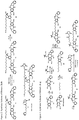
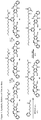
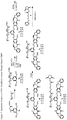
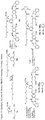
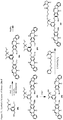
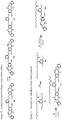
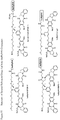
- one object of the invention is to provide cytotoxic compound comprising a linking group with a reactive group bonded thereto capable of covalently linking the cytotoxic compound to a cell binding agent (CBA, see below), wherein the cytotoxic compound is represented by any one of the following formulas: or a pharmaceutically acceptable salt thereof, wherein:
- X is not the linking group with the reactive group bonded thereto.
- the double line between N and C represents a single bond, Y is not -H.
- the compound is not any one of the following compounds:
- P' is an amino acid or a polypeptide containing between 2 to 20 amino acid units, -SR, -SOR', -SO 2 M, -SO
- a second object of the invention is to provide conjugates of cell binding agents with the novel benzodiazepine compounds or derivatives thereof of the present invention. These conjugates are useful as therapeutic agents, which are delivered specifically to target cells and are cytotoxic.
- a conjugate of the invention may comprise: a cytotoxic compound and a cell binding agent (CBA), wherein the cytotoxic compound comprises a linking group which covalently links the cytotoxic compound to the CBA, and wherein the cytotoxic compound is represented by any one of the following formulas: or a pharmaceutically acceptable salt thereof, wherein:
- X is not the linking group.
- the double line between N and C represents a single bond, Y is not -H.
- Y is not -H.
- the compound of the conjugate is not any one of the following compounds (the wavy bond represents the bond through which the compound is linked to the CBA):
- the present invention also includes a composition (e.g., a pharmaceutical composition) comprising novel benzodiazepine compounds, derivatives thereof, or conjugates thereof, (and/or solvates, hydrates and/or salts thereof) and a carrier (a pharmaceutically acceptable carrier).
- a composition e.g., a pharmaceutical composition
- the present invention additionally includes a composition ( e.g., a pharmaceutical composition) comprising novel benzodiazepine compounds, derivatives thereof, or conjugates thereof (and/or solvates, hydrates and/or salts thereof), and a carrier (a pharmaceutically acceptable carrier), further comprising a second therapeutic agent.
- the present compositions are useful for inhibiting abnormal cell growth or treating a proliferative disorder in a mammal ( e.g., human).
- compositions are useful for treating conditions such as cancer, rheumatoid arthritis, multiple sclerosis, graft versus host disease (GVHD), transplant rejection, lupus, myositis, infection, immune deficiency such as AIDS, and inflammatory diseases in a mammal ( e.g., human).
- conditions such as cancer, rheumatoid arthritis, multiple sclerosis, graft versus host disease (GVHD), transplant rejection, lupus, myositis, infection, immune deficiency such as AIDS, and inflammatory diseases in a mammal (e.g., human).
- the present invention includes a method of inhibiting abnormal cell growth or treating a proliferative disorder in a mammal (e.g., human) comprising administering to said mammal a therapeutically effective amount of novel benzodiazepine compounds, derivatives thereof, or conjugates thereof, (and/or solvates and salts thereof) or a composition thereof, alone or in combination with a second therapeutic agent.
- a mammal e.g., human
- the present invention includes a method of synthesizing and using novel benzodiazepine compounds, derivatives thereof, and conjugates thereof for in vitro, in situ, and in vivo diagnosis or treatment of mammalian cells, organisms, or associated pathological conditions.
- the compounds of this invention, derivatives thereof, or conjugates thereof, and compositions comprising them, are useful for treating or lessening the severity of disorders, such as, characterized by abnormal growth of cells (e.g., cancer).
- Other applications for compounds and conjugates of this invention include, but are not limited to, treating conditions such as cancer, rheumatoid arthritis, multiple sclerosis, graft versus host disease (GVHD), transplant rejection, lupus, myositis, infection, immune deficiency such as AIDS and inflammatory diseases in a mammal (e.g., human).
- Linear or branched alkyl refers to a saturated linear or branched-chain monovalent hydrocarbon radical of one to twenty carbon atoms.
- alkyl include, but are not limited to, methyl, ethyl, 1-propyl, 2-propyl, 1-butyl, 2-methyl-1-propyl, -CH 2 CH(CH 3 ) 2 ), 2-butyl, 2-methyl-2-propyl, 1-pentyl, 2-pentyl 3-pentyl, 2-methyl-2-butyl, 3-methyl-2-butyl, 3-methyl-1-butyl, 2-methyl-1-butyl, 1-hexyl), 2-hexyl, 3-hexyl, 2-methyl-2-pentyl, 3-methyl-2-pentyl, 4-methyl-2-pentyl, 3-methyl-3-pentyl, 2-methyl-3-pentyl, 2,3-dimethyl-2-butyl, 3,3-dimethyl-2-butyl, 1-heptyl,
- the alkenyl has two to ten carbon atoms. More preferably, the alkyl has two to four carbon atoms.
- Linear or branched alkynyl refers to a linear or branched monovalent hydrocarbon radical of two to twenty carbon atoms with at least one site of unsaturation, i.e., a carbon-carbon, triple bond. Examples include, but are not limited to, ethynyl, propynyl, 1-butynyl, 2-butynyl, 1-pentynyl, 2-pentynyl, 3-pentynyl, hexynyl, and the like.
- the alkynyl has two to ten carbon atoms. More preferably, the alkynyl has two to four carbon atoms.
- carrier refers to a monovalent non-aromatic, saturated or partially unsaturated ring having 3 to 12 carbon atoms as a monocyclic ring or 7 to 12 carbon atoms as a bicyclic ring.
- Bicyclic carbocycles having 7 to 12 atoms can be arranged, for example, as a bicyclo [4,5], [5,5], [5,6], or [6,6] system, and bicyclic carbocycles having 9 or 10 ring atoms can be arranged as a bicyclo [5,6] or [6,6] system, or as bridged systems such as bicyclo[2.2.1]heptane, bicyclo[2.2.2]octane and bicyclo[3.2.2]nonane.
- monocyclic carbocycles include, but are not limited to, cyclopropyl, cyclobutyl, cyclopentyl, 1-cyclopent-1-enyl, 1-cyclopent-2-enyl, 1-cyclopent-3-enyl, cyclohexyl, 1-cyclohex-1-enyl, 1-cyclohex-2-enyl, 1-cyclohex-3-enyl, cyclohexadienyl, cycloheptyl, cyclooctyl, cyclononyl, cyclodecyl, cycloundecyl, cyclododecyl, and the like.
- cyclic alkyl and “cycloalkyl” can be used interchangeably. They refer to a monovalent saturated carbocyclic ring radical. Preferably, the cyclic alkyl is 3 to 7 membered monocyclic ring radical. More preferably, the cyclic alkyl is cyclohexyl.
- cyclic alkenyl refers to a carbocyclic ring radical having at least one double bond in the ring structure.
- cyclic alkynyl refers to a carbocyclic ring radical having at least one triple bond in the ring structure.
- Aryl means a monovalent aromatic hydrocarbon radical of 6-18 carbon atoms derived by the removal of one hydrogen atom from a single carbon atom of a parent aromatic ring system. Some aryl groups are represented in the exemplary structures as "Ar.” Aryl includes bicyclic radicals comprising an aromatic ring fused to a saturated, partially unsaturated ring, or aromatic carbocyclic or heterocyclic ring.
- Typical aryl groups include, but are not limited to, radicals derived from benzene (phenyl), substituted benzenes, naphthalene, anthracene, indenyl, indanyl, 1,2-dihydronapthalene, 1,2,3,4-tetrahydronapthyl, and the like.
- aryl is phenyl group.
- heterocycle refers to a saturated or a partially unsaturated (i.e., having one or more double and/or triple bonds within the ring) carbocyclic radical of 3 to 18 ring atoms in which at least one ring atom is a heteroatom selected from nitrogen, oxygen, phosphorus, and sulfur, the remaining ring atoms being C, where one or more ring atoms is optionally substituted independently with one or more substituents described below.
- a heterocycle may be a monocycle having 3 to 7 ring members (2 to 6 carbon atoms and 1 to 4 heteroatoms selected from N, O, P, and S) or a bicycle having 7 to 10 ring members (4 to 9 carbon atoms and 1 to 6 heteroatoms selected from N, O, P, and S), for example: a bicyclo [4,5], [5,5], [5,6], or [6,6] system.
- Heterocycles are described in Paquette, Leo A.; "Principles of Modern Heterocyclic Chemistry" (W. A.
- Heterocyclyl also includes radicals where heterocycle radicals are fused with a saturated, partially unsaturated ring, or aromatic carbocyclic or heterocyclic ring.
- heterocyclic rings include, but are not limited to, pyrrolidinyl, tetrahydrofuranyl, dihydrofuranyl, tetrahydrothienyl, tetrahydropyranyl, dihydropyranyl, tetrahydrothiopyranyl, piperidino, morpholino, thiomorpholino, thioxanyl, piperazinyl, homopiperazinyl, azetidinyl, oxetanyl, thietanyl, homopiperidinyl, oxepanyl, thiepanyl, oxazepinyl, diazepinyl, thiazepinyl, 2-pyrrolinyl, 3-pyrrolinyl, indolinyl, 2H-pyranyl, 4H-pyranyl, dioxanyl, 1,3-dioxolanyl, pyrazolinyl, dithianyl, dithiolan
- Spiro moieties are also included within the scope of this definition.
- heteroaryl refers to a monovalent aromatic radical of 5- or 6-membered rings, and includes fused ring systems (at least one of which is aromatic) of 5-18 atoms, containing one or more heteroatoms independently selected from nitrogen, oxygen, and sulfur.
- heteroaryl groups are pyridinyl (including, for example, 2-hydroxypyridinyl), imidazolyl, imidazopyridinyl, pyrimidinyl (including, for example, 4-hydroxypyrimidinyl), pyrazolyl, triazolyl, pyrazinyl, tetrazolyl, furyl, thienyl, isoxazolyl, thiazolyl, oxazolyl, isothiazolyl, pyrrolyl, quinolinyl, isoquinolinyl, indolyl, benzimidazolyl, benzofuranyl, cinnolinyl, indazolyl, indolizinyl, phthalazinyl, pyridazinyl, triazinyl, isoindolyl, pteridinyl, purinyl, oxadiazolyl, triazolyl, thiadiazolyl, furazanyl,
- the heterocycle or heteroaryl groups may be carbon (carbon-linked) or nitrogen (nitrogen-linked) attached where such is possible.
- carbon bonded heterocycles or heteroaryls are bonded at position 2, 3, 4, 5, or 6 of a pyridine, position 3, 4, 5, or 6 of a pyridazine, position 2, 4, 5, or 6 of a pyrimidine, position 2, 3, 5, or 6 of a pyrazine, position 2, 3, 4, or 5 of a furan, tetrahydrofuran, thiofuran, thiophene, pyrrole or tetrahydropyrrole, position 2, 4, or 5 of an oxazole, imidazole or thiazole, position 3, 4, or 5 of an isoxazole, pyrazole, or isothiazole, position 2 or 3 of an aziridine, position 2, 3, or 4 of an azetidine, position 2, 3, 4, 5, 6, 7, or 8 of a quinoline or position 1, 3, 4, 5, 6, 7,
- nitrogen bonded heterocycles or heteroaryls are bonded at position 1 of an aziridine, azetidine, pyrrole, pyrrolidine, 2-pyrroline, 3-pyrroline, imidazole, imidazolidine, 2-imidazoline, 3-imidazoline, pyrazole, pyrazoline, 2-pyrazoline, 3-pyrazoline, piperidine, piperazine, indole, indoline, 1H-indazole, position 2 of a isoindole, or isoindoline, position 4 of a morpholine, and position 9 of a carbazole, or O-carboline.
- heteroatoms present in heteroaryl or heterocyclcyl include the oxidized forms such as NO, SO, and SO 2 .
- halo or halogen refers to F, Cl, Br or I.
- alkyl, alkenyl, alkynyl, cyclic alkyl, cyclic alkenyl, cyclic alkynyl, carbocyclyl, aryl, heterocyclyl and heteroaryl described above can be optionally substituted with one more ( e.g., 2, 3, 4, 5, 6 or more) substituents.
- a non-hydrogen substituent is in the place of a hydrogen substituent on a carbon, oxygen, sulfur or nitrogen of the substituent.
- a substituted alkyl substituent is an alkyl substituent wherein at least one non-hydrogen substituent is in the place of a hydrogen substituent on the alkyl substituent.
- monofluoroalkyl is alkyl substituted with a fluoro substituent
- difluoroalkyl is alkyl substituted with two fluoro substituents. It should be recognized that if there is more than one substitution on a substituent, each non-hydrogen substituent may be identical or different (unless otherwise stated).
- substituent may be either (1) not substituted, or (2) substituted. If a carbon of a substituent is described as being optionally substituted with one or more of a list of substituents, one or more of the hydrogens on the carbon (to the extent there are any) may separately and/or together be replaced with an independently selected optional substituent. If a nitrogen of a substituent is described as being optionally substituted with one or more of a list of substituents, one or more of the hydrogens on the nitrogen (to the extent there are any) may each be replaced with an independently selected optional substituent.
- One exemplary substituent may be depicted as -NR'R", wherein R' and R" together with the nitrogen atom to which they are attached, may form a heterocyclic ring.
- the heterocyclic ring formed from R' and R" together with the nitrogen atom to which they are attached may be partially or fully saturated.
- the heterocyclic ring consists of 3 to 7 atoms.
- the heterocyclic ring is selected from the group consisting of pyrrolyl, imidazolyl, pyrazolyl, triazolyl, tetrazolyl, isoxazolyl, pyridyl and thiazolyl.
- a group of substituents are collectively described as being optionally substituted by one or more of a list of substituents, the group may include: (1) unsubstitutable substituents, (2) substitutable substituents that are not substituted by the optional substituents, and/or (3) substitutable substituents that are substituted by one or more of the optional substituents.
- a substituent is described as being optionally substituted with up to a particular number of non-hydrogen substituents, that substituent may be either (1) not substituted; or (2) substituted by up to that particular number of non-hydrogen substituents or by up to the maximum number of substitutable positions on the substituent, whichever is less.
- a substituent is described as a heteroaryl optionally substituted with up to 3 non-hydrogen substituents, then any heteroaryl with less than 3 substitutable positions would be optionally substituted by up to only as many non-hydrogen substituents as the heteroaryl has substitutable positions.
- the substituents for the optionally substituted alkyl, alkenyl, alkynyl, cyclic alkyl, cyclic alkenyl, cyclic alkynyl, carbocyclyl, aryl, heterocyclyl and heteroaryl described above include halogen, -CN, -NR 102 R 103 , -CF 3 , -OR 101 , aryl, heteroaryl, heterocycycl, -SR 101 , -SOR 101 , -SO 2 R 101 and -SO 3 M.
- cytotoxic compound or "cytotoxic compound,” “cytotoxic dimer” and “cytotoxic dimer compound” are used interchangeably. They are intended to include compounds for which a structure or formula or any derivative thereof has been disclosed in the present invention or a structure or formula or any derivative thereof that has been incorporated by reference.
- the term also includes, stereoisomers, geometric isomers, tautomers, solvates, metabolites, salts ( e.g., pharmaceutically acceptable salts) and prodrugs, and prodrug salts of a compound of all the formulae disclosed in the present invention.
- the term also includes any solvates, hydrates, and polymorphs of any of the foregoing.
- conjugate refers to a compound described herein or a derivative thereof that is linked to a cell binding agent.
- linkable to a cell binding agent refers to the compounds described herein or derivates thereof comprising at least one linking group or a precursor thereof suitable to bond these compounds or derivatives thereof to a cell binding agent.
- precursor of a given group refers to any group which may lead to that group by any deprotection, a chemical modification, or a coupling reaction.
- linked to a cell binding agent refers to a conjugate molecule comprising at least one of the compounds described herein (e.g., compounds of formula (I)-(IV) and (VIII)-(XI) and drug-linker compounds describe herein), or derivative thereof bound to a cell binding agent via a suitable linking group or a precursor thereof.
- chiral refers to molecules which have the property of non-superimposability of the mirror image partner, while the term “achiral” refers to molecules which are superimposable on their mirror image partner.
- stereoisomer refers to compounds which have identical chemical constitution and connectivity, but different orientations of their atoms in space that cannot be interconverted by rotation about single bonds.
- Diastereomer refers to a stereoisomer with two or more centers of chirality and whose molecules are not mirror images of one another. Diastereomers have different physical properties, e.g. melting points, boiling points, spectral properties, and reactivities. Mixtures of diastereomers may separate under high resolution analytical procedures such as crystallization, electrophoresis and chromatography.
- Enantiomers refer to two stereoisomers of a compound which are non-superimposable mirror images of one another.
- the compounds of the invention may contain asymmetric or chiral centers, and therefore exist in different stereoisomeric forms. It is intended that all stereoisomeric forms of the compounds of the invention, including but not limited to, diastereomers, enantiomers and atropisomers, as well as mixtures thereof such as racemic mixtures, form part of the present invention.
- optically active compounds i.e., they have the ability to rotate the plane of plane-polarized light.
- the prefixes D and L, or R and S are used to denote the absolute configuration of the molecule about its chiral center(s).
- the prefixes d and I or (+) and (-) are employed to designate the sign of rotation of plane-polarized light by the compound, with (-) or 1 meaning that the compound is levorotatory.
- a compound prefixed with (+) or d is dextrorotatory. For a given chemical structure, these stereoisomers are identical except that they are mirror images of one another.
- a specific stereoisomer may also be referred to as an enantiomer, and a mixture of such isomers is often called an enantiomeric mixture.
- a 50:50 mixture of enantiomers is referred to as a racemic mixture or a racemate, which may occur where there has been no stereoselection or stereospecificity in a chemical reaction or process.
- the terms “racemic mixture” and “racemate” refer to an equimolar mixture of two enantiomeric species, devoid of optical activity.
- tautomer or “tautomeric form” refers to structural isomers of different energies which are interconvertible via a low energy barrier.
- proton tautomers also known as prototropic tautomers
- Valence tautomers include interconversions by reorganization of some of the bonding electrons.
- prodrug refers to a precursor or derivative form of a compound of the invention that is capable of being enzymatically or hydrolytically activated or converted into the more active parent form. See, e.g., Wilman, "Prodrugs in Cancer Chemotherapy” Biochemical Society Transactions, 14, pp. 375-382, 615th Meeting Harbor (1986 ) and Stella et al., “Prodrugs: A Chemical Approach to Targeted Drug Delivery,” Directed Drug Delivery, Borchardt et al., (ed.), pp. 247-267, Humana Press (1985 ).
- the prodrugs of this invention include, but are not limited to, ester-containing prodrugs, phosphate-containing prodrugs, thiophosphate-containing prodrugs, sulfate-containing prodrugs, peptide-containing prodrugs, D-amino acid-modified prodrugs, glycosylated prodrugs, ⁇ -lactam-containing prodrugs, optionally substituted phenoxyacetamide-containing prodrugs, optionally substituted phenylacetamide-containing prodrugs, 5-fluorocytosine and other 5-fluorouridine prodrugs which can be converted into the more active cytotoxic free drug.
- cytotoxic drugs that can be derivatized into a prodrug form for use in this invention include, but are not limited to, compounds of the invention and chemotherapeutic agents such as described above.
- prodrug is also meant to include a derivative of a compound that can hydrolyze, oxidize, or otherwise react under biological conditions ( in vitro or in vivo ) to provide a compound of this invention. Prodrugs may only become active upon such reaction under biological conditions, or they may have activity in their unreacted forms.
- prodrugs contemplated in this invention include, but are not limited to, analogs or derivatives of compounds of any one of the formulae disclosed herein that comprise biohydrolyzable moieties such as biohydrolyzable amides, biohydrolyzable esters, biohydrolyzable carbamates, biohydrolyzable carbonates, biohydrolyzable ureides, and biohydrolyzable phosphate analogues.
- Other examples of prodrugs include derivatives of compounds of any one of the formulae disclosed herein that comprise-NO, -NO 2 , -ONO, or -ONO 2 moieties.
- Prodrugs can typically be prepared using well-known methods, such as those described by Burger's Medicinal Chemistry and Drug Discovery (1995) 172-178, 949-982 (Manfred E. Wolff ed., 5th ed ); see also Goodman and Gilman's, The Pharmacological basis of Therapeutics, 8th ed., McGraw-Hill, Int. Ed. 1992, "Biotransformation of Drugs .”
- prodrug of the invention includes compounds (with or without any linker groups) and conjugates of the invention comprising an adduct formed between an imine bond of the compounds / conjugates and an imine reactive reagent.
- Another preferred form of prodrug of the invention includes compounds such as those of formula (I) - (IV), wherein when the double line between N and C represents a single bond, X is H or an amine protecting group, and the compound becomes a prodrug.
- a prodrug of the invention may contain one or both forms of prodrugs described herein (e.g., containing an adduct formed between an imine bond of the compounds / conjugates and an imine reactive reagent, and/or containing a Y leaving group when X is -H).
- imine reactive reagent refers to a reagent that is capable of reacting with an imine group.
- imine reactive reagent includes, but is not limited to, sulfites (H 2 SO 3 , H 2 SO 2 or a salt of HSO 3 - , SO 3 - or HSO 2 - formed with a cation), metabisulfite (H 2 S 2 O 5 or a salt of S 2 O 5 2- formed with a cation), mono, di, tri, and tetra-thiophosphates (PO 3 SH 3 , PO 2 S 2 H 3 , POS 3 H 3 , PS 4 H 3 or a salt of PO 3 S 3- , PO 2 S 2 3- , POS 3 3- or PS 4 3- formed with a cation), thio phosphate esters ((R i O) 2 PS(OR i ), R i SH, R i SOH, R i SO 2 H, R i SO 3 H), various amines (hydroxyl s),
- the cation is a monovalent cation, such as Na + or K + .
- the imine reactive reagent is selected from sulfites, hydroxyl amine, urea and hydrazine. More preferably, the imine reactive reagent is NaHSO 3 or KHSO 3 .
- biohydrolyzable amide means an amide, ester, carbamate, carbonate, ureide, or phosphate analogue, respectively, that either: 1) does not destroy the biological activity of the compound and confers upon that compound advantageous properties in vivo, such as uptake, duration of action, or onset of action; or 2) is itself biologically inactive but is converted in vivo to a biologically active compound.
- biohydrolyzable amides include, but are not limited to, lower alkyl amides, ⁇ -amino acid amides, alkoxyacyl amides, and alkylaminoalkylcarbonyl amides.
- biohydrolyzable esters include, but are not limited to, lower alkyl esters, alkoxyacyloxy esters, alkyl acylamino alkyl esters, and choline esters.
- biohydrolyzable carbamates include, but are not limited to, lower alkylamines, substituted ethylenediamines, amino acids, hydroxyalkylamines, heterocyclic and heteroaromatic amines, and polyether amines.
- Particularly favored prodrugs and prodrug salts are those that increase the bioavailability of the compounds of this invention when such compounds are administered to a mammal.
- phrases "pharmaceutically acceptable salt” as used herein, refers to pharmaceutically acceptable organic or inorganic salts of a compound of the invention.
- Exemplary salts include, but are not limited, to sulfate, citrate, acetate, oxalate, chloride, bromide, iodide, nitrate, bisulfate, phosphate, acid phosphate, isonicotinate, lactate, salicylate, acid citrate, tartrate, oleate, tannate, pantothenate, bitartrate, ascorbate, succinate, maleate, gentisinate, fumarate, gluconate, glucuronate, saccharate, formate, benzoate, glutamate, methanesulfonate "mesylate,” ethanesulfonate, benzenesulfonate, p-toluenesulfonate, pamoate ( i.e., 1,1'-methylene-bis-
- a pharmaceutically acceptable salt may involve the inclusion of another molecule such as an acetate ion, a succinate ion or other counter ion.
- the counter ion may be any organic or inorganic moiety that stabilizes the charge on the parent compound.
- a pharmaceutically acceptable salt may have more than one charged atom in its structure. Instances where multiple charged atoms are part of the pharmaceutically acceptable salt can have multiple counter ions. Hence, a pharmaceutically acceptable salt can have one or more charged atoms and/or one or more counter ion.
- the desired pharmaceutically acceptable salt may be prepared by any suitable method available in the art, for example, treatment of the free base with an inorganic acid, such as hydrochloric acid, hydrobromic acid, sulfuric acid, nitric acid, methanesulfonic acid, phosphoric acid and the like, or with an organic acid, such as acetic acid, maleic acid, succinic acid, mandelic acid, fumaric acid, malonic acid, pyruvic acid, oxalic acid, glycolic acid, salicylic acid, a pyranosidyl acid, such as glucuronic acid or galacturonic acid, an alpha hydroxy acid, such as citric acid or tartaric acid, an amino acid, such as aspartic acid or glutamic acid, an aromatic acid, such as benzoic acid or cinnamic acid, a sulfonic acid, such as p-toluenesulfonic acid or ethanesulfonic acid
- an inorganic acid such as hydro
- the desired pharmaceutically acceptable salt may be prepared by any suitable method, for example, treatment of the free acid with an inorganic or organic base, such as an amine (primary, secondary or tertiary), an alkali metal hydroxide or alkaline earth metal hydroxide, or the like.
- suitable salts include, but are not limited to, organic salts derived from amino acids, such as glycine and arginine, ammonia, primary, secondary, and tertiary amines, and cyclic amines, such as piperidine, morpholine and piperazine, and inorganic salts derived from sodium, calcium, potassium, magnesium, manganese, iron, copper, zinc, aluminum and lithium.
- solvate means a compound which further includes a stoichiometric or non-stoichiometric amount of solvent such as water, isopropanol, acetone, ethanol, methanol, DMSO, ethyl acetate, acetic acid, and ethanolamine dichloromethane, 2-propanol, or the like, bound by non-covalent intermolecular forces.
- Solvates or hydrates of the compounds are readily prepared by addition of at least one molar equivalent of a hydroxylic solvent such as methanol, ethanol, 1-propanol, 2-propanol or water to the compound to result in solvation or hydration of the imine moiety.
- abnormal cell growth and “proliferative disorder” are used interchangeably in this application.
- abnormal cell growth refers to cell growth that is independent of normal regulatory mechanisms (e.g., loss of contact inhibition).
- tumor cells tumor cells
- tumors tumor cells
- any tumors that proliferate by receptor tyrosine kinases any tumors that proliferate by aberrant serine/threonine kinase activation
- benign and malignant cells of other proliferative diseases in which aberrant serine/threonine kinase activation benign and malignant cells of other proliferative diseases in which aberrant serine/threonine kinase activation occurs.
- cancer and “cancerous” refer to or describe the physiological condition in mammals that is typically characterized by unregulated cell growth.
- a “tumor” comprises one or more cancerous cells, and/or benign or pre-cancerous cells. Examples of cancer include, but are not limited to, carcinoma, lymphoma, blastoma, sarcoma, and leukemia or lymphoid malignancies.
- cancers include squamous cell cancer (e.g., epithelial squamous cell cancer), lung cancer including small-cell lung cancer, non-small cell lung cancer ("NSCLC”), adenocarcinoma of the lung and squamous carcinoma of the lung, cancer of the peritoneum, hepatocellular cancer, gastric or stomach cancer including gastrointestinal cancer, pancreatic cancer, glioblastoma, cervical cancer, ovarian cancer, liver cancer, bladder cancer, hepatoma, breast cancer, colon cancer, rectal cancer, colorectal cancer, endometrial or uterine carcinoma, salivary gland carcinoma, kidney or renal cancer, prostate cancer, vulval cancer, thyroid cancer, hepatic carcinoma, anal carcinoma, penile carcinoma, acute leukemia, head/brain and neck cancer, cancers of lymphatic organs and hematological malignancy including Leukemia (Acute lymphoblastic leukemia (ALL), Acute myelogenous leukemia (AML),
- ALL acute lymph
- a “therapeutic agent” encompasses both a biological agent such as an antibody, a peptide, a protein, an enzyme or a chemotherapeutic agent.
- chemotherapeutic agent is a chemical compound useful in the treatment of cancer.
- chemotherapeutic agents include Erlotinib (TARCEVA®, Genentech/OSI Pharm.), Bortezomib (VELCADE®, Millennium Pharm.), Fulvestrant (FASLODEX®, AstraZeneca), Sutent (SU11248, Pfizer), Letrozole (FEMARA®, Novartis), Imatinib mesylate (GLEEVEC®, Novartis), PTK787/ZK 222584 (Novartis), Oxaliplatin (Eloxatin®, Sanofi), 5-FU (5-fluorouracil), Leucovorin, Rapamycin (Sirolimus, RAPAMUNE®, Wyeth), Lapatinib (TYKERB®, GSK572016, Glaxo Smith Kline), Lonafarnib (SCH 66336), Sorafenib (BAY43-9006, Bayer Labs), and Gefit
- dynemicin including dynemicin A; bisphosphonates, such as clodronate; an esperamicin; as well as neocarzinostatin chromophore and related chromoprotein enediyne antibiotic chromophores), aclacinomysins, actinomycin, authramycin, azaserine, bleomycins, cactinomycin, carabicin, caminomycin, carzinophilin, chromomycinis, dactinomycin, daunorubicin, detorubicin, 6-diazo-5-oxo-L-norleucine, ADRIAMYCIN® (doxorubicin), morpholino-doxorubicin, cyanomorpholino-doxorubicin, 2-pyrrolino-doxorubicin and deoxydoxorubicin), epirubicin,
- chemotherapeutic agent include: (i) anti-hormonal agents that act to regulate or inhibit hormone action on tumors such as antiestrogens and selective estrogen receptor modulators (SERMs), including, for example, tamoxifen (including NOLVADEX®; tamoxifen citrate), raloxifene, droloxifene, 4-hydroxytamoxifen, trioxifene, keoxifene, LY117018, onapristone, and FARESTON® (toremifine citrate); (ii) aromatase inhibitors that inhibit the enzyme aromatase, which regulates estrogen production in the adrenal glands, such as, for example, 4(5)-imidazoles, aminoglutethimide, MEGASE® (megestrol acetate), AROMASIN® (exemestane; Pfizer), formestanie, fadrozole, RIVISOR® (vorozole), FEMARA® (letrozole;
- SERMs selective
- anti-angiogenic agents include MMP-2 (matrix-metalloproteinase 2) inhibitors, MMP-9 (matrix-metalloproteinase 9) inhibitors, COX-II (cyclooxygenase II) inhibitors, and VEGF receptor tyrosine kinase inhibitors.
- VEGF receptor tyrosine kinase inhibitors include 4-(4-bromo-2-fluoroanilino)-6-methoxy-7-(1-methylpiperidin-4-ylmethoxy)quinazoline (ZD6474; Example 2 within WO 01/32651 ), 4-(4-fluoro-2-methylindol-5-yloxy)-6-methoxy-7-(3-pyrrolidin-1 -ylpropoxy)-quinazoline (AZD2171; Example 240 within WO 00/47212 ), vatalanib (PTK787; WO 98/35985 ) and SU11248 (sunitinib; WO 01/60814 ), and compounds such as those disclosed in PCT Publication Nos. WO 97/22596 , WO
- chemotherapeutic agents that can be used in combination with the present compounds include inhibitors of PI3K (phosphoinositide-3 kinase), such as those reported in Yaguchi et al (2006) Jour. of the Nat. Cancer Inst. 98(8):545-556 ; U.S. Pat. No. 7,173,029 ; U.S. Pat. No. 7,037,915 ; U.S. Pat. No. 6,608,056 ; U.S. Pat. No. 6,608,053 ; U.S. Pat. No. 6,838,457 ; U.S. Pat. No. 6,770,641 ; U.S. Pat. No. 6,653,320 ; U.S. Pat. No.
- PI3K phosphoinositide-3 kinase
- PI3K inhibitors include SF-1126 (PI3K inhibitor, Semafore Pharmaceuticals), BEZ-235 (PI3K inhibitor, Novartis), XL-147 (PI3K inhibitor, Exelixis, Inc.).
- Chemotherapeutic agents may also include any of the generic drugs or biosimilars of the brand-name drugs referenced herein, or improvements thereof, including improved formulations, prodrugs, delivery means (sustained release, bioadhesive coating, targeted delivery etc .), and dosage forms.
- a “metabolite” is a product produced through metabolism in the body of a specified compound, a derivative thereof, or a conjugate thereof, or salt thereof. Metabolites of a compound, a derivative thereof, or a conjugate thereof, may be identified using routine techniques known in the art and their activities determined using tests such as those described herein. Such products may result for example from the oxidation, hydroxylation, reduction, hydrolysis, amidation, deamidation, esterification, deesterification, enzymatic cleavage, and the like, of the administered compound.
- the invention includes metabolites of compounds, a derivative thereof, or a conjugate thereof, of the invention, including compounds, a derivative thereof, or a conjugate thereof, produced by a process comprising contacting a compound, a derivative thereof, or a conjugate thereof, of this invention with a mammal for a period of time sufficient to yield a metabolic product thereof.
- phrases "pharmaceutically acceptable” indicates that the substance or composition must be compatible chemically and/or toxicologically, with the other ingredients comprising a formulation, and/or the mammal being treated therewith.
- protecting group refers to a substituent that is commonly employed to block or protect a particular functionality while reacting other functional groups on the compound, a derivative thereof, or a conjugate thereof.
- an "amine-protecting group” or an “amino-protecting moiety” is a substituent attached to an amino group that blocks or protects the amino functionality in the compound.
- Such groups are well known in the art (see for example P. Wuts and T. Greene, 2007, Protective Groups in Organic Synthesis, Chapter 7, J.
- carbamates such as methyl and ethyl carbamate, FMOC, substituted ethyl carbamates, carbamates cleaved by 1,6- ⁇ -elimination (also termed "self immolative "), ureas, amides, peptides, alkyl and aryl derivatives.
- Suitable amino-protecting groups include acetyl, trifluoroacetyl, t-butoxycarbonyl (BOC), benzyloxycarbonyl (CBZ) and 9-fluorenylmethylenoxycarbonyl (Fmoc).
- leaving group refers to an group of charged or uncharged moiety that departs during a substitution or displacement.
- leaving groups include, but not limited to, halogens, esters, alkoxy, hydroxyl, tosylates, triflates, mesylates, nitriles, azide, carbamate, disulfides, thioesters, thioethers and diazonium compounds.
- bifunctional crosslinking agent refers to modifying agents that possess two reactive groups; one of which is capable of reacting with a cell binding agent while the other one reacts with the cytotoxic compound to link the two moieties together.
- bifunctional crosslinkers are well known in the art (see, for example, Isalm and Dent in Bioconjugation chapter 5, p218-363, Groves Dictionaries Inc. New York, 1999 ).
- SMCC N -succinimidyl-4-(N-maleimidomethyl)-cyclohexane-1-carboxylate
- SIAB N -succinimidyl-4-(iodoacetyl)-aminobenzoate
- Other bifunctional crosslinking agents that introduce maleimido groups or haloacetyl groups on to a cell binding agent are well known in the art (see US Patent Applications 2008/0050310 , 20050169933 , available from Pierce Biotechnology Inc. P.O.
- BMPEO bis-maleimidopolyethyleneglycol
- BMPS N-( ⁇ -maleimidopropyloxy)succinimide ester
- GMBS ⁇ -maleimidobutyric acid N-succinimidyl ester
- EMCS ⁇ -maleimidocaproic acid N-hydroxysuccinimide ester
- NHS HBVS
- N-succinimidyl-4-(N-maleimidomethyl)-cyclohexane-1-carboxy-(6-amidocaproate which is a "long chain" analog of SMCC (LC-SMCC), m-maleimidobenzoyl-N-hydroxysuccinimide ester (MBS), 4-(4-N-maleimidophenyl)-butyric acid
- Heterobifunctional crosslinking agents are bifunctional crosslinking agents having two different reactive groups. Heterobifunctional crosslinking agents containing both an amine-reactive N -hydroxysuccinimide group (NHS group) and a carbonyl-reactive hydrazine group can also be used to link the cytotoxic compounds described herein with a cell-binding agent (e.g., antibody). Examples of such commercially available heterobifunctional crosslinking agents include succinimidyl 6-hydrazinonicotinamide acetone hydrazone (SANH), succinimidyl 4-hydrazidoterephthalate hydrochloride (SHTH) and succinimidyl hydrazinium nicotinate hydrochloride (SHNH).
- SSH succinimidyl 6-hydrazinonicotinamide acetone hydrazone
- SHTH succinimidyl 4-hydrazidoterephthalate hydrochloride
- SHNH succinimidyl hydrazinium nicotinate hydroch
- Conjugates bearing an acid-labile linkage can also be prepared using a hydrazine-bearing benzodiazepine derivative of the present invention.
- bifunctional crosslinking agents include succinimidyl-p-formyl benzoate (SFB) and succinimidyl-p-formylphenoxyacetate (SFPA).
- Bifunctional crosslinking agents that enable the linkage of cell binding agent with cytotoxic compounds via disulfide bonds are known in the art and include N-succinimidyl-3-(2-pyridyldithio)propionate (SPDP), N -succinimidyl-4-(2-pyridyldithio)pentanoate (SPP), N -succinimidyl-4-(2-pyridyldithio)butanoate (SPDB), N -succinimidyl-4-(2-pyridyldithio)2-sulfo butanoate (sulfo-SPDB) to introduce dithiopyridyl groups.
- SPDP N-succinimidyl-3-(2-pyridyldithio)propionate
- SPP N -succinimidyl-4-(2-pyridyldithio)pentanoate
- SPDB N -succ
- crosslinking agents that can be used to introduce disulfide groups are known in the art and are disclosed in U.S. Patents 6,913,748 , 6,716,821 and US Patent Publications 20090274713 and 20100129314 , all of which are incorporated herein by reference.
- crosslinking agents such as 2-iminothiolane, homocysteine thiolactone or S-acetylsuccinic anhydride that introduce thiol groups can also be used.
- a “linker,” “linker moiety,” or “linking group” as defined herein refers to a moiety that connects two groups, such as a cell binding agent and a cytotoxic compound, together. Typically, the linker is substantially inert under conditions for which the two groups it is connecting are linked.
- a bifunctional crosslinking agent may comprise two reactive groups, one at each ends of a linker moiety, such that one reactive group can be first reacted with the cytotoxic compound to provide a compound bearing the linker moiety and a second reactive group, which can then react with a cell binding agent.
- one end of the bifunctional crosslinking agent can be first reacted with the cell binding agent to provide a cell binding agent bearing a linker moiety and a second reactive group, which can then react with a cytotoxic compound.
- the linking moiety may contain a chemical bond that allows for the release of the cytotoxic moiety at a particular site.
- Suitable chemical bonds are well known in the art and include disulfide bonds, thioether bonds, acid labile bonds, photolabile bonds, peptidase labile bonds and esterase labile bonds (see for example US Patents 5,208,020 ; 5,475,092 ; 6,441,163 ; 6,716,821 ; 6,913,748 ; 7,276,497 ; 7,276,499 ; 7,368,565 ; 7,388,026 and 7,414,073 ).
- Preferred are disulfide bonds, thioether and peptidase labile bonds.
- Other linkers that can be used in the present invention include non-cleavable linkers, such as those described in are described in detail in U.S.
- linking groups may be present in any of the compounds, drug-linker compounds, or conjugates of the invention, including replacing the linking groups of any of the formulas described herein.
- the term "cation" refers to an ion with positive charge.
- the cation can be monovalent (e.g., Na + , K + , etc. ), bi-valent (e.g., Ca 2+ , Mg 2+ , etc .) or multi-valent (e.g., Al 3+ etc .).
- the cation is monovalent.
- terapéuticaally effective amount means that amount of active compound or conjugate that elicits the desired biological response in a subject. Such response includes alleviation of the symptoms of the disease or disorder being treated, prevention, inhibition or a delay in the recurrence of symptom of the disease or of the disease itself, an increase in the longevity of the subject compared with the absence of the treatment, or prevention, inhibition or delay in the progression of symptom of the disease or of the disease itself. Determination of the effective amount is well within the capability of those skilled in the art, especially in light of the detailed disclosure provided herein. Toxicity and therapeutic efficacy of compound I can be determined by standard pharmaceutical procedures in cell cultures and in experimental animals.
- the effective amount of compound or conjugate of the present invention or other therapeutic agent to be administered to a subject will depend on the stage, category and status of the multiple myeloma and characteristics of the subject, such as general health, age, sex, body weight and drug tolerance.
- the effective amount of compound or conjugate of the present invention or other therapeutic agent to be administered will also depend on administration route and dosage form. Dosage amount and interval can be adjusted individually to provide plasma levels of the active compound that are sufficient to maintain desired therapeutic effects.
- the present invention is directed to cytotoxic compounds described herein (e.g., compounds of formulas (I), (II), (III), and (IV)).
- the cytotoxic compounds of the present invention do not include any compounds described in US 2010/0203007 (the entire teaching of which is incorporated herein by reference), such as those specifically disclaimed in the proviso below.
- the invention provides a cytotoxic compound comprising a linking group with a reactive group bonded thereto capable of covalently linking the cytotoxic compound to a cell binding agent (CBA), wherein said cytotoxic compound is represented by any one of the following formulas (I), (II), (III) or (IV): or a pharmaceutically acceptable salt thereof, wherein:
- X is not the linking group with the reactive group bonded thereto.
- the double line between N and C represents a single bond, Y is not -H.
- the cytotoxic compounds of the present invention are not any one of the following compounds:
- Y is -H or a leaving group selected from -OR, -OCOR', -OCOOR', -OCONR'R", -NR'R", -NR'COR", -NR'NR'R", an optionally substituted 5 or 6-membered nitrogen-containing heterocycle (e.g., piperidine, tetrahydropyrrole, pyrazole, morpholine, etc.
- Y is Sodium Bisulfite adduct, Sodium Hydrosulfite adduct, or Sodium Metabisulfite adduct. In certain embodiments, Y is not -H.
- L is absent, or is selected from an optionally substituted phenyl group and an optionally substituted pyridyl group, wherein the phenyl and the pyridyl group bears the linking group with the reactive group bonded thereto, or L is an amine group bearing the linking group with the reactive group bonded thereto ( i.e.,- N(linking group)-), or L is a linear, branched or cyclic alkyl or alkenyl having from 1 to 6 carbon atoms and bearing the linking group with the reactive group bonded thereto.
- cytotoxic dimers of formula (I), (II), (III) and (IV) are represented by the following formulas: wherein:
- X is not the linking group with the reactive group bonded thereto.
- the double line between N and C represents a single bond, Y is not -H.
- a and A' are both -O-, R 6 is -OMe, and G is -CH-.
- L' is represented by the formula: -W'-R x -V-R y -J, wherein:
- J is -SH, -SSR d , a maleimide, or a N-hydroxysuccinimide ester.
- R e' is -H or -Me;
- R e is a linear or branched alkyl having 1 to 6 carbon atoms or -(CH 2 -CH 2 -O) n -R k ;
- n is an integer from 2 to 8; preferably R k is-H, -Me or -CH 2 CH 2 -NMe 2 , and the remainder of the variables are as described above in the fourth specific embodiment.
- V is an amino acid or a peptide having 2 to 8 amino acids. In certain embodiments, V is valine-citrulline, gly-gly-gly, or ala-leu-ala-leu.
- L' is represented by the following formula: -W'-[CR 1" R 2" ] a -V-[Cy] 0-1 -[CR 3" R 4" ] b -COE, wherein:
- W' is -N(R e )-.
- R e is -(CH 2 -CH 2 -O) 2-6 - R k , wherein R k is a -H, a linear, branched cyclic alkyl having 1 to 6 carbon atoms.
- V is -S- or -SS-.
- L' is represented by the following formula: -NR e -[CR 1" R 2" ] a -S-[CR 3" R 4" ] b -COE.
- the compound is any of the following: or wherein Y is -H or -SO 3 M, and M is -H or a pharmaceutically acceptable cation. In certain embodiments, Y is -SO 3 M.
- L' is represented by the following formula: - NR e -[CR 1" R 2" ] a -S-Cy-[CR 3" R 4 ] b -COE.
- the compound is any one of the following: or wherein Y is -H or -SO 3 M, and M is -H or a pharmaceutically acceptable cation. In certain embodiments, Y is -SO 3 M.
- cytotoxic dimers of formula (I), (II), (III) and (IV) are represented by the following formulas: wherein:
- R k is -H or -Me, and n is an integer from 2 to 8.
- R x is a linear or branched alkyl having 1 to 6 carbon atoms; and the remainder of the variables is as described above in the thrid, fourth, and/or the fifth specific embodiment.
- cytotoxic dimers of formula (I), (II), (III) and (IV) are represented by the following formulas: and wherein:
- Z s is represented by any one of the following formulas:
- W' is -N(R e )-.
- R e is -(CH 2 -CH 2 -O) n -R k , wherein R k is a -H, a linear, branched cyclic alkyl having 1 to 6 carbon atoms.
- R k is -H or -Me, n is 4, and q is 2.
- R x is a linear or branched alkyl having 1 to 6 carbon atoms.
- R x may be -(CH 2 ) p -(CR f R g )-, wherein R f and R g are each independently selected from H or a linear or branched alkyl having 1 to 4 carbon atoms; and p is 0, 1, 2 or 3.
- R f and R g are the same or different, and are selected from -H and -Me; and p is 1.
- Y is -OH or -SO 3 M.
- R k is -H or -Me
- n is an integer from 2 to 8.
- R x is a linear or branched alkyl having 1 to 6 carbon atoms.
- R x is -(CH 2 ) p -(CR f R g )-, wherein R f and R g are each independently selected from H or a linear or branched alkyl having 1 to 4 carbon atoms; p is 0, 1, 2 or 3. More preferably, R f and R g are the same or different, and are selected from -H and-Me; and p is 1.
- the linker is represented by any one of the formula selected from formulas (a1), (a4), (a5), (a10) and (a11) shown above; and the remainder of the variables are as described above in the tenth specific embodiment.
- R x is -(CH 2 ) p -(CR f R g )-, wherein R f and R g are each independently selected from H or a linear or branched alkyl having 1 to 4 carbon atoms; p is 0, 1, 2 or 3. More preferably, R f and R g are the same or different, and are selected from -H and-Me; and p is 1.
- the double line between N and C may represent a double bond.
- the double line between N and C may represent a single bond
- X is-H, the linking group with the reactive group bonded thereto, or an amine protecting group
- Y is selected from -H, -OR,-OCOR', -SR, -NR'R," an optionally substituted 5- or 6-membered nitrogen-containing heterocycle, -SO 3 M, -SO 2 M and a sulfate -OSO 3 M ( e.g., Y is -OR, -OCOR', -SR,-NR'R," an optionally substituted 5- or 6-membered nitrogen-containing heterocycle,-SO 3 M, -SO 2 M and a sulfate -OSO 3 M).
- Y is selected from -H, -SO 3 M, -OH, -OMe, -OEt or-NHOH (e.g., Y is -SO 3 M, -OH, -OMe, -OEt or -NHOH).
- Y is -H, -SO 3 M or -OH (e.g., Y is -SO 3 M or -OH).
- M is -H, Na + or K + .
- Z and Z' when present, are -CH 2 .
- X' is selected from the group consisting of -H, -OH, an optionally substituted linear, branched or cyclic alkyl, alkenyl or alkynyl having from 1 to 10 carbon atoms, phenyl, the linking group with the reactive group bounded thereto, and an amine-protecting group.
- X' is -H, -OH, -Me or the linking group with the reactive group bounded thereto.
- X' is -H.
- Y' is selected from the group consisting of -H, an oxo group, a substituted or unsubstituted linear, branched or cyclic alkyl, alkenyl or alkynyl having from 1 to 10 carbon atoms.
- Y' is -H or oxo.
- Y' is -H.
- a and A' may be same or different and selected from -O- and -S-.
- both A and A' are -O-.
- D and D' when present, are the same or different, and are independently selected from a polyethylene glycol unit (-OCH 2 CH 2 ) n , wherein n is an integer from 1 to 24, an amino acid, a peptide bearing 2 to 6 amino acids, or a linear, branched or cyclic alkyl, alkenyl or alkynyl having 1 to 10 carbon atoms, wherein the alkyl, alkenyl and alkynyl are optionally substituted with one or more substituents independently selected from the group consisting of halogen, -OR, -NR'COR", -SR and -COR'.
- D and D' are linear or branched alkyl bearing 1 to 4 carbon atoms.
- the cytotoxic compound of the present invention as described in the first, third, and ninth embodiment is represented by the following:
- the cytotoxic compound of the present invention is: or a pharmaceutically acceptable salt thereof.
- compound 29b can used in methods of the present invention described herein. In a preferred embodiment, compound 29b can be used for treating a proliferative disorder, such as cancer.
- compound 29b can be used for screening cell lines to identify cell lines that are sensitive to benzodiazepine compounds, such as benzodiazepine derivatives described herein.
- cytotoxic compounds described above comprise a linking group with a reactive group bonded thereto, which compounds may result from reacting a bifunctional crosslinking reagent with "linker-less” compounds to form the so-called drug-linker compounds.
- drug compounds that are otherwise identical to the drug-linker compounds, but without the linker moiety are also encompassed by the present invention.
- the invention provides a cytotoxic compound without linking group, but may be capable of reacting with a bifunctional crosslinking agent to form a compound of the invention, such as any one of the 1 st to the 12 th specific embodiments described above; or to form a cell-binding agent conjugate of the invention (such as those described below).
- a linkerless cytotoxic compound of the invention includes compound 29b of the 13 th specific embodiment above.
- the linkerless cytotoxic compounds of the invention are represented by any one of the following formulas (I'), (II'), (III') or (IV'): or a pharmaceutically acceptable salt thereof, wherein:
- the double line between N and C represents a single bond
- Y is not -H.
- Y is selected from -OR, -OCOR', -SR, -NR'R",-SO 3 M, -SO 2 M, or -OSO 3 M, wherein M is -H or a cation such as Na + . K + .
- Y is selected from -H, -OH, -OMe, -OEt, -NHOH or -SO 3 M (e.g., Y is -OH, -OMe, -OEt, -NHOH or -SO 3 M).
- Y is -H, -OH or -SO 3 M (e.g., Y is -OH or-SO 3 M), preferably M is -H or Na + .
- the bifunctional crosslinking agents can be any bifunctional linker known in the art.
- the bifunctional linkers can be used for making the drug-linker compounds are those that form disulfide bonds, thioether bonds, acid labile bonds, photolabile bonds, peptidase labile bonds and esterase labile bonds with the cytotoxic compounds (see for example, US Patent 5,208,020 ; 5,475,092 ; 6,441,163 ; 6,716,821 ; 6,913,748 ; 7,276,497 ; 7,276,499 ; 7,368,565 ; 7,388,026 and 7,414,073 , all of which are incorporated herein by reference).
- the bifunctional crosslinking agents are those that form disulfide bonds, thioether and peptidase labile bonds with the cytotoxic compounds.
- Other bifunctional crosslinking agents that can be used in the present invention include non-cleavable linkers, such as those described in U.S. publication number US 2005/0169933 , or charged linkers or hydrophilic linkers and are described in US 2009/0274713 , US 2010/01293140 and WO 2009/134976 , each of which is expressly incorporated herein by reference.
- the bifunctional crosslinking agents that can be used for making the (drug-linker) compounds of the present invention also include those described in Thermo Scientific Pierce Crosslinking Technical Handbook, the entire teaching of which is incorporated herein by reference.
- FIGS. 1-11 Representative processes for preparing the cytotoxic dimer compounds of the present invention are shown in FIGS. 1-11 .
- the dimers were prepared by reacting a monomer with linker compounds which possess two leaving groups such as halogen, triflate, mesylate, or tosylate such as that described for the synthesis of 1c in FIG. 1 .
- Synthesis of representative dimers which bear a thiol or disulfide moiety to enable linkage to cell binding agents via reducible or non-reducible bonds are shown in FIGS. 1-5 , 7 , 8 , and 10 .
- a linker containing a short polyethylene glycol moiety and an alkyl disulfide was prepared through reductive amination of 1a.
- FIG. 3 a modified form of IBD monomer was prepared and coupled to give a dimer of the present invention in which the reduced imine was converted to a linker.
- FIG. 4 describes a dimer possessing a short polyethylene glycol moiety and an amide disulfide which was reduced to thiol 4c and converted to a reactive ester.
- FIGS. 1 and 12-19 Representative processes for preparing the cytotoxic dimer compounds of the present invention suitable for one-step conjugation with a cell binding agent are shown in FIGS. 1 and 12-19 .
- a dimer containing a thiol moiety is reacted with a bifunctional crosslinking reagent possessing a reactive group such as, but not limited to, a thiopyridyl, a maleimide, iodide, bromide, or tosylate on one side and a reactive substituent suitable for reaction with a cell binding agent such as, but not limited to, N-hydroxysuccinimide esters, N-hydroxyphtalimide esters, N-hydroxy sulfo-succinimide esters, paranitrophenyl esters, pentafluorophenyl esters.
- a bifunctional crosslinking reagent possessing a reactive group such as, but not limited to, a thiopyridyl, a maleimide,
- FIGS. 20-21 Alternative synthetic processes for preparing representative cytotoxic dimer compounds of the present invention are shown in FIGS. 20-21 .
- the synthesis of the mono reduced dimer i.e., having one imine group
- the synthesis of the mono reduced dimer is accomplished by a two step coupling method, in which a reduced form of monomer is either initially coupled to the linker followed by coupling with the IBD monomer or the dimer is prepared using a mixture of both reduced monomer and the IBD monomer in the coupling with the reactive linker.
- the di-reduced dimer is potentially a byproduct of the second synthetic pathway previously described, a more direct route is shown in FIG. 21 in which the reduced monomer is coupled to both with the linker directly.
- Cell-binding agents may be of any kind presently known, or that become known and includes peptides and non-peptides. Generally, these can be antibodies (especially monoclonal antibodies), lymphokines, hormones, growth factors, vitamins (such as folate etc., which may bind to a cell surface receptor thereof, e.g., a folate receptor), nutrient-transport molecules (such as transferrin), or any other cell-binding molecule or substance.
- the cell-binding agents are proteins or polypeptides, or compounds comprising proteins or polypeptides.
- the proteins or polypeptides comprise one or more Lys residues with side chain -NH 2 groups.
- the proteins or polypeptides comprise one or more Cys residues.
- the side chain -SH groups of the Cys residues may be intact, or may be in a disulfide bond that can be reduced.
- reduction of the disulfide bond(s) does not significantly negatively impact the cell-binding function of the proteins or polypeptides (e.g., in the case of antibody or antigen-binding portion thereof, reduction of the disulfide bonds does not substantially increase the dissociation of light chains / heavy chains).
- the Lys side chain -NH 2 groups and/or the Cys side chain -SH groups may be covalently linked to the linkers, which are in turn linked to the dimer compounds of the invention, thus conjugating the cell-binding agents to the dimer compounds of the invention.
- Each protein-based cell-binding agents may contain multiple Lys side chain -NH 2 groups and/or the Cys side chain -SH groups available for linking the compounds of the invention through the bifunctional crosslinkers.
- cell-binding agents More specific examples of cell-binding agents that can be used include:
- Monoclonal antibody techniques allow for the production of extremely specific cell-binding agents in the form of specific monoclonal antibodies.
- Particularly well known in the art are techniques for creating monoclonal antibodies produced by immunizing mice, rats, hamsters or any other mammal with the antigen of interest such as the intact target cell, antigens isolated from the target cell, whole virus, attenuated whole virus, and viral proteins such as viral coat proteins.
- Sensitized human cells can also be used.
- Another method of creating monoclonal antibodies is the use of phage libraries of scFv (single chain variable region), specifically human scFv (see e.g., Griffiths et al., U.S. Patent Nos.
- resurfaced antibodies disclosed in U.S. Patent No. 5,639,641 may also be used, as may chimeric antibodies and humanized antibodies. Selection of the appropriate cell-binding agent is a matter of choice that depends upon the particular cell population that is to be targeted, but in general human monoclonal antibodies are preferred if an appropriate one is available.
- the monoclonal antibody MY9 is a murine IgG1 antibody that binds specifically to the CD33 Antigen ⁇ J.D. Griffin et al 8 Leukemia Res., 521 (1984 ) ⁇ and can be used if the target cells express CD33 as in the disease of acute myelogenous leukemia (AML).
- the cell-binding agent may be any compound that can bind a cell, either in a specific or non-specific manner. Generally, these can be antibodies (especially monoclonal antibodies and antibody fragments), interferons, lymphokines, hormones, growth factors, vitamins, nutrient-transport molecules (such as transferrin), or any other cell-binding molecule or substance.
- the cell-binding agent binds to an antigen that is a polypeptide and may be a transmembrane molecule (e.g. receptor) or a ligand such as a growth factor.
- antigens include molecules such as renin; a growth hormone, including human growth hormone and bovine growth hormone; growth hormone releasing factor; parathyroid hormone; thyroid stimulating hormone; lipoproteins; alpha-1-antitrypsin; insulin A-chain; insulin B-chain; proinsulin; follicle stimulating hormone; calcitonin; luteinizing hormone; glucagon; clotting factors such as factor vmc, factor IX, tissue factor (TF), and von Willebrands factor; anti-clotting factors such as Protein C; atrial natriuretic factor; lung surfactant; a plasminogen activator, such as urokinase or human urine or tissue-type plasminogen activator (t-PA); bombesin; thrombin;
- GM-CSF which binds to myeloid cells can be used as a cell-binding agent to diseased cells from acute myelogenous leukemia.
- IL-2 which binds to activated T-cells can be used for prevention of transplant graft rejection, for therapy and prevention of graft-versus-host disease, and for treatment of acute T-cell leukemia.
- MSH which binds to melanocytes, can be used for the treatment of melanoma, as can antibodies directed towards melanomas.
- Folic acid can be used to target the folate receptor expressed on ovarian and other tumors.
- Epidermal growth factor can be used to target squamous cancers such as lung and head and neck.
- Somatostatin can be used to target neuroblastomas and other tumor types.
- Cancers of the breast and testes can be successfully targeted with estrogen (or estrogen analogues) or androgen (or androgen analogues) respectively as cell-binding agents.
- the cell-binding agent is humanized monoclonal antibodies.
- the cell-binding agent is huMy9-6, or other related antibodies, which are described in U.S. Pat. Nos. 7,342,110 and 7,557,189 (incorporated herein by reference).
- the cell-binding agent is an anti-folate receptor antibody described in U.S. Provisional Application Nos. 61/307,797 , 61/346,595 , 61/413,172 and U.S. Application No. 13/033,723 (published as US 2012-0009181 A1 ). The teachings of all these applications are incorporated herein by reference in its entirety.
- the cell-binding agent may be a monoclonal antibody or antigen-binding portions thereof sharing sequences critical for antigen-binding with an antibody disclosed herein, such as huMy9-6 or its related antibodies described in U.S. Pat. Nos. 7,342,110 and 7,557,189 (incorporated herein by reference).
- These derivative antibodies may have substantially the same or identical (1) light chain and/or heavy chain CDR3 regions; (2) light chain and/or heavy chain CDR1, CDR2, and CDR3 regions; or (3) light chain and/or heavy chain regions, compared to an antibody described herein. Sequences within these regions may contain conservative amino acid subsitutions, including substitutions within the CDR regions.
- the derivative antibodies have a light chain region and/or a heavy chain region that is at least about 90%, 95%, 99% or 100% identical to an antibody described herein.
- These derivative antibodies may have substantially the same binding specificity and/or affinity to the target antigen compared to an antibody described herein.
- the K d and/or k off values of the derivative antibodies are within 10-fold (either higher or lower), 5-fold (either higher or lower), 3-fold (either higher or lower), or 2-fold (either higher or lower) of an antibody described herein.
- These derivative antibodies may be fully human antibodies, or humanized antibodies, or chimeric antibodies.
- the derivative antibodies may be produced according to any art-recognized methods.
- the anti-folate receptor antibody is a humanized antibody or antigen binding fragment thereof that specifically binds a human folate receptor 1, wherein the antibody comprises: (a) a heavy chain CDR1 comprising GYFMN (SEQ ID NO: 1); a heavy chain CDR2 comprising RIHPYDGDTFYNQXaa 1 FXaa 2 Xaa 3 (SEQ ID NO: 2); and a heavy chain CDR3 comprising YDGSRAMDY (SEQ ID NO: 3); and (b) a light chain CDR1 comprising KASQSVSFAGTSLMH (SEQ ID NO: 4); a light chain CDR2 comprising RASNLEA (SEQ ID NO: 5); and a light chain CDR3 comprising QQSREYPYT (SEQ ID NO: 6); wherein Xaa 1 is selected from K, Q, H, and R; Xaa 2 is selected from Q, H, N, and R; and Xaa 3 is selected from GYFMN
- the anti-folate receptor antibody is a humanized antibody or antigen binding fragment thereof that specifically binds the human folate receptor 1 comprising the heavy chain having the amino acid sequence of
- the anti-folate antibody is a humanized antibody or antigen binding fragment thereof encoded by the plasmid DNA deposited with the ATCC on April 7, 2010 and having ATCC deposit nos. PTA-10772 and PTA-10773 or 10774.
- the anti-folate receptor antibody is a humanized antibody or antigen binding fragment thereof that specifically binds the human folate receptor 1 comprising the light chain having the amino acid sequence of
- the anti-folate receptor antibody is a humanized antibody or antigen binding fragment thereof that specifically binds the human folate receptor 1 comprising the heavy chain having the amino acid sequence of SEQ ID NO: 8, and the light chain having the amino acid sequence of SEQ ID NO: 9 or SEQ ID NO: 10.
- the antibody comprises the heavy chain having the amino acid sequence of SEQ ID NO: 8 and the light chain having the amino acid sequence of SEQ ID NO: 10 (hu FOLR1).
- the anti-folate receptor antibody is a humanized antibody or antigen binding fragment thereof encoded by the plasmid DNA deposited with the ATCC on April 7, 2010 and having ATCC deposit nos. PTA-10772 and PTA-10773 or 10774.
- the anti-folate receptor antibody is a humanized antibody or antigen binding fragment thereof comprising a heavy chain variable domain at least about 90%, 95%, 99% or 100% identical to QVQLVQSGAEVVKPGASVKISCKASGYTFTGYFMNWVKQSPGQSLEWIGRIHP YDGDTFYNQKFQGKATLTVDKSSNTAHMELLSLTSEDFAVYYCTRYDGSRAM DYWGQGTTVTVSS (SEQ ID NO: 11), and a light chain variable domain at least about 90%, 95%, 99% or 100% identical to
- the present invention also provides cell-binding agent-drug conjugates comprising a cell-binding agent linked to one or more cytotoxic compounds of the present invention via a variety of linkers, including, but not limited to, disulfide linkers, thioether linkers, amide bonded linkers, peptidase-labile linkers, acid-labile linkers, esterase-labile linkers.
- linkers including, but not limited to, disulfide linkers, thioether linkers, amide bonded linkers, peptidase-labile linkers, acid-labile linkers, esterase-labile linkers.
- Representative conjugates of the invention are antibody / cytotoxic compound, antibody fragment / cytotoxic compound, epidermal growth factor (EGF) / cytotoxic compound, melanocyte stimulating hormone (MSH) / cytotoxic compound, thyroid stimulating hormone (TSH) / cytotoxic compound, somatostatin/cytotoxic compound, folate / cytotoxic compound, estrogen / cytotoxic compound, estrogen analogue / cytotoxic compound, androgen/cytotoxic compound, and androgen analogue / cytotoxic compound.
- a representative folate / cytotoxic compound conjugate is depicted below, with the optional -SO 3 - Na + adduct on the imine bond of one of the two drug monomers.
- a representative synthesis scheme for this conjugate is shown in Figure 54 .
- the present invention provides conjugates comprising an indolinobenzodiazepine dimer compound (e.g., compounds of formulas (I)-(IV), (IA)-(IVA) and (IB)-(IVB)) and the cell-binding agent linked through a covalent bond.
- the linker can be cleaved at the site of the tumor/unwanted proliferating cells to deliver the cytotoxic agent to its target in a number of ways.
- the linker can be cleaved, for example, by low pH (hydrazone), reductive environment (disulfide), proteolysis (amide/peptide link), or through an enzymatic reaction (esterase/glycosidase).
- representative cytotoxic conjugates of the invention are antibody / indolinobenzodiazepine dimer compound, antibody fragment / indolinobenzodiazepine dimer compound, epidermal growth factor (EGF) / indolinobenzodiazepine dimer compound, melanocyte stimulating hormone (MSH) / indolinobenzodiazepine dimer compound, thyroid stimulating hormone (TSH) / indolinobenzodiazepine dimer compound, somatostatin/ indolinobenzodiazepine dimer compound, folate/ indolinobenzodiazepine dimer compound, estrogen / indolinobenzodiazepine dimer compound, estrogen analogue / indolinobenzodiazepine dimer compound, prostate specific membrane antigen (PSMA) inhibitor / indolinobenzodiazepine dimer compound, matriptase inhibitor / indolinobenzodiazepine dimer compound, designed ankyrin repeat proteins (DARPins) / indolino
- the invention provides a conjugate comprising: a cytotoxic compound and a cell binding agent (CBA), wherein the cytotoxic compound comprises a linking group which covalently links the cytotoxic compound to the CBA, and wherein the cytotoxic compound is represented by any one of the following formulas: or a pharmaceutically acceptable salt thereof, wherein:
- X is not the linking group.
- the double line between N and C represents a single bond, Y is not -H.
- P' is an amino acid or a polypeptide containing between 2 to 20 amino acid units, -SR, -SOR', -SO 2 M, -SO 3 M
- the compound is not any one of the following compounds:
- the conjugates of the invention include the following: wherein: CBA is the cell-binding agent, r is an integer from 1 to 10, Y is -H, an adduct of a bisulfite, a hydrosulfite, or a metabisulfite, or salts thereof, or - SO 3 M, and M is -H or a pharmaceutically acceptable cation.
- L is absent, or is selected from an optionally substituted phenyl group and an optionally substituted pyridyl group, wherein the phenyl and the pyridyl group bears the linking group, or L is an amine group bearing the linking group ( i.e ., -N(linking group)-), or L is a linear, branched or cyclic alkyl or alkenyl having from 1 to 6 carbon atoms and bearing the linking group.
- the compound is represented by any one of the following formulas: wherein:
- one of L', L", or L''' is the linking group, while the others are -H.
- L' is the linking group, and L" and L''' are -H.
- a and A' are both -O-, R 6 is -OMe, and G is -CH-.
- L' is represented by the following formula: -W'-R x -V-R y -J, wherein:
- R e is -H or -Me; R e is a linear or branched alkyl having 1 to 6 carbon atoms or -(CH 2 -CH 2 -O) n -R k ; n is an integer from 2 to 8; and R k is -H, -Me or -CH 2 CH 2 -NMe 2 , and the remainder of the variables are as described above in the fifteenth specific embodiment.
- V is an amino acid or a peptide having 2 to 8 amino acids.
- V is valine-citrulline, gly-gly-gly, or ala-leu-ala-leu.
- W' is -N(R e )-.
- R e is -(CH 2 -CH 2 -O) 2-6 -R k , wherein R k is a linear or branched alkyl having 1 to 6 carbon atoms.
- V is -S- or -SS-.
- the conjugate is: or wherein r is an integer from 1 to 10, Y is -H or -SO 3 M ( e.g., Y is -SO 3 M), and M is -H or a pharmaceutically acceptable cation.
- the antibody is huMy9-6.
- the conjugate is: or, wherein r is an integer from 1 to 10, Y is -H or -SO 3 M ( e.g., Y is -SO 3 M), and M is -H or a pharmaceutically acceptable cation.
- the antibody is huMy9-6.
- the compound is represented by the following formula: wherein:
- the compound is represented by the following formula: wherein:
- Z s is represented by any one of the following formulas:
- W' is -N(R e )-.
- R e is -(CH 2 -CH 2 -O) n -R k , wherein R k is a -H, a linear, branched cyclic alkyl having 1 to 6 carbon atoms.
- R k is -H or -Me, n is 4, and q is 2.
- R x is a linear or branched alkyl having 1 to 6 carbon atoms.
- R x is -(CH 2 ) p -(CR f R g )-, wherein R f and R g are each independently selected from H or a linear or branched alkyl having 1 to 4 carbon atoms; and p is 0, 1, 2 or 3.
- R f and R g are the same or different, and are selected from -H and -Me; and p is 1.
- R x is -(CH 2 ) p -(CR f R g )-, wherein R f and R g are each independently selected from -H or a linear or branched alkyl having 1 to 4 carbon atoms; p is 0, 1, 2 or 3. More preferably, R f and R g are the same or different, and are selected from -H and-Me; and p is 1.
- the double line between N and C may represent a double bond.
- the double line between N and C may represent a single bond
- X is -H, the linking group, or an amine protecting group (e.g., X is -H); and Y is -H or selected from -OR, -OCOR', -SR,-NR'R", an optionally substituted 5- or 6-membered nitrogen-containing heterocycle,-SO 3 M, -SO 2 M and a sulfate -OSO 3 M.
- Y is not -H.
- Y is selected from -H, -SO 3 M, -OH, -OMe, -OEt or-NHOH (e.g., Y is -SO 3 M, -OH, -OMe, -OEt or -NHOH).
- Y is -H, -SO 3 M or -OH (e.g., Y is -SO 3 M or -OH).
- M is -H, Na + or K + .
- Z and Z' when present, are -CH 2 -.
- X' is selected from the group consisting of -H, -OH, an optionally substituted linear, branched or cyclic alkyl, alkenyl or alkynyl having from 1 to 10 carbon atoms, phenyl, the linking group, and an amine-protecting group.
- X' is -H, -OH, -Me or the linking group.
- X' is -H.
- Y' is selected from the group consisting of -H, an oxo group, a substituted or unsubstituted linear, branched or cyclic alkyl, alkenyl or alkynyl having from 1 to 10 carbon atoms.
- Y' is -H or oxo.
- Y' is -H.
- a and A' are the same or different, and are selected from -O- and -S-.
- a and A' are -O-.
- D and D' when present, are the same or different, and are independently selected from a polyethylene glycol unit (-OCH 2 CH 2 ) n , wherein n is an integer from 1 to 24, an amino acid, a peptide bearing 2 to 6 amino acids, or a linear, branched or cyclic alkyl, alkenyl or alkynyl having 1 to 10 carbon atoms, wherein the alkyl, alkenyl and alkynyl are optionally substituted with one or more substituents independently selected from the group consisting of halogen, -OR, -NR'COR", -SR and -COR'.
- D and D' are linear or branched alkyl bearing 1 to 4 carbon atoms.
- the conjugate of the present invention as described in the fourteenth, fifteenth, or the twenty-first specific embodiment is represented by the following:
- the conjugate of any one of the described embodiments may comprise 1-10 cytotoxic compounds, 2-9 cytotoxic compounds, 3-8 cytotoxic compounds, 4-7 cytotoxic compounds, or 5-6 cytotoxic compounds, each cytotoxic compound comprising the linking group linking the cytotoxic compound to the CBA, and each cytotoxic compound on the conjugate is the same.
- the cell-binding agent may bind to target cells selected from tumor cells, virus infected cells, microorganism infected cells, parasite infected cells, autoimmune cells, activated cells, myeloid cells, activated T-cells, B cells, or melanocytes; cells expressing the CD4, CD6, CD19, CD20, CD22, CD30, CD33, CD37, CD38, CD40, CD44, CD56, EpCAM, CanAg, CALLA, or Her-2 antigens; Her-3 antigens; or cells expressing insulin growth factor receptor, epidermal growth factor receptor, and folate receptor.
- target cells selected from tumor cells, virus infected cells, microorganism infected cells, parasite infected cells, autoimmune cells, activated cells, myeloid cells, activated T-cells, B cells, or melanocytes
- the cell-binding agent may be an antibody, a single chain antibody, an antibody fragment that specifically binds to the target cell, a monoclonal antibody, a single chain monoclonal antibody, or a monoclonal antibody fragment that specifically binds to a target cell, a chimeric antibody, a chimeric antibody fragment that specifically binds to the target cell, a domain antibody, a domain antibody fragment that specifically binds to the target cell, a lymphokine, a hormone, a vitamin, a growth factor, a colony stimulating factor, or a nutrient-transport molecule.
- the antibody may be a resurfaced antibody, a resurfaced single chain antibody, or a resurfaced antibody fragment.
- the antibody may be a monoclonal antibody, a single chain monoclonal antibody, or a monoclonal antibody fragment thereof.
- the antibody may be a humanized antibody, a humanized single chain antibody, or a humanized antibody fragment.
- the invention further provides a pharmaceutical composition comprising any of the conjugates described herein, and a pharmaceutically acceptable carrier.
- the invention further provides a drug-linker compound comprising any of the subject compound covalently linked to a bifunctional linker.
- the invention additional provides a conjugate comprising any of the subject compounds, or the subject drug-linker compounds, linked to a cell-binding agent.
- the invention further provides a method of inhibiting abnormal cell growth or treating a proliferative disorder, an autoimmune disorder, destructive bone disorder, infectious disease, viral disease, fibrotic disease, neurodegenerative disorder, pancreatitis or kidney disease in a mammal comprising administering to the mammal a therapeutically effective amount of any of the compounds (with or without any linker group) or conjugates of the invention, and, optionally, a second chemotherapeutic agent.
- the compound or the conjugate is: or wherein r is an integer from 1 to 10, Y is -H or -SO 3 M ( e.g., Y is-SO 3 M), and M is -H or a pharmaceutically acceptable cation.
- the second chemotherapeutic agent is administered to the mammal sequentially or consecutively.
- the method is for treating a condition selected from cancer, rheumatoid arthritis, multiple sclerosis, graft versus host disease (GVHD), transplant rejection, lupus, myositis, infection, and immune deficiency.
- a condition selected from cancer, rheumatoid arthritis, multiple sclerosis, graft versus host disease (GVHD), transplant rejection, lupus, myositis, infection, and immune deficiency.
- the method or conjugate is for treating a cancer.
- the cancer is selected from breast cancer, colon cancer, brain cancer, prostate cancer, kidney cancer, pancreatic cancer, ovarian cancer, head and neck cancer, melanoma, colorectal cancer, gastric cancer, squamous cancer, small-cell lung cancer, non small-cell lung cancer, testicular cancer, Merkel cell carcinoma, glioblastoma, neuroblastoma, cancers of lymphatic organs and hematological malignancy including Leukemia (Acute lymphoblastic leukemia (ALL), Acute myelogenous leukemia (AML), Chronic lymphocytic leukemia (CLL), Chronic myelogenous leukemia (CML), Acute monocytic leukemia (AMOL), Hairy cell leukemia (HCL), T-cell prolymphocytic leukemia (T-PLL), Large granular lymphocytic leukemia, Adult T-cell leukemia), Lymphoma (small lymphocytic lymphoma (SLL), Hodg
- ALL
- the cytotoxic compound may comprise a linking moiety with a reactive group bonded thereto.
- a bifunctional crosslinking reagent can be first reacted with the cytotoxic compound to provide the compound bearing a linking moiety with one reactive group bonded thereto (i.e., drug-linker compound), which can then react with a cell binding agent.
- one end of the bifunctional crosslinking reagent can first react with the cell binding agent to provide the cell binding agent bearing a linking moiety with one reactive group bonded thereto, which can then react with a cytotoxic compound.
- the linking moiety may contain a chemical bond that allows for the release of the cytotoxic moiety at a particular site.
- Suitable chemical bonds are well known in the art and include disulfide bonds, thioether bonds, acid labile bonds, photolabile bonds, peptidase labile bonds and esterase labile bonds (see for example US Patents 5,208,020 ; 5,475,092 ; 6,441,163 ; 6,716,821 ; 6,913,748 ; 7,276,497 ; 7,276,499 ; 7,368,565 ; 7,388,026 and 7,414,073 ).
- Preferred are disulfide bonds, thioether and peptidase labile bonds.
- the compounds of formula (I)-(IV), (IA)-(IVA), and (IB)-(IVB) can be linked through R 1 , R 2 , R 3 , R 4 , R 1 ', R 2 ', R 3 ', R 4 ', L', L", L''', or X (when present).
- preferred linkable groups are R 2 ', R 3 ', R 4 ', L', L", L'"
- most preferred linkable groups are R 2 ', R 3 ', and L'.
- a solution of an antibody in aqueous buffer may be incubated with a molar excess of an antibody modifying agent such as N -succinimidyl-3-(2-pyridyldithio)propionate (SPDP) or with N -succinimidyl-4-(2-pyridyldithio)butanoate (SPDB) to introduce dithiopyridyl groups.
- an antibody modifying agent such as N -succinimidyl-3-(2-pyridyldithio)propionate (SPDP) or with N -succinimidyl-4-(2-pyridyldithio)butanoate (SPDB) to introduce dithiopyridyl groups.
- SPDP N -succinimidyl-3-(2-pyridyldithio)propionate
- SPDB N -succinimidyl-4-(2-pyridyldithio)
- the cell binding agent-drug conjugate may then be purified using any purification methods known in the art, such as those described in US Patent No. 7,811,572 and US Publication No. 2006/0182750 , both of which are incorporated herein by reference.
- the cell-binding agent-drug conjugate can be purified using tangential flow filtration, adsorptive chromatography, adsorptive filtration, selective precipitation, non-absorptive filtration or combination thereof.
- tangential flow filtration also known as cross flow filtration, ultrafiltration and diafiltration
- adsorptive chromatography resins are used for the purification of the conjugates.
- the antibody may be incubated with a molar excess of an antibody modifying agent such as 2-iminothiolane, L-homocysteine thiolactone (or derivatives), or N-succinimidyl-S-acetylthioacetate (SATA) to introduce sulfhydryl groups.
- an antibody modifying agent such as 2-iminothiolane, L-homocysteine thiolactone (or derivatives), or N-succinimidyl-S-acetylthioacetate (SATA) to introduce sulfhydryl groups.
- the modified antibody is then reacted with the appropriate disulfide-containing cytotoxic agent, to produce a disulfide-linked antibody-cytotoxic agent conjugate.
- the antibody-cytotoxic agent conjugate may then be purified by methods described above.
- the cell binding may also be engineered to introduce thiol moieties, such as cysteine-engineered antibodies disclosed in US Patent Nos. 7,
- a solution of an antibody in aqueous buffer may be incubated with a molar excess of an antibody-modifying agent such as N -succinimidyl-4-(N-maleimidomethyl)-cyclohexane-1-carboxylate to introduce maleimido groups, or with N -succinimidyl-4-(iodoacetyl)-aminobenzoate (SIAB) to introduce iodoacetyl groups.
- the modified antibody is then reacted with the thiol-containing cytotoxic agent to produce a thioether-linked antibody-cytotoxic conjugate.
- the antibody-cytotoxic conjugate may then be purified by methods described above.
- the number of cytotoxic molecules bound per antibody molecule can be determined spectrophotometrically by measuring the ratio of the absorbance at 280 nm and 330 nm.
- An average of 1-10 cytotoxic compounds/antibody molecule(s) can be linked by the methods described herein.
- the preferred average number of linked cytotoxic compounds per antibody molecule is 2-5, and the most preferred is 2.5-4.0.
- Cytotoxic agents containing linkers terminating in an N-hydroxy succinimidyl (NHS) ester can react with the antibody to produce direct amide linked conjugates such as huMy9-6-SPDB- 1f or huMy9-6-BMPS- 1f .
- the antibody-cytotoxic agent conjugate may then be purified by gel-filtration by any methods described above.
- FIGS. 22 and 23 Representative processes for preparing the cell-binding agent-drug conjugates of the present invention are shown in FIGS. 22 and 23 .
- a cytotoxic dimer compound of the present invention can be conjugated with a cell binding agent through either a one-step or a two-step conjugation method.
- FIGs. 22a and 22b representative examples are described, wherein a dimer compound that possesses a linker such as an N-hydroxysuccinimide ester is reacted directly with a cell binding agent, such as an antibody, generating the desired conjugate.
- linkable dimer 1g was first treated with sodium bisulfate to provide a modified dimer compound 26 before adding antibody to form the conjugate huMy9-6-SBDP- 1f of the present invention.
- FIG. 23 A representative example of a two-step conjugation method is described in FIG. 23 , wherein an antibody is first modified with a bifunctional crosslinking agent resulting in an antibody that possesses a desired number of linkers suitable for reaction with a dimer compound having a free thiol moiety.
- the antibody huMy9-6 was first modified with SPDB to give an antibody with linkers containing the dithiopyridyl moiety. The modified antibody was then exposed to a free thiol, such as 2a, generating the desired conjugate huMy9-6-SPDB- 2a .
- the cytotoxic compounds and cell-binding agent-drug conjugates of the invention can be evaluated for their ability to suppress proliferation of various cancer cell lines in vitro.
- cell lines such as the human colon carcinoma line COLO 205, the rhabdomyosarcoma cell line RH-30, and the multiple myeloma cell line MOLP-8 can be used for the assessment of cytotoxicity of these compounds and conjugates.
- Cells to be evaluated can be exposed to the compounds or conjugates for 1-5 days and the surviving fractions of cells measured in direct assays by known methods. IC 50 values can then be calculated from the results of the assays.
- an in vitro cell line sensitivity screen such as the one described by the U.S.
- FIGS. 25-26 Examples of in vitro potency and target specificity of antibody-cytotoxic agent conjugates of the present invention are shown in FIGS. 25-26 . All of the conjugates are extremely cytotoxic on the antigen positive cancer cells with an IC 50 in the low picomolar range. Antigen negative cell lines remained viable when exposed to the same conjugates. The indolinobenzodiazepine dimers showed target specific potency being 160 fold less potent when blocked with unconjugated antibody huMy9-6 (anti-CD33) and 40 less potent when blocked with unconjugated antibody FOLR1 (anti-folate receptor antibody).
- the huMy9-6-SPDB- 1f conjugate is also highly potent towards both the HL60/ATCC cell line with an IC 50 value of 21 pM and the NB-4 cell line with an IC 50 value of 190 pM ( FIGS. 25B and 25C ).
- the huFOLR1-SPDB- 1f conjugate was highly potent, with an IC 50 value of 55 pM for antigen positive KB cells ( FIG. 26 ). Addition of an excess of unconjugated huFOLR1 antibody reduced this cytotoxic effect >40 fold, demonstrating antigen-specificity.
- in vivo efficacy of a cell binding agent/cytotoxic agent conjugate was measured.
- Nude mice bearing human HL60/QC tumors were treated with huMy9-6-SPDB- 1f conjugate and significant tumor regression was observed at multiple doses while untreated mice grew tumors rapidly ( FIG. 28 ).
- Activity was observed at doses as low as 20 ⁇ g/kg which is at least 35-fold lower than the maximum tolerated dose.
- the present invention includes a composition (e.g., a pharmaceutical composition) comprising novel benzodiazepine compounds described herein (e.g., indolinobenzodiazepine or oxazolidinobenzodiazepine), derivatives thereof, or conjugates thereof, (and/or solvates, hydrates and/or salts thereof) and a carrier (a pharmaceutically acceptable carrier).
- a composition e.g., a pharmaceutical composition
- a carrier e.g., a pharmaceutical composition
- the present compositions are useful for inhibiting abnormal cell growth or treating a proliferative disorder in a mammal ( e.g., human).
- the present compositions are also useful for treating depression, anxiety, stress, phobias, panic, dysphoria, psychiatric disorders, pain, and inflammatory diseases in a mammal ( e.g., human).
- the present invention includes a method of inhibiting abnormal cell growth or treating a proliferative disorder in a mammal (e.g., human) comprising administering to said mammal a therapeutically effective amount of novel benzodiazepine compounds described herein (e.g., indolinobenzodiazepine or oxazolidinobenzodiazepine), derivatives thereof, or conjugates thereof, (and/or solvates and salts thereof) or a composition thereof, alone or in combination with a second therapeutic agent.
- novel benzodiazepine compounds described herein e.g., indolinobenzodiazepine or oxazolidinobenzodiazepine
- derivatives thereof or conjugates thereof, (and/or solvates and salts thereof) or a composition thereof, alone or in combination with a second therapeutic agent.
- the present invention also provides methods of treatment comprising administering to a subject in need of treatment an effective amount of any of the conjugates described above.
- the present invention provides a method for inducing cell death in selected cell populations comprising contacting target cells or tissue containing target cells with an effective amount of a cytotoxic agent comprising any of the cytotoxic compound-cell-binding agents (e.g., indolinobenzodiazepine or oxazolidinobenzodiazepine dimer linked to a cell binding agent) of the present invention, a salt or solvate thereof.
- a cytotoxic agent comprising any of the cytotoxic compound-cell-binding agents (e.g., indolinobenzodiazepine or oxazolidinobenzodiazepine dimer linked to a cell binding agent) of the present invention, a salt or solvate thereof.
- the target cells are cells to which the cell-binding agent can bind.
- other active agents such as other anti-tumor agents, may be administered along with the conjugate.
- Suitable pharmaceutically acceptable carriers, diluents, and excipients are well known and can be determined by those of ordinary skill in the art as the clinical situation warrants.
- Suitable carriers, diluents and/or excipients include: (1) Dulbecco's phosphate buffered saline, pH about 7.4, containing or not containing about 1 mg/mL to 25 mg/mL human serum albumin, (2) 0.9% saline (0.9% w/v NaCl), and (3) 5% (w/v) dextrose; and may also contain an antioxidant such as tryptamine and a stabilizing agent such as Tween 20.
- the method for inducing cell death in selected cell populations can be practiced in vitro, in vivo, or ex vivo.
- Examples of in vitro uses include treatments of autologous bone marrow prior to their transplant into the same patient in order to kill diseased or malignant cells: treatments of bone marrow prior to their transplantation in order to kill competent T cells and prevent graft-versus-host-disease (GVHD); treatments of cell cultures in order to kill all cells except for desired variants that do not express the target antigen; or to kill variants that express undesired antigen.
- treatments of autologous bone marrow prior to their transplant into the same patient in order to kill diseased or malignant cells treatments of bone marrow prior to their transplantation in order to kill competent T cells and prevent graft-versus-host-disease (GVHD); treatments of cell cultures in order to kill all cells except for desired variants that do not express the target antigen; or to kill variants that express undesired antigen.
- GVHD graft-versus-host-disease
- Examples of clinical ex vivo use are to remove tumor cells or lymphoid cells from bone marrow prior to autologous transplantation in cancer treatment or in treatment of autoimmune disease, or to remove T cells and other lymphoid cells from autologous or allogenic bone marrow or tissue prior to transplant in order to prevent GVHD.
- Treatment can be carried out as follows. Bone marrow is harvested from the patient or other individual and then incubated in medium containing serum to which is added the cytotoxic agent of the invention, concentrations range from about 10 ⁇ M to 1 pM, for about 30 minutes to about 48 hours at about 37°C. The exact conditions of concentration and time of incubation, i.e., the dose, are readily determined by one of ordinary skill in the art.
- the bone marrow cells After incubation the bone marrow cells are washed with medium containing serum and returned to the patient intravenously according to known methods. In circumstances where the patient receives other treatment such as a course of ablative chemotherapy or total-body irradiation between the time of harvest of the marrow and reinfusion of the treated cells, the treated marrow cells are stored frozen in liquid nitrogen using standard medical equipment.
- the cytotoxic agent of the invention will be supplied as a solution or a lyophilized powder that are tested for sterility and for endotoxin levels.
- suitable protocols of conjugate administration are as follows. Conjugates are given weekly for 4 weeks as an intravenous bolus each week. Bolus doses are given in 50 to 1000 mL of normal saline to which 5 to 10 mL of human serum albumin can be added. Dosages will be 10 ⁇ g to 2000 mg per administration, intravenously (range of 100 ng to 20 mg/kg per day). After four weeks of treatment, the patient can continue to receive treatment on a weekly basis. Specific clinical protocols with regard to route of administration, excipients, diluents, dosages, times, etc., can be determined by one of ordinary skill in the art as the clinical situation warrants.
- Examples of medical conditions that can be treated according to the in vivo or ex vivo methods of inducing cell death in selected cell populations include malignancy of any type including, for example, cancer of the lung (small cell and non-small cell), breast, colon, brain, prostate, kidney, pancreas, ovary, head and neck, skin (melanoma), Merkel cell carcinoma, glioblastoma, neuroblastoma, and cancers of lymphatic organs; autoimmune diseases, such as systemic lupus, rheumatoid arthritis, and multiple sclerosis; graft rejections, such as renal transplant rejection, liver transplant rejection, lung transplant rejection, cardiac transplant rejection, and bone marrow transplant rejection; graft versus host disease; viral infections, such as CMV infection, HIV infection, AIDS, etc.; and parasite infections, such as giardiasis, amoebiasis, schistosomiasis, and others as determined by one of ordinary skill in the art.
- PDR Physician's Desk Reference
- the PDR discloses dosages of the agents that have been used in treatment of various cancers.
- the dosing regimen and dosages of these aforementioned chemotherapeutic drugs that are therapeutically effective will depend on the particular cancer being treated, the extent of the disease and other factors familiar to the physician of skill in the art and can be determined by the physician.
- the contents of the PDR are expressly incorporated herein in its entirety by reference.
- One of skill in the art can review the PDR, using one or more of the following parameters, to determine dosing regimen and dosages of the chemotherapeutic agents and conjugates that can be used in accordance with the teachings of this invention. These parameters include:
- cytotoxic agents include analogues and derivatives of the compounds described herein.
- the organic layer was dried over anhydrous sodium sulfate, filtered, concentrated and high vacuumed to give the mesylates as light yellowish oil (340 mg).
- the mesylates was transferred into a 10 mL round-bottomed flask with ethyl acetate/dichloromethane, concentrated and high vacuumed.
- IBD monomer (412 mg, 1.4 mmol) was added followed by the addition of anhydrous dimethylformamide (3 mL) and anhydrous potassium carbonate (232 mg, 1.68 mmol).
- the obtained yellowish mixture was stirred at room temperature overnight. It was diluted with dichloromethane and washed with brine.
- the organic layer was dried over anhydrous sodium sulfate, filtered and concentrated.
- the organic extracts were washed with ice water, dried with anhydrous sodium sulfate, filtered and concentrated under reduced pressure to give the dimesylate.
- Compound 1g was pre-treated with 3 molar equivalents of sodium bisulfite (using a freshly prepared NaHSO 3 solution in water) in 96-98% DMA in water for 4-5 hrs at 25 °C.
- the humanized antibody at 2 mg/mL was reacted with 5-7 molar equivalents of compound 1g (pre-treated with NaHSO 3 ) for 6 h at 25 °C in 85-90% PBS, pH 7.4, aqueous buffer, or 50 mM HEPES, pH 8.5, aqueous buffer, containing 10-15% N,N- dimethylacetamide (DMA) and then purified over a G25 gel filtration column in PBS, pH 7.4, to remove unreacted or hydrolyzed drug compound.
- DMA N,N- dimethylacetamide
- the humanized antibody-SPDB-drug conjugates were dialyzed in 10 mM Histidine, 250 mM Glycine, 1% sucrose, pH 6.5 buffer.
- the Drug Antibody Ratio (DAR) of the conjugates were measured to be 2.2-2.9 by UV absorbance measurements at 280 and 320 nm and using the extinction coefficients of the drug and antibody at 280 nm (215,000 M -1 cm -1 ) and 320 nm (9137 M -1 cm -1 ).
- the percentage of monomer in the conjugates were determined as >90% by SEC (Size Exclusion Chromatography) using TSK-Gel G300SWXL column (7.8 mm ⁇ 300 mm, 5 ⁇ m particle size).
- the monomer conjugate peaks had linked drug molecules.
- the conjugate was acetone extracted to remove protein, dried, and reconstituted in mobile phase and injected onto a VYDAC 208TP C8 reverse phase HPLC column (4.6 ⁇ 250 mm, 7 ⁇ m particle size) and compared to standards. The percentage of free drug compound in the conjugate was determined as ⁇ 0.5% of conjugated drug compound. See FIG. 22 .
- Humanized Ab at 8 mg/mL was derivatized with 4-6 molar equivalents of SPDB hetrobifunctional linker for 1.5 h at 25°C in 95% PBS, PH 7.4, containing 5% DMA (v/v), and then purified over a G25 desalting column into citrate buffer (35 mM citrate buffer, pH 5.5, containing 2 mM EDTA, 150 mM NaCl) to remove unreacted linker.
- citrate buffer 35 mM citrate buffer, pH 5.5, containing 2 mM EDTA, 150 mM NaCl
- the LAR Linker Antibody Ratio
- the SPDB-modified antibody at 2 mg/mL was reacted with 2 molar equivalents of compound 2a (HCl salt) per linked SPDB for 20 h at ambient temperature in 85% citrate buffer, 15 % DMA (v/v) and then purified over a G25 desalting column into PBS, pH 7.4 to remove unconjugated drug compound.
- the DAR of the final humanized Ab-SPDB- 2a conjugate was measured by UV spectrophotometry at 280 and 350 nm and calculated to be ⁇ 1.7-2.1 DAR.
- the percentage of monomer and linked drug compound on the monomer in the conjugate was determined by HPLC using an SEC (size exclusion chromatography) column. See FIG. 23 .
- COLO 205 1,000 cells/well
- Namalwa 3,000 cells/well
- HEL 92.1.7 3,000 cells/well
- RH30 1,000 cells/well
- HL60/QC 5,000 cells/well
- Ramos 10,000 cells/well
- KB 2,000 cells/well
- BJAB 2,000 cells/well
- NB4 3,000 cells/well
- RPMI 8226 8,000 cells/well
- cytotoxic potencies were then assessed using a WST-8 based cell viability assay and surviving cells were measured by developing with WST-8 (2-7 hours). The absorbance in each well was measured and the surviving fraction of cells at each concentration was plotted to reveal the cytotoxicity and/or antigen specificity (of the conjugates).
- the cytotoxicity of the unconjugated free drug compounds was measured against seven cell lines: KB, a HeLa cell contaminant, HL60/QC, an acute myeloid leukemia cell line, Namalwa, a Burkitt lymphoma cell line, NB4, an acute promyelocytic leukemia cell line, HEL92.1.7, an erythroleukemia cell line, RPMI8226, a multiple myeloma cell line and BJAB, a B-cell leukemia cell line.
- the results, shown in FIG. 24 and Table 10 demonstrate the high potency of these compounds across a wide range of cell types.
- the potency and specificity of the antibody-drug conjugates were measured against antigen-expressing cells, with and without the additions of an excess amount of blocking unconjugated antibody to show specificity of the killing effect.
- the MY9-6-drug conjugate was extremely potent towards three different antigen-expressing cells: HL60/ATCC, HL60/QC and NB-4, despite the very low antigen expression in NB4 cells.
- the specific potency could be blocked by addition of excess unconjugated antibody, demonstrating that the cell killing effect is antigen-specific.
- the huFOLR1-drug conjugate was effective in killing antigen-expressing KB cells in a specific manner. Results are illustrated in Figures 25 and 26 . Table 10. Potency of free drugs against various cell lines.
- IC 50 values listed in the table are in the unit of nM.
- FIG. 34 huMy9-6-SPDB- 1f , huMy9-6-sulfoSPDB- 1f , and huMy9-6-BMPS- 1f against HL60/QC (Ag + ) cells
- FIG. 34 chB38.1-SPDB- 1f and chB38.1-sulfoSPDB- 1f against COLO205 (Ag + ) cells
- FIG. 35 huMy9-6-SPDB- 1f , huMy9-6-sulfoSPDB- 1f , and huMy9-6-BMPS- 1f against OCI-AML3 (Ag + ) cells
- FIG. 44 Also see FIG. 49 for the potency of the various conjugates against various cell lines, expressed as IC 50 values (nM). Note that in FIGs. 25 , 29 , 34 , 35 , and 44 , conjugagtes were prepared in the presence of sodium bisulfite.
- the binding of huMY9-6-drug conjugate was compared with that of the unmodified huMY9-6 antibody against antigen-expressing HL60/QC cells using flow cytometry. Briefly, the antigen-positive cells were incubated with conjugates or unmodified antibodies at 4 °C, then with a secondary antibody-FITC conjugate at 4 °C, fixed with formaldehyde (1% in PBS) and analyzed by flow cytometry. No significant difference was observed between the binding of the conjugate versus that of the unmodified antibody. An example is shown in FIG. 27 , where a huMY9-6-drug conjugate bound to antigen-positive cells with a high affinity similar to that of the unmodified antibody.
- huMY9-6-SPDB- 1f conjugate in HL60/QC tumor bearing nude mice In this study, the anti-tumor activity of huMY9-6-SPDB- 1f was investigated in female nude mice bearing HL60/QC tumors, a human acute myeloid leukemia model.
- Treatment was initiated the day of randomization, and groups included a control group dosed with PBS (200 ⁇ L/injection), or a single treatment at various doses (5 to 100 ⁇ g/kg) of huMY9-6-SPDB- 1f (50 ⁇ g/kg 1f dose corresponded to 2.5 mg/kg antibody dose). All treatments were well tolerated with the mean body weight losses comparable to loss seen in PBS control mice. Mean tumor volume vs time is shown ( FIGS. 28 and 36 ) with the data demonstrating a dose-dependent anti-tumor activity of the huMY9-6-SPDB- 1f conjugate. The minimum effective dose was estimated to be 20 ⁇ g/kg, which is about 35-fold lower that the maximum tolerated dose.
- huFOLR-1 conjugates were investigated in female CD-1 mice. Animals were observed for seven days prior to study initiation and found to be free of disease or illness. The mice were administered a single i.v . injection of the conjugate and the animals were monitored daily for body weight loss, morbidity or mortality. Table 9 shows that for huFOLR1-drug1 the conjugate was tolerated at only the lowest dose tested of 50 ⁇ g/kg. In contrast, both mono-imine conjugates huFOLR1-Drug 2 and huFOLR1-SPDB- 1f were found to be better tolerated with a maximum tolerated dose of ⁇ 198 ⁇ g/kg and >560 ⁇ g/kg respectively.
- the conjugate was purified and buffer exchanged into 250 mM Glycine, 10 mM Histidine, 1% sucrose, 0.01% Tween, 50 ⁇ M sodium bisulfite formulation buffer, using NAP desalting columns (Illustra Sephadex G-25 DNA Grade, GE Healthcare). Dialysis was performed in the same buffer for 4 hours at room temperature utilizing Slide-a-Lyzer dialysis cassettes (ThermoScientific 20,000 MWCO).
- adduct formation was carried out with 5 molar equivalents of imine reactant over NHS-BMPS- 1f in 90% DMSO/ 10% PBS pH 7.4 for 4 h at 25 °C.
- the reaction mixture was then added to huMy9-6 antibody (4 molar equivalents IGN, 2 mg/ml, 10% v/v DMSO, 50 mM HEPES buffer, pH 8.5, 5 h, 25 °C).
- the conjugate was purified and buffer exchanged into 250 mM Glycine, 10 mM Histidine, 1% sucrose, 0.01% Tween, 50 ⁇ M sodium bisulfite formulation buffer, using NAP desalting columns (Illustra Sephadex G-25 DNA Grade, GE Healthcare). Dialysis was performed in the same buffer for 4 hours at room temperature utilizing Slide-a-Lyzer dialysis cassettes (ThermoScientific 20,000 MWCO).
- Treatment was initiated the day after randomization, and groups included a control group dosed with PBS (200 ⁇ L/injection), or a single treatment at various doses (20 to 200 ⁇ g/kg) of hu FOLR1-SPDB- 1f (50 ⁇ g/kg linked drug dose corresponded to 2.8 mg/kg antibody dose). All treatments were well tolerated with no body weight loss seen in any of the test groups. Mean tumor volume vs time is shown ( FIG. 37 ) with the data demonstrating a dose-dependent anti-tumor activity of the hu FOLR1-SPDB- 1f conjugate. The minimum effective dose was estimated to be ⁇ 50 ⁇ g/kg, which is about 14-fold lower than the maximum tolerated dose.
- huMy9-6-Drug 2 were formulated with or without 50 ⁇ M sodium bisulfite, and the conjugates were used to treat mice bearing HL60-QC tumor xenografts.
- the data below shows that conjugate formulated with or without 50 ⁇ M sodium bisulfite showed comparable T/C% at ⁇ 20 ⁇ g/kg drug dose, indicating that the inclusion of sodium bisulfite in the conjugate preparation step does not negatively impact the in vivo potency of the subject conjugate.
- (5-((2-mercapto-2-methylpropylthio)methyl)-1,3-phenylene)dimethanol was dissolved in methanol (3 mL) in a small vial and a stir bar was added. To this solution was added triethylamine (0.016 mL, 0.118 mmol) followed by 2,2-dimethylthiirane (0.058 mL, 0.590 mmol) and the resulting mixture was capped and stirred overnight (16 hrs) at room temperature.
- IBD monomer 115 mg, 0.39 mmol
- 5-(methyl(2-methyl-2-(methyldisulfanyl)propyl)amino)-1,3-phenylene)bis(methylene) dimethanesulfonate 72 mg, 0.156 mmol
- Potassium carbonate 108 mg, 0.780 mmol
- Water (10mL) was added directly to the mixture with stirring resulting in the formation of a white precipitate. The mixture was filtered and the solids were washed with additional portions of water.
- IBD Monomer (0.060 g, 0.204 mmol) was dissolved in acetone (4 ml) in a small vial, a stir bar was added, followed by 3,5-bis(iodomethyl)-N-(2-(2-(2-methoxyethoxy)ethoxy)ethyl)-N-(2-methyl-2-(methyldisulfanyl)propyl)aniline (0.167 g, 0.255 mmol) and potassium carbonate (0.070 g, 0.510 mmol). The vial was capped and stirred at room temperature overnight. The solids were filtered off and the filtrate was concentrated.
- mice The tolerability of huMy9-6 conjugates was investigated in female CD-1 mice. Animals were observed for seven days prior to study initiation and found to be free of disease or illness. The mice were administered a single i.v. injection of the conjugate and the animals were monitored daily for body weight loss, morbidity or mortality. Table 10 shows that the huMy9-6-SPDB- 1c di-imine disulfide containing conjugate was tolerated at a dose of less than 300 ⁇ g/kg.
- the mono-imine disulfide conjugates huMy9-6-SPDB- 1f and huMy9-6-sulfo-SPDB- 1f were found to be better tolerated with a maximum tolerated dose of >729 ⁇ g/kg and ⁇ 750 ⁇ g/kg respectively.
- the conjugate was purified and buffer exchanged into 250 mM Glycine, 10 mM Histidine, 1% sucrose, 0.01% Tween-20, 50 ⁇ M sodium bisulfite formulation buffer, pH 6.2, using NAP desalting columns (Illustra Sephadex G-25 DNA Grade, GE Healthcare). Dialysis was performed in the same buffer for 4 hours at room temperature utilizing Slide-a-Lyzer dialysis cassettes (ThermoScientific 20,000 MWCO).
- nude or SCID immune-compromised mice
- nude rats may be employed.
- the conjugates to be tested include any one or more of the conjugates described herein.
- the various tumor cell lines that can be used for inoculating the nude mice included HL60/QC, MOLM-13, NB4, HEL92.1.7, OCI-AML3, KB, and/or any other cancer cell lines recognized in the art as a proper model for a disease indication (e.g ., cancer).
- Some criteria that may be applied for the selection of tumor cell lines suitable for in vivo evaluation include: a) expression of the target antigen on the tumor cell, and, b) sensitivity of tumor cells to the unconjugated drug in vitro.
- an in vitro cell line sensitivity screen such as the 60-cell line screen described by the U.S. National Cancer Institute (see Voskoglou-Nomikos et al., 2003, Clinical Cancer Res. 9; 42227-4239 , incorporated herein by reference) can be used as one of the guides to determine the types of cancers that may be suitable for treatment with the compounds of the invention.
- the potency of the various conjugates against the various tumor cell lines, as expressed by IC 50 values (nM) is measured accordingly.
- the various tumor cell lines are inoculated to nude or SCID mice using substantially the same protocol as outlined in Example 15.
- tumor cells typically 1 ⁇ 10 7
- cells/mouse are subcutaneously inoculated at a volume of approximately 0.1-0.2 mL/mouse, in the area over the right shoulder of female athymic nude mice, 6 weeks of age.
- Treatment is initiated the day after randomization, and groups includes a control group dosed with the appropriate vehicle (200 ⁇ L/injection), or a single treatment at various doses (5 to 700 ⁇ g/kg) of the above referenced drug conjugates (50 ⁇ g/kg linked drug dose corresponded to about 2 mg/kg antibody dose). Multiple dosing schedules (for example treatment at day 1, 3, 5, or day 1, 4, 7) may also be employed.
- Linker modified huMy9-6 was diluted to 2 mg/mL in 50 mM HEPES buffer at pH 8.5, 10% v/v DMA, and reacted with 2 molar equivalents of compound Id per linker (5 mM stock in DMA; 4.6 equivalents per antibody) for 30 min at 25 °C. Completion of disulfide exchange reaction was determined by monitoring absorbance increase at 394 nm by UV.
- the conjugate was purified and buffer exchanged into 250 mM glycine, 10 mM histidine, 1% sucrose, 0.01% Tween-20, 50 ⁇ M sodium bisulfite at pH 6.2 using a desalting column (G-25 Sephadex, fine grade, GE Healthcare).
Landscapes
- Health & Medical Sciences (AREA)
- Chemical & Material Sciences (AREA)
- Life Sciences & Earth Sciences (AREA)
- Bioinformatics & Cheminformatics (AREA)
- Engineering & Computer Science (AREA)
- Organic Chemistry (AREA)
- Medicinal Chemistry (AREA)
- General Health & Medical Sciences (AREA)
- Public Health (AREA)
- Veterinary Medicine (AREA)
- Pharmacology & Pharmacy (AREA)
- Animal Behavior & Ethology (AREA)
- Epidemiology (AREA)
- Immunology (AREA)
- Cell Biology (AREA)
- Proteomics, Peptides & Aminoacids (AREA)
- Molecular Biology (AREA)
- Oncology (AREA)
- Hematology (AREA)
- Nuclear Medicine, Radiotherapy & Molecular Imaging (AREA)
- General Chemical & Material Sciences (AREA)
- Chemical Kinetics & Catalysis (AREA)
- Biochemistry (AREA)
- Genetics & Genomics (AREA)
- Biophysics (AREA)
- Pharmaceuticals Containing Other Organic And Inorganic Compounds (AREA)
- Medicinal Preparation (AREA)
- Peptides Or Proteins (AREA)
- Medicines That Contain Protein Lipid Enzymes And Other Medicines (AREA)
- Nitrogen And Oxygen Or Sulfur-Condensed Heterocyclic Ring Systems (AREA)
- Medicines Containing Antibodies Or Antigens For Use As Internal Diagnostic Agents (AREA)
- Micro-Organisms Or Cultivation Processes Thereof (AREA)
- Low-Molecular Organic Synthesis Reactions Using Catalysts (AREA)
- Nitrogen Condensed Heterocyclic Rings (AREA)
- Acyclic And Carbocyclic Compounds In Medicinal Compositions (AREA)
- Indole Compounds (AREA)
Applications Claiming Priority (6)
| Application Number | Priority Date | Filing Date | Title |
|---|---|---|---|
| US201161443062P | 2011-02-15 | 2011-02-15 | |
| US201161443092P | 2011-02-15 | 2011-02-15 | |
| US201161483499P | 2011-05-06 | 2011-05-06 | |
| PCT/US2012/025252 WO2012128868A1 (en) | 2011-02-15 | 2012-02-15 | Cytotoxic benzodiazepine derivatives |
| EP12705600.0A EP2675479B1 (en) | 2011-02-15 | 2012-02-15 | Cytotoxic benzodiazepine derivatives |
| EP16150802.3A EP3053600B1 (en) | 2011-02-15 | 2012-02-15 | Cytotoxic benzodiazepine derivatives |
Related Parent Applications (2)
| Application Number | Title | Priority Date | Filing Date |
|---|---|---|---|
| EP12705600.0A Division EP2675479B1 (en) | 2011-02-15 | 2012-02-15 | Cytotoxic benzodiazepine derivatives |
| EP16150802.3A Division EP3053600B1 (en) | 2011-02-15 | 2012-02-15 | Cytotoxic benzodiazepine derivatives |
Publications (1)
| Publication Number | Publication Date |
|---|---|
| EP3666289A1 true EP3666289A1 (en) | 2020-06-17 |
Family
ID=45755579
Family Applications (6)
| Application Number | Title | Priority Date | Filing Date |
|---|---|---|---|
| EP20153273.6A Pending EP3666289A1 (en) | 2011-02-15 | 2012-02-15 | Cytotoxic benzodiazepine derivatives |
| EP12705600.0A Active EP2675479B1 (en) | 2011-02-15 | 2012-02-15 | Cytotoxic benzodiazepine derivatives |
| EP12705761.0A Active EP2675480B1 (en) | 2011-02-15 | 2012-02-15 | Methods of preparation of conjugates |
| EP16150802.3A Active EP3053600B1 (en) | 2011-02-15 | 2012-02-15 | Cytotoxic benzodiazepine derivatives |
| EP18213740.6A Withdrawn EP3498303A1 (en) | 2011-02-15 | 2012-02-15 | Methods of preparation of conjugates |
| EP12707186.8A Withdrawn EP2675481A1 (en) | 2011-02-15 | 2012-02-15 | Cytotoxic benzodiazepine derivatives and methods of preparation |
Family Applications After (5)
| Application Number | Title | Priority Date | Filing Date |
|---|---|---|---|
| EP12705600.0A Active EP2675479B1 (en) | 2011-02-15 | 2012-02-15 | Cytotoxic benzodiazepine derivatives |
| EP12705761.0A Active EP2675480B1 (en) | 2011-02-15 | 2012-02-15 | Methods of preparation of conjugates |
| EP16150802.3A Active EP3053600B1 (en) | 2011-02-15 | 2012-02-15 | Cytotoxic benzodiazepine derivatives |
| EP18213740.6A Withdrawn EP3498303A1 (en) | 2011-02-15 | 2012-02-15 | Methods of preparation of conjugates |
| EP12707186.8A Withdrawn EP2675481A1 (en) | 2011-02-15 | 2012-02-15 | Cytotoxic benzodiazepine derivatives and methods of preparation |
Country Status (29)
| Country | Link |
|---|---|
| US (12) | US9353127B2 (enExample) |
| EP (6) | EP3666289A1 (enExample) |
| JP (8) | JP5826863B2 (enExample) |
| KR (6) | KR20190089048A (enExample) |
| CN (5) | CN107050468A (enExample) |
| AU (5) | AU2012231640B2 (enExample) |
| BR (2) | BR112013019913B1 (enExample) |
| CA (4) | CA2824864C (enExample) |
| CY (2) | CY1117340T1 (enExample) |
| DK (2) | DK2675480T3 (enExample) |
| ES (2) | ES2567418T3 (enExample) |
| HR (2) | HRP20190576T1 (enExample) |
| HU (2) | HUE028736T2 (enExample) |
| IL (6) | IL279304B (enExample) |
| LT (1) | LT2675480T (enExample) |
| ME (1) | ME02381B (enExample) |
| MX (3) | MX346635B (enExample) |
| MY (2) | MY169448A (enExample) |
| PL (2) | PL2675479T3 (enExample) |
| PT (1) | PT2675480T (enExample) |
| RS (2) | RS58620B1 (enExample) |
| RU (4) | RU2017117634A (enExample) |
| SG (4) | SG10201601046QA (enExample) |
| SI (2) | SI2675479T1 (enExample) |
| SM (2) | SMT201900181T1 (enExample) |
| TW (1) | TWI617555B (enExample) |
| UA (1) | UA120696C2 (enExample) |
| WO (3) | WO2012112687A1 (enExample) |
| ZA (2) | ZA201305386B (enExample) |
Families Citing this family (167)
| Publication number | Priority date | Publication date | Assignee | Title |
|---|---|---|---|---|
| WO2006012527A1 (en) | 2004-07-23 | 2006-02-02 | Endocyte, Inc. | Bivalent linkers and conjugates thereof |
| CN101267841B (zh) | 2005-08-24 | 2012-10-10 | 免疫原公司 | 制备美登木素生物碱抗体缀合物的方法 |
| RU2523909C2 (ru) | 2007-06-25 | 2014-07-27 | Эндосайт, Инк. | Конъюгаты, содержащие гидрофильные спейсеры линкеров |
| US9877965B2 (en) | 2007-06-25 | 2018-01-30 | Endocyte, Inc. | Vitamin receptor drug delivery conjugates for treating inflammation |
| CN105198908B (zh) | 2009-02-05 | 2019-12-24 | 伊缪诺金公司 | 新型苯并二氮杂*衍生物 |
| SG10201810743WA (en) | 2009-06-03 | 2018-12-28 | Immunogen Inc | Conjugation methods |
| CN103068405A (zh) | 2010-04-15 | 2013-04-24 | 西雅图基因公司 | 靶向吡咯并苯并二氮杂卓结合物 |
| ES2623057T3 (es) | 2010-04-15 | 2017-07-10 | Medimmune Limited | Pirrolobenzodiazepinas usadas para tratar enfermedades proliferativas |
| PT2675480T (pt) * | 2011-02-15 | 2019-04-15 | Immunogen Inc | Métodos para preparação de conjugados |
| MX339927B (es) * | 2011-03-29 | 2016-06-16 | Immunogen Inc | Preparacion de conjugados de maitansinoides y anticuerpos mediante un proceso de una etapa. |
| CN103987718A (zh) | 2011-09-20 | 2014-08-13 | 斯皮罗根有限公司 | 作为非对称二聚体pbd化合物用于内含在靶向结合物中的吡咯并苯并二氮杂卓 |
| CA2850375C (en) | 2011-10-14 | 2019-07-02 | Seattle Genetics, Inc. | Pyrrolobenzodiazepines and targeted conjugates |
| CN103998449A (zh) | 2011-10-14 | 2014-08-20 | 斯皮罗根有限公司 | 吡咯并苯并二氮杂卓 |
| CN103998450B (zh) | 2011-10-14 | 2017-03-08 | 麦迪穆有限责任公司 | 吡咯并苯并二氮杂卓 |
| CA2850373C (en) | 2011-10-14 | 2019-07-16 | Seattle Genetics, Inc. | Pyrrolobenzodiazepines and targeted conjugates |
| US9717803B2 (en) | 2011-12-23 | 2017-08-01 | Innate Pharma | Enzymatic conjugation of polypeptides |
| EP2848686B1 (en) * | 2012-04-04 | 2024-12-25 | Perseus Proteomics Inc. | Conjugate of anti-cdh3 (p-cadherin) antibody and drug |
| KR102144069B1 (ko) | 2012-05-15 | 2020-08-13 | 시애틀 지네틱스, 인크. | 자가-안정화 링커 접합체 |
| US9504756B2 (en) | 2012-05-15 | 2016-11-29 | Seattle Genetics, Inc. | Self-stabilizing linker conjugates |
| EP2872894B1 (en) | 2012-07-13 | 2019-04-17 | Innate Pharma | Screening of conjugated antibodies |
| HK1211208A1 (zh) | 2012-08-22 | 2016-05-20 | Immunogen, Inc. | 細胞毒性苯並二氮呯衍生物 |
| SG11201502429YA (en) | 2012-10-04 | 2015-04-29 | Immunogen Inc | Use of a pvdf membrane to purify cell-binding agent cytotoxic agent conjugates |
| CA2885305C (en) | 2012-10-12 | 2019-11-12 | Spirogen Sarl | Synthesis and intermediates of pyrrolobenzodiazepine derivatives for conjugation |
| ES2680153T3 (es) | 2012-10-12 | 2018-09-04 | Adc Therapeutics Sa | Conjugados de anticuerpos anti-PSMA-pirrolobenzodiazepinas |
| RS58921B1 (sr) | 2012-10-12 | 2019-08-30 | Medimmune Ltd | Pirolobenzodiazepini i njihovi konjugati |
| PT2906253T (pt) | 2012-10-12 | 2018-11-05 | Medimmune Ltd | Conjugados de anticorpo anti-psma de pirrolobenzodiazepina |
| WO2014057118A1 (en) * | 2012-10-12 | 2014-04-17 | Adc Therapeutics Sarl | Pyrrolobenzodiazepine-anti-cd22 antibody conjugates |
| WO2014057120A1 (en) * | 2012-10-12 | 2014-04-17 | Adc Therapeutics Sàrl | Pyrrolobenzodiazepine-antibody conjugates |
| CN104703630A (zh) | 2012-10-12 | 2015-06-10 | 斯皮罗根有限公司 | 吡咯并苯并二氮杂卓及其结合物 |
| HRP20180945T1 (hr) * | 2012-10-12 | 2018-08-10 | Adc Therapeutics Sa | Konjugati protutijelo-pirolobenzodiazepin |
| LT2906251T (lt) * | 2012-10-12 | 2017-12-11 | Adc Therapeutics Sa | Pirolobenzodiazepino-anti-cd22 antikūno konjugatai |
| HRP20182129T1 (hr) * | 2012-10-12 | 2019-02-08 | Adc Therapeutics Sa | Konjugati protutijelo - pirolobenzodiazepin |
| WO2014072482A1 (en) | 2012-11-09 | 2014-05-15 | Innate Pharma | Recognition tags for tgase-mediated conjugation |
| JP2016500058A (ja) * | 2012-11-12 | 2016-01-07 | レッドウッド バイオサイエンス, インコーポレイテッド | 化合物および抱合体を生成するための方法 |
| WO2014089177A2 (en) | 2012-12-04 | 2014-06-12 | Massachusetts Institute Of Technology | Compounds, conjugates and compositions of epipolythiodiketopiperazines and polythiodiketopiperazines |
| PT2935259T (pt) | 2012-12-21 | 2019-04-04 | Abgenomics Int Inc | Ligantes de autoimolação hidrofílicos e conjugados dos mesmos |
| WO2014096368A1 (en) | 2012-12-21 | 2014-06-26 | Spirogen Sàrl | Pyrrolobenzodiazepines and conjugates thereof |
| JP6527466B2 (ja) * | 2012-12-21 | 2019-06-05 | メドイミューン・リミテッドMedImmune Limited | 増殖性疾患および自己免疫疾患の治療に使用するための非対称ピロロベンゾジアゼピンニ量体 |
| HK1220698A1 (zh) * | 2013-03-13 | 2017-05-12 | Seattle Genetics, Inc. | 环糊精和抗体药物偶联物制剂 |
| NZ710746A (en) | 2013-03-13 | 2018-11-30 | Medimmune Ltd | Pyrrolobenzodiazepines and conjugates thereof |
| WO2014159981A2 (en) | 2013-03-13 | 2014-10-02 | Spirogen Sarl | Pyrrolobenzodiazepines and conjugates thereof |
| US9453046B2 (en) | 2013-03-13 | 2016-09-27 | Seattle Genetics, Inc. | Activated carbon filtration for purification of benzodiazepine ADCs |
| WO2014140300A1 (en) | 2013-03-15 | 2014-09-18 | Innate Pharma | Solid phase tgase-mediated conjugation of antibodies |
| US10071169B2 (en) | 2013-06-20 | 2018-09-11 | Innate Pharma | Enzymatic conjugation of polypeptides |
| WO2014202775A1 (en) | 2013-06-21 | 2014-12-24 | Innate Pharma | Enzymatic conjugation of polypeptides |
| US10208125B2 (en) | 2013-07-15 | 2019-02-19 | University of Pittsburgh—of the Commonwealth System of Higher Education | Anti-mucin 1 binding agents and uses thereof |
| RU2016111139A (ru) | 2013-08-28 | 2017-10-03 | ЭББВИ СТЕМСЕНТРКС ЭлЭлСи | Новые модуляторы sez6 и способы их применения |
| KR20160044042A (ko) | 2013-08-28 | 2016-04-22 | 스템센트알엑스 인코포레이티드 | 부위-특이적 항체 접합 방법 및 조성물 |
| MX2016002545A (es) * | 2013-08-28 | 2016-06-17 | Stemcentrx Inc | Conjugados anti-dll3 (ligando3 tipo delta) manipulados y metodos de uso. |
| CA2921982C (en) * | 2013-09-02 | 2020-08-25 | Hangzhou Dac Biotech Co., Ltd | Novel cytotoxic agents for conjugation of drugs to cell binding molecule |
| WO2015052535A1 (en) | 2013-10-11 | 2015-04-16 | Spirogen Sàrl | Pyrrolobenzodiazepine-antibody conjugates |
| GB201317981D0 (en) | 2013-10-11 | 2013-11-27 | Spirogen Sarl | Pyrrolobenzodiazepines and conjugates thereof |
| WO2015052534A1 (en) | 2013-10-11 | 2015-04-16 | Spirogen Sàrl | Pyrrolobenzodiazepine-antibody conjugates |
| WO2015052532A1 (en) | 2013-10-11 | 2015-04-16 | Spirogen Sàrl | Pyrrolobenzodiazepine-antibody conjugates |
| JP6747971B2 (ja) | 2013-10-15 | 2020-08-26 | シアトル ジェネティックス, インコーポレイテッド | 改善されたリガンド−薬物コンジュゲート薬物動態のためのpeg化薬物−リンカー |
| EP4190809A1 (en) | 2014-02-11 | 2023-06-07 | Seagen Inc. | Selective reduction of proteins |
| CA2939941A1 (en) | 2014-02-21 | 2015-08-27 | Abbvie Stemcentrx Llc | Anti-dll3 antibodies and drug conjugates for use in melanoma |
| EP3125943A4 (en) * | 2014-04-04 | 2017-12-06 | Merck Sharp & Dohme Corp. | Phosphate based linkers for intracellular delivery of drug conjugates |
| WO2015179400A2 (en) * | 2014-05-20 | 2015-11-26 | Immunogen,Inc. | Methods for characterizing and treating acute myeloid leukemia |
| AU2015276821A1 (en) * | 2014-06-20 | 2017-01-12 | Abgenomics International Inc. | Anti-folate receptor aplha (FRA) antibody-drug conjugates and methods of using thereof |
| WO2016008112A1 (en) | 2014-07-16 | 2016-01-21 | Medshine Discovery Inc. | Linkers and application towards adc thereof |
| JP2017526682A (ja) | 2014-09-02 | 2017-09-14 | イミュノジェン, インコーポレイテッド | 抗体薬物複合体組成物の製剤化方法 |
| JP2017527562A (ja) | 2014-09-03 | 2017-09-21 | イミュノジェン・インコーポレーテッド | 細胞毒性ベンゾジアゼピン誘導体 |
| CA2957964A1 (en) * | 2014-09-03 | 2016-03-10 | Immunogen, Inc. | Conjugates comprising cell-binding agents and cytotoxic agents |
| ES2815353T3 (es) * | 2014-09-03 | 2021-03-29 | Immunogen Inc | Derivados de benzodiazepina citotóxicos |
| PL3191135T3 (pl) | 2014-09-12 | 2021-01-25 | Genentech, Inc. | Przeciwciała i immunokoniugaty anty-HER2 |
| GB201416112D0 (en) * | 2014-09-12 | 2014-10-29 | Medimmune Ltd | Pyrrolobenzodiazepines and conjugates thereof |
| HK1243629A1 (zh) | 2014-09-17 | 2018-07-20 | 基因泰克公司 | 包含抗her2抗体和吡咯并苯并二氮杂䓬的免疫缀合物 |
| GB201419108D0 (en) | 2014-10-27 | 2014-12-10 | Glythera Ltd | Materials and methods relating to linkers for use in antibody drug conjugates |
| KR20170088905A (ko) * | 2014-11-19 | 2017-08-02 | 이뮤노젠 아이엔씨 | 세포 결합 작용제-세포독성 작용제 접합체를 제조하기 위한 공정 |
| KR20170101895A (ko) | 2014-11-25 | 2017-09-06 | 에이디씨 테라퓨틱스 에스에이 | 피롤로벤조디아제핀-항체 접합체 |
| BR112017012377A2 (pt) * | 2014-12-09 | 2018-04-24 | Abbvie Inc | conjugados anticorpo-fármaco com inibidores de bcl-xl permeáveis à célula |
| HUE052771T2 (hu) | 2014-12-11 | 2021-05-28 | Pf Medicament | C10orf54 elleni antitestek és alkalmazásuk |
| JP6676058B2 (ja) | 2015-01-14 | 2020-04-08 | ブリストル−マイヤーズ スクイブ カンパニーBristol−Myers Squibb Company | ヘテロアリーレン架橋したベンゾジアゼピン二量体、そのコンジュゲート、ならびに製造および使用方法 |
| JP6498773B2 (ja) * | 2015-01-14 | 2019-04-10 | ブリストル−マイヤーズ スクイブ カンパニーBristol−Myers Squibb Company | ベンゾジアゼピン二量体、そのコンジュゲート、ならびに製造および使用方法 |
| CA2979527A1 (en) * | 2015-03-13 | 2016-09-22 | Endocyte, Inc. | Conjugates of pyrrolobenzodiazepine (pbd) prodrugs for treating disease |
| WO2016149313A1 (en) | 2015-03-17 | 2016-09-22 | Arrowhead Research Corporation | Improved disulfide-containing alkyne linking agents |
| US9504694B2 (en) | 2015-03-19 | 2016-11-29 | Cellerant Therapeutics, Inc. | Isoquinolidinobenzodiazepines |
| GB201506402D0 (en) | 2015-04-15 | 2015-05-27 | Berkel Patricius H C Van And Howard Philip W | Site-specific antibody-drug conjugates |
| GB201506411D0 (en) | 2015-04-15 | 2015-05-27 | Bergenbio As | Humanized anti-axl antibodies |
| EA039619B1 (ru) * | 2015-05-20 | 2022-02-17 | Иммуноджен, Инк. | Способ получения индолинобензодиазепиновых соединений |
| GB201510010D0 (en) | 2015-06-09 | 2015-07-22 | King S College London | PDD and BPD compounds |
| MX2017015814A (es) | 2015-06-23 | 2018-04-10 | Squibb Bristol Myers Co | Dimeros de benzodiazepina macrociclica, conjugados de los mismos, preparacion y usos. |
| BR112017027254A2 (pt) | 2015-06-29 | 2019-05-14 | Immunogen, Inc. | anticorpos anti-cd123 e conjugados e derivados dos mesmos |
| LT3313845T (lt) * | 2015-06-29 | 2020-12-10 | Immunogen, Inc. | Cisteino inžinerijos antikūnų konjugatai |
| US10081640B2 (en) | 2015-07-21 | 2018-09-25 | Immunogen, Inc. | Methods of preparing cytotoxic benzodiazepine derivatives |
| US20180339985A1 (en) | 2015-08-21 | 2018-11-29 | Femtogenix Limited | Pdd compounds |
| GB201514928D0 (en) | 2015-08-21 | 2015-10-07 | King S College London | PDD compounds |
| MA43345A (fr) | 2015-10-02 | 2018-08-08 | Hoffmann La Roche | Conjugués anticorps-médicaments de pyrrolobenzodiazépine et méthodes d'utilisation |
| WO2017091745A1 (en) * | 2015-11-25 | 2017-06-01 | Immunogen, Inc. | Pharmaceutical formulations and methods of use thereof |
| EP3400239B1 (en) | 2016-01-08 | 2021-06-02 | AltruBio Inc. | Tetravalent anti-psgl-1 antibodies and uses thereof |
| GB201601431D0 (en) | 2016-01-26 | 2016-03-09 | Medimmune Ltd | Pyrrolobenzodiazepines |
| KR20180115687A (ko) * | 2016-02-05 | 2018-10-23 | 밀레니엄 파머슈티컬스 인코퍼레이티드 | Gcc-표적 항체-약물 콘주게이트 |
| US20210299265A1 (en) * | 2016-02-05 | 2021-09-30 | Immunogen, Inc. | Efficient process for preparing cell-binding agent-cytotoxic agent conjugates |
| GB201602356D0 (en) | 2016-02-10 | 2016-03-23 | Medimmune Ltd | Pyrrolobenzodiazepine Conjugates |
| GB201602359D0 (en) | 2016-02-10 | 2016-03-23 | Medimmune Ltd | Pyrrolobenzodiazepine Conjugates |
| EP3433278A4 (en) | 2016-03-25 | 2019-11-06 | Seattle Genetics, Inc. | METHOD FOR THE PRODUCTION OF PEGYLATED ACTIVE LINKERS AND INTERMEDIATE PRODUCTS THEREOF |
| WO2017172930A1 (en) * | 2016-03-29 | 2017-10-05 | Endocyte, Inc. | Pbd conjugates for treating diseases |
| MX2018012803A (es) * | 2016-04-20 | 2019-06-24 | Hangzhou Dac Biotech Co Ltd | Derivados de las toxinas de amanita y su conjugacion a una molecula de union celular. |
| US10934359B2 (en) | 2016-04-21 | 2021-03-02 | Abbvie Stemcentrx Llc | Anti-BMPR1B antibodies and methods of use |
| GB201607478D0 (en) | 2016-04-29 | 2016-06-15 | Medimmune Ltd | Pyrrolobenzodiazepine Conjugates |
| US10918627B2 (en) | 2016-05-11 | 2021-02-16 | Massachusetts Institute Of Technology | Convergent and enantioselective total synthesis of Communesin analogs |
| WO2017201132A2 (en) | 2016-05-18 | 2017-11-23 | Mersana Therapeutics, Inc. | Pyrrolobenzodiazepines and conjugates thereof |
| JP7049276B2 (ja) | 2016-06-24 | 2022-04-06 | メルサナ セラピューティクス インコーポレイテッド | ピロロベンゾジアゼピンおよびその結合体 |
| CN109562152B (zh) | 2016-08-09 | 2024-04-02 | 西雅图基因公司 | 含有具有改善的生理化学性质的自稳定性接头的药物缀合物 |
| GB201617466D0 (en) | 2016-10-14 | 2016-11-30 | Medimmune Ltd | Pyrrolobenzodiazepine conjugates |
| US20200261470A1 (en) | 2016-11-02 | 2020-08-20 | Immunogen, Inc. | Combination treatment with antibody-drug conjugates and parp inhibitors |
| EP3535300B1 (en) * | 2016-11-03 | 2025-10-22 | Bristol-Myers Squibb Company | Activatable anti-ctla-4 antibodies and uses thereof |
| WO2018098258A2 (en) * | 2016-11-23 | 2018-05-31 | Immunogen, Inc. | Selective sulfonation of benzodiazepine derivatives |
| JP7244987B2 (ja) | 2016-12-14 | 2023-03-23 | シージェン インコーポレイテッド | 多剤抗体薬物コンジュゲート |
| CN110234348B (zh) | 2016-12-16 | 2024-06-25 | 蓝鳍生物医药公司 | 抗-含cub结构域蛋白1(cdcp1)抗体、抗体药物缀合物及其使用方法 |
| WO2018119196A1 (en) | 2016-12-23 | 2018-06-28 | Immunogen, Inc. | Immunoconjugates targeting adam9 and methods of use thereof |
| US20180230218A1 (en) | 2017-01-04 | 2018-08-16 | Immunogen, Inc. | Met antibodies and immunoconjugates and uses thereof |
| JP7246321B2 (ja) | 2017-01-24 | 2023-03-27 | インネイト ファーマ | NKp46結合物質 |
| CN110225904B (zh) * | 2017-01-25 | 2023-10-27 | 伊缪诺金公司 | 制备细胞毒性苯二氮䓬衍生物的方法 |
| WO2018141959A1 (en) | 2017-02-06 | 2018-08-09 | Innate Pharma | Immunomodulatory antibody drug conjugates binding to a human mica polypeptide |
| SI3544636T1 (sl) | 2017-02-08 | 2021-08-31 | Adc Therapeutics Sa | Konjugati pirolobenzodiazepin-protitelo |
| GB201702031D0 (en) | 2017-02-08 | 2017-03-22 | Medlmmune Ltd | Pyrrolobenzodiazepine-antibody conjugates |
| CN110430901B (zh) | 2017-03-24 | 2024-08-16 | 西雅图基因公司 | 制备葡糖苷酸药物-接头及其中间体的方法 |
| WO2018183494A1 (en) | 2017-03-31 | 2018-10-04 | Immunogen, Inc. | Cd19-targeting antibody-drug conjugates |
| CN106841192B (zh) * | 2017-04-18 | 2019-05-03 | 乐凯(沈阳)科技产业有限责任公司 | 一种二氮杂卓结构指示剂检测甲醛方法及其应用 |
| HRP20221063T1 (hr) | 2017-04-18 | 2022-11-11 | Medimmune Limited | Konjugati pirolobenzodiazepina |
| WO2018195243A1 (en) | 2017-04-20 | 2018-10-25 | Immunogen, Inc. | Cytotoxic benzodiazepine derivatives and conjugates thereof |
| CN115448926A (zh) * | 2017-04-20 | 2022-12-09 | 伊缪诺金公司 | 制备吲哚啉并苯并二氮杂䓬衍生物的方法 |
| WO2018193102A1 (en) | 2017-04-20 | 2018-10-25 | Adc Therapeutics Sa | Combination therapy with an anti-axl antibody-drug conjugate |
| US11932650B2 (en) | 2017-05-11 | 2024-03-19 | Massachusetts Institute Of Technology | Potent agelastatin derivatives as modulators for cancer invasion and metastasis |
| ES2988683T3 (es) | 2017-06-14 | 2024-11-21 | Adc Therapeutics Sa | Pautas posológicas para la administración de un CAF anti-CD19 |
| CA3070984A1 (en) | 2017-07-26 | 2019-01-31 | The University Of Queensland | Disulfide bond containing compounds and uses thereof |
| JP7220203B2 (ja) | 2017-08-18 | 2023-02-09 | メドイミューン・リミテッド | ピロロベンゾジアゼピン複合体 |
| MX2020003125A (es) | 2017-09-29 | 2020-10-01 | Daiichi Sankyo Co Ltd | Conjugado de anticuerpo-derivado de pirrolobenzodiazepina. |
| US10640508B2 (en) | 2017-10-13 | 2020-05-05 | Massachusetts Institute Of Technology | Diazene directed modular synthesis of compounds with quaternary carbon centers |
| US20190160089A1 (en) | 2017-10-31 | 2019-05-30 | Immunogen, Inc. | Combination treatment with antibody-drug conjugates and cytarabine |
| WO2019092148A1 (en) | 2017-11-10 | 2019-05-16 | Innate Pharma | Antibodies with functionalized glutamine residues |
| US11638760B2 (en) | 2017-11-27 | 2023-05-02 | Mersana Therapeutics, Inc. | Pyrrolobenzodiazepine antibody conjugates |
| EP3732178A1 (en) | 2017-12-28 | 2020-11-04 | ImmunoGen, Inc. | Benzodiazepine derivatives |
| KR20200108843A (ko) | 2018-01-12 | 2020-09-21 | 이뮤노젠 아이엔씨 | 항체 약물 접합, 정제, 및 제제화 방법 |
| GB201803342D0 (en) | 2018-03-01 | 2018-04-18 | Medimmune Ltd | Methods |
| CN112119098B (zh) | 2018-03-28 | 2025-06-24 | 田边三菱制药株式会社 | cMET单克隆结合剂的药物缀合物及其用途 |
| GB201806022D0 (en) | 2018-04-12 | 2018-05-30 | Medimmune Ltd | Pyrrolobenzodiazepines and conjugates thereof |
| WO2019222130A1 (en) | 2018-05-15 | 2019-11-21 | Immunogen, Inc. | Combination treatment with antibody-drug conjugates and flt3 inhibitors |
| TWI897855B (zh) * | 2018-10-26 | 2025-09-21 | 美商免疫遺傳股份有限公司 | E p C A M 抗體、可活化抗體及免疫偶聯物以及其用途 |
| MA54228A (fr) | 2018-11-12 | 2021-09-22 | Immunogen Inc | Procédés de préparation de dérivés de benzodiazépine cytotoxiques |
| CN113166053A (zh) | 2018-11-12 | 2021-07-23 | 伊缪诺金公司 | 制备细胞毒性苯二氮䓬衍生物的方法 |
| CN111393502B (zh) * | 2019-01-03 | 2022-04-29 | 北京京东方技术开发有限公司 | 一种类肽及其制备方法和用途 |
| GB201901197D0 (en) | 2019-01-29 | 2019-03-20 | Femtogenix Ltd | G-A Crosslinking cytotoxic agents |
| PH12021551876A1 (en) | 2019-02-08 | 2022-05-23 | Ac Immune Sa | Method of safe administration of phosphorylated tau peptide vaccine |
| CN113631560B (zh) | 2019-03-15 | 2025-02-18 | 麦迪穆有限责任公司 | 氮杂环丁烷并苯并二氮杂䓬二聚体和用于治疗癌症的包含它们的缀合物 |
| MA55520A (fr) * | 2019-03-29 | 2022-02-09 | Immunogen Inc | Dérivés de bis-benzodiazépine cytotoxiques et leurs conjugués avec des agents de liaison à une cellule pour inhiber la croissance cellulaire anormale ou pour traiter des maladies prolifératives |
| ES2966473T3 (es) | 2019-04-26 | 2024-04-22 | Immunogen Inc | Derivados de camptotecina |
| WO2020247054A1 (en) | 2019-06-05 | 2020-12-10 | Massachusetts Institute Of Technology | Compounds, conjugates, and compositions of epipolythiodiketopiperazines and polythiodiketopiperazines and uses thereof |
| CN115955980A (zh) | 2020-04-10 | 2023-04-11 | 思进公司 | 电荷可变接头 |
| MX2023005873A (es) | 2020-11-25 | 2023-06-05 | Innate Pharma | Tratamiento del cancer. |
| US12030888B2 (en) | 2021-02-24 | 2024-07-09 | Massachusetts Institute Of Technology | Himastatin derivatives, and processes of preparation thereof, and uses thereof |
| KR20230158006A (ko) | 2021-03-18 | 2023-11-17 | 씨젠 인크. | 생물학적 활성 화합물의 내재화된 접합체로부터의 선택적 약물 방출 |
| KR20230158005A (ko) | 2021-03-18 | 2023-11-17 | 씨젠 인크. | 생물학적 활성 화합물의 내재화된 접합체로부터의 선택적 약물 방출 |
| JP2024530501A (ja) | 2021-08-13 | 2024-08-21 | イミュノジェン・インコーポレーテッド | 細胞毒性を有するベンゾジアゼピン誘導体を調製するための改良法 |
| JP7707941B2 (ja) * | 2022-01-25 | 2025-07-15 | 株式会社三洋物産 | 遊技機 |
| JP7707942B2 (ja) * | 2022-01-25 | 2025-07-15 | 株式会社三洋物産 | 遊技機 |
| JP7707940B2 (ja) * | 2022-01-25 | 2025-07-15 | 株式会社三洋物産 | 遊技機 |
| JP7707943B2 (ja) * | 2022-01-25 | 2025-07-15 | 株式会社三洋物産 | 遊技機 |
| CA3245954A1 (en) | 2022-05-25 | 2023-11-30 | Innate Pharma | NECTIN-4 LIAISON OFFICERS |
| AU2023298568A1 (en) | 2022-06-30 | 2025-01-09 | Toray Industries, Inc. | Pharmaceutical composition for cancer treatment and/or prevention |
| WO2024015830A1 (en) | 2022-07-12 | 2024-01-18 | Cytomx Therapeutics, Inc. | Epcam immunoconjugates and uses thereof |
| TW202409080A (zh) * | 2022-07-26 | 2024-03-01 | 美商沙塔克實驗室股份有限公司 | 用於治療卵巢癌之組合療法 |
| WO2024076973A1 (en) * | 2022-10-04 | 2024-04-11 | Brown University | Compositions and methods of delivering large proteins |
| EP4634227A1 (en) | 2022-12-13 | 2025-10-22 | Seagen Inc. | Site-specific engineered cysteine antibody drug conjugates |
| WO2025149947A1 (en) | 2024-01-12 | 2025-07-17 | Seagen Inc. | Antibody-drug conjugates |
Citations (89)
| Publication number | Priority date | Publication date | Assignee | Title |
|---|---|---|---|---|
| SU11248A1 (ru) | 1927-03-29 | 1929-09-30 | В.С. Григорьев | Способ очистки антрацена |
| US3453266A (en) | 1966-03-14 | 1969-07-01 | American Home Prod | 1,2,5-benzothiadiazepine 1,1-dioxides |
| US3506646A (en) | 1966-06-27 | 1970-04-14 | American Home Prod | Process for the preparation of 7h-pyrido (1,2-b)(1,2,5)benzothiadiazepine 5,5 - dioxides and pyrrolo(1,2-b)(1,2,5)benzothiadiazepine 5,5-dioxides |
| GB1476684A (en) | 1973-07-26 | 1977-06-16 | Squibb & Sons Inc | Fused-ring benzothiadiazepine and benzo-thiadiazocine deri vatives |
| US4062852A (en) | 1974-12-11 | 1977-12-13 | E. R. Squibb & Sons, Inc. | Diels-alder adducts of benzoxadiazepines and benzothiadiazepines |
| US4444688A (en) | 1981-05-11 | 1984-04-24 | Ciba-Geigy Corporation | Imidazobenzothiadiazepines |
| WO1990005719A1 (en) | 1988-11-23 | 1990-05-31 | British Bio-Technology Limited | Hydroxamic acid based collagenase inhibitors |
| WO1992001047A1 (en) | 1990-07-10 | 1992-01-23 | Cambridge Antibody Technology Limited | Methods for producing members of specific binding pairs |
| US5208020A (en) | 1989-10-25 | 1993-05-04 | Immunogen Inc. | Cytotoxic agents comprising maytansinoids and their therapeutic use |
| EP0606046A1 (en) | 1993-01-06 | 1994-07-13 | Ciba-Geigy Ag | Arylsulfonamido-substituted hydroxamic acids |
| US5475092A (en) | 1992-03-25 | 1995-12-12 | Immunogen Inc. | Cell binding agent conjugates of analogues and derivatives of CC-1065 |
| WO1996027583A1 (en) | 1995-03-08 | 1996-09-12 | Pfizer Inc. | Arylsulfonylamino hydroxamic acid derivatives |
| WO1996033172A1 (en) | 1995-04-20 | 1996-10-24 | Pfizer Inc. | Arylsulfonyl hydroxamic acid derivatives as mmp and tnf inhibitors |
| WO1997015658A1 (en) | 1995-10-26 | 1997-05-01 | Ludwig Institute For Cancer Research | Wortmannin phosphoinositide 3-kinase interaction site |
| US5639641A (en) | 1992-09-09 | 1997-06-17 | Immunogen Inc. | Resurfacing of rodent antibodies |
| EP0780386A1 (en) | 1995-12-20 | 1997-06-25 | F. Hoffmann-La Roche Ag | Matrix metalloprotease inhibitors |
| WO1997022596A1 (en) | 1995-12-18 | 1997-06-26 | Zeneca Limited | Quinazoline derivatives |
| WO1997030035A1 (en) | 1996-02-13 | 1997-08-21 | Zeneca Limited | Quinazoline derivatives as vegf inhibitors |
| WO1997032856A1 (en) | 1996-03-05 | 1997-09-12 | Zeneca Limited | 4-anilinoquinazoline derivatives |
| EP0818442A2 (en) | 1996-07-12 | 1998-01-14 | Pfizer Inc. | Cyclic sulphone derivatives as inhibitors of metalloproteinases and of the production of tumour necrosis factor |
| WO1998003516A1 (en) | 1996-07-18 | 1998-01-29 | Pfizer Inc. | Phosphinate based inhibitors of matrix metalloproteases |
| WO1998007697A1 (en) | 1996-08-23 | 1998-02-26 | Pfizer Inc. | Arylsulfonylamino hydroxamic acid derivatives |
| WO1998013354A1 (en) | 1996-09-25 | 1998-04-02 | Zeneca Limited | Quinazoline derivatives and pharmaceutical compositions containing them |
| WO1998030566A1 (en) | 1997-01-06 | 1998-07-16 | Pfizer Inc. | Cyclic sulfone derivatives |
| WO1998033768A1 (en) | 1997-02-03 | 1998-08-06 | Pfizer Products Inc. | Arylsulfonylamino hydroxamic acid derivatives |
| WO1998034915A1 (en) | 1997-02-07 | 1998-08-13 | Pfizer Inc. | N-hydroxy-beta-sulfonyl-propionamide derivatives and their use as inhibitors of matrix metalloproteinases |
| WO1998034918A1 (en) | 1997-02-11 | 1998-08-13 | Pfizer Inc. | Arylsulfonyl hydroxamic acid derivatives |
| WO1998035985A1 (en) | 1997-02-12 | 1998-08-20 | The Regents Of The University Of Michigan | Protein markers for lung cancer and use thereof |
| WO1999006587A2 (en) | 1997-08-01 | 1999-02-11 | Morphosys Ag | Novel method and phage for the identification of nucleic acid sequences encoding members of a multimeric (poly)peptide complex |
| WO1999007675A1 (en) | 1997-08-08 | 1999-02-18 | Pfizer Products Inc. | Aryloxyarylsulfonylamino hydroxamic acid derivatives |
| US5885793A (en) | 1991-12-02 | 1999-03-23 | Medical Research Council | Production of anti-self antibodies from antibody segment repertoires and displayed on phage |
| WO1999029667A1 (en) | 1997-12-05 | 1999-06-17 | Pfizer Limited | Hydroxamic acid derivatives as matrix metalloprotease (mmp) inhibitors |
| EP0931788A2 (en) | 1998-01-27 | 1999-07-28 | Pfizer Limited | Metalloprotease inhibitors |
| EP0945864A2 (en) | 1998-03-26 | 1999-09-29 | Sony Corporation | Selecting video material |
| WO1999052910A1 (en) | 1998-04-10 | 1999-10-21 | Pfizer Products Inc. | Bicyclic hydroxamic acid derivatives |
| WO1999052889A1 (en) | 1998-04-10 | 1999-10-21 | Pfizer Products Inc. | (4-arylsulfonylamino)-tetrahydropyran-4-carboxylic acid hydroxamides |
| WO2000012508A2 (en) | 1998-08-27 | 2000-03-09 | Spirogen Limited | Pyrrolbenzodiazepines |
| EP1004578A2 (en) | 1998-11-05 | 2000-05-31 | Pfizer Products Inc. | 5-oxo-pyrrolidine-2-carboxylic acid hydroxamide derivatives |
| WO2000047212A1 (en) | 1999-02-10 | 2000-08-17 | Astrazeneca Ab | Quinazoline derivatives as angiogenesis inhibitors |
| US6156746A (en) | 1998-08-25 | 2000-12-05 | Bristol-Myers Squibb Company | 1,2,5-benzothiadiazepine-1,1-dioxides with n-2 imidazolylalkyl substituents |
| WO2001032651A1 (en) | 1999-11-05 | 2001-05-10 | Astrazeneca Ab | Quinazoline derivatives as vegf inhibitors |
| WO2001060814A2 (en) | 2000-02-15 | 2001-08-23 | Sugen, Inc. | Pyrrole substituted 2-indolinone protein kinase inhibitors |
| JP2001247477A (ja) | 2000-03-03 | 2001-09-11 | Teikoku Hormone Mfg Co Ltd | 抗腫瘍剤 |
| US6403588B1 (en) | 2000-04-27 | 2002-06-11 | Yamanouchi Pharmaceutical Co., Ltd. | Imidazopyridine derivatives |
| US6441163B1 (en) | 2001-05-31 | 2002-08-27 | Immunogen, Inc. | Methods for preparation of cytotoxic conjugates of maytansinoids and cell binding agents |
| WO2003034997A2 (en) | 2001-10-24 | 2003-05-01 | Iconix Pharmaceuticals, Inc. | Modulators of phosphoinositide 3-kinase |
| WO2003035618A2 (en) | 2001-10-24 | 2003-05-01 | Iconix Pharmaceuticals, Inc. | Modulators of phosphoinositide 3-kinase |
| WO2003037886A2 (en) | 2001-10-30 | 2003-05-08 | Pharmacia Corporation | Heteroaromatic carboxamide derivatives for the treatment of inflammation |
| US6608056B1 (en) | 2000-04-27 | 2003-08-19 | Yamanouchi Pharmaceutical Co., Ltd | Fused heteroaryl derivatives |
| WO2003091232A2 (en) | 2002-04-25 | 2003-11-06 | Astrazeneca Ab | Benzothiadiazepine derivatives, processes for their preparation and pharmaceutical compositions containing them |
| WO2004006916A1 (en) | 2002-07-10 | 2004-01-22 | Applied Research Systems Ars Holding Nv | Use of compounds for increasing spermatozoa motility |
| WO2004007491A1 (en) | 2002-07-10 | 2004-01-22 | Applied Research Systems Ars Holding N.V. | Azolidinone-vinyl fused-benzene derivatives |
| WO2004017950A2 (en) | 2002-08-22 | 2004-03-04 | Piramed Limited | Phosphadidylinositol 3,5-biphosphate inhibitors as anti-viral agents |
| US6703414B2 (en) | 2001-09-14 | 2004-03-09 | Arizona Board Of Regents On Behalf Of The University Of Arizona | Device and method for treating restenosis |
| US20040053946A1 (en) | 2001-01-16 | 2004-03-18 | Lackey Karen Elizabeth | Cancer treatment method |
| US6716821B2 (en) | 2001-12-21 | 2004-04-06 | Immunogen Inc. | Cytotoxic agents bearing a reactive polyethylene glycol moiety, cytotoxic conjugates comprising polyethylene glycol linking groups, and methods of making and using the same |
| EP1417976A1 (en) | 2001-07-26 | 2004-05-12 | Santen Pharmaceutical Co., Ltd. | Remedy for glaucoma comprising as the active ingredient compound having pi3 kinase inhibitory effect |
| US20040092561A1 (en) | 2002-11-07 | 2004-05-13 | Thomas Ruckle | Azolidinone-vinyl fused -benzene derivatives |
| US20040132028A1 (en) | 2000-09-08 | 2004-07-08 | Stumpp Michael Tobias | Collection of repeat proteins comprising repeat modules |
| WO2004069843A1 (fr) | 2003-02-03 | 2004-08-19 | Les Laboratoires Servier | Derives d'azepines tricycliques, leur procede de preparation et les compositions pharmaceutiques qui les contiennent |
| US6913748B2 (en) | 2002-08-16 | 2005-07-05 | Immunogen, Inc. | Cross-linkers with high reactivity and solubility and their use in the preparation of conjugates for targeted delivery of small molecule drugs |
| US20050169933A1 (en) | 2003-10-10 | 2005-08-04 | Immunogen, Inc. | Method of targeting specific cell populations using cell-binding agent maytansinoid conjugates linked via a non-cleavable linker, said conjugates, and methods of making said conjugates |
| WO2005085260A1 (en) | 2004-03-09 | 2005-09-15 | Spirogen Limited | Pyrrolobenzodiazepines |
| WO2006046031A1 (en) | 2004-10-25 | 2006-05-04 | Piramed Limited | Pharmaceutical compounds |
| US20060182750A1 (en) | 2005-02-11 | 2006-08-17 | Immunogen, Inc. | Process for preparing stable drug conjugates |
| WO2007015280A1 (en) | 2005-08-03 | 2007-02-08 | Universita' Degli Studi Di Roma 'tor Vergata' | Benzodiazepine derivatives and uses thereof in medical field |
| US20070072846A1 (en) | 2003-10-22 | 2007-03-29 | Vishnuvajjala B R | Pyrrolobenzodiazepine derivatives, compositions comprising the same and methods related thereto |
| US20070082365A1 (en) | 1998-12-10 | 2007-04-12 | Adnexus Therapeutics, Inc. | Protein scaffolds for antibody mimics and other binding proteins |
| WO2007042806A1 (en) | 2005-10-11 | 2007-04-19 | Ludwig Institute For Cancer Research | Pyrimidine derivatives for the treatment of cancer |
| WO2007085930A1 (en) | 2006-01-25 | 2007-08-02 | Sanofi-Aventis | Cytotoxic agents comprising new tomaymycin derivatives and their therapeutic use |
| US7276499B2 (en) | 1999-11-24 | 2007-10-02 | Immunogen Inc. | Cytotoxic agents comprising taxanes and their therapeutic use |
| US7276497B2 (en) | 2003-05-20 | 2007-10-02 | Immunogen Inc. | Cytotoxic agents comprising new maytansinoids |
| US20080050310A1 (en) | 2006-05-30 | 2008-02-28 | Genentech, Inc. | Antibodies and immunoconjugates and uses therefor |
| US7342110B2 (en) | 2002-11-07 | 2008-03-11 | Immunogen Inc. | Anti-CD33 antibodies and method for treatment of acute myeloid leukemia using the same |
| US7388026B2 (en) | 2002-04-05 | 2008-06-17 | Immunogen, Inc. | Prodrugs of CC-1065 analogs |
| US20080171040A1 (en) | 2004-06-01 | 2008-07-17 | Genentech, Inc. | Antibody-drug conjugates and methods |
| US7414073B2 (en) | 2002-08-02 | 2008-08-19 | Immunogen Inc. | Cytotoxic agents containing novel potent taxanes and their therapeutic use |
| US20080305044A1 (en) | 2004-11-29 | 2008-12-11 | Seattle Genetics, Inc. | Engineered Antibodies and Immunoconjugates |
| EP2019104A1 (en) | 2007-07-19 | 2009-01-28 | Sanofi-Aventis | Cytotoxic agents comprising new tomaymycin derivatives and their therapeutic use |
| US20090274713A1 (en) | 2008-04-30 | 2009-11-05 | Immunogen Inc. | Cross-linkers and their uses |
| WO2009134976A1 (en) | 2008-04-30 | 2009-11-05 | Immunogen, Inc | Potent conjugates and hydrophilic linkers |
| US7772485B2 (en) | 2005-07-14 | 2010-08-10 | Konarka Technologies, Inc. | Polymers with low band gaps and high charge mobility |
| WO2010091150A1 (en) * | 2009-02-05 | 2010-08-12 | Immunogen, Inc. | Novel benzodiazepine derivatives |
| US20100255056A1 (en) | 2009-02-12 | 2010-10-07 | Steven Jacobs | Fibronectin Type III Domain Based Scaffold Compositions, Methods And Uses |
| US7811572B2 (en) | 2005-08-24 | 2010-10-12 | Immunogen, Inc. | Process for preparing purified drug conjugates |
| US7855275B2 (en) | 2004-09-23 | 2010-12-21 | Genentech, Inc. | Cysteine engineered antibodies and conjugates |
| US20110118146A1 (en) | 2005-07-08 | 2011-05-19 | Daniel Steiner | Phage Display Using Cotranslational Translocation of Fusion Polypeptides |
| US20110224100A1 (en) | 2007-09-24 | 2011-09-15 | Fabio Parmeggiani | Designed armadillo repeat proteins |
| US20120009181A1 (en) | 2010-02-24 | 2012-01-12 | Ab Olga | Folate Receptor 1 Antibodies and Immunoconjugates and Uses Thereof |
Family Cites Families (39)
| Publication number | Priority date | Publication date | Assignee | Title |
|---|---|---|---|---|
| US3763183A (en) | 1972-07-10 | 1973-10-02 | Sterling Drug Inc | 1,2,3,10,11,11a-hexahydro-5h-pyrrolo (2,1-c)(1,4)benzodiazepines |
| US3860600A (en) | 1972-07-10 | 1975-01-14 | Sterling Drug Inc | Octahydropyrrido{8 2,1-c{9 {8 1,4{9 benzodiazepines |
| US4342771A (en) | 1981-01-02 | 1982-08-03 | Pfizer Inc. | Hypoglycemic 5-substituted oxazolidine-2,4-diones |
| JPS57131791A (en) | 1980-12-31 | 1982-08-14 | Fujisawa Pharmaceut Co Ltd | Benzodiazepine derivative and its preparation |
| US4678784A (en) | 1984-04-11 | 1987-07-07 | Mcneilab, Inc. | Method for the treatment of LHRH diseases and conditions |
| JP2920385B2 (ja) | 1988-08-18 | 1999-07-19 | 武田薬品工業株式会社 | 1,2,5‐ベンゾチアジアゼピン誘導体,その製造法および用途 |
| GB9205051D0 (en) | 1992-03-09 | 1992-04-22 | Cancer Res Campaign Tech | Pyrrolobenzodiazepine derivatives,their preparation,and compositions containing them |
| JPH08175990A (ja) | 1994-12-19 | 1996-07-09 | Mitsubishi Chem Corp | Pi3キナーゼ阻害剤とその製造法 |
| JPH08176070A (ja) | 1994-12-19 | 1996-07-09 | Mitsubishi Chem Corp | ジデプシド誘導体及びpi3キナーゼ阻害剤 |
| GB9818731D0 (en) | 1998-08-27 | 1998-10-21 | Univ Portsmouth | Compounds |
| FR2800507B1 (fr) | 1999-10-27 | 2002-01-04 | Valeo Systemes Dessuyage | Commutateur electrique rotatif, notamment pour un moteur d'essuie-glace de vehicule automobile |
| JP3287409B2 (ja) | 1999-10-28 | 2002-06-04 | 日本精工株式会社 | ロック機構付シートベルト用リトラクターを備えたシートベルト装置 |
| JP2003534384A (ja) * | 2000-05-26 | 2003-11-18 | オーソ−マクニール・フアーマシユーチカル・インコーポレーテツド | 神経保護性ペプチド |
| US7538195B2 (en) * | 2002-06-14 | 2009-05-26 | Immunogen Inc. | Anti-IGF-I receptor antibody |
| RU2338747C2 (ru) | 2003-03-31 | 2008-11-20 | Каунсил Оф Сайентифик Энд Индастриал Рисерч | ДИМЕРЫ ПИРРОЛО [2, 1-c][1, 4] БЕНЗОДИАЗЕПИНА В КАЧЕСТВЕ ПРОТИВООПУХОЛЕВЫХ СРЕДСТВ И СПОСОБ ИХ ПОЛУЧЕНИЯ |
| CA2520898C (en) | 2003-03-31 | 2009-10-20 | Council Of Scientific And Industrial Research | Non-cross-linking pyrrolo(2,1-c)(1,4)benzodiazepines as potential antitumour agents and process thereof |
| RU2314309C2 (ru) | 2003-03-31 | 2008-01-10 | Каунсил Оф Сайентифик Энд Индастриал Рисерч | Пирроло [2.1-c][1.4] бензодиазепины, способ их получения и фармацевтическая композиция на их основе |
| WO2004087716A1 (en) | 2003-03-31 | 2004-10-14 | Council Of Scientific And Industrial Research | Pyrrolo[(2,1-c)(1,4) benzodiazepines dimers as antitumour agents and process thereof |
| GB0404578D0 (en) | 2004-03-01 | 2004-04-07 | Spirogen Ltd | Pyrrolobenzodiazepines |
| GB0410725D0 (en) | 2004-05-13 | 2004-06-16 | Spirogen Ltd | Pyrrolobenzodiazepine therapeutic agents |
| US7301019B2 (en) | 2005-01-21 | 2007-11-27 | Immunogen, Inc. | Method for the preparation of maytansinoid esters |
| ATE535529T1 (de) | 2005-08-09 | 2011-12-15 | Millennium Pharm Inc | Verfahren zur acylierung von maytansinol mit chiralen aminosäuren |
| US8637664B2 (en) | 2005-10-05 | 2014-01-28 | Spirogen Sarl | Alkyl 4- [4- (5-oxo-2,3,5, 11a-tetrahydo-5H-pyrrolo [2, 1-c] [1,4] benzodiazepine-8-yloxy)-butyrylamino]-1H-pyrrole-2-carboxylate derivatives and related compounds for the treatment of a proliferative disease |
| JP2009526778A (ja) | 2006-02-13 | 2009-07-23 | カウンシル オブ サイエンティフィク アンド インダストリアル リサーチ | 抗腫瘍剤としてのビス−ピロロ[2,1−c][1,4]ベンゾジアゼピン−アントラキノン抱合体およびその製造方法 |
| EP1864682A1 (en) | 2006-06-09 | 2007-12-12 | Sanofi-Aventis | Leptomycin derivatives |
| CA2683568A1 (en) | 2007-05-08 | 2008-11-20 | Genentech, Inc. | Cysteine engineered anti-muc16 antibodies and antibody drug conjugates |
| EP2188297B1 (en) * | 2007-08-01 | 2012-02-01 | Council of Scientific & Industrial Research | Pyrrolo [2,1-c][1, 4] benzodiazepine-glycoside prodrugs useful as a selective anti tumor agent |
| US20100003641A1 (en) | 2007-08-15 | 2010-01-07 | Hansen John P | Dental crown system |
| GB0819095D0 (en) | 2008-10-17 | 2008-11-26 | Spirogen Ltd | Pyrrolobenzodiazepines |
| EP2421854B1 (en) * | 2009-04-24 | 2014-07-23 | F.Hoffmann-La Roche Ag | Inhibitors of bruton's tyrosine kinase |
| EP2485150A1 (en) | 2009-05-18 | 2012-08-08 | Shuhei Nishiyama | Meta-information sharing distributed database system in virtual single memory storage |
| KR20120080611A (ko) * | 2009-10-06 | 2012-07-17 | 이뮤노젠 아이엔씨 | 효능 있는 접합체 및 친수성 링커 |
| CN102933236B (zh) | 2010-04-15 | 2014-10-08 | 斯皮罗根有限公司 | 吡咯并苯二氮卓类及其结合物 |
| CN103068405A (zh) | 2010-04-15 | 2013-04-24 | 西雅图基因公司 | 靶向吡咯并苯并二氮杂卓结合物 |
| ES2623057T3 (es) | 2010-04-15 | 2017-07-10 | Medimmune Limited | Pirrolobenzodiazepinas usadas para tratar enfermedades proliferativas |
| EP2640727B1 (en) | 2010-11-17 | 2015-05-13 | Genentech, Inc. | Alaninyl maytansinol antibody conjugates |
| PT2675480T (pt) | 2011-02-15 | 2019-04-15 | Immunogen Inc | Métodos para preparação de conjugados |
| HK1211208A1 (zh) | 2012-08-22 | 2016-05-20 | Immunogen, Inc. | 細胞毒性苯並二氮呯衍生物 |
| JP2015202619A (ja) * | 2014-04-14 | 2015-11-16 | 独立行政法人 国立印刷局 | 凹版版面 |
-
2012
- 2012-02-15 PT PT12705761T patent/PT2675480T/pt unknown
- 2012-02-15 RU RU2017117634A patent/RU2017117634A/ru unknown
- 2012-02-15 RS RS20190394A patent/RS58620B1/sr unknown
- 2012-02-15 MX MX2013009420A patent/MX346635B/es active IP Right Grant
- 2012-02-15 AU AU2012231640A patent/AU2012231640B2/en not_active Ceased
- 2012-02-15 SG SG10201601046QA patent/SG10201601046QA/en unknown
- 2012-02-15 RU RU2013142179A patent/RU2621035C2/ru active
- 2012-02-15 CA CA2824864A patent/CA2824864C/en active Active
- 2012-02-15 KR KR1020197018885A patent/KR20190089048A/ko not_active Ceased
- 2012-02-15 WO PCT/US2012/025257 patent/WO2012112687A1/en not_active Ceased
- 2012-02-15 HR HRP20190576TT patent/HRP20190576T1/hr unknown
- 2012-02-15 CA CA2825919A patent/CA2825919C/en active Active
- 2012-02-15 SI SI201230460T patent/SI2675479T1/sl unknown
- 2012-02-15 SG SG2013053780A patent/SG191965A1/en unknown
- 2012-02-15 CN CN201610950438.5A patent/CN107050468A/zh active Pending
- 2012-02-15 SM SM20190181T patent/SMT201900181T1/it unknown
- 2012-02-15 LT LTEP12705761.0T patent/LT2675480T/lt unknown
- 2012-02-15 KR KR1020207035369A patent/KR20200140939A/ko not_active Ceased
- 2012-02-15 CN CN201280014480.6A patent/CN103687623B/zh active Active
- 2012-02-15 KR KR1020137023868A patent/KR20140010067A/ko not_active Ceased
- 2012-02-15 CA CA3034596A patent/CA3034596C/en active Active
- 2012-02-15 HU HUE12705600A patent/HUE028736T2/en unknown
- 2012-02-15 SG SG2013053632A patent/SG191955A1/en unknown
- 2012-02-15 CN CN201710188948.8A patent/CN107335061B/zh active Active
- 2012-02-15 US US13/397,205 patent/US9353127B2/en active Active
- 2012-02-15 EP EP20153273.6A patent/EP3666289A1/en active Pending
- 2012-02-15 RS RS20160186A patent/RS54667B1/sr unknown
- 2012-02-15 US US13/984,762 patent/US9534000B2/en not_active Expired - Fee Related
- 2012-02-15 RU RU2017131902A patent/RU2748733C2/ru active
- 2012-02-15 EP EP12705600.0A patent/EP2675479B1/en active Active
- 2012-02-15 PL PL12705600.0T patent/PL2675479T3/pl unknown
- 2012-02-15 MX MX2017004016A patent/MX384514B/es unknown
- 2012-02-15 JP JP2013554574A patent/JP5826863B2/ja not_active Expired - Fee Related
- 2012-02-15 EP EP12705761.0A patent/EP2675480B1/en active Active
- 2012-02-15 IL IL279304A patent/IL279304B/en unknown
- 2012-02-15 EP EP16150802.3A patent/EP3053600B1/en active Active
- 2012-02-15 CN CN202110553208.6A patent/CN113896731A/zh active Pending
- 2012-02-15 TW TW101104846A patent/TWI617555B/zh active
- 2012-02-15 MY MYPI2013002959A patent/MY169448A/en unknown
- 2012-02-15 EP EP18213740.6A patent/EP3498303A1/en not_active Withdrawn
- 2012-02-15 MX MX2013009417A patent/MX343337B/es active IP Right Grant
- 2012-02-15 KR KR1020207035392A patent/KR20200141534A/ko not_active Ceased
- 2012-02-15 JP JP2013554575A patent/JP6049642B2/ja not_active Expired - Fee Related
- 2012-02-15 HU HUE12705761A patent/HUE043976T2/hu unknown
- 2012-02-15 UA UAA201310945A patent/UA120696C2/uk unknown
- 2012-02-15 KR KR1020137024312A patent/KR20140010076A/ko not_active Ceased
- 2012-02-15 ES ES12705600.0T patent/ES2567418T3/es active Active
- 2012-02-15 ME MEP-2016-59A patent/ME02381B/me unknown
- 2012-02-15 MY MYPI2013002960A patent/MY183977A/en unknown
- 2012-02-15 WO PCT/US2012/025292 patent/WO2012112708A1/en not_active Ceased
- 2012-02-15 DK DK12705761.0T patent/DK2675480T3/en active
- 2012-02-15 US US13/397,195 patent/US8765740B2/en active Active
- 2012-02-15 PL PL12705761T patent/PL2675480T3/pl unknown
- 2012-02-15 AU AU2012217719A patent/AU2012217719B2/en not_active Ceased
- 2012-02-15 BR BR112013019913-0A patent/BR112013019913B1/pt active IP Right Grant
- 2012-02-15 BR BR112013020540-7A patent/BR112013020540B1/pt active IP Right Grant
- 2012-02-15 WO PCT/US2012/025252 patent/WO2012128868A1/en not_active Ceased
- 2012-02-15 EP EP12707186.8A patent/EP2675481A1/en not_active Withdrawn
- 2012-02-15 HR HRP20160164TT patent/HRP20160164T1/hr unknown
- 2012-02-15 ES ES12705761T patent/ES2717657T3/es active Active
- 2012-02-15 SI SI201231578T patent/SI2675480T1/sl unknown
- 2012-02-15 IL IL293365A patent/IL293365A/en unknown
- 2012-02-15 CN CN201280018499.8A patent/CN103702686B/zh active Active
- 2012-02-15 RU RU2013141829A patent/RU2631498C2/ru active
- 2012-02-15 KR KR1020197012764A patent/KR20190051081A/ko not_active Ceased
- 2012-02-15 SG SG10202007640VA patent/SG10202007640VA/en unknown
- 2012-02-15 CA CA3110544A patent/CA3110544A1/en not_active Abandoned
- 2012-02-15 DK DK12705600.0T patent/DK2675479T3/en active
-
2013
- 2013-03-14 US US13/827,355 patent/US8889669B2/en active Active
- 2013-07-17 ZA ZA2013/05386A patent/ZA201305386B/en unknown
- 2013-08-14 IL IL227964A patent/IL227964A/en active IP Right Grant
- 2013-08-14 IL IL227963A patent/IL227963A/en active IP Right Grant
-
2014
- 2014-10-10 US US14/512,059 patent/US9169272B2/en active Active
-
2015
- 2015-09-09 US US14/849,270 patent/US9434748B2/en not_active Expired - Fee Related
- 2015-10-14 JP JP2015202619A patent/JP6216356B2/ja not_active Expired - Fee Related
-
2016
- 2016-02-05 AU AU2016200752A patent/AU2016200752B2/en not_active Ceased
- 2016-03-24 CY CY20161100252T patent/CY1117340T1/el unknown
- 2016-04-08 SM SM201600099T patent/SMT201600099B/xx unknown
- 2016-04-13 US US15/097,979 patent/US9868791B2/en not_active Expired - Fee Related
- 2016-07-27 US US15/221,255 patent/US9840564B2/en active Active
-
2017
- 2017-07-10 US US15/645,597 patent/US10179818B2/en active Active
- 2017-07-14 ZA ZA2017/04808A patent/ZA201704808B/en unknown
- 2017-08-15 US US15/677,846 patent/US10364294B2/en not_active Expired - Fee Related
- 2017-08-17 IL IL254055A patent/IL254055A0/en active IP Right Grant
- 2017-08-23 IL IL254128A patent/IL254128A0/en unknown
- 2017-09-22 JP JP2017182007A patent/JP6526138B2/ja active Active
- 2017-11-28 AU AU2017268554A patent/AU2017268554B2/en not_active Ceased
-
2018
- 2018-11-30 US US16/205,609 patent/US10570212B2/en not_active Ceased
-
2019
- 2019-03-22 CY CY20191100338T patent/CY1121532T1/el unknown
- 2019-04-24 JP JP2019082629A patent/JP6703632B2/ja active Active
- 2019-11-13 AU AU2019264595A patent/AU2019264595A1/en not_active Abandoned
-
2020
- 2020-05-08 JP JP2020082654A patent/JP2020143102A/ja active Pending
-
2021
- 2021-05-10 US US17/316,241 patent/USRE49918E1/en active Active
- 2021-10-13 JP JP2021167884A patent/JP2022009073A/ja active Pending
-
2023
- 2023-11-29 JP JP2023201247A patent/JP2024026207A/ja active Pending
Patent Citations (109)
| Publication number | Priority date | Publication date | Assignee | Title |
|---|---|---|---|---|
| SU11248A1 (ru) | 1927-03-29 | 1929-09-30 | В.С. Григорьев | Способ очистки антрацена |
| US3453266A (en) | 1966-03-14 | 1969-07-01 | American Home Prod | 1,2,5-benzothiadiazepine 1,1-dioxides |
| US3506646A (en) | 1966-06-27 | 1970-04-14 | American Home Prod | Process for the preparation of 7h-pyrido (1,2-b)(1,2,5)benzothiadiazepine 5,5 - dioxides and pyrrolo(1,2-b)(1,2,5)benzothiadiazepine 5,5-dioxides |
| GB1476684A (en) | 1973-07-26 | 1977-06-16 | Squibb & Sons Inc | Fused-ring benzothiadiazepine and benzo-thiadiazocine deri vatives |
| US4062852A (en) | 1974-12-11 | 1977-12-13 | E. R. Squibb & Sons, Inc. | Diels-alder adducts of benzoxadiazepines and benzothiadiazepines |
| US4444688A (en) | 1981-05-11 | 1984-04-24 | Ciba-Geigy Corporation | Imidazobenzothiadiazepines |
| WO1990005719A1 (en) | 1988-11-23 | 1990-05-31 | British Bio-Technology Limited | Hydroxamic acid based collagenase inhibitors |
| US5208020A (en) | 1989-10-25 | 1993-05-04 | Immunogen Inc. | Cytotoxic agents comprising maytansinoids and their therapeutic use |
| US5969108A (en) | 1990-07-10 | 1999-10-19 | Medical Research Council | Methods for producing members of specific binding pairs |
| WO1992001047A1 (en) | 1990-07-10 | 1992-01-23 | Cambridge Antibody Technology Limited | Methods for producing members of specific binding pairs |
| US5885793A (en) | 1991-12-02 | 1999-03-23 | Medical Research Council | Production of anti-self antibodies from antibody segment repertoires and displayed on phage |
| US5475092A (en) | 1992-03-25 | 1995-12-12 | Immunogen Inc. | Cell binding agent conjugates of analogues and derivatives of CC-1065 |
| US5639641A (en) | 1992-09-09 | 1997-06-17 | Immunogen Inc. | Resurfacing of rodent antibodies |
| EP0606046A1 (en) | 1993-01-06 | 1994-07-13 | Ciba-Geigy Ag | Arylsulfonamido-substituted hydroxamic acids |
| WO1996027583A1 (en) | 1995-03-08 | 1996-09-12 | Pfizer Inc. | Arylsulfonylamino hydroxamic acid derivatives |
| US5863949A (en) | 1995-03-08 | 1999-01-26 | Pfizer Inc | Arylsulfonylamino hydroxamic acid derivatives |
| US5861510A (en) | 1995-04-20 | 1999-01-19 | Pfizer Inc | Arylsulfonyl hydroxamic acid derivatives as MMP and TNF inhibitors |
| WO1996033172A1 (en) | 1995-04-20 | 1996-10-24 | Pfizer Inc. | Arylsulfonyl hydroxamic acid derivatives as mmp and tnf inhibitors |
| WO1997015658A1 (en) | 1995-10-26 | 1997-05-01 | Ludwig Institute For Cancer Research | Wortmannin phosphoinositide 3-kinase interaction site |
| WO1997022596A1 (en) | 1995-12-18 | 1997-06-26 | Zeneca Limited | Quinazoline derivatives |
| EP0780386A1 (en) | 1995-12-20 | 1997-06-25 | F. Hoffmann-La Roche Ag | Matrix metalloprotease inhibitors |
| WO1997030035A1 (en) | 1996-02-13 | 1997-08-21 | Zeneca Limited | Quinazoline derivatives as vegf inhibitors |
| WO1997032856A1 (en) | 1996-03-05 | 1997-09-12 | Zeneca Limited | 4-anilinoquinazoline derivatives |
| EP0818442A2 (en) | 1996-07-12 | 1998-01-14 | Pfizer Inc. | Cyclic sulphone derivatives as inhibitors of metalloproteinases and of the production of tumour necrosis factor |
| WO1998003516A1 (en) | 1996-07-18 | 1998-01-29 | Pfizer Inc. | Phosphinate based inhibitors of matrix metalloproteases |
| WO1998007697A1 (en) | 1996-08-23 | 1998-02-26 | Pfizer Inc. | Arylsulfonylamino hydroxamic acid derivatives |
| WO1998013354A1 (en) | 1996-09-25 | 1998-04-02 | Zeneca Limited | Quinazoline derivatives and pharmaceutical compositions containing them |
| WO1998030566A1 (en) | 1997-01-06 | 1998-07-16 | Pfizer Inc. | Cyclic sulfone derivatives |
| WO1998033768A1 (en) | 1997-02-03 | 1998-08-06 | Pfizer Products Inc. | Arylsulfonylamino hydroxamic acid derivatives |
| WO1998034915A1 (en) | 1997-02-07 | 1998-08-13 | Pfizer Inc. | N-hydroxy-beta-sulfonyl-propionamide derivatives and their use as inhibitors of matrix metalloproteinases |
| WO1998034918A1 (en) | 1997-02-11 | 1998-08-13 | Pfizer Inc. | Arylsulfonyl hydroxamic acid derivatives |
| WO1998035985A1 (en) | 1997-02-12 | 1998-08-20 | The Regents Of The University Of Michigan | Protein markers for lung cancer and use thereof |
| WO1999006587A2 (en) | 1997-08-01 | 1999-02-11 | Morphosys Ag | Novel method and phage for the identification of nucleic acid sequences encoding members of a multimeric (poly)peptide complex |
| WO1999007675A1 (en) | 1997-08-08 | 1999-02-18 | Pfizer Products Inc. | Aryloxyarylsulfonylamino hydroxamic acid derivatives |
| WO1999029667A1 (en) | 1997-12-05 | 1999-06-17 | Pfizer Limited | Hydroxamic acid derivatives as matrix metalloprotease (mmp) inhibitors |
| EP0931788A2 (en) | 1998-01-27 | 1999-07-28 | Pfizer Limited | Metalloprotease inhibitors |
| EP0945864A2 (en) | 1998-03-26 | 1999-09-29 | Sony Corporation | Selecting video material |
| WO1999052910A1 (en) | 1998-04-10 | 1999-10-21 | Pfizer Products Inc. | Bicyclic hydroxamic acid derivatives |
| WO1999052889A1 (en) | 1998-04-10 | 1999-10-21 | Pfizer Products Inc. | (4-arylsulfonylamino)-tetrahydropyran-4-carboxylic acid hydroxamides |
| US6156746A (en) | 1998-08-25 | 2000-12-05 | Bristol-Myers Squibb Company | 1,2,5-benzothiadiazepine-1,1-dioxides with n-2 imidazolylalkyl substituents |
| WO2000012508A2 (en) | 1998-08-27 | 2000-03-09 | Spirogen Limited | Pyrrolbenzodiazepines |
| EP1004578A2 (en) | 1998-11-05 | 2000-05-31 | Pfizer Products Inc. | 5-oxo-pyrrolidine-2-carboxylic acid hydroxamide derivatives |
| US20080139791A1 (en) | 1998-12-10 | 2008-06-12 | Adnexus Therapeutics, Inc. | Pharmaceutically acceptable Fn3 Polypeptides for human treatments |
| US20070082365A1 (en) | 1998-12-10 | 2007-04-12 | Adnexus Therapeutics, Inc. | Protein scaffolds for antibody mimics and other binding proteins |
| WO2000047212A1 (en) | 1999-02-10 | 2000-08-17 | Astrazeneca Ab | Quinazoline derivatives as angiogenesis inhibitors |
| WO2001032651A1 (en) | 1999-11-05 | 2001-05-10 | Astrazeneca Ab | Quinazoline derivatives as vegf inhibitors |
| US7276499B2 (en) | 1999-11-24 | 2007-10-02 | Immunogen Inc. | Cytotoxic agents comprising taxanes and their therapeutic use |
| WO2001060814A2 (en) | 2000-02-15 | 2001-08-23 | Sugen, Inc. | Pyrrole substituted 2-indolinone protein kinase inhibitors |
| JP2001247477A (ja) | 2000-03-03 | 2001-09-11 | Teikoku Hormone Mfg Co Ltd | 抗腫瘍剤 |
| US6608053B2 (en) | 2000-04-27 | 2003-08-19 | Yamanouchi Pharmaceutical Co., Ltd. | Fused heteroaryl derivatives |
| US6838457B2 (en) | 2000-04-27 | 2005-01-04 | Yamanouchi Pharmaceutical Co., Ltd. | Fused heteroaryl derivatives |
| US6770641B2 (en) | 2000-04-27 | 2004-08-03 | Yamanouchi Pharmaceutical Co., Ltd. | Fused heteroaryl derivatives |
| US6608056B1 (en) | 2000-04-27 | 2003-08-19 | Yamanouchi Pharmaceutical Co., Ltd | Fused heteroaryl derivatives |
| US7037915B2 (en) | 2000-04-27 | 2006-05-02 | Astellas Pharma Inc. | Fused heteroaryl derivatives |
| US7173029B2 (en) | 2000-04-27 | 2007-02-06 | Astellas Pharma Inc. | Fused heteroaryl derivatives |
| US6403588B1 (en) | 2000-04-27 | 2002-06-11 | Yamanouchi Pharmaceutical Co., Ltd. | Imidazopyridine derivatives |
| US6653320B2 (en) | 2000-04-27 | 2003-11-25 | Yamanouchi Pharmaceutical Co. Ltd. | Imidazopyridine derivatives |
| US20040132028A1 (en) | 2000-09-08 | 2004-07-08 | Stumpp Michael Tobias | Collection of repeat proteins comprising repeat modules |
| US20090082274A1 (en) | 2000-09-08 | 2009-03-26 | Universitat Zurich | Collections of repeat proteins comprising repeat modules |
| US20040053946A1 (en) | 2001-01-16 | 2004-03-18 | Lackey Karen Elizabeth | Cancer treatment method |
| US6441163B1 (en) | 2001-05-31 | 2002-08-27 | Immunogen, Inc. | Methods for preparation of cytotoxic conjugates of maytansinoids and cell binding agents |
| US7368565B2 (en) | 2001-05-31 | 2008-05-06 | Immunogen Inc. | Methods for preparation of cytotoxic conjugates of maytansinoids and cell binding agents |
| EP1417976A1 (en) | 2001-07-26 | 2004-05-12 | Santen Pharmaceutical Co., Ltd. | Remedy for glaucoma comprising as the active ingredient compound having pi3 kinase inhibitory effect |
| US6703414B2 (en) | 2001-09-14 | 2004-03-09 | Arizona Board Of Regents On Behalf Of The University Of Arizona | Device and method for treating restenosis |
| US20030158212A1 (en) | 2001-10-24 | 2003-08-21 | Teri Melese | Modulators of phosphoinositide 3-kinase |
| WO2003035618A2 (en) | 2001-10-24 | 2003-05-01 | Iconix Pharmaceuticals, Inc. | Modulators of phosphoinositide 3-kinase |
| WO2003034997A2 (en) | 2001-10-24 | 2003-05-01 | Iconix Pharmaceuticals, Inc. | Modulators of phosphoinositide 3-kinase |
| US20030149074A1 (en) | 2001-10-24 | 2003-08-07 | Teri Melese | Modulators of phosphoinositide 3-kinase |
| WO2003037886A2 (en) | 2001-10-30 | 2003-05-08 | Pharmacia Corporation | Heteroaromatic carboxamide derivatives for the treatment of inflammation |
| US6716821B2 (en) | 2001-12-21 | 2004-04-06 | Immunogen Inc. | Cytotoxic agents bearing a reactive polyethylene glycol moiety, cytotoxic conjugates comprising polyethylene glycol linking groups, and methods of making and using the same |
| US7388026B2 (en) | 2002-04-05 | 2008-06-17 | Immunogen, Inc. | Prodrugs of CC-1065 analogs |
| WO2003091232A2 (en) | 2002-04-25 | 2003-11-06 | Astrazeneca Ab | Benzothiadiazepine derivatives, processes for their preparation and pharmaceutical compositions containing them |
| WO2004006916A1 (en) | 2002-07-10 | 2004-01-22 | Applied Research Systems Ars Holding Nv | Use of compounds for increasing spermatozoa motility |
| WO2004007491A1 (en) | 2002-07-10 | 2004-01-22 | Applied Research Systems Ars Holding N.V. | Azolidinone-vinyl fused-benzene derivatives |
| US7414073B2 (en) | 2002-08-02 | 2008-08-19 | Immunogen Inc. | Cytotoxic agents containing novel potent taxanes and their therapeutic use |
| US6913748B2 (en) | 2002-08-16 | 2005-07-05 | Immunogen, Inc. | Cross-linkers with high reactivity and solubility and their use in the preparation of conjugates for targeted delivery of small molecule drugs |
| WO2004017950A2 (en) | 2002-08-22 | 2004-03-04 | Piramed Limited | Phosphadidylinositol 3,5-biphosphate inhibitors as anti-viral agents |
| US7342110B2 (en) | 2002-11-07 | 2008-03-11 | Immunogen Inc. | Anti-CD33 antibodies and method for treatment of acute myeloid leukemia using the same |
| US20040092561A1 (en) | 2002-11-07 | 2004-05-13 | Thomas Ruckle | Azolidinone-vinyl fused -benzene derivatives |
| US7557189B2 (en) | 2002-11-07 | 2009-07-07 | Immunogen Inc. | Anti-CD33 antibodies and method for treatment of acute myeloid leukemia using the same |
| WO2004069843A1 (fr) | 2003-02-03 | 2004-08-19 | Les Laboratoires Servier | Derives d'azepines tricycliques, leur procede de preparation et les compositions pharmaceutiques qui les contiennent |
| US7276497B2 (en) | 2003-05-20 | 2007-10-02 | Immunogen Inc. | Cytotoxic agents comprising new maytansinoids |
| US20050169933A1 (en) | 2003-10-10 | 2005-08-04 | Immunogen, Inc. | Method of targeting specific cell populations using cell-binding agent maytansinoid conjugates linked via a non-cleavable linker, said conjugates, and methods of making said conjugates |
| US20070072846A1 (en) | 2003-10-22 | 2007-03-29 | Vishnuvajjala B R | Pyrrolobenzodiazepine derivatives, compositions comprising the same and methods related thereto |
| WO2005085260A1 (en) | 2004-03-09 | 2005-09-15 | Spirogen Limited | Pyrrolobenzodiazepines |
| US20080171040A1 (en) | 2004-06-01 | 2008-07-17 | Genentech, Inc. | Antibody-drug conjugates and methods |
| US7855275B2 (en) | 2004-09-23 | 2010-12-21 | Genentech, Inc. | Cysteine engineered antibodies and conjugates |
| WO2006046040A1 (en) | 2004-10-25 | 2006-05-04 | Piramed Limited | Pharmaceutical compounds |
| WO2006046035A1 (en) | 2004-10-25 | 2006-05-04 | Piramed Limited | Pharmaceutical compounds |
| WO2006046031A1 (en) | 2004-10-25 | 2006-05-04 | Piramed Limited | Pharmaceutical compounds |
| US20080305044A1 (en) | 2004-11-29 | 2008-12-11 | Seattle Genetics, Inc. | Engineered Antibodies and Immunoconjugates |
| US20060182750A1 (en) | 2005-02-11 | 2006-08-17 | Immunogen, Inc. | Process for preparing stable drug conjugates |
| US20110118146A1 (en) | 2005-07-08 | 2011-05-19 | Daniel Steiner | Phage Display Using Cotranslational Translocation of Fusion Polypeptides |
| US7772485B2 (en) | 2005-07-14 | 2010-08-10 | Konarka Technologies, Inc. | Polymers with low band gaps and high charge mobility |
| WO2007015280A1 (en) | 2005-08-03 | 2007-02-08 | Universita' Degli Studi Di Roma 'tor Vergata' | Benzodiazepine derivatives and uses thereof in medical field |
| US7811572B2 (en) | 2005-08-24 | 2010-10-12 | Immunogen, Inc. | Process for preparing purified drug conjugates |
| WO2007042806A1 (en) | 2005-10-11 | 2007-04-19 | Ludwig Institute For Cancer Research | Pyrimidine derivatives for the treatment of cancer |
| WO2007042810A1 (en) | 2005-10-11 | 2007-04-19 | Ludwig Institute For Cancer Research | Pyrimidine derivatives for the treatment of cancer |
| WO2007085930A1 (en) | 2006-01-25 | 2007-08-02 | Sanofi-Aventis | Cytotoxic agents comprising new tomaymycin derivatives and their therapeutic use |
| US20080050310A1 (en) | 2006-05-30 | 2008-02-28 | Genentech, Inc. | Antibodies and immunoconjugates and uses therefor |
| EP2019104A1 (en) | 2007-07-19 | 2009-01-28 | Sanofi-Aventis | Cytotoxic agents comprising new tomaymycin derivatives and their therapeutic use |
| US20110224100A1 (en) | 2007-09-24 | 2011-09-15 | Fabio Parmeggiani | Designed armadillo repeat proteins |
| US20100129314A1 (en) | 2008-04-30 | 2010-05-27 | Immunogen Inc. | Potent conjugates and hydrophilic linkers |
| WO2009134976A1 (en) | 2008-04-30 | 2009-11-05 | Immunogen, Inc | Potent conjugates and hydrophilic linkers |
| US20090274713A1 (en) | 2008-04-30 | 2009-11-05 | Immunogen Inc. | Cross-linkers and their uses |
| US20100203007A1 (en) | 2009-02-05 | 2010-08-12 | Immunogen Inc. | Novel benzodiazepine derivatives |
| WO2010091150A1 (en) * | 2009-02-05 | 2010-08-12 | Immunogen, Inc. | Novel benzodiazepine derivatives |
| US20100255056A1 (en) | 2009-02-12 | 2010-10-07 | Steven Jacobs | Fibronectin Type III Domain Based Scaffold Compositions, Methods And Uses |
| US20120009181A1 (en) | 2010-02-24 | 2012-01-12 | Ab Olga | Folate Receptor 1 Antibodies and Immunoconjugates and Uses Thereof |
Non-Patent Citations (33)
| Title |
|---|
| "Burger's Medicinal Chemistry and Drug Discovery", vol. 172-178, 1995, pages: 949 - 982 |
| "The Chemistry of Heterocyclic Compounds, A series of Monographs", 1950, JOHN WILEY & SONS |
| ANGEW CHEM. INTL. ED. ENGL., vol. 33, 1994, pages 183 - 186 |
| BURGESS, IMMUNOLOGY TODAY, vol. 5, 1984, pages 155 - 158 |
| C. MARTIN ET AL., BIOCHEMISTRY, vol. 44, 2005, pages 4135 - 4147 |
| C. ZAHND ET AL., CANCER RES., vol. 70, 2010, pages 1595 - 1605 |
| CARTER, NATURE REVS., vol. 6, 2006, pages 343 - 357 |
| D. HOCHHAUSER ET AL., CLIN. CANCER RES., vol. 15, 2009, pages 2140 - 2147 |
| GOODMANGILMAN'S: "The Pharmacological basis of Therapeutics", 1992, MCGRAW-HILL, INT., article "Biotransformation of Drugs" |
| ISALMDENT: "Bioconjugation", vol. 5, 1999, GROVES DICTIONARIES INC, pages: 218 - 363 |
| J. AM. CHEM. SOC., vol. 82, 1960, pages 5566 |
| J.A. HARTLEY ET AL., CANCER RES., vol. 64, 2004, pages 6693 - 6699 |
| J.D. GRIFFIN ET AL., LEUKEMIA RES., vol. 8, 1984, pages 521 |
| KAMAL A. ET AL., BIOORG MED CHEM., vol. 16, no. 16, 15 August 2008 (2008-08-15), pages 7804 - 10 |
| KAMAL A. ET AL., CURRENT MED. CHEM., vol. 2, 2002, pages 215 - 254 |
| KIM ET AL., MOL, CANCER THER., vol. 7, 2008, pages 2486 - 2497 |
| KUMAR R, MINI REV MED CHEM., vol. 3, no. 4, June 2003 (2003-06-01), pages 323 - 39 |
| NISONOFF ET AL., ARCH. BIOCHEM. BIOPHYS., vol. 89, 1960, pages 230 - 244 |
| O'KEEFE ET AL., J. BIOL. CHEM., vol. 260, 1985, pages 932 - 937 |
| P. G.M. WUTST. W. GREENE: "Protective Groups in Organic Synthesis", 2007, JOHN WILEY & SONS |
| PAQUETTE, LEO A.: "Principles of Modern Heterocyclic Chemistry", vol. 13, 14, 16, 19; 28, 1968 |
| PARHAM, J. IMMUNOL., vol. 131, 1983, pages 2895 - 2902 |
| PEPPER C. J., CANCER RES, vol. 74, 2004, pages 6750 - 6755 |
| S. ARNOULD ET AL., MOL. CANCER THER., vol. 5, 2006, pages 1602 - 1509 |
| S.G. GREGSON ET AL., J. MED. CHEM., vol. 44, 2001, pages 737 - 748 |
| SPRING ET AL., J. IMMUNOL., vol. 113, 1974, pages 470 - 478 |
| STELLA ET AL.: "Directed Drug Delivery", 1985, HUMANA PRESS, article "Prodrugs: A Chemical Approach to Targeted Drug Delivery", pages: 247 - 267 |
| THURSTON D.E.BOSE D.S., CHEM REV, vol. 94, 1994, pages 433 - 465 |
| TOZUKA, Z. ET AL., JOURNAL OF ANTIBIOTICS, vol. 36, 1983, pages 1699 - 1708 |
| VOSKOGLOU-NOMIKOS ET AL., CLINICAL CANCER RES., vol. 9, 2003, pages 42227 - 4239 |
| WANG J-J., J.MED. CHEM., vol. 2206, no. 49, pages 1442 - 1449 |
| WILMAN: "Prodrugs in Cancer Chemotherapy'' Biochemical Society Transactions", 615TH MEETING BELFAST, vol. 14, 1986, pages 375 - 382 |
| YAGUCHI ET AL., JOUR. OF THE NAT. CANCER INST., vol. 98, no. 8, 2006, pages 545 - 556 |
Also Published As
Similar Documents
| Publication | Publication Date | Title |
|---|---|---|
| USRE49918E1 (en) | Cytotoxic benzodiazepine derivatives | |
| AU2019206132B9 (en) | Cytotoxic benzodiazepine derivatives | |
| HK1226944A (en) | Cytotoxic benzodiazepine derivatives | |
| HK40030962A (en) | Cytotoxic benzodiazepine derivatives | |
| HK1226944A1 (en) | Cytotoxic benzodiazepine derivatives | |
| HK1186686B (en) | Cytotoxic benzodiazepine derivatives | |
| NZ613121B2 (en) | Cytotoxic benzodiazepine derivatives |
Legal Events
| Date | Code | Title | Description |
|---|---|---|---|
| PUAI | Public reference made under article 153(3) epc to a published international application that has entered the european phase |
Free format text: ORIGINAL CODE: 0009012 |
|
| STAA | Information on the status of an ep patent application or granted ep patent |
Free format text: STATUS: THE APPLICATION HAS BEEN PUBLISHED |
|
| AC | Divisional application: reference to earlier application |
Ref document number: 2675479 Country of ref document: EP Kind code of ref document: P Ref document number: 3053600 Country of ref document: EP Kind code of ref document: P |
|
| AK | Designated contracting states |
Kind code of ref document: A1 Designated state(s): AL AT BE BG CH CY CZ DE DK EE ES FI FR GB GR HR HU IE IS IT LI LT LU LV MC MK MT NL NO PL PT RO RS SE SI SK SM TR |
|
| STAA | Information on the status of an ep patent application or granted ep patent |
Free format text: STATUS: REQUEST FOR EXAMINATION WAS MADE |
|
| 17P | Request for examination filed |
Effective date: 20201216 |
|
| RBV | Designated contracting states (corrected) |
Designated state(s): AL AT BE BG CH CY CZ DE DK EE ES FI FR GB GR HR HU IE IS IT LI LT LU LV MC MK MT NL NO PL PT RO RS SE SI SK SM TR |
|
| REG | Reference to a national code |
Ref country code: HK Ref legal event code: DE Ref document number: 40030962 Country of ref document: HK |
|
| P01 | Opt-out of the competence of the unified patent court (upc) registered |
Effective date: 20230529 |
|
| STAA | Information on the status of an ep patent application or granted ep patent |
Free format text: STATUS: EXAMINATION IS IN PROGRESS |
|
| 17Q | First examination report despatched |
Effective date: 20230928 |